At Helsinki Design Week, the real product on show was a better city
This year’s Helsinki Design Week focused on design’s role in making cities more lively. The event, which finished at the weekend, included about 250 talks, exhibitions and showcases in venues across the Finnish capital. There were also interactive installations, such as “HDW Lab” on Helsinki’s main high street, Aleksanterinkatu. The project invited passers-by to share ideas for a better-designed city, which urban-development experts then discussed and used as starting points for new proposals. “What we are most excited about is our two-year plan in collaboration with the City of Helsinki on how to revitalise the city centre,” says Kari Korkman, Helsinki Design Week’s founder. “We want to make it more vibrant with the help of design.”
It’s that sort of thinking that sets this design week apart. It looks at design holistically, not just through new products. “We see design today not only as product-related,” says Korkman. “That’s how it started but today we are talking about services and how to solve urban problems through design thinking.”
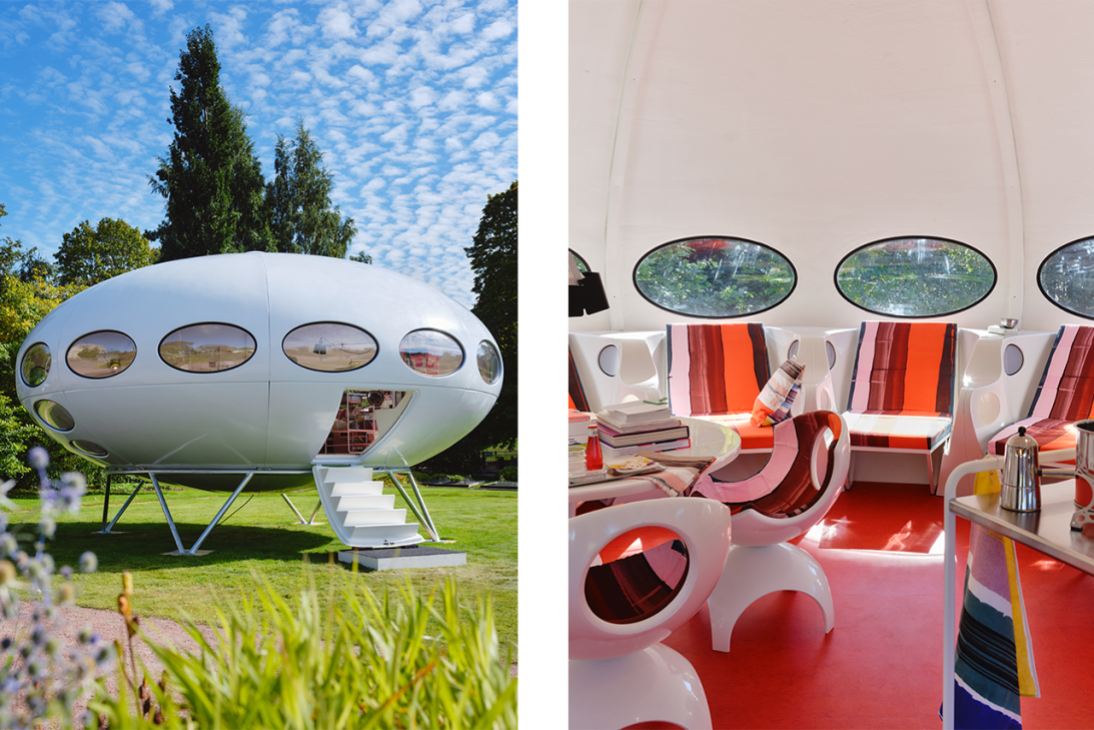
Another example was the Design Diplomacy showcase, for which embassies opened their doors and welcomed speakers to discuss their work and different design cultures. Among the highlights elsewhere was the Futuro House – a unique, UFO-like, futuristic Finnish building type that was first conceived in 1968; US architectural-heritage expert Jan van Dijs recreated it using long-lost original drawings, with Marimekko designing the interiors. “We wanted to speak to the future of living,” says Rebekka Bay, the Finnish practice’s creative director. “Instead of focusing on traditional living today, we sought to propose a vision where we can downscale and live with less, but with what’s important to us.” Equally monumental was the seven-metre-tall “Aalto Vase”, made from aluminium by Norwegian materials producer Hydro and Finnish design company Iittala.
Meanwhile, Habitare, Finland’s key furniture and interior-design fair, attracted more than 40,000 visitors during Helsinki Design Week. Unlike most fairs of its scale, the showcase is consumer-oriented and Finnish brands often record good sales there. “I don’t have a physical shop and this is the only place where people can touch, feel and see my products,” says Teppo Lakaniemi of Helsinki-based furniture brand Tebian, which launched a solid-oak chair called Buddy Jr. “I sell a lot here.” Other notable launches were the modular Pause lounge chair and sofa system by Hakola, and Pahka by kitchen brand Arkken, featuring wood bent by carpenters to create uniquely shaped cabinets. Reflecting Habitare’s growing focus on circular designs was Tyyne, an acoustic panel and space divider made from wooden side-stream materials by local studio Sistem with Finnish design brand Niimaar.
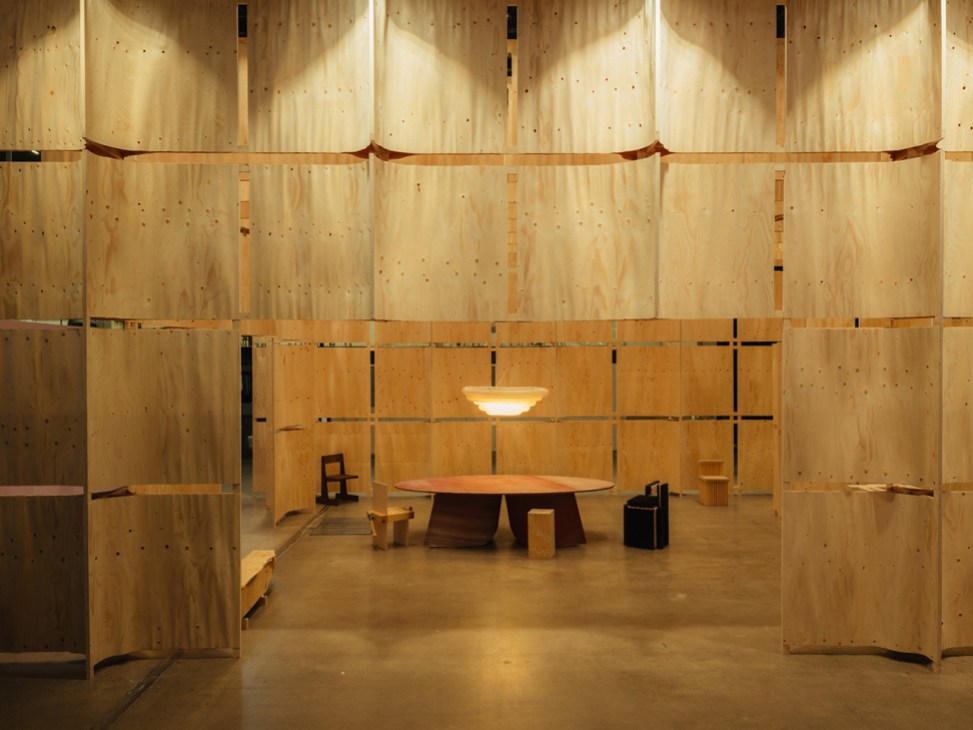
Though much of the fair was about showing these new pieces, it was also about driving broader discussions around furniture design. “We want to be in a real dialogue with the industry and young designers, sensing what is in the air,” says Habitare’s creative lead, Päivi Helander. “And we want to encourage prototyping, showing that not everything at a furniture fair needs to be finished.”
It seems that in Finland, whether designing for the city or designing a seat, the focus isn’t just on what’s new but on using design to continually evolve and improve our lives.
Petri Burtsoff is Monocle’s Helsinki correspondent.