Why replace when you can repair? Heritage brand Midgard designs entirely repairable light fixtures
The German manufacturer is lighting the way to sustainability by building longevity and circularity into every design.
How does a 107-year-old company ensure that it keeps evolving? For David Einsiedler, the CEO of storied German lighting manufacturer Midgard, it’s about asking the right questions at the right time. “This is the oldest start-up in the world,” he says, as he walks Monocle through the company’s workshop in Hamburg, where technicians are hard at work assembling lamps.
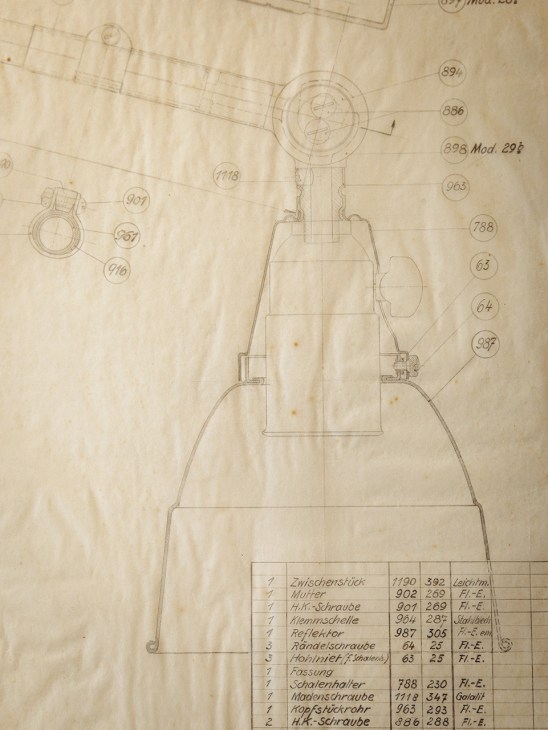
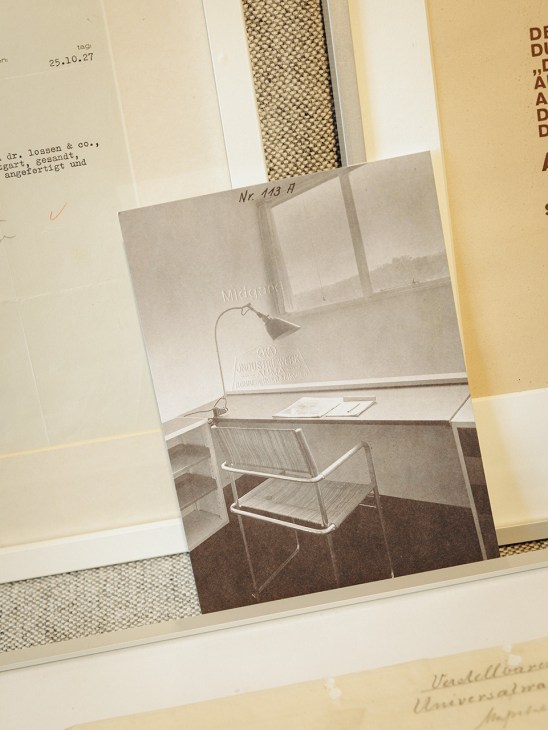
It’s an outlook that reflects the ambition of Midgard’s founder, Curt Fischer. In 1919 the engineer had a practical problem in his mechanical workshop. Industrialisation had extended the working day into the evening, which meant that overhead lighting was crucial but it would cast awkward shadows across the workbenches. So Fischer designed a wall-mounted, jointed lamp with a movable head that could be repositioned as needed. What began as a workshop tool soon entered offices and Bauhaus interiors. By the 1950s, the company had expanded the idea into a spring-balanced lamp with adjustable arms and a swivelling shade, setting a new benchmark for the modern desk light.
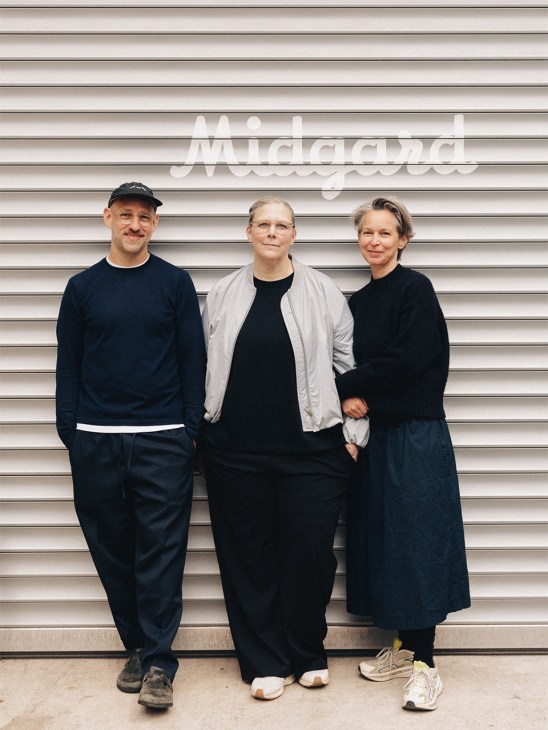
Despite this early innovation and success, Midgard faded into obscurity over the following six decades and, by the early 2010s, the company was insolvent. This allowed Einsiedler to purchase the firm in 2015 with his partner and wife, Joke Rasch. They were later joined by Kristin Seel and the trio put a selection of Midgard’s classic designs back into production, including its spring-balanced light and, later, the K831 pendant. Now, they’re seeking to build on Fischer’s legacy by solving lighting’s biggest contemporary problem. “For us, repairability is key,” says Einsiedler. “LEDs have given us enormous freedom but they’re virtually impossible to fix. Even design icons retrofitted with LEDs are often no longer repairable.” To address this, they have made every component of Midgard’s lamps replaceable, often by hand and with minimal effort.
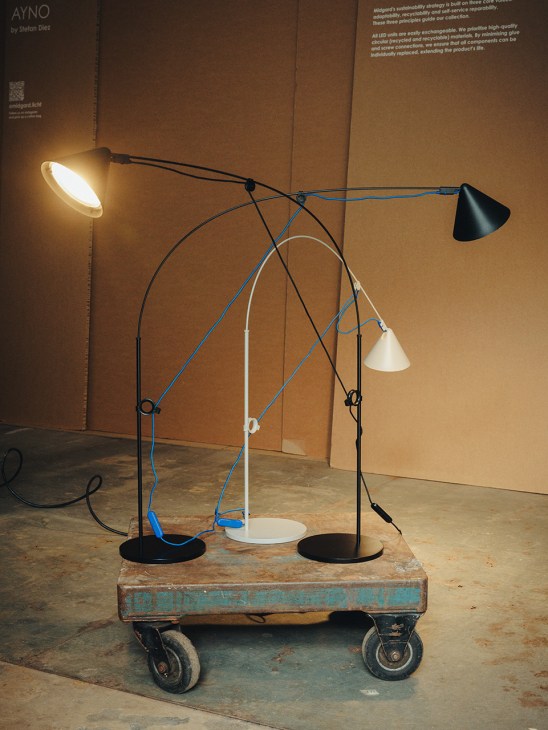
Take Ayno, which was conceived by celebrated German designer Stefan Diez and is a fresh interpretation of Fischer’s original task light, reimagined for a circular economy. “We wanted an adjustable lamp made from recycled or recyclable materials that’s easy for the owner to repair and equipped with exchangeable LED units – all at an accessible price point,” says Einsiedler. Diez responded with a slender standing light composed of a flexible fibreglass rod and a textile cable. Two of its three principal materials – steel and fibreglass – can be separated for recycling.
Dutch architect Mart Stam
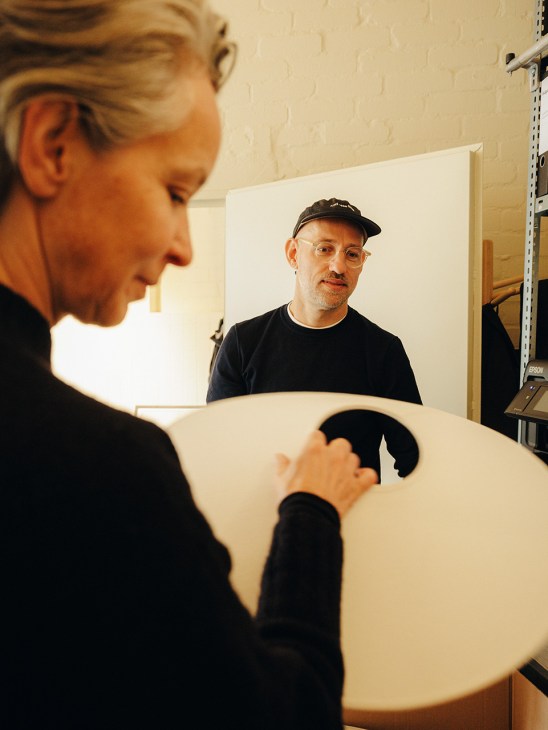
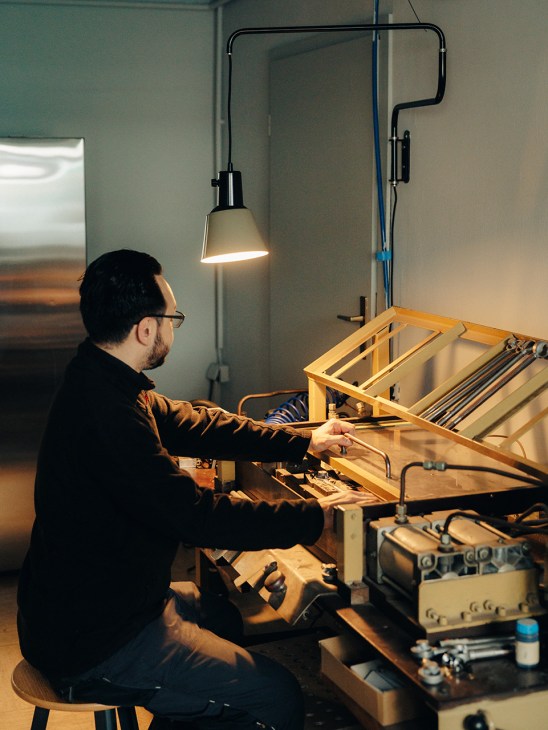
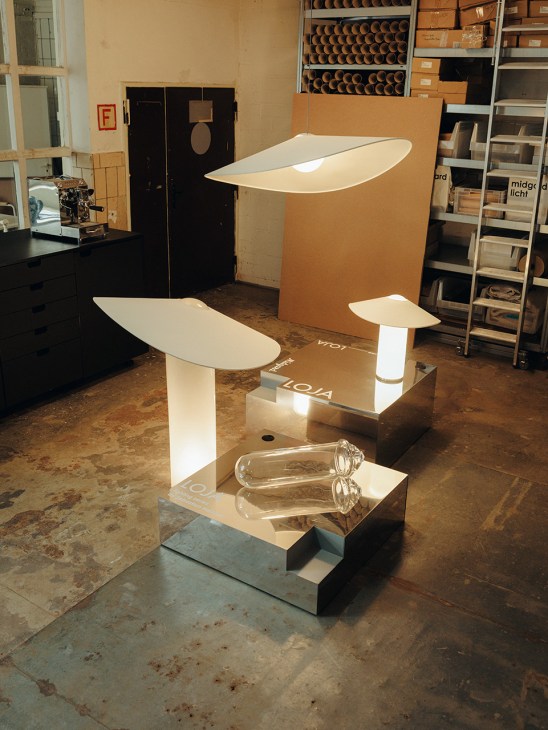
Loja, Midgard’s latest design, adheres to the same principles. Designed by Offenbach-based Sebastian Herkner, it’s a lamp with a gently curved paper shade perched, like a hat, atop a translucent glass cylinder. Its construction is slotted so there’s no need for glue.
To further enhance these lamps’ repairability, Midgard has developed a standardised LED unit that can be used across its entire contemporary collection – regardless of whether the lamp in question is a new piece or was made several years ago. “Now earlier products can easily be upgraded,” says Einsiedler. Forthcoming LED innovations, such as tunable white light and smart-home integration, will maintain this backwards compatibility too.
“What is the point of repairability if a model is discontinued the following year?” Asking such questions is exactly what inspired Fischer’s innovations a century ago. It’s this curiosity that looks set to keep Midgard ahead of the curve.
midgard.com
Business school
Longevity isn’t just about protecting a legacy but asking the questions that helped to establish a brand in the first place. Midgard shows that a century-old company can continue to innovate by treating its back catalogue as an opportunity.