Paris Fashion Week Men’s celebrates everyday life amid geopolitical uncertainty
The Paris autumn/winter 2026 menswear edition had the unenviable task of taking place while The World Economic Forum was unfolding in Davos. The US president, in attendance, was dominating the global agenda and the media’s attention as he raised the spectre of hitting countries that opposed his takeover of Greenland with tariffs. And to think that, just a year ago, brands in the midst of a round of swapping creative directors were the ones grabbing headlines in the business pages.
“The US administration’s decision to impose a 50 per cent tariff on India a few months ago has rippled through the ecosystem in ways that are both abstract and brutally specific,” said Kartik Kumra, founder of the New Delhi-based brand Kartik Research. “We can follow the money; shift focus and try to sell more in Asia to cushion a slowdown in the US. But for the fabric vendors, embroiderers, loom artists and dyers in India, their margins are thinner,” he added, explaining how tariffs impact the fashion industry.
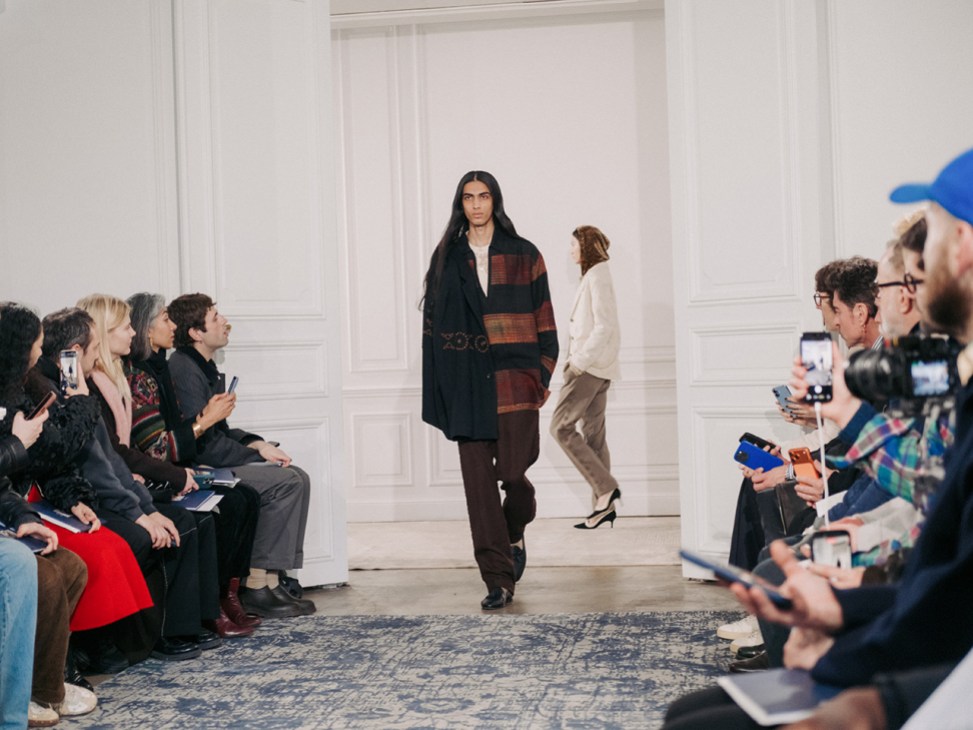
At his show (pictured above) an emphasis on craft infused the collection with a sense of generosity and national pride in the face of a lingering industry slowdown and the persistence of single-digit sales growth – and those tariffs. Elsewhere, designers also sought a sense of normality by celebrating the mundane as a form of resistance to an economic moment that is often beyond their control.
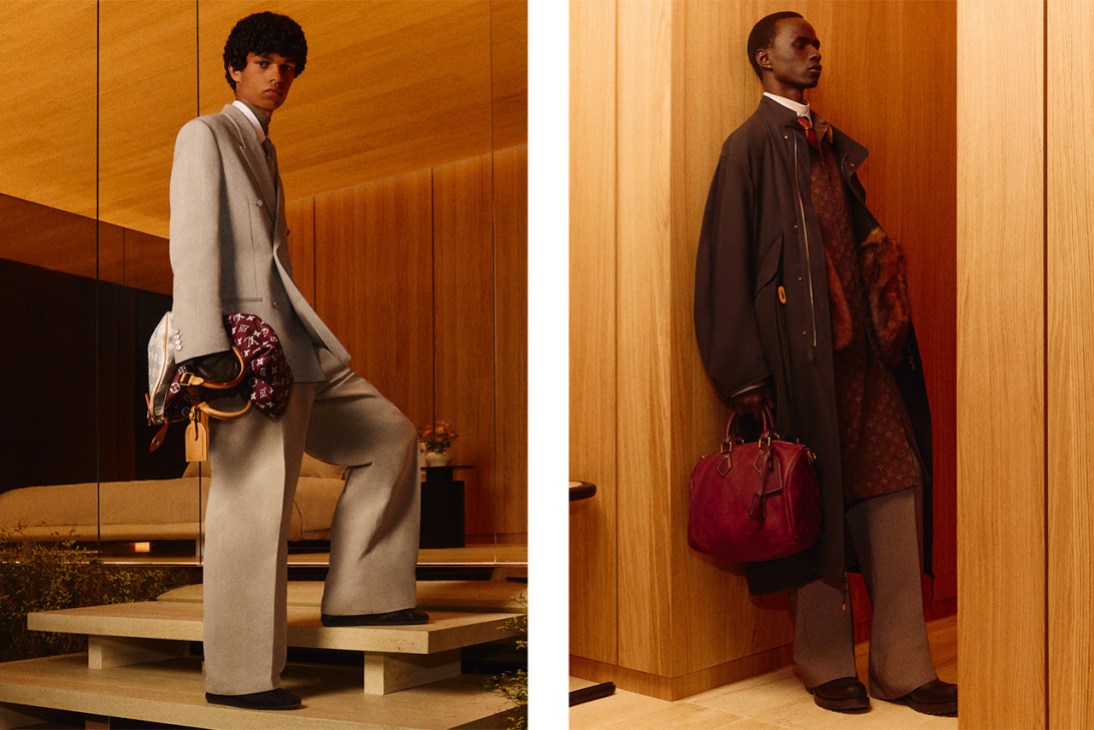
Clothes for the work commute and the boardroom took centre stage. At Louis Vuitton (pictured below), the brand’s American creative director of menswear (and general multihyphenate), Pharrell Williams, showed his strongest collection to date. Models in ties and grey suits – rendered in technical, thermo-adaptive materials developed in the French luxury house’s atelier – evoked the Wall Street salarymen of the 1980s. Alexandre Mattiussi’s label, Ami Paris, brought a cross-section of Parisian society to the runway, from Sorbonne University students in baseball caps and wired headphones to financial consultants in oversized camel coats.
This pursuit of the everyday (and the everyman and everywoman) is particularly salient in a time when many customers are tightening their purse strings. As a result, brands are doubling down on attending to the top-spending tier of VICs (very important clients). According to global consultancy Bain & Company, this group represents 2 per cent of the customer base but accounts for 45 per cent of global luxury purchases. In other words, the high price of luxury goods is not necessarily in line with a creative director’s intent on the runway, where functionality and accessible designs are shown and lauded for their effortless ease.
For creative directors, the challenge now lies in developing their vision and sustaining interest as their luxury parent groups ride out the economic uncertainty. As the industry recalibrates and regroups after its flurry of new appointments and hirings, seeking simplicity where possible is an understandable urge.
Grace Charlton is Monocle’s associate editor of design and fashion. For more opinion, analysis and insight, subscribe to Monocle today.