Paris Fashion Week Men’s highlighted a growing appetite for optimistic designs – and industry change
Inevitably, the kiln-like temperatures overtook much of the conversation at Paris Fashion Week Men’s. After all, the industry has plenty to reflect on when it comes to its contribution to climate change, while organisers of summer events clearly need to reassess how they host guests. Nonetheless, the designers in the French capital delivered strong collections and a healthy dose of optimism about the season ahead. Even Rei Kawakubo, the founder and lead designer of Comme des Garçons – known for her love of black and dramatic runway performances – lightened things up with bright checks and a soundtrack that included classic Kylie Minogue hits.
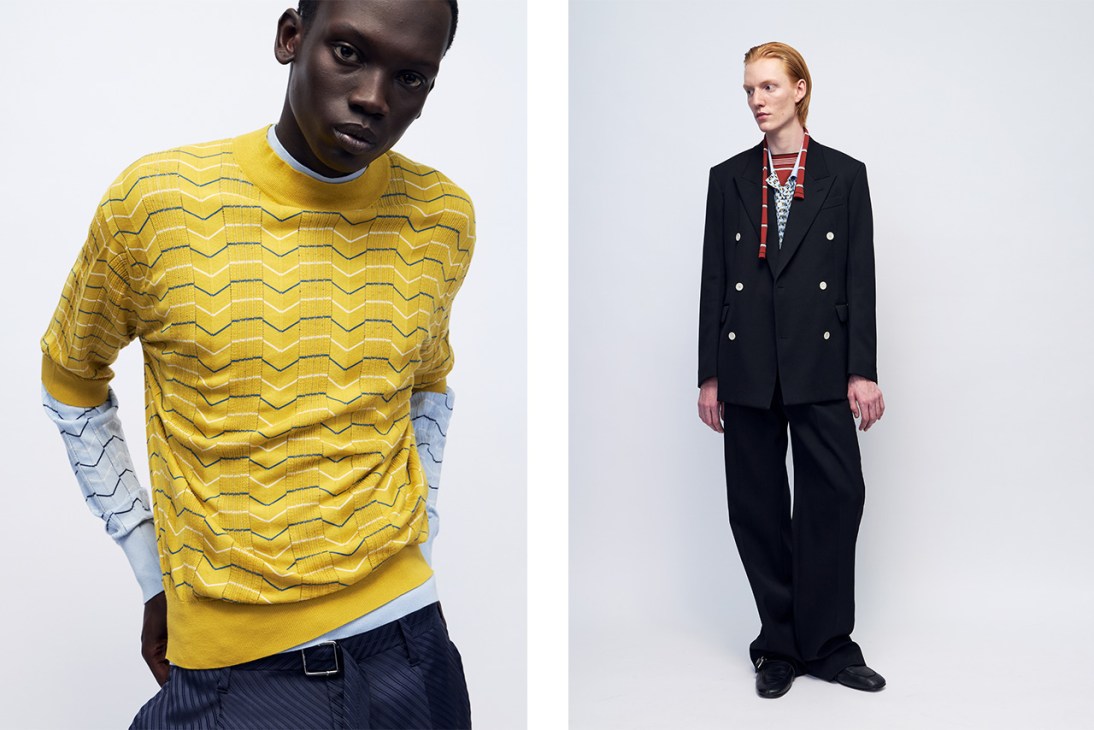
The shows were less about new trends than a focus on good fabrics, individual style and a sense of lightheartedness, delivered through cheerful colour palettes and accessories such as patterned ties, beaded necklaces and brooches. Perhaps that’s why Celine’s Michael Rider emerged as a firm favourite. His collection was filled with classics (pea coats, slim tailored trousers, V-neck knits wrapped around the shoulders) remixed with patterned shirts, accessories in bright aquamarine and green hues or charms hanging off belt loops. “We’re enjoying what we do in the studio and desiring it ourselves, all of it,” said Rider in his show notes.
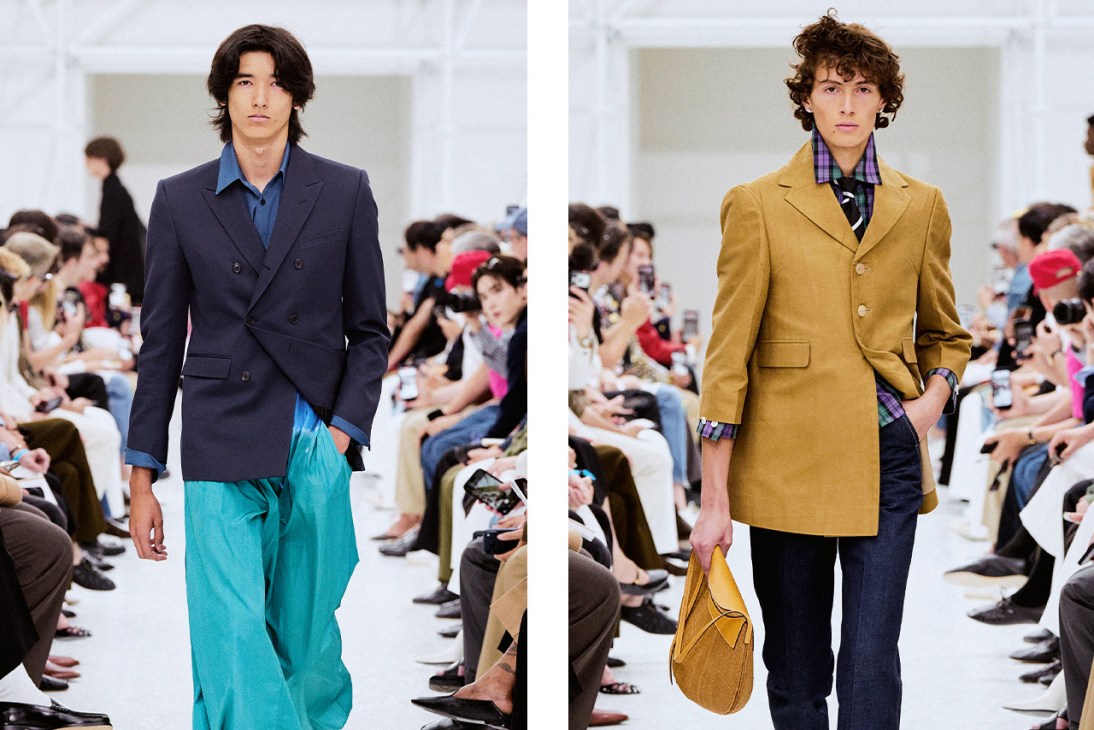
Other noteworthy moments took place in more intimate showrooms. UK designer Sarah Burton presented split-lapel blazers and hand-embroidered outerwear at the Givenchy HQ; Peter Copping showcased a surrealism-inspired collection in the new Lanvin offices in the 10th arrondissement, alongside Indian fabrics that he discovered in Jeanne Lanvin’s archives, images from his mood board and fabric swatches that he had been experimenting with. Under Copping, the French fashion house is finding its feet again with collections that marry classic styles with offbeat details. Look out for the label’s knitwear collaboration with UK manufacturer John Smedley next season.
This week brands will be shifting their focus to sales, hosting international buyers and taking orders. But the conversations on the front rows over the past few days questioned the efficiency of this system, as the dynamics of the business continue to change. Most retailers’ budgets are down; department stores are increasingly focusing on the concession model and on special projects with brands; multi-brand boutiques seem few and far between, especially in Europe. “There’s no one left to sell to,” said one up-and-coming designer planning to pivot to direct sales and made-to-order pieces.
Many of those continuing to play the wholesale game are looking to speciality shops, including the likes of Amomento in Seoul or A’maree’s on Newport Beach. Global players beating the odds and continuing to turn a profit are doing so by prioritising curation, exclusive products and high-spending customers. “We’re now so much more than a wholesale partner,” Mytheresa’s new CEO, Francis Bellin, told me, pointing to the kind of exclusive experiences that the global e-commerce platform gives customers access to. These include Maison Mytheresa, the “floating private club” that has been moving between St Tropez and the Yacht Club de Monaco for the past two weeks, hosting workshops, designer conversations and styling suites. If there was one theme that dominated this fashion week, it was the need to rethink how labels do business and connect with their customers.
Natalie Theodosi is Monocle’s fashion director. For more fashion updates, subscribe to Monocle today.