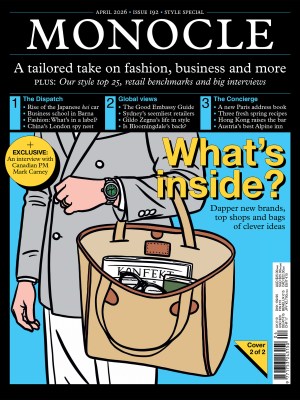
Monocle’s fashion 25: The best labels and in-store experiences across the globe this spring
From fresh uses of time-tested materials to shoes and accessories designed with the bustle of modern life in mind, here’s a list of the world’s best shopping this season.
1.
Fewer Better Things
Thailand
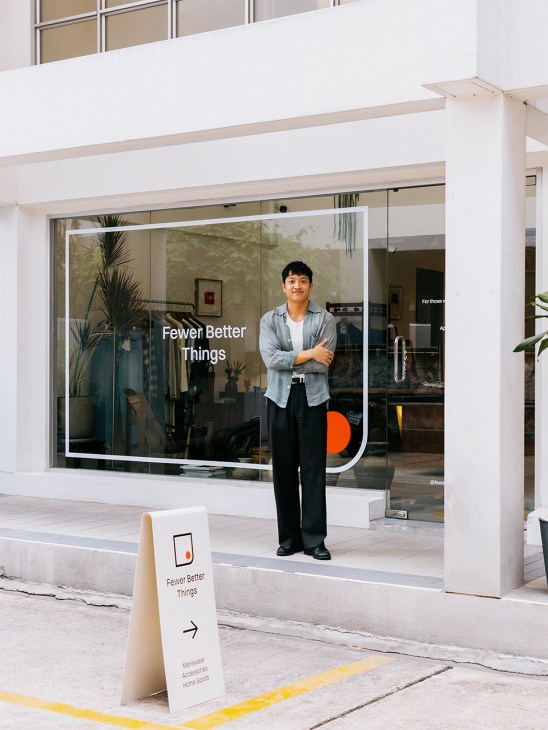
Bangkok is known for its shopping malls but the Thai capital is also full of independent boutiques with unique points of view. Among them is two-storey multibrand shop Fewer Better Things on Soi Sukhumvit 31, which opened in 2025 and stocks menswear, jewellery, accessories and homeware. After working in technology in California, its founder, Sutasit Srivisarvacha, returned home with a long-held desire to open his own shop. “We look for smaller brands that have a distinct design characteristic, use high-quality materials and are priced reasonably,” says Srivisarvacha, who selects brands from Canada, Mexico, Hong Kong and beyond.


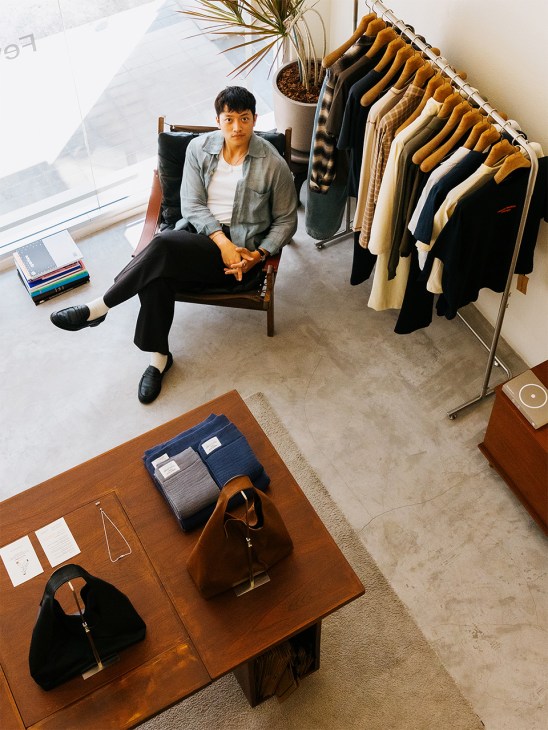
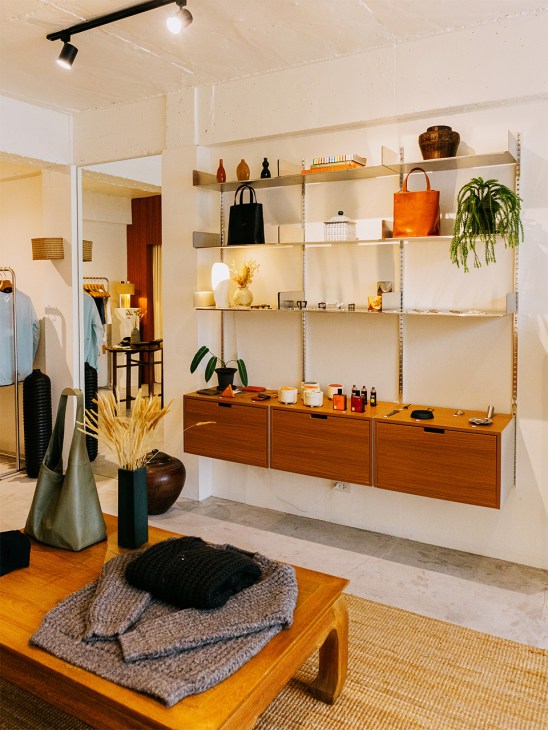
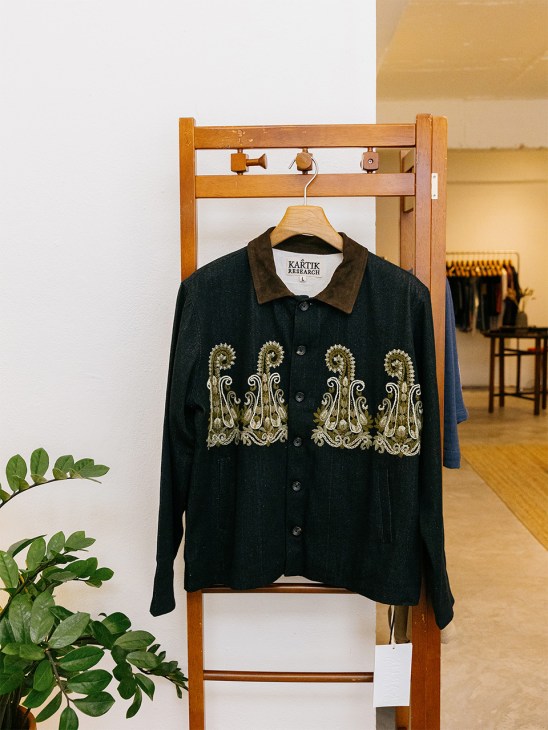
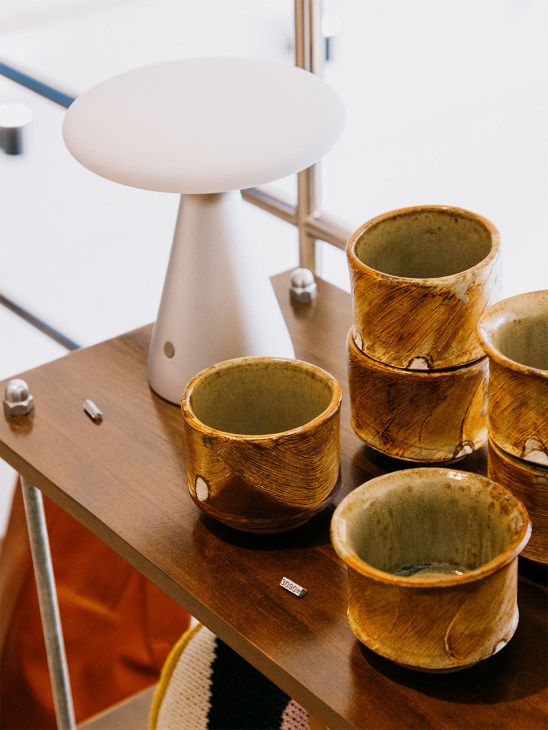

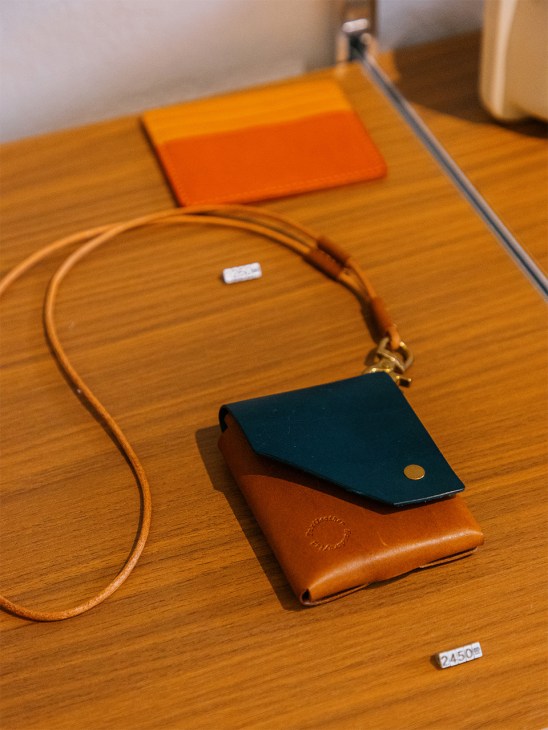
Copenhagen’s Mfpen is the top seller, followed by Bangkok’s Alvinaster and Danish label Another Aspect, known for its menswear staples. These brands point to a demand for a relaxed take on classic tailoring. Srivisarvacha also has a soft spot for India’s Kartik Research. “I admire the way it respects craft while maintaining a global, contemporary design language,” he adds.
The former user-experience designer and product manager has given equal thought to the retail experience, opting out of e-commerce to encourage shoppers to visit in person. Brands are presented in a mix and there’s an emphasis on emerging labels, be they newly launched or fresh to Thailand. “Often customers are unfamiliar with the brands that we carry, which is what we want,” he says. “You should discover something new with each trip to Fewer Better Things.”
fewerbetterthings.store
2.
Aeyde
Germany
Luisa Dames founded Berlin-based shoe and accessories brand Aeyde to cater to the footwear needs of modern women. “There’s a strong focus on form and function, especially in footwear, where every curve and proportion is carefully studied,” says Dames. “It is never overly decorative. There’s a balance of rawness and refinement, restraint and confidence too –and this has always shaped Aeyde’s design language.”
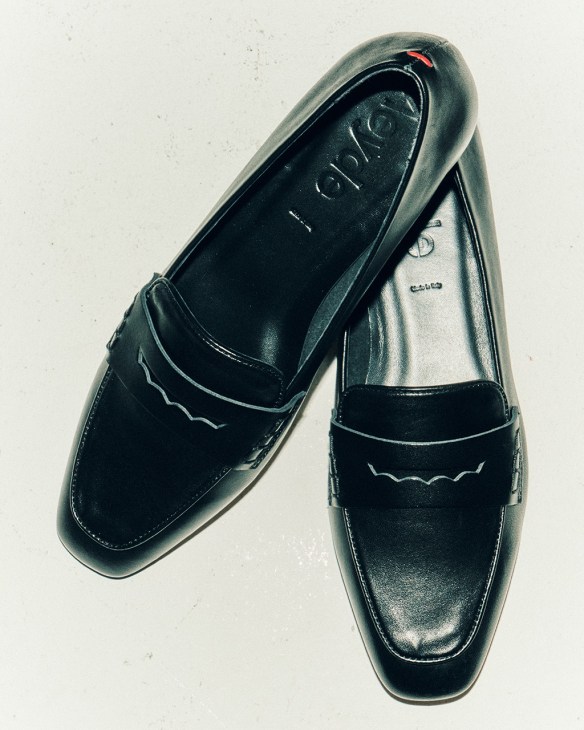
Every product is manufactured in a family-run factory in Tuscany – though, being based in Berlin, Aeyde has also absorbed the German capital’s edginess and elegance. “We combine modern design with a rich heritage of craftsmanship,” says Dames. “It’s how we produce pieces that integrate naturally into a woman’s life.”
aeyde.com
3.
Porter-Yoshida & Co
Japan
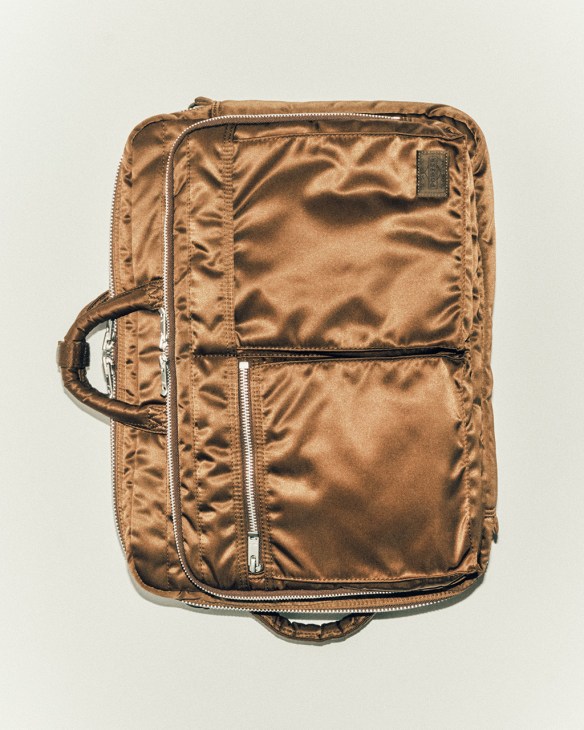
In Japan, sotsuju, or the 90th birthday, is a time to honour longevity. Tokyo label Porter-Yoshida & Co is marking its ninth decade with a considered collection that nods to a life spent in motion. Its Tanker Coyote range revisits house signatures such as backpacks, crossbody bags and capacious totes, rendered in the brand’s durable nylon twill. The twist is found within: linings are printed with a map tracing the territories that have shaped the company’s global footprint. And much like the original MA-1 flight jackets that inspired Porter’s Tanker series, whose linings were printed with maps to aid downed pilots, these pieces carefully balance utility with a sense of romance.
yoshidakaban.com
4.
Matsuda
Japan
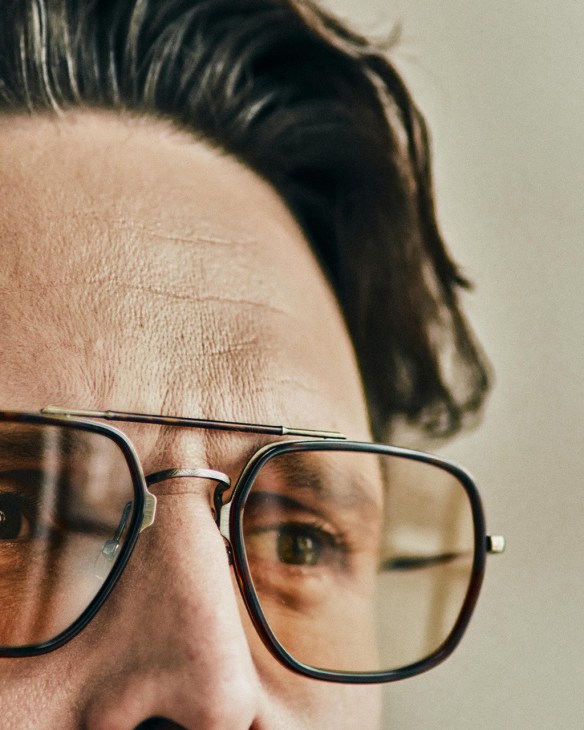
James Kisgen, a former sales director at Cartier, first encountered Matsuda Eyewear in a shop in Chicago. It was love at first sight. Since becoming the brand’s CEO, Kisgen has worked hard to bring Mitsuhiro Matsuda’s avant garde designs back to the forefront of eyewear. “His frames are full of intricate details and ornate construction,” says Kisgen. They’re almost architectural in the way that they’re built. Every design, from the green-tinted lenses to the tortoiseshell frames, is handcrafted in Sabae, Japan. Frames from the past century are often reissued. “We want pieces that feel relevant,” adds Kisgen. “It’s almost like using the past as a lens to see the future.”
matsuda.com
5.
Johanna Parv
Estonia
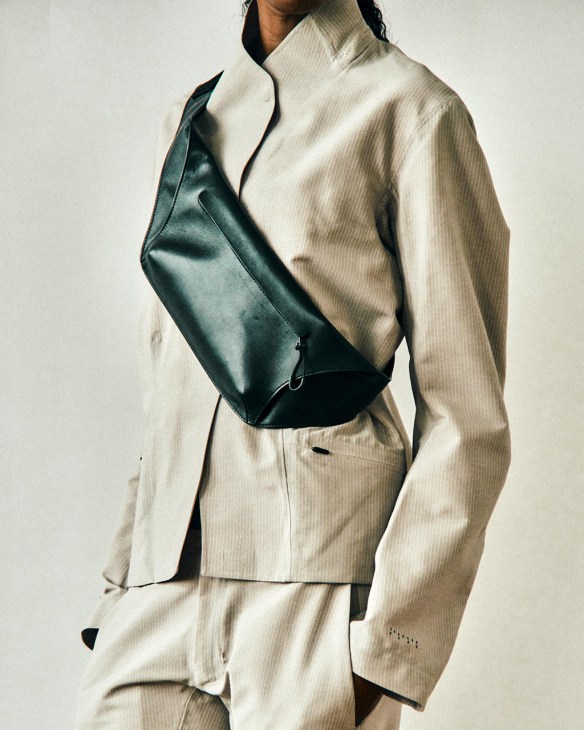
Estonian-born, London-based designer Johanna Parv is fast becoming a name to know, having carved out a singular space in fashion by merging performance materials with formalwear. After training at Central Saint Martins, Parv launched her label in 2022 through incubator Fashion East, a proving ground for emerging designers. Today she marries luxury tailoring with details borrowed from sports – think stretch nylon, Lycra panels and ergonomic zips, all rendered in convertible silhouettes. The result? Clothes made for the woman on the move.
Tell us about your design process.
I have always been fascinated by uniforms because of the demands on them to perform, to be in action. Tailoring and formalwear from the 1970s and 1980s are beautiful but often tight and restrictive. When I started designing, I thought about how to make these kinds of clothes better suited to modern life. I want to create products that are useful. My pieces should offer solutions – protection from the wind or the rain, somewhere to put things. When someone buys one of my pieces, they expect hidden details: concealed openings, spaces for storage and pockets – lots of pockets. I like to delight and surprise.
Your clothes are grounded in the urban environment. How should a person feel walking around in them?
They should feel free to move. I have a deep interest in sports. I trained as a mid-distance runner and represented Estonia when I was 19. I wanted to combine my knowledge of classic and traditional luxury with who I am – how I live, how I move and the lives that we all live in cities: commuting, walking, working, living in between many spaces. But it’s not sportswear. It’s too expensive for that.
Is there a single piece that best reflects your philosophy?
The Frame bag is designed to be worn over the shoulder or attached to a bike frame. It’s constructed from one piece of leather. The contrast of a beautiful, elegant leather bag and a metal bike frame is a bit dangerous and compelling. It looks like a traditional woman’s purse but then you notice that it’s folded over. I have added straps, fastenings and Fidlock magnet clasps. You can attach your keys to it or hook an umbrella through it. It’s about adding an extra layer to a product.
Does history influence your design?
Everything comes from history. Practical items from the past – for horse riding, working or travelling were made for men. I wanted to make things work for women too. I like the idea of starting with traditional proportions, then breaking the rules.
johannaparv.com
6.
Goldwin
Japan & UK
As part of its ambitious growth plan, Japanese label Goldwin is accelerating its programme of international shop openings for 2026. Its latest outpost is on London’s buzzy Broadwick Street, moments away from the many pubs, bars and restaurants of Soho. Designed by Hiroshi Sugimoto and Tomoyuki Sakakida, the duo behind Tokyo-based architecture studio New Material Research Laboratory, the space features as its centrepiece a ring-shaped yashiro (shrine) made from 12 cedar-wood pillars. Goldwin’s signatures, ranging from skiwear to water-repellent outerwear and activewear, are arranged along its perimeter.
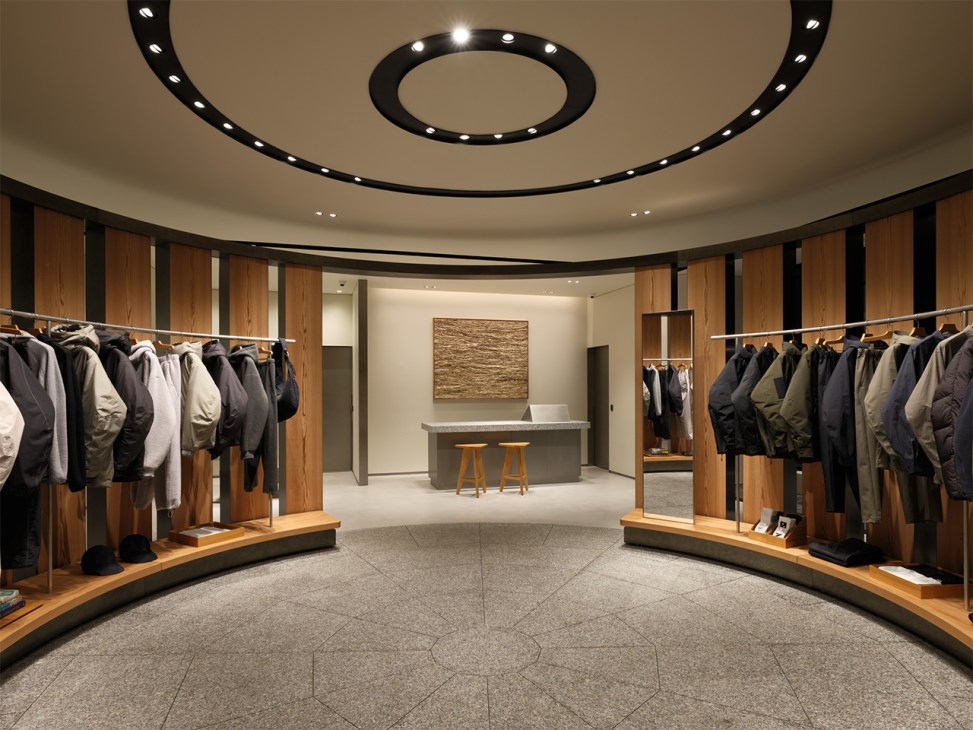
A close attention to craft extends to the fitting rooms, which feature cherry-blossom hues and traditional kakishibu dyed-silk screens. Whether you are planning your next alpine adventure or looking for a waterproof parka for your city walks, there’s plenty of products to browse here.
goldwin-global.com
7.
Hanover
USA
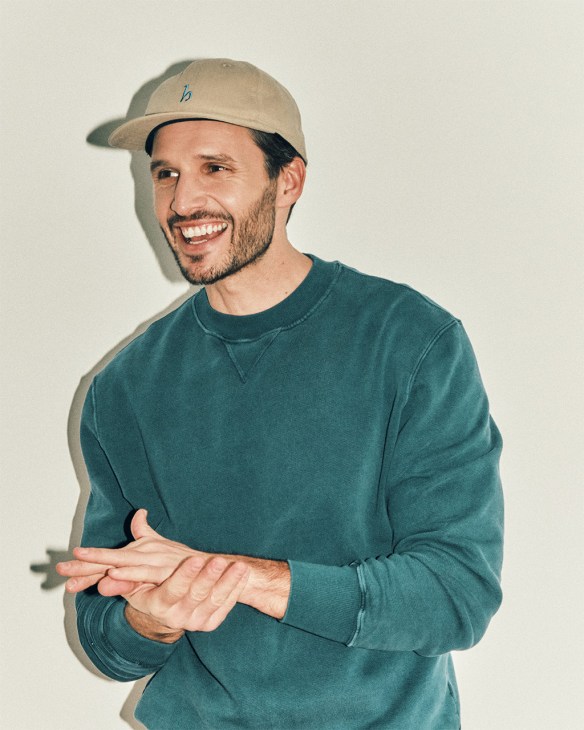
Launched in late 2025, Chris Black’s New York label offers “Made in the US” products at affordable price points. Aesthetically, its debut unisex collection is deeply rooted in nostalgia or what Black calls “baseline American dressing”. Think Oxford shirts, classic-fit jeans and cotton T-shirts that feel worn-in
hanover-usa.com
8.
Camiel Fortgens
Netherlands
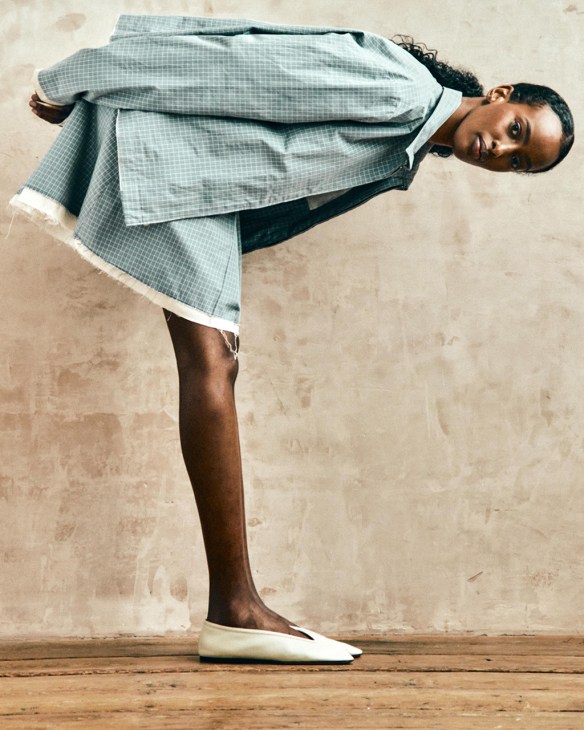
Camiel Fortgens founded his eponymous brand in 2014. From the get-go, he sought to create “perfectly imperfect” garments that mirror human nature, with deconstructed waistbands, exposed pocket bag lining, hanging threads and uneven seams. The hand touch ensures that no two pieces are the same – an approach to luxury that’s personal and sustainable. Look out for the label’s sturdy cotton anoraks.
camielfortgens.com
9.
This Is A(n)
Japan
After Osaka-based bag maker Takakiyo Hiramatsu launched This Is A(n) in 2022, it quickly became well known for its sturdy canvas totes. “I don’t announce it as a selling point but I make everything by hand in my workshop,” he says. Hiramatsu avoids waste by holding pop-up events and making his wares to order. “I produce only what is requested for people who genuinely want it.”
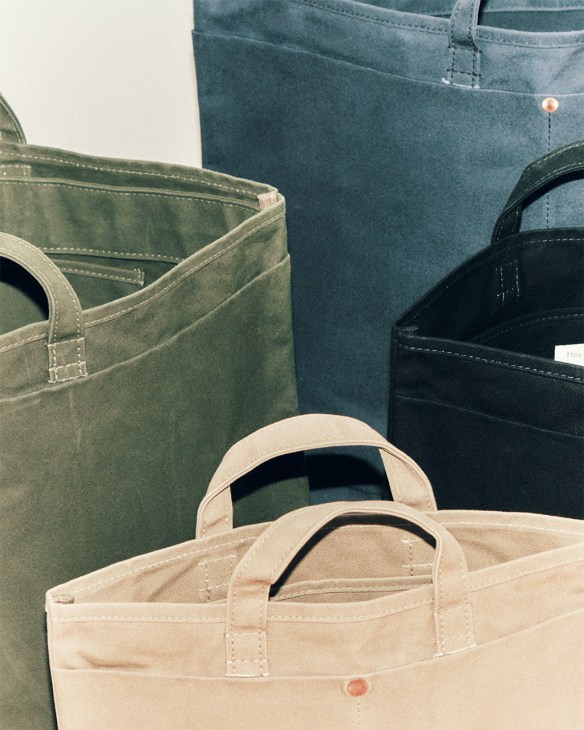
His ambition is to create simple products executed to perfection and his bags, crafted from paraffin-coated cotton canvas in a range of sizes and colours, reflect his utilitarian ethos. Hiramatsu is also open to collaboration. For a recent partnership, he worked with heritage UK company Brady to reimagine one of its leather-trimmed shoulder bags as a roomy tote.
thisisan.com
10.
Mackintosh x CP company
Italy & UK
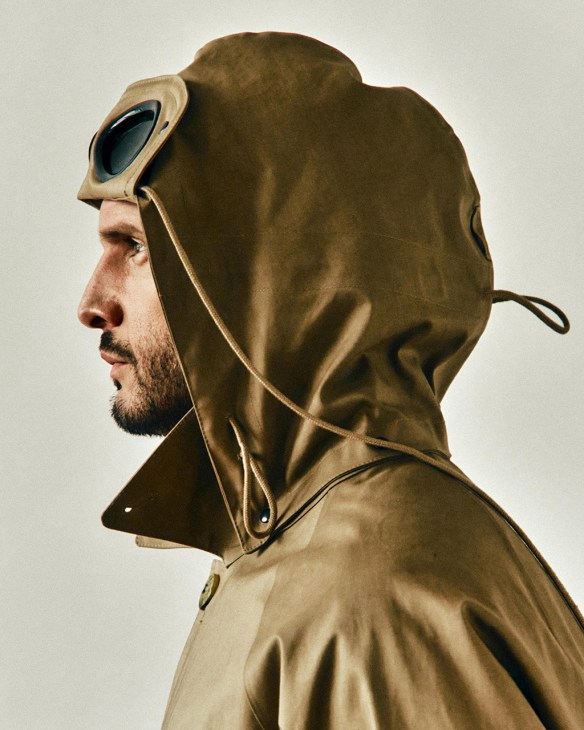
Italy’s CP Company, famed for its military- inspired outerwear and signature goggle lens, is shifting focus to a British stalwart: the mackintosh. Made in Scotland by the company that invented the first waterproof fabric, the coat allows the details to do the talking: tortoiseshell buttons; a waxed sheen; a detachable hood fitted with the dark lenses of CP Company’s goggles. It’s a case of Italian insouciance meeting Scottish rigour.
mackintosh.com
cpcompany.com
11.
Anon
Singapore
Menswear label Anon was launched to fill a gap in the Singaporean market. “My husband used to complain every day that he didn’t have anything to wear,” says its co-founder Shereen Koh. “We wanted to elevate the men’s offering here. You often see a well-dressed woman on a weekend brunch date with a man in a T-shirt, shorts and slippers.”
Realising that Singaporean men didn’t have access to the sartorial tools to smarten up, Koh, together with her co-founders, Leonard Lee and Hayden Chan, started Anon in 2025 and set in motion seasonal capsule collections that comprise six to nine pieces each. These mostly consist of handsome sets – shirts, polos, dress trousers and chinos – that will see you from the office to more formal events.
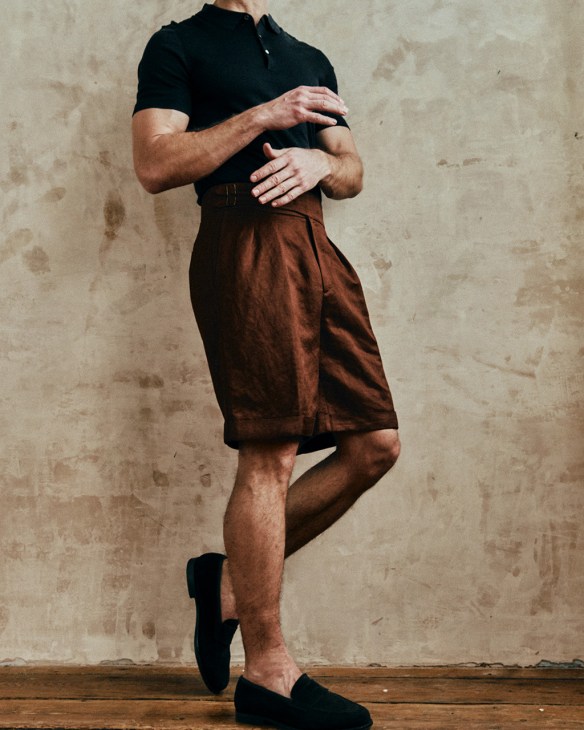
What guides Anon’s pieces is an understated style with subtle details bridging the divide between functional apparel and tailored fits, from one-piece collar shirts to pleated Gurkha trousers with horse-bit side fastenings. Designing for the heat and humidity of the tropics is a crucial consideration; this priority is exemplified by the use of breathable fabrics such as jersey and hemp.
Though Anon is less than a year old, it already has repeat customers. “I feel a lot of pride when people enter our studio in T-shirts and shorts, and are transformed when they put on our pieces,” says Lee.
houseofanon.com
12.
Lutays
France
A brand’s choice of address for its bricks-and-mortar shop can tell you a lot about its identity – and nowhere more so than in Paris, where fashion houses are often synonymous with the streets that they call home. “If you want to attract business, Rue du Faubourg Saint-Honoré is the place,” says Jean-Baptiste Rosseeuw, the founder of menswear brand Lutays. But Rosseeuw knew that he wouldn’t feel at home among the city’s luxury powerhouses so, for the location of his first by-appointment-only boutique, he chose the narrow lanes of Paris’s 7th arrondissement.


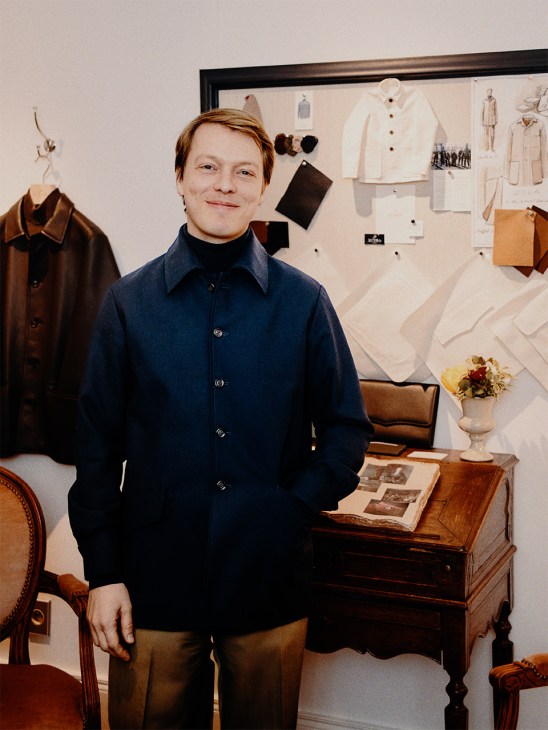
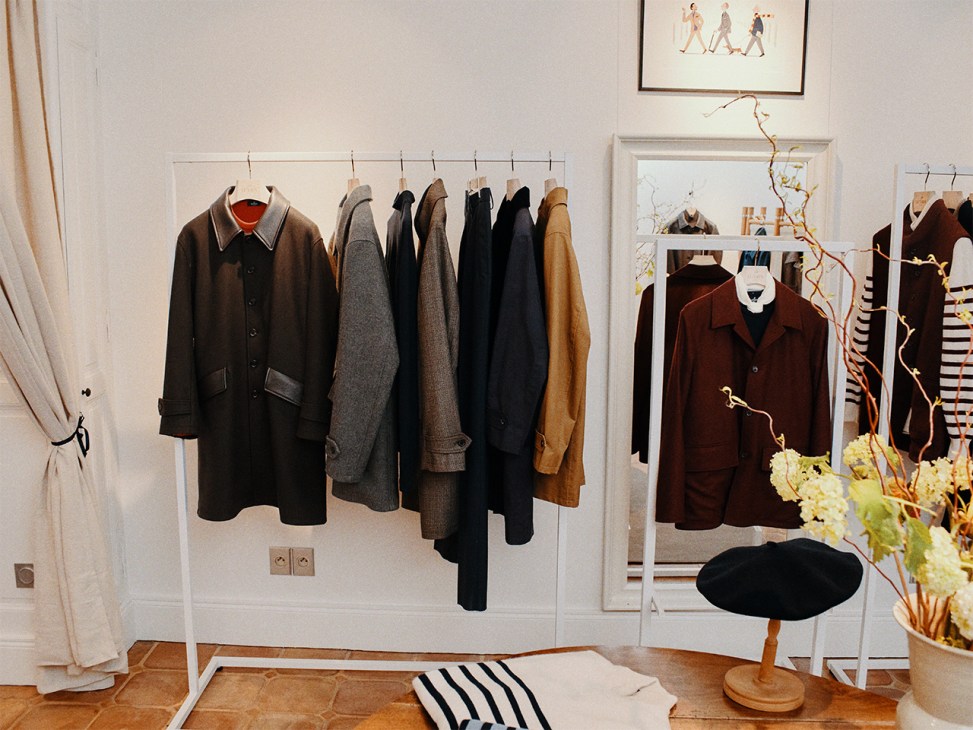

“The Left Bank matches our brand perfectly,” he says, as he gives Monocle a sneak peek. “We wanted the space to feel like an 18th-century literary salon but simple and elegant.” Inside the compact shop, with its blue façade, are racks showcasing the label’s casual jackets, clean-cut coats and fine-knit jumpers, alongside an antique writing desk.
Rosseeuw’s scrapbooks, filled with visual references, are scattered on the desk, containing everything from photographs of generously pocketed jackets worn by French pilots to images of turtlenecks favoured by seafarers. Shoppers are invited not only to browse the collections but to learn about the ideas that led Rosseeuw to establish Lutays in 2020. “French fashion history is so rich but men’s wardrobes today have been built around US, Italian and British styles,” he says. “I wanted to bring French style back into the mix.”
Staying true to France’s couture spirit, all of the brand’s pieces are made to measure in small ateliers across the country. By focusing on one-to-one interactions, Rosseeuw can offer the tailor-made experience that Lutays stands for.
lutays.com
13.
Basico Milano
Italy
In a menswear scene as crowded as Milan’s, it takes a very sharp sartorial eye to help you stand out. Florence native Tommaso Pierini, the founder of Basico Milano, is up to the task. After two decades working in ready-to-wear for fashion houses including Gucci and Valentino, he unveiled his first Basico Milano collection in 2025 to promote what he calls a “noise-free” approach to tailoring. “Rather than chase trends, we prefer to make great staples – evergreen pieces that stay in one’ s wardrobe for the long run,” he says.
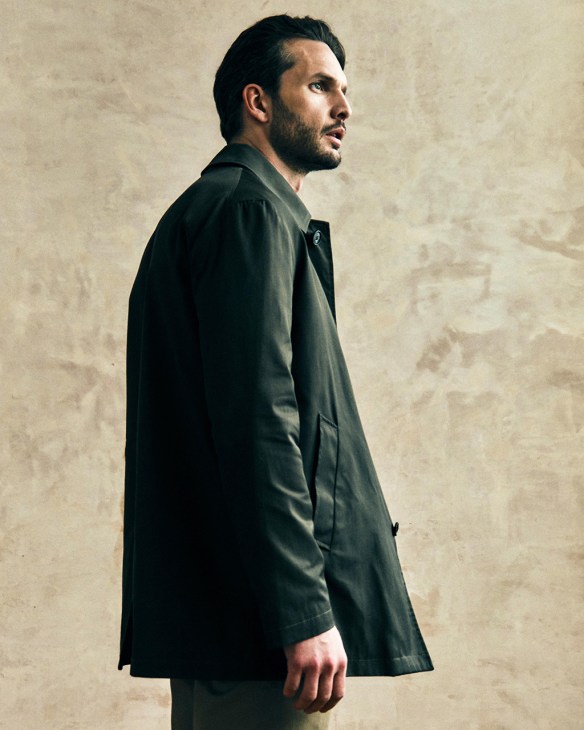
As a designer, Pierini favours clean lines and monochromatic hues for his clothes, with a fit designed to appeal to city dwellers. Among Basico Milano’s popular looks are a crisp, shirt-jacket-style blazer in navy with front patch pockets, a sleek car coat in olive green that references classic trenchcoats and a fine merino-wool sweater with clean-cut edges and sleeves. “It’s an urban look, good for both work and the weekend.” For manufacturing, Pierini relies on a network of niche suppliers across Italy. His trousers are made in Naples and cotton and jersey pieces in Lombardy; outerwear, meanwhile, is sourced from the Veneto region.
basicomilano.com
14.
Camisas Manolo
Spain
Manolo Molina, the founder of Spanish menswear brand Camisas Manolo, has always loved tugging at the conventions of fashion. “I was 12 or 13 when I first embroidered logos on my shirts,” he tells Monocle. “My mum wouldn’t buy me the originals so I stitched the Tommy Hilfiger logo by hand. You can imagine how that looked.” These experiments led him to study at the Istituto Europeo di Design and, in 2019, to start his own label.
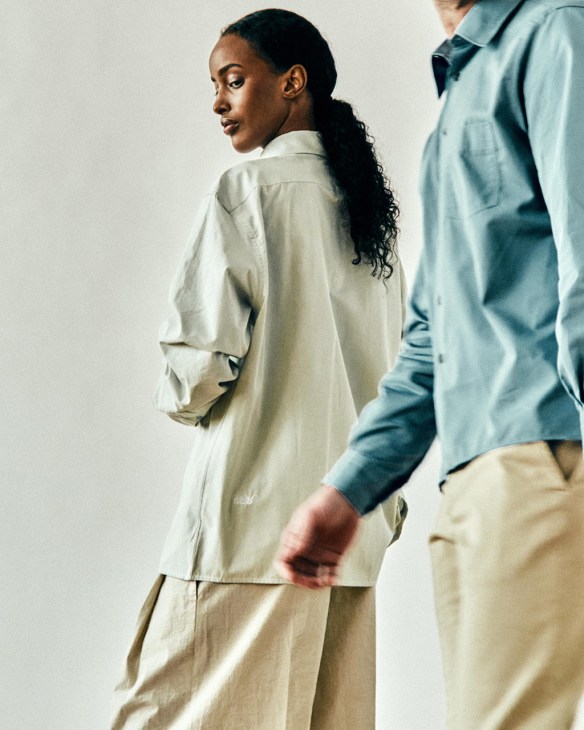
Camisas Manolo’s shirts – made from Italian, Spanish and Portuguese cotton, silk, wool or linen – are known for their elegant collars, single-button cuffs and pleated sleeves, drawing inspiration from classic men’s tailoring. But Molina was equally influenced by the Roc Neige puffers and Salomon zipper boots worn by the youth subcultures of his native Madrid. “At the time, you were expected to belong to one group but I was absorbing everything and building a personal mix of styles that no one really understood,” says Molina. “By fusing these references with the tradition of shirtmaking, I created my own interpretation of a uniform.”
His work is rooted in Spain, but the designer also has international ambitions. His first collaboration consists of a range of shirts, some with attached print ties, co-designed with Japanese fashion designer Soshi Otsuki. “We admired each other’ s work,” says Molina. “The idea of a collaboration came about when a mutual friend introduced us. Five months later, a beautiful shirt collection was presented at Pitti Uomo in Florence.”
camisasmanolo.com
15.
Bottega Veneta
Italy
Spring 2026 marked a new chapter for Bottega Veneta, as UK designer Louise Trotter took over the creative reins. Trotter wanted “to return to the beginning to find the present”, exploring the original intrecciato (woven leather) first applied to bags by co-founder Renzo Zengiaro. Her interpretation for 2026 combines the extravagant and the everyday in the form of lightweight tailoring and structured leather trenches, with details such as intrecciato removable collars. “I like that ‘Bottega’ is a workshop with a long and multifaceted history,” said Trotter after her debut.
bottegaveneta.com

16.
P Johnson
Australia & UK
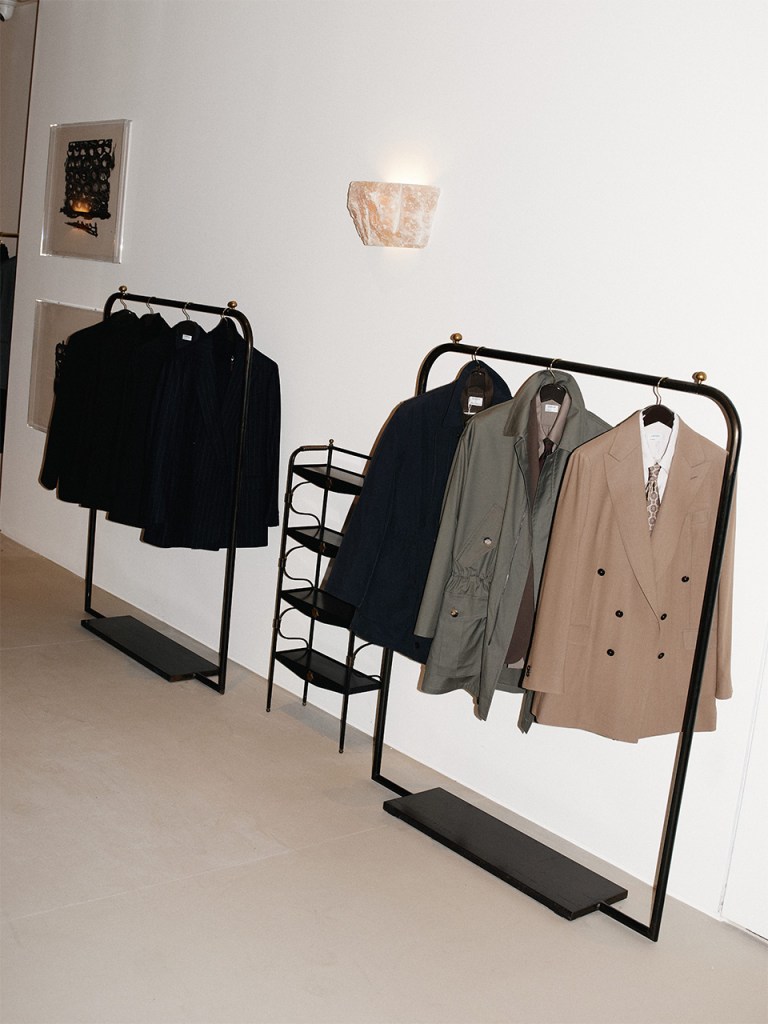
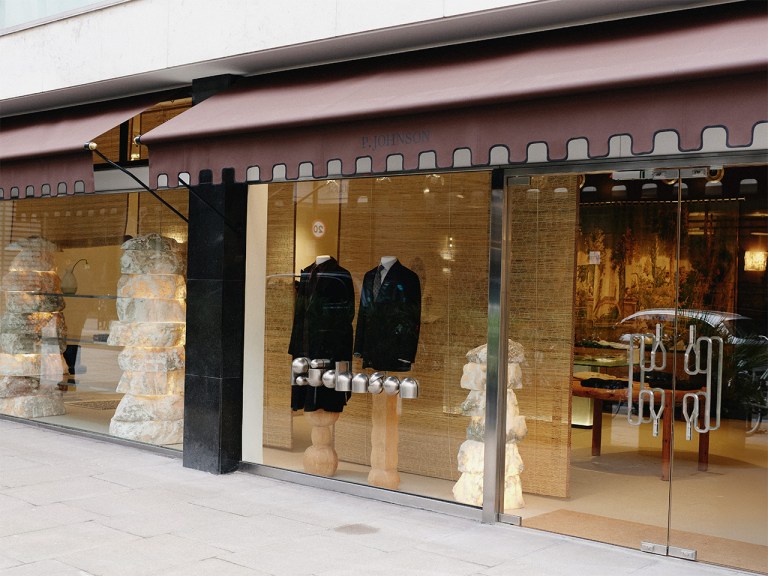
Australian tailoring label P Johnson has opened a London showroom in Mayfair, slotted between Savile Row, New Bond Street and Burlington Arcade. It brings a sense of Australian ease to the London tailoring establishment, with its mix of smart but relaxed suiting and thoughtful ready-to-wear pieces embodying its “live slow, die old” mentality. The showroom’s interiors, conceived by Tamsin Johnson, set the tone: the fitting rooms have chocolate velvet walls and Jacques Adnet valet stands, while a Le Corbusier sofa encourages visitors to linger. Founded by Patrick Johnson in Sydney in 2009, P Johnson has since put down roots in New York, Jakarta and London. The timing feels right. As tailoring finds renewed relevance, the company is creating fresh, easygoing clothes that are simply made to be enjoyed.
pjt.com


17.
Prada
Italy
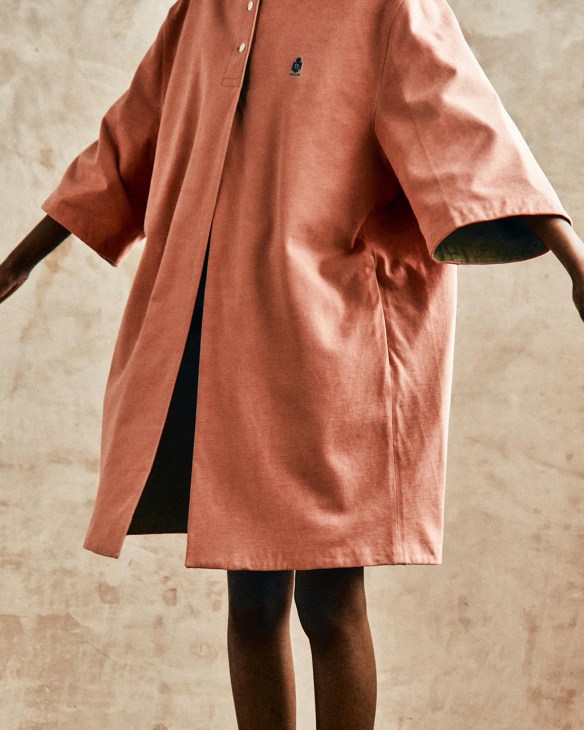
Prada’s spring/summer 2026 collection focuses Prada on versatility: clothes that can transition from Italy casual to formal, such as this trench coat. “It’s about clothes that can change and adapt,” says Miuccia Prada.
prada.com
18.
Yoke
Japan
When Norio Terada started Yoke in 2018, he wanted to find a name that reflected the chain of people required to take a piece of clothing from idea to retail. Hence “yoke”, a tailoring term for a piece of cloth that connects the shoulders to the body. “Having been involved in every stage of the process, from design and production to sales, I have come to appreciate all of the elements involved in creating a garment,” he says. The Bunka Fashion College graduate and recipient of the 2026 Fashion Prize of Tokyo has quietly built a name for his unisex clothes, which are made in Japan with a relaxed silhouette and detailing that elevates them beyond the ordinary.
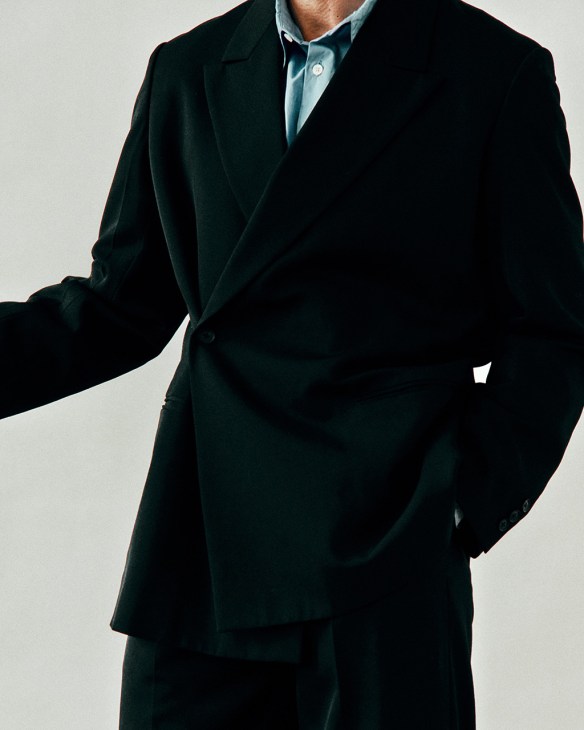
Yoke’s side-street flagship in Tokyo is refreshingly spartan – think bare concrete walls and a smattering of books and furniture. This allows the clothes to shine. Current standouts include soft wool trousers, a silk and nylon driving blouson with a knit collar, and a trench coat spliced with denim for subtle flair. This season, Terada also worked with veteran schoolbag maker Tsuchiya Kaban for bags and accessories, a happy blend of heritage and modernity. In January the brand made its debut at Paris Fashion Week. “Showing in front of a global audience made us realise that we needed to refine Yoke’s identity.”
Growth is inevitable with clothes of such a high standard but Terada wants to keep things at a pace that will allow him to continue overseeing production. His goal is to establish Yoke as part of the official Paris Fashion Week schedule and to “keep sharing Japan’s uniquely high level of craftsmanship”.
yoketokyo.com
19.
Watches to invest in
Global
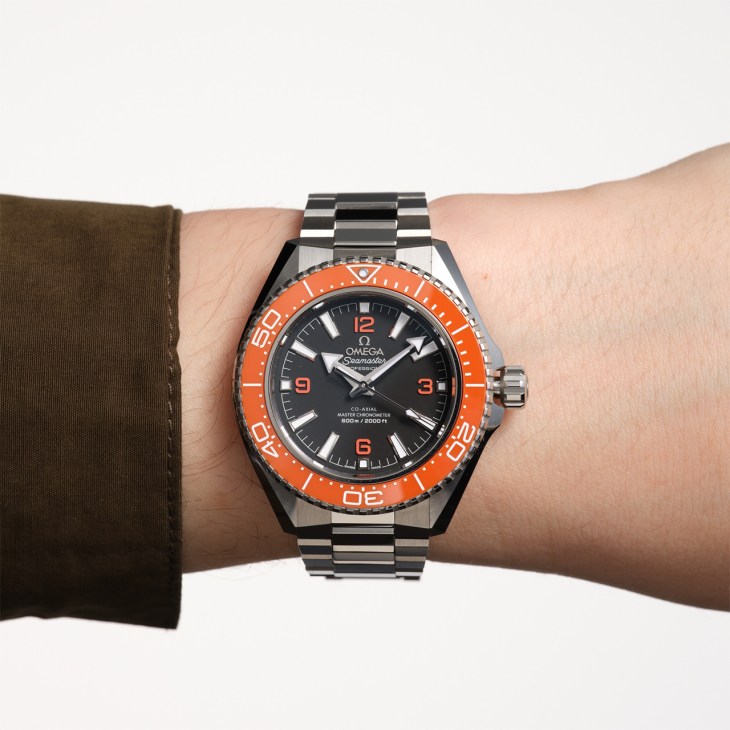
Few objects balance engineering and expression quite like a watch. The Breguet Classique Souscription speaks to tradition, while a Vacheron Constantin moon phase adds a touch of poetry. Sportier notes come from the Rolex GMT-Master II with its tiger-iron dial and the IWC Pilot’s Chronograph in green.
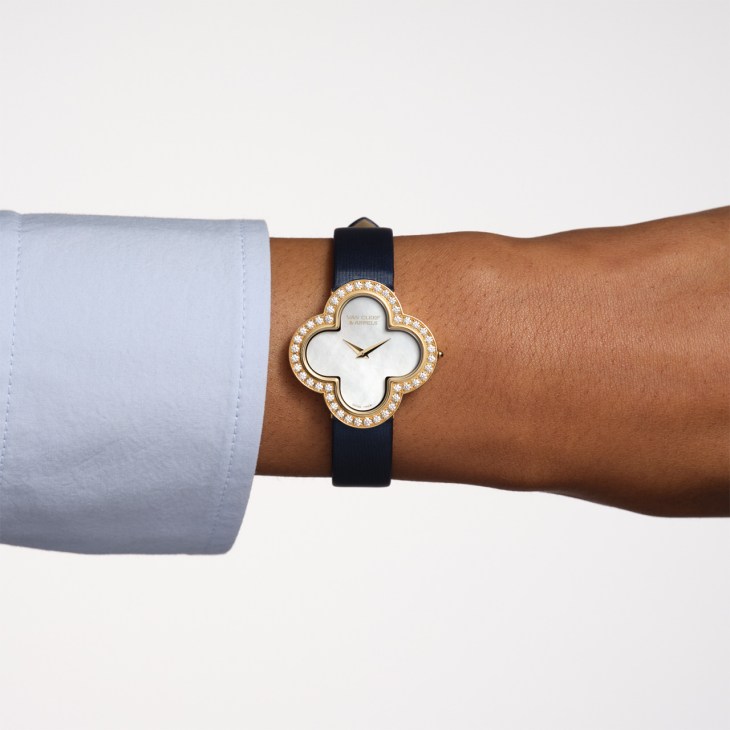
Jewellery houses offer a different take: Chanel’s Première Galon in 18-carat gold and the Van Cleef & Arpels Alhambra watch show how timepieces can be as decorative as they are precise.
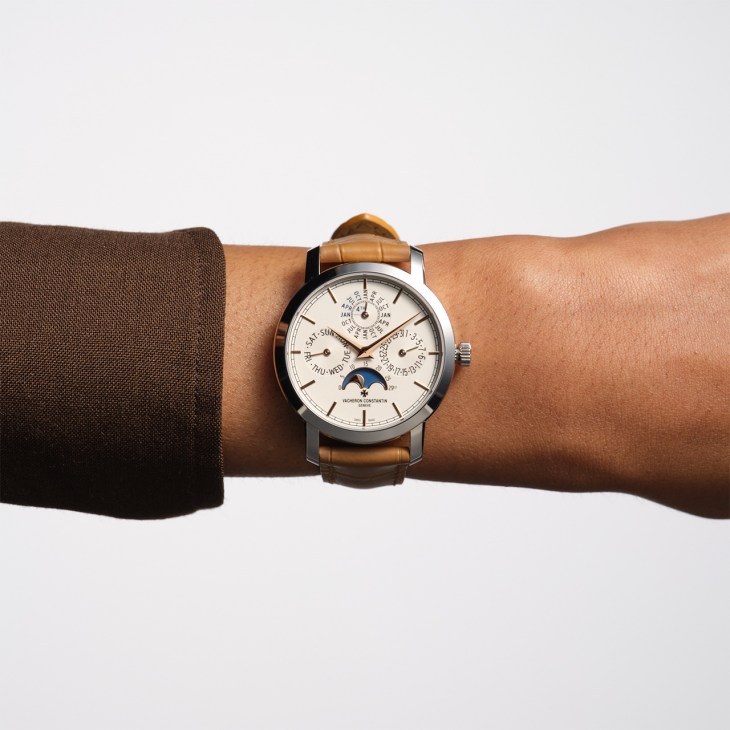
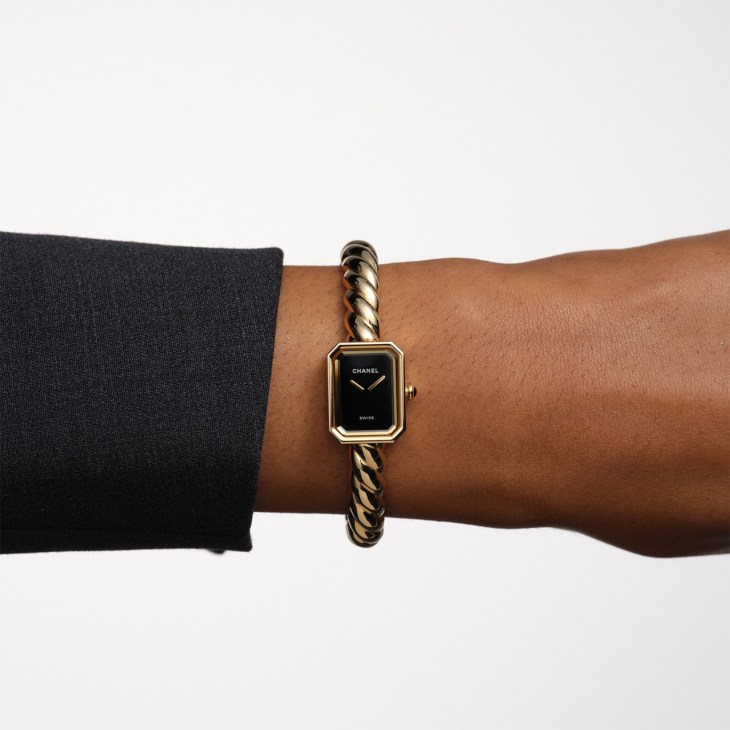
by Chanel Watches

by Cartier

by IWC Schaffhausen
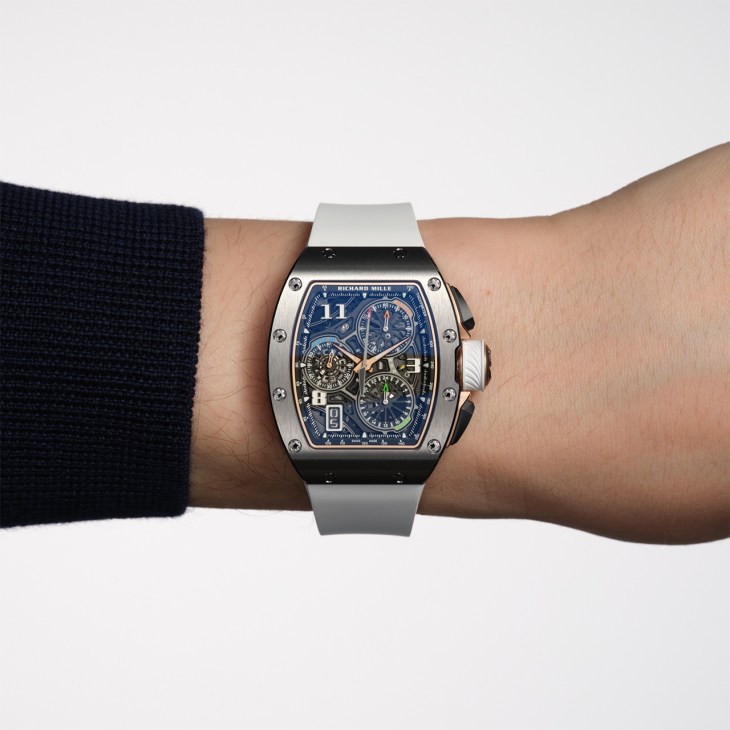
Chronograph Watch by Richard Mille
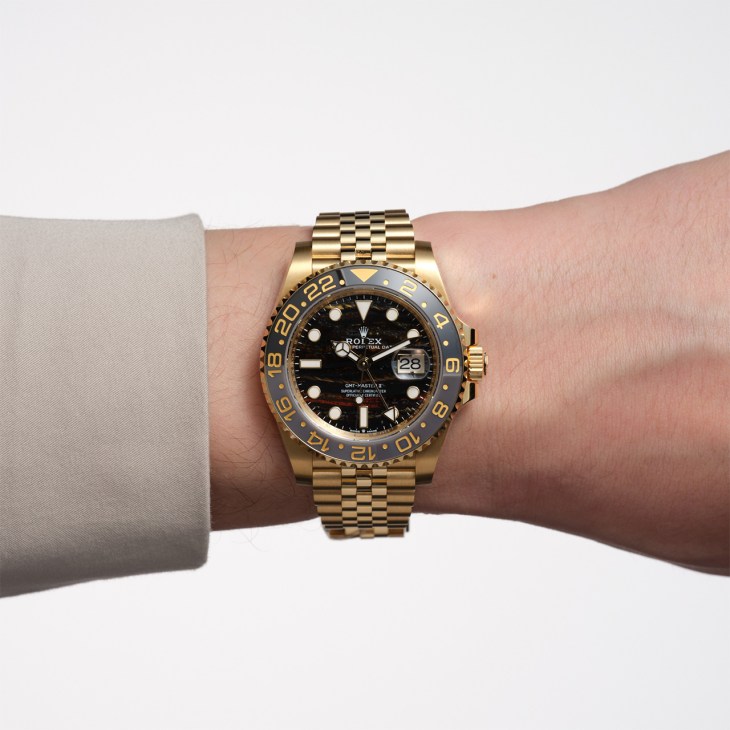
Dial Watch by Rolex
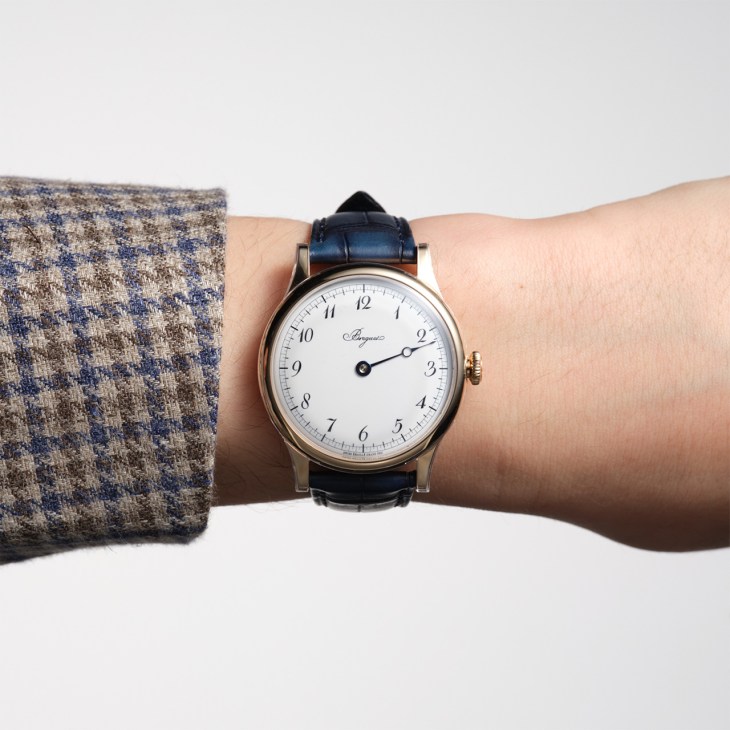
by Breguet
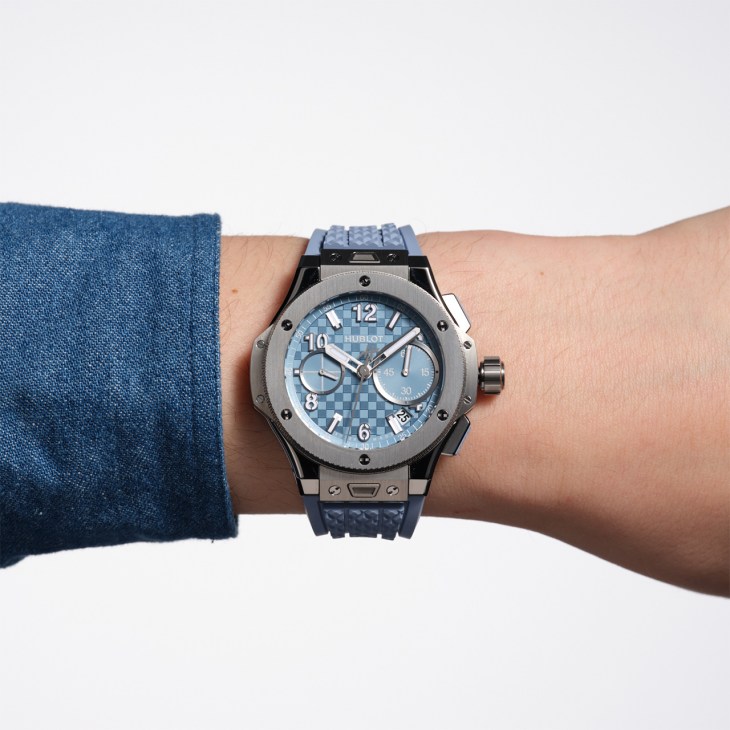
Coal Blue Watch by Hublot
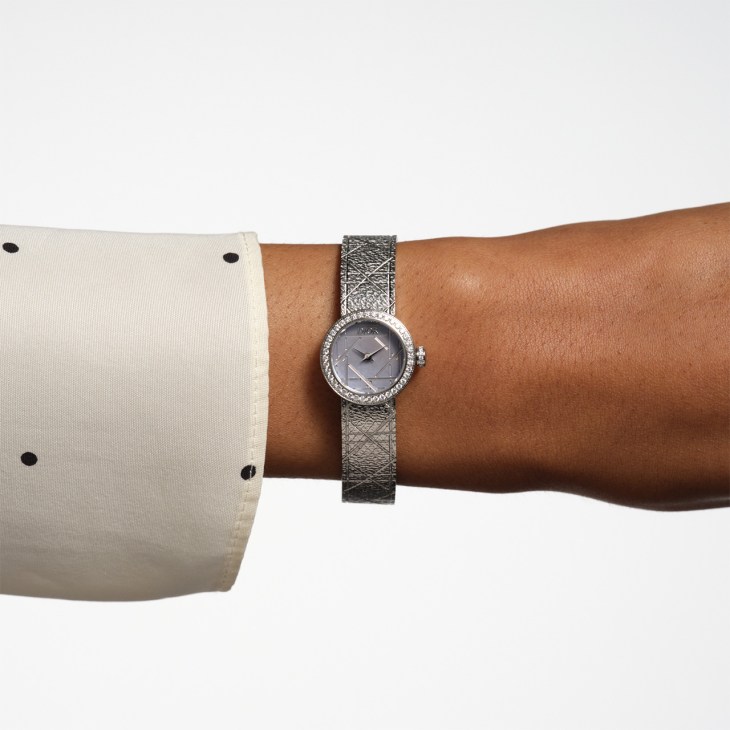
20.
Miraee
Florence
When it comes to fashion, Florence is best known for its cashmere and brogues –and, of course, as the home of biannual menswear fair Pitti Immagine Uomo. But Miraee brings something a little different to the city. Nestled between antique shops and jewellery studios on Via Maggio, the new shop invites customers to discover minimalist styles from South Korea.


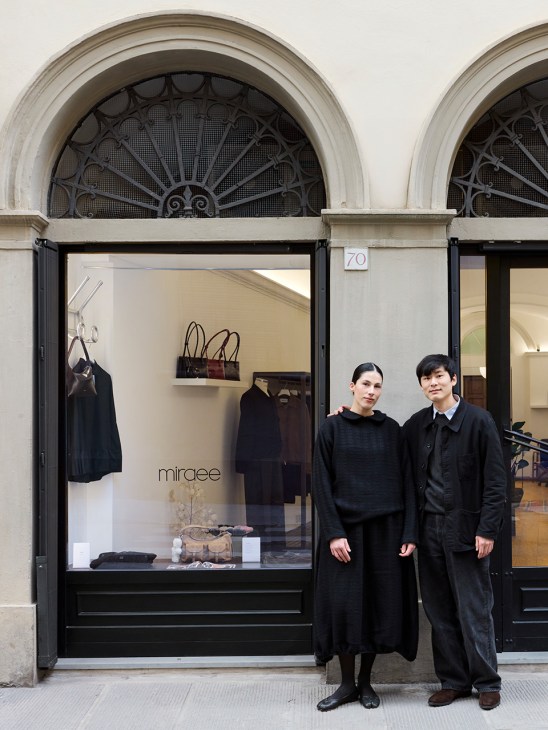
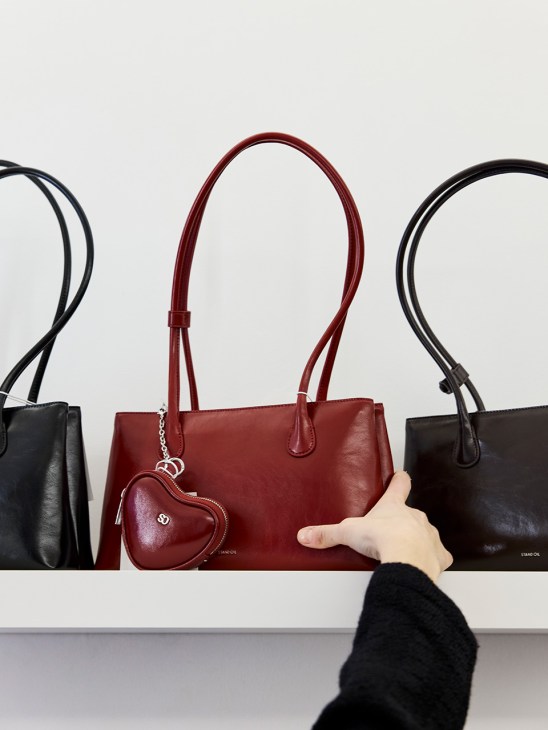
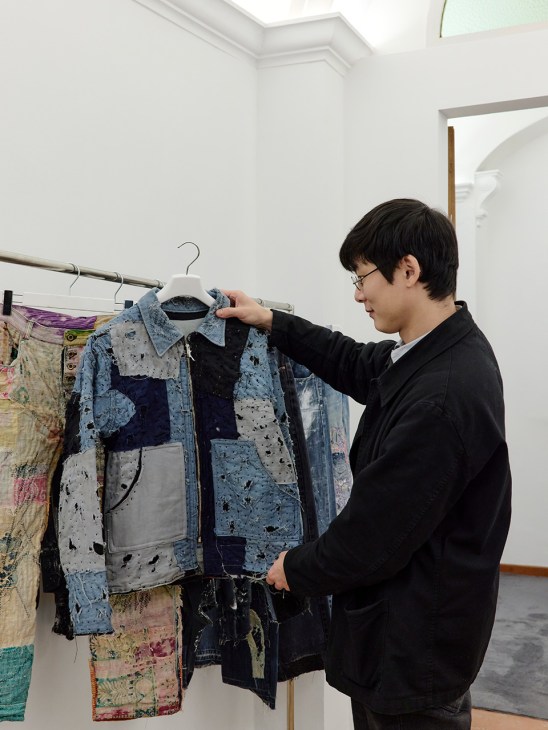
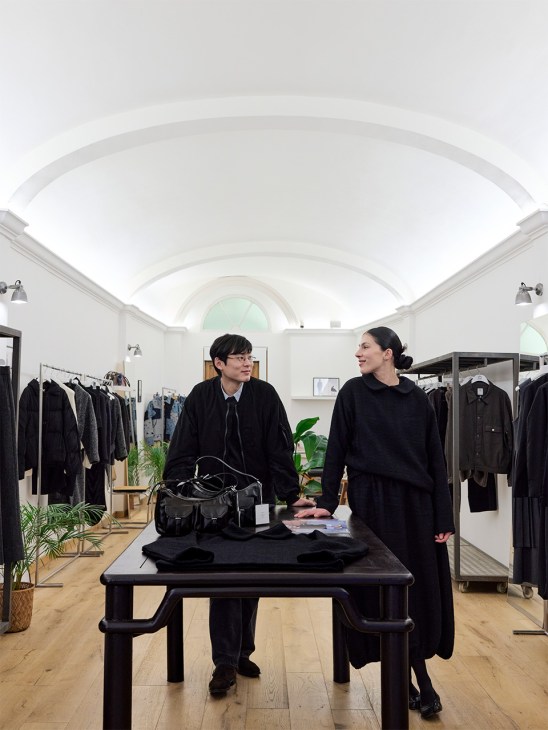
“We wanted to show that modernity and classic craftsmanship can coexist in a fashion capital like Florence,” says Miraee co-founder Yeonseung Choi. Along with Roman native Sara Tonacci, the Seoul expat settled in Florence after noticing a gap in the market. “The city celebrates the past beautifully but there were few spaces offering a contemporary twist on the same level of quality,” says Tonacci. “We chose Florence because its residents and visitors have a highly trained eye for materials and details.”
Miraee reflects Choi and Tonacci’s shared passion for sourcing emerging brands, as well as their desire to bridge a sartorial gap between East Asia and Europe. Their long-term vision for the concept shop is to add up-and-coming European names to their shelves and also introduce them to the South Korean market. “We want Miraee to become a destination for future classics,” says Choi with a smile.
miraee.it
21.
Carrer x Hereu
Spain
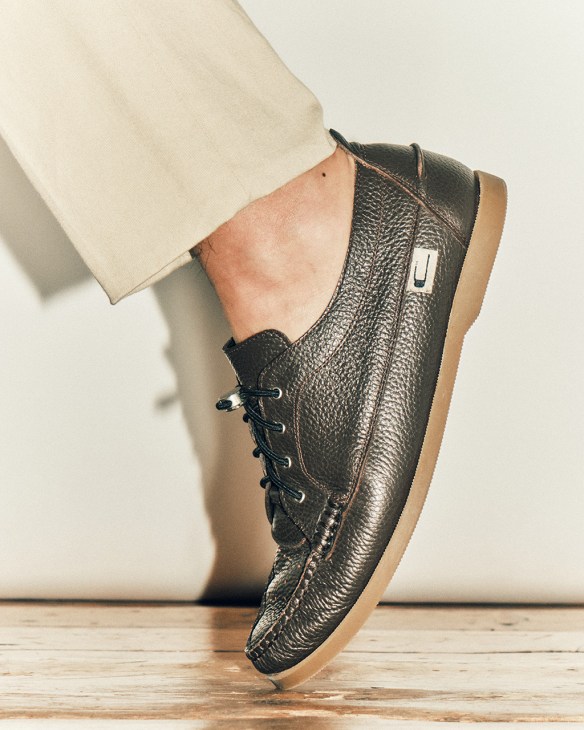
This collaboration brings together two kindred spirits from Barcelona: cult accessories label Hereu and ready-to-wear label Carrer, best known for reinterpreting vintage workwear. Drawing inspiration from the brands’ shared affinity for the Mediterranean, the range includes a leather and canvas shoulder bag and slip-on loafers (pictured), which marry Hereu’ s signature silhouettes with Carrer’s utilitarian restraint.
carrerstore.com
hereustudio.com
22.
Sacai x Smythson
Japan & UK
Well known for its collaborations with the likes of Nike and JM Weston, Japanese label Sacai has now teamed up with leather-goods company Smythson. Sacai’s creative director, Chitose Abe, worked with Smythson’s London team to design a grainy leather notebook (pictured), a pouch and a passport holder – given the Sacai touch with handles inspired by the UK company’s briefcases. “Smythson products have a quality that enriches everyday life,” says Abe.
sacai.com

23.
Misci
Brazil
One of Brazil’s most influential fashion labels, Misci has helped to shape contemporary luxury in the country. Having established a loyal clientele across the nation and opened four shops in São Paulo, the brand’s founder, Airon Martin, decided to turn a long-held dream into a reality – opening a boutique in Rio de Janeiro. “Rio is our shop window to the world,” he says. “It’s a global city. Being here puts Misci in this international context.”


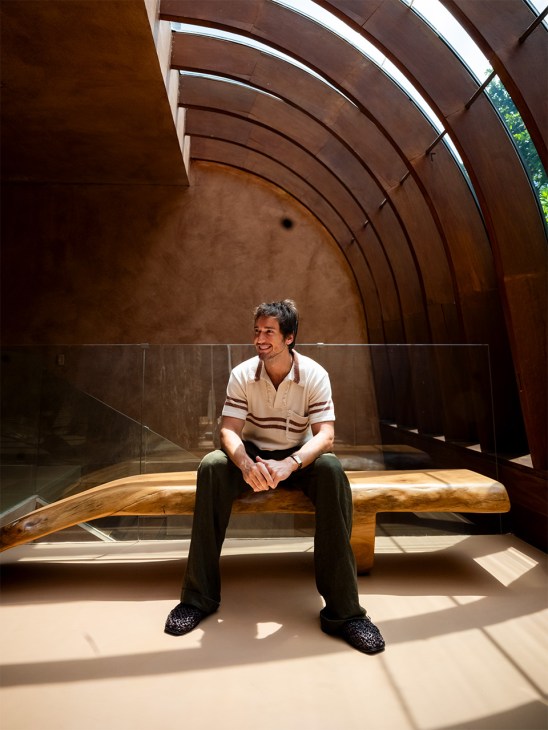
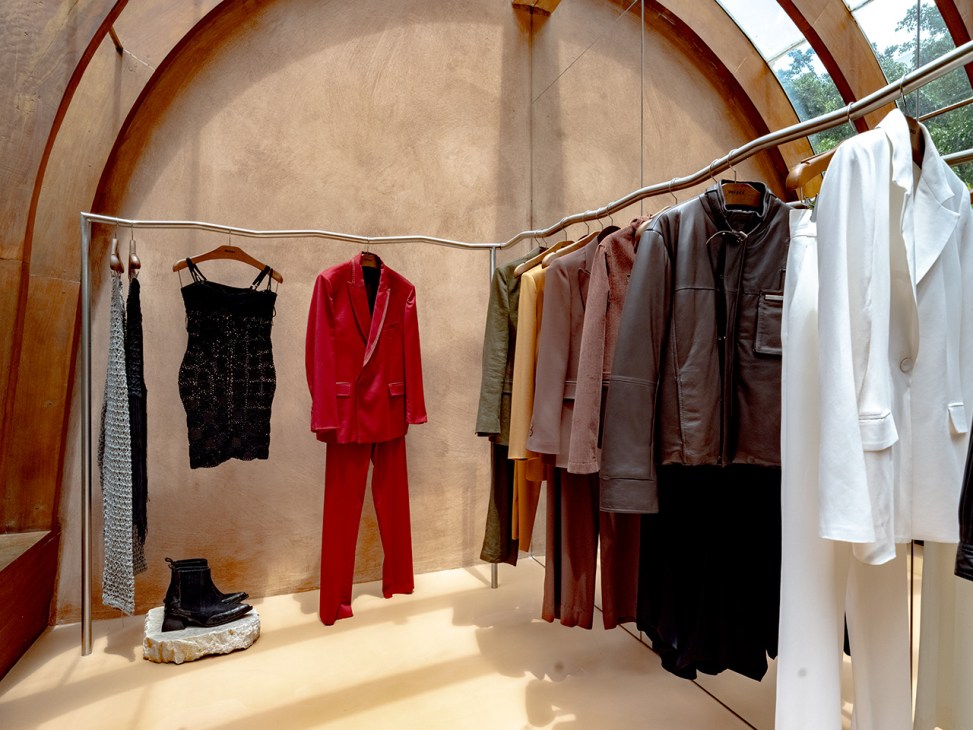
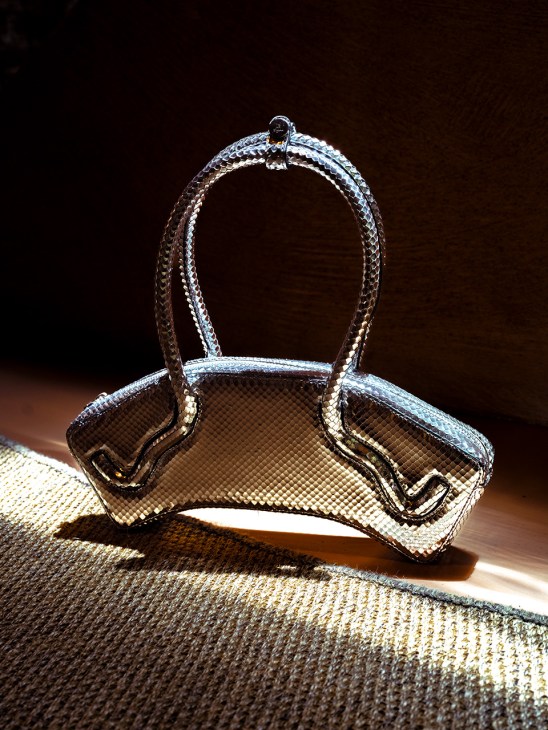
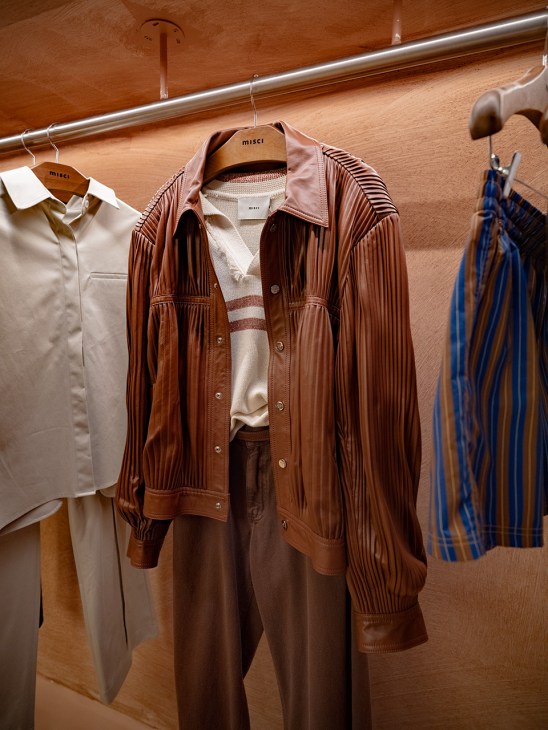
For the outpost’s launch, he invited actor Vera Fischer, known for iconic telenovelas, to star in a tongue-in-cheek ad. In the short film, Fischer plays one of her most celebrated characters, Helena, who goes on a shopping spree in the brand’s new Rio flagship. It’s a fresh, humorous take on brand advertising. “Telenovelas build the Carioca lifestyle in the country’s collective imagination,” says Martin. “Rio has always been sold as a desire.” Martin chose to make his Rio debut with a street-facing shop rather than a spot in a mall. “I’m influenced by Danish architect Jan Gehl’s ideas of human-centric design in his book Cities for People,” he says. “I believe in the power of the streets to keep cities alive. An open shop is a gift to the neighbourhood.”
Designed by architect Gabriel Contreira, the space pays homage to Rio’s modernist architecture with sand-textured flooring, cobogós (breeze blocks) and earthy hues. What better way to pen a love letter to a city that the designer calls “the most inspiring in the world”?
misci.com
24.
Burberry
UK
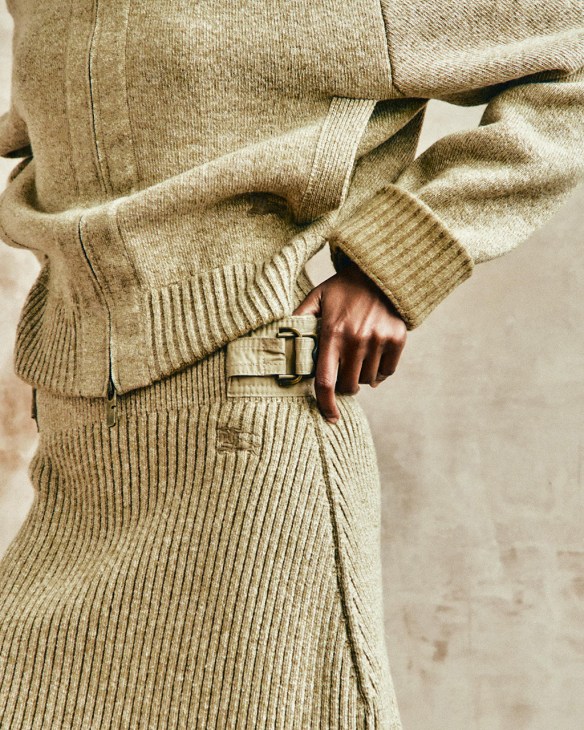
Created by Thomas Burberry in 1879, gabardine is a hard-wearing, water-repellent cotton blend fabric that has long accompanied many Brits on their rainy-day work commutes or weekend camping trips. Almost 150 years later, the material remains a pillar of the UK fashion house – so much so that, this season, the brand is offering a capsule collection centred around cotton-nylon gabardine. We have our eye on this beige cashmere set that features gabardine epaulettes and adjustable straps at the waist. It’s a fresh use of the material that nods to the house’s heritage.
burberry.com
25.
Bode
Japan & USA
New York-based label Bode opened its first Tokyo shop in February – a cosy space inside an apartment building in the Yoyogi-Uehara neighbourhood. It’s a quieter, more residential area than one might expect but one that channels the brand’s independent spirit.


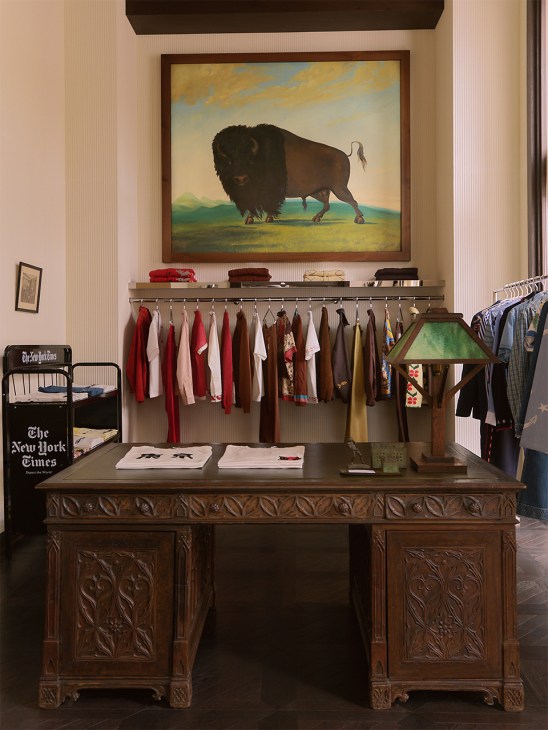
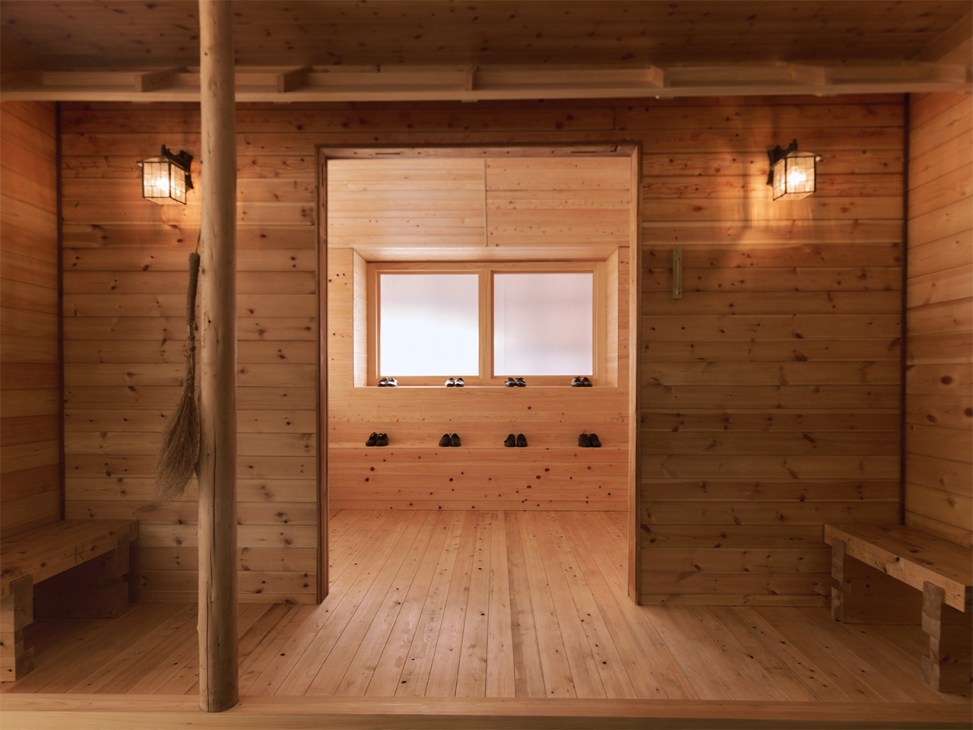
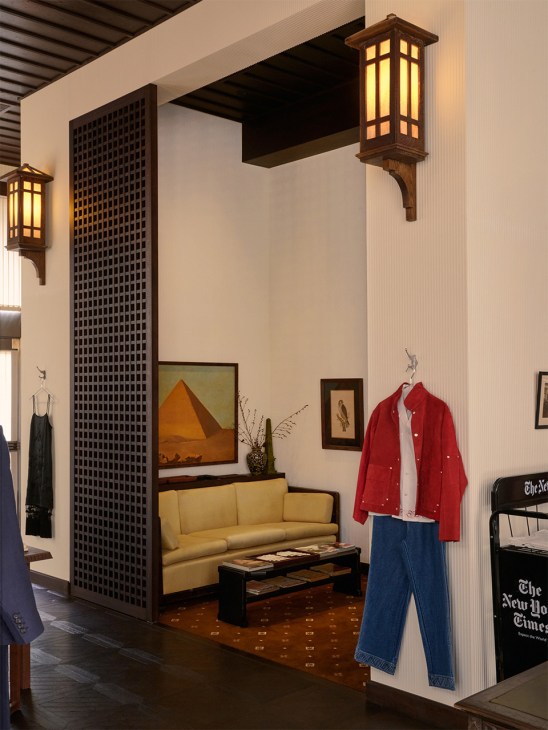
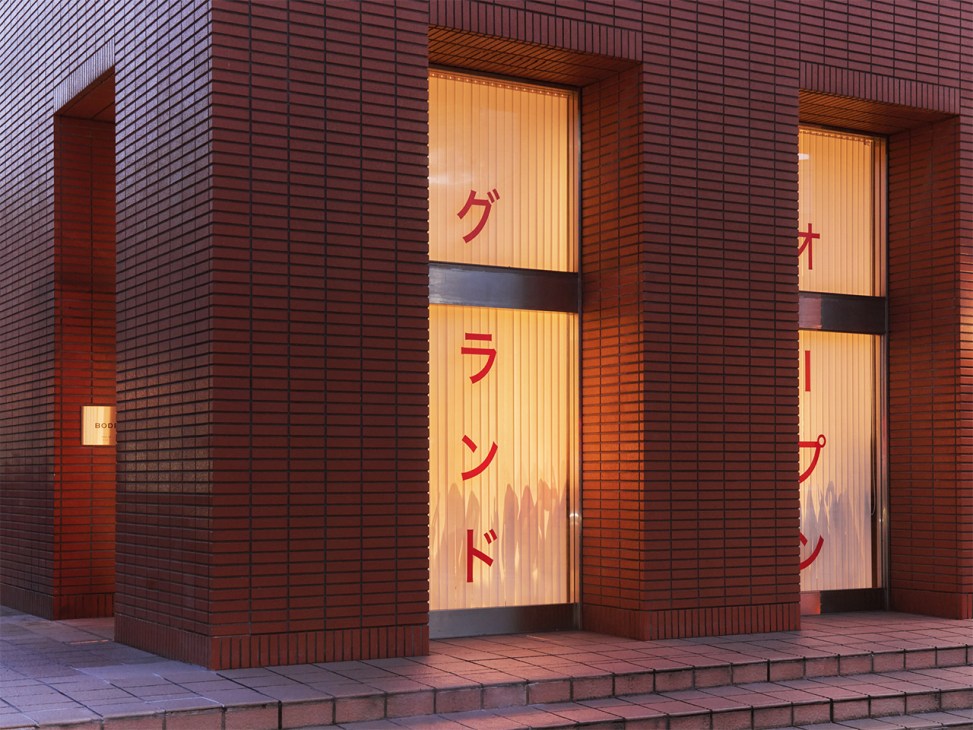
The label’s founder, Emily Adams Bode, is best known for her use of vintage fabrics and delicate embroideries. To bring the new shop to life, she partnered with her husband, Aaron Singh Aujla, who is one of the co-founders of design practice Green River Project. The duo drew inspiration for its spatial design from the building’s entry lobby, which had been left untouched since the 1980s. The décor references the 1960s White House restoration under John F Kennedy. You’ll find handpicked items such as a 1920s ceramic vase, a painting by Matt Kenny that once hung in the Oval Office and a vintage newspaper stand.
Bode has been developing her label on her own terms since its launch in 2016, opting out of producing too many seasonal collections or staging large-scale runway shows. Her business has steadily expanded, opening flagship shops in Paris, New York and Los Angeles. But its bricks-and-mortar arrival in Tokyo, a city that embraced the designer’s slow fashion ethos from the get-go, feels like a homecoming. “Early on, the label’s approach of one-off pieces made from vintage textiles might have felt like an alien proposition to Western buyers,” she says. “But Japanese consumers have historically had a strong appetite for the handcrafted and the kind of slower fashion narrative that the business is built around.”
bode.com
ARTICLE CREDITS
WRITERS:
- Natalie Theodosi
- James Chambers
- Gabrielle Graingé
- Rory Jones
- Divya Venkataraman
- Maria Papakleanthous
- Florian Siebeck
- Joseph Koh
- Annick Weber
- Ivan Carvalho
- Lucrezia Motta
- Fiona Wilson
- Grace Charlton
- Brenda Tuohy
Stylist: Kyoto Tamoto
Hair: Michela Olivieri
Make-up: Brooke Simons
Models: Amina, Dejan