How homegrown talent and old-school buildings created a retail revival at New Bahru, Singapore
New Bahru, Lo & Behold Group’s latest retail and lifestyle hub, is nurturing young businesses by offering below-market rents and longer leases.
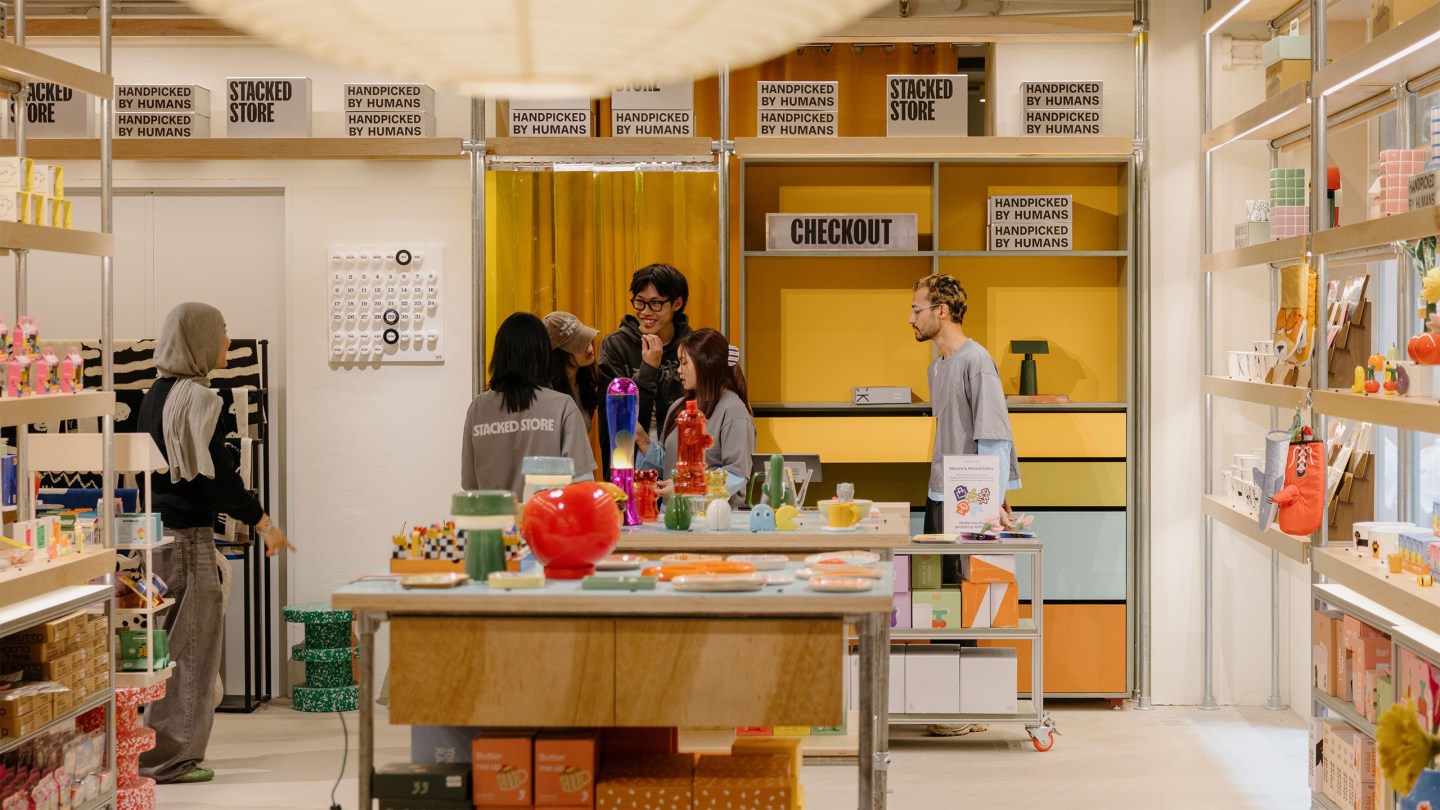
In the food hall, Fico, the pasta kiosk by Puglian chef Mirko Febbrile, has already sold out. Walk-ins waiting for a spot at the izakaya-style Dumpling Darlings have streamed into Stacked Store for some retail wandering while they wait for their table. At gelato boutique Parlour, customers find themselves in a long line with time to deliberate: mango-passion fruit or coconut sorbet? It’s Friday night at New Bahru and the place is full.
While shops struggle for survival around the world, the Lo & Behold Group in Singapore has alighted on a business model that’s drawing enviable footfall and catching the imagination of local brands. It’s also attracting the attention of envious international developers and city planners who want to understand how it has created a vibrant food and shopping concept that’s adding to the city’s quality of life and entrepreneurial vitality.
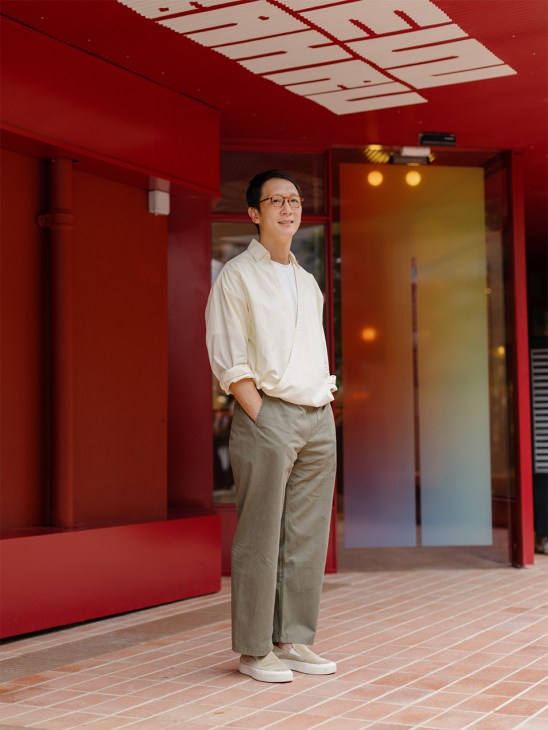
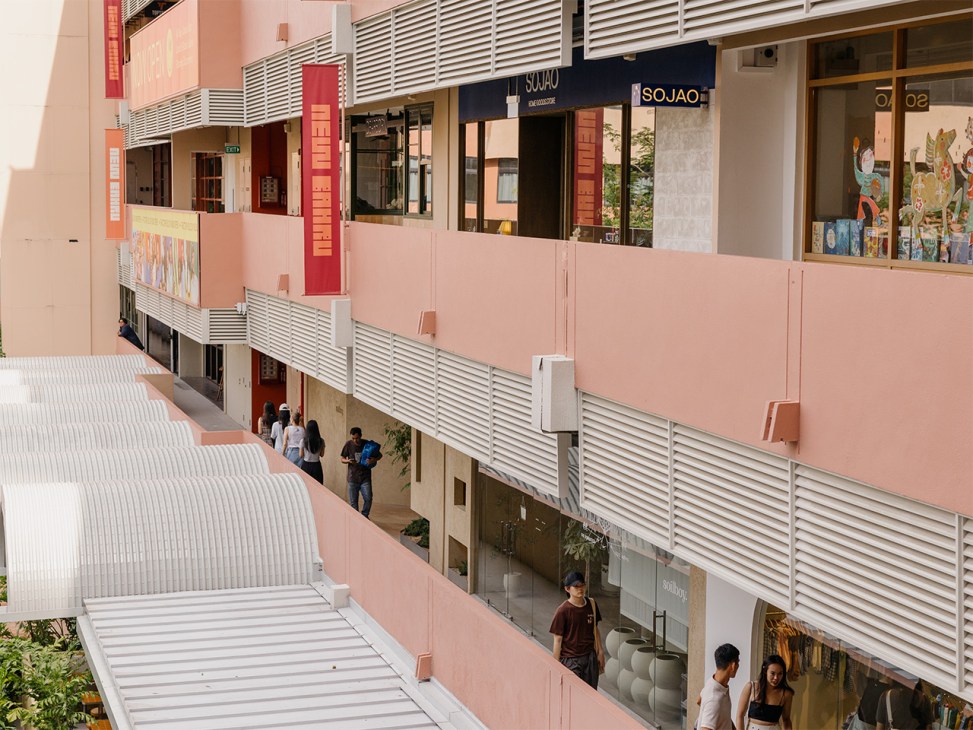
Wee Teng Wen, Lo & Behold’s founder, launched the first elements of New Bahru in 2024. His retail and hospitality cluster – on the compound of a former school and an adjacent garment factory on the city’s Kim Yam Road – quickly took off and now attracts two million visitors a year. And Monocle is here tonight for the opening party of the final components of New Bahru: the Factory Block and School Hall. The Factory Block, adapted by Shanghai-based architects Linehouse, adds a communal dining hall and a floor for retail and casual dining. The design is a homage, says Linehouse’s co-founder Alex Mok, to the department stores of yesteryear that have lost their place to modern malls.
On this opening night, the place speaks for itself. Queues aren’t just forming at the door. There’s also a waiting list for prospective tenants. New Bahru now houses 62 brands across F&B, retail, wellness, hospitality, culture and craft. More than 90 per cent are homegrown independents. The few international names, such as Japan’s Beams, which has opened its first directly operated Southeast Asian flagship here, arrived with the Factory Block.
Global names matter for homegrown tenants because, says Wee, they broaden who walks through the door. “Someone who comes for Beams will leave having discovered three or four local brands. That kind of cross-pollination is exactly what the cluster is designed to do.”
Many businesses here arrived with little or no physical presence: some are online brands making the leap to bricks and mortar, while others have first-time founders still finding their footing. For the ambitious and independent, New Bahru offers below market rents and longer leases than what’s typical. “These things buy a young brand the room to breathe, rather than spend every day fighting to make next month,” says Wee.
Lo & Behold’s networks, marketing and programming muscle, grown over two decades, also come with the lease. “A founder shouldn’t have to figure all of that out alone,” says Wee. “We bring this to the table so they can stay focused on their craft.”
newbahru.com
Further reading:
Monocle’s complete city guide to Singapore