Issues
Tests of time
The storyteller
Renzo Piano
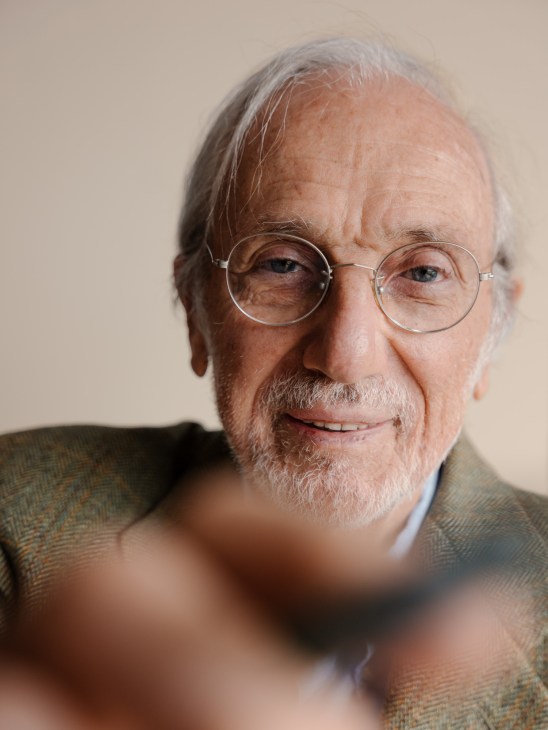
Renzo Piano was always going to be an architect. The octogenarian Italian designer – whose studio, Renzo Piano Building Workshop, has offices in Paris and his hometown of Genoa – was born into a family of builders. “I grew up with this idea of the architect-builder,” he tells Monocle from a sunny meeting room overlooking the Ligurian Sea. “For me, making buildings has always been enjoyable but it’s also about building a better world. If you do not believe in doing that, then you are in bad shape to be an architect.”
It’s an ethos that is evident across his portfolio; projects are largely public-facing, including the Centre Georges Pompidou, which was completed with Richard Rogers in 1977 and which Piano affectionately refers to as Beaubourg, the name of the Parisian district in which it is located. There’s also The Shard in London (2012), Athens’ Stavros Niarchos Foundation Cultural Center (2016) and the newly opened Istanbul Modern, a shimmering art museum on the Bosphorus that has brought much-needed energy to the portside Beyoglu neighbourhood.
Piano’s civic and culturally minded approach to architecture also saw the 1998 Pritzker Architecture Prize-winner appointed a senator for life in Italy in 2013 – a more than appropriate post for a man whose work has helped to shape cities and countries for more than 60 years.
Tell us about your approach to architecture.
In my view, architecture is about telling stories. There is no building in the world that doesn’t tell a story. Even the most modest hut is telling a story – it’s not just answering a need but answering the desires and aspirations of the person who lives in it. Architecture is a profession where you need to be very serious about seeking truths. You also need a vision of humanity and a better place to live.
How does this studio in Genoa, a tiered structure tucked into the hillside and filled with natural light, tell a story about you? It has been the office of Renzo Piano Building Workshop since 1991.
Architecture is, in this case, like an autobiographical story. We don’t have a road that comes up to the studio; we have the funicular – it’s total madness. As a child, after the Second World War, I remember spending a lot of time with my father on building sites and, for me, that was pure magic: one day you see nothing but sand, bricks and stone, and the next morning there would be something standing up. It was a miracle and I developed this idea that there’s not much of a distinction between the architect, the engineer and the builder. You mix every discipline – and you can see that in my office.
So the architect isn’t just an architect?
Correct. You change every five minutes. You’re a designer, a philosopher, a builder – you’re always mixing things. It’s the same for other disciplines. If you talk to a great film-maker, they always speak about light and shadow at the same time that they discuss camera equipment and filming techniques. It’s about mixing technique with technology for a final emotional result.


Tell us about what was required on your recently completed Istanbul Modern.
The first thing that we thought of for this job was the way that light hits the Bosphorus and how the building was going to play with that and the constant movement of ships on the salty water. In some ways, the panels on the building are like silver fish jumping out of the water and catching the light. But this is only part of the story because the most important aspect, perhaps, is the role of this building in a city like Istanbul. It’s a place where you go to meet other people, to share values, to enjoy the beauty of the artwork, the music, the cinema and the other people that are in the building. The word “beautiful” in Turkish, as well as in Greek and Italian, does not just refer to beauty in terms of what you see but also beauty on the inside. When you make a place for people to come together, like Istanbul Modern, you create something for beauty in that wide sense of the word.
Speaking of the role of a cultural building in the city, how did you embed the Istanbul Modern into the life of the Turkish metropolis?
We started thinking about making the building “fly” – because if you make the building fly, it frees up the ground beneath and around it, and becomes part of the city. Transparency was also essential in terms of accessibility and openness. Old public and cultural buildings are often big and made from marble – they are asking for respect but are also intimidating. But this idea, of making a building that is like a flying vessel, naturally creates a place that isn’t intimidating and where people are attracted by their own curiosity.
Is this an approach that can be found across your whole portfolio?Beaubourg was also a flying vessel. It was completely out of place at the time it was built but it was necessary because we needed to make a statement about public buildings for culture and art – these needed to create curiosity and be open, accessible and not intimidating. What has remained the same across my projects like the Menil Collection in Houston and the Whitney Museum in New York is the idea that a public place or a place for culture should be making its city better. The idea in these buildings is that as a visitor you do something together with others; you can make a beautiful concert hall but walking through it is completely different to sitting with 2,000 other people enjoying the same concert. You can’t create this sense of participation, of sharing something, if you intimidate people with architecture. I think that Istanbul Modern is not intimidating.
That sense of bringing people together must be incredibly rewarding. What makes you happy in your work?
In 1976, after finishing Beaubourg, the film-maker Roberto Rossellini came to make a movie there. It was the last piece he made before he died and it was at a time when I was very worried about how people would react to this unexpected building. I was there one day, walking around anxiously, and Roberto told me, “Renzo, you should not watch the film of the building. Watch the people watching the building. That’s much better.” It was a very good suggestion because you see the building reflected in people’s eyes. Since then, I have always done this. I sometimes go back to look at my buildings and the people using them. It makes me happy to see happy people. If they are happy, the building is happy.
It seems like some architects fear their buildings being lived in and changing as people use them.
I love to make buildings that change. They are like an organism. I don’t believe in perfection. I try to design for the quality of flexibility and this means that you make spaces that can adapt. Take Beaubourg. In the past 40 years it has been changed twice – and it will change again – but being able to change with the times is an essential quality of buildings, especially public ones. Making buildings flexible, generous and tolerant is very important. Fundamentally, architecture is about making shelter for human beings and communities, so you must be stupid not to understand that this means you need to make shelters that can change. For an architect, I think it might be a bit paralysing to make buildings that are only good when you don’t touch anything.
Is this ability to adapt and change essential to the longevity of a building?
I will never forget when we won the competition to design Beaubourg and Richard [Rogers] and I went to see Mr Pompidou. He said, “Do you understand, Mr Piano and Mr Rogers, that this building will last 500 years?” At the time, Richard and I had never built anything that had lasted more than six months. But when we left the meeting, Richard said, “Why should the building only last 500 years?” We had the realisation that the building, which was a kind of provocation, was going to need to be accepted as a symbol of change and buildings are made to change. It doesn’t mean you have to blow up everything or betray the building’s intent but if you mix up everything to serve new needs, that’s fine.
The carpenter
Shigeru Ban

When it comes to timber structures, there is no one better than Shigeru Ban. Born in Tokyo in 1957, the Pritzker Architecture Prize-winner is known for his use of wood – and products made from timber, including paper – as building materials. His permanent works range from the Centre Pompidou-Metz (2010) to the recently completed Zenbo Seinei meditation retreat (2022) on Japan’s Awaji Island. He has used paper tubes and cardboard to create a variety of structures, including a greenhouse in Kanazawa, a tea house that was auctioned in London and a temporary cathedral in New Zealand. It’s work that has left him well placed to tackle projects where short-lived structures are essential. Over the course of his career, Ban has built shelters for people displaced by natural disasters in Japan and war in Ukraine – all part of his disaster-relief efforts with the Voluntary Architects’ Network, which he founded in 1995. Most recently, he provided shelters made from cardboard tubes and fabric, called Paper Partition Systems, for victims of the Turkey-Syria earthquake.
Ban founded his practice, Shigeru Ban Architects, back in 1985. Today its 80 employees, who are based in offices in Tokyo, New York and Paris, reinforce his commitment to disaster relief and ecological design in works that span hospitals, housing, vaccination centres and more. To find out about Ban’s design ethos and his innovative use of materials, Monocle caught up with him in the French capital.
You are revered for your use of timber. Is there a time and a place for using it?
I like to use timber as much as possible, as long as building regulations allow it. When I was a child, my family’s house was renovated by a carpenter. Nowadays carpenters use power tools but back then they only used hand tools. It was magic. It is comfortable to be inside spaces that use timber. They offer temperature and climate control because they breathe. Wood is also warm and nice to touch and, unlike concrete or steel, it doesn’t require a finish. But there are limitations with timber: when you make something out of steel, there are no limitations, whereas with timber you have to know the nature of the wood so craftsmanship becomes very important. Using timber, we have to turn its disadvantages into strengths and work with very good engineers who specialise in the material.
You’re currently designing wood-clad housing blocks in Antwerp. What are the challenges or disadvantages you have to work with when using timber there?
Unfortunately, the legislation in Belgium is strict when it comes to timber so we are mostly using it for the finishing. The only structural work we are doing with timber is on the roof. We were allowed to use timber beams, which will make the penthouse the most interesting space. I hope that when people see this residential project using some timber, it will usher in more similar and widespread use of the material.
You used paper as the main building material for the shelters you designed for survivors of the Turkey-Syria earthquake. How did you want the people temporarily living in these buildings to feel?
Earthquake survivors feel more comfortable in spaces made from paper and wood because they cannot hurt them. I first understood this after the 1999 earthquake in Turkey: people stayed in their damaged homes in the daytime but slept in tents in their gardens at night. They were afraid to sleep in brick and concrete houses after what they had experienced. I have designed houses for Ukraine too. After disasters, general contractors are very busy and materials become very expensive, so I have sought to design affordable housing that bypasses these challenges. This also creates new employment opportunities for unskilled workers.
Are there any lessons from designing temporary shelters that can be applied to more permanent architectural works?
There are no differences between my temporary and permanent structures – many of my structures that were designed to be temporary became permanent. I also want buildings that can be built by anyone. Lightweight materials can be carried without machines. Wood and paper are a good combination because it is cheaper and lighter than wood alone.
There is an abundance of natural materials as well as natural light in your work. How do you strike the balance between natural and artificial light?Light and shadow are very important in all my projects. Artificial light is needed in the evening but I try to take advantage of natural light. The mood varies depending on the time of day so I like it to be as limited as possible, only lighting where necessary instead of the whole space. At the Centre Pompidou-Metz, for instance, it was very important to introduce natural light via a semi-transparent roof structure. In the evening, the artificial light inside glows through the roof, casting a beautiful shadow on the surrounding area.
Which of your projects should we keep an eye on over the coming year?
I have just finished a small private museum with a hotel and restaurant just outside Hiroshima. The gallery floats on the water; you can change its location based on the exhibition. This was a new challenge.
The biologist
Jeanne Gang
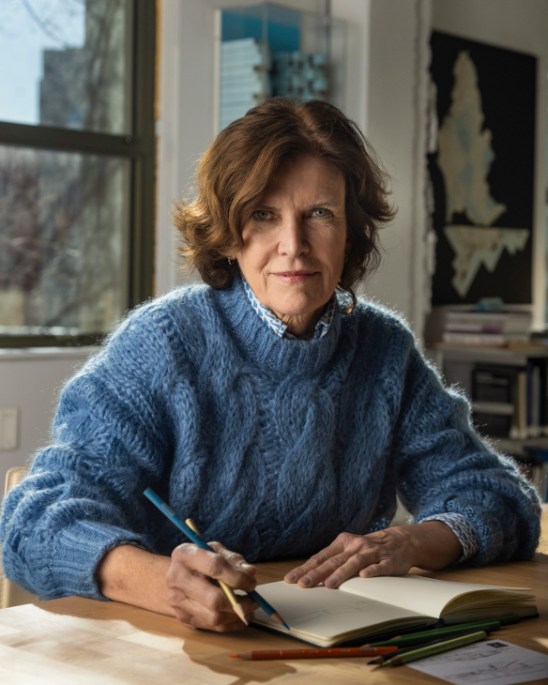
US architect Jeanne Gang made headlines in 2009 when her Aqua Tower topped out at 267 metres in Chicago, making it the world’s tallest building designed by a woman. It was a title that the structure held until Gang’s St Regis skyscraper, also in Chicago and completed in 2021, beat it by about 100 metres. Despite these towering achievements, the architect’s office, Studio Gang, is best known for work that is more humble and understated. Its expansive portfolio is varied and public-facing, including parks, community centres for disadvantaged children and public institutions such as the Richard Gilder Centre at the American Museum of Natural History in New York (2023) and the Arkansas Museum of Fine Arts in Little Rock (2023). All seek to respond to the needs of their communities. For proof of such an approach, Monocle visits the Chicago-based architect’s studio-cum-public gallery in the city’s Wicker Park neighbourhood.
Let’s take it back to the start: why architecture?
As a kid I made treehouses. I would go to building sites and look at how the structures were being built. I was also artistic and maths-oriented, and I thought that all of that coming together would be what architecture is.
Have these expectations lived up to your reality?
Yes. I still make things with my hands, as well as digitally. I like seeing something turn from an idea or drawing into a three-dimensional thing. There’s an aspect to architecture that lets you connect the dots in a way that’s bigger than the project. You can’t not see certain things, such as inequalities in cities, after you have been working so close to them. I look at projects from outside of architecture, considering how to pull in other assets in the urban environment or nature to make them stronger.
You recently completed work on Tom Lee Park, a new waterfront landscape in Memphis. How does this project connect the dots?
We worked closely with high-school students to figure out what would make them use the waterfront. We called it the “youth design leadership programme”. It was about understanding people’s attitudes towards the potential park. The project wasn’t just about designing this building and park but reaching out to all Memphians across the city for ideas and input, and making them part of the process.
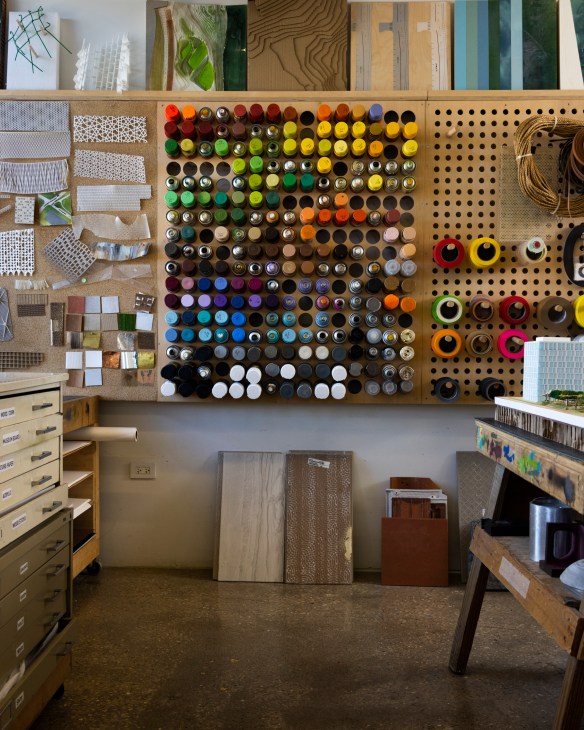


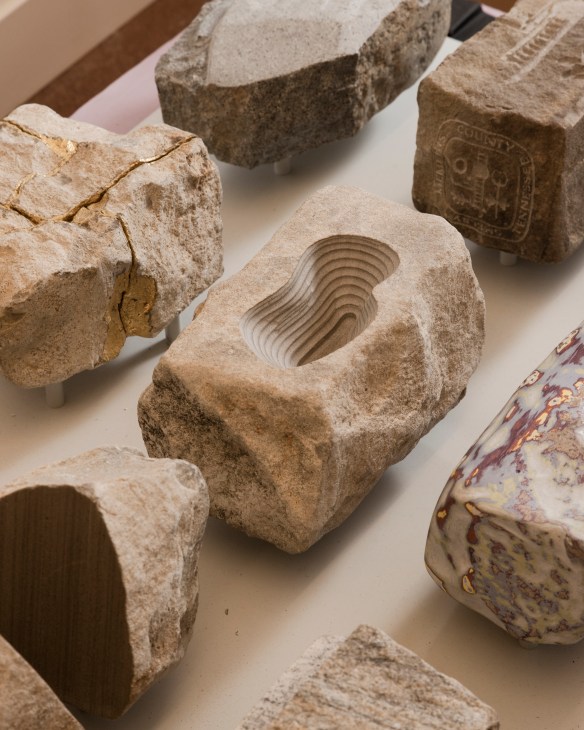
How do you strike the balance between listening to the community and delivering new work?
It’s not a direct relationship between listening and what we draw on paper. In Memphis, everyone said that they wanted a basketball court but that doesn’t mean that you put a standard one in. Instead, we asked ourselves how basketball changes when it comes to the Mississippi riverfront. We realised that playing it here was like being on a stage, so we designed a court and an environment that reflect that. We took information that didn’t have any design attached to it and transformed it into something extraordinary.
In addition to listening to the community, what other research or collaboration inform your work?
We’re always engaging with biology and artists because those are fruitful collaborations for us. I’m researching grafting and the biological process as a way of adding new components onto existing buildings. Architecture needs to look at minimising its carbon footprint not simply by reusing buildings but reinventing them; this will help to shift the mentality that buildings become obsolete and eventually need to be torn down. Architects are well-equipped to solve problems but we can’t do it alone.
How does your Chicago office physically give back to the neighbourhood you’re in? And how does this reflect the ethos of Studio Gang?
Our studio is an old art deco building, formerly owned by the Polish National Alliance. Our studios are on the upper floors but we spent some time trying to figure out what to do with the lower level. Initially we were looking to let it out but we didn’t find anyone who was a good match for us, so we just started putting our models down there and later converted it into our own archive. It evolved into a gallery to show our work but then we started showing other people’s work. Now we’re planning to use it as a place to host repair workshops, where people can bring broken objects in and our team will design ways to repair them.
How Studio Modijefsky is reinterpreting Amsterdam’s brown cafés for a new era
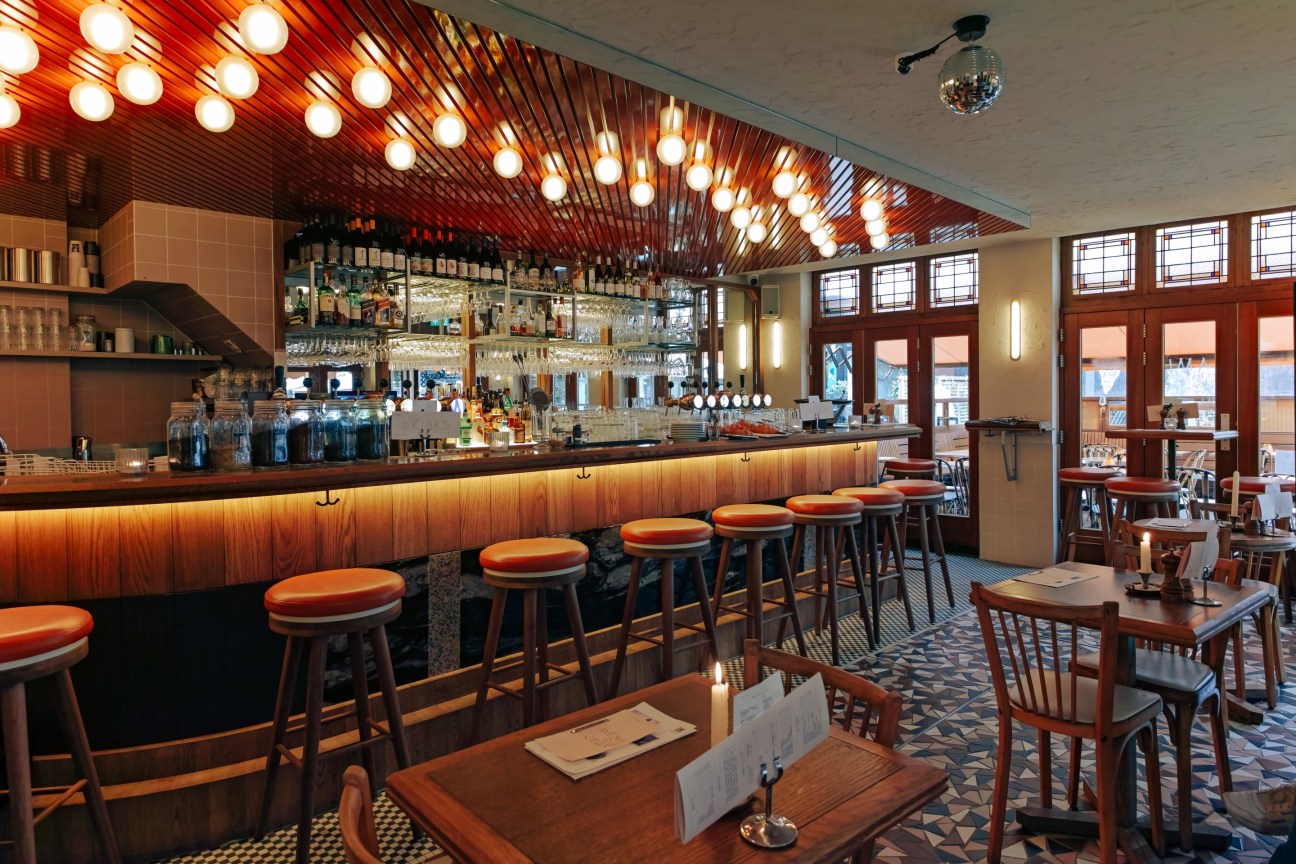
It’s one of those changeable Amsterdam days where you might experience all four seasons in a single morning. Outside, people are wrapped up against the rain, heading to a waiting ferry to cross the IJ river. Inside Polly Goudvisch, a restaurant that overlooks the departure bay, table-top candles flicker and patrons tuck into berry-laden portions of wentelteefjes (French toast to you and me). “Details matter,” says designer Esther Stam, from her perch on a tall bar-stool. “That’s what I like about hospitality over retail. You have people with you for a couple of hours. They have time to notice things.”
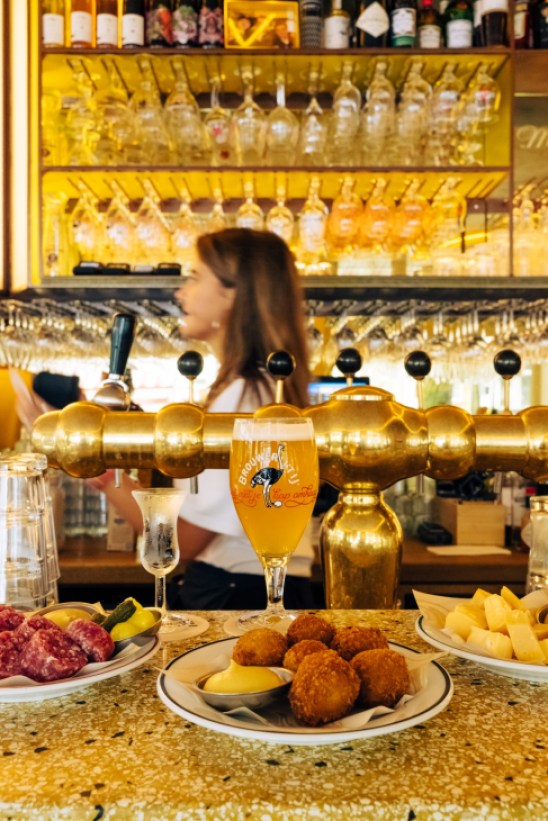
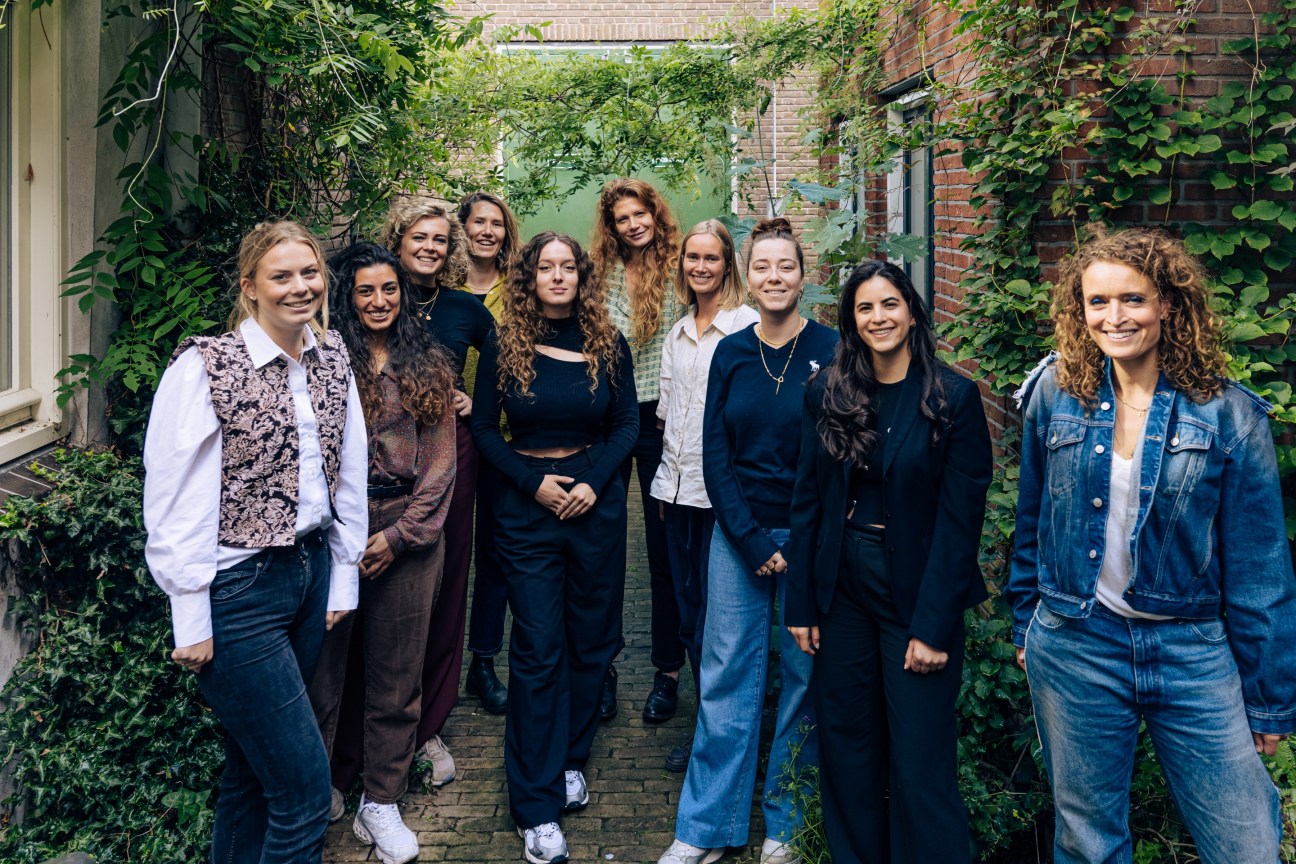
Stam is the founder of Studio Modijefsky, the interior-architecture firm that she set up in 2009 that now counts a team of 12 women, and her work can be seen on some of the Dutch capital’s most atmospheric bars and restaurants, including Polly Goudvisch. For each site, Stam tries to either tease out the place’s history or create a new narrative. Polly Goudvisch, for instance, is based on an imaginary family with the surname Goudvisch (“goldfish” in Dutch), with shoals of clever references that reward a visitor’s eye. The theme is in everything, from the shape of the door handles and the angular way that the tabletops have been fashioned to the design of the marble at the bar. After a couple of hours, and perhaps a few pints of Brouwerij’t IJ’s lager, even the least observant diner will understand the concept.
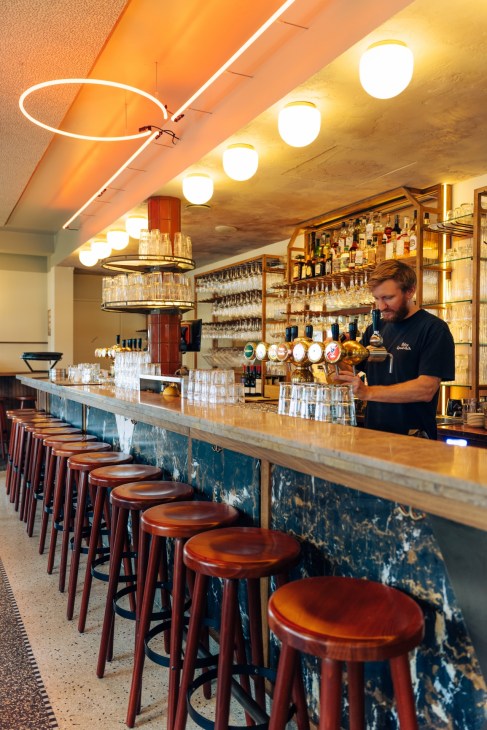
Stam’s work is influenced by Amsterdam’s historic “brown cafés”, traditional establishments that take their name from the wooden panelling and details that dominate their interiors. “They have certain features: wood, marble, neon – but they’re disappearing,” says Stam, with a hint of nostalgia. “We wanted Polly Goudvisch to be a reinterpretation of those spaces but it was necessary for the end result to be contemporary – otherwise we’re doing the job of a set designer.”
Over the next few days Monocle hotfoots its way around Amsterdam, visiting various new and recently completed projects (the studio’s work is in high demand) and popping into its office by a canal in the De Wallen neighbourhood. Studio Modijefsky often redesigns restaurants and bars, employing neon lighting or terrazzo (chips of marble set in cement) to create a sense of texture and tactility within the spaces. It also works with a range of artisans, some in the north of the city, including Dutch glass-blowers and woodworkers.
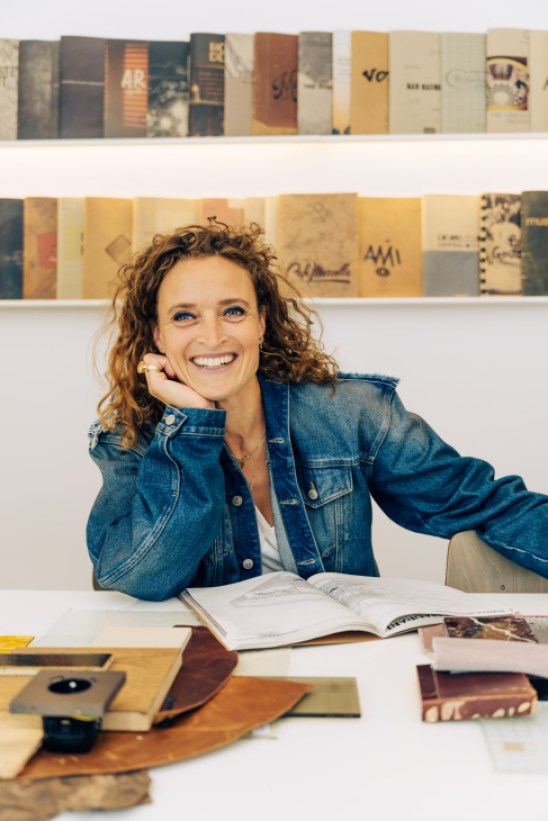
The smallest venue that the studio has designed is a neighbourhood bar called Café Marcella, which sits on the corner of a square that hosts a weekly flower market. The venue might be small but the project threw up some big challenges. It’s a place where everyone seems to know each other; where you come for cake and coffee in the day and stay for a beer washed down with a jenever chaser in the evening. “Nobody drinks the cheap wine here,” jokes the co-owner, Thijs Barelds, as waiters whisk around tables serving snacks, including bitterballen (fried meatballs) and slices of gouda, served with mustard and pickles.
Though the brown-café influence is present at Café Marcella, the interiors have been lightened with a marble-effect ceiling and art deco-style zigzag shapes around the bar. Traditional cursive lettering has been used to etch the name of the bar onto one of the large windows – a nod to its 19th-century heritage – while custom-made mirrors, which have been given a weathered feel to create a sense of intimacy, help the 39 sq m space feel bigger than it is.
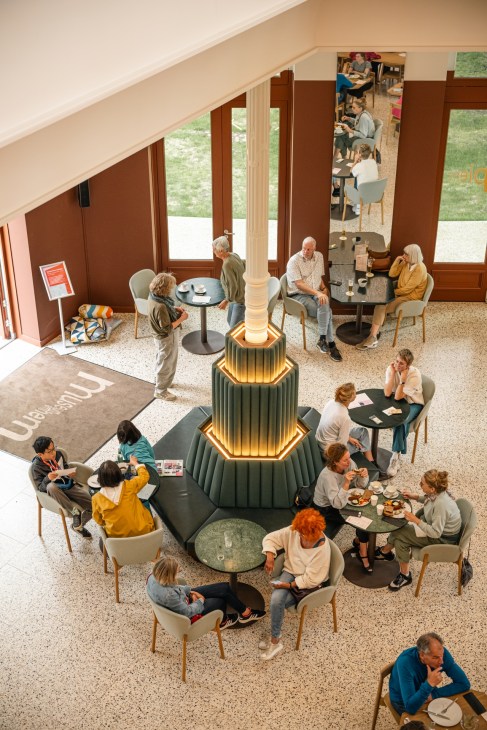
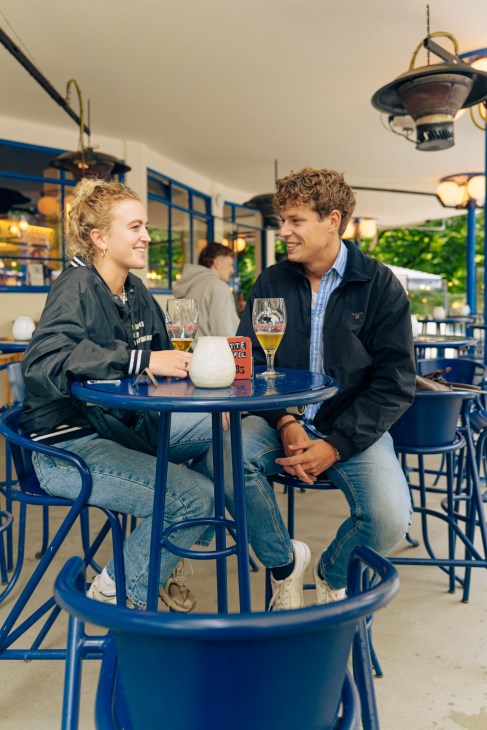
It was a trip to New York to visit her uncles that awakened Stam’s love for interiors. At the time, she says, the city was way ahead of Amsterdam in terms of the diverse look of its bars and restaurants, and she remembers being captivated by places that might be decked out in anything from sultry red velvet to Moroccan plaster. On her return to the Netherlands, she applied to art school and the rest is history. “What I still like about designing interiors is the power to create your own world,” she tells Monocle. To date, the studio has worked on everything from the careful updating of the 1930s modernist Blauwe Theehuis (Blue Tea House) in Vondelpark, which is now a bar, to refashioning public spaces, such as introducing a huge neon chandelier at Museum Arnhem, an hour’s train ride from the Dutch capital. The studio has also recently finished a brasserie and cinema in Dordrecht called De Witt and has begun work on its first hotel project in Amsterdam’s city centre.

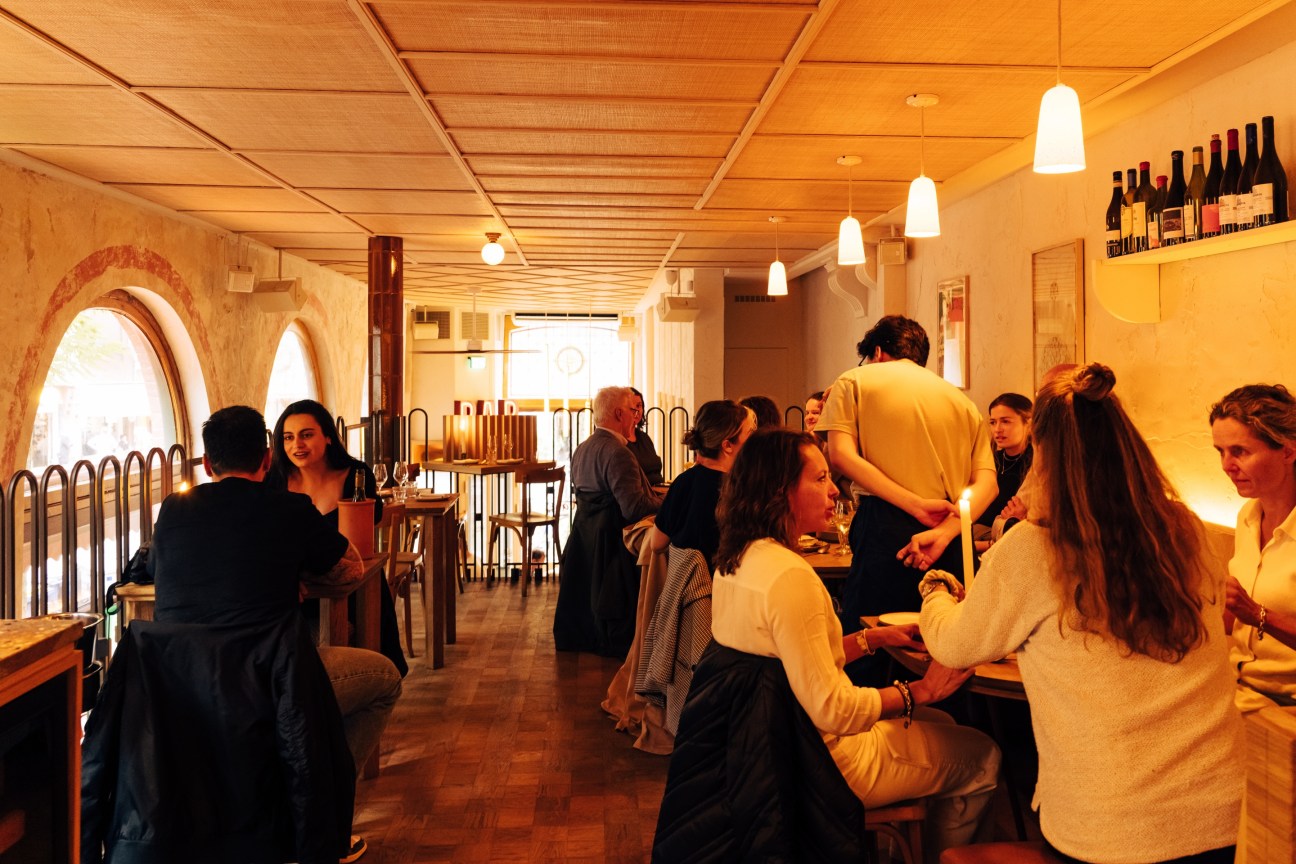
For all the focus on good looks, Stam says that the secret ingredient in creating a good F&B venue is making sure that it’s more than the sum of its parts. “Everything has to flow smoothly,” she says. That means the interiors, food, service, drinks and music should all work in tandem with each other. One of Amsterdam’s most popular restaurants, Gitane, is perhaps the fullest realisation of this idea. The kitchen is overseen by Greek chef-owner Angelo Kremmydas, whose dishes mix Mediterranean, Middle Eastern and French influences with Dutch cuisine and ingredients.
With its rattan ceiling, giant neon lettering above the entrance and integrated terrazzo surfaces, the restaurant is perhaps Studio Modijefsky’s best to date and an indicator of the direction in which the firm is heading as it continues to experiment with and refine its palette. But it wouldn’t be the same without the just-so lighting, the amenable waitstaff and, of course, the food.
As people start to fill up the mezzanine, plates arrive from the kitchen, including taramasalata topped with trout roe, burnt leak and chives, and grilled yellow beetroot in a beurre blanc, sprinkled with tiny, electric-blue edible flowers.
Kremmydas steps out of the small cooking corner for a moment to lean against the bar, clearly designed as a muster point for an aperitivo or a nightcap. “We wanted the restaurant to feel both rough and elegant at the same time,” he tells Monocle. “And that’s where Esther came in.”
studiomodijefsky.nl
Amsterdam address book
The bars and cafés where you’ll find Studio Modijefsky founder Esther Stam.
01.
Bar Parry
Small dishes, charcuterie and cheese – plus plenty of wine. “I love everything about this little venue, from the staff to the ceramic wall,” says Stam.
barparry.nl
02.
Café-Restaurant Amsterdam
Restaurant in a former pumping station dating back to 1897. “You can come here with a big group of friends or with your kids for family dinners. Basically for everything.”
cradam.nl
03.
Café de Pels
One of Amsterdam’s traditional “brown cafés”. “Have a jenever with your beer, eat cheese and sing along to some beloved Dutch songs.”
cafedepels.nl
04.
Toscanini
An Amsterdam classic tucked away in the Jordaan district. “Have a spritz before an amazing Italian dinner. Guaranteed good food, including the daily specials.”
restauranttoscanini.nl
05.
Coba
Mexican restaurant in Amsterdam North. “I love the low-key interior.”
coba-taqueria.com
In focus
Drum D2
Minimalux, UK
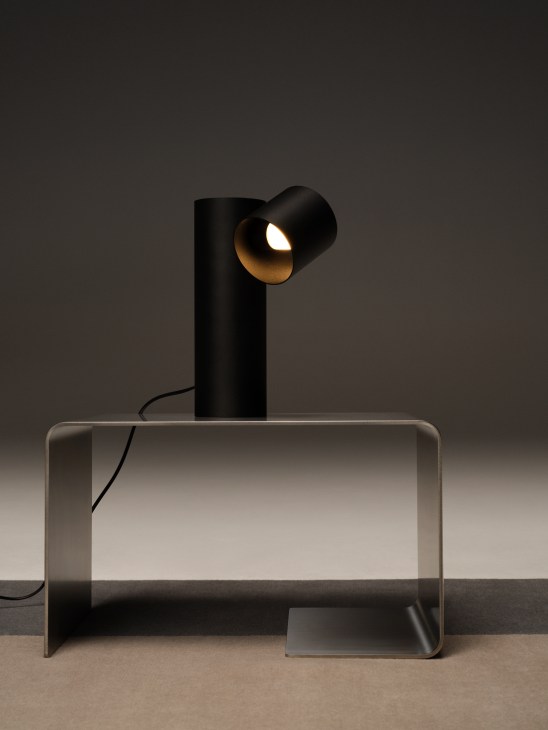
The Drum D2 can cast light in any direction thanks to the fact that its tubular shade can be smoothly rotate 360 degrees. Made from partly recycled aluminium, the lamp, which is available in two sizes and colours, is finished with a textured powder coat. The end result brings a sense of relaxed focus to reading nooks and desktops.
minimalux.com
T-02 coffee table
Triqis, UK
Kwaku Boateng, product designer and co-founder of London-based studio Triqis, designed this sleek side table from a single piece of brushed stainless steel, which will develop a distinct patina as it ages – bumps and scratches will add to its edgy, industrial aesthetic. The T-02 also includes a plate that lines the floor to store books.
triqis.com

Nara console
Poliform, Italy
Poliform’s Nara collection by French designer and architect Jean-Marie Massaud is handcrafted from solid wood. Its latest addition is this console, with a striking form reminiscent of a Japanese torii (gate). It exudes elegance and is versatile thanks to its availability in golden walnut or black elm. The result? A tall console capable of fitting seamlessly into most bedrooms and hallways.
poliform.it
Uccle block throw
Pamela Print, UK
This cosy throw, with rich pops of cobalt blue and indigo, draws inspiration from the patterns and splices of colour found in art deco architectural details. Fittingly, the throw takes its name from an area of Brussels renowned for its art deco window pieces. Made from merino wool and made in batches at a small mill in Bristol, it’s a luxurious addition to any sofa.
pamelaprint.com
Line rug
Woodnotes, Finland
Finland’s Woodnotes was started by textile designer Ritva Puotila and her son Mikko Puotila as a textile company in 1987, and makes fine floor coverings today. This new rug is crafted from natural plant fibres that are tightly woven together, making it particularly resilient to wear and tear. Its earthy tones add a sense of calm to any room.
woodnotes.fi
Woodgate sofa
SCP, UK
Terence Woodgate is one of the UK’s most respected industrial designers, known for his stripped-down yet thoughtful approach. He has collaborated with furniture retailer and manufacturer SCP since the 1990s and his namesake sofa, shown here in a soft wool bouclé by Italian brand Dedar, continues to please with its curving ellipse shape and simple cylindrical legs.
scp.co.uk
Rhea side table
Ligne Roset, France
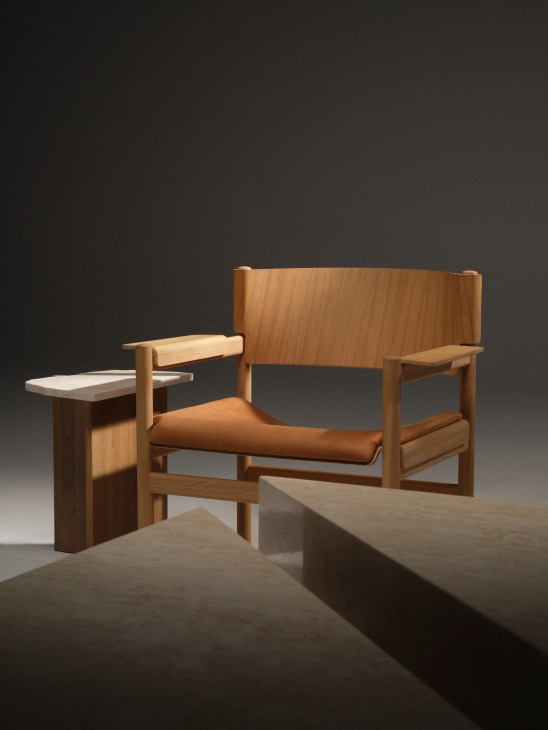
Designed by French duo Donia Ouertani and Nolwenn Michéa for heritage furniture manufacturer Ligne Roset, the Rhea side table is a homage to nature’s beauty. Blurring the line between furniture and art, it has a solid wood base and a natural limestone top. The table’s irregular leaf-inspired silhouette and waterproof travertine top ensure that it looks good and is durable too.
ligne-roset.com
Soft lounge chair
Takt, Denmark
Environmentally minded Danish brand Takt has updated its Soft lounge chair, by Copenhagen design studio Thomas Bentzen, to include a leather seat for added comfort. The chair comes in oiled oak with cognac leather or black lacquered oak and leather. Owners of the previous rendition can also upgrade by adding the leather seat component to their existing chair.
taktcph.com

Trace SC88
&Tradition, Denmark
Danish furniture firm &Tradition has turned to creative studio Space Copenhagen for the design of this sleek cabinet. Made from oak with glass-panelled doors, the piece is inspired by the desire for it to hold sentimental pieces, leaving a “trace” of their owner on its shelves.
andtradition.com
Everyday Life sofa
DePadova, Italy
The sofa is a collaboration between furniture firm DePadova and fashion brand Paul Smith. With plush cushions strapped to a matte wooden frame, the modular sofa reveals Paul Smith’s signature through colourful yet discreet stitching.
depadova.com
Eileen Gray Roquebrune rug
Aram, UK
Eileen Gray, the pioneering Irish architect, designed floor coverings for countless residential projects. Her rugs were based on designs painted as gouaches (opaque pigments ground in water). A similar approach was likely taken for this rug, which Aram has reissued in handspun wool for fans of Gray’s work.
aram.co.uk
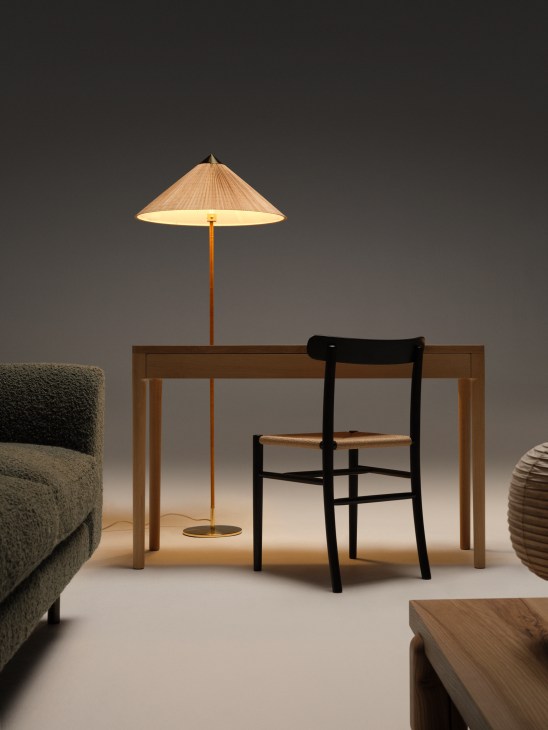
9602 Floor lamp
Gubi, Denmark
Danish company Gubi has reissued many forgotten design treasures – a move it has pulled off yet again. Also known as the “Chinese Hat”, the lamp was created by Finnish designer Paavo Tynell in 1935. The new iteration features an airy bamboo lampshade and a rattan-covered stem.
gubi.com
Front sideboard
Mor, Portugal
This piece by Portuguese manufacturer Mor features a slim profile, rounded legs and a hidden drawer, all rendered in warm wood. The sleek design is by Lisbon-based Pedro Sottomayor and available in ash, oak or walnut, with the sideboard working just as nicely as a compact desk or console.
mordesign.com
Lightwood paper cord chair
Maruni, Japan
This slender chair with a woven paper cord seat is the latest addition to the Lightwood series designed by Jasper Morrison. The versatile piece has a gently curving backrest that is both graceful and supporting and comes in a range of finishes. It pairs perfectly with dining tables and desks or makes a stand-alone statement too.
maruni.com
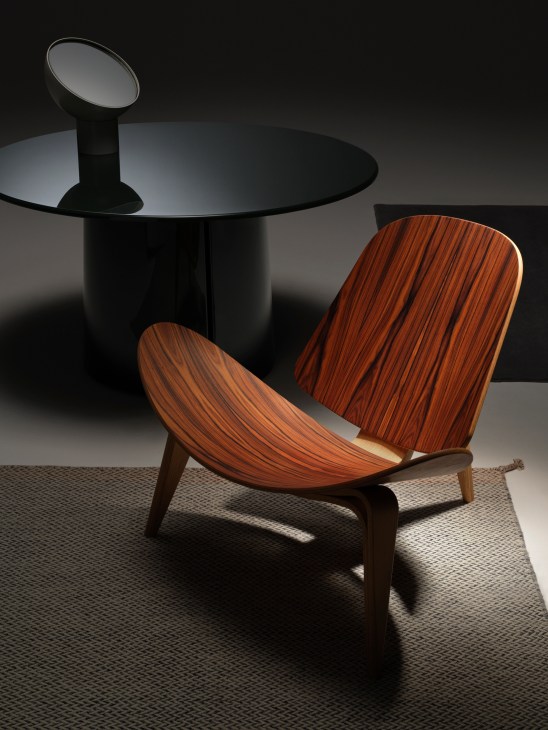
Sound mirror
Fred Rigby Studio, UK
Hand-welded in steel and available in patinated or powder-coated finishes, these bold mirrors can be placed on tables and consoles to gently reflect light around a room.
fredrigbystudio.com
Mateo table
Molteni&C, Italy
Molteni&C’s creative director, Belgian-born Vincent Van Duysen, has designed this table as a celebration of Italian hospitality: its two-piece flared base is a striking talking point, while the circular top invites convivial conversation among those seated around it. Available in wood, marble or glossy lacquer, its final finish is highly customisable to suit all tastes.
molteni.it
Ply rug
Muuto, Denmark
This elegant rug from Danish brand Muuto is made from New Zealand wool. Despite its pared-back appearance, it retains an element of play thanks to a broken twill weave and tassel finishes. The range, which nods to ancient Scandinavian weaving traditions, is available in seven warming colours.
muuto.com
CH07 shell chair
Carl Hansen & Søn, DenmarkTo celebrate this iconic chair’s 60th birthday and to mark Hans J Wegner’s legacy, Carl Hansen & Søn is releasing an exclusive edition made in rosewood and oak, with the option of a black leather seat. Look out for a brass plate engraved with Wegner’s signature and “1963”, the year it was designed.
carlhansen.com

Tsukiko lamp
Alexander Lotersztain, Australia
Brisbane-based designer Alexander Lotersztain has launched the Tsukiko (Moon Child) table lamp, which he developed together with 10th-generation Kyoto lantern-makers Kojima Shoten. It’s a pleasingly bulbous paper lampshade, which is perched on top of a circular bamboo base, bringing an age-old craft, known as jibari-shiki, into the modern age.
alexanderlotersztain.com
Centenniale table
Nikari, Finland
Designer Joanna Laajisto’s low-slung coffee table is made from a formidable solid slab of ash or oak, which is slotted onto rounded legs that have been carved from timber off-cuts. The contrast between the angled tabletop and the chunky feet is intended to bring the wood’s natural character – knots, cracks and all – to the fore.
nikari.fi

Travertino Classico coffee table
Maie, UK
Theres Hoyos, Maie’s London-based Austrian founder, designs made-to-order furniture and home accessories that make the most of his materials of choice: travertine, marble and terrazzo. Their boxy shapes minimise waste. The design of this coffee table features triangular forms that can stand as solo pieces or interlock as a set of two.
maieliving.com
Sacha armchair
Resident, New Zealand
Canadian designer Philippe Malouin’s Sacha armchair for New Zealand company Resident is a follow-up to his fully upholstered side chair. The new addition to the Sacha collection features the same graphic lines and folded, slightly reclined backrest while incorporating fully upholstered armrests for ultimate comfort. resident.co.nz

Lissoni outdoor armchair
Knoll, US
Knoll’s new outdoor collection is both simple and elegant – the hallmarks of its designer, Piero Lissoni. The famed Italian creative’s new armchair has an aluminium frame, available in white, black or dark red, with complementary cushions in durable fabrics capable of withstanding the elements. Its main appeal is its slightly oversized form, allowing one person to comfortably lounge around or two people to cosy up.
knoll.com
Flared lamp
Mud, Australia
This porcelain table lamp is the fruit of a collaboration between Sydney-based designer Zachary Hanna and Mud Australia founder Shelley Simpson. The lamp’s light source is hidden in its base, ensuring that its beam is non-direct and gently diffused.
mudaustralia.com
Plumón side table
Kettal, Spain
Patricia Urquiola’s Plumón side tables are equally at home indoors or out. Made by Kettal, each piece is unique thanks to a 3D printing process that creates the porcelain stoneware bases. It’s an approach that means no mould is required and, as the pieces are fired at a low temperature for a short period of time, there is efficiency across the production process.
kettal.com
Turning over a new leaf
Less than two hours’ drive southeast of the German capital lies a forest farm that seems as if plucked from a fairy tale. The Michelberger Farm’s restaurant and rooms, set in the Spreewald reserve, are a far cry from Berlin’s gritty Friedrichshain, where Nadine and Tom Michelberger founded the brand’s first hotel, home to late-night blow-outs and after-hours DJ sets, in 2009.
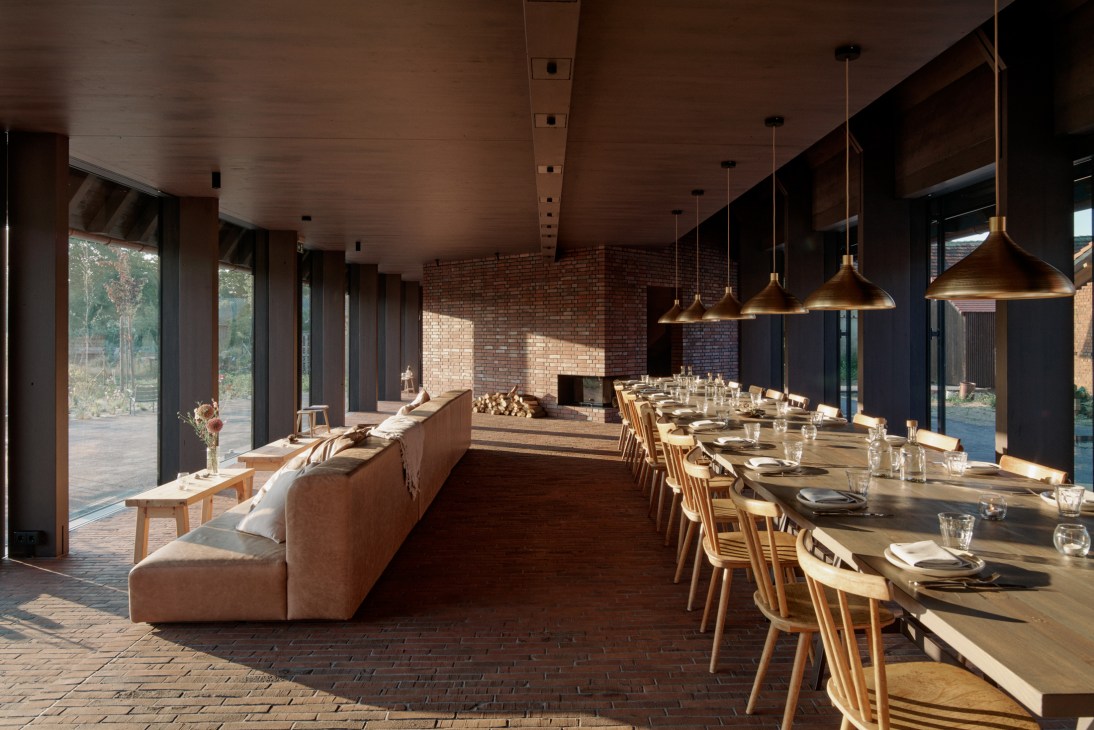
Plans for renovating this sister space were laid in 2019, when Berlin-based Danish architect Sigurd Larsen scoped out a clutch of 19th-century agricultural buildings huddled around a courtyard. While one was replaced to make space for accommodation that sleeps 25 (and can be booked in its entirety), hallmarks of its past were retained and many of the old beams have been transformed into new furniture that now adorns the space.
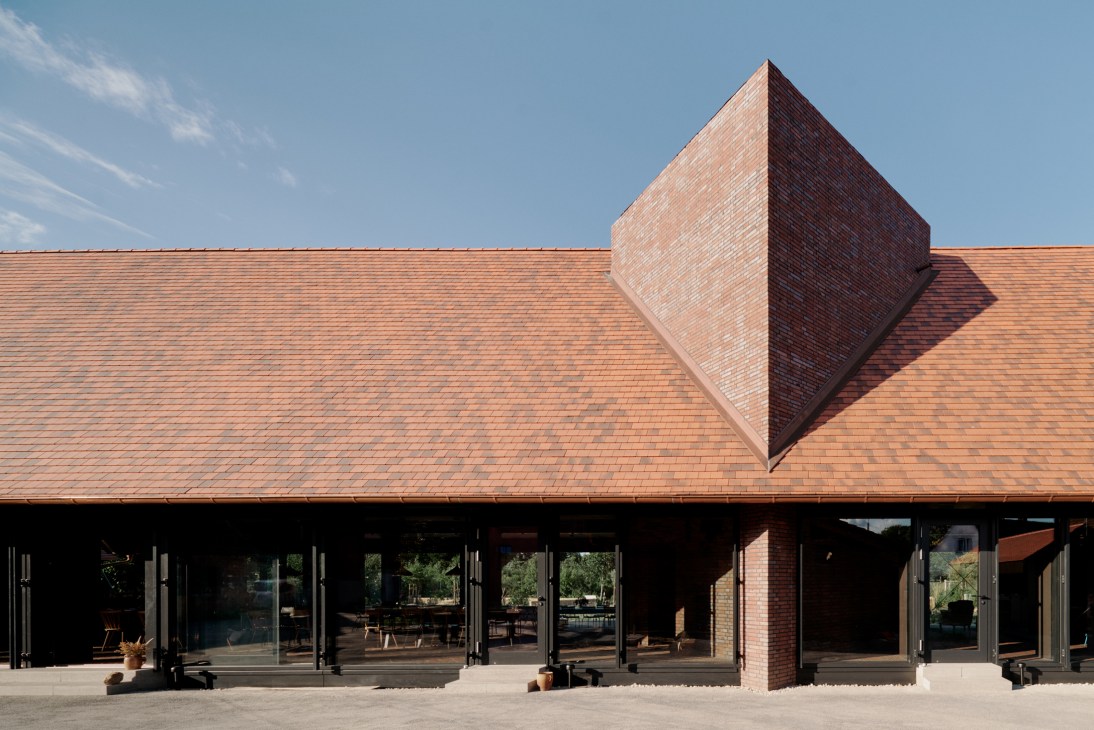
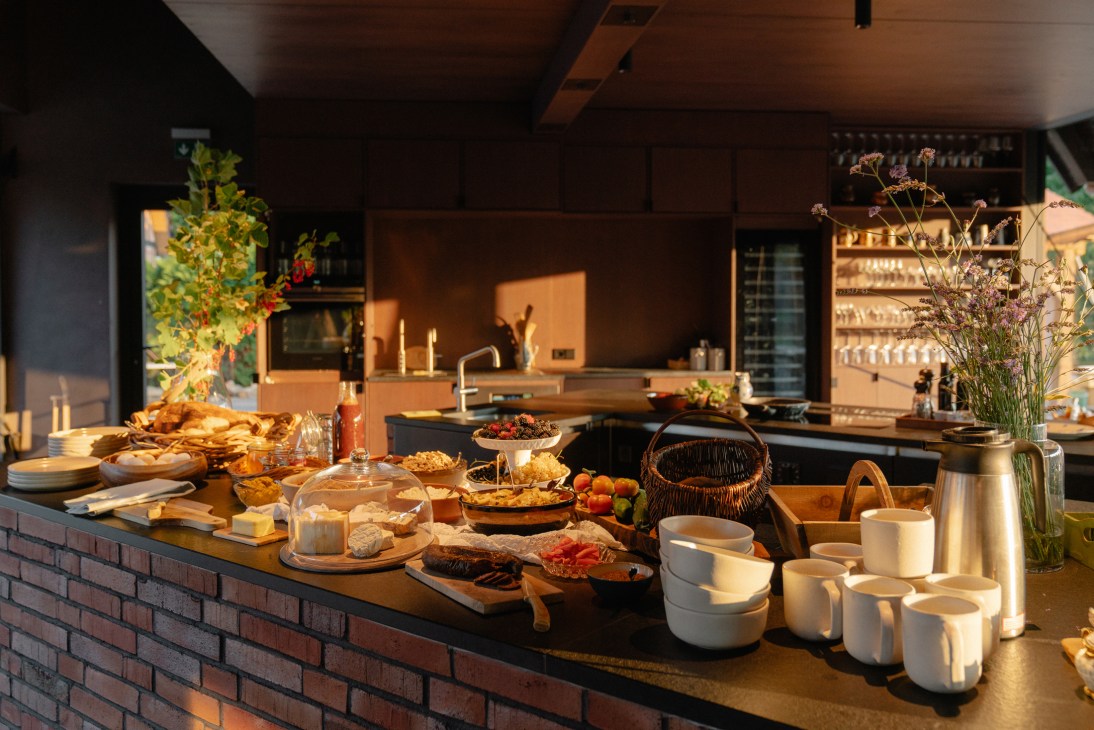
“Making the bedrooms smaller was our way to create the feeling of being in a house rather than in a traditional hotel,” Larsen tells Monocle. “The windows are positioned low. When you enter a room, you see a view framing only the green field outside. But as you sit down on the bed, the horizon and sky become visible over the tree canopies.”
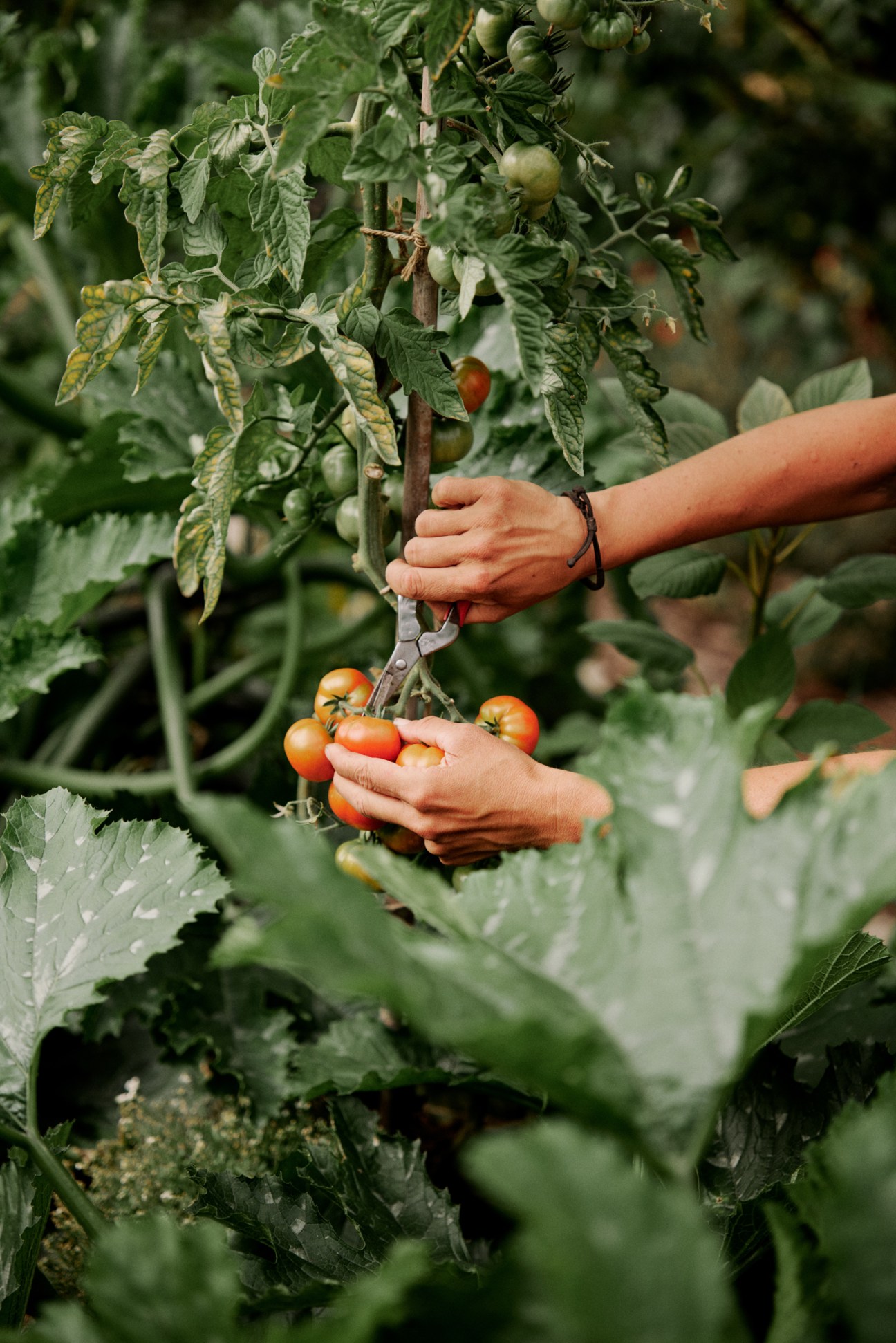
The food and seasonally grown produce from the regenerative farm, as well as nearby producers such as Gut Ogrosen and Landgut Pretschen, are central to the Michelberger mission. The farm opens on Thursdays for dinner and closes after breakfast on Mondays; drop-ins are welcome to stop by for coffee and cake on weekends too.
Even with the cycling, canoeing and horse-riding offered by the Spreewald, returning home to the Michelberger Farm may still be the greatest pleasure. “My favourite part about the farm is waking up in the morning and opening the bedroom door,” says Larsen. “You can hear the kitchen team downstairs preparing breakfast, all made using berries and crops from the field you see from your bed. It’s like waking up at a friend’s house in the countryside.”
michelberger.farm
Inventory
Recipes
Comfort zone
Let these fresh, zesty and mouth-tingling twists on three Italian classics bring a sense of warmth on cooler nights.
Recipe
Ricotta and marjoram ravioli
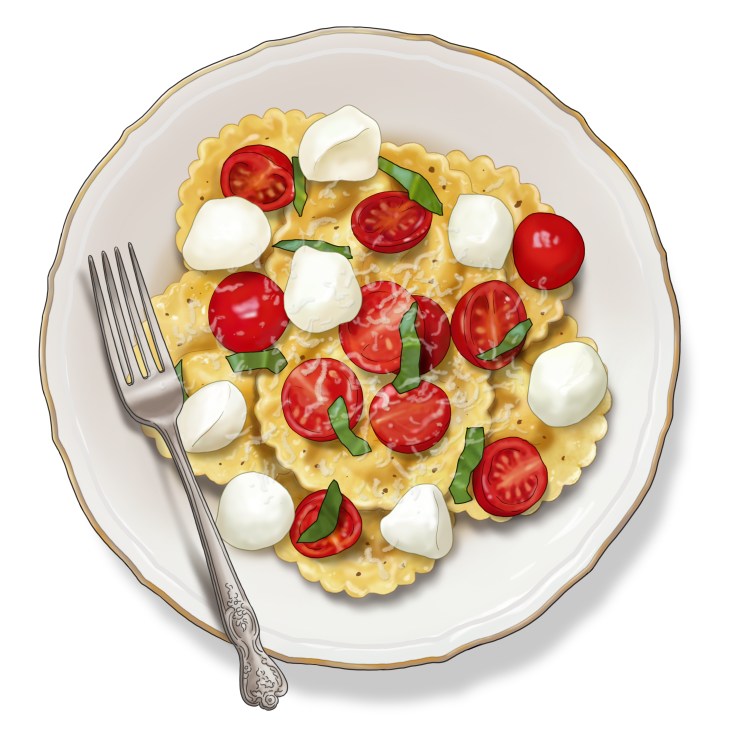
Swiss chef Ralph Schelling has whipped up this fuss-free take on ravioli. Every pasta parcel is filled with a delicate mix of marjoram and ricotta, and topped with garlicky tomatoes. Enjoy.
Serves 4, as a main
Ingredients
For the pasta:
300ml water
900g flour
For the sauce:
2 cloves garlic, peeled and chopped
3 tbsps olive oil
400g peeled cherry tomatoes
15g bunch basil
1 tbsp butter
For the filling:
900g ricotta
140g parmesan cheese
2 eggs
15g bunch marjoram leaves
Method:
1.
Begin with the pasta dough. Use a kettle or small saucepan to bring the water to a boil.
2.
Pour the flour onto a clean work surface. Create a steep well in the middle of the flour. Pour the boiling water into the well a bit at a time and, using a fork, gradually mix the flour and water together until combined. Check it’s cool enough to touch and then knead for 5 minutes. Let the dough rest while preparing the filling.
3.
In a medium saucepan, fry the garlic in olive oil until golden brown. Add the tomatoes and leave them to sweat for 20 minutes while you assemble your pasta.
4.
In another bowl, mix together the filling ingredients.
5.
Use a rolling pin to flatten the pasta dough to a thickness of 2mm or 3mm. Cut in half to make two equal-sized pieces.
6.
Place one sheet of dough on the work surface. Spoon small mounds of filling onto the sheet, leaving 2cm gaps between each. When finished, place the other sheet of dough on top and press the edges together with a fork to seal.
7.
With a knife or pasta wheel, cut out the ravioli. Use a little water to seal if required.
8.
Bring a large pot of water to the boil. When it begins to bubble, add a handful of salt. Put the ravioli in and cook until done; they will float when they’re ready.
9.
Return to the saucepan and add the basil, butter and salt to the tomatoes. Stir until combined. Add the drained pasta and mix until coated.
ralphschelling.com
Recipe
Fettuccine with pea-and-mint pesto and lime

Ralph Schelling is keeping it simple with a riff on Liguria’s basil-based pesto using fresh mint and peas. “Feta goes well with the mint if you prefer that to parmesan,” says Schelling. “You can also use my pesto on bruschetta or as a dip for an aperitivo.”
Serves 4, as a main
Ingredients:
250g fettuccine pasta
250g fresh or frozen peas
2 cloves of garlic, peeled
100g parmesan, plus extra
10g bunch fresh basil
20g handful mint leaves
5 tbsps olive oil
1 lime (zest and juice)
2 tbsps pistachios (or pine nuts)
Salt and pepper to taste
Method:
1.
Cook the pasta in salted water according to packet instructions but take it out a minute early so that it’s al dente. Drain and reserve 120ml of the pasta water.
2.
Blend pesto ingredients to make a paste. Don’t blend until completely smooth so as to leave a little crunch.
3.
In a pan, add the pesto to the pasta along with the starchy cooking water and heat until warm again.
4.
Serve with more parmesan.
ralphschelling.com
Recipe
Tomato, harissa and prawn pasta

Japanese recipe writer Aya Nishimura ventures across culinary borders to pair a classic Italian comfort dish with a spicy North African chilli paste. Needless to say, it works perfectly.
Serves 2
Ingredients:
3 tbsps olive oil
12 large prawns, shelled and deveined
2 cloves garlic
½ medium-sized brown onion, finely chopped
Tin of chopped tomatoes
2 tsps harissa paste
2 tsps tomato paste
2 tsps anchovy paste (or a few finely chopped tinned anchovies)
2 tsps light brown sugar
3 tbsps ricotta
2 pinches of salt and pepper
200g linguine
Parmesan to serve
Method:
1.
Season the prawns. Pour one tablespoon of olive oil into a pan and fry the prawns until pink. Remove, set aside.
2.
Add the rest of the olive oil and garlic to the frying pan and cook until garlic starts to become fragrant, then add the onion. Once softened, add the chopped tomatoes, harissa, tomato and anchovy pastes, and sugar. Cook over a low heat for 10 minutes until sauce thickens, stirring continuously. Add ricotta and stir until combined. Season with salt and pepper.
3.
Bring a saucepan of water to the boil and cook linguine as per packet instructions.
4.
Reserve a few tablespoons of pasta water before draining the linguine and adding it to the sauce. Combine with the prawns and toss until everything is mixed together. Serve with grated parmesan on top.
ayanishimura.com
Down to the letter
Completed in 1747, when America was still a collection of British colonies, The Redwood Library and Athenaeum in Newport, Rhode Island, is the nation’s oldest purpose-built library. Here, in a stately upstairs room, the team from Sharp Type, a type foundry specialising in digital typefaces (think the fonts on a computer) are huddled over a large table.

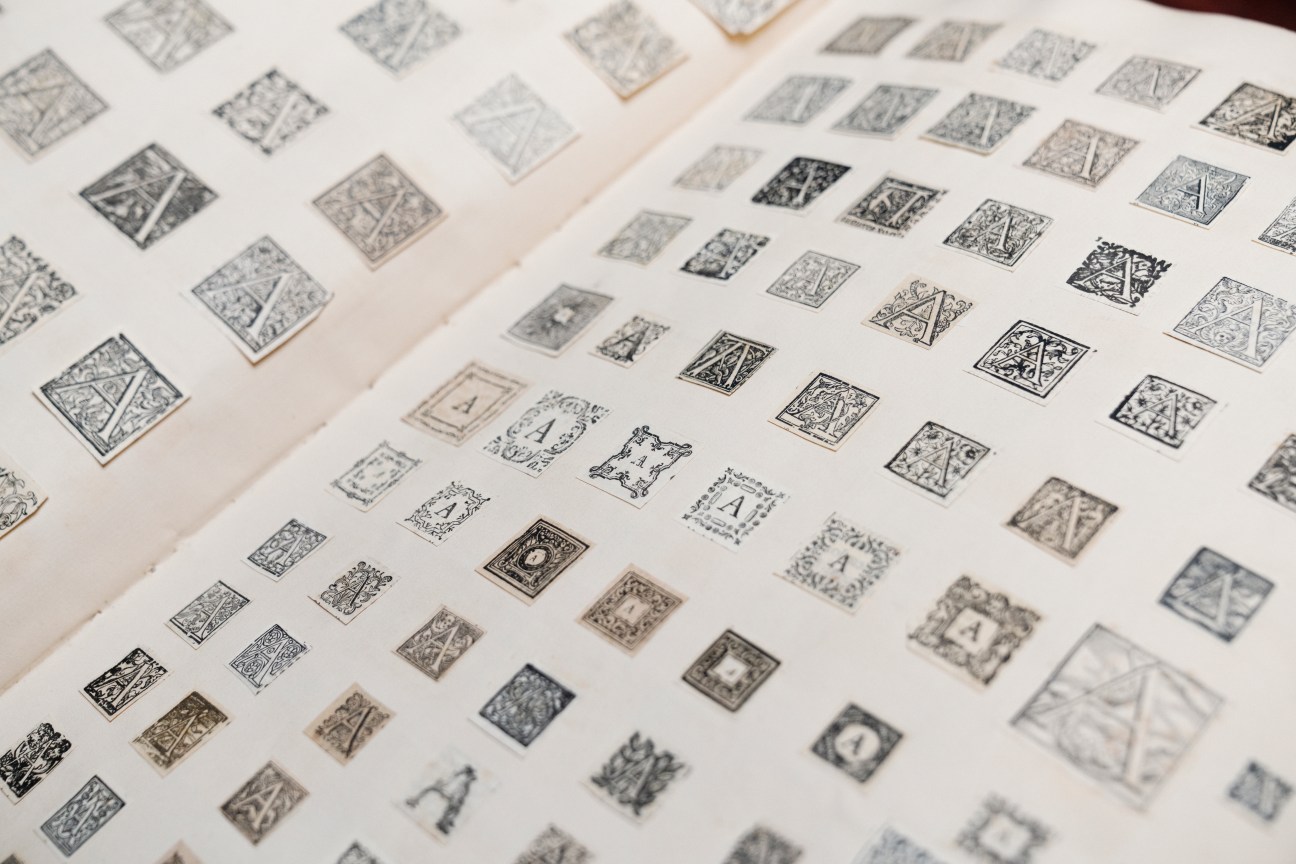
“Did you see this M?” says one designer at a decibel level more suited for a concert than a library. “That’s the best letter; there’s a lot of opportunity for fun there,” says another emphatically. “Oh my goodness – this R,” says another, poring over a scrapbook of capital letters. Photo-taking, to the delight of the librarians, who seldom see such enthusiasm, commences: it’s as though a rare animal were spotted but instead the attention is on the forms, curves, accents, flourishes and lines of lettering in the books.
The collection from the library’s vault includes a miniature 18th-century atlas from France and a book from William Morris’s Kelmscott Press. But the publication that receives the most enthusiastic reception is a 19th-century artist’s scrapbook containing hundreds of capital letters. “These drop caps are insane,” says Lucas Sharp, who co-founded Sharp Type in 2015 with Chantra Malee. Partners in business and life, the duo’s firm counts Samsung, the Royal Danish Theatre and La Repubblica among its clients. “We’re part of a pretty niche and esoteric industry,” says Lucas. “It’s not something that a lot of us think about, yet type design is omnipresent in just about everyone’s life.”




When Monocle meets Sharp Type at the Redwood library, it is because its core team of eight designers has descended on Chantra’s home city for its company retreat. An annual event usually held in different locations across the US, it entails a series of field trips where the team seeks physical inspiration for its digital work. The Rhode Island city has been chosen because there is plenty to appreciate from a typography viewpoint. “Newport represents the Gilded Age, craftsmanship in America and a tradition of letter form as art,” says Chantra. “It’s a good place to remember the origins of our industry, in America anyway, to get our team out of the digital world for a while.”
Sharp Type’s newest project speaks firmly of the modern moment and its impending launch is a big focus of the assembly. Sharp Earth will be the foundry’s newest design. Notably, it will be a global typeface. This means that it will enable disparate language groups – Latin, Arabic, Indic, Japanese, Greek, Thai, English and various indigenous languages – to appear graphically harmonious while remaining legible and true to their origins. The result will allow people and companies across the globe access to a consistent typeface for their materials and branding, and could be called upon in international efforts to create a unified front when tackling problems such as climate change or health emergencies.
While there is exciting potential for more accessible global communication, the main drive was to craft a typeface that is beautiful, functional and of this moment. “Typefaces are markers that represent history and moments in time,” says Chantra, leafing through a 15th-century bible with intricate hand-drawn letters. “This bible speaks of its time. So does something like the psychedelic, acid-font craze of the 1960s, which perfectly encapsulated the spirit of counterculture.”
What, then, does Sharp Earth aim to capture? “We live in a fully globalised and digital world, so Sharp Earth represents what it is like to be here right now,” says Lucas. “If Helvetica was for modernism, and Avenir and Gotham were for postmodernism, then Sharp Earth is for whatever comes next.”
Developing a global typeface, though, is a challenging endeavour. Large companies such as Google and Adobe have developed their own, but Sharp Type is the first small, independent studio to attempt to create one of this scale. It requires drawing on the expertise of people worldwide. This is something that Lucas and Chantra, who are based near San Francisco, understood when they opted to employ a team that covers time and language zones. Those in Newport for the company retreat have made their way from across Asia, North America and Europe, reflecting a diverse slice of humanity that has been essential to the work on Sharp Earth, and the foundry’s mission more broadly. “It gives us a larger perspective on languages and cultures that are historically overlooked in this work,” says Chantra, as the group walks through downtown Newport en route to lunch. A pleasant mix of accents hangs in the air.
Afterwards, the next stop on the tour is a visit to Island Cemetery, which dates to the 1600s. Léna Le Pommelet, a designer from Switzerland, had no sooner entered the grounds before she paused, transfixed by an extraordinarily decorative ampersand. “You’ll never find this elsewhere,” she says, whispering. Meanwhile, Lucas explains why this retreat and associated field trips are essential. Kneeling, he points to a tombstone with a deep V letter etching which, in the afternoon sun, accentuates the two tones in the stone’s mineral. “This effect would all be lost if I tried to digitise it,” he says. Still, this cemetery has been fertile ground for inspiration before. A recent field trip here gave rise to the foundry’s popular Greenstone typeface.


The most exciting stop of the day awaits down the road from the cemetery at The John Stevens Shop, which dates to 1705 and has claims to being one of America’s oldest businesses. The original store’s namesake owner traded rum and molasses but was noted for his unique offering of stone carving, specifically gravestones. The shop remained in the Stevens family until 1927, before it was sold to the Benson family – and it’s Nicholas Benson who greets Sharp Type in the green clapboard shop. “Welcome,” says Benson, who took over the business from his father in 1993, ushering the team inside. Here, books are piled high, granite slabs sit on benches, and mallets and chisels line windowsills.
Like the Sharp Type team, Benson is also a man of letters, only he’s responsible for carving them into stone, by hand. When he’s not in the shop chiselling tombstones or training apprentices (including his daughter), he is often in Washington, carving words into the nation’s finest monuments and museums. Also, like the team at Sharp Type, the shop has a legacy of designing lettering. “My grandfather developed a house style,” Benson tells the group, whose eyes wander from wall to wall. “That form became known as The John Stevens Shop Roman.” Asked if he still uses it, the answer comes quickly: “It is still the shop’s signature typeface.” Occasionally, though, Benson creates his own, most notably for the Martin Luther King Jr Memorial and Eisenhower Memorial.
So what does Benson think of Sharp Type’s mission to find inspiration in old letters to influence new global types? “The world of digital isn’t my language,” he says. “But I do get it. My father straddled both worlds by making typefaces for Adobe.” Those three typefaces, all created in 1994, blended traditional hand-drawn calligraphy style with digital design. Within 45 minutes the tour is over and, with the sun setting, the Sharp Type team files out onto the cobblestone streets of Newport.
Could a few new fonts, or at least letters, have been inspired today? “Check in with us in six months,” says Lucas. “Something usually lights a spark.”
The following morning, Sharp Type assembles in the living room of a house overlooking the harbour, which is their base for the retreat. On a table are pastries and proofs of Sharp Earth in Arabic, Thai and Japanese Hiragana, all of which show how the languages can be brought into a pleasing, uniform visual system.
This ambitious project begs the question: what role do old typefaces, created by instruments such as quills and chisels, and found in the libraries and cemeteries in New England, play in creating a digital, global font? Neither Lucas nor Chantra sees the two as mutually exclusive. “We want to be a bit of a bridge between these worlds,” says Lucas.
And Newport, Chantra adds, is just the start. “If we want to continue to cover every language system but maintain its identity and context, that will mean getting our hands dirty, and turning over stones around the world in Asia, Europe and Africa, like we did this week.”
Matters of perspective
From a searing look at the travails of North Korean defectors to glimpses of beauty through a German master’s viewfinder, we present the season’s cultural highlights.
Art
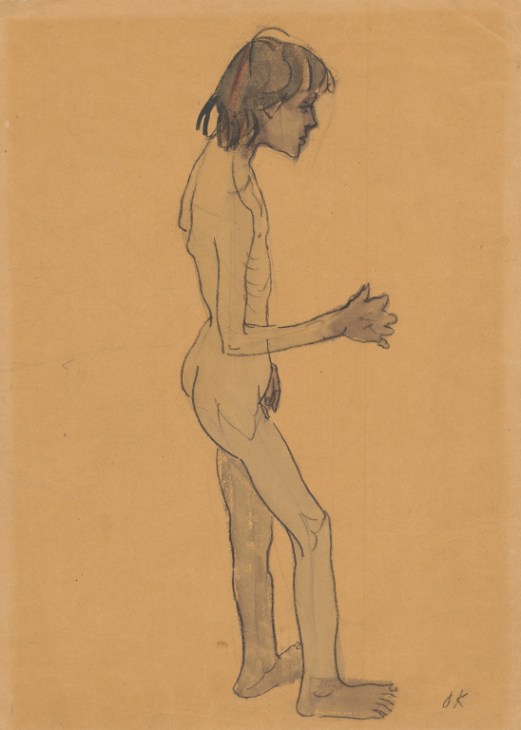
Herbert Boeckl – Oskar Kokoschka
Albertina Modern, Vienna
Two of Austria’s finest expressionist painters finally share a stage. Herbert Boeckl’s Cézanne-inspired landscapes and still lifes brim with personality, while Oskar Kokoschka’s agitated brushwork remains bracingly modern. Boeckl’s anatomical sketchbook reveals a debt to Kokoschka, whose late watercolours display a creativity undimmed by age.
Runs from 17 November to 18 February 2024
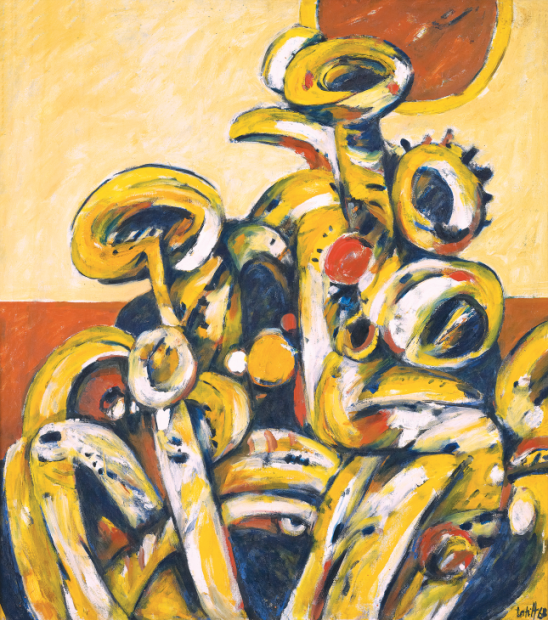
Tropical: Stories from Southeast Asia and Latin America
National Gallery, Singapore
This survey of more than 200 works explores two regions that were united in the 20th century by struggles against colonialism and a desire to assert new cultural identities. It draws parallels between artists such as Mexico’s Frida Kahlo and Malaysian modernist Latiff Mohidin, while spotlighting lesser-known figures who spun traditional techniques and political beliefs into exciting forms of expression.
Runs from 18 November to 24 March 2024
Film

Beyond Utopia
Madeleine Gavin
Though many documentaries have tackled life in North Korea, none resonates quite like Madeleine Gavin’s latest film, which deservedly picked up an Audience Award at the Sundance Film Festival. Using secretly filmed footage, Beyond Utopia focuses on the hazardous journeys that defectors make to flee the Democratic People’s Republic, as well as the underground networks assisting them. From mothers trying to reunite with their sons to entire families risking it all, this compelling film embeds us in a world that has seldom been documented and explores the lengths to which people are willing to go in pursuit of freedom.
Released on 27 October

Saltburn
Emerald Fennell
Writer-director Emerald Fennell’s debut feature, Promising Young Woman, won an Academy Award for best original screenplay. Now she has returned with a lavish exploration of privilege and desire. Oxford University student Oliver (Barry Keoghan) becomes infatuated with his aristocratic friend Felix (Jacob Elordi), who invites him to spend the summer at his family estate. Cinematic convention tells us that a trip to an isolated location with mysterious acquaintances rarely ends happily but it makes for a thrilling set-up.
Released on 17 November
Anatomy of a Fall
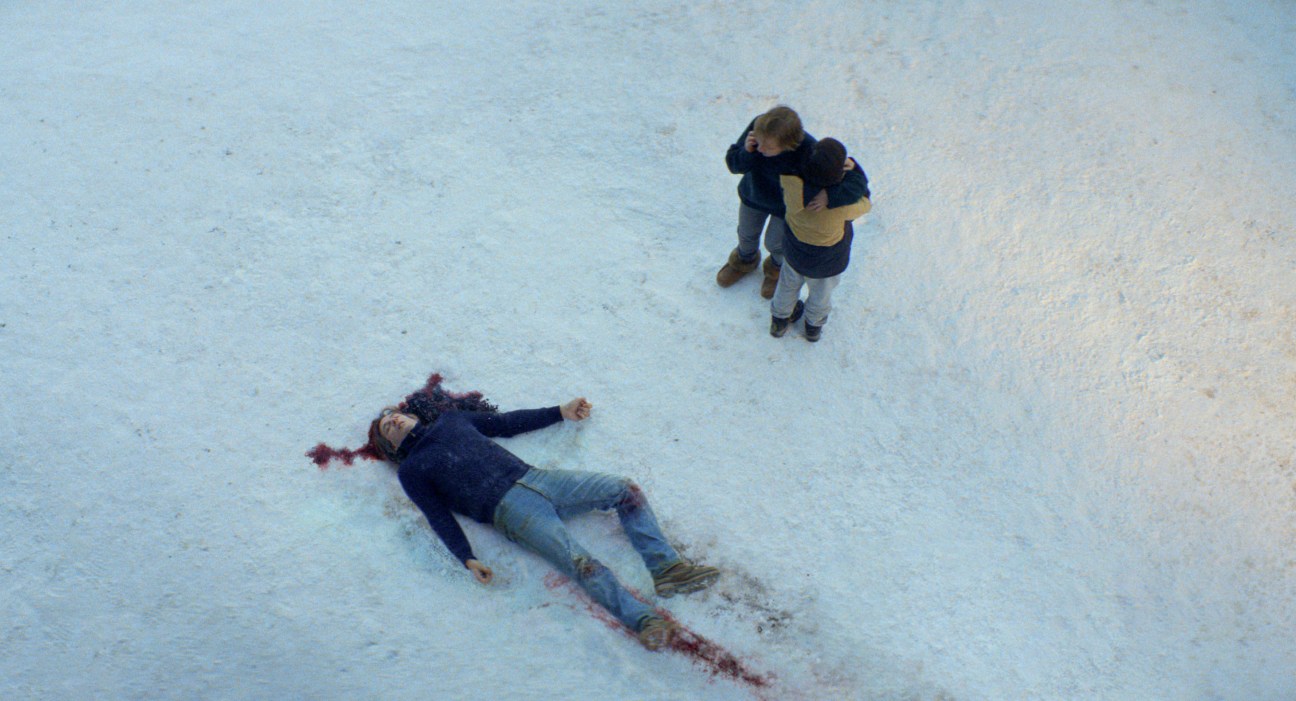
Justine Triet
When her husband is found dead in the snow near their home in the French Alps, all fingers point to celebrated German writer Sandra (Sandra Hüller), who must defend her innocence in a trial that picks apart both her relationship with her husband and her work. Justine Triet’s wonderfully spiky courtroom thriller won the Palme d’Or at this year’s Cannes Film Festival and is sure to provoke plenty of conversation.
Released on 10 November

Photography
Wolfgang Tillmans: To Look Without Fear
San Francisco Museum of Modern Art, San Francisco
Part of a tradition of photo-diarists that includes Larry Clark and Nan Goldin, Wolfgang Tillmans has created a body of work that reminds us that beauty is out there if you know where to look, from crumpled clothes and tender kisses to awestruck images of musical icons and natural wonders.
Runs from 11 November to 3 March 2024
Music
Jardin
Munya
If you’re craving lush synths, seek out this excellent set of electro-pop tracks. Québec-based singer Munya started playing piano when she was just four years old, before moving on to opera and classical singing as a teenager. In Jardin’s first single, “Un Deux Trois”, she pays tribute to Giorgio Moroder. Her breathy cover of New Order’s “Bizarre Love Triangle” is a highlight, as is the bouncy “Hello Hi”.
Out now
Anime Parallele
Laura Pausini
Italian music legend Laura Pausini’s new album sounds as fresh as her 1993 debut, “La solitudine”. She sings as alluringly as ever on the ballad “Durare”, while dance number “Il primo passo sulla luna” tells the story of a friendship that ends over a refusal to compromise. This year, Pausini will be honoured by the Latin Recording Academy and start a world tour in Rimini on 8 December.
Released on 26 October
Madres
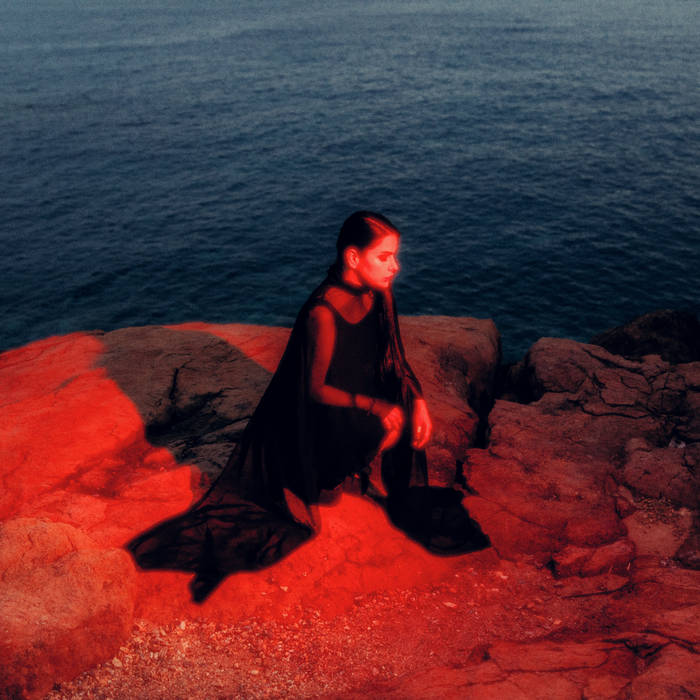
Sofia Kourtesis
Berlin-based Peruvian DJ and producer Sofia Kourtesis dedicates her debut album to her mother – but she also celebrates a neurosurgeon called Peter Vajkoczy who operated on her, with the joyful single “Vajkoczy”. The album’s title track gives the collection a bright start but the highlight is the dance-floor-ready “Si Te Portas Bonito”. Having already performed at Glastonury, Primavera and Green Man, Kourtesis will be one to watch on next year’s festival circuit.
Released on 27 October
TV
Race to the Summit
Netflix
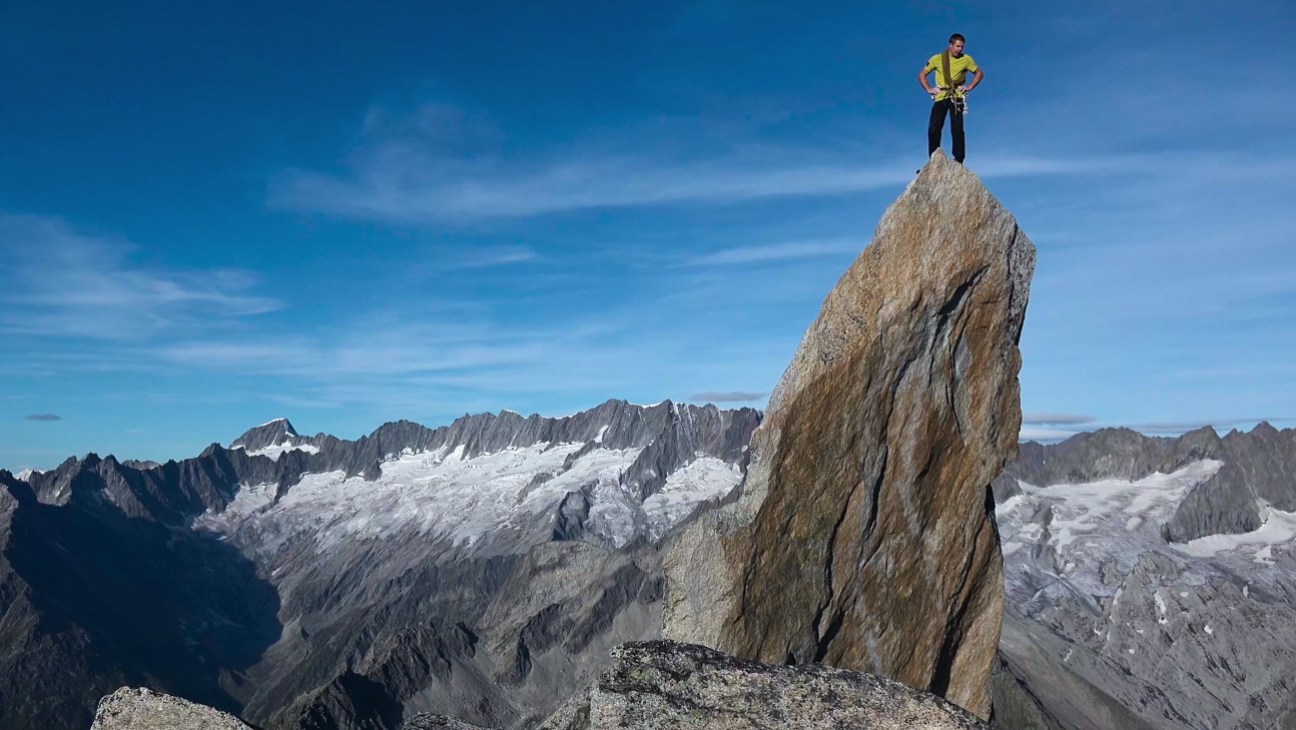
After Dani Arnold broke Ueli Steck’s record for the speediest ascent of the Eiger’s north face in 2011, the Swiss mountaineers began a rivalry that culminated in a series of dangerous ascents up the Alps, often with little regard for safety equipment or procedures. This documentary by film-makers Nicholas de Taranto and Götz Werner follows the death-defying duo up to the snowy peaks, from the Eiger to the Matterhorn.

A Murder at the End of the World
Hulu
A mysterious billionaire invites guests to a remote resort, where they witness a murder: despite its rather old-fashioned premise, this gripping new series from The OA’s Zal Batmanglij and Brit Marling defies expectations. A Murder at the End of the World features an impressive cast that includes Marling, Emma Corrin, Harris Dickinson and Clive Owen, who bring humanity to a plot with plenty of twists and turns.
The Sea Beyond (Mare Fuori)
RaiPlay
Filippo Ferrari, a gifted piano player from a wealthy Milanese family, and Carmine Di Salvo, the son of a Neapolitan crime boss who dreams of becoming a hairdresser, form a bond when they are arrested on the same night and sent to a juvenile detention centre. This hit Italian drama, created by Cristiana Farina, follows the pair as they navigate life beyond bars. Watch it for its suspenseful storylines and top performances by a cast of previously unknown actors.

Books
Julia
Sandra Newman
US author Sandra Newman’s latest novel is a provocative retelling of George Orwell’s Nineteen Eighty-Four from the perspective of Winston Smith’s lover, Julia Worthing. It takes courage to reimagine one of the 20th century’s most iconic novels and Newman serves up some compelling revisions.
Out now
Welcome to the Hyunam-dong Bookshop
Hwang Bo-reum, translated by Shanna Tan
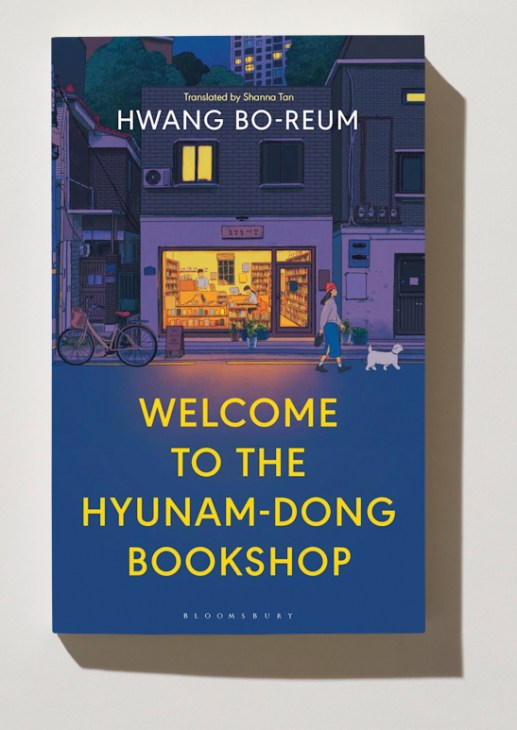
This quirky debut novel tells the story of Yeongju, who leaves her corporate job and career-oriented husband to open an independent bookshop in Seoul’s Hyunam-dong neighbourhood. It’s a tale about community and finding comfort in small things.
Published on 26 October

A Shining
Jon Fosse, translated by Damion Searls
Norwegian essayist, novelist, poet and playwright Jon Fosse has been compared to Henrik Ibsen and Samuel Beckett, and has attracted a loyal following with his “slow prose”. This 56-page novella tells the story of a man who gets lost in the woods as he sets off on foot through the cold and dark in search of help after his car breaks down. Beautiful and haunting, it is sensitively translated by Damion Searls.
Published on 31 October
Sonic wonderlands
1.
Sound and vision
Studio Richter Mahr, UK
In the office of Studio Richter Mahr, there’s a photograph of the building as it was in 2019 – a steel-framed barn with breeze-block walls lined with agricultural equipment and hay bales. For composer Max Richter and his artist wife, Yulia Mahr, it’s a reminder of what they have achieved: buying a former alpaca farm in Oxfordshire and transforming it into a world-class recording studio and arts facility. Richter is among the most celebrated composers working today and has created soaring soundscapes for everything from Hollywood blockbusters to Royal Ballet performances and Dior runway shows. He and Mahr met in their twenties, when she hired Richter to compose music for a theatre production that she was working on. They have collaborated for more than 30 years, with Mahr producing visuals to accompany her husband’s music. Today she is a multidisciplinary artist whose practice encompasses photography, video, installations and sculpture, and is preparing to launch a fine-art publishing imprint.
In 2015 the couple decided to leave their apartment in Berlin for a home in the English countryside. “It was a conscious choice to move out of the city,” says Mahr. “When you are doing creative work, it’s easy to be bamboozled by the pace of contemporary life.” After finding the barn, the duo set about converting it. Architectural designer Charlie Luxton and architects James Renfrew and Eleni Papadopoulou worked on the shell of the building and domestic areas; specialists Level Acoustic Design and Studio Creations were called in to construct the music and mixing rooms, as well as Richter’s writing space. “All of the music rooms form one unit,” says Mahr, whose atelier spreads across another of the building’s flanks. “It’s like a suspended building within a building, with a sprung concrete floor. That’s why we have such fantastic sound insulation. Max can have an orchestra playing a film score and we don’t hear any of it.”
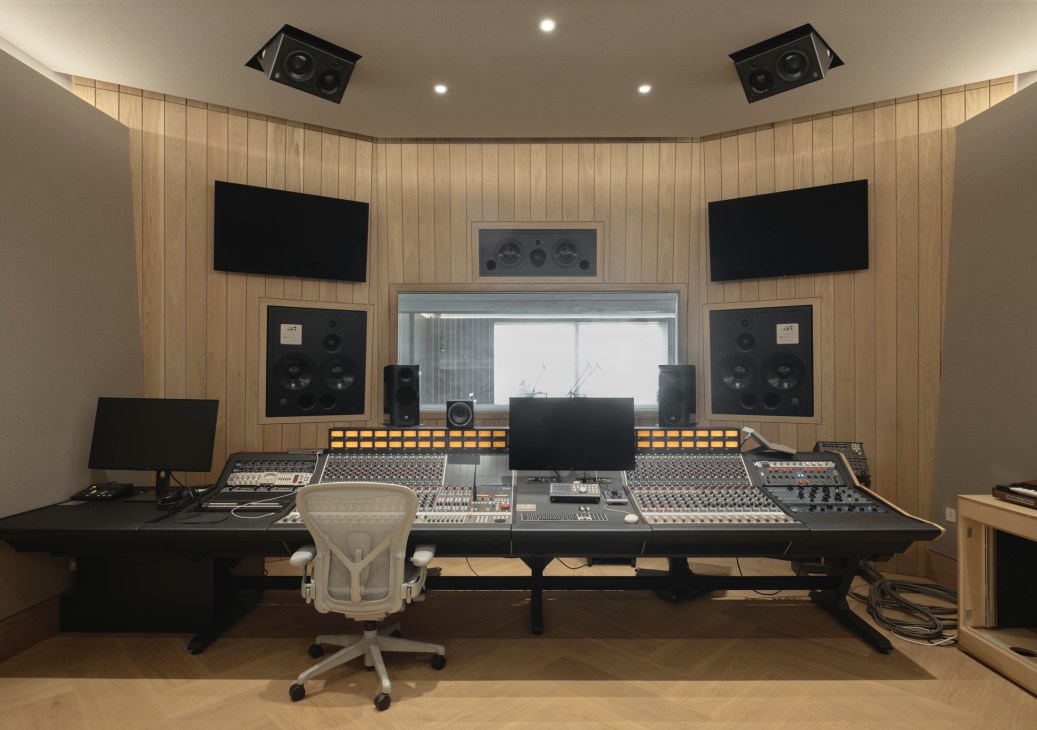
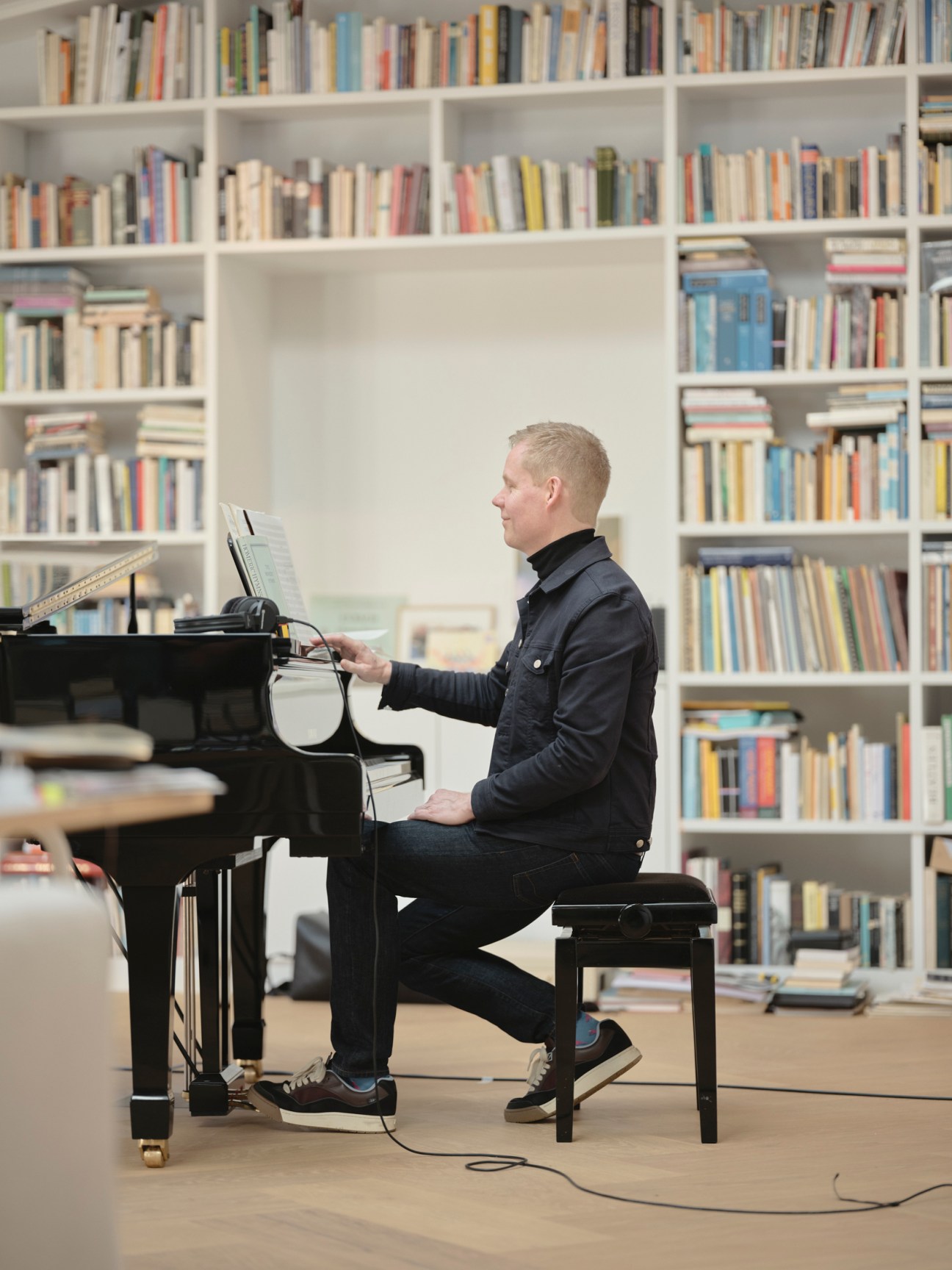
This section of the building contains Richter’s personal studio and a live recording room. The equipment here is a mix of cutting-edge digital technology and lovingly restored retro gear. “We have all kinds of wonderful vintage microphones, which sound really special,” Richter tells Monocle. “There are two recording paths here – digital and analogue, in which everything is recorded on tape. We have machines from the 1970s that have been completely rebuilt so that we can use them as new.” When Richter was setting out the specifications for the space, he ensured that the studio would be fully equipped for creating film scores. “We can record to pictures and deliver the music in full Dolby Atmos [surround sound].” With such high-spec kit, he no longer needs to journey all the way to facilities such as London’s Abbey Road Studios or Hollywood’s Capitol Studios to create work. “I never have to leave,” he says.
Building a new life in a glade that borders 12.5 hectares of woodland has had a significant effect on both Mahr and Richter’s work. “There’s a natural rhythm that resets your radar,” says Richter. One way in which the studio connects with the land that surrounds it is through its kitchen garden. Produce grown here, as well as eggs from the adjoining hen house, is used to make lunch for the studio team and everyone sits around a large table in the central atrium to eat together. “That goes back to my grandmother in South America and the meals that she used to cook for everyone,” says Mahr. “I wanted to recreate that communal eating experience, so we thought that the heart of the space should be a café.”
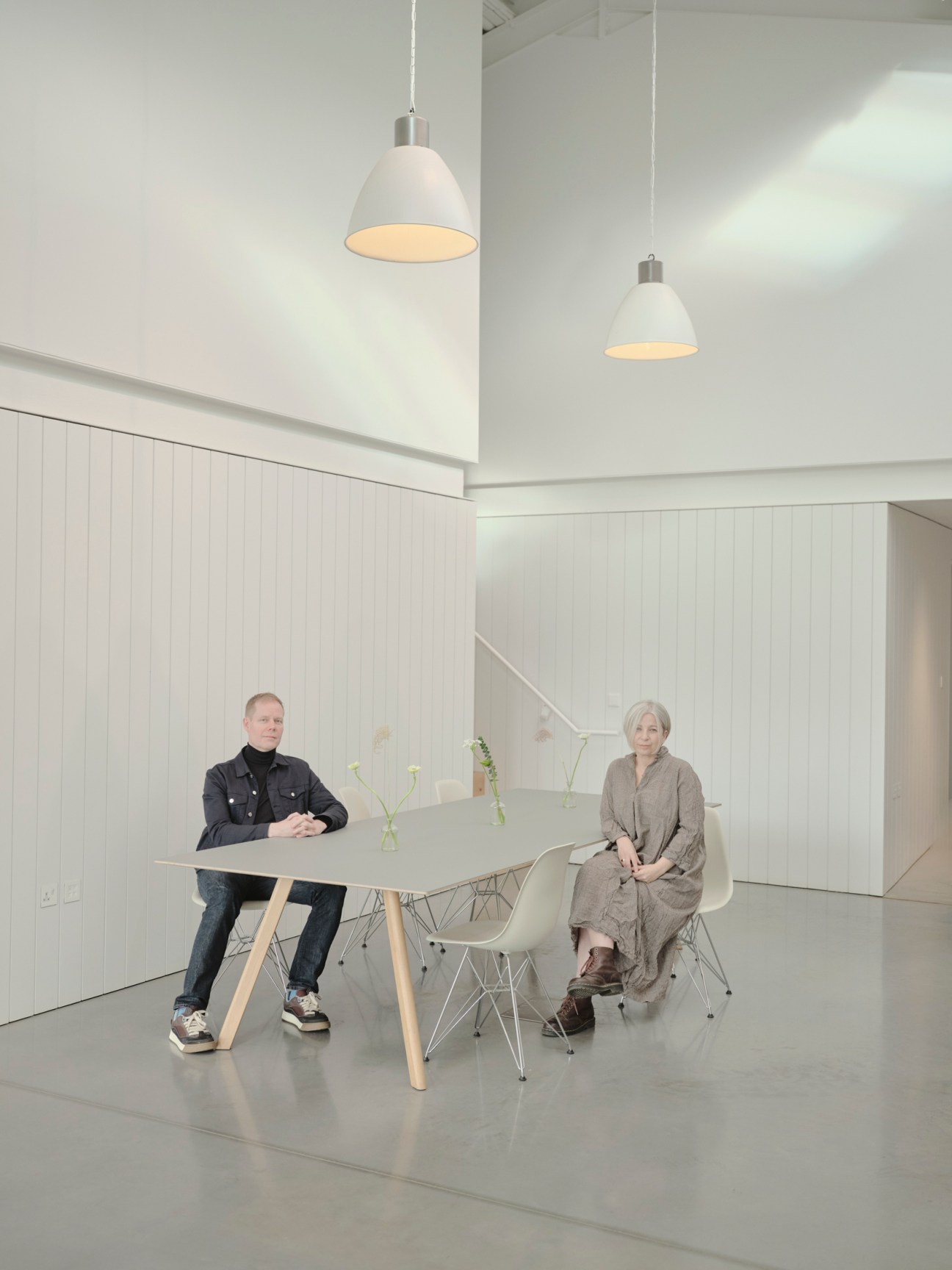
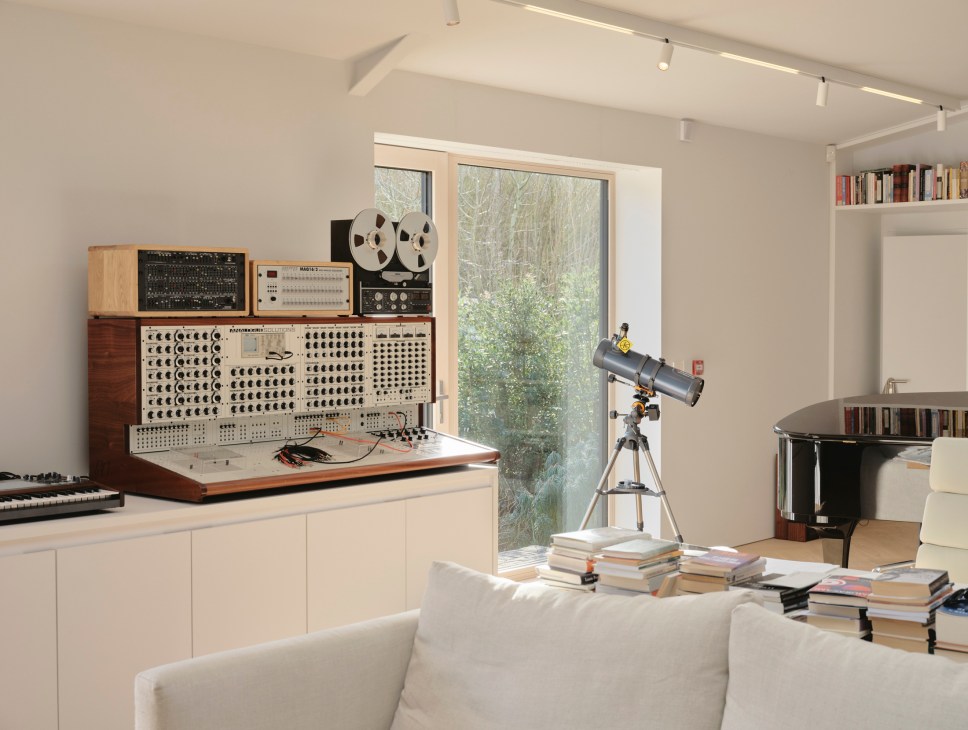
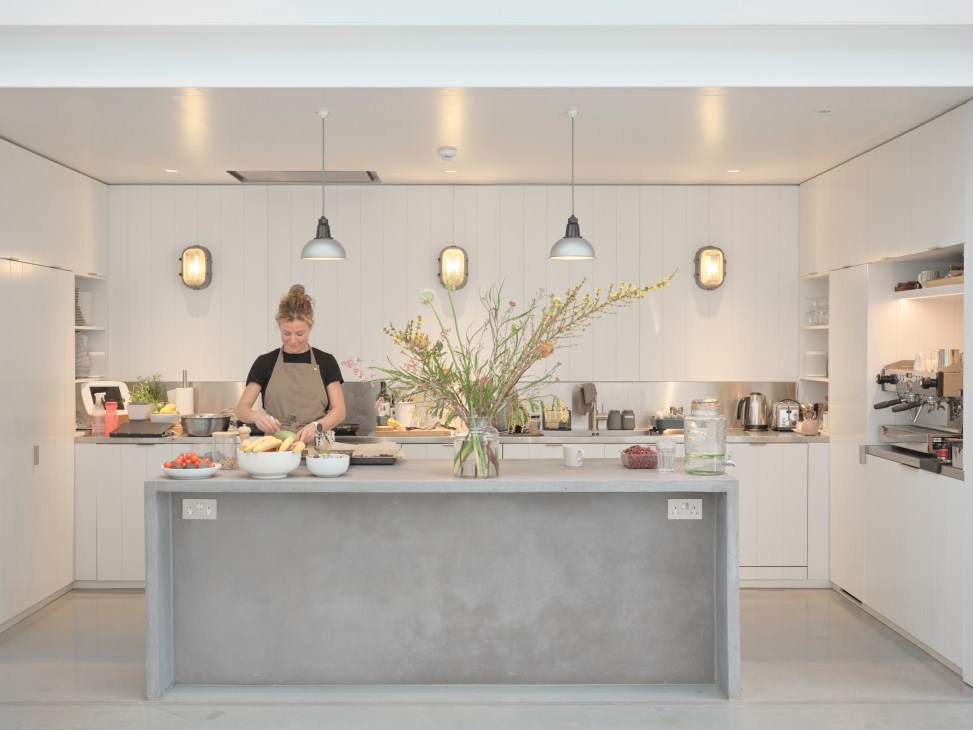
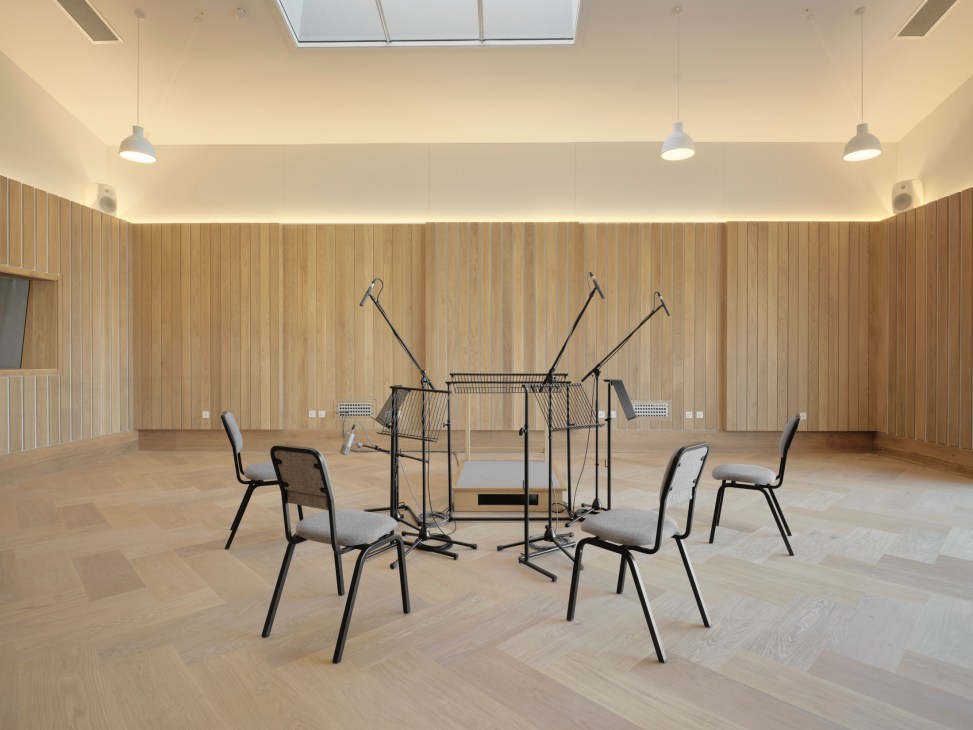
The couple aren’t the only ones making work at Studio Richter Mahr. A crucial aim of the project is to help the next generation of artists and musicians to find their feet. Its residency programme, for example, invites creatives to stay in one of the studio’s on-site shepherd huts and use the facilities to develop a project. Last year, Studio Richter Mahr released its first record, Free and Equal Vol 1. The EP features tracks by emerging musical talent such as Coby Sey and Duval Timothy, and all profits were donated to Médecins sans Frontières. The residency programme has focused on musicians so far but there are plans to welcome visual artists too.
“We have always intended this space to be not just for us but for others who don’t have the resources too,” says Richter. “It has taken a while to figure out how best to implement that idea but it’s exciting to see that part of it grow. It’s like teaching: you encounter creative minds at different points in their career and that gives you new perspectives. It’s great.”
studiorichtermahr.com
2.
Among the trees
Flow Studios, France
In recording parlance, “flow” denotes the sequence of stages that a sound goes through before you hear it. When Luke Aaron Clark decided to set up a studio in the village of Chailland, a short train ride west of Paris, he chose it as the project’s name. “It was a bit of a play on words: the technical term used in the profession, the flow of the river [that runs next to the studio] and the creative flow that an artist seeks,” he says.
As a composer and sound artist, Clark, who grew up near Brighton in southern England, has participated in residencies around the world. “I’ve always appreciated having a new environment to work in,” says the 45-year-old as he takes Monocle on a walk in the forest surrounding Flow Studios. “During a residency in Florida, I became interested in the relationship between architecture, sound and nature. So I built a human-scale beehive filled with microphones that transmitted the sound of people walking through. It gave me the confidence to create a more permanent structure.”
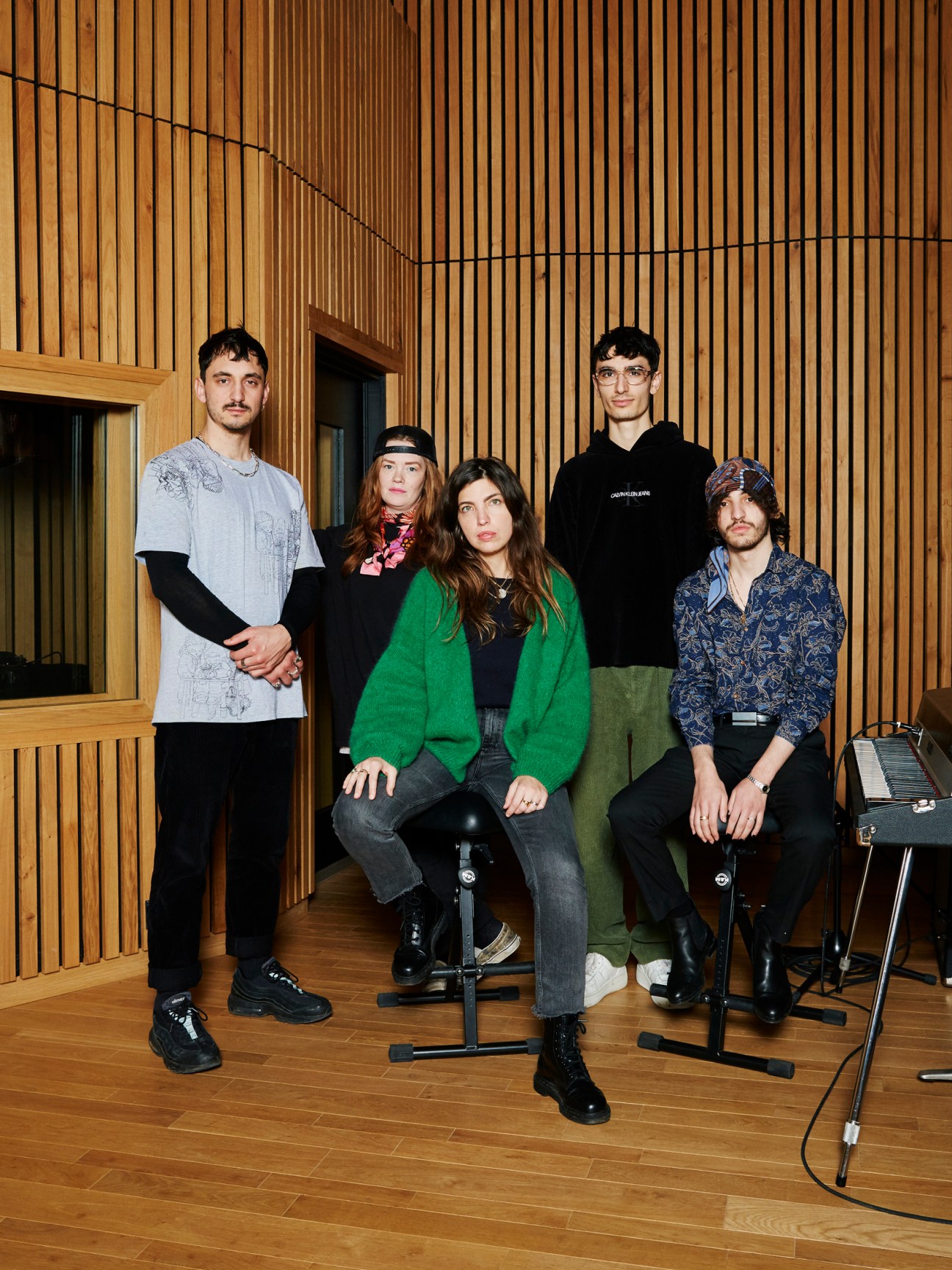
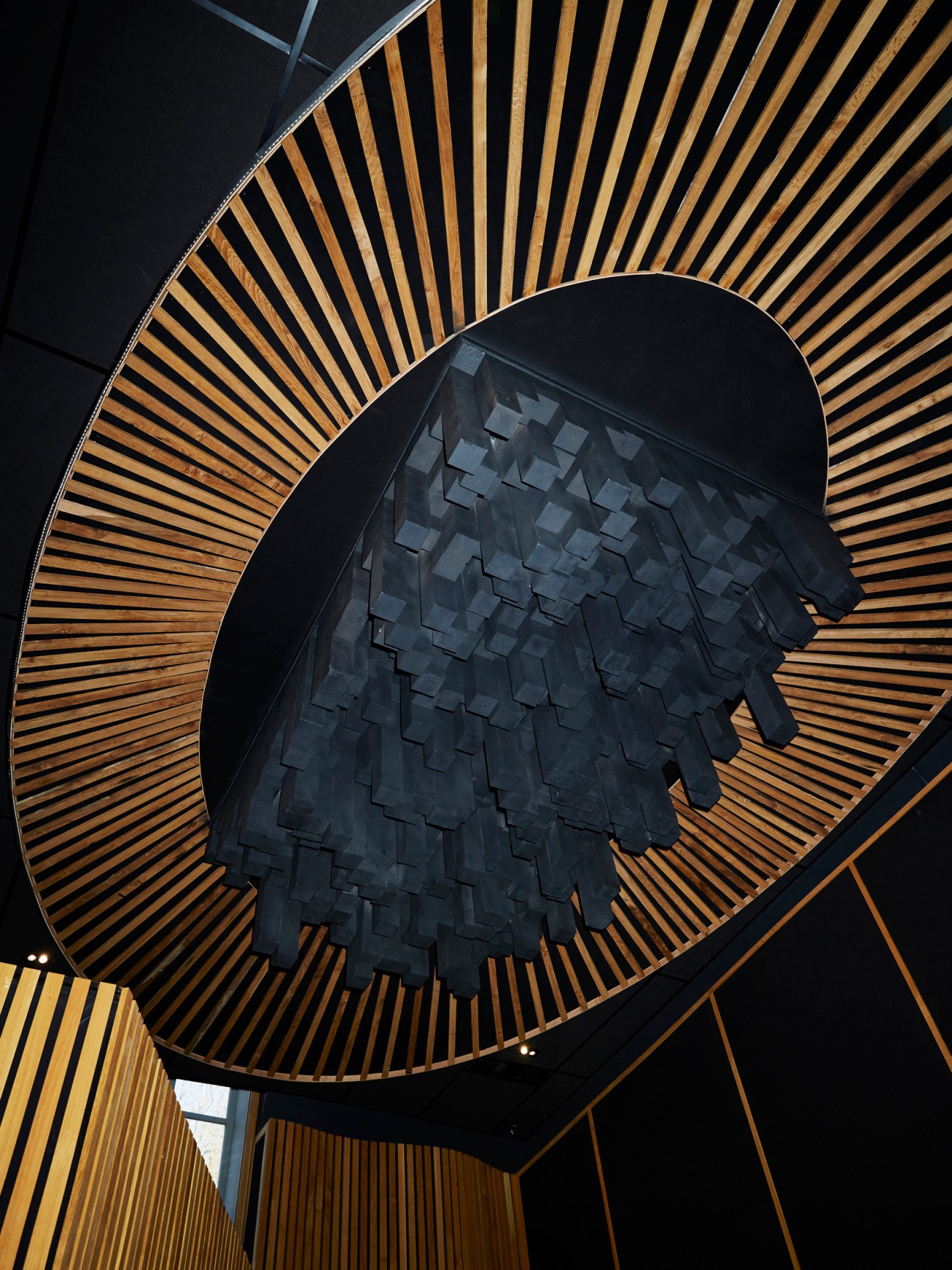
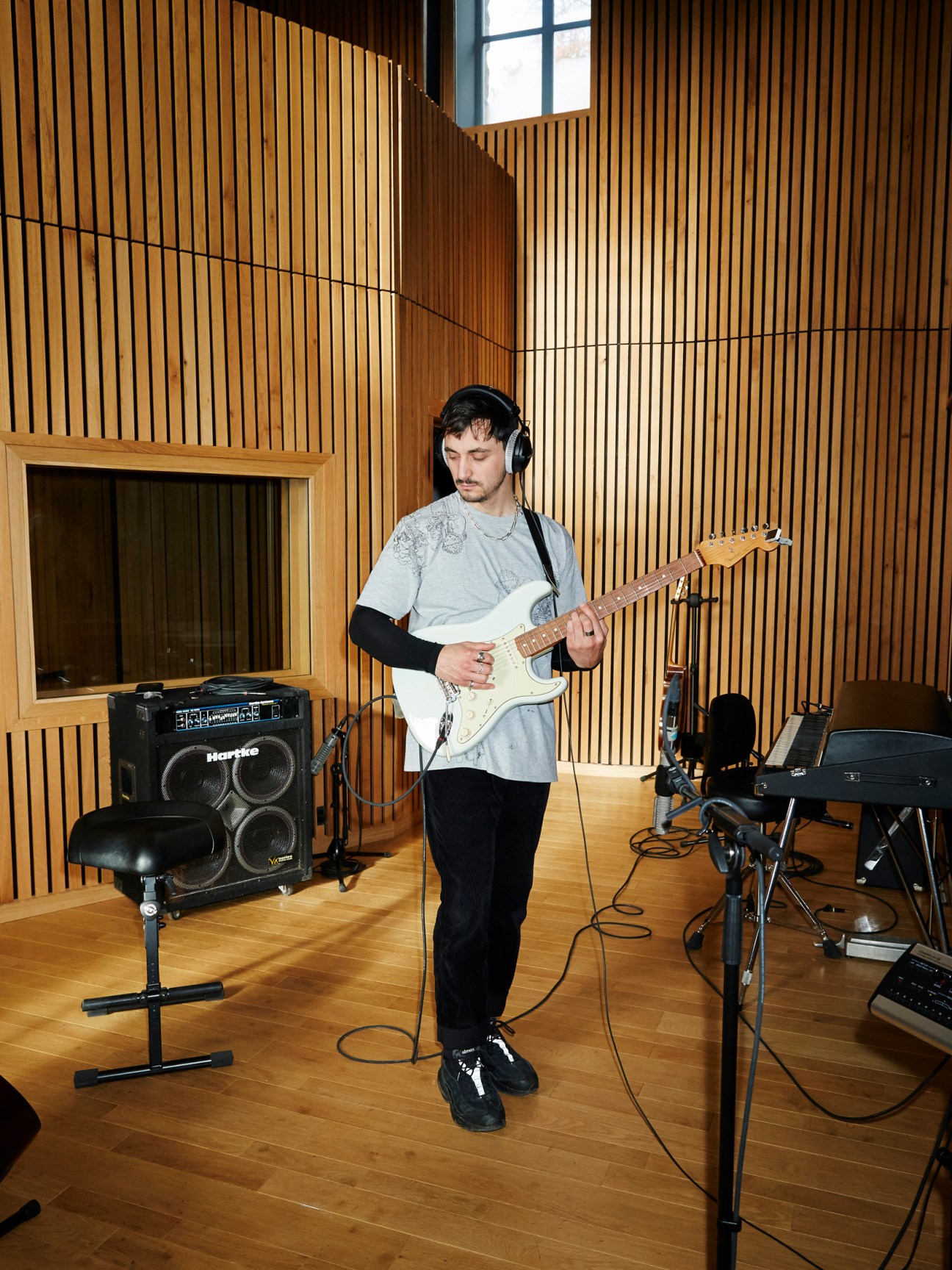
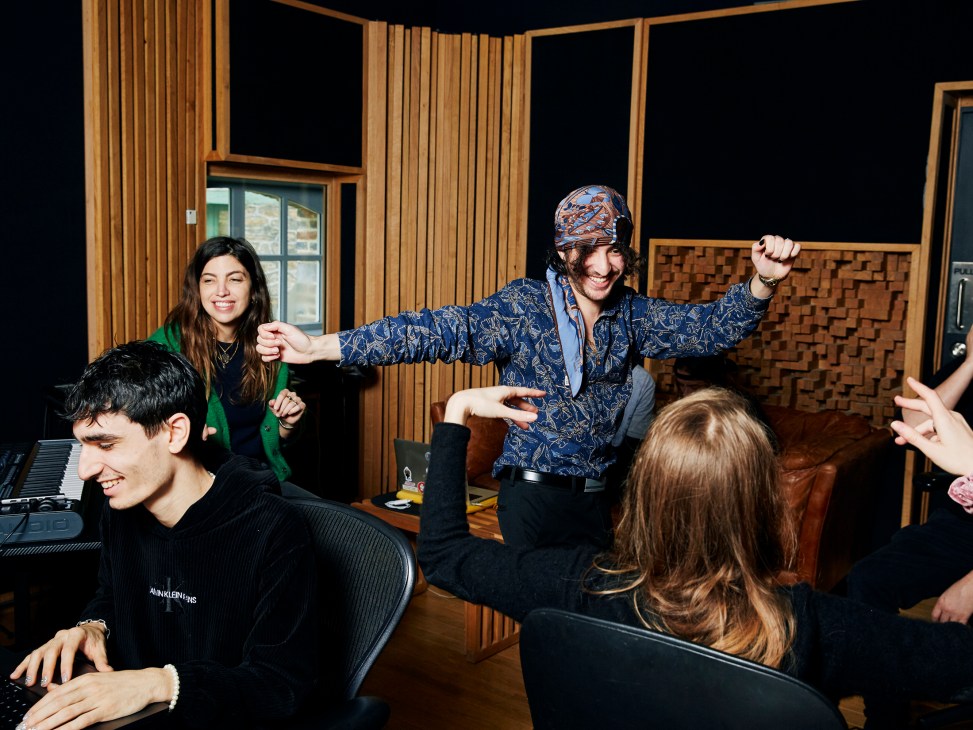
Opened in 2022, Flow sits in Chailland’s former town hall, built in 1850. Since Clark acquired the building five years ago, it has been extensively restored, with the plans for the recording area drawn up by US studio designer John Brandt. A cloudlike oval diffuser hangs five metres high in the live room, where the sun streams through large glass openings that frame the view of the forest. Windows are unusual in recording studios, which tend to be dim. “As humans, we need natural light,” says the 70-year-old Brandt, who has worked on more than 900 projects, from his office in Jakarta. “When an artist enters a studio, creativity should be encouraged. It should make you think, ‘I can’t wait to start working.’”
“Being tucked away in a quiet, little French town creates a certain type if isolation”
Those who have used the studio so far include labels such as Because Publishing and singer-songwriters Malena Zavala and Clou. “Being tucked away in a quiet, little French town creates a certain type of isolation,” says Zavala, whose song “A Different Path” was recently recorded at Flow. “If you’re stuck in the sound for several hours, a walk in the forest can be soothing,” says Paris-based Clou, who created four songs with artists she brought with her on a three-day stay. “Everything at Luke’s studio was made to help us work and only care about the music.” In the piano room, Clark sits in front of a restored 1904 C Bechstein. “The studio is an instrument,” says Clark, as he prepares to play. “Creativity is not an easy thing to reach so any help has real value.”
flowstudios.fr
3.
Music factory
Kabelovna Studios, Czechia
Czech composer and producer Karel Havlicek was bored of working in dull, windowless facilities but when he looked around Prague for a better set-up, he was stumped. His solution? To build his own. “I needed a space where I could feel the energy and have a lot of air and light,” he tells Monocle. When he and his business partner, sound designer Vladimir Chorvatovic, were shown an early-20th-century former cable factory, they knew that they had found the right spot. Havlicek commissioned architect Barbara Bencová to help turn the structure into a modern space while respecting its original features.
Opened in 2022, Kabelovna Studios has insulated skylights, concrete floors, acoustic panels and steel-and-glass doors that lead to two recording rooms. With their porous properties, the restored brick walls have proved ideal for recording. The facility is equipped with the latest sound-editing kit, voice-over booths and a Petrof grand piano. “Because of the high ceilings, the piano sounds as though it’s in a cathedral,” says Havlicek. “It’s amazing.”
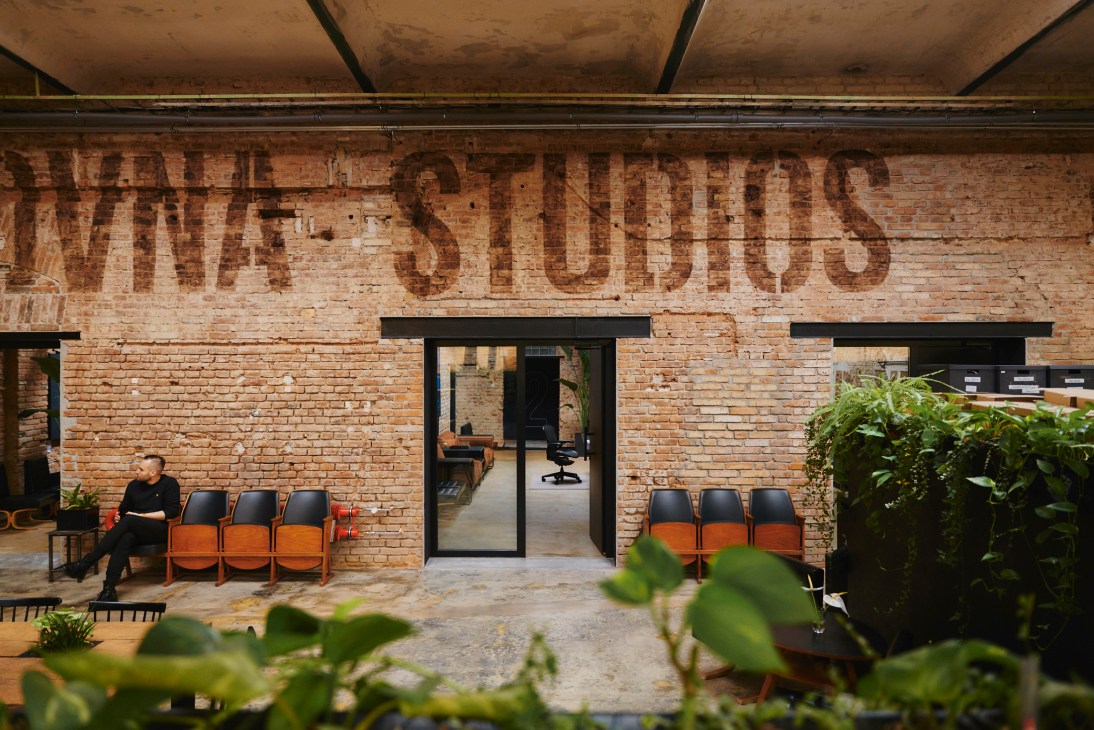
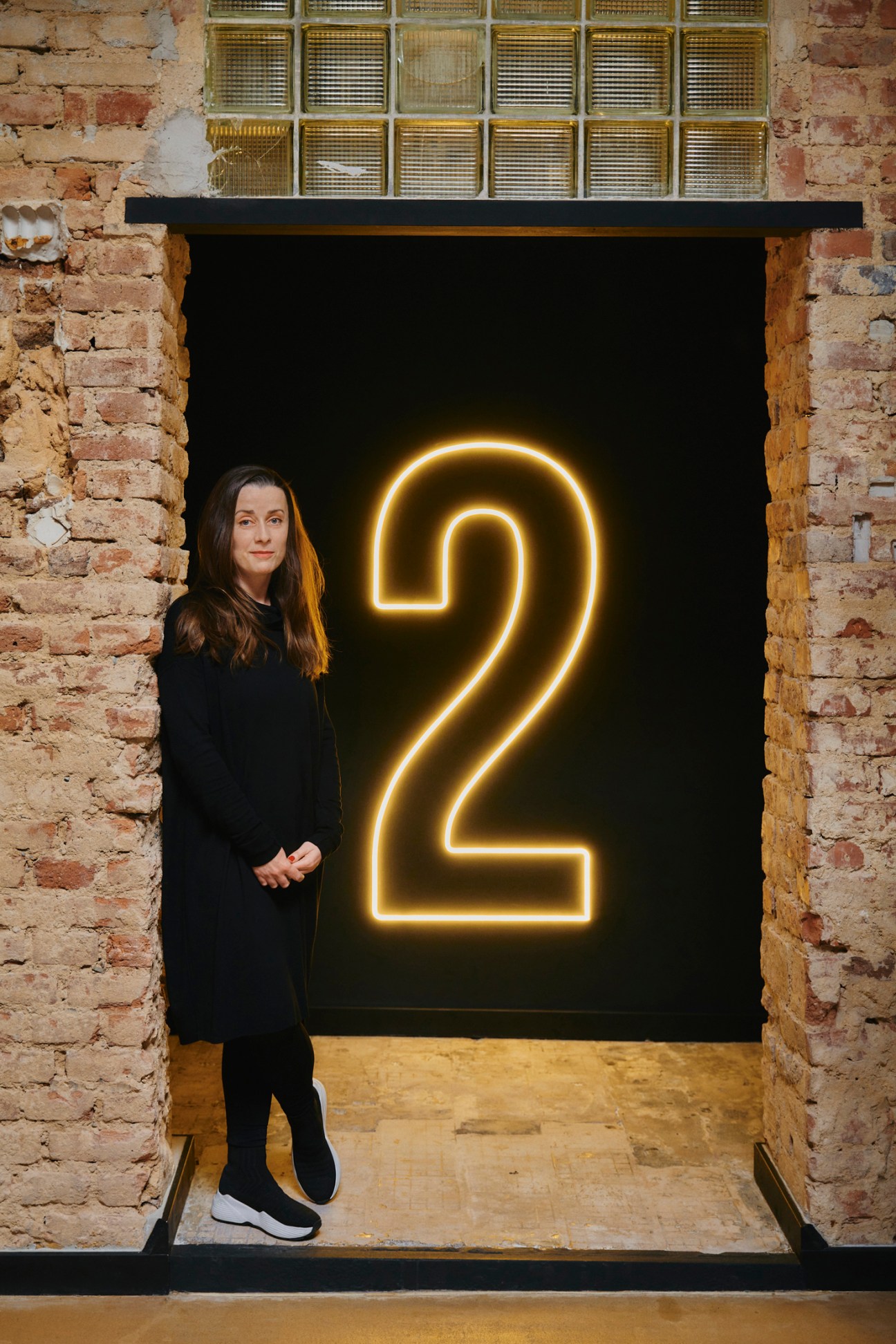
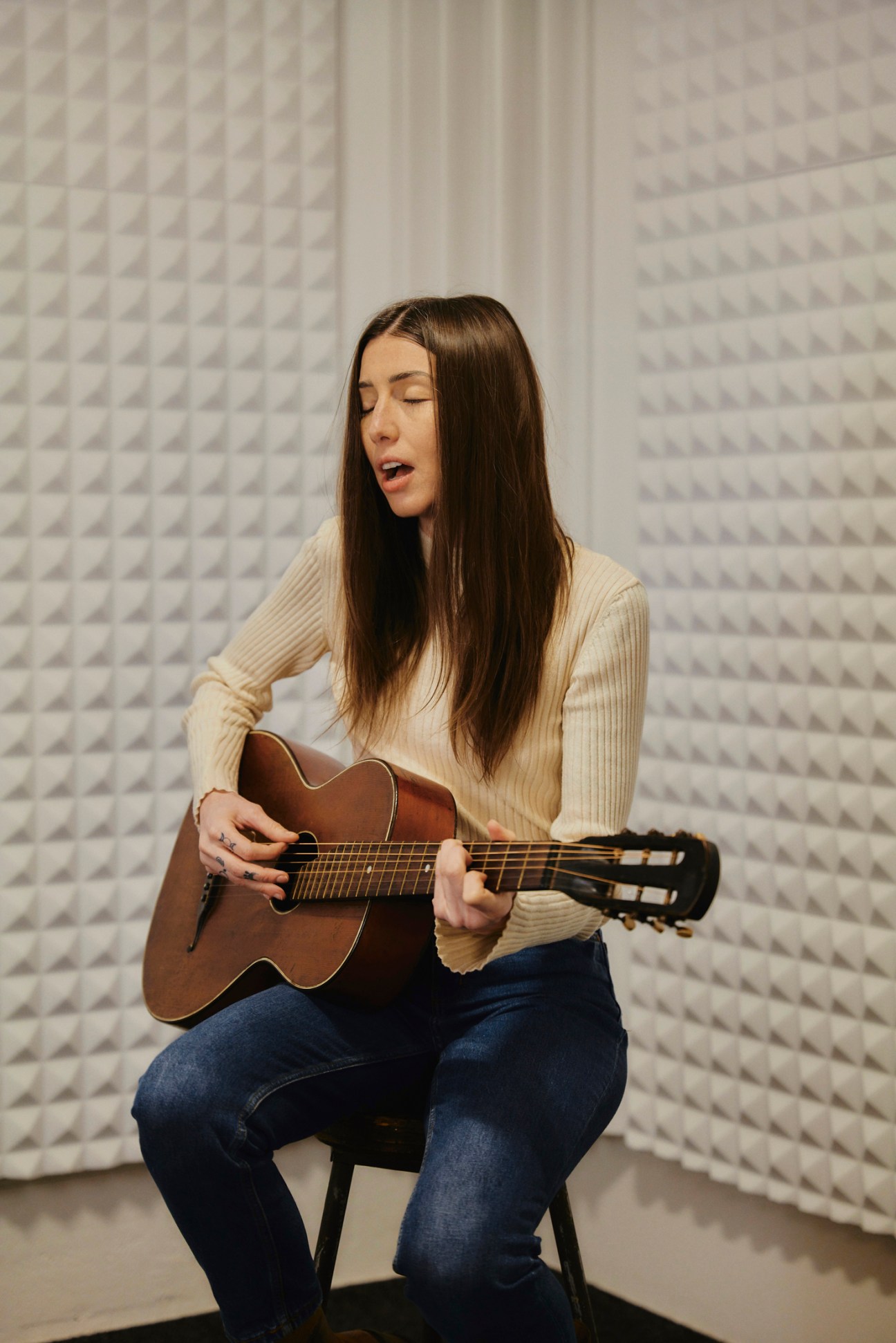
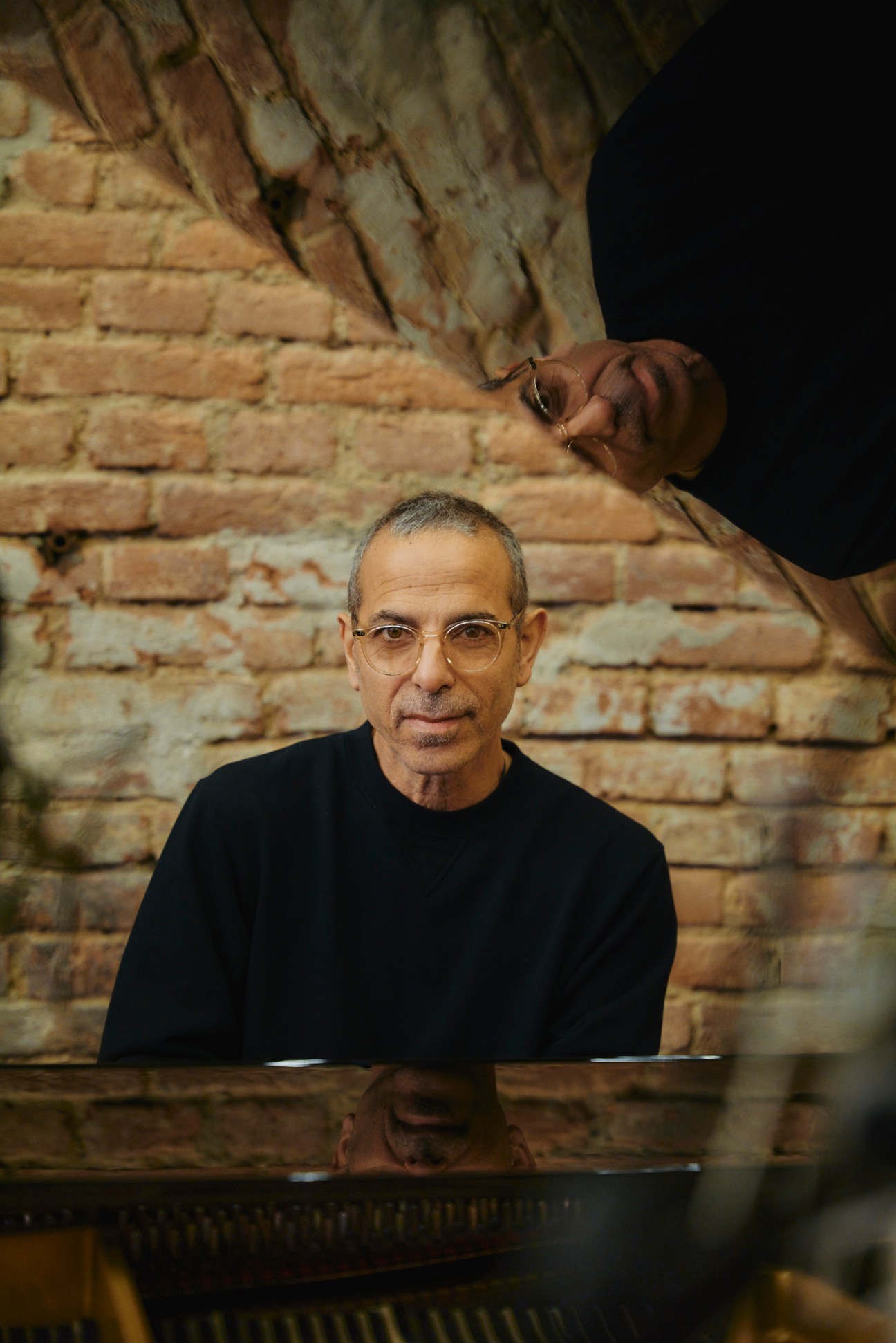
Havlicek and his team of sound designers and engineers work on everything from original soundtracks for film and television to voice-overs for commercials for companies such as Škoda and Apple. They have worked on feature films for clients such as Netflix and HBO, as well as on Havlicek’s personal music projects. “I wanted to have a space for composing or recording classical and electronic music, and for audio post-production,” he says. “It’s really convenient to have it all under one roof.” The studio allows Chorvatovic to try out new techniques too.
To help create an atmosphere that encourages creativity, Havlicek’s twin brother, Maxim, supplied artworks that were added to the studio’s acoustic panels. Aesthetic choices weren’t made at the expense of functionality, however. “We have to be a proper studio and not compromise on the sound,” he says.
To that end, Havlicek snapped up hi-tech audio monitors by Finnish brand Genelec that allow the studio to calibrate the sound coming out of them to the space, which means that it could retain some of its architectural quirks and imperfections without compromising the working process. “Havlicek has perfect hearing,” says Bencová. “The sound isn’t recorded in entirely perfect conditions as we did many things intuitively, which makes it all much more natural.”
kabelovnastudios.cz
Charging ahead
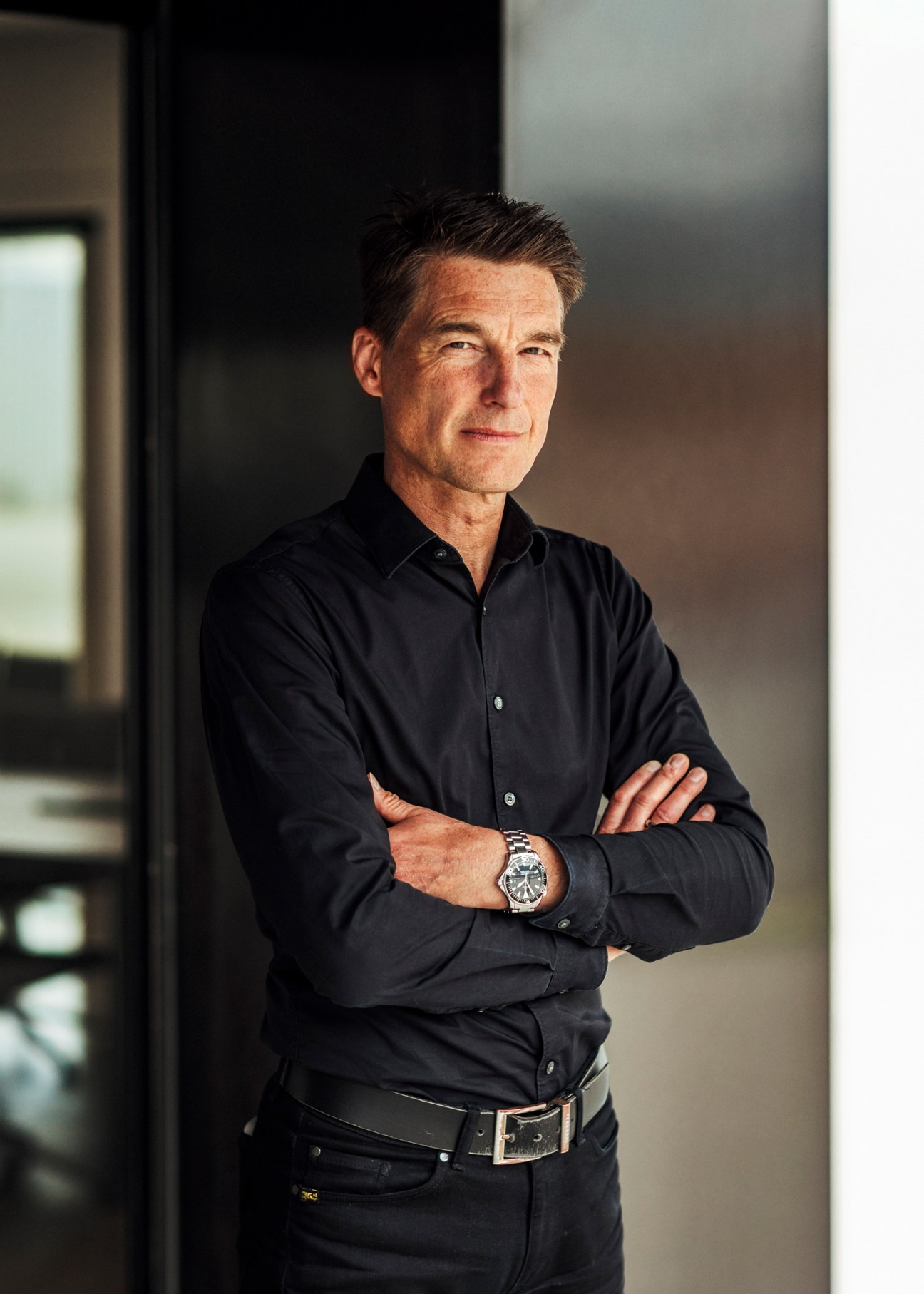
High in a woodland glade on a granite hill overlooking Gothenburg – Sweden’s motor city – Monocle is ushered into “The Eagle’s Nest”: a whitewashed hall with floor-to-ceiling frosted windows. Maximilian Missoni, the Austrian head of design at Polestar, is giving us an exclusive look at the near-future of the company: four shiny new models, one production- ready, another approaching that stage, plus two eye-catching concepts, all lined up for inspection. “The purity, timelessness and logic in the line comes from a Scandinavian mindset,” says Missoni. “Design is like a weapon. It can create the wrong desires and cause harm but, deployed properly, it can create a desire for a more sustainable option.” That option, he hopes, is Polestar, a relatively new, all-electric, sustainability-focused car brand with a very famous neighbour: Volvo Cars.

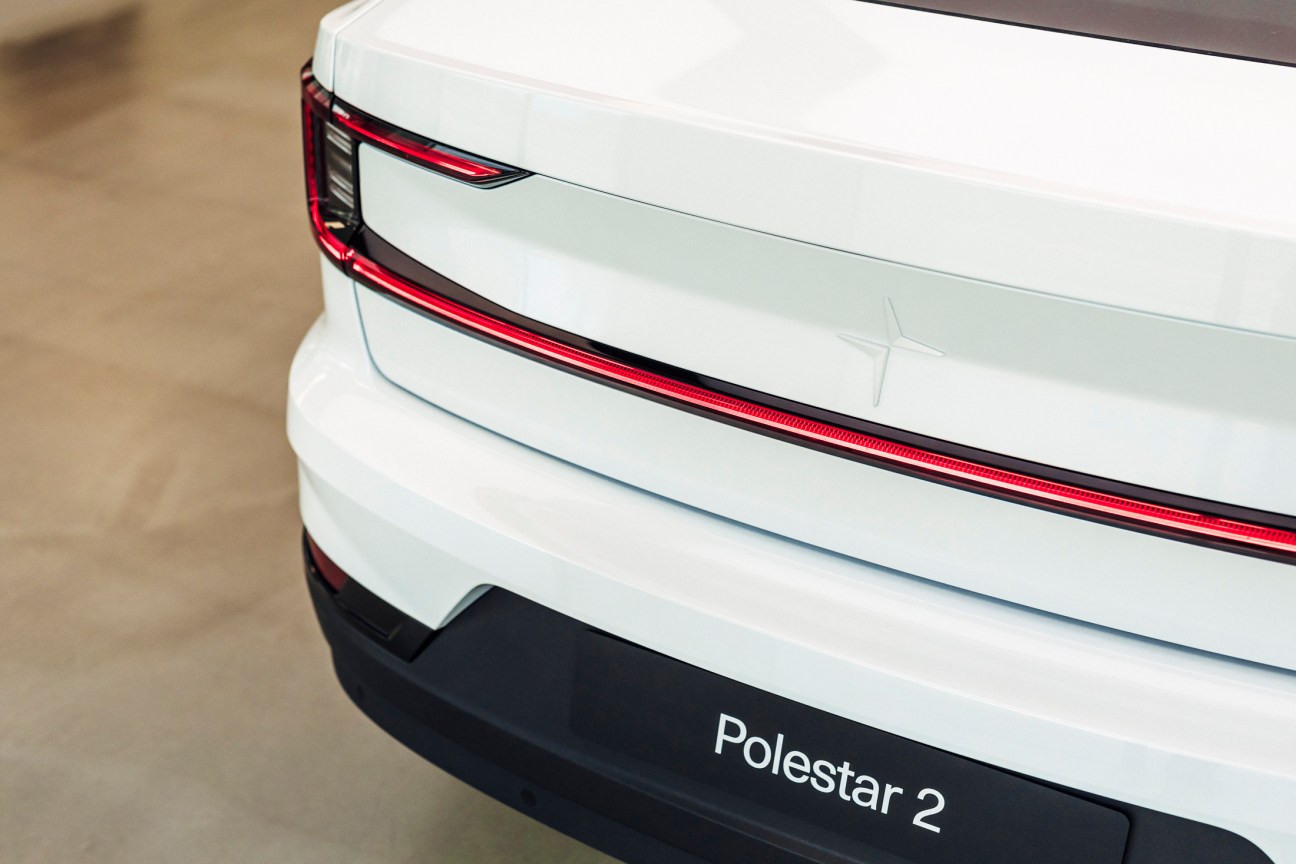
Monocle is not allowed to photograph the four new cars but the first is Polestar 3, a premium suv that shares a platform (a common set of mechanical components) with the Volvo ex90. Out early next year, it will sit in the same sector as behemoths like the Audi Q8 E-tron. Next is Polestar 4, a “crossover suv-coupé”. It has the sharp hips and glass roof of the Polestar 2 but Missoni draws Monocle’s attention to the fact that the roof extends further back and there is no rear window. “If you look at coupes today, rear windows have become so compromised anyway, so we will use a camera for the driver’s rear view,” he says. Polestar 5 – a sexy, low-slung four-door grand tourer – will be based on the company’s first dedicated platform, created at its r&d base in the UK. Completing the new line-up is Polestar 6, a low-volume roadster based on the same platform.
Traditionally, larger model numbers denote larger cars but at Polestar they indicate chronology of launch. The Swedish brand briefly served as Volvo Cars’ tuning division. In 2017 it surprised the automotive world with a limited run of its hybrid sports coupé, Polestar 1. Two years later came Polestar 2, a battery-electric five-door fast-back, which shares a platform with the Volvo xc40.

Although The Eagle’s Nest used to be Volvo’s HQ and its Gothenburg plant is a few hundred metres below us, Polestar was never destined to become the electric division of the established player. Both are distinct companies under the Geely Holding umbrella (see panel) and Volvo Cars’ own electric range is fast evolving with ambitions to be all-EV by 2030. Likewise, claims that Polestar is being pitched as a kind of Scandi Tesla (in part thanks to a recent Super Bowl ad that gently mocked Elon Musk) are wide of the mark. In truth, the company has loftier aims. “We are more like Porsche,” says Polestar’s charismatic German ceo, Thomas Ingenlath. “We benefit from being an exclusive, boutique brand within a larger group. Performance as a mindset is one of our values.”
Ingenlath is quick to clarify that by “performance” he doesn’t necessarily mean schoolboy yardsticks such as acceleration times or top speeds (a race that Tesla is currently winning anyway); he is referring to the handling and sustainability credentials of the cars. Polestar also has a strong software focus. Its cars were the first to use Google’s Android Automotive operating system and, despite there being 150 dedicated retail spaces around the world, you can only buy them online.
Continuing his comparison, Ingenlath views Polestar 3, with its top-tier equipment and high luxury, as a Porsche Cayenne competitor. Polestar 4 will sit between the 2 and 3 in terms of price and size, targeting potential Porsche Macan buyers, while the 5 will be “a grand GT, low and sporty”. The latter, he says, will be a Porsche Panamera rival in the €100,000-€150,000 bracket.
Ingenlath and Missoni both have impeccable pedigrees in European automotive design. The former worked in the Volkswagen group (at Skoda and Audi) before joining Volvo Cars, where Missoni was chief exterior designer, in 2012. The pair were responsible for the most cohesive, elegant and low-key-desirable range of cars of the past decade – a refreshing alternative to the visual aggression of many German and Asian brands.

But EVs are experiencing a bit of a backlash these days as more consumers wait for hydrogen-powered or smart-fuels options. Practicality is one issue: Monocle’s borrowed Polestar 2 needed charging twice on the drive from Copenhagen to Gothenburg (the journey was within the car’s maximum 655km range but it didn’t start fully charged – for comparison, a Volvo XC70 does about 1,000km on a full tank of fuel). Battery technology is advancing rapidly, counters Ingenlath. Future Polestars will be able to manage more than 600km and, he says, “for 350 days of the year, 400km to 450km still means that you are very well equipped”. What about the environmental and humanitarian consequences of mining the lithium used in EV batteries? “We have put a spotlight on that bad situation,” he says. “We have very strict contracts with our suppliers, and blockchain-secured sourcing. We know the stuff we put into our cars. Of course, bad things in life happen but the important thing is that you truly work on improving them.”
According to Ingenlath, Polestar buyers are mostly male, over 40 (though younger in China), tech savvy, early adopters and, clearly, given that even the entry-level Polestar 2 starts at about €50,000, affluent. “We have a very broad spectrum for onboarding, from the guy who knows everything about EVs and has owned them before, to the majority who are switching from combustion engines.” This year Polestar will sell between 60,000 and 70,000 cars; the target is Porsche’s annual sales of 300,000.
Perhaps more than at any other time in history, the success of a company like Polestar depends on the great intangible of perception. EVs can’t differentiate themselves on tech and performance in the way that cars used to. They all have roughly the same (very quick) acceleration, emit the same quiet hum and use pretty much the same batteries – at least for now. So, aside from price, the choice for consumers comes down to brand image. Polestar making Porsche its lodestar makes economic sense – the German manufacturer is the world’s most profitable car company – but you can’t recreate almost a century of design and quality heritage in a few years. And based on the 2’s interior, Polestar has a way to go to lift its materials and fit above Volvo levels. “We don’t need to worry about a brand legacy or changing customers’ mindsets,” says Ingenlath, calmly. When talk turns to automotive advertising, he grows a little more exasperated. “The message surrounding cars has become so devaluing, so cheap, and almost disrespectful to the consumer. Car companies talk to us like we’re three-year-old children. We want to bring our great product to customers who cherish a European character that we have always loved in cars, one that resonates with quality and style.”
According to head of brand Pär Heyden, Polestar’s marketing strips away the usual lifestyle clutter of automotive ads. “We don’t do ‘cars driving on winding roads’ and all that,” he says. Cues are taken from the fashion industry instead. “I like the way that Prada and Chanel communicate,” he adds. “They have the confidence not to explain everything.”
Clearly Polestar has to set itself above the rapidly fragmenting EV market as new brands seemingly arrive every week. But many have taken aim at Porsche over the decades – Lotus, Jaguar, Alfa Romeo and bmw included – with varying degrees of success. At time of writing, the stock market still isn’t convinced either: Polestar’s share price has lost almost 50 per cent since its Nasdaq launch in 2022.
“It is heavily undervalued,” says Ingenlath, as he shifts into ceo mode with a confident smile. “The potential, when you see where we will be with Polestar 3, 4 and soon 5, that is a very interesting perspective on how affordable and favourable the share price is today. It’s a big invitation to clever people to put their money in the right direction.”
Group dynamic
Zhejiang Geely Holding Group (Geely Holding) is owned by Chinese billionaire Li Shufu and has ambitions to become the “VW of China”. It bought Volvo Cars from Ford in 2010 and, as well as its own Geely brand, the group is comprised of car companies as diverse as EV start-up Zeekr, the UK’s Lotus (also moving into EV and suv markets) and the London Electric Vehicle Company, which makes the city’s iconic black taxi cabs. Geely Holding also has partnerships with Renault and Mercedes-Benz’s Smart. Polestar has no factories of its own. Its cars are currently manufactured at two Geely plants in China but, for the US and EU markets, Polestar 3 will be made in Volvo’s South Carolina plant.
Growth spurt
The imf predicts that Indonesia will be among this year’s fastest-growing major economies. The retail sector is booming as domestic tourism surges. Initial public offerings on the Indonesia Stock Exchange are raising unprecedented amounts – about €2.05bn in the first half of 2023 – and overseas investors have welcomed President Joko Widodo’s “omnibus law”, which simplifies regulations for commercial and business interests. The country’s growth has been aided by government policies such as the pre-employment card programme, which provides training to jobseekers; meanwhile, the Independent Campus initiative is encouraging university students to go abroad or take internships during the academic year, with the goal of exposing them to the wider world and increasing their competitiveness.
Indonesia received a record €38bn in foreign investment in 2022. It’s a sign of the country’s strong regional ties that the top sources of funding were Singapore, China, Hong Kong, Japan and Malaysia. Much of the new investment has gone into the metals and mining industries. Indonesia’s deposits of nickel, tin and other minerals crucial to the production of electric-vehicle (EV) batteries have put it in an advantageous position, even as the environmental downsides of mining have become better known. One challenge facing Indonesia is to step up from simply exporting raw materials to being a manufacturer in the EV supply chain, which would help it to capture more value and boost overseas investment further.
As the capital of Southeast Asia’s largest economy, Jakarta has long been a key regional hub (the Association of South East Asian Nations, or Asean, is headquartered here). As Indonesia’s middle class grows alongside the economy, new retail businesses are springing up and start-ups are attracting investment. Entrepreneurs are taking steps to address pressing issues such as gridlocked traffic and air pollution with sustainability-focused schemes but the city government must take more decisive action too.
Jakarta’s bustling streets and flurry of business activity belie a looming existential change. In August 2024 the planned city of Nusantara will be inaugurated as Indonesia’s new capital. Nusantara is a legacy project for Widodo, who will leave office next year having served the maximum two terms. It remains to be seen whether his replacement will be able to replicate the country’s recent economic success. Jakarta’s days as a capital city might be numbered but it will continue to grow as Southeast Asia’s commercial engine. Tapping into this booming economy is a generation of entrepreneurs with varied portfolios; here, we meet a few of its movers and shakers.
Sight for sore eyes
Saturdays
What it does: Optician and café chain
Key innovation: Saturdays has redefined eye care as a part of a wider aspirational lifestyle.
Eyewear company Saturdays is one of Indonesia’s most recognisable brands. Founded in Jakarta in 2016 by Rama Suparta and Andrew Kandolha, it has distinguished itself through its affordable premium glasses and its approach to bricks-and-mortar retail. Saturdays operates 47 outposts across Indonesia, half of which contain a café – part of the company’s effort to challenge the notion that a trip to the optician is a necessary but not necessarily enjoyable errand. “For us, it’s part of the experience,” says Suparta.


The company’s swift expansion is the result of a smart business strategy: its shops offer free eye tests, encouraging passers-by to drop in for a check-up without any obligation to make a purchase. Many visit just for the appetising snacks and drinks served at the in-store cafés and brand recognition has increased as a result. Alongside Saturdays’ commitment to physical retail is an online presence that includes a well-designed app and a platform allowing users to try on glasses virtually.
The eyewear collections come at a range of prices in order to reach as wide a swath of Indonesian consumers as possible. This is especially important because the company is growing its presence beyond top-tier cities. “As we expand outside Jakarta and target a bigger audience with items at a lower price point, we’re also spreading awareness about the need for corrective eyewear and how it can increase productivity,” says Kandolha. Saturdays has also launched glasses aimed at students and released limited-edition collaborations with popular entertainment brands. At the height of the pandemic it trialled home try-ons, in which opticians made house calls to conduct eye exams and let customers try on frames. It was so popular that the company has continued to offer the service. Saturdays will stick with what works and isn’t afraid to try new things. So far, this has paid off.
Natural touch
Growell
What it does: Grocery shops
Key innovation: Growell caters for the fast-evolving consumer tastes of young Jakarta residents.
After noticing how difficult it was to stock up on gluten-free and other speciality foods in the Indonesian capital, Rosalinda Tjioe opened the first branch of Growell in Jakarta in 2021. Inside, hazelnut butter and pyramids of fresh fruit can be found alongside local fare such as a vegan sambal, a chilli sauce that is usually made with shrimp paste.
Tjioe, who is 28, worked with local interior-design studio Seniman Ruang to kit out the expansive shop, adding bright incandescent lights, white-tiled display fridges and curved wooden counters. The Pondok Indah shop, which opened in 2022, contains a café selling fresh juices and Growell’s cold brews, and a courtyard with restaurant vendors where customers can sit for an outdoor lunch under the shade of a star-fruit tree. Growell also stocks items from international brands such as Dr Bronner’s and Baggu, as well as Greater Good, Tjioe’s recently launched line of sustainable wooden kitchenware, vegan beauty products and other items.
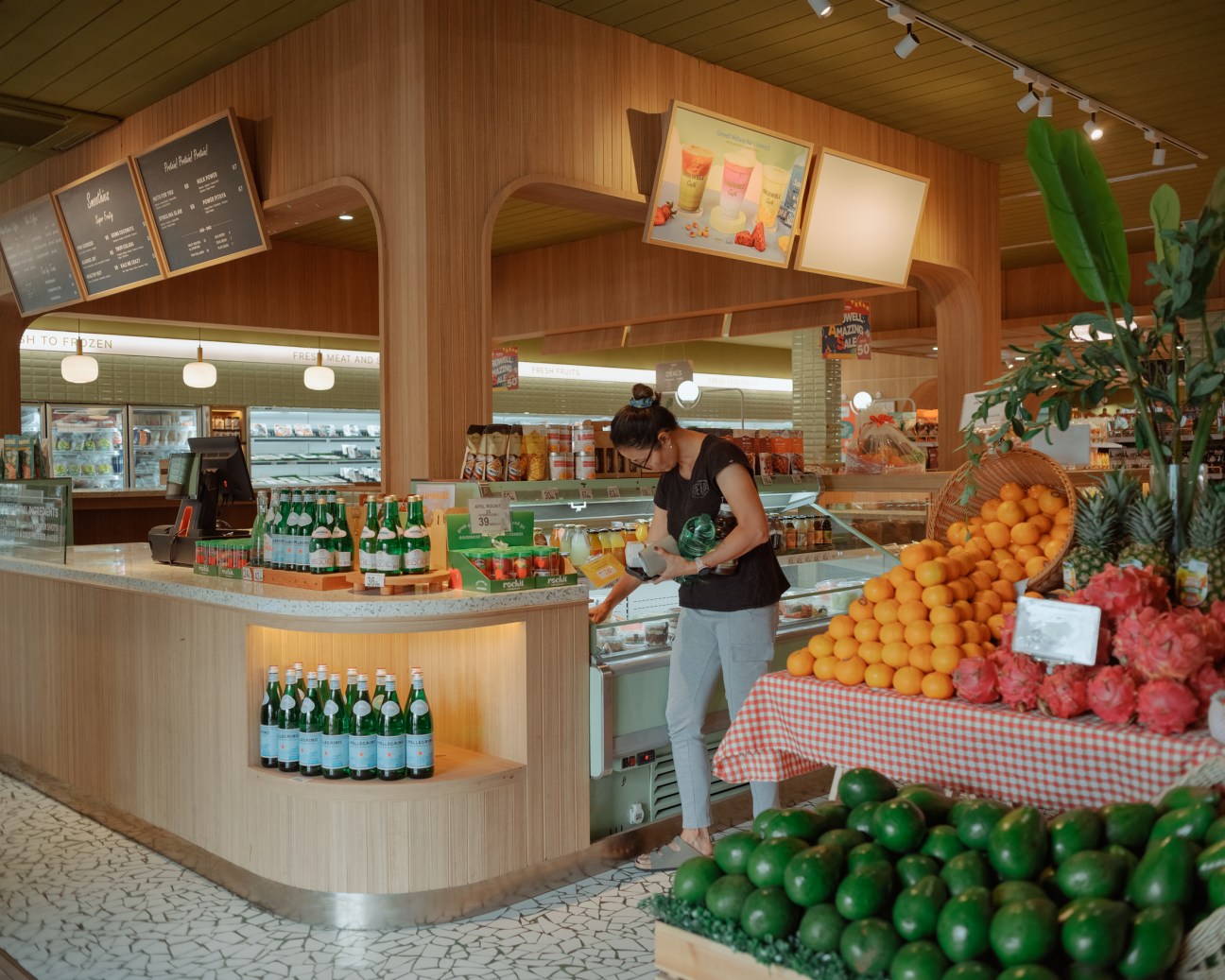


In addition to Growell’s two Jakarta shops, a Bali outlet is due to open in November. The company’s success attests to Indonesia’s changing consumer tastes: young professionals of Tjioe’s generation are becoming more keen on independent retail with good design and a commitment to sustainability. She says that the coronavirus pandemic has made people more health-conscious and has helped to increase interest in natural products.
Now a community has begun to form around Growell, which hosts events including food festivals, pottery classes and yoga sessions on its premises. “I want to use it as a platform to educate people about sustainability,” says Tjioe. “People here are open-minded and willing to learn so it’s good for businesses to have a starting point in Jakarta.”
Perfect Brew
Tanamera Coffee
What it does: Coffee shops
Key innovation: Tanamera was instrumental in reframing coffee as a speciality product in Jakarta.
It was while living in Perth and exploring its cafés that Dini Aryani Criddle fell in love with coffee and saw that it was considered a serious gastronomic pursuit, not just a convenient fuel. In 2013 she moved back to Jakarta determined to kick-start a speciality coffee movement in Indonesia, the world’s fourth-largest coffee-producing country but mostly known at the time for mass-produced beans. That year, Criddle founded Tanamera Coffee. Its mission was simple: to use beans sourced from Indonesia’s finest coffee regions that adhere to the growing and processing standards of speciality coffee.
With its rapidly evolving culinary scene and plenty of young professionals with disposable income, Jakarta proved to be a perfect base. Tanamera Coffee now has eight outlets in Jakarta and 12 more across Indonesia. It also supplies wholesale coffee to more than 250 hotels, resorts and restaurants in the country and, in the past three years, has expanded into coffee capsules and other home-brewing products. Now that Criddle has established the Tanamera brand domestically, she hopes to keep expanding abroad.
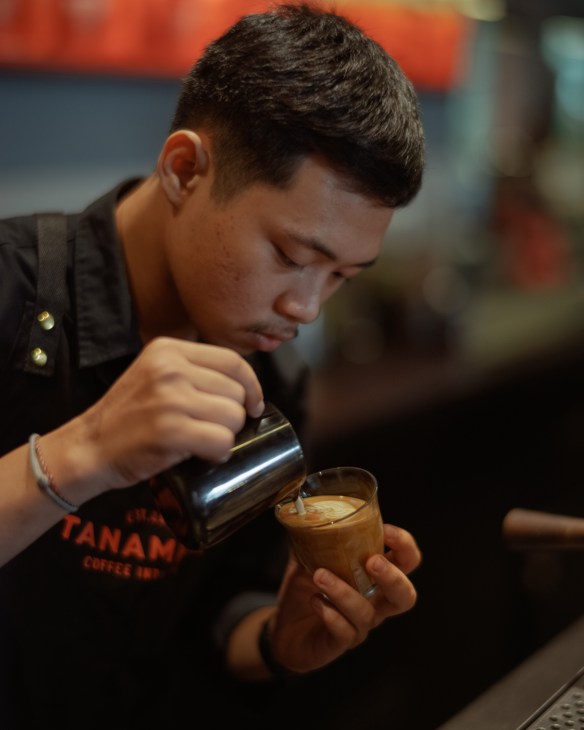

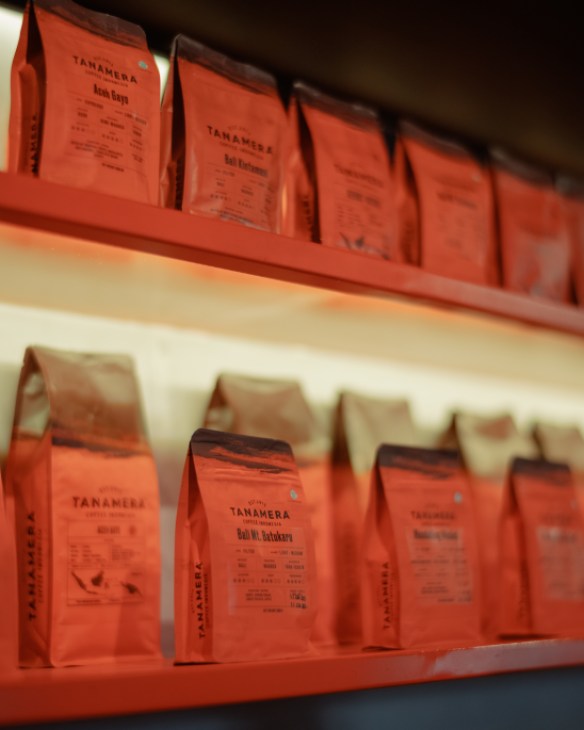
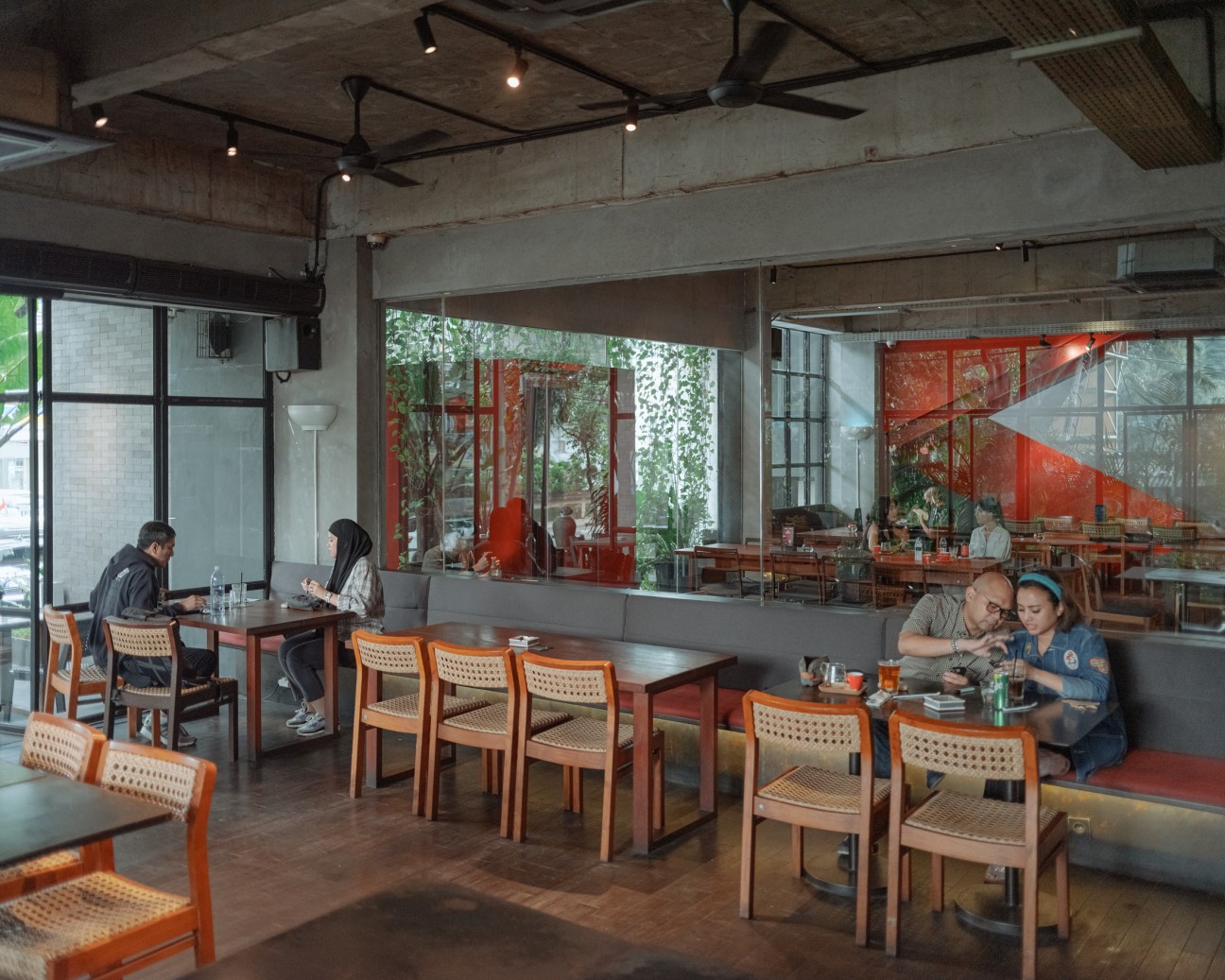
Its first international café and roastery opened in 2020 in Singapore; there are now nine Tanamera Coffee outposts there and, as of July, an outlet in Kuala Lumpur.
“It would take you several hours to fly across the country,” says Criddle. “There are more than 13,000 islands with many coffee-growing regions that are all very different.” Coffee plantations dot the archipelago, from Sumatra in the west to the volcanic slopes of Bali and the verdant peninsulas of Sulawesi. Her current favourite blend hails from the island of Flores. Depending on which part of Indonesia the coffee is from, it has flavours as diverse as chocolate and hazelnut, tobacco and herbs, and citrus fruit. “That’s what we would love more people to taste.”
Rebranding a city
Syah Establishments
What it does: Hospitality
Key innovation: As Jakarta grows, Syah Establishments has kept pace by opening outposts catering to all tastes.
When Felly Imransyah opened The Gunawarman in 2016, the street that the hotel is on, Jalan Gunawarman No 3, was a quiet one. “There were only five or six restaurants in the area,” says Imransyah. “Now there are 80 or 90.” Jakarta’s hospitality scene has exploded and his business has kept pace with the industry’s growth. Syah Establishments, the company that he founded in 2014, manages restaurants, beach clubs and more. “The competition is tough so we need to be creative,” says Imransyah.
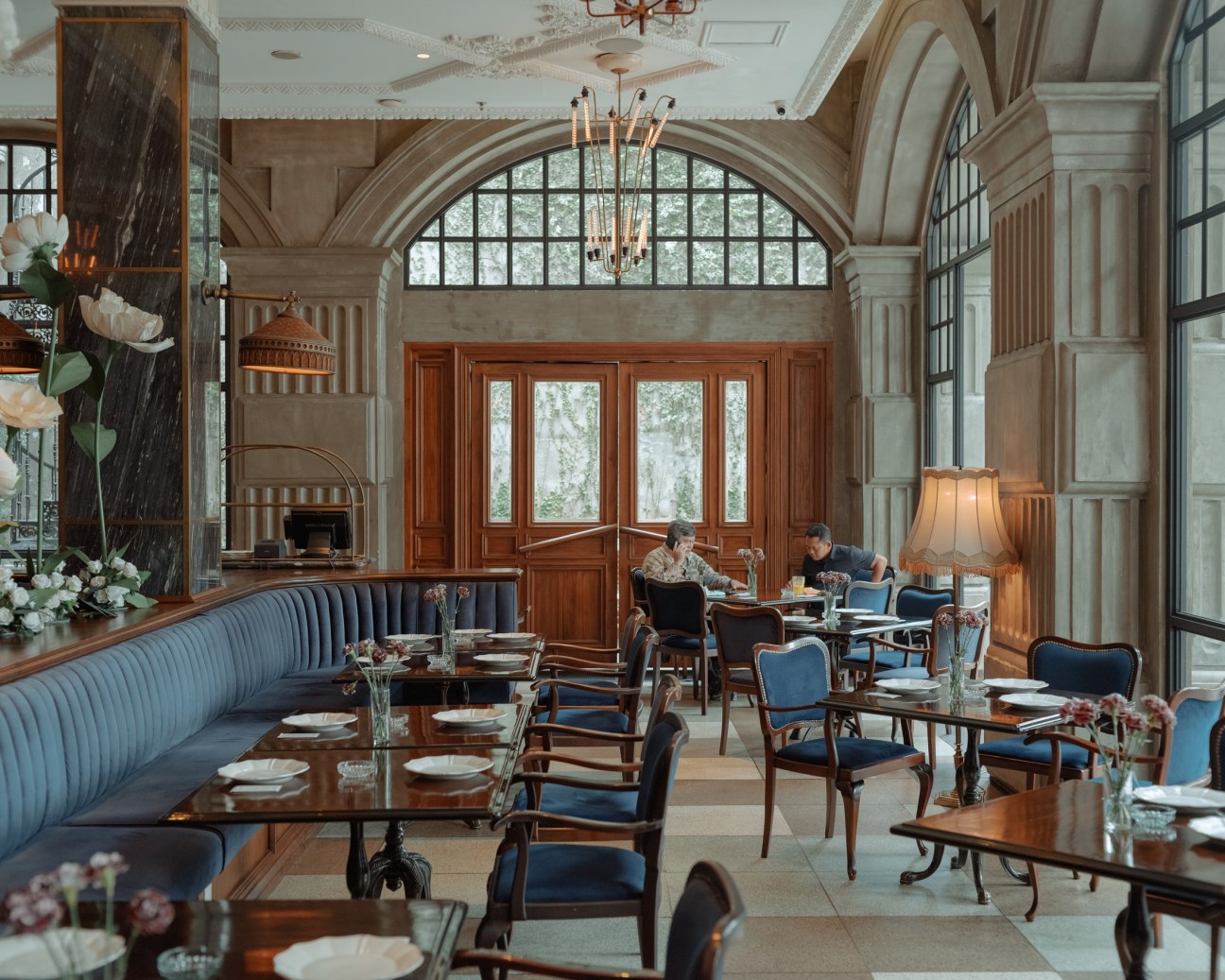


Syah Establishments’ businesses target a range of customers. The Gunawarman, a hotel with wood-panelled interiors and a private members’ lounge, is aimed at an older, wealthier clientele, while Hotel Monopoli in south Jakarta seeks out a more youthful crowd. “We need to be selective in how we brand ourselves and bring high-quality products and service,” says Imransyah. Putting together top-notch teams is a big challenge and Imransyah puts a lot of focus on staff training with the understanding that customers’ impressions will define the brand more than marketing campaigns. Syah Establishments’ restaurants, resorts and bars are popular with Jakarta’s residents but its founder is keen to attract international visitors and show them that Indonesia has more to offer tourists than just Bali’s beaches. According to Imransyah, the capital’s urban attractions are on par with those of Bangkok and Singapore but the branding isn’t quite there yet. “We have to create an awareness of Jakarta,” he says. “We have a big opportunity.”
Waste not, want not
Tridi Oasis
What it does: Recycles plastic
Key innovation: Launched in 2017, the company was early to stake its mission on sustainability.
Dian Kurniawati holds out her hands. In her palm are silver-white flakes, still warm from the machine that has churned them out. Minutes before, these flakes were bottles. Kurniawati is the director and founder of recycling start-up Tridi Oasis, which collects plastic waste and reprocesses it for use in everything from printer cartridges to coal-replacing fuel. A former management consultant, she became interested in founding her own company to tackle environmental issues after travelling around Southeast Asia and seeing the damage caused by industrial development. She knew that good intentions weren’t enough; it also had to be financially viable. Kurniawati realised that the most efficient way she could help to convince companies to cut down on polluting plastics was to offer a cheaper alternative that happened to be greener too.
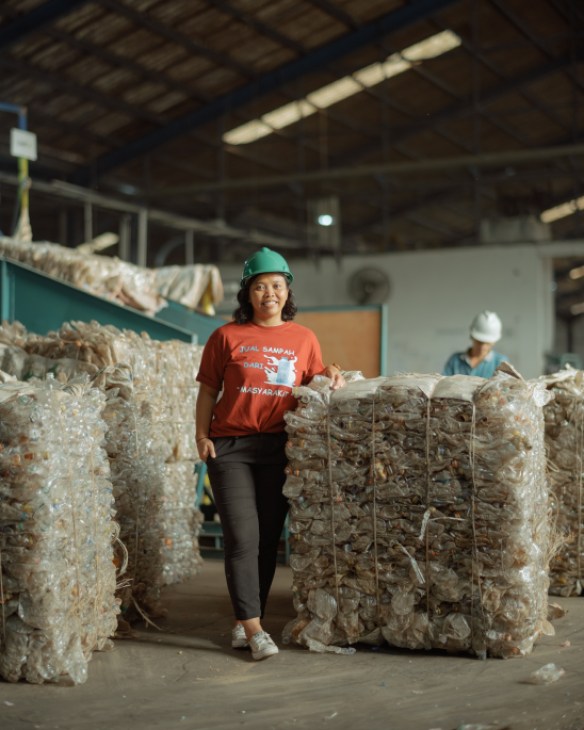
In 2017, when she launched Tridi Oasis, sustainability start-ups were barely on the radar of investors. “There was nobody,” says Kurniawati, laughing. “They would ask me, ‘What do you do again?’” Today things are very different: Tridi Oasis has received enough funding to employ more than 100 people and has broken ground on a new processing facility. The company exports to European and US multinationals but Kurniawati hopes to expand domestic sales.
Indonesia is the world’s second-biggest ocean-plastic polluter. Plastic litter is also an ongoing quality-of-life issue in urban centres such as Jakarta. Kurniawati has co-founded a volunteer beach-clean-up group in the city; members make excursions to the seaside to sweep the coast of waste. She loves to experiment with uses for the recycled plastic; one recent foray into furniture produced hexagonal side tables that now sit in the lobby of the Tridi Oasis office. Kurniawati isn’t quite ready to launch a furniture line but the prospect remains enticing. “We don’t have the capacity yet; we’ll build it later on.”
Masters of their destiny
Being in a state of limbo can be a source of inspiration. In Skopje, the capital of North Macedonia, the city’s chequered past as part of the former Yugoslavia and uncertain future within the EU are frustrations that provoke young creatives to question what it means to be from this small, landlocked and recently minted country.
“My goal is to promote emerging artists from the region because, though they have created their own community, they have been neglected by the art market over the past 30 years and they need support,” says Jana Garvanlieva, who founded gallery and online art platform Pioneri in 2022. “It’s what motivates me.” The name of Garvanlieva’s gallery harks back to the era of Yugoslavia, which stretched from 1918 to its implosion in 1992 – and was a term used to describe hard-working young people with strong moral values. Its use signals a shared culture with Balkan cities such as Sofia and Belgrade. It’s these places – both up-and-coming cultural destinations – that Garvanlieva cites as examples of what Skopje could achieve if North Macedonia accedes to the EU and receives dedicated funding for the arts.


When Monocle visits Garvanlieva’s gallery on the outskirts of Macedonia Park, where she regularly hosts opening nights with DJs and drinks for more than 100 guests, the art on display is by emerging names such as Tijana Stojkovska, Glasgow-based Filip Velkovski and Tokyo-based Ana Jovanovska. The works draw inspiration from forgotten brutalist architecture, US artist Jean-Michel Basquiat, Japanese love letters and more. Meanwhile, in Milan this spring, Rome-based multimedia artist Margarita Aleksievska Sclavi exhibited her hand-painted tapestries at Casa Ornella during Salone del Mobile, under the name House of Ita. “We have something authentic, being Balkan,” says Garvanlieva. “Despite artists leaving Skopje, there is still a creative climate here. We’re famous for our music and films.”
There is an element of absurdity to Skopje’s architecture. An earthquake in 1963 destroyed 80 per cent of the city’s buildings and a reconstruction effort led by Japanese architect Kenzo Tange has left many brutalist gems. More recently, kitsch additions dreamed up by former prime minister Nikola Gruevski’s populist government as part of his controversial “Skopje 2014” urbanism project have radically altered the cityscape. Bronze statues honouring the region’s luminaries, often strange and sporting eerie expressions, stand on every corner. None are as brazen as the one dedicated to Alexander the Great, who surveys the city, sword in hand, from atop his horse. Along the Vardar river, which winds through the city, pre-existing buildings have been given pseudo-neoclassical wedding-cake façades. Nonetheless, scratch the stucco surface and a city full of Balkan charm awaits, where hours can be whiled away over drinks, cigarettes and dominoes in the Turkish cafés of the Old Bazaar or the leafy boulevards of the bohemian Debar Maalo neighbourhood.

As Monocle’s Slovenian photographer Jaka Bulc navigates the city in Serbo-Croatian, it’s clear that nostalgia for the communist era (some of it secondhand, in the case of younger generations who weren’t alive to experience it) unites the Balkan region despite its collapse 30 years ago. At the Museum of Contemporary Art, a modernist concrete-and-glass edifice financed by Poland following the 1963 earthquake, the concierge unlocking the terrace doors laments not giving Bulc a ticket for free; he didn’t know he was Slovenian. From our terrace perch, beyond the city dotted with cranes and seemingly endless construction, we can see verdant mountains – one of them, Vodno, is topped with a 66-metre-tall steel crucifix, the Millennium Cross. Inside the museum, an exhibition named Defragmentation gathers artists from Poland, Czechia, Slovakia and Hungary to reinforce co-operation and solidarity across borders as 2023 marks 60 years since the earthquake.
In the Old Bazaar, where the call to muezzin’s prayer can be heard in the winding streets, the National Gallery’s premises are the bones of what was once a 15th-century Turkish hammam. Under the direction of Dita Starova-Qerimi, a permanent collection traces the evolution of art in the region, from post-Byzantine icons to abstract pieces by artists from North Macedonia and beyond. Beneath starry domes, abstract paintings mingle with brass statues and more folkloric portraits by Croatian artist Ordan Petlevski and prominent North Macedonian expressionist Petar Mazev. As an introduction to this particular field of Balkan art history, it is a concise, well-considered collection.


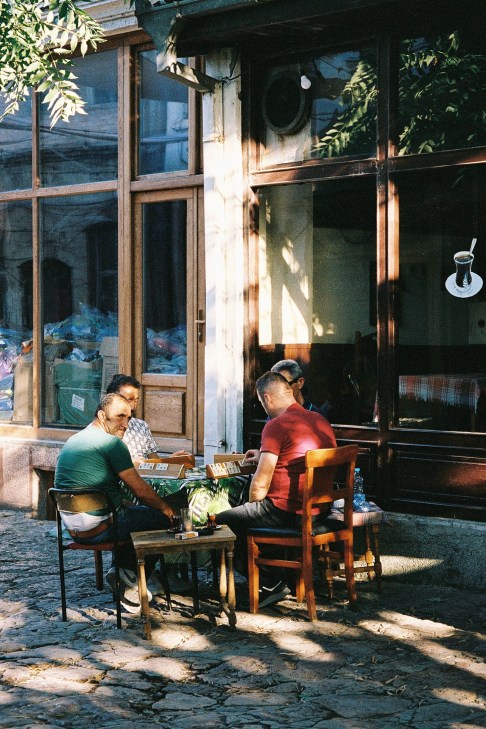


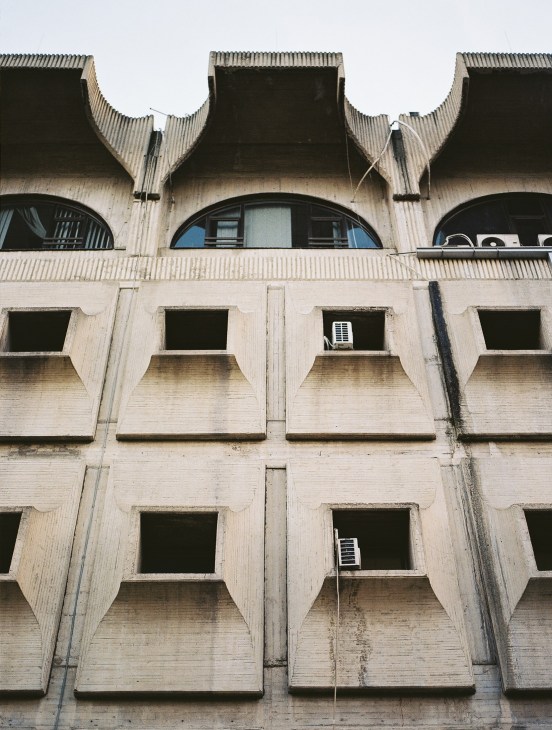
A short walk along the river, past booksellers and kiosks, is the mkc centre, a city-council-funded space for art, theatre, music and more. Since February 2022, in the face of governmental budget cuts, its programme directors have been working around the clock to promote emerging talents, such as rap group Dope Kukjata, and attract international acts such as US surf-pop band Daikaiju. “We’re raised here, it’s where high-schoolers come to get a taste of alternative music,” says Luka Toshev, who is helping the centre with its online presence while juggling teaching music and touring as a guitarist for Dina Jashari, a rising star of North Macedonia’s bedroom-pop scene.
When we meet Toshev over shots of iced espresso at the mkc, he is preparing to head to Exit Festival in Serbia, a huge opportunity for young musicians to build their audience in the Balkans. “It’s the same scene, from Skopje to Ljubljana,” he says. “We understand each other, so touring the region, spending a month in Croatia this summer and performing somewhere different every night makes sense.” As a North Macedonian act, is there ever any pressure to switch the singing to English? “For sure. Maybe we would get more clicks or be able to perform in cities such as Berlin or London. But performing in English is boring. You don’t need to understand all the lyrics; the emotion behind the songs can be the language.” With his cycling sunglasses perched atop his head and a lighter attached to his hip by a retractable holder, Toshev embodies a certain offbeat Balkan edge that could surely overcome any language barrier.
In the evenings, a lively crowd of film enthusiasts can be found at Café Kotur, where screenings of new and old releases are accompanied by cocktails mixed with the evening’s entertainment in mind. “Since we opened five years ago, this has become the best spot in Skopje for coffee in the morning and a cocktail at night,” says waitress Angela Karulovsq. “And every week you can expect something new, be it an event, film screening or concert.” The premises, with their mid-century light fixtures and furniture, were once the headquarters of the former Yugoslavian distribution body Macedonian Film. The film scene in North Macedonia is particularly strong, with Oscar-nominated directors such as Milcho Manchevski, Tamara Kotevska and Ljubomir Stefanov flying the flag on the international scene and documentary festival Makedox taking place every August.
With its strong café and festival culture, North Macedonians certainly know how to have fun. As the sun sets over Skopje’s main square, Bulc treats Monocle to some grilled corn from a street vendor and we watch people pass by: families, elderly men on bikes, young couples holding hands. It’s unclear whether geopolitics will allow for North Macedonia to accede to the EU and what that might mean for its cultural scene and young creatives. But in the meantime, with Balkan spirit in spades, Skopje is enjoying itself.
Skopje address book:
Pioneri
Art gallery for emerging artists from North Macedonia and the Balkan region, run by Jana Garvanlieva.
pioneri.net
National Gallery of Macedonia
Founded in 1948, the city’s main art gallery is based in a restored Turkish hammam from the 15th century.
nationalgallery.mk
Museum of Contemporary Art
A modernist marvel with smart exhibitions and stellar views of the city.
msu.mk
MKC
Council-run cultural centre where concerts and workshops are held for the young and young at heart.
mkc.mk
Akademska Kniga
A bookshop with a brilliant selection of North Macedonian classics and foreign-language literature, including English.
akademskakniga.mk
Café Kotur
A lively spot for drinks that also hosts regular film screenings.
+389 75 760 497
Public Room
A dynamic bar, events room, restaurant and co-working space on the pedestrianised strip of Debar Maalo.
publicroom.org
Brutalisk
Buzzy bar and shop with a recording studio, inspired by Skopje’s brutalist cityscape.
38A Boulevard Ilinden