Issues
Editor’s letter: Andrew Tuck on the booming business of coffee
The world can be divided into just two types of people: coffee devotees and tea drinkers. I am a proud member of the coffee tribe and, frankly, harbour a distrust of anyone who outs themselves as a lover of the teapot and all the stewed, tannin-laced evil that can spurt from its spout.
Coffee is about speed, energy, focus. It’s about having a stand-up espresso in a Milanese café, surrounded by people in good suits, or sitting outside a Sydney café enjoying another flat white with ready-for-fun friends. Coffee is also about well-designed cafés, clean aesthetics. And tea? Well, tea is all about becoming a permanent resident of Sleepy Town. It’s a world of slipper-wearers who say things like, “What I need is a nice cup of tea and to put my feet up.” Yes, bubble-tea bars and matcha cafés have proliferated but these are drinks that obscure their tea element using fruity flavours or Day-Glo green colouring. Really, if you need to get anything done, make sure that you find a coffee drinker.
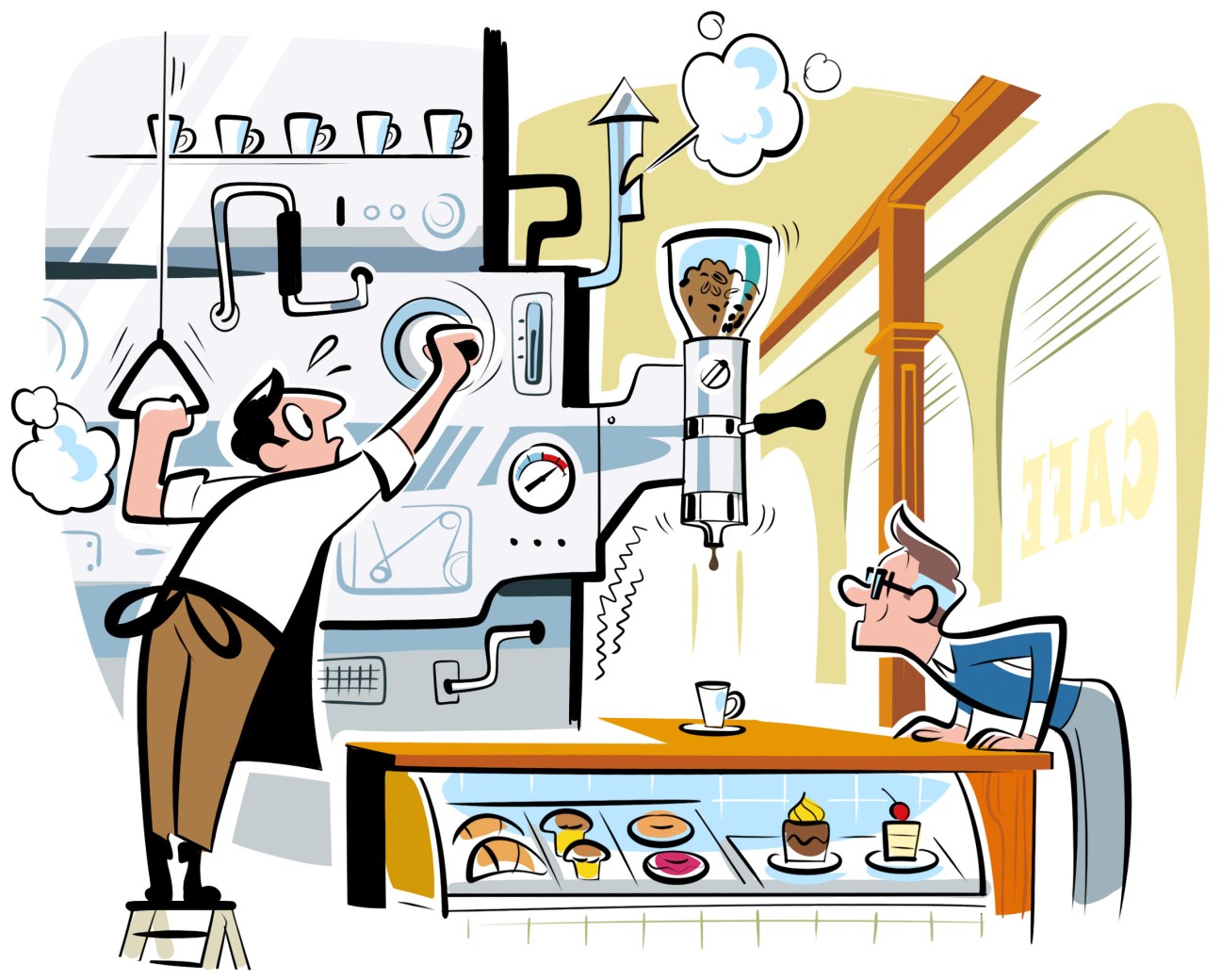
And it seems that much of the world agrees with me. Certainly, the money people do. The coffee shop has become one the hottest investment sectors for venture capitalists, alcohol businesses trying to diversify and community-building fashion brands (you may have also noticed a media company close to my heart that likes to take care of its coffee-drinking readers).
And you can see why. A good coffee shop has universal appeal and has cut through in wealthy markets such as the UAE and Saudi Arabia, where socialising often takes place over a coffee, not with booze. The audience is young, design-aware and ambitious. So if you can create a cool brand, it’s possible to grow a healthy business. And it’s this latest iteration of the coffee trade that we pore over in this issue. We’ll meet the biggest players (China’s Luckin Coffee now has 30,000 outlets) and guide you to 25 of our favourite cafés around the globe.
This magazine also contains two further surveys. The first is our annual examination of the world of art and collecting, in which we meet seven players with deep insights into very varied sectors of the market, from rare posters and antiquities to contemporary art. Collectors are motivated by many things: obsession, passion, money. Perhaps the most fascinating part of our report is the unpacking of the cravings that drive people to fill their homes with objects and art.
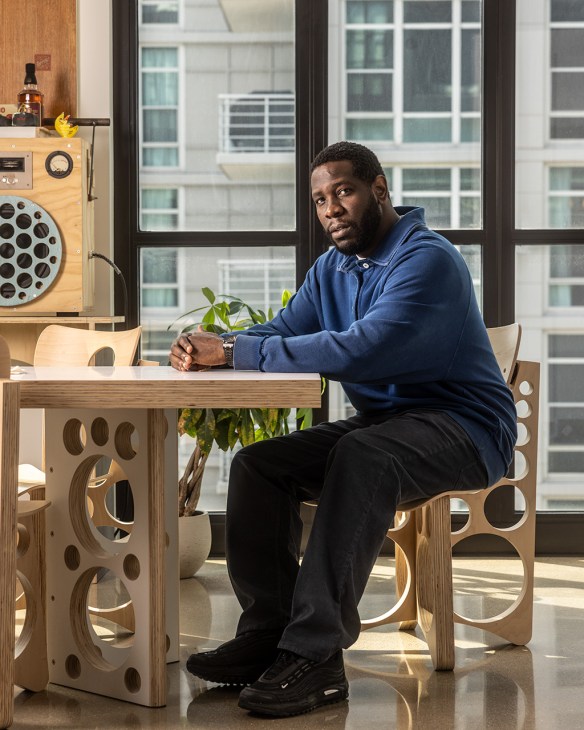
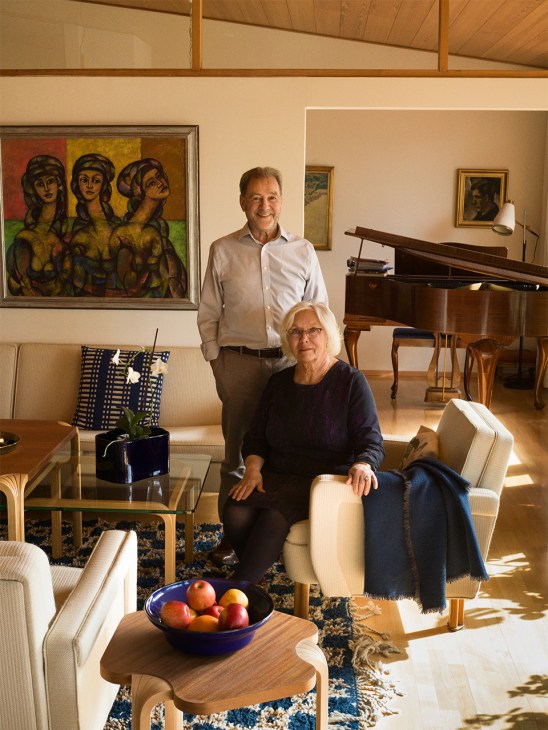
US gallerist Easy Otabor, for example, tells Monocle that he has always collected. First it was training shoes. Now, with the art that he buys, he asks himself, “Are these [works] by good people? Would I enjoy having dinner or working with them?” Meanwhile, Pertti Männistö has gathered one of the world’s largest Alvar Aalto furniture collections. Over the past 30 years he has put together an array of pieces so large and of such significance that only a tiny portion of them will fit in his house, with the rest now in storage. Yet he continues searching for rare prototypes.
Then there’s the Class of 2026 Expo, masterminded by our editor, Josh Fehnert. He’s worked with Monocle’s writers and correspondents to spotlight 16 rising talents in everything from photography to architecture and cartography. Why? At a time when many media organisations focus on the negatives – what divides us – we wanted to put the spotlight on people forging ahead, tackling issues and delivering change, with hope and ambition. It’s a very uplifting conclusion to this issue. And I imagine that there’s a lot of coffee drinkers among them.
If you would like to drop me a note, please feel free to send thoughts and ideas to at@monocle.com.
What’s hot in the world of coffee? We spill the beans on the global market
There’s a challenge for owners of coffee-shop brands who dream of taking their companies to the next level: how do you hold on to your independent, neighbourhood vibe and have 10, 20 or 100 outlets? It’s tricky to pull off – yet not impossible.
But before we tackle the intricacies of global marketing, a brief coffee break. Because how did we get here? How did we get to dinky coffee-shop companies being valued at more than $1bn (€850m) and becoming the investment darlings of venture capitalists and global food brands?
When Monocle launched some 20 years ago, the coffee story already seemed piping hot. It was a moment when the Aussies and Kiwis were perfecting their soon-to-go-global flat whites and defining a new coffee-shop aesthetic. It was a time when being a barista was suddenly one of the higher callings in the world of F&B. When “latte art” was taking hold – and finding many of its finest practitioners in Japan. And, in the US, it was when a new generation of coffee pioneers was out to break the Starbucks model.
A so-called third wave of coffee culture, with lighter roasts and intense bean knowledge, was coming to the fore. There were several components to this then-DIY world that were set to catch the attention of ambitious entrepreneurs and investors. Drinks brands wanted entry to a trade that served young people who were imbibing less booze. Fashion companies saw a way of making a community by using their brand’s halo effect in the world of coffee. And others spotted that coffee, served in an impeccable setting, could prove lucrative in markets such as the UAE and Saudi Arabia, where people gather and spend their social time not in bars but cool iterations of the café (though this is not a one-way street because Emirati and Saudi brands are now going global too).
This all means that there is a lot of money to be made if you can crack the coffee-shop conundrum of growing big while looking small. Luckily there are models beyond coffee that show how it can be done. Take Aesop, which was founded by Dennis Paphitis in 1987. Today the body-care brand is owned by L’Oréal (which paid over €2bn for the pleasure), yet Aesop retains much of its initial indie DNA by keeping its branding almost unchanged, investing heavily in good shop architecture and appearing at design events such as Salone del Mobile. UK coffee shop company WatchHouse is aiming for the big time but through good design (and coffee). And it still feels cool despite having raised money from Mark Bezos’s private-equity firm. There are lots more following the same playbook.
It’s stories such as these that made us intrigued and, below, we will take you round the world to visit coffee-shop brands both big and small with interesting and surprising stories to tell. After that, we take you to 25 nice cafés – just places that we like. We hope that you find it refreshing.
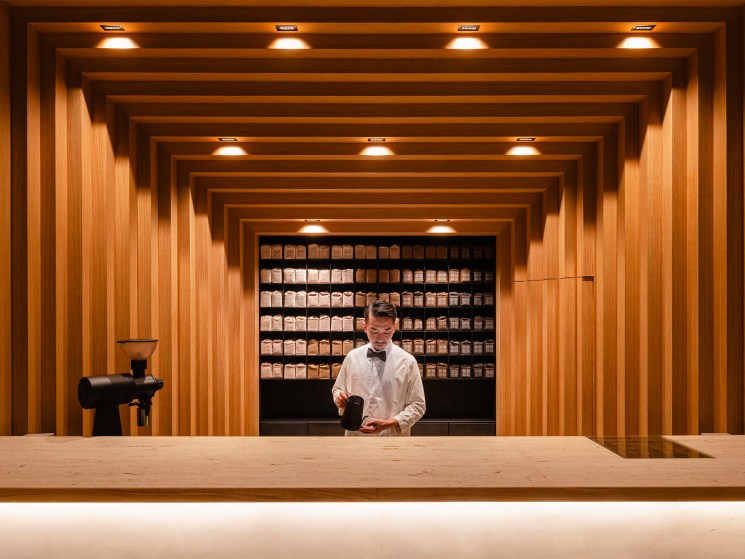
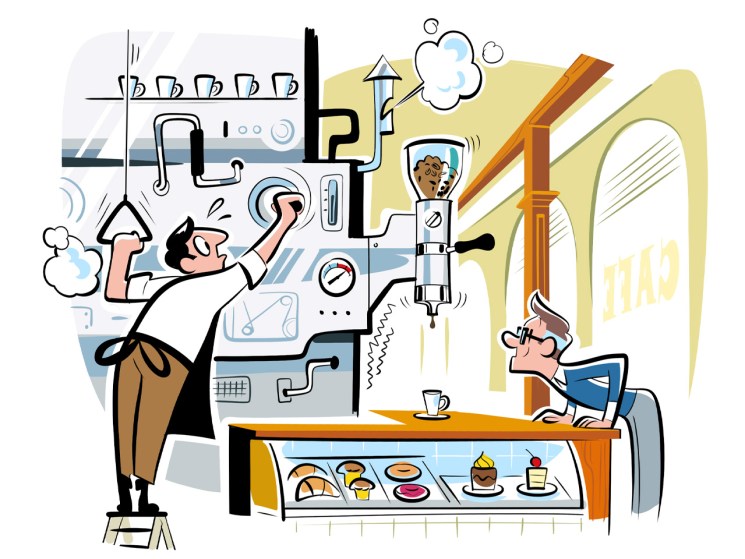
Breaking new ground: 25 exceptional brands that are leading the coffee industry
For our June issue, we’re exploring coffee on a global scale. Read about the project and join us on a tour of 25 nice cafés – just places that we like. We hope that you find it refreshing.
1.
WatchHouse
UK
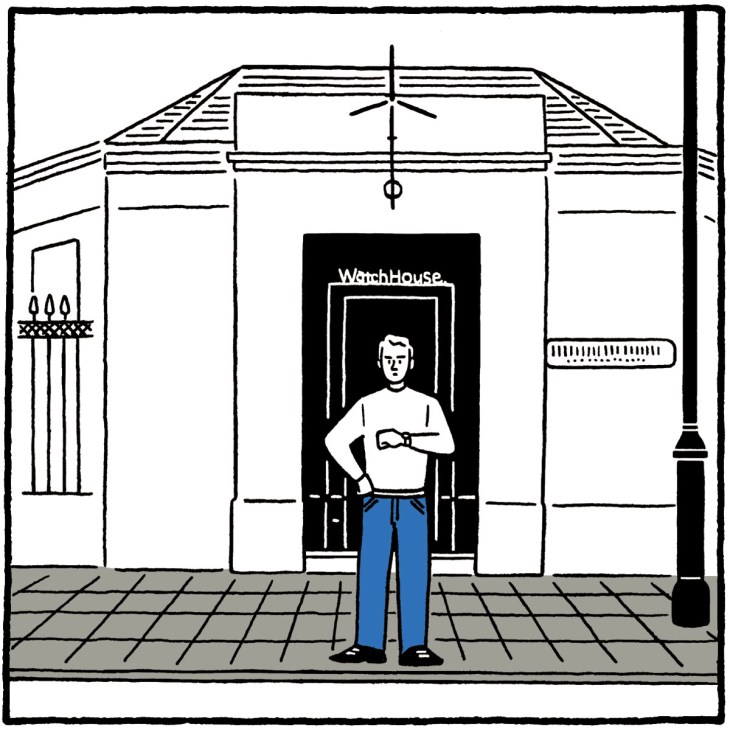
Founded in 2014 in London’s Bermondsey neighbourhood by serial entrepreneur Roland Horne, who remains the CEO today, WatchHouse has become a ubiquitous café chain in the UK capital. It counts more than 20 London sites in premium spots, from Somerset House to Hanover Square’s Medici Courtyard.
Growth has been rapid, spurred on by multiple funding rounds, including more than $6m (€5m) from Mark Bezos (brother of Jeff) and HighPost Capital, a private-equity fund that he co-founded. The boost is being used to push WatchHouse’s expansion in the US, where locations include an espresso bar in New York’s Chrysler Building and a spot on Fifth Avenue. The UAE is also in the business’s sights with Dubai’s Marsa Boulevard already playing host to a WatchHouse pop-up.
watchhouse.com
Coffee confidence
WatchHouse founder Roland Horne has outlined big plans for his business. Last year, he set a goal of 500 WatchHouse outlets globally by 2033. One method that has worked well for WatchHouse’s expansion has been crowdfunding. In 2024, funding from more than 1,400 investors raised £7.2m (€8.3m) and reportedly made history as the largest equity-only raise for a hospitality business.
2.
The Monocle Café
UK
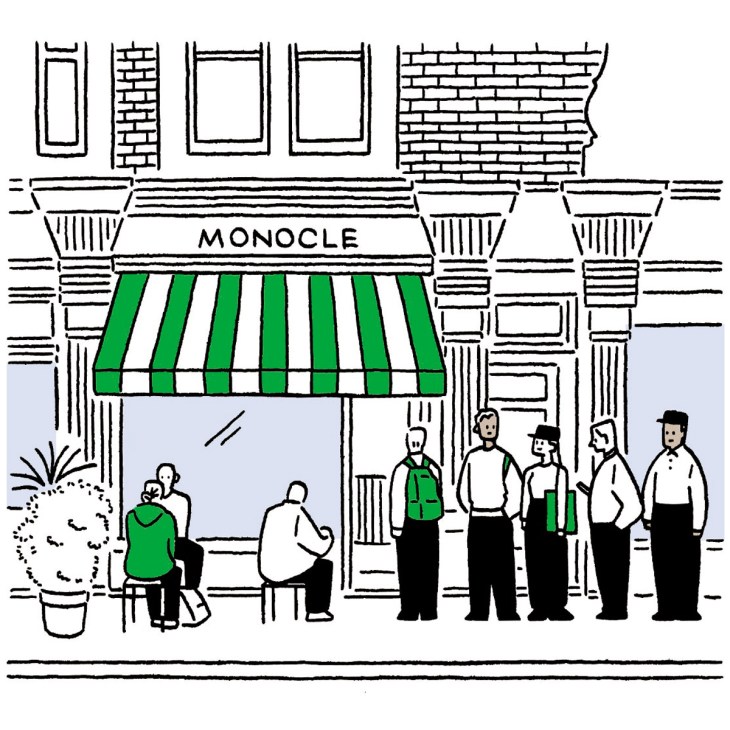
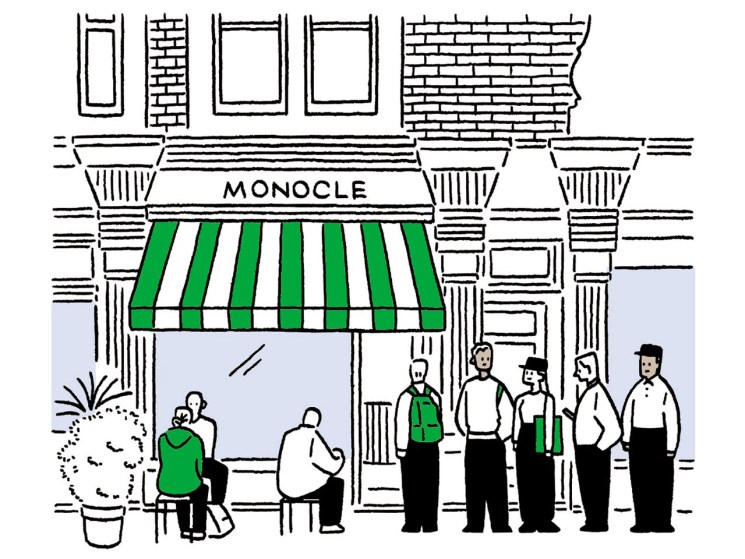
The Monocle Café, a short stroll from our offices in Marylebone, opened its doors in 2013, inviting our readers and listeners to step into Monocle’s version of hospitality. Our London location, which features wood-panelled interiors courtesy of interior-design firm Edo Construction and a Japanese-inspired seasonal menu with bites such as strawberry sandos, is joined by sister cafés in Zürich and Paris.
Meeting readers over morning coffee and evening spritzes has helped us expand the brand and take care of a growing community of customers. Our Chiltern Street shop is a few doors down too.
monocle.com
How coffee came to London
Where would you open a coffee shop in London? The first gentleman to grapple with location angst was Pasqua Rosée, who is credited with launching the inaugural coffee house in the UK capital in 1652.
Rosée had been working as a servant for the English merchant Daniel Edwards in modern-day Izmir, where he served his boss the local brew – coffee. When Edwards returned to London, he brought Rosée with him and encouraged his amenable barista to set up shop near the Royal Exchange. London quickly took to the drink – marketed as a cure-all tonic – and by the early 1700s there were hundreds of coffee shops dotted across the city.
3.
Delta Cafés
Portugal

From humble beginnings in the Portuguese countryside, Delta Cafés is now one of the largest coffee purveyors in Europe, as well as the Iberian peninsula’s biggest roaster. Founded in 1961, its produce can be found in more than 40 countries, from China to Brazil. As well as operating locations in Porto and Lisbon, Delta chose Paris’s Avenue de L’Opéra as the setting for its first café abroad.
deltacafes.com
4.
Right Side Coffee
Spain

Joaqúin Parra wasn’t exactly a newcomer on the coffee scene when he founded Right Side Coffee in 2012. Hailing from one of Spain’s most established coffee families (who own Mare Terra, a coffee importer that has set up Europe’s first online green-bean shop), Parra had the know-how to source directly from growers and avoid intermediaries. Despite Right Side recently opening its own coffee bar in Barcelona’s Gothic Quarter, he has kept the roastery headquarters low key: it’s still in the beachside Catalonian town of Castelldefels.
rightsidecoffee.com
5.
Miro
Switzerland
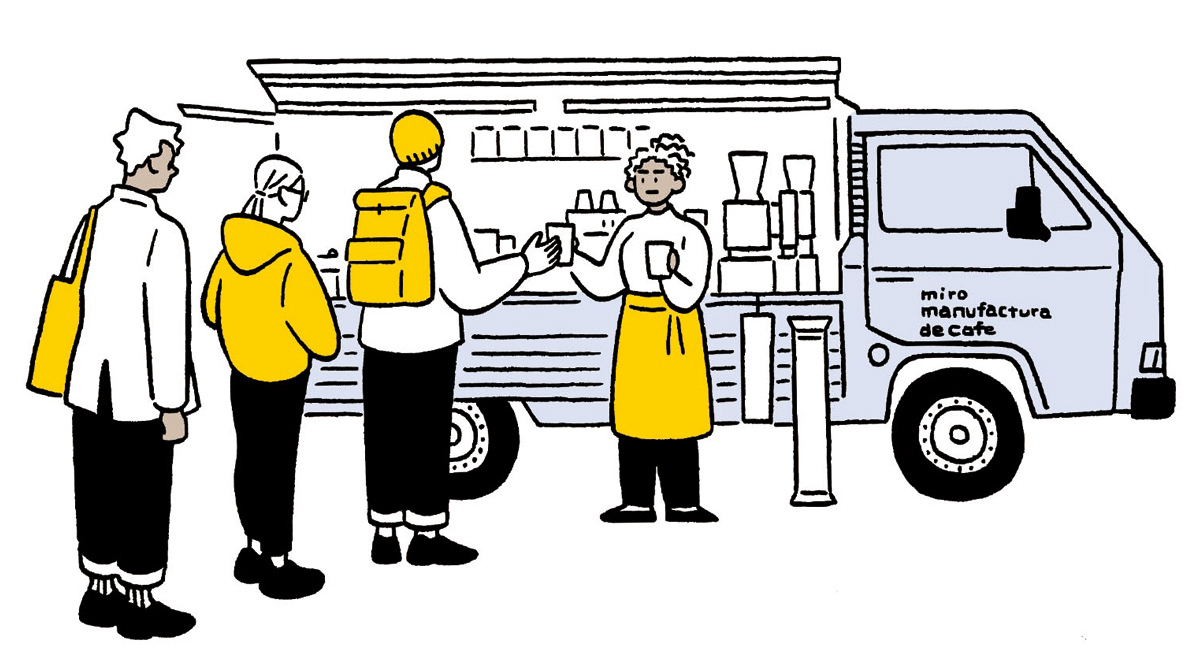
One of Zürich’s most prominent coffee brands, Miró has always been mobile. Founded by brothers Dani and David Sanchez as a coffee truck in 2013, the company has expanded to include two outposts in the city’s main railway station and pop-up coffee bars for events around the city. It’s also served to customers onboard select Swiss flights. “Coffee is part of everyday life,” says David. “And that is exactly where it has to happen.” Permanent locations include its flagship roastery-café in Zürich’s Kreis 4, as well as a kiosk in Kreutzplatz, which opened in April. “We build places, not branches,” he adds. It’s a fresh business model.
mirocoffee.co
6.
Home comforts
Italy to Saudi Arabia
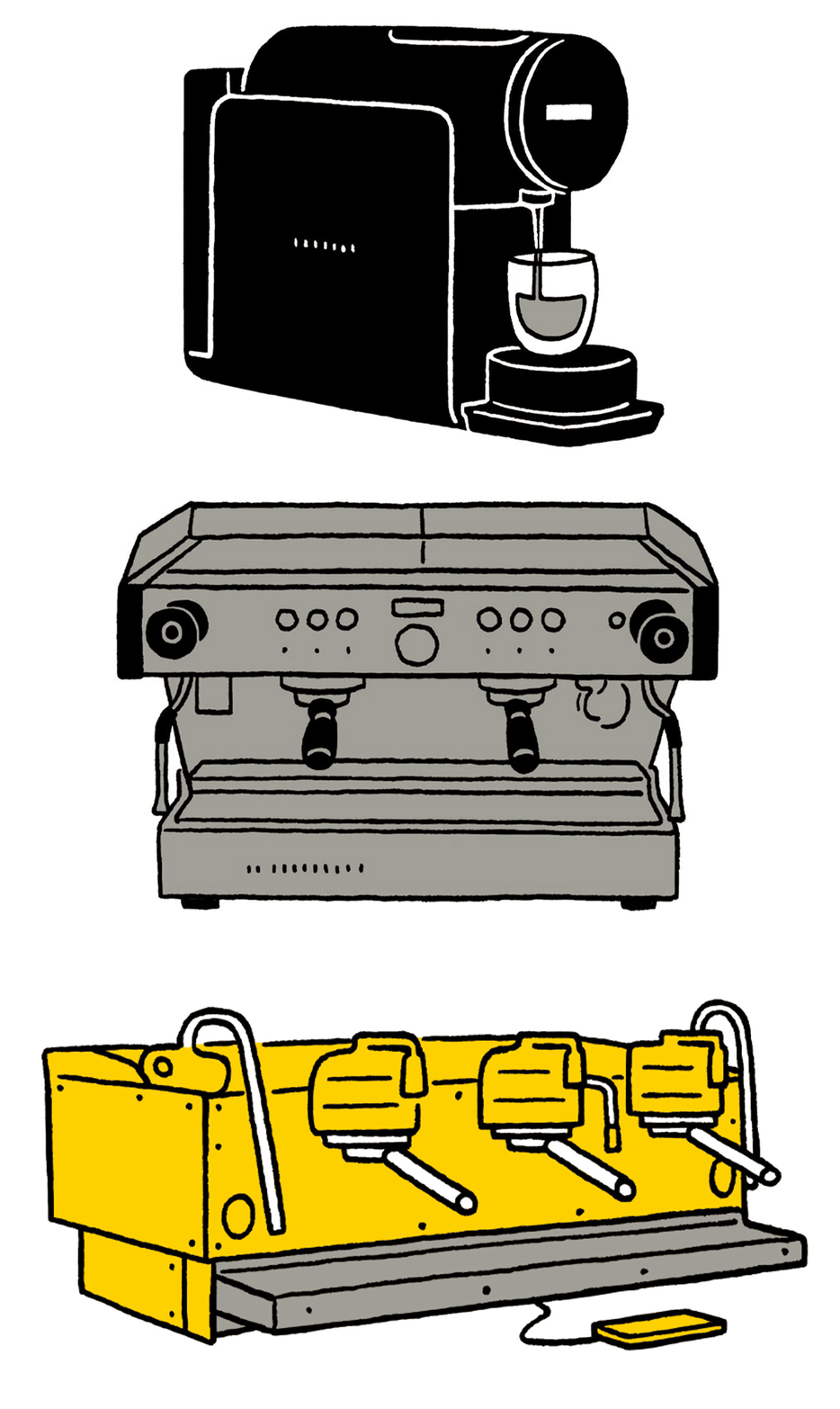
Beans are only half the battle when it comes to making a formidable brew. For a taste of where home brewing is heading, try a machine from Singapore-based Morning. It’s possible to fine-tune temperatures and pressure profiles at the swirl of a dial. There’s also online access to bespoke settings that suit specialist roasts from your favourite coffee shops.
You might also want to try La Marzocco, founded in 1927 by Giuseppe and Bruno Bambi, remains the industry workhorse. The machines are still hand-assembled near Florence and will set you back by as much as €20,000 for the bigger beasts. Italy dominates the market with marques including Nuova Simonelli and Sanremo. Binasco-based Cimbali bought Seattle’s Slayer in 2017.
This leaves Synesso as the clear choice for a US-made option at the higher end of the market. Its colourful powder-coated options are particularly fetching.
7.
Girani
Italy
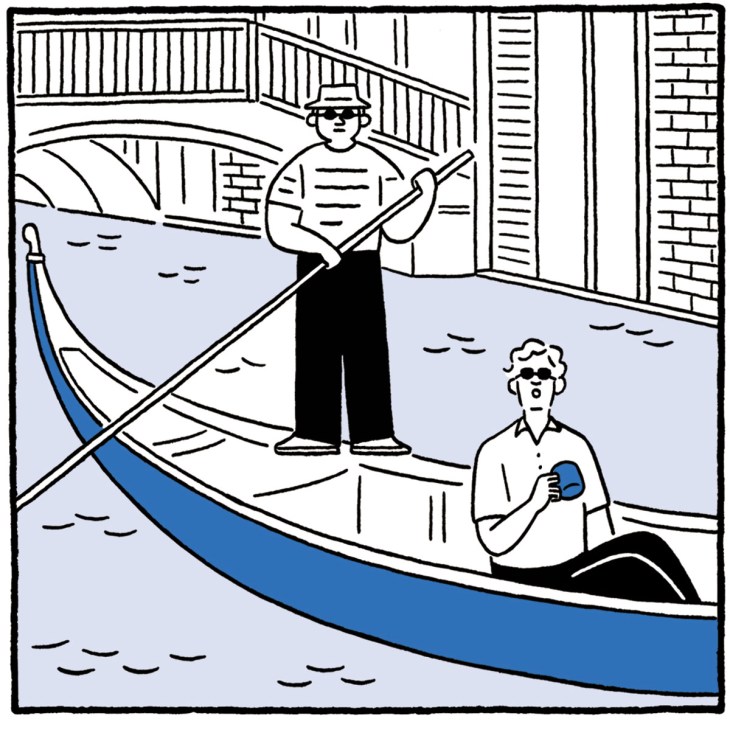
In Italy, coffee gained a foothold in 18th-century Trieste via arrivals at its bustling port, before spreading to Venice. Caffè Girani, founded in 1928 and the oldest torrefazione – roaster – in the city, carries on the old traditions in a space that feels equally impervious to time. Today, Roberta Girani owns the business. The granddaughter of founder Giuseppe Girani (who also enjoyed a career as one of the Venice football team’s most successful managers), she ensures that high-quality, all- arabica blends never run out at Caffè Girani and also sells fresh blends to go. “Coffee is above all a true passion – almost a mission,” says Roberta.
3727 Campo Bandiera e Moro, Venice
8.
Kafeterija Magazin 1907
Serbia
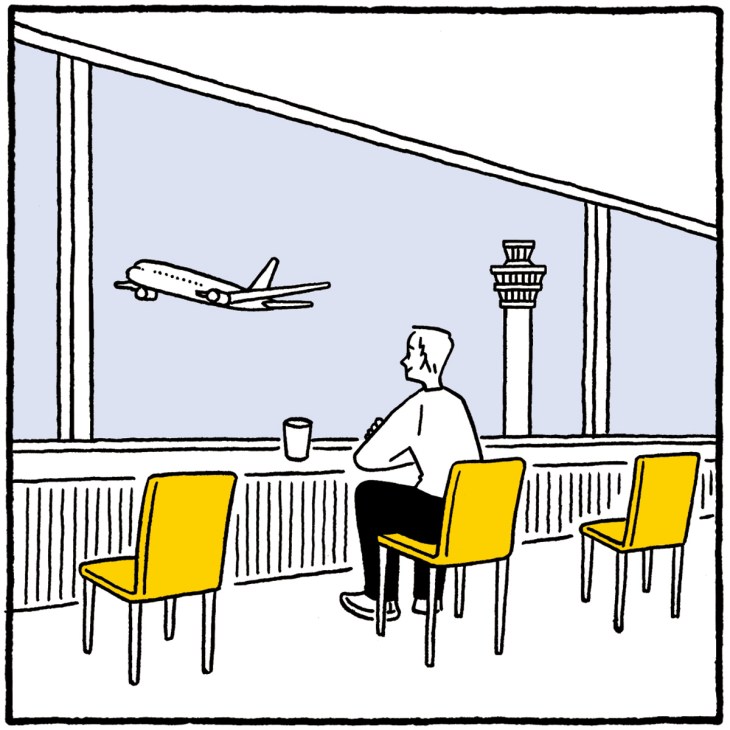
Belgrade’s Kafeterija Magazin 1907 is more of a cathedral than a café. This multi-level monument to the holy bean inspires awe with its vertiginous colonnaded interior and has in-house roasts from Cuba and Tanzania – and even Indonesia’s rare civet-extruded kopi luwak. The flagship’s scale reflects the ambitions of Kafeterija’s founders, Zoran Stanojevic and Marko Vukomanovic. From a standing start in 2014, their chain now has more than 60 nicely designed branches across Serbia and Montenegro – and backing from Bulgarian private-equity company BlackPeak Capital to become “southeast Europe’s leading speciality coffee brand”. Expansion to Bulgaria, Romania and Hungary is percolating; the brand’s expansion shows how a local player can seize a market.
kafeterija.com
Canal-side cups
From the 1600s, Venice became the gateway between the Ottoman coffee trade and Europe. Takeaway culture has since arrived but the true Veneziani have espressos (in proper crockery) at standing bars.
9.
Black Honey
Ukraine

Ukrainians love their coffee. Even amid the financial and economic pressures of war, the number of coffee shops grew by a third between 2022 and 2024, continuing an interest in café culture that had boomed over the past decade. Entrepreneur Oksana Vitynska positioned herself at the forefront of this change when she became Ukraine’s first licensed Q grader (the coffee industry’s answer to a wine sommelier) in 2015 and opened Black Honey’s first café the following year. “The type of customers visiting Ukrainian cafés has changed,” says Vitynska. “They are knowledgeable and demanding when it comes to the process, bean origins and the taste of the coffee.”
With nine locations in Lviv, Vitynska’s business is planning the right moment to export its mid-century modern look and refined menu abroad.
shop.blackhoney.ua
10.
Dukamo Coffee
Ethiopia
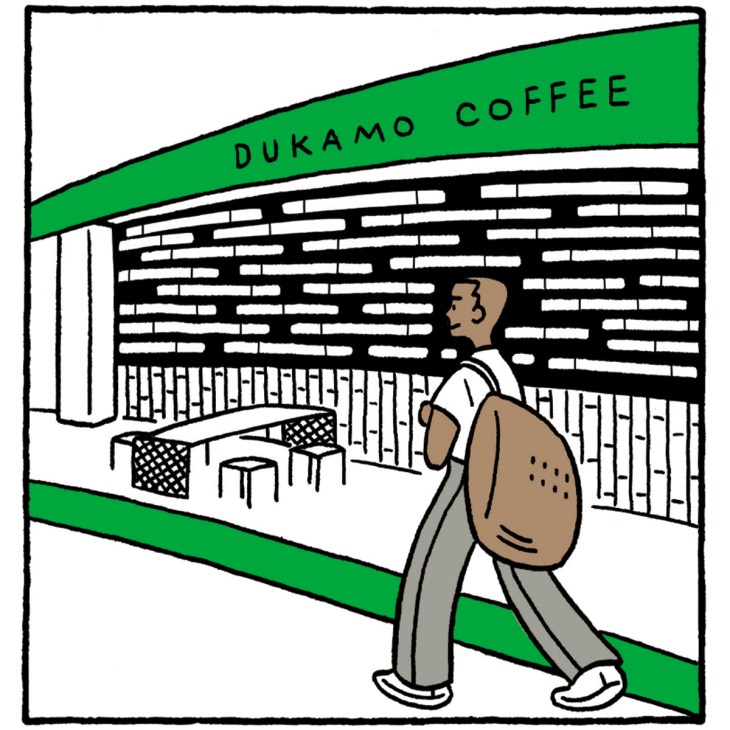
As the country where the coffee plant was first discovered, Ethiopia is steeped in traditions relating to the drink, including the jebena coffee ceremony – a social ritual integral to the rhythms of daily life. But now a new generation of Ethiopians is mixing tradition with global culture and changing how coffee is enjoyed across the country.
Kenean Assefa Dukamo, the founder of Dukamo Coffee, a small chain of cafés with three locations across Addis Ababa and the lakeside city of Hawassa, is leading the charge. The young entrepreneur is also deputy CEO of renowned Ethiopian coffee exporter Daye Bensa Coffee. Dukamo Coffee connects farms and roasters with the brand’s cafés, and wants its best beans to be enjoyed both domestically and abroad. Its brews draw a young, upwardly mobile crowd in spaces that blend pared-back contemporary design with references to the jebena ceremony.
dukamocoffee.com
Flavourful export
The home of arabica beans, Ethiopia is known for its coffee’s fruity flavours. It’s the world’s fifth largest producer after Brazil, Vietnam, Colombia and Indonesia.
11.
Spring Valley Coffee
Kenya

Speciality roasters are virtually unheard of in Kenya, despite it being a coffee-growing country. Though its beans are among the most highly valued in the world, the country didn’t begin growing the plant until 1893 – relatively late in an industry already well established by the early 19th century. But café brand Spring Valley is changing that. It was launched in 2009 and bought nine years later by former banker Ritesh Doshi (whose previous venture, Naked Pizza Kenya, was sold to Pizza Hut). The business buys green beans from local farmers and roasts them onsite. It now has eight locations in Nairobi, including at the US embassy. Spring Valley also ships beans worldwide and has planted its first flag outside Kenya with a café in Islington, north London.
springvalleycoffee.com
12.
Half Million
Saudi Arabia
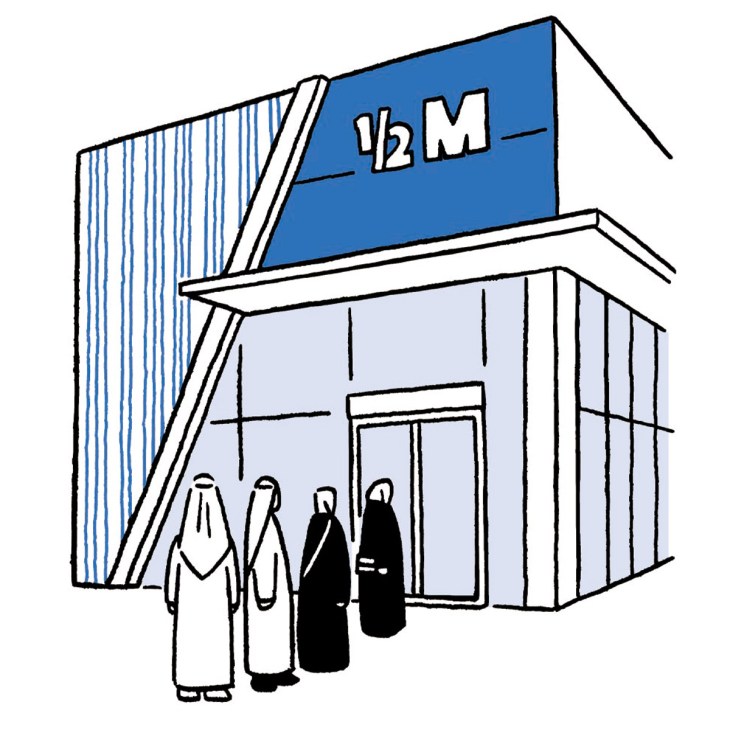
In largely alcohol-free Saudi Arabia, a coffee shop is the place to be and sipping a qahwa (Arabic coffee) is a bonding ritual. Homegrown coffee chain Half Million is shaking up the menu with a variety of options, from piccolos to iced hibiscus and cortados. Founded in 2018 by businessman Abdullah Al Rajhi (also known for his real-estate projects and seat on the country’s tourism board), Half Million has given international competition a run for its money by tempting Saudis with clever social-media marketing, a slick modern aesthetic and convenience, with more than 70 locations across the kingdom. The chain has added international outposts in Baghdad and London, demonstrating that the region now exports brands rather than simply hosting them.
halfm.sa
13.
Luckin Coffee
China
Luckin Coffee, China’s answer to Starbucks, was founded in 2017. It has grown rapidly, with more than 30,000 outlets and 98 million monthly customers. In 2023 alone, the business opened more than 8,000 outlets. Part of the appeal is how cheaply and quickly its coffee is made – and now it is exporting this model to Singapore, Malaysia and the US. App-first shops with minimal seating draw a young city crowd. Centurium Capital, the investment firm behind Luckin Coffee, has now acquired US-founded Blue Bottle.
luckincoffee.com
Quick bucks
Luckin’s deer logo symbolises wealth, vitality and luck. But several of the brand’s bosses were ousted in 2020 following a financial scandal. They have since founded a rival called Cotti Coffee.
14.
Café Amazon
Thailand
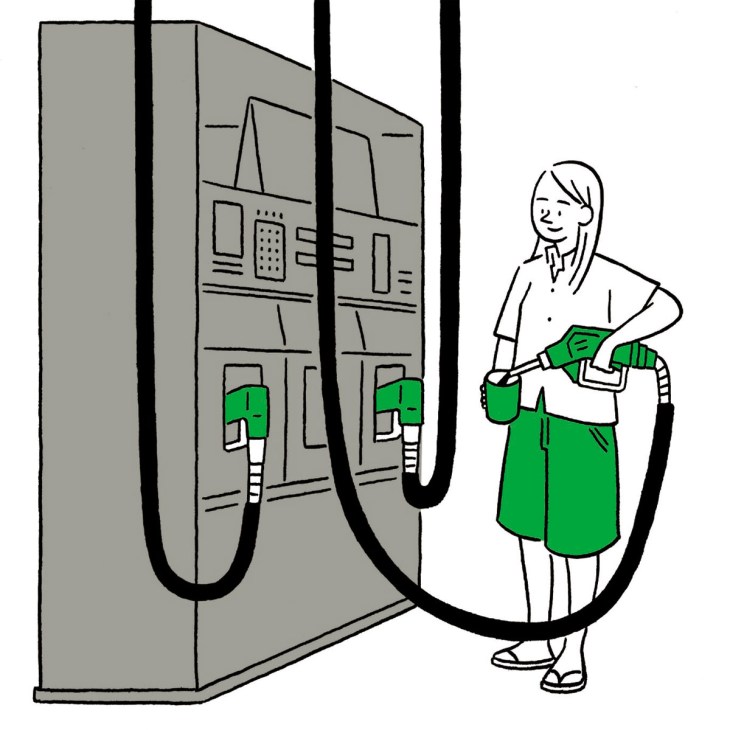
Thailand’s economy relies on a legion of truck drivers making deliveries across the nation. For many, as their vehicles refuel at well-stocked service stations, their caffeine fix comes from Café Amazon. This chain was founded in 2002 by state-owned oil company PTT and its colourful macaw logo is instantly recognisable. Almost every PTT station in Thailand has a Café Amazon and with more than 5,000 outlets across 10 countries in Asia and the Middle East, it enjoys a huge reach. It also has higher-end cafés in Bangkok’s smartest shopping malls. A new flagship “experience” café has opened in the Ari neighbourhood; the purpose-built high-rise also features spaces for co-working, events and a rooftop restaurant.
cafe-amazon.com
The regional view
Southeast Asia produces about a quarter of the world’s coffee but its countries are also growing consumer markets. Vietnam is the world’s second-largest producer and its domestic coffee industry is expected to surpass $660m (€561m) by 2028. Meanwhile, Indonesia ranks fourth in terms of production; domestic consumption has tripled since 2020.
15.
Top of the coffee roasteries
1.
Italy remains a key player. Trieste-based Illy had an annual turnover of €700m in 2025, while Turin’s Lavazza celebrated its 130th year in business with revenues of €3.9bn. Viva l’Italia.
2.
Luckin Coffee has taken the industry by the horns and in April 2026 opened a vast, €375m state-of-the-art roasting centre in Qingdao, China, which the company claims is the largest in the world. It has the annual capacity to roast more than 55,000 tonnes of the black stuff.
3.
Beyond the mass market, specialist roasteries have been able to position a cup of joe as a daily luxury and price their beans accordingly. London-based Monmouth Coffee Company – which was founded in 1978 and boasts three shops – has mastered the art of branding. In a market dominated by gimmicks, its simple, sandy-hued sachets adorned with a sans-serif font hint at the company’s values of quality, transparency and consistency.
16.
Highlands Coffee
Vietnam
Vietnam is second only to Brazil in bean production and the consumption of coffee can be seen on every street corner, from roadside carts to hip cafés. The Vietnamese even have their own method. Ground coffee is placed in a small metal slow-drop filter called a phin and mixed with condensed milk. Highlands is the country’s biggest chain and takes its name from the coffee- producing region in central Vietnam.
Vietnamese-American entrepreneur David Thai continues to manage the company that he founded in 1999 with the support of majority investor Jollibee Foods of the Philippines – a stealth coffee giant by virtue of its ownership of South Korea’s Compose Coffee and the cups that it sells in its fried-chicken outlets. Highlands is nearing its 1,000th outpost and it has unveiled a timely brand refresh courtesy of design studio BaseSGN.
highlandscoffee.com.vn
17.
Kopi Kenangan
Indonesia
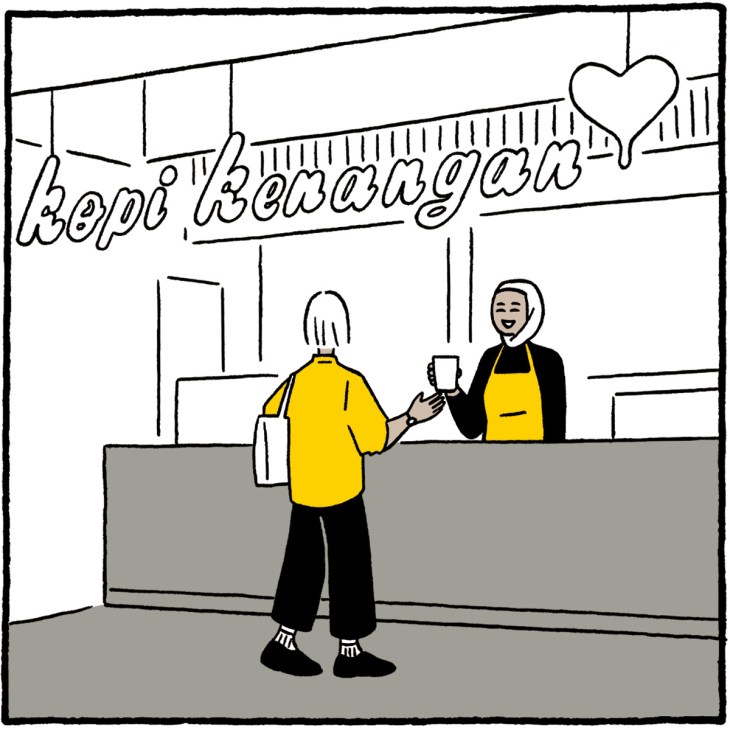
Kopi Kenangan (“coffee memories”) was founded in 2017 by Indonesian entrepreneur Edward Tirtanata. It has since become the major player in his home market, a country of more than 280 million people, and a top-five coffee producer. The business model is simple: offer superior-quality Indonesian coffee at a lower price than in the international chains.
Kopi Kenangan has built a strong brand and stayed true to its roots while attracting investment from a stellar list of financial backers, such as Li Ka-shing (Hong Kong’s richest man). The company has more than 1,000 outlets in Southeast Asia and Tirtanata wants to triple this by the end of the decade.
kopikenangan.com
This is how they do it
Indonesian beans are usually processed quickly, with husking done while they are still damp in a process called “wet-hulling”. Most of the beans grown here are robusta, which tend to be bolder and have more caffeine than their fruity arabica cousins.
18.
% Arabica
Japan
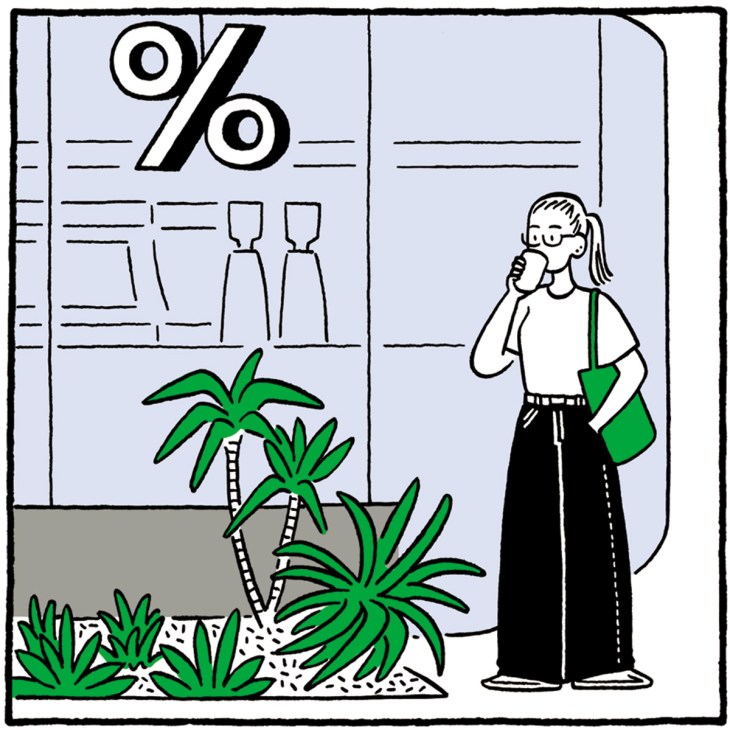
Tokyo-born Kenneth Shoji opened the flagship % Arabica coffee shop in Kyoto in 2014. Today the business has 235 locations in 29 countries. It has strong connections to China, with its largest market in the country, and new spots also coming soon to Australia, Iraq and Kazakhstan.
Shoji borrowed money to buy a coffee farm in Hawaii, started trading green beans and became the sole exporter of a Japanese make of roasting machine. Strong design and clear branding (just look at the business’s distinctive logo and the percentage sign that marks its presence in a neighbourhood) have imprinted % Arabica on the minds of coffee drinkers.
arabica.com
19.
Café Kitsuné
Japan

Founded in Paris in 2002 by French entrepreneur Gildas Loaëc and Japanese architect Masaya Kuroki, fashion and music label Maison Kitsuné is a blend of Franco- Japanese influences. Café Kitsuné, which has more than 30 branches globally, started in 2013 as a counter inside a Kitsuné shop in Tokyo. A roastery opened in Okayama in 2019, a standalone café was established in Paris the same year and the first European roastery, Café Kitsuné Vertbois in Paris, followed two years later. The brand’s distinctive fox logo (kitsune in Japanese) plays well on merch. Ralph’s Coffee trucks and cafés by Ralph Lauren are another example of a fashion brand creating a covetable café collection.
maisonkitsune.com
The business of coffee
Since their inception, coffee shops have been co-working spaces. Many of London’s key institutions were invented by their earliest caffeinated habitués. At Lloyd’s coffee house, which opened in 1688, brokers would sell insurance to ship owners and in doing so gave birth to Lloyd’s Insurance, which still plays a crucial role in maritime trade and more.
The London Stock Exchange can trace its roots to Jonathan’s Coffee House, which was founded in 1698. It’s a heritage that still shapes how people use these so-called third spaces. That headphone-sporting person squatting at a table all day while nursing a frappuccino? Perhaps they are about to change the world – or at least finish their online grocery order.
20.
Mecca Coffee
Australia
Paul Geshos didn’t expect Mecca Coffee to last this long. In 2005, Italian blends still dominated and speciality coffee was still emerging. Today, Sydney is one of the world’s most celebrated coffee cities and Mecca runs its own roastery, operates three outposts and supplies leading hotels and restaurants.
Geshos bet that Sydneysiders would start caring about where their coffee originates. “We have used the Cup of Excellence since 2007,” he says, referring to the industry’s most prestigious sourcing competition, which identifies top producers and auctions lots directly to roasters at premium prices. In an industry driven by fast expansion, Geshos built a community, knowing that once people understood what was in the cup, they would want to taste it.
mecca.coffee
21.
Tim Hortons
Canada
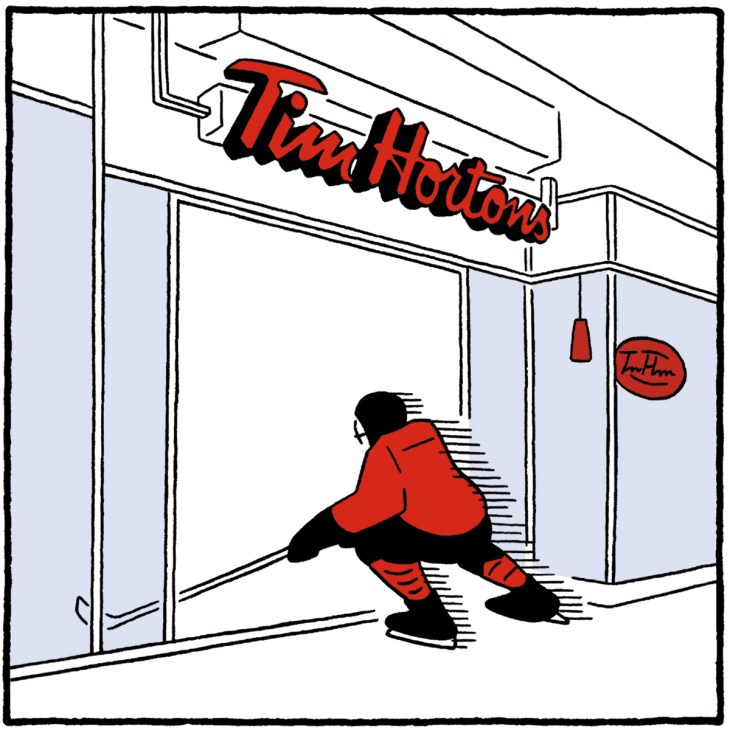
Few national coffee franchises have embedded themselves into daily life as much as Tim Hortons has in Canada since it was co-founded in 1964 in Hamilton, Ontario, by an ice-hockey star (after whom the chain is named).
One of its most popular drinks, the “double double” (a hot cup of coffee with two portions of coffee cream and two spoons of sugar), is a term so well used that the Oxford English Dictionary added it to its Canadian edition in 2004. Since being acquired by Brazil-based fund 3G Capital, which owns fast-food groups Burger King and Popeye’s, this Canadian outpost of reliable and reasonably priced coffee now has more than 6,000 locations worldwide.
timhortons.com
Antipodean export
While there are various rival claims about who invented the flat white – a double-shot of espresso, steamed milk and a light micro-foamy top – what is agreed upon is that this punchy drink was devised by someone in Australia, or perhaps New Zealand, in the 1980s.
What’s also not disputed is how it has doggedly remained the go-to coffee for anyone, from Sydney to San Francisco, who thinks that they are even remotely cool. But it wasn’t only the flat white that our coffee-obsessed Antipodean friends gave the world. Aussie and Kiwi baristas also shook up the appreciation of good coffee and exported a café aesthetic that endures (plenty of timber, street-side stools, men with beards, lots of aprons).
22.
Blue Bottle Coffee
USA

Frustrated with mass-produced coffee, former clarinet player James Freeman began roasting small batches of beans in a shed in Oakland, California in 2002. In 2005, he opened his first café in San Francisco, serving coffee from beans roasted no more than 24 hours earlier. Word spread and the roastery grew. It’s now owned by Centurium Capital (a major backer of Chinese chain Luckin Coffee), which acquired the brand from Nestlé for just under a reported $400m (€340m) in March 2026. There are now more than 100 outposts – known for their clean, sharp interiors – across the US, China, Japan, Singapore and South Korea.
bluebottlecoffee.com
23.
Atomo Coffee
USA

Many people avoid coffee because of the dreaded caffeine comedown, which can push whole hordes of customers away from the product. But Seattle-based business Atomo, founded by tech entrepreneur Andy Kleitsch and food scientist Jarret Stopforth in 2019, has found a way to lower coffee’s crash factor. Atomo’s special recipe includes a mix of arabica beans and ingredients such as date seeds, carob and chicory root. The business claims that the drink has gut-friendly benefits, a boon for the health-conscious consumer.
atomocoffee.com
24.
Parlor Coffee
USA

In 2012, Parlor Coffee started on a shoestring in the back of a Williamsburg barbershop, where former Stumptown barista Dillon Edwards worked a single espresso machine. Today the business is run by Edwards and his wife, Tessa – who designed the branding – on a wholesale-first basis, supplying hotels and restaurants alongside a home subscription. Parlor Coffee’s headquarters are now in a repurposed carriage house next to the Brooklyn Navy Yard and the roasting machine of choice is from German brand Probat (made in 1965). Coffee heads can educate themselves at a tasting room, which is open at weekends.
parlorcoffee.com
25.
Blank Street
USA
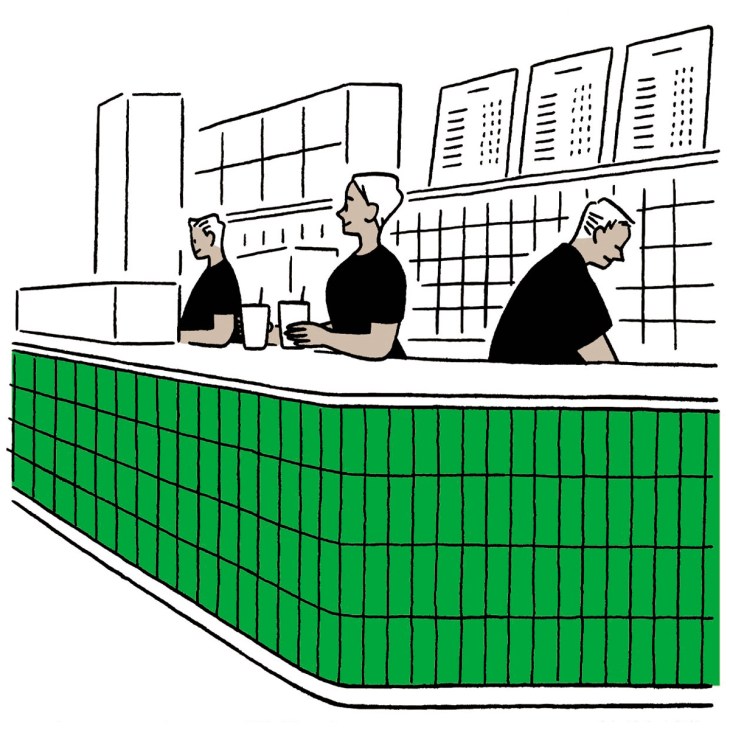
If there’s one colour that has come to represent Gen Z’s obsession with all drinks iced and matcha, it’s Blank Street’s signature green. The shade has been with the chain since co-founders Issam Freiha and Vinay Menda served their first drinks out of a coffee cart in New York in 2020. Six years later and the company (still founder-owned) was valued at about $500m (€425m) in 2025. It now operates more than 90 locations across New York, Boston, Washington and the UK. Maintaining quick, automated Eversys espresso machines, a small physical footprint and a to-go format keeps Blank Street’s service fast and its prices lower than most competitors.
blankstreet.com
Blank cheque
In April 2026, Blank Street reportedly sought a round of funding to raise $100m (€85m), which would push the value of the company to almost $1bn (€850m). One reason that people are excited about Blank Street is its app, through which you can order your Lemon Loaf Matcha before you arrive.
ARTICLE CREDITS
WRITERS:
- Rory Jones
- Julia Jenne
- Carlota Rebelo
- Liam Aldous
- Désirée Bandli
- Guy De Launey
- Natalie Stoclet
- Mary Holland
- Adrian Kai Fraile Itagaki
- James Chambers
- Fiona Wilson
- Alexandra Aldea
- Tara Loader Wilkinson
- Colin Nagy
- Tomos Lewis
Not your average joe: 25 of the world’s best coffee shops, run by next-generation owners
For our June issue, we’re exploring coffee on a global scale. Read about the project and join us as we visit coffee-shop brands both big and small with interesting and surprising stories to tell. We hope that you find it refreshing.
1.
Fuglen
Norway
The cross-continental champion
Founded in Oslo in 1963, Norwegian coffee brand Fuglen has focused on Asia instead of the big European or North American cities. This is thanks to the strategy of the current owner, Einar Kleppe Holthe, who bought the business in 2008. Fuglen’s first overseas outpost opened in Tokyo in 2012, followed by shops across Japan, Indonesia and South Korea. Last year there were openings in Kyoto and a second location in Seoul; new shops in Fukuoka and Bali opened this year. “We’re showing that you can build a very good business, based on values, that doesn’t only think about profits,” says Holthe.
fuglen.no


2.
Harlan Coffee
Philippines
The urban oasis
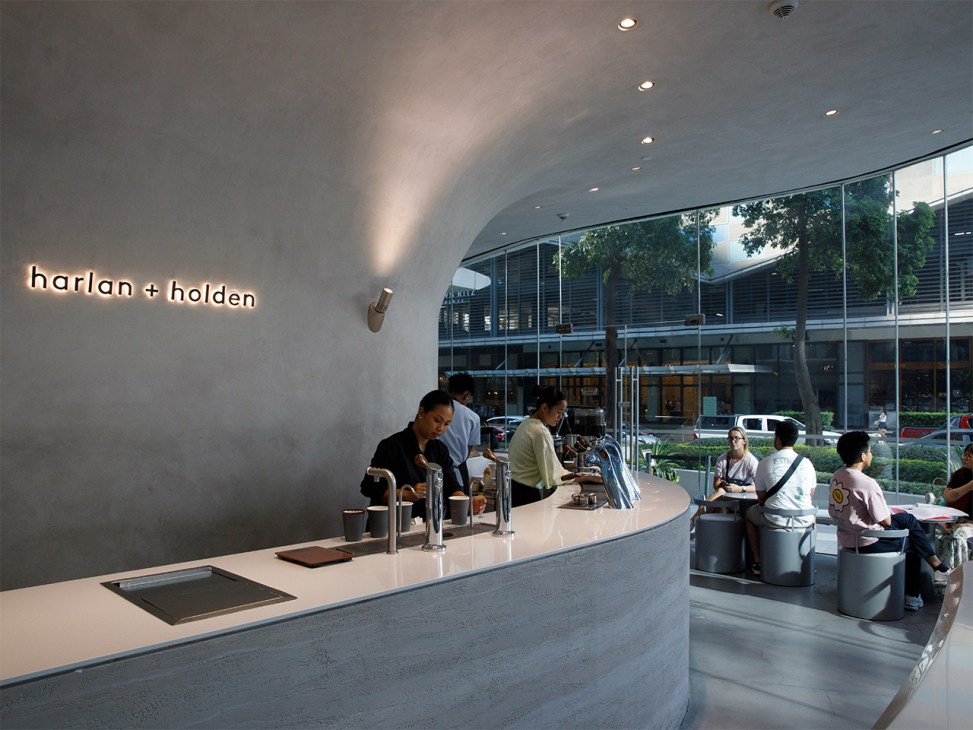
Catering to on-the-go professionals, Filipino entrepreneur Emmanuel T Pineda’s Harlan Coffee seeks to serve up re-energising experiences that fit into the rhythms of our working lives. Its priorities can be gleaned from its choice of locations: the first were near stock exchanges. It has 10 shops in its home city of Manila and 10 in Jakarta. The long-term strategy is international expansion, with ambitions to open a flagship in every Southeast Asian capital. Harlan Coffee is also being rebranded by Winkreative, Monocle’s sister company.
harlanholden.ph
3.
Sip
Lebanon
The creative choice
When Omar Jheir opened Sip in Beirut’s Gemmayze district in 2017, it was the city’s introduction to artisanal coffee. Now there are about 20 cafés on the same street. “In the past couple of years, there has been a coffee movement in Beirut,” says Jheir, who was inspired by the bean scene of Australia, where he grew up.
Sip’s original café is in a former upholstery workshop, with its industrial aesthetic preserved. A second Beirut branch is imminent at Ramlet al-Baydeh beach and there’s an outpost in Cairo.
Sip, Gemmayze Building 341, Beirut, Lebanon 1100


4.
Nuances
France
The aesthetic innovators
Founded by brothers Charles and Raphaël Corrot, Nuances has been turning heads in Paris with its retrofuturistic interiors. It has recently opened a fourth shop in the city: a cube-shaped outlet with dramatic lighting in Le Marais. Its Rue Danielle Casanova site is another visual highlight: a listed former creamery from the 1930s, its façade, floor and ceiling are historic treasures. “The contrast with the futuristic bar is striking,” says Charles. The appeal isn’t all aesthetic: house recipes such as the rose latte (eau de rose brewed with matcha and milk) and collaborations with a pâtissier give the brand extra, well, nuances.
cafenuances.com


5.
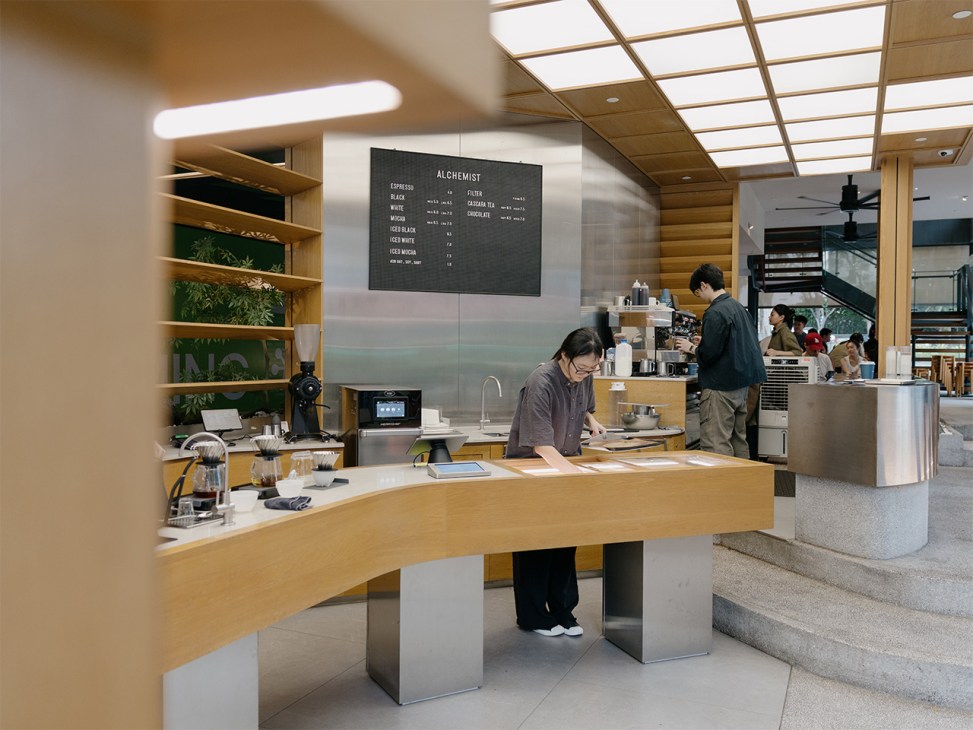
Alchemist
Singapore
The entry point
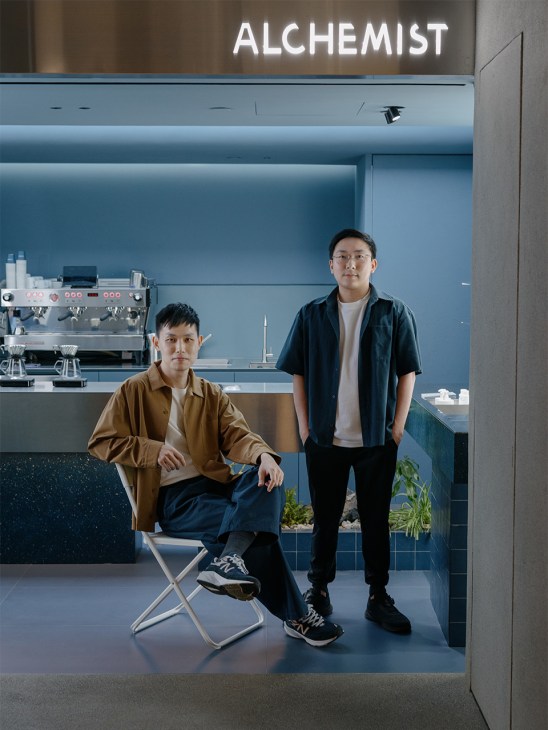
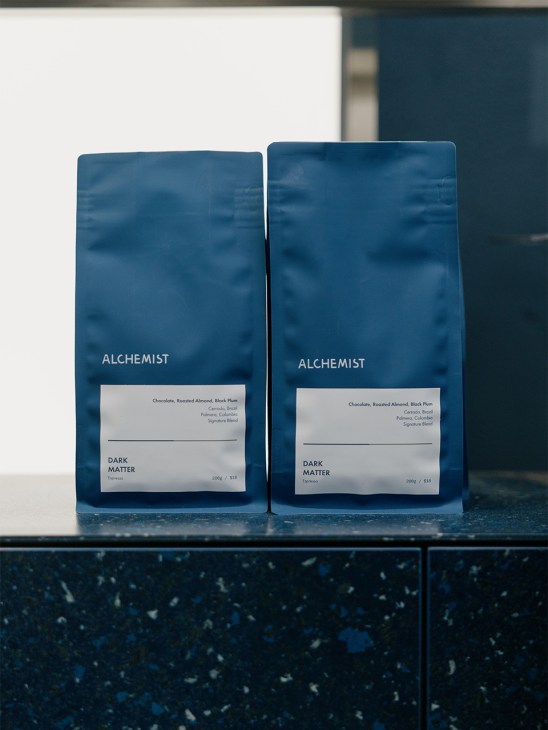
Singapore-based brand Alchemist, which recently marked its 10th anniversary, remains committed to its founding mission of making coffee approachable. “We have always offered a wide selection from around the world that’s high quality but not too expensive,” says Ang Wei Kiat, Alchemist’s director of coffee. Across 15 sites in Singapore, plus cafés in Taipei and Tokyo, the roasts on the menu accentuate sweetness and clarity. “No education or experience is needed to enjoy those things,” says the company’s founder, Will Leow.
alchemist.global
6.
Deluxe Coffeeworks
South Africa
The daily grind
When Carl Wessel and Judd Nicolay are choosing café locations for their South African brand Deluxe Coffeeworks, they look for spaces where people will want to return daily. “This allows us to become part of people’s everyday routines,” says Wessel. The business began as a coffee roastery in Cape Town 17 years ago but today the city hosts four of its cafés. There is also an outpost in Stellenbosch, as well as a roastery in Namibia. In Cape Town, you’ll often spot residents on the go sipping Deluxe flat whites. The roastery business has since expanded to supply 450 wholesale customers and coffee shops.
deluxecoffeeworks.co.za


7.
Abuelo
UK
The gathering place
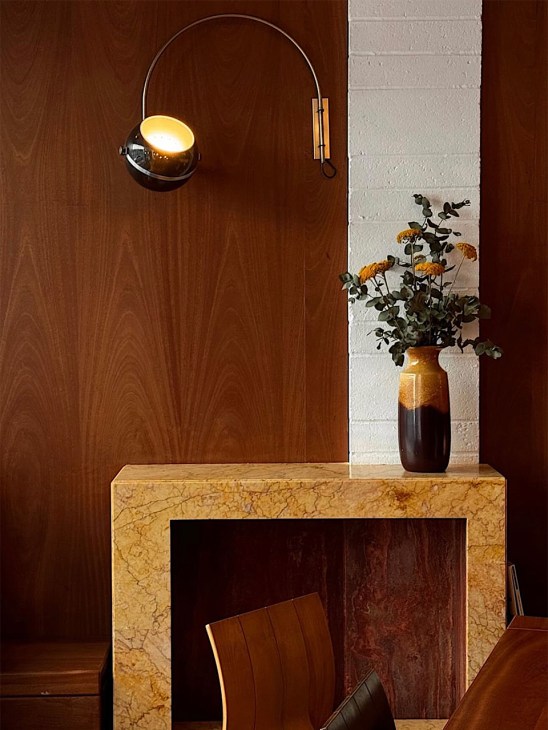
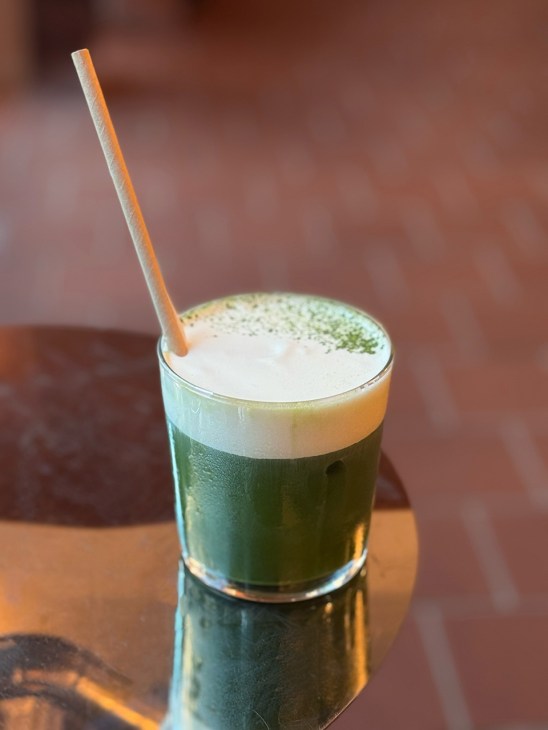
Combining speciality Latin American coffee with a strong visual identity, Abuelo has two outposts in London: its first opened in Covent Garden in 2018 and a Marylebone café followed in 2024. Its distinctive look draws on the architecture and design roots of the company’s mother-and-daughter founders, Lynette and Cloe de la Vega. “Many architects who design for hospitality can get it right for the photo but so wrong for how it feels to be in the space,” says Cloe. “We start with the practical elements before moving on to the workflow, how customers engage with the space and what we’re trying to communicate.” Featuring sharing tables, vintage furniture and wood-panelled interiors, Abuelo offers well-designed places that invite you to linger.
abuelocafe.co.uk
8.
Subko
India
India’s best brew
Entrepreneur Rahul Reddy’s light-bulb moment for Indian coffee brand Subko came when he realised that most speciality shops in the country relied on African and Latin American producers. “I asked myself, what about Asian coffee?” he says. Reddy opened the first Subko in Mumbai in 2020. Six years later, there are outposts in four cities across India, plus one in Dubai. He has expanded its repertoire to include South Asian inspired bakes and bean-to-bar chocolate too.
subko.coffee


9.
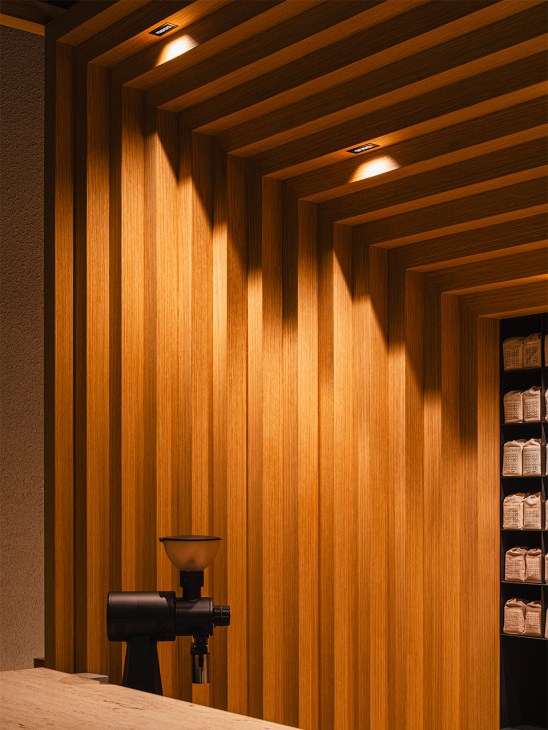
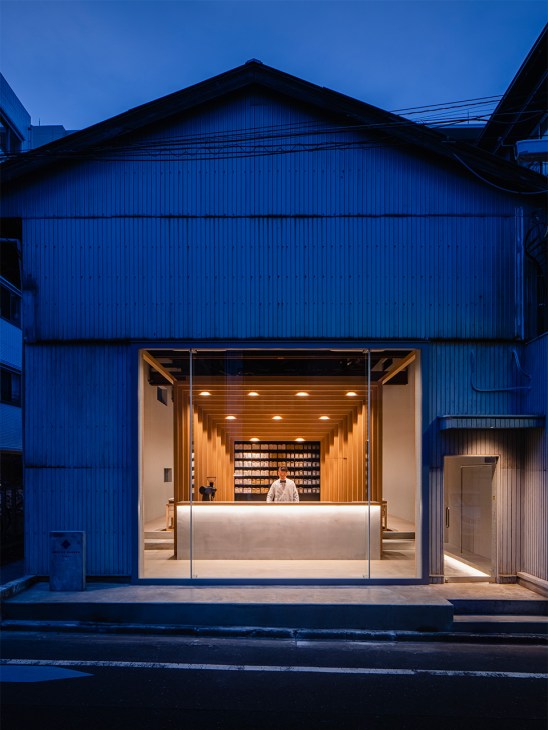
Koffee Mameya
Japan
The must-book bean house
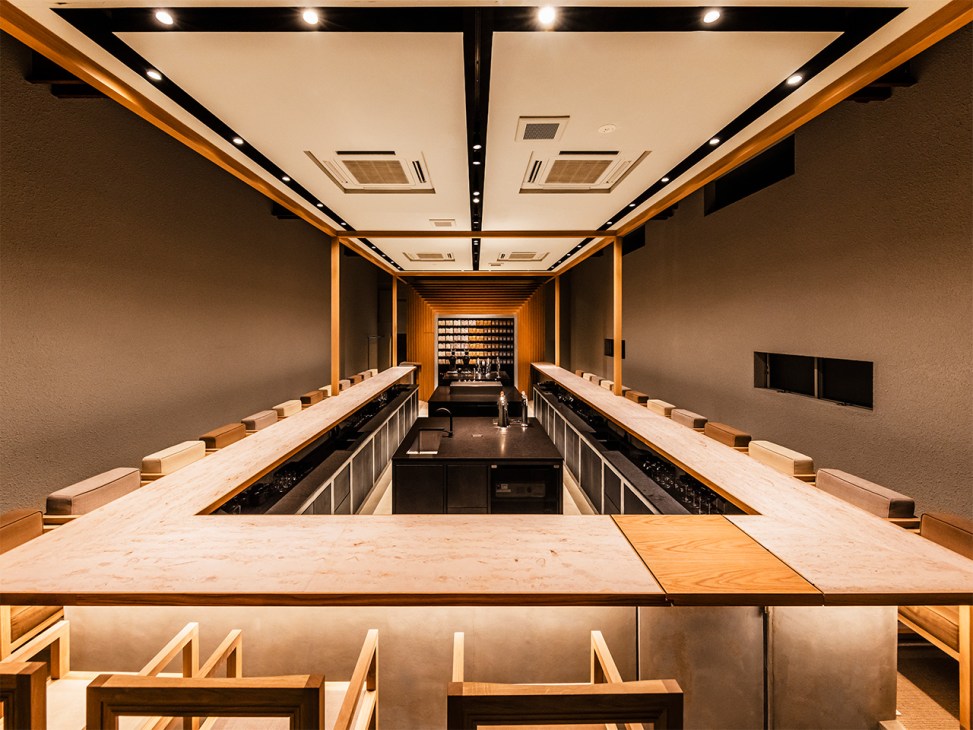
Founded by Eiichi Kunitomo, Koffee Mameya has carved out a niche in Japan’s coffee scene. First came a backstreet bean shop in Tokyo’s Jingumae in 2017. Four years later, Koffee Mameya Kakeru opened in a renovated warehouse in Kiyosumi-Shirakawa. This reservation-only shop embodies Kunitomo’s mission to elevate coffee through an experience akin to fine dining. These two locations, plus a third in Hong Kong, show the potential for businesses built on craft over convenience.
koffee-mameya.com
10.
Die Cafetière
Austria
The mid-century treasure
Die Cafetiére is a fine example of the espresso bars that emerged in the 1950s and 1960s as counterpoints to Vienna’s traditional coffee hubs. Originally an outpost of family-owned roaster Naber, Die Cafetiére was reopened in 2023 under the ownership of Peggy Strobel, who retained its original details – such as a brass-edged bar and the Naber logo on the façade – but updated the menu to put flat whites alongside the Wiener melange. “Though we have tourists visiting, we’re essentially a neighbourhood café,” says Strobel. In keeping with its design-forward charm, the back of the café also doubles as a furniture showroom.
diecafetiere.wien


11.
Hagen
UK
The Danish ambassador
Former Goldman Sachs banker Tim Schroeder founded Hagen in 2017, hoping to bring a bit of his native Copenhagen to London. “Our coffee culture is about a love for quality and individuality,” he says. With more than 20 locations spread across London’s smarter areas, Hagen now sits at the high end of the market. “Our brand is analogue – that’s a premium in a digital world,” says Schroeder. “Because we are located in affluent areas, we can ask for people’s time, which in turn creates brand loyalty.” In 2025, Hagen expanded to Amsterdam, a city that Schroeder says is close to Danish hearts. “We’re as obsessed with site selection as we are with the cities we want to share our coffee passion with.”
thehagenproject.com


12.
Kurukahveci Mehmet Efendi
Turkey
The heritage house
In the bustling backstreets next to Istanbul’s Grand Bazaar, the rich scent of coffee pulls customers to the Mehmet Efendi HQ. The brand has been roasting coffee here since it was founded in 1871. “It isn’t just part of our family business’s history; it’s also a cherished part of our customers’ personal histories,” says Mehmet Kurukahveci, grandson of Efendi, who now runs the business along with his brother Hulusi. Today it operates a café in its original headquarters, plus two further shops in the city. Its coffee is also available in all of Turkey’s major supermarkets, so you can take that iconic logo home.
mehmetefendi.com


13.
Samba Coffee Roasters
Greece
The ice-cold roasters
Though exporting beans remains key to Samba, a fixture in Athens since 1979, completing a flagship café in the Kolonaki district in 2020 gave its owner, Kostas Kalafatas, a deeper insight into Greek coffee preferences. The frappé – a frothy iced coffee created using instant granules that defined Greek café culture for decades – is now being replaced by the freddo espresso, made with two shots of freshly brewed espresso shaken with ice cubes. “It’s the main coffee now,” says Kalafatas. “Greeks drink it cold year-round, no matter the temperature.”
sambacafe.gr


14.
Sede Café
Mexico
The to-go go-to
Opening 59 branches in 27 months is no small feat. Founded in 2024 by former banker and one-time Blank Street intern Javier Arrigunaga, Sede Café has become a staple in the Mexican capital. It’s an almost entirely takeaway business: few tables, no lingering, just good coffee at the fast pace that the city demands. Sede has expanded beyond its roots in Mexico City’s Roma and Condesa districts. You’ll now see its blue branding in malls and neighbourhoods such as Vallejo. “Accessibility means two things: fair prices and proximity,” says Arrigunaga. You shouldn’t have to cross the city or spend too much to enjoy a good coffee.


15.
Koncrete
UAE
The cultural hub
Just off Jumeirah’s beachfront strip in Dubai, Koncrete is part-café, part-cultural anchor. Founded by Emirati entrepreneur Himyan Al Qubaisi, it reflects her long-standing interest in art, architecture and pared-back design. “Concrete is the foundation, the base layer,” she says. “Koncrete is a starting point for new ideas and connections.”
Polished concrete floors and exposed columns are offset by moss-green seating and sheer drapery, creating a space that feels both industrial and inviting. The menu, meanwhile, is focused and unfussy. Coffee is sourced with care, alongside a small selection of sandwiches, matcha, beans and branded goods.
Koncrete hosts low-key events with local and international brands. In doing so, it has carved out a loyal, design-literate following and a place in Dubai’s growing creative landscape.
koncretespace.com


16.
Doutor
Japan
The pup-friendly park spot
With 1,072 branches and revenues of ¥76.8bn (about €417m) in the last fiscal year, Japanese chain Doutor Coffee Shop runs a wide range of operations. Founded in 1962 as a roastery, it opened its first shop in 1980. But for one of its most recent projects, Doutor focused on something smaller – a café in Tokyo’s Yoyogi Park. Based on the site of the Dutch team’s lodgings for the 1964 Tokyo Games (when the park served as the Olympic Village), it features stone walls made from Japanese Aji granite and a large wooden table consisting of a slab of Zelkova wood. The menu offers Doutor staples, as well as park exclusives such as a fresh strawberry matcha latte and a Yoyogi Dog with Hokkaido four-cheese sauce. Real dogs lounge on the terrace, while an outdoor hatch serves their owners. “We wanted to provide a relaxing moment for everyone who comes to Yoyogi Park,” says Doutor’s PR officer, Yuko Maekawa.
doutor.co.jp


17.
Single O
Australia
The batch-brew trailblazer
Australia’s coffee cachet is built on espresso-machine mastery. But Sydney café and roastery Single O, founded by Emma and Dion Cohen in 2003, has a different calling card. The self-serve batch-brew bar, known as Freepour Batch, was co-created in 2018 with Sydney-based manufacturer Six Simple Machines. The system, inspired by craft-brewery taps, allows for the quick batch-brewing and dispensation of hot and cold speciality drinks, from rare Geisha single-origins to the bestselling iced-oat lattes. It accounts for almost half of all café sales at Single O. The brand’s expansion to Japan began in 2014; it now has five locations and 55 staff in Tokyo. “We’re giving more variety to the customer, as well as more innovative beverages and faster service,” says Michael Brabant, Single O’s CEO. “It’s not just lattes and flat whites.”
singleo.com.au


18.
Lap
Germany
The low-cost disruptor
“Germans drink more coffee than beer,” says Ralph Hage, who was born in Lebanon. “But unlike in London or New York, you couldn’t find good affordable coffee for the commute here.” So, alongside former start-up executive Tonalli Arreola, the ex-banker sought to remedy this. Since opening in Berlin in 2023, LAP has grown to have more than 30 outposts, with a further 20 poised to open this year. “Banks wouldn’t lend to me as a foreigner so I rang my investor friends,” says Hage. Critics accuse the venture capital-backed chain of undercutting independents but its cash-conscious customers are fans.
lap.coffee


19.
Pingado LX
Portugal
The mobile ‘bica’
Working in the tradition of the ice-cream carts that were once a common sight in the parks of the Portuguese capital, entrepreneurs José Galamba and José Paiva dos Santos founded Pingado LX. The brand serves bica espressos prepared on their bicycle cart. “With the rise of Nordic-style cafés, we felt that the Portuguese custom of picking up a bica on the street was slipping away,” says Galamba. “Someone told us that the smell of our coffee brought back memories of being at their grandmother’s house.”
pingadolx.com


20.
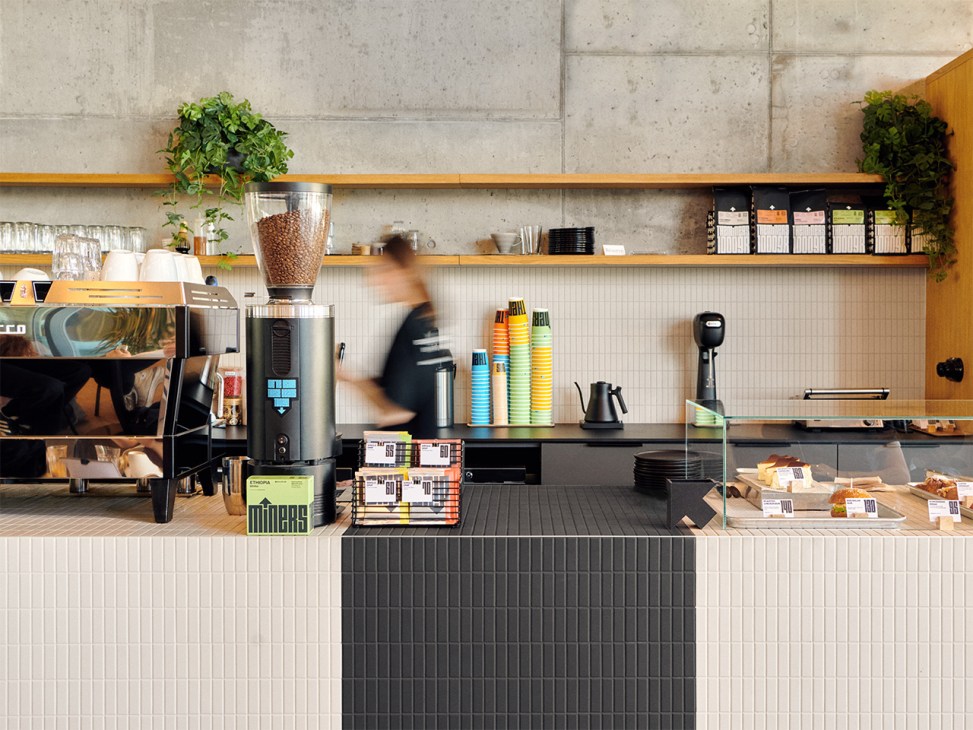
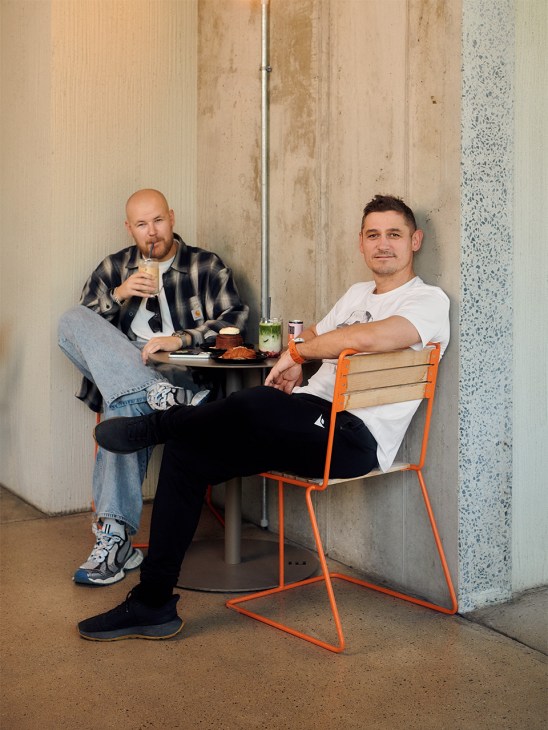
The Miners
Czech Republic
The franchise with ambition
You might not have heard of it yet but this Czech chain has its sights set on conquering Europe. Launched in 2019 by Egor Kolpakov and Oldrich Valta, The Miners has opened 34 coffee shops in seven European countries, including the Netherlands and Germany, and is set to enter several more markets by the end of 2026. While most of the cafés are franchised, all are supplied with beans from The Miners’ Prague roastery. The cost of opening a new branch is high (an investor typically must commit between €200,000 and €400,000) but the rapid take-up shows that its high-quality beans and stylish design are worth banking on.
theminers.eu
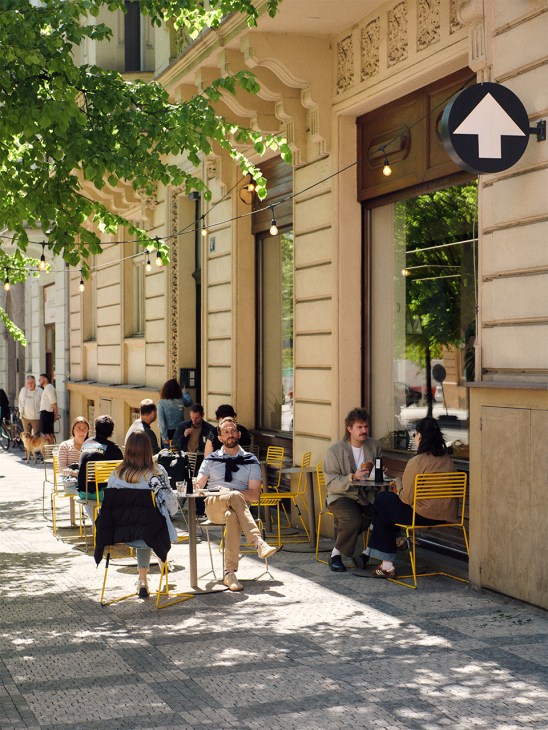
21.
Canyon Coffee
USA
The neighbourhood hangout
When Casey Wojtalewicz and Ally Walsh co-founded Canyon Coffee in 2016 as a wholesale business (with the occasional pop-up), they had $5,000 (€4,250) in savings and a $10,000 credit line. Four years and multiple pop-up events later, the business had revenues of $1m (€850,000), giving Wojtalewicz and Walsh the boost to start thinking about launching a physical outpost. Their first café opened in Los Angeles’ Echo Park in 2022. A roasting facility in the city’s downtown followed, along with a café in New York’s Brooklyn neighbourhood. Another café in LA’s Eastside is on the cards for later this year. “There’s intention behind everything that we do at Canyon Coffee without it ever being ‘in your face’,” says Wojtalewicz. “People feel and appreciate that when they come to us and that’s the goal – to create spaces that are beautiful and easy to return to every day.”
canyoncoffee.co


22.
Allpress
New Zealand
The global giant
Part of Japanese drinks giant Asahi’s non-alcoholic beverage portfolio, Allpress operates 18 cafés in four countries, including the UK, Japan and New Zealand, where the brand was founded. The company also serves more than 2,000 independent cafés globally, including Monocle’s in London. “We don’t just sell bags of coffee,” says Agnes Potter, Allpress’s managing director for the UK and Asia. “If someone wants an extra-large latte with two sugars, we want to make the best one that they have ever had.” Allpress’s latest opening was in London’s Farringdon area in April.
allpressespresso.com


23.
Morettino
Italy
The belle-époque beanery
Caffè Palermo is just one of Sicily-based roaster Morettino’s three outposts but it serves a crucial purpose. Opened in 2024 after five years of restoration and based inside the 16th-century Palazzo Guggino Chiaramonte Bordonaro on Palermo’s Quattro Canti square, the café has allowed Morettino to enhance its offering in an area dominated by tourist spots. A Liberty-era outdoor kiosk will also open later this year. “It’s about creating a rapport,” says one of the owners, Andrea Morettino.
morettino.com


24.
Market Lane Coffee
Australia
The modern masterpiece
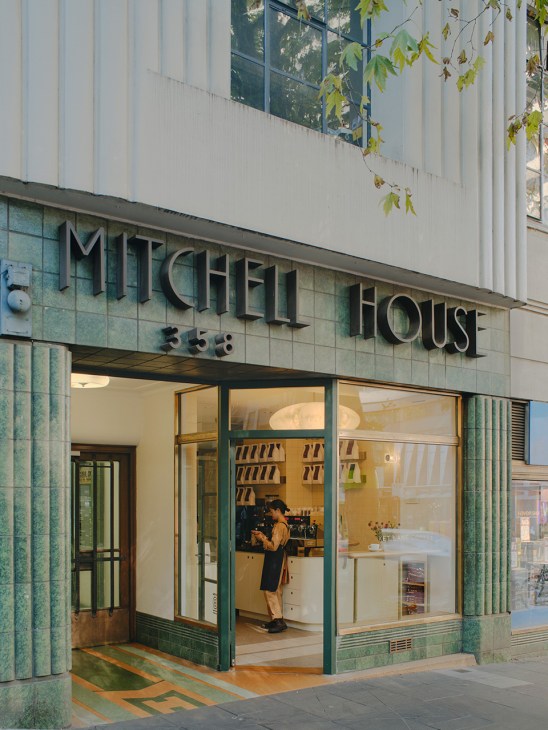
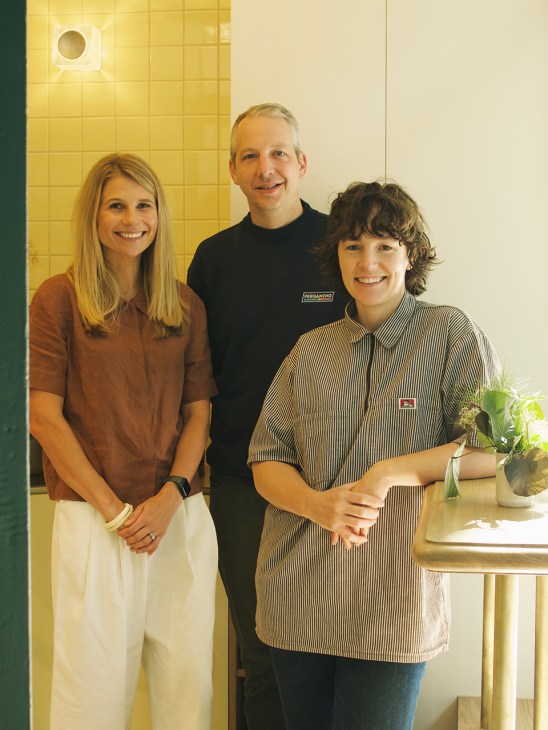
Melbourne is a city that helped to elevate the barista’s profession so entrepreneurs opening a coffee shop here can feel a little daunted. It was this challenge that Fleur Studd and Jason Scheltus decided to take on. Since opening Market Lane Coffee in the Prahran food market in 2009, the pair have expanded to nine shops in Melbourne. Its latest, in Mitchell House, is its most design-forward yet. It features curved, steel-framed windows and a standing bar facing the street.
marketlane.com.au
25.
Lalere
Switzerland
The one-off wonder
Founded by Fabian Gass and Eric and Luca Blum, Lalere offers an appealing mix of striking design and good hospitality. Gass, a certified coffee taster and Zürich-based brand Vicafe’s former roastery head, provides deep coffee expertise; his brothers-in-law Eric and Luca have brought their studio OnkaiArts’ design nous. The trio built Lalere’s wood-lined interior mostly by hand; almost every element of the space was made specifically for it, from its plaster finishes to its timber details. “The aim was to create something that would last and not distract,” says Eric. According to Gass, another goal was to build a social hub for the surrounding community. The curved counter, for example, encourages conversation. “We were trying to create the kind of place where we would want to go ourselves,” he says.
lalere.ch


ARTICLE CREDITS
Writers: Adrian Kai Fraile Itagaki, Alexandra Aldea, Alexei Korolyo, Ben Davis, Callum McDermott, Carlota Rebelo, Colin Nagy, Désirée Bandli, Fiona Wilson, Florian Siebeck, Guy De Launey, Hannah Lucinda Smith, Helena Kardová, Inzamam Rashid, James Chambers, Joseph Koh, Julia Jenne, Liam Aldous, Mary Holland, Natalie Stoclet, Rory Jones, Tara Loader Wilkinson, Tomos LewisEdge Group, the defence conglomerate driving the UAE’s fast-growing arms industry
The road to Abu Dhabi’s Zayed Military City is as unremarkable as its designers must have hoped. As the Emirati capital’s towers and boulevards recede in the rear-view mirror, the landscape flattens into a vast stretch of desert. Heat rises in ripples from the road. Tawazun Industrial Park (TIP) is a collection of industrial buildings and reinforced compounds scattered across the sand, punctuated by watchtowers and checkpoints, as well as the odd bunker-like shelter. Behind thick concrete walls and barbed wire sits one of the Gulf’s most strategically important sites – one that, over the past few months, has become increasingly central to the UAE’s ability to defend itself. This is the main manufacturing base of Edge Group, Abu Dhabi’s state-backed defence conglomerate that, in just six years, has become one of the world’s fastest-growing military-industrial groups.
The timing of Monocle’s visit is significant. The UAE is mired in a regional conflict that has brought the reality of modern warfare to the Gulf. After the US-Israeli strikes on Iran in February, Tehran sent thousands of drones and fired hundreds of missiles into Emirati airspace. At TIP, war has ceased to be an abstract idea. For decades, the UAE has seen itself as the region’s safe haven – a place of calm in an unstable neighbourhood, somewhere capital, talent and tourists could move freely, insulated from local conflicts. In recent months that perception has been challenged.
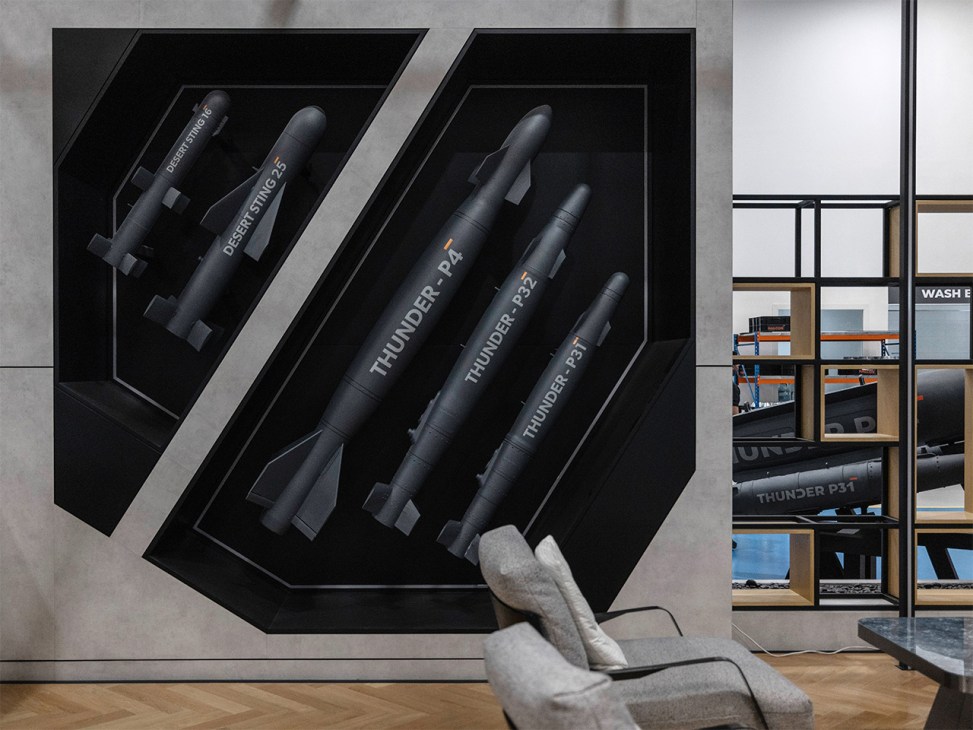
Edge’s role extends beyond manufacturing missiles and drones. It is helping to defend the UAE’s reputation as much as its airspace. But as the nation’s defence ambitions have grown, so too has scrutiny of how and where its systems are used, raising questions about whether a country that positions itself as a neutral hub can also be a major arms exporter. Inside the building containing EPI, one of Edge’s precision-engineering businesses, workers in protective goggles move between workstations. In one corner, teams are fabricating metal frames used in penetrator payloads and bomb casings. Staff who would ordinarily focus on work in the aerospace, oil or gas sectors have pivoted to support urgent wartime production. Across TIP, bomb shelters sit between buildings and thick concrete barriers line the entrances. Teams have moved to three-shift rotations. Some employees, we are told, have slept on factory floors to keep production lines moving uninterrupted.
Edge executives had long anticipated a conflict of this kind. Founded in November 2019 through the merger of more than 20 Emirati defence and technology companies, the group was designed to help secure the UAE’s military sovereignty and build a globally competitive defence export industry. The nature of the current war appear to have vindicated those aims.
“It was a do-or-die moment for us,” says Khaled Al Zaabi, Edge’s president of platforms and systems, of the initial Iranian drone and missile attacks. Monocle first speaks to him in the early weeks of the conflict. He is in his car between meetings, speaking quickly and candidly about the need to shift to a wartime footing. When we meet in person, he is standing in front of a Jeniah, Edge’s unmanned-combat aerial vehicle.


Al Zaabi says that Edge’s role has always stretched beyond manufacturing. “The primary objective is enabling the sovereignty of the UAE’s military-defence capabilities,” he says. That goal, he adds, underpins every acquisition, product-development strategy and investment decision. The second objective is economic: turning defence manufacturing into another engine of growth for the country. The two ambitions are intertwined. To build sovereign capability, Edge must create products that are effective enough to compete internationally. And to compete internationally, those products must be battle-proven. If they succeed abroad, the revenues generated will help to sustain the industry at home.
In 2019, Edge’s export sales were about $50m (€43m), according to Miles Chambers, the group’s senior vice-president of international business. By 2025, it was generating about $5bn (€4.3bn) in turnover, about 70 per cent of it from exports. “We were predominantly domestic,” says Chambers. “Now we’re predominantly export-based.” This has not come without controversy. In recent years, for example, concerns have been raised about the flow of Emirati weapons into Sudan, which plunged into civil war in 2023. Hamad Al Marar, Edge’s managing director and CEO, is unequivocal. “I can tell you clearly: we have never supplied Sudan,” he says. “We operate within international law, export-control regimes and end-user certification processes.” However, in contexts where alliances can shift quickly and weapons outlive politics, such assurances are rarely enough to silence critics. Investigations by the UN, Amnesty International and others have identified weapons manufactured in Europe, North America and the UAE – including by Edge – among those being used in the conflict.
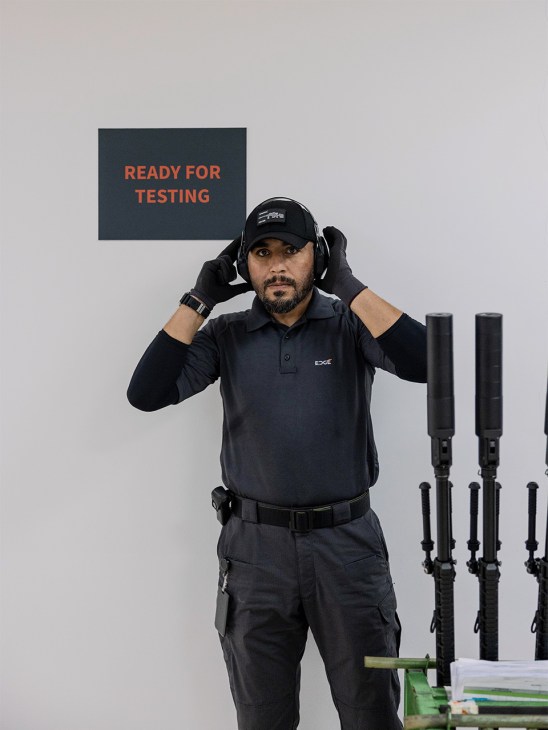
Today, Edge employs about 19,000 people around the world and operates more than 35 entities across several clusters: missiles and weapons, autonomous systems, space, cyber security, naval systems, electronic warfare, land vehicles and advanced manufacturing. Chambers describes the international push in commercial terms but the geopolitical implications are obvious. Edge has secured a €1bn contract to deliver three corvette-class naval vessels to Angola. It has established offices and industrial operations in Brazil and is expanding in Southeast Asia and Europe through acquisitions, partnerships and joint ventures.
Recent deals with Italian firm Leonardo, French aerospace company Safran, and a European joint venture with Indra, suggest that the group has wider ambitions. There’s a strong focus on countries in the Global South that are seeking systems that are more adaptable and cost-effective than those offered by traditional Western suppliers, says Chambers. Edge executives insist that their products are faster, more agile and less burdened by legacy infrastructure than those of established defence companies based in Europe or the US. Plus, since they were built in direct response to current threats, Edge believes that its systems are more relevant to today’s conflicts.
At Edge’s HQ in Abu Dhabi, a missile-themed chess set sits on a coffee table in Al Marar’s office. “This is a new addition,” he says. “It was gifted to me by the Ukrainians.” Days before our visit, Volodymyr Zelensky was in the UAE for talks with the Emirati leadership, including discussions around regional security and defence co-operation. The chessboard is a reminder that in today’s world, geopolitics and commerce are never far apart.
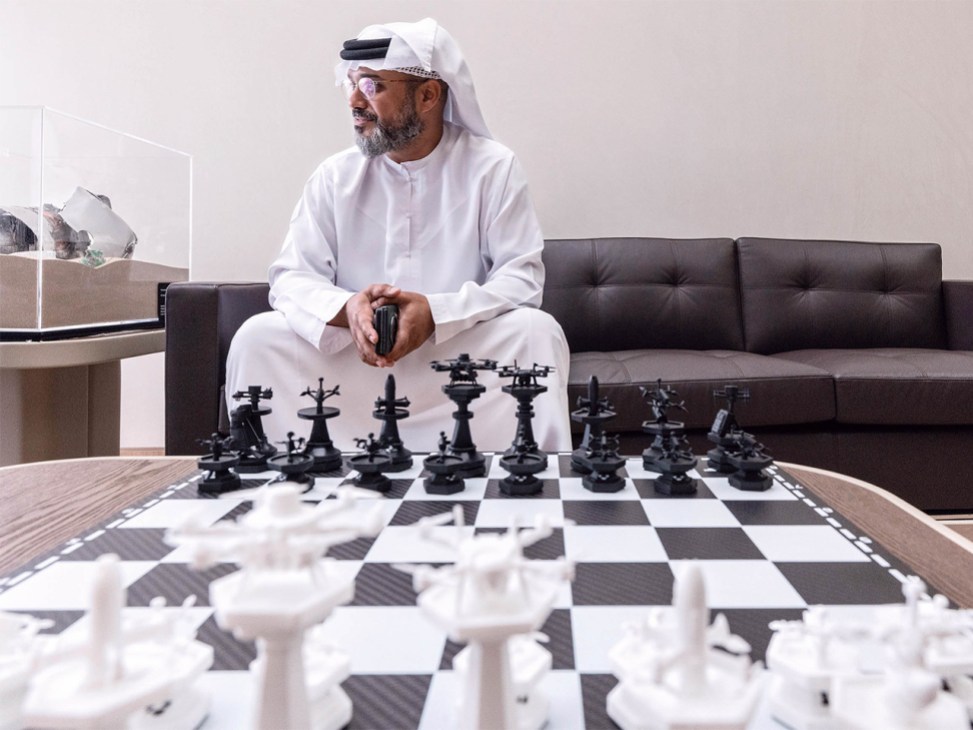
Dressed in a white kandura robe, Al Marar talks less like a corporate executive than a military officer. When we ask him whether the war has been a test of Edge’s relevance, he says, “Two-hundred per cent.” For decades, the UAE invested heavily in missiles, radar technology and defence systems, drawing criticism from those who saw such spending as excessive. Today those systems are helping to intercept incoming threats and protecting infrastructure, airspace and civilians. “People might say that we have allies,” adds Al Marar, leaning forward. “And, of course, they’re there. But at times like this, you get to see whether your investments were in the right place.”
Those alliances are evolving too. In early April, Anwar Gargash, the Emirati president’s diplomatic adviser, said that Iran’s aggression would “solidify” the role of the US in the region. Meanwhile, following the Abraham Accords, signed by Israel and several Arab nations including the UAE in 2020, Abu Dhabi has been deepening its intelligence and defence ties with Jerusalem. The result is an increasingly layered security strategy: traditional US military backing, expanding regional intelligence partnerships and, now, a growing domestic defence-industrial base.
Al Marar points to the speed at which Edge and the wider Emirati defence ecosystem responded when the US-Israeli conflict with Iran began. “No country can deploy to hundreds of sites in two days unless you have things ready, unless you are on the ground and unless you don’t need to wait for permission,” he says. Asked how it feels to see systems developed by his teams used in active defence operations on Emirati soil, he pauses. “As a father,” he says, “I would say that it has made all of the birthdays missed and the school events missed go away.” Al Marar has four children and says that he began working on the day that he got married. “You can’t run it like a business in times like these,” he says. “You open your stores. You supply. You work 24/7. You continue the fight.”
On a remote island about 100km from Abu Dhabi is a secure area known as X-Range. The island is one of Edge’s lesser-known but increasingly important assets: a vast, multi-domain testing and evaluation site where the group, the UAE military and international clients can trial systems across land, air and sea. Reached by boat, aircraft or a narrow causeway, the site spans some 350 sq km, with clear airspace above and open waters around, allowing everything from missile firings and drone swarm exercises to maritime autonomy tests and electronic warfare simulations.


In the past, much of the UAE’s military equipment had to be sent to Europe, the US or Turkey for testing, slowing development and creating dependence on foreign ranges. No longer. “The UAE has historically been a net importer of military capabilities,” says Harry Rose, the international business development and sales manager at Remaya, the Edge-owned operator of the site. “Now the UAE is moving into a much higher-fidelity defence manufacturing environment and naturally there’s a bigger demand for testing space to support the development of those products.” On any given day, says Rose, the island can host up to five test events: engineers subject missile components to extreme heat and vibration; drones are trialled in flight zones; video pilots are trained in mock villages. Along the shoreline, surface vessels conduct manned-unmanned teaming exercises, while on the live-fire ranges missiles are launched towards static and moving targets.
What makes X-Range particularly valuable is the efficiency that it allows. Rose says that simple test events can be booked within five days; at many Western facilities, it can take six to 12 months. This allows Edge and its clients to “test earlier, fail earlier and test more often”, adds Rose – shortening the journey from concept to deployment.
As the conflict with Tehran has continued, technologies have had to adapt in real time. Threats are changing, drone tactics are evolving and electronic warfare is intensifying. One of the systems being put through its paces when we visit is Edge’s Shadow fleet of loitering munitions and strike drones – systems that executives say have been used extensively to help intercept and eliminate incoming Iranian projectiles before they reach Emirati territory. According to government sources, the UAE military’s interception rate throughout the war has remained above 95 per cent, a figure that officials attribute to a layered defence network of radars, electro-optics, missiles and autonomous systems. On the runway, the aircraft are launched in quick succession, before climbing sharply into the Gulf sky and banking out over the water towards their targets. Designed to lurk over an area before striking, the Shadow systems are emblematic of the kind of low-cost, fast-deploying weapons reshaping modern warfare.
If missiles are the visible side, sensors represent the invisible. At Edge’s Electro-Optic Centre of Excellence (EOCE) labs in Abu Dhabi, Chaouki Kasmi, the group’s CTO and president of technologies and industrialisation, offers Monocle a look inside the systems that have become the first line of defence in this war. Dressed in an oversized brown suit, platform loafers and a baseball cap, he looks more like a creative director than a defence scientist. Kasmi oversees systems and technologies embedded in Edge’s products, from radars and radios to electro-optics and AI-enabled battlefield innovations. “This is your eyes,” he says, gesturing towards a radar system. “You can have the best weapons system but if you can’t see, there’s no point.” Radar handles long-range detection, while electro-optical systems confirm the target. Then the UAE’s Ministry of Defence can decide whether or not to engage.
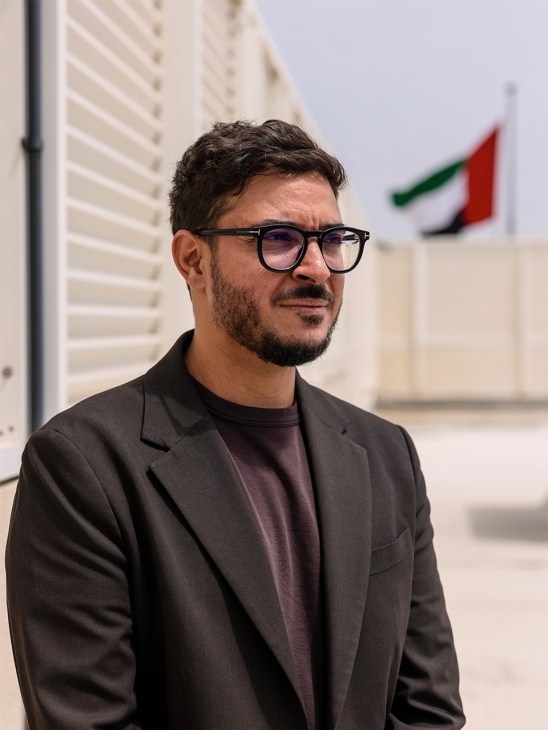
The next step might be the creation of an Iron Dome-style layered defence architecture tailored to the Gulf, one that combines long-range radar, electro-optics, interceptor missiles, electronic warfare and autonomous strike systems into a network that’s capable of neutralising incoming threats at multiple stages of flight. In recent weeks, that vision has moved closer to reality. According to reports, Israel has supplied elements of its Iron Dome system, a remarkable development given how sensitive and vital the technology is. The move underscores the growing depth of the Emirati-Israeli relationship.
Edge-owned Caracal, the UAE’s only small-arms manufacturer, is where steel meets shoulder. Former special-forces operators test rifles in live-fire bays before dispatch. Firearms made and tested here are used by German and Indian special forces, among others. These are what the company calls “mission-proven” products. At nearby Nimr, the UAE’s leading maker of armoured military vehicles, production lines have reportedly been adapted to prioritise urgent wartime requirements. “The UAE as an end user is very demanding,” says one manager. “It makes us step up our game.” A few kilometres away, at Abu Dhabi’s national shipyard, giant naval vessels sit at various stages of completion. Some are destined for export, others for Emirati forces.


For years, the UAE was a consumer of Western technology, whether in defence, aviation or infrastructure. Now it wants to be seen as a producer and exporter in its own right. The conflict has exposed another side of the country – one built less on glamour and more on infrastructure, energy and defence. “People saw the superficial side,” says Al Zaabi. “The big buildings, the nice economy. But what has become abundantly clear is that all of that is built on a very strong foundation.”
Edge in numbers
$5.06bn (€4.3bn): Edge’s revenue in fiscal year 2025.
70 per cent: Proportion of annual booked orders that are exported.
$20.4bn (€17.3bn): Current order backlog across Edge’s defence, aerospace and technology businesses.
170: Manufacturing and R&D facilities operated by Edge.
19,0001: Number of Edge employees worldwide, up from 2,600 at launch in 2019.
25: Edge’s joint ventures and strategic partnerships, including deals with Anduril Industries, Indra Sistemas and Fincantieri.
Treasure hunters: Seven industry specialists behind the art auction block
Are your walls looking a little bare? Is your furniture failing to elicit effusive praise from your dinner-party guests? Perhaps it’s time to refresh the objects with which you surround yourself. Whatever the scope or scale, collecting can be both intellectually and aesthetically satisfying. But where to start? Here, seven art and design aficionados share their perspectives on the current state of the market and what it takes to build a great collection – including where to source a megalodon.
1.
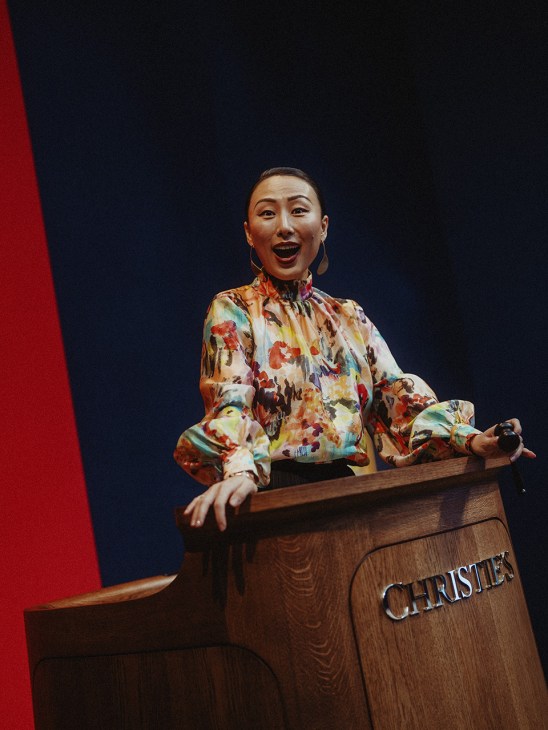
Yü-Ge Wang, the auctioneer on a bid to bring art collecting to a new generation
We speak to the woman holding the gavel at Christie’s auction house on the art of reading a room, and the thrills and spills of the auction world. Read the full story here.
2.
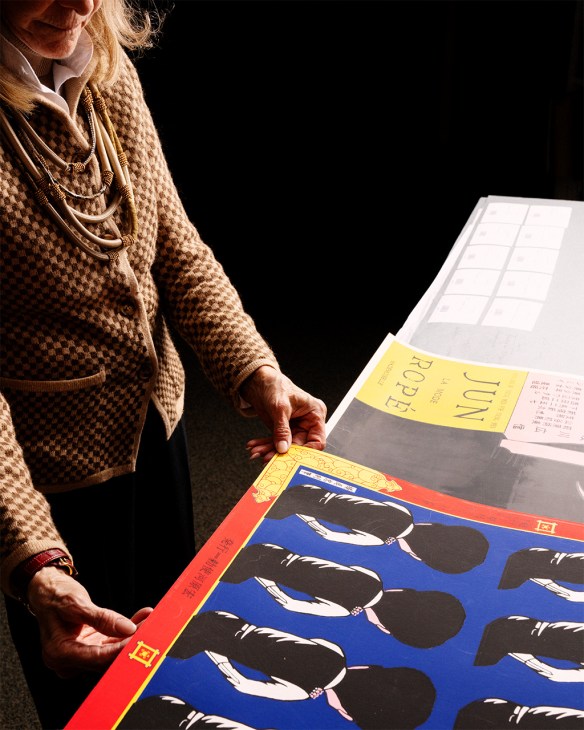
‘Posters are more than just images on paper.’ Susan Reinhold, the poster dealer elevating prints to fine-art status
After acquiring her first-ever vintage poster more than three decades ago, Reinhold has been on a mission to revamp the image of the printed medium. Read the full story here.
3.
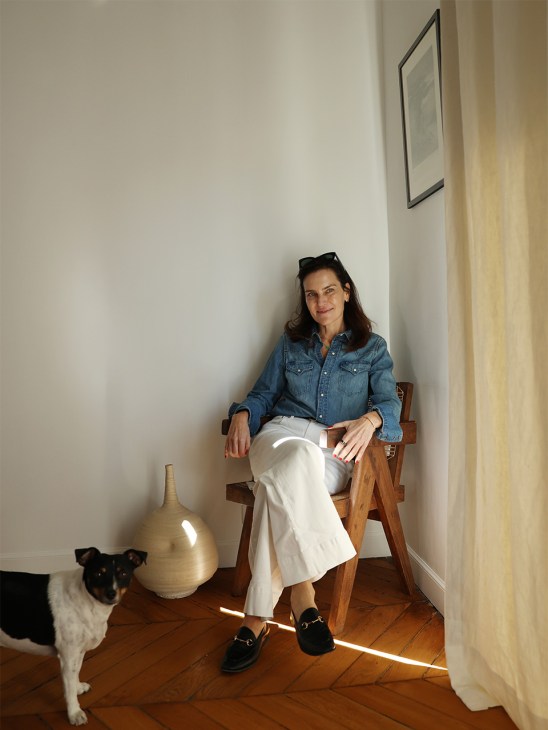
Thinking of starting your own art collection? Design Miami CEO Jen Roberts has some tips for you
The CEO behind the world’s premier collectable-design platform shares her insights on the future of the market, and collecting for the love of art rather than as an investment. Read the full story here.
4.
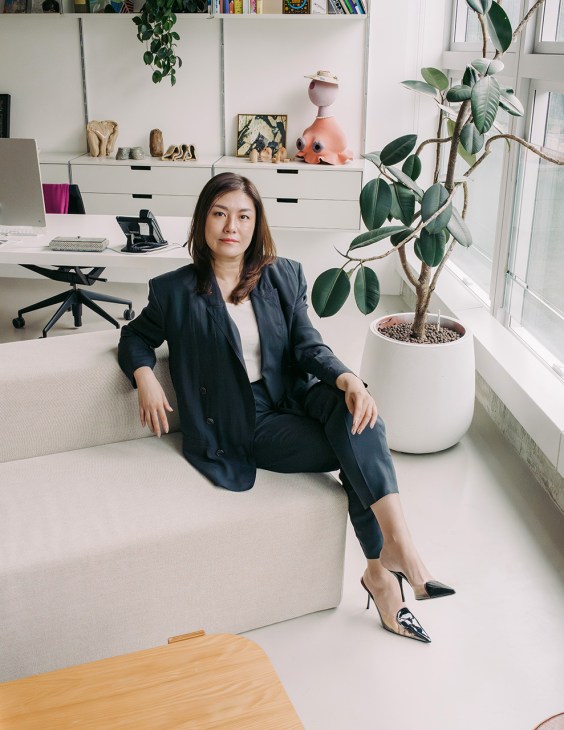
Art advisor Yuki Terase on how to build a great collection in the digital age
The powerhouse art advisor who set a new benchmark in the sale of contemporary Asian art at Sotheby’s outlines shifting trends in the art world and finding value in historical narratives. Read the full story here.
5.
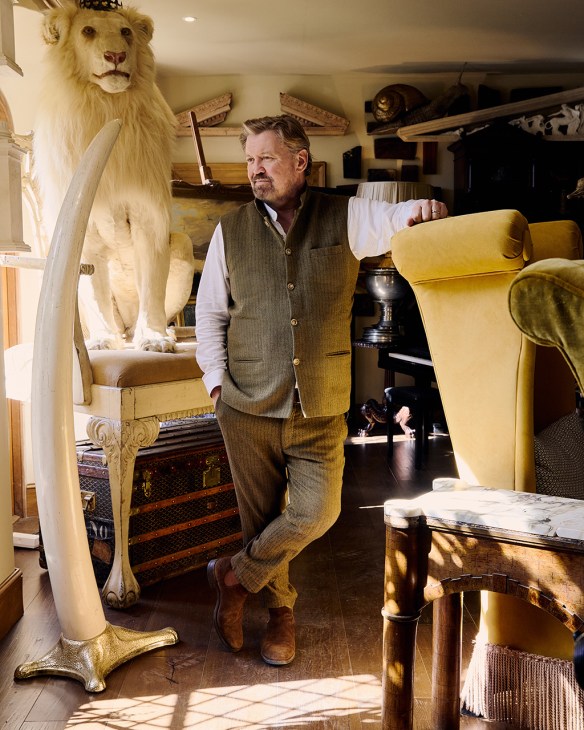
Antiquities collector James Perkins invites guests at Parnham Park to holiday among dinosaur fossils
The UK collector is restoring Dorset’s 16th-century manor house after a fire in 2017 destroyed the property, transforming it into a hospitality destination where ancient creatures take centre stage. Read the full story here.
6.
Anthony Gallery founder Easy Otabor on his cross-genre approach to collecting artwork
For the Chicago-based gallerist and collector, collecting is an act of ‘building bridges’ between creative disciplines – as well as artists and communities. Read the full story here.
7.
Collector by chance: How Pertti Männistö became one of the world’s most accomplished Alvar Aalto archivists
For the Finnish furniture collector, staying true to his interests and following his instincts was the key to amassing a collection even larger than Finland’s Alvar Aalto Museum. Read the full story here.
Collecting calendar
In cities from Copenhagen to Kanazawa, the coming months offer both seasoned and budding collectors unmissable opportunities to pick up their next great piece. Here’s our pick of the art fairs, design festivals and auctions that you should clear your diary for.
JUNE
Copenhagen
3daysofdesign
Northern Europe’s most significant design festival encourages collectors to take a thoughtful approach with this year’s motto, “Make this moment matter”. Cycle between venues, stopping off for the odd kanelsnegl, to make the most of all that Copenhagen has to offer.
3daysofdesign.dk
New York
Phillips Modern & Contemporary Art Auction
Phillips’s flagship contemporary sale is the prime hunting ground for postwar masters and fresh discoveries.
phillips.com
Basel
Art Basel
The original Art Basel event continues to be a central meeting point for the art world every June. As well as checking out almost 300 galleries, make time for satellite fairs Liste and Volta.
artbasel.com
JULY
Saint-Tropez
PAD Saint-Tropez
The French Riviera debut of pad design fair will fill Place des Lices with about 20 top galleries showcasing both historical and contemporary works.
padesignart.com
SEPTEMBER
Rio de Janeiro
ArtRio
The 16th edition of ArtRio offers a comprehensive introduction to the burgeoning Latin American art market.
artrio.com
OCTOBER
London
Frieze London & Frieze Masters
As autumn arrives, Frieze London and Frieze Masters will bring together contemporary artists, collectable objects and historic masterpieces.
frieze.com
Paris
Design Miami Paris
The French capital will be a key destination for collectors in autumn, when this fair – timed to overlap with Art Basel Paris – opens in L’hôtel de Maisons.
designmiami.com
NOVEMBER
Dubai
Dubai Design Week
The Middle East’s most important design event has a focus on installations and commissions from the region.
dubaidesignweek.ae
Lagos
ART x Lagos
Celebrating its 10th anniversary, West Africa’s buzziest art fair has a multidisciplinary programme spanning music, film, design, art and literature.
artxlagos.com
Kanazawa
Kogei Art Fair Kanazawa
The 10th edition of Japan’s only art fair dedicated to crafts gathers 42 galleries showing contemporary work from the country and beyond.
kogei-artfair.jp
Further reading:
The art of collecting, and why people do it
Art collecting in the age of artificial intelligence
The London art director collecting Earth’s rarest sculptures: Meteorites
‘We want to sell Mexico to Mexicans’: Why Mexico City’s fashion boutiques are celebrating native talent
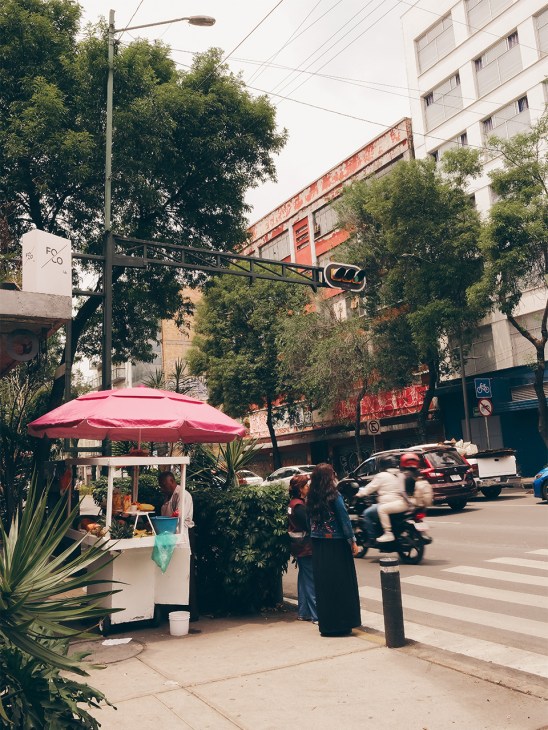
To reach the entrance of Xinú perfumes, a fragrance shop in Mexico City’s Juárez neighbourhood, you have to weave between other shoppers down a busy path flanked by plants. Inside the wood-and-glass building, crowds of customers spray their wrists, sample tester strips and marvel at the magnificent space, which was designed by Héctor Esrawe and Ignacio Cadena. A short walk away, a queue is beginning to form outside Lengua, one of the city’s new jewellery shops, opened in 2025 to spotlight the work of Latin American designers. Outside, two clients sit on a bench and patiently wait. And why not? It’s a beautiful Saturday morning, with the sun streaming through the trees.
Hugo Rosellón, the shop’s owner and jewellery designer, also has another outpost nearby. He tells Monocle how the city’s transformation has increased consumer appetite for Latin American brands. He leads us past Lengua’s glass boxes, which are filled with silver earrings and gold chains by designers such as Puerto Rican Hernán Herdez. He says that customers who would previously have spent $300 (€260) on jewellery are now buying pieces priced at $5,000 (€4,300) or more. “That’s why we decided to open this new place,” he adds.


Over the past decade, a wave of homegrown brands has emerged as Mexico City’s popularity as a destination has risen. “So many people are travelling here,” says Montserrat Messeguer, who launched her namesake brand in 2017, specialising in Western wear and high-end artisanal cowboy boots crafted in El Bajío, where they have historically been produced. “It has been a great opportunity to open shops adjacent to businesses serving food,” she adds, noting that most people who come to the city have traditionally been drawn here by its culinary and architectural appeal. Now, they’re coming for retail too. One of Messeguer’s three locations is just around the corner from popular seafood restaurant Contramar.
Visitors from the US and Europe venture to the residential neighbourhood of San Miguel Chapultepec, where Chava Studio’s flagship shop is located. Founded by US-born Olivia Villanti, Chava quickly built a global reputation for fitted shirts in neutral palettes, with extra-large cuffs and crispy cottons.
Villanti moved to Mexico City – her husband’s hometown – in 2020 and started out making shirts for herself using fabrics from Gilly e Hijos, a company run by her in-laws, and importing textiles from Europe’s best mills. When people began asking where she got her button-downs, she decided to expand her production. What began with seven made-to-order designs has since grown into a company with fully fledged tailoring collections for men and women, as well as a selection of shirts sold off the rack – a hit among her international clientele.


“People want to go home with something,” says Villanti. She worked with Sebastián Mancera of architectural practice Taller 3000 to renovate her new boutique, a calm oasis clad in wood panels. The boutique’s unfussy location also captures Chava and Villanti’s independent spirit, and has opened up opportunities for visitors to see the city in a new light. The quaint neighbourhood is dotted with contemporary galleries, plus the Casa Luis Barragán museum, as well as a series of new favourites such as Saint bakery and Comal Oculto, an antojería that’s ideal for post-shopping bites.
The new wave of creativity across the city is changing the way that residents shop too. “We used to overlook things that were made in Mexico,” says designer Patricio Campillo, who was a semi-finalist in the 2024 LVMH Prize, an annual award run by the luxury group to support emerging designers. Campillo has a shop in Juárez; he tells Monocle that foreign appreciation has inspired locals to embrace homegrown brands. This has allowed him to be more experimental with his designs, price his pieces more competitively and collaborate with artisans on more intricate techniques.


Meanwhile, the city’s creative revival is spurring story tellers of all kinds to spread the word about local designers and artisans. Jessica Ramírez, the director and co-founder of advisory firm The Consumer Collective, points to the power of podcasts. “A lot of Mexican ones have very strong followings,” she says, adding that much of South America looks to Mexico as an entry point to the rest of the world.
This is partly why global luxury houses are now following suit. WGSN’s Mexico City-based trend forecaster, Catalina Marin, says that, unlike more established places such as the US or China, Mexico City’s overall luxury market is still expected to grow by 5 per cent in the next five years. “We are seeing growth of the upper-middle class and new luxury consumers: younger shoppers entering the market earlier,” says Marin, pointing to the recent arrivals of labels such as Tiffany & Co and Carolina Herrera, both of which have leaned into localised marketing experiences. The latter created a special collection for the Mexican market at El Palacio de Hierro, one of the city’s best-known department stores.
“Hermès is creating visual merchandising with Mexican architects and designers,” adds Marin. “The approach is more localised.” In 2023, Cartier launched a major exhibition, Cartier Design: A Living Legacy, curated by Ana Elena Mallet and designed by architect Frida Escobedo, both from Mexico, at the Jumex Museum. Ramírez adds that the city has become a stop on film press tours too. “Netflix has been betting on Mexico City,” she says. “These things go hand in hand.”
On Avenida Presidente Masaryk, a street in Polanco lined with brands such as Max Mara and Hermès, there’s no shortage of people carrying designer bags. Local shops such as Lago and Ikal, which showcase Mexican designers alongside international names, have become go-to destinations too. One person helping to drive this integration is Karla Martínez de Salas, the editor in chief of Vogue México y Latinoamérica. “She has done a fantastic job with Mexico, highlighting the culture and putting it alongside international high-end brands,” adds Ramírez.


Marin notes that Latin American labels such as Carla Fernández are also becoming increasingly attractive because consumers want items that are unique. “Women from Central or South America are not necessarily going to New York any more – they want something that tells a story,” she says. Eduardo Dubost, Ikal’s owner, adds that he has been seeing a lot of brands from places such as Colombia and Argentina using Mexico as a gateway to the global luxury market. “The country has turned into a platform,” he adds.
Back in Juárez, the queues start to disperse, revealing a neat line-up of beautifully designed shopfronts. “We have realised that we have to elevate the retail experience if we want to optimise our sales,” says Campillo, who shares a space with local design brand Varon. At Lengua down the road, the design of the shop – a boxy space clad in red Talavera tiles – has become a reason to visit in itself. “It took eight months to finish,” says Rosellón, proud of the space that he designed. “This is an ode to sculpture and Mexican luxury,” he says, adding that it isn’t just a shop for big-spending travellers. “We want to sell Mexico to Mexicans.”
Mexico City address book
(Read our complete city guide here)
Shop:
Xinú Perfumes
Handcrafted perfumes celebrating the scents of the region.
Alejandro Dumas 161, Polanco 11560
Ikal
Best curation of local brands.
Avenida Presidente Masaryk 340A, Polanco 11550
Chava Studio
Made-to-order shirts spun from Italian fabrics.
General Francisco Ramírez 24, Ampliación Daniel Garza, 11840
Lengua Concept
Jewellery from some of the best designers in Latin America.
Jalapa 125, Roma Norte, Cuauhtémoc, 06700
Stay:
Maison Lezard
A cluster of bright rooms in a mansion house.
Ámsterdam 155, Colonia Condesa, Cuauhtémoc, 06100
Casa Tenue
A cosy hotel in the middle of the city, celebrating local craft.
Durango 75, Roma Norte, Cuauhtémoc, 06700
Eat and drink:
Ticuchi
Local cuisine meets zingy mezcal drinks.
Francisco Petrarca 254, Polanco, 11560
El Minutito
Start the day with an espresso and end it with a glass of wine at this art deco spot.
Londres 28, Juárez, Cuauhtémoc, 06600
Read Monocle’s complete travel guide to Mexico City, here.
Travel across L’Empordà, Spain – a coastline of storied hotels, seafront tables and surrealist heritage
Stretching from the town of Blanes, about 70km from Barcelona, all the way to the French border, the serrated coastline and plains of Spain’s l’Empordà region are etched into the Catalan identity. The Costa Brava is a place of confounding dualities: a hedonistic playground for the wealthy and a provincial outpost that clings conservatively to the past. It’s a region known for its fishing towns and farmland – but also for having been home to Catalonia’s most cosmopolitan souls, from writer Josep Pla to surrealist Salvador Dalí.
The Hostal de La Gavina in S’Agaró first put this part of Catalonia on the map – literally. The family that opened the hotel in 1932 also built the town. Though it has been updated over the years, there’s something unchanging here that offers comfort in a world in flux. From a long wall of arched windows, you can see slivers of the Med between fresh-trimmed foliage; grand bouquets perfume the air and a side table holds a jug of iced tea. Now run by the founder’s grandchildren, it’s a favourite among those who know this stretch of the Costa Brava.


While the region pioneered Spain’s modern tourism industry in the 1930s, it has surprisingly few international hotel chains. The villas among the coastal pines point to a different, more restrained approach to development – just the way the locals like it.
“More than a resort, we like to call it a mansion,” says Christian Kirschner, La Gavina’s sales and marketing manager, as he leads us into its network of dining salons, drawing rooms and terraces. “This is a good moment for La Gavina because the trend of design hotels seems to have run its course. People are looking to go back to their roots.”
La Gavina was envisaged as a “garden village” – a bold urban-planning project initiated in 1924 that eventually encompassed 160 additional villas in the surrounding hills. It reflected the idealism of businessman Josep Ensesa and architect Rafael Masó, and was an example of noucentisme – a more austere counterpart of Catalan modernism. The project was aimed at bourgeois barcelonins seeking solace outside the city. Almost a third of the 150,000 sq m space is dedicated to gardens, public squares and recreation grounds.
To help nurture the country’s nascent tourism industry, Ensesa commissioned artist Enric Moneny to create a series of expressive posters. Moneny’s whimsical campaigns perfectly capture Ensesa’s fantasy of an exclusive space, free of conflict, where summer feels eternal and high society comes to play. Civil war, however, sapped the hotel’s momentum and forced the family into exile. But by the 1940s, La Gavina had resumed its mission, hosting international tourism conferences as well as illustrious guests. Passing a wall of framed faces, Kirschner tells Monocle about the hotel’s Hollywood era. (We spot photos of Elizabeth Taylor, Ava Gardner and Orson Welles.)
We run into the hotel’s general manager, Joan Carles Casanovas, whose steady hand keeps it all running smoothly. “Hotels are never-ending stories and the backdrop to grand dramas,” he says. “Our job is to make things consistent.” He points to a desk designed by the hotel’s architect that was recently acquired at auction. Most of the furniture here is antique. The word “hostal” in the name has stubbornly been retained, even though its meaning has changed over the decades, leading to occasional confusion among new guests. “We have found ways to improve,” he says. “But we always protect the essence.”
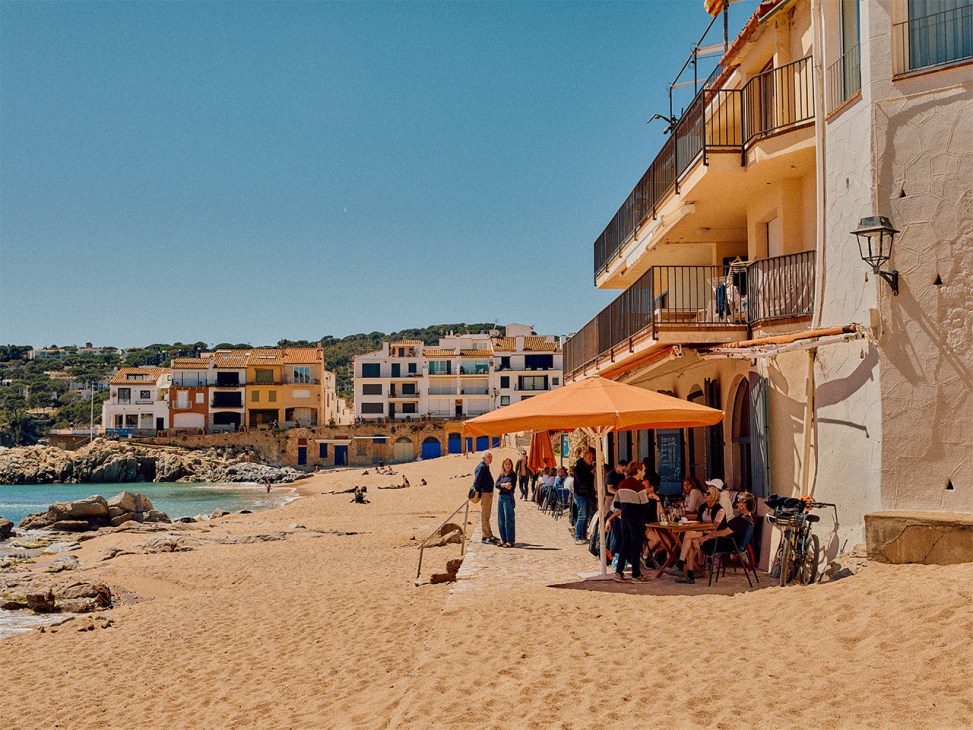
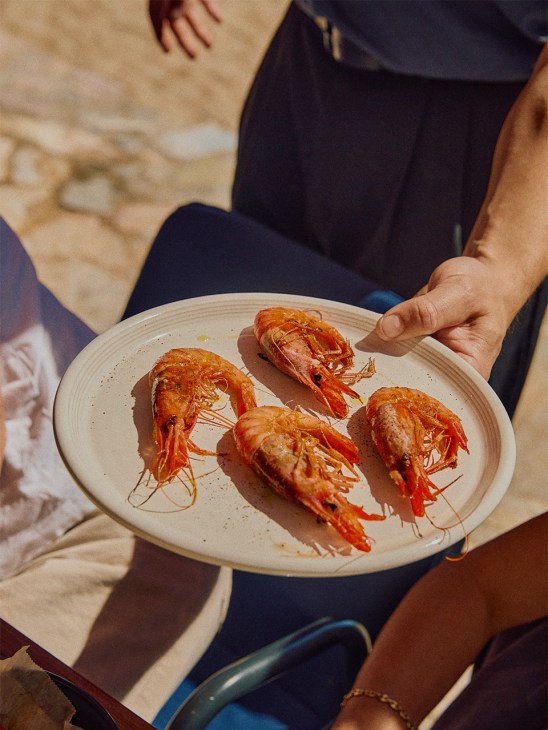
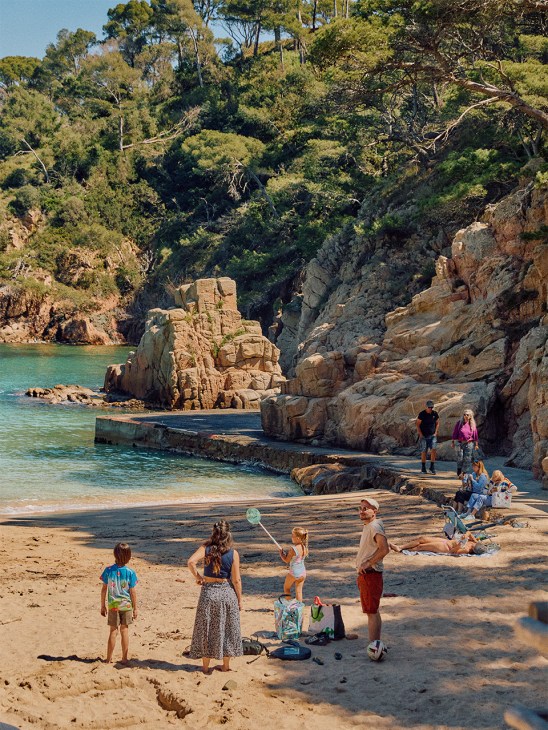
Further up the coast, a little after midday, the sun glints over the terrace tables of Tragamar restaurant. Calella de Palafrugell is a cove of soft-hued boat sheds. Over exquisitely presented tapas, restaurateur Tomás Taruella and his daughter, Gina, offer their take on a recent wave of successions. Tomás tells Monocle that he took over this seafront spot in 2024 from his sister, who had been serving the summer crowds since 1992. More recently, his company, Grupo Tragaluz, took over seafood restaurant Sa Marinada in the town of Sant Feliu de Guíxols following the retirement of its owner. “She saw us as a safe pair of hands because we saw value in preserving the existing ecosystem.” The same father-and-son duo who have long supplied its kitchen still catches fresh fish for it every morning.
The itinerary
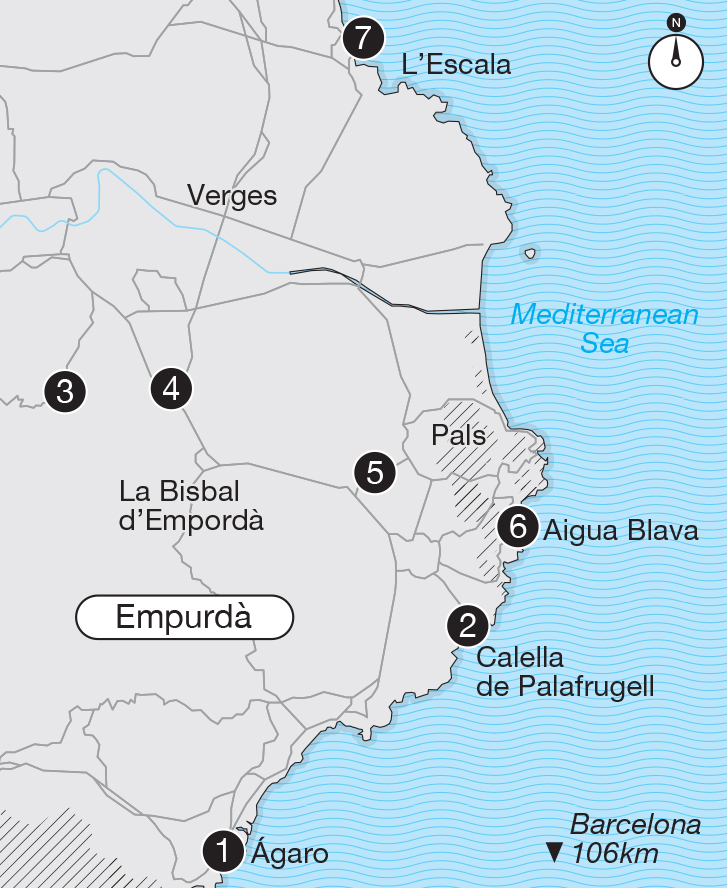
Day one:
1. Hostal de La Gavina, S’Agaró
Day two:
2. Tragamar restaurant, Calella de Palafrugell
3. Hotel Madremanya
Day three:
4. Palau de Casavells gallery
5. Mas de Torrent hotel
Day four:
6. Toc al Mar, Aiguablava
7. Hostal de Empúries
Having managed restaurants across Spain for 35 years, Taruella recently set his sights on a guesthouse. He discovered the 12-key Hotel Madremanya after meeting its owner, who wanted to retire. With only 280 residents, the surrounding village is one of many modest medieval clusters of stone, steeples and sentry towers, which dot the Gironese landscape. “I strive to respect each location and what came before,” says Taruella. “It’s more important for us to feel proud of what we do than just to do business for business’s sake.” Guests are encouraged to explore nature paths on foot or by bike; meanwhile, the hotel has a growing collection of crockery from neighbouring pottery workshop Ceràmiques Pantaleu. “The Costa Brava and l’Empordá have always attracted artists and intellectuals who aren’t here to consume but to contribute.”
Not all of the area’s historic mansions are for lodging. The town of Púbol, a 10-minute drive from Madremanya, is where Gala, Dalí’s muse, found refuge from the artist’s eccentricities. The castle-like residence is open to the public as the Castell Gala Dalí museum. Dalí’s acerbic nature wasn’t anomalous in the region. The unsparing Tramuntana winds, which sweep down from the mountains in the off-season, are said to be responsible for a brusque regional character prone to bouts of eccentricity. Laura Ballesteros, the manager of the Palau de Casavells, a contemporary-art gallery set inside a 16th-century estate home, says that this local disposition is also defined by curiosity and a love of dialogue. And, rather than musing about the future, many of the people here are fixated on connections with what came before.


The main building of Mas de Torrent, a hotel and spa, is surrounded by terracotta-tiled villas in the local vernacular. Showing us around its art collection, Susana Basols, the hotel’s director, recalls the time when a local business painted a prominent wall along the highway in a shade of yellow. Graffiti soon appeared, admonishing the owners to “respect l’Empordà’s landscape”. The wall was repainted in a more respectful green. “There’s a collective desire to preserve things,” says Basols.
The following morning, we’re in the lobby of Hostal Empúries, which opened in 1907 as a beachfront villa to host archaeologists arriving to comb through the neighbouring ancient ruins. It now offers 54 guest rooms. Joggers, cyclists and dog-walkers stream up and down the esplanade trail with jagged rock formations on each side of the narrow cove.
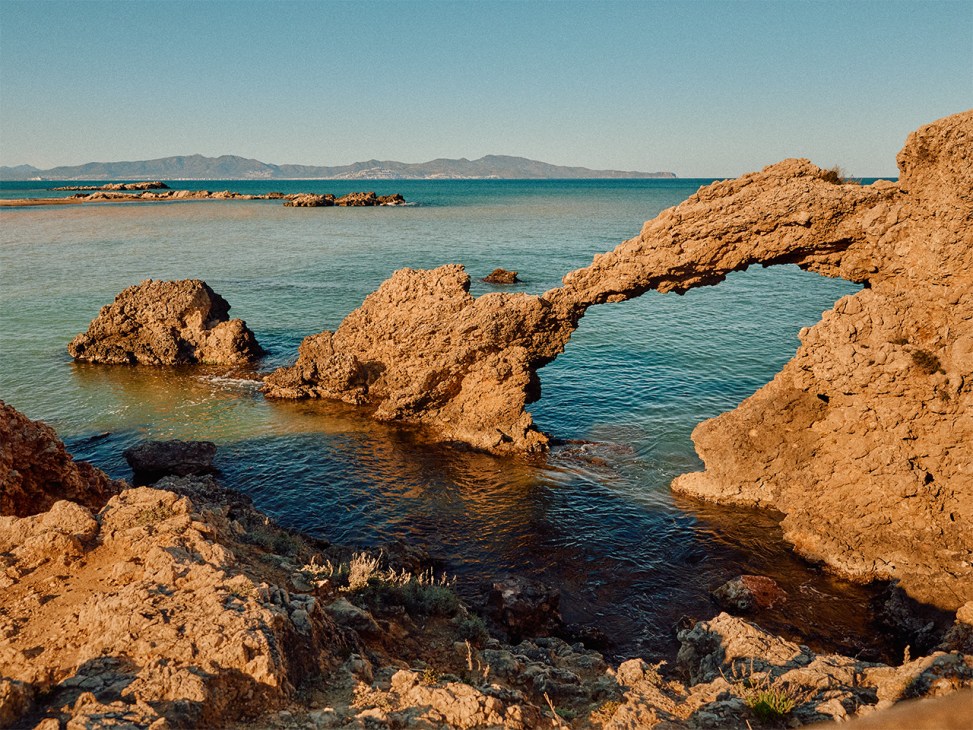
Costa Brava means “Wild Coastline”. The name was coined in 1908 by journalist Ferran Agulló i Vidal but was only officially adopted in the 1960s to attract new visitors to the untamed region. Dalí went a step further, talking about the coastline’s “geological delirium” and how the spectacle of its drama had the power to calm the spectator. Pla’s musings about this stretch of coastline – endlessly paraphrased – talked of the sea’s “innumerable smile” and “air of floating fantasy”. Today much has changed but more has stayed the same. This Catalan outcrop is at once conservative, outward-looking and avant garde, and all the better for it.
Address book: Where to visit in L’Emporda
1.
Hostal de La Gavina, S’Agaró
This 77-room hotel played a prominent part in transforming the Costa Brava into a mecca on the Med. Many of its staff have been welcoming guests for over a decade. Its padel courts date back to the 1990s and the saltwater pool has views looking out at the bay. The hotel also owns La Taverna del Mat, a restaurant on the S’Agaró beach, which was refreshed in 2013.
lagavina.com
2.
Tragamar, Calella de Palafrugell
Platja de Canadell’s seafood restaurant is known for hosting long meals for locals, visitors and musicians. No one will hurry you off a table here – it’s just not their way.
grupotragaluz.com
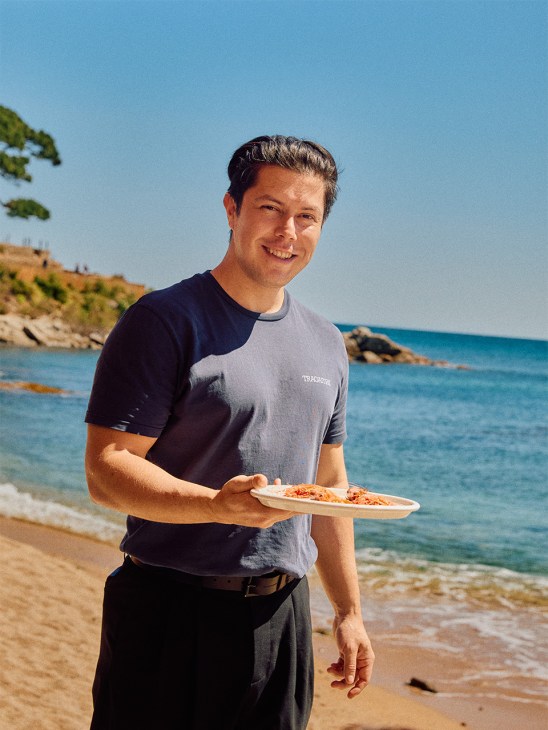
3.
Hotel Madremanya, Empordà
Surrounded by rolling hills, fields and cycle paths, the unspoiled medieval village of Madremanya is a labyrinth of narrow streets. This hotel, which reopened in May, is a personal project of Tomás Tarruella and his wife, photographer Paula Ospina, reimagined by Taruella’s longtime collaborator Eduard Aruga. Its uncluttered interiors capture the best of Catalan art and design.
hotelmadremanya.com
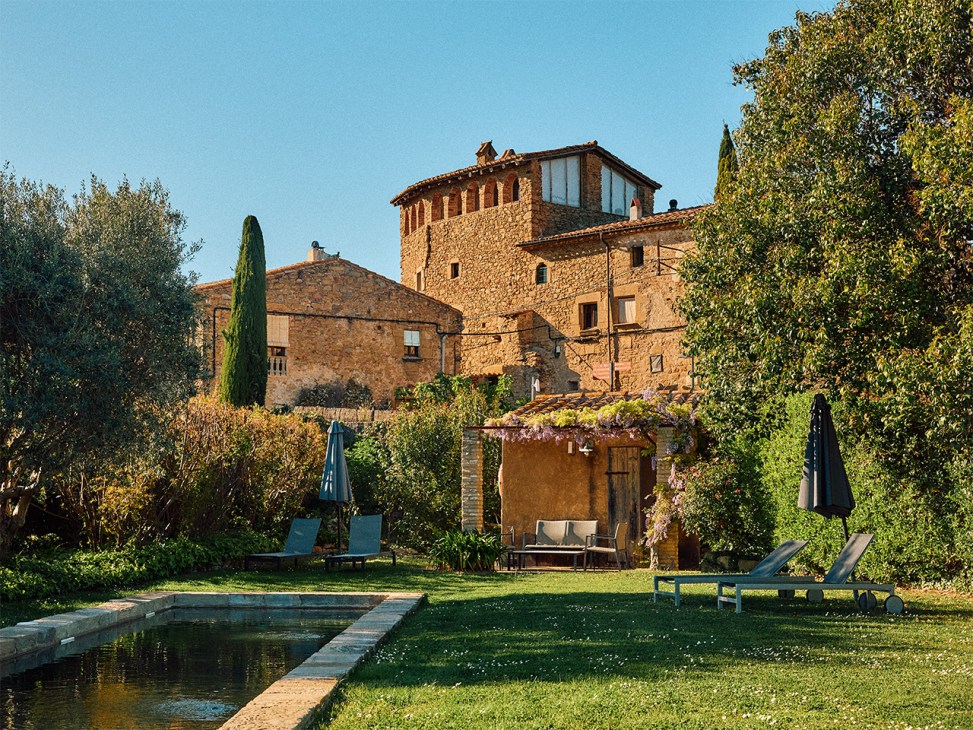
4.
Palau de Casavells, Empordà
Holding bold contemporary-art exhibitions in a rustic 16th-century building, Palau de Casavells embodies the region’s cultural identity: anchored to the past but committed to creativity and dialogue. The institution, which is part of the Barcelona-founded Alzueta Gallery, has become an increasingly active, experimental and confident part of the Empordà art scene.
alzuetagallery.com
5.
Mas de Torrent, Empordà
This 39-key hotel in a former family masia became part of Spain’s Único portfolio in 2019. Its owner, Pau Guardans i Cambò, houses his collection of muralist Josep María Sert’s Catalan Evocations series here. Chef Eugeni de Diego is an alumnus of El Bulli and the expansive spa includes an indoor pool. Afternoon teas are hosted in the lounge to encourage conversation among guests.
unicohotels.com
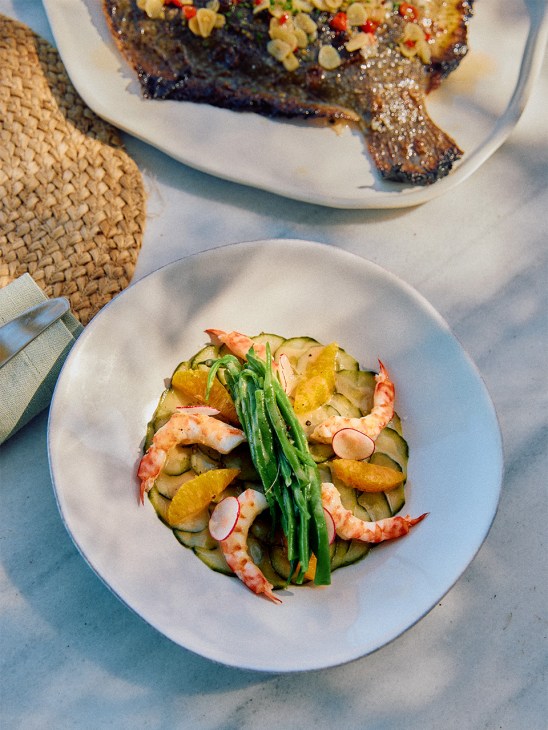
6.
Toc Al Mar, North Aiguablava
Beloved for its oakwood grill, this chiringuito-style restaurant above the sands of Aiguablava has been helmed since 2011 by couple Santi Colominas and Sandra Baliarda, together with Ruel Rodeles. Here, you can tuck into a lunch of grilled mussels, a savoury requit de drap (ricotta and anchovies) and the house “noodle paella”, known as fideua.
tocalmar.cat
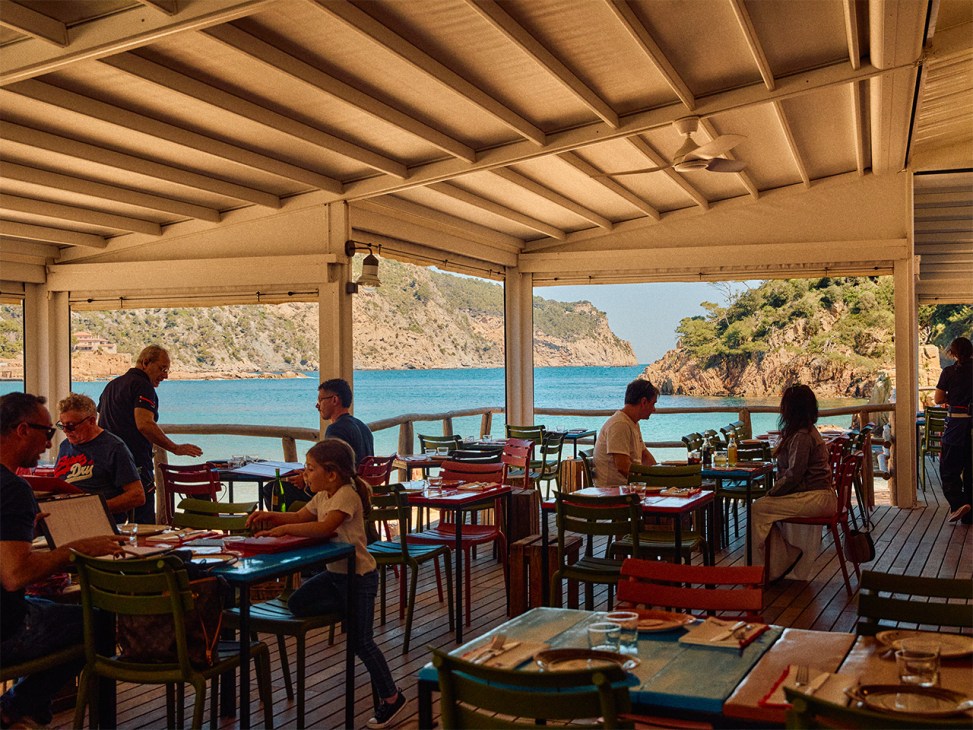
7.
Hostal Empúries, Alt Empordà
The ancient Greeks were onto something when they built the settlement of Empòrion on this stretch of coastline. Hostal Empúries embraces the straight and simple forms of Spanish colonial style. Come for coastal walks and to take advantage of the cycling paths on the hotel’s sea front.
hostalempuries.com
Kristen Michal, the Estonian leader at the sharp edge of Nato
From his office on Tallinn’s Toompea Hill, Estonia’s prime minister, Kristen Michal, can see the city’s picturesque Old Town. A millennium ago, a fortress was established on this hill to protect the city from invaders. In this respect, not much has changed for today’s occupants of the neoclassical Stenbock House, the official seat of the Estonian government.
Wearing a blue suit with a sinilill-flower lapel pin to mark his support for his country’s veterans, the 50-year-old Michal greets Monocle in one of the 18th-century building’s stately rooms. Like most of his predecessors since independence, the prime minister is one of Europe’s most hawkish voices on Russia. From his country’s perspective, this stance has been successful, so much so that some speak of the “Estonification” of European foreign and security policy. Michal assumed office in 2024, succeeding Kaja Kallas, who went to Brussels to serve as the EU’s chief diplomat. He leads a country of just 1.3 million people that spends 5.4 per cent of its GDP on defence, the highest proportion in Nato.
For all of its rhetorical strength, however, Tallinn cannot defend itself alone. It relies heavily on Nato and the US security umbrella. But the weather in Washington is changing. In Estonia, uncertainty about a diminished US role in Europe’s defence is taken seriously but without pessimism. “Politically, messages from Washington vary,” says Michal. “But the core message is clear: Europe should contribute more to its own security.”
In Tallinn, this sentiment has been hurriedly translated into policy. At Nato’s summit in The Hague last year, the alliance set a new defence-spending benchmark of 5 per cent of GDP by 2035. Estonia and Lithuania are currently the only member states on course to exceed that, a decade early, with Michal’s government directing additional funds towards ammunition stockpiles, air defence and infrastructure.
Meanwhile, the US announced in April that it would halt arms exports to a handful of European countries, including Estonia, as a result of the Iran war, which has severely depleted its missile and interceptor stockpiles. “The reasons are understandable, given US involvement in other conflicts,” says Michal. Despite that measured tone, the US decision is a significant setback, especially given Estonia’s recent $4.7bn (€4bn) commitment to buy American arms – a deal that was largely viewed as an attempt to win over Donald Trump’s White House. Critics point out that understanding the US position does little to fill the gaps in Estonia’s battery lines. It would be difficult to raise similar levels of funding for a replacement deal and it’s unclear what could succeed certain American-made systems such as the HIMARS launchers and Javelin anti-tank weapons that have been so effective at halting Russia’s advance in Ukraine – or whether Washington would take kindly to the Baltic nation taking its business elsewhere.
When it comes to the US’s evolving relationship with Europe, Michal is cautious. “In the future – whether it’s in 10, 20 or 50 years’ time – there will be a realignment of forces and Europe will do more of the burden bearing,” he says. He adds that Nato remains steadfast in its commitment to Baltic defence. “During my time in office, we have seen multiple security incidents involving Russia,” he adds. “We co-ordinated with Nato leadership and Nato ships now protect vital Estonian infrastructure. We have also experienced Russian aircraft entering our airspace and Nato jets have responded. On the operational side, the alliance’s military reaction has been prompt and effective.” Amid these uncertainties, Estonia’s advocacy within the alliance continues. Tallinn has long called for more Nato boots on Baltic ground. At the alliance’s 2022 Madrid summit, a few months after Russia’s full-scale invasion of Ukraine, leaders agreed to move from “deterrence by tripwire” to “deterrence by denial”, an approach that aims to defend territory immediately rather than retake it later. There are now about 10,000 foreign Nato troops stationed in the three Baltic states (though the number varies as deployments are rotational). Michal is keen for more concrete pledges from allies. “We require investments to match the defence plans,” he says. “Looking ahead, we need more protection against new risks: radars, anti-drone systems and capabilities to counter low-altitude threats.”
The prime minister insists that Europe must also plug a gap in defence manufacturing. “With an economy the size of Italy’s, Russia can outproduce Europe militarily,” he says. “That is not acceptable.” The EU’s defence production still lags behind Russia’s in key areas such as artillery and drones, despite its vastly larger economic base. Still, Michal is optimistic that European nations will scale up, with Ukraine playing a role in shaping that effort and the recent launch of the €800bn Rearm Europe Plan/Readiness 2030 providing the capital. Nonetheless, European production remains hamstrung by peacetime regulations and a focus on building a small number of hi-tech, expensive platforms, rather than simpler, high-volume weapons, such as drones, that have come to define 21st-century conflict.
Michal meets Monocle a day after an EU leaders’ summit in Cyprus, during which he called for the bloc to tax Russian imports to fund Ukraine’s reconstruction. Having lived through Soviet occupation, he is hard-nosed about what he calls Moscow’s “imperial aspirations”. The same, he adds, cannot be said for some of his European counterparts. “There are still people who romanticise Russia and think that you can have dialogue with criminals.” Geography, says Michal, still clouds the judgement of many in western and southern Europe.
Cyberattacks are a key concern. Estonia is one of the world’s most digitally advanced societies, where more than 99 per cent of public services are available online. But this technological strength is also a weakness, providing a centralised target for Russian “grey zone” operations. In 2024 there were 10,185 cyber incidents – a record number – that were countered by the authorities. “Estonia has been dealing with sustained digital attacks from Russia for almost two decades,” says Michal. “The proximity to the threat should no longer be measured in kilometres.”
Security debates in Estonia often circle back to Narva, a border city in which about 85 per cent of residents are Russian speakers. Michal pushes back against the notion that they pose a risk. “More than 80 per cent of Russian speakers living in Estonia identify themselves with Estonia,” he says. “In fact, support for Nato and Ukraine among the Russian-speaking community has increased since 2022.” Recent surveys support this, though integration remains uneven, particularly among older residents. “The most important elements [for keeping this group on side] are educational reform and support for independent Russian-language media,” says the prime minister.
As with Kallas, despite his prominence abroad, Michal faces a more complicated picture at home. His personal approval ratings hover at about 10 per cent and support for his Estonian Reform Party has fallen sharply, from 31 per cent at the last general election to about 13 per cent in recent polls. Discontent is focused on the country’s economy. Defence spending at current levels leaves less room for social spending, while austerity measures introduced by his government have hit public services and disposable incomes. Inflation, which peaked at more than 20 per cent in 2022, has eased but economic growth has been almost non-existent in recent years.
Michal acknowledges the pressure. He has scrapped plans for an income-tax hike and introduced tax breaks for wage earners. This is having some effect, with a modest economic recovery predicted for 2026. “After difficult years, growth is returning,” he says.
The longer-term challenges, however, are harder to resolve. As with much of Europe, Estonia faces an ageing population and declining birth rates. “Young people need housing and a sense of security,” says Michal. “This is something that we must work on.” He speaks with the sober restraint that is characteristic of the country’s political class. “In Estonia, it is not customary to be optimistic,” he adds. Toompea Hill stands as a monument to such realism.
Key moments in Estonian history
1987: In the “Singing Revolution”, concerts featuring folk and national songs became a key form of protest against Soviet rule.
1991: Some 78 per cent of Estonians voted to exit the Soviet Union in a referendum.
1994: On 31 August, the last Russian troops left Estonia.
2004: On 29 March, Estonia joined Nato alongside the other Baltic nations, as well as former Eastern Bloc countries such as Romania and Bulgaria. In May that year, it also joined the EU.
2007: Riots broke out in the Estonian capital and other cities following the decision to remove a statue honouring Soviet soldiers from central Tallinn. This was followed by a series of cyberattacks on Estonia’s digital infrastructure.
2021: Kaja Kallas became Estonia’s first female prime minister. In 2024, she stepped down to serve as the EU’s high representative for foreign affairs.
Kristen Michal’s CV
1975: Born in Tallinn
1996: Joins the Estonian Reform Party
2002: Appointed as adviser to the then prime minister, Siim Kallas
2003: Becomes the secretary general of the Estonian Reform Party
2011: Appointed as minister of justice
2015: Chosen as minister of economic affairs and infrastructure
2023: Becomes the country’s minister of climate
2024: Takes office as prime minister of Estonia
Japan’s resort industry hits new heights at Nagano’s Karuizawa T-Site
About an hour from Tokyo by bullet train, Karuizawa in Nagano prefecture is a popular weekend spot among residents of the Japanese capital. Visitors come to ski in the winter and enjoy the cooler weather in summer. Imperial connections and distinctive timber architecture have long added to the mountain resort town’s genteel appeal, and architects have made their mark with striking second homes for wealthy city dwellers. People have been flocking here for good food and drink too; Nagano prefecture is well known for its excellent produce and wines.


Now the town has a buzzing new destination. A collaboration between property giant Mitsubishi Estate and the operators of bookshop chain Tsutaya, Karuizawa T-Site is a place to eat, drink and relax, with six buildings, 17 shops and an exit straight from the station. Among its highlights are Shozo Coffee from Tochigi prefecture, natural-wine retailer Avin Stand and a shop celebrating Château Mercian – one of Japan’s oldest wineries, founded in 1877 – with a tasting counter and a line-up of 30 wines. Also look out for Waza Mart, a convenience store that stocks organic brands and local products, and broth shop Dashi Okume, beloved of chefs, which has been in business since 1871.
The development’s restaurants include Sushiya Ono and Osobar, known for its buckwheat soba noodles (a Nagano favourite). You can take a break in the shared lounge, where an hourly or daily fee grants you access to a quiet corner to read and a library of books on art, design and travel.
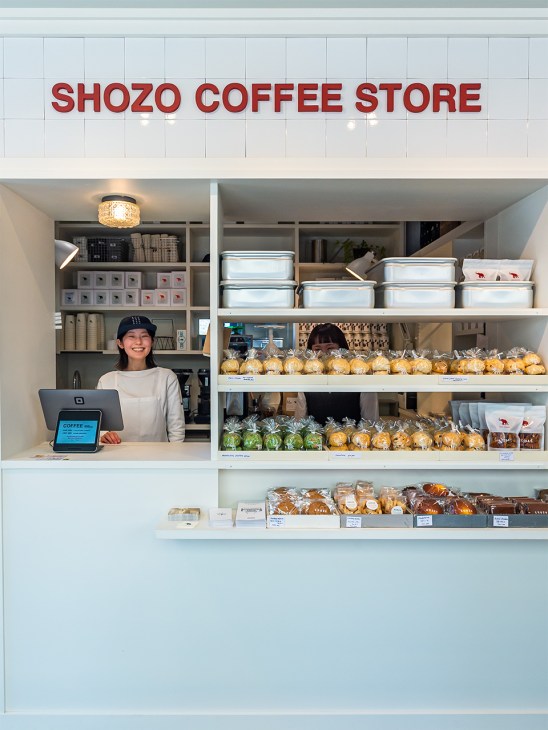
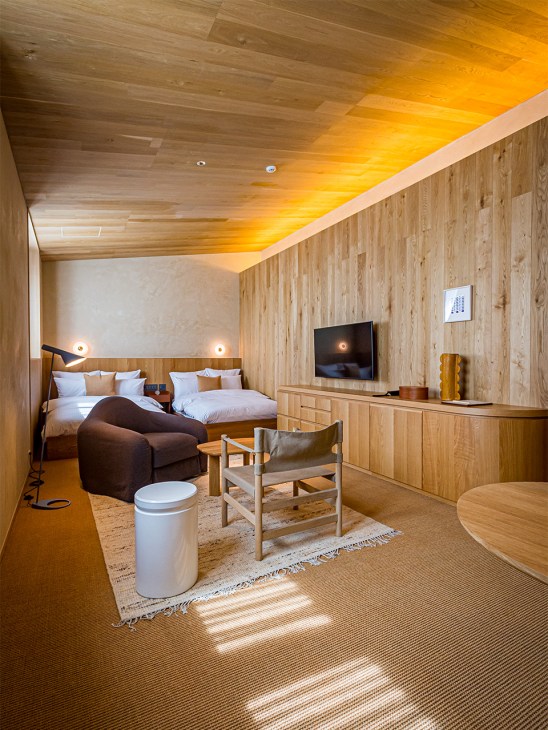
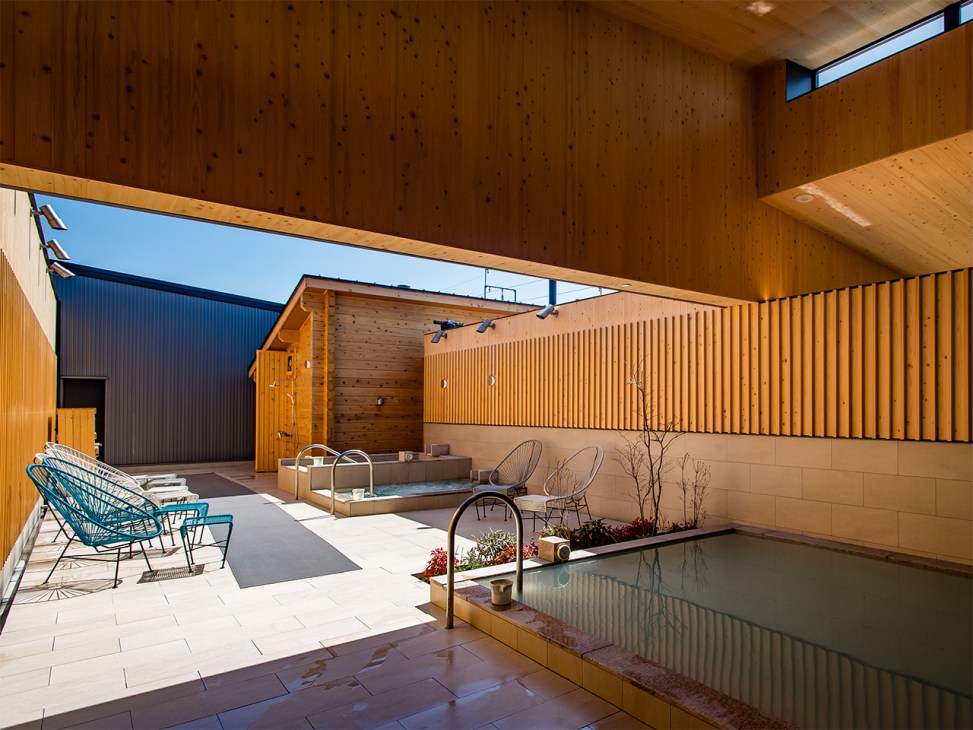
The facility also includes the Aquaignis Garden Spa, with hot-spring baths for a revitalising dip and two different types of sauna. It has immaculate changing rooms and showers, and makes for a relaxing place to recharge after skiing. Private tatami-floored rooms offer a secluded place for a post-soak snooze and there are plenty of books and drinks on offer. Shinichiro Nakahara, the creative design officer of The Conran Shop in Japan, has overseen key parts of Karuizawa T-Site’s creative direction, notably the spa and the elegant nine-room hotel, Hacienda Karuizawa. Both are under the direction of Aquaignis, operators of resorts that focus on towns and villages. The hotel’s rooms are spacious and the entire building is filled with tastefully selected furniture and vintage pieces. The on-site library is stocked with mountain-themed titles, while the wooden-floored, natural-light-filled lobby is a showstopper. Make sure that you order the room-service breakfast, which is packed with Nagano vegetables. If you want a quick weekend getaway from the bustle of Tokyo, just hop on a train on a Friday night, check in and wake up amid Karuizawa’s fresh air.
store.tsite.jp
Address book:
1.
Hacienda Karuizawa
Modern lodge with nine timber-clad rooms, hand-picked furniture and a roaring log fire in the lobby.
2.
Shozo Coffee Store
The coffee is good but so too are the scones. Go for the white chocolate and cranberry.
3.
Dashi Okume
Pick up some dashi broth, the cornerstone of Japanese cooking, at this shop and restaurant.
4.
Kasa-an Sanpi Ryoron
Nagano ingredients put together for an omakase meal by chef Masahiro Kasahara. Don’t miss the Japanese breakfasts.
5.
Avin Stand Karuizawa
Pop into this natural-wine specialist for a glass of French pinot noir.