The Monocle Design Awards 2026: All 25 winners
From sleek Italian furniture and Danish trade schools to Thai pocket parks and Namibian bikes, the following 25 people, products and places have made it onto the podium for Monocle’s annual Design Awards.
1.
Best landscape and construction
Robert Plumb Collective with Dangar Barin Smith
Australia
Landscape design is only as good as its delivery. By keeping the process in-house, this collective has been creating some of Australia’s best residential and commercial spaces.
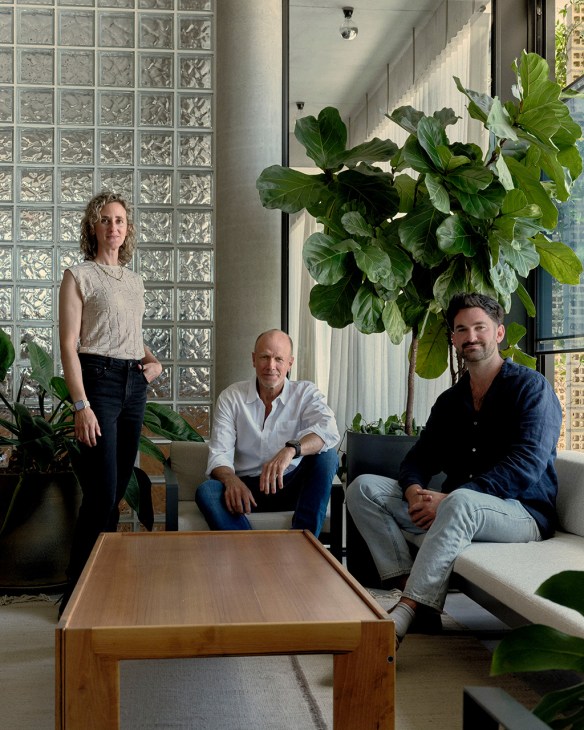
“Dangar Barin Smith started as a lawnmowing business in the 1990s and evolved into a creative practice,” says Will Dangar. “Then Robert Plumb was just sort of tacked on.” Dangar is explaining the evolution of landscape and contracting group Robert Plumb Collective, which he established and co-owns with Bill Clifton. “I was making furniture and doing some installing for Will,” adds the latter. “We had the same accountant, who said that it would be a good idea to team up.” [Read more]
2.
Best headquarters
Lombard Odier
Switzerland

This Swiss bank’s striking new digs prove that, at its best, corporate architecture can reflect the values of a brand, while enhancing the quality of life of its employees and clients.
An outstanding headquarters should make a statement – which is exactly what Lombard Odier’s new outpost on the shores of Lake Geneva does. “Is this what you think of when you picture a Swiss bank?” asks Hubert Keller. The senior managing partner poses the question while showing Monocle around his firm’s new digs. The arrival experience, for both staff and clients, feels more like pulling into the porte-cochere of a luxury hotel than entering the offices of one of Switzerland’s leading wealth- and asset-management firms. “It’s more than a building,” adds Keller. “It represents who we are today.” [Read more]
3.
Best in audio
Turntable PP-1 by Waiting for Ideas
France
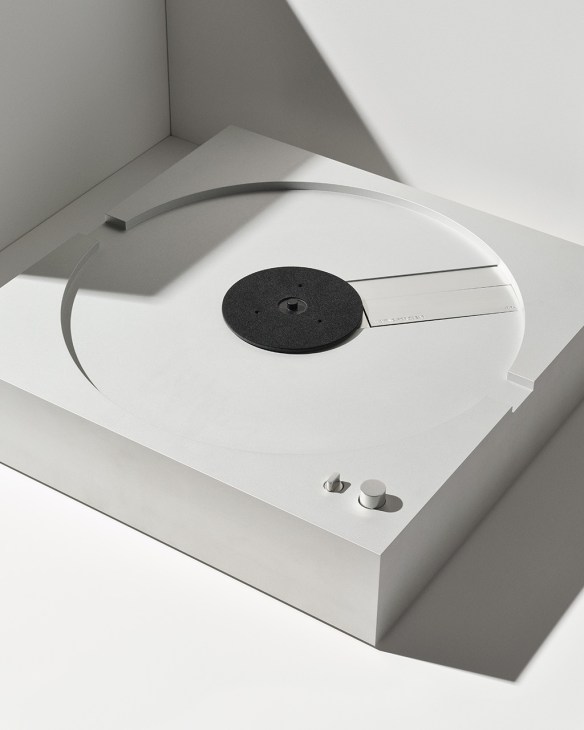
This sleek aluminium turntable combines analogue ritual with digital convenience to deliver the best of both worlds.
Paris-based studio Waiting for Ideas created the pp-1 record player to eliminate fiddly settings and the conventional version’s cumbersome tonearm. Its two discreet dials – one to set the rpm speed and another to pause, play, skip and adjust the volume – strip the listening experience back to its essence.
“PP stands for ‘Plug and Play’,” says Jean-Baptiste Anotin, the founder of Waiting for Ideas. “The goal was to create a product as seamless and intuitive as a music app while preserving the quality and ritual of vinyl.” [Read more]
4.
Leading creative director
Pierre-Alexis Guinet
France
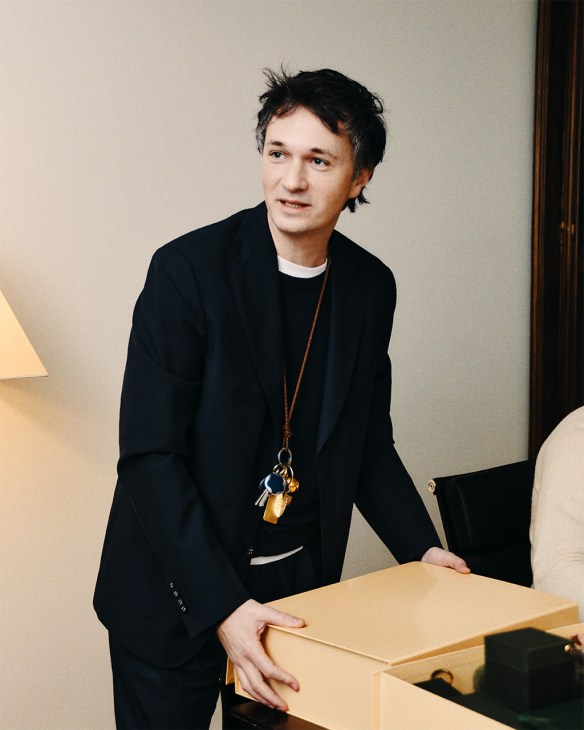
Good creative directors can deliver snappy new logos but great ones – like Guinet – can help brands both tell and understand their own story.
After initial meetings, clients of Paris-based studio Pierre-Alexis Guinet – which works on projects ranging from visual identities to refreshed packaging – are handed a magazine-style book. The bespoke publication is filled with visual references from snippets of historical archives and auction catalogues to travel snaps and screenshots from the internet. “It’s our bible,” Guinet tells Monocle from his studio in Île Saint-Louis. “It outlines the story that we aim to tell.” [Read more]
5.
Best trade school
Håndvaerkskollegiet Herning
Denmark
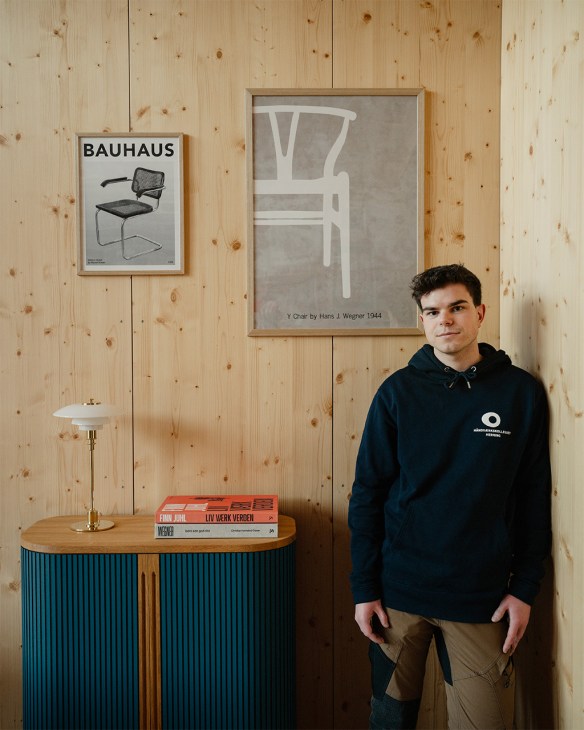
A hall of residence built to inspire trainee tradespeople is working to plug Denmark’s skills gap by encouraging an exchange of ideas and expertise.
Like many nations, Denmark is in desperate need of tradespeople: plumbers, builders, roofers, carpenters, electricians and skilled manual workers, known in the Nordic country as håndvaerker. This dearth makes the recent opening of Håndvaerkskollegiet, a hall of residence for trainees in such fields, particularly welcome.
“Part of the purpose of this building is to persuade young people to pursue a skilled-worker education,” its principal, Flemming Moestrup, tells Monocle from the new campus in the small town of Herning on the Jutland peninsula. [Read more]
6.
Best in lighting
Bothi
The Netherlands
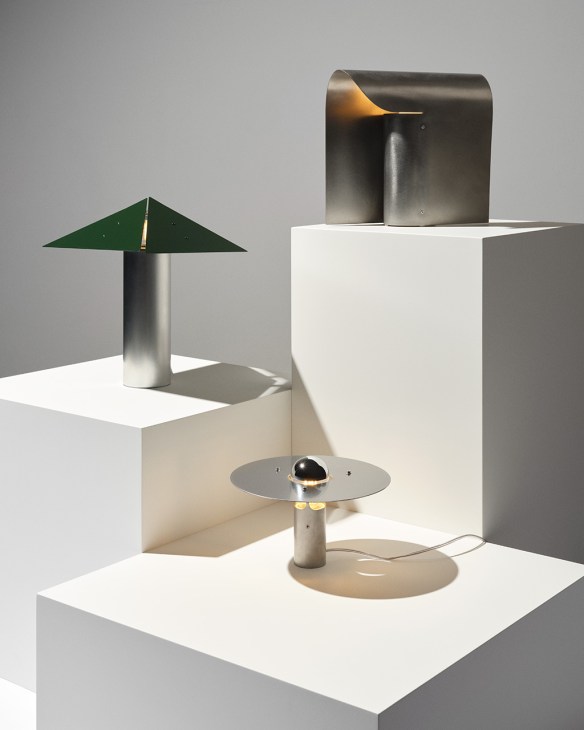
Bothi’s lighting strikes a delicate balance between physical form and intangible illumination.
Founded in 2025 by Ollee Means, Amsterdam-based design brand Bothi is fast emerging as a name to know, thanks to its confident approach to simple, enduring design. Lights in its collection are designed to emit a soft glow and quietly hold their presence in a room. “Creating a lamp is creating atmosphere, which I find intriguing,” says Means. “Light is quiet but decisive.” [Read more]
7.
Best design imprint
Monade
Portugal
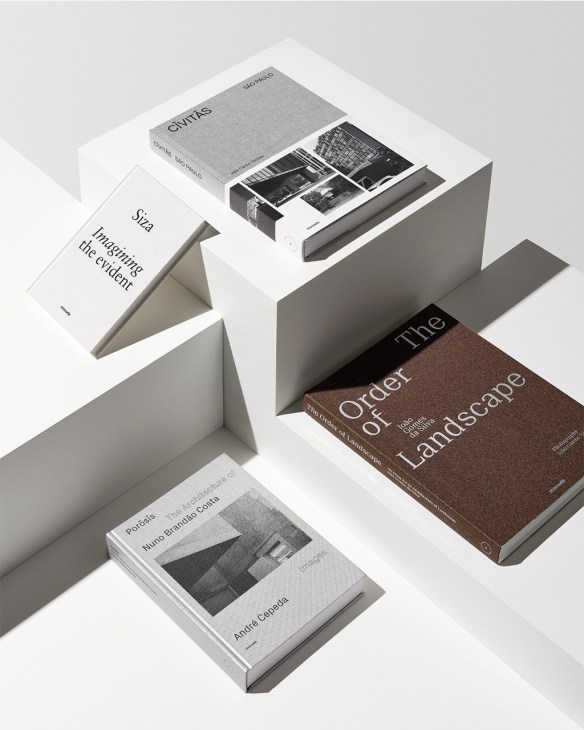
This publishing house produces architecture books that are accessible without shying away from deep academic enquiry – giving the discipline the respect it deserves.
João Carmo Simões and Daniela Sá launched Lisbon-based publishing house Monade in 2016. Over the past 10 years, they have edited books that are neither didactic nor merely decorative, showing the breadth and depth of architecture. “We don’t want our books to be siloed because architecture itself isn’t that way,” says Sá. [Read more]
8.
Best legacy architect
Tilla Theus
Switzerland
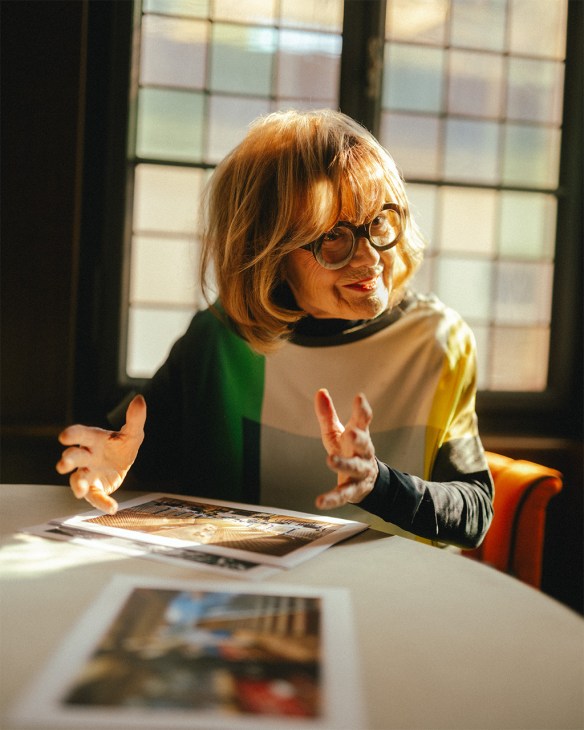
For architecture that stands the test of time, imbue it with character by celebrating context and culture.
Swiss architect Tilla Theus has spent more than 50 years proving that architecture can be warm and inviting. She graduated from ETH Zürich in 1969 and immediately opened her own practice, developing a distinctive approach involving the introduction of a sense of atmospheric warmth to historic buildings and new-builds alike.
[Read more]
9.
Best designer-maker
Andu Masebo
UK
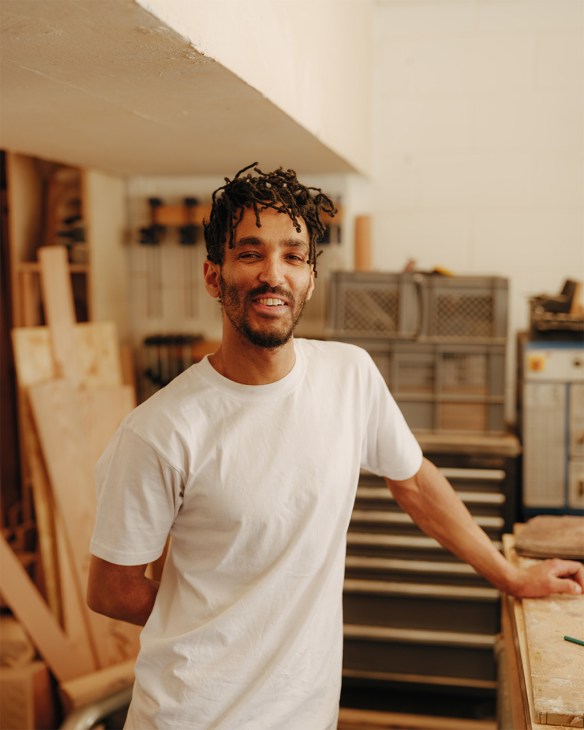
Some of the best contemporary designers, such as Andu Masebo, know how to get their hands dirty, balancing bespoke and industrial production to deliver playful, expertly made works.
In his London workshop, Andu Masebo takes a hands-on approach to design. With a background in carpentry, metalwork and ceramics, Masebo creates furniture and homeware with unexpected details for users to enjoy. [Read more]
10.
Best government building
Chamber of Notaries
France
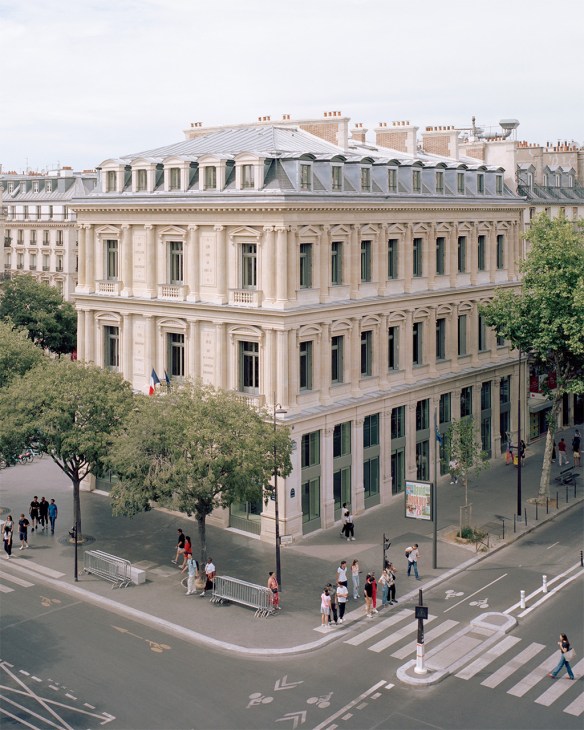
The renovation of a Haussmannian administrative building in Paris has quietly helped to reshape the public’s perception of the professionals who occupy it.
The French Chamber of Notaries in Paris’s Place du Châtelet is an architectural marvel hiding in plain sight. “Most Parisians don’t know about this building,” says David Dottelonde of Atelier Senzu. “It’s one of the oldest Haussmannian buildings in the city, dating back to 1855.” [Read more]
11.
Best printer of choice
Zürich Print Institute
Switzerland
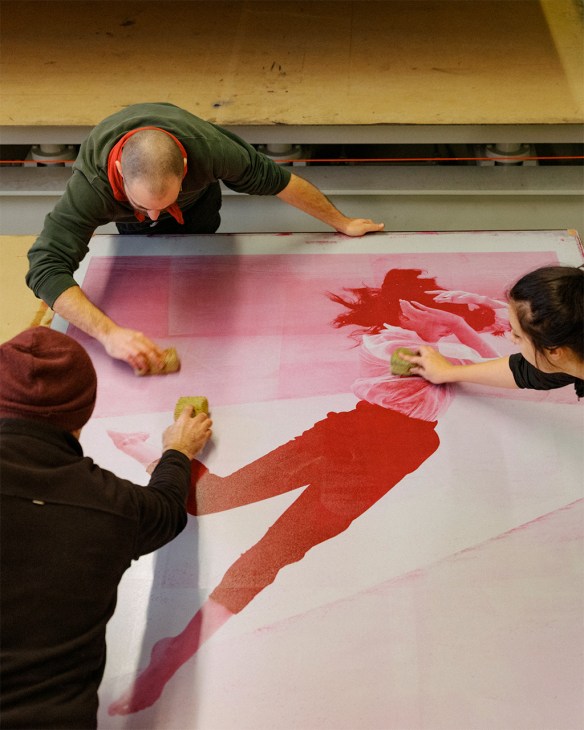
This institution dedicated to printmaking is keeping traditional methods alive and working to broaden the craft’s reach.
The Zürich Print Institute has a mission: to promote printmaking by bringing ever more people into the fold. Established in 2023 by gallerist David Khalat and master printer Thomi Wolfensberger, it offers high-end production facilities for world-class artists to practice all four processes of traditional printmaking: relief, intaglio, lithography and screen printing. “On the one hand, we’re trying to keep the tradition of printmaking alive,” says Khalat. “But we’re also pushing the boundaries with format. The work often starts as a print, then becomes an art object.” [Read more]
12.
Best camera
Fujifilm instax mini Evo Cinema
Japan
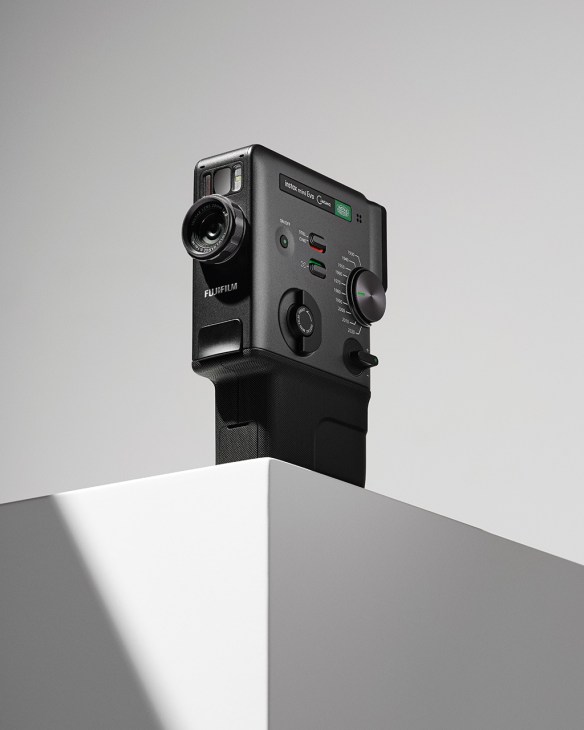
This satisfyingly tactile new camera is a hybrid that brings digital convenience to analogue rituals.
Fujifilm is making a strong case for using a real camera instead of your smartphone with its instax mini Evo Cinema, an all-in-one instant camera, smartphone photo printer and video camera. The look and vertical shooting style of this fun-packed device was inspired by the company’s Fujica Single-8 film camera, which was released in 1965.
The result is a gadget that’s easy to use (just click in a film cartridge) and offers visually compelling prints and endless options for tinkering with stills and footage.
[Read more]
13.
Best dining chair
After by Fritz Hansen
Denmark

This chair draws on the core principles of Danish design – but also updates them for the present.
It takes skill and chutzpah to reinvent Denmark’s considerable design heritage, particularly as a non-native. But that’s what Cyprus-born, London-based designer Michael Anastassiades achieved when he unveiled his After series for Danish manufacturer Fritz Hansen. The collection comprises a dining table and this generously proportioned chair, which comes in ash or deep burgundy, with the option to include a seat cushion.
While the classic, clean curves of the After chair’s silhouette evoke mid-century masters Kaare Klint and Poul Kjaerholm, the quiet confidence of its execution is distinctively Anastassiades’s own. [Read more]
14.
Designers of the year
Formafantasma
Italy
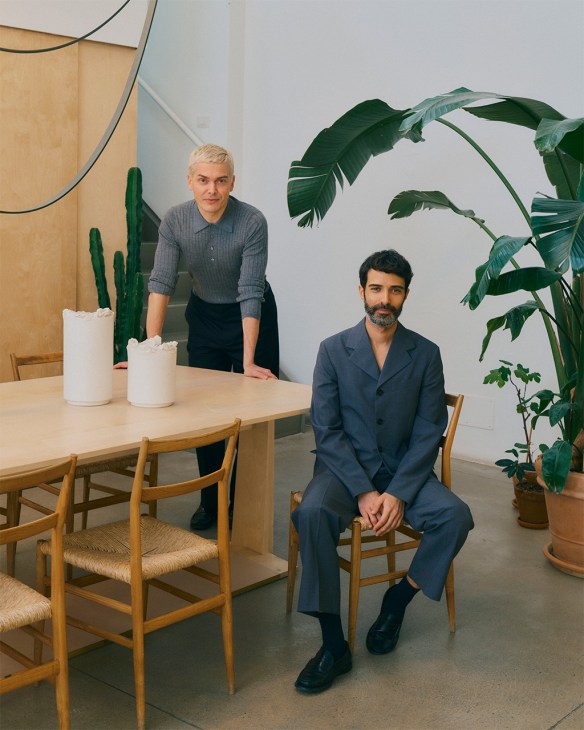
Drawing from manufacturing, technology and material research, this Milan-based studio has made a strength out of connecting disciplines and cultures.
“Our name includes ‘fantasma’, which means ghost,” says Simone Farresin. “Someone once said that’s because our work is always haunted by other things. It’s a good point.” The Milanese designer is one half of Formafantasma, the studio that he established with Andrea Trimarchi in 2009. The practice is renowned for drawing on influences ranging from film and art to technology, manufacturing and material research. “We don’t think about our work in isolation,” says Trimarchi. Recent portfolio highlights include set design for Marni, exhibition design for Fondation Cartier, staging for Cassina, repairable lighting for Flos and symposiums for Prada. [Read more]
15.
Finest for fitness
Backyard Community Club
Ghana
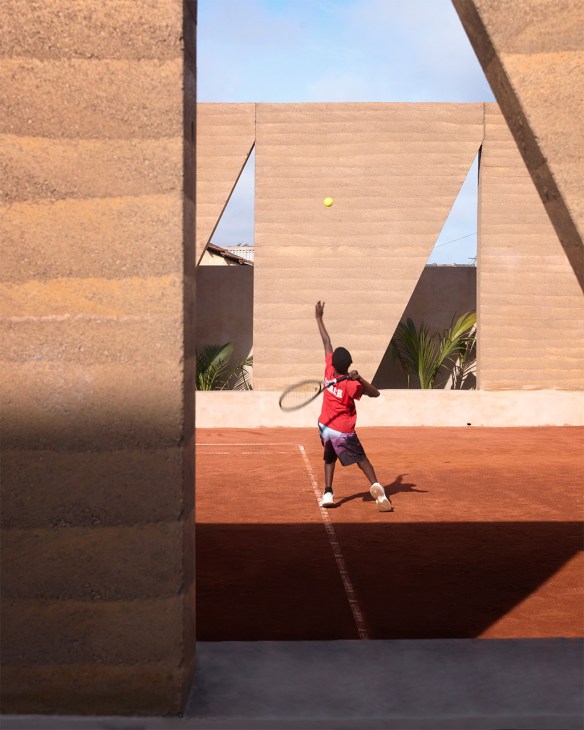
This tennis facility rooted in West African traditions has set its sights on changing the country’s sporting culture.
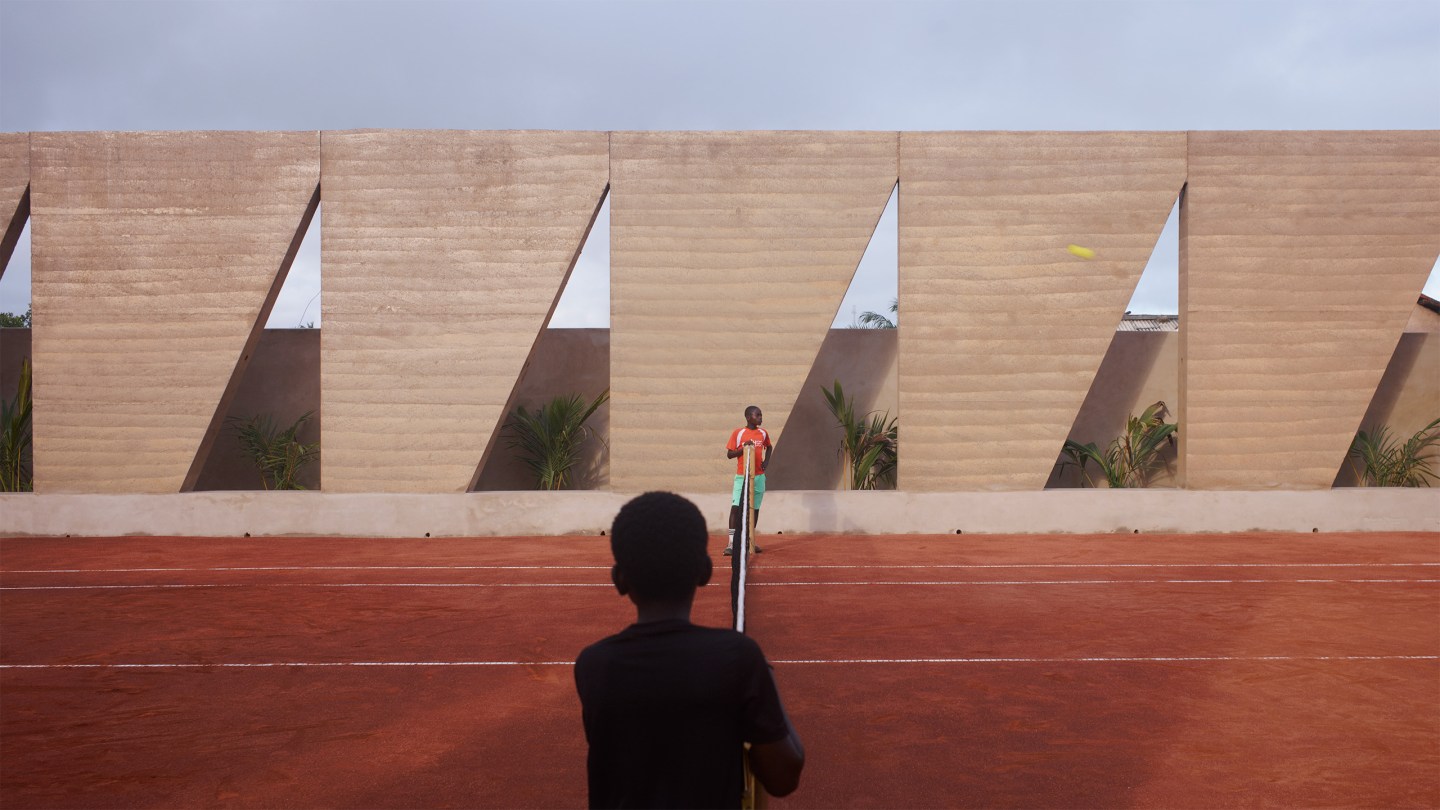
In Accra’s Osu neighbourhood, the Backyard Community Club’s clay court has become an incubator for a group of promising young tennis players. Built to the design of Glenn DeRoche, the founder of architecture studio DeRoche Projects, it uses local materials to enclose the court. Precast rammed-earth panels, produced and assembled in the city, help to reduce the project’s carbon footprint. [Read more]
16.
Best armchair
Eri Swivel by Fumie Shibata for Flexform
Italy
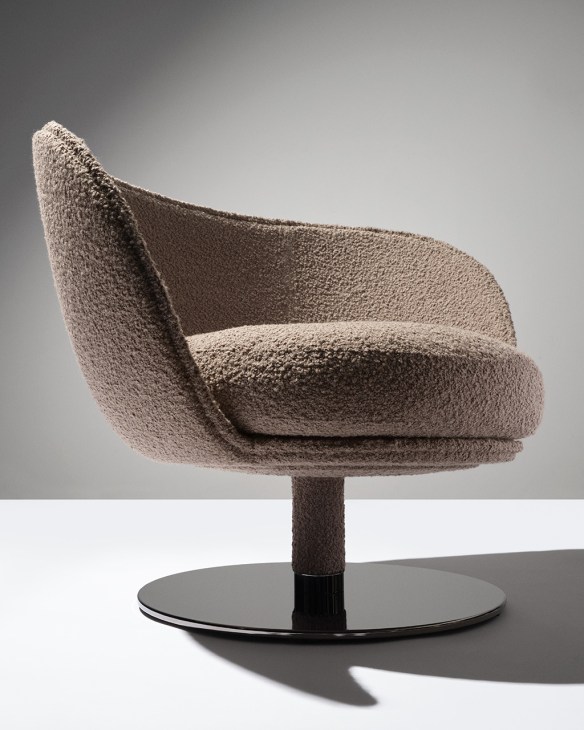
A combination of Japanese and Italian elements makes this chair stand out, whether in the living room or the boardroom.
The Eri Swivel armchair is a masterclass in harmonising structural integrity and sculptural appeal with a soft, enveloping form. Designed by Tokyo-based Fumie Shibata for Flexform, it reflects a pleasing coming together of Japanese minimalism and Italian manufacturing nous.
[Read more]
17.
Best design gallery
Difane
Mexico
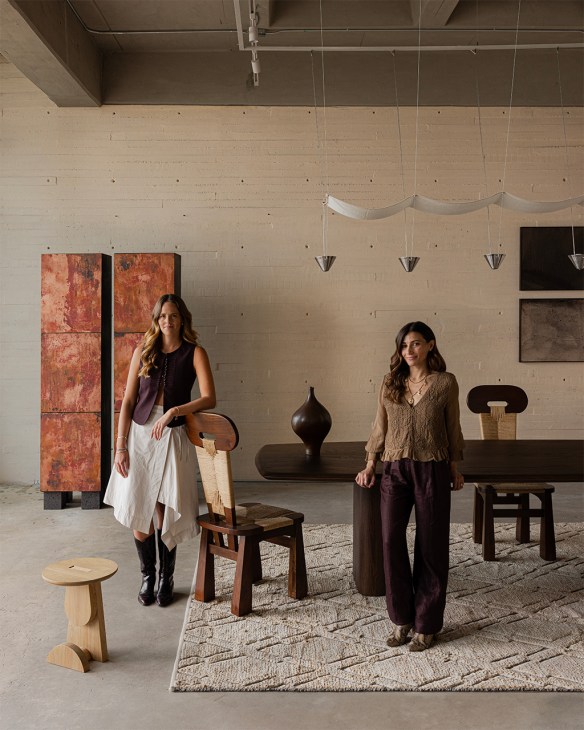
This gallery is helping to redefine Mexico’s design identity by championing the country’s best contemporary practitioners.
The rise of Mexican design to global acclaim is thanks, in part, to the work of galleries such as Mexico City-based Difane. Run by Fernanda Salamanca and Andrea Gadsden, it supports the nation’s independent designers, including Andrés Gutiérrez and Carlota Coppel. “When we started, most people around the world thought of Mexican design as just arts and crafts,” says Gadsden. “We wanted to give visibility to this other branch.” [Read more]
18.
Top urban intervention
Suan San Pocket Park by Shma Design
Thailand
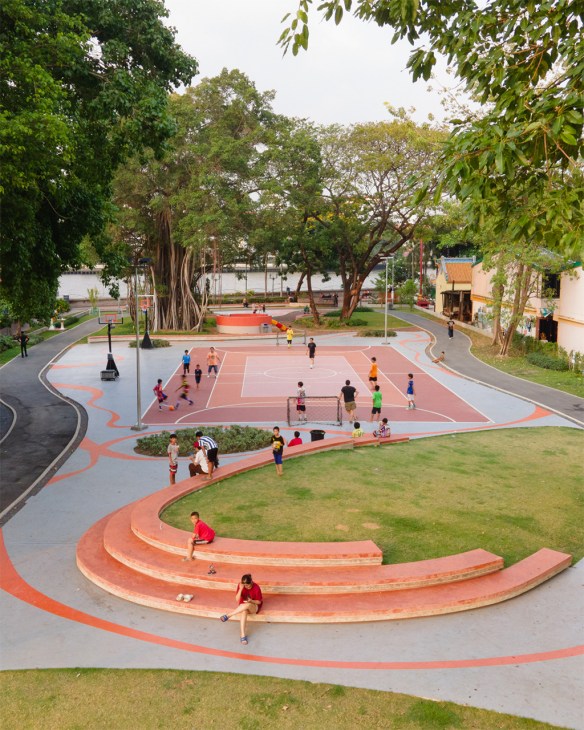
This small, strategically placed green space offers a much-needed escape from the Thai capital’s asphalt jungle.
The all-consuming urban sprawl is an unfortunate reality of life in Bangkok. Providing residents with respite from it was a challenge that the team at landscape architecture studio Shma Design was keen to rectify with the creation of the Suan San Pocket Park. “This is an unplanned city, which means that we never really invested in green areas,” says Yossaporn Boonsom, one of Shma Design’s founding directors and the park’s lead designer. [Read more]
19.
Best timekeeper
Bedside clock by Habity
Denmark
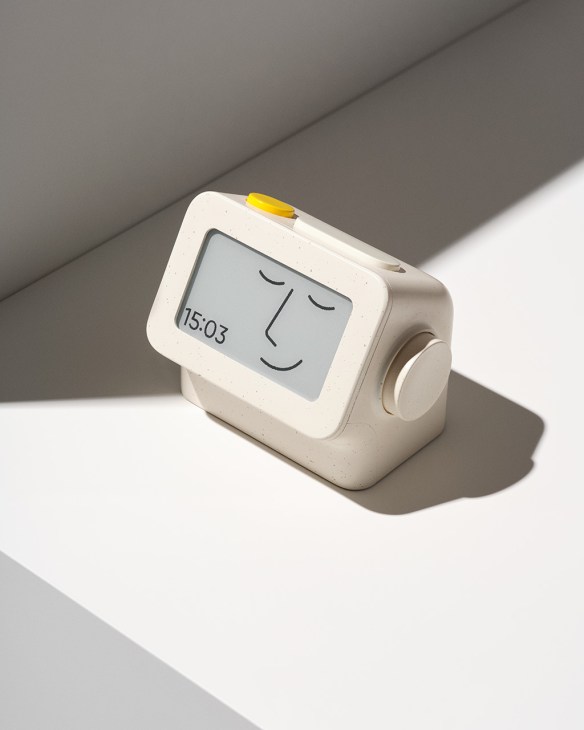
This nifty bedside clock doesn’t just tell the time or wake you up in the morning: it’ll help you to switch of at night too.
We appreciate this clock both for everything that it offers and for what it does away with – namely the need to download an app or fiddle with complex settings. Created by Copenhagen-based design company Habity, this compact alarm clock is intuitive to use and pleasing on the eye, thanks to its rounded shape and e-paper display. [Read more]
20.
Best bicycle
Bliksem by Onguza
Namibia
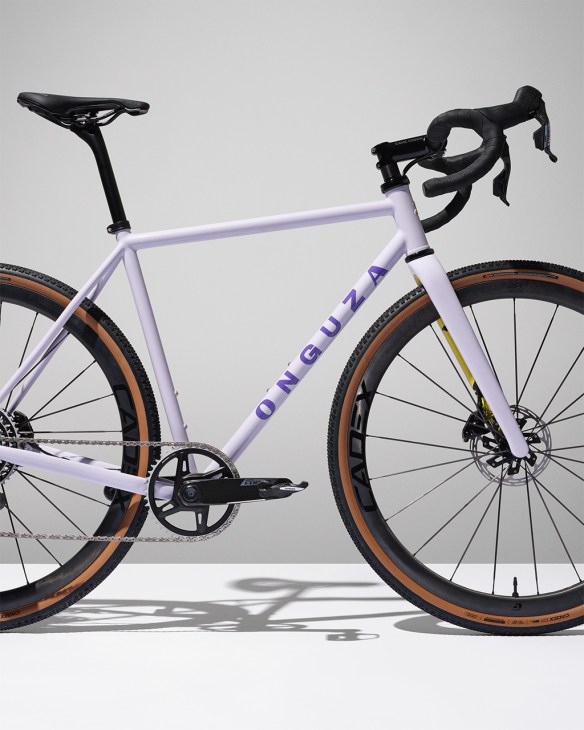
Meticulously constructed and with every model custom finished for its rider, this bike proves that keeping people at the centre of a process can put you ahead of the peloton.
Dan Craven launched Namibian bike brand Onguza after he retired from the world of professional cycling in 2021. “As with so many ex-professional athletes, my future was unclear,” says the company’s founder and co-owner. But he was certain that he wanted to spotlight his homeland’s manufacturing potential. [Read more]
21.
Best civic renovation
Claro Arena by Idom
Chile
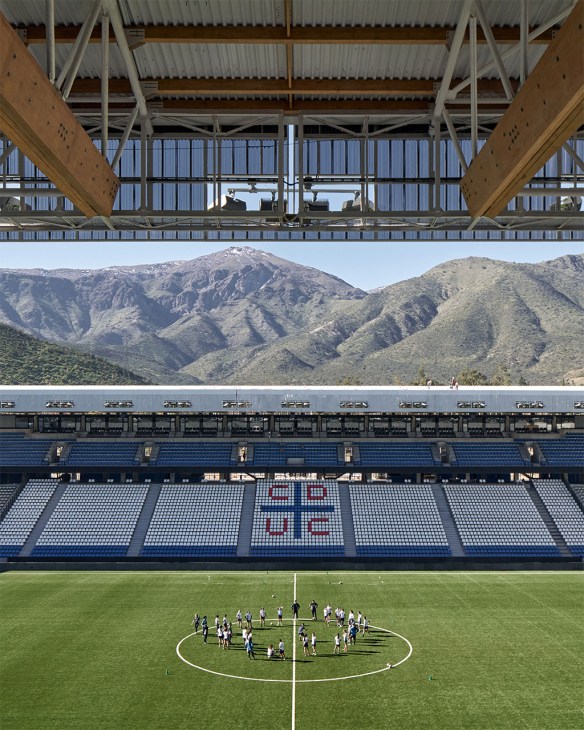
Stadiums aren’t just sports facilities. Done well, they can foster a sense of community and even enhance landscapes – as this example shows.
Santiago’s newly renovated Claro Arena pays tribute to its brutalist heritage. “We maintained 95 per cent of the sightlines,” says Borja Gómez Martín, a lead architect at Spanish practice Idom, which transformed the landmark. Built in the 1980s, the stadium originally sat low in the terrain but Idom introduced a lighter frame that hovers above the concrete base. A new upper level incorporates dressing rooms, press centres, technical areas, premium hospitality spaces and viewing galleries with a concourse that operates as the ground’s circulation system. [Read more]
22.
Best industry event
Nomad Abu Dhabi
UAE
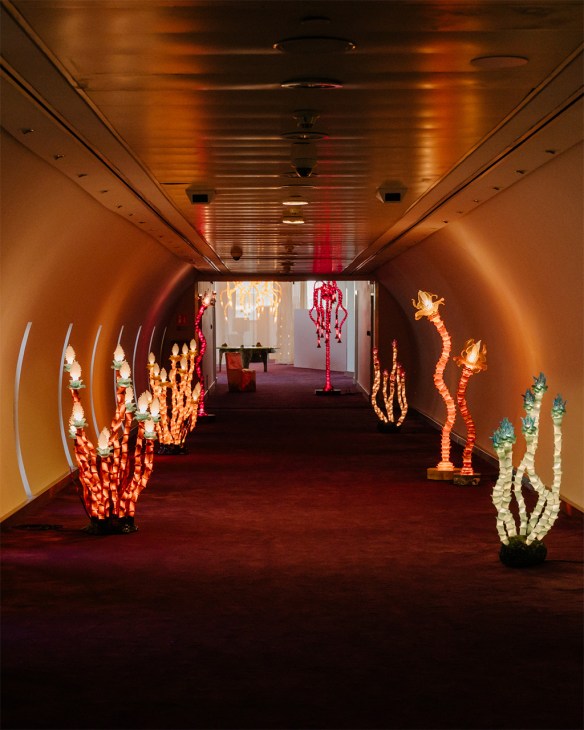
Nomad demonstrates what a design fair can achieve by embracing the architecture, geography and culture of its setting.
Nomad is one of the most compelling platforms in collectable design and its move into Abu Dhabi last year cemented its position as a benchmark global event for the sector. Its Middle Eastern debut in Zayed International Airport’s decommissioned Terminal 1 felt almost like spatial theatre: works were staged not against neutral walls but within the emotional residue of a place once defined by movement.
“This concept is all about the experience,” says Nomad’s founder, Nicolas Bellavance-Lecompte. “It’s not a pure fair, nor just an exhibition. It’s the intersection of many things.” [Read more]
23.
Best material development
Hydro Circal 100R
Norway
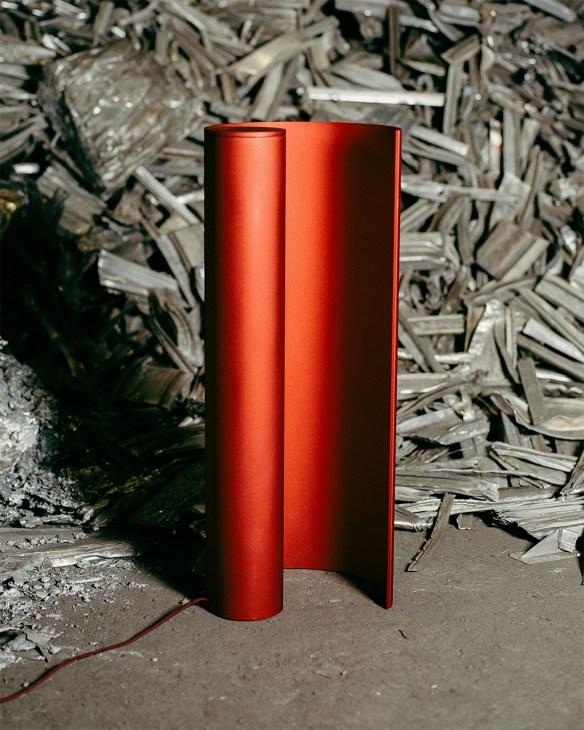
Hydro’s commitment to circularity offers a shining example of what real progress looks like in the materials sector.
Norwegian raw-materials supplier Hydro’s Circal 100R initiative seeks to elevate the status of aluminium and build more circular economies. It also showcases how a global manufacturer can both recycle and produce on a local scale. Scrap is refined into Hydro Circal aluminium, made from 75 per cent post-consumer waste, and turned into bespoke furniture and lighting pieces constructed within a 100km radius of one of the Norwegian firm’s European manufacturing facilities.
“We had to find new partners for bending and anodising within that radius,” says Hydro’s business-development manager for the Benelux region, Yon van den Oever, when he shows Monocle around one of the firm’s facilities in the Dutch city of Drunen, just ahead of the country’s annual design week in Eindhoven. [Read more]
24.
Best in urbanism
Seattle Waterfront Park by Field Operations
USA
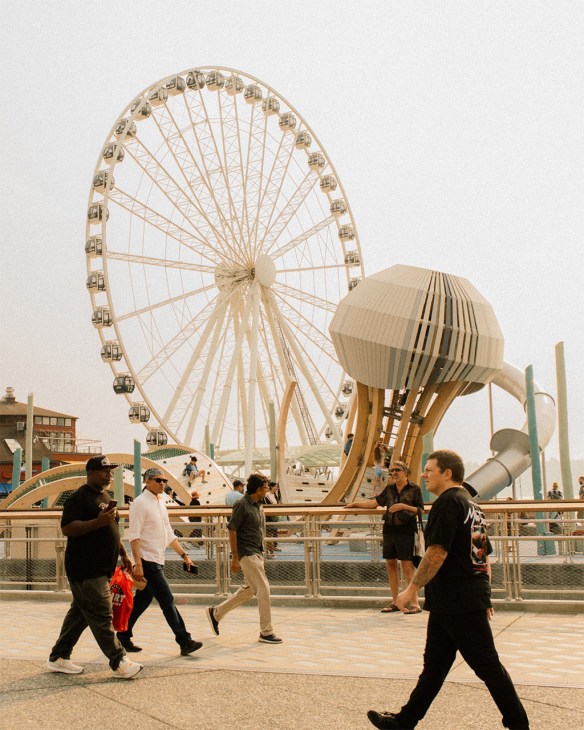
A team of landscape architects, urban designers and planners has reinvigorated Seattle’s ailing downtown by reconnecting residents to a long ignored waterfront.
In recent decades, many landscape architects and urbanists across the globe have been trying to reconnect cities cut up by urban infrastructure. US studio Field Operations has long been at the forefront of this movement and its work in Seattle has established a new benchmark. The 1950s Alaskan Way Viaduct separated the city’s downtown from the watery edge of the Puget Sound. Today the elevated highway, which was damaged by an earthquake in 2001, has come down and a park has arisen in its place, designed by Field Operations. [Read more]
25.
Smartest mobility solution
Tatamel Bike by Icoma
Japan
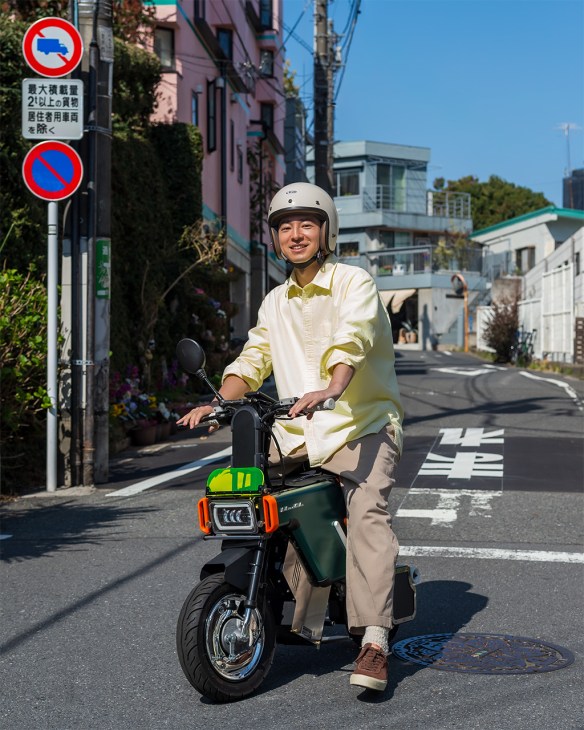
The best design solutions emerge from everyday frustrations – and, like this collapsible bike, quietly change how a city moves.
About a decade ago, industrial designer Takamitsu Ikoma had an idea for an electric-powered two-wheeler that could be collapsed to the size of a suitcase and kept near the front door of a flat or under a desk at the office. Without an engine, it wouldn’t reek of petrol fumes or leak chain grease. His Tokyo-based start-up, Icoma, put the idea into production in 2024 with the foldable electric Tatamel Bike (tatameru means “foldable”). [Read more]
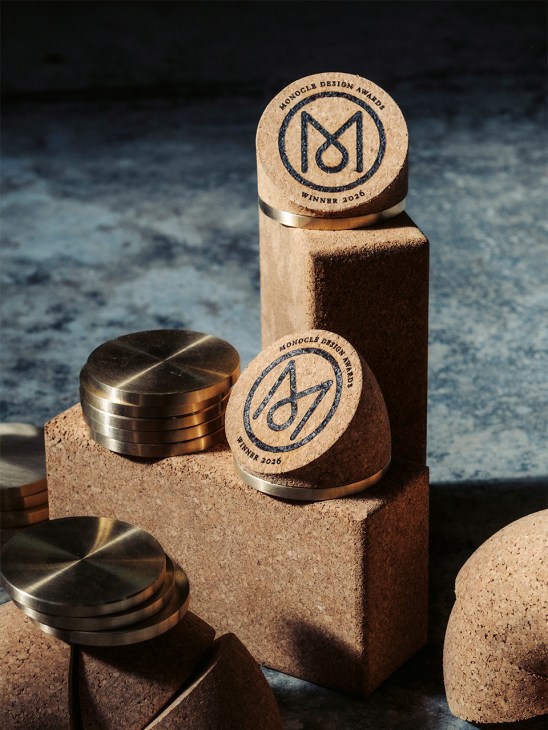
The award by Harry Thaler
The trophy for the Monocle Design Awards has been created by Harry Thaler since the first prizes were given out in To mark the evolution of the awards this year, which have a more focused selection of prize winners, the Lana-based Italian designer has refreshed the trophy-cum-paperweight with a completely new material: cork. Produced in partnership with Portuguese manufacturer 3DCork, it embodies several key qualities of design that we value: it’s beautiful, natural and durable.