The Monocle Design Awards 2026: The most beautiful buildings and architectural design
Eight spaces that caught our eye this year – from a trade school championing craft to a revived waterfront.
See the full list of 25 winners here
Best headquarters
Lombard Odier
Switzerland
This Swiss bank’s striking new digs prove that, at its best, corporate architecture can reflect the values of a brand, while enhancing the quality of life of its employees and clients.


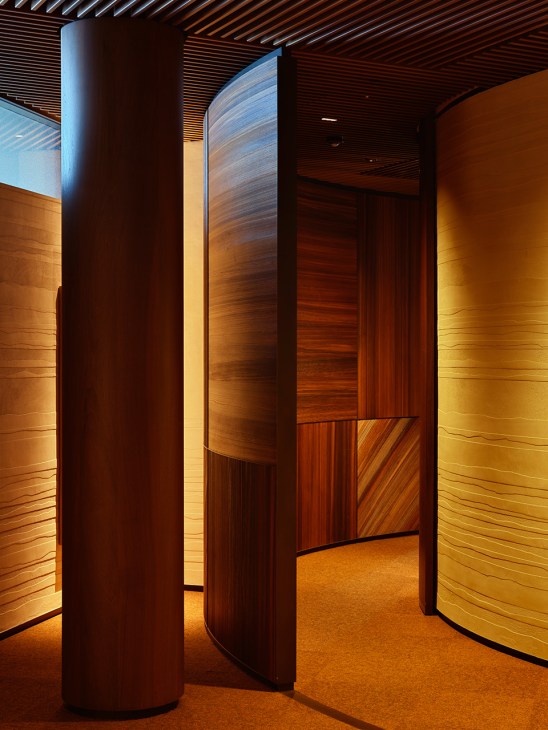
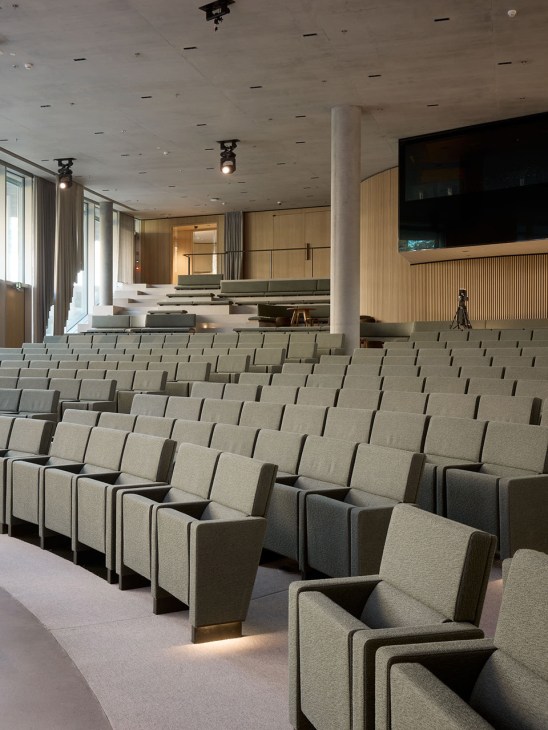

An outstanding headquarters should make a statement – which is exactly what Lombard Odier’s new outpost on the shores of Lake Geneva does. “Is this what you think of when you picture a Swiss bank?” asks Hubert Keller. The senior managing partner poses the question while showing Monocle around his firm’s new digs. The arrival experience, for both staff and clients, feels more like pulling into the porte-cochere of a luxury hotel than entering the offices of one of Switzerland’s leading wealth- and asset-management firms. “It’s more than a building,” adds Keller. “It represents who we are today.”
The company’s ambitions were reflected in its decision to consolidate the firm’s presence, uniting its more than 2,000-strong staff, who were previously scattered across six sites in Geneva. An international competition was launched and Pritzker Prize-winning firm Herzog & de Meuron won the commission. “It understood the DNA of the company,” says Fabio Mancone, partner and chief branding officer at Lombard Odier responsible for brand and business development. “We stand for integrity, openness and sustainability. We needed a building that embodied that.”
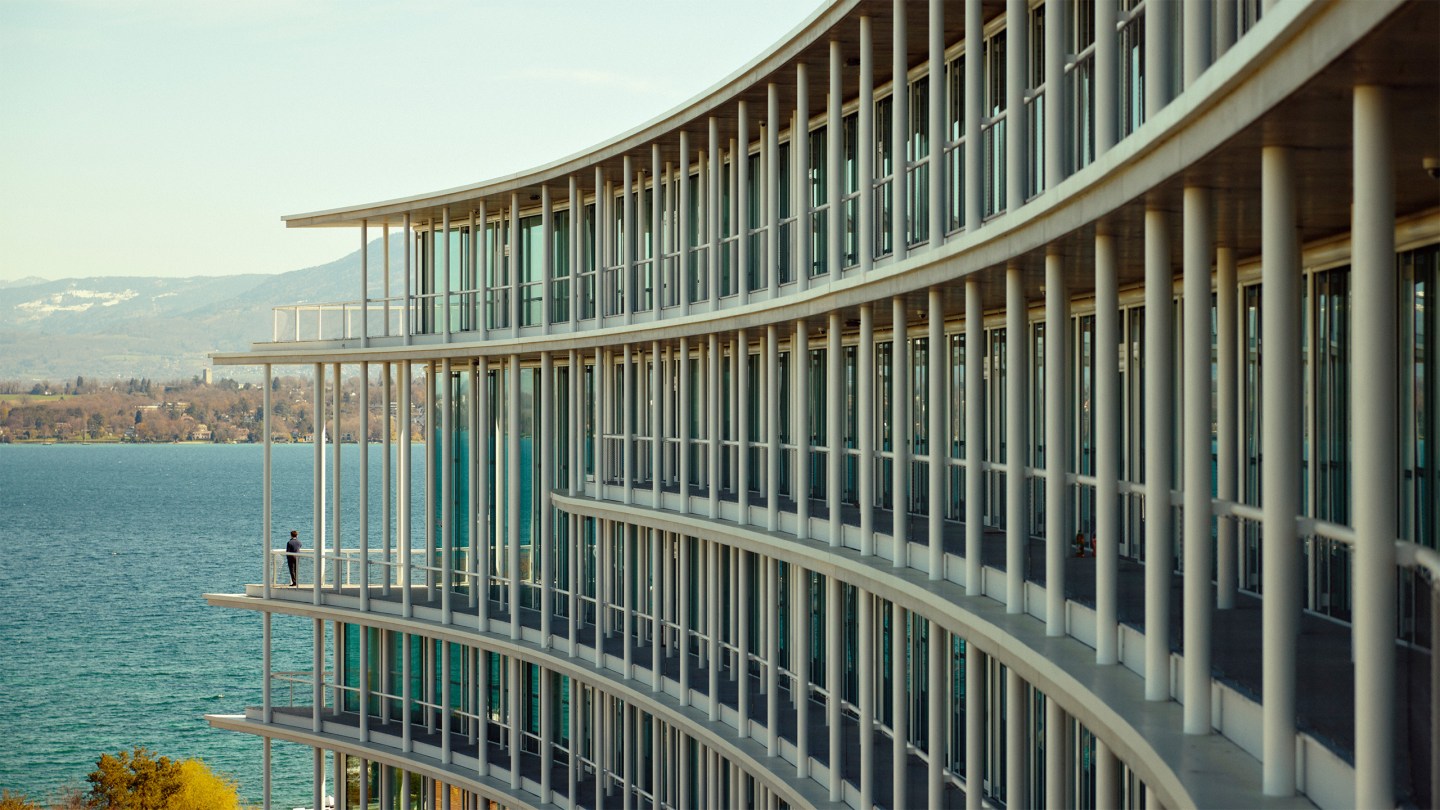
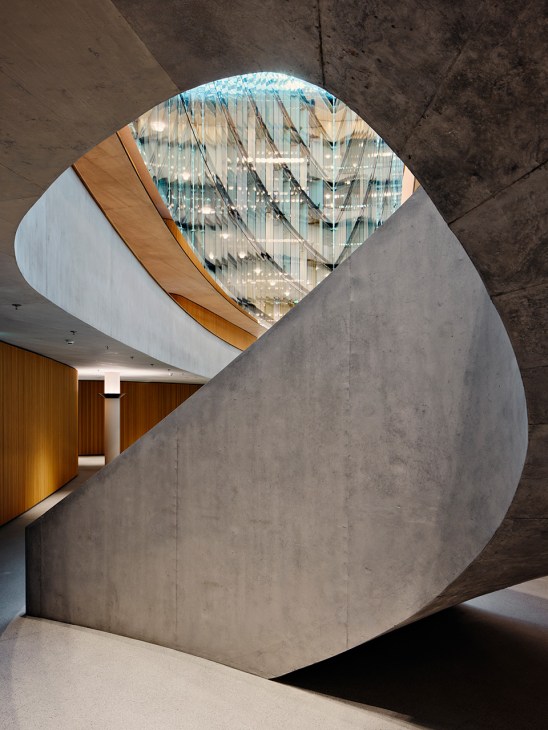
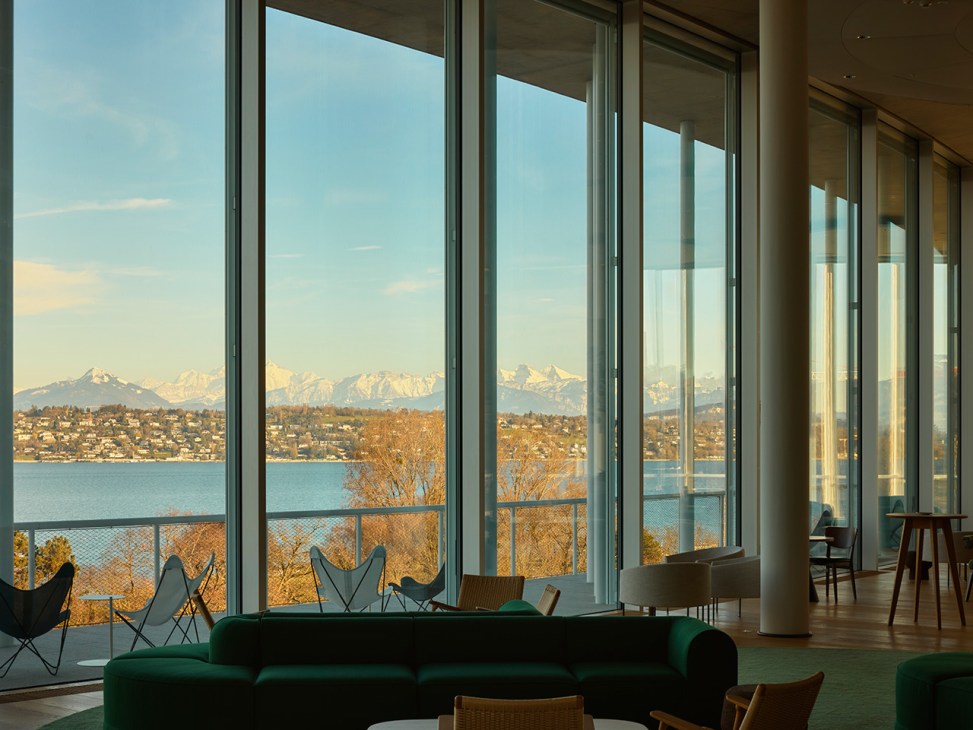
The HQ’s façade is defined by thin, curved slabs and columns, making the most of the views. “It’s all about light and transparency,” says Herzog & de Meuron’s Louise Lemoine. Inside, Paris-based Rodolphe Parente has created client spaces with a palette of timber and natural stone. Client areas feature private dining and meeting rooms and terraces with striking landscape outlooks. Staff areas include double-height meeting and working spaces with terraces overlooking the lake and mountains, plus restaurants, a gym and a coffee shop. Equal priority has been given to both client and employee needs. “It has changed the way that I work,” says Keller. “And our teams too.”
lombardodier.com; herzogdemeuron.com; rodolpheparente.com
Best trade school
Håndvaerkskollegiet Herning
Denmark
A hall of residence built to inspire trainee tradespeople is working to plug Denmark’s skills gap by encouraging an exchange of ideas and expertise.


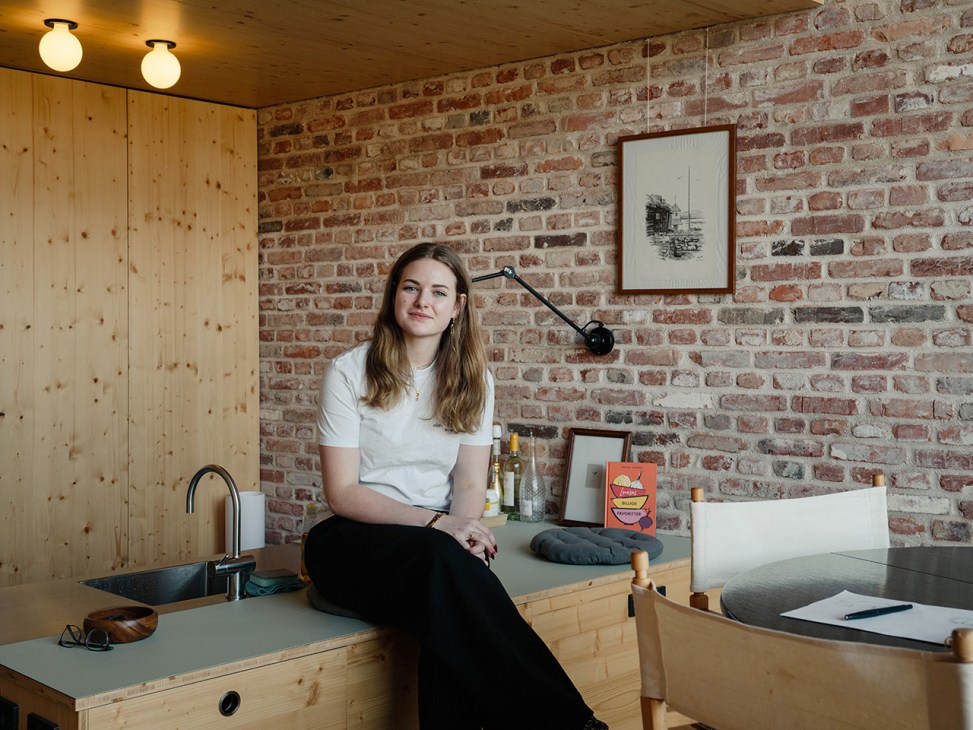
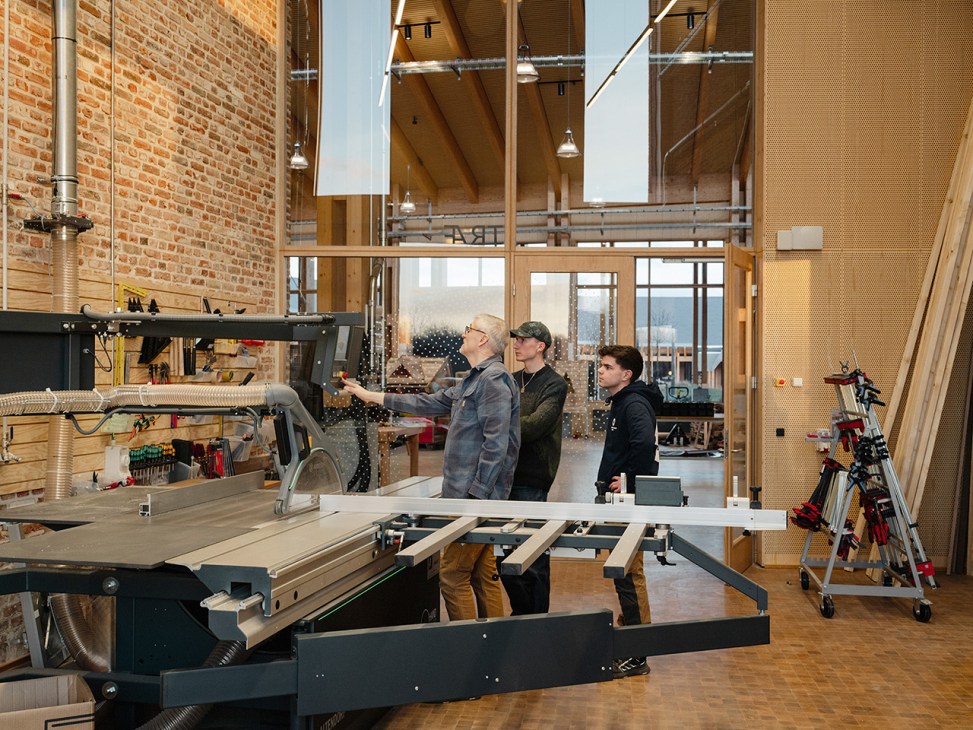

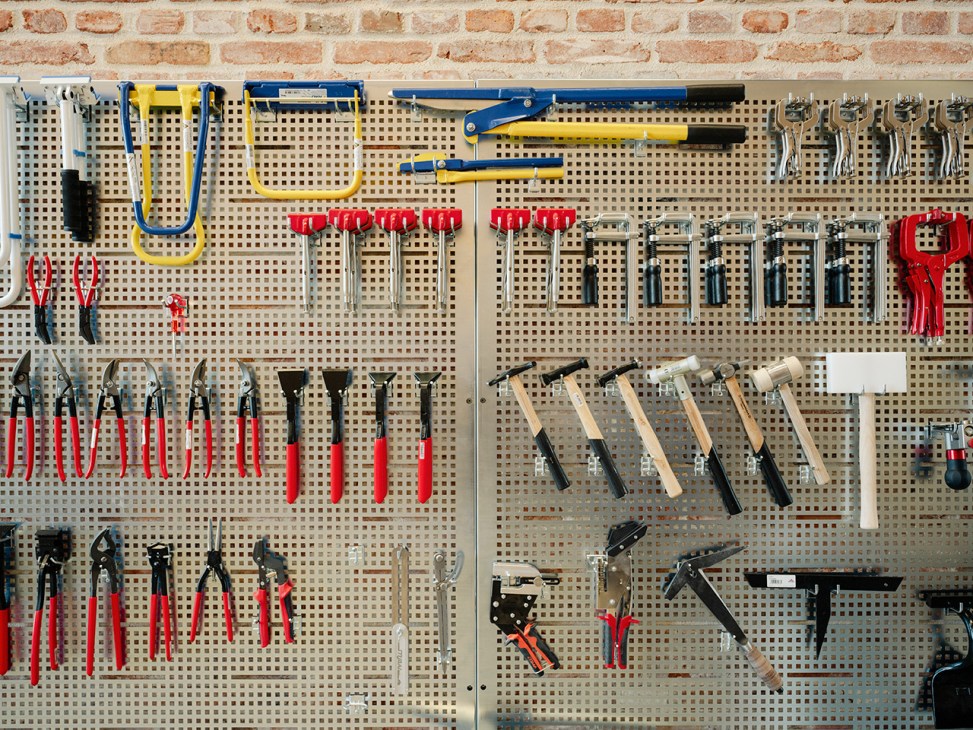
Like many nations, Denmark is in desperate need of tradespeople: plumbers, builders, roofers, carpenters, electricians and skilled manual workers, known in the Nordic country as håndvaerker. This dearth makes the recent opening of Håndvaerkskollegiet, a hall of residence for trainees in such fields, particularly welcome.
“Part of the purpose of this building is to persuade young people to pursue a skilled-worker education,” its principal, Flemming Moestrup, tells Monocle from the new campus in the small town of Herning on the Jutland peninsula. The halls include accommodation with shared kitchens and living space, featuring double-height workshops for wood, metal and bricklaying, with state-of-the-art tools and machinery.
“The idea that the building celebrates craftspeople was very inspiring for us,” says Copenhagen-based architect Dorte Mandrup, whose studio designed Håndvaerkskollegiet. “We wanted to create communal spaces but, when we designed these small dwellings, it was also about making them dignified.”
Around the building, exposed junctions, electricity systems and raw brick hint at the construction process. The structural frame of the building is made from pine; the doors and floors are oak. Meanwhile, the interior panelling is spruce.
The construction of the building and the lion’s share of its running costs is funded by charitable foundation BRF Fonden. In Herning, many residents are apprentices at local firms and attend courses at the nearby technical college. They can choose from workshops and lectures that are open to all trainees in the evenings and at weekends: a carpenter can learn about the work of an electrician; a bricklayer can get a feel for 3D printing. “That crossover is one of our biggest draws,” says Moestrup.
As we leave, he points to an incongruous brick fireplace in the large assembly hall. “Just before Christmas, a couple of the students said that we needed a fireplace to hang stockings on so a group of them built this,” he says. There are plans to turn the fireplace into a party loudspeaker. For once, getting hold of an electrician shouldn’t be a problem.
haandvaerkskollegiet-herning.dk; dortemandrup.dk
Students at work
“It’s really inspiring to live here. You want to work better when you see all of the skill that has been put into this building.”
Emilie Mølgaard
Age: 20
Machine carpenter, apprenticed to TCM Operations
“The building is so nice and there are opportunities for training my skills in my spare time. It is nice that you get experience in other fields too.”
Andreas Møller Simonsen
Age: 20
Cabinet maker, apprenticed to Multiform
“The workshops are so well equipped and there’s a great feeling of community here. They put a lot of emphasis on that. I work with furniture but I have been fascinated by the metalwork. I have learnt a lot about other disciplines.”
Laura Dahl
Age: 18
Machine carpenter, apprenticed at HTM
Best government building
Chamber of Notaries
France
The renovation of a Haussmannian administrative building in Paris has quietly helped to reshape the public’s perception of the professionals who occupy it.


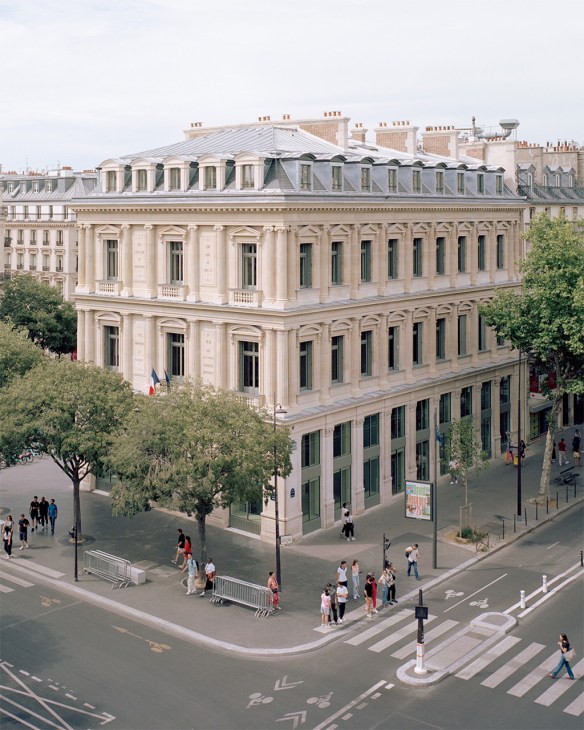
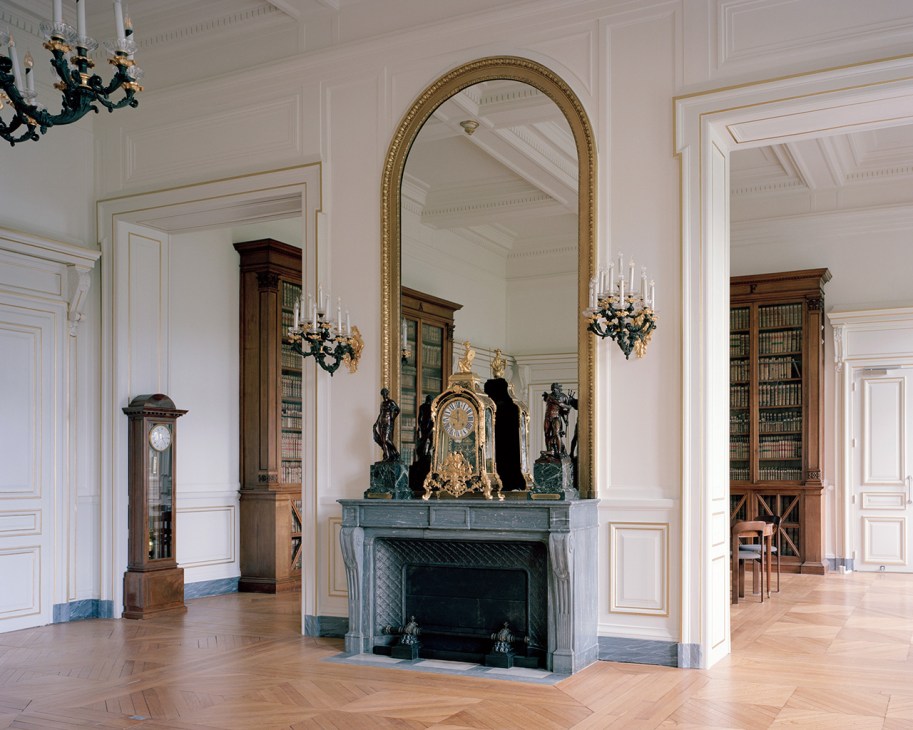
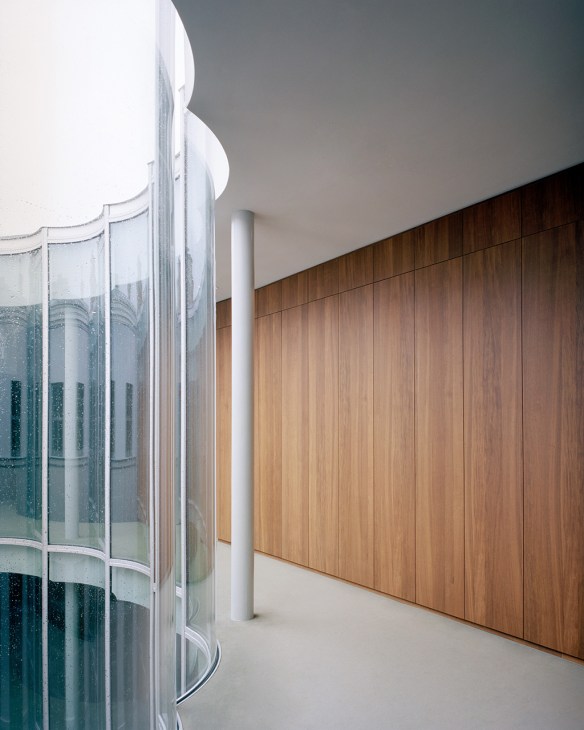
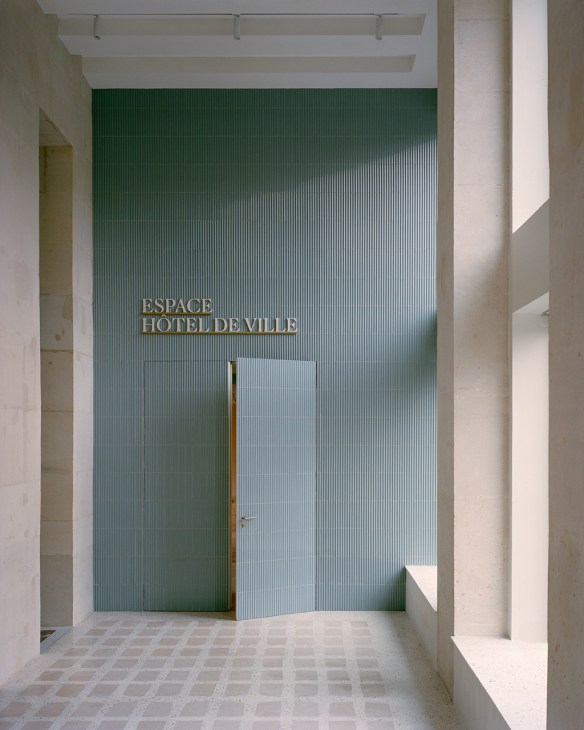
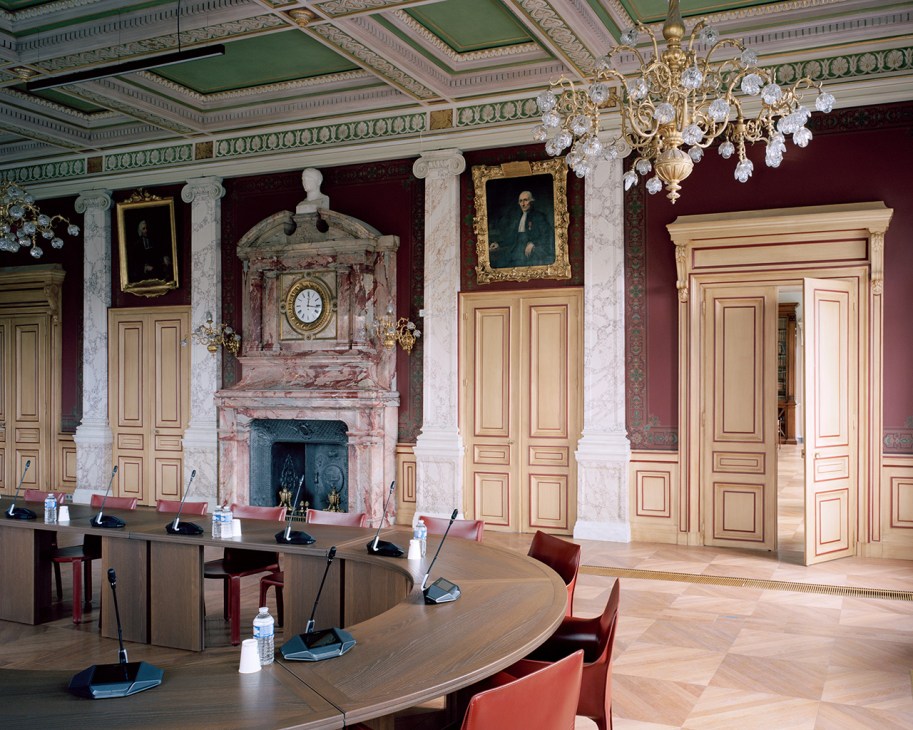
The French Chamber of Notaries in Paris’s Place du Châtelet is an architectural marvel hiding in plain sight. “Most Parisians don’t know about this building,” says David Dottelonde of Atelier Senzu. “It’s one of the oldest Haussmannian buildings in the city, dating back to 1855.” The notary profession’s ties to this location even date back to the medieval period, when royal scribes formalised legal acts under the authority of the crown.
When Dottelonde and co-founder Wandrille Marchais took on the restoration of the building, they were tasked with bringing it up to date but also with helping to modernise the image of the people working there. “The profession isn’t well known by the public, even though it’s central to major moments in people’s lives,” says Marchais. “The brief was to reconnect the building with the clients and with the public space,” says Dottelonde.
Part of the façade was replaced with glass windows. The stone removed to achieve this was then repurposed for slabs used in the entrance-hall floor. The stucco columns and woodwork inside were restored, while moveable aluminium partitions were added to allow for a more flexible use of the space. Since this renovation project was commissioned in 2019, the number of French notaries has increased. In 2016 a law reformed the profession, making it more accessible but, as a result, more competitive. At the same time, the field is adapting to digitisation and cybersecurity challenges, while trying to preserve the security and trust that it has cultivated for centuries. Notaries’ home in Paris, however, is now better-equipped to lead them into this new era, thanks to the forward-thinking work of Atelier Senzu.
ateliersenzu.com
Best design gallery
Difane
Mexico
This gallery is helping to redefine Mexico’s design identity by championing the country’s best contemporary practitioners.
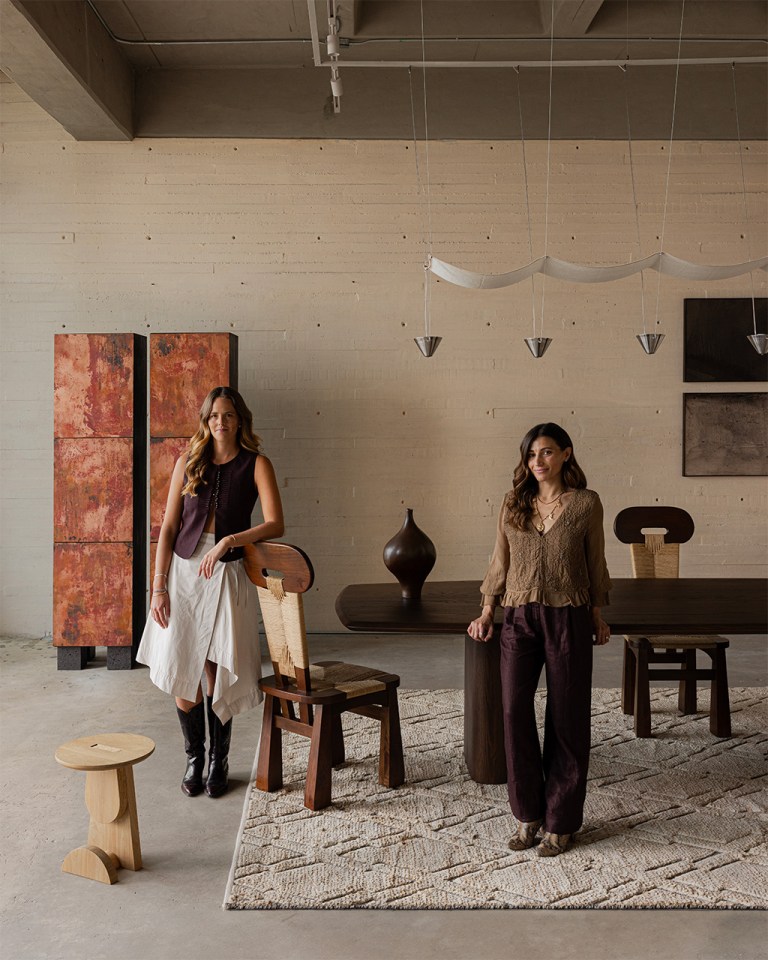


The rise of Mexican design to global acclaim is thanks, in part, to the work of galleries such as Mexico City-based Difane. Run by Fernanda Salamanca and Andrea Gadsden, it supports the nation’s independent designers, including Andrés Gutiérrez and Carlota Coppel. “When we started, most people around the world thought of Mexican design as just arts and crafts,” says Gadsden. “We wanted to give visibility to this other branch.”
From its permanent space in the Roma Norte neighbourhood, the gallery works with Mexican designers to co-develop products that push boundaries and speak to a global audience. “Mexicans create beautiful objects but don’t always know how to sell them,” says Salamanca. “What we do is look for good designs that can compete internationally.” The result is a platform that fosters a community of creatives.
difane.com.mx
Finest for fitness
Backyard Community Club
Ghana
This tennis facility rooted in West African traditions has set its sights on changing the country’s sporting culture.
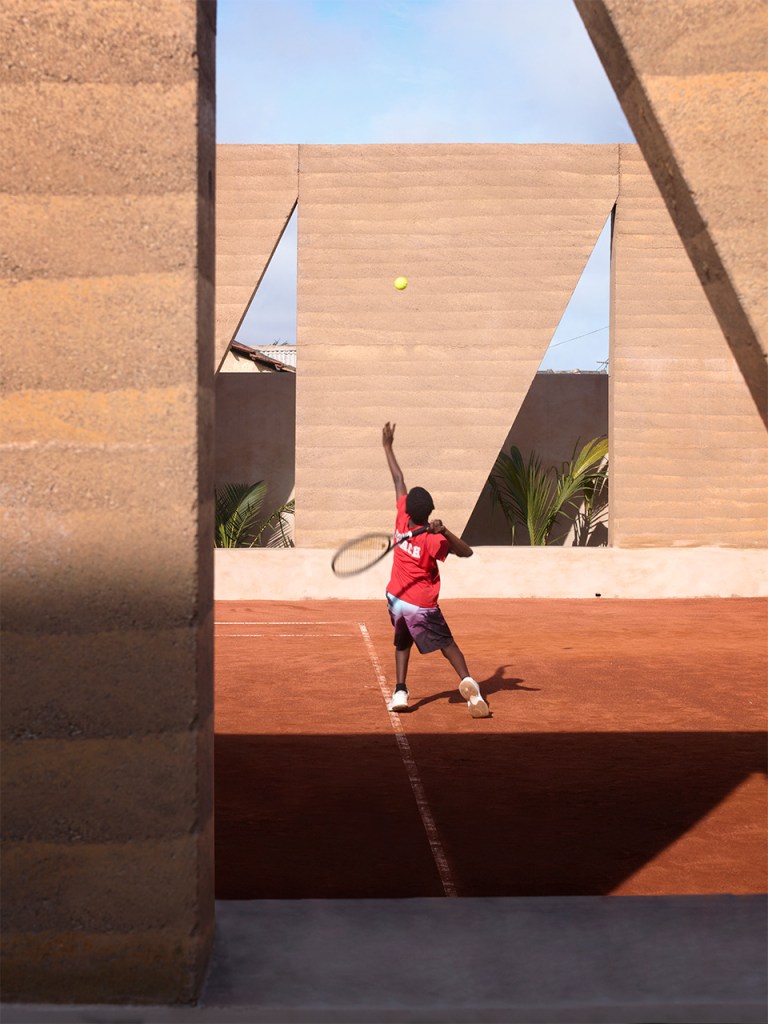
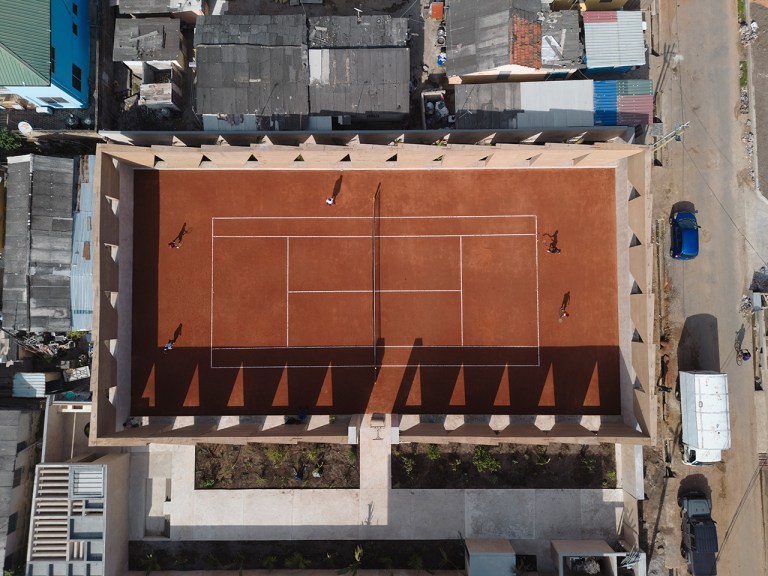

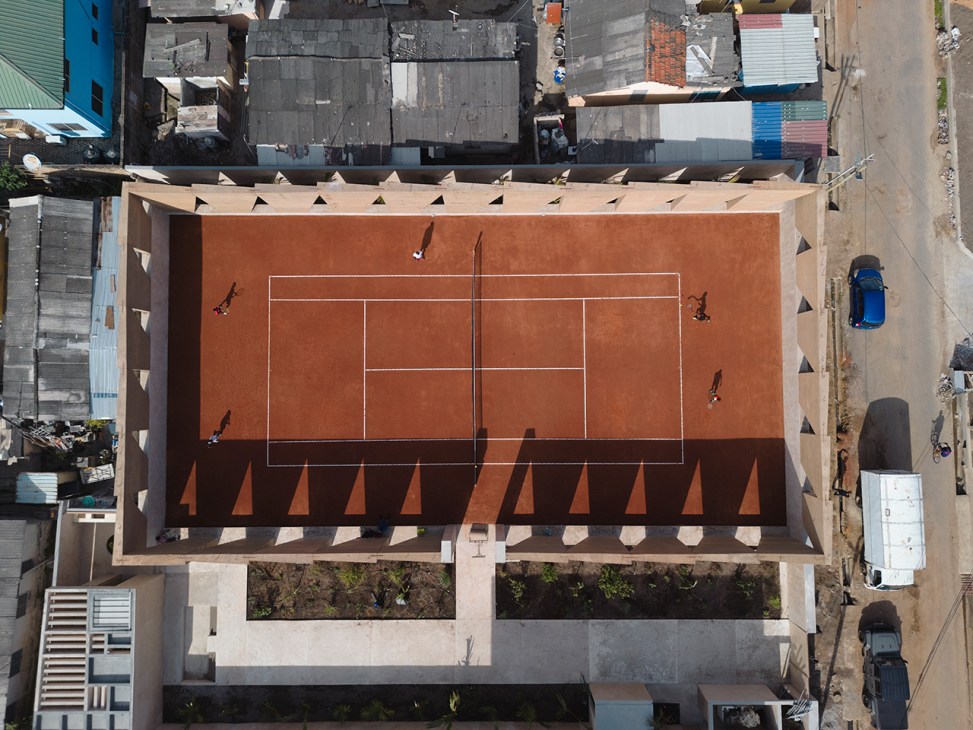
In Accra’s Osu neighbourhood, the Backyard Community Club’s clay court has become an incubator for a group of promising young tennis players. Built to the design of Glenn DeRoche, the founder of architecture studio DeRoche Projects, it uses local materials to enclose the court. Precast rammed-earth panels, produced and assembled in the city, help to reduce the project’s carbon footprint. “The material gives the court a distinct identity ,” says DeRoche. “It feels grounded and really rooted in West Africa.”
From the outside, the compound is striking. Its walls feature triangular cut-outs that allow light to dance across the surface. Another notable feature is the 230 sq m garden that is adjacent to the court, where plants and fruits are grown to provide nutrition to the players. Post-match, they are welcome to pick mint growing on the site.
The priority, however, remains to attract Ghanaians to the sport. The Backyard Community Club’s training programme is already receiving applications from players from different parts of the country. “The impact is far greater than this community,” says DeRoche.
derocheprojects.com
Top urban intervention
Suan San Pocket Park by Shma Design
Thailand
This small, strategically placed green space offers a much-needed escape from the Thai capital’s asphalt jungle.
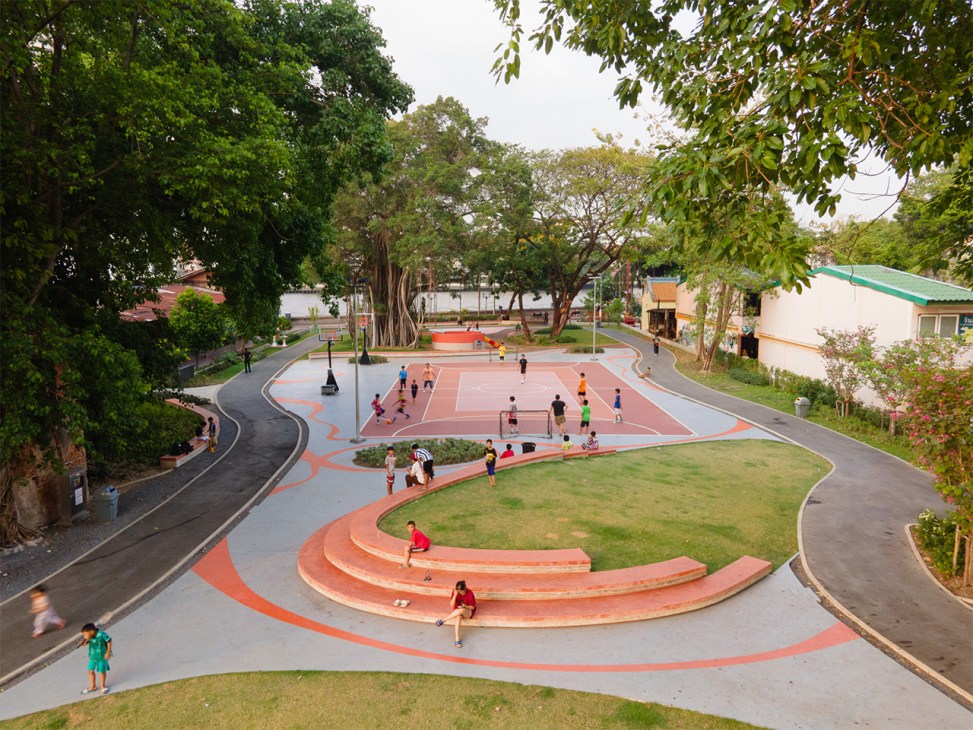
The all-consuming urban sprawl is an unfortunate reality of life in Bangkok. Providing residents with respite from it was a challenge that the team at landscape architecture studio Shma Design was keen to rectify with the creation of the Suan San Pocket Park. “This is an unplanned city, which means that we never really invested in green areas,” says Yossaporn Boonsom, one of Shma Design’s founding directors and the park’s lead designer.
Despite its prime location next to the Chao Phraya river, much of the site had long been used as a dumping ground. A public consultation process revealed that it had once been a warehouse for goods unloaded from the river; elsewhere, towering Banyan trees can be dated back about 100 years. After this history was uncovered, Shma Design decided to celebrate the area’s heritage. The team preserved parts of the former warehouse building, integrating them within the park’s walkways and facilities. The oldest and largest trees were retained too. Recreational areas are defined by floor patterns – a sports pitch, jogging paths and exercise zones. The open layout also creates an uninterrupted route to the river, connecting residents to the riverfront – a rarity in Bangkok.
Suan San Pocket Park offers a space for history, nature and community to co-exist, and affirms a sense of local identity. In a city where skylines and landscapes can quickly become unrecognisable, the park stands as a reminder that urban development doesn’t always require starting from scratch – or being on a major scale. “The true value of the park shines not in its design but in how life has evolved around this space,” says Boonsom.
shmadesigns.com
Best in urbanism
Seattle Waterfront Park by Field Operations
USA
A team of landscape architects, urban designers and planners has reinvigorated Seattle’s ailing downtown by reconnecting residents to a long-ignored waterfront.


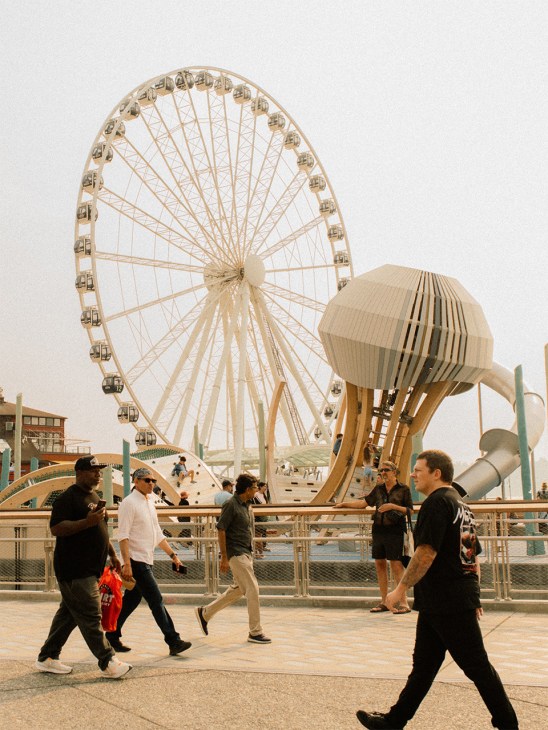
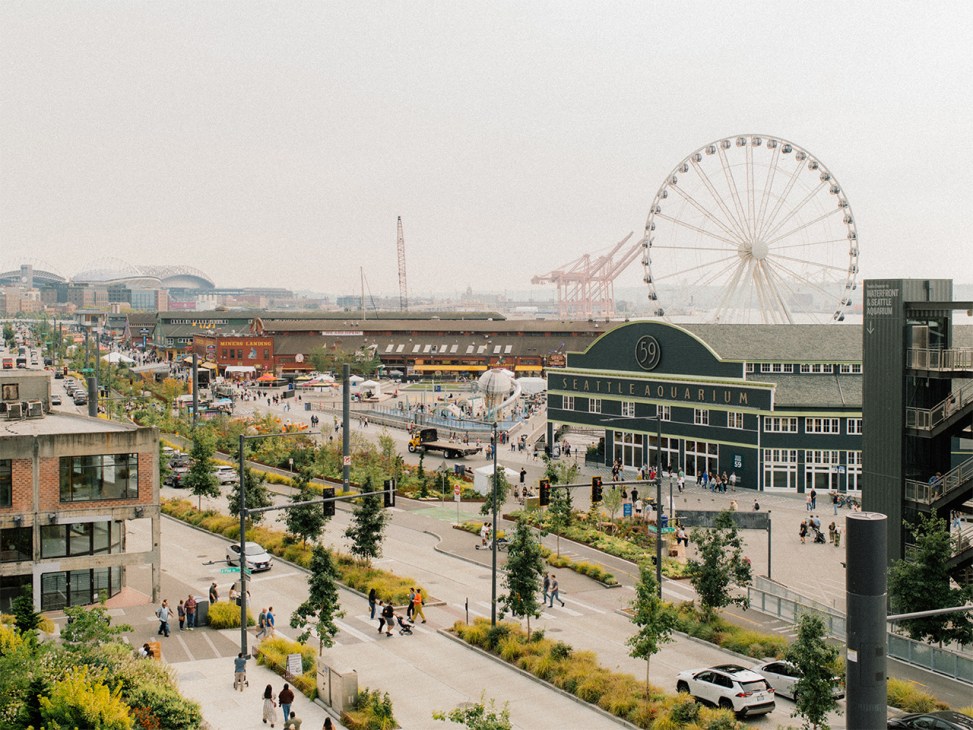


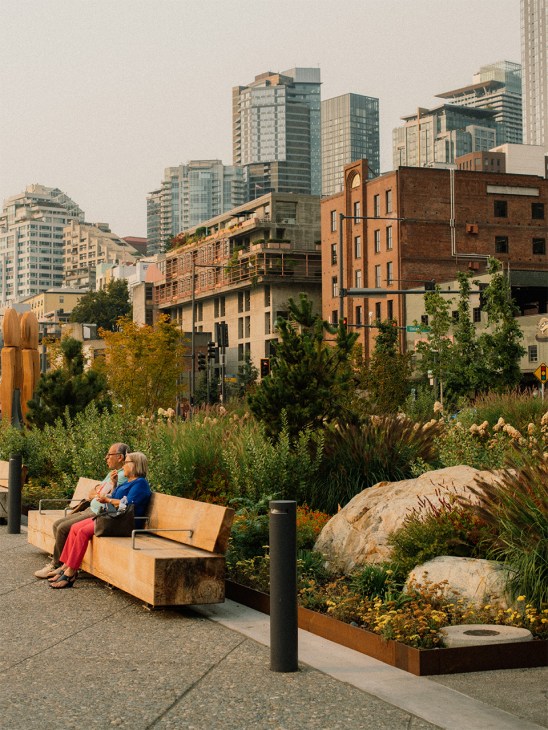
In recent decades, many landscape architects and urbanists across the globe have been trying to reconnect cities cut up by urban infrastructure. US studio Field Operations has long been at the forefront of this movement and its work in Seattle has established a new benchmark. The 1950s Alaskan Way Viaduct separated the city’s downtown from the watery edge of the Puget Sound. Today the elevated highway, which was damaged by an earthquake in 2001, has come down and a park has arisen in its place, designed by Field Operations.
Monocle meets the firm’s founding partner and CEO, James Corner, atop the site’s signature feature: the Overlook Walk, a collaboration with LMN Architects. People crowd the Salish Steps, a cascading set of stairs with the downtown skyline as backdrop. “It was always our aim to splice nature with the city, merging Seattle urbanism with Puget Sound naturalism,” he says. The park has reinvigorated an ailing downtown and served as a proving ground for ecological recovery in an urban industrial setting.
As people wander down pathways past groves of Oregon grape and Pacific Northwest alliums, boats cruise past the refreshed Elliott Bay seawall. Field Operations designed new panels with ribbed walls and shelves to mimic natural habitats. The result is a bustling ecosystem of algae, barnacles, mussels and kelp that attracts migrating salmon. “When the viaduct was here, the city was cut off from this massive asset,” says Corner. “They knew the bay was there but they didn’t pay any attention to it as a thing of scenic beauty.” Field Operations’ work shows how landscape architects can bring beauty to the fore, celebrating the city and supporting its people.
fieldoperations.net
Best civic renovation
Claro Arena by Idom
Chile
Stadiums aren’t just sports facilities. Done well, they can foster a sense of community and even enhance landscapes – as this example shows.
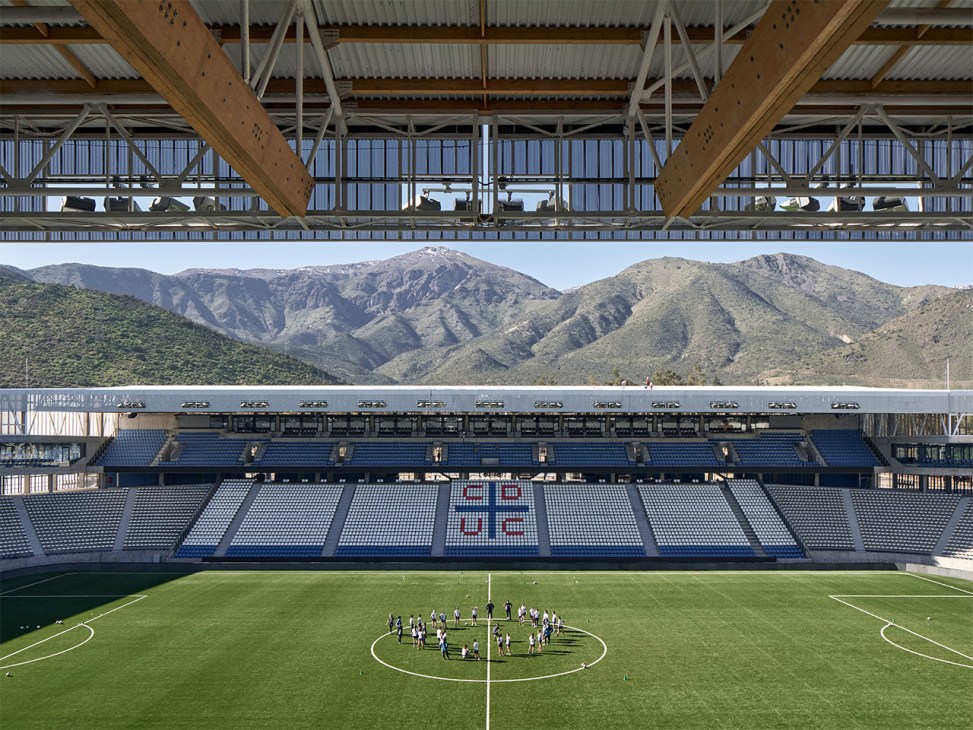
Santiago’s newly renovated Claro Arena pays tribute to its brutalist heritage. “We maintained 95 per cent of the sightlines,” says Borja Gómez Martín, a lead architect at Spanish practice Idom, which transformed the landmark. Built in the 1980s, the stadium originally sat low in the terrain but Idom introduced a lighter frame that hovers above the concrete base. A new upper level incorporates dressing rooms, press centres, technical areas, premium hospitality spaces and viewing galleries with a concourse that operates as the ground’s circulation system.
“We sought to understand how locals in the Las Condes neighbourhood interact with the stadium,” says Gómez Martín. This allowed the architects to expand the stadium in a way that creates a lively atmosphere but is respectful of the surrounding residential neighbourhood, modernising the structure while maintaining what made it a place that fans have adored for generations.
idom.com