Issues
Tokyo’s best barmen are serving timeless elegance at the Palace Hotel
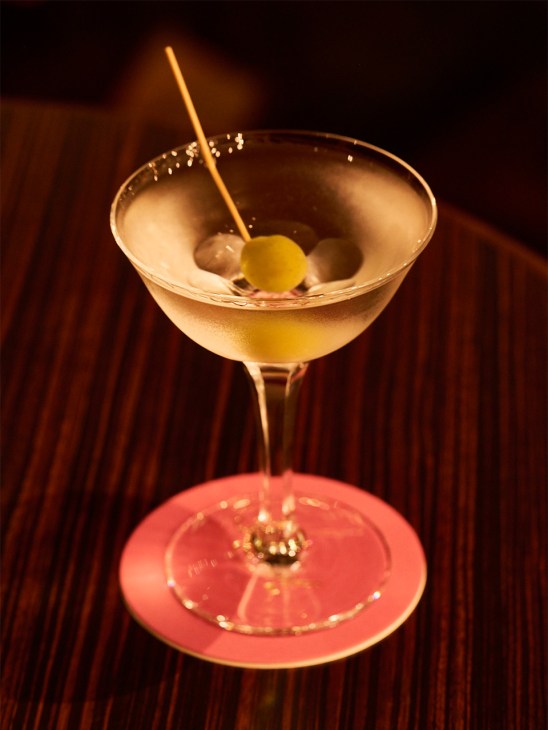
Contrary to the received wisdom that the best places to have a drink are casual and up to date, the Palace Hotel Tokyo’s Royal Bar takes itself seriously and wears its history proudly. When the hotel opened in 1961, bartender Kiyoshi Imai’s trademark dry martini was served in a glass that he designed on a mahogany counter. Since the hotel was rebuilt in 2012, the bar – tucked away in a corner of the ground-floor lobby with a polished counter cut from the original – has faithfully served Imai’s martini and a few of his other favourite cocktails from the 1960s and 1970s.
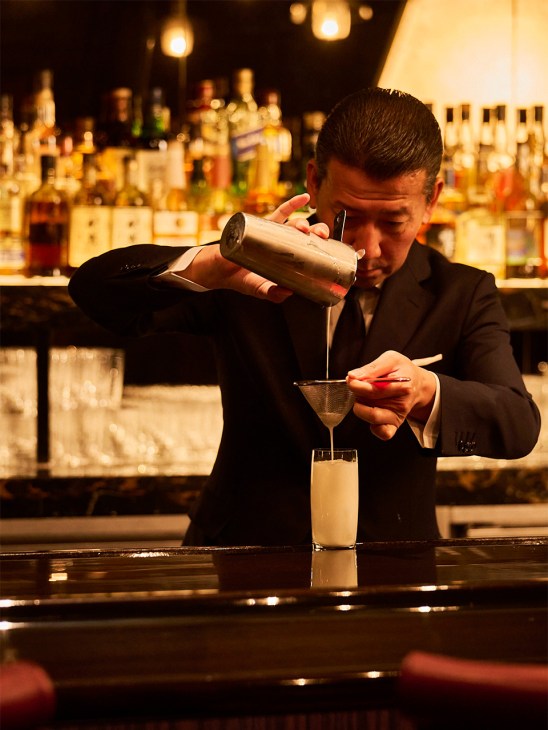
Dim lighting, leather armchairs and barstools, parquet floors and antique bohemian glassware in display cases along the wall are complemented by suit-and-tie-clad bartenders unperturbed by the rise of modish mixologists. Novelty comes in subtler forms, and today’s award-winning chief bartender, Manabu Ohtake, is a dab hand with seasonal drinks. His Roku martini – made with Roku gin, Japanese vermouth, Shodoshima olives and yuzu zest – has a fragrant smoothness that belies its punch, and his yuzu gin sour, with a dash of elderflower, is a fine-tuned aperitif. Drinks are the focus here but the bar, which opens daily at 15.00 and upholds a dress code, offers an extensive menu that includes grilled Wagyu tenderloin, escargots, clubhouse sandwiches and snacks prepared in the hotel restaurant’s kitchen.
Unlike in other establishments, where the bartenders’ flair and showmanship is part of the appeal, the Royal Bar’s staff prefer an understated approach. Ohtake’s every movement has a ritualised precision that he has perfected over more than three decades in the industry. Watching him in action is riveting: he performs the simple acts of pouring from a shaker or swirling a drink with a mixing spoon with sublime elegance.
With only 25 seats, the bar is small enough for Ohtake and his staff to maintain lofty standards of attentiveness while customers sit back and enjoy the show and their drinks. “From behind the counter, we have a view of every seat. We can read our customers’ facial expressions and anticipate their needs,” says Ohtake.
palacehoteltokyo.com
This article is from Monocle’s March issue, The Monocle 100, which features our editors’ favourite 100 figures, destinations, objects and ideas.
Read the rest of the issue here.
Inside Galeto, Lisbon’s legendary counter-culture classic
Galeto opened its doors on Lisbon’s Avenida da República in 1966 and has been buzzing ever since. Operating from morning until late at night, seven days a week, it has become a city institution. “The way I see it, Galeto is almost like a hospital or a post office,” says Francisco Oliveira, the restaurant’s current owner – in other words, a place that residents rely on.
Sixty years ago, it offered something new to the city. Brazil’s Italian community had popularised canteens centred around a chicken dish known as galeto. Inspired, six Portuguese restaurateurs living in the country at the time – including Oliveira’s father – brought the concept home. The idea was to create an eatery shaped by modern habits: neither a restaurant nor an ordinary snack bar. While the chicken failed to capture the Portuguese imagination, this speedy yet refined approach to dining proved an instant hit.
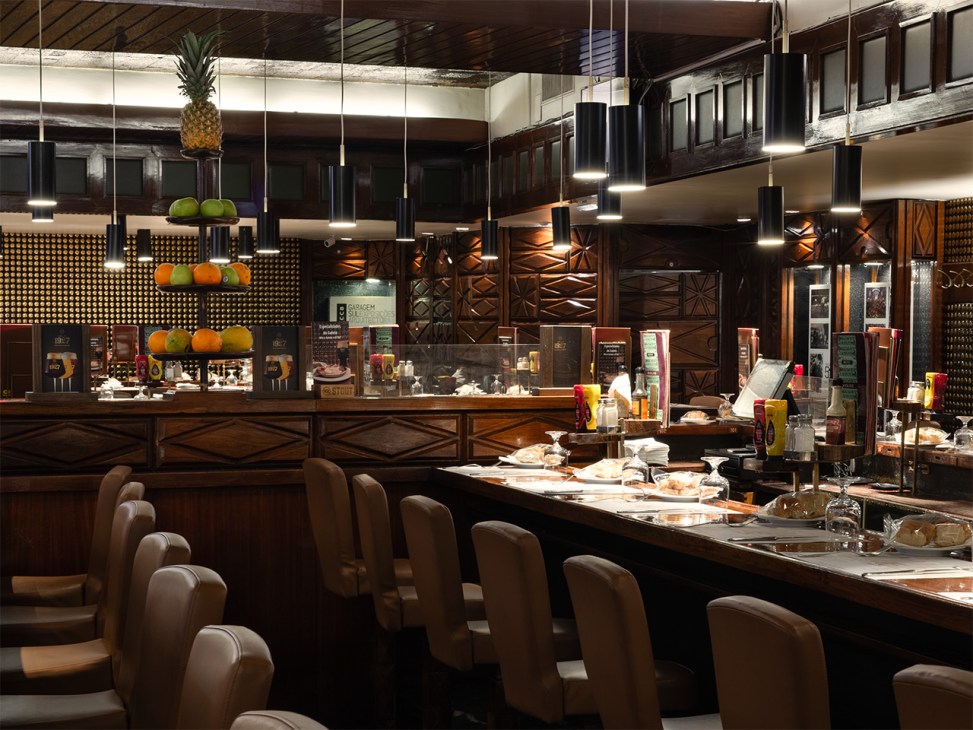
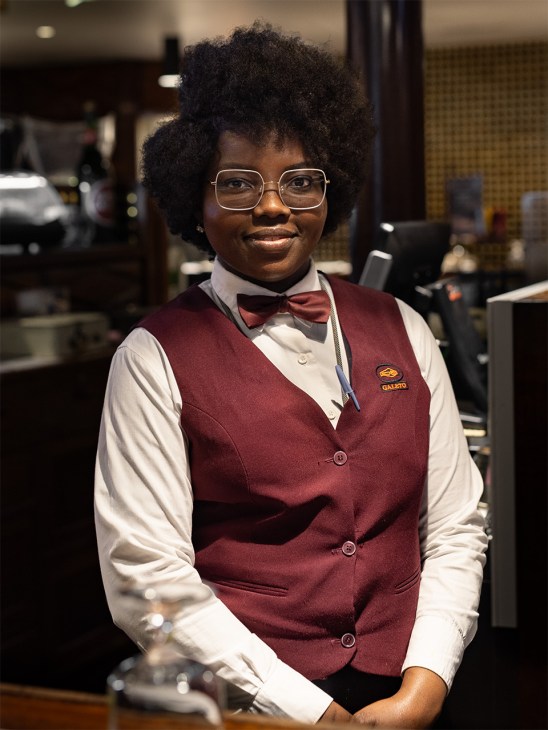
Galeto attracts an eclectic mix of patrons to its address on one of the city’s main arteries. Families and tourists fill the terrace by day; at night, journalists and politicians rub shoulders with groups of youngsters over a prego and an imperial. “The counters have a particular quality that makes it easy to meet people,” says Oliveira. “Over the years, Galeto has been responsible for both marriages and divorces.”
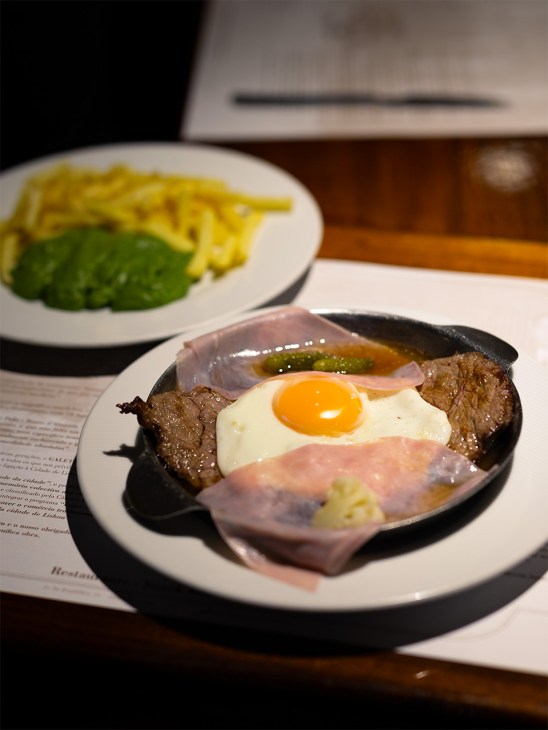
The menu is vast but some dishes – such as the bife à Galeto with ham and pickles or the hamburger with chips and creamed spinach – have become cult classics. Likewise, a handful of people among the almost-170-strong staff have become staples of the service, waiting counters with speed for more than 40 years. “This is a family-owned business with a mission,” says Oliveira.
galeto.pr
This article is from Monocle’s March issue, The Monocle 100, which features our editors’ favourite 100 figures, destinations, objects and ideas.
Read the rest of the issue here.
The place to contemplate: Chapel of St Thérèse of Lisieux Lyttelton
Charity – an approach to giving rooted in care for one’s neighbour – is a crucial tenet of Christianity. New Zealand-based architect Michael O’Sullivan’s family’s decision to design and donate the Chapel of St Thérèse of Lisieux to the people of Christchurch, on the country’s South Island, nicely embodies this philosophy.
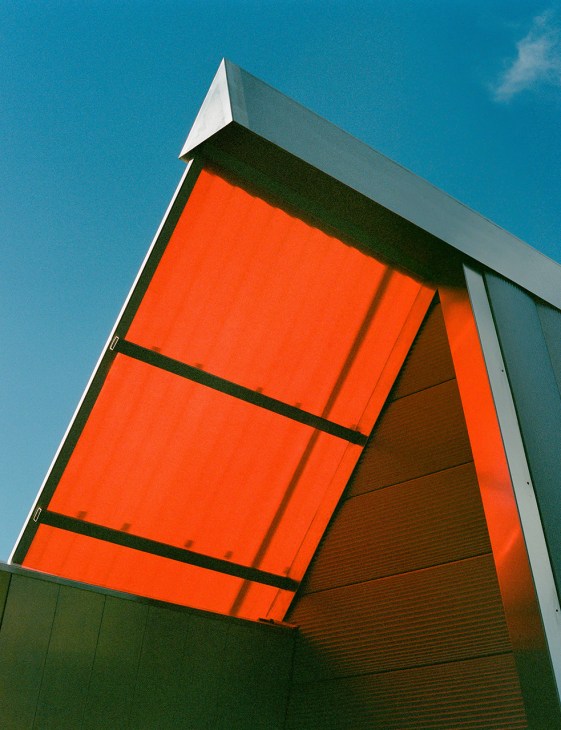
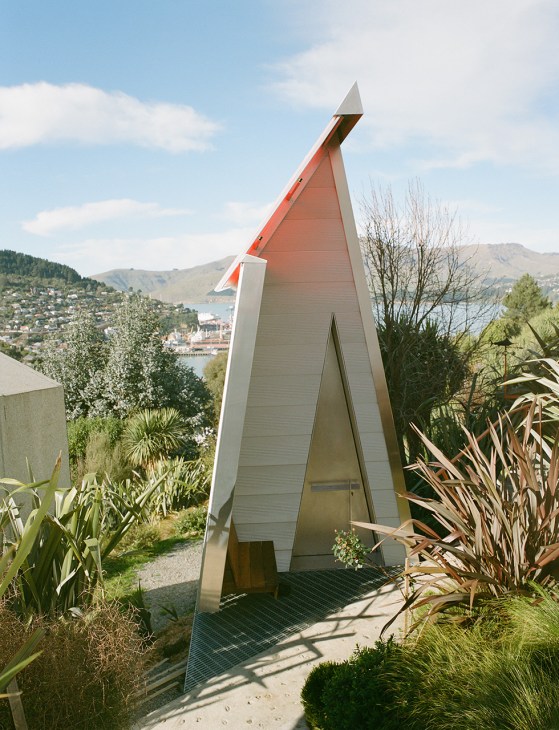
The structure is clad with an aluminium weatherboard developed by O’Sullivan’s Lyttelton-based architecture practice, Bull O’Sullivan. The material gives the project an ethereal atmosphere, thanks to its soft, reflective quality. It’s an effect enhanced by a translucent red panel that runs over the entirety of the roof, which diffuses a warm glow inside the chapel. The triangular doorway, meanwhile, is a play on the concept of the Holy Trinity.

Inside, a hushed, contemplative mood is created by chocolate-hued wool carpets and walls clad with darkly coloured timber from a native rimu tree. “This particular tree was extracted from a river where it’s said to have been for 600 years,” says O’Sullivan. “Before that, it was alive for a millennium. There’s something quite beautiful about the idea.”
Here, Christ himself is represented in the form of a crucifix, which was carved by Maori artist Johnny Hauraki from kauri timber beams that were salvaged from an earthquake-damaged warehouse in Christchurch.
This combination of a minimal palette of materials evokes the spirit of the chapel’s namesake, Thérèse of Lisieux. The Carmelite nun was known for her humble, simple approach to spirituality and was affectionately nicknamed “the little flower”. She is an appropriate patron, given that the compact chapel’s structure emerges gently from the landscape like a flower looking out at Lyttelton’s harbour.
bosarchitecture.co.nz
This article is from Monocle’s March issue, The Monocle 100, which features our editors’ favourite 100 figures, destinations, objects and ideas.
Read the rest of the issue here.
The savviest lobby addition: a gourmet minimart at the Sydney Paramount Hotel
You know the drill: a late-night drink with a client means that any decent dining establishment has called last orders by the time you’re back in your hotel room. The mini-bar offering is uninspiring and you know that the convenience store across the road won’t have the quality fix that you’re after. It’s this very predicament that Paramart, the new vending machine-cum-mini mart installed in the lobby of Sydney’s Paramount House Hotel, seeks to solve.
Open day and night, Paramart offers hotel guests and locals in the know (it’s open to the public) a taste of quality food at all hours. It’s stocked with food and drink from local restaurants and cafés, including taramasalata from Greek restaurant Baba’s Place, bread from AP Bakery and onigiri from Japanese café Parami.
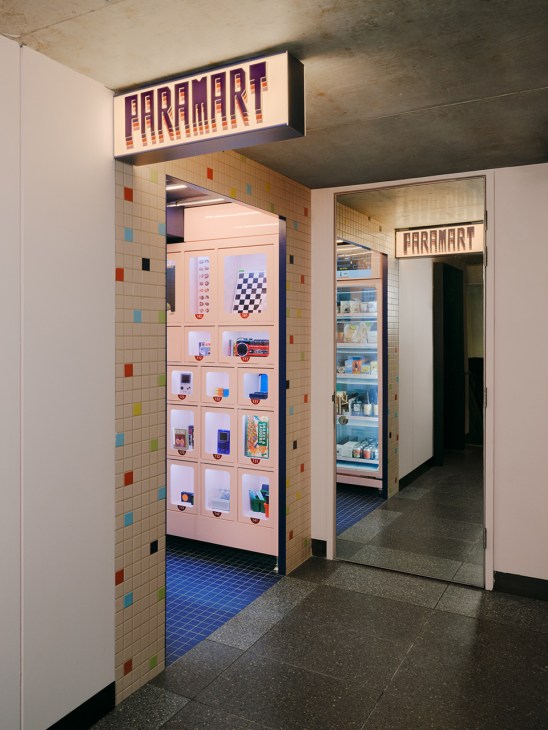
“We love where we live and Paramart is an opportunity to showcase the exceptional work of our local friends, suppliers and producers,” explains Aimee Bayliss, Paramount House Hotel’s head of brand and marketing. “From handmade-in-Marrickville taramasalata or small-batch martinis from Enmore to bespoke playing cards designed by a Sydney artist, it all contributes to a sense of place, helping each guest stay like a local.”
The result? A playful and welcome gesture of hospitality, with the vending machine sitting in a space designed by Anna Wu of Awa Studio, who drew inspiration from Australia’s milk bar culture. These corner shops dishing out snacks, sodas and, originally, milkshakes, formed the foundation for a design that’s about serving a community – in this case, those who frequent Paramount House. “We were very intentional about carrying the milk bar idea throughout the design. We recreated an Australian streetscape with a bright sign and mirrored door; a tiled portal greets you, referencing the iconic tiled facades of the classic milk bar,” says Wu. “The open lockers are supposed to make you feel like you’re peering into an ice cream freezer and the Paramart team did a great job of stocking the machines to really enhance that sense of wonder.”
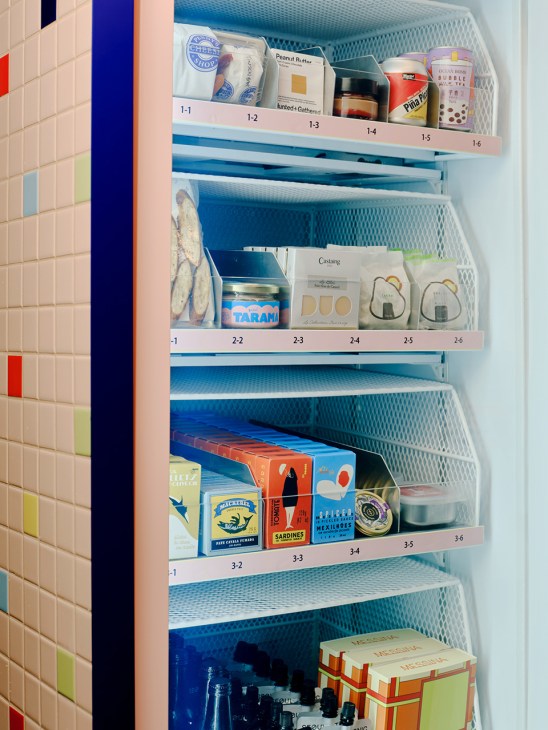
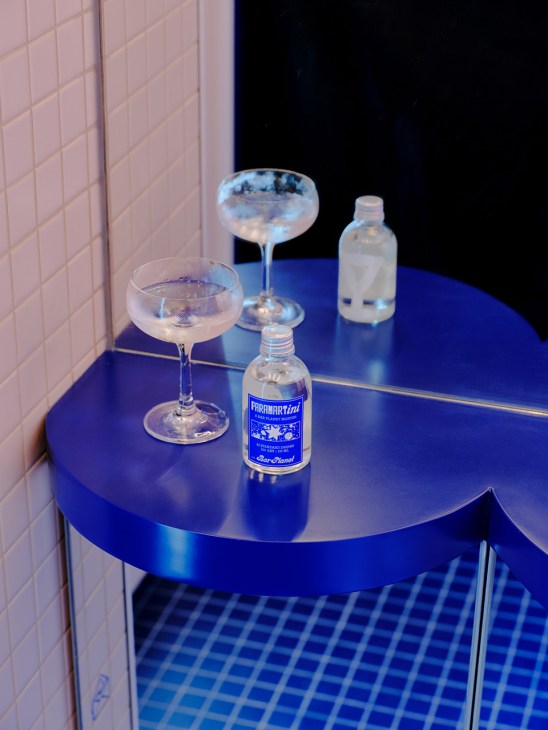
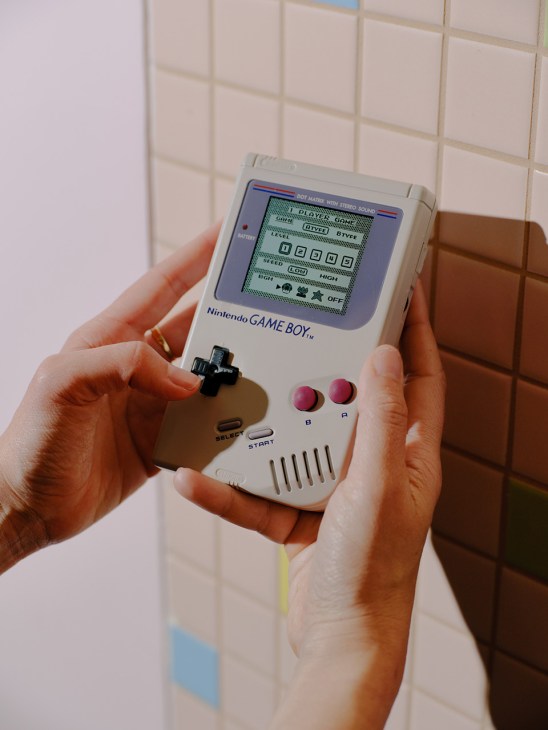
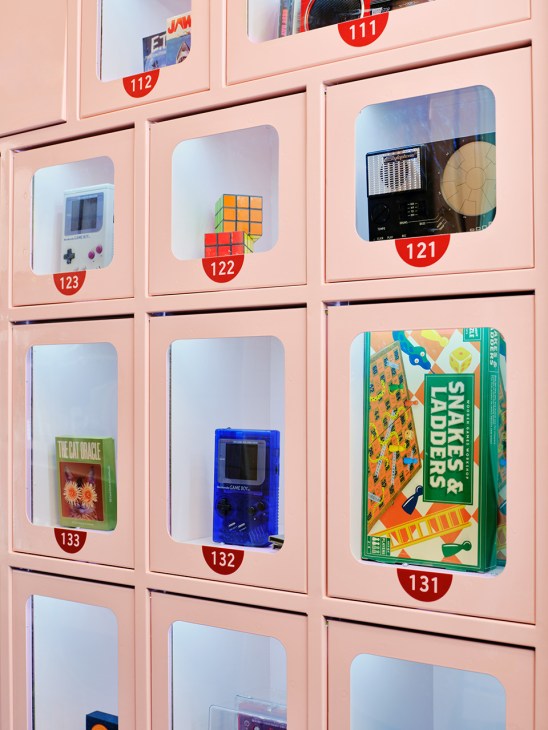
It’s a sense of wonder that’s also enhanced by a host of other products carefully selected to bring fun to a guest’s stay. A token allows the loaning of everything from Nintendo Game Boy consoles and cassette players to chess sets and even exercise kits. A reminder that hospitality goes beyond simply offering somewhere to rest your head. “Paramart’s products will be constantly updated to share and celebrate what our evolving neighbourhood has to offer,” adds Bayliss. “It’s just another way to make a stay in the House feel like home.”
paramounthousehotel.com
How Blaise Metrewell is redefining secret intelligence as the first female chief of MI6
Blaise Metreweli has described her role as the UK’s most senior spy as a kind of “hidden service”. That’s less a show of modesty than a statement of intent. Her path to becoming the first female chief of the Secret Intelligence Service (commonly known as MI6) wasn’t what you might expect from reading spy novels. After training as an anthropologist, she studied psychology and then artificial intelligence. What was closer to James Bond was her time at Q, MI6’s technology arm. There, she rose to director general after years in the field, recruiting and running sources in hostile environments and leading operations in warzones.
MI6 is fundamentally a humanintelligence collection service. Its job is to find, recruit and run sources. It doesn’t assess. Signals intelligence, geospatial imagery and opensource material come from other agencies. Those streams are fused at the Joint Intelligence Committee, which produces assessments for UK ministers. The model’s value lies in complementary perspectives; premature consensus is a danger.
Metreweli’s strategic brief is exacting. Rapid advances in AI, biotechnology and quantum computing are changing risks, while global power realignment is reshaping alliances and broadening fault lines. Yet she warns that technological superiority alone won’t decide outcomes. “The defining challenge of the 21st century is not simply who wields the most powerful technologies but who guides them with the greatest wisdom,” she told an audience in London recently.
Metreweli’s predecessor, Richard Moore, described her as a “powerful recruiting sergeant” and a corrective to the “damage” done by 007 – who is not a helpful model for anyone contemplating an intelligence career. Metreweli, on the other hand, is. She believes that intelligence, grounded in human judgement and institutional restraint, can help to steady a destabilising world. In that belief lies a contemporary vision of the quiet service.
This article is from Monocle’s March issue, The Monocle 100, which features our editors’ favourite 100 figures, destinations, objects and ideas.
Read the rest of the issue here.

Eight elegant objects that will make your days feel more considered
1.
No Ads Please: Stories from the Founder of the World’s Most Creative Agency
A new book by the co-founder of creative agency BETC offers hard-won lessons on how to make adverts that cut through the noise.
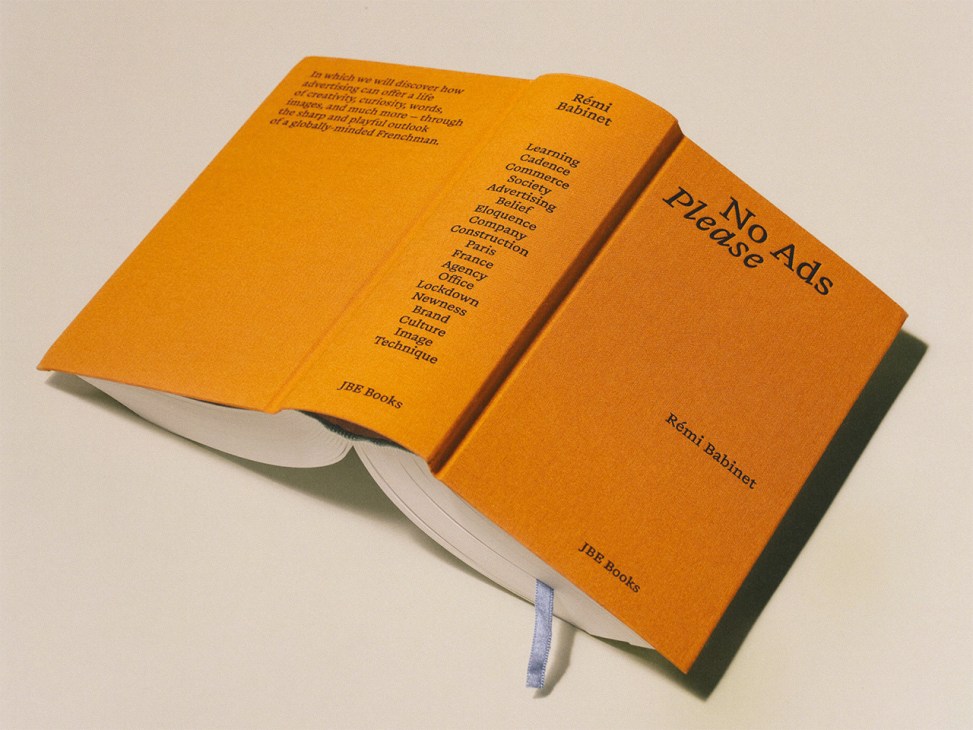
French creative director Rémi Babinet’s new book, No Ads Please: Stories from the Founder of the World’s Most Creative Agency, is packed with photos, campaign stories and reflections as it charts 30 years of his career running BETC, a firm with clients including Michelin and Evian. According to Babinet, No Ads Please is a manifesto for why advertising matters beyond the marketing bubble. “My goal is to reach everyone working in the creative Comment: Babinet isn’t concerned by the potential effect of AI on advertising. “Only humans can understand what will move people,” he says. industries,” he says. Babinet believes in the value of simplicity. “When people are overwhelmed with content and messages, it’s how you become memorable,” he says. “At first, I liked it for aesthetic reasons but [clarity] has a strategic advantage.” He adds that openness is key to creativity. “Listening is central. People think that our job is to talk but first it’s to listen – to consumers, social trends, culture and daily life.”
2.
A timeless timepiece: The Seiko SJE121
To mark 145 years, Seiko unveils limited edition King Seiko KSI969 honouring heritage.
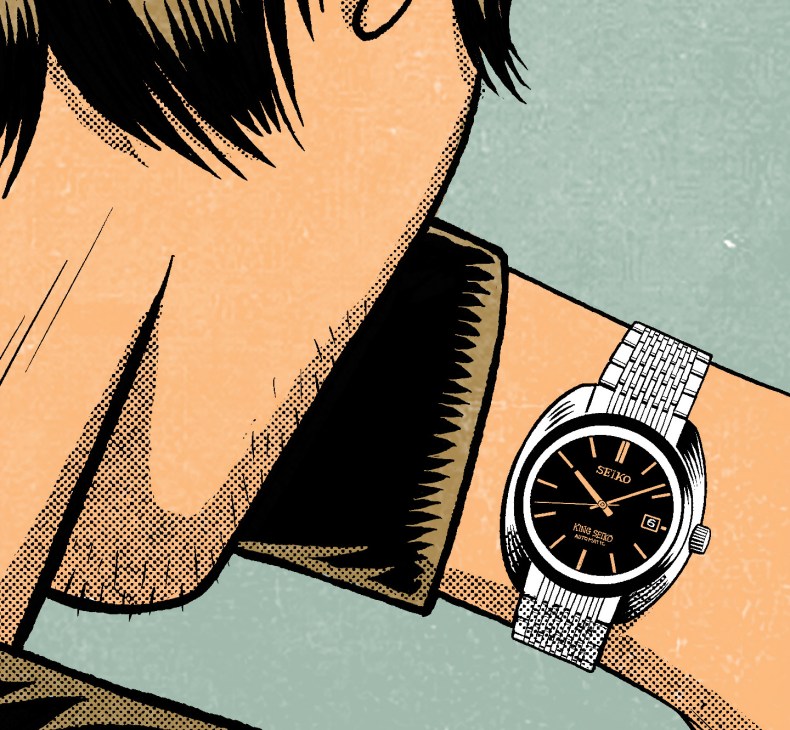
Seiko’s roots lie in a humble watchmaker’s shop opened by Kintaro Hattori in Tokyo’s Ginza district in 1881. As the brand celebrates its 145th anniversary, we have been admiring this commemorative release from King Seiko – its luxury brand, born in 1961, which sits between Seiko’s everyday watches and its premium handcrafted line, Grand Seiko. This special-edition KSI969 is an automatic that riffs on both the company’s origins and the King Seiko 45KCM, released in 1969. The dial’s design is derived from an intricate pattern that Hattori had engraved on imported pocket watches in Seiko’s early days. Its slim, stainless-steel case features a shield emblem inspired by the logo from the 1960s and is paired with a comfortable link strap. Only 800 of these have been made – so start shopping now.
seikowatches.com
3.
Berker’s Serie 1930 switch
Ideal for pre-war homes but also suited to those who don’t want to ask Alexa
In 1919 brothers Hugo and Robert Berker set up a light-switch factory in a town in North Rhine-Westphalia, Germany. Their workshop focused on rotary switches – ones that you would twist, rather than flip on and off. It was a novelty in many German households. The siblings found loyal customers in the Bauhaus school, founded in the same year, whose architects often installed Berker lights in their buildings.
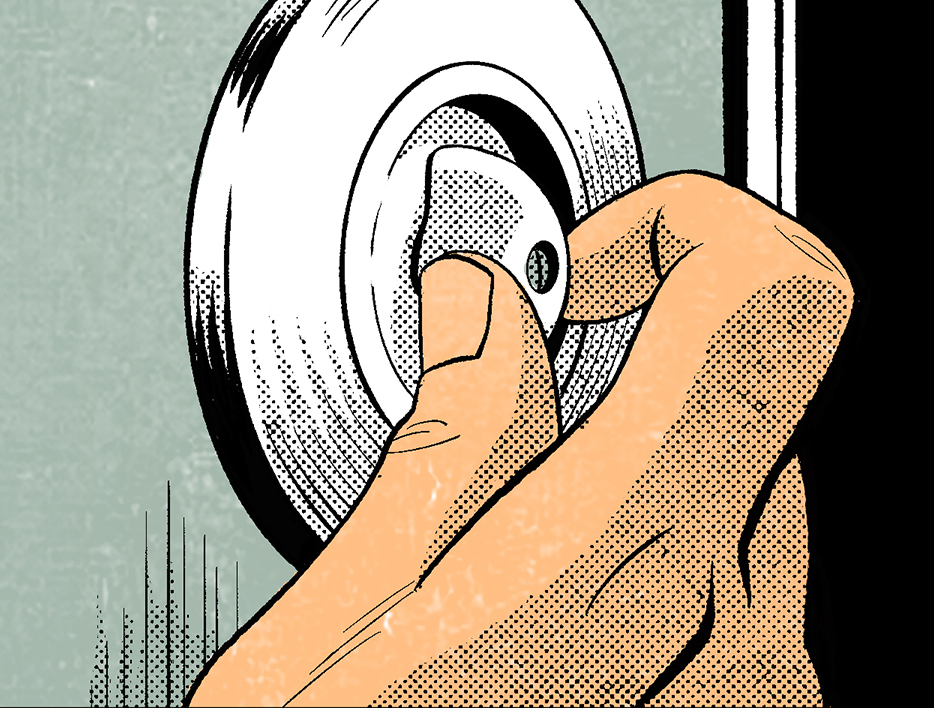
Fast-forward to the 1990s. When the Bauhaus school’s Dessau complex was restored and the interiors returned to their original condition – which, of course, included the switches – Berker faithfully recreated them by mining the archives. The result was launched as Serie 1930 in 1999. The Serie 1930 comes in several variations but the ceramic light switch in white is the most authentic. The design is ideal for pre-war houses but equally suited to owners of new homes seeking something distinctive – but don’t want to ask Alexa, clap their hands or tap at a screen just to get the lights on. The turn of the wrist is an analogue action that Berker has spent more than a century perfecting.
berker.com
4.
A furniture threesome to provide an instant upgrade
Good seating, soft lighting and a smart side table can liven up any living space. Here’s our perfect trio.
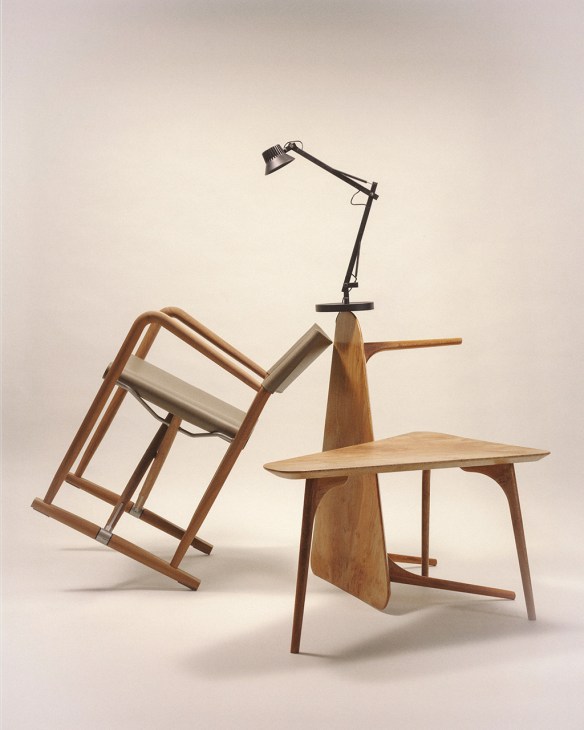
The ideal living room strikes a balance between relaxation and social interaction. A comfortable chair, such as the Flexform Luchino is essential. Sturdy but lightweight, it’s inspired by chairs used by film directors, giving those who sit in them a sense of control. It’s made from solid hand-turned and finished ash or walnut wood, with a seat and a backrest in durable cowhide.
The Muuto Dedicate Lamp casts a soft, flattering glow, with a classic spring-loaded articulated design, making it easy to rotate and reposition. A handsome side table is a must too – a surface on which to rest everything from drinks to magazines. UK-based studio Pirajean Lees recently released a furniture collection that includes this TC01 Coffee Table. Originally designed for a restaurant project, it brings a sense of hospitality and the bespoke to any space. Combined with the other pieces, it creates a space where you can retreat from the world – or a welcoming environment in which to gather.
flexform.it; muuto.com; pirajeanlees.com
5.
Waphyto, your skincare champion
Waphyto blends Japanese herbalism and botanicals into simple, plant-based skincare solutions.
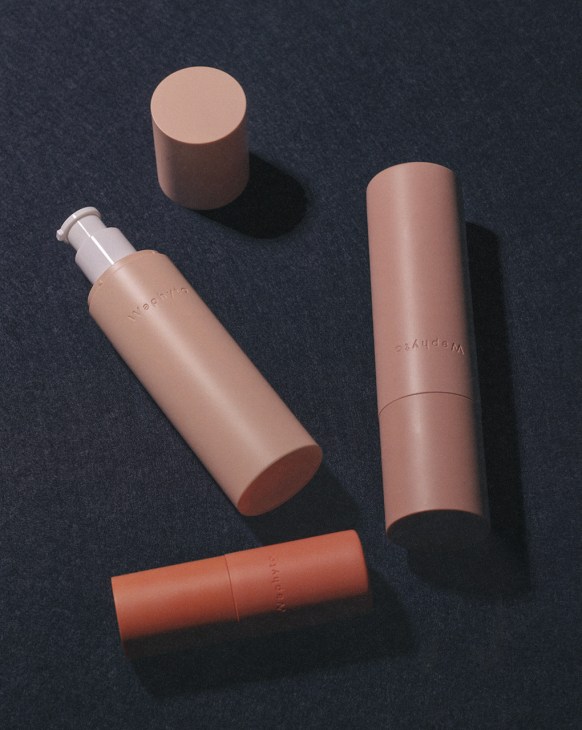
Beauty brands from Japan (also sometimes clunkily called J-beauty) are nonetheless gaining popularity as a simple answer to South Korea’s popular skincare, which often calls for complicated multi-step routines.
One niche, in-the-know brand is Waphyto. The idea for the business came to Atsuko Morita after a stint working as a flight attendant, which led her to develop asthma as well as dry skin and hair. After a friend recommended herbal medicines, which helped to alleviate her symptoms, she went on to study botanical therapy in France. She launched a series of plant-based beauty products that blend traditional Japanese herbalism with plant biomethodology in 2020.
The key to Waphyto’s products is using botanicals (think mulberry, chrysanthemum, mugwort and horsetail) sourced from Morita’s hometown of Mikawa and carefully extracted through a delicate steam-pressure method. It’s proof that the best ideas often come from finding solutions to genuine needs – and not overcomplicating it from there.
waphyto.com
6.
A Zuriga E2 for your daily grind
Zuriga champions Swiss-made, two-button espresso machines built with elegant, durable simplicity.
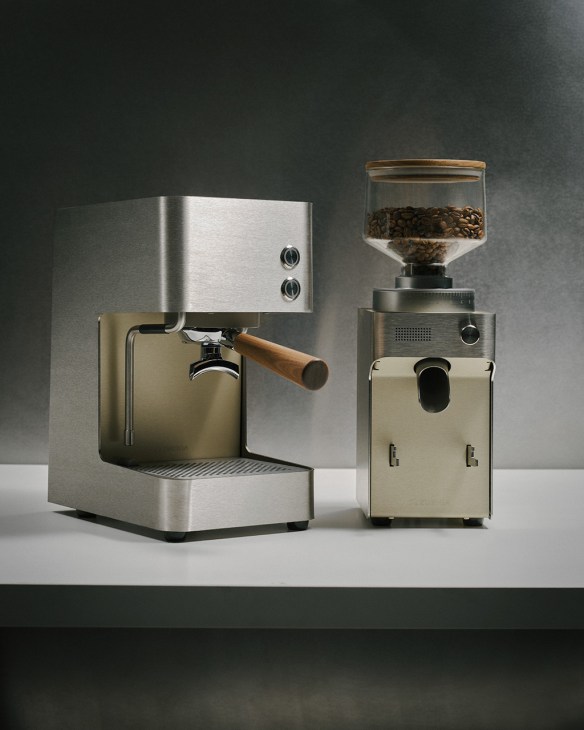
In a cluttered coffee market, this Swiss-made wonder wins by doing less than the competition. Imagine: a kitchen gizmo that doesn’t have a touchscreen or require an app. Zuriga’s machines are precise from manufacture to macchiato – all tough glass, stainless steel and walnut-wood handles. Oh, and there are just two buttons. The coffee market can be faddy but Moritz Güttinger’s firm, founded in 2016, presents a good argument for simplicity over gimmickry.
zuriga.com
7.
The stove-top staple from Alessi
An iconic 1980s stainless-steel kettle celebrating refreshingly non-automated design simplicity.
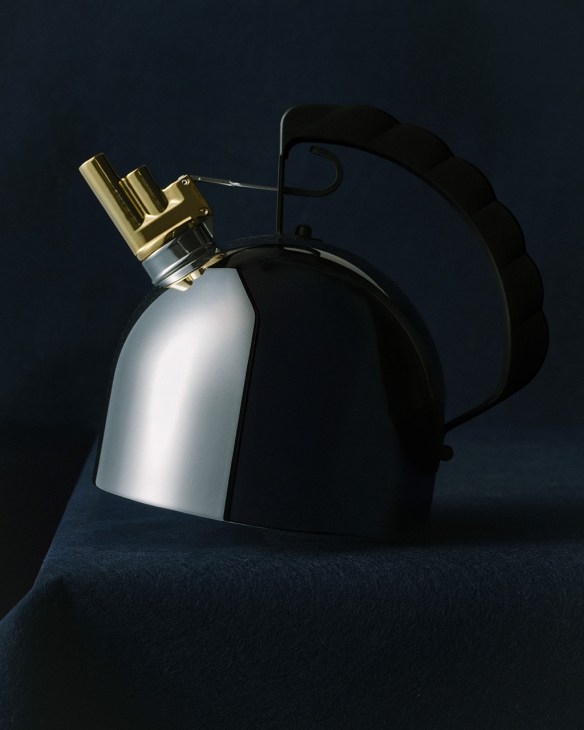
Not everything designed in the 1980s stands up today but in this age of fiddly taps shooting scalding water directly into the sink, this classic kettle feels like a welcome return to common sense. The Richard Sapper creation for Piedmont kitchen kingpin Alessi has aged well, thanks to its domed stainless-steel body, sinuous black handle and latch, plus brass pipes that whistle – the notes E and B, if you’re wondering – as the water boils. The sound was inspired by Sapper’s memories of riverboat sirens on the Rhine. This hints at an important truth often forgotten in the kitchen: not everything needs automating.
8.
The most cutting edge blades from Japan
Sharpness, effortless slicing and precision.
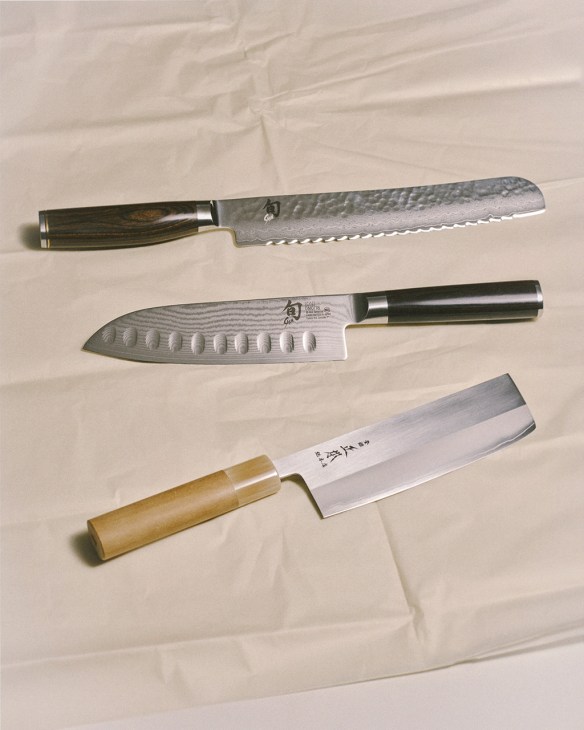
“When it comes to knives, I look for three things: sharpness, ease at which food releases from the blade and the feel of it,” says Justin Kowbel, co-founder of London’s handsome kitchenware retailer Borough Kitchen. For sourdough lovers, Kowbel recommends the Kai Shun Premier Bread Knife. “The direction of the serration changes at the midpoint, effortlessly cutting through tough crusts.” The Kai Shun Classic Scalloped Santoku (middle) slices through everything from vegetables to cuts of meat. And for something a little extraordinary, choose the Masamoto FS Series Nakiri. “A nakiri’s straight blade is excellent for fine chopping. There’s a reason why Masamoto is one of Japan’s most respected knifemakers.”
boroughkitchen.com
This article is from Monocle’s March issue, The Monocle 100, which features our editors’ favourite 100 figures, destinations, objects and ideas.
Read the rest of the issue here.
The CEO’s survival kit: Six essential items for leading the charge
How much more elegant is it to jot down your thoughts in a notebook than on your phone? The best solutions don’t run out of battery mid-meeting. With this in mind, Monocle’s fashion team has brought together a few items that will demonstrate your discernment, whether you’re in the boardroom or at the boarding gate.
1.
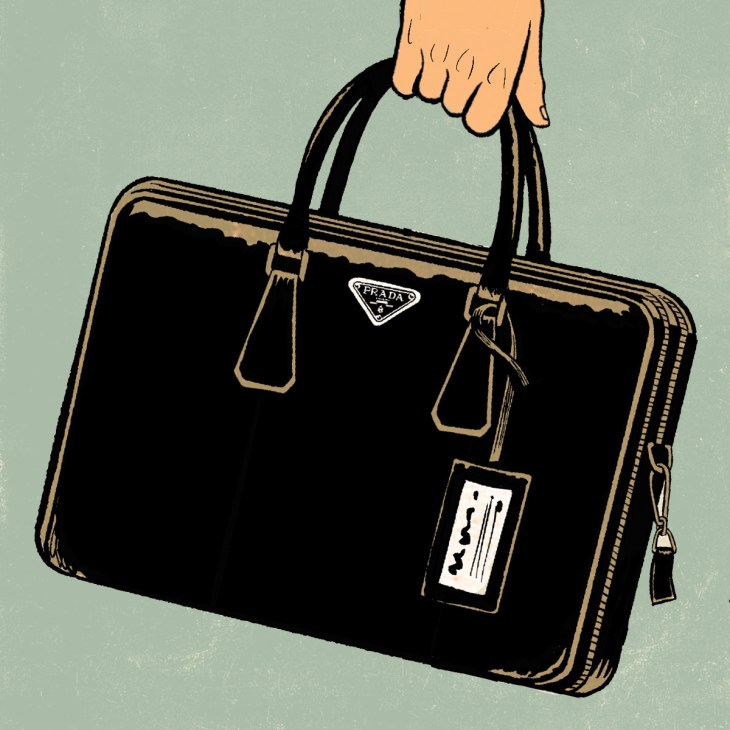
Briefcase by Prada Saffiano
Italy
The briefcase is back (sort of). Mercifully, it’s not the hard-cornered kind lugged around in yesteryear. Prada’s softer leather number, Saffiano, offers plenty of storage space and a svelte silhouette.
prada.com
2.
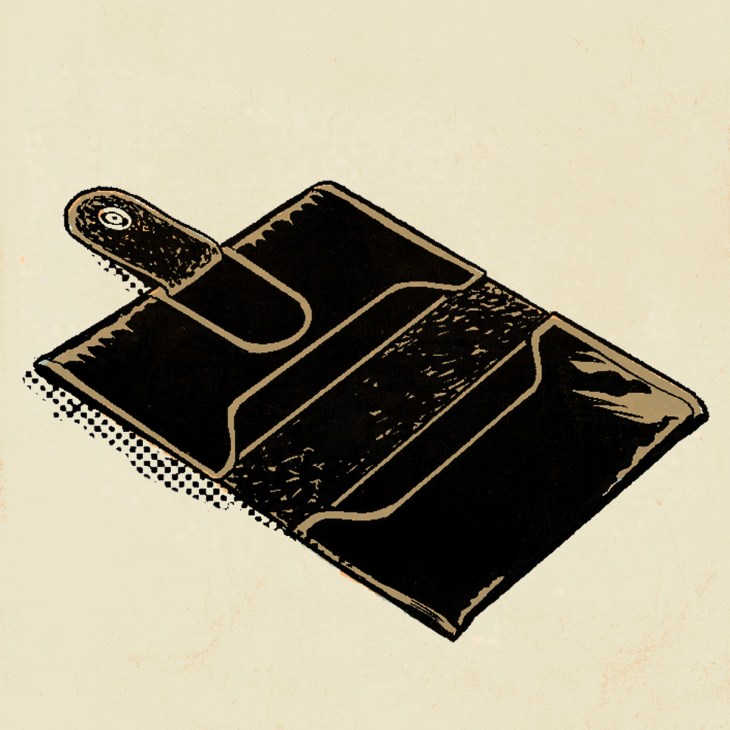
Card holder by Hermès
France
The only thing that’s more naff than being caught without a business card is having a digital one. How people remember you is crucial. Handmade in France, Hermès’s RMS calfskin cardholder is slim and subtle, and comes in 11 seemly colourways.
hermes.com
3.
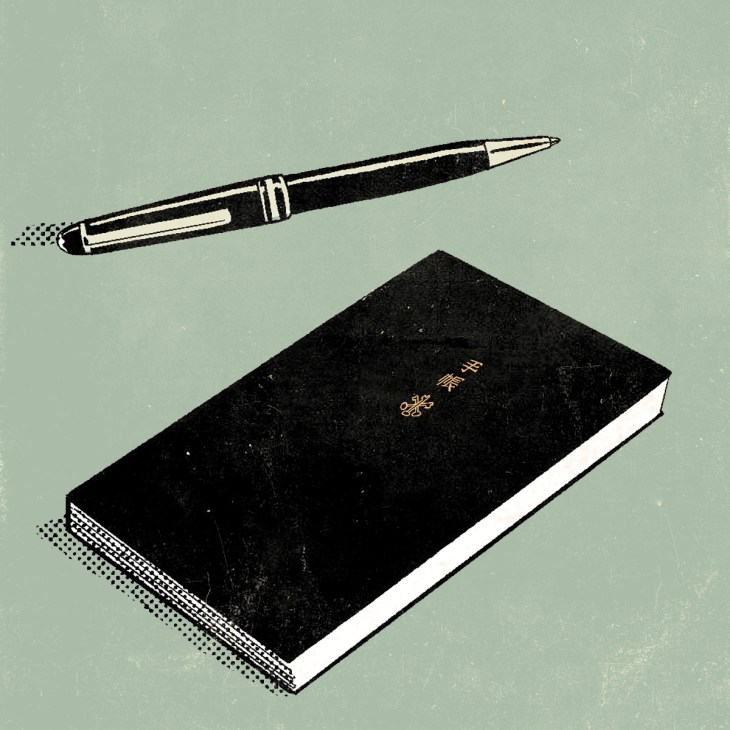
Diary by Hobonichi and pen by Montblanc
Japan & Germany
There’s a reason why those little computers with a stylus never took off: no technology has ever replaced our urge to scribble on a page. Montblanc’s classic ballpoint makes it even more of a pleasure, especially when it’s paired with one of Hobonichi’s pocket-sized diaries. montblanc.com; 1101.com
4.
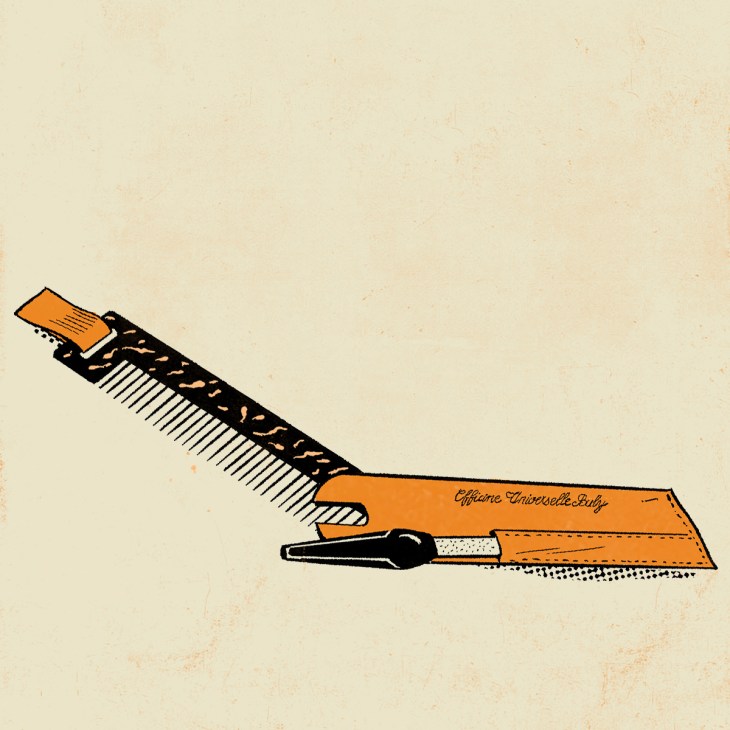
Comb and nail file by Officine Universelle Buly
France
Good grooming broadcasts your respect for the person who you’re meeting. You can always rely on this retractable Swiss-made comb and nail file from Officine Universelle Buly.
buly1803.com

5.
Eye mask by The Silk Collection
UK
A disco nap in a taxi or between meetings has its place but this eye mask will help to keep the light out when only a proper night’s sleep will do.
thesilkcollection.com
6.
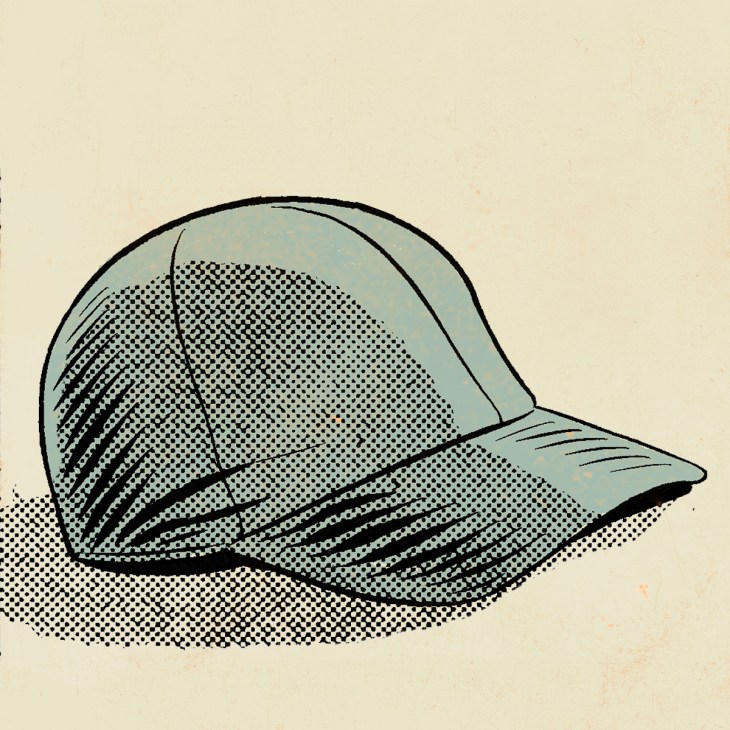
Cap by Luca Faloni
Italy
This Italian-made cashmere cap from Milan-based brand Luca Faloni is just the ticket when you want to go incognito at a conference (or if you need to hide an unruly post-flight hairdo).
lucafaloni.com
This article is from Monocle’s March issue, The Monocle 100, which features our editors’ favourite 100 figures, destinations, objects and ideas.
Read the rest of the issue here.
Meet the artisans of Como, reviving craft in an age of mass production
Over the past few decades, there has been an exodus of artisans from European cities, where running a carpentry workshop or making shoes can be expensive. But manufacturing enclaves can still be found in the continent’s urban centres, doing wonders for customer trust, brand reputation and quality control. Among them is Como in northern Italy. Though the lakeside spot is known largely for hospitality, it’s also home to plenty of creatives and makers.
Beyond the historic centre is the city’s oldest silk producer, Taroni. “The story is that the lake’s water had a pH level that lent itself to printing fabrics,” says Maximilian Canepa, Taroni’s owner and creative director. Como has long been a centre of silk production; today, 25 companies still work with the fabric. “If you want something unique and researched, you come here,” says Canepa, explaining that Taroni provides silk to Milan’s fashion houses.


At printing studio Edizioni Lithos, founder Alfredo Taroni deals in intricate etchings. “Como had an art tradition that was lost in the early 20th century,” he says. “We brought it back in 1989 [with Edizioni Lithos].”
Today, there is a new story of craft being told by makers such as Luca Mandaglio and Lisa Castelnovo, whose pottery studio, Como Lake Pottery, works on commission for hotels, restaurants and a design firm in France. “Como’s beautiful spaces – the green and blue between the sky and the mountains,” says Mandaglio. “It’s inspiring.”
taroni.it; edizionilithos.it; comolakepottery.it
This article is from Monocle’s March issue, The Monocle 100, which features our editors’ favourite 100 figures, destinations, objects and ideas.
Read the rest of the issue here.
How Macon & Lesquoy playfully deliver the art of the perfect brooch
The glittering badges and brooches handmade by Macon & Lesquoy offer subtle lessons in how to add character and charm to an outfit. “You can begin your day with something comfortable and easily recognisable,” says Marie Macon who co-founded the brand with Anne-Laure Lesquoy 15 years ago.
Monocle meets Macon at the business’ Paris shop off the Canal Saint-Martin. She runs her hands over brooches that include a mix of subjects from a film camera, a lobster and a pair of Bic pens. “But you can also lean into something more provocative, which will become part of your armour for the day ahead.” We have all had a day when an artfully rendered emblem of a jellyfish might have heightened our mood or accentuated an outfit.
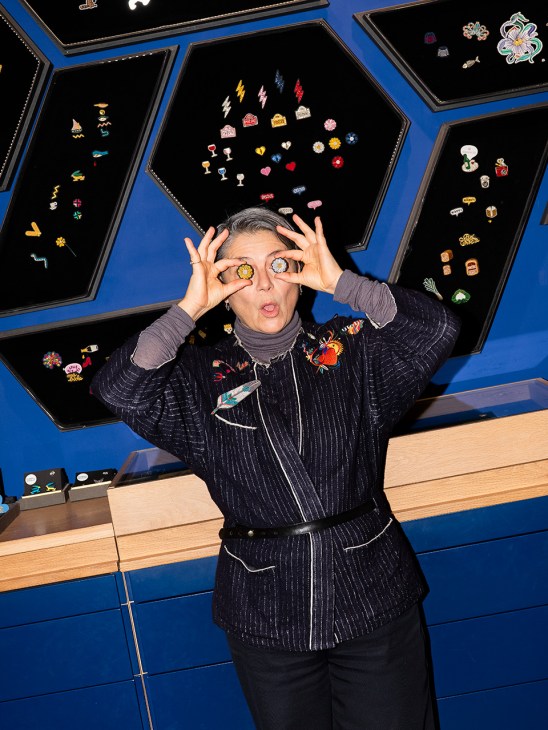
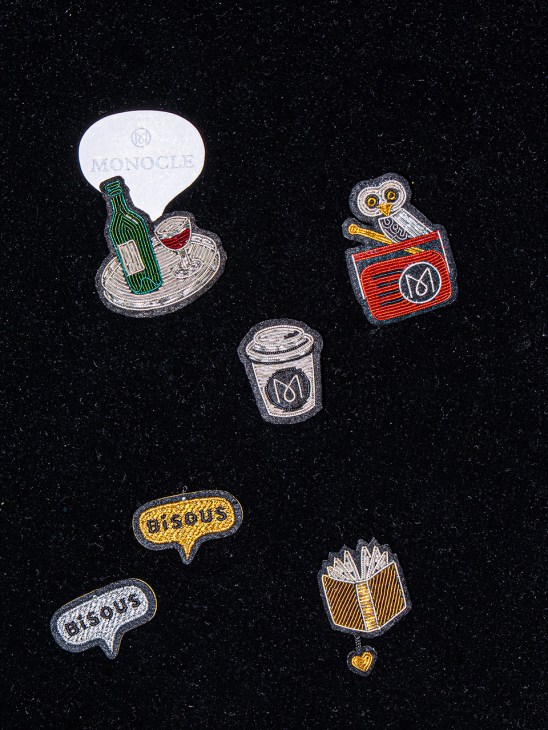
Designing more than 2,000 badges to date, Macon says her aim is to allow people to inject a note of whimsy into their day. The Paris-based company has collaborated with a variety of institutions, including collaborations with Musée d’Orsay, Notre-Dame de Paris and ourselves here at Monocle. “We love bringing a specific universe to life,” says Macon. “It’s a way of melding my sensibilities with Anne-Laure’s and allowing others to integrate them into their own lives.”
If you find yourself in Paris’s 10th arrondissement, you might just spot Macon in her royal-blue painter’s jacket, emblazoned with a mosaic of her favourite brooches.
maconetlesquoy.com
This article is from Monocle’s March issue, The Monocle 100, which features our editors’ favourite 100 figures, destinations, objects and ideas.
Read the rest of the issue here.
Shone Puipia is the brand connecting with the world on a personal level, one design at a time
Bangkok’s hustle and bustle hides myriad stitching, sewing and crafting. Fashion designer Shone Puipia’s studio, showroom and atelier is based in a quiet alleyway in busy Suan Phlu, Sathorn. The purpose-built, three-storey compound is walking distance from the home that he shares with his mother, Pinaree Sanpitak, one of Thailand’s leading contemporary artists.
The pair frequently collaborate. The 32-year-old also works with his father, Chatchai Puipia, another venerable Thai painter – a crossover that he celebrated at his first showing in Paris last year during men’s fashion week. “It was eye-opening for [people at Paris fashion week] to see this level of fashion coming out of Thailand,” says Puipia. “Visitors really understood the quality and craftsmanship that we produce.”
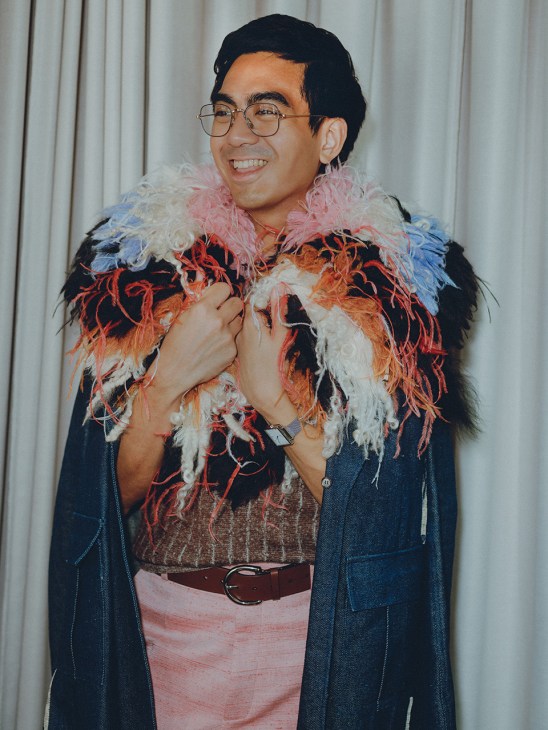
During Monocle’s visit to the brand’s Bangkok base, three seamstresses are putting the finishing touches to several wedding gowns. “Everything is made here,” Puipia says, showing us around the atelier in an outfit featuring a knitted T-shirt and a pair of red, eel-leather ballet slippers – a signature design from 2023 and now part of every Shone Puipia collection.
Puipia’s interest in clothes began when he took a pattern-making and draping course at the Alliance Française in Bangkok. He was learning French at the time, saw a poster on the wall and kept enrolling for the same weekend short course for the next two years. “I got to love the craft from learning the making side of it,” says Puipia, who recalls being given a book on Dries Van Noten. His admiration for the iconic Belgian designer’s use of colour, ethnic patterns and collegiate style led him to study at the Royal Academy of Fine Arts in Antwerp. An invitation to show his pieces at the MAIIAM Contemporary Art Museum in Chiang Mai provided a platform for launching his own label in 2018.
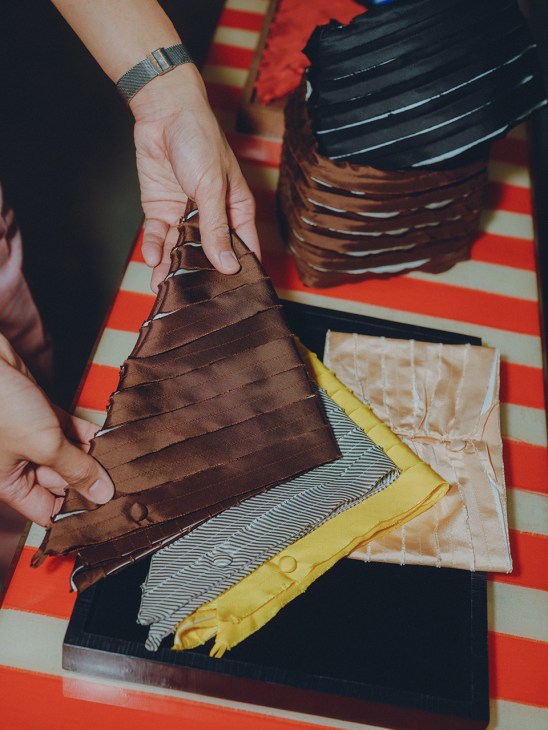
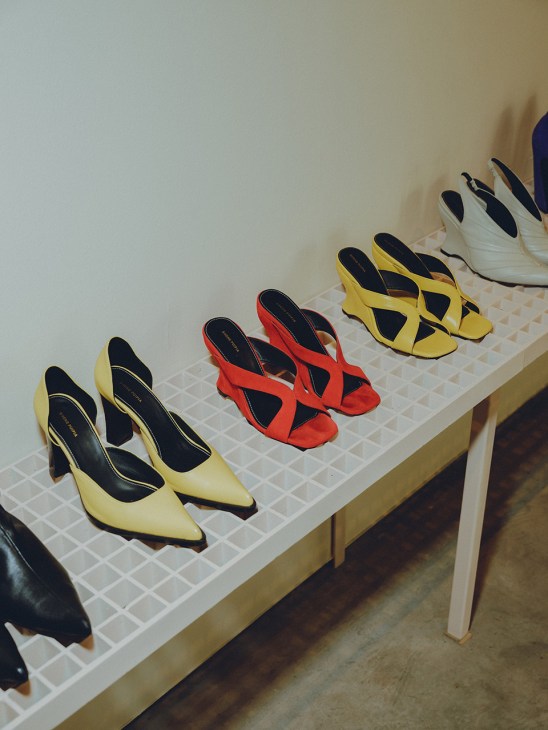
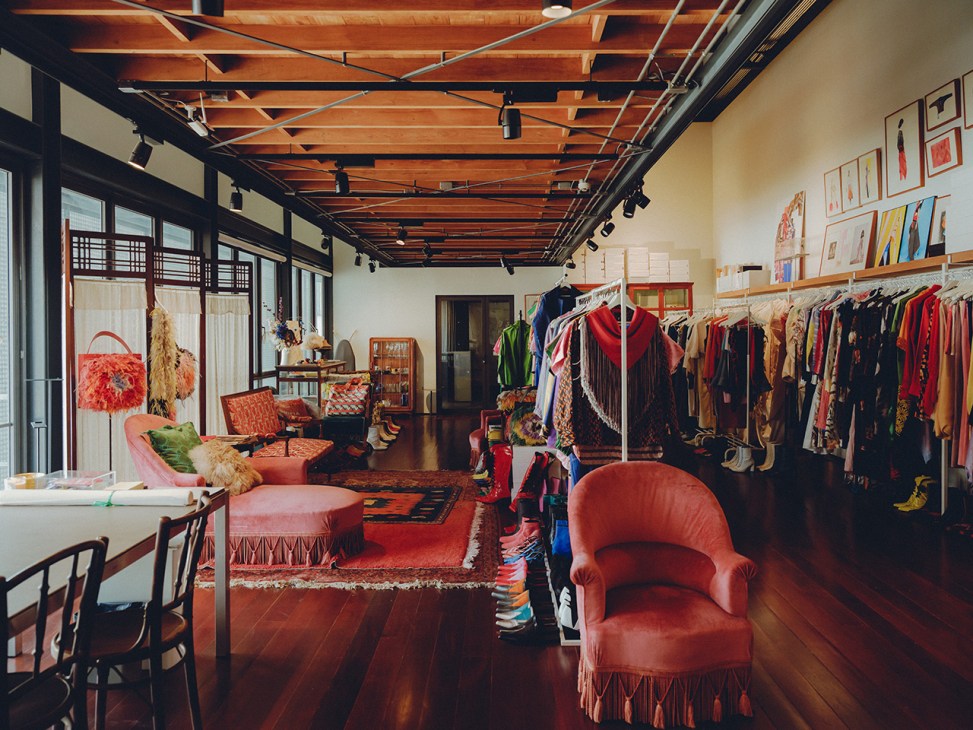
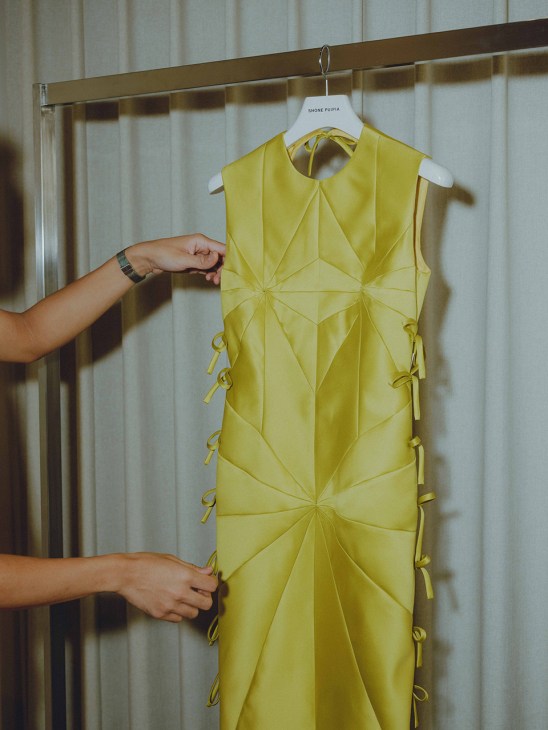
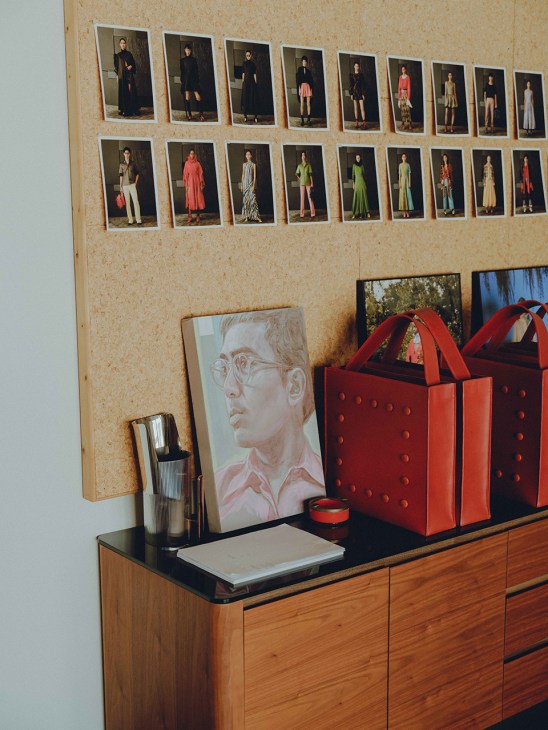
His fun, experimental occasion clothes are on display on the showroom’s top floor, carefully catalogued and ready to try on for customers seeking inspiration for a custom design. A brand highlight is the lightweight knitwear, made from a linen-and-silk yarn, which will launch in April, the hottest time of the year in Thailand. The styles are heading to Paris later this year for a pop-up boutique in the Marais called Never Normal, featuring about half a dozen Southeast Asian brands. Puipia sees it as an opportunity to introduce his label to customers who can’t make it to the atelier in Bangkok.
For now, Puipia’s mind is on putting on his next fashion show in 2026. “I’ve gotten to know my customers,” he says, “and I know how to bring colour, craftsmanship, texture and textile to fashion that they can wear.”
shonepuipia.com
This article is from Monocle’s March issue, The Monocle 100, which features our editors’ favourite 100 figures, destinations, objects and ideas.
Read the rest of the issue here.