Issues
Rooms with a pulse: Bus Palladium, Paris’s historic night club-turned-boutique stay
Proposals for new work are constantly landing on the desk of architecture duo Studio KO. Not all of them lead to commissions but when they were approached to turn Bus Palladium – a storied concert hall in Pigalle – into a six-storey hotel, they jumped at the chance. “A construction project in Paris is something that you can’t turn down,” says Studio KO co-founder Karl Fournier, as he gives Monocle a sneak peek before the opening in April. “We have only done interiors, not architecture, in the city so far, because there are so few gaps left to fill.”
This rare opportunity in the dense French capital also gave Fournier and his partner Olivier Marty a chance to save a Parisian icon. “We like working on institutions: places with a strong sense of place,” says Fournier, citing Marrakech’s Musée Yves Saint Laurent and London’s Chiltern Firehouse, which helped to establish the firm’s reputation. Le Bus, as the venue has been known by Parisians since its 1960s heyday, would be unthinkable without music, so it was clear from the outset that the stage had to remain. The original layout was kept and moved underground, making room for a ground-floor restaurant and 35 guest rooms upstairs. Acoustic isolation was crucial but rather than treating it as a way to separate spaces, the duo made music an integral theme: in the bedrooms, where OJAS sound systems let guests tune in to live performances in the club below; in the restaurant’s big record library; and on the concrete façade, which features Le Bus’s beloved vertical neon sign.


The project stays true to the spirit not only of the former concert hall but also of the area. “We’re not somewhere chic where the codes of palace hotels would have fitted,” says Marty. “Pigalle is Paris’s nightlife district so we wanted to create a joyful place that doesn’t take itself too seriously.” This is reflected in the eclectic carpets: chewing-gum pink in the bedrooms and with kaleidoscopic motifs in the common areas, in homage to Salvador Dalí, who once reportedly frequented Le Bus with a panther on a leash. The space age was also an inspiration, hence neon light tubes, mustard-yellow curtains and other retro-futuristic touches. Special mention goes to the brown corduroy staff uniforms by Husbands Paris.
buspalladium.com
Five of this summer’s best retail and hospitality concepts, from the UK to Italy and beyond
Café Jikoni
London
Tucked within a concrete pleat of O’Donnell + Tuomey’s skirt-like V&E East building is a new restaurant with a recipe for improving museum cafés. Ravinder Bhogal and Nadeem Lalani Nanjuwany’s Café Jikoni borrows much from the invention and charm of its Marylebone original on Blandford Street, reimagined as an airy café with all-day appeal. Think baharat lamb sausage rolls, gooey cheese toasties with Goan pickle or made-to-order rigatoni with lentils and anchovies. It all fizzes with flavour and arrives flecked with unexpected scents or spices. This is culinary alchemy of the highest order.
“What has been interesting for us is how you bring true hospitality to a public institution and make it feel fresh,” says chef Bhogal. “That’s something that I am really proud of. Everything, from our bread and pickles to dessert, is made in-house from scratch.” So, how do you scale a beautiful, bijou restaurant to the appetites of museum visitors? And what if people don’t already know Jikoni? “We might not explain anything about ourselves if the person is coming in just to experience the museum,” says Nanjuwany. “They might just want a nice coffee.”
jikonilondon.com


ABC Zattere
Venice
This restaurant belongs to Scuola Piccola Zattere, a non-profit with a focus on contemporary arts. Based in Dorsoduro, it has a colourful graphic identity created by Milan’s Giga Design Studio that extends to the kitchen, designed by Milan- and Rotterdam-based Fosbury Architecture.
The food is overseen by chef and designer Nathan Cal Danby, while Fabio Cavallari and Bruno Pappalardo are in charge of the kitchen. Standout dishes include pancetta with goat’s cheese, sweet prunes and herb salsa verde and Treviso radicchio with fermented lemon cream, harissa and dark chocolate.
abczattere.com


The Lamb
Mexico City
Could you be tempted to choose British food in Mexico City? You might just be persuaded to do so at The Lamb, a new Roma Norte restaurant and the third project from Mexican restaurateur Federico Patiño and his Somerset-raised partner, Poppy Powell. The menu looks to the UK’s countryside: think Scotch eggs, Welsh rarebit, mackerel pâté and a rabbit pie. “I find British food romantic, raw and timeless,” says Patiño, whose proposition reads as a tribute to Powell and a cuisine with more depth than its fish-and-chips clichés might suggest. “In Mexico City, demand continues to rise yet the culinary offerings often feel repetitive.” The Lamb’s job, therefore, is to widen the city’s palate.
Tabasco 156, Roma Norte
The Florentin
Frankfurt
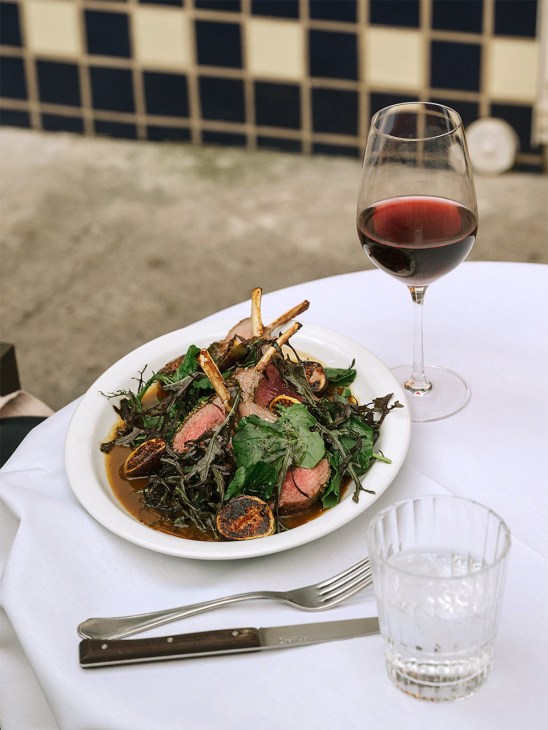
When Villa Kennedy closed in 2022, it sent a ripple through Frankfurt’s hotel scene. Now the 147-key property has returned as The Florentin. Guests pass through a scented lobby and a palm-lined passage to the courtyard at the heart of the property. “We applied the sense of tactility and calm that you would expect from a resort to a city hotel,” says designer Alicia Worthington of Singapore-based Unscripted.
At the bar, Maxim Kilian has craft-cocktail pedigree, while in The Dune, chef Niclas Nussbaumer adds Asian accents to French styles.
theflorentin.com


Haraiso
Zürich
Japanese concept shop Haraiso has returned to Zürich, this time in the heart of Wiedikon. The name comes from a Japanese twist on Portuguese word paraíso, meaning “paradise”.
Haraiso retains the charm that made its former Seefeld location a favourite with design aficionados. Shelves are lined with bamboo matcha whisks and heirloom-worthy kitchen pieces. A lower-level workshop space goes beyond retail, with a rotating programme focusing on Japanese craft skills, such as the art of repairing ceramics with lacquer and gold.
haraiso.ch


Inside Lézard Graphique, the French workshop keeping printing traditions alive
Enter the screen-printing workshop of Lézard Graphique in the town of Brumath, just outside Strasbourg, and you’re greeted by a big picture of a lizard. It’s one of the firm’s cartes de voeux – postcards that it creates at the end of every year to thank its friends and collaborators. “They are collector’s items that we have become famous for,” says Lézard Graphique’s owner, Frédéric Rose. “I recently came across some old ones from the 1990s in an antiques shop. They were worth a fortune.”
Rose, who trained in fine art, is something of a polymath. He also owns companies in exhibition engineering and artificial-intelligence imaging. In 2017 he bought Lézard Graphique from printer Jean-Yves Grandidier, who founded it in 1979. “I wanted to sanctify the studio and protect its savoir-faire,” he says.
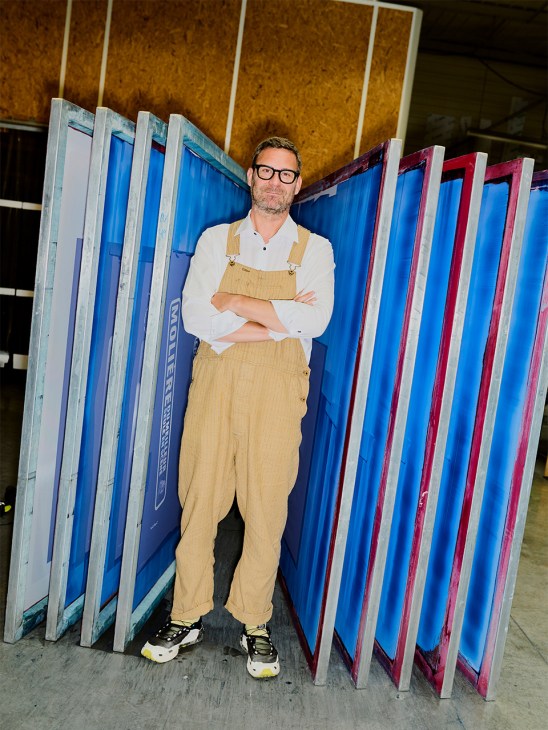
The workshop’s name is a play on the words les arts (the arts) and lézard (lizard). The space specialises in screen printing, a technique that involves transferring ink through a mesh onto a surface, one colour at a time. Today the machines at the Brumath shop are semi-automatic for consistency but every sheet is still individually inspected by a human eye. “That’s the soul of the place,” says business manager Zakarya Després, one of the 11 employees who work here. “The machine doesn’t get tired but someone needs to be there to get the details right. That’s what makes us a workshop, not a factory.”
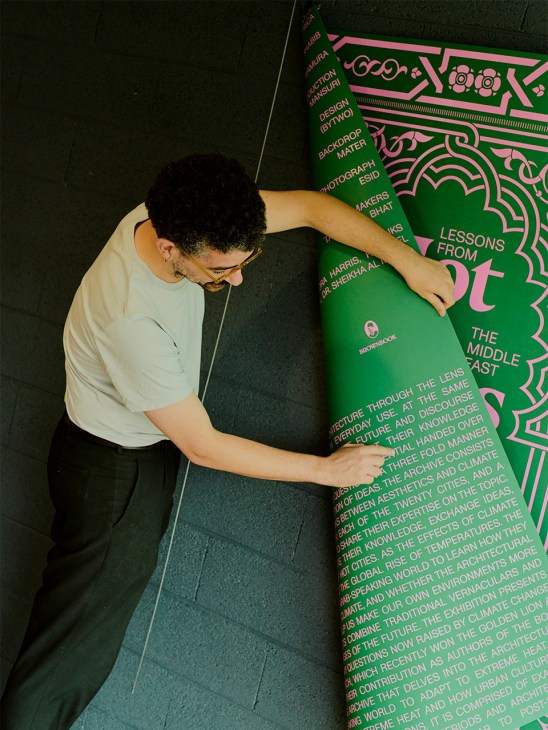
Lézard Graphique’s client list includes artists and cultural institutions (such as Fondation Cartier and Les Rencontres de la Photographie festival in Arles), as well as design studios in Switzerland, Saudi Arabia and beyond. This variety places the workshop right at the intersection between art and commerce. “We’re the only ones able to make these large-format posters at this level of quality,” says Després as he points to a blue poster rolling out of the machine. The print is for Zusammen, a circus show at the Comédie de Colmar theatre, and its pink text and decorative details were inspired by the centaurs of Greek mythology. “These posters last a really long time, which is essential for this sort of promotional tool,” says Després. “They also possess a unique vibrancy. Anyone who knows about screen printing can recognise our work from a mile away.”
It’s no coincidence that Lézard Graphique was founded near Strasbourg. Florian Siffer, the curator of the local Cabinet des Estampes et des Dessins museum, which focuses on prints and illustrations, describes the city’s role in the history of the medium as an evolving story. Johannes Gutenberg, the inventor of the printing press, lived in Strasbourg in the middle of the 15th century and his presence led to the development of the first printing workshops here and, ultimately, a flourishing ecosystem around them. “Soon you had not just printers but illustrators, wood engravers and scholars, all working within the walls of the city,” says Siffer. “You could describe it as a Silicon Valley of print.”
Strasbourg’s competitive environment created breakthroughs as printers refined the technology. From the use of woodcut images integrated into movable type to early colour printing, every new development was pragmatic. “These workers weren’t artists locked in an ivory tower but entrepreneurs with a desire to streamline production processes,” says Siffer. Printers such as Johann Grüninger, who had a workshop here in the 16th century, pioneered modular composite-woodblock illustration. His system allowed different boxes of text and images to be added and fitted together in a way that resembles modern publishing-software layouts. “Grüninger broke down images into reusable elements,” says Siffer. “Human figures, cityscapes and flora could be recombined as needed. It was clever, efficient and ahead of its time.”
Such innovations continued into the 19th century, when lithography made its way into Alsace via its border with Germany. Though the process originated in Munich, Alsatian artists such as Benjamin Zix were quick to experiment with it. “Zix visited the studio of Alois Senefelder, the inventor of lithography, and brought the method back here,” says Siffer. “Strasbourg had presses running colour lithographs before most of France.”
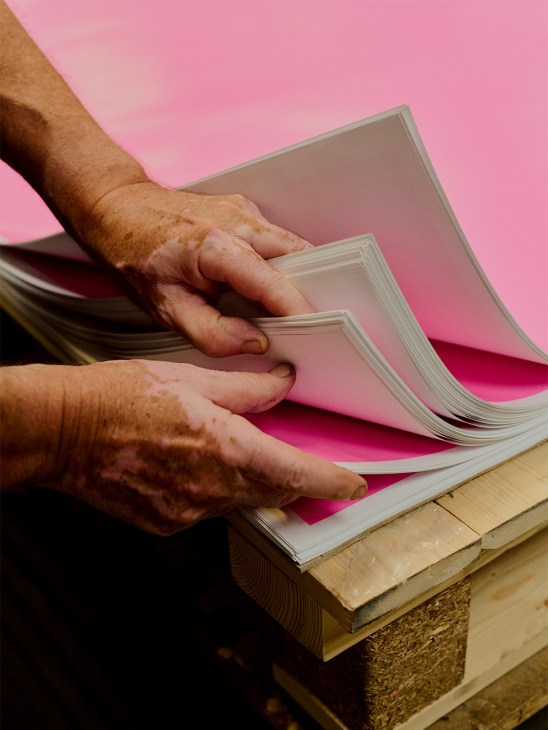
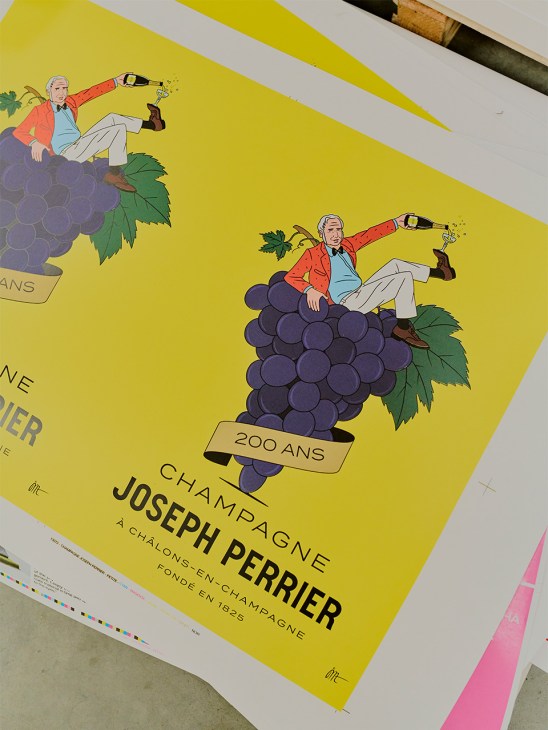
Today institutions such as the Cabinet des Estampes et Dessins tell the remarkable story of this industry and the artists who paved the way. Lézard Graphique does the same. When Michel Quarez, one of France’s most revered poster designers, died in 2021, his godson approached it to reprint some of his work – including an iconic print from 1996 depicting a rooster, its blue feathers and yellow breast contrasting with a bold, pink background. “The screen printer that Quarez used had closed down and we had no original files, so we reverse-engineered it from an existing physical copy: just ink, layers and intuition,” says Després. The result was a new print that honoured Quarez’s style. Made for a Bastille Day party, it’s one of Després’s favourites. “It was really fine work,” he says, pointing to the rooster’s delicate crest. “The balance of art, typography and hand-drawn expression is very French.”
Though Lézard Graphique’s output feels distinctly old-school, experimentation is central. From mirror-like effects created using thermochromic ink to smooth colour gradings achieved by mixing different hues on one screen, there’s a sense that anything can be accomplished within the workshop’s walls. “There are still things that are possible only through screen printing and that’s what makes the process interesting,” says Després. For Rose, this dedication to the medium is a key part of the workshop’s philosophy. “I see what automation can do but it will never replicate the feel of a pigment mixed by hand or a 30-colour print run on thick paper,” he says. “The more that technology accelerates, the more we need places like Lézard to remind us of what can’t be faked.”
Despite Lézard Graphique’s reputation, the past few years have been challenging. “The coronavirus pandemic hit us like everyone else, especially those of us working with theatres, museums and cultural spaces,” says Rose. As the market for screen-printed posters in France has shrunk, Switzerland has become the company’s quiet champion. “There’s a culture of poster art there that’s thriving,” says Rose. “They see a poster not as temporary media but as an art form.” To adapt, Rose is launching Lézard Graphique’s own publishing line, producing limited-edition prints and licensed art collaborations. “We are moving into the gallery space,” he says. “If we can’t exist in the public arena as much as we did before, we’ll become a maker of things that are more like objects of art than tools of promotion.” Rose is also eager to pass on the knowledge of screen-printing to younger generations and the studio welcomes art-school students and apprentices who learn skills on the job.
Despite the pressures, Lézard Graphique remains a stubborn bastion of screen printing, in part thanks to the network of artists surrounding it who value the organisation’s familial approach as much as its expertise. Here, graphic designers work shoulder to shoulder with printers, getting ink on their hands. “It’s something that hardly happens elsewhere today,” says Rose. “At most print shops, you send files by email and hope for the best. Here, you’re part of the process. You see the prints drying. And you get a glimpse of what’s happening in the cultural world.”
For Rose, keeping Lézard Graphique alive means defending not only a way of making but a creative outlook too. “The manual process protects you. AI might be able to replace certain steps in design but it can’t pull a print or feel the paper. The more abstract that the world becomes, the more we’ll need the physical elements of creativity to keep us grounded.”
lezard-graphique.com
Making contact: The lithographic process
Bright ideas
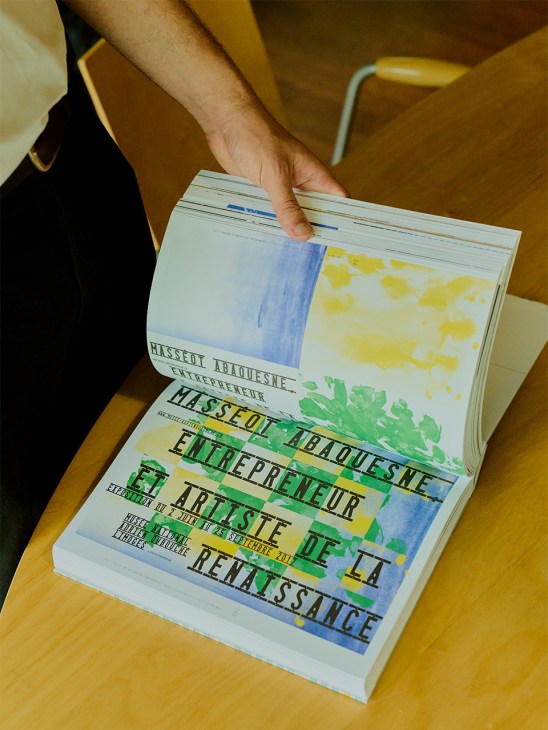
Inspiration can be found in the workshop’s reference library, where a wide range of books, prints and visual materials provide ideas, context and creative starting points.
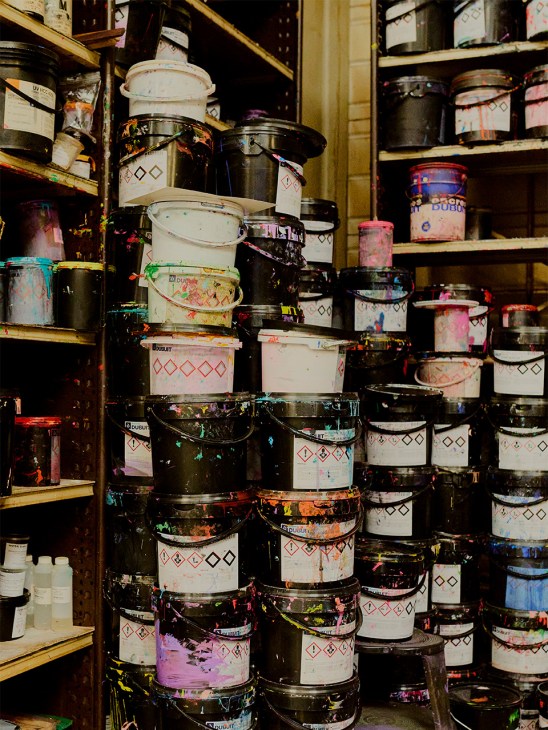
Pick and mix
Towers of paint pots display intensely vibrant colours, carefully selected and mixed, giving Lézard Graphique’s prints their distinctive depth, richness and recognisable visual identity.
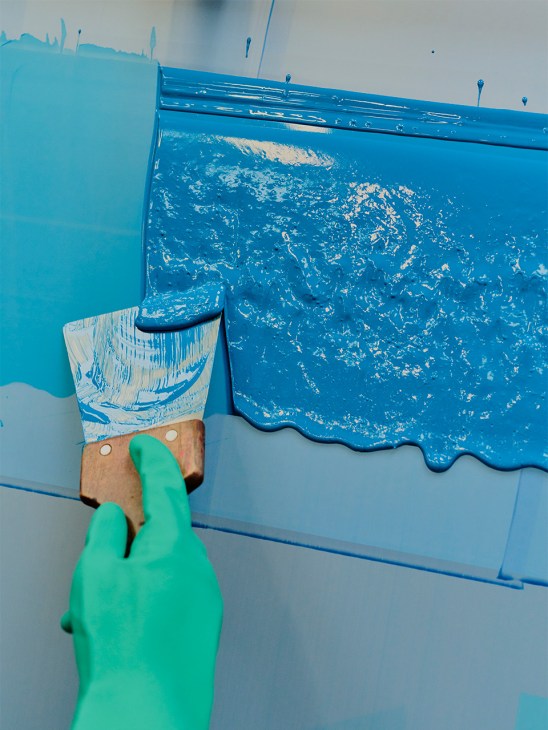
Forming an image
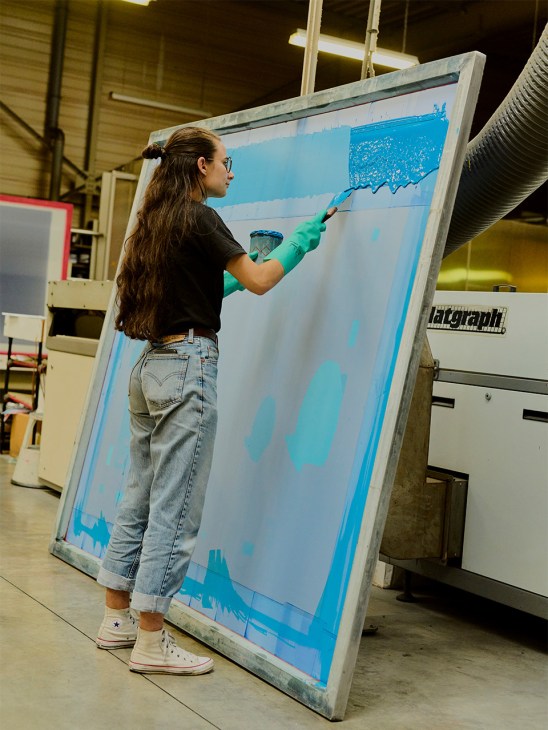
Ink is poured onto the screen and pulled across with a squeegee, forcing it through the stencil to transfer the design to the paper below.
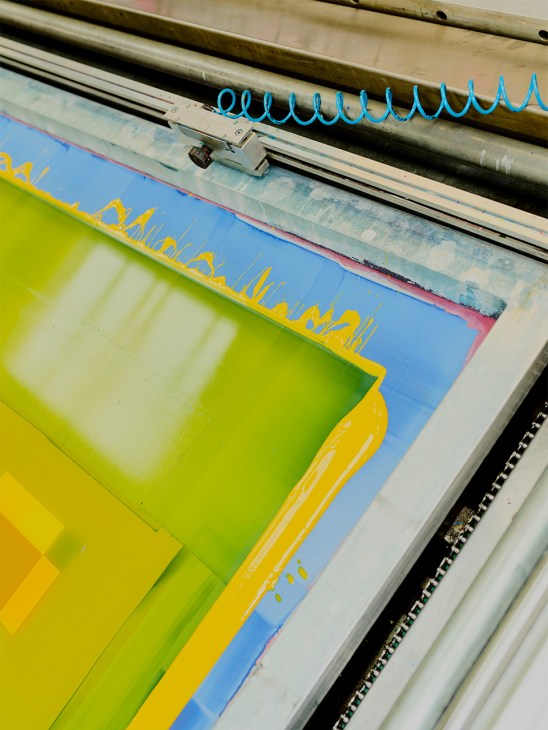
Out to dry
A mesh screen is coated with a light-sensitive emulsion, creating a smooth surface that will later harden under light – except where the design blocks it.
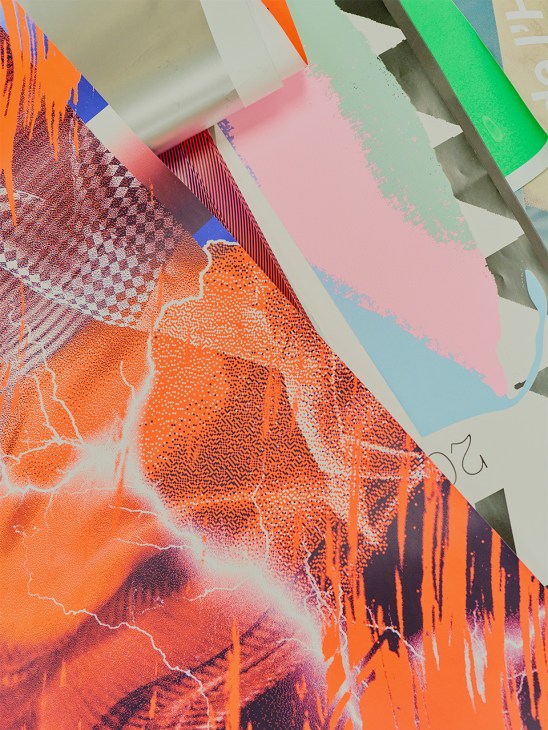
Up for review
The finished print undergoes final drying and inspection to ensure consistent quality, with flawed prints discarded to maintain the high standards of professional screen printing.
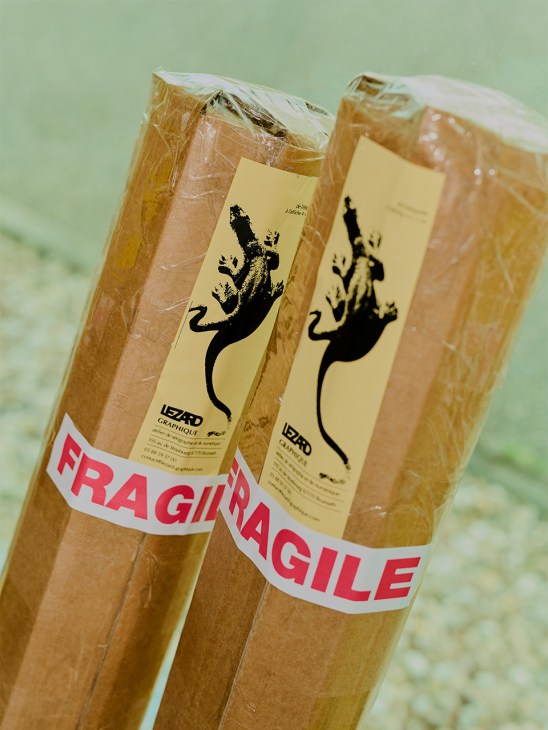
Special delivery
Every print is signed, stamped and prepared for delivery, ensuring that authenticity, quality and presentation standards are met before the work is packaged and shipped to clients.
Does size matter? These compact Tokyo fashion boutiques don’t think so
Hereness
Kichijoji
From the trails of Mount Takao to the running loop around Komazawa Park, the sports apparel of Tokyo-based label Hereness has been a staple since 2020. The brand emerged when B Corp-certified company Artico decided to shift its focus from print media to products, building on two decades of experience working in the sports and outdoor-lifestyle sectors. “Our aim has always been to convey the fun of sports,” says marketing director Hayato Kamiya (pictured, right). “Our pinkish-orange logo is designed to feel like a burst of sunshine.”
Following the success of its first Tokyo shop in Bakuro-Yokoyama, the brand has now ventured west to Kichijoji for its latest retail opening. “Many of our customers are trail runners and hikers who live in Tachikawa and Takao or the mountains further west,” says Kamiya. “There’s a gentle pace to Kichijoji.” The shop’s bright interior is filled with the brand’s signature merino-wool T-shirts. “We place a high priority on comfort, the way that a garment feels on the skin,” adds Kamiya.
hereness.jp


Despite the brand’s editorial roots, Hereness doesn’t get caught up trying to tell the story behind each and every detail. Its Kichijoji shop has a simple, clean interior that lets products speak for themselves. For more curious customers, staff from its small team of sports enthusiasts are on hand to give direct insights.
Graphpaper Conservatory
Tomigaya
Graphpaper’s ambitions have always been daring. The brand opened its first Tokyo outpost in the Jingumae backstreets and, more recently, brought fashion, noodles and saké to an unexpected corner of Sangubashi. On the other side of Yoyogi Park from this outpost, Graphpaper Conservatory brings the brand’s staples to a street where you’ll also find barbers, bike shops and cafés. Taking cues from the shop’s previous tenant, a flower shop by Edenworks, Graphpaper Conservatory presents botanical-dyed pieces.
“I sensed that pairing clothing with plants would be interesting,” says Takayuki Minami, Graphpaper’s founder. “I also wanted to create a place that would explore ideas around the environment and craftsmanship.” In the space of barely 25 sq m, Graphpaper pieces, which include a new line of cotton and denim basics, fill racks that stretch along the length of the interior. Meanwhile, silhouettes from the main collection have been reproduced in natural materials and dyed using by-products from Edenworks’ flower business. Every item bears a label that highlights the manufacturers involved in its production.
graphpaper-tokyo.com


Even by the high standards of Tokyo’s retail scene, Graphpaper continues to make its mark with destination shops. Its outposts share a common language, while bringing something fresh to their neighbourhoods. Conservatory is no different, proving that small spaces provide fertile ground for experimentation.
Music Studio 5 – Erwan Bouroullec’s wireless speaker for Samsung – is made to be heard, not seen
As a teenager in Brittany, Erwan Bouroullec was a fan of UK rock music and saved up for a stereo on which to play tapes by bands such as Ride and Slowdive. “They taught me that you don’t need to ask for permission – you can just do things,” he tells Monocle. This free-spirited approach has stood him in good stead throughout his career as an industrial designer, working on furniture, stained glass and beyond. His Paris-based practice’s latest challenge? Music Studio 5, a line of wireless speakers for Samsung.
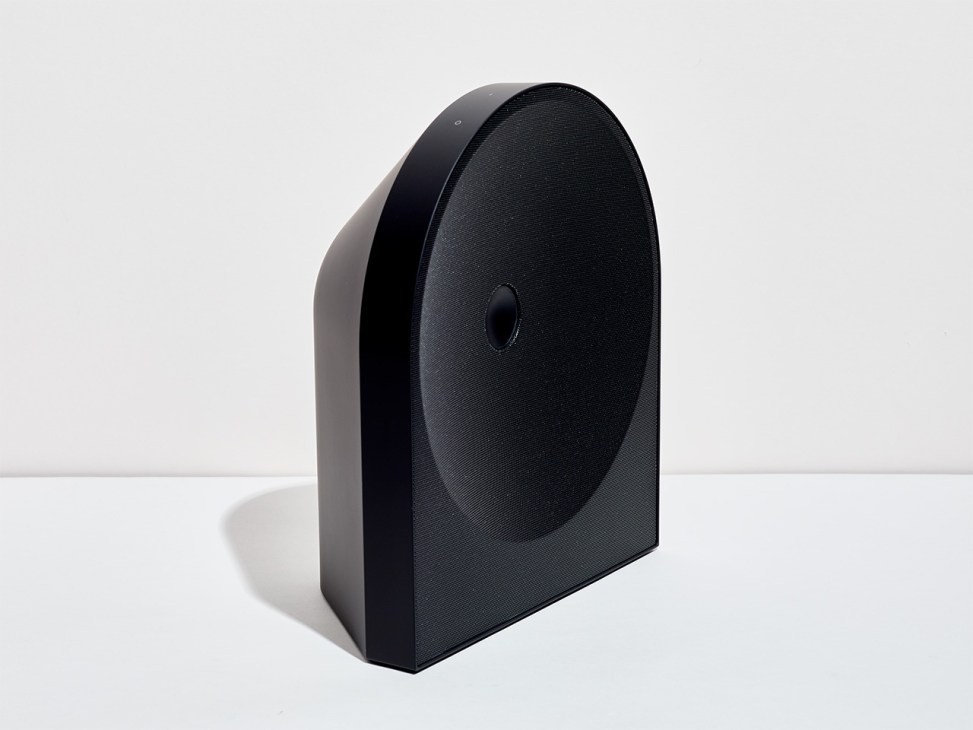
When Bouroullec started working on the project, he realised that speakers had lost their sense of tactility in the Bluetooth era. “You mostly don’t need to interact with them at all,” he says. In response, he decided to pare back Music Studio 5 to its essential elements. The circle and the dot on the front draw attention to the forms of the device’s high-frequency and bass speakers; the technical components, meanwhile, are concealed behind a fine metal mesh.
This sculptural speaker is designed not to be hidden away but to blend in with its surroundings. “I try to make things that are universal, avoiding ideas that are stuck in a certain time or culture,” he says. The result is a device that will enhance any domestic space, whether it’s an elegantly appointed living room or the bedroom of a teenage rock-music fan.
To catch a thief: The ongoing dilemma for museums after high-profile heists
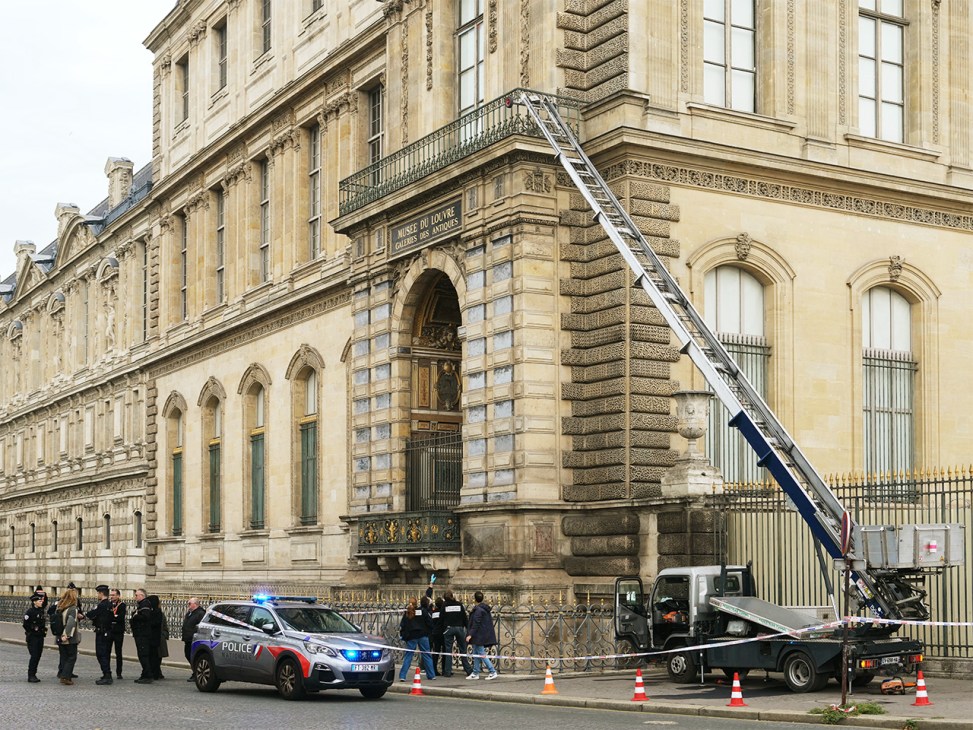
Stealing irreplaceable pieces of national heritage should be far harder than it looks. In March burglars broke into the Magnani Rocca Foundation in Parma and made off with three paintings – works by Matisse, Renoir and Cézanne. Last October bandits spirited eight items of France’s crown jewels out of a window at the Louvre, escaping by taking the furniture lift that they had used to gain access.
The Louvre was built as a fortress. Given the valuables that it protects, most would have assumed that it still functioned as one. But enquiries after the heist revealed stunning complacency: 61 per cent of its galleries had no CCTV and the password to access video surveillance turned out to be “Louvre”.
Though it goes without saying that crimes of this sort are reprehensible, audacious art thefts capture the public imagination: films celebrating them are a well-established cinematic genre. If hi-tech security wizardry – from AI crowd-monitoring software to motion detectors – doesn’t deter the boldest thieves, perhaps the people protecting museums could meet them on their own terms. Institutions could rig their premises with booby traps – the opening scene of Raiders of the Lost Ark furnishes ample inspiration. Or there could be an on-site garage full of Vespas to enable staff to give chase. If nothing else, it would all be far more fun for security guards than periodically hissing at patrons to take their backpacks off their shoulders.
For more from Andrew Mueller, tune in to ‘The Foreign Desk’ on Monocle Radio.
Further reading:
How to stage an art heist
The Louvre robbery was embarrassing – but the gallery shouldn’t be turned into a secure military base
Following specialist investigators on the hunt for Nazi-looted works of art
Toast of the town: The secrets to a successful diplomatic dinner
In an elegant reception room at the Luxembourg embassy in Washington, a crémant is on ice and canapés are being plated as Nicole Bintner-Bakshian, ambassador to the US, eagerly awaits her guests. “This is one of my favourite evenings at the embassy,” she says to Monocle.
But it’s not a White House official joining her for dinner. Gathered outside in their best business attire are nine graduate students from Georgetown University’s McCourt School of Public Policy and its School of Foreign Service. They have all landed coveted places in a class that aims to help the world’s future diplomats to grasp the role of social functions. “It gives you a unique understanding of how diplomacy happens at a dinner table, outside those formal engagements,” says Christian Rowcliffe, an aspiring “warrior diplomat”, as army officers engaged in statecraft are known. He is studying for a master’s in policy management at Georgetown.
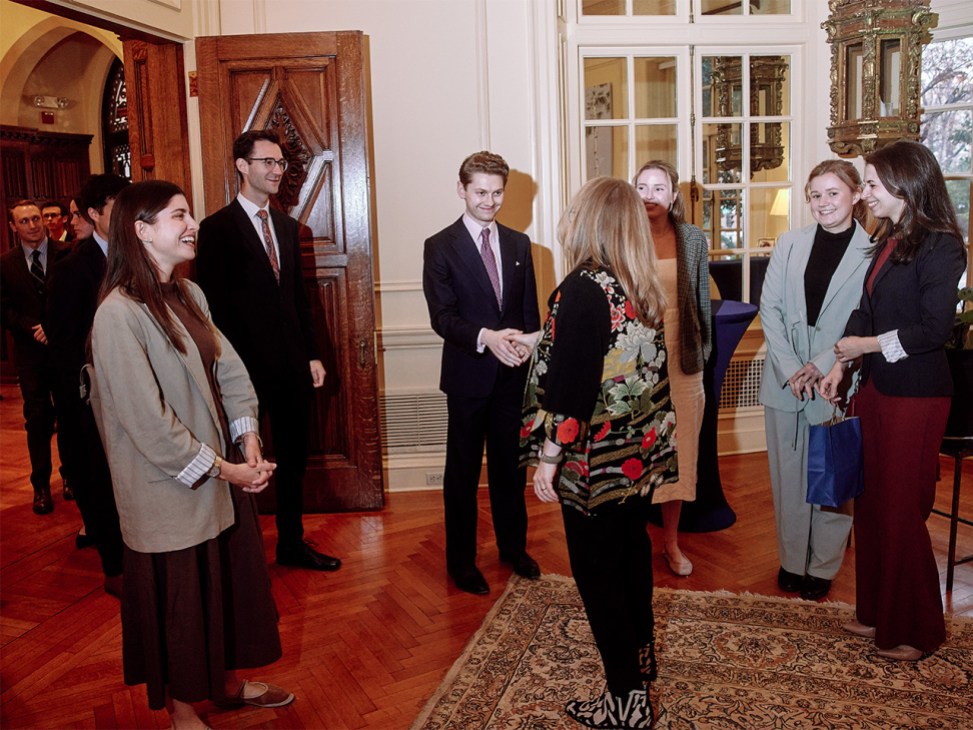
When Bintner-Bakshian opens the doors to the Art of Diplomacy event, she’s flanked by course professor and Georgetown alumnus Mark Vlasic. A former UN war-crimes prosecutor and White House fellow, Vlasic has seen at first hand how softer skills and dinner-table diplomacy can quite literally save lives. As the head of a private diplomacy firm with more than a decade in international negotiations, he reached out to ambassador friends in different cities during the pandemic to find neutral ground for hosting tense talks. “I said, ‘Could I borrow your residence, your chef and your wine cellar to bring people to the table?’” he explains. “That was the recipe for success.”
The experience led to the idea for a course in leveraging the diplomatic dinner table and in 2022 the Art of Diplomacy welcomed its first intake. Over a term, 10 students are hosted by ambassadors across 10 embassies in Washington. The course is as much about learning the protocol of the diplomatic dinner table as it is about the policy knowledge gleaned from the events. High-level events can be intimidating and knowing which silverware to use takes away some of the early nerves.
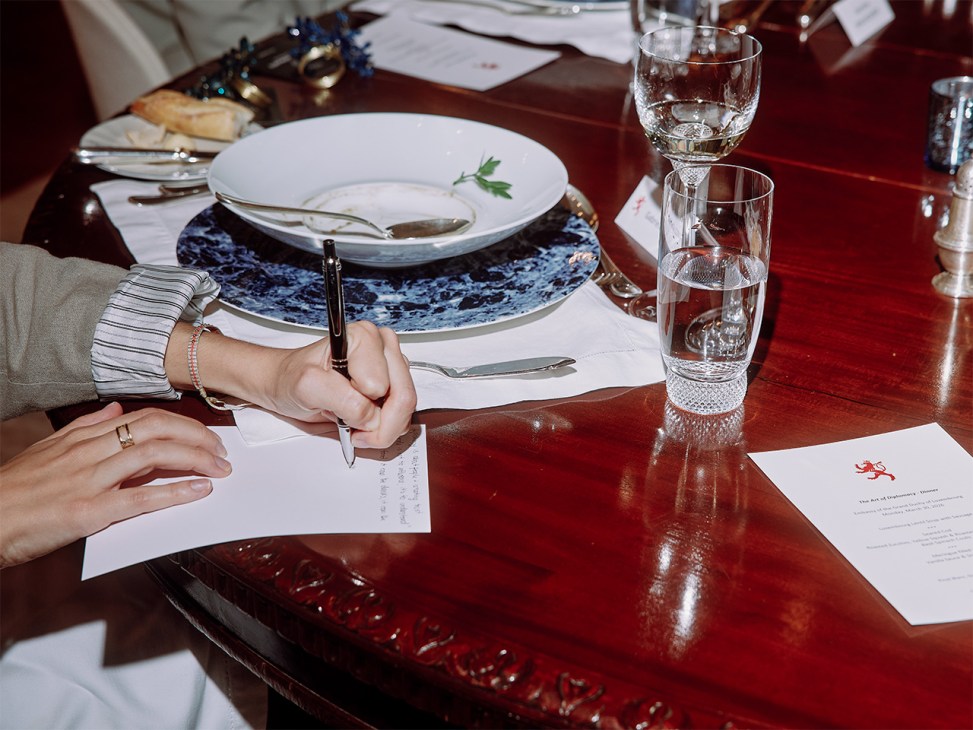
“Every country has its own ways of hosting parties but, at the core, it ultimately comes down to people getting together and creating an atmosphere of trust,” says Bintner-Bakshian, whose postings have included Beijing, Dakar and the UAE. She answers the cohort’s questions throughout the evening with frankness and patience. “The knowledge that each of these ambassadors has built over the years is priceless,” says Niel Swanepoel, who is studying a master of science in foreign service. “I don’t think that this is knowledge that you can easily learn in a classroom.”
The secrets of a successful diplomatic dinner
- Master the basics. Formal table manners might seem old fashioned but understanding the universal etiquette of dining shows respect and creates common ground.
- Let the host take the lead and defer to the most senior diplomat. They will guide the conversation and allow every guest to be heard.
- Seek consensus. Dinner and drinks are not the time to thrash out contentious topics but rather to build trust on issues where there’s already some agreement.
- Every dinner will be different, so be flexible, sample all of the food and drink offered, and respect your host’s customs and culture.
- Come prepared. Learn about your host and fellow guests in advance. It helps to plan the topics to pursue – or avoid.
Required reading
- Diplomacy by Henry Kissinger
- America in the World: A History of US Diplomacy and Foreign Policy by Robert B Zoellick
- Dinner with Churchill: Policy-Making at the Dinner Table by Cita Stelzer
- The Art of Diplomacy by François de Callières (for soft skills)
Put some prep in your step with these collegiate-inspired pieces
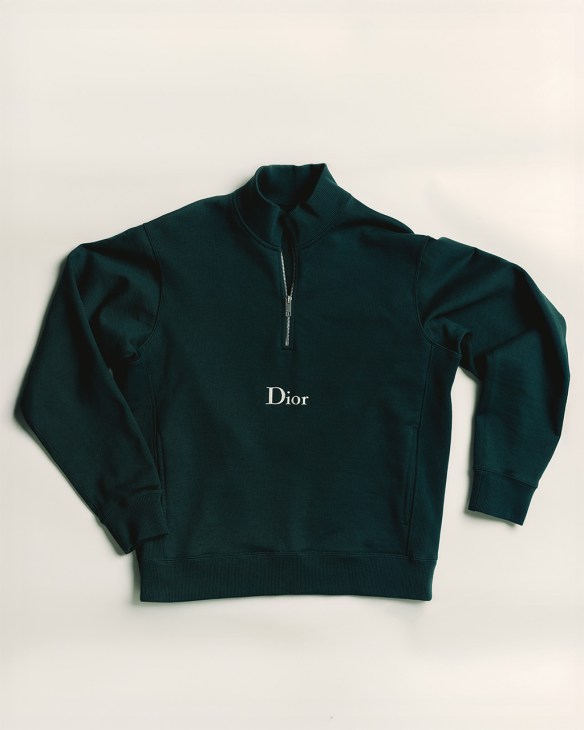
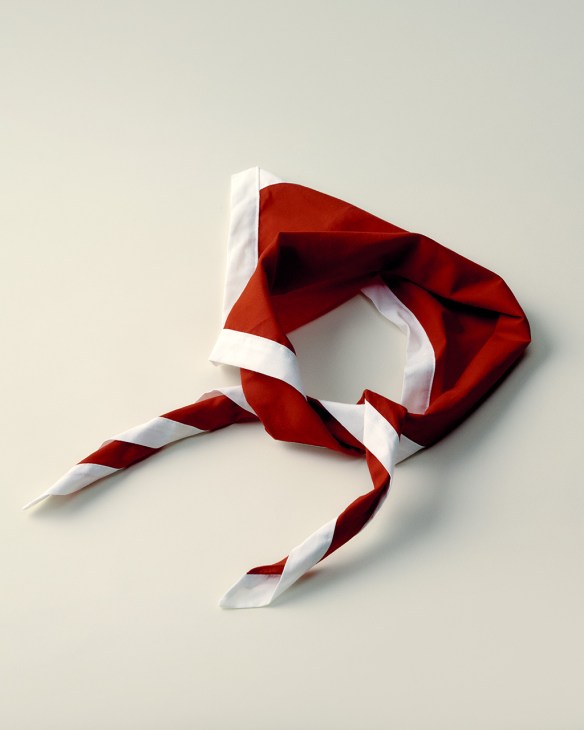
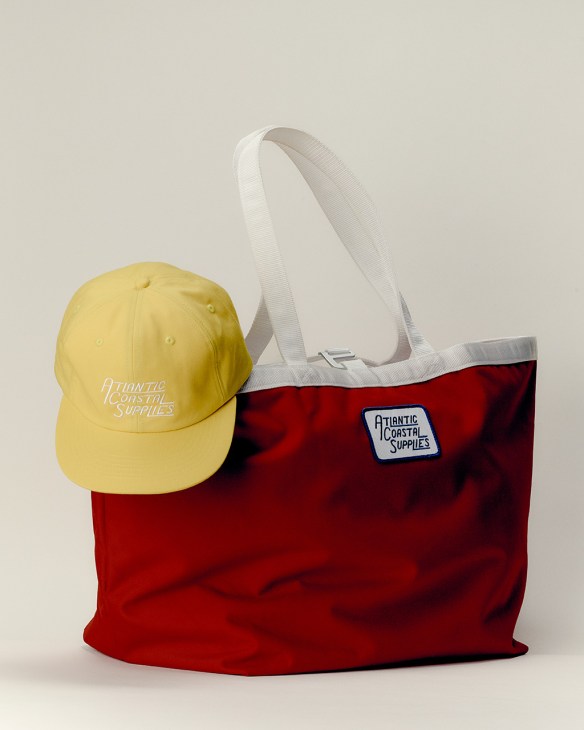
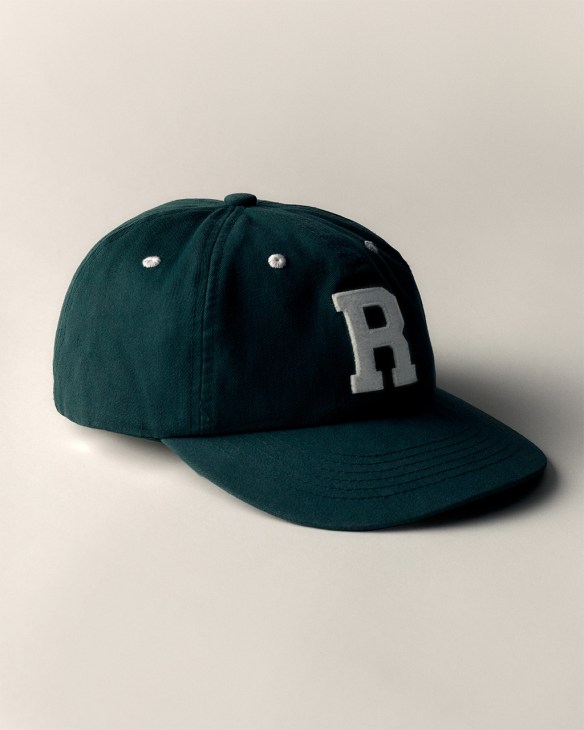
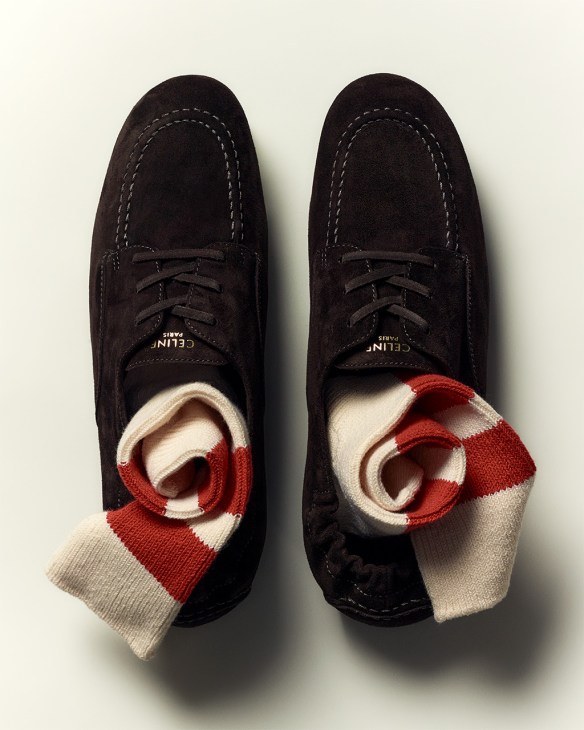
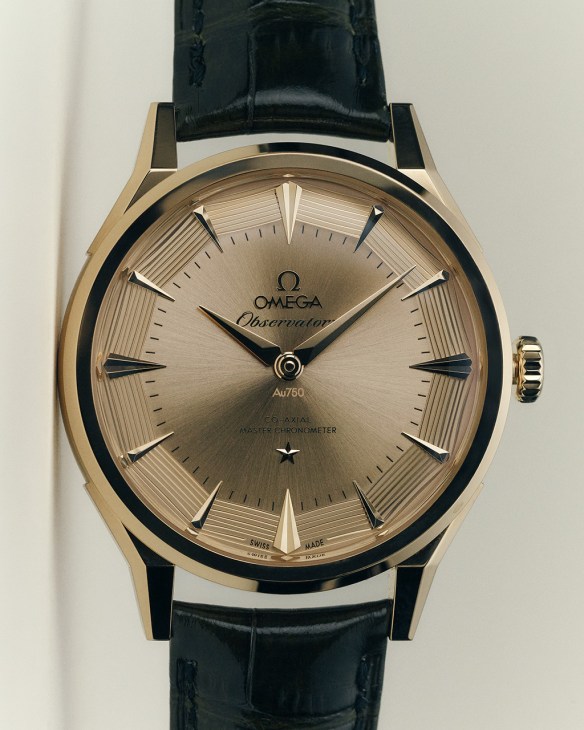
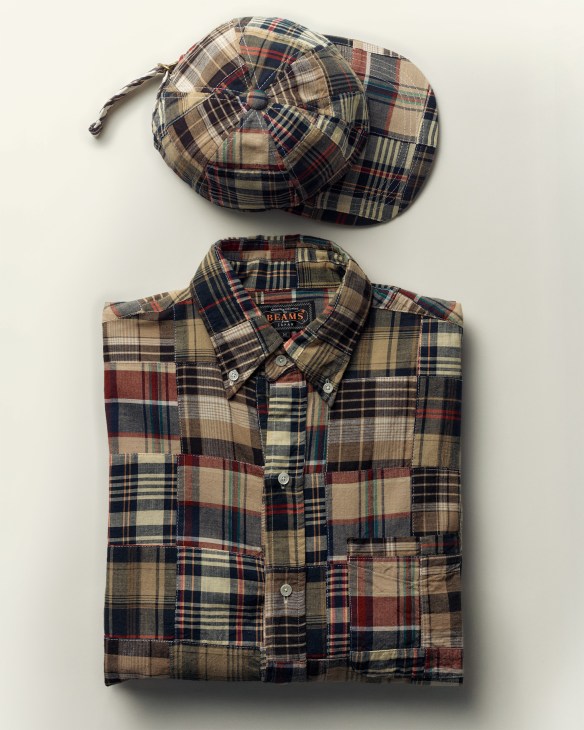
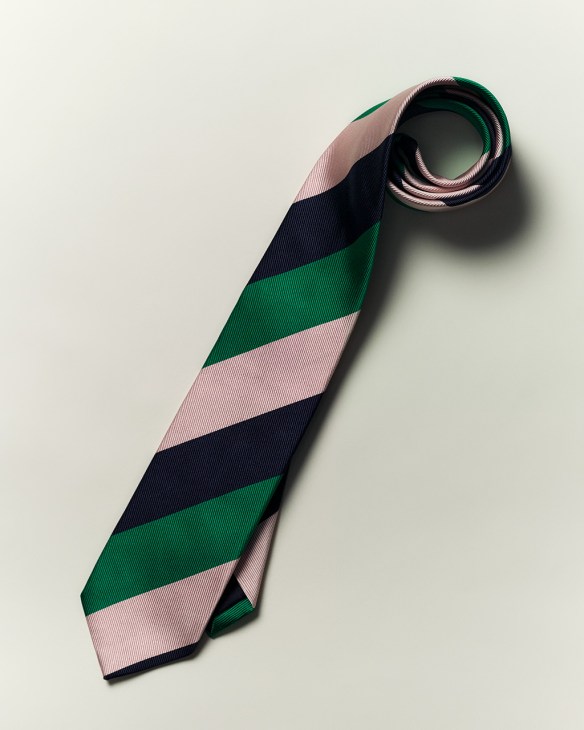
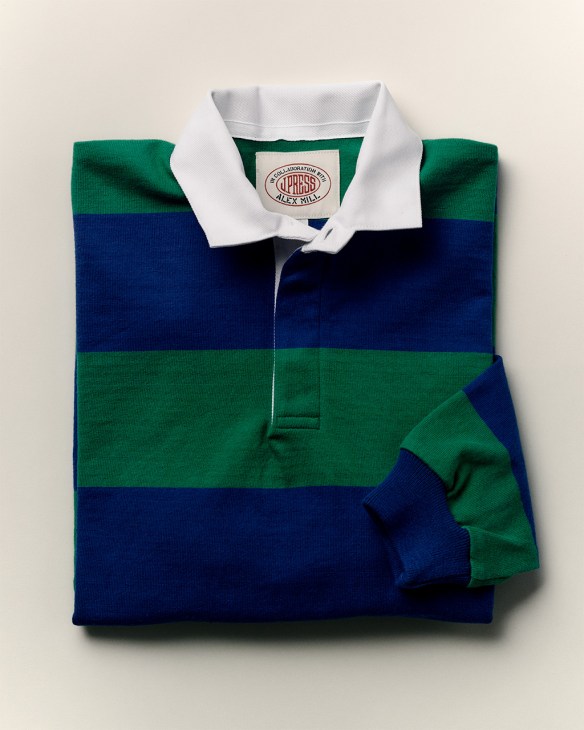
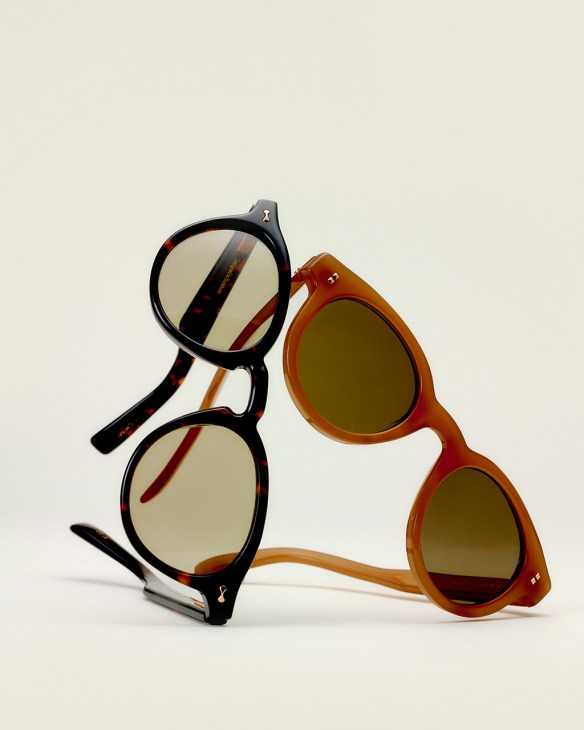
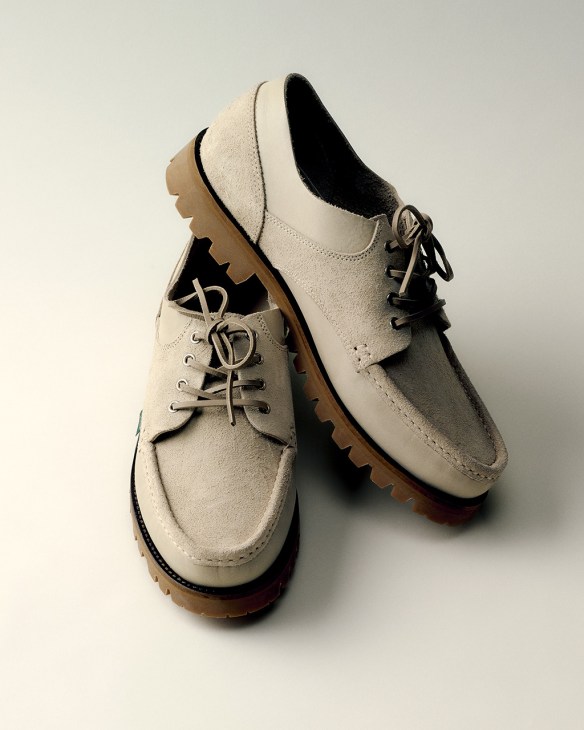
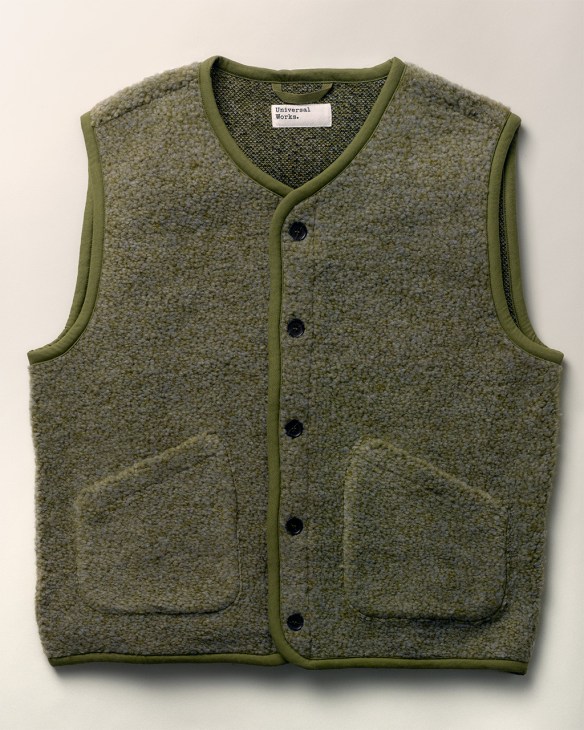
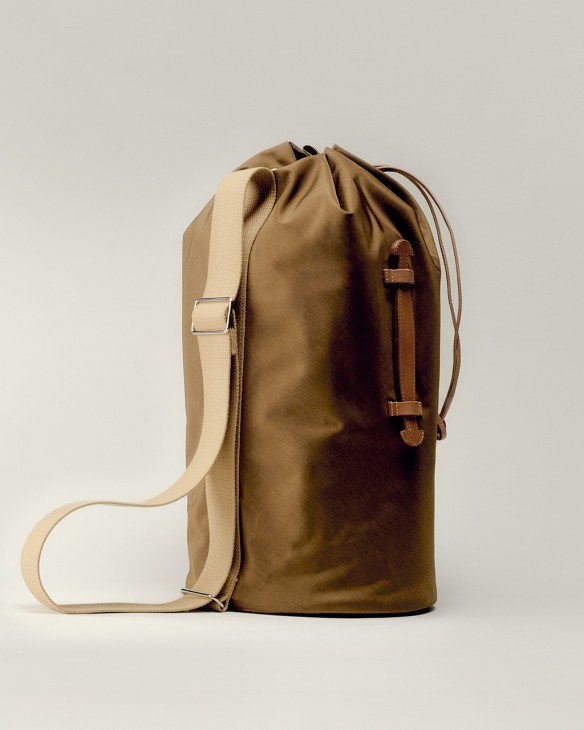
Stylist: Kyoko Tamoto
An all-American look preserved by the Japanese: The history of Ivy League style
Last summer, Jonathan Anderson’s debut show at Dior Homme showcased his take on neckties and tweed jackets, kicking off another media cycle around the re-emergence of preppy fashion. It’s worth remembering the style’s history: it was long perceived as an insult to aloof, wealthy boarding-school pupils who wore casual clothes that were a little too fancy. But there were moments when old-money style crossed over into the mainstream, usually in decade-long cycles.
The postwar Ivy League style set standards for suits in the 1950s but, by the late 1960s, it had disappeared with the arrival of hippiedom and polyester. Then, in the late 1970s, the preppy aesthetic returned among East Coast high schoolers who adapted Ivy classics by mixing Oxford-cloth, button-down shirts and corduroy trousers with LL Bean Norwegian sweaters, goose-down vests and boots.
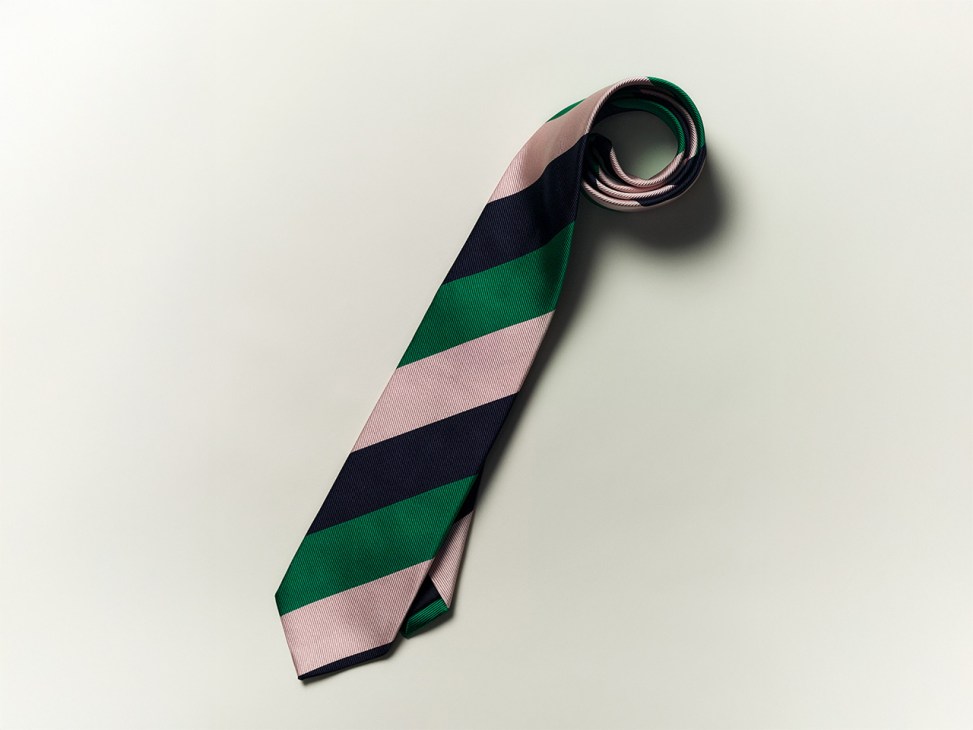
This wealthy dressed-down look still managed to irritate many. In 1979 humourist Tom Shadyac produced a poster that asked, “Are you a preppie?” – poking fun at youths sporting horn-rimmed glasses, baggy khaki chinos and shirt-under-shirt-under-blazer looks. A year later, Lisa Birnbach lightly mocked the style in The Official Preppy Handbook. Nonetheless, it helped to spread the look across the US. Around that time, Ralph Lauren pique shirts could be spotted on everyone from golfers to Brooklyn gang members.
In the 1990s grunge killed prep once more. Staples of the style became go-to wardrobe choices for teen-movie villains. It was only in the mid-2000s that young American men again put on neckties and cordovan loafers. But while prep repeatedly died off in the US, the Japanese preserved the knowledge by cataloguing its key items and rules. Then the 2021 book Black Ivy by Jason Jules and Graham Marsh showed how jazz musicians, actors and other prominent black men in the late 1950s embraced Ivy style and imbued it with cool.
Prep might float in and out of public consciousness but these looks keep returning. Brogues, shirts and knitwear feature regularly on the runways of luxury houses such as Prada, Dries Van Noten and Dior. The silhouettes might be more oversized but the tenets of the genre remain reassuringly unchanged.
About the writer
W David Marx is the author of Ametora: How Japan Saved American Style and Blank Space: A Cultural History of the Twenty-First Century. He lives in Tokyo.
Immaculate collection: Breezy essentials that set the season’s tone
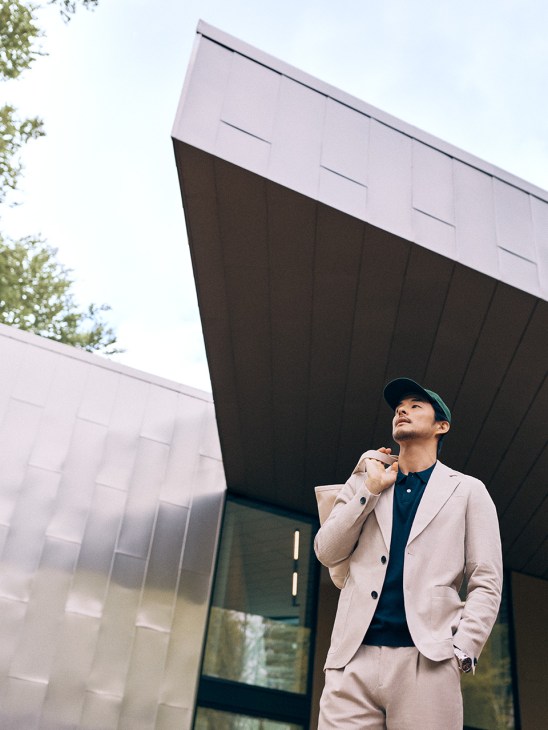
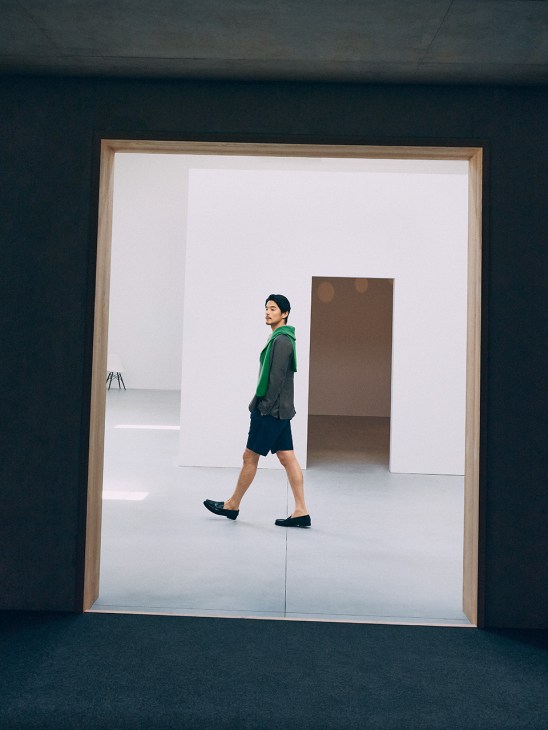
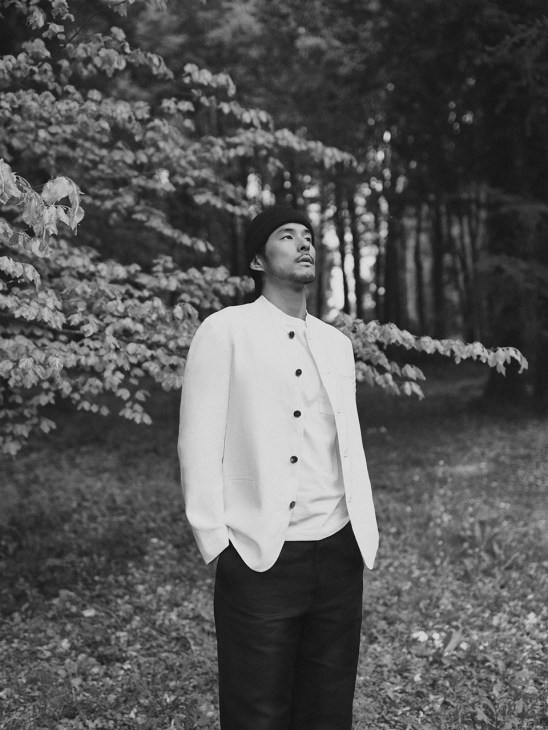
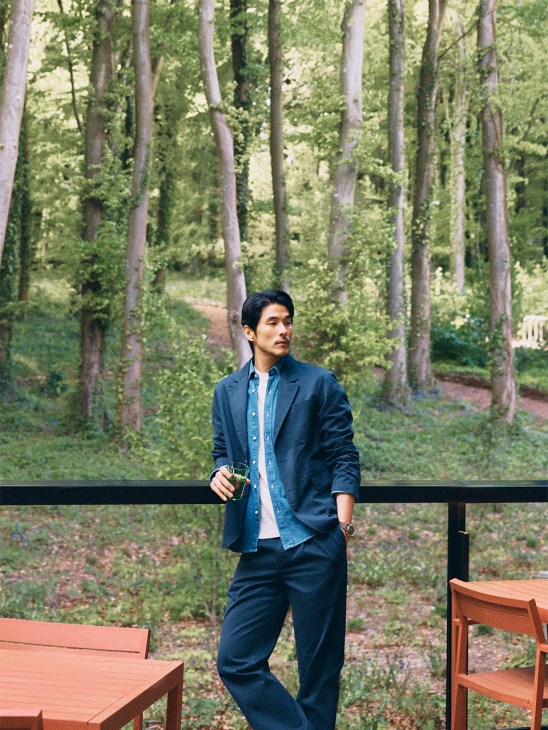
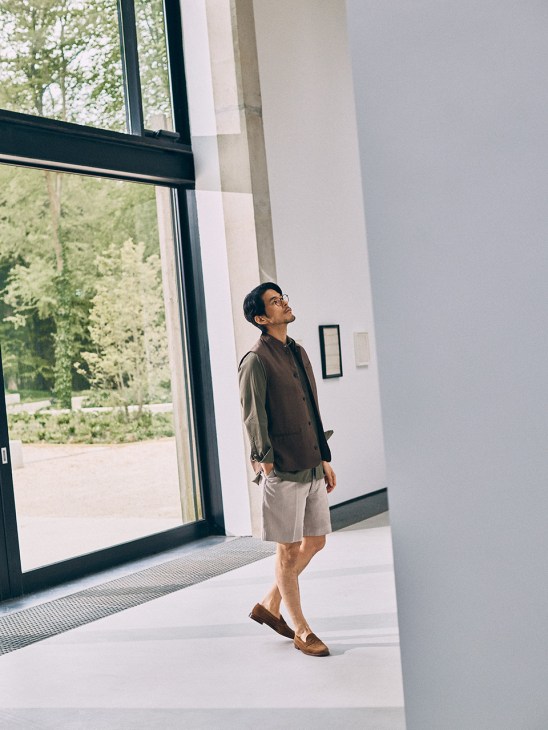
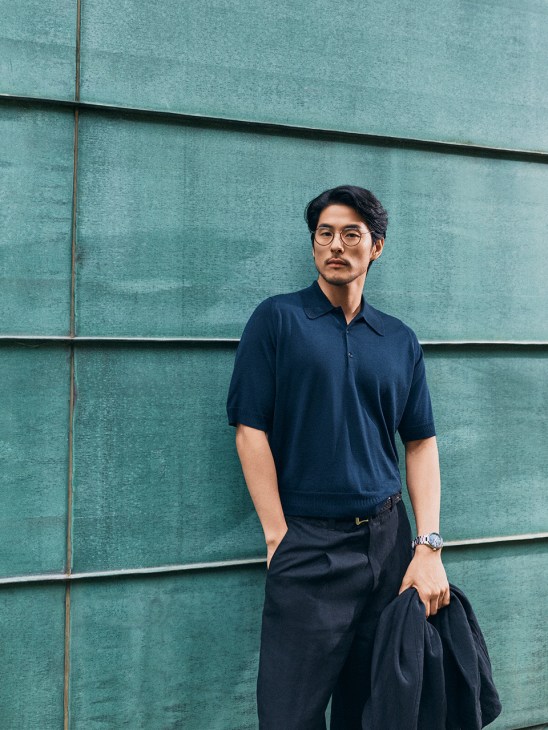
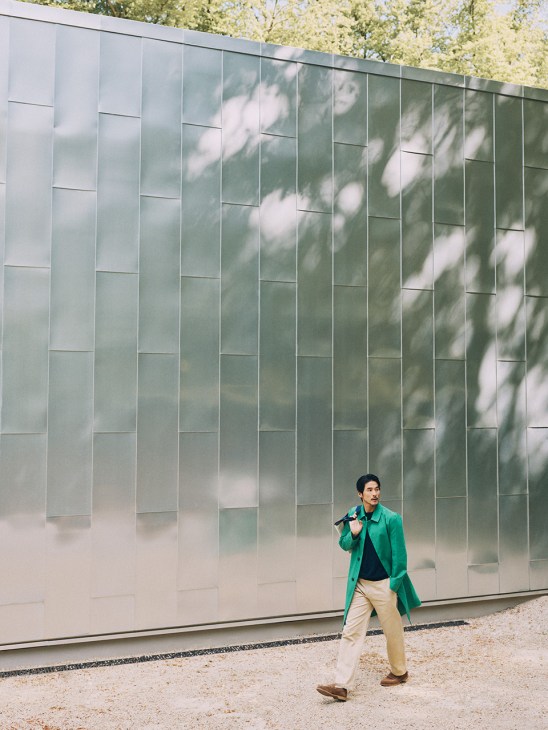
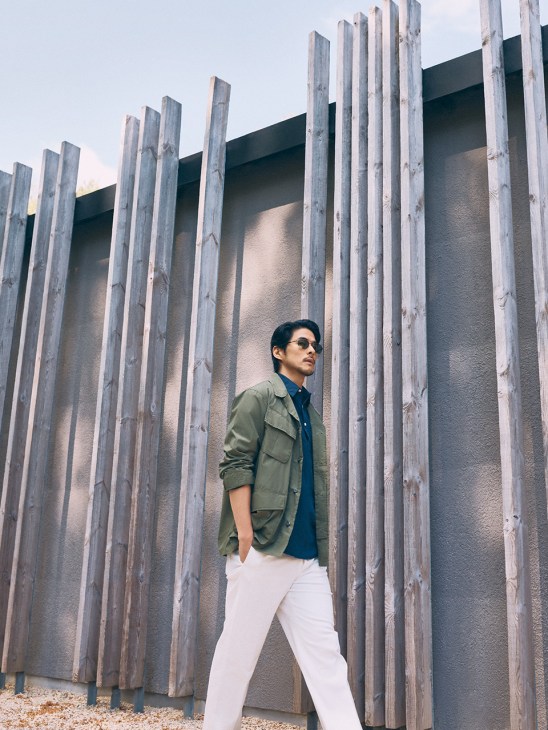
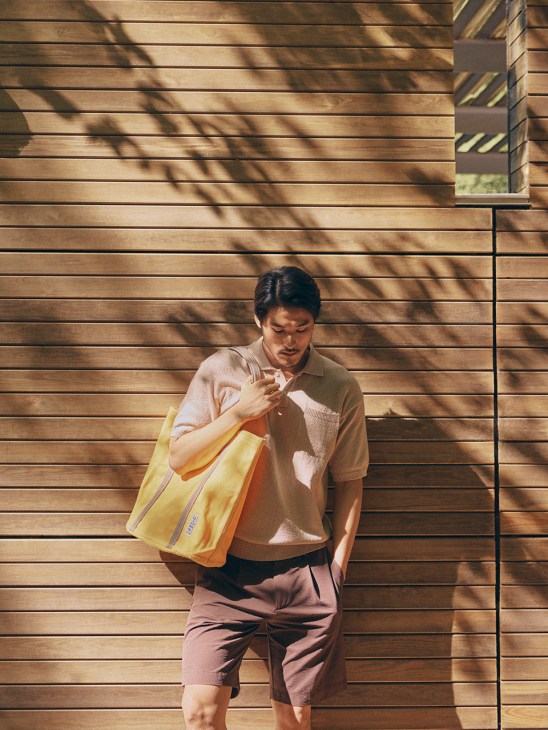
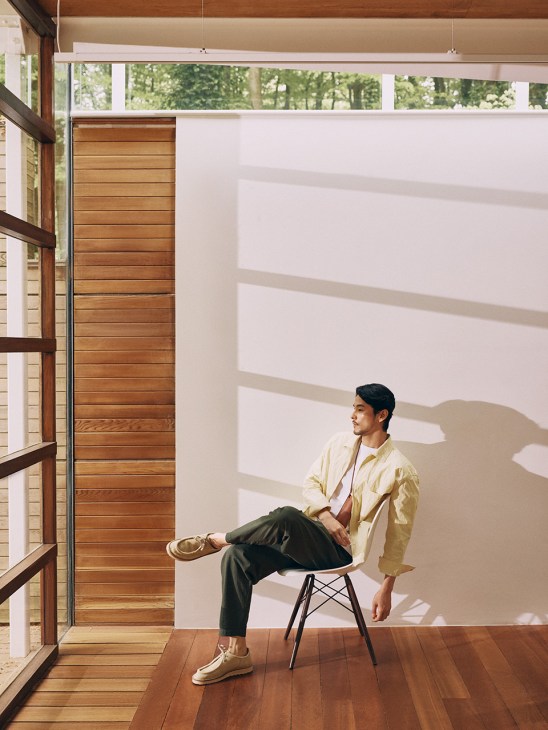
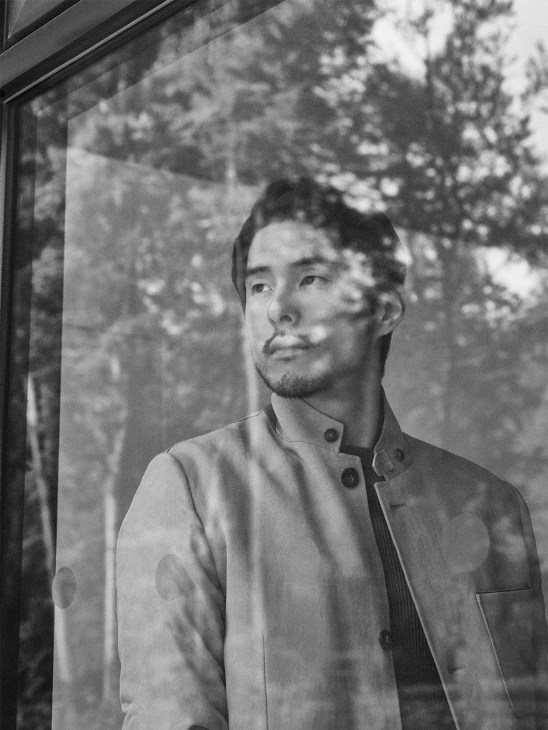
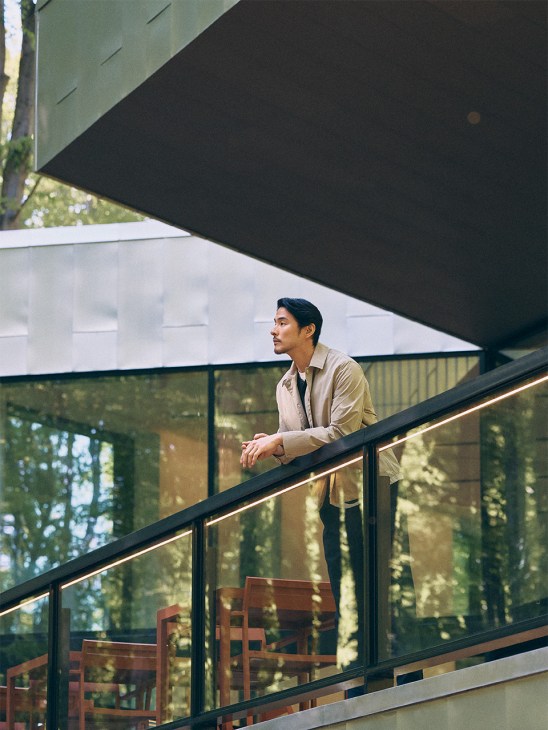
Hair & make-up: Sandra Hahnel
Model: Takayuki Suzuki
Thanks to: Goodwood Art Foundation
goodwoodartfoundation.org