Issues
Inner space
New opening 1
Casa Nossa, Campinho
“It was love at first sight,” says star Portuguese chef José Avillez when Monocle asks him to cast his mind back to the first time he saw the derelict, hillside farmhouse on the banks of Alentejo’s Alqueva lake. “I wanted to give the best of me and share this with other people,” he adds, thoughtfully, about the decision to turn the site into his first hotel with the help of his wife, Sofia Ulrich.
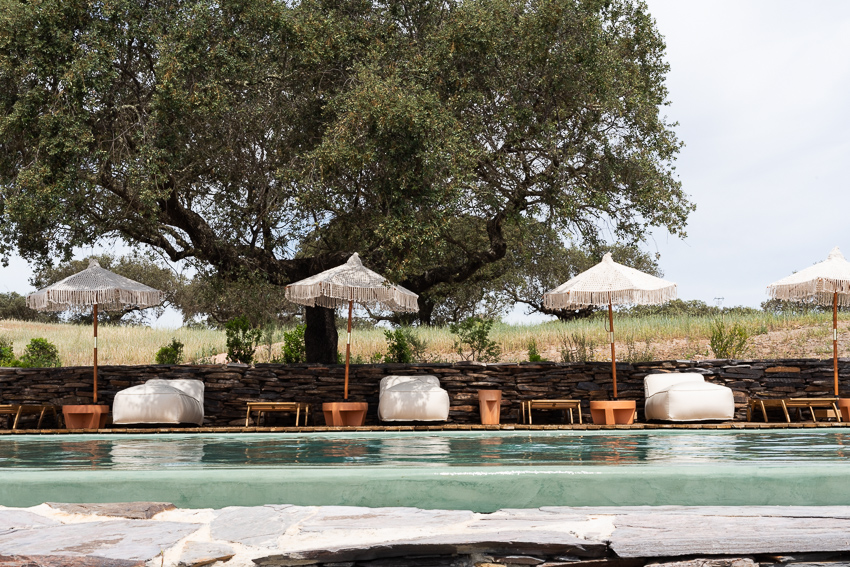
It was easy to see the place’s potential but even getting to the property – which is in the tiny village of Campinho, a little more than two hours inland from Lisbon – offers a sense of discovery. The estate itself is peppered with centuries-old holm oaks and native plants are allowed to grow wild. There are no other settlements or buildings in sight. “When we saw this house, we knew that the hotel had to be here,” says Avillez.


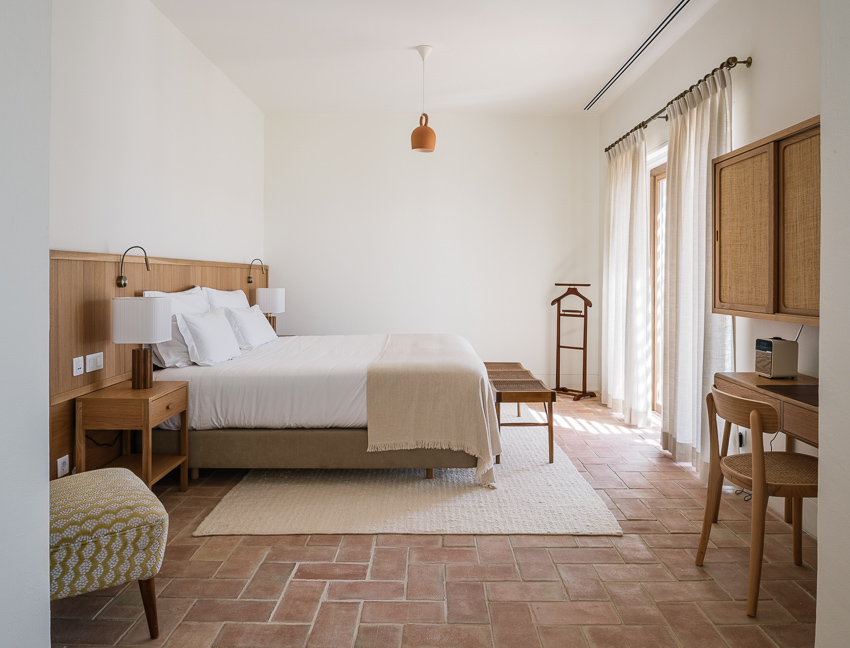
What started as a family project quickly ballooned. Today, Casa Nossa (“Our House”) is open to the public and spread across a 1,500 sq m property, with 10 guest rooms. That said, it’s designed to be rented out whole. Once the place is booked, chef Avillez gets to work and creates a fresh menu for every stay. “I don’t send it to the guests in advance, so there’s always an element of surprise,” he says. A healthy relationship with neighbouring farmers ensures that only the best local produce is used, highlighting the region, Portugal’s bread basket. “Our lamb is local and we only use Alentejo pork, which is the breed of Iberian ham,” he says. “We get our fish and shellfish from the nearby ports of Setúbal and Sines.”

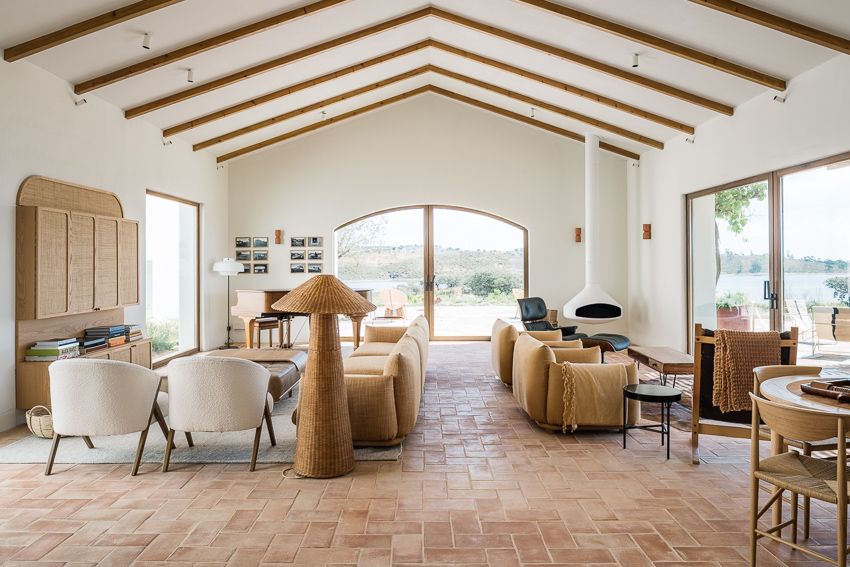
This is a business but it’s obviously an immensely personal project for the chef, down to the decor of the house itself. “I wanted to be an architect when I was a teenager,” he says. “So designing this house was my chance of being an architect and helping to build it.” The two-storey estate was designed by Avillez himself, with the interior furnished by Lisbon-based Studio Astolfi and Ulrich. The dining area includes a long communal table designed for the sharing of food and conversation, with several cosy corners by the fireplace, large windows and a backgammon board. “We wanted to have different places around the house for people to be social,” says Avillez, as he shows us the event room. Boasting comfortable wide seats and a stage, the space can be used for cinema sessions or intimate concerts. Across the hall is the wine cellar and next door is the bar: a dimly lit, wood-panelled room perfect for socialising before dinner or for having a nightcap. “This artwork belonged to my grandfather,” says Avillez, motioning towards a sculpture.
Upstairs are a series of black-and-white photographs showing the family camping in the derelict farmhouse that was here before. “These were taken by my wife,” says Avillez. “We did a few camping trips with our children in the estate when we first bought the place. It’s not a hotel, really; we call it a house. It’s meant to feel like home.”
casanossajoseavillez.pt
New opening 2
JNcQUOI Beach Club, Comporta
Off the coast of the Atlantic Ocean lies JNcQUOI Beach Club, the newest opening from Portuguese hospitality group Amorim Luxury. The group was established in Lisbon in 2005 and while it has five restaurants, a private member’s club and a forthcoming boutique hotel in the city, it felt that it was time to expand to Comporta. “The beach club is a gateway into our world,” says Miguel Guedes de Sousa, president of Amorim Luxury and co-founder of JNcQUOI.
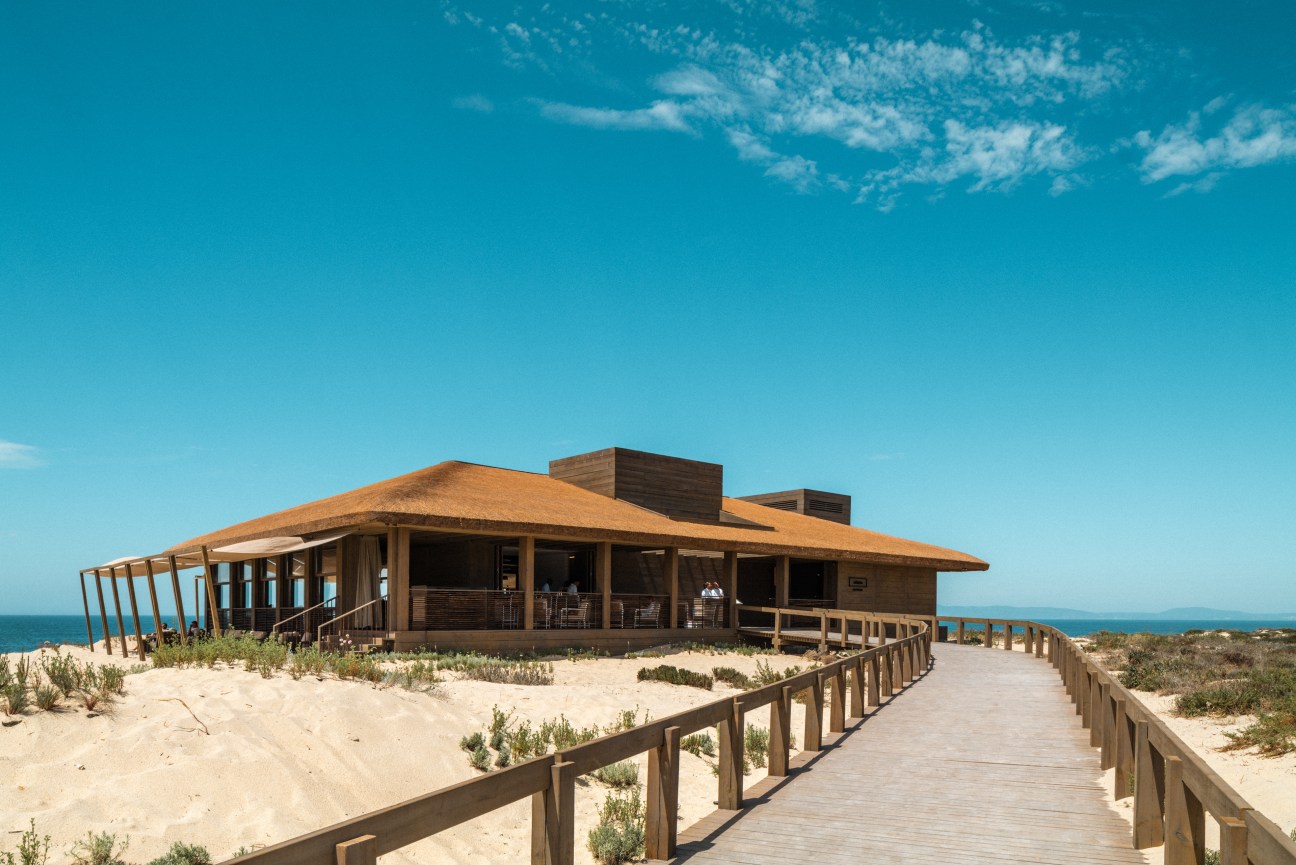
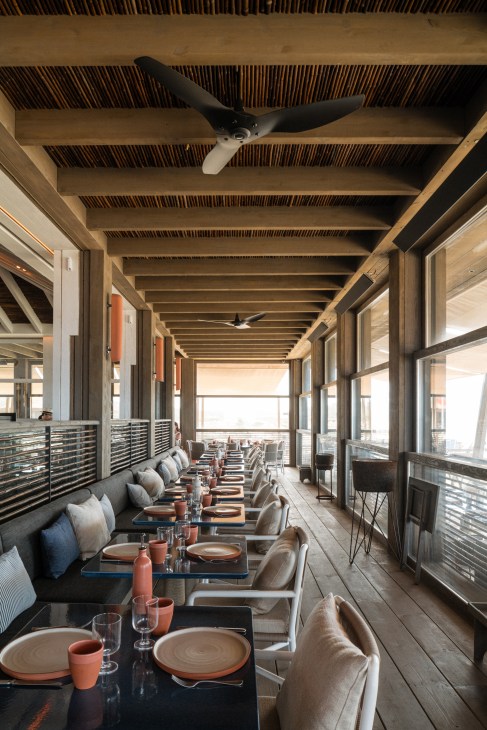
Set on Pego beach, the venue is split between the Cabana, its beach service and the beach club restaurant, which has a certain je ne sais quoi about it – as the club’s name suggests. A South African team of artisans was flown in to weave its thatched roof, while its hardwood floors were imported from Sweden. The bamboo in the outdoor space “provides a seamless integration with the landscape”, says Guedes de Sousa. There are several seating options too: you can perch outside, sit indoors with a view of the kitchen or on the terrace. “Regardless of where you are sitting, you’ll see the sea and feel the breeze,” he adds.


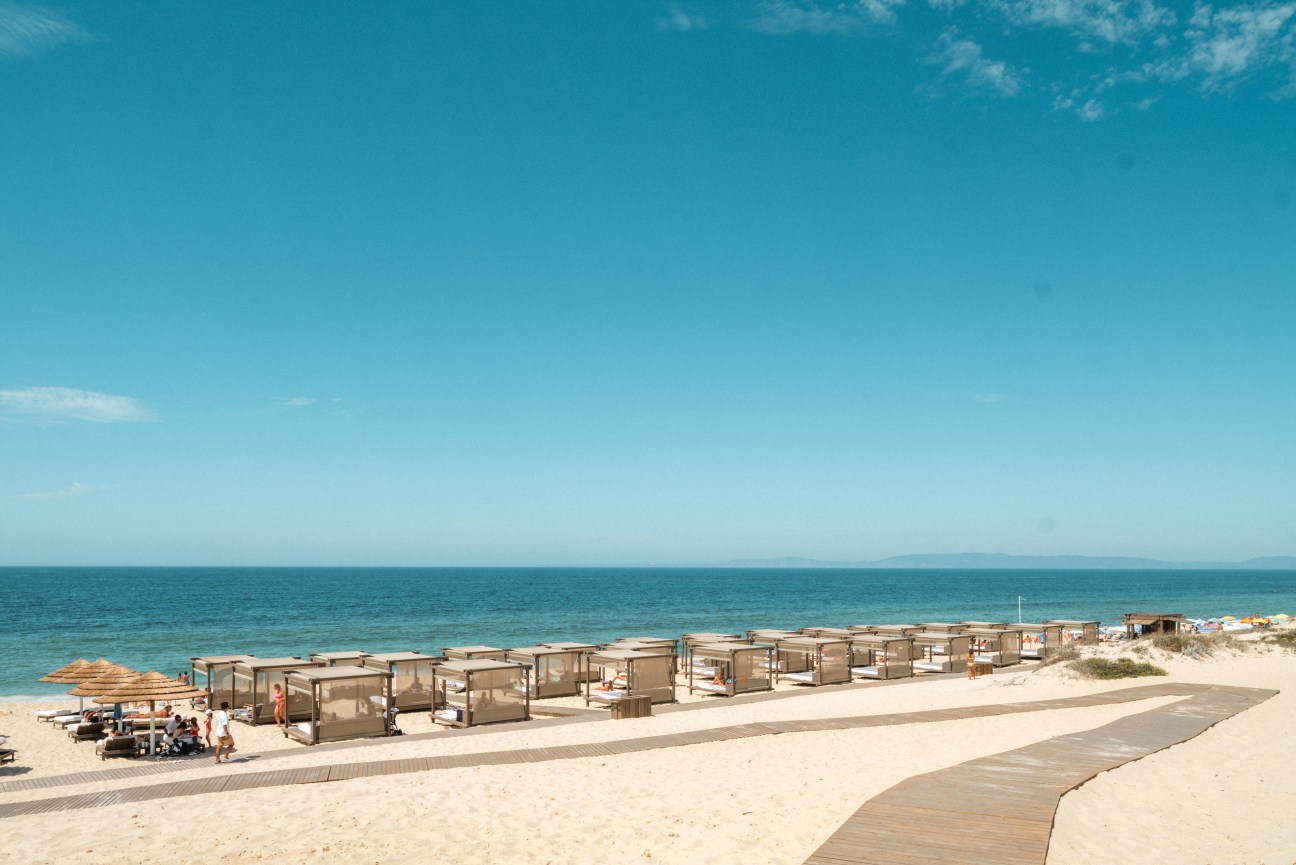
White sunloungers are carefully lined up along the waterfront, complete with thatched parasols, side tables and cabana-shaped sunbeds. There’s full table service, a live DJ and beach chair rentals that start from as little as €25. “Even though we’re a luxury company, we want everyone to be able to experience our world,” says Guedes de Sousa. But the beach club is only the first step. “We’re creating a resort-type complex in Comporta with 48 villas, 16 club villas and a hotel designed by Vincent van Duysen, along with restaurants, an athletic club, a spa and more.” The project is taking shape behind the beach, meaning that upon completion, the brand will have a new hub by the sea. “Wherever we go, we want to create a community,” says Guedes de Sousa. “We have international ambitions and we are super excited.”
jncquoi.com
New opening 3
Pateos, Melides
One of Portugal’s longest stretches of beach extends from Tróia to Sines, just south of Lisbon. Boasting almost 65km of pristine, white sand, it has become a prime destination for sunseekers and hoteliers alike. “I have always been in love with this area,” says Miguel Charters, co-owner of Pateos, a new collection of four holiday homes in the village of Melides. “I used to come here as a teenager with my wife, Sofia, who was then my girlfriend. We always said that we would build something special here.”
Pateos combines the mid-century modernism of Portuguese architect Manuel Aires Mateus with a deep sense of tradition. Wood, concrete and glass work together in a series of spaces that blur the boundaries between indoor and outdoor. “It was all designed so that people can maximise their experience of nature,” says Charters. “That’s why we experimented with patios where you are sheltered but at the same time outside.”
The villas riff on the tradition of the “Monte Alentejano“, says Charters, referring to the farm-based accommodation typical of southern Portugal, where small structures surround a larger, central one. At Pateos, four villas, which can be booked individually or all together for 14 people, are set along a pool and sunbathing area that overlooks the Atlantic. This feature was Charters’ starting point: every villa faces the water and is built to respect the topography, as well as to ensure privacy. “Seclusion is important,” he says. “We want to give our guests a change of pace. Most of them lead busy lives, travelling around the world, so it’s important for them to have a space where they can switch off.”


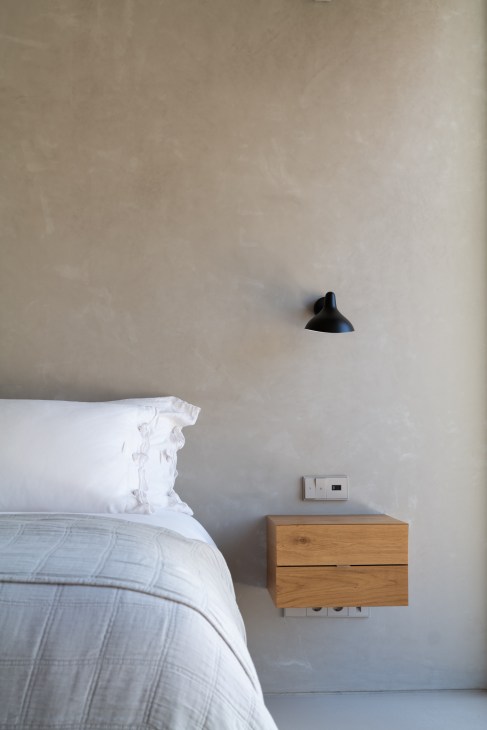

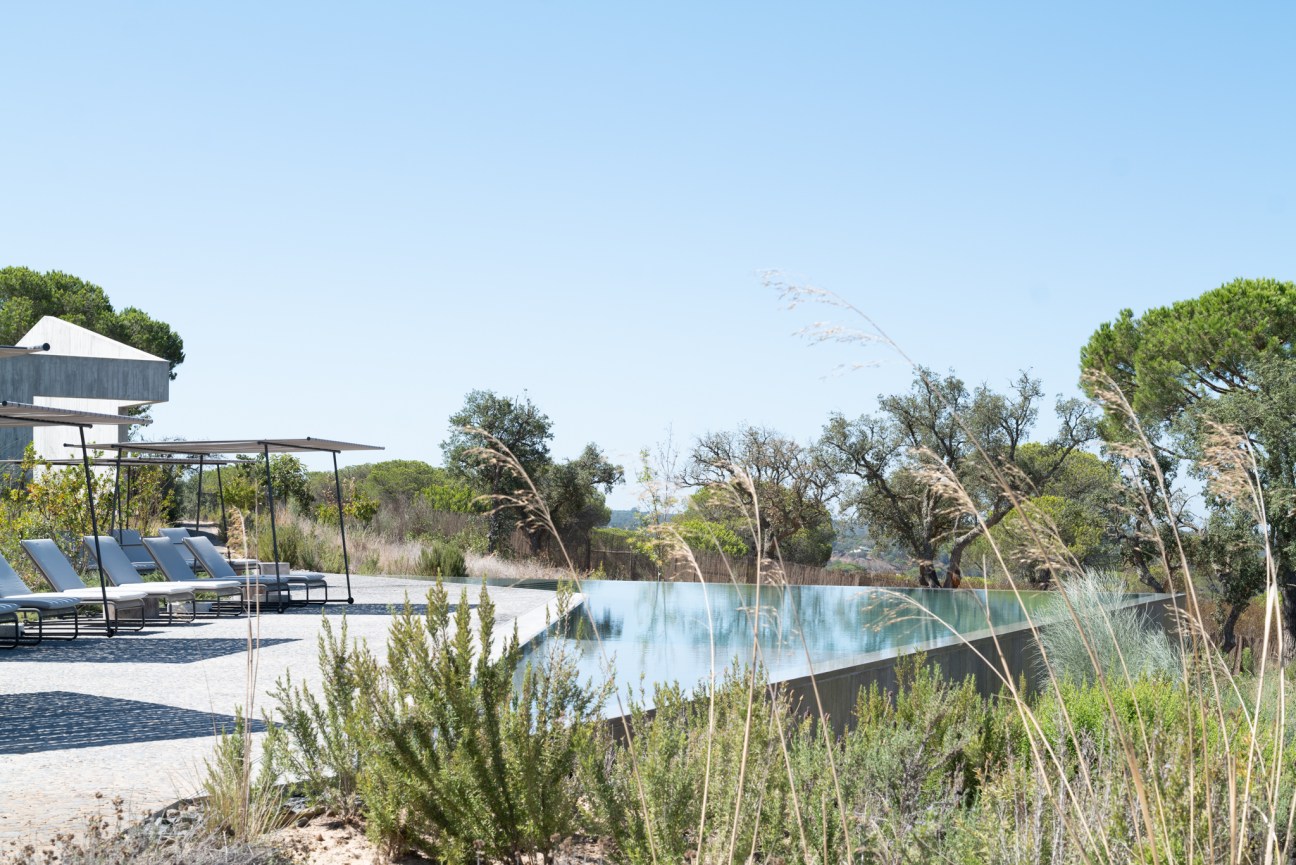
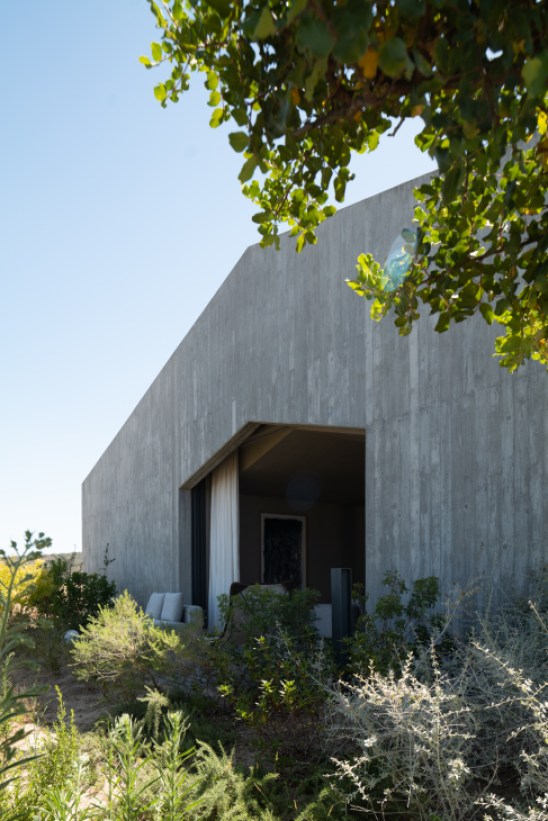
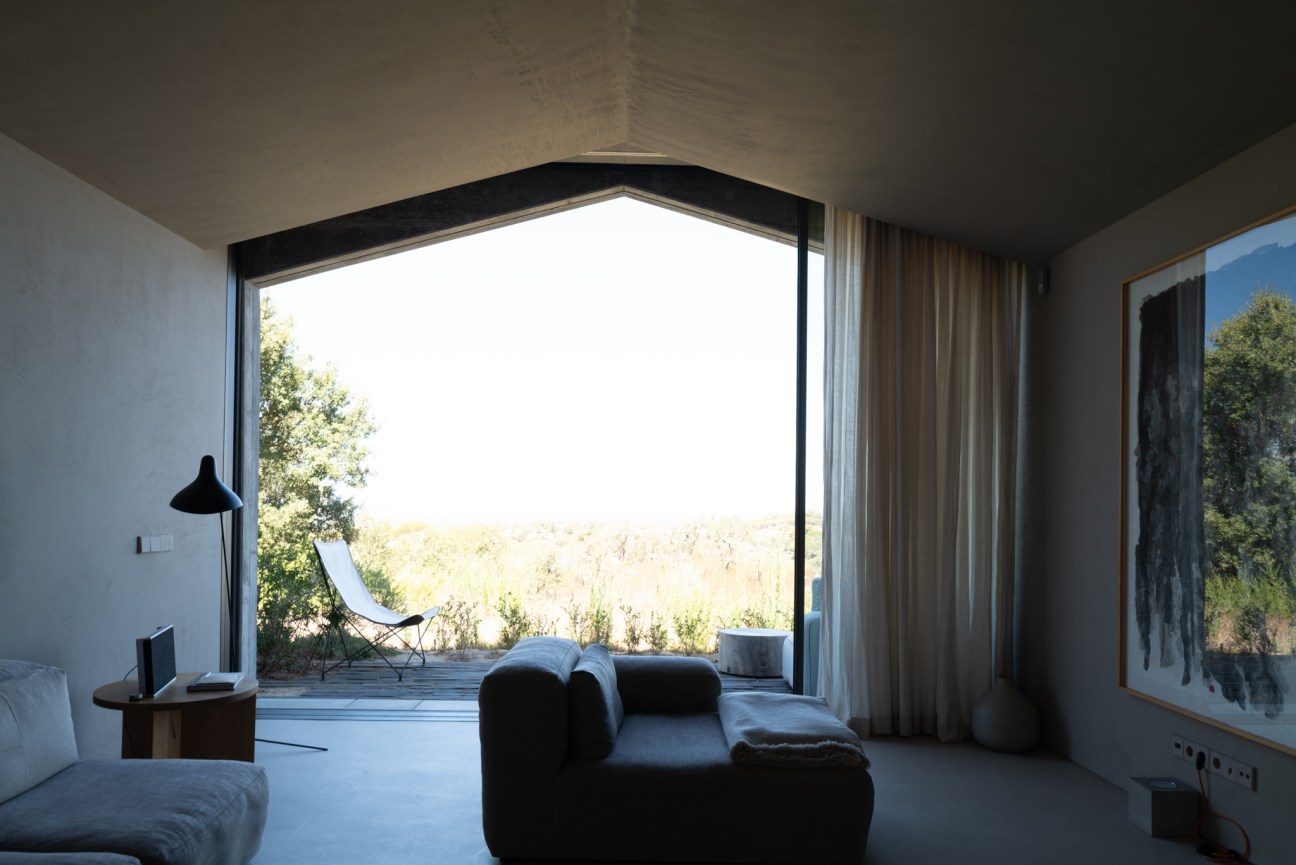
From the moment when you check in with Filipe Lopo, Pateos’s general manager, everything feels simple and seamless. “We want to evoke the kind of comfort that people feel at their grandmother’s house while providing an excellent level of service,” Lopo tells Monocle, explaining that housekeeping is kept behind the scenes and mealtimes are left up to the guests. “After all, your grandmother would make you breakfast whenever you want it and do your laundry too,” he says.
Glance at the surrounding hills and you will spy the first stirrings of Charters’ next project. “We have planted vines,” he says. “I hope that, in about five years’ time, we can make our own wine here. It will be an exclusive batch, mainly for in-house consumption and for sale at selected retailers.” Charters also plans to restore an abandoned structure to turn it into a wine cellar and create a second cluster of villas nearby. “It won’t be a copy of the existing ones; it will have its own identity.”
pateos.pt
Dream machines
Galaxy Z Flip5
Samsung
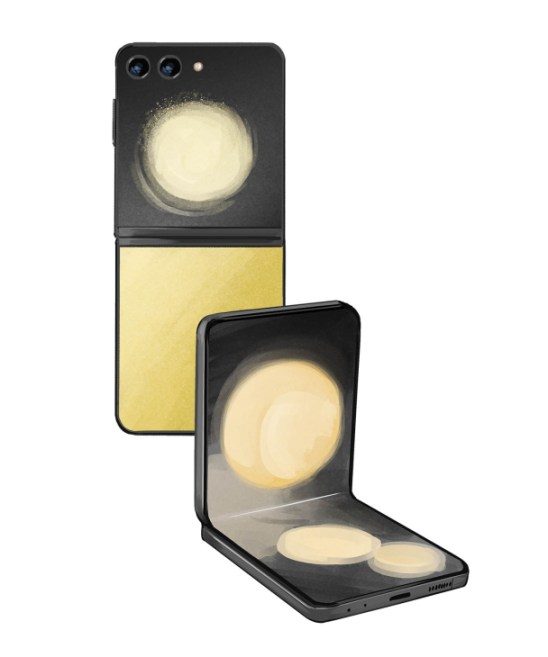
If you don’t want something that folds out from phone to a device closer to a tablet, Samsung’s latest might appeal: it folds in half to become much more pocketable. This model comes with a glorious external display that is so versatile that you often don’t need to unfold it at all. You can also use it for photography, so that your subject can see themselves as you’re snapping them. It folds completely flat to prevent dirt getting in and the crease that you see when the screen is unfolded (a issue that dogs many folding phones) is only visible when the screen is off.
samsung.com
BoostCharge Pro Fast Wireless Charger
Belkin

The USB-C socket of this versatile battery pack lets you connect an iPhone or other smartphone to charge by cable, and the white circle wirelessly charges the Apple Watch and second-generation AirPods Pro. It’s the first battery pack that fast-charges the Watch too, from flat to 80 per cent in 45 minutes, and is powerful enough to charge the Watch and a smartphone at the same time. All from a sleek, lightweight battery so portable that it’ll become indispensable.
belkin.com
Studio Pro headphones
Beats by Dr Dre

Beats by Dr Dre (the Apple brand that isn’t AirPods) has launched a tremendous new pair of over-ear headphones. AirPods are designed to work with Apple hardware but Beats, magnanimously, work equally well with an Android as an iPhone. They include seamless pairing, better findability if you lose them and great audio. Battery life is strong at up to 40 hours (24 with noise-cancelling turned on). Unlike Apple AirPods Max, these headphones come with a 3.5mm cable and are more keenly priced too.
apple.com
HT-AX7 compact theatre system
Sony
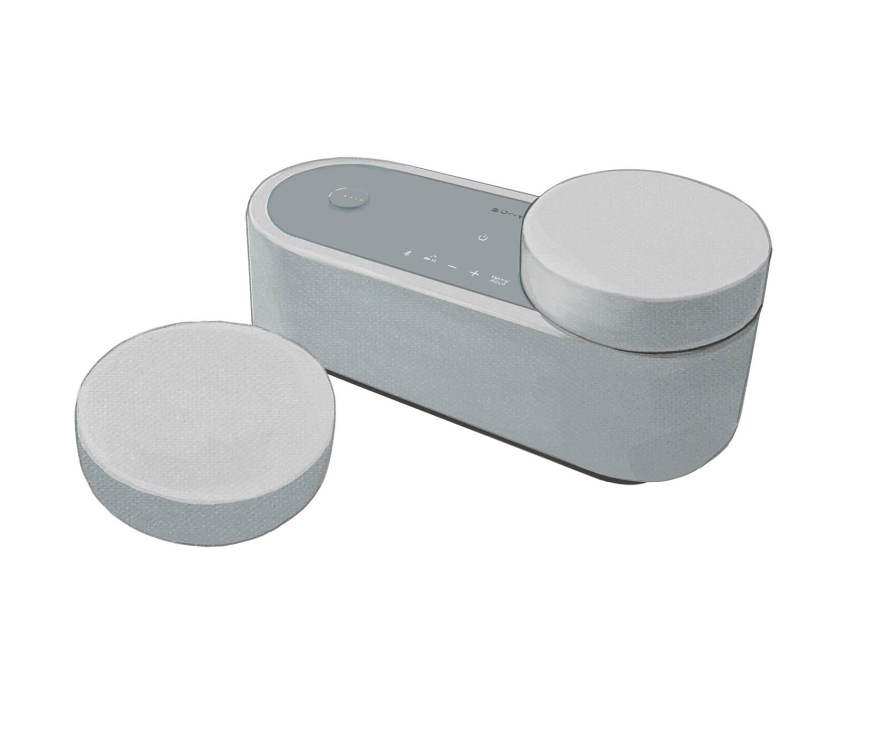
This is a remarkable portable sound system that makes the audio from a smartphone or tablet more exciting. It comes in the form of a squat lozenge with a circular speaker at either end. Held in place magnetically, these can be undocked and placed behind the listener to work as satellite speakers. The effect is highly immersive, with Sony software making it feel as though the audio is coming from every direction – even overhead. You can adjust the volume and the distribution of the sound using the buttons on the main speaker or through the Sony app. The audio output is big and powerful from the main unit and the extra units add a spectacular 3D effect. The battery lasts as long as 30 hours; a 10-minute recharge is enough for a couple of hours.
sony.com
Trunk Hotel Yoyogi Park offers a quieter, greener vision of Tokyo hospitality
Tucked in alongside Yoyogi Park, the Tomigaya neighbourhood provides a calming contrast to the high-rises and bustle of nearby Shibuya and Harajuku. It’s here in Oku-Shibu, among the local retailers, cafés and hole-in-the-wall eating spots, that Trunk found an ideal setting for its third boutique property, Trunk Hotel Yoyogi Park.
The Japanese hospitality company created waves in 2017 with the opening of its first location, Trunk Hotel Cat Street, followed by an exclusive whole-house rental in Kagurazaka two years later. Each one-of-a-kind project draws inspiration from the local surroundings, while incorporating Trunk’s fresh approach to culture, creativity and hospitality into the build. The Tomigaya district, situated across the road from 54.4 hectares of green space, provided designers with the opportunity to find harmony with the landscape, incorporating elements of nature into the inner-city location. Tokyo-based architect Keiji Ashizawa was tasked with leading the design of the hotel, which centres on the concept of urban recharge, inviting guests to find both solace and stimulus during their stay.
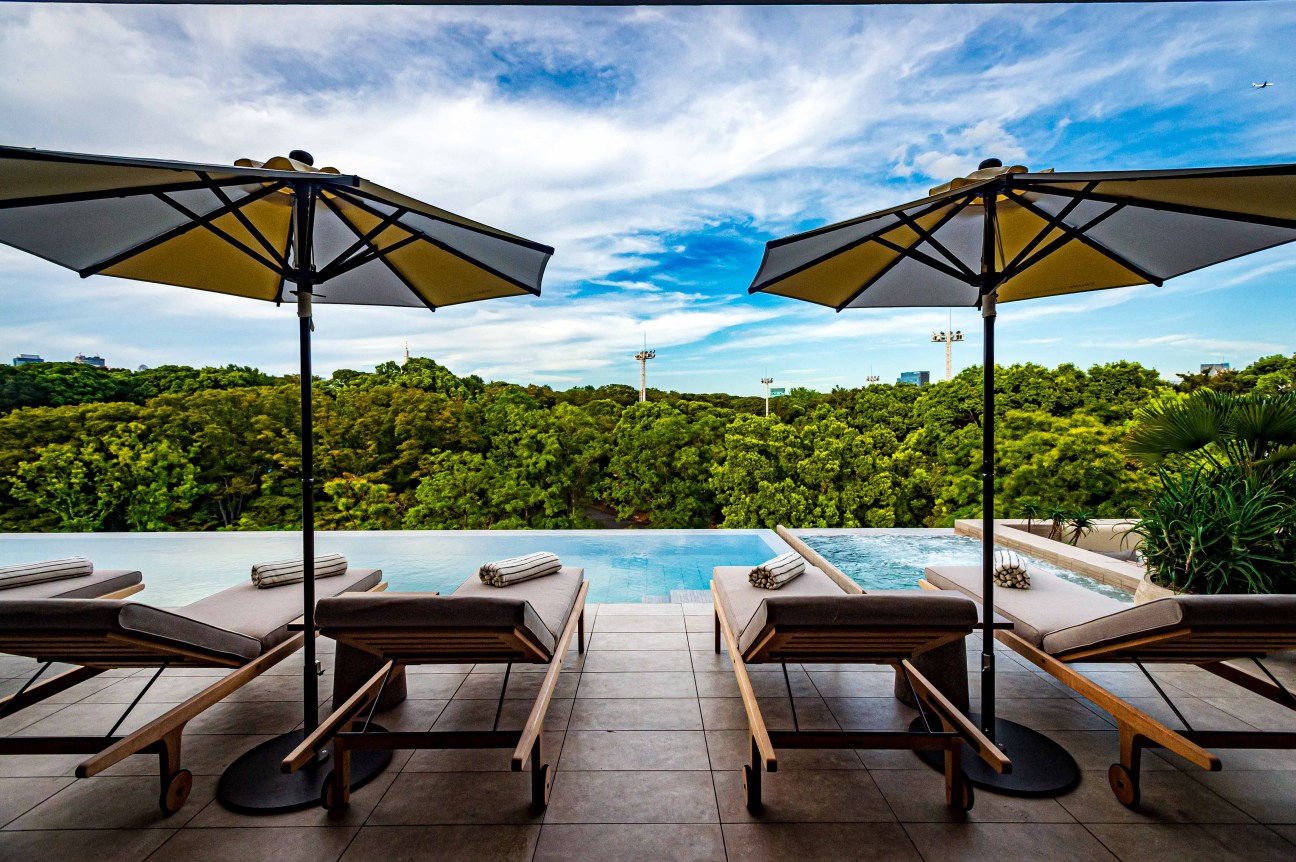
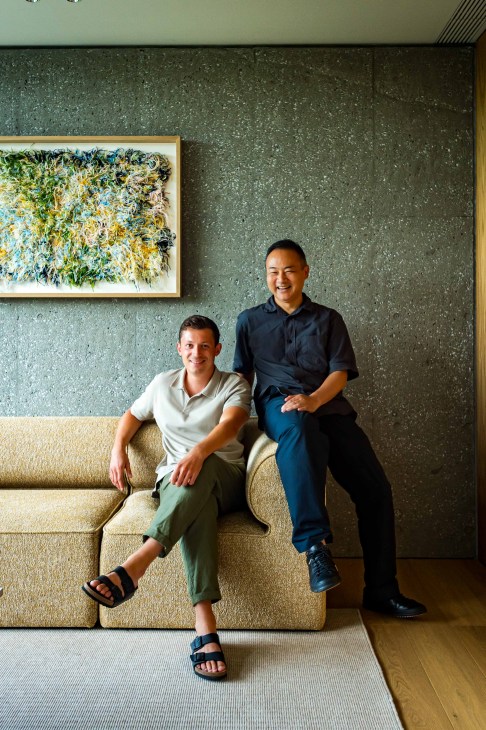
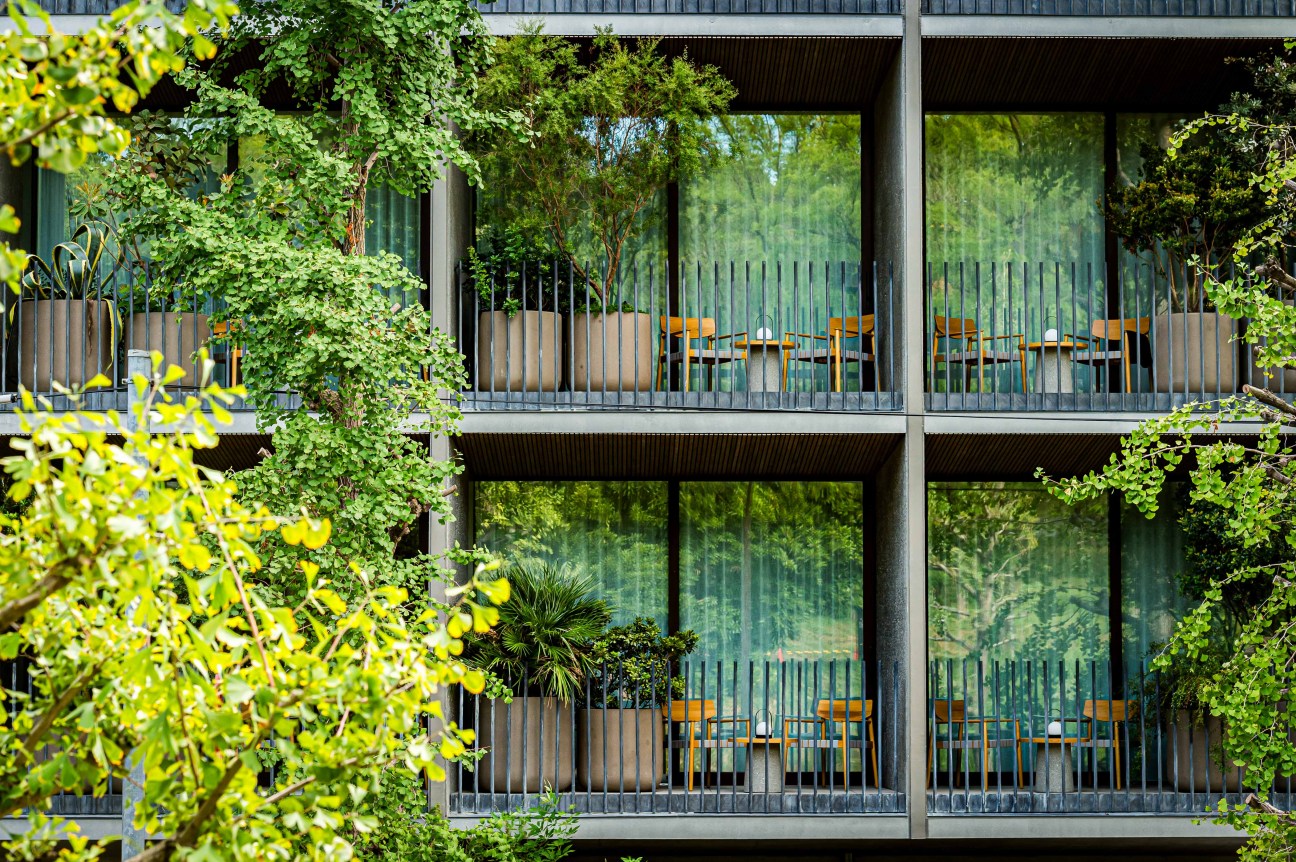
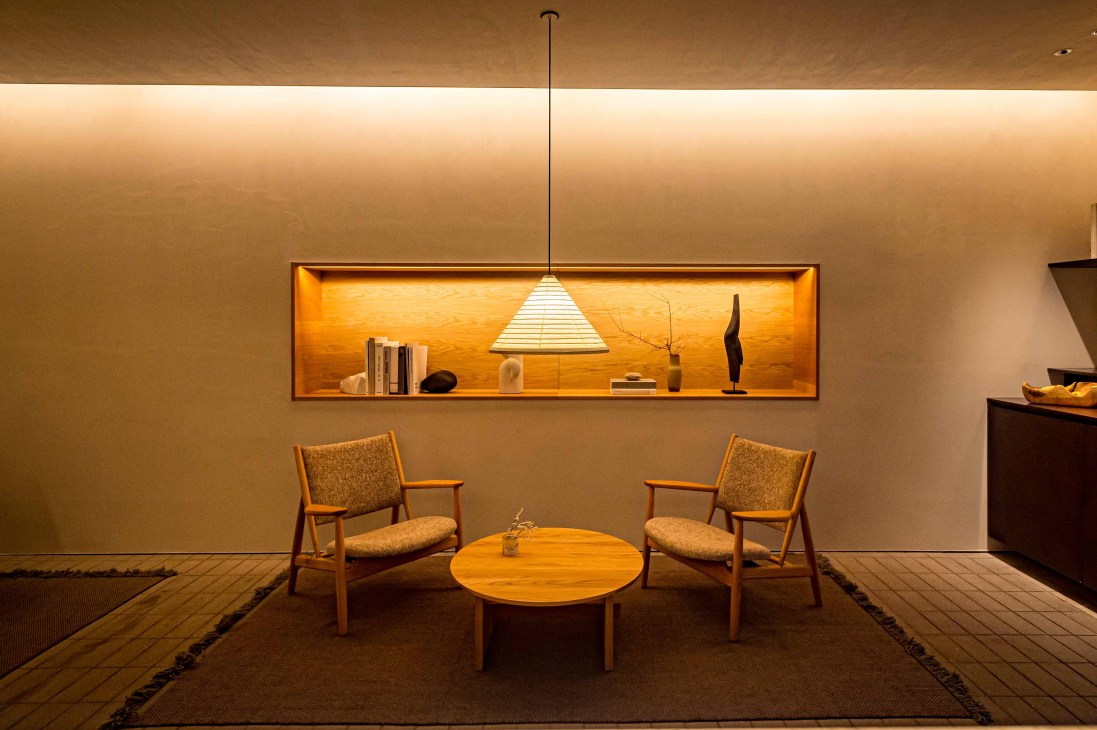
When Monocle visits on the eve of the hotel’s September opening, rustic-looking concrete panels and copper details merge with an array of greenery, creating the sense that the building has long been part of the neighbourhood.
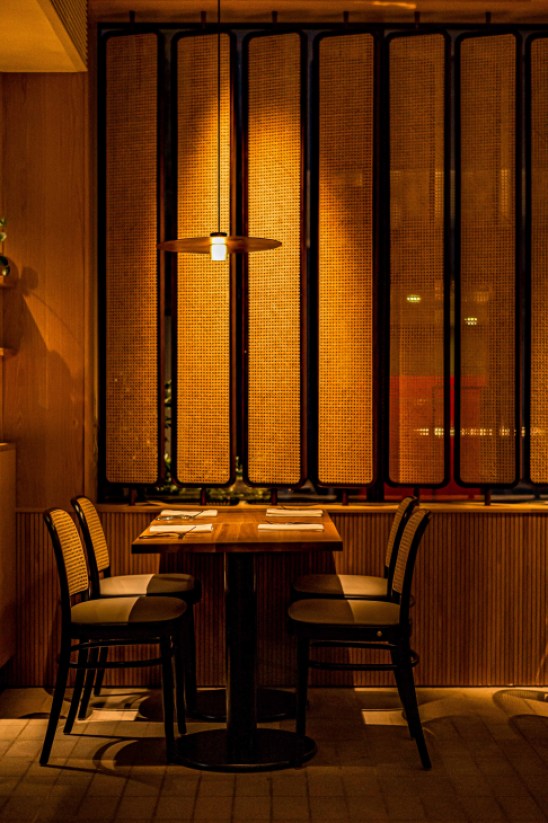
Looking skyward, plants sway gently in the breeze, extending out through the balcony railings. Entry to the 25-room hotel is discreet and separate to the modern Italian restaurant on the ground floor. Guests are welcomed into an intimate lounge, bathed in the warm glow of Kojima Shoten lanterns. A custom-made scent, featuring notes of juniper berries, vetiver and a hint of budou sansho (Japanese pepper), adds to the sense of calm. “A hotel can completely change your travel experience,” says Ashizawa. “Tokyo can be chaotic so it’s important to be able to reset. This is why it makes sense for the interiors to be a bit muted.”
For the interior design, Ashizawa worked in collaboration with Danish firm Norm Architects. The Japanese architect’s philosophy of honest design, combined with Norm’s soft minimalism, resulted in spaces that feature a neutral palette, natural textures and emphasise tactility. “A relaxing space should cater to all of the senses,” says Frederik Werner, designer and partner at the Copenhagen-based practice. “Design can become a buzzword for what’s trendy but much of the work that we do [together] is rooted in craft, tradition and heritage, which are often forgotten in the process.” The guest rooms include furniture from Karimoku, Ariake Collection and Audo Copenhagen, Kvadrat textiles and Hotta carpets, while Trunk’s in-house team curated artworks ranging from contemporary calligraphy to sculptures and art-brut pieces.
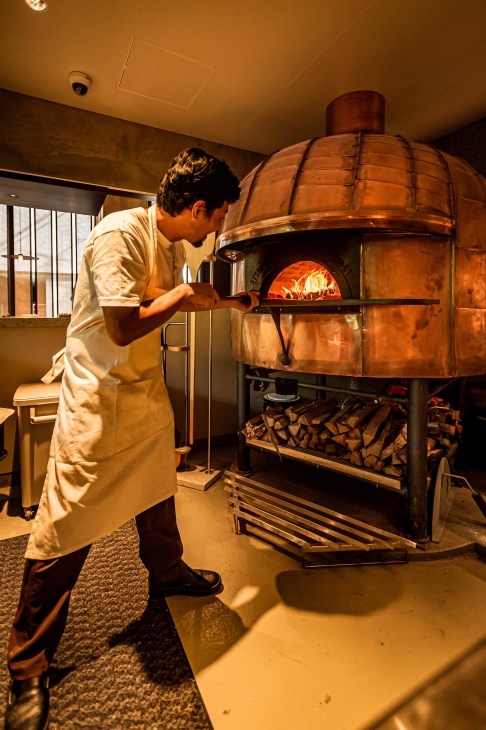
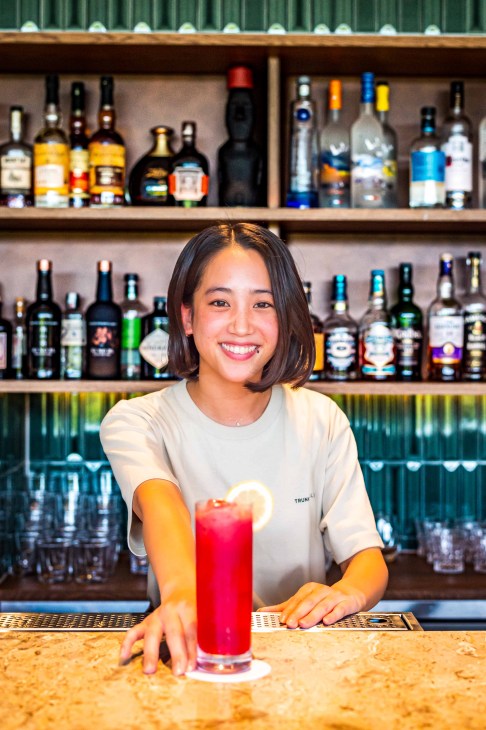
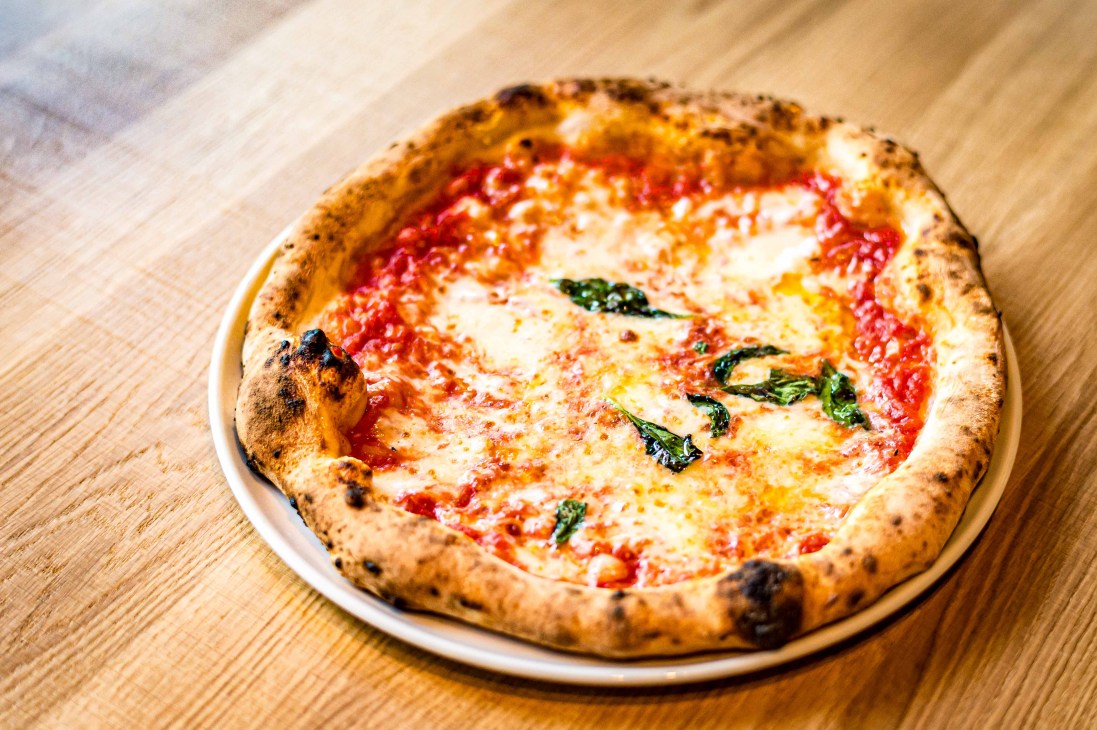
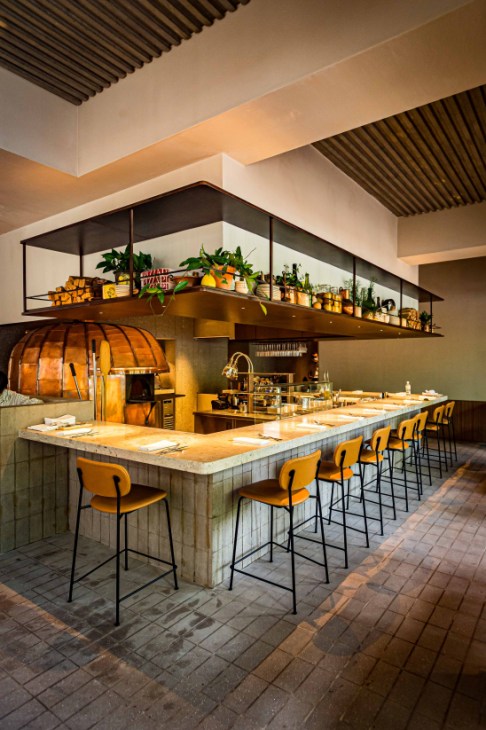
While the influence of Yoyogi Park permeates throughout the hotel, the rooftop pool and lounge is where it truly takes centre stage. The sixth-floor space, complete with an oyster bar and evolving cocktail menu, overlooks the expansive green canopy towards some of the city’s architectural highlights. Whether you’re reclining poolside, perched at the bar or enjoying a scenic dip, it provides the perfect setting to recharge on your own terms.
yoyogipark.trunk-hotel.com
In good taste
Cravan
Paris
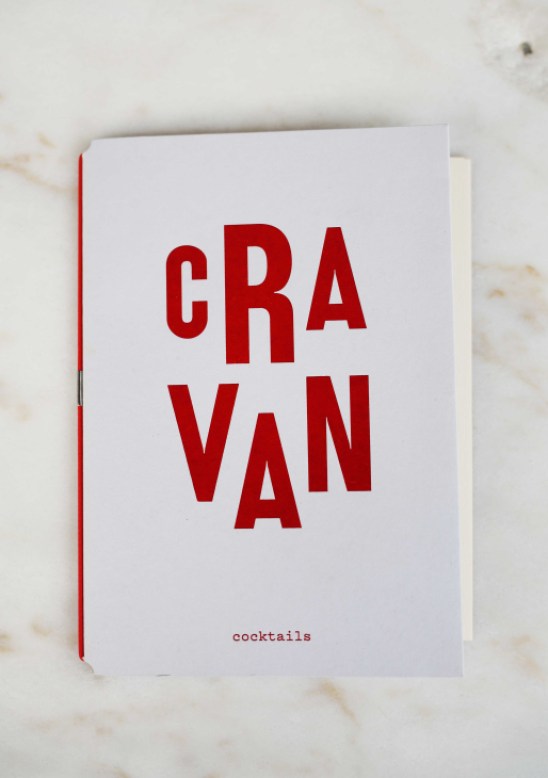
Franck Audoux imagined the location of his bar, Cravan, to offer a proper cultural treat and found just the spot in one of the last remaining historical buildings on Paris’s Boulevard Saint-Germain. Since opening in June, the Moët Hennessy-backed cocktail bar has become the talk of the Parisian hospitality scene. Belgian designer Ramy Fischler was brought in to reimagine the interiors of the 17th-century building. He proceeded to create a Dadaist collage referencing Arthur Cravan, the surrealist poet after whom the venue is named.
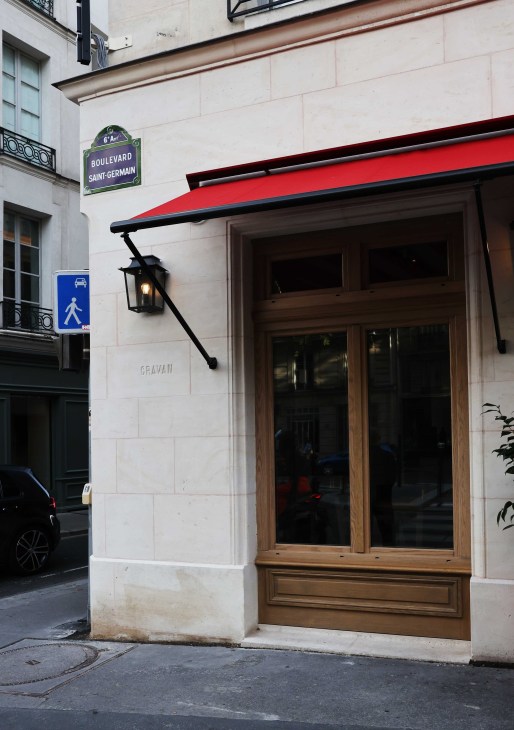

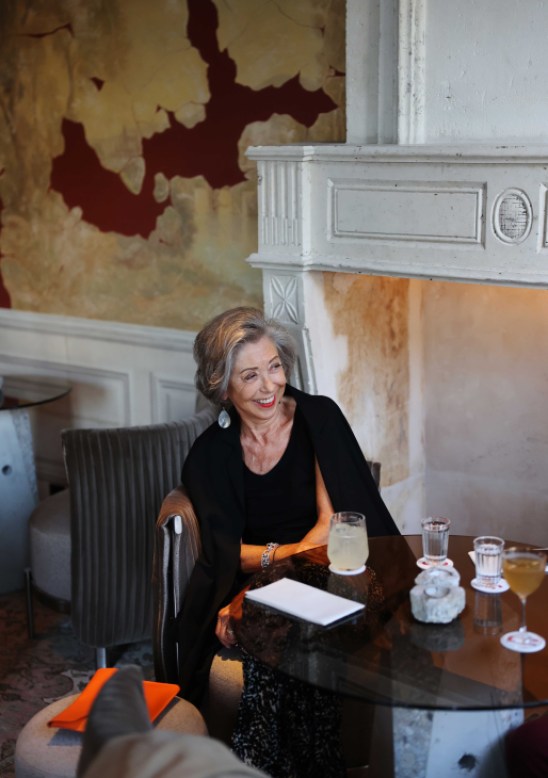
Comprising three bars, a bookshop and a rooftop kiosk for small groups, Cravan is a well-conceived addition to the literary history of the Saint-Germain-des-Prés area in which it sits. The ground-floor bar pays homage to the original Cravan, a red-fronted favourite in the 16th arrondissement, and its belle epoque style, while the first storey offers mid-century-inspired décor: think a marble bar, metal finishes and mirrors. Heading upstairs, you’ll see a Rizzoli bookshop where you can peruse Audoux’s book, French Moderne Cocktail, for some inspiration before you head to the third-floor bar. This cosy affair has several small salons, each with their own fireplace and is easily the most intimate of the building’s many spaces. Needless to say, the drinks are top-drawer throughout and the menus, though ambitious, are pleasingly close to the classics while reflecting the differing moods of each room. Make ours a royal basilic, a champagne-based number made with Ruinart brut with a hint of botanicals and basil. After all, we’re celebrating.
cravanparis.com
Le Foote
Sydney

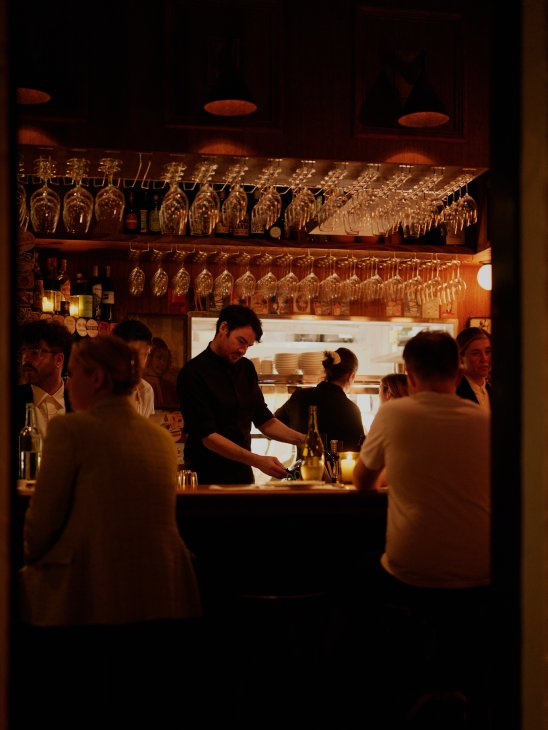

From the Swillhouse group – responsible for surefire favourites including the Shady Pines Saloon and The Baxter Inn – comes Le Foote, a new European-inspired restaurant and bar in a former sailors’ tavern in Sydney’s Rocks neighbourhood. The walls of Le Foote’s 50-seat dining room are lined with art, including a mural by Italian ceramicist Mastro Cencio, while the wine bar is decorated with work by artist Allie Webb and the alfresco tables offer a view of the water and the Sydney Harbour Bridge. The menu offers Aegean wines, cocktails and snacks. Larger plates look to the grill for steaks and seafood: the octopus comes with potatoes, macadamia nuts and Aleppo peppers, while the swordfish “rib eye” is cooked on the bone. Save space for the lemon-leaf ice cream.
swillhouse.com
Elm
Helsinki
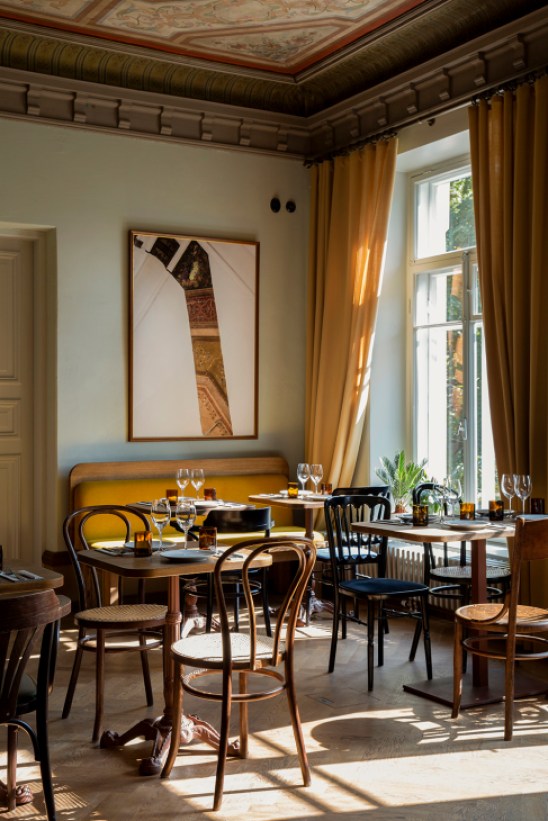
Located in a meticulously restored 19th-century wooden villa in the leafy Kaivopuisto park, Elm is the latest venture by restaurateurs Albert Franch Sunyer, Luka Balac and Carlos Henriques. The venue draws on the trio’s vast experience in Spain, Serbia and Portugal and adds a warm and welcome Mediterranean twist to Helsinki’s already eclectic restaurant scene. Dishes such as grilled octopus with molho verde, escalivada (Catalan roasted vegetables) and milho frito (fried cornmeal) are available to order.
“We are a multicultural and friendly neighbourhood bistro that exudes a laid-back vibe,” Balac tells Monocle as we sample wines from North Macedonia on the restaurant’s sunny veranda. It’s no surprise that Elm has become an instant classic.
restaurantelm.fi
Recipe
Maritozzi

This Roman take on the humble doughnut is a cream-filled delight studded with ruby-coloured fruit for tartness. “The best ones can be found at Pasticceria Regoli in Rome,” says Swiss chef Ralph Schelling, who explains that most berries work within the cream. “This is a simplified version; I often add orange-flower water, too. I particularly love maritozzi with fresh wild strawberries.” —
Makes 10
Ingredients
For the pre-dough
- 130ml whole milk, lukewarm (plus extra for coating)
- 1.5 tsps dry yeast
- 150g flour
- 1 tbsp sugar
For the dough
- 150g butter, softened
- 125g caster sugar
- 1 tsp salt
- 4 eggs, medium
- 400g flour
For the filling
- 500ml cream
- 1 heaped tbsp powdered sugar
- 50g wild Italian strawberries (other berries work too)
Method
1.
Mix milk, yeast, flour and sugar for the pre-dough in a mixing bowl, then leave it to rise (covered with a tea towel) for about 15 minutes.
2.
Add remaining ingredients for the dough and knead with the dough hook of a hand mixer for about 5-7 minutes, until it’s airy and bubbles form. Cover and leave to rise for a further 10 minutes.
3.
Turn out dough onto a floured work surface and divide into 10 equal pieces. Roll each piece into a ball, then shape it into a loaf of about 10cm long, slightly tapered at the ends. Line a tray with baking paper and equally space the pieces.
4.
Cover and let rise for about 60 minutes, then preheat the oven to 180C.
5.
Brush the maritozzi with milk and bake for 12 to 15 minutes until golden brown.
6.
Leave to cool on a rack.
7.
For the filling, whip cream with the sugar until stiff.
8.
Cut the maritozzi in half lengthwise (not quite all the way through) and fill with whipped cream. Or you can cut them like a roll and fill them that way, adding wild strawberries or berries before serving. Enjoy.
ralphschelling.com
Eat, sleep, repeat
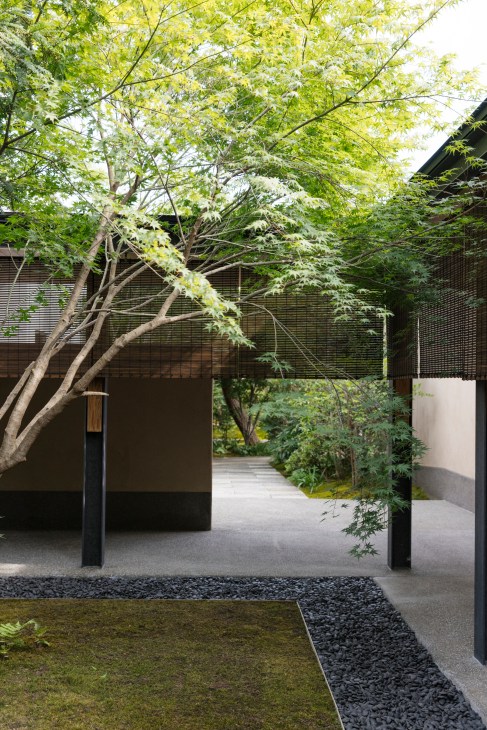
The recently opened Auberge Tokito is 40 minutes from central Tokyo and a minute from the small commuter station of Nishi-Kunitachi. Beyond the fluttering noren curtain, guests are ushered into a private world of innovative Japanese cooking, onsen (hot spring) baths with water piped from deep below the ground and an atmospheric Japanese tea room, all set in the partially renovated building and garden of Mumon-an, a traditional restaurant that used to stand here.
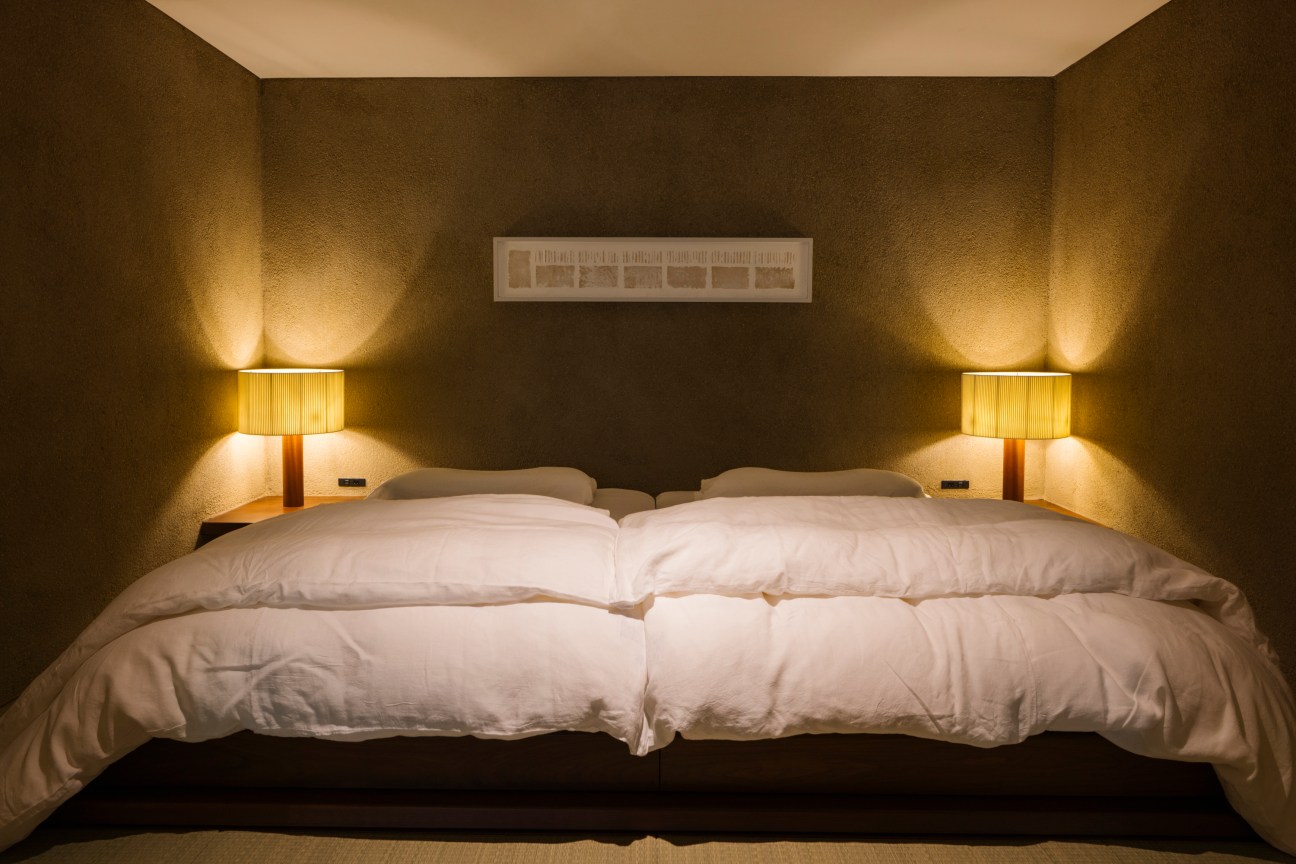
The four-room hotel is owned by Tachihi, formerly an aircraft manufacturer, who lured chef Yoshinori Ishii from London, where he had led the kaiseki (multi-course dinner) restaurant, Umu, to Michelin stardom. Everything about the bedrooms – two Western, two Japanese – is best in class: mattresses, linens, quilts, even turntables and speakers. There are mud plaster walls and paper screens; bathrooms come with their own spa bed (treatments on request) and the products are made by Japanese botanical brand Waphyto.
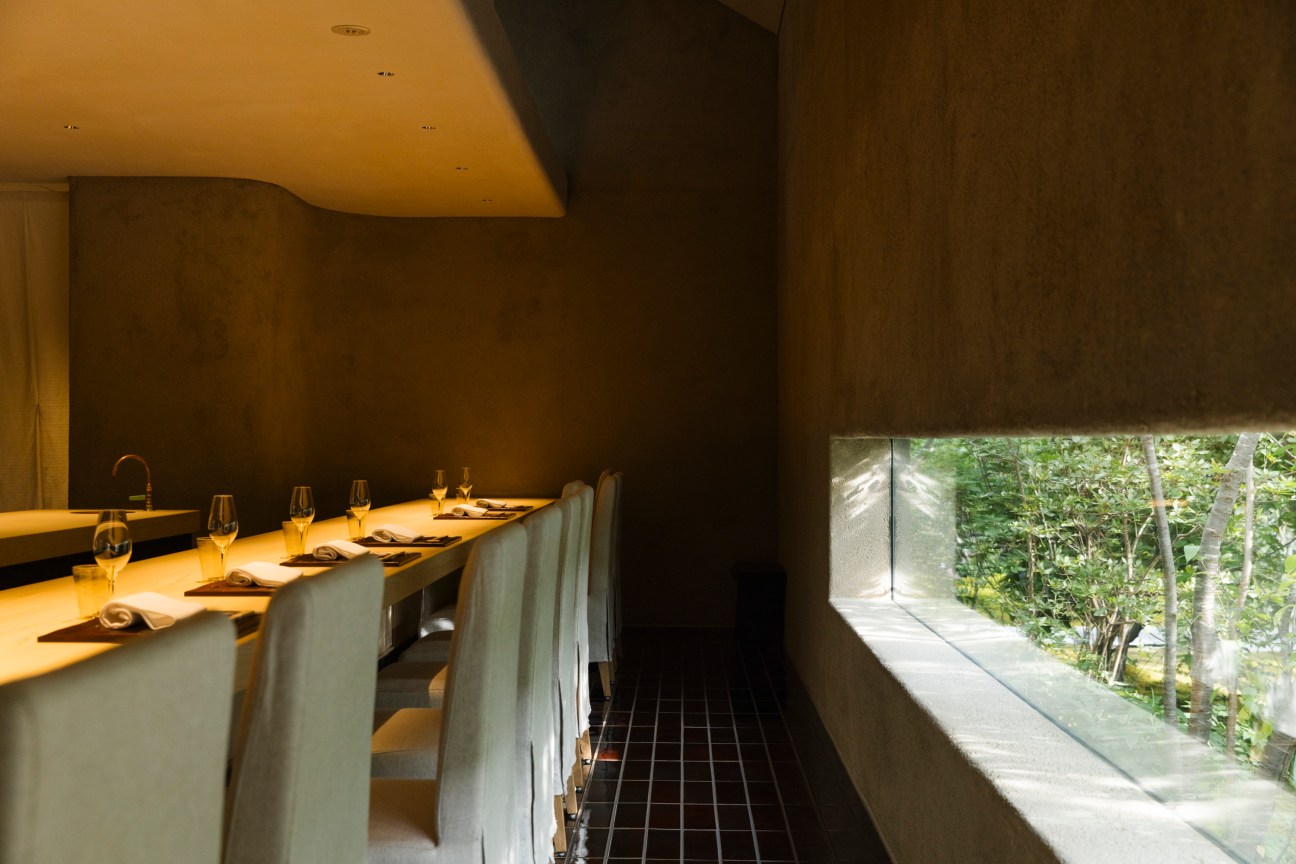
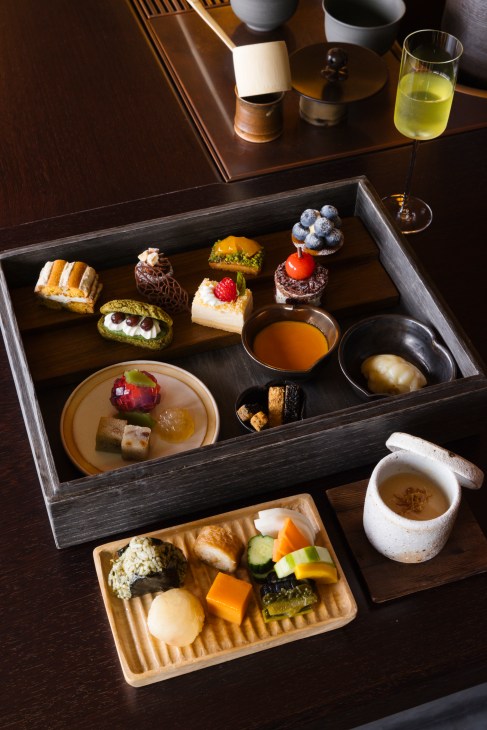
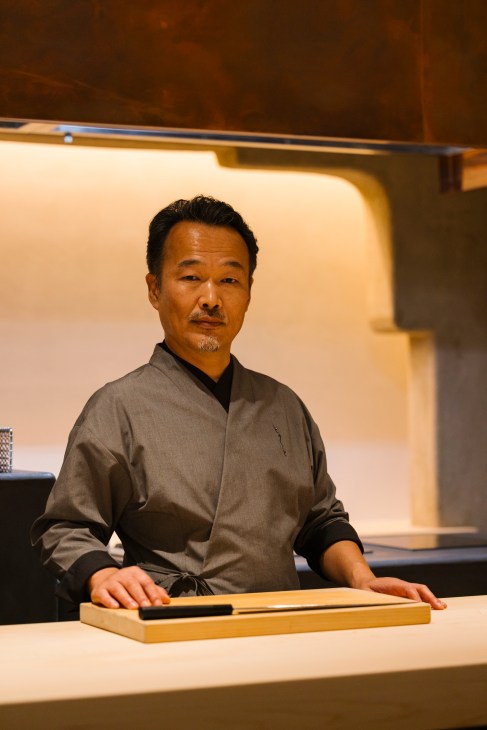
For many, the draw is the cooking at the hotel’s restaurant, which is divided between a 10-seat counter for those who want to see the chefs at work and a 22-seat dining room overlooking a courtyard. Ishii’s team includes fellow Michelin-starred chef Kenji Okawara, who is both head chef and general manager. “We’re using Japanese ingredients but in a fresh way,” Ishii tells Monocle on our tour. “Kaiseki has become so much about rules. But we make great cheese in Japan now, so why not include it?”
aubergetokito.com
Apollo Palm
Athens
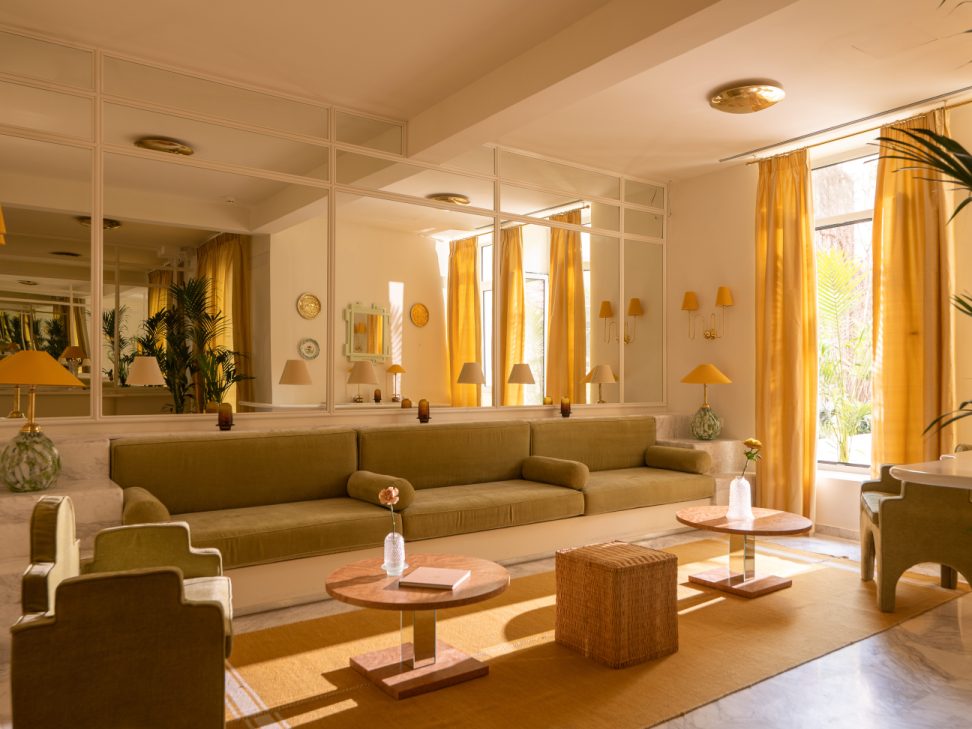
Athens has undergone something of a Greek revival when it comes to smart new downtown hotels. The latest is Apollo Palm, a 48-key stopover housed in a Bauhaus-style, 1930s police station. Interiors come courtesy of Mariette Sans Rival, a Paris-based designer who knows how to make a space dramatic given her specialism in opera-set design. “I used a lot of colours that play with the light,” says Sans Rival. “Think yellow, white and gold.” Locals can also drop by for a drink at the rooftop bar, which boasts views of the Acropolis and a cocktail menu put together by Alekos Alexiadis, founder of the acclaimed Athenian watering hole Santa Rosa. There’s also a palm tree-shaded café in the hotel courtyard that serves locally roasted coffee.
apollopalmhotel.com
Shore up
Few ports of call along the Mediterranean coast can compete with the old-world allure of Portofino. The picturesque fishing village lined with colourful houses was once best known for its luxury shops and moorings for glitzy yachts but there’s another side of the town to be glimpsed beyond its famed sea-facing Piazzetta. Up in the hills overlooking the Ligurian Sea are an unexpected bounty of fruit, vegetables and herbs that are giving rise to a food and hospitality business. La Portofinese celebrates another sort of luxury altogether.
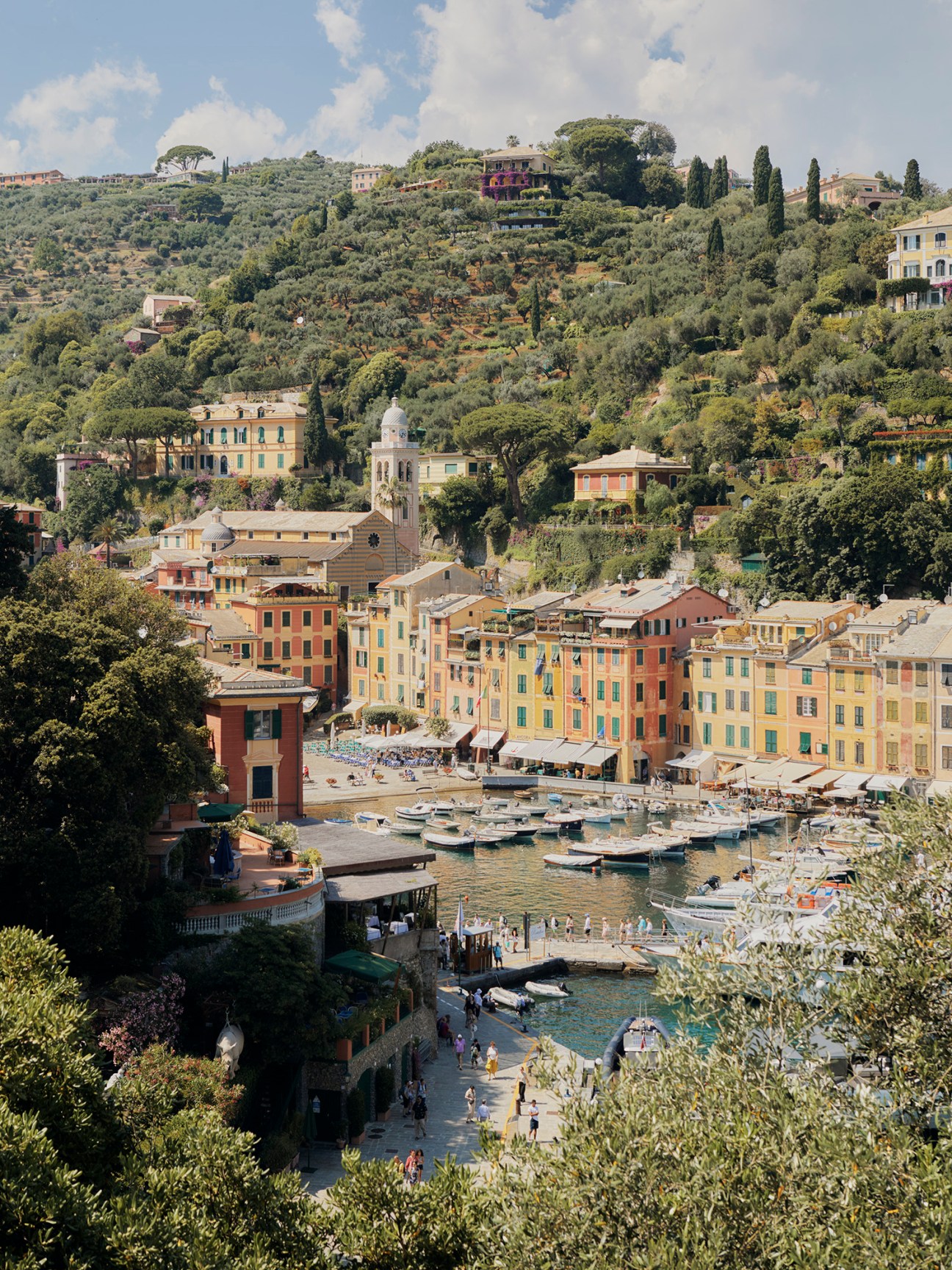
“The dream was to bring people back to the hillsides and create an authentic experience that respects this place,” says Tatiana Niccolini as she walks Monocle through the property’s sun-kissed hop fields on a promontory overlooking the town. Niccolini is the daughter-in-law of the property’s founder, Mino Viacava, who is the sixth generation of his family to call the area home. Though his relatives were bricklayers who doubtlessly helped to build the place, Viacava remembers stories that his grandfather told him about the family’s past tending crops on this same patch of land amid the cliffs, sea and maritime pines.
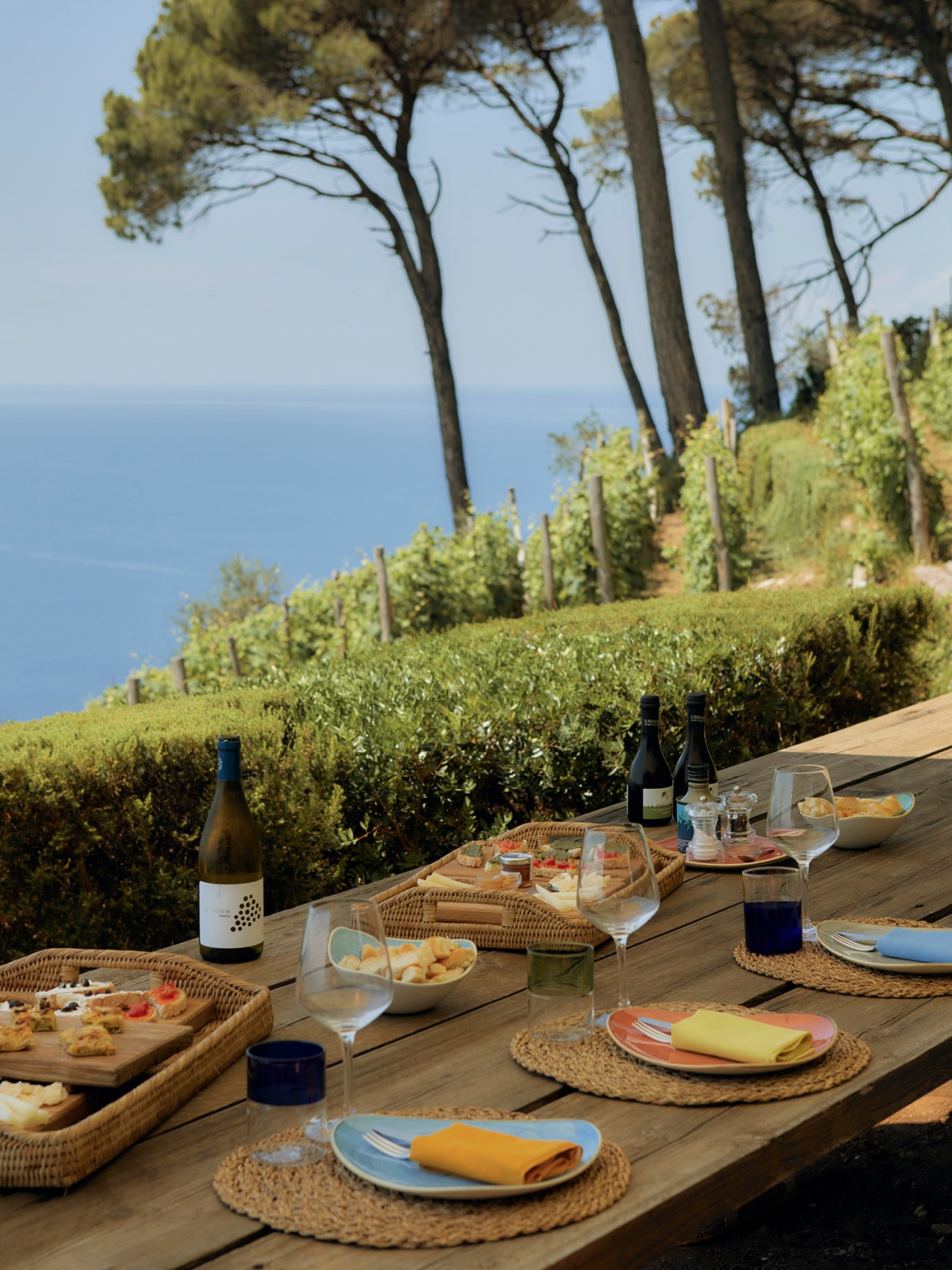
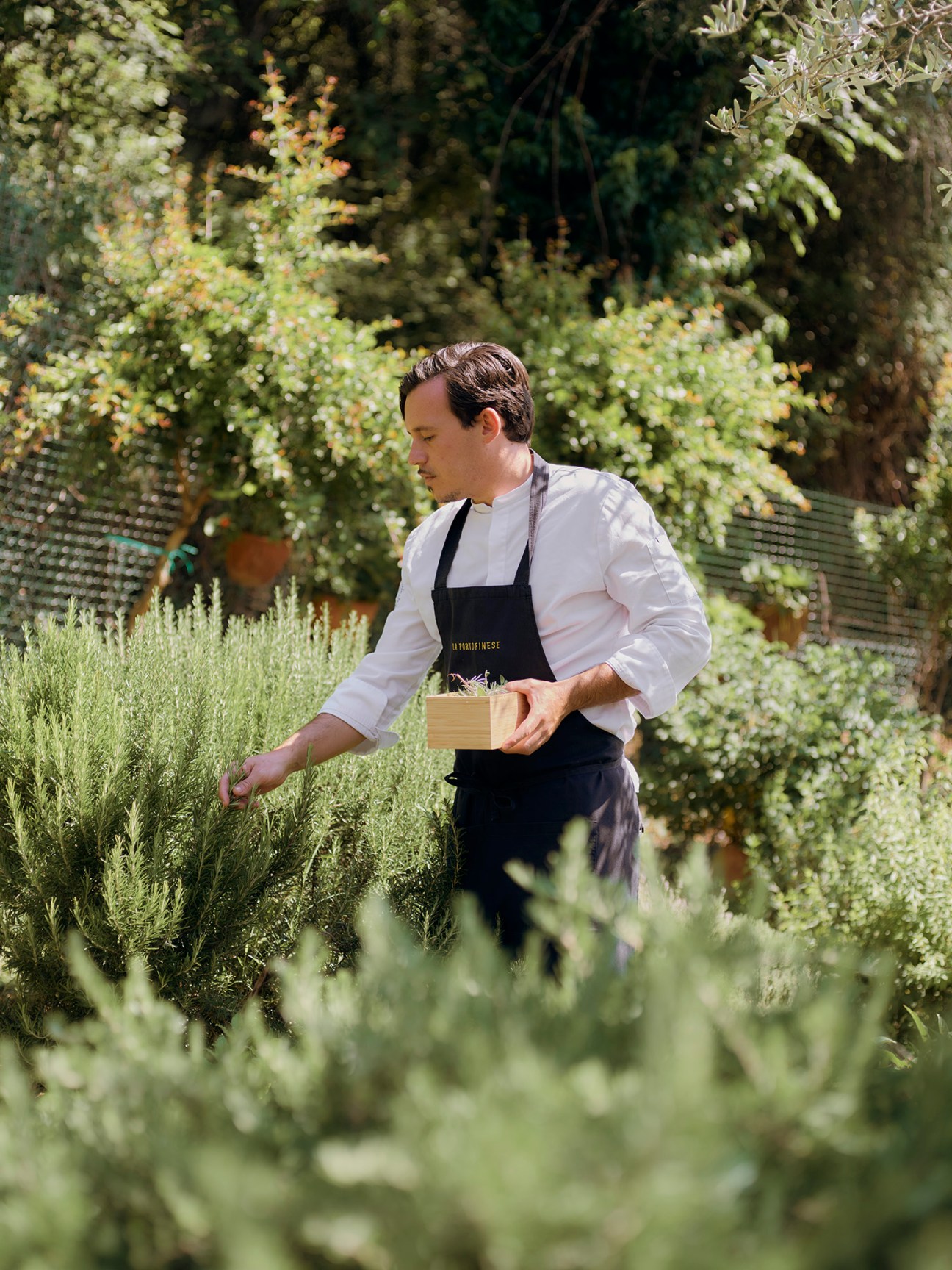
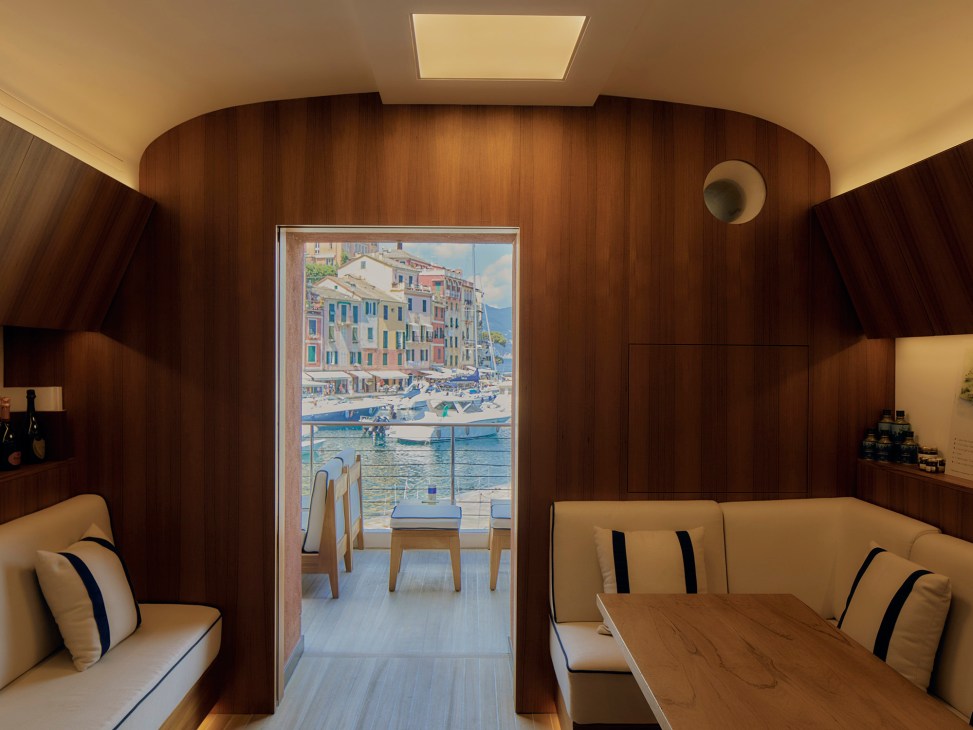
“It was a simpler life then; one that was focused on the land,” says Viacava as we pass an olive-oil press where Ligurian cultivars lavagnina and pignola are turned into a grassy golden condiment served at the firm’s rustic restaurant, Osteria dei Coppelli. “There were none of these fancy boutiques that you see here today,” he adds with a wistful grin.
Besides overseeing a farm with chickens and rabbits, as well as another that grows vegetables from courgette to squash, Viacava’s La Portofinese project provides cooking classes at the osteria, which specialises in classic Ligurian dishes. For a hard-to-beat sundowner, guests head to the bar overlooking the scenic city-centre square or another set dramatically at the tip of the headland under a working lighthouse. Here, patrons usually have the house cocktail, the “Portofinese spritz”, with prosecco, soda and limoncino, a liqueur made from Ligurian lemons.
Viacava’s efforts to help revive local agriculture were the inspiration behind the decision to plant hops and make beer, influenced by a chance discovery in the archives of a nearby abbey run by Benedictine monks detailing their interest in making beer. Never one to waste an opportunity, Viacava came up with recipes for two ales that he now makes and sells.
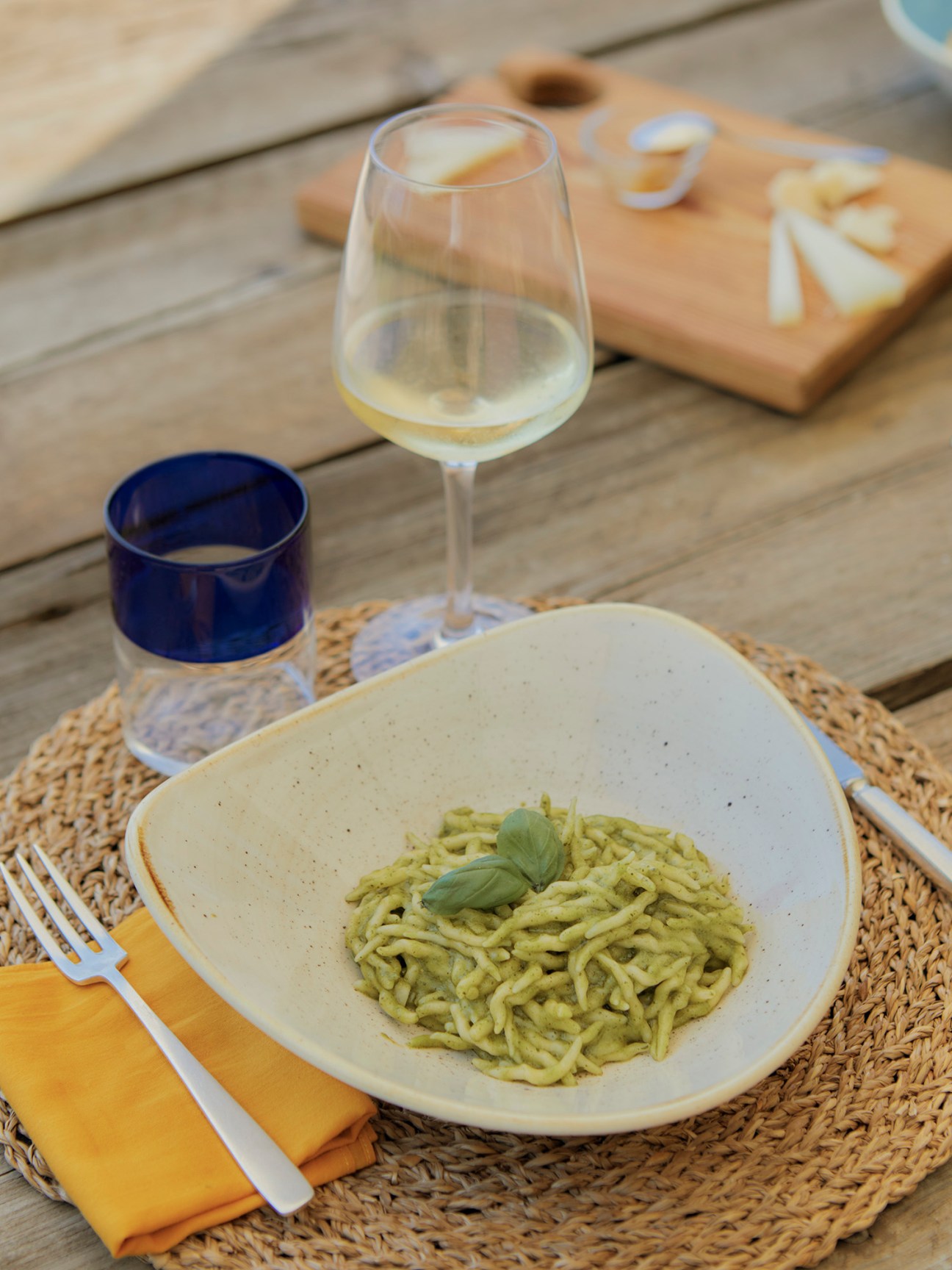
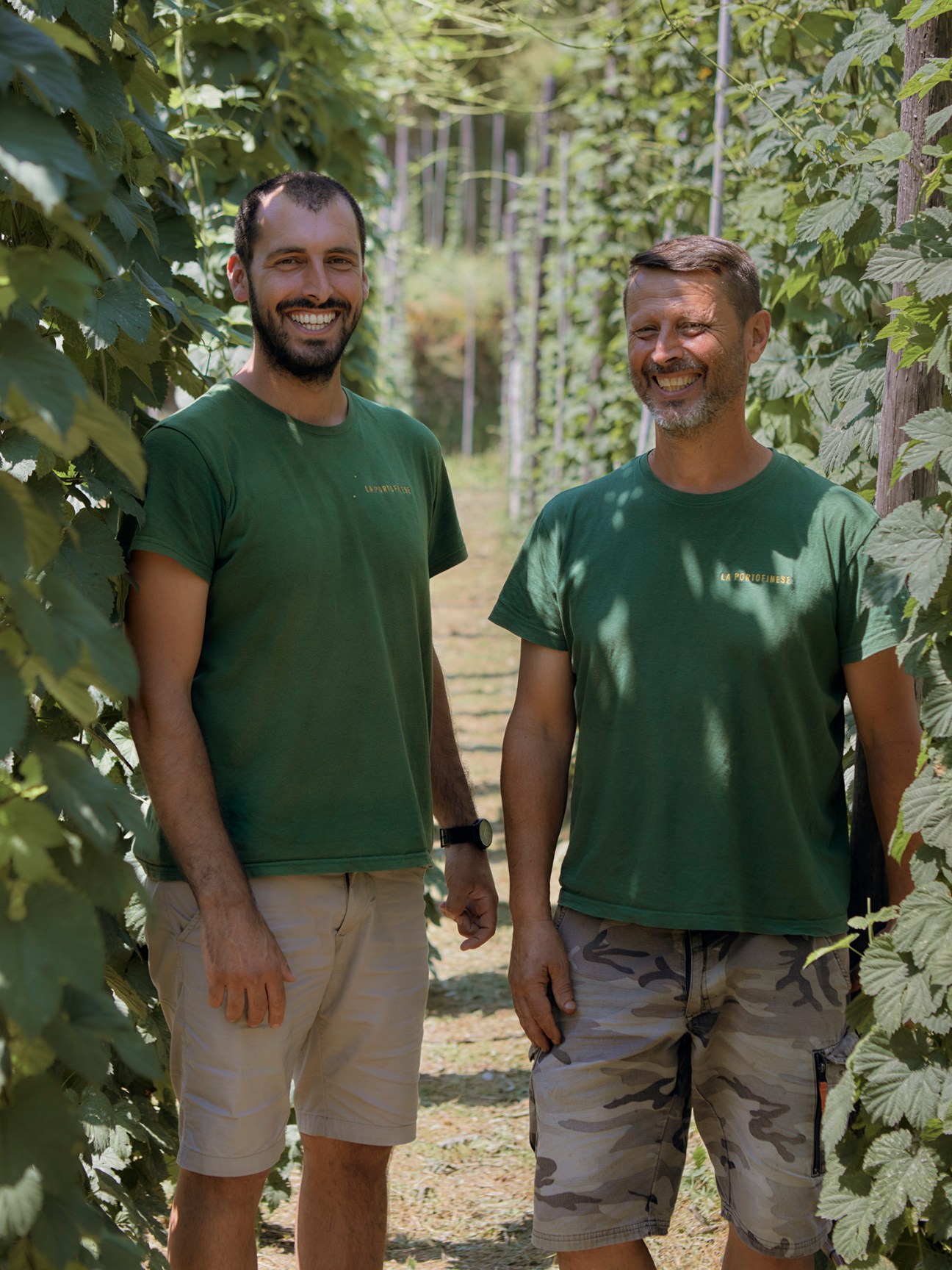
La Portofinese might be a mission to reclaim some of the area’s traditions but Viacava is running a business too. His properties are scattered across the headland but visitors can be whisked up and down the narrow, twisting roads to the six sites aboard a fleet of Piaggio Porter minivans. The loftiest section of the project is an eco-friendly farm with wind turbines almost 300 metres above the sea near Cala degli Inglesi (“English Bay”). There, rows of plump vermentino grapes hang heavily on old vines planted on steep terraces that are tickled by salty wind coming in from the sea.
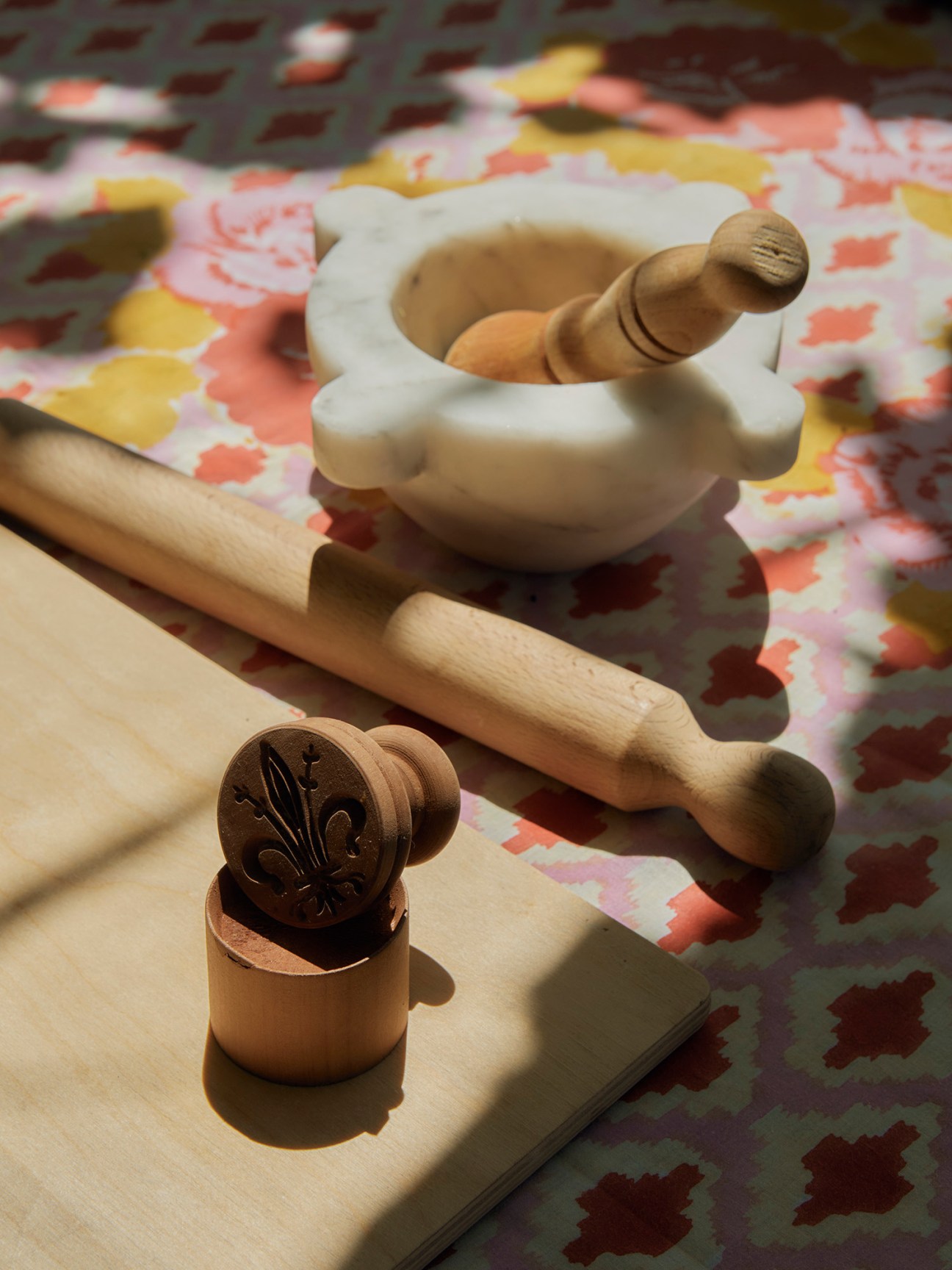
“What’s wonderful is the variety that we offer,” says Niccolini, as she dons sunglasses and pours a chilled glass of white wine before lunch. “We can organise a picnic here high up at the farm to soak up the views of the riviera, walk people through a recipe for trofie pasta with pesto or visit the grotto behind the main piazza with its cool, natural cave that doubles as a wine cellar.”
For Viacava, whose project aims to draw attention to a long-forgotten part of the area’s economy, the reception to his initiative, which started in 2012 and continues to grow, has been nothing short of remarkable. Today supporters are everywhere, from residents who buy their jam, oil and wine to in-the-know concierges at resort hotels nearby, such as Belmond’s Splendido hotel, all of whom are happy to recommend La Portofinese to guests in search of something genuine and modest.
Despite his success, Viacava remains sanguine about his mission and what drives him. “It’s about maintaining traditions and passing them on to the next generation,” he says, gazing out to the Ligurian Sea. “What’s better than that?”
laportofinese.it
Top of the class
The 21st-century school aims to be more than a mere space for study. A shift away from rigid education models has led to curriculums being updated and a novel approach to the architecture of schools themselves. Design adjustments, such as increasing natural light and air flow in classrooms, have been linked with improvements in teaching and learning.

To explore how the design of schools can enhance children’s educational experiences, Monocle travelled to Morocco, Italy and Lithuania to speak with the architects and educators building inspiring institutions.
Object lessons
Jacques Chirac School
Rabat, Morocco
In the bright, early morning sun, Monocle drives down one of Rabat’s broad, palm-lined avenues among the embassies and villas of the city’s Souissi neighbourhood. Guiding the way is the architectural team behind the city’s newly finished, modernist-inspired Jacques Chirac School.
As with many capital cities, Rabat’s structures lean towards the impressively monumental. However, architect Driss Kettani explains that he and his associates wanted to contribute to the fabric of the city by creating a civic building with “a sense of presence and its own identity” that was decidedly not a monument. “You have to try to create a space that has a kind of soul, that conveys lightness and joy,” Kettani says of his collaborations on school design with fellow architects Saad El Kabbaj and Mohamed Amine Siana, who all met while attending the National School of Architecture in Rabat.
The trio designed notable Moroccan institutions such as the Higher School of Technology in Guelmim, which was influenced by the mud-brick constructions typical of the country’s southern regions. In 2018 they were invited by a group of private investors to submit a proposal to design a new academy. Though Kettani, El Kabbaj and Siana each maintain individual offices within a broader shared studio in nearby Casablanca, the team has made a habit of joining forces on larger commissions over the past 18 years.

“We sit around the table and sketch together,” says Kettani. “We all get involved in every part of the design process; none of us is limited to a particular task. Any idea we present to the group has to be rational and very well justified. If the idea is weak, it won’t convince the other two. At the end of the road, only the best ideas survive this process.” The team feels that their ability to draw on the power of collective thinking while retaining each member’s individuality added to the strength of their winning proposal.


As we arrive at the school gates, Kettani further contextualises the building’s bold geometric forms within the cityscape. “We tried to create a sculptural feeling,” he says. “We adopted features from Rabat’s schools from the 1960s and 1970s, such as the use of white stucco, sober forms, horizontal lines and a ground floor made from stone.” The team believes that combining traditional Moroccan architectural features with more modern influences, such as striking angular elements inspired by the work of French-Moroccan architect Jean-François Zevaco, leads to designs that create a heightened sense of belonging for the school’s pupils.
The Jacques Chirac School is a private institution that is part of Agency for French Education Abroad, an international network. Its lead investor, Princess Lalla Soukaina, granddaughter of the late King Hassan II of Morroco, felt that it was essential that the school reflected the country’s culture – and for good reason. Even though the institution operates as a multicultural and multilingual learning environment, the bulk of the school’s students are Moroccan. Within a space the size of two football pitches, the three-storey building comprises a primary and secondary school for 1,100 pupils.
We enter the campus via the southwest entrance, which is used by the younger children. Wide rectangular columns covered in light-blue zellige tiles, a type of colourful mosaic, punctuate the entrance with their shine and texture. It was important for the team of Moroccan architects to include the hand-moulded, glazed clay tiles to highlight the use of traditional local materials. “People were quite astonished when we decided to use zellige,” says Kettani. “But then they saw how the touch of colour brought balance. In the end, it’s one of the features that they love the most.”
Though children from the ages of two to 16 share the building, the creation of separate entrances for primary and secondary-school pupils facilitates the management of traffic flows at peak times. The school’s interior unfolds a bit like a riad, the traditional Moroccan house built around a central courtyard. Kettani explains that the building’s courtyard is a large, flexible, “non-space” that opens to the sky. Children’s laughter fills the air. Fabric strung across this outdoor space provides shade during the day’s hottest hours, while also continuing the architectural play of light and shadow.
Headteacher Carole Soulagnes gives Monocle a warm welcome in the courtyard. She leads us up one of the school’s airy staircases to a large terrace on the first floor. As we overlook the institution’s grounds from this higher vantage point, Soulagnes explains how the architectural “precision” of the school has made it into a “living space”.
“When I walk through the school, on any given day, sometimes I’ll just stop and marvel,” she says. “I’ll look up and find a new perspective that is so striking that I feel the need to take a picture. It’s always different; the white against the blue sky is always shifting,” she adds, before explaining that the building has a peaceful atmosphere. “Parents respond to that equilibrium when they visit. They feel that the children are in a safe space, like a cocoon. Not too big and not too tight of a space.”

The architectural team is relieved to receive this feedback. “A huge issue for us was the density, because we had a lot of spaces to include in this project,” says Kettani. In addition to classrooms, the design had to accommodate a 250-seat auditorium, indoor and outdoor sports facilities, a cafeteria, a library and administrative offices. “Luckily, we received a very precise brief,” says Kettani. “The client did a thorough job in advance of the call for competition entries and we ended up having a very positive collaboration. They were very respectful and would listen to our opinions.”
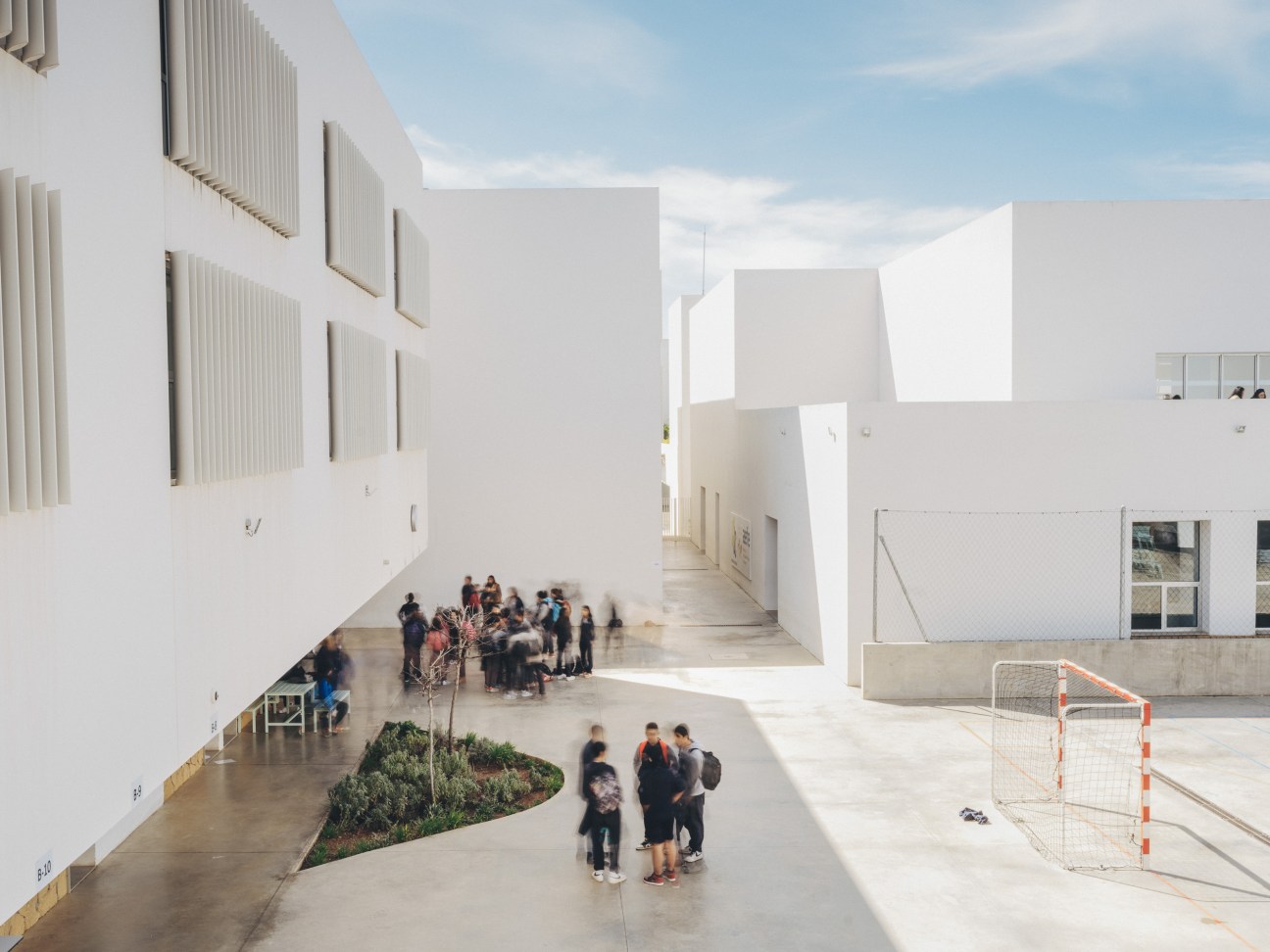
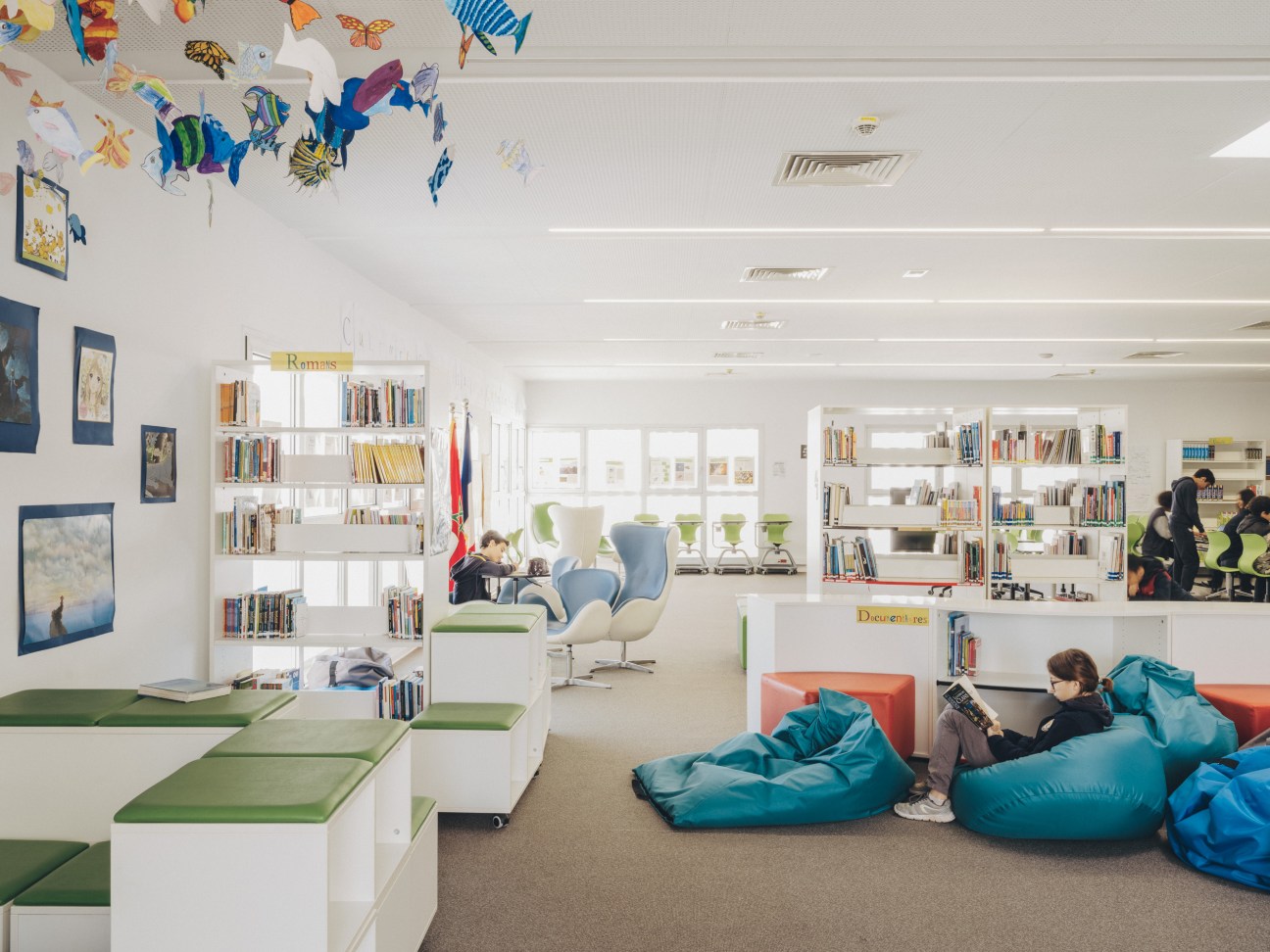

In developing a vision for the school, the architects also carefully considered the teaching objectives. In response to a desire expressed by the Jacques Chirac School’s team to have a technologically connected school, projectors were included in the design for classrooms along with brise-soleils on exterior windows for managing light and acoustics. A wish to have an “open” school was achieved by including lots of windows and outdoor areas. Cross-ventilation systems were developed to help to regulate temperatures without consuming large amounts of energy.
Architects Kettani, El Kabbaj and Siana are also educators themselves. They teach at university level and find it an activity that enriches their architectural practice. “Teaching forces you to deconstruct the mechanisms behind your work,” says Kettani. “You learn a lot yourself from having to redo the process in your head.”
But perhaps the biggest testament to the team’s ability to successfully distil its design vision, has come in the form of a repeat commission. The Jacques Chirac School recently purchased a plot of land next to the current site and has entrusted Kettani, El Kabbaj and Amine Siana with the task of designing a new lycée (secondary school), which will be fully independent from the original structure and allow for a further 300 pupils to attend. “It’s important to have continuity,” says Soulagnes. “The educational project is a continuum and so the physical school has to be a continuum as well.”
Before heading off, we ask Soulagnes whether she believes that the children have been influenced in some way by studying in what she refers to as “the most beautiful school I’ve seen”. She smiles mischievously. “A lot of them want to become designers,” she says. “My 10-year-old son, who also attends the school, told me yesterday, ‘I’d like to become an architect.’”
What better legacy could the school and its architectural team hope for? Not only have they added to the fabric of Rabat but they have motivated several of its youngest minds to aim one day to do the same.
Learning curves
Iris Nursery School
Guastalla, Italy

“The first thing I did when we won the contract was to think back to my own nursery school years,” says architect Mario Cucinella of his design approach for the Asilo Nido Iride – or Iris Nursery School – in the Italian town of Guastalla. As it happens, the nursery school building of Cucinella’s early childhood was designed by rationalist architect Giuseppe Vaccaro, famed for his work on Naples’ central post office in the 1930s. “You don’t have many memories from when you were four years old – but, wow, those first impressions are so important,” says the 62-year-old Sicilian-born architect whose eponymous studio has offices in Bologna and Milan.
For Cucinella, a personal architectural connection to this Vaccaro-designed kindergarten led him to appreciate that architecture can leave an impression on young minds. “I thought, ‘We must be careful with this project because a building will not physically move but it will certainly travel through the imagination of a child and remain in their memory for decades.’”
So the challenge of designing a structure that would capture the imagination of its young users brought Cucinella to Guastalla. The earthquake that struck the small agricultural community and the surrounding Emilia-Romagna region in northern Italy in 2012, had pushed the local council to open a competition for the design of a new nursery, which Cucinella won in 2014.
Luckily for the children of Guastalla, Cucinella’s musings on architecture and space, seen through the mind of a youngster, drew him to a classic Italian children’s novel. “I was struck with the image of the space inside the belly of a whale in Pinocchio, when he and Geppetto were swallowed up,” he says. “I wanted to use that as the basis of an unconventional spatial concept.”

Local and less iconic images also inspired his concept. “I asked myself, ‘What does a child see in Guastalla every day?’ All around there is the flat horizontal line of the plain, punctured by the repetitive rhythm of poplar trees,” he says. This starting point led to a design of 50 wooden frames, which are lined up and evenly spaced apart to form the structure of a low, rectangular building. The resulting cross-section creates an interior void, which calls to mind the ribs of a whale and, when viewed from the outside, the series of vertical timber elements look like tree trunks. “This allows children to imagine that they could be anywhere in the world when they come here,” says Cucinella.
The architect points out that this empathetic, child-centric way of thinking differs from the childcare and educational buildings most of us are used to. “Schools can be so ugly,” he says. “They’re often boxes with corridors and classrooms, and with a square window in the middle of the wall.”
The architect did not have to look far in terms of adopting an educational philosophy that supported this approach. The idea of “architecture as the third educator” originated among the teachers and architects in Reggio Emilia, the provincial capital a 40-minute drive from Guastalla. From the 1960s onwards, internationally renowned local educators, such as Carla Rinaldi and Loris Malaguzzi (whose educational philosophy became known as the Reggio Emilia approach) were convinced that the design of an educational environment plays a crucial role in shaping the learning experience of children. If teachers are the first educators and parents the second, then environment is seen as being the next most significant influence on children’s learning, exploration, imagination and interactions.
A critical factor in designing the kindergarten in Guastalla was working with key stakeholders: teachers, children and parents were all involved, says Cucinella. Did he go as far as to organise a focus group for toddlers? “In effect, yes, but it was more like a test run,” he says, recalling a morning, prior to opening, when the town’s children were invited into the space and explored it with only a little supervision. “Of course, the children immediately went for the most dangerous elements. They ignored their toys and found the best surfaces to clamber up onto and slide down,” says Cucinella, referring to the polished wooden half-pipe-like slides that the architects created between the timber frames of the nursery.

Since the completion of the Guastalla nursery in 2015, the project, like its students, has blossomed; its timber walls have developed a patina of deep, worn and welcoming brown, and the surrounding landscape, designed by Marilena Baggio has matured to provide a verdant garden for children to play in. Cucinella’s portfolio has grown too, with the architect taking on an ever-increasing number of projects that seem to be growing in dimension, from a university campus in Rome to towering corporate headquarters in Milan. “The intensity of creativity, for me, is not dependent on the size of the project,” he says. A child’s experience of architecture, according to Cucinella, is just as important as anyone else’s.
Nursery prime
Peledziukas kindergarten
Pagiriai, Lithuania
Having grown up in Lithuania, architect Gilma Teodora Gylyte, co-founder of Do Architects, was familiar with austere, Soviet-style kindergartens that can be found throughout central and eastern Europe. So when she was asked to design an extension and breathe new life into the Peledziukas kindergarten in Pagiriai, a small village south of Vilnius, she wanted to completely overhaul the existing structure. “In Baltic states like Lithuania, we’ve inherited these grey buildings that I believe are a form of spatial propaganda,” says Gylyte. “These spaces were built to prevent people from connecting with each other and after we gained independence in 1990, we never changed the layouts or the structures, we just plastered over with new façades.”
The Peledziukas kindergarten dates to the 1980s and follows a typical, Soviet “H” typology, with two annexes connected by a slim corridor. This layout serves a school system wherein each child is assigned to a group and rarely meets other children, let alone socialises with them, beyond their classmates. To facilitate this system, buildings throughout former ussr states have been designed with multiple entrances that stream the children into their classrooms and prevent groups (and by extension, parents) from mixing with each other. Even breaks outside in these sorts of buildings are usually taken separately, with teachers leading their group of kindergarteners to an often uninspiring concrete area for their allocated recreation time.


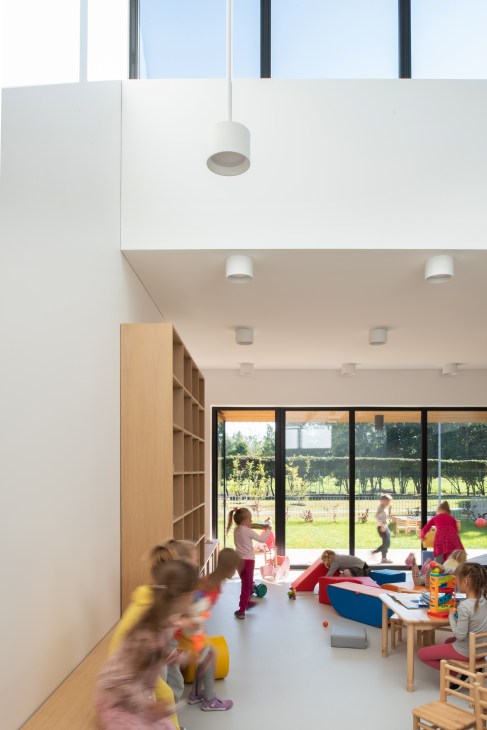
The first thing Gylyte did to break from this architectural convention was to establish a single entrance that leads to a gated courtyard where children can now play together. An unexpected but welcome knock-on effect has been that the space has become a communal hub for the teachers, parents and the village. “This courtyard has changed everybody’s routines,” says Gylyte with pride. “It has become a cultural centre and meeting point for the town.” She then made sure to include a roof terrace and a green space with plenty of trees. Inside, wood-panelled corridors have been expanded and the rooms made multifunctional, with curtains that can be drawn to temporarily change room layouts, allowing spaces to function as a playroom, classroom or dining hall. By doing this, Gylyte has increased communal areas, doubling the space for socialisation. “Previously, the event hall would be unlocked for Christmas celebrations and not much else,” says Gylyte. Now the children regularly perform dances, plays or songs for their parents and teachers in the courtyard, on the wooden stairs. When the new kindergarten was unveiled in 2021, the children wrote and sang a song about wide windows and high doors as a tribute to their new surroundings.
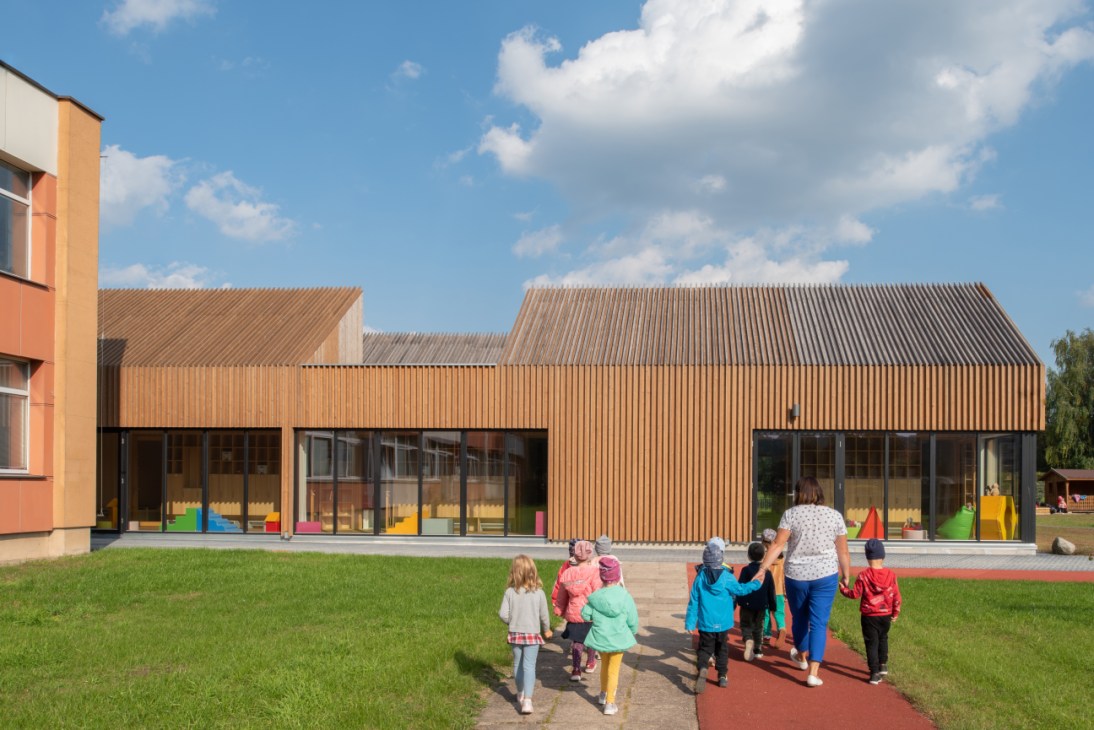

Since completing the project, one of the nicest changes in human relationships is between the school’s cooks and the children. In the redesign, Gylyte insisted on making the cooks visible and moving them into an open kitchen with windows for the kindergartners to see into. “Children want to see everything,” she says. “They like to know how pancakes are made, for example. And now the cooks are flourishing: they’ve started trying new recipes and baking. Neighbours even drop by to buy pastries from the school.”
This example of rehabilitation of Soviet architecture is part of a project that Gylyte is working on that looks at the Cold War architectural legacy in central and eastern Europe. This year, Gylyte is travelling to Ukraine as part of Rebuild the Wonderful, an initiative she set up that looks to how the country might be able to transform Soviet schools after the war with Russia using five models for transforming more than 100 damaged institutions. “Architecture is powerful. Spatial transformations change habits, routines and lives,” says Gylyte. “This goes beyond design and aesthetics. The transformation of a building is also a transformation in our heads.”
Natural Wonders
This year at design fairs across the globe – from 3 Days of Design in Copenhagen to the Venice Biennale and Singapore Design Week – there has been an increased emphasis on using innovative building products in the making of furniture and architecture. Designers and material technology companies are leading the charge and innovation has taken shape in a number of different ways, from finding new applications for old materials and crafting fresh forms with existing matter to the development of entirely new substances from waste products or with emerging technologies. Much of this focus on materiality has been driven by a desire to lower the industry’s carbon footprint: material production, installation and disposal in the building industry accounts for nearly 20 per cent of global greenhouse-gas emissions. Add to this increasing consumer expectations and industry incentives for environmentally friendly work, and the shift shouldn’t come as a surprise. The result is an exciting new frontier that is influencing the forms, shapes and structures which designers, architects and makers are conceiving. Here, we profile 15 new materials and building products that have caught our eye and are shifting the paradigm.
Hempcrete
Lirio Design House, USA
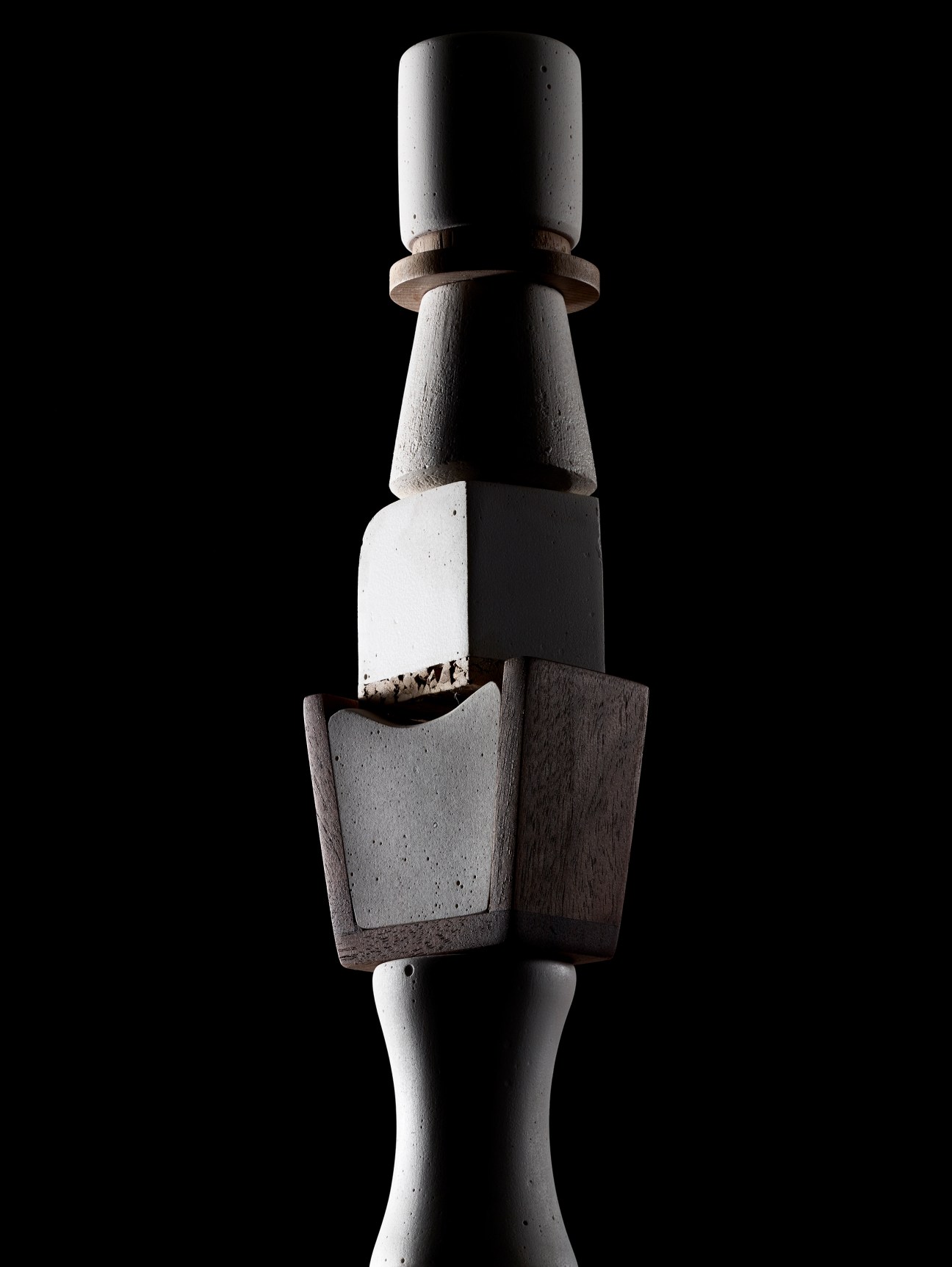
Despite being used as a building material in Europe and Asia for centuries, hempcrete has long flown under the radar – until now. Made from the woody core of the hemp plant, lime binder and sand, and traditionally used to insulate houses, designers are now employing the lightweight material to make furniture too. Case in point is Pennsylvania’s Lirio Design House, a furniture studio that is using hempcrete to make tables and stools because, unlike concrete alternatives, it is water resistant, absorbs more carbon dioxide than it produces during its production and can naturally break down at the end of its useful life.
liriodesignhouse.com
Jali terracotta bricks
Mutina, Italy
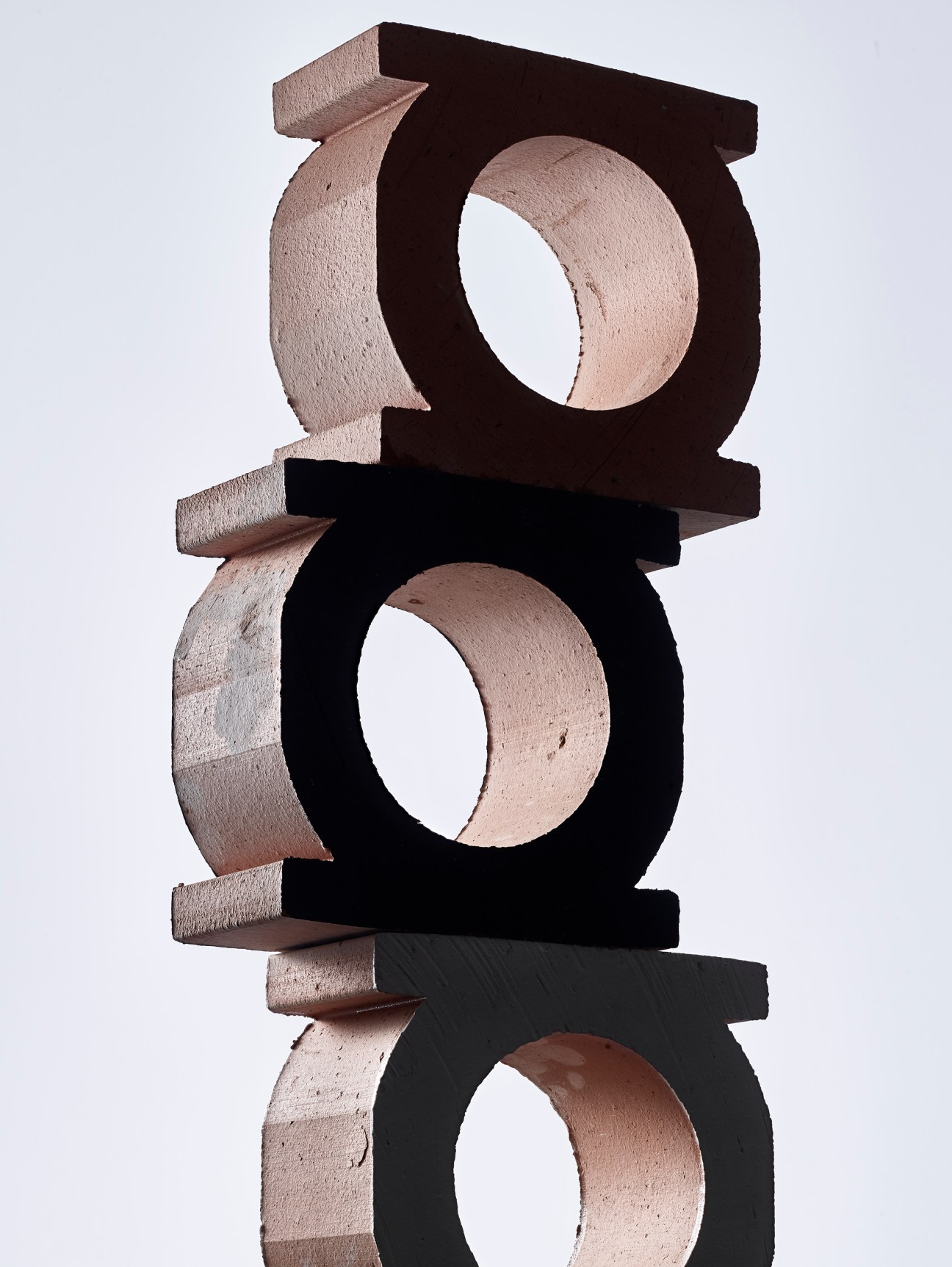
To reduce dependence on air-conditioning, architects are finding ways to channel breezes into buildings. One way is using perforated bricks, including this design by Spanish architect Patricia Urquiola and manufactured by Italian firm Mutina. Its modular geometry allows it to be placed both vertically and horizontally.
mutina.it
Acoustic panels
Kvadrat, Denmark
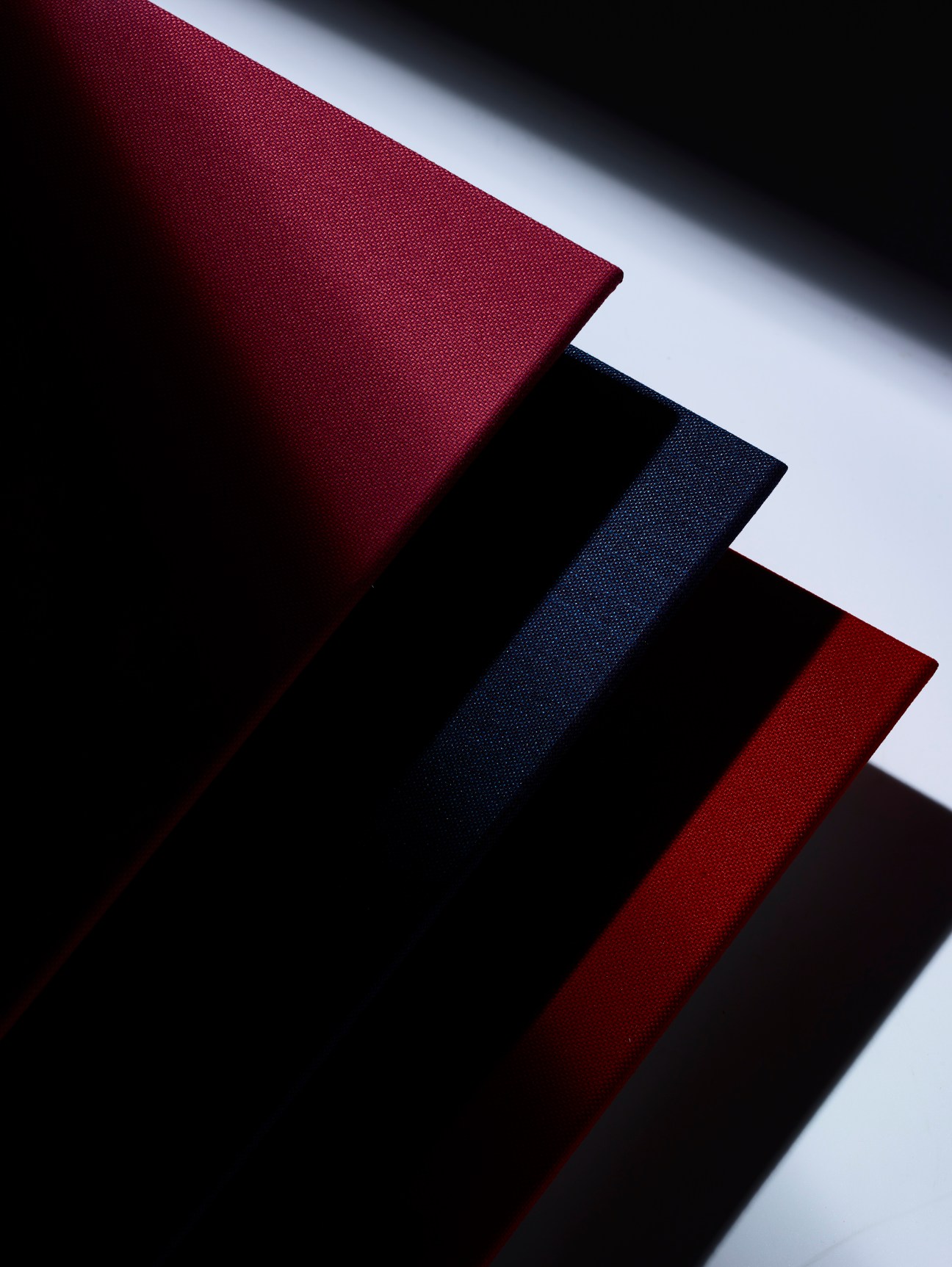
Cutting noise pollution is key to creating comfortable living environments. Danish textile specialist Kvadrat produces acoustic panels that not only provide sound insulation but also improves thermal and acoustic comfort. This is achieved responsibly too: the company has adopted the guidelines of the Science Based Target Initiative, which promotes ambitious climate action in the private sector.
kvadrat.dk
Magnesium oxide cement
Waiwai, UAE
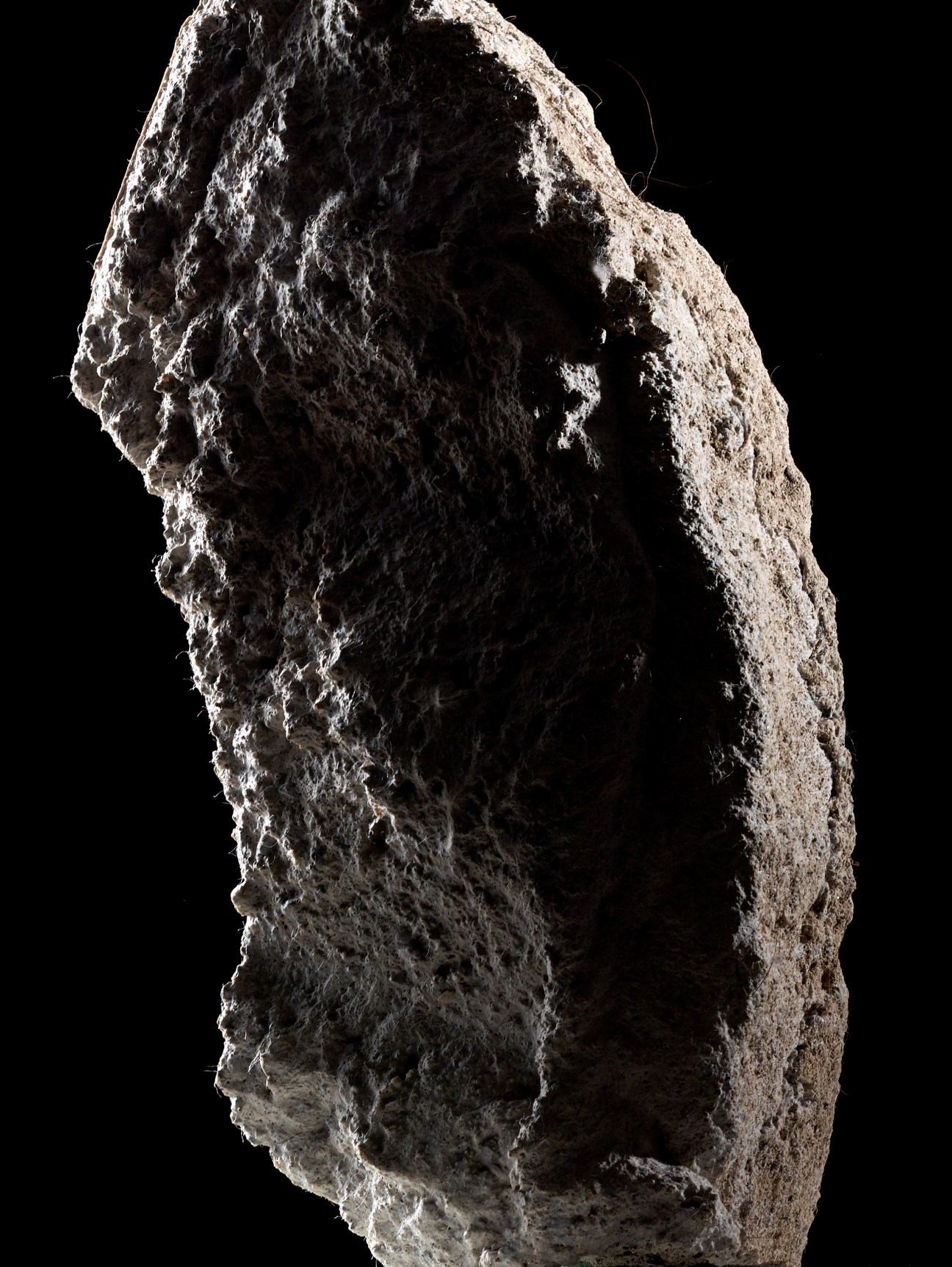
The manufacture of Portland cement produces significant amounts of carbon dioxide. Dubai and Tokyo-based design studio Waiwai have developed an alternative that uses brine generated by the uae’s industrial desalination plants for the cement mix (instead of lime). The process doesn’t produce emissions and uses waste products.
waiwaidesign.com
Food concrete
Fabula, Japan
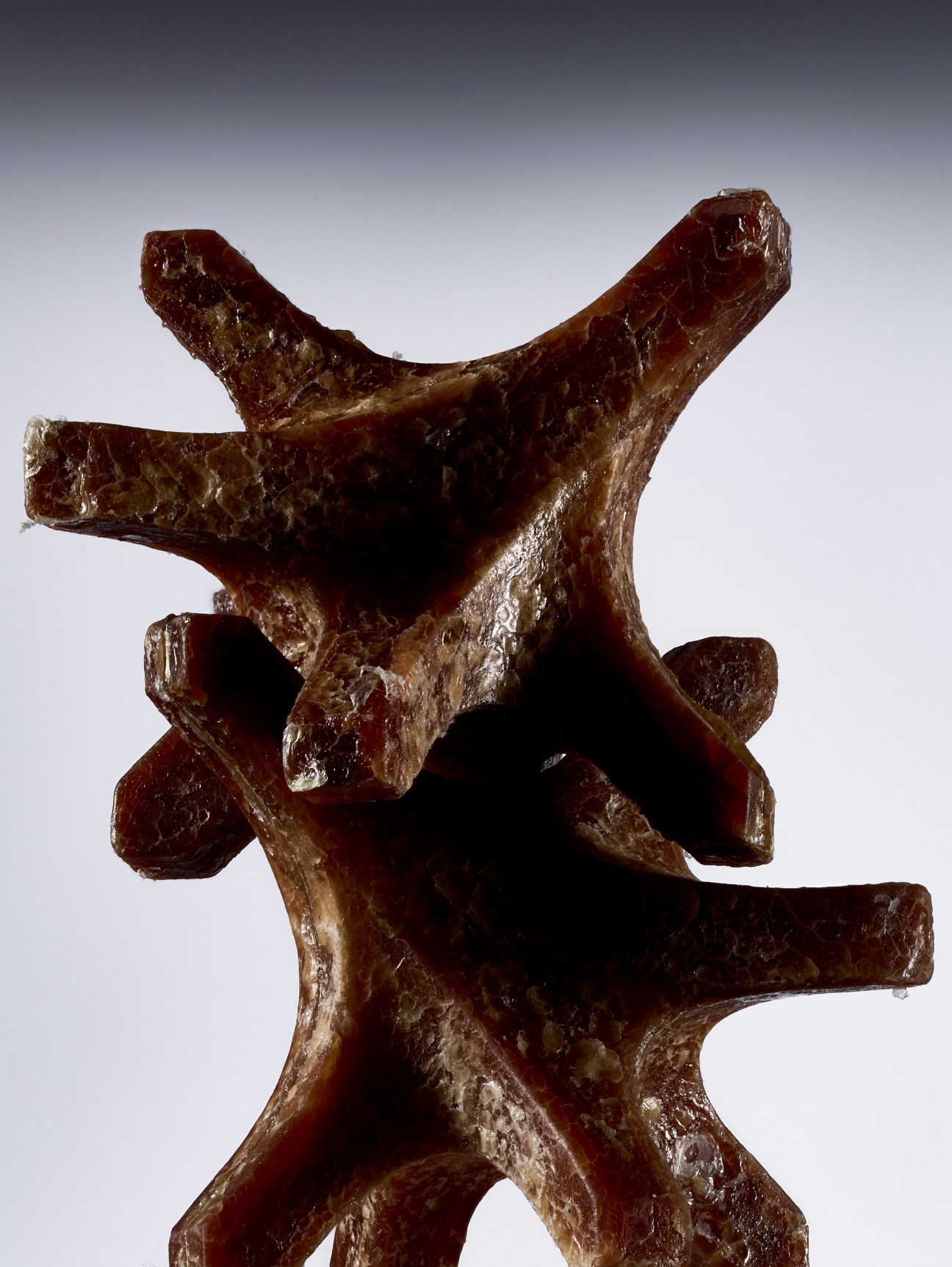
Japanese firm Fabula has developed an ultra-strong cement by drying and compressing food waste. Baking organic materials and then grinding and hot-pressing them creates a cement that is four times as strong as concrete. This joint, created for Tokyo-based architects Mitsubishi Jisho, is made from spaghetti.
fabulajp.com
Bananatex
Qwstion, Switzerland
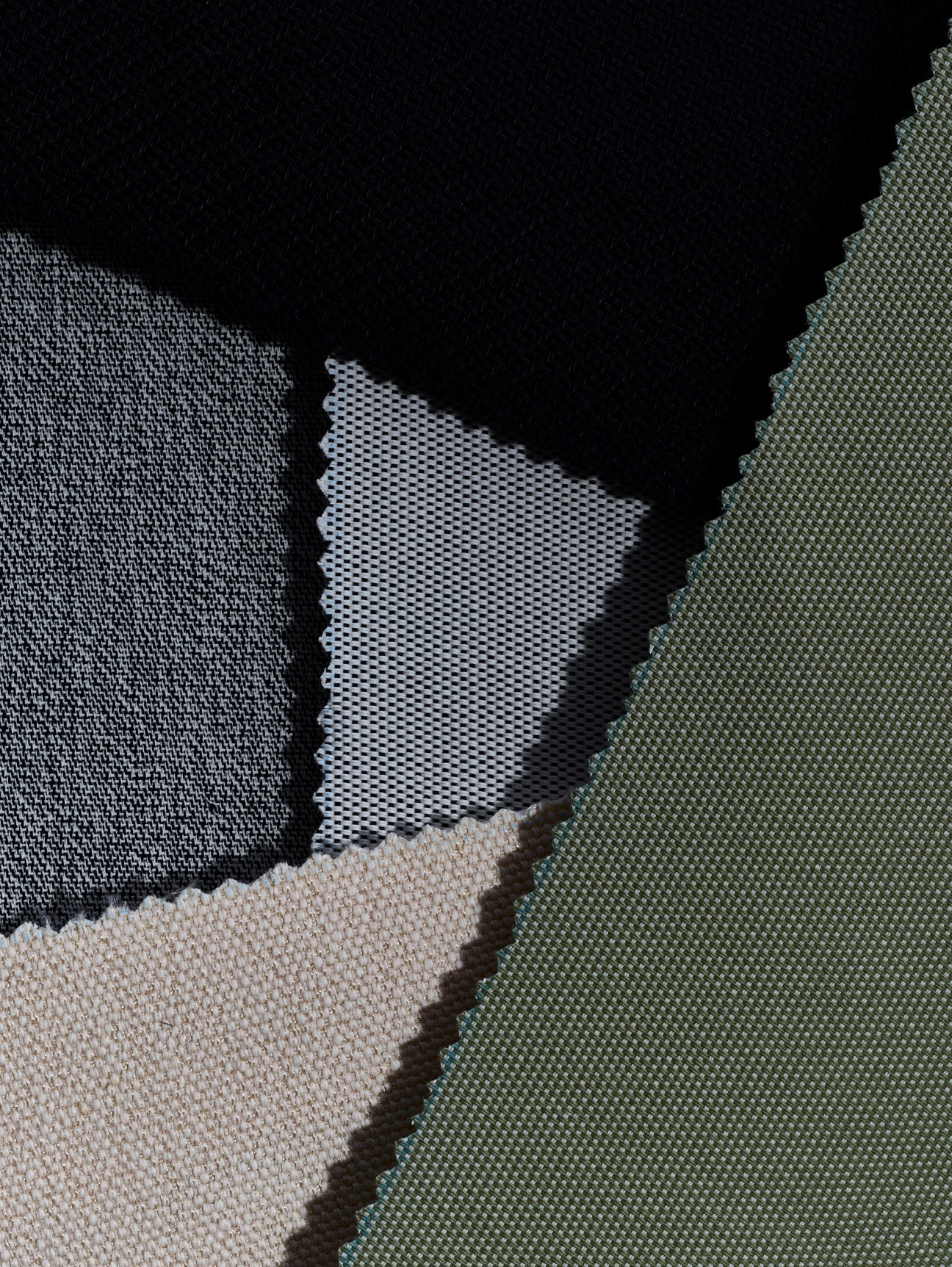
Swiss bag brand Qwstion developed Bananatex in collaboration with yarn and weaving specialists in Taiwan and the Philippines. A sleek, waterproof fabric that can be used for everything from clothing to upholstery, it is made entirely from the natural fibres of the abacá plant (a member of the banana family). The abacá plants used for Bananatex are also used to rehabilitate agricultural and forest landscapes in the Philippines. The plant is sturdy and self-sufficient, and doesn’t require pesticides or irrigation. The result is an environmentally sound fabric that helps wider ecosystems too.
bananatex.info
Terra
Léon Félix, Switzerland
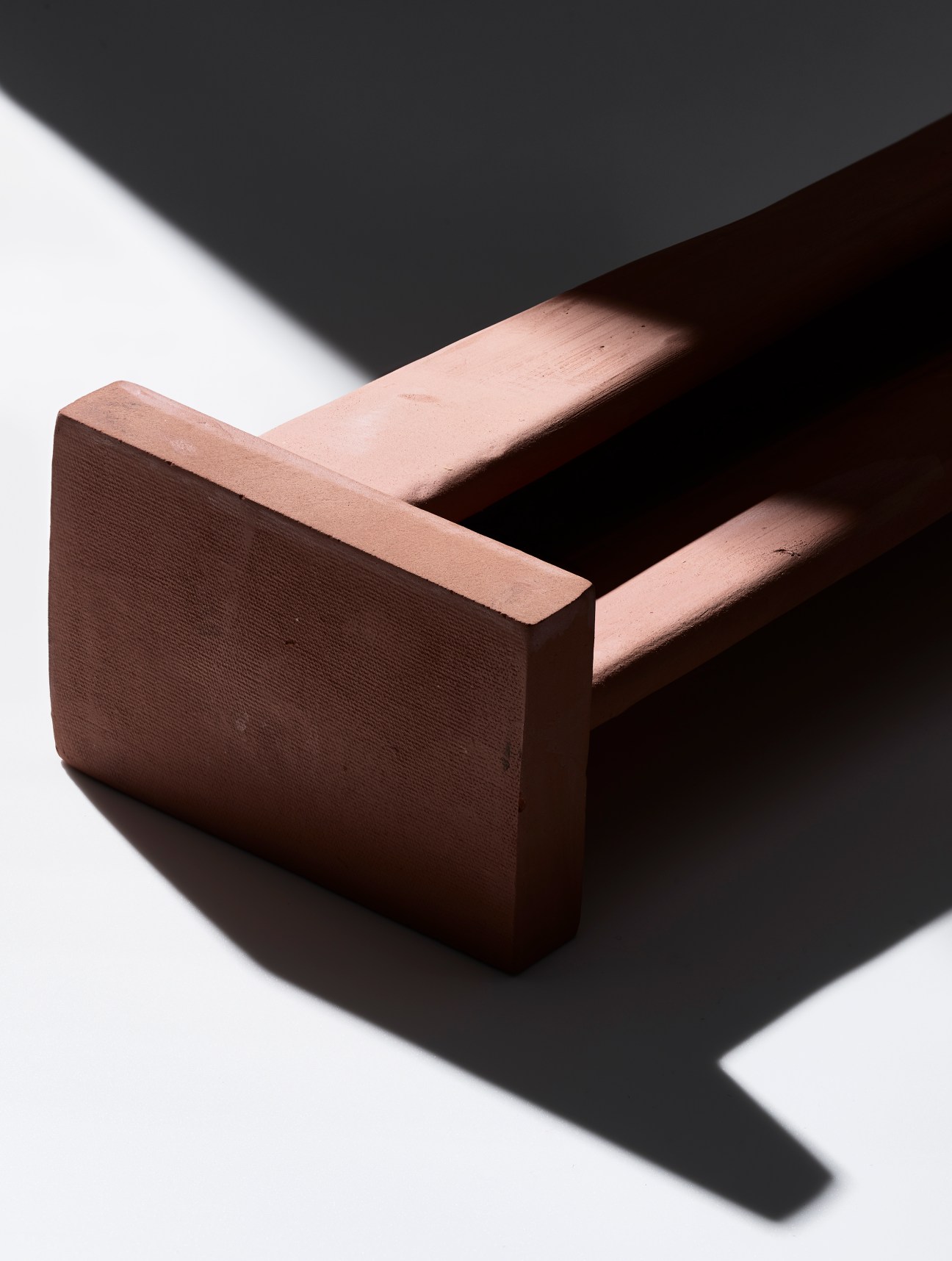
Inspired by traditional Islamic architecture, designer Léon Félix has developed Terra, a sliding terracotta shutter system. It includes a tray to hold water, which is then absorbed by the terracotta. As temperatures rise, water evaporates from its surface, cooling any air that flows over it: a natural alternative to air-conditioning.
leonfelix.ch
Hemp mycelium sound panel
Coexist, US
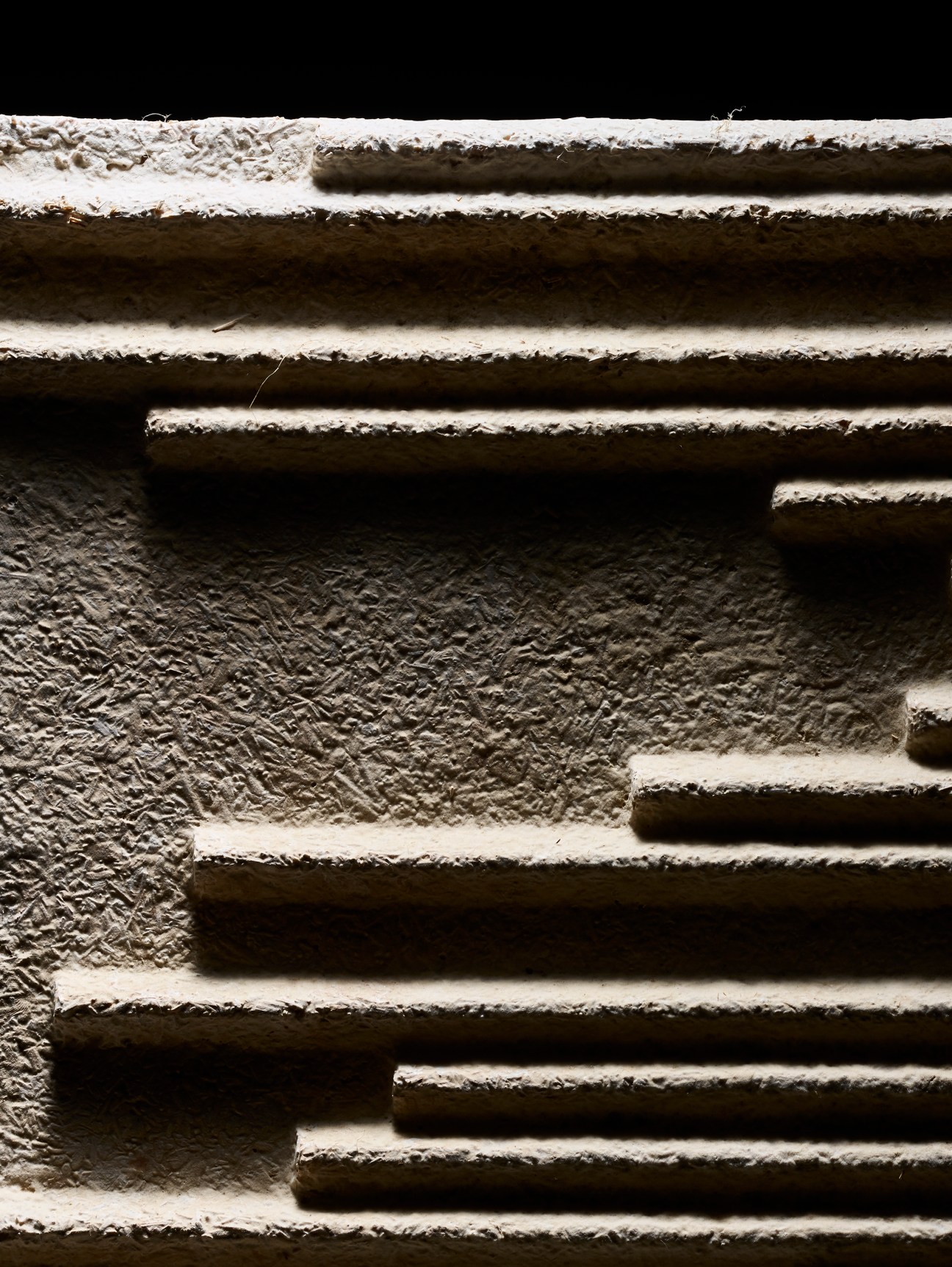
Fabricated with hemp hurd and bound with mushroom mycelium, these acoustic panels are fire and mould-resistant, highly insulating and carbon-negative. Coexist, a Pennsylvania-based architecture studio, have tapped into the potential for hemp-based products to not only soften noise but regulate humidity levels too.
coexist.build
Biocomposites
BioMat, Germany
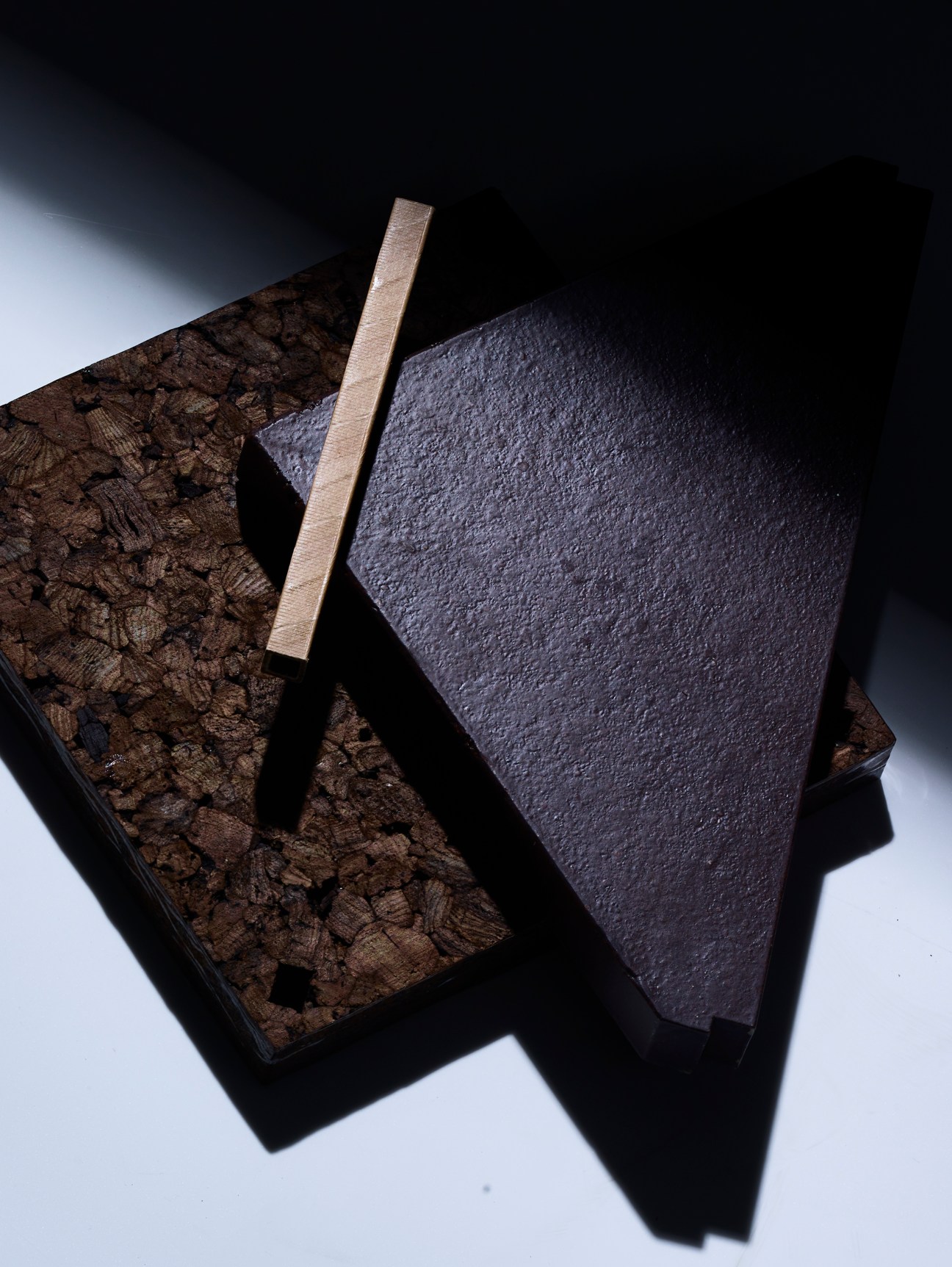
Professor Hanaa Dahy leads BioMat, a research unit that operates from the University of Stuttgart. Dahy’s team develops biocomposite materials (manufactured using natural flax fibres and materials derived from vegetables) that can be used in construction projects in lieu of the likes of wood, aluminium and concrete.
hanaadahy.com
Silt brick
Urban Radicals, UK
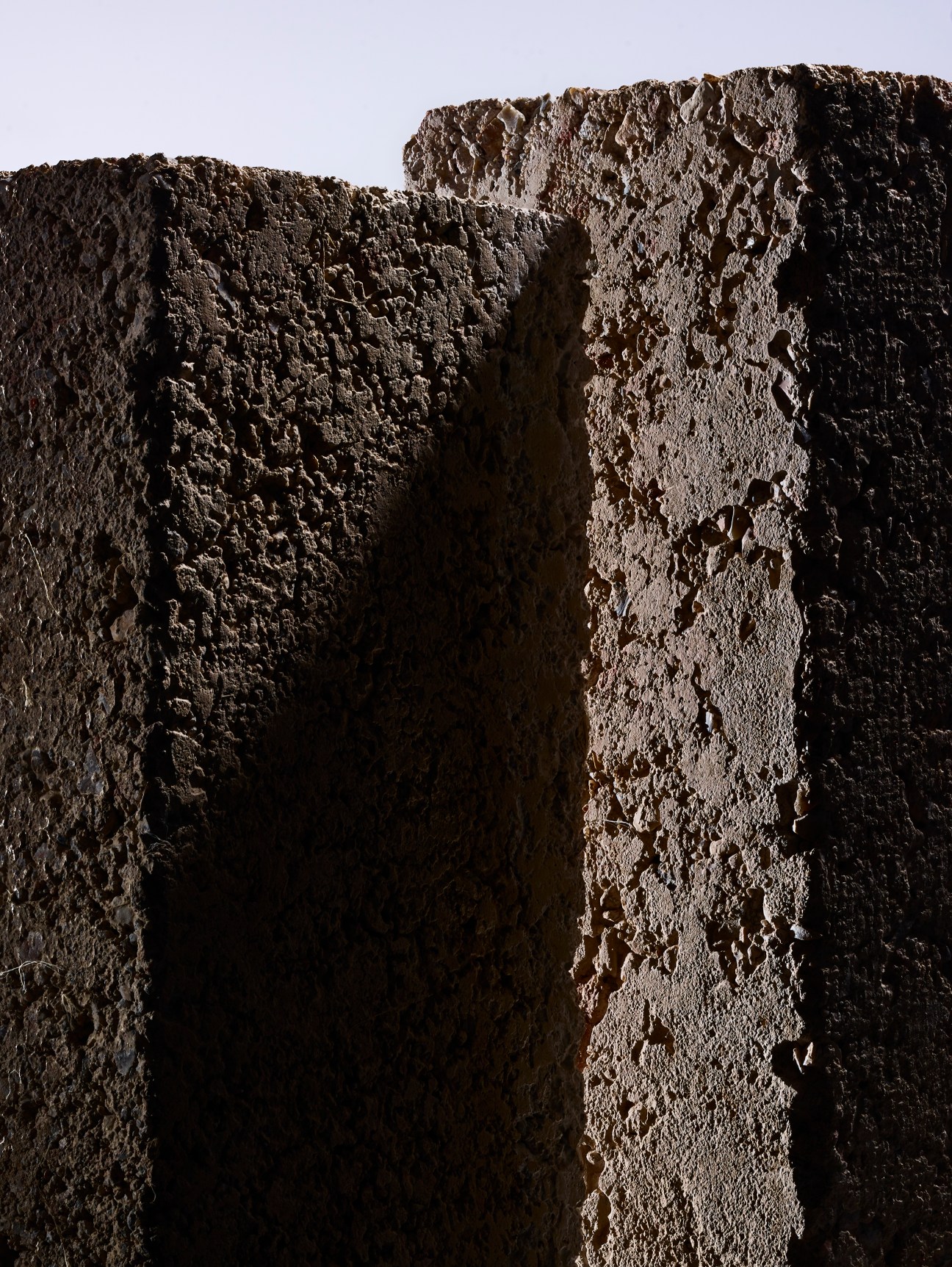
London-based architecture studio Urban Radicals developed this brick for this year’s Venice Biennale. It is made with local materials: silt dredged from canals, natural lime mortar, concrete and brick offcuts, and hemp fibre. A reminder that for materials to have a small environmental footprint, locally sourced parts should be used.
urbanradicals.com
EcoPact
Holcim, Switzerland
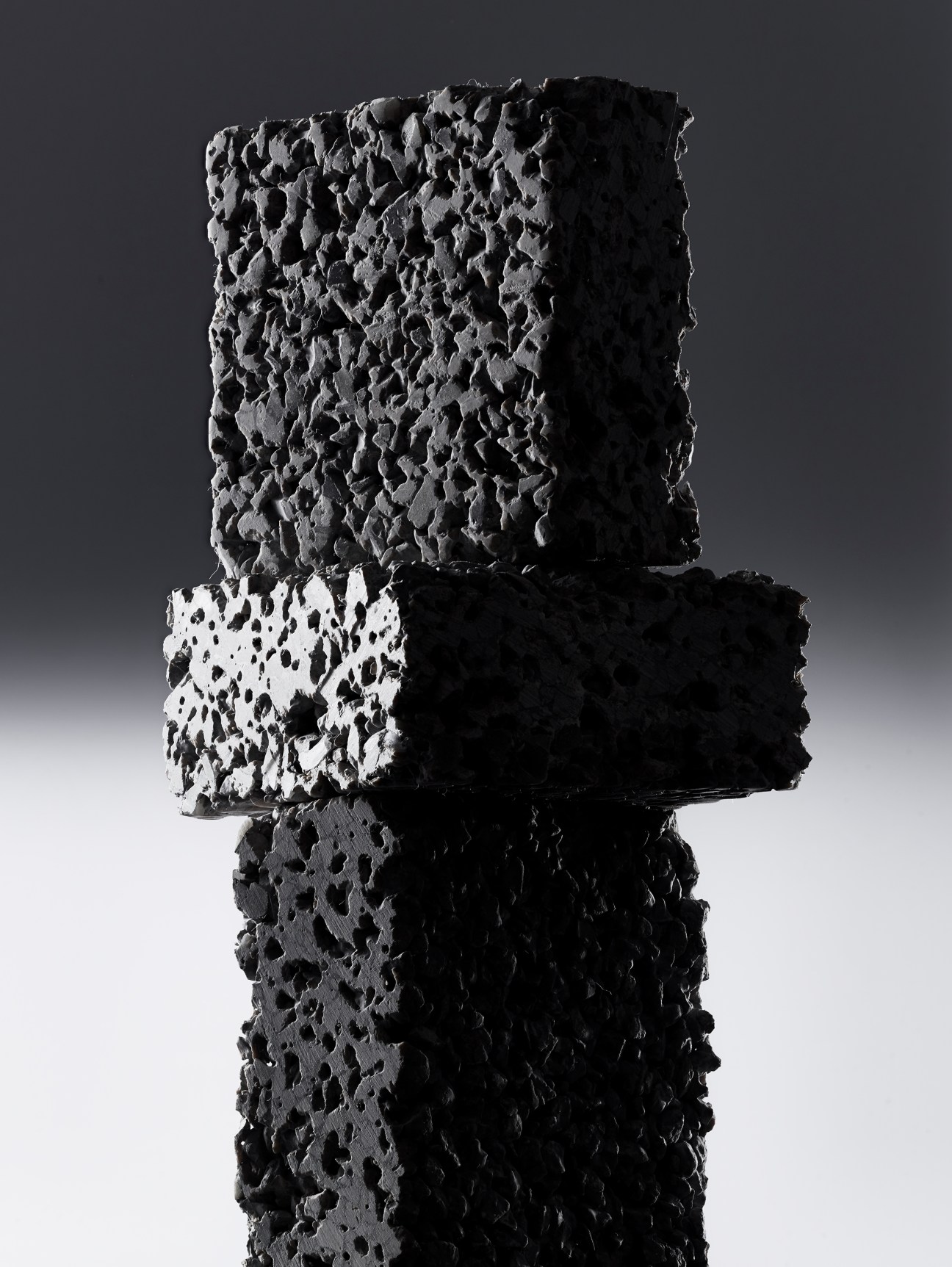
Holcim developed EcoPact low-carbon concrete as part of its Essential Homes Project, a housing model with a low carbon footprint. The material is ideal for use as outdoor flooring thanks to its porosity: It is also luminescent and so absorbs light and reflects it at night, reducing light pollution and improving safety.
holcim.com
Procel
Natural Material Studio, Denmark
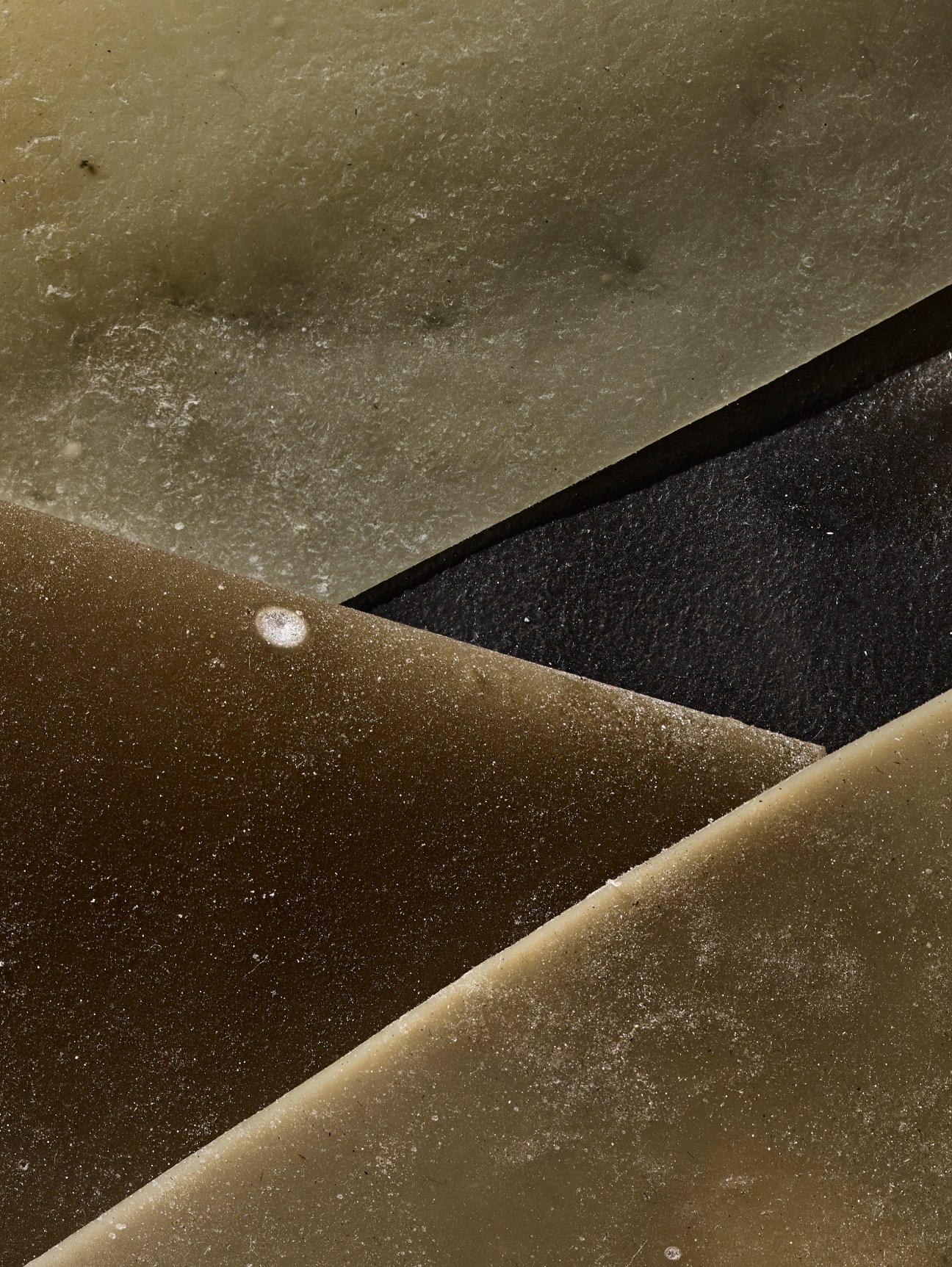
Natural Material Studio’s Procel is a biotextile (fabrics made from organic matter such as soybeans, corn and milk). The material uses natural pigments and, due to its organic content, its texture, colour and shape react to changes in temperature and humidity. It also has eco-credentials as it can be home-composted at the end of its life.
naturalmaterialstudio.com
Knitted textiles
Tiffany Loy, Singapore

Textile designer Tiffany Loy teamed up with the Singapore University of Technology and Design to develop a fabric that can hold its form and won’t just slump to the ground – useful for products such as moulded furniture. Loy used different types of yarns; the stiffer parts hold their shape while the softer parts provide flexibility.
tiffanyloy.com
Paper skins
Paper Factor, Italy
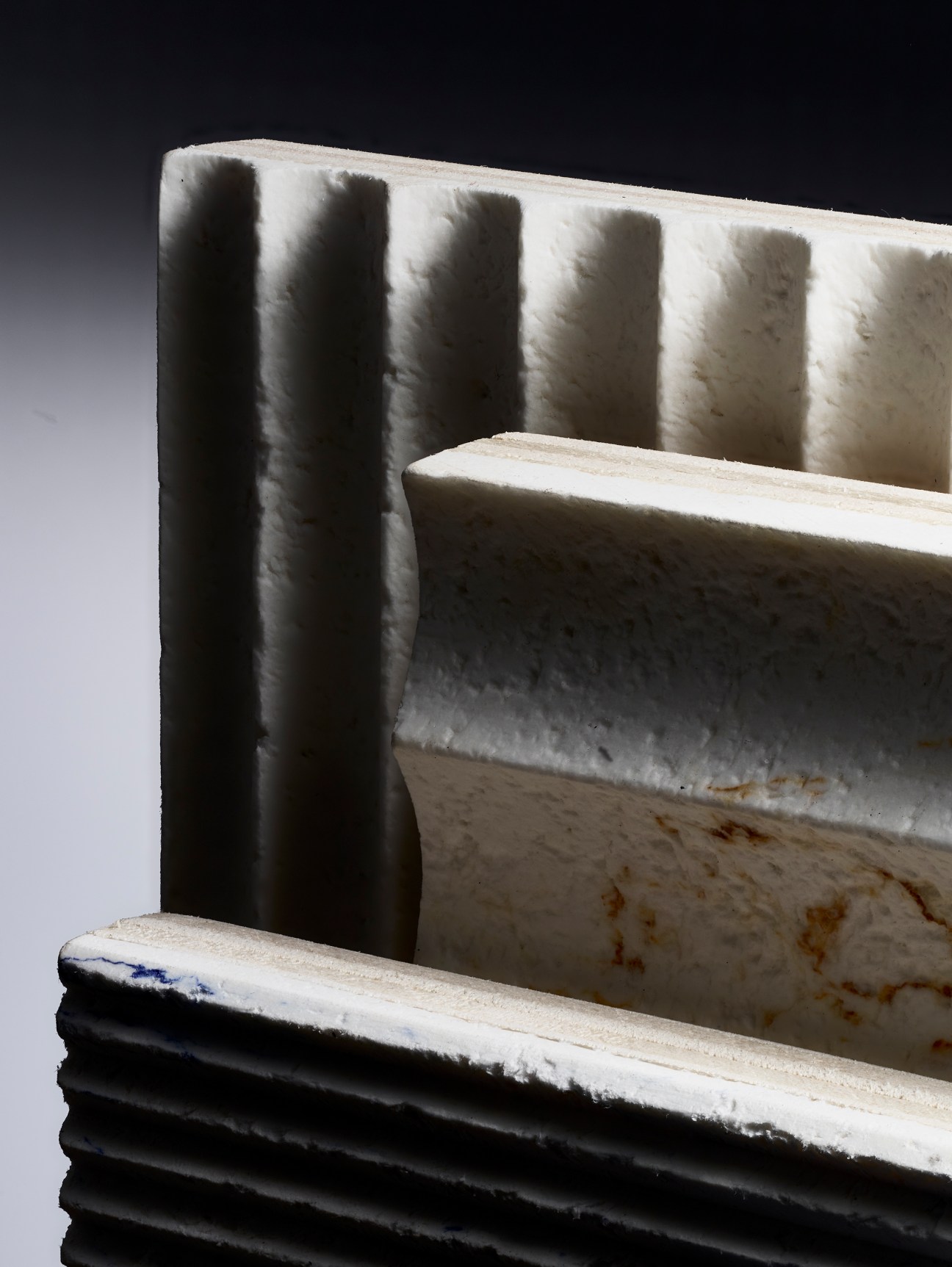
Based in Lecce, materials firm Paper Factor turned to papier-mâché when creating its interior surface panels. Made from a compound composed largely of recycled paper, it is an appealing alternative to stone and concrete. The surfaces are lightweight, resistant to mould, offer sound and thermal insulation, and can be recycled.
paperfactor.com
Close encounters
Historically, tailors and shopkeepers have made some of the best confidantes. But the advent of online retail dealt a significant blow to those relationships. Founded in 1987, German retailer Mytheresa, which started with a single shop in Munich and now also operates a global online platform, is intent on changing this.
By hosting in-person events around the globe and connecting top customers with their favourite designers, brand ambassadors and personal shoppers, it is hoping to restore these bonds, re-establishing age-old connections between makers and wearers. “Events were part of this company from the very beginning,” says Mytheresa’s ceo, Michael Kliger, a seasoned retail executive who often finds himself on the road, attending events as far as Los Angeles, Antwerp, Portofino and Rome, meeting his customers and gathering insights.
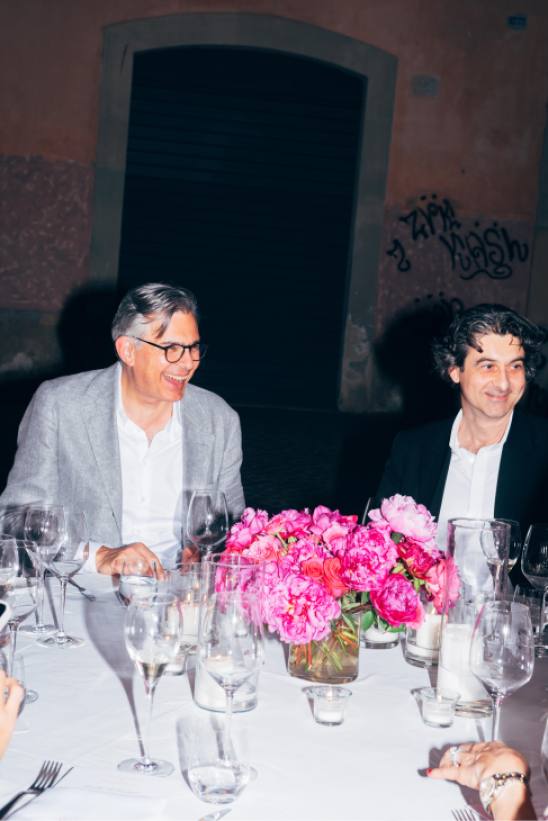
These offline get-togethers have been a crucial part of Kliger’s customer strategy since he joined the business eight years ago from Ebay, helping Mytheresa to build a loyal network of high-net-worth shoppers – and ultimately keep a far healthier bottom line than most of its competitors. Beating recent economic and social challenges, which have turned most online players into loss-makers, the company has been on a steady growth trajectory. In the second quarter of 2023, it reached almost €216m in sales and had a 26 per cent uptick in its vip customer base in the same period. “We have built a very resilient business model,” says Kliger. “Being active across many luxury categories and delivering such high quality of service places us as one of the few winners in the consolidating luxury ecommerce space.”

Because Mytheresa, which defines itself as an e-commerce retailer first, has been operating two bricks-and-mortar shops (its original womenswear boutique on Munich’s elegant Maffeistrasse and a newly extended menswear space nearby), the company has a deep-rooted understanding of the value of client relationships. Events are where they make this happen, for all those who can’t stop by Munich regularly. “We recently hosted something with Dries Van Noten in Antwerp, where clients had access to his design studio,” says Kliger, recalling another event that started with a presentation at the Belgian designer’s central Antwerp studio and ended with a dinner at architect Axel Vervoodt’s castle, outside the city. “It all felt very design and architecture-orientated – very Dries.”
For Kliger, it’s important that Mytheresa’s in-person gatherings reflect the identity of the designer they’re collaborating with. “The event we hosted in Portofino with Dolce & Gabbana [earlier this year] was very different, for example,” says the ceo, who in the past year has also hosted elegant get-togethers in Los Angeles with Loewe and Loro Piana, and riotous parties in the Swiss Alps to toast Emilio Pucci’s ski launches.
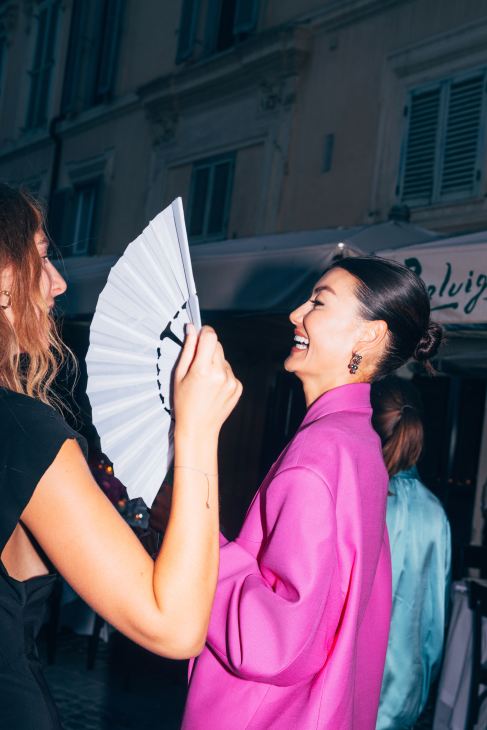
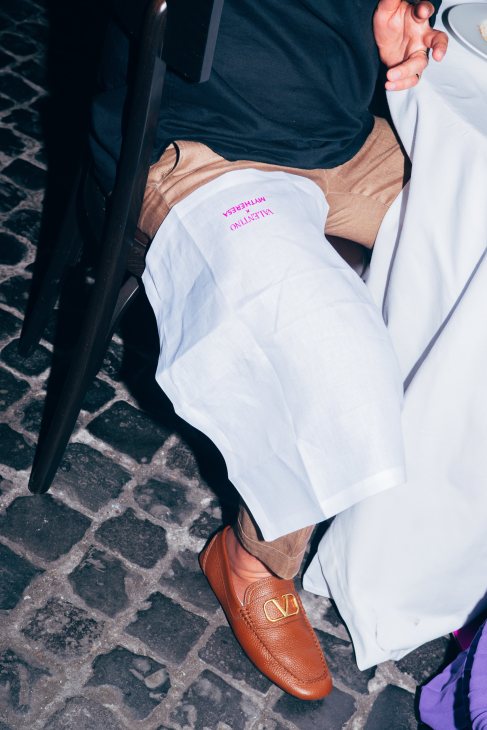
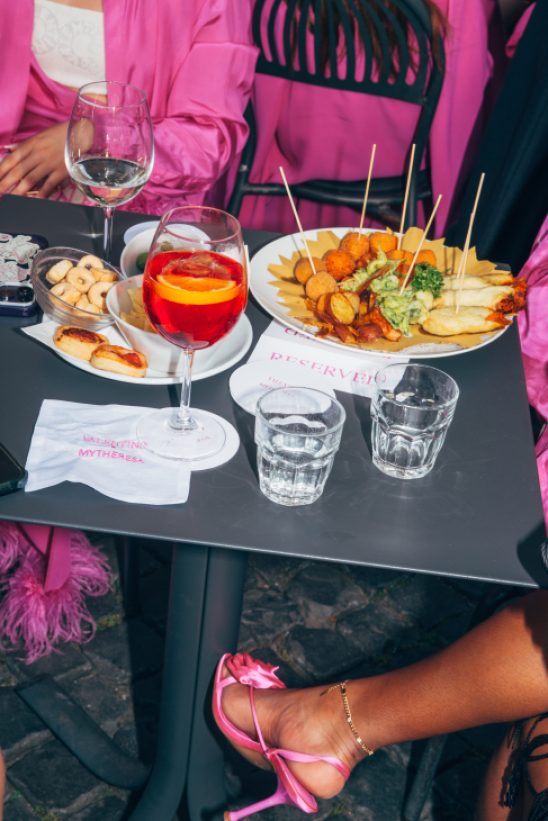
When Monocle meets Kliger in Rome, we catch him drinking an espresso in the courtyard of the Hotel de Russie near Piazza del Popolo. He’s in town for another Mytheresa event, this time with Valentino. “I mean, Valentino and Rome,” he says with a grin. “It makes sense, right?” Billed as a cultural and gastronomic tour of the city, the event has a busy itinerary: a gallery tour at Spazio Musja, drinks at Camponeschi, an intimate dinner at Pierluigi, a private tour of the Valentino archives and, finally, lunch at Dal Bolognese.
But Kliger and his team wouldn’t have it any other way. “We have people from the US, Germany, Portugal and Malaysia flying in because they want to experience something that money can’t buy,” says chief customer experience officer Isabel May. “After all, money can’t buy access inside the brand, it can’t buy those locations nor the magic of the luxury fashion business.” Many people also see Mytheresa’s events as a networking opportunity. “Clients are busy people and they want to use this time to make new connections,” says May. “We’ve had attendees go into business together after meeting at one of our events.”
Her assertion is hardly surprising; it’s clear that there is room for serendipity here. At Camponeschi, a swanky bar overlooking the Piazza Farnese, attendees are drinking Aperol spritzes and talking about the people they know, their summer calendars and plans for the rest of the year. The conversation is equal parts casual and contrived, with plenty of laughter and eye contact. Occasionally, someone will look away to survey the room, or to swat a mosquito lingering around their ankles. Two tables away, a group of Valentino ambassadors – all draped in creative director Pierpaolo Piccioli’s trademark shade of PP pink – are towering over the rest of the crowd and making a case for the brand’s new-season accessories. “The shoes are more comfortable than they look,” says American actress Kathryn Newton.
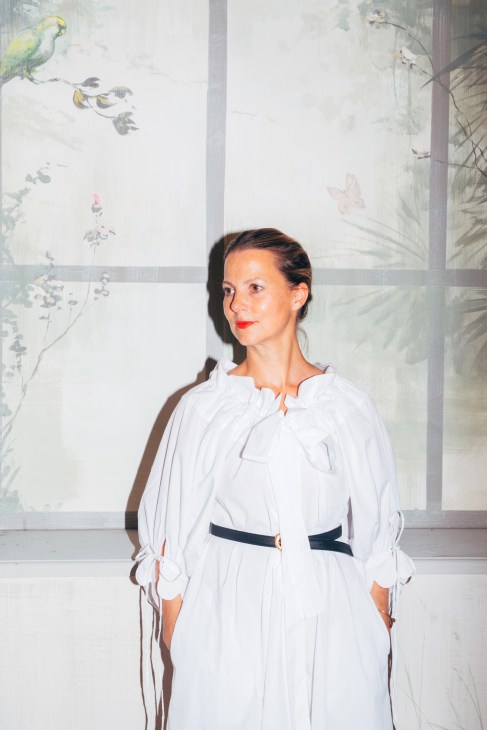
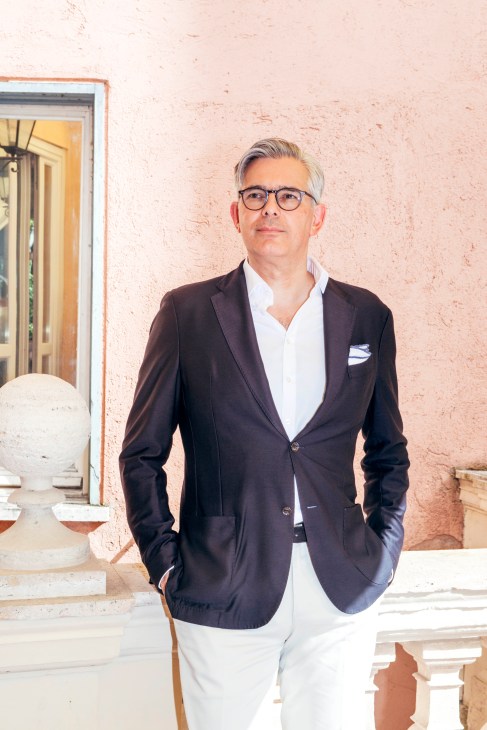
According to Kliger, part of the draw for top customers is that these events tend to pull the curtains back on the inner workings of the fashion world. Be it by touring a brand’s top-secret archives (taking photos or even publishing content about the Valentino tour is strictly prohibited), crossing paths with Hollywood stars or overhearing industry conversations. Ultimately, people like being drawn into the spectacle. “We bring customers, they bring their friends and they like connecting with the rest of the attendees,” says Kliger. “But they also want to be a part of the fashion world: they like seeing editors, they like seeing brand members. The fashion industry is important to them. It’s why we also supply our top customers with fashion-show tickets.”
Thinking beyond straight selling and facilitating moments of inspiration offline might just be the best way forward for online retailers, who want to stay competitive and keep their customers coming back, now that the novelty of speedy deliveries has worn off. “[Our customers] can go to Capri on vacation, they can go for a meal at Langosteria – that’s no problem for them. But going to Langosteria to celebrate [someone like Etro designer] Marco de Vincenzo and sitting at the table with the press and other creatives is different. That’s what makes a special evening.”
Northern lights
The concept of luxury might still be in its infancy in Norway, yet the country’s growing gdp and the flurry of cultural activity taking place in Oslo has opened up a new avenue of opportunity for the local luxury fashion sector. Today a larger number of homegrown brands are coming to the market and established luxury names, from Christian Dior to Loewe, are choosing Oslo to open their first Scandinavian outposts.
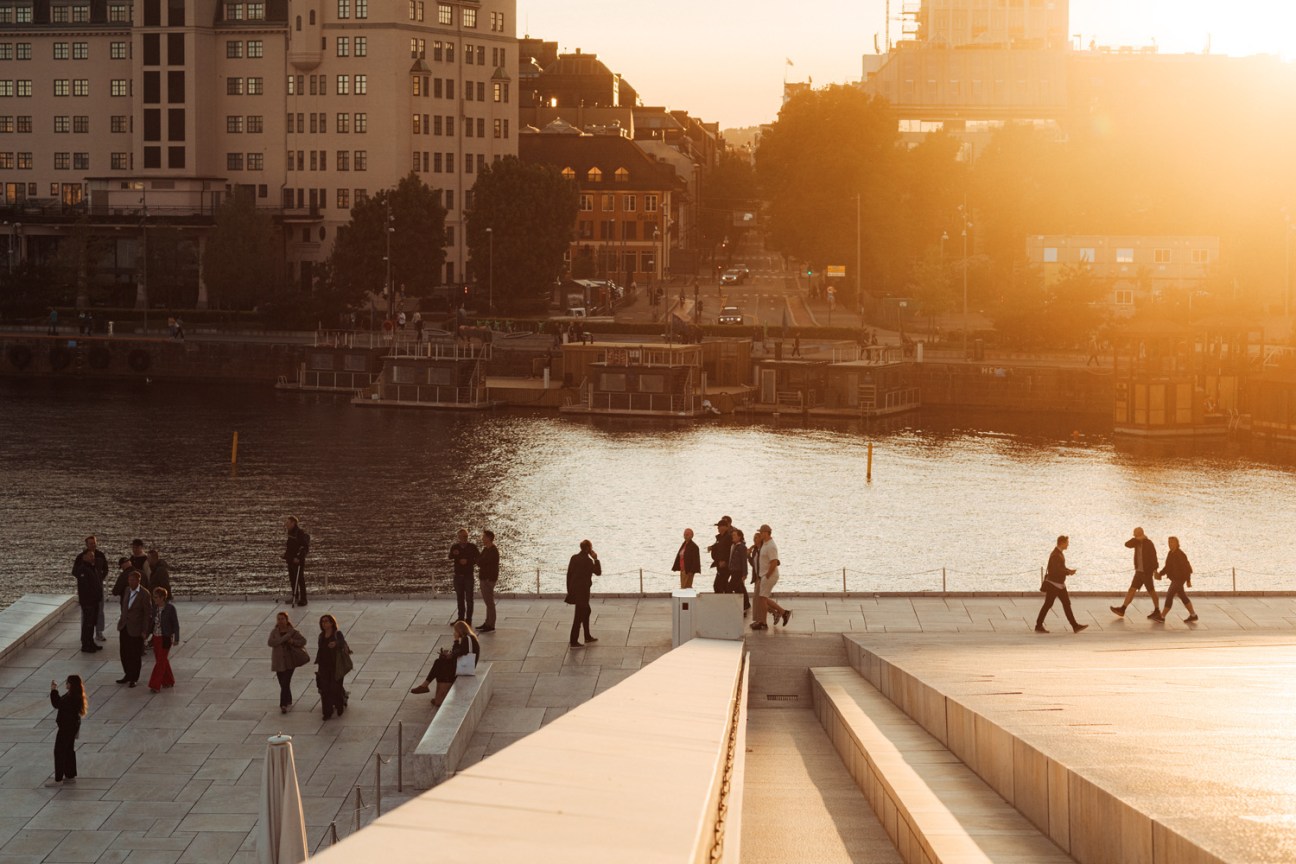
As a result, tourists are finding more reasons to visit the city than to see the famous fjords. We meet the entrepreneurs, designers and curators who have been building the country’s creative sector and aspiring to establish Oslo as a fashion capital.
The luxury pioneers


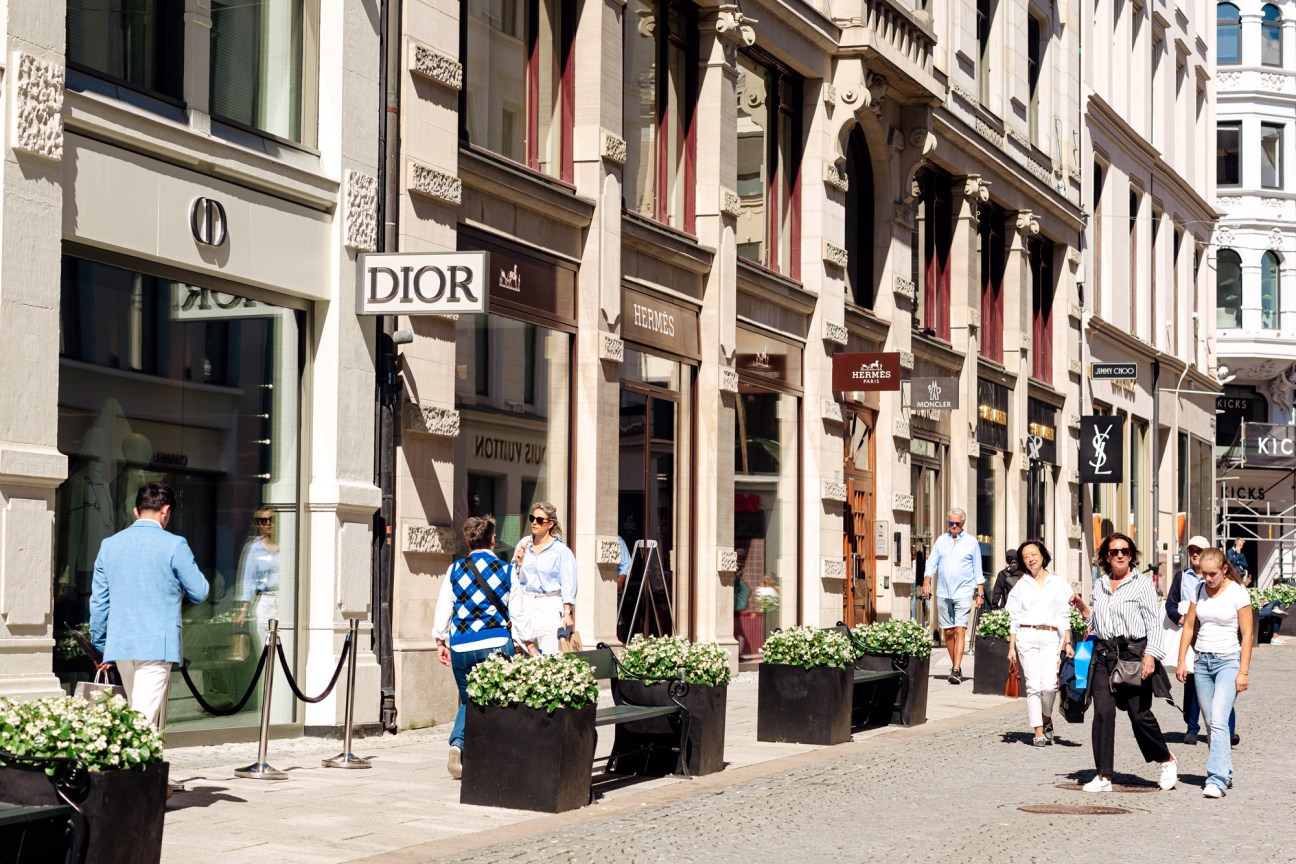
To witness the growth of Norway’s luxury sector, it’s enough to take a two-minute walk down Nedre Slottsgate in Oslo. The 106-metre-long pedestrianised street is crowded with boutiques for brands including Louis Vuitton, Chanel, Dior and Hermès – the kind of mix that has become familiar in many cities. What makes it remarkable is knowing that, until recently, passersby saw little more than fast-fashion franchises and pubs.
“Growing up, I remember that I was never allowed to go down further than the National Theatre,” says Annette Lund, ceo of Promenaden, the property manager for Nedre Slottsgate, as well as the city’s historic art deco department store Steen & Strøm. “This area wasn’t dangerous, but it wasn’t very pleasant to walk in either.” Lund has played a big part in engineering the district’s transformation over the past 11 years.
Promenaden Fashion District was born in the late 2000s, when a trio of Norwegian entrepreneurs started buying up prime properties in central Oslo between the Royal Palace and the Central Station. They realised that the downtown blocks around Steen & Strøm were ideal for creating a high-end shopping district, which didn’t exist in the country. “There was no reason why Oslo shouldn’t have more of a luxury offering,” says Lund. “Our ambition is to turn the city into a fashion capital.”
If you crunch the numbers, the plan’s rationale makes sense. Norway is one of the world’s wealthiest countries, with a gdp per capita that is more than twice the European average. It is also one of the few in its league with a stable, liberal democracy. Oslo today is a squeaky-clean capital boasting world-class restaurants, hotels, museums and an iconic opera house. It seems only natural that tourists should also find a high-calibre fashion offering.
But all this is very new. Steen & Strøm prides itself in being the world’s oldest operating department store but when it opened in 1797, it was a two-storey grocery shop, not the six-storey luxury hub it is today. At the time, Oslo (then called Christiania) was a small fishing town with 9,000 residents, which still made it one of the largest cities in Norway. The country’s textile industry was historically geared towards making hard-wearing garments for men at sea, such as the blaatrøie, a blue wool sweater that was knit tightly to be wind and waterproof. “People dressed for working outdoors,” says Maria Lilly Flakk, an entrepreneur whose family owns Devold, the company that invented the blaatrøie in the mid-19th century. “We were dirt poor.”
Everything changed the moment Norway struck oil in 1969. But even as Norwegians became rich, they shied away from spending on anything with a luxury price tag. “Luxury was not a word you would use,” says Lund, referring to Janteloven, the stereotype of the Nordic mentality that decrees, for example, that you should never think you are better than anyone else. Fashion was thought of as frivolous, and, apart from a few exceptions – Per Spook, who opened an atelier in Paris in the 1970s, and Moods of Norway, the irreverent brand that soared in the 2000s – there were no international brands with presence in Oslo or domestic designers to speak of. When Norwegians shopped, they travelled to their cooler neighbours, Stockholm and Copenhagen.


In the early 2010s, when Lund first gave her pitch to potential international tenants, she had to start by pulling out a map. “They would say, ‘Oslo, that’s in Sweden, right?’” she says. She would then highlight the promising sales figures of the few brands that already had a presence in the city, including Louis Vuitton and Mulberry, to prove the spending power of Norwegians. That Promenaden controlled a district’s worth of real estate was also an asset. “We have been very strict with what kinds of brands we want to have on different streets,” says Lund. “We created the right mix.” The strategy’s success is evident in recent openings by Valentino, Dior and Loewe, which have all opened their first Scandinavian outposts on Nedre Slottsgate.
Promenaden’s pitch has been helped by Oslo’s broader cultural resurgence – the result of a huge effort consisting of both public and private investment, including the waterfront Opera House, designed by architects Snøhetta, and the new Munch Museum, as well as the Oslobukta neighbourhood (a project by another influential property company, Carousel), which is packed with boutiques and Michelin-starred restaurants. The local fashion sector is taking advantage of the momentum. Several brands have started to define Norwegian fashion, led by Holzweiler, which just kicked off its global expansion plans, as well as outerwear brand Norwegian Rain and jeweller Tom Wood.
One such brand is Julie Josephine Essentials, a label that was launched in Oslo in 2016 with just one type of product: the perfect white T-shirt. “When I started, it was such a different ball game,” says founder Julie Josephine Blystad. “There were barely any Norwegian brands that were taken seriously.” Now she has expanded into a fully fledged wardrobe of women’s basics and is training the company’s eye on the Swedish and Danish markets.
Promenaden is equally committed to supporting homegrown talent, with many of these brands found on the district’s Prinsensgate or Øvre Slottsgate. At Steen & Strøm, which is in the midst of a multiyear, multimillion redevelopment, executive director David Wilkinson is making sure that rising local designers take up a larger chunk of the retail space. “Department stores have a responsibility to their community,” he says. “Yes, it’s about making money but it’s about giving back as well.” Wilkinson and Lund make in-person visits to the showrooms of local brands; one such outing led to the opening of young trainers brand New Movements, across the atrium from Loewe. Steen & Strøm also sponsors Oslo Runway, the annual fashion week where local designers are put under the spotlight.
Norway’s fashion and textile industry is still in its infancy: it has an annual turnover of about nok67bn (€5.8bn) compared to sek140bn (€11.7bn) in Sweden. But Norwegians no longer need, or want, to go abroad to shop. “People first went to Sweden to shop Filippa K and Acne Studios, then they had their bohemian phase with Danish brands,” says Maria Lilly Flakk, founder of OA Devold. “Now we’re discovering what Norwegian fashion looks like.” Lilly Flakk’s new venture is a good example: a knitwear label that draws on the 19th-century patterns and knits from the old factory of Devold, on the west coast of Norway. One of its first models was a classic blaatrøie, knitted with a softer wool and Italian cashmere.
In Scandinavia, Norway might still be the rugged little sister who spends weekends at the cabin. But as the luxury industry discovers a new appreciation for classic design and technical wear, it’s only fitting that Norway, which has mastered both for half a century, is establishing itself as a pole of global luxury. The mix of homegrown talent and international names is now drawing well-heeled visitors to Nedre Slottsgate and encouraging locals. “Norwegians are starting to appreciate luxury,” says Lilly Flakk. “We have always dressed to be practical. Now we have realised that we can still do that while looking a little better.”
The curator

Until recently, fashion research was mostly absent in Norway. “Fashion was looked upon as commercial, unprofessional or something that a rich man’s wife does,” says Elise By Olsen. “There’s no respect for it.” These attitudes are shifting, thanks in no small part to Olsen, who founded the International Library of Fashion Research in 2020. Housed in a 19th-century building that overlooks Oslo’s waterfront on one side and the National Museum on the other, the sleek space is free and open to anyone wishing to peruse monographs, magazines and all kinds of ephemera charting the past 50 years of fashion.
Olsen is only 24 but has already established herself as an industry fixture. Growing up in the suburbs of Oslo, she started blogging aged eight and launched her own print magazine, Recens, at 13. The first issue was sent to the printers in the form of a Microsoft Word document but already contained advertisements; by the second issue, Recens had turned into a polished glossy and was soon sold at airports. At 18, the print prodigy had dropped out of school, moved to Paris and launched a second publication, Wallet. She befriended Steven Mark Klein, a New Yorker who was part of an older generation of clear-minded fashion journalists; he became Olsen’s mentor.
In 2020, Klein decided to donate the contents of his apartment – an archive from a lifetime in the industry – to Olsen. Soon the two had convinced the Norwegian consulate in New York to fund a boat shipment across the Atlantic and the National Museum in Oslo to help them find the right space to house it: a three-storey building that used to be part of the city’s railway station and is now filled with futuristic, aluminium shelving and vitrines inherited from the National Museum.
What makes this young institution unique is that, based on the late Klein’s collection, much of the shelf space is dedicated to lookbooks, runway invitations, press releases and other printed matter – everything from 1990s Yohji Yamamoto catalogues to a customised bar of Belgian chocolate that Dries Van Noten gave to vip clients for the 2008 holiday season that was meant to be seen by a select few and then discarded (or consumed). These mementos are often kept by fashion-world insiders but have never previously been made available for public view.
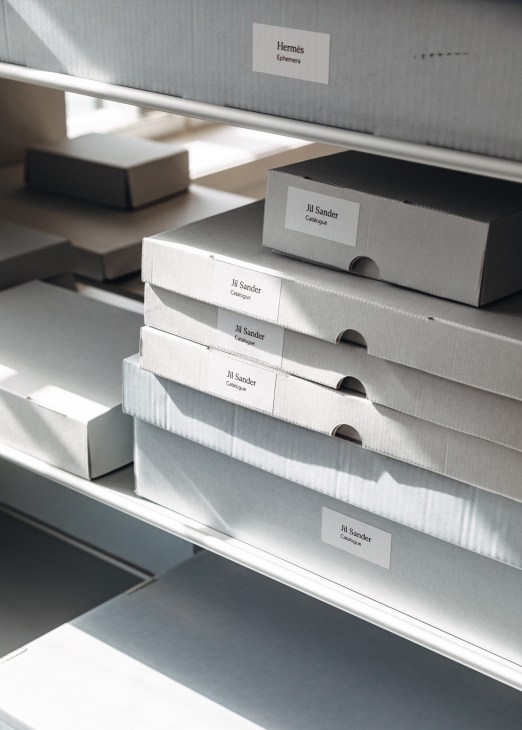
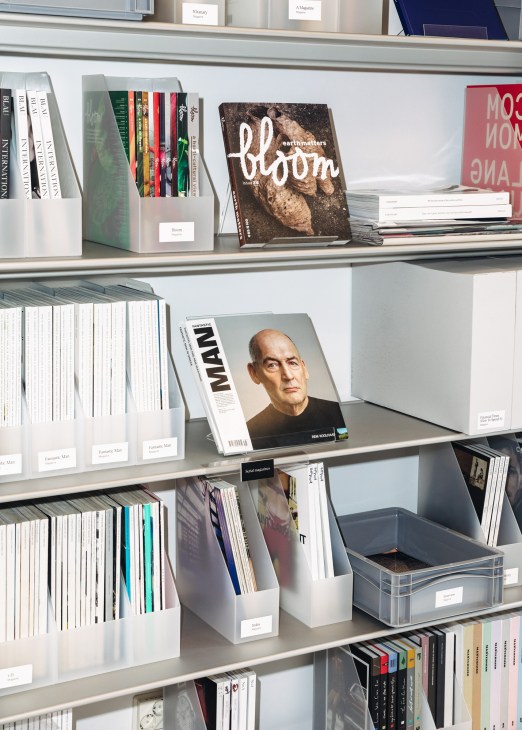
That these are now documents deemed worthy of a public institution is testament to the changing attitudes both in Norway and abroad. There’s increased appetite to delve into the past and discover fashion’s history, partly thanks to digital media, where snaps of Miu Miu shows from the 2000s or vintage Comme des Garçons catalogues now circulate for anyone to swoon over. The more brands’ rich pasts are mined, the more seriously fashion is taken as an intellectual and artistic pursuit. “There are contemporary art libraries, music libraries, architecture libraries,” says Olsen. “Why shouldn’t there be a public fashion library?”
The demand is clearly there: when Monocle visits, the team is busy unpacking boxes of new material. Olsen has no need to solicit donations, as brands such as Schiaparelli and Rimowa now voluntarily offer up their archives. In the year since it opened in Oslo, the library has developed into a destination, drawing international visitors and helping to expand the fashion ecosystem beyond cities such as London, Milan and Paris. “When we were starting out, what was important to us was to have this table that would bring together the architect, the student, the Balenciaga creative director and the pensioner,” says Olsen. “That was utopia at the time – but today it’s actually playing out.”

The international success story
It has been a whirlwind year for Holzweiler. Since taking on investment from Sequoia Capital, the Norwegian brand founded by siblings Andreas and Susanne Holzweiler has been busy planning its first foray outside Scandinavia and its debut show at London Fashion Week. Susanne and creative director Maria Skappel Holzweiler, Andreas’s wife, tell us about taking Nordic functional luxury g
lobal.
It has been a year since you began working on your international expansion. What have you learnt?
Susanne Holzweiler: We are focusing on what is the core of Holzweiler. We’ve found a new passion for our heritage. We never felt that we’re a typical Scandinavian brand but now we’ve become proud of being Norwegian. We live in this cold country so, of course, we have some of the best outerwear that looks good but is also functional.
You’ve staged shows in Oslo, Copenhagen and now London. Why do you like to stay on the move?
Susanne Holzweiler: It’s like school: you spend three years in the same place, you become the biggest and then start all over again. This year we feel like first-graders again, but it’s the right move. We’re doing [the show] in a park near King’s Cross that reminds you of the Norwegian forest. We’re always returning to our country’s heritage and want to bring it to a bigger stage.
How have you been able to sustain demand?
Maria Skappel Holzweiler: Every time we create a hero product, we aim to move on to the next thing, rather than becoming the brand with just the scarves or just the jackets. Never be too comfortable with where you are.