Issues
Defence
Defence – USA
Paw and starboard
The US Navy’s newest aircraft carrier, USS Gerald R Ford, is on its first operational deployment, piloting more than 20 revolutionary new technologies and one old one: man’s best friend. Sage, a three-year-old labrador, is a therapy dog, first-in-class of what the US Navy is calling, in typical militarese, “The Expanded Operational Stress Control Canine Pilot Program”.
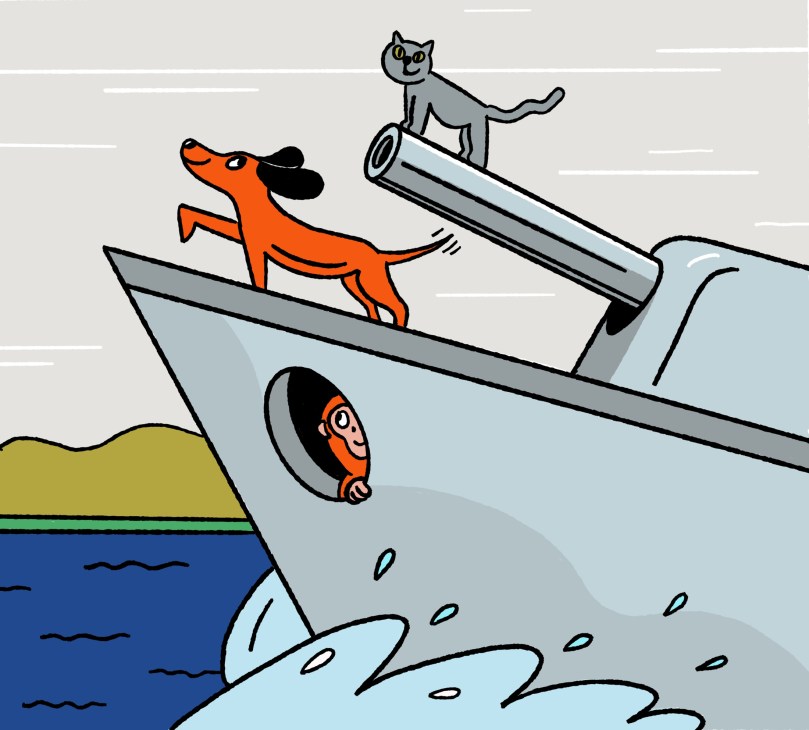
Sage is not really an innovation as much as a reboot. Until they were banned for hygiene reasons decades ago, animals proliferated on warships. Initially they were a source of food, while live-aboard cats and mongooses were used to catch rodents. On 4 April 1772 the obituary of a goat appeared in the London publication The Craftsman. She had “been twice around the world, first in the Dolphin, Captain Wallis, then in the Endeavour, Captain Cook,” making her possibly the first animal of any kind to circumnavigate the globe twice. For her service, the goat was allowed to retire honourably at Greenwich.
Tirpitz the pig was a ship’s mascot that switched sides. Originally serving aboard the German cruiser SMS Dresden, she was onboard that ship during the destruction of a British squadron at the Battle of Coronel in 1914. Dresden (and Tirpitz) then survived the later German defeat at the Battle of the Falkland Islands, only for the ship to be tracked down and sunk by the Royal Navy off the coast of Chile in 1915. Tirpitz swam from the wreckage and was rescued by the crew of the HMS Glasgow, where she became a popular ship’s pet. Her mounted and stuffed head was donated by the 6th Duke of Portland to the Imperial War Museum in London, where it remains on display today.
Historically, mascots were picked up by sailors on shore leave or were sometimes the gifts of foreign governments. There were so many animals on ships that the Royal Navy constructed a shoreside zoo in Portsmouth to house, for example, a polar bear that had been rescued from an ice floe off the coast of Greenland. The abolition of ships’ mascots in the 1970s because of new health regulations in the UK around rabies came directly on the heels of the abolition of the daily rum ration – a double whammy to sailors who were bored and lonely at sea.
Things are more orderly these days. Sage relieves herself on a waste-collection mat made from artificial grass and has her own goggles, ear protection, float coat and paw protectors for the sometimes harsh environment of a warship. While serving aboard the Ford, she has joined the flock of Commander Genevieve Clark, the carrier strike group’s chaplain. As primary handler, Cdr Clark underwent 120 hours of training. Two ships’ doctors are trained in canine first aid and cpr. Sage, in turn, is taught to put her head on the lap of a sailor experiencing increased stress levels, to seek help if someone is in medical distress and be stroked if a person is having trouble breathing due to anxiety. Results of the pilot programme will be analysed at the conclusion of the Ford’s deployment but it seems as though even those on the frontline can benefit from a little helping of animal magic.
In the basket
On the radar
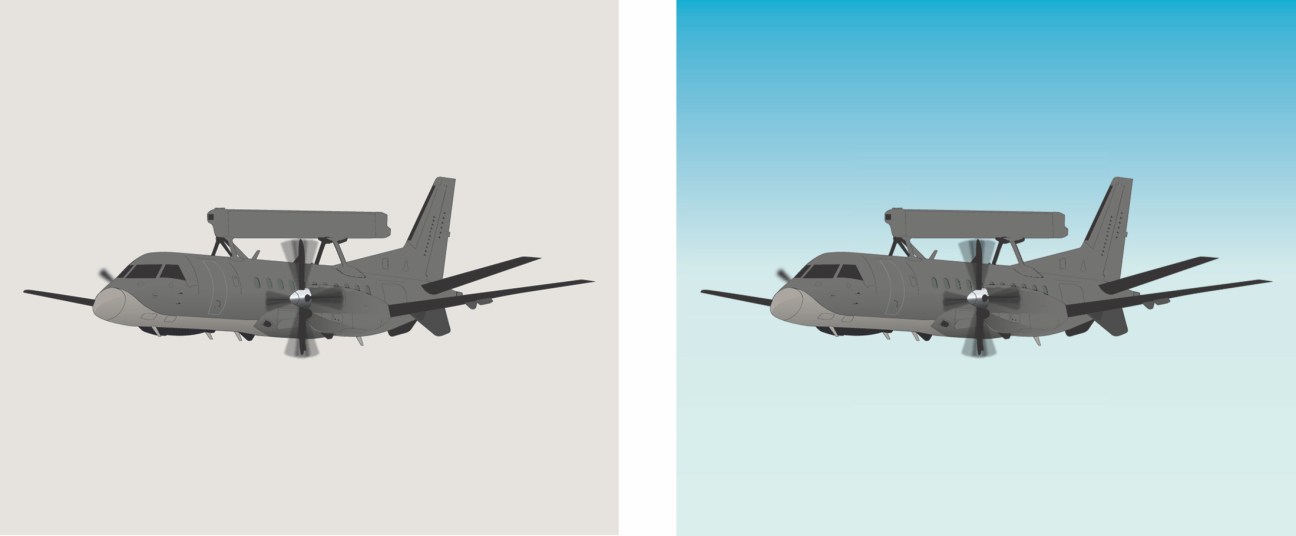
In the basket: Two Saab 340 aewc aircraft
Who’s buying: Poland
Who’s selling: Sweden
Price: €51m
Delivery date: By 2024
The acronym aewc stands for Airborne Early Warning and Control. The contraption mounted atop the Saab 340 twin-prop plane, which affords it such a designation, is the Erieye radar system. So far these two planes have had one careful owner, the United Arab Emirates, which bought them in 2009 and returned them 11 years later as a part-exchange for Saab’s more advanced GlobalEye aewc platform, based on the Bombardier Global 6000.
Poland has embarked on a colossal surge in defence spending: it wants to invest 5 per cent of GDP in its defence, more than twice the minimum Nato threshold. The Saabs will begin to give Poland its own aewc capacity, currently covered through Boeing e-3 aewc planes furnished by Nato allies.
Trade – Global
Q&A

Rebecca Fatima Sta Maria
Executive director, APEC
The Asia-Pacific Economic Cooperation (APEC) is a trade forum for 21 Pacific Rim economies including China, the US and Russia. Ahead of the apec Leaders’ Summit in November, Monocle sits down with the group’s chief executive, Rebecca Fatima Sta Maria.
The US has denied visas to Russian officials and won’t allow sanctioned Hong Kong chief executive John Lee to attend. How do you prevent geopolitics from derailing APEC’s agenda?
We know that geopolitics is at play but we always try to look at it from the business side. You can take your diplomatic skirmishes to another forum. But in our forum, can we please focus on what’s good for business? When companies join our meetings, the tone is very different. Businesses will tell you to your face whether something is working or not.
Has APEC failed when it can’t reach an agreement on a declaration?
In today’s realities, we should not be wedded to a joint statement as an outcome of a meeting. Instead of focusing on the negative side, say, “Here’s where we agreed.” It’s not about having a statement but rather having us explain the deliverables. What have we done? That’s more important than a joint statement.
What is your strategy when negotiating?
My famous last word is, “How can we find middle ground?” Is it OK if you just get 40 per cent? It’s not quite haggling but still trying to find some way where the other party benefits as well. It is not about win and lose. The moment when you say it’s a zero-sum game is when it gets tricky.
The Foreign Desk
Andrew Muller on…
Countries claiming to be neutral
When a country calls itself neutral, it projects a lofty reluctance to be dragged into the squabbles and brawls of less heroically civilised nations. The difficulty is that neutrality rather relies on proximity to countries that are not neutral and which are therefore willing to do the stuff – spending on defence, deploying of forces, asserting values – that neutral countries regard as beneath them.
In the European context, Russia’s lunatic assault on Ukraine has illuminated the idleness of this stance. A couple of countries took the hint. Sweden abandoned centuries of neutrality and sought to join Nato. So did Finland – which, while never actually neutral, had long cultivated a less confrontational relationship with the belligerent behemoth next door. But a few countries are holding out. Discounting the Mediterranean islands of Malta and Cyprus, and a few microstates that do not significantly tilt the strategic balance, they are Switzerland, Austria and Ireland.
Switzerland can probably not be talked out of this any more than it could be talked out of indigestible triangular chocolate. But Austria and Ireland should get off the fence. Austria pitches itself as a handily impartial arbiter: foreign minister Alexander Schallenberg floated this line on Monocle Radio in February when I interviewed him at the Munich Security Conference. “We are the seat of opec, the osce and many other international organisations,” he said. “And this is where a degree of neutrality is worthwhile and helpful.” It’s also cheap – Austria spends just 0.8 per cent of GDP on defence – and arguably in more ways than one. Ireland is Europe’s principal Atlantic bulwark but maintains a tiny army, no air force to speak of and a navy consisting of half a dozen patrol vessels, four named after famous Irish writers (and yes, the LÉ James Joyce doubtless specialises in interminable, incomprehensible missions that everyone abandons halfway through, etc). Its policy of neutrality is connected to a reluctance to be militarily allied to the UK but it has done Ireland little credit (infamously, Dublin issued formal condolences to Germany upon the generally unlamented death of its chancellor in 1945).
Ireland’s taoiseach, Leo Varadkar, has (correctly) declared that his country should take defence more seriously and, perhaps wistfully, sought to assert that it is not really all that neutral – understanding itself, in all meaningful respects, to be a constituent of the Western democratic world. Schallenberg told us much the same in February. But this, like most things, is a stretch easier to say than do.
Mueller is the host of Monocle Radio’s ‘The Foreign Desk’
Soft-power icon
Prize Asset
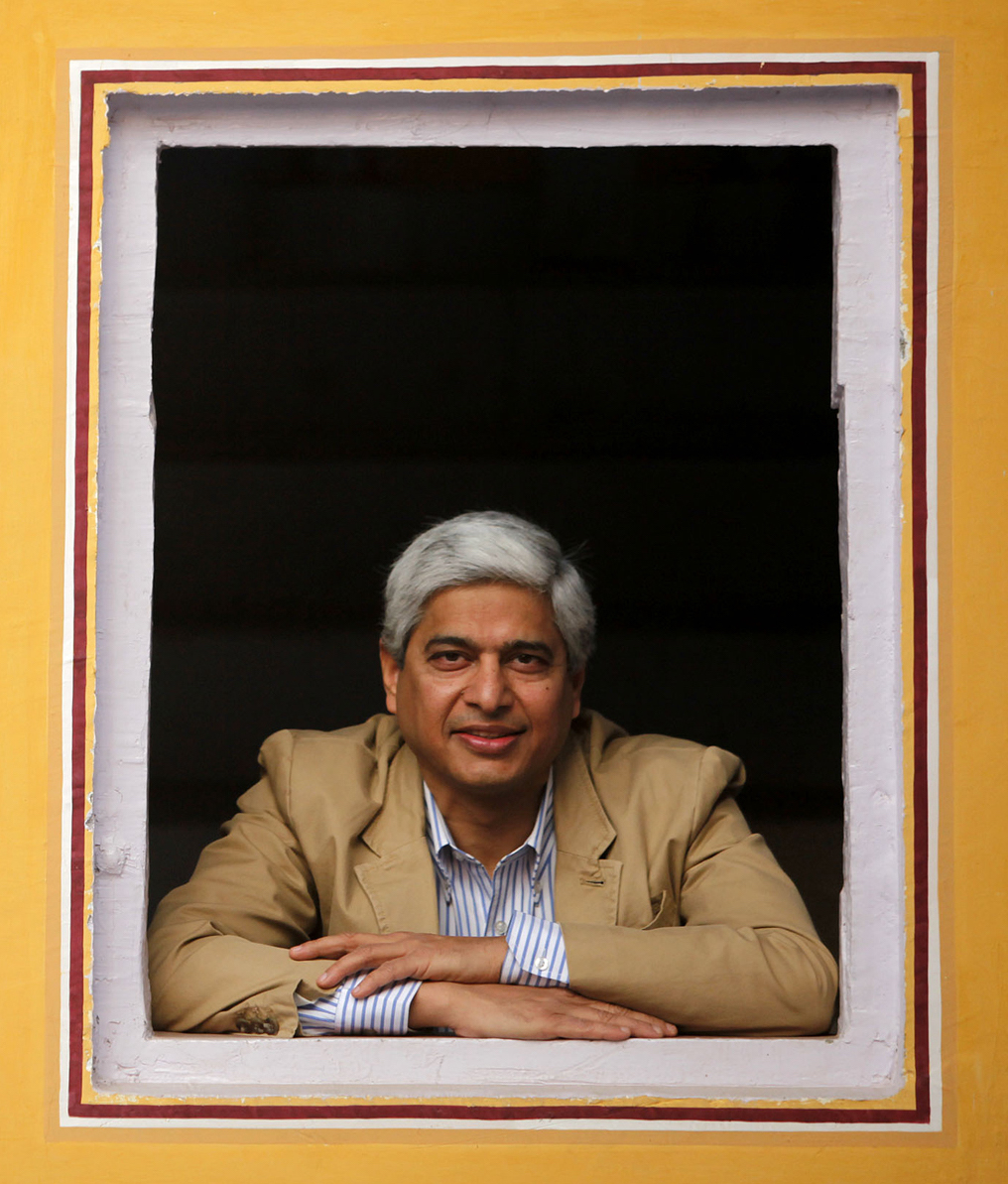
It is not always easy for diplomats to get themselves in front of local officeholders. But does it help if you’ve written a book that inspired an enormous Hollywood hit? “Absolutely,” says Vikas Swarup, whose debut novel, Q&A, was adapted for the screen as Slumdog Millionaire, which won eight Academy Awards. “As one fellow diplomat put it, ‘Vikas, we have interlocutors; you have fans.’ It opened many doors.” Swarup enjoyed a distinguished 35-year career in India’s foreign service, including postings to Ethiopia, South Africa, Japan and the US, and a stint as high commissioner to Canada. He also served as spokesperson for India’s Ministry of External Affairs and chef de cabinet to the foreign minister.
But that was not how he made his greatest impression on the world on his country’s behalf. In 2003, Swarup was winding up a posting to the UK. His family had returned to India as planned but Swarup was asked to stay to oversee a visit by then-prime minister Atal Bihari Vajpayee. Alone in London, he began writing. “Monday to Friday, I would be at the High Commission in Aldwych, doing my usual diplomatic stuff,” he says. “Then I would come home and do research. I wrote the novel over those 10 weekends.”
Q&A was the foundation of a soft-power triumph beyond the wildest dreams of any ambassador. But Swarup agrees that as a representative of one’s nation, and as an author, one is essentially seeking to tell a gripping story. “We diplomats are trained to use words very carefully,” he says. “We know their value.”
Melting pot
For author, artist and master potter Edmund de Waal, creation is a physical experience. “Clay is a gorgeous, messy untamed material,” he says at his office-cum-studio in London. “But so is language. I often think of the pressure between words when I put one next to the other or when I make spaces between them.”
De Waal, whose best-selling memoir The Hare with Amber Eyes has been published in more than 29 languages, is just as well-known for his work as a visual artist. Often crafted in response to historical processes or other works of art, the potter’s large-scale porcelain installations touch on movement, diaspora and materiality. They are also cross-disciplinary. De Waal currently has two shows in New York. To Light, and then Return at Gagosian’s Madison Avenue gallery features works with titles that allude to poems by Seamus Heaney and Emily Dickinson, as well as responses to photographs by Sally Mann, whose pictures are also on display in the collaborative exhibition. “Creating installations, like writing, is an art of construction,” De Waal tells Monocle. “You’re constantly putting things together then taking them apart.”
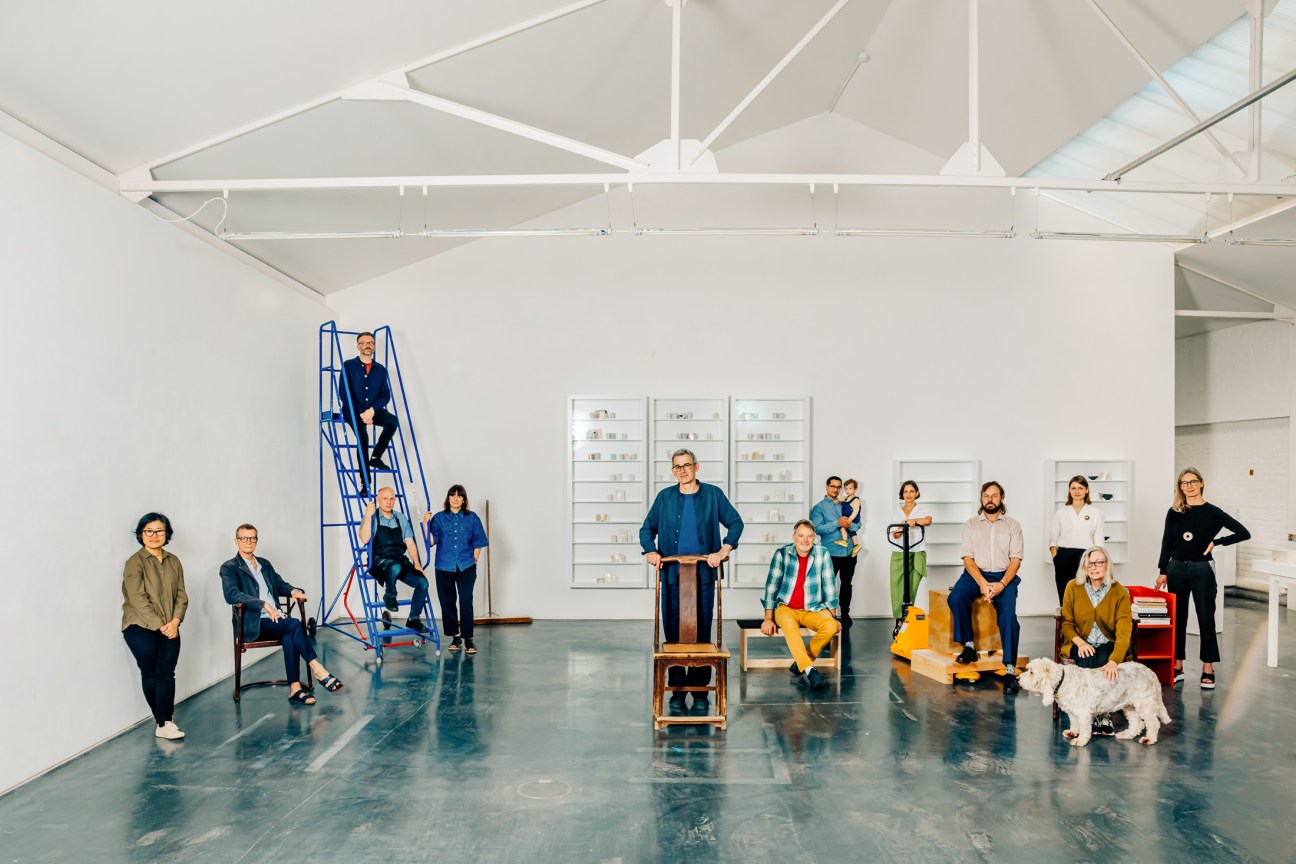
De Waal credits the breadth of his creative output partly to the people around him, most of whom come from different disciplines. “It’s a privilege to be alongside people whose own creativity sits in another place,” says De Waal. “It’s why I’ve always collaborated.” From working with ceramicists to going through drafts of his books with his literary agent, to recording with musician Simon Fisher Turner, communicating with his peers and the outside world has always been a key part of his creative process. “I come from a big family and so I never felt like creativity came from solitude,” he says. “That’s why this studio is full of people, materials and books. We have events and music playing. It feels like a library of possibilities.”
Ahead of his time
Portuguese architect Álvaro Siza’s office resembles a museum. Overlooking the Douro river in Porto, the room brims with paraphernalia collected over the course of decades of work: sketches and drawings, tiles, pieces of paper inscribed with pithy mottos and tacked to pinboards, paintings, bottles of port, boxes – and piles and piles of books.
Siza’s career spans almost 70 years and four continents. Born in 1933 and raised in Matosinhos, a small town near Porto, the 90-year-old Pritzker Prize-winning architect is known for his simple, sculptural designs. And while he made a name for himself in Portugal during the 1970s and early 1980s, Siza’s reach now extends far beyond his place of birth.

Today his buildings house paintings in South Korea and China, pupils in Spain and church-goers in France. But that wasn’t always the case. Growing up under Portugal’s right-wing dictatorship, Siza had little contact with the outside world. “I was 41 years old when I first left the Iberian peninsula,” he says. “At that time, it was very difficult for Portuguese people to leave the country.”
Nevertheless, Siza became interested in art. “I came across the classics,” he says. “Picasso, Matisse and many sculptors. I wanted to be a sculptor. But in Portugal, and particularly in Matosinhos, it was not something that most people saw as a good idea at that time. They saw it as a career path for bohemians because there wasn’t a lot of money in it.”
At his father’s request, Siza enrolled on a more general course at the University of Porto’s School of Fine Arts before he eventually found his way into architecture. “At the time, people started working very early on,” he says. “So when I began designing my first houses, I hadn’t even finished my degree.”
Decades later, Siza’s approach to making and designing still spans a wide range of disciplines. A recent foray outside the world of architecture was a collaboration with the watch brand Cauny. “At first, I thought to myself, ‘Why design a watch when there are already so many beautiful ones out there?’” says Siza. “But Cauny convinced me.”
Whether he is working on a timepiece, a museum or a school, Siza always designs with functionality and practicality in mind. “Communication is important,” he says of working on projects. “I always tell people, ‘Look, I like this, but I don’t know what the execution will be like – if it works well, if it’s safe, et cetera.’”
Even so, his attention to detail rarely detracts from the poetry in his work. It is often hard to distinguish Siza the artist (he still paints, sketches and sculpts) from Siza the architect. From the Iberê Camargo Foundation in Porto Alegre, Brazil – which, from certain angles, resembles arms embracing the building – to the coral façade of Porto’s Serralves Museum’s, his projects have a human quality that is clearly rooted in a deep commitment to artistry.
Despite turning 90 in June, Siza still enjoys working in the field but he often worries that doing so is losing prestige in Portugal. Future generations, he says, should remember that we all benefit from the work that architects do. “Architecture is related to comfort, it’s related to beauty, it’s related to the economy,” says Siza. “It affects all of us.”
Show on the road
Egyptians know that the road connecting their country’s two largest cities, Cairo and Alexandria, is full of surprises. When Monocle makes the journey, families are driving along the route in oversized suvs while nimble microbuses packed with commuters weave between the overladen trucks and dodge the construction workers toiling in the central reservation, scarves wrapped around their faces to protect them from the dust and heat. Kerbside, men sell tea, spare tyres and salvaged parts from cars that have crashed here.
Egypt has one of the world’s highest traffic mortality rates and the desert highway connecting Cairo and Alexandria is often recorded as the country’s deadliest. Despite this, Egyptians tend to wax lyrical about it – the shooting stars that they see when they’re driving at night, the spectacular sunsets, the sublime falafel shacks. Few similarities unite Cairenes and Alexandrians but a strange appreciation for the highway is one of them. It’s common to come across people from all walks of life at the pit stops. “We serve guests travelling for religious, medical and business reasons, as well as tourists coming purely for pleasure,” Ali Gallah, manager of the roadside Balboul Restaurant, tells Monocle.
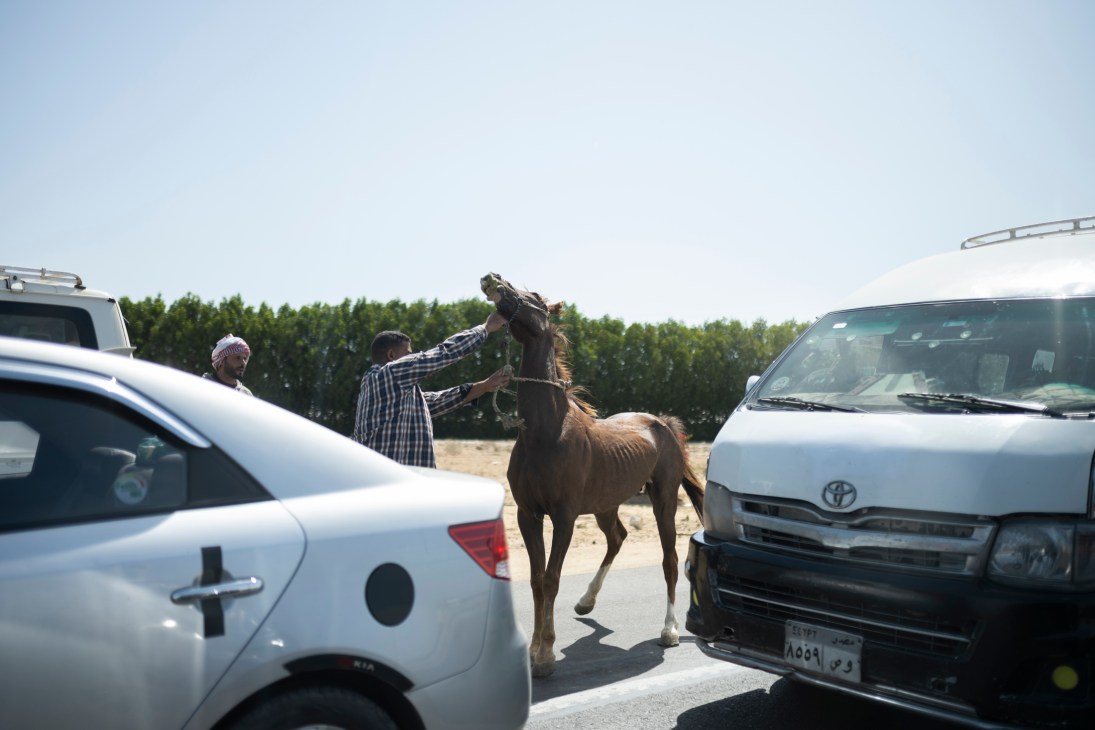
The wide road, which is some 220km long, was built in 1935. Millions of people use it every year for business and trade but, for many, driving along the highway is synonymous with leisure. On the day that Monocle does the dash, streams of Egyptians have hit the road hoping to swap Cairo’s intense heat for the coast’s white beaches. For Yassin Ashour, a Cairene who drives on the highway most weekends in the warmer months, the trip evokes nostalgia. “I have memories of my late grandmother stargazing through the window,” he says. “I grew up to have that same ritual with my friends, so the road has come to symbolise summer for me during different times of my life.”
Others come here seeking economic opportunity. On the first stretch of the highway, three men are cutting up a tangled web of iron with an angle grinder, metres away from raging traffic. The noise is dizzying but they seem unfazed. Wearing a Manchester United windbreaker and standing in front of an array of equipment, Mohammed, the beaming owner of the business, explains that he makes a living by selling parts he finds on the road.
He’s not the first person to do business here. Over the years, inexpensive land prices and easy transportation links have lured the agriculture industry to this seemingly hostile stretch of land too. For instance, one of Egypt’s largest dairy companies, Dina Farms, is based along the highway, 80km from Cairo. Tea houses, restaurants, fruit and vegetable shops, and shisha cafés are also commonplace. For the most part, it’s inside these establishments that many people make lifelong memories. After passing a truck loaded with young men perched on bundles of rubbish bags, we arrive at the Master Rest House, a service station packed with excited children, groups of friends and exasperated mothers stocking up on snacks. Here, between gulps of coffee, a gaggle of glamorous older ladies tells Monocle that they’ve been travelling together on the highway to the north coast for years and remain best friends.
As dusk falls over the desert, we start the journey back to Cairo. Monocle gets the sense that, like the older ladies, we’ll return soon. A few kilometres on, our car passes trucks carrying watermelons and is overtaken by microbuses. But we’re unfazed. Traffic flows continuously, as does life on the road.
Bring it on
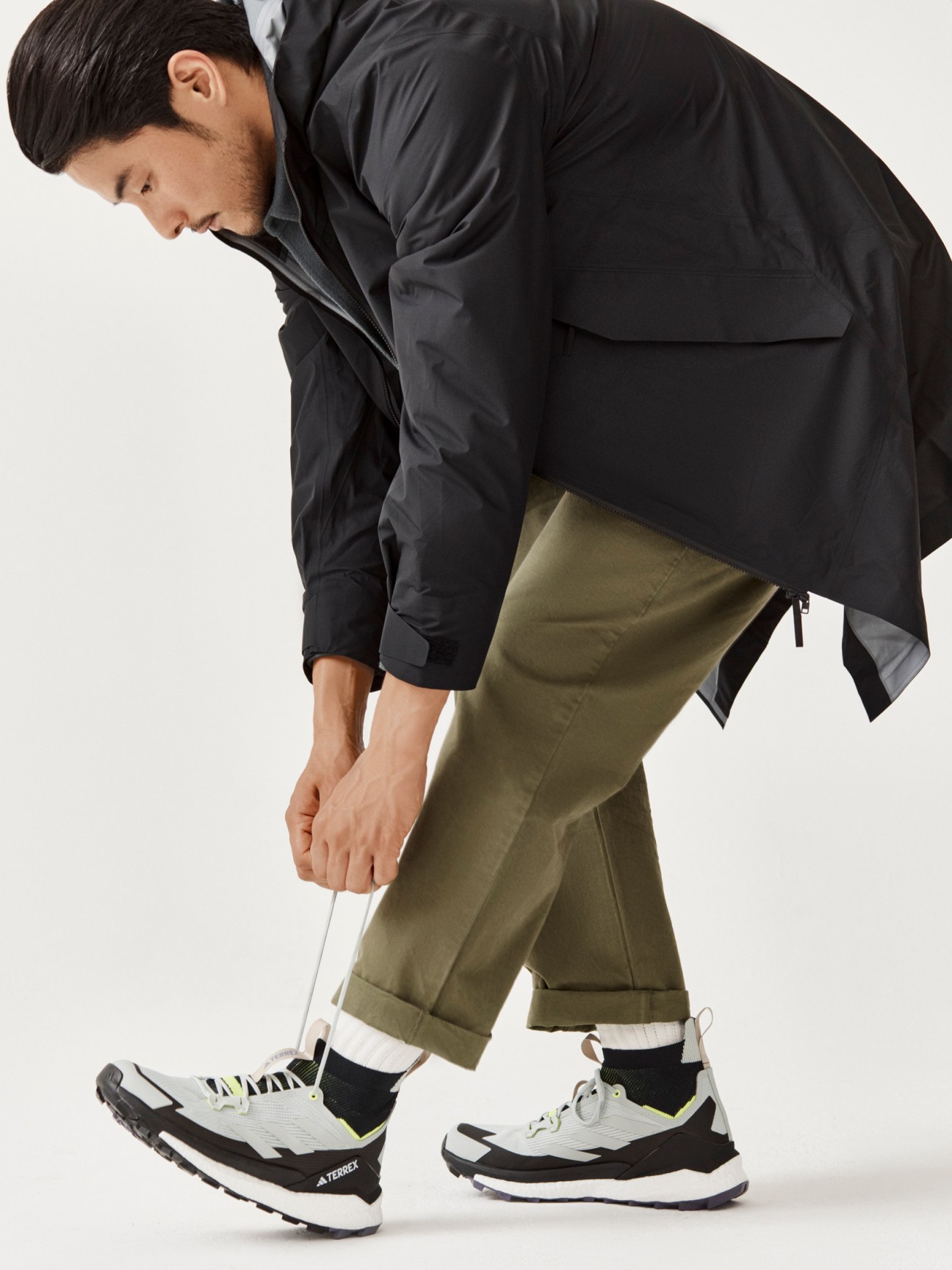
socks by Rototo, trainers by Adidas Terrex

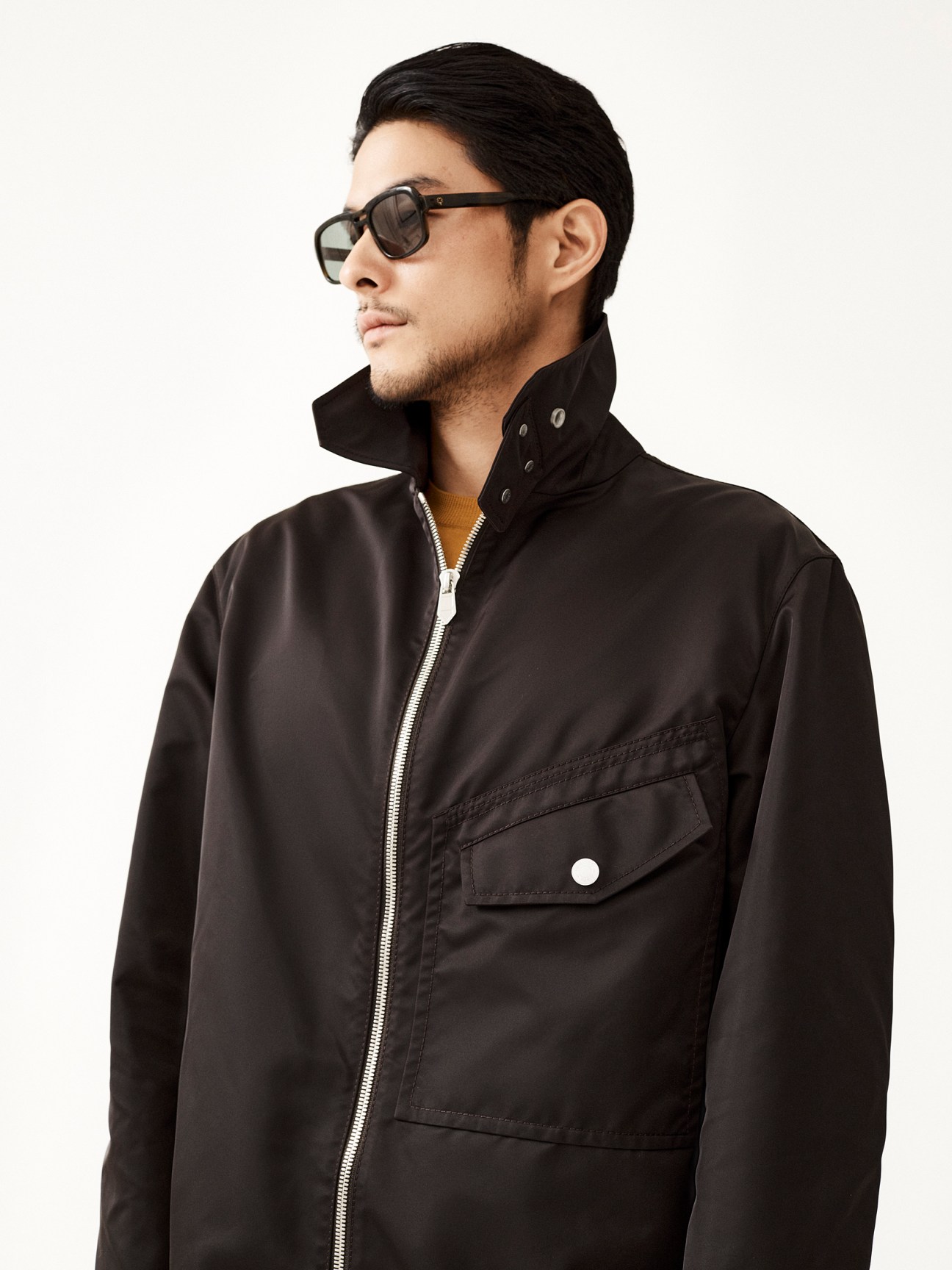
sunglasses by GLCO 3 Massimo Alba
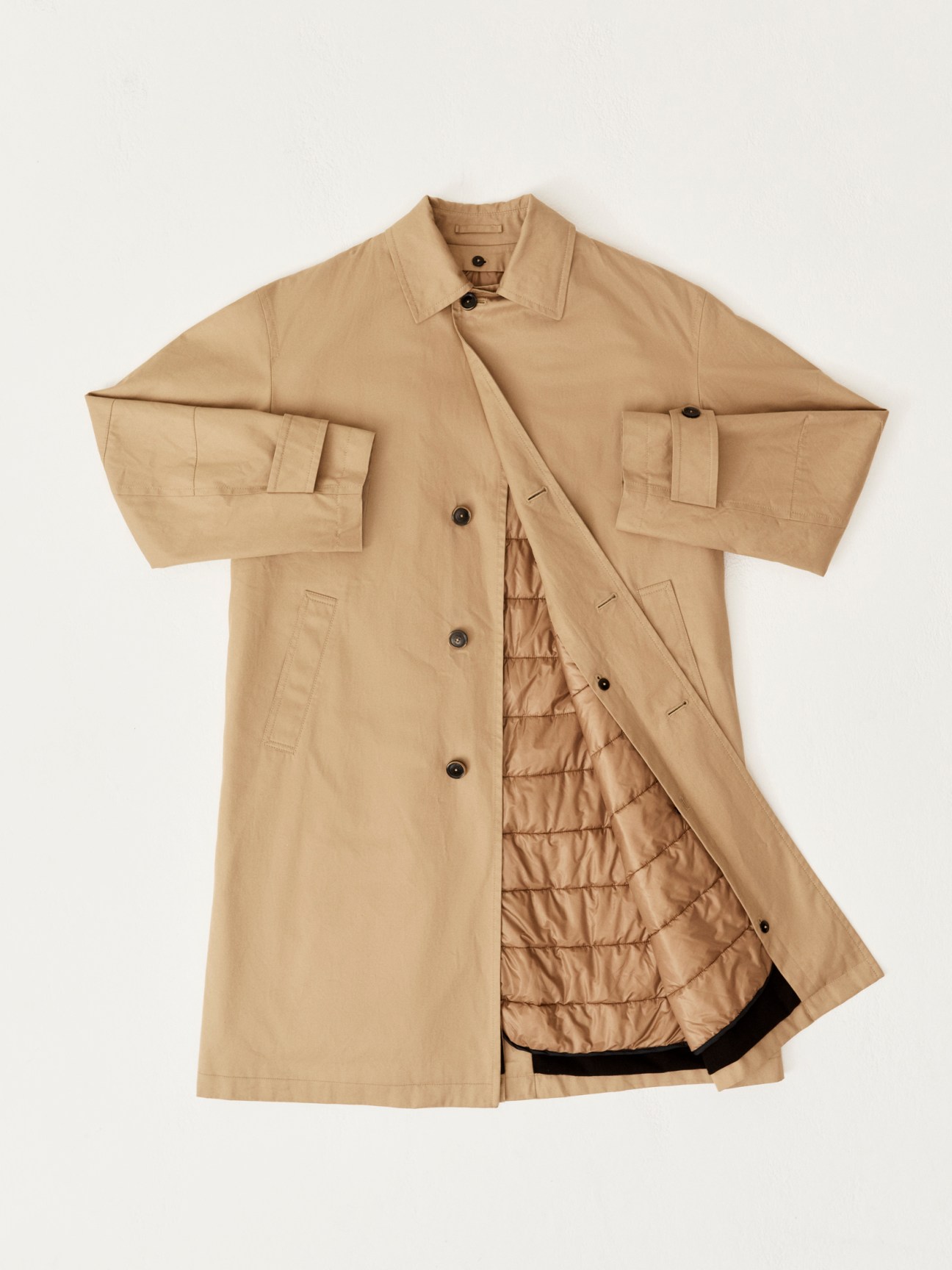
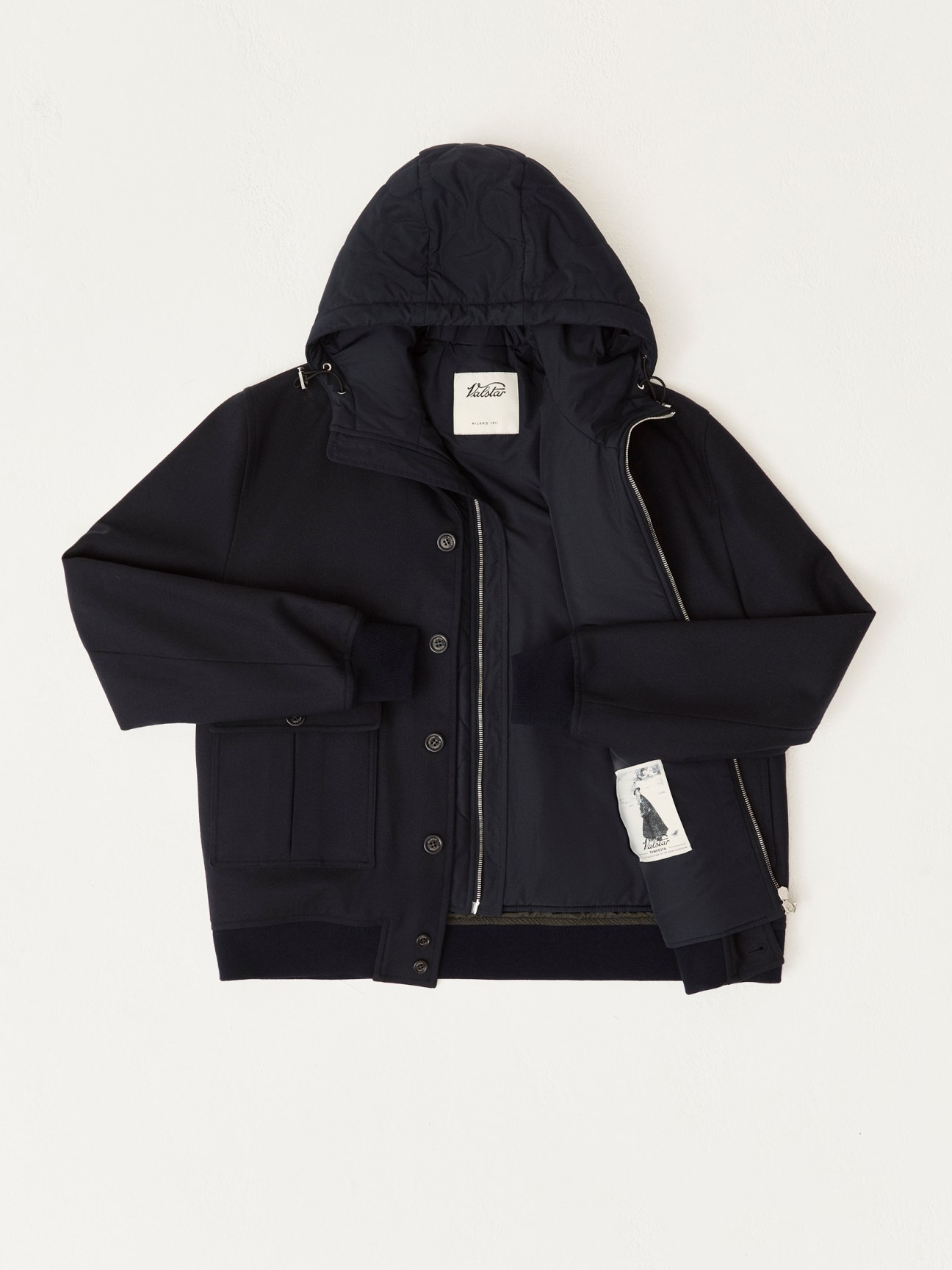
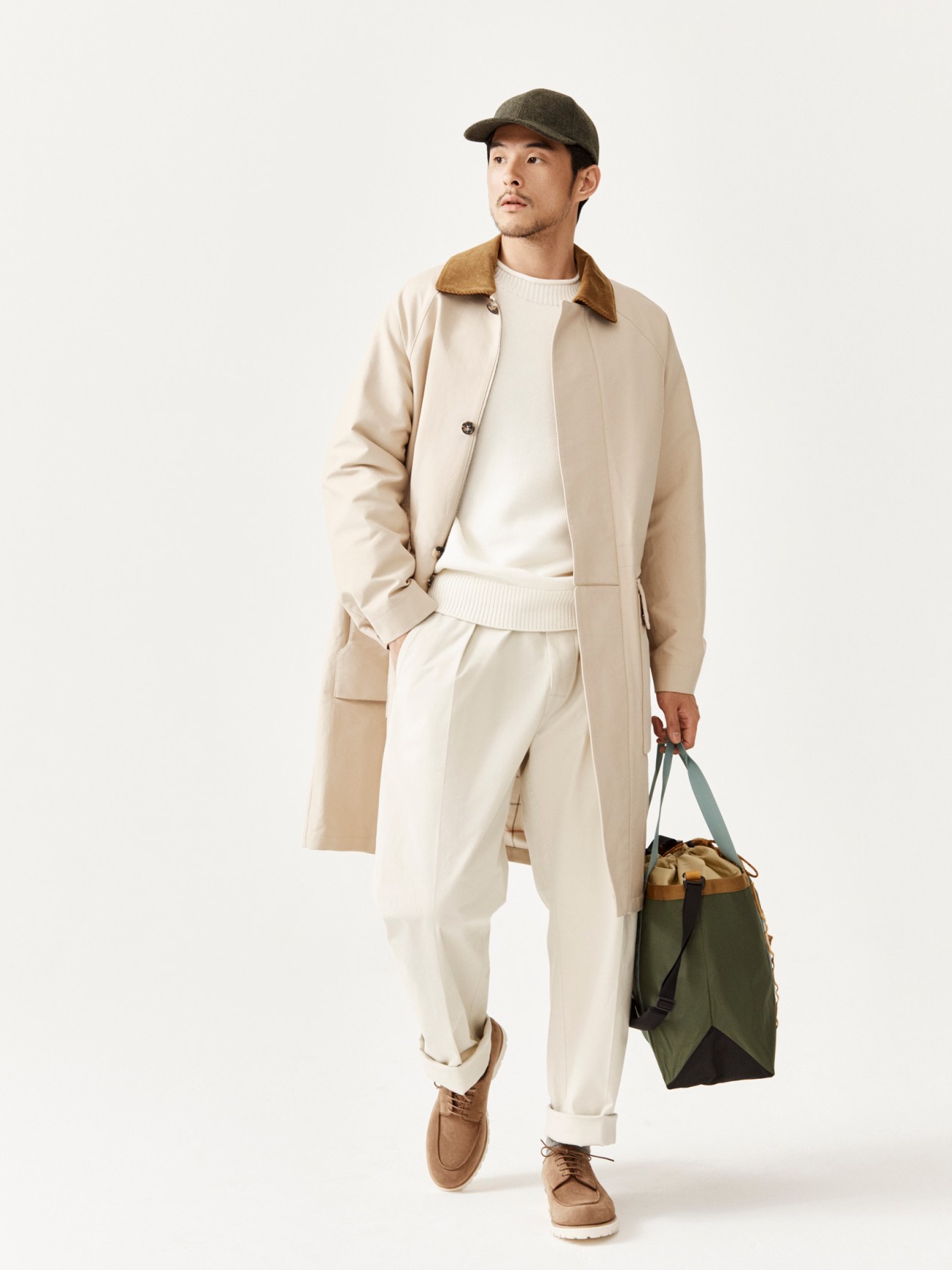
trainers by New Balance, glasses by Lindberg, bag by And Wander
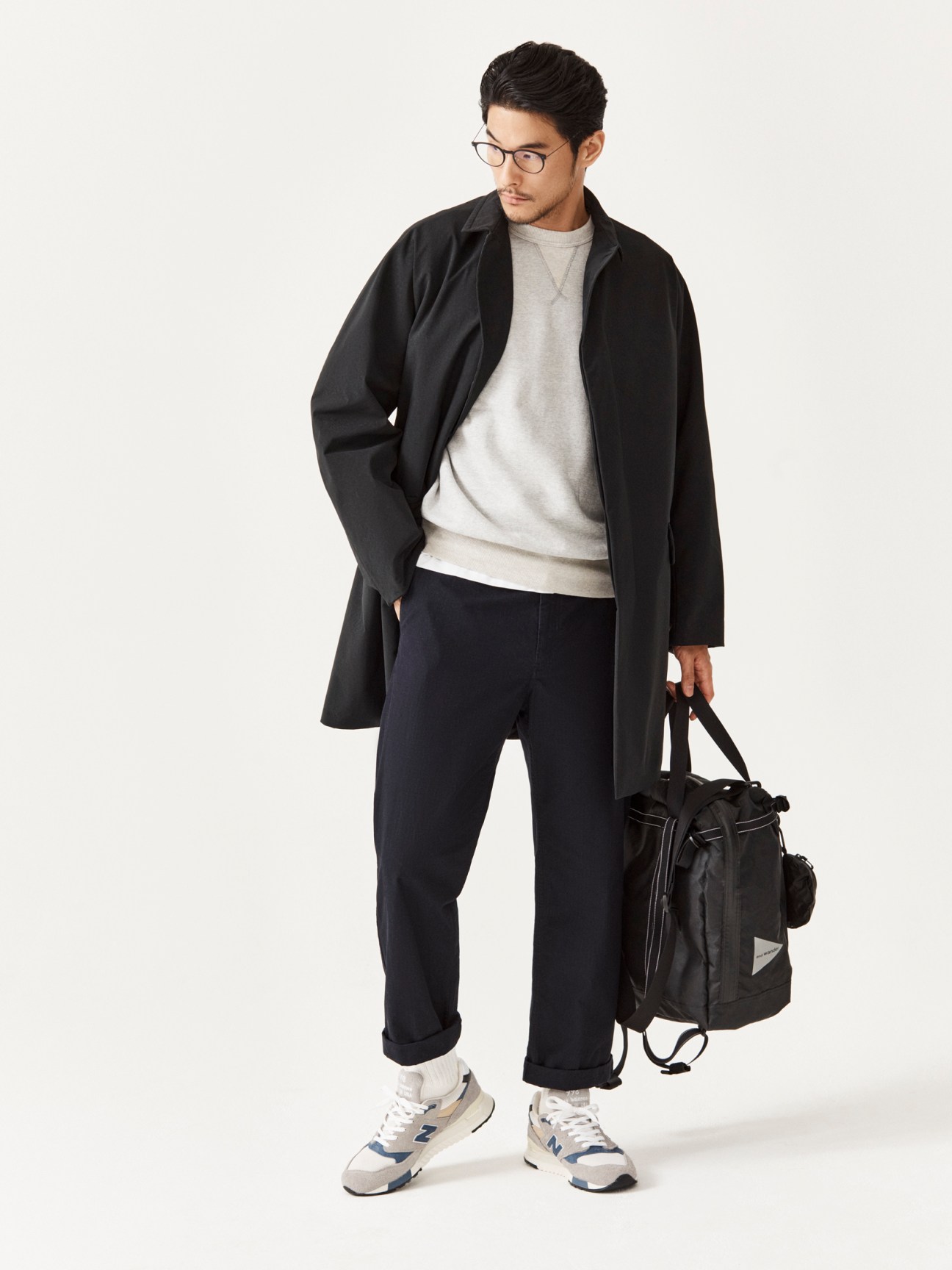
trousers by Norse Projects
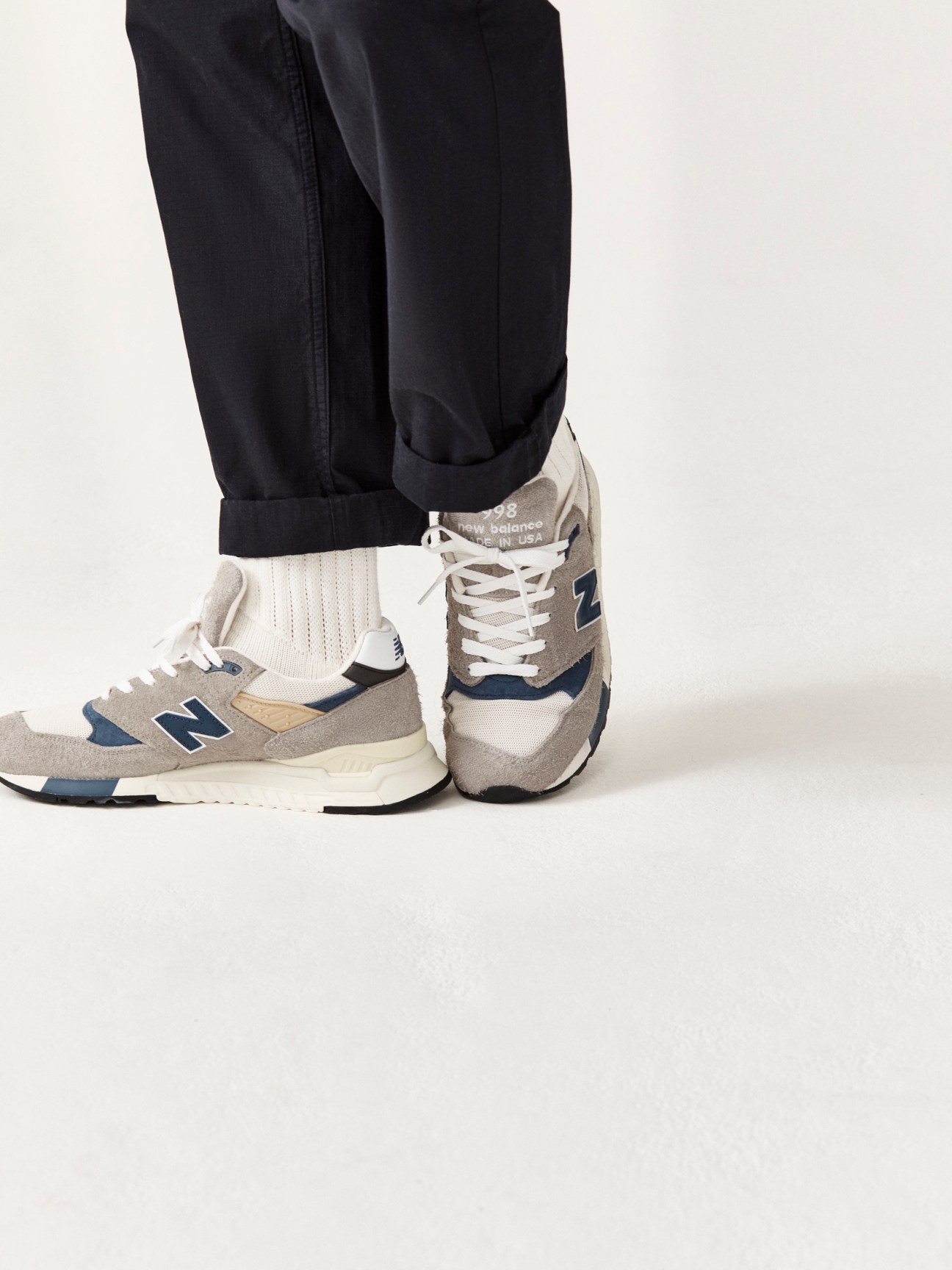
trainers by New Balance
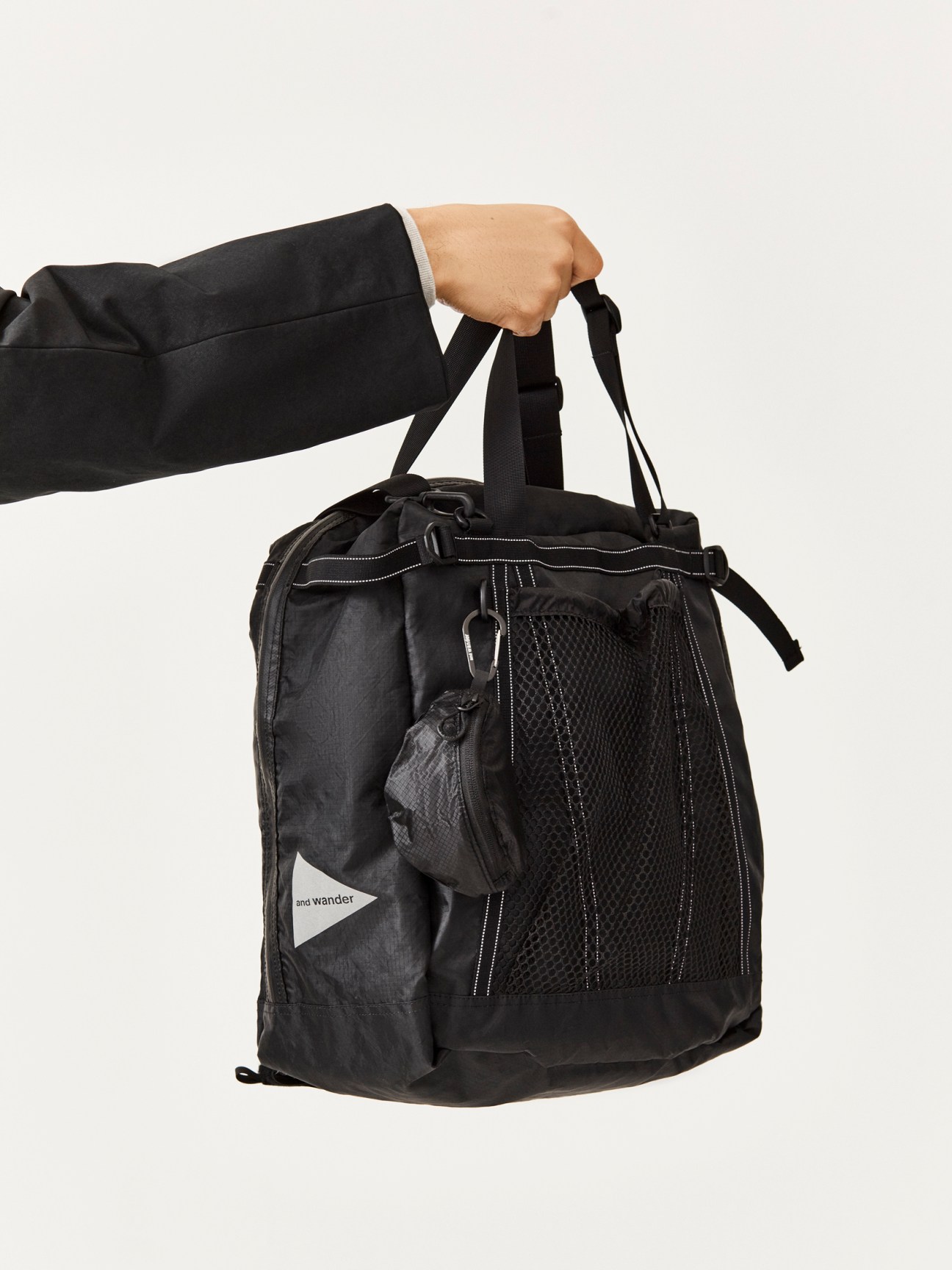

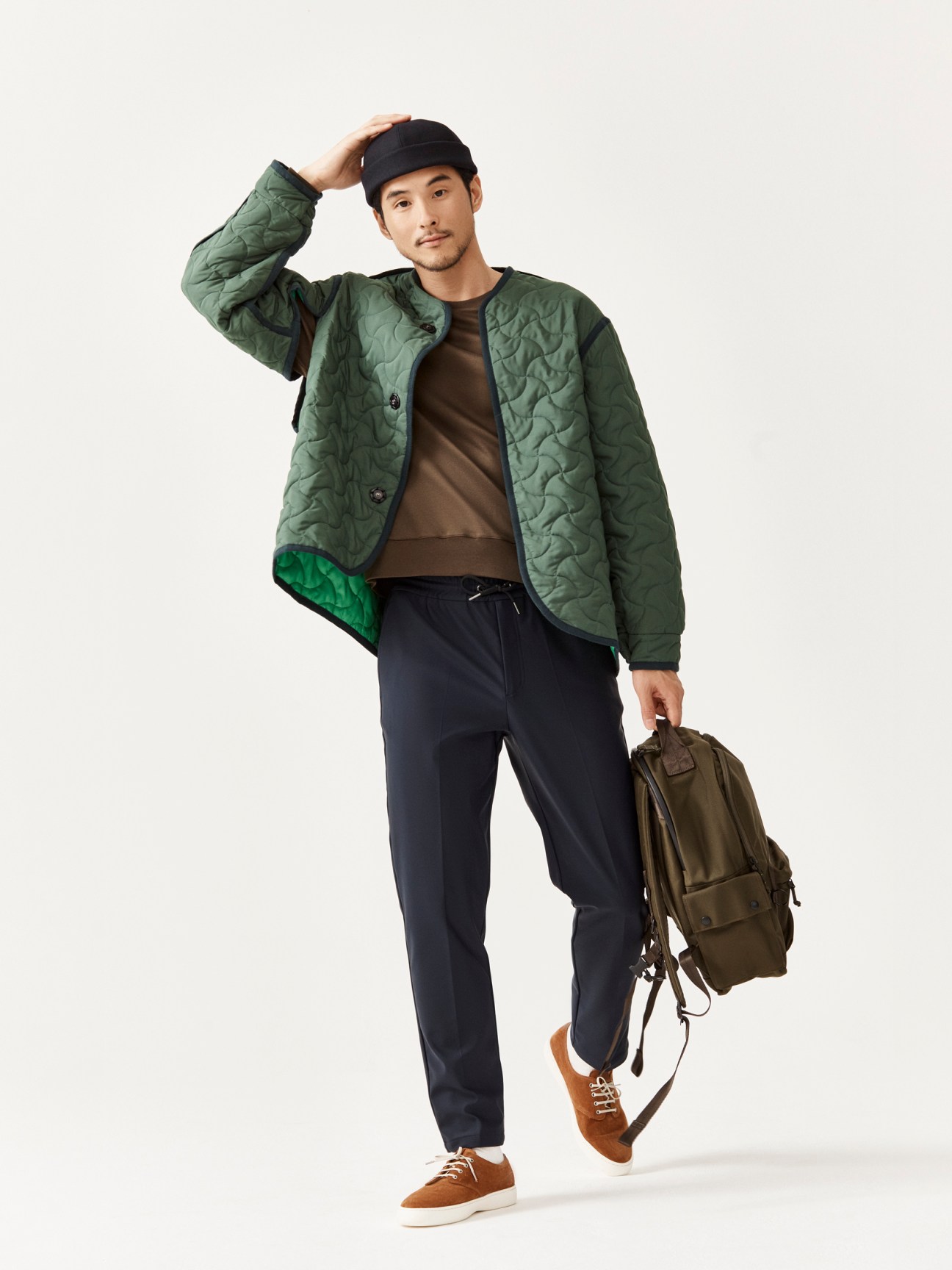
trainers by JM Weston, beanie by A Kind of Guise,
backpack by Porter
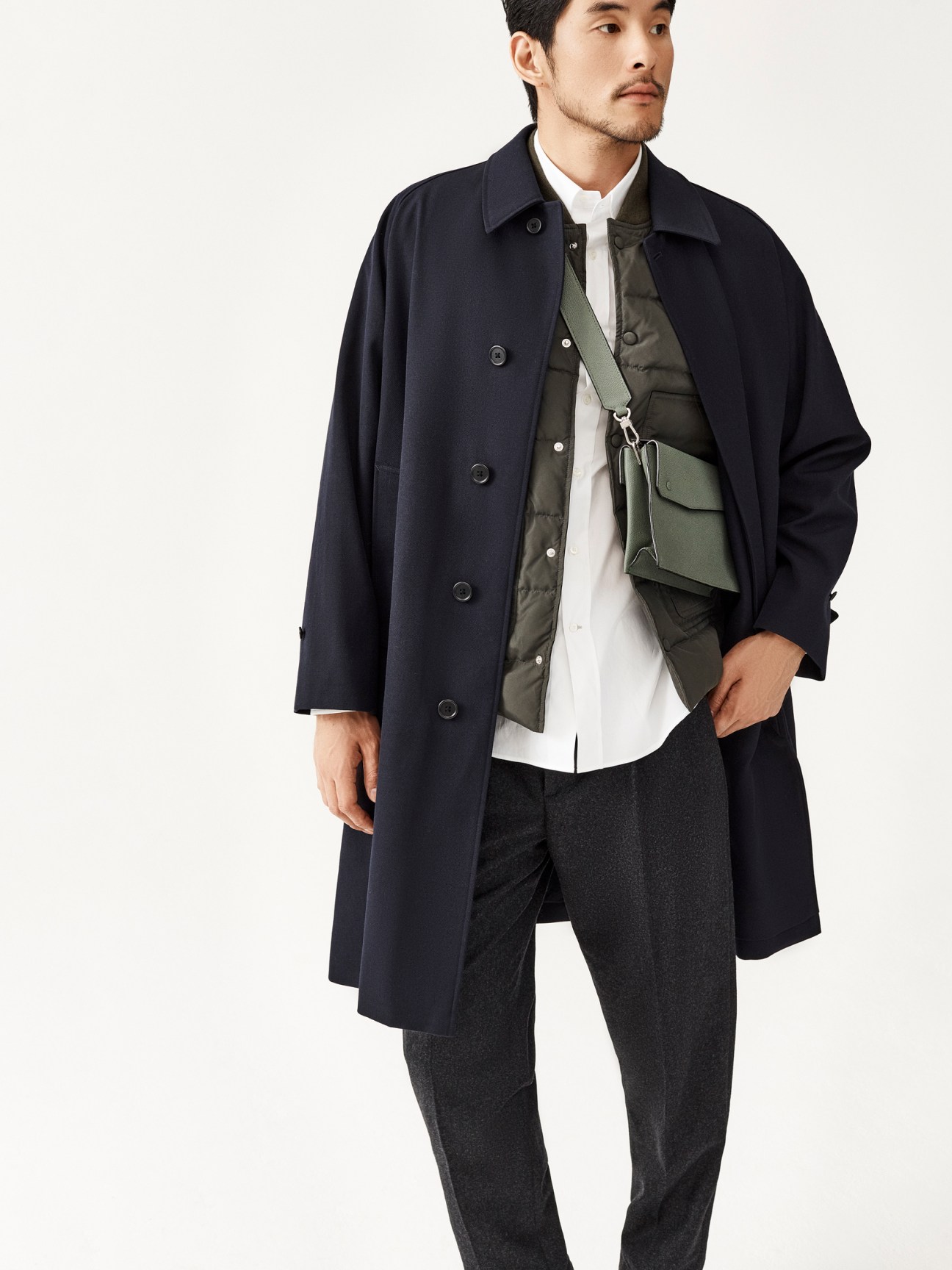
shirt by Brunello Cucinelli, trousers by Tod’s,
bag by Valextra
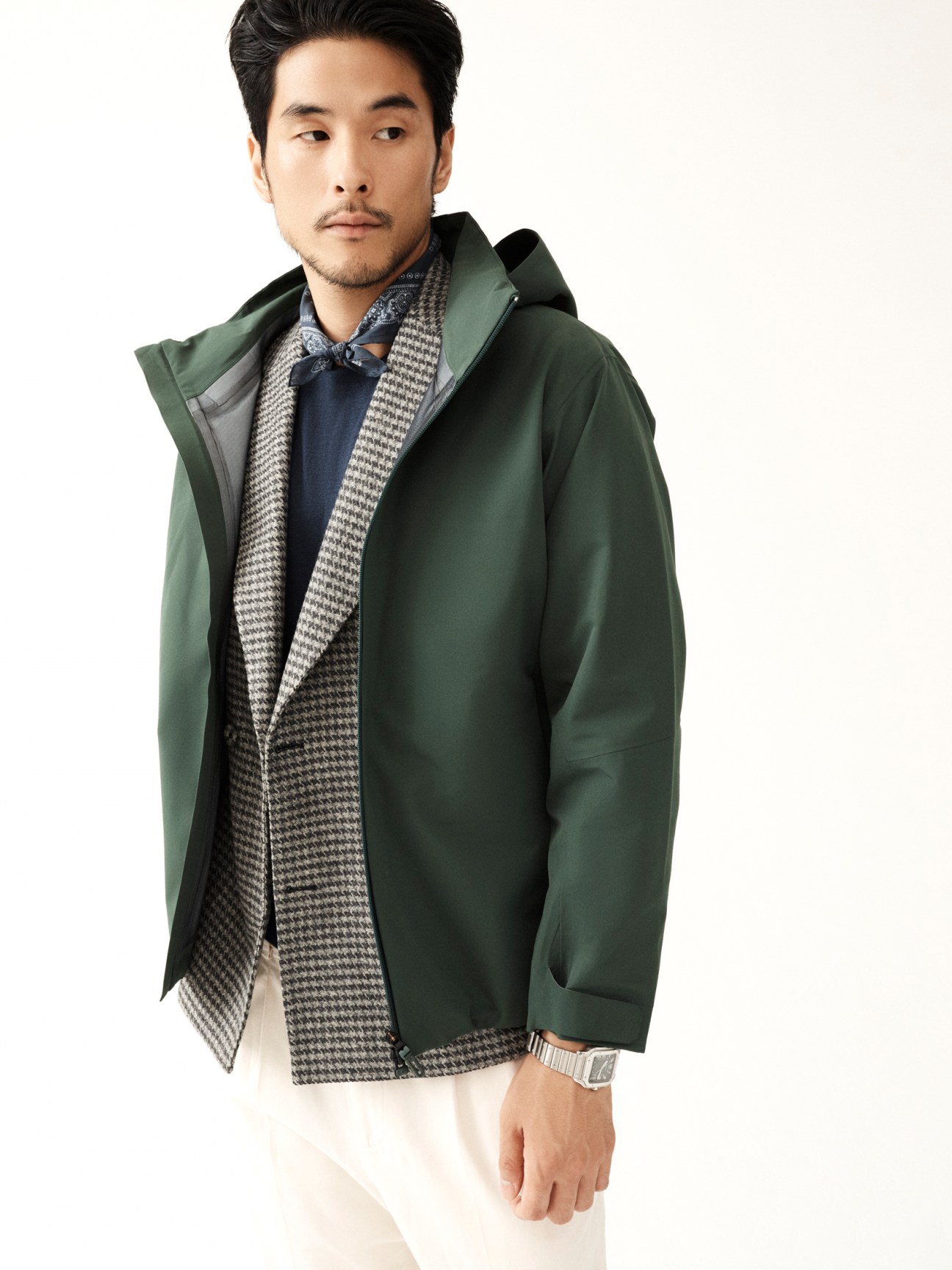
bandana by Massimo Alba, Santos de Cartier watch by Cartier
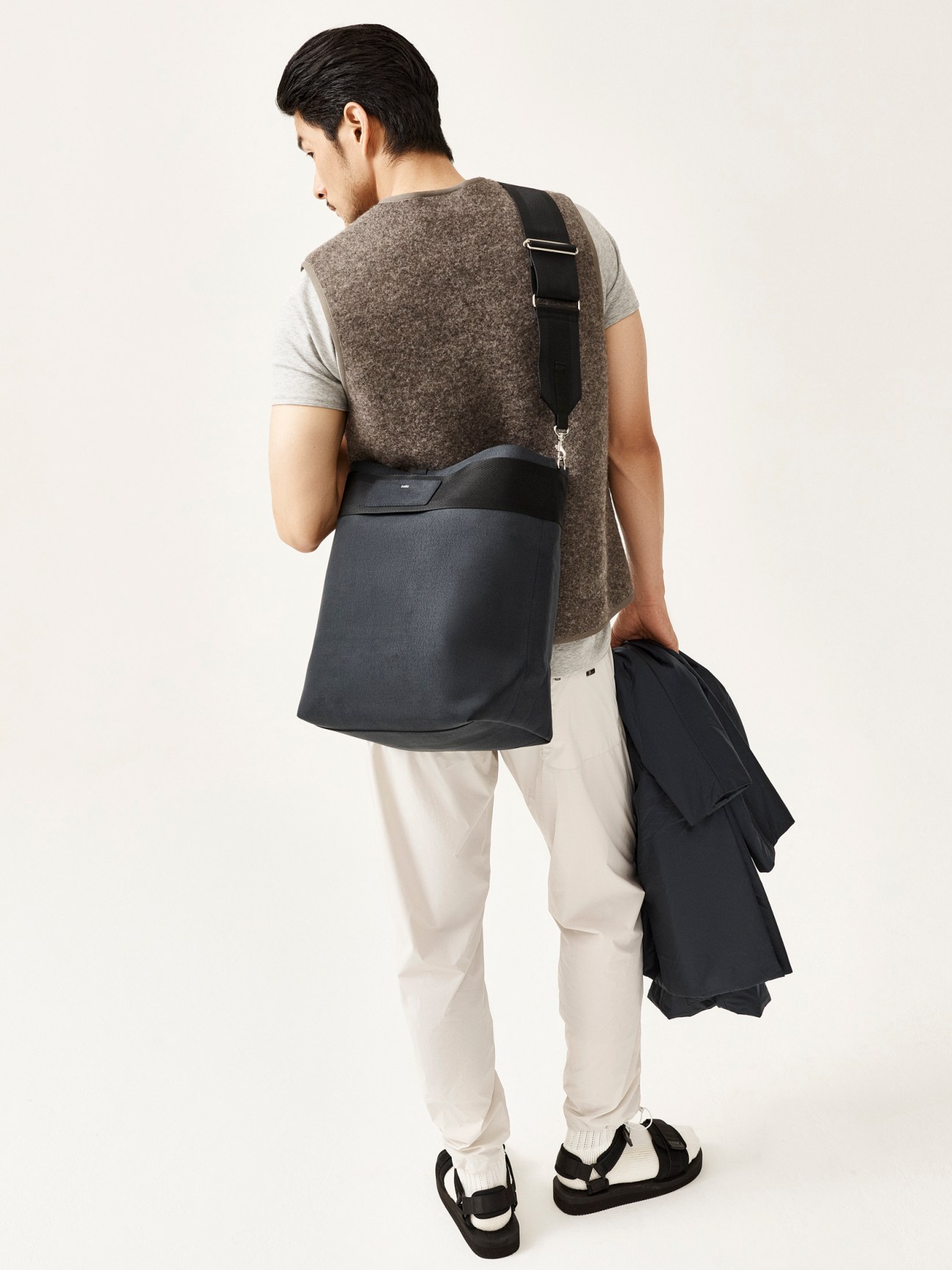
t-shirt by The White Briefs, trousers by Herno Resort,
socks by Tabio, sandals by Suicoke



scarf by Johnstons of Elgin

trousers by Applied Art Forms,
socks by Mauna Kea from Couverture & The Garbstore, sandals by Suicoke, bag by ROA,
suitcase by Rimowa
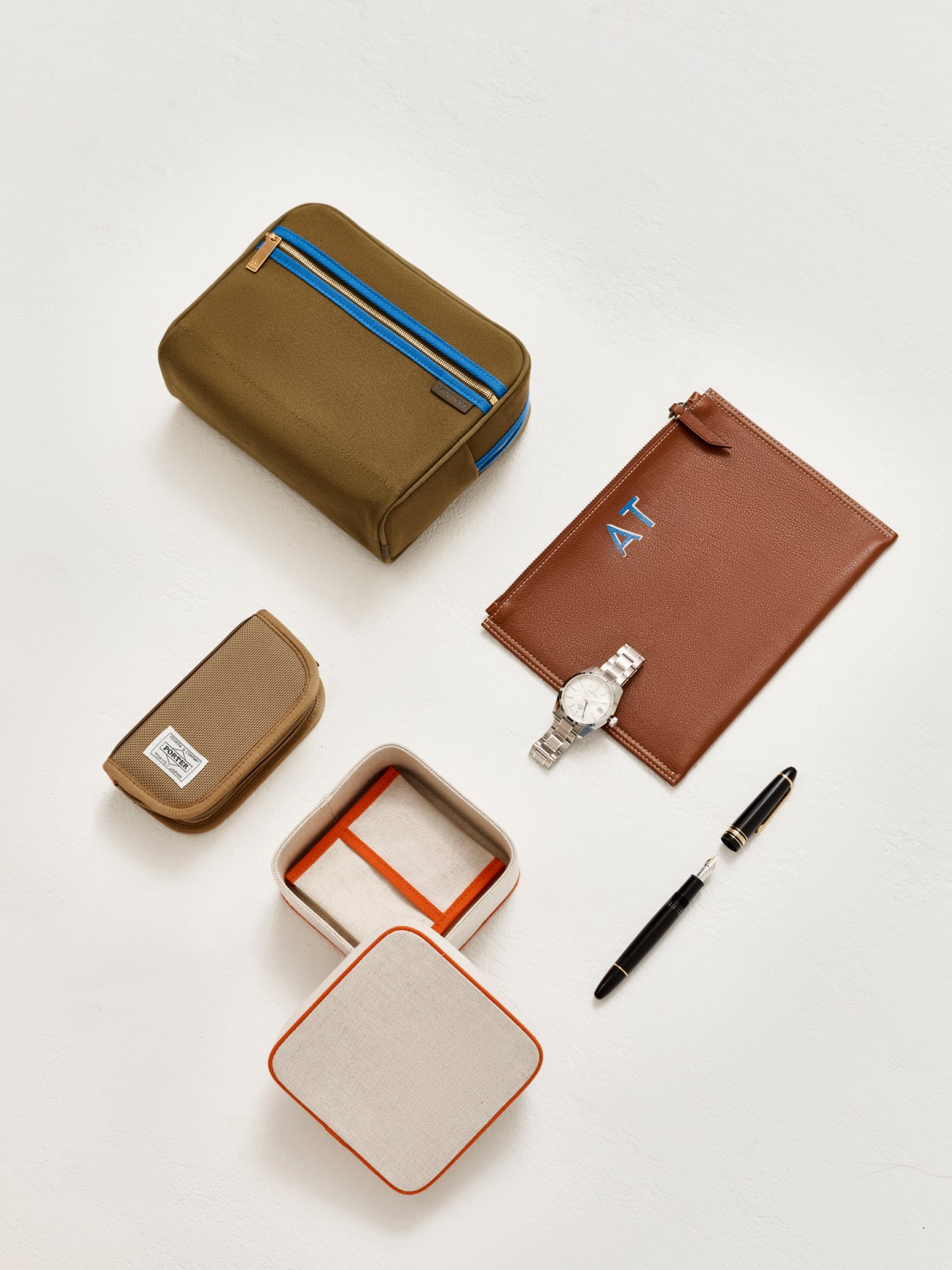
watch case by Vague Watch Co & Porter Yoshida & Co from Couverture & The Garbstore,
Pouch by Métier,
storage box by L/Uniform,
Heritage Collection watch by Grand Seiko
pen by Montblanc
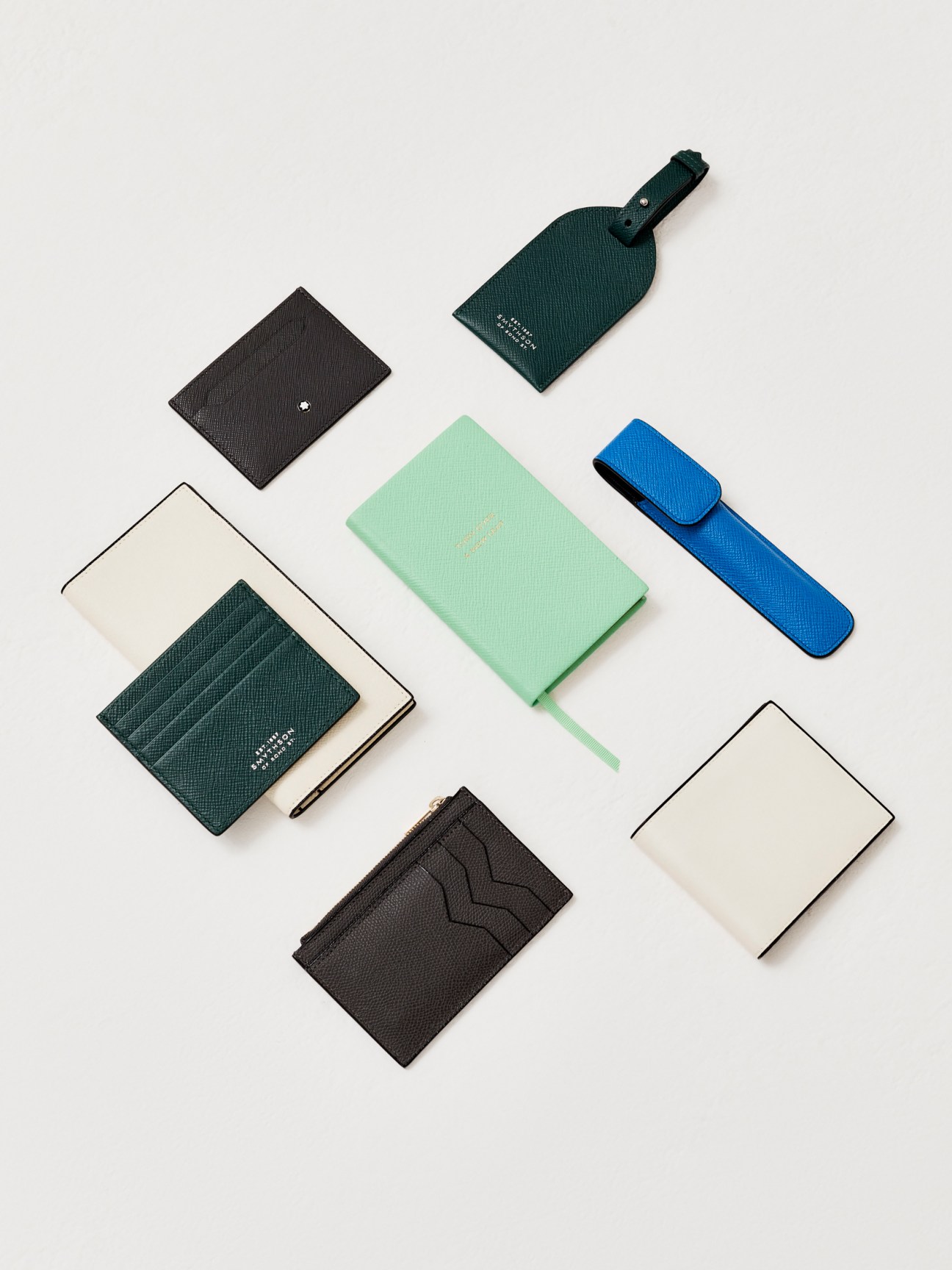
Double wallet by Valextra, notebook by Smythson,
Pen case by Smythson, Card case by Smythson,
Card case by Valextra, mall wallet by Valextra

bag by Pas Normal Studios
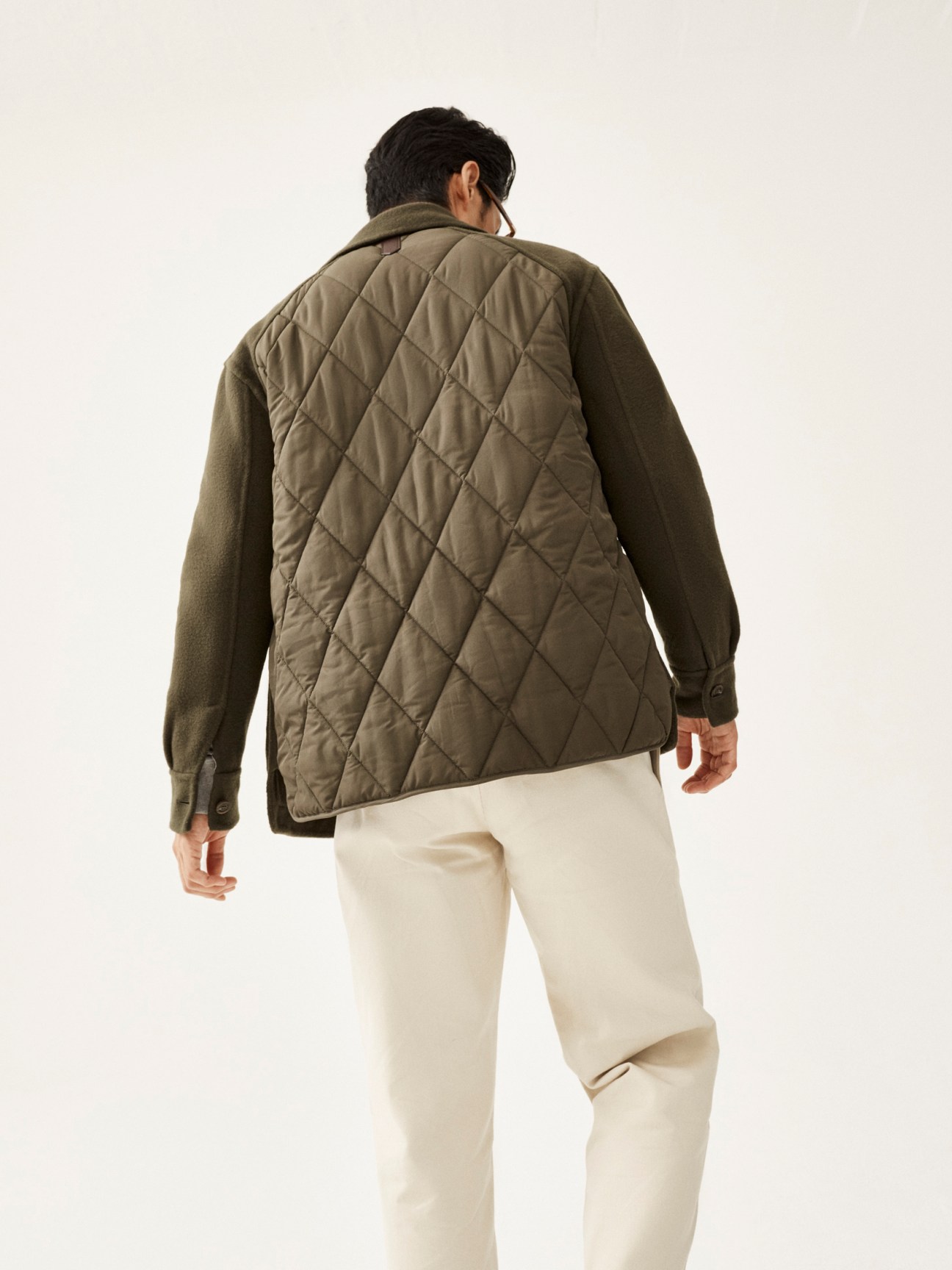
trousers by De Bonne Facture,
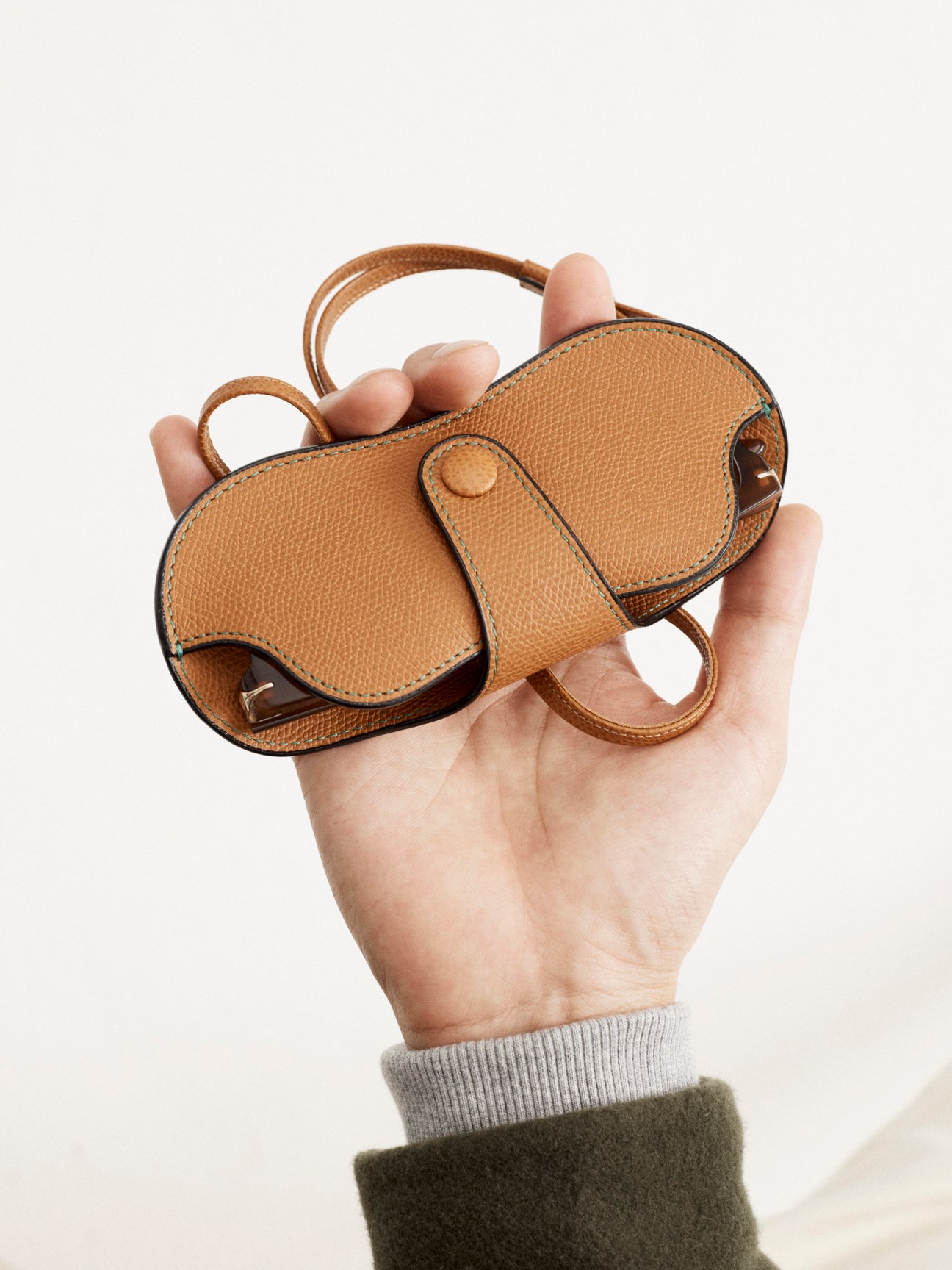



t-shirt by Asket, trousers by HandPicked,
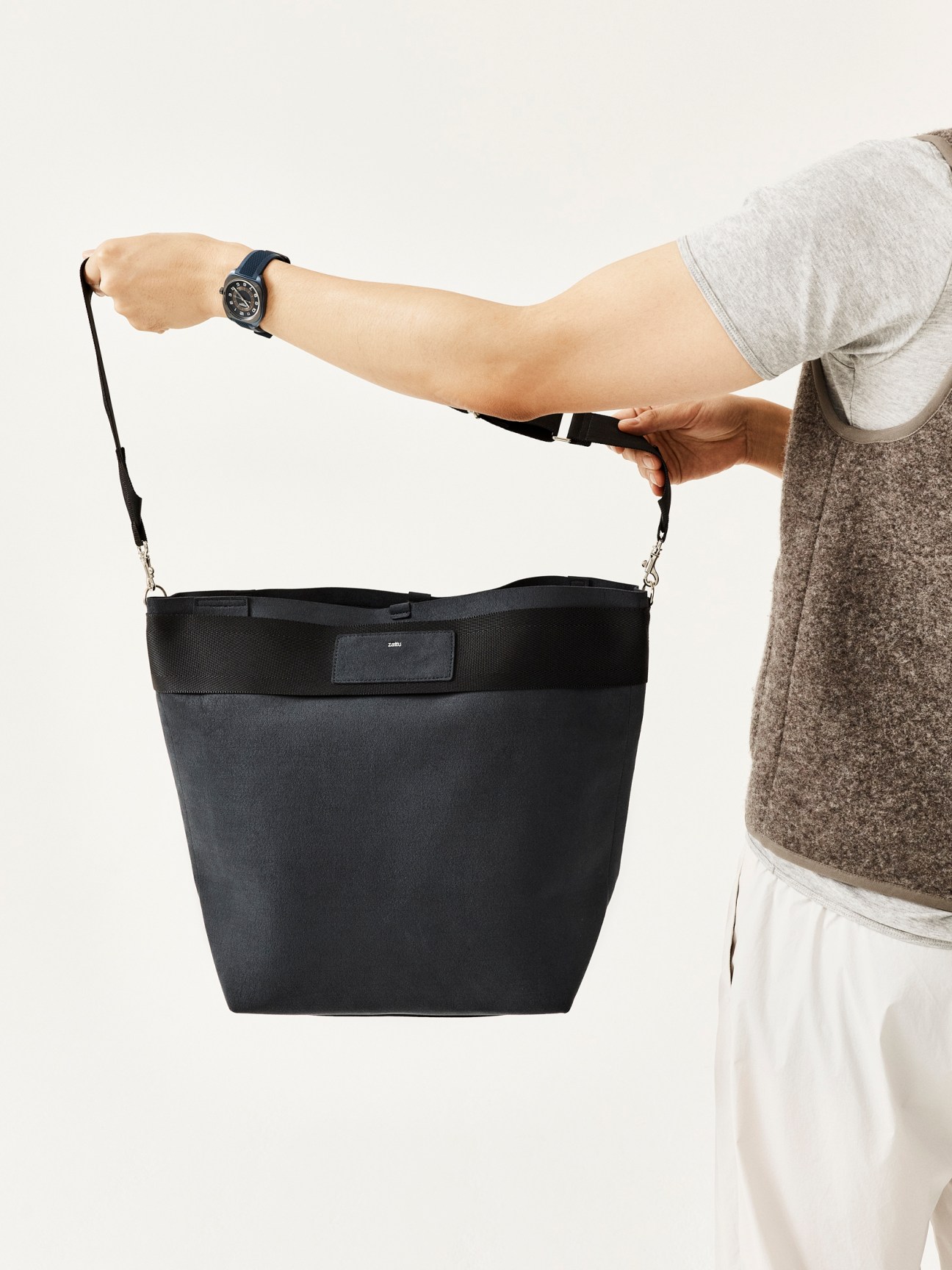
socks by Rototo, sandals by Birkenstock, bag by Zattu
Styling: Kyoko Tamoto
Model: Takayuki Suzuki
Hair & Make-up: Liz Daxauer
Station to station
The second half of this year is packed with must-see design events, architectural projects and exhibitions. We round up nine essential stops for those planning a design-minded itinerary for 2023’s home stretch.
1.
Mircea Anghel
Portugal
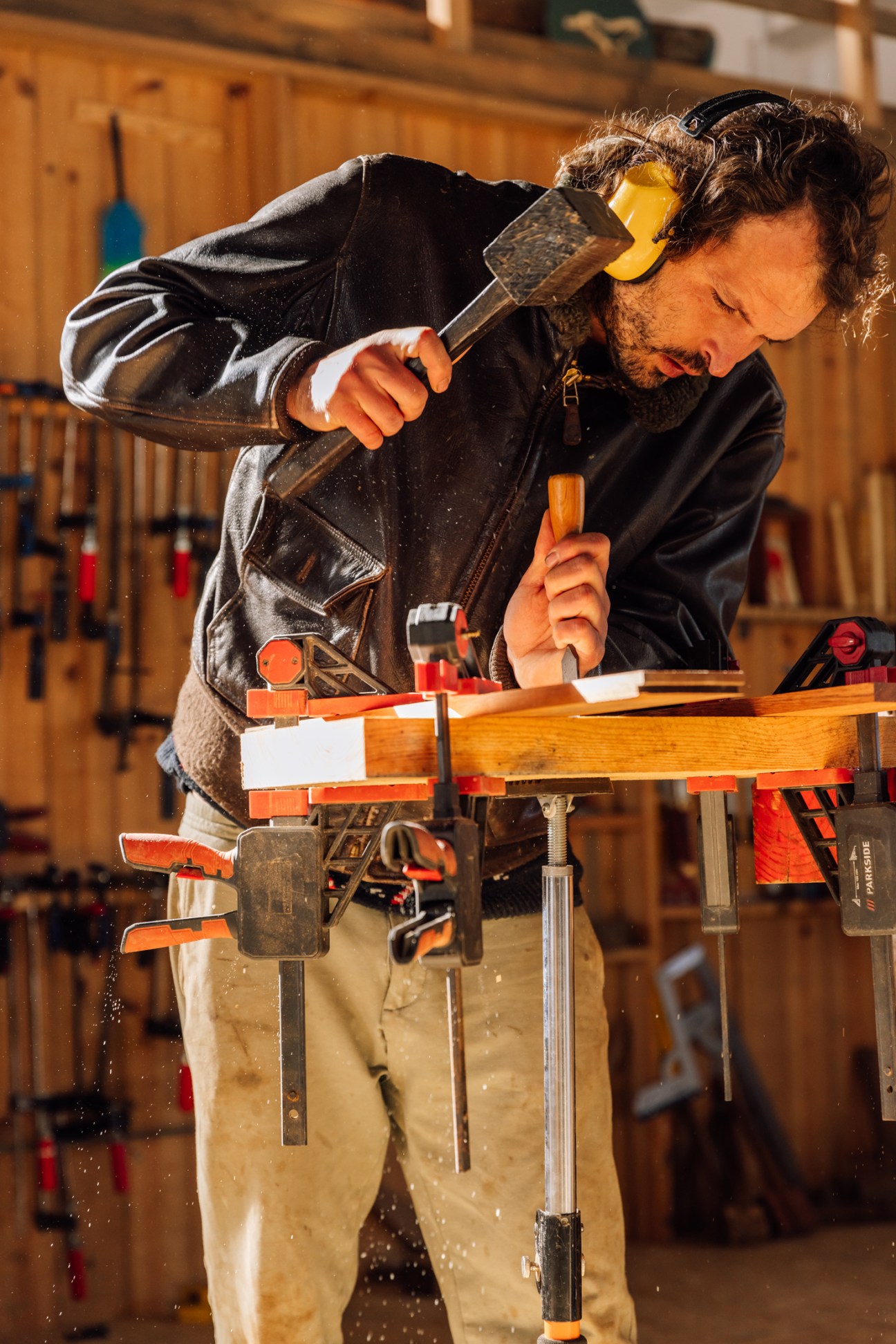
Based in Alcácer do Sal, southeast of Lisbon, designer Mircea Anghel has opened his studio and sawmill to the public, giving visitors a chance to see his creative process up close.
mirceaanghel.com
2.
Phive
Australia
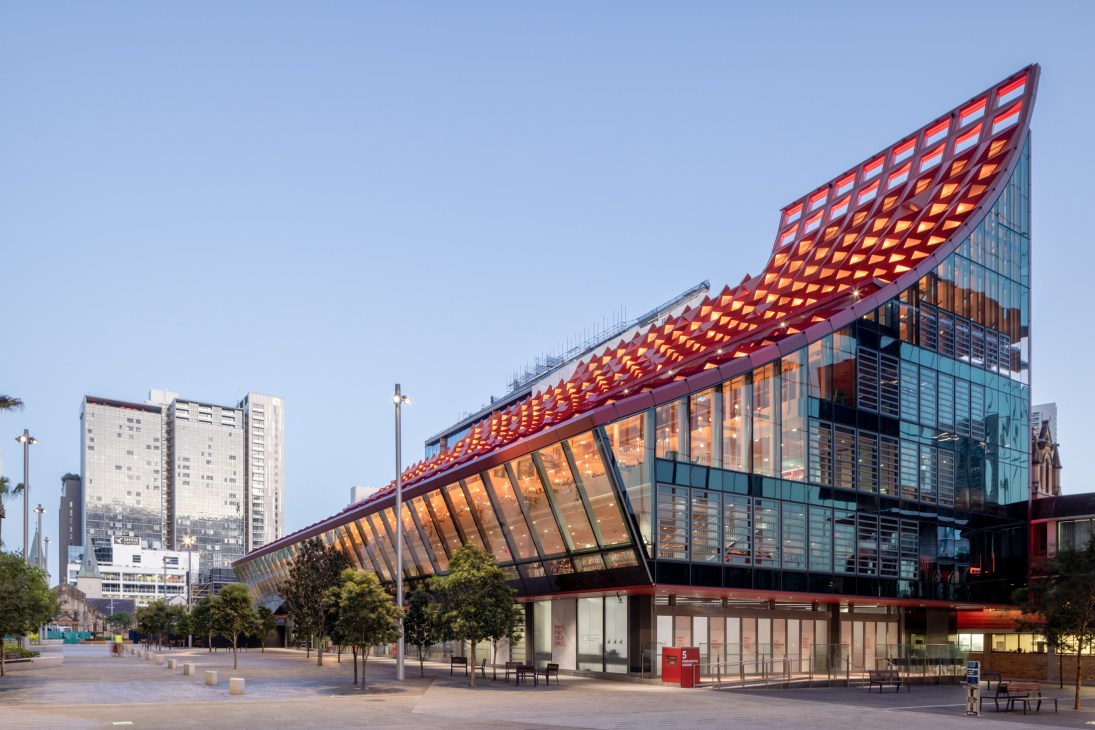
Designed by Manuelle Gautrand Architecture, this new building in Sydney’s Parramatta Square functions as a library, a council chamber for the local authority and a community and exhibition space. Its curving roof serves as both a ceiling and a façade, and hundreds of folded-glass panels offer striking views of the city.
manuelle-gautrand.com
3.
Maison & Objet
France
The biannual interiors and decoration fair will be held at Paris Nord Villepinte exhibition centre from 7 to 11 September. The theme this time is “Quest of Pleasures”, so expect some colourful, audacious work.
maison-objet.com
4.
Habitare
Finland
For the first time, Helsinki’s largest design and interiors event will extend beyond the Messukeskus to showrooms across the city. Running from 13 to 17 September, it’s a chance to check out the best that the Finnish capital has to offer in terms of furniture and city life.
habitare.messukeskus.com
5.
Moynihan Connector
USA
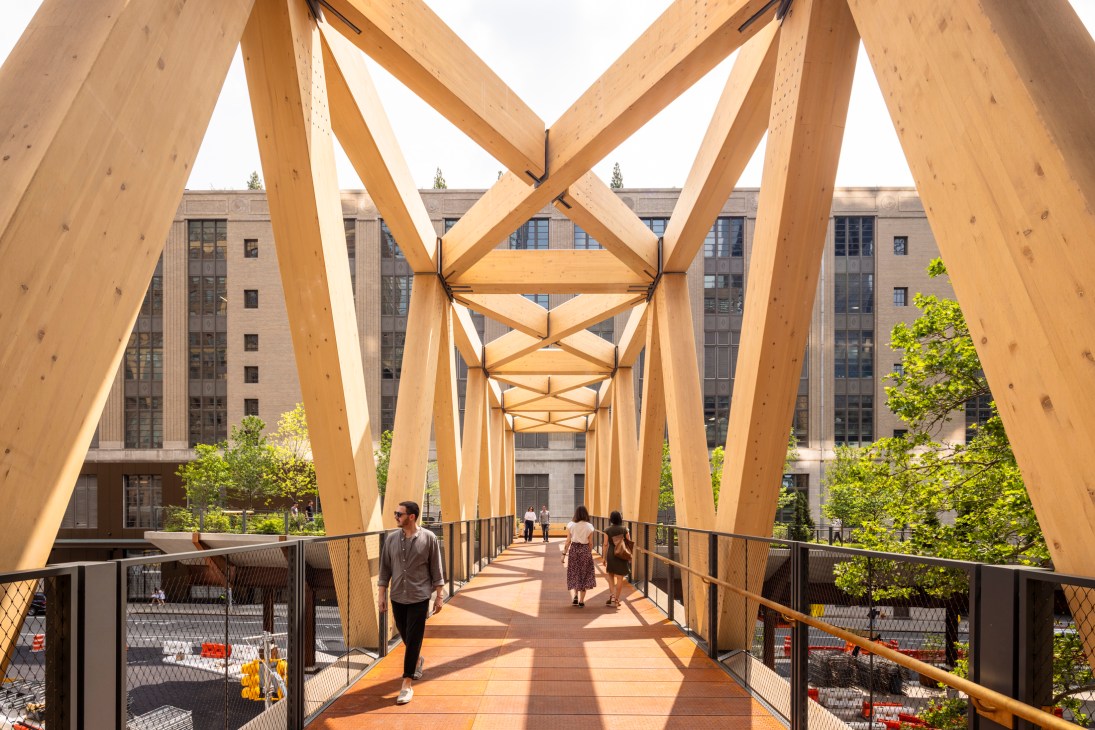
The latest expansion of New York’s High Line demonstrates why the project continues to serve as a global benchmark for pedestrianisation and urban reuse. The Moynihan Connector has been co-designed by Skidmore, Owings & Merrill and Field Operations, and links West Side Manhattan with Penn Station’s new train hall.
som.com; fieldoperations.net
6.
Find Design Fair Asia
Singapore
The second edition of Find Design Fair Asia runs from 21 to 23 September at the Marina Bay Sands exhibition centre as part of Singapore Design Week. Its focus extends beyond the city-state, with its organiser keen to provide a broad platform for designers from across Southeast Asia to showcase their wares.
designfairasia.com
7.
Tane Garden House
Germany
Japanese architect Tsuyoshi Tane has designed the Tane Garden House for the Vitra Campus in Weil am Rhein. Made mostly using local materials, including stone and wood sourced from within a 50km radius of the site, it’s a welcome addition to a campus that includes works by the likes of Frank Gehry, Zaha Hadid and Herzog & de Meuron.
vitra.com
8.
Chapelle Saint-Michel de Brasparts
France
Those seeking a moment of respite should make a pilgrimage to this newly restored chapel in Brittany. Here, French designer Ronan Bouroullec has created and implemented new furniture for the sanctuary using granite, steel and glass. The result is a simple, elegant space that invites contemplation and reflection.
bouroullec.com
9.
Dubai Design Week
UAE
This year’s edition of the Gulf’s premier design event will run from 7 to 12 November. The festival’s programme includes exhibitions and installations alongside talks, workshops and performances. It’s a great way to soak up some desert heat and find inspiration before you return to a European autumn.
dubaidesignweek.ae
Literacy drive
France is known for its buzzy kiosques à journaux but the appetite for the printed page extends well beyond city newsstands. Anyone who has stopped at one of the country’s service stations knows how well-stocked the racks are with newspapers and glossy magazines alike. Among drinks fridges and rows of travel snacks, you will spot staples such as Le Monde, Le Figaro and Paris Match alongside niche fashion quarterlies, foreign titles and dozens of children’s activity books. “Foreigners are often surprised when they see our selection,” says Olivier Granier, director of commercial installations at Vinci Autoroutes, the company that operates 180 service stations across French motorways. “What makes France different from competitors in other European countries is that our motorways have a toll system so people frequenting our service stations are rarely commuters; 80 per cent of them are long-distance travellers and we want to reflect their interests in the media we stock.”
For operators such as Vinci, that means tailoring their service station offer, with a bigger selection of beach-friendly reads and children’s titles during the summer holiday season, and more foreign-language publications at autoroutes popular with English, Italian or Spanish motorists. At stations on the way to the Mediterranean, holidaymakers will find dozens of yachting and nautical sports magazines, while those stopping in Alpine areas will be able to read up on the best hiking equipment in specialist publications. This doesn’t only make for a refreshing break at the station: filling up on things to read in the car will most likely give your journey a lift too – as long as you don’t suffer from motion sickness.
Route masters
A good trail map shouldn’t be consulted on a screen. Chuck Kitterman, chief cartographer for Seattle-based company Green Trails Maps, spreads out a large concertina map for an area known as Rattlesnake Ledge on the back of his Toyota Tacoma. He has logged nearly 390,000km this way, crisscrossing the US and camping out.
Digital mapping apps may have recently gained popularity but the 50-year-old Green Trails sets itself apart with rigorously researched hard copies and its cartographers hike many of the trails themselves. “Our paper map is more detailed and accurate than a digital product,” says Kitterman as he loads up his backpack with a compass, gps devices, a smartphone and trekking poles. Green Trails updates maps for popular destinations roughly every three years.
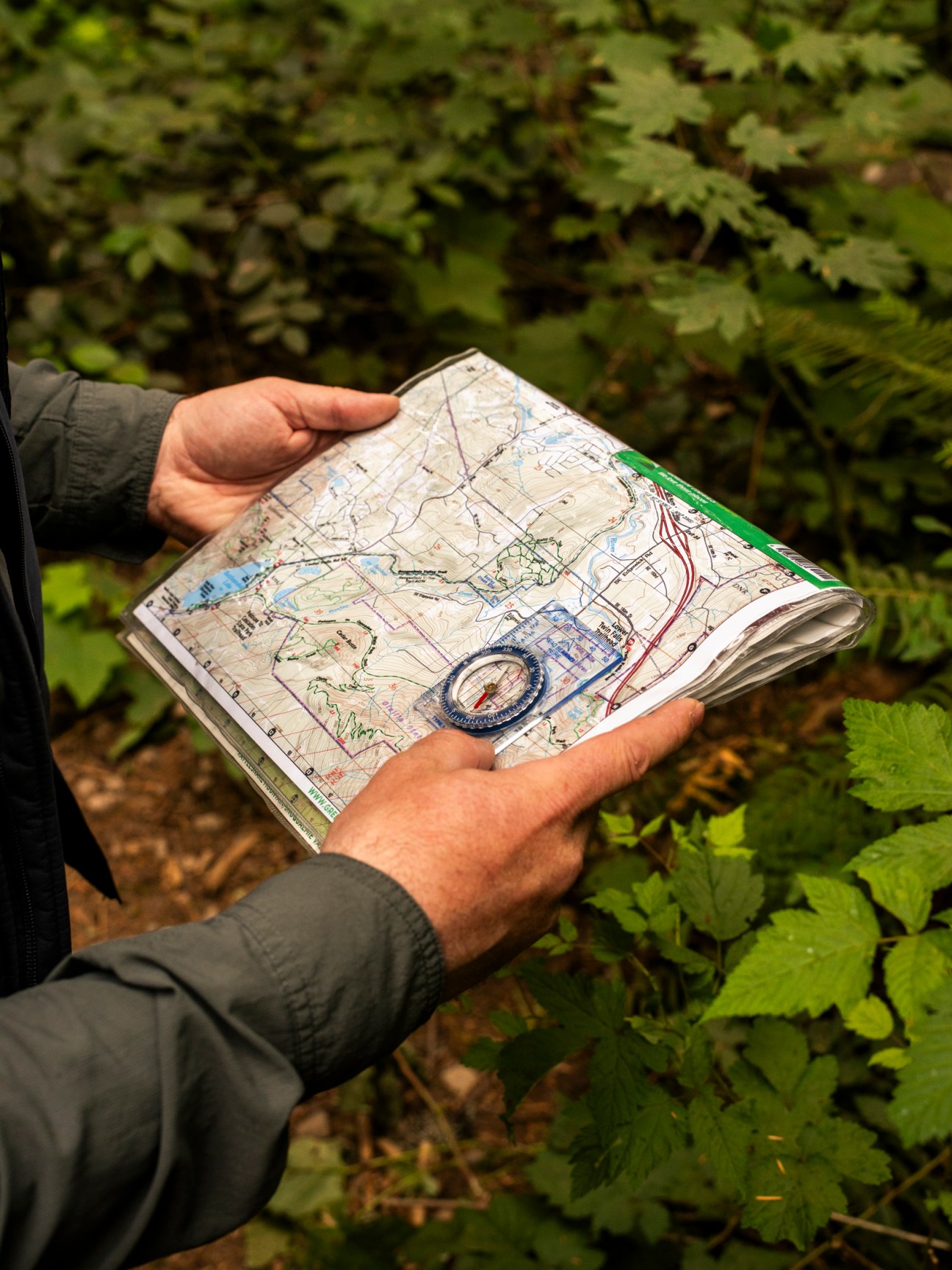
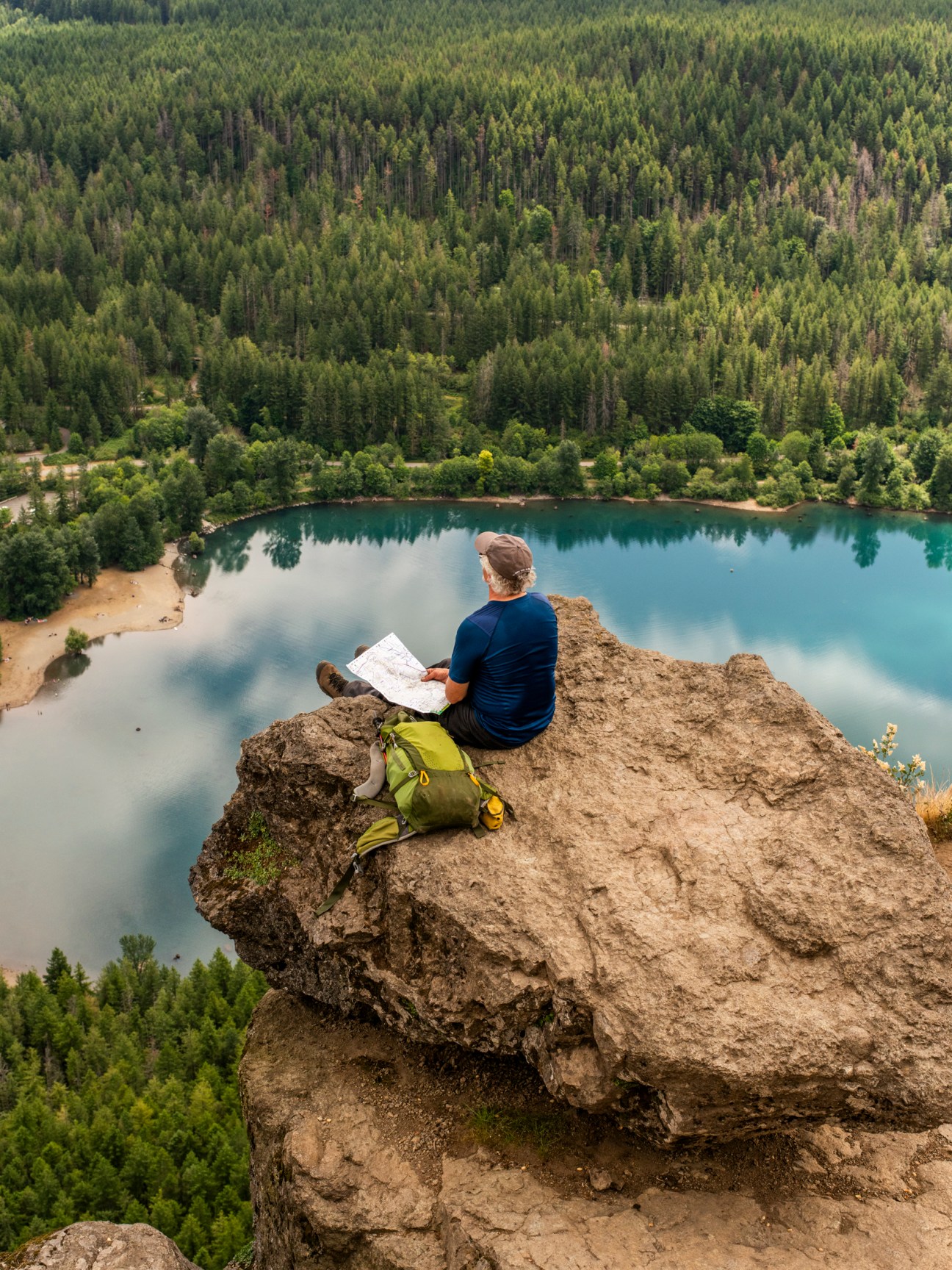
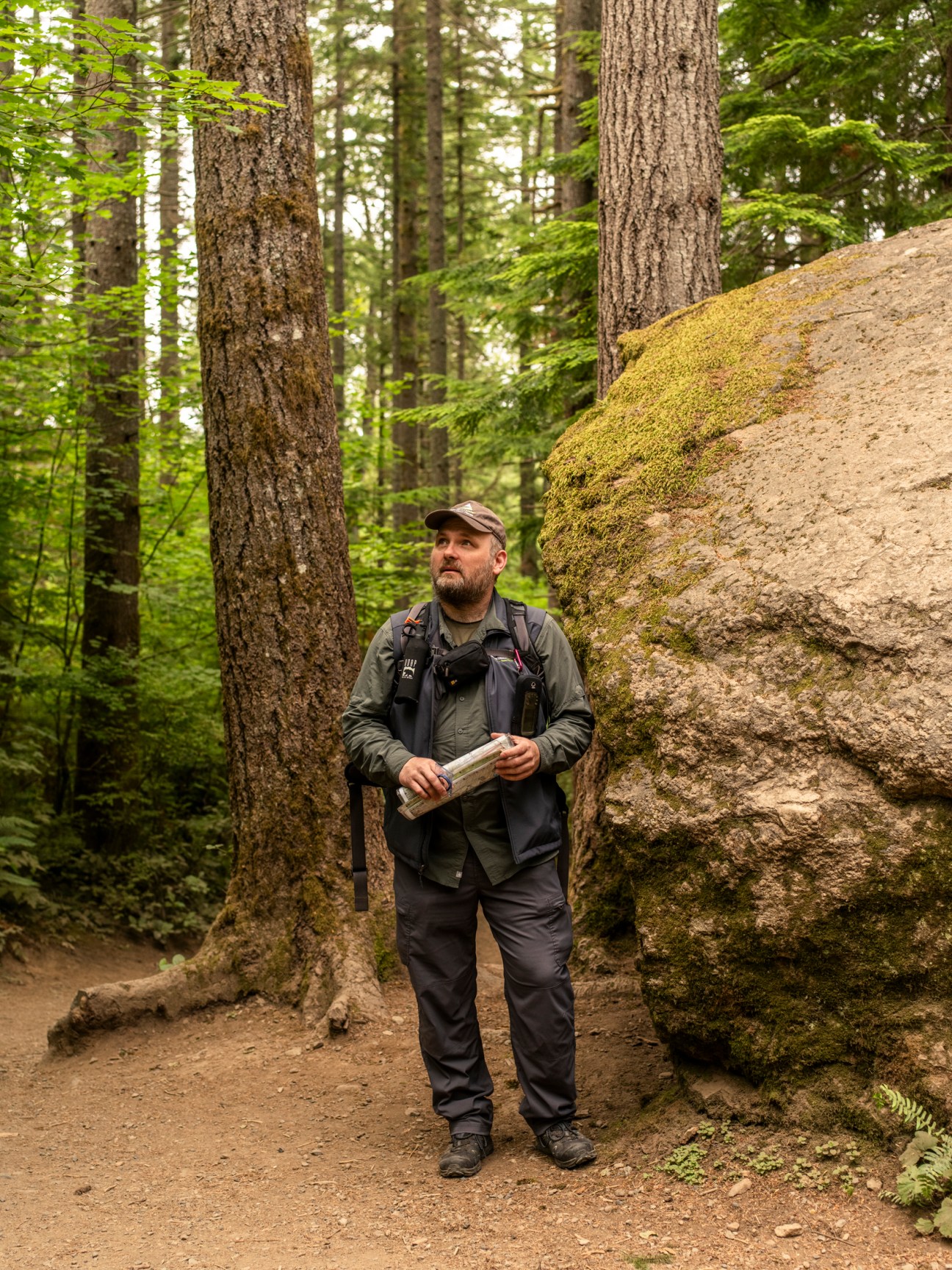
The 6.5km path to Rattlesnake Ledge underwent renovation last year, which is why this map needs a refresh. Kitterman has a sixth sense for noticing small features – an abandoned side trail, a newly installed bench – that he marks on his gps device. These observations feed into what he calls “the style, art and feel of the map”.
He trained in cartography at the University of California-Santa Barbara in the 1980s, back when mapmakers huddled in darkrooms over photographic images on a Mylar surface. With scribing tool and magnifying glass, they scraped away emulsion to create a map template, which was then sent to the printers. He brought that diligence to Green Trails, where he has worked since 1995 in addition to running his own cartography business. While Kitterman uses digital tools, he credits his traditional training for his precision. “You had to go slow and be careful,” he says. “It forced you to be really prepared before you actually started making content.”
By contrast, he thinks that some cartographers now rely too much on geographic information systems (GIS), missing essential know-how. “All of a sudden there were all these not-very-well produced maps with odd colours, weird typefaces and things that didn’t make sense, such as straight-line segments with nothing curved,” he says. Green Trails prides itself on clear typefaces, careful colour choices and atypical but user-friendly features, such as including both distance and elevation at trail junctions. Many of the maps are printed on waterproof, tear-proof paper. These choices are a legacy of the founder, Walt Locke, a former Boeing programme co-ordinator who worked on the first lunar lander and the 747.
Alan Coburn, company president since 1993, is confident of the enduring appeal of hard-copy maps. “Anyone who spends a lot of time in rural areas knows that a lot can go south with devices,” he says. Green Trails jokingly but convincingly advertises its product, distributed by outdoors publisher Mountaineers Books as “solar-powered, no batteries required”. There are currently 161 maps tackling six western US states, with eight new releases planned for spring 2024. The brand sells some 70,000 units a year.
On a recent trip to Utah, Kitterman stopped in at 15 shops to hawk the company’s wares; only one turned him down on the grounds that printed maps no longer sell. The growing popularity of outdoor recreation means that the customer base for Green Trails is strong. “We keep highly trained cartographers because we want the art and science of cartography to be in the maps, so that they can communicate the content accurately to customers,” says Coburn. “That gives it a lot of shelf appeal – it’s a work of art in information.”
greentrailsmaps.com
Act to follow
Bangkok-based entrepreneur Marc Close has spent the past two years and about 34m baht (€930,000) of his money creating a performing arts theatre for the city. His project, People of Ari, aims to bridge a gap between mainstream shows and shoestring Thai-language productions. “Bangkok does restaurants and bars really well but it’s not a mature arts market,” says Close, an Australian-born engineering graduate. “It’s a cosmopolitan city, so we should have a diverse array of options.”
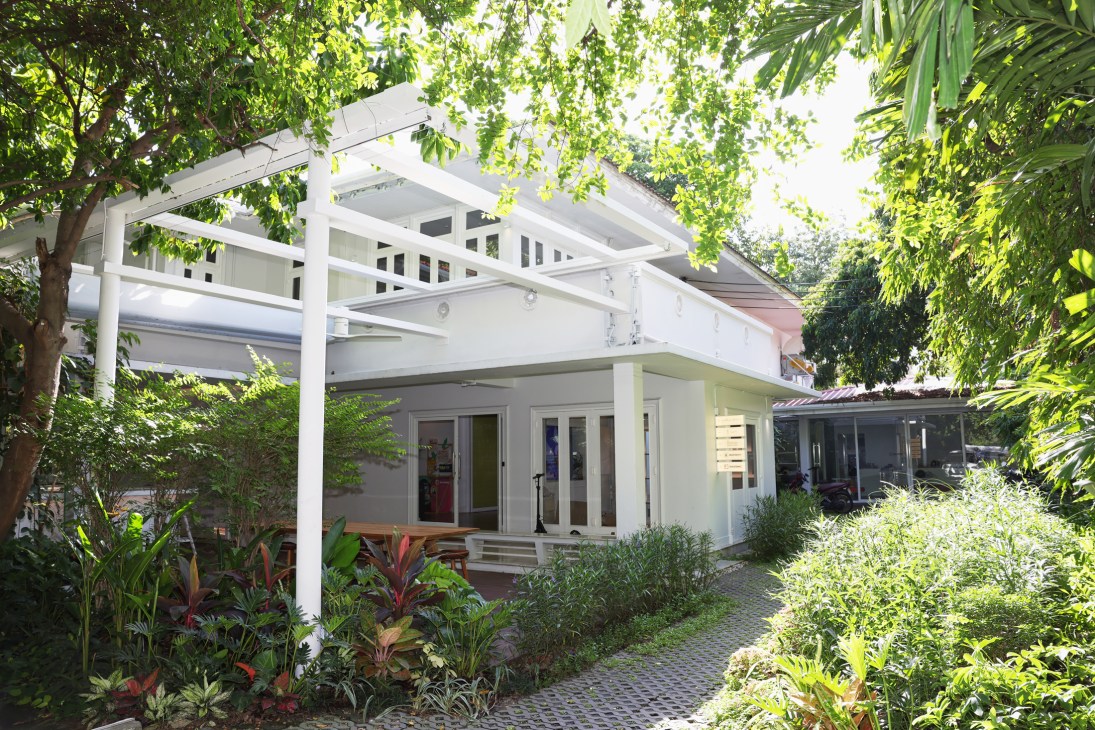
A big portion of his start-up capital was spent on acquiring two vacant shops inside a residential building in the Ari district, building a modular theatre to accommodate a range of disciplines. Though small, the premium, 60-seater space is part of Close’s mission to make drama more accessible. “If you don’t invest in the set, you have to use your imagination a lot more to transport yourself,” he says. “The experience has to be immersive – and that means spending on design, sound and lighting.”
The main theatre space’s inaugural performance, Journey into the Forest, was an interactive musical featuring singing, dancing, feathery costumes and tribal make-up. On Saturdays the performers played to sold-out audiences; for the rest of the week the set was used to host a variety of performances, from an Asian vinyl night to a beatboxing Buddhist monk. “We plan to change the headline act every month,” says Close. “Each one will set the scene for the full programme and the curation will tie everything together on set.” Forthcoming events include a Japanese western, a cyberpunk show and an immersive sound experience. “We will tell a story through a progression in sound,” he says. “You will feel it more than watch it.”
Originally from Sydney, Close has been living in Thailand for 10 years. At 29 he sold Bespokify, the fashion technology brand he founded, to Zozo, Japan’s largest fashion e-commerce company. Today he continues to run it on behalf of Zozo from a two-storey, converted house that is a short walk from the theatre. The lush grounds and tropical modernist architecture play host to Aussie brunch restaurant Yellow Lane, as well as a monthly market. Two more of the rooms can be hired out by local artists and performers.

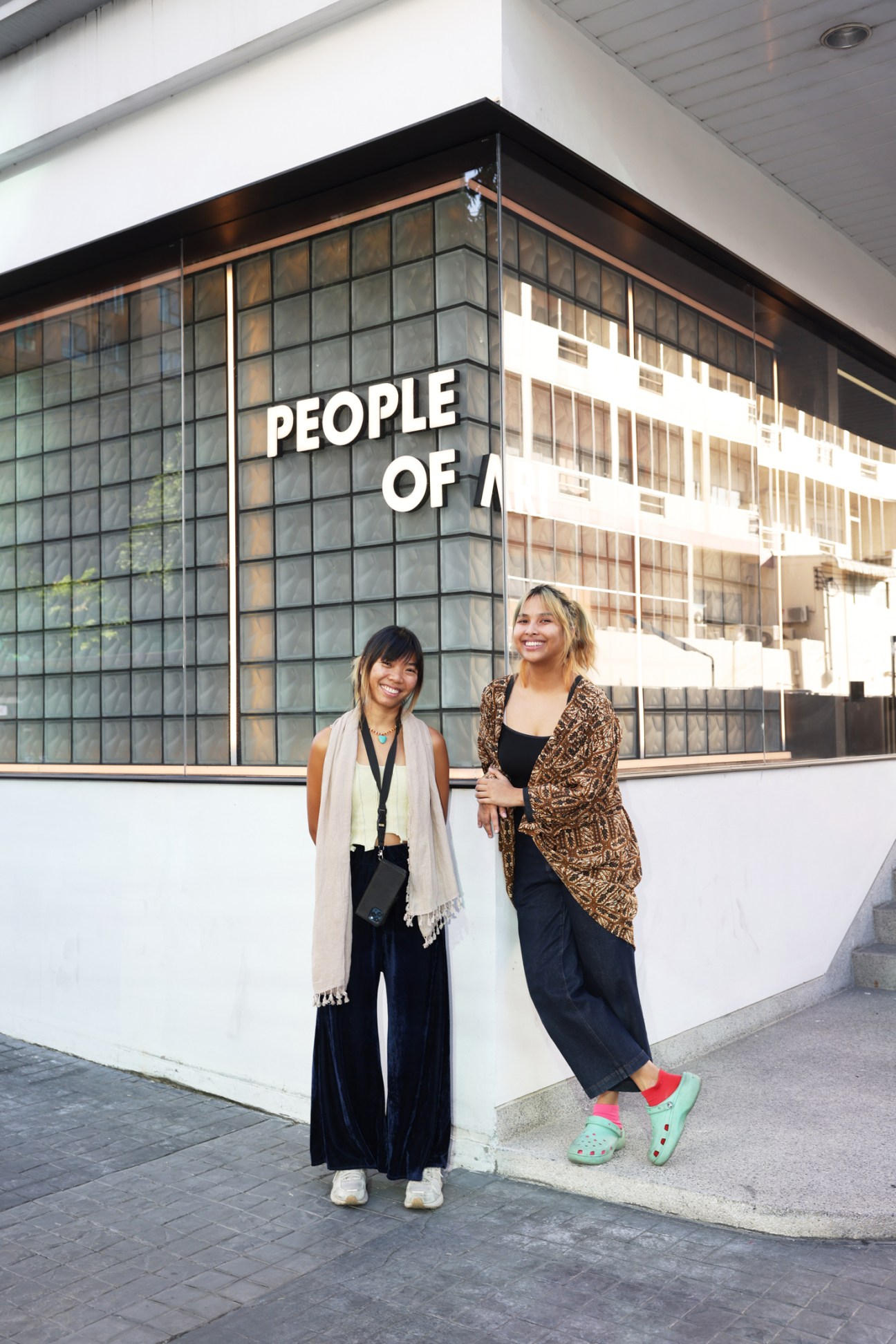
People of Ari provides an opportunity for up-and-coming troupes to stage their shows in the theatre too. Curators Mia Tongpan and Thanisa Durongkaveroj spend much of their time liaising with Thailand’s creative community, dealing with a deluge of requests by groups seeking to access the venue. Spaces that understand and support artists are clearly very much needed in Bangkok.
The model has plenty of promise. Close hopes that the combination of ticket sales with those of food and beverages will soon make these creative projects profitable – and even lucrative. But his main return on investment is personal. “You should never do something that you don’t benefit from because it makes it hard to assess quality,” he says. “It’s also hard to get excited about something that doesn’t directly add value to your life.” Does he harbour any stage dreams of his own? “No, never,” he says. “I like to be the one in the audience seeing everyone’s faces as they enjoy the show.”
peopleofari.com
Hive minds
There’s a buzz in California’s fertile Central Valley right now. Israeli start-up BeeHero planted its flag there in 2018, equipping beekeepers with sensors that monitor the health of their hives. By the end of this year, BeeHero, which has attracted $64m (€58m) in investment, will service 350,000 hives globally.
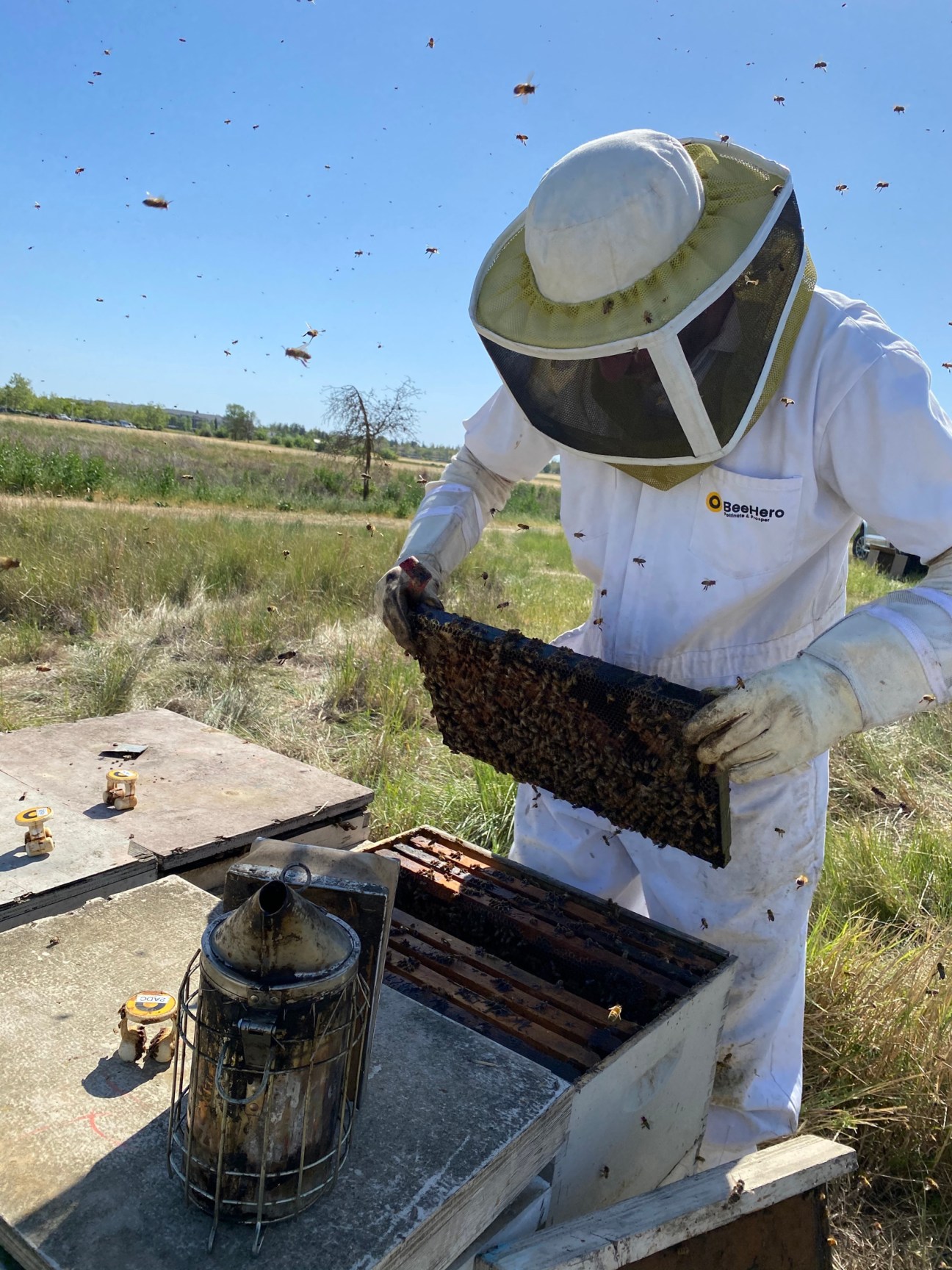

“Beekeepers once had to physically open the hives to check them but in some cases that was too late,” says co-founder Omer Davidi, noting the decline in pollinating bees in the US, which has alarmed farmers.
Even for a technology firm such as BeeHero, it’s important to meet the clients. “Everyone who joins our team has to open a working hive and look inside,” says Davidi, who helped to build the first sensor in a garage in Tel Aviv. “It’s just amazing to see how they operate.”
beehero.io
Frozen Assets
Slow to embrace the frozen ready meal, Japan has cut to pioneering new freezing technology that can preserve the look, colour and taste of even the most subtle dishes. Tokyo company Daybreak, which was founded in 2013, is leading the way, showing that it is possible to freeze anything from top-class sushi to sandwiches without impairing the flavour.
“In conventional food freezing, the water inside the cells turns into ice and the cell membranes are damaged as a result of the enlarged ice crystals becoming distorted,” says Daybreak’s Momoko Imura. “This leads to changes in quality, such as the loss of umami flavour components, and changes in texture and colour due to further oxidation.” Daybreak’s quick-freezing technology avoids chunky ice crystals and minimises damage. No additives are required either.
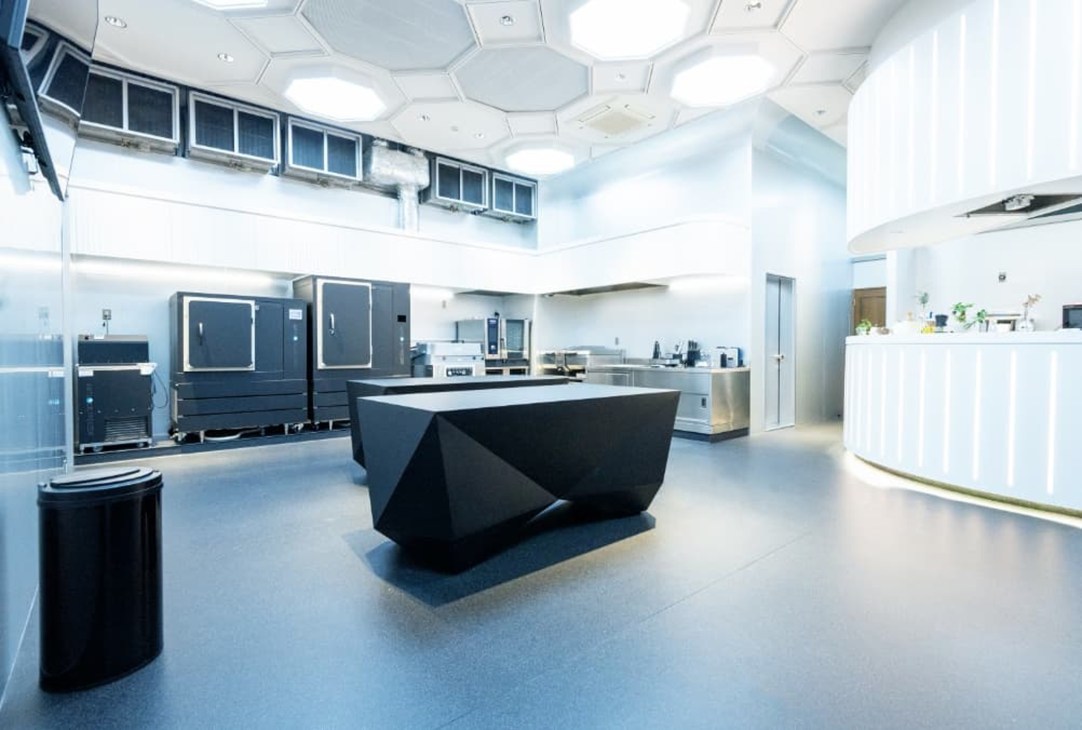
The company launched its own specialist freezer, the ArtLock, for restaurants, shops and caterers, and has a food lab where it is testing every type of food for its freezing potential. Complicated dishes can be frozen in their entirety, allowing a chef’s original presentation to be preserved. Food waste is also reduced and the period that frozen dishes can be stored is lengthened.
Daybreak advises businesses how to freeze (and thaw) and sells ArtLock frozen ingredients and deli dishes to the industry, including cut fruit, fish and onigiri rice balls. These appear and taste as fresh as the day they were frozen. It’s good news for the environment and consumers alike.
d-break.co.jp
The Entrepreneurs
Tom Edwards on…
Reinventing the wheel
Adrien Roose, CEO and co-founder of e-bike innovators Cowboy (see page 183), successfully navigates the London traffic to zip into monocle HQ on his own two wheels. Looking fresh despite running the gauntlet of errant taxis and double-deckers, he bounds into Midori House, eager to discuss the Brussels-based brand’s journey.
“The first prototype only took us six months,” he says. “In 2017 we were just the three co-founders [Roose, Karim Slaoui and Tanguy Goretti]. We spent most of our time on site with suppliers, pitching them our vision. Those months were magical; working together to build a product with very little time and money. And that was an amazing proof of concept that enabled us to start raising proper capital. We went from prototype to Cowboy One, which we launched a year later. Since then we’ve been iterating the process, nearly on a yearly basis.”

The classic Cowboy model is now on its fourth edition and more than 50,000 bikes have been sold – 20,000 in 2022 alone. There are plenty of reasons behind those numbers: the bikes are made in Belgium with over 200 custom details designed for urban riding on every machine. What’s more, Cowboy’s app, connected riding experience and newer features such as wireless phone charging, deliver a class-leading experience. But Roose knows that their reputation is built on the promise of close-to-effortless progress around the city. That’s where Cowboy’s proprietary adaptive power technology detects resistance including headwinds, inclines or extra weight (yes please to that second helping at lunch!) and adapts the assistance accordingly.
Roose is rightly proud of Cowboy’s holistic approach to product development. A happy by-product of owning these processes is the capture of a real breadth of user data. “We are in a unique position,” he says. “We can talk directly to thousands of cyclists via the app and know where they cycle, where their bikes get stolen, where they have accidents. That [data] would be beneficial in helping cities to improve infrastructure.”
“If you want to increase the number of cyclists on roads, you have to begin by making people feel safe,” adds Roose. “We should use our voice to start having conversations with cities to drive change.”
To hear more from business owners on the move, listen to Monocle Radio’s weekly programme, ‘The Entrepreneurs’.
Final Touch
For every person who’s retreated to leisurewear and homeworking, there’s someone determined to steal a march, cut a dash and up the stakes. Men from New York to Paris and Tokyo are re-embracing formal dressing, using it as a signifier that they care. And one simple accessory says it all: a good tie. “When I dress in the morning, choosing a tie is the very last thing I do because it’s a delightful moment,” says Stefano Bigi (pictured), co-owner of Milanese tie shop Bigi Cravatte. It is also, he says, “a form of respect towards the people I’ll meet”.
The business, which traces its roots back to 1938 and Bigi’s grandfather, creates and sells its own collections too, helping Italians look – and feel – their sharpest. “You can be elegant with or without a tie,” says Bigi. “But a tie always makes you feel good.”
Cabin Pressure
Annabelle Chapman discovers how airlines are limbering up to meet the latest sky-high expectations of business travellers.
One thing is clear: while the pandemic accelerated the rise of video conferences at the expense of business travel, they are no replacement for in-person meetings. Indeed, in a survey of 475 business leaders across all sectors of the UK economy by cbi Economics published this year, more than nine in 10 respondents said that business travel is key to building relationships and sharing knowledge.
With passenger numbers almost back at pre-pandemic levels according to the International Air Transport Association, the industry’s net profits for 2023 are forecast to hit $9.8bn (€8.9bn). Furthermore, the sector is expected to recover to 80 per cent of 2019 levels this year, up from 65 per cent in 2022, according to the Global Business Travel Association. Airlines are launching a flurry of new routes to capitalise on these numbers, including many long-haul ones. United Airlines has recently launched direct flights from Berlin to Washington, while Japan Airlines has announced a new daily non-stop service from Tokyo to Doha, the first direct flight to the Middle East operated by a Japanese carrier.
Research by Deloitte indicates that live events will be a major contributor to business travel demand this year. After all, that’s where new connections are made – standing in line for coffee or lunch. Still, there are signs of shifts in business travellers’ behaviour. For one, they are increasingly selective. “More and more often, individual corporate customers, rather than their purchasing managers, pick the airlines they want to fly with,” says Andrew Nocella, executive vice-president of United Airlines. “This change in consumer behaviour was locked in during the pandemic and now seems irreversible to me.”
To compete for business travellers, airlines will have to better understand their needs. “Business-travel suppliers need to know more about their corporate travel customers,” write Adrian Müller and Andreas Wittmer, based on a study they conducted among frequent travellers earlier this year. Examples of this more personalised approach include the Swiss Senses redesign planned for 2025, which CEO Dieter Vranckx has called “the most comprehensive cabin renewal in the history of our company”. In a similar vein, Lufthansa is investing €2bn in product and service over the next two years, which will include a new business class with seven seat types, created in collaboration with design studio Pearson Lloyd. The highlights include closable sliding doors – a must for business travellers hoping to recharge before negotiations across the globe.
“With more people in control of where and how they work, business travel has opened up to a broader base of travellers who do not want to compromise their experience,” writes the London-based studio. “Given the multiplicity of user needs, a single-concept solution would no longer be enough.” We agree: when it comes to the future of business travel, one size certainly does not fit all.
Images: BeHere, Cowboy, Daybreak.
Say it with flowers
For nearly 20 years, Steve Bloom has been running the Portland Japanese Garden, often considered the finest of the estimated 635 Japanese-style gardens outside the motherland and a premier training centre for gardeners. But he has ambitions far beyond the horticultural, believing that “Japanese gardens create a state of mind and a state of soul”. And, he says, this transformational power can even be tapped into for peacemaking. To prove his point, Bloom organises peace symposiums with a botanical bent where he introduces people to the garden’s Japan Institute, which launched last year, aimed at fostering international dialogue via the soft power of the Japanese garden. After outings to Tokyo and London, he will be heading to New York in September, followed by Johannesburg, São Paulo and Sydney.
The institute’s physical home in Portland, will offer accommodation and workspaces for visiting artists and gardeners. Japanese architect Kengo Kuma, who has already designed the garden’s tea-ceremony pavilion and art galleries, is converting an old chapel into an event space. “The institute is an incubator for thinkers and artists to live and create together through the lens of Japan,” says Bloom.
Today the Japanese Garden draws more than 500,000 visitors annually but it wasn’t always that way. In the 1960s when Japanese gardeners arrived to plant a monument for postwar peace and reconciliation, protesters taunted them with racial slurs and one of their number was stabbed. Despite the attack, the 2.2-hectare project opened in 1967. “The community that didn’t want this garden, to the point of nearly killing a man, has come to embrace it as the number one cultural jewel in the state of Oregon,” says Bloom.
And the city’s Japanese perspective has also had a commercial impact: Ajinomoto, Muji and Snow Peak all chose Portland as their entry point to expand into North American markets. Now Bloom wants to aid diplomacy by using Japanese gardens as a backdrop for peace talks around the world. The first tour he led at the Portland garden was for ambassadors to the UN from seven Asian countries. “If we just had all of our negotiating meetings here, there would be world peace,” he says. Now he is out planting that seed of an idea on a global scale.
japanesegarden.org
The Foreign Desk
Andrew Mueller on…
Russia’s reluctance to integrate
July’s Nato summit in Vilnius was, inevitably and rightly, largely about Ukraine. But covering the event for Monocle Radio’s programme, The Foreign Desk, got me thinking about Lithuania – and about Russia. The summit occurred almost exactly 30 years since my first visit to Lithuania, as a 24-year-old with a backpack. The country had, like Latvia and Estonia, reclaimed its independence just a few years previously, following the collapse of the Soviet Union.
I liked Vilnius instantly: it was (and is) pretty, friendly and a bit weird. But in 1993, Vilnius was also grimy, fetid and palpably bruised by history. Indeed, the guide who showed me the cells in the former KGB headquarters, now a museum, had once been imprisoned there. I’ve been back a few times since and always found Vilnius cleaner, nicer and happier than on the previous occasion. In the circumstances of this most recent visit, it struck me that Russia could have done this: become an agreeable, collegiate partner to Europe. There was a point at which the country appeared to want this. “I cannot imagine my country in isolation to Europe and what we often call the civilised world,” said Vladimir Putin in 2000. “So it is hard for me to visualise Nato as an enemy.” There was, at one fevered point, talk of Russia joining the alliance.
It is important not to forget that Russia’s line about its assault on Ukraine being a defensive manoeuvre forced upon it is nonsense. For all the designs on Russian territory harboured by anybody in Europe, the country’s western frontier could be defended by a tollbooth. But Russia’s internal reality is just as ridiculous – and just as much a choice. Moscow could have accomplished marvels with the billions of dollars, and thousands of people, it has instead ploughed into the fields of Ukraine in pursuit of some inane grandeur.
Nato and/or the EU should never be romanticised untowardly. But membership of either necessitates and imposes a certain humility. Lingering imperial delusions must be discarded upon entry (the UK’s reluctance to do so entirely is a partial explanation for Brexit). Lithuania had an empire once, or at least a Grand Duchy, which at its peak around the 15th century included a chunk of modern Poland and most of what is now Ukraine. Any modern Lithuanian politician who advocated recovering these territories would be swiftly and correctly assessed as a lunatic. But Russia has chosen not to get the message.
The late, great American satirist PJ O’Rourke, once a guest on The Foreign Desk, reported from the ussr during its death throes. “Lots of countries are poor,” he wrote. “And lots are dreary and oppressive. But the Soviet Union is a huge, healthy nation with more than 20 million college graduates. It has all the land and mineral resources national avarice could imagine. And Russia has been part of – at least an idiot stepsister to – western civilisation for a thousand years. There’s no alibi for the place.”
Little, regrettably, has changed. Russia chose this war – and whatever its consequences might be.
Mueller is the host of Monocle Radio’s ‘The Foreign Desk’.
Top flights
The argument that the presidential jet is a depreciating asset appeared to be validated earlier this year when Mexico sold its presidential Boeing 787 to Tajikistan for $92m (€84m), a $126m (€116m) loss on its 2012 purchase price. Offloading the plane was both a longstanding ambition and characteristically populist stunt of Mexico’s president, Andrés Manuel López Obrador, who believed it obnoxious and ostentatious – an indulgence, he scoffed as the sale was confirmed, of “little pharaohs”. Amlo is wrong. The plane he has just sold might have overdone the marble bathroom counters and mahogany office furnishings but a dedicated presidential aircraft is both a convenient conveyance and a resonant expression of national prestige. A presidential aircraft taxiing onto a foreign airport apron says not only that your president has arrived but so has your country. Here are three of the best.
From regal to restrained
Just as Air Force One is an airborne incarnation of the US – immense, loud, powerful and unmistakable – so the aircraft of the Lufttransportdienst des Bundes (LTDB), which fly Switzerland’s Federal Council, are modest, quiet, unimposing and stylish. Pride of the ltdb’s fleet is a white Dassault Falcon 900ex, marked “Swiss Air Force” and emblazoned with low-key Swiss flag roundels. While doubtless a comfortable ride for Swiss leaders, it is arguably something of a comedown for the aircraft itself, the previous owner of which was Prince Albert II of Monaco.
Gift of flight
Turkey’s president, Recep Tayyip Erdogan, can at least argue that his fellow citizens were not obliged to pay for his aircraft: the Boeing 747-8 was a gift in 2018 from the Emir of Qatar, Sheikh Tamim bin Hamad al-Thani, who was still left with three others to play with. trk1, as it is known when the president is aboard, has been handsomely repainted, its undercarriage swaddled in scarlet, unfurling the crescent moon and star of the Turkish flag on the tailfin.
Flag carrier
Argentina took delivery of a new presidential aircraft in May. The Boeing 757-200, which boasts a paint job suggesting that it has had an Argentinian flag twirled around it, arrived in eye-catching style, making a hair-raisingly low gear-up pass over Aeroparque Internacional Jorge Newbery in Buenos Aires. Argentina acquired the new aircraft in a part-exchange for its long-mothballed predecessor, also a 757. It must be hoped, however, that its occupant will insist on restoring the previous plane’s glorious callsign: Tango 01.
Come on in
There was an air of novelty in 2020 when Mia Mottley, the prime minister of Barbados, launched the Welcome Stamp, a visa aimed at allowing foreigners mandated to work from home during the coronavirus pandemic to do so from the Caribbean island. Even though coronavirus restrictions have gone, interest in the visa remains strong.
Of the 5,000 or so people who have applied for the visa, close to 3,000 have been admitted. In response, Barbados’s parliament has extended the scheme twice.
Its success has spurred several other Caribbean countries to follow suit. The Bahamas, Bermuda, Anguilla, Colombia, Dominica and the Cayman Islands are among those to have launched, or enhanced, similar schemes to attract entrepreneurs and remote workers. For countries trying to diversify away from banking, finance and tourism, the schemes have been a boon for local economies.
Nations elsewhere are also tweaking immigration policies to lure workers in specific sectors. In June, Canada launched a visa system for specialists in science and technology, either to find jobs in cities including Montréal, Toronto and Vancouver, or set up on their own. It is a response to cuts in the sector elsewhere.
For smaller countries, the success of these “nomad visas” lies in the breadth of talent they attract. Barbados’s immigration ministry says that entrepreneurs, teachers, agricultural workers, security personnel and healthcare employees have all arrived under its Welcome Stamp. Such visas are still too new for the full impact to be assessed, though the Organisation for Economic Co-operation and Development is among the bodies monitoring their efficacy. In the countries using them, however, there is a stamp of approval.