Issues
Bright ideas, big cities
On a new urban politics
Politicians on both sides of the political divide are failing to provide a comprehensive set of solutions to the US’s urban malaise. Forging an approach that prioritises the needs of citizens on a local and national level could be the key to saving our cities.
In September my daughter will enrol in a bilingual preschool in Seattle’s Chinatown-International District. On paper, the plan is an urbanist’s fantasy: we will cycle to the school via a “neighbourhood greenway”, a street designed to slow traffic. Once she’s inside the preschool’s seven-storey mixed-use building replete with rooftop playground – and I’ve locked my bike away – a nearby subway station will whisk me wherever my day leads.
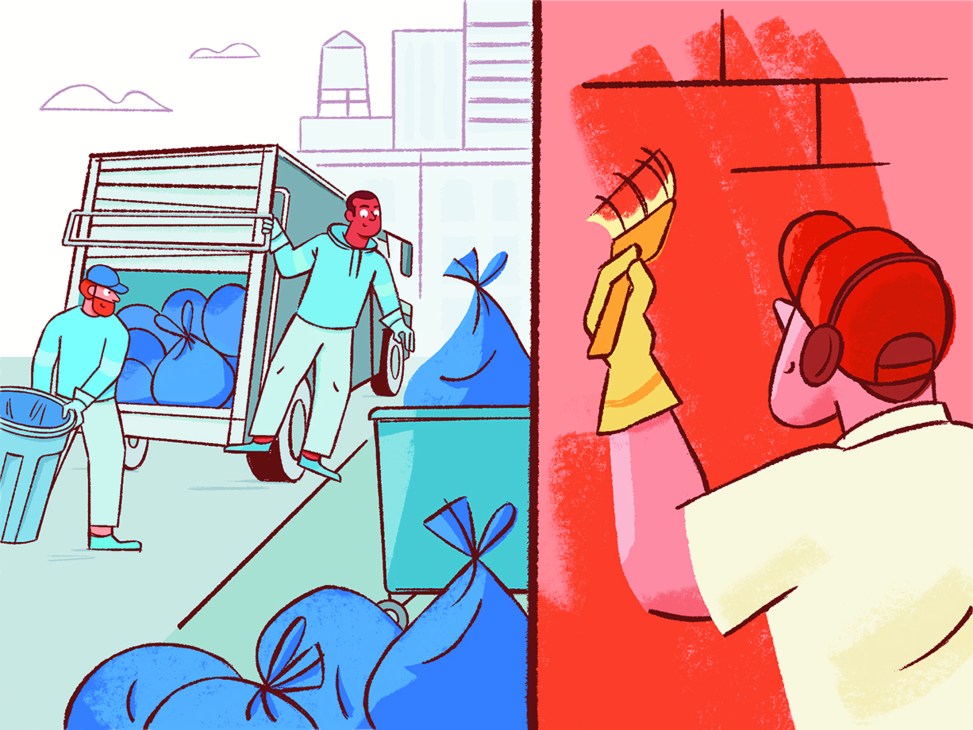
The flipside is that we have to cycle past one of Seattle’s worst spots, where drugs and stolen goods are openly sold on the street. Addicts congregate daily, while people with untreated mental illnesses shadowbox their demons. Graffiti taggers hit small businesses with impunity and many shops are now vacant. Despite $1bn (€924m) of municipal expenditure on shelters and housing in the past decade, garbage-strewn encampments – a magnet for gun violence – sprawl nearby. Sporadic police presence and infrequent arrests do little to deter the grim scene, while social worker outreach barely makes a dent. This deadly cocktail plagues many US cities. While rumours of the deaths of Seattle, Portland and San Francisco are greatly exaggerated, quality of life deteriorates the longer that these stubborn pockets of disorder persist.
To fix this situation, we need a new urban politics that looks beyond blinkered divisions. While Republicans tout law and order, they are hostile to public transport and social housing, which has made them mostly persona non grata in US cities, where they claim just two mayoralties among the 30 largest metropolises. Instead, most municipal elections pit moderate Democrats versus progressive ones. The moderates have shown a willingness to confront urban ills but good intentions are not enough. The progressives have abandoned the dead-end slogan of “defund the police” but they still resist hiring more cops, prosecuting drug crimes and stepping up involuntary commitment. As a result, there is no political home for citizens who want increased investments in quality urbanism and stronger action on street disorder. My city feels cleaner and safer in the 18 months since mayor Bruce Harrell took office but he shows little appetite for denser housing or new rail lines.
Forging a new urban politics would recognise that cities alone cannot fix national political decisions. Washington must strengthen the social safety net, secure the border against drug trafficking and provide emergency shelter and housing nationwide. Local leaders must prioritise the needs of the citizens who make cities vibrant. If fentanyl smoking on buses deters commuters then remove those involved. If the escalating cost of cleaning graffiti pushes shopkeepers out of business then prosecute vandalism ordinances. Compassion and tolerance, while noble ideals, have left everyday citizens questioning the viability of their hometowns. If we want to save our cities, it takes the moral and political courage to say no.
About the writer: Scruggs is an award-winning journalist who writes about built, natural and cultural environments. His reporting has appeared in Bloomberg CityLab, Next City, Thomson Reuters Foundation and The Washington Post. He lives in Seattle with his wife and daughter.
Lisbon vs Airbnb
Rising rents are threatening the quality of life in the Portuguese capital but is the short-term rental site really the only one to blame?
Lisbon had changed a lot since my previous visit. About 15 years ago (the exact date is fuzzy), I’d fallen in love with its grilled sardines, vertiginous streets, perennial sunshine and low cost of living. Returning with my family in May this year, I noticed just how many more people were packed into the centre, from sightseers riding its now ubiquitous electric tuk-tuks to groups of half-cut lads on stag dos. Given its quality-of-life draw, it’s hardly surprising that people want to visit or even move to the Portuguese capital permanently. Aided by incentives such as the investment-focused golden visa, as well as its digital-nomad equivalent, many expats have made the city their home in recent years.
During my few days in Lisbon, I met a middle-aged Floridian who had moved last year, as well as an English couple who were looking to return to the Portuguese capital where they once lived after a few damp years in London. There are now plenty of cafés that cater to the avocado-toast and açai-bowl crowd, and where a flat white will set you back €4. The problem is that, in a country where the minimum wage is just €760 a month (the median in Lisbon is a little higher), you end up with an English-language-menu dual economy where the patronage is almost exclusively foreign. Rents have, of course, rapidly risen.

So how do you limit this influx of people? And has any city managed to find the perfect formula? Lisbon’s mayor Carlos Moedas, a former EU commissioner, doesn’t think his city has too many visitors, at least for now. “We have tourism and it’s very important for us,” he says. “But we cannot let Lisbon just become an Airbnb city.”
This is why new Airbnb licences have been frozen in 16 of 24 Lisbon parishes. The central government has followed suit on nationwide restrictions; it also announced in February an end to the golden-visa programme. These moves send a message and are aimed, in part, at cooling the spiking property prices and making sure that, in Lisbon’s case, its city centre doesn’t get carved out by short-term rentals to the detriment of real residents. The fear of a theme-park effect, felt in places such as Venice, must be at the back of minds.
The temporary Airbnb freeze in Lisbon is up for review in December. I hope at the very least that some restrictions are kept in place. But one must also be careful about piling in on a single bogeyman. Lisbon’s problems are complex and varied, including stagnant wages and real-estate speculation. Airbnb, for all its ills, has helped crumbling buildings in the historic centre to receive much-needed renovation investments that they might not have otherwise had. Tourism represents 20 per cent of Lisbon’s GDP and its digital nomads – through places such as Unicorn Factory Lisboa – bring in more capital. City hall hopes that it can balance being market-friendly with social policies aimed at the most vulnerable including building more housing and buying existing stock to rent at subsidised rates.
An outright ban on Airbnb is unrealistic but Lisbon must continue to closely and carefully monitor short-term rentals, rather than going hard and fast now before letting the issue fall by the wayside. A city stripped of its core residents isn’t worth the trade-off – not for all the açai bowls in the world.
About the writer: Stocker is Monocle’s Europe editor at large, based in Milan. A regular on planes zipping around the continent, he was previously Monocle’s Americas editor at large in New York. Before moving to the US, Stocker covered Latin America from a base in Buenos Aires.
On isolation in cities
Organisations and design practices in Singapore are coming up with novel solutions to lonely city living.
Big cities, lonely people. There are many reasons why life in crowded and busy metropolises can be isolating. In Asia, long working hours, small apartments and the prevalent use of food-delivery services have contributed to people being less social, increased loneliness and a rise in the number of mental and physical illnesses.
It is, of course, a global issue: the UK and Japan have appointed loneliness ministers. But in Singapore, where there are already plenty of communal amenities such as parks, community centres and coffee shops, the goal is getting people out of their apartments to use them, mingle and make friends. And it turns out that you can design your way out of the problem – at least partially.

Skyville at Dawson housing project, by Singapore’s WOHA practice, features terraces and gardens on every eleventh floor of its 46 storeys; all 960 homes have easy access to (and views of) these green pockets. They draw people outside – or even just to their windows, where they might see a friendly face and wave hello. A National University of Singapore survey found that Skyville residents knew more neighbours than those living in other estates of a similar size.
Still, while amenities such as dog runs, ball courts and garden plots do well to bring together neighbours with common interests, communities need a hand to integrate disparate social groups. In Macpherson, an older Singaporean neighbourhood where new residential blocks have been added, the community- centric practice Participate in Design brought older residents and newly settled young families together to create art for the estate. As well as being a bonding exercise that helped to form some unlikely friendships, it fostered a sense of ownership and belonging.
In another corner of the city-state, philanthropic organisation Lien Foundation and design studio Forest & Whale are looking at ways to make the local coffee shop double up as a place that offers community care. One proposal suggests that coffee shops start a gift-card programme. It’s a simple but clever idea: a gift shows you care and a coffee subscription gives people a reason to spend time at the café, rather than at home alone.
These designers and community organisations prove that cities don’t need to be overwhelmed by loneliness and the mental-health fallout that comes with it. Most cities already have the basic ingredients for these community-building initiatives, from the coffee shop to the neighbourhood park via the corner to be livened up. A tweak here or a nudge there can make humans do what they’re already inclined to do: forge bonds and build together.
Learnings from enduring cities
Cities are resilient beasts; not even wars, natural disasters or firestorms ignited by candles can keep them down. Here are five of the most ill-fated metropolises and the wisdom that can be gained from them.
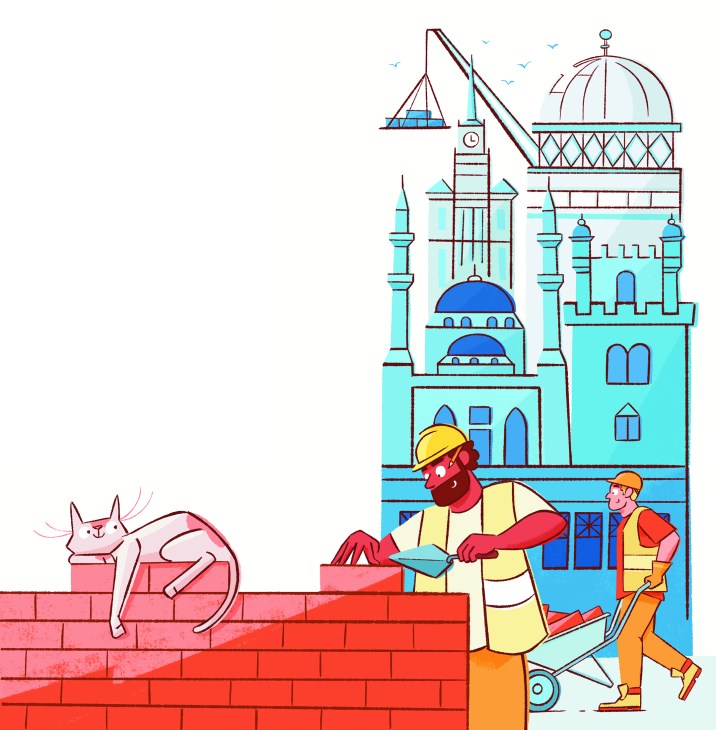
Cities might have their ups and downs but they remain extraordinarily difficult to kill. When one considers how many have been demolished by disaster or war, what is remarkable is how few of them have stayed that way. Arguably the only ruined human settlement that can be safely said to be permanently abandoned is Pripyat: the Ukrainian town of 50,000 people evacuated following the 1986 explosion at the nearby Chernobyl nuclear plant. Indeed, when Ukraine’s president, Volodymyr Zelensky, visited Japan in May, he went to Hiroshima. With his usual flair for spotting the local connection, he said that Ukraine’s more recently devastated cities would recover, just as Hiroshima had – and he was undoubtedly right. Below is Monocle’s far-from-complete list of cities that have returned from the dead – a testament to the endurance of our urban spaces.
Darwin
Darwin was levelled by Cyclone Tracy early on Christmas Day 1974: 71 of its citizens were killed and more than 80 per cent of its buildings were destroyed or damaged. The remote capital of Australia’s Northern Territory had been abruptly rendered uninhabitable: about three-quarters of its population of 47,000 was hurriedly evacuated. By New Year’s Eve, however, Australia’s government had announced plans to establish a Darwin Reconstruction Commission, with a mandate to rebuild the city within five years. It was done in three, adhering to rigorous new building codes that were rolled out across the country. Today, Darwin is home to 150,000 people and while several cyclones at least as powerful as Tracy have struck Australia since, none have done a fraction of the damage.
Warsaw
Many of Europe’s cities required rebuilding after the Second World War but few were rebuilt with the fabulous defiance of Warsaw. When the shooting stopped in 1945, Poland’s capital was a ruin. Instead of building a new city, Varsovians determined to build the old one all over again. Warsaw’s rubble was reconstituted into facsimiles of what had been destroyed, guided in part by the paintings of Bernardo Bellotto, a nephew of Canaletto.
By 1955 the heart of Warsaw’s new Old Town was beating once again. Reconstruction of surrounding streets continued over subsequent decades with the Royal Castle completed in the 1980s. Warsaw’s (not-actually-very) Old Town is now a Unesco World Heritage site. And deservedly so, as much for what it represents as what it looks like.
Lisbon
In 1755, Lisbon – one of the world’s richest cities, a great port and a hub of empire – did not have the advantages of electricity or internal- combustion engines. A colossal earthquake on 1 November that year prompted both a tsunami and, by toppling uncountable candles lit for All Saints’ Day, a six-day firestorm. The devastation was near total; the imperial wealth hoarded in waterfront warehouses lost.
Lisbon was returned to life by its chief minister, the formidable Marquis of Pombal, one of those characters able to sense opportunity in disaster. He ordered Lisbon rebuilt on a logical grid pattern and applied building codes intended to mitigate against earthquake and fire. He also laid new drains and buttressed the waterfront. Lisbon’s downtown is still known as the Baixa Pombalina.
Beirut
It is arguable that rebuilding Beirut is a little like painting the Sydney Harbour Bridge – a process that must be started all over again just as soon as you think that you’ve finished. The pretty beaux-arts city centre, which earned Beirut the nickname “the Paris of the East”, was destroyed during the Lebanese Civil War of 1975 to 1990.
It was rebuilt by Solidere, a controversial public-private developer founded in the mid-1990s by Lebanon’s billionaire prime minister, Rafic Hariri, who was assassinated in 2005 by a car bomb, a few blocks from what Solidere had rebuilt. A colossal explosion in the Port of Beirut in 2020 has necessitated further repairs to the city: it must be hoped, if not expected, that these will be done in deference to Beirut’s rumbustious spirit, rather than in defiance of it.
Jerusalem
The Old City has been attacked, sacked and pillaged any number of times over several turbulent millennia, and squabbled over more or less constantly – and, indeed, currently. The most recent major rebuild involves Jerusalem’s Jewish Quarter, which was substantially destroyed by the Arab Legion during fighting in 1948, taken by Israel during the Six-Day War of 1967, and gleamingly refurbished since. What with one thing and another, Jerusalem is probably the oldest continuous (and ongoing) demonstration of the extraordinary ability of cities to regenerate.
About the writer: Mueller is a contributing editor at Monocle as well as host of Monocle Radio’s The Foreign Desk and (usually) The Monocle Daily. He has visited several ruined international cities of one kind or another, including Pripyat in the Chernobyl exclusion zone.
An aspiring megacity
With a booming population, Lagos is a ‘megacity’. So what are the basic issues that need to be addressed before the Nigerian city can live up to that term?
Lagos is a “megacity”, a city of more than 10 million people, yet the term has taken on a wider meaning: a heavily urbanised metropolis designed for the comfort and appeal of the rich alone. It can also be thought of as a place that, while not a utopia, creates opportunities for everyone to belong.
With a 450km stretch of coastline and an exploding population attracting commercial and economic interests, Lagos is continuing to grow at a rapid pace. The population of the Nigerian city that I call home is expected to hit 40 million by 2050. But it needs more than ultra-modern infrastructure to be a megacity.
The government’s current vision of a mega-hub is an urbanised centre with a rapid rail system, world-class malls, tourist infrastructure, more airports and developed industries ranging from technology to food. All of these elements are needed but they do nothing to address the problems of poor Lagosians, and middle-class ones like myself, who often find themselves locked out of discussions and even displaced from the city.

While Lagos can attract negative comparisons for a long list of reasons – from endless traffic jams and gaping, smelly gutters to homeless people sleeping under bridges and untidy streets – the good life still exists here. Managed correctly, it could be an example to both Africa and the world.
First of all, the sprawling city needs to have a smooth and efficient bus system that is capable of carrying thousands of people affordably (rather than more expensive and less extensive rail projects). Investments should be made in proper low-cost residential housing, job opportunities for the teeming population and a constant electricity supply (among other critical amenities). Without such basics, we are going nowhere. The government should focus on these rather than developing exclusive areas for the wealthy.
The threat of climate change also needs to be addressed. In Lagos, we are living – luxuriously in some parts and hopelessly in others – a mere two metres above sea-level. By 2050, as the city’s population reaches the projected milestone, the sea will have risen by at least a metre, displacing millions of people and causing billions of dollars in economic damage. The current government needs to turn its attention to this threat by engaging in smart climate initiatives, such as saving the remaining wetlands instead of encroaching on them, as is currently happening as the city expands.
Imagine what Lagos could be like if we saved it from its worst problems: a megacity humming with accessible beaches, a thriving art and music scene, a never-ending nightlife, a base for booming technology industries and endless economic opportunities for a mosaic of different cultures and ethnicities.
That for-now imagined Lagos would no longer simply be a launchpad for myself and others to pursue ambitions in the West; that Lagos would be a permanent home, a place to lay down proper roots and not seek to escape every few years.
In that Lagos, there would be affordable housing with constant electricity, a working transport system, an enviable lifestyle and equal access to global opportunities. In that Lagos, the transformation into a true global megacity would be complete.
About the writer: Adetayo is a writer and journalist based in Lagos, Nigeria. He has reported for numerous media outlets including Al Jazeera, The Washington Post, Foreign Policy, Vice and African Arguments. He was longlisted for One World Media’s Print Award in 2021.
Local heroes
Neighbourhood businesses and services make cities better to live in. That’s because great shops, bars and markets don’t just make our high streets livelier and more interesting, they also make us care about and for our communities. And when people build better bonds with those around them – whether it’s by going to the same tailor every couple of months, bumping into neighbours getting their groceries or having an impromptu conversation with someone at a bar – they start thinking about how they can get more involved with the places they call home.
Here we present a line-up of businesses around the globe – from Hong Kong to Antwerp, Stockholm, London and Madrid – that function as neighbourhood anchors. They are run by entrepreneurs who know their regulars by name, look forward to seeing them every week and will always go the extra mile, no matter what.
Some, such as florist-cum-newsstand Wilder in Antwerp and interior design-focused hardware shop Kanamono in Hong Kong, are daring to try out new business models. Others, including the Au Revoir bar in Athens and Denis Camisería in Madrid, have been in the same spot for decades. But what they all have in common is a desire to connect with the people around them, to change their communities for the better – or to give their best to a place that’s already thriving. After all, that’s what any good neighbour should do. We all have something to learn from them.
The sensible outfitter
Denis Camisería
Madrid
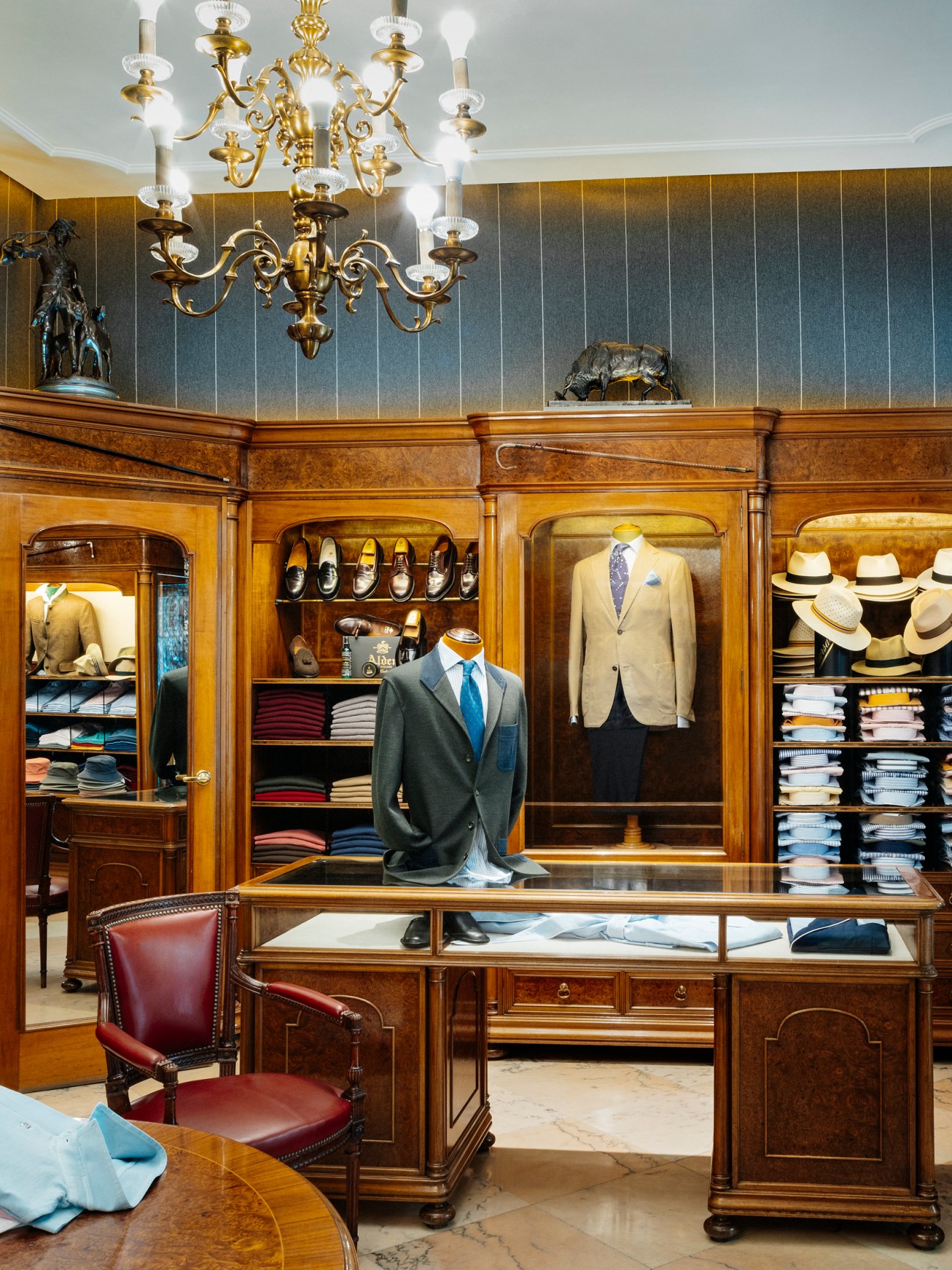
Madrid-based menswear boutique Denis Camisería has been dressing Madrileños for decades. Owner Jorge Navares’s great-grandfather, who made military clothing during the Spanish Civil War, established the business in 1941 in Madrid. Now, four generations later, the family is still paying homage to him. “Depersonalised chains dominate most of Madrid’s high streets and other European capitals these days,” Navares tells monocle. But Denis Camisería has always kept its client base closer to home. “We know our customers by name, just as tailors would have done 50 years ago,” he says. “It’s a very personal experience.” This is also why all of the brand’s designs – from tweed suits, cotton shirts to lambswool coats – are designed in-house. “In our services, materials and production lines, we always look for quality,” says Navares.


The tasty local
Babette
Stockholm
Fredrik Lundberg, co-founder of Babette, says that the crowd at his Stockholm restaurant is one big mix, comprising everyone from families celebrating a milestone birthday to people grabbing a takeaway pizza. “Sweden can be very square when it comes to eating out,” says Lundberg (pictured). “But we bring a little bit of Paris, London, Tel Aviv and Los Angeles to Stockholm and put it all into this little shoebox of a neighbourhood restaurant.”
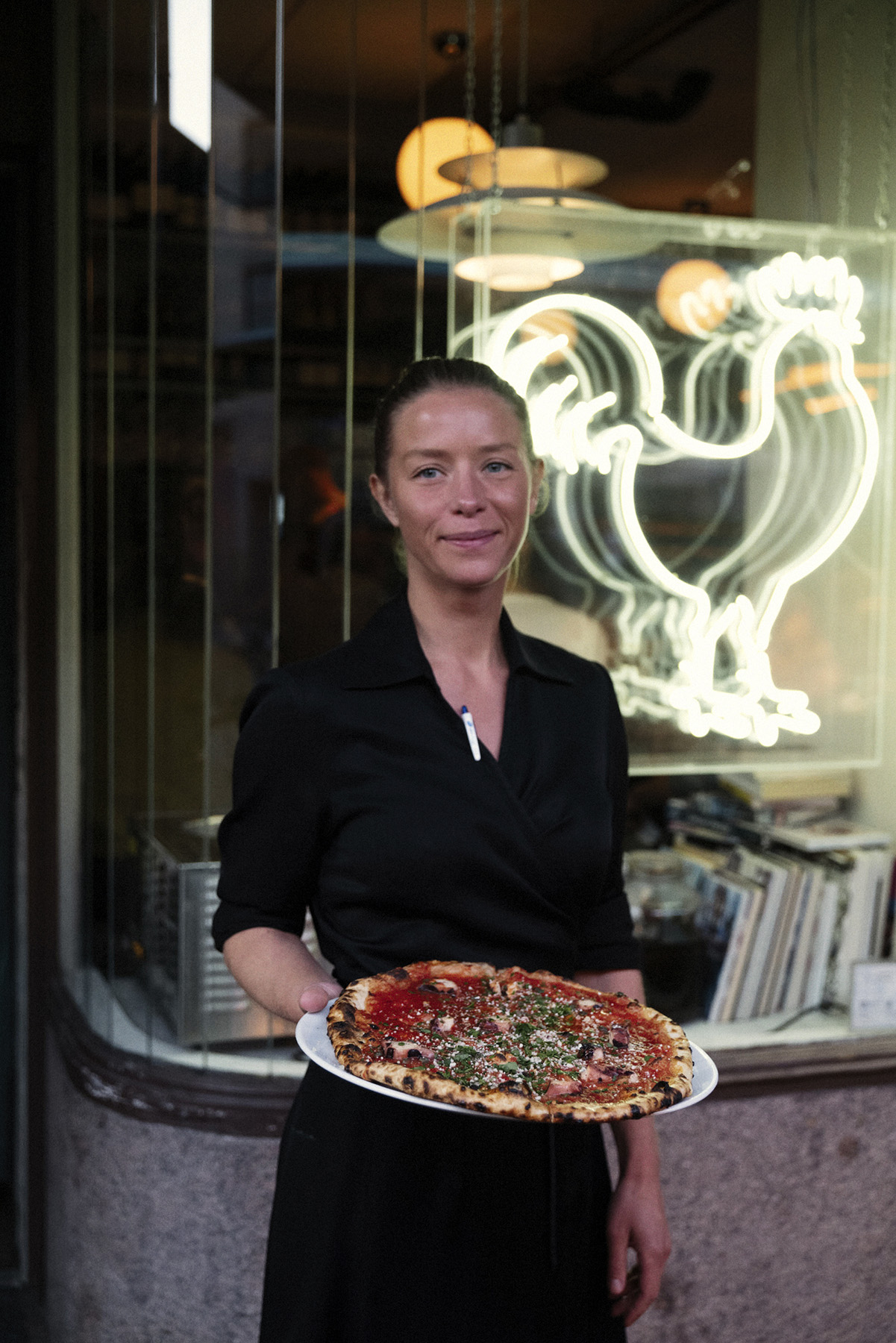
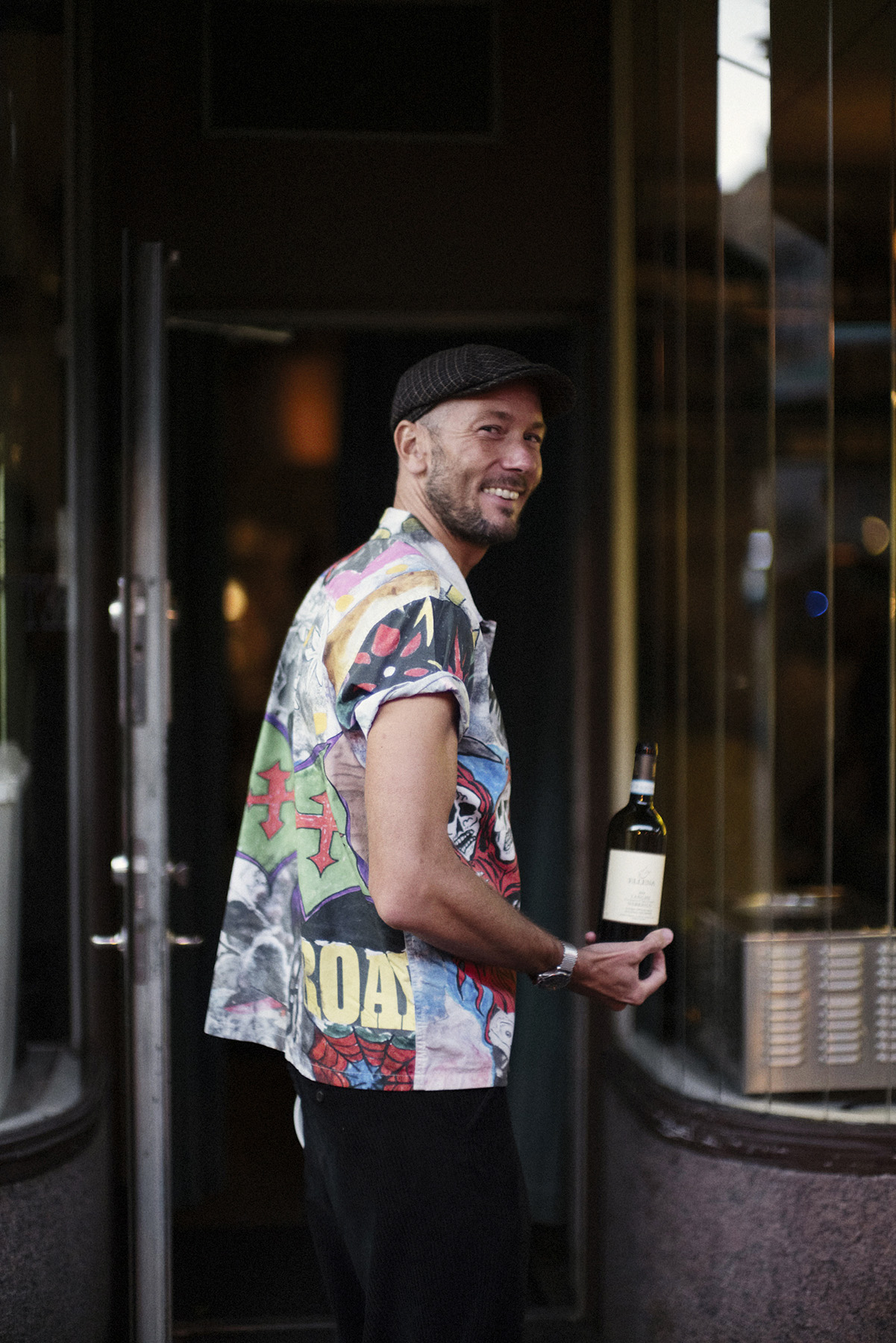
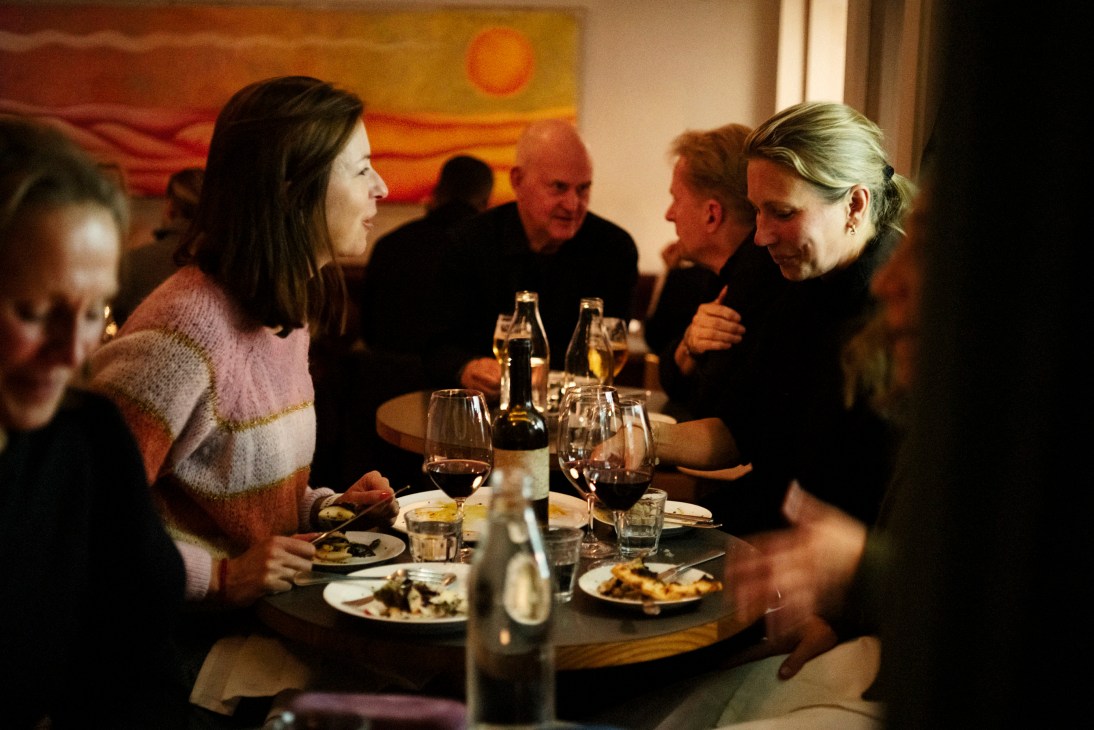
Founded in 2015, Babette sits in the middle of the neighbourhoods of Vasastan, upmarket Östermalm and the central business district – a good catchment area. Lundberg credits the restaurant’s success to its reliable opening hours. “The kitchen closes at midnight every day, so you never need to double-check whether or not we are open,” he says.
The compact bistro
Grigio
Tokyo
When Grigio opened on a small street in Daikanyama nine years ago, its owner, Tatsuya Yoshino, was working on the other side of Japan. But he fell in love with the Tokyo location. Today, the smiley team includes chef Kiho Fujii, as well as manager Koki Chiba, who has been here since the beginning. “This street was really quiet back then,” says Chiba. “There wasn’t much here.” Daikanyama is now busy, with plenty of tourists around, and Chiba is proud of the loyal community that the restaurant has built up. “Most of our customers are regulars and we always keep seats free for them,” he says.
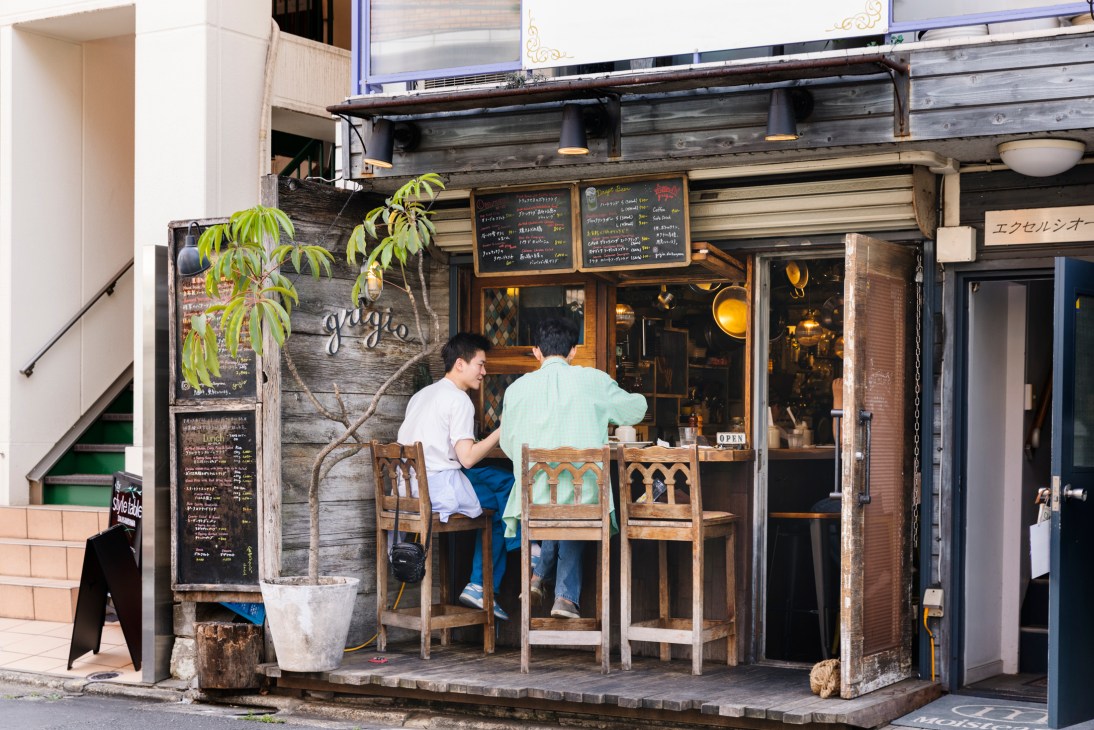
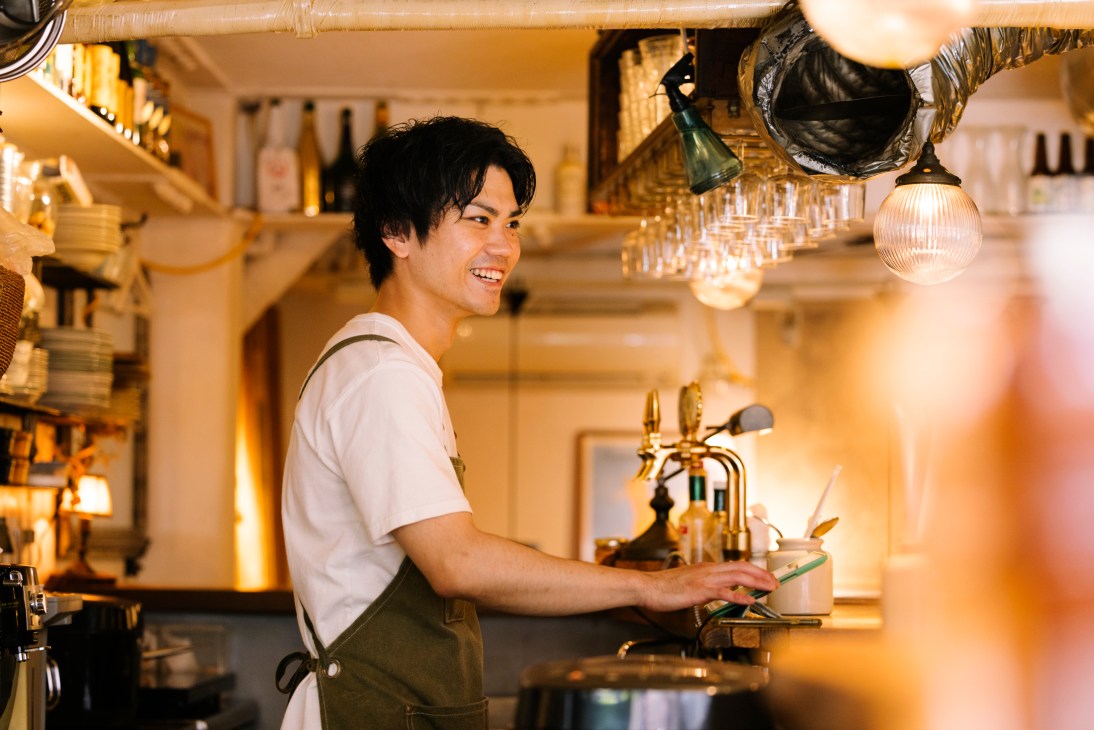
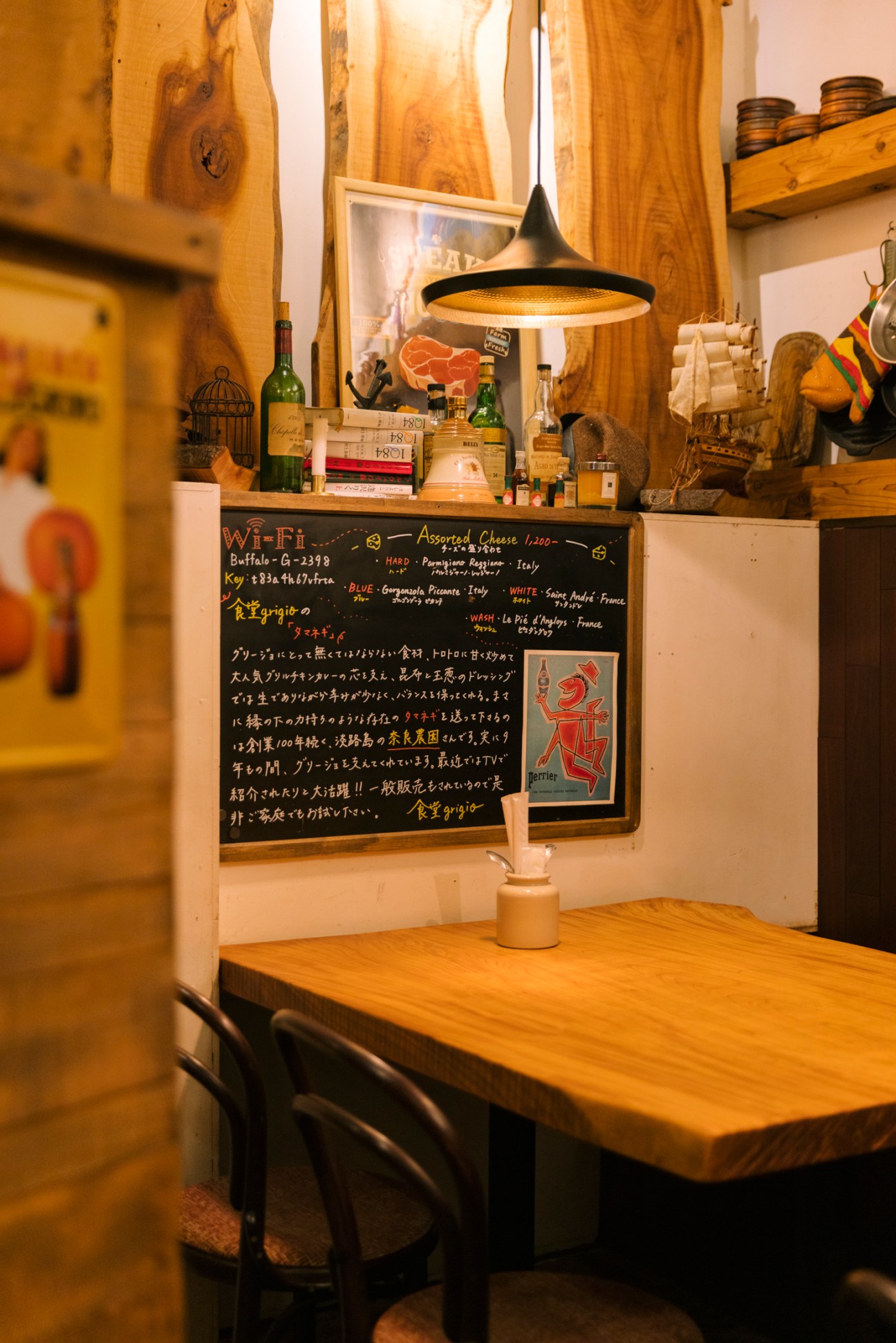
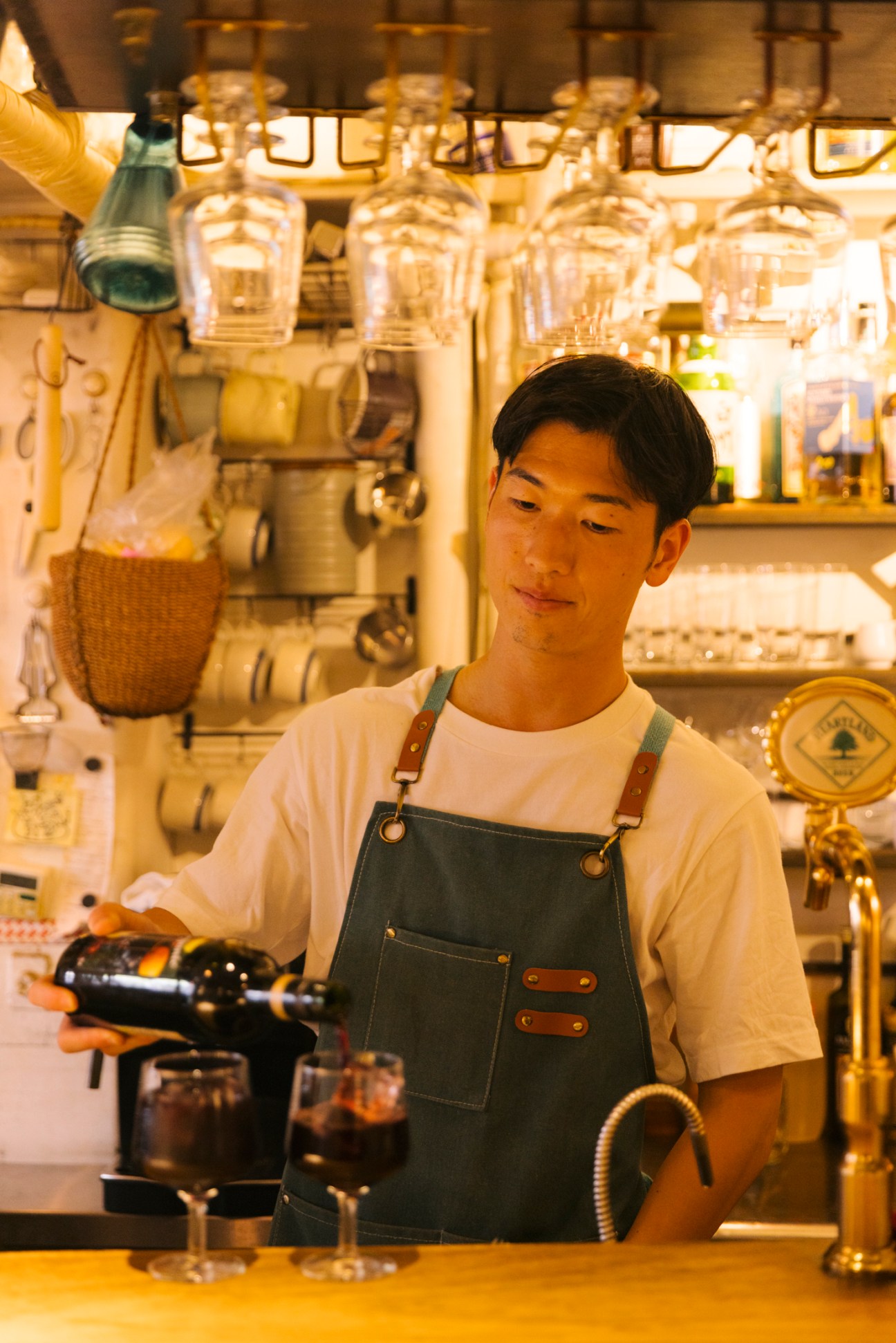

On the menu is a mix of Japanese favourites such as breaded pork cutlet sandwiches or steak on rice, as well as comfort food infused with influences from Japan, Italy and elsewhere – pasta with homemade sausage, shiitake mushrooms in red vinegar, grilled spicy chicken paired with a glass of Puglian red. Ingredients come from suppliers that the team have known for years, including rice from farmers in Ishikawa and onions from Awaji-shima. Japanese pop provides the soundtrack and conversation flows easily. Solo diners chat to the chefs and to each other; many friendships have been forged at the restaurant’s well-worn counter. Grigio is a reminder of the importance of a welcoming neighbourhood spot. “We like to compare this place to a living room,” says Chiba. “Somewhere you can come for a coffee, a quick bite or a full meal. The food is delicious, of course, but we also do our best to make everyone feel at home.”
The versatile florist
Wilder
Antwerp
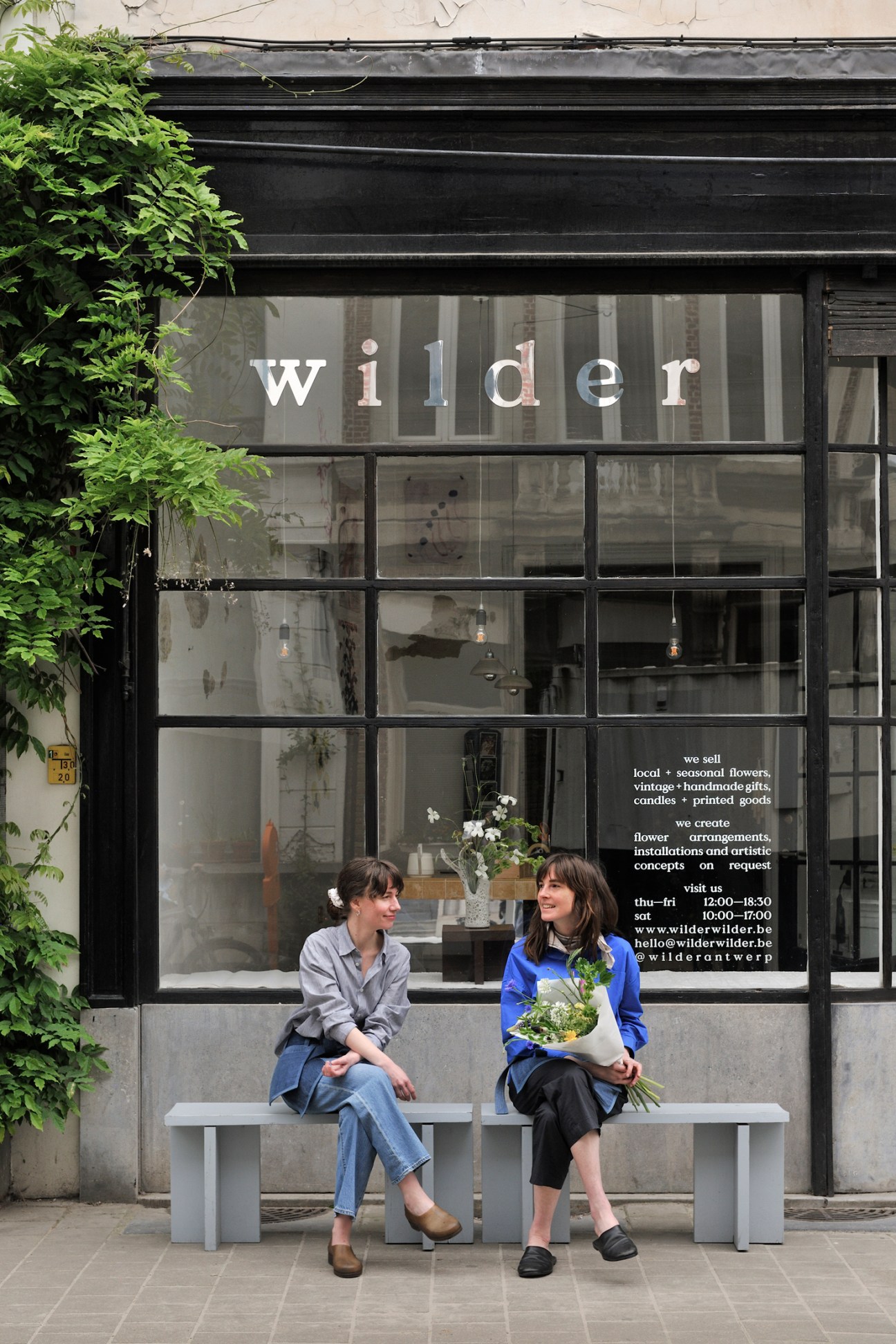
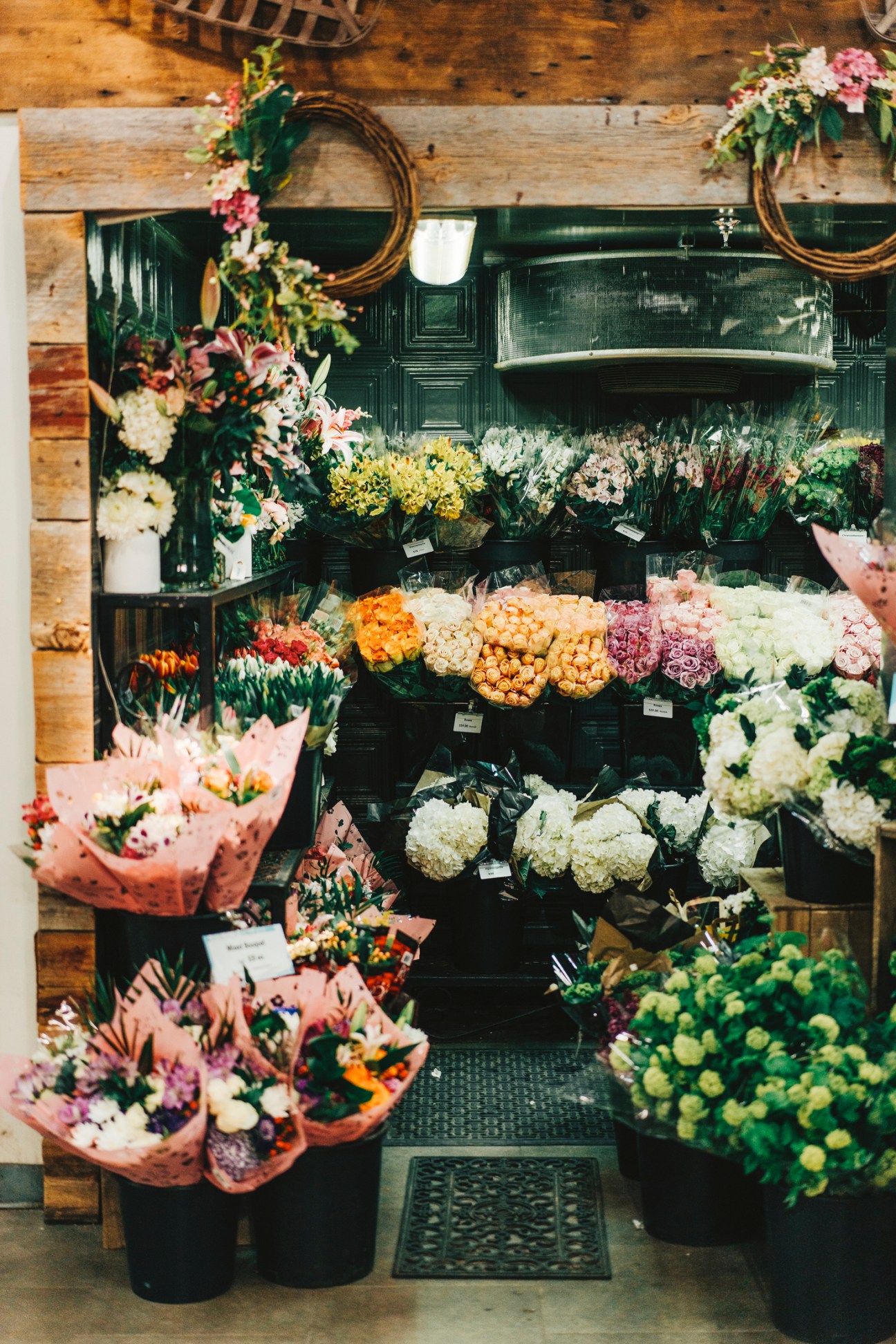
Inspired by the independent shops, cafés and galleries cropping up around them in recent years, Mayken Craenen and her business partner, Marijke Boesmans, opened their first flower shop, Wilder, on a street near Antwerp Central Station in 2019. “Antwerp feels like a big village,” says Craenen. “It has a good balance of familiarity and energy.” This summer, the creative duo have been expanding their network in the area, creating bespoke bouquets for weddings and other events, as well as setting up flower subscriptions for nearby studios, cafés and bakeries.
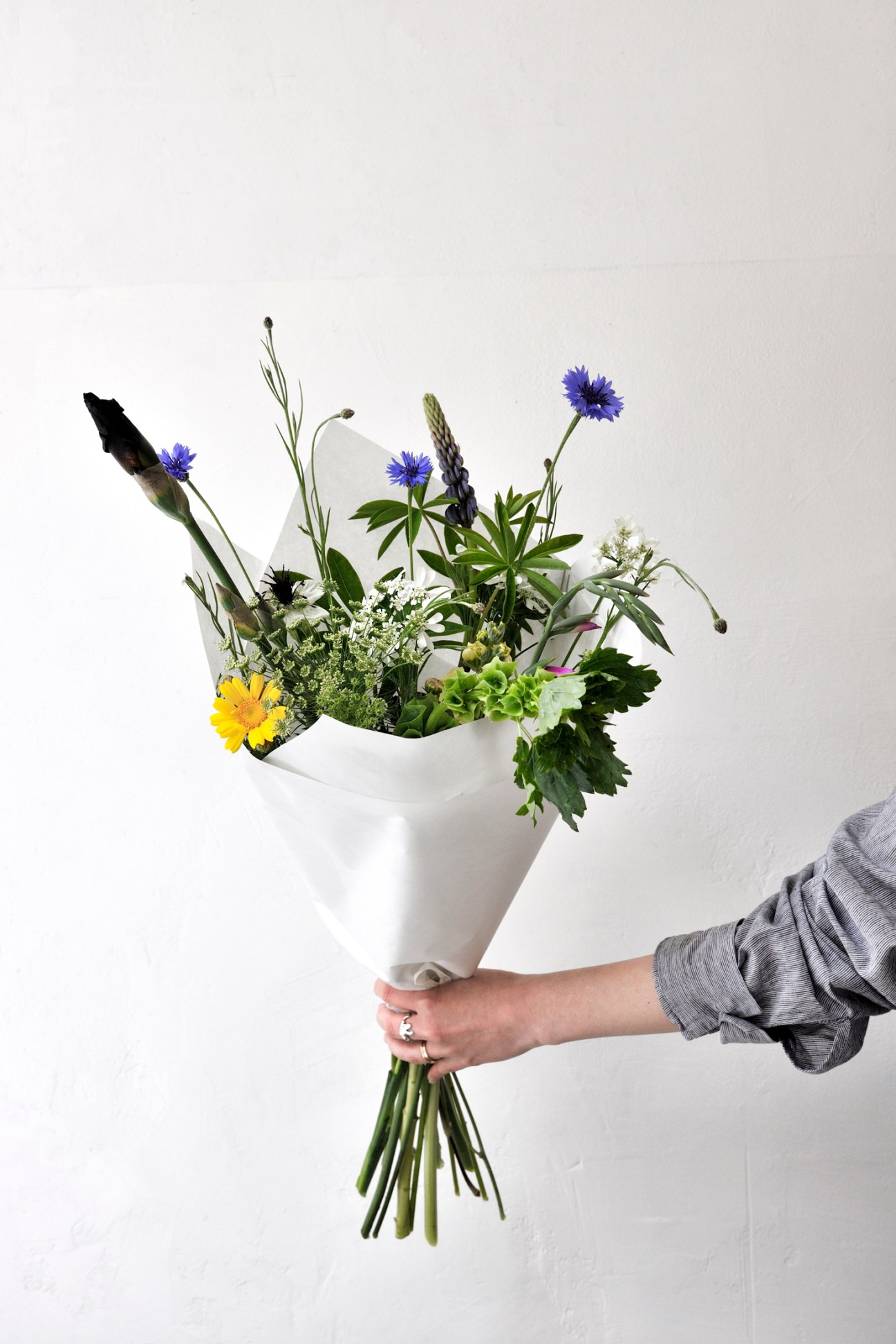

Wilder is, in some ways, more than just a florist: the shop also sells a selection of magazines, art books, Niwaki gardening tools, stationery and handmade ceramics, while hosting regular events with local creatives on the side. “We love the dynamic that this diversity creates,” says Craenen.
The private community center
Brentwood Country Mart
Los Angeles

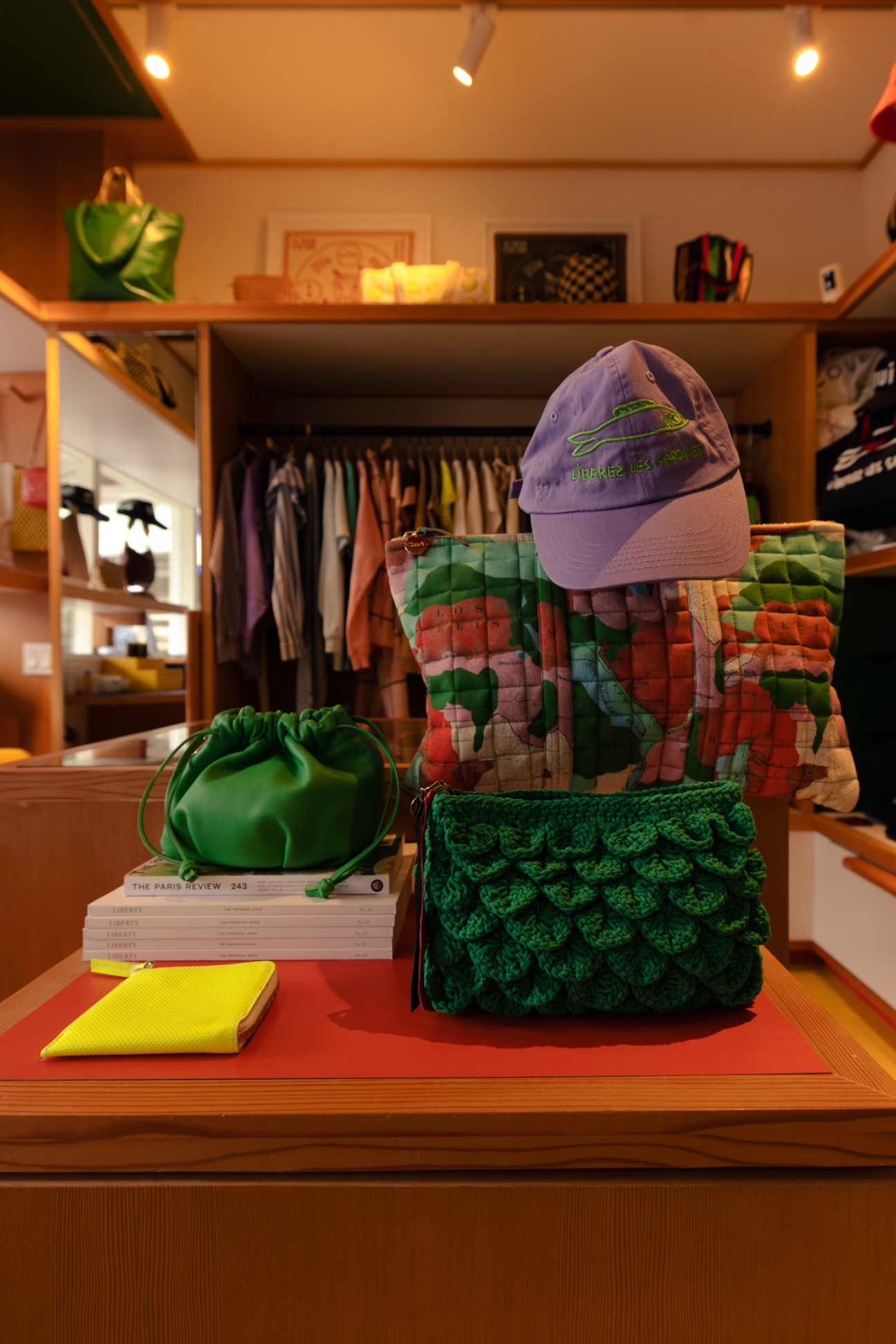
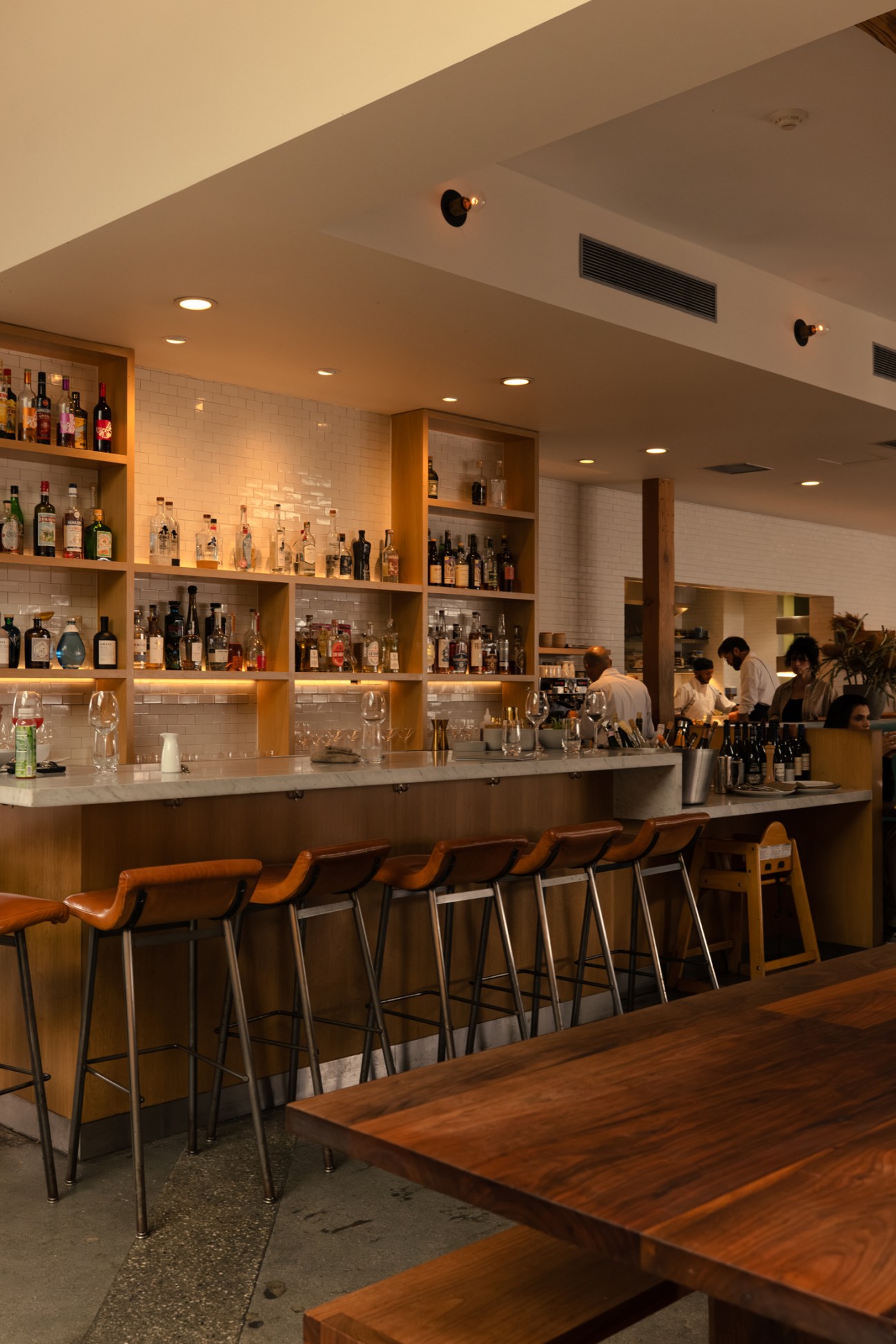
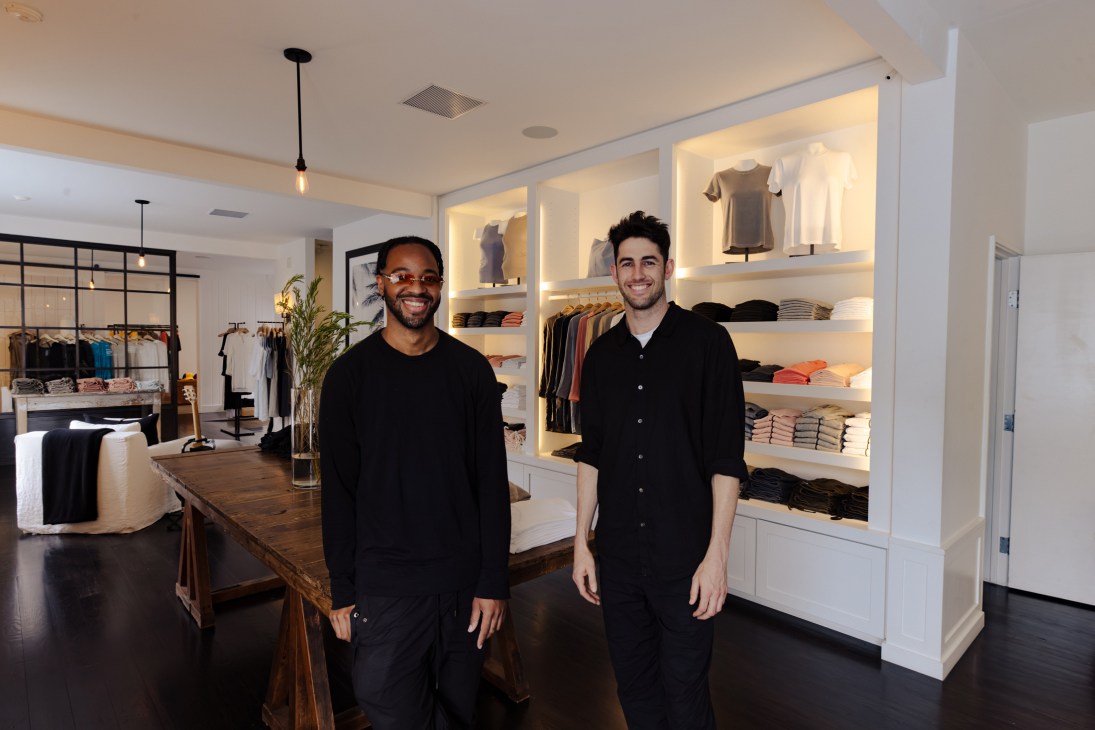
At Brentwood Country Mart, you can find an outpost of Gwyneth Paltrow’s Goop a few steps from a place that will reheel your boots. “Generations of customers have come through here,” says Celia Goli, who has run the shoe-repair shop with her husband, Samir, for more than 40 years. Opened in 1948, the Country Mart was once Elizabeth Taylor’s corner shop. Today it is home to barn-like boutiques for the likes of James Perse and Sid Mashburn. Alongside these brands are businesses that every neighbourhood needs: people buy stamps at its post office; Lloyd’s does a close-towel shave; Farmshop is the place for pantry essentials, even if the Sunday brunch is also a bit of a scene. “Brentwood Country Mart is fast becoming a community centre,” wrote the Los Angeles Examiner in 1953 – and so it has remained.
The community mall
The Commons
Bangkok
When Vicharee Vichit-Vadakan and her brother, Varatt, opened The Commons in Bangkok, they dreamed about creating a “neighbourhood institution” in Thong Lor, where they grew up. In 2015 they achieved just that. Dubbed a community mall, The Commons could just as easily be called a privately run community centre.
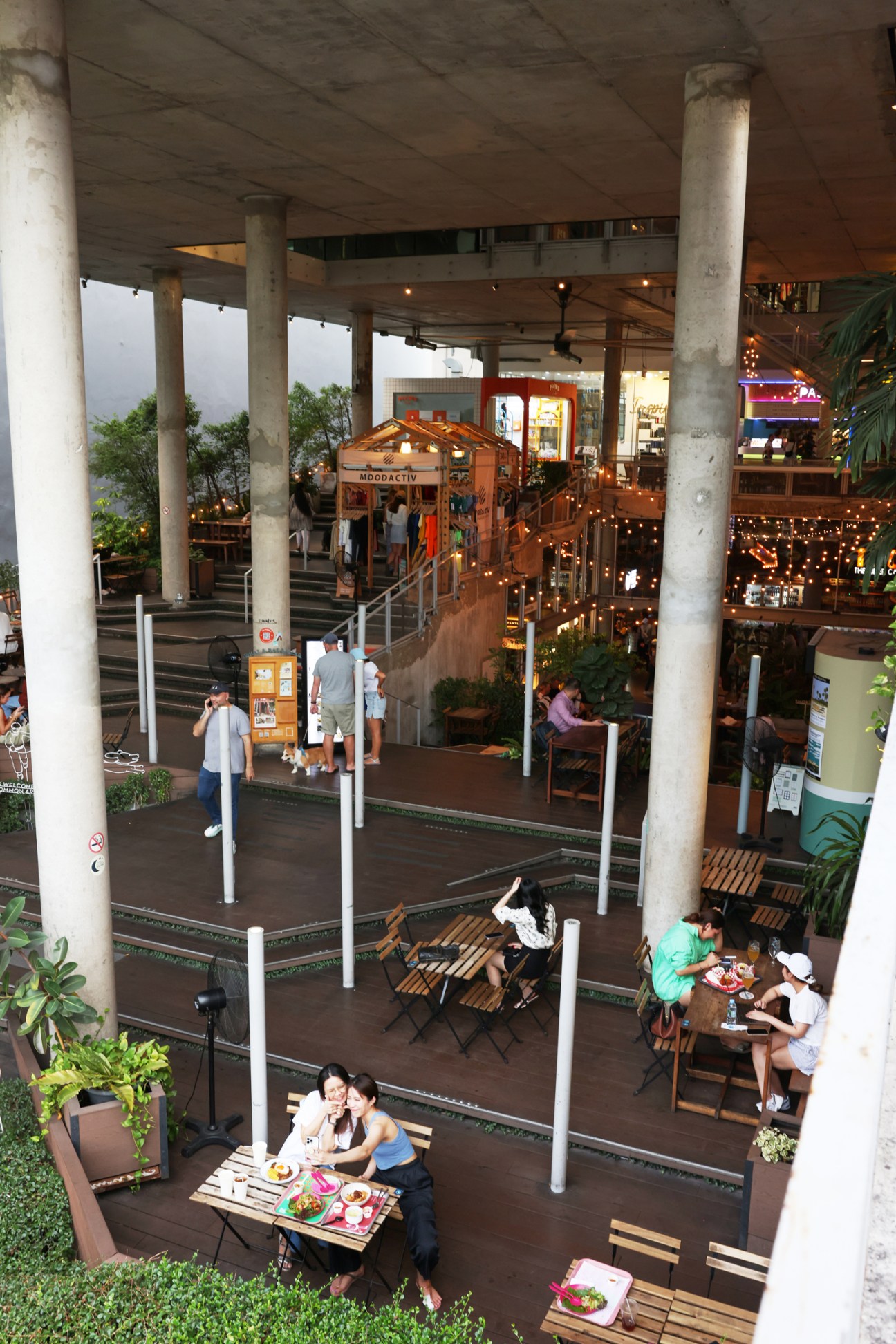
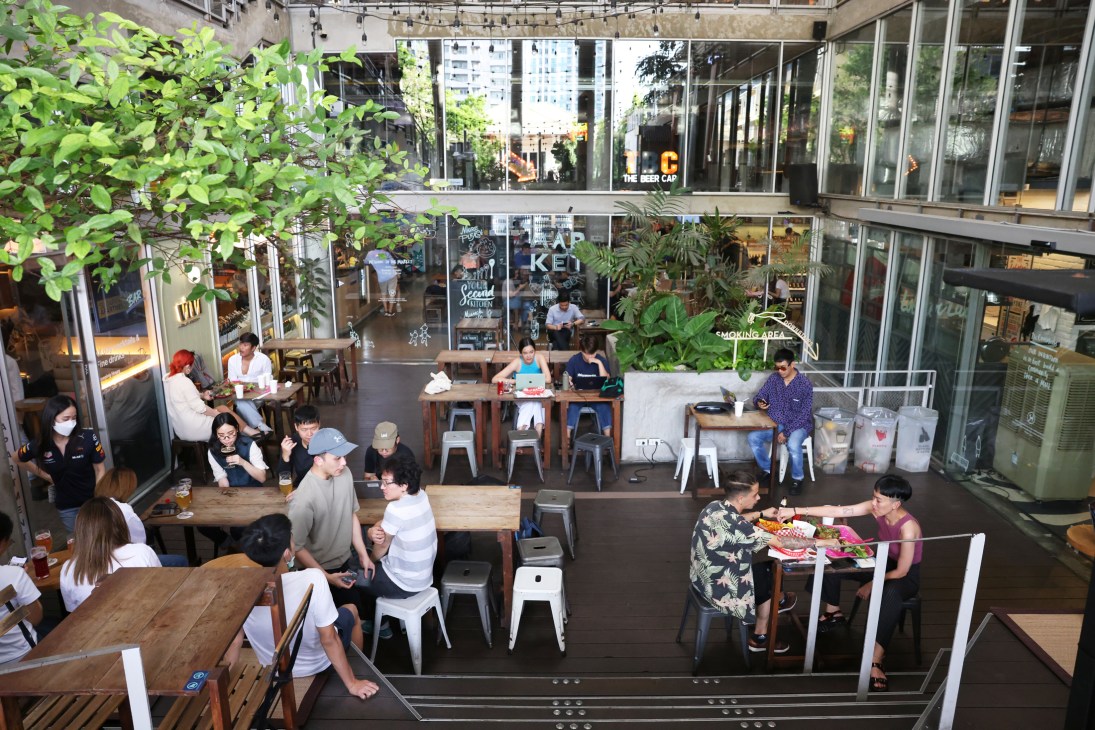
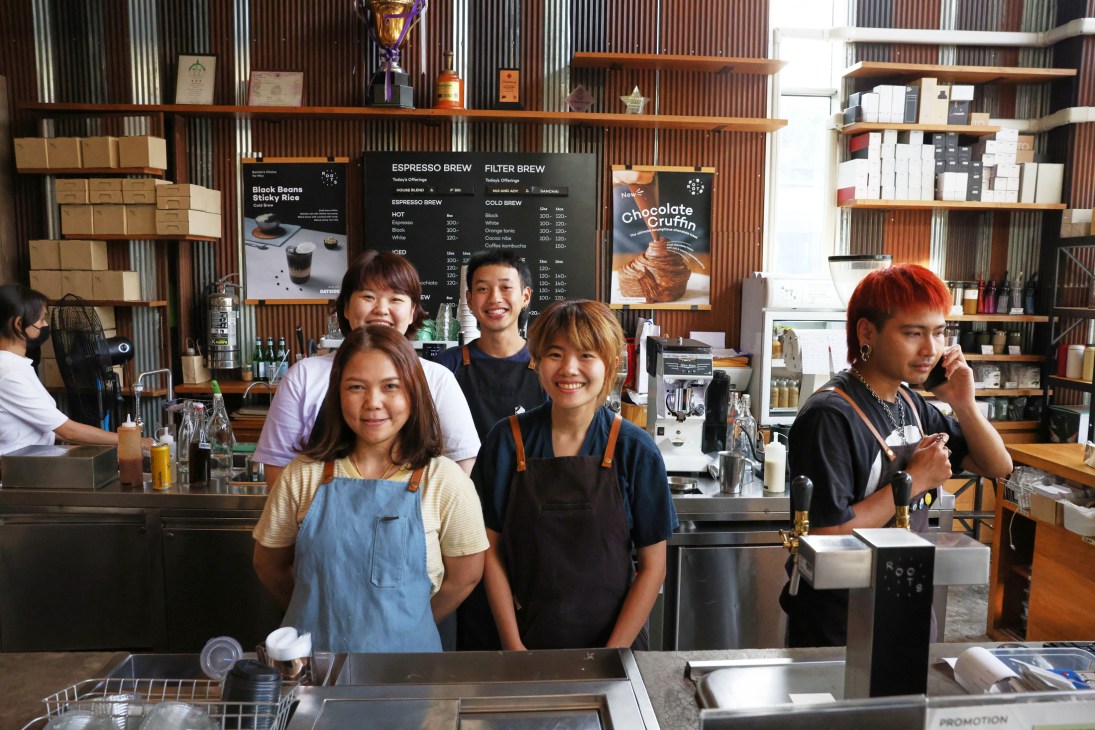
Alongside a small retail offering, it provides various services across four storeys, including cooking classes, playgroups and hair salons. But the big draw is the ground-floor food hall, where independent vendors are arranged market-style, with plenty of shared space. “All these components create balance and make it lively throughout the day,” says Vicharee. “We held a pasta-making workshop recently and afterwards a class full of strangers hung out here the whole night.”
The building’s considered design facilitates chance encounters. Friends can spot one another across multiple floors, while big communal tables nudge diners to sit together. (Thais are famously friendly but still need help meeting new people.) Vicharee believes that the secret is simple. “You need to create reasons for people to come together and provide space for them to feel like they belong,” she says.
The bookshop
Under the Cover
Lisbon
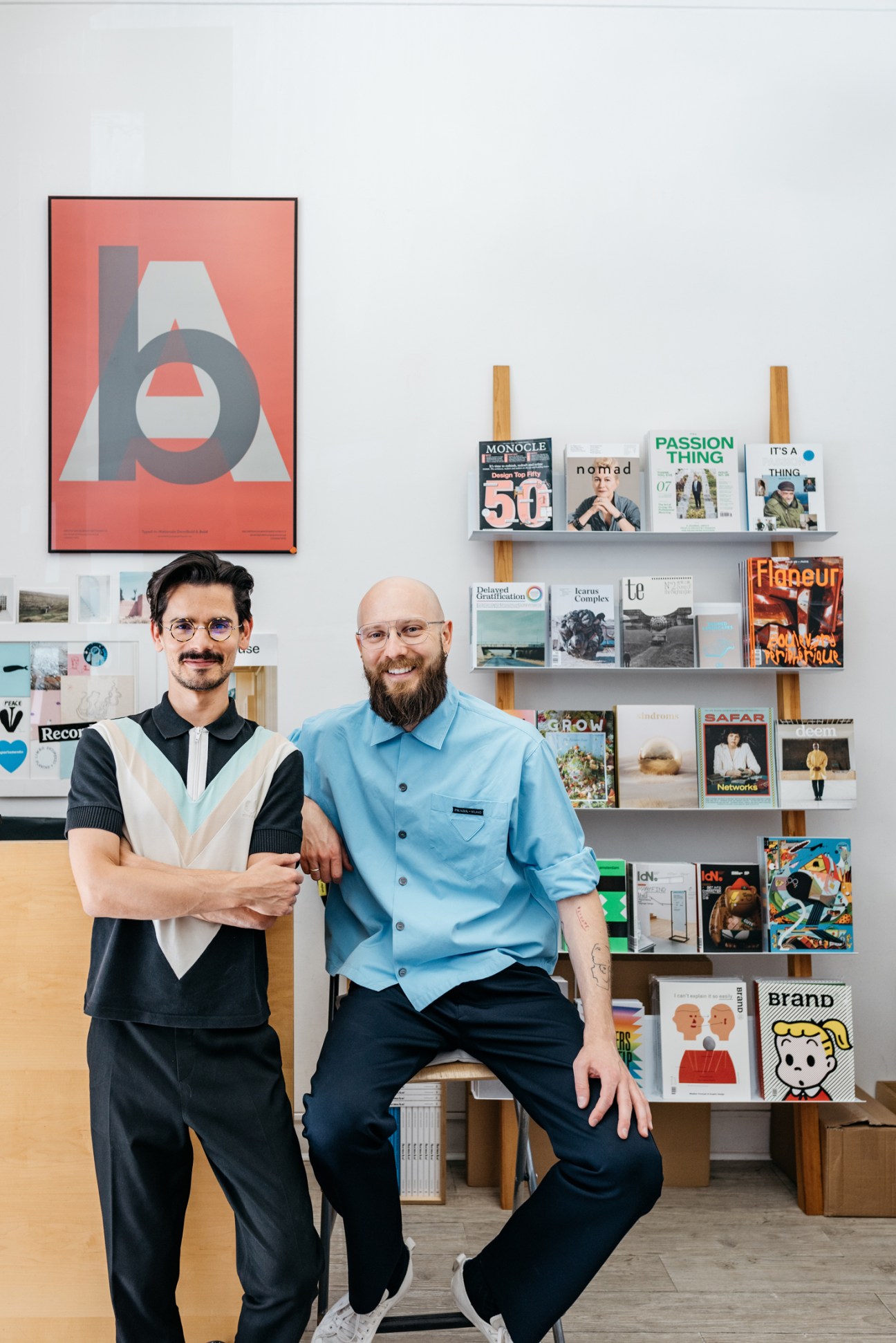
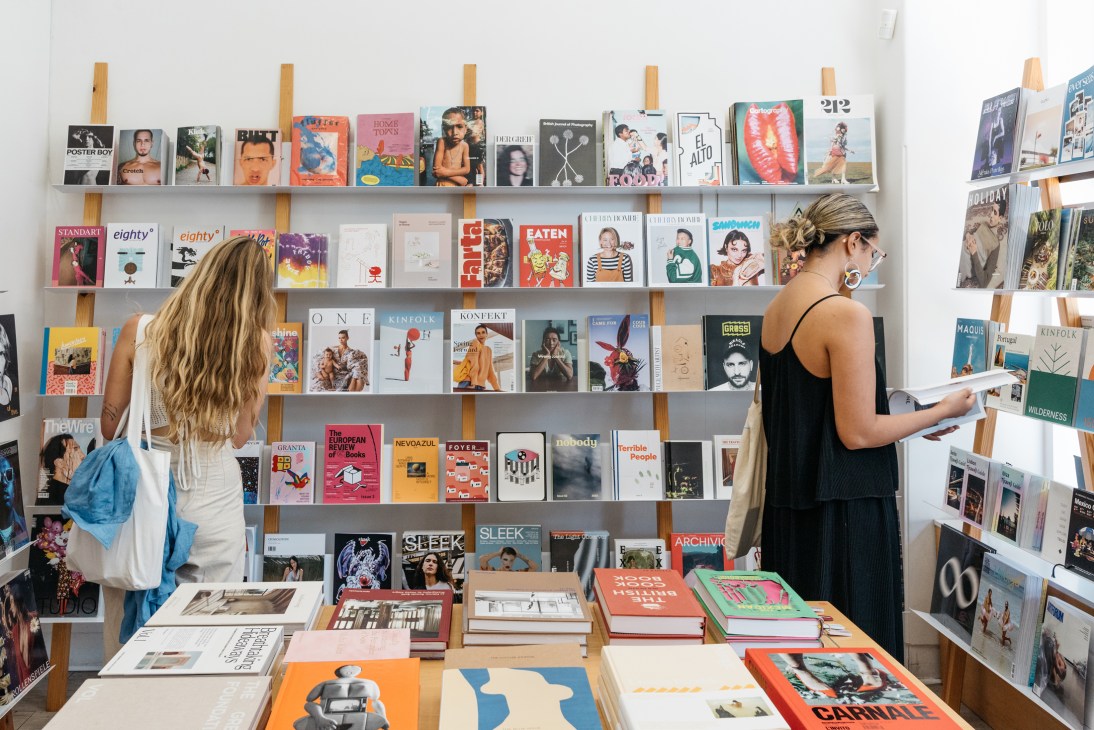
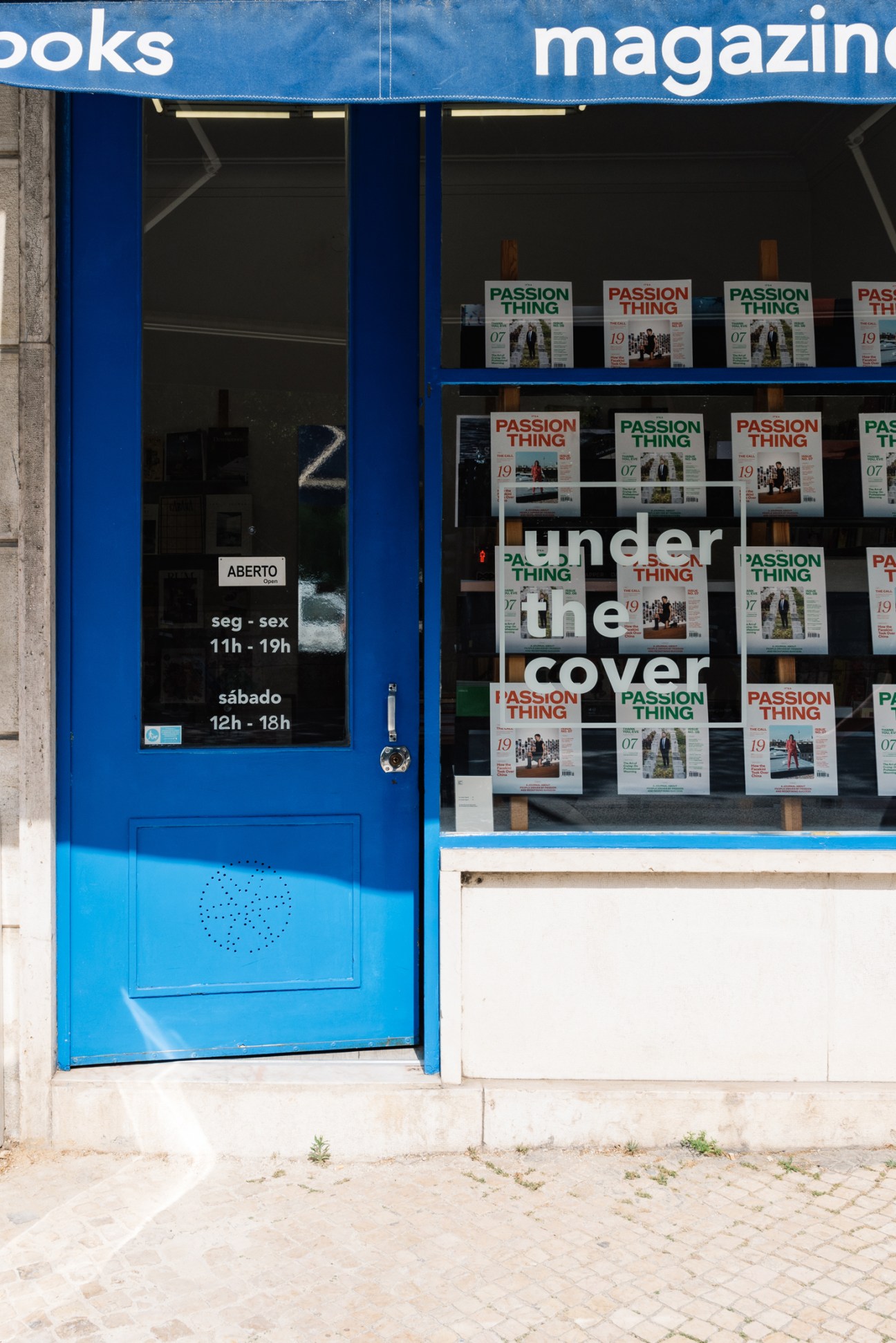
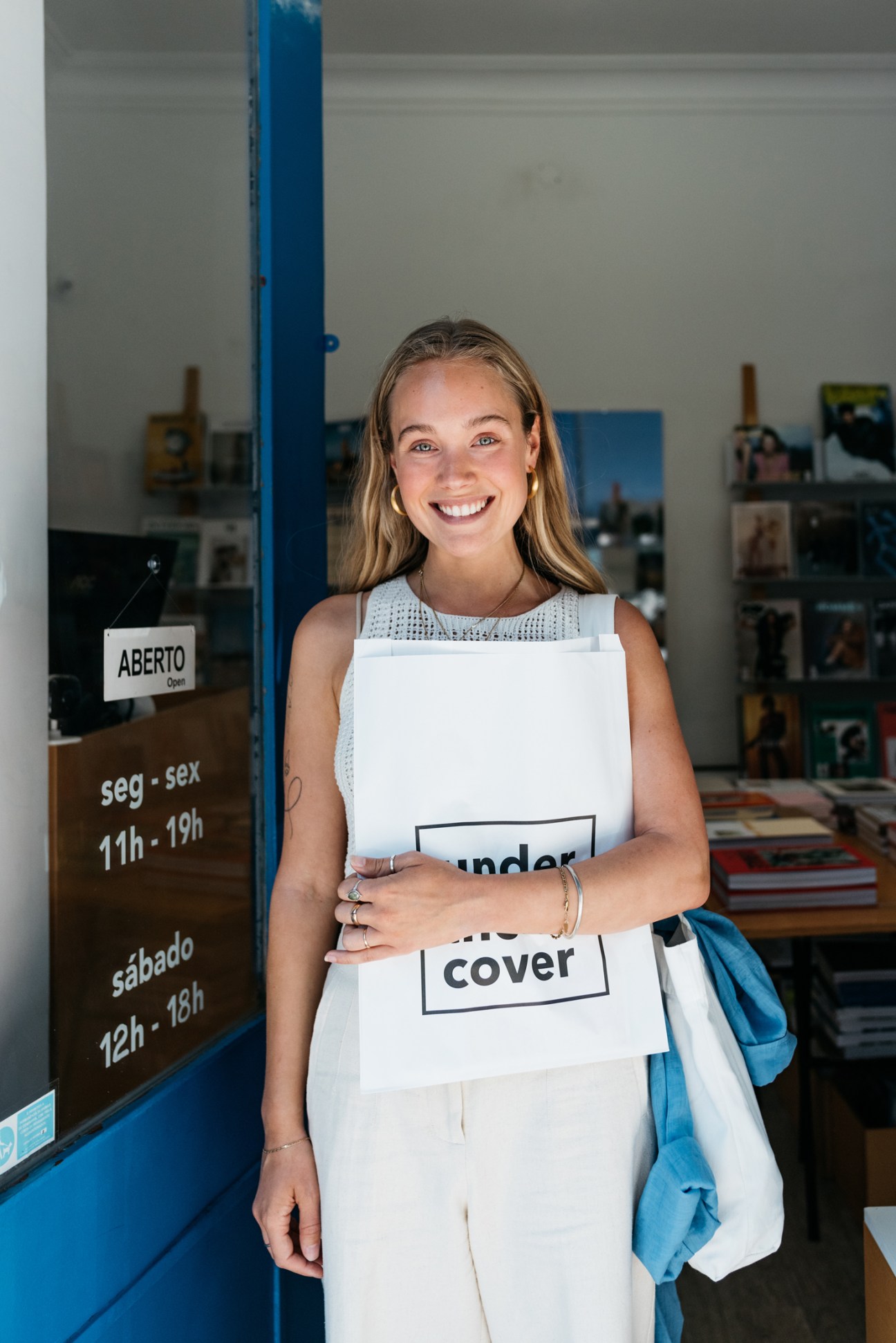
When Monocle speaks to Luís Cunha, co-founder of Lisbon’s Under the Cover, a contemporary bookshop stocking independent magazines, he’s preparing to host an event with It’s a Passion Thing, an Austrian publication about people who devote their lives to doing what they love. “It could have featured us!” he says. Cunha and his partner, Arturas Slidziauskas (pictured, on right, with Cunha), were working in medicine when they decided to open the shop. “We act as a link between editors and readers,” says Cunha. “We consider all aspects of each magazine and are able to tell its story.”
The hardware shop
Kanamono
Hong Kong
Interior designer Sammi Wong opened Kanamono in 2015 after she sensed a lack of exciting options in Hong Kong when it came to items such as door locks, hinges and hooks. Inspired by small independent hardware shops in Tokyo and Osaka – and keen to offer customers unique ways to furnish their homes – she now sells everything from German ceramic lightbulb holders to vintage hand-wound clocks in her cosy shopfront in Tai Hang, a low-rise nook off Victoria Park.
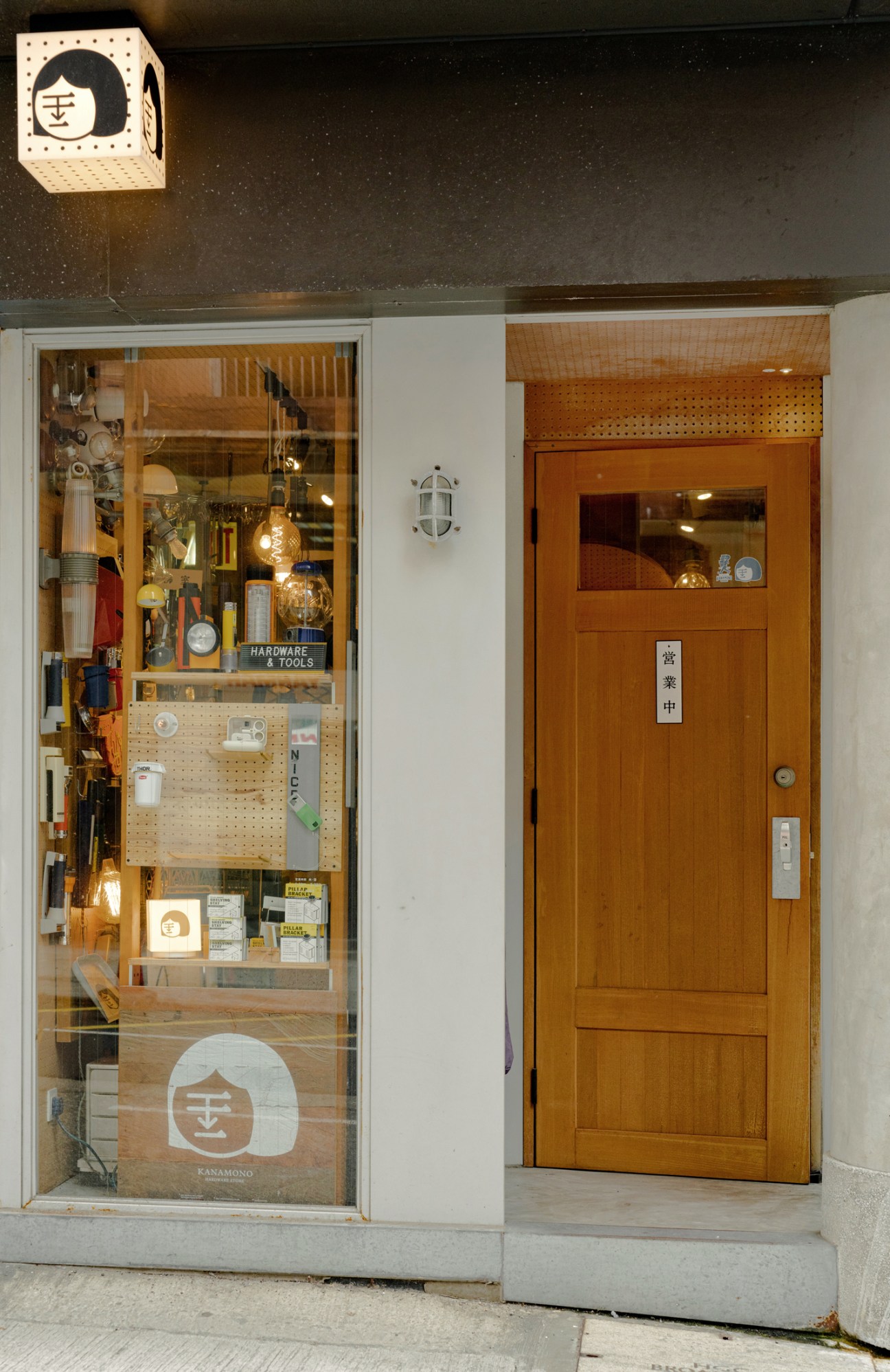

Unlike most chains, the designer’s small, independent retail space provides customers with a more personalised shopping experience. At Kanamono, Wong is on hand to give advice and tell the stories behind the objects she sells. It’s a characteristic that she shares with other businesses in the neighbourhood. “You walk in from bustling Causeway Bay and you feel a different atmosphere in this small community,” she says of her surroundings. “The tranquil environment, various local restaurants, little shops, dai pai dong [open-air food stalls], cha chaan teng [Hong Kong cafés] and small vegetable stalls make the area feel like a miniature version of Hong Kong.”
The niche neighbour
Saisonal
Zürich
Standing inside Caspar Ruetz’s busy shop, it’s easy to see why people call him the asparagus king. A former banker, Ruetz opened the business on a quiet side street in Seefeld in 2021 after meeting a German asparagus farmer and deciding to embark on a career change. These days, his shop sells many specialities, including regional jerky, Italian buffalo mozzarella and fresh tomatoes, but the green vegetable remains the biggest crowd-pleaser.
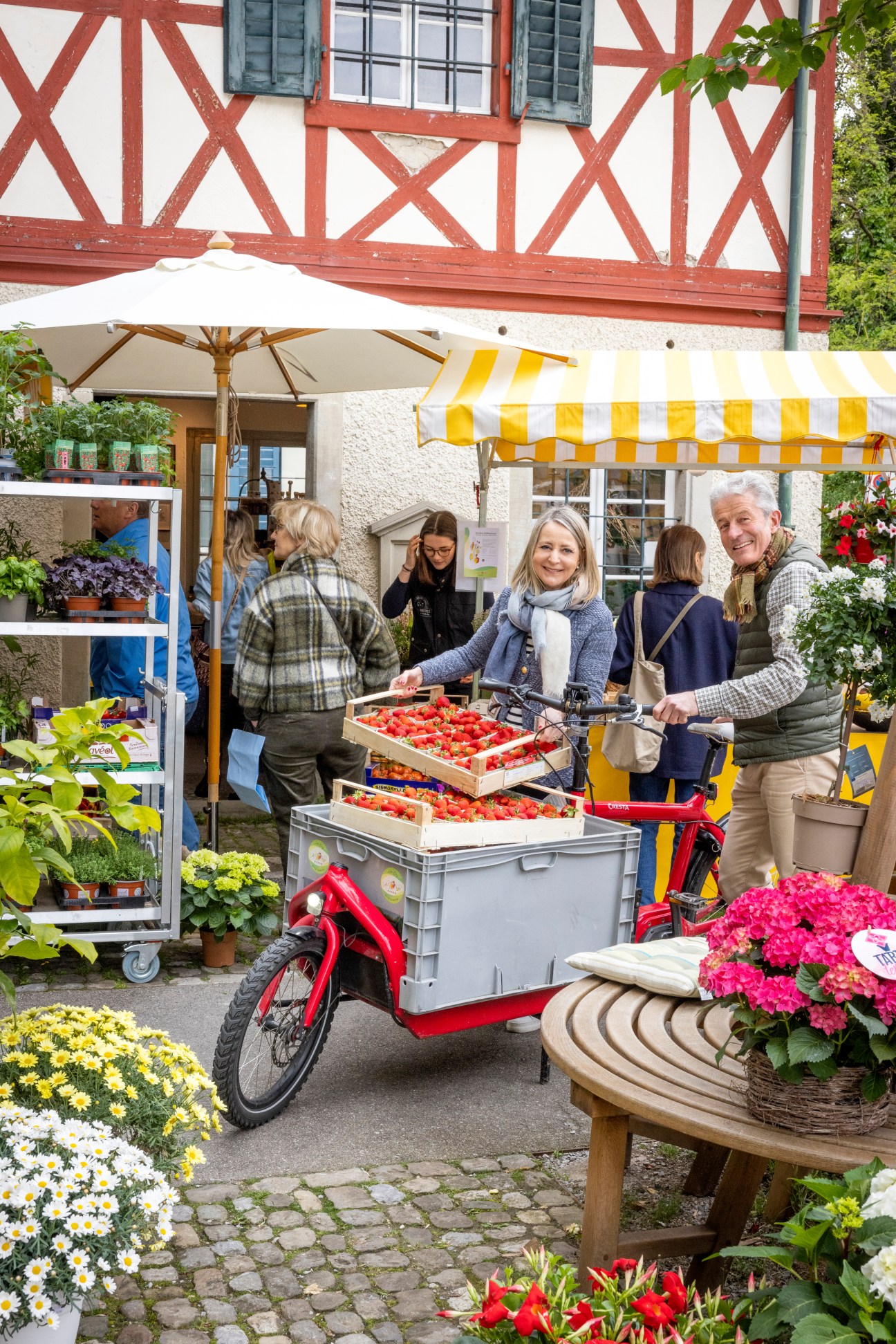
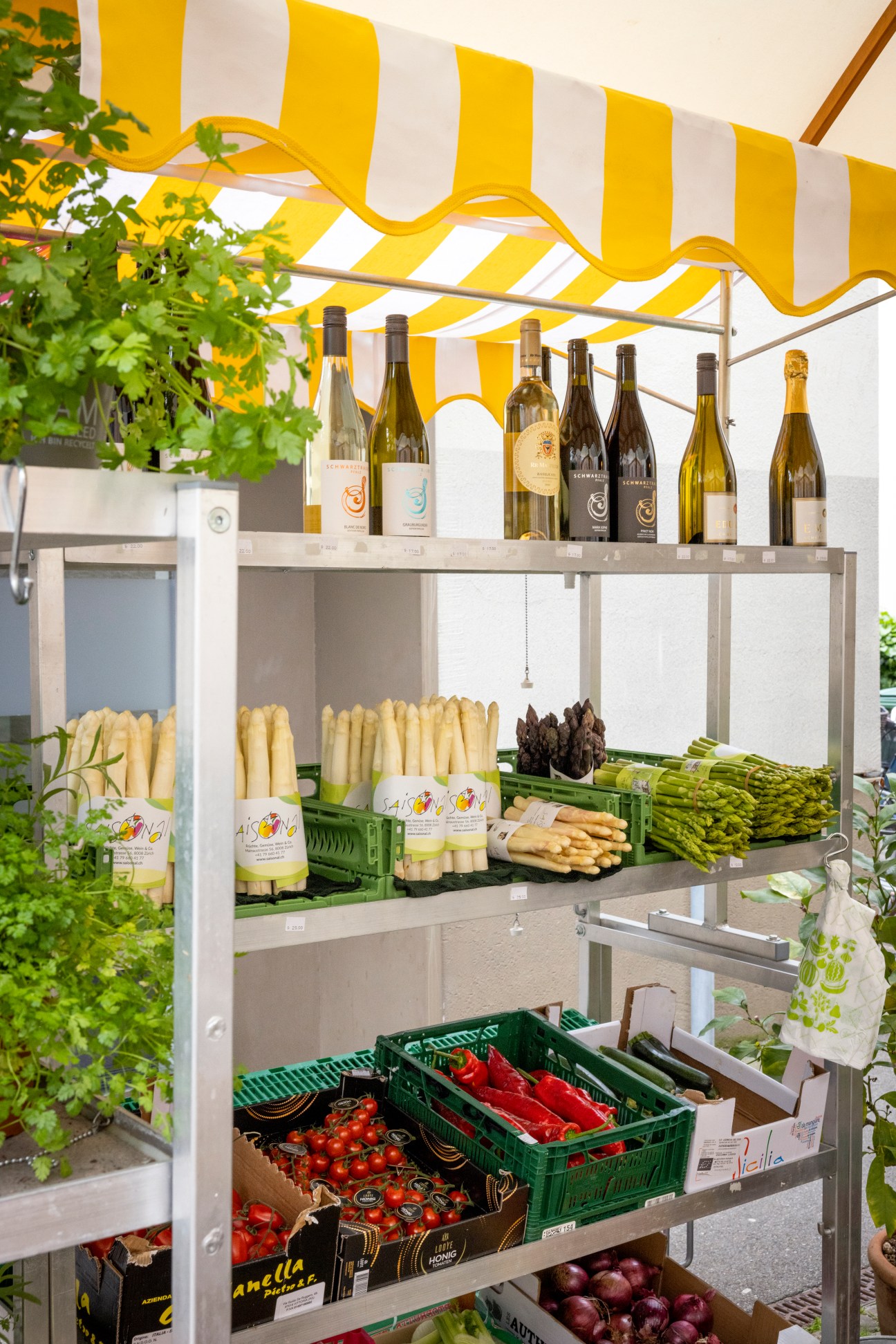
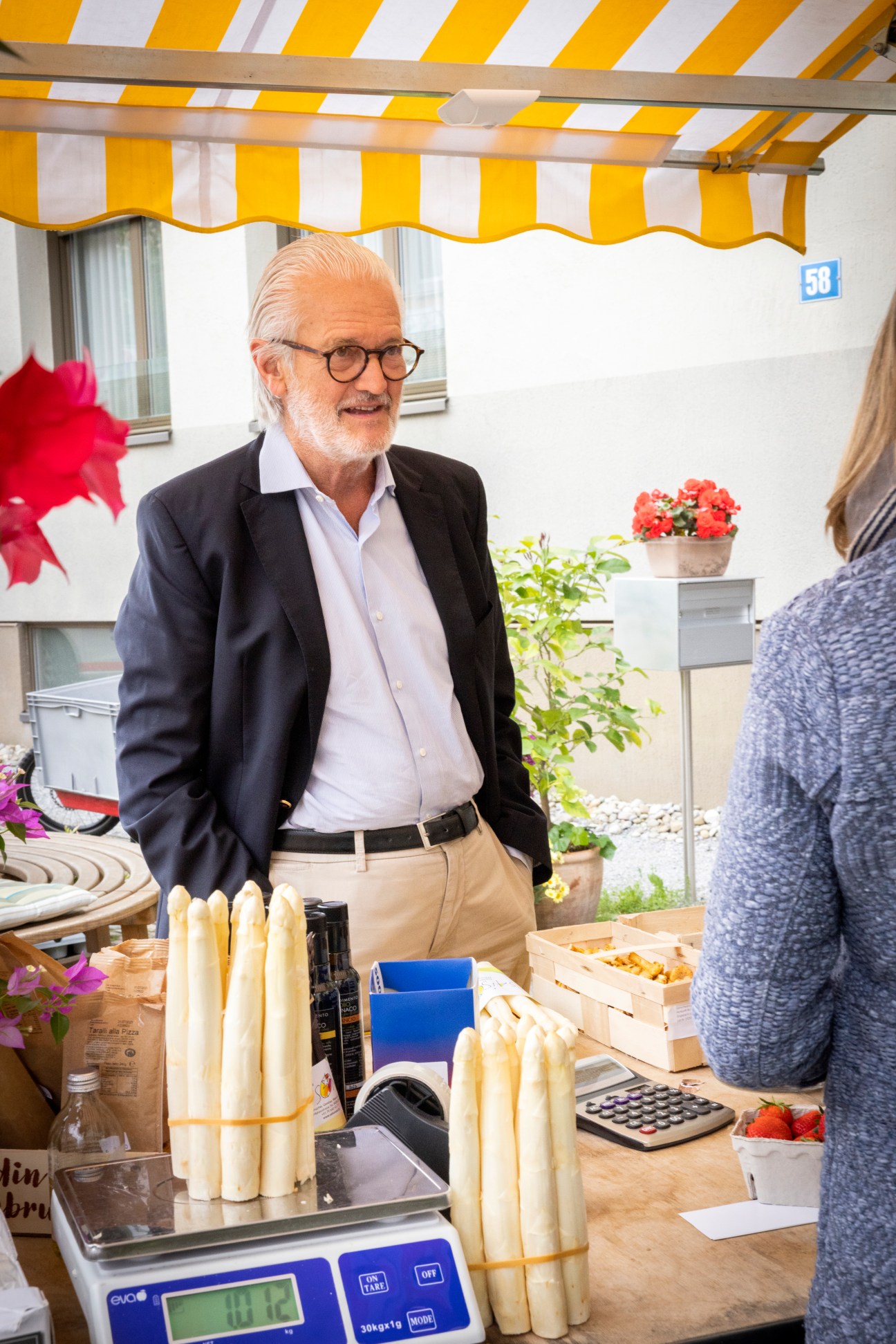
Most customers here (many of whom are regulars) know exactly what they want. That said, Ruetz and his wife, Doris, still give first-timers insightful tips. The couple say that speaking to shoppers is the best part of the job. “I drive to Germany by myself at night, various times a week, to import the asparagus and then deliver them to more than 80 restaurants,” says Ruetz. “But I also bring them here to sell them to our customers.”
The wine merchant
Public Wine Shop
Melbourne
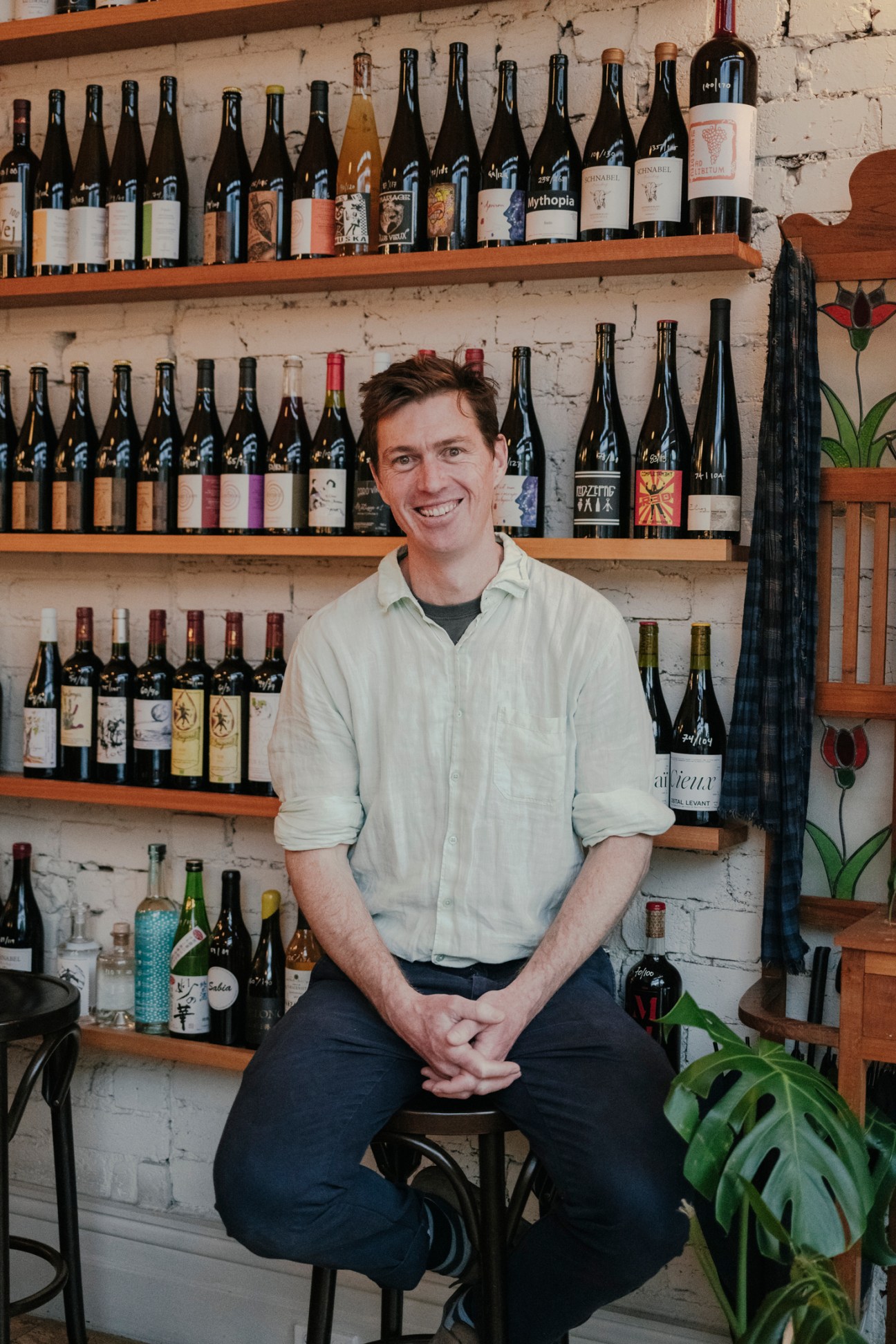
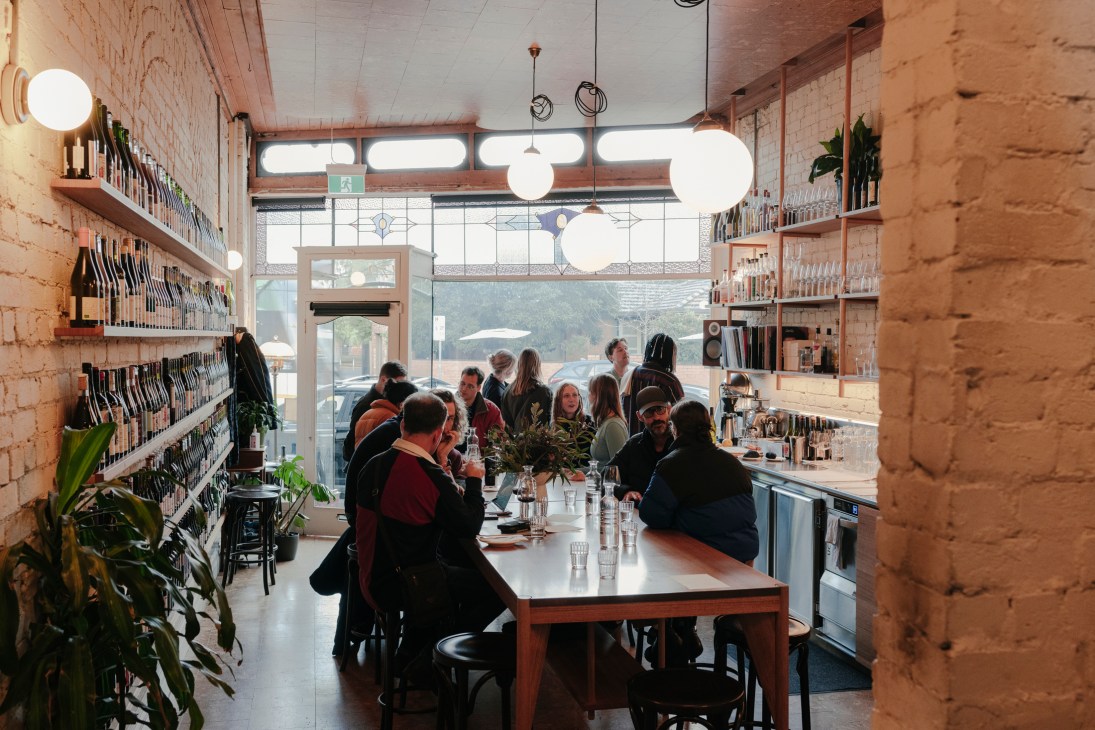
Serving some 300 cuvées – including European grapes from France, Germany and Austria as well as Australian producers – Melbourne’s Public Wine Shop is a neighbourhood favourite in the trendy suburb of North Fitzroy. “We could have 10 times the amount of Loire Valley chenin blanc here and it still wouldn’t be enough,” says Campbell Burton, who founded the shop with his wife, Charlotte Ryan, in 2020. Drawing on alfresco dining culture, Public has breezy outdoor tables popular with customers seeking respite from the summer heat. In the kitchen, chef Ali Currey-Voumard prepares hearty pastas, plates of charcuterie and oysters. “We have a lot of regulars who come a couple of times a week,” says Burton. “That’s the biggest compliment we could possibly get.”
The hotel escape
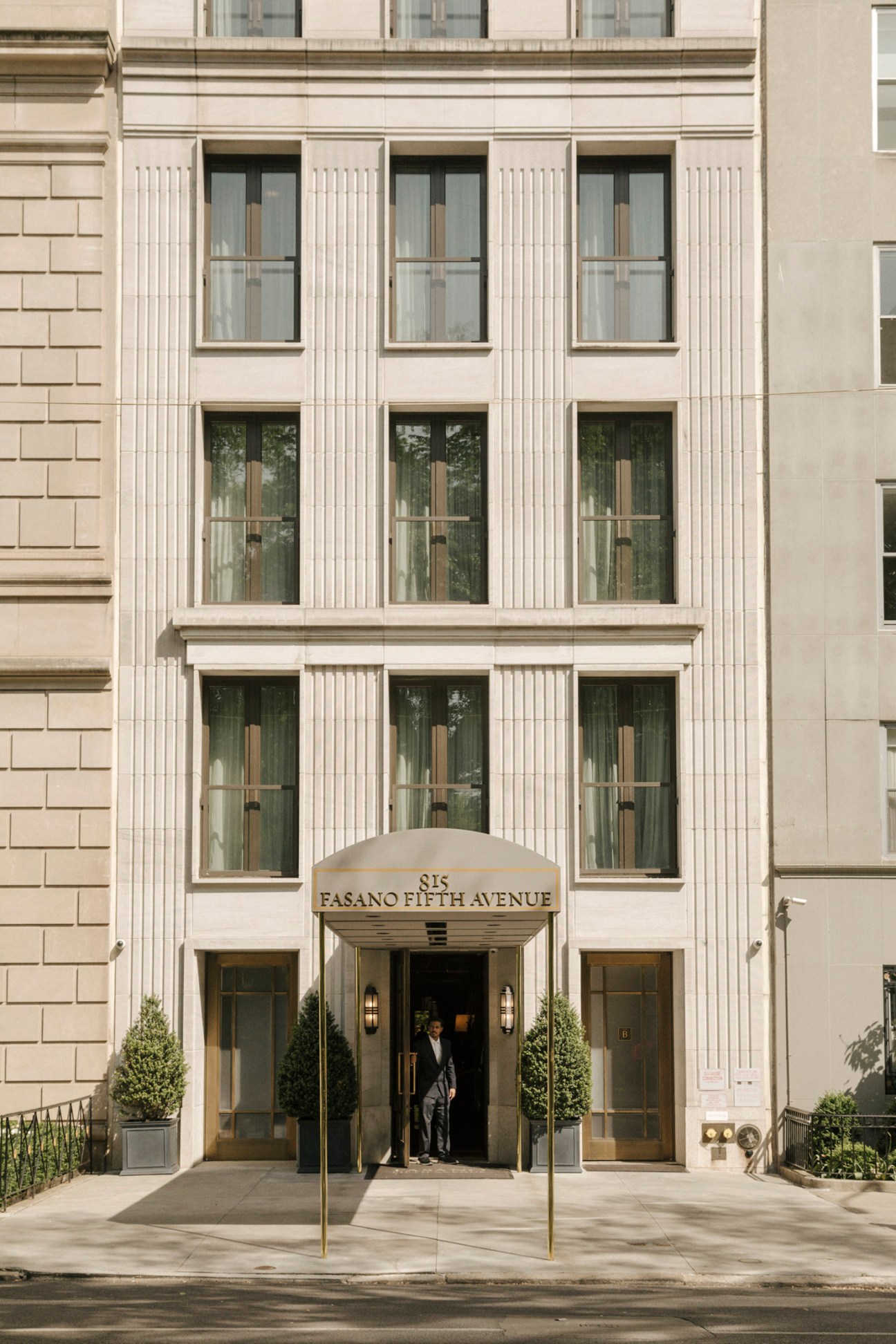
Fasano Fifth Avenue
New York
You’ll find discreet elegance in all of Fasano’s hotels. But the decor at the Brazilian group’s New York outpost is particularly impressive. Conceptualised by founder Gero Fasano and designed by French architect Thierry W Despont, the space is also home to an intimate dining bar, Fasano Caffé. General manager Andrea Natal runs a tight ship but it’s her way with people that sets the establishment apart. “The most important thing about running a hotel is taking care of people, whether they are your team, your colleagues or your guests,” she says. “There are now 10 hotels under the Fasano brand and all showcase what we value about Brazil: history, people, creativity. Fasano Fifth Avenue has brought this to New York.”
The good grocer
Summerhill Market
Toronto
When Monocle visits Toronto’s busy Summerhill Market, on a leafy avenue in Rosedale, the late-morning rush has just begun. Established in 1954 by the grocer Frank McMullen, the family-owned group of boutique supermarkets has built a reputation over the years for selling quality produce. Now run by the founder’s grandchildren, Brad and Christy McMullen, who have opened four additional shops in similarly upscale districts, the business is still thriving. “The service and the quality of the food are phenomenal here,” says customer Gail Zee, as she makes her way to the checkout past shelves heaped with fresh loaves of bread. These, along with the grocery’s popular range of meals, cakes, desserts, biscuits and condiments, are prepared daily at Summerhill Market’s own commissary.
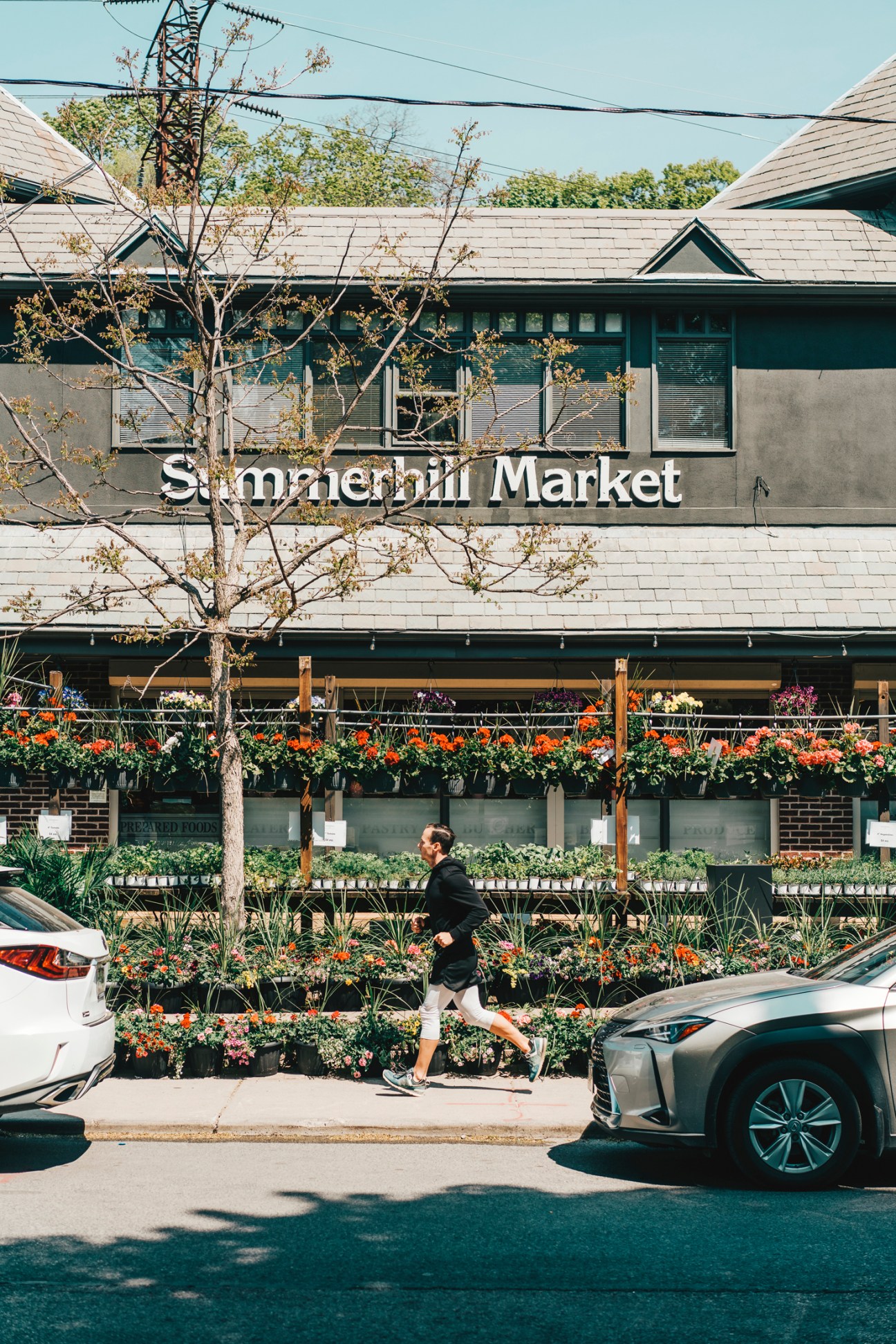



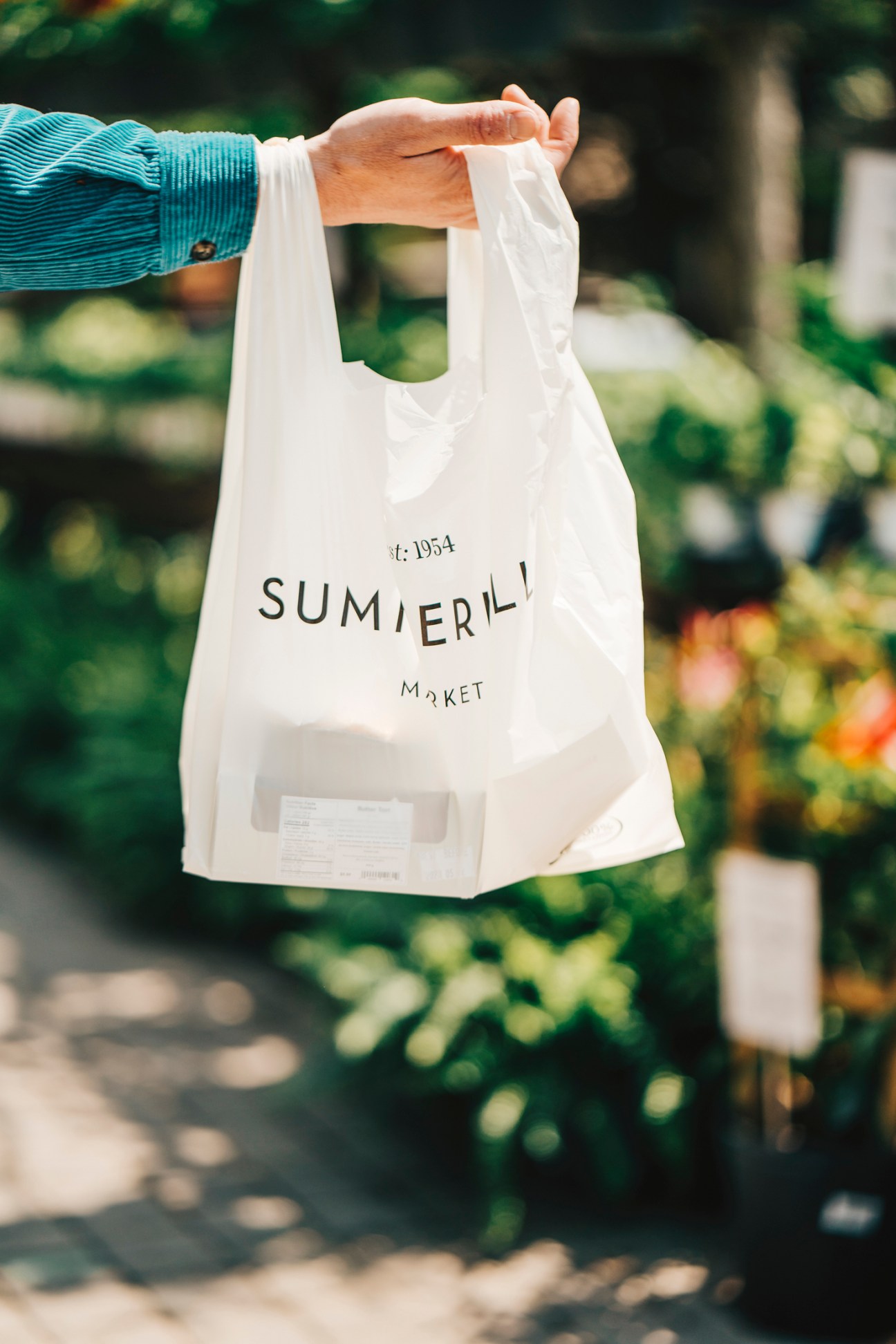
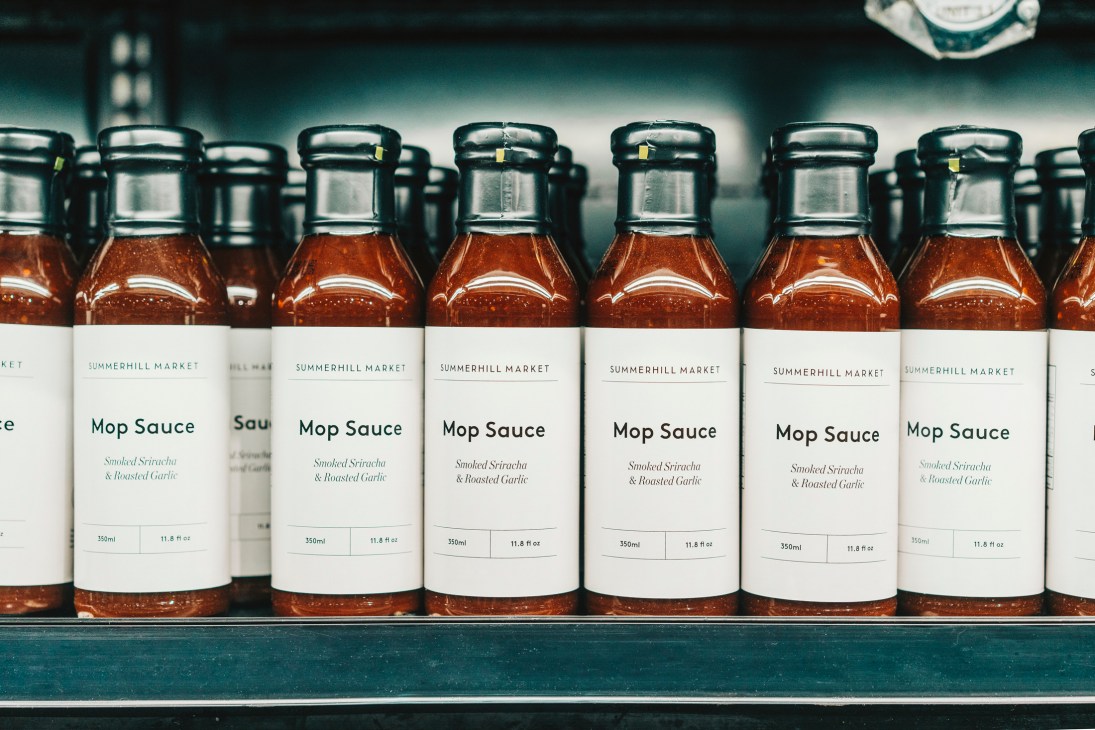
It’s clear that the brand’s reputation is anchored to both the quality of its produce and the intimacy of the service it offers, characteristics that are often more difficult to maintain at national, big-box supermarket chains. “I like the way it’s small, easy to get around and I know where everything is,” says another shopper, Barbara Lacey. “The prices are higher but you get good quality, so it’s worth it.”
The optician
Monc
London
The realisation that every neighbourhood needs a good optician is what led Freddie Elborne (pictured, above) to open Monc eyewear’s first bricks-and-mortar shop on London’s Chiltern Street last year. The eyewear designers, based around the corner from monocle’s offices, have been helping people in the area to see better – and look sharper – ever since. Designed in the UK, Monc’s frames are sourced and made in small batches by a team in Italy using bio-acetate, a greener, biodegradable version of plastic made without crude oil.
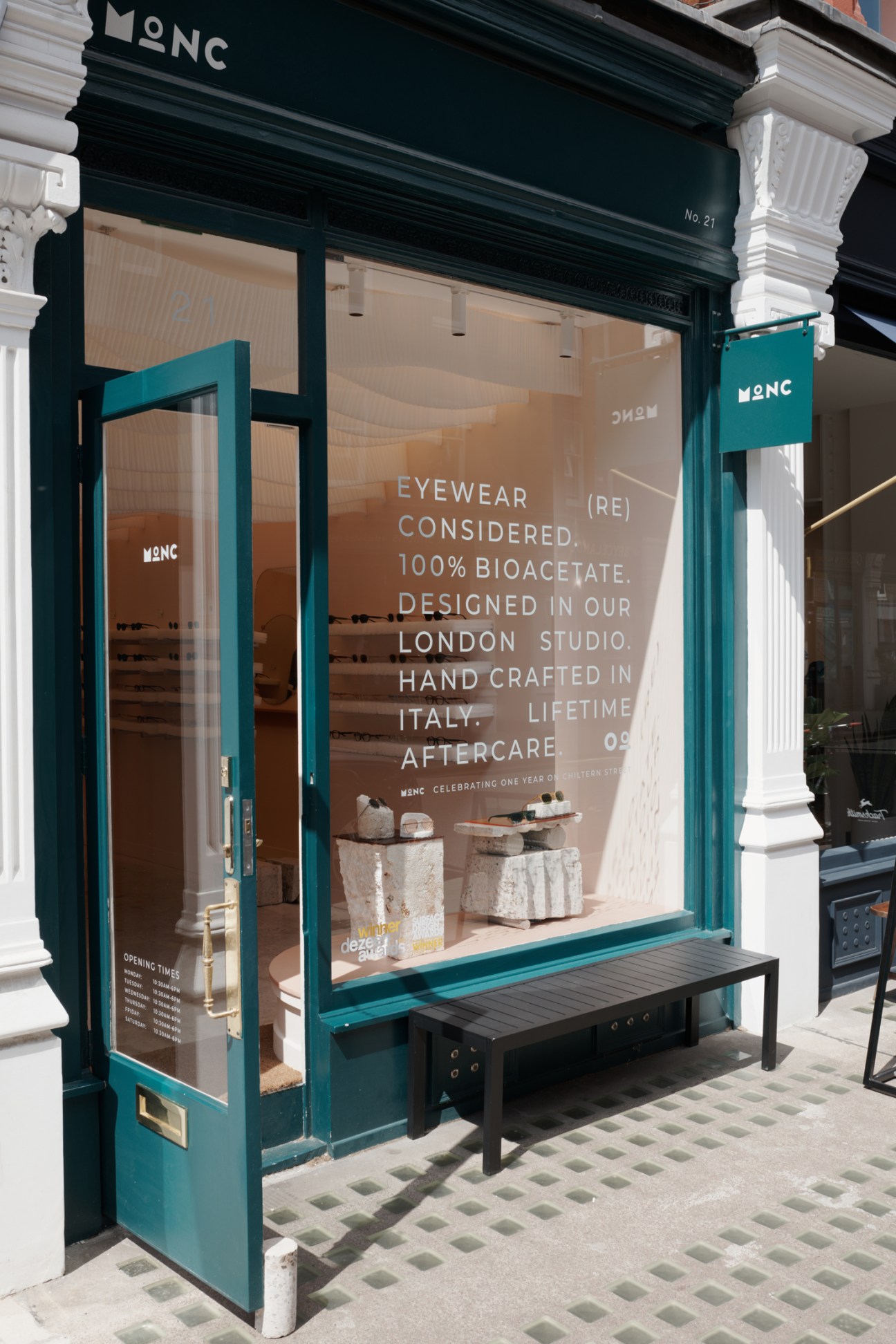
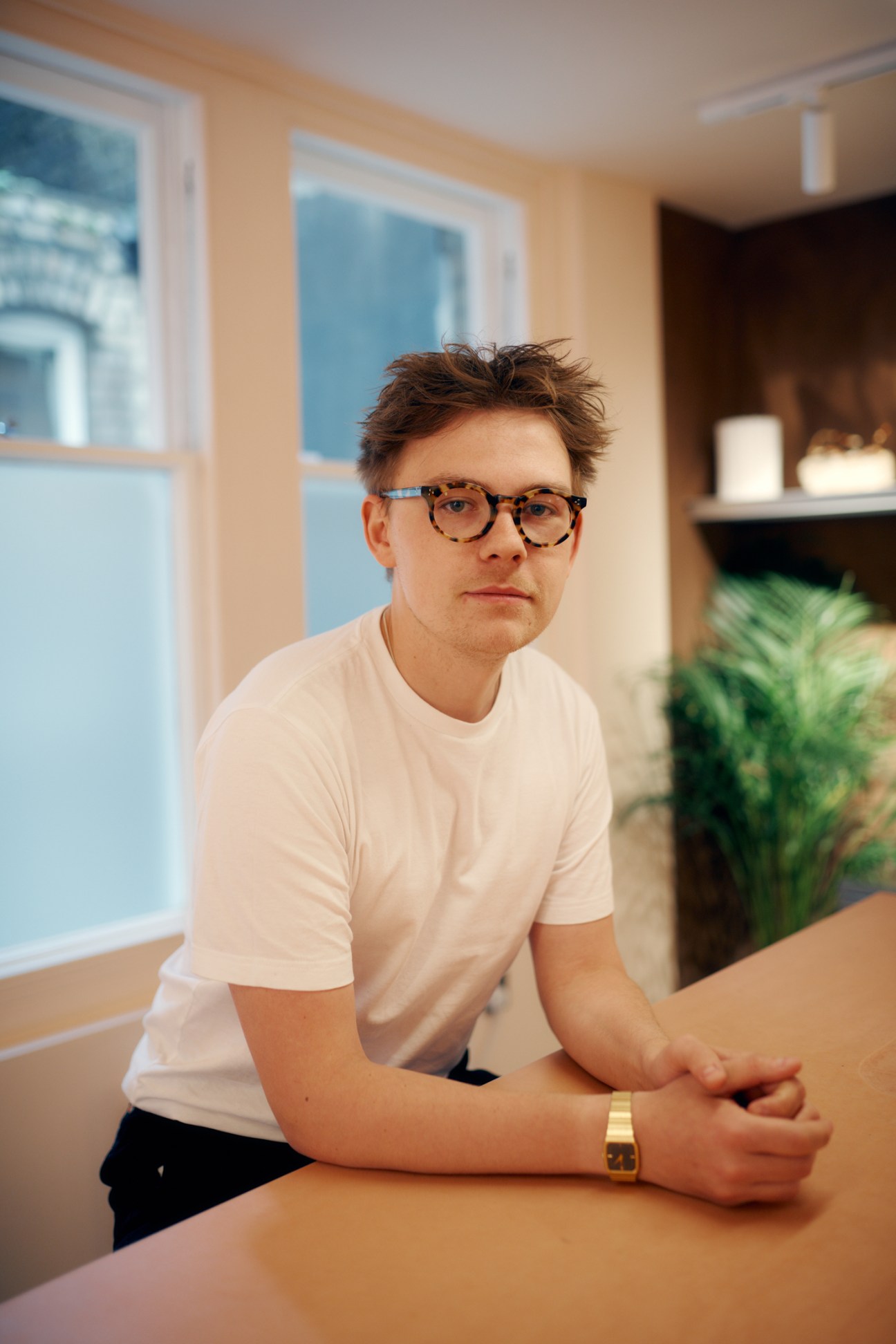
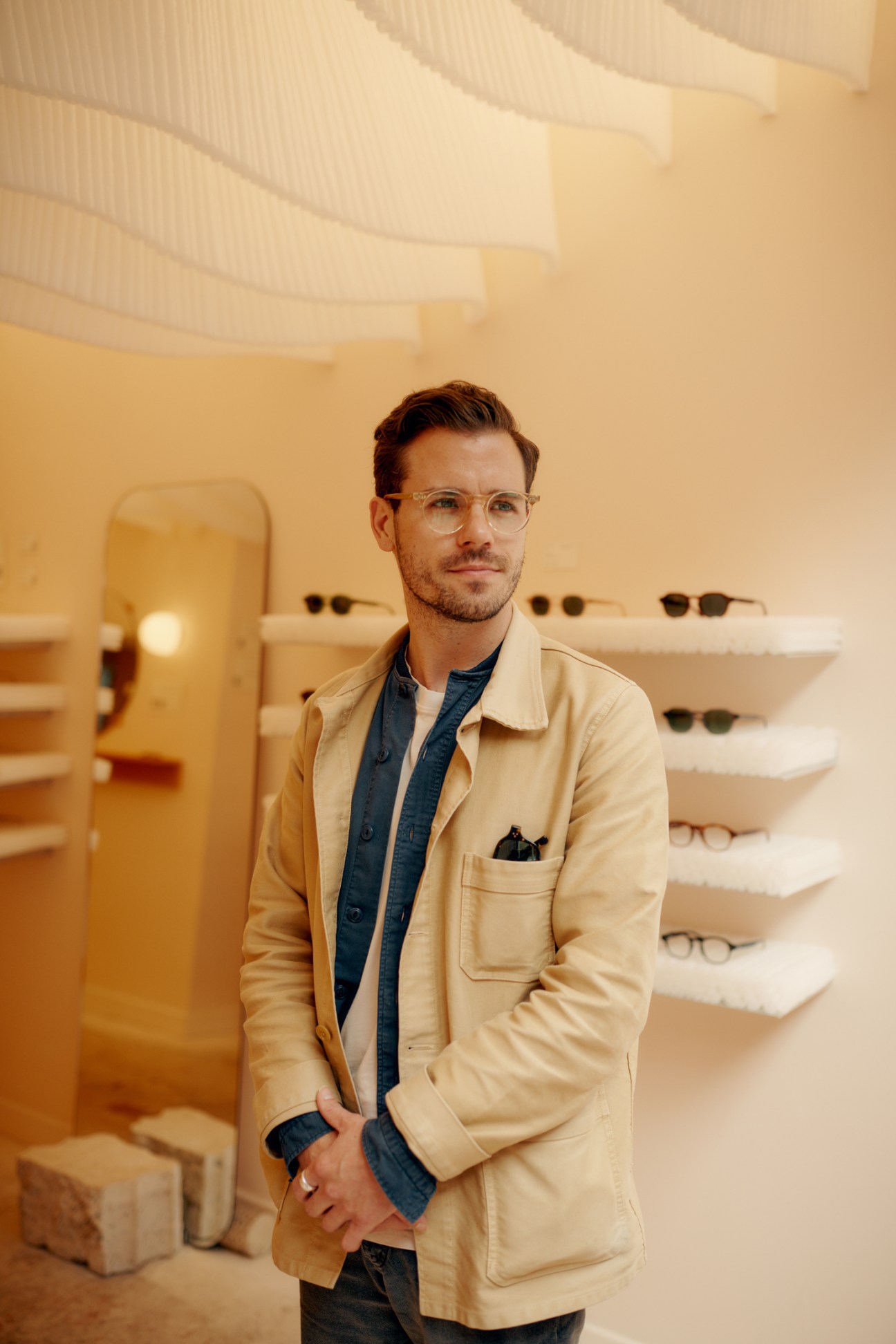
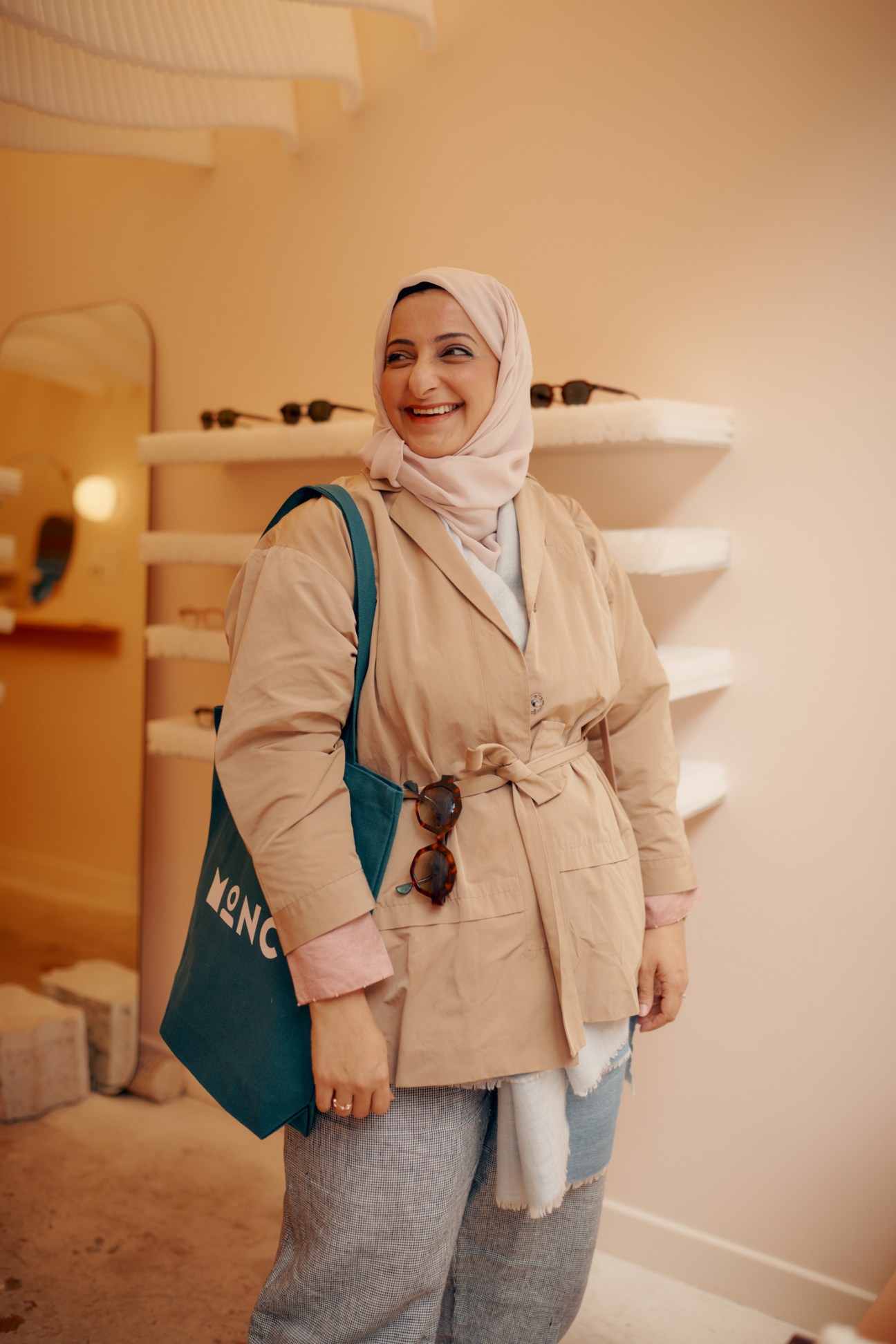
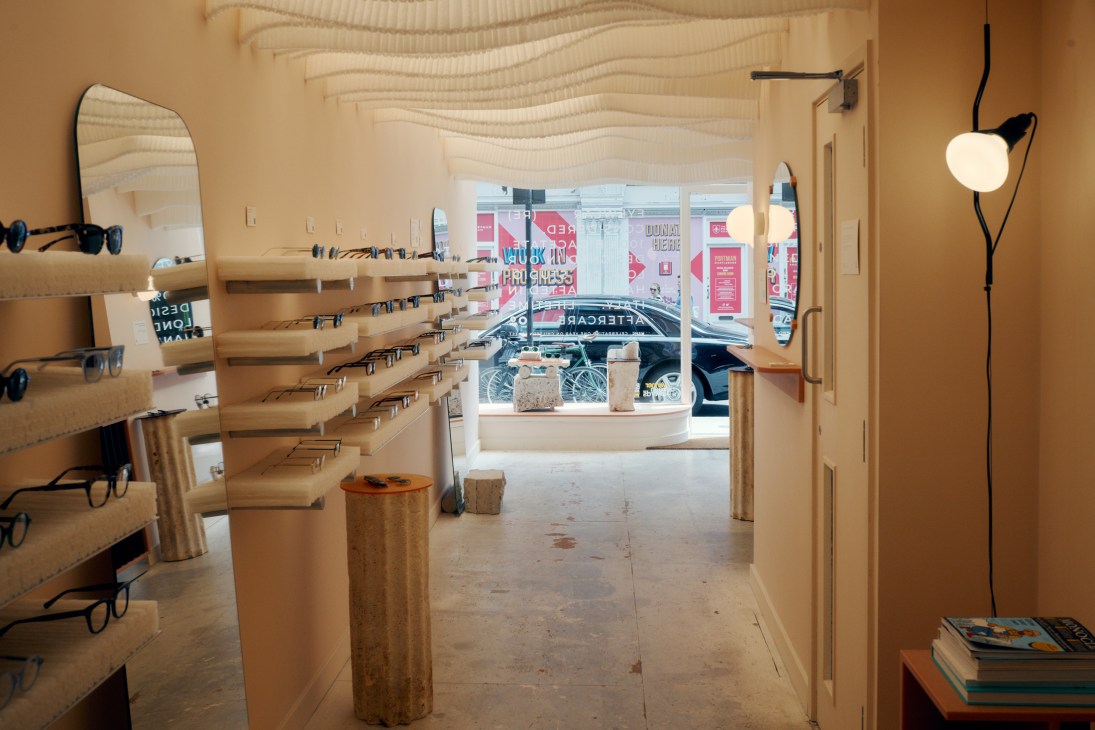

That said, much of the brand is also built around a culture of repair. “Most people don’t even realise that eyewear can be revamped or repaired,” says Elborne. “Whether it’s a broken hinge, a scratched-up frame or something worse, we assess the damage and always try to bring people’s frames back to life as good as new.” As well as selling and fixing eyewear, the shop also hosts events and workshops. Getting better acquainted with the area can only be a good thing. And while Elborne and his team are relatively new to the neighbourhood, we think that they’re here to stay.
The trusty firefighters
Küsnacht fire brigade
Zürich
An essential part of the community, the 35 volunteer firefighters living in and around the Küsnacht municipality near Lake Zürich have long been able to quickly tend to any emergency. But they might be even faster now that they have a better base to operate from. In 2022 the regional government spent €12m renovating their station.
Showing off the facility presented a good excuse to get the community together. On Blaulichttag (blue-light day), Küsnacht’s residents gathered in the town centre to support their emergency and law-enforcement services. The opportunity to have a first look at the Moos Giuliani Herrmann Architekten-designed building was no doubt a major draw. For captain Christian Benz, it was also an opportunity to remind his community of the vital work undertaken by his team. On average, there are between 100 and 140 firefighting operations every year in Küsnacht. Solving these crises is seldom easy, though every scenario is different. “They can range from traffic accidents, where people are trapped, to the classic cat-up-a-tree scenario,” says Benz. “And, of course, there are always fires to put out too.”
Mexico City is dancing to a a different beat
It takes seconds for the dance floor to fill. It’s a Saturday night in Mexico City and as soon as the band strikes the first chord, onlookers from surrounding tables shoot up without hesitation. At the end of every song, they return to their tables for a quick sip of mezcal, then bounce back, without missing a beat. We’re at Barba Azul Cabaret, a dance hall that has been here since the 1950s. The space feels like it’s in a time warp, with red lighting, silver tinsel and servers dressed in white shirts and black waistcoats. “We have live music from Tuesday and Saturday,” says a proud Alejandro Moreno, one of Barba Azul Cabaret’s owners, who keeps a keen eye on proceedings. The band is playing cumbia to a crowd of old and young punters, couples and friends, all of whom have little in common other than the fact that they’re having an exceptionally good time.
Across town, there’s no shortage of real estate where people can burn up the dance floor, from old halls like this to major clubs, as well as parks and open squares. The vitality of Mexico City’s nightlife and its residents’ penchant for dancing isn’t just an attraction for those in search of a weekend on the tiles; it’s a telling sign of what makes this city an invigorating place to live. “Dance and night culture have a lot to do with the energy of Mexico City,” says Toño Vilches, co-founder of entertainment brand Archipiélago. “It’s a chaos that doesn’t allow you to stop.”
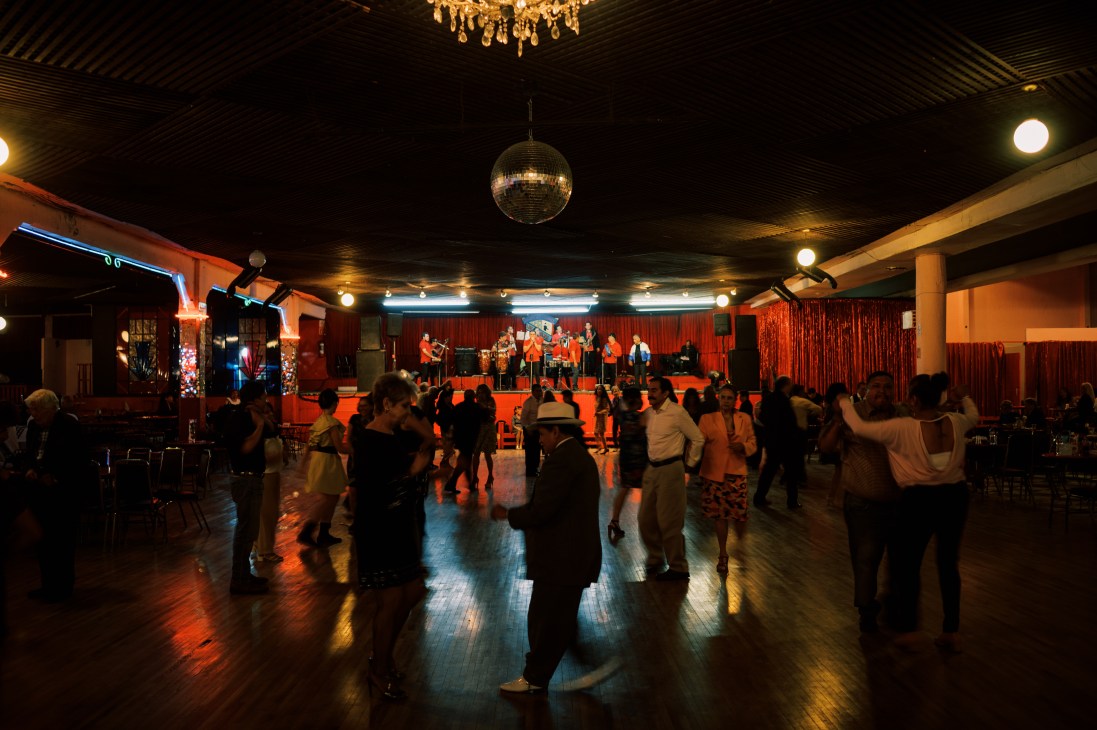
Vilches’ company runs bars and restaurants across town as well as hosting major music events. When Archipiélago opened its first outpost, Leonor, 15 years ago, the scene was dominated by big venues owned by profit- driven businessmen, where the music didn’t matter quite as much. Leonor was smaller than your average club, with no sign advertising it from the street. “It looked a bit like a living room,” says Vilches. “We were just a group of friends who put together some money and wanted to open a small bar.” At the heart of proceedings was a more experimental approach to music, which ranged from classic cumbia to techno and less mainstream genres. “We represented a generation that was born with the democracy of music through download platforms,” he says. Since then his team have organised huge festivals such as Trópico in Acapulco and Radio Bosque outside Mexico City, as well as concerts with Mexican and foreign artists. For Vilches, there could be no better place than this city to host parties. “I truly believe that its dance scene is one of the best in the world.”
Go out any night of the week and Vilches’ point will immediately be proven. Whether it’s a sonidero (a big party where people gather around speakers on the street), a pop-up event or people simply getting together in a park to shimmy to salsa, it won’t be long before you stumble on some catchy beats. Far from providing simple carefree entertainment, this liveliness changes the way residents feel about their everyday. “Mexico is a festive place and even if your life is going to hell, at least you can dance,” says Dora Mariana Vidal, founder of El Micky Bar, one of the most popular spots to have opened in the past year.


When we first arrive at her venue early in the evening, it’s hard to imagine the windowless room, which looks like a converted garage with tiled floors and cool blue lighting, heaving with some 300 people. Servers in red T-shirts are setting up for the night, arranging basic wooden chairs and tables as well as organising drinks behind the bar. “People come here to dance,” says Vidal, whose musical career began when she hosted a radio show. “By 22.00 it’s packed.” If you want to secure a spot, it’s best to come early. A few hours later that same night the queue reaches almost around the block, with stragglers trying to negotiate their way in via Nadia, the firm but friendly gatekeeper. Some wait in the slow-moving queue for hours; others, even if they’re close to the entrance, simply give up.
Once inside, the lucky ones groove, glued together, holding aloft cups of pitufos (a vodka and blue-energy drink concoction). The space is so tight that it’s almost impossible to move, and yet, somehow, everyone does. The crowd is mostly made up of youngsters but changes from night to night; Vidal has tried to create a space where everyone feels welcome, no matter their class or age. “It’s a good meld of people,” she says. “You can have an expensive whisky or a bottle of beer. It doesn’t matter where you come from.” From pop hits to reggaeton and Mexican classics, the songs played are all recognisable tracks that people can sing along to. The recent global rise of acts such as Puerto Rican rapper Bad Bunny has helped to create a newfound appetite for Spanish-language music – something that was starting to get lost in the city’s modern clubs.
Though traditional genres are still played in some barrios and old-school dance halls, in many affluent areas the nightlife scene had long been drowned out by techno and electronica. “In poorer parts of the city, people dance to Mexico’s beautiful music but in gentrified areas such as Condesa, it doesn’t happen so much,” says Pablo Usobiaga, co-owner of Café de Nadie, a vinyl-only bar in the hip Roma neighbourhood. “If you listen to traditional Mexican music, it’s either for dancing or singing,” he says. “When people hear mariachi, they start moving. Everyone knows the songs.” Slowly, he’s starting to see a shift as younger customers become more interested in Spanish-language tracks. “There is a resistance about not wanting to lose what we have in Latin America,” he says.
Usobiaga’s 550-strong record collection used to feature only 20 or so Spanish-language titles but that number has now grown to at least 70. “Three or four years ago things started changing, with artists coming to Mexico City from the rest of the continent,” he says. Parties such as Noche Negra, run by a Venezuelan-Brazilian, have taken the city by storm, bringing in DJs from all over Latin America. “We used to think that what happens in Europe or the US would happen in Mexico five years later,” says Usobiaga. “But now many things are coming from the south. We are realising that we are a cultural force.”
This influx of creatives and influences – something that has energised all disciplines, from food to design – has also been fundamental to Diaspora, a pop-up club and dance party founded in 2020. At these nights, diversity doesn’t just come by way of the genres played but also in the clientele, the staff and the performers who get booked. “It’s a place where people can connect,” says co-founder Quentin Perry, a Los Angeles transplant himself. “Our team is from different places; we have DJs who are Nigerian, Costa Rican, Colombian, Haitian, British…” This varied group plays anything from reggaeton to afrobeat and amapiano (a kind of house music from South Africa). “We wanted to recreate a diaspora in the dance industry,” says co-founder Brenda Lopez. What started as house parties at Perry’s place has now become one of the hottest tickets in Mexico City. Diaspora’s events, which range from dance competitions to DJ sets with special dress codes, are announced on social media, sometimes just one day in advance – and they always draw a crowd. “Mexicans love to party 24/7, so there’s a market to host an event every week,” says Perry.
To find proof of this round-the-clock willingness to move, we head out onto the streets in the morning. By midday on Sunday, a group of older residents have gathered under a canopy in Ciudadela, in the Cuauhtémoc barrio. They’re swirling to cumbia, being played by a band on a makeshift stage. Some passersby sit around the square, tapping their feet to the rhythm and swaying their heads to the songs they know and love. On the dance floor, no one is paying too much attention to step-counting or style; it’s all about enjoying a day among neighbours. It’s proof of something that El Micky’s Vidal believes is fundamental to the spirit of the city. “In Mexico we have a lot of places where people go to dance with unknown people, old and young,” she says. “They get together to dance and share things.”
Meanwhile, in Parque Mexico, instructor José Eduardo is rehearsing a bachata with his colleague Valeria Ávila before his class begins. Eduardo started teaching Latin American dance in 2015 at the National Autonomous University of Mexico but his weekend lunchtime lessons now take place under a bougainvillea-covered terrace. “In Mexico we listen to music like salsa from the moment we are born,” says Ávila. “It’s in our everyday lives, on the radio while we’re doing chores. Even if you don’t know how to dance, it’s instilled in us.”
When Eduardo started teaching in this green pocket of Condesa, he had seven students. Now he can count about 150, many of whom moved here during the pandemic. “Dancing is a language,” he says. “We have people from Germany, France and the US. Even though we teach in Spanish, they understand because the language and the rhythm is universal.” It is also a fail-safe way to build friendships and community – soon enough, a large crowd of attendees arrive. They drop their bags to the side and slip into line. Across the park, a cohort of 30 students has also just begun a Cuban salsa class. Once both lessons wrap up, everyone lingers a little longer, trying to master their new moves while chatting on the sidelines until the early evening. “I love the way they choose to spend the whole day with us,” says Eduardo. “We dance until the battery of the speaker goes flat.”
Viennese vision
To reach our meeting place, former deputy mayor of Vienna Maria Vassilakou must cross the Mariahilferstrasse, which she helped to transform from a congested road into a pedestrianised boulevard. The campaign turned her into a national superstar and ensured her re-election in 2015. “Some things become an integral part of a city’s everyday life and cannot be undone,” she says of her legacy, which also includes the introduction in 2012 of a €365 annual public-transport ticket, the redevelopment of Vienna’s Hauptbahnhof and more cycle lanes.
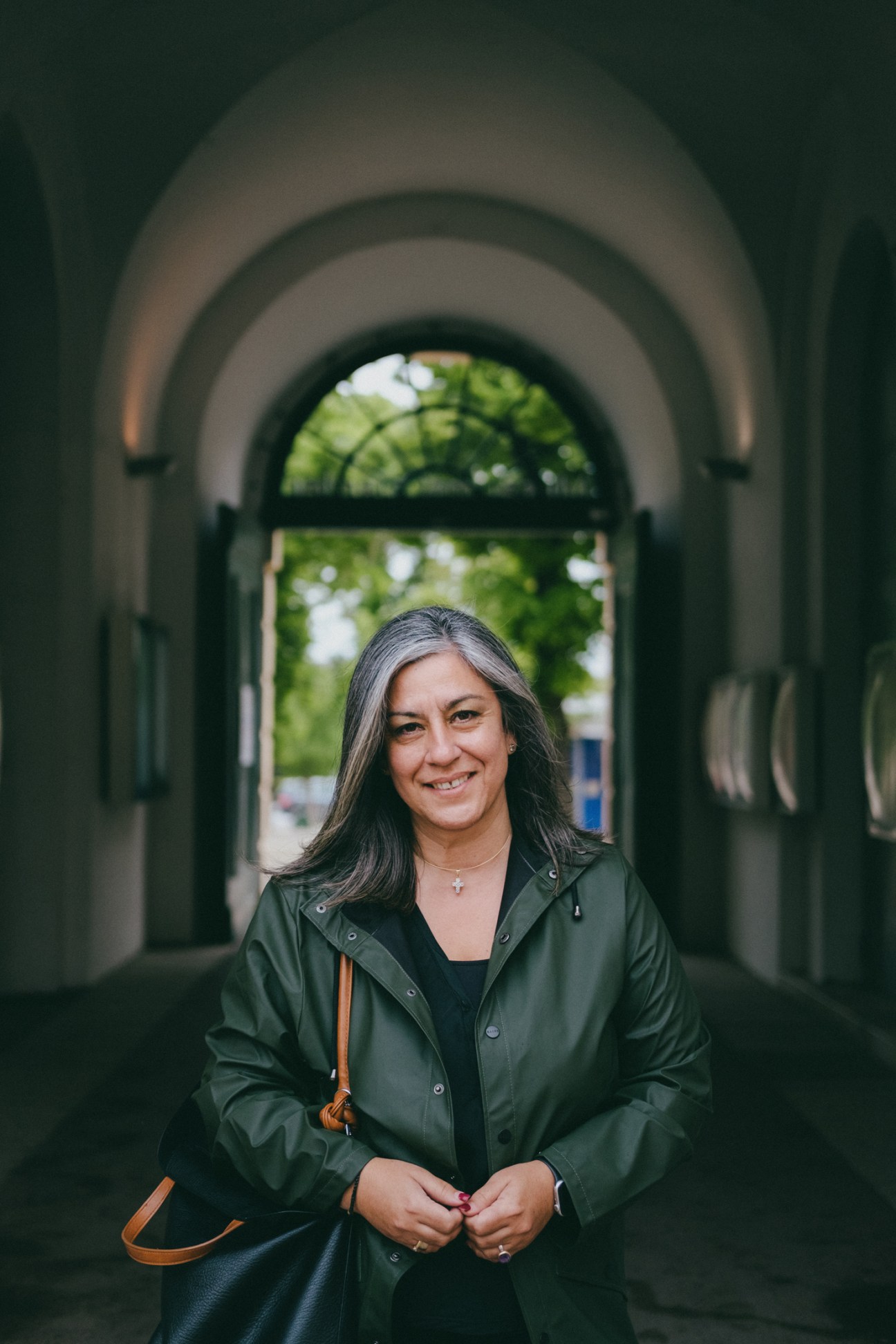
Vassilakou’s work won her many admirers but her exit from office wasn’t an altogether amicable one. In 2019, divisions within her party, the Greens, caused in part by Vassilakou’s backing for a disputed property project, forced her to resign. Though she didn’t face legal action, she felt that it was time to go. “People perceived me as an agent of change,” she says. “I wanted to continue doing what I love but somewhere else.” So she set up a consultancy, Vienna Solutions, to export the Austrian capital’s successes abroad. Today, Vassilakou barely spends more than a day or two at home. After our interview, she will fly to Reykjavík for a project to develop brownfield sites.
But her heart is in Vienna, to which she moved as an 18-year- old from Athens. “You need to start with an idea but you will never change anything alone,” she says. “Everyone likes to focus on me but none of my projects would have been possible without a dedicated team and the tens of thousands of Viennese who supported us.”
Growing pains

Busan, on South Korea’s southeastern tip, has played an important part in the country’s modern history. It was the last city standing when North Korea’s tanks swooped through the peninsula in 1950, hosting refugees who later enriched its economic and cultural life. As South Korea’s main container port – and one of the world’s largest – Busan has experienced explosive growth as the logistical hub for the country’s economic rise over the past few decades. And with Seoul suffering from a number of affordability issues, including a housing shortage, Busan’s mayor, Park Heong-joon, is trying to attract youth and talent to his hometown.
Park is engaged in a formidable fight, tackling an issue that some might call second-city syndrome. Young people and investment are increasingly sucked into the world’s largest cities, leaving a greying population behind in smaller ones. Park, who is bidding to host the World Expo in Busan in 2030, says that levelling the playing field between regions is pivotal for a country’s success – and that his mission cannot wait. “Once upon a time we used to accept that the theory of selection and concentration was best in terms of economies of scale,” Park tells Monocle. “But now everybody is trying to go to Seoul for everything – and talent follows them.”
Park claims that his country’s paltry birth rate – the world’s lowest at 0.84 children per woman – is also attributable to the massive economic pre-eminence of its capital city. A hyper-competitive society that pushes people to chase a single version of success in Seoul is leaving those who don’t achieve it unhappy and in financial hardship, meaning that they are less likely to want to start a family, he says.
Park’s measure of a city’s quality of life is how well it can support the development of individual potential. To achieve that for his birthplace, his plans are numerous and ambitious. There are infrastructure upgrades in the works such as a new international airport that Park says will be accessible in 15 minutes from the city centre thanks to a hydrogen-powered bullet train. More creative plans include the construction of fully self-sustainable floating communities, co-sponsored by the UN-Habitat, and a new opera house. Park hopes that both will elicit a chorus of approval from citizens.
Getting on track
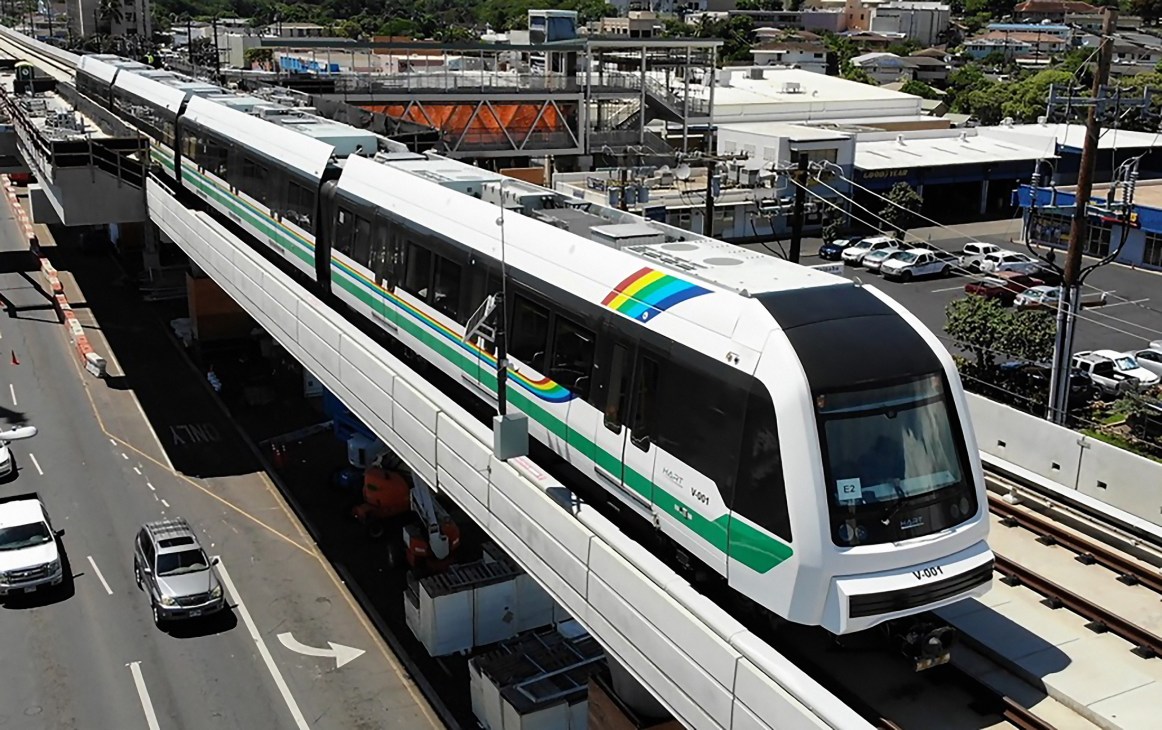
Better late than never is perhaps not the best epithet for a new train service but, after an 11-year wait, Honolulu’s light-rail system is finally on the move. The first phase of the network is set to depart in July and will run from the rapidly growing suburb of East Kapolei to the Aloha Stadium along nine new stations.
Elevated above the typically gridlocked streets of Hawaii’s capital, the system is the US’s first driverless train network and, when completed in 2031, will span the city and connect it to the airport.
The last time that Honolulu had any kind of rolling stock was in 1957, when the last of its trolley buses were finally unhooked from their wires. Today it is a slog to access: the densely populated conurbation currently only has public buses to ferry commuters around. The new network has had its opponents over the years – not to mention allegations of mismanagement and a budget that has ballooned – but getting this sunny city on the rails is long overdue. There’s also dedicated space inside every train car to stash your surfboard.
Military —— USA
Naval gazing
The US Navy’s increasing focus on the Pacific has prompted its first announcement of a new hospital ship in 35 years, USNS Bethesda. The 110-metre-long catamaran will be fitted with three operating theatres and everything that might be found in a non-floating hospital, including mental health services and obstetrics.
Such a vessel will, obviously, be an important resource in the event of conflict but a designated hospital ship, distinguished by all-white livery with a giant red cross, can also be a significant soft-power asset that allows the country whose flag it carries to look good while doing good. The US Navy’s current hospital ships, the hulking 1,000-bed craft USNS Comfort and USNS Mercy – both originally built as oil tankers – are regularly deployed as a benign American presence (and provided some reassurance on the home front in the early stages of the pandemic, docked in New York and Los Angeles respectively). China has sent its hospital ship Daishan Dao on humanitarian missions to several theatres where Beijing has more hard-headed economic and strategic interests.
“Bethesda appears to be a considerable advance,” Sidharth Kaushal, research fellow in sea power at the Royal United Services Institute, tells Monocle. “It can operate in shallower waters than predecessor vessels and is much faster. There is an emphasis on speed and ability to operate in austere conditions.”
A conflict requiring the services of a ship such as Bethesda is not a certainty. A natural disaster whose victims would benefit from its presence is.
The FOREIGN DESK
Andrew Mueller on…
Summit cities
The 2023 Nato summit will be held in Vilnius, the capital of Lithuania, on 11 and 12 July. Monocle Radio’s The Foreign Desk will be there and you’ll be able to hear the fruits of our labours on 15 July. There are two reasons why Vilnius is a sound choice of location. One is what Vilnius is: a delightful city. The other is where Vilnius is: a 40-minute drive from the border with Russia’s client state Belarus to the east, two and a half hours by road from the border with Russia’s Baltic exclave Kaliningrad to the west, about the same distance from the strategic pinch point of the Suwalki Gap. Vilnius is on Nato’s front line: the symbolism of the alliance meeting here, of all places, is not subtle.
Preparations for taking The Foreign Desk to Vilnius prompted some thinking about what makes a city a great location for a summit – and what doesn’t. We’ve acquired a bit of expertise in this subject. Over the past year and a bit, some combination of myself and the producers of The Foreign Desk – Emma Searle, Christy O’Grady – have done two Bratislava Globsecs, one Warsaw Security Forum, one Munich Security Conference, one Delphi Economic Forum and last summer’s Nato summit in Madrid.
What we have concluded brings us to a third reason why Vilnius should prove an excellent summit host, which is that the smaller the destination city and the more annoying it is to get to, the better. Vilnius is home to just half a million or so, and is tough to reach without using the kind of airlines that make you wish you had walked.
Munich, Madrid and Warsaw are, obviously, well- connected and therefore convenient. But they’re also easy for attendees to whip in and out of in an afternoon, or to vanish into, where other guests (and importuning journalists) can’t find them. On the opposite end of the scale, Globsec is mostly confined to one riverside hotel, facilitating informal information-sharing and guest-booking: a few of the voices you’ll hear in The Foreign Desk’s Globsec episodes are people we ran into in the coffee queue. And Delphi is tiny and up a big hill about two hours from Athens airport. Everybody is stuck there, so everybody has to speak to everybody else. It is quite difficult not to find yourself sitting next to a prime minister at dinner.
There are reasons why the most productive of the Cold War summits between the US and the USSR was the one that took place in Reykjavík in 1986. Not only had President Ronald Reagan and General-Secretary Mikhail Gorbachev travelled a long way to be there; there wasn’t much else to do once they had arrived.
Andrew Mueller hosts ‘The Foreign Desk’ on Monocle Radio. Listen live at Monocle.com/radio every Saturday at midday London time or download as a podcast.
IMAGE: Alamy, HART
Tokyo artist Ken Sobajima is cleaning up Shibuya’s graffiti, one wall at a time
Graffiti isn’t as much of a blight on the Tokyo landscape as it is on so many other cities but it does pop up with annoying frequency on Monocle’s home turf, around busy Shibuya. When it does, as we discovered outside our office, those responsible tend to be less Banksy and more, well, bland. After some negotiation with our landlord, the local Shibuya government got involved and sent a team to refresh our building. On the appointed day, we were surprised to see a stylish duo in white lab coats, fashionable trainers and baseball caps hard at work restoring our wall to pristine greyness. The group, Clean and Art, is led by artist Ken Sobajima, who started removing graffiti five years ago. “When I first came to Shibuya, I thought that nobody cared because there was so much graffiti,” he tells Monocle. “But once I talked to people, I discovered that everyone was bothered by it.”
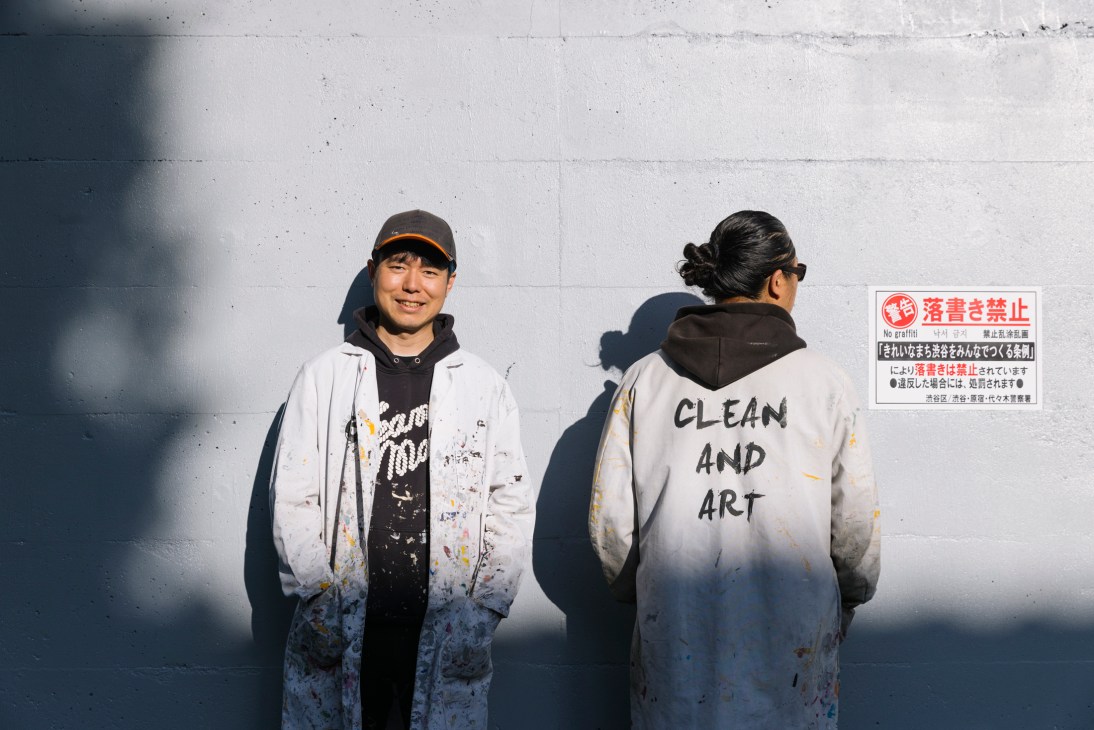
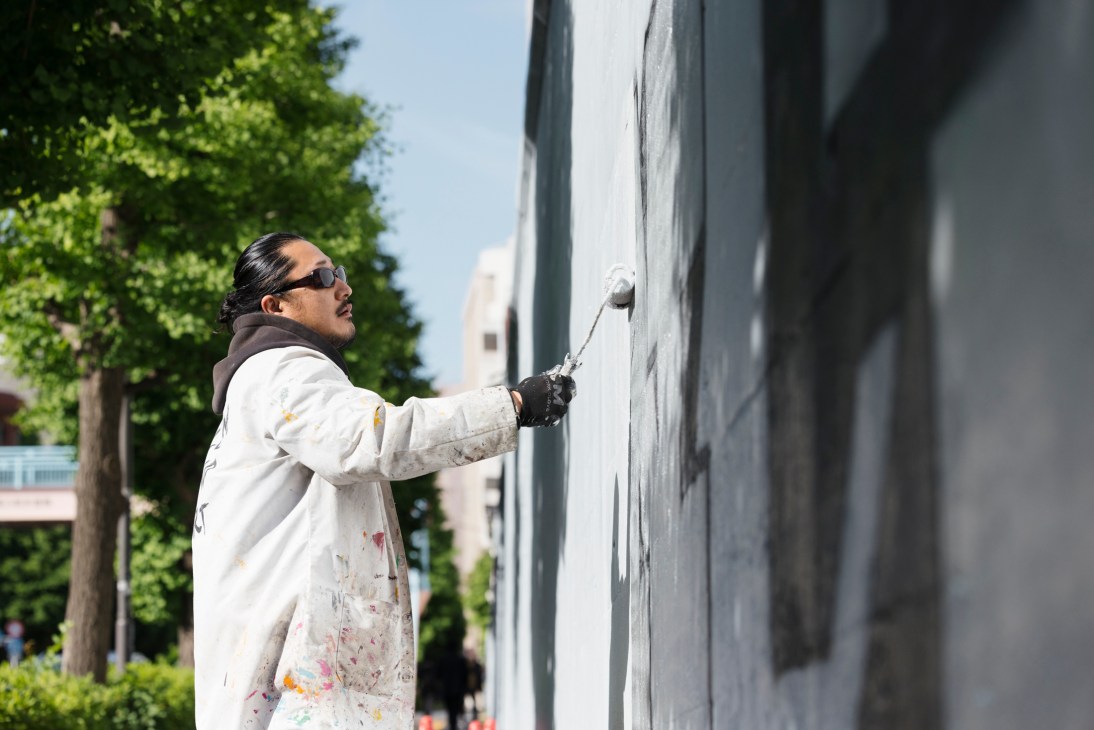
At first, Sobajima cleaned walls voluntarily. But two years in, he formalised the business with a core team of seven. He now reckons that he’s cleaned more than 1,000 walls and even lampposts on Shibuya Crossing. Sobajima is also well-versed in making street art himself, often painting his own (legal) murals in Tokyo – colourful works that brighten bus stations and dreary buildings. Interestingly, Sobajima has a curious recognition from the graffiti world and has even appeared in a magazine on the subject.
Today, Monocle is standing on a busy street in Ebisu with Sobajima as he prepares to begin cleaning. He and his colleague Hisayoshi Yamauchi (pictured, on right, with Sobajima), a web and graphic designer – both wearing custom-ordered lab coats from Harajuku fashion company Beams – are fixing the wall of a company dormitory, where a repeat offender has left his tag in simple, metre-high letters.
Armed with a full set of rollers, Sobajima and Yamauchi begin to paint over the letters with care, matching the colour so perfectly that the repair job is impossible to spot. “Being an artist helps me do the colour matching,” says Sobajima, adding that it’s always important to get the job done right. “If the wall looks patched up, it only invites more graffiti.”
As they clean, several passers-by stop to thank them for their work. “We’re providing a service,” says Sobajima. “The point is that the graffiti is illegal and unwanted, no matter how good it might be.” And there’s always more work to do. Recently, Sobajima took time out to clean a wall on a trip to New York, where he was exhibiting his own art.
Meanwhile, at home in Tokyo, he’s noticed an uptick in graffiti tourists – people who combine travel with a spot of casual vandalism – since borders opened last year. But this practice, he explains, is by no means a new phenomenon. For example, the anonymous (and highly regarded) French artist Invader left a tiled version of Osamu Tezuka’s cartoon Astro Boy on a bridge in Shibuya nearly a decade ago.
“The problem is that once you have one piece of graffiti, it attracts others,” he tells Monocle. But surely a freshly painted wall is an irresistible temptation for determined defacers? “Only the most confident would be the first to put their name on a clean surface,” he says. As for Monocle’s own freshly painted wall, we’re sorry to report that within weeks, it was sullied with a fresh tangle of graffiti.
clean-and-art.com
Prime movers
1.
Bushra Afreen
Dhaka
Asia’s first chief heat officer in a rapidly warming city.
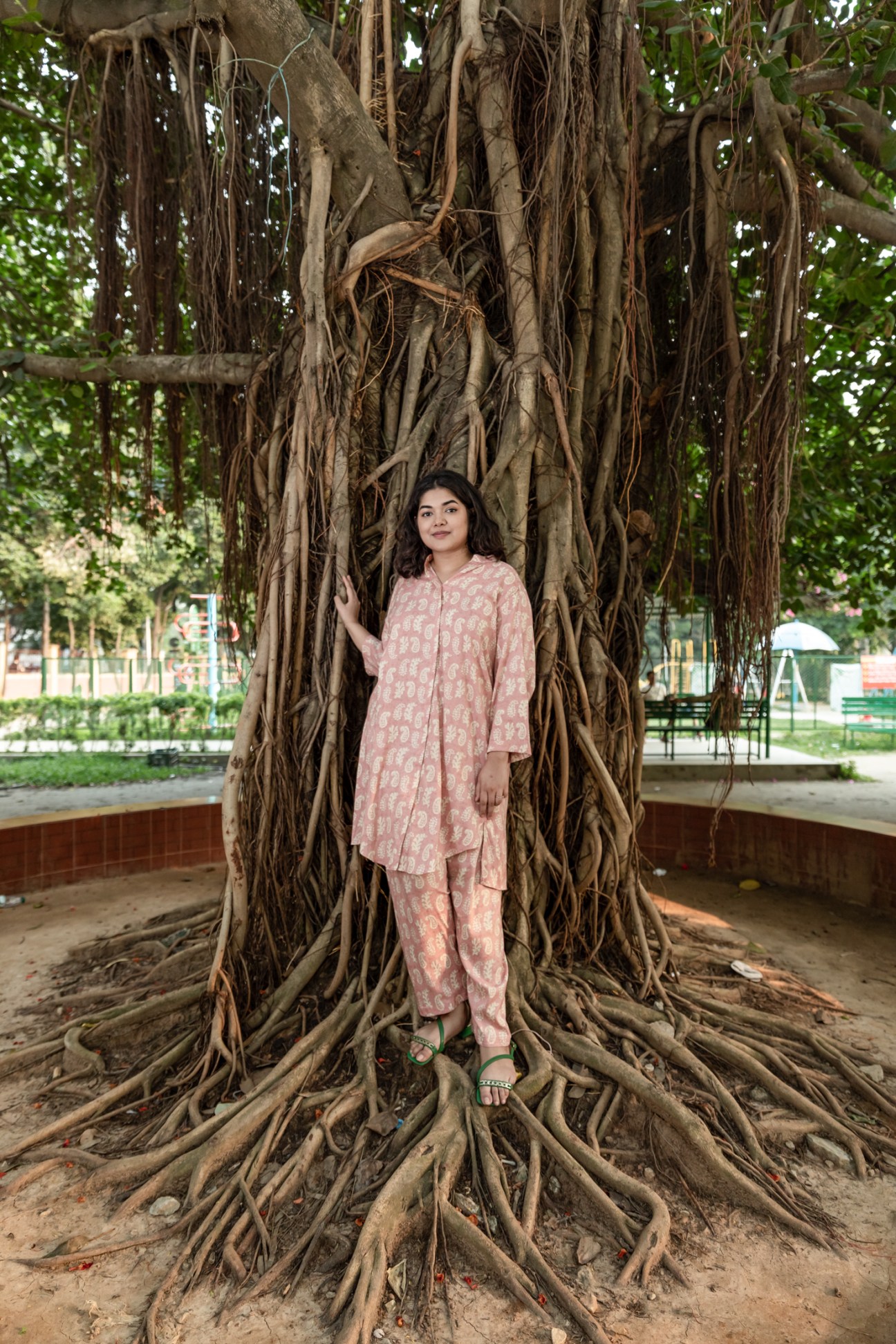
In May, as the heatwave season began in Asia, Bangladeshi social activist Bushra Afreen assumed her role as the continent’s first chief heat officer (CHO) for her hometown, Dhaka. Before she was given the position, Afreen led a successful campaign to reduce high temperatures in the country’s clothing factories, where the mercury can regularly exceed 40c. “People in Bangladesh have always been used to a hot and humid environment but the urban heat-island effect has worsened the consequences of climate change,” Afreen tells Monocle. “All you see are buildings and barely any trees, and everyone is packed together. Those built-up surfaces absorb a lot of heat.”
In 2021 a report by the World Bank warned that Dhaka, with a population of 23 million, was moving towards a permanent state of extreme heat. Afreen knows that she has no time to waste. “One of the first things that I started working on was to build public awareness of extreme heat as a public-health crisis,” she says. “I’ve been working with hospitals and healthcare centres to help with messaging and to reach citizens.” This community engagement is a crucial part of her approach to the role. “I want to work with my community and listen to the most vulnerable because heat in Dhaka doesn’t affect everybody equally.” Her appointment makes her the newest cho of a handful worldwide; the others are in Miami, Athens, Santiago de Chile, Monterrey, Freetown, Melbourne and Los Angeles. All are women, which Afreen says is no coincidence. “It’s very much intentional because heat, and climate disasters in general, affect women the most.”
When Monocle spoke to Afreen in June, she was getting ready to launch her next programme: an urban greening project. “We need to increase our tree canopy to provide shade and cool down the city, particularly in informal settlements and low-income residential zones. Those are the areas where they are needed the most.” It won’t be an easy task to transform the concrete jungle that is Dhaka, one of the world’s most densely populated cities, but Afreen remains hopeful. “We need to be super aggressive with our nature solutions because they are the only way to recover what we have lost to urbanisation and build up our resilience quickly.”
2.
Washington Fajardo
Rio de Janeiro
The Carioca urbanist bringing new life to downtown Rio.
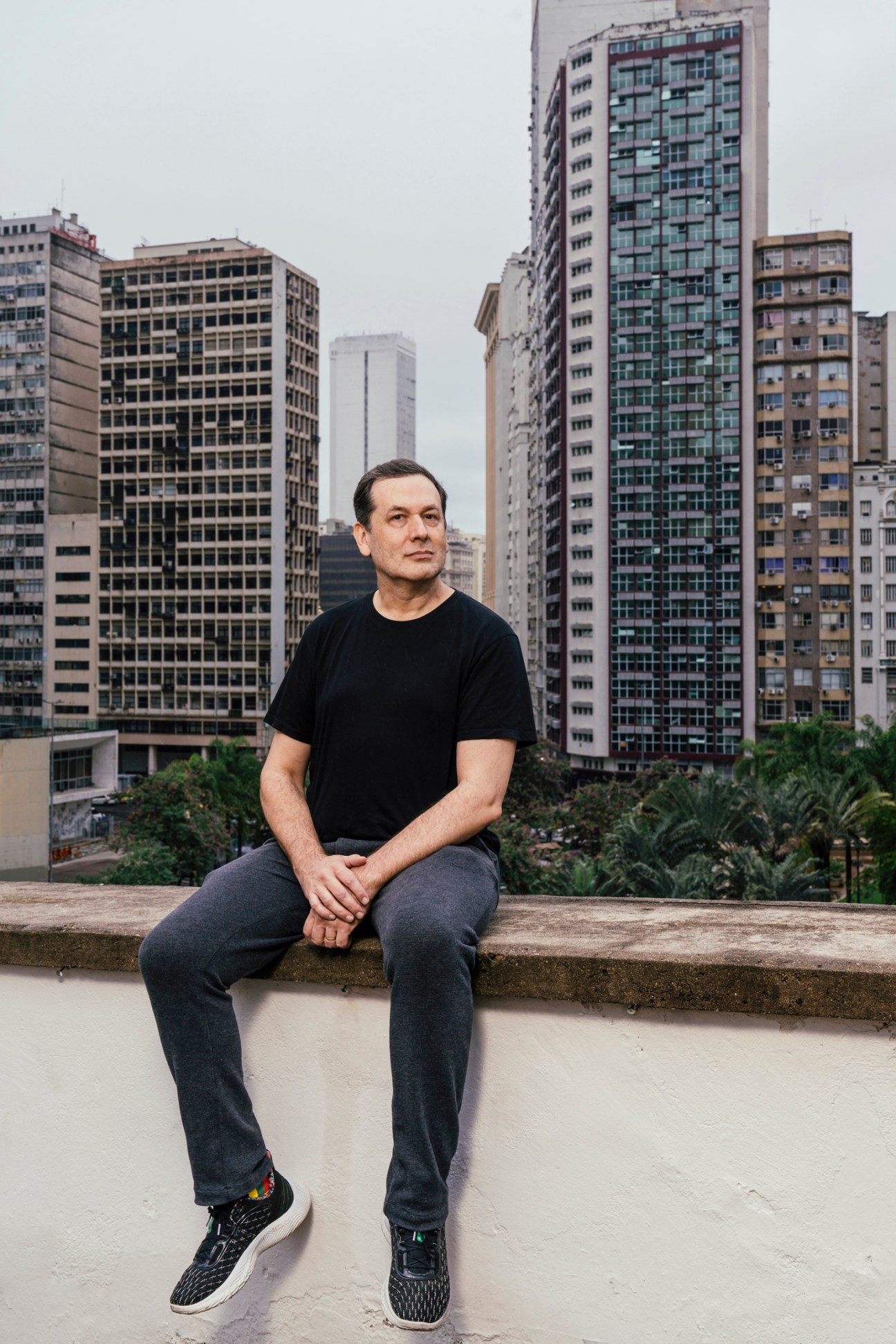
The Rio Carnival takes over the city centre every year but few respectable Cariocas would deign to live there. Though almost 40 per cent of the population works downtown, only 4 per cent calls it home. This has long puzzled urbanist Washington Fajardo and inspired him to draft a successful scheme, Reviver Centro (“Revive Downtown”), to build more apartments and increase the area’s residential population. The pandemic left 40 office buildings vacant there and led to more than 500 street-level business closures, including those of many iconic restaurants. Public safety suffered and a census found that there were 7,000 rough sleepers. “Rio’s downtown emptied out worse than the centre of any other Brazilian city,” says Fajardo.
Eduardo Paes, who was mayor during Rio’s 2016 Summer Olympics, was returned to City Hall in January 2021 and brought in Fajardo, his former adviser, to head up the city’s urban planning institute and revitalise downtown. Fajardo studied how US cities had emerged from the fiscal crises of the 1970s and 1980s, and travelled to Boston, Cincinnati, Detroit and Philadelphia to find out how they had grown their downtown residential populations.
Fajardo rented a flat in the neighbourhood to see it from a resident’s perspective. He launched a public dialogue and canvassed property developers to ascertain why they weren’t willing to convert some empty office buildings into homes. It wouldn’t make sense financially, they told him, so he drafted legislation that created a bonus: for every 100 sq m of residential units in the centre, property firms would earn the right to buy an additional 40 sq m of planning approval in the city’s most lucrative areas. The fees, in turn, went into an affordable-rental-housing scheme and improvements in the downtown public realm.
Since the initiative launched in July 2021, it has enticed developers to transform offices into 2,682 new apartments across 26 buildings. Fajardo is eager to turn the page on downtown Rio’s monocultural identity and inject a bit of the carnival spirit into it year-round. “The model of central business districts dehumanised downtowns,” he says. “We still celebrate Carnival downtown. I want to create urbanism through revelry.”
3.
Kaisa Viitanen
Helsinki
The activist transforming Helsinki’s courtyards into hidden oases.
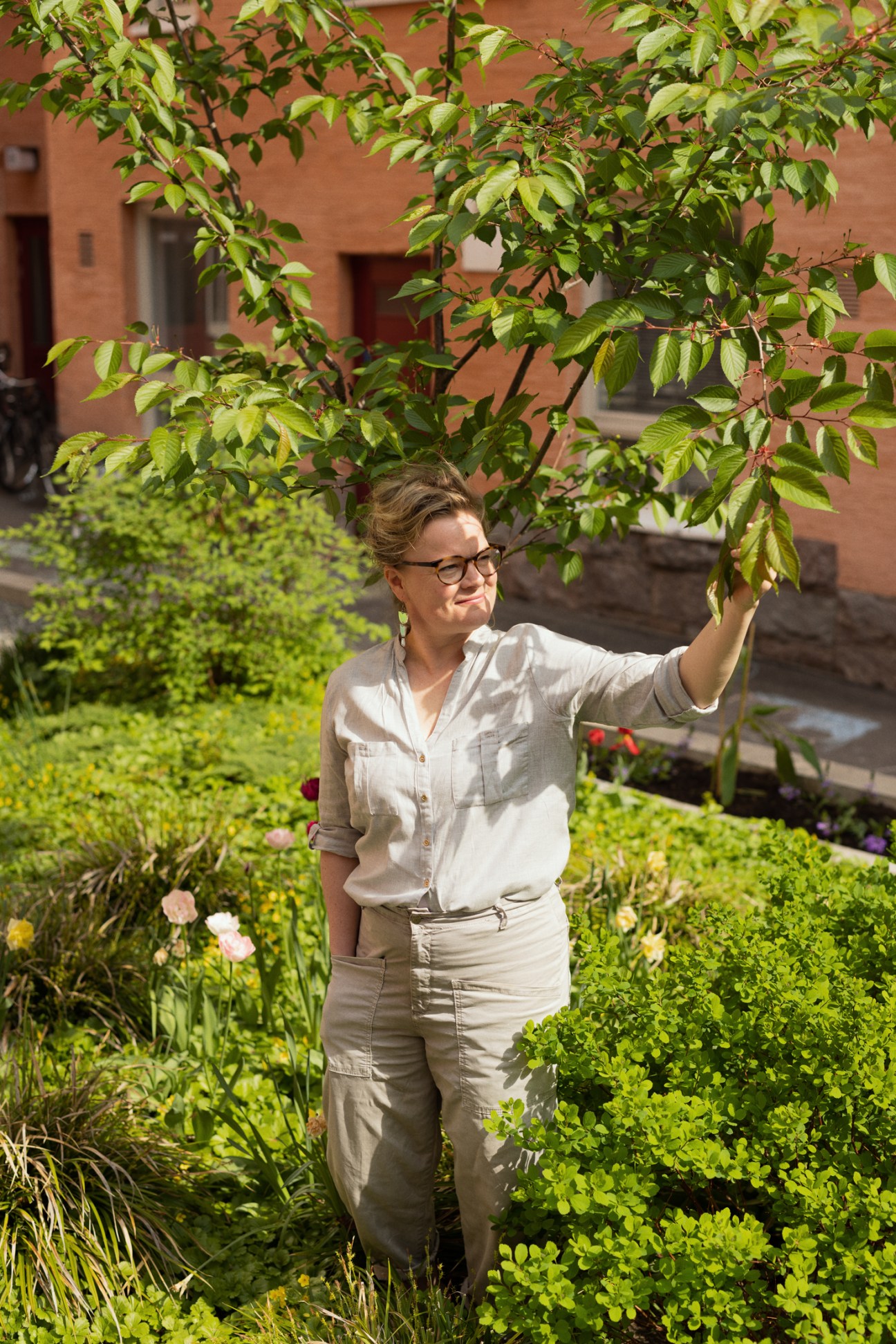
Many residential courtyards in Helsinki have been converted into parking areas and rubbish-collection points. As a result, residents have forsaken them. Kaisa Viitanen co-founded a grass-roots movement to reclaim these grey, bleak spaces and turn them into urban living rooms. “We started by planting flowers and adding greenery,” she tells monocle in Helsinki’s Punavuori neighbourhood. “Other people followed our example and, all of a sudden, I started seeing flowers being planted everywhere.”
Last year the city gave Viitanen and her Korttelipihat Takaisin (“Reclaim Block Courtyards”) movement funding to put together a practical guide that citizens can follow to turn their courtyards into green spaces. “That has several benefits,” she says. “It fosters a stronger sense of community, improves air quality and helps the residents of a block to get to know each other.” There is no predetermined model of how to do this, however: some courtyards have been turned into mini-parks with trees and grassland, while others feature raised flowerbeds, play areas for children or barbecues.
What they all have in common is that they are social spaces where residents can come together. “Some cook, some do yoga and some build nesting sites for urban birds,” says Viitanen. In the Käpylä neighbourhood, which consists of mid-century wooden villas and terraced houses, the elderly residents of one apartment block have become local celebrities after turning their courtyard into a green oasis and have become expert gardeners in the process. “Sometimes elderly people in cities can feel lonely. This kind of activity gives them a sense of purpose and belonging.”
What advice would she give to those who want to make a difference in their cities? “Set an example and others will follow,” says Viitanen. Often they just need inspiration and someone to show them that it’s possible. “People assume that changing the urban environment is a cumbersome process that involves rules, committees and political connections – but all it takes is a group of like-minded people to get things started.” And, of course, an open-minded city administration that trusts its citizens to know what’s best for them.
4.
Pat Hanson
Toronto
The architect building beauty into functional urban infrastructure.
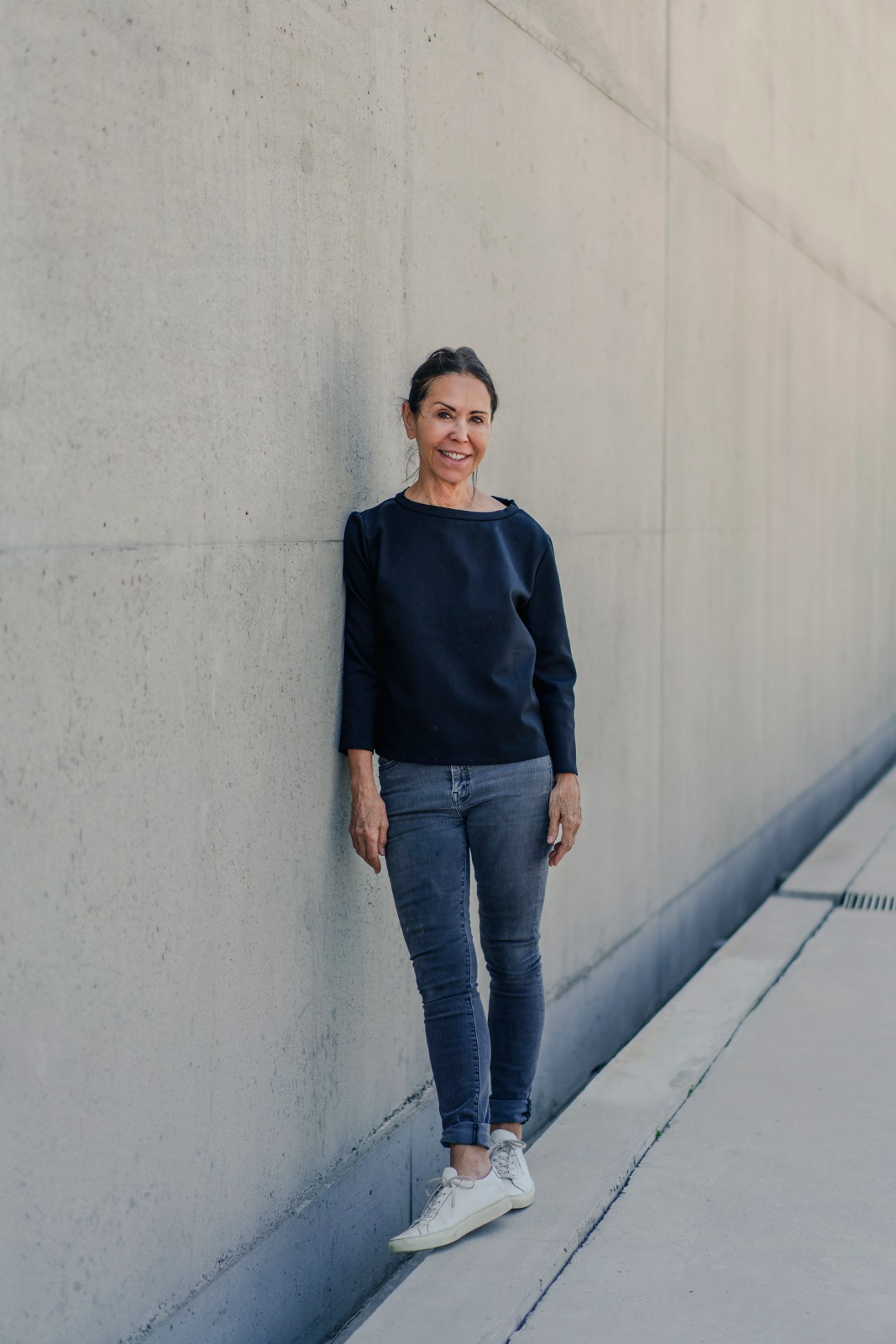
Look towards the eastern shore of Lake Ontario in downtown Toronto and an asymmetrical silhouette will catch your eye. Clad in smooth, light-grey concrete, one of the best-designed recent additions to the city happens to be a storm-water processing plant. “With all of our work, we try to think about how the landscape performs with the building,” the plant’s architect, Pat Hanson, founding partner of local practice gh3*, tells Monocle. “The idea of it being a working landscape that is in sync with what we have built is important to us.”
Many of the essential facilities that allow a city to work are either built away from public view or designed to favour function over form. Hanson’s goal is to pull back the curtain and explore these functional elements. “It’s so interesting that we walk around the city and all of this stuff is going on underfoot,” she says. “Nobody really thinks about it.”
That principle influenced her design for the sleek slopes of the storm-water facility’s roof. The sight of water rolling off these when it’s raining serves as a subtle visual suggestion to passers-by about what is happening beneath: the flow of storm water into the plant, which cleanses it of detritus before releasing it into Lake Ontario.
“Many practices might just take the architecture of infrastructure and do it the way that it has been done before,” she says. “We see it as an opportunity to design something in a more authentic, unique way.” gh3*‘s other recent works, including Edmonton’s much-loved Borden Natural Swimming Pool and vast new Kathleen Andrews Transit Garage, have similarly elevated notions of what well-designed pieces of urban infrastructure can add to the built environment.
“Cities know that they have to pay more attention to the quality of design and set the bar a little higher,” says Hanson. Mayor’s offices that have enlightened procurement departments and appoint city architects are leading that charge most effectively, she adds. “The successes of these projects have made people think much more about architecture because these buildings have become a point of pride.”
5.
Yu Tominaga and Mayumi Kawaguchi
Tokyo
The couple growing vegetables in the heart of Japan’s bustling capital.
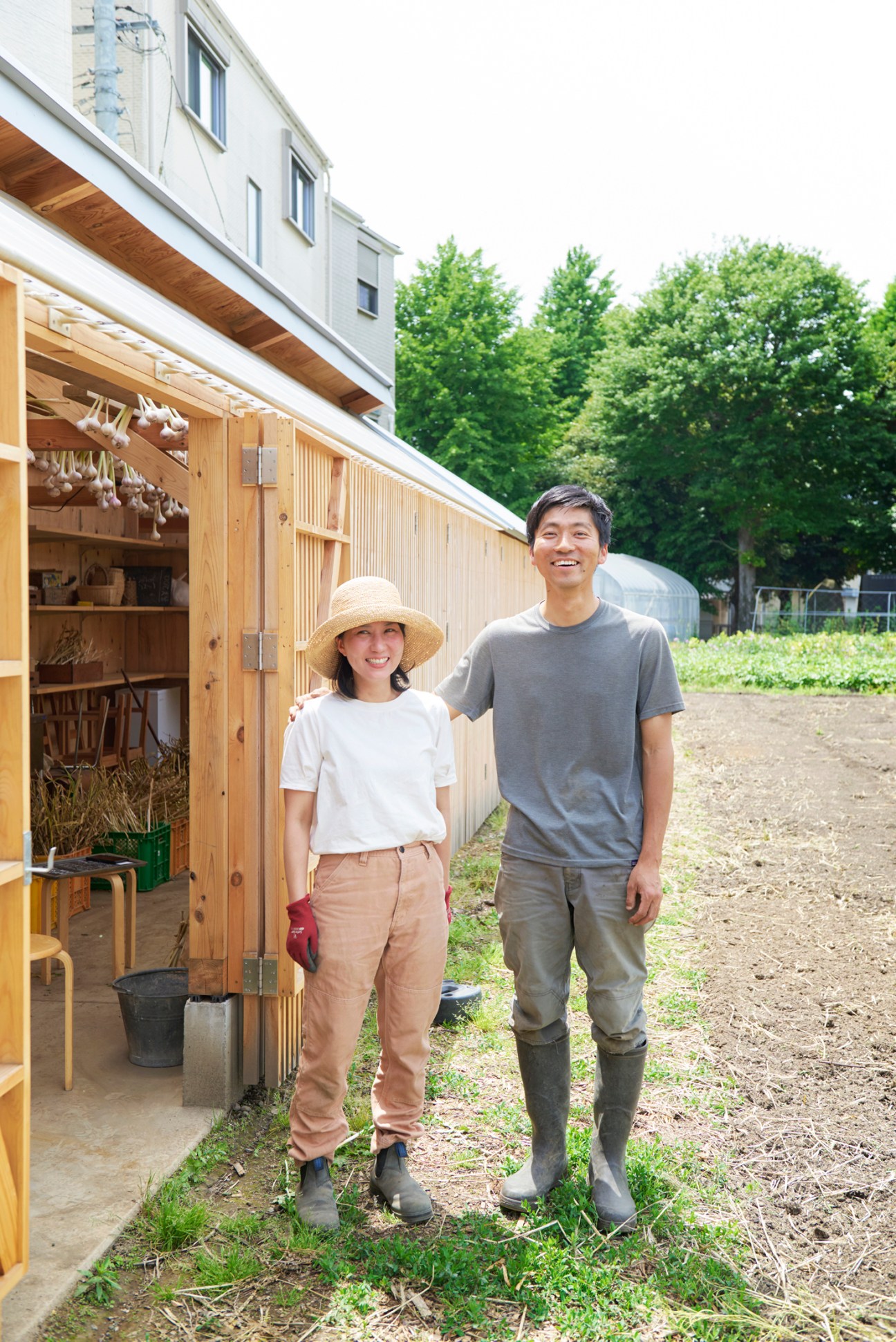
Organic crops and beehives probably aren’t the first things that spring to mind when you think of Tokyo. Yet, in a corner of densely populated Itabashi, these are what you’ll find. Hasune Farm is a labour of love for Yu Tominaga and his partner, Mayumi Kawaguchi. This area and neighbouring Nerima were once full of farms supplying produce to Edo (now Tokyo). But after the Second World War, such rural spots were transformed by rapid urbanisation.
After Kawaguchi’s father passed away, she had to make a decision about the future of the fields, which had been in her family for generations. “One idea was to sell the farm and develop it,” she tells Monocle. “But we felt that land like this in the middle of Tokyo was very precious.” Tominaga was working in marketing for Sony but decided to switch to farming. He went back to college part-time to learn about organic agriculture, then worked for a year with another farmer and fully took over in 2019. Today the couple grow more than 50 herbs and vegetables. Companion plants such as aubergine and dill grow alongside each other while bees are kept in hives at the edge of the farm. The couple are trying out an old variety of rice that doesn’t require watery paddy fields. A few neighbours might complain about noisy farm machines but most consider Hasune an asset to the neighbourhood. Hundreds of children come to the farm from local schools to help out; three times a week, a farm shop opens and produce is picked to order.
The couple supply to restaurants but also to their culinary venture, Hasune Plant, which is housed nearby in Kawaguchi’s parents’ home. The building was gently renovated and landscaped, providing the perfect backdrop for chef Takayuki Shiraishi to make dishes such as soramame bean and tofu mousse, and sea bream with courgettes, grapefruit purée and rucola flowers. Diners who come to the restaurant might have no idea that the farm is only moments away. A couple of egg-laying hens roam next door and Tominaga uses food waste to make compost. “Urban farming has huge potential,” he says. “It adds so much to the local community and there’s no distance between us and our customers.”
Let’s dance
Un été Français
Songs from today’s most exciting French artists
1.
Tirer la nuit sur les étoiles
Etienne Daho and Vanessa Paradis
Two music icons perform a delightful ode to warm, starry nights.
2.
Avec toi
Magenta Club featuring Lola Le Lann
A French-language take on 1998’s iconic “Music Sounds Better With You”.
3.
Le tourment d’amour
Francky Vincent
This perfect summer song is also the soundtrack of director Claire Denis’ masterpiece Beau Travail.
4.
Dance’O‘Drome
Yuksek
Another ecstatic hit from the music producer.
5.
Toupies
Rob & Jack Lahana featuring Catastrophe
A great slice of electro pop from the duo’s debut album, Summercamp.
6.
SMS
Aya Nakamura
A buzzy, infectious song from one of France’s biggest music exports.
7.
Tristesse
Zaho de Sagazan
French chanson meets electro in this intimate, original track.
8.
Rêve
Adèle Castillon
The former member of Videoclub impresses with powerful synths.
9.
D’ici là
Flavien Berger
A gentle, elegant tune.
10.
Tout ira mieux demain
Hervé
Introspective pop from one of France’s best current talents.
Maritime beats
Gentle, breezy songs to listen to before a dip in the ocean
1.
Pyjamas
Benny Sings featuring Remi Wolf
The Dutch singer goes full bossa nova in this smooth track.
2.
Lagoas de Ruanda
Tapioca
This Belgian-Brazilian duo, based in Kigali, draw on their many geographical influences.
3.
Infinite End
Maxime Denuc
Electronica with sleek harmonies.
4.
Super Ego
Babe Rainbow
A sunny piece from the Aussie surf-psych rockers.
5.
Summer Jammin’
Inner Circle
You can’t go wrong with 1990s reggae.
6.
Femmes Pays Douces
Raphaël Toiné
Some of the best zouk synth from Martinique.
7.
Paraiso
Pearl & The Oysters
Whimsical song about being stranded on a desert island.
8.
Dreams
Caixa Cubo featuring Xênia França and Zé Leônidas
Brilliant Brazilian jazz complete with warm vocals and a nod to r&b.
9.
Charm
Rema
The summer belongs to this Nigerian superstar.
10.
Ndikhale
Bongeziwe Mabandla
Magical Xhosa electro-soul.
Magical sunset
Perfect tunes for warm summer evenings
1.
Maracuya Massage
Stuzzi
Fruity disco from the Swedish singer.
2.
Pelle Di Luna
Franco Esse
Mediterranean beats from Rome.
3.
Brasilian Skies
Masayoshi Takanaka
Japanese city-pop with a Lat-Am influence.
4.
Enjoy Your Life
Romy
A blissful, euphoric celebration of existence.
5.
Lost in Sunshine
Sophie Ellis-Bextor
Cool vocals for a celebratory track.
6.
Lipstick Lover
Janelle Monáe
Laid-back, sensual reggae beats.
7.
Miami Beach
Rigoberta Bandini
A fun song inspired by the Spanish singer’s trip to Florida.
8.
Massa Den
Fatoumata Diawara
A wonderful track by the Malian singer.
9.
Dance the Night
Dua Lipa
Everyone’s going to be talking about the Barbie film this summer – and listening to its excellent soundtrack too.
10.
Amor e Sexo
Rita Lee
The late Brazilian Queen of Rock always charms.
Evening seduction
Music to savour with a drink in hand
1.
That! Feels Good!
Jessie Ware
Ware’s disco, which is full of wild joy, is always worth falling for.
2.
Amante Amore
Mina
A sensual, stunning tune from the Italian icon.
3.
Stiekem
Maan featuring Goldband
Electro-pop earworm from the Netherlands.
4.
Offline
Lie Ning
A tongue-in-cheek, sexy song about the joys of logging off.
5.
Blue
LaTour
An atmospheric dance track that’s a throwback to the 1990s.
6.
Steamy Windows
Tina Turner
Pay tribute to the music legend with this daring funk piece.
7.
Emorio
Trinix & Fafá de Belém
Uplifting summery tune with vocals by a Brazilian diva.
8.
Eye
Aminé and Kaytranada featuring Snoop Dogg
Retro-sounding, synth-heavy hip-hop piece.
9.
Summer Voyage
Pleasure Voyage featuring Done
Best enjoyed at a beach club, late at night.
10.
Dive
Olivia Dean
A soulful track from an artist on the up.
Discoteca paradiso
For a hot night on the tiles
1.
Padam Padam
Kylie Minogue
Kylie delivers an infectious hit yet again.
2.
Gigi in Paradisco
Dalida
Dalida is always welcome at Monocle’s discotheque.
3.
Lyckotårar
Lovad
Perfect Swedish pop.
4.
Make Italo Disco Great Again (Tutorial Mix)
Romain FX
A lesson in how to produce the perfect Italo disco.
5.
Angelo (Space Ghost Remix)
Brijean
Dreamy, cosmic disco.
6.
So Hard So Hot
Alison Goldfrapp
We love Goldgrapp as a band but Alison’s solo track is also a delight.
7.
Give Me A Break
Vivien Vee
A gift to the dance floor, straight from Trieste.
8.
Furore
Paola & Chiara
The Italian duo is back.
9.
Solo
Blanka
A bit cheesy but what’s not to love about Poland’s Eurovision 2023 entry?
10.
Miracle
Calvin Harris with Ellie Goulding
Trance from the 1990s is back – and we don’t mind.
On the road
Songs to listen to with the car windows down
1.
So Low
Ruta MUR
One of Lithuania’s most exciting artists delights with a 1980s-inspired tune.
2.
Stumblin’ In
Chris Norman & Suzi Quatro
A classic perfect for a singalong.
3.
Meant To Be
Jayda G
Another chilled track from the Canadian DJ.
4.
I Wanna Be Myself
Don Laka
South African synth-disco at its best.
5.
Monkey Business
Ryusenkei & Hitomitoi
Great contemporary Japanese city-pop.
6.
Down Under
Men at Work
Any decent road trip needs a few surefire hits.
7.
Música Ligera
Ana Mena
Groovy Spanish pop by this actress-cum-singer.
8.
Furðuverur
Systur
Icelandic folk by this trio of sisters (and former Eurovision contestants).
9.
Sad Flower
Reinizra
This mega hit from the Thai dream-pop group is one for the romantics.
10.
The Narcissist
Blur
The British band is back with one of its best singles in some time.
Monocle Radio
To listen to the playlist, find Monocle Radio on Spotify – or tune in live to Monocle Radio for many more songs besides.
Roll with it
Before designer Jirawat “Bote” Benchakarn launched his JBB menswear label in 2007, shopping in Bangkok was often limited to drab, ill-fitting business attire sold in department stores or edgier fashion that would look out of place in most office environments. “There was a big gap in the market,” says Benchakarn, whose day begins with a coffee in his room at the Grand Hyatt Erawan. He stays at the hotel in downtown Bangkok during busy periods – a regular occurrence for a company with international operations and a staff of six.
The Grand Hyatt is also where JBB made its retail debut with a single rack of white shirts, placed inside his friend’s jewellery shop in the hotel’s basement. Bangkok, which combines the dynamism of an urban city with year-long heat and close-knit creative communities, is the perfect stage for such unlikely opportunities. The city also offers a low-risk entry into retail – even today, you’ll often spot racks of clothes by up-and-coming designers at the back of a film-camera shop, for instance.
Benchakarn started out designing and producing the kind of well-cut shirts that he wanted to wear himself, quickly expanding to his signature blazers and pleated trousers. The style has since turned into one of the dominant menswear looks in Bangkok and his sartorial influence is now readily acknowledged across the city.
But more than a decade on, the 45-year-old Thai designer is ready to give his label a head-to-toe makeover: launching new patterns, loosening up familiar cuts and rethinking manufacturing. “I have a new direction that I want to create,” he says, flicking through pencil sketches in his notebook. After popping into another room, he emerges in some of his new designs: a forest-green chore jacket over a heavyweight cotton T-shirt and pleated black shorts. “My new clothes are more relaxed but they still have a strong silhouette,” he says. “When you wear them, you don’t feel sloppy.”
It was a production issue that sent Benchakarn back to the drawing board last year. When one of his factories ceased operations, he decided to discontinue his popular tailored jackets altogether and re-evaluate. “I had to move on and think about my brand’s fundamentals,” he says. “What is JBB without the tailored jacket? Will it be the end or not?”
He set a new direction by asking the right questions and staying close to his customers. His own style also became a point of reference: the chinos that he used to wear as a fashion student in San Francisco in the 1990s (often worn two or three sizes too big with a tight belt) inspired a new iteration of his elegant pleated trousers. “We still use the same tailoring techniques; it is just not as constructed as before.”
Variations of the new styles have already started making their way to the JBB boutique in Gaysorn Tower, an upscale office building in the Pathumwan district. The pocket-sized shop accounts for about 90 per cent of all sales, while online customers around Southeast Asia, Hong Kong and Australia make up the rest. Some of Benchakarn’s new designs involve subtle changes to trouser cuts, while others, such as an open-collared, two-tone Havana shirt with a mint-green trim are more eye-catching. A short, khaki jumpsuit practically jumps off the rack. “It’s the Steve Irwin look,” says regular customer Cholathan Cheovarisajja, a marketing executive, referring to the Australian naturalist. “I prefer timeless clothes that are low key and I can wear for years and years,” adds Cheovarisajja, who sought out JBB as a student. Thailand’s top universities require male students to wear a white shirt and black trousers on campus, so looking trim comes down to the cut of the fabric and the small details. “JBB introduced me to linen trousers,” says the 26-year-old, who began spending more on his JBB wardrobe after graduating.
The physical experience of the shop is certainly one of the secrets to the brand’s success. Whether it’s coming in to browse every month or popping by ahead of every business trip, men from an array of backgrounds make a point of visiting this space year after year. Previous customers include fellow fashion professionals, chefs, business owners and even high-profile Thai politician Pita Limjaroenrat. They all insist on trying things on; they want to feel the texture, to see how it fits and to get advice – another regular tells Monocle that JBB staff treat him “like family”.
Benchakarn has always designed according to the needs of this group of busy, smartly dressed men in Bangkok’s tropical climate. “I have to create my own seasons,” says Benchakarn. The weather doesn’t encourage wardrobe updates – locals tend to move from air-conditioned cars to climate-controlled offices, wearing lightweight linens all year – so Benchakarn bets on smart design to keep JBB desirable. “I have to create the mood so that people keep shopping here,” he says.
As far as menswear design is concerned, Benchakarn describes himself as self-taught. He studied fashion at San Francisco’s Academy of Art University at a time when the syllabus only offered womenswear courses. After graduating in 2001, he spent four years as a menswear buyer before stepping out on his own. As JBB’s sole designer, he finds inspiration in materials rather than mood boards and collages. “If I can’t see the fabric, I can’t design,” he says, while giving Monocle a tour of his stockroom – a museum of cloths that he has picked up on his travels. About 80 per cent of JBB’s fabrics come from Japan, while the remainder are sourced in Italy and South Korea, the latter having caught Benchakarn’s attention with unusual and unexpected colours. A few rolls have just arrived from Seoul, including a now familiar shade of mint green.
Of the multiple departments that the designer must oversee at his own company, manufacturing has been causing the most headaches. Virtually every piece of clothing carrying the JBB label is made in Thailand. This means that Benchakarn, an evangelist for quality control, can cast a watchful eye over the handiwork and request changes.
Until now he has relied on a cottage industry of individual seamstresses, working exclusively for him in small workshops. But as his ageing workforce retires, he has had to move some of his production to the Thai Yamaki clothing factory, which is one of the few facilities nearby that can live up to his exacting standards. A 90-minute drive west of downtown Bangkok, this is a larger but equally considered operation: shoes are left at the door and inside, more than 200 workers – mostly women from the area – are cutting fabrics, sewing shirt collars and inspecting finished pieces. Most large clothing factories have left Thailand for cheaper locations in neighbouring Laos or Cambodia but Yamaki’s Japanese owners continue to make clothes in the Thai capital for discerning brands in Japan and the US.
Benchakarn has brought a sample shirt along and dives straight into a discussion about buttonholes. “Menswear for me is very technical. There isn’t a lot of detail so it all comes down to the fit, fabric and finishing,” he says. “My customers don’t have to know all of the processes and pain that I have to go through to find fabrics and work with factories but when they put my clothes on, they will feel the difference – that’s what keeps them coming back.”
Back in central Bangkok, a small sample rack in the JBB office offers a glimpse of the future. A mint-green, zip-up windbreaker hangs alongside matching shorts, a few striped dress shirts and some pleated linen trousers. In August, Benchakarn is expecting a delivery of his new T-shirts (striking, colour-block designs with drop shoulders and wide collars) from Seoul. These are the first JBB items to have been made in South Korea. He lifts up a sample to show off the finish on the hem, which features vintage single stitching instead of the traditional double stitch.
It’s this type of detailing that keeps him ahead of his competition and justifies his price tags: a standard white linen shirt costs 3,790 baht (€100). It’s also why Benchakarn remains sanguine about the arrival of international chains such as Muji and Cos in Bangkok. “In the long term, it has helped me grow and I’ve learned how to make my clothes look better,” he says. “If I didn’t have that type of competition, I might have still been making the same things that I was making 10 years ago.”
The final items on his sample rail are two vintage pieces used for research: a cotton lab coat and a woman’s cardigan with green lining, picked up at a flea market in France. “I’ve been trying to make knitwear but I was never satisfied with what I had,” he says, while running his fingers along the rounded collar. “I hope this time I will be able to launch successfully.”
The definition of success for other brands might be driving revenue or growing their footprint but Benchakarn is a designer at heart and his focus is on expanding the JBB collection without compromising on his principles. “My dream is simple,” he says. “It’s to provide everything for my customers, a complete, head-to-toe collection.”
Standing tall
The marketing material captured the mood. “Valencia is on the move,” declared the bold typeface, as developers drummed up the hype for the city’s first residential high-rise. “A building can be a symbol of optimism,” it continued. “In fact, Torre Ripalda is just that.” A photo of the soaring concrete structure, in its first phase of construction, gave a glimpse of a novel new building in the normally conservative port city. A loquacious kicker invited the burgeoning middle class to be part of “an utterly modern beginning that speaks to a dynamic Valencia, one in service of a future full of hope and dreams”.
This was the late 1960s and Valencia was indeed marching into a new era, marked by mass construction and a fresh influx of money. Rising dramatically from what was then mainly farmland, this quirky block of 84 apartments would quickly become a symbol of a new way of building and living. But, like any dramatic cultural shift, there was early opposition.
A trade-off between past and future marred the building’s construction before the first brick was even laid: a dilapidated palace – often derided as pastiche or Disneyesque – was demolished to make way for the project. The site’s aristocratic owners were lacking liquidity and took inspiration from the construction boom in the nearby coastal hotspot of Benidorm, where Spain’s dictator, General Franco, was opening up the city to foreign tourism in pursuit of cash. Property development was quickly proving to be the new pathway to prosperity.
For some locals, the sacrifice of the site’s original architectural patrimony in pursuit of the bottom line was an outrage. Others argued that the housing complex’s three curving wings could offer a solution to accommodate the city’s growing middle class. To do so, it was recognised that people would need to be persuaded to buy into the notion that living in a high-rise didn’t mean compromising on space, comfort or material quality.
In an inspired move, a trio of self-assured architects was enlisted to bring this vision to life. Fresh out of university, Antonio Escario, José Antonio Vidal and José Vives Ferrero embodied the type of newly educated, upwardly mobile tenants that the developers hoped to attract. Provincial city rivalry played its part too, as the young architects angled to put Valencia on Spain’s contemporary design map.
Having returned from a trip to Japan, Escario felt inspired. “The technology, modernity and mere fact of having travelled to another country – still rare for Spaniards in the 1960s – invigorated my father,” says Javier Escario, who worked at his father’s studio from a young age and would later become an architect too. “Even the idea of a high-rise was a polemic,” he says, musing on his father’s architectural anomaly. “Great effort was therefore made to convince potential middle-class homebuyers, who were more accustomed to classic housing, that high-density living was the new contemporary lifestyle and the ultimate status symbol.”


Completed in 1973 after four years of construction, Torre Ripalda’s apartments were organised around principles of privacy and comfort, both of which updated conventional Spanish ideas of luxury. Advertised as the first building in Valencia with centralised air conditioning, many of the apartments were up to 300 sq m (a little larger than a tennis court), dimensions almost inconceivable for residential blocks today. Vestiges of an older era were also incorporated. Most of the apartments came with separate service entrances, sleeping quarters for “the help” adjoined the kitchens and electronic buzzers were dotted around to call for speedy domestic service.
Transversal in more ways than one, the layered exterior was clearly influenced by Antonio Escario’s time in Japan. Lifting onlookers’ eyes skyward with an undulating ladder of bold brickwork, it wasn’t long before Valencianos began calling the temple-like building “La Pagoda”. The colloquialism stuck, supplanting Torre Ripalda with unofficial aplomb.
Bricking together the vernacular elements of an ancient shrine, avant garde creature comforts and nods to esoteric ideas such as animism (the belief that a spiritual essence possesses objects, places and creatures), the building is grounded by the architects’ preference for strong natural materials. The walls of the amply-sized terraces were clad with durable American pine. An early adoption of organic architecture saw planter boxes incorporated into the ledges, allowing vegetation to sprout and spill down the 14-storey structure’s accordion-like sides (though a water leakage problem decades later prompted the residents to vote to remove these plants). Wooden sliding doors, windows and other fixtures were custom-made and fitted by a team of skilled artisans. They were designed and made to such a high standard that most are functioning just as well today.
The building’s three distinct lobbies are embellished with wooden bannisters that emulate the curvature of the exterior façade. Complemented by a generous ensemble of mirrors and stonework, the interior’s natural textural qualities have only elevated the building with age. Another mesmerising element comes into focus in the evenings: as the dark hue of the patterned brickwork catches the light of sunset, the entire building radiates with a vivid red. This prolonged moment suddenly transforms a very private bastion into a glowing public beacon that begs to be noticed.
“I like that the essence of the building has been protected and maintained,” says María Cano, who was raised on the sixth floor in an apartment bought by her grandfather. “A doctor and avid art collector, my grandfather’s friendship with one of the architects convinced him to buy right at the beginning.” A former ballerina who now produces cultural events, Cano praises the effect on her childhood of being able to play in the surrounding parkland. Having four bathrooms to share with her parents and siblings, and the added security and convenience of 24-hour doormen, also made life much easier. “When I was younger, I was slightly embarrassed to admit that I lived in such a privileged, emblematic building,” says Cano. “This reputation for being a place for affluent, important people, remains.”
For proof, Monocle walks across the street to Kiosko La Pérgola – one of Valencia’s most beloved alfresco bocaterías (sandwich bars). “This barrio, El Pla del Reál, has been the province of wealthier people since I can remember,” says one of the zippy waiters. While a proximity to finance seems to be a common vocational thread for La Pagoda’s residents (Monocle meets bankers, economists, notaries, property magnates and hears the name of a local politician), many still venture down from their high tower to rub shoulders with the €5-sandwich crowd. “We’ve been serving this barrio since 1961,” says the waiter – a reminder that the neighbourhood was a more humble spot before La Pagoda kicked off its dramatic transformation.
Ironically, much of the urban development that has since sprawled around this eccentrically designed edifice was spurred by a confidence sparked by its own construction. But the decades of property speculation that spread across the region in later years were more myopic, sadly disregarding a future vision that aimed to please residents over developers.
Built with imaginative foresight, La Pagoda still stands tall, prizing ample space and the right to seclusion as key to well-adjusted urban living. Such considerations needn’t be the exclusive province of the privileged. More than half a century later, the integrity of this high-rise residence’s materials – and its ideas – are as solid as ever.
Meet the locals
María Adela
Seventh floor
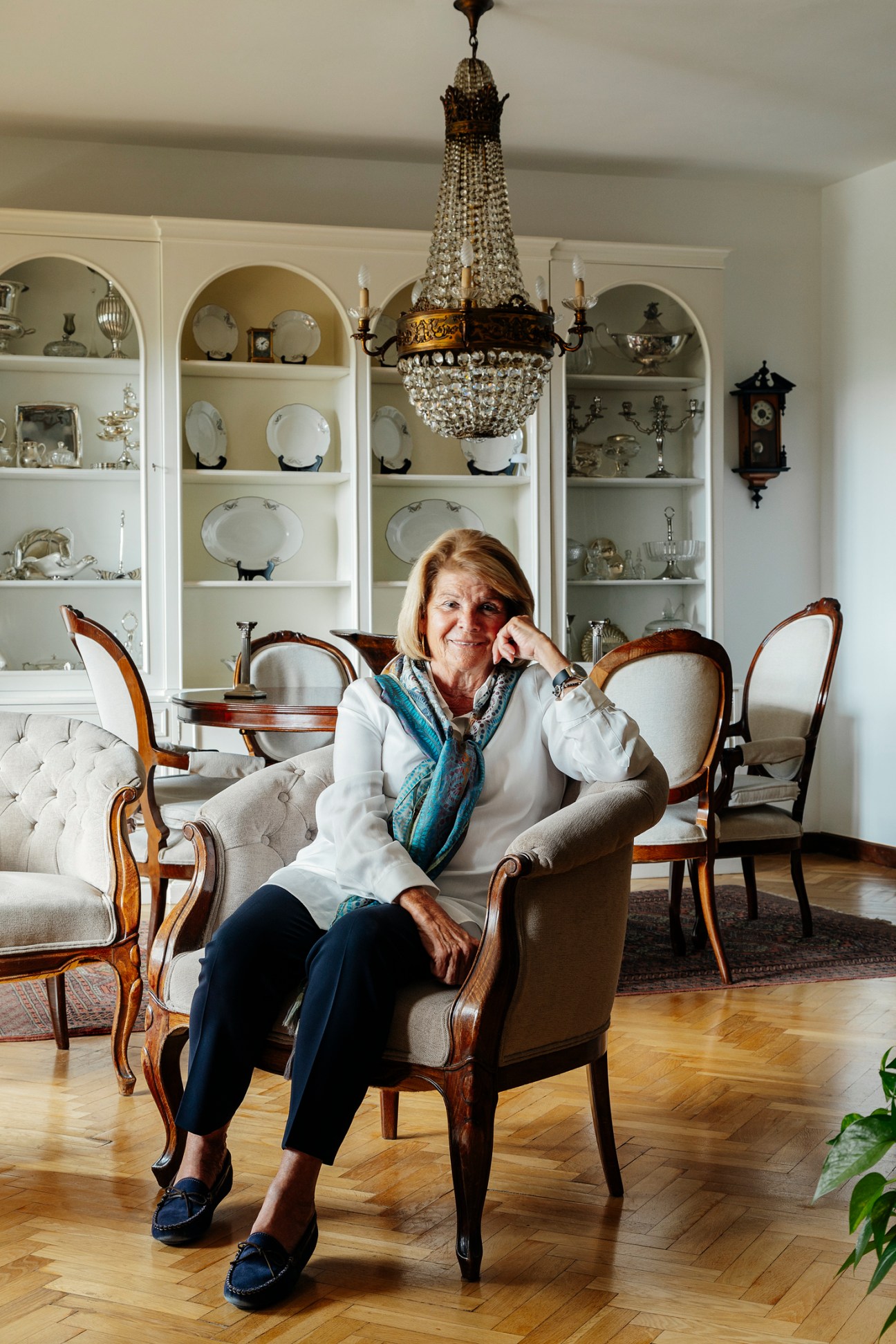
“My husband and I were one of the original 80 families, making us some of the longest remaining residents. The apartment was a wedding gift from my father-in-law. We raised our five kids here. Our home is unique: one of the few without a service entrance and, as far as I know, the only duplex. We also have a fireplace but it’s never used because I wouldn’t want the smoke to bother any of the neighbours who use the rooftop to dry their laundry.
To live surrounded by so much greenery is sublime. My children are all grown up and keep asking me to move to their side of town. It would be difficult for me to leave all the surrounding trees and leafy vistas, though. Besides, we’re not very fond of change.”
Pepe Cano
Sixth floor
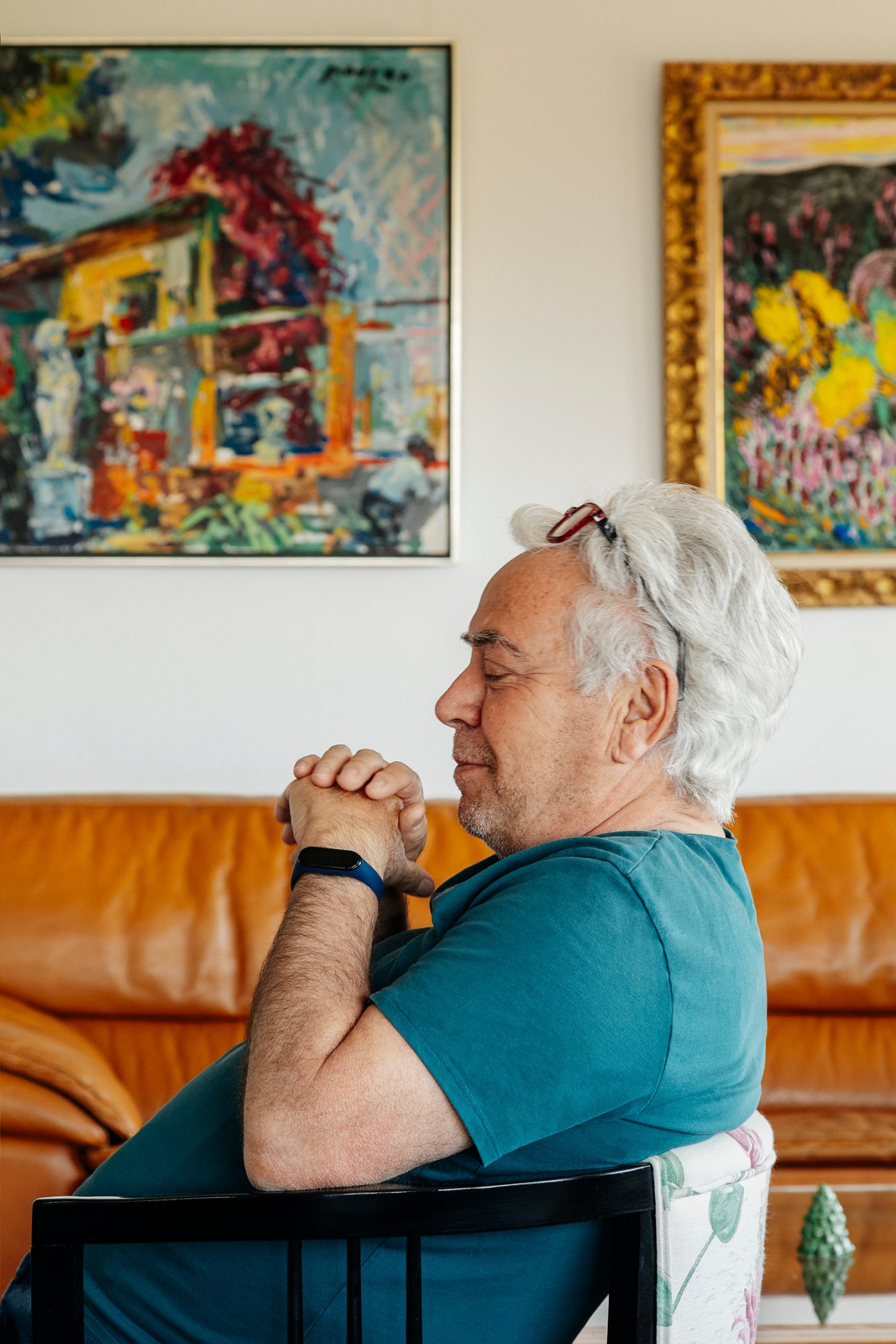
“This is a joyful place to live. I moved here when I was 35, taking up residence in my father’s investment property after he had a bad experience with some tenants. At that time, I was one of the youngest people in the building. We’ve watched Valencia change and expand at our feet. When the authorities announced a multi-lane highway project along the former riverbed, I was the first to take to the streets in protest. Thankfully, it’s now a park [Turia Gardens] designed by Ricardo Bofill.
This is not a building of shared experiences. It was designed to accommodate private, affluent people. The prominence of service entrances and the structure’s division into three sections reflect this. In fact, the only time a lot of neighbours meet is up on the rooftop terrace during Fallas [Valencia’s pyrotechnic spectacle, which takes place every March].
Three generations of my family have lived most of their lives here. We have no complaints. It has been a very happy, comfortable life.”
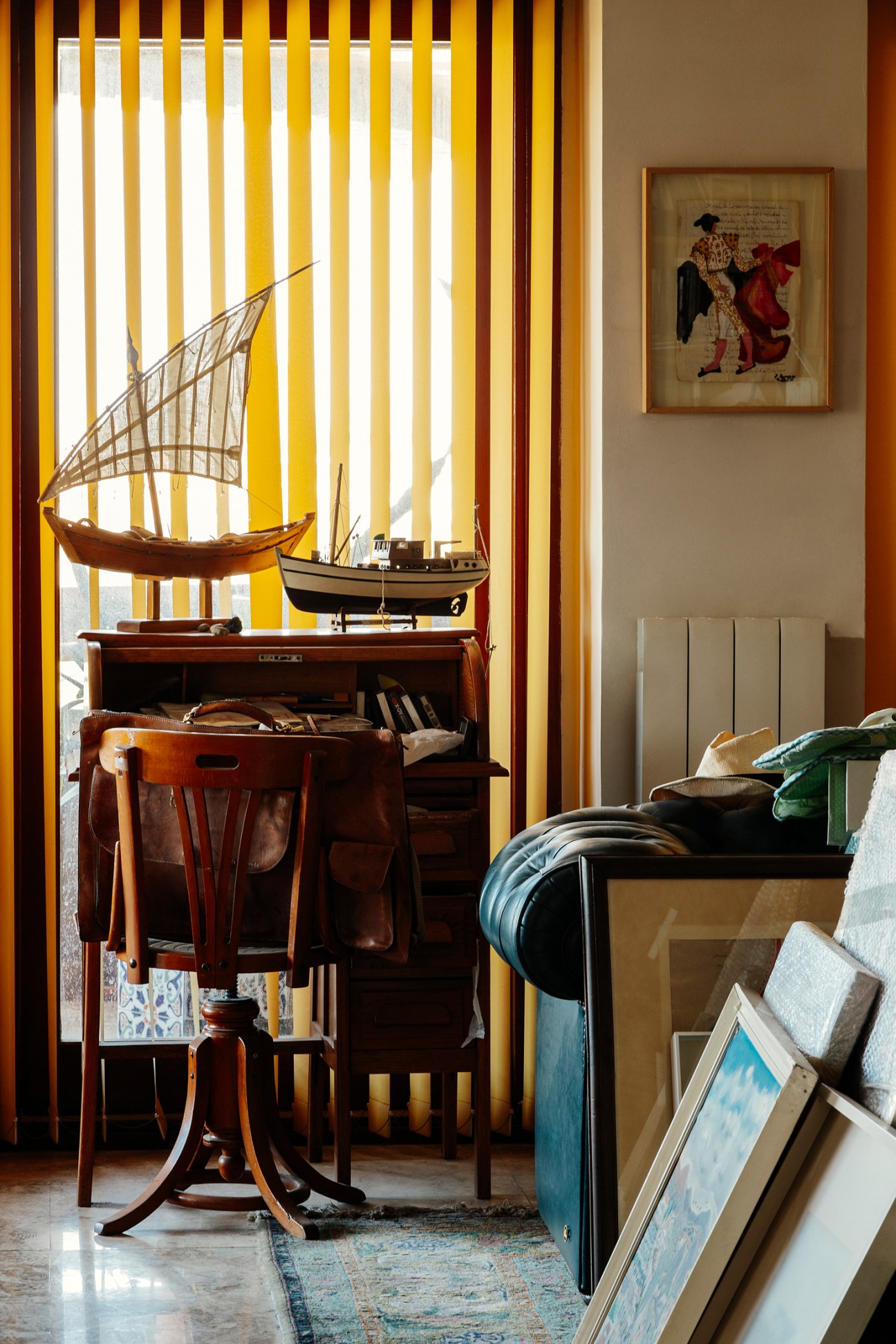
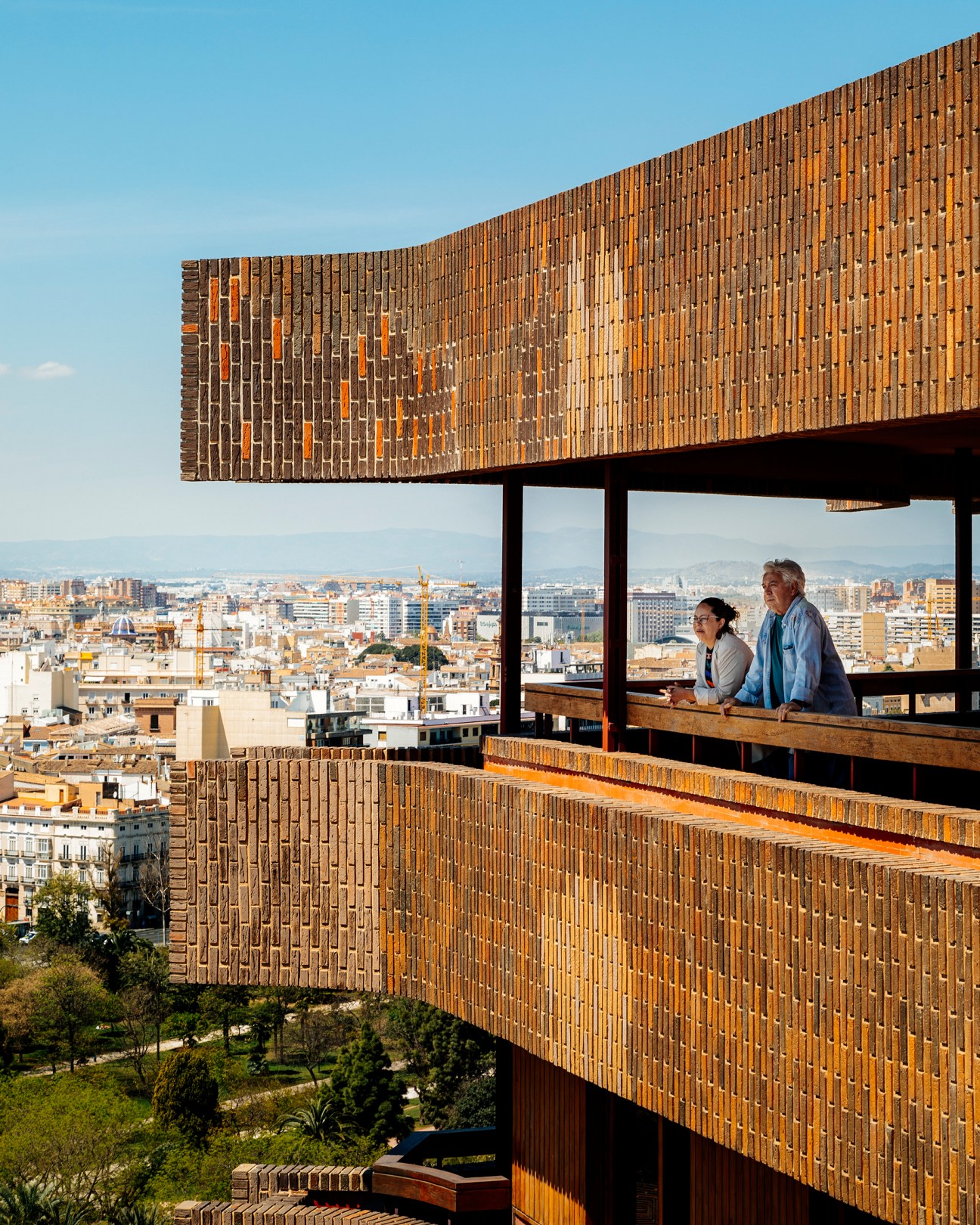
Vicente Benlloch Piles
Tenth floor
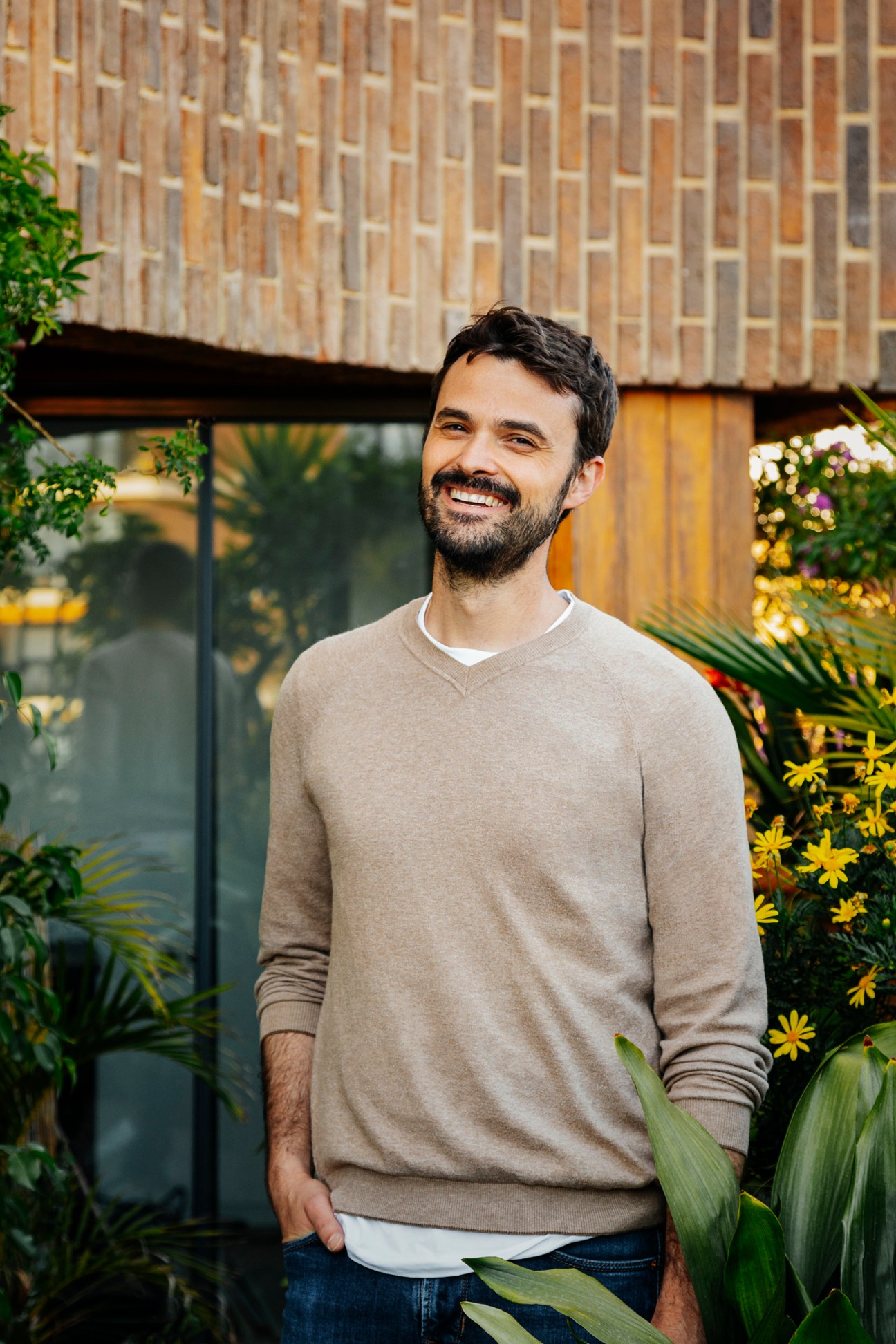
“My architecture practice, Tambori Arquitectes, refurbished this apartment. It was a challenging process. The interiors hadn’t been altered since the 1970s and strict restrictions protect the façade and exterior fixtures.
The walls of the original bathrooms were fitted out in fabric and included painted ceramic details. Library shelves were lined with leather-bound volumes. Everything was extremely classic. Completed in 2019, the renovation uncluttered each space with cleaner, more contemporary surfaces. Sliding oak dividers were added to give more flexibility to the open-plan living room. My client was adamant that every room preserved the visceral connection to the view so that every window feels like a framed picture of the cityscape.”

Valencia’s top spots
1.
Patacona Beach
Valencia’s northern beach is the city’s best metropolitan swimming spot. Its esplanade is also packed with outstanding restaurants for a post-swim meal. Our pick of the bunch? The calamares at Restaurante Luz de la Luna.
2.
Turia Gardens
After the Turia river flooded in 1957, the city made the savvy decision to divert it and turn its original bed into gardens, complete with playgrounds, sports courts, floral displays and cycle paths.
3.
Ciutat de les Arts i les Ciències
Valencia isn’t wanting for outstanding architecture. The Santiago Calatrava-designed Ciutat de les Arts i les Ciències (City of Arts and Sciences) – a futuristic architectural ensemble that houses a museum, cinema, opera house and aquarium – is arguably the pick of the bunch.
4.
Institut Valencià d’Art Modern
Spain’s first modern art museum remains one of the country’s key cultural players.
5.
Fallas
A sense of civic pride and celebration is essential for building a strong community and the traditional Fallas festival does just that. Sculptural artworks known as falles (ranging from 4.5 metres to 14 metres in height), are set alight in a frenetic pyrotechnic display during the annual festivities in March.
Sowing the seeds
Tucked into a bustling block in Berlin’s multicultural Neukölln district, Spore House manages to look simultaneously inconspicuous and inviting. At street level, vast floor-to-ceiling windows open to an airy space filled with colourful artworks, lush plants, a cosy café and plush seating.
This structure, opened in April, is the “institutional anchor” of Spore Initiative, a philanthropic organisation with a mission to care for the planet, collaborating with global communities to ensure that ancient knowledge about living in harmony with nature doesn’t get lost. “The core premise of Spore is how to create a space where culture comes in to serve priorities set by people at the forefront of environmental regeneration,” says founding director Antonia Alampi, who’s also an art curator.
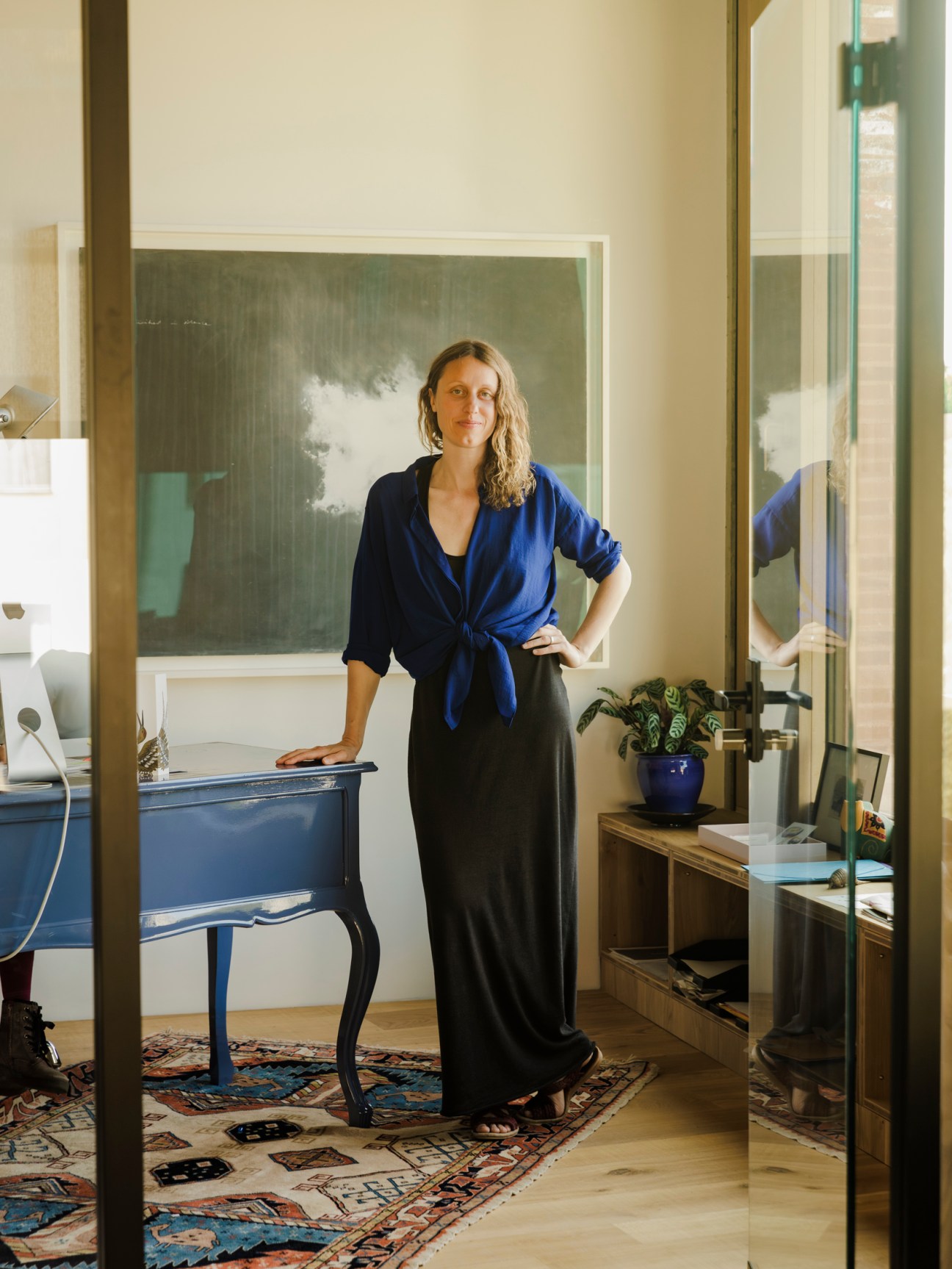
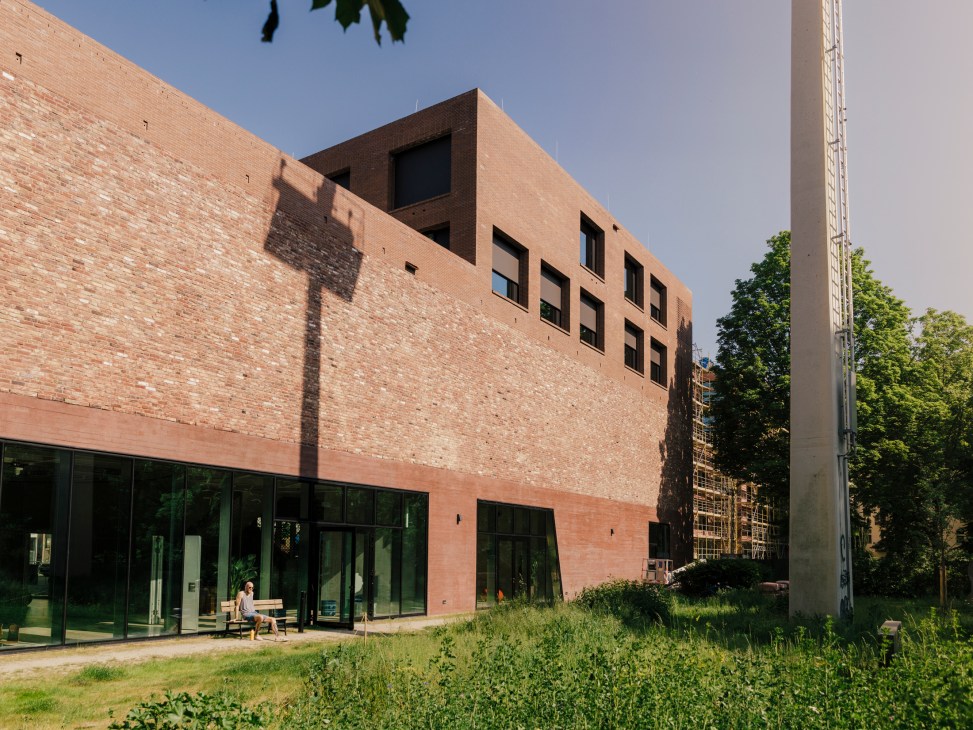
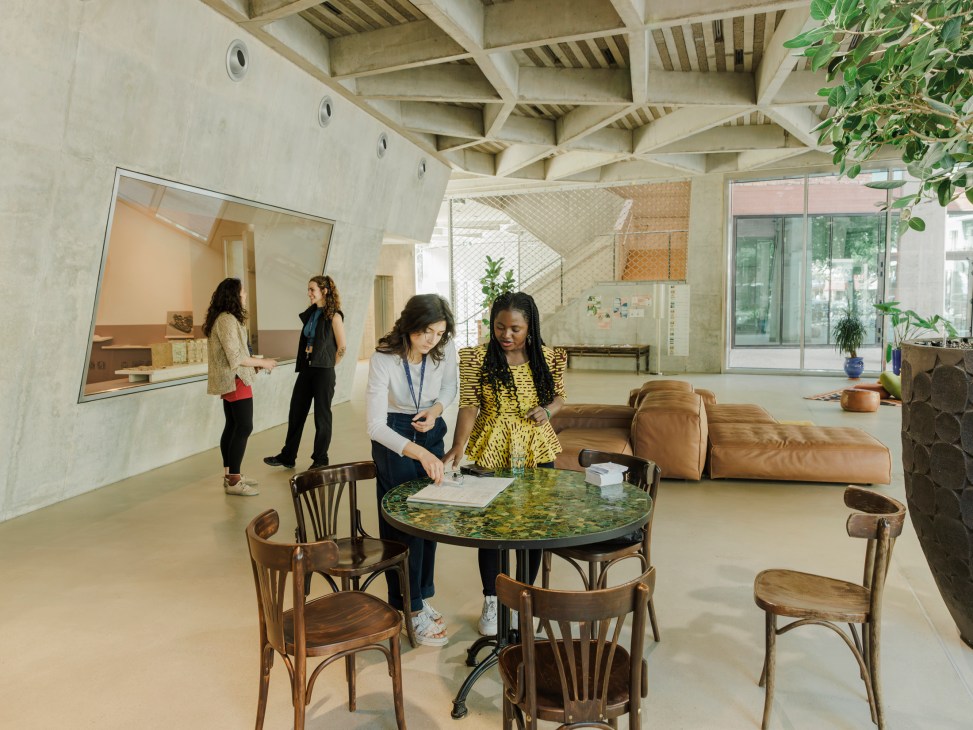
The building’s sweeping, raw concrete interiors (by aff architects, which used recycled bricks for the façade) hold multiple exhibition spaces and an auditorium for concerts and events. On Spore House’s upper floors there’s a library with books, for children and grown-ups, about ecology, as well as apartments for resident artists and fellows. A large terrace overlooks a rear garden where Spore is growing crops and medicinal plants for workshops about nutrition. Everything in the house is made by craftspeople or sourced secondhand.
Spore is funded by founder Hans Schöpfin, a German entrepreneur who saw the need for promoting environmental justice. Spore’s initial activities took place in Mexico City and in the Yucatán peninsula; this new building in Berlin has allowed it to create a space where lessons from the Global South can take root elsewhere. Even before opening to the public with an event-filled weekend attracting hundreds of Berliners, Spore began holding ecological workshops with children (weekdays are still reserved for activities and school visits). Groups work in the green space headed by Marco Clausen, the founder of the beloved Prinzessinnengärten community gardens in Berlin. Until December a group exhibition called Kuxaán Súum reflects on a Mayan prophecy about repairing a “living rope” broken by Western colonisation; there’s also a programme of radio shows and panel discussions. All events are free.
And the name? Spores are “seeds” produced by fungi, ancient and vast systems that maintain life as we know it but are generally invisible to the eye. Much of Spore Initiative’s work happens similarly under the radar but will ultimately grow into a wide-reaching network linking speakers from Central America to environmental groups in Berlin to share knowledge.
Though it’s set in a densely urban neighbourhood in a European capital city, Spore House feels like a connecting point. “We think of it as a place where knowledge and practices that have been marginalised are put back in the centre,” says Alampi. “That’s why it’s so beautiful.”
spore-initiative.org
Reel to Wheel
In Centre-Val de Loire, in central France, you don’t go to the cinema; the cinema comes to you. Cinémobile, a travelling screen housed in a lorry, has been serving the region’s small villages for more than 30 years. Once a month, the lorry parks up in a town centre and opens its wings, revealing a salon kitted out with plush red seats and Dolby surround sound. “We wanted it to be a real cinema, not just a projector in the town hall,” says Philippe Germain, the general director of Cicilic, the Centre-Val de Loire’s cultural agency. Over the course of the day, different people climb inside: teenagers here to catch the latest blockbuster, parents entertaining their children and enthusiasts debating the month’s movie selection. Recently, Cinémobile started leasing a truck to help a similar initiative in Scotland, where it will head to the Highlands and remote islands.

At the project’s heart is a belief in the power of culture to bring people together. “How do we live with each other?” says Germain. “How can we be good citizens? We can learn this thanks to cinema.” Some stops on the Cinémobile tour no longer have social spaces such as bars or grocery shops, so the truck can act as a place for community-building. “It’s not a huge thing,” says Germain. “But it’s important that it exists.”
cinemobile.ciclic.fr
Cities with no limits
Saskia Miller
on how fictional representations of cities in films such as Metropolis and Black Panther can cast light on the issues facing the ones we actually live in.
In fictional cities, anything is possible: flying cars, abundant clean energy, housing for all. In real cities, it seems, even installing a new cycle lane can be challenging. Yet despite the wide gap between fantasy and reality, imaginary cities can still inspire urban planners to pursue a better future.
“I am deeply convinced that art and fictional thinking are valuable engines and generators of ideas,” says Annett Zinsmeister, a Berlin-based architect, artist and author of Constructing Utopia. “By creating fictional cities, you free yourself from limitations. With fiction, you can think and actually do anything in the design. And that’s just not possible in real life.”
In her work, Zinsmeister aims to create “real fiction”, an in-between space of experimentation. She also encouraged her design students at Stuttgart’s State Academy of Arts and Design to think into the future: “To design the seemingly impossible as a possibility, even if it is in small steps.”
While thinking up an ideal urban plan might sound appealing, Zinsmeister emphasises that most utopian narratives aren’t actually utopias but dystopias. The latter convey warnings rather than solutions, encouraging us to take a different path than the one we’re on. Take the harrowing vision depicted in the 1927 silent film Metropolis, upon whose dark perspective many subsequent movies have been modelled. Based on the story by German writer and actress Thea von Harbou, the vertical architecture of director Fritz Lang’s city cleaves the poor and the wealthy into sharply different realities: a downtrodden class of workers toil underground while the privileged enjoy a life of oblivious leisure above.
Often, dystopian and utopian urban visions are simply two sides of the same coin – a deterrent against one thing, and an argument for the opposite. In the Afrofuturist urban utopia of Marvel’s Black Panther films, for example, the dynamic of privilege depicted in Metropolis is reversed. Here, global power lies in the hands of the traditionally marginalised – and its cities reflect this alternative version of reality.

In creating the cinematic architecture of Black Panther, Oscar-winning production designer Hannah Beachler drew on history, real and imagined, to dream up an African city untouched by slavery. Golden City is the capital of the once-hidden country of Wakanda, whose people use a potent metal called vibranium not to destroy rival societies but to protect their own. The capital is futuristic yet human: its emissions-free magnetic-levitation train is technologically advanced, while its bustling street markets capture the vibrant energy of a thriving, socially connected place. In an important touch, a dedicated records hall saves all the precious details of every resident’s past. In an interview at the 2018 CityLab summit, an annual gathering of city leaders, Beachler revealed why she felt so strongly about addressing a real-world wrong through a fictional right. “I felt that way because I never knew my history,” she said. “I didn’t know my ancestry, I didn’t know how far back it went. I don’t have that but I could give it here in this fantastical world.”
Whether utopian, dystopian or something in between, fictional cities prompt questions about the spaces we live in: must some people sleep on the street so that others may live indoors? Should we invest in flying cars or more mass transit? Is that new cycle lane really such a stretch? “The best science-fiction narratives in literature and film are pioneers,” says Zinsmeister. “They think ahead of current developments, events, situations and problems and project 30, 50 or 100 years hence.” Perhaps a radically different urban future isn’t that fanciful after all.
Saskia Miller is a Berlin-based journalist who works with the Bloomberg CityLab summit and ‘The New York Times’.
IMAGES: Marvel Studios, Alamy