Issues
Has the need for productivity become a barrier to living well?
Look, I get it. You don’t have time to read this. You’ve been at the time-management apps again and they are clear: you must not waste a moment. “Don’t let your precious time slip away,” demands one app-review website (we don’t even have time to research our own time-management apps, it seems).Come on, you need to fill every second. Be efficient and productive. Maximise life. Nothing to do this weekend? No time for slackers. Fill up those calendar slots and get busy! Is it lunchtime yet? Check in with Google.
The tragedy is that this rush is nothing new. In the year 263BC, Rome got its first public sundial and, according to playwright Plautus, its residents hated it. “Confound him who in this place set up a sundial, to cut and hack my days so wretchedly into small pieces! I can’t fall to unless the sun gives leave.” But you can bet that if the Romans had our technology, the streets around the Forum might have been filled with the urgent pings and buzzes of calendar notifications: a Times Square for ancient times.
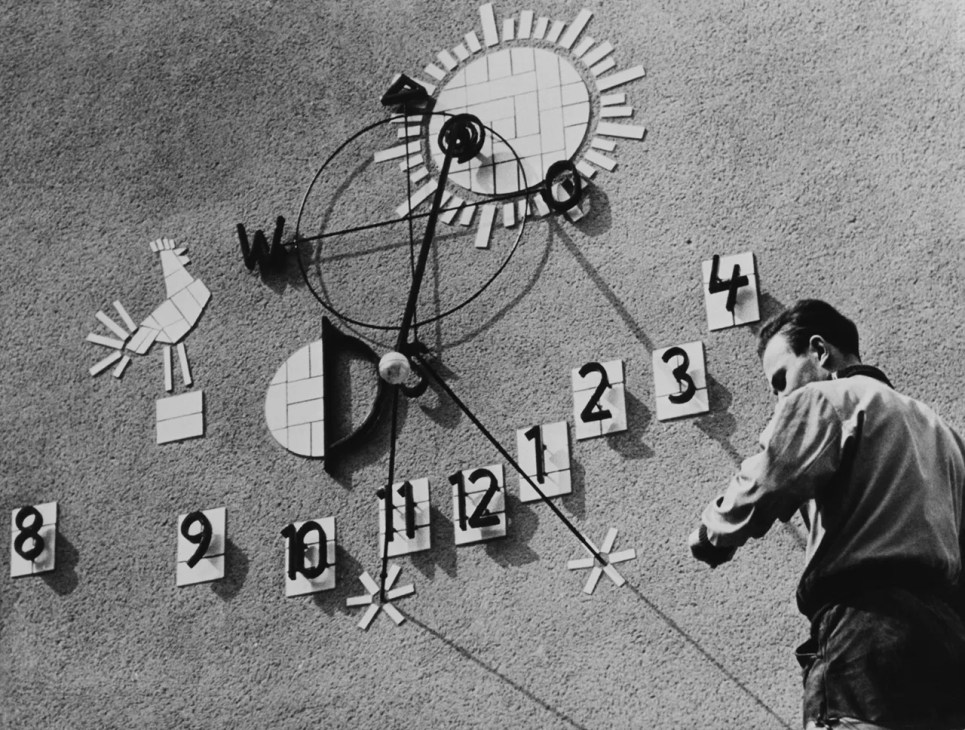
Spin the hands of the clock forward to the year 507AD, in the city of Verona. No longer part of the Roman Empire, it was then ruled by the Ostrogoth king Theodoric, who ordered the construction of a huge acoustic water clock that not only displayed the time but also shouted it across the streets and squares of the city in “strange voices obtained by the violent springing up of waters from beneath”. The king himself explained that the clock was there to help the people of Verona “distinguish the various hours of the day and thus decide how best to occupy every moment”. The Goths, or their efficiency-seeking leaders at least, would have been very much at home with the notion of time management.
The idea that time was something we could waste – rather than spend as we please – took off when the English Puritans began thumping the pulpit. Time, they insisted, always in stern voices, was not yours to waste.
The 17th-century Puritan preacher Richard Baxter claimed that idleness was a great sin, for by wasting time “you are guilty of robbing God himself”. Steady on. Pocket watches were then starting to trickle down through society; a new style was known as the “Puritan” watch. Undecorated, austere. A reminder of the sin of idleness every time you produced it from your waistcoat pocket. Time started ticking a little faster. The first watch acquired for the British Museum was a Puritan watch, made in about 1635 and alleged to have belonged to the puritan’s puritan himself, Oliver Cromwell.
A century later, the industrial revolution began its all-conquering march towards greater productivity. Here too, under capitalism, we poor mortals were shaped by insistent messages of temporal efficiency. It was the American founding father and polymath Benjamin Franklin who, in a 1748 treatise, told the world to “remember that time is money”. Sitting idle? You’re throwing away your own cash, you loser.
We’ve been imbibing this stuff for centuries. Today’s timekeeping tech can hack our days into fragments so small that it’s hard to conceive of them as real moments. Atomic clocks, which use the fundamental properties of atoms to keep time, have been with us since the 1950s. The latest ones keep time on a femtosecond scale: quadrillionths of a second. If one of these had been set running at the Big Bang – the birth of the universe and everything in it, including time itself – it would be wrong today by less than half a second. Atomic clocks now set the beat for the modern world.
When Rome woke up to its first public sundials, some 2,300 years ago, one writer called for the columns on which they were mounted to be torn down. Now I’m not saying we stop the clocks but it’s a thought, isn’t it?
Do we need to submit so fatalistically to the drumbeat of time or the cacophony of smartphone calendar notifications? In some sense, isn’t it like having an angry little Richard Baxter at his Puritan pulpit in our pocket, preaching against idleness 24 hours a day. Or a tiny Ostrogoth water clock pouring scorn on us to make more plans. Do we really need that in our lives? Perhaps we could just choose to sit still for a while every now and then, and, you know, think. Off the clock, of course.
Ultimately it’s up to us whether we cram “leisure” time with activities and tasks rather than stopping to raise our heads, breathe deeply and consider the happy fact of our time-limited lives. It’s your call – my time here is up and I’ve got other things to be getting on with.
About the writer
Rooney is the author of About Time: A History of Civilization in Twelve Clocks. We appreciate him taking a moment out of his packed schedule to write this essay. This was first published in The Monocle Companion, our paperback collections of essays.
The Monocle Design Awards 2026: All 25 winners
1.
Best landscape and construction
Robert Plumb Collective with Dangar Barin Smith
Australia
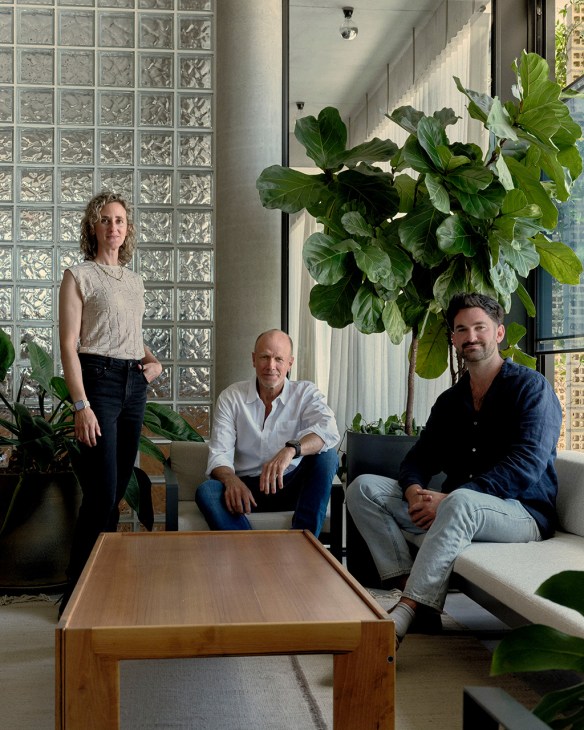
Landscape design is only as good as its delivery. By keeping the process in-house, this collective has been creating some of Australia’s best residential and commercial spaces.
“Dangar Barin Smith started as a lawnmowing business in the 1990s and evolved into a creative practice,” says Will Dangar. “Then Robert Plumb was just sort of tacked on.” Dangar is explaining the evolution of landscape and contracting group Robert Plumb Collective, which he established and co-owns with Bill Clifton. “I was making furniture and doing some installing for Will,” adds the latter. “We had the same accountant, who said that it would be a good idea to team up.” [Read more]
2.
Best headquarters
Lombard Odier
Switzerland

This Swiss bank’s striking new digs prove that, at its best, corporate architecture can reflect the values of a brand, while enhancing the quality of life of its employees and clients.
An outstanding headquarters should make a statement – which is exactly what Lombard Odier’s new outpost on the shores of Lake Geneva does. “Is this what you think of when you picture a Swiss bank?” asks Hubert Keller. The senior managing partner poses the question while showing Monocle around his firm’s new digs. The arrival experience, for both staff and clients, feels more like pulling into the porte-cochere of a luxury hotel than entering the offices of one of Switzerland’s leading wealth- and asset-management firms. “It’s more than a building,” adds Keller. “It represents who we are today.” [Read more]
3.
Best in audio
Turntable PP-1 by Waiting for Ideas
France
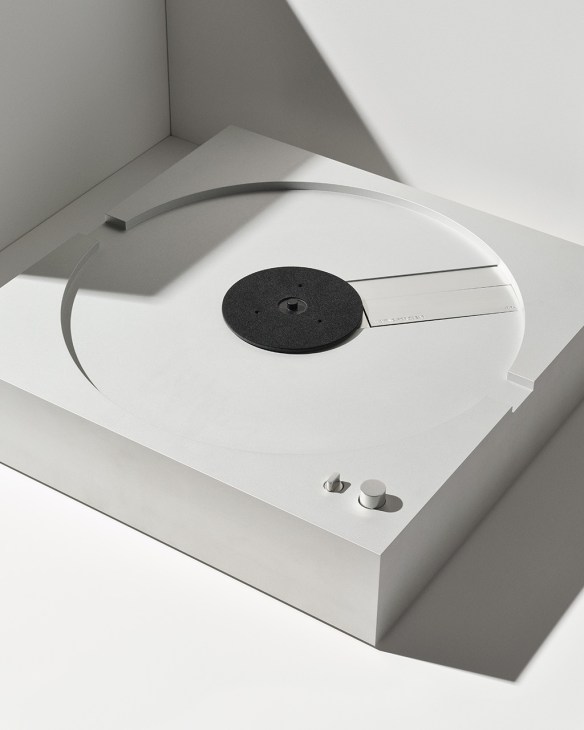
This sleek aluminium turntable combines analogue ritual with digital convenience to deliver the best of both worlds.
Paris-based studio Waiting for Ideas created the pp-1 record player to eliminate fiddly settings and the conventional version’s cumbersome tonearm. Its two discreet dials – one to set the rpm speed and another to pause, play, skip and adjust the volume – strip the listening experience back to its essence.
“PP stands for ‘Plug and Play’,” says Jean-Baptiste Anotin, the founder of Waiting for Ideas. “The goal was to create a product as seamless and intuitive as a music app while preserving the quality and ritual of vinyl.” [Read more]
4.
Leading creative director
Pierre-Alexis Guinet
France
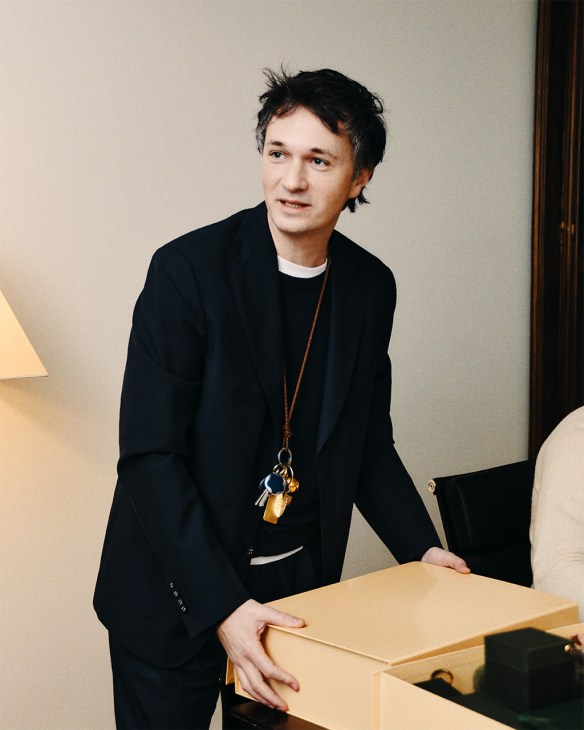
Good creative directors can deliver snappy new logos but great ones – like Guinet – can help brands both tell and understand their own story.
After initial meetings, clients of Paris-based studio Pierre-Alexis Guinet – which works on projects ranging from visual identities to refreshed packaging – are handed a magazine-style book. The bespoke publication is filled with visual references from snippets of historical archives and auction catalogues to travel snaps and screenshots from the internet. “It’s our bible,” Guinet tells Monocle from his studio in Île Saint-Louis. “It outlines the story that we aim to tell.” [Read more]
5.
Best trade school
Håndvaerkskollegiet Herning
Denmark
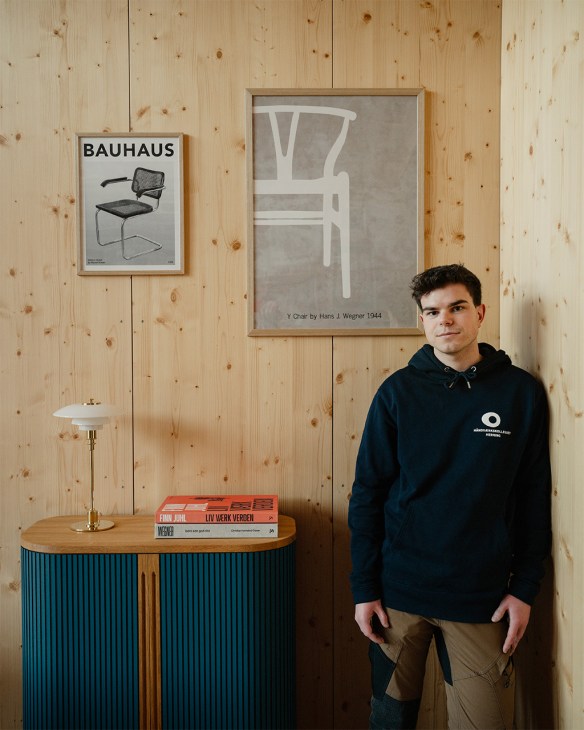
A hall of residence built to inspire trainee tradespeople is working to plug Denmark’s skills gap by encouraging an exchange of ideas and expertise.
Like many nations, Denmark is in desperate need of tradespeople: plumbers, builders, roofers, carpenters, electricians and skilled manual workers, known in the Nordic country as håndvaerker. This dearth makes the recent opening of Håndvaerkskollegiet, a hall of residence for trainees in such fields, particularly welcome.
“Part of the purpose of this building is to persuade young people to pursue a skilled-worker education,” its principal, Flemming Moestrup, tells Monocle from the new campus in the small town of Herning on the Jutland peninsula. [Read more]
6.
Best in lighting
Bothi
The Netherlands
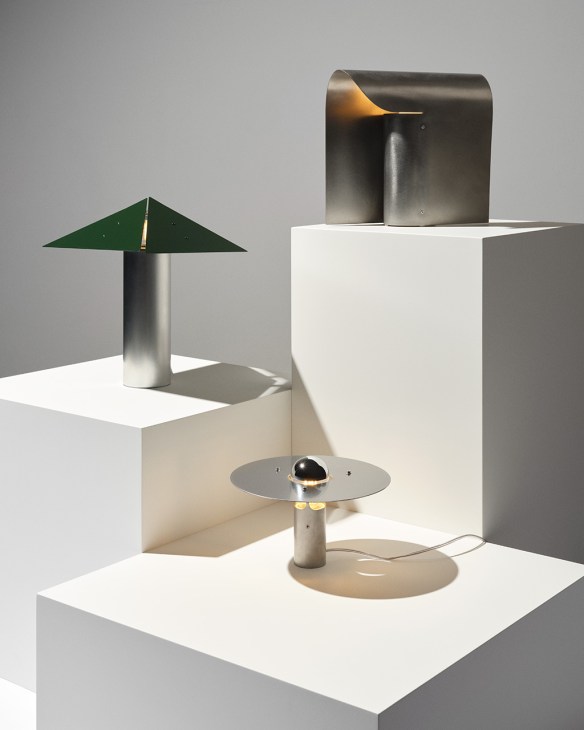
Bothi’s lighting strikes a delicate balance between physical form and intangible illumination.
Founded in 2025 by Ollee Means, Amsterdam-based design brand Bothi is fast emerging as a name to know, thanks to its confident approach to simple, enduring design. Lights in its collection are designed to emit a soft glow and quietly hold their presence in a room. “Creating a lamp is creating atmosphere, which I find intriguing,” says Means. “Light is quiet but decisive.” [Read more]
7.
Best design imprint
Monade
Portugal
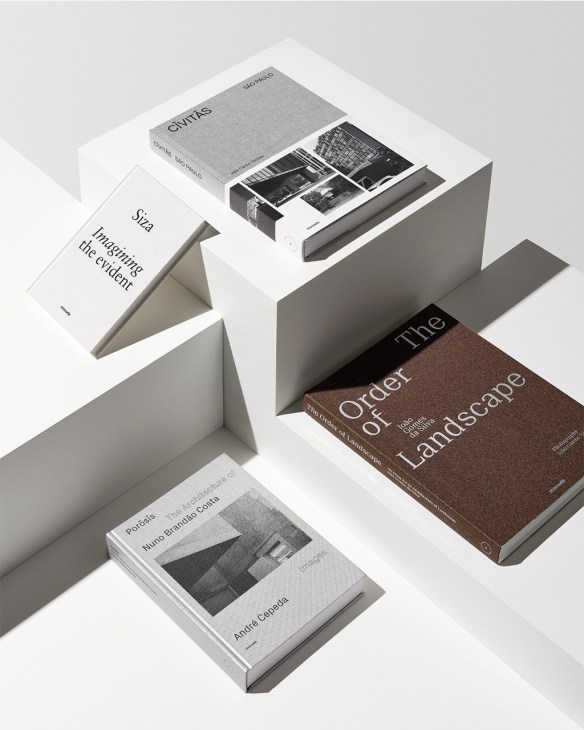
This publishing house produces architecture books that are accessible without shying away from deep academic enquiry – giving the discipline the respect it deserves.
João Carmo Simões and Daniela Sá launched Lisbon-based publishing house Monade in 2016. Over the past 10 years, they have edited books that are neither didactic nor merely decorative, showing the breadth and depth of architecture. “We don’t want our books to be siloed because architecture itself isn’t that way,” says Sá. [Read more]
8.
Best legacy architect
Tilla Theus
Switzerland

For architecture that stands the test of time, imbue it with character by celebrating context and culture.
Swiss architect Tilla Theus has spent more than 50 years proving that architecture can be warm and inviting. She graduated from ETH Zürich in 1969 and immediately opened her own practice, developing a distinctive approach involving the introduction of a sense of atmospheric warmth to historic buildings and new-builds alike.
[Read more]
9.
Best designer-maker
Andu Masebo
UK

Some of the best contemporary designers, such as Andu Masebo, know how to get their hands dirty, balancing bespoke and industrial production to deliver playful, expertly made works.
In his London workshop, Andu Masebo takes a hands-on approach to design. With a background in carpentry, metalwork and ceramics, Masebo creates furniture and homeware with unexpected details for users to enjoy. [Read more]
10.
Best government building
Chamber of Notaries
France
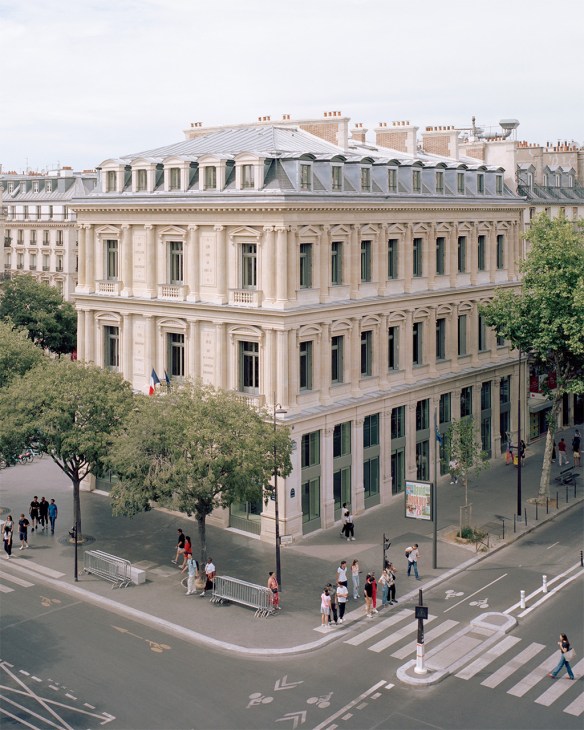
The renovation of a Haussmannian administrative building in Paris has quietly helped to reshape the public’s perception of the professionals who occupy it.
The French Chamber of Notaries in Paris’s Place du Châtelet is an architectural marvel hiding in plain sight. “Most Parisians don’t know about this building,” says David Dottelonde of Atelier Senzu. “It’s one of the oldest Haussmannian buildings in the city, dating back to 1855.” [Read more]
11.
Best printer of choice
Zürich Print Institute
Switzerland
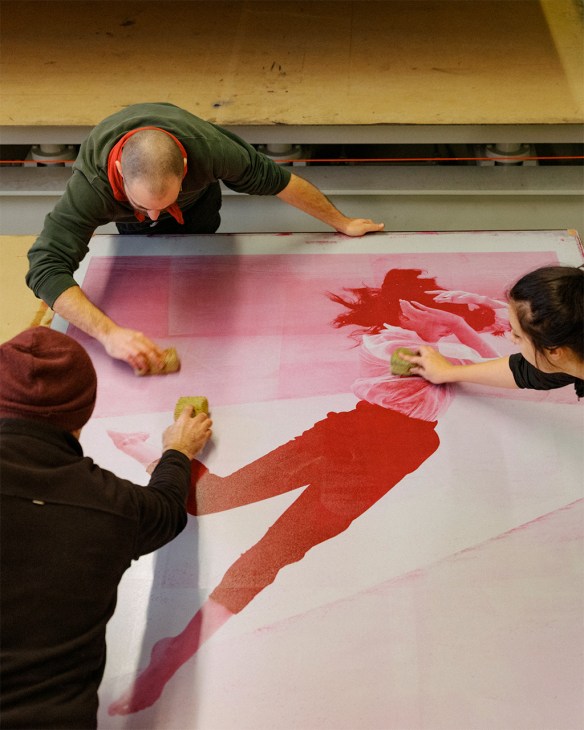
This institution dedicated to printmaking is keeping traditional methods alive and working to broaden the craft’s reach.
The Zürich Print Institute has a mission: to promote printmaking by bringing ever more people into the fold. Established in 2023 by gallerist David Khalat and master printer Thomi Wolfensberger, it offers high-end production facilities for world-class artists to practice all four processes of traditional printmaking: relief, intaglio, lithography and screen printing. “On the one hand, we’re trying to keep the tradition of printmaking alive,” says Khalat. “But we’re also pushing the boundaries with format. The work often starts as a print, then becomes an art object.” [Read more]
12.
Best camera
Fujifilm instax mini Evo Cinema
Japan

This satisfyingly tactile new camera is a hybrid that brings digital convenience to analogue rituals.
Fujifilm is making a strong case for using a real camera instead of your smartphone with its instax mini Evo Cinema, an all-in-one instant camera, smartphone photo printer and video camera. The look and vertical shooting style of this fun-packed device was inspired by the company’s Fujica Single-8 film camera, which was released in 1965.
The result is a gadget that’s easy to use (just click in a film cartridge) and offers visually compelling prints and endless options for tinkering with stills and footage.
[Read more]
13.
Best dining chair
After by Fritz Hansen
Denmark

This chair draws on the core principles of Danish design – but also updates them for the present.
It takes skill and chutzpah to reinvent Denmark’s considerable design heritage, particularly as a non-native. But that’s what Cyprus-born, London-based designer Michael Anastassiades achieved when he unveiled his After series for Danish manufacturer Fritz Hansen. The collection comprises a dining table and this generously proportioned chair, which comes in ash or deep burgundy, with the option to include a seat cushion.
While the classic, clean curves of the After chair’s silhouette evoke mid-century masters Kaare Klint and Poul Kjaerholm, the quiet confidence of its execution is distinctively Anastassiades’s own. [Read more]
14.
Designers of the year
Formafantasma
Italy
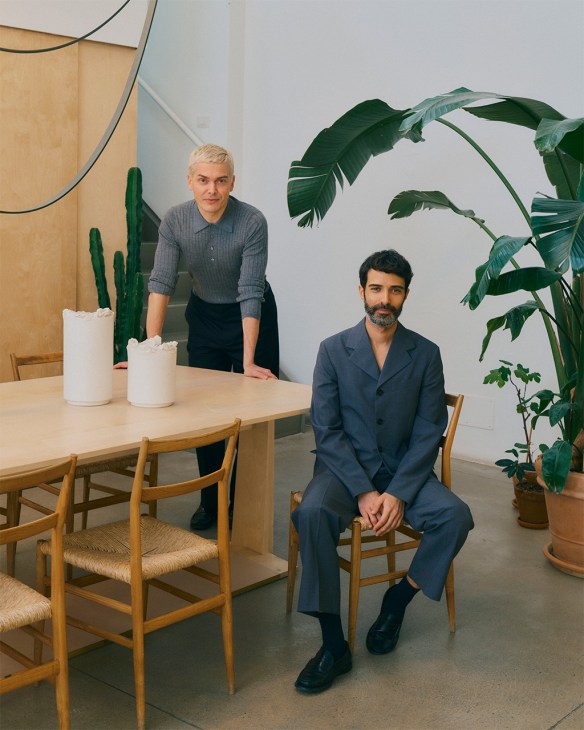
Drawing from manufacturing, technology and material research, this Milan-based studio has made a strength out of connecting disciplines and cultures.
“Our name includes ‘fantasma’, which means ghost,” says Simone Farresin. “Someone once said that’s because our work is always haunted by other things. It’s a good point.” The Milanese designer is one half of Formafantasma, the studio that he established with Andrea Trimarchi in 2009. The practice is renowned for drawing on influences ranging from film and art to technology, manufacturing and material research. “We don’t think about our work in isolation,” says Trimarchi. Recent portfolio highlights include set design for Marni, exhibition design for Fondation Cartier, staging for Cassina, repairable lighting for Flos and symposiums for Prada. [Read more]
15.
Finest for fitness
Backyard Community Club
Ghana
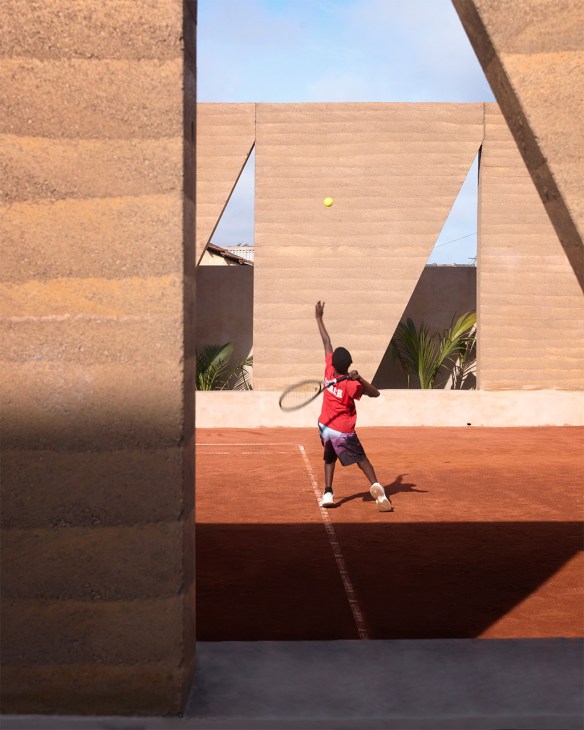
This tennis facility rooted in West African traditions has set its sights on changing the country’s sporting culture.
In Accra’s Osu neighbourhood, the Backyard Community Club’s clay court has become an incubator for a group of promising young tennis players. Built to the design of Glenn DeRoche, the founder of architecture studio DeRoche Projects, it uses local materials to enclose the court. Precast rammed-earth panels, produced and assembled in the city, help to reduce the project’s carbon footprint. [Read more]
16.
Best armchair
Eri Swivel by Fumie Shibata for Flexform
Italy
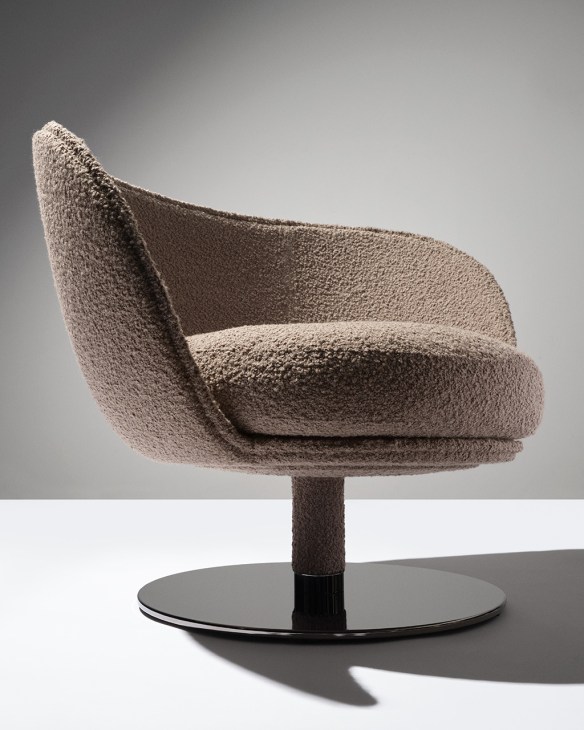
A combination of Japanese and Italian elements makes this chair stand out, whether in the living room or the boardroom.
The Eri Swivel armchair is a masterclass in harmonising structural integrity and sculptural appeal with a soft, enveloping form. Designed by Tokyo-based Fumie Shibata for Flexform, it reflects a pleasing coming together of Japanese minimalism and Italian manufacturing nous.
[Read more]
17.
Best design gallery
Difane
Mexico
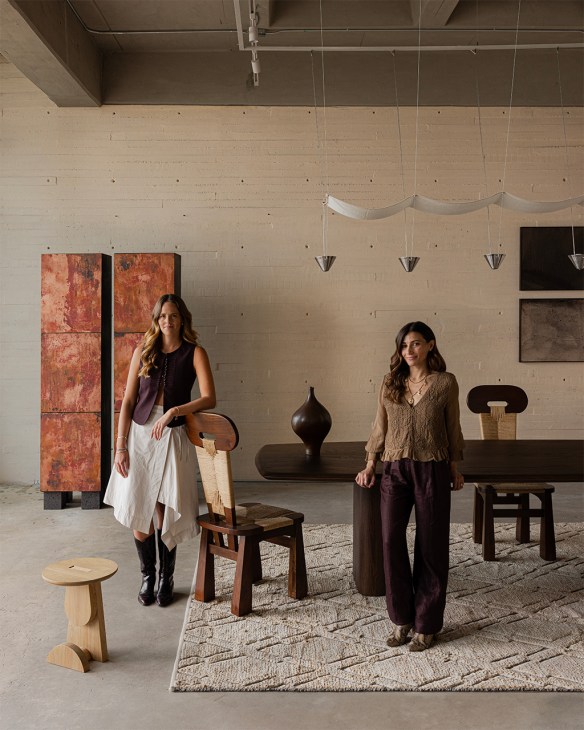
This gallery is helping to redefine Mexico’s design identity by championing the country’s best contemporary practitioners.
The rise of Mexican design to global acclaim is thanks, in part, to the work of galleries such as Mexico City-based Difane. Run by Fernanda Salamanca and Andrea Gadsden, it supports the nation’s independent designers, including Andrés Gutiérrez and Carlota Coppel. “When we started, most people around the world thought of Mexican design as just arts and crafts,” says Gadsden. “We wanted to give visibility to this other branch.” [Read more]
18.
Top urban intervention
Suan San Pocket Park by Shma Design
Thailand
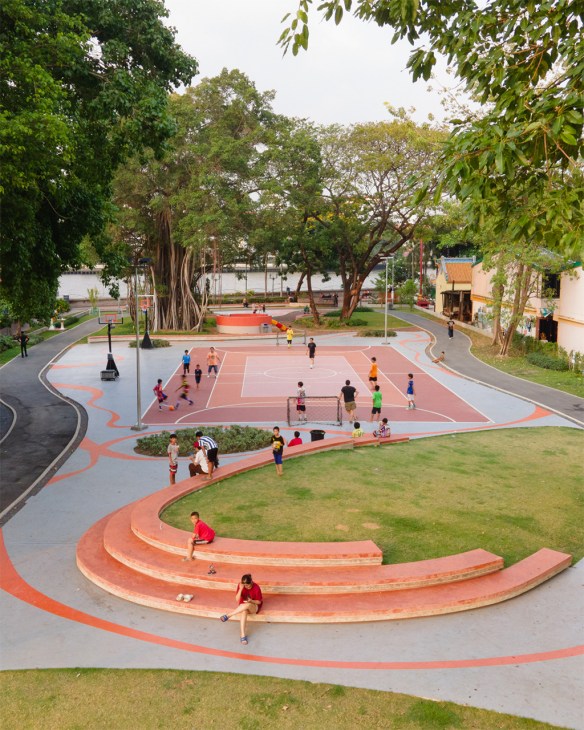
This small, strategically placed green space offers a much-needed escape from the Thai capital’s asphalt jungle.
The all-consuming urban sprawl is an unfortunate reality of life in Bangkok. Providing residents with respite from it was a challenge that the team at landscape architecture studio Shma Design was keen to rectify with the creation of the Suan San Pocket Park. “This is an unplanned city, which means that we never really invested in green areas,” says Yossaporn Boonsom, one of Shma Design’s founding directors and the park’s lead designer. [Read more]
19.
Best timekeeper
Bedside clock by Habity
Denmark
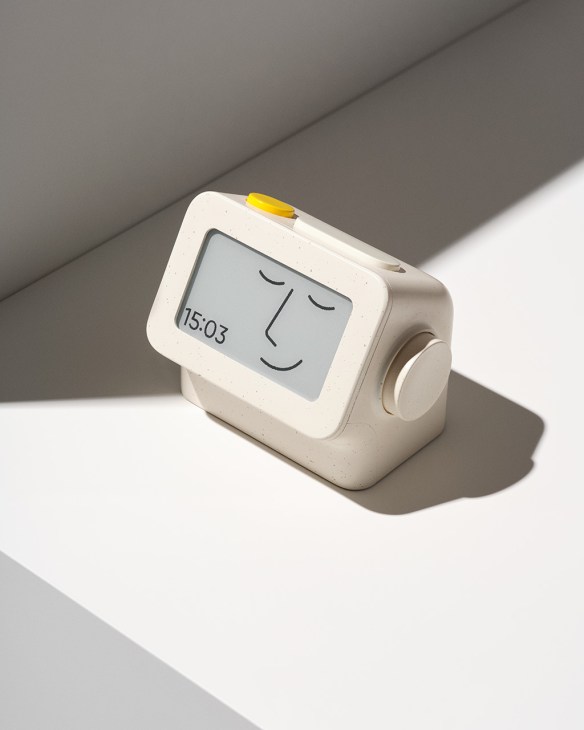
This nifty bedside clock doesn’t just tell the time or wake you up in the morning: it’ll help you to switch of at night too.
We appreciate this clock both for everything that it offers and for what it does away with – namely the need to download an app or fiddle with complex settings. Created by Copenhagen-based design company Habity, this compact alarm clock is intuitive to use and pleasing on the eye, thanks to its rounded shape and e-paper display. [Read more]
20.
Best bicycle
Bliksem by Onguza
Namibia

Meticulously constructed and with every model custom finished for its rider, this bike proves that keeping people at the centre of a process can put you ahead of the peloton.
Dan Craven launched Namibian bike brand Onguza after he retired from the world of professional cycling in 2021. “As with so many ex-professional athletes, my future was unclear,” says the company’s founder and co-owner. But he was certain that he wanted to spotlight his homeland’s manufacturing potential. [Read more]
21.
Best civic renovation
Claro Arena by Idom
Chile
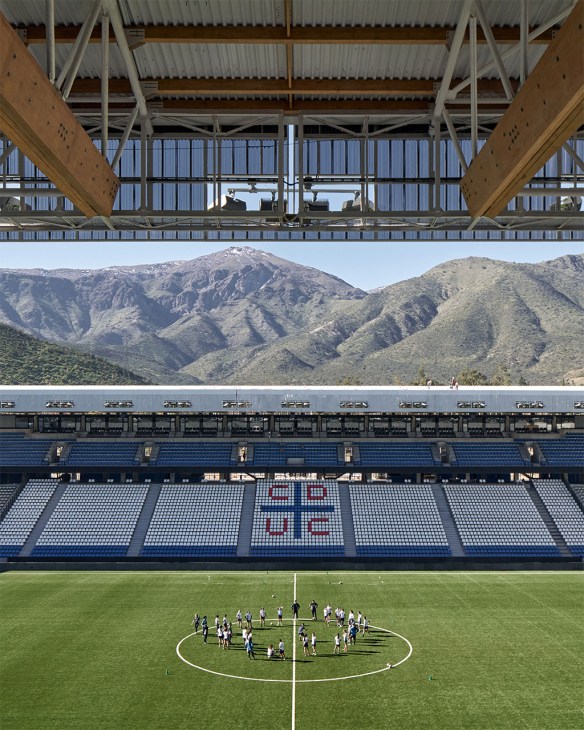
Stadiums aren’t just sports facilities. Done well, they can foster a sense of community and even enhance landscapes – as this example shows.
Santiago’s newly renovated Claro Arena pays tribute to its brutalist heritage. “We maintained 95 per cent of the sightlines,” says Borja Gómez Martín, a lead architect at Spanish practice Idom, which transformed the landmark. Built in the 1980s, the stadium originally sat low in the terrain but Idom introduced a lighter frame that hovers above the concrete base. A new upper level incorporates dressing rooms, press centres, technical areas, premium hospitality spaces and viewing galleries with a concourse that operates as the ground’s circulation system. [Read more]
22.
Best industry event
Nomad Abu Dhabi
UAE
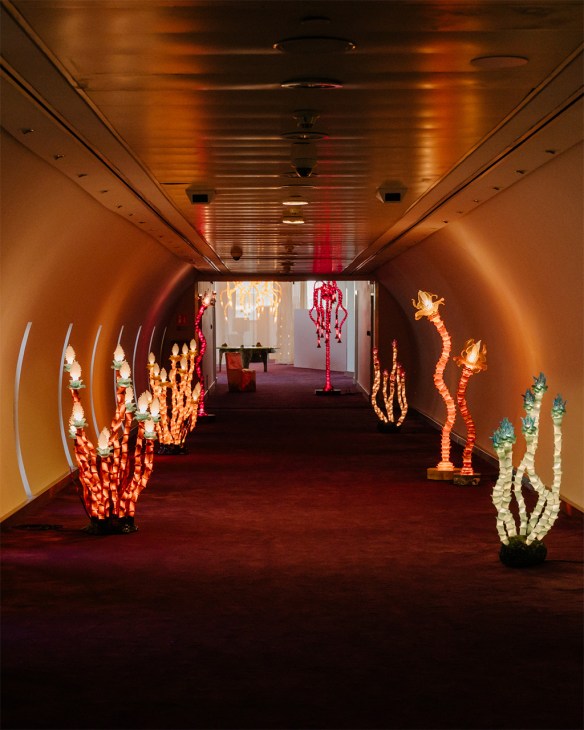
Nomad demonstrates what a design fair can achieve by embracing the architecture, geography and culture of its setting.
Nomad is one of the most compelling platforms in collectable design and its move into Abu Dhabi last year cemented its position as a benchmark global event for the sector. Its Middle Eastern debut in Zayed International Airport’s decommissioned Terminal 1 felt almost like spatial theatre: works were staged not against neutral walls but within the emotional residue of a place once defined by movement.
“This concept is all about the experience,” says Nomad’s founder, Nicolas Bellavance-Lecompte. “It’s not a pure fair, nor just an exhibition. It’s the intersection of many things.” [Read more]
23.
Best material development
Hydro Circal 100R
Norway
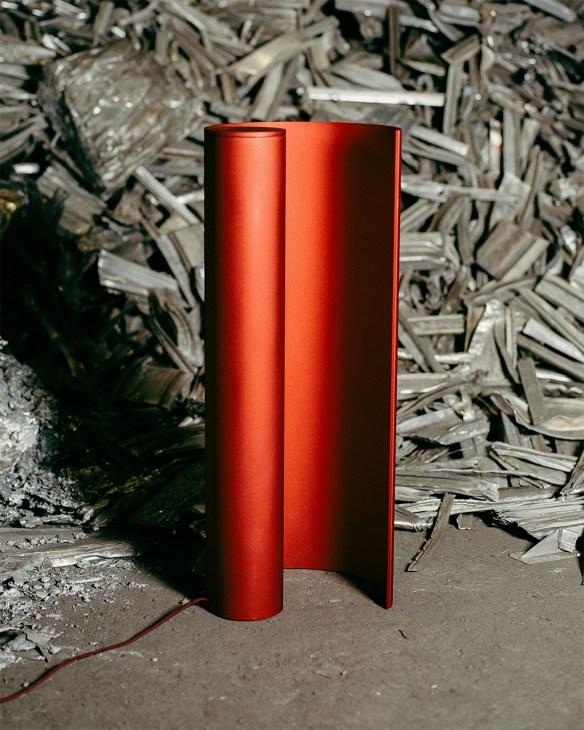
Hydro’s commitment to circularity offers a shining example of what real progress looks like in the materials sector.
Norwegian raw-materials supplier Hydro’s Circal 100R initiative seeks to elevate the status of aluminium and build more circular economies. It also showcases how a global manufacturer can both recycle and produce on a local scale. Scrap is refined into Hydro Circal aluminium, made from 75 per cent post-consumer waste, and turned into bespoke furniture and lighting pieces constructed within a 100km radius of one of the Norwegian firm’s European manufacturing facilities.
“We had to find new partners for bending and anodising within that radius,” says Hydro’s business-development manager for the Benelux region, Yon van den Oever, when he shows Monocle around one of the firm’s facilities in the Dutch city of Drunen, just ahead of the country’s annual design week in Eindhoven. [Read more]
24.
Best in urbanism
Seattle Waterfront Park by Field Operations
USA
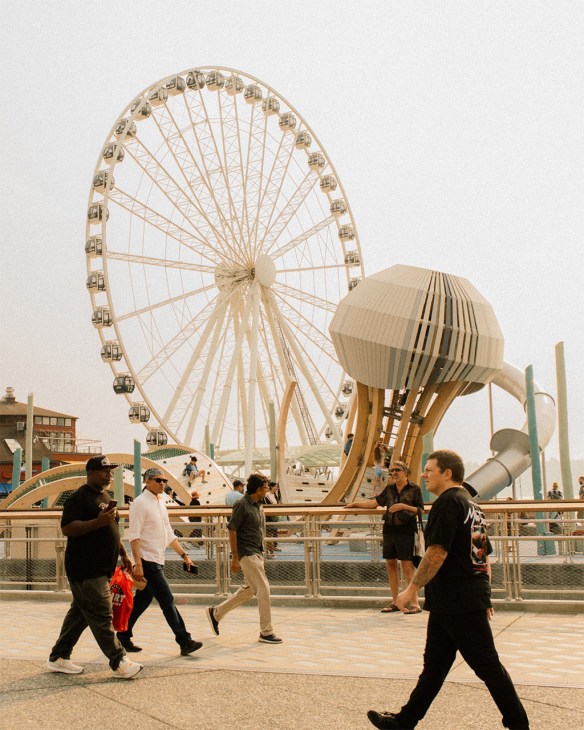
A team of landscape architects, urban designers and planners has reinvigorated Seattle’s ailing downtown by reconnecting residents to a long ignored waterfront.
In recent decades, many landscape architects and urbanists across the globe have been trying to reconnect cities cut up by urban infrastructure. US studio Field Operations has long been at the forefront of this movement and its work in Seattle has established a new benchmark. The 1950s Alaskan Way Viaduct separated the city’s downtown from the watery edge of the Puget Sound. Today the elevated highway, which was damaged by an earthquake in 2001, has come down and a park has arisen in its place, designed by Field Operations. [Read more]
25.
Smartest mobility solution
Tatamel Bike by Icoma
Japan
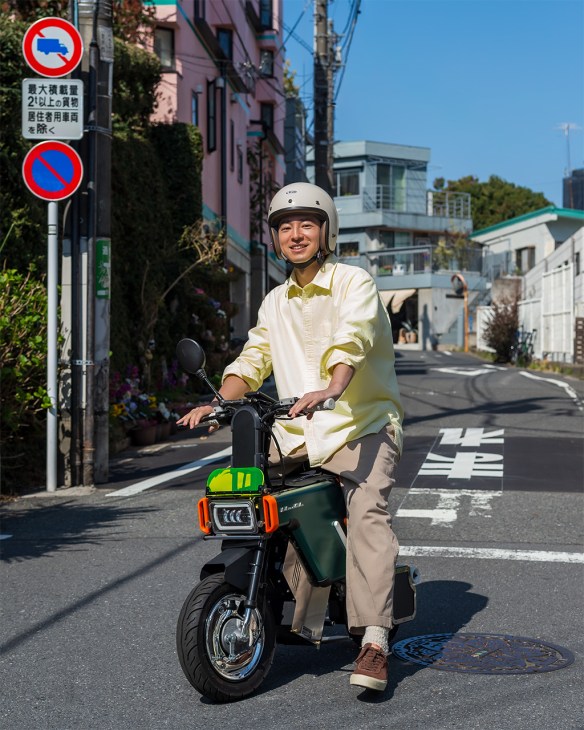
The best design solutions emerge from everyday frustrations – and, like this collapsible bike, quietly change how a city moves.
About a decade ago, industrial designer Takamitsu Ikoma had an idea for an electric-powered two-wheeler that could be collapsed to the size of a suitcase and kept near the front door of a flat or under a desk at the office. Without an engine, it wouldn’t reek of petrol fumes or leak chain grease. His Tokyo-based start-up, Icoma, put the idea into production in 2024 with the foldable electric Tatamel Bike (tatameru means “foldable”). [Read more]
The award by Harry Thaler
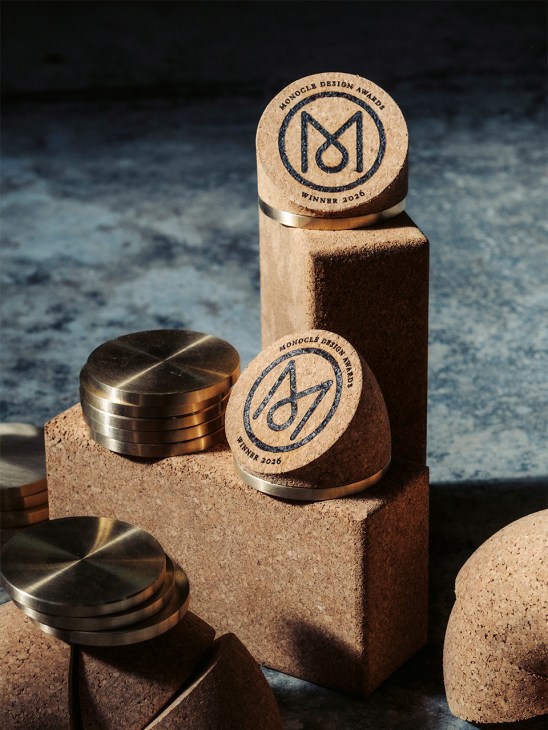
The trophy for the Monocle Design Awards has been created by Harry Thaler since the first prizes were given out in To mark the evolution of the awards this year, which have a more focused selection of prize winners, the Lana-based Italian designer has refreshed the trophy-cum-paperweight with a completely new material: cork. Produced in partnership with Portuguese manufacturer 3DCork, it embodies several key qualities of design that we value: it’s beautiful, natural and durable.
Our May issue celebrates exceptional timepieces and the people who wear them
As well as our annual Design Awards, the magazine in your hands includes a celebration of watchmaking and the value of timekeeping. So perhaps it’s strange that two of my favourite reports are a tale about a train that fails to depart on schedule and a dispatch from a city neighbourhood where time has, until now, refused to tick along in accordance with the beat of the age.
Let’s start with that rail trip that runs across our Expo pages. Ann Marie Gardner was Monocle’s Americas bureau chief when this title launched in 2007 and I’m pleased to say that, even after she exited from the masthead, she has stayed part of the family. Over the years, Gardner has generously undertaken some gruelling and long reporting trips for Monocle, including jumping aboard a mail ship as it dropped of its parcels at various Atlantic island outposts. When it was suggested that we should send a writer on a two-day train ride north from Winnipeg to the Hudson Bay town of Churchill, in the depths of winter, I knew just who to call.

Churchill is so remote that it cannot be reached by car, only by plane or train. But who would choose the slow option? And what would unfold if you jumped aboard and headed to the polar-bear capital of the High North? Gardner, along with photographer Jesse Chehak, was game to answer these questions and more. Now, I admit that I did feel a little guilty when she sent me a message from the Via Rail train containing pictures of her utilitarian green cabin and describing the train’s very late departure and sluggish progress across the flat frozen landscape. But the story she got is a gem. It’s a report that takes you to the heart of Canada – and Canadians – but it is also a rumination on the pleasures that come from allowing time to pass slowly and giving up on watching the clock.
The other story in this issue where time is of the essence is set in downtown Cairo and has been reported by Mary Fitzgerald and photographed by Rena Efendi. The duo look at how this sleepy, unkempt, timeworn neighbourhood is being revived – but will its magical shops, cafés and apartments, which have until now ignored the calls of modernity, be erased or spoilt?
And then there are the watches and the people who wear them. It’s not hard to know the precise time of day – it’s there on your laptop screen as you type and staring back at you when you glance at your phone. So why do so many men and women choose to wear a wristwatch, a ticking mechanical contraption, instead of allowing their electronic devices to keep them on schedule? I count myself among this cohort of watch wearers and, for me, it’s simple. I want time to have meaning and the seconds to slip away with some grace.
I have two nice watches – I know. The first was bought with some money left to me by my parents; the second was a gift that marked a special anniversary. I wear them on alternate days and whenever I snap the metal bracelets tight on my wrist, I think, without fail, either of two people who I miss or a job that has made me who I am. It got me wondering about why others do the same so I asked our associate editor, Grace Charlton, to speak to people – including a chef, a photographer, an ambassador and a fashion designer – about the watch that accompanies them throughout their day and also about what time means to them. She has produced a report about watches, yes, but also about how we all judge time in very diferent ways.
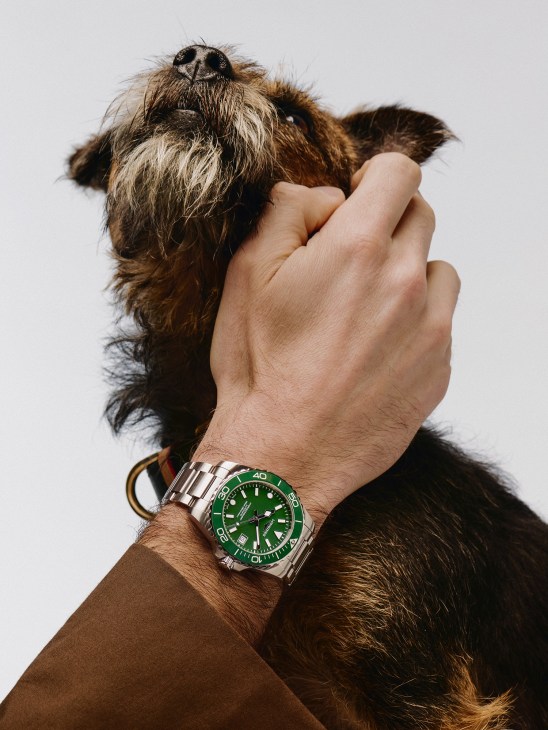
Finally, there are the dogs: the watch dogs. This was the idea of our creative director, Richard Spencer Powell, and runs on our fashion pages. It’s a delight and simply features wonderful dogs and great timepieces. My favourite aside was when Rich told me that the team had taken great efforts to ensure that each hound was matched with a watch that echoed its style and demeanour. You can be the judge on their canine and chronometer matching abilities. As always, feel free to send me ideas, thoughts or just the time of day at at@monocle.com.
In from the cold: A 45-hour train journey to remote Churchill, Canada in the depths of winter
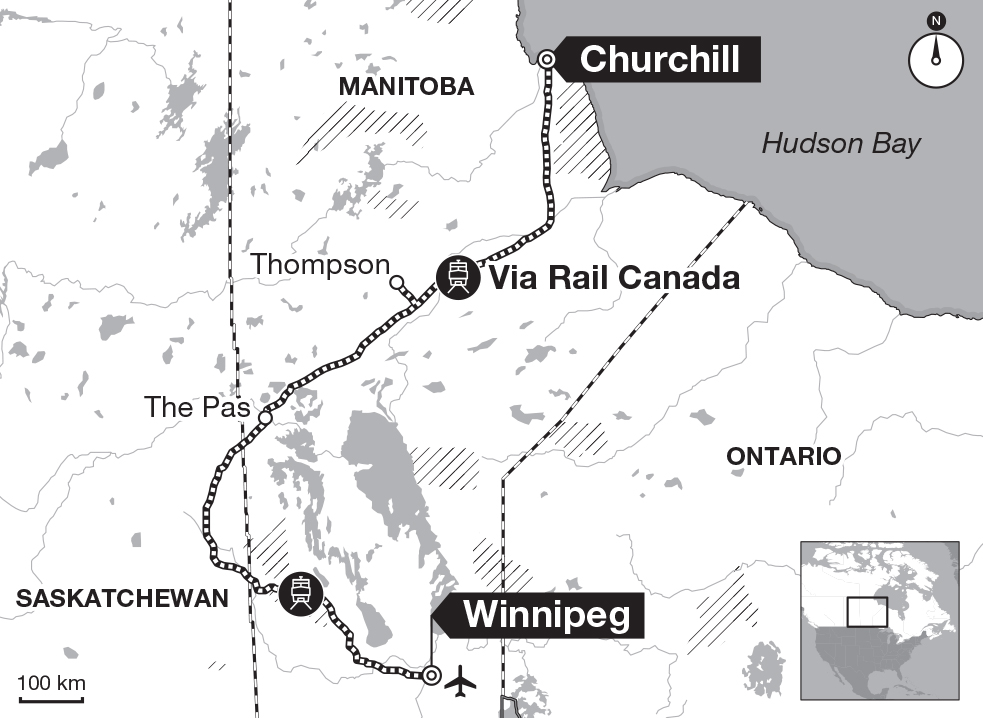
The Via Rail Canada website promises an “adventure of a lifetime” – a 1,700km train journey through boreal forest and Arctic tundra from Winnipeg to the subarctic port town of Churchill, the polar-bear capital of the world. It all sounds so swashbuckling, even when it’s the off season for bear spotting (at this time of year they’re out on the ice, hunting seals). After all, there’ll still be the northern lights and the end-of-the-world remoteness to enthral us. Monocle arrives at Winnipeg’s Union Station an hour early for the 12.05 train. The station is almost deserted and we only have a handful of travellers for company. There are no departure boards, no other trains and no shops (though thankfully there are a couple of vending machines). We end up sitting in this cold, echoey hall for almost seven hours; hour after hour, the train is delayed. It finally sets off at 17.45.


The route:
Winnipeg to Churchill
Riding the rails
The question arises soon after boarding: will the “magic” of Churchill that tourism websites tout be enough to justify this ride? The Hudson Bay Railway is not the Orient Express. The rail cars, built at the height of the Cold War in the 1950s, feel frozen in time. Made to service routes to remote places, their corridors are so narrow that only one person can pass at a time. The single-berth rooms – in a shade of mint green – might once have been considered a marvel of ergonomic design but are lacking by today’s standards. Every berth includes a chair facing a steel pull-down sink resembling those found in prison cells. A toilet, which doubles as a coffee table, is positioned in the centre of the cabin. At night the bed, on a hulking metal frame, slides out on top of the toilet. It’s like sleeping in the bathroom of a commuter train.
Attendant Tev Judd, who has worked on the rails for seven years, gives us a tour. Down the long hallway is a single shower, to be shared between the passengers. Past two sets of bunk beds are bathrooms and the dining car. “Just roll with it,” says Dave, a fellow passenger who works as a photographer for Via Rail Canada. He has done the trip once before and refuses to elaborate further.

For the next two days, the train groans, shakes and rattles along, taking us further into the frozen wilderness at what feels like 30 miles (48km) an hour. It’s like a kids’ train at an amusement park but sometimes slower because in winter the steel tracks contract and can snap. In the tiny towns that we chug through, dogs run up to bark at the train – and then outrun it.
That first night, seven sleeper passengers linger at the metal tables in the fluorescently lit dining car and, unsurprisingly, are in no rush to return to their toilet-stall bedrooms. For dinner, Lana, the cook, recommends the microwaved butter chicken, though she has never tried it. “We bring our own food,” she says, a little disconcertingly. The next morning early birds Francine St Germaine and Michel Vinet are back in the dining car to watch the sunrise. A hot-pink halo forms over a patch of scrubby, tall pine trees like a UFO.
Vinet worked for Via Rail Canada for 28 years – freight from 1974 to 2004, then passenger service until 2013. His whole family has worked on the railroad. “I helped to rebuild this track and it’s the only one left that I haven’t ridden,” he says. “I have always wanted to go to Churchill to see its bears, northern lights and nature.” The train has a capacity of 124 people in coach and 14 with beds. Our train carries 13 in total: nine passengers in sleeper rooms and four crew. This doesn’t count those who get on and off along the way in the coach section.


The map in the carriage shows a string of communities that this single rail line stitches together. These range from small Indigenous towns with populations as small as 148 to Thompson, with about 12,300 residents. People take the train to stock up at the big-box shop in Thompson, then return with plastic bins filled with groceries, supplies, nappies and car parts. After Thompson, there are no roads leading to Churchill so, unless you fly, this is the only way to get there. That first morning, the other inmates have a not-terrible breakfast of scrambled eggs. Heidi, an Inuit woman who works for a non-profit company, is here from Ottawa. She’s on a long break from everyday life and is seeking to return to nature to reflect and reset.
Forest Gustavson, a cheerful, colourfully tattooed wildlife photographer, is making this journey to celebrate his birthday. “The ride gives you time to contemplate our role in the world,” he says. “And it prepares you for your arrival at Churchill, where there are three times more bears than people. Polar bears weigh 2,200lbs [998kg] and can be 15 feet [4.6 metres] tall. And they will hunt humans.” Across his forearm is a bright-green bear tattoo. His T-shirt, meanwhile, features a drawing of a bear and the word “hug”. “Churchill and the Northern Lights will change your life,” he says.
Julie Gaudet, Via Rail Canada’s service manager, has worked on the train for 27 years. She home-schooled her daughter in this dining car. To her, it’s a way of life. “We didn’t shut down during the coronavirus pandemic,” she says. “We couldn’t. This is an essential line.” Aside from service suspensions caused by severe flooding – notably in 2017 – the line has kept running. Today the weather outside is icy yet crisp. Stripped of comfort and connection to the rest of the world, this collection of strangers bands together in the dining car while the landscape rolls by.
Day one
Churchill, minus 30C
It feels like a miracle when we actually arrive in Churchill – though the train pulls in at 14.40, instead of the scheduled 09.00. By this point, we have been on board for 45 hours. A brilliant white light greets us: blinding sunshine bouncing off miles of sea ice and snow piled as high as buildings. The cold is difficult to describe. It slices and stabs all over your body at once. The shock of it drags you into the present. You are here. You are alive. So pay attention!


Thankfully, Discover Churchill vans are waiting with heat blasting inside. This is a frontier town, laid out in a grid, with low square blobs of buildings covered in snow. In the 1700s it was the Hudson Bay Company’s fur-trading post. It later evolved into a northern grain port after the railway arrived in 1929. During the Cold War, when the town was home to a military outpost, its resident population soared to 5,000 (today it’s 870). The port operated as a naval base until the 1960s, before reinventing itself as the polar-bear capital of the world. When we visit, the bears are everywhere – just not living specimens. We spot a stuffed one at the train station. Images of them are painted on garages and buildings, and shown on TV at bars and in hotel lobbies. On those screens, we watch them sparring or frolicking in a field of purple flowers; we see mother bears and baby bears being adorable.
In Churchill, you can only safely walk or ride your bike outside in winter, when the bears are away hunting seals. “People know to leave their cars unlocked,” says train attendant Judd. “That way, if you see a polar bear, you can jump in anyone’s car.” Our guide, Drew Hamilton, starts every tour with safety instructions. “Don’t go anywhere alone, ever. Stay away from the beach. No swimming. No jogging. Take this number for Polar Bear Alert: 204675BEAR. If you call, they’ll be there in two minutes. After 22.00, it’s four minutes.”

Hamilton drives us to all of the town’s notable sites, from the murals on brick buildings and the abandoned grain elevator that looms over Churchill like a ghost to the bear-holding facility. Then we head to the edge of Hudson Bay, where the sea has frozen in waves for as far as you can see. This wintry outpost is indeed stunning – and even more so from inside a warm van. But we all sacrifice our comfort to get out and have our pictures taken in front of the most popular tourist attraction here, the polar-bear crossing sign. Later that evening, we witness the northern lights: fluorescent green wisps dancing against a black sky amid twinkling stars. While we jump up and down in the crunching snow to keep warm, the air tastes so clean that we gulp it in, even though it’s so frigid that it hurts to breathe.
Day two
Churchill, minus 34.5C
“This is cold even for us,” says Christine Lee, the manager of the Blueberry Inn. We layer up for a two-minute walk across the street to speak to Brooke Biddlecombe at the Churchill HQ of conservation organisation Polar Bears International, where she is a research fellow and polar-bear ecologist working for the University of Alberta. She is investigating the co-existence of tourism and bears in the Churchill area, studying how the animals react depending on the distance of tourist vehicles. “There is no textbook for living with polar bears,” she says. “If I’m walking around town, I always have a bear flare with me. It’s like a firework – a good deterrent. And don’t ever run. They have caught people. Maulings are rare but they do happen.”
Churchill has an impressive alert system. Repeat offenders – bears that keep looking for food in town – get sent to the holding facility, or “bear jail”, in a former aeroplane hangar that can hold as many as 20 animals. “When they’re inside, they can have water but no food,” says Biddlecombe. “It’s designed to be a negative experience and is remarkably effective. They’re kept for two weeks or more and then relocated by helicopter and marked with green paint so we can track them in case they return.”

“I had no interest in working in the Arctic,” says Biddlecombe. “But I fell in love with it. Every organism fights to exist here. The trees that you see fight hard to survive and you respect them. Many things feel remarkable to witness. Polar bears aren’t friendly. All of the bears that I have met have been immobilised. We find bears by helicopter, immobilise them, collect samples and measurements, and fit them with satellite collars that they wear for two years. Their heads have very soft fur but the rest is coarse and translucent. Males fight a lot. During mating season, weaker males give up and can die. Adult males eat cubs.”
If Biddlecombe is working to protect bear habitats as tourism grows, what will happen when this boom-and-bust town starts to boom again? We meet Chris Avery, the president and CEO of the Arctic Gateway Group, which was formed after the train tracks were washed away by the 2017 floods and Omnitrax, the rail operator at the time, refused to repair them. For 18 months, there was no train. No road connects Churchill to the rest of Manitoba. Fuel, food and other supplies had to be flown or shipped in. Prices skyrocketed. In response, 29 First Nations and 12 northern communities launched the Arctic Gateway Group in 2018 and convinced the federal government to buy back the rail and port. “Think of us like a start-up with a 100-year-old port,” says Avery. “This is Canada’s only Arctic deep-sea port that’s serviced by rail. It already exists. Now, Churchill is strategically more important to drive trade to Europe. The port supports our sovereignty in the north [from US tariffs] and lets us build a legacy. And the town wants stable year-round employment. Tourism alone will not provide the same generational opportunity.”


There are hard limits to attracting visitors. As we found out while getting here, even rail travel can be a gamble. “We don’t use the train for our tours,” says Alex de Vries, the co-owner of Discover Churchill. “Flights are more reliable but expensive. We do 275 package tours a year but could do more. From the summer to autumn, the population swells to 1,500.” According to the Arctic Gateway Group, the next phase for the town will be “led by stewardship”. The port project has the support of Canada’s prime minister, Mark Carney, its minister of energy and natural resources, Tim Hodgson, and the premier of Manitoba, Wab Kinew – but everyone in Churchill knows the cost of national ambition. Dave Daley, who runs tour company Wapusk Adventures, sits on the board that oversees the Arctic Gateway Project. “We have to weigh any economic benefits with the environmental damage,” he says. “The last time southern Canada got involved up here, 80 per cent of the Churchill River was diverted for hydroelectricity. We lost our river, our fish and our recreation.”
But Churchill is now positioned for growth, not as a military outpost or grain terminal but as an Arctic trade route owned by northern communities. Avery asks the same question that Biddlecombe is asking in the field: what will growth do to the animals that we love? In a place where everyone can tell you about the Arctic hare who lives in town, the future cannot be measured in terms of export tonnage and shipping lanes alone. The question isn’t whether Churchill can grow but whether it can do so without nature becoming an afterthought.


Hamilton takes us to the airport for our flight back to Winnipeg. It feels like a going-away party as almost everyone we have met over the past two days is here, picking up relatives, collecting deliveries or flying out themselves. One of our train companions, photographer Gustavson, was right: Churchill does change you. People here orient themselves by the animals, the weather, the light and the community. The cold doesn’t allow for pretence. It reminds me of the astronauts in Samantha Harvey’s book Orbital. “The Earth is the answer to every question,” she wrote. I didn’t meet a bear but I like to think that I’ll be back.
Fetching timepieces: Watch dogs celebrate the best timepieces of the season
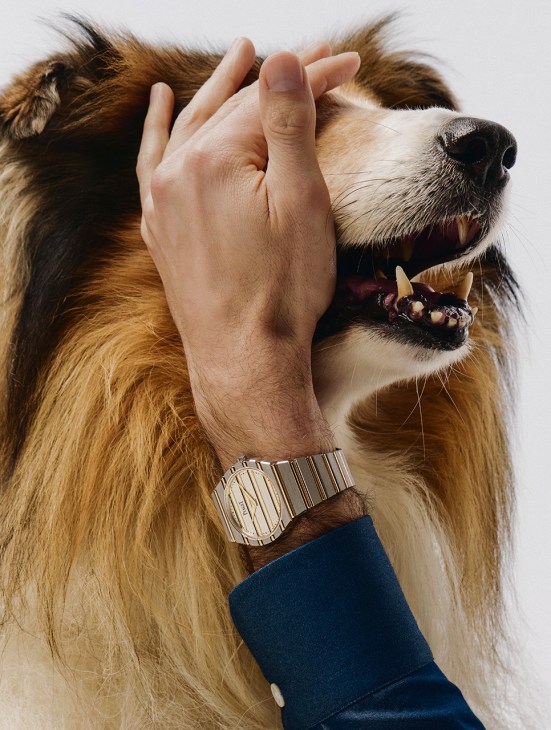




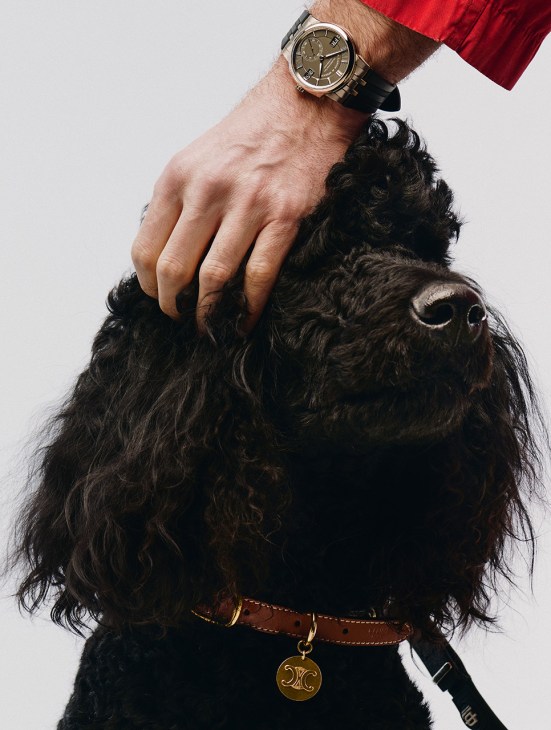
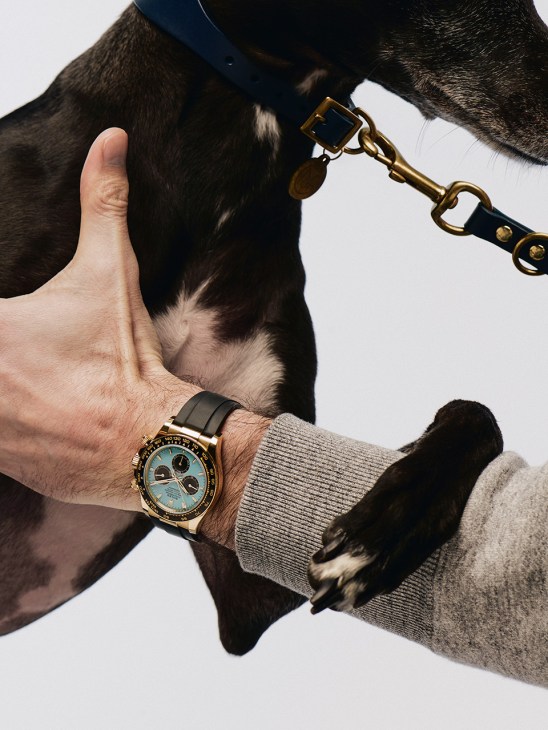

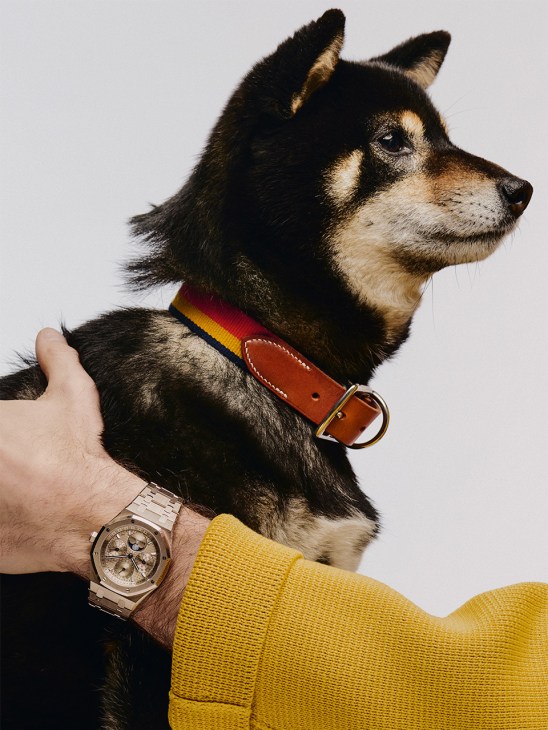
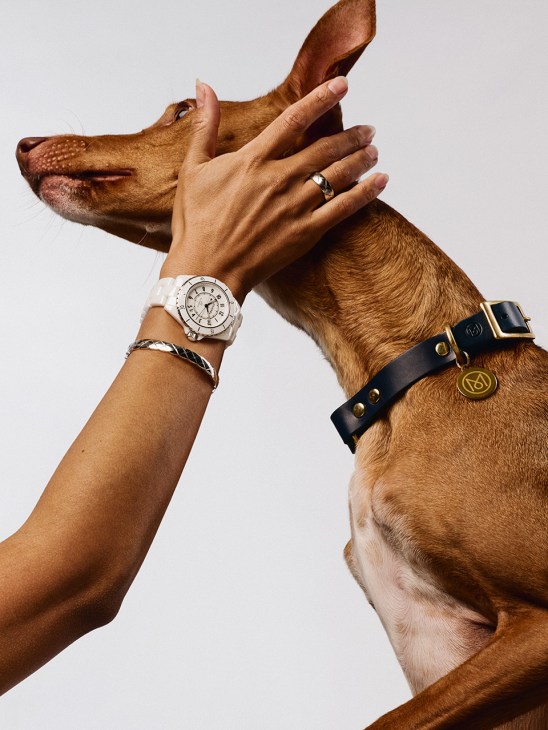
Watch editor: Brenda Tuohy
Stylist: Kyoko Tamoto
Photographer: Jess Bonham
Models: Chilli, Rex, Sid, Kelso, Jaggar, Ezio, Mabel, Cleo, Daphne and Red
Why São Paulo should rethink its plan to give up its reputation as an ad-free metropolis
After almost 20 years of the Lei Cidade Limpa (Clean City Law), which heavily regulates outdoor advertising, São Paulo is poised to backslide to its old ways. The (perhaps ironically named) Commission to Protect the Urban Landscape has approved the Boulevard São João project – a plan to cover four buildings at the intersection of Avenidas São João and Ipiranga with LED panels, in the manner of New York’s Times Square.
The prospect of garish ads among the city’s historic buildings makes me anxious. When São Paulo introduced the Lei Cidade Limpa in 2007, our relationship with our surroundings changed almost overnight. More tasteful, subtler spots were found for ads (on newsstands, for example) and we started to notice the architecture around us. Colourful murals popped up on tower blocks and we discovered major talents such as street artists Gustavo and Otavio Pandolfo, better known as Osgemeos. From Buenos Aires to Seoul, other cities took note. Over the years, polls have shown that the majority of São Paulo’s residents approve of the law.
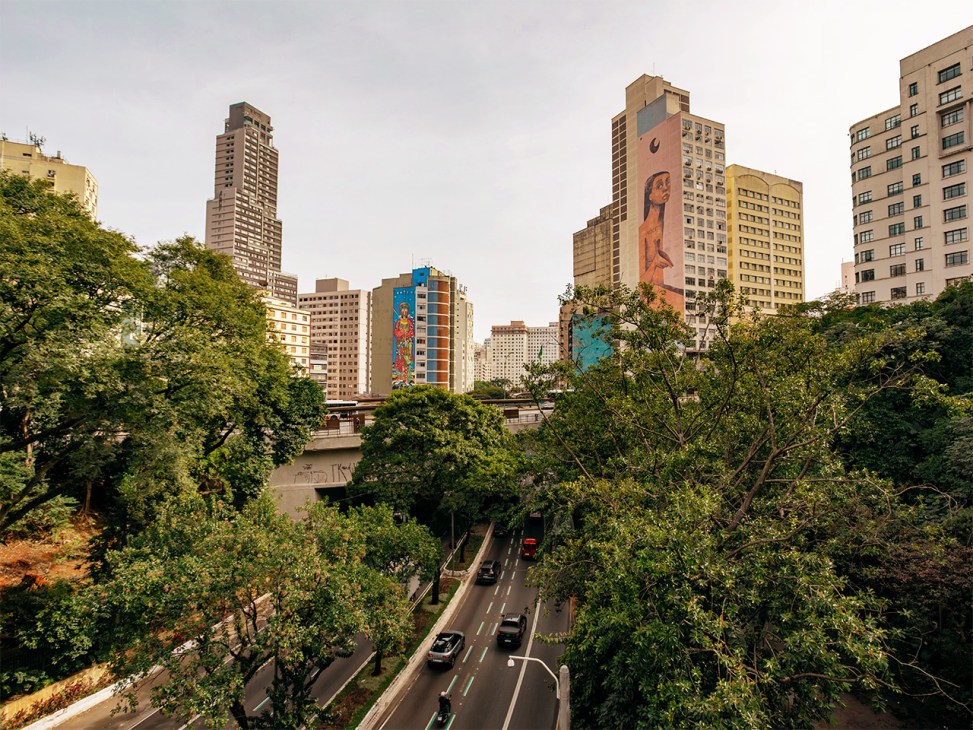
If the new plans go ahead, São Paulo’s buildings will once again be reduced to a canvas for ad campaigns, bombarding pedestrians with slogans – hardly conducive to a high quality of life. When advertising is allowed to overshadow a city’s essence and character, the results are invariably ugly and confusing. The Boulevard São João project is a hard sell. For the sake of his city, São Paulo’s mayor, Ricardo Nunes, should turn out its lights.
Why Casa Santa Luzia is São Paulo’s most beloved supermarket
Is the reinvention of downtown Cairo Egypt’s most controversial comeback?
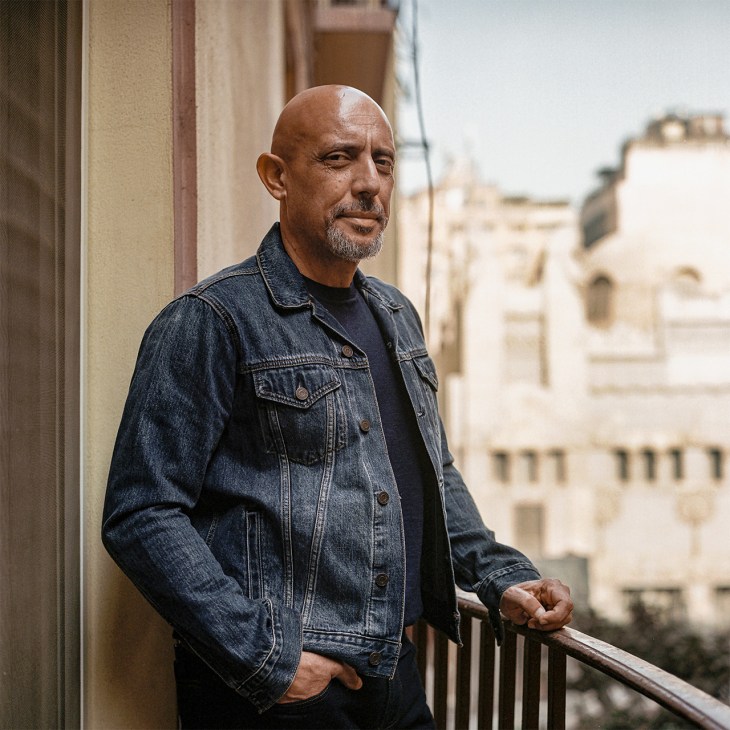
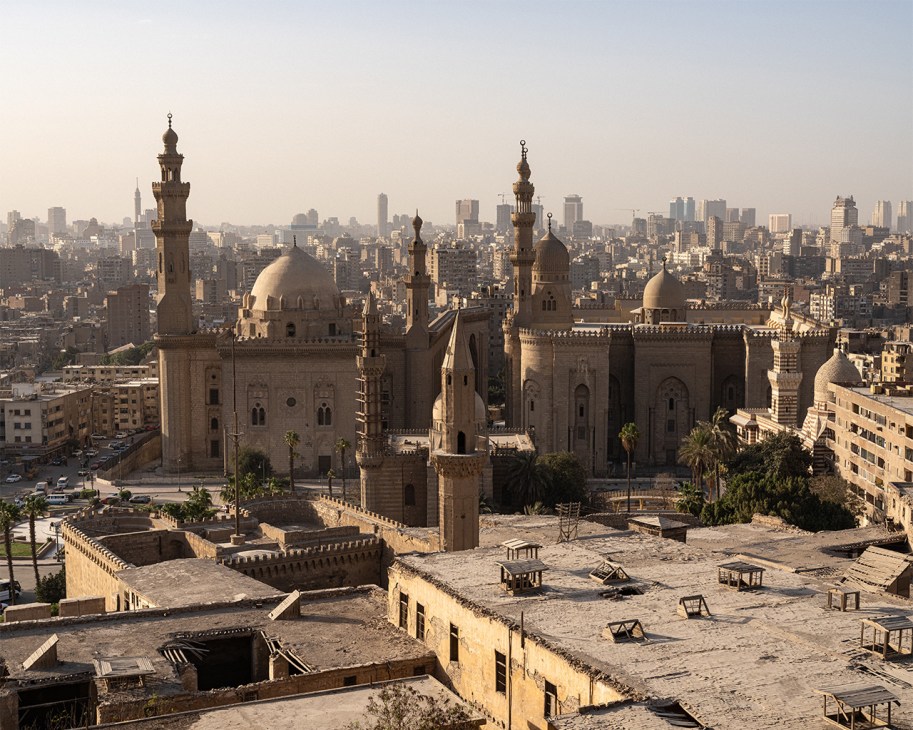
Karim Shafei likes to tell visitors that he has a short commute. The chairman of Al Ismaelia property investment fund lives within walking distance of his office down a pedestrian alley in central Cairo. Known as Kodak Passage because it was once home to several photographic studios, it leads to the striking Sha’ar Hashamayim Synagogue, which was inaugurated in 1908. On the surrounding streets, several buildings are covered with scaffolding, while others have already been given a facelift. This bustling district, which locals refer to as wust al-balad (“city centre” in Arabic), is undergoing a transformation and Shafei is at its heart. Since Al Ismaelia was founded in 2008, it has bought and renovated dozens of properties here, setting the tone for a revival that is gathering pace. “He’s Mr Downtown,” says one resident of the area.
Cairo, the sprawling home of 23 million people, is a city in flux. In its hinterland rise new satellite cities, including a purpose-built administrative capital and suburbs of residential compounds. Centuries-old cemeteries have been demolished to make way for roads and bridges. On the banks of the Nile, beloved houseboats have been dismantled and public gardens replaced by concrete walkways. All of this has taken place under the tightly controlled rule of Abdel Fattah el-Sisi, who rose to Egypt’s presidency about a year after leading a military coup in 2013. The changing face of Cairo since then has not been without controversy but the regeneration of its downtown is a particularly sensitive issue because of the place that it has long occupied in the Egyptian imagination.
“Downtown is unique,” says the denim-jacketed Shafei as he takes Monocle on a walking tour of some of Al Ismaelia’s properties. It is mid-morning and the air is filled with a cacophony of car horns. A man cycles past, balancing on his head an enormous tray piled high with freshly baked bread. The core of downtown Cairo’s architectural landscape – where crumbling belle époque façades can be spotted alongside later structures that nod to art deco and modernist influences, as well as neo-everything, from pharaonic to Renaissance and Ottoman – dates back to a modernisation drive launched by 19th-century Egyptian ruler Ismail Pasha. Influenced by Haussmann’s Paris, the resulting avenue-lined quarter became an international social and cultural centre of gravity. Numerous films and novels were set in and around the coffee houses, cinemas, theatres and clubs dotting its elegant boulevards.


Since the mid-20th century, however, the character of Cairo’s downtown has been gradually transformed by revolutions, coups and economic crises. For many years, the district was a melancholic version of its former self: dilapidated, dusty and traffic-clogged. Pollution and grime had degraded its formerly grand apartment buildings, mansions and palaces. In 2008, The American University in Cairo – one of the most prestigious academic institutions in the Middle East – relocated its campus to the suburbs, removing the buzz of student life from the area. Government ministries, company headquarters and banks also migrated to the city’s outskirts. When construction of the recently opened Grand Egyptian Museum began in Giza, it seemed as though the older, salmon-pink neoclassical national museum on Tahrir Square was – like wust al-balad more generally – fading into the past. Today traces of the neighbourhood’s cosmopolitan heyday remain in the names on many of its shopfronts, including Stephenson & Co Chemists, the Anglo-Eastern Pharmacy, the Greek Club, and the Lehnert and Landrock bookshop.
As we cross downtown with Shafei, ducking through alleyways and skipping across rooftops, he explains that though Al Ismaelia’s vision for the area respects its extraordinary heritage, it is not nostalgic. “We want to make this a place where different layers of contemporary Egyptian identity are celebrated – a place where all parts of society feel comfortable,” he says. Nearby, shopfronts featuring mannequins dressed in skimpy lingerie contrast with others selling Islamic headscarves.
Born and raised in the affluent Dokki neighbourhood on the other side of the Nile, Shafei realised downtown’s potential in 2000 after he attended the groundbreaking Nitaq contemporary arts festival, at which exhibitions and performances took place in neglected buildings and other spaces. He points out several Al Ismaelia buildings as we stroll. The former French consulate is now a four-storey co-working space; an old pension known as La Viennoise has become Mazeej Balad, a hotel with a buzzy rooftop bar and restaurant. The famous Cinema Radio complex, meanwhile, has been lushly restored and now hosts cabaret shows. The adjoining passageway features a sleek espresso bar, a Levantine restaurant and a branch of Diwan, a female-founded shop that revolutionised bookselling in Cairo.
In the maze of narrow streets behind Cinema Radio, Al Ismaelia’s assets include two warehouses renovated for events and exhibitions, and a handful of commercial premises, among them retailers selling vintage clothing and the work of regional designers. Here, Shafei wants to prioritise a “Made in Egypt” sensibility. “We’re interested in Egyptian concepts, brands, designers, thinkers and innovators,” he says.


Al Ismaelia is not the only driver of change in downtown Cairo. Recent legal reforms are bringing decades-old rent-controlled tenancies to an end. This is expected to further open up the district’s property market to both domestic and foreign investors, while potentially pushing out some long-term residents. At the 70-metre-high Immobilia Building, which was the tallest skyscraper in the Middle East and Africa when it was completed in 1940, four apartments have been refurbished and turned into high-end serviced rentals.
Tahrir Square’s past, present and future
Tahrir Square was once the focal point of downtown Cairo. The vast intersection on the Nile side of the neighbourhood was named Tahrir (“liberation” in Arabic) after the end of British rule in the early 1950s. Until recent years, it was the frequent site of protests and celebrations. In January 2011, hundreds of thousands gathered here to demand the departure of the then-president, Hosni Mubarak, who had been in power for almost three decades. Those protests spread beyond the capital and gained such momentum that Mubarak was forced to step down within weeks. It was a key turning point in the Arab Spring as protests and uprisings spread in other parts of the Middle East and North Africa.
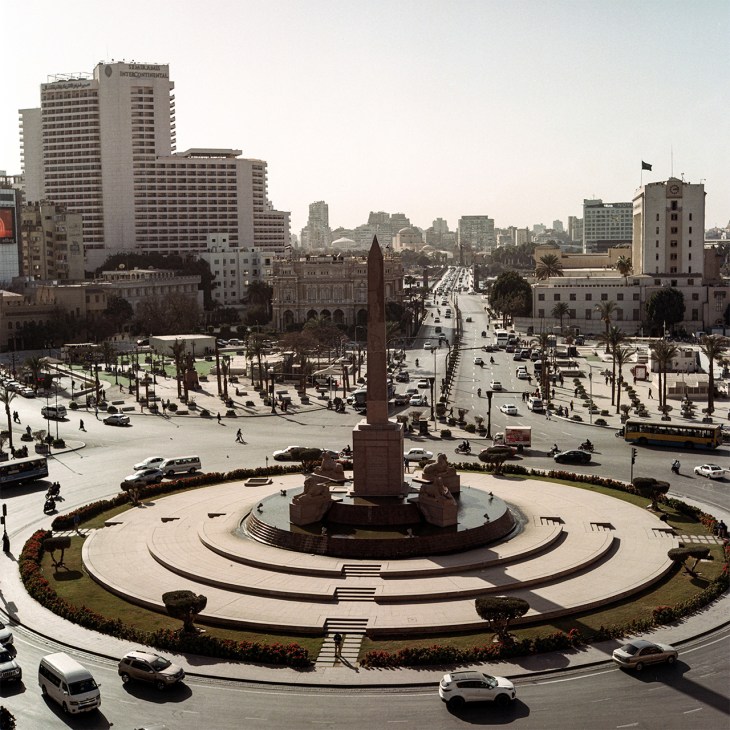
A coup two years later ushered in the military rule of Abdel Fattah el-Sisi. Since then, various laws have effectively banned street demonstrations. Today, Tahrir is heavily policed and a number of surrounding buildings have been demolished. The HQ of the Arab League, built in 1955, is still in the square but the Mogamma, an imposing government building, is being turned into a hotel. Between 2019 and 2020 an obelisk and four sphinxes from a temple in Luxor were relocated here, despite the objections of heritage specialists. The Egyptian authorities seem keen to turn the square into a tourist attraction without political or social significance
US-born journalist Patrick Werr is one of wust al-balad’s handful of longstanding expatriate residents. He first moved to Cairo in the late 1970s, returned in 1990 and has lived in downtown since 1999. He bought his handsome residence, which overlooks an ornate, neo-Mamluk-style former government ministry, in 2007; he also owns two other apartments in the district and manages a third. “So many of the buildings here are masterpieces,” he says. Sitting in his high-ceilinged salon furnished with art deco and Islamic antiques sourced from local shops, Werr sees downtown’s revival as positive and key to preserving its architectural splendour, if managed properly.
Commercial rents are also due to rise significantly, deepening fears of a wider gentrification that could uproot generations-old family businesses, ranging from tailors to barbershops. “Gentrification is a big part of the conversation,” says restaurateur Hourig Mekhtigian, who is part of the team behind the reinvention of the historic redbrick Tamara building, an Al Ismaelia property now known as Tamara Haus that features airy showrooms for Egyptian designers. The in-house menu includes a nod to Mekhtigian’s Armenian heritage. She sees the transformation of downtown as an opportunity for a new generation of Egyptians to showcase their creative talents. “It’s exciting in so many ways but the gentrification question shows that it needs to be sensitively done,” she says.


Others worry about potential investors who have little appreciation for the district’s rich architectural heritage and distinctive social mix. It has long been a place where small business owners share space with artisans, mechanics, bankers, creatives and bawabs (Cairo’s ubiquitous doormen) from Upper Egypt. Unlike many of the city’s newer neighbourhoods, you can walk almost everywhere, even though the pavements are often cracked. Some of Cairo’s best-known dive bars are just steps from the Automobile and Touring Club of Egypt, a members-only institution established in 1924.
Huda Lutfi is a longtime resident and one of Egypt’s leading contemporary artists. She lives just a short walk from Al Ismaelia’s Cinema Radio complex and is wary of the kind of investment that disregards her neighbourhood’s social mix. “If the priority is profit, that will raise prices and people will be forced out as a result,” she tells Monocle in her ninth-floor flat, high above the din of the streets below. She mentions the hip restaurants that have sprung up nearby, considering them incongruous with the long-established metal workshops, shisha bars and traditional coffee stands. “The fabric of this place, the soul of downtown, is changing,” she says. “I’m concerned that we will be left with just another shopping area.”


Filmmaker Lamia Gouda has channelled her passion for wust al-balad into Baladina, a company that offers walking tours exploring its multilayered past. When Monocle meets her at the storied Café Riche, where portraits of Egyptian literary and cinematic stars who once made up its clientele hang on the walls, she shares her conflicted views on what she describes as the “coolification” of downtown. “I dream of a Cairo that’s more than just a polished façade,” she says. “I want a place that remains a living organism. The restoration of our heritage should not come at the cost of the artists and thinkers who have always been its heartbeat.”
A few streets away on Abdel Khalek Tharwat, a busy thoroughfare known for its booksellers, scooters swerve in and out of traffic as Chris Mikaelian takes another order in his crowded premises. His Egyptian-Armenian family has run Reader’s Corner since 1950; it started as a bookshop before becoming one of the city’s most popular picture framers. He has seen this piece of Cairo evolve over decades and remembers a time when it seemed that the area was being abandoned. “People were moving to other places and business was slowing,” he says, between greeting customers. “We saw a generation emerge that didn’t frequent this part of the city. They didn’t know anything about it. That’s changing now and I think it’s a good thing. I love seeing people – whether young Egyptians or foreigners – discovering downtown and appreciating it again.”


Among the newcomers is a younger cohort of Egyptian designers who see wust al-balad as an inspiring district where past and present collide. Close to the Cinema Radio complex, Ramzi Makram-Ebeid points out one of two locations where he is designing shops for Egyptian menswear brands. Every Cairo resident he knows has a formative memory of downtown and all have a different opinion on its transformation. “Some people are understandably critical or concerned about the direction of change, and those conversations are important for responsible urban evolution,” he says. “That said, in my view, it would be a far greater risk to allow these historic structures to deteriorate beyond repair. Once they are lost, they are gone forever.”
Downtown can be a cipher for different types of nostalgia. When director and curator Adham Hafez, who was part of the pioneering downtown art scene of the late 1990s and 2000s, walks around its grid of streets, he summons vivid memories of that era. He also notes addresses connected to long-gone shops that were owned by his great-grandparents. Hafez has lots of ideas on how to maintain the diversity that several new champions of wust al-balad, including Al Ismaelia, say that they want to protect. These include rent caps and a fund that supports local artisans, craftspeople and small business owners so that they can flourish amid the changes. “I would like to see a thriving and truly alive neighbourhood again,” he says.
Back at his office, decorated with old black-and-white photographs of downtown, Shafei says that Al Ismaelia is commissioning an impact study that he hopes will address some of the concerns. “We don’t want to lose the diversity that exists in downtown. I want to see it continue as a place where people from all walks of life can gather.” He adds that wust al-balad has a singular character shaped over many decades that is resilient enough to survive changes in the law or the arrival of companies such as his.
“Downtown has a life of its own and we’re conscious of that,” he says. The push and pull over the future of the area is rooted in Cairo’s history but it also has echoes of similar debates elsewhere. It’s understandable that some people fear that certain aspects of its ongoing transformation risk undermining what made this corner of the Egyptian capital so special to begin with. A balance between continuity and change must be found.


A short walk from Al Ismaelia’s headquarters, El Araby El Araby is carving fat slices of beef behind the counter at Boucherie El Araby, a business that has been in his family for generations. The original signage in Arabic and French gold lettering, and the curved, zinc-and-mahogany cash desk hark back to very different times. A plaque outside declares that Othman Abaza, a prominent mid-century Egyptian actor and director, once lived in the building. “Downtown is indeed changing in many ways,” acknowledges El Araby as he lines up a gleaming joint and slams down his sharp blade. “But some things never change.”
Downtown Cairo checklist
Culture:
The recently opened Grand Egyptian Museum on the city’s outskirts might have grabbed all the headlines but the charmingly old-school Egyptian Museum on Tahrir Square still deserves a visit. The oldest archaeological museum in the Middle East, it houses 170,000 artefacts.
Drink:
Order a refreshing karkadé – a popular Egyptian drink made from hibiscus flowers and served hot in winter or with ice in summer – in Café Riche, where writers, actors and intellectuals have swapped gossip and debated the issues of the day for more than a century.
Shop:
Choose from a wide selection of Egyptian literature in translation – from works by Nobel laureate Naguib Mahfouz to those by more contemporary novelists – at Diwan bookshop in the Cinema Radio complex.
Eat:
Drop into El Horreya Cafe or Estoril, both downtown institutions, for an ice-cold beer, before checking out the Egyptian-fusion rooftop restaurant at Mazeej Balad.
Shop:
Pick up a souvenir at the downtown branch of Markaz, an interior-design shop that works with artisans and craftspeople across Egypt.
Balancing ethics and efficiency: What is AI’s place in modern wars?
When, in early March, the Pentagon designated AI firm Anthropic a “supply-chain risk”, the dispute was less a procurement issue than a confrontation over the morality of modern warfare. The US Secretary of defence, Pete Hegseth, and others castigated Anthropic after its CEO, Dario Amodei, refused to relax guardrails that prevent fully autonomous lethal uses, even as its Claude software was reportedly being used to strike targets in Iran. Today, four types of AI systems are used by militaries: guidance allowing a drone to reach its target when communication is lost; automatic recognition of vehicles; navigation without reliance on GPS; and software that plans routes and co-ordinates multiple units. The goal is for these tools to support commanders rather than replace human judgement.
The fight between the Pentagon and Anthropic matters because it exposes where human judgement sits in the loop of AI-driven operations. Analysts use the shorthand “human-in/on/out-of-the-loop” to describe whether people decide, advise or are effectively bypassed by AI. That tension between principled guardrails and battlefield expedience is now a central policy problem for governments and militaries the world over.
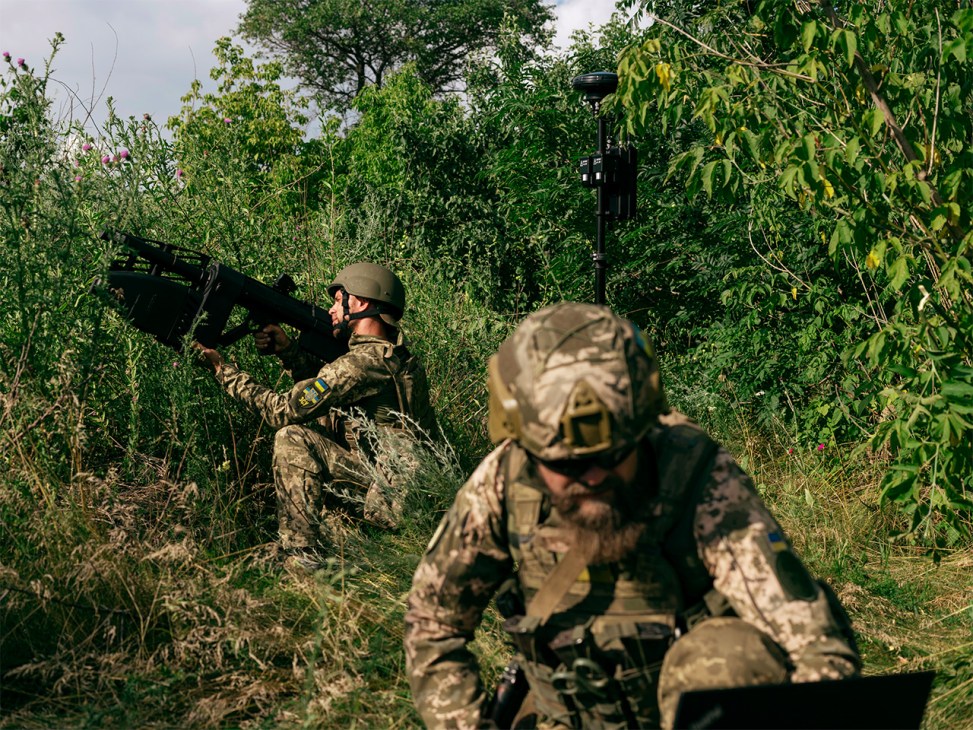
Major powers are pouring money into systems that promise to compress the “kill chain”: fusing satellite imagery, signals and sensor feeds into near-instant target recommendations. But investment is not the same as operational maturity. So far, 21st-century conflicts have chiefly used AI to amplify intelligence, surveillance and reconnaissance, not to field fully independent killer systems.
In Ukraine, AI systems have been used to speed signal processing, classify equipment from drone feeds and stitch those tags into targets. Platforms such as Project Maven, Palantir’s Gotham and AIP, as well as Ukrainian ones such as Delta and Kropyva, have enabled real-time battlefield awareness and rapid target identification. This has been about operational necessity. Ukrainian forces have strong incentives to push towards greater autonomy at the platform level because once communications are jammed or severed, remotely controlled systems become ineffective.
In the Israel-Gaza conflict, meanwhile, the IDF has integrated AI-enabled systems, such as The Gospel and Lavender, into its targeting processes. These platforms sift through intelligence to generate and prioritise strike targets at scale. While they have sped up combat operations, especially in densely populated areas, critics warn that this acceleration can lower the bar for using lethal force and increase the risk of civilian harm. The faster pace can also compress verification processes, meaning that errors might translate into strikes more quickly. The issue is not just whether humans remain in the loop but how meaningful that control is under conditions of great speed and scale.
This moment is a real test for multilateral regulation. Agreeing on limits on AI-powered military targeting will be difficult at a time of increased strategic rivalry. Some states, such as the US and China, appear more willing to push autonomy further into operational use. Others, including many European states, remain cautious for legal, ethical and political reasons. What states choose to do will shape norms, procurement decisions and what counts as acceptable risk on the battlefields of tomorrow.
‘Focus on the fundamentals – that’s what strengthens the quality of life’: Helsinki’s millennial mayor outlines his plan
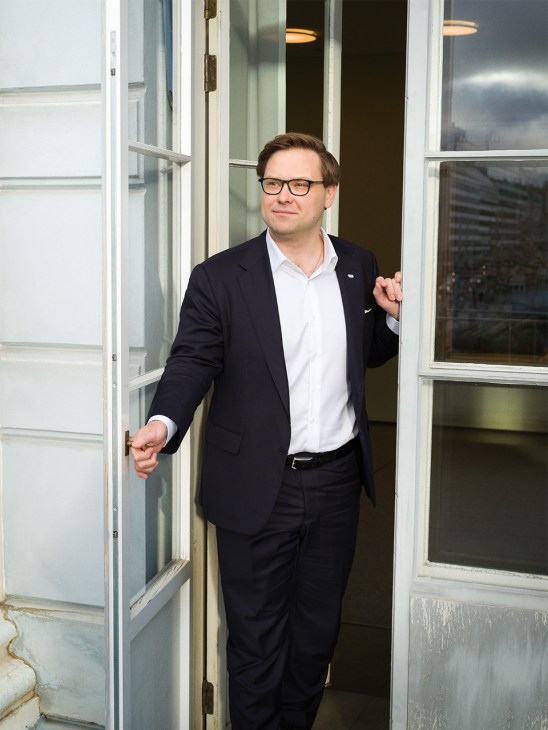
Daniel Sazonov, Helsinki’s 33-year-old mayor, is among the youngest leaders of any European city and one of a number of millennial mayors to have recently taken office worldwide. The politician, who was elected last June, represents the liberal wing of Finland’s centre-right National Coalition Party and has had a busy few months. Plans for car-free neighbourhoods are advancing, tourism is up by 15 per cent year on year and major waterfront developments continue at pace. But there are challenges too. Since its 2011 win, Helsinki has slipped in Monocle’s Quality of Life rankings, its high street is yet to fully bounce back from the coronavirus pandemic and the city’s proximity to the Russian border is affecting trade. Monocle meets Sazonov at the capital’s City Hall, which was built in 1833 under Russian rule.
What are your biggest goals as mayor?
Economic growth, jobs and vitality. The city can’t solve everything but it can do a lot. We need basic services to function well, especially schools and early-childhood education, and access to healthcare must be fast. Growth and good services go together. Many European cities are growing but also becoming less equal or affordable.
What makes Helsinki different?
Housing is key. Across Europe, colleagues tell me that their biggest problem is the lack of housing. People can’t afford to live in the city. We face challenges in Helsinki but we have avoided a housing crisis. We are building about 7,000 new homes a year. Construction in the city has sparked a debate. Some residents worry that Helsinki is losing its green character. It’s one of Europe’s greenest capitals. And with the sea and the archipelago, it’s also one of the bluest. We’re trying to combine development with access to nature.
Is your age an advantage or a disadvantage?
Age and background influence how you see a city. I grew up in social housing in the suburbs. That shapes how I connect with people. Almost half of Helsinki’s residents are between 15 and 44. I represent that generation. It doesn’t solve everything but it’s a good starting point.
You describe yourself as internationalist and liberal – but Europe is moving in a more populist direction. How do you navigate that?
In many countries, things are too dominated by identity politics. In the city government, we focus on practical issues that affect everyday life: education, healthcare and rescue services. Of course, we disagree about how to organise services or balance the budget. But when you concentrate on concrete problems, there’s less room for artificial tensions.
Tourism is up by 15 per cent but remains below previous levels. Helsinki lost Russian and many Asian visitors after the pandemic and the invasion of Ukraine. Is this rebound sustainable?
The growth rate that we’re seeing is the fastest since the pandemic. What is positive is that the base is more diverse. Visitors are coming from many countries, not just one or two markets. That makes it more sustainable.
Finland has joined Nato and shares a 1,300km border with Russia. Some investors see risk.
In 2022 those were logical questions. But now Finland is a Nato member. We have firm security guarantees and one of Europe’s strongest militaries relative to our size. Helsinki invests heavily in preparedness. The tourism figures and investment decisions show that the message is understood.
Helsinki topped Monocle’s Quality of Life ranking in 2011 but has not reclaimed the top spot since. What do you think you could improve?
Livability comes from many factors. It’s about safety, public transport, how schools function and how quickly you can access healthcare. We are investing in those basics all the time. We’re also building housing to avoid the kind of crisis facing many European capitals. If we focus on the fundamentals and constant improvement, that’s what strengthens the quality of life.
Bump-free flights ahead? The race to find solutions for severe in-flight turbulence
We have all experienced a few unpleasant moments mid-flight, when the seatbelt lights are turned back on and the bags in the overhead compartments start to jostle. Far rarer are cases in which turbulence causes a plane to plummet dozens of metres, as one Singapore Airlines flight did in 2024. But a recent study suggests that severe turbulence of this kind has significantly increased over the past four decades. The main culprit seems to be climate change, as wind changes and atmospheric conditions combine to create invisible pockets of rough sky. But there’s cause for optimism: new ways to tackle the problem are emerging. Here are three of the most promising.

Wing flaps
These special flaps from Vienna-based technology firm Turbulence Solutions can be installed on any aircraft’s wings. Sensors collect information that help to anticipate turbulence, while fast-acting deflectors work to suppress it, reducing the G-force felt by passengers.
Listen to an interview with the CEO of Turbulence Solutions
Data gathering
An ambitious initiative from the International Air Transport Association aims to create a live resource on flight conditions that aircraft can tap into wherever they are. Participating planes – which include those of major airlines such as British Airways and Lufthansa – transmit data to a centralised database about the state of the air that they are passing through, along with their precise location. The resulting information can be displayed in the cockpit, supplementing traditional weather data.
Infrasound microphone
Nasa has developed a microphone that can detect infrasound frequencies associated with clear-air turbulence that are too low to be heard by the human ear. Results from in-flight testing have so far been positive: the microphone has been able to isolate the frequencies hundreds of miles away.