Issues
Indie labels
“I was bored of advertising and wanted to create something real – with my hands, with natural materials, with soil and dirt,” says graphic designer-turned-wine-maker Jutta Ambrositsch. “In 2004 it was easy to lease a vineyard in Vienna and that was pretty much it for me.”
Learning how to make wine from scratch was tough but from an initial 800 bottles of riesling, Ambrositsch created a business that sold about 25,000 bottles last year, 80 per cent of which were exported. Her background in design helped when it came to creating a catchy label too.
Ambrositsch’s success is remarkable but her story is increasingly common. Peruse the shelves of most bottle shops, independent restaurants or supermarkets and you’ll spot that the wine label, once a melange of cursive script, arcane terms and esoterica, has changed to reflect a new wave of makers and drinkers.
The €453bn global wine market remains top-heavy. Italy heads up exports; alongside France, Spain and the US, these top four producers make more than half of all plonk. But the figures don’t tell the whole truth. Some of the 9 per cent increase in revenues expected in 2024 will be the result of a thirstfor wine from smaller vineyards in less obvious places: think Thai shiraz, Japanese müller-thurgau or sparkling wines from the UK, made to rival those of Champagne.
“We’ve definitely seen a new generation of drinkers who are more accepting of who can make wine, where it can be made and how it can look,” says AJ Pawlikowski, co-founder of Amsterdam wine shop Benelux Wine Co, which he runs with his partner, Malory Lane. The pair moved to the Dutch capital from Japan in 2019 and started their shop to showcase wine made within 400km of their base.
While Dutch wine might once have sounded like a punchline, the pair aren’t short of people to work with. “There’s a more inclusive attitude in the wine world now,” says Pawlikowski of the emerging the shop in the Dutch capital’s buzzy, cobblestoned Jordaan district. “One thing that helps them to stand out is their labels.”
The shift in their design isn’t simply a whim or a bit of canny branding. The Old-World rules were dictated by historic wine-producing regions and were largely implemented by in-house printers and typesetters rather than dedicated designers. “There’s no common denominator when it comes to how to read a label or what should be on it,” says Swiss wine writer and critic Chandra Kurt. “That depends on where a wine comes from. We’re more regulated in Europe and in some places, you need to include the vintage, the winemaker, the region, the subregion – a lot of information. But in other places, such as the US, or countries with lots of smaller producers, you’re much freer. You can be artistic.”
Few establishments sum up the wine label’s imaginative turn better than Shrine to the Vine, a colourful vintner that opened on Lamb’s Conduit Street in London’s Bloomsbury in 2021. Its shelves heave with quirky bottles that range from the traditional to the eye-catching. You might spot wine-maker Bruno Duchêne’s La Luna label, which looks like it was drawn with wax crayons by a child, a gold-foiled Yarra Valley riesling or Swartland red by Duncan Savage bearing the simple outline of a telegraph pole. The rule, it seems, is that there ain’t no rules. The freedom to include as much or as little information as the wine-maker fancies is being tested at both extremes.
The shop was co-founded by Dan Keeling and Mark Andrew, the pair behind Noble Rot, a budding wine empire that started as a magazine published three times a year. It grew into two restaurants of the same name, with another expected to open this spring, as well as a wholesale wine business. The pair’s house wine, an organic vinho verde called Chin-Chin made by Quinta do Ermizio, is emblematic of the iconoclastic turn that label design has taken, depicting a devilish red dog grimacing in front of a punchy yellow background. At less than €14, the wine is affordable, unpretentious, delicious and eye-catching, thanks to the illustration by Spanish designer Jose Mendez, who came to the pair through his work for the magazine, having never designed a wine label. “It’s a great wine at the right price,” says Keeling. “But there’s something about the label and the bottle’s look and shape that caught people’s attention.”
The more playful labels are part of a bigger movement to experiment with both what’s inside and on the outside of the bottle. “Natural wine, like craft beer before it, has made wine more accessible than ever,” says Keeling. “One of its greatest legacies – besides, obviously, improving farming – will be the accessibility. Ten years ago, friends of mine would have been put off. Now they don’t have to decide based on anything other than whether they like the vibe of the label.”
So, are there any rules of thumb that should still be adhered to? “It’s like with any other kind of beautiful object,” says Keeling, a former Sony record executive who compares creating wine-label art to designing a great record sleeve. “It’s the paper and the printing; it’s the kind of wax top; it’s the thickness of the bottle.”
Not every new design is successful and most people in the industry still have a soft spot for classic labels. “I love traditional wine-label design,” says Ambrositsch. “A few decades ago, it was about including dozens of bone-dry messages and regional information in a harmonious, sensitive way. Today, the natural-wine sector has developed a global design language. It’s colourful, crazy, sometimes a little disrespectful, often using big and loud type. Eye-catching labels have democratised wine but also commercialised what a precious delicacy it can be.”
Lane of Benelux Wine Co agrees, adding that anyone can make a loud label but the skilful part is in making one that matches what’s inside. “Corporate wineries can take advantage of label design,” she says. “It’s a challenge for many small wine-makers who are putting all their energy into the wine, not the label design. I’ve told customers to ignore a label if it’s not terribly beautiful. Despite that, the wine can be great, as we’ve proved in our tastings.”
Ultimately, for a product to be credible and feel authentic, there needs to be a balance between what’s inside the bottle and how it presents itself. “Take that Hermitage there,” Keeling tells Monocle, turning to point at a nearby old bottle. “This label would have been made by a printer in Burgundy who works with a lot of wine growers who come there to typeset their labels. It’s why you get a lot of crossover and there’s authenticity in that. It’s not overly designed. If it looks like it’s been done by an agency, that’s a big no-no for people who are into artisanal wine.”
The consensus? That even after more than 30 years in the industry, wine writer Kurt can still be seduced by a clever label. “You taste first with your eye,” she says. “If nobody tells you anything, you’ll pick a bottle based on price, maybe the region and the look of the label: even if it tells you nothing about the quality of what’s inside the bottle. If I don’t know any better, I’ll choose based on the label but you can’t really trust it.” On the other hand, Kurt reminds us, great wine can often lurk behind bad branding.
“To put it simply, a good label makes a bottle easier to sell but that doesn’t guarantee that customers will come back,” says Lane back at Benelux Wine Co with a smile. “The wine has to be good.”
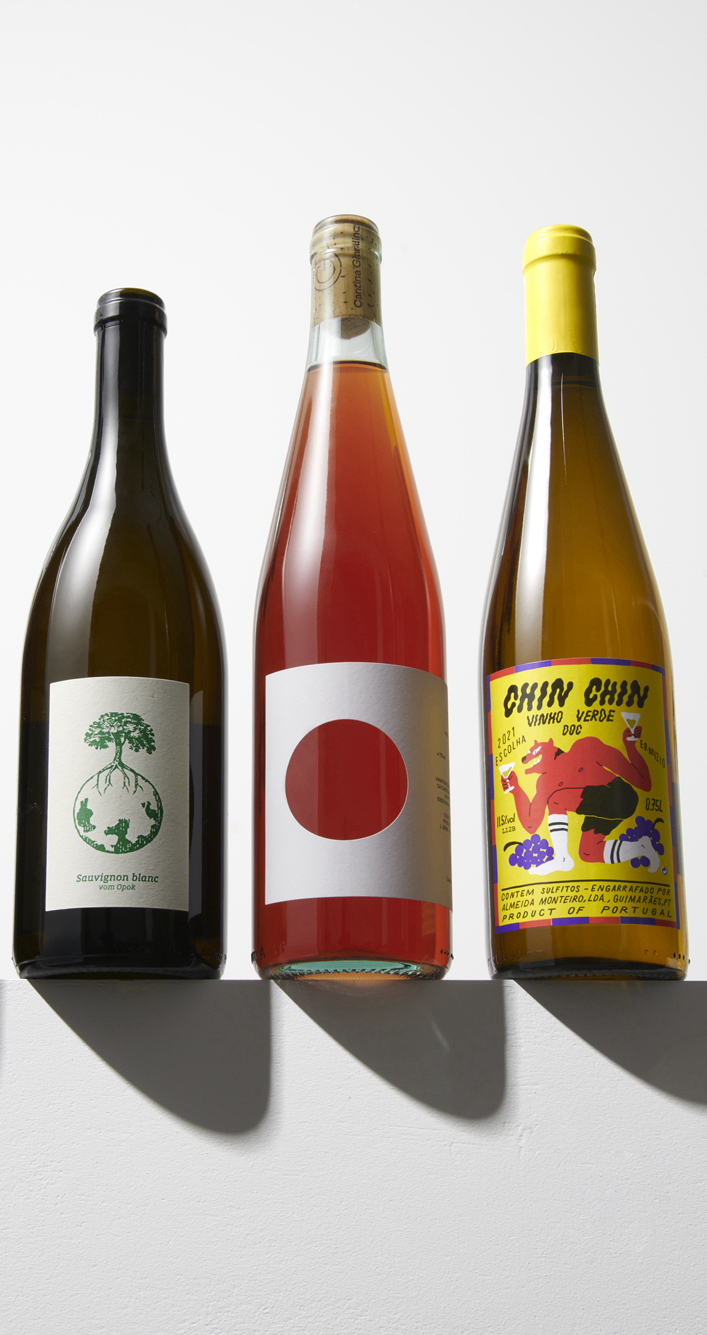
Design for the vine
1.
Weingut Werlitsch
Simplicity sells and Ewald Tscheppe’s organic wine from Styria doesn’t give much away. Every bottle bears the same monochrome logo and a few sparse, often esoteric, words denoting what’s inside. Get the picture?
2.
Cantina Giardino
Stockholm-based illustrator and animator Jonas Mosesson, who has worked for Adidas, Amazon and Apple (and that’s just the As), turned his hand to labels for this Campania natural-wine producer.
3.
Quinta do Ermizio
Spanish-born Jose Miguel Mendez studied in Paris before settling in London. He worked on magazine commisions for Noble Rot before creating his first label for its house white.
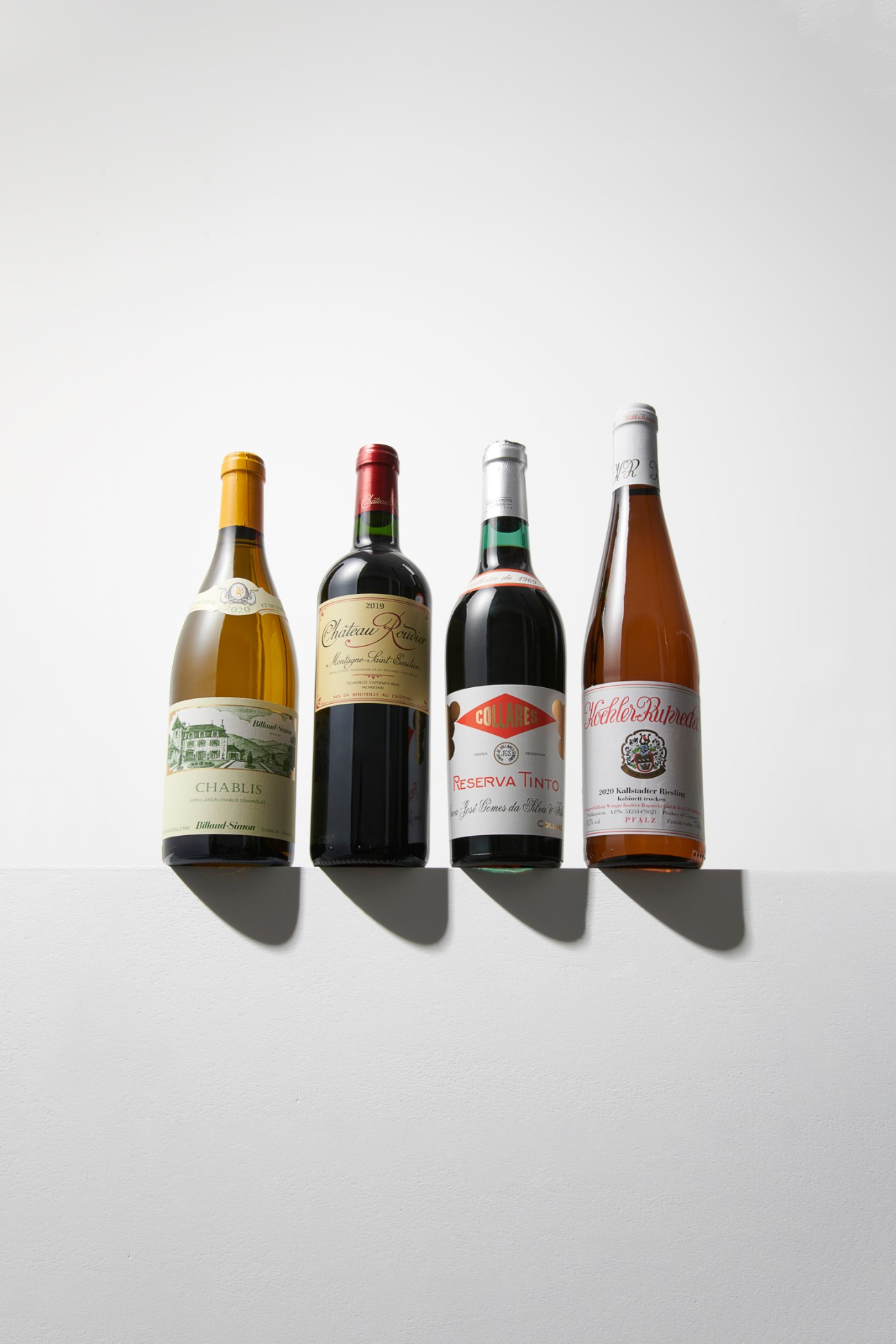
The old world
4.
Billaud-Simon
The label is one thing but the bottle’s sloping shoulders and pastoral scene tell you that you’re in Burgundy. For all the information that they put on wine labels, Burgundians rarely list grapes: chardonnay if white; pinot noir if red.
5.
Château Roudier
The red top, high shoulders, tinted label and cursive script suggest that we’re now in Bordeaux. Established wine regions’ labels can seem obtuse but are really about cementing an area’s prestige.
6.
Viuva José Gomes
This smaller-than-usual 650ml bottle from 1969 makes the Collares wine region near Lisbon its headline. The gold foiling over that punchy red rhombus is pure mid-century magic.
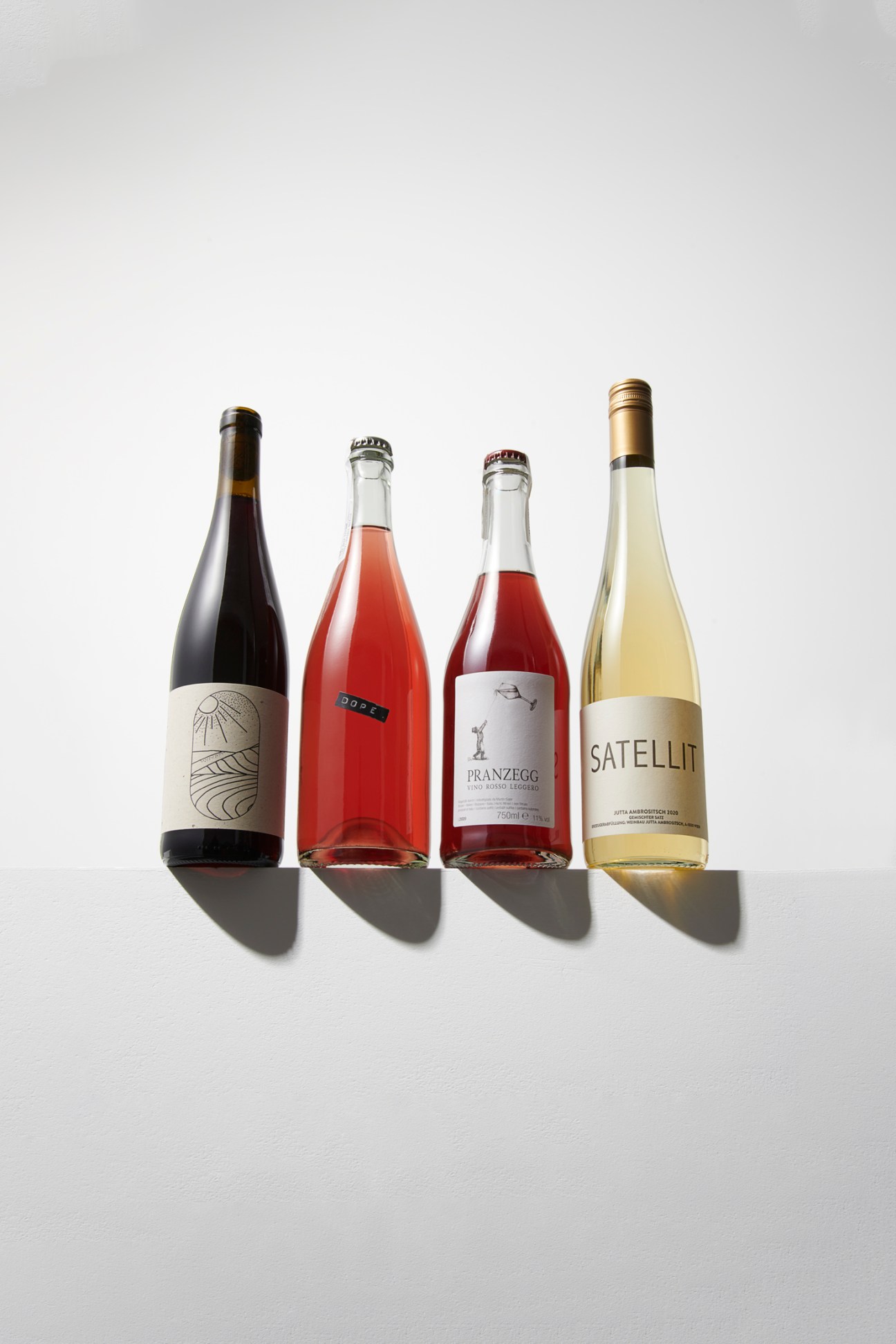
Austrian upstarts
7.
Kamptal Kollectiv
London design studio Gunter Piekarski chose off-white paper and a simple line drawing for this bottle from Austria’s Kamptal Kollektiv.
8.
Claus Preisinger
This blush-coloured blaufränkisch bears a funky label with a single word, “Dope”. Its jaunty angle hints at the less-than-traditional rosé lurking within.
9.
Jutta Ambrositsch
Why Satellit? “It was a distant relationship in the beginning,” says Jutta Ambrositsch of her vineyard across the Danube. “It was a timid love but it grew fast.”
Cabin crew
When the lease for Mammertsberg, a Swiss villa near the shores of Lake Constance, became available last year, star chef Andreas Caminada knew that he wanted it. Built in 1911 in the tiny village of Freidorf, the white-washed building, which has six guest rooms, overlooks a panorama of green sloping fields, working farms, blossoming apple orchards and gently smoking chimneys. With its pitched roof, timber frames and colourful wooden shutters, Mammertsberg is atmospheric, traditional and offers a warm welcome from the young team at the front desk.
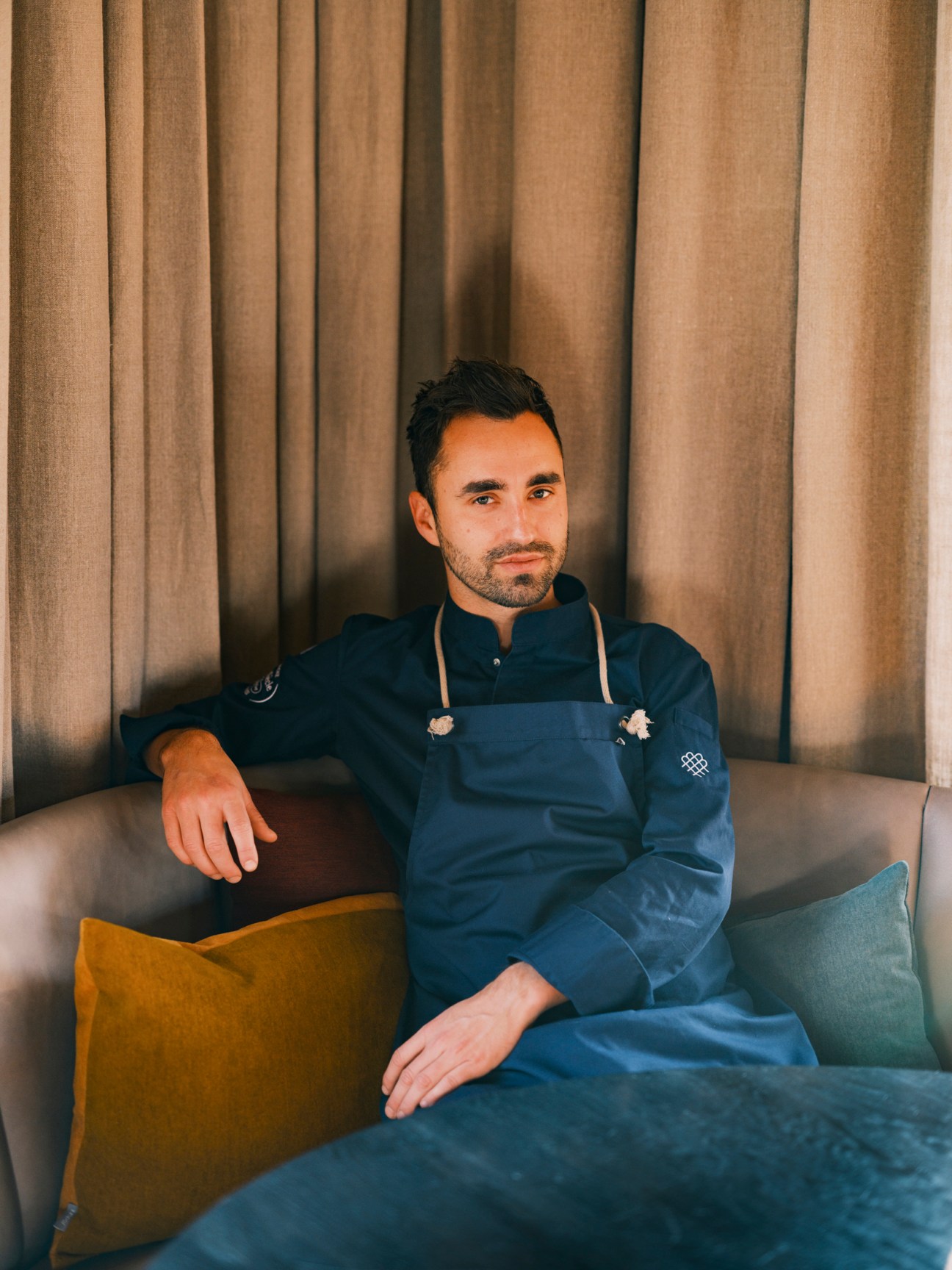
“There aren’t many gems like Mammertsberg,” says Caminada of the inn, which has long been beloved by visitors and locals alike. He didn’t take on the project alone. Instead, the lease was shared with his protégé, Silvio Germann, a former head chef at the two-Michelin-starred restaurant Igniv in the spa town of Bad Ragaz, about 70km south of Lake Constance.
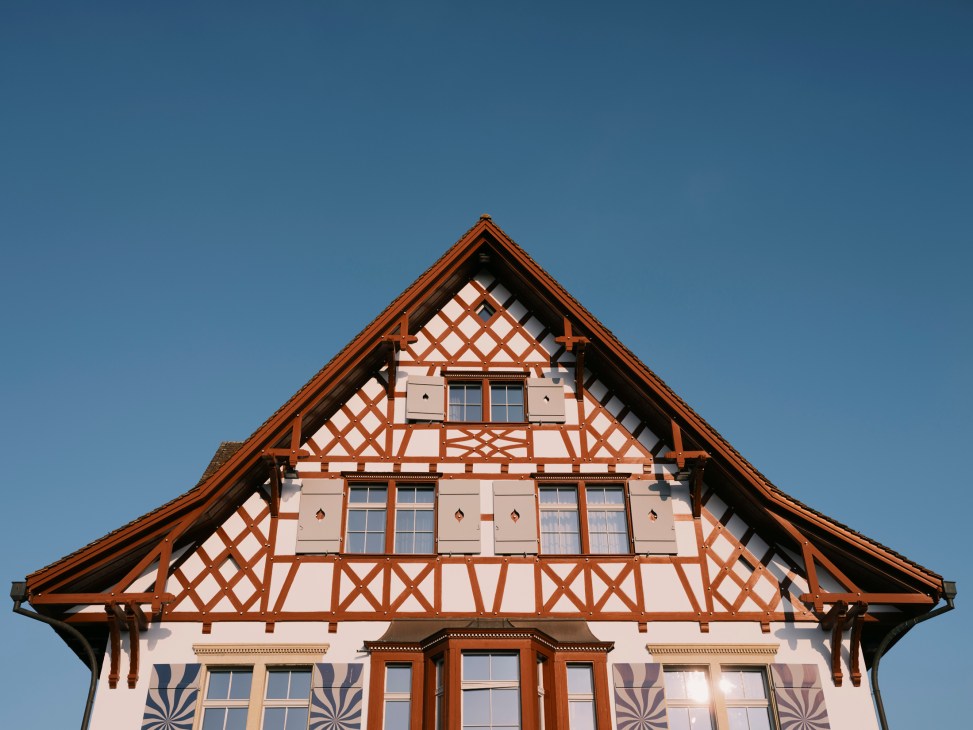
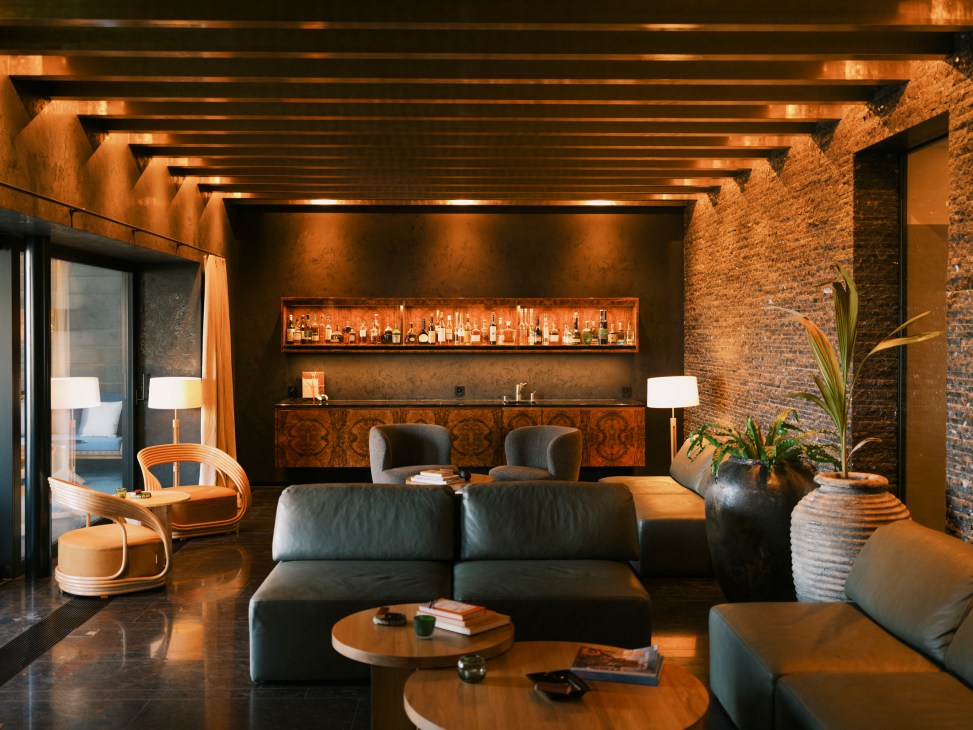
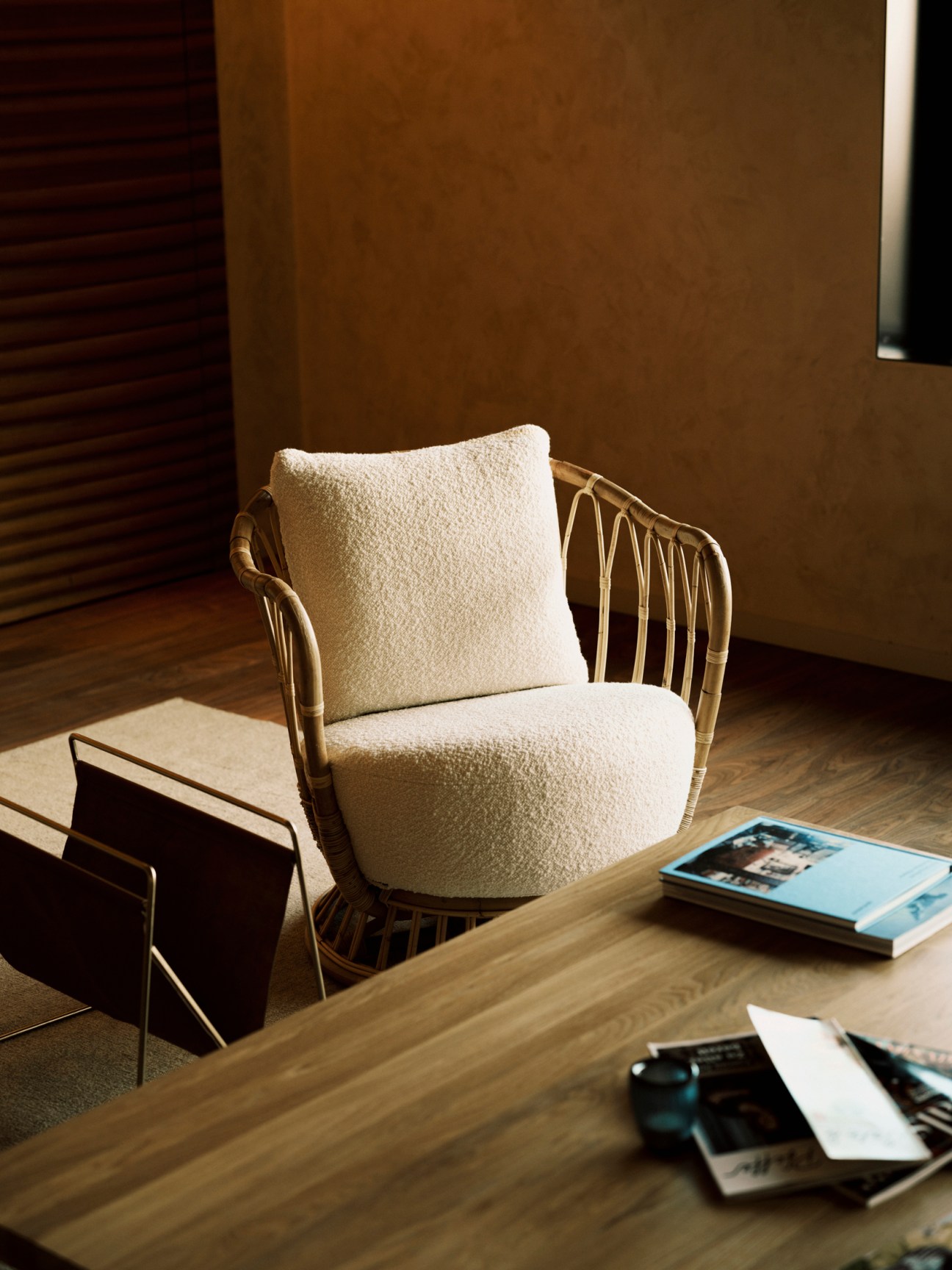
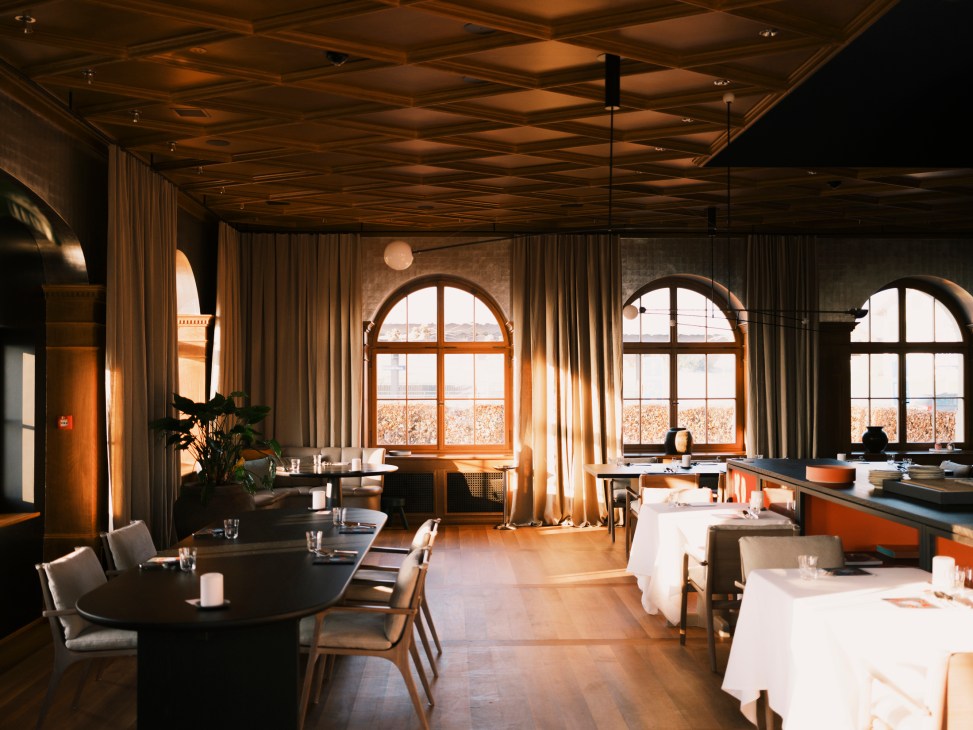
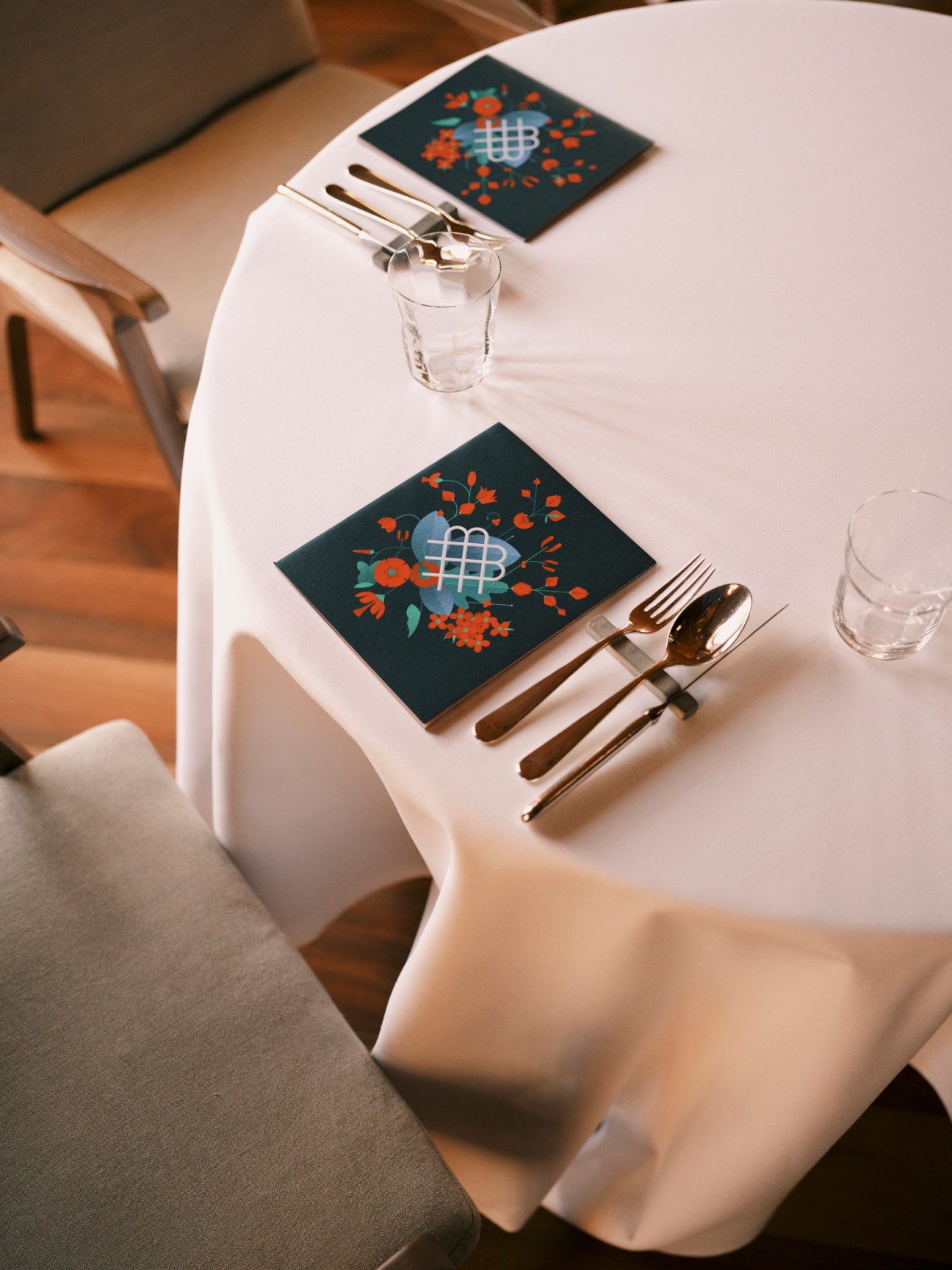
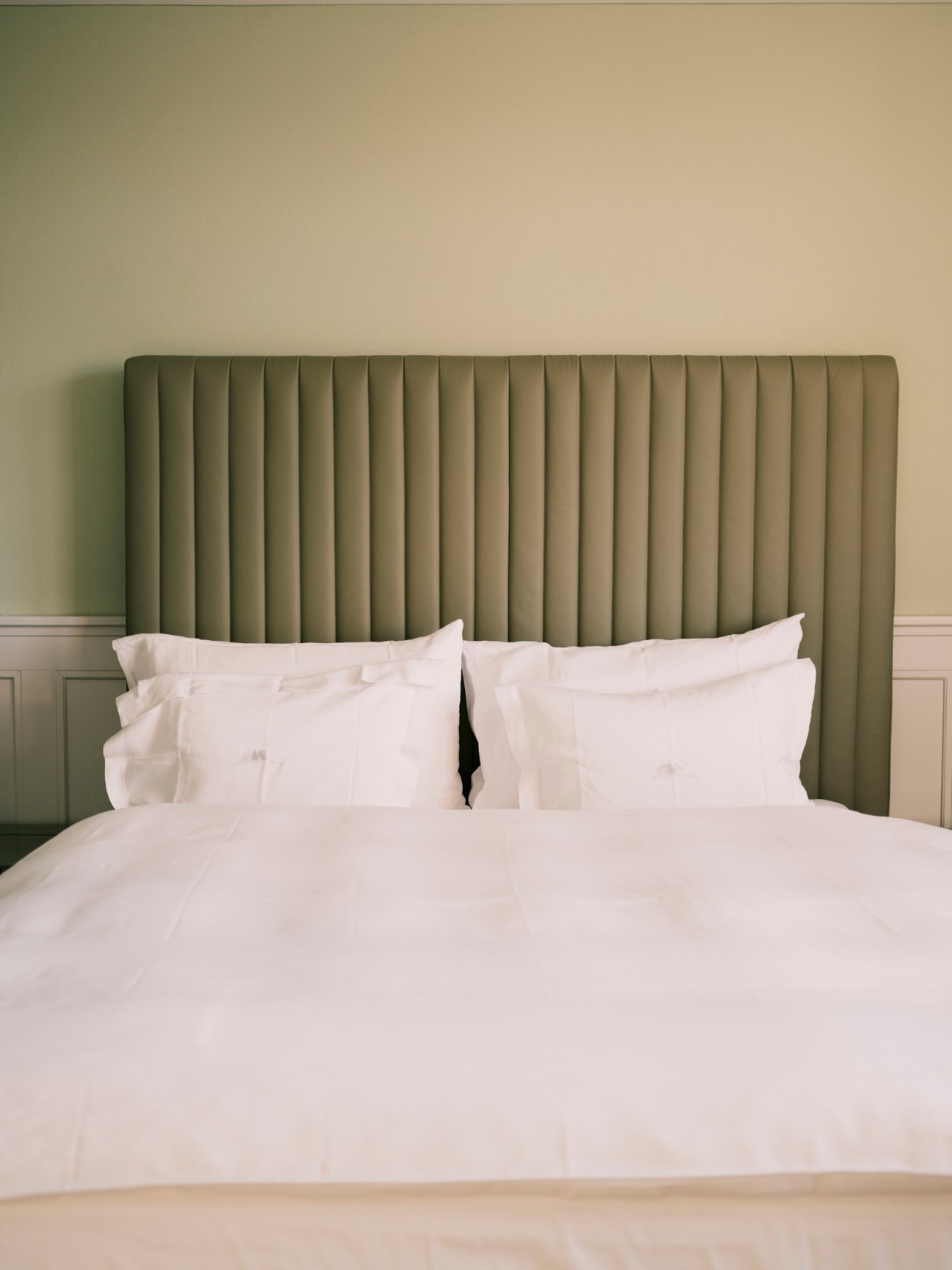
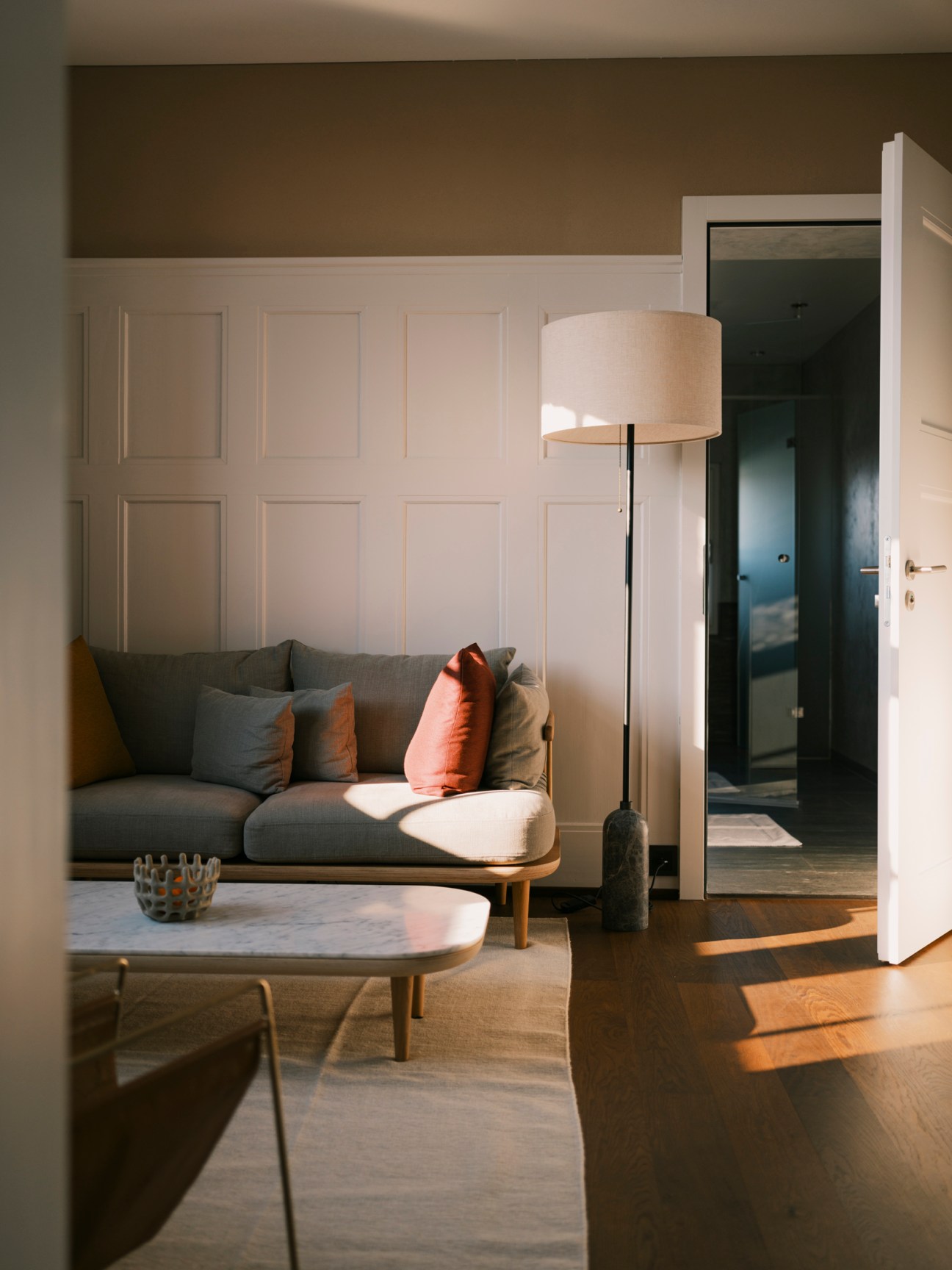
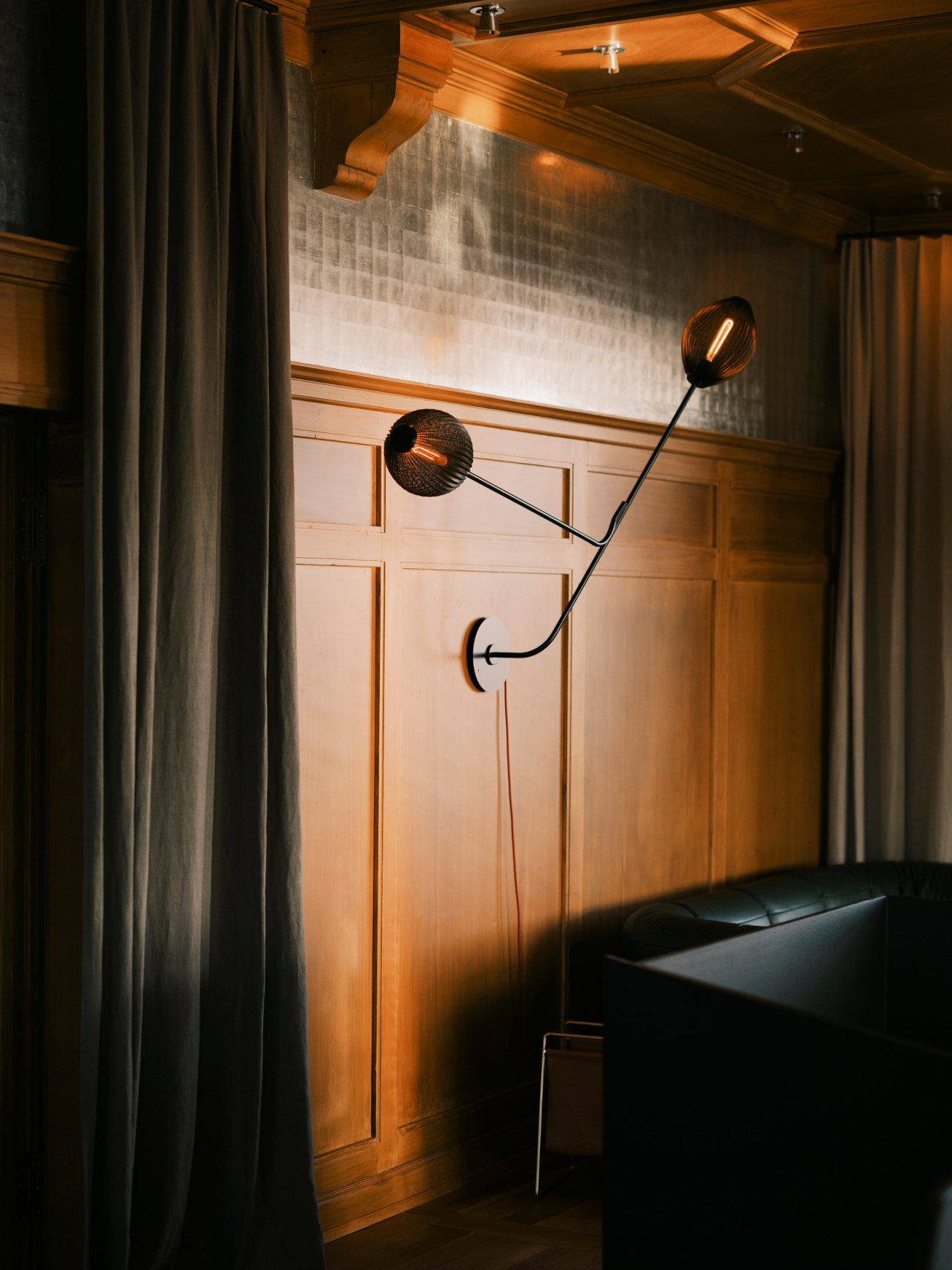
The Mammertsberg site has had several upgrades over the years, including a spruce-up by Zürich-based architect Tilla Theus about a decade ago. The latest revamp came from design firm Space Copenhagen, which opted for gentle tweaks throughout. The historic, wood-panelled interiors are now offset with muted colours, soft linen curtains and lighting by the likes of Michael Anastassiades and Mathieu Matégot. The round dining tables are made by Danish carpenter Malte Gormsen and guests in the upstairs lounge can sink into leather sofas while flicking through art books from Caminada’s personal collection. The six bedrooms, each unique, include linen rugs, softly curving oak-backed sofas by &Tradition and floor lamps by Gubi. The result is Swiss alpine splendour carefully brought into a contemporary look.
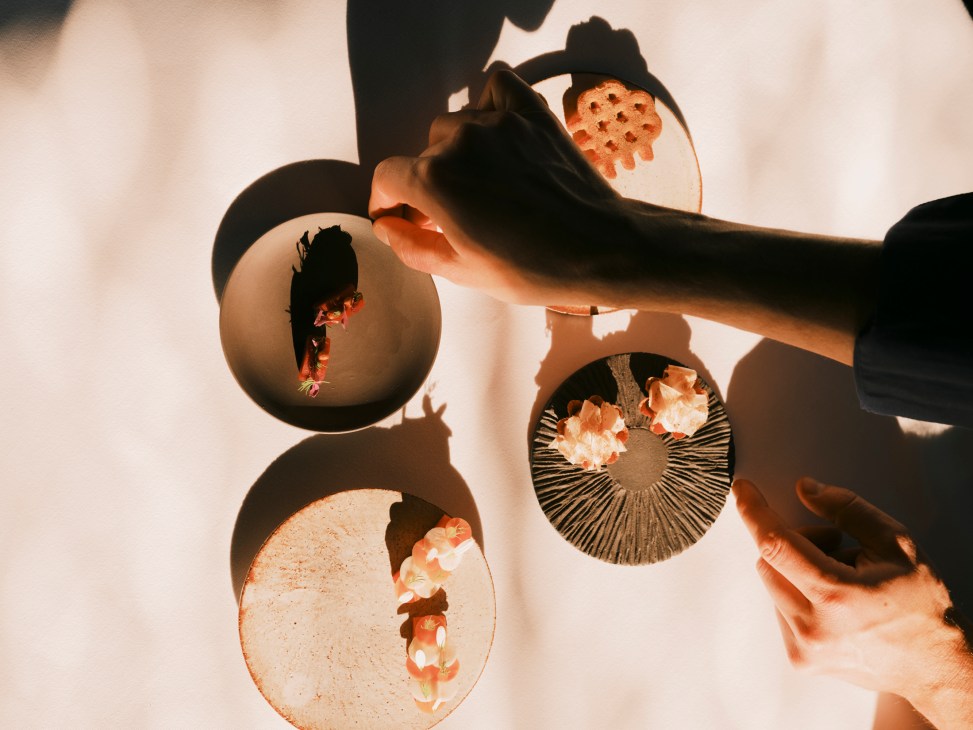
The pair of chefs are friends as well as equal partners in the business but Caminada has consciously stepped back to allow Lucerne-born Germann to run the show. The younger chef’s dishes are all about deep and rich flavours and, while he favours local produce, he’s not so doctrinaire that he doesn’t source certain ingredients from further afield. His tasting menu comes as three or five courses (for the really hungry) and, when Monocle visits, it includes chestnut gnocchi and beef tartare with beetroot.
Mammertsberg’s diners are a mix of locals who are curious to see how this age-old restaurant has evolved and those who have travelled from nearby Germany and Austria to find out what the young chef has up his sleeve. Always eager to surprise, as well as tap into the area’s culinary heritage, the menu on any given day might include regional delicacies such as venison or smoked eel from the lake. The canton of Thurgau is also the apple-and-pear capital of Switzerland so the fruits are frequently on the menu in some form. “A local farmer smokes pears and he brought them to me when they were still warm,” says Germann, as he smacks his lips.
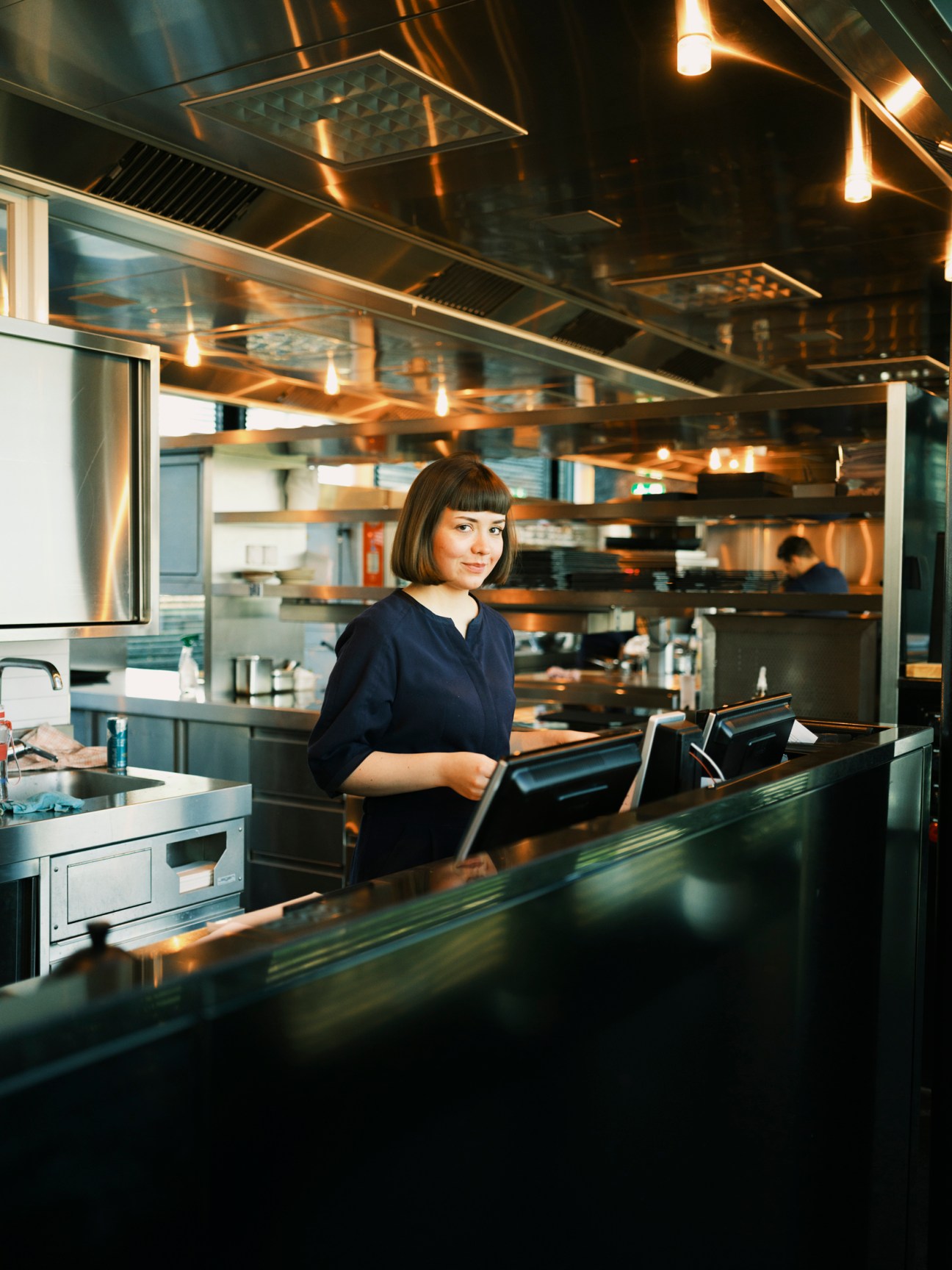
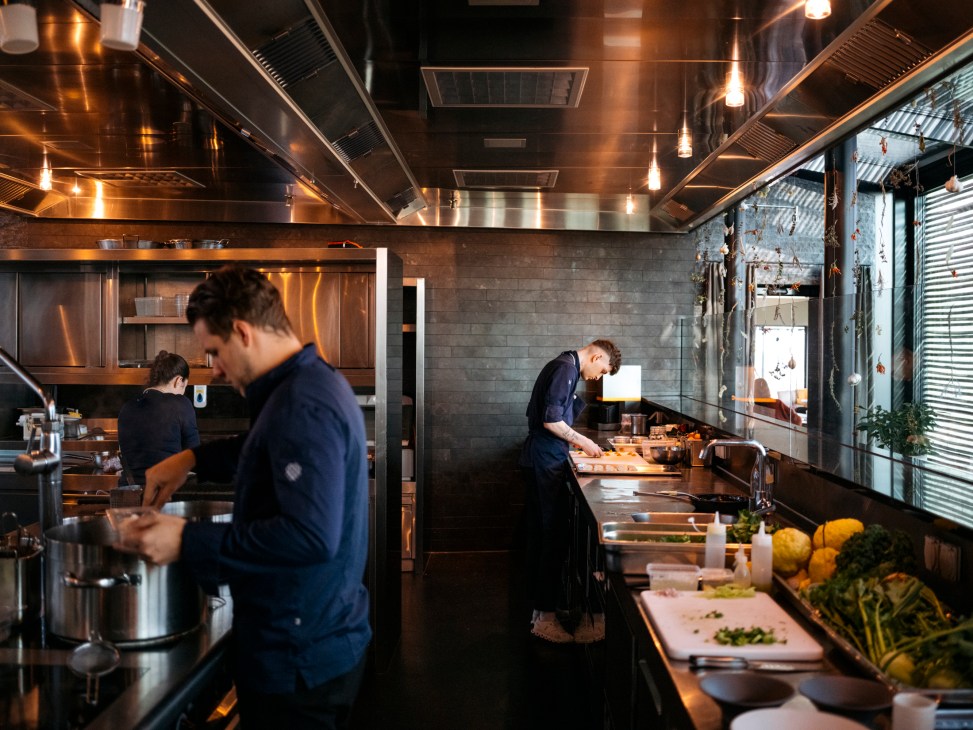
For Germann, who is just 34 years old, running a restaurant and hotel is a huge responsibility but one that he’s happy to take on. “It’s not just about the cooking and it’s not a one-man show either,” he tells Monocle as he emerges from the restaurant’s glass-walled kitchen. “It’s also how you are
Germann sources his meat from butcher Michael Vogt, who works out of a shop-cum-restaurant on the shores of Lake Constance. Vogt provides dry-aged meat from grass-fed cows for Germann’s tartare and smoked meats for the breakfast table. “My speciality is older cows,” says Vogt, as we pass through the shop with the young chef. “It’s a really rare type of meat and it has a deep, rich flavour.”
Mammertsberg’s menu comes with a wine-pairing option but the restaurant doesn’t overlook its non-drinking guests. “We match flavours and aromas to food groups to complement each dish,” says maître d’ and sommelier Giuseppe Lo Vasco. “For example, we have a smoked tea and pear mix to go with a pork dish.”
Germann admits that, though his network is good, he’s still busy scouting producers to meet his imaginative needs. In the meantime, he has just bought a consignment of cime di rapa (turnip tops) from Italy. “We’ll cook them over the fire,” he says. “I also have lemons from southern Italy. So the sweetness from those together with the wild greens is the perfect combination.”
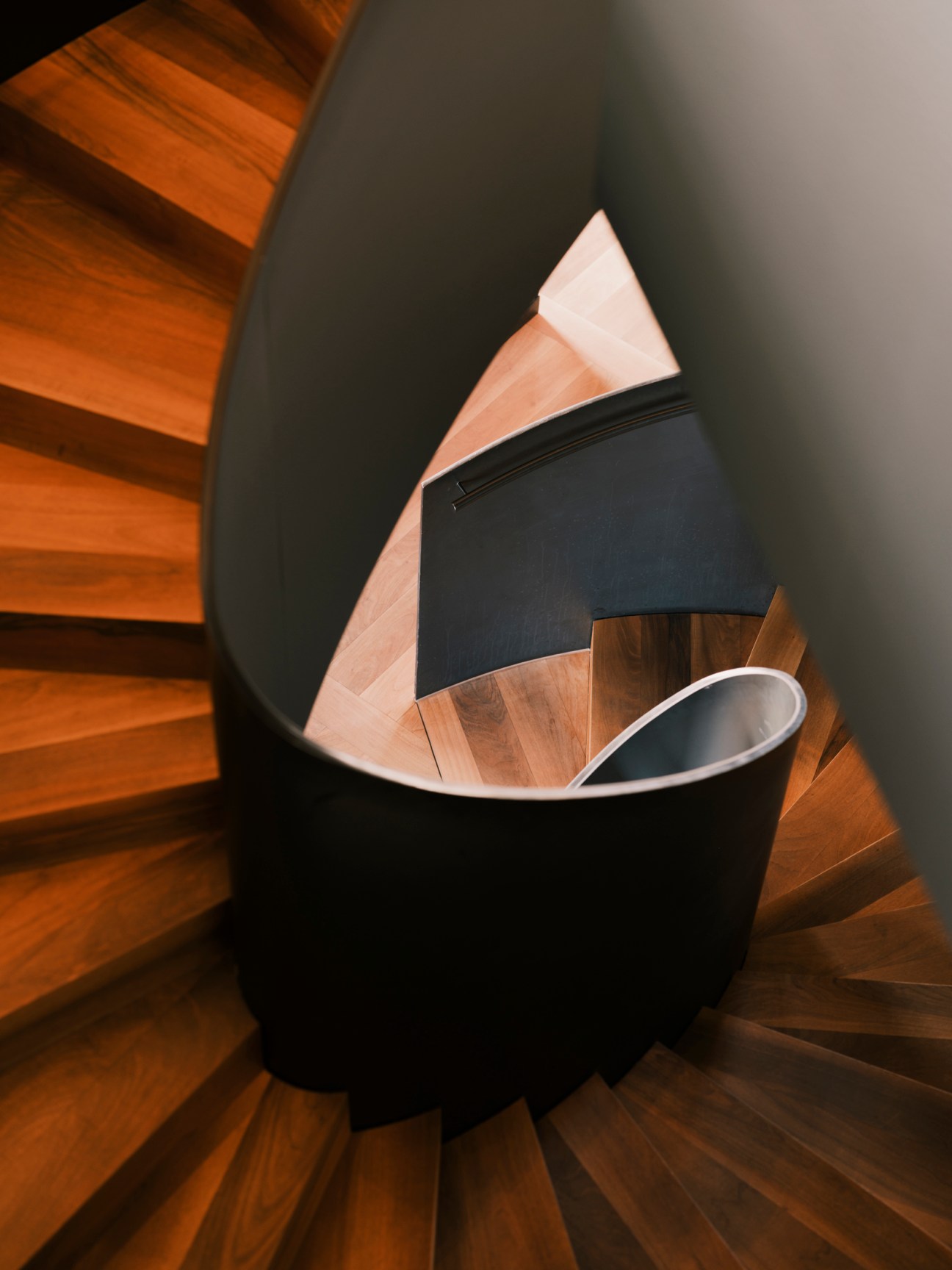
Germann has already started growing his own vegetables, including radicchio, kale and celery, in the restaurant’s small kitchen garden but he’s getting ready to increase its output by planting herbs and edible flowers. He also hopes to build a greenhouse. “It’s good for our chefs to be close to the soil and to their ingredients,” he says. “And I like to get my hands dirty, especially in the afternoons.”
The chef’s vision is clear: to elevate Swiss cooking while using the best ingredients that the region has to offer. That said, running a restaurant is as much about pleasing the people who arrive as it is chasing an international standard of excellence.
So how does Germann respond to the area’s more traditional tastes? “Well, I always have bratwurst in the fridge for guests who stay up until three in the morning,” says Germann with a laugh. “But it is not going on the menu.”
mammertsberg.ch
Track changes
Many rail projects are finally getting the green light, meaning smarter trains and new overnight services in Europe and the US.
Rail developments tend to be slow-going but there’s a clear direction of travel in 2023. The European Commission recently announced that it is supporting 10 pilot projects to establish or improve cross-border rail services across Europe.
New services (especially night routes) and gleaming trains with smarter and more comfortable cabins are the order of the day, as European governments and rail operators begin to see the light at the end of the tunnel after years of cutting costs. In part, this comes in response to a public fed up with logjammed airports and leg-jammed flights. Add to this an increasingly vocal faction who are rightly concerned about aviation’s climate impact. Rail can play a part in reaching emission-cutting goals over the coming decades and there are even positive signs down the line for the long-underfunded rolling stock in the US.
So what can we expect? Well, Austria’s ÖBB and its Nightjet services have been leading the charge, improving and expanding overnight rail across Europe. This continues with the delivery of 33 next-generation Nightjet trains from Siemens Mobility that will start to pull up on platforms later this year. As well as comfier interiors, they will also have innovative mini-cabins on offer that are akin to sleeping in a capsule hotel room on rails. For about the price of a shared berth, solo travellers can enjoy a greater level of privacy.
Private compartments are also available on the new Stockholm-Berlin service from Swedish state rail operator, SJ. This is an extension of a Hamburg-bound route that launched last year and takes about 15 hours. The onboard offering is more utilitarian than extraordinary (albeit in pleasant, muted hues) but its existence is still remarkable.
There is a vast and growing demand in the Nordics for more intercontinental rail routes as an alternative to flying – and governments are beginning to act on it. European Sleeper is another service launching this year. It will offer overnight travel from Brussels to Berlin with services timed for connections from the Eurostar, so a London to Berlin rail journey will be easier than ever.
And hats off to Amtrak for finally investing in its long-overlooked trains. The US company began modernising several of its overnight services last year as part of a €26m programme. It has begun the process of replacing trains for its entire long-distance fleet, a reassuring sign that these iconic long-haul routes will operate for years to come.
Finally there’s Midnight Trains, a Parisian rail start-up that is prioritising comfort, luxury and privacy on its proposed overnight network, which is due to launch in 2024. If all goes to plan, it will eventually connect the French capital hub with 12 cities across Europe, including Edinburgh, Porto and Copenhagen, though the rolling stock is not known yet.
While any new stock or improved routes will be a good thing for travellers, it is Midnight Train’s ambition to elevate the standards of service and surroundings that excites us most. Quiet cabins, good food and great amenities are what is required if business and leisure travellers are going to forego the convenience of short-haul flights.
Pretty in pink
Marrakech
Behind the blush walls of Maison Brummell Majorelle lies an oasis of storied design in Yves Saint Laurent’s old neighbourhood.
“We made five different colour tests for the façade,” says Christian Schallert, peering upward as he recounts his recent encounter with Marrakech’s stringent planning laws. Schallert’s new hotel is a striking addition to the quiet Majorelle neighbourhood, rendered in the city’s traditional ochre-pink colourway.
The new opening marks the end of a long and sometimes difficult journey for the Austria-born Schallert. He opened his first hotel in Barcelona in 2015 and purchased a prized plot of land behind Yves Saint Laurent’s former Marrakech residence back in 2017.
Now that the site is ready for guests, the self-made hotelier strides through his just-finished maison, gesturing to a wall-hanging made from a repurposed djellaba. Every object has a story: the sunloungers made by a metalworker from the medina; the brass ashtrays and bowls designed by an affable artisan in a souk close to the Ben Youssef Mosque. Three textured paintings hang as testaments to the joys of art-as-therapy – they were made by Schallert during, he says, “peak construction frustration”.
New Zealand-born architect Bergendy Cooke played with Moroccan vernacular ideas of privacy for the hotel, which she likens to “an eight-bedroom home”. Arched and inverted apertures see golden arrows of sunlight pierce different parts of the building throughout the day, creating a slow-moving spectacle of light and shadow. The interiors are almost ecclesiastical, from the curved ceilings to the traditional Tadelakt hand-polished plaster walls.
“I envisaged another Marrakech experience, away from the souk or medina, without trying to reinterpret the riad,” says Schallert. “I want people to feel as though they’re in a sanctuary where they can unwind from the hustle of street traders or bustle of traffic.”
A sunken lower-level terrace, private hammam and pool provide recluse from the sounds (and eyes) of the neighbours. Pointedly, there are no televisions in the rooms; stone bathtubs provide an alternative way to unwind.
A clutch of collaborations with Spanish makers, including bed covers and cushions from Santa Living and small geometric sculptures by Manolo Menéndez of Unvolumen, create a dialogue across the Strait of Gibraltar. “I want guests to connect with each other but also discover the hidden city, which emerges more slowly,” says Schallert, who also remodelled two apartments in the nearby Gueliz district.
For a photographer who moved into private tourist rentals in Barcelona, Schallert shows off both his eye for surprising details and excellent hosting skills at Maison Brummell Majorelle. And with the roof of Yves Saint Laurent’s house poking through the palms next door, his elegant new hotel is certainly keeping up with its neighbours.
maisonbrummellmajorelle.brummellprojects.com
Majorelle address book
Eat
Moro: Concept shop and restaurant with accommodation.
moromarrakech.com
Plus61: Antipodean-influenced restaurant favoured by expats and locals alike.
plus61.com
Drink
Mouton Noir: Canteen-style bistro with a focus on meaty dishes and alcohol-free cocktails. 115 Rue Mohammed el Beqal
Visit
Galerie 127: This second-floor gallery in the Gueliz district specialises in conceptual art photography.
galerie127.com
Le Jardin Majorelle: Yves Saint Laurent’s former home and garden backs onto Maison Brummell Majorelle.
jardinmajorelle.com
Yves Saint Laurent Museum: Near to the designer’s jardin is this 4,000 sq m venue.
museeyslmarrakech.com
Fine print
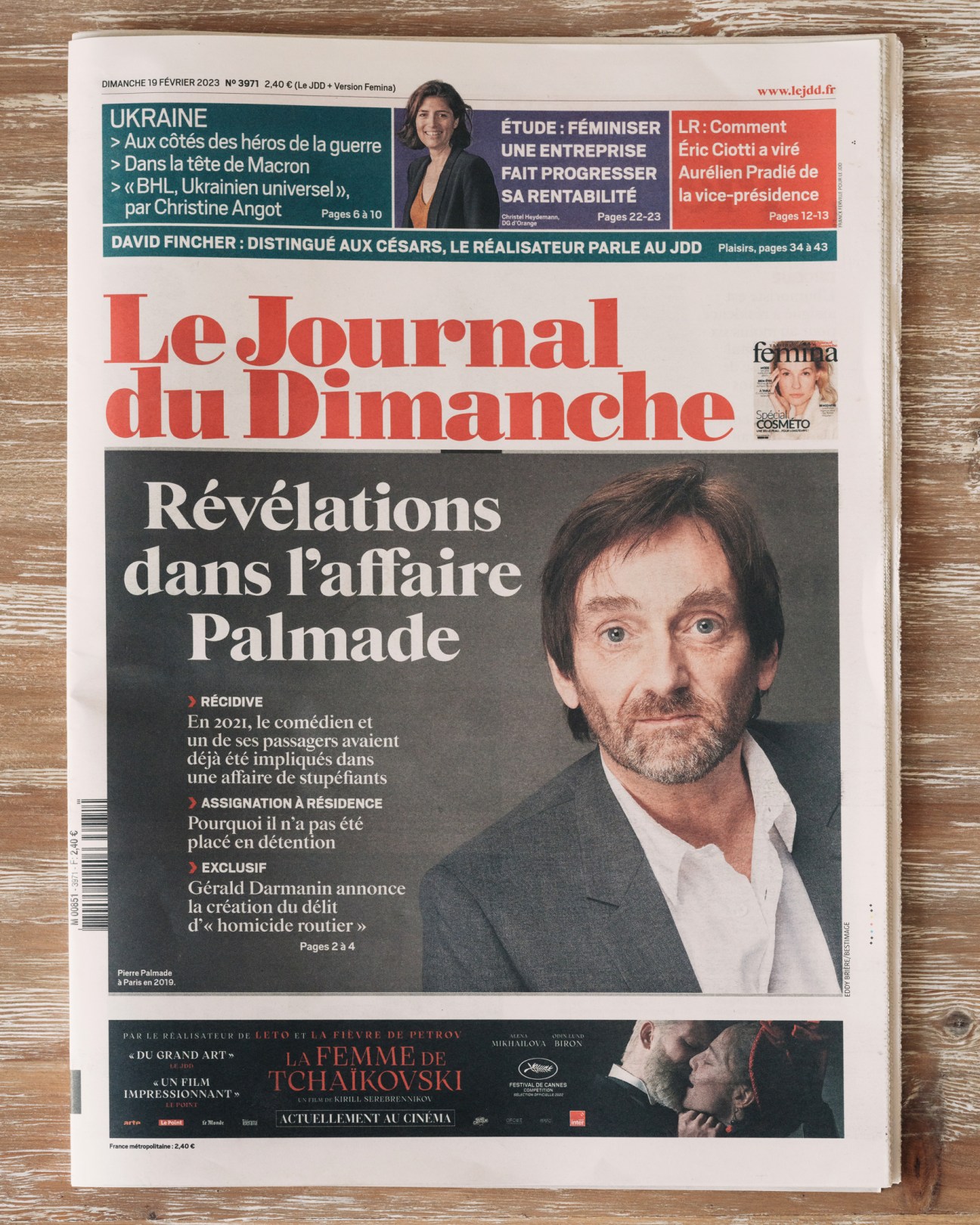
In the fast-changing pocket of suburban Paris where Citroën cars were manufactured until the 1970s, a modernist structure designed by US architect Richard Meier sticks out of the tangle of concrete residential blocks. The only clue that this all-white Rubik’s Cube of a building is the headquarters of Le Journal du Dimanche (JDD), one of France’s biggest weekly newspapers, is the discreet sign of Lagardère News, the media group that co-owns the title, above the entrance. “We’ll go straight to the morning meeting,” says Stéphane Albouy, the JDD’s editorial director, as he greets us in the lobby and whisks us upstairs.
Launched in 1948 by Pierre Lazareff, the JDD is a journal du septième jour: a newspaper that is available only on Sundays. This segment of the publishing industry, comprising more than 40 titles nationwide, represents 6 per cent of France’s overall press sales.

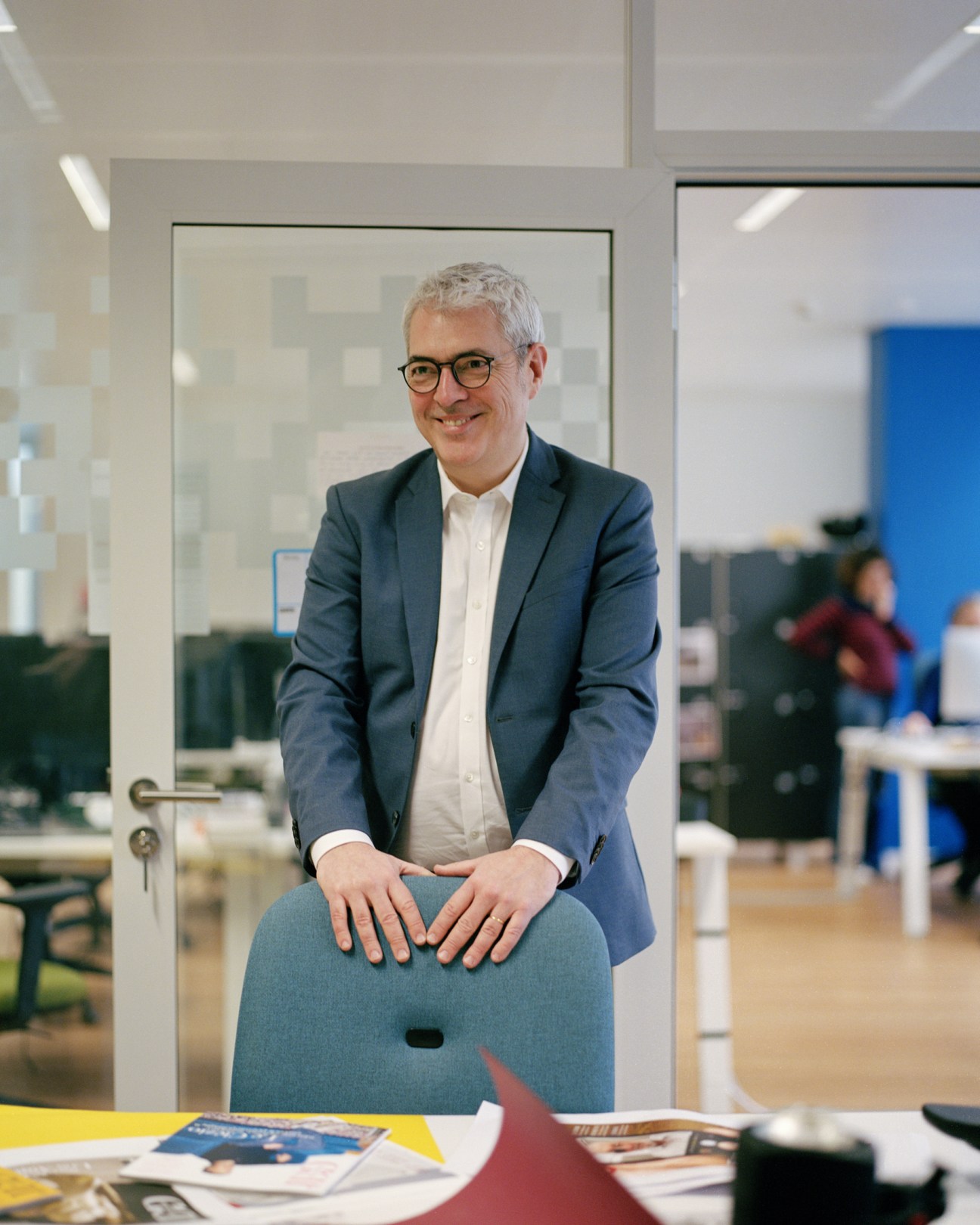
Though the JDD’s print performance has faltered in recent years, it remains one of the country’s most popular Sunday papers. With a circulation of more than 135,000 copies, its figures are on par with the daily sales of Les Echos, the nation’s biggest financial title. “The JDD is historically known as a paper of influence,” says Albouy. “Debating an idea, getting under the surface and behind the scenes of power, is what interests us. Our readers have an ingrained print culture. About a third of them are from the Paris region. They are mostly urbanites; they’re decision-makers.”
Long renowned for its impartiality, the paper recently came under fire following the 2017 acquisition of Lagardère by Vivendi, a company led by businessman and media mogul Vincent Bolloré (the acquisition is being investigated by the European Commission due to its potential to concentrate France’s media in few hands). Plenty of new hires, including Albouy himself, were brought on board. Many readers were worried that the JDD would skew to the right as a result but staff insist that the title remains neutral. “The newspaper has evolved over the past year to become more open to representing the diversity of political voices in France,” says Albouy, who is dressed in an impeccable navy suit. “For instance, we featured the prime minister, Élisabeth Borne, on the pension reforms but also the leader of The Republicans, Éric Ciotti, as well as Marine Le Pen of the far-right Rassemblement National and Jean-Luc Mélenchon of the far-left La France Insoumise.”
Even so, at a time when people are increasingly becoming disillusioned with politics, the JDD had to rethink its positioning. “There is political-news fatigue: politics has lost its lustre and is seen as dirty,” says Jérôme Béglé, the JDD‘s managing editorial director, another new hire, who had spent 10 years at news magazine Le Point. “We found that our readers wanted to read more and longer features too – and not just about politics but also about social topics.” That’s why Béglé was brought on board to explore how the JDD could become more relevant to its readers. “I didn’t want to create another supplement that would rival the main paper so we decided to launch a well-made monthly magazine with room for beautiful photography and more evergreen features,” he says.
The team studied competitors at home and abroad to create a publication based on what its rivals weren’t doing. “We wanted a focus on literature and books, and investigative journalism,” says Albouy, picking up some books from the office floor. A former editor at Le Parisien newspaper, Albouy was called in last spring to think up the format for JDD Magazine, which launched in November. Originally contracted for six months, he was asked to stay on to oversee all of the publication’s platforms. “I had a month to think of a concept,” he says from his glass-fronted office, as a train zips alongside the river Seine below. “It was an exciting time. I sat in [Béglé’s] office, soaking up the atmosphere, the journalists’ interests, the DNA of the JDD.”
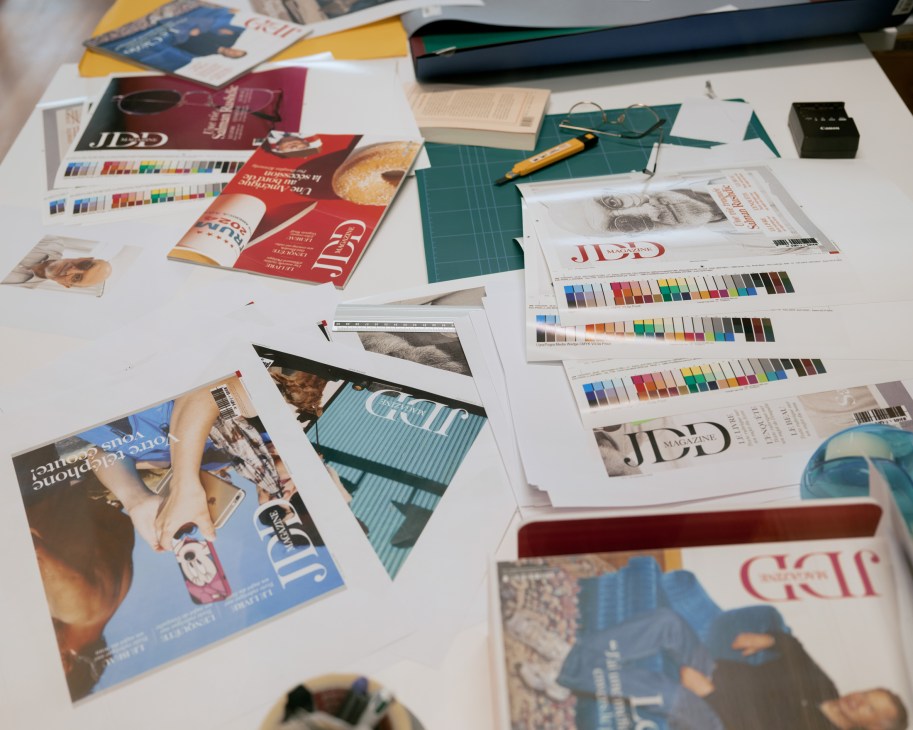
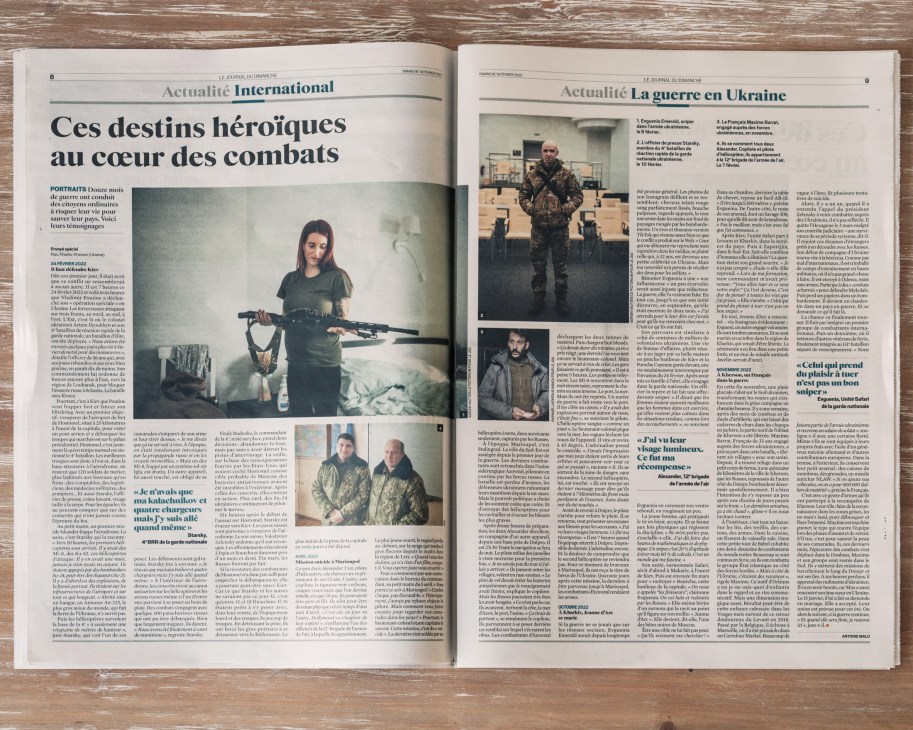
The idea that he alighted on was to create a magazine with three sections: the first on books, the next on society and the last dedicated to lifestyle. The sections would be the effect that the fatwa on the writer had on them. “We try to give every story a twist editorially and visually,” says Delacroix. “It’s about taking a different approach to a social topic, giving it a fresh angle and highlighting a link to book publishing,” says Albouy.
Every issue also makes a point of devoting plenty of pages to longform articles. “It’s rare today to have this much room for features,” says Albouy, as he leafs through a copy. “We wanted to give space to literature – not just new book releases or reviews but real content: interviews, investigative features, short stories… In France, book authors frequently delve into social topics as though they were documentary-makers, revealing hidden sides of important issues that then become newsworthy. Including their work allows us to operate at the crossroads between literature and society.”
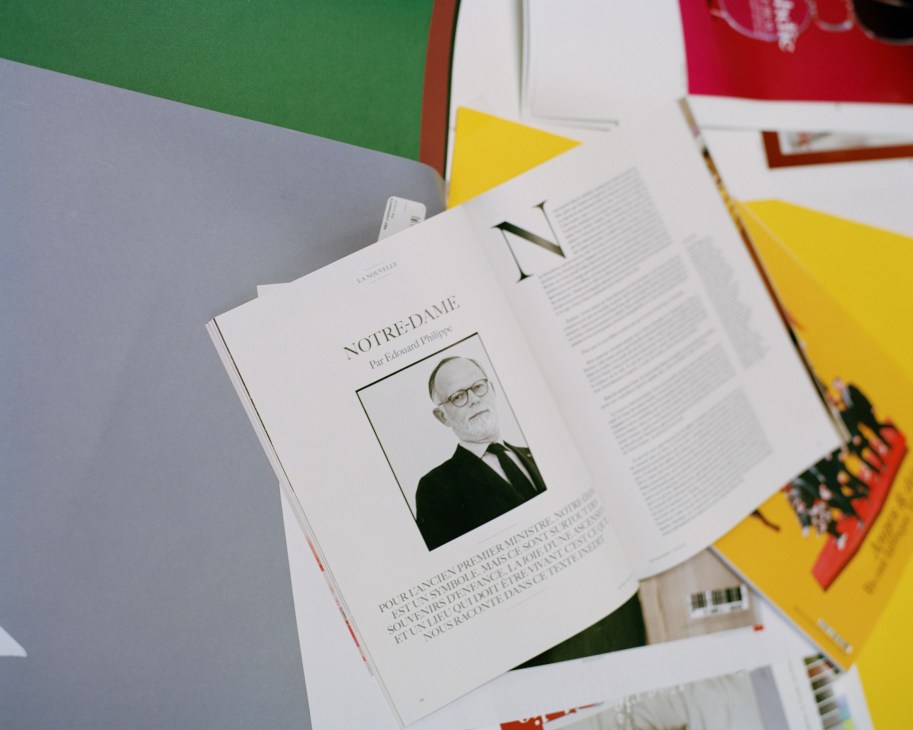
That principle applies to many of the magazine’s features. In a past issue, the team asked former prime minister Édouard Philippe, who is also a writer of political thrillers, to come up with a fictional short story. The editors also shipped a food writer to Lapland for a travel piece. “Sending a journalist who specialises in Michelin-starred dishes to report on the pared-back diet of the Sámi people was a way of bringing something fresh to the table,” says Aude Revier, JDD Magazine‘s lifestyle editor, who was previously the editor of Air France Magazine. This slightly off-kilter approach is also taken in the fashion pages. “Our shoots are always linked to literature in some way,” says Revier. “One referenced the Bloomsbury Group, another the animated film The King and the Mockingbird, which in turn was written by poet Jacques Prévert. We also add an element of storytelling so that our readers can understand the thinking behind the photos.”
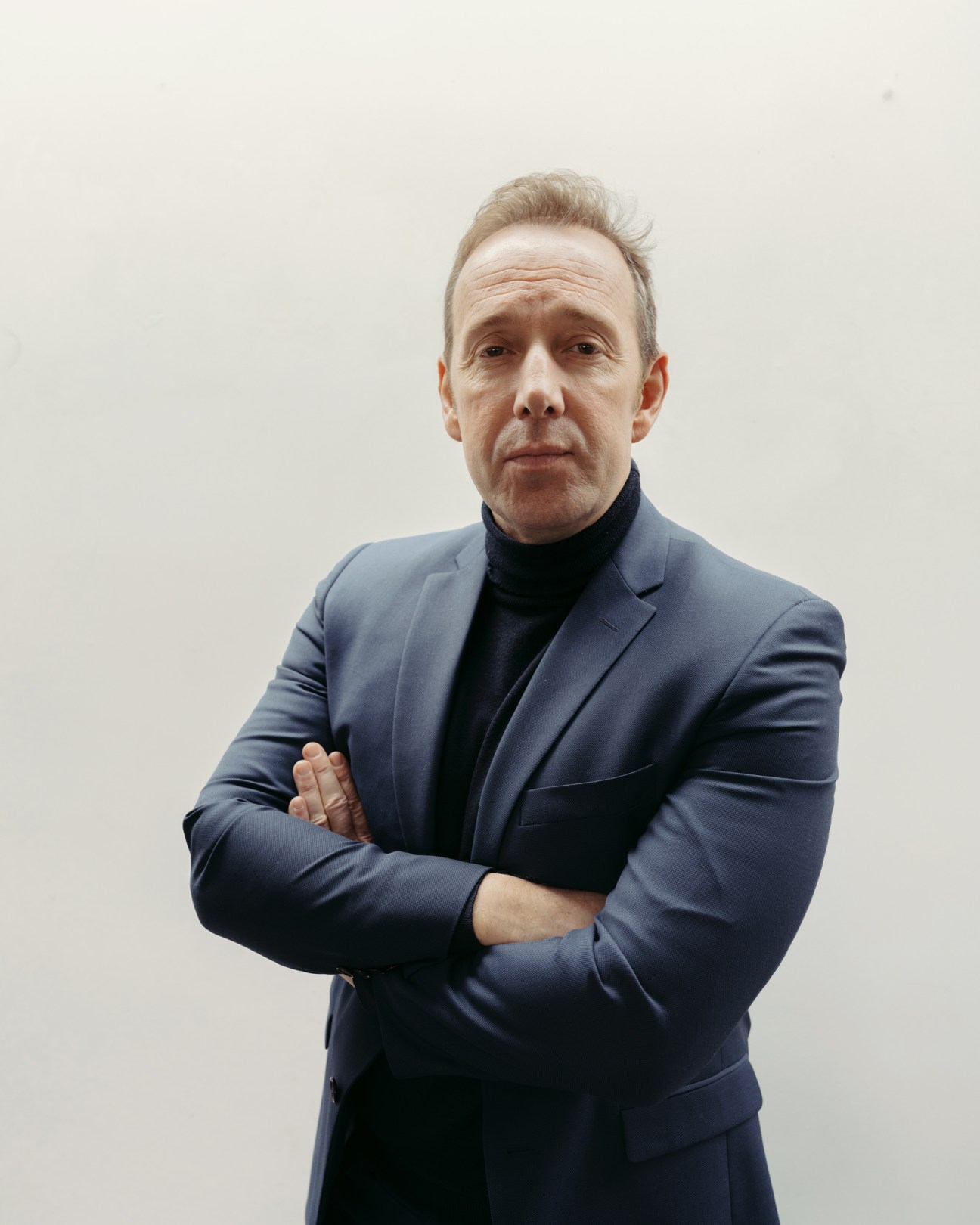
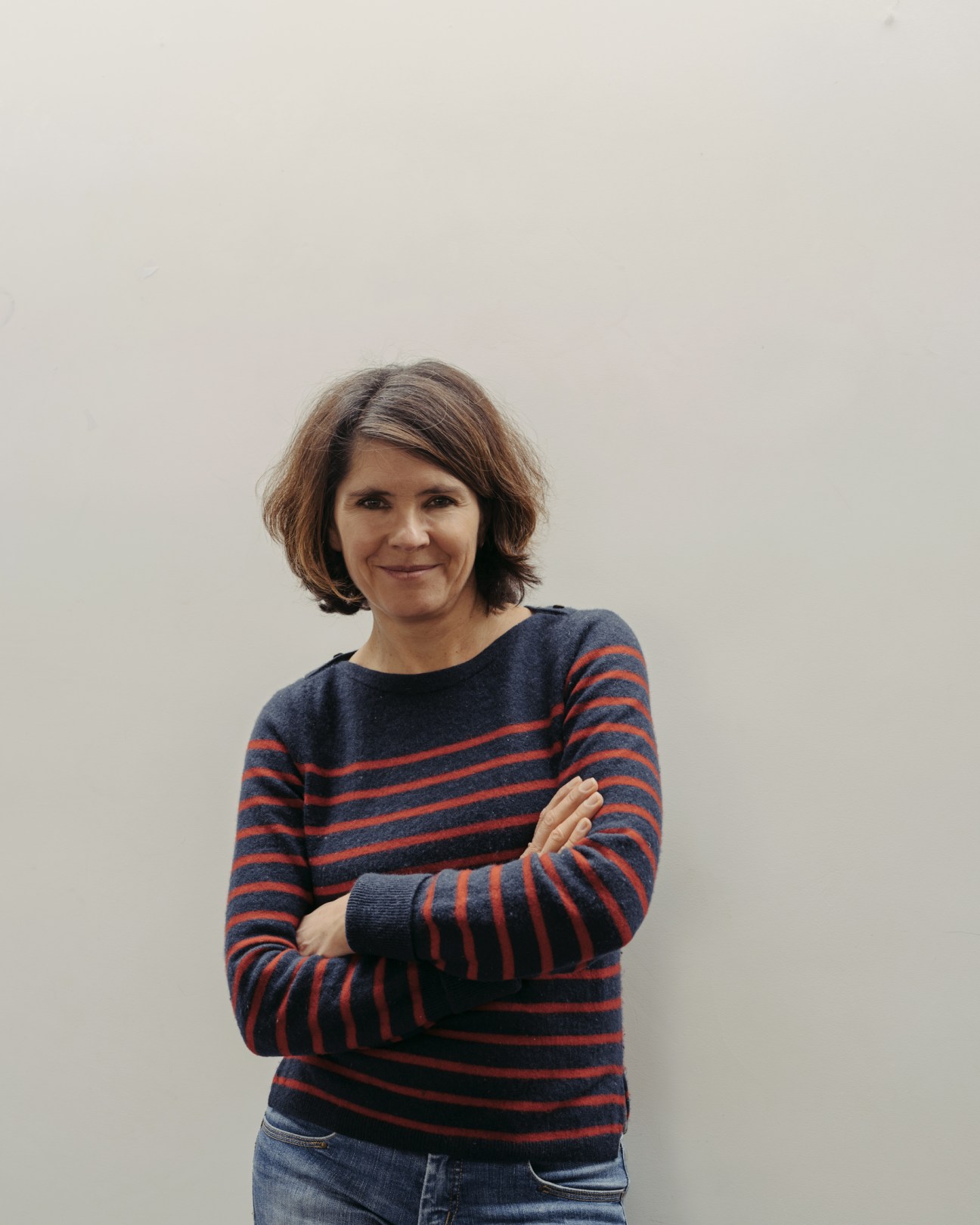
Having also worked for Dior Homme under creative director Hedi Slimane, Revier brings an edgy energy to her role. “We wanted to give readers something that they wouldn’t find elsewhere,” she says. “Our fashion shoots aren’t extremely posed. A recent one was an ode to street photography, with candid shots of people. The outfits are also unisex for the most part. It’s important to steep a magazine in our modern-day reality. I believe that if we want things to change, we can be drivers of that change through our content.” As much as 90 per cent of that content, including imagery, is produced in-house. “Our starting point is that nothing is impossible,” says Delacroix. “For example, photographers can shoot on film [instead of using a digital camera] if they want to. It’s actually not that much more expensive. It’s just about giving time to it.”
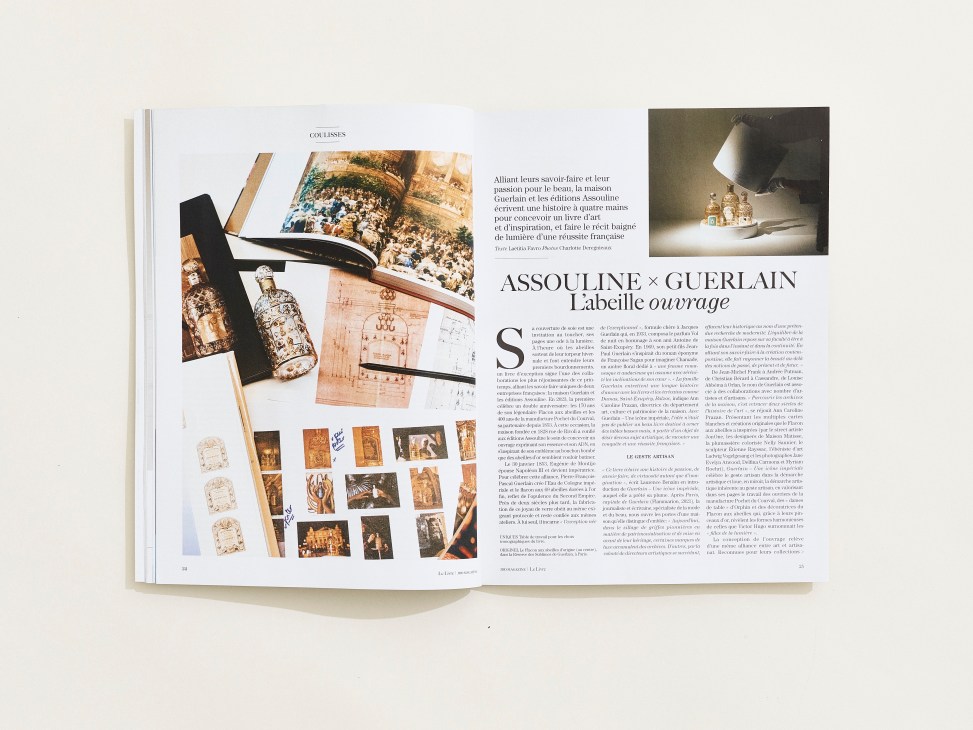
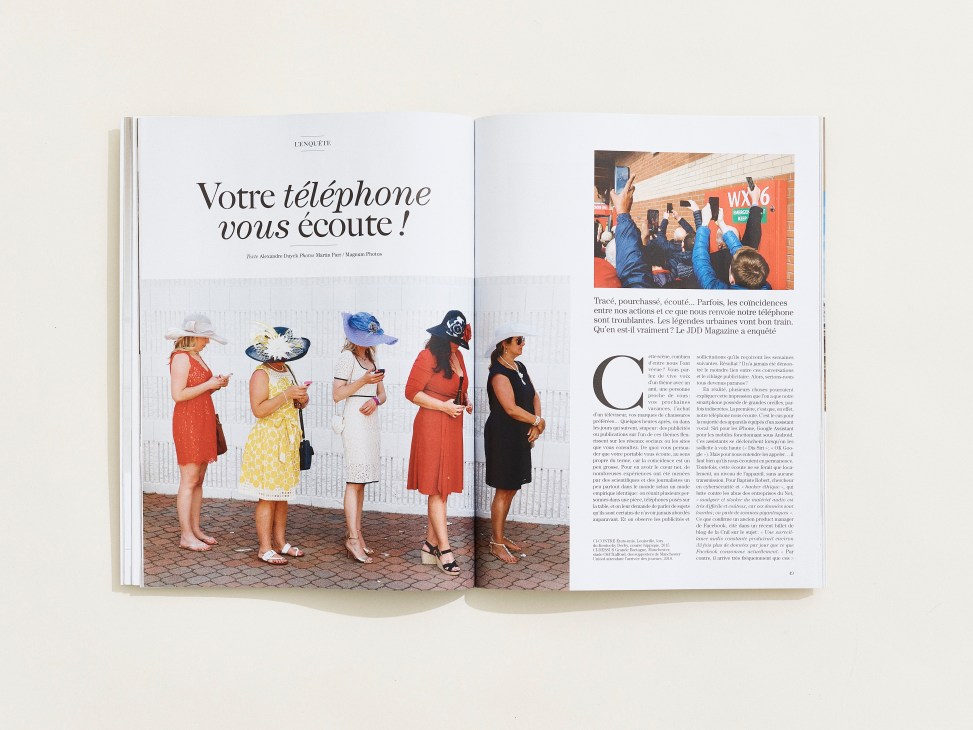
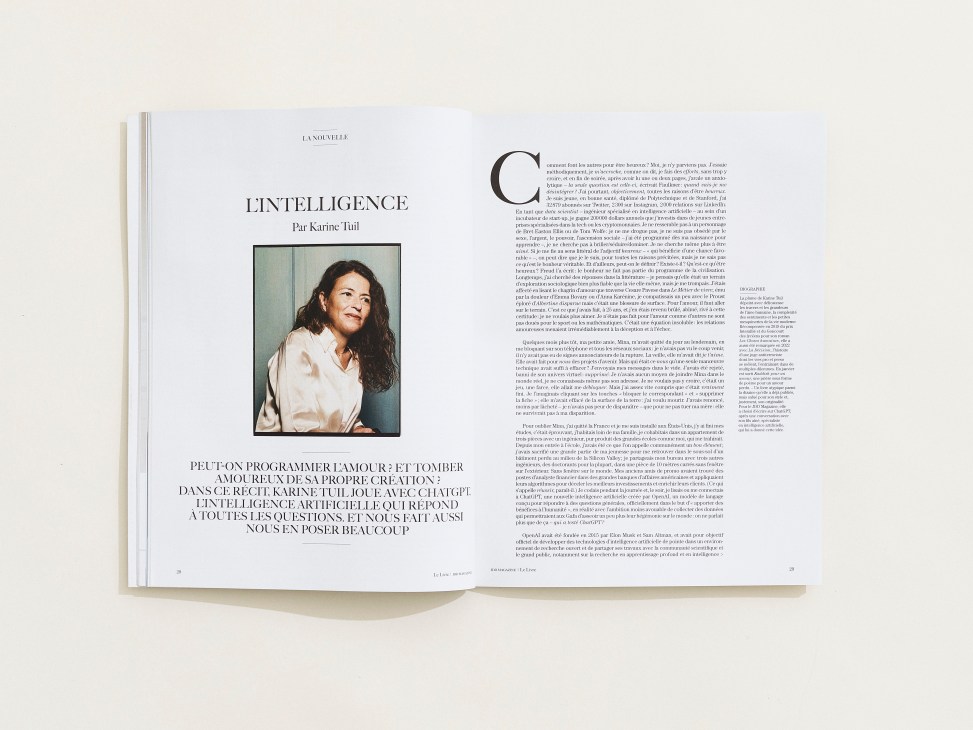
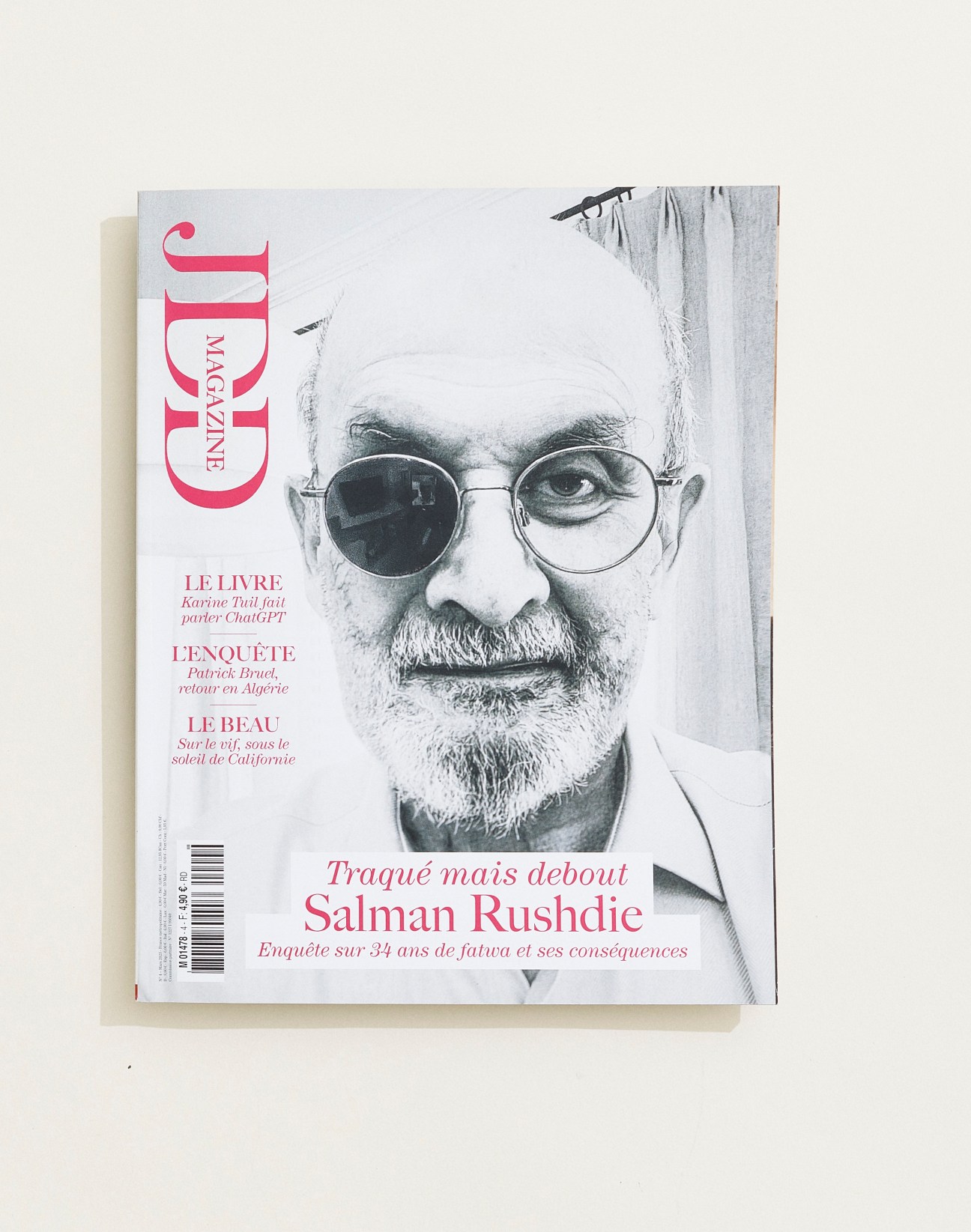
The luxury of this creative freedom is afforded in part by buoyant advertising sales: businesses are snapping up pages as they seek new quality titles in which to appear. Though the magazine is image-led, its soft-touch cover, thick paper and serif typeface lend every issue a book-like feel. Like a hard-bound volume, JDD Magazine is made to last. After debuting on newsstands as a newspaper supplement every last Sunday of the month, the title is then available to buy separately until the publication of the next issue. “It’s extremely encouraging for us to see that our reader numbers haven’t dropped since we launched,” says Albouy.
As we ascend to the building’s rooftop, looking out at the surrounding skyscrapers, Albouy takes the long view and starts discussing the title’s plans. Despite the JDD’s commitment to print, there is an enhanced digital strategy in the works to appeal to a more connected readership. For now, however, the recent magazine launch is enough to keep members of the team on their toes. “We don’t know what the future holds,” says Albouy, sitting on a high metal stool. “Right now, we’re revelling in the freedom and excitement of being part of such a thrilling venture.”
Sleek peak
Barbara Elwardt remembers being anything but thrilled when a friend insisted that she visited Bad Gastein, a sleepy village in the Austrian Alps, 20 years ago. “I just didn’t see a reason for going to the mountains and not skiing,” Elwardt tells Monocle. Little did she know that she would return every year and eventually open a hotel there: The Comodo. And the skiing nearby goes on until late April.
It’s hard not to be charmed by Bad Gastein. The town, about an hour-and-a-half drive south of Salzburg, boasts a charming mix of belle epoque buildings and 1960s modernism surrounded by the forested slopes of the High Tauern mountains. Once beloved by emperors and empresses for its recuperative thermal waters and underground caves, the destination fell into disrepair in the 1980s. However, creative openings in the 2000s including the Miramonte and Regina (as well as a rather convenient rail link from Salzburg and Vienna) started to awaken the town from its slumber. Elwardt compares the feeling here to that of Berlin in the 1990s. “It’s like a new beginning,” she says.
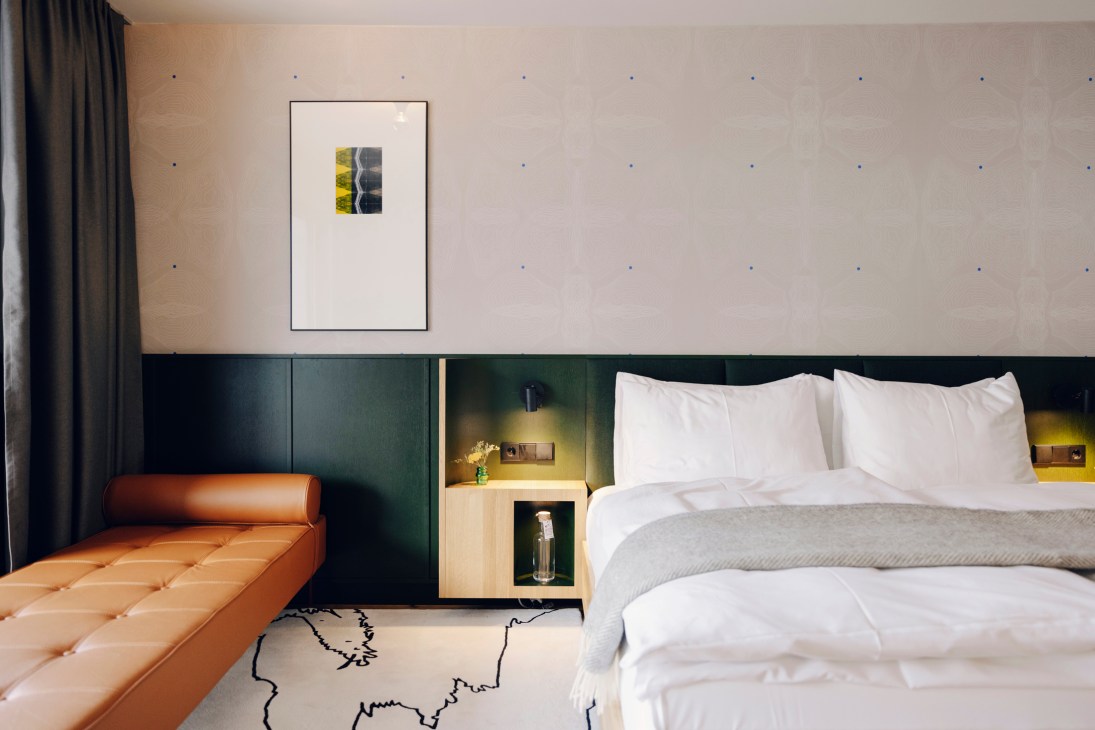
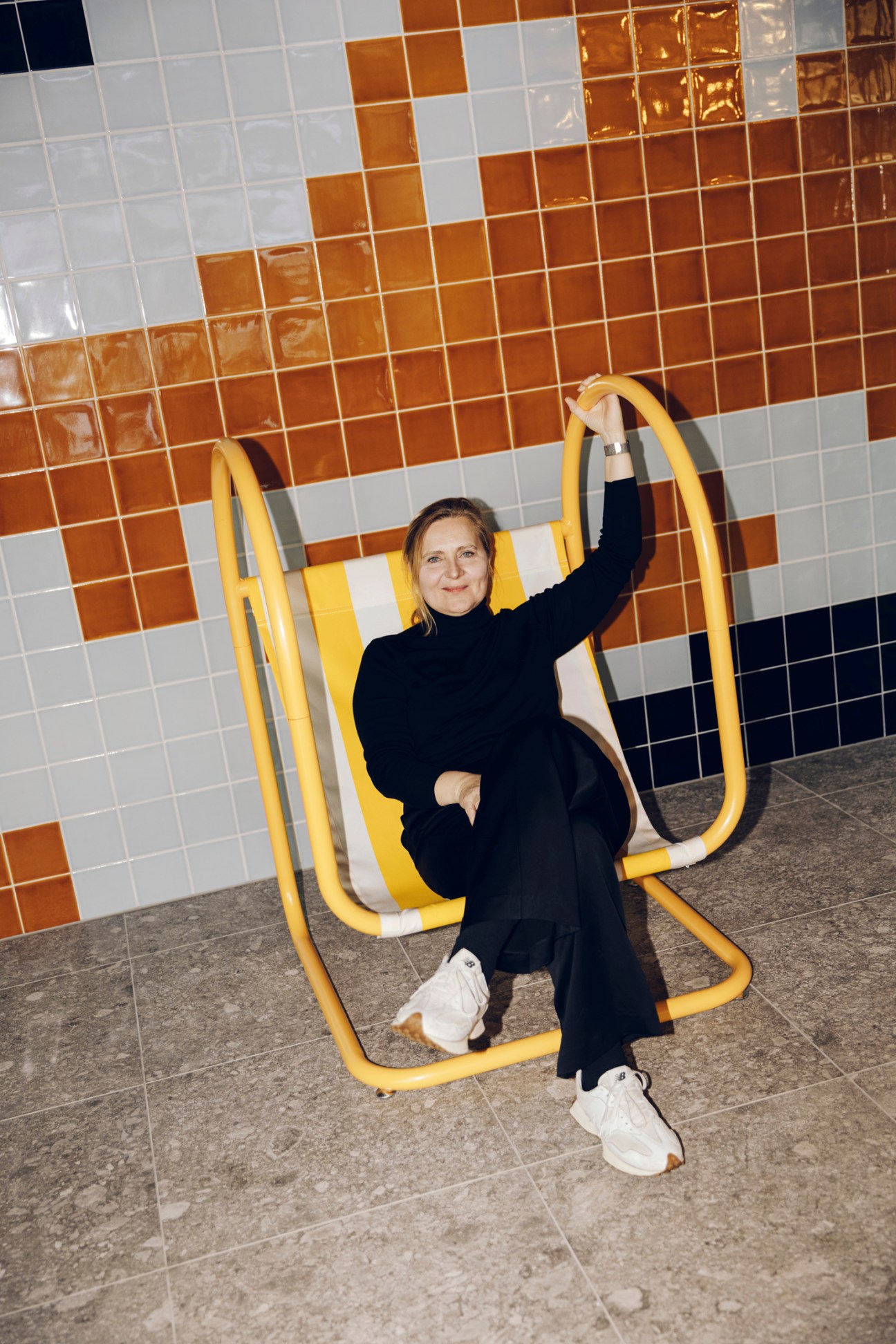
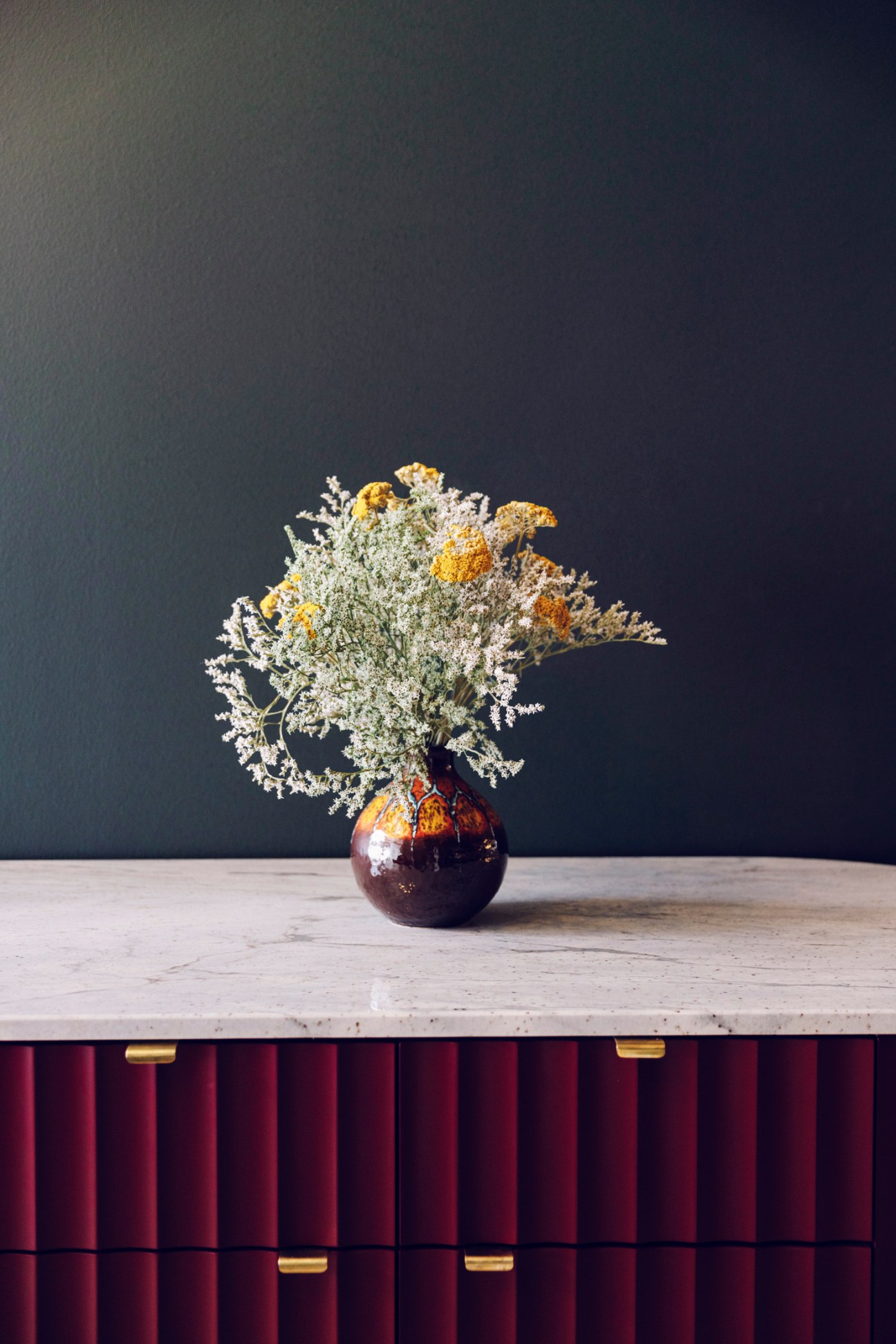
Elwardt teamed up with architect Piotr Wisniewski, to transform the hotel from a Kurhaus (“health resort”) into a contemporary mountain escape. “We were trying to evoke the ambience of a 1960s Alpine resort,” says Wisniewski as he shows us around the airy space. “It’s like a modern interpretation of an Austrian chalet mixed with Viennese coffee-house culture.” That is evident in the spacious lobby, which Wisniewski dubs the “living room”. A bar offers a good cocktail menu, while strong colours create a warm, cosy space that feels a world away from the stricter palette of Nordic minimalism. When it comes to stretching out with a book or newspaper, guests have options: Italian architect Gae Aulenti’s iconic leather lounge furniture, Wisniewski’s custom-made and comfy Pebble couch or Mario Bellini’s 1960s Camaleonda sofa for B&B Italia.
“Many of the pieces that you see here are from my personal collection,” says Wisniewski, gesturing towards a Type 200-190 chair from the 1960s designed by Rajmund Teofil Halas that he calls a “Polish classic”. The compact and light pieces were originally designed to sit in Soviet social housing but Wisniewski wasn’t shy about updating them. “We covered them with leather to give them a more luxurious appearance,” he says.
Though the furniture has been sourced from all over Europe, the design language, says Wisniewski, needed to link back to the site and its rich history. With shades of burgundy and bottle green, and materials including oak and pine, the interior mirrors the valleys outside. Geographical references to the mountains, forests and valleys are also incorporated into the designs on the custom-made wallpapers and carpets designed by Gosia Warrink.
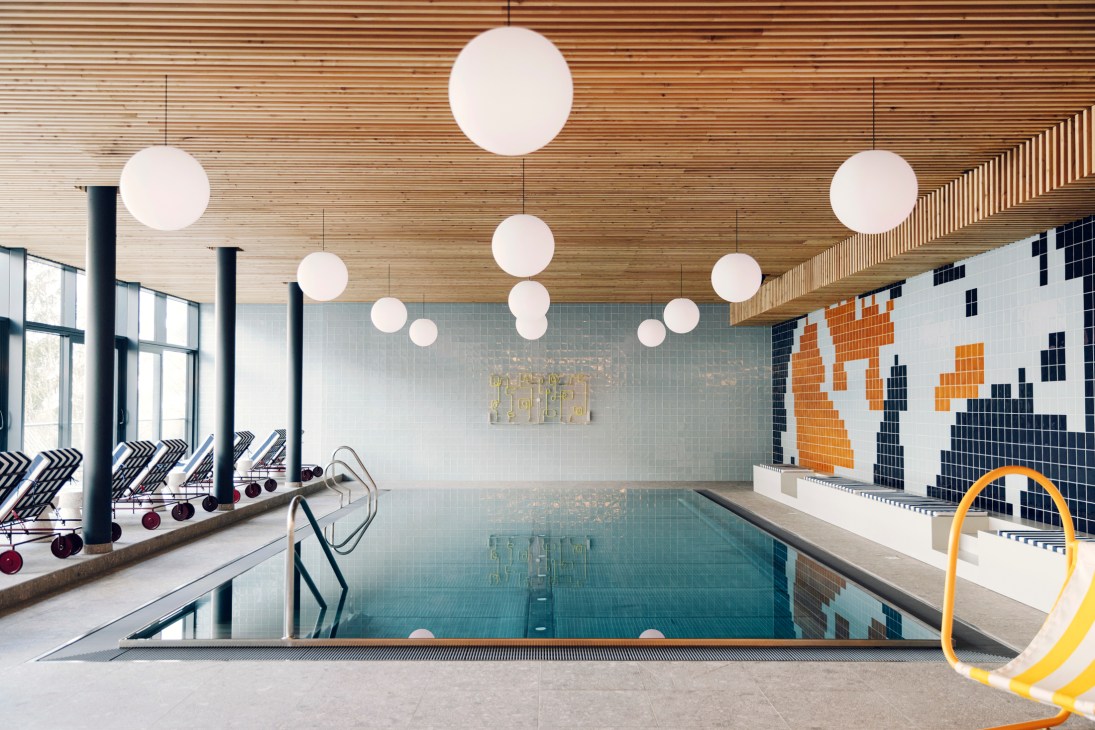
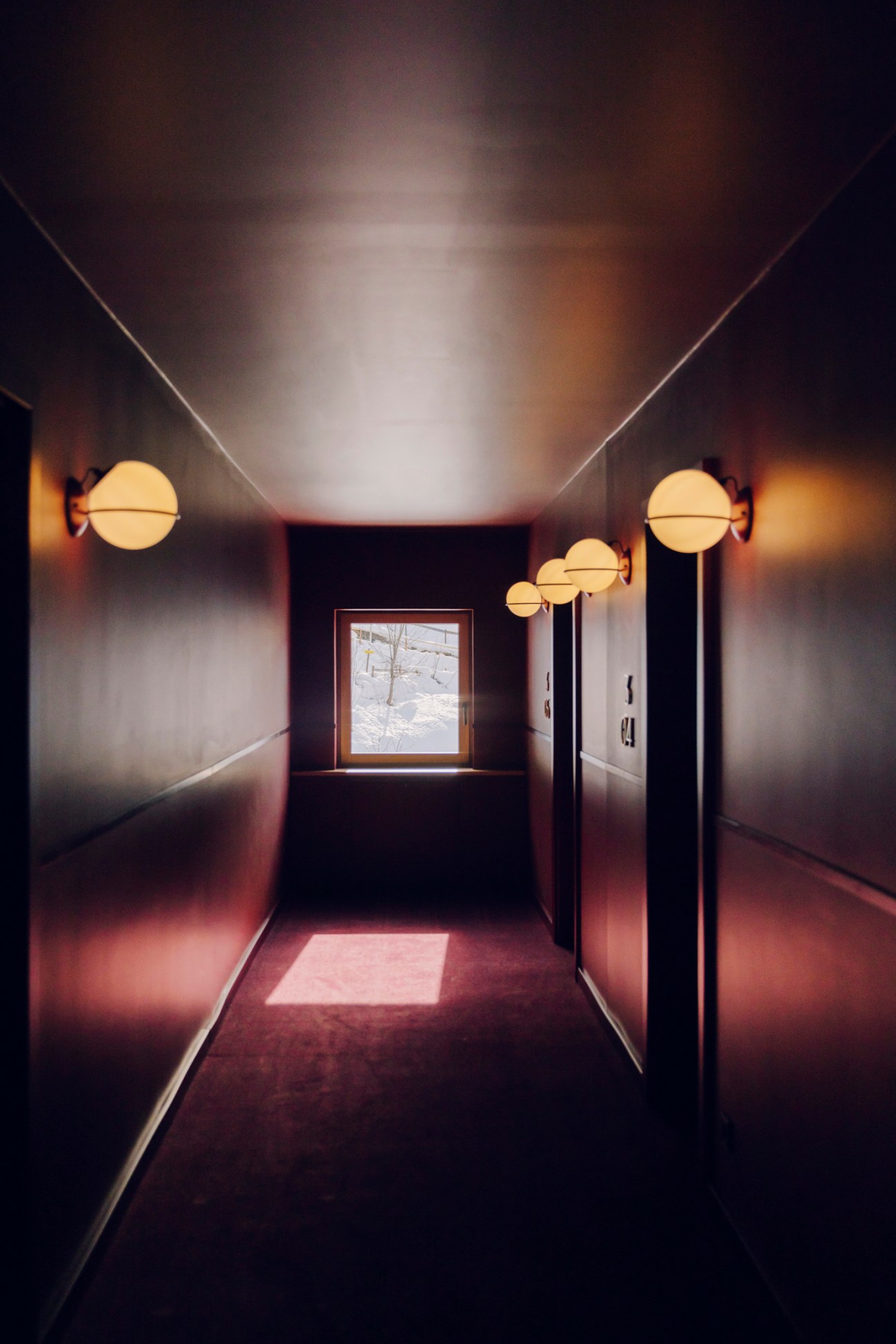
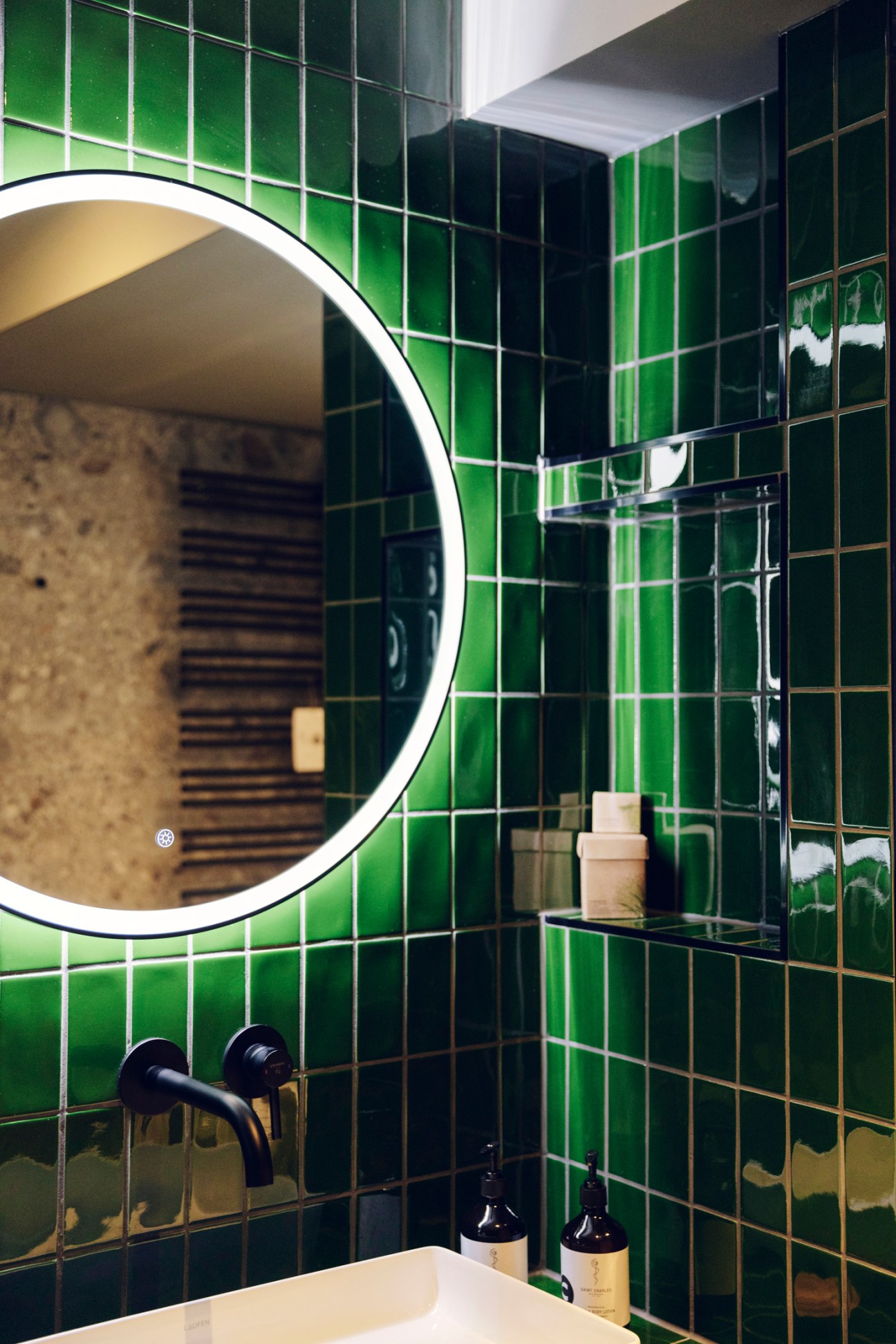
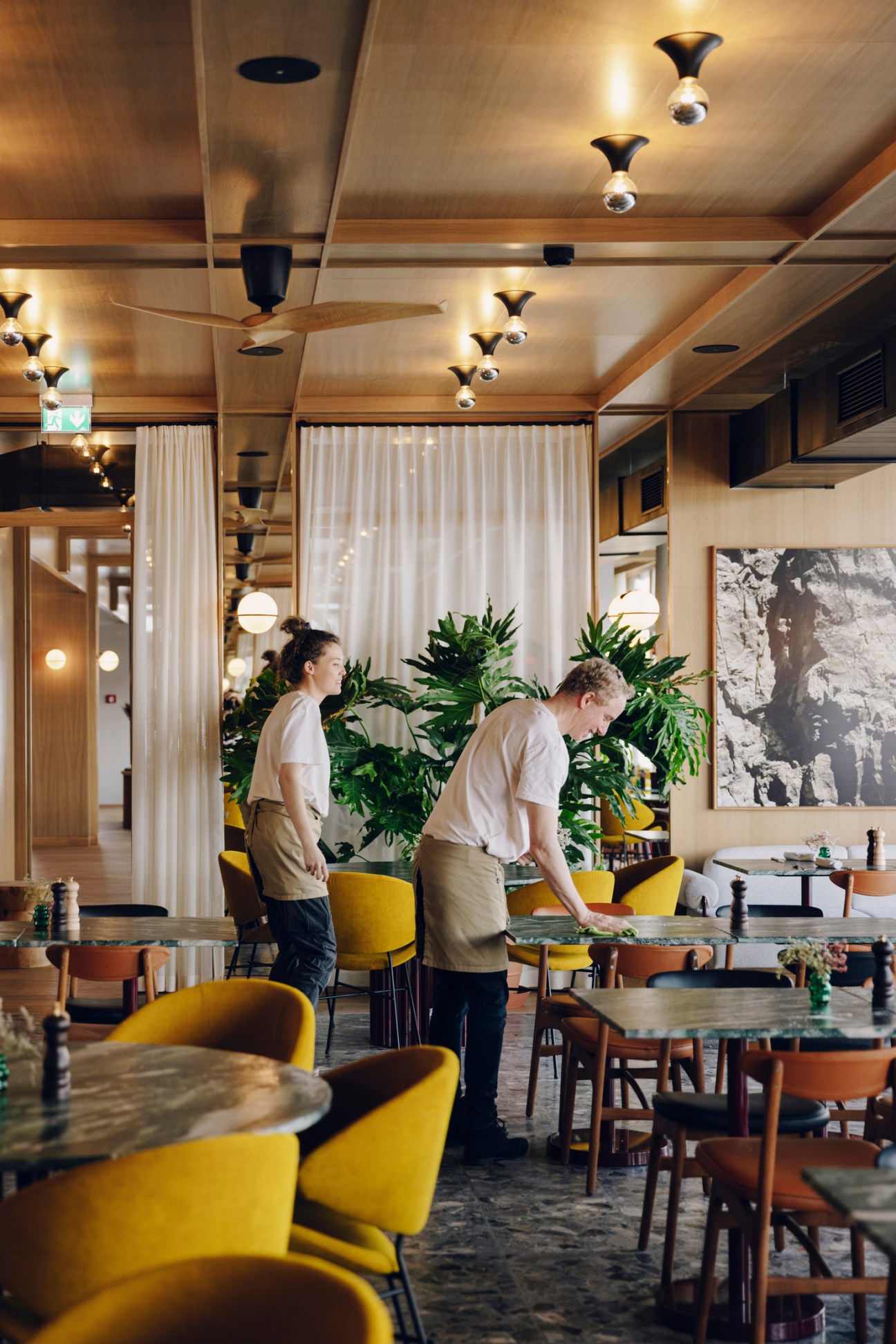
The surroundings are vital to the experience of staying here and all 70 guestrooms and suites feature floor-to-ceiling windows with views of the valley or woods, plus artworks by emerging and established talents from Austria and beyond. The rooms also have nice touches, such as a cleverly integrated suitcase rack and tasteful carafes next to the beds: Bad Gastein’s mineral-rich, spring-fed tap water is a treat too. It also feeds into the pool, which offers striking views onto the valley, as well as a sauna. The pool is also unusual for Bad Gastein, a town in which spas and treatment areas were traditionally underground. This one offers massages, treatments and facials – not a bad option after a day on the slopes.
There’s also a gym, yoga studio, cinema and, unusually for a mountain resort, a co-working area. The restaurant eschews fanciness in favour of hearty, alpine seasonal favourites, from braised beef in red wine to Austrian dumplings. “In the Alps, you need comfort food, not ikebana [strictly-ordered Japanese floral arrangements] on a plate,” says Elwardt. The simple but sumptuous fare was conceived by Berlin chef Max Jensen and is served in the light-filled, wood-panelled dining room or, when the weather allows, outside on the terrace. Even the wines – many Austrian and organic – are listed by mood rather than winery.
The most exciting bit? The Comodo is just the first in what is slated to be a series of hotels that Elwardt plans to launch with Wisniewski over the coming years. The next site, for which Elwardt has already bought the plot but about which she’s keeping shtum, will be in a town just beyond Berlin. Watch this space.
thecomodo.com
Bad Gastein address book
Eat
Himmelwandhütte: A rustic hut with meat from the hunt and top regional cuisine (try the Topfenstrudel).
143 66 4910 9530
Bellevue Alm: One of the oldest huts in Austria, dating back 600 years, offering hearty classics including fondue and Kaiserschmarrn (shredded pancakes and compote).
gastein.mondihotels.com
Waldhaus Rudolfshöhe: Guesthouse also run by a pair of former Berliners who keep tables for walk-ins, though booking is strongly advised.
rudolfshoehe.at
Drink
Hotel Regina: Cosmopolitan flair in an incredible old building with a fantastic bar. Good hosts, good cuisine, good drinks. A Monocle favourite.
dasregina.com
Café Schuh: No-frills Italian café offering good espresso, pasta and homemade cakes.
143 6434 6269
Visit
Sportgastein: Undeveloped plateau with an impressive panorama offering long walks in summer and perfect snow for freeriding in winter.
skigastein.com
Reedsee: Unspoilt mountain lake with breathtaking view. (Accessible only in summer.)
Hello Sunshine
Ahlem
USA
According to Ahlem Manai-Platt, unlike some of the high-end eyewear brands out there, her sunglasses are not supposed to just sit on a shelf and be looked at. “Our frames don’t wear you,” she says. “They’re well-made and, yes, expensive but they’re there to be worn.”
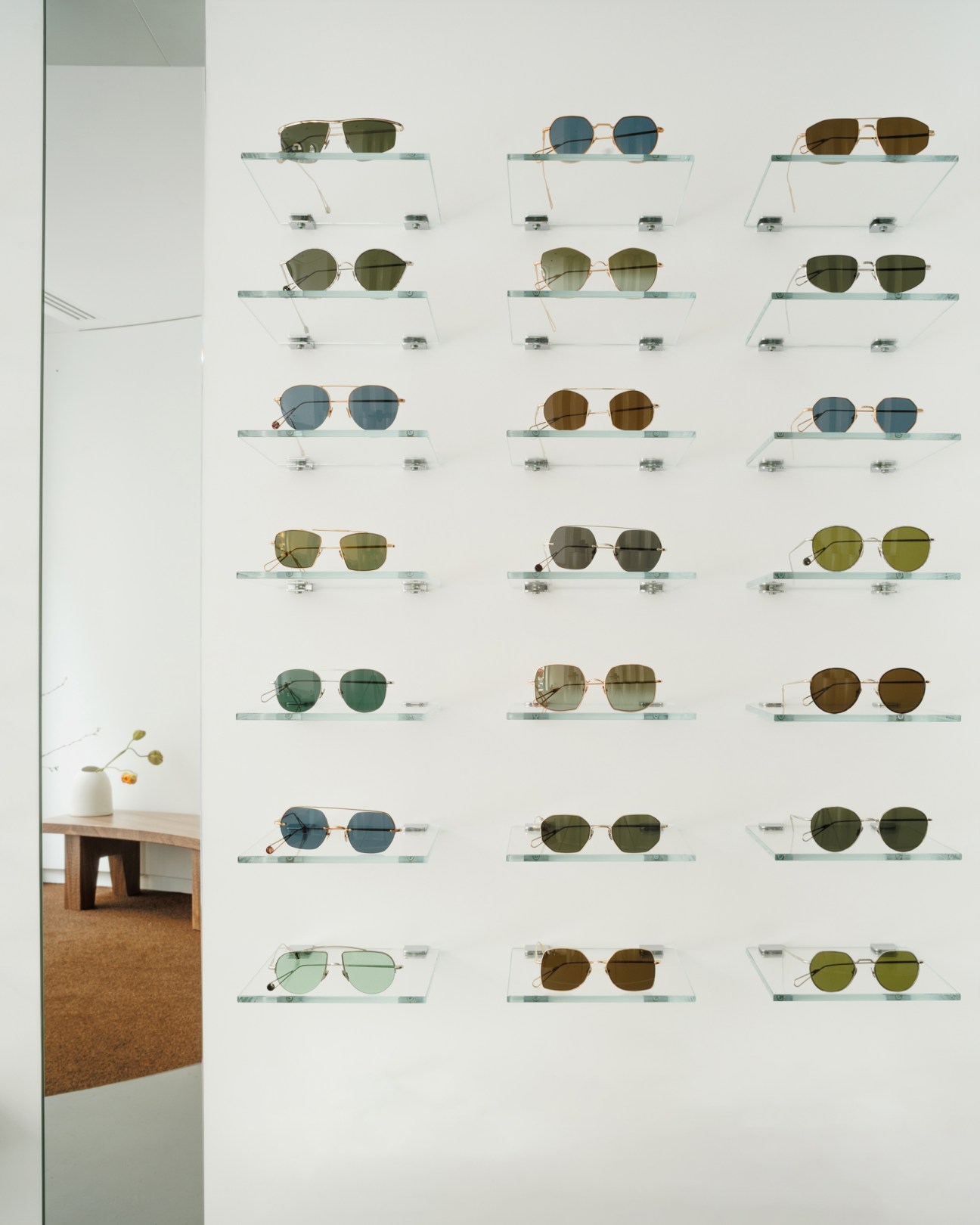
Ahlem launched in 2014 in Venice, Los Angeles, and the brand is now rapidly expanding its retail footprint to New York, San Francisco and most recently arriving in Paris’s Rue du Dragon. While the San Francisco shop encapsulates Ahlem’s minimalist Californian aesthetic, in Paris the brand worked with Stockholm’s Specific Generic studio to create a space that is steeped in modernist abstraction.
This most recent opening is something of a homecoming for the eyewear brand: all of Ahlem’s collections are crafted in workshops north of Lyon and take design cues from the Bauhaus. “It’s making that link between beauty and functionality,” says Manai-Platt. “It’s all about the simplicity of the circle, square and triangle.”
Random Walk
South Korea
School friends Park Min Ku and Lee Jongmyung were in the right place at the right time when they launched Seoul-based casualwear boutique Random Walk. Park, then a banker, was in search of a career transition, while Lee, a buyer, had already been plotting the opening of his own shop. Since then the two have been searching for brands that value craft and preferably produce their collections in-house. “It’s an important part of our commitment to high quality,” says Lee. The first brand that caught their eye was Mackintosh, the Scottish raincoat maker founded in the 19th century.
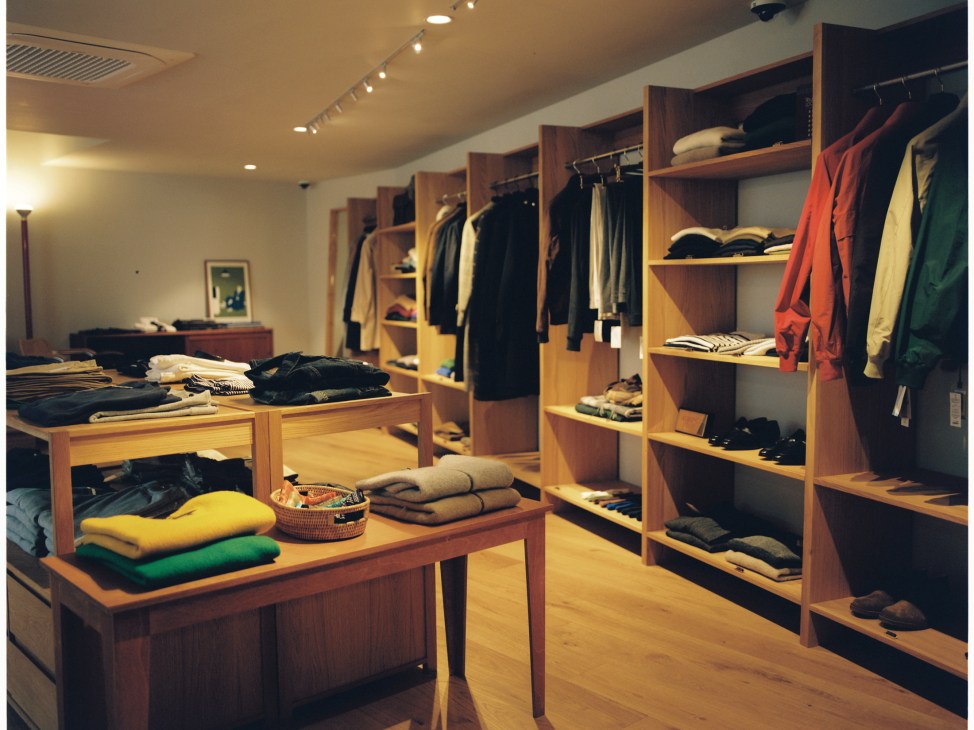
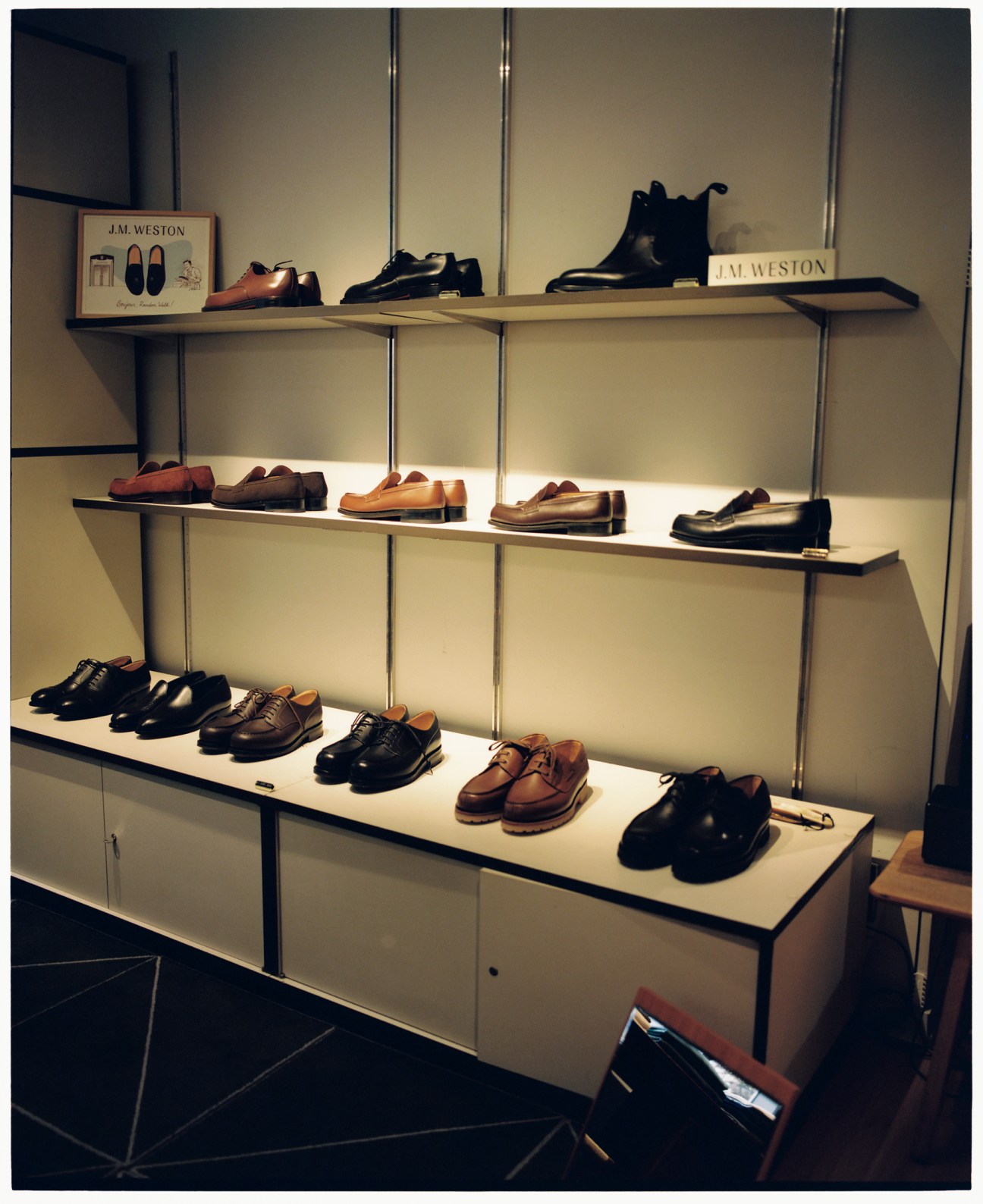
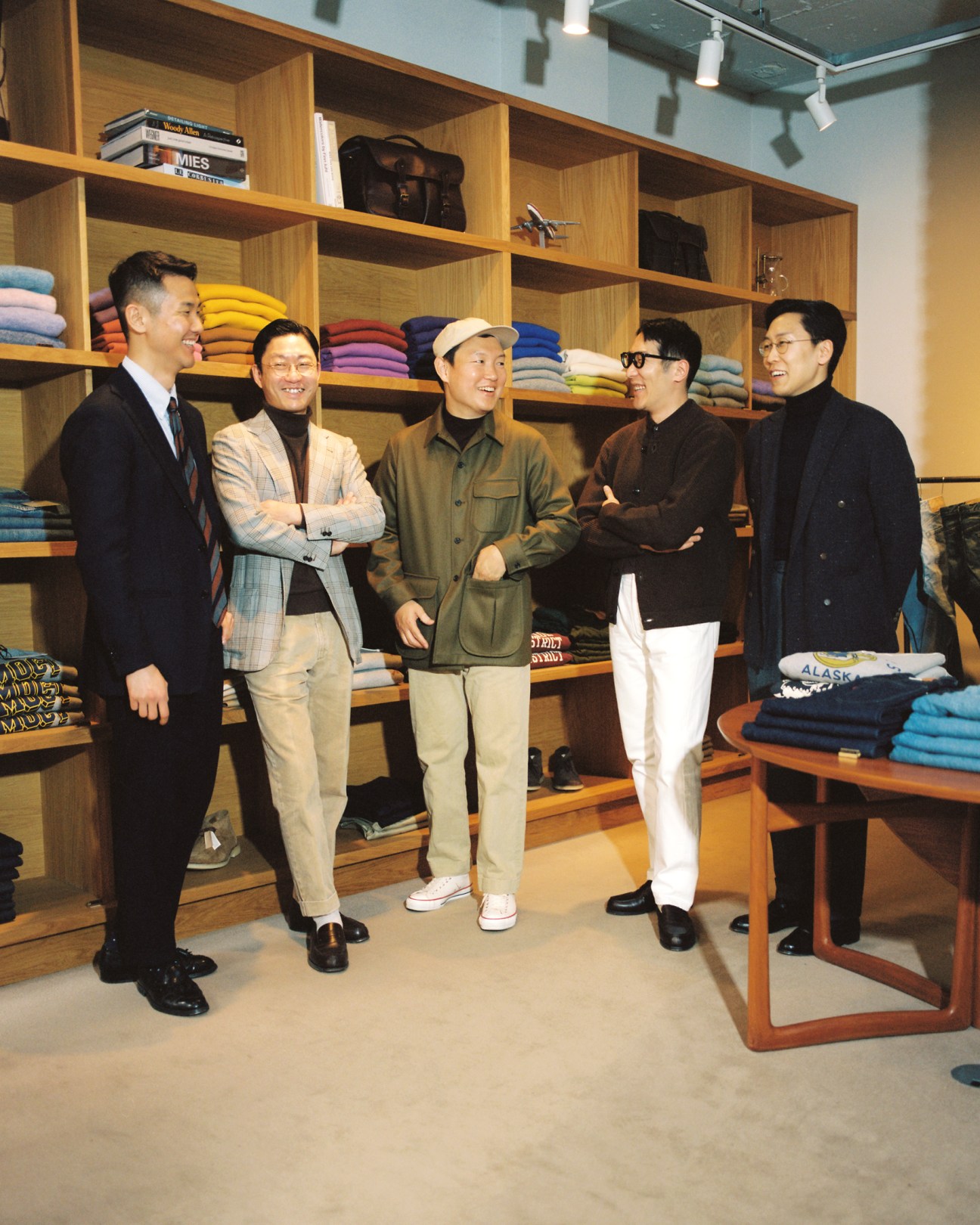
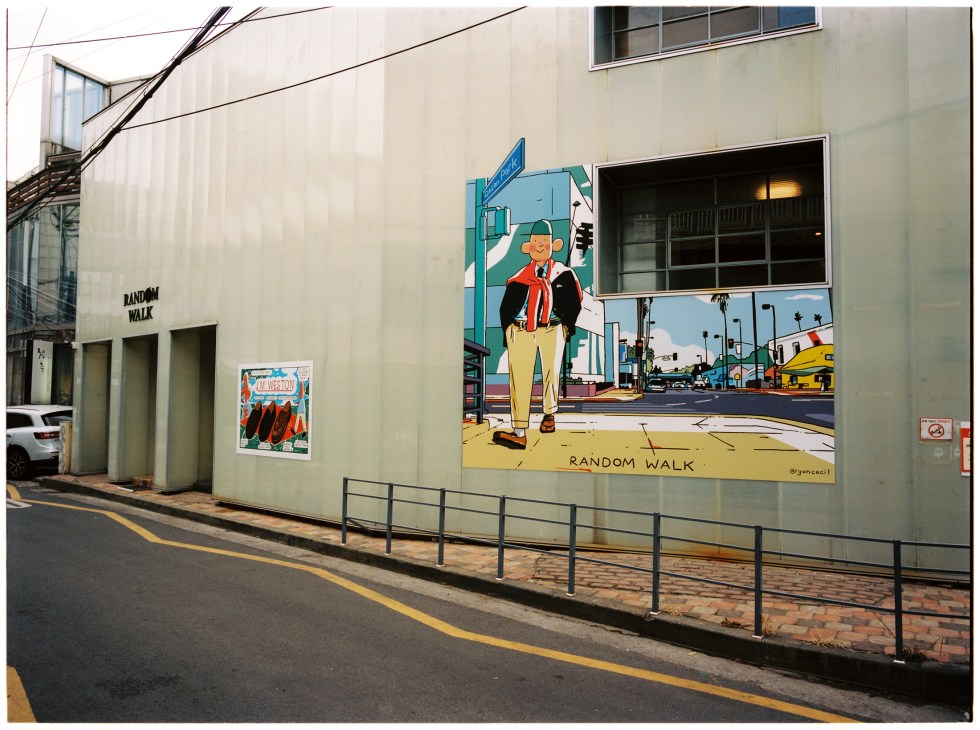
After a few years of operating online, Random Walk set up shop in Apgujeong-dong, a once-fashionable neighbourhood that had been bogged down by sky-high rents. Thanks to their roaring business – they have since more than doubled their boutique’s space – the entire street has had a boost and is now teeming with clothiers and their dapper clients. Here, they discuss the latest shopping trends and their growing in-house label.
How have you been navigating the post-pandemic fashion landscape?
park min ku: While suits are less popular in the workplace, people are now looking for well-made casualwear to wear to work, with more possibilities for mixing and matching.
How do you see Seoul’s retail landscape evolving?
lee jong myung: People still want to try clothes on and they want advice in real life. What is the best length or shape for a pair of trousers? That depends on the customer. Even in the beginning [when operating as an online shop], we were telling our customers to visit our office and try on the clothes in the corner.
What’s next for Random Walk?
park: We have so many ideas. We’ve launched our private brand, RW Library, which is manufactured in a selection of our trusted workshops in Japan. We’re looking to expand the range into womenswear and hope that more people can visit our shop to experience the clothing in person.
LEE: We’re also looking at more lifestyle brands, from tableware to carpets.
randomwalk.co.kr
Mr Porter X Arket
UK & Sweden
Mr Porter has debuted a menswear line with Sweden’s favourite high-street player, Arket. Inspired by the great outdoors, the line is joyful and filled with bright staples: think anoraks for rainy spring days, striped knitted rugby shirts and quilted vests.
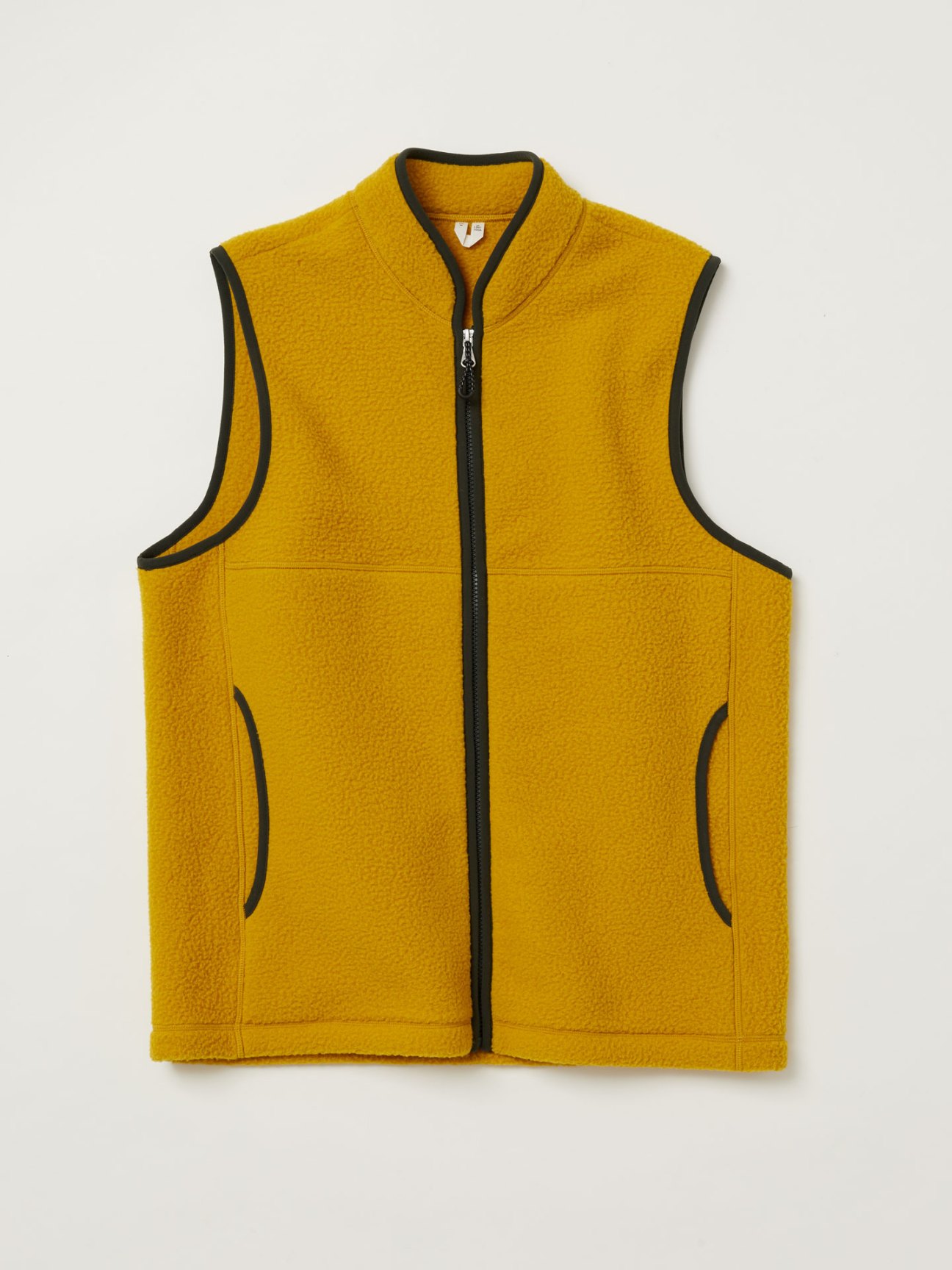
It’s rare for luxury retailers to rub shoulders with the high street but Arket’s commitment to classic Scandinavian design made the brand an appealing partner for Mr Porter. “We want clients to experience the beauty of nature and look good while doing it,” says Daniel Todd, Mr Porter’s buying director.
mrporter.com; arket.com
Loro Piana
Italy
Whether you’re in downtown Los Angeles or at a Dubai beach club, you’ll probably see Loro Piana’s White Sole shoes on the best-dressed passersby. The brand is now addressing copycats with an ad campaign suggesting that those in the know wear its original design. With nautical roots, the shoes feature slip-resistant soles designed to be slightly transparent to prevent them from leaving any marks or scuffs on a boat’s wooden deck.
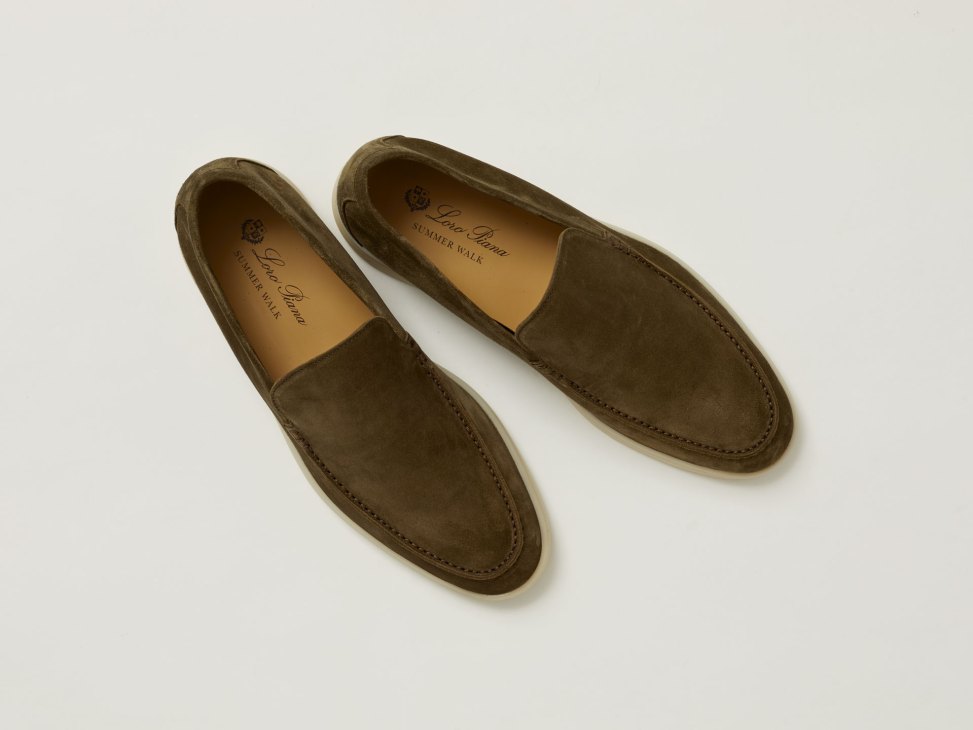
The shoes are now produced in Loro Piana’s factory in Porto San Giorgio in Italy, a new facility dedicated to manufacturing the popular style. This corner of the Bel Paese, on the edge of the Adriatic sea, has long been associated with shoemaking and Loro Piana has been recruiting the region’s artisans to assemble the shoes by hand. We already have our pair – do you?
loropiana.com
Zegna
Italy & North America
A good collaboration usually comes with an element of surprise and Zegna has a penchant for unexpected tie-ins – or “dialogues,” as the label’s design team calls them. The Italian fashion house has been looking beyond its signature tailoring by working with a new generation of luxury brands and exploring new categories. Los Angeles-based knit specialists The Elder Statesman and Canada’s sportswear label Norda have been helping along the way.
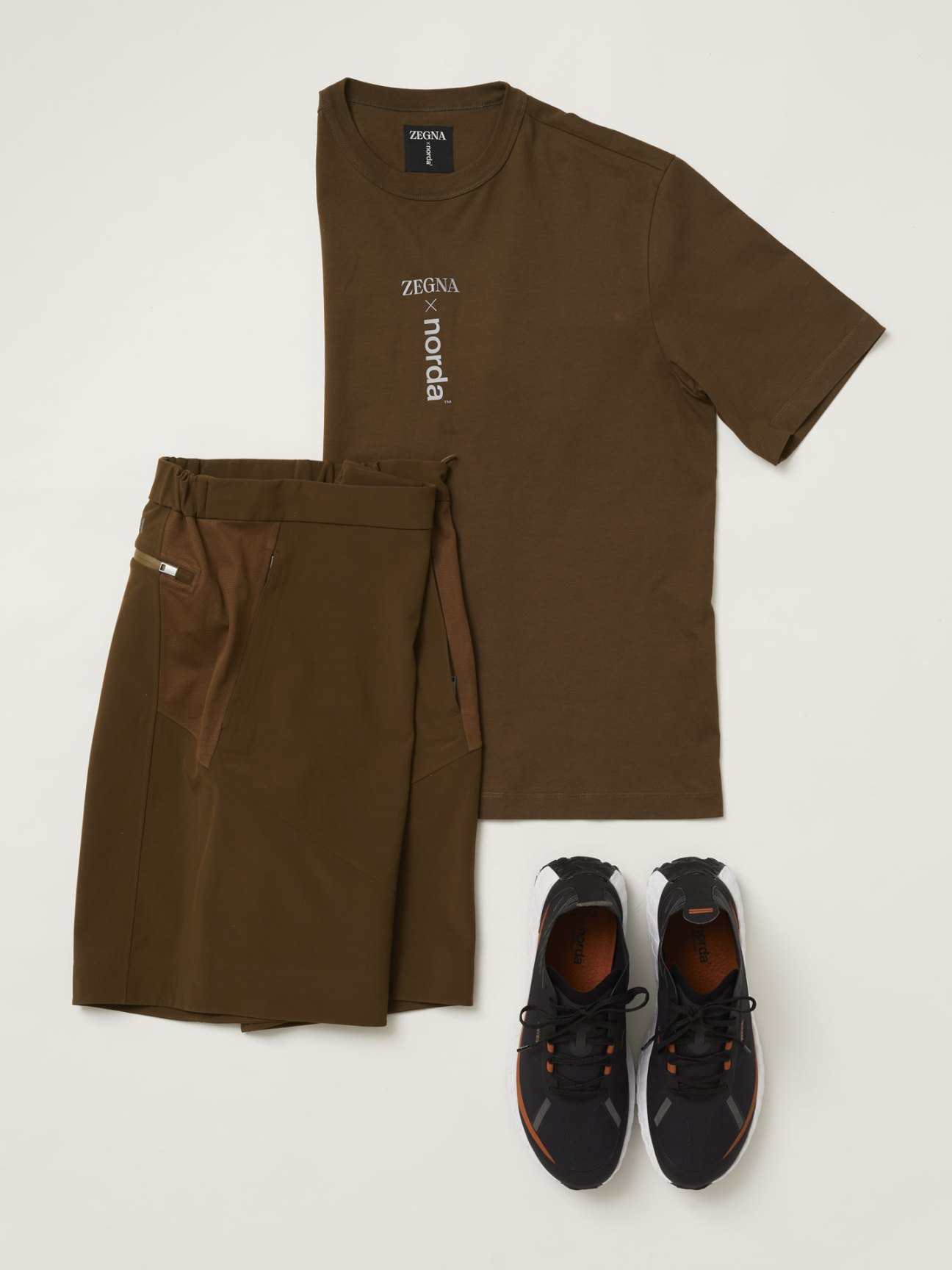
Norda, best known for its trail running shoes, might seem completely at odds with the high finery of Zegna. Yet the two brands found plenty in common with their mutual love of nature and have collaborated on a new running collection. The Oasi Zegna, located in Piedmont in the Italian Alps, turned into a playground for Norda’s trailrunners, who used the natural park to test the new range. Standouts include a pair of black and sulphur-yellow technical trainers and a multi-layered running vest, rendered in Zegna’s classic earthy tones.
The brand has also been experimenting with loungewear. After bonding over their obsession with cashmere yarns, Zegna artistic director Alessandro Sartori and The Elder Statesman’s founder Greg Chait co-designed a capsule collection of cashmere-knitted Bermuda shorts, loose cardigans and robe-like coats, which married the signature Zegna polish with the LA label’s relaxed, sunny disposition. The sunset-hued, knitted blazers and striped shorts will help to make a smooth sartorial transition into spring.
zegna.com
Brady Bags
UK
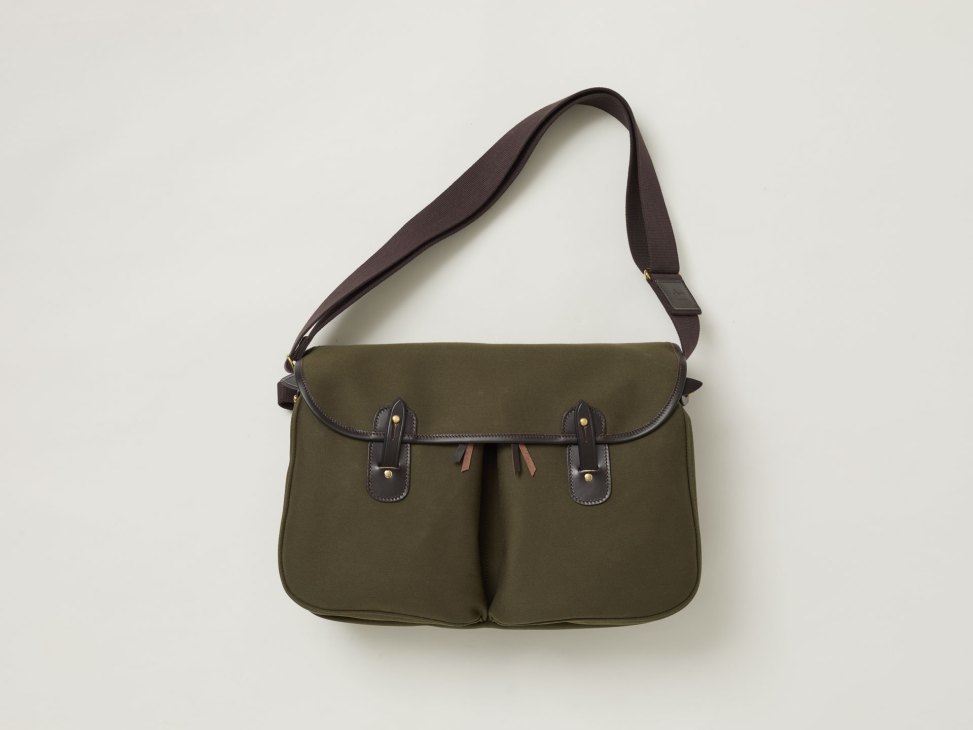
The Brady brothers kickstarted their handmade leather goods brand in Birmingham in 1887 by creating high-quality gun cases, before expanding to briefcases, shoulder carriers and fishing bags. The holdalls are as resilient as the business itself, which had to be rebuilt after its premises were bombed during the Second World War. Its signature bags are crafted from durable materials such as drill canvas from Italy, Harris tweed from Scotland or milled leather from England. Opt for the brand’s large canvas carry-all when you go on the road this spring.
bradybags.co.uk
Image: Mickaël A Bandassak.
Better together
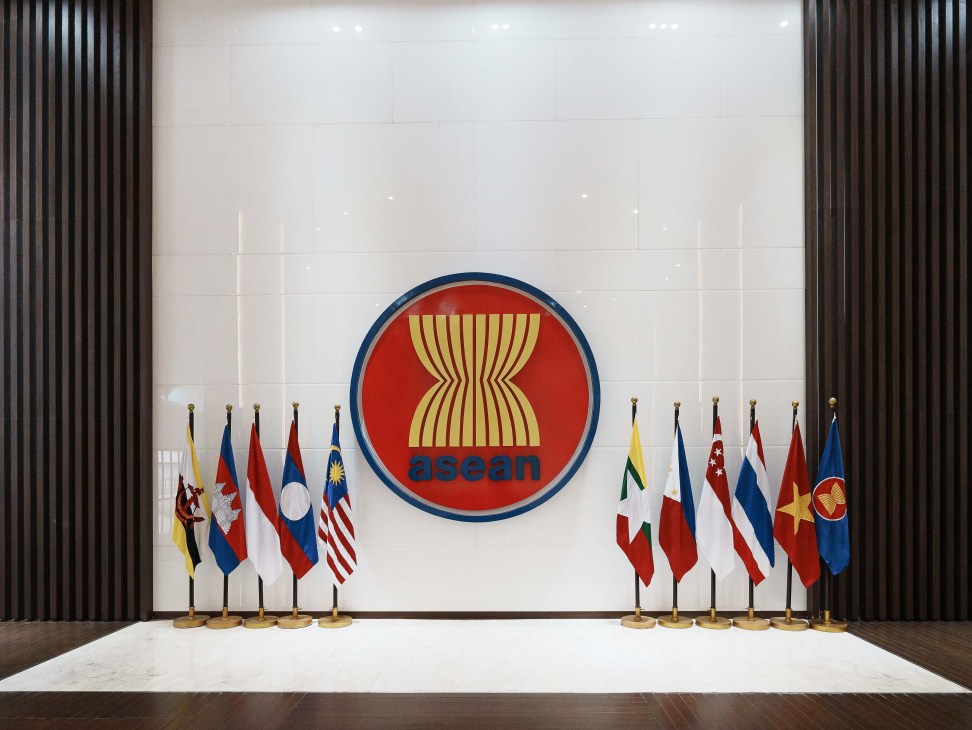
Visitors to the secretariat of the Association of Southeast Asian Nations (Asean) in Jakarta are greeted in the lobby by a sculpture of two men touching fingers through a glass screen. “Mirror Man” celebrates the unity of humankind. That might seem inappropriately cuddly in these turbulent times but bringing different perspectives together in service of common interests is something that the association does remarkably well.
Though it is a political and economic union made up of 10 southeast Asian member states – Brunei, Cambodia, Indonesia, Laos, Malaysia, Myanmar, the Philippines, Singapore, Thailand and Vietnam – Asean tends to involve partners from outside the region in most of what it does, from hosting US presidents at its annual east Asia summit to signing the world’s largest free-trade agreement. The Regional Comprehensive Economic Partnership (RCEP) came into force last year, uniting, among others, China, Japan and South Korea. “Asean has the convening powers of bringing all of the major powers to the region to meet and address some of the world’s most challenging issues,” Asean’s new secretary-general, Kao Kim Hourn, tells Monocle. Kao, a Cambodian who survived the Khmer Rouge genocide as a boy before moving to the US, began his five-year tenure in January.
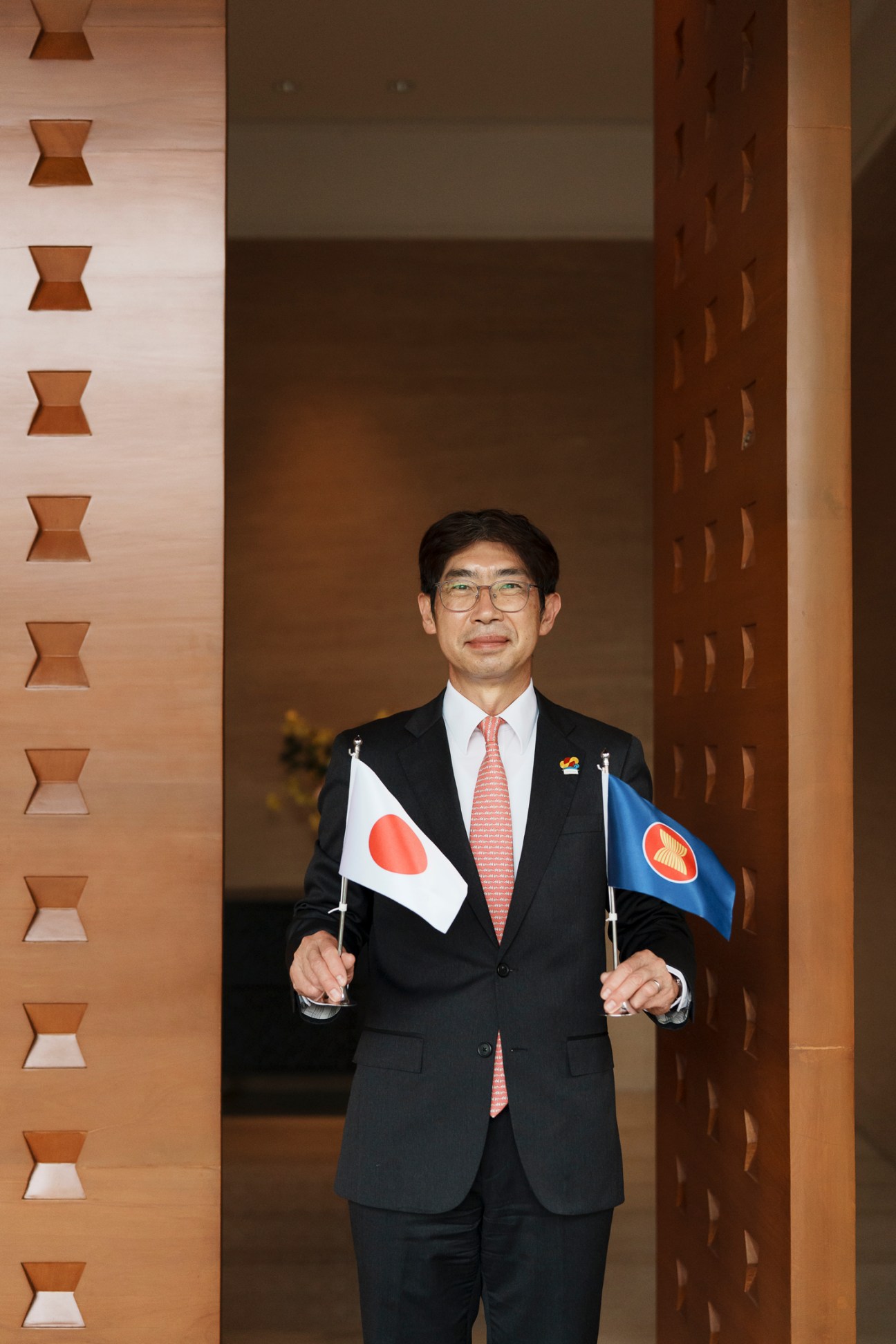
Since its foundation in 1967, Asean has helped to foster cordial relations between its formerly fractious members. Peace has brought prosperity and outside investment. Foreign countries, companies and other organisations are hammering at Asean’s door, eager to tap the region’s young, 660-million-strong population. The recent trend of diversifying manufacturing away from China is only adding to this gold rush. By the end of this decade, Asean’s combined economy is expected to overtake Japan’s – a huge milestone at a time of anaemic growth and ageing workforces elsewhere. As suitors compete to catch the association’s eye, being pally with everyone is a helpful core value. “We have our own agenda to work with all of the major powers and all of the major powers are our friends,” says Kao.
But this open and inclusive approach, long a source of pride, is beginning to cause problems. Heightened interest in the Indo-Pacific region is putting external pressure on Asean to change how it operates, straining an overstretched secretariat. Demands for decisive action and stronger leadership sit uneasily with Asean’s principle of noninterference and a modus operandi that gives every member state an equal say. Decisions are made by consensus and leadership is rotated alphabetically. Such politeness and idealism feel out of step with a wider world divided by fierce competition between China and the US, Russia’s invasion of Ukraine and mini-lateral groupings (such as the Quad alliance of Australia, Japan, India and the US) that encourage smaller powers to pick a side. Asean’s perceived failure to resolve conflicts in its own backyard, such as the crisis in Myanmar and disputes with China over the South China Sea, is also giving rise to internal criticism. An annual survey published in February by Singapore’s iseas think-tank described Asean as “slow and ineffective”.
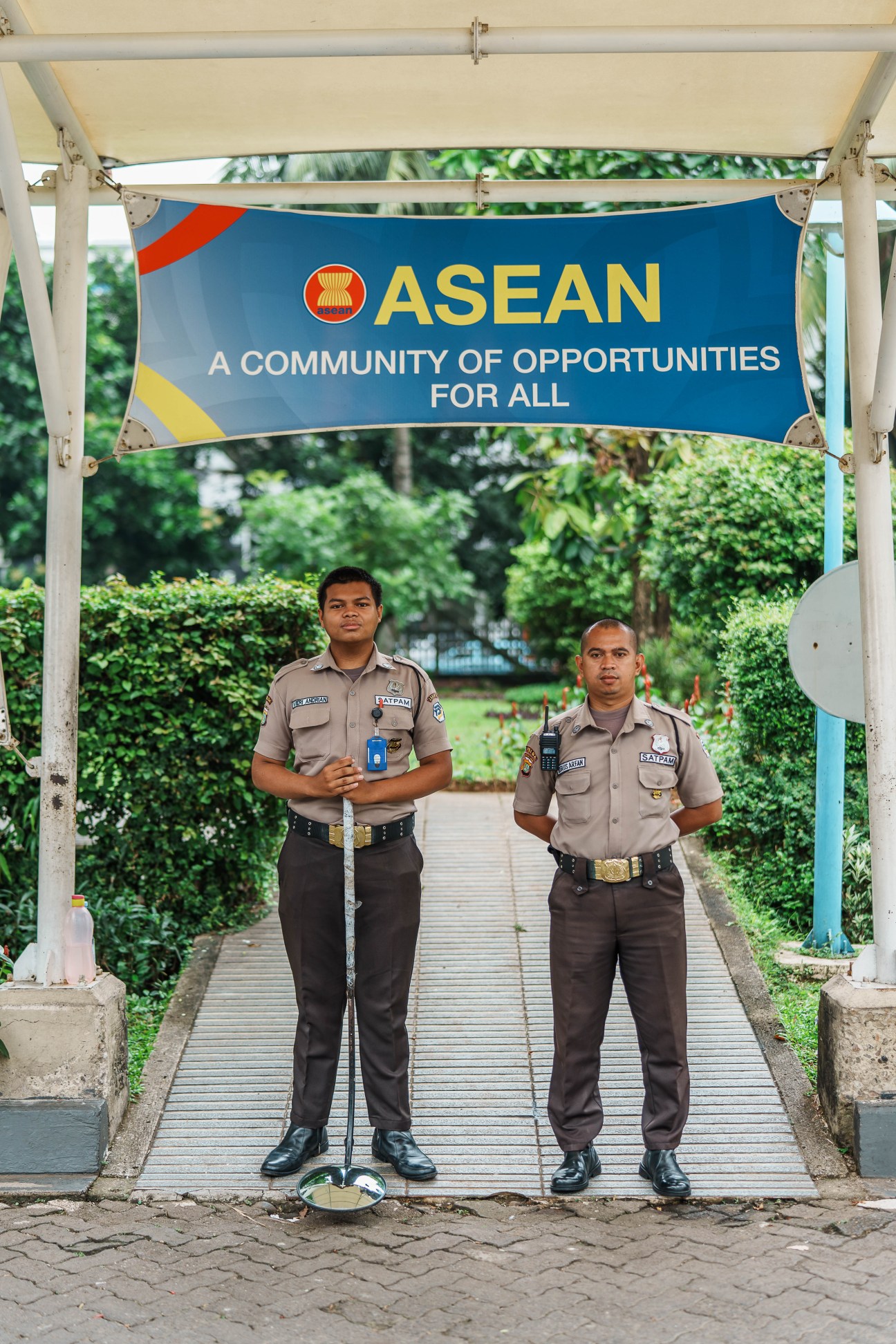
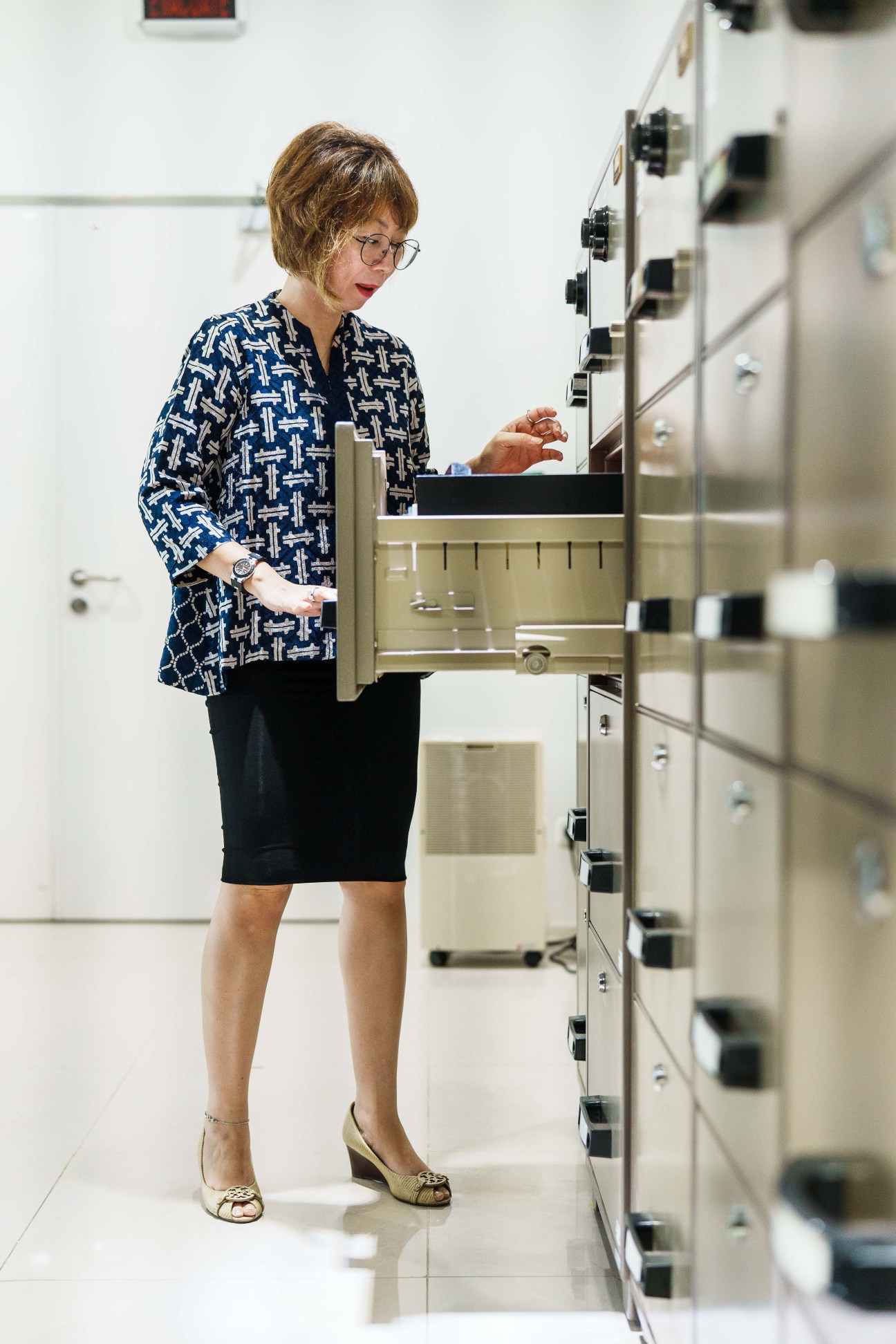
It is against this backdrop that the leaders of Asean’s member states will meet in May for the first of two annual summits chaired by Indonesia. Kao will have a seat at the table during what could be a transformational year for his role and the secretariat. Indonesia has made a stronger Asean a priority; the country’s foreign minister, Retno Marsudi, called it “pivotal” to the group’s future relevance. The government has been a strong supporter of Asean, even providing the secretariat with new digs: two 16-storey towers that were opened in 2019 alongside the regional organisation’s first permanent home, a tiered building modelled on rice terraces. With little hope of real progress on Myanmar and the South China Sea, Jakarta will want results to justify its slogan, “Asean matters: epicentrum of growth”. The challenge is to carry out structural reforms while standing behind its founding principles and commitment to multilateralism. “It’s good that people are questioning the relevance of Asean because it shows that they want us to play a larger role,” says Kao.
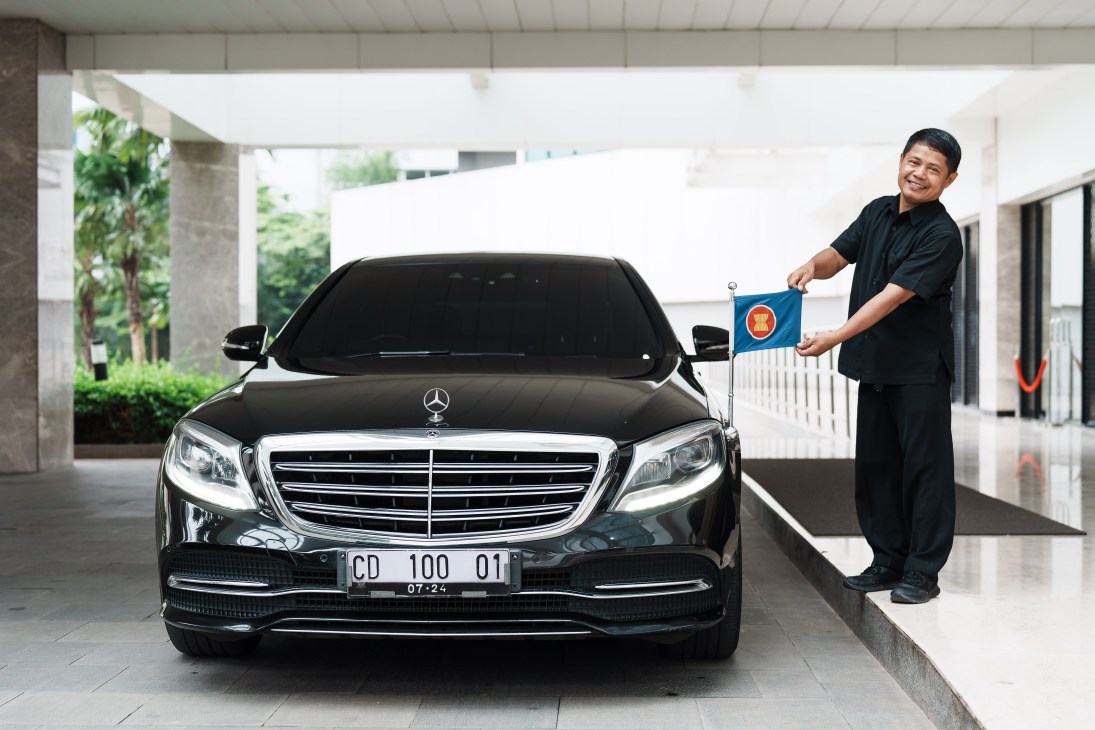
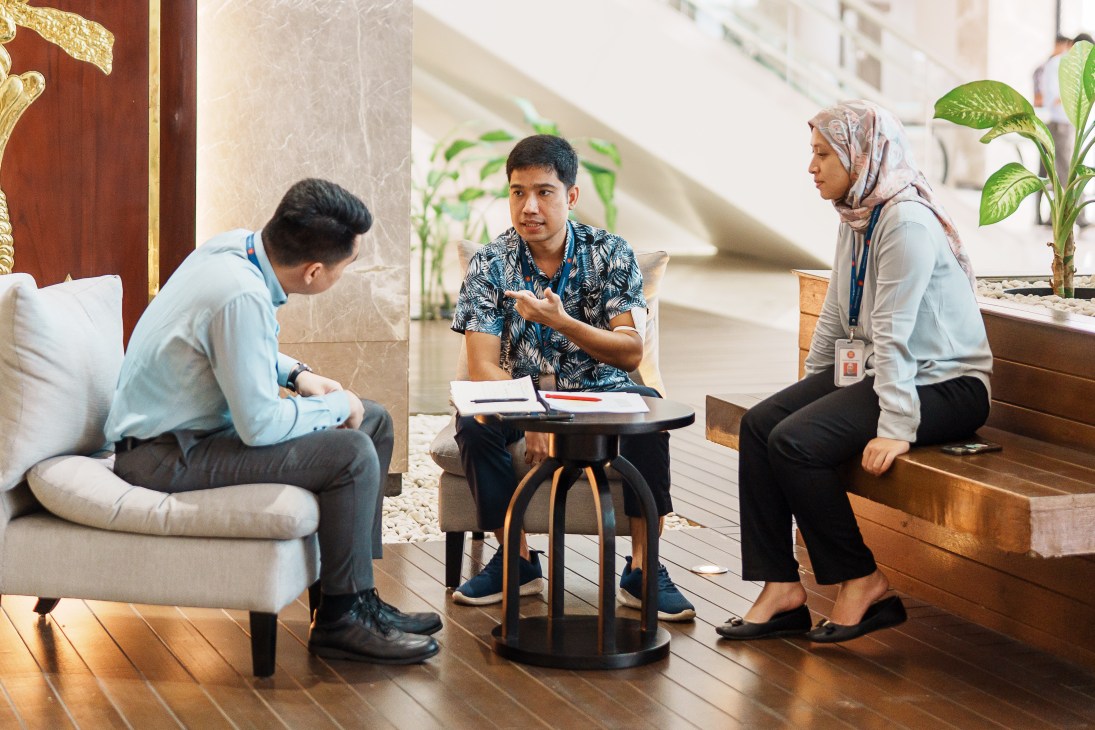
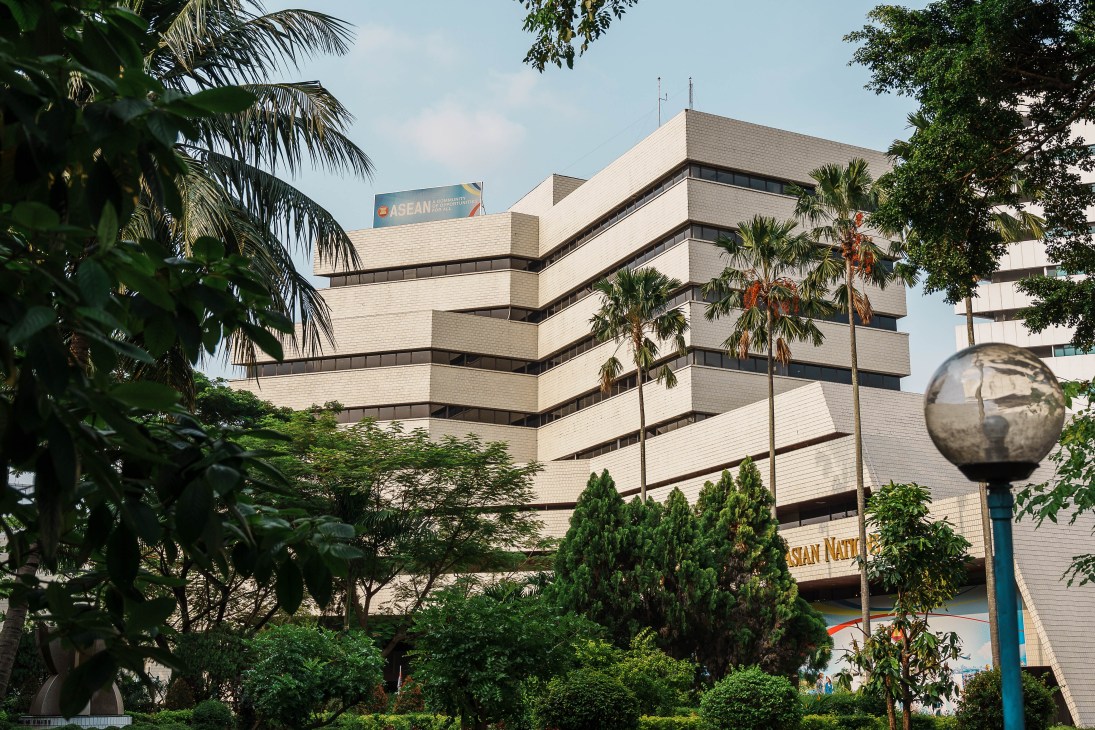
To understand Asean, it helps to know how the organisation came into being. The five original members – Thailand, Indonesia, Malaysia, Singapore and the Philippines – signed the “Bangkok declaration” at the height of the Cold War. Since most of the co-founders were former European colonies that had only recently regained their independence, their governments were reluctant to hand over hard-won powers to another supranational body. “Asean is a platform that is meant for intergovernmental co-operation,” says Joanne Lin, a former diplomat for Singapore who spent almost seven years working at the secretariat before joining the Asean Studies Centre at the iseas- Yusof Ishak Institute. “It doesn’t have any rules that surpass national sovereignty and it isn’t involved in running the day-to-day business of member states.”
Unlike the EU, Asean is not a customs union and, though it negotiates free-trade agreements as a body, internal barriers remain. There is no Asean president and no parliament; its bureaucracy is limited. Kao oversees a staff of about 400 people and an annual budget of about $25m (€23.2m). Every member state contributes the same amount so the dues can only be as much as the poorest country – currently Laos – can pay. This has contributed to the perception that the secretary-general position is weak, a charge that Kao strongly refutes. “The role and responsibilities have increased dramatically,” he says. He should know, having spent years at the Cambodian foreign ministry dealing with Asean-related affairs. Today he calls the title “significant”.
Personalities matter. The two most recent secretary-generals – a position that rotates alphabetically among member states every five years – were happy to keep the cogs spinning in relative obscurity. Though it’s early days, Kao is clearly comfortable in the media spotlight and he knows his brief inside-out.
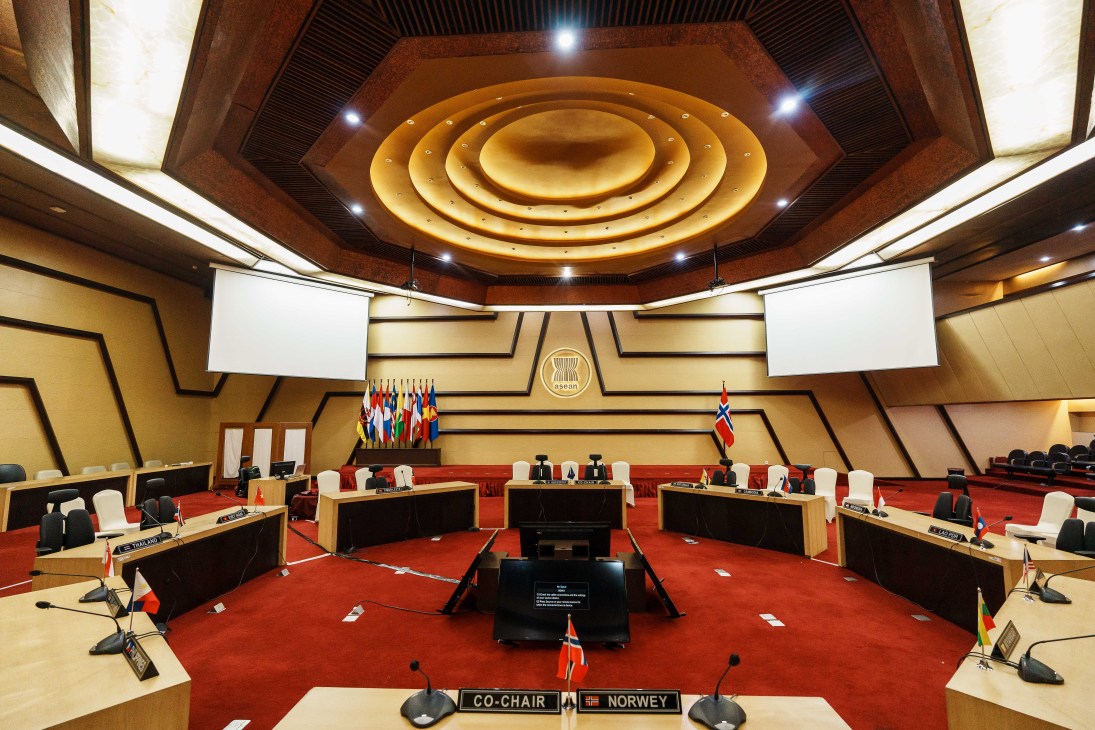
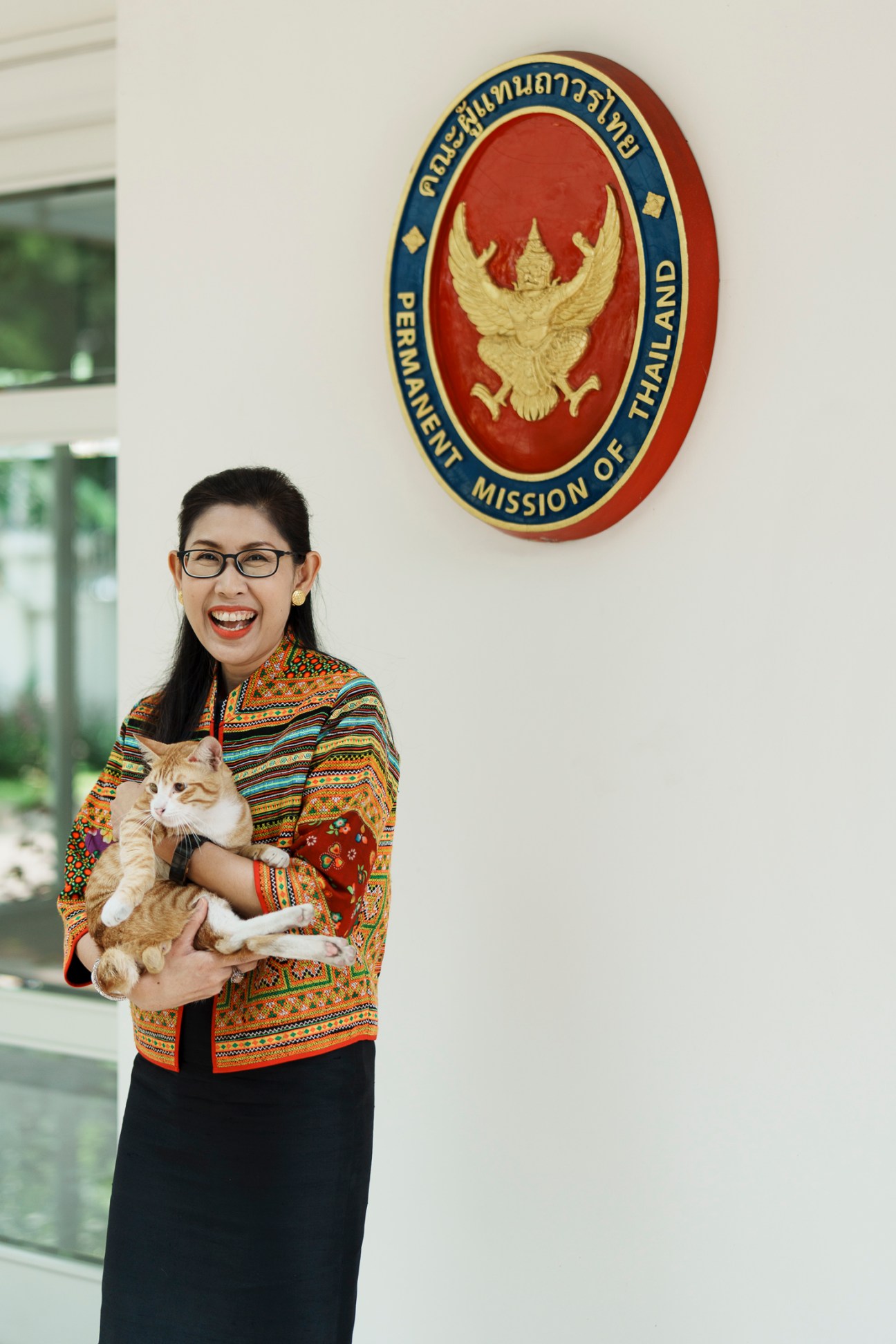
As with the EU, it can take an insider’s knowledge to notice when a slow-moving multilateral body is exceeding expectations. When Russia invaded Ukraine, for example, Asean’s foreign ministers took several days to draft a collective response: a few mildly worded paragraphs that failed to mention Russia, let alone condemn Moscow. Yet this was seen as a sign of progress among the association’s member states. “In my term here, I haven’t found it slow,” says Urawadee Sriphiromya, Thailand’s permanent representative to Asean. “We can make a statement on Ukraine right away and respond effectively.”
Effective or not, regional analysts tend to agree that Asean doesn’t always get a fair shake. “People underestimate it because they hold it to the standard of the EU,” says Susannah Patton, a former Australian diplomat and director of the Lowy Institute’s southeast Asia programme. Patton cites Asean’s decision to ban Myanmar’s military leaders from attending its summits as a significant move, alongside the signing of rcep and the admission of Timor-Leste as an observer last year, 20 years after it won independence from Indonesia. Jakarta has gone from sending in troops to flexing its diplomatic muscle in support of Timor-Leste’s membership application.
Then there are the highly technical changes under the hood. Asean’s governance today is a vast improvement on the version to which Cambodia acceded in 1999. A wide-ranging agreement in 2007, known as the Asean Charter, established a number of new mechanisms. One of the most significant, the Committee of Permanent Representatives (CPR), requires every member state to appoint an ambassador to Asean. These UN-style permanent representatives, who have a direct line to their respective foreign ministries, meet regularly to flesh out decisions made at ministerial level. Such is their importance that Joe Biden made time to greet them after last year’s Asean-US summit. China, meanwhile, sent its most senior diplomat, Wang Yi, to the secretariat to address them in person.
The presence of the CPR has contributed to a diplomatic bubble around the secretariat. Close to 100 countries have a designated ambassador to Asean. These multilateral diplomats meet more regularly than their bilateral peers and are often in and out of the secretariat (representatives of China and Poland popped in during Monocle’s visit). “We want to have more Asean meetings here and make the centre of Asean diplomacy more vibrant, resilient and reactive,” says Kao.
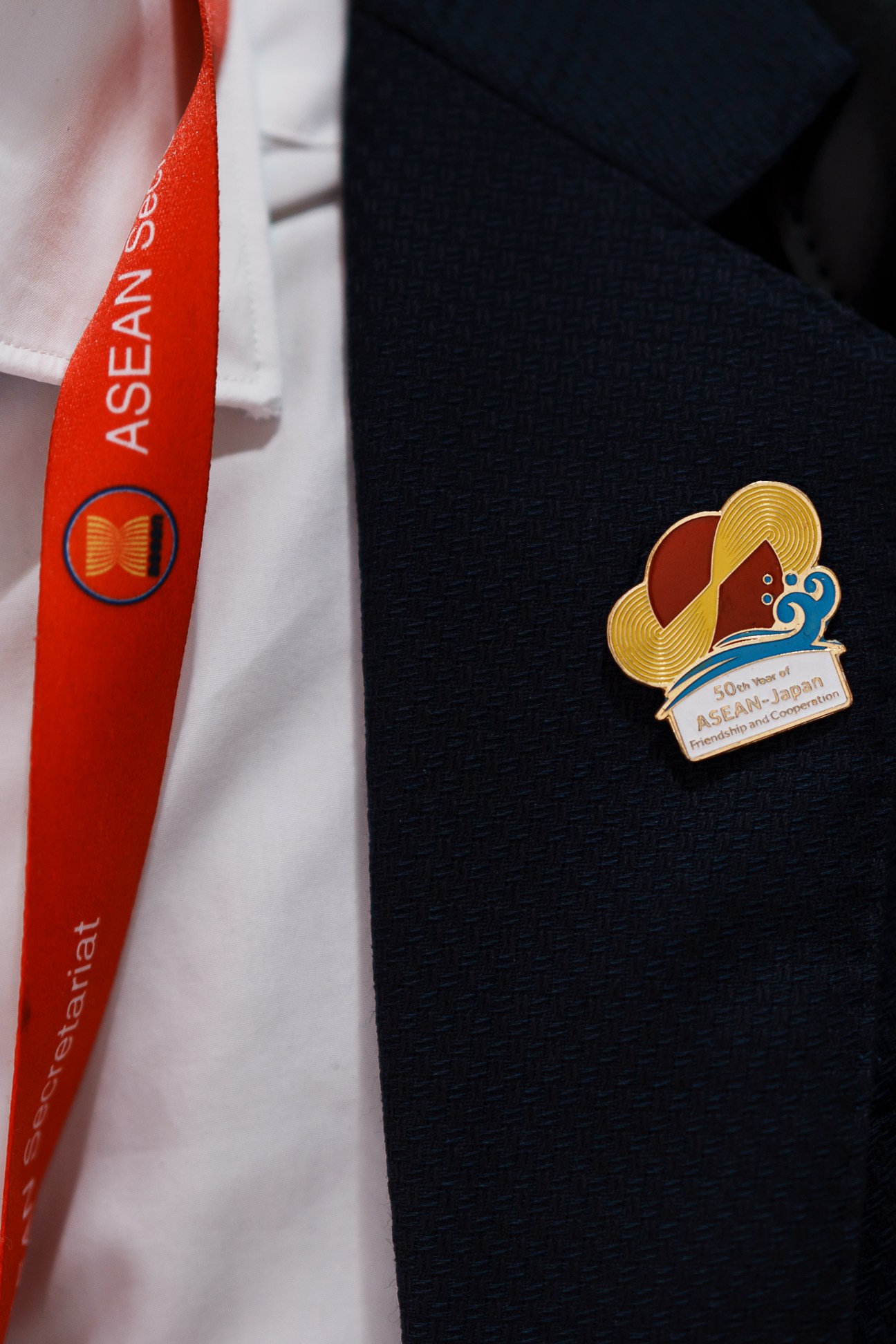
Masahiko Kiya became Japan’s ambassador to Asean at the end of 2022. “A strong, peaceful and prosperous Asean is good for Japan,” he tells Monocle at his tropical residence in Jakarta. “So many Japanese companies are doing business here that if any fighting erupts, Japan would be heavily affected.” The senior diplomat took over his country’s mission at the start of a busy year. Tokyo will host the Asean leaders at a summit in December to mark the 50th anniversary of diplomatic relations – the longest of any major power (“dialogue partner” in Asean jargon).
The UK became the newest of 11 dialogue partners in 2021, joining the likes of the US, Australia, China and Russia. Each is allocated a co-ordinating country from the CPR as a buddy. Thailand is currently Japan’s co-ordinating country and ambassadors Kiya and Sriphiromya meet frequently. “You can’t consider Asean co-operation as complete without the dialogue partners being involved,” says Joanne Lin, who used to work on external relations during her time at Asean. “They are very supportive of our integration initiatives and we need their support to fund certain programmes. They are a very good source of financial support for Asean’s activities,” she says.
Tokyo wins plaudits for supporting Asean-led initiatives, whereas China is seen to prioritise its own economic and security interests. At a summit in 2012, Cambodia’s then foreign minister, Hor Namhong, bowed to pressure from Beijing to block the issue of a joint communiqué backing the Philippines in its territorial dispute with Beijing in the South China Sea. It was a low point for Asean.
Talk for long enough about the association and the topic of meetings will come up. Among its members, there is an enduring belief that dialogue is key to regional peace and stability. According to Kao, there are now as many as 1,700 meetings a year and that number keeps growing.
The need for every member state to attend Asean meetings is one of the reasons why Timor-Leste’s membership has been held up for more than a decade. English is the association’s official working language; some member states remain unconvinced that the former Portuguese colony can find enough English speakers to cover every gathering. But with Timor-Leste’s accession only a matter of time, expansion could provide the impetus for reforms such as meritocratic appointments and majority votes. Leaving things as they are could imperil the Asean project – especially with the accession of an untested new member – and invite further accusations of lowest-common-denominator decision-making.
Perceptions of Asean will continue to differ but when the 56-year-old institution looks at itself in the mirror, with all of its imperfections and areas to improve, it can continue to be proud of what it has achieved. As Kao says, “Asean has always been part of the solution and not part of the problem.”
Building connections
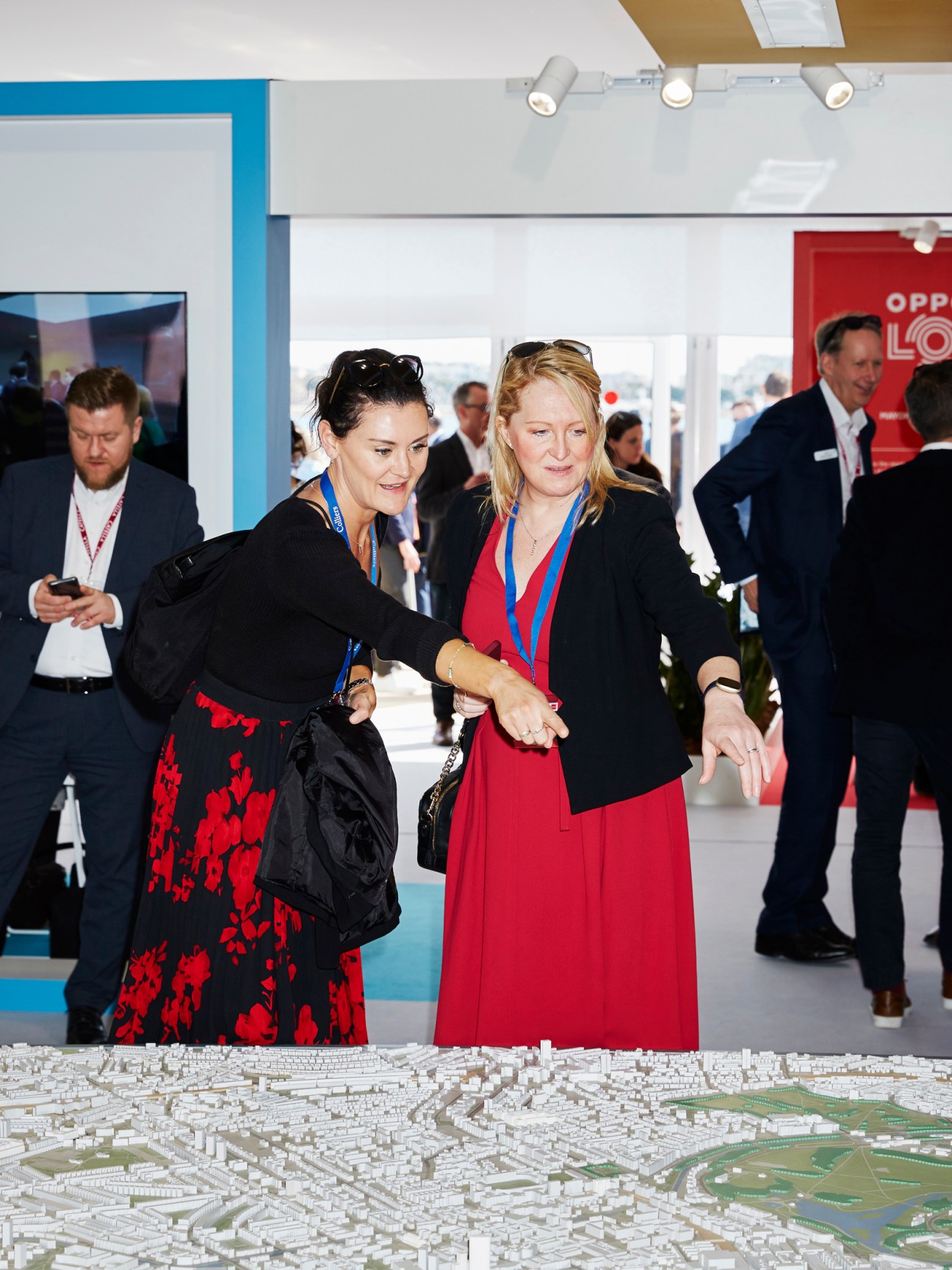
Mipim is the world’s largest real-estate trade fair, bringing together investors, developers, city leaders and government ministers for four days of property conversations in Cannes. And Le marché international des professionnels de l’immobilier (you can see why they stick to Mipim) has been gathering all these players together since 1990, only missing a beat during the coronavirus years.
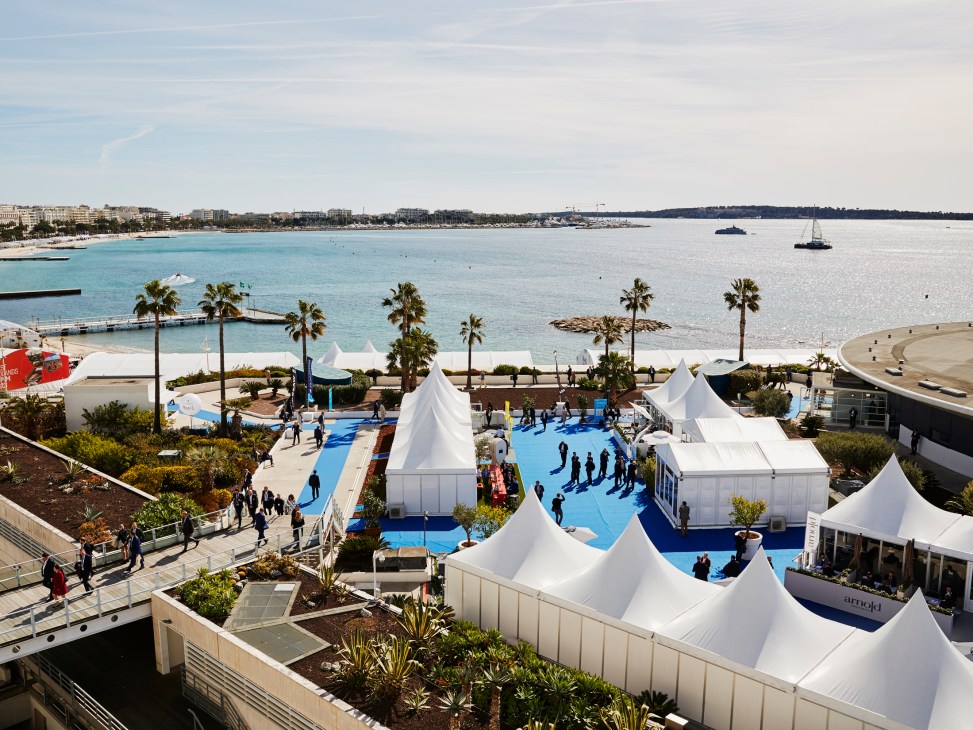
The main venue is the Palais des Festivals et des Congrès, the conference centre by the beach, which also plays host to the city’s celebrated film jamboree. Every hotel lobby, restaurant and bar, as well as a large contingent of luxury yachts, is also taken over for ad hoc meetings and quite a bit of jollity in the sun. This March’s get-together was buzzing, with more than 23,000 people securing tickets (still down on pre-pandemic times but nobody seemed to be stressed by this).
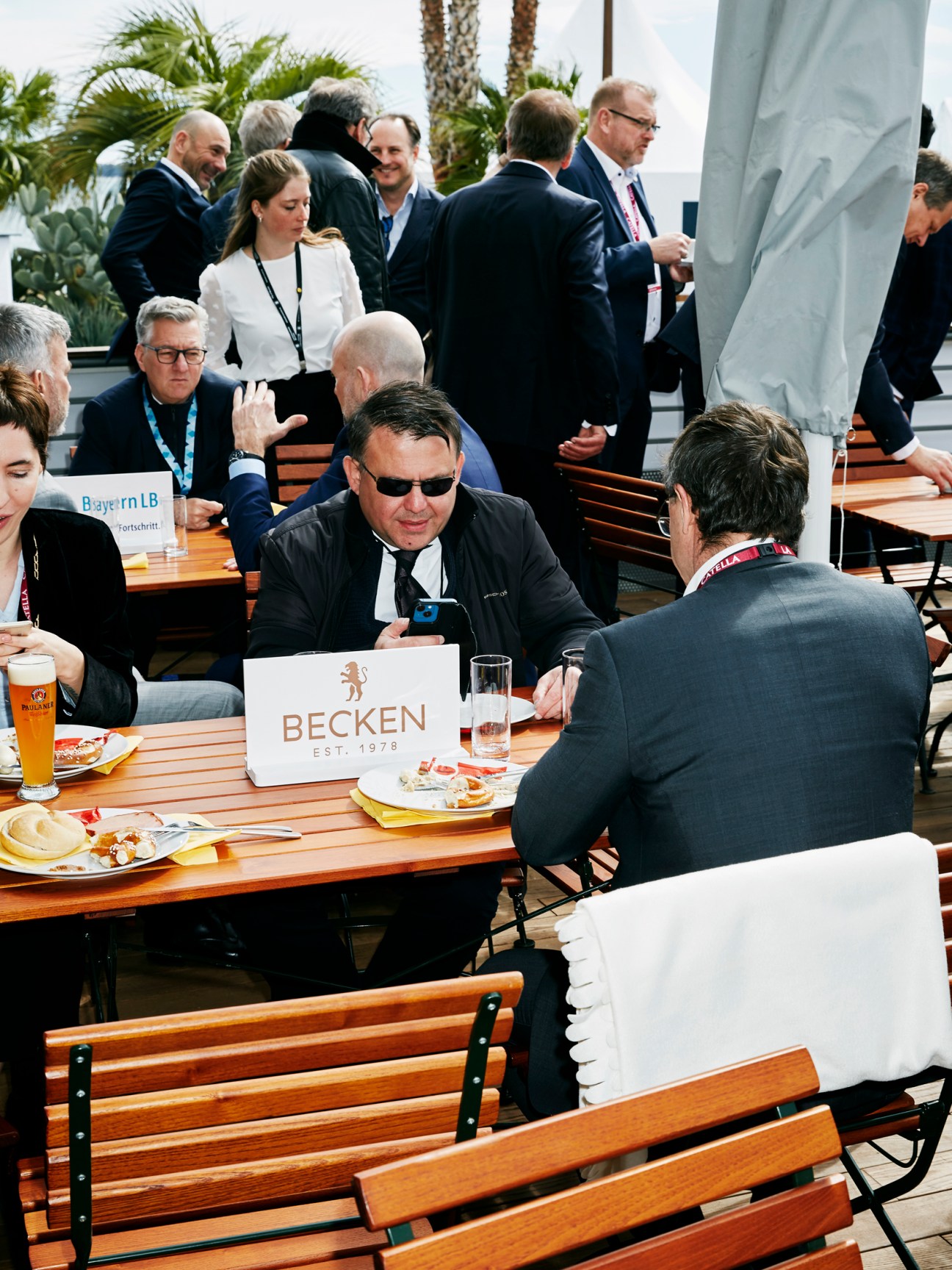
Yet, despite all the smiles, the industry is facing some stubborn headwinds. The first of these is that, for many developers, it’s hard to raise capital; several talked of the markets being almost frozen (and this was before the Credit Suisse collapse potentially made the situation even trickier). And the money that they can get their hands on comes with interest rates that make projects unviable. Then there’s new climate-change legislation, already being drafted in many countries, that would compel property owners to reveal the co2 emissions for individual buildings and how they plan to make them greener. While this is commendable, it’s prompting many large property companies to dispose of assets that could sully their portfolios in the future; better to ditch environmentally unsound places now rather than find that no tenant will touch them in five years’ time. Many developers are also dealing with the changing world of work. In short, it’s not the best time to speculatively build an office tower in the US.
Nicolas Kozubek is the director of Mipim and, when we caught up with him at the Palais, he seemed decidedly unflustered about managing such an epic circus of demanding participants. In fact, he was pleased to see a surge of attendees from France, the UK and Germany, as well as a continued strong showing from Saudi Arabia, Qatar and Egypt. But how did he view the tricky issues that the property world needed to tackle? “This is a transitional moment,” he says. “Most of the participants, cities and territories, know that things need to shift towards more sustainability and more user experience in projects. So it’s how you make this change happen, especially when you have some assets that are potentially not well adapted to the future.” Kozubek was sure, however, that Mipim could play an important role in the search for solutions. “One of the most important purposes of Mipim is to foster the right conversations. So it’s not only about business and networking; it’s now about learning.”
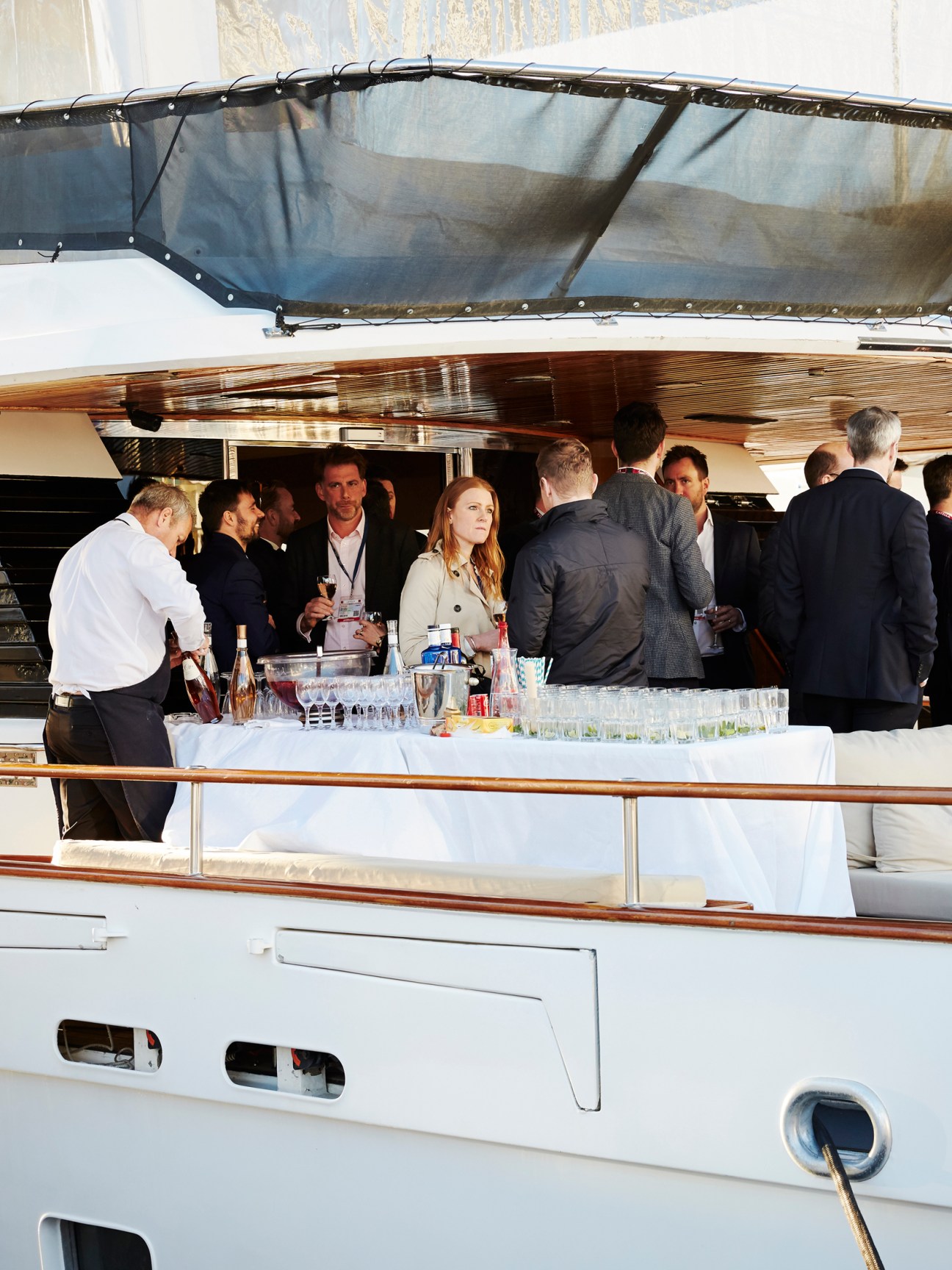
And even if there were some cautious attendees, others were genuinely ebullient. Mark Dixon of office-solutions company iwg saw only sunny uplands for his business, which provides the kinds of spaces that hybrid workers are demanding. Cities that had already done much of the groundwork for becoming carbon neutral were also full of confidence, believing that investment and people after a better quality of life would find them. Countries such as Poland were also out in force, telling a story of growth even when there is a war on their border. There was clearly still money in some pockets – and, yes, some of it did go on magnums of rosé at the end of the day.
The view from Mipim
We asked eight leading voices about challenges and trends in the property industry, from demands arising from climate-change legislation to why cities are banking on the life sciences.
1.
Build for fairness
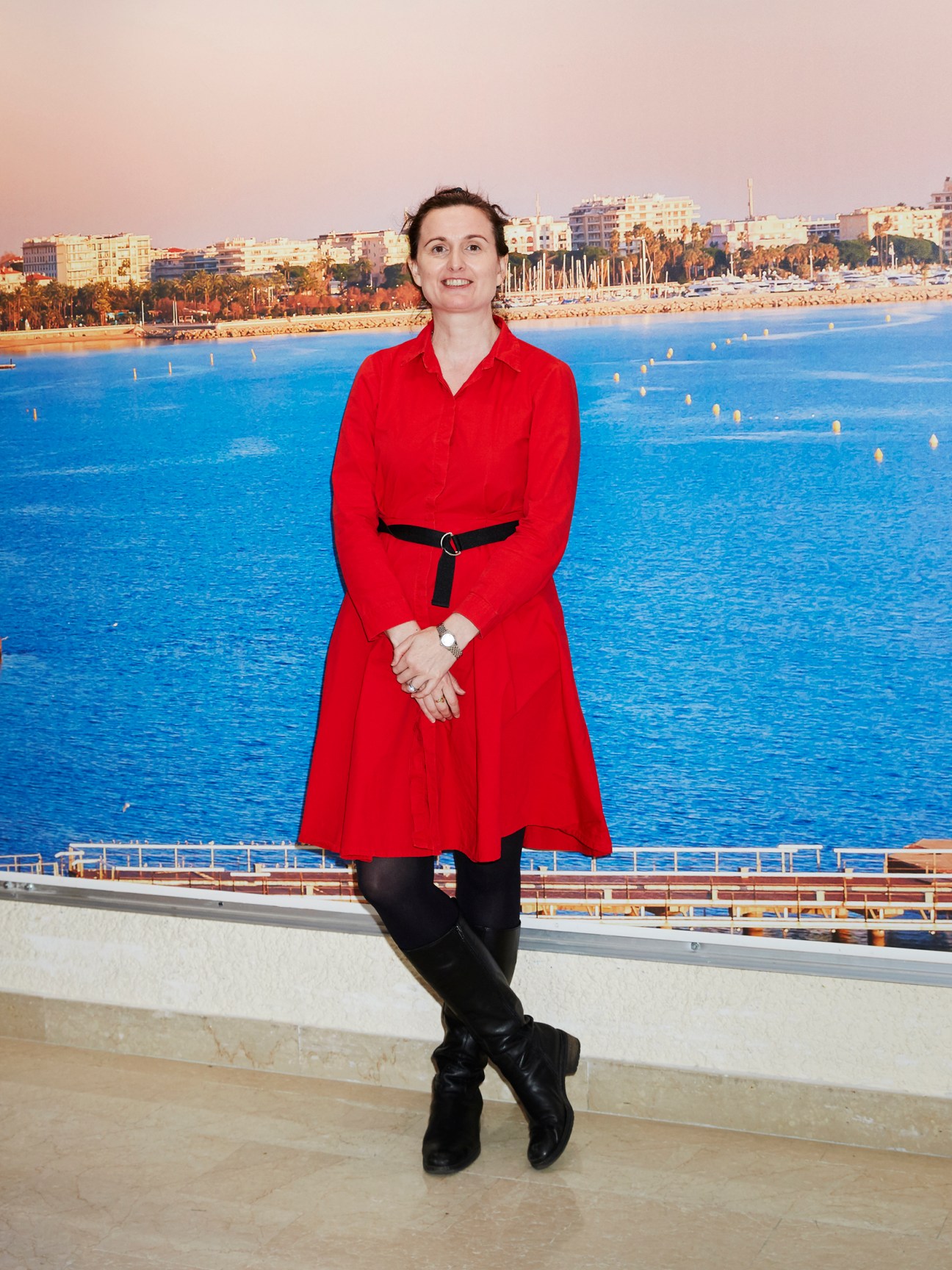
Rui Moreira
The mayor of Porto explains how the city plans to accommodate its younger residents.
“We have a high demand for housing and so we have to increase the supply. And, of course, the supply has to be across the board. That’s why we have been having meetings with investors at Mipim who want to build affordable housing. What we are offering them is based around a system of long leases in vacant areas in the city, which will allow them to build on our land. Anda sizeable part will have to be affordable housing.
There’s another thing that we are doing: because of the high revenues we are getting from city taxes, we are giving money back as housing vouchers so that younger people can rent houses. I was speaking with foreign investors today who want to build these properties, where the rent is essentially covered by city hall. If we don’t allow any new housing then we won’t be able to redistribute the taxes in this way.”
2.
Don’t believe everything you are told
Alice Charles
Director of cities, planning and design at global engineering and architecture collective Arup, which focuses on sustainable development.
“We are seeing a lot of commitment from investors and developers. We’re hearing that they want to decarbonise their portfolios. But one of the disappointing things is that some large investors see getting to net zero as an opportunity to offload assets. They’re looking through all the real estate they own across the world and they’re identifying what they call ‘stranded assets’: properties that perhaps have a low energy rating and that they perceive will have a low monetary value in the future. Quite a few are selling those assets rather than being responsible leaders and retrofitting them. And that’s not going to get us to net zero.
They’re often in the best position to act; they have the most resources and skills within their organisations. So many of them need to start thinking differently. Some investors now have a ‘grey to green’ plan: buy buildings that they classify as ‘grey’, make them ‘green’ and make a lot of money in doing so. We need to see a much greater focus on businesses recognising that this is an opportunity as well as an important response to climate change.”
3.
Build things that deliver quality of life
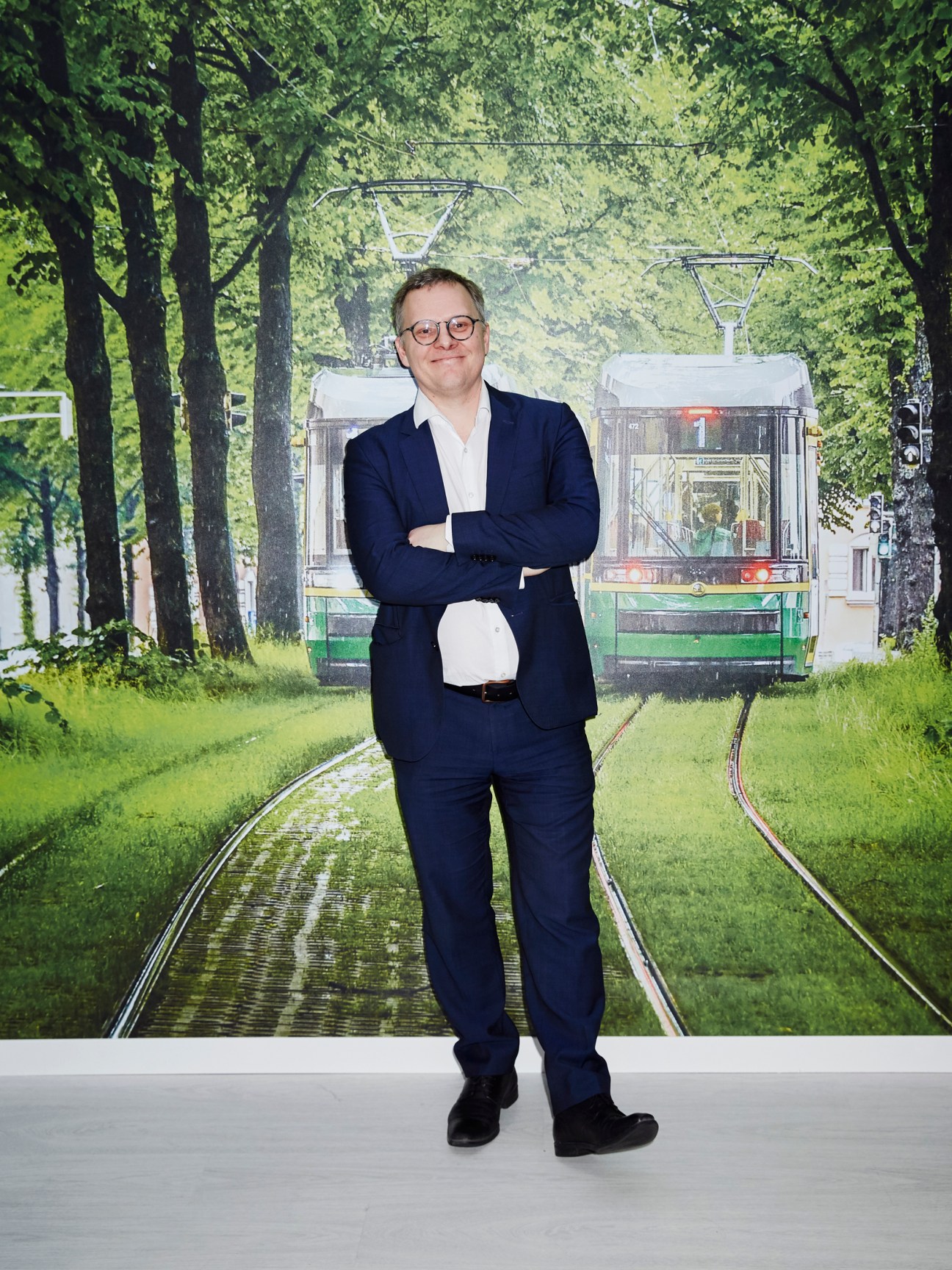
Niko Kyynäräinen
Director of business and economic development for Turku in Finland, a city that’s using better infrastructure to meet its ambitious target of being carbon neutral by 2029. And which wants to be a nice place to live too.
“The city is already developing in a sustainable way but we need to do more about traffic. And here we are looking at different solutions but a tram system will be one of the key elements. We ended our tram system in the 1970s but now we are looking into a new one. That’s going to be a big source of growth for the city and the whole region in the future. It will shape how the property market in the city will develop.
Of course, there are tension points, as in every city. But I think that the tram will create a sense of wellbeing. It will also run in an area where we have most of the problems inside the city. We need to show people that these projects are not only for the rich.”
4.
We are at a positive tipping point
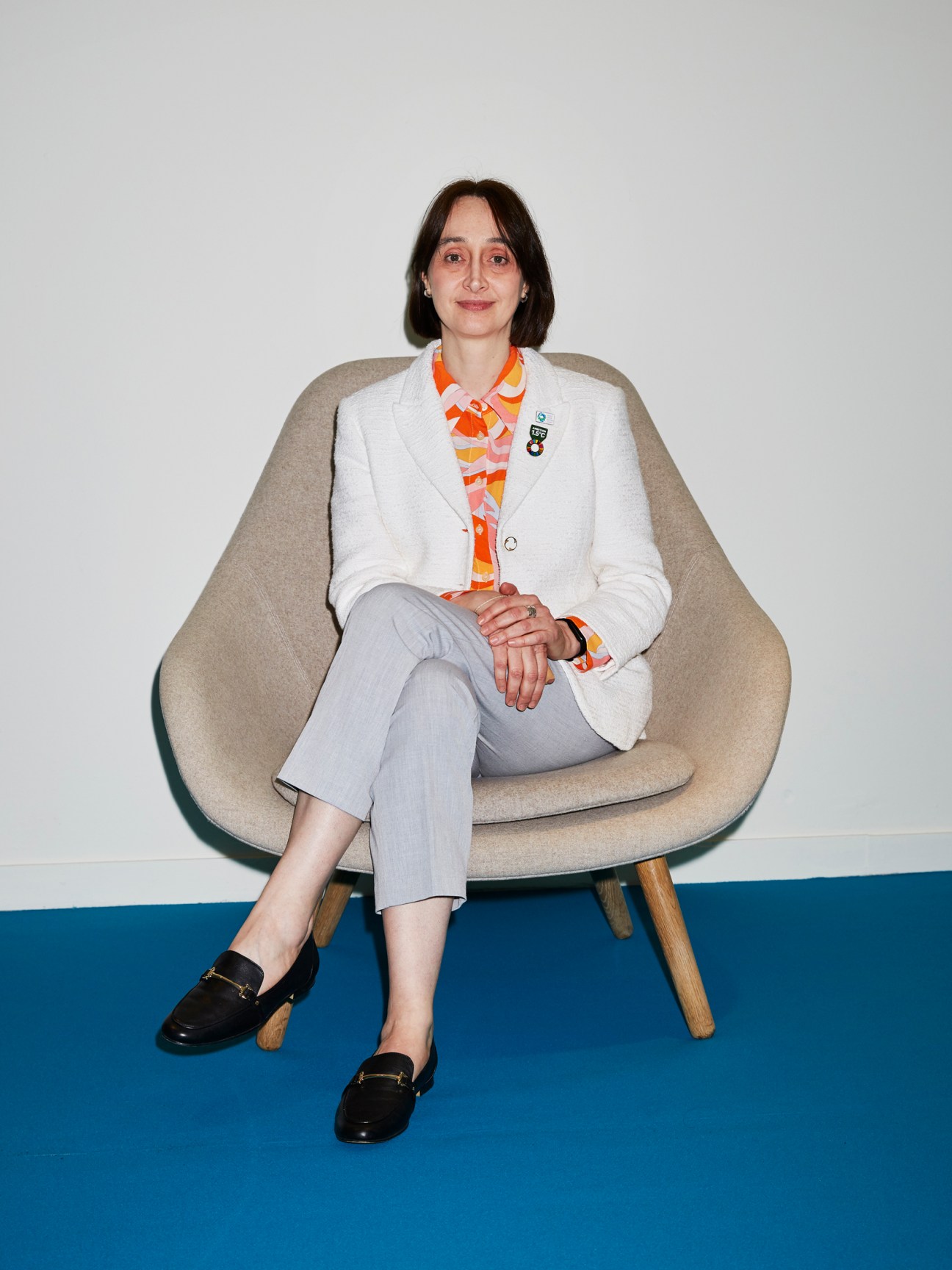
Cristina Gamboa
The CEO of the World Green Building Council, an NGO that unites 77 national green building councils and works for the decarbonising of real estate.
“I am seeing at Mipim something similar to what is happening in the UN’s Race to Zero campaign: we’re at that tipping point in the conversation where it is becoming much more mainstream in the decision-making process to consider environmental issues.
That is definitely the case with the big engineering and architecture firms, which are committed in this journey but also with asset managers and decision-makers who look after the investments because many stakeholders around them are asking for greater transparency and disclosure.
There is a movement towards quality investments, which are delivering better returns, are future-proofed and aligned with decarbonisation and sustainability.”
5.
Geopolitics shapes the property industry
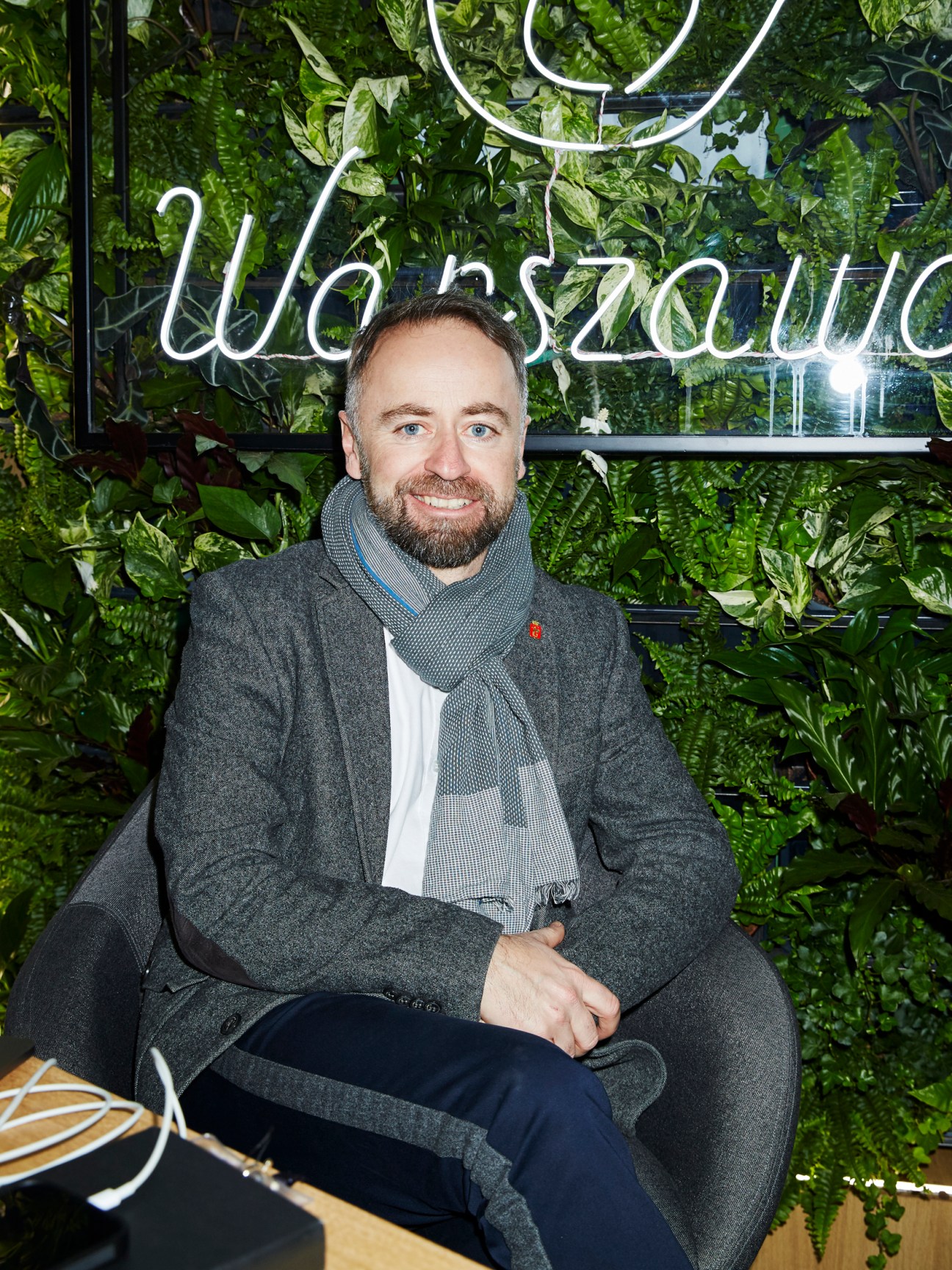
Michal Olszewski
The deputy mayor of Warsaw was part of a large Polish contingent at Mipim. He is promoting his city – and nation – as an attractive place to invest.
“We have suffered as a country because of geopolitics but we are also profiting from geopolitics. We suffered because we were always on the marching paths of the armies from Russia to the west and from Germany to the east. And they usually demolished our country. But we are now in a situation where, because of the war in Ukraine, investors understand that Poland is the most stable market in this area of Europe.
Many companies have moved their human resources from Ukraine and Belarus to Poland because of the aggression from Russia. Our recent analysis suggested that the population of Warsaw would grow by 250,000 over the next 25 years. And then, within one month last year, it grew by 250,000 because of the refugees from Ukraine. And, being frank, thanks to those people, we are filling the gaps that we have in the labour market because they have the skills that we need. So the main reason for being here at Mipim is to send a very important message to investors that we are stable and we are growing.”
6.
Developers can change people’s lives
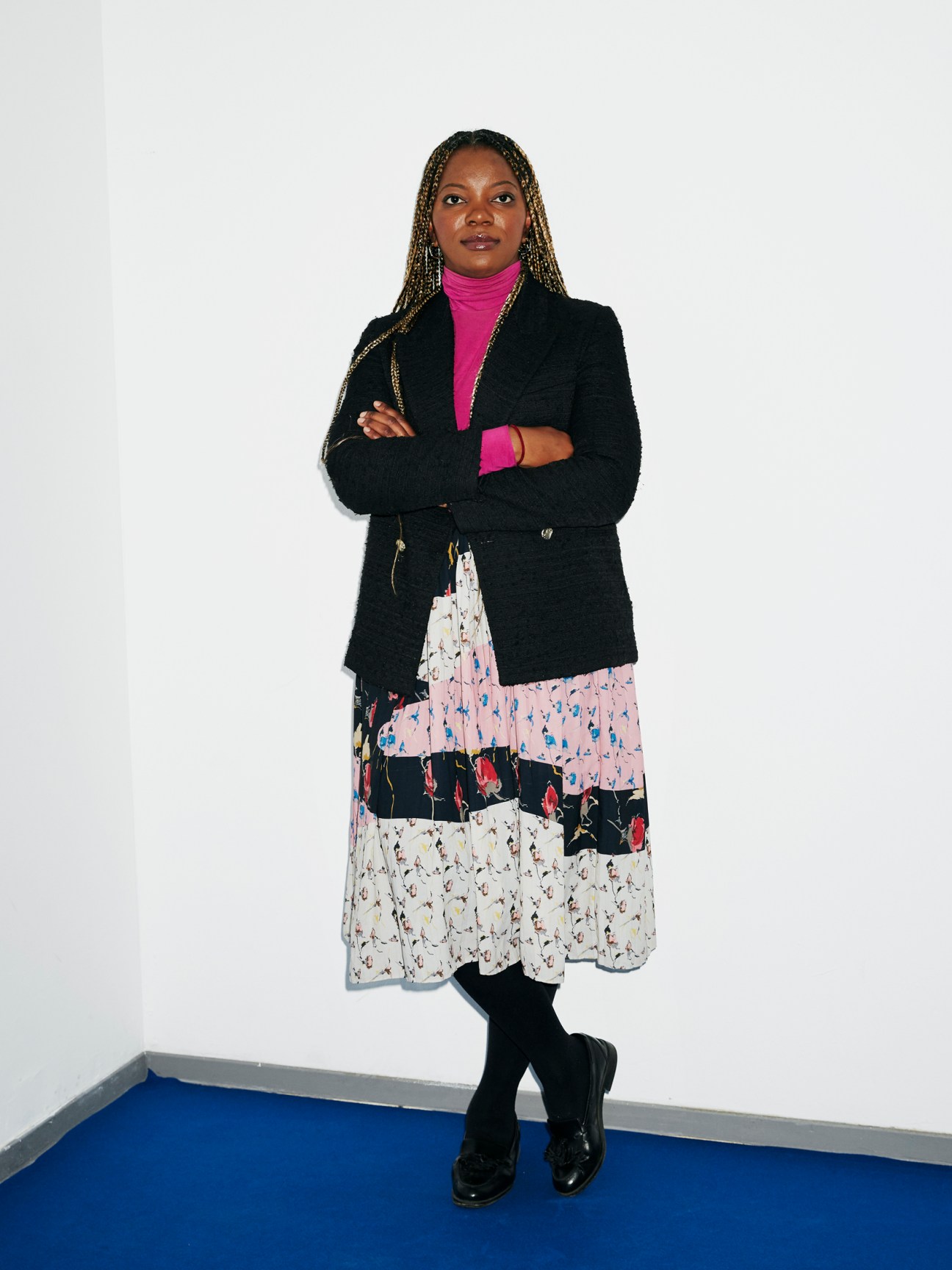
Olaide Oboh
Director at Socius, a UK developer that focuses on the social impact its projects can deliver. It has a £1.5bn (€1.7bn) pipeline of projects in the UK.
“Socius was set up as a social-impact developer with a focus on improving the communities that we work in and, importantly, people’s life chances. We don’t believe that buildings regenerate [a place on their own], we have to create the right infrastructure to ensure that we create proper social impacts.
What does that look like? Well, we work with local communities to understand what their ambitions, aspirations and issues are. And we use the development as a vehicle to address those issues. So, for example, Cambridge is an unequal community. It has lots of rich people and not enough facilities to support the people who are deprived. What we are doing there is dedicating half of our scheme to a public park. And that’s about giving people a high-quality public space to enjoy themselves in but, importantly, we have also created community growing beds in that space so that people can grow their own food, which reduces the distance from farm to plate.”
7.
Find places with room to grow
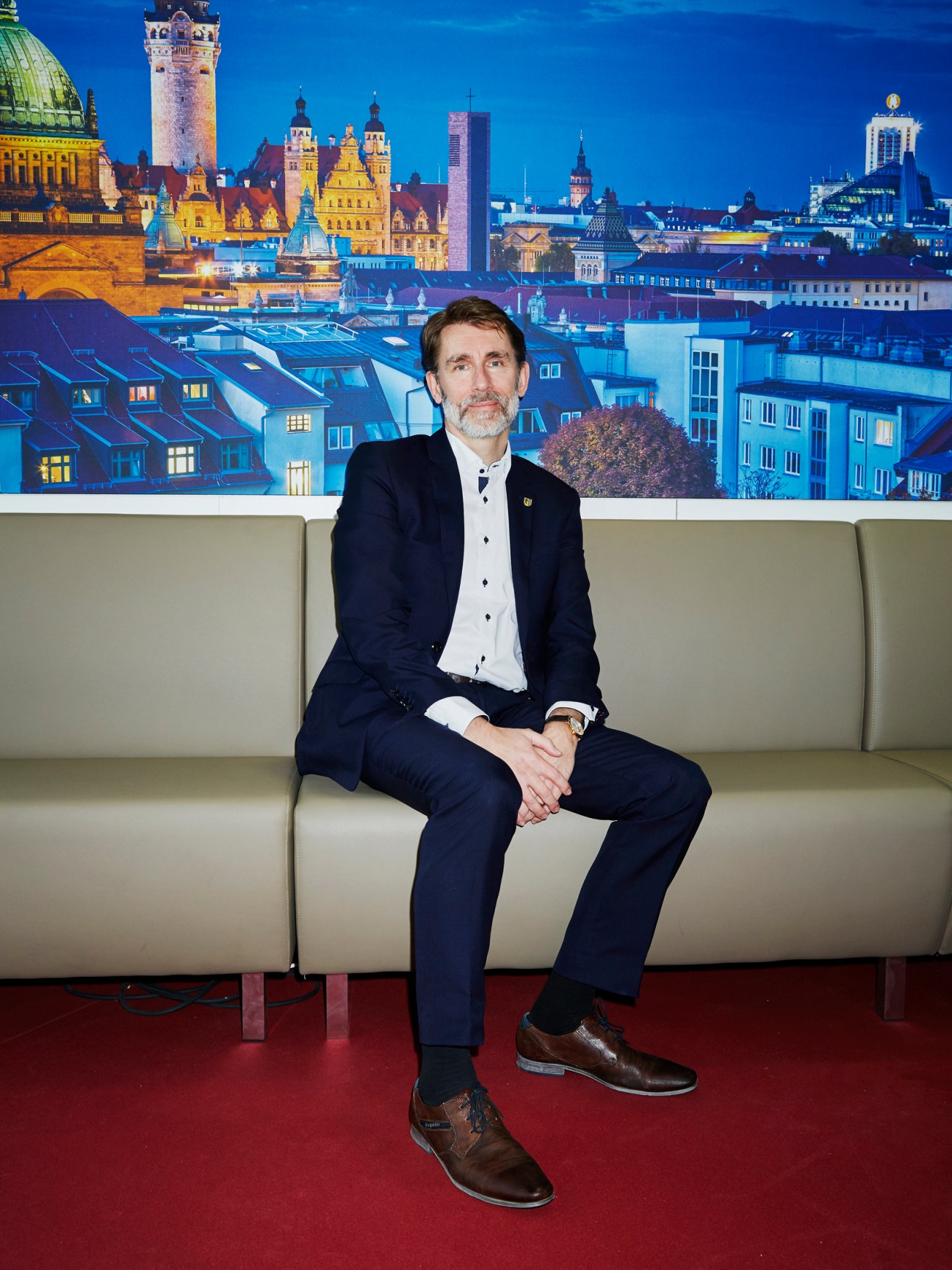
Michael Körner
Managing director of the Municipal and Regional Investment Agency in Leipzig, looking to attract developers and investors to the city (the fastest-growing metropolitan area in Germany) but also to its environs.
“In the 1930s, Leipzig was the fourth-biggest city in Germany and had more than 750,000 inhabitants. Then, after 40 years of communism, we dropped down to 440,000 people. So we are growing from a lower level and, of course, this dynamic is always a relative thing: to achieve growth rates of 5 per cent for a city like Munich is going to be much more difficult. However, Leipzig as a city is developing very well. But the region around the city is not growing as quickly. So that’s why the Invest Region Leipzig exists.
My company promotes a region that has a very successful city at its centre to investors. If, for example, you don’t find the space that you need in the city, you will find it in the region. We have invested in excellent infrastructure and in an international airport. But we still have a lot of space available and one of the areas that we are focusing on is life sciences because the past four years have shown us that personalised medicine will be the future.”
8.
Why it is good to be flexible
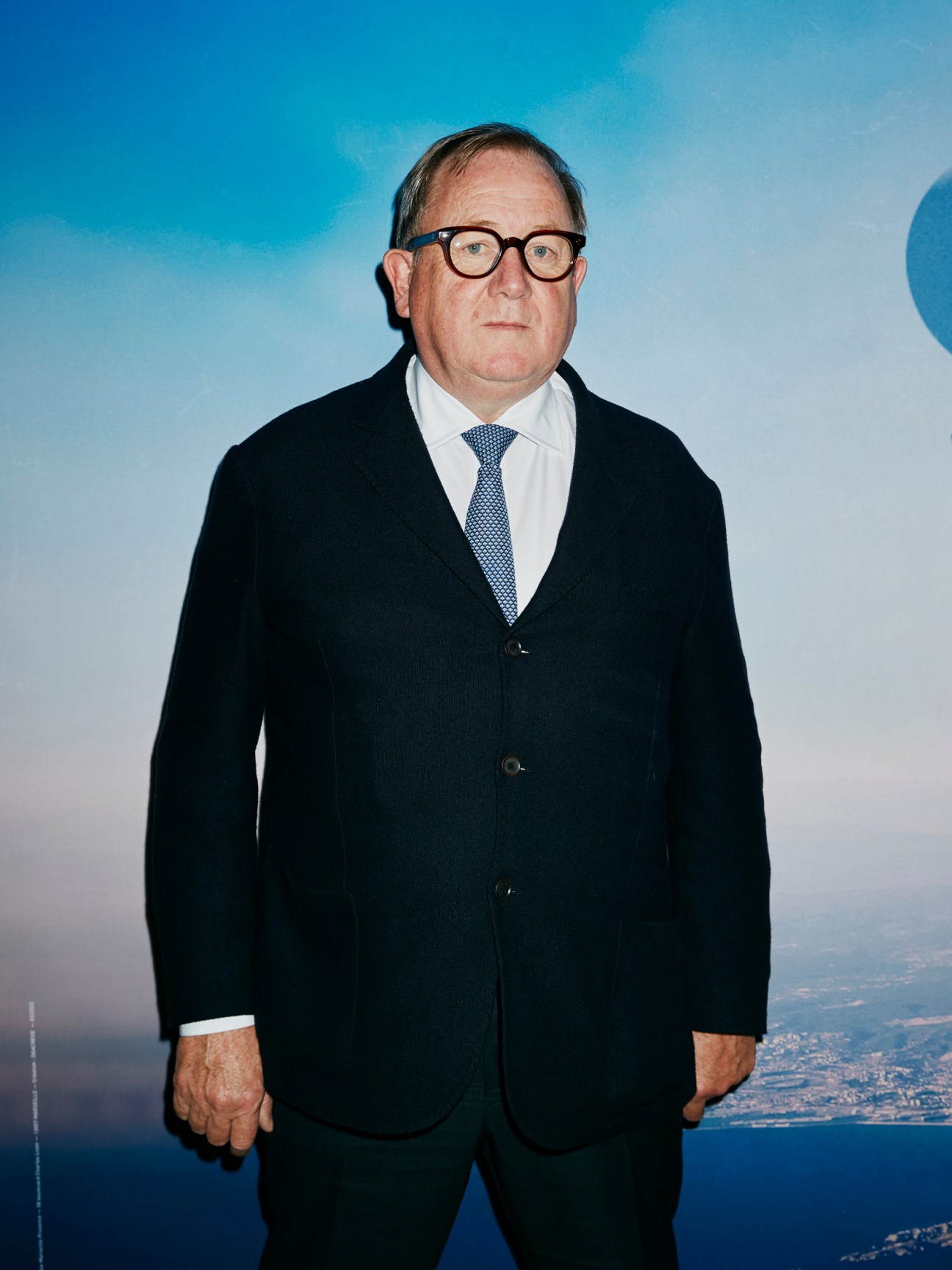
Mark Dixon
Ceo and founder of iwg (formerly Regus), the world’s largest flexible-workplace provider, with more than 3,300 workspace locations across more than 120 countries, which cater for some eight million people.
“Coronavirus made people realise that they could run effective companies without having everyone come into central offices. But the pace of change has been remarkable since then; we will open up to 1,000 buildings this year. There is great demand from companies wanting to provide facilities near to where people live. They believe that this will let them get better people – and they do. And they have more retention. And, overall, it’s much better for the planet. And, by the way, it’s half the price of a regular office, so every CFO in the land is thinking that this is attractive.”
Monocle Radio
For more from Mipim, listen to Monocle Radio’s podcast ‘The Urbanist’ (16 March episode). A fuller interview with Mark Dixon is also available on ‘The Entrepreneurs’ podcast. Find these shows and more at monocle.com/radio
Growing strong
“I’ve lived in Colonia Roma for 15 years and the neighbourhood has changed a lot,” says Edo Nakatani, who opened the noodle shop Fideo Gordo here last year. The chef has one eye on us and the other on the regulars settling at the colourful terrazzo tables as they fill up ahead of what looks like a busy lunch service. “From day one we were full,” says Nakatani with a grin, as the sun glints in through the open-fronted restaurant amid the smell of toasted sesame oil.
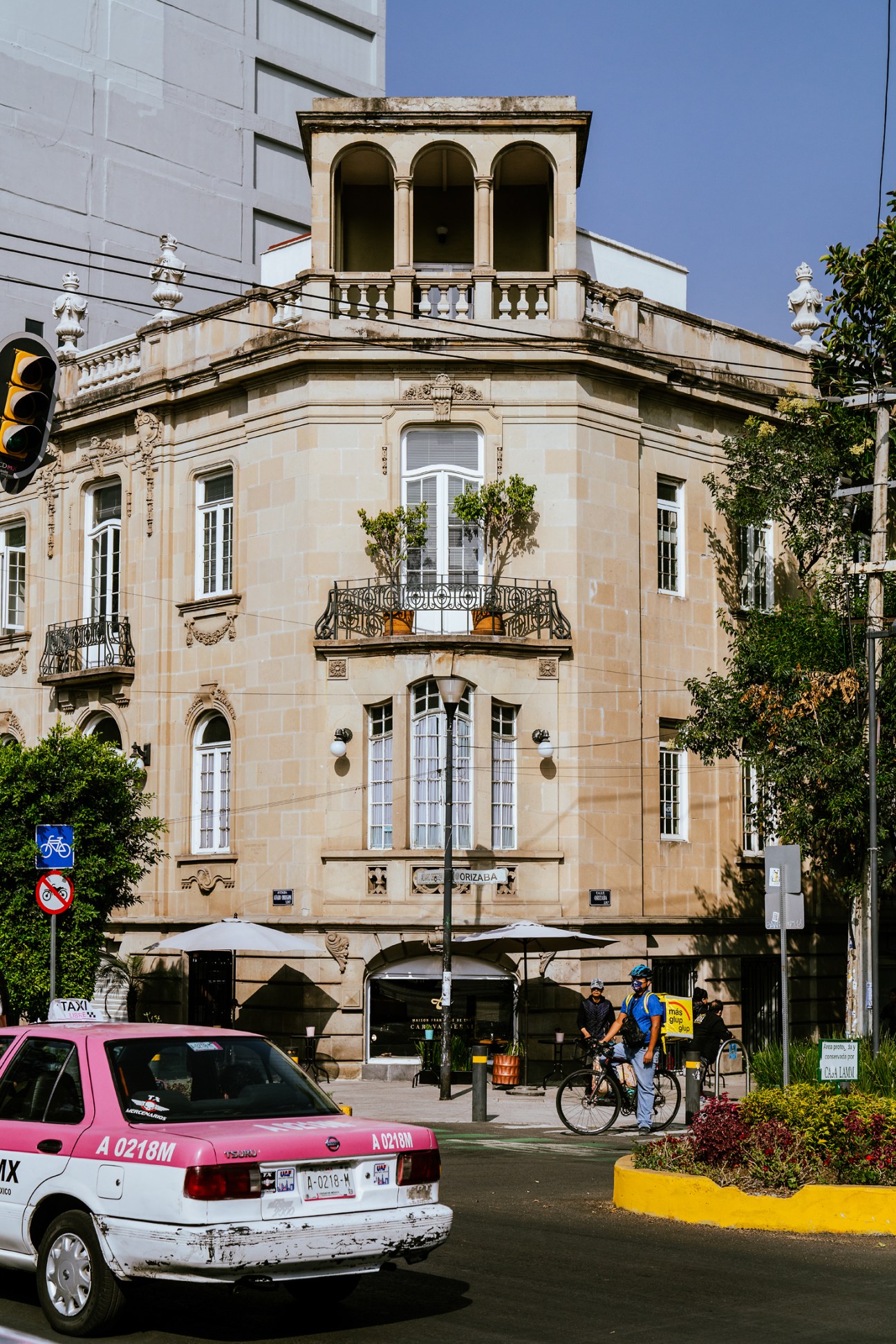
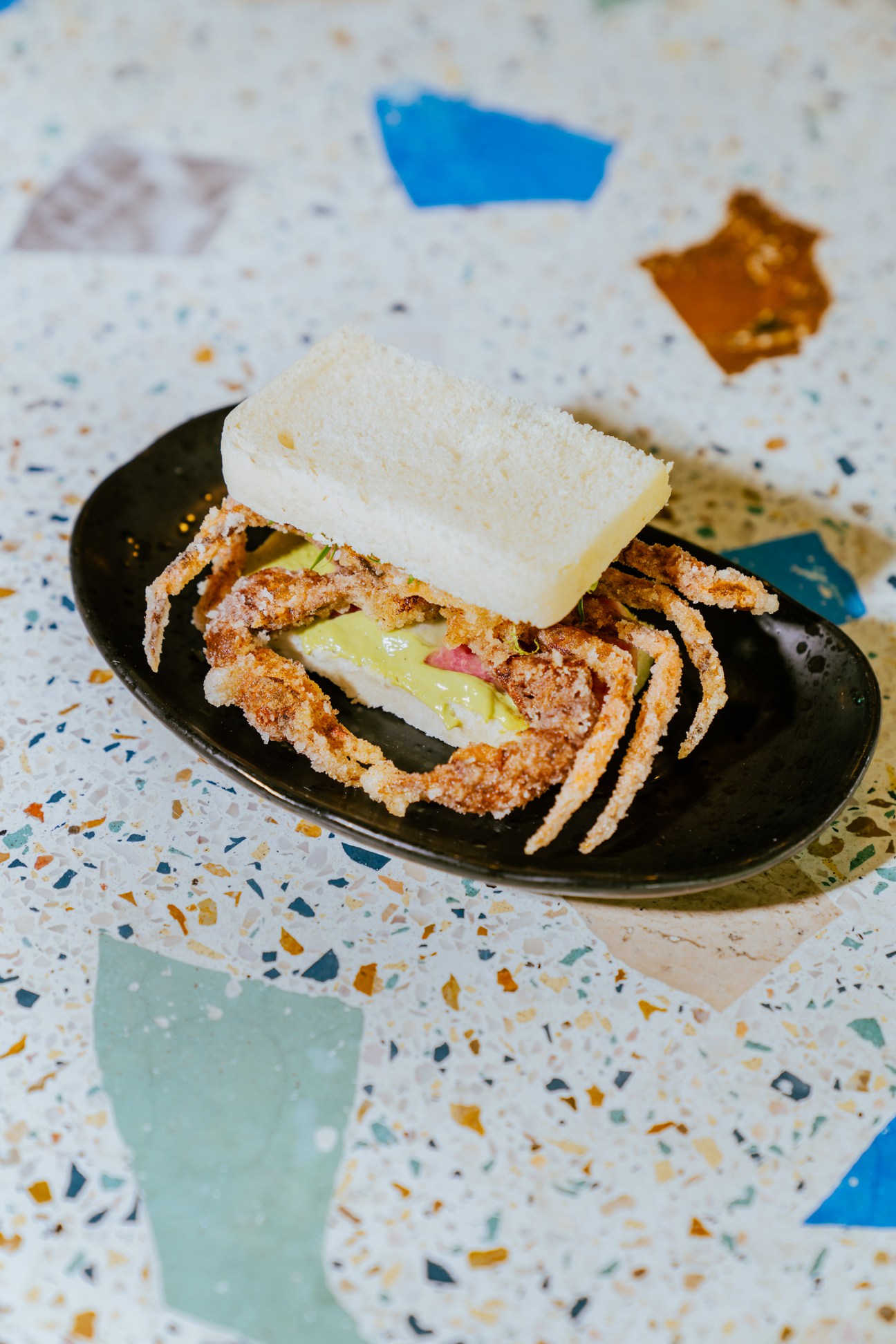
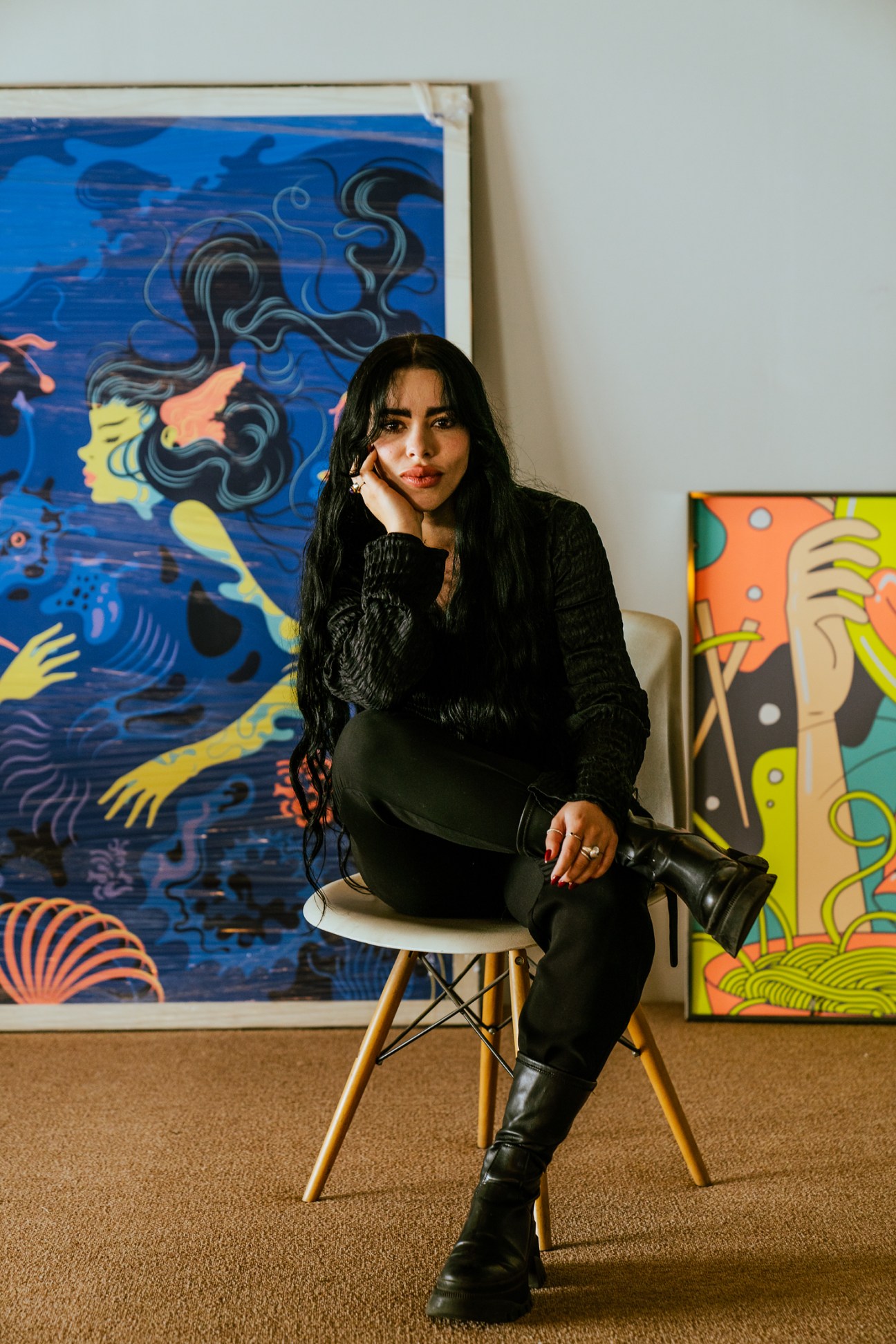
Nakatani is the first to admit that the timing of Fideo Gordo’s opening helped him catch the tail end of a boom in visitors to the Mexican capital. Unlike other cities that battened down the hatches and enforced strict lockdowns during the coronavirus pandemic, Mexico City remained open and welcomed remote workers and visitors. “I think it’s 50 per cent tourists and 50 per cent Mexicans,” Nakatani says gratefully as chefs beaver away in the open kitchen behind us.
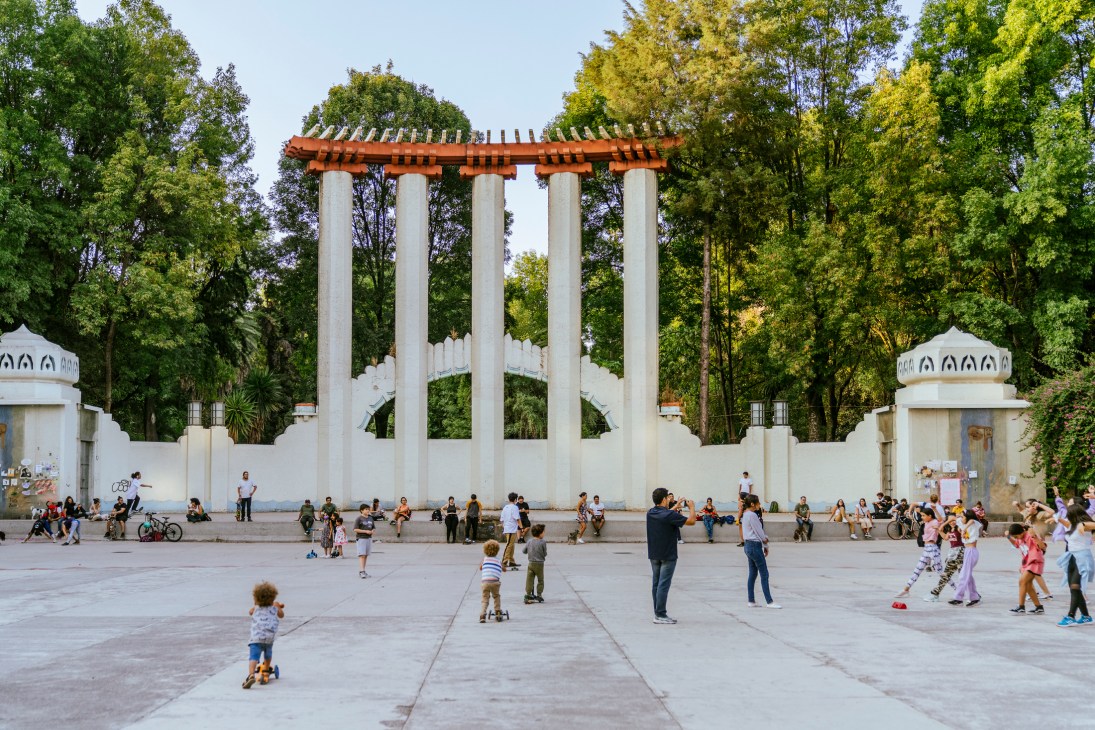
Between 2019 and today, lots of people have discovered what long-time residents such as Nakatani already knew: Mexico City has much to offer. Many flocked to established mid-rise neighbourhoods including Roma and Condesa, which are close to the gleaming towers of downtown but still offer an enviable quality of life for residents: green space, walkable streets and plenty of good shops and places to eat. On the business side, this means good footfall and notably cheaper housing and rent than a comparable berth in Miami, Los Angeles or New York. The favourable weather and slower pace of life have also helped to provide a springboard for entrepreneurship and buoy existing businesses.
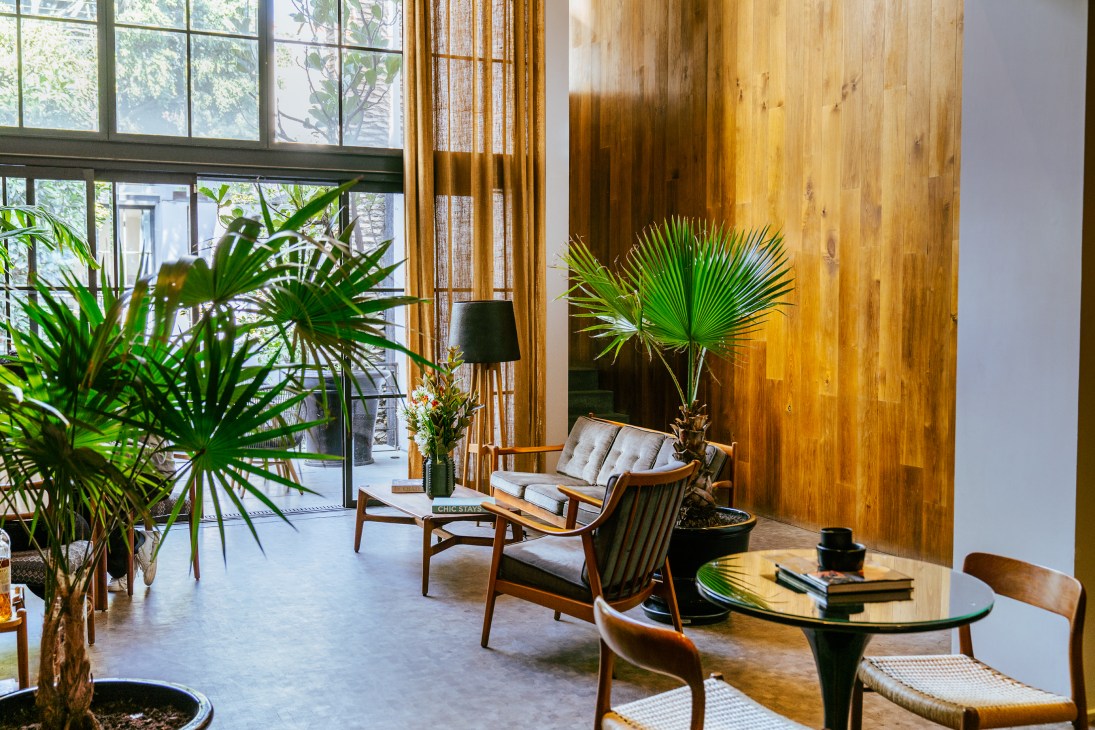
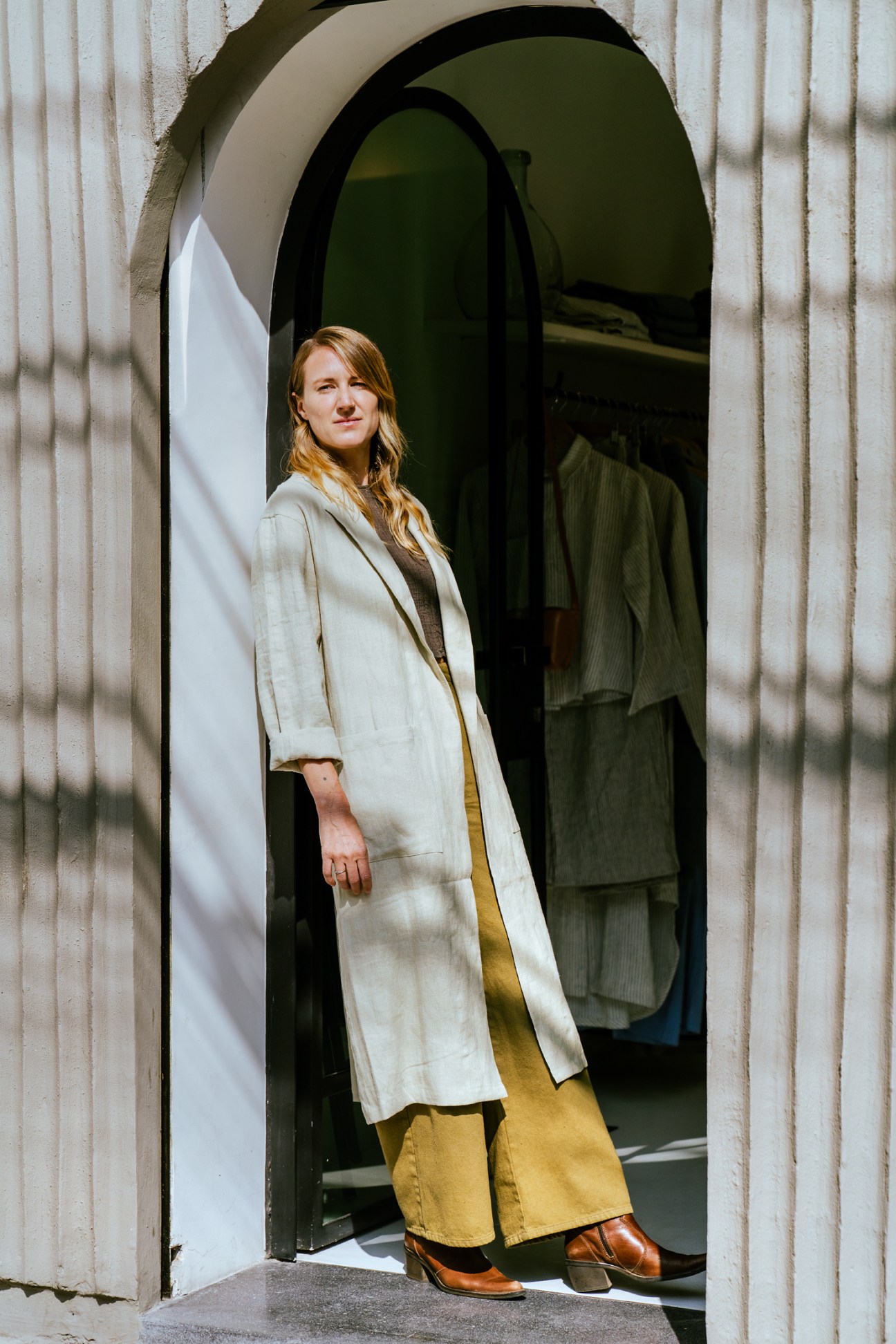
Canadian fashion designer Bridget Tidey is another entrepreneur who picked Roma as the base for her ethically sourced, small-batch clothing brand Zii Ropa back in 2015. “Mexico City is having its moment,” she tells monocle. With its ribbed concrete façade and vast, geometric windows, her smart shop, which she opened in 2020, is lined with railings of light linen and cool cotton clothes. “We’ve seen an incredible increase in sales and have international clients who spend weeks or months here, then come back year after year,” says Tidey. “We also have loyal local customers who keep coming back.”
Roma’s success hasn’t been simple or straightforward, though. Safety was once as big a consideration as desirability. “There are more police now,” says Elena Reygadas, who opened her pretty, plant-covered restaurant Rosetta in 2010 and has since expanded with various sites and a bakery called Panadería. She’s part of a hospitality movement – simple, sumptuous and homegrown – that has seen Mexico City become the home of a culinary moment that is proving tempting for visitors and ripe for export. Star Mexican chef Enrique Olvera, for one, opened a site in Los Angeles in 2020; meanwhile, homegrown hospitality firm Groupo Habita is selling an equally polished image of Mexico in its 14 sites across the country and hotel in Chicago. In Mexico this adds up to a new interest in the city’s food scene that’s attracting a steady stream of guests. “There are also just more people out and about on the street,” says Reygadas.
The optimism about entrepreneurship here might be palpable today but Mexico City has long punched well below its weight in terms of attracting fresh businesses and liveability. It has taken time to shed an image of being packed, polluted and dangerous. Part of that image clean-up has been municipal, as successive city governments installed better streetlights, more security cameras, refurbished parks, mended pavements and added playgrounds as well as reforming and improving the police service. Infrastructure investments helped too: 12 years ago it was among the world’s worst cities for traffic but today the situation has calmed, bike-sharing schemes abound and a better Metrobús route has helped the population of more than nine million to move – and breathe – more easily. While there is still distance to cover, the city’s traffic is now no worse than that of Toronto or Lyon and ranks better than many major capitals in Europe and North America.
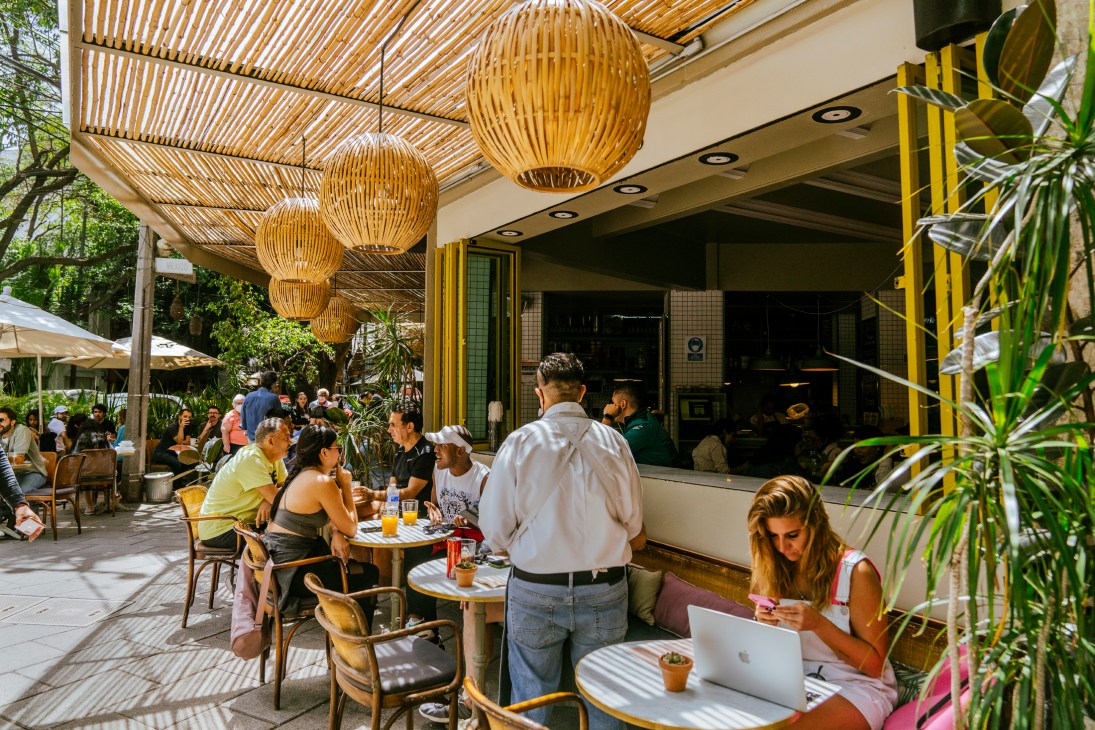
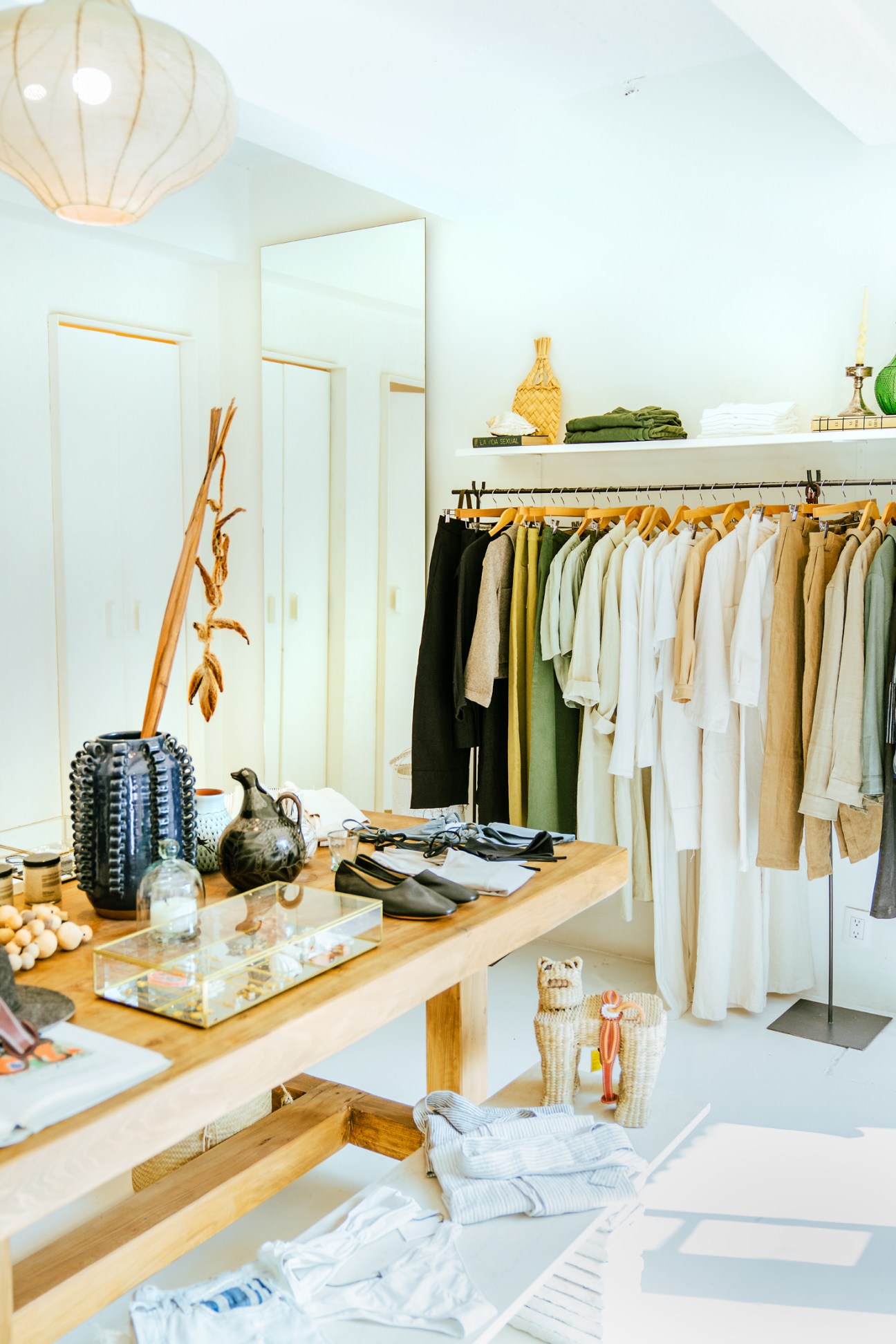
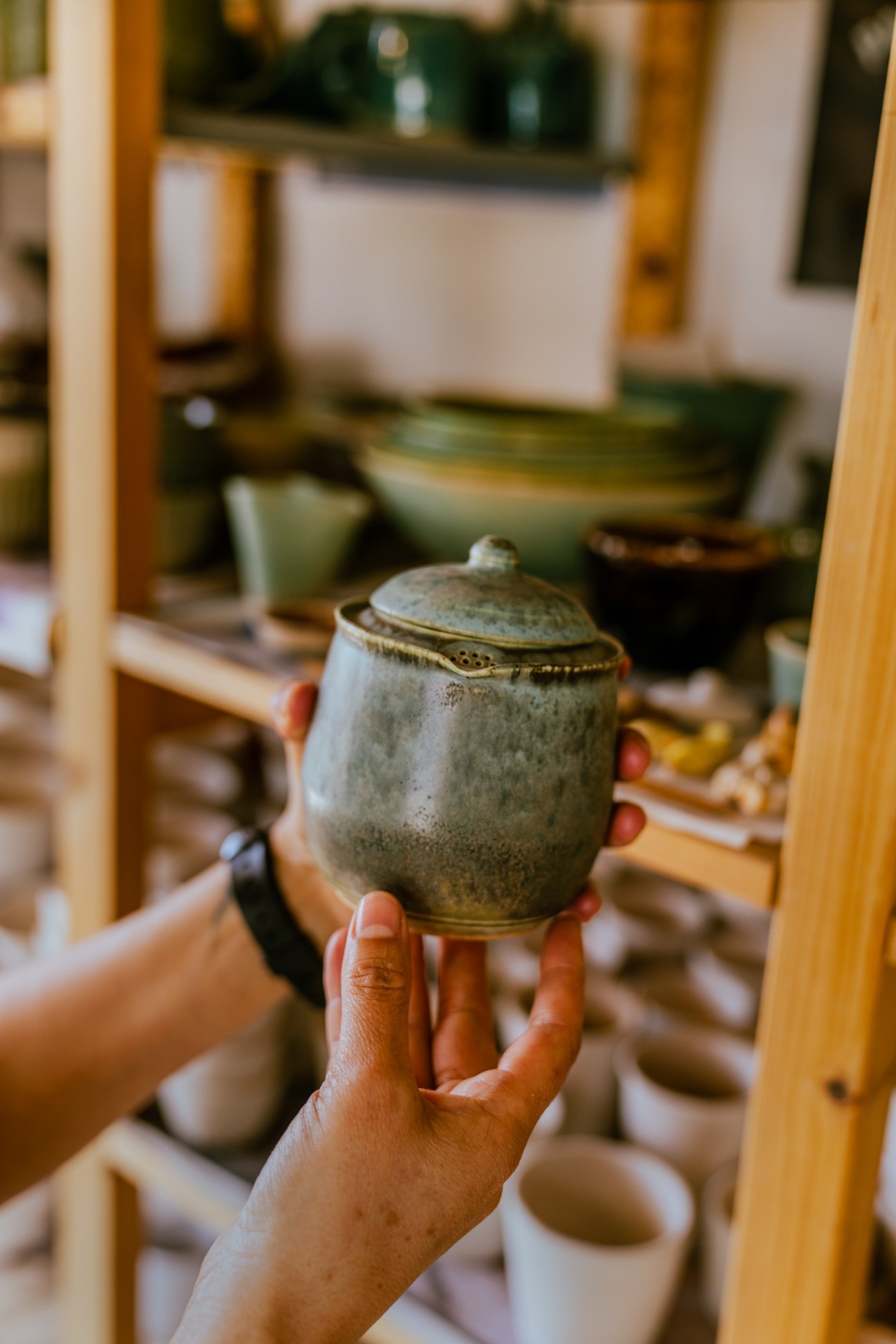
Though it kept going, the city did also suffer during the pandemic: Mexico’s economy contracted by 8.5 per cent in 2020 and many small businesses closed. While governments around the world piled on national debt to minimise the pandemic’s effects, Mexico’s federal lawmakers adopted a hands-off approach, providing little aid to struggling businesses but continuing to welcome foreign visitors. It was a lifeline that helped retailers, businesses and the hospitality industry to stay afloat. Passenger numbers on flights into Mexico City in 2022 were still 8 per cent below 2019 levels but longer-term stays helped it to overcome this hit. During the first nine months of 2022, temporary resident visas for long-term US visitors were up 85 per cent compared to before the pandemic. Though hospitality and fashion are key growth areas and perhaps the most visible success stories as you walk through Roma-Condesa, there is also high demand for new desks and spaces for an increasingly itinerant workforce, many of whom no longer need to go into an office. “We now run more than 30 locations across Mexico City, most of them concentrated in Roma and Condesa,” says Martín Haiek, co-founder and CEO of flexible office space company Around, which launched in 2021. “Our clients – that’s now more than 50 companies – are a mix of start-ups, venture-capital funds and creative agencies.”
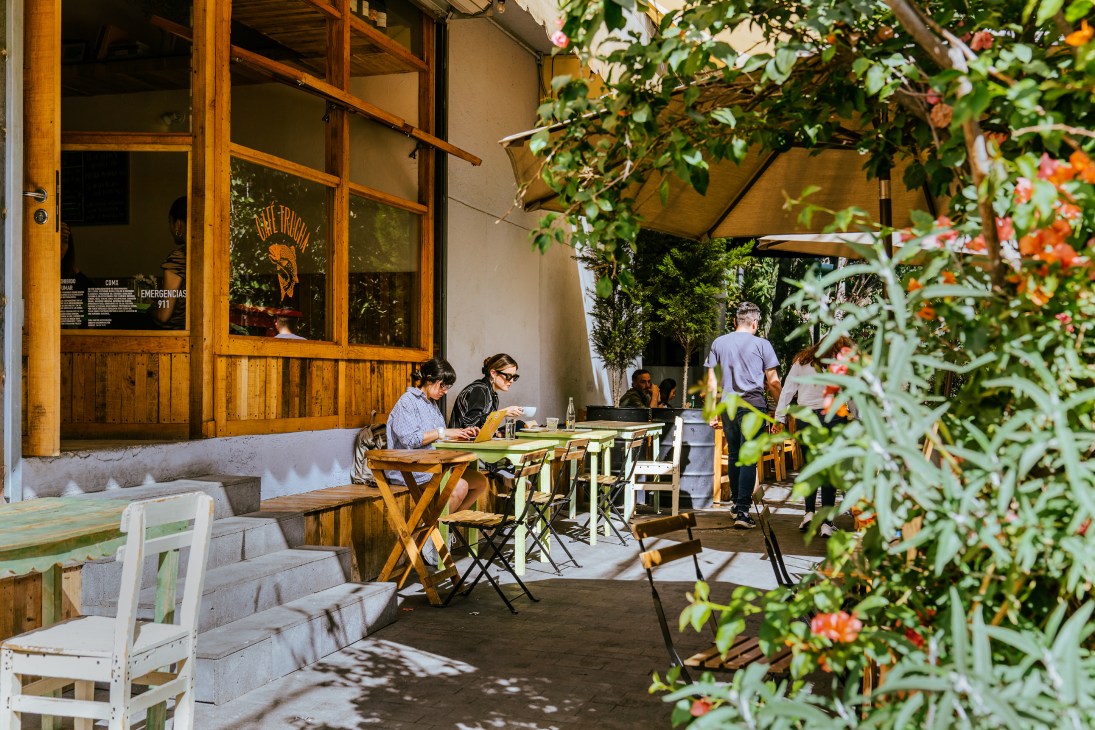
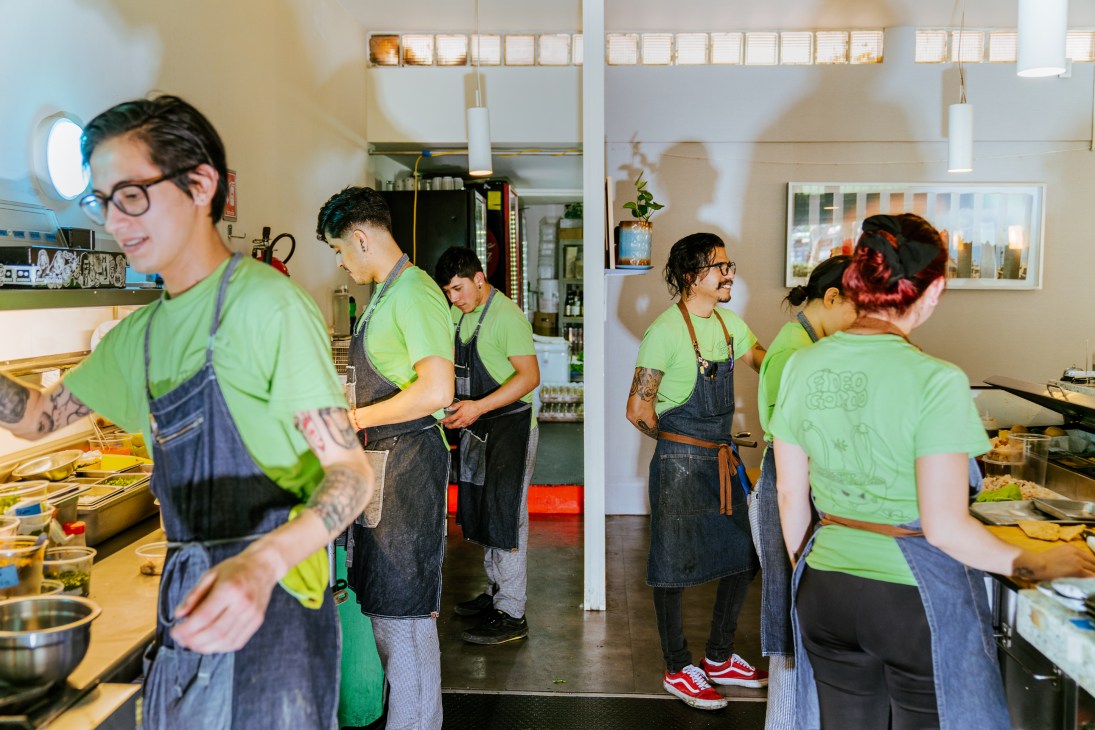
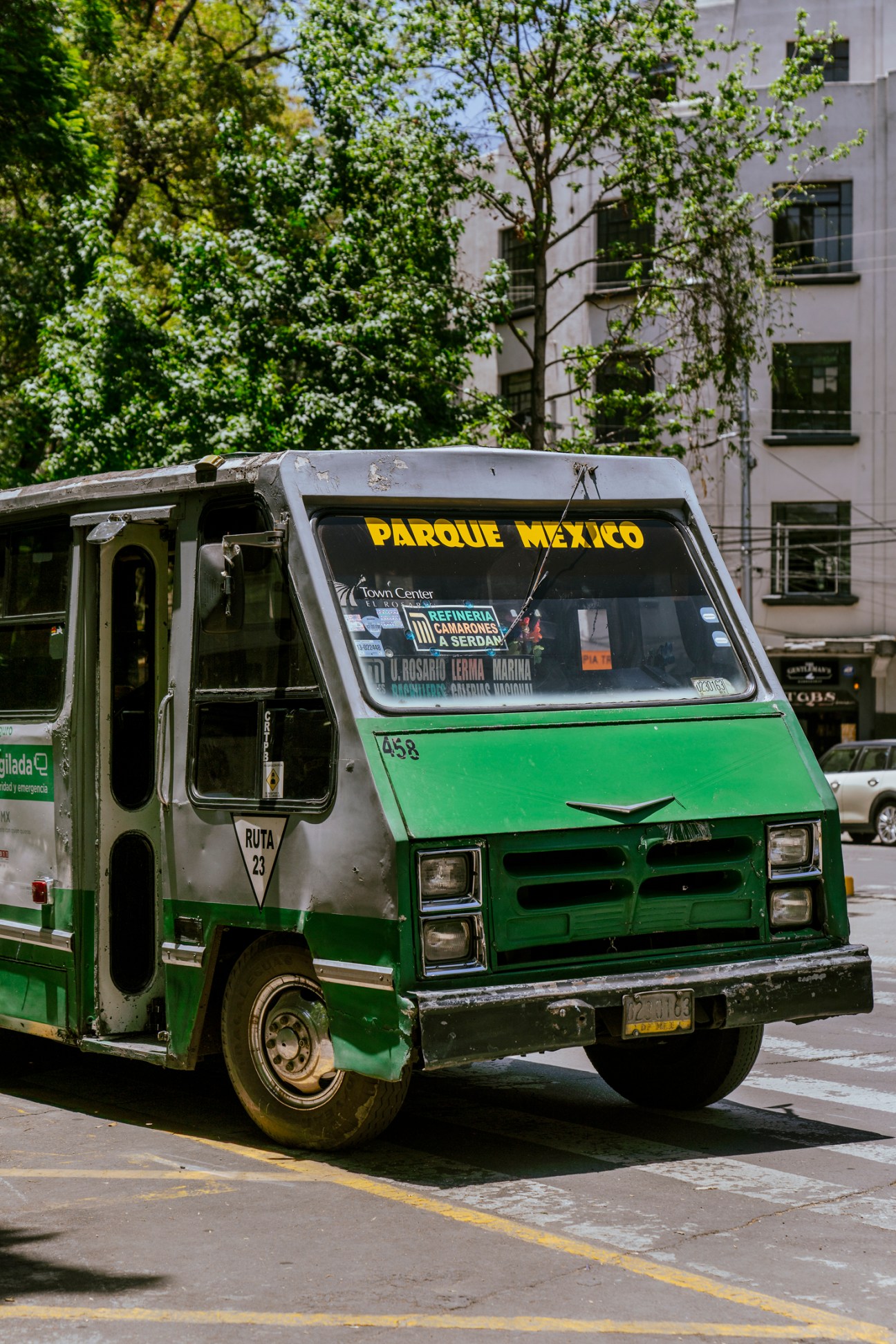
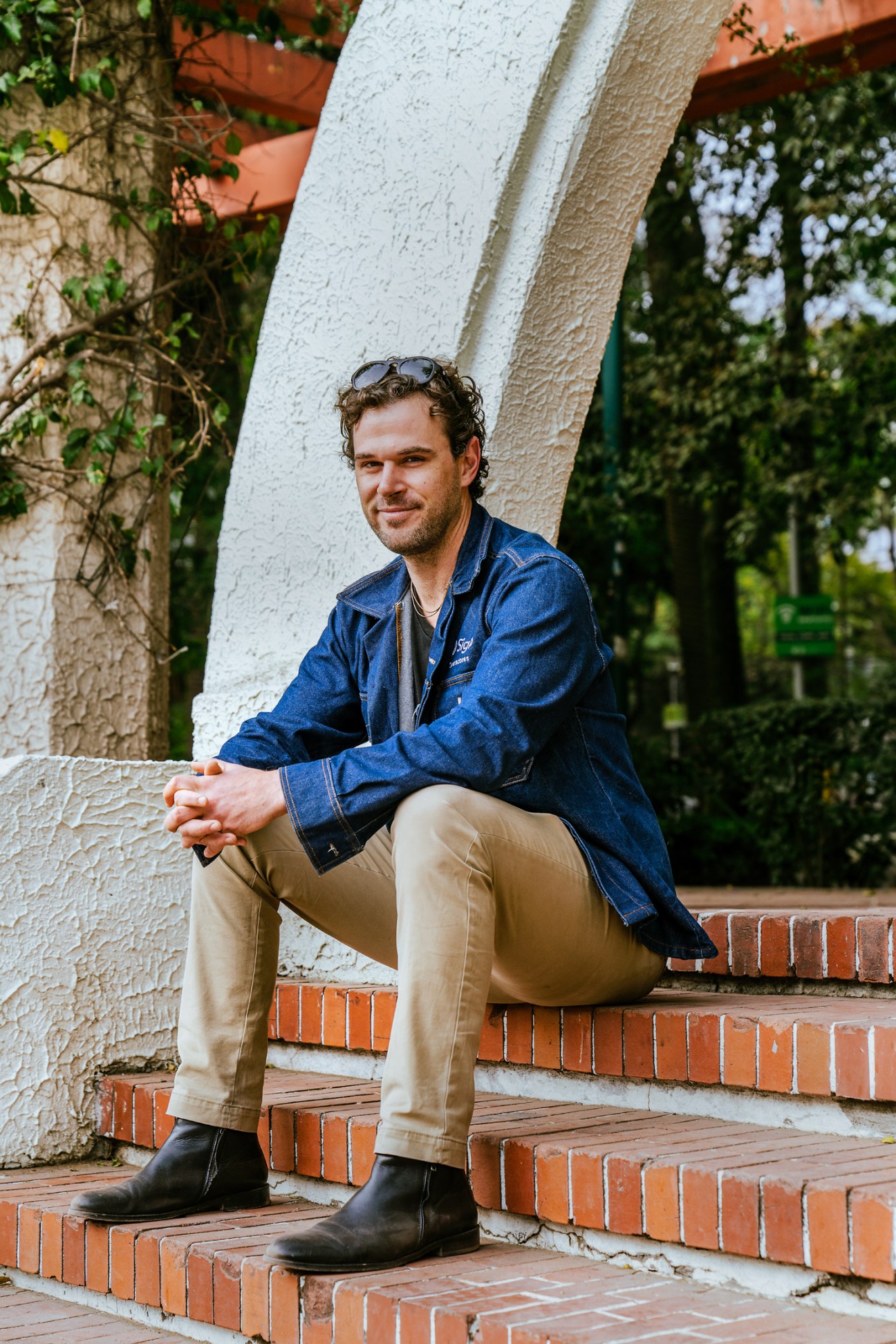
The other notable success that you’ll hear discussed at cafés or by street-food stalls in Roma (not to mention in the boardrooms of downtown) is investment in technology. Though the past few months have been torrid for tech stocks, the city’s start-ups are proving resilient, insists Hernán Fernández, managing partner at Angel Ventures. “Over the past decade the technology sector in Mexico City has exploded beyond anything we had dreamed of,” he says. “It’s a global innovation hub.” He should know: his company put up cash for successful homegrown investments including Clip, a Mexico City-based digital payments company, and fintech company Kueski. Clip has since raised more than €421m, with investors also pouring €300m into Kueski. Other notable start-ups in the city include apartment-listing platform Homie and Spanish-language audio content subscription service Beek.
That investment as well as an influx of new talent can be measured in many ways, insists US-born Isaac Phillips, who moved to Mexico City to start telecoms company Siglo. He sees it in the daily customers of his broadband services (currently 30,000) but perhaps more poignantly, he says, in the streets of Roma- Condesa on his lunch breaks. “I see professionals who work in the arts, people who work in the start-up ecosystem, as well as bankers and freelancers,” he says.
While the Roma-Condesa moment might be now, some of the founders who monocle meet think that the entrepreneurial movement is just that: on the move. Brenda Urcid, CEO of the design studio Futura, moved her company from an office in Condesa to a new space in the less-established but nearby Doctores area. Urcid says that she sees many businesses moving further from the booming Roma- Condesa corridor into nearby but cheaper neighbourhoods such as Doctores, Navarte and Escandon. “A lot of galleries and studios are moving into new neighbourhoods,” she says. “It’s great that it’s now expanding beyond Roma-Condesa. There are still a lot of creatives in Mexico City.” And, it seems, plenty of the city to explore.
Bigger picture
Japanese fashion company Jun Group started in 1958 with a single design: a line of red tartan swimming trunks that famously sold out in a day. Founder Tadashi Sasaki went on to develop full menswear collections under his first label Junmen, adding womenswear to the mix in 1968 with the launch of the Ropé label (named after Saint-Tropez). Since then, the Jun Group has been one of Japan’s biggest fashion pioneers, launching more in-house labels under the Ropé umbrella, opening some of the best-known concept shops in the country, including Maison Kitsuné, and investing in international labels such as Paris-based apc and US casualwear brand Saturdays nyc.
From the beginning, Sasaki looked beyond fashion, broadening his portfolio to include wine, fitness and golf – an approach the European fashion groups are only now warming up to. Café de Ropé, the Parisian-style café that the group opened in 1972, became a Tokyo institution, known for introducing Japan to Perrier water and café au lait. Golf clubs, hair salons and even discos all followed suit.
Today, Sasaki’s son, Susumu, is the company’s president. He oversees 47 brands, almost 2,500 employees, more than 340 shops and annual sales of nearly ¥54bn (€376m). Even though he was always more interested in music than fashion, a spell at Esmod fashion college in Tokyo ignited his passion for clothes. “My father didn’t say so but I always knew that I was expected to take over,” he says. Speaking from the company’s Tokyo headquarters, he shares his plans for the Ropé brands and explains why going global isn’t always good for business.
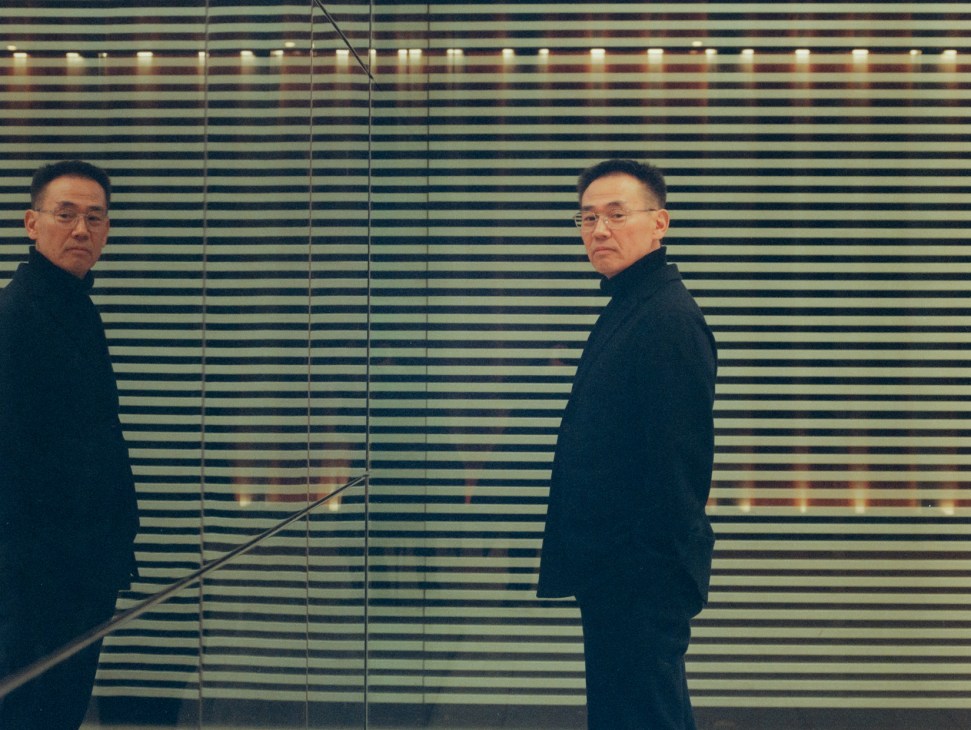
How have the Ropé brands evolved over the years?
The original Ropé brand still exists [after more than 60 years] and enjoys strong brand recognition in Japan. Adam et Ropé and Ropé Picnic are part of that family, with Ropé Picnic remaining our largest brand in terms of volume. It’s an affordable brand that’s in shopping centres all over Japan and aims to bring fashion to everyone. It’s also Japan-oriented; we’re not trying to appeal to a global audience. When it comes to Adam et Ropé, we’re taking it back to its original spirit. It used to be a lot more fashion-oriented when it started out [in 1990] but had become a little too conservative.
You say that Jun is about fashion, food and fitness. Which aspects are you most interested in?
Fashion is always at the heart of the business but I’m probably more interested in food and fitness right now. I’m excited by our sports brand Nergy and our Nergy karate club for women. People are thinking about training their minds and bodies, not just about what’s on the outside.
Golf seems to be featuring more in the Jun portfolio. How did that happen?
During the pandemic, lots of young, creative people started playing golf. So now new golf-fashion brands are emerging and it’s getting competitive. But we’ve been doing golf for a long time so we have a foundation in terms of our network and understanding of the industry.
How do you pick your investments?
My first experience of bringing a brand in was in 1992, after seeing apc in Paris and talking to its founder, Jean Touitou. We wanted to introduce apc to the Japanese market because we felt that it could change the direction of the industry. At that time, fashion was very decorative but apc designs were simple; they had the same spirit as hiyayakko [a block of cold tofu]. With Saturdays nyc, we were buying the brand for the Adam et Ropé [boutique] and it seemed as though it would be a good match for us. In each case, we start by talking to the owner or designer and if it feels like we’re all facing in the same direction, the deal goes ahead.
What happens when a label doesn’t work out?
If something doesn’t work, we stop doing it. Coronavirus aside, our revenue hasn’t changed dramatically for 25 years but the brand portfolio has: some brands disappeared or merged with others. The most famous one to close was j&r, which made history in the 1980s and 1990s. The clothes were sexy and body-conscious but people are more casual now.
You’ve committed to making your clothes from entirely recycled or sustainable sources by 2030. How’s that going?
We’re already at 43 per cent and improvements in technology will make our target possible. Our customers are very environmentally aware and appreciate our efforts. One of the biggest problems is [the amount of] clothes being thrown away, so we are carefully controlling manufacturing quantities. The fashion industry has a huge effect on the environment at every stage and I’d like to change that.
Is there still room for growth?
I don’t need the company to get much bigger. We don’t want to open shops overseas. This globalised way of thinking has reached a tipping point. We’re about making good products, taking care of our staff and keeping our customers happy. Of course, we need to keep generating sales but it’s also important to think about our social purpose. In terms of growth, food is a big opportunity and the Saturdays Café has a lot of potential. Jun has always been more than a clothing company: we represent a lifestyle.
jun.co.jp