Issues
Dutch master
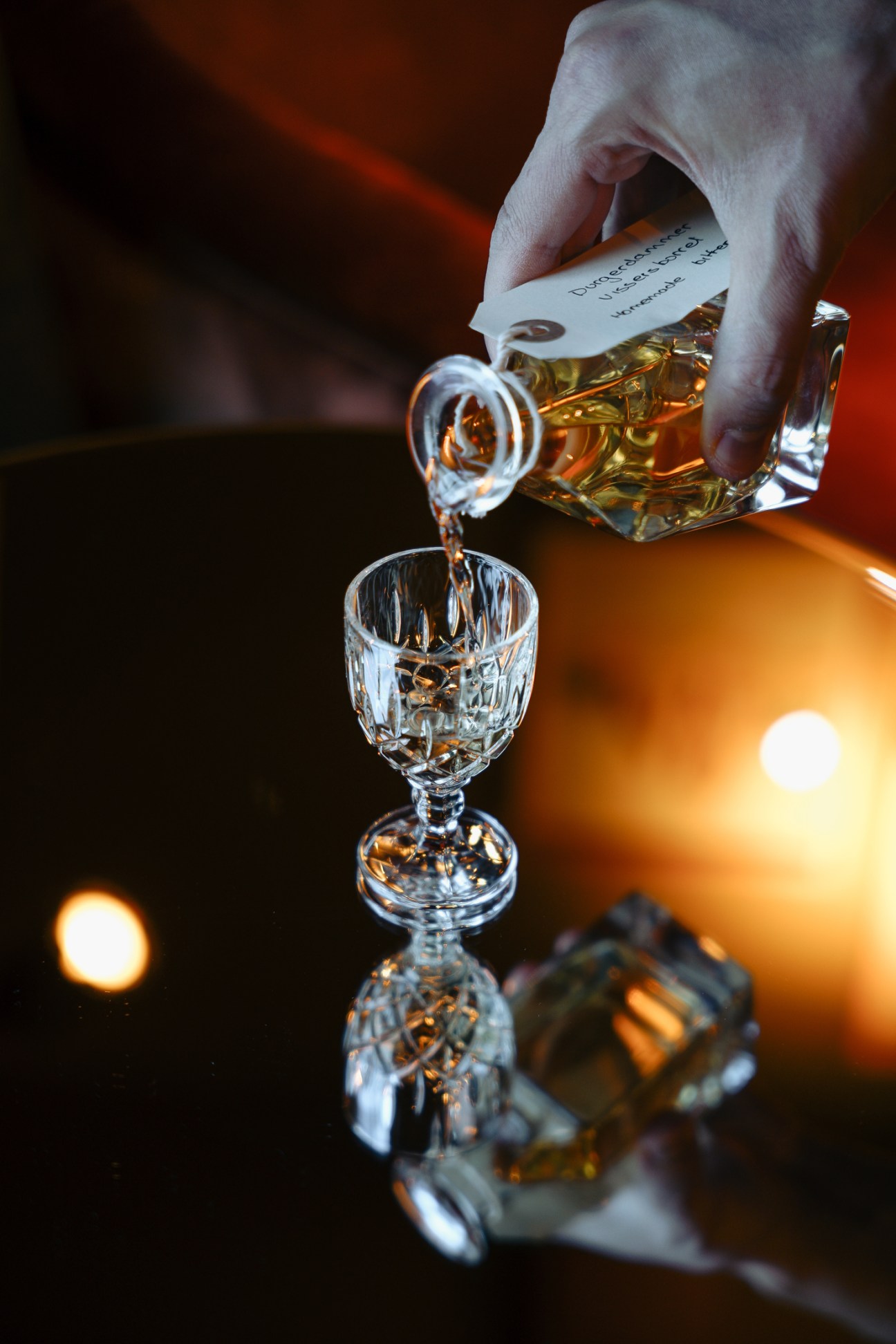
“Don’t worry,” the kind-eyed waitress says as Monocle peers down at the shards of a glass that moments before had contained some orange juice. “In the Netherlands a broken glass is good luck,” she says, deftly manoeuvring us clear of the spill. Whether or not that’s true, the idea is reassuring. We’re at the newly opened De Mark restaurant in the revamped De Durgerdam hotel, by a bar that has seen its share of spills since it first opened in the 17th century. Today, however, it looks more polished than ever.
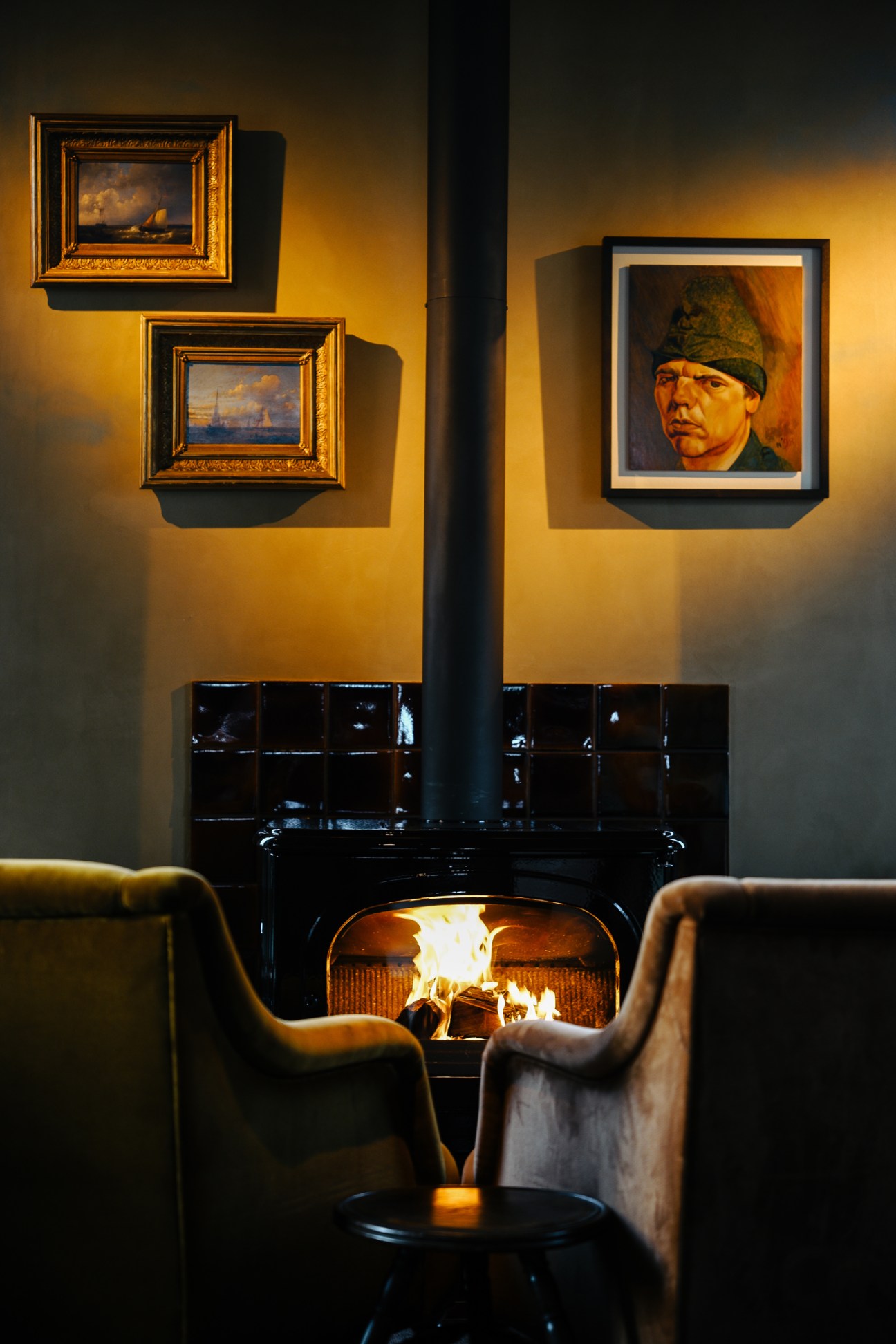


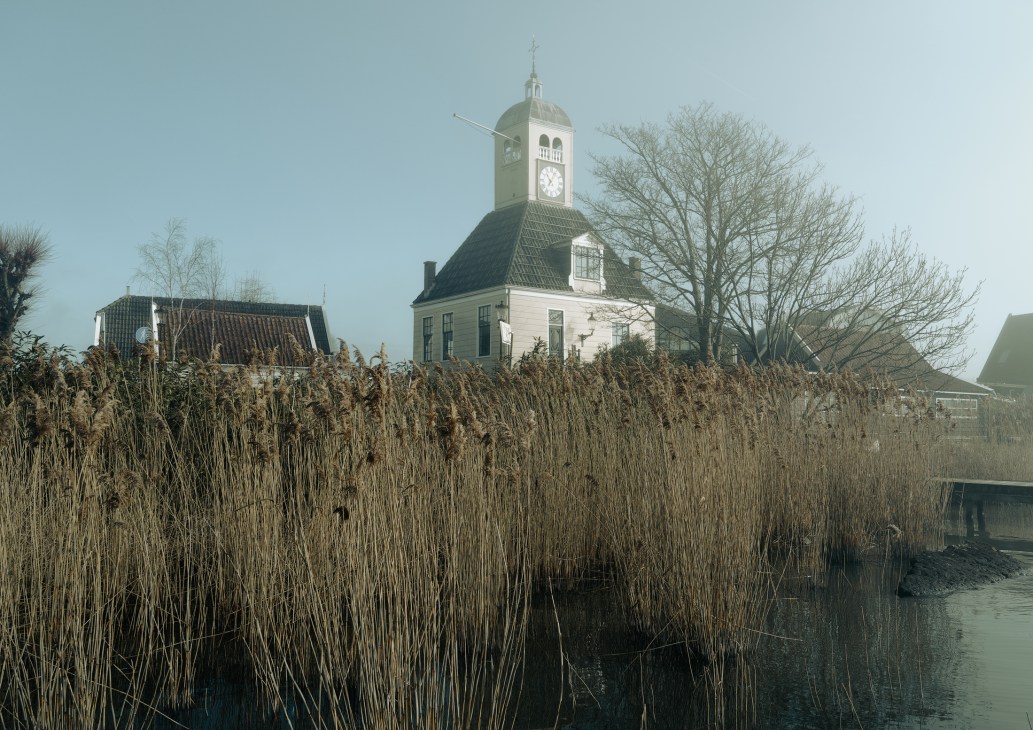
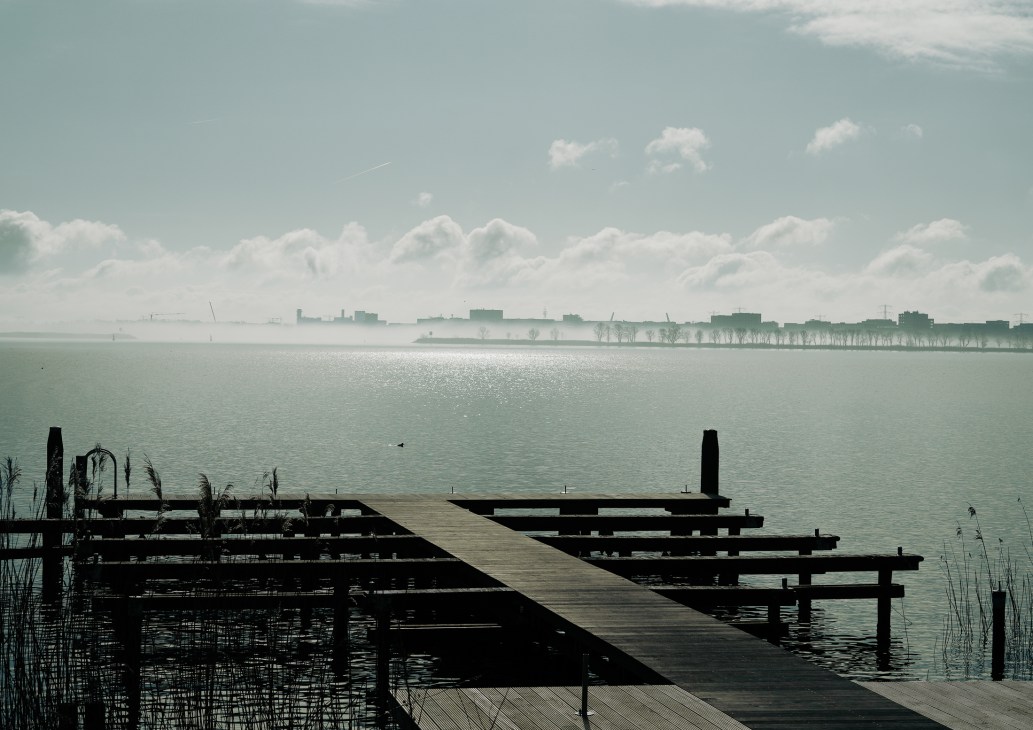
The wood-clad, whitewashed inn on the shores of the Ijmeer is now helping to bring new life to the small, single-road village of De Durgerdam. If you’ve never heard of it, take note. We’re just 7km northeast of Amsterdam but the view through its windows feels a world away from the bustle of the Dutch capital.
Amsterdam-based Aedes is the canny investor and hospitality company that saw the potential of this site, nestled on a road lined with pampas grass, opposite a wooden jetty jutting into the vast lake beyond. Its owner, Paul Geertman, started bringing historic buildings back to life in 1995, before branching into hospitality. The ambitious, three-year renovation of this hotel was his vision. “De Durgerdam is the first project that we developed, own and operate,” he says. “In that respect, it’s very special for us.” The son of archaeologists, Geertman trained as an architect. Though he pursued neither career, his sensitivity to form and history is everywhere in this hotel.
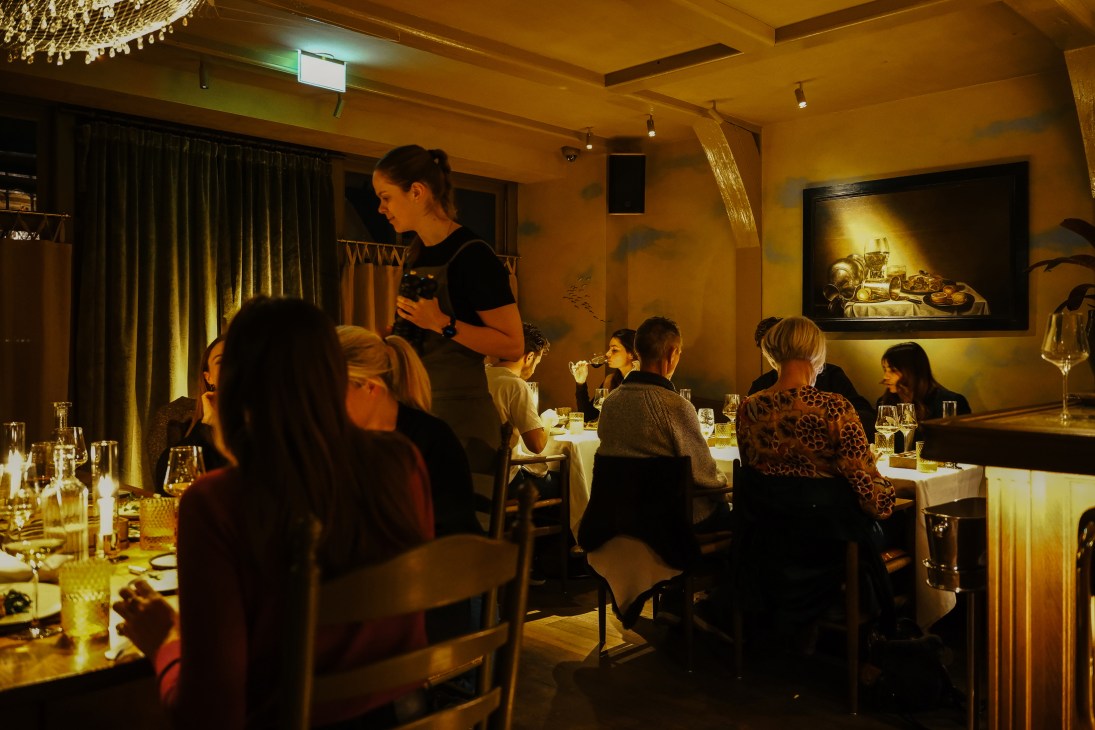
For the interiors, Aedes tapped Design Academy Eindhoven graduates Brecht Duijf and Lenneke Langenhuijsen, co-founders of Buro Belén. De Durgerdam is their first interiors project but you wouldn’t know it to see it. Belén began with the idea of honouring the building’s past, an approach that enriches the hotel’s 42-cover restaurant, its four rooms in the main building and the newly built guesthouse at the back, in which there are a further 10 guestrooms. There’s also a snug fireside space with a curtain for extra privacy, a downstairs reading nook for guests and a communal table at the front of the restaurant.
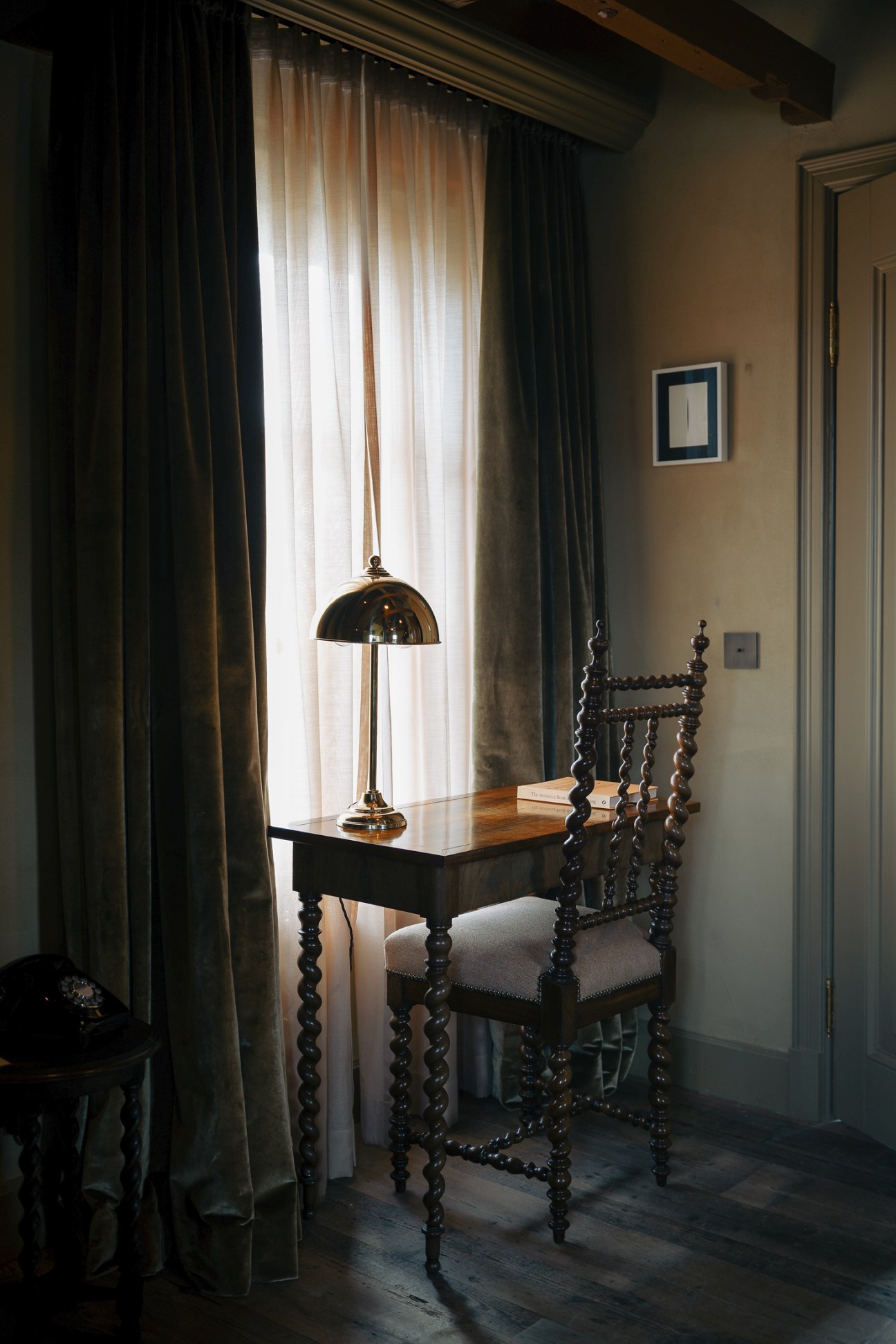
The four rooms in the main building are all different but each is accessed by a deeply recessed, age-worn spiral staircase. The palette throughout is a mix of brick-red and ochre, and you’ll spot custom-fired bathroom and accent tiles from Royal Tichelaar Makkum, a firm founded in 1572.
Monocle’s favourite suite is in the eaves of the original pitched roof and includes a wood-burning stove, a window seat, a barley twist chair and a desk with views of the village and bobbing boats beyond. Every room has a comfy reading chair and in this one there’s also a writing desk from which to gaze out at the boxy outline of the city of Almere, Enneüs Heerma Bridge and islands across the water.
Though the rooms in the main building vary in size, they all include custom throws that glisten like pools of mercury, art from Geertman’s collection and voluptuously curved tulip-wood headboards. There are some homely touches too: for example, the inside of every cupboard is painted sky blue in a nod to the village custom of doing so to ward off insects (the blue paint once used for this purpose contained an ingredient that bugged the bugs).
It’s this delicate sense of place that helps the revamp feel faithful to the past. The effect is one of total gezelligheid – an unhelpfully untranslatable sense of cosiness and warmth that’s uniquely Dutch. This is aided by the common sense informing the interior decisions: windows that open, TVs that fold away and comfortable spaces where you can read or jump on the bed as you please.
De Mark restaurant is headed up by Richard van Oostenbrugge and Thomas Groot. Though the pair know haute cuisine well from founding Amsterdam’s lauded restaurant 212, which has two Michelin stars, the food here is more befitting of the inn’s neighbourhood feel. It’s a place to enjoy good cooking masquerading as comfort food served by candlelight: think beefier-than-meat tomato tartare, risotto with gooey gouda and morels, then sole meunière with spinach and seaweed, or veal cheeks with Opperdoezer Ronde potatoes.
The Dutch cheeses to finish show the place’s commitment to provenance but the chips and French mayonnaise on the menu hint that it’s OK to come here to have a pint and bite at the bar if you’d prefer. On Monocle’s visit, it was a neighbour rather than a tourist at the next table. Back at the breakfast table, the waitress has cleared the broken glass and the sun peeks through the clouds, its light glinting on the lake outside. Church bells and the honking of geese outside are just about audible. Whether or not breaking glass brings good luck, one thing is clear: De Durgerdam doesn’t need it.
dedurgerdam.com
Design
Architecture: Rome
Natural learning
Rome’s Luiss Guido Carli university in the upscale Parioli neighbourhood of the city has a new addition to its leafy campus, courtesy of design studio Alvisi Kirimoto, which is based in the Italian capital, and interior architecture firm Studio Gemma. The two-storey design includes a lecture theatre and an open-air atrium to host various educational activities and cultural events, from gala evenings to film screenings. On the edge of Villa Ada, the Italian capital’s second largest park, the structure looks to enhance the verdant feeling on campus by embracing the nearby forest landscape: its raised form puts the building’s occupants level with the canopy of the surrounding trees, while also freeing up the ground floor to create an open-air space to host classes, talks and alfresco events.
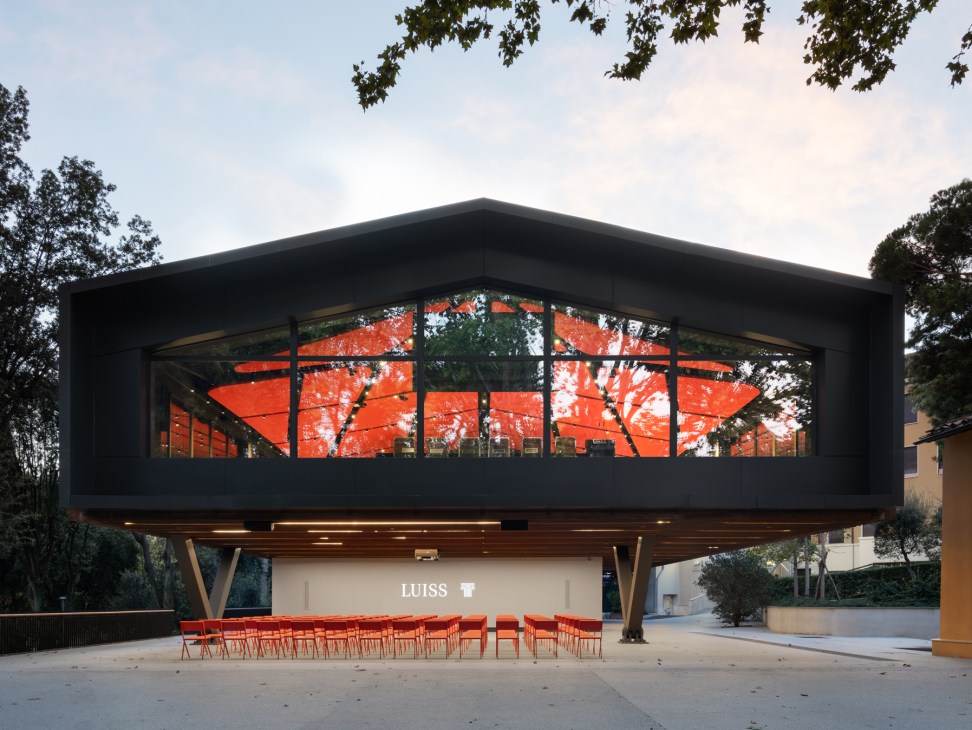
When approaching this commission Massimo Alvisi, co-founder of Alvisi Kirimoto, looked to nature and its benefits in an educational context to ensure that university students could get the most out of the setting. The building is clad in dark wooden slats and glass that dissolves any sharp divide between the exterior and interior. “The high permeability of the building facilitates an immersion into the landscape,” says Alvisi. “It’s a conceptual choice that reflects the openness of the campus.”
Inside, the colours, textures and materials work together to create a naturally upbeat atmosphere, with suspended acoustic panels in coral red creating the illusion of a floating ceiling. The same bright red is echoed in the building’s furnishings, bringing a cohesiveness to its metal, scratched plaster and wood spaces. The result is a new hub that serves as a model for other educational institutions and those seeking ways to seamlessly integrate structures in verdant environments.
alvisikirimoto.it, studiogemma.com.au
Parks: Mexico City
Fresh air
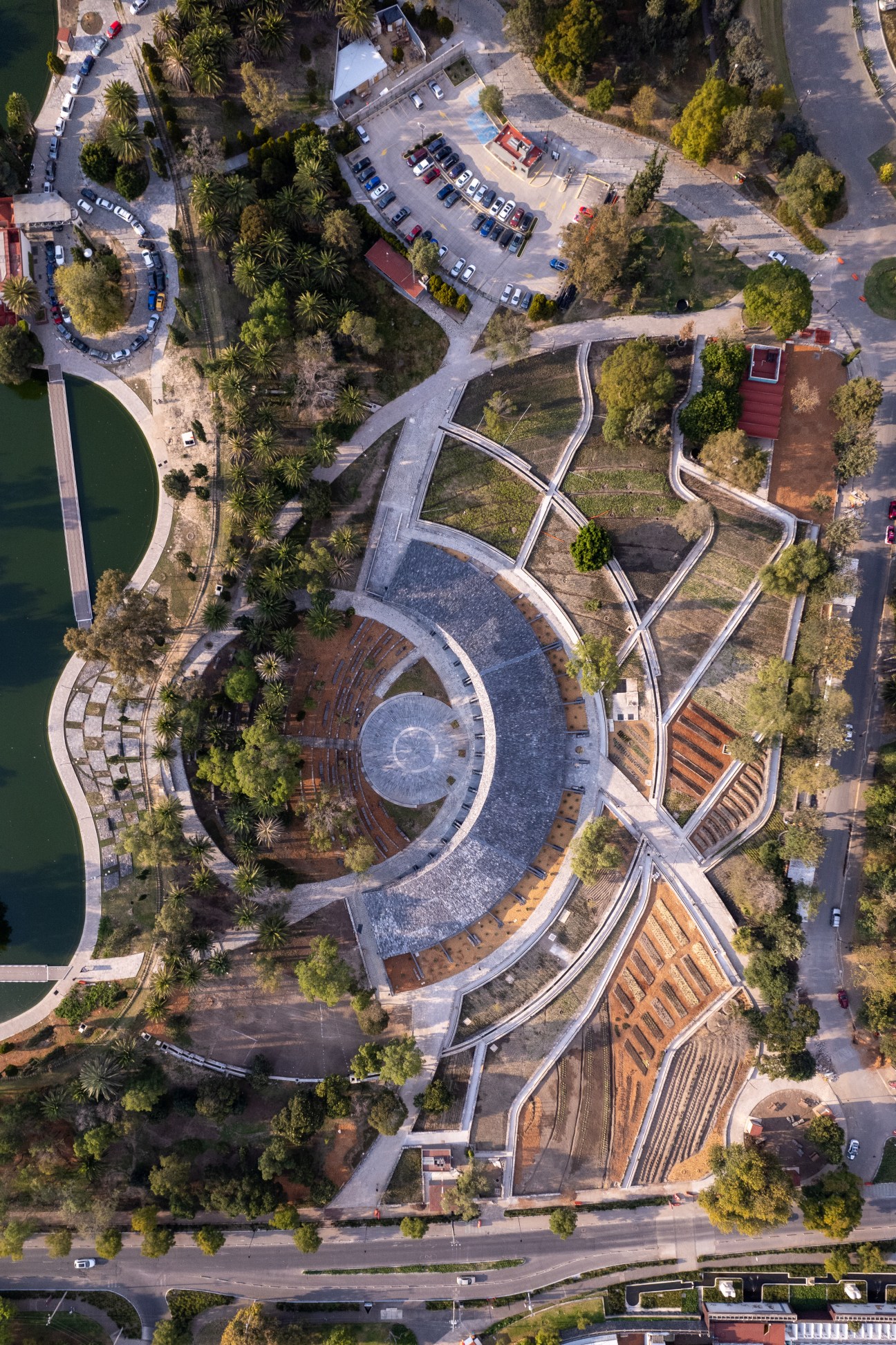
In Mexico City, the sprawling Bosque de Chapultepec is considered the city’s green lungs. The park is a vital ecological hotspot in one of Latin America’s most populous cities and has, of late, been receiving an upgrade. Notably, Erre Q Erre architects has recently completed the Environmental Culture Center, a striking, spiralling botanical pavilion and garden. “The architectural language of the pavilion aims to be one more element of the landscape,” says Erre Q Erre founder Raphael Ponce Ortiz. “This has been achieved by integrating the geometry of the roof with the topography of the site, and with the use of materials from in the Chapultepec Forest.”
This material selection and the project’s efforts to work with the topography to minimise disruption to the environment is also reflected in the choice of planting, with new varieties of plants from across Mexico selected. Visitors can meander through these plots when walking to the central pavilion, which will eventually host ecology talks and exhibitions. The result is a combination of landscape, architecture and culture that is set to help Mexico City breathe easier.
Furniture: Copenhagen
Second time around
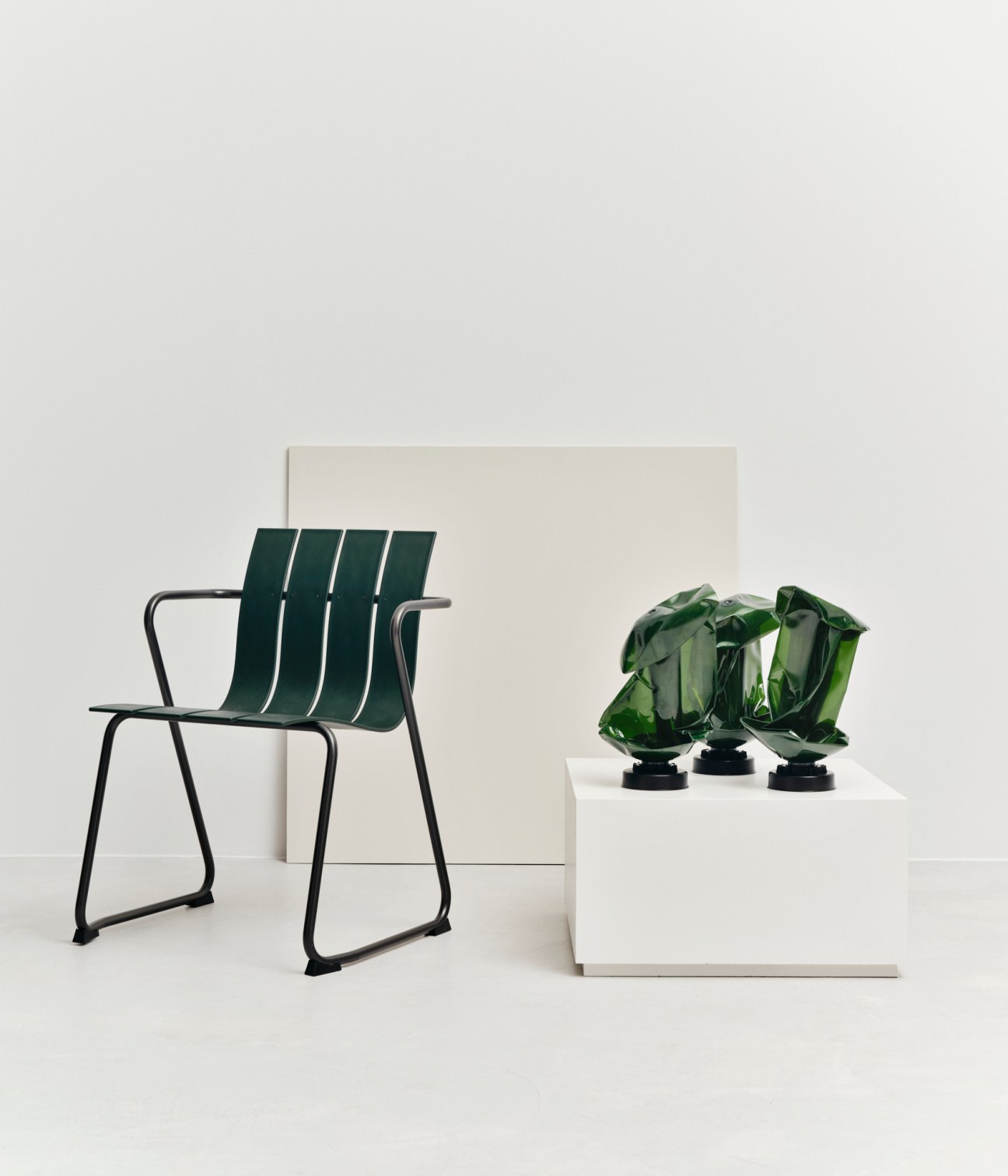
Copenhagen-based Mater is a pioneer in sustainability and the circular economy, inspiring makers and design-lovers to think more sustainably. In 2019 it reissued a wood-veneer chair and table designed by Nanna and Jorgen Ditzel in 1955 as part of the Ocean collection that uses old fishing nets and ocean-waste plastic as its materials. Now, Mater has launched a version made using circular economy principles in collaboration with Carlsberg and A:gain, an organisation that develops and produces upcycled building materials.
Named Ocean OC2, the chairs, benches and tables, which come in Carlsberg’s distinctive green, use plastic waste from the beer company’s kegs (as well as other repurposed plastics) and a frame of partially recycled steel. “The collaboration between Carlsberg, A:gain, the Ditzel family and Mater is a unique example of an innovative way of thinking about circular production across industries,” says Henrik Marstrand, Mater’s founder. “We are constantly looking for similar collaborations where we can use upcycled plastic or other waste streams and send it all back as furniture and lighting.” The resulting pieces look just as good outside as they do indoors and now take pride of place at Carlsberg’s headquarters in Copenhagen. And if you drop by one of Mater’s shops, they could take pride of place in your home.
materdesign.com
On DESIGN
NIC MONISSE ON…
Artificial creativity
It feels like it is near impossible to escape talk about artificial intelligence (AI) and Chatgpt. There are those who are fascinated by its potential to solve problems, assist in composing emails and essays, and “make” art. Rightfully, others – particularly those in creative industries, from architecture to furniture – are sceptical, considering it a threat to the integrity of work and livelihoods (a computer could “design” a chair).
It’s an issue that architect Reinier de Graaf, who is a partner at the Office of Metropolitan Architecture, weighed in on at the recent launch of his new book, Architect, Verb. “Architects don’t know anything about anything, so their knowledge can’t easily be stolen,” said De Graaf, in reference to architects’ job security in the face of Chatgpt. “AI simply confirms everything we have thought but beauty in design is something we discover; it emerges from corners you never thought it would.” This sense of discovery, De Graff says, is innate to us as humans and it will continue to set us apart from AI.
So where does one go to see actual, designed beauty in the flesh? Trade shows and design festivals are a great start. A pick of the bunch would be Salone del Mobile, which wraps up right as this issue hits newsstands, plus a host of others in the coming months, from Melbourne Design Week in late May to Copenhagen’s 3 Days of Design in June. There’s a creative energy that is hard to replicate – and attending is one way to beat the bots.
For more news and analysis of design events around the world, pick up a copy of our Salone del Mobile newspaper at monocle.com/shop.
Photo: Milan
Q & A
Hélène Binet, Photographer
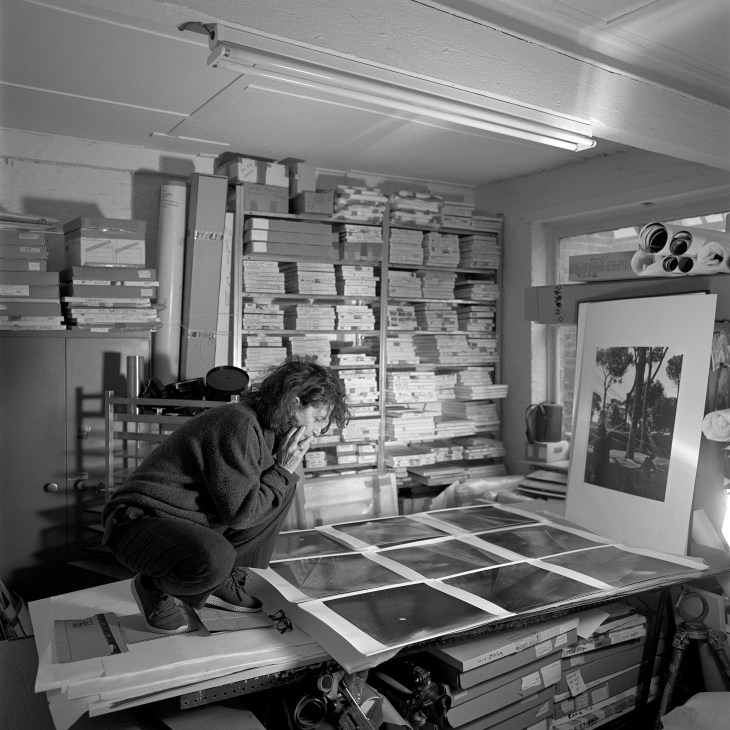
Swiss-French photographer Hélène Binet has, over the course of her 35-year career, worked exclusively on film, immortalising some of the world’s most significant architecture. It’s work that was celebrated at this year’s Salone del Mobile in Milan with a showcase of her original images.
How do you capture the essence of a building?
I approach each building with a different thought. It’s a play between the idea I receive from the place, historically, architecturally or my idea of what I should be bringing out of the building. It’s about capturing a moment that can bring together these aspects.
What role does architectural photography play in shaping our perceptions of buildings and spaces?
I’m not interested in how we imagine a place we haven’t been to. Photography is quite powerless in relation to the experience of space. I’m more interested in the capacity of a mind to imagine space; it’s like reading a book where descriptions help you create your own space and layer your own experience.
You only shoot on film. What is it about this medium you like?
Film is expensive and heavy but it being so tangible allows you to give the best of yourself in the moment – much like a concert or recital for a piece of music. The endless possibility of Photoshop scares me.
Keeping it real
It is the moment of truth for 11 Dutch celebrities. They are fidgeting nervously under dramatic lighting and sinister flags as they wait for their cue to start throwing accusations of duplicitous behaviour at each other. Glued to a monitor in a room nearby, three TV executives from Israel watch as a contestant breaks down in tears. They don’t understand a word but are gripped and throw questions at Kevin Soares, the executive vice-president for international formats at idtv, the Amsterdam-based production company that first created the programme. Why is she crying? How do they prepare the contestants? Can they control what is going to happen?
Monocle is on set for the filming of the tense round-table scene in The Traitors, the hit psychological reality TV show in which a group of people are isolated in a castle and must root out the traitors in their midst. Israel is the latest in more than 20 countries to buy the format. Soares knows the series’ universal appeal better than most: he has travelled to 11 Traitors sets around the world to help develop local versions. “It goes back to the basic core of being human: if we can’t tell the difference between good and evil, lie or truth, we become unbalanced,” he says. “Even though there are a lot of cultural differences, fundamentally we react to certain situations in the same way – so wherever you watch the show you can relate.”
The visitors from Israel nod approvingly as Soares explains their hands-off approach with the contestants. “Reality is better than anything scripted,” says Roee Strikovski of Fremantle, the production company that owns the studios that will be making the series in Israel. “And it works with this maybe even better than Big Brother.”
The Traitors is the latest in a long line of Dutch TV formats that have gone on to enjoy huge international success, in some cases changing the television landscape forever. Streaming services might have opened up a whole world of content that can be watched across different countries without the need to create national versions but The Traitors is proof that there is still space for traditional broadcasters to apply a tried-and-trusted formula of gripping storytelling, strong execution, great timing – and a little bit of luck.
The Dutch have long thrived in this genre. Many say that the country invented reality TV: in 1991 a producer put seven strangers in a student house in Amsterdam and filmed them over several months. Nummer 28 ran for one season before quietly disappearing. The following year mtv did the same with The Real World, putting seven New Yorkers in a Soho loft: its blend of in-house tensions and Gen X angst captivated viewers – and a new genre was born. The reality format evolved further in 1999 when former Dutch footballer-turned-media mogul John de Mol finally found a network willing to take a chance on his new idea, Big Brother. Now the human lab rats were to be denied access to the outside world and would perform tasks and games in front of a rapt TV audience. The rest, of course, is history. Big Brother went global and De Mol ended up creating some of the most iconic formats of the past two decades, first with his company Endemol and then with Talpa, the content creator he founded in 2017. “Big Brother came out when the internet was starting to boom and the idea that you could be watched all the time by everyone was quite influential,” says Alex Mazereeuw, a TV columnist for Dutch newspaper De Volkskrant. “That is the brilliance of De Mol – good marketing and good timing.”
De Mol was also following in a long tradition of innovation and entrepreneurship in the Netherlands, a mercantile nation that has always punched above its weight on the international stage. Making things and selling them – think tulip mania in the Dutch Golden Age – is in the nation’s DNA, as is making the most of limited resources and soaking up myriad influences. Geertje Hoek, managing director at Talpa Concepts, also sees something in the nation’s character – renowned for its liberal social values and open-mindedness – that makes the Dutch receptive to being guinea pigs for some of the more outrageous ideas. “The Netherlands is a good market for trying out new formats,” she says. “It’s also quite a representative market. History has proven that if something does well here, it’s likely to do well in some of the other big territories.”
The golden years of Dutch reality TV saw formats push the boundaries of taste; in 2005, De Mol made headlines with the pilot of a show in which a woman searched for a sperm donor. But most of his hits were relatively family-friendly formats, including Fear Factor, Deal or No Deal and The Voice. The latter was De Mol’s last big international hit – more than a decade ago. Since then his reputation has taken a serious hit: last year a female contestant on the Dutch version of The Voice accused cast members of sexual harassment. The show was taken off air and two of the accused men are now being prosecuted. This came amid already growing global concerns about the vulnerability of reality-TV contestants, with networks toning down their risk-taking and backing safer formats.
It was into this fallow period that The Traitors arrived in March 2021. Dutch TV creative Marc Pos had an idea to base a show around the story of The Batavia, a Dutch East India Company vessel that was shipwrecked off the coast of Australia in 1629, prompting mutinous behaviour as the stricken crew fought for the ship’s bounty. He sought the help of one of the biggest Dutch TV production companies,
idtv (owned in turn by UK-based All3media group), and in 2016 started working with Jasper Hoogendoorn, then a concept developer for the company. Hoogendoorn, now idtv’s creative director, immediately saw the potential of the format. “It is so interesting to see what an amount of money and peer pressure can do to bring out the bad side of human behaviour,” he says.
But the networks were not convinced. One of the most popular formats in the Netherlands at the time was The Mole, where the identity of the mole remains a mystery to the audience. The central concept in The Traitors – in which the audience knows who the traitors are from the start – seemed revolutionary in its potential to strip the audience of suspense (and their ability to figure out who the traitors are themselves). Then, in 2020, commercial network rtl4 agreed to take a chance. When it aired in March the following year, it turned out to be the perfect show for the moment, as people were spending most of their time at home during the pandemic and conspiracy theories were flourishing. “That claustrophobic sense, the questions around who can you trust in times like these – all that anxiety is baked into the format of The Traitors,” says TV critic Mazereeuw. It was an immediate hit and within days of the first broadcast, major networks from all over the world were calling. The huge success of the UK version in late 2022, and the US one this year, sparked more excitement – and an increasing number of countries, from Finland to New Zealand, are now clamouring to create their own versions.
The Dutch series, called DeVerraders, has now run for three full seasons and two specials. Monocle joins the filming of a Halloween special at a château in the north of the country where celebrity contestants plot and conspire on a set decked out in skeletons and pumpkins, conspicuously ignored by the crew and other visitors, who are under strict instructions to respect the contestants’ alternate reality. “It’s a psychological bubble,” says Soares, and a distinctly sinister one too. At the end of a manicured lawn, screams and howls suddenly come from a greenhouse: the snake handlers waiting outside are a hint to the task within.
Is this show proof that a renaissance is afoot for Dutch TV formats? It has certainly given a renewed confidence to the big players such as Talpa and idtv, and emboldened a host of other production houses to try new formats. Marc Pos has since left idtv to create his own company and there is much anticipation about his next project, while production houses Vincent TV Producties, Sky High TV and Tuvalu Media continue to create staggering amounts of reality formats, with varying levels of success.
Mazereeuw worries that there are still too many copycat formats on the market but Hoogendoorn believes that The Traitors has spurred both renewed international interest and innovation. He talks excitedly about idtv’s next project, The Unknown, which he describes as a psychological adventure reality show. He can’t give too much away: the first episode airs in the Netherlands in May and they are building hype with a slow reveal but it involves ordinary people being plunged into extraordinary situations, all the while being controlled by a mysterious puppet master. With stunning locations and plenty of twists, it sounds like a combination of Squid Game and Race Across the World, with some unmistakable Traitors elements thrown in. International rights have already been sold to two countries, which is unusual for a show that has not even aired. Hoogendoorn says that the central premise is asking people to decide whether to take a safe course in life or to try something daring and unknown. “After the pandemic, we all have moments when we think, ‘Is this the life that I want to live or do I dare to choose another path?’,” he says. “A lot of people dream about changing their life but don’t dare to do it. That’s the main idea behind this format.”
Capturing the zeitgeist is tricky, however, and often happens by accident. The fast-changing nature of global politics and the programmes’ long lead times can also throw up curve balls. Talpa’s much-hyped Million Dollar Island, in which 100 contestants live on a tropical island for two months to vie for a €1m prize, must have seemed like a great idea during the fog of the pandemic, when everyone was dreaming of sunnier times. It eventually premiered in early March 2022, just weeks after Russia’s invasion of Ukraine. The images of swimsuit-clad contestants fighting over food to win huge sums of money jarred with footage of Ukrainian farmers wondering whether they could still feed the nation amid the Russian onslaught. Talpa Concept’s Hoek remains upbeat about the format, however, and says that the Australian version will be filming soon. She talks about today’s audience seeking comforting family content to escape social media and worrying global news. There is also fatigue with ubiquitous influencers and a move towards more compassionate reality TV.
While The Traitors certainly puts its contestants through the psychological wringer, its DNA feels closer to family board games and wholesome whodunits. Innovation and risk-taking, it seems, don’t mean finding someone willing to give birth on live TV or inventing sadistic mental tortures for wannabe celebs; it can be as simple as having faith in the people in front of and behind the camera. “Authenticity, real people and real emotions: that is what people want right now,” says Hoek. “It’s not just about the tricks; it’s about what you can make people feel.”
What’s the next big export?
1.
Make Up Your Mind
A mix of The Masked Singer and RuPaul’s Drag Race, Make Up Your Mind sees Dutch celebrities transform into drag queens and perform for two panels who compete to guess the person’s identity. It might be a show that is riffing on an existing formula but its mix of diverse contestants and high production values has made it a hit and there is global interest.
2.
The New Vermeer
This gentle programme, pegged to the blockbuster Vermeer exhibition running at Amsterdam’s Rijksmuseum this year, asks professional painters and aspiring artists to create works inspired by the Dutch master’s notebooks. It has been an instant success in the Netherlands, with the cast of amateur artists capturing the public’s imagination.
3.
AvaStars
When production on this new John de Mol format was announced two years ago, the concept of Dutch celebrities pairing up with virtual versions of themselves to compete in a talent show might have seemed ahead of its time. But two years is a long time in technology and when the programme finally hit the screens in February, it was widely panned for a visual style that columnist Alex Mazereeuw likens to “Playstation characters from 2005”. He admits, however, that he can’t stop watching. Could this be a slow-burning “so bad that it’s actually good” hit?
4.
Marble Mania
Talpa’s surprise hit from 2021. The show, inspired by a Youtube channel, sees Dutch celebrities race marbles on a huge track. Reflecting a shift towards gentler, simpler content, Talpa’s Hoek says that it premiered during “troubled times when people longed for feel-good entertainment that they could watch with their family and that allowed them to escape reality for a little bit”. Versions have already been filmed in France and Belgium, and it returns to Dutch screens later this year.
5.
The Floor
Another Talpa production, this quiz show aired in the Netherlands this year. Its usp is the number of contestants, with 100 quiz fanatics standing on led boards and duelling each other to whittle down the numbers. Designed with social media-friendly snippets in mind, The Floor has now sold internationally.
6.
A Year of Your Life
Despite numerous attempts, no reality format has matched the winning formula of Big Brother. But that doesn’t stop production houses from trying, and Endemol successor Talpa is currently testing a new spin: making it longer. While Big Brother contestants only had to put up with their fellow housemates for a few months, the 40 strangers in A Year of Your Life are tasked with enduring each other’s company for 365 days. Billed as the longest reality game show ever, those who make it to the end can win €1m.
Choice cuts
Photography
Gülsah Ayla Bayrak: The Start of Something
Foam at MAQAM, Amsterdam
Photography museum Foam is collaborating with maqam, a cultural organisation with a Turkish, Persian and Arabic focus, for this show by Belgian-Turkish artist Bayrak. Using photos, collage and images from pop and classical culture, she plays with takes on identity, blurring perceived boundaries between East and West.
‘The Start of Something’ runs until 18 June
Venue
Dot.ateliers
Accra
Ghanaian artist Amoako Boafo is now an international name and his paintings sell for millions at auction. Since 2020 he has been giving studio space and guidance to young artists. This has now evolved into a David Adjaye-designed destination in Accra, home to a studio, library and exhibition space. A show of Boafo’s portraits will travel here from New York’s Gagosian
Books
August Blue
Deborah Levy
The latest novel by one of the world’s greatest living writers follows Elsa M Anderson, a concert pianist who publicly unravels mid-performance. Escaping to Athens, she briefly encounters an oddly familiar stranger and embarks on a journey to track her down. A melancholy yet lyrical portrait of identity and memory.
‘August Blue’ is released on 4 May
Small Worlds
Caleb Azumah Nelson
Azumah Nelson’s debut, Open Water, made many prize lists when published in 2021. Its follow-up is set over three years in the life of a young man who believes that “the one thing that can solve most of our problems is dancing”. But during summers in London and Ghana, he’s forced to find comfort in new things. This rich coming-of-age tale explores family, art and faith.
‘Small Worlds’ is released on 11 May
Yellowface
Rebecca F Kuang
Athena Liu has a book deal with a big publishing house and a TV deal with Netflix. But she is dead. Her “friend”, June Hayward, a less starry writer, steals her unpublished manuscript and passes it off as her own. Kuang’s thriller will leave readers reeling with its pace and dark humour.
‘Yellowface’ is released on 16 May
Music
AmaXesha
Bongeziwe Mabandla
One of South Africa’s most lauded contemporary artists, Mabandla’s mix of electronica and Xhosa folk is captured beautifully on this new album, produced by Mozambican musician Tiago Correia-Paulo. The mysterious, ethereal record is embellished by Mabandla’s rich and melodic voice. Highlights include the sunny “Hlala” and the emotional punch of “Hamba”. No wonder previous tours of his home country sold out in no time.
‘AmaXesha’ is released on 5 May
Tirer La Nuit Sur Les Étoiles
Etienne Daho
Having enjoyed a career of more than 40 years, France’s beloved king of pop is back with an impressive album that celebrates the joys of nightlife. Single “Boyfriend” is a sultry delight, while the title track, a duet with singer-cum-actress Vanessa Paradis, is a standout. So too is “Virus X”, a dance floor-ready song punctuated by electro beats.
‘Tirer La Nuit Sur Les Étoiles’ is released on 12 May
TV
Sin Huellas
Amazon Prime Video
This “paella western”, set in Spain, is a farcical comedy-drama following two cleaners, Cata and Desi, who become involved in a murder after discovering a body at a mansion and deciding to tidy up the crime scene. Their poor judgement lands them in a tight spot: chased by police, they’re also followed by Russian hitmen – and members of the victim’s family too.
War Sailor
Netflix
An adaptation of a major Norwegian film, this limited-edition series set around the outbreak of the Second World War is based on a true story. The three episodes examine the fate of 30,000 merchant sailors who worked for Allied forces while in the middle of the Atlantic Ocean, joining a conflict they never expected to be part of.
Love to Love You, Donna Summer
HBO
This HBO documentary delves into Donna Summer’s era-defining sound, which influenced countless artists. Featuring never-seen-before footage, the show provides an intimate look at Summer beyond the stage to explore the challenges and controversies in her personal life, all with compelling contributions from collaborators.
Film
Pamfir
Dmytro Sukholytkyy-Sobchuk
Pamfir returns to his village in western Ukraine to find that crime (specifically, contraband cigarettes and other wares) is the only way to make a living. When his teenage son accidentally sets fire to the town church, Pamfir is pushed into smuggling – and the attention of the local crime boss. Part-character study of a good man in a bad place and part-thriller, this is a misty, atmospheric take on the “one last job” genre.
‘Pamfir’ is released on 5 May
Return to Seoul
Davy Chou
Having been adopted as a small child, French twentysomething Freddie travels to Seoul to find her birth parents. Her father responds but her mother doesn’t. Park Ji-min delivers a nuanced performance as a young woman struggling to meet expectations about who she’s supposed to be. The film is also a touching portrait of the unsettled identities of people who grow up between cultures.
‘Return to Seoul’ is released on 5 May
Beau is Afraid
Ari Aster
After Hereditary and Midsommar, Ari Aster steps out of the comfort zone of horror into more absurdist territory. His new feature stars Joaquin Phoenix as the eponymous Beau, a man riddled with anxiety and paranoia, who is thwarted in increasingly extreme ways as he tries to visit his mother. It feels like an extension of Aster’s 2011 short film Beau, where a man is so crippled by his fears that he’s unable to even leave his room.
‘Beau is Afraid’ is released on 19 May
Art
Soft and Weak Like Water
Gwangju Biennale
The 14th edition of South Korea’s Gwangju Biennale uses water as a metaphor to explore resistance, co-operation and care due to its power to precipitate change. Curator Sook-Kyung Lee has gathered 79 artists, including Lebanese composer Tarek Atoui, Indian photographer Dayanita Singh and Cuban-born María Magdalena Campos-Pons.
‘Soft and Weak Like Water’ runs until 9 July
The Critic
Kong Rithdee
Thai film archive
Thailand’s leading film critic Rithdee worked for the Bangkok Post for 20 years before joining the Thai Film Archive in 2018. He picks the best films from Southeast Asia this year.
You & Me & Me
Wanweaw and Weawwan Hongvivatana
These twin sisters have shot some interesting short films before; this is their first feature-length production.
Regretfully At Dawn
Sivaroj Kongsakul
Kongsakul has a distinctive visual style. This film is loosely based on the story of his grandfather, an army veteran.
Doi Boy
Nontawat Numbenchapol
This cross-border drama, co-produced with Davy Chou, is about a male Burmese masseuse in Chiang Mai. There are a lot of these collaborative productions in Southeast Asia.
Delete
Parkpoom Wongpoom
A mystery by Parkpoom Wongpoom is always a treat. His new work is said to be about the concept of deleting someone from your life.
First Wife
Vijit Kunawut
Every year we restore an old Thai film at the Film Archive and show it in cinemas. This domestic family drama is by late Thai master Vijit Kunawut.
Tiger Stripes
Amanda Nell Eu
The story focuses on adolescence and the way young women’s bodies change.
Last Shadow at First Light
Nicole Midori Woodford
Woodford’s debut is about a young girl who can see into the world of the dead. It’s different to most Singaporean films.
Autobiography
Makbul Mubarak
Mubarak’s award-winning first film is about a boy befriending a former military general in rural Indonesia.
The Beer Girl in Yangon
Sein Lyan Tun
There aren’t many films coming out of Myanmar right now, so this one about a bar girl in Yangon is important.
Cobweb
Song Kang-ho
Song Kang-ho of Parasite fame plays a director who’s obsessed with re-shooting an old film’s ending.
IMAGES: A24, Netflix, Travys Owen, Prime Video, Chang Fia, CONIC.
Great lengths
Trio
Berlin
A buzzy opening often comes with promises of gastronomic revolution. Thankfully, Trio, from the team behind Berlin’s Otto, does not. “We’re not reinventing techniques or flavour combinations,” says the restaurant’s head chef, Vadim Otto Ursus. “Our dishes don’t need much explanation.” Trio is co-owned by Ursus, Eva Alken and Clemens Roesch, all of whom wanted to start a more casual sister space to Otto.
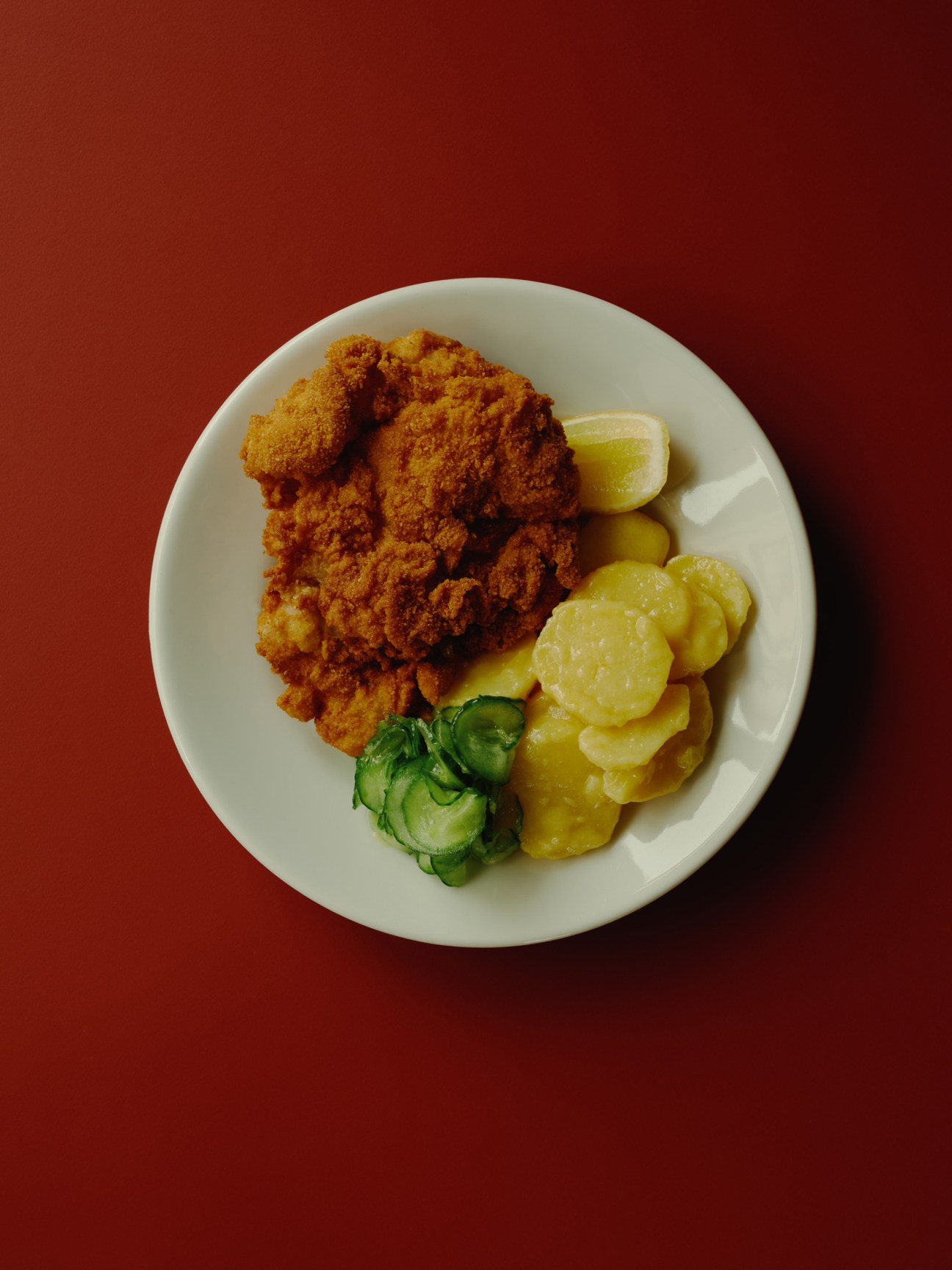
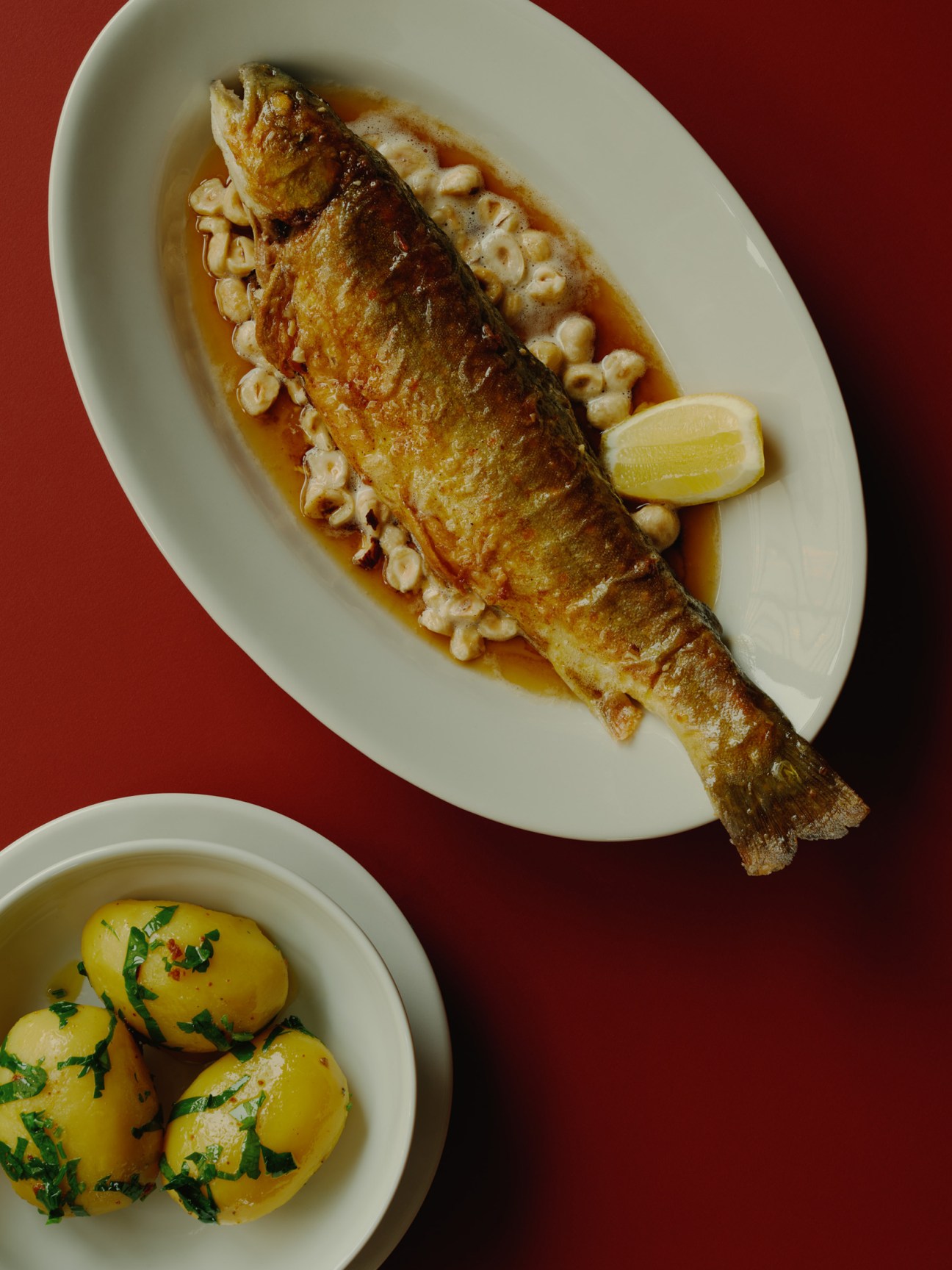
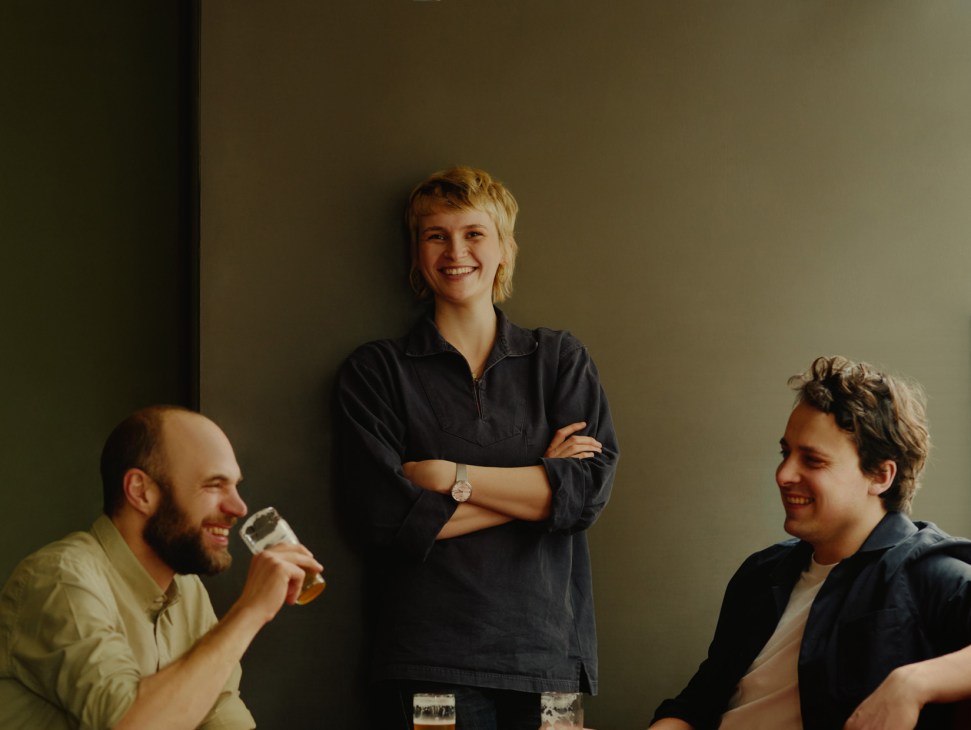
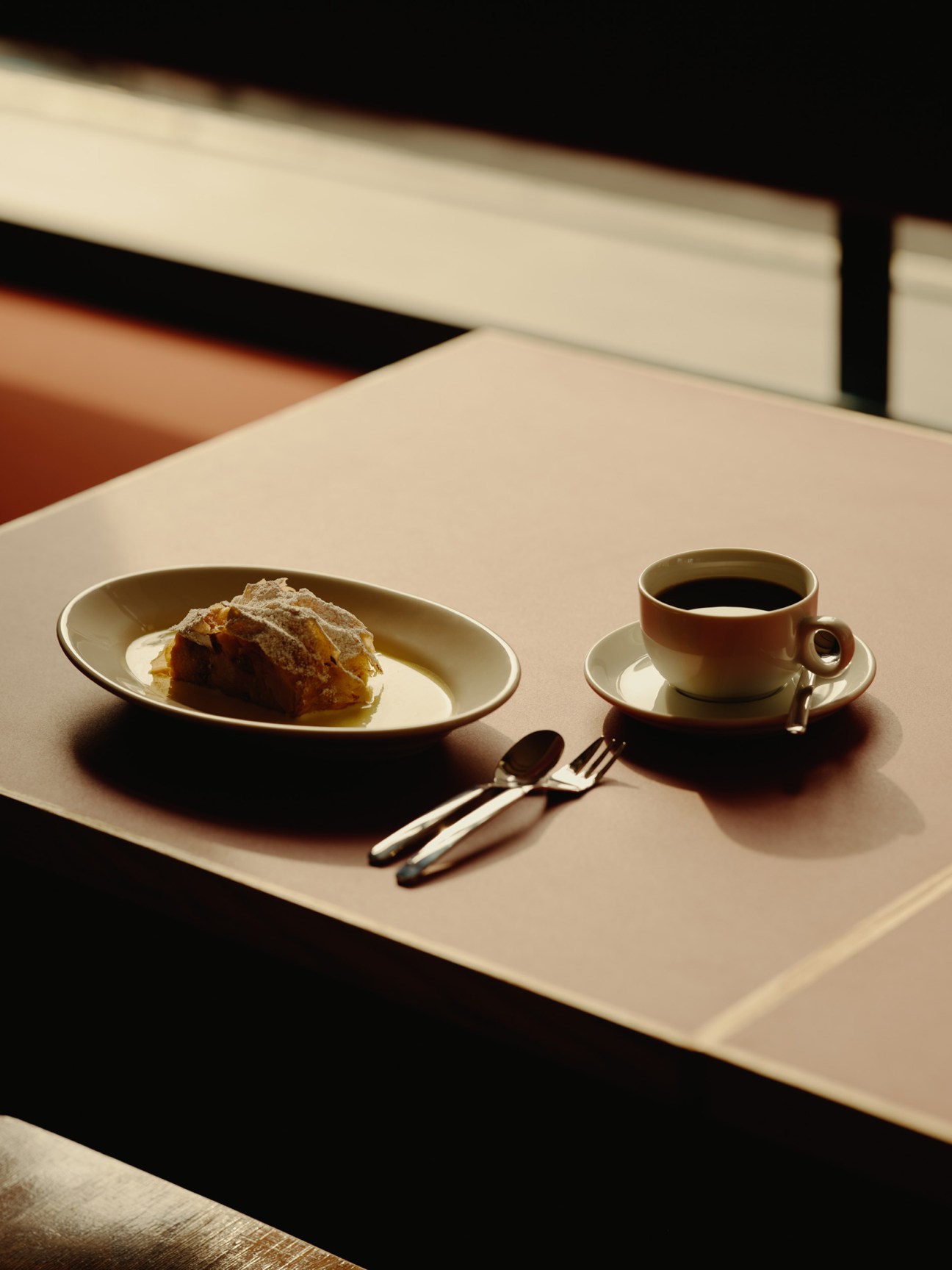
Behind a curving corner window in Mitte, guests can tuck in to a hearty menu of Austrian fried chicken, venison goulash and Königsberger Klopse or enjoy a draft beer and gherkins at the bar.
The interiors are equally relaxed, with moss-green cabinetry and red laminate tabletops. “They just need some scratches,” says Ursus with a smile. “We’ll get there soon.”
trioberlin.webflow.io
Langosteria
St Moritz
You’d be forgiven for wondering why it makes sense to ride a ski lift more than 2,000 metres above sea level and into the snowcapped mountains of St Moritz in order to eat fresh fish. Or why a group’s seventh location – its second outside Italy – deserves a closer look. But the new Langosteria on the slopes of Corviglia does just that.
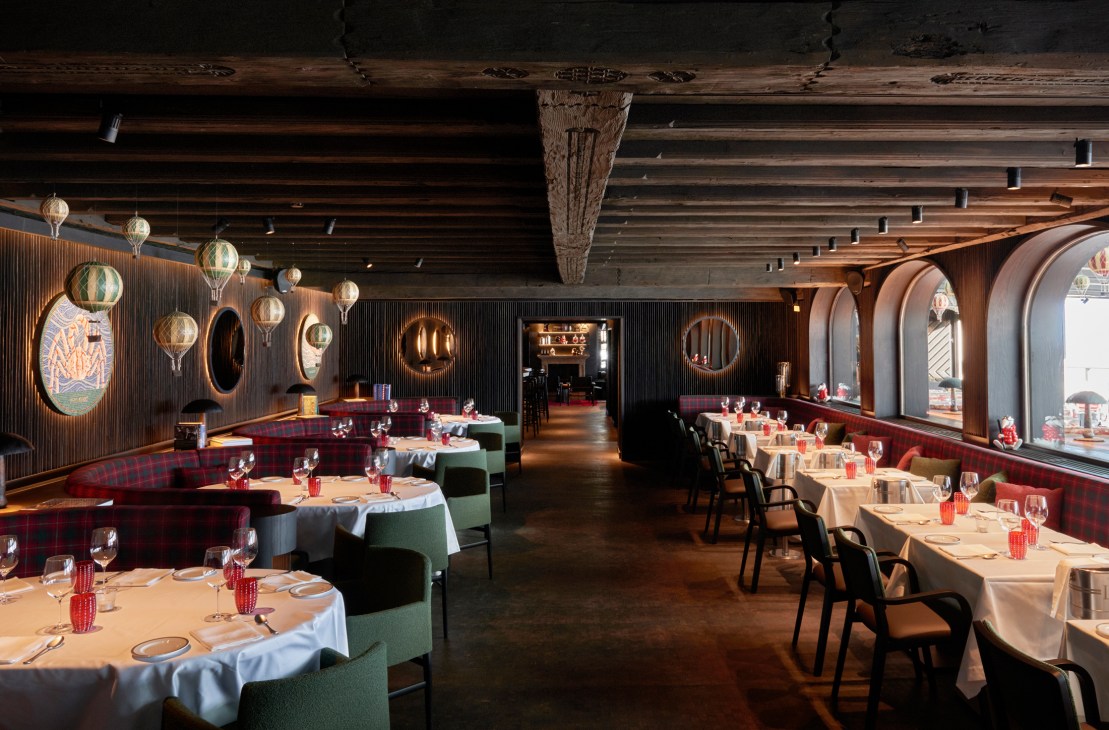
Clad in Moncler-designed uniforms, the 70-plus members of staff look as though they’ve hopped out of helicopters and skied into work. And with the open kitchen set behind a glass cabinet filled with Alaskan king crab, Norwegian langoustine and Sicilian red prawns, the Switzerland location somehow already feels like it is the natural centre of the Langosteria universe. But what to order?
“The winner is the pasta,” says founder Enrico Buonocore. “Paccheri with sea bass, lemon and capers is our famous dish.” The main dishes are simple but sumptuous: Monocle was served prawns that had been poached for seconds and then mixed with lemon, shell-fresh clams tossed in tomatoes and baby-squid linguini dressed in a little olive oil.
In fact, the complex theatrics are saved for dessert. Just when you think you’ve eaten every tiramisù that Italy can throw at you, the waiter unsheathes the house favourite as if it were an Adriatic jellyfish. Who says that you can’t cast the mountain into the sea?
langosteria.com
Recto Verso
Paris
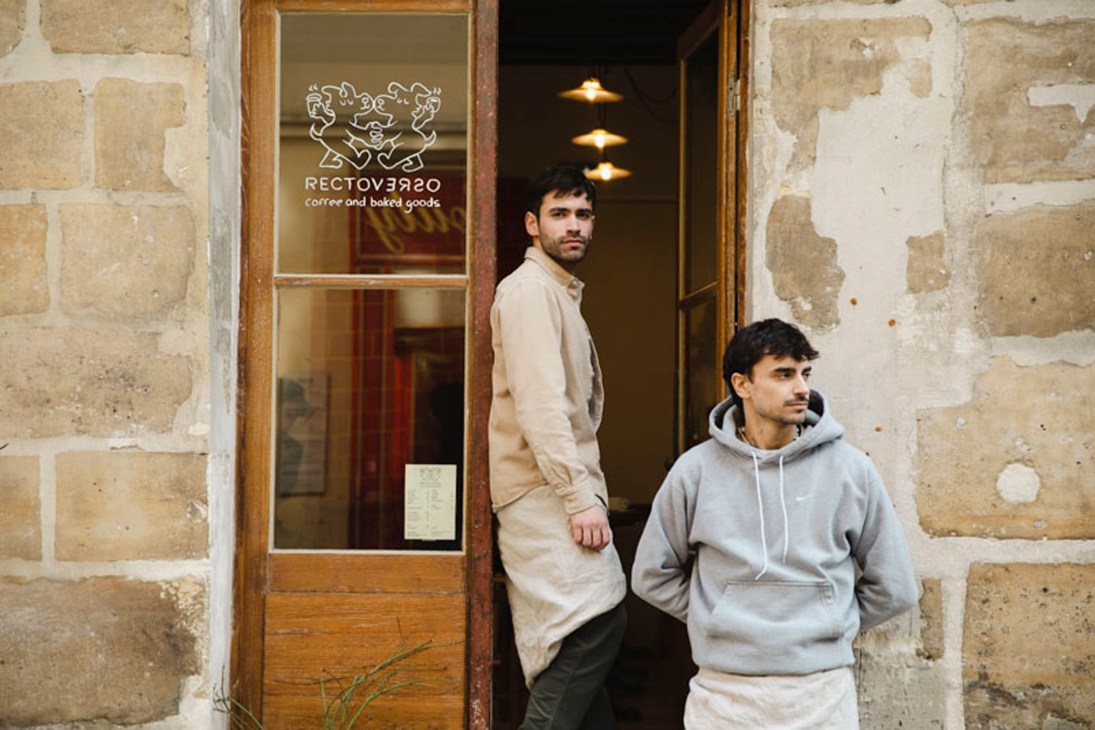
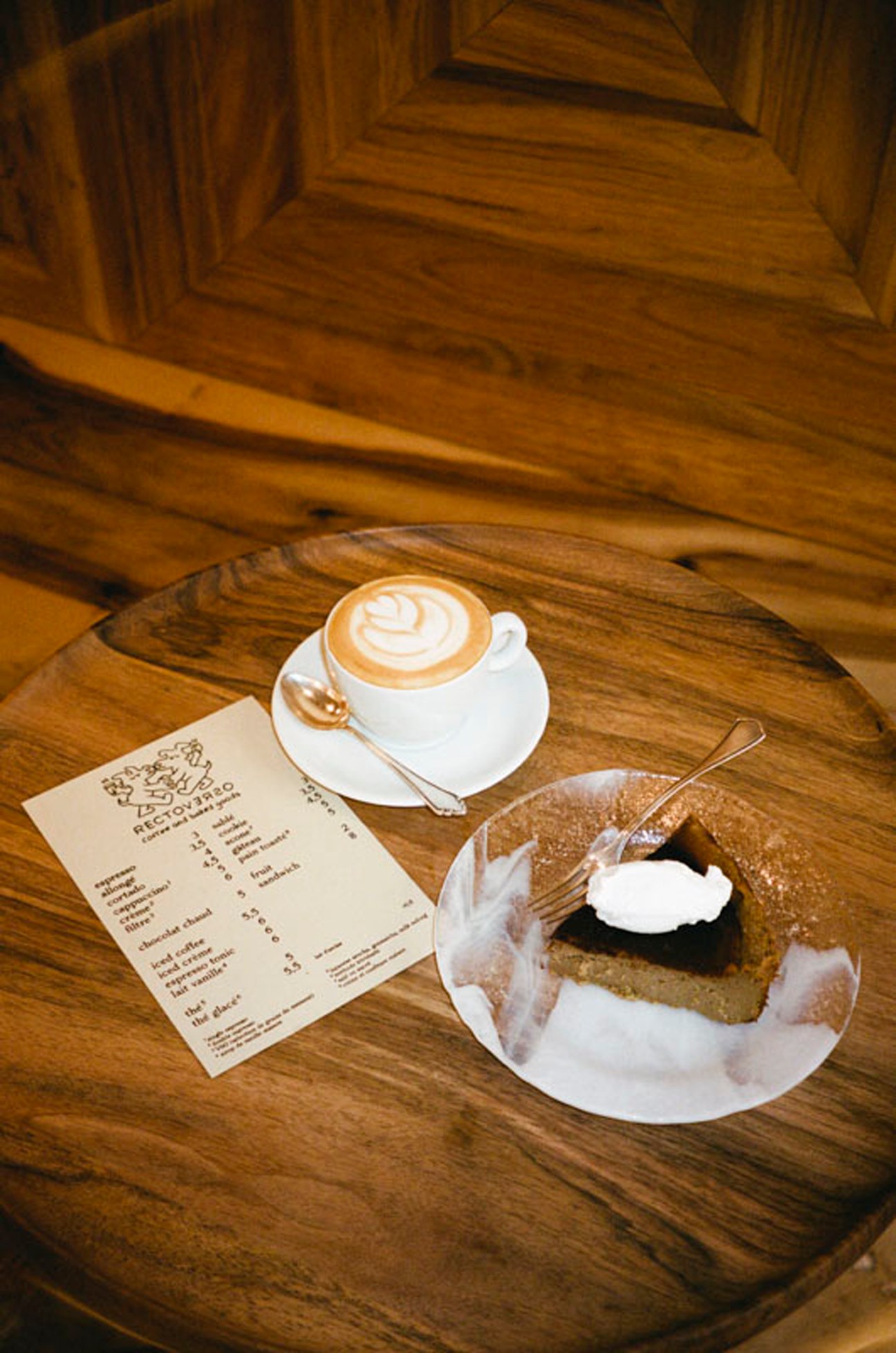
“If you have a friend over, you use your nicest tableware,” says Kevin Vasic, co-founder of Recto Verso in the Marais. “We want our café to have the same quality.” Vasic and partner Luís Mesquita opened Recto Verso in February and serve home-made cakes on Japanese plates. This attention to detail goes into the coffee. Vasic and Mesquita use beans by Norway’s Fuglen Coffee Roasters and Sweden’s Koppi to make filter and espresso-based drinks. Our Ethiopian pour-over took a few minutes to brew; time to bask in the café’s homely charms.
6 Rue Portefoin
Julius Brantner Brothandwerk
Munich
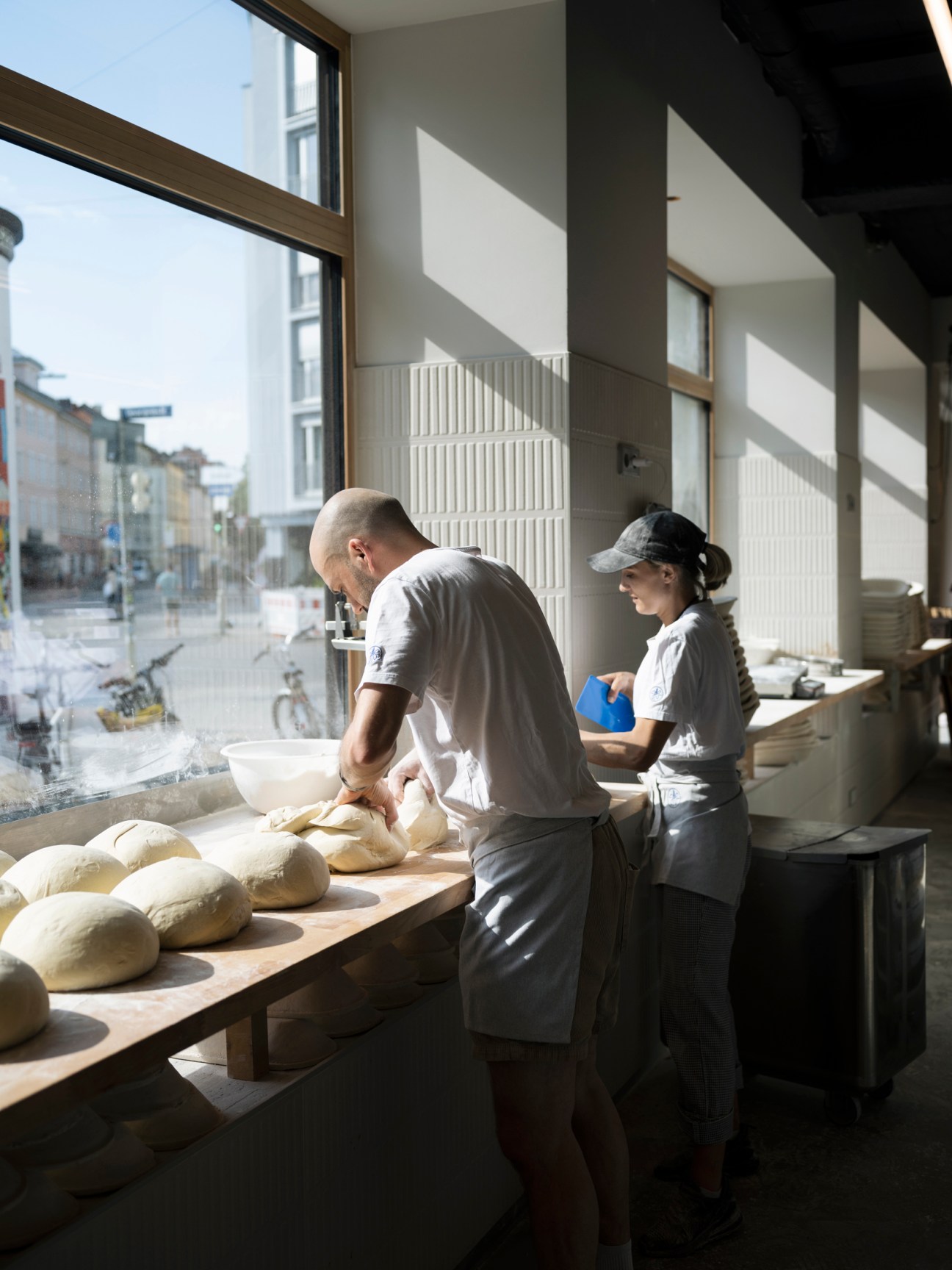
If there is one ingredient that Julius Brantner values most, it is time. “Like a fine wine or good cheese, bread becomes significantly better when you respect its natural maturing process,” says the third-generation baker. Instead of taking over his family business, Brantner opened his own bakery in Munich where he uses only organic ingredients and wants to “make gluten sexy again”. Whole rye grain is used for a sourdough that rises for at least 24 hours. This allows the bread to develop a fuller flavour and reduces levels of hard-to-digest carbohydrates that can result in allergic reactions. Excellent bread takes time so Brantner and his team work long hours. They only shut up shop when the last loaf is sold.
julius-brantner.de
Recipe / Aya Nishimura
Japanese Swiss roll

This show-stopping, feather-light Japanese version of the classic dessert is well worth all the whisking.
Serves 10
- Ingredients
3 medium eggs
5 tbsps caster sugar
1½ tbsps neutral oil
1½ tbsps whole milk
5 tbsps plain white flour, sifted
300ml double cream
Sugar, to taste
1 kiwi, peeled and sliced
1 banana, peeled and sliced
5 strawberries, quartered
Method
1.
Preheat the oven to 200C (180C fan).
2.
Separate the egg whites from the yolks and place in two separate bowls.
3.
Beat the egg whites with an electric whisk until they double in volume and bubble uniformly. Add 1½ tbsps of sugar and beat for a minute. Add another 1½ tbsps of sugar and beat until the mixture is glossy and forms a firm peak.
4.
Beat the egg yolks and the remaining sugar in another bowl. Once the mixture turns creamy yellow and thickens, add the oil and milk. Beat for a minute. Add the flour bit by bit, mixing until fully incorporated.
5.
Add a large spoon of egg-white mixture to the yolk mixture. Gently incorporate it using a large metal spoon to keep air in the mix. Add another third of the egg-white mixture and repeat. Add the rest of the mixture, making sure that there are no visible clumps.
6.
Gently pour the mixture into a 24cm by 33cm baking tray lined with baking parchment. Use a spatula to spread the mixture evenly. Bake in the oven for 7 minutes. Turn down the oven to 180C and cook for another 7 minutes.
7.
Remove the cake from the oven. Let it cool completely on a wire rack and cover with a tea towel.
8.
Flip the sponge upside down and carefully peel off the baking paper.
9.
Slice off the end of the cake at a slight angle to help it close when rolling.
10.
Whip the cream with the sugar to taste until it forms soft peaks. Spread the cream over the cake leaving a 2cm gap.
11.
Arrange the fruit on top of the cream. Lift the bottom of the sponge and roll firmly. Wrap with clingfilm and rest in the fridge for 30 minutes. Remove the clingfilm and serve.
ayanishimura.com
Quarter Room
Tokyo
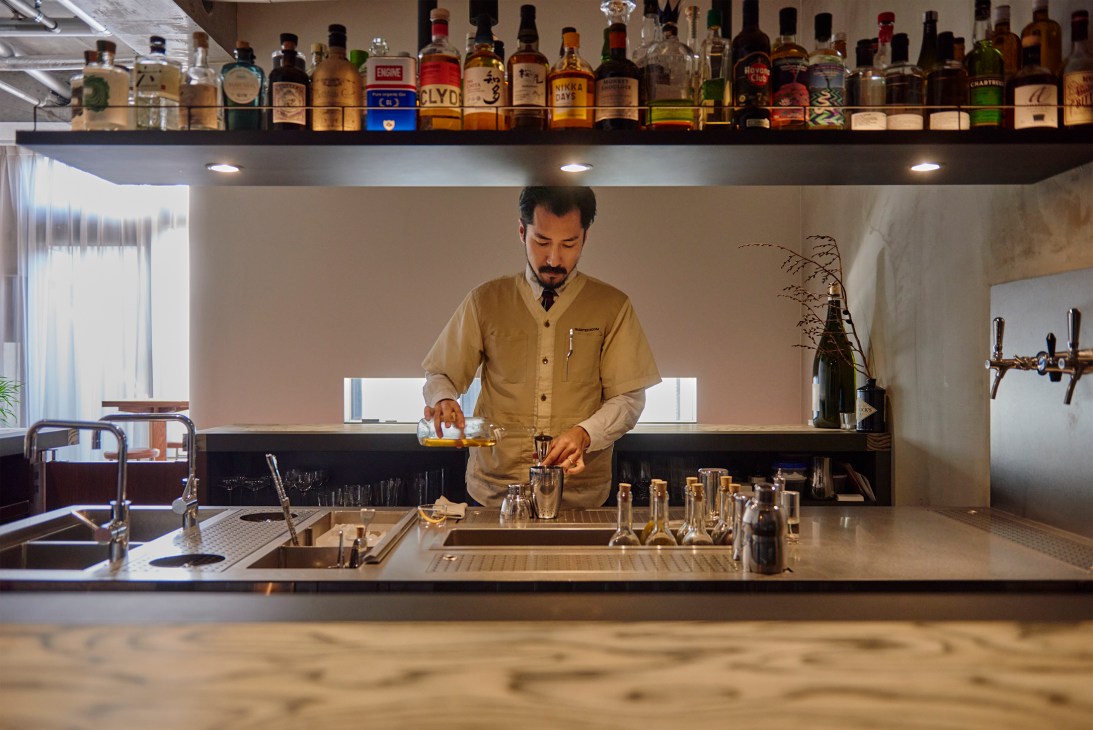
Less than a year after his opening his liquor-shop-cum-bar Nomura Shoten (see Issue 156), Soran Nomura started this new cocktail bar. “This is my main base,” he says of Quarter Room. There are six staple drinks and ever-changing specials. Our favourite is “woman with fan”, a negroni made with fig-leaf gin, cacao liquor, roasted tea, Pedro Ximénez sherry, white chocolate and cues from Modigliani’s eponymous 1919 painting. It’s proof that inspiration can be found in confounding places but the result requires no explanation.
5-10-7 Daita, Setagaya, Tokyo
Images: Robert Reiger, Kathrin Koschitzki, Danilo Scarpati.
Culture
Retail: France
True north
“You can smell the cinnamon when you walk in,” says Natalie Magnusson at Bokbar, her Nordic café and bookshop in Paris’s rapidly gentrifying Belleville neighbourhood. Originally from Gothenburg on the west coast of Sweden, Magnusson had been living in France for a decade when the pandemic began and she lost her job at a translation agency. “It was a blessing,” she says. “I could work on my bookshop.”
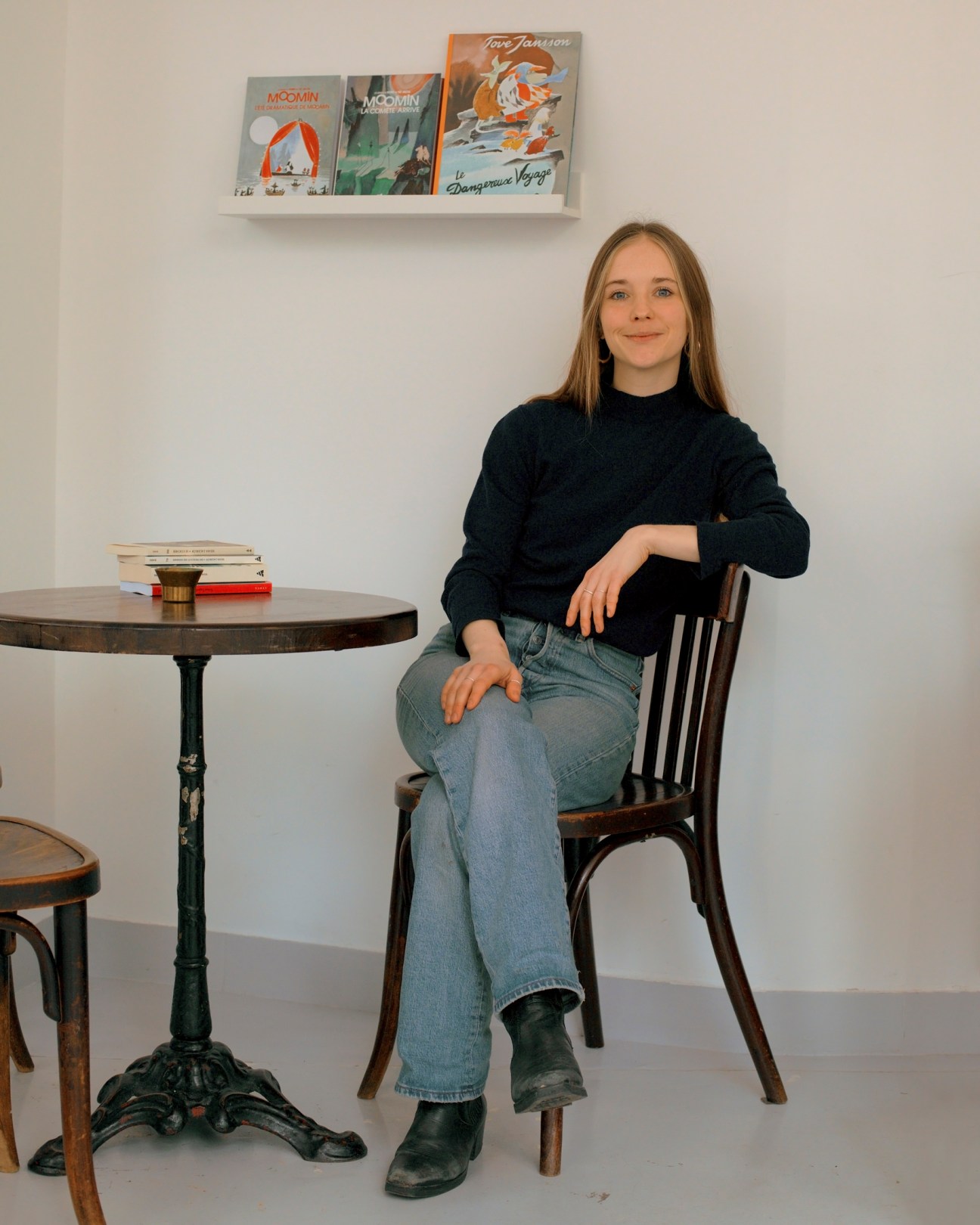
Bokbar opened its doors last September. Magnusson funded it with her savings and did most of the work on its interiors herself; there are plans to to host meetings with authors, writing workshops and a “language café” where people can practise Swedish.
“I wanted to share my love for Swedish literature,” she says. On the shelves, you’ll find works by Nordic authors, both in their original language and in translation. Her best-selling author is Tove Jansson, the Finnish creator of the Moomins. “The atmosphere of the north can really be felt in the books,” she says.
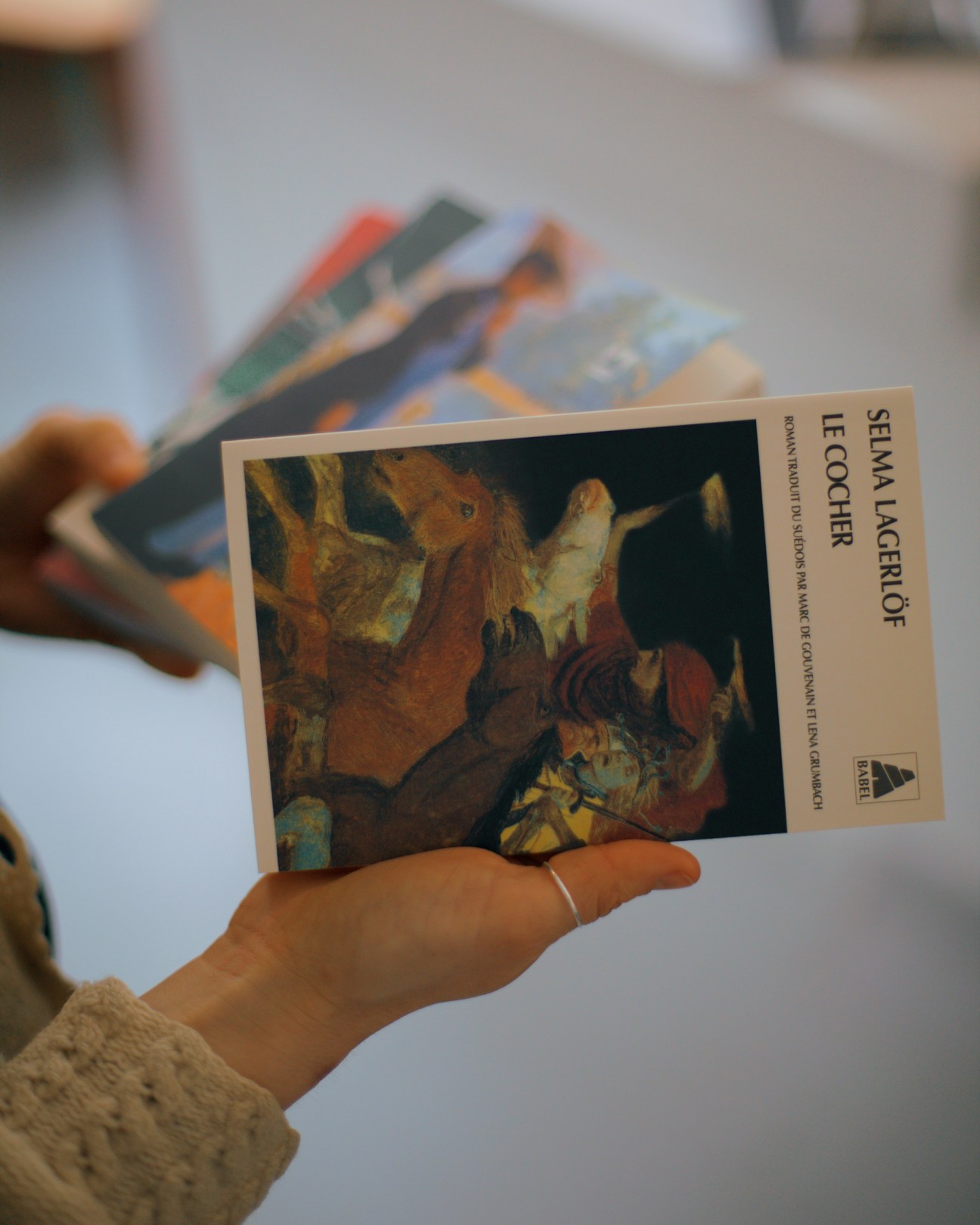
France might have a flourishing literary scene but the appetite for Nordic books, fuelled by the popularity of hit titles such as Stieg Larsson’s Millennium series, seems only to be growing. Bokbar functions as a relaxed, unofficial cultural embassy that has quickly become part of the neighbourhood’s everyday life.
“I wanted it to feel like home,” says Magnusson. The space features Swedish touches, from Skultuna candle holders to an ifk Göteborg football club pennant. Customers stop by for coffee from Gothenburg roasters Gringo Nordic and the cinnamon buns that Magnusson bakes downstairs. Some homesick Swedes have also walked through the doors. “You can come here and talk to people,” says Magnusson. “This is a space for everyone.”
Media: Palestine
In the neighbourhood
Radio AlHara’s five co-founders launched the station in 2020 as a way to stay in touch with their friends over lockdowns. It initially broadcasted from Bethlehem, Ramallah and Amman but now you’ll hear shows hosted by presenters and DJs from around the world. A global spectrum of underground music fills its schedule, traversing Afro-funk, jazz and Turkish rap, as well as Iranian pop and Bahraini wedding songs. “AlHara means ‘neighbourhood’,” says co-founder Elias Anastas, who also works as an architect. “The station has been extending the limits of that neighbourhood to the scale of the planet.”
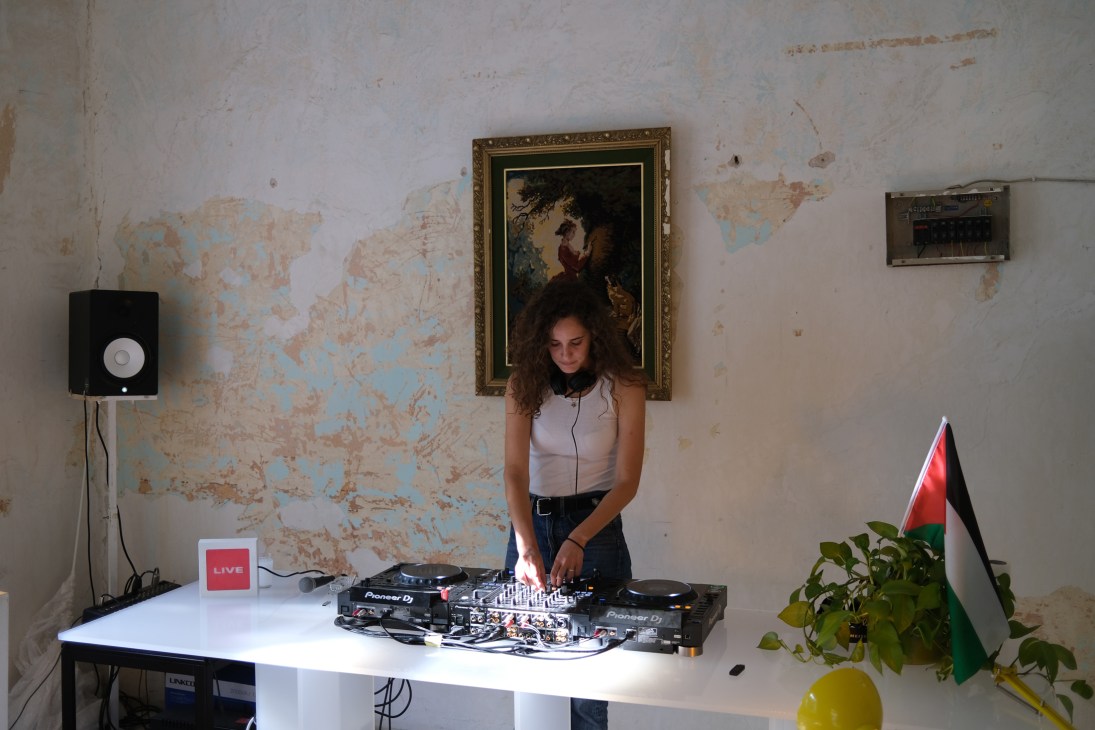
Radio AlHara also aligns itself with humanitarian causes. In 2021 it aired static for 24 hours to protest against the eviction of Palestinian families in Jerusalem, prompting solidarity from radio stations across the globe and initiating the Sonic Liberation Front. More recently, the station broadcast a programme to support with Iranian protesters. “Radio AlHara is an experiment to create a cultural centre that is constantly being reshaped by its community,” says Anastas.
radioalhara.net
Soft power: France
Home turf
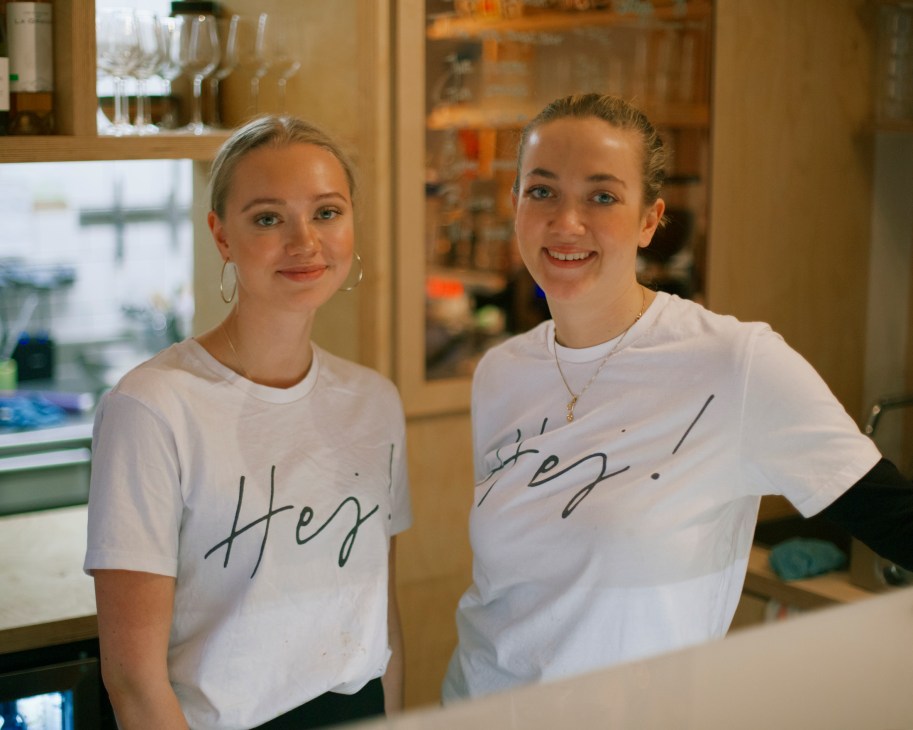
The Swedish Institute’s outpost in Paris’s Marais district is its only space abroad. The 16th-century Hôtel de Marle, which Sweden acquired in the 1960s, might look eminently French from the outside but the interiors’ feel and design are decidedly Scandinavian.
The warm, textured building evokes a feeling of hem (home) and houses exhibition spaces, an auditorium, classrooms and a garden. Most of its events are held in French and English, and are largely free. The numbers that attend attest to the rising popularity in Paris of all things Swedish: 250 people take language lessons here every semester. The garden hosts open-air film screenings in the summer; meanwhile, the annual Midsommar event, which coincides with the city’s Fête de la Musique celebrations on 21 June, attracts some 6,000 people.
The institute also serves as a home away from home for visiting creatives based in Sweden, from writers to dancers, who can apply for residencies. Selected candidates can rent one of the six on-site flats, recently redecorated by interiors companies including Svenskt Tenn, for up to four weeks at a favourable rate.
The latest addition to the building is Café Fika, named after the ritual of pausing for a coffee and snack. Founded by caterers Caroline and Damien Nobilé, who fell in love with Sweden’s cuisine during a trip around the country, it serves organic coffee from Stockholm-based Lykke Kaffegårdar and Nordic specialities, helping to satisfy Parisians’ hunger for Scandinavian delights.
paris.si.se
Publishing: France
Cook smart
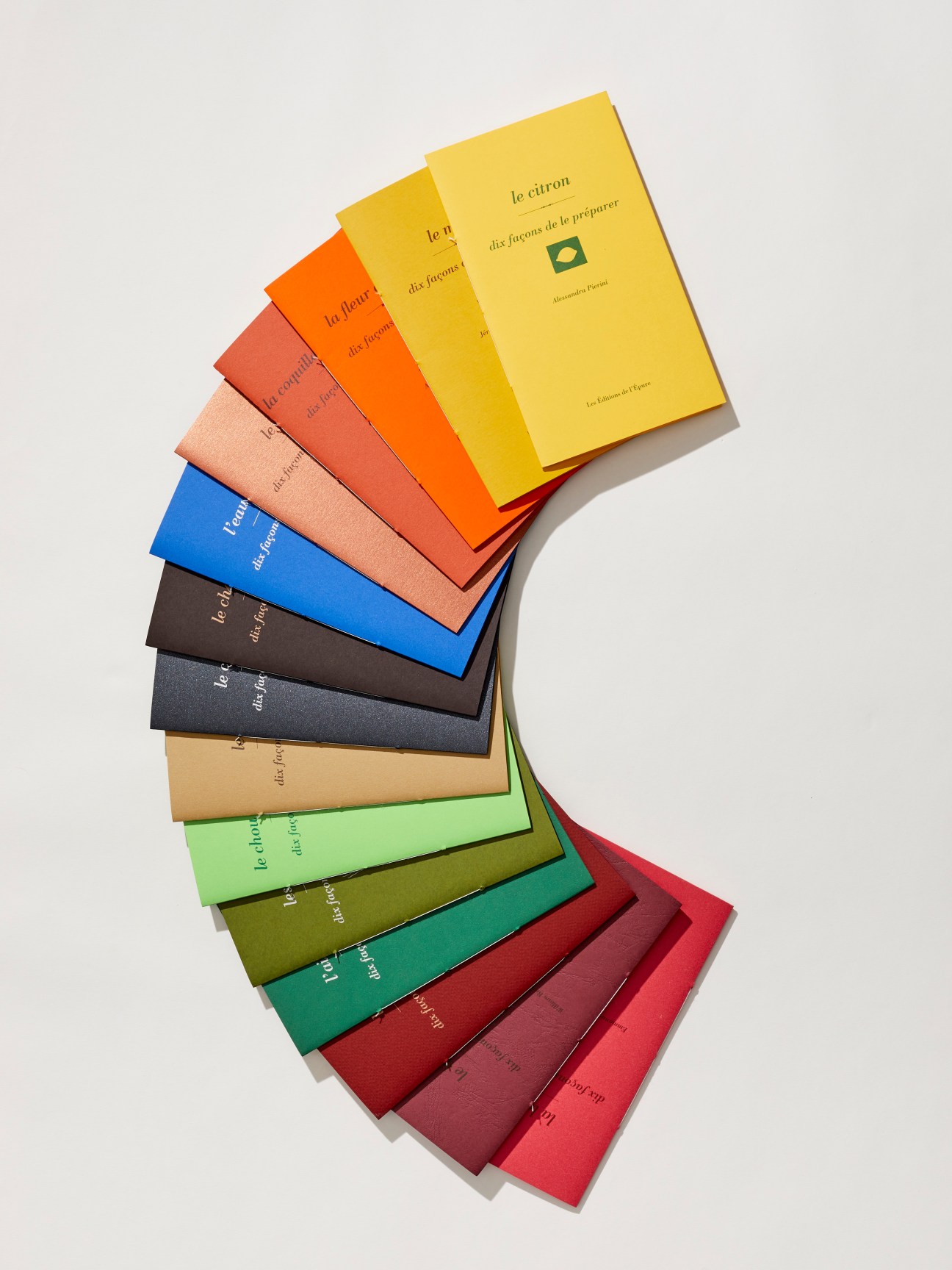
From apricots and anchovies to vodka and yuzu, the Dix façons de le préparer (“Ten Ways to Prepare”) collection of cookery books focuses on an eclectic range of ingredients. Produced by Les éditions de l’Épure, a Parisian publisher specialising in food and wine, the series comprises almost 350 titles, which can be spotted at chic delis around the French capital. Other than a variety of produce, titles cover anything from smoke to cheeky butchery cuts such as “the bottom”. The latest set includes harissa and poison.
Sold at €10 each, the booklets contain 10 recipes based around one chosen ingredient or theme, spread over 24 pages. Every edition is bound with a different shade of cardboard and matching linen thread. To read the recipes, the pages need to be cut open using a paper knife, an old-fashioned touch that adds to the books’ tactile appeal. “Once you have opened the pages, don’t worry about staining them,” says Sabine Bucquet-Grenet, the publisher’s founder. “After all, these books are made to be cooked with.”
epure-editions.com
Media: Estonia
Truth be told
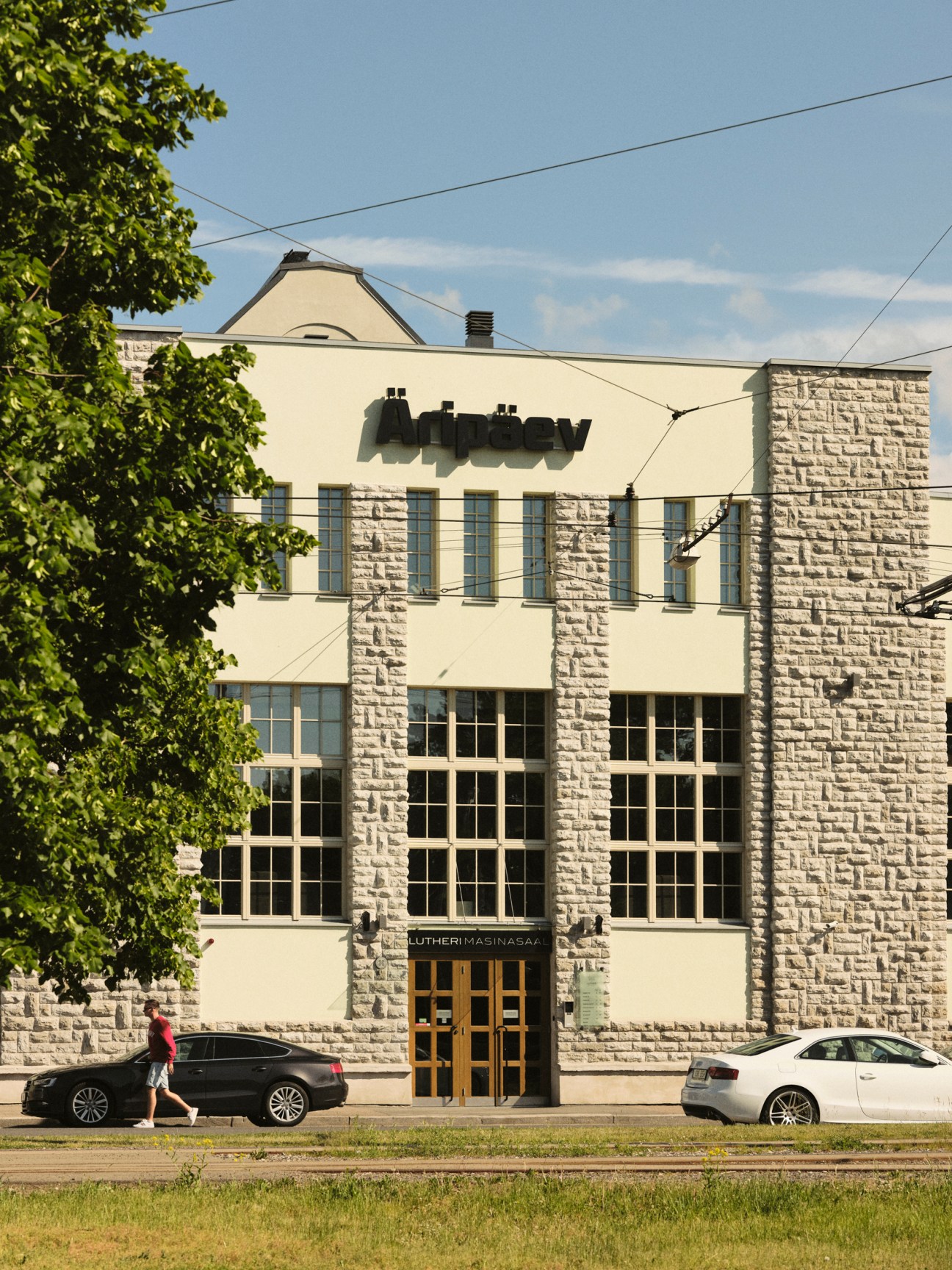
The Estonian government is stepping up its fight against misinformation by boosting funding for the country’s Russian-language journalism. The Ministry of Culture has granted €1m to be split between four private media companies – financial paper Äripäev, dailies Postimees and Põhjarannik, plus the popular news website Delfi – to bolster their Russian coverage alongside their usual output. About a quarter of Estonians are ethnic Russians: the goal is to provide them with reliable information in their language so that they don’t fall prey to propaganda from across the border. “We’ve banned Russian news channels in Estonia but Russian-speaking Estonians still watch them,” says Katri Raik, the mayor of the eastern town of Narva, whose population is 97 per cent Russian-speaking.
In stark contrast to its neighbour, Estonia has a vibrant media landscape comprising newspapers, websites and TV channels across the political spectrum. In 2022 the country placed fourth out of 180 in the World Press Freedom Index; Russia was 155th. “The grant will help us increase the volume of both local and national news in Russian and to not have it behind a paywall,” says Erik Gamzejev, Põhjarannik‘s editor in chief. “The problem for private media is that the habit of paying for journalistic content is very low among Russian-speaking readers: when the news is behind a paywall, people often go elsewhere.” Põhjarannik is the newspaper of record for northeastern Estonia (an area with a Russian-speaking majority) and already publishes in both languages. The grant will also help the title issue 50,000 copies of the free Russian-language publication SP Ekstra. According to Gamzejev, there are hundreds of thousands of Estonians who get their news only in Russian. “It is good for the whole society if they get information about local, national and international issues from Estonia’s own media channels,” he says. “It is easier for everyone when the spaces for information have the same content.”
Music: Italy
On the record
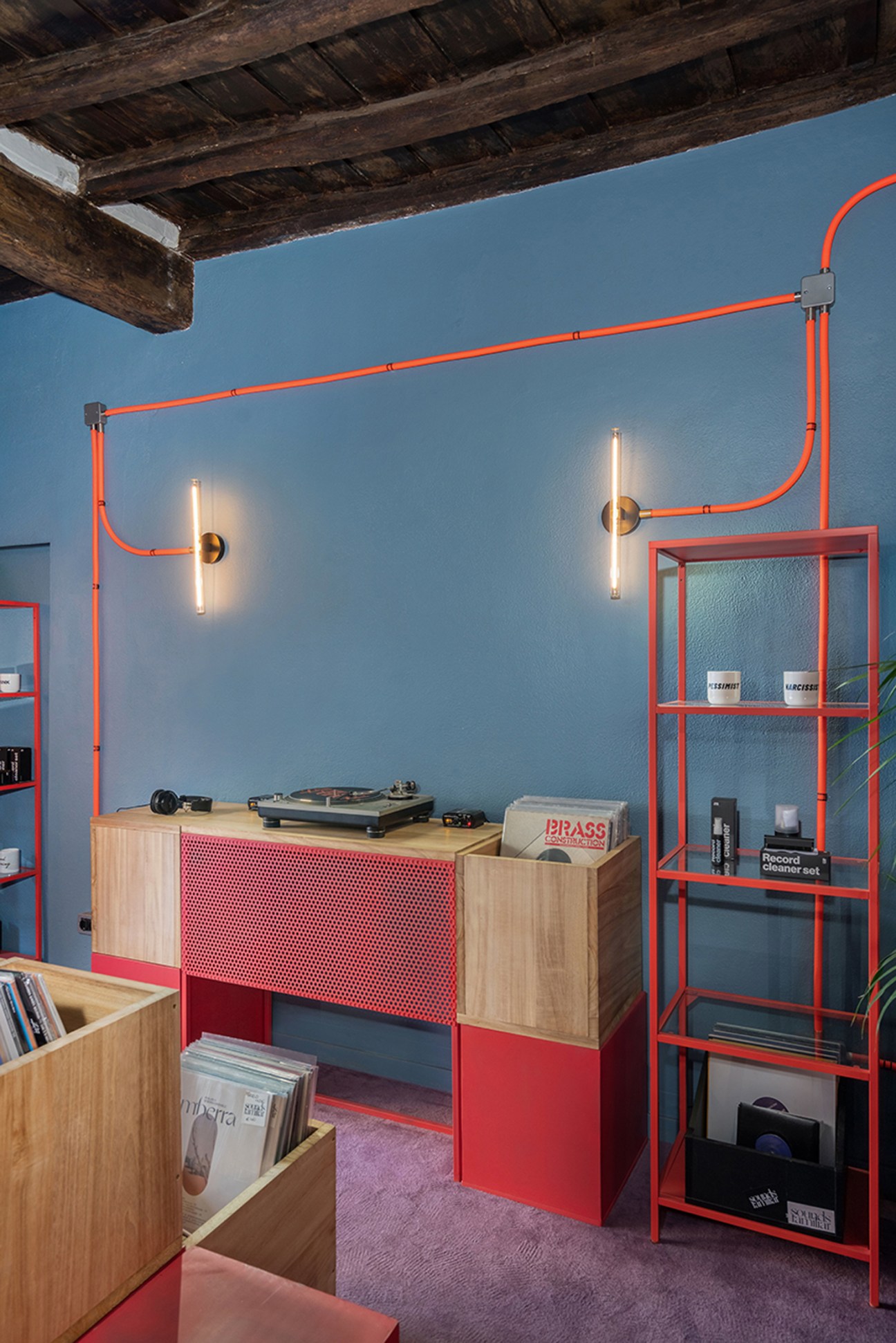
Entrepreneur Ornella Cicchetti launched music agency Sounds Familiar in 2013 but always wanted to open a record shop. She achieved that in March when, in the Trastevere neighbourhood, she created Rome’s coolest vinyl shop.
Cicchetti, who began her career in music in London in the 1990s, works with acts spanning funk and disco to house and techno. Her vision is reflected in the contents of her shop’s timber boxes alongside a fresh take on music merchandise.
Cicchetti has always rejected the norms of a music industry that treats “the DJ like a God and the crowd like a doormat”. Her shop is the physical expression of her fun-loving attitude and is designed to attract connoisseurs and novices alike. Rome-based architecture practice Studiotamat was put in charge of creating interiors that capture her exuberant musical universe. “They understood what I wanted before I did,” she says with a laugh. The result is a colourful, cheerful take on industrial aesthetics. Though it’s an intimate space, there’s room for live DJ sets too.
soundsfamiliar.it
Images: Shin Miura: Radio AlHara, Seven H Zhang
Still life: Tony Hay.
Business
Technology: UK
Positive charge
At the age of 33, Carl Pei is already a veteran in the world of technology. In 2013 he co-founded electronics firm Oneplus in Shenzen but left in 2020 to start London-based company Nothing. Drops of limited-edition products have created a buzz but it’s the designs themselves that are winning fans. These include the Nothing Phone 1 and Ear 2 earphones. Like many of his peers, Pei wants to shake things up. “We’re challenging the giants and a huge industry so we have to be a little antagonistic,” he says.
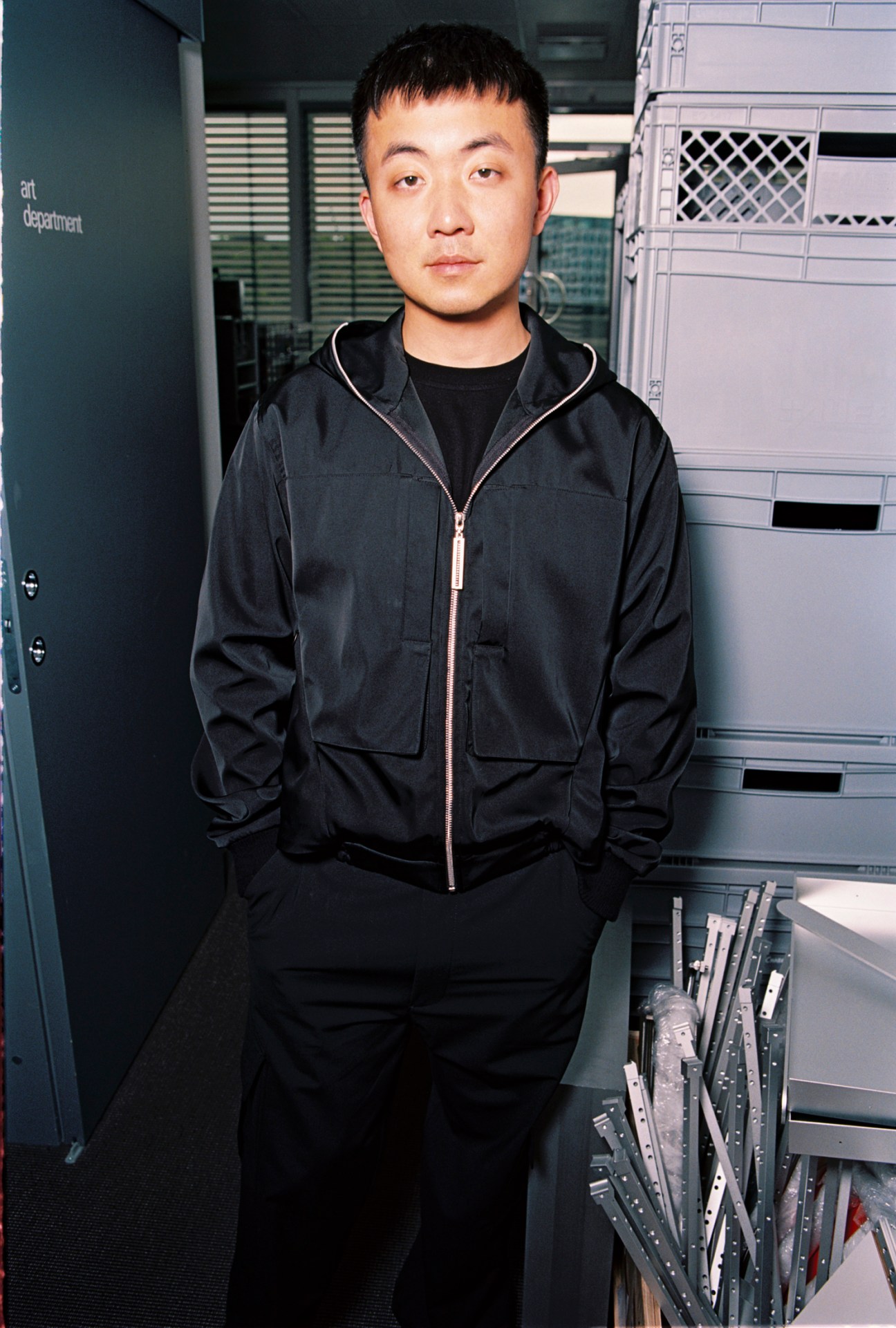
Pei’s brand is devoted to the idea of increasing functionality without compromising form and has a refreshingly positive outlook. “There’s more doom and gloom in the sector than when I was younger,” says Pei, who was born in China but grew up in the US and Sweden. “When I bought the first iPhone, society was looking forward to technology companies making life better but now they’re seen in the way that oil firms were.”
Pei believes that, facing problems ranging from data privacy to antitrust issues, companies have been making less inspiring products. “Business is far more holistic today in terms of your stakeholders, the environment, the government, consumers and investors. We have to fight on multiple planes.” But he says that this makes space for a plucky player to seize territory from the old guard.
For more on Nothing and Pei, listen to episode 589 of ‘The Entrepreneurs’ on Monocle Radio. Subscribe to the show for inspiring business stories every week.
The COMMENT
Members’ clubs: UK
Social networks
Andrew Tuck hits London’s thriving members’ club scene to find out why it’s experiencing a significant boom.
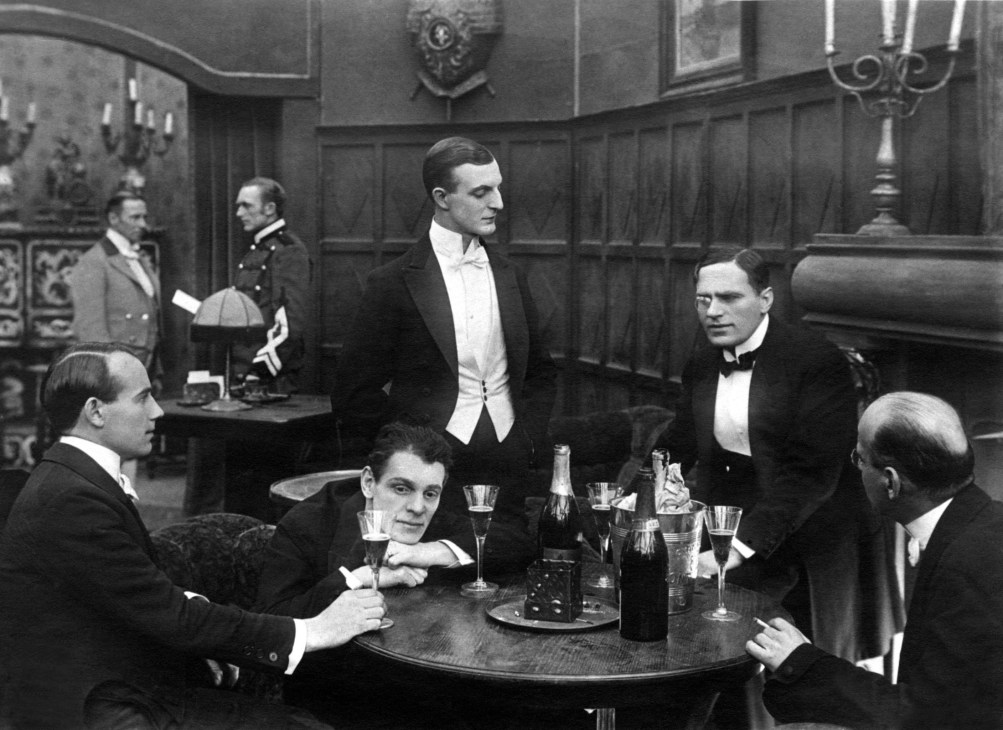
By the end of the 19th century, London was home to hundreds of gentlemen’s clubs (and a few for women). This wasn’t the first time that people had come together for conversation, food and booze: the heritage of these clubs stretches back to 18th-century coffeehouses where, for the admission fee of a penny, you could enjoy an intoxicating hit of caffeine and debate the ideas of the day. Coffeehouses and gentlemen’s clubs were social centres at moments of great change, when novel ideas were flourishing. So is that why a new wave of social clubs is sweeping across the British capital and cities around the globe?
In London, it’s almost impossible to keep up with all of the launches. There’s Maison Estelle in Mayfair, owned by the founders of Ennismore, owners of The Hoxton hotels (though there’s no hint of that connection when you step through the front door). Then, from hotelier and entrepreneur Navid Mirtorabi, there’s The Twenty Two in Grosvenor Square, which is courting a celebrity crowd. And Apollo’s Muse, a new club from Richard Caring’s Caprice Holdings, is billed as “the world’s most private of private members’ clubs”. There’s something coming down the line for everyone, whether you’re after a place to work in or a place to entertain. But, again, why now? Peter Cole is a hospitality-industry veteran and former CEO of Design Hotels. Now he has co-founded Collectio Group, which seeks to be the service provider of choice for the world’s private social clubs. The industry, he says, is at a point where he can step in to offer white-label services and guidance covering everything from operational excellence to member experiences. Cole thinks that the boom we are seeing can be attributed to a simple yearning. “These places build communities and address the need for belonging,” he says. People want to come together for conversation and contact, and around shared passions and perspectives.
This desire for connection is pushing people to places where they can socialise, meet for work and be exposed to new ideas; a soulless co-working space (let alone a kitchen table) just can’t deliver for these doing-well workers. Cole says that people are comparing the club industry to where boutique hotels were in the 1980s – and we know how they took over every city.
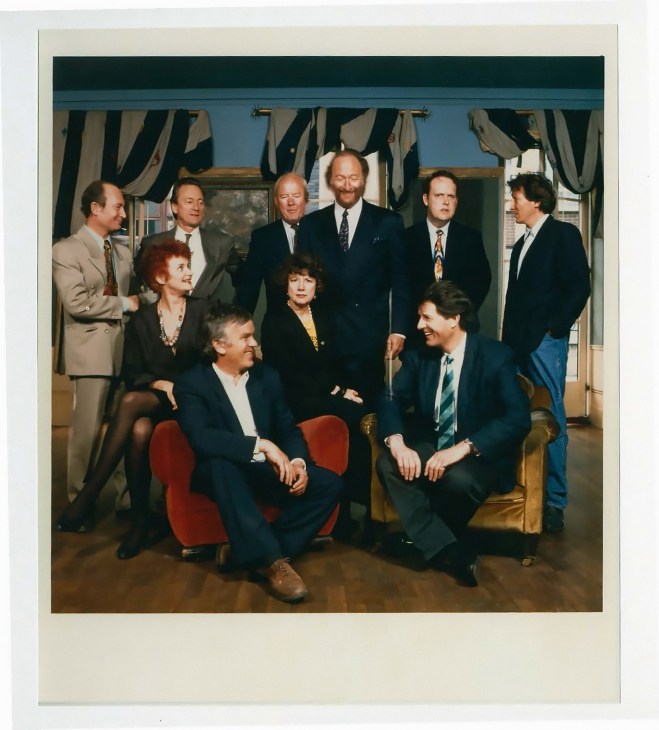
In Notting Hill we meet up with Jamie Caring, son of Richard. The younger Caring runs Sevengage, a marketing consultancy that specialises in community building and has numerous clients in the club space; he also spent more than six years working with Nick Jones, founder of Soho House, overseeing the opening of several venues. He says that a lot of people with deep pockets knock on his door but many have little idea of the passion and hard work that go into making a club. “You need a point of view and ideally a protagonist, someone who is the face of the place,” he says. “It should never feel like a business idea or be corporate – one of those places where dreams go to die, like the executive floor of a hotel.”
While Caring agrees that a desire to belong and the changed world of work are important motivators for the club boom (it’s why he still uses Electric House in Notting Hill, among other clubs), he points out that people are also diving in because those who manage to set up a great establishment gain a glorious revenue stream. “Perhaps 50 per cent of your earnings are from people who buy memberships but never come,” he says.
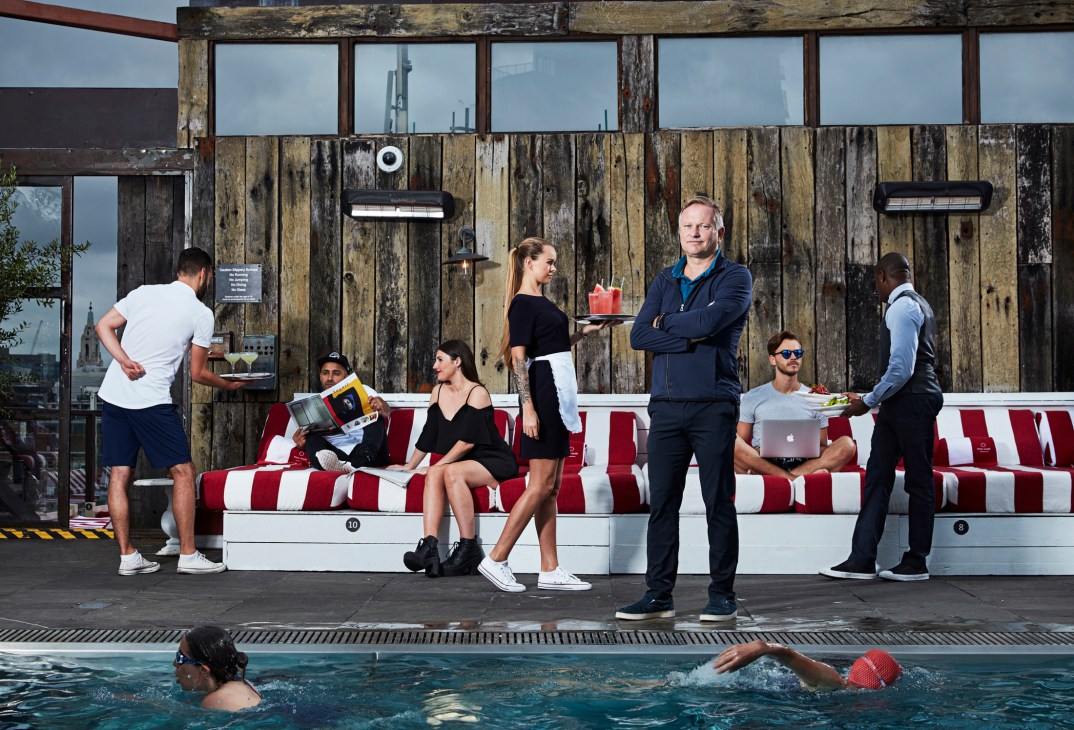
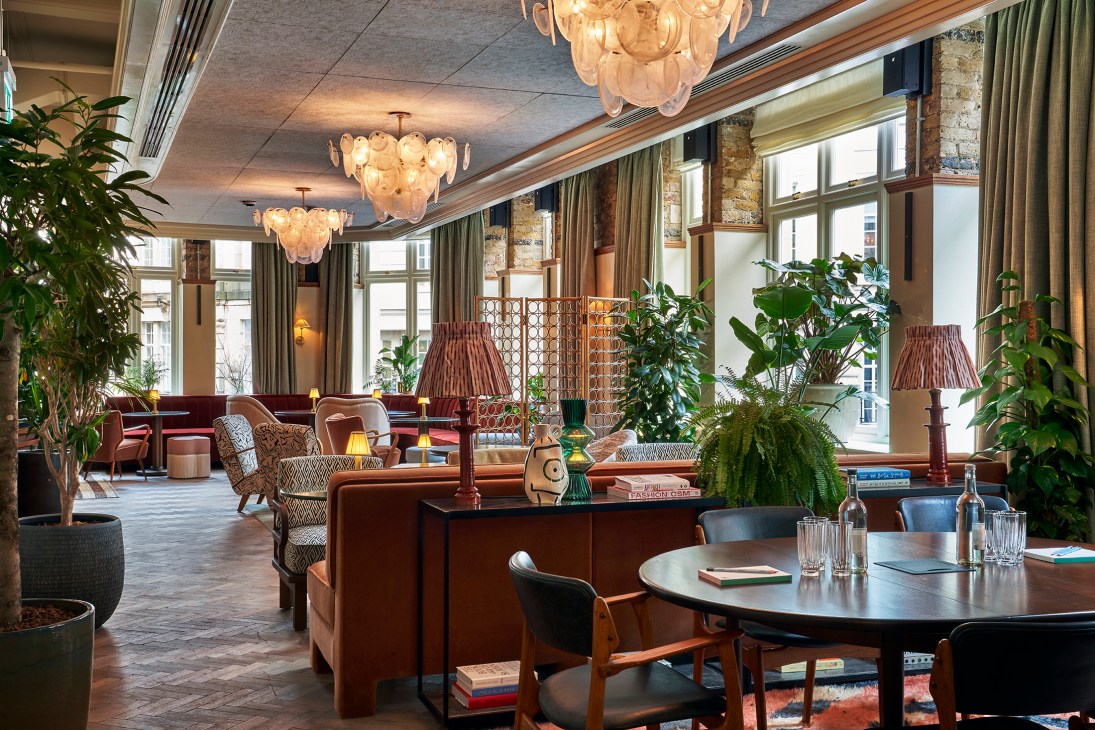
Caring sees numerous challenges for the newest players – not least the matter of how to divide work from play. “Work poisons the social,” he says. In short, people taking video calls and others downing cocktails will never mix happily. One new venture that seems to have the right balance is 1 Warwick in London’s Soho, housed in a vast Edwardian edifice. On the ground floor is public restaurant Nessa, while upstairs are cosy rooms where people can work, take calls in private booths, make coffee and eat free cookies. There are offices for rent too; an entire floor can be yours for about £1m (€1.14m) a year. Members have exclusive access to a gym and a rooftop restaurant with a wraparound terrace. A social membership costs £100 (€114) a month – you’re welcome after 17.00 and at weekends – while a house membership, aimed at those who want to work here, comes to between £250 (€285) and £500 (€570) a month.
The owner of 1 Warwick is Guy Ivesha, who has a background in hospitality (he also has a similar establishment in Fitzrovia called Mortimer House). When I find him in the bar he tells me that he wants to make it clear that this isn’t really a members’ club. “I have yet to come across a single product that serves both professional and personal needs like we do,” he says. “Either they are juvenile co-working spaces where you need to wear tight jeans and have a beard to fit in or they offer Mayfair-style service.” But why is his non-club taking off? “Coronavirus accelerated the need for what we have: a curated product that harmonises work and life,” he says. Like Cole and Caring, Ivesha also cites people’s desire to belong. “Technology has isolated everyone – yet human interaction is fundamental to our wellbeing.”
Ivesha has thought deeply about what should underpin the values of 1 Warwick (his company is called Maslow’s, after psychologist Abraham Maslow, who defined a hierarchy of human needs). He thinks about relationships and happiness – and making a profit – but is sceptical of some of the trends he’s seeing, such as phoney attempts at fostering a community. “I am almost unable to say that word,” he says. “You can’t script it; it needs to be serendipitous.”
He’s right but entrepreneurs across our cities are scouting out venues, totting up the costs and trying to figure out how to enter the potentially lucrative fray. And how much, they are all wondering, are we willing to pay for a sense of belonging?
Mobility: Thailand
Taking a ride

The co-owners of the Craftsman Bangkok hotel – Sunny Chongratanakul and his sister, Sai – have just taken delivery of an electric tuk-tuk in racing green. The six-seater Panthera will be used to ferry guests to public transport and attractions such as Chatuchak Market. “It’s an investment in sustainability,” says Sunny, who is also installing solar panels on the property. Bangkok’s motorised rickshaws might be synonymous with tourists in animal-print trousers but their standard has gone up a gear in recent years.
Ride-hailing company Muvmi has played a big part in this transformation. Its app allows passengers to book a tuk-tuk just as they would an Uber car, delivering predictability and eliminating the need to haggle over price or speak Thai. Every Muvmi vehicle, of which there are 370 in the city, arrives with a consistent livery and smart design that projects professionalism (there are no neon lights, plastic-coated seats or “Thailand” stickers on the number plates).
The biggest selling point is the ride itself. The electric engines are quiet and the larger carriages come with seatbelts and plenty of legroom. Waiting times can be a little long but that will improve as Muvmi rolls out a bigger fleet; an additional 1,000 tuk-tuks are planned this year. “We’re making them cleaner, safer and more affordable,” says Muvmi’s co-founder and CEO, Krisada Kritayakirana. Far from being a relic chugging towards the scrapheap, Bangkok’s tuk-tuks have once again become an option for last-mile journeys.
Consumer research: USA
Tried and trusted
Henry Rees Sheridan visits the warren-like headquarters of a New York non-profit organisation that brings hi-tech scientific rigour to its mission to protect consumers from buyer’s remorse.
A spinning metal drum is suspended centimetres above the track of a treadmill. Rubber nubbins protrude from the drum’s surface. As the treadmill moves, the nubbins press into the track, simulating the pressure and pattern of a runner’s stride. A technician stands by, monitoring the performance and interaction of the machines. The rotating nubbin drum is called Johnny Walker Black. It’s the younger sibling of Johnny Walker Red, which does the same job: putting treadmills through their paces as part of an evaluation that takes into account ergonomics, construction and ease of use. When the testing is complete, the treadmills will be reviewed and ranked, and the information made available to the six million members of Consumer Reports.
Founded in 1936, Consumer Reports is a non-profit organisation that advocates for the interests of US shoppers. The organisation is best known for its product reviews, which are available online and in a monthly magazine. Its operations include lobbying for changes in laws to protect consumer rights and consulting with industry partners to improve standards in manufacturing and design.
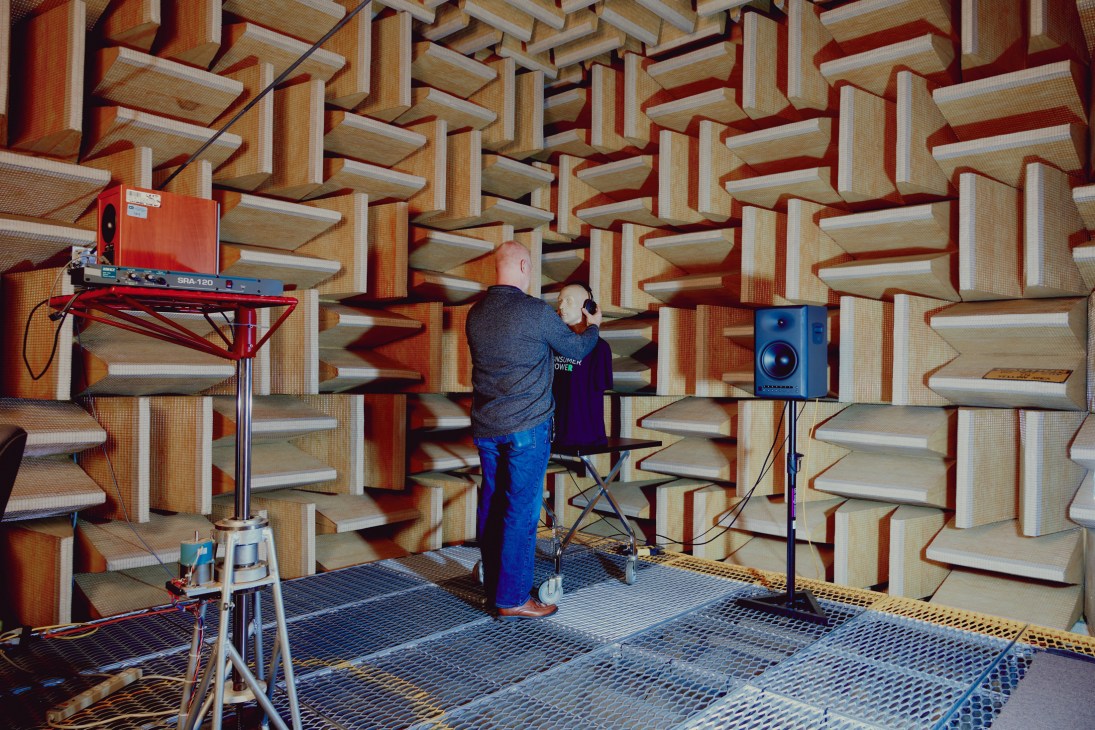
The featureless municipal façade of its headquarters in Yonkers, a small city that borders the Bronx, gives little indication of the labyrinth of product evaluation that lies within. Its 63 labs are fitted out for the testing of a bewildering array of objects. Last year a team of 587 employees contributed to the evaluation of more than 2,000 products and services. In the kitchen lab is a machine that precisely measures the colour of cakes baked in its ovens. Another space might appear, at first glance, to be a typical living room. On closer inspection, however, you’ll notice that the floor is made up of seemingly random patches of different surface types. It’s only when you realise that it’s a lab for testing robotic vacuum cleaners that the room makes sense; the motley flooring assesses the various machines’ suction over a range of terrain.
As commercial activity increasingly shifts online, Consumer Reports has followed. “So much about the marketplace involves monopoly platforms shaping your consumer experience,” the organisation’s CEO, Marta Tellado, tells Monocle. “There is an enormous amount of power that needs to be held accountable.” Consumer Reports’ financial independence allows it to maintain a degree of objectivity that’s rare in a world of top-10 lists stuffed with affiliate links. The products that it tests are purchased by a national network of unidentified “secret buyers” from the same shops that ordinary consumers use. This mitigates the possibility of manufacturers supplying unrepresentative, cherry-picked items. Once testing is complete, the goods are sold to Consumer Reports staff through an internal auction.
The most striking embodiment of the organisation’s commitment to rigour is its anechoic chamber (pictured). It’s built on foundations that are separate from the rest of the building to isolate it from vibrations. The inside of the room is lined with large fibreglass teeth arranged to eliminate sonic reflections; as a result, all of the sounds that you hear inside are direct. To human ears, the effect and, for some, can evoke a similar feeling to the one you can get when descending in an aeroplane. Others have to flee the room, perturbed by the sound of the blood rushing through their own head. Anechoic chambers are often built as part of physics laboratories for experimental purposes or used for hi-tech industrial applications, such as testing jet engines. Consumer Reports uses its chamber to review consumer audio equipment.
Some might dismiss this as overkill but Tellado is not for turning. “Technology is moving so quickly and our rights and protections aren’t keeping up,” she says. “The balance of power has shifted away from consumers and it’s making us incredibly vulnerable. We need to do the work that we do.”
Images: Nothing, Rosseforp/Imagebroker/Bridgeman Images, Terry O’Neill/The Groucho Club, Getty Images, 1 Warwick, Muvmi.
Defence
Arms ––– Iraq
Market forces
“Two years ago, I wouldn’t even have spent the budget to attend this show,” says Jaguar Land Rover’s Diyar Barwary. “But since last year it’s clear that Iraq’s government is open to spending more money on defence.”
At the annual iqdex defence show in Baghdad, the buzzing and roaring of sand buggies and Humvees is proof that all-terrain fighting vehicles are particularly popular this year. Iraq’s army, police and various militias all need equipment, and a growing array of businesses is keen to supply it. While government buyers traditionally stick to trusted brands, there is a new openness to other equipment. More than 70 national and international firms exhibited their wares at iqdex in March. “As the security situation improves, the government is seeing the need to keep up with neighbouring countries; it’s a great opportunity for us to do deals,” says Barwary.
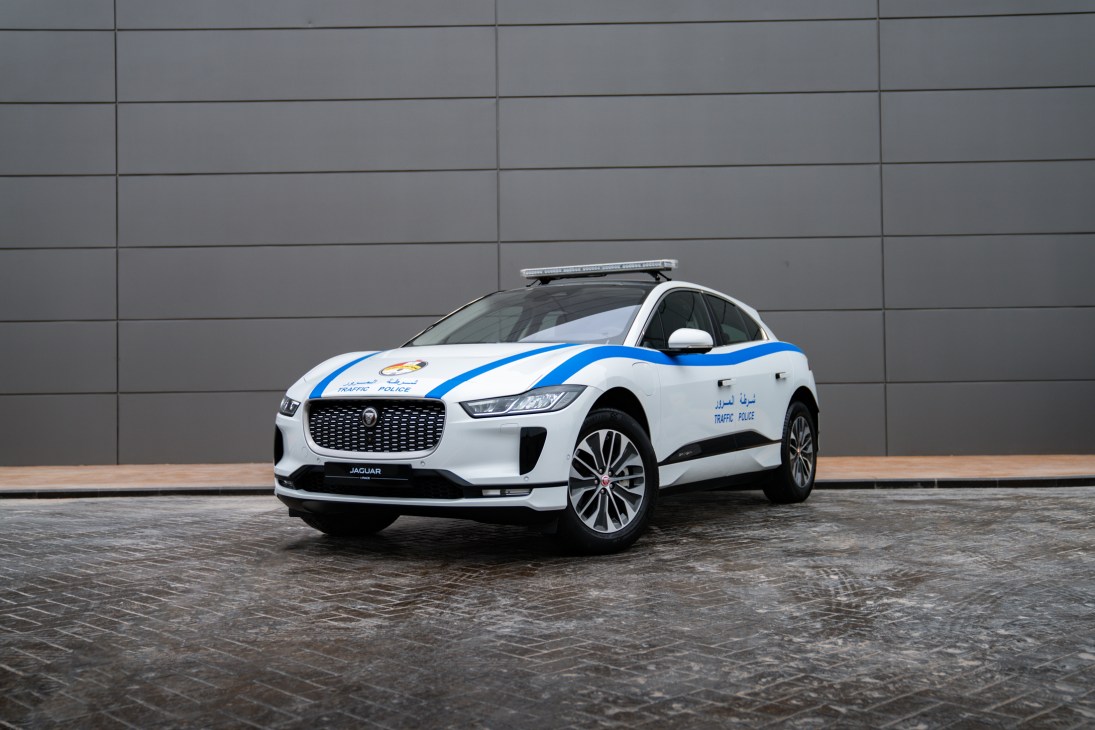
Jaguar Land Rover is currently negotiating to supply its modern Defender 90, 110 (pictured, right) and 130 models to Iraq’s Ministry of Defence and the Jaguar I-Pace (pictured, left) to the Ministry of the Interior. If 2023 goes as planned, Barwary estimates that there will be a 40 to 60 per cent rise in defence-related sales in the country.
The growing market is providing opportunities for regional companies too. Al-Zaman Defense group, which manufactures waterborne vehicles from coastguard cruisers to aircraft carriers in shipyards on the Turkish coast, is eyeing a move. “The cost-benefit ratio here is good,” naval engineer Abdullah Shaban tells Monocle. “If security continues to improve as it has been, I could imagine us moving some of our production to Iraq.”

In the basket
Plane speaking
In the basket: 18 Korea Aerospace fa-50 light attack jets
Who’s buying: Malaysia
Who’s selling: South Korea
Price: $920m (€852m)
Delivery date: 2026
This is a big win for South Korea’s fa-50 – Malaysia had also been considering India’s Tejas, the China-Pakistan joint venture jf-17 and Russia’s Mig-35. The fa-50 can operate as a trainer or combat aircraft, which suits The Royal Malaysian Air Force as it wants to replace both its bae Hawk light attack jets and Aermacchi trainers. Upgrading is a priority following provocation by China, with which Malaysia has maritime territorial disputes.
The FOREIGN DESK
Andrew Mueller on…
Flying the EU flag
Amid demonstrations in March against a proposed Putinesque crackdown on foreign-funded ngos and media in Georgia, one image stood out from the hurly-burly. As police unleashed water cannons to clear protesters from Tbilisi’s Freedom Square, a young woman stood her ground on the slippery cobblestones, defiantly flapping the starry flag of the EU. Georgia is not a member of the bloc and, though it did formally apply to become one in 2022, only the most deranged optimist would regard the country’s accession as an imminent prospect.
Nevertheless, the gold stars on blue were brandished as a rebel standard by those facing down Georgia’s government. It is an interesting evolution for a banner that appears – like all EU iconography – to have been designed to be no more than blandly inclusive. The phenomenon is not uniquely Georgian. When I think of the places I’ve seen the EU flag flown most enthusiastically, it is Albania, Kosovo, Bosnia-Herzegovina and other countries where EU membership is an aspiration, rather than a reality. The crowds who gathered on Kyiv’s Maidan Square in 2014, in what has become known as the Revolution of Dignity, also waved it prominently; recently an enormous EU flag has been seen draped from the front of Ukraine’s Ministry of Foreign Affairs.

It’s enough to make one wonder whether there is a way that the EU can inspire the same enthusiasm among those countries already in the club. The bloc has come to resemble an exclusive nightspot with a long, anxious queue for admission, and a bar full of complacent regulars moaning about the cocktails. But that is why seeing its flag hoisted in mutiny is always so heartening. It has been my general experience of reporting from some 80-odd countries that citizens of rickety jurisdictions have a keen and hard-won understanding of the value of those dull-sounding things that most irritate the EU’s more bellicose critics: compromise, consensus, regulation, stability, security, predictability.
It is not easy to romanticise a bureaucracy. It might even be a contradiction in terms. But the EU could do worse than subtly directing the attention of its grumpier members to those hopefuls trying to smarten themselves up sufficiently to meet the requirements of the bouncers. Or, failing that, employ a one-in/one-out regime, starting with asking Hungary if it fancies swapping places with Moldova.
Andrew Mueller hosts ‘The Foreign Desk’ on Monocle Radio.
IMAGES: Jaguar, Landrover
Affairs
Citizenship
Italy
Return journey
Many Italian Americans whose ancestors crossed the Atlantic in search of a better life are now trying to return to the Old Country. “We have grown exponentially in the past few years,” says Marco Permunian, founder of Italian Citizenship Assistance (ICA), an agency that specialises in helping US residents to navigate Italian citizenship law. According to Permunian, a lawyer who was raised in Italy’s northeastern Veneto region, there has been a fivefold increase in requests for ica’s services since 2016.

Foreign nationals can apply for Italian citizenship through the principle of jure sanguinis (right of blood), which means that they must prove a direct, unbroken lineage with an Italian citizen. There is no generation limit, as long as the ancestor who was born in Italy did not lose their Italian citizenship before the next person in the line was born. There are practical advantages to being Italian: a passport from the country allows its holders to live and work anywhere in the European Union, with access to healthcare and education – not to mention the nation’s celebrated lifestyle.
Permunian says that sociopolitical turmoil in the US in recent years has led many of its citizens to apply. In March the Italian consulate in New York had a waiting list of 3,700 applications. ica offers various services to help these Americans with their bids, including translation services and record searches. Lessons in how to affect the perfect amount of sprezzatura – the nonchalant charm mastered by many Italians – are not offered as standard.
Politics
Indonesia
Q&A

Anies Baswedan
Former governor of Jakarta and Indonesian presidential hopeful
Anies Baswedan is one of the frontrunners to replace Joko Widodo as Indonesia’s president in next February’s election. Here he sits down with monocle and looks ahead at the vote’s most pressing issues.
What are the main priorities of Indonesia’s voters today?
The rule of law, a good education for their kids and an equal share. Our provinces are rich in minerals, for example, but they have some of our highest poverty rates.
What role is religion likely to play in the next election?
We don’t know yet. Our campaign is based on programmes and policies. But when someone votes for a candidate because they like his hair, well, that’s their right. There are people who have said that they voted for me because of the mole on my face. I put religion alongside all of those subjective reasons.
What international role should Indonesia play?
We should be more active and assertive. We are the world’s fourth-largest country; we should not be a passive player in the global arena. International relationships go beyond trade and investment. We have a responsibility as global citizens to play a part in ensuring international peace and stability.
How would you handle the rivalry between China and the US?
We would seek balance. We wouldn’t like to see one side dominating the other. We want to maintain closeness to both countries, not just one, on an equal footing.
Construction
India
A bridge too far?

In a valley in northwest India, the world’s highest railway bridge is nearing completion. At 1.3km long and 359 metres high (29 metres higher than the Eiffel Tower), the Chenab Bridge is a feat of engineering and, some say, intimidation. When completed, it will link India’s contested Jammu and Kashmir region with the rest of the country, providing a bridge for its people, as well as for the vast numbers of soldiers and arms that New Delhi pours into the territory.
The work of 300 engineers and 1,300 workers using 28,660 megatonnes of steel, the bridge will reduce the need for the government to transport equipment and personnel by air or via National Highway 44, which weaves through the Himalayas and is often closed in the winter because of extreme weather. The bridge will be able to withstand high-intensity blasts, magnitude-eight earthquakes, 266km/h winds and temperatures of minus 10c to 40c. Politicians such as India’s railways minister, Ashwini Vaishnaw, have hailed it as a boon for the economy but many Kashmiris remain sceptical: they see it as an instrument for increasing militarisation of Kashmir and its northern border with China, where the world’s two most-populous nations are engaged in a tense stand-off.
Demographics
Asia
Multiplication table
Naomi Xu Elegant explores the strategies that some Asian countries are employing to arrest population decline.
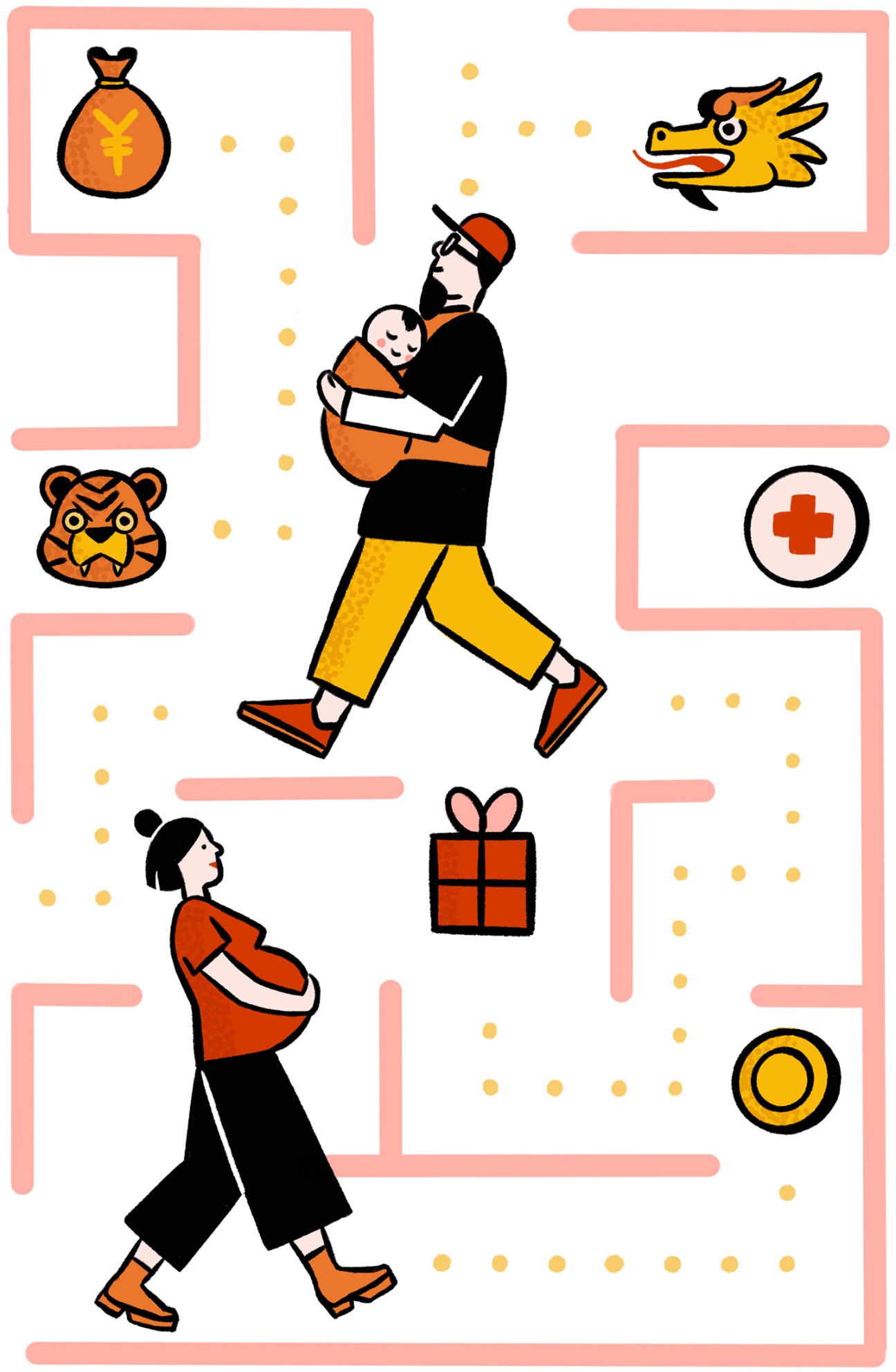
Falling birth rates are a global phenomenon but the problem is especially pronounced in economically advanced east and southeast Asian countries. While the global total fertility rate (TFR) – the average number of children born per woman – is about 2.3, China, Japan, South Korea and Singapore all have significantly lower fertility levels. Here’s a rundown of how governments in a region where schools are closing and nursing homes can’t open quickly enough, are attempting to turn the tide.
South Korea
TFR in 2022: 0.78
Since becoming president last spring, Yoon Suk-yeol has established a committee on South Korea’s population problem and is more than tripling payments for newborn babies to 1m won (€720) per child every month by 2024. In 2020 the city of Busan started offering discounts on taxi fares for pregnant women and new mothers; last year, Seoul distributed vouchers worth 2m won (€1,440) to parents of newborns. But money might not be the issue. Yoon, who has five dogs, three cats and no children, said that the government had spent about €190bn in the past 16 years trying to encourage people to have more babies; in that time, South Korea’s birth rate has fallen to become the world’s lowest. Housing costs, exorbitant spending on tutors and a patriarchal society with little room for women to pursue both a career and a family must all be tackled.
Singapore
TFR in 2022: 1.05
In February, Singaporean government minister Indranee Rajah blamed 2022’s record-low birth rate on the fact that it was the lunar calendar’s tiger year, traditionally associated with lower births among Chinese, the country’s largest ethnic population. Indeed, fewer children are typically born in tiger years, while a spike in births tends to occur during years of the dragon. The next of these is 2024 but, in case superstition proves insufficient, Singapore has announced new benefits for parents, including tax relief, expanded paternity leave and a “baby bonus cash gift” of up to sg$13,000 (€9,108) for parents of newborns.
China
TFR in 2022: 1.18
Less than 10 years ago, China’s one-child policy meant that having a second baby could result in fines, career penalties and social stigma. Now childbearing is rewarded with cash, tax cuts and larger apartments. The city of Shenzhen offers payments that increase in value with every new child; a first baby will net a family 7,500 yuan (€1,022), while a third will net 19,000 yuan (€2,588). In Hong Kong, where the birth rate is even lower than on the mainland, the government has increased the annual child allowance to hk$130,000 (€15,686) per child. In 2022 a patriotic Beijing-based technology company announced that its employees would receive extra paid leave and bonuses of up to 90,000 yuan (€12,257) for having children.
Japan
TFR in 2022: 1.3
Though Japan’s birth rate started plummeting in the 1970s, those of its regional peers are now declining even faster. Nonetheless, the country’s prime minister, Fumio Kishida, declared in January that the country is “standing on the verge of whether it can continue to function”. The government is offering ¥1m (€6,926) per child for families to relocate from Tokyo to other parts of the country, hoping that more young people living outside the capital will counteract the effects of a rapidly ageing population. One success story is Nagi, a town with a birth rate that is significantly higher than the national average, thanks to generous stipends, free medical care for children and other benefits. The fertility miracle has become a tourist attraction; Nagi now charges out-of-towners an entrance fee.
Images: Alamy, Getty Images.
Wiser council
Geopolitics
Africa
Mary Fitzgerald on why African representation at the UN is becoming a battleground for the West and its rivals.
When it comes to matters of peace and security, the UN Security Council (UNSC) is both the world’s most important forum and hopelessly out of sync with current geopolitical realities. The council’s cohort of five veto- wielding permanent members – the US, Russia, China, France and the UK – once reflected power balances underpinning the postwar international order but in today’s rapidly changing, multipolar world it no longer appears fit for purpose. So it’s not surprising that calls for its reform are a hardy perennial at the UN’s headquarters in New York. African countries in particular have long argued that a more representative unsc would include at least one permanent seat for their continent. In the past year the case for greater African representation has grown stronger, a development related to the fallout of Russia’s full-scale invasion of Ukraine.
The ambivalence of some African states towards Russia’s acts of aggression has unsettled Western leaders, as has Moscow’s growing influence on the continent. Last September the US president, Joe Biden, endorsed calls for permanent African representation on the unsc; the French and German foreign ministers did the same on a trip to Ethiopia earlier this year.
It makes sense to have Africa at the decision-making table, in the form of one African Union (AU) seat or two country seats. The continent’s weight in the UN General Assembly, the body that includes all 193 member states, is greater than any other, carrying 27.5 per cent of the votes, ahead of Asia with 26.9 per cent, the Americas with 18 per cent and western Europe with 15 per cent. Africa is the world’s fastest-growing continent in terms of population; by 2050 almost one in four people on Earth will live there. The unsc operates on a framework drawn up in 1945, before most African countries gained independence. Much of its agenda pertains to the continent but its people have little say in what the so-called Big Five decide. Moussa Faki Mahamat, the chairperson of the African Union Commission, recently described this lack of permanent representation as a “burning” issue, adding that it was unfair that some countries could “decide in the place of others”.

Africa has collectively been pushing for an overhaul of the existing UN system for almost 20 years. In 2005 the AU issued a declaration demanding full representation on the unsc. According to what is known as the Ezulwini Consensus, that would take the form of two permanent seats with veto power, as well as five non-permanent seats. Beyond a possible AU seat, two countries are most often mentioned as leading contenders for permanent representation: Nigeria, the continent’s most populous nation and a founding member of the AU, and South Africa, the only African state in the g20 and one of the so-called Brics countries.
Reform is impossible without the support of the unsc’s existing members, and Russia and China have been lukewarm about expanding the Big Five to include Africa. At a unsc meeting last October, Russia and China were two of only four countries not to explicitly endorse African representation, exposing the hollowness of their claims of solidarity with the Global South. Moscow and Beijing risk frosty relations with African states if support for an African seat on the unsc becomes a test for bilateral engagement. The path to a more equitable world order leads through Africa and it’s time that the UN woke up to this.
Mary Fitzgerald is Monocle’s North Africa correspondent.
Illustrator: FagoStudio