Issues
The Monocle Design Awards 2026: The best craftspeople who have truly mastered their trades
See the full list of 25 winners here
Best landscape and construction
Robert Plumb Collective with Dangar Barin Smith
Australia
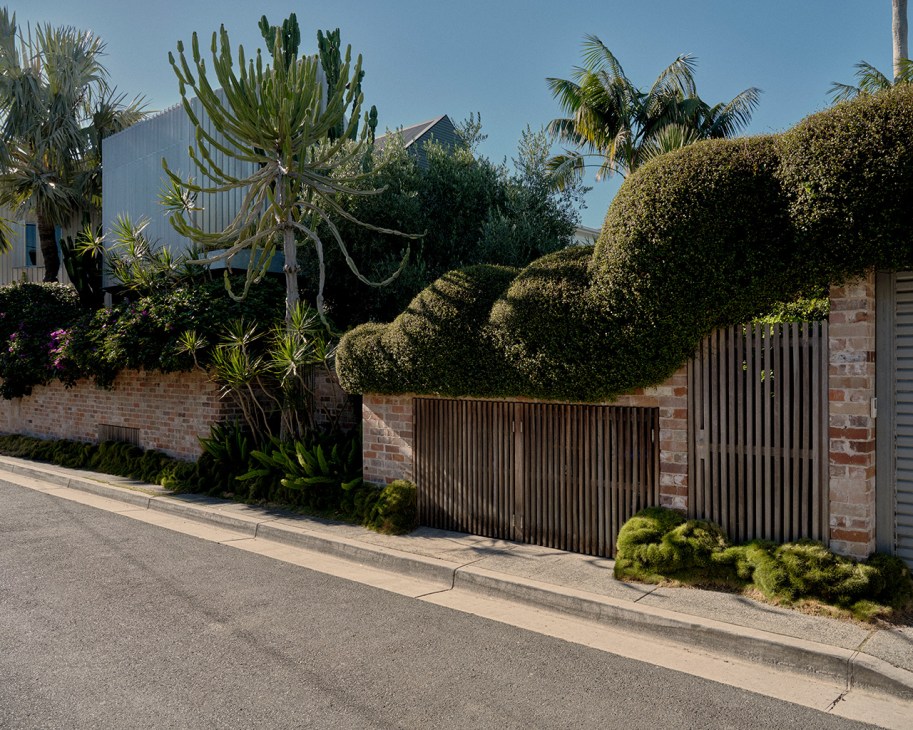
Landscape design is only as good as its delivery. By keeping the process in-house, this collective has been creating some of Australia’s best residential and commercial spaces.


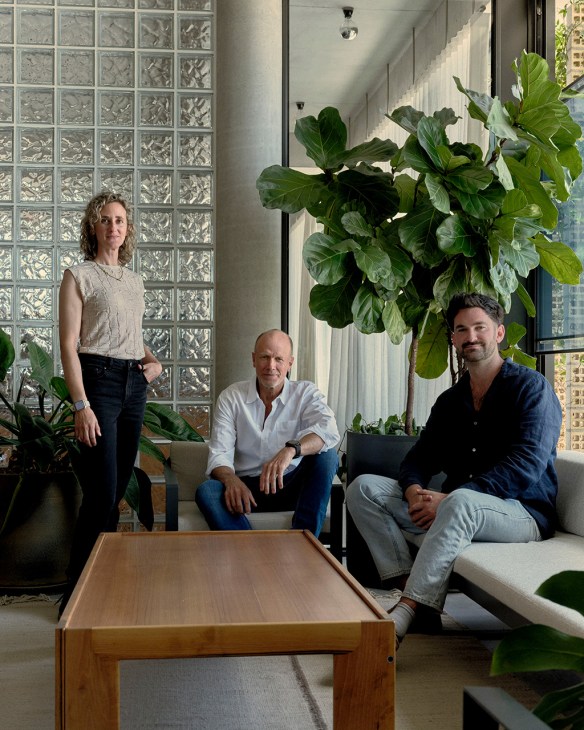

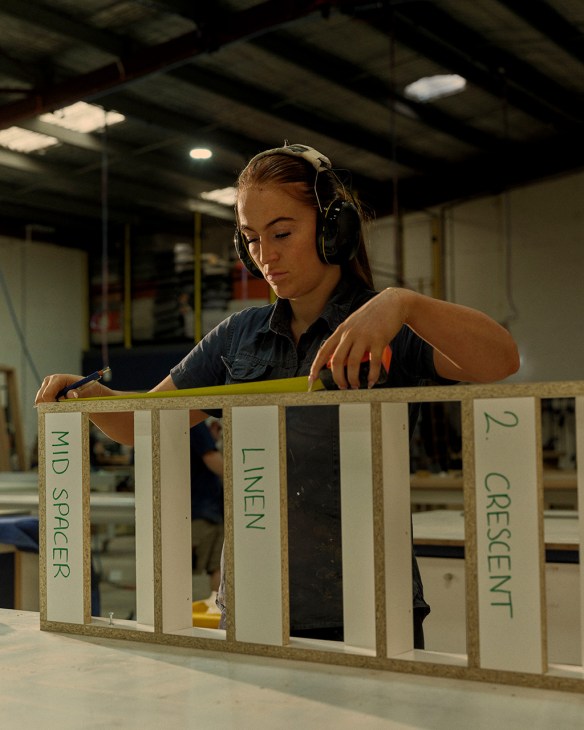
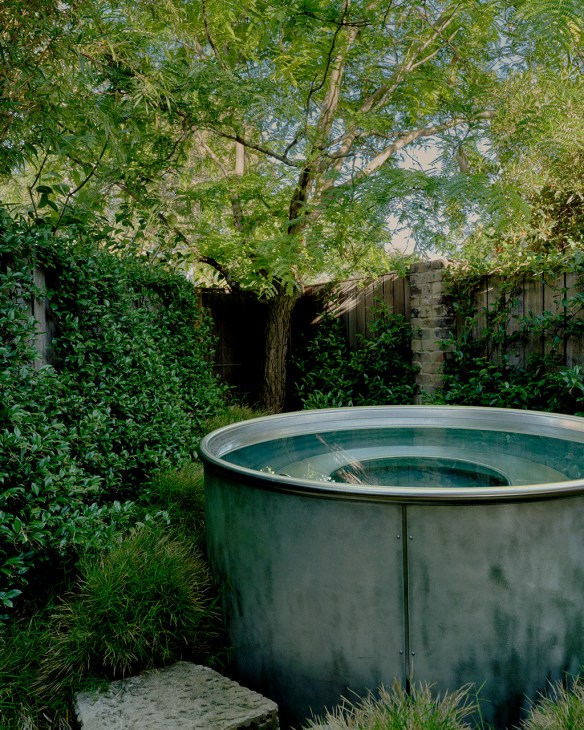
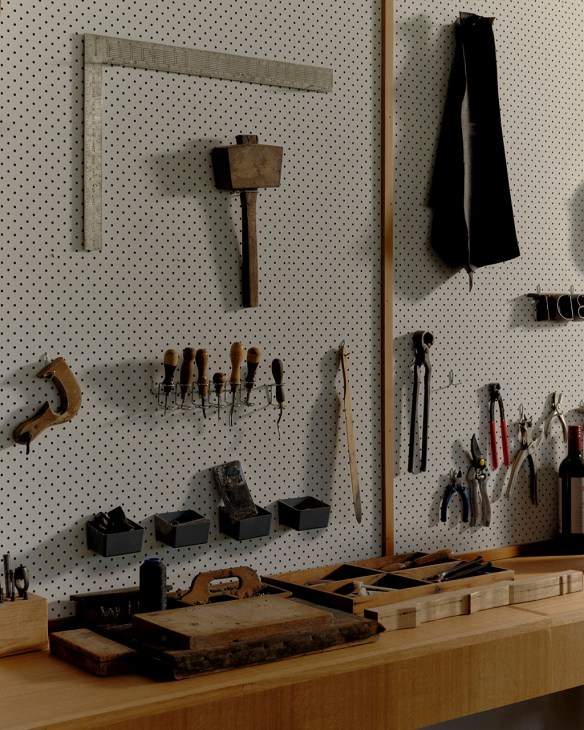
“Dangar Barin Smith started as a lawnmowing business in the 1990s and evolved into a creative practice,” says Will Dangar. “Then Robert Plumb was just sort of tacked on.” Dangar is explaining the evolution of landscape and contracting group Robert Plumb Collective, which he established and co-owns with Bill Clifton. “I was making furniture and doing some installing for Will,” adds the latter. “We had the same accountant, who said that it would be a good idea to team up.”
In the decades since, the creative practice – now a landscape-architecture studio run with Naomi Barin and Tom Smith – became the headline act, delivering some of Australia’s best residential and commercial spaces, prioritising horticulture as much as physical construction.
Thanks to the family of businesses formed with Clifton, however, construction remains of the highest standard. Robert Plumb Build is an evolution of Clifton’s original residential building practice, with joinery studio Cranbrook Workshop creating custom furniture and Robert Plumb Fix, Landscape and Management supporting delivery and more. The collective recently added Second Edition, a research practice that minimises construction waste through material reuse. Across the group, there are carpenters, draughtspeople, horticulturalists and wood machinists too.
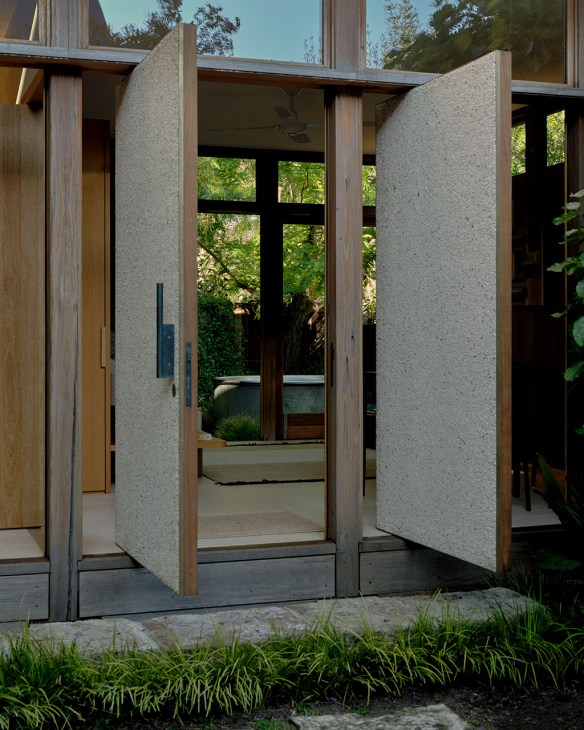
“We can control much of the process in-house, eliminating risk,” says Clifton, pointing to projects such as Love Shack, a small dwelling that was built in a private garden, featuring materials developed by Second Edition. Bismarck House is another standout. Here, Robert Plumb Collective built a landscape defined by a Bismarck palm that provides instant visual impact – an apt metaphor for a company shaking up how our homes and landscapes are delivered.
robertplumbcollective.com.au; dangarbarinsmith.com.au
Material matters
Evolution is essential in the landscape and construction industry, which is why the addition of Second Edition, a pioneering research-based materials company, is a boon for the collective.
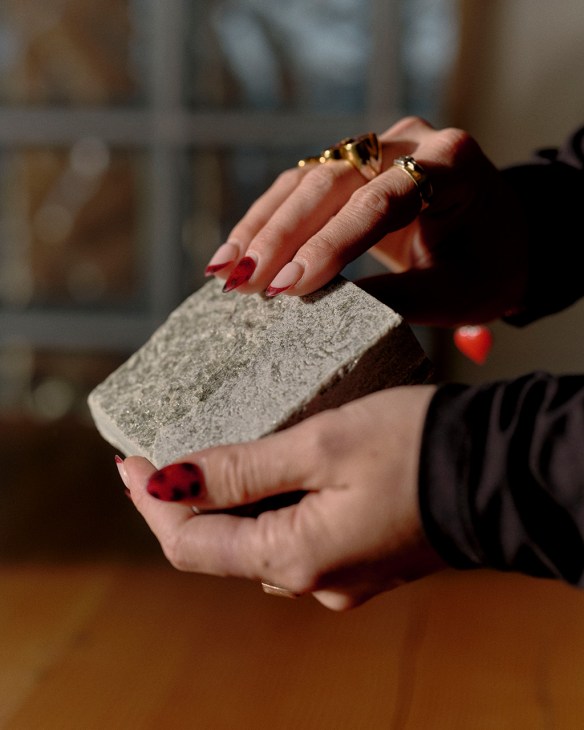
Legacy architect
Tilla Theus
Switzerland
For architecture that stands the test of time, imbue it with character by celebrating context and culture.


Swiss architect Tilla Theus has spent more than 50 years proving that architecture can be warm and inviting. She graduated from ETH Zürich in 1969 and immediately opened her own practice, developing a distinctive approach involving the introduction of a sense of atmospheric warmth to historic buildings and new-builds alike. To discuss her continually evolving practice, Monocle meets her at Widder Hotel, a grouping of medieval townhouses dating from the 11th to 15th centuries that she turned into a cosy hospitality outpost.
You often work with heritage buildings. Tell us about your process.
Widder Hotel was a complex project that encompassed everything that defines my passion for this work: it was about understanding the substance of eight medieval townhouses and transforming them into a five-star hotel without imitating the luxury language of the time, with its arches, balustrades and brocade.
How does this work express your broader architectural ethos?
A building has a soul. The task is to understand it and to make it visible through precise and sustained engagement. Old buildings, in particular, have souls. They must be understood and translated into the present.
What do you think should be the architecture industry’s priorities?
The task today is to create buildings that not only meet current needs but can also accommodate future uses. A modern hospital must be modular so that it can adapt to new processes and technologies. The same applies to offices, industrial buildings, hospitality and housing.
tillatheus.ch
Leading creative director
Pierre-Alexis Guinet
France
Good creative directors can deliver snappy new logos but great ones – like Guinet – can help brands both tell and understand their own story.


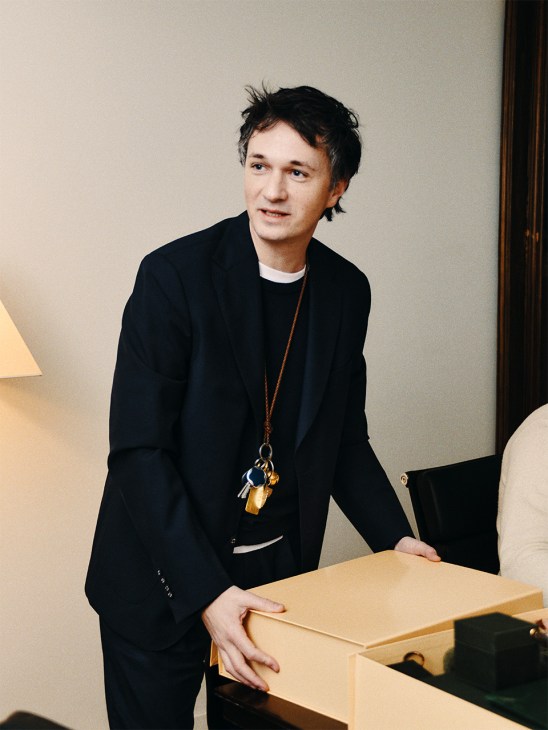
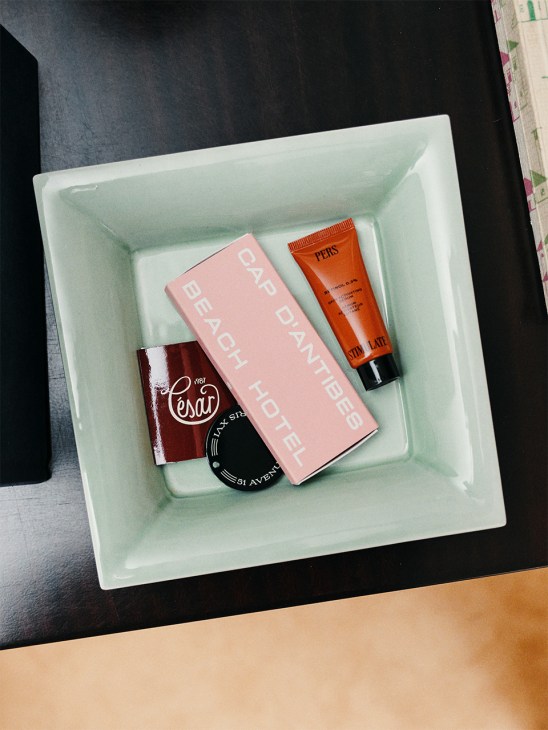
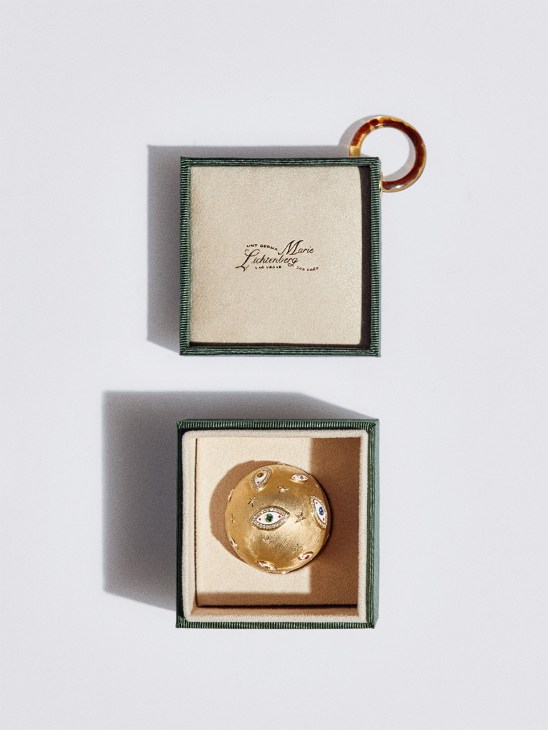
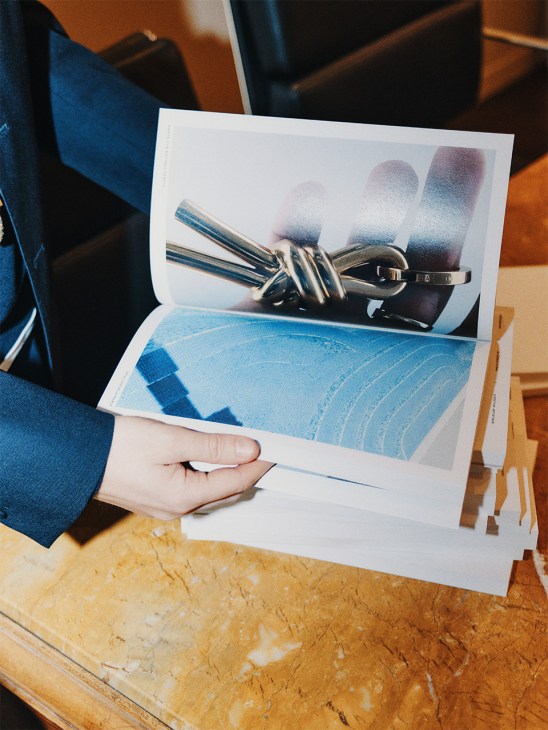
After initial meetings, clients of Paris-based studio Pierre-Alexis Guinet – which works on projects ranging from visual identities to refreshed packaging – are handed a magazine-style book. The bespoke publication is filled with visual references from snippets of historical archives and auction catalogues to travel snaps and screenshots from the internet. “It’s our bible,” Guinet tells Monocle from his studio in Île Saint-Louis. “It outlines the story that we aim to tell.”
It’s an approach that makes Guinet and his team stand out. In an industry dominated by endless scrolling, the book is a welcome antidote. He encourages clients and colleagues to scribble on, earmark or even tear out pages of their copy, allowing it to evolve as a project’s direction takes shape.
In the seven years since founding his namesake studio, Guinet has worked with hospitality, fashion and lifestyle companies based in France and abroad. Key clients include luxury houses Balenciaga and Hermès (he conceived the modular, block-colour packaging for the brand’s haute joaillerie division), rugmaker Les Editions de Tapis and jewellers Pascale Monvoisin and Marie Lichtenberg, as well as hoteliers and restaurateurs in Saint-Tropez, Miami and beyond. The studio’s services range from art directing a campaign to designing a monogram or staff uniforms that hit the mark.
While Guinet trained in graphic design, he says that his work is about more than just building an eye-catching visual identity. Instead, he seeks to create entire worlds, replete with “props” that range from brand books to bathrobes, coffee cups, keyrings and even scents. “That’s how to create heritage,” he says. All of it, though, starts with a book – which is appropriate, given that even in a digital age, it remains one of the most effective storytelling mediums.
pierrealexisguinet.com
Designer-maker
Andu Masebo
UK
Some of the best contemporary designers, such as Andu Masebo, know how to get their hands dirty, balancing bespoke and industrial production to deliver playful, expertly made works.


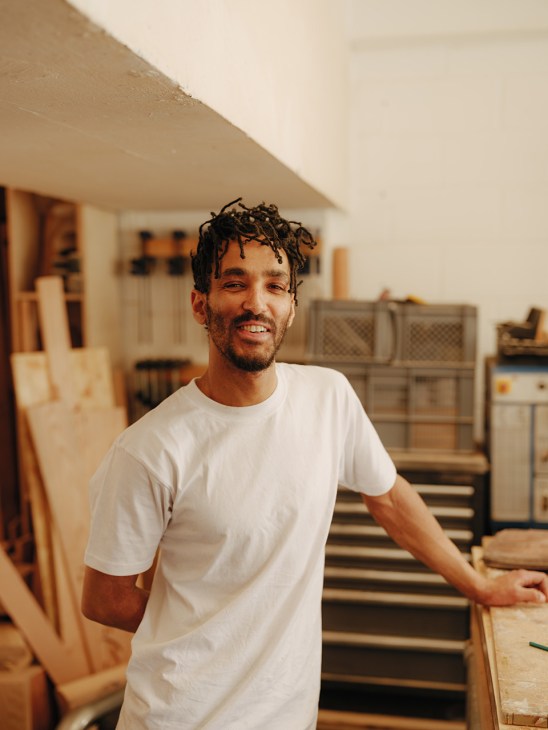
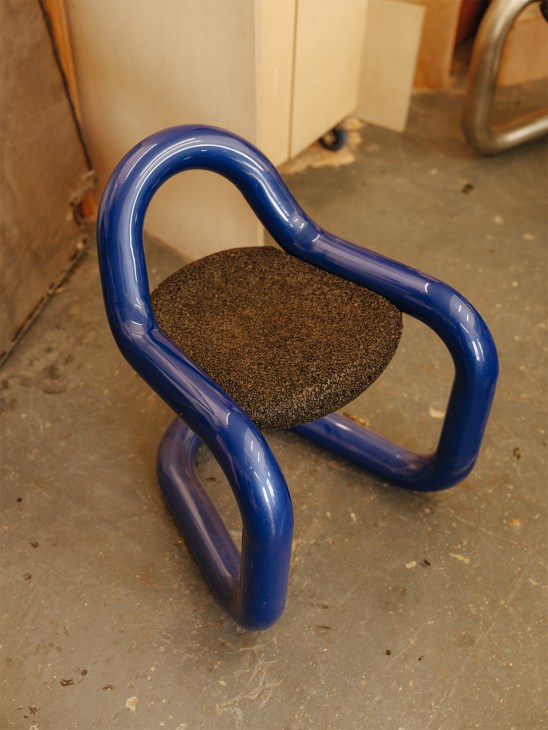
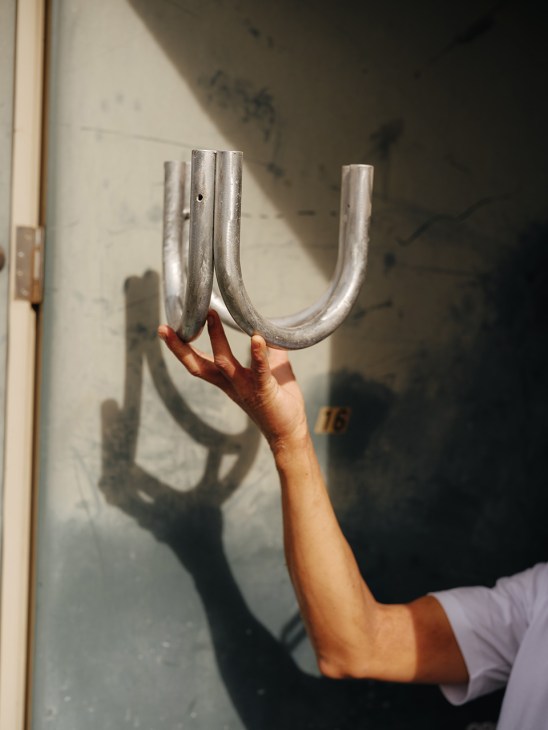
In his London workshop, Andu Masebo takes a hands-on approach to design. With a background in carpentry, metalwork and ceramics, Masebo creates furniture and homeware with unexpected details for users to enjoy. Take, for example, his On the Round shelving system. The freestanding unit is made from soft douglas fir and features rotating dividers that can be tilted at will. Metal designs for the tabletop include a bent piece of tubular steel repurposed as a candleholder or an incense holder that can rock back and forth for better smoke diffusion. Masebo’s applied approach to design creates a conversation between the workshop and the final destination of a piece.
How would you describe your design style?
I see design as an excuse to insert myself into the world. I am interested in the places and the conversations that it can bring about. The interactions that I would have within the parameters that I set for a project lead to the choice of materials or a form.
How do you approach a new project?
You have to establish a set of brackets, the parameters of what a project is about. A precondition could be finding out what the local shopkeepers think of how an area is changing. I’ve done projects where I’ve followed a bus route or started off by disassembling a car. You set yourself a task or a process of investigation. From there, the output is filtered through interactions, observations, people you’ve met, places you’ve gone.
How important is it for you to have a hands-on approach and be a maker, as well as a designer?
There is meditation to be found in the act of doing. For me, it’s not so much about the ritualistic elements of making. It’s more that, when I design something, I want it to be considered from top to bottom – the intention for the overall object but also the way that the bolts connect to the feet that interface with the floor. I want that to be part of the object and not an afterthought. It requires going through the motions of making to really understand the process of how it comes together.
andumasebo.com
Printer of choice
Zürich Print Institute
Switzerland
This institution dedicated to printmaking is keeping traditional methods alive and working to broaden the craft’s reach.


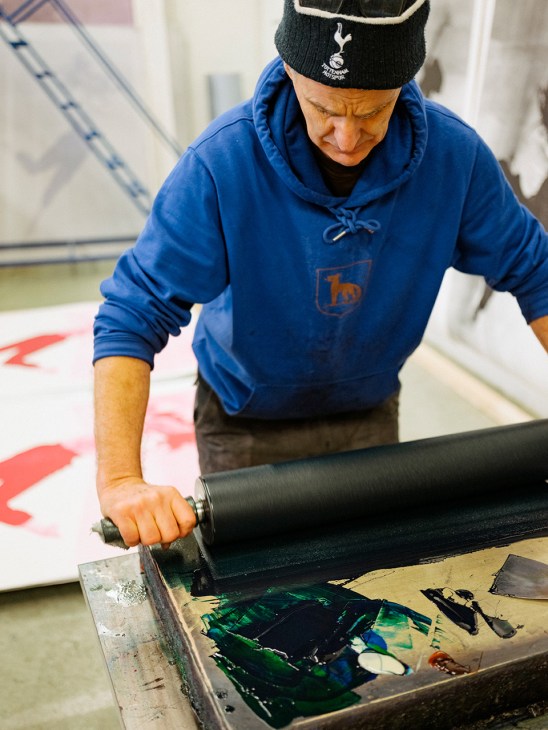
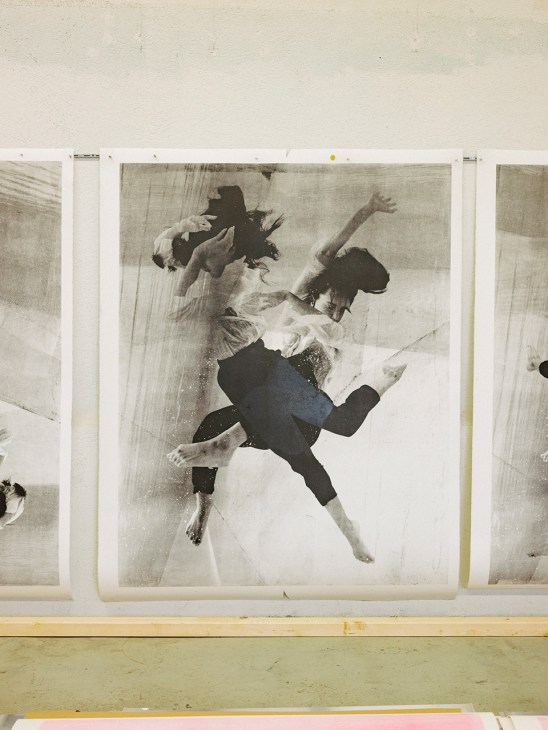
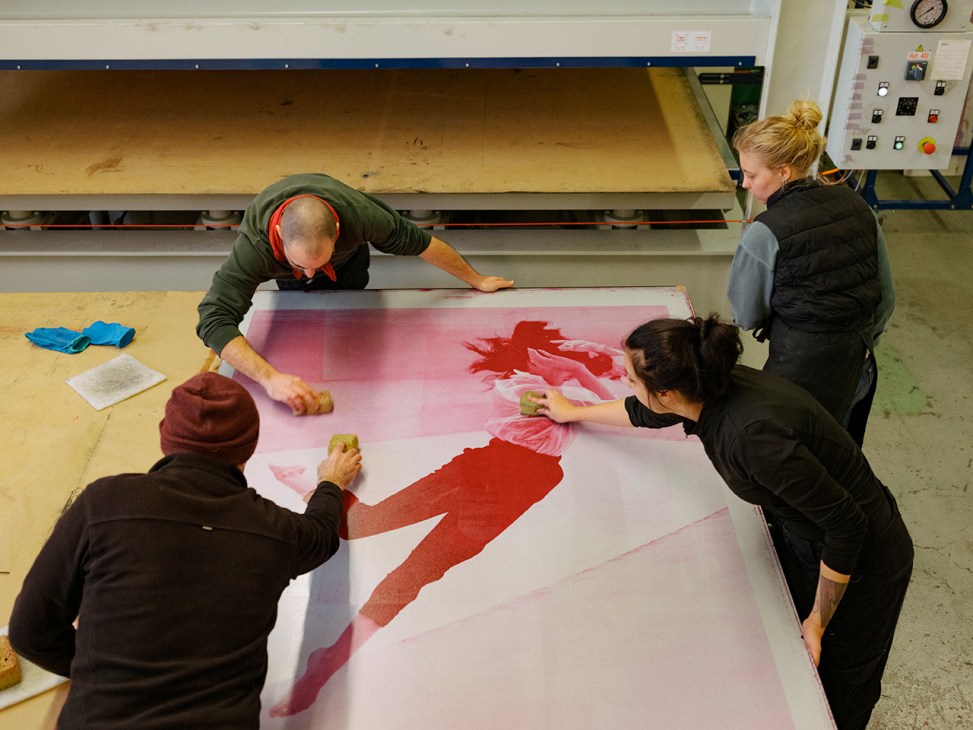

The Zürich Print Institute has a mission: to promote printmaking by bringing ever more people into the fold. Established in 2023 by gallerist David Khalat and master printer Thomi Wolfensberger, it offers high-end production facilities for world-class artists to practice all four processes of traditional printmaking: relief, intaglio, lithography and screen printing. “On the one hand, we’re trying to keep the tradition of printmaking alive,” says Khalat. “But we’re also pushing the boundaries with format. The work often starts as a print, then becomes an art object.”
The institute also wants to engage with people beyond the artistic community, offering consultancy on everything from classical techniques to digital and 3D methods. It brings in the public through exhibitions and cultural programming at its location in central Zürich too. “It’s a programme that interests both the artists and the audience,” says Khalat.
zurichprintinstitute.com
Keepers of the flame
The survival of traditional production methods such as printmaking is essential if we want to preserve cultural identities, maintain irreplaceable human skills and support local economies.
Designers of the year
Formafantasma
Italy
Drawing from manufacturing, technology and material research, this Milan-based studio has made a strength out of connecting disciplines and cultures.


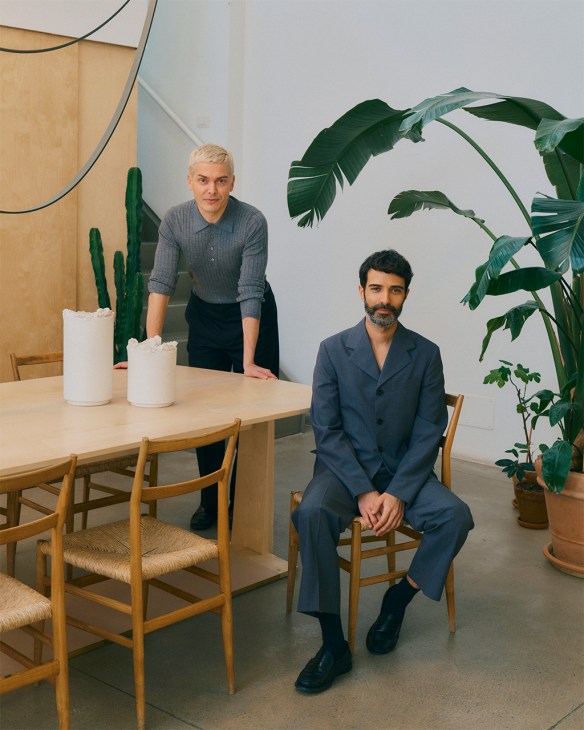
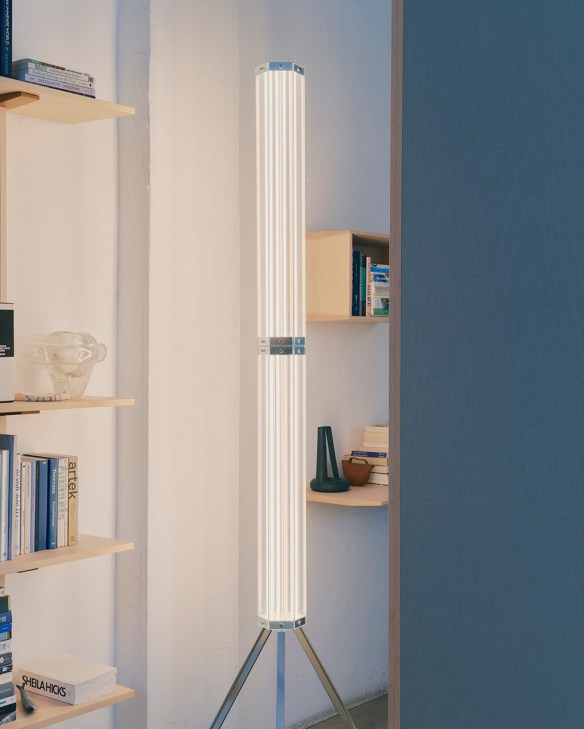
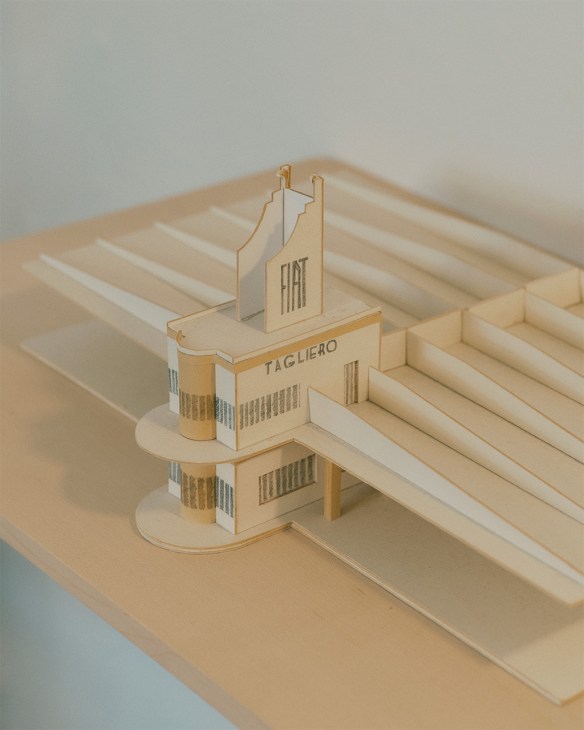
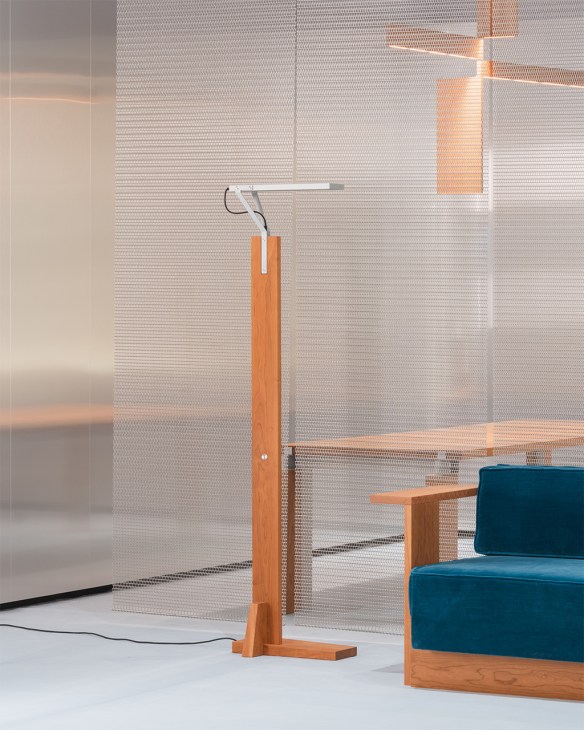
“Our name includes ‘fantasma’, which means ghost,” says Simone Farresin. “Someone once said that’s because our work is always haunted by other things. It’s a good point.” The Milanese designer is one half of Formafantasma, the studio that he established with Andrea Trimarchi in 2009. The practice is renowned for drawing on influences ranging from film and art to technology, manufacturing and material research. “We don’t think about our work in isolation,” says Trimarchi. Recent portfolio highlights include set design for Marni, exhibition design for Fondation Cartier, staging for Cassina, repairable lighting for Flos and symposiums for Prada.
“Design sits in between economy, ecology, the life of people and visual culture,” says Farresin. “So why is it so strange that in our work we implement all those things?” We’re certainly not arguing.
formafantasma.com
Research in action
Formafantasma’s work for lighting brand Flos drew inspiration from their research project into repairable technology. The resulting Superwire light features readily replaceable LED lights.
Best industry event
Nomad Abu Dhabi
UAE
Nomad demonstrates what a design fair can achieve by embracing the architecture, geography and culture of its setting.

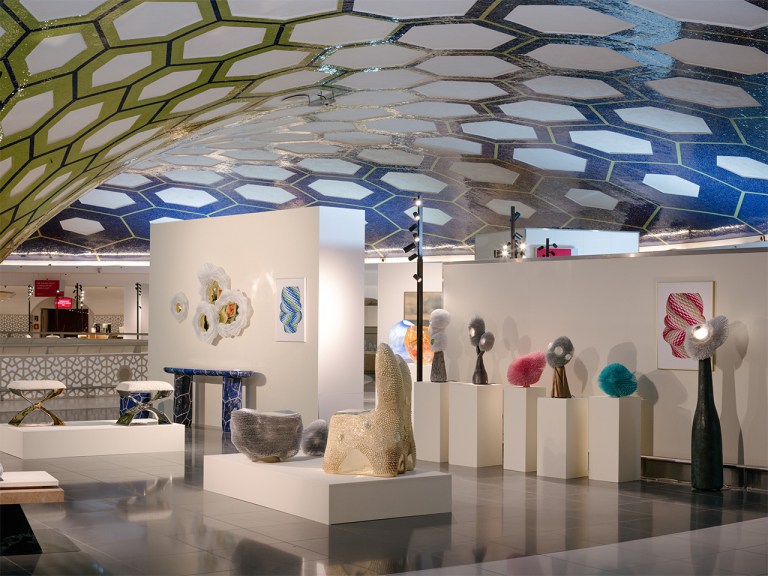


Nomad is one of the most compelling platforms in collectable design and its move into Abu Dhabi last year cemented its position as a benchmark global event for the sector. Its Middle Eastern debut in Zayed International Airport’s decommissioned Terminal 1 felt almost like spatial theatre: works were staged not against neutral walls but within the emotional residue of a place once defined by movement.
“This concept is all about the experience,” says Nomad’s founder, Nicolas Bellavance-Lecompte. “It’s not a pure fair, nor just an exhibition. It’s the intersection of many things.” Rather than defaulting to the white cube, every iteration of Nomad is embedded within a location that shapes the narrative. Abu Dhabi’s edition shows that the future of the design fair lies not in bigger halls but in better settings.
nomad-circle.com
Best design imprint
Monade
Portugal
This publishing house produces architecture books that are accessible without shying away from deep academic enquiry – giving the discipline the respect it deserves.
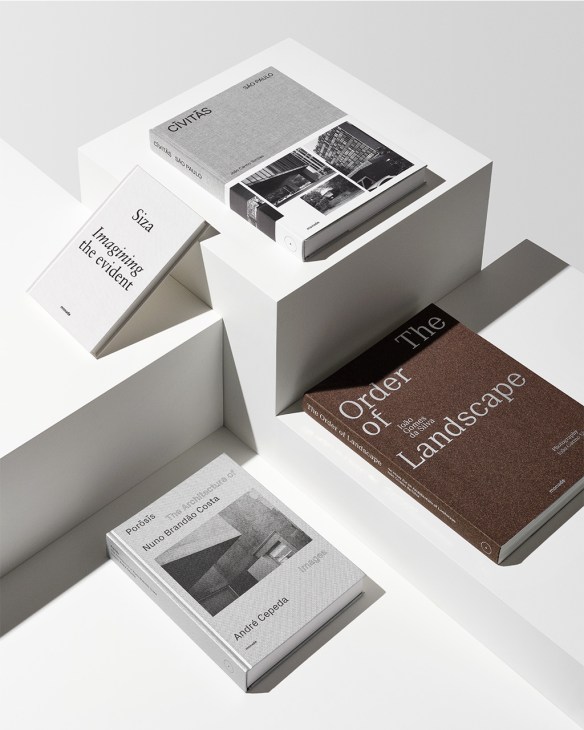
João Carmo Simões and Daniela Sá launched Lisbon-based publishing house Monade in 2016. Over the past 10 years, they have edited books that are neither didactic nor merely decorative, showing the breadth and depth of architecture. “We don’t want our books to be siloed because architecture itself isn’t that way,” says Sá.
With 12 titles to date, Monade offers an insightful window into the discipline. One of its books might delve into the creative mind of a celebrated designer through sketches and journal entries or turn the lens on a single building through layered photography.
monadebooks.com
Best material development
Hydro Circal 100R
Norway
Hydro’s commitment to circularity offers a shining example of what real progress looks like in the materials sector.


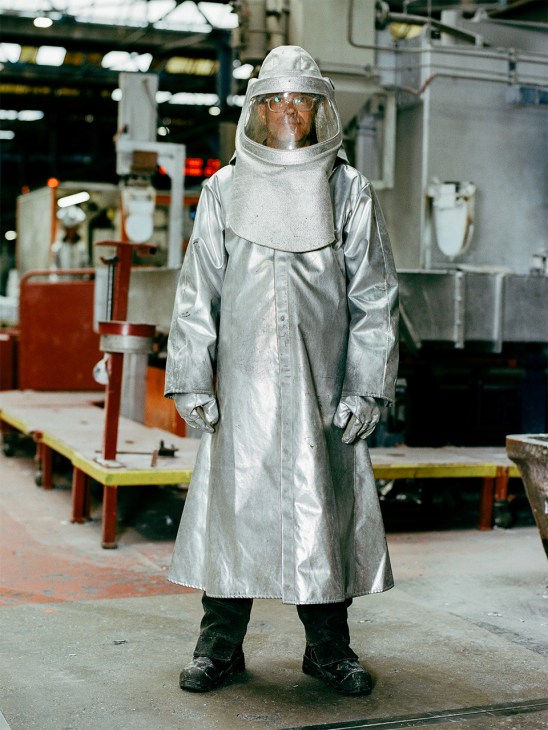
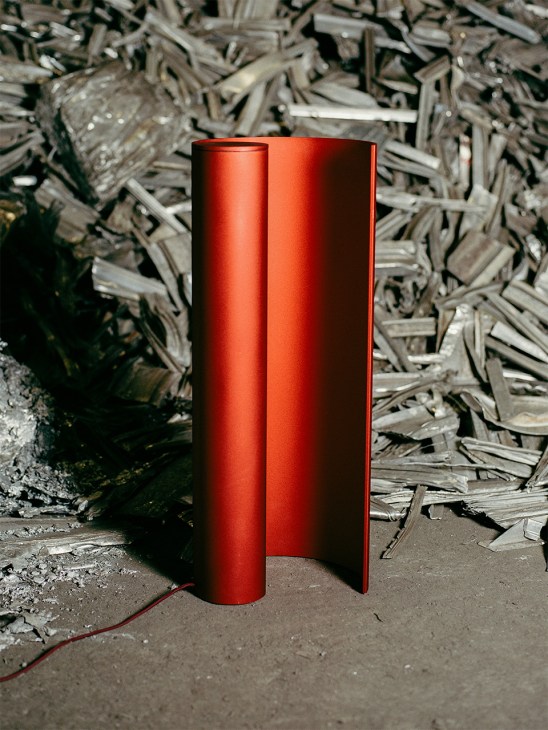
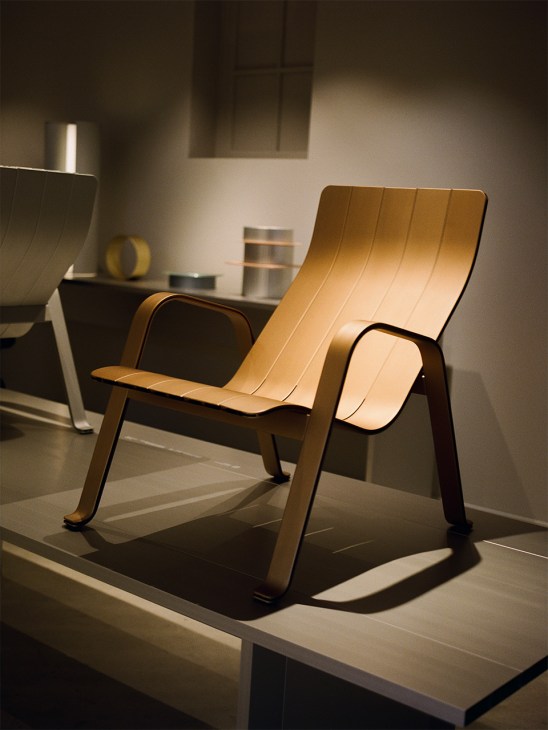
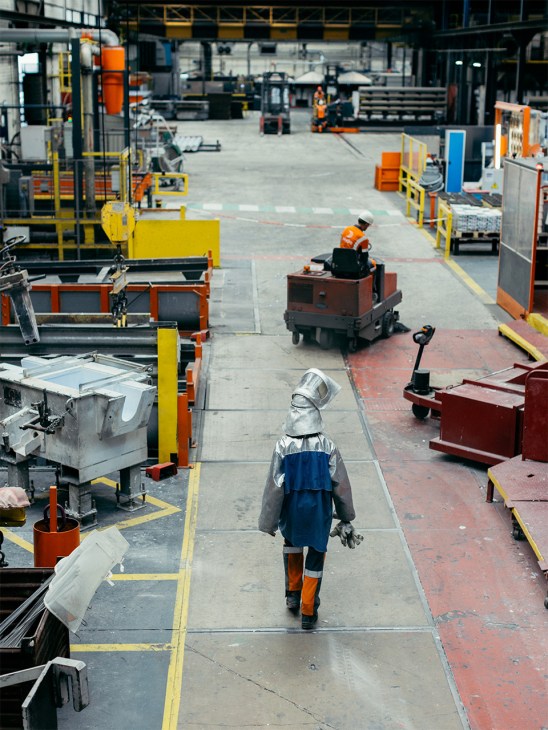
Norwegian raw-materials supplier Hydro’s Circal 100R initiative seeks to elevate the status of aluminium and build more circular economies. It also showcases how a global manufacturer can both recycle and produce on a local scale. Scrap is refined into Hydro Circal aluminium, made from 75 per cent post-consumer waste, and turned into bespoke furniture and lighting pieces constructed within a 100km radius of one of the Norwegian firm’s European manufacturing facilities.
“We had to find new partners for bending and anodising within that radius,” says Hydro’s business-development manager for the Benelux region, Yon van den Oever, when he shows Monocle around one of the firm’s facilities in the Dutch city of Drunen, just ahead of the country’s annual design week in Eindhoven. Here, everything from crushed window frames to streetlight poles are being melted, purified and extruded into aluminium profiles before designers turn them into covetable wares. The result, presented at Dutch Design Week, is a model for how materials industries can evolve to have a bigger focus on tighter supply chains, closer partnerships and designing for reuse from the start.
hydro.com; r-100.no
See the full list of 25 winners here
The Monocle Design Awards 2026: The most beautiful buildings and architectural design
See the full list of 25 winners here
Best headquarters
Lombard Odier
Switzerland
This Swiss bank’s striking new digs prove that, at its best, corporate architecture can reflect the values of a brand, while enhancing the quality of life of its employees and clients.


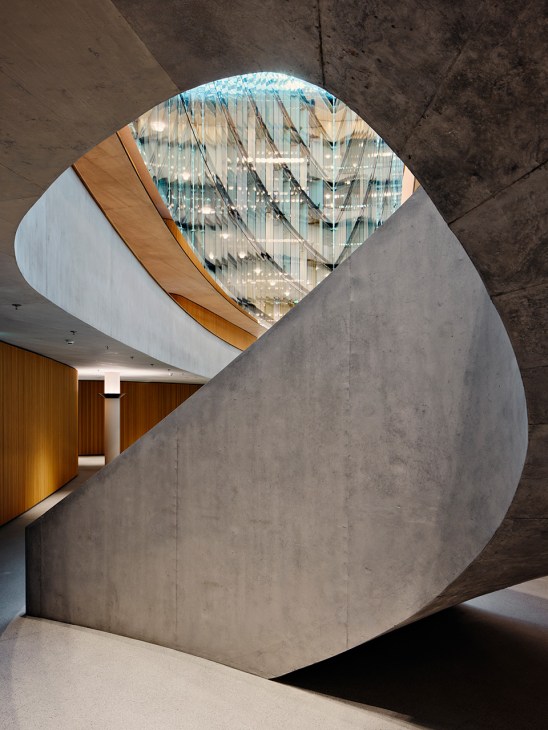
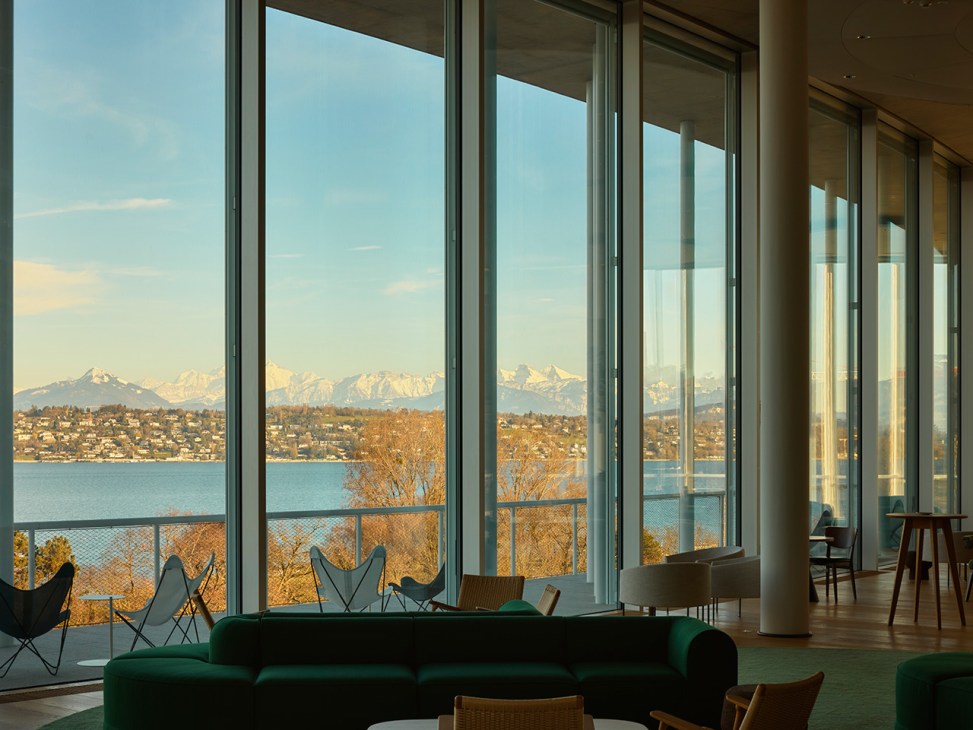
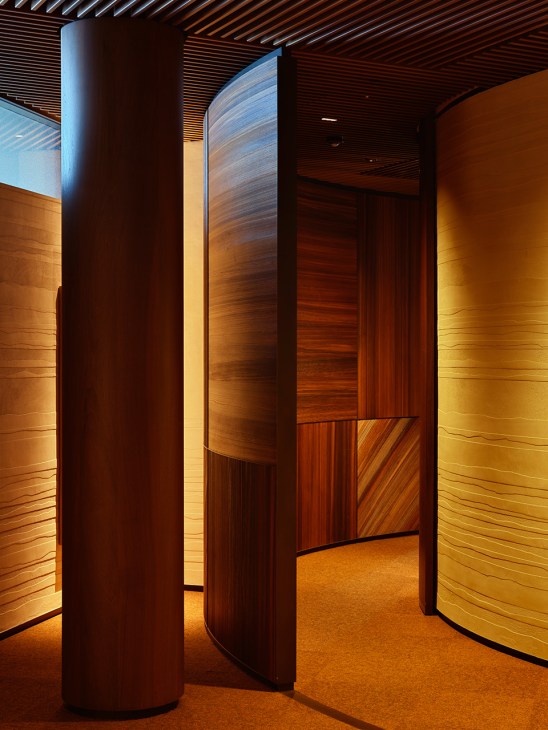
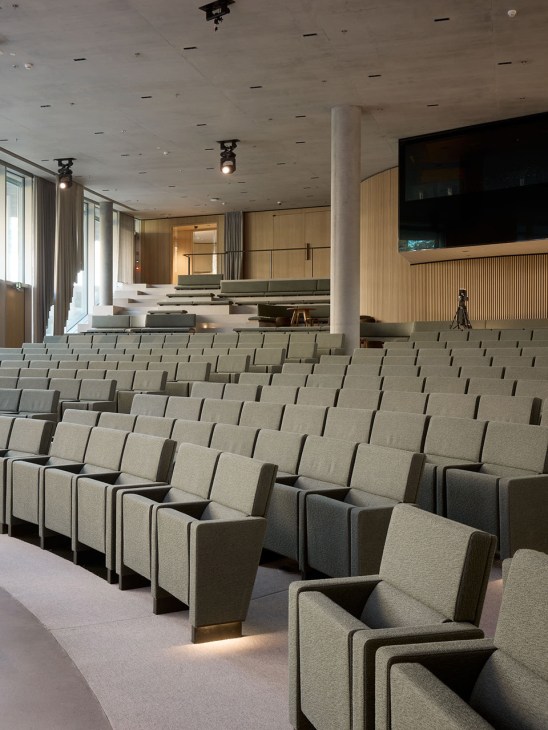

An outstanding headquarters should make a statement – which is exactly what Lombard Odier’s new outpost on the shores of Lake Geneva does. “Is this what you think of when you picture a Swiss bank?” asks Hubert Keller. The senior managing partner poses the question while showing Monocle around his firm’s new digs. The arrival experience, for both staff and clients, feels more like pulling into the porte-cochere of a luxury hotel than entering the offices of one of Switzerland’s leading wealth- and asset-management firms. “It’s more than a building,” adds Keller. “It represents who we are today.”
The company’s ambitions were reflected in its decision to consolidate the firm’s presence, uniting its more than 2,000-strong staff, who were previously scattered across six sites in Geneva. An international competition was launched and Pritzker Prize-winning firm Herzog & de Meuron won the commission. “It understood the DNA of the company,” says Fabio Mancone, partner and chief branding officer at Lombard Odier responsible for brand and business development. “We stand for integrity, openness and sustainability. We needed a building that embodied that.”
The HQ’s façade is defined by thin, curved slabs and columns, making the most of the views. “It’s all about light and transparency,” says Herzog & de Meuron’s Louise Lemoine. Inside, Paris-based Rodolphe Parente has created client spaces with a palette of timber and natural stone. Client areas feature private dining and meeting rooms and terraces with striking landscape outlooks. Staff areas include double-height meeting and working spaces with terraces overlooking the lake and mountains, plus restaurants, a gym and a coffee shop. Equal priority has been given to both client and employee needs. “It has changed the way that I work,” says Keller. “And our teams too.”
lombardodier.com; herzogdemeuron.com; rodolpheparente.com
Best trade school
Håndvaerkskollegiet Herning
Denmark
A hall of residence built to inspire trainee tradespeople is working to plug Denmark’s skills gap by encouraging an exchange of ideas and expertise.


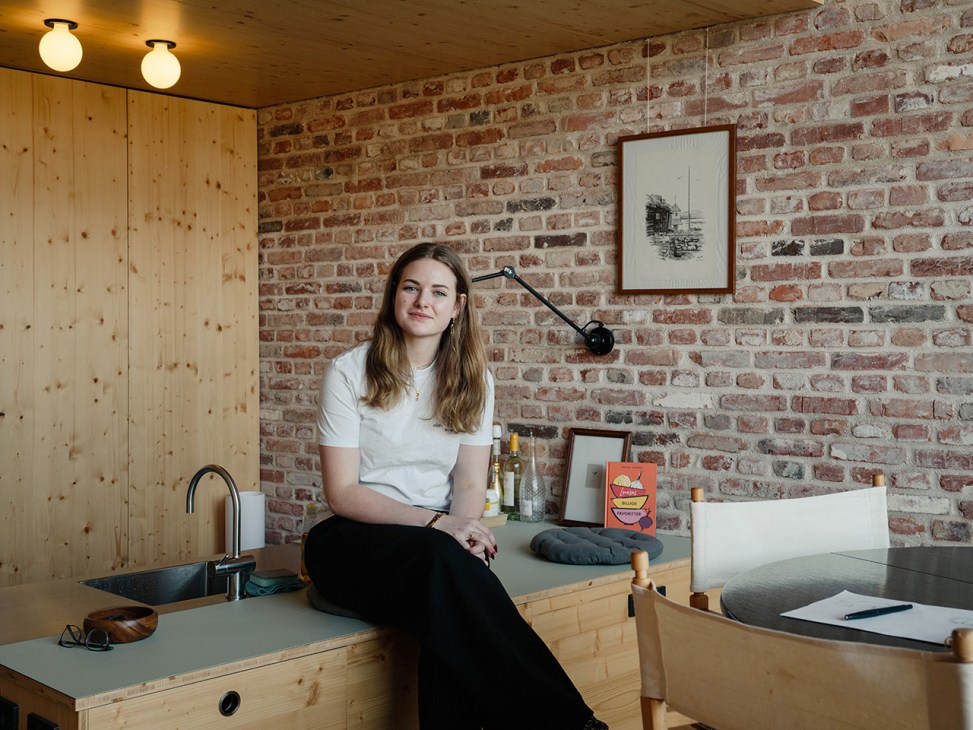

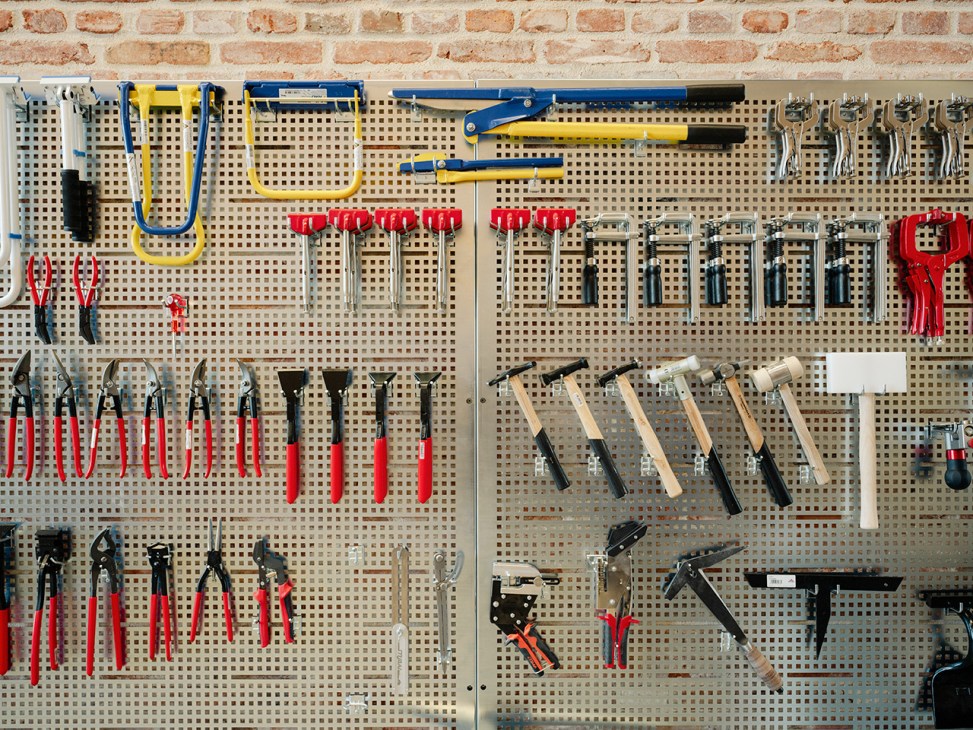
Like many nations, Denmark is in desperate need of tradespeople: plumbers, builders, roofers, carpenters, electricians and skilled manual workers, known in the Nordic country as håndvaerker. This dearth makes the recent opening of Håndvaerkskollegiet, a hall of residence for trainees in such fields, particularly welcome.
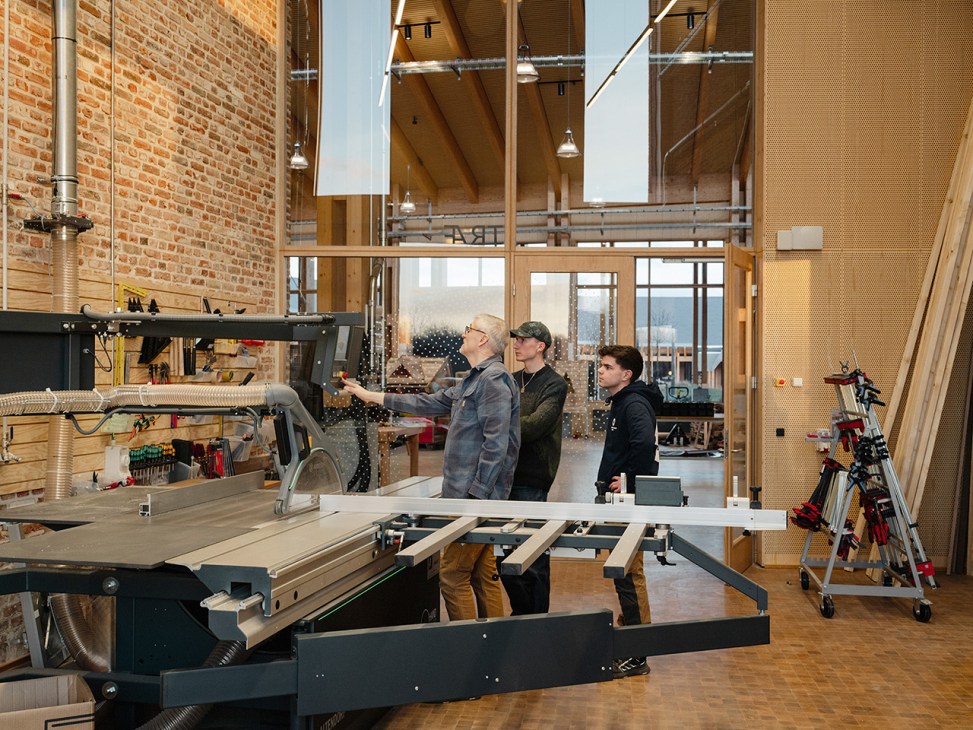
“Part of the purpose of this building is to persuade young people to pursue a skilled-worker education,” its principal, Flemming Moestrup, tells Monocle from the new campus in the small town of Herning on the Jutland peninsula. The halls include accommodation with shared kitchens and living space, featuring double-height workshops for wood, metal and bricklaying, with state-of-the-art tools and machinery.
“The idea that the building celebrates craftspeople was very inspiring for us,” says Copenhagen-based architect Dorte Mandrup, whose studio designed Håndvaerkskollegiet. “We wanted to create communal spaces but, when we designed these small dwellings, it was also about making them dignified.”
Around the building, exposed junctions, electricity systems and raw brick hint at the construction process. The structural frame of the building is made from pine; the doors and floors are oak. Meanwhile, the interior panelling is spruce.
The construction of the building and the lion’s share of its running costs is funded by charitable foundation BRF Fonden. In Herning, many residents are apprentices at local firms and attend courses at the nearby technical college. They can choose from workshops and lectures that are open to all trainees in the evenings and at weekends: a carpenter can learn about the work of an electrician; a bricklayer can get a feel for 3D printing. “That crossover is one of our biggest draws,” says Moestrup.
As we leave, he points to an incongruous brick fireplace in the large assembly hall. “Just before Christmas, a couple of the students said that we needed a fireplace to hang stockings on so a group of them built this,” he says. There are plans to turn the fireplace into a party loudspeaker. For once, getting hold of an electrician shouldn’t be a problem.
haandvaerkskollegiet-herning.dk; dortemandrup.dk
Students at work
“It’s really inspiring to live here. You want to work better when you see all of the skill that has been put into this building.”
Emilie Mølgaard
Age: 20
Machine carpenter, apprenticed to TCM Operations
“The building is so nice and there are opportunities for training my skills in my spare time. It is nice that you get experience in other fields too.”
Andreas Møller Simonsen
Age: 20
Cabinet maker, apprenticed to Multiform
“The workshops are so well equipped and there’s a great feeling of community here. They put a lot of emphasis on that. I work with furniture but I have been fascinated by the metalwork. I have learnt a lot about other disciplines.”
Laura Dahl
Age: 18
Machine carpenter, apprenticed at HTM
Best government building
Chamber of Notaries
France
The renovation of a Haussmannian administrative building in Paris has quietly helped to reshape the public’s perception of the professionals who occupy it.


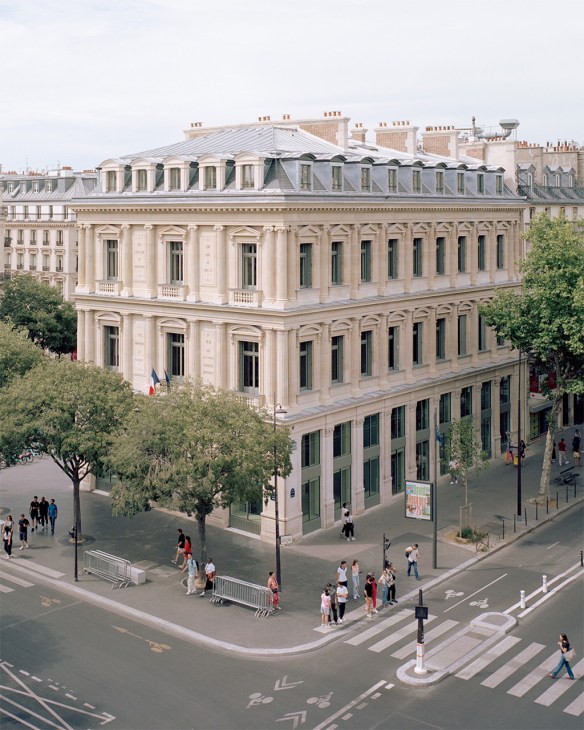
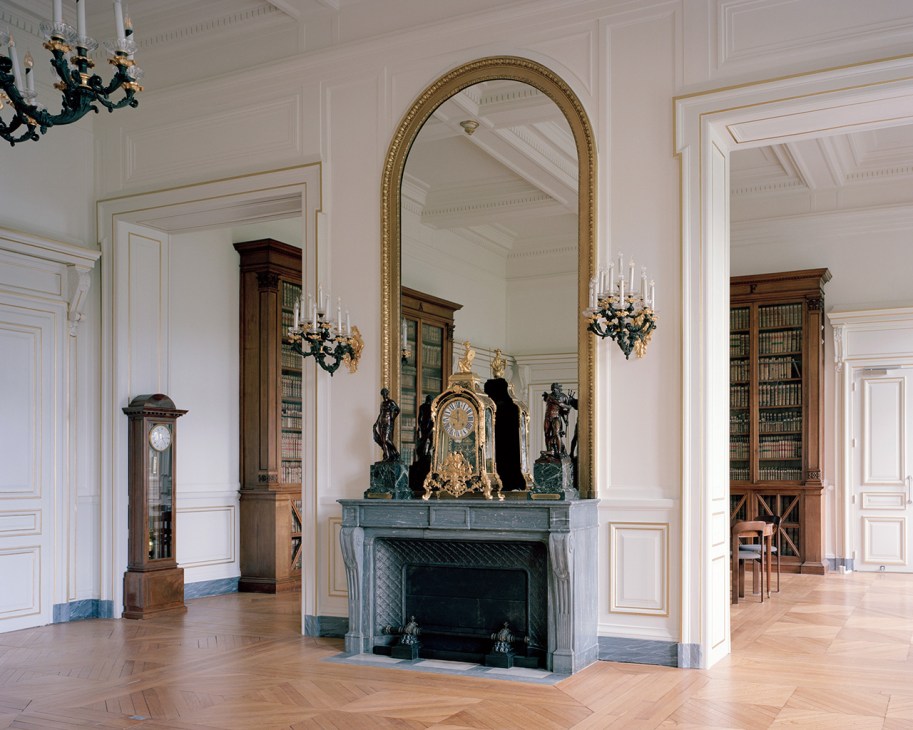
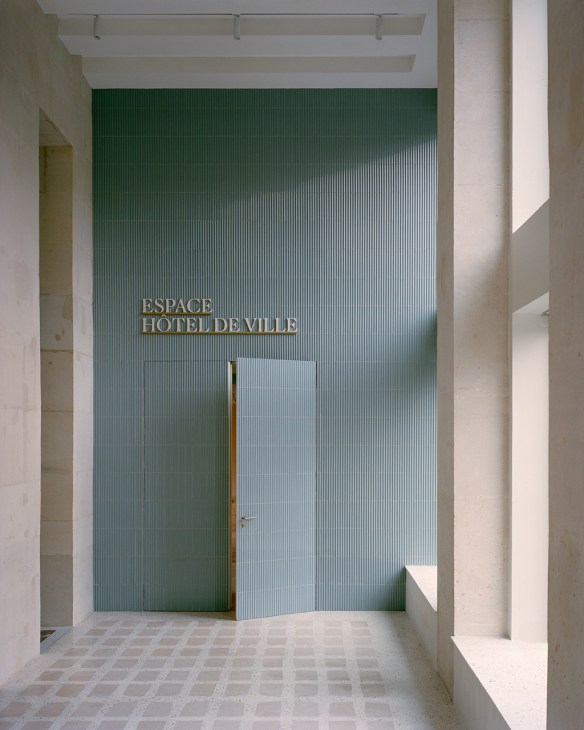
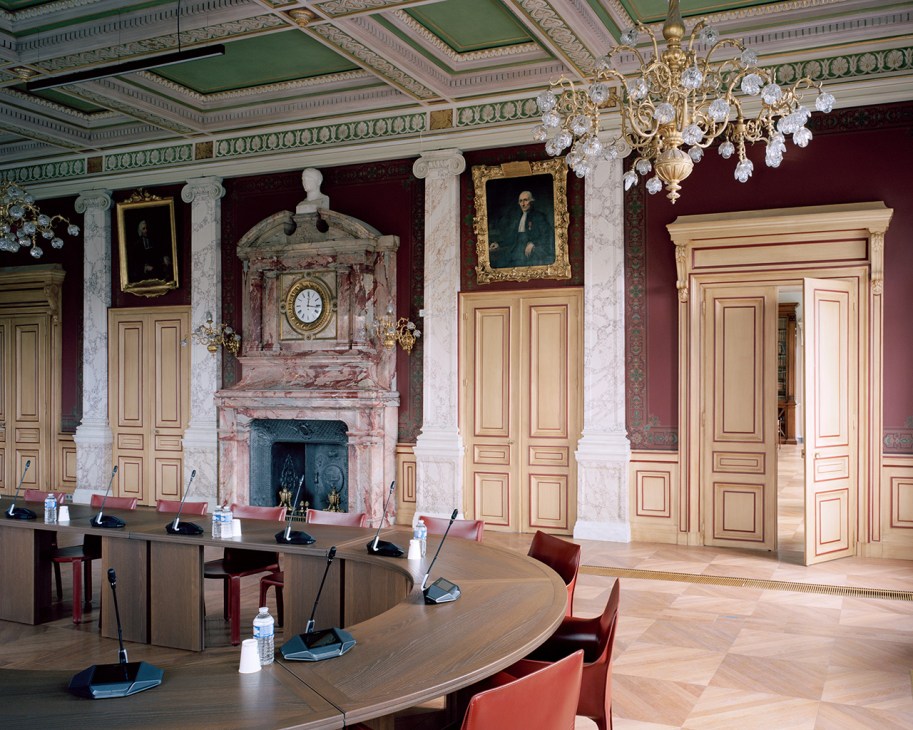
The French Chamber of Notaries in Paris’s Place du Châtelet is an architectural marvel hiding in plain sight. “Most Parisians don’t know about this building,” says David Dottelonde of Atelier Senzu. “It’s one of the oldest Haussmannian buildings in the city, dating back to 1855.” The notary profession’s ties to this location even date back to the medieval period, when royal scribes formalised legal acts under the authority of the crown.
When Dottelonde and co-founder Wandrille Marchais took on the restoration of the building, they were tasked with bringing it up to date but also with helping to modernise the image of the people working there. “The profession isn’t well known by the public, even though it’s central to major moments in people’s lives,” says Marchais. “The brief was to reconnect the building with the clients and with the public space,” says Dottelonde.
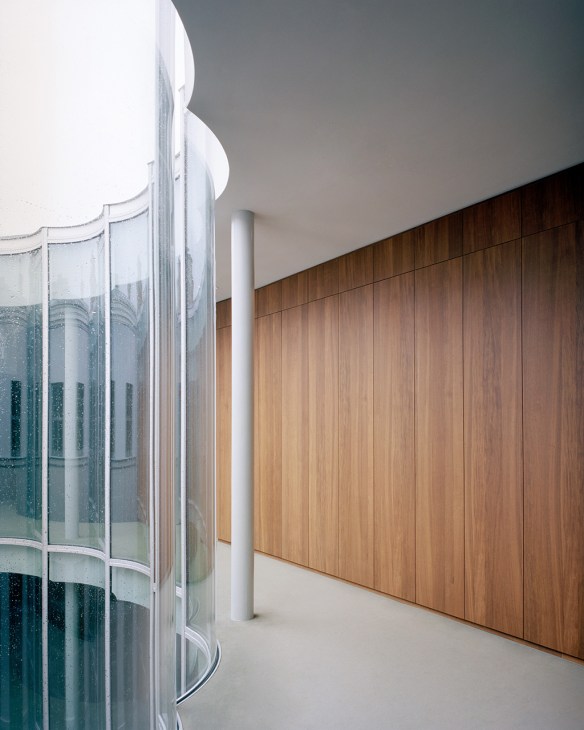
Part of the façade was replaced with glass windows. The stone removed to achieve this was then repurposed for slabs used in the entrance-hall floor. The stucco columns and woodwork inside were restored, while moveable aluminium partitions were added to allow for a more flexible use of the space. Since this renovation project was commissioned in 2019, the number of French notaries has increased. In 2016 a law reformed the profession, making it more accessible but, as a result, more competitive. At the same time, the field is adapting to digitisation and cybersecurity challenges, while trying to preserve the security and trust that it has cultivated for centuries. Notaries’ home in Paris, however, is now better-equipped to lead them into this new era, thanks to the forward-thinking work of Atelier Senzu.
ateliersenzu.com
Best design gallery
Difane
Mexico
This gallery is helping to redefine Mexico’s design identity by championing the country’s best contemporary practitioners.
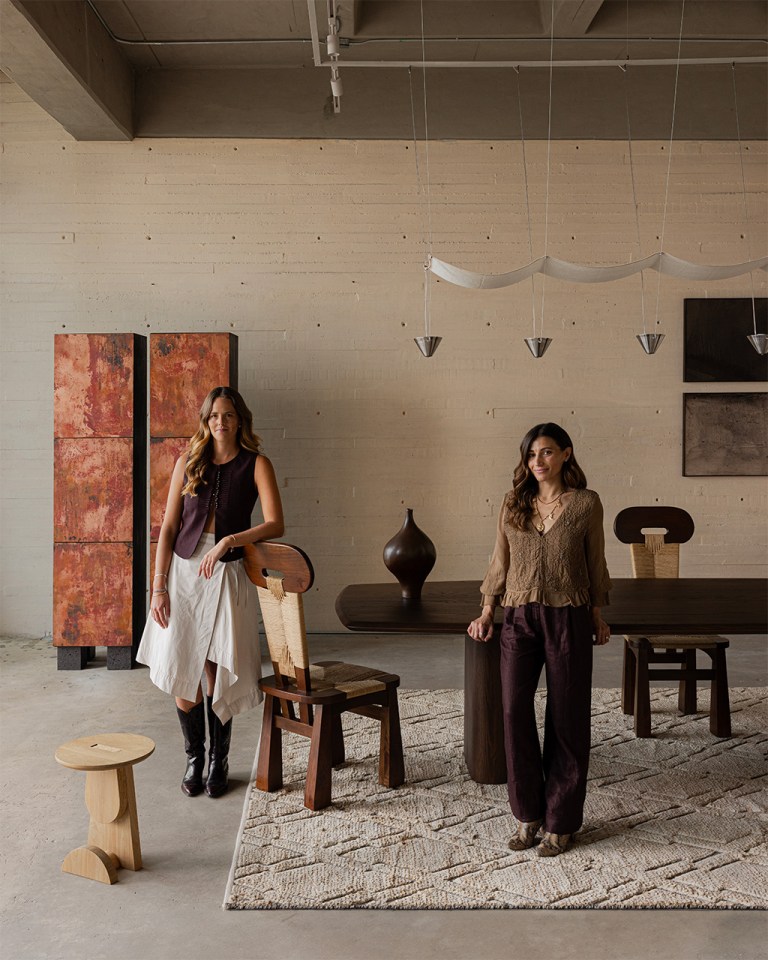


The rise of Mexican design to global acclaim is thanks, in part, to the work of galleries such as Mexico City-based Difane. Run by Fernanda Salamanca and Andrea Gadsden, it supports the nation’s independent designers, including Andrés Gutiérrez and Carlota Coppel. “When we started, most people around the world thought of Mexican design as just arts and crafts,” says Gadsden. “We wanted to give visibility to this other branch.”
From its permanent space in the Roma Norte neighbourhood, the gallery works with Mexican designers to co-develop products that push boundaries and speak to a global audience. “Mexicans create beautiful objects but don’t always know how to sell them,” says Salamanca. “What we do is look for good designs that can compete internationally.” The result is a platform that fosters a community of creatives.
difane.com.mx
Finest for fitness
Backyard Community Club
Ghana
This tennis facility rooted in West African traditions has set its sights on changing the country’s sporting culture.
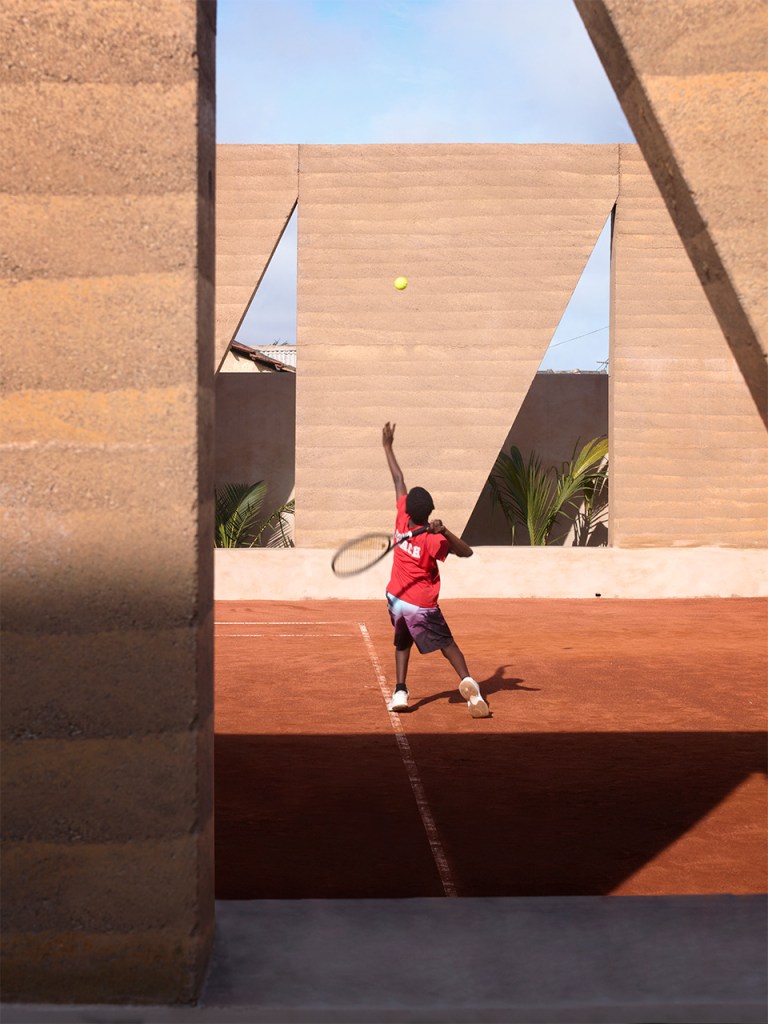
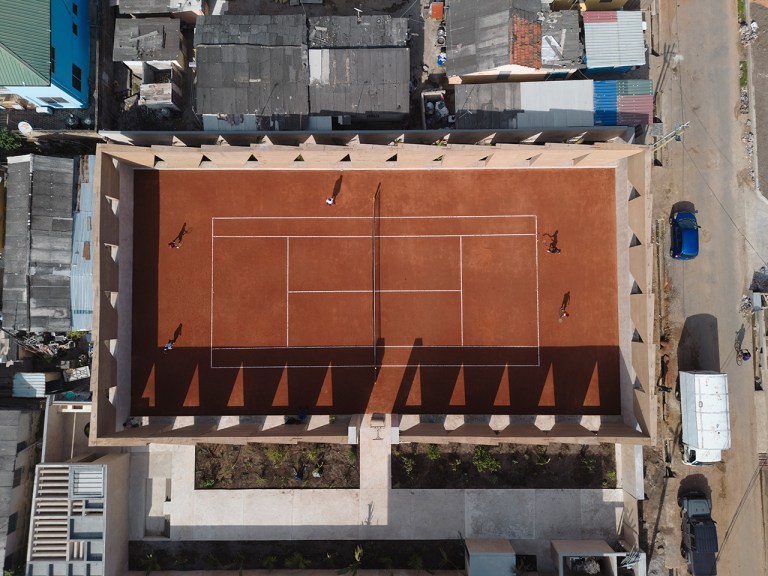

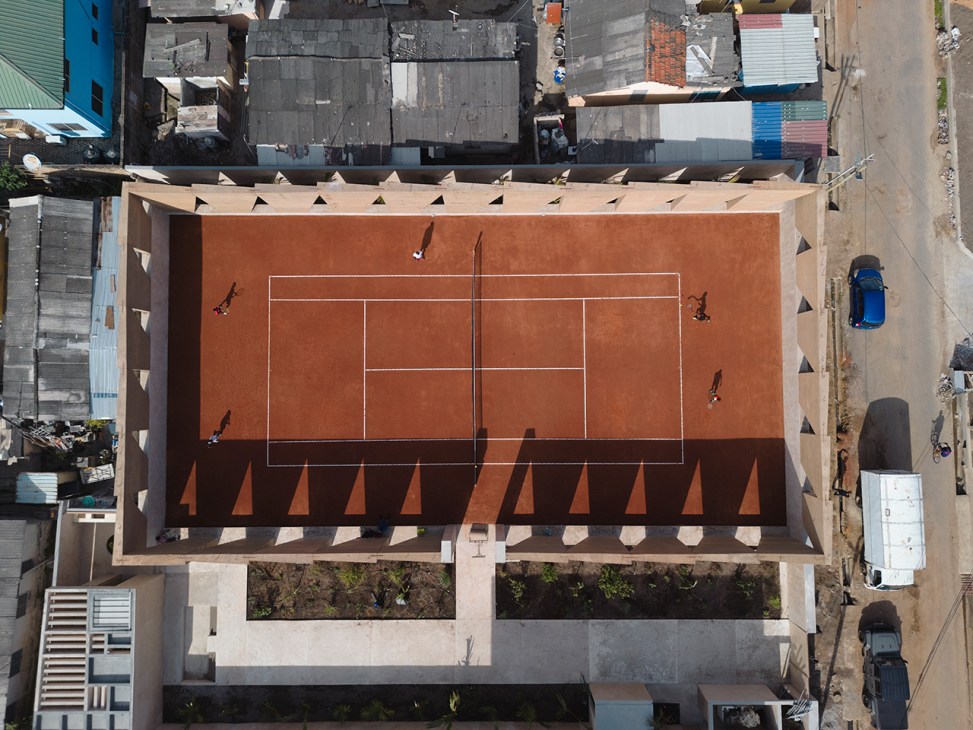
In Accra’s Osu neighbourhood, the Backyard Community Club’s clay court has become an incubator for a group of promising young tennis players. Built to the design of Glenn DeRoche, the founder of architecture studio DeRoche Projects, it uses local materials to enclose the court. Precast rammed-earth panels, produced and assembled in the city, help to reduce the project’s carbon footprint. “The material gives the court a distinct identity ,” says DeRoche. “It feels grounded and really rooted in West Africa.”
From the outside, the compound is striking. Its walls feature triangular cut-outs that allow light to dance across the surface. Another notable feature is the 230 sq m garden that is adjacent to the court, where plants and fruits are grown to provide nutrition to the players. Post-match, they are welcome to pick mint growing on the site.
The priority, however, remains to attract Ghanaians to the sport. The Backyard Community Club’s training programme is already receiving applications from players from different parts of the country. “The impact is far greater than this community,” says DeRoche.
derocheprojects.com
Top urban intervention
Suan San Pocket Park by Shma Design
Thailand
This small, strategically placed green space offers a much-needed escape from the Thai capital’s asphalt jungle.
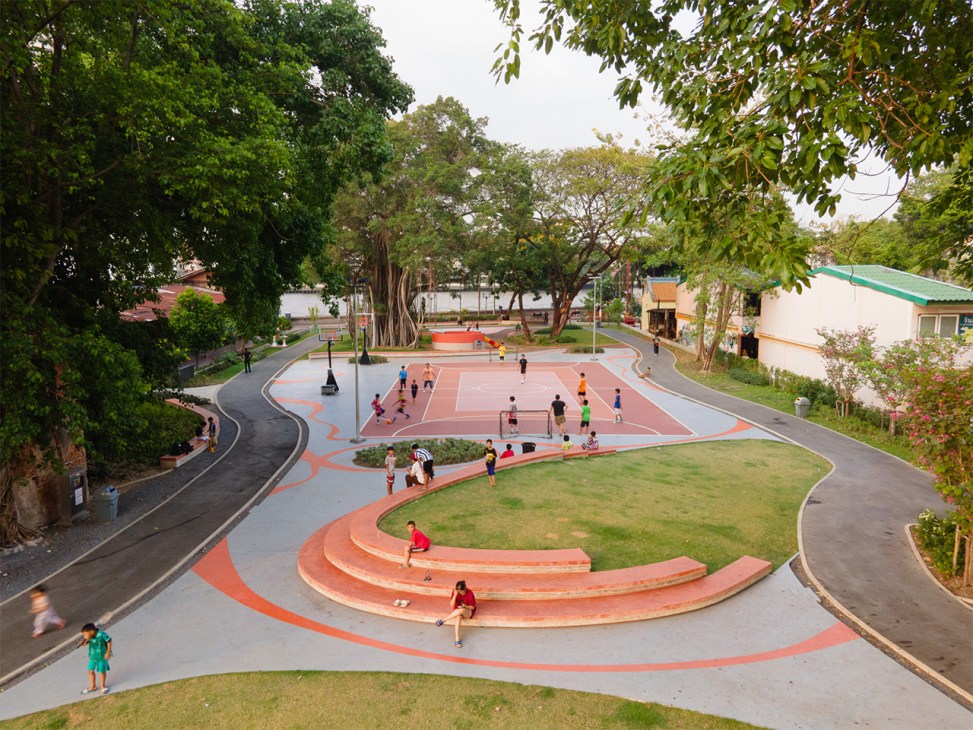
The all-consuming urban sprawl is an unfortunate reality of life in Bangkok. Providing residents with respite from it was a challenge that the team at landscape architecture studio Shma Design was keen to rectify with the creation of the Suan San Pocket Park. “This is an unplanned city, which means that we never really invested in green areas,” says Yossaporn Boonsom, one of Shma Design’s founding directors and the park’s lead designer.
Despite its prime location next to the Chao Phraya river, much of the site had long been used as a dumping ground. A public consultation process revealed that it had once been a warehouse for goods unloaded from the river; elsewhere, towering Banyan trees can be dated back about 100 years. After this history was uncovered, Shma Design decided to celebrate the area’s heritage. The team preserved parts of the former warehouse building, integrating them within the park’s walkways and facilities. The oldest and largest trees were retained too. Recreational areas are defined by floor patterns – a sports pitch, jogging paths and exercise zones. The open layout also creates an uninterrupted route to the river, connecting residents to the riverfront – a rarity in Bangkok.
Suan San Pocket Park offers a space for history, nature and community to co-exist, and affirms a sense of local identity. In a city where skylines and landscapes can quickly become unrecognisable, the park stands as a reminder that urban development doesn’t always require starting from scratch – or being on a major scale. “The true value of the park shines not in its design but in how life has evolved around this space,” says Boonsom.
shmadesigns.com
Best in urbanism
Seattle Waterfront Park by Field Operations
USA
A team of landscape architects, urban designers and planners has reinvigorated Seattle’s ailing downtown by reconnecting residents to a long-ignored waterfront.


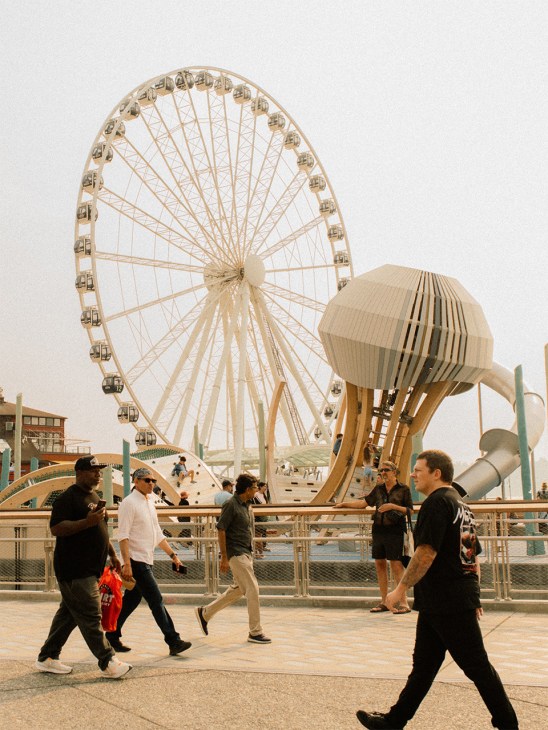
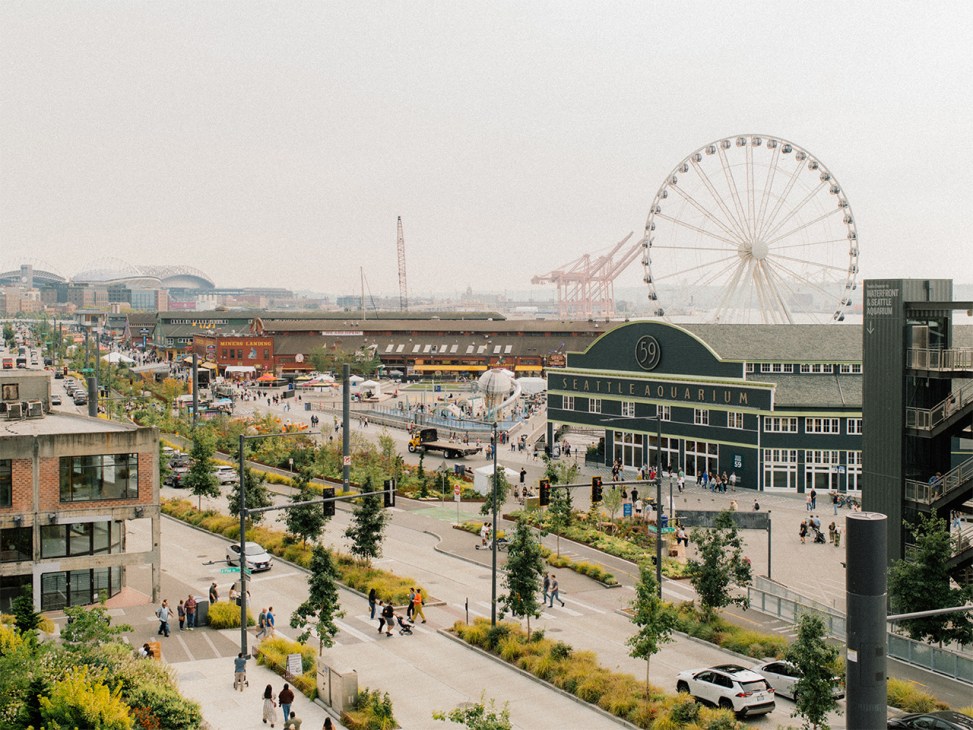


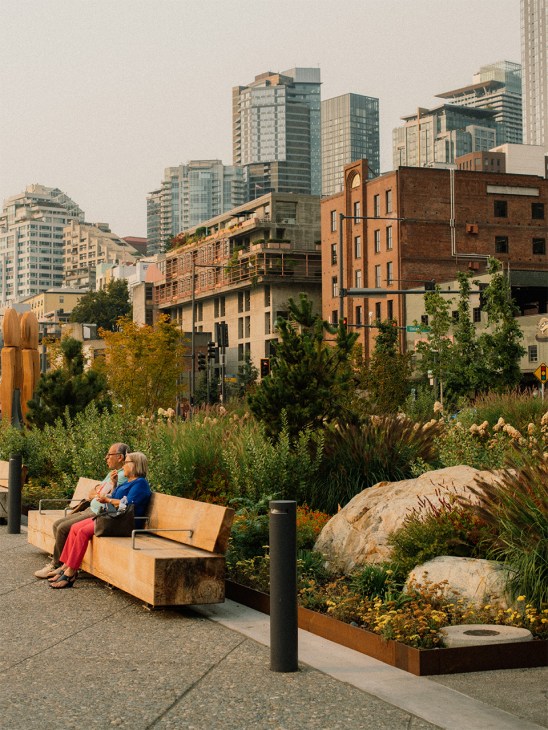
In recent decades, many landscape architects and urbanists across the globe have been trying to reconnect cities cut up by urban infrastructure. US studio Field Operations has long been at the forefront of this movement and its work in Seattle has established a new benchmark. The 1950s Alaskan Way Viaduct separated the city’s downtown from the watery edge of the Puget Sound. Today the elevated highway, which was damaged by an earthquake in 2001, has come down and a park has arisen in its place, designed by Field Operations.
Monocle meets the firm’s founding partner and CEO, James Corner, atop the site’s signature feature: the Overlook Walk, a collaboration with LMN Architects. People crowd the Salish Steps, a cascading set of stairs with the downtown skyline as backdrop. “It was always our aim to splice nature with the city, merging Seattle urbanism with Puget Sound naturalism,” he says. The park has reinvigorated an ailing downtown and served as a proving ground for ecological recovery in an urban industrial setting.
As people wander down pathways past groves of Oregon grape and Pacific Northwest alliums, boats cruise past the refreshed Elliott Bay seawall. Field Operations designed new panels with ribbed walls and shelves to mimic natural habitats. The result is a bustling ecosystem of algae, barnacles, mussels and kelp that attracts migrating salmon. “When the viaduct was here, the city was cut off from this massive asset,” says Corner. “They knew the bay was there but they didn’t pay any attention to it as a thing of scenic beauty.” Field Operations’ work shows how landscape architects can bring beauty to the fore, celebrating the city and supporting its people.
fieldoperations.net
Best civic renovation
Claro Arena by Idom
Chile
Stadiums aren’t just sports facilities. Done well, they can foster a sense of community and even enhance landscapes – as this example shows.
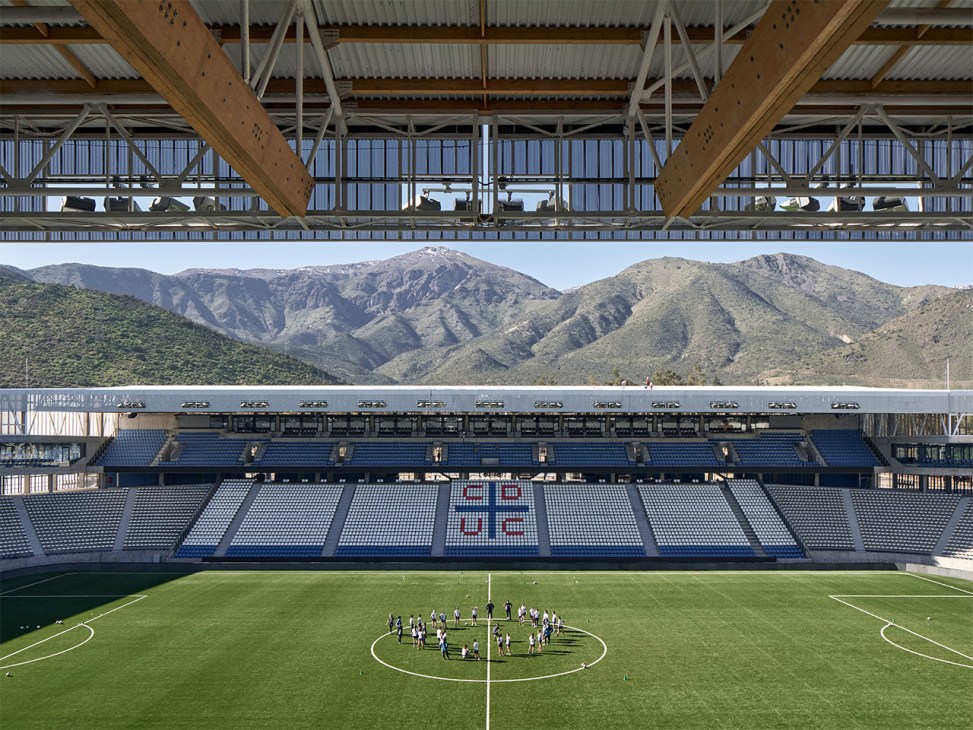
Santiago’s newly renovated Claro Arena pays tribute to its brutalist heritage. “We maintained 95 per cent of the sightlines,” says Borja Gómez Martín, a lead architect at Spanish practice Idom, which transformed the landmark. Built in the 1980s, the stadium originally sat low in the terrain but Idom introduced a lighter frame that hovers above the concrete base. A new upper level incorporates dressing rooms, press centres, technical areas, premium hospitality spaces and viewing galleries with a concourse that operates as the ground’s circulation system.
“We sought to understand how locals in the Las Condes neighbourhood interact with the stadium,” says Gómez Martín. This allowed the architects to expand the stadium in a way that creates a lively atmosphere but is respectful of the surrounding residential neighbourhood, modernising the structure while maintaining what made it a place that fans have adored for generations.
idom.com
The Monocle Design Awards 2026: The best homeware and equipment
Best in audio
Turntable PP-1 by Waiting for Ideas
France
This sleek aluminium turntable combines analogue ritual with digital convenience to deliver the best of both worlds.
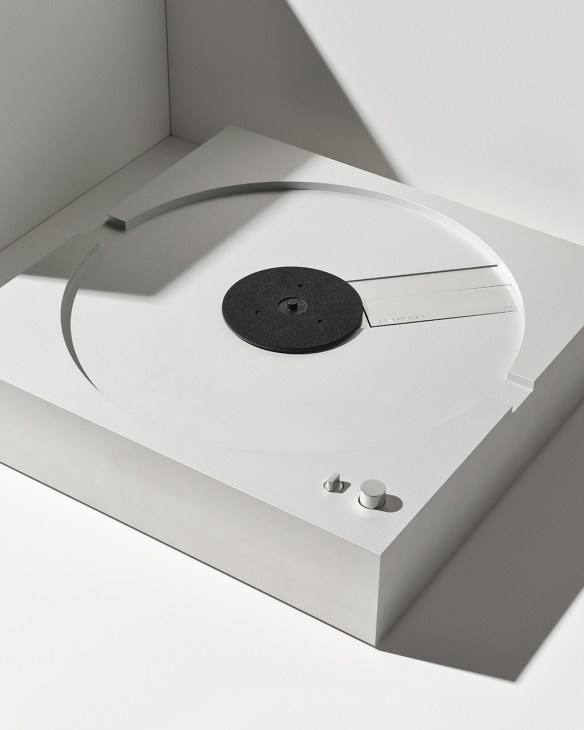
Paris-based studio Waiting for Ideas created the PP-1 record player to eliminate fiddly settings and the conventional version’s cumbersome tonearm. Its two discreet dials – one to set the RPM speed and another to pause, play, skip and adjust the volume – strip the listening experience back to its essence.
“PP stands for ‘Plug and Play’,” says Jean-Baptiste Anotin, the founder of Waiting for Ideas. “The goal was to create a product as seamless and intuitive as a music app while preserving the quality and ritual of vinyl.” The manufacturer’s considered approach to design sets it apart, with its made-to-order items functioning as pieces of art in their own right. “I engage with music daily,” adds Anotin. “Designing for it feels like an extension of that art. By facilitating the listening experience, I feel as though I’m part of a wider creative process.” waiting-for-ideas.com
Best in lighting
Bothi
The Netherlands
Bothi’s lighting strikes a delicate balance between physical form and intangible illumination.
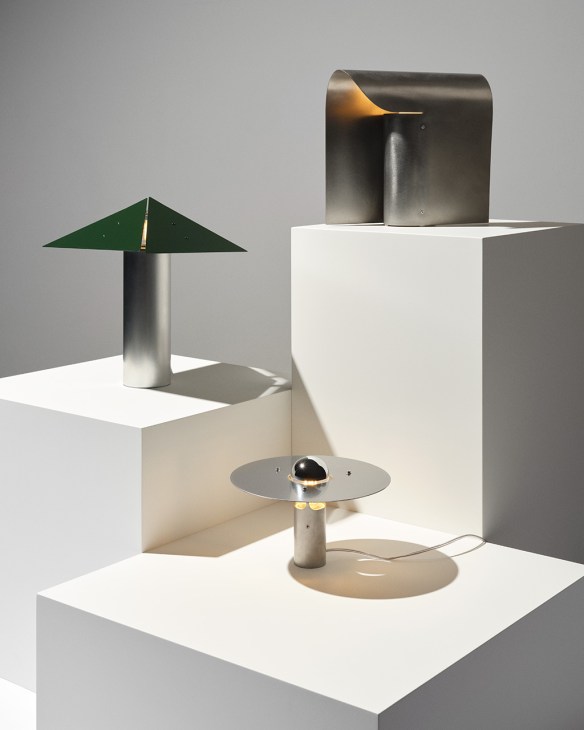
Founded in 2025 by Ollee Means, Amsterdam-based design brand Bothi is fast emerging as a name to know, thanks to its confident approach to simple, enduring design. Lights in its collection are designed to emit a soft glow and quietly hold their presence in a room. “Creating a lamp is creating atmosphere, which I find intriguing,” says Means. “Light is quiet but decisive.”
bothi.design
Best camera
Fujifilm instax mini Evo Cinema
Japan
This satisfyingly tactile new camera is a hybrid that brings digital convenience to analogue rituals.
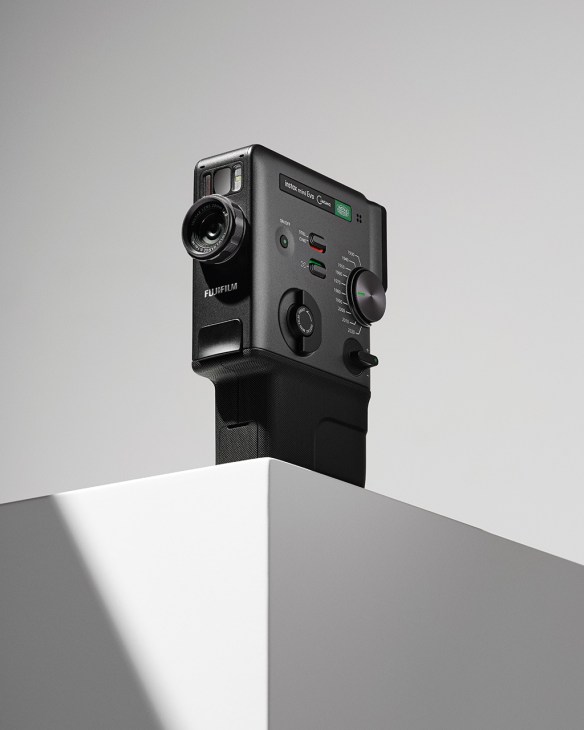
Fujifilm is making a strong case for using a real camera instead of your smartphone with its instax mini Evo Cinema, an all-in-one instant camera, smartphone photo printer and video camera. The look and vertical shooting style of this fun-packed device was inspired by the company’s Fujica Single-8 film camera, which was released in 1965.
The result is a gadget that’s easy to use (just click in a film cartridge) and offers visually compelling prints and endless options for tinkering with stills and footage. “We found that users feel the actions involved in photography – looking through a finder, deciding on composition and pressing the shutter – make each photo and the memories captured in it feel more special,” says Ryuichiro Takai, the general manager of Fujifilm’s Consumer Imaging Group. This camera, he says, is about recording the emotion of a moment.
global.fujifilm.com
Best dining chair
After by Fritz Hansen
Denmark
This chair draws on the core principles of Danish design – but also updates them for the present.
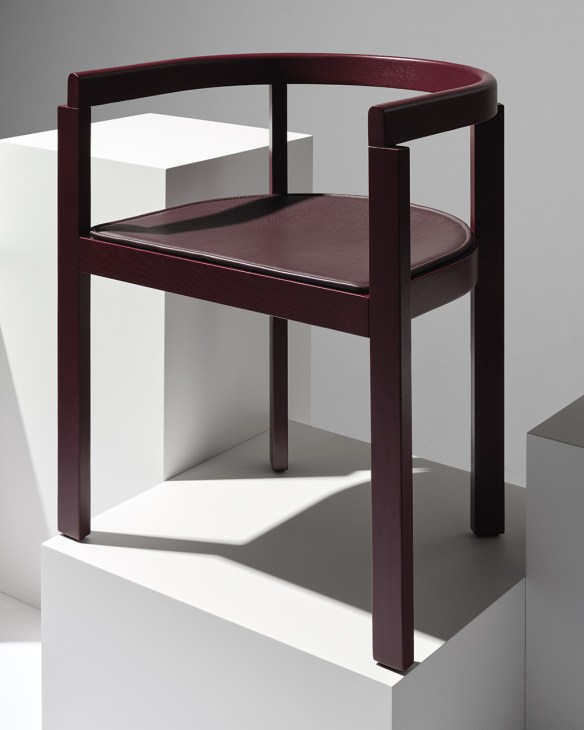
It takes skill and chutzpah to reinvent Denmark’s considerable design heritage, particularly as a non-native. But that’s what Cyprus-born, London-based designer Michael Anastassiades achieved when he unveiled his After series for Danish manufacturer Fritz Hansen. The collection comprises a dining table and this generously proportioned chair, which comes in ash or deep burgundy, with the option to include a seat cushion.
While the classic, clean curves of the After chair’s silhouette evoke mid-century masters Kaare Klint and Poul Kjaerholm, the quiet confidence of its execution is distinctively Anastassiades’s own. The outcome is a continuation of a design dialogue rooted in honouring the work of past luminaries by gently nudging the conversation forward.
fritzhansen.com
Best armchair
Eri Swivel by Fumie Shibata for Flexform
Italy
A combination of Japanese and Italian elements makes this chair stand out, whether in the living room or the boardroom.

The Eri Swivel armchair is a masterclass in harmonising structural integrity and sculptural appeal with a soft, enveloping form. Designed by Tokyo-based Fumie Shibata for Flexform, it reflects a pleasing coming together of Japanese minimalism and Italian manufacturing nous.
The Eri’s silhouette gently curves around the body, creating cocoon-like comfort. The seat and back cushions are filled with goose down. The armchair comes with a swivel metal base (pictured) or finely crafted, hand-turned wood legs – a detail that neatly reflects Shibata’s meticulous approach.
flexform.it
Best timekeeper
Bedside clock by Habity
Denmark
This nifty bedside clock doesn’t just tell the time or wake you up in the morning: it’ll help you to switch of at night too.
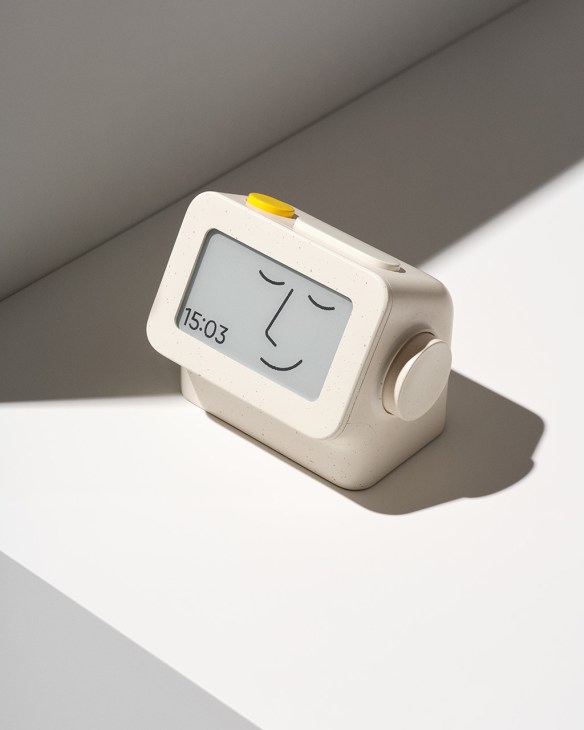
We appreciate this clock both for everything that it offers and for what it does away with – namely the need to download an app or fiddle with complex settings. Created by Copenhagen-based design company Habity, this compact alarm clock is intuitive to use and pleasing on the eye, thanks to its rounded shape and e-paper display.
At night, the clock plays calming ambient sounds to suit all tastes – from the trickling of a creek or a snowstorm’s white noise to the dulcet tones of a snoring dog. In the morning, its light gradually brightens for a gentle wake-up call.
habity.design
Best bicycle
Bliksem by Onguza
Namibia
Meticulously constructed and with every model custom finished for its rider, this bike proves that keeping people at the centre of a process can put you ahead of the peloton.
Dan Craven launched Namibian bike brand Onguza after he retired from the world of professional cycling in 2021. “As with so many ex-professional athletes, my future was unclear,” says the company’s founder and co-owner. But he was certain that he wanted to spotlight his homeland’s manufacturing potential. “I’ve come to think of Namibia as a land of makers. Maybe because of the lack of resources or the harshness of our climate, we’re exceptionally skilled at making things that last.”
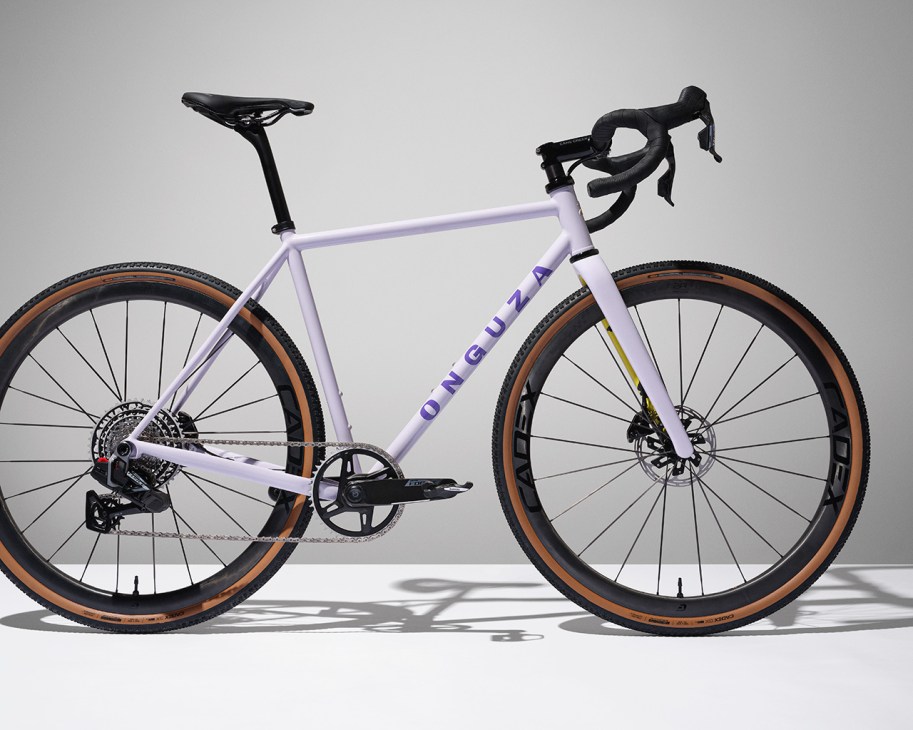
The Onguza factory in Omaruru, a small town in central Namibia, is led by co-owners and master builders Sakeus Nkolo and Petrus Mufenge. It produces bikes that are as visually striking as they are capable of high-speed adventures. The brand’s Bliksem model (pictured) features a hand-built steel frame and fork that can be customised with different finishes and colourways. “The Bliksem is the culmination of three years of developing what we think a fast gravel bike should be: clean lines, functional elegance and with standout colour choices that reflect the rider’s unique personality,” adds Craven. Named after the Afrikaans word for “lightning”, the Bliksem promises style and speed, even in harsh conditions.
“So few people expect Onguza to come from Namibia,” he says. “For me, it has always been the unexpected places that have left the biggest impression. I wanted to show the world what Namibia is made of.” To get this message out beyond Omaruru, Onguza partners with leading bike shops including London-based Via Atelier, which specialises in custom builds and bespoke installations of everything from hydraulic disc brakes to carbon wheel sets.
onguza.com
In the frame
Every tube used in the bikes is hand-measured, cut and filed before being fillet brazed – a welding technique using brass or silver that prevents damage to the steel frame.
Smartest mobility solution
Tatamel Bike by Icoma
Japan
The best design solutions emerge from everyday frustrations – and, like this collapsible bike, quietly change how a city moves.
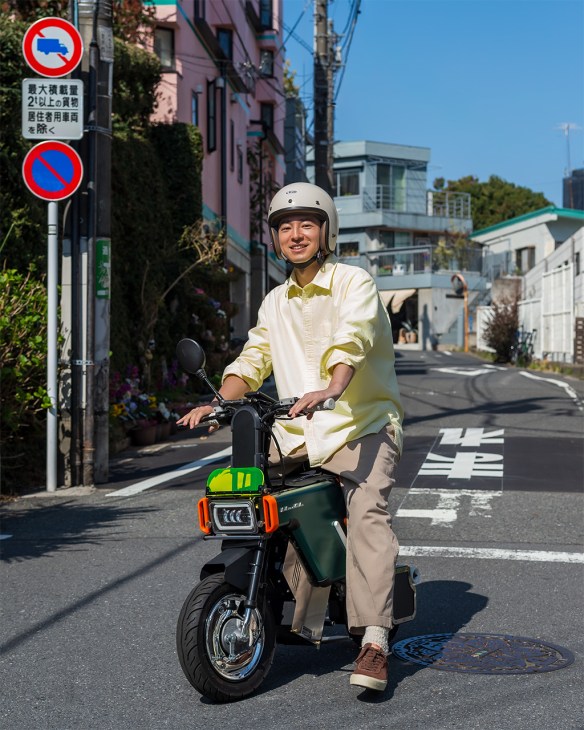
About a decade ago, industrial designer Takamitsu Ikoma had an idea for an electric-powered two-wheeler that could be collapsed to the size of a suitcase and kept near the front door of a flat or under a desk at the office. Without an engine, it wouldn’t reek of petrol fumes or leak chain grease. His Tokyo-based start-up, Icoma, put the idea into production in 2024 with the foldable electric Tatamel Bike (tatameru means “foldable”). It has proved a hit – there’s a six month waiting list – and has a top speed of 45km/h. “In the city, most people travel an average distance of 10km to 20km at a time,” says Ikoma, so it’s perfect for urban streets.
icoma.co.jp
Tired of the same-old smartphone design? Try the Blackberry-inspired Clicks Communicator
For a subset of push-button diehards, 4 January 2022 marked the end of an era: that day, Canadian communication technology company Blackberry took its legacy data servers offline, ending support for its once sought-after devices. There seemed to be increasingly few appealing options left for lovers of old-school keyboard phones.
Thankfully, change is afoot. Now, London-based start-up Clicks is launching a satisfyingly simple phone that bets on a significant number of people agreeing, with the benefit of hindsight, that Blackberrys represented the ideal form of mobile communication.
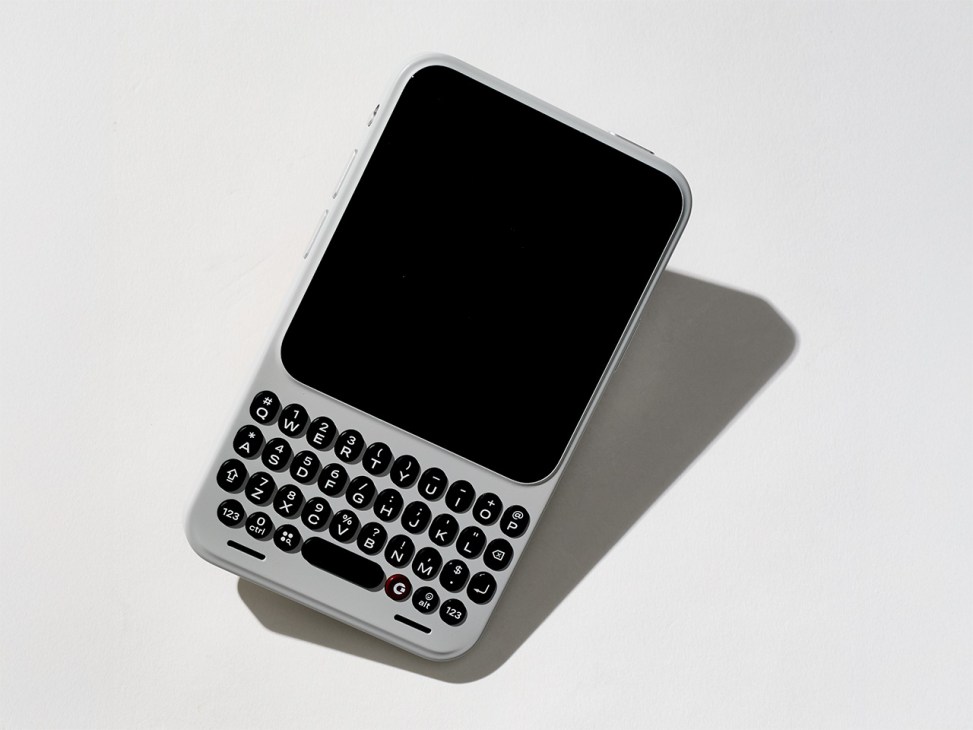
The Clicks Communicator looks tantalisingly like a 2014-vintage Blackberry Classic, with similar dimensions, a relatively chunky profile and an elegant, calculator-like version of the qwerty keyboard – which, as you might expect, is pleasingly tactile. These echoes of the Canadian company’s appeal are no accident. Ontario-based designer Joseph Hofer, who was the creative lead on the phone project, had previously spent a decade at Blackberry. “I never thought that I would design another phone because I didn’t like the direction that they were heading in,” he says. “On today’s devices, you might want to check the weather but somehow you’ll end up watching a reel.”
Clicks first began by producing attachable keyboards to touchscreen smartphones, and customers shared feedback that using physical keys changed the way they interacted with their phones. “People were feeling more intentional about what they were saying,” says Hofer. Studies have proven that handwriting is better than typing for retaining information; it makes sense that pressing on a real button, instead of swiping on a screen, would make some difference too.
Despite its nods to an analogue aesthetic, the Communicator is a digital device: the screen is touch sensitive and the phone runs on an Android operating system. What sets it apart from its touch-screen counterparts is its offer of tactile features such as a keyboard and a button for audio recording. “You can still doomscroll but there’s a little bit of friction there,” says Hofer.
Touch screens became the norm so quickly that it seems almost inconceivable that most of us were living without them some 20 years ago. Things could, however, flip the other way just as quickly. Their evolution over the past decade may come to be seen as an overshoot: think of how vintage typewriters are seeing an uptick in demand, with many craving a distraction-free machine that fulfils its brief without unwanted digital noise. The real wonder is that those buttons now seem like a radical idea.
clicks.tech
Comment from Richard Spencer Powell, Monocle’s creative director
As I hefted my old Bang & Olufsen TV down the stairs during a recent clear-out, a thought struck me: what is there left to design? Today, swipeable glass and the internet have put a brace on creativity and stripped out sensuality. Every new phone replaces another that looks like the last. Buttonless touch screens lack tactility and are inaudible when operated. That’s two of our primary senses turned off. To re-engage them, we need to be able to click, press and dial. In short, isn’t it time to revert to type?
Parisian flair meets Dutch comfort at the new Bouillon d’Amsterdam restaurant in Hotel Die Port van Cleve
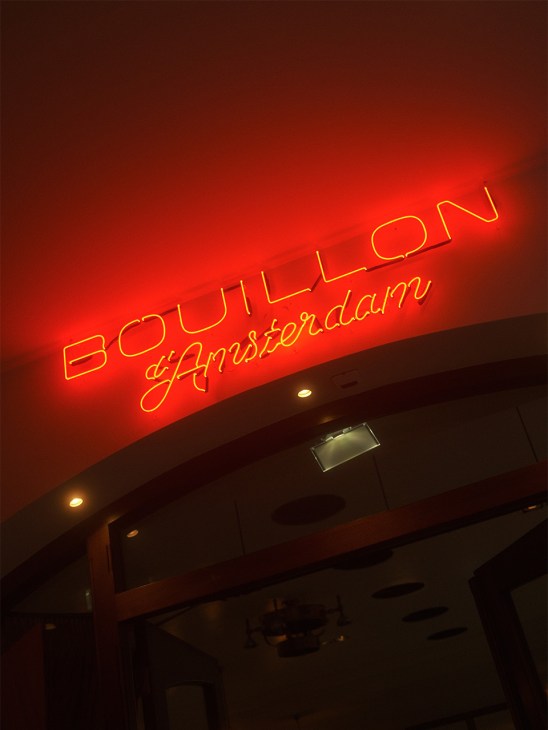
A French-Dutch hospitality crossover might sound like an unlikely combo – but hear us out. The new Bouillon d’Amsterdam in Hotel Die Port van Cleve, just behind the Dutch capital’s bustling Dam Square, takes the cheap-and-cheerful charm of Parisian bouillons and adds a local touch. Here, you’ll find the kinds of ingredients that are synonymous with the grand hotel from which the venue spawned – think wood panelling, a red marble bar and a sense of being in a neighbourhood watering hole – without losing the fail-safe characteristics of the restaurant’s Parisian counterparts.
“A bouillon is timeless: it’s all about good food in a welcoming setting with efficient service, all at an accessible price,” says Michiel van der Eerde, who co-founded the bistro with hospitality veterans Nick van der Meer, Tom de Rooij and Jasper Albers. “Those principles never really go out of style.”
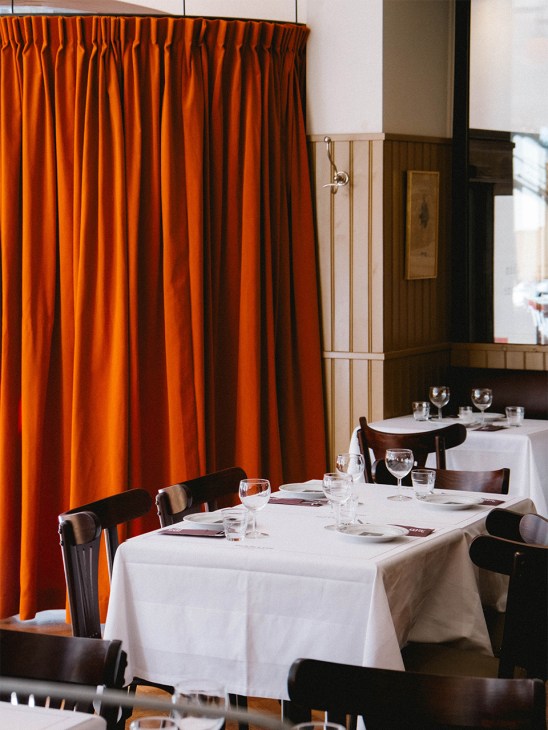
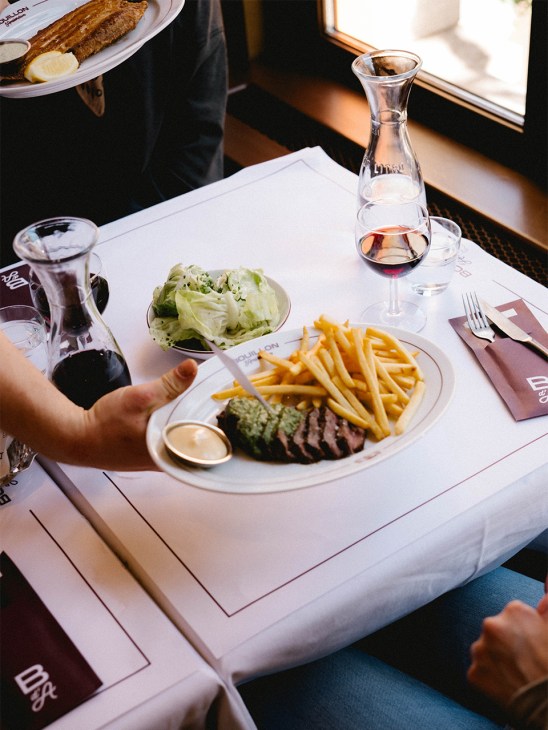
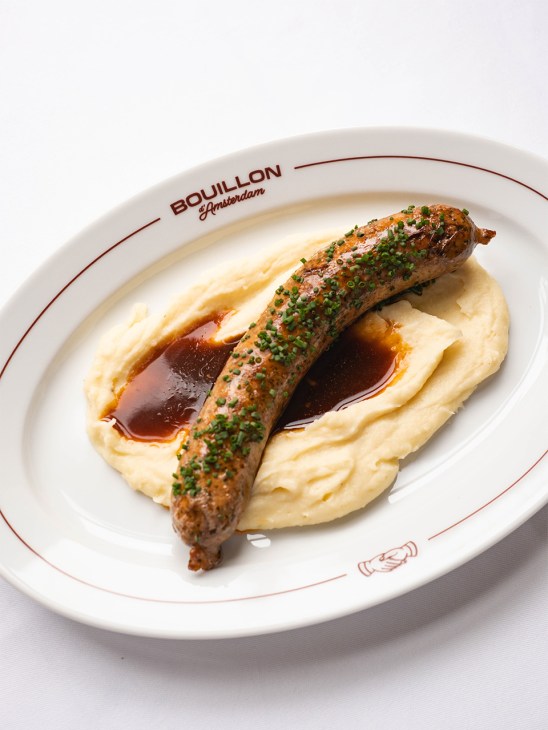
Bouillon d’Amsterdam’s menu leans into Gallic classics. Expect to find everything from rustic terrine de campagne and steak frites with buttery Café de Paris sauce to crème caramel, good table wines and crusty baguettes. But the key to its success is that this isn’t merely a pastiche. Instead, it fills a gap in the city’s dining market for brisk service, shared tables and excellent but unpretentious food.
“We hope to become the table of the city,” De Rooij tells Monocle, explaining that he and his co-founders spent four years planning and, latterly, making numerous visits to the French capital with the goal of creating something special back home. “We hope that when you’re handed the bill, you’ll think to yourself, ‘Let’s come here again next week.’” Bouillon d’Amsterdam proves that there’s still room for time-tested ideas if you can get the recipe right.
bouillondamsterdam.nl
Comment
Canny hospitality players, take note: success is sometimes best achieved by backing old favourites rather than cooking up experimental concepts. In tumultuous times, dependability should be the ordre du jour. What could be more reassuring than steak frites and a glass of red? We’ll drink to that.
‘Expresso’ editor in chief João Vieira Pereira on how the Portuguese weekly remains a trusted democratic source in today’s polarised times
When Portuguese weekly Expresso was founded in 1973, it was a bold endeavour in a country that was living under censorship. The Estado Novo regime would fall the following year and the newspaper’s status as a beacon of the free press has endured, shaping the national debate and maintaining its place among the country’s elite. “Expresso was created as a house for freedom and it remains that way,” says 53-year-old João Vieira Pereira, Expresso’s personable and energetic editor in chief, who was born the same year as the paper.


Pereira is giving Monocle a tour of the newsroom, an open-plan space shared by Expresso journalists and those of cable-news channel SIC, both owned by parent company Grupo Impresa. “There are synergies and we work together sometimes,” says Pereira as he walks us through busy TV sets and recording studios in a slim cobalt suit. A picture of the company’s founder, Francisco Pinto Balsemão, who died last October, hangs in the newsroom. He remained involved in his media empire until the end. “His death was deeply felt here,” says Pereira. “It was as though we had lost a father. It’s a huge responsibility to carry forward the values that he embedded here, which made it possible for Expresso to persist while so many other papers have disappeared.”
Balsemão’s influence extended into politics. He founded the now governing Social Democratic Party and served as Portugal’s prime minister from 1981 to 1983. Over its five decades, Expresso has been a staple among the country’s political class. Former president Marcelo Rebelo de Sousa cut his teeth as a journalist here (he was later Expresso’s editor in chief); senior politicians, economists and intellectuals frequently air their ideas on its pages. Expresso often reports from within the establishment but its contributors cover the political spectrum – from the populist right to the hard left – while remaining within clear editorial boundaries. “I won’t publish xenophobic, racist or anti-democratic views,” says Pereira. The result is predictable. “Those on the right say that we’re left-wing, while those on the left say that we’re right-wing,” he says. “Being in the centre isn’t necessarily a bad thing.”
Take the coverage of Portugal’s far-right party Chega. As it gained prominence in the 2024 elections, Expresso decided to follow it more closely. “What we don’t want is to be caught off-guard,” says Pereira, pointing to Brazil, where much of the media was unprepared for Jair Bolsonaro’s victory in 2018. “We don’t want to normalise it but we can’t pretend that it sits outside the system when it clearly doesn’t.”
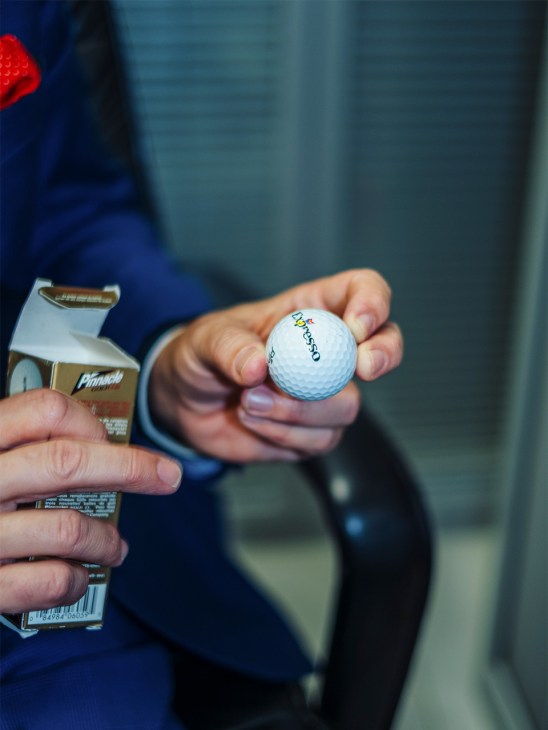
On newsstands every Friday, packed in its signature paper bag, Expresso is Portugal’s bestselling weekly. Its digital version accounts for the largest chunk of its readers today, with 50,000 subscribers and growth of 3.4 per cent in 2025. (An annual online subscription now costs €95.) But the physical paper, which has a readership of 33,000, continues to be central to the business, with sales and advertising representing its largest revenue stream. Around it is an expanding ecosystem of podcasts, events and other branded initiatives that keep things in the black. “We diversified our capacity to make money early on and we still make money,” says Pereira. “That’s fundamental to our independence.”
When we speak, Grupo Impresa, now led by Balsemão’s son, has just announced a capital increase that brings in Media for Europe, owned by the Berlusconi family, as an investor with a significant stake in the business. A moment of change? Pereira is measured on the subject. “What matters is that we continue to have shareholders who guarantee the conditions for us to do great journalism,” he says.
At its founding, Expresso’s format was inspired by UK weekend titles such as The Sunday Times and The Observer, with stories and opinion pieces divided into sections covering a broad spectrum of topics, from politics to culture. In 2006, Expresso shifted from broadsheet to Berliner format. Many supplements have come and gone over time but that overarching structure remains its defining characteristic. “We like to think of members of the same family each reading a different section and sharing the paper,” says Pereira.


Today the paper is organised into four main sections: politics and society, covering national and international affairs; economics; a magazine supplement with culture and lifestyle features; and Ideias (Ideas), a recent addition dedicated to more reflective pieces. Every section has its own editorial line. “It’s not that we’re different newspapers but I like giving editors freedom,” says Pereira, who started off editing Expresso’s economy pages.
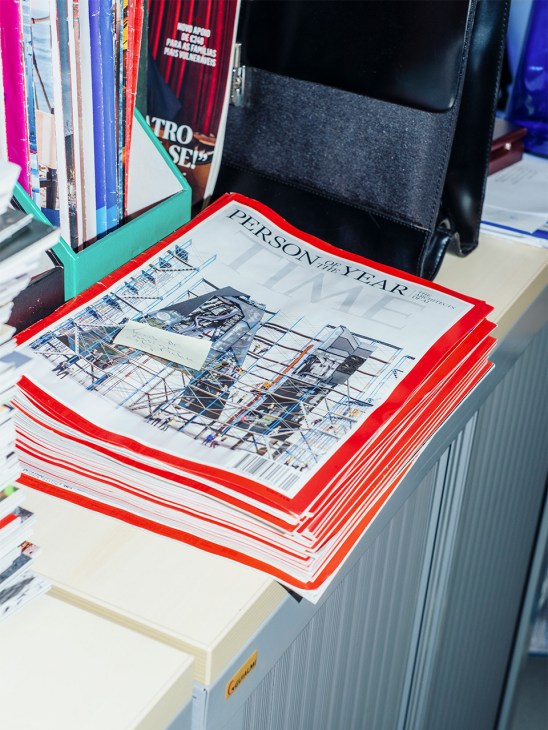
His office, shared with the deputy editor, Miguel Cadete, overlooks the newsroom through glass walls. Its space was a temporary solution in times of social distancing but it stuck. “I’ve asked whether we can remove these two walls,” says Pereira. “I’d prefer to be in the newsroom.” His own media intake constitutes a balanced diet of the main players. Mornings start with a sweep of Portuguese papers before he moves on to the Financial Times and The New York Times (last year, Expresso launched a joint subscription with the latter). Copies of Time magazine are piled up at his desk and he’s a fan of podcasts, from news staples such as The New York Times’ The Daily to deeper dives such as ABC’s If You’re Listening. He’s proud that Expresso’s own audio shows are among Portugal’s most popular.
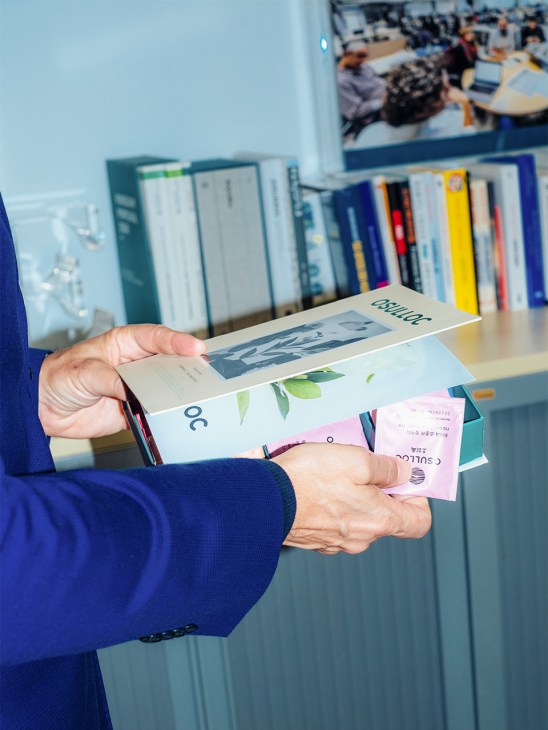
Adapting to a fast-changing media landscape remains a challenge. A defining shift during Pereira’s tenure has been its new focus on the publication’s digital output. “It meant turning a weekly into something closer to a daily,” he says. The newsroom now releases short-lifecycle news online daily for subscribers, while analysis and opinion remain in the print edition at the end of the week. “It’s two different audiences,” says Pereira. The digital strategy has affected print operations too, with decisions about what makes it into the physical paper partly guided by how well a piece has done online. But instinct remains key. “It’s a gut feeling. It’s what an editor does at the end of the day – choose.”
Our conversation turns to the role of journalism in society and how that has been challenged by social media. “We are increasingly closed off on our screens,” he says. “But people go to social media to confirm what they already think.” Newspapers, by contrast, should offer something else. “We are a space of freedom but not a libertarian space,” he says. “ There are rules, fact-checking, an editorial charter.” The task is to adapt without losing that core. “We must meet audiences where they are – through digital, podcasts and new formats – but at the same time insist on what we are: a safe harbour that people can trust.” As for the future, Pereira remains hopeful. “In the end,” he says, “when everything is questioned and up for debate, people will return to mainstream, independent journalism.”
João Vieira Pereira’s CV
1973: Born in Lisbon, 15 days after the first edition of Expresso is published.
1992 to 1997: Studies economics at isg in Lisbon, where he co-edits the student newspaper.
1997: Joins Canal de Negócios, Portugal’s first online newspaper, focused on the economy and business. It would later become the daily Jornal de Negócios.
1999: Leaves to join weekly Semanário Económico, overseeing the launch of its website.
2002-2006: Becomes Semanário Económico’s editor in chief at the age of 29.
2006: Joins Expresso as its economics editor, the same year that the paper shifts from broadsheet to Berliner format.
2019: Becomes its editor in chief, managing its 110-strong staff.
Brilliant music, books, art and TV to have on your radar in May
Music
‘Hope!!’
Angélique Kidjo
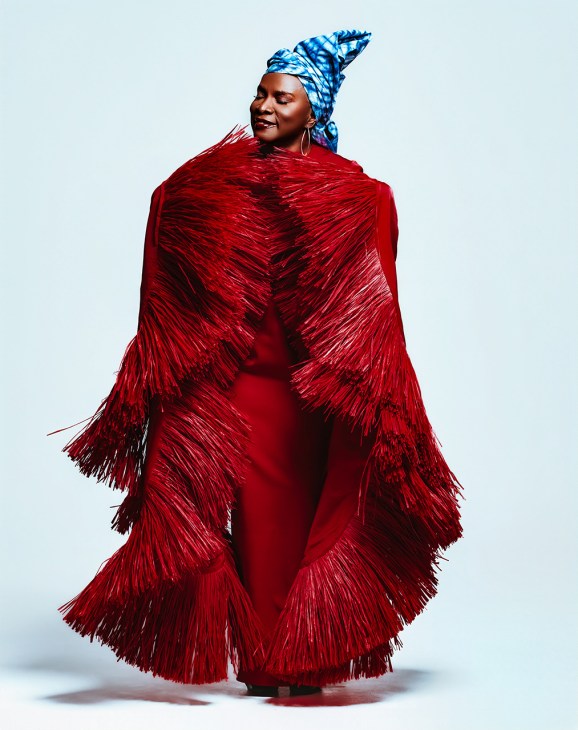
From its opening track, “Bando” (featuring Pharrell Williams and Quavo), Beninese singer Angélique Kidjo’s new album is full of bright, catchy songs. Other highlights starring top-tier collaborators include “Joy” with Davido and “Oyaya” with Nile Rodgers and Iza. An uplifting record to play all summer long, Hope!! is well deserving of its double exclamation marks.
‘Hope!!’ is released on 24 April
‘Train on the Island’
Aldous Harding
Kiwi singer Harding’s fifth album is full of her trademark ponderous pacing, soothing voice and acerbic lyrics. The playful and witty “I Ate the Most” and the memorable “San Francisco” are highlights. Catch Harding on tour to experience this performer’s idiosyncrasies in their full glory.
‘Train on the Island’ is released on 8 May
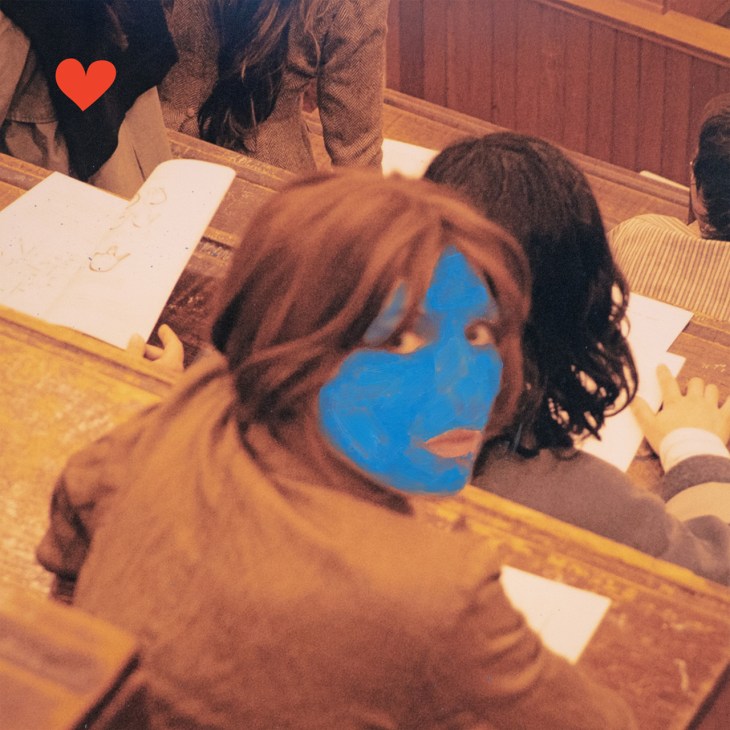
‘Let X=X’
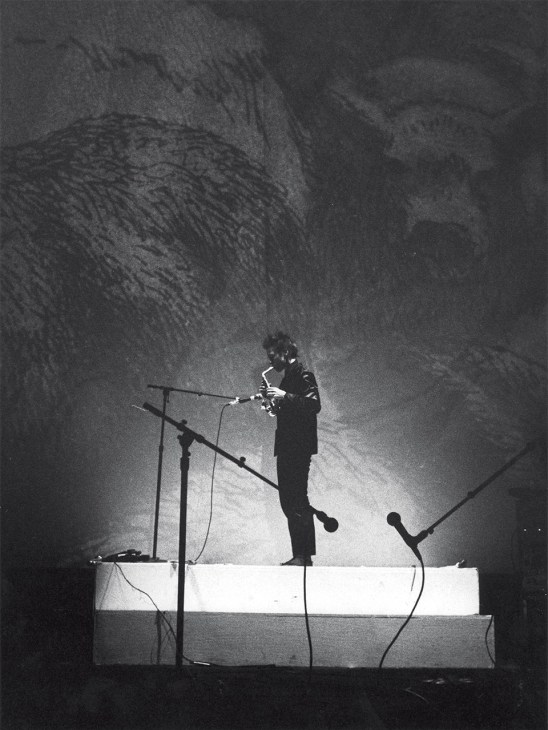
Laurie Anderson with Sexmob
“Good evening, this is your captain,” begins Laurie Anderson’s new live album. Recorded on tour in 2023 with jazz band Sexmob, the 23 tracks include some of her best songs, interspersed with charming chatter. It is a record to lock into to feel its full power. Pick up a physical copy to enjoy Anderson’s own paintings as the packaging art.
‘Let X=X’ is released on 8 May
Books
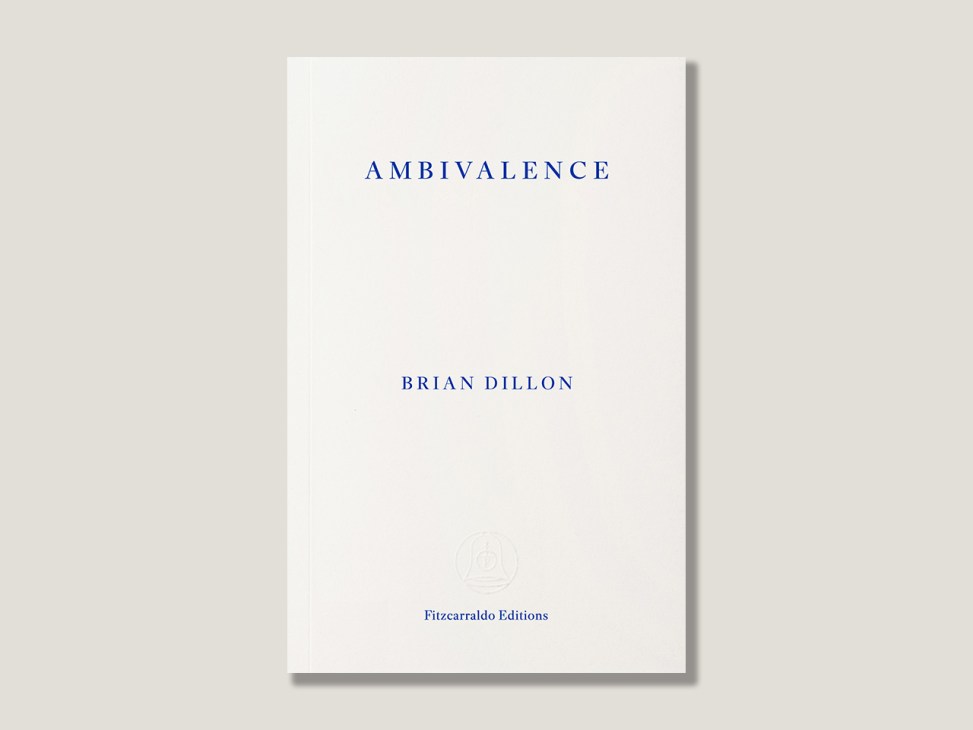
‘Ambivalence’
Brian Dillon
Irish writer Brian Dillon’s new book recounts his early adulthood in Dublin in the 1980s and 1990s. Ambivalence is most interesting when describing his first encounters with the works of writers such as Virginia Woolf. It’s a study of how we build our tastes, an exploration of education and a celebration of lifelong learning.
‘Ambivalence’ is published on 9 May
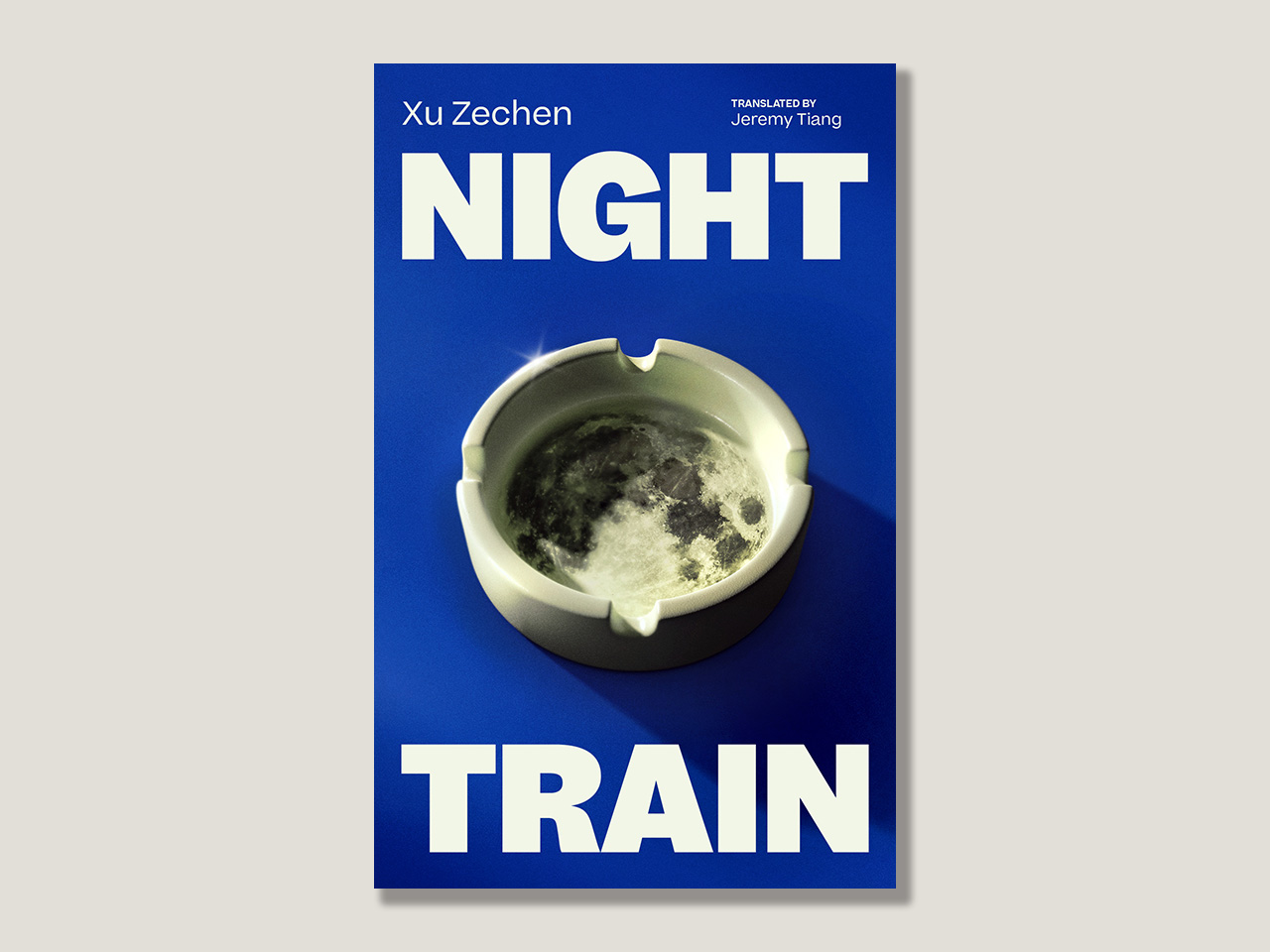
‘Night Train’
Xu Zechen, translated by Jeremy Tiang
When Chen Munian’s father refuses to lend him the money for a trip, the young man makes up a story that he has murdered someone and needs the funds to flee. While the lie gets Munian what he wants, it takes on a life of its own. Xu Zechen’s vivid novel explores how we shape our futures and what it means to live a contented life.
‘Night Train’ is published on 12 May
‘The Good Eye’
Jess Gibson
The short stories that make up Jess Gibson’s debut are variously set at a drunken dinner party, a cruise gone wrong and a hunting weekend. What unites the 12 tales is their amorphous undercurrent of disquiet. Tightly and mischievously told, they reveal Gibson as a master of capturing relationships as they begin to fray.
‘The Good Eye’ is published on 14 May
Film
‘Mother Mary’
David Lowery
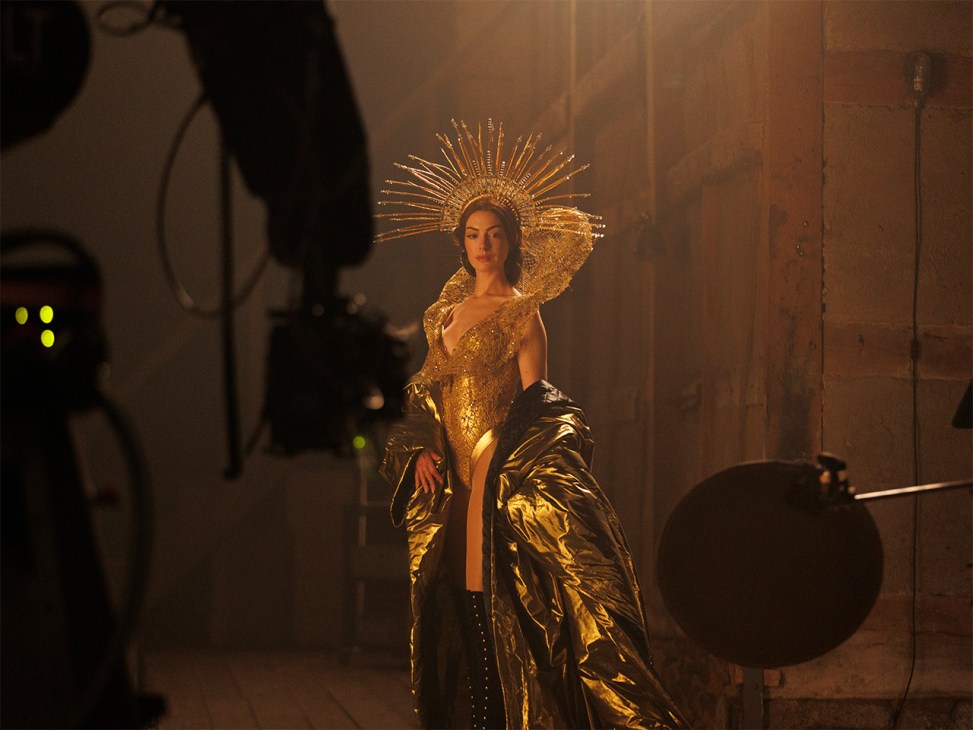
Best known for the yearning, lyrical poetry of A Ghost Story and The Green Knight, David Lowery brings the same elegance of purpose to this film about pop stardom. Here, a reclusive singer (Anne Hathaway) begins to lose any stable sense of self. Rather than treating fame as spectacle, the film sees it as a system of ritual and control, where perfectionism mutates into a cruel form of devotion.
‘Mother Mary’ is released on 24 April
‘Orphan’
László Nemes
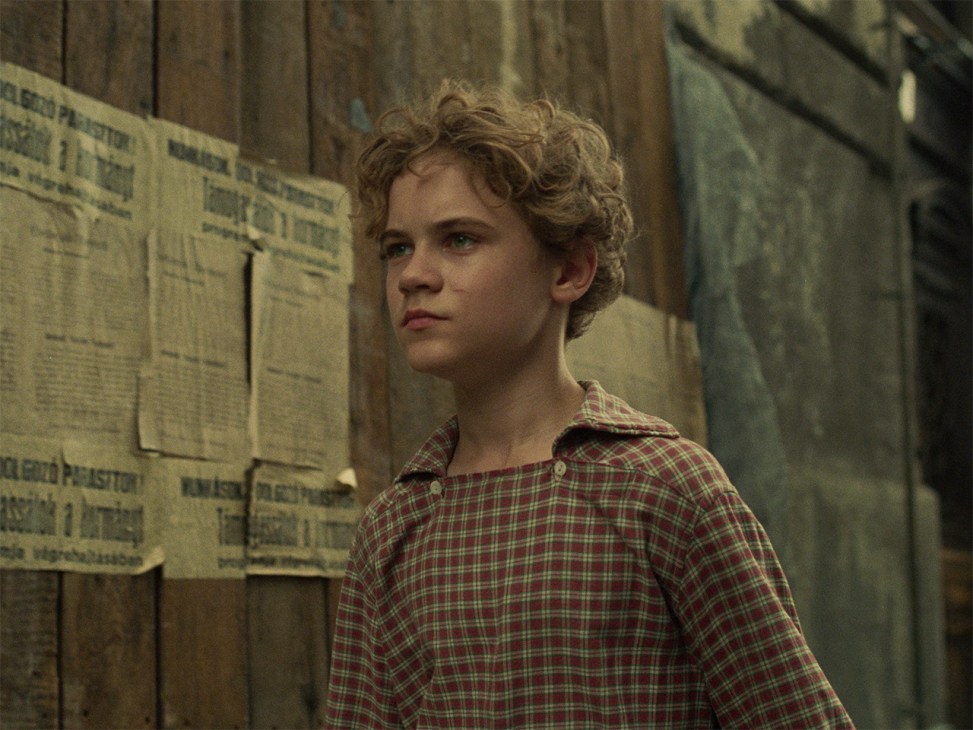
In this film set after the Hungarian uprising of 1956, Nemes strips away melodrama in favour of something more exacting. A young boy (Bojtorján Barábas), raised by his mother on stories of a heroic missing father, must reckon with a coarse stranger claiming to be the real man. The result is a family drama shaped by politics, class and memory, with identity shown as a fragile story that people tell to survive.
‘Orphan’ is released on 15 May
‘Hen’
György Pálfi
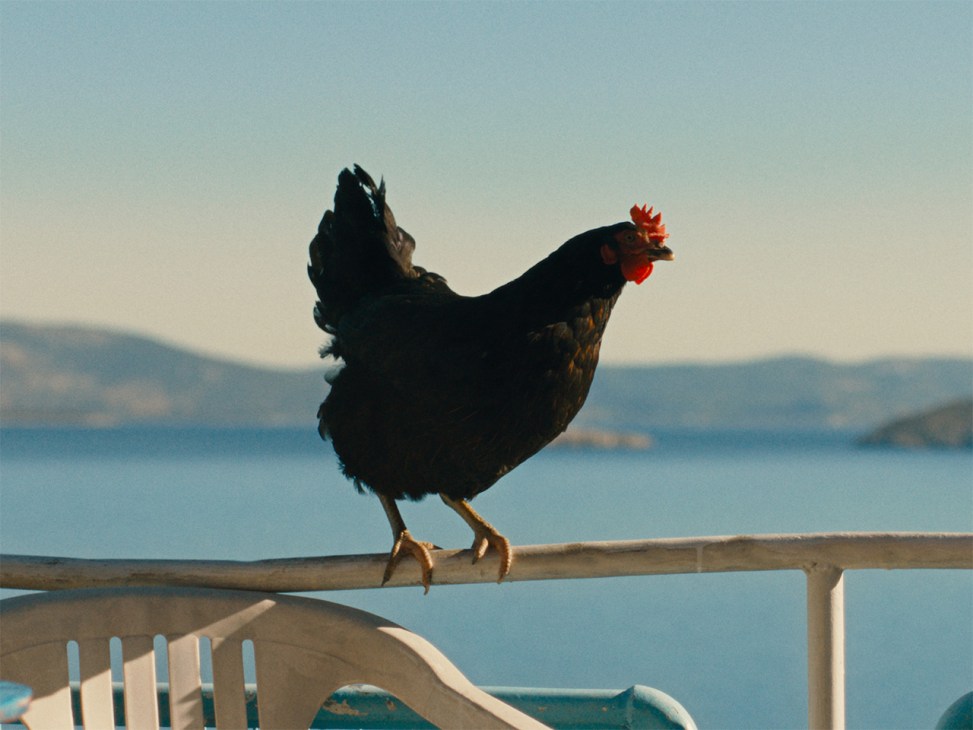
Returning with a characteristically idiosyncratic premise, György Pálfi uses the story of a lone woman (Maria Diakopanayotou), a truly enchanting hen and a crumbling seaside restaurant business to explore routine, isolation and quiet forms of dependency. Eschewing sentimentality, Hen observes behaviour with clinical patience, finding small shifts in tone and gesture. Pálfi balances surrealism with mundanity, allowing meaning to emerge gradually rather than thrusting it upon us.
‘Hen’ is released on 22 May
TV
‘The House of Spirits’
Prime Video
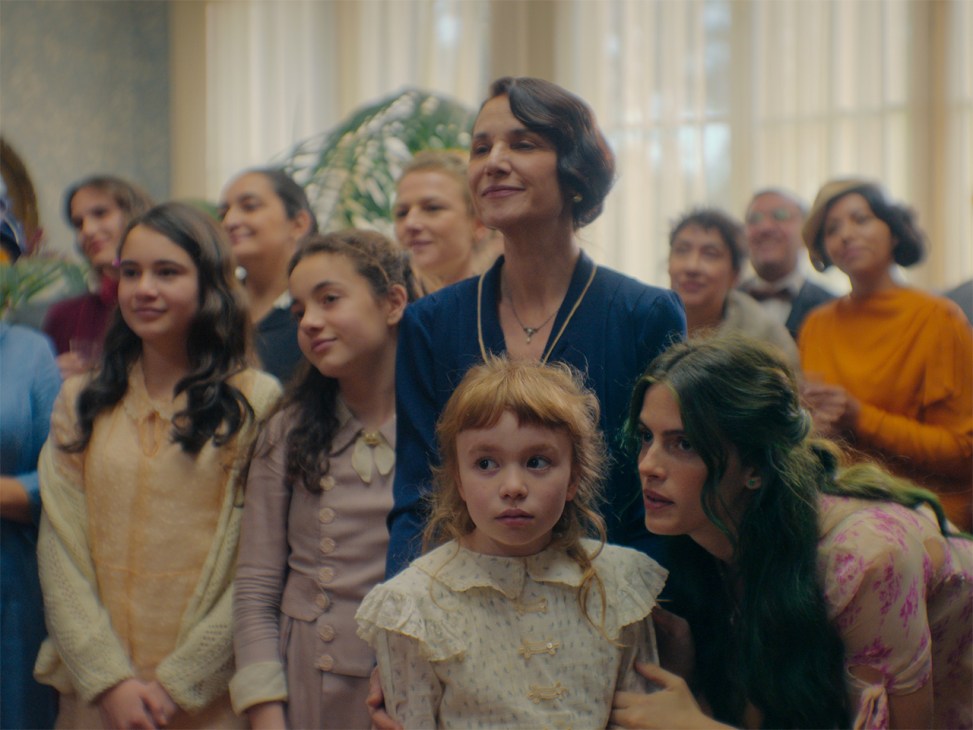
A behemoth of the Latin American literary canon, with more than 70 million copies sold, Isabel Allende’s generational saga offers a heady mix of death, love, spiritualism and Chilean political history. The novel’s sense of feminine resilience has lost none of its vibrancy in the four decades since its publication and Prime Video’s Spanish-language adaptation should capture a new generation of fans.
‘The House of Spirits’ is released on 29 April
‘Money Heist: Berlin and the Lady with an Ermine’
Netflix
Spanish franchise Money Heist has become an unstoppable juggernaut. A follow-up to 2023 prequel Berlin, this latest outing features the elite criminals travelling to Seville for “the biggest heist in history”. They have their eyes on Leonardo da Vinci’s Lady with an Ermine, though the real prize is the scheming Duke of Málaga and his wife.
‘Money Heist: Berlin and the Lady with an Ermine’ is released on 15 May
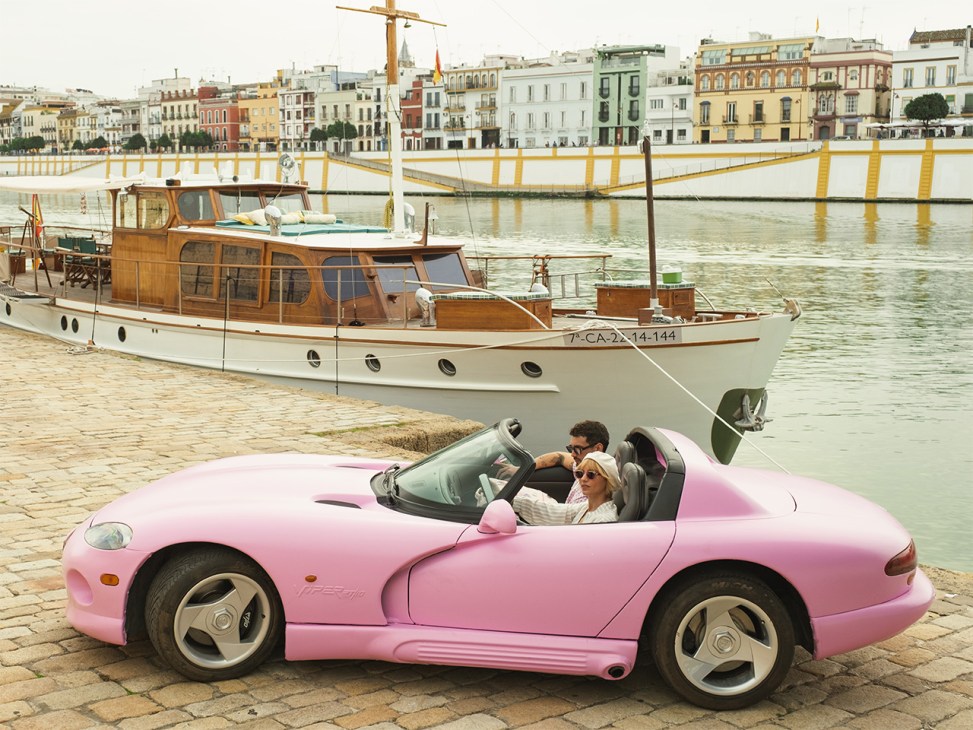
‘Star City’
Apple TV
For All Mankind, the fifth season of which was recently released on Apple TV, offers a fascinating alternativehistory view of the space race, in which the Soviet Union was the first to put a man on the Moon. New spin off Star City hops across the Iron Curtain, recounting the same story not from the US perspective but that of their Soviet rivals.
‘Star City’ is released on 29 May

Art
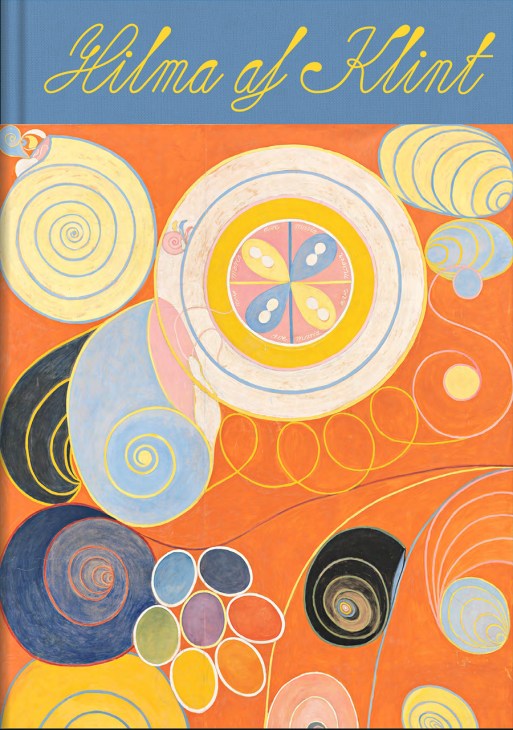
‘Hilma af Klint’
Grand Palais, Paris
In late 19th-century art circles, women weren’t meant to experiment. Figurative painter Hilma af Klint hid her peerless abstract work, even stipulating in her will that it wouldn’t be exhibited until two decades after her death in 1944. The world is finally catching up. Her Paintings for the Temple cycle will be a highlight of this major retrospective in France.
‘Hilma af Klint’ runs from 6 May to 30 August
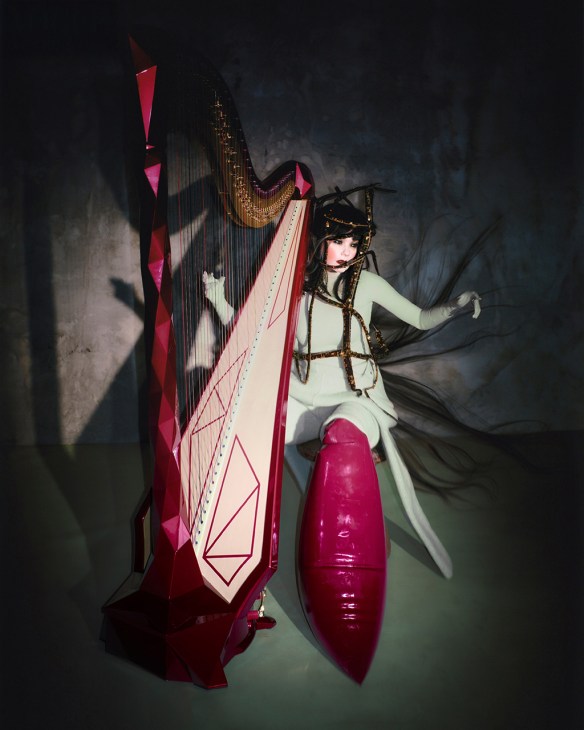
Björk: ‘Echolalia’
National Gallery of Iceland, Reykjavík
Icelandic singer Björk’s albums have become increasingly high concept as she retreats from her 1990s commercial peak. This hometown show is a good entry point. Immersive installations include a multimedia presentation of her next album, plus two more that add context to 2022’s fungi-inspired LP Fossora. Opening concurrently, Metamorphlings spotlights the artistry of Björk collaborator James Merry.
‘Echolalia’ runs from 31 May to 20 September
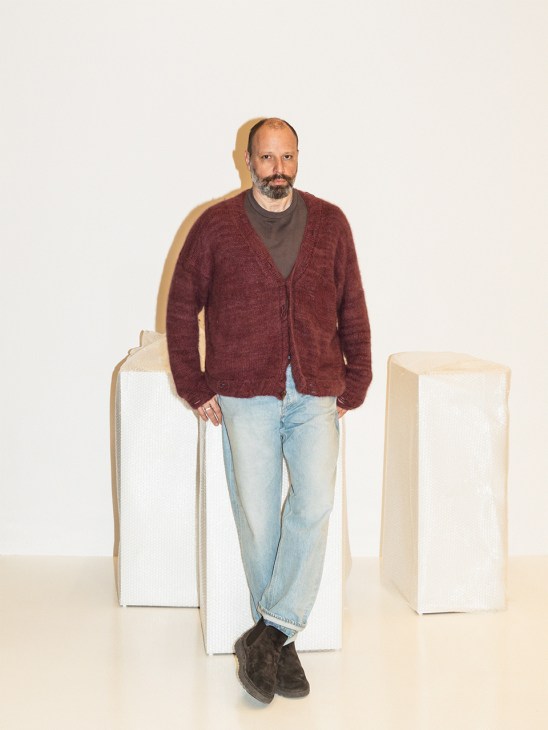
‘I love the immediacy of taking a picture’: Academy Award-nominated filmmaker Yorgos Lanthimos turns to photography in debut exhibition
Greek film director Yorgos Lanthimos has been turning out deadpan, surprising and often absurd movies for the past two decades. More recently, an intense stint making three features in as many years has left him desperate for a break (as yet unspecified in length). Rather than going silent, though, Lanthimos is presenting his work in another, quieter medium. Yorgos Lanthimos: Photographs, on show at Onassis Stegi in his home city of Athens, is his first major photography exhibition in Europe.
“My way into both films and photography was very gradual,” he says, ahead of the official opening. Growing up, Lanthimos almost pursued basketball professionally before he started shooting commercials – in the 1990s, the industry was booming in Greece. It might be hard to believe that the same director who made such unsettling films as The Killing of a Sacred Deer is also behind a slew of sleek ads but their hyper-saturated polish is also what enticed him to explore black-and-white photography.
Many of the prints displayed at Onassis Stegi were produced on the sets of Poor Things, Kinds of Kindness and the Oscar-nominated Bugonia, with the later pictures possessing a detached, melancholic air. The most poignant images were taken in Greece, the country with which he has reacquainted himself since moving back during the pandemic. There are boxy buildings nestled on rocky terrain; the scratches of a digger on a boulder; a child nuzzling into a woman’s chest at the end of a long lunch. Sadness and beauty collide but Lanthimos is not one to romanticise or embellish in his answers, as in his pictures.
When you take photographs, is it a relief not to have to create a whole new world but to be receptive to what’s already there?
That’s part of it. Compared with film, you don’t need as many people, resources, financing or a plan. You can just shoot whatever you find interesting. When you put together a film, it stays like that until the end of the world, which is stressful and limiting. A picture can be combined with other pictures and [take on a different meaning]. You can make a book and it has a different narrative; make a show and it has another one.
The pictures in the inner section of this exhibition feel very personal. How important is the public aspect of your work?
When I’m on a film set, I’m taking photos for myself first. It lets me see the place I’m in and the people I’m with in a different way. So those pictures are intimate too. The work that I’ve done in Greece is even more so – because I was away for so long, it feels personal. And then there are portraits of people, most of whom are my friends or people I know. At the same time, a lot of my pictures are of landscape. We all see these things – but here’s how I view them and how I can transform them a little bit.
What camera do you like the most?
I have a bit of a disease: I have hundreds of cameras. I favour medium-format and mostly use my Plaubel Makina 67, Mamiya 7 or Pentax 67. Lately I’ve been liking my Hasselblad as well. Whenever I go somewhere, it’s always a struggle deciding which cameras to take with me. I love the tactile aspect of working with analogue. And I love the immediacy of taking a picture. You can go home, develop it, print it and hold it in your hand. You have made something in a day; I find that beautiful. If the picture is good, it’s even greater.


How much expectation is there from within and outside Greece to see your version of the country?
I’ve been making films outside Greece for so long that I don’t think of myself as ever representing the country. But when I made my early film Kinetta, which was shown in Berlin and Toronto, I was in screenings with expats living in Germany or Canada and they were furious because they expected to see a picturesque version of Greece, what they missed from their home country. But I was like any person who makes a film or takes pictures: sharing thoughts and questions about people, places, situations, stories.
Some of the pictures in this show are bleak but also life-affirming. Are you a pessimist or an optimist?
For some time I was a pessimist. Looking at the world right now, I don’t know why you’d become an optimist. But in a way, the hopelessness that I feel makes me want to do things – if we don’t, then what are we going to do? So I’ve become a strange optimist. I’m dark but optimistic.
Does photography allow you to venture into areas that you don’t necessarily explore with your films?
Freed from narrative, you’re able to explore architecture or landscape in simpler ways, which can be quite profound. It’s simpler in terms of form but it feels like it can contain so much. With less, you can show more.
Will this approach feed back into your film-making?
It already has, in a way, even just by taking pictures on film sets. It’s enabled me to see things differently, in how I’m approaching something or filming a scene. It’s almost like a palate cleanser. I think that these things happen mostly unconsciously. I’m sure that when I make another film it will be part of it in ways that I don’t even realise.
‘Yorgos Lanthimos: Photographs’ is on at Onassis Stegi in Athens until 17 May
Design-led dining spots to visit this May – from a fire station-turned-ale house in Auckland to Marseille’s latest retro-futurist opening
1.
Grey Lynn Firehouse
Auckland


After seeing the resurgence of pub culture in Melbourne and spending seven years working in east London, Luke Jones was confident that his new watering hole would appeal to Aucklanders. Perched between Ponsonby and Grey Lynn, the terracotta-brick ale house, set inside an 1880s former fire station, is something of an anomaly in a neighbourhood best known for its timber-framed vernacular.
Designed by the Kiwi-Japanese Studio Tatami, the British-inspired gastropub’s 40-cover dining space features original fireplaces and timber floors paired with mid-century furnishings and a burgundy panelled ceiling. More inviting still is the menu. Head chef Kereru Wilson – formerly of Auckland hotspots Depot and Cazador – elevates Antipodean classics while weaving in his Maori heritage.
There’s a snack-sized sando filled with deliciously creamy tuatua clams that comes with a schooner of Guinness, while the standout “Hockhetta” (a take on Italian porchetta that uses braised ham hock instead of roast pork belly) arrives with a fresh pea salad, apple sauce and a dollop of house mustard. Try the Firehouse lager or one of a wide variety of Kiwi wines – it’s safe to say that Jones knows his audience.
greylynnfirehouse.co.nz
2.
Café Tempo
Tallin


Kenneth Karjane poured his experience founding Tallinn institutions Barbarea and bakery Karjase Sai into his new venture. In a former industrial storage depot in Telliskivi – Tallinn’s current food-and-drink hotspot – Café Tempo doubles as a café and bakery in the morning and a eastern Mediterranean grill in the evening. The menu might include the likes of charcoal-grilled Adana kebab and socca (a niçoise pancake) with pumpkin satay and chicken thighs in a brown-butter sauce. Mop it up with slabs of barbari, a fluffy Iranian flatbread.
cafetempo.ee
3.
Dévo
Marseille


“There isn’t one Marseille but several,” says Nîmes-born, Marseille-based designer Axel Chay. “As a port that’s been open to the Mediterranean and the world for more than 2,000 years, things are in constant movement.” This motion gave inspiration to Chay and his art-director wife, Mélissa, for the interiors of their first restaurant, Dévo. Think 1970s retro-futurism – lacquered surfaces, wood-panelled walls and custom stainless-steel furniture. Chef Ferdinand Fravega blends staples from his native Provence with Spanish influences and Italian aperitivo culture.
devomarseille.com
Hoshino Resort’s OMO7 Yokohama hotel gives new life to the former city hall
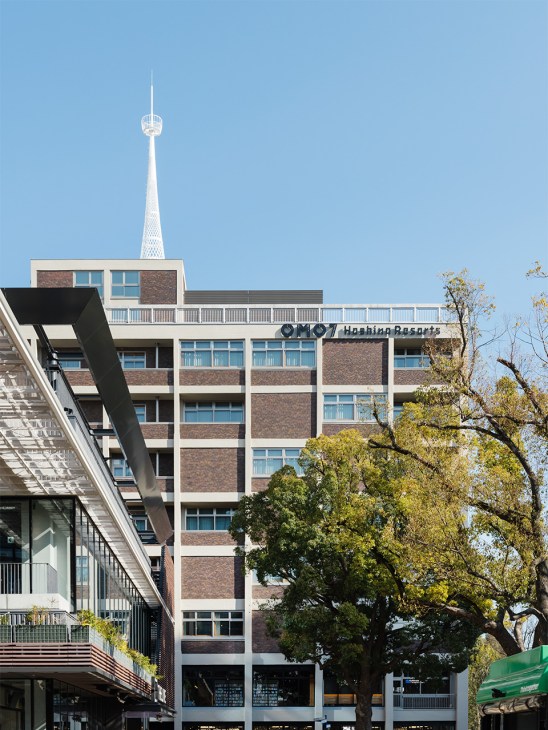
In 1959, Togo Murano, one of Japan’s greatest modern architects, built Yokohama’s much-loved city hall. The complex has now been remodelled and renovated, with its old administrative building converted by Hoshino Resorts into a 276-key hotel, OMO7 Yokohama.
The renovation design was handled by Takenaka Coporation, with interior design and supervision by Naruse-Inokuma Architects. The team did its best to keep what it could and accentuate Murano’s design. “Developers would never build like this now,” says Yoshiharu Hoshino, the CEO of Hoshino Resorts and operator of OMO7. “The empty atrium space doesn’t make sense in modern business terms but it adds so much value. Nobody would agree to a staircase taking up so much space now but the atmosphere is wonderful. Togo Murano’s imagination allowed us to create this hotel.”
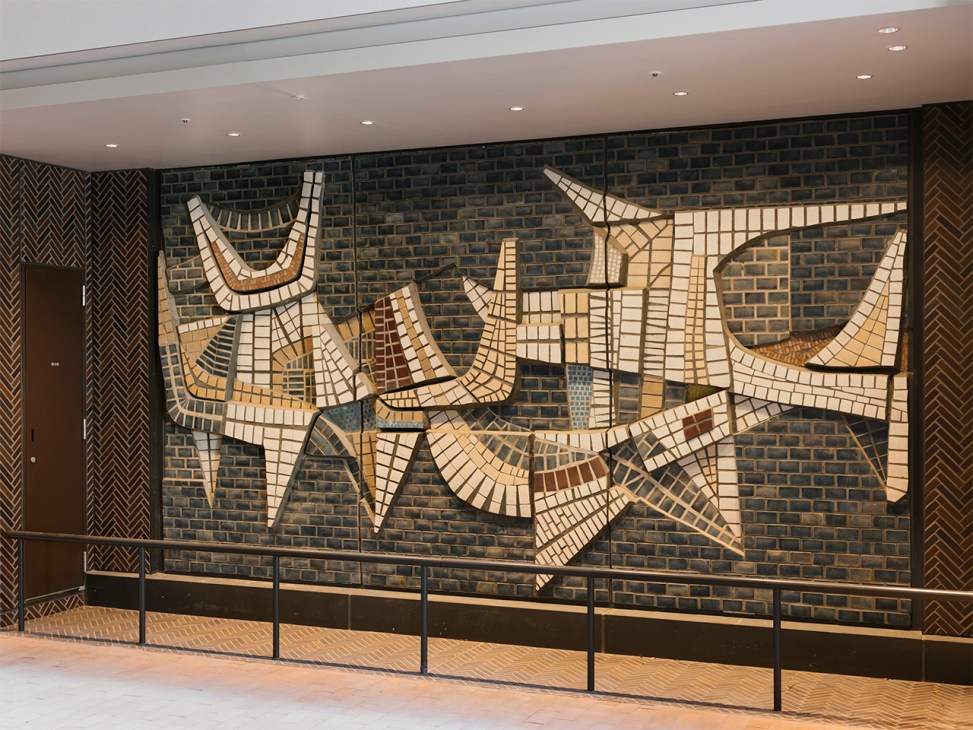
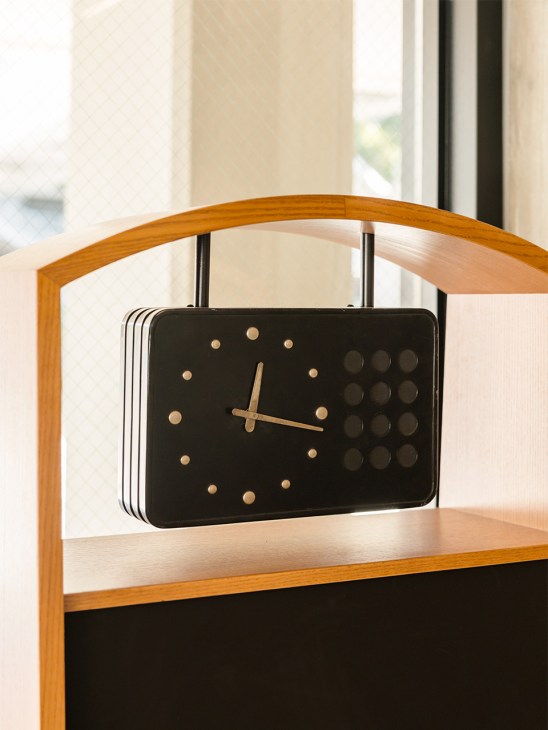
Original floor tiles, door handles, lights and clocks have been given a second life, while new elements are infused with colours and materials in keeping with Murano’s vision. “Where possible, we preserved and reused items in their original location,” says architect Jun Inokuma. The atrium’s handrails were repurposed, while the green chairs on its upper floor have been reupholstered. City-hall artworks have been repaired and, in some cases, moved. A prominent ceramic mural, “Sea, Waves, Ship” by sculptor Shindo Tsuji, is now on the bakery wall.
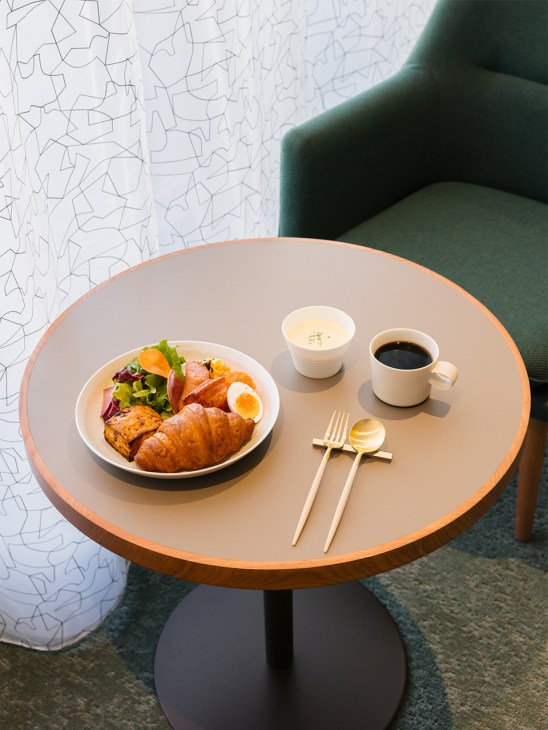
The interiors were inspired by the bold hues that Murano used in the old city hall: green in the council chamber, red in the speaker’s office and vivid blue wall tiles. One floor is dedicated to dogs and includes a grooming area and special quarters in which they can sleep. Meanwhile, the hotel’s restaurant reflects cuisines popular in Yokohama, including yoshoku (Western-inspired cooking) and Chinese (Yokohama has a historic Chinatown).
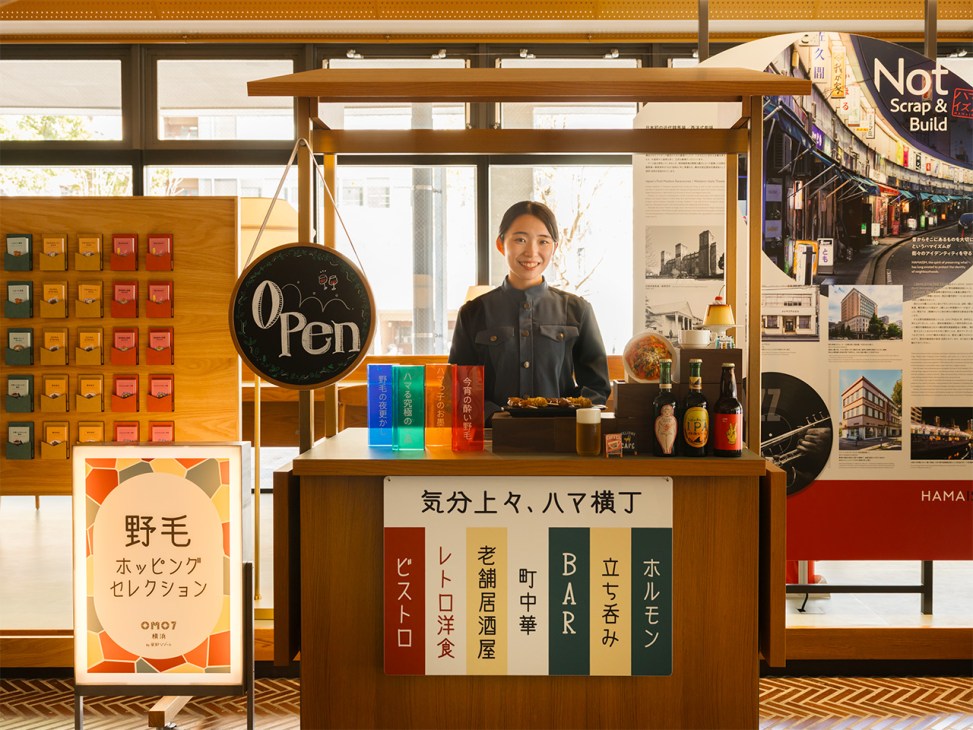
OMO is Hoshino’s city brand, while the “7” denotes “full service”. The area beyond the hotel, now renamed Basegate, has been redeveloped and offers shopping, food and offices. Chinatown, the waterfront and Yokohama Park are just a stroll away. Hoshino is now working on another renovation in Nara – converting the city’s former prison into a hotel. “I’m fighting against design driven by space efficiency,” he says. “One of the best ways is to use old buildings and give them new value.”
yoshinoresorts.com
Yokohama: A city of firsts
Japan’s second-largest city was one of the first to open up after the country’s mid-19th-century isolation. It was also the first in the country to have a commercial beer brewery (Kirin) and ice cream. Today, on one side of OMO7, rooms look out on Yokohama’s 34,000-seat baseball stadium. The roof terrace (with a bar) offers a striking view of the action.