Issues
The Opener
How to live: spring suggestions
The list
Want to stay in the know? Tyler Brûlé has tips to help you make the most of the months ahead.
As the northern hemisphere starts to feel the approach of spring, it’s time to crack open the diary and fill up the to-do and to-buy lists. Here are a few pointers.
1.
A new publication is always a welcome sight at the kiosk. Paris-based Le Journal du Dimanche has had a little refresh and is worth a peek if you have a fondness for Sunday papers.
2.
By the time you read this, the fields of Alentejo will be waking up from their winter slumber. A long weekend at São Lourenço do Barrocal is just the tonic to shake off the grey months.
3.
Kaptain Sunshine (a favourite Tokyo-based brand) has some good looks for spring. If you look hard, you might be able to track down the company’s recent collaboration with John Smedley – the perfect merino sweatshirt.
4.
We had a sneak preview of the soon-to-relaunch Goods shop in Copenhagen. Pictures in these pages soon.
5.
If you’re a regular in Lufthansa’s First Class lounges, you might have spotted a handsome guidebook with a natty yellow cover. This little collaboration with the Monocle team is gearing up for broader distribution shortly, so pay attention to our shops and newsletters. Till then, you’ll need to fly at the front of the plane on Lufthansa to find it.
And finally, there are many Monocle events on the go. Weekenders in St Moritz and Asheville, a sakura market in Zürich and book signings for our forthcoming title on Spain. Find details at monocle.com/events.
The interrogator
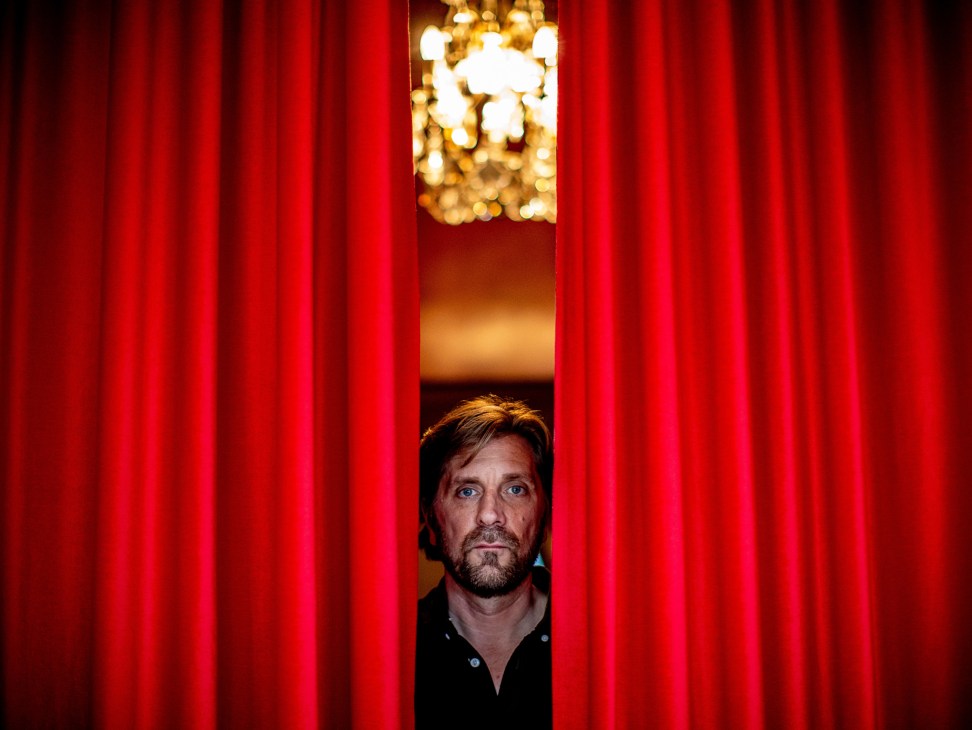
Ruben Östlund
Sweden
Swedish director Ruben Östlund’s unique brand of satire is gaining traction with audiences around the world. So much so that his latest film, Triangle of Sadness – satirising wealthy social-media influencers sailing on a luxury yacht – took home best picture, director and screenplay at the most recent Cannes Film Festival and has been nominated for three Academy Awards, including best picture. Here, Östlund tells monocle about how his mother’s left-wing politics shaped his outlook, the creative potential of satire and a forthcoming project.
How did the idea for ‘Triangle of Sadness’ come about?
My mother became left-wing during the 1960s, so I was brought up with political discussions, thinking about our behaviour as a society and the world. When I met my wife, a fashion photographer, I became interested in hearing from someone who was working inside the fashion industry about how beauty can become a currency. The starting point for Triangle of Sadness was to look at beauty from an economic perspective, from a materialistic perspective.
Another one of your films, ‘The Square’, follows a Stockholm curator as he attempts to set up a controversial new exhibit. How does this film differ from your previous work?
I wanted this be wilder, more entertaining. At the same time, I wanted it to raise some of the questions I mentioned earlier.
Why is satire as an art form still important and relevant?
Sometimes, we can be afraid of saying things. But with satire you can push certain kinds of thoughts quite far.
Why do you think we’re so drawn to the lives of rich, terrible people on screen and on social media?
In Triangle of Sadness, I don’t think they’re terrible; they’re rich. They can do good and bad. And social media is a great way to play a character. It feels like a primal reaction. It’s hard to find something that capitalism has exploited that isn’t a core human behaviour.
What’s on the horizon for you?
I’m working on a film called The Entertainment System is Down, which takes place on a long-haul flight. The story begins soon after takeoff, when the passengers get the news that the entertainment system is not working.
Reporting from…
Monocle has a network of correspondents on the ground in cities around the world. Our news in brief includes changes to Thai office life, a British legal battle and a Swiss mountain dispatch.
Bangkok
Come together
Judging by the coworking community, business is booming. Operators are reporting an influx of new tenants and office space is hard to come by. It’s good news – but the city needs more shared spaces to keep up with the demand.
London
No limits
Oxford Street’s pedicabs, detested by Londoners for blaring loud music, have won a legal battle to prevent the regulation of their noise and pricing. It’s a loss for peace-loving locals and tourists being charged £300 (€340) for a 10-minute ride.
Zürich
Off the rails
The decision to replace two existing cars on the Dolderbahn rack railway has caused a stir among locals who claim that the old vehicles had “cult status”. A petition to halt the swap was rejected, clearing the way for new golden cars.
Going for a song
With entries being finalised for the Eurovision Song Contest 2023, we reflect on the musicians who have used it (and similar reality shows) to launch their careers. Though some question the ability of such competitions to unearth authentic talent, in rare cases the contestants become bona fide stars.
1.
Eric Nam, South Korea
Nam rose to fame on Star Audition: Birth of a Great Star 2, a Seoul-based TV show that placed him in the top five in 2013. Now the American singer tours the world and hosts a successful K-pop podcast.
2.
Matt Corby, Australia
Singer-songwriter Matt Corby finished as runner-up in Australian Idol in 2007. But that didn’t stop his 2016 debut album, Telluric, from takling the top spot on the Australian charts. Today he boasts 1.7 million monthly Spotify listeners.
3.
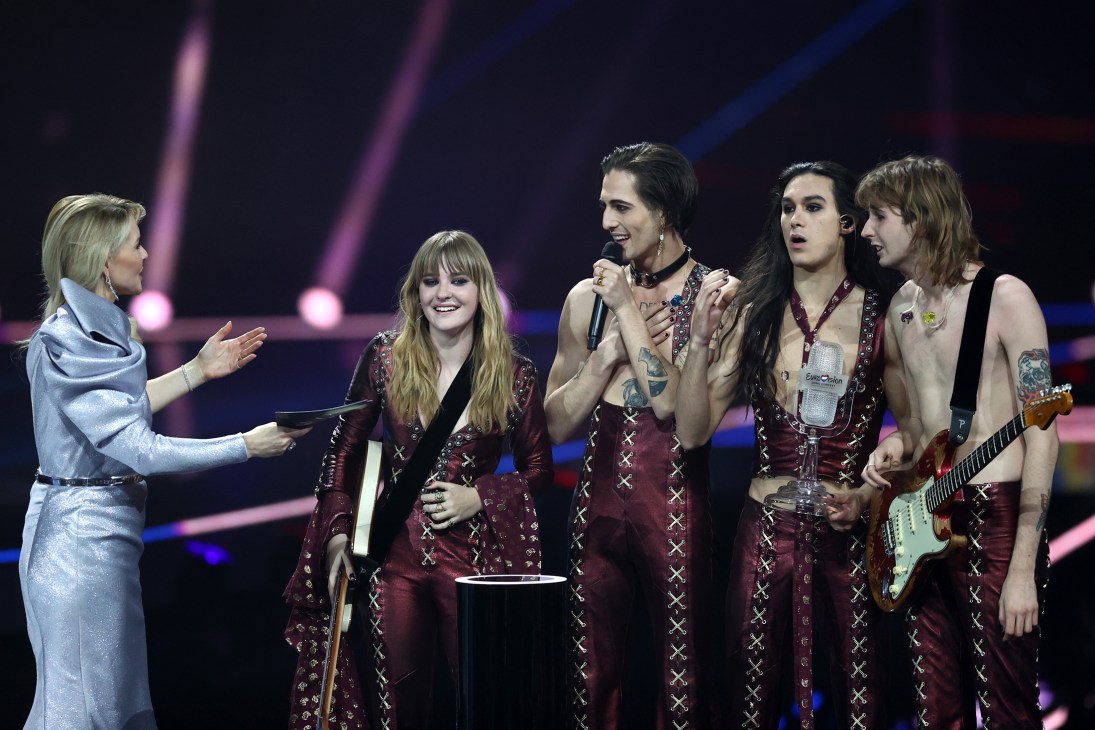
Måneskin, Italy
The Rome band (pictured) first appeared on Italy’s X Factor, before gaining recognition at the Eurovision Song Contest 2021. Their hard-rock anthem “Zitti e buoni” became the first Italian song in three decades to gain a spot in the top 20 of the UK’s official chart.
Turn for the worse
The only good thing about flight delays is that glorious, transfixing rush of relief when the damn thing finally fires up its engines at the top of the runway: you’re away at last, nothing can now go wrong. This pleasure proved only temporary for the passengers of a recent Jetstar flight from Melbourne to Bali. They endured a five-hour delay before takeoff – and after four hours in the air, or about two thirds of the way to everyone’s holidays, the plane turned around and returned from whence it came.

The flight had originally been scheduled to be an Airbus a321 but this had been changed to a Boeing 787 to accommodate more passengers. However, while the arrival of the former had been cleared with Indonesian authorities, the latter had not. Jetstar apologised for the miscommunication and rose heroically above suggesting that the Indonesian regulator could perhaps, in the circumstances, have lightened up a bit.
Judging by the responses of the baffled passengers to local media – at least, those which were fit for print or broadcast – such blandishments as hotel stays and travel vouchers were little consolation. European readers will be able to think of at least one infamous budget airline that might have tried to style such a blunder out with an announcement of “Surprise!”
Loud and proud
The Danish people are generally a modest bunch. It’s an outlook that stems from the “Law of Jante”, a code of conduct for Danes first put forward by Aksel Sandemose in his 1933 satirical novel, A Fugitive Crosses His Tracks. “You’re not to think you are anything special,” reads the first of 10 commandments in the widely read book. The following nine are just as soul-squashing.
This makes the recent opening of Fritz Hansen’s Design Hall (see here) a particularly ground-breaking exercise, as the museum-like space celebrates the brand’s rich design heritage to beautiful effect and some fanfare.
But then again, perhaps it’s actually a good thing that the Danes, especially its designers, are usually so self-effacing. If all of its furniture brands shouted about their achievements, no one else might dare try to design a chair again.
Panda-moanium
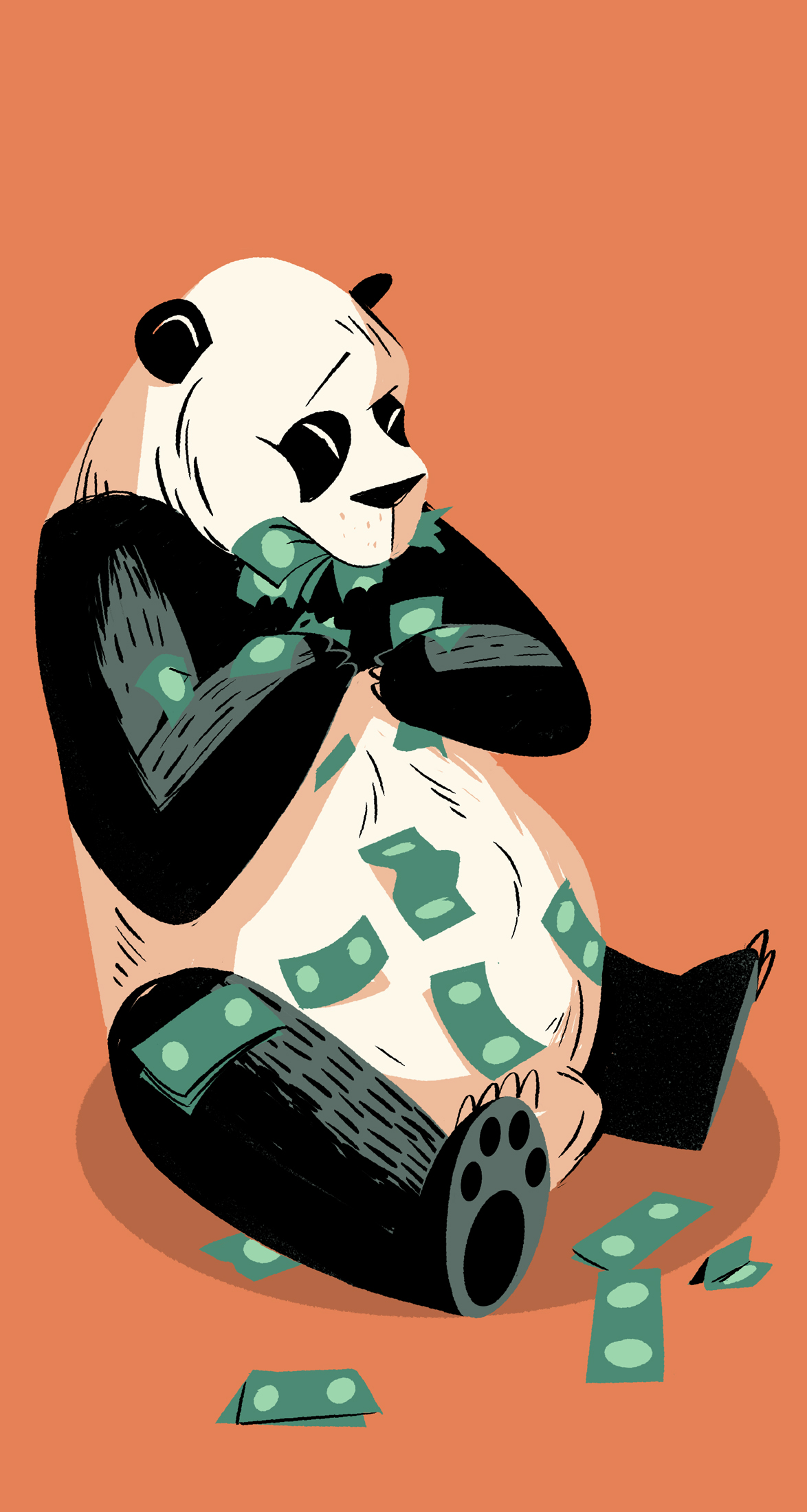
In the 1970s and 1980s, China rethought its programme of panda diplomacy, whereby it sent the mammals to zoos across the globe. In its early stages, the creatures had been gifts; they then became loans, with the further understanding that any cubs born on foreign assignment would be returned to China. Marooned by this policy change is the panda Xin Xin, a resident of Mexico’s Chapultepec Zoo, descended from the first pandas that arrived in the country in 1975.
Xin Xin is the last of her line and the last panda in Latin America. At a relatively elderly 32, she also presents the Mexican government, which foots her bill, with an existential question about the future of the zoo’s long-running panda programme. Why? Well, leasing pandas from China is now a commitment that has lasted decades at a cost running north of $1m (€916,000) a year.
Mexico’s president, Andrés Manuel López Obrador, was elected on a platform of pious, hairshirted austerity – and it is rather difficult to pitch new pandas as anything other than luxury items.
But this is a policy that can – and should – be pursued: new pandas would be a sound investment in Mexico’s tourist trade, its relationship with China and, of course, pandas themselves. Souvenir fridge magnets of pandas should cover the cost of bamboo swiftly enough.
Images: Shutterstock, Getty Images
A common-sense manifesto
Scouring the pages of most newspapers this spring won’t fill ceos, entrepreneurs or business owners with much hope. The US titles are flapping about the country’s economic challenges; the prospect of recession looms large in Europe; much of Asia is still moving gingerly after coronavirus. Straitened times? Perhaps. But the storm clouds could yet clear enough to reveal some silver linings – among them, a more common-sense approach to business.

The bursting of the dotcom bubble in the early 2000s and the 2008 financial crisis reshaped the global economy. This year might mark the moment when the rules of running a business revert to those of a simpler time, when bulls and bears mattered more than unicorns. It’s already starting: technology stocks have tumbled to their lowest point in a decade and boring financial probity is replacing fanciful valuations. Investors are thinking twice. Whatever your business, you should too.
A company is about more than just branding, margins and efficiency. It can be about doing things better and capture a mood or time. So we should ask ourselves: are Tesla, Twitter, Meta, Alphabet or Uber nice places to work? Are they good for society? Are they fair contributors of tax? Are they good for the public discourse? If the answer is “no”, we have a problem.
At last, we’re discussing such shortcomings a little more openly. A well-funded company that loses money for years should raise eyebrows. Doesn’t the “reach-before-revenue” model feel a little like the emperor’s new clothes? How about some more scrutiny for companies that sell your data or exploit land and ocean for rare metals? Or the consumer electronics giants and textile manufacturers flogging poorly made rubbish that’s destroying the planet? That’s before we enquire about your cryptocurrency holdings or new nft collection. We should have known that it was a swizz.
What’s to be done? While newspapers pore over the peaks and troughs, inflation rates and financial thunderclaps, we’ve whipped up some rules of thumb for the business-minded. When all else fails, a little common sense can come in handy.
1.
Beware the big-number valuations
Just the facts
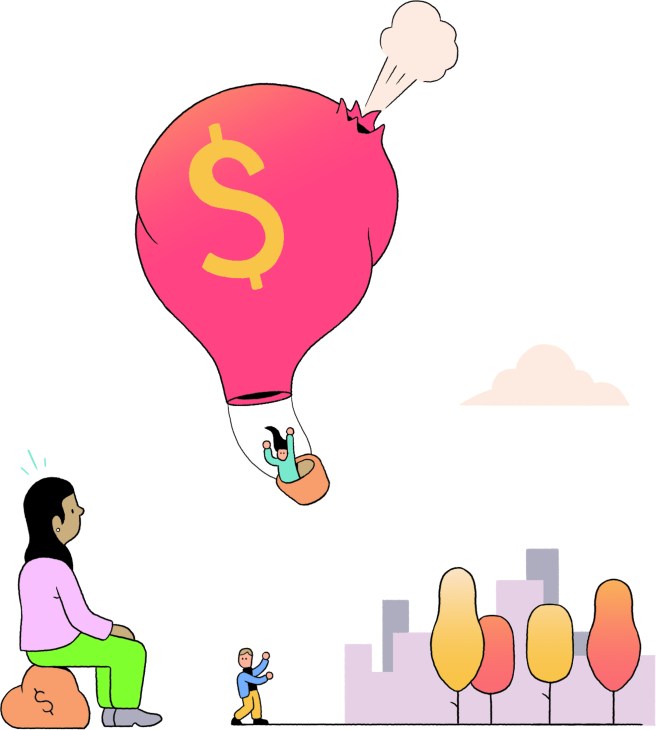
There’s more than one way to value a company, some more speculative than others. The “add-a-few-zeros” approach of recent years feels a bit off in retrospect: 2022 was a torrid year for technology stocks, which fell with the market mood as the sector faced regulatory hurdles and antitrust issues. A takeaway for those of us who don’t manage a Fortune 500 firm? Hyping yourself a little is fine – we’ll call it salesmanship – but believing your own hot air will lead to disaster.
2.
Your values are more important
Responsible capitalism
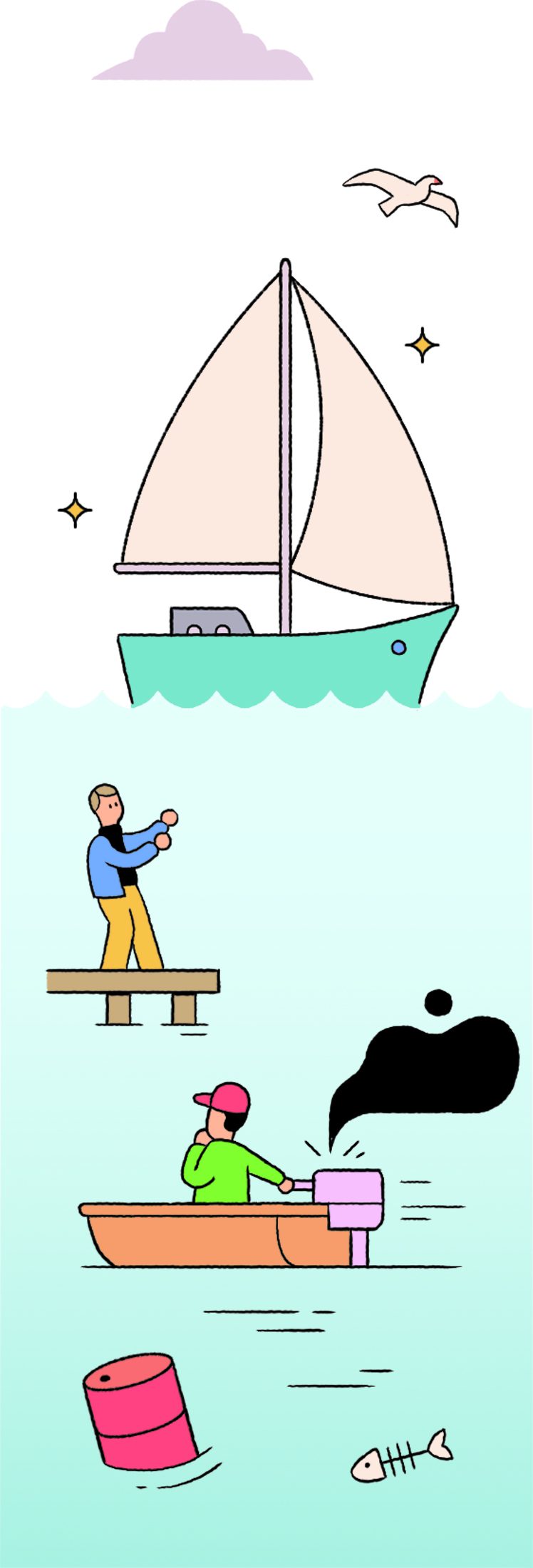
Whether you’re a customer, employee or CEO, you should care about how and where things are made, stored and disposed of. While the logistics snarl-up caused by the pandemic has resulted in some reshoring, we’re still a long way from demanding traceable or trusted supply chains for most of the things that we use; batteries and consumer electronics spring to mind. Not every start-up needs to save the world but it should at least be able to explain the steps that it’s taking not to muck up the planet. Does the company that makes the phone in your pocket, laptop on your desk or shirt on your back pass the test?
3.
Fame is fickle
Cooler heads
Reputations are hard-won but easily squandered. The notion of delivering consistently might sound boring but it’s what successful brands are built on. Social media and the internet are amazing for marketing but less so when it comes to forgiveness if you make a mistake with your messaging or say something silly online. What we need is a little more compassion in the conversation, as well as space for calm discourse away from our screens. Popularity can fire success but airing grievances online can cost everyone dearly.
4.
Start your own business
Greener pastures
Founding a firm requires plenty of hard graft but risk can breed reward. Just as the last financial crisis turfed many out of their jobs, forcing them to try something new, the current economic unrest could create opportunities for people to reinvent, revive and strike a better balance between their passions and their vocation. The lesson? If you hate your job, it might be time to retrain and look again. Get it done.
5.
Offices are more important than ever
Come together
Companies have long been flogging hot-desking and co-working as perks rather than the cost-cutting devices they are. Then, many ditched the office altogether with the rise of remote working after the pandemic struck. The upshot? Greater flexibility for some but a growing disengagement and rootlessness for others. A good office is a place of collaboration, community and care that can serve as a physical manifestation of what you believe, an embassy for your brand. No, not everyone needs to be in all of the time but a great work culture and a nice office will continue to attract talent, add to the vibrancy of our cities and result in happier staff. And treat people like adults: surely the age of the office slide and ping-pong tables is over?

6.
Be part of the community
Bigger picture
A decent office is only the first step. How it fits into the neighbourhood is equally vital. It’s no coincidence that a swath of the world’s biggest companies occupy a small sliver of California around Cupertino: proximity matters and so does feeling like you’re part of something. Not all communities have migrated online. No matter what the scale of your work – whether you’re a technology titan, a food retailer or printing a local newspaper – being grounded in an area and having some neighbourhood fans who support you won’t hurt.
7.
Get out more
Spot the difference
The pandemic has been accused of catalysing every trend imaginable but, in truth, wasn’t it more of a speed bump? Now that the skies are open again and borders are easier to cross, it’s important to scope out the competition, get a sense of what’s happening and go beyond the drudgery that algorithms serve up for you. The unspoken issue? It’s that everyone like you is directed to “like” the same things on social media. By turns, the planet becomes samey, two-dimensional and dull. It’s a big, beautiful world out there. Shall we take a spin?

8.
Forget the founders
Origin stories
We’re also questioning the founders who once captured our imaginations but evaded our scrutiny. Elon Musk, Mark Zuckerberg, Jeff Bezos and their ilk have built huge companies but more because they’re committed capitalists than philosopher kings who have thought through what happens next or fully weighed up the good and bad of their work. They’re skilled at selling themselves and their services but they don’t have all of the answers.
9.
Have a mentor (and listen to advice)
Sounding board
And then there are the bad apples. From the fraud conviction of Elizabeth Holmes, founder of discredited biotech start-up Theranos, to the charges against Sam Bankman-Fried, the disgraced CEO of cryptocurrency exchange ftx, plenty of slick, celebrated start-ups appear to have been run aground by unchecked bosses. Maybe we were too willing to believe the myth of the charismatic leader? Perhaps they were too? One solution: have a trusted network or decent mentor to bounce ideas off. The humility to change course and admit when you’re wrong will come in handy too.
10.
But go with your gut
Trust your instincts
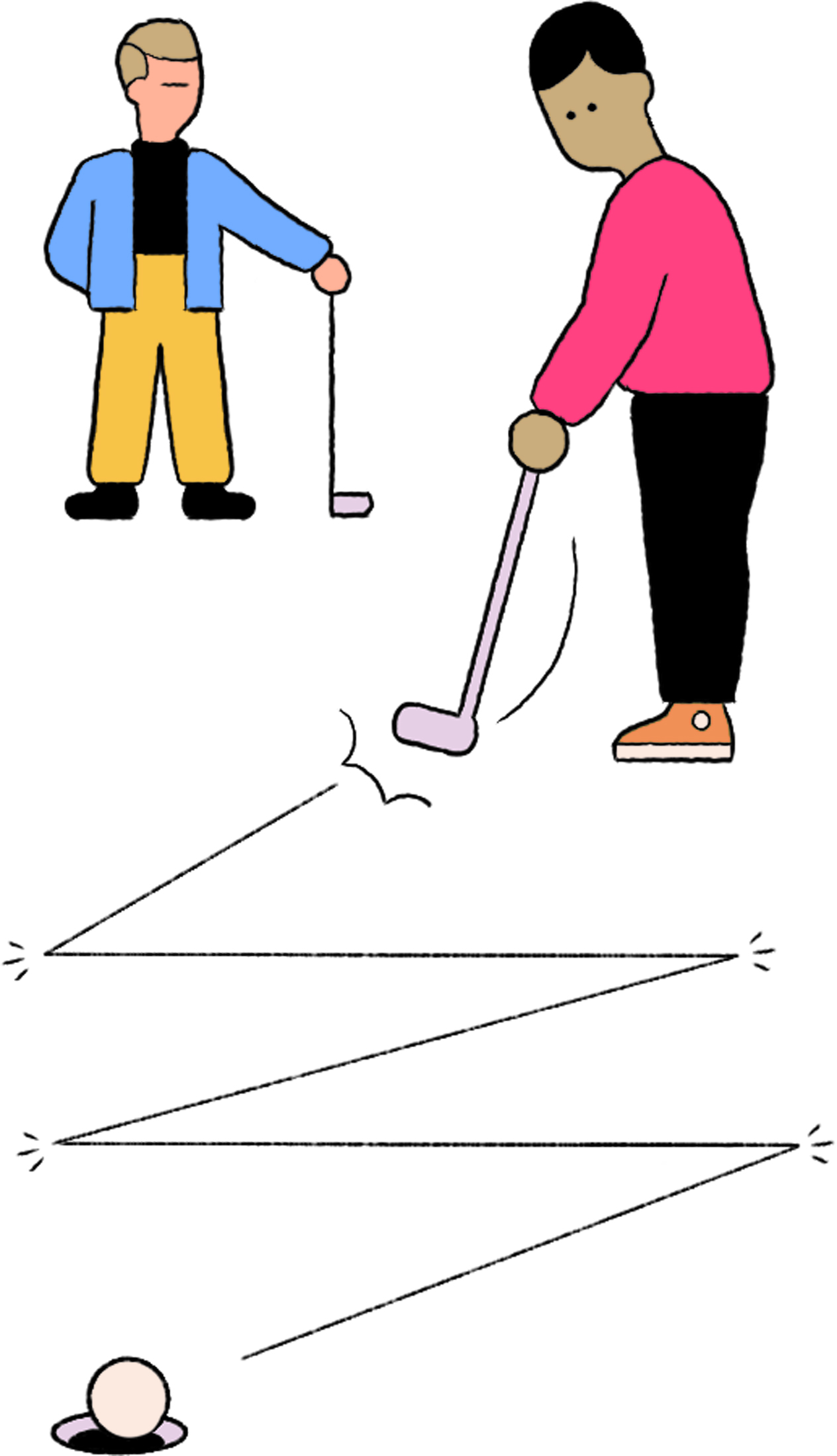
If something seems too good to be true, it probably is. An angel investor offering everything you want in exchange for a seemingly trivial clause in the contract? Alarm bells should ring. A tip, fund or ground-floor investment that’s “guaranteed” to go big? Pull the other one. It might not literally pay to be sceptical but it can save you money and embarrassment. Sorry if this advice didn’t come sooner for those of you with late-bought bitcoins.
11.
Do the right thing
Moral compass
Sounds simple, right? But this might be the hardest bit. To conduct your business in good faith, in a way that’s transparent, rigorous and fairly managed is a job in itself and everyone makes mistakes sometimes (remember, it’s OK to forgive people). That said, planning to decarbonise by 2050 or improve the gender balance of your board within a decade rings hollow. Isn’t it better to get going right away, even if that means making a few missteps, and reach your goal rather than kicking the can down the road?
12.
Success is relative
Lasting treasures
At Monocle we have long argued for the importance of caring about what you do, how you do it, who you do it with and where. That hasn’t changed. After all, what’s the harm in setting your sights on starting your own restaurant or your dream of reviving Grandad’s factory rather than world domination? What about creating something that you can pass on rather than just flip for profit? Meaningful ventures such as these offer a promise of contentment that isn’t measured in likes, impressions or column inches. Getting on with your work, doing your best and not obsessing about staying in the spotlight sounds like common sense to us.
The road ahead
The direction of travel might be clear but how long will it take – and is there room for everyone on the journey? In London or Tokyo, Copenhagen or Los Angeles, it’s evident that urban mobility will see the fairly rapid phasing out of vehicles powered by internal combustion engines in favour of electric vehicles (EVs). But, while car manufacturers are getting up to speed for this transition, many cities are lagging behind in building the infrastructure. And there’s something a little unsettling at play too.
Cities such as Amsterdam are planning on banning all petrol and diesel cars by 2030 but while seven years gives wealthy folk plenty of time to get a new vehicle, those on lower incomes will struggle. Sure, you can suggest that everyone gets on a bike instead but for some a car is often essential. That’s why the finger-wagging by the electric car adopters can seem to be glorying in the divides of wealth, of city versus rural, of developed versus developing nation. For the EV to become more than a symbol of privilege, we are going to need to see a trickle-down of EVs onto the secondhand market, an improvement in battery life and a faster rollout of charging points.
In this issue (see here), we’ve dispatched our team to look at this problem: how can the drive to electric succeed, and are we kidding ourselves that the switchover can happen at the pace being claimed? I have my doubts. Look at a first-world nation such as the US. The shift to EVs is gathering pace in California but travel beyond the Los Angeles/San Francisco corridor and the distances that people must travel across vast landscapes can make the thought of owning an EV seem reckless. Our team has met both die-hard champions and cautious critics, and found quirky side-roads too – for example, what will LA do with hundreds of gas stations when they can longer sell petrol?
We unpack another fascinating generational shift in our Fashion pages, where our fashion editor Natalie Theodosi has commissioned a report on the impact that reshoring is having on Europe’s factories (see here). In the earliest issues of monocle, we questioned the wisdom of nations allowing their craft and manufacturing industries to wither in favour of becoming pure service economies. We reported from the likes of Portugal and flagged their ability to make quality shoes, clothes and furniture, and pointing out the frivolousness of making everything in then low-cost China and shipping it back to Europe.
The pandemic, China’s industrial policies and consumers willing to pay more for better have turned this story around. Now, across Europe, the best factories are not only thriving but are being seen as luxury brands. It’s a story that makes you realise that the industrial tides can move in ways that bring everyone along – all the factories featured are offering apprenticeships, training and good futures to a new generation of artisans.
As we offer fresh perspectives, take time to meet the Albanian entrepreneurs in our Agenda pages determined to make careers in their home nation (see here), whose stories undermine the narrative that the whole country wants to flee in search of prosperity. Albania has many challenges but some of the reporting about the nation is woeful. Hopefully we tell a more interesting story.
Finally, on the question of talent, over the coming issues we’re going to look at both the shortages and the perhaps surprising outposts of skills and ambition. Some places have critical shortages to tackle right now, including New Zealand’s navy – so deprived of sailors that many of its vessels are unable to leave harbour. We have a report on how they hope to set sail again (see here).

Thanks for reading monocle and look out for forthcoming projects from our talented team. A new series of conferences and events are being posted at monocle.com. We have a new book to help you plan your travels, Spain: The Monocle Handbook, and a new travel programme and podcast, The Concierge, in association with Allianz Partners.
As always, feel free to drop me or any of the team an email with ideas, suggestions and feedback. You can find me at [email protected].
Hat’s off to you
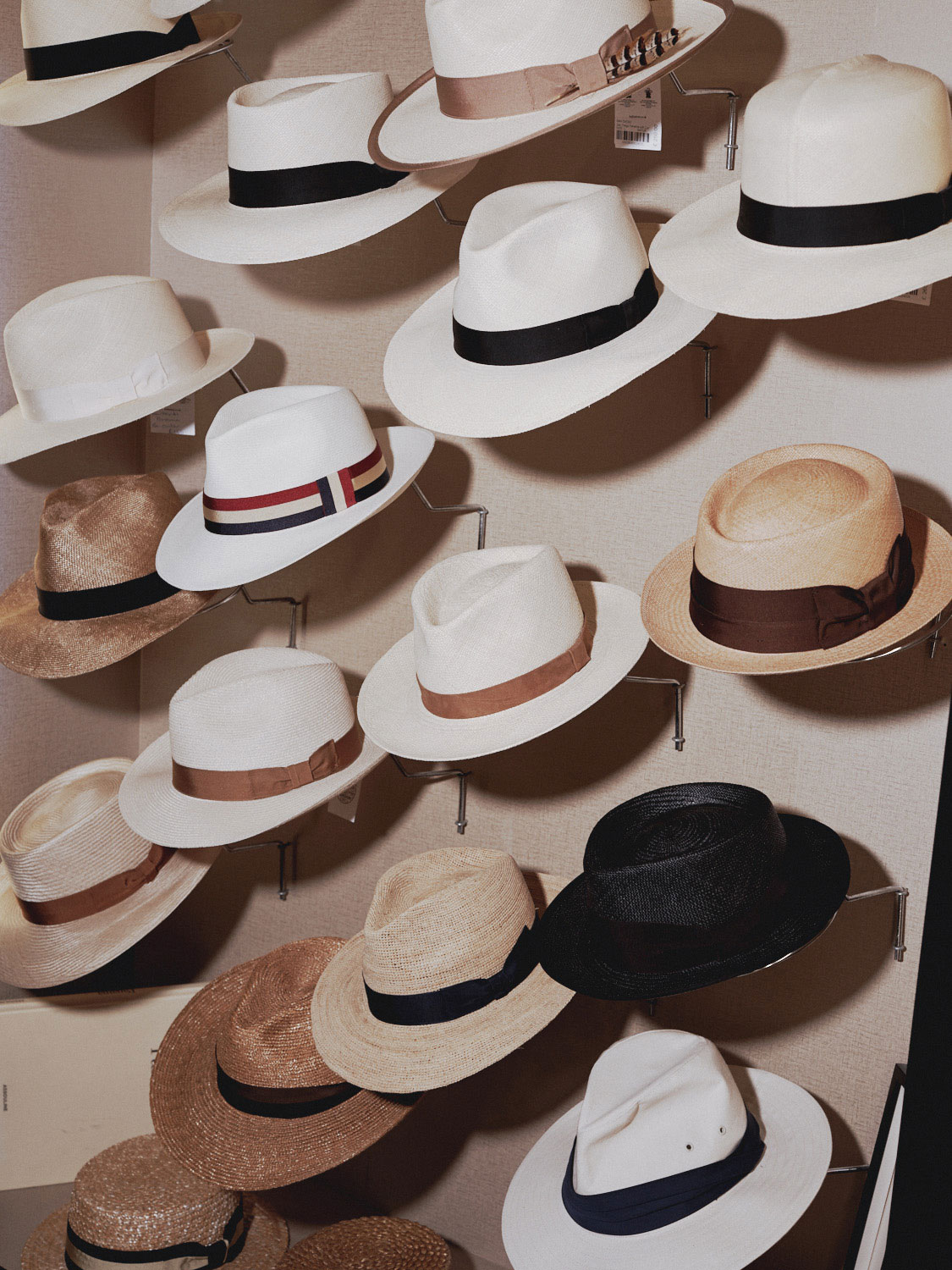
A deftly deployed hat can add a sense of occasion and elegance to everyday life – plus some formality, fun and eccentricity too. Styles change but family-owned Lock & Co Hatters has existed since 1676. Its wares have appointed the heads of luminaries including Horatio Nelson (beloved of a bicorne) and Winston Churchill (a homburg man). Go on, get ahead of the season.
How Singapore is emerging as a new centre for art in Southeast Asia
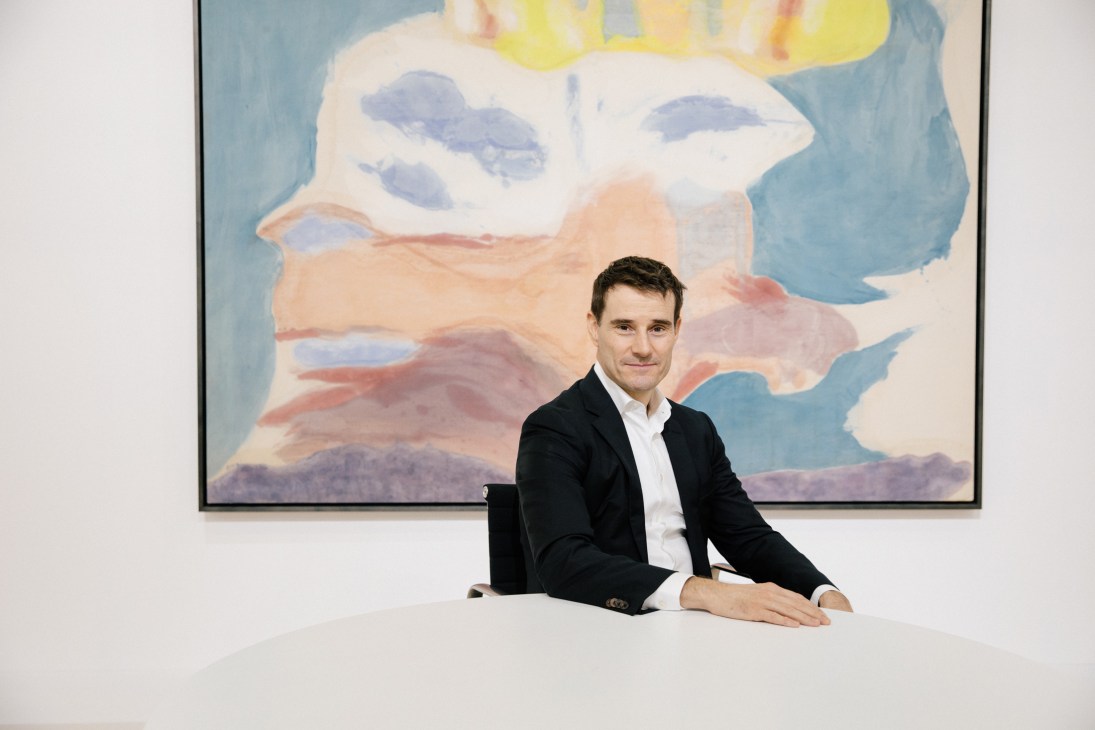
For decades, Singapore was a bit player among Asia’s art heavyweights. Hong Kong had the big-name fair, Art Basel Hong Kong; Seoul had blue-chip galleries; Tokyo an established roster of esteemed artists. But something has shifted of late. Singapore’s art institutions have been refreshed, world-class auctions have finally returned, commercial galleries have started to set up shop – and a new enthusiasm is brewing. “When I first came here for a project in 1996, the Singapore Art Museum had only just opened. The scene has grown tremendously ever since,” says Emi Eu, her signature pixie cut framing her wide smile. As the executive director of STPI gallery, she has played a fundamental role in the island’s cultural transformation.
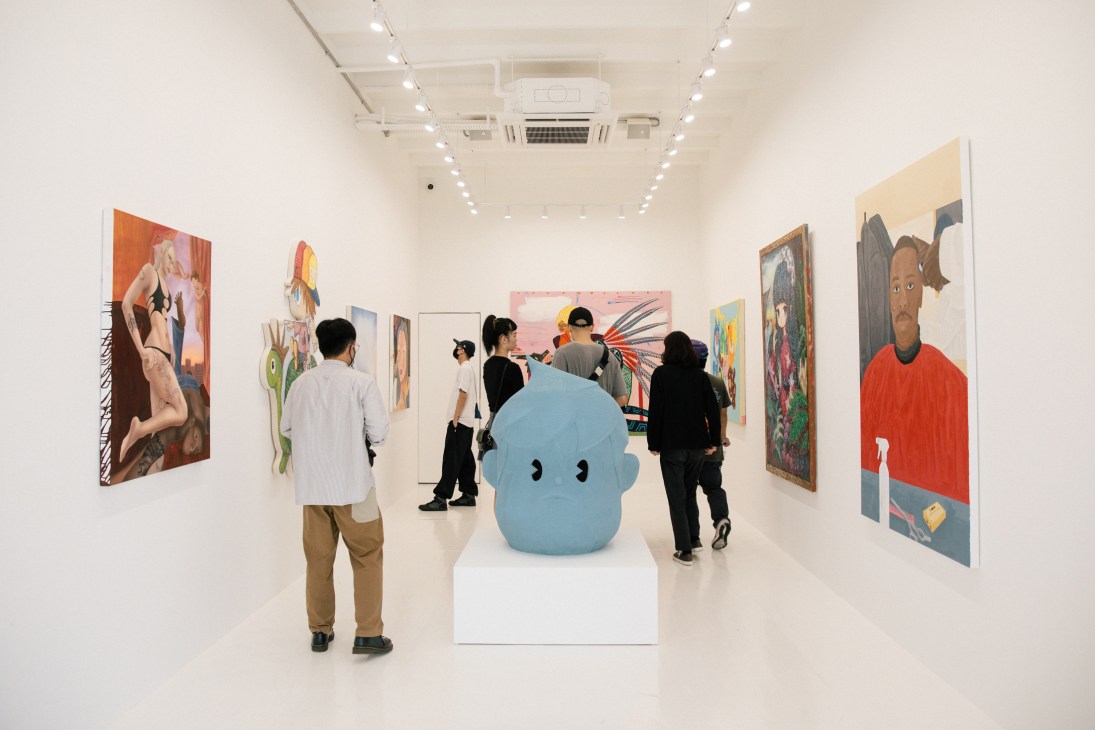
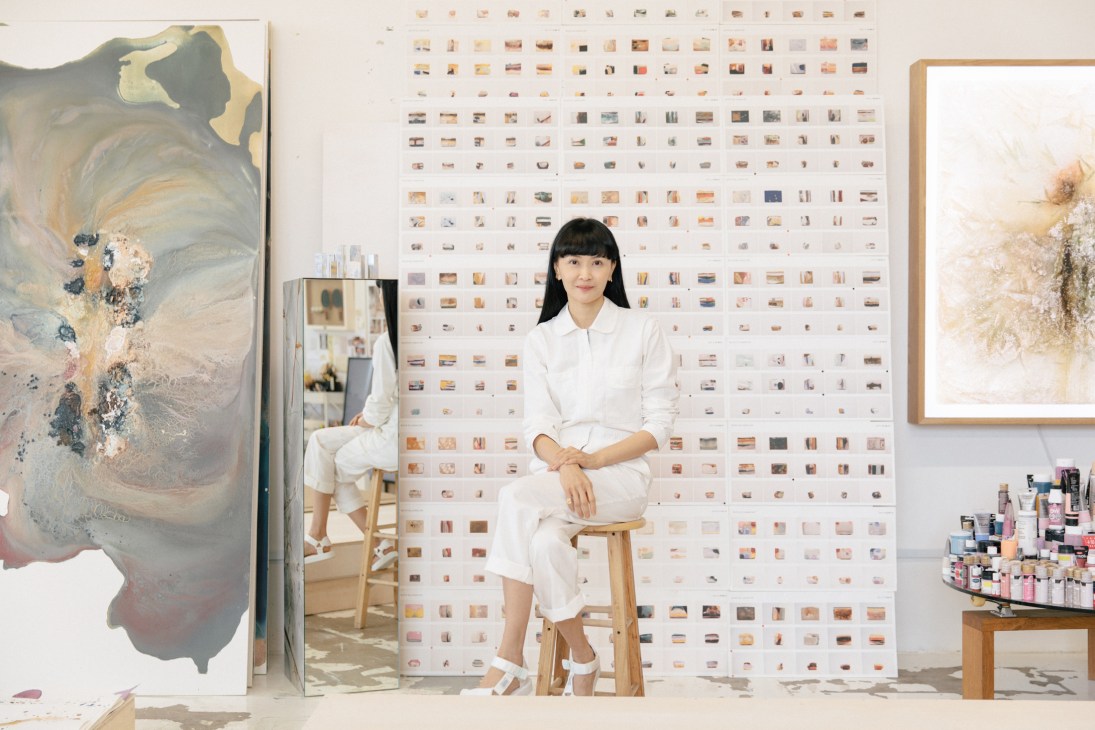
Born in Seoul, Eu has had an itinerant life: she lived in New York and Venice before settling in Singapore in 2000. A year later she joined stpi – a creative workshop and gallery that experiments with paper and prints. Set inside a well-preserved warehouse space on the riverfront, the gallery has an in-house team of master printers and access to a cutting-edge paper mill. It regularly collaborates with artists, encouraging them to work with a medium that might lie outside their usual practice. In 2013, under Eu’s leadership, stpi became the first Singaporean gallery to participate in Art Basel; New York’s Museum of Modern Art has also acquired some of the works that were created in its workshop. Its residency programme has hosted big names such as the late Barbados-born artist Ashley Bickerton, Thai artist Rirkrit Tiravanija and South Korean sculptor Do Ho Suh.
Eu, who previously worked in the art history faculty at the Singapore Management University, has witnessed the revolution in Singaporeans’ appreciation for the visual arts first-hand. “When I had my first cohort in 2001, the students didn’t know much about Western art,” she says. “Yet in just a few years, I could tell that the demographics were changing.”
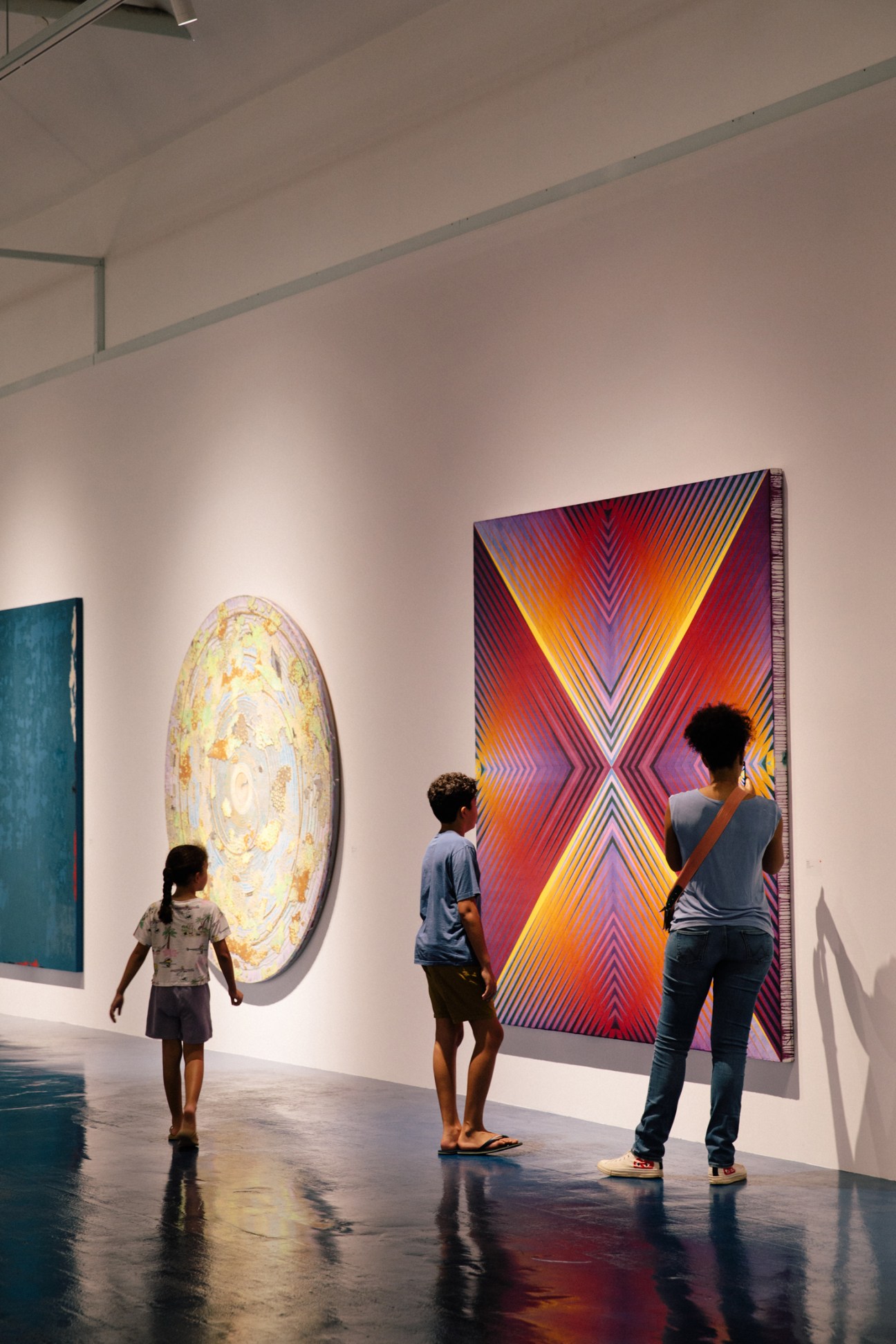
Her work at the helm of sea Focus has also helped to shape the scene. Launched in 2019, this boutique fair specialises in contemporary Southeast Asian art; its latest edition, held in partnership with global behemoth Art Basel, took over a large industrial hall inside the fast-growing creative cluster Tanjong Pagar Distripark. With its fluid, boothless format, the fair gathered works on the theme of “a world, anew” and included an intricate tapestry by Indonesian artist Ari Bayuaji and Philippines-born Christina Lopez’s globe-shaped iron sculpture. “We want to be a portal to Southeast Asia by bringing together the region on one platform, to discover something new and exchange ideas,” says Eu.
Sea Focus made important steps in raising the city’s cultural profile but Singapore’s art market was hankering for a blockbuster fair that could draw collectors from beyond the region. The wish came true in January with the debut edition of Art SG. Billed as Southeast Asia’s biggest art fair, the show took over two levels of the Marina Bay Sands convention centre, driving a stake in the ground for what could become a major event for the whole continent. The 164 participating galleries representing 35 countries and mega players such as the Gagosian, White Cube and David Zwirner also made an appearance. Adding this date to their already packed calendar proved fruitful: on the opening day alone, White Cube sold $3m (€2.7m) worth of works. It took only a few hours for David Zwirner to shift more than half of its booth and make more than $2.5m (€2.3m).
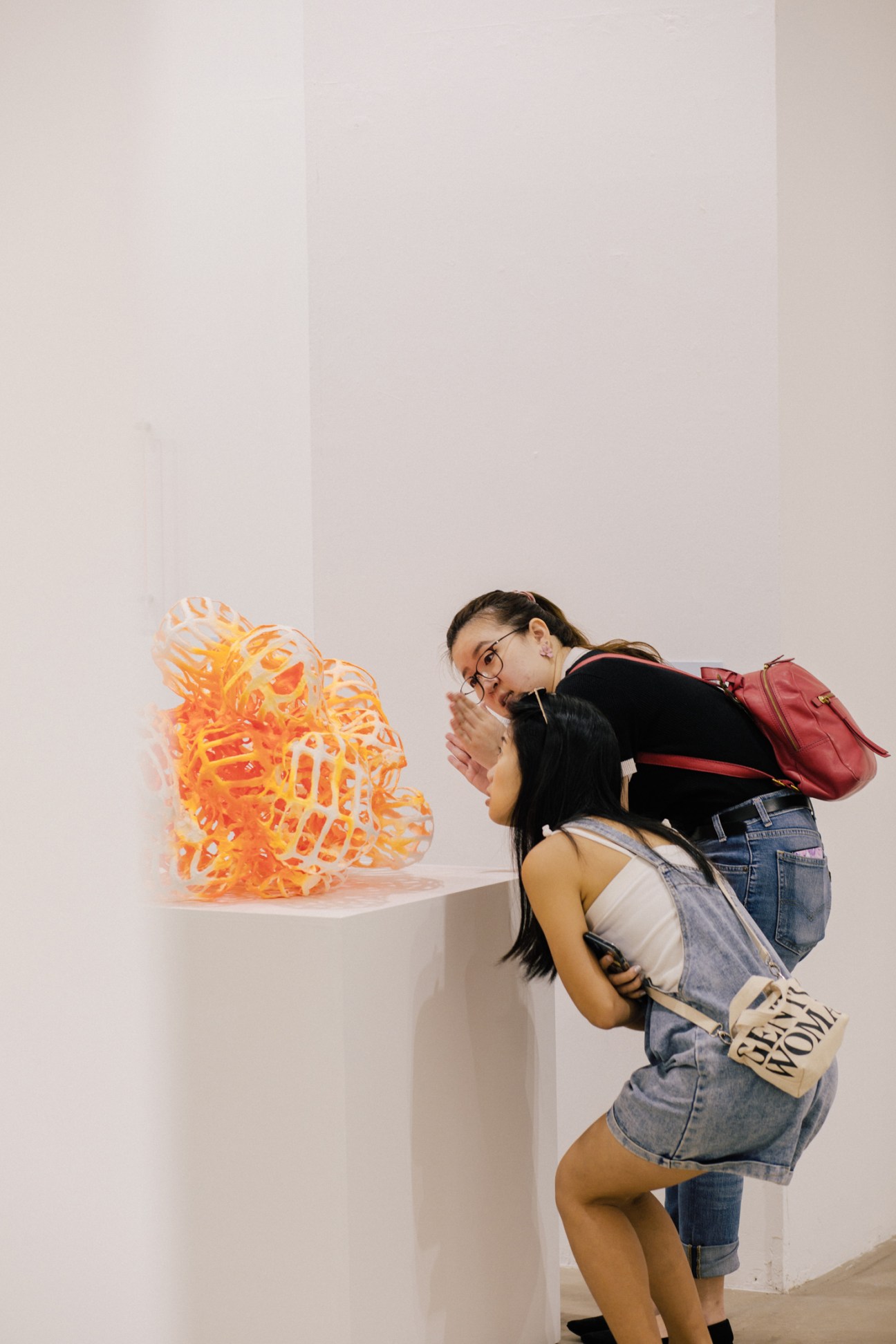
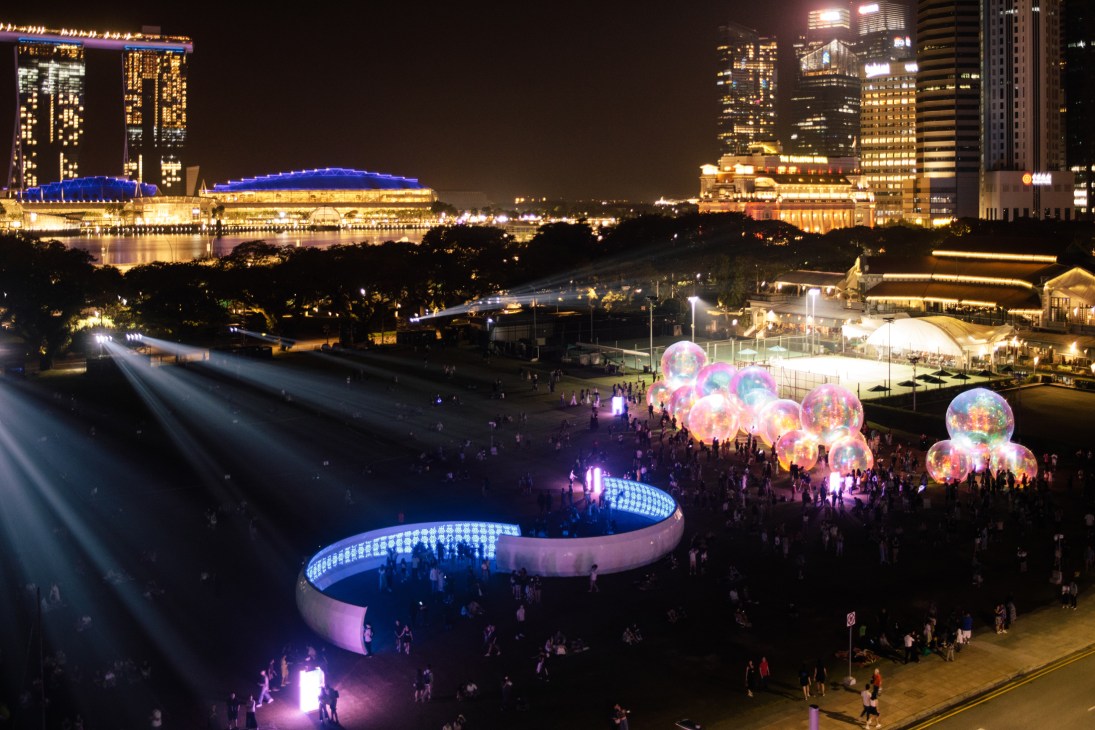
Buzzing with cosmopolitan visitors from the get-go, the fair demonstrated that there are plenty of young Southeast Asian collectors who are more than ready to buy. “We’ve long believed that this city could serve as a platform for collectors in Southeast Asia,” says Nick Simunovic, Gagosian Hong Kong’s senior director, in a rare quiet moment. This might be the gallery’s first foray into Singapore but Simunovic has had an eye on the region for more than 15 years. He sees the city’s role in it as only set to rise. “Singapore has a unique presence in Asia as it is very tightly integrated with regional countries,” he says, explaining that South Korea feels like a “very local market” in comparison. “I don’t think that there’s a risk of overstating how Singapore could become a regional hub for Southeast Asia – and Asia in general.”
Singapore art guide
Tanjong Pagar Distripark
This port-turned-art-precinct is home to the Singapore Art Museum’s new venue and a cluster of galleries.
Starch and Supper House
Set in the up-and-coming Tagore industrial district, these self-starting spaces are great for discovering emerging artists.
National Gallery Singapore
Home to the world’s largest display of modern Southeast Asian art. A retrospective show of Chinese ink master Liu Kuo-sung runs until 26 November, while Dawn Ng’s installation is on until 7 May.
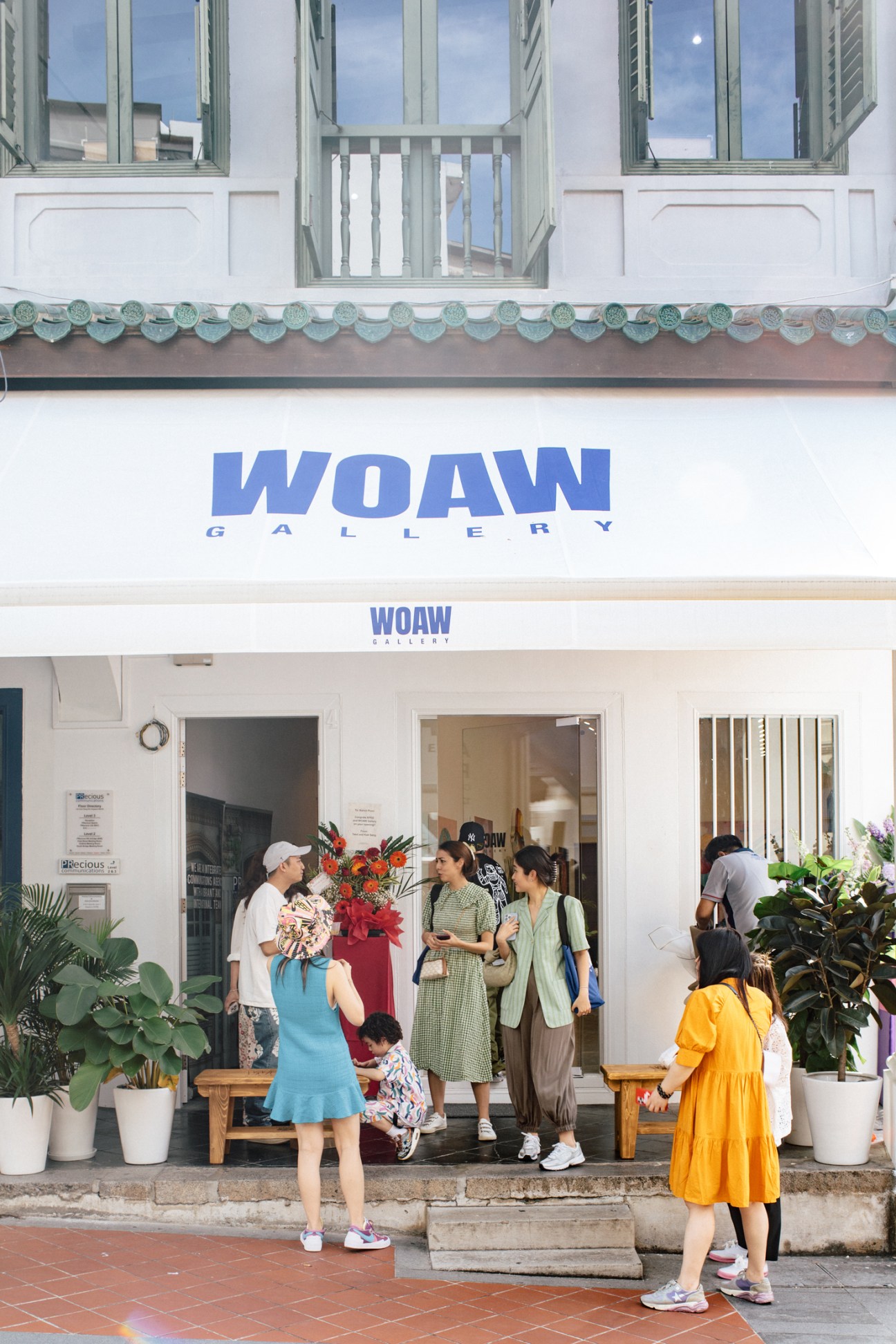
WOAW Gallery
Set in a conserved shophouse in Chinatown, this new venue puts on exhibitions that bridge cultural trends between Asia and the West.
With Hong Kong at sea with China, fast-shifting geopolitical tides around the continent have helped Singapore to ride a wave of success: a surging number of well-heeled entrepreneurs, wealth managers and offices have been moving to the island. The country’s well-oiled infrastructure, widespread use of English and circumspect approach towards testy US-China relations have all worked in its favour. “Singapore is regarded as neutral territory,” says Magnus Renfrew, co-founder of Art SG, who’s taking a breather from pacing the floor at the fair. “Nowhere in the world do people feel equally at home.” As the former founding director of Art Basel Hong Kong, he’s had a privileged vantage point on the market’s shifting sands.
Having built solid trade relationships with India and Australia, Singapore is now reaping the rewards of these connections. “When people talk about the continent, we’ve seen a shift from an Asia-Pacific focus to an Indo-Pacific one,” says Renfrew. “We can bring all these communities together in Singapore and connect them with the rest of Asia. Southeast Asia alone has a population of 650 million – approaching Europe in size – so this region needed its own fair.”
“Singapore has a unique presence in Asia as it is very tightly integrated with regional countries”
Still, building a resilient, tenable market needs to go beyond a week-long whirlwind: once the caravan leaves, it’s the galleries on the ground that need to sustain the momentum. That’s why a number of international players have decided to put down roots. New York gallery Lehmann Maupin has enlisted a Singapore-based director to grow its presence. Going one step further, Japan’s Whitestone and Hong Kong’s woaw Gallery have already set up their Singapore branches and have spared no costs in the process. woaw Gallery’s new venue inside a heritage building along Chinatown’s Ann Siang Hill is its largest yet (bigger than both its flagship and Beijing outposts), while Whitestone has moved into an enormous venue at Tanjong Pagar Distripark, bringing Japanese architect Kengo Kuma on board for the interiors. “I’ve had friends who kept encouraging me to open up in Singapore,” says woaw Gallery’s founder Kevin Poon, who built a buzzing social circle of Singapore creatives from regular visits to the city. “When I found Ching Yi, everything started to fall into place.”
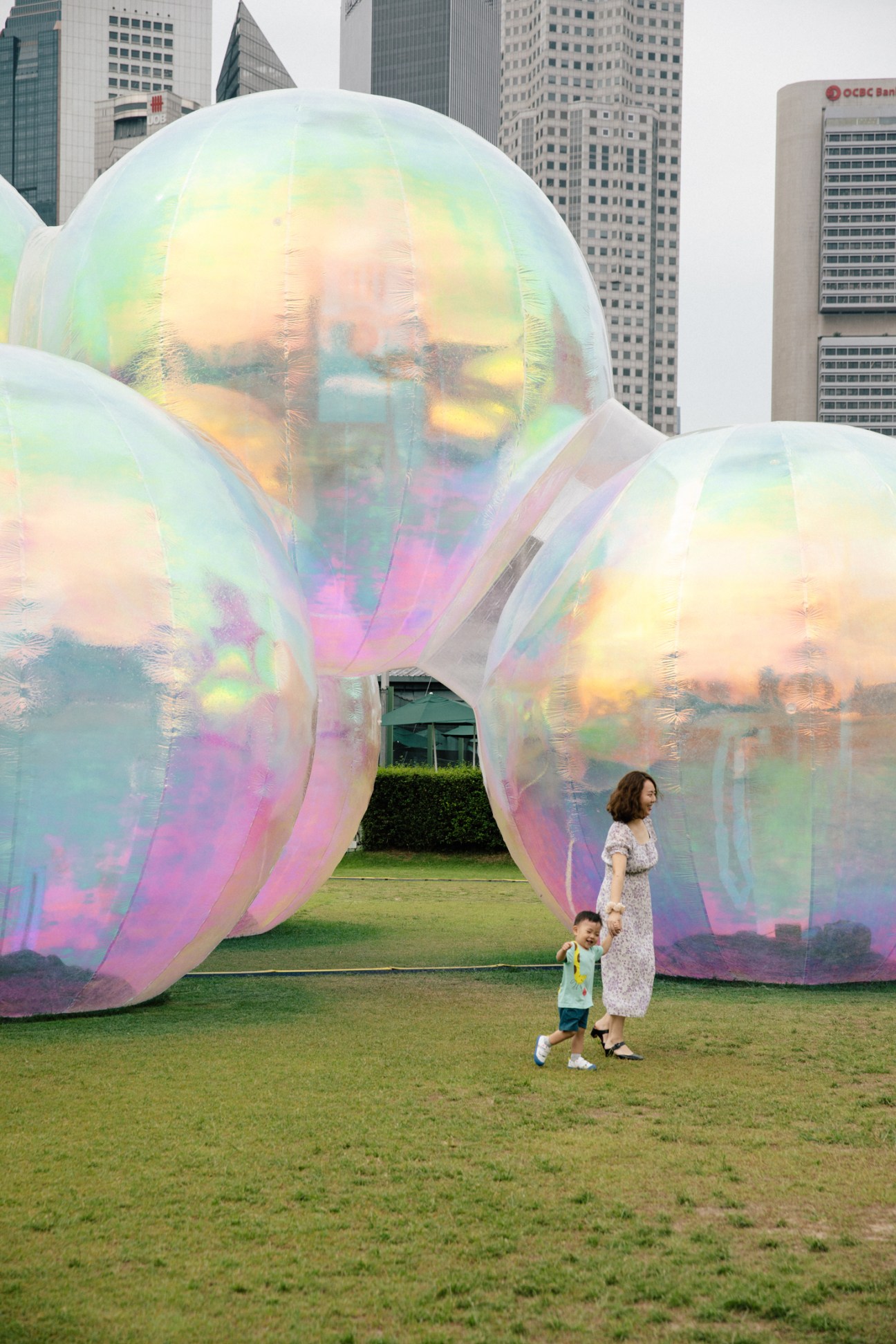
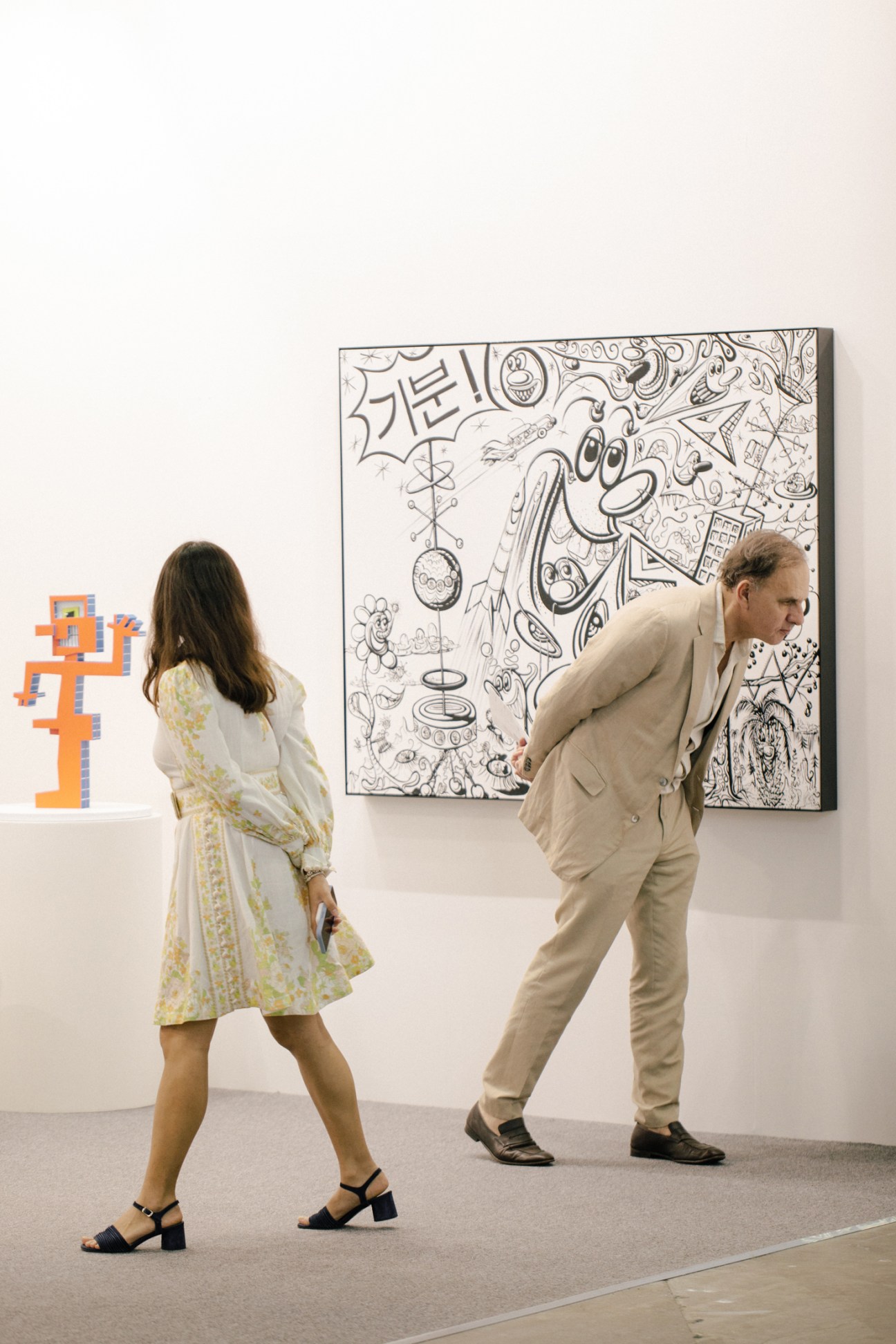
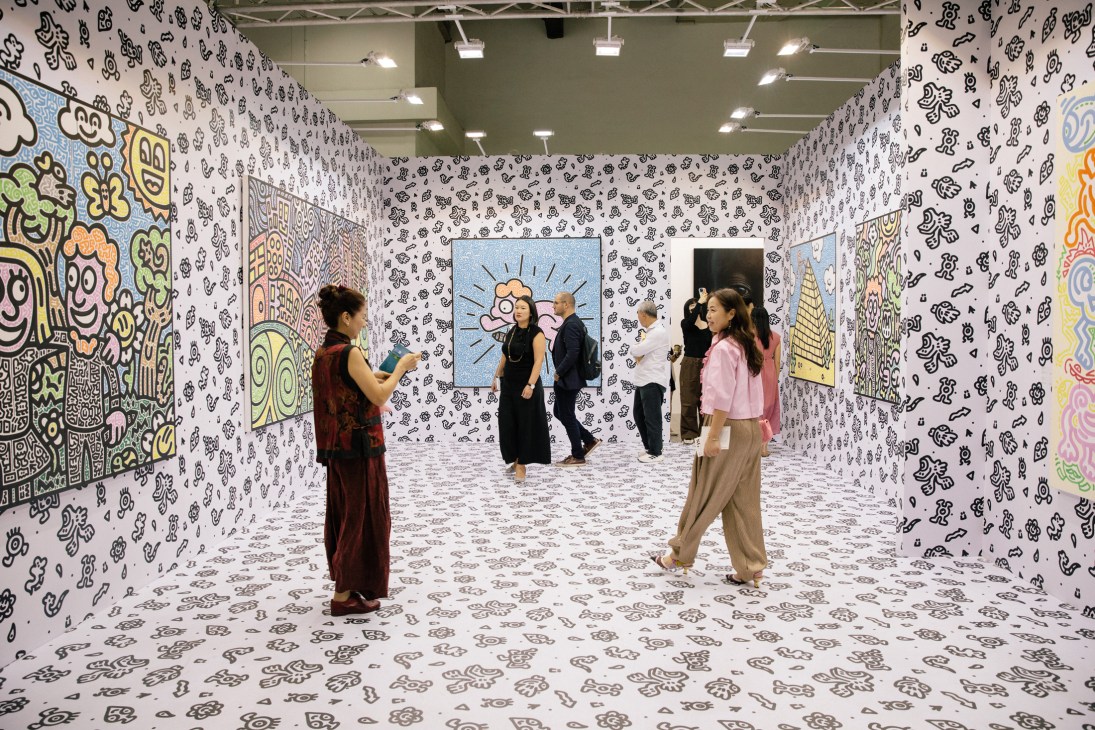
Singapore’s viability as a creative city also rests on homegrown players who are willing to take a punt on the nation’s budding artists. Starch and Supper House are two young independent venues doing just that. Opened during the pandemic, they have been a haven for creatives – both emerging and established – to express themselves. Founder Moses Tan sees Starch as a flexible space that can adapt to an artist’s needs, be it for residencies or open studios. “We are focused on experimentation,” he says from the mezzanine of his minimalist gallery in the Tagore industrial estate, a fast-evolving area in the north of the city. We allow artists to play with the space so that the outcome doesn’t necessarily have to be an exhibition.”
Tan is an artist himself and works with drawing, video and sculpture; he comes into contact with plenty of young creatives and sees a new confidence among them. “Back in 2016 we stuck to a certain formula when speaking about our work,” he says. After graduating from Singapore’s Lasalle College of the Arts, he has gone on to show his work from Australia to Hong Kong. “This new generation is taking charge of what they want to do.”
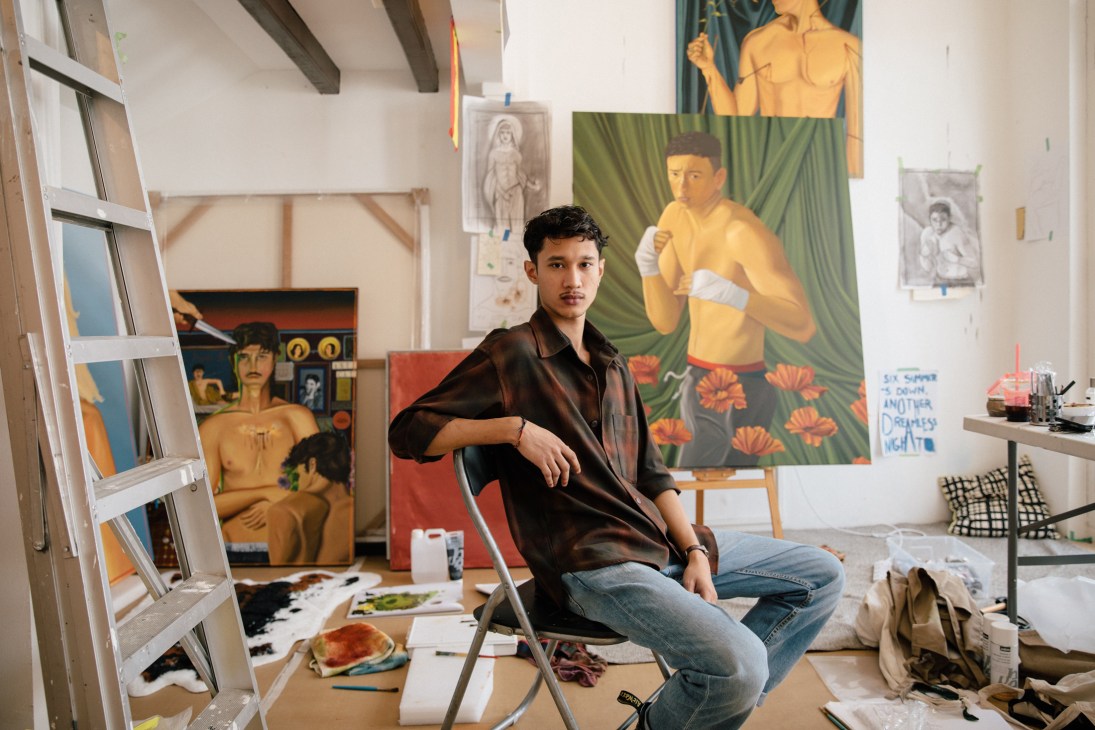
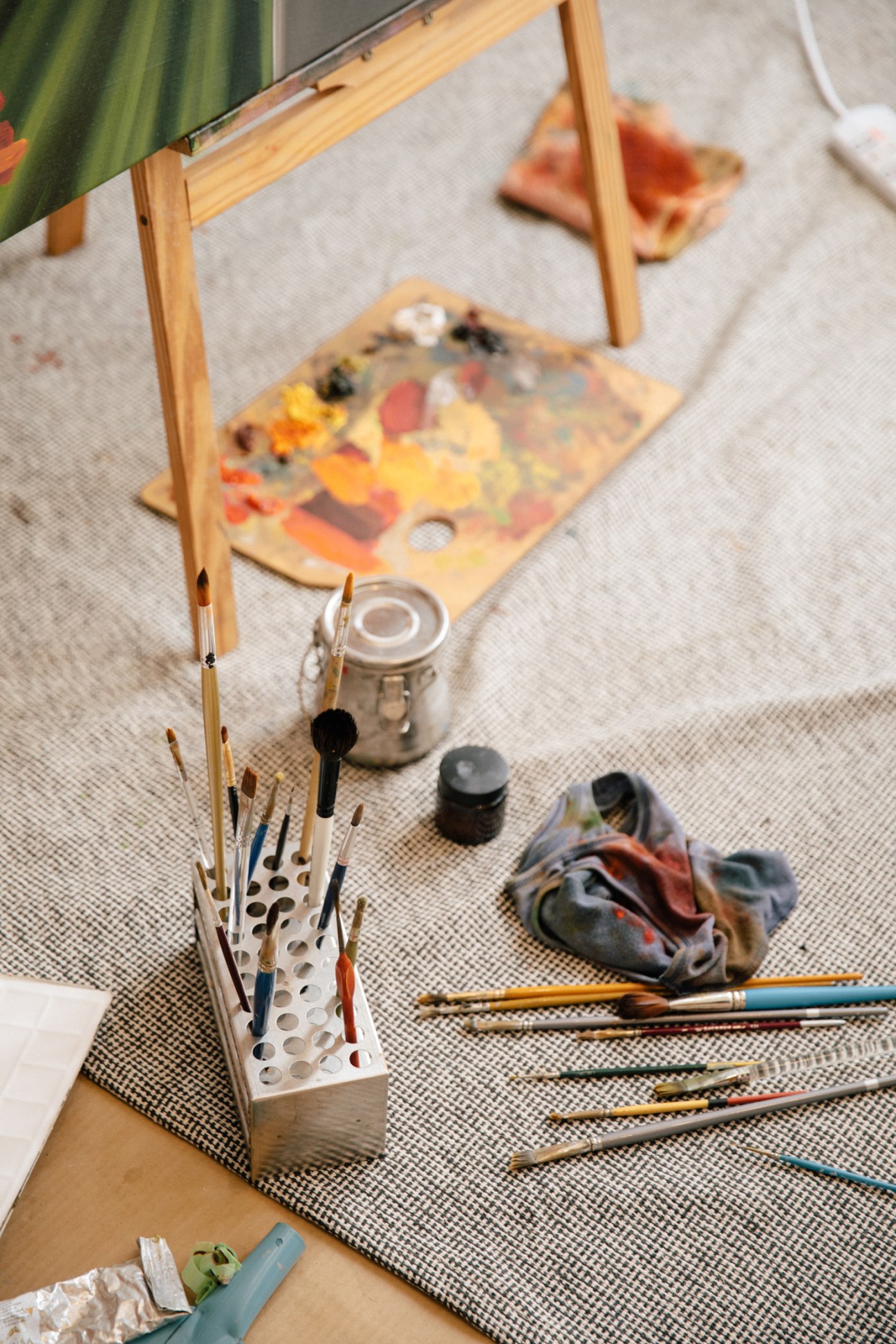
At just 23, Israfil Ridhwan is one of the rising stars among them. His neo-expressionist oil paintings, which often question the stereotypes of masculinity, have become sought-after – all works from his debut solo show at the cutting-edge Cuturi Gallery were quickly snapped up. Sitting inside his bright shared studio as part of his residency at Cuturi, Ridhwan looks back on his first steps. “I actually failed art in secondary school so I got into art to prove myself wrong,” he says with a laugh. “But soon enough, I started to see the beauty of expressing myself without saying too much.”
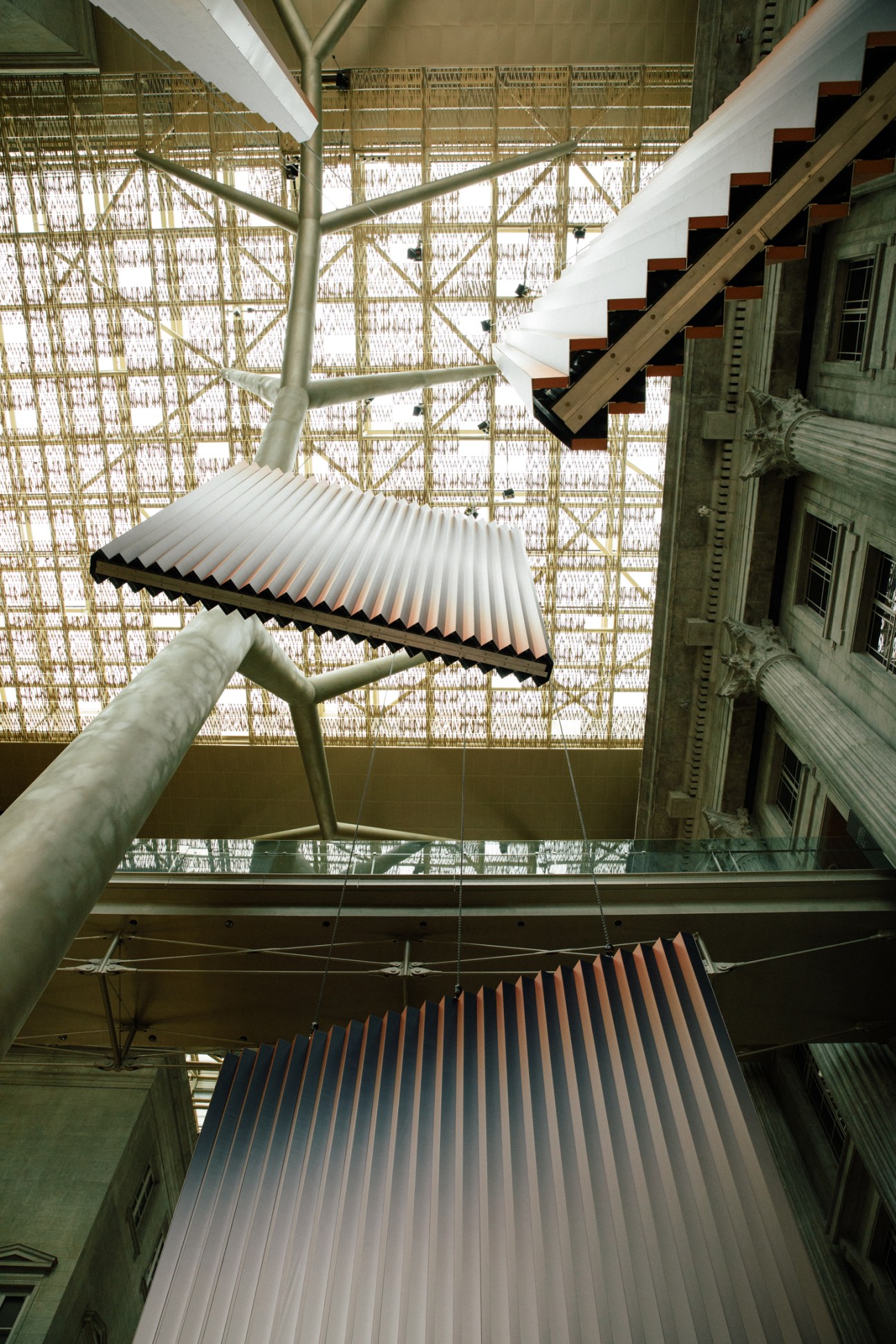
Established artists such as Dawn Ng are proudly watching as this new generation finds its voice. Much of her multidisciplinary work – including the video installation she recently unveiled in Art SG’s ubs lounge and the colossal gradient panels she hung in the atrium of National Gallery Singapore – deals with time and memory, often as a response to Singapore’s dramatic metamorphosis as a nation in a relatively short time. “The construction dust is beginning to settle and I see the younger generation thinking about their identity,” she says. On the walls of the studio around her, her kaleidoscopic work stands in contrast to her serene figure. “What is Singapore’s design language? What is art in Singapore? These big questions have begun to coagulate.” As many young creatives have interned at her studio over the years, she has been able to observe them come into their own. “For them, being an artist is almost like a calling; this was unheard of just five or 10 years ago,” she says.
Back in his studio, Ridhwan agrees. “No one can dictate our future,” he says, surrounded by the defiant figures in his portraits. “We have a chance to prove that Singaporean artists can gun for big things.”
Do cultural boycotts work?
The debate
It is a year since Russia’s full-scale invasion of Ukraine caused global outrage – and rightly so. Sanctions were swiftly imposed on Russian banks, Russian companies, Russian energy and Russian individuals associated with the Russian regime. And fair enough: these were accessories to a state committing a monstrous crime.
A more ad-hoc regime of sanctions has been applied to Russian art and artists. Russian dancers, musicians, actors, painters and others have had overseas performances, exhibitions and tours cancelled. In some instances, it’s an easy case to make. The Bolshoi Ballet, for example, is widely understood to represent Russia. And it’s understandable that nobody wants to work with the likes of Valery Gergiev, a friend and fan of Vladimir Putin.
But some boycotts have seemed quixotic and counter-productive. The University of Milano-Bicocca ditched a course on Fyodor Dostoevsky, then backtracked when it was pointed out that the author had been condemned to death by an earlier Russian autocracy, as well as dead for 141 years. The present-day Russian pianist Alexander Malofeev and cellist Anastasia Kobekina have seen engagements cancelled despite speaking out against their country’s rampage in Ukraine.
So do cultural boycotts make a difference? Can they alter the behaviour of a state – especially one that seems indifferent to what anyone thinks? Or do they risk closing the space in which communication can occur?
The panel
Peter Hain
The campaigner
Raised in South Africa, Peter Hain became a prominent anti-apartheid activist in the UK during the 1970s and 1980s, where he led a campaign to disrupt rugby and cricket matches that featured South Africa’s national teams. He later held UK cabinet posts including secretary of state for Wales and secretary of state for Northern Ireland, and now sits in the House of Lords as Baron Hain of Neath.
Esther Solomon
The editor
Originally from the UK, Esther Solomon has lived in Israel since 1998, where she is the editor in chief of the English-language print and online editions of the Israeli newspaper Haaretz. She previously served as the paper’s opinion editor.
Kateryna Iakovlenko
The curator
Kateryna Iakovlenko is cultural editor of Suspilne, a Ukrainian public broadcaster. She is also a senior research fellow at University College London’s School of Slavonic and East European Studies. Born in Luhansk Oblast, she has been a reporter and deputy web editor for Ukrainian newspaper The Day and a curator of the Donbas Studies Research Project and at the Pinchuk Art Centre in Kyiv.
Kateryna, how do you respond when you hear reports of Russian art and artists being subject to boycotts and cancellations?
Kateryna Iakovlenko: It has to be done. This is a response to violence and tyranny. But I can understand why people are anxious about this. Of course, we cannot cancel Russian culture completely, because it is already embedded: you cannot pull all the books from the libraries. But the cancelling of Russian culture now is a consequence of Russian politics – not only of the Russian Federation but of the Soviet Union and the Tsars. If you look into the history, you can see how Russia has cancelled all other cultures around it – not only Ukrainian but Crimean and Tatar culture, for example.
Peter Hain: I’m on Kateryna’s side in principle in this argument. But you have to look at it not so much as cancelling or boycotting Russian culture; Russia has a rich history of wonderful artists. It’s not to attack Russian culture, it’s to try and take a stand against this brutal invasion of Ukraine.

“This is the point of cultural boycotts: they reach people that are not reached by political boycotts”
Even if we accept that it’s reasonable to reject a country’s culture as a means of objecting to a country’s politics, does taking that stand work in terms of altering that country’s behaviour? The obvious test case being South Africa during the apartheid years.
PH: It was very effective in the case of South Africa. For example, there was a vigorous campaign, which I supported, to stop overseas popstars from playing at Sun City – an artificial whites-only tourist destination. This is the point of cultural boycotts: it reached people that are not reached by purely political boycotts. Most people at the time were not aware of what the reality of apartheid was. When we led a campaign to stop South Africa’s rugby and cricket teams playing, as we did, sports fans were confronted with why this happened.
Esther, you join us from a country on the receiving end of a semi-organised cultural boycott. Does the activity of the BDS [Boycott, Divestment and Sanctions] movement and others have any impact in Israel – or is it just a way for people outside Israel who are invested in the Palestinian cause to feel like they’re doing something?
Esther Solomon: It has some impact, though perhaps not in the way that was intended. Among Jewish Israelis particularly, the effect has been to create more of a sense of siege in terms of the intentions – perceived as ill intentions – of the outside world. In terms of tangible impact on cultural life here, it has been minimal. From time to time you get spikes of great excitement when a popstar decides not to come or an author decides not to sell their books or have them translated into Hebrew but they’re pretty minor waves. The effect has mostly been to create an enormous platform for politicians here to stand on, as part of a narrative that the world is hostile.
It’s clearly the least of Ukraine’s concerns but won’t Vladimir Putin leverage boycotts as further proof that the whole world is against Russia?
Ki: Vladimir Putin is saying lots of different things. But it doesn’t mean that we have to listen to him. We should talk about the responsibility of all Russians, not only him. We also have to think about the problem of materiality – culture is also economy and Russia’s economy is very connected to Russia’s armed forces.
There’s another respect in which cultural boycotts could be seen as too broad: when they’re directed against one particular country and not against others that are just as flawed. The BDS campaign, for example, does not seem notably exercised about how Palestinians are treated elsewhere, in Lebanon, Egypt or Syria.
ES: It is curiously selective: there are plenty of other regimes in our immediate neighbourhood guilty of quite grotesque acts of political suppression as well. I mean, you have to weigh it up. Nobody is going to be a warrior for every cause around the world – people have the right to choose the cause that speaks to them and gives them something tangible to do, however ineffective or futile that might be. I would say, though, that the boycott movement has not been particularly glorified by some of its noisier proponents – people such as [former Pink Floyd member] Roger Waters, who absolutely embodies this bizarre selectiveness. He cries about the situation of the Palestinians but spouts conspiracy theories about the White Helmets in Syria, thinks that Ukraine should stop fighting back and that Taiwan should go back to China.

“Because it’s such a broad brush, it creates a public defensiveness that smothers more targeted resistance to the occupation”
PH: I remember apartheid supporters attacking us because we weren’t protesting about repression in the Soviet Union or other parts of the world. But is that an excuse for apartheid? Just because you can’t do everything, doesn’t mean you shouldn’t do something.
ES: Yes, otherwise it descends into what-aboutism. Part of the problem with how the bds movement is perceived in Israel is that it tends to be felt most by the more moderate and open parts of Israeli society, not least culture and academia. Because it’s such a broad brush, it creates a public defensiveness that smothers more targeted forms of resistance to the occupation or political moves by Israelis themselves. There is a small but solid boycott by Israelis of state-run academic and cultural institutions in the West Bank settlements. That’s a very targeted boycott that doesn’t collectivise guilt – but it’s made much easier to demonise by the political right because there is a larger bds campaign. It’s difficult for them to distinguish themselves in the public discourse.
If we bring the South African example to bear on Russia, are there lessons to be learnt? Should there be a delineation between state-affiliated institutions such as the Bolshoi and regime-friendly individuals, versus Russian artists who are anti-Putin? Or must you accept that there will be collateral damage?

“This is also a long-term fight. We have to give a space for peripheries, for oppressed cultures, just to know them better”
PH: Once you start making exceptions, you diminish the whole movement. It can be quite brutal but that’s part of confronting a brutal situation and seeking to stop it. To defeat it, you have to get it across to ordinary Russians, who are subject to a massive propaganda suffocation, that they have entirely the wrong story. You have to make them feel the heat as well, to be quite frank. If suddenly they’re not participating in these global events, in global culture, it does affect them. And maybe they’ll start to ask themselves, is this Putin guy telling us the truth?
KI: It’s a complex question. Let’s look at what Russian culture is. When you look at the so-called Russian avant garde, for example, you see how international it was. Kazimir Malevich was born in Kyiv. Alla Horska was born in Yalta to a Russian family but she moved to Kyiv and began researching Ukrainian culture – she opened a lot of interest in avant garde ideas and traditional Ukrainian art, and she was killed in 1970 by the KGB. This is also a long-term fight against appropriation of other cultures. We have to give a space for peripheries, for oppressed cultures, just to know them better.

“Coming here and speaking eye to eye is far more likely to touch somebody than shouting offstage”
Does a boycott hamper cultural exchange – and perhaps even effective protest? In Israel’s case, would a foreign artist who thinks that they have something to say about Palestine better serve their cause by turning up and saying it?
ES: In terms of engaging with Israeli public opinion, there’s no doubt that coming here and actually speaking eye to eye has far more likelihood of touching somebody than shouting offstage. And it has happened: in the past few years, there have been various cultural figures who have said they’re not going to accept the cultural boycott but they were going to go and speak their mind. They were certainly interviewed by all the mainstream news sources here; they weren’t silenced. So their word did get out. But this does somewhat illustrate some of the quite major differences between what’s going on here and what’s going on in Ukraine and what happened in South Africa. And that’s why the analogy is a bit difficult.
Are cultural boycotts a better weapon against a tyranny, which you can’t engage with reasonably, than they are against a democracy, with which you can?
ES: The question is whether the aim is to punish or persuade. With Israel, the aim should surely be persuading an electorate – which admittedly is turning rightwards. But the bds campaign has always had this idea of anti-normalisation, to cut off any ties with Israel, to forbid any kind of dialogue between Israelis and the outside world. This makes little sense if your aim is to persuade. There’s a difficult question with Russia and Ukraine about how to support whatever dissenting voices there are within Russia and whether a boycott is a nail in the coffin for them being able to express themselves or be amplified in any way. As editor of a independent, liberal, pro-two states, anti-occupation newspaper, the idea of mobilising for a just outcome to the Israeli-Palestinian conflict by saying that there can be no contact with Israelis who could be partners in that very endeavour seems nihilistic.
PH: Fair enough.
So should exceptions be made for current Russian artists who are not pro-Putin or even historical Russian artists who created against that imperialist mindset we were discussing?
KI: Perhaps some artists are not pro-Putin but it doesn’t mean that they are not pro-war – and lots of people do not see this difference. If a Russian artist is against Putin, it doesn’t mean that they have no imperialistic view. I just can’t remember anything public created by Russian artists against the Ukrainian war. And it’s not because they can’t do this; they could – especially all the Russians who have already left the country. They could create a peaceful movement about the Ukrainian situation but they don’t.

“Perhaps some artists are not pro-Putin but it doesn’t mean that they are not pro-war – and lots of people do not see this difference”
Should we think of artistic boycotts not as negative tools but positive ones – so, in this instance, not to make a thing of rejecting Russian art but instead of embracing Ukrainian art?
ES: There’s one side that has a more constructive energy. The question is how effective it is and how it trickles back upwards in terms of policy. Can things really happen like that? In the intensity of Russia’s war on Ukraine, that seems like it doesn’t quite stand. It feels a bit too wishy-washy. As the war continues, it’s going to matter how much Western governments feel pressured by public opinion to keep on for the long haul. Talking about boycotts keeps it much more in a campaigning ethos that I think is crucial in terms of determining how Western policy is going to end up.
PH: When I think back to the early days of the battle against apartheid in the 1960s and 1970s, we were vilified for trying to organise a boycott of Miss World, for example. We were treated as a minority of troublemakers and described in many worse terms but those were the beginnings of what became a mass movement. I don’t think that the Israeli-Palestinian situation is equivalent but, at the beginning, boycott movements are always on their own. It’s important that we all do what we can. Otherwise, we’re going along with the invasion of Ukraine and Putin’s barbarism. In the South African situation, grannies boycotted their oranges. Did that have an absolutely decisive effect? Who knows. But it was part of everybody seeking to make whatever contribution they could. Some of it was more effective; some of it was less effective. In the end, it’s about your stance on humanity.
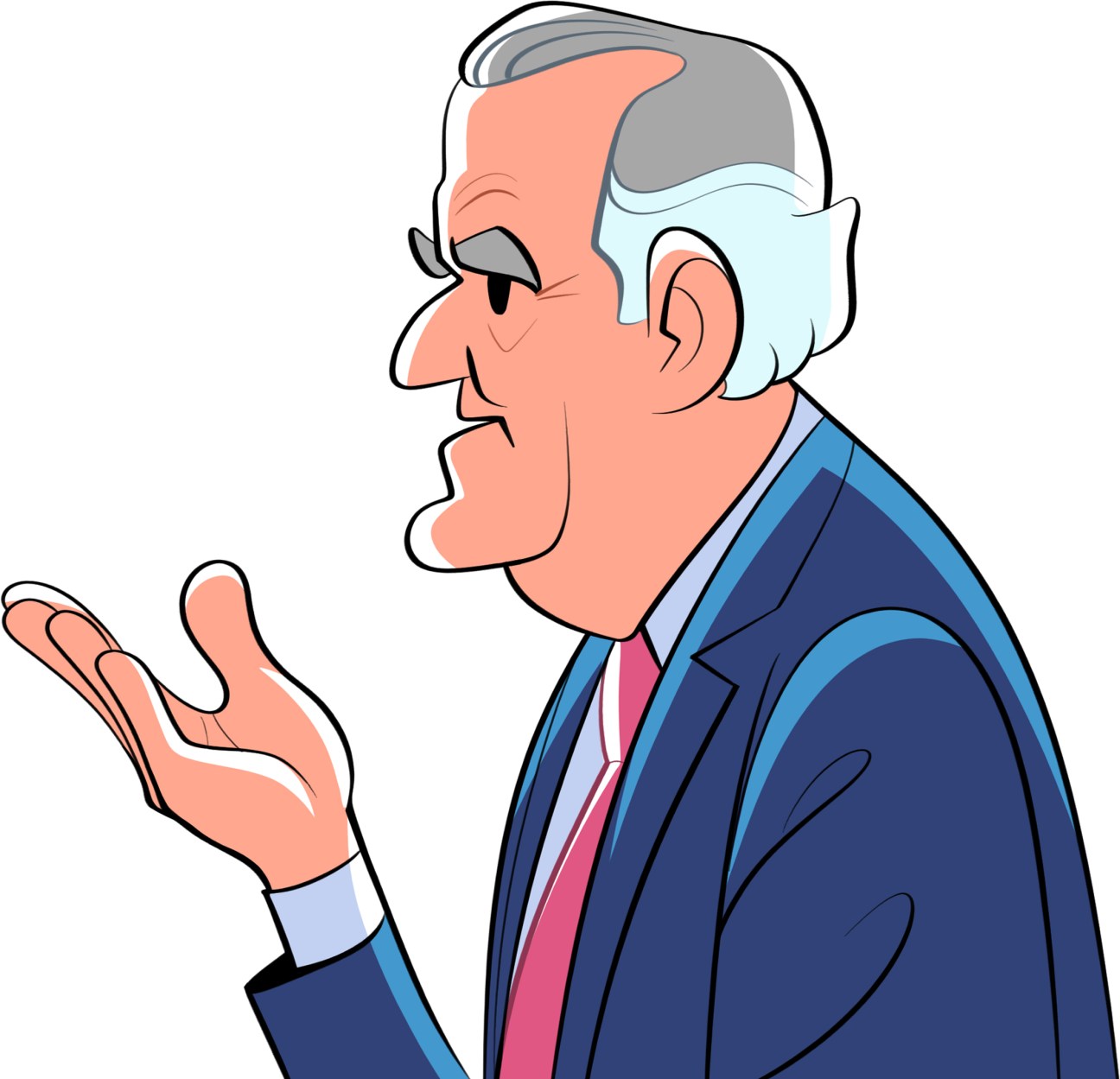
“At the beginning, boycott movements are always on their own. It’s important that we all do what we can”
Conclusion
Cultural boycotts are not an exact science. They may end up punishing blameless individuals, even marginalising art and artists who are on your side. They may do more for the vanity of the people supporting them than they do for the cause in which they are waged. And they’re selective and inconsistent – there was no call, during the US-led invasion of Iraq in 2003, to boycott rock’n‘roll. Nevertheless, they can have an impact. They can make it clear to the targeted country that it has stepped beyond the pale – and they can, perhaps, get a country’s people wondering if the problem might be them.
Dress for success
Despite coming from a family of cinephiles, Javier Toledo never imagined working in the film industry. “My brother is a director and my sister is a costume designer,” he says as he welcomes monocle to Peris Costumes, his company on the outskirts of Madrid. “I used to tell them that they were crazy but I ended up just like them.”
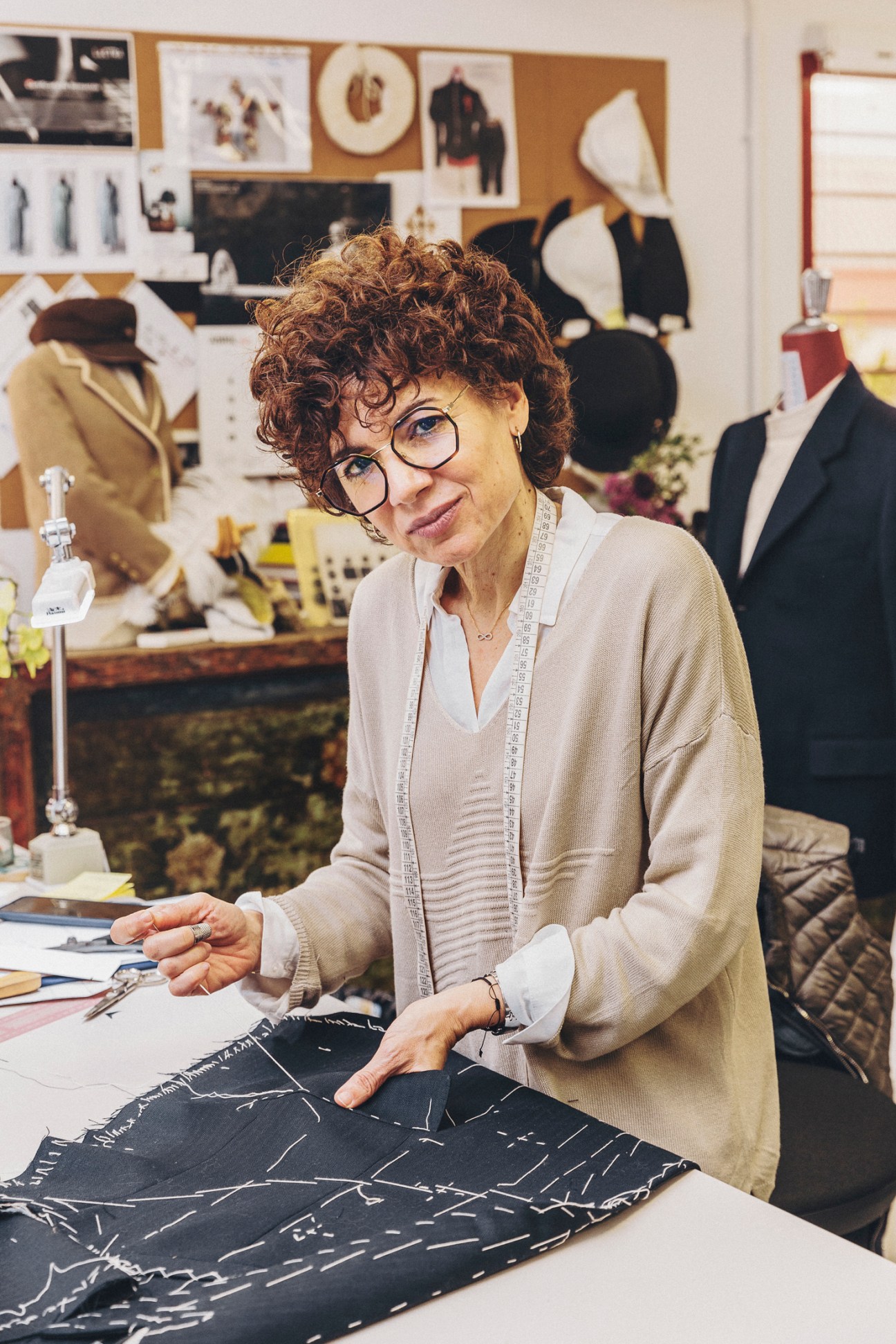
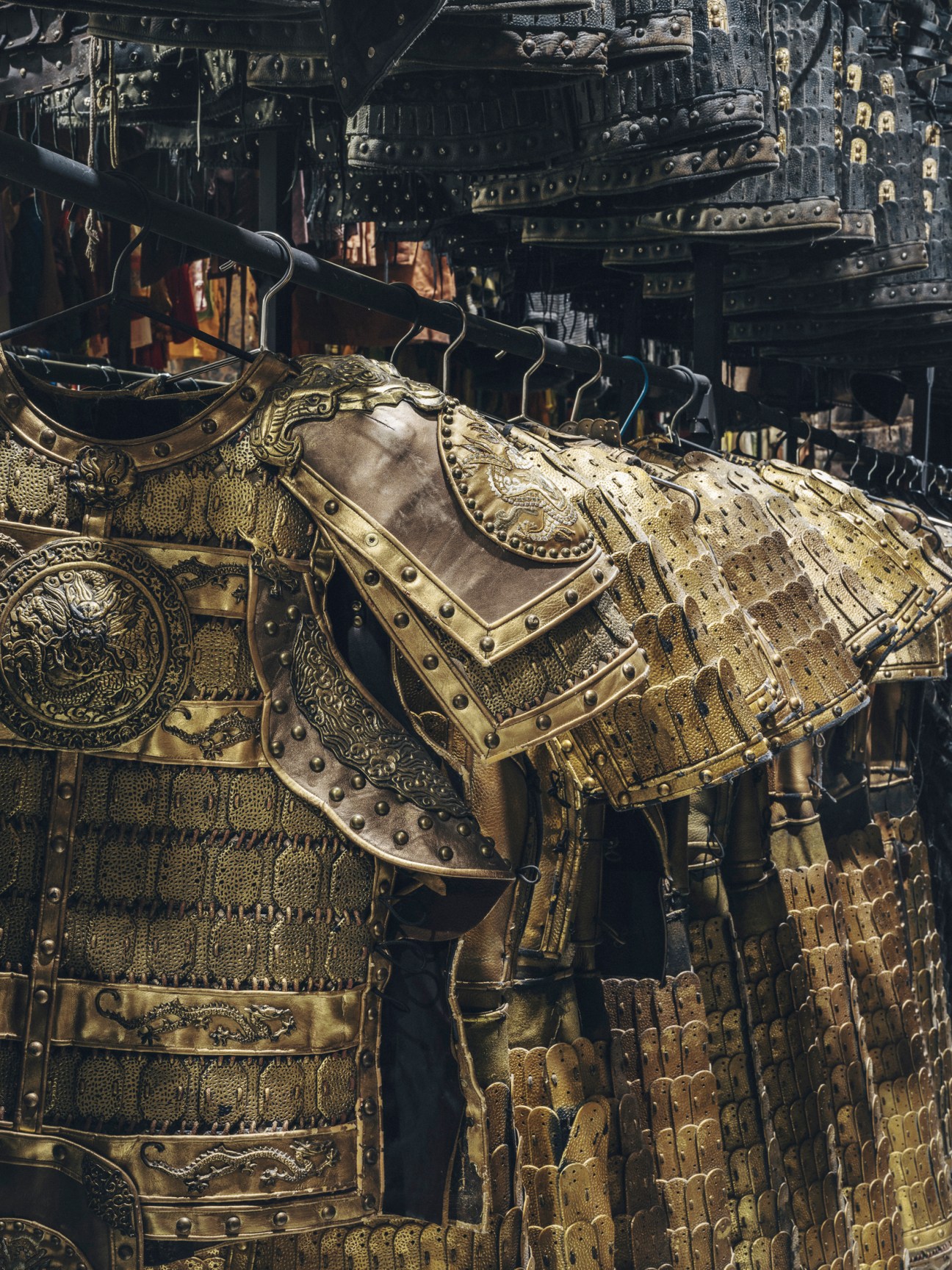
After working for multinationals such as appliances brand Electrolux, Toledo is now at the helm of the world’s largest company dedicated to making and renting costumes for film. Across its 16 outposts in Europe and Latin America, Peris Costumes stocks more than 10 million pieces – the biggest collection on the planet. Its headquarters, a handful of warehouses near the town of Algete, are filled with racks displaying every kind of clothing item imaginable, from Roman tunics to 1970s flared trousers, ready to appear in hundreds of productions every year.
It was almost a decade ago when, in search of his next venture, Toledo saw an opportunity in the small screen. Netflix had just released its first original series and serial shows were on the rise. “No great actor, director or costume designer used to want to work in TV but now it’s the complete opposite,” he says, as we walk down a corridor past posters of Netflix hits The Queen’s Gambit and The Crown. “TV shows were a secondary genre and suddenly they became essential. We could see that the industry would grow but nobody was doing costumes properly.”
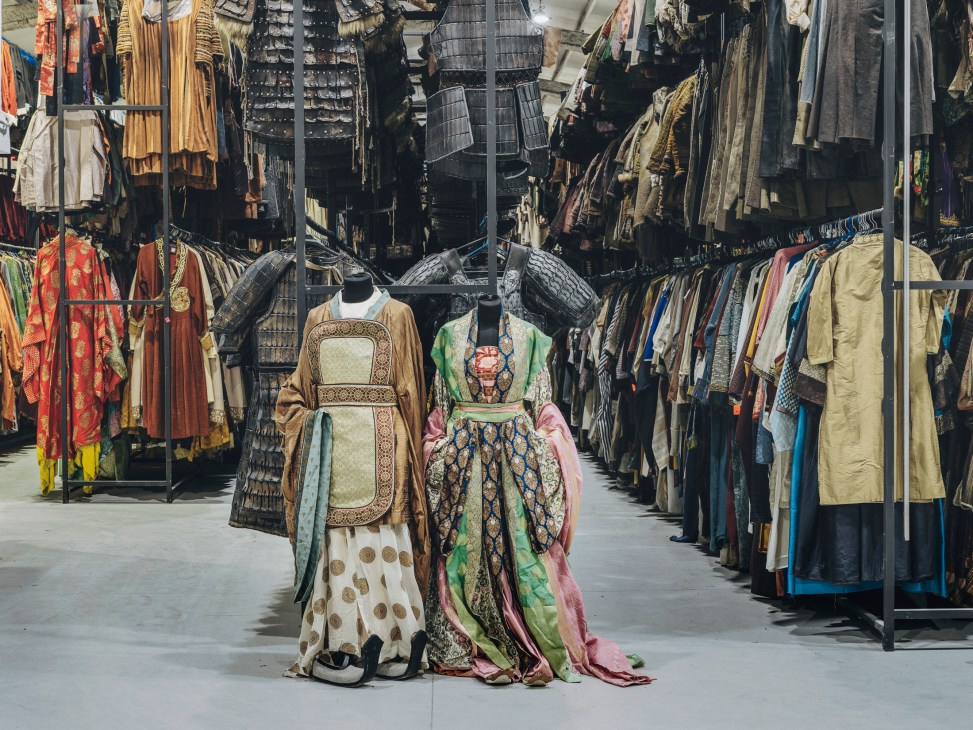
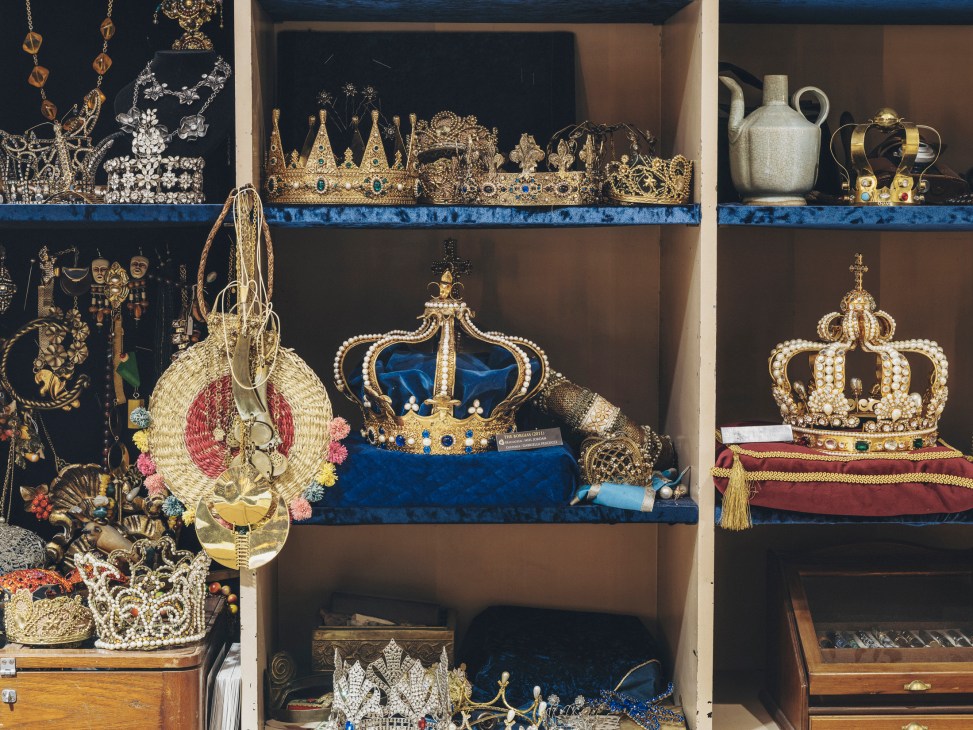
Having started out as a small tailoring business in Valencia in 1856, Peris Costumes made a name for itself by manufacturing costumes for theatre and film throughout the 20th century but by the early 2000s it needed an overhaul. After his sister bought the company from the founding Peris family, Toledo took over in 2013 and set out to expand internationally, opening ventures in London, Budapest, Lisbon, Prague, Vienna and Mexico City.
His instincts were right. Demand for costumes has boomed with the rise of streaming platforms and as the line between film and TV shows has blurred, stories have become longer and more complex. “The first thing we did was buy lots of costumes because the secret to a good costume house is having good quality stock; to be able to cater to all needs,” he says. In a corner of the vast warehouse hang dozens of outfits worn by Greek warriors in 2004 film Troy, alongside traditional Chinese hanfu dresses from the 2020 live-action remake of Mulan – all patiently awaiting their next role.
When it comes to selecting the clothing, quality is key, says Toledo, especially since TV shows have moved towards movie-quality visuals. “Nowadays a series that has nine episodes is basically nine films,” he says. “People expect the same quality, or even more, as you would in a film and when the costume design is not good, you notice it straight away – especially as the technology and image resolution gets better.”
Toledo ensures that he can anticipate his clients’ needs. There is an in-house leather workshop, milliner and shoe-making department capable of creating all kinds of footwear, as well as professionals specialising in dying, ageing and breaking down fabrics. A team of four tailors is also on hand to make bespoke costumes. When monocle visits, Maria José Moya and Javier Varas are busy finishing a series of morning coats for The Gilded Age, the latest historical drama by director Julian Fellowes, set in 19th-century New York. Moya pulls out a navy frock coat and a pink coat from a clothing rail, one of several pieces they made for Bridgerton, which is set in Regency-era England. “We started out only making outfits for the main characters,” says Varas. “But there are hundreds of TV shows; there is so much demand that it has got a bit out of hand.”
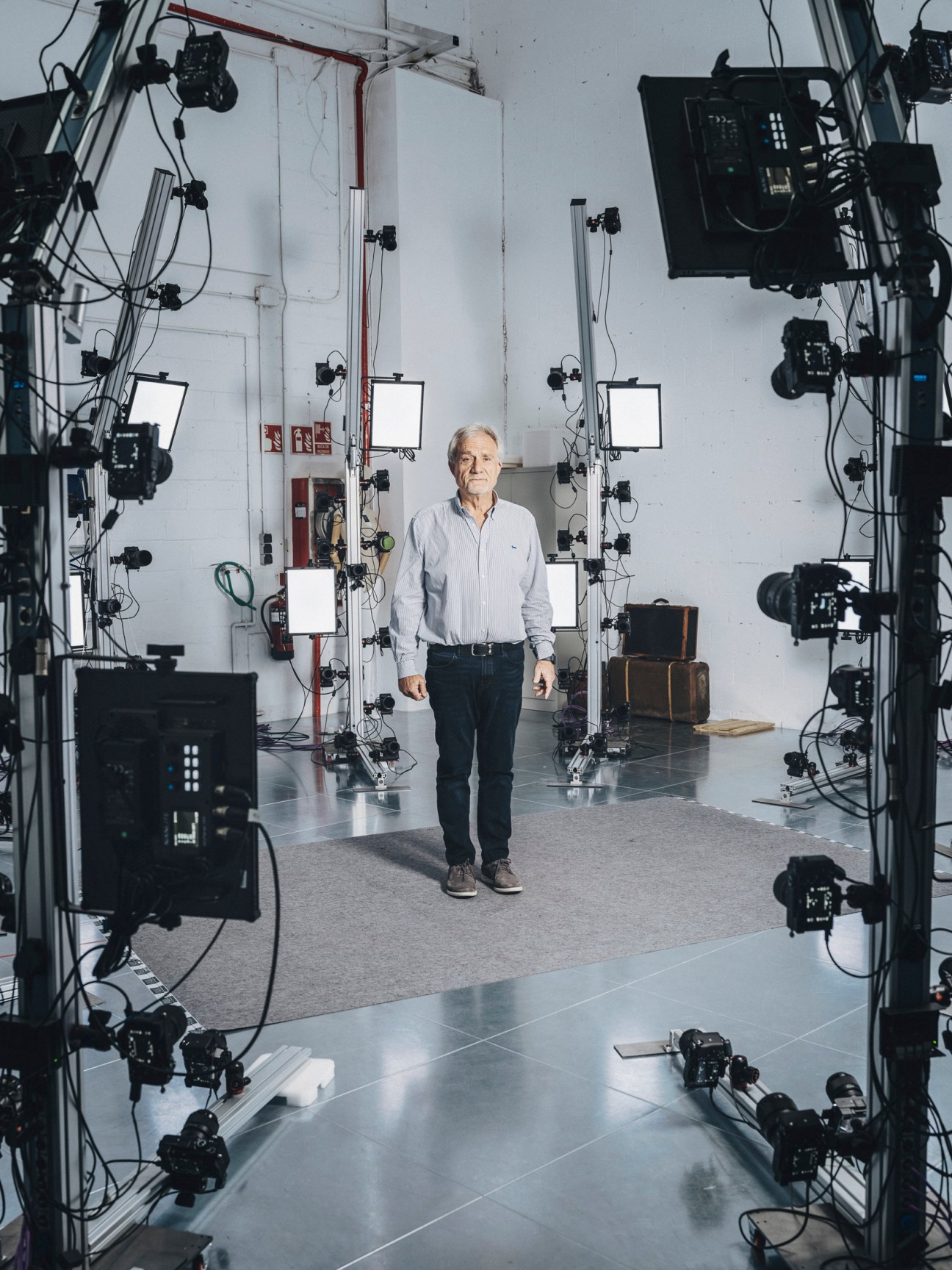

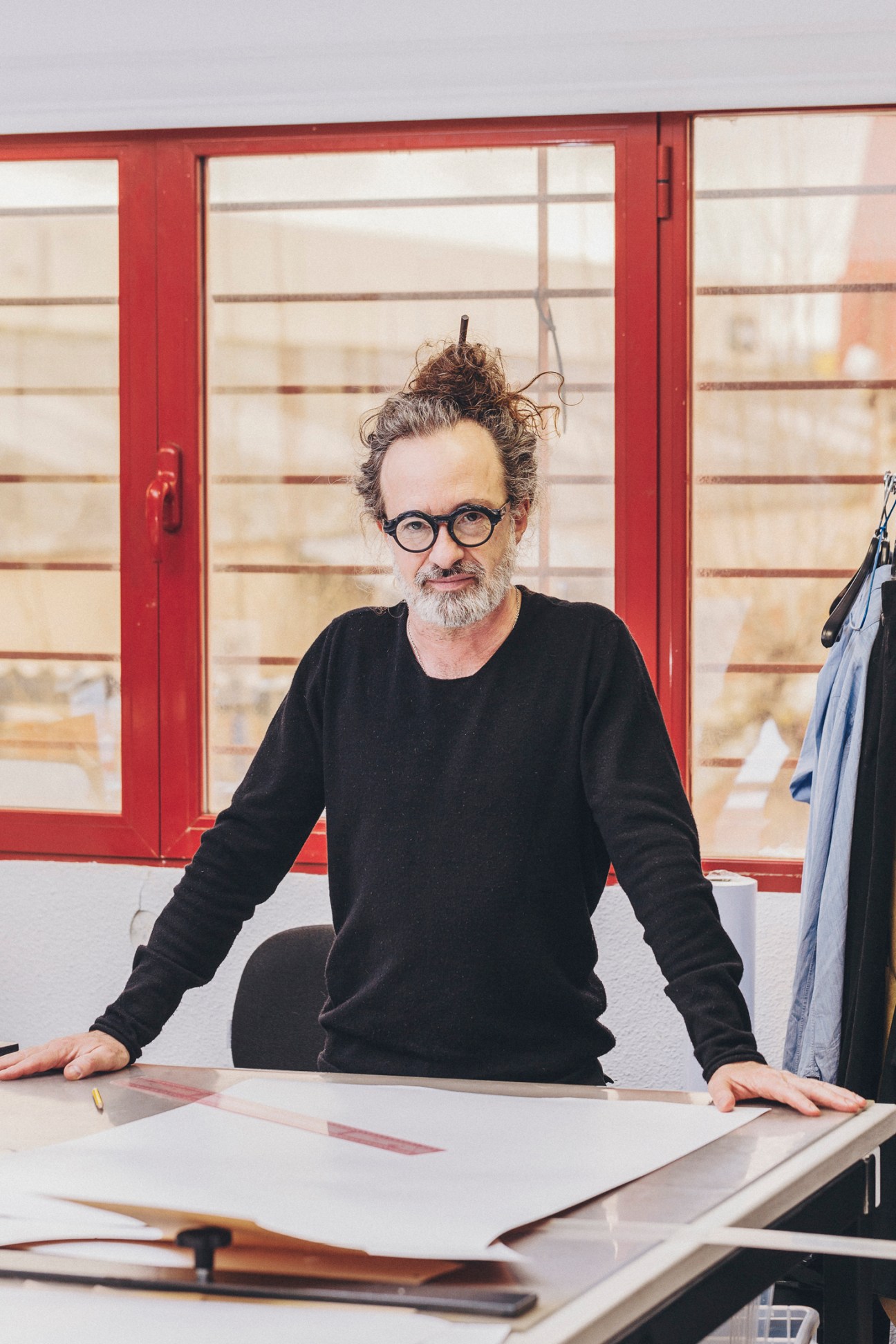
Apart from ensuring that his team of artisans is trained to provide the best possible hand-made pieces, Toledo has also invested in technology to help him. In 2021 he launched Peris Digital, a service that creates digital clothing generated through photogrammetry – a technique by which clothing is scanned to produce a 3D model that looks like it has the same texture as a real garment. Much cheaper and faster than cgi, it allows film-makers to dress animated characters in postproduction with clothing from Peris’s archive.
In the main building, behind a door marked “Balenciaga”, a team of costume designers is hard at work selecting pieces for a forthcoming series about the Spanish fashion designer for Disney1. With the home-grown film market booming and opening up to international film-makers, Peris Costumes is well placed for growth.
“Spain is the perfect country for the future of production,” says Toledo. “We have the best technicians in Europe and the locations and options we have are endless. People are slowly realising that Spain will be very important in the future [of film].” Peris Costumes will be a vital part of that success.
periscostumes.com
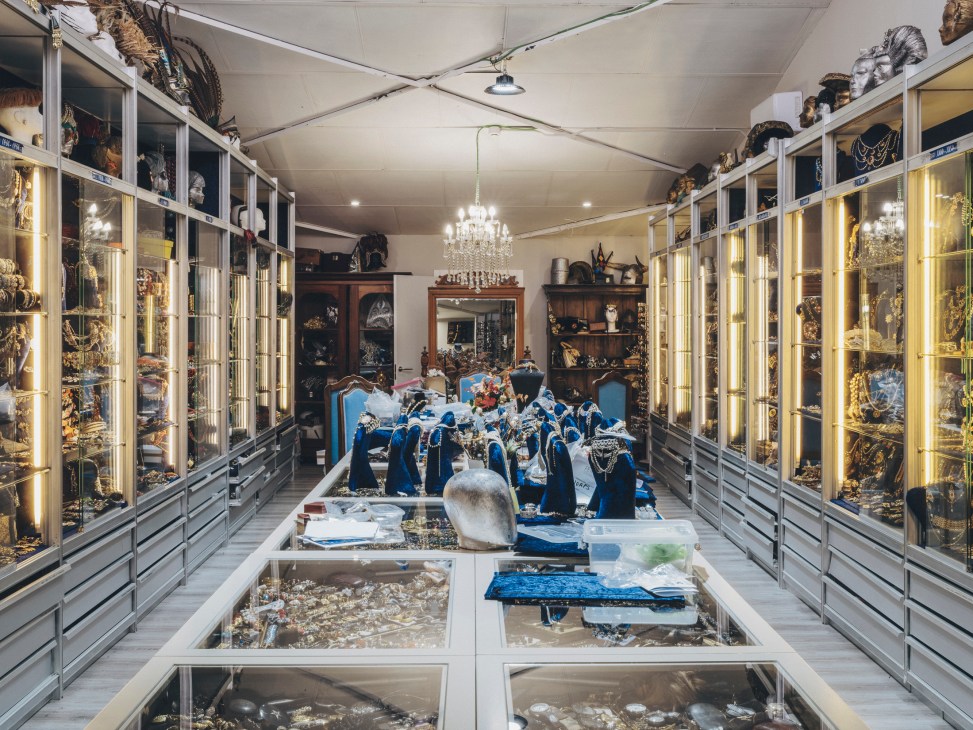
Peris Costumes in numbers
16: countries where Peris Costumes has outposts.
600: pairs of shoes made for Netflix hit Bridgerton.
10 million: garments in stock.
150: cutters, dress-makers and tailors employed.
40,000: square metres of storage space.
500: productions served by Peris Costumes per year.
Choice cuts
Television
Critic: Tony Goes, Brazil
São Paulo-based journalist Tony Goes writes about TV for Brazilian daily Folha de São Paulo. He’s also a former writer for comedy series and variety shows, and publishes his thoughts on pop culture every day on his blog. He picks the most exciting titles from his home country – where audiovisual production is in full steam – and beyond.
DNA do Crime
Netflix
Renowned Brazilian director Heitor Dhalia helms this series about a group of federal agents who investigate a crime with huge implications.
Candelária Massacre Project
Netflix
Currently in production, this as-yet-untitled Brazilian miniseries will re-enact the killing of eight homeless youngsters by police in downtown Rio de Janeiro in 1993.
Cangaço Novo
Prime Video
A gang of bank robbers terrorises the northeastern states of Brazil.
Fatal Beauty
HBO Max
Postponed several times, HBO’s first original telenovela gets a new title and a release date. Gorgeous Camila Pitanga stars.
Rio Connection
Globoplay
Brazilian and international stars convene in this series set in 1970s Rio de Janeiro, when the city became a drug-trafficking hub.
Magazines
Critic: Thorsten Keller, Germany
A freelance media designer with a passion for coffee, photography and magazines, Hamburg-based Keller is a print expert and founder of online magazine shop Coffee Table Mags, an excellent retailer with an international mix of magazines ranging from travel titles to Japanese fashion periodicals. Here’s his pick of what’s hitting the newsstand this season.
The Weekender
One of my all-time favourites from Germany, this travel magazine is anchored by personal stories of people doing extraordinary things around the world.
Drift
The perfect travel magazine when you are into coffee; every issue is based on one city and its caffeine culture.
Fare
A gorgeous magazine exploring a particular city’s food scene. Like a gastronomy-themed travel guide.
Lunch Lady
A fantastic source of recipes, activities and important topics to mull over when raising children.
Dropped
A beautiful magazine for bike enthusiasts, highlighting untold stories of the cycling community and travelling the world by bike.
Books
Critic: Loredana Lipperini, Italy
Lipperini is a writer, critic and radio presenter. Based in Rome, she has contributed to outlets including newspapers La Repubblica and La Stampa, as well as public broadcaster Rai. Here, she outlines the best Italian fiction and non-fiction to look out for.
Mi limitavo ad amare te
Rosella Postorino
Only a writer like Postorino could tackle a subject as difficult as the war in the Balkans – and do it through writing about childhood ties and memory.
Rubare la notte
Romana Petri
Petri’s fictional biographies are better than conventional fiction. After a book on Jack London, she now turns her attention to French aviator and writer Antoine de Saint-Exupéry.
Un altro mondo è impossibile
Francesco Pecoraro
Pecoraro navigates the point in time in which we find ourselves, both historically and existentially. The novel looks at the repercussions of the G8 summit in Genoa.
Buchi bianchi: Dentro l’orizzonte
Carlo Rovelli
This isn’t a novel but Rovelli, a physicist, has always turned science into a form of philosophical narration. Here, he tackles a fascinating subject in science: white holes.
I ragazzi sognano in technicolor
Erika Anna Savio
A debut novel that takes place in Turin during the 1980s. A young voice and perhaps just the sort of different storytelling approach that we need.
Film
Critic: Kalle Kinnunen, Finland
Kinnunen’s long career as a film critic has seen him publish reviews in some of Finland’s leading magazines, such as Suomen Kuvalehti and Image, as well as writing nine books on films and popular culture.
Family Time
Tia Kouvo
This directorial debut by Sweden-based Finnish director Kouvo was featured in the Berlinale’s Encounters series and deals with family affairs in a personal way.
Sisu
Jalmari Helander
Helander has a unique style that I would characterise as “Hollywood-inspired, comic-book-like exaggerated action”. Sisu has been selected for one of the widest distributions ever in the US market for a Nordic film.
Four Little Adults
Selma Vilhunen
Vilhunen is one of the most intriguing directors in Finland today. She has a distinctive voice in describing human relationships and the world in flux.
Boy from Heaven
Tarik Saleh
Saleh, whose father is from Egypt, has directed a John Le Carré-style political thriller that takes place in Egypt and examines today’s burning issues.
Beau Is Afraid
Ari Aster
This film has surrealist undertones much like David Lynch yet it’s more comedic. Aster was given freedom to direct something that does not fall within established genres.
Art
Critic: Anna Hugo, Austria
Hugo studied fine art and critical theory in Vienna, Edinburgh and New York before working for galleries and art fairs. Today she edits PW-Magazine, a publication devoted to young creatives in contemporary art, performance and music across the German-speaking world. Here are her picks from the visual world in Austria.
Marija Olsauskaite Grazer Kunstverein, Graz
A solo show by Marija Olsauskaite, a Vilnius-based artist who explores themes of vulnerability, intimacy and belonging.
My Edges Are Sharpening, Gianni Manhattan, Vienna
The Viennese gallery is opening after a refurbishment with a group exhibition featuring Jennie Marsh, Aurelien Potier and Iris Touliatou. Based on Han Kang’s short novel The Vegetarian, it follows the gallery’s tradition of putting on exhibitions inspired by works of fiction.
Tanzquartier
Vienna
Tanzquartier is hosting a series of performances, art, music and installations including 33 by Billy Bultheel, Alexander Iezzi, Paul Ebhart and Rosa Rendl.
Elisabeth Wild and Vivian Suter Mumok and Secession, Vienna
This spring, Vienna’s Mumok (museum of modern art) and the storied Secession will feature concurrent exhibitions by mother-and-daughter artists Elisabeth Wild and Vivian Suter. For both, it will be their inaugural showing in Vienna.
Arcus: Shadow of a Rainbow Karlsplatz, Vienna
Sarah Ortmeyer and Karl Kolbitz are planning a permanent memorial in the shape of a grey rainbow. It will stand in memory of gay people who were discriminated against and persecuted during the Second World War.
Music
Critic: Carole Boinet, France
Boinet is editor in chief of French cultural magazine Les Inrockuptibles, having joined the title as a intern in 2012. A frequent guest on national French radio France Inter, she has contributed to several documentaries and is currently writing her first novel.
Le Diouck
Gr&ce Joke
Paris-based Le Diouck is an unusual artist. He sings in Wolof, English and French, with a cavernous voice, almost extraterrestrial.
Flavien Berger
Dans cent ans
In 100 years, people will remember Flavien Berger as a young genius who created poetic electronic music; it’s almost a modern and spiritual trance. His third album tells romantic stories with a naive and melancholic detachment.
Yves Tumor
Praise A Lord Who Chews But Which Does Not Consume (Or Simply, Hot Between Worlds)
Yves Tumor is one of my favourite artists. His new album is so good; it has the US musician’s magic, dark rock’n‘roll touch.
Étienne Daho
Tirer la Nuit sur les Étoiles
Etienne Daho has been the king of pop in France for decades. His new album can be summarised by its title; it’s about living at night, being a night owl and loving intensely.
Lazza Gio
You Look Nice Today
This Belgian artist writes moody songs about her drunk nights, her broken heart and her hangovers. It’s very dark and sensitive.
Photography
Critic: Gina Jaramillo, Mexico
Jaramillo is a Mexico City-based art historian and radio presenter, as well as the director of online magazine Chilango. With input from photographer Pablo López, she picks some of the best photo exhibitions coming up this year.
Bob Schalkwijk: DF-60s Almanaque, Mexico City
Rotterdam-born Schalkwijk moved to Mexico City in 1959. He has carefully documented the Mexican capital, recording its transformation into a modern metropolis.
Bernd and Hilla Becher SFMoma, San Francisco
A couple who changed the face of photography in the 20th century, turning industrial architectural structures into sculptural pieces and closing the gap between documentary and art photography.
Facundo de Zuviría, KBr Fundación MAPFRE, Barcelona
The Argentinean photographer documents the citizens of Buenos Aires, capturing the city’s dreamlike and nostalgic character.
A World in Common: Contemporary African Photography Tate Modern, London
Here we see the role of photography within social transformation. A multi-generational show capturing different cultures and narratives; unmissable.
Ana Hop: Staying Sober
Laguna México, Mexico City
Hop, who also shoots for Monocle, presents an intimate body of work capturing sensations of sobriety, calmness and even boredom in the middle of chaos. A provoking exhibition in which we see the world through her eyes.
Dance
Critic: Natasha Rogai, Hong Kong
Rogai was born in London and has lived in Hong Kong since 1997. She has been writing about dance, opera and theatre for the city’s leading English-language newspaper, the South China Morning Post, since 2005 and is a recipient of the Hong Kong Dance Award for services to dance.
Yat-sen the Musical, Hong Kong Academy for Performing Arts
A new musical from a top-notch local creative team explores the turbulent early life of Sun Yat-sen as a student in Hong Kong and how his experiences helped him become China’s first great populist leader.
Dance-Opera: Love Streams, Hong Kong Academy for Performing Arts
This ambitious new production interweaves two short operas, Heart of Coral and Women Like Us, inspired by the lives of two great Chinese female writers, Xiao Hong, a tragic figure of the 1930s and Hong Kong’s Xi Xi.
Coco Chanel: The Life of a Fashion Icon
Hong Kong Academy for Performing Arts
A world premiere of a full-length ballet about the life of Coco Chanel by an internationally renowned team including Belgian-Colombian choreographer Annabelle Lopez Ochoa, UK composer Peter Salem and French set and costume designer Jerome Kaplan.
For C
Y Theatre, Hong Kong
Contemporary dance troupe Beyond Dance Theater consistently produces thought-provoking work. This piece is inspired by the tale of Princess Cassandra, daughter of the King of Troy, whose fate was to prophesy the truth but never be believed.
Freespace Dance
Freespace and Art Park, Hong Kong
This month-long contemporary dance festival focuses on female artists from around the world and offers a range of live performances, film and digital installations.
Theatre
Critic: Amitha Amranand, Thailand
Amranand is an independent writer and critic whose theatre reviews have appeared in the Bangkok Post and ArtsEquator. She’s the co-founder and co-host of Bangkok Offstage, the first bilingual podcast on the performing arts scenes in Thailand and Asia.
A Notional History, Kuala Lumpur Performing Arts Centre, Malaysia
This performance sets out to excavate what has been buried by Malaysia’s official history textbooks.
When Cloud Catches Colours, Drama Centre, Singapore
This piece pays attention to the overlooked: ageing queer Singaporeans.
White Gold, Phare Circus, Siem Reap, Cambodia
This high-wire act involving rice looks moving and is visually stunning.
Hotel, Wild Rice, Singapore
A multi-generational epic performed across nine languages.
I Say Mingalaba, You Say Goodbye, BIPAM, Thailand
Humour helps when exploring the complicated relationship between Myanmar and Thailand.
Television
Critic: Hansol Ji, South Korea
Hansol Ji, who also goes by the pen name Gomsolvie, is a film and TV critic based in Seoul. She has contributed to major outlets such as ign Korea and is an editor at CinePlay, one of Korea’s most famous sources for cinema reviews. She also works with multiple streaming platforms and film production houses.
The Heavenly Idol
TVING and TVN
A fantasy drama about a priest who finds himself in the body of a K-pop idol. This drama will be attractive for those interested in the tribulations of musicians who struggle to make find success.
Love to Hate You
Netflix
This Netflix original is about a forcibly arranged relationship between a lawyer and an actor. The “arranged relationships” genre is already familiar to many Korean viewers.
Park Ha Kyung’s Journey
WAVVE
For those tired of sensational content on TV, this will be a comforting reprieve: the series portrays a high-school teacher travelling around Korea every Saturday.
Paper Moon
ENA
A suspense thriller about a woman, suffocated by the constraints of reality, who becomes a bank employee and embezzles vip money. Originally based on a Japanese novel about the bubble economy of the 1990s.
Run Into You
KBS
A beautiful and peculiar story about two characters from the present, accidentally trapped in the year 1987. A fascinating way to encounter the Korea of the 1980s, when society was transitioning from military dictatorship to democracy.
Hit squad
Film
Close
Lukas Dhont
Belgian director Lukas Dhont drew inspiration from the isolation that he felt growing up in the small town of Dikkelvenne for his sophomore film, Close, which won the Grand Prix at last year’s Cannes Film Festival. Léo and Rémi are friends at the fleeting stage between childhood and adolescence. Their bond is seemingly unbreakable until tragedy suddenly tears them apart.
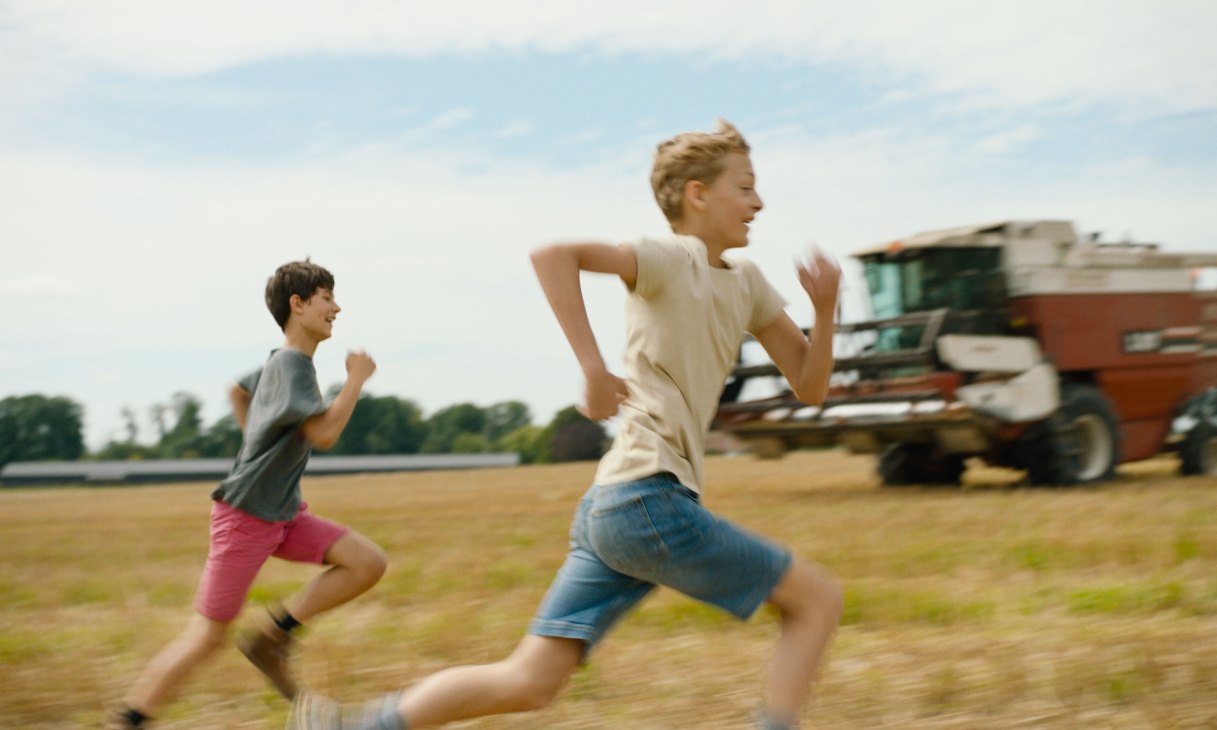
‘Close’ is released on 3 March
Broker
Hirokazu Koreeda
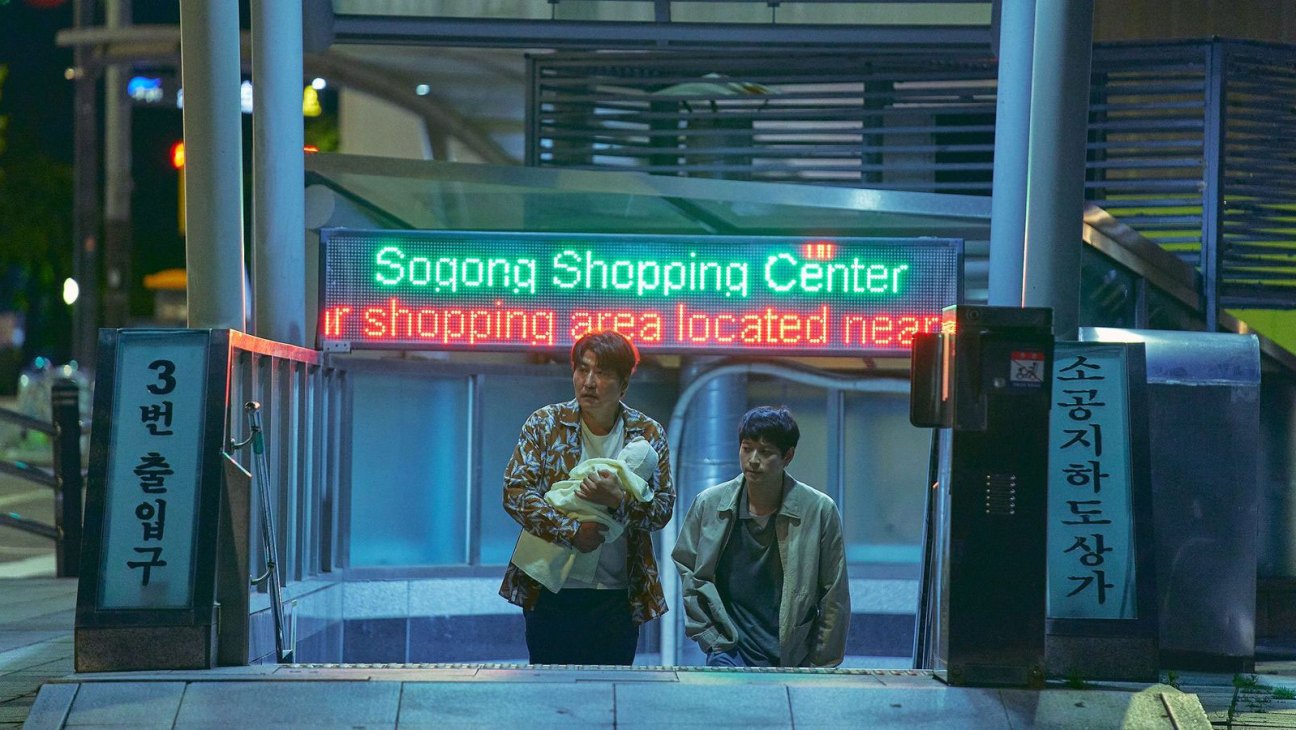
The latest film from Japanese film-maker Hirokazu Koreeda tells the story of two grifters who snatch infants from a church’s abandoned-babies box to sell on the adoption black market. When a young mother changes her mind, the trio set off on a roadtrip. Like Shoplifters, Koreeda’s 2018 Palme d’Or winner, Broker examines the bonds that form between a group of morally questionable misfits in the face of hardship.
‘Broker’ is released on 24 February
Nostalgia
Mario Martone
This poignant gangster drama by Italian director Mario Martone follows Felice, an entrepreneur who returns to Naples after 40 years abroad. As he slowly rediscovers the city that he grew up in, traversing narrow streets and back alleys, he comes face to face with his past. Despite finding out that his former best friend is now a fearsome gangster, Felice decides to meet him. What ensues is a meditation on how the past shapes the present.
‘Nostalgia’ is released on 17 February
Music
Ask
Altin Gün
With a Turkish title that means “deeper feeling of love”, this album by Amsterdam-based sextet Altin Gün is a passionate return to form. The prolific band has built a loyal fan base across Europe with its updated version of 1970s Anatolian folk-rock, which combines elements of psychedelia and disco. Songs such as “Badi Sabah Olmadan” are made for letting loose on the dance floor, while closing tune “Doktor Civanim” is a slice of irresistibly cool disco.
‘Ask’ is released on 10 March
Desire, I Want to Turn into You
Caroline Polachek
US pop darling Caroline Polachek has a long career under her belt: as well as being a founding member of indie-pop outfit Chairlift, she has made music as her alter ego Ramona Lisa. Her second album as a solo artist is a career highlight. Here, she explores new sounds in songs such as “Sunset”, with its Spanish-inspired guitar riffs, but it’s in high-tempo, synth-heavy tracks like “Welcome to my Island” that her true colours shine.
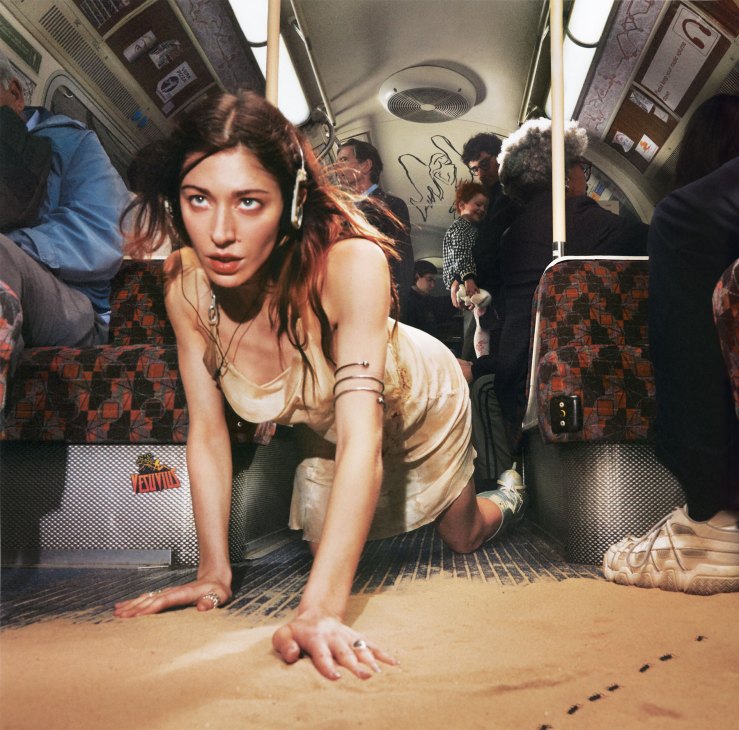
‘Desire, I Want to Turn into You’ is out now
Curyman
Rogê
The sun-kissed beats of Brazilian singer and guitarist Rogê’s latest album are a delight. The unbridled optimism of its opener, “Pra Vida”, perfectly sets the tone. Curyman was recorded between Rio de Janeiro and Los Angeles, where Rogê is now based. The collection features imaginative collaborations with a cast of excellent musicians, including pioneering Brazilian composer, singer and producer Arthur Verocai, who arranged the elegant string parts. Another highlight is the funky samba of “Mistério da Raça”, which is punctuated by Rogê’s charismatic vocals.
‘Curyman’ is released on 3 March
Books
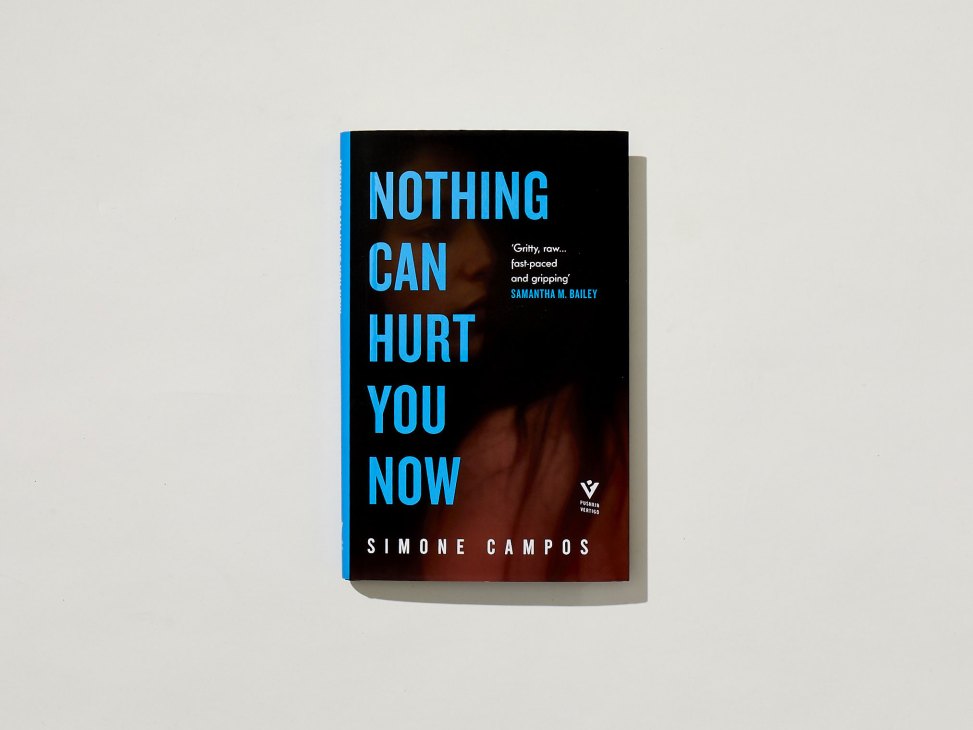
Nothing Can Hurt You Now
Simone Campos
This gritty thriller by Brazilian author Simone Campos charts the relationship between two sisters who grew up close but drifted apart as adults. When Viviana goes missing on a trip to São Paulo and Lucinda receives a cryptic message suggesting that she is being held hostage, the latter drops everything to track her down. Her list of suspects includes several men from Viviana’s past. Met with indifference from the police, Lucinda has no choice but to go on the hunt herself.
‘Nothing Can Hurt You Now’ is out now
Kajaani
Ville Rantas
Outspoken Finnish-born artist Ville Rantas’s graphic novel traces the most amusing (and bawdy) episodes in the life of author, intellectual and Finnish national icon Elios Lönnrot. Best known for writing Kalevala, an epic poem compiling folk legends, songs and ballads, Lönnrot spent much of his life as a frustrated resident doctor in the provincial northeastern town of Kajaani, surrounded by penniless drunks and their small-town problems. The black-and-white illustrations rendered in Rantas’s jagged, sketchy style help to bring the grand figure down a few pegs.
‘Kajaani’ is out now
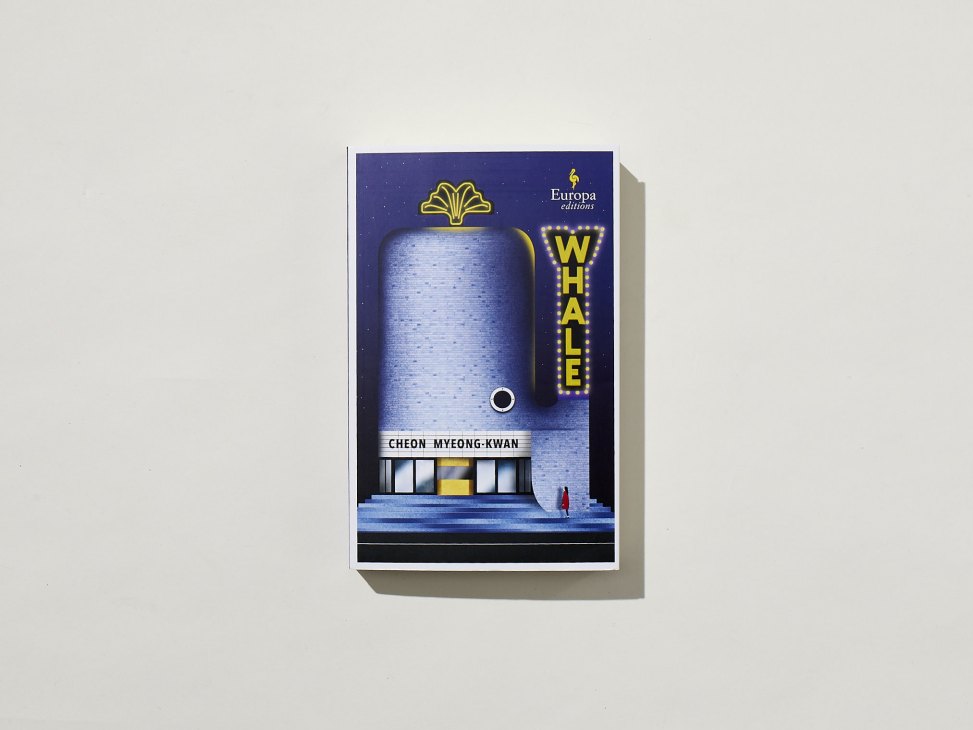
Whale
Cheon Myeong-kwan
Set in a South Korean village, Whale tells the story of three women: Chunhui, a young mute girl, Geumbok, her ambitious mother, and a mysterious woman who can control a swarm of bees. The intergenerational saga is a lesson in magical realism, weaving together riotous tales of secret treasure, a giant baby and people who speak to elephants. The fast-paced narration has a cinematic quality, which makes sense, given that Myeong-kwan is an accomplished screenwriter too.
‘Whale’ is out now
Art
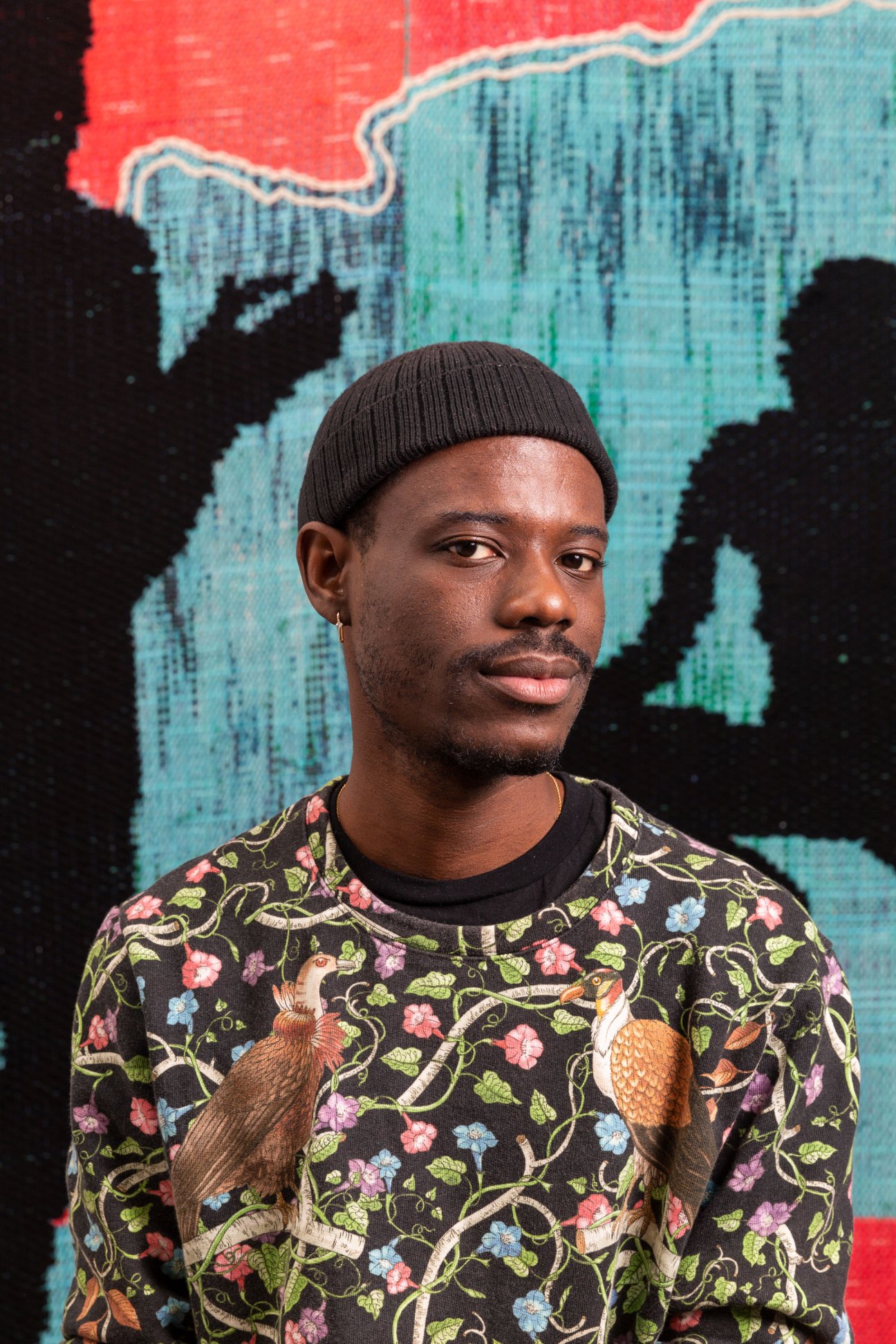
Diedrick Brackens: Everything I Have Ever Touched
Kestner Gesellschaft, Hanover
This colourful display of hand-woven tapestries explores questions of African American identity and heritage. The cotton pieces frequently feature enigmatic male forms.
‘Diedrick Brackens: Everything I Have Ever Touched’ runs from 4 March to 4 June
Reaching for the Stars
Palazzo Strozzi, Florence
This exhibition of some of Italian art collector Patrizia Sandretto Re Rebaudengo’s most prized pieces includes notable work by Maurizio Cattelan, Sarah Lucas and Cindy Sherman.
‘Reaching for the Stars’ runs from 4 March to 18 June
Photo
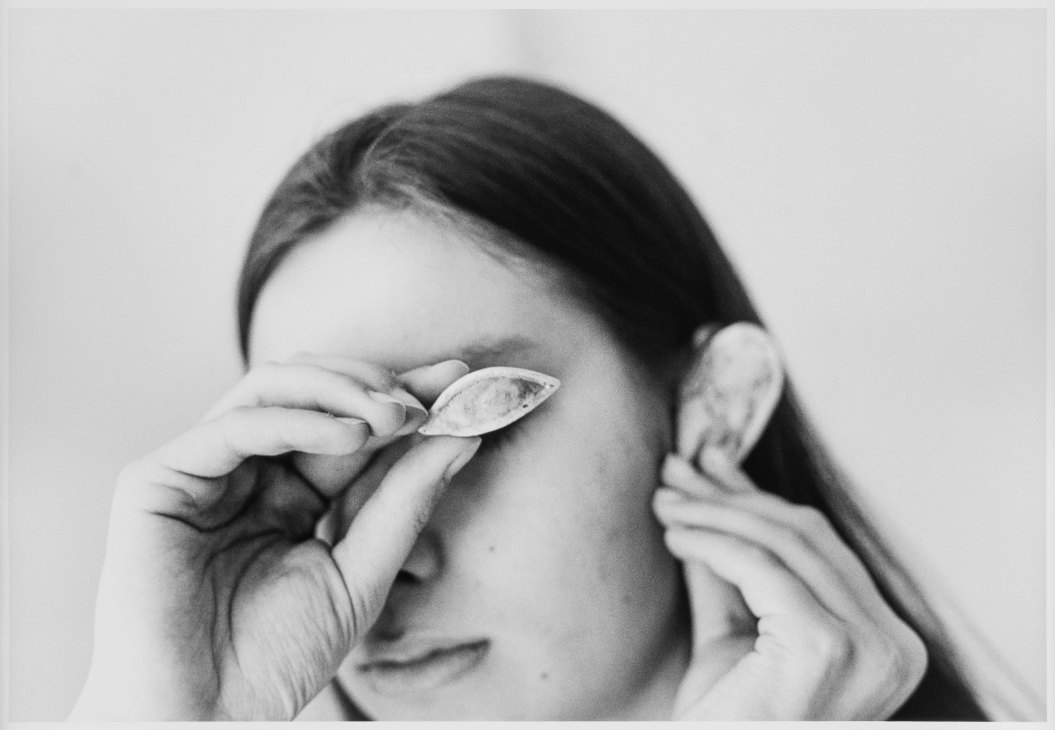
Katinka Bock: Der Sonnenstich
Fondation Pernod Ricard, Paris
Frankfurt-born artist Katinka Bock is best known for sculptures that combine artificial and organic materials. This exhibition, however, focuses on her photographs, which explore the relationship between humans and nature. These black-and-white images evoke a lost innocence but have a playfully surrealist streak too.
‘Katinka Bock: Der Sonnenstich’ runs until 29 April
TV
The Swarm
Frank Doelger
A collaboration between German, French, Italian, Austrian, Nordic and Japanese networks, this series is one of Europe’s biggest-ever TV projects. A highly anticipated eight-part adaptation of a sci-fi novel by Frank Schätzing, it plunges viewers into the dark depths of the ocean as scientists grapple with a spreading pathogen that threatens all of humankind.
‘The Swarm’ is released on 6 March
Faking Hitler
Tobi Baumann and Wolfgang Groos
How were UK newspaper The Sunday Times and German magazine Stern duped into publishing forged diaries by Adolf Hitler? Inspired by a media scandal, this six-part series follows Gerd Heidemann, a journalist who believes that he has stumbled on the biggest story of his life, only to realise that he has been tricked.
‘Faking Hitler’ will be released in March
Grow
Mehdi, Milad and Misam Avaz
This new Nordic noir explores how a family tragedy pushes two brothers onto opposite life trajectories. Adam and Jakob (played by siblings Andreas and Sebastian Jessen) end up in a cat-and-mouse game: while one gets entangled in organised crime, the other becomes a police officer.
‘Grow’ is out now
Out of the past
For Danish furniture company Fritz Hansen, taking stock of its archive, which spans more than 150 years of work, involves tracing its significant role in the evolution of Scandinavian design. Now, as part of its ongoing revamp of its headquarters, it has opened an exhibition space called the Design Hall to celebrate this legacy and inspire the next generation of designers. A 30-minute drive northwest from Copenhagen in the town of Allerød, the smart glass-and-concrete structure, which was once the brand’s factory and sits next to a forest of birch and pine, welcomes schoolchildren, architects, furniture dealers and design enthusiasts, who are able to visit the hall by appointment.
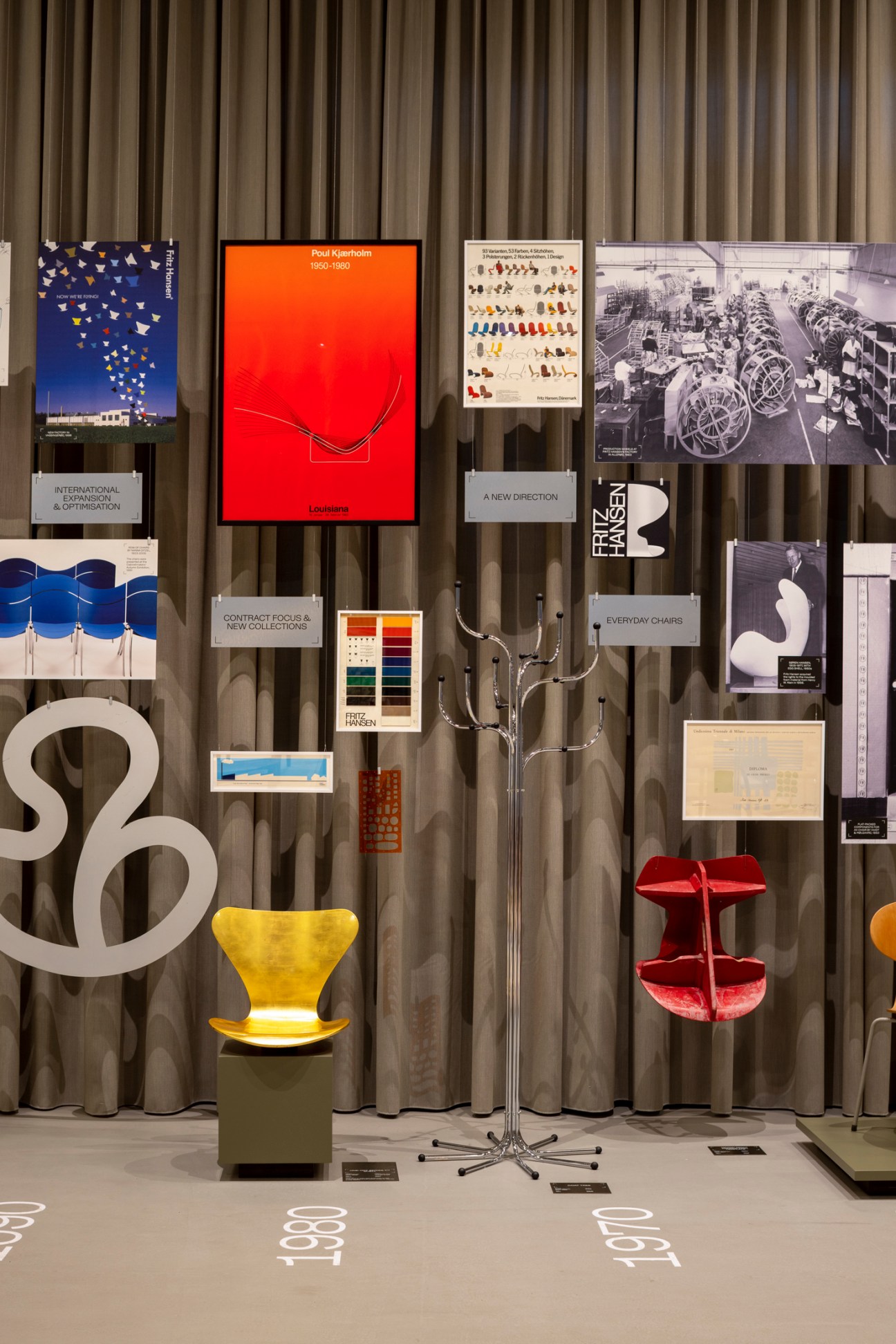
“We are too shy about our presence in Danish design history,” says Christian Andresen, Fritz Hansen’s former head of design. “The Design Hall is a way to reinforce Fritz Hansen’s identity,” he says as he walks Monocle through the inaugural exhibition, which showcases the game-changing chairs that the brand has produced since 1872. The archival pieces – including the likes of Arne Jacobsen’s Series 7, pk25 by Poul Kjaerholm and the China chair by Hans J Wegner – are presented in chronological groups and are placed according to various themes such as functionality, techniques and student-teacher relationships between designers. The curatorial approach offers visitors a chance to track the evolution of both the brand and its designers.
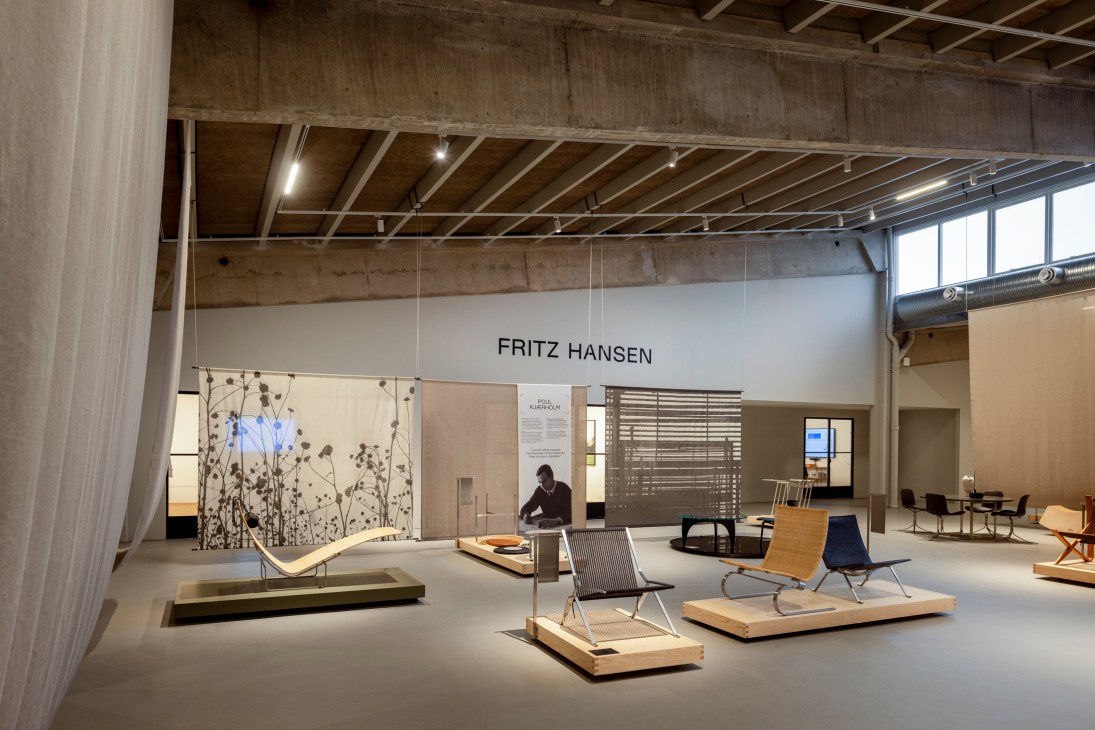
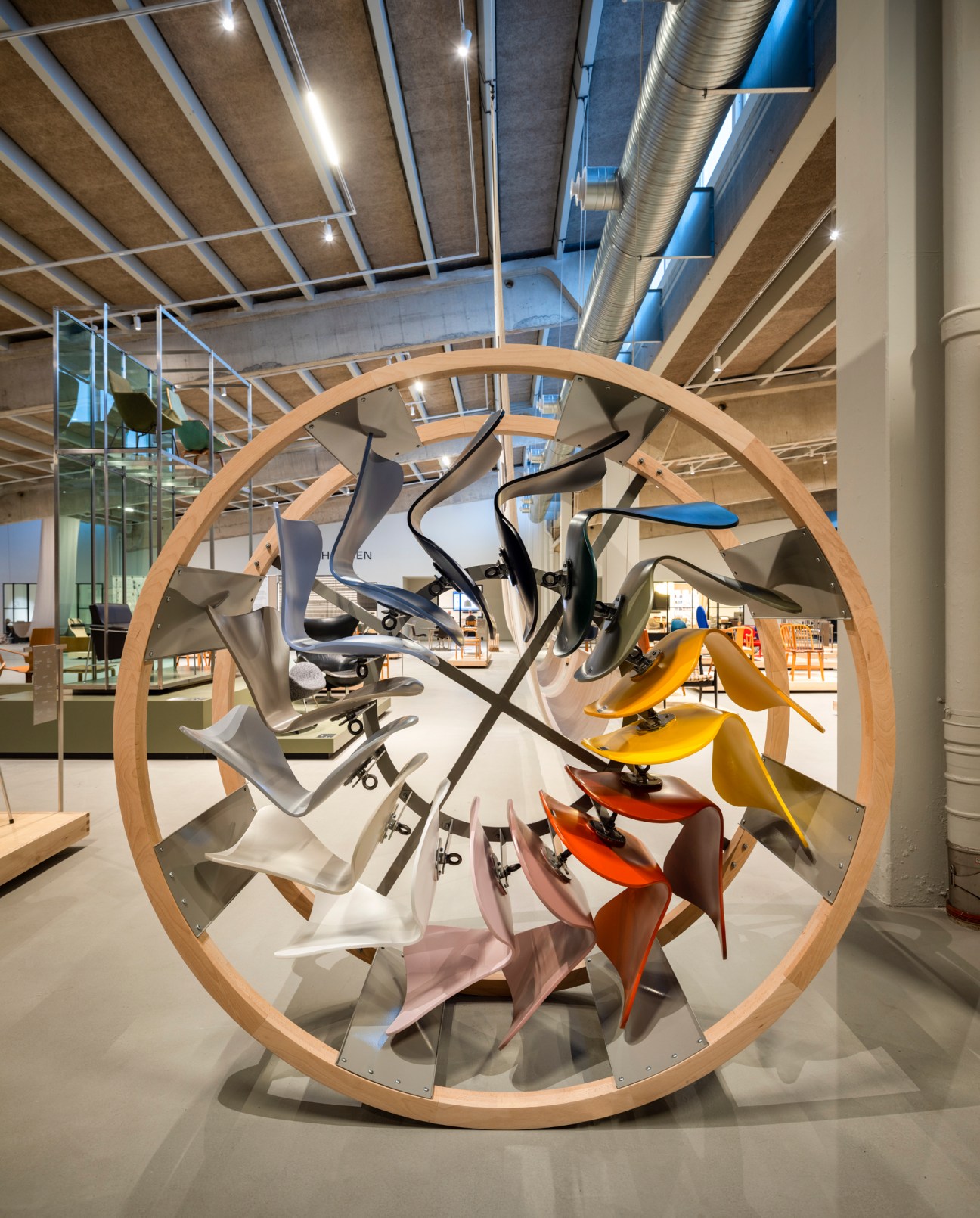
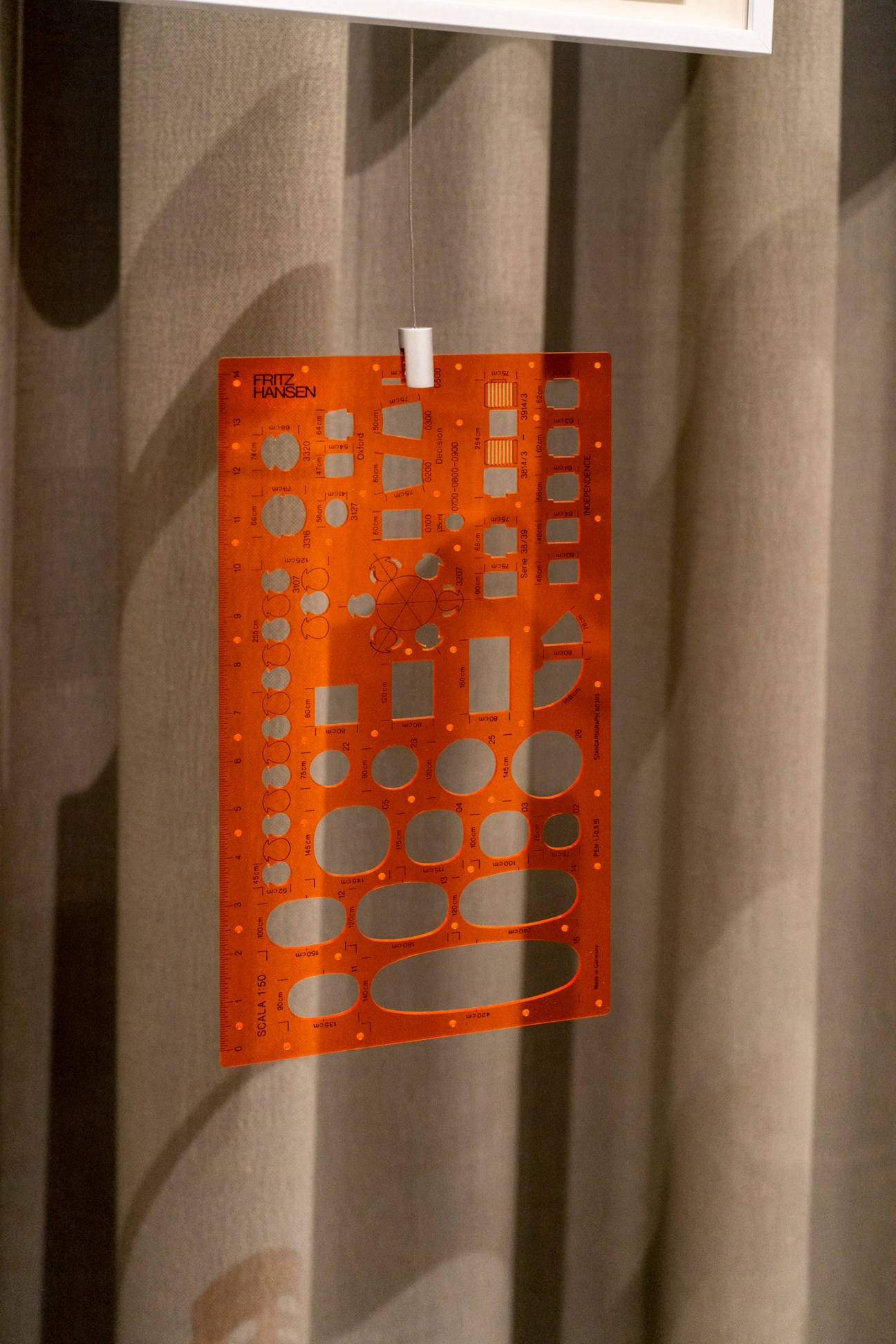
Despite having a catalogue of about 15,000 furniture and homeware designs, the Fritz Hansen archive, which until now had been stored in the basement of its headquarters, currently holds only 350 physical pieces. Andresen hopes that the Design Hall will help to inspire an effort to properly conserve and document the catalogue by acquiring missing collections and showing forgotten hero pieces, such as the lounge chairs designed by Jørn Utzon for the Sydney Opera House, bringing them out of storage and giving them a chance of top billing. Among the more surprising discoveries from the archive so far is a comical nutcracker depicting Thorvald Stauning, a Danish prime minister who was first elected in 1924 – a far cry from the elegant minimalism associated with Nordic design.
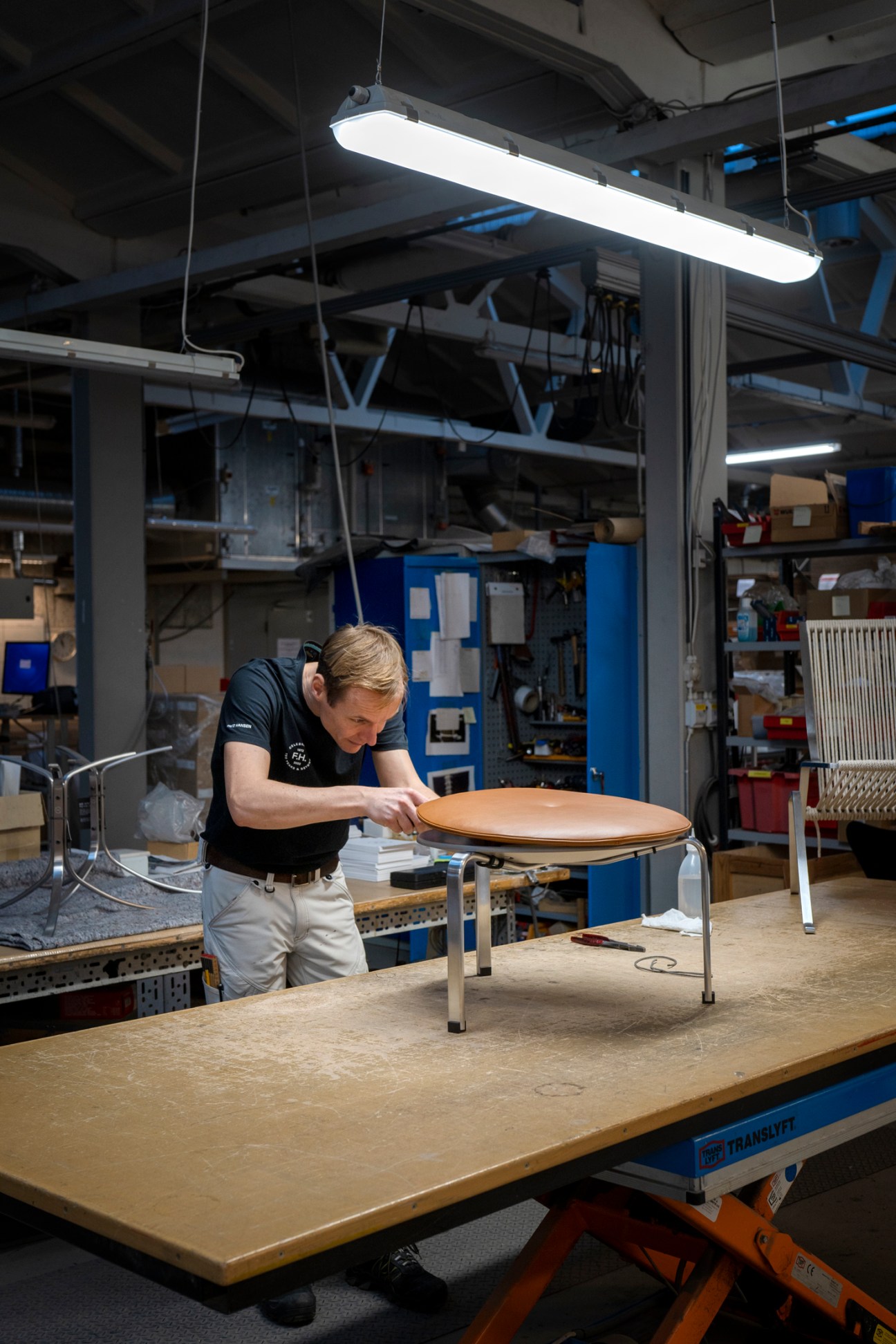
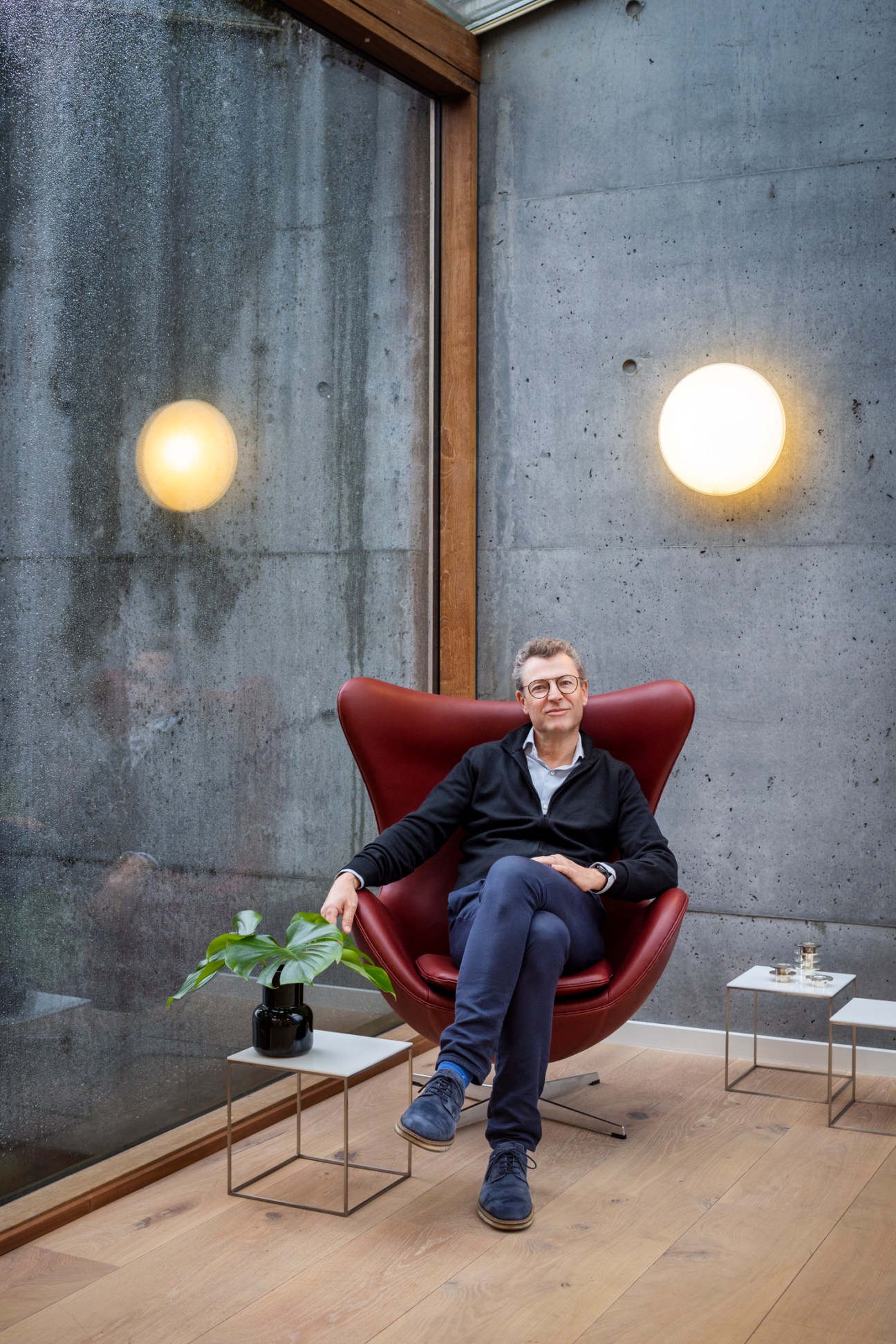
The Design Hall is not intended to be a navel-gazing exercise. As tempting as it might be to celebrate Denmark’s mid-century icons in aeternum, the Fritz Hansen team hopes that this new presentation of the archive will inspire the current crop of designers, who constantly have their work compared to an internationally adored canon of mid-century furniture.
“When [contemporary designer] Cecilie Manz created her ‘coat tree’ in 2000, she described it as something that disassembled heritage and tradition and put it back together again,” says Marie-Louise Høstbo, Fritz Hansen’s creative design director. “This is how we want to use the archive. For many Danish designers and architects, it has been a burden to try to surpass the likes of Arne Jacobsen, Hans J Wegner and Poul Kjaerholm. But the generations we work with now know that we have to keep evolving.”
This dedication to staying curious, while continuing to produce and occasionally reinterpret Jacobsen’s Ant, Swan and Egg chairs, has helped to keep Fritz Hansen at the forefront of design. It’s also an approach that honours the company’s pioneering spirit. Allerød is where steam-bending techniques were refined in the 1930s, allowing for the mass manufacturing of plywood furniture. “It would not be right to stay where we are and just rely on our assets,” says Josef Kaiser, Fritz Hansen’s CEO. “That would be too easy.”
Any discussion of Scandinavian aesthetics soon takes an obligatory turn towards the socialism and democratic values expressed through the region’s design and showcased in its kindergartens, churches, town halls, libraries and theatres. “Danish design is part of the welfare society,” says Høstbo. “We grew up with it so it was always there, with [urbanist] Jan Gehl also making sure that we have smartly designed streets.”
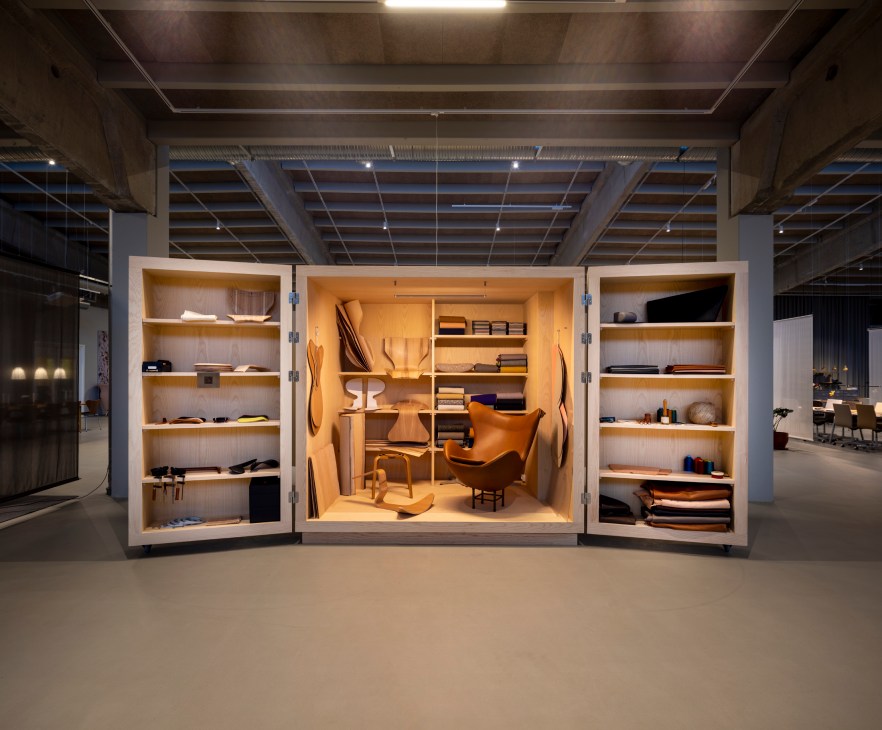
“This Nordic way of designing atmospheres is omnipresent to the point that people might not see it anymore,” says Kaiser.
With this keen sense of social responsibility drilled into the Danish psyche, the idea of opening the Fritz Hansen archive to the design community and, eventually, the public more broadly, came naturally. Kaiser hopes that the work on display will help potential customers, design enthusiasts and designers to better understand the brand’s mission to continually improve people’s quality of life through smart design.
“We need a person or a brand to like and trust us for them to want our furniture in their home or work environment,” he says. “If we can support that journey by showing who we are, I’m pleased with the investment and decision to open the hall.”
fritzhansen.com