Issues
The peacemaker
When Monocle last visited Kyiv, in summer, the sun was shining, Ukraine had just been granted EU candidate status and the air-raid sirens only sounded sporadically. Things feel very different as I alight three months later at Kyiv-Pasazhyrskyi, the city’s main railway hub, on a chilly mid-October morning. The first thing I notice are the crowds. Back in the summer there had been an even ebb and flow of people coming in and out of the country. Now the majority of people in the station are heading in one direction: west.
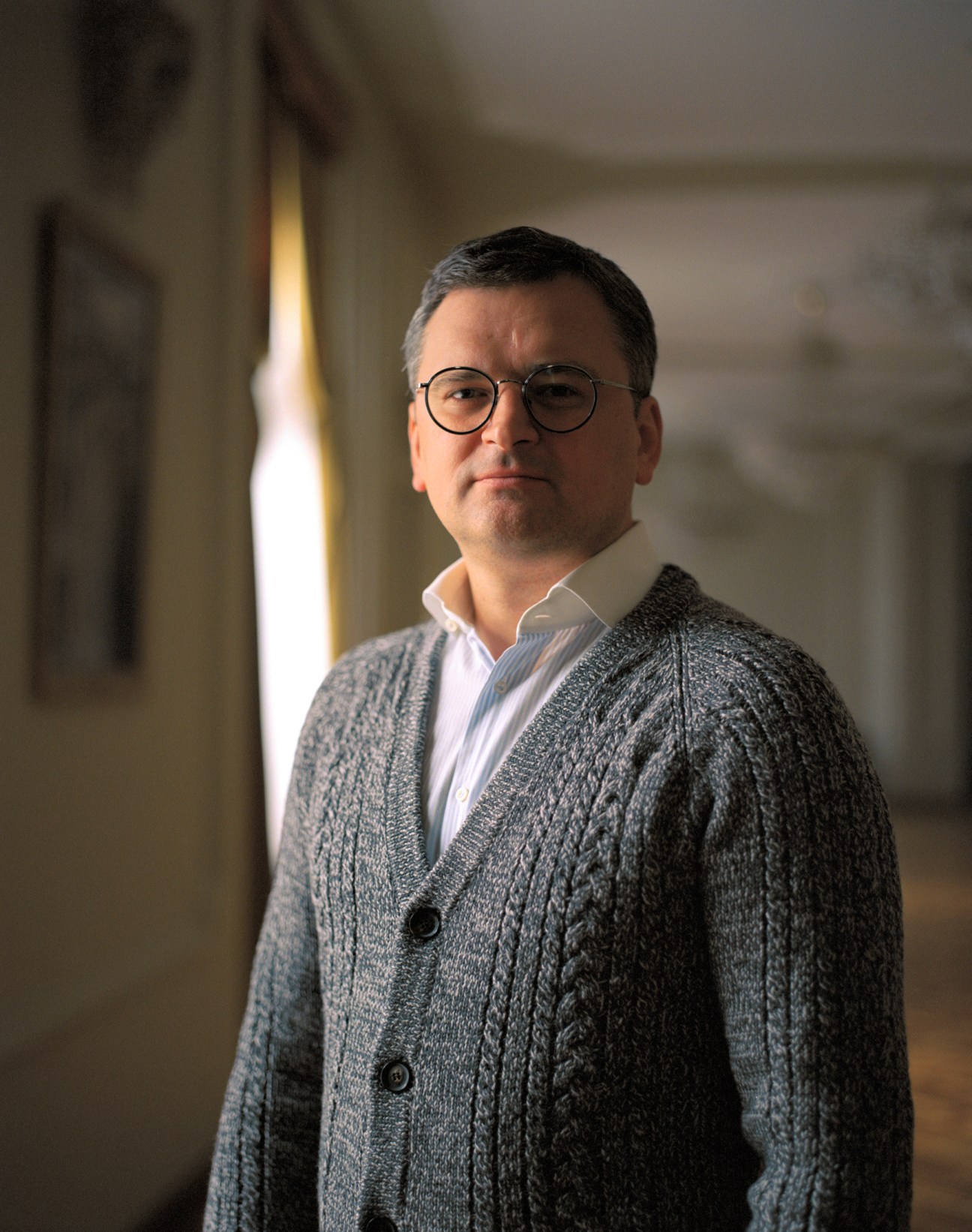
I am here to meet Dmytro Kuleba, Ukraine’s foreign minister and a man who has become one of many icons of the country’s defiance. Catapulted into the international spotlight, Kuleba has traversed the globe since Russia’s invasion began in February, relaying his peoples’ plight and keeping the focus on their struggle. But before I met him, I, along with many across the country, spent the night in a bomb shelter. A few days before, Russia resumed targeting Ukrainian cities with missiles and kamikaze drones, claiming retaliation for an attack on the Crimean bridge. I am in my hotel for just 30 minutes before the first siren sounds.
In Kyiv the darkness of winter rings differently. Scheduled and unscheduled power cuts are frequent; the latest Russian shelling has heavily damaged about 40 per cent of Ukraine’s energy infrastructure and electricity, water and heat have become rationed commodities. But after 10 months of war, Ukrainians know how to adapt. About 1,000 heating points have been set up around the city – schools, office buildings and train stations doubling up as “warm locations” with generators for citizens to charge their phones and laptops, and people serving hot food and drinks. Survival kits are left in elevators should you get stuck during a power outage and people have begun collecting firewood to fuel long-neglected stoves. Despite being the country’s lead diplomat, Kuleba is also a resident of Kyiv and has had to adjust to life during wartime. “I’ve also become an expert in energy,” he says while sitting in an armchair at his office in the Ministry of Foreign Affairs (MFA) building. “I’m learning everything about generators, transformers, grids and how to repair them.”
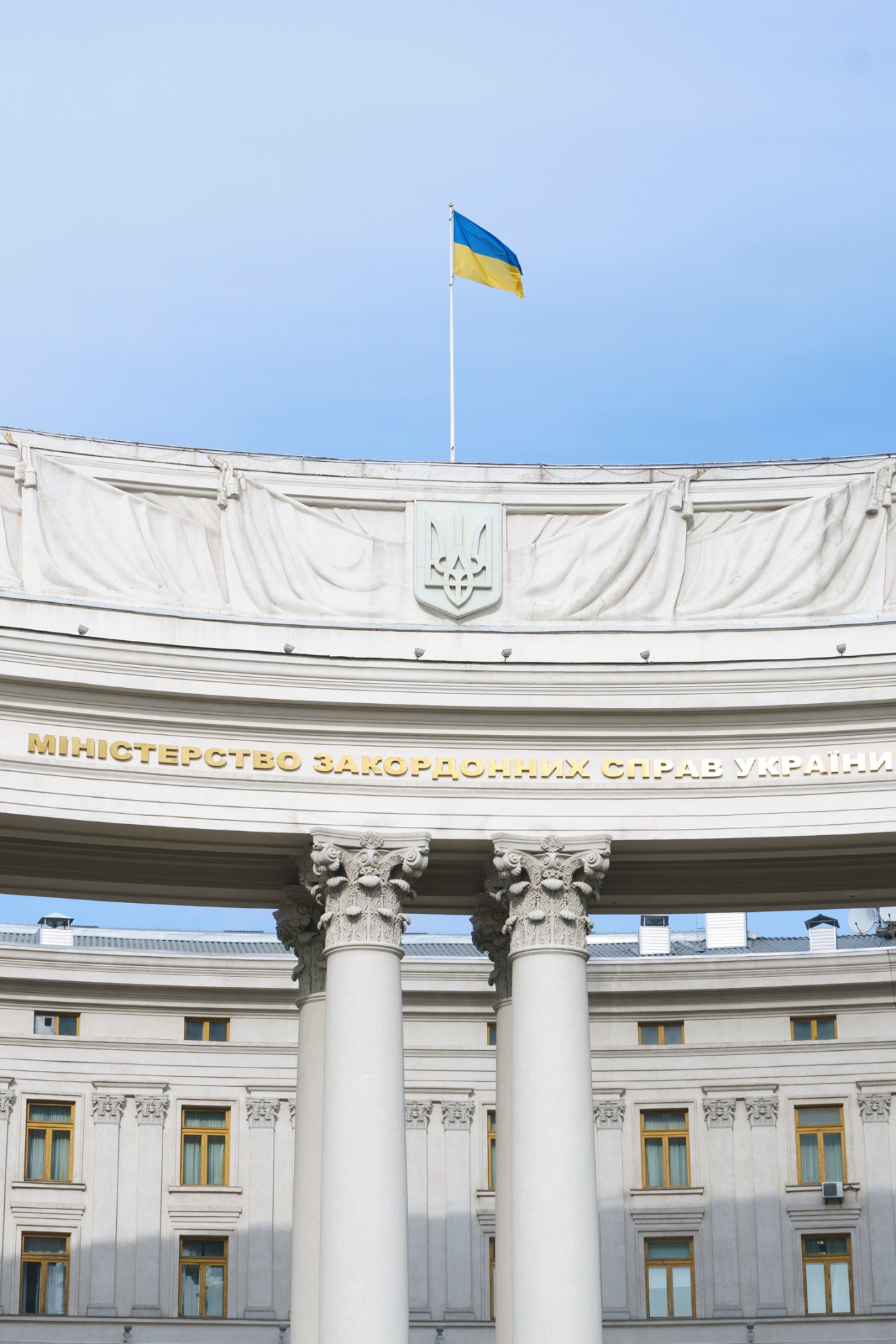
It’s somewhat paradoxical that Ukraine’s war effort is being directed from within these walls. Located in Mykhailivska Square in Kyiv’s historic upper town, the mfa building is one of the best-preserved examples of Stalinist architecture in Ukraine (it was originally the headquarters of the Communist Party). It’s a not-so-gentle nod to the ussr’s ambitions for uniformity. The doorways of this grand columned edifice are stuffed with sandbags and there are armed guards at every corner.
On the ministerial floor, sunlight reflects off the nearby domes of St Michael’s Monastery and pours through the windows. “Hi, I’m Dmytro, thanks for coming to Kyiv,” says Ukraine’s foreign minister, extending a hand. The 41-year-old Kuleba, the youngest-ever person to hold this position in Ukraine, is dressed in a fluorescent puffer jacket and grey cardigan. At the beginning of the war, commentators were surprised by the baby-faced, bespectacled diplomat. “One of the frequent things I kept hearing about myself was, ‘He’s too young for the job,’” he says. What a difference 10 months of war makes. “Two weeks ago a colleague of mine noticed that I changed my haircut and glasses and told me, ‘You look so much younger now.’ And I thought, ‘Yes, I have finally reached the age where I actively have to do something to look younger.’”
The war has propelled Kuleba onto the world stage. He has met many of his international counterparts, something that can take several tenures to achieve, and at global gatherings he’s the one who people seek out in the room. Yet, despite his apparent ubiquity, he insists that he is particular when choosing trips abroad. “I hate travelling for business purposes,” he says. “So I only travel when there is a necessity to be there in person. If you see me travelling, that is a clear message that this is a must and not just another trip on the schedule.” One such example was his journey to The Hague in May, where he was drumming up support for Ukraine’s EU accession bid. Another was a visit to neighbouring Poland in March, after which Warsaw pledged at least €1.7bn of military assistance to Kyiv. “I spent almost a week there, talking to everyone possible,” he says. “And in the end the deliveries of heavy military hardware, tanks and armoured vehicles were unlocked.”
Shortly before our encounter, Kuleba had been in Africa visiting Senegal, Côte d’Ivoire, Ghana and Kenya, following the UN General Assembly in New York, where he took part in a ministerial meeting of the UN Security Council. His first official trip to the African continent was, he says, “to give birth to a renaissance of Ukraine-Africa relations”. But the tour was cut short due to drone attacks on Kyiv – telling, considering that the meetings with his African counterparts were part of a strategic move to influence a continent that has seemed cool in its support for Ukraine.
“African countries are making the same mistake that European countries had been making up until this war began. They are putting Russia and the ussr on an equal footing,” referring to the wrongful assumption that Ukraine is still one with Russia. “I told them to look back at the 1980s, it was we who were fighting against apartheid and discrimination in Africa, not the ussr. Most of the engineers who came there in Soviet times to build dams and factories were Ukrainian. They need to start thinking rationally about Russia and base it on facts, not on historical perceptions.” He adds that the same can be applied to perceptions of investment.
African nations are keen to appease Russia because they believe that it is a large benefactor, when in fact Moscow is nowhere near the top of the list of investors in Africa – the biggest being China, with more than $70bn (€67.3bn) of annual investment, followed by the US and uae, according to the 2021 EY Africa Attractiveness report. “The biggest investment that Russia has made in Africa in recent years is importing Wagner Group mercenaries to sow conflict, destabilise the situation and pose a threat to their countries,” says Kuleba.
Even though Kyiv is once more under threat, Ukrainian forces are making considerable gains – at the time of writing, Russia has hastily retreated from Kherson, the only regional capital it had captured during the war, and the government has begun planning the future of a free, territorially independent Ukraine. The groundwork to become an EU member state has already been laid out; could Nato membership follow? “After this war we will be full members of both the EU and Nato, and guarantors of global food security,” says Kuleba. “We will be an integral and indispensable part of the West. The West is not a geographical notion; it’s a political one. And if you share the same principles and values, irrespective of your geography, you belong to the West.”
Kuleba feels that his country has paid its dues to be welcomed into the club. The trail of destruction, trauma and loss of life in Ukraine is unprecedented in postwar Europe; in November, General Mark Milley, chairman of the US Joint Chiefs of Staff, estimated that there have been 100,000 military casualties on each side, with about 40,000 Ukrainian civilians losing their lives. Yet if there is to be a silver lining, Kuleba insists, it’s of a significant world power rising from the ashes. “Because of the experience we are getting from this war, we will become the second-most important military force in Nato after the US,” he says. “With the stamina and military power we are gaining now, we will be absolutely exceptional. So the security of the Euro-Atlantic area will, to a large extent, depend on Ukraine. We will no longer be a country on the periphery of the eastern flank, we will be a crucial pillar for the security of the entire European continent.”
This thinking underscores the maxim echoed by every Ukrainian official: that this is not just Ukraine’s war. “When I speak to foreign ministers or leaders, I always want them to understand just one thing: on 24 February, Vladimir Putin attacked not only Ukraine, but Europe. And, more broadly speaking, the entire world order too.”
When we meet, the city has just spent another night with blackouts and air-raid sirens. In the morning, Volodymyr Zelensky is quick to appear on the government’s social media channels, which have been so integral to Kyiv’s war effort. Despite a night of terror, Zelensky insists that Ukraine will be triumphant. “He has one very special feature: he’s always thinking about victory,” says Kuleba of his boss. He describes Zelensky as “cool” and recalls the time he offered him the job of foreign minister in 2020. “I’m deeply grateful to him,” he says. “He entrusted the system to me. I really have a feeling that it’s time that chooses us – me, Zelensky and the people in his team. We’re here because there’s a certain mission we have to complete and it’s a big responsibility.”
The foreign minister describes himself as an optimist but admits that his sunny outlook pales in comparison to Zelensky’s. “Here’s an example,” he says. “A few weeks ago I was feeling particularly blue. It was after the Iranian-made drones attacked several cities and our energy infrastructure, and I went to Zelensky’s office for a meeting and was quietly waiting for our conversation to begin. All of a sudden he looks at me and says, ‘Dmytro, I’ve found the location for our museum of victory.’” Kuleba left the room, he says, with a renewed spring in his step.
But a foreign minister can only rely so much on the inspiring words of his president. In extremis, it’s important to have a routine that keeps you grounded. For Kuleba, there are three crucial steps. “My best method of relaxation is my dogs,” he says, referring to his pack: the oldest, Gustav, a Jack Russell; Benjamin, a toy poodle; and Marik, a French bulldog rescued from Mariupol back in February (his name is the nickname of the city). “When I come home and I see them, it’s a real reset.” Step two is to meditate. “My meditation is to smoke a cigar in the evening – a Davidoff Winston Churchill. It takes me about 45 minutes and it’s the only time in my day that I can just relax and concentrate on something else.” And the third rule is to sleep, “no matter what happens, otherwise you won’t be able to make reasonable decisions”. There’s one additional thing that trumps them all, which is to appreciate the rare moments when he is able to spend time with his children, who live with his former wife outside Kyiv and cannot see their father very regularly due to security issues. “That is the biggest inspiration and motivation to me.”
The Cambridge Dictionary defines diplomacy as, “skill in dealing with people without offending or upsetting them”. But is it possible to be courteous when sitting across the table from an unprovoked aggressor? “The basic feeling I have towards them is disgust – not hate,” says Kuleba of his Kremlin counterparts. “They’re miserable people trying to find, through diplomacy, excuses for the atrocities and crimes they have committed.”
The grain deal that Kuleba helped to strike between Moscow and Kyiv, via the mediation of Turkey, in July 2022, has been the closest to any rapprochement that the two sides have achieved since the start of the conflict. It was an important step towards a potential diplomatic solution to the war. Ukraine produces 10 per cent of the world’s wheat, 15 per cent of its corn and 13 per cent of its barley, and the effect of the fighting is being felt far beyond the shores of the Black Sea. While Zelensky maintains that the prospect of peace negotiations with Russia is “impossible”, this is a sign that there is room to compromise on other, non-military aspects of the conflict.
But how realistic is it that the war will end through compromise? “The moment for negotiations will come because every war ends with diplomacy,” says Kuleba. “My job right now is to ensure that Ukraine can approach that moment in the strongest position possible and Russia in the weakest position possible. They won’t be able to speak in the language of ultimatums.” Though he adds one final comment. “As I told you at the start, we cannot allow emotions to overwhelm,” he says. “When the time comes, I’m ready to sit down with them. But I will never shake their hands.”
Chimes of freedom
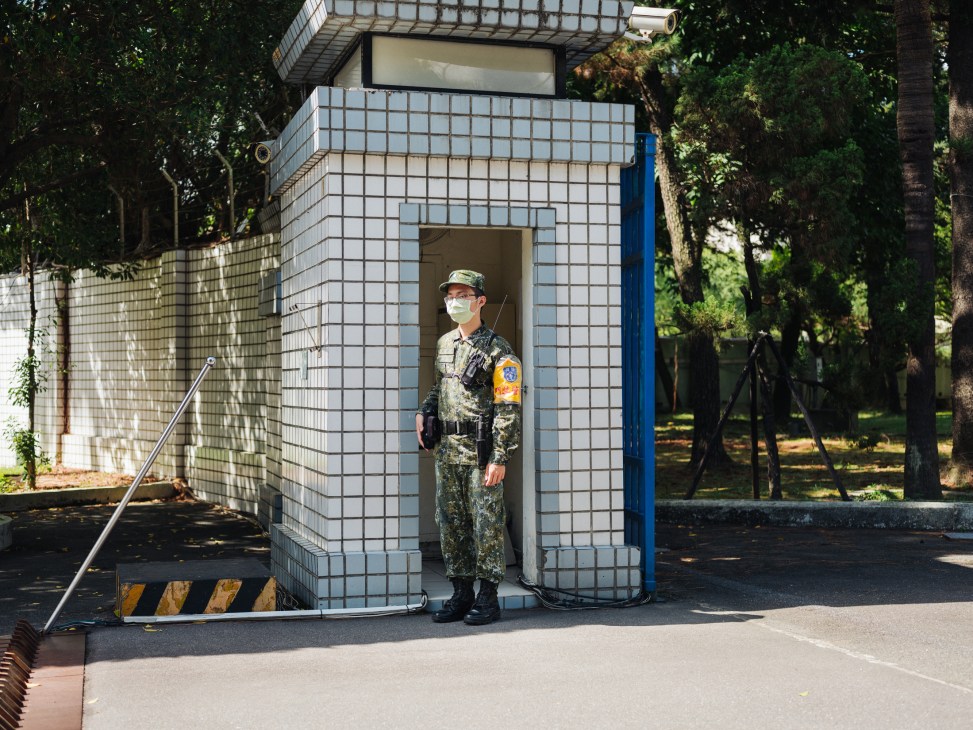
The Institute for National Defense and Security Research (INDSR) is inside an army compound in Taipei’s Zhongzheng district, the government quarter of the Taiwanese capital. Two friendly-faced sentries in army fatigues guard the entrance as part of their mandatory four-month military service. President Tsai Ing-wen established the think-tank in 2018, under the auspices of the Ministry of National Defense, to build up a deeper pool of strategic thinking and provide a civilian perspective to the generals in uniform. Since Russia’s invasion of Ukraine in February, defence experts at indsr have been conducting a number of tabletop war games. In every scenario, Taiwan has to defend itself from Chinese invasion. “There’s a consensus in Taiwan that we are not Ukraine but we also face a daunting challenge – and it may even be more complicated,” says Yisuo Tzeng, a director at INDSR.
Tzeng singles out the Taiwan Strait as a major point of difference. The channel separating mainland China and Taiwan is 130km wide at its narrowest point; it’s a natural barrier against enemy invasion, as well as a formidable headache for allies looking to resupply an island under siege. “We may not get timely transportation of military equipment, so we need to stockpile weapons and have our own assembly lines,” he says. What the ongoing European conflict has demonstrated is the need to prepare and, just as importantly, to make your adversary aware of these preparations so that they are deterred from war – an area where Kyiv might have initially fallen short. “Some people see dark clouds ahead but we see a silver lining,” says Tzeng. “We are always getting ourselves prepared.”
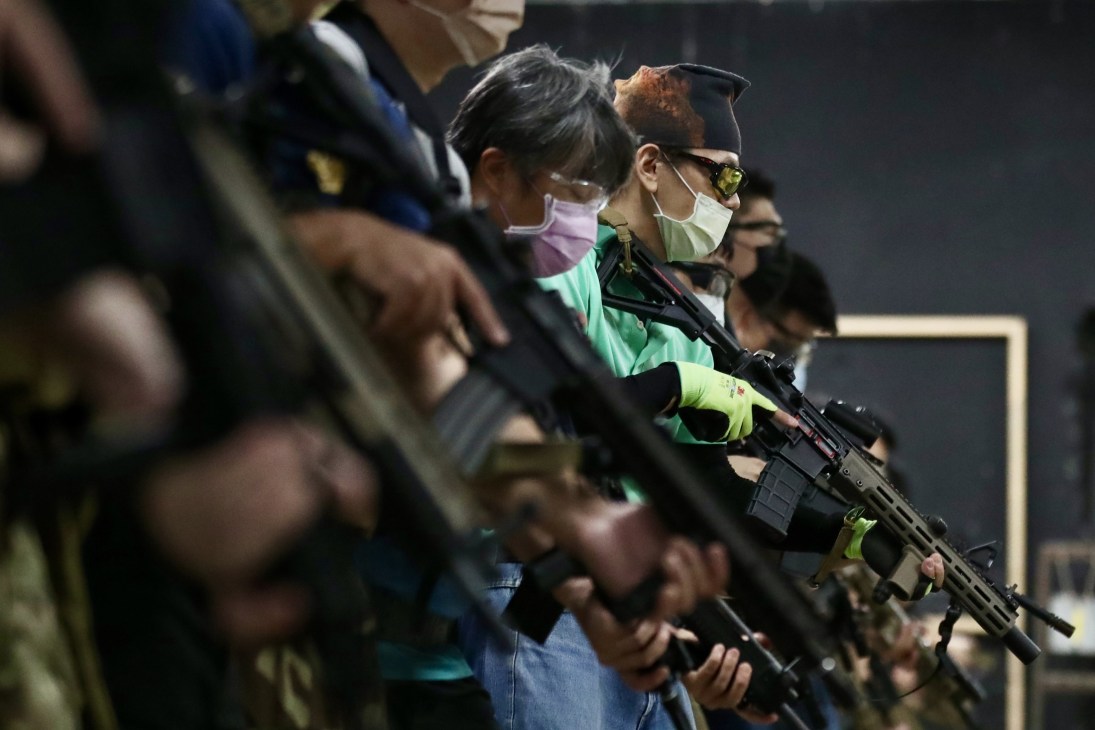
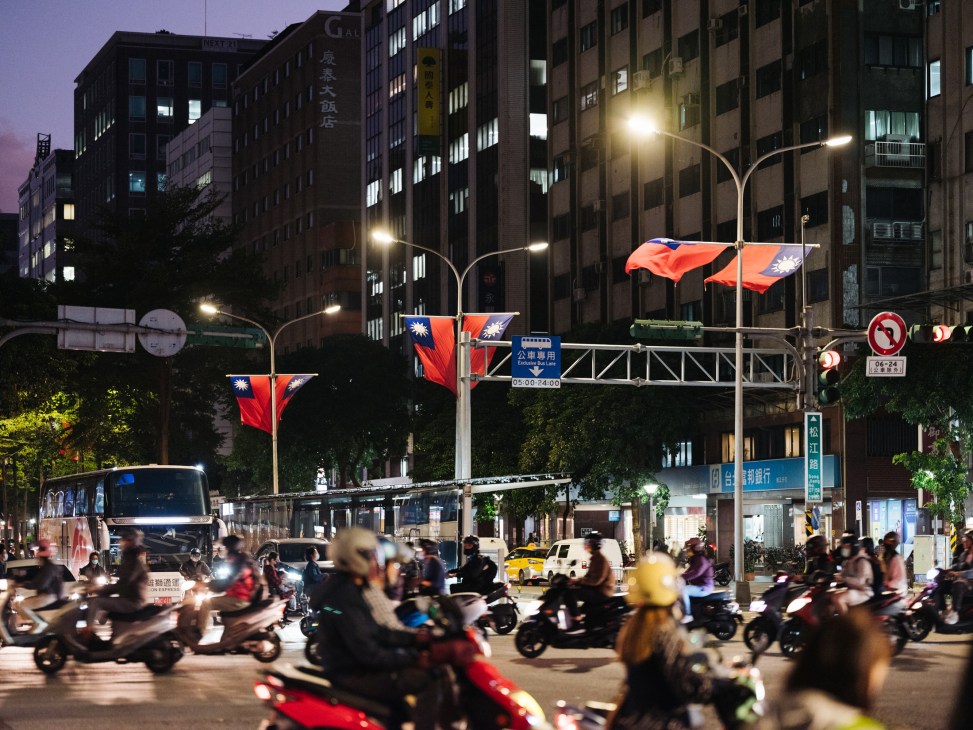

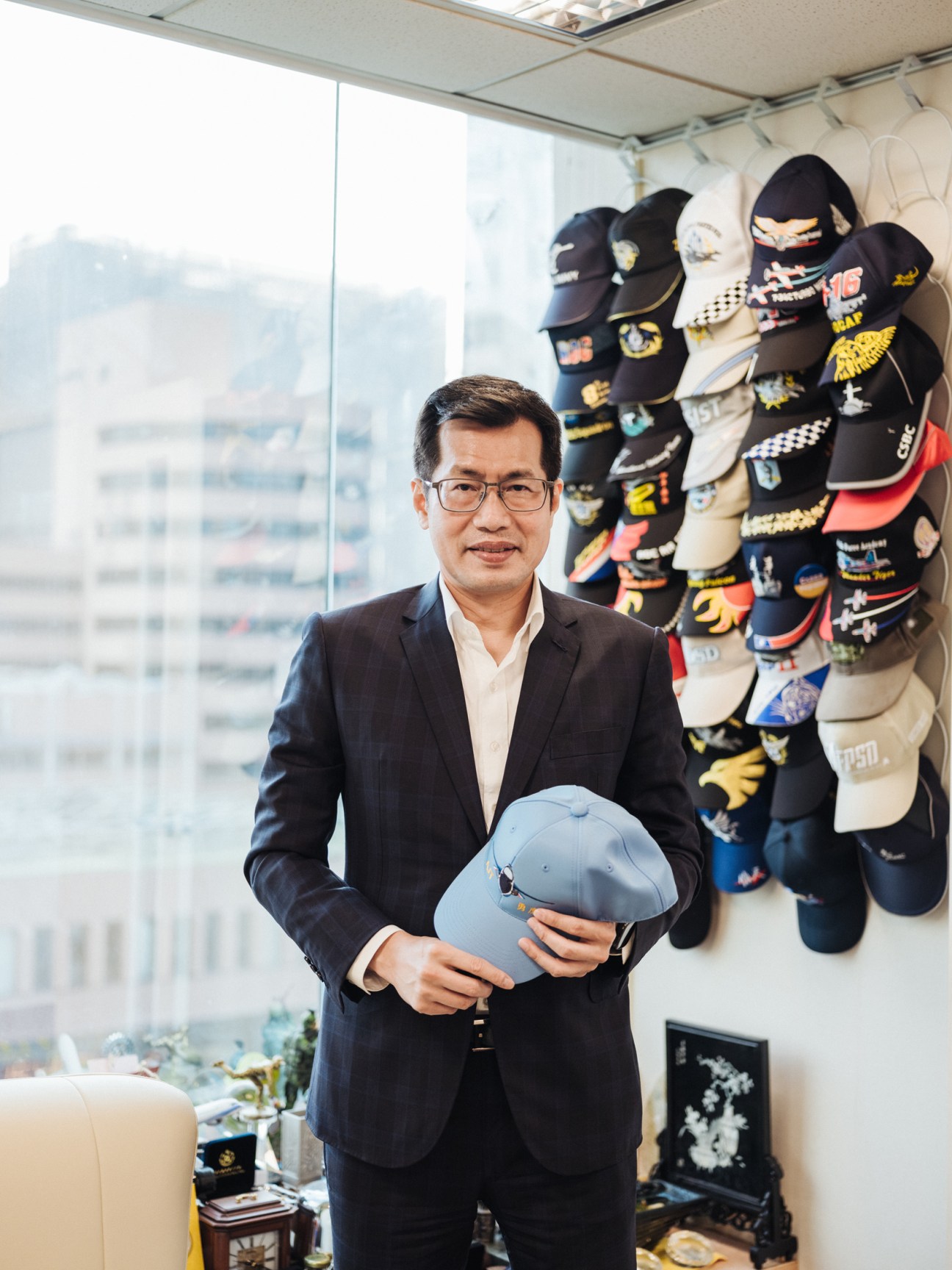
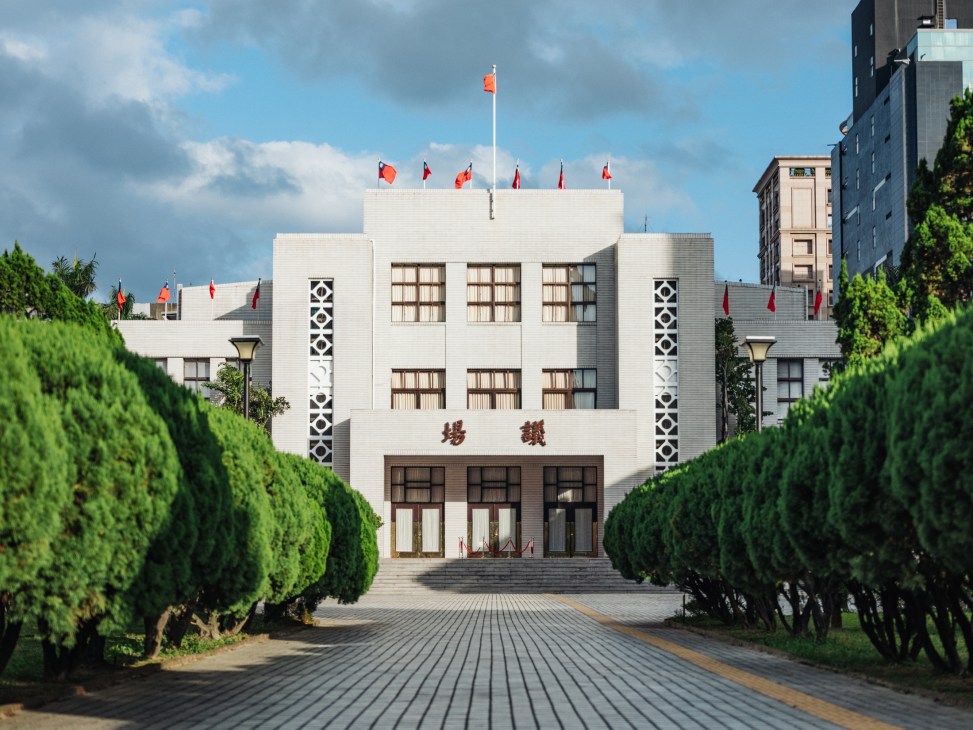
The security of Taiwan is expected to be a major issue during the next general election in early 2024. A term-limited President Tsai is due to step down and her Democratic Progressive Party (DPP) will be seeking to maintain its control of parliament – the first time it has been in majority government in its history. Though there is likely to be little disagreement with the Kuomintang (KMT), Taiwan’s main opposition party, about the need to spend more on defending an island of 23 million against a country of 1.4 billion, after two terms in government the onus will be on dpp lawmakers to defend its record. “It’s almost impossible for Taiwan to maintain a military balance in the Taiwan Strait because the sizes are so different, but it is possible to maintain a credible deterrence and that’s what we have been working on,” says Lo Chih-cheng, a dpp lawmaker and director of the ruling party’s department of international affairs.
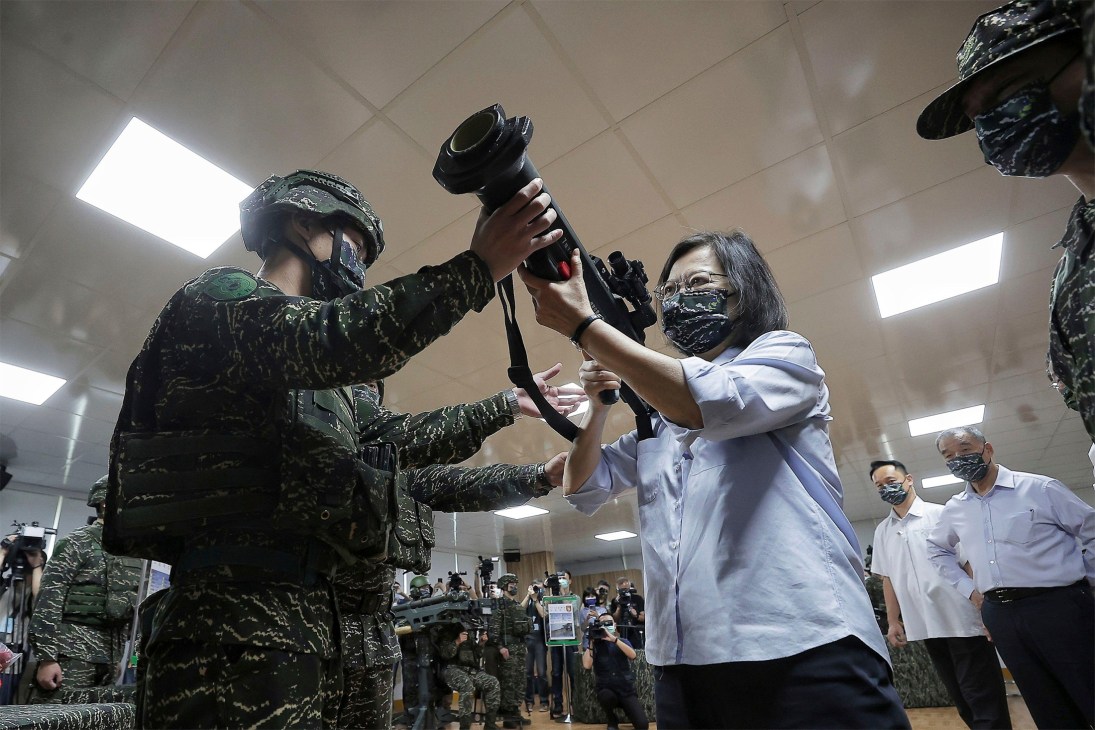
Under the current administration, asymmetric warfare has become the dominant military doctrine. The domestic defence industry has been fired up and the army reserves are being reformed. The gradual phasing out of mandatory conscription under the previous government could also be reversed in 2023. President Tsai has gone to great lengths to project Taiwanese strength, talking tough on China and even posing for the cameras with a “Made in Taiwan” missile launcher on her shoulder. But is it enough?
“We don’t live in a static world and competition is always relative,” says Enoch Wu, a former special forces soldier and founder of Forward Alliance, an NGO which runs public classes about crisis resilience. “Given how fast China is moving, the implication for Taiwan is that we need to step it up. My key question when I look forward to 2023 and 2024 is, whose platform addresses this challenge head on?” Wu’s organisation is set to open a second permanent office in 2023 so it can run more workshops around the country teaching trauma first aid, emergency communication and other skills that could come in handy during an invasion. “War is absolutely in no one’s interests,” he says. “The goal here is to maintain peace, not to fight that glorious fight.”
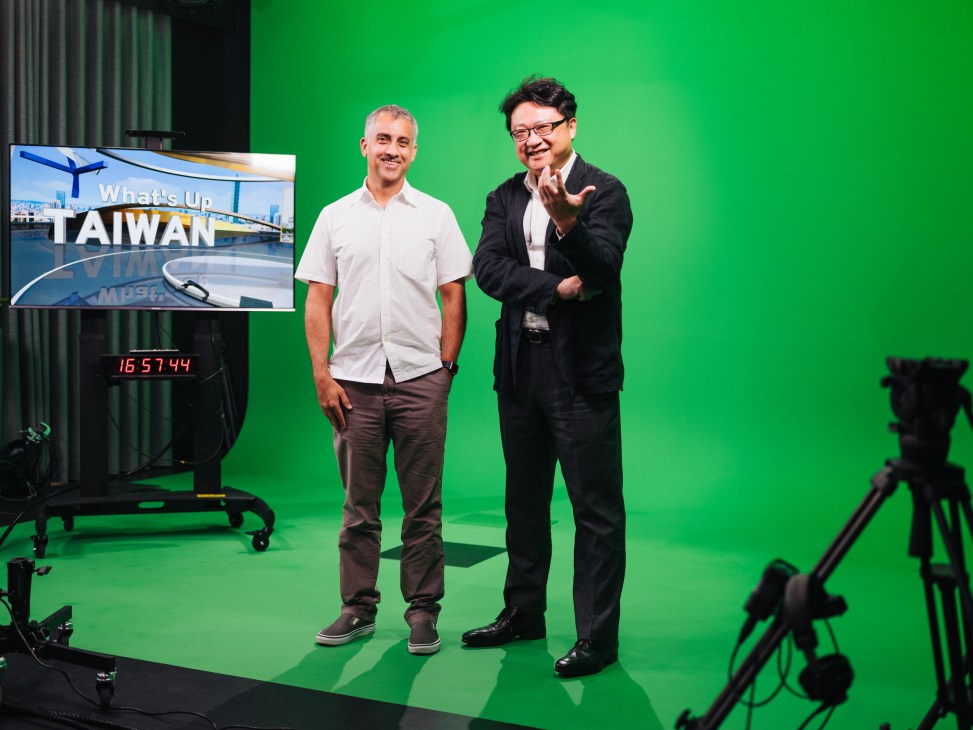
Soft power is one area where Taiwan can compete on a more equal footing with China and here the government is preparing for a long-term battle for international hearts and minds. Having pledged to make the country bilingual by 2030, Tsai recently launched an English news channel, TaiwanPlus, as a counterbalance to China’s state-run equivalent, cgtn. American audiences are the primary target but TaiwanPlus has proved surprisingly popular in India and the Philippines. Developing business ties with Asia and Australasia has been another priority. The New Southbound Policy, introduced in 2016, aims to make Taiwan less economically dependent on mainland China, which gobbles up more than 40 per cent of Taiwanese exports and can punish businesses with arbitrary import bans: citrus fruits were suddenly squeezed when the-then US speaker of the House, Nancy Pelosi, visited in August.
A recent report by the Centre for Strategic and International Studies suggested that Taiwanese business owners have gone cool on China. These findings are reflected in discussions on the ground, even if the reasons for pausing investment and shifting manufacturing have more to do with US tariffs and rising Chinese salaries than patriotism or Taiwanese government policies. Foxconn now makes iPhones in India, while Giant, the world’s largest bicycle manufacturer, has moved some production from China to Europe. This trickle could turn into a flood, especially if Taiwan gained entry to a major regional free-trade agreement. Beijing pressures other countries to freeze out Taipei and this pattern is repeated in almost every international sphere, from global health to arms sales – the US is the only country that will sell weapons to Taiwan.
As Tsai looks towards the end of her presidency, putting Taiwan on the map is likely to be her biggest legacy – both in Washington and at home. The current dpp administration has arguably done more than any other government to carve out a separate identity for the island, distinct from its shared history with China pre-1949. As many as 90 per cent of the population identify themselves as exclusively Taiwanese, a record high, while relations across the strait have plummeted to new lows. Voters at the next election will have to choose between endorsing this direction for Taiwan, which is still officially called the Republic of China, or handing the keys back to the kmt to slam on the brakes. “For us it’s the most important election in Taiwan’s history,” says Lo. “If our party can be in power for another eight years there will be a whole generational shift in our national identity and our definition of cross-strait relations.”
For now, the general election is the dpp’s to lose. The kmt is at odds with the modern electorate at national level over its enduring commitment to the “one China with two different interpretations” principle, also known as the 1992 Consensus. The basis of cordial ties between Beijing and Taipei for two decades, this credo – that one day Taiwan will be united with the mainland – has become toxic at a time when People’s Liberation Army warplanes are threatening Taiwanese airspace with increasing frequency.
dpp infighting could throw the kmt a lifeline. President Tsai is thought to dislike her vice-president William Lai, who openly covets the top job. Lai represents a powerful faction within the ruling party and attempted to unseat Tsai as the dpp’s presidential candidate in 2019. He is far more vocal about Taiwan’s independence than Tsai and his candidacy could be seen by swing voters, who form the largest bloc, as a red rag to Beijing. Moderates tend to do well in Taiwan and there is little mainstream interest in overtly provoking China, which is already a noisy constituent at almost every general election.
Beijing’s efforts to intimidate and influence Taiwanese voters go back to the island’s first democratic elections in 1996. Tactics have ranged from missile tests to turning tourists into economic weapons. China’s persistence has not been dimmed through a lack of results. When the last election cycle was about to get under way, Xi Jinping used his new year’s presidential address to champion the Hong Kong-style “one country, two systems” arrangement for Taiwan. Months later, protests erupted in Hong Kong and the subsequent crackdown was closely watched in Taiwan, where voters handed the dpp an unexpected landslide. “We didn’t want to play the China card during the campaign in 2019,” says Lo. “China invited itself to our elections.”
Next year is unlikely to be any different. However, the bar for rattling the electorate has been raised by a steady display of military encroachment. This year, Chinese drones have been shot down over Taiwanese islands, warships have crossed the median line that splits the Taiwan Strait in half, and exercises have been conducted on the eastern side of the island, presumably in preparation for a potential blockade. These events have blasted a huge hole in what used to be considered the status quo – yet life in Taipei goes on as normal. Tables at trendy restaurants are difficult to book, cultural enterprises are expanding and young couples clutching beakers of bubble tea are content with these moments of small happiness. “The threat to us Taiwanese is hard to describe because we have faced this type of high-level threat all of our lives,” says indsr’s Yisuo Tzeng.
The government has to strike a balance between raising awareness of the military threat without scaring the public, curtailing freedoms or paralysing the economy, which is forecast to continue growing. Outward signs of fear, which is what China is believed to want, are hard to find. Indeed, it’s quite the opposite. There is noticeable comfort among Taiwanese that their democratic allies have finally woken up to China’s menace. “Before, the world seemed to pick more trade with China at the expense of Taiwan,” says Wu. “What’s different now is that more and more countries have realised that the Taiwan experience is the global experience – and we are actually in this together.”
This wake-up call has been ringing particularly loudly in Washington. The White House has warned repeatedly about China’s greater sense of urgency to take control of the island, which it labels a renegade province. Meanwhile, several US military leaders have talked openly about the prospect of an impending war, bringing forward the date of a potential invasion every time. The arrival of amphibious landing craft on Taiwan’s western coastline would certainly destabilise the next election but few in Taipei agree with US secretary of state Antony Blinken’s assertions that Xi has actively sped up plans for war; if only because Beijing has never put a timeline on reunification. Taiwanese politicians and professors pored over every word that came out of the Chinese Communist Party’s (CCP) national congress in October and found no significant developments on cross-strait relations or unequivocal expressions of haste.
Taiwanese across the political spectrum tend to take a more balanced view of developments in China. Every question can be answered in two ways. Sure, unbridled power could cause an overconfident Xi to strike at Taiwan. But Xi’s lifetime presidency removes the time pressure to tackle one of the thorniest issues on the ccp’s to-do list. They are also keenly aware that they’re trapped in the middle of a great power game between Washington and Beijing. For all the nationalist rhetoric, China sees Taiwan as a strategic stepping stone in its quest to become a superpower. With US military dominance under threat, containing China’s rise in the name of freedom and democracy sells well back home. What Washington and Taipei do agree on is that Xi is now in complete control in Beijing and he is resolved to take over Taiwan. “We cannot change the course that China chooses but we can deter China from taking Taiwan by force,” says Lo.
Taiwan finally lifted its strict coronavirus restrictions in October and the head of the dpp’s international affairs division is looking forward to flying again: first stop, Tokyo. During the pandemic, Lo and his team set up an official channel with Japan’s ruling Liberal Democrat Party as a way of getting around China’s stranglehold over Taiwan’s diplomatic affairs. After several virtual meetings, Lo will meet his counterpart from the Diet in person. What’s on his wish list for 2023 when he talks to allies? “I have a long list,” he says with a smile. Greater co-operation is a general theme, from sharing intelligence to swapping experiences of cyberwarfare. “We have to send a strong signal to any potential aggressors, especially in Beijing, that all democracies will stand together. We will not tolerate any invasion of a democracy by an authoritarian regime. As to how they will help Taiwan, we can keep it ambiguous.”
James Chambers is Monocle’s Asia editor and Hong Kong bureau chief.
Downhill shuttle
As the train approaches Birnam in rural Perthshire, about halfway up Scotland, mist falls over the autumn-tinged forests that line the tracks, silhouetting them against what remains of the afternoon sun. It’s cool and damp, and the smell of burning oak drifts through the town from a nearby chimney. It’s not hard to understand why Shakespeare set part of Macbeth nearby.
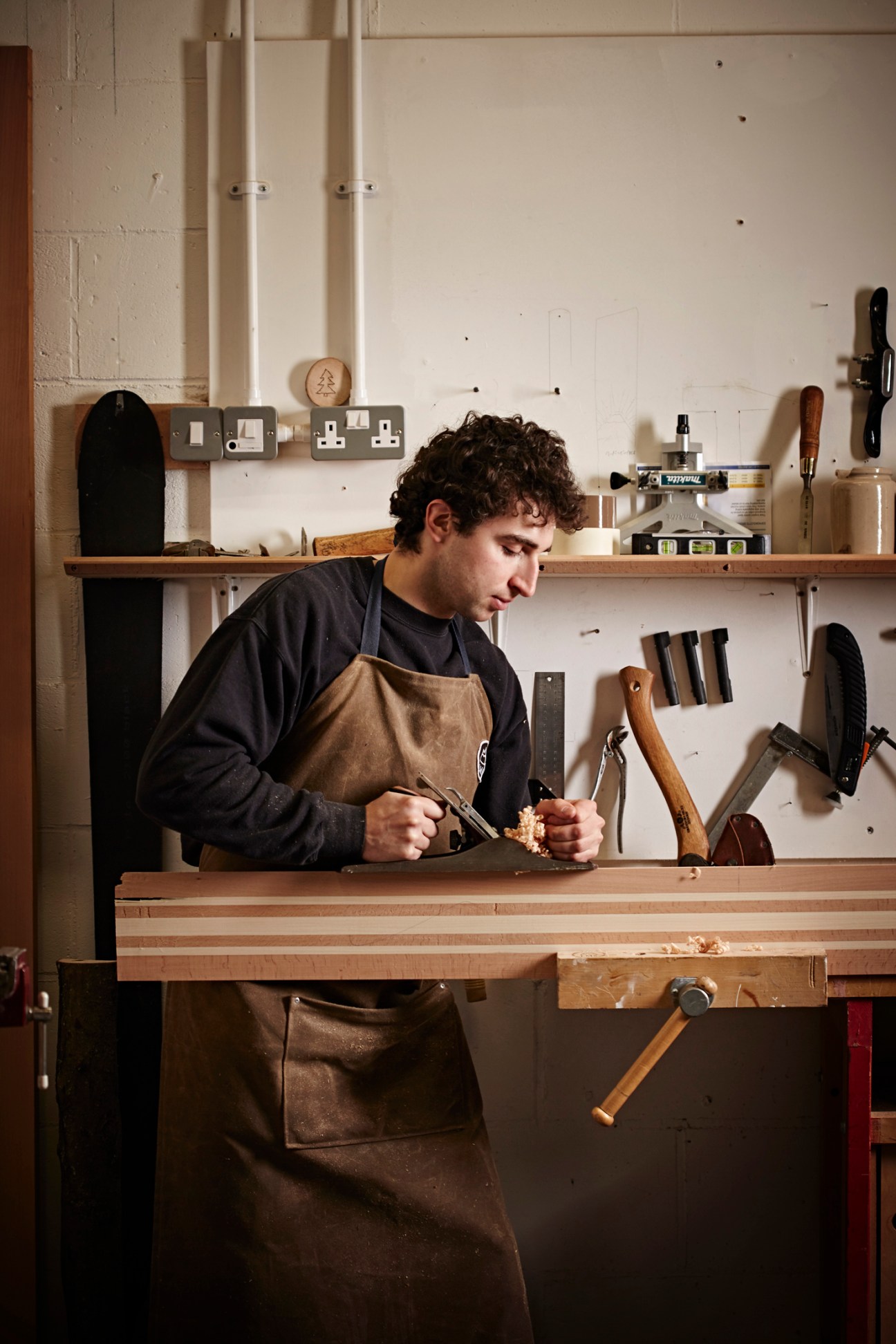
Given our surroundings, it makes sense that Jamie Kunka has an axe hanging in the corner of his workshop next to the kind of saw that two cartoon characters might use to fell a redwood. “I guess they’re there to remind me not to stray too far from my original dream of making wooden skis,” he says. “They’re not the fastest things to use but manual tools give them that handmade feel.”
For someone who seems to appreciate that quality is not always instant, success came early to Kunka, 34. He has been making skis for a decade and in 2014 he won funding to set up The Lonely Mountain Ski Shop – his workshop where he takes custom orders and turns them into reality. “The first ski I ever made was in 2013 as part of a university product-design project,” he says. “I was trying to take some traditional ski-making techniques and the idea of having a ski that’s a little bit more suited to reducing climate change and then marry that with some of the more hi-tech materials such as carbon fibre.”
After sending a friend through Scotland’s mountains wearing some of his 20 prototypes and barely two years after starting up, Kunka travelled to Munich in 2016 to attend ispo, the world’s leading sporting trade fair. He picked up a gold award for his Sneachda model (“snow” in Scottish Gaelic). The award provided a launchpad for Lonely Mountain and now Kunka – who works with only Hemp, his tricolour border collie, for companionship – shifts about 40 pairs of his skis a year to customers from Japan to Canada.

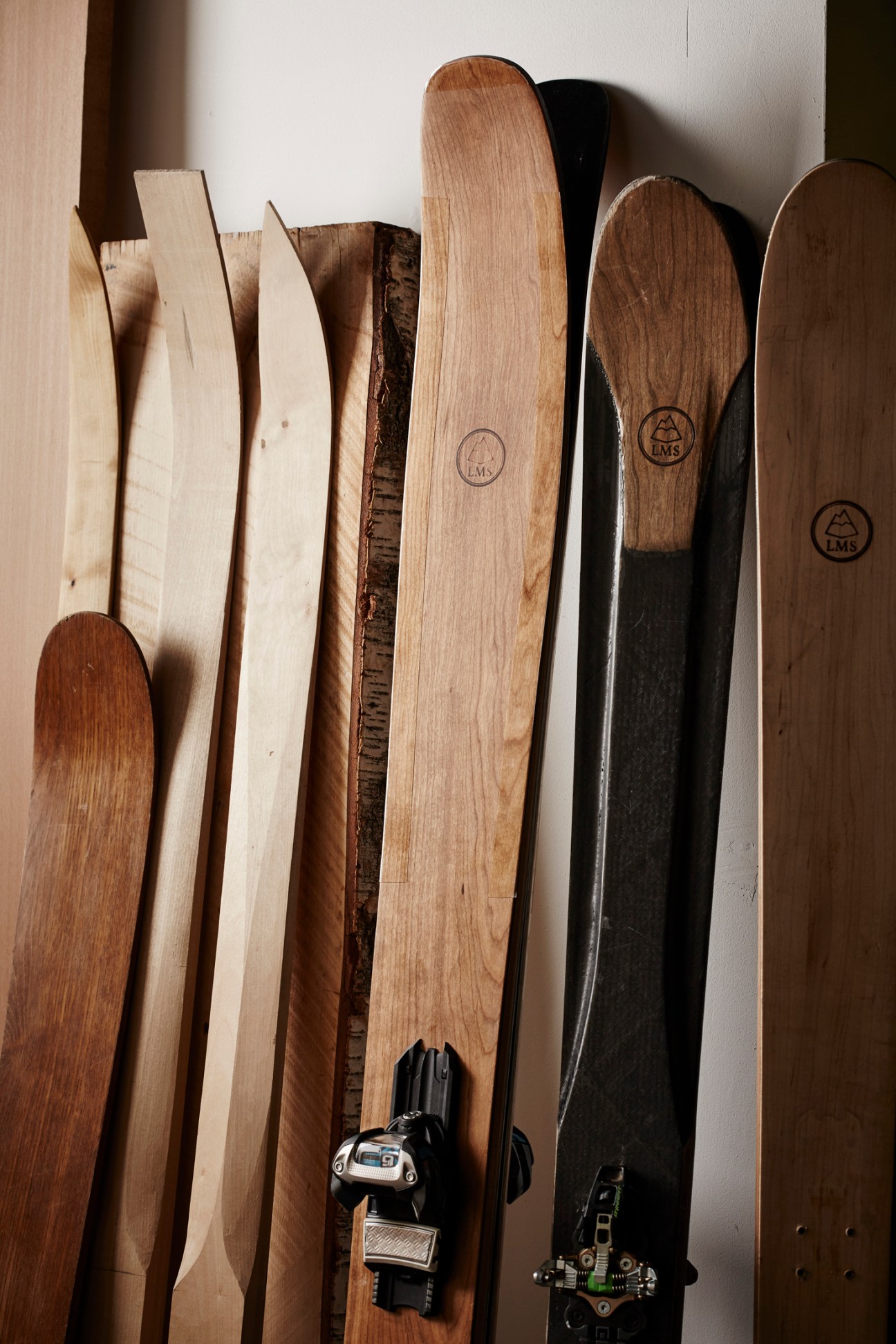
To make the Sneachda, along with the Ord (meaning “hammer”) powder skis and Lonely Mountain’s other models, the ski-maker builds a sandwich of seven materials. That includes a wooden core and skin, a layer of carbon fibre that reduces weight and provides strength, and low-friction plastic film on the base to protect the skis from stones and ice. Then he presses it all together for two days, before shaping it into skis at a custom-built station and adding any pyrography. He shows Monocle an in-progress pair with two stags burned into them – they lock horns when the skis are put together. The result is skis that are about 90 per cent wood and can be revarnished and refurbished. Customers are willing to part with £1,750 (about €2,000) to get their hands on a pair. Why does Kunka think that skiers are drawn to his products? “They stand out for being very minimalist compared to modern skis, with their garish, lurid designs,” he says. “They’re a little bit more traditional and modest.”
Kunka’s dream of building his business came in part from a childhood in Aberdeen taking ski trips to nearby Glen Shee, an early aptitude for woodworking (he started out making longbows) and a television programme he watched in university in which a survivalist met a Swedish traditional ski-maker. “I thought, ‘Wow, I want to do that,’” he says. “In the past few years we’ve turned over about £40,000 [€46,000] a year but because of a new pricing structure and other things, I’ve had to put my prices up so this year we’ll expect slightly more,” he says, adding that so far he has wanted to remain a one-man (and dog) band. “I’ve had a few opportunities to expand financially and take on staff but I would hate to see my skis lose quality or be pushed in a direction where I didn’t want to go. I quite like it being boutique and perhaps a little bit mysterious.”
There’s certainly an air of mystery about his setting: an open-fronted lock-up with capacity for two or three cars that looks out over hillside woodlands and homes that carpet the valley of the river Tay. He found it by coincidence when he was in town one day. “When I moved here, people told me that there was a ski-maker in Birnam in the 1960s called Leopold Vielhaber,” says Kunka. “His workshop was about 100 metres away. I feel like Birnam is the heart of Scottish ski-making.”
Even if that might sound like damning with faint praise, Kunka has plans to grow the Lonely Mountain Ski Shop’s profile. “This is an interesting business so it’s almost marketed itself,” he says. “But I’m still amazed when skiers down the road haven’t heard of me. So that gives me an idea of the work I have to do in getting the name out there. We have a short film that my friend Euan Wilding did about the company that was in the Banff Centre Mountain Film and Book Festival – that should drive a few sales.” And what will come after that? “It would be great to go to Chamonix or somewhere, set up a little stall and let people have a go on my skis,” says Kunka. “That’s something that’s definitely in the pipeline.”
lonelymountain.ski
Embrace the chaos
“That’s chaos, that’s chaos and that’s also chaos,” says Pietro Beccari, CEO of Christian Dior Couture, as he points to the art dotted around his Champs Élysées office. The works in question include a photograph by Bruce Weber scribbled over with black ink and depicting a classic white Lady Dior tote bag surrounded by stuffed animals.
In many ways, the images reflect Beccari’s philosophy as a CEO: to welcome chaos, humour and a multitude of perspectives into the lvmh-owned brand – even if these do sometimes clash.
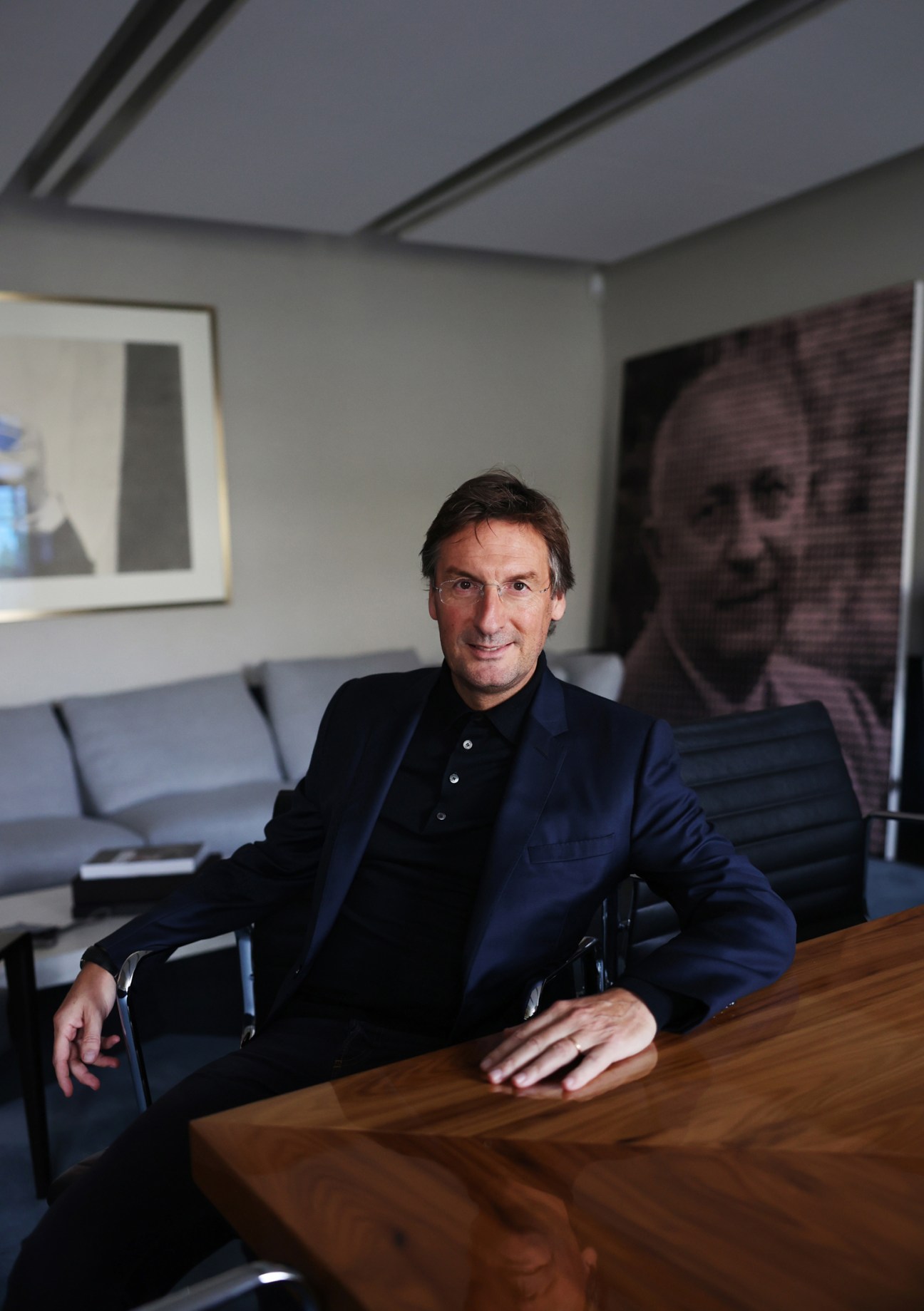
It is an approach that has helped him turn Dior into one of the highest-earning brands in the lvmh stable (according to estimates from hsbc, revenue roughly tripled from €2.2bn to €6.5bn since Beccari joined the company in 2018). He has achieved all of this while bringing profile designers all under one roof, including the brand’s womenswear creative director Maria Grazia Chiuri and Kim Jones, artistic director for Dior Men’s. “Consistency can be boring and uninteresting,” says Beccari, who was born in a small village in Italy’s Parma area. “You have to always be ready to change your convictions.”
After a brief stint as a professional football player in Italy, Beccari worked for Henkel, the German manufacturer that specialises in cosmetics and home-care products. In 2012 he joined fashion’s C-suite, first at Fendi and now Dior, where he gets to “think huge, not big”. This often translates to destination shows held across the world, best-selling collaborations with everyone from up-and-coming South African designer Thebe Magugu to sports giant Nike, and larger-than-life shops.
Beccari’s approach to retail in particular has been turning heads this year. He reopened the doors of Dior’s Paris flagship at 30 Avenue Montaigne following a renovation project lasting more than two years. This involved buying two adjacent buildings and transforming the space into a giant hub of luxury shopping and entertainment with a restaurant, a pâtisserie, indoor gardens, an exhibition space and a private suite that can be booked for an overnight stay for more than €20,000 a night. “At first, everyone was looking at me as though I was a weirdo for wanting to close down our number-one shop in the world for such a long renovation,” he says of 30 Montaigne. “The artisans hadn’t been moved from that location since 1946.”
But Beccari’s bet is paying off. Pass by 30 Montaigne today – the “beating heart of Dior”, as he calls it – and you will see people lining up to enter the exhibition space, while inside the shop itself there is always a happy commotion: some customers can be found spritzing perfume at the beauty stands near the entrance, others are having private appointments at the upstairs ready-to-wear floors, while locals enjoy business lunches at the light-filled Monsieur Dior restaurant – an establishment in which every detail has been considered, from the Dior china to the butter served on the tables that comes marked with founder Christian Dior’s lucky star.
Beccari is now applying the same bold attitude in other markets, from Seoul, where Dior transformed a skate park into a pop-up shop, to London, where the brand has taken over Harrods for the holidays: window displays, an in-store exhibition, a café and exclusive Christmas collections are all coming together to tell the Dior story. “It’s fitting to our status as a mega brand,” says Beccari, who is set on doubling the company’s revenues in the next five to six years. “The potential of Dior is infinite and we have embarked on a successful path that has no reason to stop.”
Here, he talks to Monocle about some of the ingredients in his recipe for success and what lies on the road ahead.
How did you develop your business style and learn to embrace values like risk and inconsistency?
Having worked at Henkel, I experienced the mass market where repetitive messages were pushed onto customers. But then I came to the luxury sector and realised that this approach was wrong: incoherence can be healthy for business. If you have everything under control, it means that you’re not going fast enough; you must question yourself and continuously change your direction. This breeds chaos but also creativity. If you stay too loyal to the ways of the past, you can become boring. There’s a reason why you can light a fire by pushing two stones in opposite directions.
How have you been rethinking physical retail in particular?
Today clients don’t just want to come in, buy a bag and go away. We share a set of values – aesthetic ones in this case – that we can translate into experiences. It’s more common for us to be incorporating in-store hospitality as these experiences are the ones that are building your brand’s image these days. We brought Zuma to Palazzo Fendi in 2016 and it remains one of the most popular restaurants in Rome. Now we have got the Monsieur Dior restaurant, the private suite in 30 Montaigne and a lot more ideas for how to go beyond shopping in the next year.
Is heritage and the story of Christian Dior a big part of the story that you are trying to tell on the shop floor?
I always tell my team that we’re not here to preserve history. Based on this powerful heritage, we need to build something new that speaks to people today. While history alone is not enough, it’s been interesting to incorporate a museum next to 30 Montaigne and marry the modernity of the shop with the tradition of a museum. We’ve staged an exhibition on the history of Dior in Paris, Brooklyn and London, and this December we are taking it to Japan.
Why is it still so important for Dior to partner with third-party retailers when you are investing in your own shops more than ever?
Department stores in the UK, the US and France have their own customers. They are a different type of person, one who wouldn’t come to our standalone shops. That’s why we wanted to partner with a global name like Harrods on something that is larger than life and has never been done before.
Many colleagues talk about bricks-and-mortar shops being completely replaced by e-commerce. But I still belong to the school of thought that believes that physical retail and the department store remain important and that these are impossible to replace with online retailers.
How have you been developing Dior’s high jewellery business?
Dior made the move into jewellery 21 years ago but we have never been as successful as we are today. We have just acquired two jewellery manufacturers in Lyon and opened another high jewellery atelier in our headquarters. We want to develop this craft within our team as there’s huge potential to speak to a certain type of premium client.
A lot of luxury businesses are increasingly focusing on that premium client, who is less likely to be affected by the current state of the economy. Are you heading in a similar direction or do you plan to continue investing across all levels of the market?
Part of being a global brand is speaking to different types of people: some might not be able to afford haute couture but they might want to buy a belt. I wouldn’t change this strategy; it’s not my way. In 2020, Dior saw a 20 per cent rise in revenues because we never stopped investing in our shops and in bold marketing at a time when everyone else went quiet. We gained a lot of market share during the pandemic because we were shouting in a desert and our voice was very much heard. We didn’t slow down during the worst crisis of the century and we won’t change paths now that we are inevitably going into a recession. Staying true to your values and strategy pays off in the long term.
How have you been incorporating environmental goals into your strategy for the brand?
I see this pragmatically. People often make big statements and eventually have to admit defeat so we would rather acknowledge that we’re not perfect and try to do better. Dior has a programme called “Dream in Green” in which every single employee is called to give suggestions and we then implement 10 to 15 of those ideas every year. Our swimwear collaboration with [non-profit environmental organisation] Parley for the Oceans, which was created using ocean waste, was a result of that project.
It’s also important for us to partner with local artisans when we host destination shows – we did this in Greece, Morocco and Spain. The aim is to integrate ourselves into these cultures and use our platform to tell the stories of the craftspeople.
Do you foresee that Dior can sustain its momentum in 2023 and beyond?
I’m optimistic by nature and I see a lot of new opportunities across southeast Asia: Vietnam, Indonesia, Thailand and Singapore are all showing potential for growth.
South Korea was completely underdeveloped for us and we have multiplied our market share by 9 in the past five years with a show and pop-up shop in the middle of a skate park. No one expected us to do that in such a far-flung location but we have now made it the place to be.
We can never fall to a level that we can’t bounce back from – we’ve already demonstrated that in 2020. Knowing that Dior was founded right after the Second World War [in 1946] made me realise that the brand was made for situations such as this and we can head into any crisis with courage.
We are in a time when we can certainly live without luxury but we need luxury to live better; it can offer us a moment of joy or self-reward that is much needed right now.
thefabulousworldofdior.com
Mellow yellow
There’s a moment during Monocle’s conversation with Jesper Brodin in Berlin’s Tempelhof Ikea when a man walks into the room and shoos him off the low, ash-coloured sofa where we’re sitting. This is not his sofa, though it soon could be and he wants to measure it. Having retracted his tape measure – and none the wiser that he’s just wafted away the man who runs Ikea – the man wanders back onto the shop’s main walkway. Brodin handles the interruption with ambassadorial grace (a journalist’s presence notwithstanding), as well he might. Throughout our conversation he uses the term “touchpoints”, meaning the physical points at which consumers experience Ikea. It’s only natural for the CEO of Ingka Group, which runs nine in 10 of the world’s Ikeas (including this one), to want his customers to have a pleasurable experience.
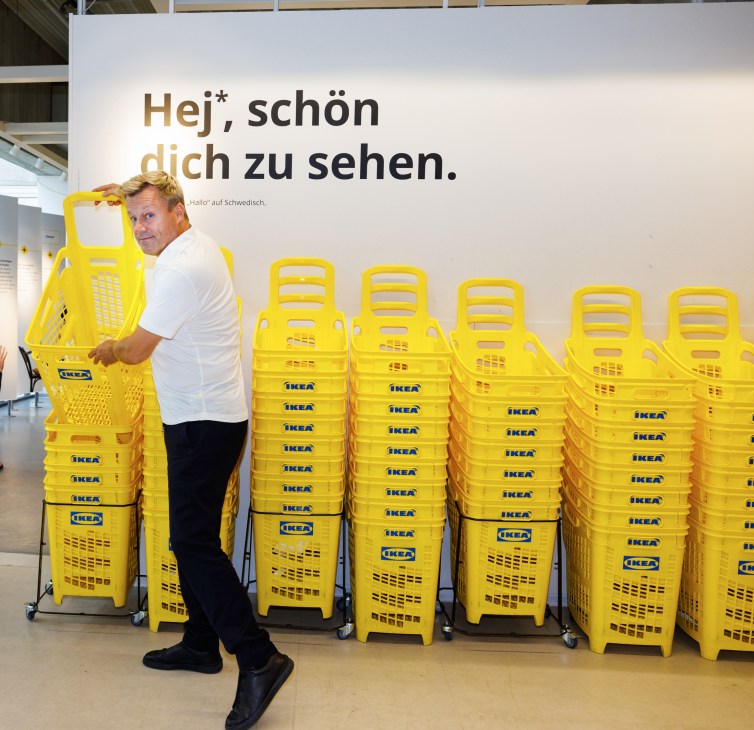
For many consumers around the world, Ikea is also one of Sweden’s most recognisable touchpoints, so any stance that the retail giant takes carries greater resonance than the average company. During times of geopolitical and economic calm, that might be a mere quirk of corporate branding but in times of flux, the clout that global companies wield in the public imagination can turn them into soft-power embassies for their home countries – think McDonald’s in the Soviet Union of the 1980s.
With its doorknobs named after Swedish towns and the meatballs it sells from Nagoya to Santiago, “Ikea’s Swedishness is something quite fun – it stands out,” says Brodin. “But it’s also deeply value-based.” The company’s alignment with its mother country is intentional, he adds. Its conspicuously Swedish blue and yellow logo was originally red and white, “and it was a conscious decision to build the brand with an understanding of the culture of Sweden: the aspects of togetherness, simplicity and cost-consciousness”. That might sound like corporate spin but on that latter characteristic, Ikea has walked the walk in recent months.
Supply-chain difficulties and inflation have hammered retailers around the world. With many companies putting up their prices to protect their bottom lines, Brodin, along with the Ingka Group board and Ikea, decided that Ikea should absorb some of the higher prices of raw materials rather than passing them on to consumers. “We have a resilient economic set-up, Ingka Group has no loans and some money in the bank,” he says. “So we decided to take a lot of the hits on the cost variation on our own profit and loss.” To an extent, consumers rewarded Ikea’s largesse, with the retailer posting record sales in its most recent full-year results in October 2022. That, though, was followed by an announcement the next month that in the year to the end of August, Ikea’s profits halved.
“We don’t have to see these as the most profitable years,” says Brodin, conceding that Ikea’s private status makes such decisions easier when away from the glare of shareholder scrutiny. Now, he says, the economic storm that began with the spiralling cost of materials and shipping is about to get choppier. “Maybe you see things earlier when you have an integrated value chain but soon we’re going to have shortages and overstocks, inflation and deflation, so in the coming period you will need to be really agile.”
Ikea, along with many other global corporations, is already cooling its heels from one display of agility in 2022. When Russia invaded Ukraine – a move that accelerated the inflation that’s rocked European business – the sanctions that Western governments placed on companies doing business with Moscow left Ikea with no choice. “It took us many many years to get profitable in Russia,” says Brodin.” But then, of course, none of us had [the invasion] in our scenario list. Supply chains were breaking down so quickly that even if we would have liked to continue there, we wouldn’t have been able to.” With Russia representing about 4 per cent of Ikea’s total sales and its business there having employed 15,000 staff, “it’s both emotionally and financially a great loss,” he adds.
What the ongoing conflict means for Ikea’s Russian operations in the future remains unclear but in June, Inter Ikea Group cut staff there and began looking for new ownership for its factories. The implications of the war in Ukraine for Western businesses in other countries that run the risk of being swiftly deemed pariahs is also in question. What, for example, if China were to invade Taiwan? The world’s second-largest economy is part of Ingka’s growth strategy. “The plan is to be agile and responsible,” says Brodin carefully. “The question is more for us: how do we not panic?” And what of the broader shift towards deglobalisation? “We’ve been benefitting for two or three decades from more open borders, free trade and collaboration across borders. We’re believers in the benefits of that for our business but also for how it spreads ideas and makes people connect.”
Fiscally prudent, collaborative and an undramatic attitude to crises – so far, so Swedish. Ikea also echoes the Swedish government on the issue of the environment. In 2021 the World Economic Forum named Sweden at the top of its Energy Transition Index. The country has one of the most aggressive net-zero target dates – 2045 – and is targeting a 70 per cent reduction in transport emissions by 2030 by deploying electric cars and aeroplanes (see Issue 154). Similarly, Ingka Group has already spent €3bn on forestry projects and wind and solar installations to power its shops. It has a further €3.5bn set aside for green-energy projects by the end of the decade. “We’re conservative on 80 per cent of our assets and then on the other 20 per cent, we said, ‘Where can we go that serves our business model and what we believe in?’\” says Brodin. The decision, which has taken Ingka Group’s in-house operations carbon-neutral, “has turned out to be an incredibly good business even before the recent energy crisis.” A push into renewable energy and selling energy to consumers is one part of Ikea’s plan to boost its revenue. Another is its foray into the circular economy as it attempts to tackle waste. “We have too many people sharing the same resources,” says Brodin. “There is a new economy being built; the other one will only get more expensive.” Being privately owned puts less pressure on Brodin for every trial to succeed. Furniture rental, for instance, works for Ikea’s corporate customers and students using furniture for fixed periods of time but, he adds, “it’s not as strong as we had hoped it would be”. “We think that it’s one of the things that people will go towards so we’ll keep experimenting,” he says.
As for how Ikea plans to sell or rent those more environmentally friendly products to its customers, the pandemic accelerated Brodin’s plans to boost the company’s online sales. Since shops reopened, Ikea’s city-centre, delivery-only shops have helped to provide a bricks-and-mortar experience to those unable to get out to the company’s warehouses and amplified its online sales. Before the pandemic, online comprised a high single-digit percentage of Ikea’s sales but restrictions and the attendant shift to online retail has since tripled that number, according to Brodin. “People have told me, ‘I’m a single mother of two kids, I come home from work, cook, help with homework and put them to bed and I’m not getting on a tram or a bus to go to Ikea.’ That kind of situation in big cities is something we probably have underestimated a little bit.”
Not all of Ikea’s experiments have proven popular with customers, who have come to expect a certain experience that comes with a side of flatbed trolleys and bickering couples. Just after our couch’s interested customer slips back into the pathway that snakes through the Tempelhof branch, Brodin tells Monocle about the firm’s experiment with multiple entrances and free-flowing walkways in its shops. “Our customers told us, ‘No, we get lost, we don’t recognise ourselves in Ikea without them.’ So now we have to spend some money to correct that.”
Be our guest
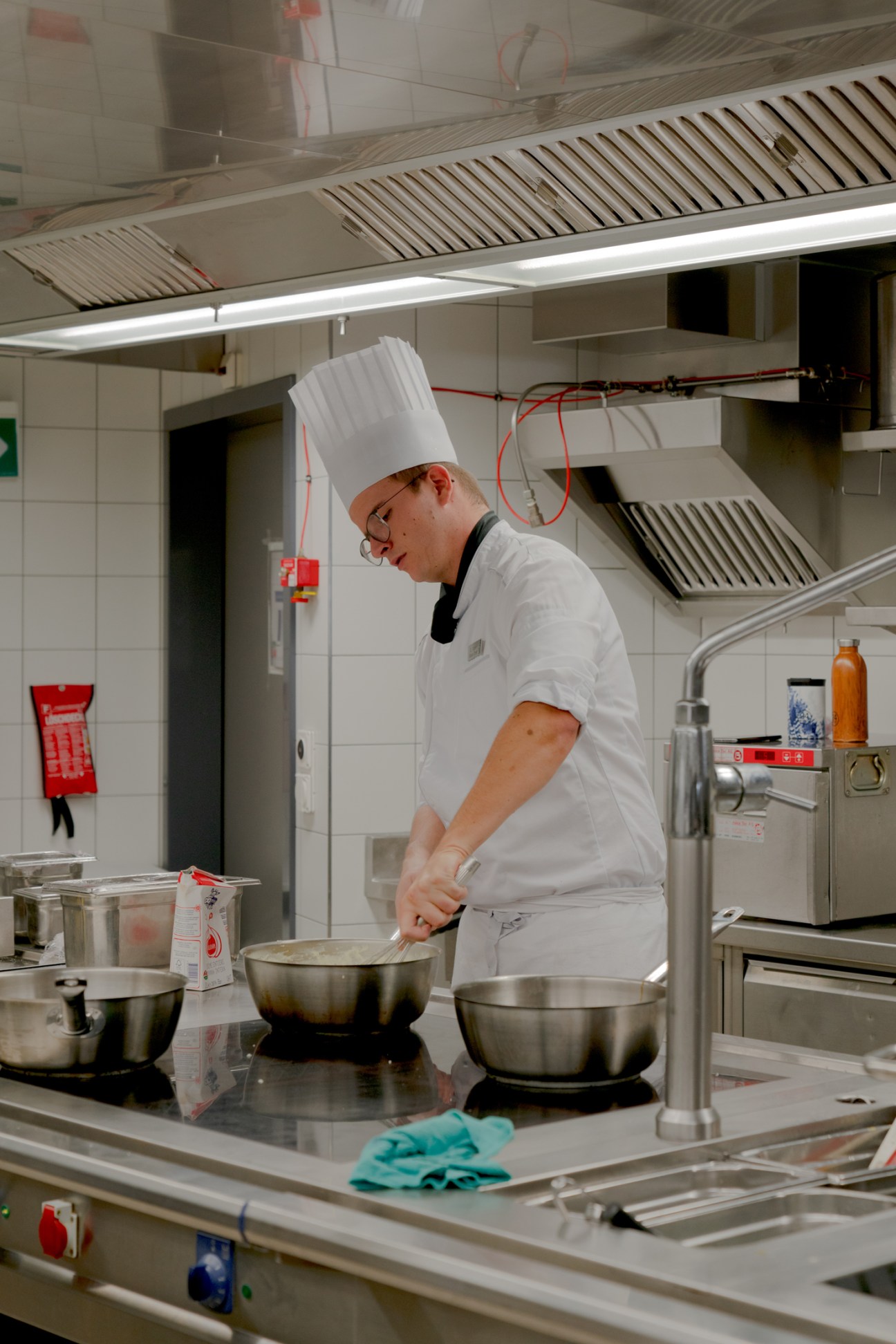
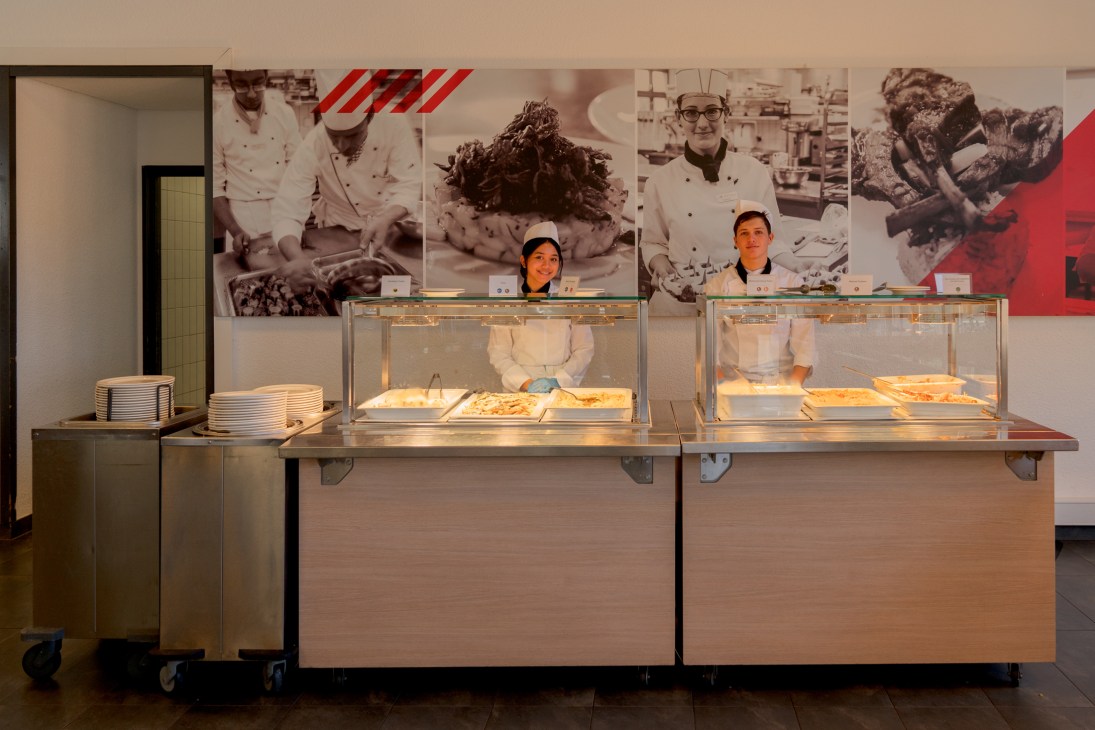
At some point between sampling the canteen’s hibiscus financiers and hearing about students’ internships in five-star hotels, it becomes clear that student life at Les Roches International School of Hotel Management is no run-of-the-mill university experience. Despite its remote location, nestled in the Swiss alpine community of Crans-Montana (population 10,000), the Les Roches hospitality and business school attracts a crowd that is overwhelmingly international. Students can be overheard laughing as they chat in Mandarin, Spanish, English and sometimes all three; all of them smartly dressed in suits, pristine shirts and silk ties. Emre Doguoglu, a second-year student is one of Monocle’s guides on a tour of the campus. He is back in Switzerland after completing a five-month internship at the Rosewood Miramar Beach in California. Together with Samuel John Bond, he guides us through a library, a media centre for students to get professional portraits taken and the sleek stainless-steel kitchens where cooking classes are taught. Chef Matteo Salas, the fine-dining instructor, can often be spotted snowboarding on nearby slopes. Salas isn’t the only one. “I loved the concept of studying business and hospitality but also skiing at the weekend,” says Doguoglu.
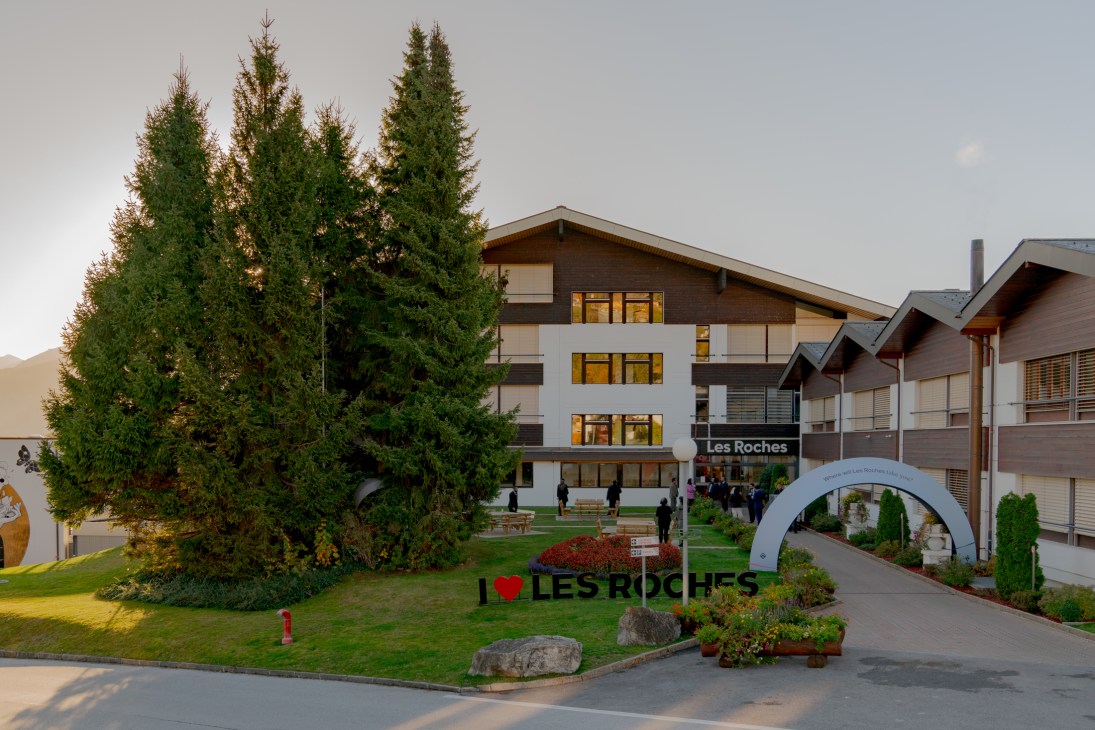
But life at Les Roches isn’t all pâtisseries and salopettes. The academy is in the world’s top tier of hospitality schools. “Les Roches is an incredible platform for industry connections,” says Bond, who did his placement at Oswald’s, the London private members club. He’s not wrong: the network of major global players that attend Les Roches careers day and snap up graduates speaks louder than any glossy prospectus. The lvmh group, Accor, the Ritz-Carlton, Rosewood, Soho House and Bloomberg all make a point of stopping by, as well as visiting nearby rivals Glion and the École Hôtelière de Lausanne (EHL).

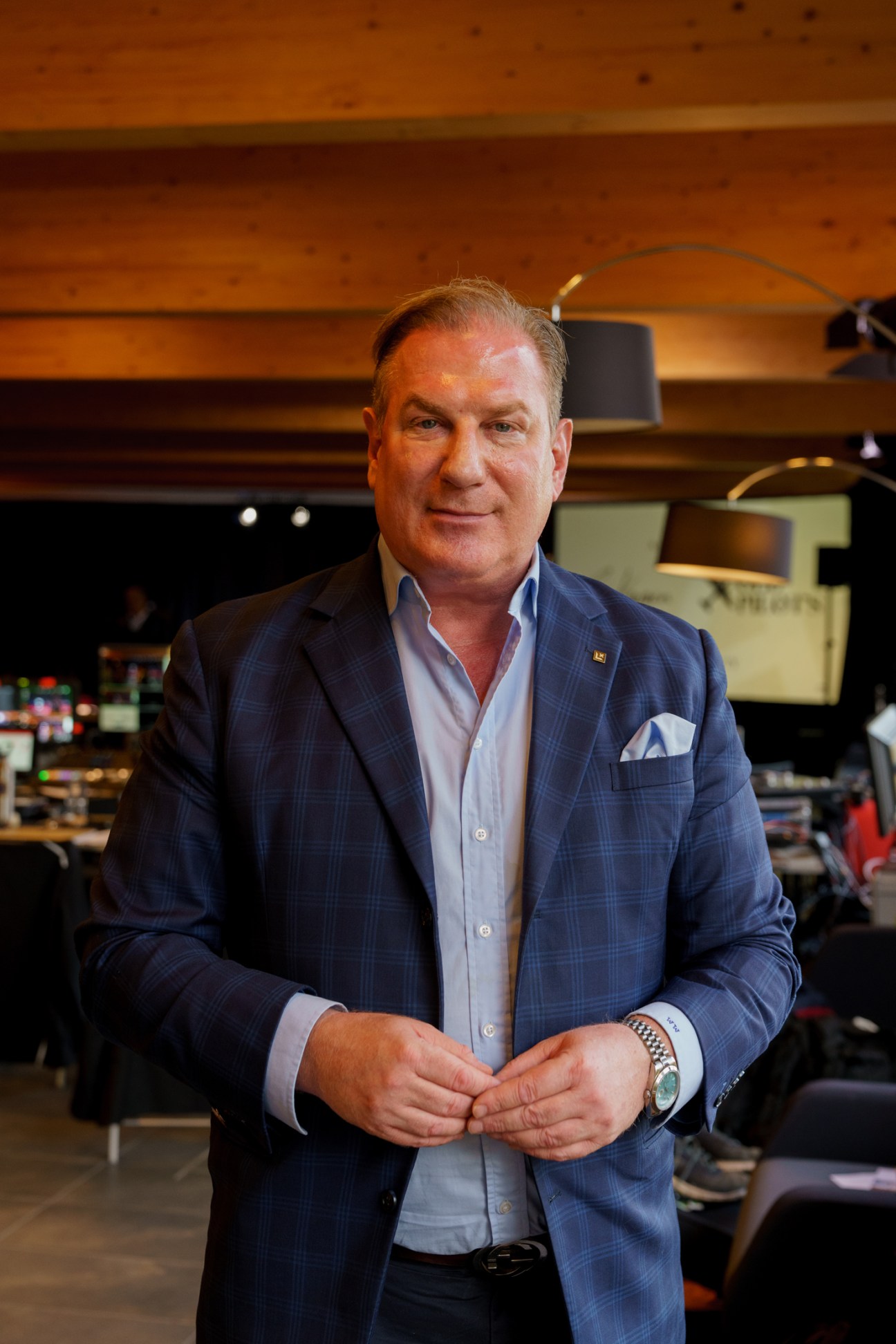
Given its facilities and the connections it offers, it’s not surprising that Les Roches is where many aspiring hospitality professionals want to end up. Emily Svetlana Simmons, 18, is in her first year of her bachelor’s degree and tells Monocle that her aim is to one day become a skilled practitioner in what she calls “the old school artform that is being a concierge”. “I’ve been dreaming about going to Les Roches,” says Simmons. “I’ve invested my time and everything to go to the school, getting myself involved in as many Les Roches events as possible.” When we speak, Simmons, who grew up in Vienna, is in her housekeeping week and already has three internship offers. “I think I’ll go for the one in Portugal.”
“With Les Roches the first thing that comes to mind is quality,” says Nandeeta Rai Byrne who works in talent acquisition for luxury hotel chain Six Senses. “We look for diversity and they’re culturally aware of each other’s nationalities. They have the innate ability to integrate so I can comfortably send them to Morocco, the Maldives or the Middle East.”
The head of Málaga Tourism, Jonathan Gómez-Punzón, concurs. “We have hundreds of Les Roches graduates on the Costa del Sol, which pushes us up in terms of the level of service and satisfaction of the visitors,” he says. What sets them apart? “Details. And passion for service.”
Les Roches opened its doors as an international boarding school in 1954, pivoting to tourism and hospitality in 1979 before moving towards a business-school model with an attention to customer service. Undergraduate programmes are the school’s main draw, with 1,502 attendees, each paying about €200,000 for boarding, two compulsory semesters of work placements and three-and-a-half years of fees.
Les Roches’s graduates will be even more in demand in the future. During the pandemic, rates of international travel plunged by 70 per cent. While the industry is recovering from the effect of years of closures and uncertainty – the UN World Tourism Organization says that international tourism was at 57 per cent of pre-pandemic levels between January and July 2022 – its finances are still reeling. The global industry’s 2021 revenue of €1.9trn was still far short of the pre-pandemic level of €3.5trn in 2019.
But if the global sector flatlined when restrictions were imposed, the steady pace of teaching in Crans-Montana barely skipped a beat. “On a Friday we were advised to empty the campus,” says Pablo Jesus Garcia Sanchez-Prado, teacher at Les Roches since 2004 and director of the school’s innovation-focused think-tank Spark. “We have students of more than 100 nationalities and during the pandemic we were able to organise for them to study across different time zones remotely. We didn’t lose a day of teaching.”
Now teaching is back in person at Les Roches’s campuses in the Swiss Alps, Marbella and Shanghai. With one faculty member for every 16 of its 2,500 students, attendees are plunged into the realities of hospitality work from their first semester. They’re drilled with a customarily Swiss hands-on approach to teaching, learning the basics of housekeeping, creating cocktails in mixology classes. Early morning shifts at the canteen, which begin before breakfast, are a rite of passage.
While it’s unlikely that graduates will become cleaners or bartenders, the importance of instilling the understanding of every process that takes place in a hotel is crucial. “Tourism is a very traditional industry,” says Carlos Díez de la Lastra, the CEO of Les Roches. “Our model is very solid and well-tested. We cannot forget that this is a people-to-people industry; it’s about relations and managing emotions.” From the bellboy to the general manager, every person matters when it comes to elevating an experience for your customer, Díez says. “We’re proud of the human touch and the communities we create.”

The bonds between Les Roches’s network of alumni – forged during classes and afterwards at chalet parties – remain strong for years after graduation. “When I see a job offer I always look out for my fellow alumni because I know the quality of education we’re getting,” says Salma Miss, who graduated in 2012 and is now based in Singapore working as the head of marketing for hospitality-technology-solutions company fcs Computer Systems. “We were always incentivised and encouraged to think for ourselves and felt empowered to speak up, to think, to innovate.”
And for all its traditional appeal, Les Roches is attempting to do just that. The school launched its Spark initiative in 2020 and is hosting its annual Education Summit on the day of Monocle’s visit. Speakers from various industries – Silversea Cruises, Deloitte and Boutique Homes among them – take the stage and outline the challenge that the hospitality industry has in leveraging data and new software in figuring out what technological tools might enhance a fundamentally human experience. “Your priority is always adding value to your customers,” says Susan Garrido, the head of Spark in Marbella. “It’s about knowing when to stop.”
With every passing year, it will only become more necessary for new cohorts starting their studies at Les Roches to be able to discern between gimmicks that only frustrate travellers and which elements bring an even more seamless experience – and with it, boost profits. “The pandemic was a problem and an opportunity at the same time,” says Díez. “We’re moving towards a business school but with a certain agility and an understanding for customer service.”
Hand in hand
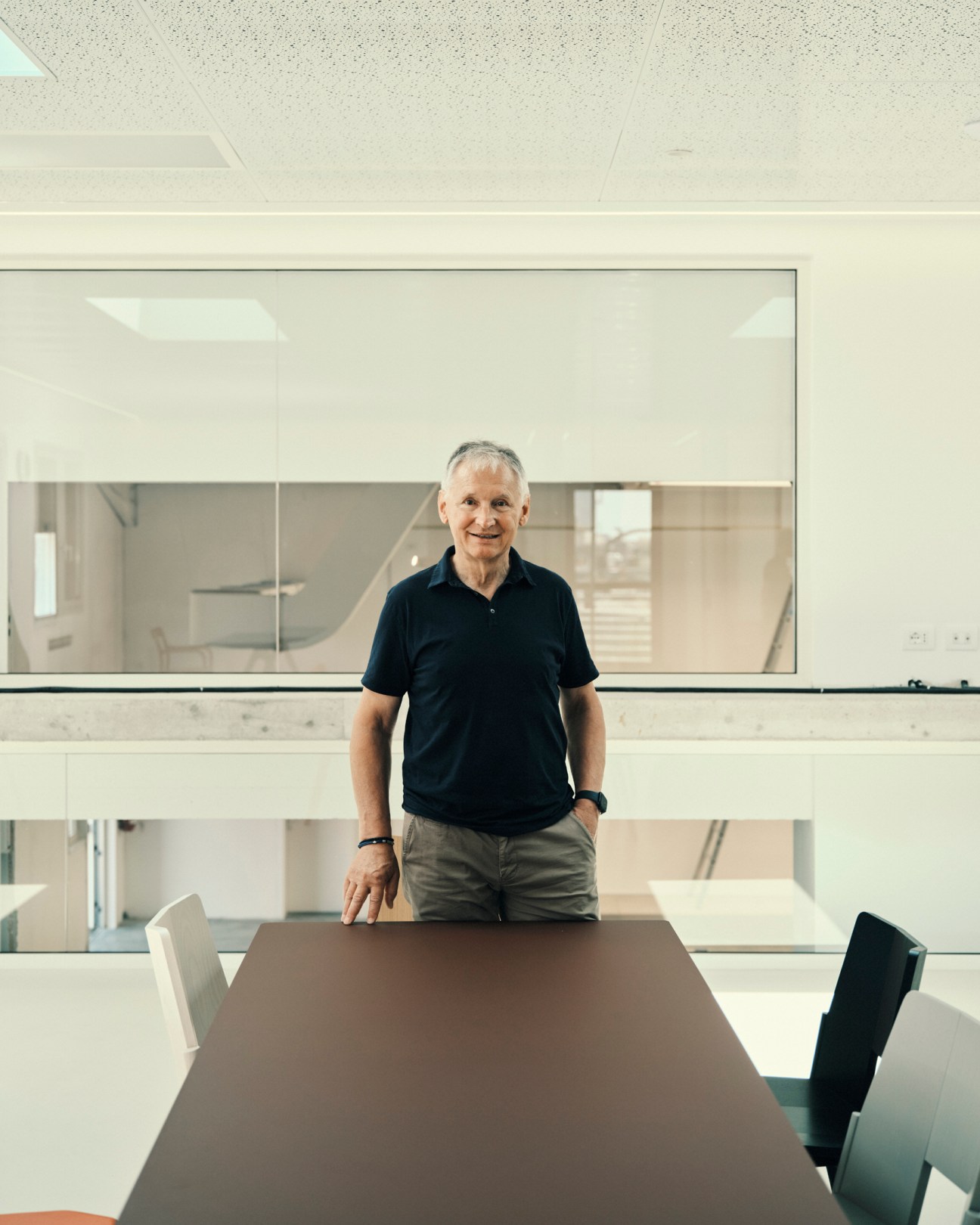
When Nevio Mattiazzi started his namesake furniture factory with his brother Fabiano in 1979, the northeastern Italian town of San Giovanni al Natisone, where it’s still based, was at the heart of the country’s “Triangle of the Chair” – an industrial region dedicated to the production of timber furniture.
“In the late 1970s, after I finished school, the job market didn’t offer many options and the production of chairs and furniture was the major activity in this area, so I decided to adapt myself to this industry,” says Nevio, who took a job working for his uncle before setting up his own factory, where he and Fabiano produced timber chairs for Italian furniture brands. “During those years in the 1980s, this area around Udine used to produce more than 30 per cent of chairs for the commercial, global market.”
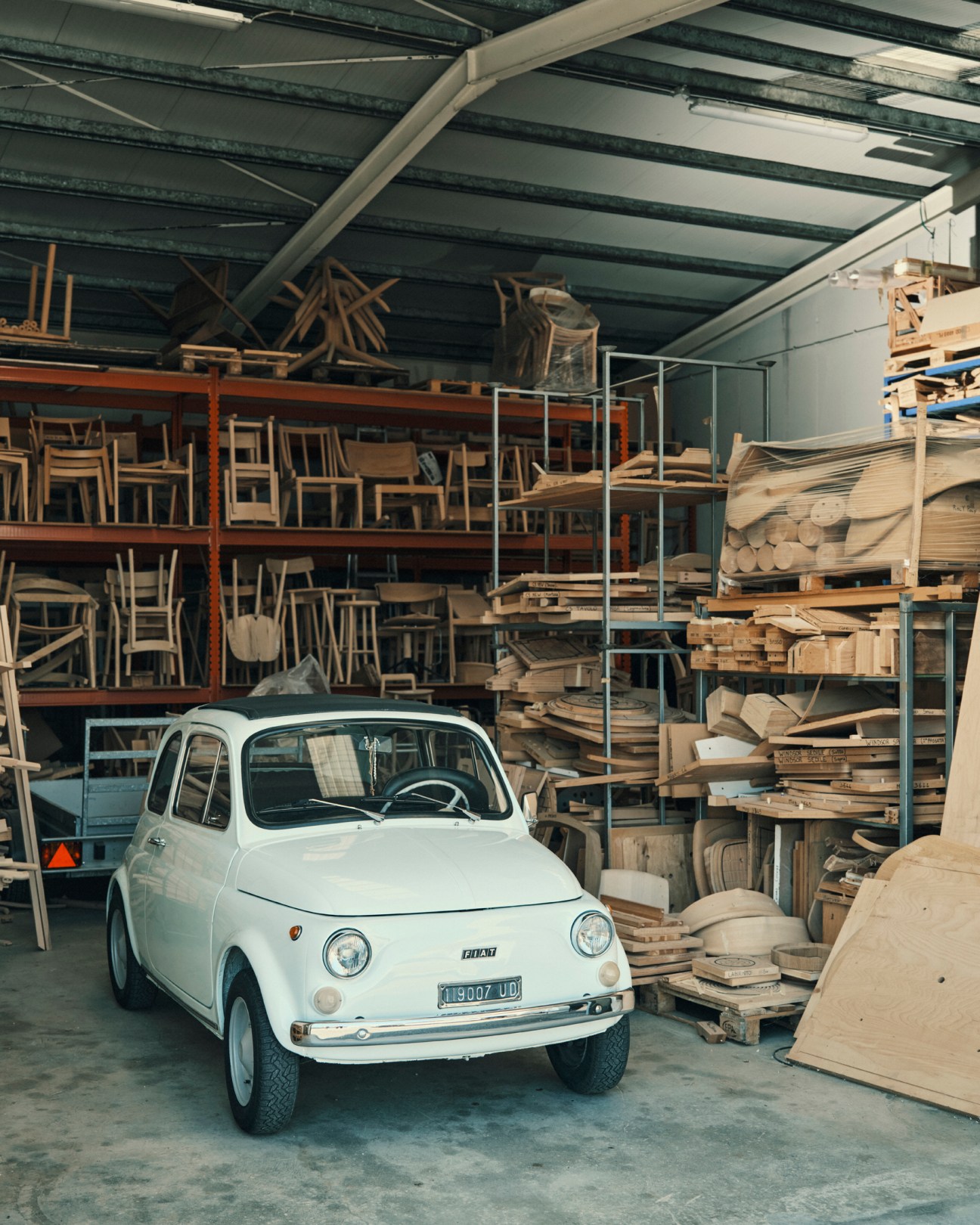
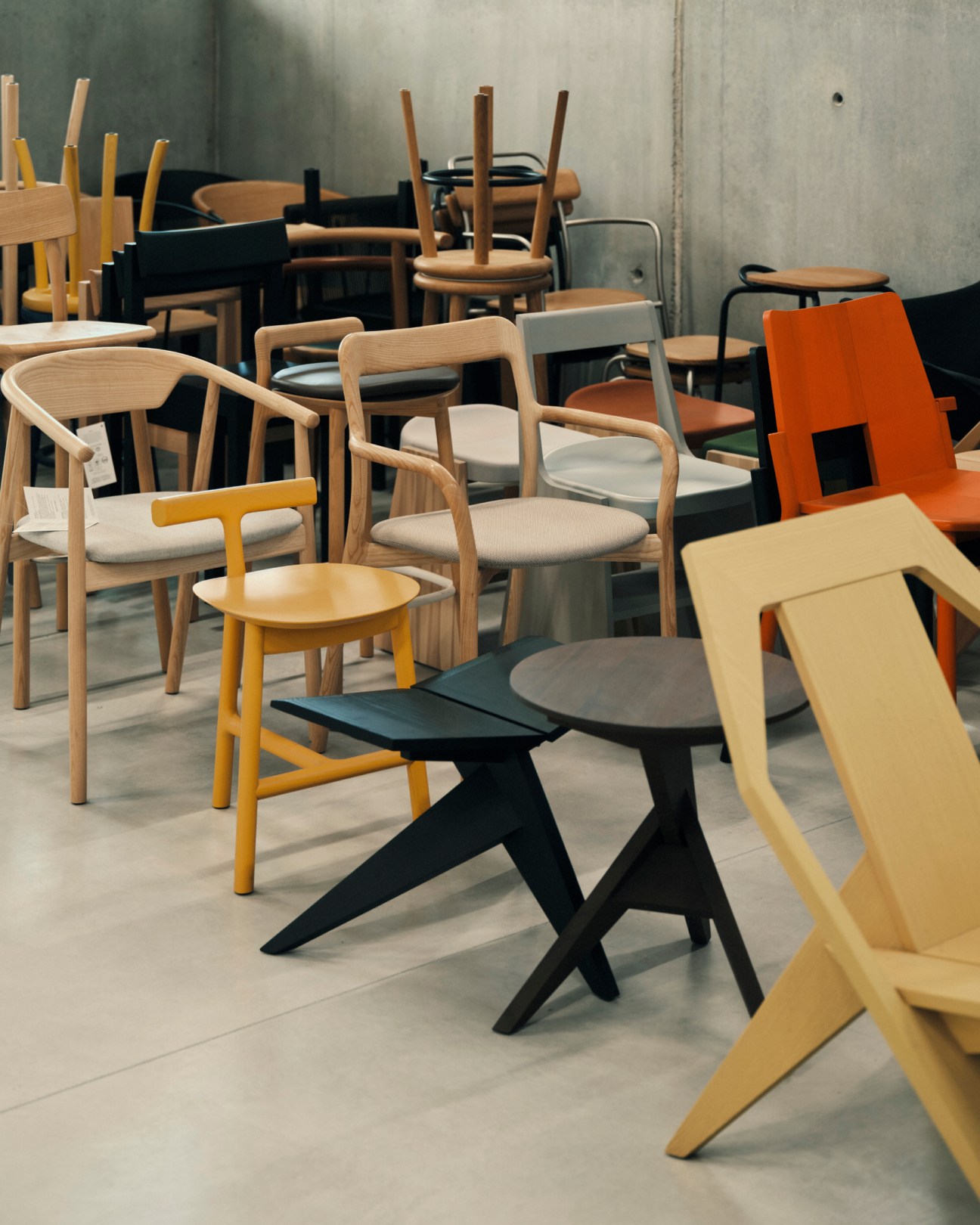
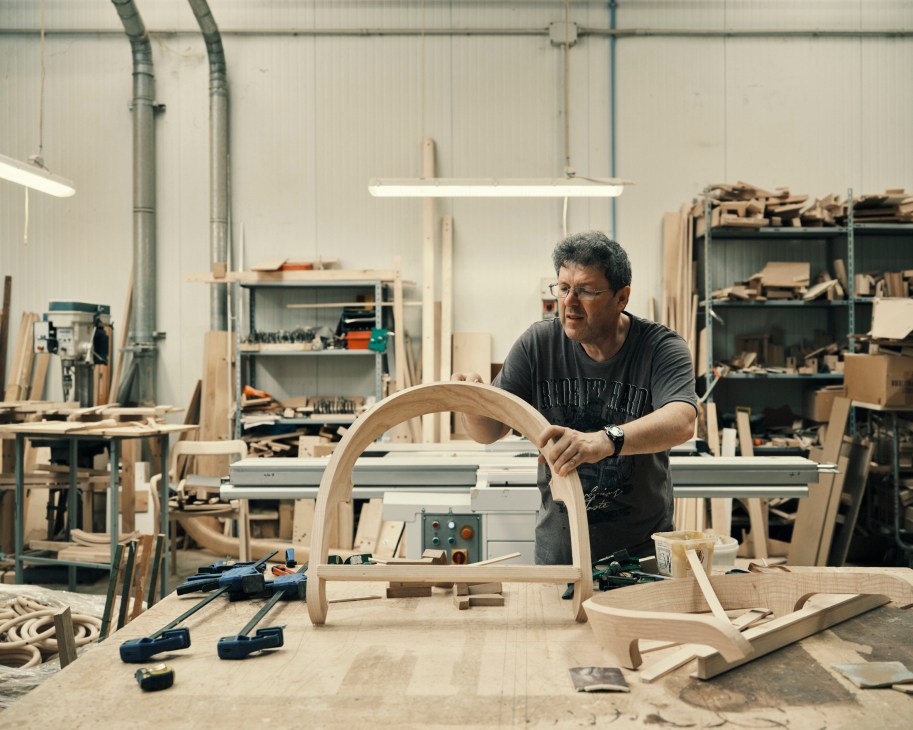
For decades the Mattiazzi factory traded on a reputation for producing high-quality wooden chairs blending traditional manual know-how with industrial, machine-led production methods. But following the financial crash of 2007 and 2008, the Triangle of the Chair – and Mattiazzi’s place in it – became unstable.
“The area was very badly hit by a crisis,” says Konstantin Grcic, the esteemed German industrial designer and Mattiazzi’s creative director since early 2022. “I remember going there 10 years ago and finding lots of abandoned factories and companies that failed because of competition from abroad and an ageing of the region’s workforce, with young people not wanting to work in the industry. Despite this, Mattiazzi, who had that same shared history [with the failed companies], still wanted to stay alive and do something.”
That something involved Nevio changing the company from one that produced furniture for other brands to a design label. Its own range, Mattiazzi Collezione, was launched in 2009 after the brothers appointed the Israel-born designer Nitzan Cohen as art director, assisted by graphic designer Florian Lambl.
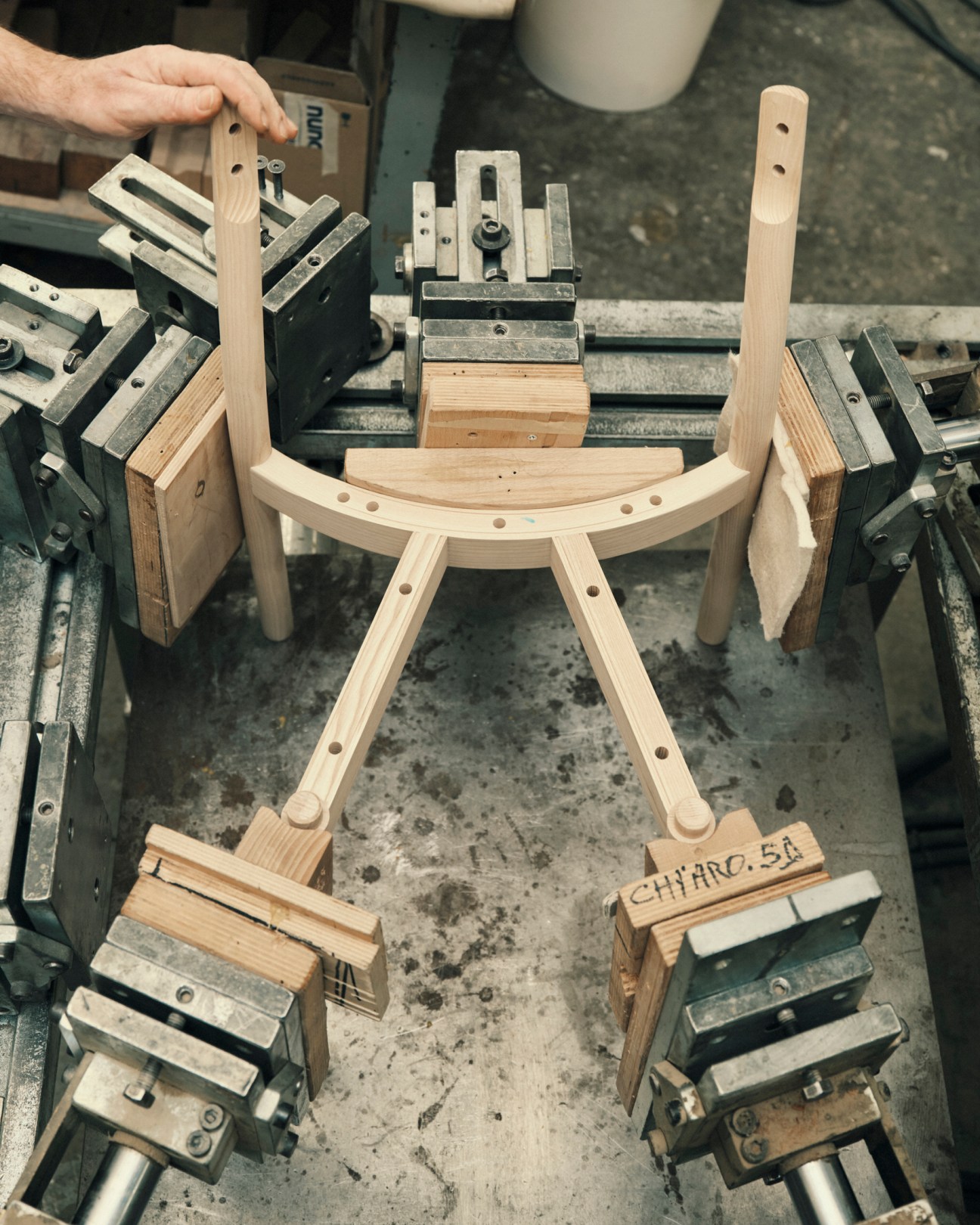
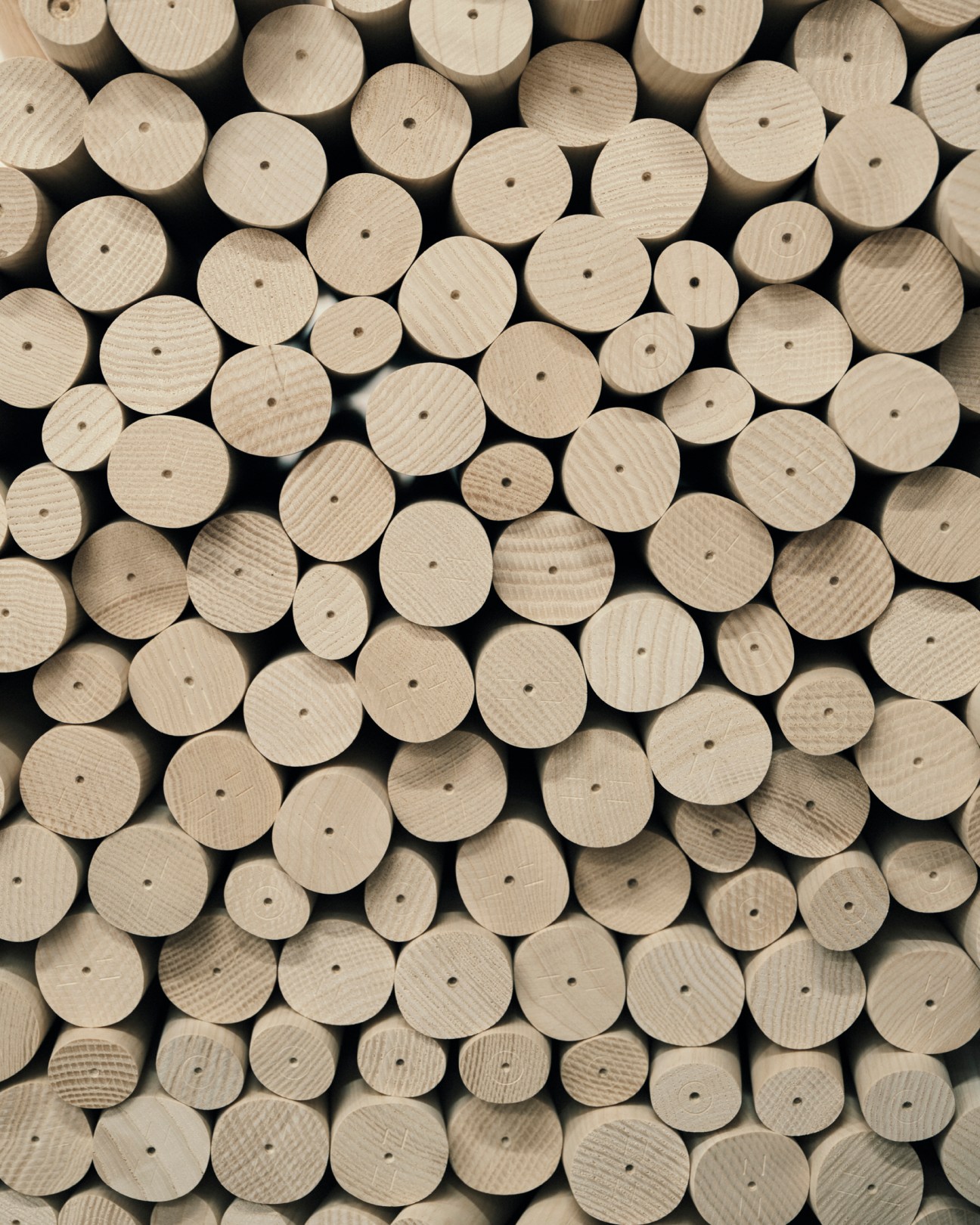
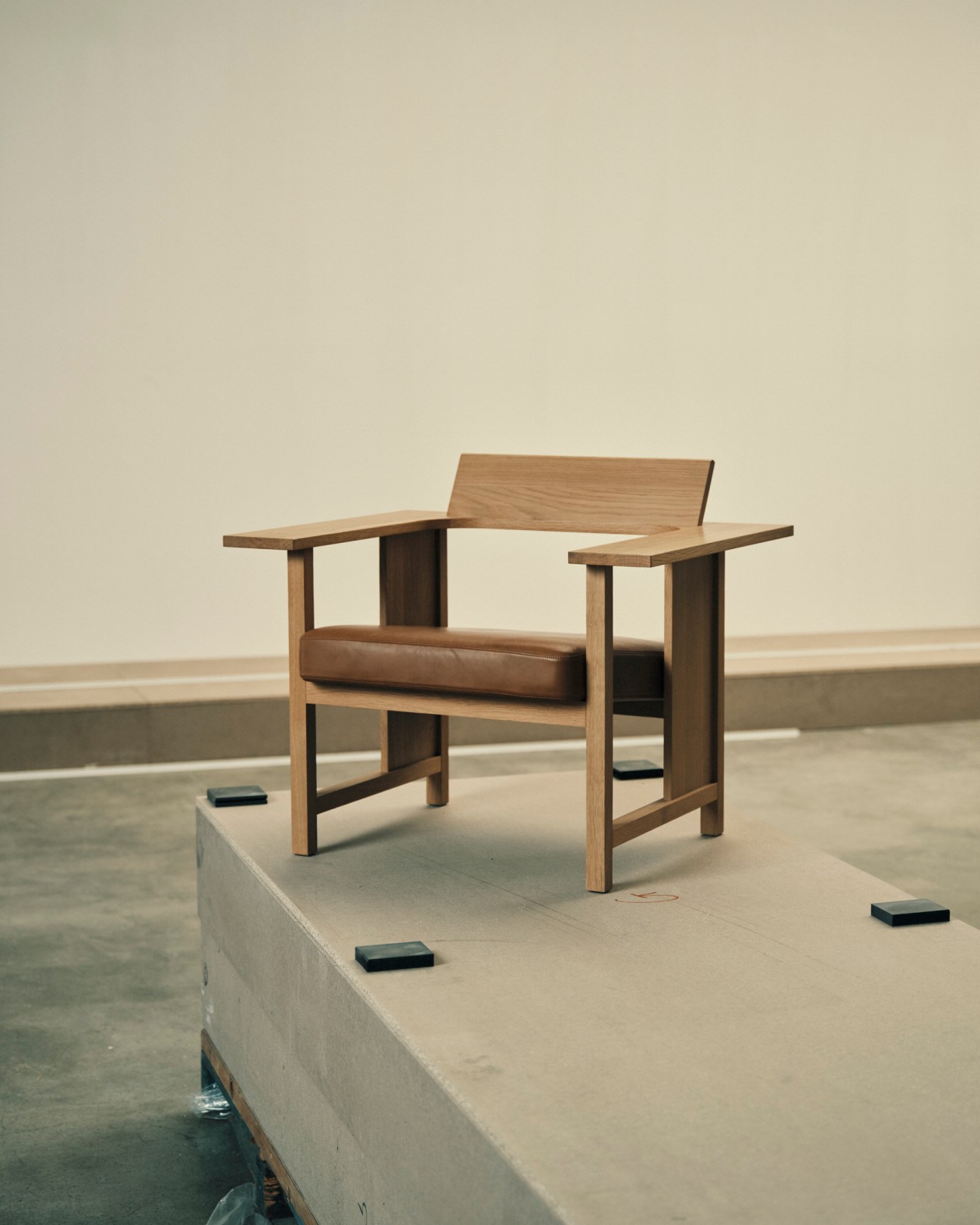
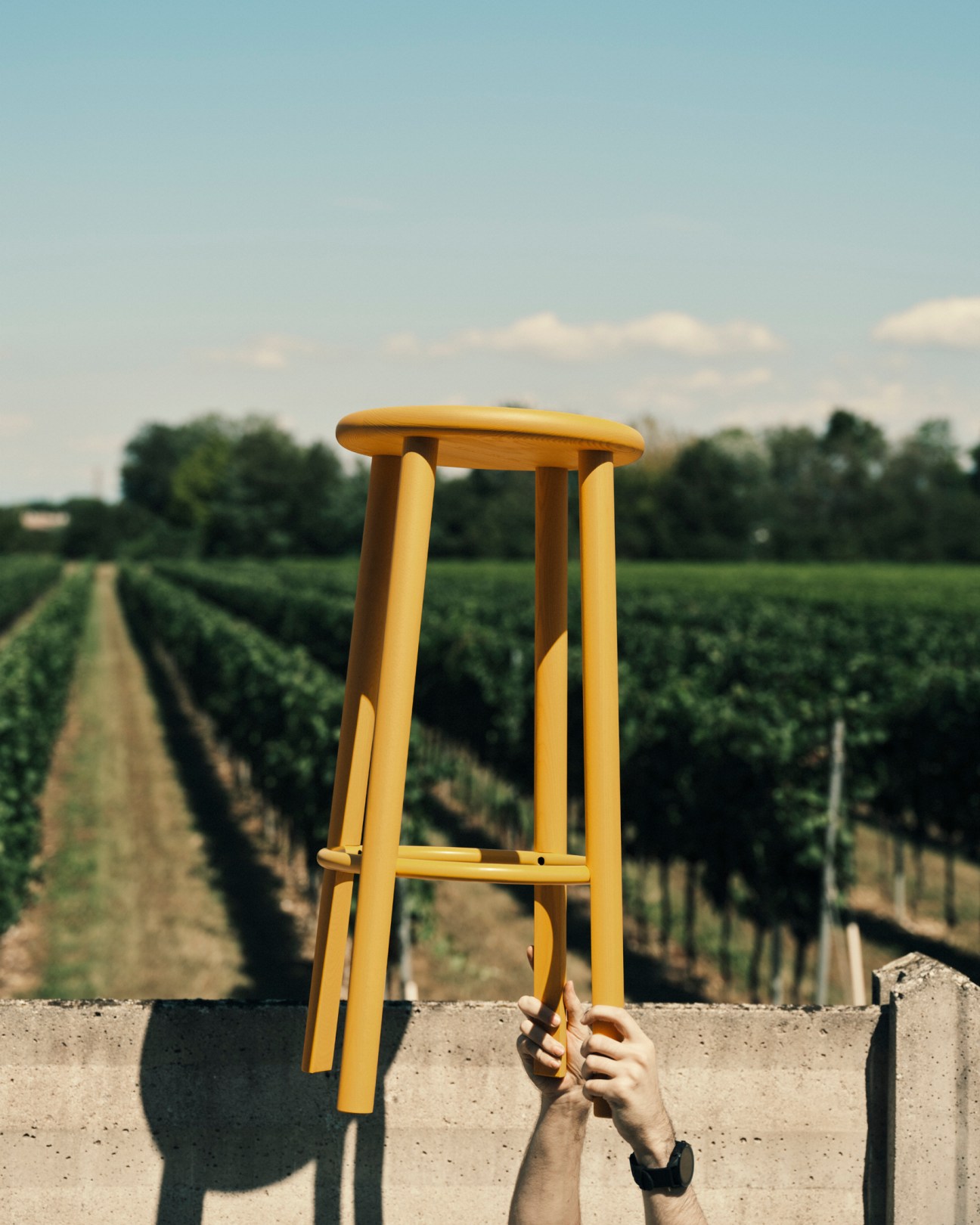
In the ensuing years, Mattiazzi has produced 22 collections, overseen by creative directors on three-year terms, with pieces designed by a host of world-class creatives, including Ronan and Erwan Bouroullec and Swiss-French designer Julie Richoz. All of the collections are produced in typical Mattiazzi style: computer-controlled cutting (CNC) machines digitally mill the timber furniture components, before the final finishing and assembly is completed by hand by Mattiazzi’s skilled craftsmen.
“These craftsmen are part of Italian design culture and follow the tradition of what craft is,” says Grcic. “They’re like a musician who knows an instrument really well: they can improvise and break from a rule.” For proof, he points to Mattiazzi’s Walter Vogrig on the factory floor. “He’s the craftsman that always makes Mattiazzi’s first prototype. That’s a very specific skill. He doesn’t just follow a technical drawing but interprets it and makes it into something feasible by making small improvements and proposing changes.”
Mattiazzi’s sales and marketing director, Cristina Salvati, who joined the company in 2001, explains that this hands-on approach is essential in setting the company apart from other industrial-scale makers. “Operating these machines is an art, which creates art pieces: our chairs,” she says, as she leads Monocle on a tour of the factory floor (and past Vogrig). “By cutting chair components with a cnc machine, we ensure consistency of shape and industrial-scale production. But the timber is rough and brutal as a consequence, so we soften it and give the furniture a unique texture with our people’s hands. It’s the perfect combination of technology and manual craftsmanship.”
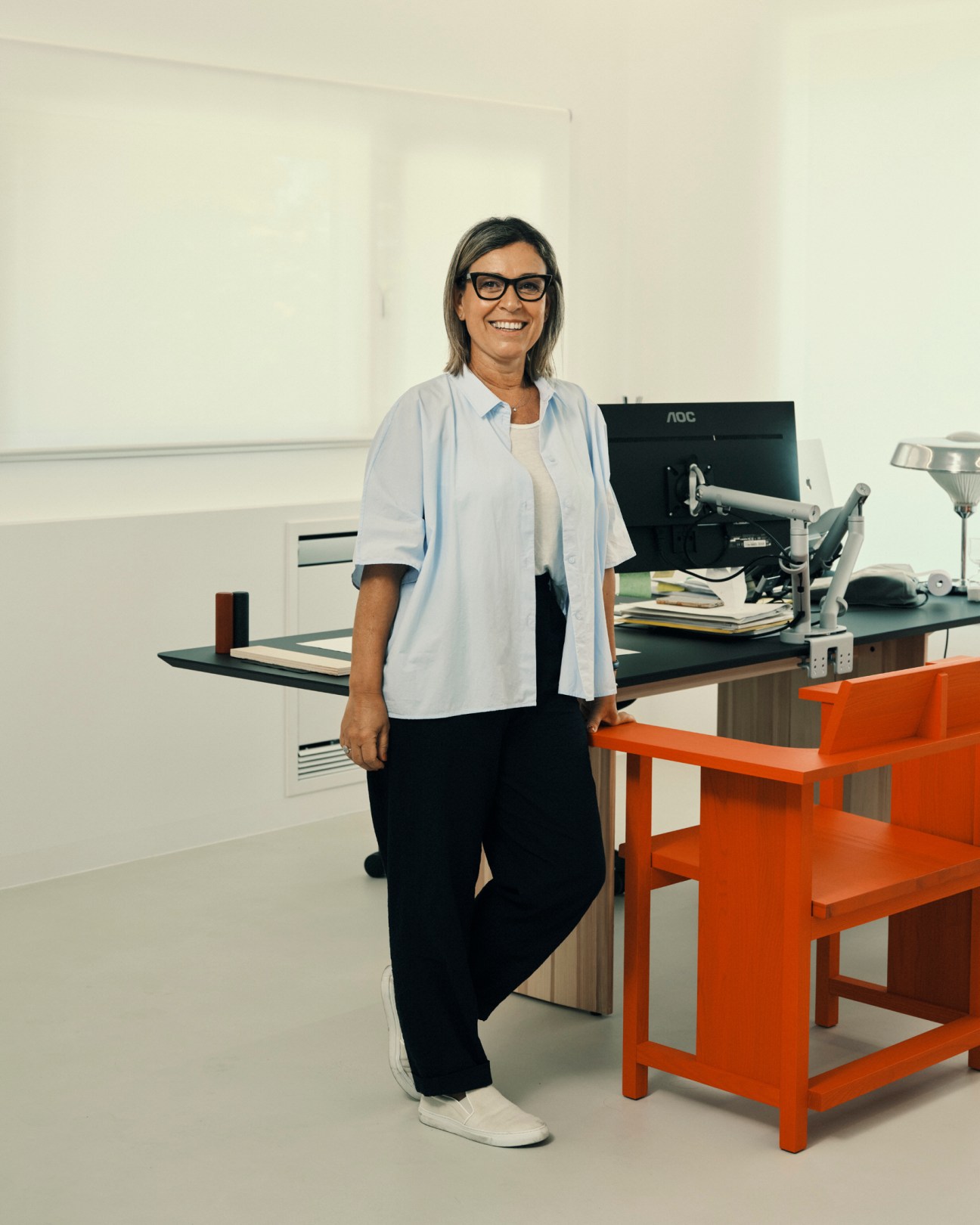
All of this work takes place in an environmentally friendly factory powered by rooftop solar panels and heated with waste timber, which workers can also take home to heat their own houses if they wish. Any furniture damaged on the factory floor during the production process is repaired, rather than discarded.
The result? According to Salvati, a collection and a company trading on honesty. “The material, the production process and the product are all honest,” she says. “And the people behind the company and behind the product are too.”
mattiazzi.EU
How Eslöv Civic Hall was designed to foster civic pride
“We give out keys to the hall because we want people to feel a sense of belonging,” says Emil Ahlqvist, while walking through the warm-toned oak-panelled entry foyer of Eslöv Civic Hall in the southern Swedish town of the same name. He’s the operational manager of the building, which was designed by young Swedish architect Hans Asplund in the late 1940s. Ahlqvist has been assisting on the lengthy restoration of the hall, which is often described as one of the country’s most extravagant public buildings and has recently had its interiors added to the national heritage list.

Housing a theatre, assembly spaces, local government offices and rooms for communal gatherings, Asplund’s aim was to design a building that would foster “good citizens” through beautiful and intimate architecture. It’s an idea that remains today. “We want the hall to provoke happiness and warmth, as well as responsibility and care for the public rooms we share,” says Ahlqvist.

On a late autumn day when Monocle visits, Ahlqvist begins a tour in Room A, which has a site-cast concrete-glass dome and a grand stage embedded in Oregon pine panels, and Ekebergs marble, accompanied by a red thematic textile artwork. Every detail is accounted for. The stage’s curtain made according to a design by Asplund – bears a symbolic message in Latin: “Ars longa” (“Art is for ever”). In the back seats, local politicians are preparing for a meeting.
“How does preserving delicate details of the hall affect elected politicians in their decision-making for the future?” Ahlqvist asks out loud, before pointing to the room’s fine woven upholstery and crafted brass for an answer. “I believe that the art and design that surrounds us transmit a greater respect for longevity, a reverence for ambitious civic projects – hopefully making people vote in favour of beauty and intimacy for the generation to come,” he says.
“When it was first built in 1957, there was a sense of awe but equally resentment towards the magnificence of the hall,” says Ahlqvist as he walks into Room B, the second in a line of four generous assembly rooms. Here he highlights curved walls and hand-blown glass globes and, while talking about local newspapers once reporting on “Civic Hall deluxe”, he addresses the idea of extravagant functionalism – a concept seemingly at odds with itself. “The hall is modernist but bold,” he says. “With nearly palatial parts, some locals were asking, ‘Why do the citizens of Eslöv need something so grand?’ But then you might ask, why would the citizens not deserve a communal palace? Why can a hall not be both beautiful, comfortable and functional? Could fine materials be the answer to a greater civic appreciation for true craftsmanship?”

The result of a competition calling for a new communal centre for the town, Eslöv Civic Hall is an ambitious site in many ways. Asplund’s proposal, “Diagonal Balance”, was the then 26-year-old’s effort to bring international architecture to Scandinavia. The hall itself consists of three volumes flushed together: the horizontal cone holding the assembly halls, the four-storey block housing offices and a unifying round body containing social areas. At its heart is an oval garden room, bringing plants and light into the building. This round and rectangular, horizontal and vertical patchwork was inspired by American modernists such as Frank Lloyd Wright and Wallace K Harrison. At some stage, Asplund joked, the civic hall was a smaller copy of Manhattan’s UN building – a project he was working on at the time with Harrison.
Asplund, then New York-based, won the competition against 158 other entries, with an outstanding international concept but it would take 10 years and a return to Sweden to complete the project. What anchored the idea, however, was the plea for civic sophistication. In the wake of the Second World War, the notion of civic education through architecture gained a hearing and the American playfulness and diversity of expression resonated with the desire to foster a “good society” in Sweden. The intention of the building was to provide Eslöv locals with a healthy, voluntary social, cultural and civic life.

“When people come to the hall, we tell them stories of Asplund and his enthusiasm, transmitting his energy through the building,” says Ahlqvist. In a group of leather armchairs in the foyer, he explains the demands that the building is facing. “The challenge is the choice of materials and the technical matters included,” he says, moving his hand along the soft armrest. “The exclusive character of the building involves an array of skilled subcontractors.” Having been nicknamed the most expensive civic hall in Sweden, budgets for maintenance remain a political battle.
For forthcoming restorations, Liselotte Magnusson, property manager at Eslöv municipality and head of the maintenance team at the Civic Hall, is doing everything she can to get the numbers on her side. When the roof blew off last year, her first thought was how to get specialised craftsmen on site, as she knew that specific tooling was needed for the folding of the sheet metal. “I got the phone call at lunchtime and I could not believe it,” she says. “With the arched construction, the roof and the façade make one massive piece of interwoven fabric, one that unfortunately took to the air like a sail. I later learned that the head of the municipality was walking within metres of the crashed aluminium body that day. It’s a miracle that no one got hurt.”


This year marks the beginning of An Arts & Crafts Guide, a restoration plan authored by Magnusson. “We are creating a descriptive manual to help raise a financial buffer for unforeseen events. It will be a backbone for the specific craftsmanship needed, parallel to our systematic maintenance of the building,” she says. “To give you an example, we recently had to replace two light fixtures. We urgently drove to the traditional glass factory of Kosta Boda, three hours away, to develop two new moulds based on the original forms. We then had replacements hand blown into the correct shapes.” She smiles. “These trips are a given but come at a steep cost.”
Much of the plan also points to energy use. Magnusson is involved in discussions arguing for Civic Hall to be properly lit, despite many other communal buildings having to turn their lights off for much of the day this year. “With the hall interiors being newly listed, the requirement of keeping certain welcoming lights on should be mandatory,” she says. Apart from energy costs, Magnusson worries about vandalism but points back to the idea of good citizenship. “We are largely spared from this type of unnecessary damage due to a strong collective sense of care.”
Magnusson’s role is to turn civic pride into increased annual budgets. “We do continuous work, oiling the pine panels or cleaning the marble balustrades but getting the funding to restore detailed craft needs dedicated investments,” she says. “My responsibility is to explain to the politicians why the restorations are needed. So far my tactic is to invite them to spend time at the hall. The best persuading power lies in the architecture itself.”


As we begin to pay close attention to the adjoining rooms of the hall, the historic Swedish art and crafts movement – prominent in the early 20th century – makes itself apparent in the material palette. You can also experience the direct link between Asplund and his father, Gunnar, one of Sweden’s most beloved architects. At the Chapel of Hope at the Woodland Cemetery in Stockholm, there’s a renowned wooden bench that seems to grow out of the wall, designed by the older Asplund. Here, at Eslöv Civic Hall, that same fixed bench can be seen breaking out from the wall in the foyer, clearly acting as an open salute from son to father.
“The hall speaks to your soul: it is beautiful, human and alive,” says David Nordenstridh from the cultural department at the Civic Hall. “Historically, we had dance events here and many people have met across these diverse rooms.” Born in Eslöv, Nordenstridh frequented the space from a young age as part of the theatre ensemble. “Some 370 people can fill the theatre on a Saturday. And all the meeting rooms are booked daily by local associations and groups. Every month architects come from afar. I often guide international students coming from countries as varied as Japan and Brazil.”
The original budget for the hall in the 1950s was about sek1m (€93,000) but the building ended up costing three times as much. “One of the contractors sued Asplund for having too many exuberant ideas but his unrestrained energy is what we thrive on today,” says Nordenstridh. He brings us down to the social areas to explore the tree-like Frank Lloyd Wright-inspired columns. “The bar, restaurant and club room are popular today and we try to keep details of the hospitality close to the spirit of the house,” he says. “What menu would resonate the best? What tableware would Asplund have picked? I find myself pushing the details, decluttering new additions, trying to take away things that do not speak directly to the architecture.”
Nordenstridh points to the stairs going from the foyer to the cloakroom. “First they widen, in the middle they straighten and towards the end they open again, just like an hourglass,” he says. “The result is an illusion that seems to pull you downstairs. There is no doubt that Asplund used every centimetre to draw you in. It took two craftsmen 28 months to reach this level of precision. Today, that cost would resemble the cost of an entire new hall.”
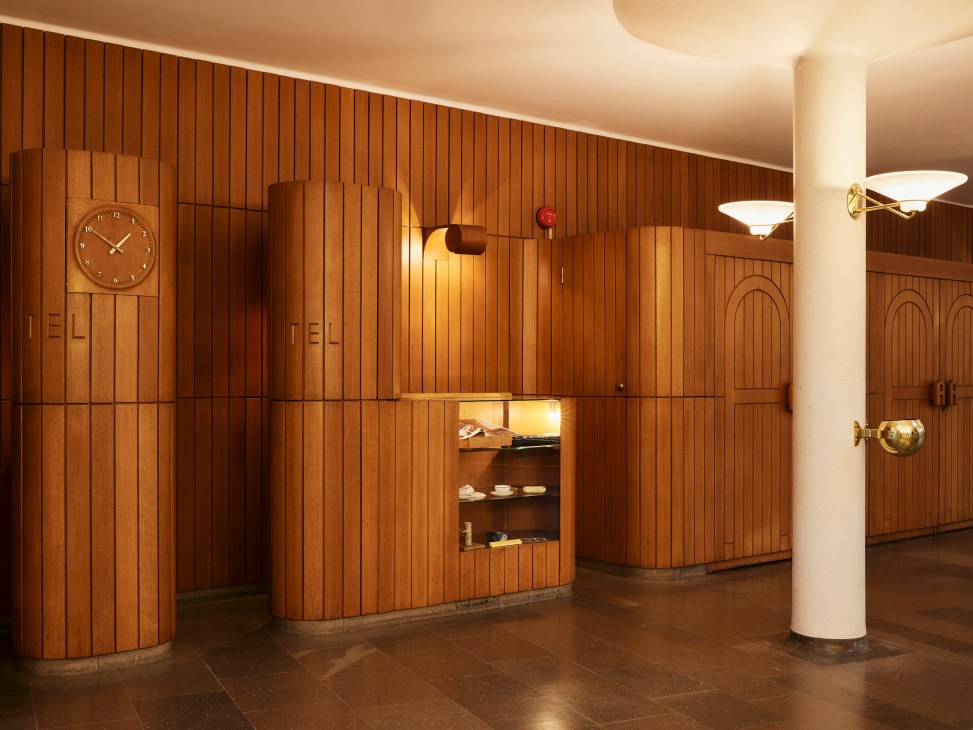
Also exemplary are the warm light fixtures in the club room, highlighting intimacy and human scale. “I see the building as an embassy of Asplund’s postwar ambition to enlighten and educate civic responsibility and passion for the arts,” says Nordenstridh. “The material choices in the hall can be seen as methods to foster a civic appetite for good quality, echoing Winston Churchill’s famous device: ‘We shape our buildings and afterwards our buildings shape us.’ I hope that the hall continues to transcend the value of owning and sharing true architectural beauty.”
Fresh start
1.
Rim carafe and glasses
Hay, Denmark

It’s no secret that drinking plenty of water is key to good health, which is why Danish brand Hay’s soon-to-be released Rim set is particularly appealing. Available from mid-February 2023, the carafe and two accompanying glasses are made in sturdy borosilicate, with a contrasting black rim that brings an elegant monochromatic touch to any desk or bedside table. The carafe is designed with gentle curves and a delicate funnel neck that allows the accompanying glasses to be stacked on top when transporting refreshing beverages from room to room. While the set makes drinking water appealing, the Rim also works perfectly as a carafe for wine and mixed beverages, making this set useful for both the office and home.
hay.dk
2.
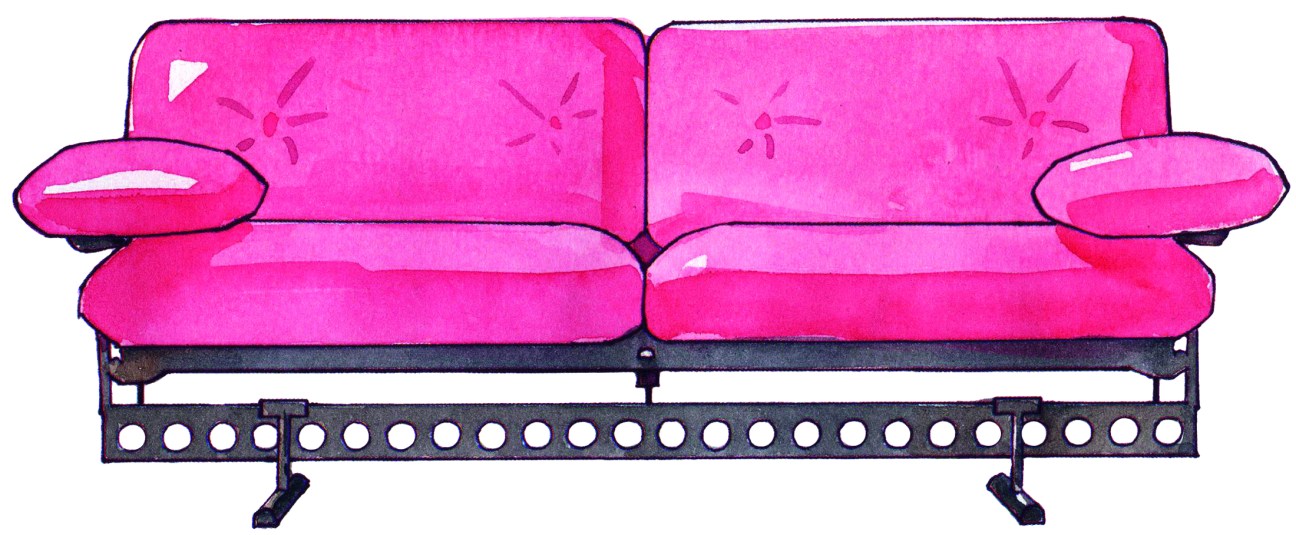
Ouverture sofa
Poltrona Frau, Italy
Italian brand Poltrona Frau has looked to the past for its newest release: a reissue of Ouverture, a distinct brutalist sofa originally designed by Pierluigi Cerri in 1982. After 40 years in the game, the sofa, with a striking aluminium frame, is still capable of turning heads. Now available as a two- or three-seater, its cushions have been modified to create a sleeker form but its ability to make a bold statement remains the same.
3.
Anna lamp
Depadova, Italy

The new year is a time to refocus and what better lamp to shine a light on a new direction than the Anna, designed by Milanese architect Paolo Tilche in 1962? “When I write or draw, I don’t want light on my eyes but on the paper,” he said at the time. “For this reason, I designed this lamp.” With its conical lampshade and slender steel frame, it looks as modern today as it did 60 years ago.
depadova.com
4.
KEDP-X1 electric kettle
Kalita, Japan

Wake up and smell the coffee with Kalita’s new kedp-x1 electric kettle. The family-run company has been producing all the equipment for barista-quality brews in the comfort of your home since the late 1950s. The kedp-x1 has a slim, curving spout for control over water flow and its wooden base is fitted with touch sensors to set the exact temperature. Little wonder it’s popular with coffee and design enthusiasts alike.
kalita.org
5.
Famiglia chess set
CB2, USA

To both look and be smarter in 2023, just set the Famiglia up for play in the living room. The pieces in this chess set, masterminded by Italian designer Gianfranco Frattini in 1972, are sleek cylinders that slot into each other like a matryoshka doll. Newly back in production with American brand cb2, it comes with a handsome board and metal box designed by Frattini’s daughter, Emanuela.
cb2.com
6.
Karing toilet
Kohler, USA

Bathrooms are the new frontier of intelligent design. For a prime example, look no further than Kohler’s new Karing toilet. Its remote can be used for precise control over its bidet functions as well as seat warmth. It also has a powerful water-saving flush. Form, however, has not been sacrificed for the sake of function; its subtle, minimalist design makes it a particularly sleek addition to any bathroom.
kohler.com
7.
Drop mirror
Poliform, Italy

When reflecting on the future of your interiors, be sure to leave space for a sophisticated mirror such as Drop. Produced by leading Brianza-based furniture brand Poliform, its bronzed round form, with polished brass details, warmly combines with leather straps that are used to hang the mirror on the wall. Available in two sizes (a 1.2 metre diameter mirror and a larger 1.5 metre diameter option), and with straps of varying length, the Drop is able to readily adapt to any interior environment, from extravagant Milanese villa to cosy Manhattan apartment. This flexibility, combined with the boldness of its design and finesse of its workmanship, typical of Poliform’s heritage, will reflect its owner’s refined design choices.
poliform.it

8.
Marc Newson task chair
Knoll, USA
Sit easy and get productive with this clever task chair by designer Marc Newson. Created for the workplace, it’s ergonomic and aesthetically appealing. Upholstered with Knoll textiles and leather from Italy’s Spinneybeck, the back gives lumbar support with webbing that adapts to the user’s movements, while a tilt mechanism ensures perfect positioning.
knoll.com
9.
Suri toothbrush
London, UK
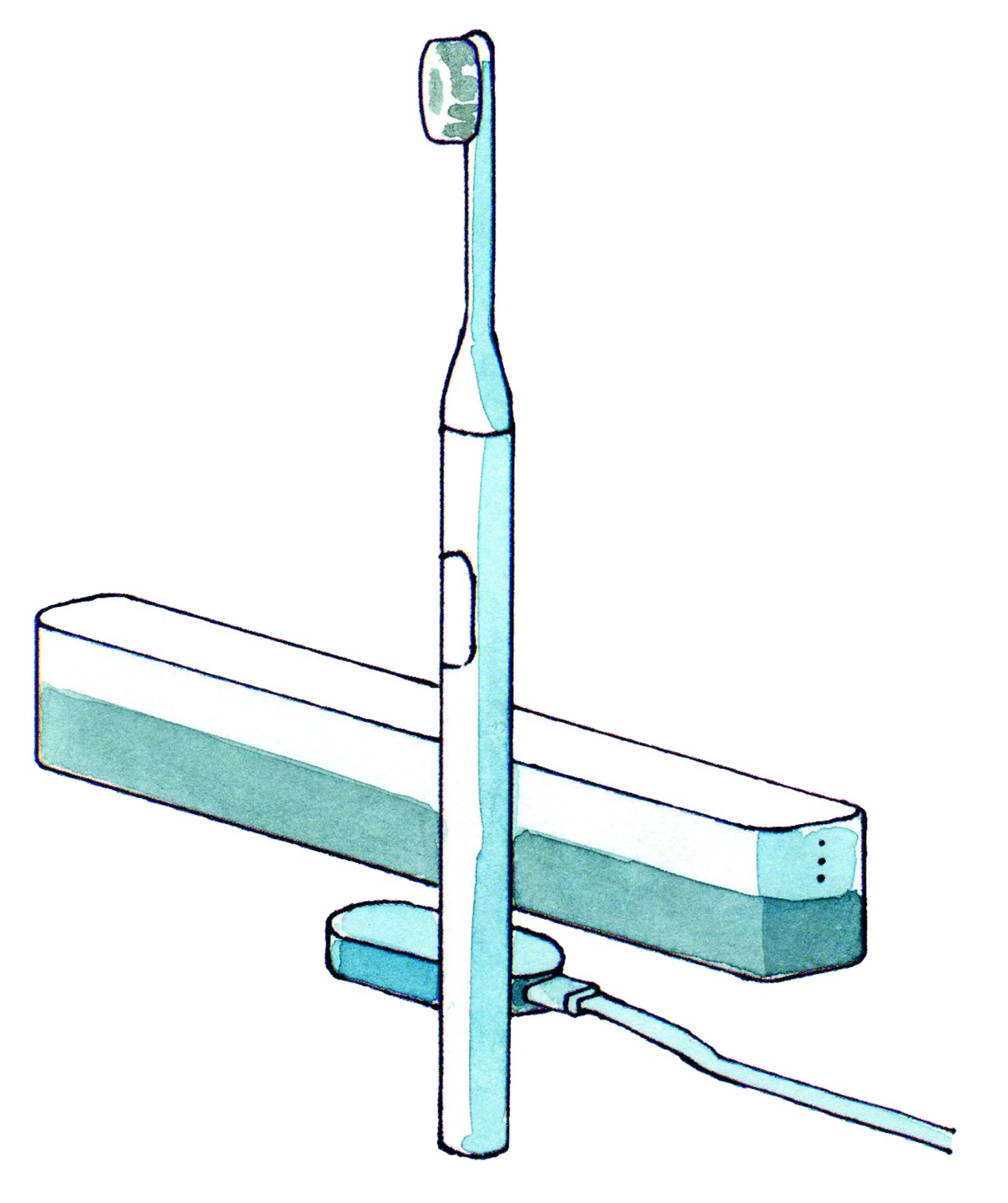
Suri has released a new electric toothbrush that’s light, easy to use, and created with the environment in mind, with detachable heads made from plant-based components that can be readily recycled. “Our mission is to make daily rituals more sustainable without compromising on quality, performance or design,” says co-founder Gyev Safavi. Plenty of motivation to keep your teeth – and the environment – sparkling clean.
trysuri.com
10.
Altar dining table by Miguel Milá
Kettal, Spain

Miguel Milá is one of Spain’s most celebrated designers. The Catalan-born nonagenarian’s career spans 70 years, during which he’s created everything from lamps for lighting brand Santa & Cole to public benches for the streets of Barcelona. Furniture-maker Kettal, which is revered for its robust pieces that make alfresco dining a joy, recently unveiled a new Milá-designed product; a table he created in the mid-1960s as an altar for his wedding. He later used the piece in his own home as a dining table, but it wasn’t until late 2022 that it was made commercially available, with square, circular and rectangular table-top options. Designed with simplicity and efficiency in mind, the result is a simple and sturdy teak form, which makes it perfectly suited for alfresco dining (or, appropriately, an altar for outdoor weddings) when the mercury rises. And with an array of colourful, aluminium tops on offer, it has never been easier to match your garden furnishings to your flower beds.
kettal.com
The next big things
On the scene
AlexTBH, Malaysia
Malaysian singer-songwriter Alex Bong (stage name Alextbh) wrote, produced and released his breakthrough single, “Stoop So Low”, in two hours. Little did he know that the 2016 song would reap more than 25 million streams on Spotify. Since then he has performed at music festivals across Asia and opened for acts including Khalid. Now he is preparing to release new music in the spring.

Bong has made waves as an openly queer artist in conservative Malaysia: his 2020 EP, The Chase, was an ode to casual relationships. With his brand of minimalist r&b – think considered percussion and mid-tempo grooves – the result sounded mesmerising too.
When Bong first started out, he dreamt of relocating but has since decided to stay put. “I’ve realised that I don’t need to be in London to experience a ‘scene’,” he says. “Why can’t I start my own here?” With Alextbh at the forefront, Malaysian music can go a long way.
In the family
Tamino, Belgium
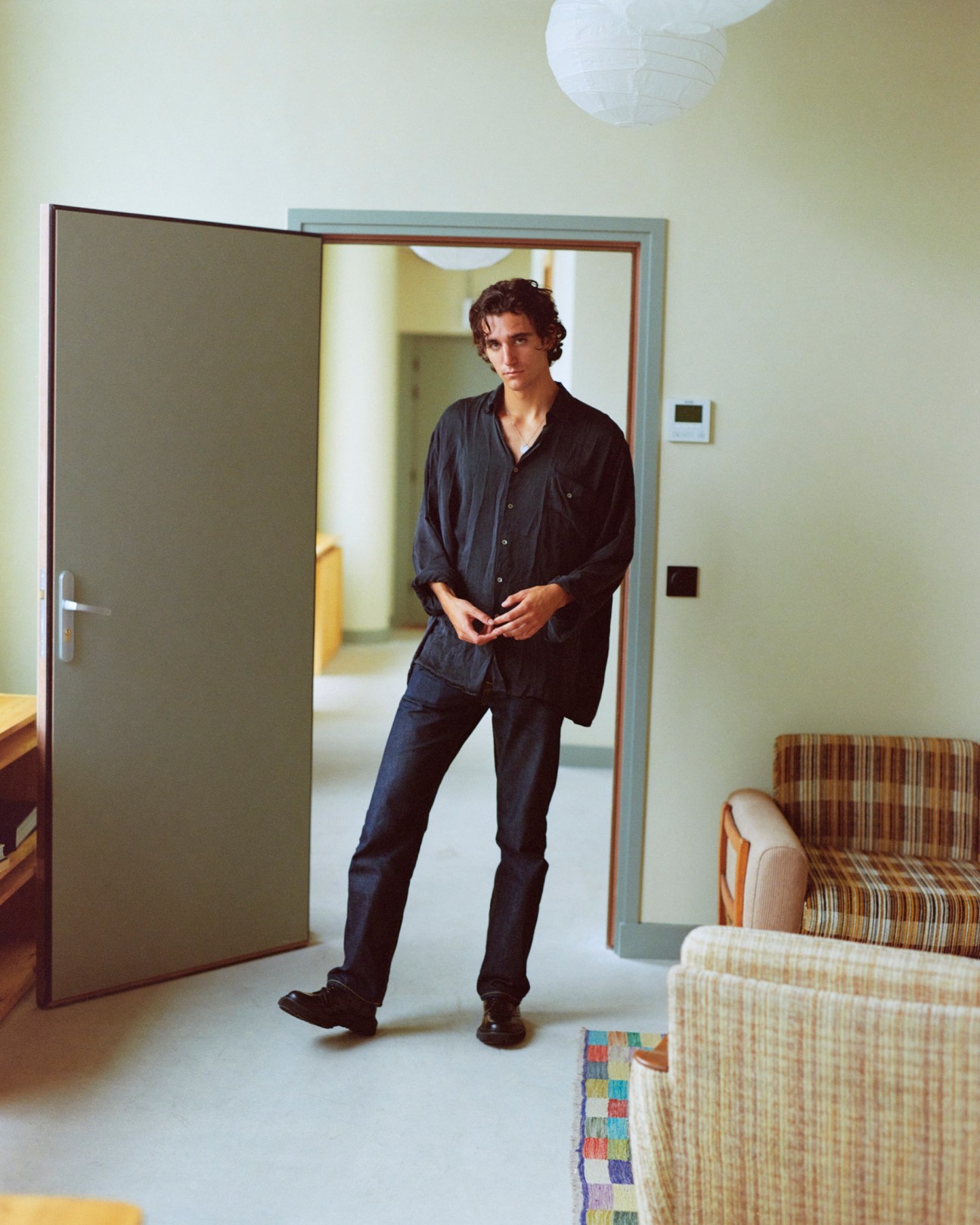
Before coming back to the stage in 2022, Belgian-Egyptian-Lebanese singer- songwriter Tamino-Amir Moharam Fouad – better known as Tamino – had been out of the spotlight for two years. The 25-year-old’s 2018 debut album, Amir, introduced the world to his unique sound, which combines indie rock with melodies borrowed from his Arab roots. Arrangements by the Middle-Eastern Nagham Zikrayat Orchestra, featuring refugees from Iraq and Syria, are accompanied by his hypnotic vocals and the soft sound of a guitar or an oud.
Soon after the album dropped, Tamino found himself touring Europe, the US and the Middle East, and even supporting American superstar Lana del Rey in concert. So when lockdown ground everything to a halt, he was relieved to finally concentrate on writing his second album, Sahar, which was released in September. The sophomore release, the title of which means “dawn” in Arabic, follows the trajectory set out in his debut but with a more stripped-back feel and more mature lyrics. “I’m not an angsty melodramatic kid any more,” he says. “At least I hope I’m not!”
The sweet voice of fellow Belgian Angèle, one of the country’s biggest popstars, appears on a heartfelt duet, while Radiohead guitarist Colin Greenwood has contributed to most of the album’s 10 tracks. “His basslines are insane,” he says.
Born in Antwerp to a Belgian mother and an Egyptian-Lebanese father, Tamino has music in his blood. His grandfather was Muharram Fouad, one of Egypt’s biggest singers and movie stars of the 1960s. Though he died when Tamino was a child, his music left a great mark on him. “What inspired me a lot, especially in the beginning, is the idea of having a huge orchestra playing behind a singer,” he says. “Oum Kalthoum, Fairuz, my grandfather… all those artists influenced me, as well as oud music from all over.”
At home, his mother played the piano. While his falsettos have earnt him comparisons to the late American singer Jeff Buckley, Tamino says that it is his mother’s diverse music taste that encouraged him to sometimes sing in a high pitch. “My mum played a lot of opera at home,” he says.
After deciding early on that music was the only possible career path for him, at the age of 14 he started playing gigs in his hometown. “It was all I did,” he says. “I played at every little pub around town, and it gave me a lot of experience on stage.” When his break-out single “Habibi” got picked up on the radio in Belgium, he was ready. “I went from small pub to big festival in a couple of weeks. Apparently people were asking my manager, ‘How is he ever going to manage?’ But then I did.”
Today, Tamino exudes the calm determination of someone who is simply following the path in front of him. His current tour will take him all across Europe, North Africa and the Middle East. Performing there feels different because most people recognise his surname: playing in Cairo in 2019 was nerve-wracking. “I never grew up with the pressure of being someone’s grandson,” he says. “For the first time I was confronted with that directly.”
But celebrating his family’s past is not the main reason why he embarked on a music career: he’s unafraid of embracing new genres as well as reviving interest in more traditional ones. “I like the recognition of those influences in my music,” he says. “I’m very much curious about my roots but above all I care about stuff that I like – things that I find beautiful.”
Pitch perfect
Laufey, USA
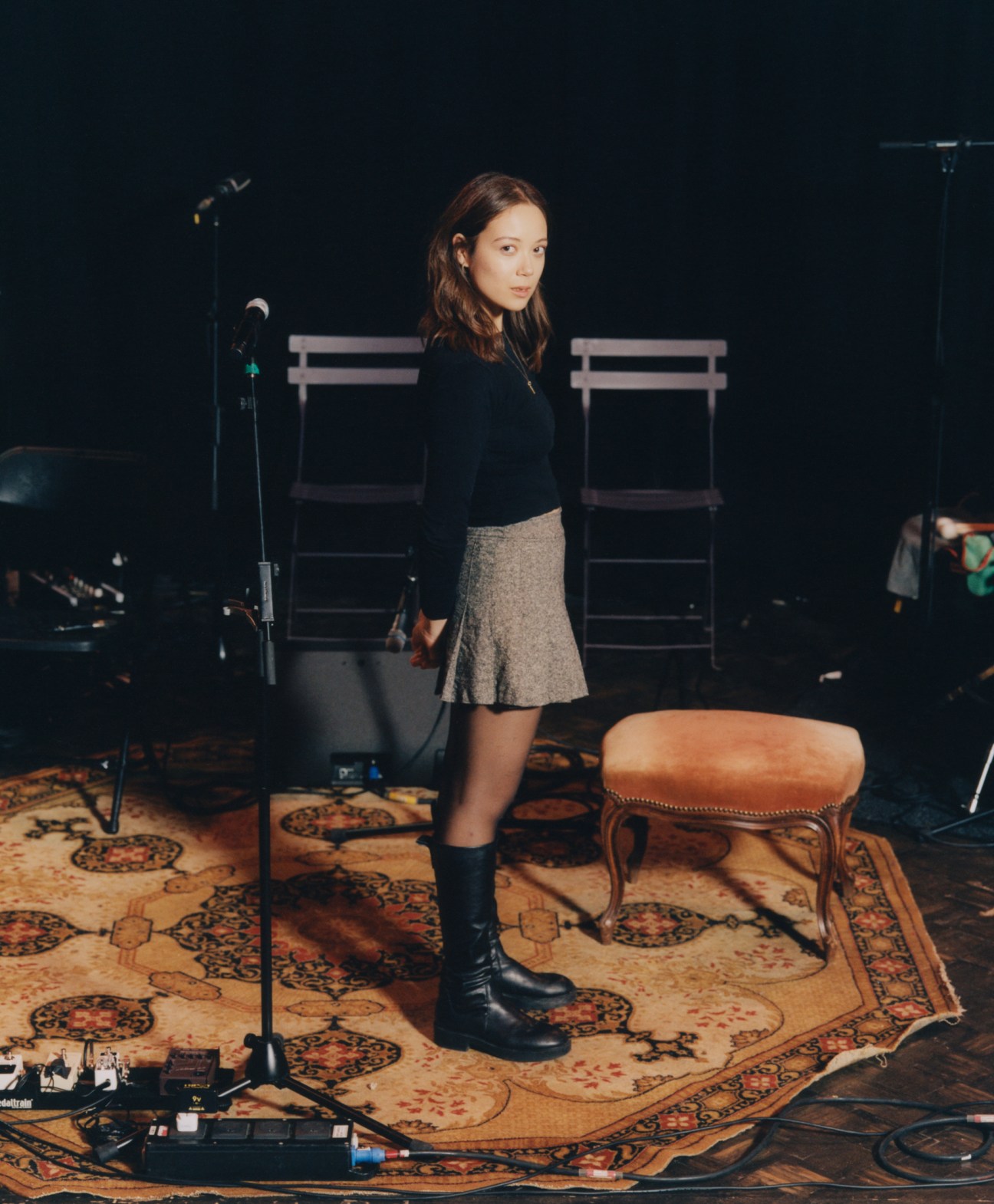
Laufey grew up thinking that she had the wrong kind of voice. “I’ve always had a lower register and as much as I loved pop I could never relate to those singers growing up,” she says. “I remember I would take part in singing competitions and everyone would have higher voices; I felt that I sounded so odd.”
That changed when she started leaning into jazz. “I could hear a little bit of myself in older voices like Ella Fitzgerald’s or Billie Holiday’s: I started singing because of that,” she says, smiling. Growing up playing the cello also helped. “You develop a better understanding of pitch and tone as a singer [when you play an instrument], especially the cello, as it’s so close to the human voice.”
These days the Los Angeles-based musician knows that her unusual vocal register is an advantage. Since the release of her first EP the 23-year-old’s cinematic love songs are gaining traction with a new generation of jazz fans, with sold-out shows under her belt from Germany to California. “Typical of Me, which I released in 2021, featured a lot of pop production on jazz but two of the songs sounded more traditional,” she says. “It’s funny, though, because it turns out that the jazz stuff is actually what performs best.”
Born to an Icelandic father and a Chinese mother, and raised between Reykjavík and Washington, Laufey speaks in the sort of transatlantic drawl that makes her accent hard to place. “Basically, it was a lot of back and forth,” she says. “I grew up a very culturally confused kid.”
Moving to Boston to study at Berklee College of Music was another turning point. “I started slowly developing my sound there – in my head, pop, classical and jazz were always separate but I wanted to find a way to mix them all together,” she adds. “When I got to Berklee, something just clicked.”
Being in a different city gave her more material to write about. “It was my first time really missing people: my twin sister was living in Scotland, my parents were in the US, my grandmother was in China. It felt like my heart was in five different places.” says Laufey. “I had my heart broken for the first time too, which is always a shock to the system.”
In Everything I Know About Love – Laufey’s 2022 debut album, which saw her collaborate with London’s Philharmonia Orchestra – she toys with the idea of romantic love and its pitfalls on moody tracks such as the bossa nova-tinged “Falling Behind”. Laufey admits that she is inspired by older crooners such as Chet Baker and Brazil’s Astrud Gilberto but her sound is undeniably modern. In some ways, she notes, that’s because the distinction between old and new matters less these days. “I feel like music is becoming more fluid,” she says. “Less about genre and more about feeling and mood.”
This growing appetite for sounds that don’t fit traditional pop formulas makes her feel optimistic. “I hear so many jazz harmonies and samples today; it’s very encouraging,” she says. With a new Christmas tune freshly unwrapped for the season, more shows on the horizon and an album in the works, the future looks extremely bright. “I always say that this is the best part of my career because no matter where things go, I can truly say that everything makes me excited,” she says. “I hope that I can hold on to that mentality for a long time.”
Whether you are hosting an intimate soirée or a huge party, these playlists – curated by Monocle 24’s Fernando Augusto Pacheco – will set the mood. From Farsi electro to German jazz, these 50 songs will provide the perfect soundtrack.
Christmas paradise
Our all-time festive favourites, Christmas spirit guaranteed.
1. ‘I Was Born on Christmas Day’, Saint Etienne
Yuletide goes disco when this British trio is involved.
2. ‘Christmas Time is Here’, Vince Guaraldi Trio
An elegant US jazz classic.
3. ‘Julefrid’, Harpo
Sweet, folksy Swedish number.
4. ‘Boas Festas’, Maria Bethânia
An ode to the holidays – but make it tropicalia.
5. ‘Sleigh Ride’, The Ronettes
The irresistible, unsurpassed rock’n‘roll jingle.
6. ‘Feliz Navidad’, José Feliciano
The ultimate, trumpet-fuelled cheese-fest.
7. ‘Santa Baby’, Kylie Minogue
No other version comes close.
8. ‘Winter Wonderland’, Helene Fischer
Germany’s Schlager queen brings lashings of good cheer.
9. ‘Christmas Eve’, Tatsuro Yamashita
The uncontested sound of a Monocle Christmas.
10. ‘Bianco Natale’, Irene Grandi
Italy’s honey-voiced songstress with a sassy cover.
Crisp winter morning
Mellow tracks for long sunny walks in the snow.
11. ‘Get It Up For Love’, Ned Doheny
Peak yacht rock from the Malibu-born singer.
12. ‘Nell’Aria’, Marcella Bella
The Italian chanteuse’s epic song about never-ending desire.
13. ‘C’est une belle journée’, Mylene Farmer
A whispery gem delivered by the Canadian queen of pop.
14. ‘Baco Exu do Blues’, Lágrimas feat. Gal Costa
The Brazilian icon sings softly about shedding tears for love.
15. ‘Another Weekend’, Ariel Pink
A calming, lo-fi number about wasting time.
16. ‘Charmed’, Stella
Classic songwriting from the Greek master of folksy pop.
17. ‘Mornings’, The Boy From The South
The Spanish singer’s gentle, optimistic ode to an early rise.
18. ‘Good Morning America’, Dancing Fantasy
Glossy German smooth jazz with invigorating synths.
19. ‘Hard Time Coming’, Damon Aaron
An easy, mellow start courtesy of the Californian songwriter.
20. ‘Entre toi pi moi pi la corde’, Lisa LeBlanc
Up the tempo with this hypnotic Canadian tune.
Whiskey sour by the fire
Moody tunes for snug and cosy after-hours relaxation.
21. ‘City of Angels’, Ladytron
Sexy electro-rock by the synth-focused quartet.
22. ‘Ich und Elaine (2raum Club Mix)’, 2raumwohnung
A delightfully funky gem from the German duo.
23. ‘Ça va? Je t’aime!’, Hey Cabrera! and Protopapa feat. Emmanuelle
Italian slice of electro pop with a French twist.
24. ‘Ya No Estoy Aquí’, Helado Negro
A melancholy track by the passionate musician.
25. ‘Doone Doone’, Liraz
Farsi electro at its best.
26. ‘Apocalypse’, Cigarettes After Sex
A smoking-hot love song.
27. ‘Melt’, Paige Bea
Hypnotic R&B meets electronica.
28. ‘Jusqu’au bout du cils’, Camélia Jordana
Pure insouciance by the French-Algerian singer.
29. ‘Gang’, Anoraak feat. Sarah Maison
A faster beat with breathless, sensual vocals.
30. ‘Get Out of My Head’, Sofia Bolt
Rocky with sultry attitude.
Endless summer
In the southern hemisphere, there is no sign of winter.
31. ‘Marquinha’, Salma e Mac
The Brazilian couple sing about tan lines over a breezy beat.
32. ‘Shaka Bundu’, Penny Penny
South Africa’s disco king delivers a vintage tune.
33. ‘Madrugada Eterna’, The KLF
Ambient track, ideal for a late-night car journey.
34. ‘Last Night in Sant Celoni’, Payfone
An evening of fun in the Catalonian municipality.
35. ‘Lost in Los Angeles’, Kids Return
A song oozing California cool.
36. ‘La vie c’est maintenant’, Yannick Noah
A hymn to the joys of life.
37. ‘Ma Quale Idea’, Pino D’Angiò
Sexy Italo disco with a memorable sample.
38. ‘Ipanema’, Nicola Conte and Rosalia de Souza
Best listened to on the beaches of Rio de Janeiro.
39. ‘Gimme Some Ice Cream’, Ural Thomas and The Pain
A light-hearted scoop of optimistic soul.
40. ‘Marechià’, Nu Genea feat. Célia Kameni
Refreshing Neapolitan funk.
Ready for 2023
A dance party in honour of new beginnings.
41. ‘Lilás’, Djavan
Pure 1980s Brazil with an old-fashioned shimmy.
42. ‘Ever Fallen in Love’, Nouvelle Vague
The best from a genius series of bossa nova covers.
43. ‘Napule Canta e More’, Donatella Viggiano
Emotional disco from Naples.
44. ‘I Wanna Dance with Somebody (Who Loves Me)’, L’Impératrice
A chic tribute to a classic.
45. ‘Defender’, Bonobo
A sleek, beat-heavy track.
46. ‘Africvillean Funk’, Aquakultre feat. Trobiz
Feelgood funk.
47. ‘Pra Vida’, Rogê
Sunny samba from Rio.
48. ‘Cupid’, Agam Buhbut
Israeli bubblegum pop.
49. ‘Canciones de Amor a Ti’, Rigoberta Bandini
Galvanising electro-pop.
50. ‘Time Out of Mind’, Lou Hayter
A disco synth loop that is as cool as they come.
Listen to the full playlist on Monocle 24’s Spotify page.