Issues
Culture
Film
States of play
While America’s soft power has waxed and waned (see page 71), its film industry remains the country’s primary exporter of cultural influence around the world. The endless churn of superhero movies, however, presents a skewed idea of what life is like in the US. With that in mind, a decade ago, the State Department launched the American Film Showcase (AFS), screening the latest US-made documentaries depicting American life – warts and all.
“These movies tell the stories of Americans struggling, often for equal rights, which resonates with audiences around the world,” says Rachel Gandin Mark, director of international programmes at the Cinematic School of Arts, who has overseen the programme since its inception, reaching almost 250,000 people in 111 countries via US consulates. Many of the titles begin from a bleak premise but culminate in an uplifting tale of people overcoming their lot in life. The current line-up includes A Most Beautiful Thing, a film about a rowing team from the west side of Chicago.
“There’s a very intense desire to create TV content and we have a skill that people trust”
As part of the afs, American film industry insiders are dispatched around the globe as envoys to train local talent. “That’s a really important role for what we do,” says Gandin Mark. “There’s a very intense desire to create TV content around the world and we have a skill that people trust.”
Francisco Pérez, now a public-affairs officer at the US consulate in Rio de Janeiro, has rolled out the afs programme across three continents. “The power of the messages you can impart through film is often underestimated,” says Pérez. “By training film-makers who are learning about human rights, democracy and values that we as Americans hold dear, it’s going to influence the rest of their careers.”
americanfilmshowcase.com
Cinema
Set in the present
In the 20th century’s first decade, Europe dominated the cinema industry – studios and lots popped up from Berlin and Paris to Copenhagen. But after two world wars shifted film’s epicentre to Hollywood, many European film production sites fell into disrepair or were underused.
Opened in 1912, the Berlin Union Film Ateliers (BUFA) was a cinematic pioneer: classic silent film The Golem was shot here, as was Bob Fosse’s Cabaret. Though film and TV production teams worked here through the decades, by the 2010s the 2.4 hectare area on the edge of Tempelhof’s old airfield had become a desolate hodgepodge of sad buildings and cracked concrete.
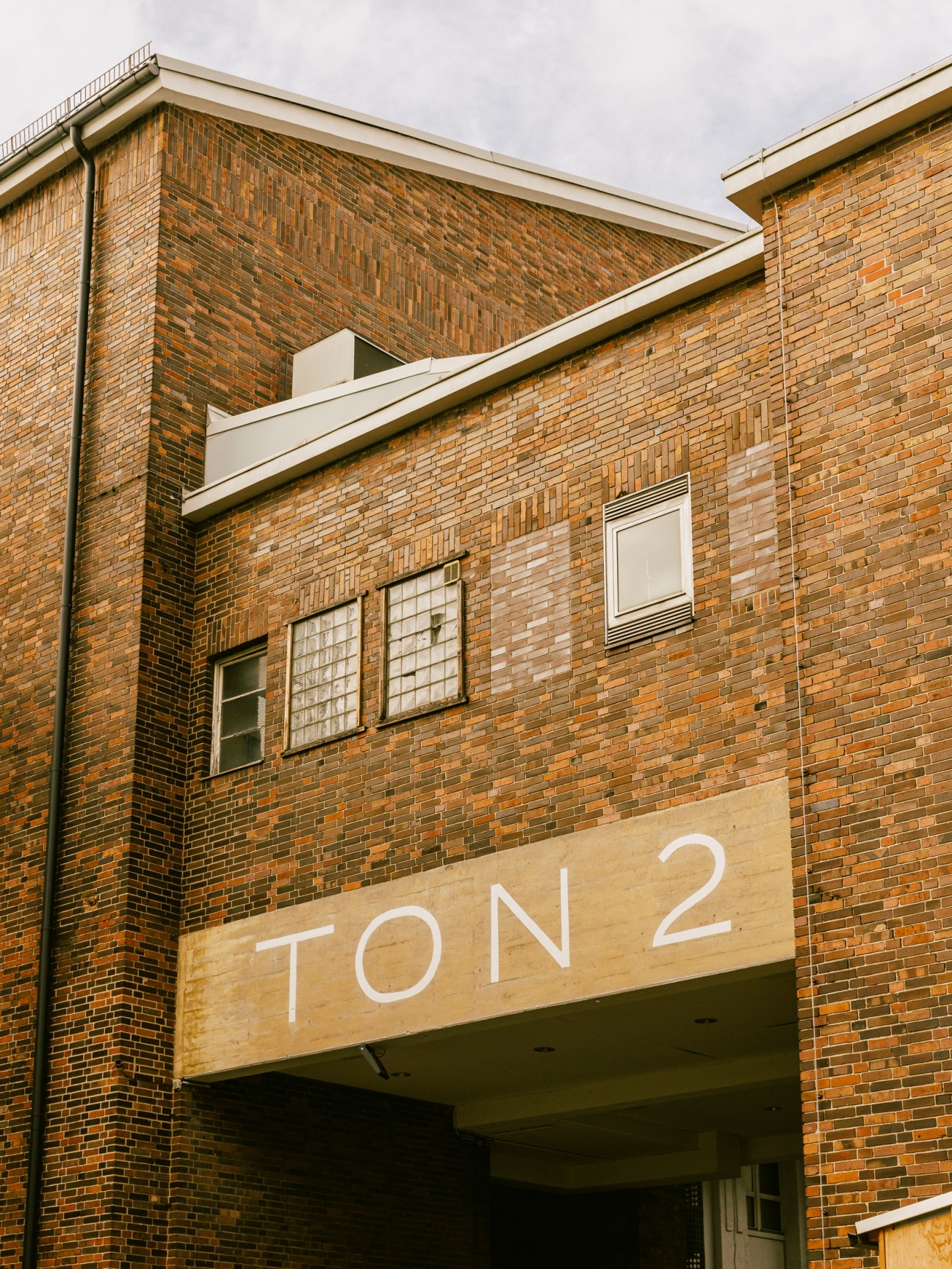
“The campus was unloved,” says Clive Nichols, CEO of Fabrix, a London-based property firm focusing on social change. He had come across bufa and in 2015 bought the lot (with funding from the social justice Bertha Foundation). Following a master plan by Dutch architecture firm mvrdv, the Fabrix team has been slowly rejuvenating the area ever since, reusing materials for architectural updates and greening the outdoor space. The resulting site, called Atelier Gardens, launched last year.
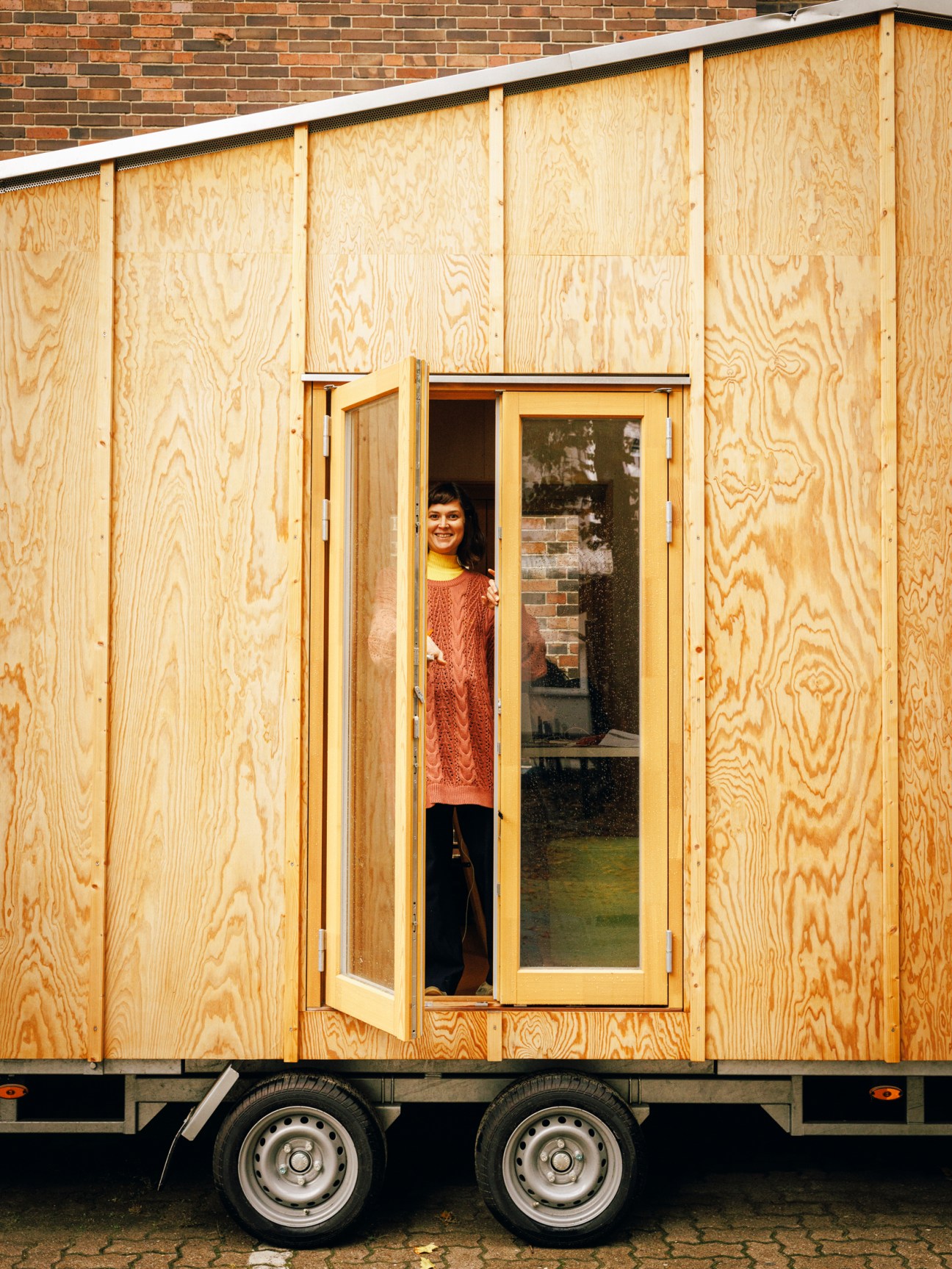
Berliners are joining forces to honour the site’s cinematic past. “Before we began, we had so many conversations with people here over four years; at some point we just had to get on with it,” says Nichols. Around the grounds are raised garden boxes, a “flying stage” (an art project involving homing pigeons) run by Syrian theatre artist Ayham Majid Agha, a tiny house-cum-office, and a treehouse workroom on timber stilts. The Berlin Film Festival used the Atelier Gardens’ outdoor open-air cinema for screenings during the pandemic.
Long-term tenants include the MetFilm School, whose students use production facilities such as the “dubbing village” (German productions seldom use subtitles). On the environmentally friendly, entrepreneurial side, there’s Thinkfarm, a co-working space; and Tiny Farms, which grows organic vegetables on microfarms to be sold in local grocers. Caterer Roots Radicals runs the Atelier Gardens’ canteen with the latter’s produce. “About 150 people are here on a daily basis now,” says Benjamin Rodrigues Kafka, bufa’s community and partnership director. “We’re aiming for 360 to 600 people.”
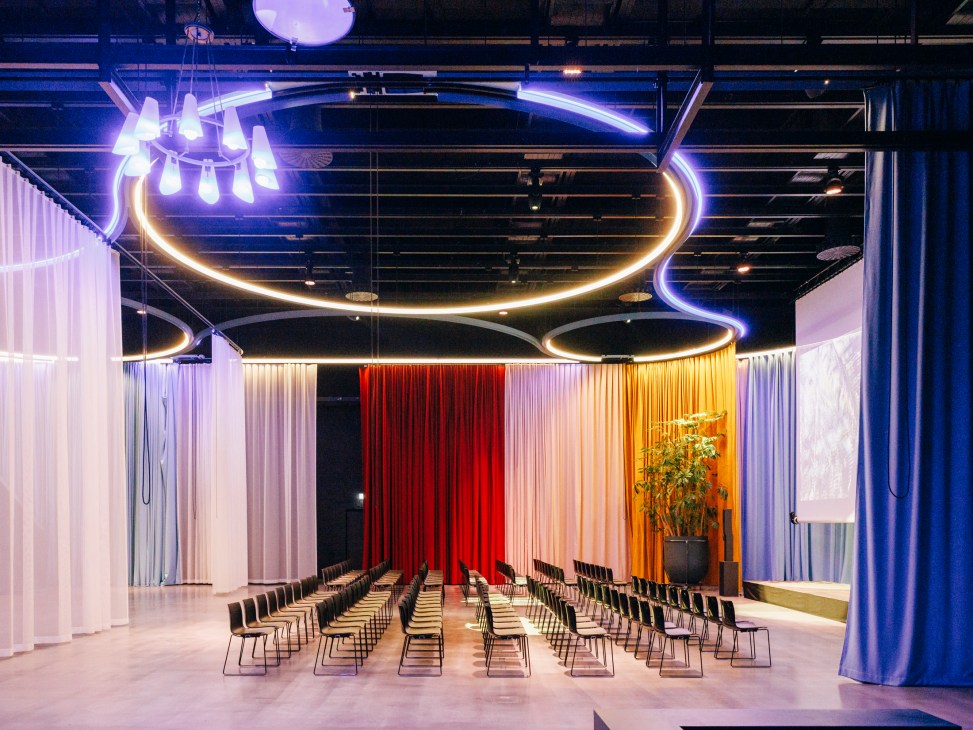
bufa might be the “cradle of German cinema,” as Nichols puts it, but he’s aware of how times are changing. Studio 1 is no longer viable for today’s high recording standards so is set to be an event space for workshops and symposia. And the film studios now support more than just traditional cinema: Youtube videos have been produced here too. “Impactful content will remain the essential theme of the site,” says Nichols. “We talk a lot about nature and sustainability but what’s really important is joy.”
berlinerunionfilm.com
berthafoundation.org
fabrix.london
Business
Surfing
Current thinking
“Our motivation – loving Africa, design and surfing – was to create a business that had a sense of purpose beyond profit,” says Nick Dutton, CEO and co-founder of South African surfing start-up Mami Wata. The company’s biggest revenue source is the collection of African-made apparel and surf gear that it sells online, at pop-ups and at its Los Angeles shop, where revenues have tripled in 2022. But healthy profits have allowed Mami Wata to launch new initiatives that align with what the brand values.
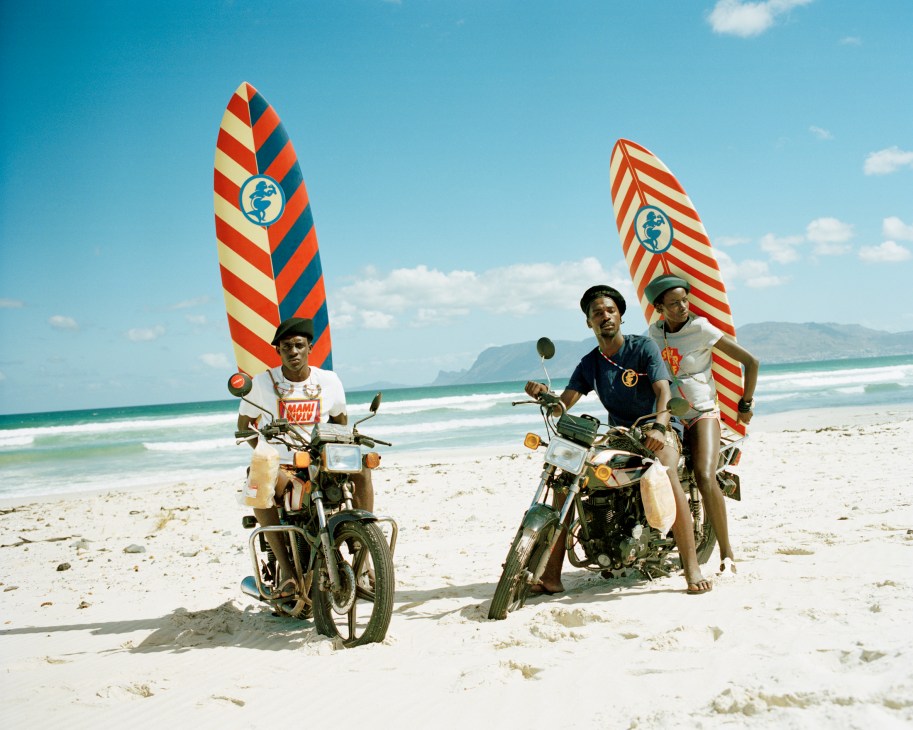
In 2020 the company launched a coffee- table book, Afrosurf, which co-founder Peet Pienaar designed to explore surfing cultures across Africa. The book is an attempt to inform readers about a pastime for which their frame of reference might be dominated by Bondi or Venice Beach. “It recalibrates people’s perspectives,” says Selema Masekela, co-creator of Afrosurf.
Publisher Penguin Random House picked Afrosurf up before it even hit shelves. Mami Wata sent the money it received for the rights to surfing charities and the company is now working on a docu-series with a global streaming platform.
“The intent of the book was to put African surf culture on the map and we wanted to ensure that the story had integrity,” says Dutton. To do that, he removed almost all photos referencing his company’s products. Money can’t buy social messages as powerful as Mami Wata’s and it’s a lesson to any company that the most profitable narratives are rarely dreamed up in a conference room.
Environment
Food for thought
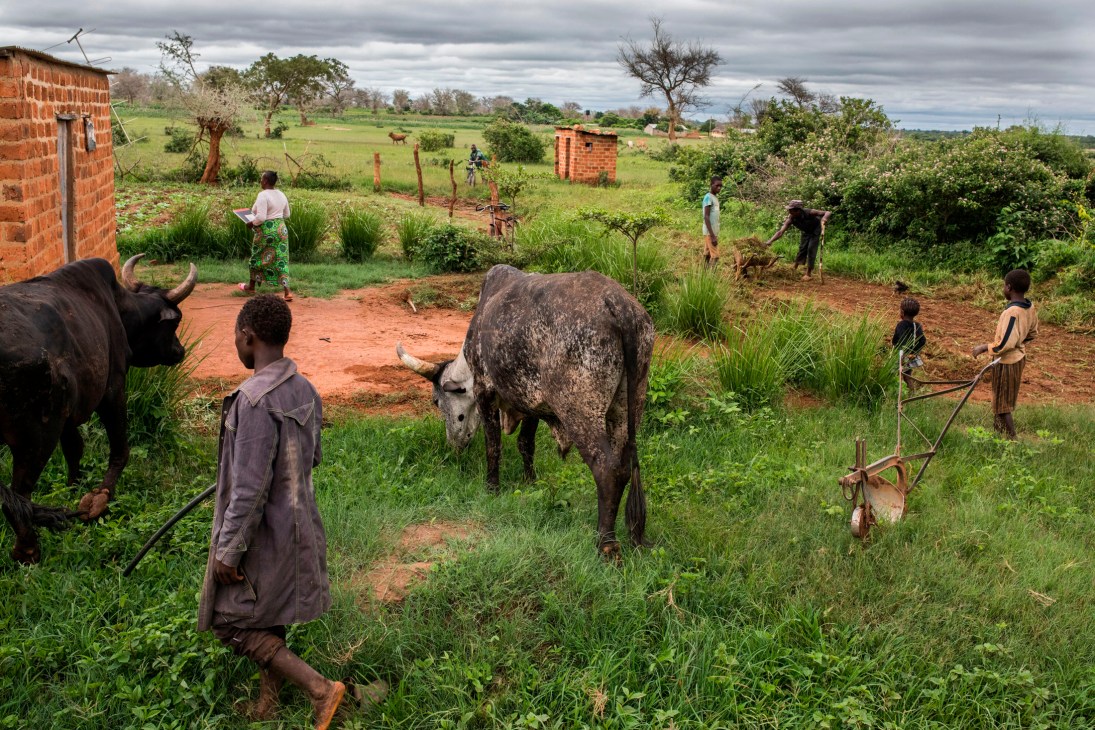
Extreme weather events linked to climate change will put ever-growing pressure on our ability to grow food. At this year’s United Nations Climate Change Conference (Cop27) the issue of food security was high up on the agenda. For the first time, the event had several pavilions dedicated to food security.
“It’s a unique opportunity to come together and have everyone have a seat at the table,” Jaime Adams, a senior policy advisor for climate at the US Department of Agriculture tells Monocle. Together with the United Arab Emirates, the US is leading the Agriculture Innovation Mission for Climate, a coalition of 42 countries and 275 partners pledging $8bn (€7.7bn) to climate-smart agriculture.
“We want to ensure that farmers, ranchers, fishers and other producers can feed the growing population, while using fewer resources and having less impact on the environment,” says Adams, adding that producers “are businesspeople and you need to be able to sustainably increase agricultural productivity incomes”.
Ahead of next year’s Cop28 in Dubai, Adams is keen to drum up support from venture capital, which has traditionally been shy about investing in agriculture. “Our goal is to figure out how we can get them interested.”
Success would be a huge step in ensuring reliable food supply, sustainable incomes for its producers and potentially sizeable profits for investors.
Tourism
Great escape
As Bodrum falls silent after a busy summer, Hannah Lucinda Smith explores a way out for wealthy Russians.
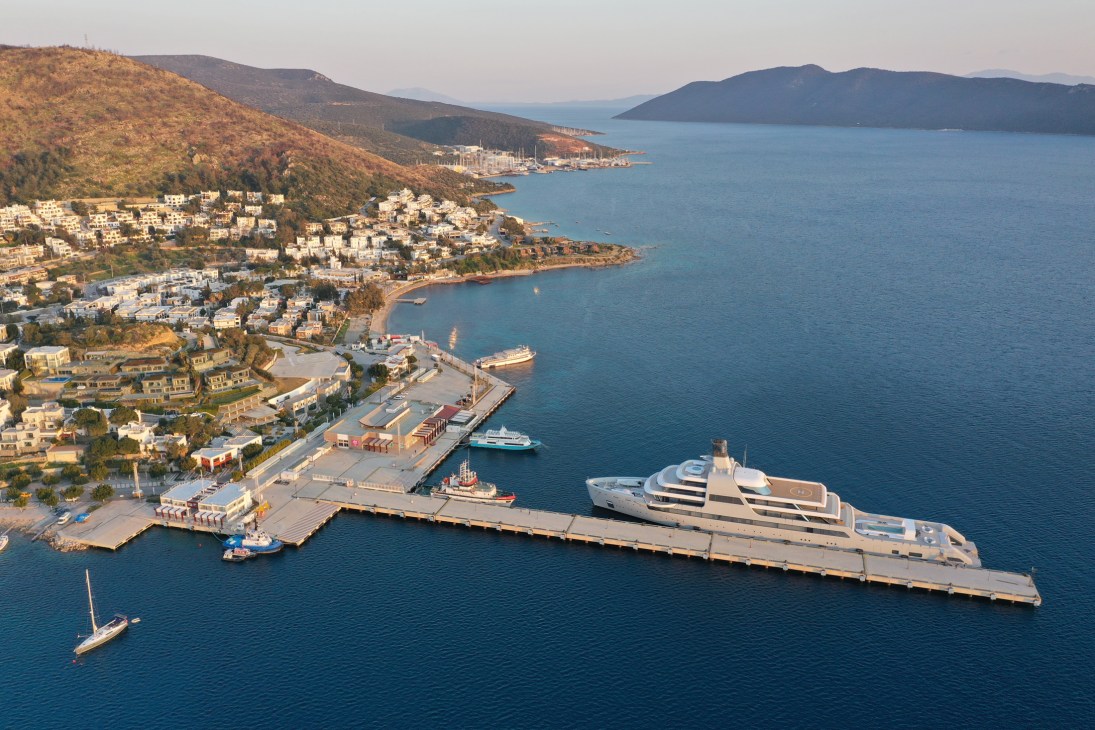
For its first visitors, Turkey’s Bodrum peninsula was an idyll of stone houses tucked into crystal bays. Now, it is the bling-encrusted heart of the country’s tourism industry, attracting scores of Russians who have fled Western sanctions or been barred from holiday destinations elsewhere. Turkey has not imposed sanctions on Russia, so the Kremlin’s cronies and dissidents alike could holiday freely in Bodrum in the summer of 2022 as long as they had money to spend. Until September several Turkish banks accepted the Mir card, Russia’s alternative to Visa. Oligarchs including Roman Abramovich docked their superyachts in its marinas, while Russians of more modest means have been snapping up houses here and in other Turkish resorts: a citizenship-by-investment scheme offers passports to anyone buying property worth $400,000 (€384,200) or more. The influx is providing a useful income stream amid Turkey’s economic crisis but many mourn the loss of the bucolic place that they once knew.
“Our parents used to send us here with pocket money but now it is more expensive than Istanbul. The big guys with money have moved in”
Bodrum’s transformation from sponge-diving village to ostentatious playground that hosted 1.5 million foreign tourists in 2022 has been incremental. In the 1960s, Istanbul dwellers opened guesthouses and ran boat tours; by the 1980s investment capital was flowing in. The town’s tiny quay was privatised and extended into a marina in 1997, just as the first package-tour operators arrived. In 2012 the Yalikavak superyacht marina, owned by an Azerbaijani businessman, opened its jetties. Today, Bodrum is a magnet for foreign investment. Luxury hotels built by global businessmen occupy prime spots on the peninsula and much of the coastline has been privatised.
“Our parents used to send us here with pocket money but now it is more expensive than Istanbul,” says one local, whose grandfather set up one of the original boat tours around the peninsula on traditional wooden gulets. The family sold the businesses in 2001. “Things were already changing by then. The big guys with money had moved in.”
Bodrum’s trajectory raises a key question for Turkey and other countries that lean heavily on tourism: who are resort towns for? The summer influx, which swells the population from 200,000 to one million, places a heavy burden on municipal services, while the sprawl of concrete over the peninsula has encroached on its natural beauty. However, tourism is expected to contribute 9 per cent to Turkey’s GDP this year and more than 80 per cent of that comes from foreign visitors. High-spending Russians demanding luxury services are now an important part of that market. In 2019 the country’s president, Recep Tayyip Erdogan, issued a decree that rezoned dozens of protected natural areas for tourism development. That opened the way for more Turkish resort towns to follow Bodrum’s example. It’s a boon for investors but locals are asking whether the money is worth it in the long run. Only time will tell.
Images: Getty Images, Ricardo Simal, Ronald Frommann
Diplomacy
Mission control
Gregory Scruggs surveys a host of diplomatic outposts helping to hold together an increasingly fractured world.
In a time of rising global tensions and economic anxiety, traditional diplomacy has often been conspicuous by its absence. Some governments might be quicker to test missiles or impose tariffs than engage in multilateral negotiations but all countries ultimately require embassies and consulates to put forward their positions abroad. Here are six new projects proving that a bricks-and-mortar presence remains the most effective strategy for long-term influence.
Guatemalan consulate in Dakhla
Morocco
During September’s session of the UN General Assembly, Guatemala made a splash by announcing that it would open its first consulate in Africa in Dakhla, the capital of the disputed territory of Western Sahara. The move is particularly important because it signals that Guatemala has thrown its weight behind Rabat’s Autonomy Proposal. In doing so, it joins a growing diplomatic community: Morocco has recruited more than 20 consulates in recent years to bolster its sovereignty claims over the territory. Notably, the Trump administration in the US broke with years of international consensus in 2020 by recognising its position. The opening of the first Central American consulate in Dakhla suggests that the independence movement has since continued to wane.
German embassy in Addis Ababa
Ethiopia
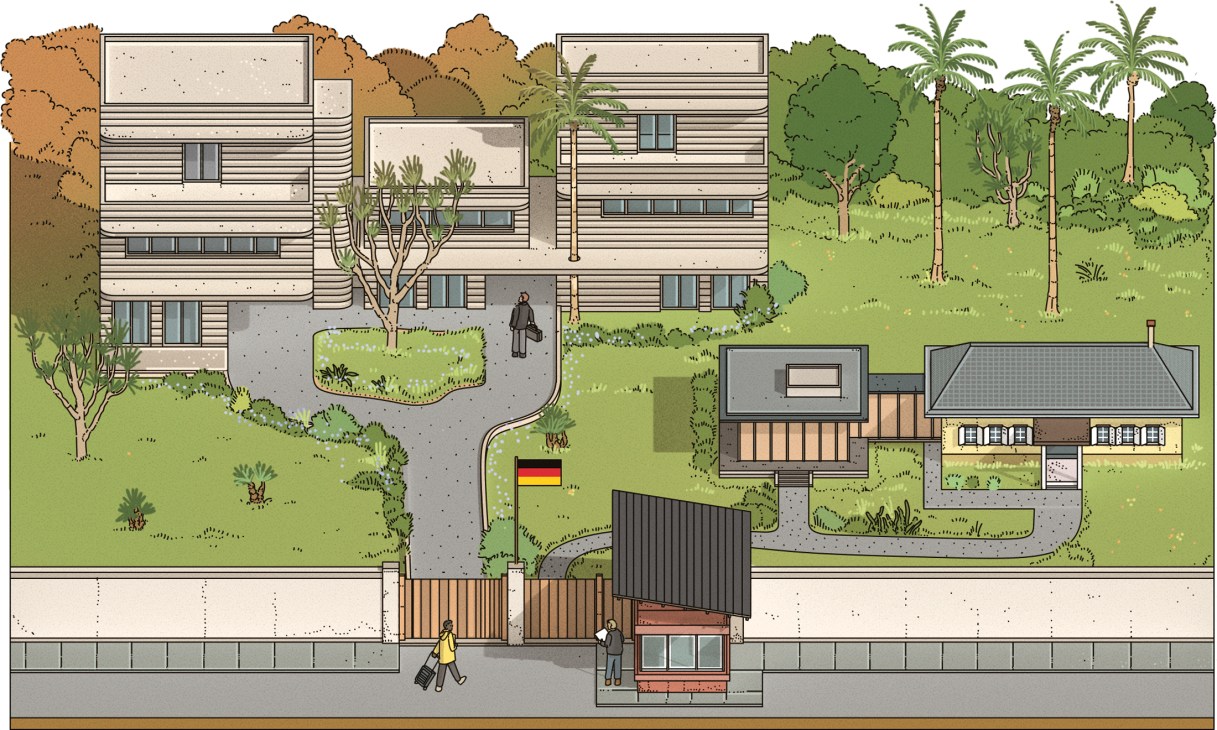
Germany’s embassy estate in Addis Ababa (pictured, above) is in the midst of a 10-year renovation. UK architecture firm The Manser Practice won the competition to design it in 2019 and its first phase has just been completed. The brief emphasised the need for sustainable development, such as using building materials and equipment that can be bought and serviced locally, thus avoiding the need to fly in European engineers for routine maintenance work. Steel roofs, marble floors, timber, concrete and tiles have all been sourced in Ethiopia, though the high-security windows are from Europe. “These days embassies, especially German ones, want to be seen as part of the community, rather than as a remote outpost of a foreign country,” the practice’s CEO, Jonathan Manser, tells Monocle. “But that aspiration often hits the buffers when it comes to security requirements.”
Finnish embassy in Islamabad
Pakistan
In terms of opening embassies and consulates, Helsinki has been on a roll. Its newest outposts are a consulate in Mumbai and an embassy in Islamabad. The latter marks a significant return: the last Finnish embassy in Pakistan closed in 2012. But the Nordic diplomats aren’t content to simply relive the glory days in its old residential villa. Instead, the three-person team is based in an office away from the city’s diplomatic enclave. “Finland has a policy of no longer owning its embassy premises and instead rents them,” the deputy head of mission, Anssi Kullberg, tells Monocle. “The diplomatic enclave tends to be a bit of an abnormal environment with lots of restrictions.”
EU office in San Francisco
USA
So-called digital diplomats are settling down in the City by the Bay. The EU has dispatched Gerard de Graaf, who worked on its new platform laws, to be the bloc’s first representative to Silicon Valley. For now, he is working out of the Irish consulate in the One Post Street office tower. The mission is the outcome of a 2021 EU-US summit on transatlantic technological co-operation. The UK Foreign Office beat their colleagues on the continent to the punch, however, appointing Joe White as technology envoy to the US in 2020. Will friendly chats over a Napa Valley vintage help to steer Big Tech away from the kinds of business decisions that land it in hot water with Brussels? “Networks are the secret to Silicon Valley but persuasion and diplomacy aren’t likely to make these large companies change their habits,” says the University of Washington’s Margaret O’Mara, who specialises in the history of technology. “When they change, it’s because of market conditions, new technologies and competitors, consumer habits and, yes, the big stick of government regulation.”
Vatican embassy in Dili
Timor-Leste

The Vatican established diplomatic relations with Timor-Leste when the island gained independence in 2002 but it wasn’t until September that the Holy See opened an embassy there (pictured, below), despite the fact that 97 per cent of the country’s population is Catholic. Why did it take so long? “The key lies in the Holy See’s relations with Indonesia,” says Paula Borges Santos of the Portuguese Institute of International Relations. The world’s most populous Muslim country occupied the former Portuguese colony for 24 years and interfaith relations on the island of Timor remain tense. But Timor-Leste extended an olive branch in May when it ratified a peace decree that was jointly issued by Pope Francis and the grand imam of al-Azhar, Ahmad al-Tayyeb, in 2019. This box-like yet handsome structure with dark-wood panelling and tropical gardens will be a fitting residence for the nuncio, who will continue to nurture this diplomatic co-operation.

“Drawing on the DNA of the existing buildings and site, our design leverages technology to unlock the old-world craftsmanship of Milan in an expression of the city today”
US consulate in Milan
Italy
There’ll be an exciting new address to visit come Milan Fashion Week and Salone del Mobile in 2025, when the US consulate in the city (pictured, above) finally opens. New York-based practice Shop Architects has taken charge of the campus, which includes an old sporting club framed by the Liberty Building, a Milanese landmark that was erected in 1905 and later fell into disrepair. Around the turn of the century, the US State Department commissioned several fortress-like embassies. In Milan it promises something far more inviting, with a public building and plaza for art exhibitions and other cultural events. “Drawing on the dna of the existing buildings and site, our design leverages technology to unlock the old-world craftsmanship of Milan in an expression of the city today,” William Sharples, one of Shop’s founding principals, tells Monocle. “Through thoughtful design that communicates the values of our respective countries, the embassy will strengthen our bonds.”
For the latest in diplomatic manoeuvres, tune in to The Foreign Desk on Monocle 24. Our award-winning weekly global affairs programme features expert guests and analysis of the big issues.
Listen live at
Monocle.com/radio or download as a podcast
Affairs
Soft-power icon
Extensive care
Cuba has long been a medical destination for Latin America’s leftist leaders and trainee doctors. Venezuela’s Hugo Chávez, for example, travelled to the Caribbean island on several occasions for surgery following diagnosis of the cancer that would eventually kill him, while thousands of medical students have received subsidised training in Cuba since its revolution in 1959.

But it’s the country’s white-coat diplomacy overseas that has been most effective. Cuba’s doctors have been on call at nearly every major international disaster of the past 60 years, from the Algerian War of Independence to the Chernobyl disaster. Alongside others in Latin America, it has a strong presence in Africa: in 2020 Cuban doctors were dispatched to South Africa to help deal with a coronavirus outbreak there. What has raised a few eyebrows is their sage presence in more developed nations.
Calabria’s right-leaning governor recently signed an accord to bring almost 500 Cuban doctors to the southern Italian region. A medical system that has suffered from chronic financial mismanagement and mafia infiltration arguably needs all the help it can get. But thorny issues, such as the fact that the Cuban doctors only receive a small amount of their salaries (with the rest going to the state) and that Italian doctors say they want to work as long as the conditions are right, have called into question the host nation’s motives.
Despite – or perhaps even because of – this, however, the image of the selfless Cuban doctor going out into the world to treat, care for and heal remains.
Politics Brazil
Back to the future
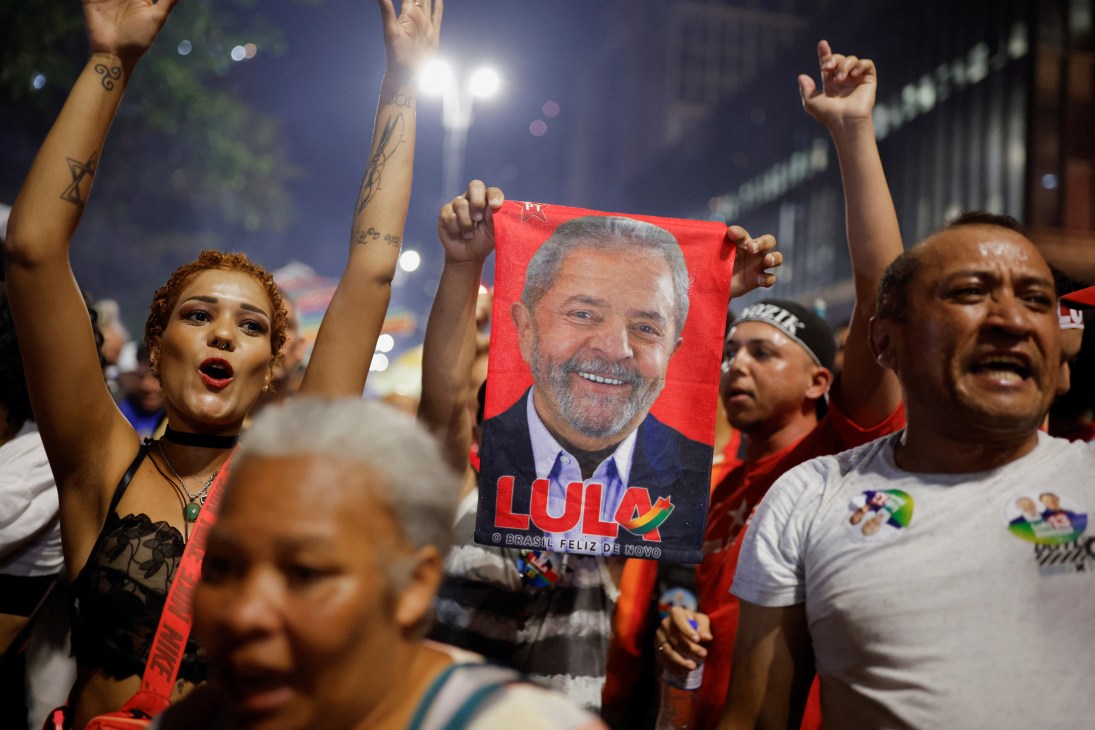
The four-year tenure of Jair Bolsonaro has left Brazil isolated on the world stage as the former president took increasingly provocative positions on climate change, coronavirus and Ukraine. It also left the nation divided at home. The election of Luiz Inácio Lula da Silva – his third such triumph – is a chance to reset. Here’s what’s in Lula’s in-tray for when he takes office again on 1 January 2023.
Restoring Brazil’s international standing
Western leaders such as Joe Biden and Emmanuel Macron wasted no time in congratulating Lula on his victory, a sign of both the goodwill he has generated and their desire to work with his administration. But his first test comes close to home: Bolsonaro alienated many of his fellow Latin American leaders; Lula needs to get them back onside if Brazil, the continent’s largest and most populous country, is to take the lead in the region.
Protecting the Amazon
Brazil is home to 60 per cent of the world’s largest rainforest, which itself is home to about 10 per cent of the world’s known species. Thankfully the country now has a president who is committed to protecting it. His first task is to reverse the logging licences granted by his predecessor. As well as the felling of trees, deforestation also causes the uprooting of communities. Lula has signalled the creation of a new ministry dedicated to the protection of Brazil’s indigenous people, many of whom live in the Amazon basin.
Unifying the country
It will be important for Lula to remember by how slim a margin he won the 2022 presidential election: 50.9 per cent to Bolsonaro’s 49.1. Brazil is a deeply divided country, as was evident in Bolsonaro supporters’ protests after the result. Lula must immediately set about bringing it back together. One way for him to signal such intent would be by naming a politically diverse cabinet. It is unlikely that he will appoint any senators from the far-right but including talented centrists such as Simone Tebet would show a desire to bridge the political divide.
Environment – Sierra Leone
Up, up and away
Situated between the Atlantic Ocean and a rapidly heating continent, Freetown, the capital of Sierra Leone, is particularly vulnerable to the effects of climate change. “We are seeing a huge increase in rural-to-urban migration,” Yvonne Aki-Sawyerr, the city’s mayor, tells Monocle at the UN Climate Conference (Cop27) in Sharm El-Sheikh. Over the past 20 years, the population of the city has almost doubled to 1.2 million residents, in large part due to the desertification of agricultural land.
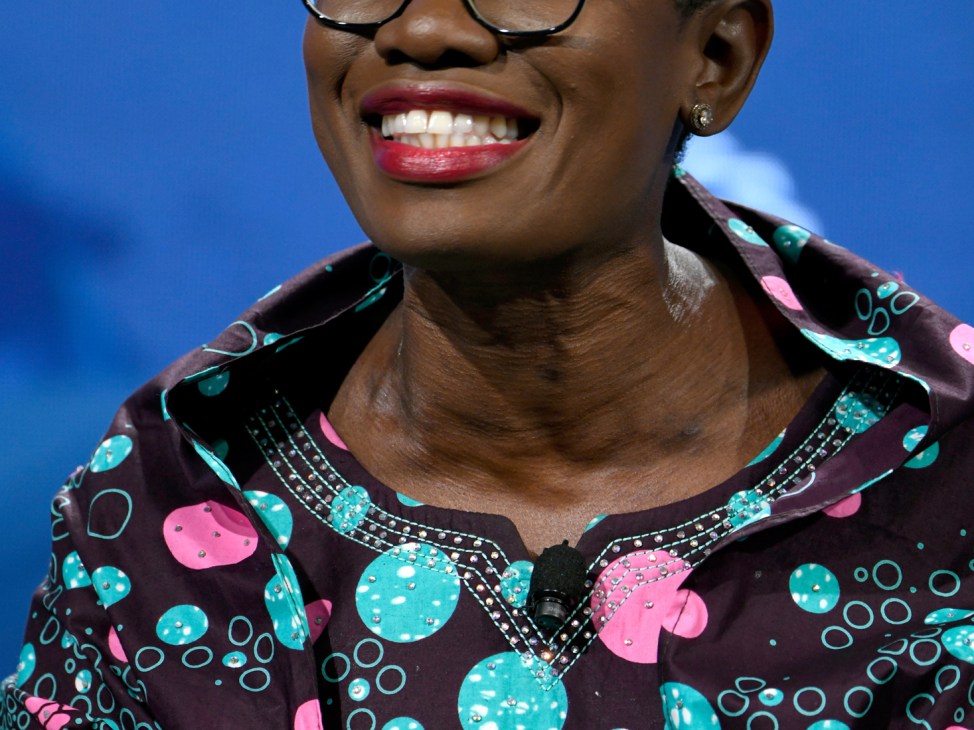
Aki-Sawyerr (pictured) has become a figurehead for Africa’s fight against climate change. “We haven’t been waiting for the national government,” she says, explaining the importance of large cities leading change. “When we launched Transform Freetown [an urban-regeneration plan], our first significant source of funding was the World Bank. We approached them directly but they only deal with nation states, so we asked Sierra Leone’s ministry of finance to get involved.”
For the mayor, green policy should be bottom-up rather than top-down. Take Freetown’s public transport fleet, which is old and heavily polluting. In partnership with Sierra Leone’s Ministry of Transport and Aviation, the city will launch a solar- powered cable-car system that can transport up to 6,000 people an hour. Aki-Sawyerr believes that it will be a “game-changer” for Freetown – and for Africa.
December/January
Energy — global
The nuclear option
Alexis Self on a man who’s fighting to make the case for the alternative energy source with a shakey reputation.
Alternative-energy advocates haven’t had to work very hard to make a case for their favoured power sources recently. Except for one, that is. Nuclear power is still the most controversial of all the low-carbon energy sources. The main reasons: Chernobyl and Fukushima.
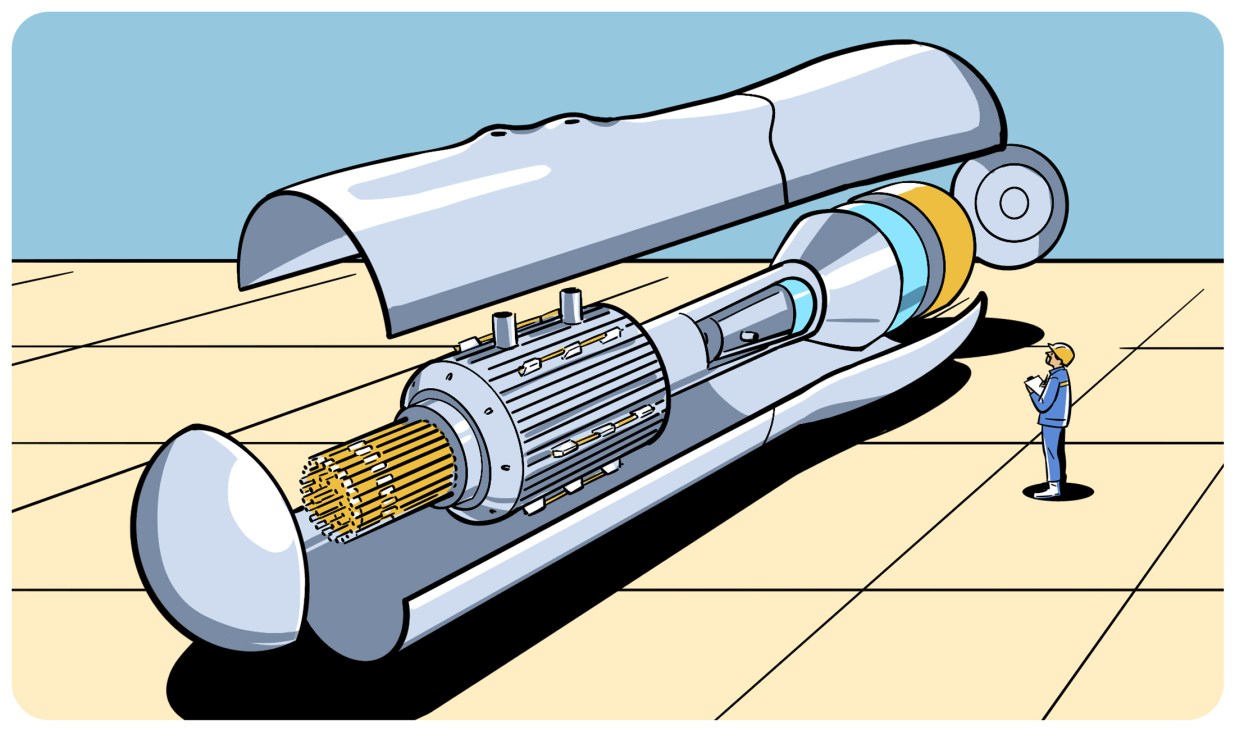
Nuclear power-plant architect Iain Macdonald believes that historic disasters have distorted the world’s view of what he says is a relatively safe energy source. “When I read the mit report on Fukushima, the actual facility came out very well,” he tells Monocle. “And if you look at Chernobyl, they undertook an experiment in Soviet times in which they ran a reactor with the brakes off. That’s like getting into a Formula One car with no brakes.”
Macdonald is the founder and CEO of Instance BV, an Amsterdam-based design studio that focuses on smart cities and nuclear power complexes. Before Instance, as a director at architectural firm Scott Brownrigg, he was involved in designing large-scale nuclear facilities such as Hinkley Point C and Moorside. It’s a good time to be in the business, with even previously nuclear-sceptic countries such as Germany and Japan beginning to rethink their stance, and both France and the US pouring money into nuclear: President Biden recently set up a $6bn (€5.8bn) fund to modernise the nation’s nuclear power plants and make the sector more economically competitive. But if Macdonald had his way, nuclear energy would be produced and apportioned at the neighbourhood level.
Modern cities have become too diffuse, he says, with people living in one corner and working in another. These journeys are also undertaken by our energy and data, which are either concentrated in faraway post-industrial spaces or housed in unattractive substations. If they were better integrated, Macdonald argues, cities would be more efficient and less carbon intensive.
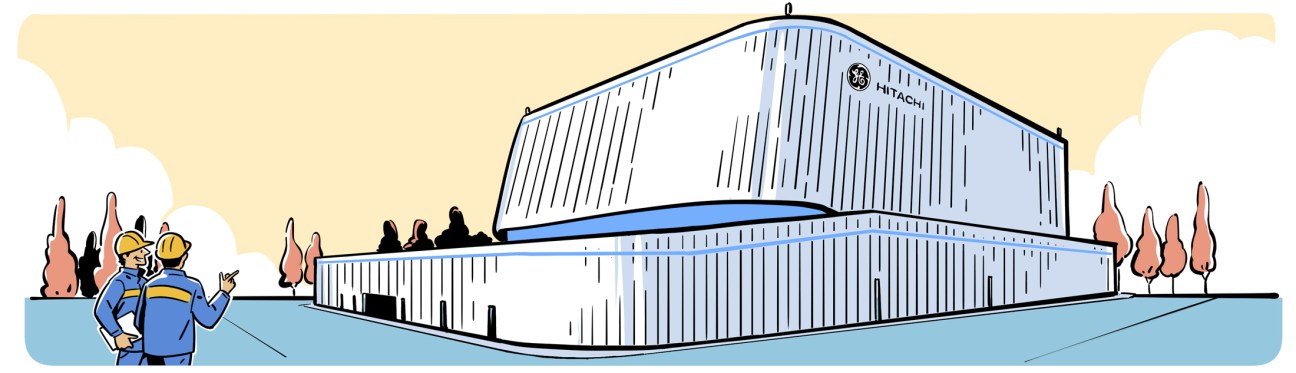
As a member of mit’s Advanced Nuclear and Production Experts Group, Macdonald has been working on the design of nuclear batteries that could be used to power thousands of homes or several office blocks. For him, it’s about dispelling the notion that any nuclear reactor is a ticking time-bomb. “Before, the nuclear debate was about ‘safety, certainty and security,’\” he says, “But now we’re also talking about ‘perception, understanding and acceptance.’\” The construction of nuclear reactors, even far away from cities, can provoke disdain among the local population. So part of the nuclear lobby’s mission must involve persuasion – much of it focused on reducing the concerns surrounding the prospect of nuclear disaster. “If you look at the blast in Beirut, Union Carbide, the Gulf oil spill, and you look at deaths per energy production, wind and nuclear are at the bottom,” says Macdonald.
He’s right that nuclear disasters don’t tend to have initially high casualties but people’s fears are derived from the insidiousness of the threat if disaster does strike. Amid shifting geopolitical sands and the growing clamour for low-carbon energy, the nuclear lobby’s persuasiveness needs powering up. In Macdonald they possess an asset capable of achieving this.
Take the biscuit
Brussels-based bakery Maison Dandoy, whose biscuits are beloved across Flanders and Wallonia, is older than Belgium itself. Founded in 1829 – one year before the modern Belgian state was established – the biscuit-maker now boasts 11 shops in Belgium and one pop-up shop in France. Not much has changed since the 1800s. “Our biscuits were famous from the beginning – especially during the holidays,” says Co-CEO Alexandre Helson, who is the seventh generation of his family to run the company and meets Monocle at their Galerie du Roi shop in Brussels.
The team start preparing for the Christmas season long before temperatures fall. In Belgium and the Netherlands, children receive spiced sugar cookies (speculoos) in the shape of a Sinterklaas, a Dutch holiday figure, every year on 6 December – and Maison Dandoy provides a trusty supply. Skilled employees roll out sheets of dough, then shape them into figures.
Helson stresses that Maison Dandoy’s focus on artisanal, handmade methods is what sets his products apart. “When you dip our biscuits in coffee or tea, they don’t break,” says the CEO. This is also why he’s wary of letting the brand become too big. “We received this dna from my grandfather, who always said that he wasn’t interested in industrialisation.”
He’s happy for Maison Dandoy to change in other ways. Collaborating with artists, creatives and other entrepreneurs in the community has been a key focus for the brand in recent years. “Brasserie de la Senne uses our broken speculoos to make beer,” says Helson. “And in turn, we sometimes use residue from the brewing process in our flour.”
Helson relies on all his teams, from marketing to recipe creation, to keep things ticking. “Here, we consider everyone family.”
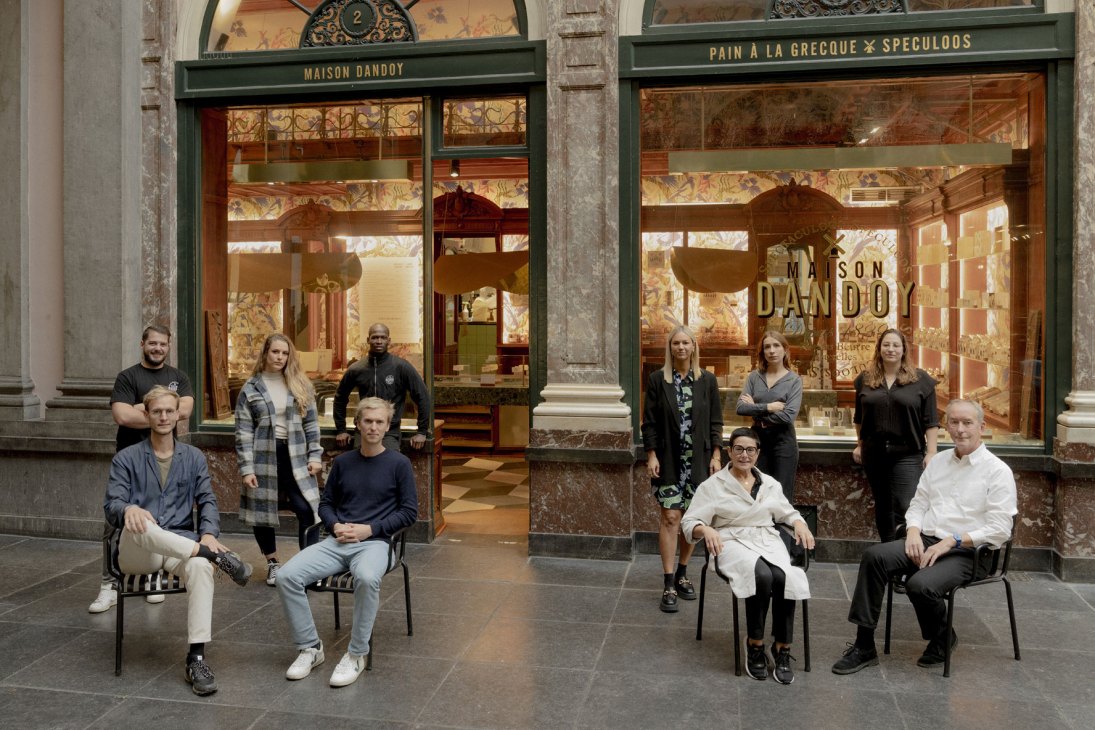
The Cabinet
From left to right
Guillaume Niser Production manager “In charge of the manufacturing process.”
Alexandre Helson
Co-CEO
For Helson, who studied economics and management at the Université Libre de Bruxelles, working at Maison Dandoy wasn’t always the plan. But after he wrote his thesis on the company, it became clear that he should join the business. “That was a turning point for me,” he says. As co-CEO, he oversees the sales, commercial, marketing and communication departments.
Sarah Schoentgen r&d and quality manager “Creates new biscuit recipes.”
Antoine Helson Co-CEO “Alexandre’s brother, who oversees the operations, human resources and production departments.”
Morel Keh Stock and delivery manager “Ensures everything gets here and leaves at the right time.”
Rosalie Romedenne Senior sales manager “Sets up all of Maison Dandoy’s brand partnerships and overseas sales.”
Maria Texera Store manager “Keeps everything running smoothly at the Place Brugmann shop.”
Léa Dupuis Brand manager “Manages all aspects of the brand.”
Gabriela Barthez People and culture lead “Takes care of the human relationships inside the house.”
Bernard Helson Former director “Has worked for the company for 37 years.”
Ticket to ride
Across any city’s lifespan, there are often a select few individuals who leave a long-lasting impact on city life. In New York, two names stand out. The first is Robert Moses, an urban planner whose car-centric vision in the 1950s propelled the city’s exponential growth. The second: Janette Sadik-Khan, a transportation expert whose work, in many ways, involved undoing that of Moses. As transportation commissioner under mayor Michael Bloomberg between 2007 and 2013, she was instrumental in making the city exponentially more pedestrian and cycle-friendly.
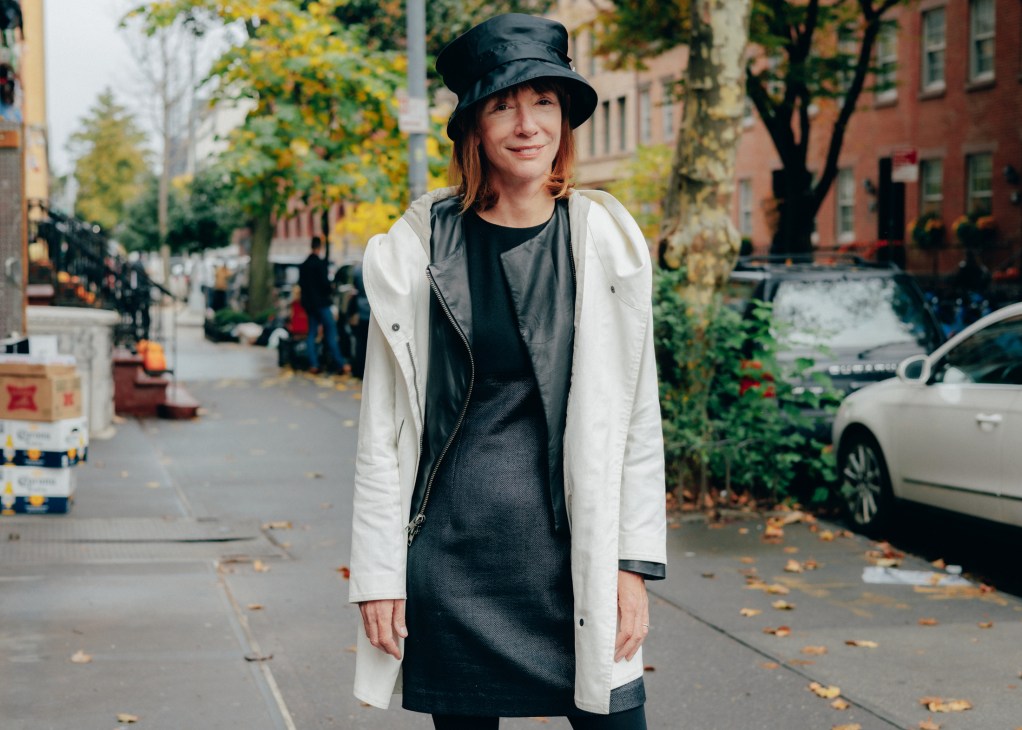
“Change is never easy,” Sadik-Khan tells Monocle at the City Lab conference in Amsterdam in late 2022. Between delivering talks at the conference, she recalls this transformative period under Bloomberg, where she oversaw historic changes to New York’s streetscape as part of a strategy to allow the city to cater to an additional one million residents by 2030. “This required a profound change in how we organised our streets,” she says. Her work saw her pedestrianise Times Square, launch the largest bike-sharing scheme in North America and roll out some 650km of new cycle lanes. “To accommodate these people, we needed to make it easier to get around by bus, by bike and to walk safely.”
Today, Sadik-Khan continues to build on that legacy, alongside her former boss. A founding principal at urbanism consultancy Bloomberg Associates, she is helping cities around the world with their own metamorphoses, informed by her experience at city hall. “It doesn’t matter what size city you are – big, small, megacity, you name it – in the end you face the very same concerns.”
To help address these matters, Sadik-Khan recently oversaw the launch of the Bloomberg Initiative for Cycling Infrastructure, which will see 10 local governments awarded up to $1m (€1m) to improve their cycling network. She has also co-authored the Global Street Design Guide, a digital publication that established a set of parameters to get mayors to increase quality of life and mobility in their cities. “It has been translated into six languages but the language of sustainable streets is universal,” says Sadik-Khan. “It’s available for free because we want everybody to be able to access it.”
Sadik-Khan is keen to stress that the best approach for urban activists and elected officials looking to make change in their communities is straightforward: simply make a start and rapidly test ideas. “If you’re not making mistakes, you’re not innovating enough,” she says.
She adds that to leave a meaningful mark on a metropolis, civic leaders need to have passion and a personal vision – but must also be willing to genuinely listen to citizens. “I used to say that working for 8.4 million New Yorkers was like working for 8.4 million traffic engineers,” Sadik-Khan. “Everyone had very strong opinions about how their streets should be used – and that’s a great thing.”
Reflecting on all the changes that New York has seen since 2013, particularly during the pandemic, Sadik-Khan is hopeful for what lies ahead. “In 2020 people suddenly had this realisation that their streets could be used differently – and that this is their city too.”
“They realised that they can take ownership of it and feel proud of it,” she says in relation to the pop-up bike lanes, increased alfresco dining and removal of nearly 10,000 parking spaces to create room for pedestrians and bikes across New York.
All are relatively small steps that have helped the continual transformation of her hometown for the better. For those looking to do the same but are little lost as to where to start, Sadik-Khan’s advice is simple: “You want a greater city? Start by building a bike lane.”
The CV
1960: Born in San Francisco. Moves to New York as a child
1987: Graduates from Columbia University
1990: Serves as transport advisor for New York mayor David Dinkins
1999: Made senior vice-president at engineering firm Parsons Brinckerhoff
2007: Appointed transportation commissioner for New York
2011: Wins the Rockefeller Foundation’s Jane Jacobs medal for new ideas and activism
2013: Concludes term, having rolled out 60 pedestrian plazas across New York
2013: Founding partner at Bloomberg Associates
2017: Co-authors the book Streetfight: Handbook for an Urban Revolution
2022: Helps to launch Bloomberg Initiative for Cycling Infrastructure
Cleared to land
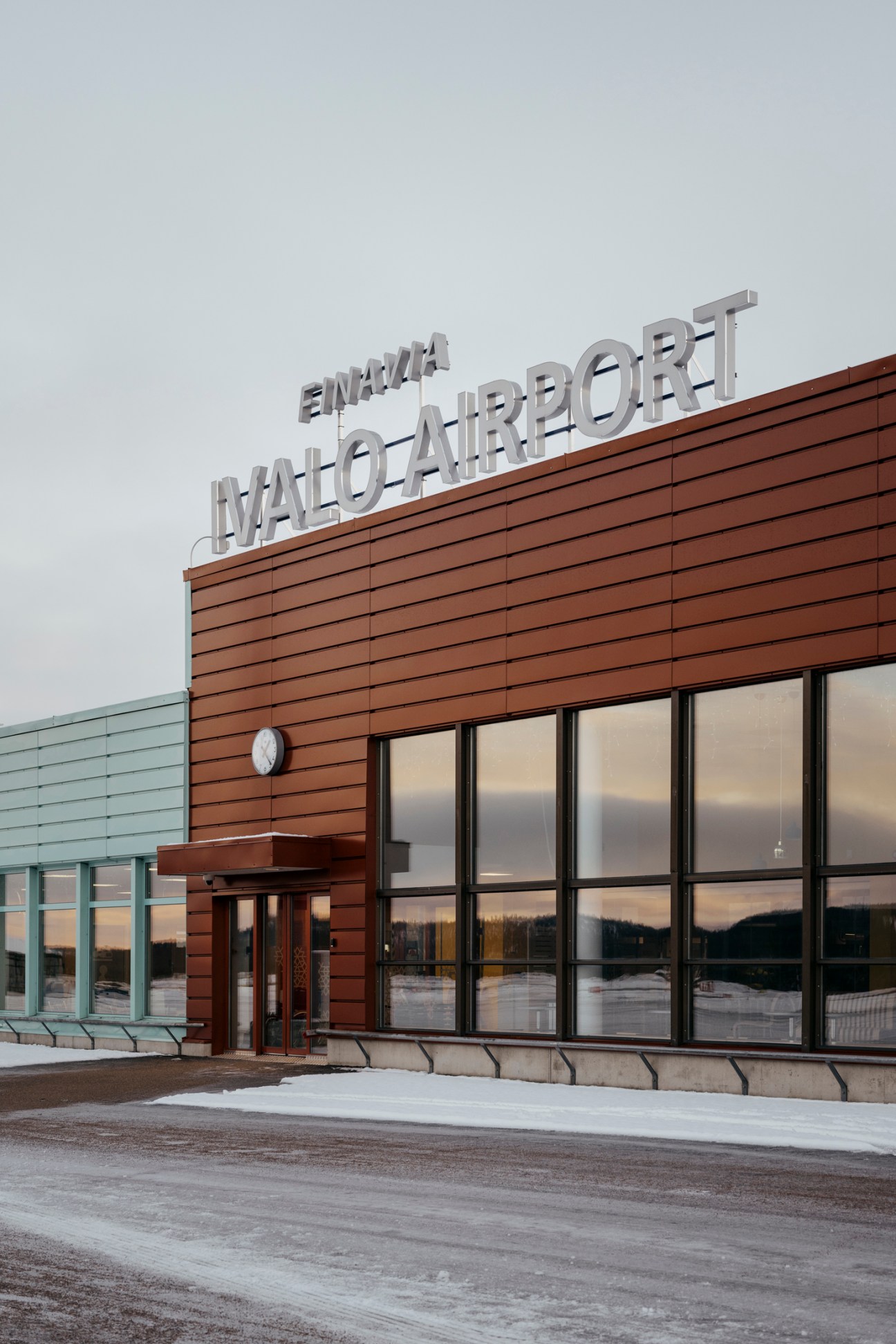
It’s a crisp autumn morning at the Ivalo Airport in northern Lapland and the ground is covered in a thick layer of pure white snow. These are far from the ideal conditions for an aircraft to take off and land in. But for the airport’s maintenance manager, Olli Temisevä, it’s just another day at the office.
With his sharp beard and almost two-metre-tall frame, Temisevä cuts a towering figure but the maintenance manager’s jovial laughter has a calming effect on his staff of 15, who work long hours in trying conditions. During the winter tourism season, Ivalo sees anywhere between 15 and 20 daily flights, and Temisevä’s team is tasked with the difficult challenge of quickly predicting – and reacting to – changes in climate conditions to make sure they land. “It has been at least a decade since a flight was grounded or redirected due to the weather,” he says.
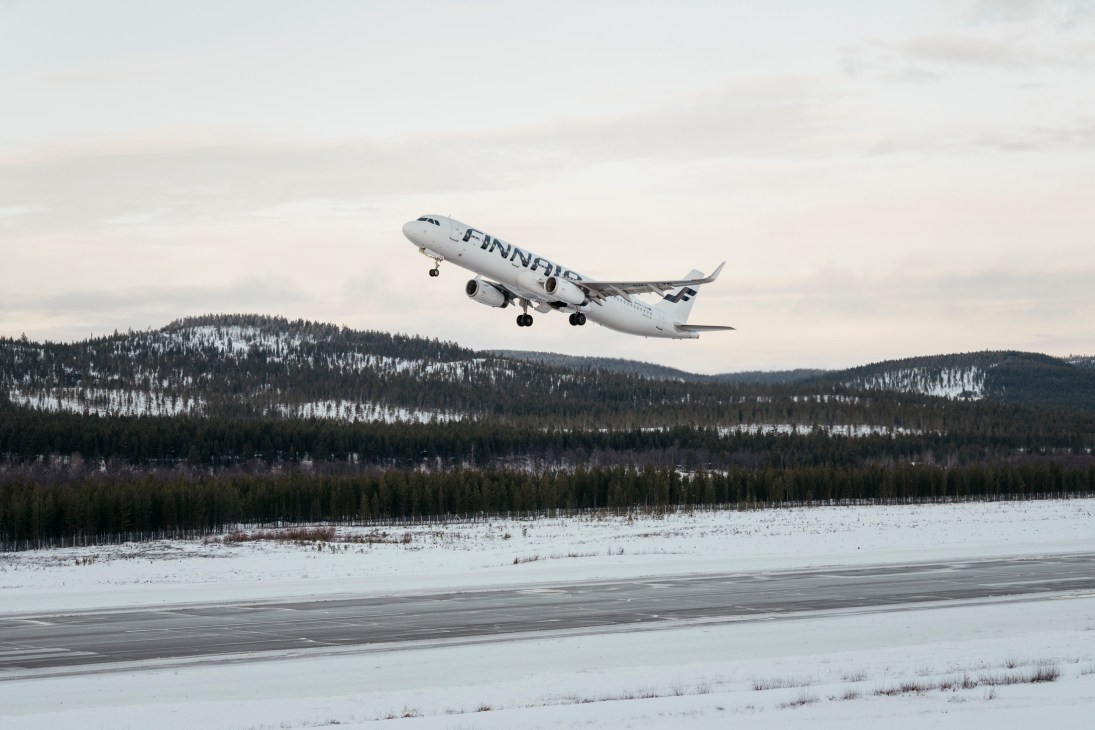
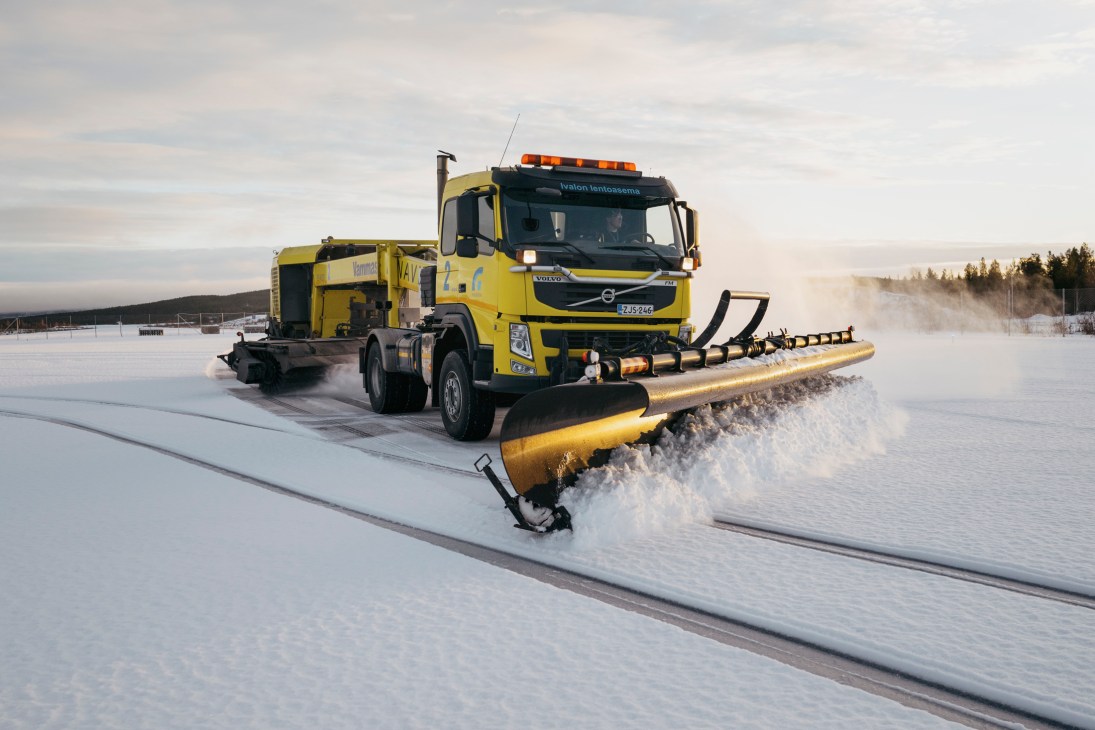
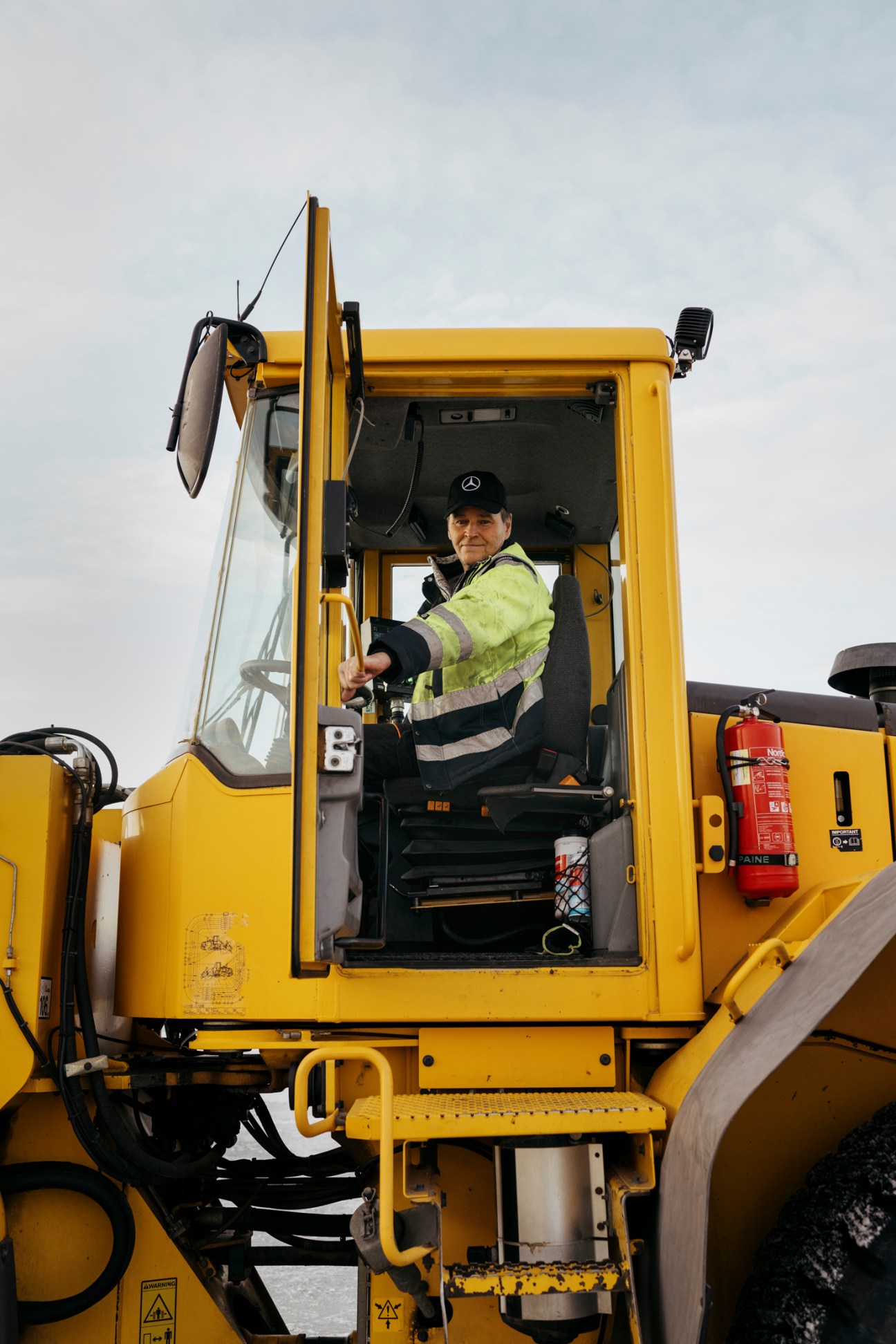
When Monocle visits, a Finnair flight from Helsinki is set to land in two hours, meaning that the team must clear and prepare the runway. Temisevä instructs his colleague Antti Kukkala to start the Vammas SB4500, a sweeper pulled by a bright yellow Volvo 420 truck. The Vammas’s 4.5 metre-wide steel broom rotates at pace, digging into plates of snow and ice, crushing them to pieces.
Soon after, Temisevä instructs another colleague, Jouni Martikainen, to fetch an even stronger beast: powered by a V8 Mercedes engine, the Vammas B400 attaches to the front of a tractor-like vehicle and can forcefully eschew snow out of its path to a distance of 60 metres. “I once accidentally drove over a cast-iron manhole cover and it ate it,” says Martikainen.
With the snow removed, a chemical truck applies a coating of acetate on the asphalt to remove ice and prevent its reappearance. Now it’s time for the final check. Roope Vakkilainen hops inside a red Toyota Land Cruiser pulling a Skiddometer. Packed with precision instruments, it measures the runway’s surface friction – a key metric in determining whether it is safe for planes to take off or land. That said, it’s not all about technology. “I do what I call the Jalas 44 test,” says Vakkilainen, referring to Jalas, a Finnish safety-shoe company, and his shoe size. He invites me to walk on the runway and try to slide – my feet don’t move at all.
Keeping all of Lapland’s five airports operational is no small feat. On average the ground is covered with between 40cm and 60cm of snow during the winter and temperatures can plummet to minus 50c. So what’s Finland’s secret? “The key is being able to predict and understand how the weather behaves,” Henri Hansson, the technical director of government-owned airport operator Finavia tells Monocle on the phone from Helsinki. “Lots of snow can be easy to handle but unexpected changes in temperature can create more hazardous conditions.”
Luckily, everything is going to plan today. The flight from Helsinki makes a smooth landing and taxies toward the apron, its white-and-blue livery blending in with the sky and snowy landscape. The doors open and I spot a flurry of tourists in parkas and Moon Boots exiting the aircraft. Little do they know, their smooth touchdown was thanks, in large, to the work of Temisevä and his team.
The Opener
How to live
The list
Christmas is upon us and Tyler Brûlé is reserving special praise for the country that does it best.
To accompany this year’s Soft Power Survey, this is a Christmas ranking devoted to nations that go all in at this time of year. While energy cuts might have put a damper on illuminations, it doesn’t hamper the most Yule-focused countries from pulling out all the stops to deliver a super Advent period.
As this is a new Monocle ranking, we need to work out the metrics. This is about Christmas: mangers, animals in stables, holy choirs, midnight mass, decked halls, candlelit Tannenbaums – the works. It is not about the “holiday season” or, worse, “festive period”. We need snow, so can write off most of the southern hemisphere and a good portion of the northern hemisphere. As Christmas was one of the first victims of the US culture wars, it is also out of the running. Canada has all the right assets to be a global leader but has resigned itself to being in “Season’s greetings” territory.
The Swedes, Norwegians, Finns and Danes all love a bit of Jul and are keen defenders of the concept. So too are the Austrians and the Swiss. The UK used to do a good Christmas spread but is following the US into the land of inclusively bland.
So who does Christmas best? Japan! There are no hang-ups or excluded groups. In the halls of Isetan and on the streets of Marunouchi, anything goes, so long as it’s accompanied by The Carpenters cooing “It Came Upon a Midnight Clear” and there’s a Baumkuchen to go with it. George and Mariah might claim to own the top contemporary Christmas tracks but connoisseurs know that the best is Tatsuro Yamashita’s “Christmas Eve” – a Monocle anthem. Meri Kurismasu!
Yule be singing
From Frank Sinatra to Mariah Carey, US artists dominate Christmas playlists. But that’s not to say that other countries don’t have their own traditions.
1.
“El Burrito Sabanero” is one of Latin America’s most celebrated villancico (Christmas song). Composed by Venezuela’s Hugo Blanco, it tells the story of a little donkey making its way to Bethlehem. Looking for a contemporary take? Guatemalan singer Gaby Moreno has a version on her Christmas album.
2.
Japanese R&B singer Misia’s “Under the Big Love Tree” pays a jazzy homage to the festive season. Released in 2011, it has a distinctly groovy bassline and features the singer’s trademark saccharine vocals.
3.
“Betelehemu”, a Yoruba Christmas carol, was written by Grammy-nominated drummer Babatunde Olatunji and is a hit with choirs from the US to Brazil.

Birds of a feather?
Peacocks are often encouraged to saunter majestically through the gardens of eccentric aristocrats in a way that pigeons, for example, are not. However, residents of one Italian town are finding that these avian dandies are a mixed blessing. A growing number of peacocks have moved into Punta Marina – and the novelty is rapidly wearing off. Peacocks, it turns out, knock tiles off roofs, scratch paint off cars and – in keeping with their lordly demeanour – expect others to clean up the mess. Punta Marina’s residents are now divided about the benefits of hosting these opulent birds.
Whatever they decide, it can’t go worse than the time when Australia’s army went to war with emus in the deserts of Western Australia – and lost.
Reporting from…
Monocle’s global bureaux round-up news of energy-saving tactics in Switzerland, a correspondents’ crisis in Hong Kong and Toronto’s proposal for a new neighbourhood on one of the city’s golf courses.
Zürich
Flick the switch
To save energy, Zürich will switch off its Christmas lights a few hours earlier than usual each evening. Lucerne, however, has had a brighter idea: 500 lanterns will be placed on pedestals, bathing the city in a warm – and affordable – light.
Hong Kong
New home?
Journalists could be in for a gloomy start to the new year if the government decides to evict them from their much-loved Foreign Correspondents Club. The lease ends on 1 January; relations between landlord and tenant are particularly fraught.
Toronto
Playing the game
To help with a housing shortage, Toronto’s sprawling Flemingdon Park Golf Club could be razed and turned into a new neighbourhood. It means shouts of “fore” might soon refer to a wrecking ball rather than a golf one.
Station to station
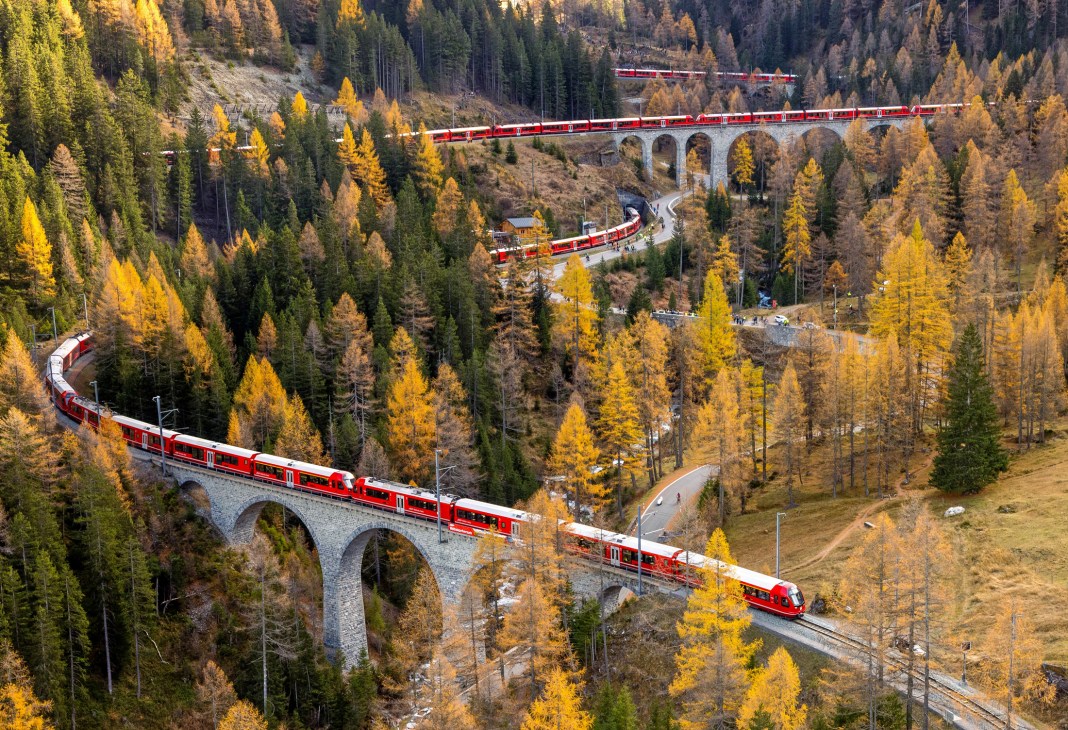
From the largest igloo to the longest marble run, Switzerland isn’t short of unusual world records. And it has added a new accolade to the list: the world’s longest passenger train. To mark the 175th anniversary of the country’s first line, railway operator Rhätische Bahn joined up 100 carriages to form a length of almost 2km. It’s sensible that only 150 passengers were onboard, considering how long it would have taken those at the far end to reach the platform.

The interrogator
Strike a pose
USA
US photographer and film-maker Steven Klein is known for his provocative images. He burst onto the international fashion-photography scene in 1985. After snapping his first Christian Dior campaign, he worked with the likes of Chanel and Tom Ford, as well as musicians such as Lady Gaga. Here he tells us about exuberant photography, taking photos of Madonna and his first monograph.
Your new book is a collection of provocative images captured over the course of your career. What do you hope readers will experience when turning the pages?
My intention is always to provoke people to look at a picture and ask questions of it and of themselves. Part of the reason I published the book is because a lot of the magazines today aren’t doing journalistic stories that have real narratives attached to them. So I thought it was a good time to put a collection of work together that features a lot of images that are produced from film stills. The paper is varnished so it’s as close to a real photograph as possible.
You’ve worked closely with countless models, actors and musicians, including Madonna. How do you put your stamp on someone like her?
In anything you do, it’s not possible to work without trust and without love. We have this and we became good collaborators. It’s interesting because people who aren’t as connected with Madonna or her image will see a picture of her and not even know it’s her. To me, that’s success. I try to take the celebrity out of celebrities. Madonna is a great admirer of great photography and she appreciates good work, so she’s a great collaborator.
Your photoshoots are exuberant. Do you feel that this has been lost in much of the work today?
In a way. Partly because of social media and partly because so many fashion brands are advertising online. This means that magazines no longer generate as much money from advertising so budgets have been cut.
How would you describe your work?
A lot of people have this misconception that your work is you, which it’s not. I think that my images create desire or fear. I’m interested in anything that people are obsessed with; fetishes are interesting because people are obsessed with them.
The monograph lends itself to an exhibition. What’s next?
The book is not a retrospective but selected works. These images will eventually be at an exhibition that will tour the world.
For the full interview with Steven Klein, tune in to Monocle 24’s ‘The Stack’.
Stuck in the middle with you
The airline Virgin Australia recently conducted a poll to discover passengers’ favourite seats. The middle seat was chosen by 0.6 per cent of respondents, suggesting that 0.6 per cent of Virgin Australia’s passengers are either insane or simply cannot complete online polls. Nobody likes the middle seat.
Virgin Australia is therefore seeking to make the spot more attractive by offering middle-seat occupants’ tickets in a lottery (qualification is contingent on membership in Virgin Australia’s frequent-flyer programme, which may well be the real reason for this wheeze).

Prizes include Australian Rules football tickets, holidays and frequent-flyer points. However, there will only be one winner per week – and the odds would be lousy enough even if there was one winner per plane (on a full flight on one of Virgin Australia’s Boeing 737-800s, 56 people are squirming, sighing and seething in middle seats). The airline’s lottery can’t possibly be enticing enough to persuade anyone away from the aisle or window seat.
Virgin Australia is generally not bad, as far as airlines go. However, in launching this scheme, it is making a mistake wearyingly common in its sector: wilfully thinking of everything except bigger seats and more legroom.
Tinker, tailor, soldier… scholar?
When Norwegian authorities arrested a Russian spy at a university in Tromsø in October, many wondered how Mikhail Mikushin managed to pass himself off as a Brazilian academic. The answer? Not very well. One former colleague claimed that he had a “funny accent” that sounded a bit Russian. Investigative news organisation Bellingcat also linked him to an email address Mika_Invasor, or Mikhail the Invader. Subtle.
With Norway now Europe’s biggest supplier of natural gas, it’s unlikely that a lack of surveillance skills will stop Russia from carrying out its extensive – if rather flawed – espionage programme.
Images: Steven Klein, Philipp Schmidli. Illustrator: Maldo Malacek
The hard or soft option
As a war burned in Europe and the embers of antique enmities were reigniting, it felt like an odd moment for me to sit with the editors of Monocle to debate the successes of soft power in 2022. Was this indeed, we wondered, the year when soft power showed its limitations – or perhaps that it works best when matched with some hard power in your arsenal? Had soft-power moves by nations lost some of their global potential and become, at best, regional plays? Though Russian high culture might still be able to help ease relations in, say, Ankara, it’s barely functioning in that respect in Paris or Washington.
But. Well, the “but” here is that a nation’s soft power should not only be rated according to ephemeral news events or the popularity of a leader. You also need to take the longer view and consider the cultural bedrock that a country’s policies are built on, its commitment to diplomacy (embassy-building included), the ways in which its businesses step forward to sell their homeland and more. So, as we conducted our research and surveyed nations’ wins and stumbles across the past year, a rather exciting list began to emerge in which we focused on commitment to soft power as a diplomatic tool – that cultural bedrock – and not, say, whether Joe Biden was a success or Emmanuel Macron had lost credibility with his belief that he was the one who could dissuade Vladimir Putin from starting a war. This process also placed smaller nations next to mightier ones. I am sure that you will let us know what you think.
Beyond the survey you will find some interesting players in this still-vital soft-power game. In our Affairs pages, Monocle’s Carlota Rebelo returns to Kyiv to interview Ukraine’s foreign minister, Dmytro Kuleba (see here), now perhaps the world’s best-known foreign minister. He explains how he has traversed the globe to ensure that leaders in other countries understand that Ukraine is not Russia, that it has a culture of its own and that its values are not those of Moscow. “The West is not a geographical notion,” says Kuleba. “It’s a political one. And if you share the same principles and values, irrespective of your geography, you belong to the West.”

You can also flat-pack soft power. In the business pages, David Hodari interviews Jesper Brodin (see here), the CEO of Ingka Group, which runs nine out of 10 of the world’s Ikeas. Brodin makes clear that the brand’s roots in Sweden remain central to its allure. “Ikea’s Swedishness is something quite fun – it stands out but it’s also deeply value-based,” he says. He explains that the blue-and-yellow logo that evokes the Swedish flag was originally red and white but the switch was “a conscious decision to build the brand with an understanding of the culture of Sweden, the aspects of togetherness, simplicity and cost-consciousness.” It’s a fascinating read but here too you see the breakdown of global influence: Ikea has pulled out of a once important market, Russia.
There are also more touches of soft power in our fashion report on an Icelandic brand that’s going international (see here) and our article on artists in Baghdad who want people to see that their nation is defined by more than just turmoil (see here). And we have packed plenty of fun into this issue with our roundups of the best bookshops (see here), an end-of-year Monocle playlist that you can listen to on Spotify (see here) and a look at the revival of the stationery shop (see here). Then there’s our Expo (see here), which offers a resolution for every month of 2023, from heading out on an adventure to the oddly satisfying pleasures of a clothes steamer.
Before you head off to explore the issue, everyone at Monocle would like to wish you a great Christmas, a happy holiday and a perfect New Year. It has been an extraordinary 12 months for us and we look forward to revealing many new plans and projects in the coming weeks. Thank you too to everyone who has subscribed or come to our conferences and events. As always, feel free to drop me an email at [email protected] (or, with the way that the stationery trends are pointing, you might prefer to write me an actual letter).