Issues
The perfect weekend getaway: Verneuil-la-douce, a charming château-turned-inn just outside Paris
If you ask a hotelier what they want most for their guests, sweet dreams would probably be near the top of the list. Verneuil-la-douce – an art-filled, 17-room hotel an hour west of Paris by car – goes well beyond plush pillows and soft lighting in its efforts to fulfil that promise. From the glass-walled lounge with its Greek mythology-inspired frescoes to the garden-facing indoor pool and spa, every space here seems carefully contrived to create a dream-like atmosphere. “We wanted to inspire wonder and contemplation,” says Parisian entrepreneur Camille Omerin, the owner of the 19th-century Anglo-Norman château.


The project, which fully opens this spring after a two-and-a-half-year renovation, is Omerin’s first hospitality venture but she quickly found her footing. For the site-specific works, she selected seven artists who she knew personally or whose work she admired. Among them were Ben Arpéa, who is behind the outdoor pool’s colourful design.
But no one has left a bigger mark on the hotel than Ségolène Derudder, a graphic designer and illustrator based in Biarritz and Paris, who was commissioned to create the common areas’ frescoes. In the dining room, where her playful images can be seen on the ceiling, Omerin points out a blue-haired cherub playing the violin. “There are plenty of fun details like this in her work,” she says.


Plenty of care went into the furniture. Omerin designed many of the pieces, from the ornate, Napoleon III-style chairs in the dining room and the wooden headboards, coffee tables and desks in the bedrooms to the botanically inspired vases and wall lamps, which were made to measure by DM Création ceramics workshop. While most of the decorative elements feel contemporary, others feel as though they have been part of the château for decades, such as the black marble inlays in the parquet and the vine-leaf boiseries.
Eating is an important part of the experience too. At restaurant Patiné, chef Cyril Coutin serves eye-catching dishes that taste as good as they look and might just leave you dreaming of another night in which to enjoy it all again.
verneuilladoucehotel.com
Further reading:
Four weekend escapes within easy reach of Paris
Monocle’s complete city guide to Paris
Shopping for heritage inside Tokyo’s legendary Imperial Hotel arcade
The old bar and arcade of Tokyo’s Imperial Hotel are pockets of calm and civility in a hurried world. Everything here deserves your time and attention: the pots of cascading orchids at florist Hibiya Kadan; the slices of sweet yokan jelly at Toraya, a confectioner founded in the early 16th century; the omakase dinner at 14-seat restaurant Torakuro. You can get a swift shoeshine and a fresh haircut too.
Mayuyama jewellers, which was one of the first occupants of the hotel’s arcade when it opened in 1923, is still here today. Its fourth-generation owner, Tatsuya Mayuyama, is its managing director and also the chair of the arcade association. “We have customers who have been coming for years,” he says. “Recently, a woman told us that she wanted to buy her granddaughter a piece of jewellery from us, just as her grandmother had done for her.”
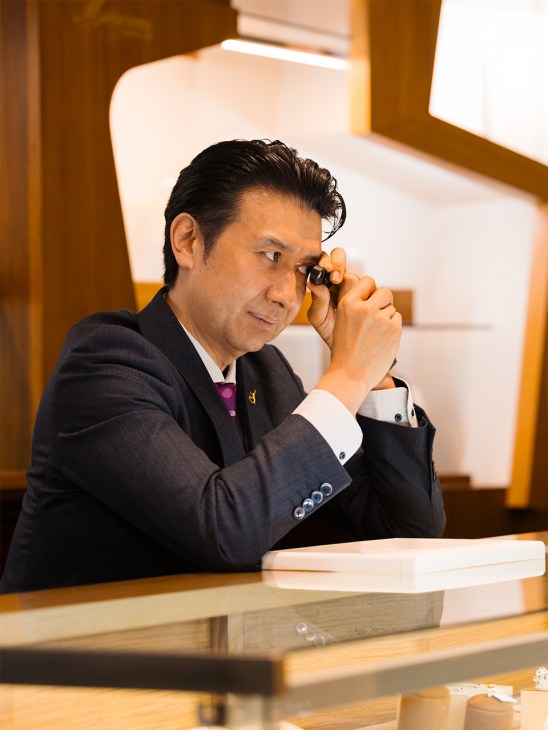
There are six jewellers here among more than 40 shops, including Uyeda, another of the original arcade outlets. “There’s a camaraderie,” says Mayuyama. “If we don’t have something that a client is looking for, we will ask other shops whether they have it.”
When Monocle visits, the owners here are happy to share anecdotes about their businesses, many of which date back decades. Kazutaka Takahashi is in charge of Tani Shirt, a custom shirtmaker that was founded in Yokohama in 1930. Hollywood stars have snapped up its pieces and dapper Rolling Stones drummer Charlie Watts was a regular. Kashiko Tomita, meanwhile, runs her family souvenir business, Torii, another arcade veteran that sells bags crafted from silk kimono sashes, hair clips and decorative fans and pouches, all made in Japan. Her family had connections with Kihachiro Okura, one of the hotel’s founders.


Atsushi Tomidokoro looks after Sokendo, his family’s 70-year-old sword and armour shop. In the window is a katana from 1549 and another handsome blade by a modern master. “Collectors and museums like having the full story behind a piece,” says Tomidokoro. A good sword is marked with the name of its maker and often its past owner. Elsewhere in the shop, a 300-year-old suit of samurai armour stands to attention.
Koichi Nakayama is the president of Antique Tei, an art business started by his grandfather. He is surrounded by traditional Japanese screens and pristine ceramics by Edo-era craftsman Ogata Kenzan. “My clientele is Japanese and international,” he says. He can also source specific pieces on request. “Foreign clients are often looking for full-size folding screens, while Japanese collectors might go for something smaller, often connected to chanoyu [a tea ceremony].”


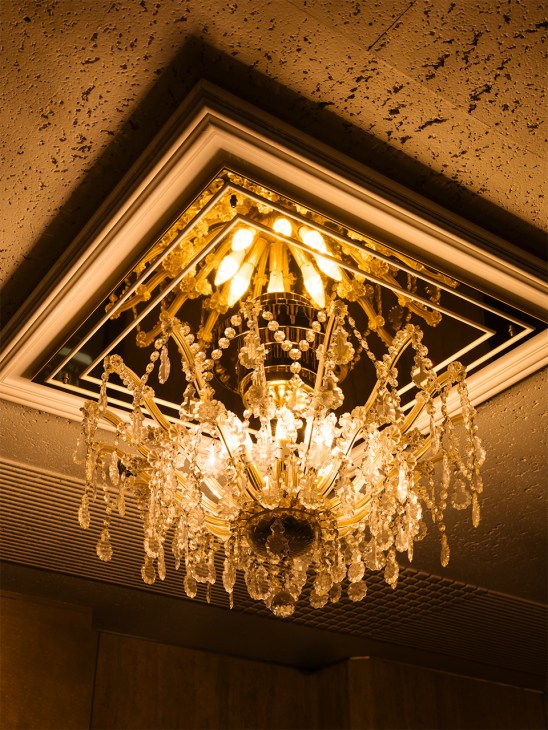
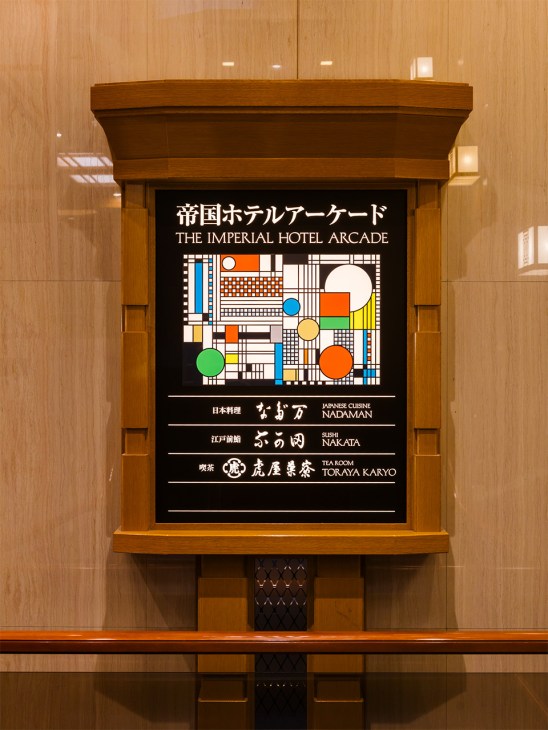
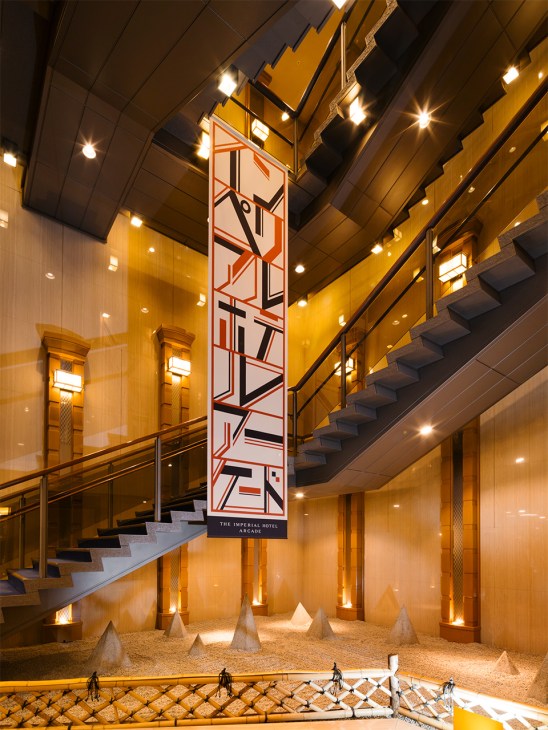
The hotel, which occupied a Frank Lloyd Wright building from 1923 to 1967, has been in its current home since 1970; it is undergoing change again and will be reborn in the mid-2030s in a new building designed by Tsuyoshi Tane. For all its heritage, Tokyo doesn’t fear change.
imperial-arcade.co.jp
Living legacies
Three Japanese shops in the arcade keeping traditions alive.
Mayuyama
This specialist in pearl necklaces and jewellery has been a tenant since the galleria opened in 1923.
mayuyama.jp
Tani Shirt
Kazutaka Takahashi heads up the shirtmaker founded in Yokohama in 1930.
tanishirt.com
Sokendo
Samurai armour, antique swords and modern blades.
sokendo.jp
Inside The Peninsula Hong Kong’s stunning shopping arcade, the birthplace of the city’s luxury-retail scene
The Peninsula on Nathan Road is a short walk from the K11 Musea mall and not far from the Harbour City shopping centre along the Victoria waterfront. But the historic hotel’s shopping arcade trades on something different to its competitors. Within its halls, visitors enter a retail environment shaped not by likes or impressions but decades of retail history.
Inside, crown-moulded ceilings and a 19th-century Edwardian palette of browns and creams lend the arcade a sense of continuity with the rest of the hotel. Shopfronts sit flush against the marbled walls that wrap around the ground-floor foyer, where Rolex and Goyard anchor the main café areas. Shoppers move through the lobby rather than up escalators to fitting appointments that can be bookended by lunch and afternoon tea. Locals can dart in for groceries while guests peruse the wares, before making for their rooms.


“The Peninsula retail arcades are where luxury started in Asia – in Hong Kong in the 1970s,” says Benjamin Vuchot, the CEO of The Hongkong and Shanghai Hotels group. “This was the only option when it came to showcasing luxury brands. Hong Kong was where Louis Vuitton, Chanel, Van Cleef & Arpels and Hermès first had an Asian presence.”
Today the arcade extends across three levels and houses more than 80 tenants, including lifestyle brands, fashion and jewellery outlets, and grocery shops (gourmet supermarket Mercato draws nearby residents looking for specialist produce). International labels sit alongside independents: Jimmy Chen & Co, one of the city’s longest-standing bespoke tailors, continues to operate here with a lease that’s secured for life. On the lower level, the Peninsula Boutique and Café sells the hotel’s own branded goods. Since 1928 The Peninsula has produced chocolate, tea blends and chilli sauce. More recently, it has added towels and linens for shoppers keen to recreate something of the experience at home.


The tenant mix is adjusted carefully. Alongside established names, short-term arrangements allow for fresh ideas. Italian jeweller Vhernier recently chose the arcade for its debut outpost in Asia, while home-décor label Lala Curio has recently established a flagship upstairs.
The Peninsula understands its audience. The arcade is lively even in the middle of the day, with a small orchestra providing a soundtrack for shoppers. Customers can be seen queueing outside the most popular shops, as staff usher clients through the arrivals procedure while other guests clip across the marble floors to linger among the window displays and enjoy the spectacle.
peninsula.com
Lap of luxury
Three highlights among The Peninsula arcade’s boutiques, fashion houses and speciality shops, dotted across three floors.
Vhernier
Known for innovative pieces hand-sculpted in Italy, Milan-based jewellery brand Vhernier – which is part of the Richemont family – recently chose The Peninsula’s arcade for its first outpost in Asia.
The Peninsula Boutique and Café
This elegant but intimate café offers perfectly brewed coffees and irresistible cakes alongside delicacies and an extensive collection of speciality gifts. The hotel has long produced its own tea and chilli sauce – and now also stocks linens and towels. Stop by if you’re keen to take a slice of the experience home.
Jimmy Chen & Co
One of the city’s oldest bespoke tailors, the renowned Jimmy Chen & Co is a shop that’s stitched into the fabric of the arcade.
Indulge yourself at the Ritz Paris’s shopping gallery, a one-stop destination for all things luxury
When the Ritz Paris opened in 1898, it was the world’s first hotel to offer rooms with private bathrooms and electricity on every floor. It was also one of the first to offer a retail area within its walls. Marie-Louise Ritz, the wife of former owner César Ritz, added a shopping gallery on the ground floor reminiscent of the covered passages near the Palais Royal gardens. Featuring wood-panelled walls and streetlamps, it was quickly dubbed a “gallery of temptations”.
When the hotel underwent a €450m renovation from 2012 to 2016, the gallery wasn’t neglected. Its display cases were lovingly restored and the hallway was opened up, with tall windows looking onto the gardens. Today guests can fill their Rimowas and Birkin bags without ever having to venture out to the boutiques of the nearby Place Vendôme.


Buccellati jewellery is among the pieces on display here, alongside Haviland porcelain from Limoges and EB Meyrowitz sunglasses. Further down the hall are two boutiques specialising in jewellery: Tasaki and Dolce & Gabbana Jewelry. No luxury is too small – there’s a tea shop by TWG and another by Moroccan brand Bacha Coffee selling the best beans. Then there’s the hotel boutique, which stocks bathrobes in Egyptian cotton and air fresheners with the Ritz’s signature Ambre Péristyle scent. The hotel is also home to the Escoffier cooking school and, in 2021, it opened its own patisserie on Rue Cambon, Ritz Paris Le Comptoir, led by pastry chef Joris Theysset.
With her team, the hotel’s retail director, Maddalena Barile, has experimented with limited-edition collections made from upcycled hotel materials. After realising that the Ritz had accumulated a lot of broken porcelain, in 2024 she unveiled a collection of jewellery made by La Fabrique Nomade, designed from fragments of the hotel’s Marthe dinner service, originally created by founder César Ritz in 1898. There was also a collection of tote bags made from materials taken from curtains, cushions and bedspreads. All were hand-embroidered with classic Ritz Paris logos and sold out after a limited launch last year. “You’re taking a part of the hotel with you,” says Barile, adding that her team is always thinking of ways for guests to prolong the experience of staying there – and in the French capital. “The Ritz is in Paris and Paris is in the Ritz,” she says.
ritzparis.com
Putting on the Ritz
Three tenants, innovations and collaborations that make the Paris address a hotel nonpareil.
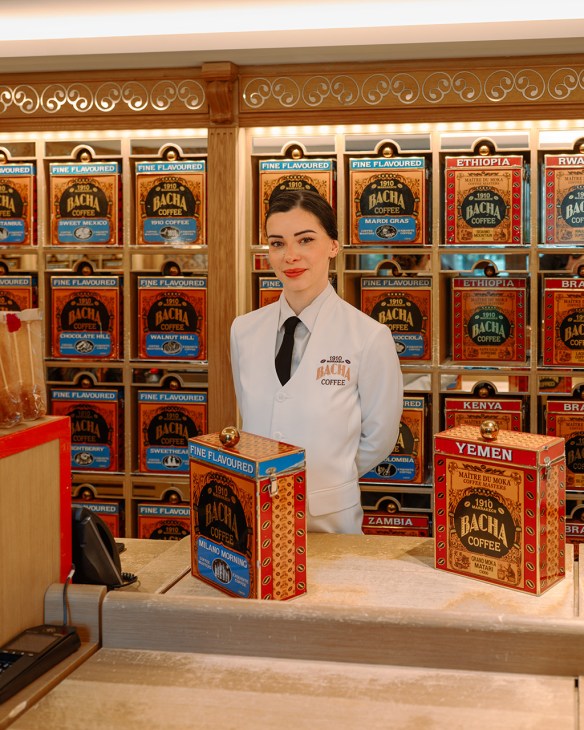
Bacha Coffee beans
Marrakech-based Bacha Coffee, known for offering more than 200 varieties of beans from across the globe, opened its first European boutique in the Ritz Paris gallery in 2022.
Ambre Péristyle diffuser
This room diffuser captures the hotel’s signature scent, combining amber notes with a hint of black pepper and jasmine. It comes in a flask decorated with the Ritz Paris suite key.
Striped cashmere turtleneck
Part of an ongoing collaboration with Los Angeles-based brand Frame, this sequined cashmere striped sweater features a discreet Ritz logo on the front and the César Ritz crest on the upper back.
Red rising: Thailand’s The Barai spa grows into a full luxury hotel in Hua Hin
Thailand’s coastal resort town of Hua Hin, a historic royal retreat about three hours by car from Bangkok, has plenty of luxury hotels along the sand but few have a spa that’s quite like The Barai. Its 18 treatment rooms are centred around a striking ochre-and-burgundy arrival area designed by Thai architect and hospitality specialist Lek Bunnag.
Since opening almost 20 years ago, The Barai has also had eight suites for guests who want to fully immerse themselves in Thai wellness, while benefiting from the full hospitality service at the neighbouring Hyatt Regency. “It’s a hotel within a hotel,” says general manager Marco Avitabile, who looks after both. “But not everyone knows that The Barai has these rooms designed by Lek Bunnag.”
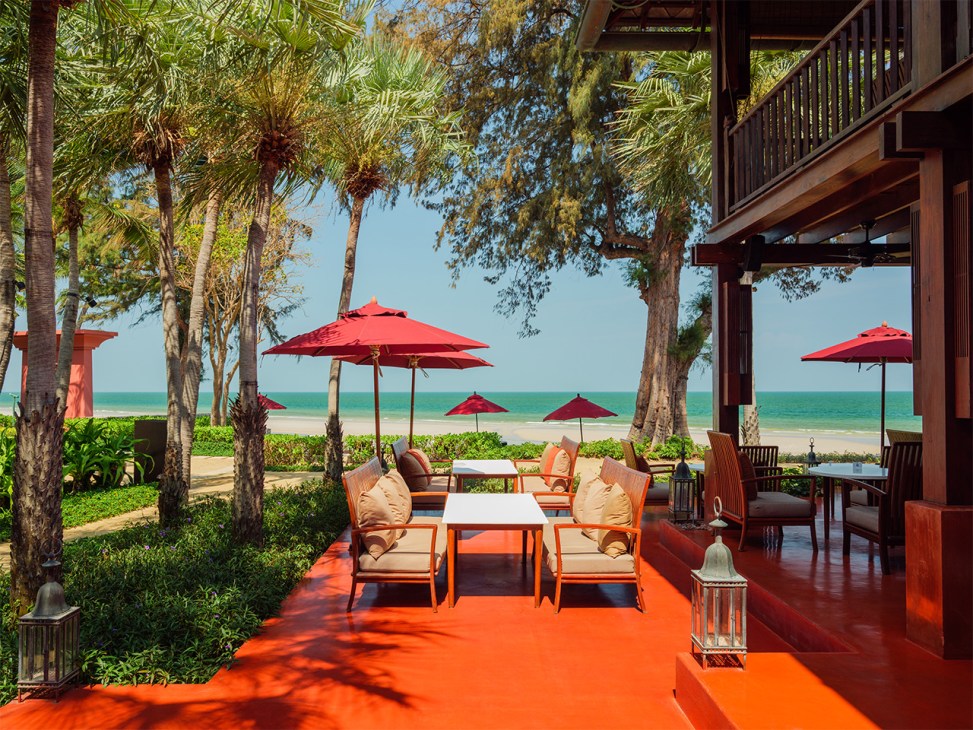
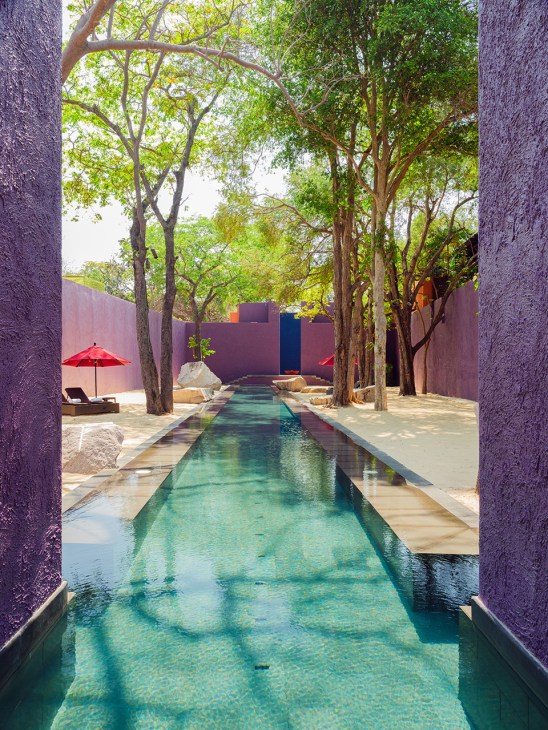
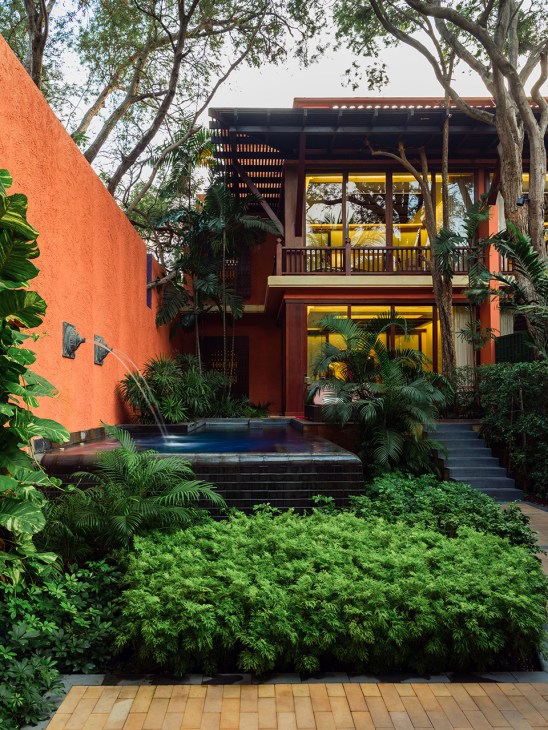
The same Bangkok family owns the two beachfront properties and an expansion of The Barai into a fully fledged hotel with an additional 90 keys is nearing completion. The extra rooms are in the spirit of the original design and in keeping with the low-rise architecture. A new arrival area for check-in will mirror the courtyard at the spa and will open this summer. The Barai’s grill restaurant, McFarland House, is inside a 19th-century beachfront pavilion that overlooks the Gulf of Thailand. A fish restaurant, The White Cottage, is being added in another renovated building.
These days, Hua Hin is a popular winter spot for Europeans and a year-round getaway for affluent Thais, a holiday habit often formed in childhood. The Barai is one of Thailand’s most iconic hotels. The Narai, one of the first luxury stays in Bangkok, is another; it is expected to reopen in 2028 after being demolished and reimagined by UK architecture firm Heatherwick Studio. There has been a flurry of major hotel openings in the country this decade and plenty more are in the pipeline.
thebarai.com
Comment
The Barai proves that designing a hotel is about more than just the rooms. Sometimes, it’s about creating memorable public spaces that speak to a brand’s values and help form a strong identity.
From New York to Melbourne via the Côte d’Azur: Three smart addresses for your next getaway
1.
Hannah St Hotel
Melbourne
Melbourne’s creative spirit is writ large across Hannah St Hotel, the latest opening from Sydney-based group TFE Hotels. Interior designer David Flack treated the newly built 188-key hotel, which sits a few blocks from the Yarra river in Melbourne’s Southbank area, as something of a blank canvas.
Its classy, sometimes quirky design was dreamt up by Flack’s namesake studio. Taking inspiration from 1920s French and Italian modernism, 1930s elegance, 1950s curves and 1980s blush tones, Flack Studio’s design influences are melded into a considered whole. The studio is also behind the characterful custom guest-room furniture. “For instance, the electric-blue armchair is inspired by the 1926 Bibendum armchair by Eileen Gray,” says Flack. “The hotel was about creating something that felt like it had a sense of permanence – as though it had been here for decades.”
European echoes continue at Coupette, a corner bistro that is accessible from the street. Then there’s chic Bar Hannah, as well as Hannah St Coffee, a coffee shop serving the sort of speciality brews that caffeine-craving Melburnians demand. A sizeable indoor pool, gym and co-working space complete the picture.
hannahsthotel.com


2.
Le Provençal
Côte d’Azur
At the tip of the rocky Giens peninsula on the Côte d’Azur, Le Provençal hotel – now in its third generation of family ownership – has undergone a renovation by Parisian architect and designer Rodolphe Parente. “We believe in what we do more than ever,” says Damien Piffet, who took over in 2012 with his brother, Benjamin, and their partners, Julie Liger and Lene Arentsen. The 41-room hotel has been reborn in airy neutral colours and warm tones that complement original details from the hotel, which opened in 1957. The four restaurants, including the stately La Rascasse and 1960s design gem Le Bar du Soleil, use ingredients sourced from within 30km of the property. From the surrounding garden, designed by Provençal landscape architect Jean Mus, a pathway descends to the hotel’s pool, which is carved into the rocky coast and has frequently made appearances in films and fashion shoots. Retaining the hotel’s golden-age glamour has long been a priority, keeping the family project rooted. “We’re kids from this village,” says Piffet. “You can’t recreate what we give to this hotel.”
provencalhotel.com


3.
Pocketbook Hudson
New York
A restored 19th-century textile mill is now home to Pocketbook Hudson – a hotel, restaurant and shopping hub. Interiors include lamps and mirrors by Misha Kahn, millwork by woodworkers Primary Visual and custom water jugs by Mamo, while in the bathrooms you’ll find robes by Eckhaus Latta. At Ambos restaurant, overseen by Argentinian chef Norberto Piattoni, there’s a celebration of the Hudson Valley’s regional bounty, plus plenty of cooking on an open flame and fermentation. “It takes me back to my roots in Argentina,” says Piattoni. Try the pork chop cooked over embers and served with charred Asian pear.
pocketbookhudson.com


If not to tell time, why do we continue to wear watches?
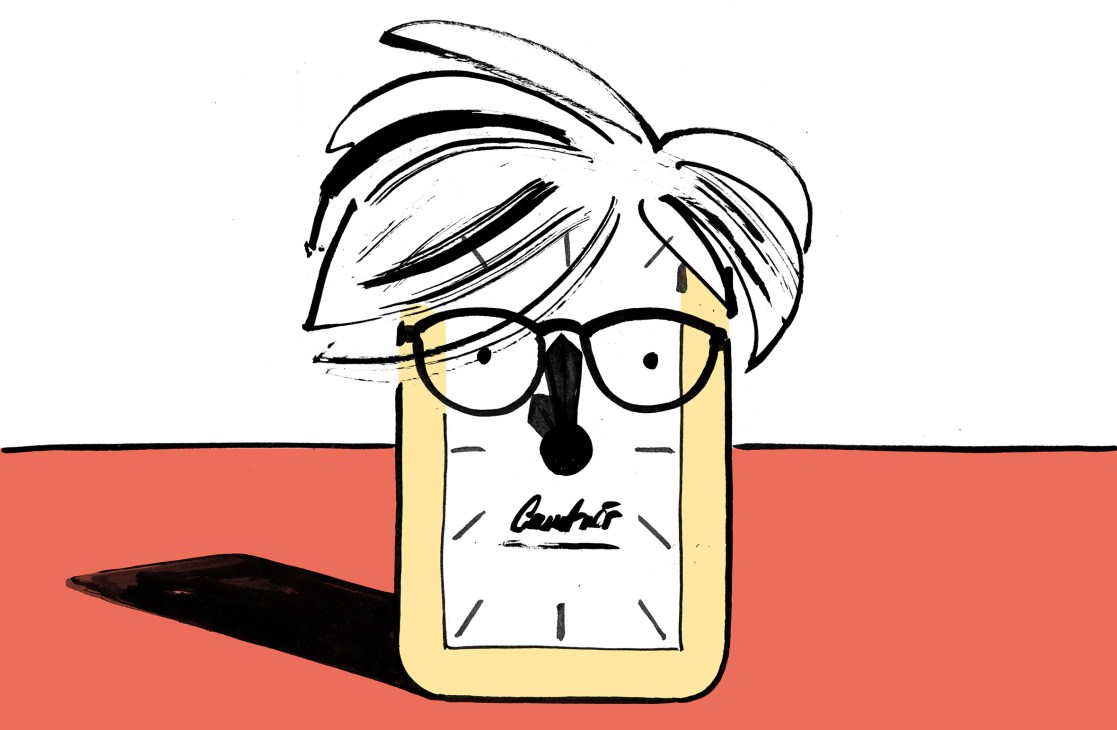
In the early 1970s, before laptops, mobile phones and smartwatches, Andy Warhol declared: “I don’t wear a Tank watch to tell the time. Actually, I never even wind it. I wear a Tank because it is the watch to wear.” The remark was likely met with incredulity, yet Warhol’s words would help the watch industry eventually reinvent itself.
For millennia, measuring time has been one of our great obsessions. It allowed humans to determine the optimal time to sow and harvest, ensuring that they could feed themselves and live longer. It guided explorers across the oceans. It determined the outcome of wars.
Then on Christmas 1969, the world marvelled at the first battery-powered quartz watch, Seiko’s Quartz Astron 35SQ. Swiss watchmakers stared at their rotors, balance wheels, mainsprings and mechanical components, wondering whether anyone would ever need them again. Paradoxically, however, as time became a commodity displayed on our every domestic appliance and mobile phone, something happened in the Swiss mountains: storied makers such as Blancpain and Audemars Piguet began championing mechanical watchmaking as an art form, and a new conviction took hold: that a timepiece, despite all the research and precision poured into it, was never about telling the time at all.
But if timekeeping is not the point, then what is? Van Cleef & Arpels sees watches as jewellery. Consider one of its signatures, the Cadenas (padlock in French). It has a rectangular case tilted at a 45-degree angle to your wrist and, from a distance, does not look like a watch at all. If the watch is jewellery, it follows that it is also the most popular form of men’s jewellery, communicating taste and status. There is an old joke that watches exist because men cannot wear their cars. Richard Mille has taken that idea literally, engineering technically complex watches that aren’t used to tell the time as much as to signal that its wearer belongs to an exclusive club.
Just as Warhol intuited 50 years ago, we do not wear a watch just to tell the time but to reflect our tastes, ambitions and private relationship with time itself. I have followed Warhol’s lead and invested in a Cartier Tank, engraved with the words: “Time is what you make of it.”
About the writer
Lazazzera is a luxury editor and consultant, specialising in fine jewellery and watches, and contributing to publications such as The New York Times, Vogue and The Business of Fashion.
The funny business of comic timing
If comedy were physics, timing would be gravity: the invisible force holding everything together and stopping jokes from floating off into deep, awkward, silent space. Deliver a punchline too quickly and a joke finishes prematurely. If it comes too late, your audience has already mentally vacated the space. But if you get it just right, there’s a kind of comedic resonance, like hitting the exact frequency that shatters a window, or in this case a person’s composure.
Take, for example, my wife. No, please, take my wife. Or the classic joke: a lion walks into a bar. He orders a drink… and a packet of crisps. The bartender looks at him and says, “Why the big pause?” Now, the joke itself is, to put it generously, mildly amusing. But any success it might stake a claim to hinges entirely on the big pause. Without it, you’ve got a potential mauling situation, or simply an old drunk lion on the floor.

Or there’s that bawdy wartime ballad (sung to the tune of Eine Kleine Nachtmusik):
A sol… a sol… a soldier I will be,
Two pis… two pis… two pistols on my knee,
For cur… for cur… for curiosity,
Oh, fight for the old count, fight for the old count, fight for the old country.
On the page it loses a smidgen of its humour but say it out loud and note the effect of those pauses. For the first-time listener, the truncated words sound rude. Do you get it now? Let me spell it out phonetically:
AAS-hohl… AAS-hohl… AAS-hohl-juh eye wil bee,
Too pis… Too pis… Too pist-uhlz on my nee,
Fak joor… fak joor… fak-yoor-ee-OSS-ih-tee,
O, fite fuh duh old kuhnt, fite fuh duh old kuhnt, fite fuh duh old kuhnt-ree.
If not mildly amusing, then at least slightly bawdy, I think you’ll agree. Of course, developing comic timing is like studying physics in that it involves trial and error – with the scales tipping ever so slightly towards error, like a big fat drunk lion on a seesaw opposite… Sir Isaac Newton. You tell a joke, no one laughs. You realise you rushed it. You run home, you brush your head, you scratch your teeth. You stare into the abyss, the abyss stares back into you. You go and sit under a tree. An apple falls on your head. Your head falls on an apple. The tree pretends not to notice. The apple crumbles. The lion admits his powerlessness, acknowledges that his addiction has become unmanageable and recognises the need for help. And there you have it, Newton’s law of universal gravitation. Which as I said, isn’t dissimilar from comic timing.
About the writer
Self serves as Monocle’s foreign editor. He is mildly amusing.
Step into the revamped Yaeca Home Store – a Tokyo shop and café offering a chance to slow down
Fashion labels often limit the shopping experience to browsing endless racks of clothes. But for Yaeca Home Store’s latest bricks-and-mortar venture, designers Tetsuhiro and Kyoko Hattori decided to take an unexpected approach. The couple, founders of Japanese brand Yaeca – known for shirts, denim and chinos all made in Japan – have always had an eye for an inviting and memorable approach to retail. Previous projects include a shop inside a simple Tokyo flat with its kitchen still intact, and the Saveur bakery in Denenchofu.
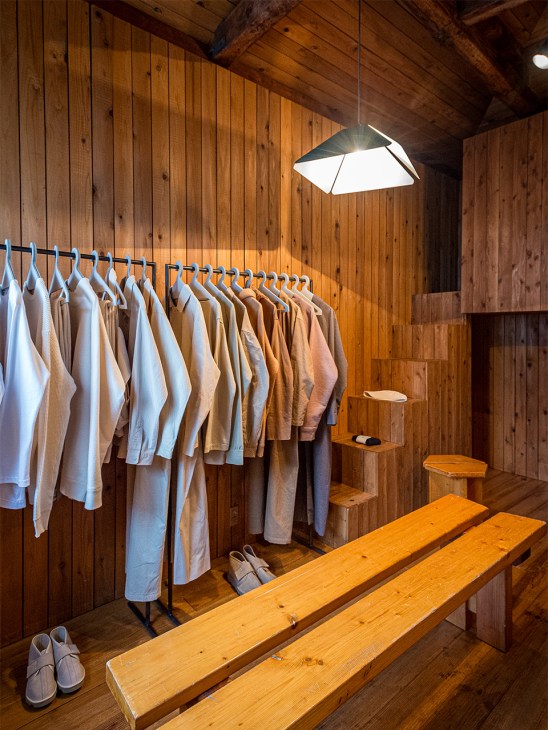
Set in a house in the leafy residential neighbourhood of Shirokane, Yaeca Home Store opened in 2014. But after a revamp late last year it now includes a peaceful café and a bookshop with titles drawn from late Tokyo-born musician Ryuichi Sakamoto’s personal library. Upstairs, customers can still browse Yaeca’s loose-fitting clothing. “We want to make places that will live in people’s memories,” says Kyoko.
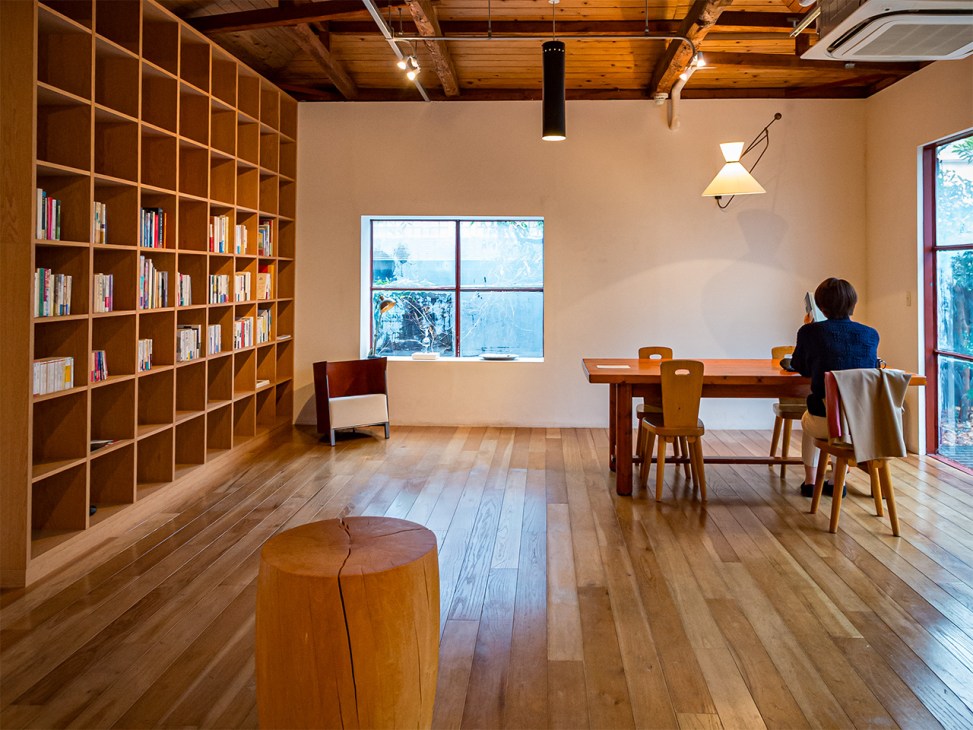
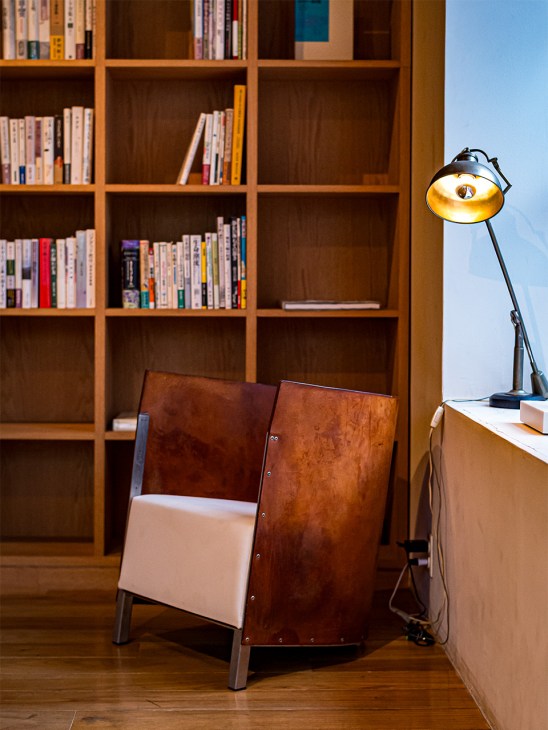
Complete with a 1930s art deco desk and chairs, the thoughtfully decorated bookshop also has a lamp by French designer Jacques Grange designed for Yves Saint Laurent and a lounge chair by Belgian interior architect Maarten van Severen. “When we created Yaeca Home Store, we envisioned a place where the flow of time would shift slightly,” says Tetsuhiro. “With this bookshop, we hope to offer a place to step away from the pace of everyday life and spend time more slowly.” Fans of Sakamoto can also buy the Pentel pencils and notebooks that the musician favoured, and admire the upright Schwester piano that he learnt to play on as a child, which now lives in the small garden outside. Slices of sponge cake are available from the café. The house still feels strongly like a home – there are no signs outside to denote the presence of the library or shop.
The couple’s next project, in a renovated traditional wooden Japanese house in Tono City, marks another chapter in mixing hospitality with retail. “Yaeca is 25 next year and it’s an opportunity for us to start something new,” says Kyoko. Retailers, take note: widen your shopping concept and customers will linger.
yaeca.com
Comment
Yaeca Home Store is a useful reference for businesses that are looking to turn it up a notch. Consider transforming your retail outpost into a buzzy lifestyle hub and your clients will thank you. Who says that you can’t have a bar in a convenience store? It’s time to shake things up.
Beloved Berlin cinema Kino International gets a new lease of life with stunning €15m renovation
The sustained popularity of Berlin’s 56 arthouse and independent cinemas shows that the city still has a healthy appetite for the silver screen. That’s why cinema operator Yorck Kinogruppe commissioned Dickmann Richter Architekten to refurbish Kino International, a beacon of postwar modernism built on Karl-Marx-Allee in 1963. During the GDR era, it served as East Berlin’s flagship cinema, screening state-produced films to promote socialist values.
Following the city’s reunification in 1990, Kino International remained a beloved institution, with its cantilevered entrance and crystal chandeliers helping to turn every screening into an event. “Upon entering it, you sense its special atmosphere,” says Wolfram Weimer, Germany’s minister of state and commissioner for culture and the media. architecture Stardust memories Berlin “It’s a place where you can breathe the history of film in Berlin.”
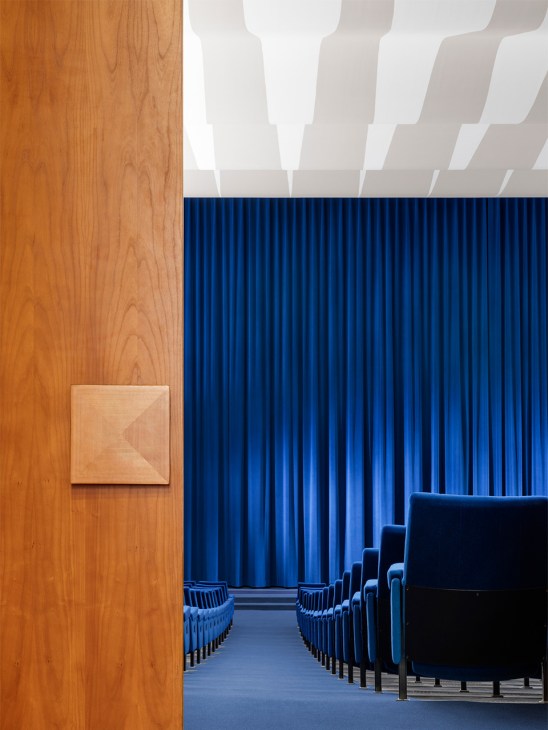
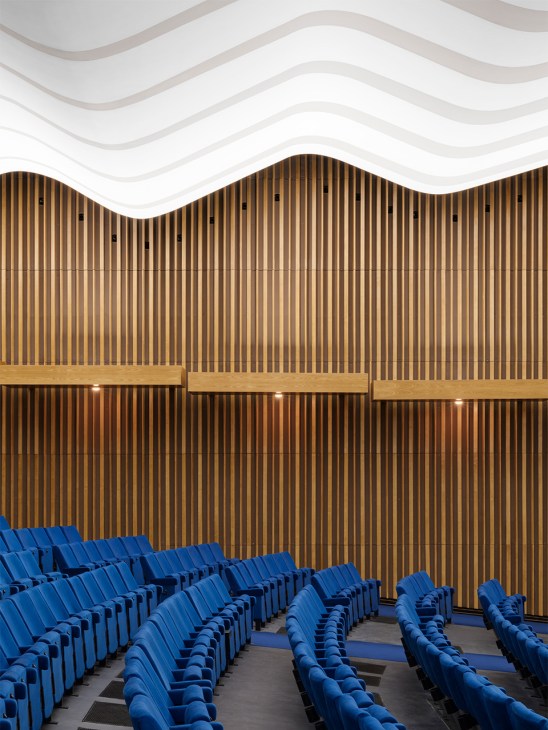
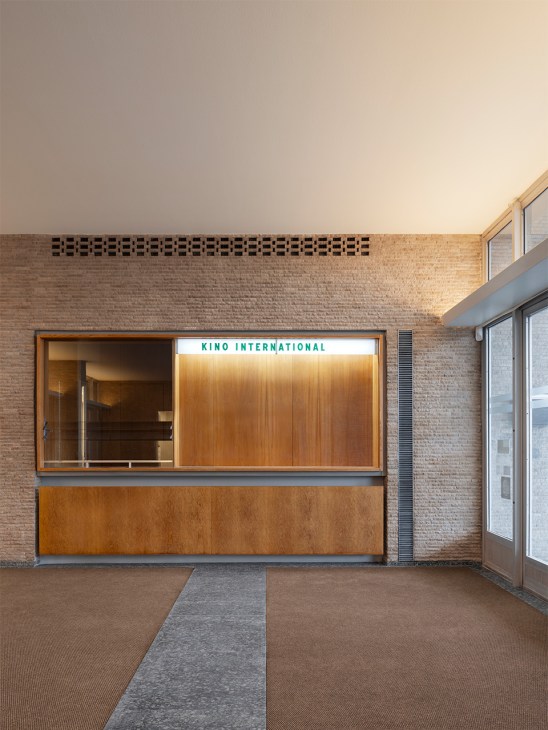
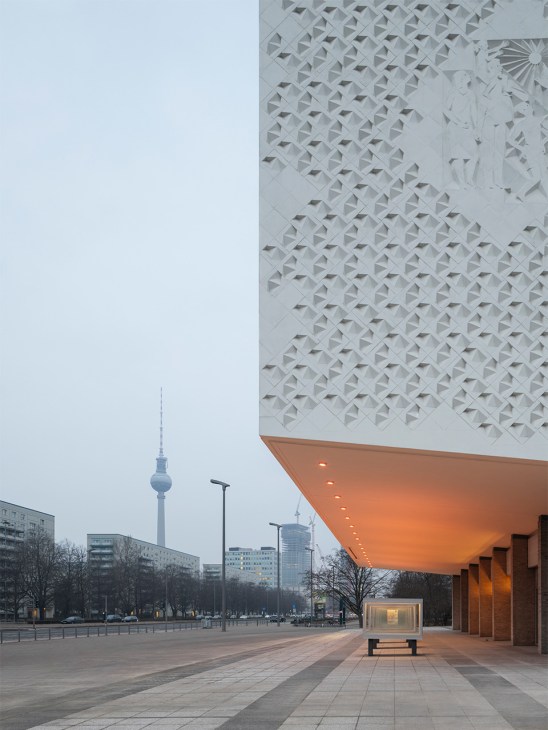
To preserve its identity, the architects restored more than 7km of wooden slats lining the auditorium walls. The silver premiere curtain’s 40 million sequins have also been meticulously restitched into the fabric. “Kino International holds emotional value for many,” says architect Daniel Dickmann. “Its rooms are repositories of memories.”
The €15m refurbishment has updated acoustics and sound systems, while seating capacity has been reduced from 600 to 506 to create extra leg room. “We wanted to guide Kino International into the present,” adds Dickmann. “It looks like it used to but has been reimagined in every respect.”
yorck.de
Daniel Dickmann is a co-founder of Dickmann Richter Architekten, based in Berlin.
From the architect’s perspective:
“With a refreshed colour scheme, carefully designed lighting and today’s technical standards, the building once again radiates the modernity that distinguished it in 1963. The main challenges of conservation-led restoration lie in historic buildings’ individuality. Here, the most significant elements are the gold ceiling in the lobby, the natural stone slips in the staircases and the auditorium’s timber slatted walls. Guests can look forward to rediscovering these familiar spaces in renewed splendour.”