Issues
Inner sanctum
Group armchair
SCP, UK
Part of British-Canadian designer Philippe Malouin’s Group collection, the circular armchair has a plump seat, which offers depth and comfort. It comes with either a fixed or swivel base and in a range of colourful fabrics that are made in SCP’s specialist upholstery factory in Norfolk.
scp.co.uk
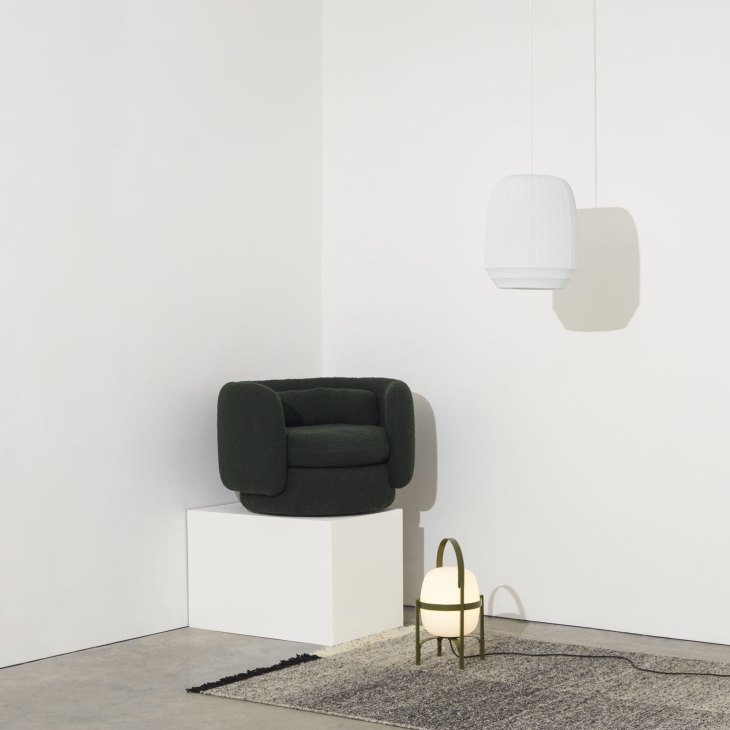
Tradition pendant light
Northern, Norway
A clean and minimalist lighting solution from Norwegian furniture firm Northern will provide the perfect warm tone for your home this winter. The finely knitted pendant, which comes in three different sizes, is designed by Oslo firm Morten & Jonas.
northern.no
Cesta exterior lamp
Santa & Cole, Spain
Spanish industrial designer Miguel Milá first crafted his Cesta lamp in 1962. Its original timber build nodded to Japanese lanterns but it can now be enjoyed outdoors thanks to an aluminium version in black or olive green, with a waterproof polyethylene shade.
santacole.com
Re-Rug
Nanimarquina, Spain
Made from surplus wool, these rugs are crafted using a hand-loomed dhurrie technique. The mix of dyed virgin wool and recycled yarn gives them a distinctive, marbled pattern that beautifully shows off the tonal richness of the wool.
nanimarquina.com
From left to right
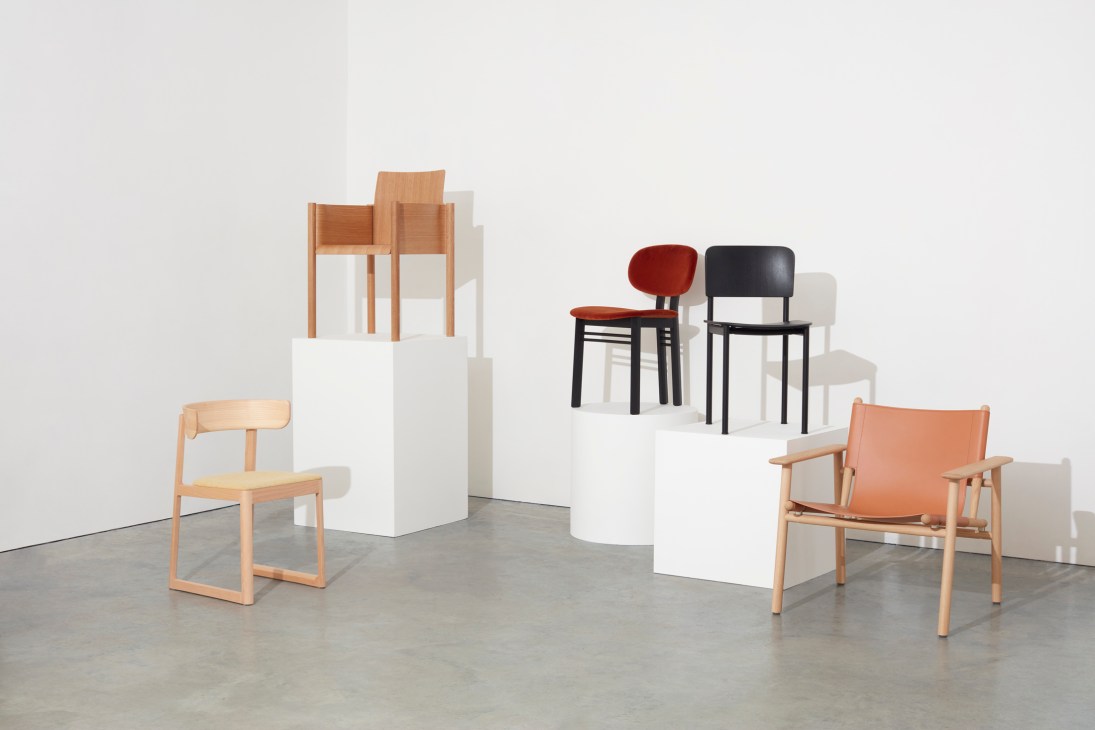
En chair
Cecilie Manz for Maruni, Japan
For her first collection for Maruni, Danish designer Cecilie Manz has fashioned a chair (and matching table) in maple. Looping leg frames and chamfered details give the chair a structured yet soft look, while the textile and leather used on the seat add warmth to the Japan-made piece.
maruni.com
Kawara armchair
Koyori, Japan
French design duo Ronan and Erwan Bouroullec have created this moulded plywood armchair for Japanese furniture brand Koyori, which exemplifies simplicity and comfort. Its gentle curves and slightly angled backrest make it a warm and inviting perch.
koyori-jp.com
Med chair
Acerbis, Italy
The Med, hailing from the archives of Bergamo maker Acerbis, has been reissued in solid walnut or black-stained ash. Its proportions may be roomier now but its legs still nod to New York’s Flatiron Building, while the seat and plywood backrest come upholstered in fabric or leather.
acerbisdesign.com
Plan chair
Fredericia, Denmark
At first glance, the Plan chair seems simplicity itself but a closer look reveals its generosity of design and subtle detailing. Made with a focus on sustainability, the chair has a recyclable tubular steel frame, which comes in either black, brushed chrome, green or burgundy finishes. The chair, courtesy of London’s Barber and Osgerby, can be paired with an upholstered seat and backrest or, for a stripped-back look, a seat made from veneered plywood.
fredericia.com
Cordoba armchair
B&B Italia, Italy
The ergonomics of the timber-framed Cordoba chair have been finely tuned to support its roomy leather harness. The material, smooth or embossed, is tensioned so as to actively invite lounging, whether you are reading a book in the living room or sipping a glass of wine on the balcony.
bebitalia.com
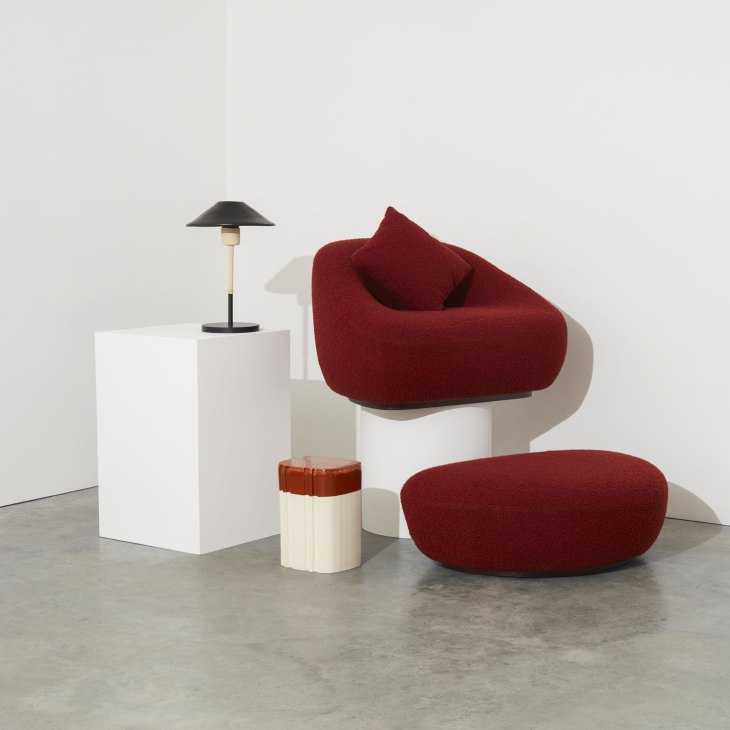
Raiz table lamp
Ames, Germany
The handmade, cone-shaped ceramic lampshades from StudioIlse draw upon age-old Colombian craftsmanship. The shade’s inner glaze catches the light beautifully, shimmering in either white or black. The lamps also feature elements made from the fibres of the Iraca palm.
amesliving.de
Sandia armchair and ottoman
Fendi Casa, Italy
In a departure from more formal and structured silhouettes, Milan-based Parisian designer Toan Nguyen has crafted an organic, pebble-like armchair and matching ottoman, which come in a range of luxury Fendi fabrics. They are both intimate and invitingly plump, a deliberate response, says the designer, to our search for rest and recuperation.
fendicasa.com
Side table
SCP, Netherlands
The designer’s pieces begin as a chunk of clay, which is then cut and shaped as he sees fit. Released during London Design Week, this warm-toned side table is equal parts sculptural and functional.
scp.co.uk
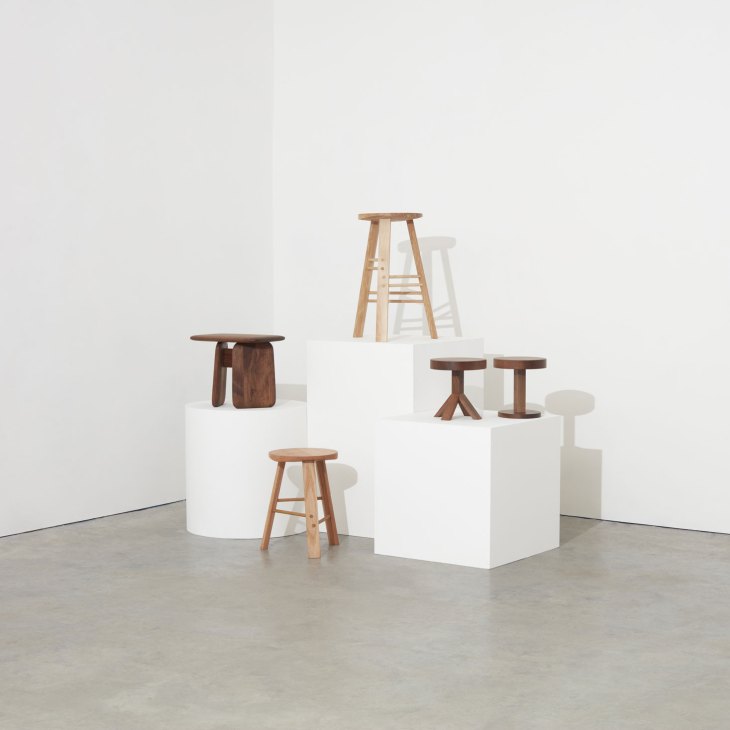
From left to right
Stonehenge stool
Zanat, Bosnia
rounded stool, designed by Ludovica and Roberto Palomba, is refined and sculptural yet warm and tactile. With a choice of black-stained cherry or walnut, the stool answers our fundamental need for comfort.
zanat.org
Cable shop stools
Jan Hendzel Studio,UK
Good design and diy go hand in hand in this project from London’s Jan Hendzel Studio. Its neat and sturdy three-leg stools – available in two sizes – comes as a make-at-home kit, having been created in its workshop, flat-packed and distributed across the world. No knowledge of woodworking is needed to assemble the pieces, which form a stool you’ll not want to pack away again.
janhendzel.com
Left/right side tables
Ishinomaki Laboratory, Japan
Designed by StudioIlse, these cheerful side tables celebrate the artistry of Japanese joinery. The tops are made from two pieces of overlapping walnut that interlock with the base. They also feature Ishinomaki Laboratory’s signature black screws and are ideal for smaller spaces.
ishinomaki-lab.org
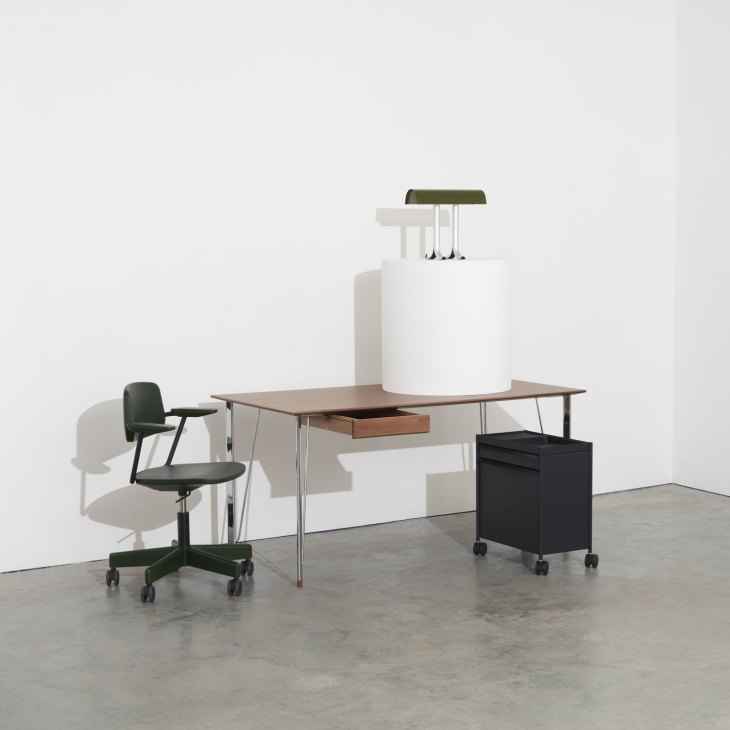
150 office chair
Giroflex, Switzerland
The Giroflex 150 chair is a collaboration between Swiss firm Giroflex, Japanese woodworking specialists Karimoku New Standard and Lausanne-based studio Big-Game. Despite being made almost entirely from oak, its articulated seat and backrest built on a flexible steel structure effortlessly accommodate its users changing posture throughout the day.
giroflex.com
FH3605 desk
Fritz Hansen, Denmark
To mark Fritz Hansen’s 150th anniversary, thecompany has been rereleasing its greatest hits. The latest is Arne Jacobsen’s FH3605 desk, now with two new tabletop options: walnut veneer or black stained ash. The table is functional and elegant, with a document drawer added for extra storage.
fritzhansen.com
Anagram table lamp
Hay, Denmark
The curved glossy shade of this lamp by UK designer Sam Weller sits on top of two split anodised aluminium legs. These contrasting elements are an original and contemporary take on a typical table lamp – its ambient downlight makes it equally at home on your desk as on a sideboard or shelf.
hay.dk
OE1 Trolley
Herman Miller, USA
London design studio Industrial Facility has worked closely with Herman Miller to launch a series of products to make the office a more enjoyable and productive place. Our pick of the bunch is this smart trolley, which fits snugly under a desk but is also very handsome when out on display.
hermanmiller.com
Bright sparks
Well-thought-out lighting can improve the quality of design in any space. And it’s an area of product and technological development that’s rapidly improving thanks to innovations that have narrowed the gap between incandescent bulbs and leds. Monocle profiles five brands that are leading lights in the field.
Bespoke brightness
Occhio, Germany
“It’s just like magic,” says Axel Meise as he holds his hand near a circular light fixture, called Mito, that’s hovering above a table in his Munich office. The light dims and Meise, the founder of German lighting company Occhio, which makes Mito, explains the logic of its design. “You can be the director of your atmosphere: with a simple gesture, you can decide the intensity, colour and where you want to position the light.”
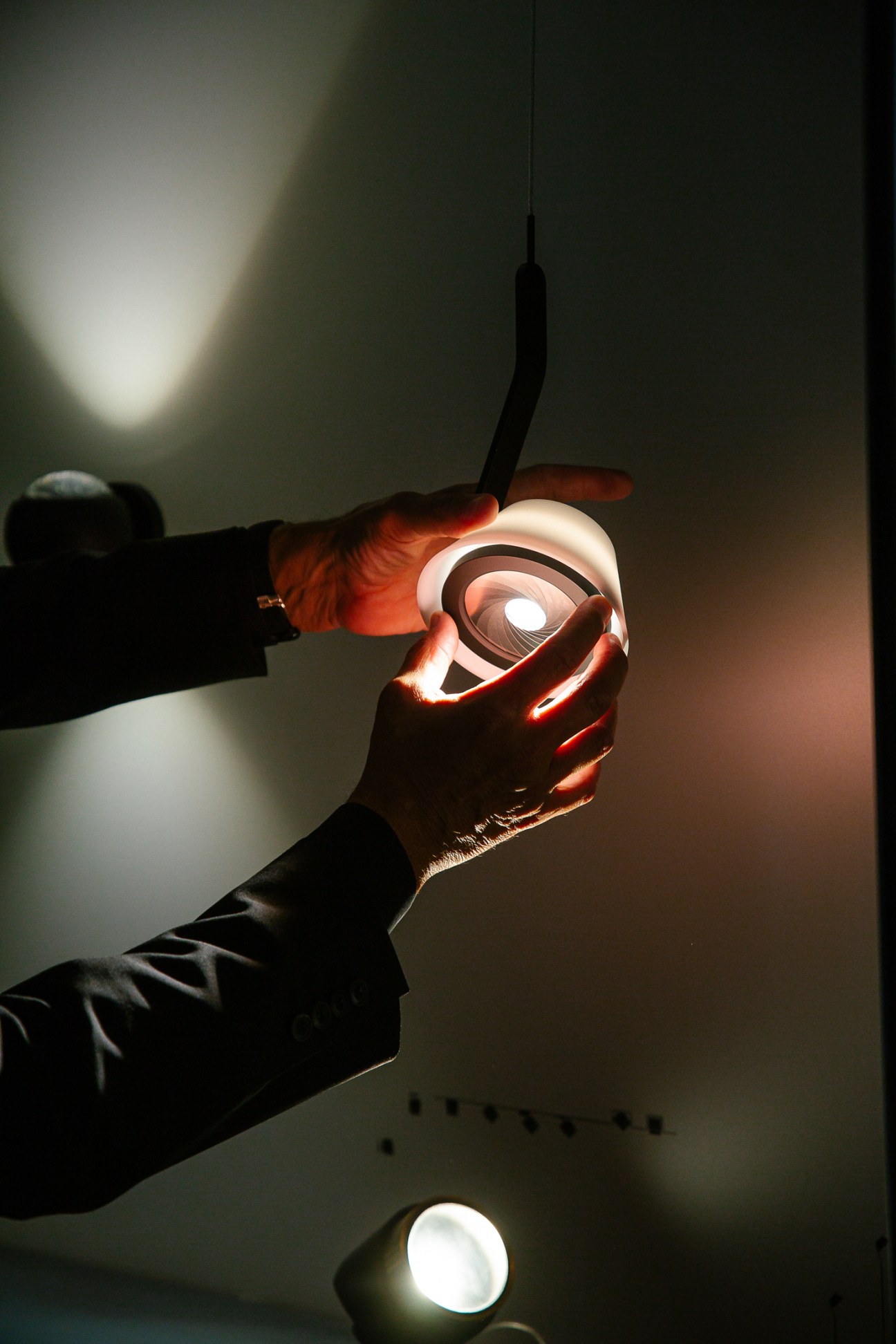
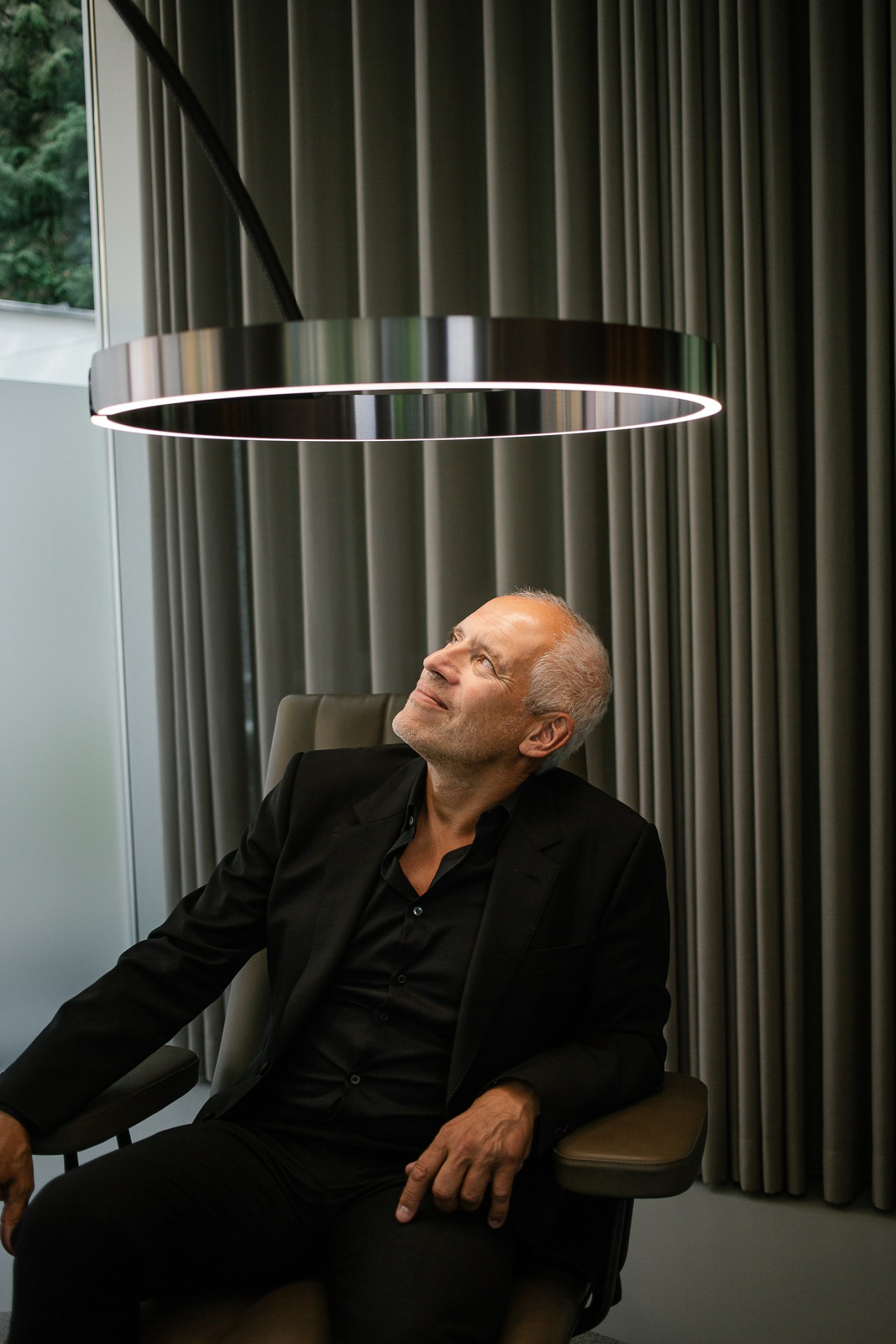
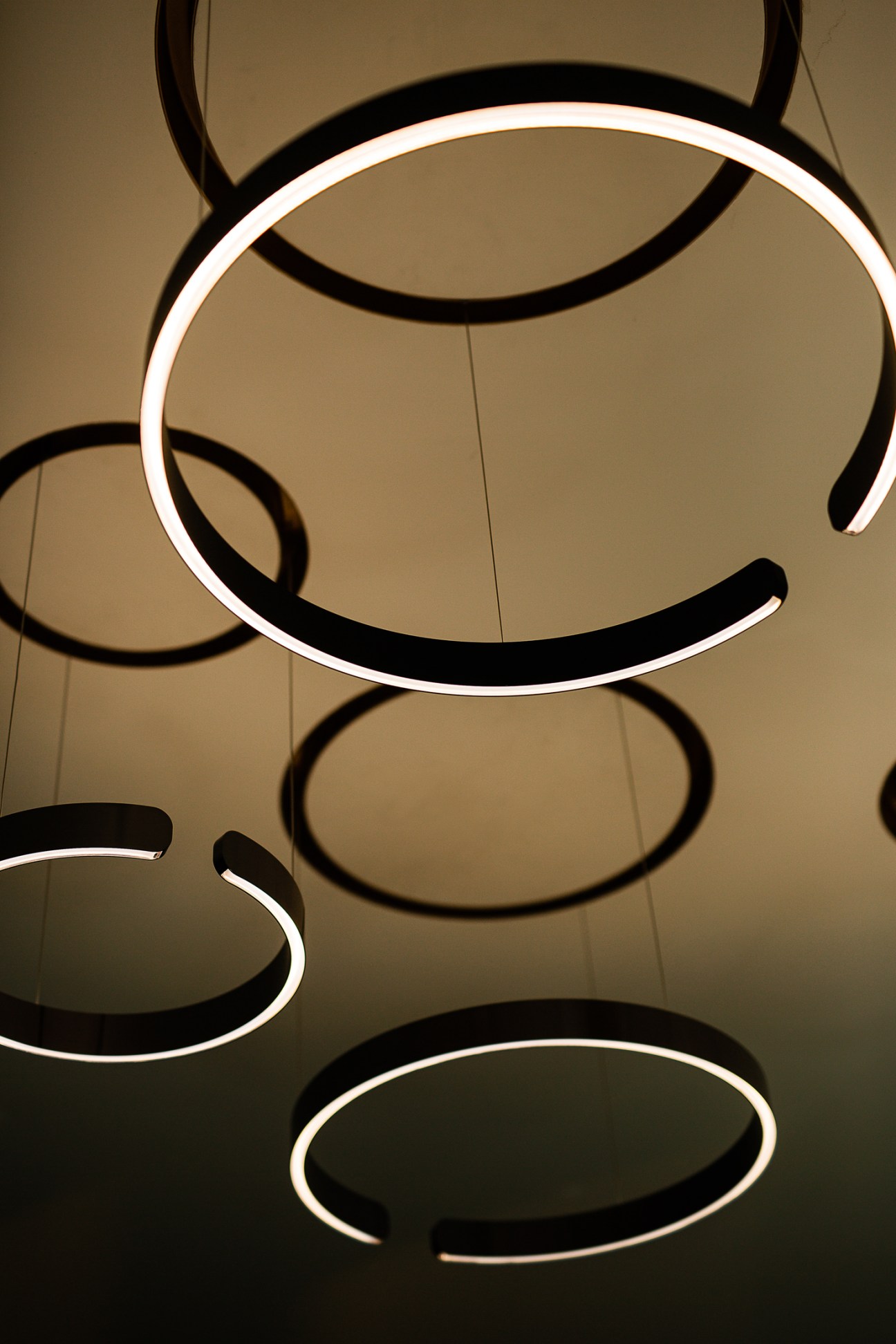
This, he says, is the power of the brand’s technology. And it’s a technology that sets Occhio apart from its competitors: the Bavarian operation has an in-house team of engineers developing its own electronic systems to work with its luminaires. Such a set-up is unusual in the lighting world but Meise explains to Monocle, when it visits Occhio’s HQ, that it was a necessity born out of a number of challenges the brand has faced since its early days.
“In the 1990s I was working as a lighting dealer and saw that architects and interior designers wanted the right quality of light for every room but for the luminaries to be consistent in terms of design concept and materiality,” says Meise. “That didn’t exist.” In response, Meise established Occhio in 1999 and launched his first product line, Puro, a modular system of luminaires with interchangeable heads that, despite being limited in range, could be combined in many ways. It was a hit and Occhio’s star product line in these early years.
However, Puro’s reliance on incandescent bulbs meant that when the EU began phasing out the light source in the early 2010s, Meise had to either shut up shop or develop a new product built around leds. “Back then the light quality of leds was not acceptable and I could not, in good conscience, sell it to our customers,” says Meise. “People would go to their favourite restaurants and couldn’t work out why they suddenly felt so wrong.”
Patiently waiting for quality to improve (and it has, slowly, with colours under some leds now close to natural lighting conditions), Meise set to work on the development of his own technology. “We knew that leds didn’t work without electronics. So while it was a painful, expensive and time-consuming process, we developed our own technology that would allow us to decide how big we would make our lights, their power and functionality.”
The result? The development of a number of LED-led lighting series, from Sento and Più (which refract the light through lenses rather than bulbs to limit glare) to Occhio’s headline act, the Mito, which launched in 2017. All, like the Puro, retain the brand’s trademark modularity, and can now be adjusted with touchless controls (users are able to change colour, height, diffuse and direction with hand gestures or a bluetooth app).
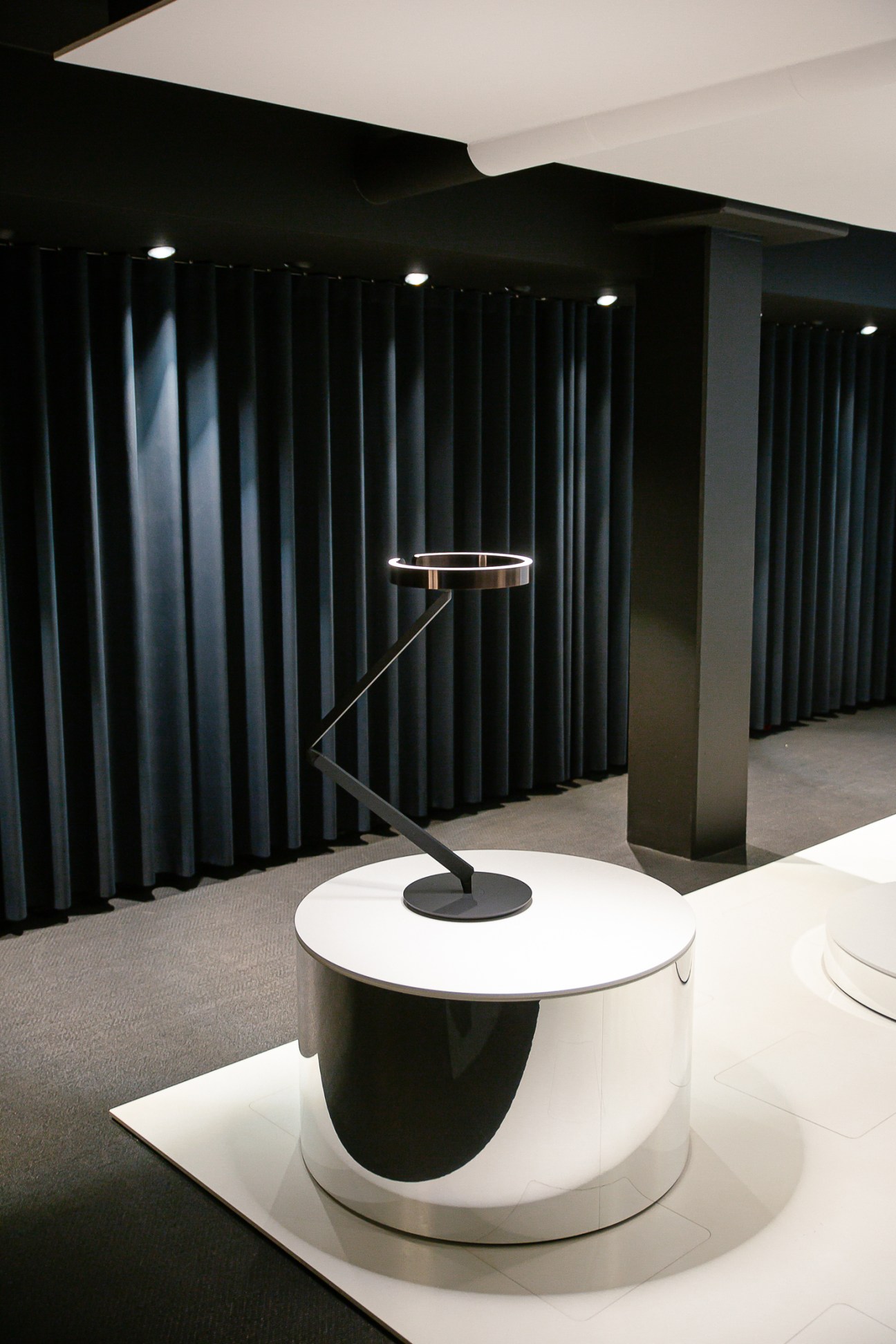
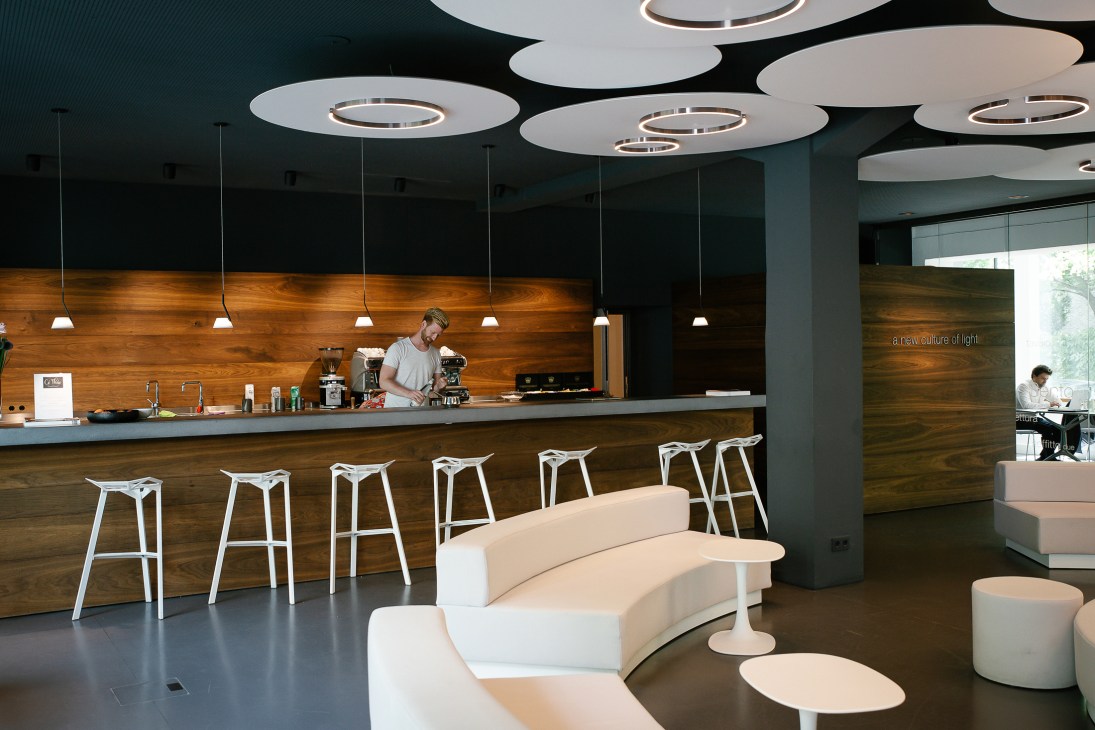
“Occhio’s lights give you the options to influence your atmosphere and affect your feelings and emotions based on mood,” says Meise, stressing that his systems aren’t just about turning lights on and off but allowing people to create a bespoke atmosphere in their homes and offices. “Light can change everything. You feel it if it’s not right. Good light is the ultimate luxury.”
occhio.de
Custom house
PS Lab, Lebanon
Keeping the lights on has multiple meanings when you are operating a lighting business in Lebanon. “We’re totally self-sufficient; we have 60 tonnes of diesel stored underground,” says Dimitri Saddi, founder of PS Lab, who has circumnavigated the energy crisis in his international brand’s home nation so that he can continue to fulfil orders. “We have our own generators and even our own buses that take our teams back and forth from Beirut and Tripoli to our factory. You have to work like a state by providing these amenities.”
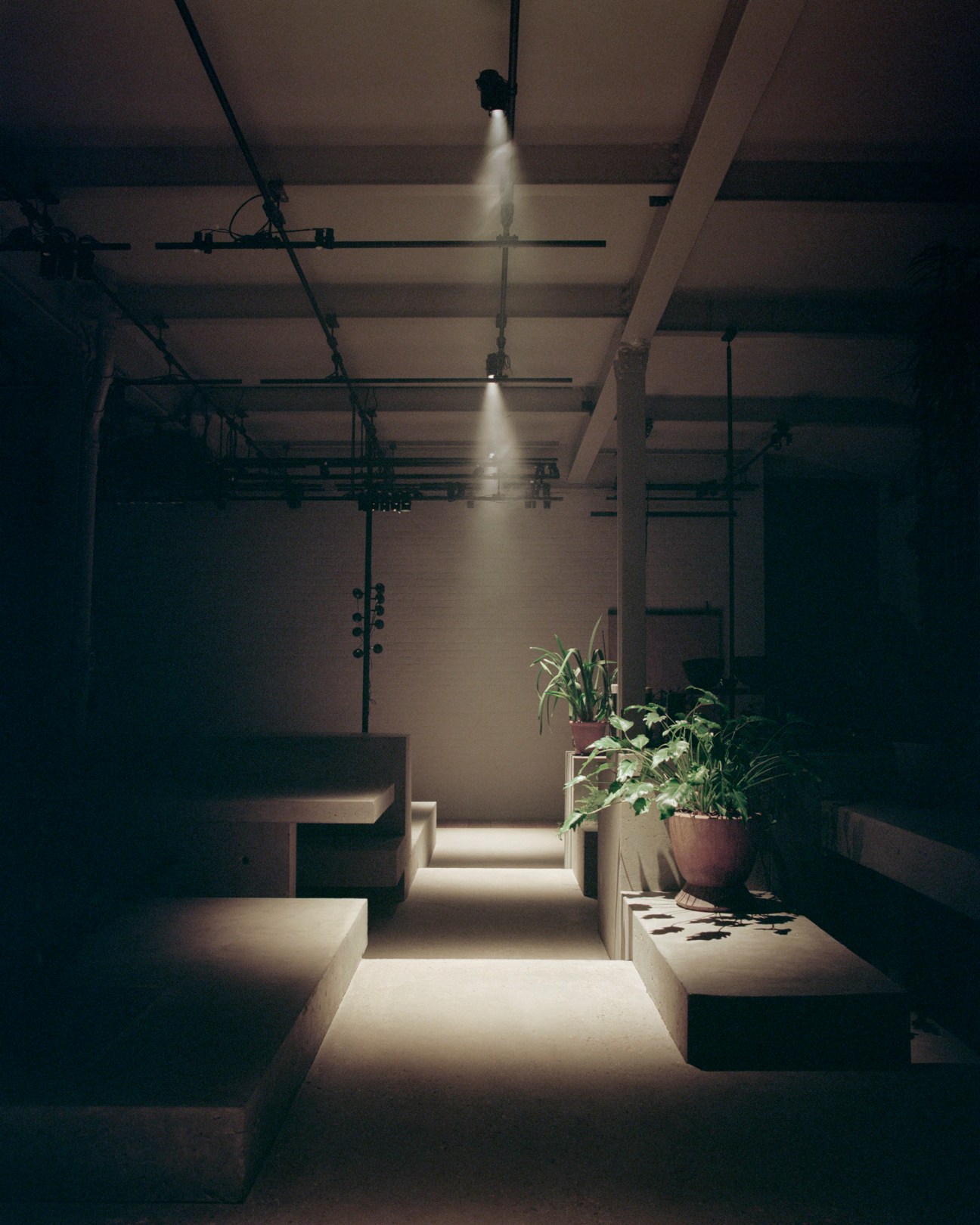
About two thirds of PS Lab’s 150 staff operate from Lebanon, preparing orders for internationally acclaimed architects and interiors firms including London’s StudioIlse and Geneva’s Bonhôte Zapata. The lighting systems are highly sought-after due to the quality of their components – almost all of the lighting, led engines included, is made on-site in Lebanon – as well as the high level of customisation. “The way we work with lighting is very different to other companies,” says Saddi. “Clients don’t come to our studios to select a product; they come to better understand light and purchase a service.”
With no catalogue, PS Lab’s studios (seven in Europe and one in Dubai) are interactive spaces filled with prototypes, materials and components. Here, clients discuss their plans with PS Lab’s designers and technicians to reach highly specific results. All orders are dispatched to the team in Lebanon who forge results that can be as elaborate as the multi-pronged metal masterpiece of the chandelier that clambers across the lofty interiors of The Jane, a former chapel turned restaurant in Antwerp. Other designs are more pared back: black metal hanging pendant lamps to spotlight the hardwood gum of an Aesop shop in Melbourne, or sleek downlighting to subtly illuminate a yoga studio in Stuttgart.
While the lighting is designed to chime with the client’s request, Saddi insists that the authorship of all products remains with PS Lab. “I have many architects contacting me and asking to design a light, but we’re not purely in the business of manufacturing,” he says, comparing the way his company operates to a Lebanese kitchen. “We have all the talent and all the ingredients here in Lebanon; the customers come to us and it’s up to us to satisfy their request.”
pslab.lighting
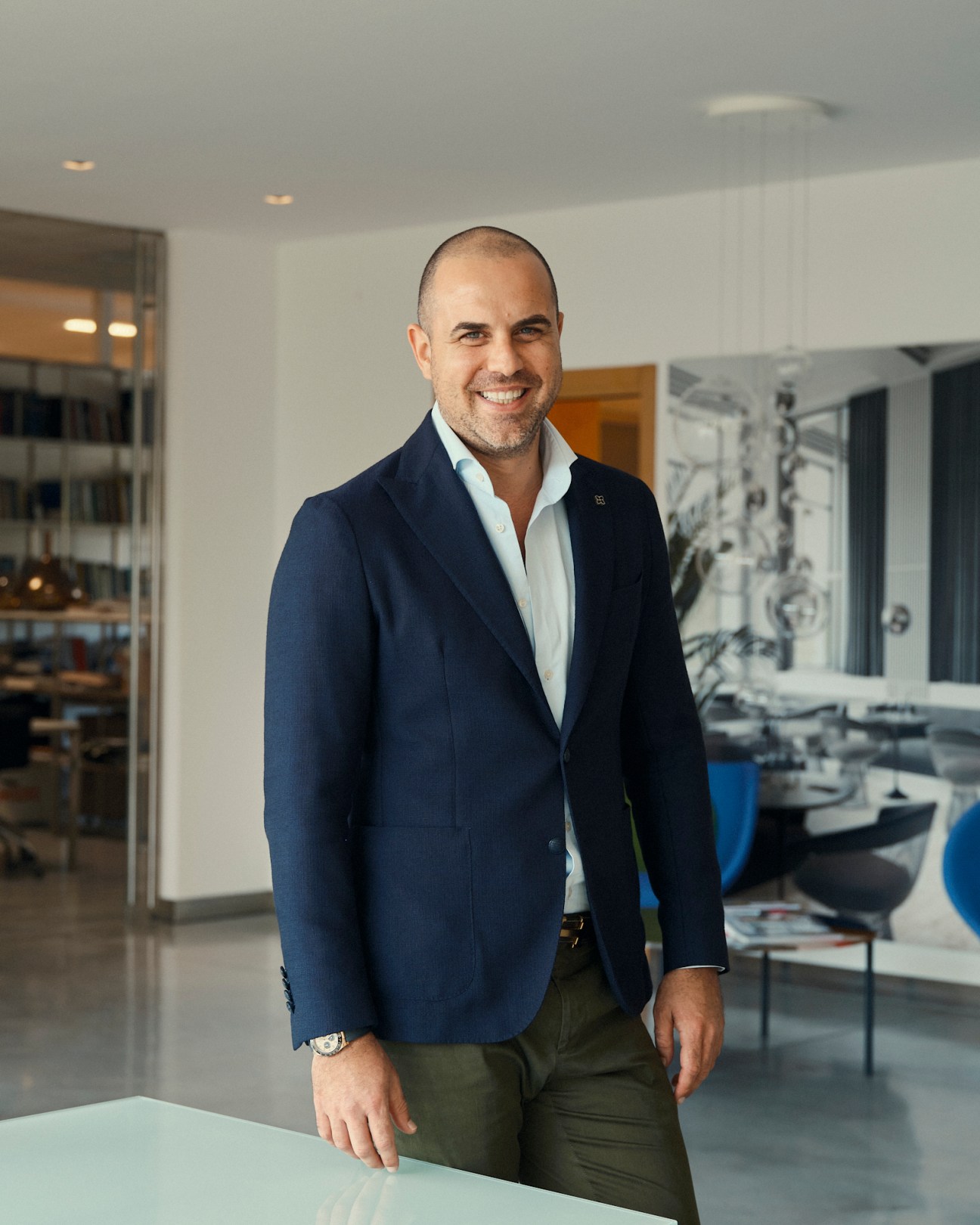
Choice cuts
Lodes, Italy
Venice has always been a hotbed for craft. Alongside its boatyards the area has countless workshops specialising in lace, textiles, furniture and, of course, glassware and lighting. It’s a combination of skill sets that paved the way for the formation of lighting brand Lodes in 1950.
“Venice is the district of light,” says Massimiliano Tosetto, the company’s third-generation managing director. “Craftsmanship is in our dna and many of the suppliers and makers we work with were working when my grandfather opened the business.”
It’s these business relationships that Tosetto says have been key to the development of the brand. While other lighting companies might focus on small and dedicated collections, Lodes has a varied and vast range of high-quality lighting solutions for architects, interior designers and homeowners. “It’s best to have the freedom to choose,” says Tosetto, as he takes the time to walk Monocle through the brand’s HQ and showroom near Venice. “By working with a lot of skilled suppliers, each of which are specialists in one area, we can focus on making one product at a time that plays to the supplier’s strengths.”
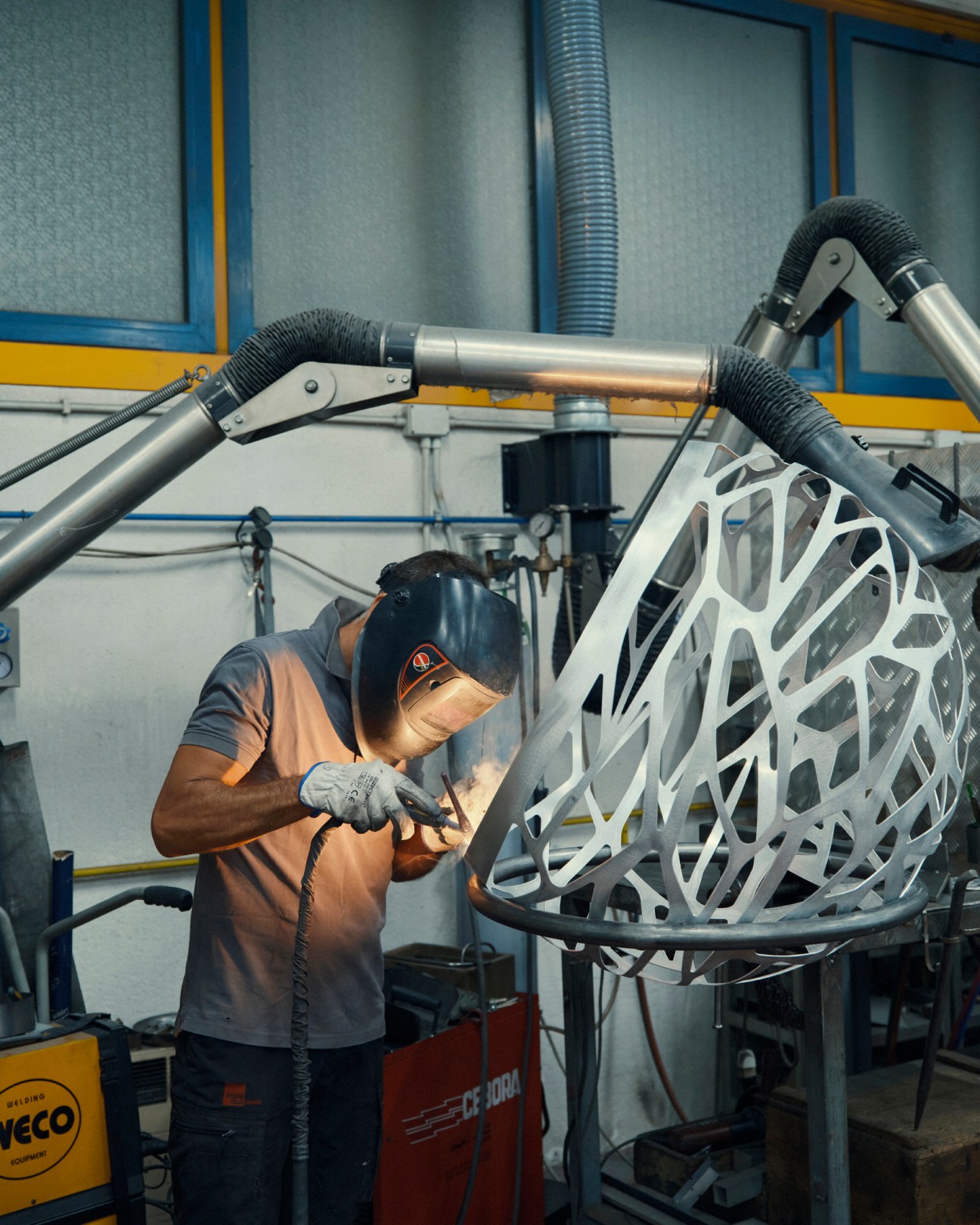
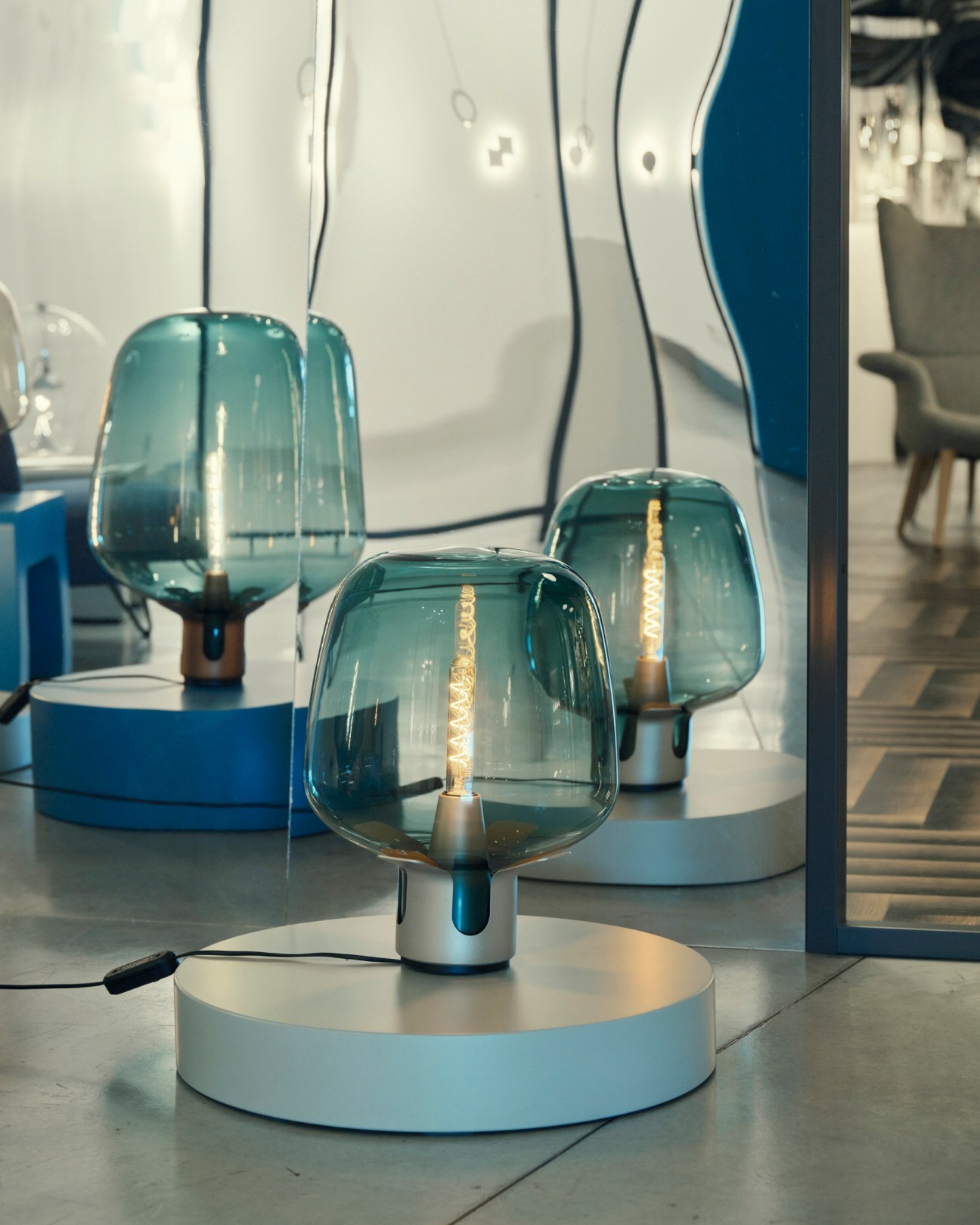
It’s an approach that’s reflected in Lodes’ catalogue. The company, which has experienced something of a renaissance under the direction of Tosetto in the past two years (he oversaw its rebranding in 2020), has a collection of products, manufactured with these suppliers, to suit a range of environments and budgets. This includes high-end hand-blown glass pieces like Volum, a globe-shaped lamp designed by Nordic architects Snøhetta and the Flar table light by Parisian designer Patrick Norguet. There are also more affordable pieces, such as the bulbous borosilicate luminaires of its Solo series.
“With our range we wanted to offer customers, from architects to homeowners, a wide selection of products and solutions,” says Micol Fagotto, the firm’s public relations manager. “But we realised that, in order to do this, we needed to offer a system that really makes the life of the designer easier.”
The solution is Lodes’ trademark “canopy”. Incorporating a smooth plate (the canopy) that conceals the electrical joints of a light source, designers are able to create a bespoke grouping of lights by hanging luminaires, such as the Volum or Solo, from the canopy individually or in clusters.
“It’s an approach that allows people to use our lights to create their own compositions,” says Marco Martin, Lodes’ product and design manager. “It means that we’re not imposing our lighting design on others or being overbearing. That’s why you see a host of archetypal shapes in our collections, from spheres to stick-like forms, and a variety of colours and materials.”
It’s this outlook – one of humility, varied specialist craftsmanship, and breadth of offering – that has resulted in the brand’s annual turnover growing by 32 per cent in the past two years. “We’re not pretending that we can tell architects how to do their job,” says Tosetto. “Instead, we’re here to make their life easier as designers. With our systems and products, they can create a combination of high-quality lighting that fits any environment.”
lodes.com
Waste not, want not
Tala, UK
British lighting brand Tala was launched in 2015 with a clear mission: to marry good design with sustainable technology. “We noticed that beautiful lighting wasn’t really in tune with cutting-edge electronics,” says co-founder Joshua Ward. “We spotted a gap and wanted to bring those worlds together.”
It’s a founding principle that the London-based team have executed with such attention to detail that the past seven years have charted a meteoric rise for the company. What started as a side gig for three students at Edinburgh University is now one of the UK’s fastest-growing lighting brands, producing more than 30 different varieties of energy-efficient bulbs as well as an array of table, standing and pendant lamps.
For the founders, it was important that their designs harness the technology’s energy-saving potential without sacrificing the quality of the light. “When we started out, led was going through a big shift and the miniaturisation of chips allowed us to create more intricate designs,” says Ward. “It also allowed us to tap into the nostalgia around older technology such as incandescent lighting, which looks great but is horribly inefficient.”
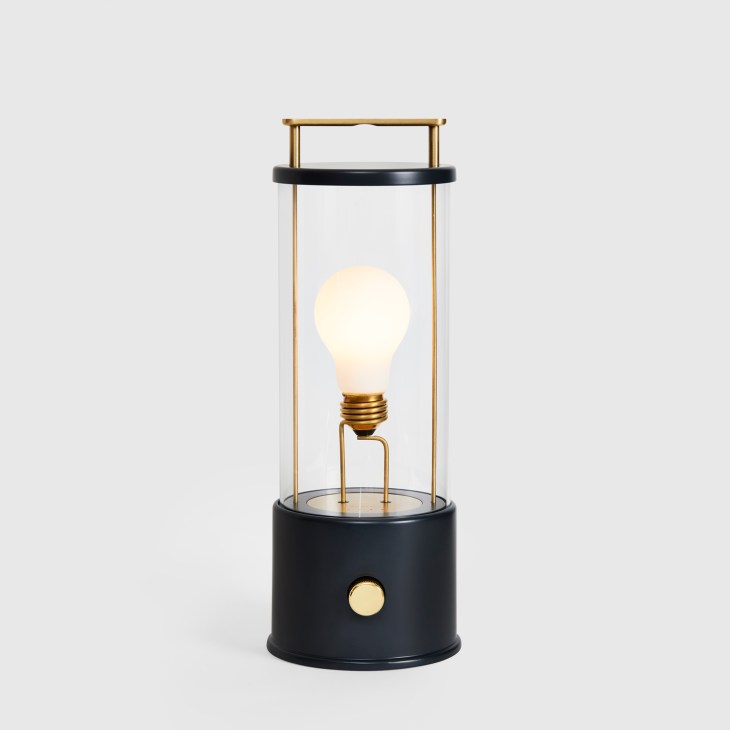
Tala’s best seller is a portable, lantern-shaped lamp called The Muse. It’s designed for both indoor and outdoor use and is available in four different colours selected by British paint company Farrow & Ball. Like all of Tala’s designs, the lamp is fully modular and can be easily taken apart for repairs. “A big problem we face today is electronic waste,” says Ward. “All of our products aim to have around a 10-year lifespan and the parts can be recycled.”
tala.co.uk
Basic instinct
Karl Fournier and Olivier Marty of Studio KO often wonder how solo architects do it. Partners in work and life, they met while studying at Paris’s École des Beaux Arts in 1996 and have been largely inseparable since. “We always listen to the instinct of the other to bring us further in the creative process,” says Marty. Instinct is a key term in defining how their architecture and interior-design practice operates. The pair tend to favour old craft methods and simple building materials that root projects in a specific context, whether that is the Moroccan Atlas mountains or the historic streets of London.
Working across the globe, with 60 staff in Paris and Marrakech offices, Studio KO is gradually expanding globally. At the 2022 edition of the Design Miami Basel fair, the firm presented a design for a new contemporary arts centre in an abandoned power station in the Uzbek capital, Tashkent. Fournier and Marty are hoping that this will bring new artistic energy to the city, just like the firm’s most famous project to date – the Musée Yves Saint Laurent – did when it opened in Marrakech in 2017.
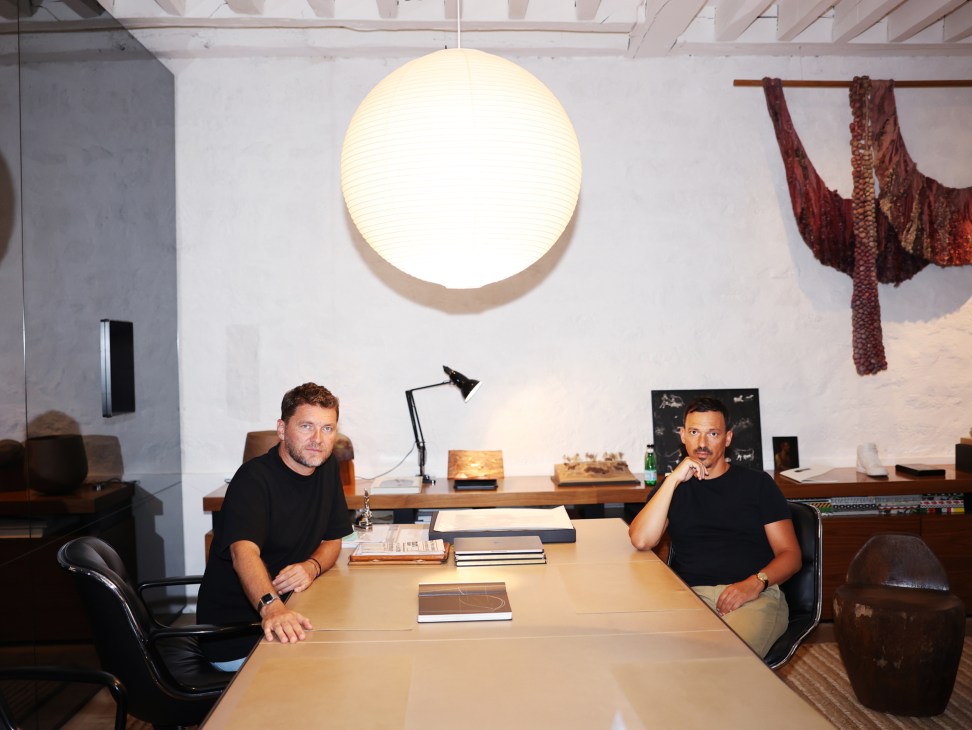
How do you work together? Do you approach everything as a unit or divide and conquer?
Olivier Marty: We both work on all projects but we have very different modes of expression. Karl uses the written word to communicate his initial vision. He has a tendency to float in the air, whereas I’m more on the ground and closer to our teams. I start by doing sketches. I need to draw to give ideas a form, even if it’s still abstract in the beginning. It’s a very complementary way of working.
Karl Fournier: Separately, we’re only one half of an architect. Together, we form someone more complete.
Are things always as harmonious as it sounds?
KF: Of course, we’re not in agreement all the time and it almost becomes a game but that’s part of our process. It’s a stage we have to pass through to marry our two visions. Having that sort-of back and forth is more interesting than knowing exactly where a project is going.
Does dialogue play an equally important role in your relationship with clients?
OM: At the start of a new project we ask lots of questions, observe and listen. We want to find out who our client is, what they like and don’t like. We’re interested in those tiny details that people think are too trivial to share.
KF: That’s why we like to meet our clients in an informal way. It’s more intimate than seeing them at the office. Sometimes this phase even happens way before there’s an actual project, which was the case with Pierre [Bergé, ysl’s co-founder]. We’ve known him for years, long before he commissioned us to design the Musée Yves Saint Laurent.
Do you believe that’s what got you the commission?
OM: We needed those years with Pierre to understand what the museum in Marrakech should be. He didn’t want to enclose the love of his life in a mausoleum. It helped that we knew that we could take some distance from the personage of Saint Laurent to create something contemporary; a living building that attracts young people and events.
How did you turn this vision into reality?
KF: From the beginning we imagined that the building’s colours and materials would melt into the urban landscape. The night that Pierre told me about the project, I wrote down some key thoughts that remained relevant throughout. There was the idea of the brick and of it being an introverted and slightly mysterious building. Then we visited the archives and Olivier started drawing sketches based on a dress pattern we had come across. There was so much intelligence in the lines we saw: straight and curved, perfectly joining up rather than being in opposition. Until then our work had been hyper angular but at that moment, by looking at the architecture of the dress, we realised that a line could be a curve too. This became central to the design.
Is it the architect’s job to look beyond the obvious?
OM: Yes. The best example of this is the renovation of Chiltern Firehouse’s interiors. It’s very ornamental from the outside but when we first walked around inside we found that it had the poverty of an industrial building. And so we were in there with our rulers, peeling off one, two, five layers of paint. We found late-19th-century mouldings that announced the arts and crafts movement; we looked at door frames, chamfers and ceiling frames. That became the basis of the project’s architectural vocabulary – it was all there in front of us.
Would you say that architecture is like archaeology?
OM: Absolutely. We always spend a lot of time sur place before developing ideas. We watch the sun rise and listen to the wind. We scrape the ground and fill our pockets with stones. We explore the geography, the magic of the site, through our senses. It’s very instinctive.
KF: Everything starts from the site and comes back to the site. This way of working might look a bit diy to some but it allows us to create spaces that do their surroundings justice. We don’t want to be prisoners of one style. You will never see us copy-and-paste a Chiltern Firehouse somewhere else, even if a client is asking for it. We want to work with people who are willing to take the risk of not knowing what will come out of our encounter.
How do you know that a design has fulfilled its mission?
KF: It might sound pretentious but it’s when you feel that a building makes the landscape better than it was before.
OM: When it is in harmony with the site, not just from the outside but also from the inside. We believe in creating opaque structures with nicely framed nature views rather than glass houses in the middle of nowhere. Working in rural Morocco has made us appreciate ancestral building methods and materials, such as earth, Ourika stone and wooden lintels. We care about the trace that we leave behind us.
You’re working on an arts centre in Tashkent. What was it like immersing yourself in Uzbek culture?
KF: A lot of what we do is about defending the traditional vernacular, about finding a way of being modern without denying what was there before but not being folkloric either. In Uzbekistan it’s a race against time; the existing urban fabric is in danger of being destroyed. We’re hoping that our project will create awareness around the value of Tashkent’s architectural heritage. Nowadays people build too much and don’t renovate enough.
OM: They also build too big, with too much energy pumped into heating and air conditioning, so our plan is to keep the arts centre on a smaller scale. We’re wary of innovation; instead we want to build with common sense.
Is there a project that you still dream of doing?
OM: A major sports facility or a church: public buildings that can bring value to a lot of people.
studioko.fr
Community centre
When Diébédo Francis Kéré received the prestigious Pritzker Architecture Prize earlier this year he was asked for his take on the future of the built environment. The Burkina Faso-born architect’s response? “Everyone deserves quality, everyone deserves luxury and everyone deserves comfort.”
The annual prize, which recognises excellence across a designer’s complete body of work, also sets benchmarks for other architects. The hope of the Pritzker jury at is that, by endorsing Kéré’s work, which is rooted in a commitment to community and a respect for the environment, and embraces those people who most need good design, others might emulate his approach and outlook.
The oldest son of a village chief, Kéré began his career when he left his homeland in 1985 to attend a carpentry school in Berlin on a scholarship. “After graduating I went back to Burkina Faso to build a primary school,” says Kéré when he sits down with Monocle in his Berlin studio, where he now spends much of the time. Keen to expand his skill set beyond carpentry, he learnt bricklaying and practical construction skills in Burkina Faso in the early 1990s but he wanted to find more ways to improve the built environment in his homeland. “My dream grew,” he says. And so he returned to Germany to study architecture at Technische Universität Berlin.
At the same time, Kéré established a foundation to support access to education for children in Africa and oversaw the design and construction of his first project, Gando Primary School, which was completed in 2001. He worked with the community on the build, helping people from the area to develop construction trades as they handcrafted a structure made from indigenous clay reinforced with cement. The project would set the precedent for Kéré’s practice going forward. We find out more.
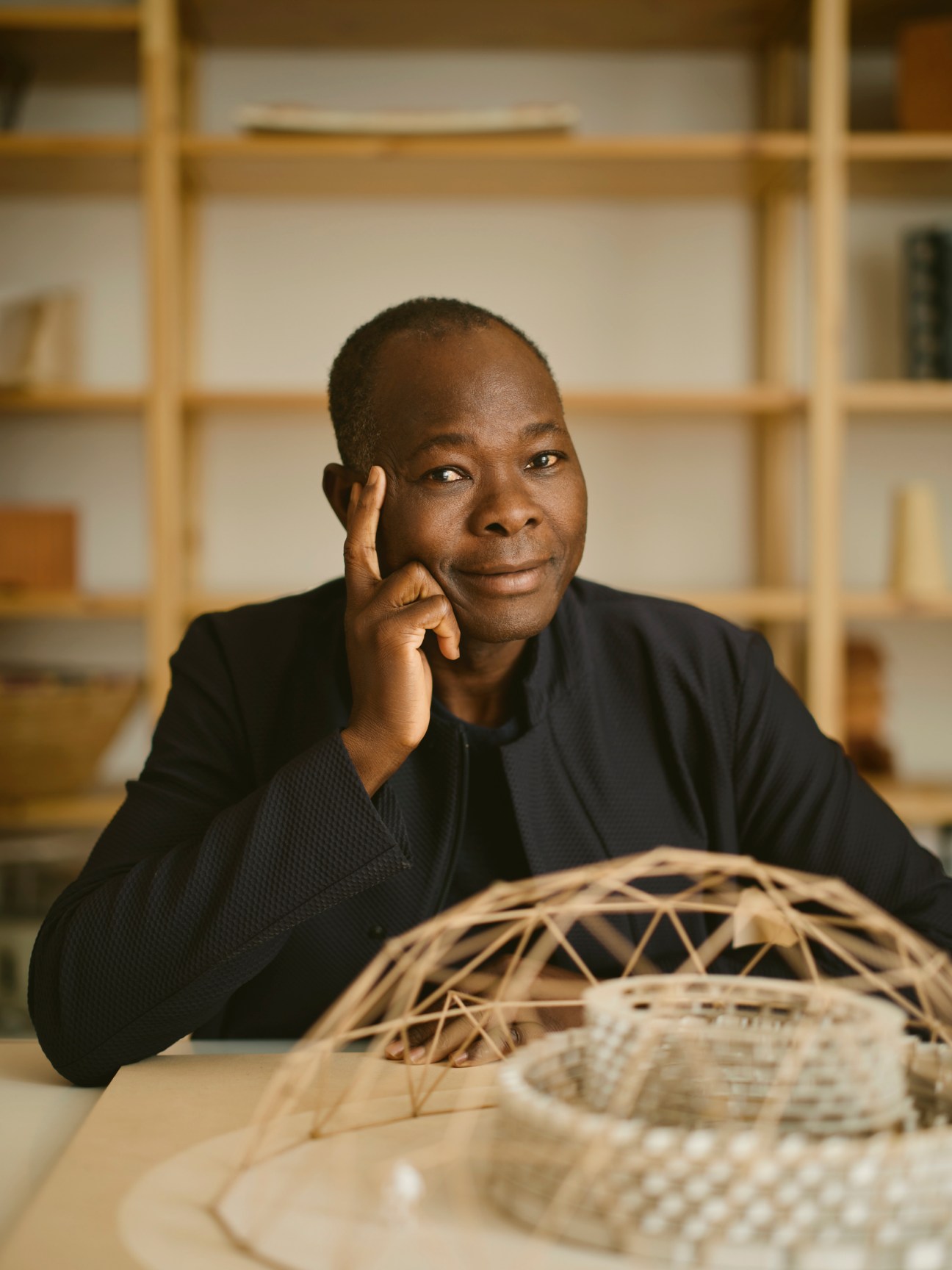
What does being awarded the Pritzker prize mean to you?
The fact that I started my studio in the little village of Gando, a remote place with a population of 3,000 and no opportunities, is an encouragement to people. It’s a reminder that, if you do great things and believe in yourself, institutions like the Pritzker will find you. For me, it is huge recognition but it’s also a big push, as if someone was saying, “Francis, just keep doing it. You have a voice.” I want to show people that you do not need to establish yourself in cities such as New York. Instead, you can start little and grow big.
What effect do you expect your win to have on the wider design community?
In terms of the built environment, the award is about more than just architecture: through my work, my practice has addressed climate change and shrinking resources. It has also trained young people who can now stay in Burkina Faso and earn a living – so it has affected migration too. The prize is a big push to practise in this way. It’s also a reminder that architects should contribute to the general debate about their industry.
What gave you the confidence to build Gando Primary School before you’d graduated in architecture?
I knew how to do basic calculations and engineering, and had learned some construction skills at university. I’d also discovered a lot of ancient building techniques around Berlin. I felt that this combination was good enough to allow me to go back to Burkina Faso and start to work. I wanted to be active and use my knowledge to create something that would serve my community. So I started constructing the school as soon as I could.
How do traditional German construction techniques work alongside your use of local materials and skills in your African projects?
If you go with high technique and high technology in a place like Burkina Faso, your work won’t succeed. So in Germany I studied how people used and mixed materials to build before industrial times. I then took these methods and combined them with knowledge in Burkina Faso to create a building that responds to the elements, lasts longer and is not a burden on the environment. This approach is about knowing your reality and using simple techniques. I am always interested in uncomplicated solutions. That has been true from the beginning of my career until now.
Does this simpler way of building enable you to create structures that will ultimately last longer?
Yes. I don’t want to create white elephants: buildings that people are not able to fix. I want to construct something that people can understand, learn from and later maintain, which is why I employ skills used in the area where the project is rooted. I also want to make buildings that are comfortable enough that you don’t need energy to cool them. That is part of my dna as an architect. You can call it sustainability but, for me, there is no other way of building than to look for a material which is abundant in the place and use it to create something that really fits within the reality of the environment and the people living there.
Construction has begun on the Goethe-Institut in Dakar, Senegal. You designed it as a purpose-built home for a German cultural association. How do you ensure that it reflects Dakar’s environment?
As with all our projects, when we arrived on site, we explored the place, looking at what sort of knowledge already existed in the community. We then worked out how we could use this knowledge to create something that is unique. Dakar has hot days but at the Goethe-Institut we used compact bricks made from laterite, a rock indigenous to Senegal with acoustic and heat-insulation qualities, to save energy and resources. We want to create buildings that work passively with the environment but don’t put in a lot of energy; this gives them a long life.
How do you ensure that your buildings are embraced by the community that they’re built for?
I try to facilitate an emotional and social connection with the buildings. In terms of the emotional component, I want people to see my buildings as something unique, for them to be the community’s buildings. As for the social aspect, I like people taking part in construction: where the entire village participates in building, old and young, men and women, because it is a social, uplifting thing to do. I want people to say, “We have value because we’re able to build this structure with Francis.” In the process, they learn new techniques and their knowledge is validated. People feel valued and so they embrace the buildings.
Is it possible to replicate this community approach beyond West Africa?
Yes. But you cannot apply the same model to places like Germany because there’s a whole other way of making things in more developed Western countries. Inspiring people to become involved in the building and making is very difficult here because you have specific training that has to take place to participate. Despite this, it’s still possible to have people contribute to the process of design, which is important because architecture affects everyone: neighbours, users and passers-by.
Your portfolio comprises mostly public buildings. Why focus your efforts on these commissions?
For me, working on public and civic buildings is so important. When these structures are the responsibility of governments or big corporations, they often lack a relationship to the culture and way of doing things of the area. For example, we are currently working on the Benin National Assembly; when you build a parliament house, you are creating a structure that is representative of a given nation. If you apply techniques that relate to that culture or use symbols that reflect the pride of that nation, then the structure will work well because people will identify with it. I want to use the commissions presented to me to inspire but also to create something that unites people, culture and regions.
kerearchitecture.com
Blurred lines
Ryan Anderson, vice-president of research at furniture giant MillerKnoll, is explaining that the future of the office – specifically where and when we go to work – will be much more flexible, when there’s an interjection on our video call. “Sorry, that’s my doorbell,” he says, breaking his chain of thought to peer above his laptop. “And my dog is usually fairly quiet at this time of day. Hang on a second.”
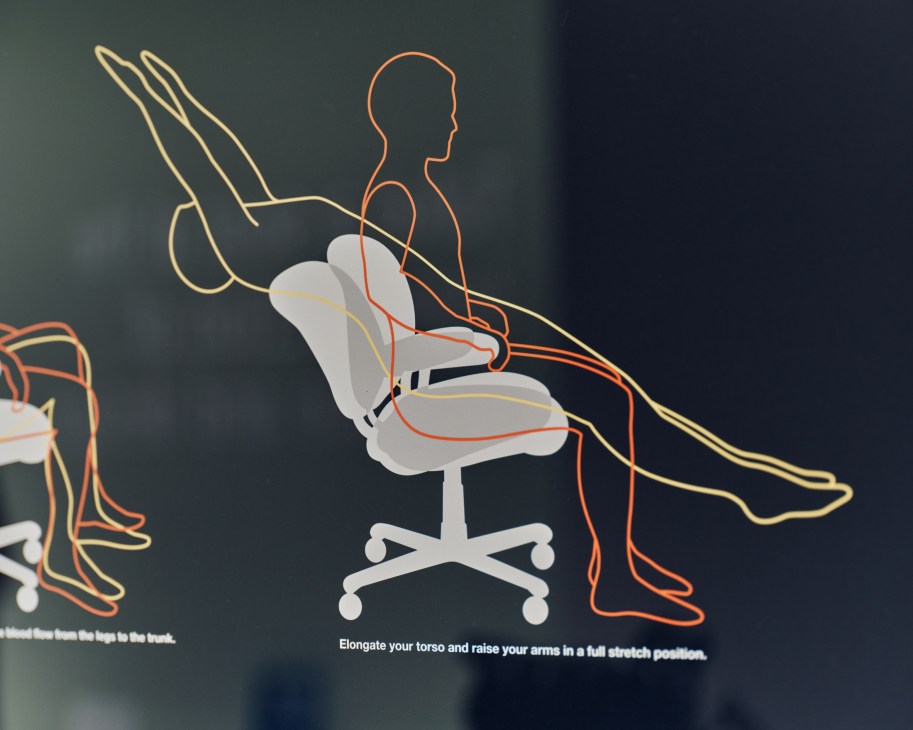
Mid-meeting deliveries and noisy pets might be familiar hazards of working from home but Anderson is confident that there will be no great return to the five-days-a-week workplace, nor that work will be entirely remote. In the view of MillerKnoll, the world’s largest manufacturer of office furniture, the future office will be a social space that people actively want to leave their homes for to gather and connect with colleagues as needed, and not just rows of desks with ever-present employees.
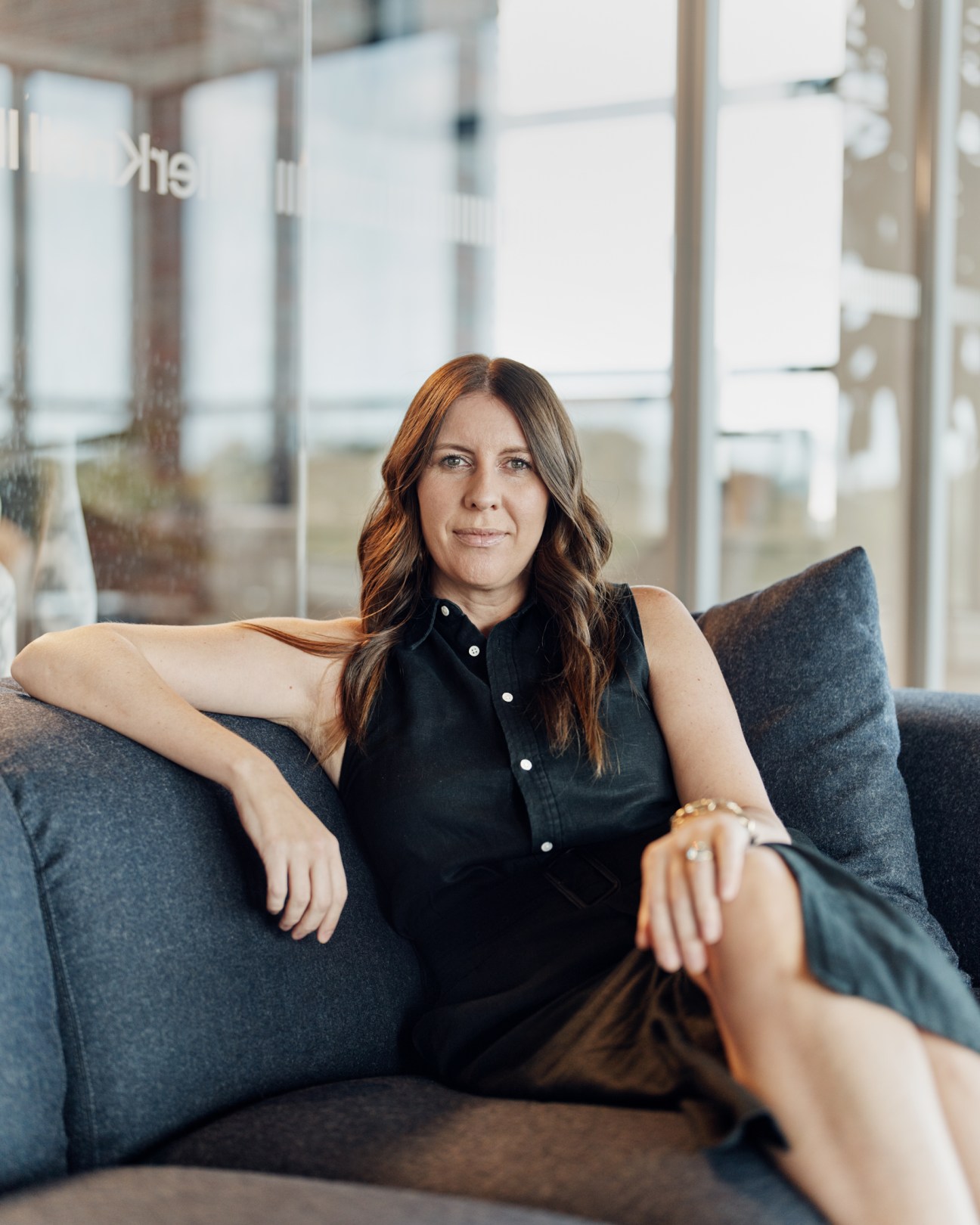
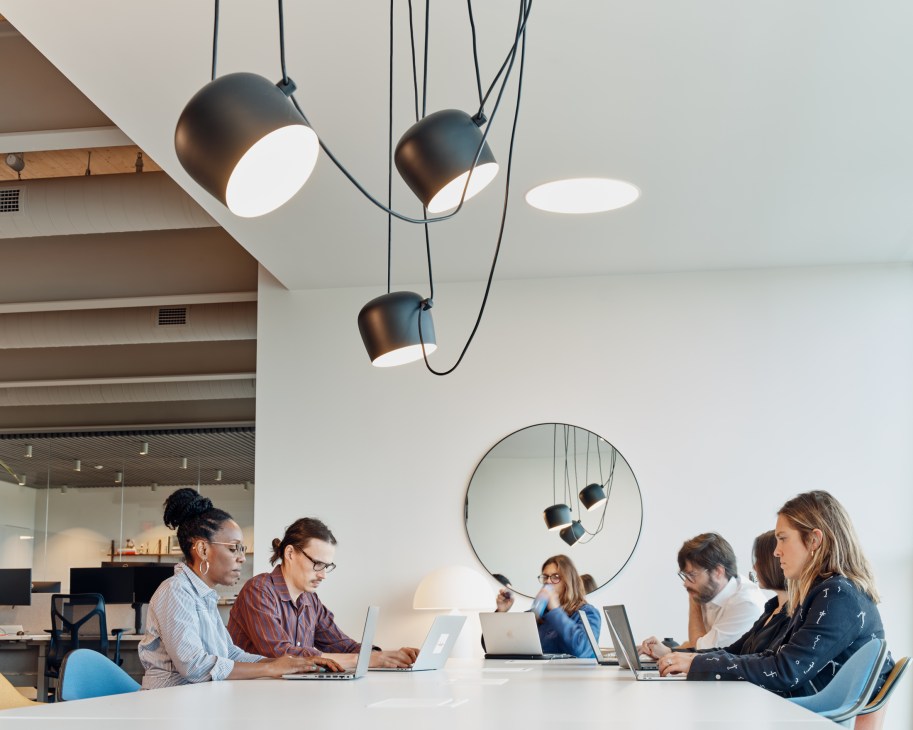
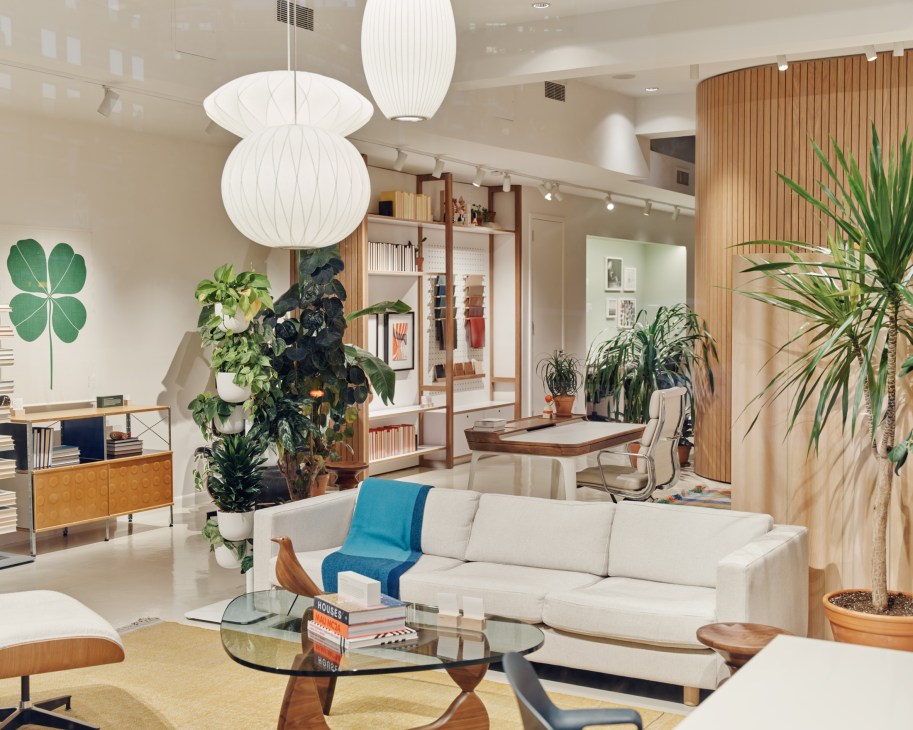
“To be transparent, when a company hired 200 people and needed 200 desks and chairs, we did well out of it,” says Anderson, settling back into his seat at home in Michigan. “That had run its course and we needed to get back to something that was much more diverse and interesting.” This approach is encapsulated in MillerKnoll’s new retail headquarters in Connecticut, a calming, light-filled building overlooking Stamford Harbour, where creative directors, marketeers and merchandisers in MillerKnoll’s retail business from the northeast can converge.
It is the first company office to open since MillerKnoll was formed after last year’s merger of two of the major global names of mid-century design. The move saw Herman Miller, synonymous with the functionalist furniture of Charles and Ray Eames but also the invention of the open-plan office, and Knoll, home to signature corner-office silhouettes such as Florence Knoll’s cubic armchairs and Mies van der Rohe’s Barcelona seats, come together. The merger also consolidated numerous homeware brands that the two firms had acquired over the years under one umbrella. This included Denmark’s Muuto and US home furniture retailer Design Within Reach, creating a vast and powerful family of 19 companies with their own teams but part of a unified structure, akin to the shape of luxury group lvmh.
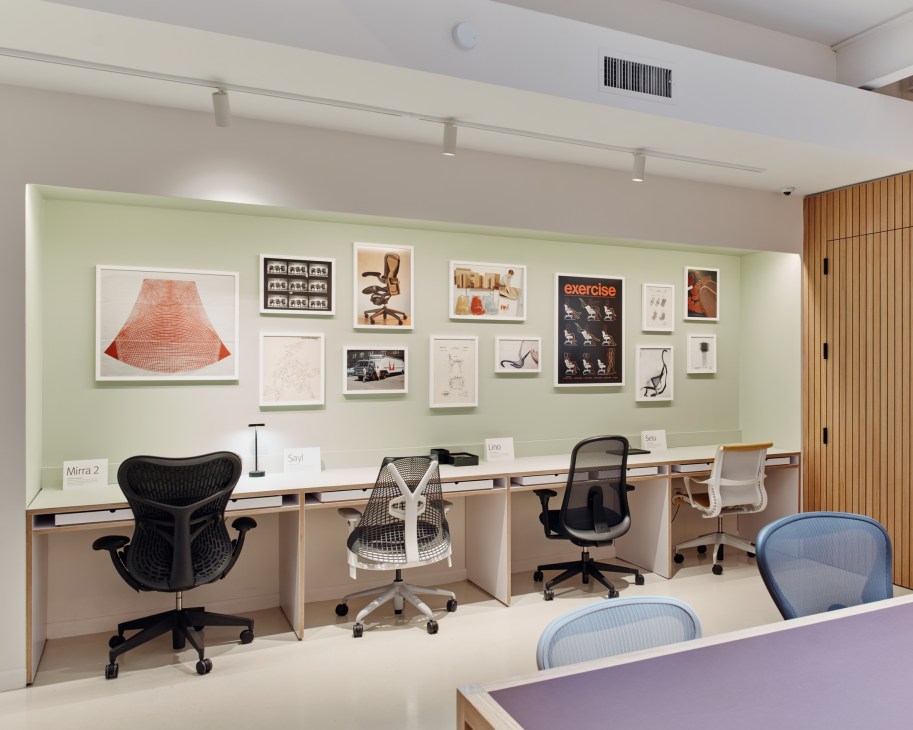
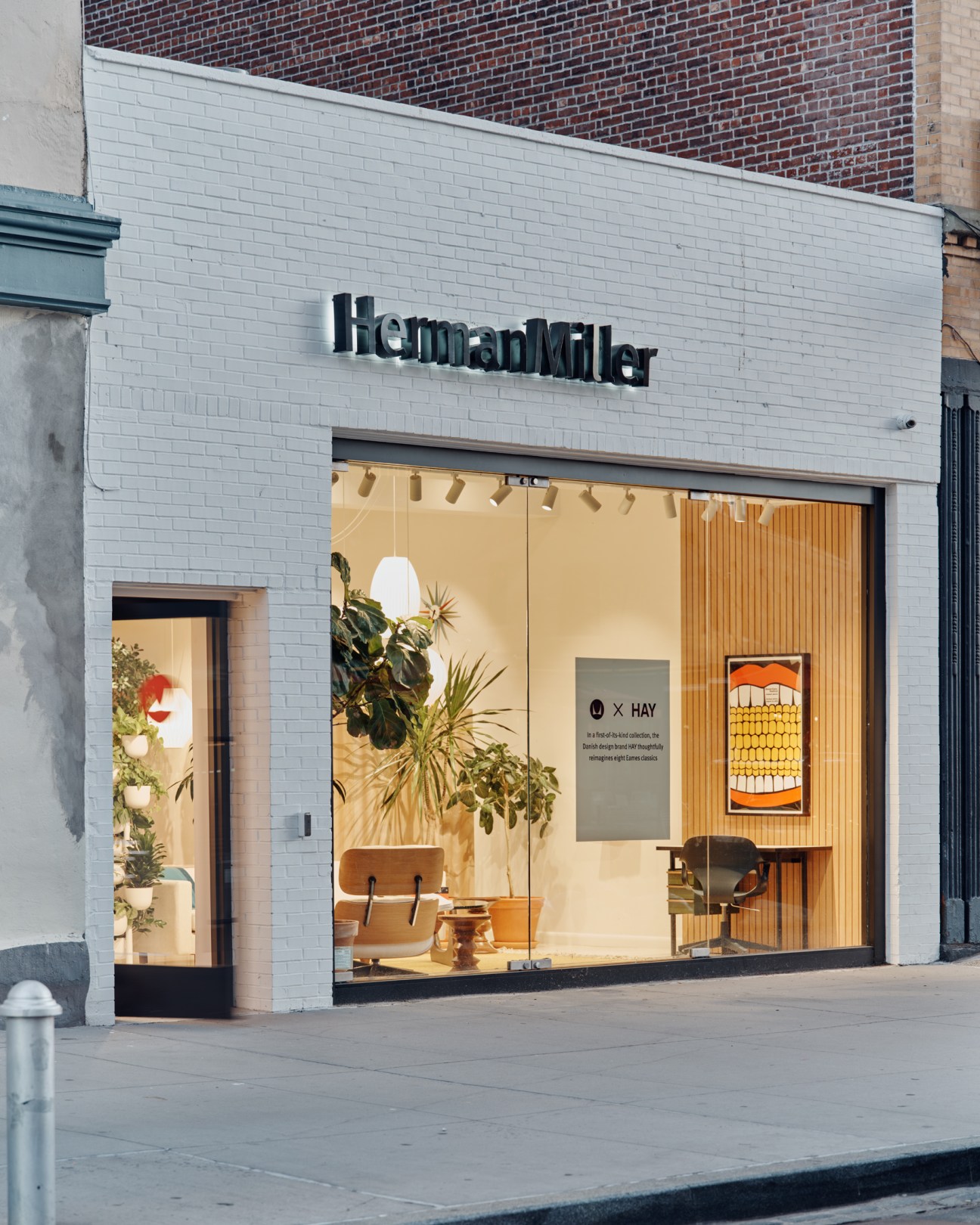
It happened at a pivotal moment for the industry: both Herman Miller and Knoll had long thrived on big, lucrative contracts to kit out whole corporate offices, sold via trade showrooms. Even before the pandemic, Herman Miller was seeing a shift to hybrid working and in 2016 opened a retail shop in New York, the first in its 100-year history, geared to individual customers looking to spruce up their home office with a single Aeron chair, for instance, with staff on hand to extol the virtues of good lumbar support. In 2020, as people were required to work out of spare rooms and on dining tables, it rushed to open new shops aimed at the general public and the strategy worked: sales of the Herman Miller Eames Ottoman last year were among the best on record.
Across its 19 brands, MillerKnoll’s retail footprint continues to expand, plugging gaps in its much-changed corporate trade. Knoll has well-established “home design shops” in New York and Los Angeles, while Herman Miller has opened four new US retail locations since June, plus one in Japan, with plans for more in the new year. Growth in Europe is now focused on online sales (expanding MillerKnoll’s e-commerce presence in new markets) and local retail partners. The direction and thinking behind these openings begins from HQ in Stamford.
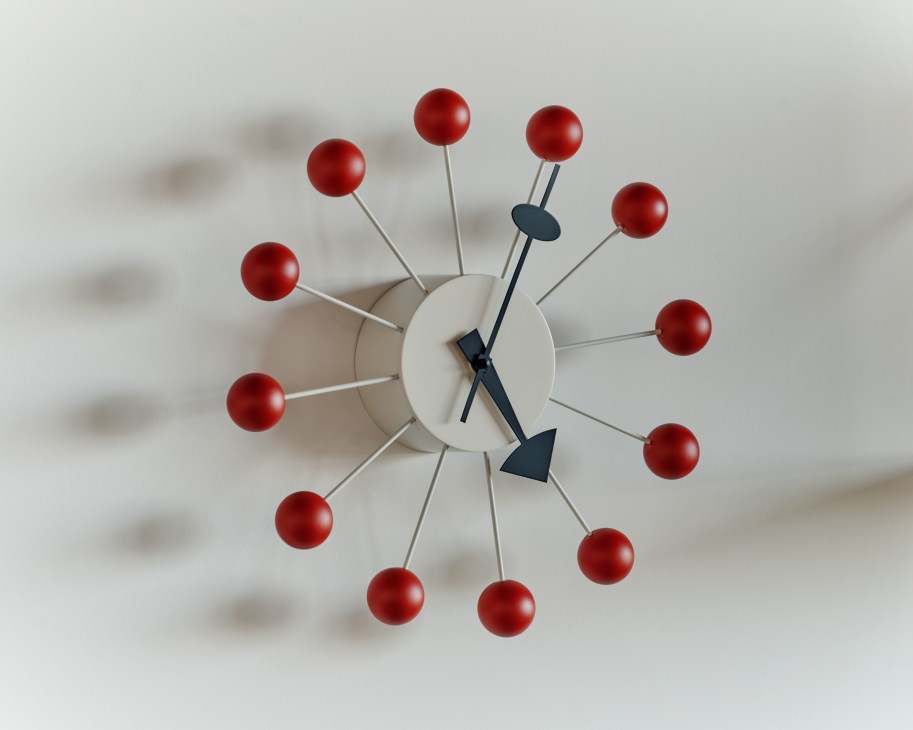
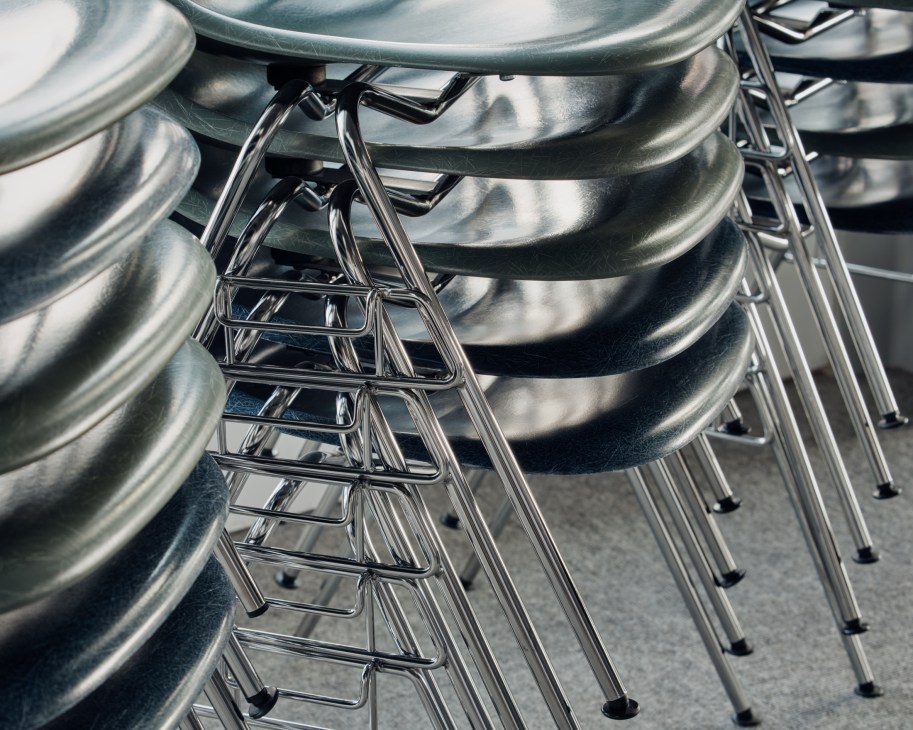
“We really are using this office in the way we intend to recommend to others,” says Debbie Propst, president of global retail (no relation to Robert Propst, who invented the office cubicle for Herman Miller in 1968), adding that social working spaces like this are increasingly sought after by its traditional corporate clients.
No one has a designated desk of their own in Stamford but there are small, glass-fronted spaces (looking remarkably like home offices) that are named after, and inspired in appearance by, iconic chairs in the group’s collections, from the Tulip to the Womb, which staff can duck into for focused work or video calls. An Eames lounge and Ottoman faces the harbour and boats of Stamford, and is a staff favourite for conducting long virtual meetings.
It’s no doubt an enticing space but it’s yet to be seen whether MillerKnoll’s vision of a hybrid future will outlive the upheaval of the past few years. Surrounded by so many design classics in Stamford, however, you’re reminded just how much its two core companies shaped the workplace in the 20th century. They might be about to do it again: for now, MillerKnoll isn’t sitting still.
Style and substance
1.
Scanwatch Horizon
Withings
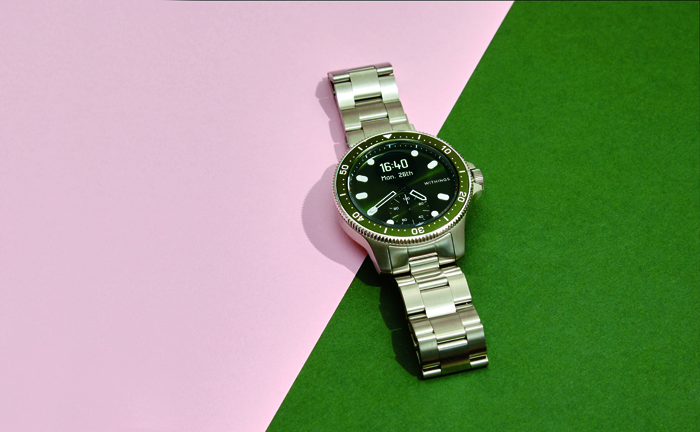
If you like the features of a smartwatch but aren’t keen on the touchscreen, Withings has the answer. The French brand has created Scanwatch Horizon, which looks like a high-end timepiece but has an OLED screen that shows notifications, a timer and heart rate for working out or showing ECG metrics. The watch also measures how near you are to your activity goal and is water-resistant to a depth of 100 metres.
withings.com
2.
A & Ultima SP3000
Astell & Kern
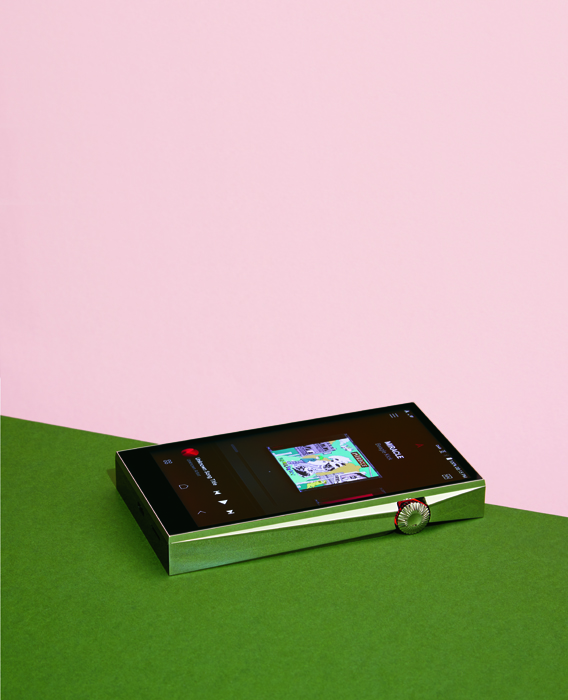
Imagine an iPod but 20 times more glamorous and with scintillating audio quality. South Korean firm Astell & Kern has built its latest high-end portable from the kind of stainless steel favoured by watch-makers and that timepiece design is carried over to the side-mounted crown that controls the player’s interface on its 5.46-inch display. And the premium quality applies to the audio as well as the looks. This player can handle high-resolution sound files, so you need the 256GB of storage that it comes with (you can also add microSD cards). It also streams music from Spotify and others, and works with Bluetooth and wired headphones.
astellkern.com
3.
iPhone 14
Apple
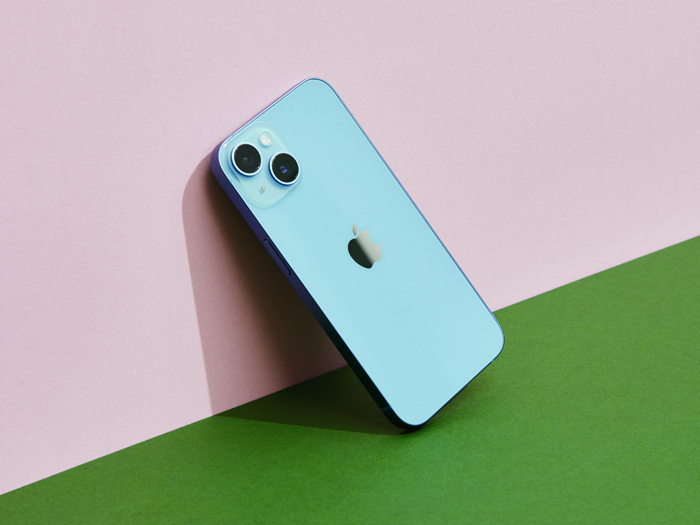
Design-wise, the iPhone 14 looks similar to the 13 – that is, it has a flat-edged style with an all-screen front. The 12-megapixel main camera now delivers better shots in low light and the front-facing one has had its pixel count upped so that your snaps will shine, even when taken in a modishly dark restaurant or club. Changes inside include two remarkable safety features. Crash detection means that if you’re in an accident, the iPhone knows. It will try to rouse you with an alarm and can contact emergency services, sharing your location. From November, if you’re in trouble when you’re off-grid, you can send an emergency message via satellite.
apple.com
4.
R2 Mk4 Smart Music System
Ruark Audio
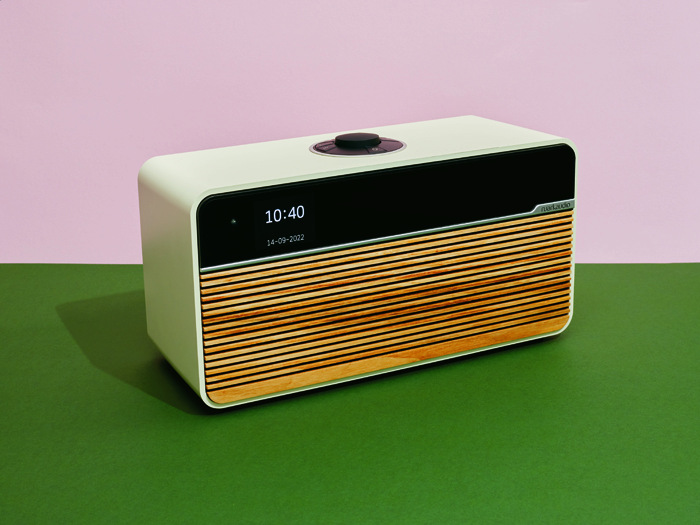
British brand Ruark is known for beautifully crafted audio players, especially radios, with elegant sound. Its R2 speaker is now onto its fourth-generation model and has had quite a design update. A handsome slatted-wood grille sits beneath the clear colour display. What hasn’t changed is Ruark’s trademark circular controller, which is simple and satisfying to use. There’s a DAB radio, of course, and the speaker can stream music from Spotify Connect, Deezer and Amazon Music. The Bluetooth connection means that you can easily use the system with your phone or tablet and you can charge your device from it. Despite the R2’s small size, its sound is room-filling, with a pleasant tone, crisp mid-range notes and strong bass. There are two lacquered finishes: espresso and light cream.
ruarkaudio.com
Still life: Tony Hay
Counter culture
Glassworks
Tel Aviv
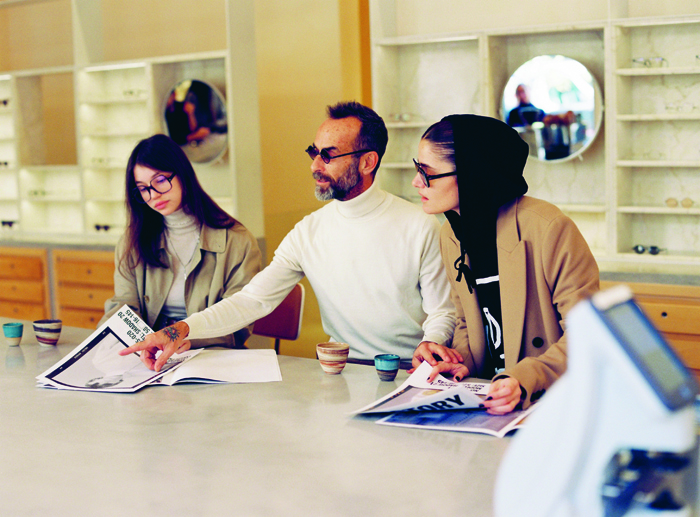
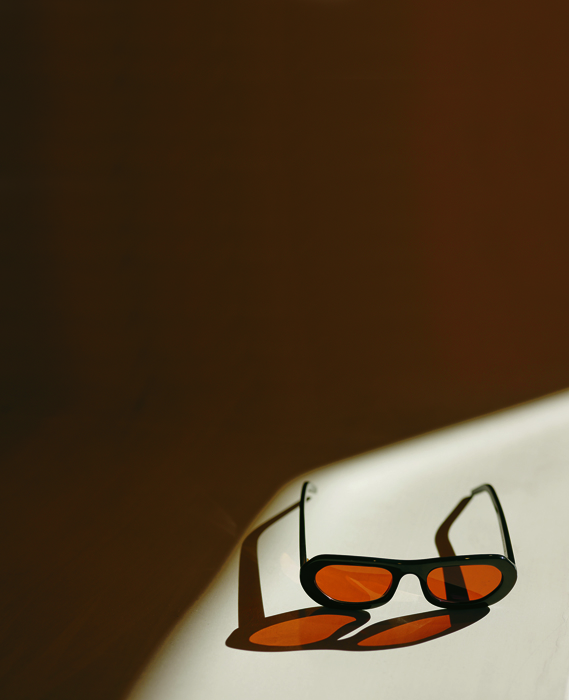
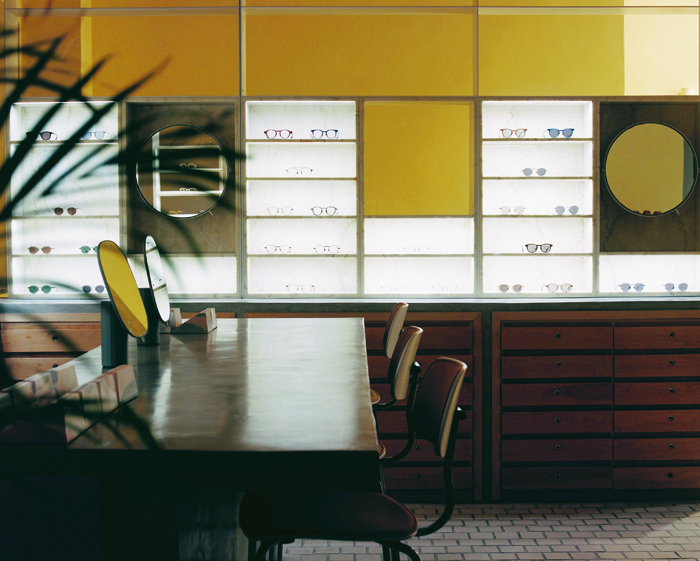
Housed in a 1920s building in Tel Aviv and founded by Australian expat Ariel Resnik, Glassworks offers a new vision for an optician’s. A library of frames from small, independent brands is arranged around a plaza-inspired space with an optometry room and lens-cutting lab beyond. Designed by Office Alex Nicholls, the pink and ochre hues were inspired by the palette of Hebron and Jerusalem. “We have a holistic approach to eye care, starting with enjoyable, restorative examinations,” says Resnik. “Clients can then sit and chat over coffee while they browse in a relaxed environment.”
glassworks.io
Tsutaya Books
Kuala Lumpur
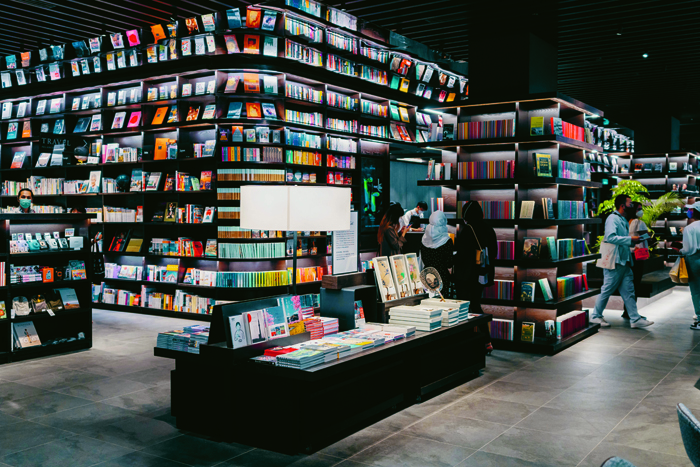
Tsutaya, the peerless Japanese bookshop chain, has started a new chapter with its first shop in Malaysia. Nestled in a new mall in southern Kuala Lumpur, it has a café and an indoor playground. Floor-to-ceiling wooden shelves, softly backlit to highlight the spines, line the walls. Huge potted ferns and orchids punctuate the moodily-lit interiors and judiciously dotted sofas and desks invite readers to linger. The shop also stocks stationery, gifts and homeware, and hosts exhibitions.
ccc-my.com
Vicolo Via Mameli
Milan
“Vicolo” is Italian for a small street or alleyway hidden from the hubbub of a city centre – and that’s just what this shop in Porta Vittoria offers. It’s the sort of place that invites discovery, from dried flowers and table linens to homemade candles. Vicolo Via Mameli was started by Italian Nicola Pozzi and his American partner Ryan Weimer. Pozzi quit his job as a fashion buyer to launch the project, while Weimer arrived from a background in architecture and art direction.
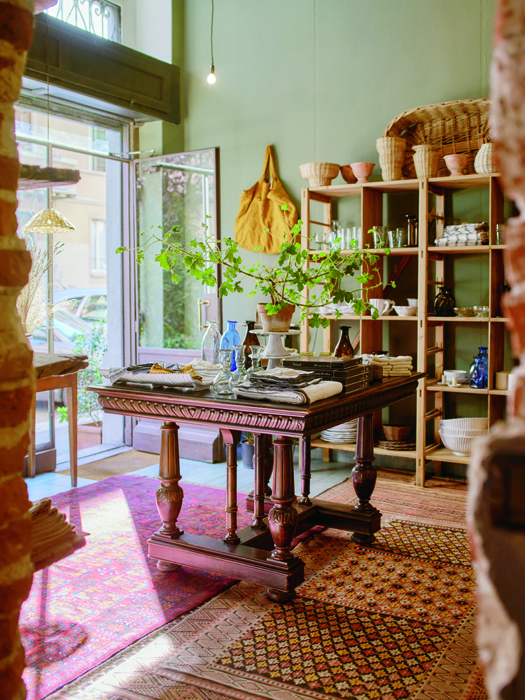
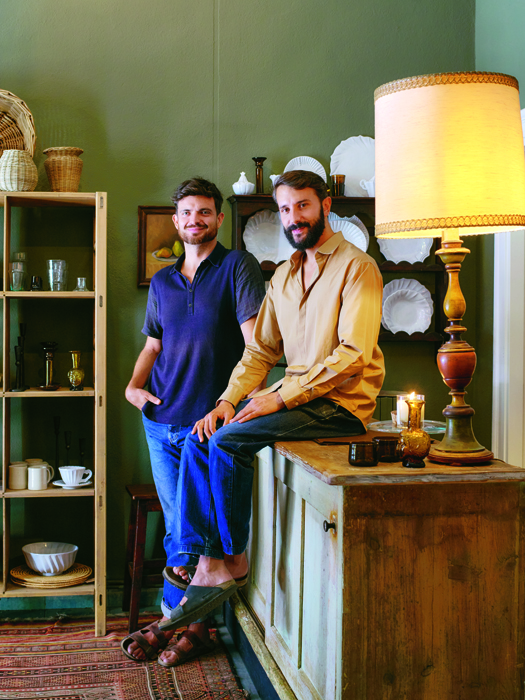
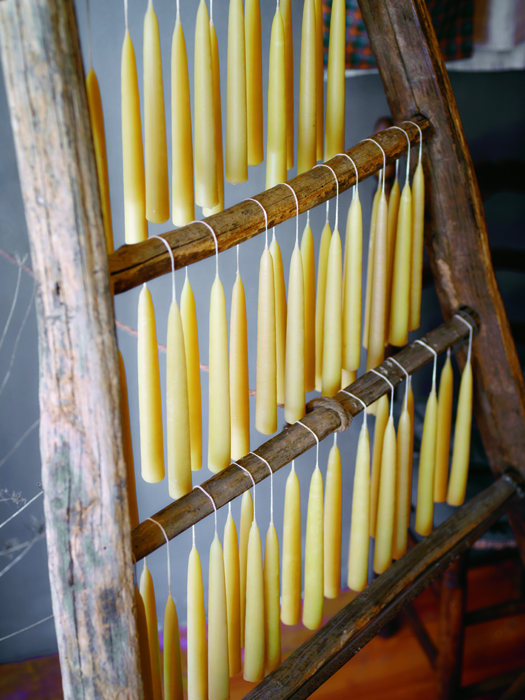
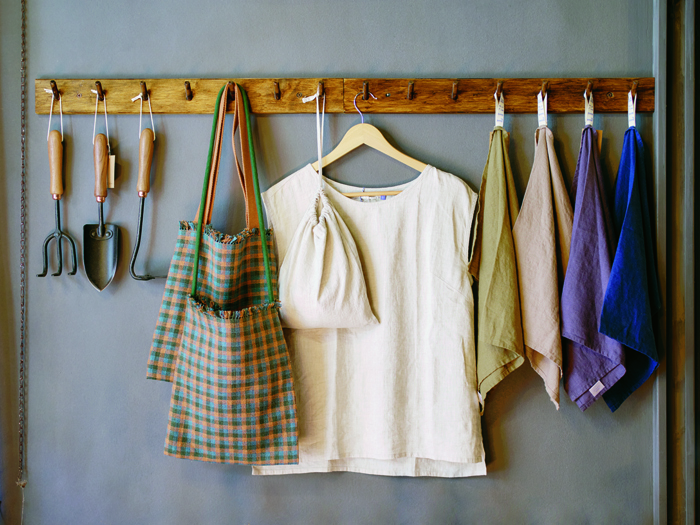
The shop is a gentle rebuff to the many mid-century modern outlets in Milan. Here, the focus is on late 19th-century and early 20th-century antiques and goods that have a more rustic edge. The couple say that the Shaker movement is a major influence. “Modern doesn’t feel cosy and inviting to us,” says Weimer. “We like organic materials.” Pozzi says that the items in the shop have a “functional beauty”, meaning that they’re designed to be used rather than be simply decorative.
The shop grew when they received permission to knock through to the next-door business in 2021. It stocks wares from the pair’s brand V.VM, such as Indian quilts and beeswax candles made in Umbria. There are also red-check table settings by Paola Devizzi, jute rugs by Swedish brand Tell Me More, glassware by Paris’s La Soufflerie and tableware by Marche’s Ceramore 1982. “This has turned into a lifestyle for us,” says Pozzi. And Milan is all the cosier for it.
vicoloviamameli.com
Images: Dudi Hassan, Jaime Navarro, Tsutaya
Star stays
1.
Hotel Special
Sommerro
Oslo
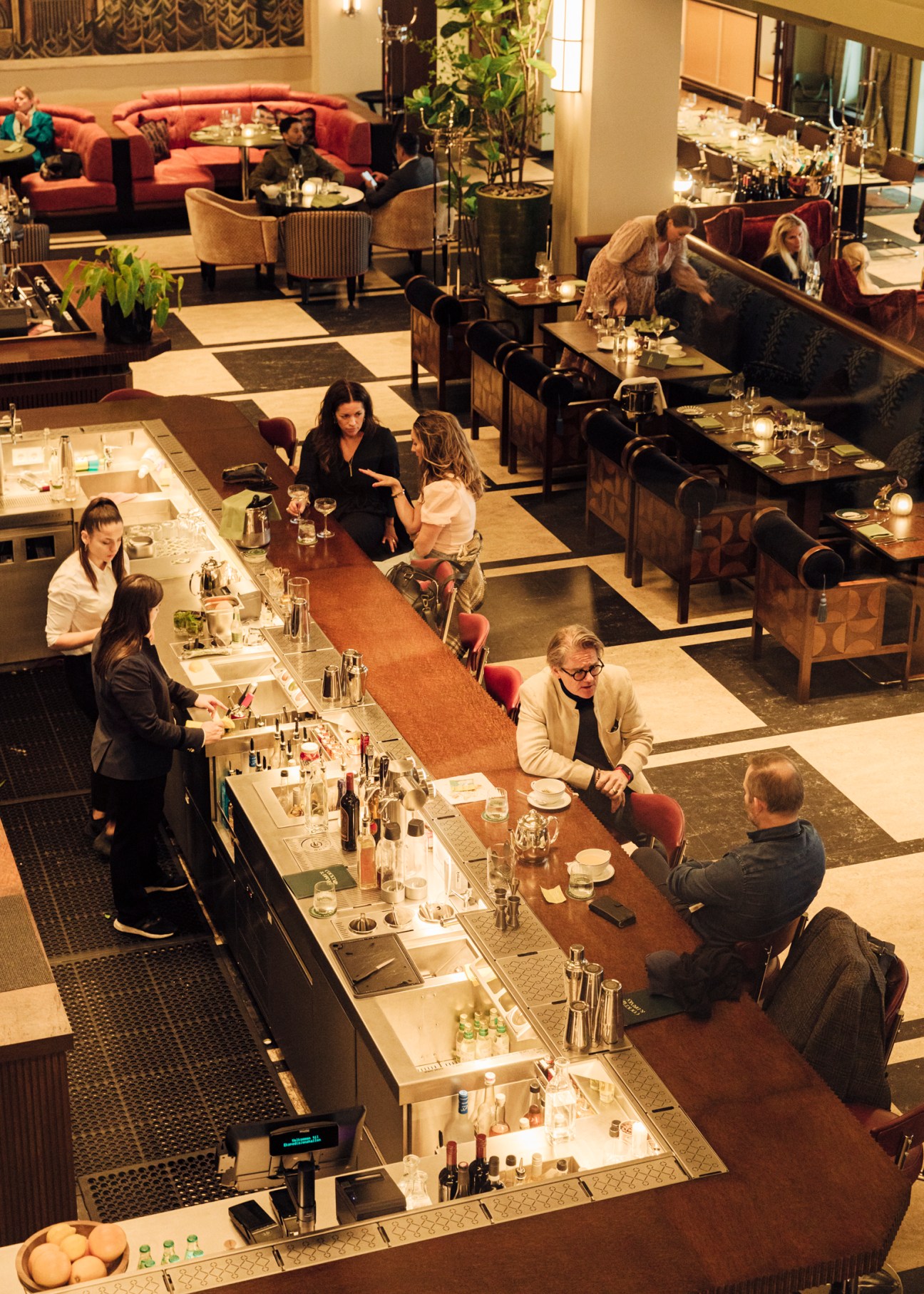
“People in the area have an emotional connection to the building,” says Dominic Gorham, a guest-relations manager at the new Sommerro hotel in Oslo. In a previous life, the art deco building was the HQ of a Norwegian energy company, as well as communal baths. “Guests still come here to get energised,” says Siri Løining, head of brand, who helped to create this 231-room hotel.
Oslo-based architects LPO and interior design firm Grecodeco were tasked with sprucing up the interiors without erasing the past. “It’s quite difficult to do this in a place with protected status,” says Løining. “There are three words on the façade here: light, power and heat,” she says, pointing to an etching that has been here since the 1930s. “Those words still mean a lot.”
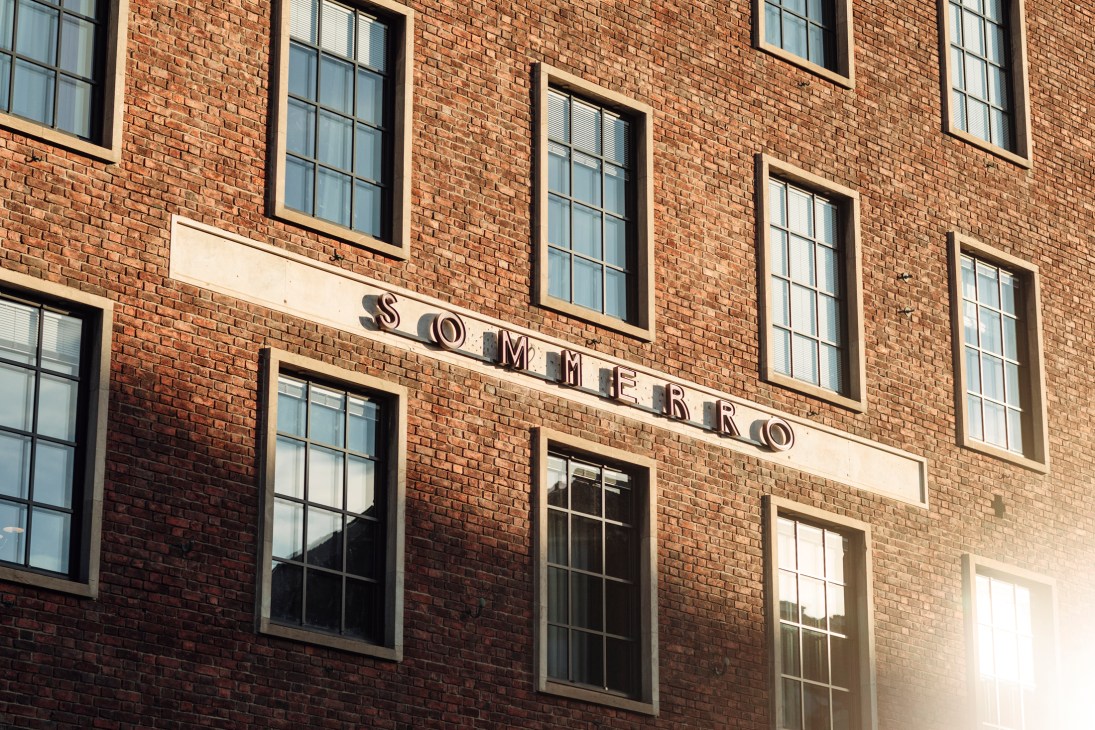
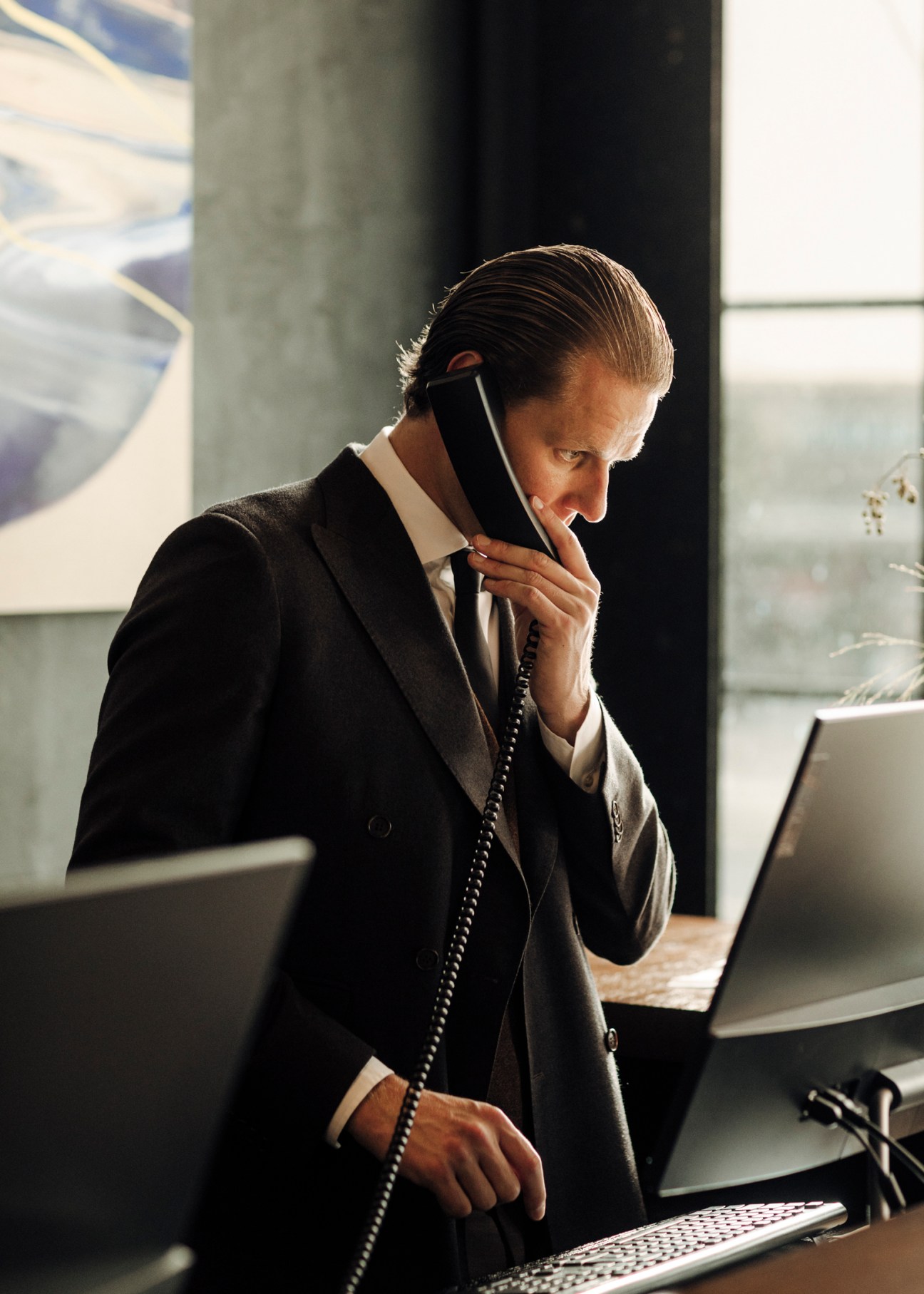
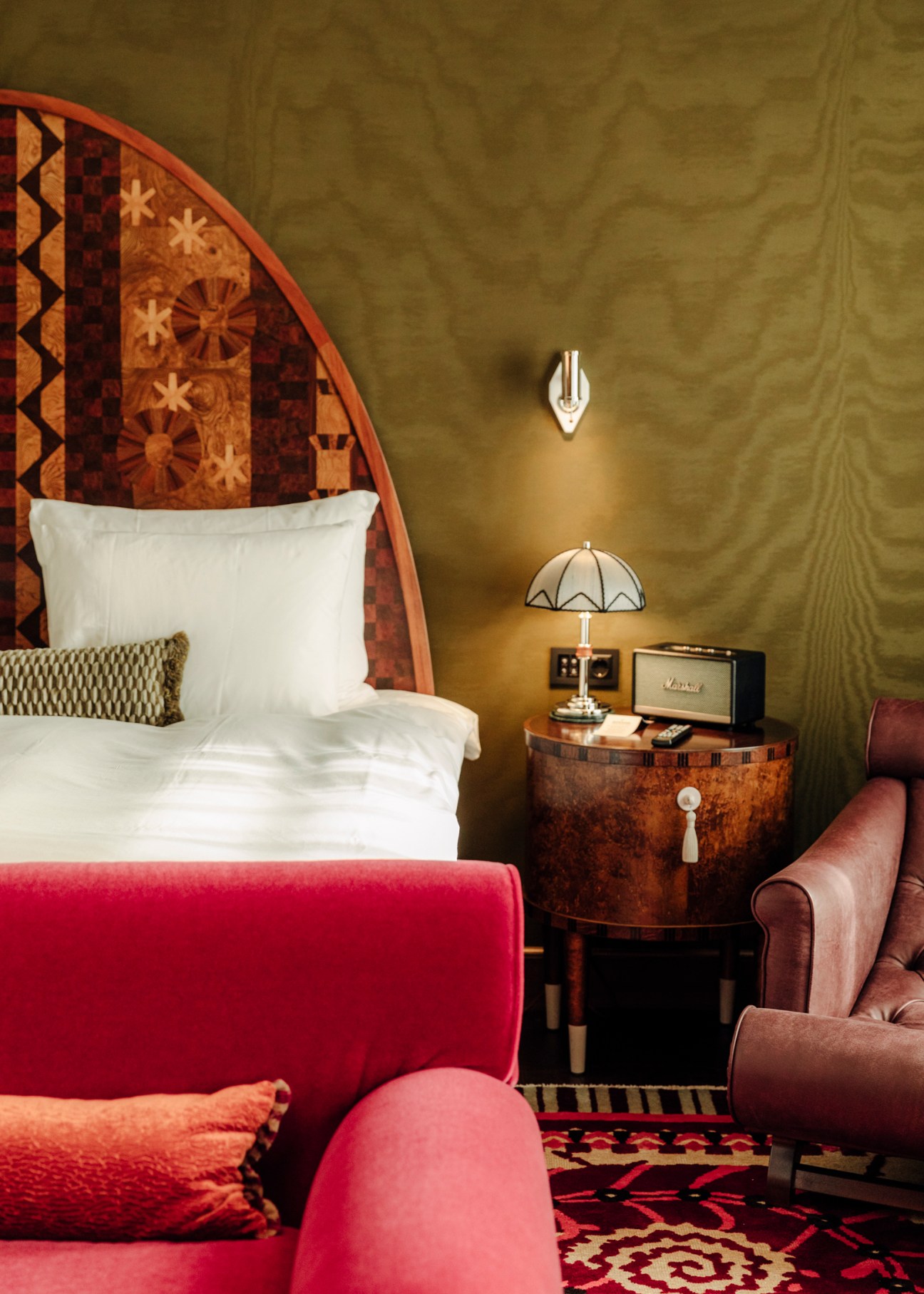
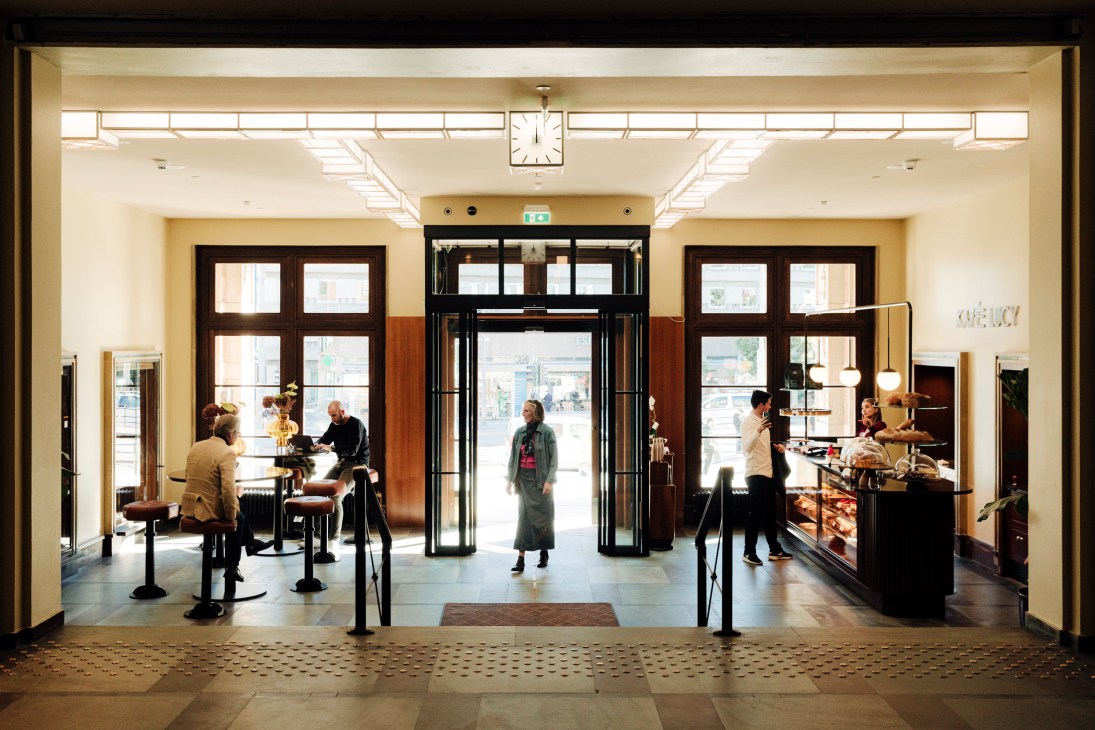
From its large windows and brightly hued carpets to chef Jonathan Howell’s brasserie Ekspedisjonshallen, the building still has spark. “I felt like Oslo was missing a casual dining spot that didn’t feel too fussy,” says Howell, who recommends the crab bucatini. Other diversions include screenings at the private cinema and a rooftop pool.
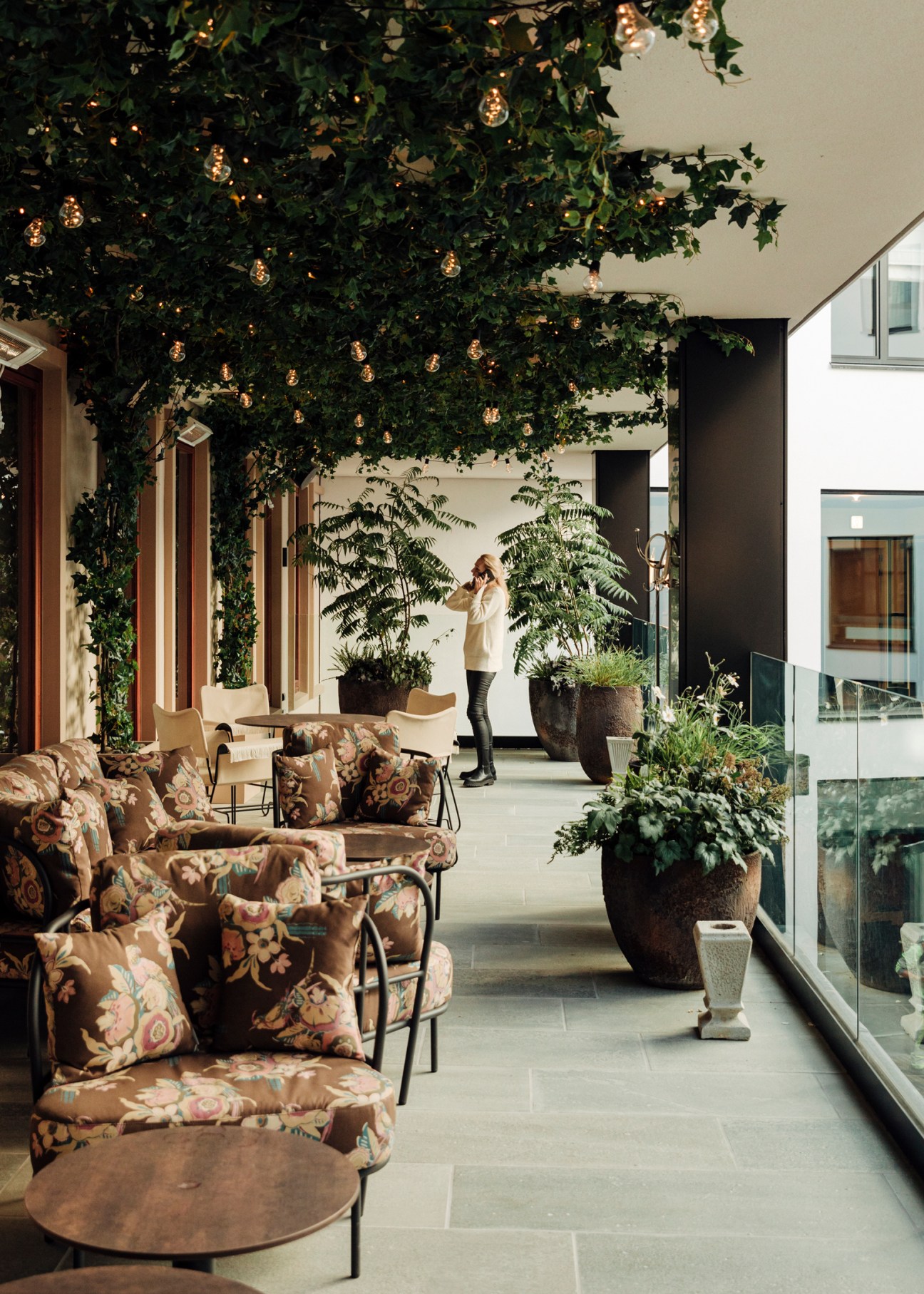
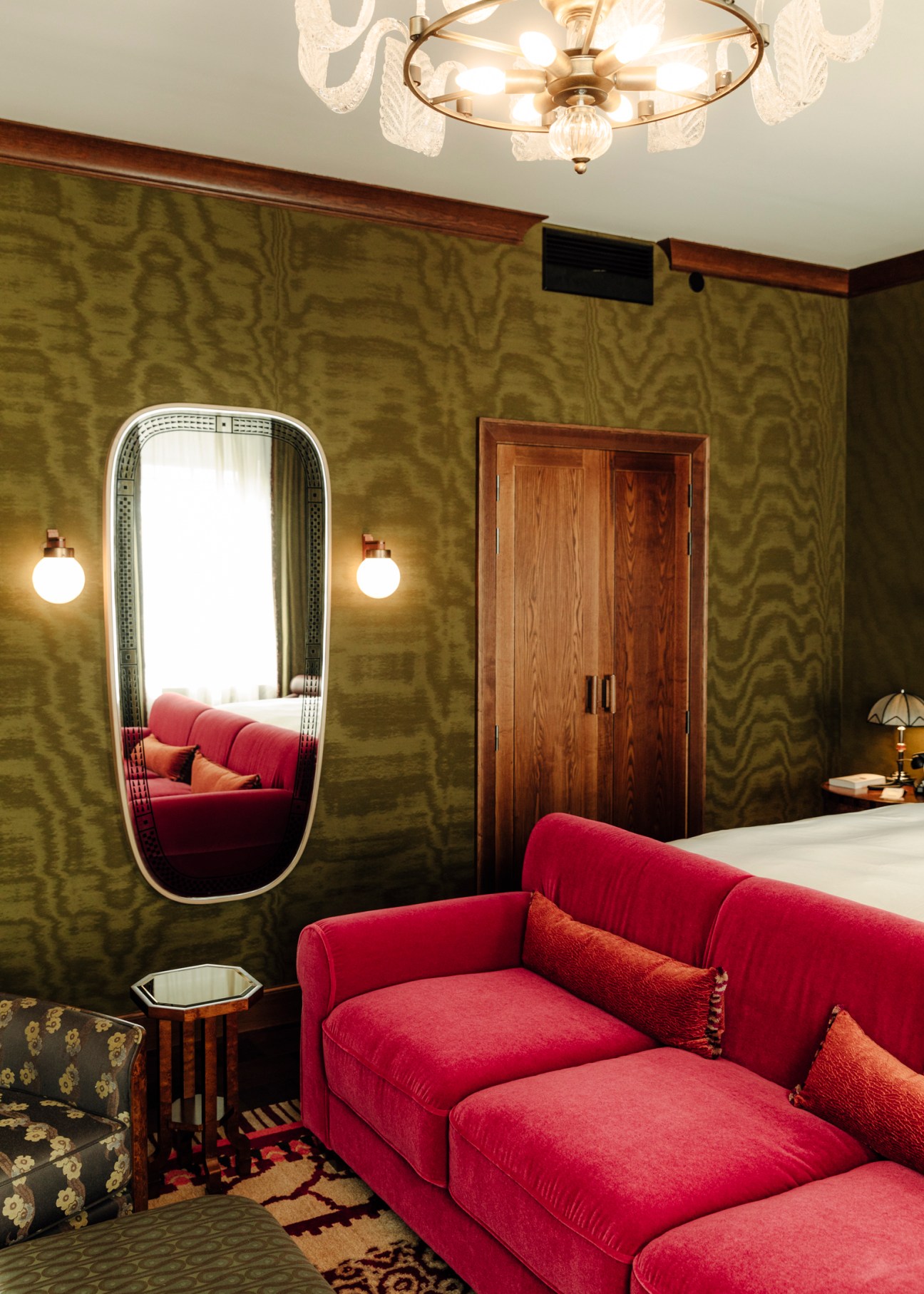
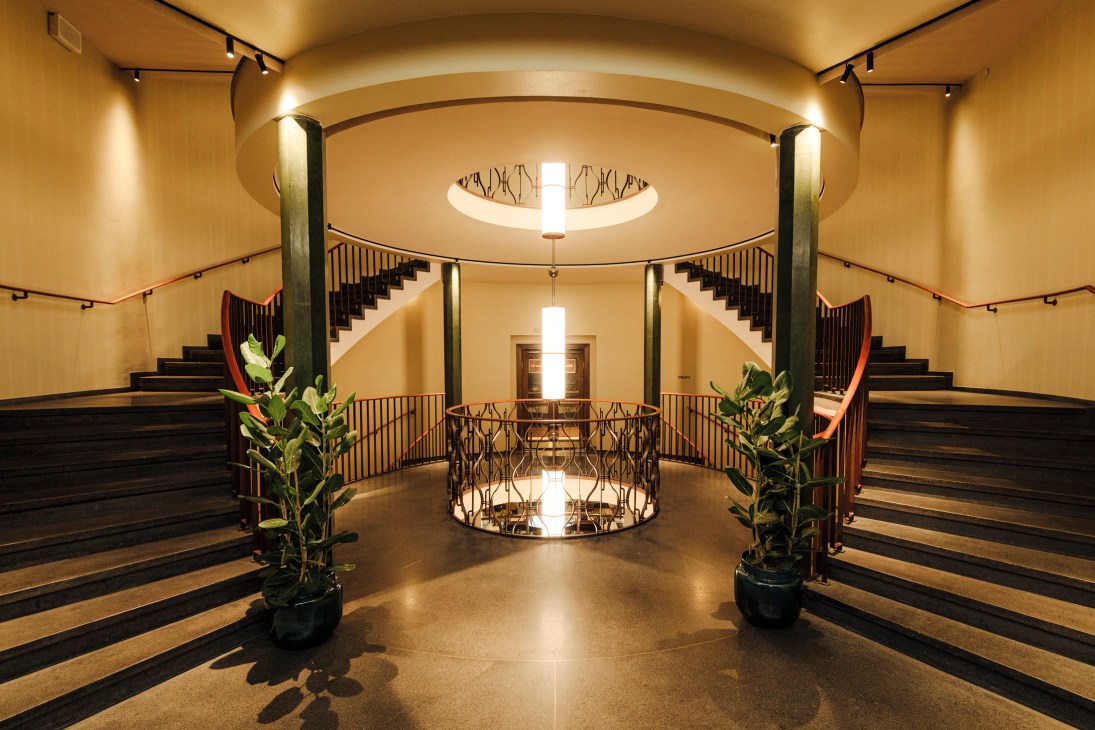
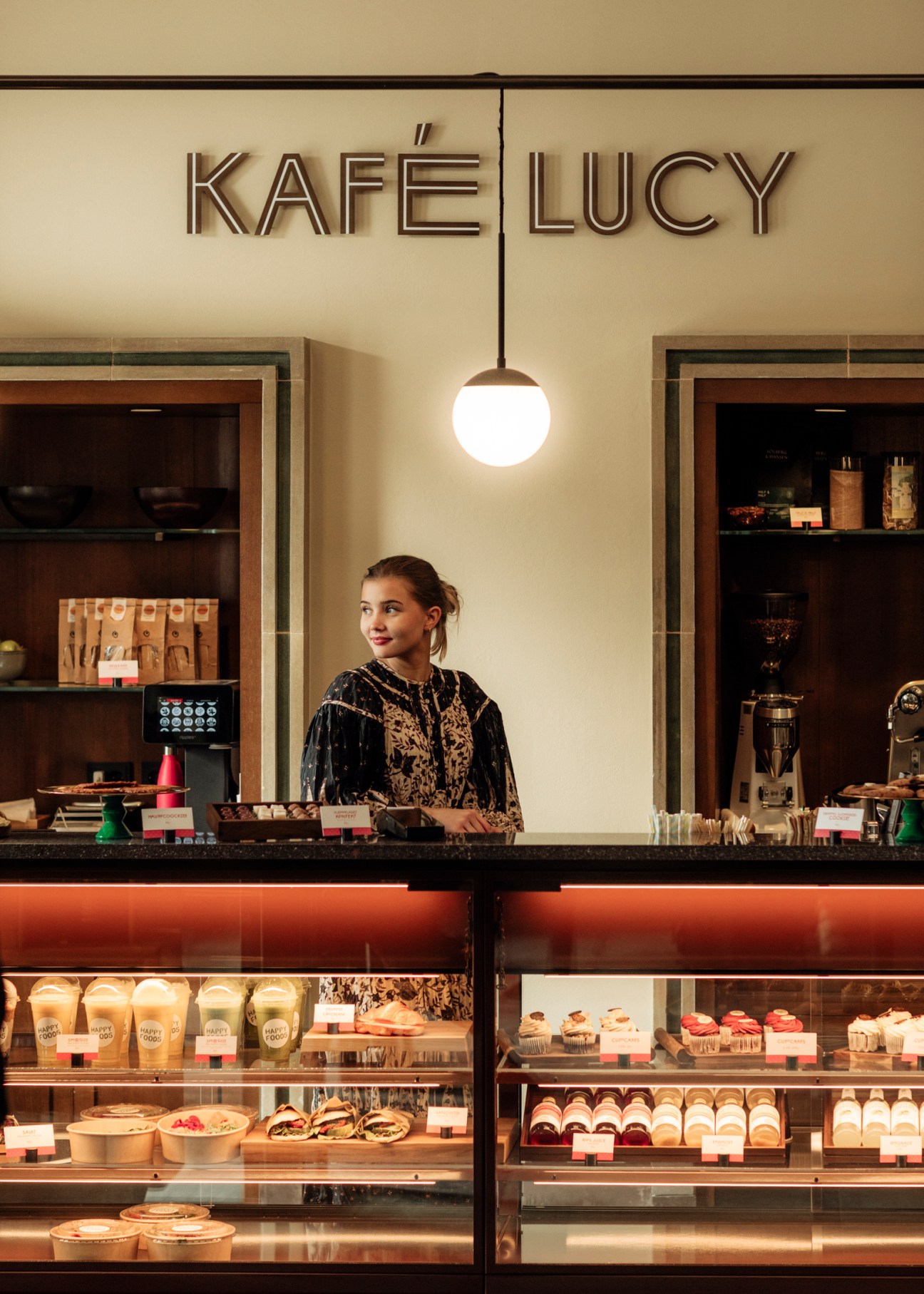
Despite changing the building’s use, there is a reassuring solidity here. “If you build a hotel based on trends, you’ll have to renew everything in five years,” says Løining. “Here, it doesn’t matter if things get scratched or change with time.
sommerrohouse.com
2.
Hotel Special
Fujiya Hotel
Miyanoshita
Innovation has its place but so does longevity. The grande dame of western resorts in Japan is the Fujiya Hotel, a remarkable establishment in Miyanoshita, a small town in the hilly area of Hakone. First opened in a wooden building in 1878, the Fujiya has survived everything history has thrown at it and continues as a glorious mix of buildings of different vintages, from the main structure from 1891 to the Forest Wing, which was completed in 1960.
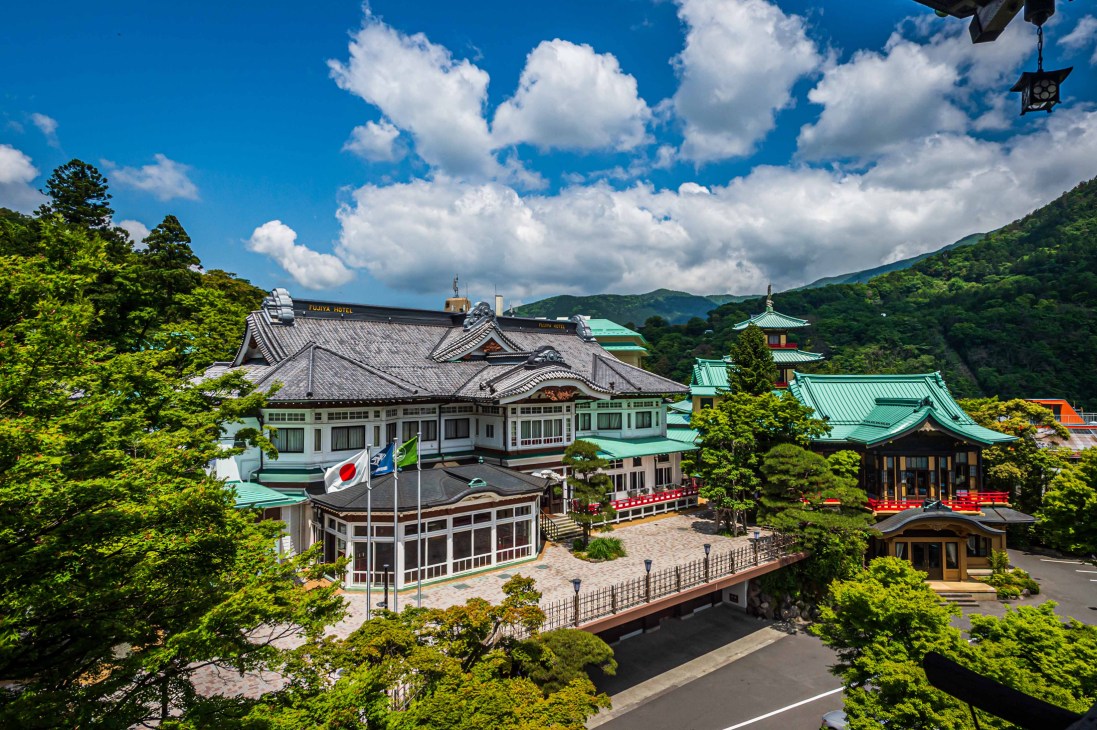
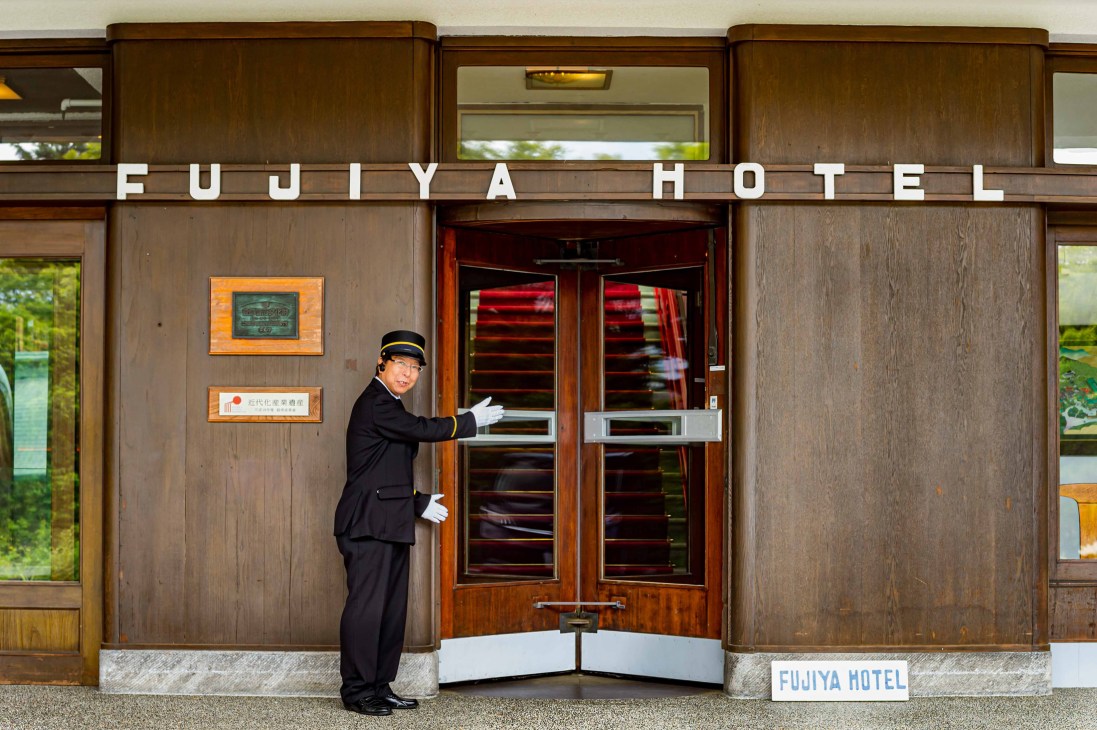
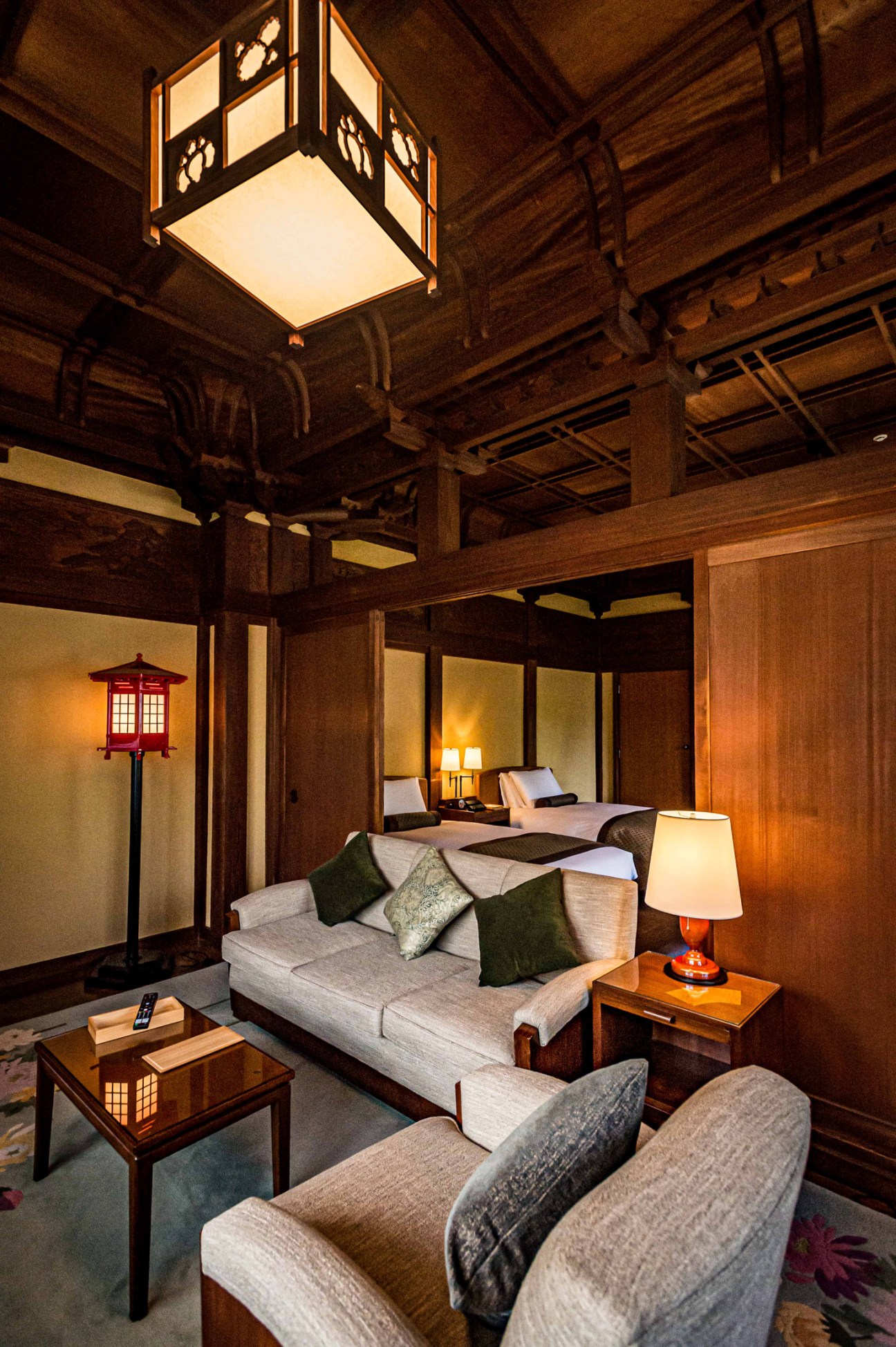
The hotel has welcomed the good and the great, including royals and generations of overheated expats who were drawn to the mountain air; John Lennon and Yoko Ono stayed in one intricately carved room, which is still in use.
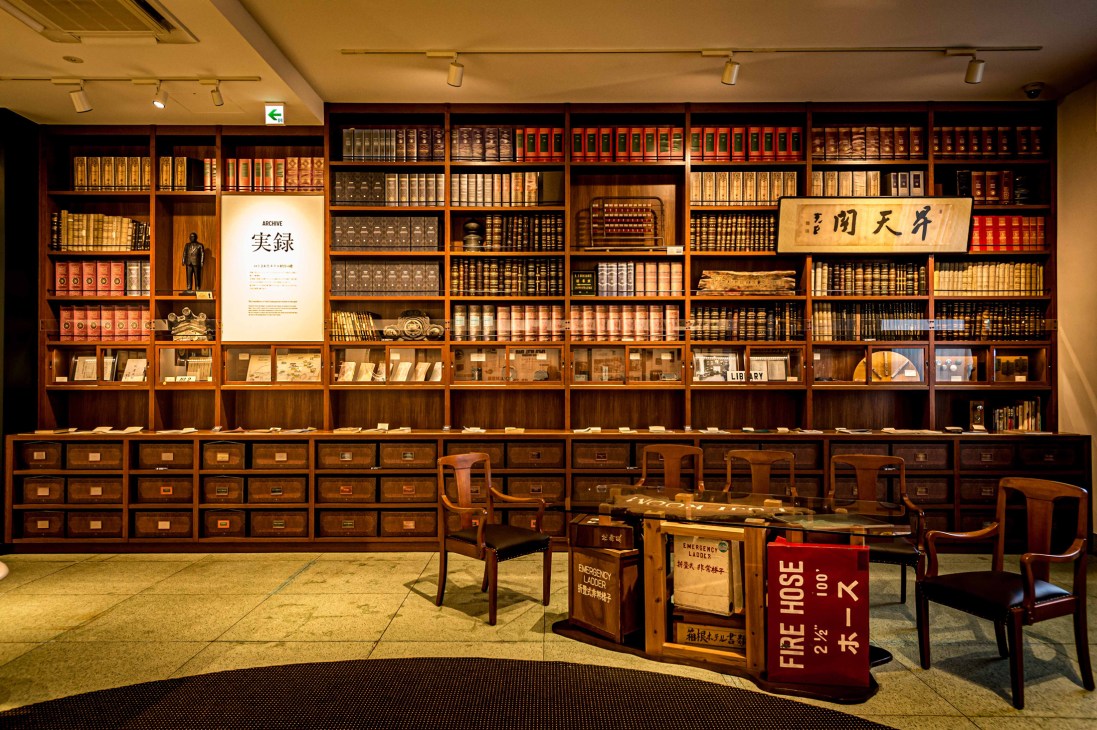
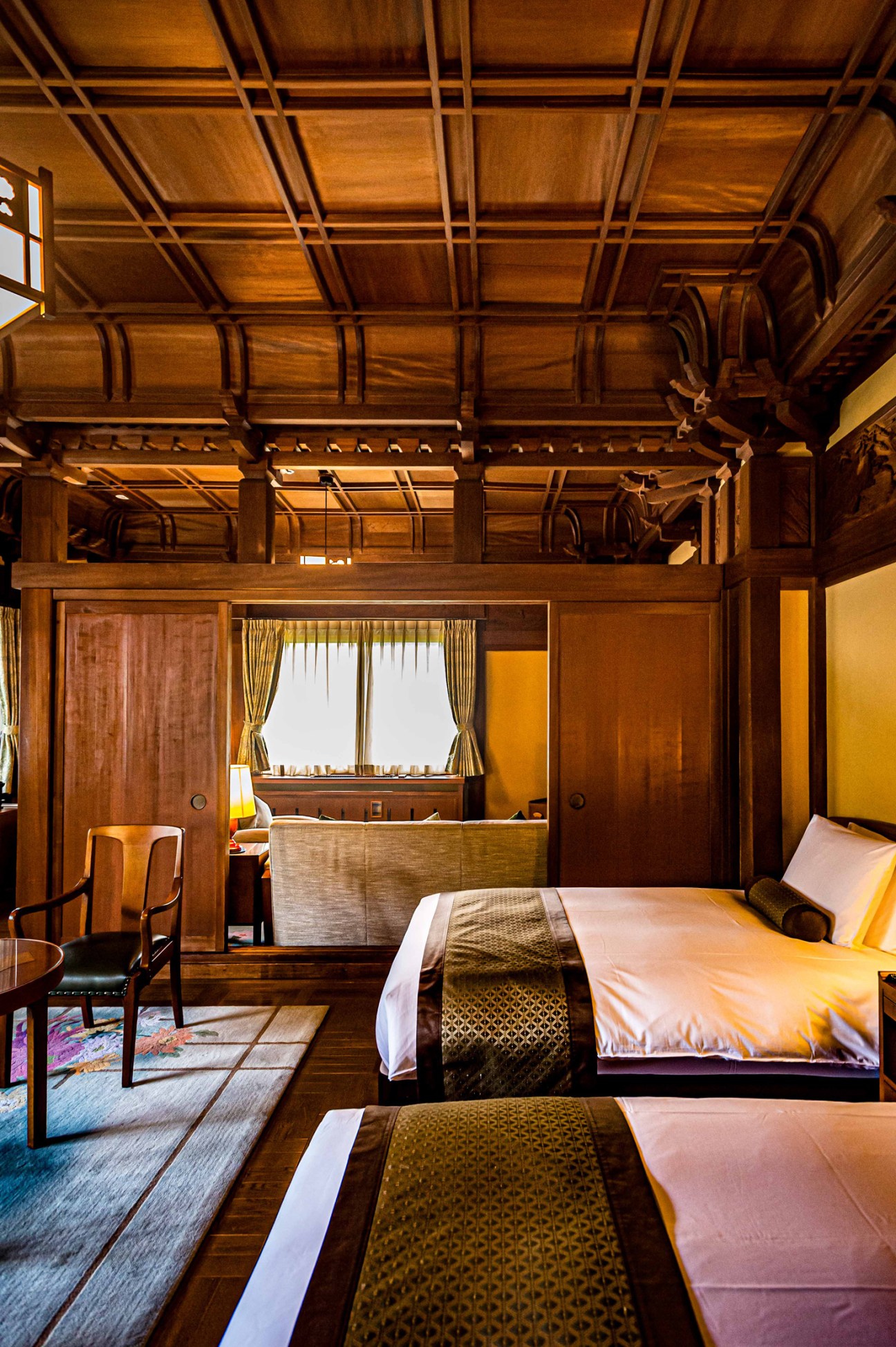
When Allied forces requisitioned the Fujiya in 1945, they didn’t hand it back until 1954 – and who can blame them? It’s hard to know what to love most: the crisp bed linens, the indoor spring-water pool (or the outdoor pool, which opens for the summer season), the piping-hot onsen water that bursts from the bathroom taps or the 1930s dining room with its coffered ceiling, heavy silverware, jacketed waiters and a menu with classics such as duck à l’orange and crêpes suzette.
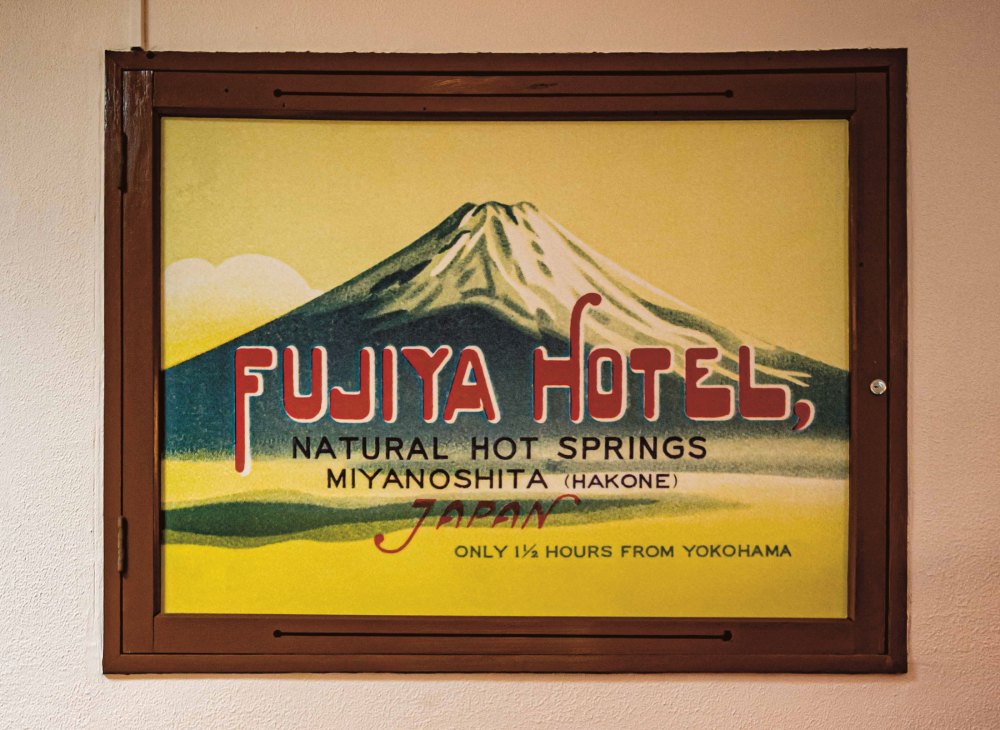
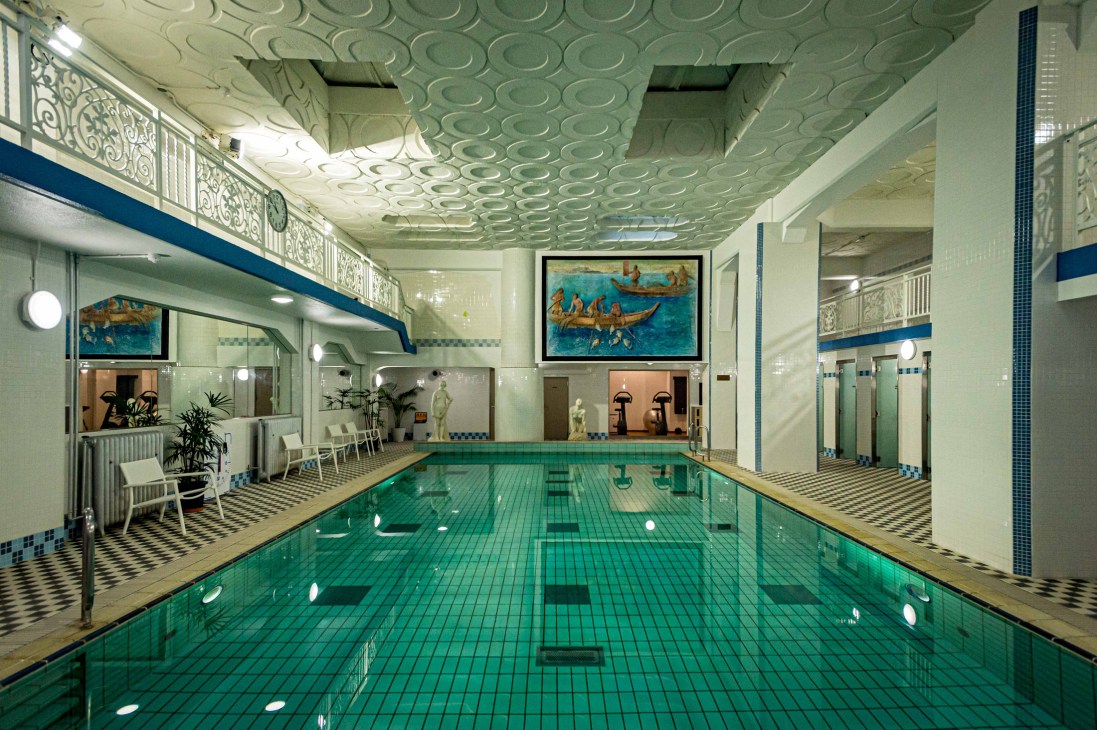
Regulars were alarmed when the Fujiya closed for two years for renovations but the updates were gentle and painstaking. The lounge, with its oil paintings and proliferation of sofas, looks just as it did before the Second World War (and is still called the “Magic Room” from when a magician entertained visitors before dinner), the walls have been strengthened against earthquakes and a new spa added.
The train journey from Tokyo is a pleasure: the Romance Car from Shinjuku and then an uphill climb on the Hakone Tozan, Japan’s oldest mountain railway. Fujiya’s staff are seasoned veterans, knowing just when to help and when to stand back. Like all the best places, it doesn’t need to keep up with the times. There is nowhere else like it.
fujiyahotel.jp
3.
Hotel Special
Château Royal
Berlin
There had always been something neither here nor there about the area around Neustädtische Kirchstrasse, a small byroad off busy Unter den Linden in Berlin’s government quarter. The street on the way to the former US embassy was closed off for decades as the city changed around it. “It was a dead street,” says Moritz Estermann, co-founder of the Château Royal hotel that now sits here. “You didn’t see anyone walking here after 18.00. It was barren land, really.”
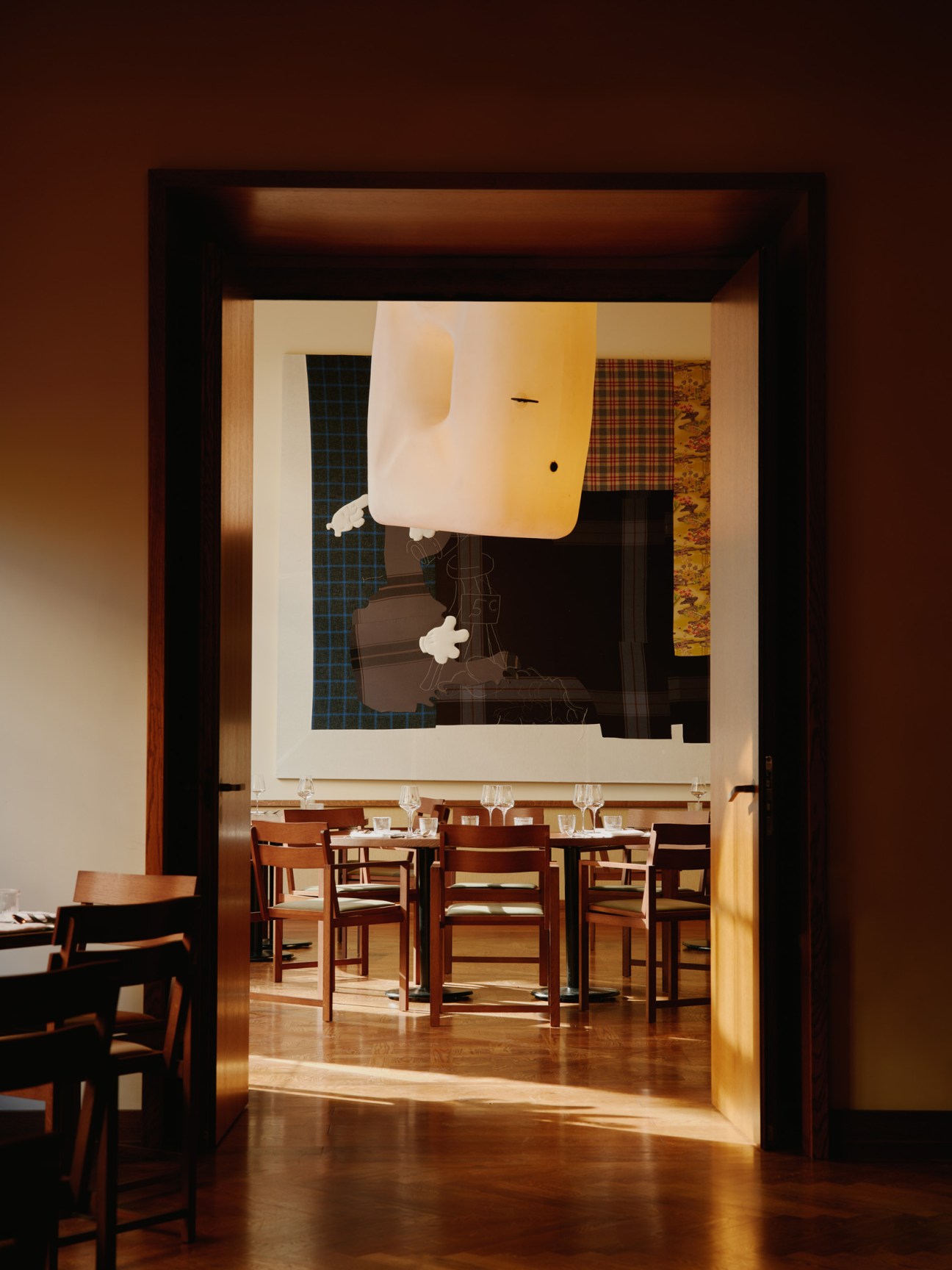
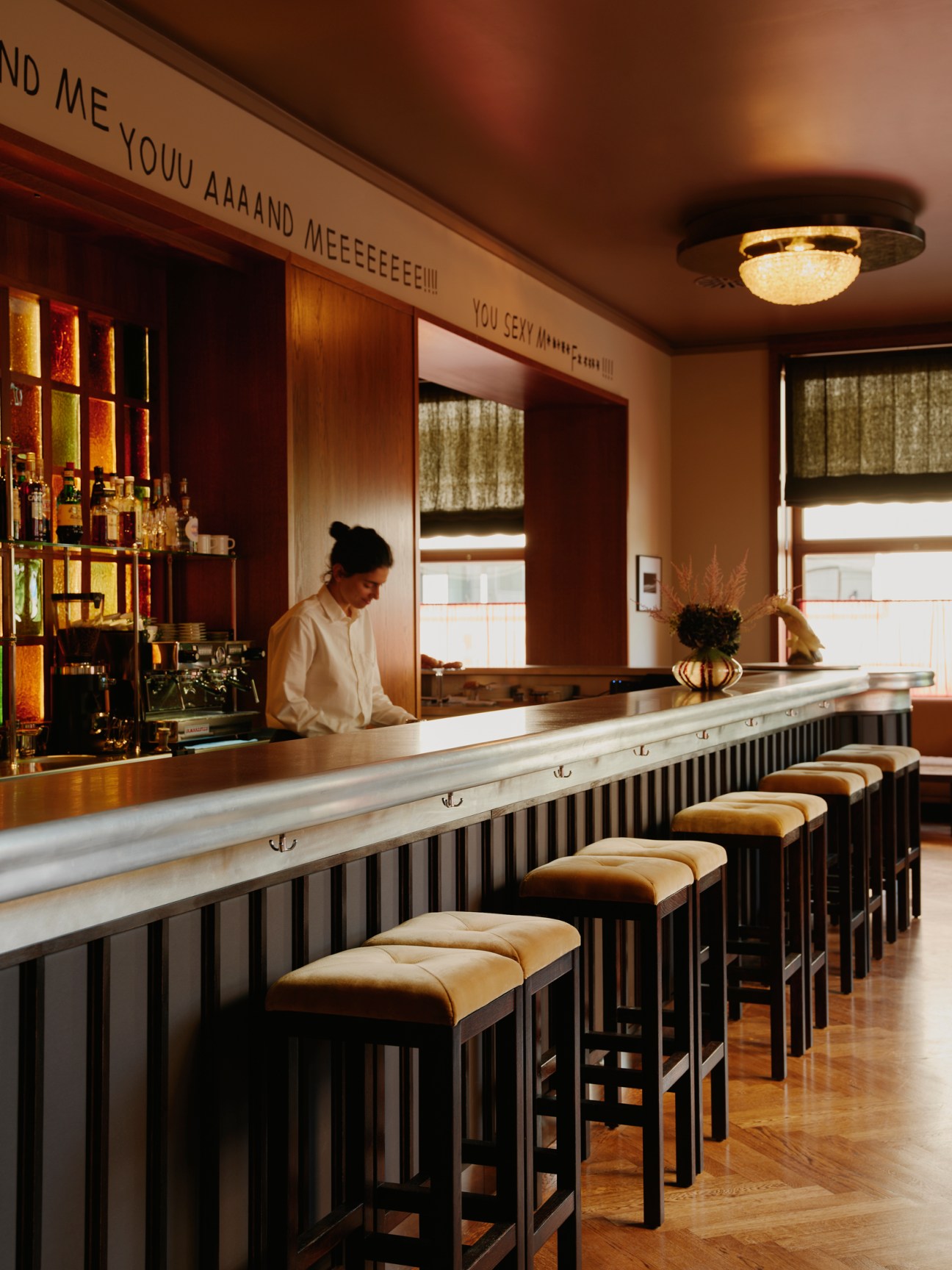
Estermann teamed up with restaurateur and art collector Stephan Landwehr and Icelandic chef Victoria Eliasdóttir, who both also saw the site’s potential. If there’s anyone in Berlin who knows how to draw a crowd, it’s these three: Estermann ran Grill Royal, the star-studded steak parlour co-founded by Landwehr, where Berlin’s boho crowd indulge in debaucherous evenings. Eliasdóttir headed a booked-up pop-up fish restaurant in one of the buildings that now form the hotel.
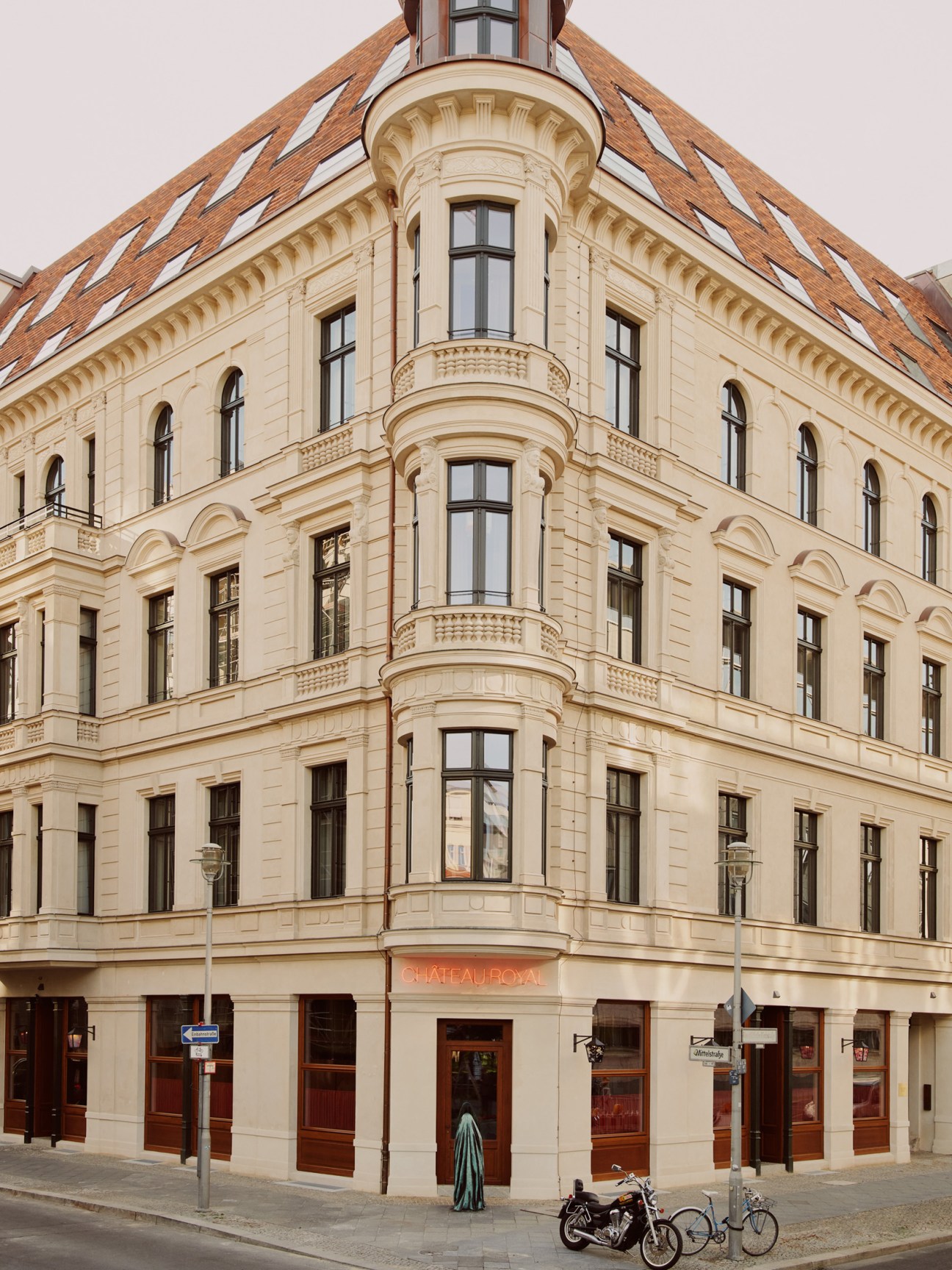
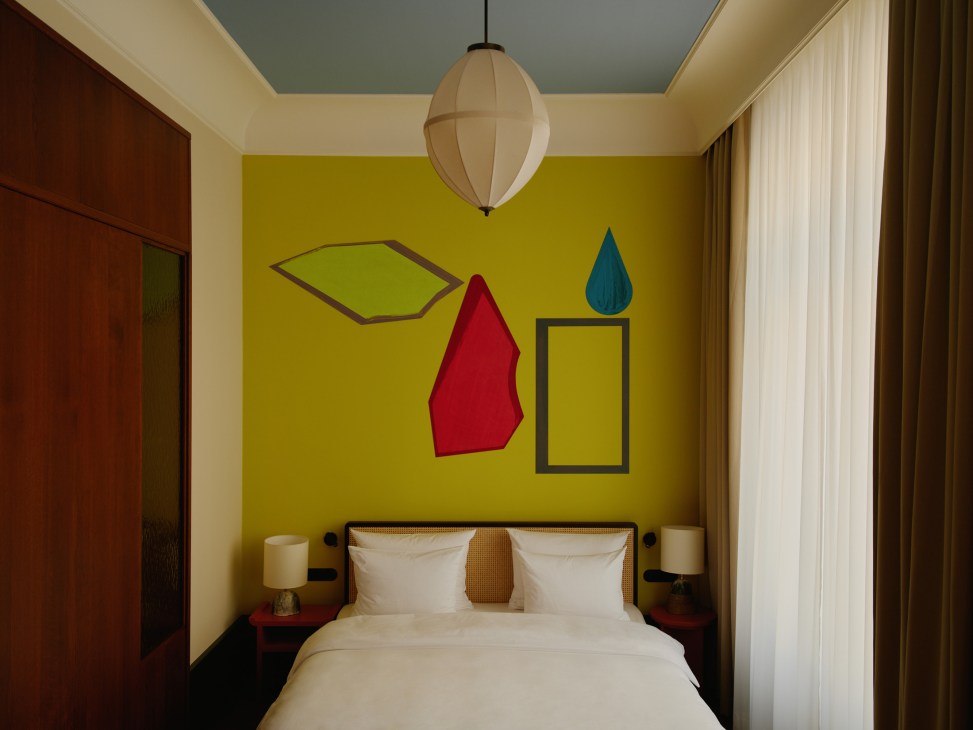
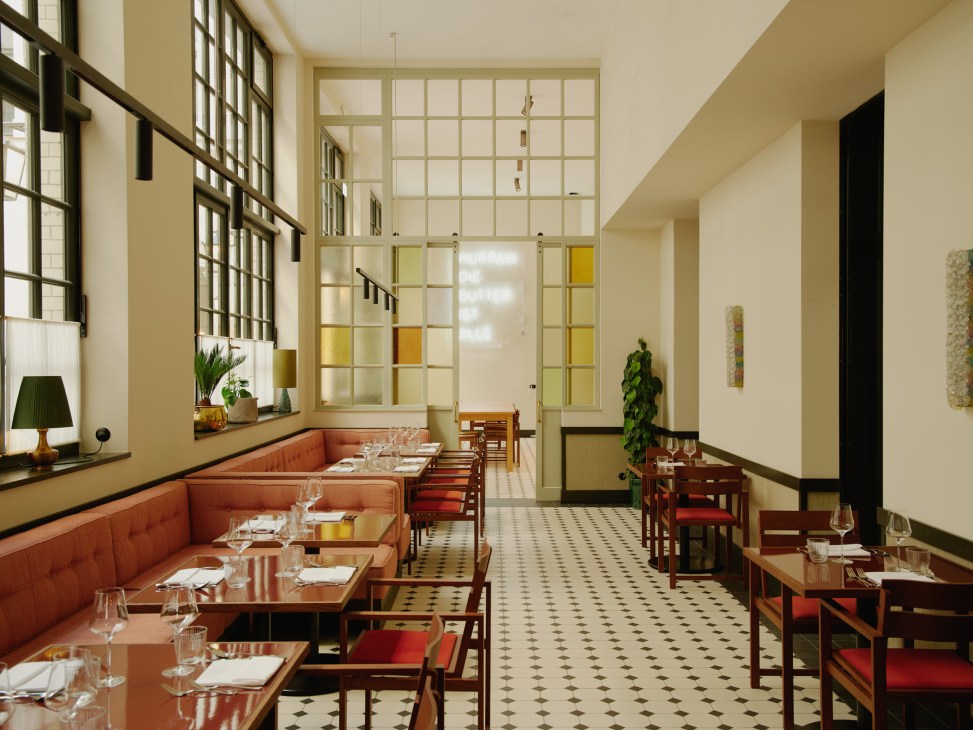
The Château Royal project is all about tying together loose ends. The hotel stretches over a complex of listed buildings dating from between 1880 and 1920 and a new one designed by David Chipperfield’s office. Its peculiar architecture results in a charming muddle of different styles. The new rooftop annexe hosts big and bright suites, while other guest rooms feature bay windows, corridors, alcoves or anterooms in various formations. Interior designer Irina Kromayer tells Monocle that she and her colleagues Katariina Minits and Etienne Descloux tried to “draw on materials that were popular in Berlin’s 1920s bohemian heyday”, such as marble, herringbone parquet, oak, nickel and handmade craquelé tiles. The corridors feature the kind of classic sisal carpeting that you might spot in older Berlin flats. The bathroom floors are cast asphalt, known as “Berlin terrazzo”, and the washbasins are made from red marble, which was used in the city in the 1920s, along with colourfully tiled showers. “It has a strong 1920s look, which we juxtapose with pop colours,” says Kromayer. Many of the design details custom-made for the hotel, from bedside lamps to mohair velvet armchairs and sofas designed by Christian Haas.
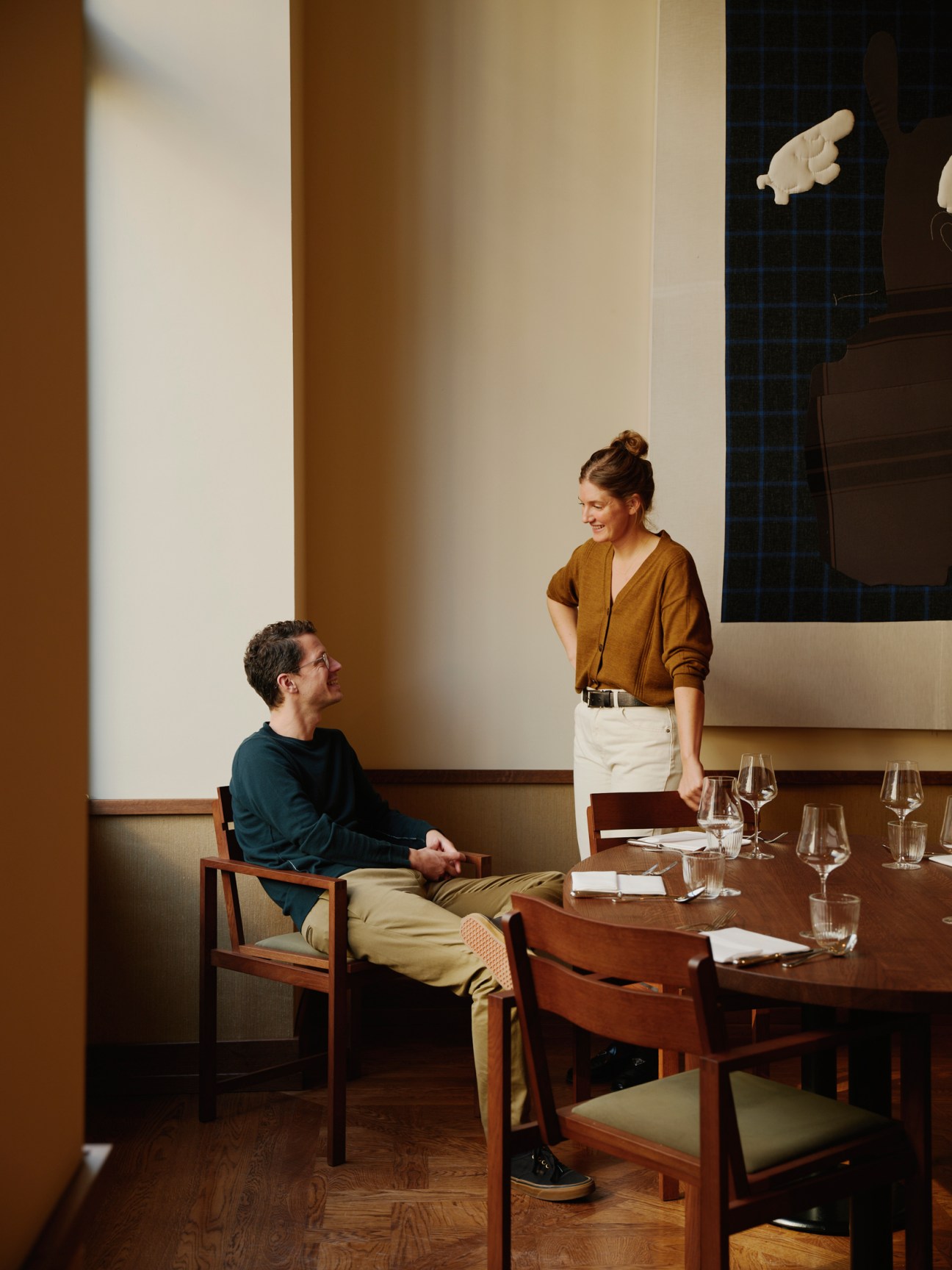
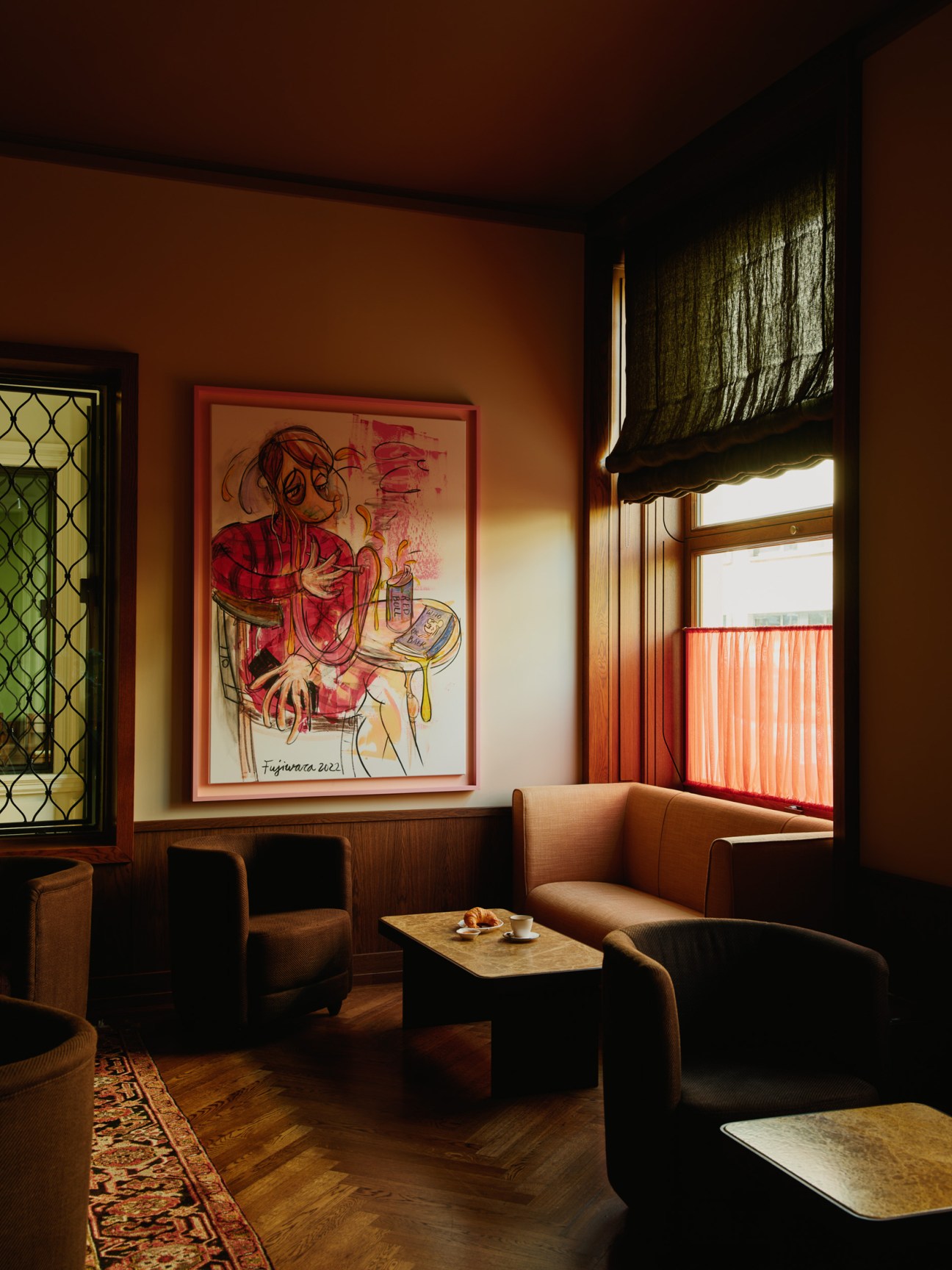
There are more than 100 artworks scattered throughout the hotel, many specially commissioned for Château Royal. “When I’m walking through the premises, I discover new things all the time,” says Estermann as he shows Monocle around. Large-format paintings, sculptures and light installations adorn the public areas, including a bronze ghost by Alicja Kwade on the pavement that peeks into the hotel’s ground-floor cocktail bar and its restaurant, Dóttir.
“Berlin is no longer just a budget-flight destination,” says Estermann. “There are great high-end hotels but the city lacks relaxed and nifty places that are not so stale and stiff – and not part of a chain.” His solution? “It all comes down to one word: hospitality.”
chateauroyalberlin.com
4.
Hotel Special
Aman
New York
Admirers of the Aman brand have been waiting for this opening since the company acquired part of the historic Crown Building on Fifth Avenue in 2017. You’d expect to find a grand entrance on the well-heeled street near Central Park South but Aman is easy to miss. Keep your eyes peeled for the stanchion posts on the sidewalk of 57th and behind them, a bronze façade with two dark glass doors.
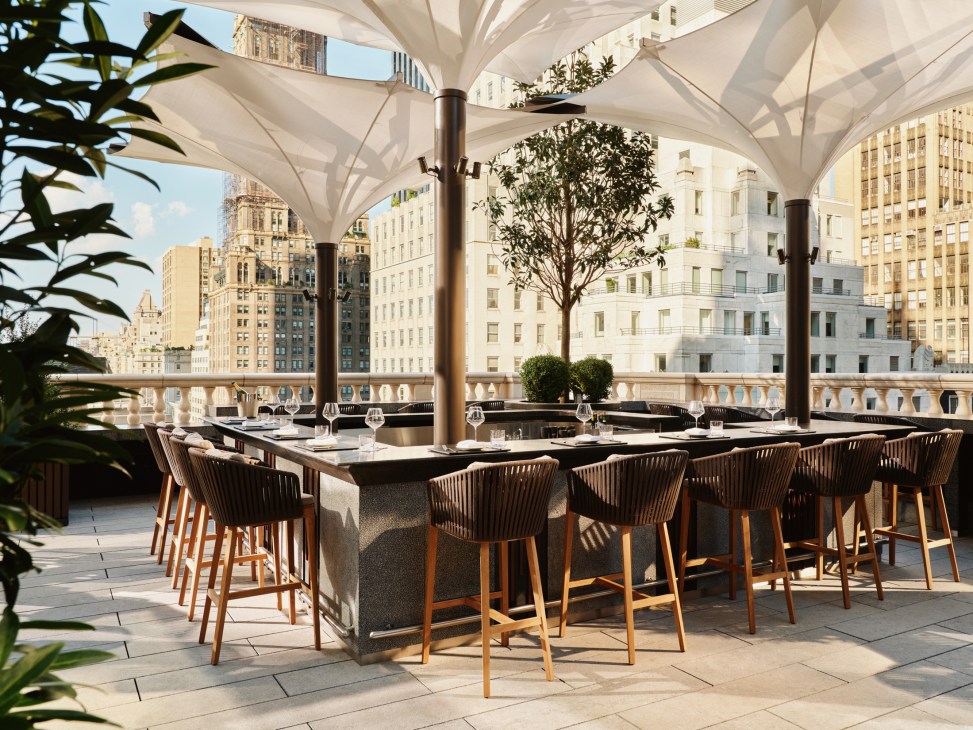

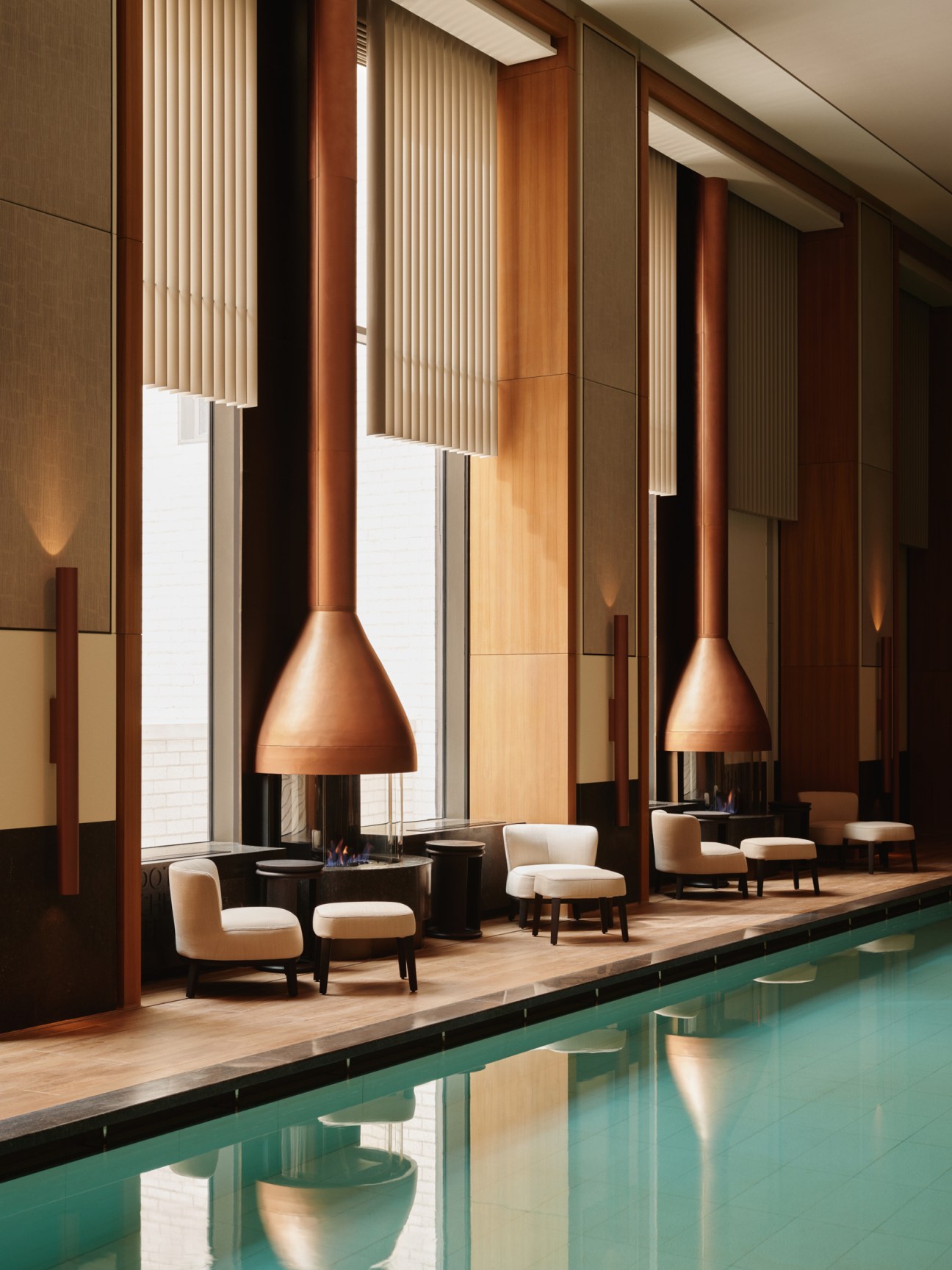
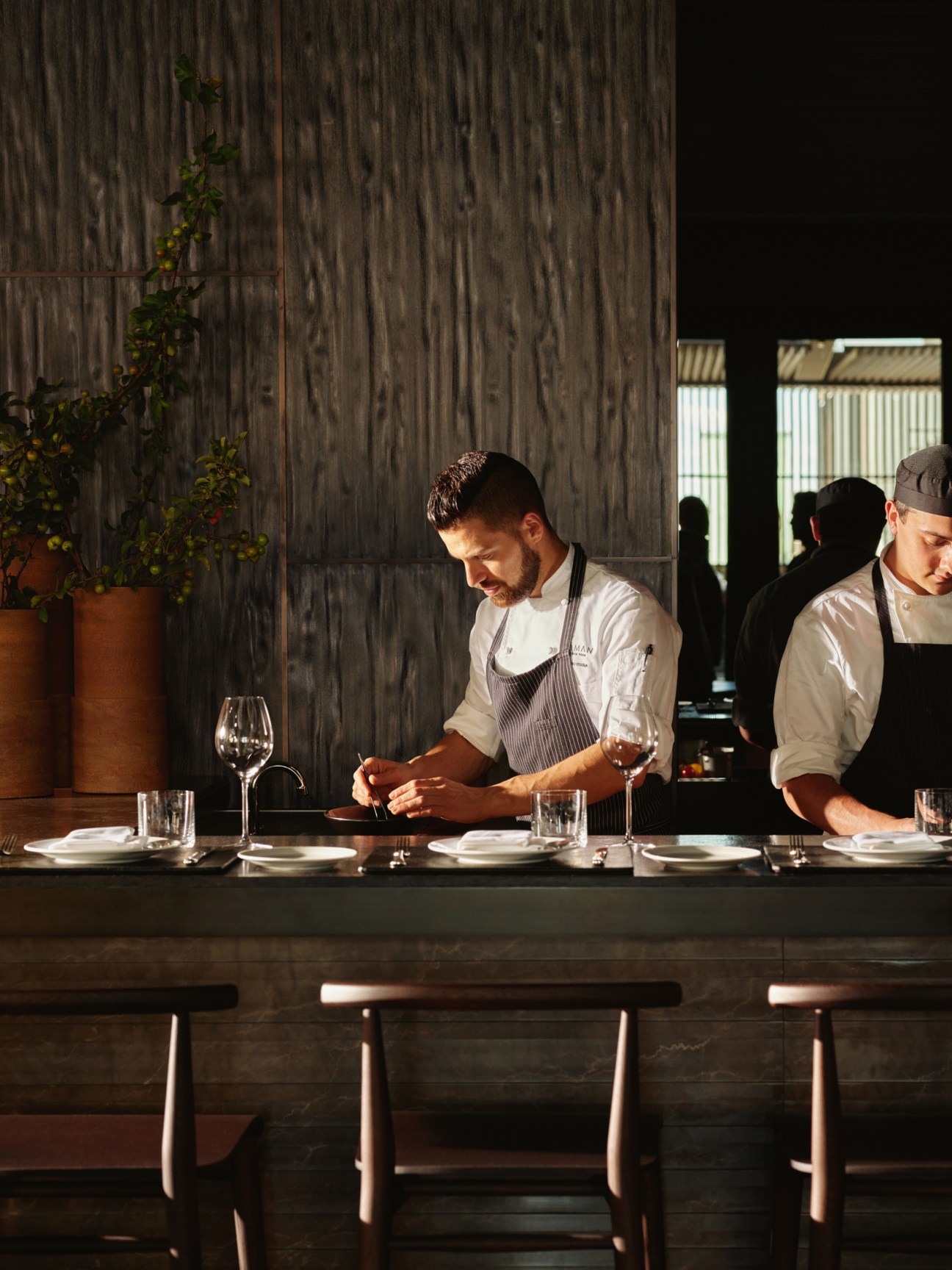
This urban retreat is a discreet, private affair in the vein of the original Amanpuri, which opened in Phuket in 1988. Manhattan, however, is a long way from the Andaman Sea. On entry, you’ll find open fires, water features and an outdoor terrace with vast lounge chairs, bonsai trees and a fountain (though no amount of trickling water can drown out the hooting horns of the Manhattan traffic).
There’s a measure of silence inside though, notably in the 83 suites filled with furniture in muted tones. The large bathrooms have freestanding oval tubs and louvred panel doors that make the rooms feel palatial.
The sense of space throughout is very welcome, especially in tightly packed Manhattan. Working with the confines of the original building, built in 1921, architect Jean-Michel Gathy created double-height ceilings throughout. The atrium and lounge on the 14th floor are presided over by a dangling, knotted auburn sculpture made from paper and bamboo by Peter Gentenaar.
Occupying three floors, the hotel’s spa has a 20-metre pool, a pilates studio and a shop stocking Aman clothes, leather goods and herbs.
For those who want a taste of city life there’s the Jazz Club, a speakeasy. Two restaurants, Arva, an Italian by chef Dario Ossola, and Nama, where omakase-style fine-dining plates are served at wooden tables or along a hinoki wood counter, will tickle most palates.
aman.com
5.
Hotel Special
Aethos Ericeira
Portugal
This Portuguese debut for the London-based brand Aethos opened in September close to the surf town of Ericeira in central Portugal. The 50-key hotel occupies a cliff next to the vast sandy Calada Beach in the quieter village of Encarnação. Benjamin Habbel, co-founder and CEO of Aethos, already has successful sites in Perugia, Milan and Corsica, with private members’ clubs slated for Mallorca and Lisbon.
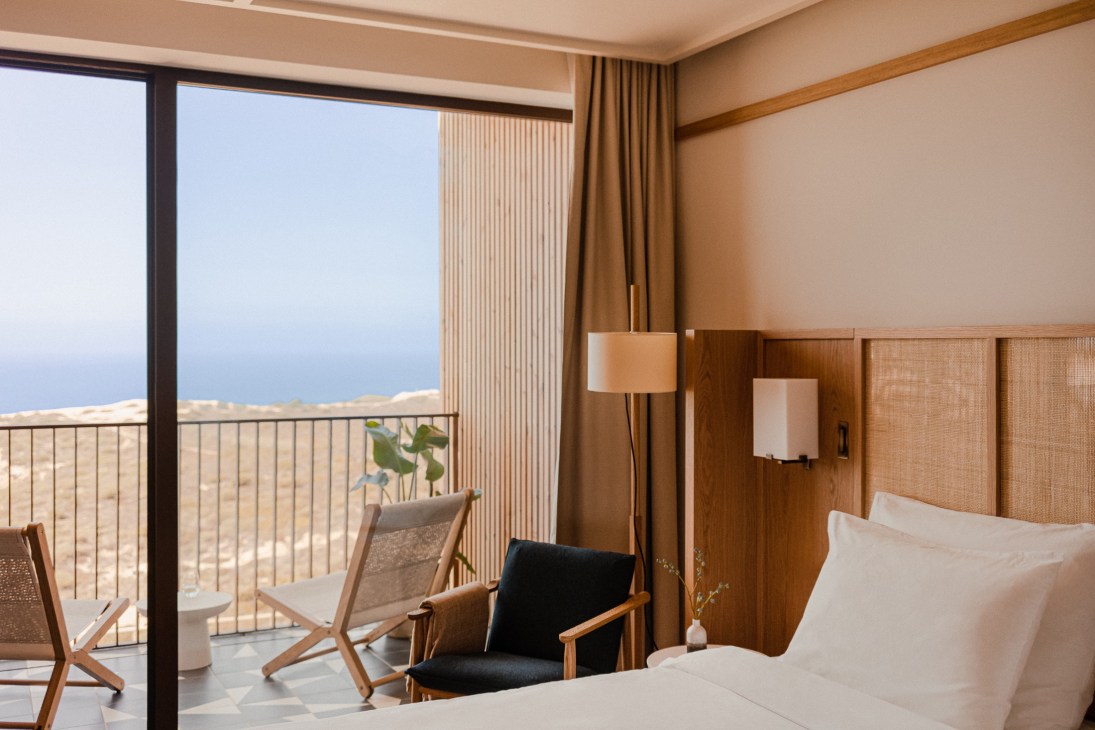
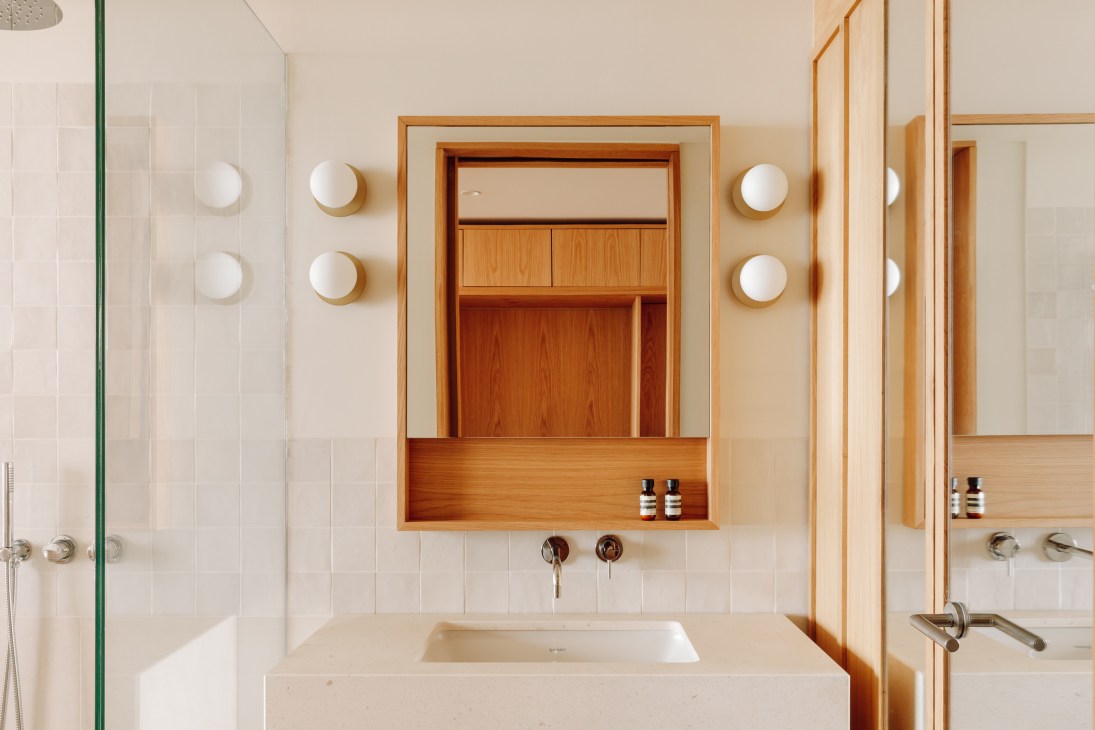
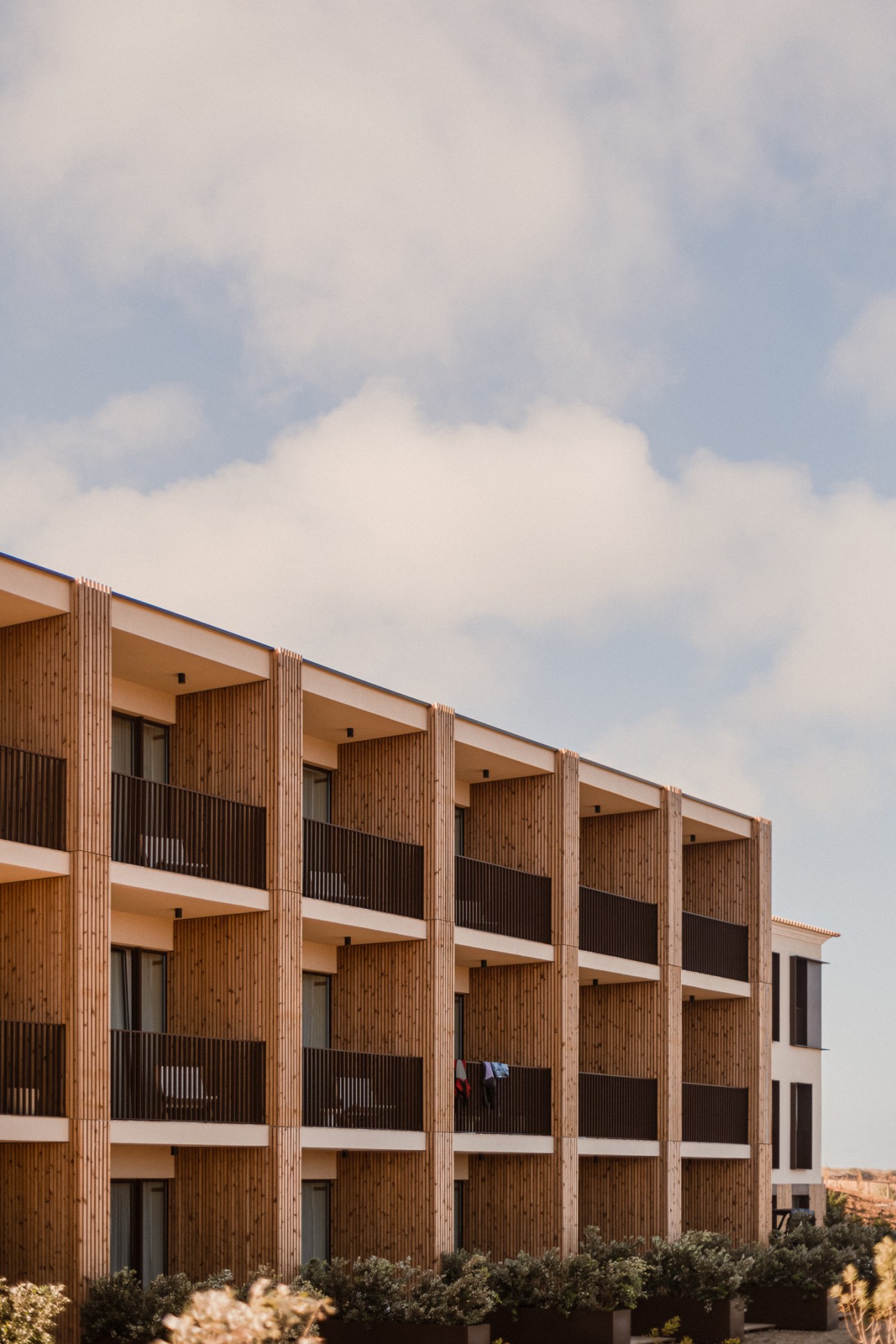
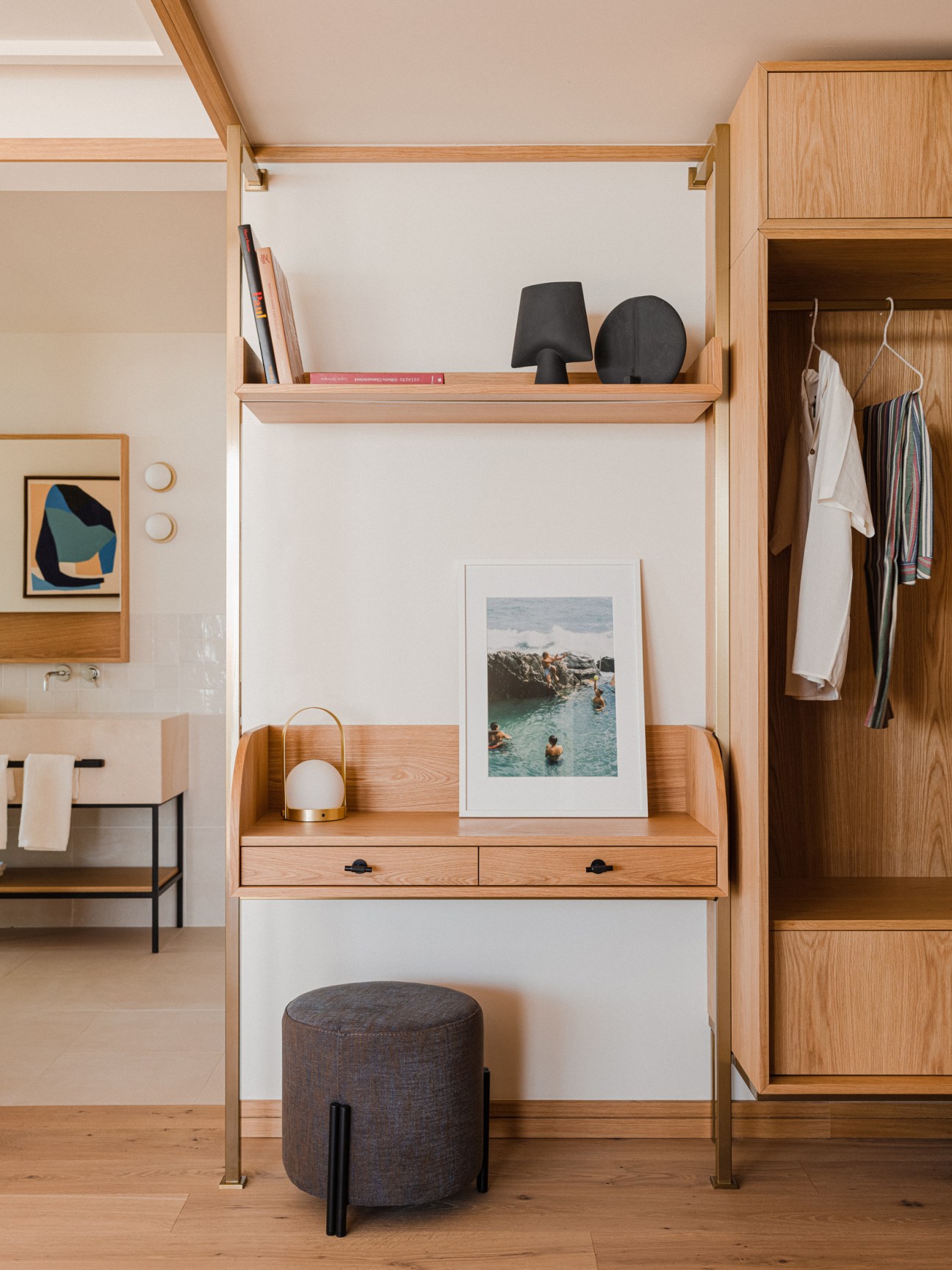

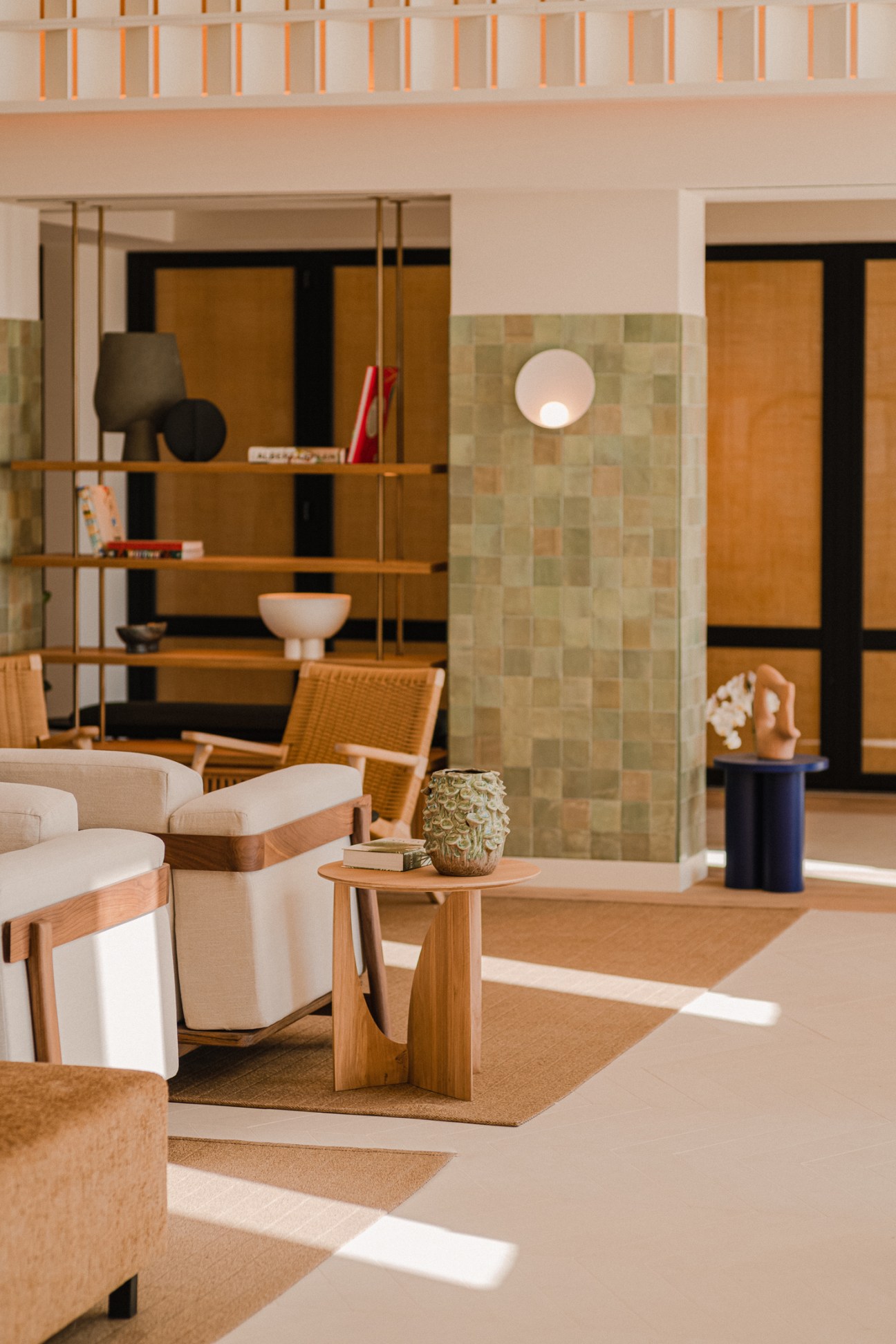
The Ericeira outing was updated by Astet Studio from Barcelona and Portuguese architect Luís Pedra Silva, who revived an old building with a few nautical touches and sandy hues. Its restaurant, Onda, is an excellent choice for fresh-netted seafood served with a view.
aethoshotels.com
6.
Hotel Special
The Standard
Bangkok
Having made its name in the US and Europe, The Standard is now looking to Asia. Recent launches in the Maldives and the Thai beach resort of Hua Hin have paved the way for its biggest statement yet in the heart of Bangkok.
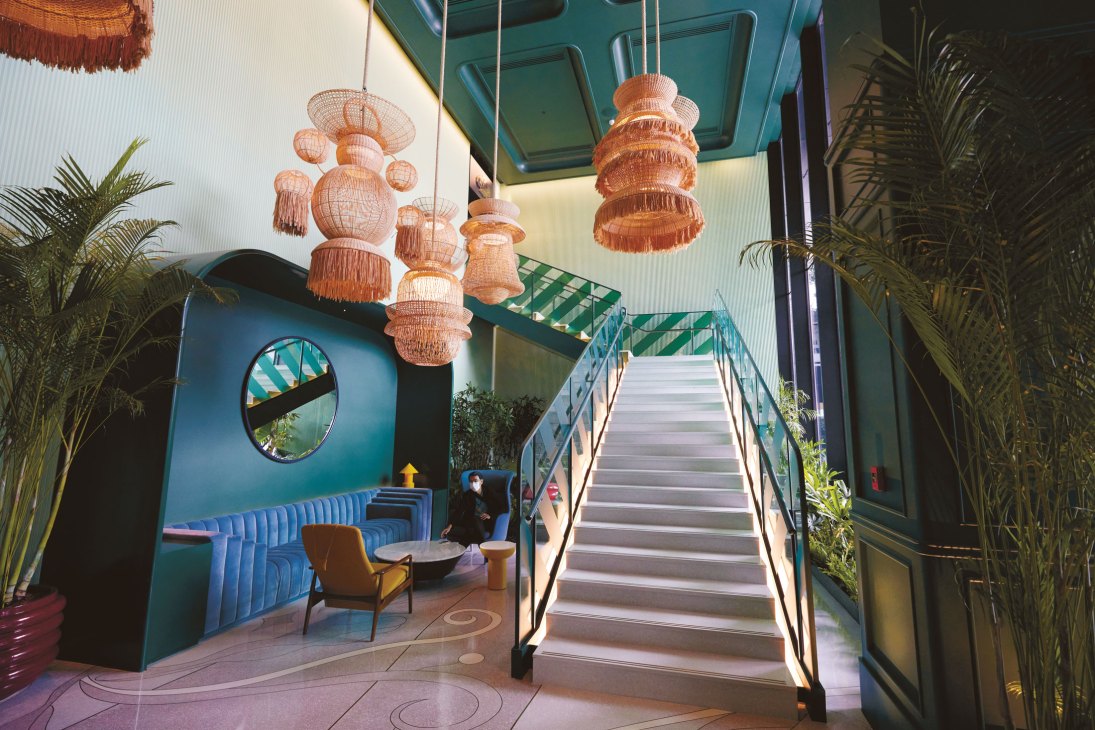
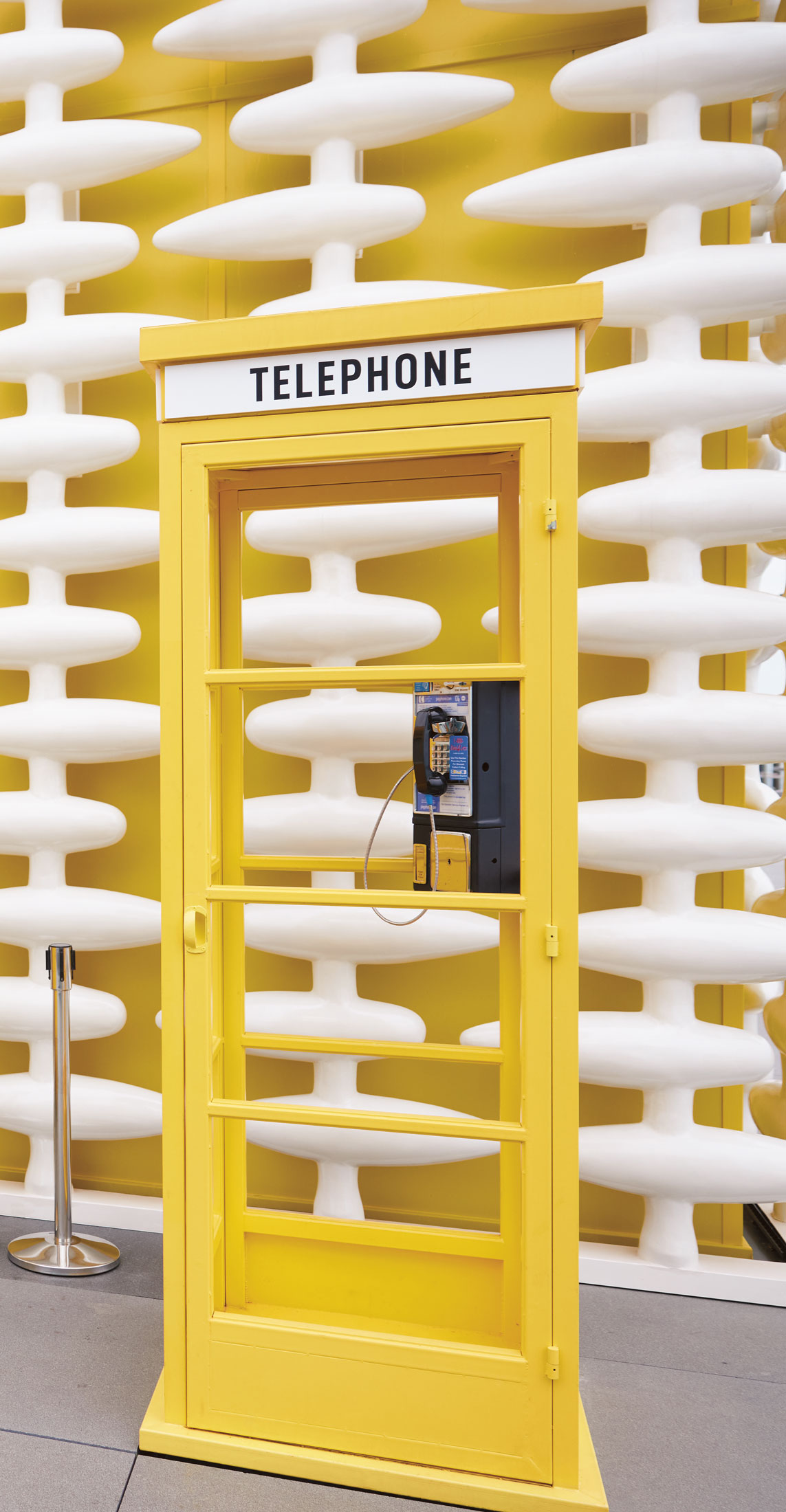
The Thai capital’s bustle is familiar to Amar Lalvani, executive chairman of Standard International, who lived here in the late 1990s. This latest project is a 155-room flagship in one of Bangkok’s tallest buildings. In the lobby, guests will find oversized lampshades before being invited to unwind at a fantastical, Vienna-inspired teahouse.
The Standard is the brand’s third property in Asia. Its opening also marks four years since Thai firm Sansiri (also an investor in Monocle) took a controlling stake in the company. Properties in Singapore and Melbourne are set to follow. “Before the pandemic, Bangkok was the most visited city in the world and we fully expect it to be on top again,” says Lalvani. “It’s too great not to be. And we’re thrilled to be part of its comeback.”
It’s also something of a comeback for the King Power Mahanakhon, an ill-fated skyscraper in Sathorn-Silom, Bangkok’s CBD. Two other international hotel brands tried (and failed) to open in the same space. Lalvani signed on the dotted line just before the pandemic paralysed travel, forcing his New York-based team to design much of the hotel remotely. Chief design officer Verena Haller tapped Jaime Hayon, an artist and designer based in Spain. “It was clear that we needed somebody with whom we were in sync, who we could work with at speed and who has a lot of talent,” says Haller. While the rooms look distinctly Standard (with rust-coloured tweeds and soft toffee-coloured tables), Hayon’s playfulness shines through.
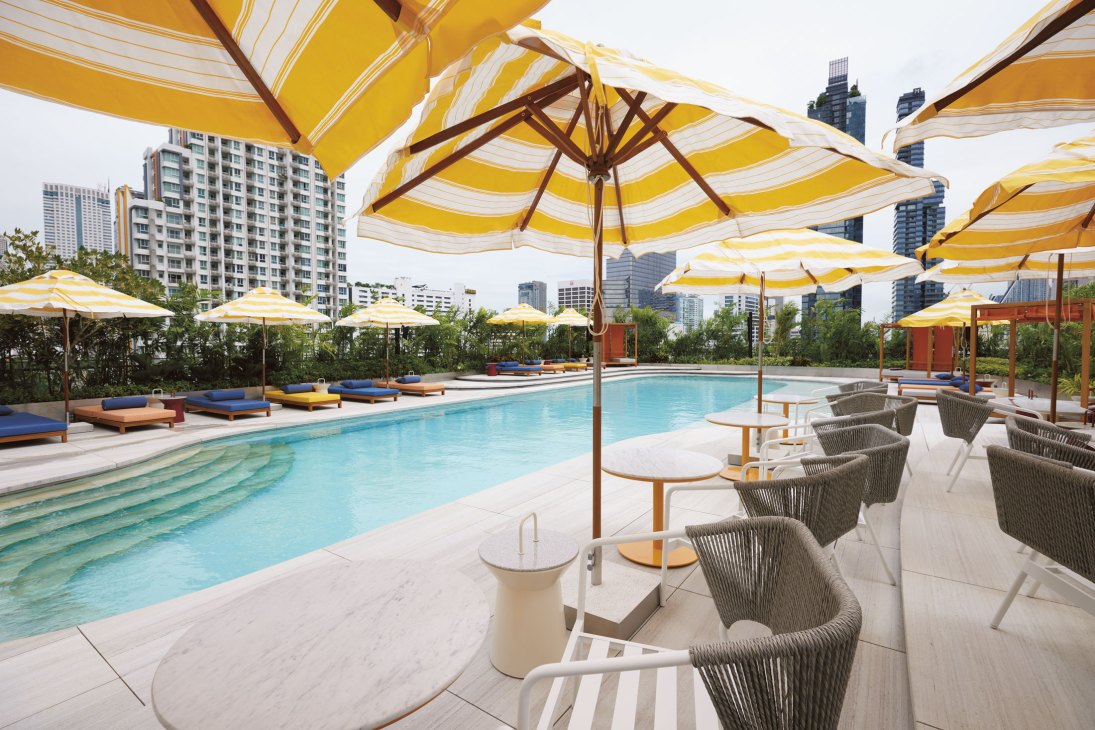
Dining options include Mott 32, a Cantonese fine-dining import from Hong Kong and The Standard Grill, a classic steakhouse brought over from The Standard High Line in New York. The Parlor is a communal space in the lobby for parties, live music and lectures, while the hotel has transformed King Power Mahanakhon’s sky bar, into Mexican restaurant Ojo Bangkok.
standardhotels.com
7.
Hotel Special
Ace Hotel Toronto
Toronto
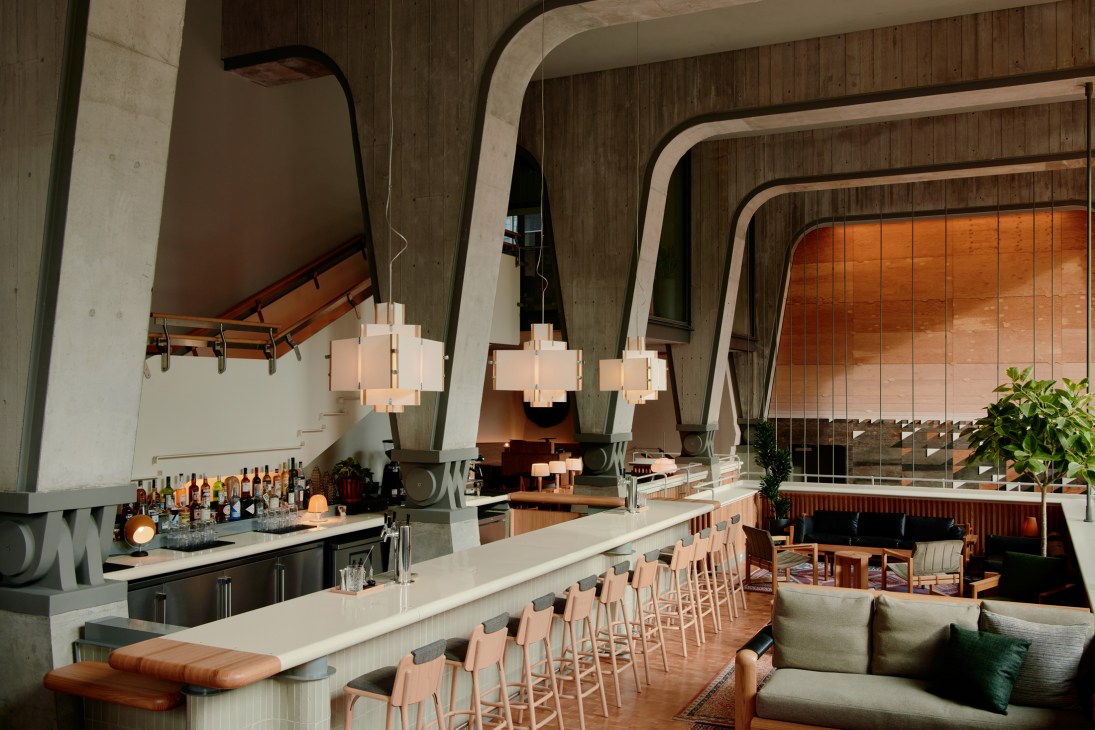
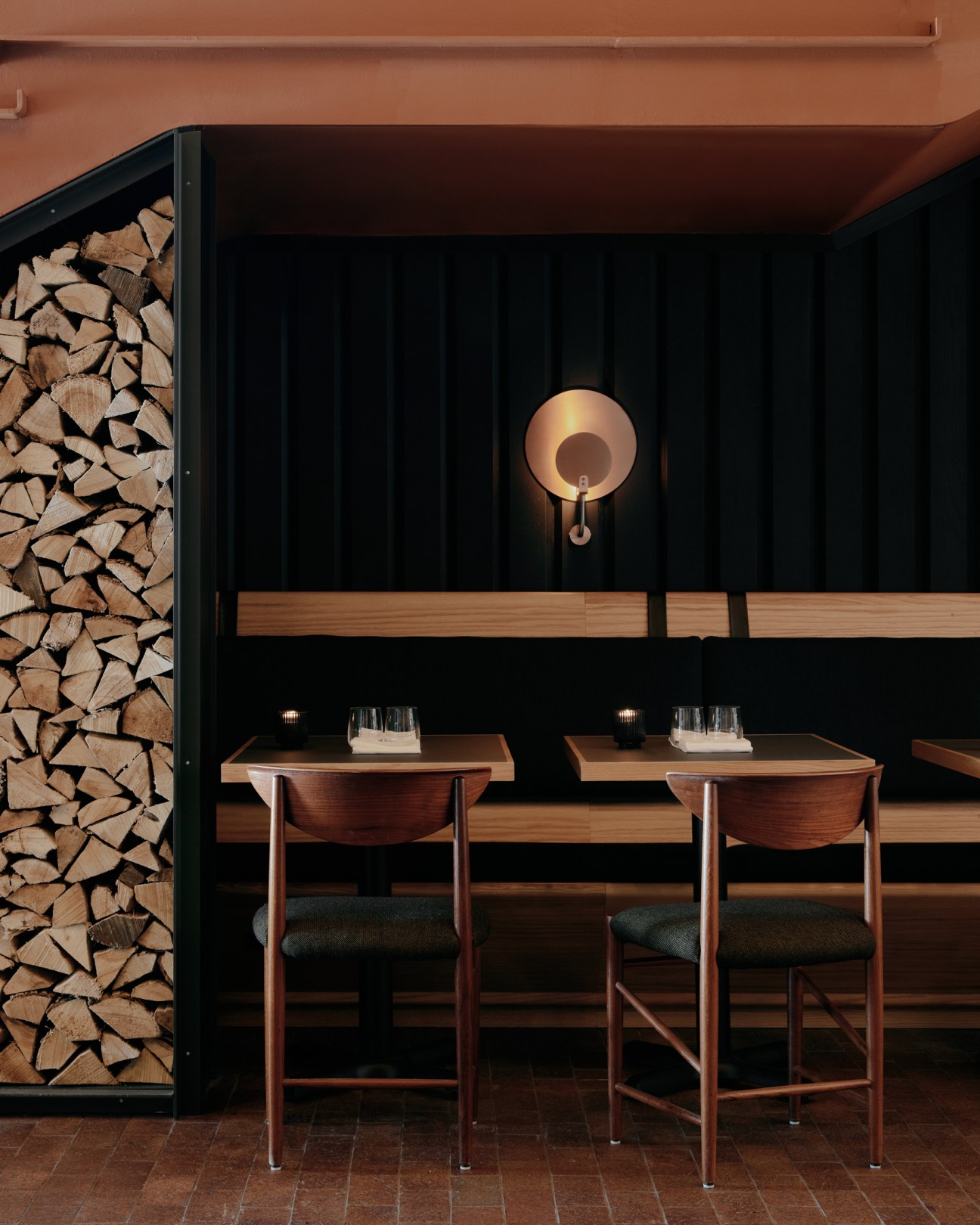
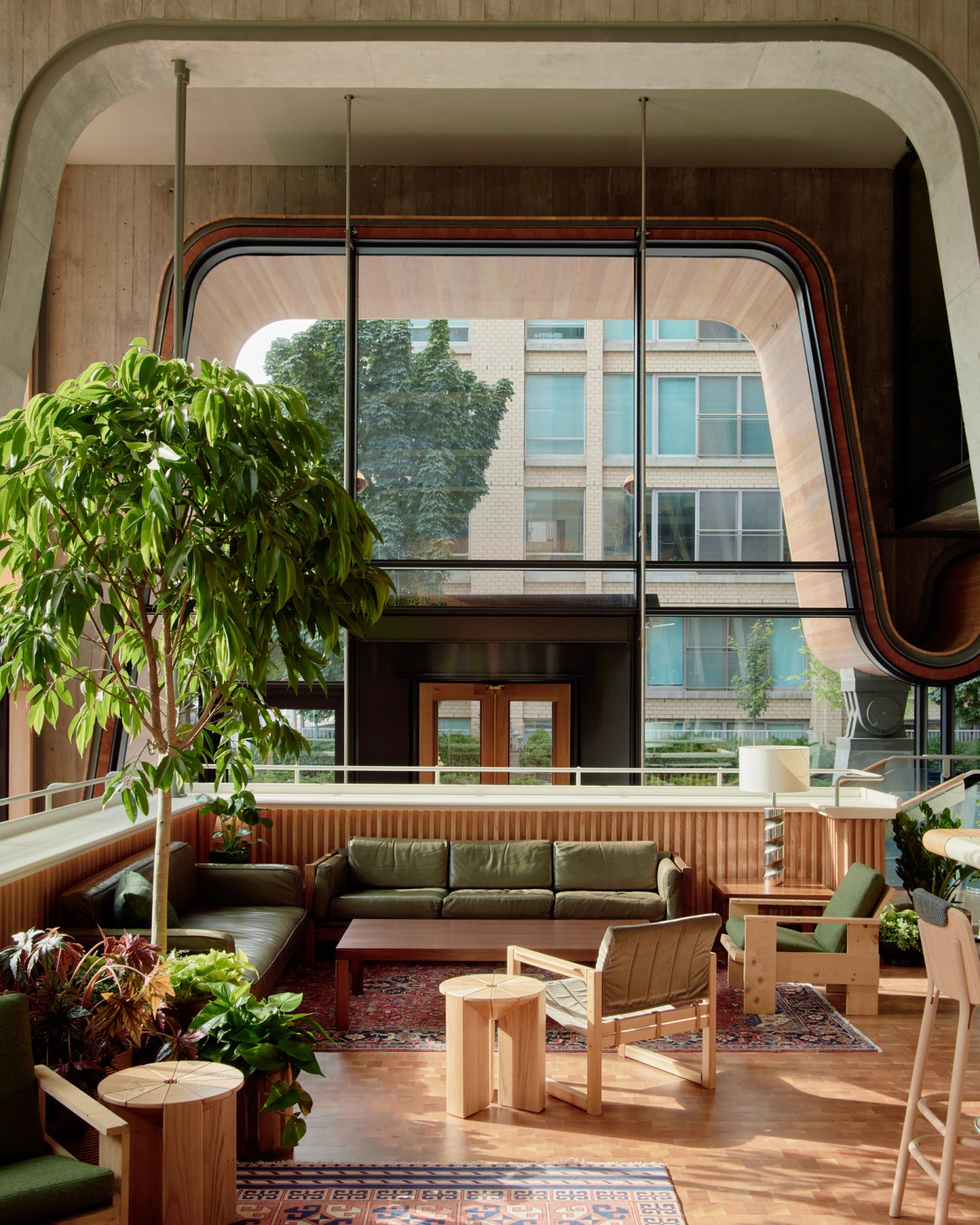
Rising above downtown Toronto’s former garment district, Ace’s first Canadian outpost opened its doors this summer. Designed by Toronto-based Shim-Sutcliffe Architects, the new building is a handsome and sensitive addition to the area which, until recently, lacked the variety you might expect in a major city. Clad in burgundy-coloured brick (a reference to the neighbourhood’s former industry) the hotel has lots of clever nods to its location. The vinyl collections in some of the 123 rooms, designed by Atelier Ace and Shim-Sutcliffe, are curated by Canadian music label Arts and Crafts. The wine served at the Lobby Bar and the excellent Alder restaurant – both set in the hotel’s atrium – include varieties from the Niagara-based winery Pearl Morissette. Cheers to that.
acehotel.com
8.
Hotel Special
Rosalie
Paris
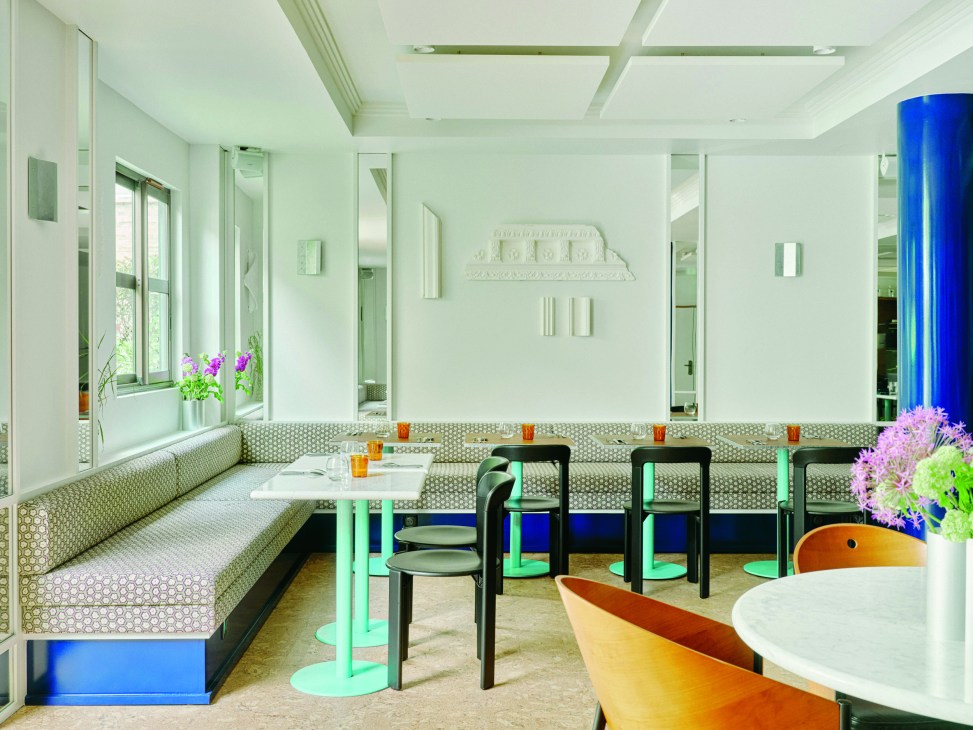
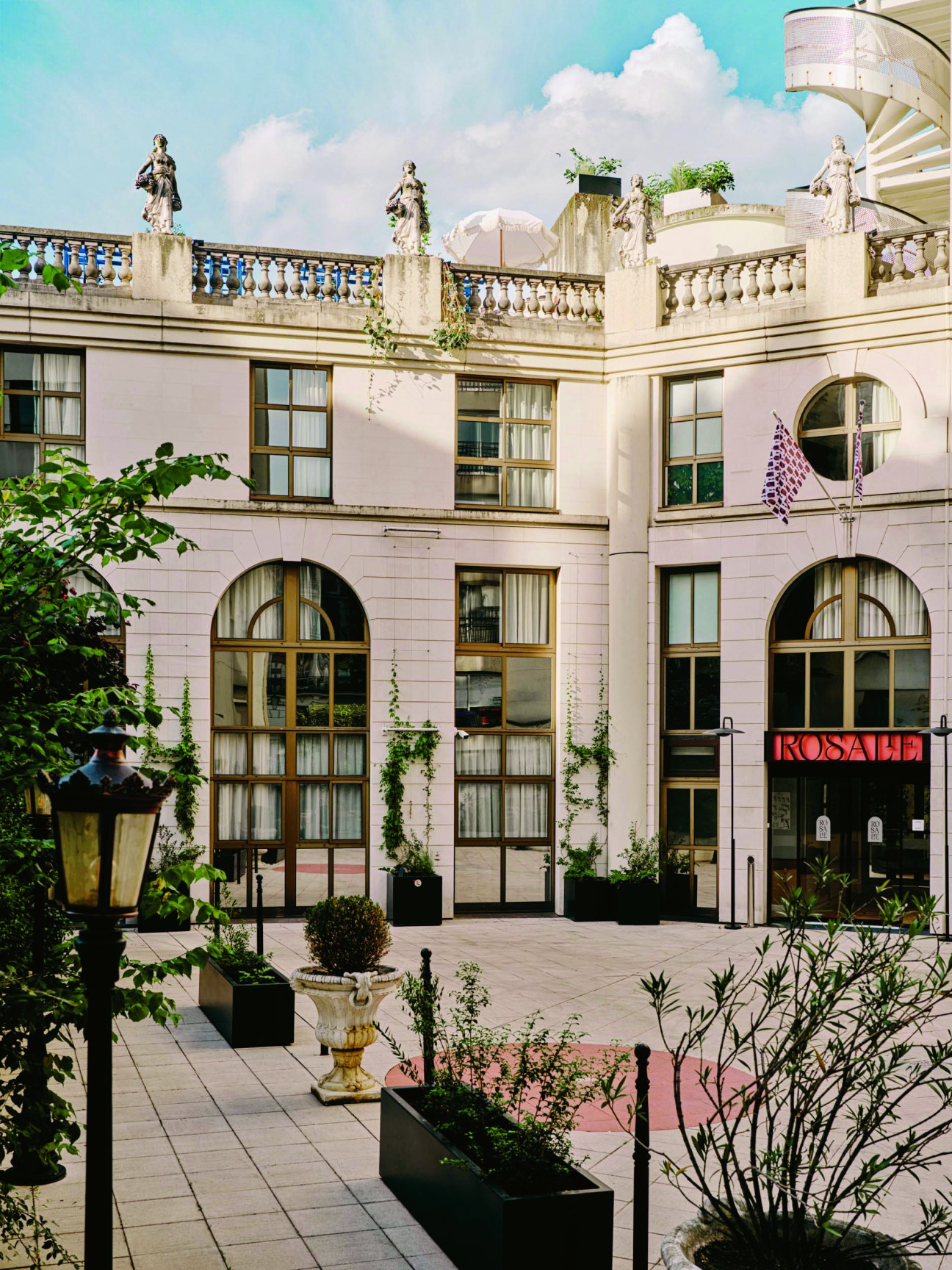
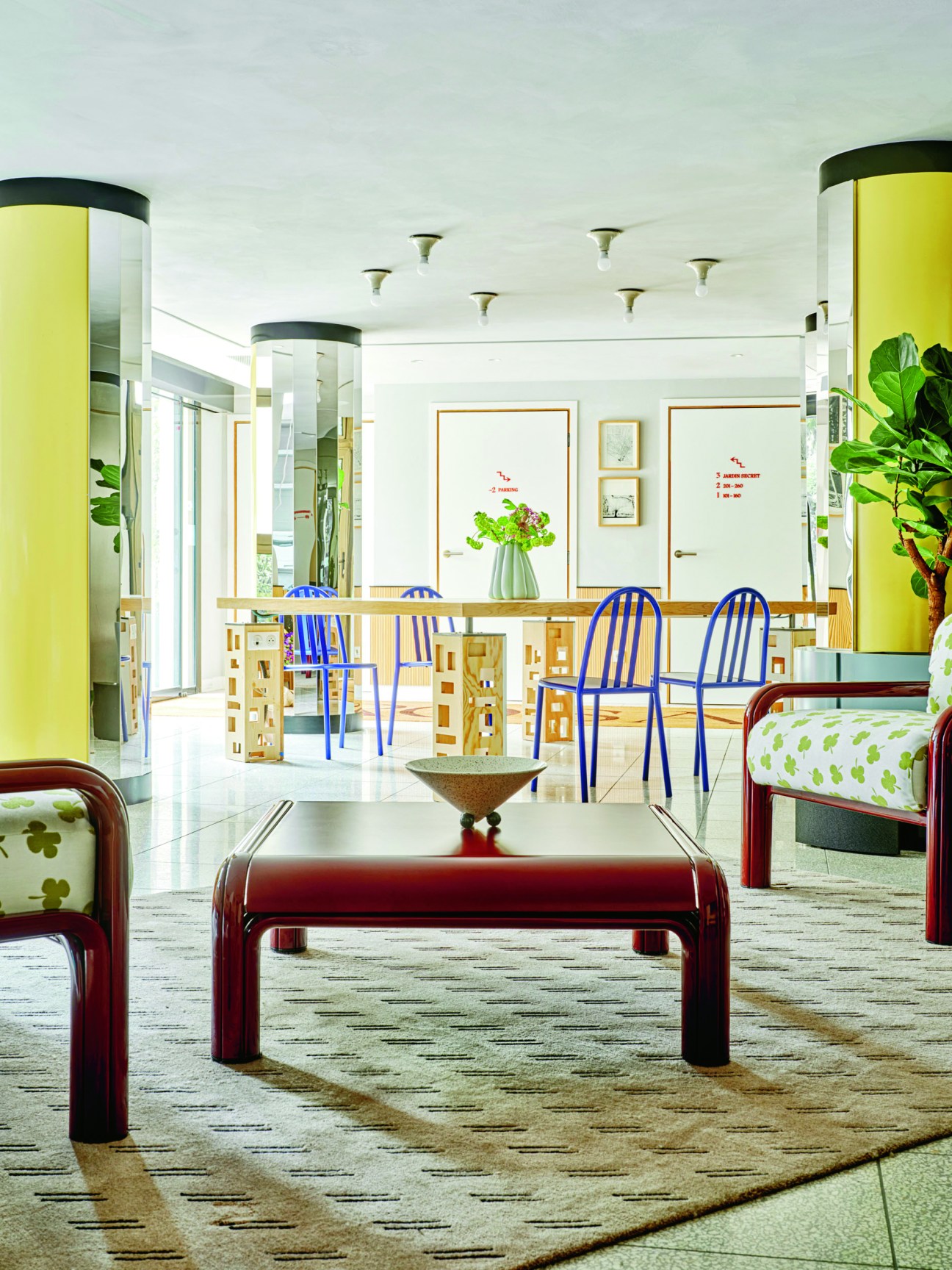
“It’s important to create hotels with a sense of place,” says Joris Bruneel, motioning to the mirrored building containing Rosalie, a former Mercure hotel that was updated by designer Marion Mailaender, who looked to Eileen Gray, Le Corbusier and William Morris for inspiration. “I wanted everything to be made here,” says Bruneel, while sipping coffee roasted at nearby Brûlerie des Gobelins. Breakfast is served on a leafy patio and there is yoga on the terrace.
hotel-rosalie.com
9.
Hotel Special
Casa To, Puerto Escondido
Mexico
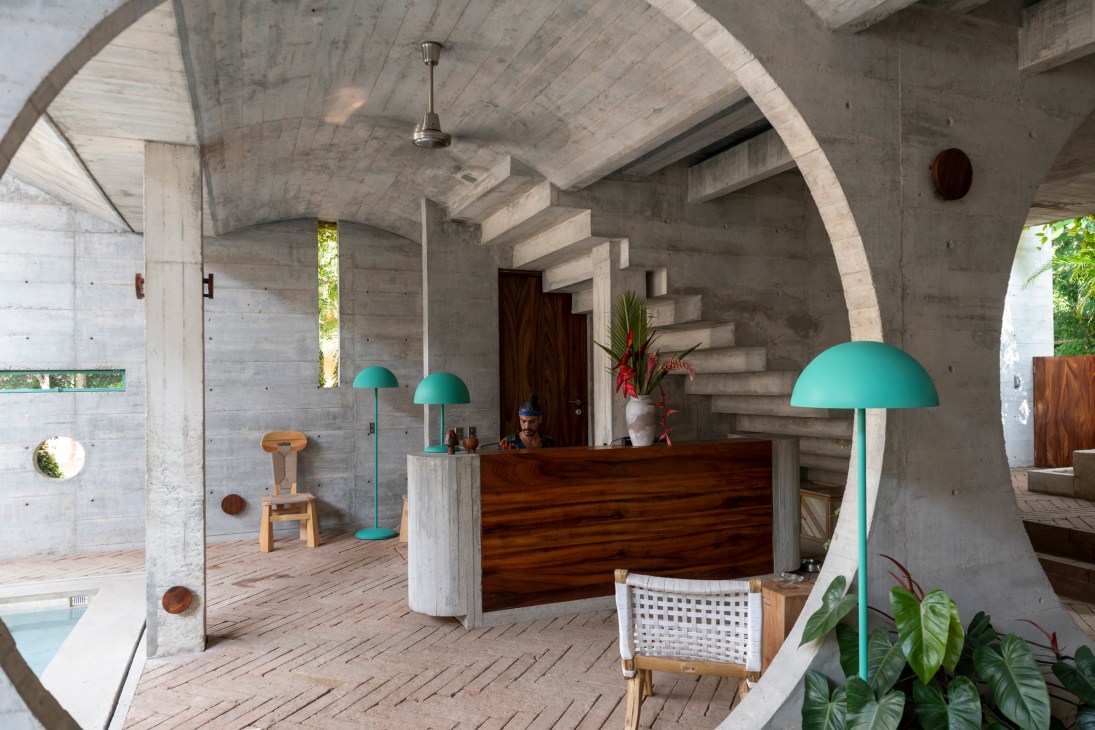
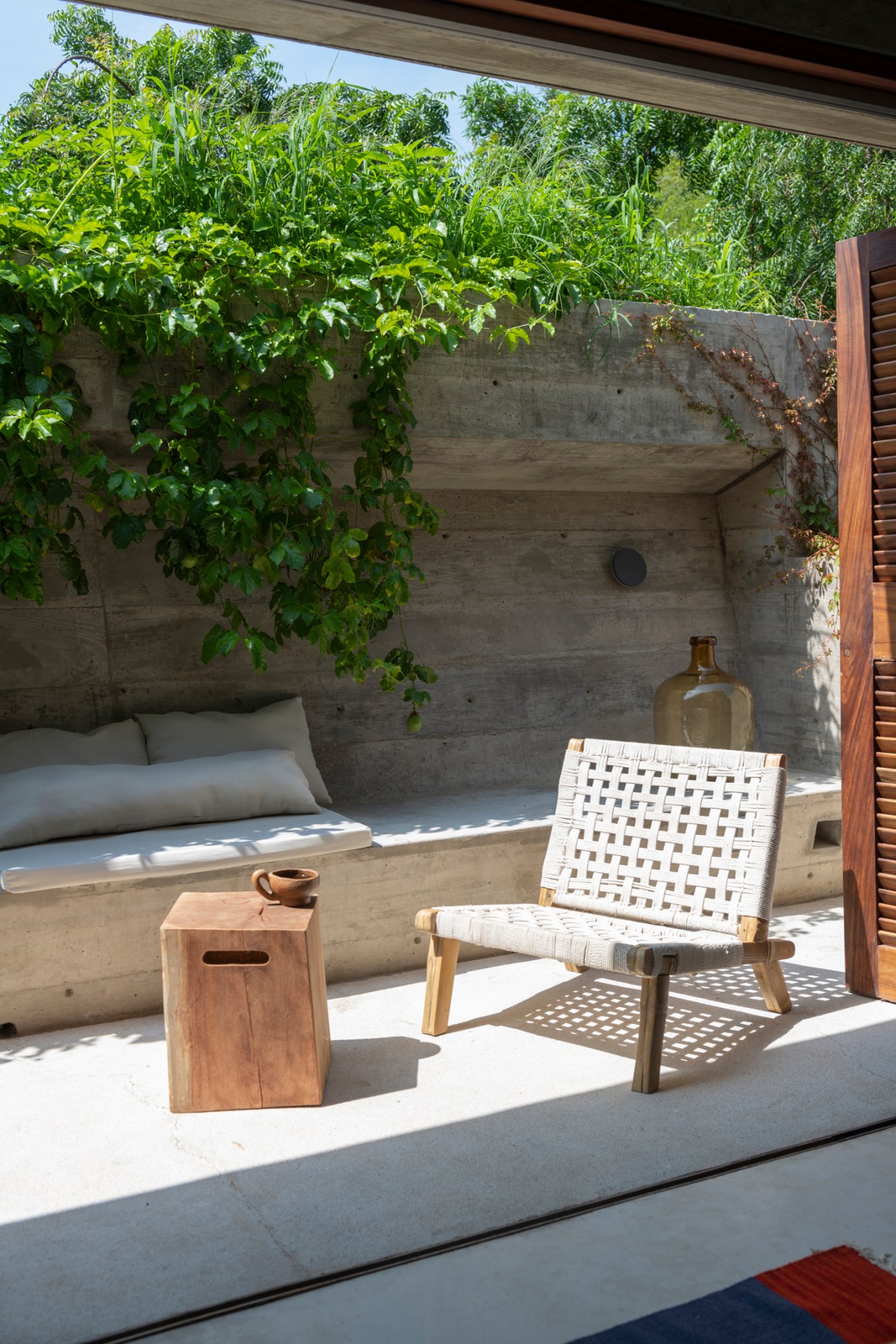
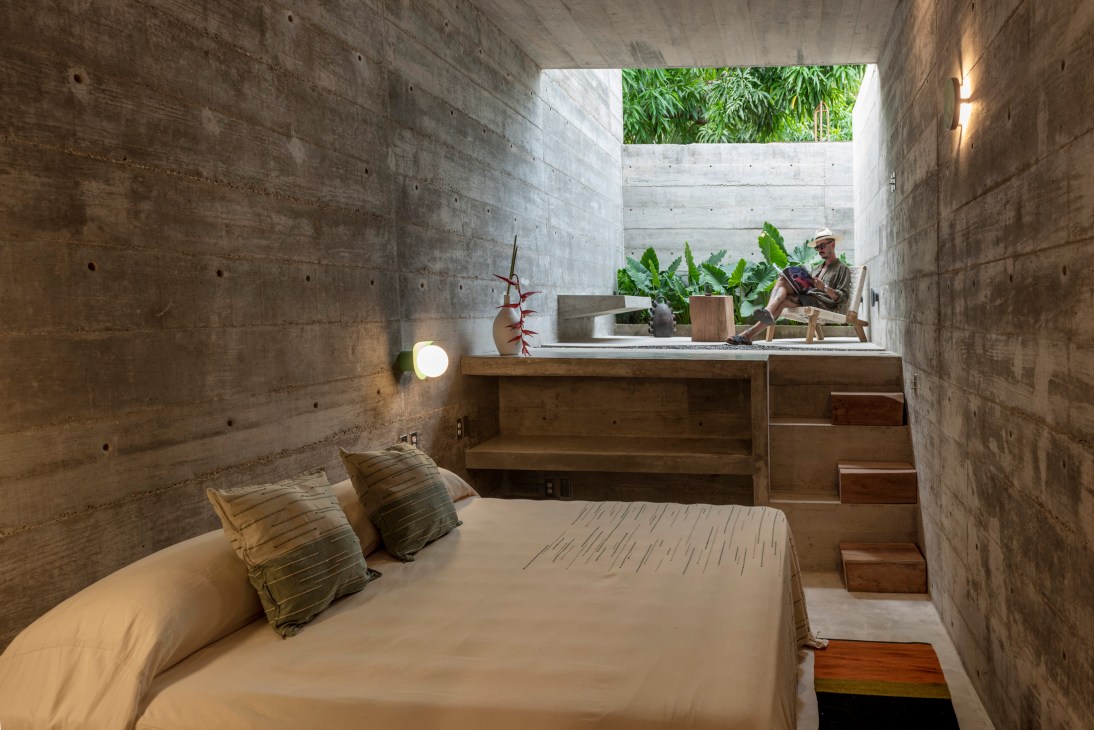
Anyone still in doubt of Puerto Escondido’s credentials must have missed Monocle’s report in issue 148. Since we last visited, Casa To has come to fruition. This nine-suite property features concrete portholes that offer privacy but also plenty of natural light and a breeze during the balmier months. The ground-floor suites have gardens and terraced solariums, while the interiors include lamps by Natural Urbano and crafts from Guadalajara and Oaxaca. Although there’s no restaurant, the hotel is a short amble to a town that is brimming with new openings. Try Kakurega Omakase for a clever take on Japanese fare and finish with a drink at Cobarde.
casato.mx
10.
Hotel Special
Spatia Comporta, Comporta
Portugal
In Comporta, at the northern end of Portugal’s wild Costa Vicentina along the Atlantic Coast, room – and guest rooms – are in abundance. The Spatia Comporta resort is blissfully close to 1km of unspoiled beach and plentiful cork oaks and pines of the nearby Arrábida hills.
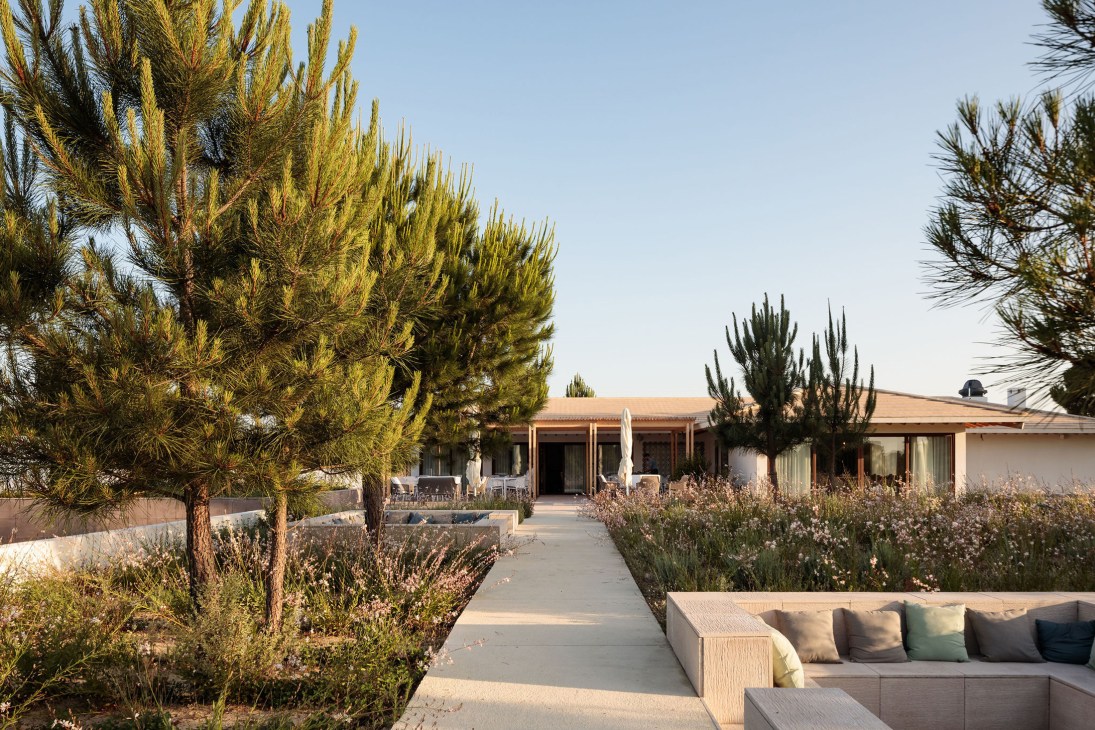
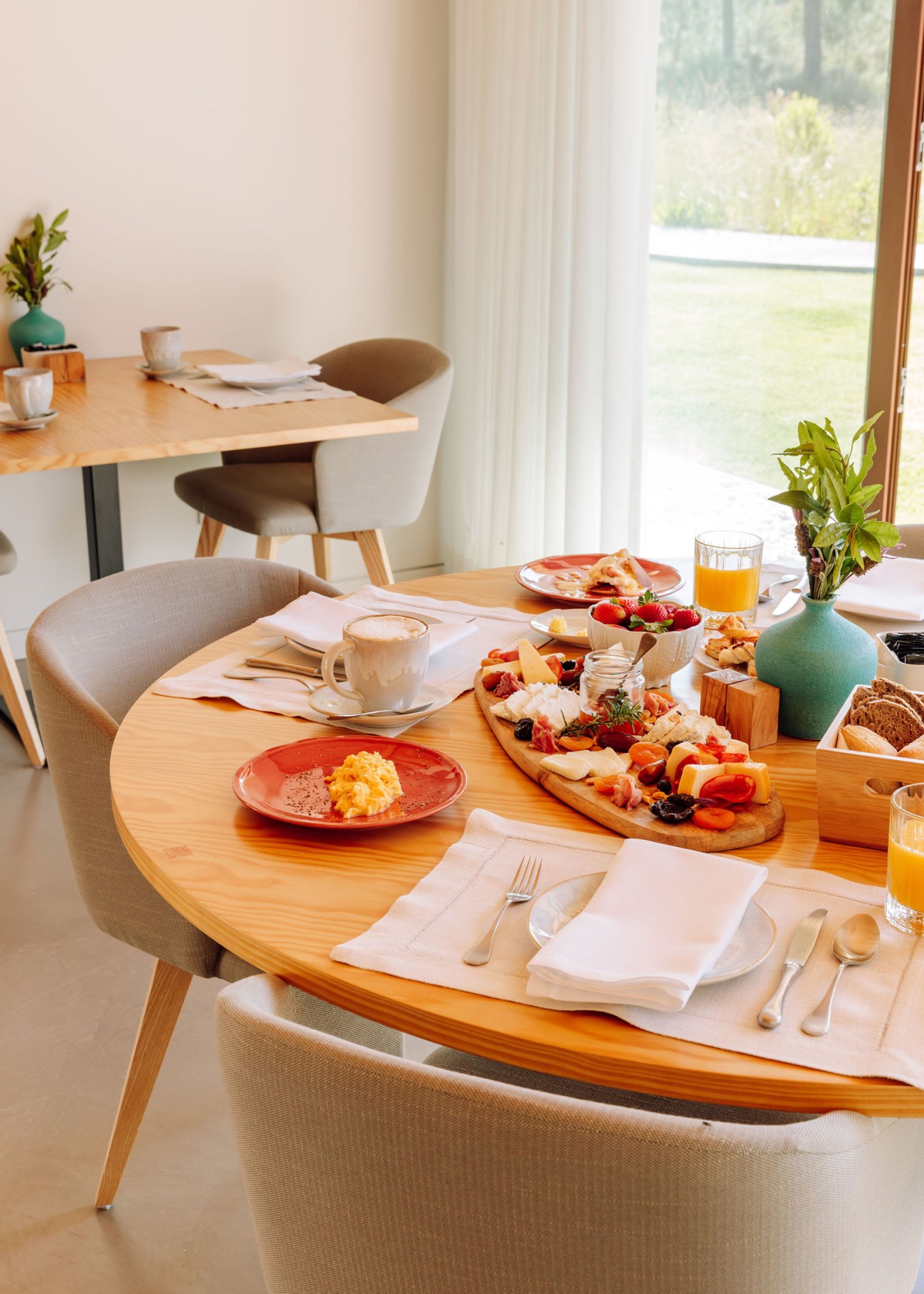
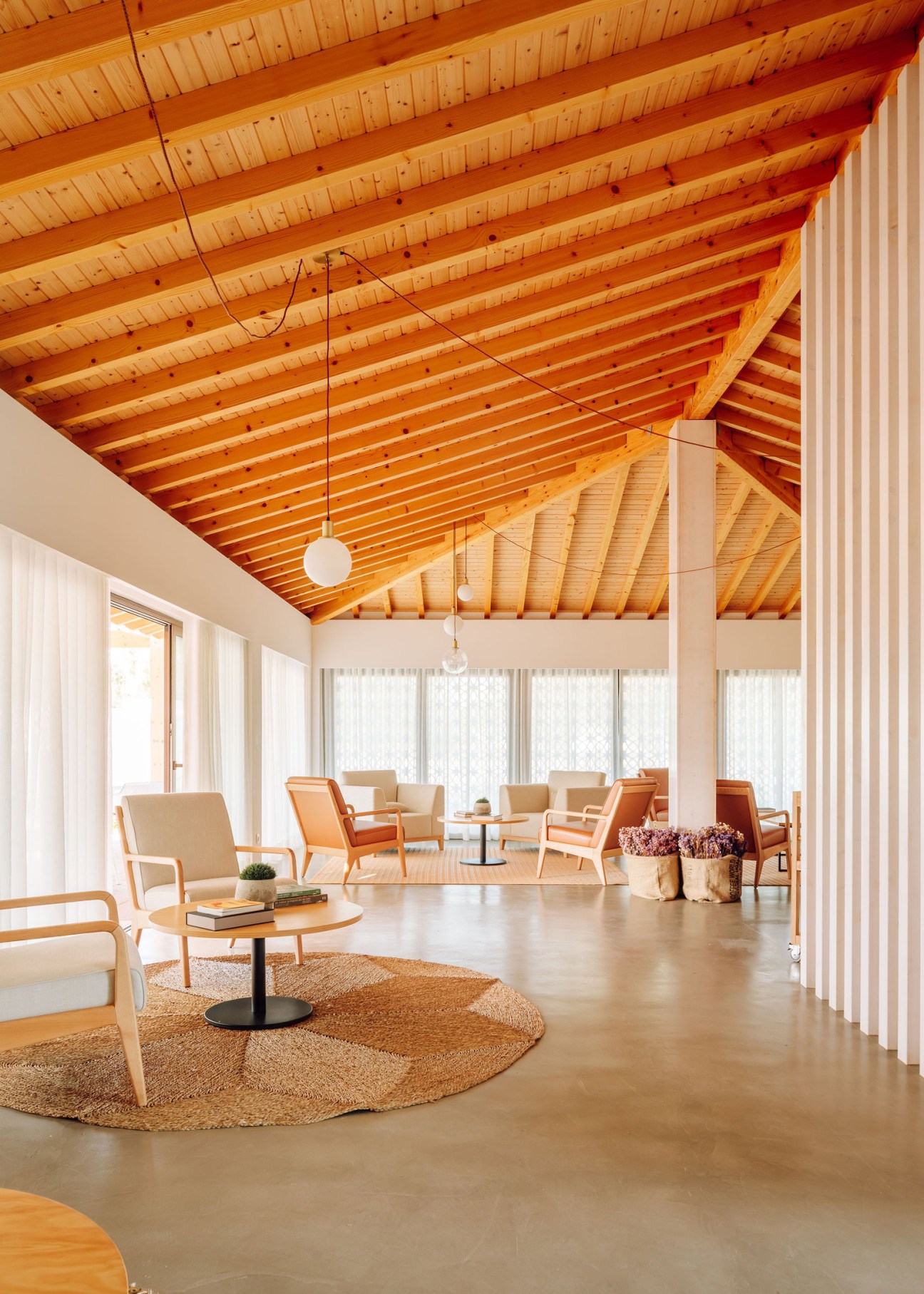
Just a short drive from Lisbon, these smartly designed and discreet villas offer a secluded stay in spaces filled with natural materials and soft Iberian light. For the socially minded, there is the Nesto restaurant in the resort, along with two shared swimming pools and a clubhouse. For the privately inclined, there are options to cook or organise private catering. Space to explore, yes. Room for improvement? Very little.
spatiacomporta.com
Images: Przemystaw Nieciecki, Francisco Nogueira, Robert Reiger, Christopher Coenon
Meet the family
Nic Monisse
Deputy Design Editor
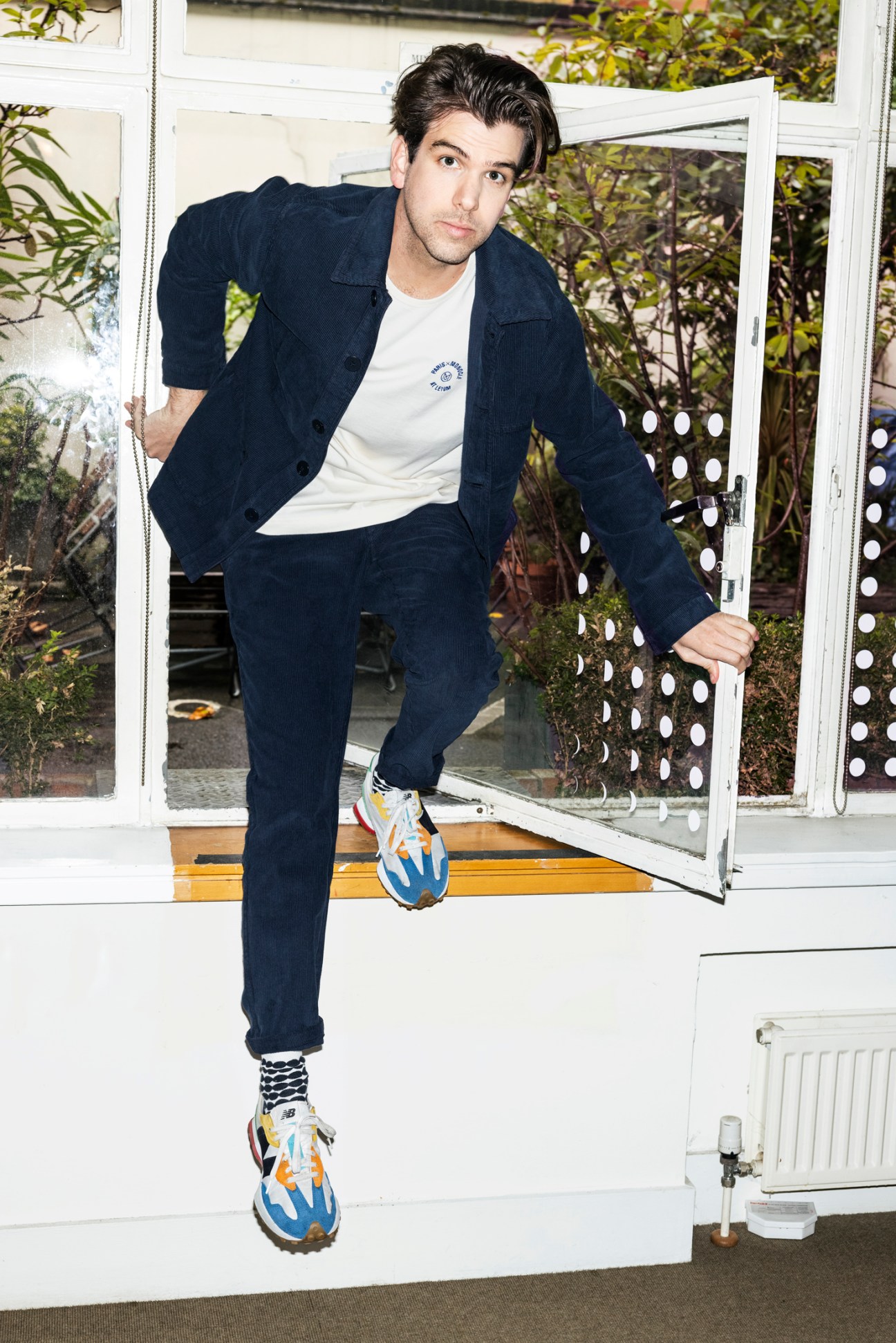
Baptista cord overshirt
€220
Looking to fishermen for inspiration, Portuguese brand La Paz has long understood the benefits of a seafaring way of life. This clean-cut utility jacket is a great trans-seasonal layering piece. Crafted from cotton corduroy, it is soft, light and durable, with a front fastening of Corozo buttons, classic collar and three functional front pockets.
Material: Cotton.
Colour: Navy.
Made in: Portugal.
Kyoko Tamoto
Fashion Markets Editor
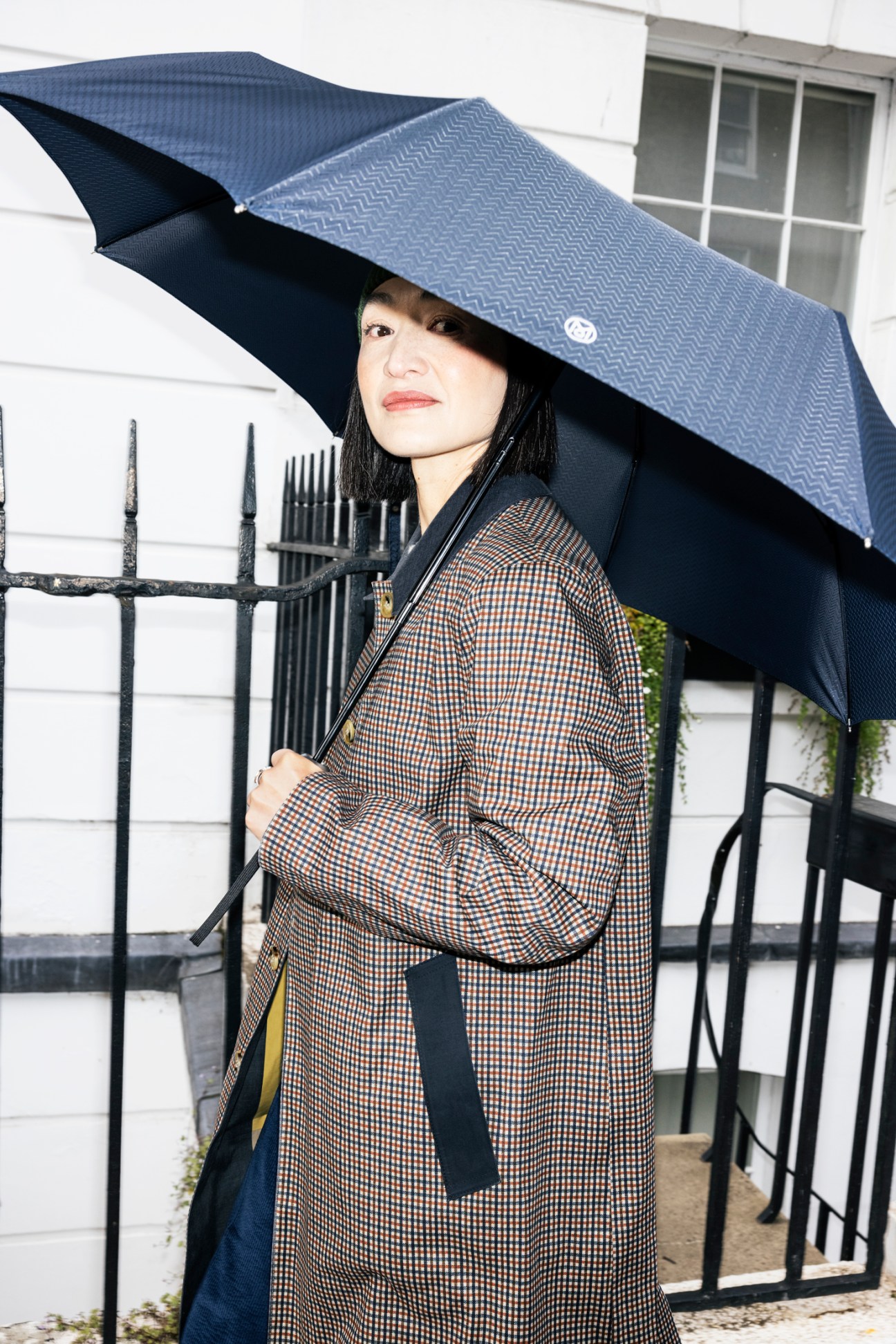
Carbon-steel umbrella
€160
Too many people skimp on umbrellas – at their peril; clutching onto a flimsy brolly that has been turned inside out by a gust of wind is nobody’s idea of a good time. When the heavens open, you want a Doppler. The firm’s wares are made using methods refined over 75 years. Our collaboration boasts a carbon-steel frame and automated open-close function.
Material: Carbon-steel and polyester.
Colour: Blue.
Made in: Austria.
Emma Croft
Creative Solutions Project Manager
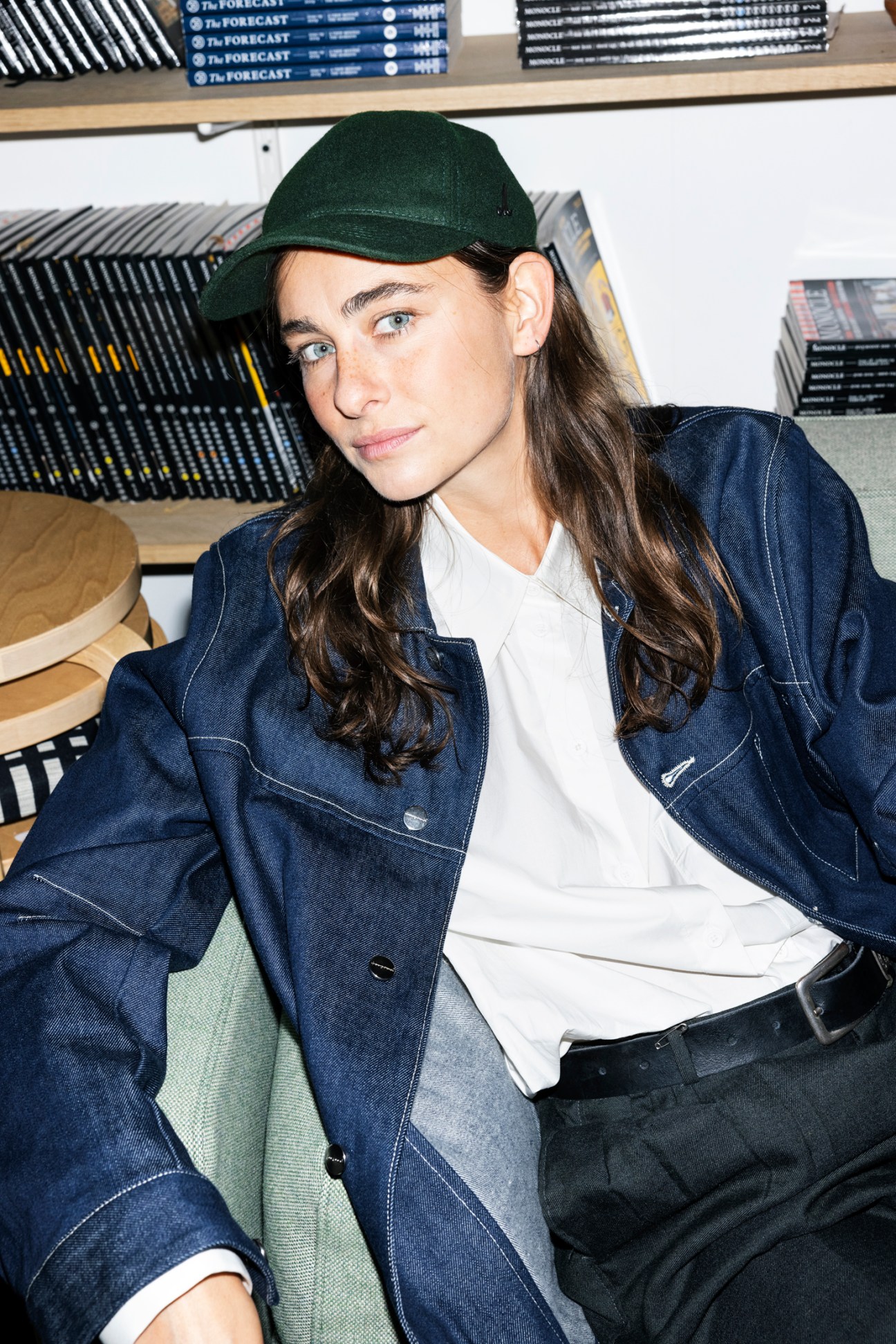
Mühlbauer Loden cap
€110
Adding contemporary know-how to 117 years of expertise, renowned Viennese brand Mühlbauer has created a packable woollen rain hat. This robust cap is perfect for colder days. An ideal accessory for walks in the countryside, playing a round of golf or even masking a bad hair day, the cap’s classic tones are guaranteed to match any outfit.
Material: Wool.
Colour: Navy.
Made in: Czech Republic.
Niall Flynn
Global Partnerships Editor
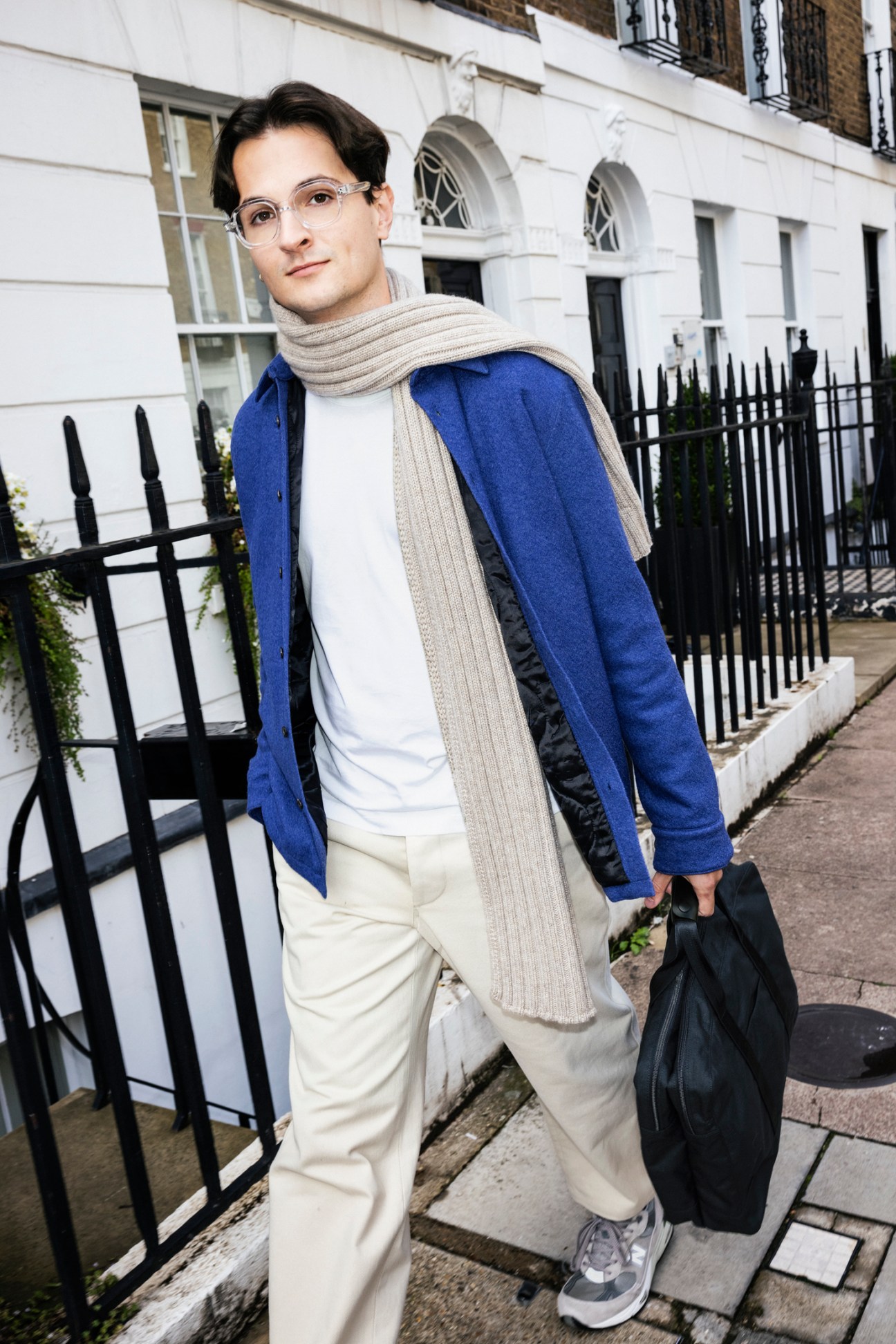
Monocle chunky ribbed cashmere scarf
€325
There’s little worse than a naked neck on a frosty day. This ribbed, pure cashmere scarf is sewn in Scotland. Its extra-wide dimensions allow it to envelop your body when the mercury takes a dive.
Material: Cashmere.
Colour: Beige.
Made in: The UK.
Jack Simpson
Editorial Assistant
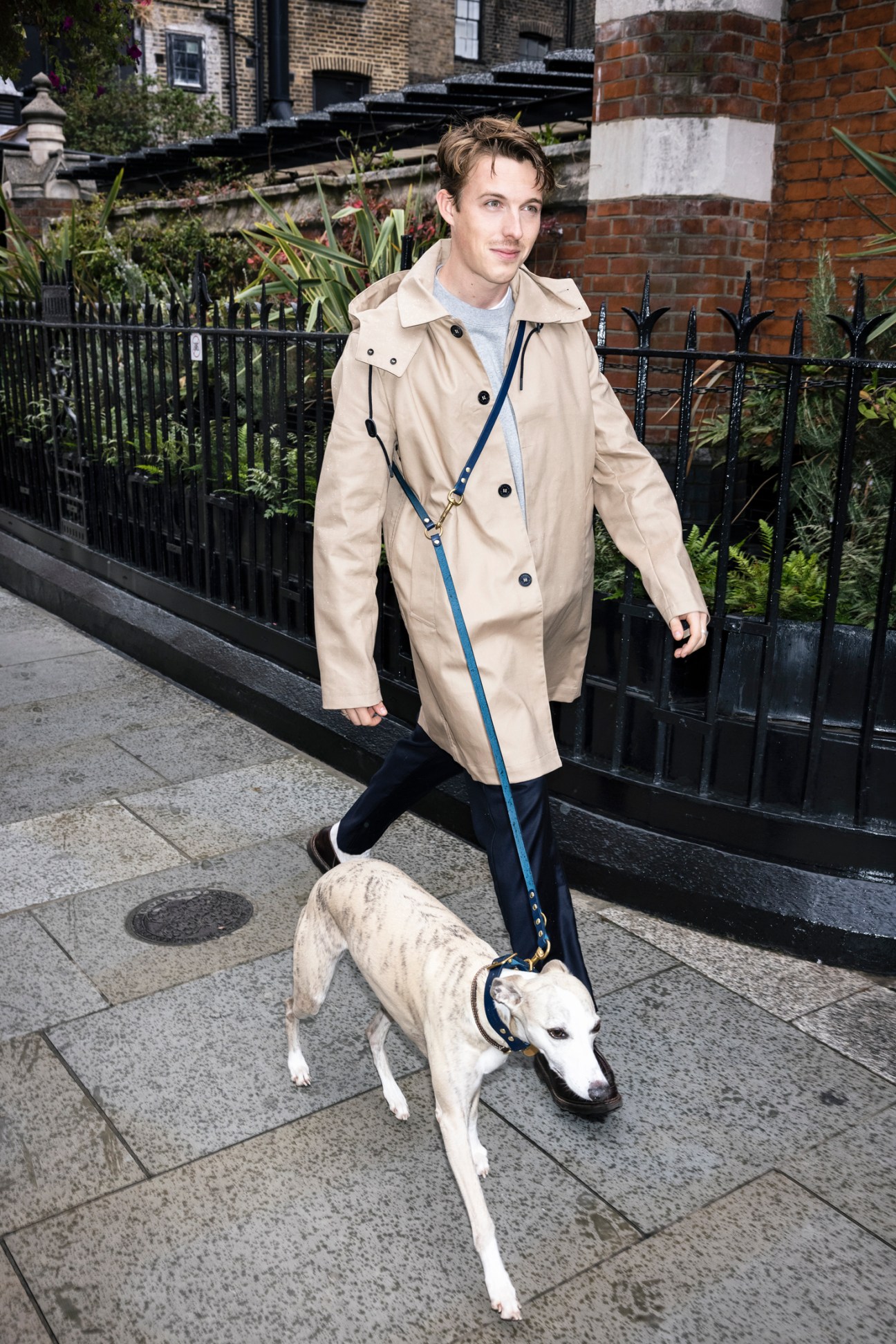
Standard dog collar and adjustable lead set
€180
Monocle has teamed up with sustainable British lifestyle brand Kintails to design a series of leather dog leads and collars suitable for every breed. You’ll find a number of handsome hounds curled up under the desks at Midori House. After all, what better way to enjoy a walk around the city followed by an apéro than bringing your dog along.
Materials: Leather and brass.
Colours: Navy or tan.
Made in: The UK.
Benson Batty
Customer Relations & Insights Executive
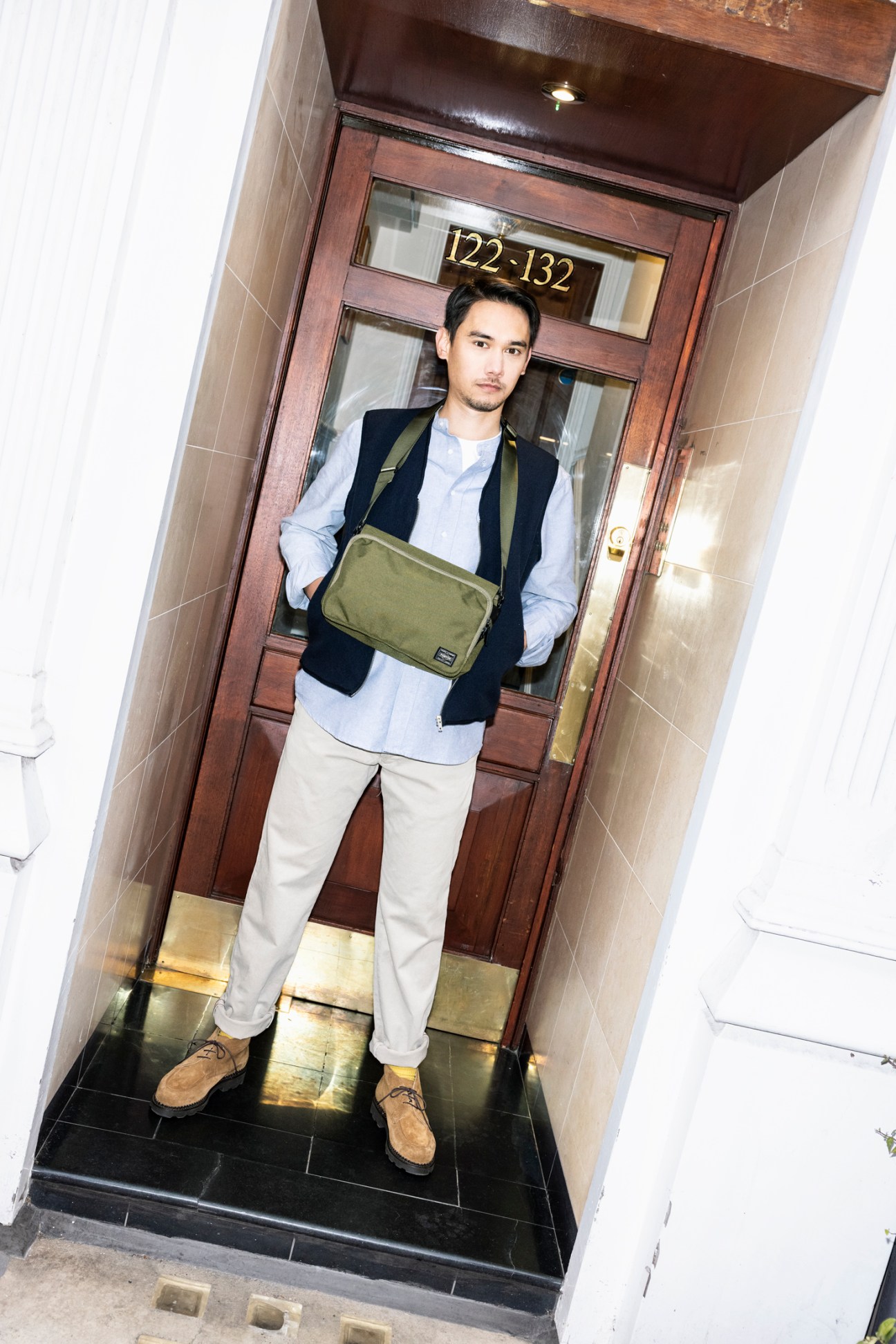
Porter city bag
€332
This bag sits on the hip and is designed to keep all your valuables close by. The front flap closes securely with two snap buttons and there’s a zip pocket on the back for your keys and wallet. The bag also includes a foldaway tote for that last minute farmers’ market stop.
Material: Cordura.
Colours:Olive or black.
Dimensions: 30cm x 23cm x 8cm.
Made in: Japan.
Chutipon Patumanont
Shop Assistant

A Kind of Guise x Monocle Ekia bag
€225
Monocle’s in-house designers have teamed up with Munich’s A Kind of Guise to create a new variation of the brand’s much-loved Ekia bag. Crafted by hand in Germany from sturdy, military-grade Cordura fabric, the water-resistant bag features a padded shoulder strap for added comfort and a stylish yellow accent in the inner pocket.
Material: Cordura.
Colour: Black.
Dimensions: 30cm x 52cm x 25cm.
Made in: Germany.
Raffael Lienert
Senior Operations Manager for Retail & Hospitality
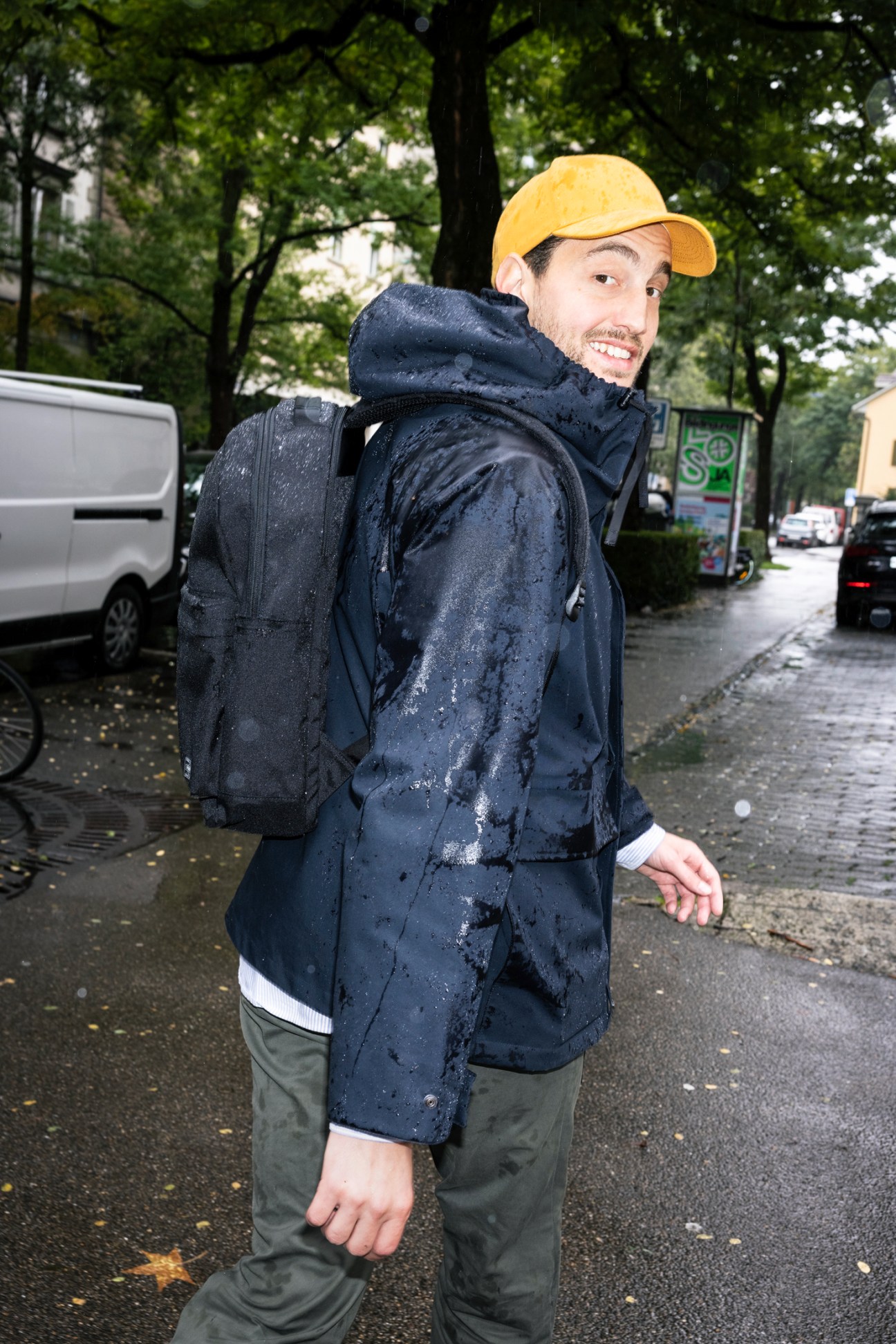
Porter x Monocle backpack with detachable pouch
€515
Porter’s pared-back take on the backpack is made from Cordura with a leather finish on the handles and zips. It features two inside compartments, two mesh side pockets and a detachable pouch for smaller belongings and valuables. The well-cushioned straps will keep you comfortable throughout your journey.
Material: Cordura.
Colours: Black or olive.
Dimensions: 30cm x 44cm x 13cm.
Made in: Japan
Wearing in
The North Face Sphere
Japan
In Tokyo, running culture is growing in style and Japanese sports company Goldwin recently opened North Face’s first running shop on Harajuku’s Meiji Street. The store, The North Face Sphere, was designed by Tokyo-based architecture studio Sawada Hashimura. Sitting alongside other North Face branches, the five-storey building is home to smart technical gear, footwear and accessories. The highlight is the 141 (One for One) service that allows customers to customise the colours and adjust the sizing of their running and training wear.
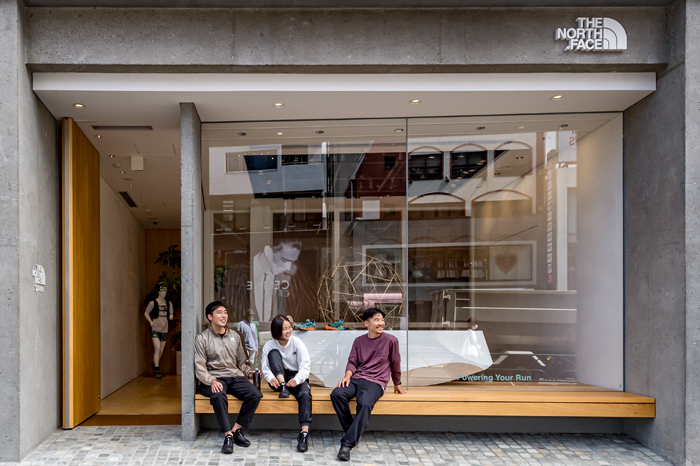
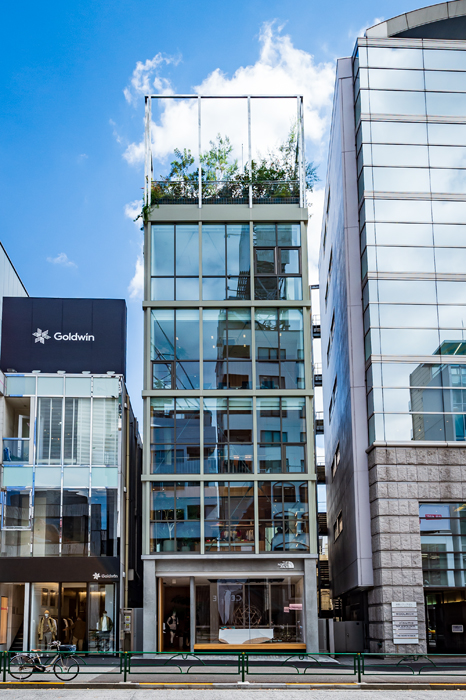
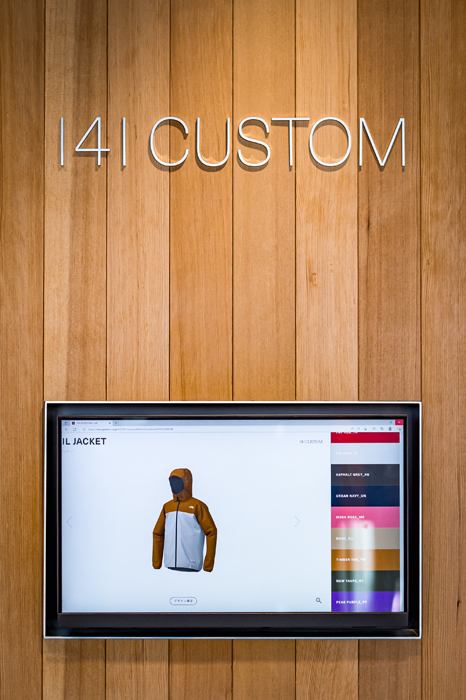
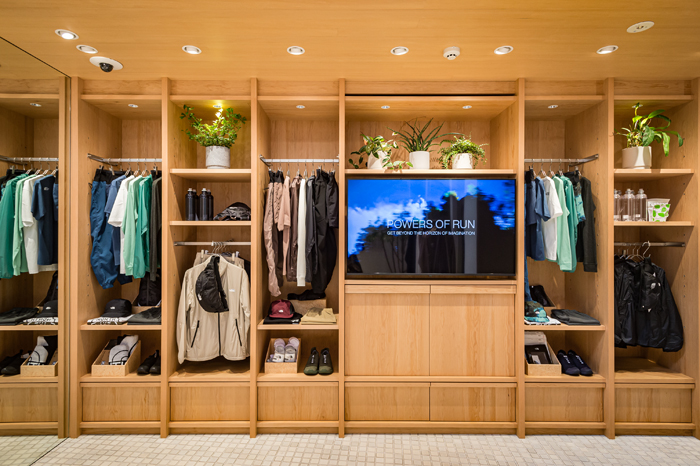
The building – a jog away from Yoyogi Park – also has a dedicated events space and a rooftop terrace. “We didn’t want to just sell products,” says project manager Hiromichi Tanaka. Once a week, there is a running event or workshop with professional athletes. “Exercise such as walking, running and climbing help us achieve a healthier body and soul,” adds Tanaka. “We want to provide that lifestyle.”
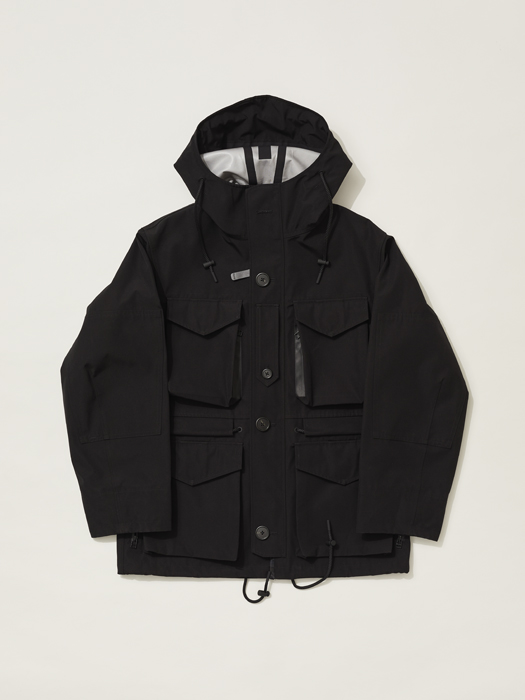
Theory x Lucas Ossendrijver
USA
Dutch designer Lucas Ossendrijver is a name to know. He worked as the menswear designer at French luxury house Lanvin for more than 14 years and one of his first solo projects is a series of capsule collections intended for city life with contemporary label Theory. “People are always going places and the way they dress needs to reflect this,” he says. Flannel, gabardine and recycled technical fabrics made in Japanese and Italian mills have been cut into suits and easygoing parkas in autumnal shades – a combination of pragmatism and elegance.
theory.com
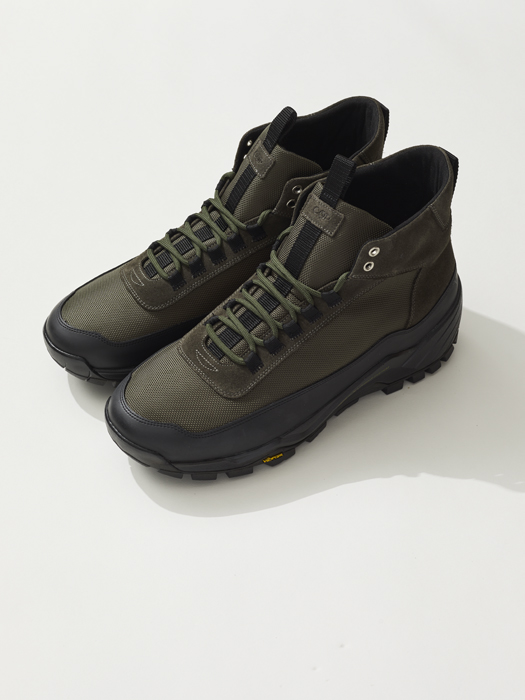
CQP
Sweden
Swedish shoe brand CQP is expanding its scope beyond its signature trainer with a new range of handsome boots. Designed in the label’s Stockholm studio and handmade in Portugal, the shoes come in tones of bottle green, cognac and grey. They are made from supple Italian suede, paired with lightweight yet grippy soles. We have our eye on the Sabulo and Saxum ankle boots that will serve you well on tricky terrain.
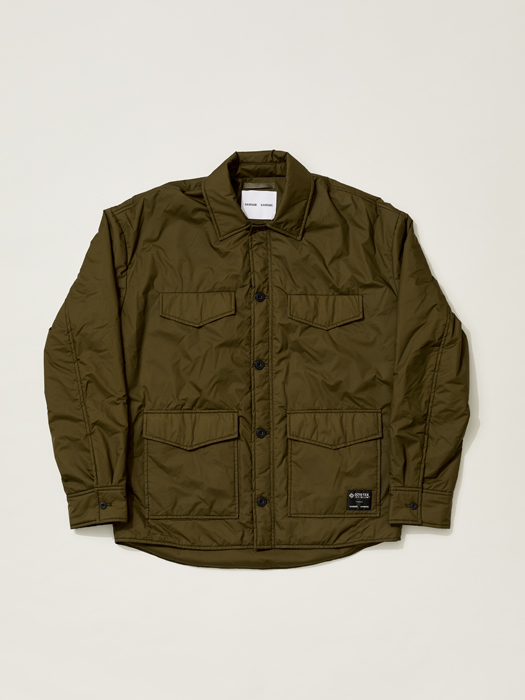
Samsøe Samsøe x Gore-Tex
Denmark
As temperatures drop, Samsøe Samsøe is launching a collaboration with Gore-Tex, with basics in blacks, greys and khakis. The label tried to strike a “balance between performance and classic silhouettes, updated for everyday life,” says Gitte Wetter, head of menswear.
samose.com
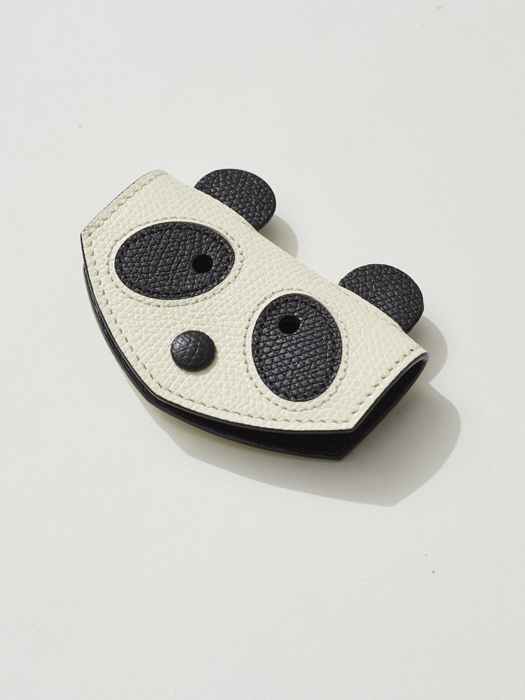
Valextra
Italy
Italian brand Valextra has released a series of animal-shaped accessories, including this panda purse, made from sturdy grain leather and featuring Valextra’s signature lacquered edges.
valextra.com
Anouk
Vienna
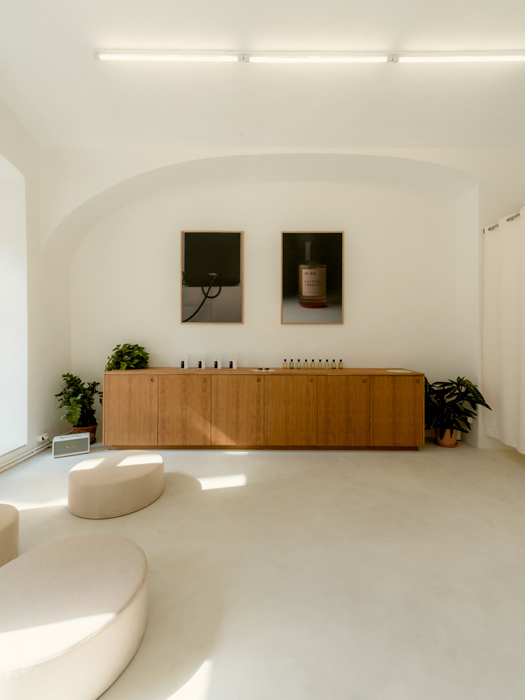
Vienna now has a homegrown fashion mecca thanks to Anouk, which has recently opened in the city’s hip 7th district. Founded by Vincent Unden-Dimou and Manuel Haring (and named after Unden-Dimou’s three-year-old daughter), the boutique carries a selection of clothes, accessories and perfumes from the likes of Lacoste, Arte Antwerp and local label Christina Seewald. Here, Haring, who leads the shop’s creative direction, explains its raison d’être.
How did you pick the new boutique’s location?
The 7th is the creative district of Vienna and the community here is very tight-knit. The entrepreneurs in the area and the people who own the restaurants and bars are all our friends. There are richer districts in Vienna but people here are more careful with spending their money on things that they actually identify with.
What drives your buying strategy?
We wanted to bring in community-driven brands that have a long legacy or a strong culture and are still led by their founders – not bought by big fashion conglomerates. This feels a bit more like the neighbourhood we live in.
What are the highlights in your assortment for the coming season?
I’m looking forward to introducing footwear brand Salomon, the new collection of Medea bags from Milan, and Swedish label Our Legacy. We’re looking for brands that are trustworthy and constantly setting the tone, instead of chasing trends.
anouk-store.com