Issues
In the swing
Politics
Pennsylvania
In the swing
Christopher Cermak on the key issues, personalities and emotions in the race for control of Congress in the US – a country that remains divided and doubtful.
All eyes are on Pennsylvania as Americans head to the polls for the mid-term congressional elections on 8 November. Two key House districts and a Senate battle are among a handful of decisive races for the control of Congress. It’s also a key marker ahead of 2024’s presidential election: Donald Trump stunned pundits by carrying the state in 2016, while Joe Biden, who grew up in Scranton, won it narrowly in 2020. “Pennsylvania is a big deal in a big year,” John King, the CNN news anchor and chief national correspondent, tells Monocle at a rally in Bethlehem.
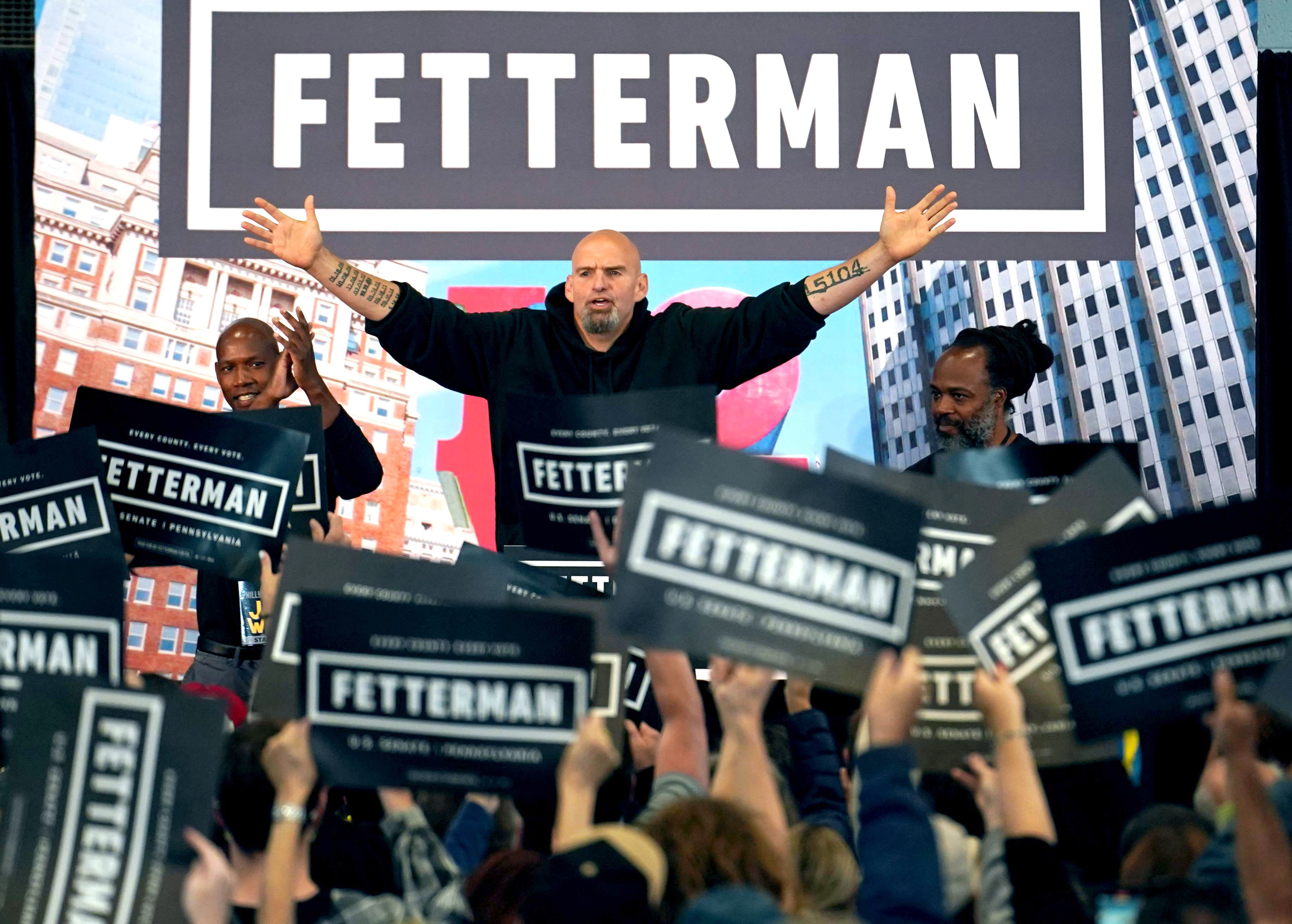
But it’s the battle for the Senate seat in Pennsylvania that has caught people’s attention. In John Fetterman, the Democrats hope that they’ve found their version of a populist to counter Trumpism. Fetterman, the current lieutenant-governor of Pennsylvania, is 6ft 8in (203cm) tall, sports a goatee and is wearing a black hoodie and basketball shorts. Though a Harvard graduate, his speech is light on substance, heavy on humour.
Speaking to almost 1,000 supporters, Fetterman mentions a viral video clip of his opponent, celebrity doctor Mehmet Oz, lamenting rising food prices by giving the example of how much crudités now cost. Fetterman says he had to look up what the word meant. He also chides Oz for suggesting that Joe Biden is to blame for the closure of Bethlehem Steel in 1995 – once one of the nation’s biggest manufacturers. “And I’m the one who had a stroke,” he quips in an attempt to allay concerns about a health scare he suffered in May. Emotions in the US are extremely raw; both parties are relying on anger and fear to generate turnout. When Fetterman references Oz’s tenuous links to Pennsylvania – Oz lives in the neighbouring state of New Jersey – one supporter shouts “go back to Turkey” (Oz is Turkish-American). It’s an ugly moment.
Susan Wild, a congresswoman seeking re-election in Lehigh Valley, warns that Republicans want to dictate who you can marry and what you can do with your body. Indeed, abortion is the primary motivator among Democrats, after the Supreme Court overturned a nearly 50-year-old federal right in June. John King of CNN says that the key is whether this boosts turnout enough for Democrats to “defy history”. After all, a president’s party typically loses mid-term congressional elections.
The mood is also raw over a lack of well-paying jobs. Trump’s brand of politics struck a chord in a region that has seen manufacturers relocate overseas. “He addressed all the issues that resonated,” says Bill O’Boyle, a veteran reporter and columnist with the Times Leader newspaper in Wilkes-Barre, Pennsylvania. Meanwhile, those who believe that Trump can make a difference have dwindled. “There were empty seats,” says O’Boyle of the former president’s August rally in the city, something unthinkable during his visits in 2016 and 2020. Trump’s two endorsed candidates for office this November – Oz for Senate, and the far-right former military officer Doug Mastriano, running for governor – have struggled to generate enthusiasm. Only 50-odd people show up for a Mastriano event in Harrisburg, on the same day as Fetterman’s Bethlehem rally. High inflation and pandemic-era restrictions serve as battle cries for the conservative candidates at the podium, coupled with promises to protect the sanctity of life and, more ominously, warnings about the elections’ integrity and that the FBI will come for them too, as they have for Trump.
Such rhetoric appears out of touch with the majority of Americans and yet Democrats have struggled to capitalise. “They fail to see what is important to middle America,” says O’Boyle. In an election year high on fear and anger, neither party is convincing voters that they have what it takes to solve the problems afflicting their country.
Christopher Cermak is Monocle’s Washington correspondent.
Images: Getty Images
Scales of justice
On a warm, sunny Friday in a remote part of Singapore, where skyscrapers are absent from the horizon and green fields flank quiet roads, Kalai Vanan Balakrishnan and Aaron Hyberger debate the best way to catch a cobra. It’s a typical morning start at the Animal Concerns Research and Education Society (Acres), a Singaporean animal-welfare charity with a rescue team on call 24 hours a day.
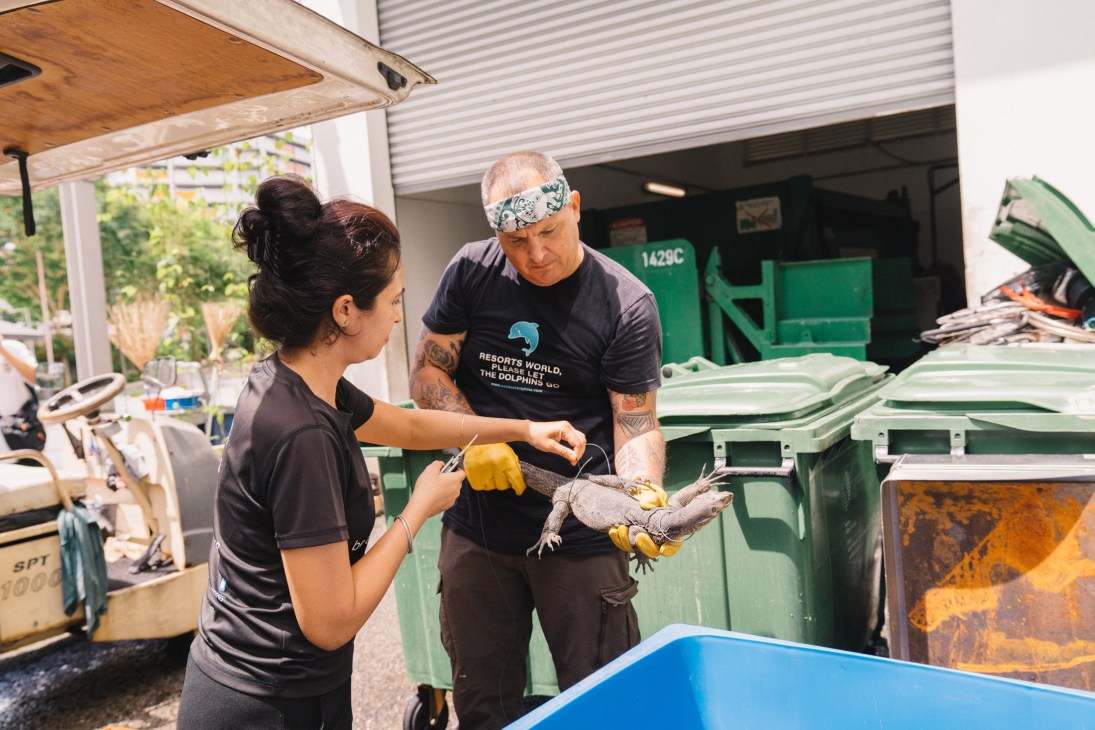
Balakrishnan is Acres’ co-CEO and Hyberger is a volunteer. The serpent in question is an equatorial spitting cobra, reportedly stuck in an erosion-control blanket near a construction site in the north of the city-state. American Hyberger, who has a soft Kentucky accent, is being dispatched to rescue it. Balakrishnan advises gloves, goggles and a firm grip on the neck because the species can spew its neurotoxic venom up to two metres. This is only the second cobra that Hyberger has encountered in his six months at Acres but he’s sanguine as Balakrishnan pinches a coffee sachet to suggest how to wrangle the reptile.
Monocle and Hyberger pile into a black Toyota Hiace van emblazoned with the Acres logo: a dancing blue monkey. A recently rescued reticulated python snoozes in a hutch at the back. Hyberger drives, while Uma Rai, a mother of two and longtime volunteer, takes calls from concerned locals. “Where is the lizard? In your tennis court? Civets are nocturnal. Leave it be and by nighttime it’ll be gone.”
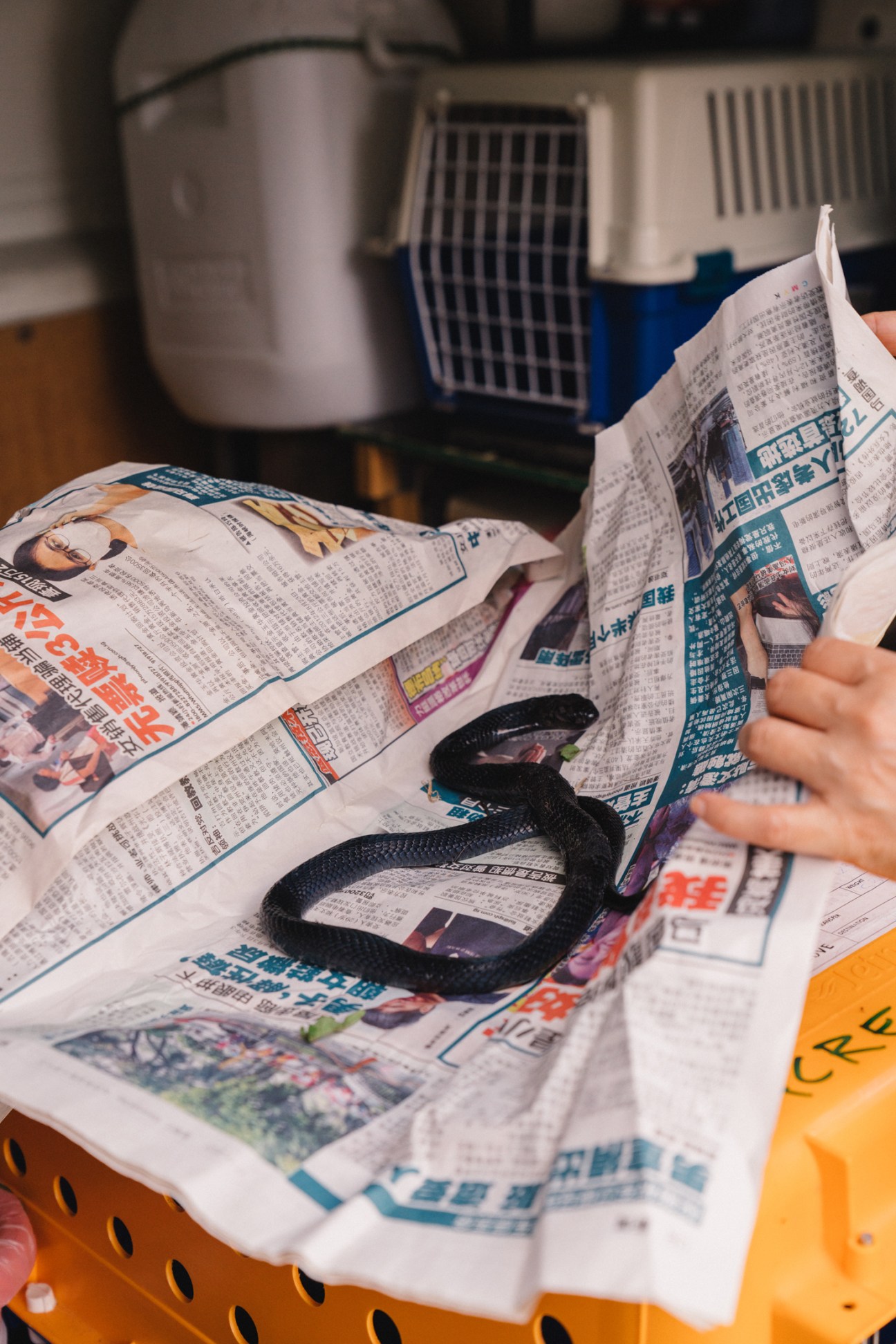
Hyberger pulls into the site and two workers lead us to where they spotted the cobra. We find a glossy black snake entangled in mesh, completely still. Rai crouches down. “It’s dead,” she says. Gently, she folds the body in a towel and we troop back to the van. The cobra, trapped in the netting under the punishing heat of the sun, must have passed away just before we arrived.
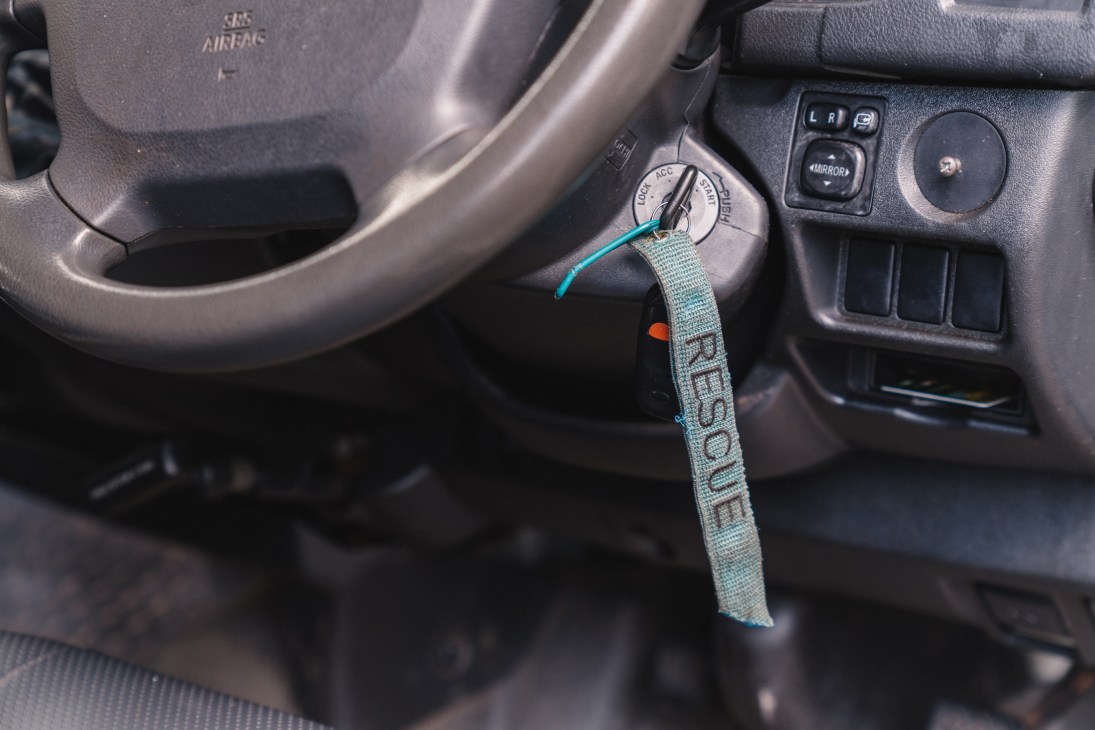
As well as near-daily calls about snakes, the team of full-time staff and dedicated volunteers have rescued pangolins, macaques, flying lemurs, yellow-crested cockatoos, spotted wood owls and countless pigeons. The rescuees are native animals or illegally traded wildlife, plus the occasional outlier, such as two broiler chickens that fell off the back of a lorry bound for a slaughterhouse. (They live at Acres now, plump and happy, ignorant of the fate they escaped.)
After delivering the python to a zoo for microchipping, we head to an apartment complex with a monitor lizard on the loose. When we arrive, the security guards have corralled the lost reptile into a recycling bin and plonked a microwave on top. Rai removes the appliance and opens the lid. Hyberger reaches in. The bin judders as the animal writhes around, its claws and snout silhouetted against the plastic like a shadow puppet. Hyberger lifts the lizard, one hand on its torso and the other secured on its flailing whip of a tail. Adult monitors grow to more than three metres long but this one is about 80cm – a moody adolescent. It thrashes as Rai snips away the twine tangled around its neck. After loading the caged reptile into the van, Hyberger notices blood on his arm – a nick from a stray claw.
Back at HQ with the lizard, Hyberger gives Monocle a tour of a facility where rescued animals live or are rehabilitated before being released into the wild. He feeds hibiscus to a radiated tortoise. “They’re like Snickers to him,” he says. Rai rushes up. “We have to go,” she says. “Someone found a painted bronzeback [snake] in their toilet.” We leap into the van and speed off. Nature has called.
Table talk
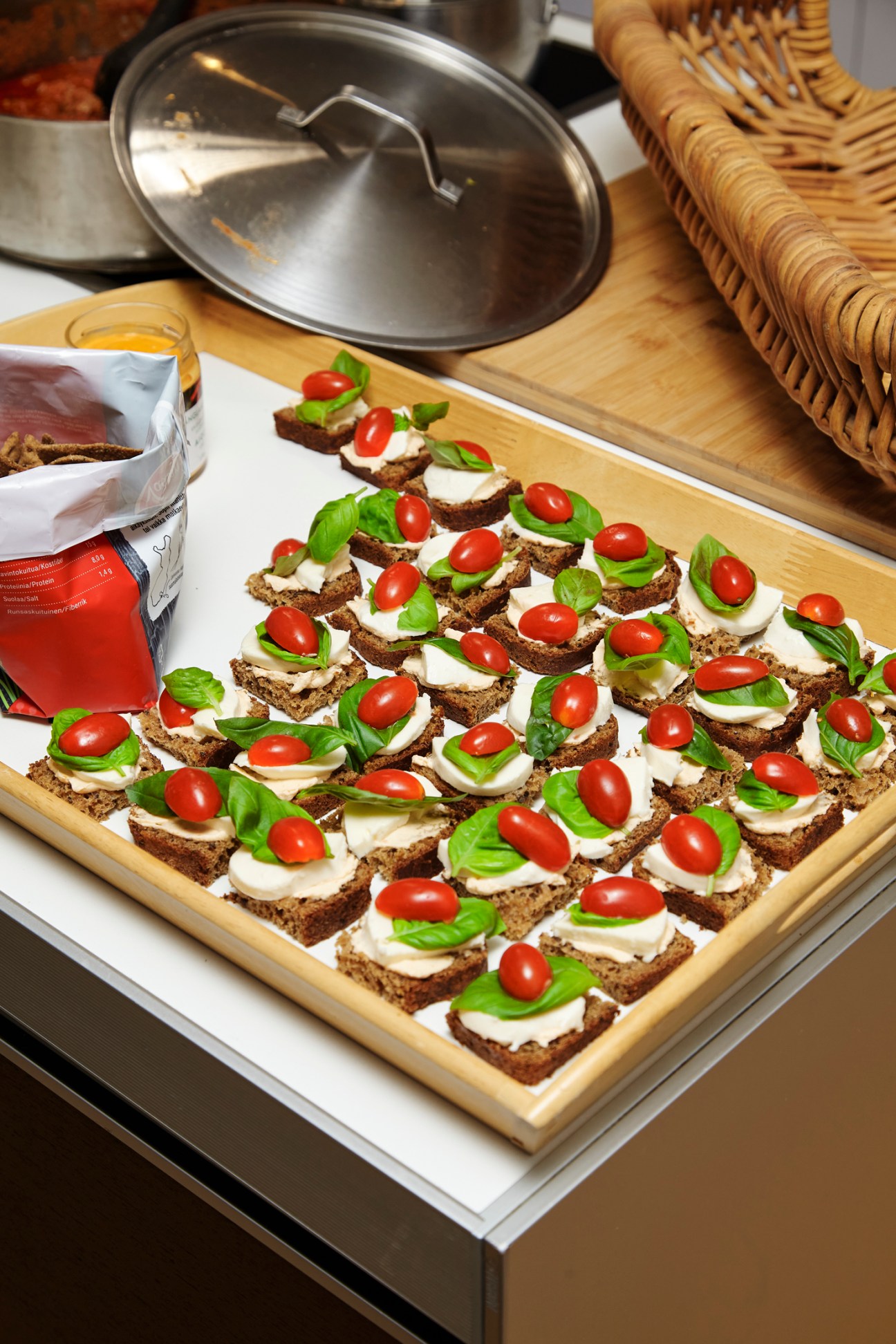
A large dish of meatballs and tomato sauce sizzles on the stove as Anders Adlercreutz dips a spoon in to taste it. “It’s ready,” he says. “Now onto the pasta.” The second-term MP from the liberal Swedish People’s Party of Finland throws spaghetti into a saucepan of boiling water. Apologising that he needs to keep his phone on as the government is in the middle of important budget talks, he invites guests to take a seat at the table. It is not his home but he is very much the host of tonight’s dinner at the residence of the Einiö family in the Finnish city of Kirkkonummi. For the next three hours, the seven dinner guests ask Adlercreutz about politics, share their concerns and wishes, and get an inside view into the inner workings of the Finnish parliament, all while eating a meal prepared by the 52-year-old MP.
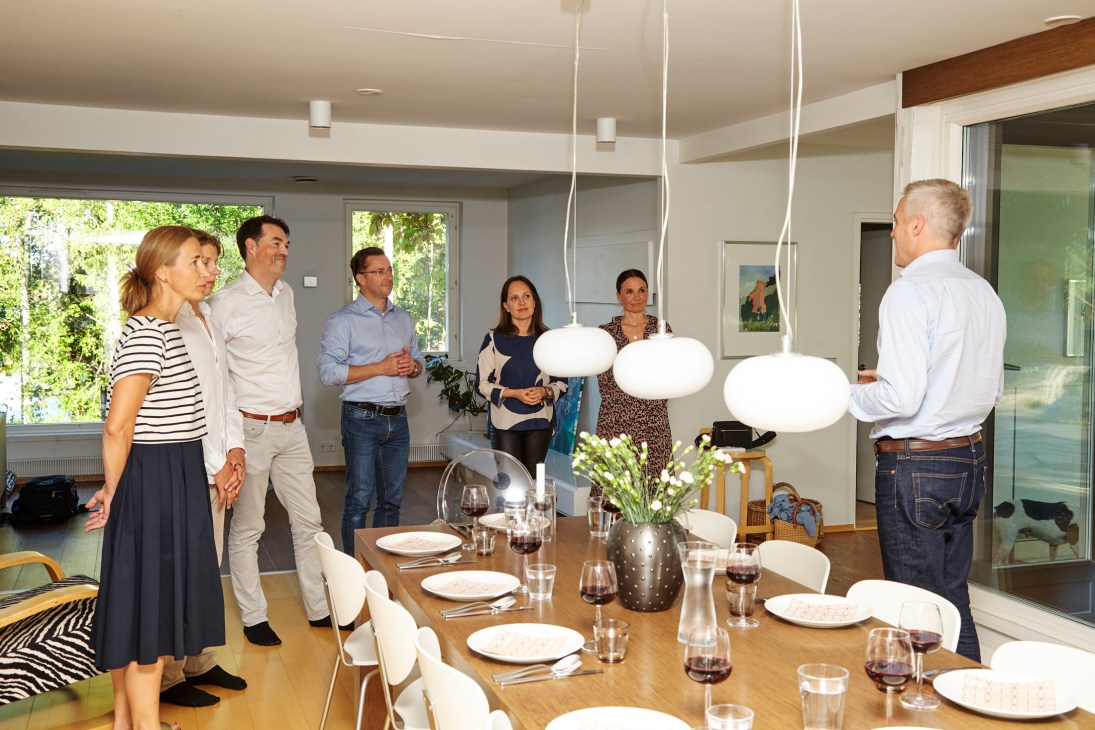
“When I entered politics, I didn’t find it fruitful just standing in front of a crowd and presenting my message,” says the politician. “I wanted interaction.”
This led Adlercreutz to launch what he calls kökspolitik or “kitchen politics”. People – potential voters, constituents, as well as critics – can invite him into their homes on the condition that they gather together six to 12 other participants. “It’s not a Q&A nor a campaign rally. It’s a way for me to learn what is on people’s minds while also making politics more approachable”, he says as he passes around a large chunk of parmesan.
It’s all done in a quintessentially Nordic way with no spin doctors or security, apart from Vili, the Danish-Swedish farm dog that keeps a watchful eye over proceedings. Glasses are filled with pinot noir and forks dig into the spaghetti. The first question is about the rise in energy costs and what the government plans to do about it. Adlercreutz listens attentively and then spells out different scenarios. He lists the pros and cons of measures such as lowering VAT and setting price caps, then gives his prediction on what the current coalition government, of which his own party is a member, might be able to agree on. Next, participants talk about the challenges of getting quality healthcare, climate change, taxes, education, the war in Ukraine and Finland’s relations with Russia. The host family’s 17-year-old son wants to know more about how politics work and asks whether there are simply too many parties in Finland (there are nine).
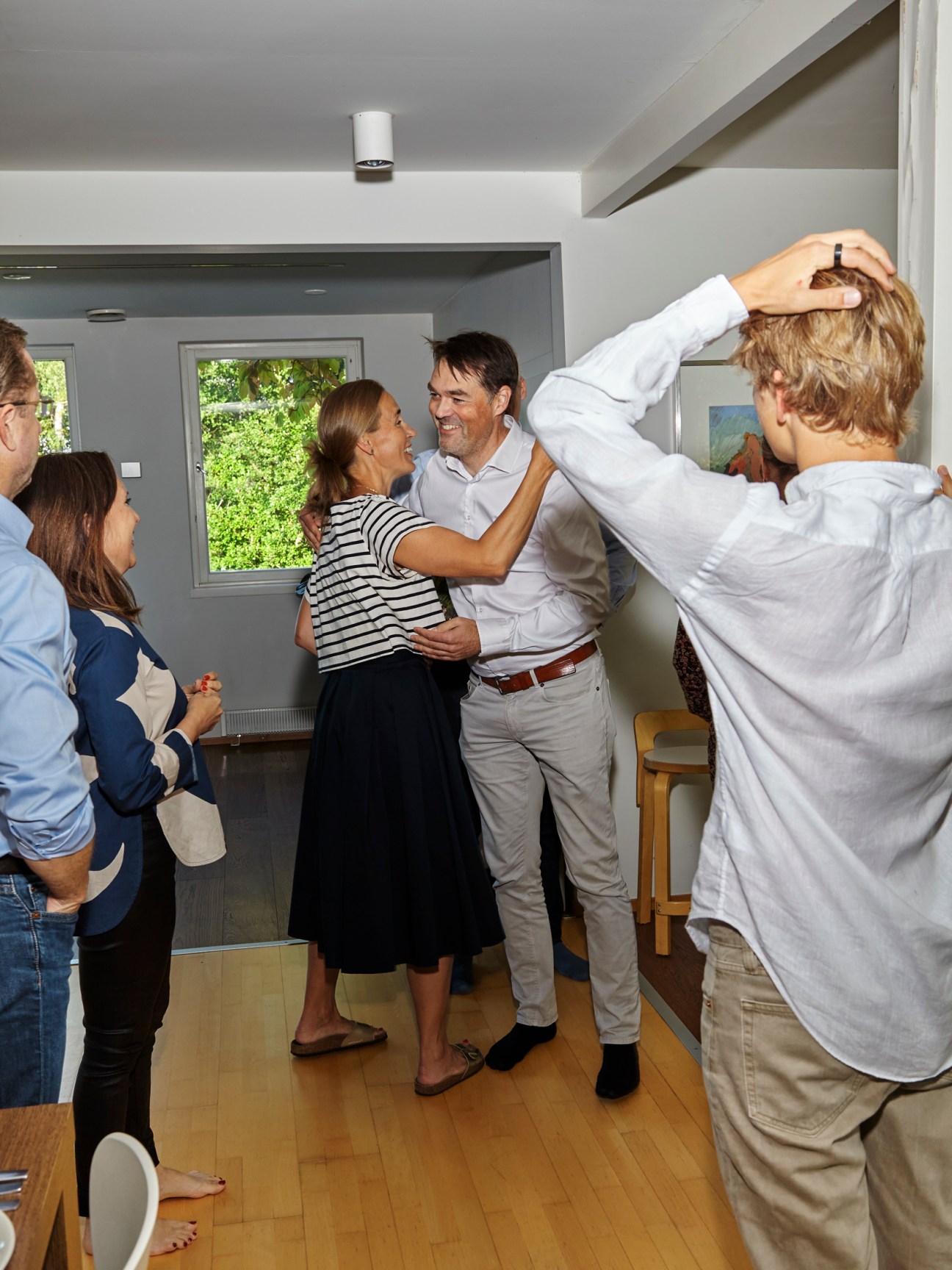
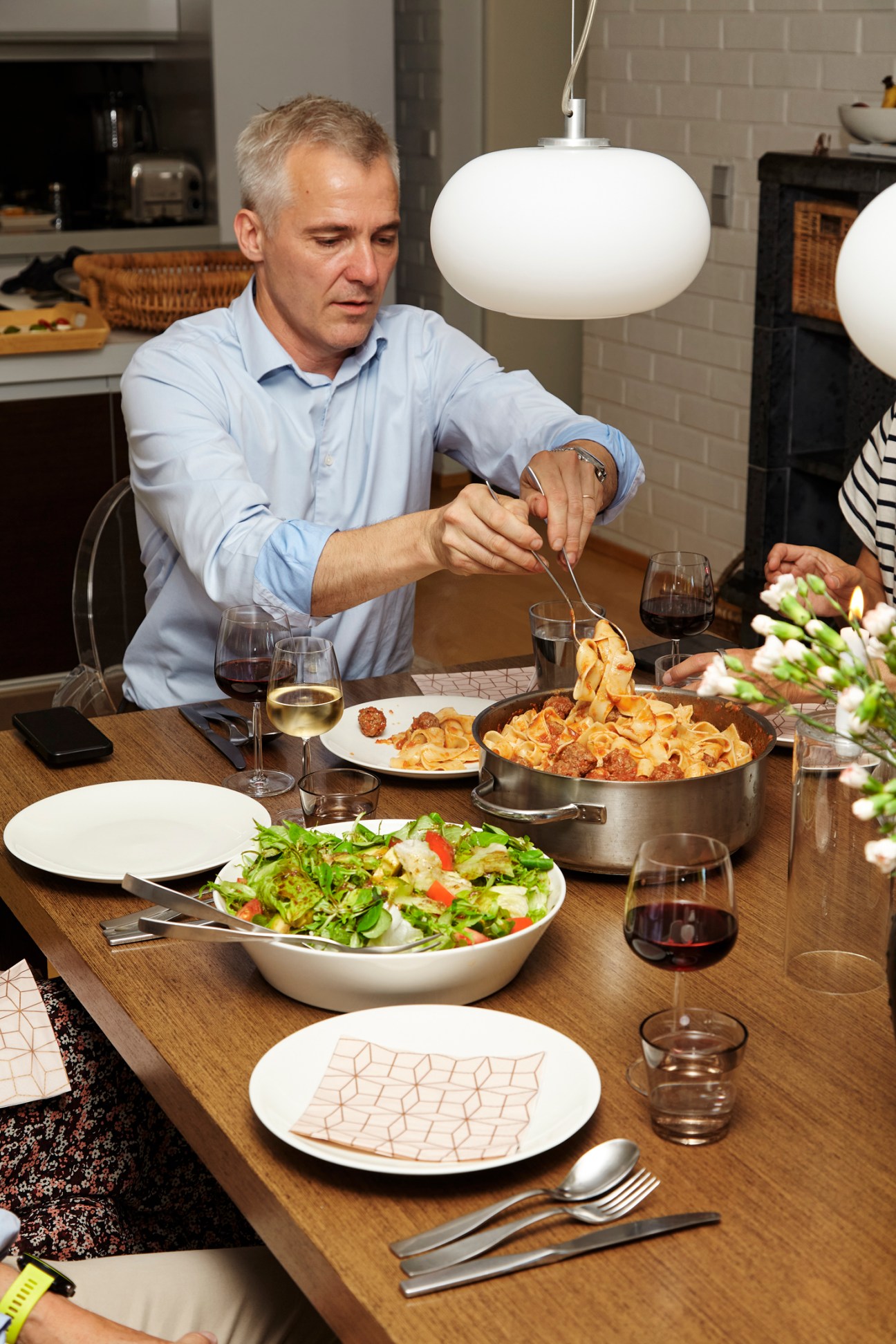
The conversation is lively and Adlercreutz gets his share of criticism even though the crowd of potential voters are likely to vote for one of Finland’s liberal parties, such as his. But there is something about the setting – sitting around the dinner table – that makes the event immune to the incendiary language that is all too common in today’s political discourse. As the evening draws to a close, the conversation gets rowdier and the subject shifts to Finnish prime minister Sanna Marin’s partying. Outside, the sun is setting over the autumnal Baltic Sea and candles are being lit.
It is the unlikeliest setting for a political gathering and the guests appreciate the unfiltered access that they are given to the MP. “Politics has always felt remote to me, something that I read about in the papers,” one of the guests tells Monocle. “Tonight, I understood that politicians are ordinary people who I can approach.” Perhaps Adlercreutz has found the perfect recipe for success.
The Opener
How to live: On your radar
The list
Tyler Brûlé‘s picks this month include an up-and-coming city on the Med and beaded curtains.
To mark an issue focused on design and things well made, here’s a little round-up of brands, places, businesses and studios that might be worth stocking in your shop, commissioning for your house or checking out to keep you on top of your game.
1.
Grocery-store business Apolónia knows its market. Their flagship near Faro Airport is worth a peek if you’re a food retailer or house hunting on the Atlantic. You’ll see more from them here soon.
2.
Morel is a leader in beaded curtains. Yes, the kind you find walking into marcelleria in Italy. But you can use them as a room divider or to create an illusion of privacy. It’s a Med concept that should go global; Australian architects, take note.
3.
“Toulon is the next Marseille,” a smart hotelier tells me as we look out towards Africa. The naval city has the infrastructure to be a magnet for firms seeking talent in design, engineering and advanced-weapons-system management.
4.
D-due first appeared in Konfekt but it takes a visit to its factory to appreciate the aesthetic and craftsmanship. With silhouettes that feel at home in Aoyama, it’s no surprise that this Spanish brand does well in Japan. Could this be the company to design your firm’s uniforms?
5.
Aoiro is a great studio for lifting your mood and making places smell better. Their collaboration with Helsinki-based retailer Common is a worth a sniff.
Reporting from…
Monocle’s global bureaux round up news of a narrowly-avoided vehicle crisis in Switzerland’s police, an imminent banking duel in Hong Kong and LA’s plans for long-term Olympic benefits.
Zürich
Shut that door
The city’s police force will be relieved that they chose bmws as patrol vehicles. Two officers in neighbouring Basel’s force once were locked in their Tesla (a common glitch) and unable to get out to pursue a suspect on foot.
Hong Kong
Bank on it
Global banking bigwigs will arrive in the city for an international conference in November. Authorities want to use it to relaunch Hong Kong as a finance hub but rival Singapore is also staging a conference in early November.
Los Angeles
Playing the game
Keen to avoid common Olympic-host pitfalls, Los Angeles is ensuring infrastructure for 2028 will last, such as the K Line light rail, which has already improved access to jobs and amenities in the Inglewood neighbourhood.

Talk is cheap
Dialects in Italy are on the decline: a recent study shows that only 14 per cent of its citizenry speak their regional tongue. But Italians looking to save a buck would do well to learn their local vernacular. Visiting a bar in Venice when researching our lighting special, monocle found that those ordering an Aperol spritz in Venetian paid €1, compared to €5 for those who ordered in Italian (don’t ask what it cost English-speakers). We think it’s a refreshing case for the power of dialect and, at the very least, can help those looking to pinch a penny.
Code-cracking crackpots
It was a nice idea: a special commemorative coin, produced by the Australian mint, to honour the Australian Signals Directorate (asd), the secretive boffins who maintain the country’s cyber and communications defences. The au$0.50 bit was ringed with five levels of coded messages – and its release accompanied by cheerful suggestions that anyone capable of cracking them might want to submit their CVs to the asd.
But faces turned red after the coin was made publicly available and a 14-year-old figured it out in little more than an hour. While this might be embarrassing for an Australian security force trying to showcase its prowess to allies, the real folly of this enterprise might be yet to manifest.
A vast online culture of dingbats already dedicates itself to divining the Illuminati symbols they believe are embedded in the US $1 bill. The asd has now surely drawn itself to the attention of these weirdos – and that means someone who could be more productively employed intercepting Chinese naval transmissions is going to have to answer their emails.
How to sell your Seoul
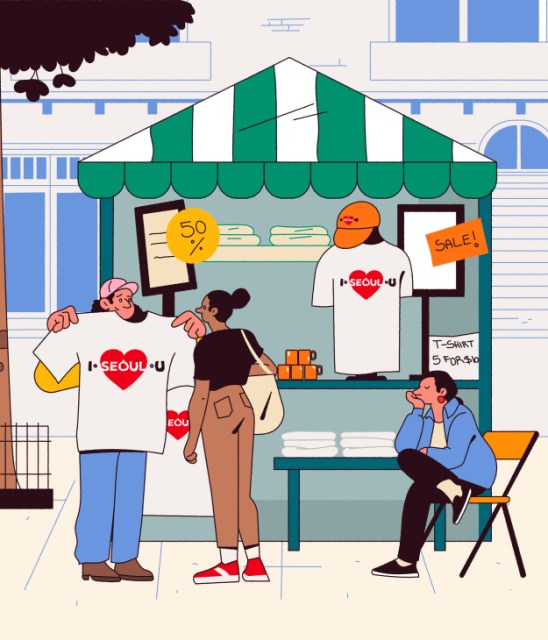
It seems almost unfair. New York, a place needing absolutely no introduction, also lucking into the greatest municipal logo in the world: that “I Love New York” slogan, abbreviated to a brand of three striking black letters and a red heart. “I Love New York”, conjured in 1976 by Milton Glaser – originally scribbled, indeed, in the back of a yellow taxi – has since inspired seething envy and hapless imitation.
Seoul is taking another tilt, soliciting a replacement for its present official motto “I.Seoul.U” – which, as has been pointed out more than once in its eight-year stint, makes no sense whatsoever. Seoul authorities are preparing to conduct an extensive and expensive quest for a new catchphrase, with finalists to be put to a vote later this year.
All of which is an especially shocking waste of time and resources given Seoul’s unique natural advantage in this realm, ie that supremely punnable name. Accompanied by a tweaking of Glaser’s design just far enough from a lawsuit, “Heart & Seoul”, for one, is right there.
Correspondent’s view: Milan
Post-Expo exploration
Big-ticket events such as the Olympics and world’s fairs are a double-edged sword for cities that host them. Get the formula right and economic benefits pour in as facilities are reconfigured; get it wrong and residents are stuck with eyesores and a mountain of debt.
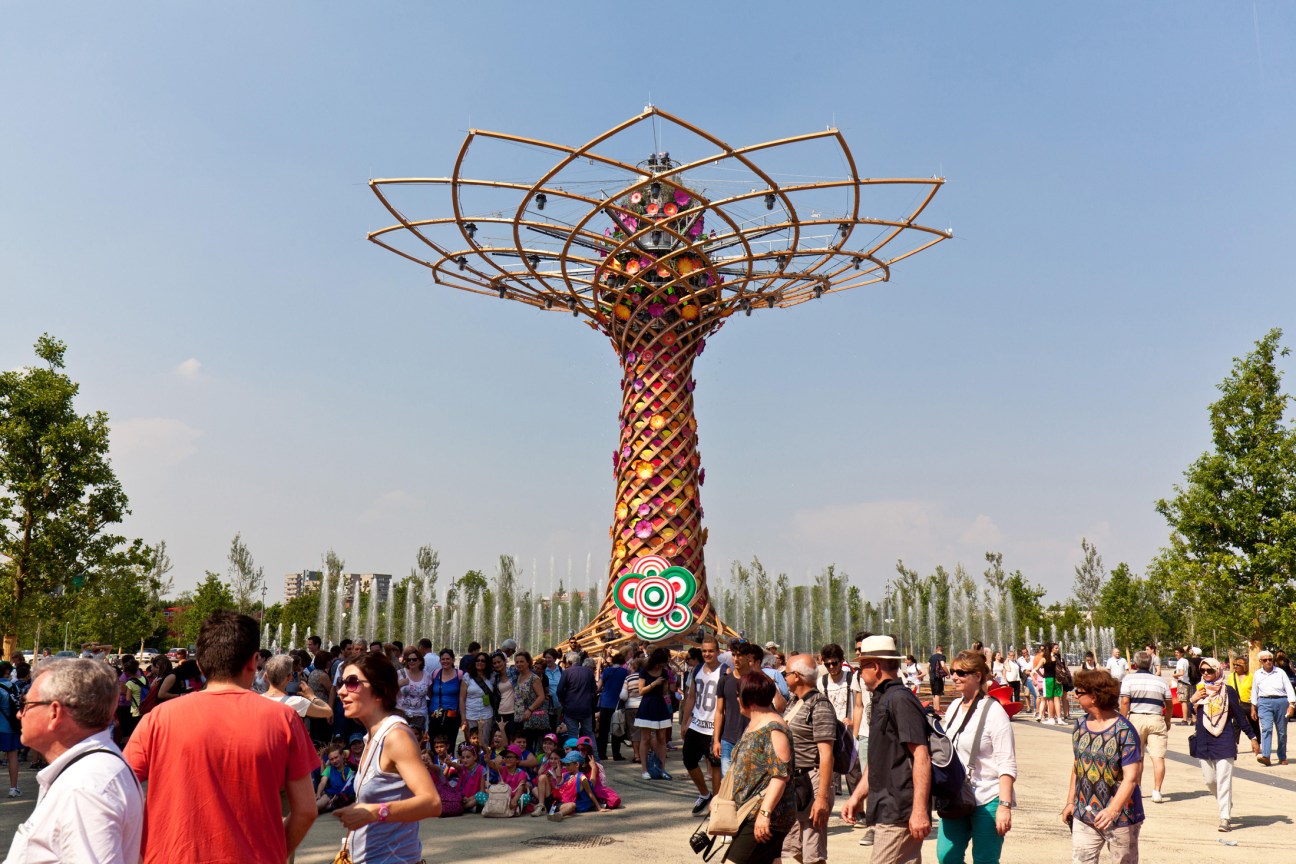
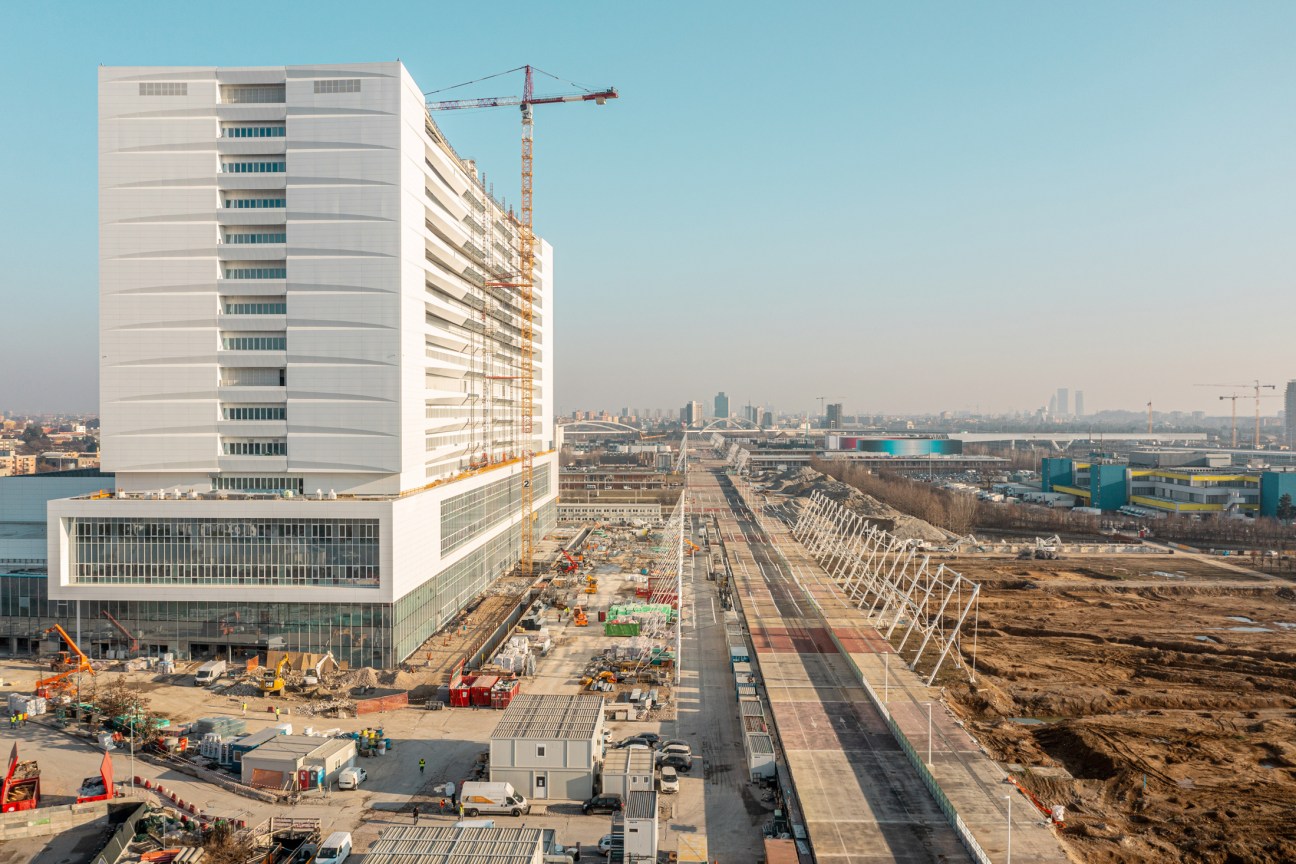
These thoughts crossed my mind on a journey to the site of Expo 2015 in Milan. Seven years since its doors closed, the venue’s main thoroughfare was quiet on a late morning stroll. Where once thousands gathered daily to sample nibbles at country pavilions – food security was the theme of the exposition – small teams working for start-ups were occupying new open-plan offices.
While officials were slow to kickstart the area’s future, the wheels of progress finally seem to be turning. The former Italian pavilion anchors the Human Technopole, attracting the likes of pharmaceuticals giant Astrazeneca, which has its Italian headquarters here alongside genome-sequence company Illumina.
More efforts to make the site a life sciences and technology hub now abound. At the end of summer, a hospital opened. And Australian developer Lendlease has invested €2.5bn in the Milan Innovation District, which will include a new science campus to host thousands of students, along with residential and student housing, retail and a hotel. It might have been slow out of the starting blocks, but Milan seems to have found its stride at last.
Whodunnit? The prime minister
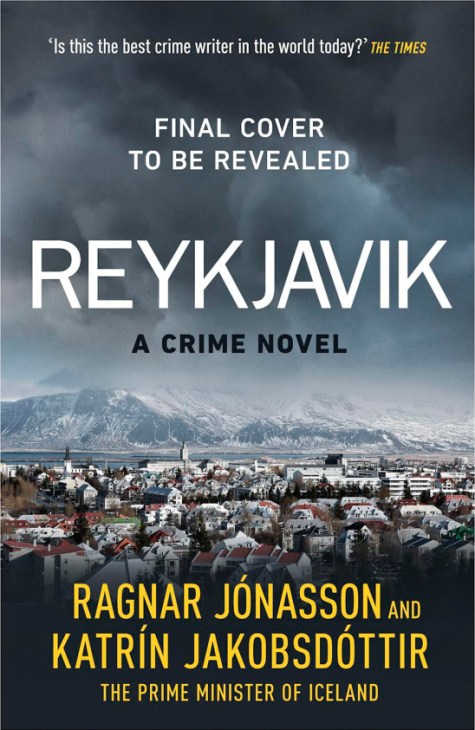
It’s not unusual for heads of state to have a different job prior to their political careers. Silvio Berlusconi was a cruise-ship singer and Madagascar’s president Andry Rajoelina, a radio DJ. Most drop their original vocation once they enter public service but Iceland’s prime minister, Katrín Jakobsdóttir, has taken exception and picked up a new one. She has penned a crime novel called Reykjavík alongside best-selling author Ragnar Jónasson. Jakobsdóttir’s debut follows a reporter seeking to get to the bottom of a missing persons case. On shelves in late October, we’re expecting Jakobsdóttir to track its popularity on the book charts as closely as her political polls.
Second life
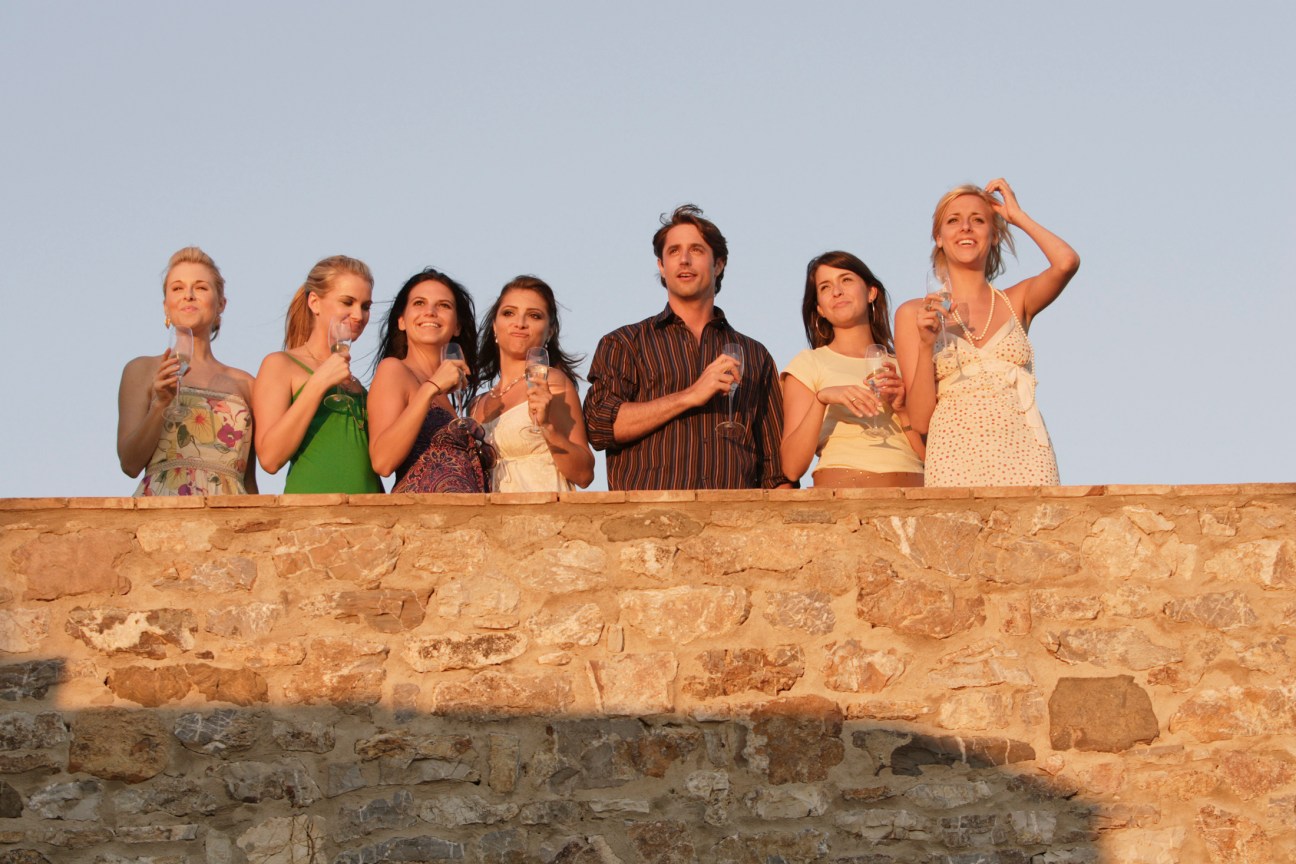
While the UK’s royal family remains central to the nation’s life, many other countries have done away with their monarchs, leaving numerous princes and princesses to try to find themselves a new role in the world, in or out of the spotlight. We bow to some of the strangest.
1.
Prince Lorenzo of Italy’s noble Borghese family runs a brewery in Miami and has appeared on TV show The Bachelor (pictured). How’s that for a royal reality check?
2.
Princess Theodora, daughter of the last king of Greece, has had a career full of dramatic twists, acting in US soap The Bold and The Beautiful.
3.
Prince Georg Friedrich Ferdinand is still fighting for the right to live in one of his family’s former castles, even though his great-great-grandfather abdicated the German throne in 1918.
Designed for life
After decades as one of the world’s top furniture and product designers, Naoto Fukasawa could be forgiven for taking it easy during the pandemic. Instead the Japanese creative has spent the past two years designing a new house-atelier in a residential neighbourhood of Tokyo that is now home to his 11-person studio. Fukasawa designed every aspect of the building, down to the window frames. The minimalist apartment upstairs is a full-on Fukasawa showcase, filled with work: his bed for B&B Italia, lamps for Hay, bathroom fittings for Boffi and a sofa for Maruni.

Fukasawa worked with construction giant Takenaka to realise the project. “We had to have about 70 meetings,” he says, laughing. “As a person I’m not strict but when I’m doing something from a designer’s point of view, I don’t compromise. People who work with me know what I’m like. That’s why I always make sure to say ‘thank you’ at the end of a project, because I know it wasn’t easy.”
It’s hard to overstate Fukasawa’s influence on modern Japanese design. His preoccupation has long been the unconscious sense that things work or don’t work. “In Japanese we talk about iwakan, this feeling when something’s not quite right. For me, a designer’s job is less about inventing something from zero and more about fixing something when it’s not right. I teach my students [at Tama Art University] that they have to feel the world around them and work out how to make things better.” Luckily, many of today’s Japanese design students seem to have absorbed Fukasawa’s lessons, in particular the value of what are termed “micro-considerations”: observations of human behaviour that can help to improve the design of the tools we use every day.
“One of the most important aspects of being a designer is making people happy,” says Fukasawa. “People come to this house and they love it, even if they know nothing about design. I could point to the specific details that make it feel good but I don’t need to tell them. In Japan, people are always asking me about my ‘future vision’ but I don’t have one. My main ambition is to elevate the ordinary. Some designers might want to design a fancy wine glass to go with expensive wine; I’m more interested in a water glass,” he adds, picking up one that he designed for Taiwan Glass.
“I feel that Japan is not a country of design; it’s a country of craft,” he adds. “But there is beauty in everyday life here.” Fukasawa is director of the Nihon Mingeikan (Japan Folk Crafts Museum), which was founded by philosopher Soetsu Yanagi to collect and celebrate the anonymous crafts – pottery, baskets and textiles – used in daily life. “It was a revelation to me when I first went [in my thirties],” says Fukasawa. His work, through his design, teaching and writing, showed that while imported design had its place, so too did Japan’s more functional point of view.
Resolutely humble, Fukasawa says that he’s still surprised when the likes of Kanye West call on him in his studio. He delights in new design discoveries and is working on wooden sculptures, an early love, using walnut offcuts. He recently set up his Design Science Foundation, which will be a forum for exploring the intersection of science and design. “Everyone seems to think that design is abstract, while scientists analyse the world and find solutions,” he says. “But the starting point is the same for both: curiosity.” The new studio in Tokyo stands as a clear expression of Fukasawa’s perspective on design. “When you walk along the street, you’ll think, ‘Oh, that must be Naoto’s house: normal but special.’”
The CV
1956: Born in Yamanashi, Japan
1980: Graduates from Tama Art University and joined electronics company Seiko Epson
1989: Moves to San Francisco to work for pioneering product-design company ID Two (now IDEO)
1996: Returns to Japan
1999: Designs Muji wall-mounted CD player
2003: Founds Naoto Fukasawa Design in Tokyo
2oo6: Becomes a director of 21_21 Design Sight, Japan’s first design museum, which opens in 2007
2008: Designs Hiroshima Chair for Maruni
2014: Heads the Integrated Design department at Tama Art University
2018: Wins Isamu Noguchi Award, with work for the likes of Alessi, B&B Italia, Maruni, Muji, Magis and Danese Milano
2021: Completes new atelier and releases Ellipse watch for Issey Miyake/Seiko
Light in the darkness
The cross-currents of global news have moved at terrifying speeds in recent months with Russia’s invasion of Ukraine making stock markets volatile, inflation take flight and, of course, insecurity about energy, especially in Europe. The latter issue has, in some quarters, even prompted calls for new coal mines, the abandonment of climate targets – anything if it will help keep the lights on this winter.
But. Well, there are more measured voices who see in this moment a chance to break the dependence on Russian oil and gas, and push forwards with clean solutions to this crisis (while perhaps also turning the dial down on the heating just for now). It’s this friction – stick or push on – that is the focus of the lead feature in our Affairs pages this month that asks who, with the aid of wise planning and good design, will be keeping the lights on this winter?
The pressures and possibilities of this moment were evident when Monocle attended The Prague Summit of the Cities in late September, a gathering that saw mayors gather in the salons of the mayor’s residence to discuss how they could help their Ukrainian counterparts as well as deal with the energy debate – and all with Kyiv’s mayor, Vitali Klitschko, in watchful attendance.
Here’s the good thing: it turns out there is a lot already in play. In Prague, for example, the city now runs a one-stop service for people who want to add solar panels to their buildings – from viability to fitting. In Helsinki, they are pressing ahead with replacing street lighting with leds. In Vilnius they have a green vision that updates Soviet-era housing with sustainable alternatives. So while it’s easy to get pulled along by the riptide of events, have faith that there are lots of people using this moment to not lose focus but instead to go faster and design better.
Also pulling up beside this report is our dispatch from Innotrans, the world’s leading rail fair, that has just been held in Berlin. Here again you see how industry is moving apace to make the most of the challenges coming down the track. At this year’s event, the first Innotrans since 2018, there was a focus on hydrogen-powered trains but also an elevated approach to the growing popularity of monorails, which are easier and cheaper to insert into many urban landscapes.
This focus on the power of good design is stamped all across this issue – well, it is a design issue. In our Design pages we look at how the mighty furniture group MillerKnoll is adapting to a world where people increasingly find themselves needing office furniture in their homes and visit standout new residences in Japan and Australia. And then there’s our Expo, which features the only domestic commission completed by Carlo Scarpa outside Italy. This gem of a home also reminds you about another place where care for the world we live in and considered design can intersect: if you build well the first time, you will never have to change a thing.
This month we also follow up on a small footnote from the diary we ran last year on the fall of Kabul (see issue 147). Our writer, Charlie Faulkner, mentioned in passing how, in the chaos, the rescue dog that had been her companion had been lost. Well, a year later, they are reunited. And, while it’s a tiny triumph in the sea of loss, the story of “Finding Nebo” is also a good example of how you can experience joy in the most trying of times.
Now, there’s lots on the horizon for Monocle. We are heading to Dallas for The Chiefs conference (hear about leadership and seeking opportunity from chief execs and chiefs of staff) in November (you can buy tickets at Monocle.com/events). Then we have the first book in a new travel franchise that’s just dropping now. Portugal: The Monocle Handbook delivers all you need to know about the country, whether you are heading there for a few days or to put down roots. Plus, we are working on The Forecast – come on, make sure your subscription is up to date.
As always, feel free to get in touch by sending me an email at [email protected] (or, better still, come say hello in Dallas). Have a good month and thank you.
The Agenda: Briefings
Soft power icon
Australia’s little helper
Just as Australia was closing its border and locking down last year, tens of millions of children around the world were being introduced to the nation through a children’s programme called Bluey. This adorable cartoon, which debuted on abc in 2018 but premiered on Disney+ in 2020, revolves around a family of heeler dogs in Brisbane. The titular Bluey, aged six, and her four-year-old sister Bingo spend each snappy, seven-minute episode on a self-contained adventure with their mum, Chilli, and dad, Bandit.


It’s sweet, it’s silly and it’s very Australian. There are references to barbecues, cricket, the beach and an entire episode dedicated to fruit bats. It’s the reason my British-Canadian toddler has developed a “strayan”-inflected accent. And, like Finland’s Moomins or Belgium’s Tintin, the character is becoming a soft-power totem. The country’s leadership might have turned inward but Bluey is selling Australia overseas.
Global
News in brief
1.
United approach
Germany
With Brexit and spats over the rule of law in Hungary and Poland getting ugly, celebrating integration in Europe is vital. The International Karlspreis or Charlemagne prize will be given to Romania’s president Klaus Iohannis in Aachen, Germany on 2 October. After the overthrow of a brutal dictatorship in 1989, and disillusionment with the West and capitalism in the 1990s and 2000s, Iohannis is recognised for guiding his country toward “becoming the most European country in South Eastern Europe”.
2.
Taking to the skie
USA
The International Air Transport Association will gather for its annual general meeting and World Air Transport Summit in Boston on 3-4 October. There’s reason for optimism that clear skies are ahead: as vaccination rates improve across much of the global north and borders open, many are betting that demand will also rise.
3.
Mother tongu
Finland
Helsinki’s mayor Juhana Vartiainen has proposed making English one of the capital’s official languages alongside Finnish and Swedish. The proposal isn’t just about attracting talent from abroad but also encouraging foreign students to stay: more than 35 per cent currently leave shortly after graduating.
Diplomacy – Iran
Not sitting well
Spat of the month: Iran vs the UK and Russia
What it’s about
Chairs. Specifically, chairs on which the ambassadors of the UK and Russia to Iran sat for a photo. The chairs were arranged on the porch of the Russian embassy in Tehran in recreation of the famous picture of the principal participants at the 1943 Tehran Conference. New UK ambassador Simon Shercliff took Winston Churchill’s spot, Russian ambassador Levan Dzhagaryan Josef Stalin’s, and Franklin Roosevelt’s was vacant – just as the US ambassador to Iran’s post has been for decades.
What it’s really about
Iran’s hypersensitivity over any suggestion of its being subject to the influence of foreign powers, as well as the new, hardline president knowing that posturing over such issues rallies his base and rattles those with whom he may or may not be seeking a renewed nuclear deal.
Likely resolution
It will probably blow over but another such issue will arise in due course. It is unlikely that Iran will do anything quite as sharp as it did in 1981, when it renamed the road housing the British embassy from Winston Churchill Boulevard to Bobby Sands Street, after the Provisional ira hunger-striker.
The Comment
Silent treatment
By Josh Fehnert
I’ve always remembered a sad story about a colleague and her elderly relative that seems to sum up something we don’t talk about when we talk about technology: the people left behind by the speed of change. The pair had been walking through a sunny park when the elderly relative asked with genuine curiosity how people listened to music nowadays.
This octogenarian’s record player, then her CD player, had been packed and sold as she downsized and she had never owned a smartphone. She had missed a great technological leap and was left without means of playing music and a great deal more. She’s not alone: in the US there are tens of millions of – mainly older – people without high-speed internet access. In the UK, little more than half of adults over 65 have a smartphone and about 40 per cent of those over 75 have never used the internet.
This story is a reminder that the ease screens give us – of communication, to watch films, trawl the internet, check bank balances, heartrates or the temperatures of our homes – is inaccessible to people who don’t have such technology or who can’t use it. When we talk about a digital divide, we might imagine it hovering between richer and poorer nations or people but many who have the financial means to access touchscreen technology can’t, for reasons relating to age, ability or both. What’s more, in our rush to nudge every single interaction online, we are often leaving people without the means to communicate, participate, book a visit to the doctor or, in certain circumstances, pop the kettle on.
The charity Age UK says that this exclusion of the elderly is also adding to feelings of inadequacy and loneliness, and a creeping sense of being helpless. This is not a good prospect in the context of an ageing global population. While strict legislation in many places means that architects and designers must take great care to make buildings and products accessible to wheelchair users and those who are in some way impaired, to my mind there’s a blackspot: technology companies should take some responsibility for this growing gulf and for shutting out seniors.
Imagine now the eerie hush surrounding the lady from our story, the one who can no longer hear her favourite song lilting through the living room and who isn’t sure where music comes from any more.
Images: Courtesy of ABC Australia
Style directory
1.
Next stage
Calculus, Victoria
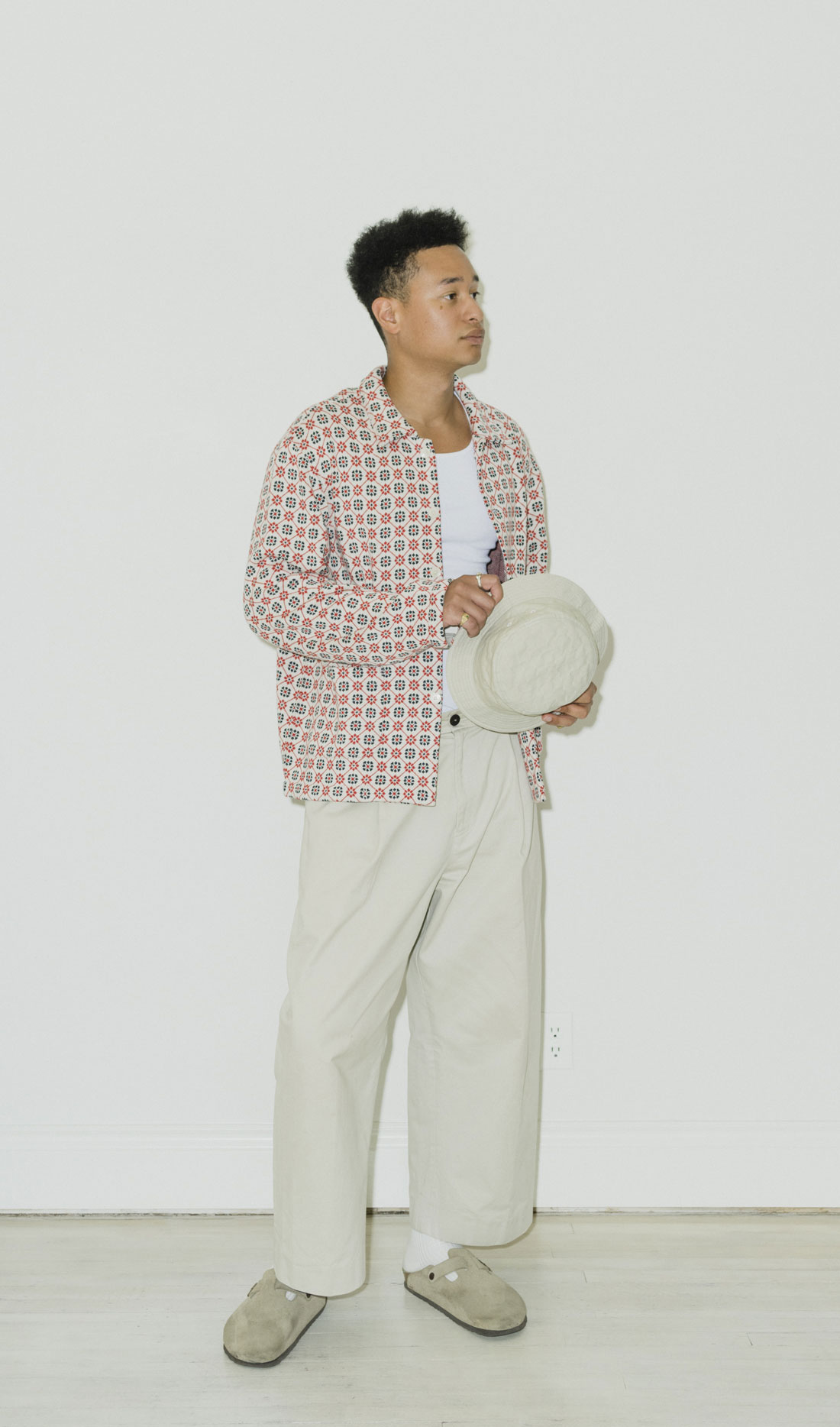
For actor-turned-shop proprietor Graham Newmarch, clothing has been a vehicle for reinvention. His multi-brand retailer, Calculus, in British Columbia’s capital Victoria, is an evolution from the consignment-based showroom that he first established in Oak Bay. Today, Calculus has a unique selection of independent and international names, such as Bode from the US and South Korean newcomer Cayl. For Newmarch, running the shop has become a constant exercise of self-discovery. “It’s an honest representation of me, my city and everyone and everything I love,” he says.
calculusvictoria.ca
2.
To the max
Sportivo, Madrid
Since opening more than 20 years ago, Madrid menswear specialist Sportivo has been operating on the principle that “more is more”. “Of course, it would make our lives easier to stock fewer brands,” says manager Gustavo Perez Ruiz, surveying the bulging racks and rails that fill the shop floor. “But that’s not what we’re about. Minimalism has never been our thing.”
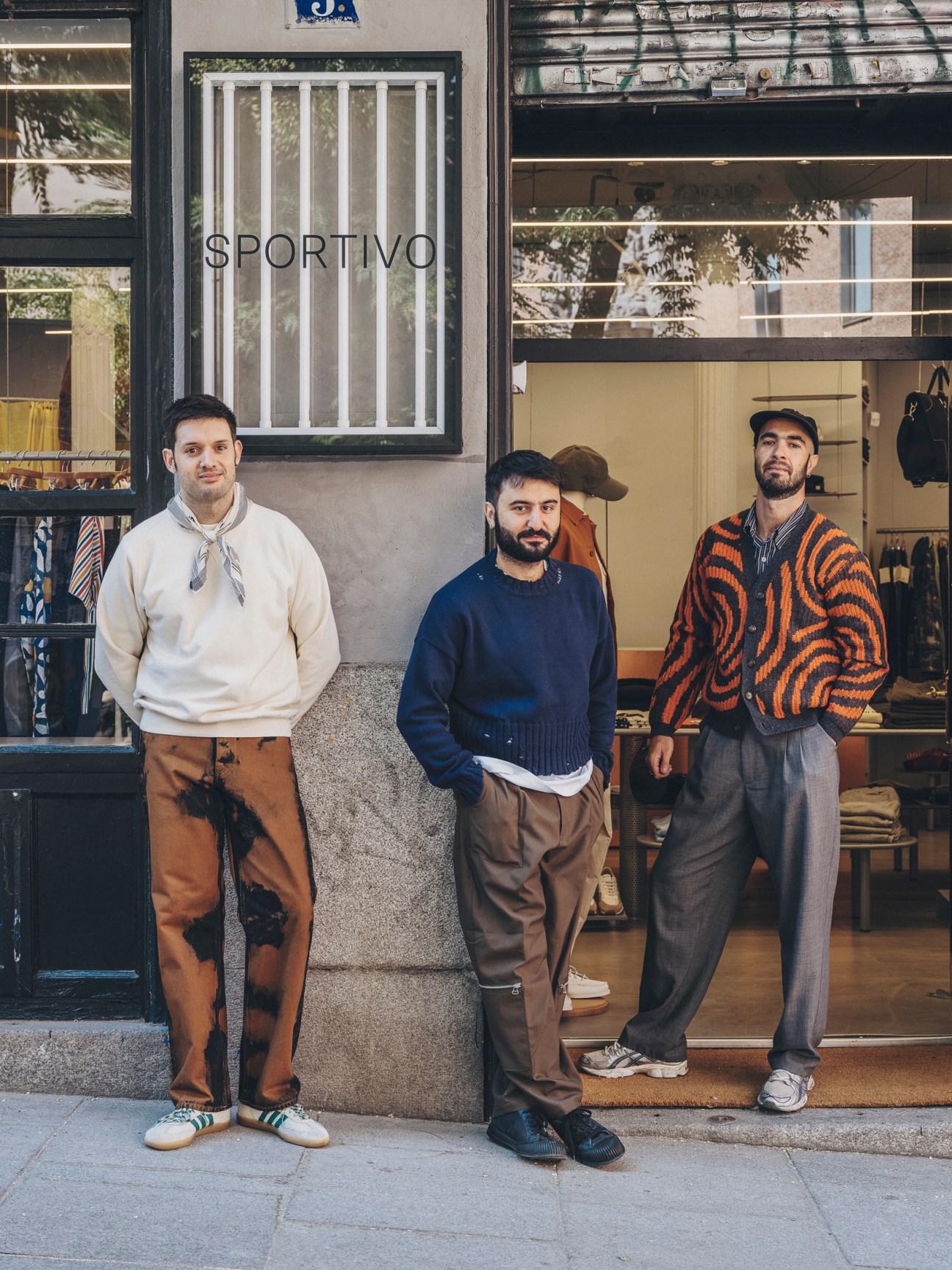
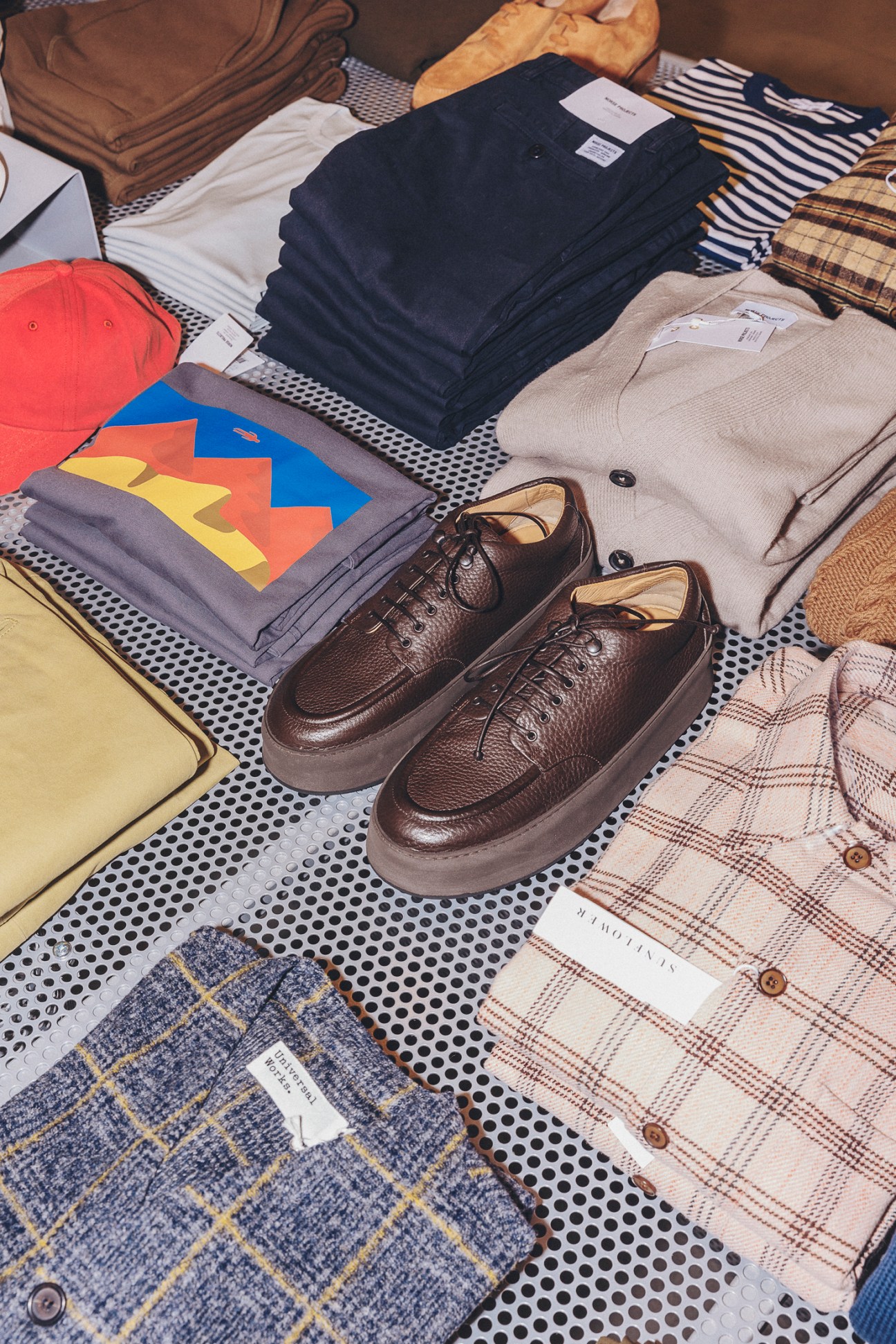
Sportivo sells more than 60 global brands from its two-storey shop on the corner of a pretty square in the Conde Duque neighbourhood. There’s a mix of established and emerging brands on offer and the main focus is bringing the best of international design to Madrid. “We’re always looking for new designers to add,” says buyer Nacho López. “That’s the secret to the long-lasting success of the shop: hard work. We have a lot of loyal customers but as soon as you relax you’ll fall off the map.”
sportivostore.com
3.
Community bonds
Zegna, Madrid
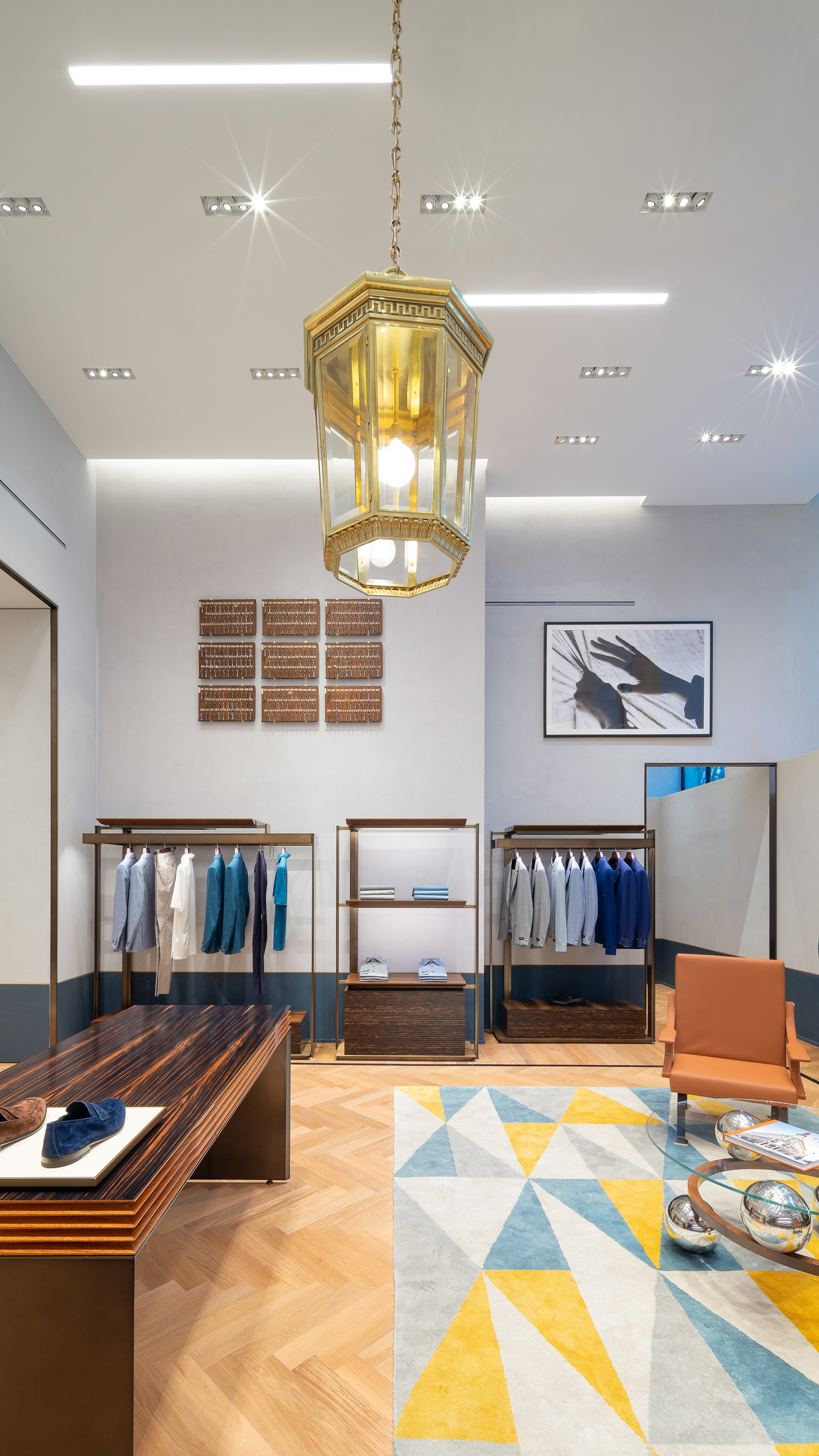
Italian menswear brand Zegna’s new Madrid boutique pays homage to its location’s historic significance as a bustling financial quarter. Once home to the Banco Hispano Americano, the newly renovated Galería Canalejas shopping precinct now hosts a range of luxury brands, from Valentino to Aquazzura.
Zegna’s new shop, however, is particularly impressive. Designed by creative director Alessandro Sartori in collaboration with Zegna’s in-house architects, the space’s contemporary interiors contrast with antiques that have remained from its days as a bank. There are also large brass lanterns and safety-deposit boxes, as well as their original keys, which give the shop a hint of old-world charm. Customers can browse items from the brand’s current collection, which includes updated luxury leisurewear, signature overshirts and triple-stitch trainers.
zegna.com
4.
On track
Satisfy Running, Paris
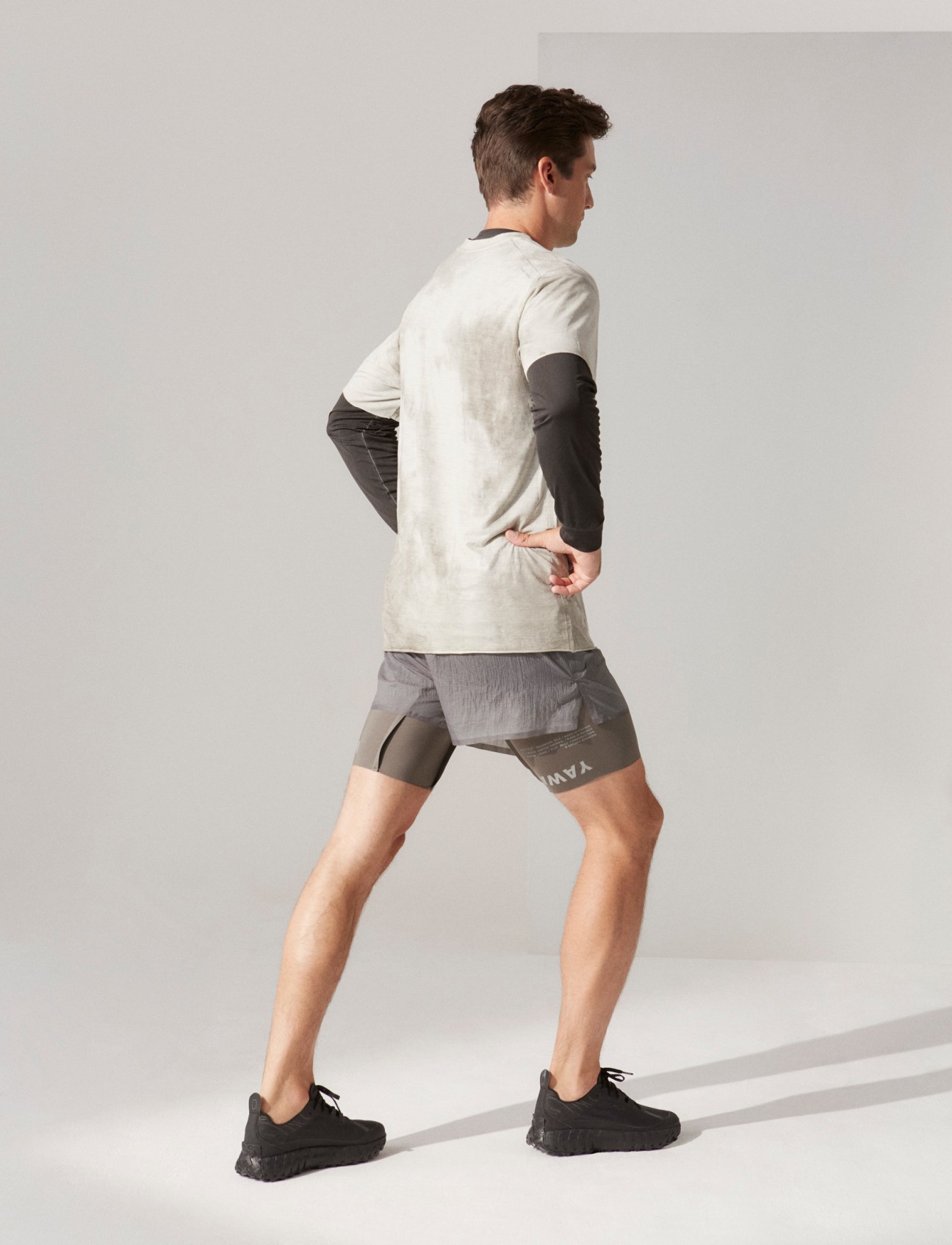
Brice Partouche, a self-confessed obsessive runner, launched Satisfy Running in 2015. He wanted to create premium running gear – the kind that he’d wear on his own runs. “Activewear has always been dominated by the mass market but if you appreciate craftsmanship and premium products, why should you have to buy into lower quality?” says Partouche. To address this, he set up an atelier in Paris akin to that of a luxury ready-to-wear brand, where a dedicated team designs and tests every product. “I wanted to align with the culture of craft,” he says.
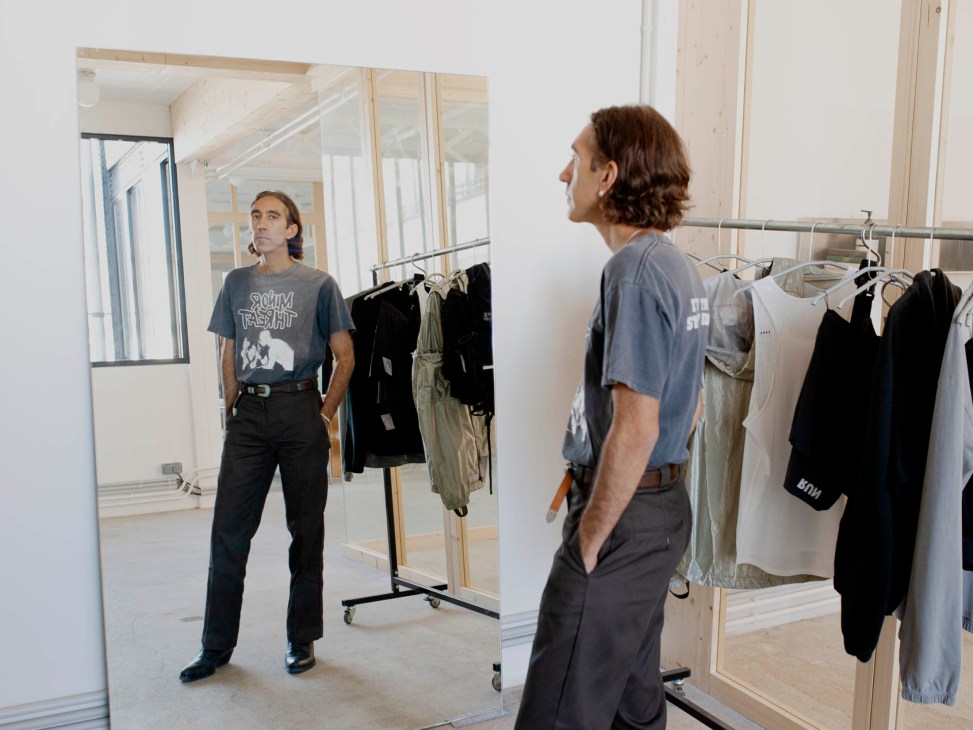
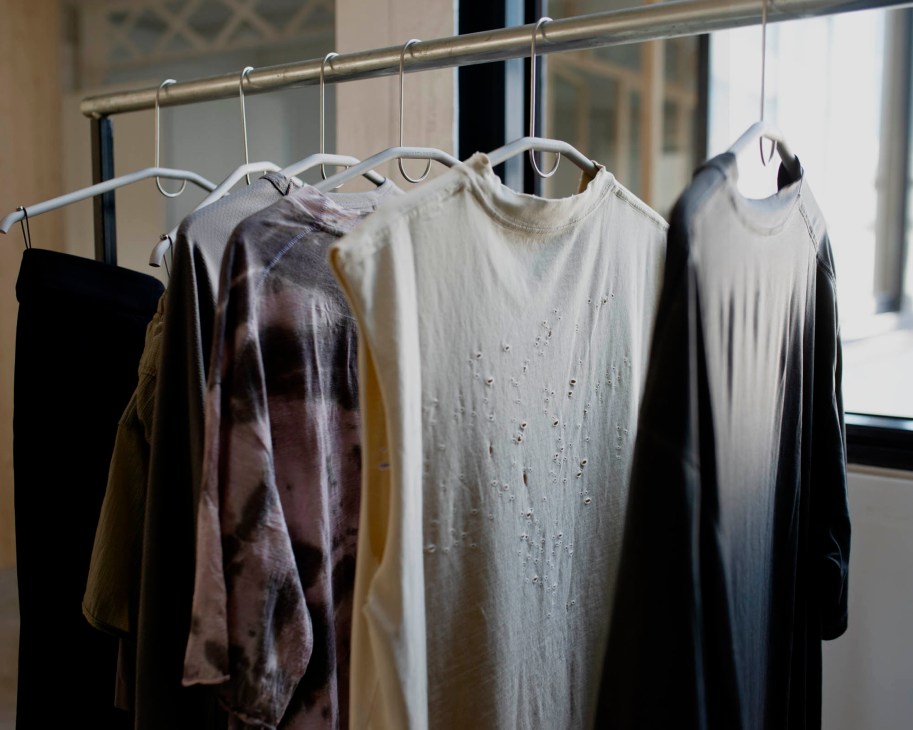
Partouche creates custom fabrics either in France or in Japan, including a cotton-piqué fibre in which minuscule holes are strategically placed where your body needs to cool down. His ultimate aim? To create the most lightweight fabrics and sophisticated silhouettes that will keep his customers feeling comfortable and looking sharp. “If you look good, you will also perform better; it’s a simple fact,” he says.
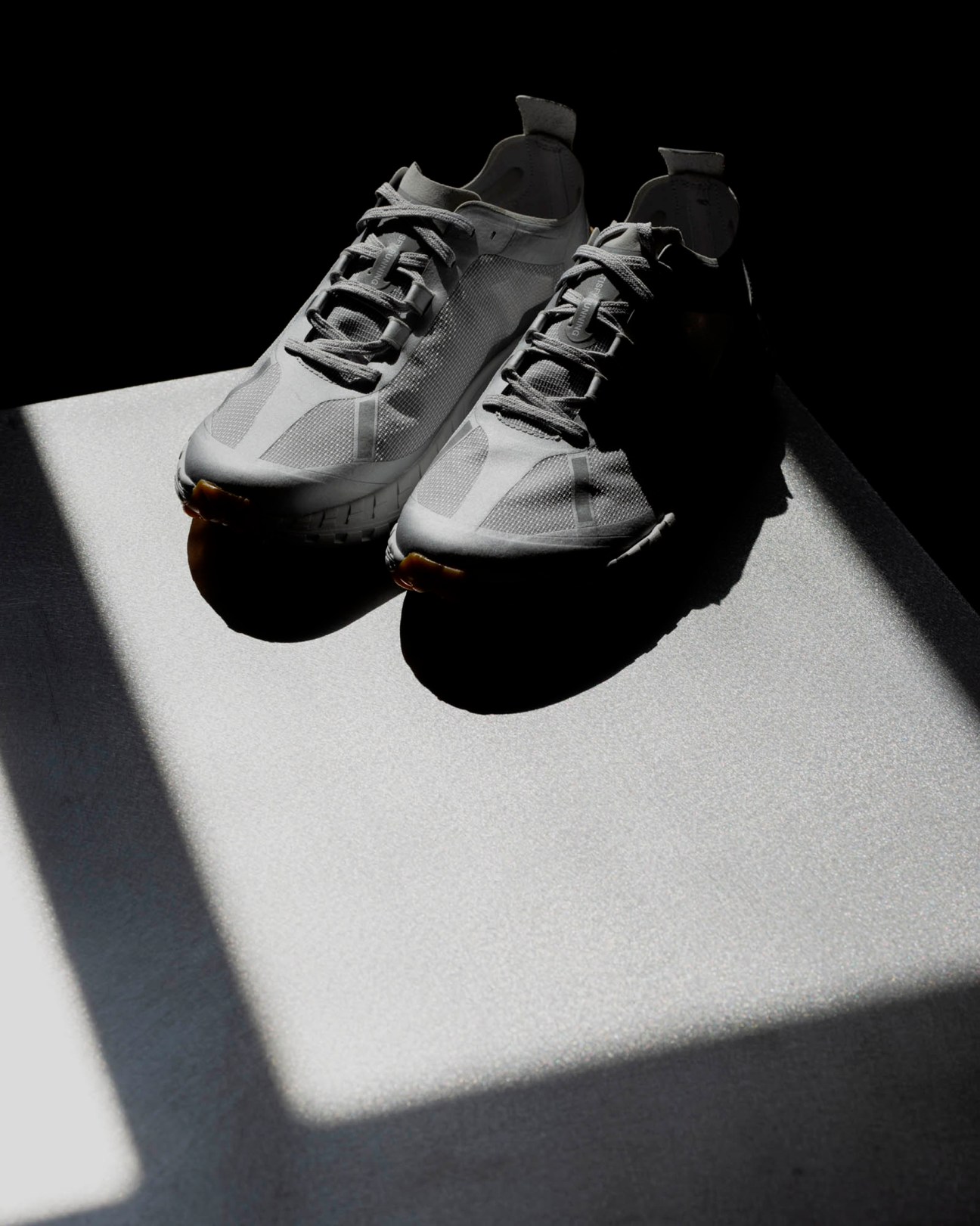
The brand serves a global community of runners who buy its signature hand-dyed merino wool T-shirts and “sweatproof” shorts on repeat. It’s now ready to expand with a new range of hiking gear and trail running shoes created with Canadian company Norda (see page 184). “Any running product can also work for outdoor activities such as trekking and hiking,” says Partouche. “We’re all about getting that endorphin high in nature.”
satisfyrunning.com
5.
Time for a change
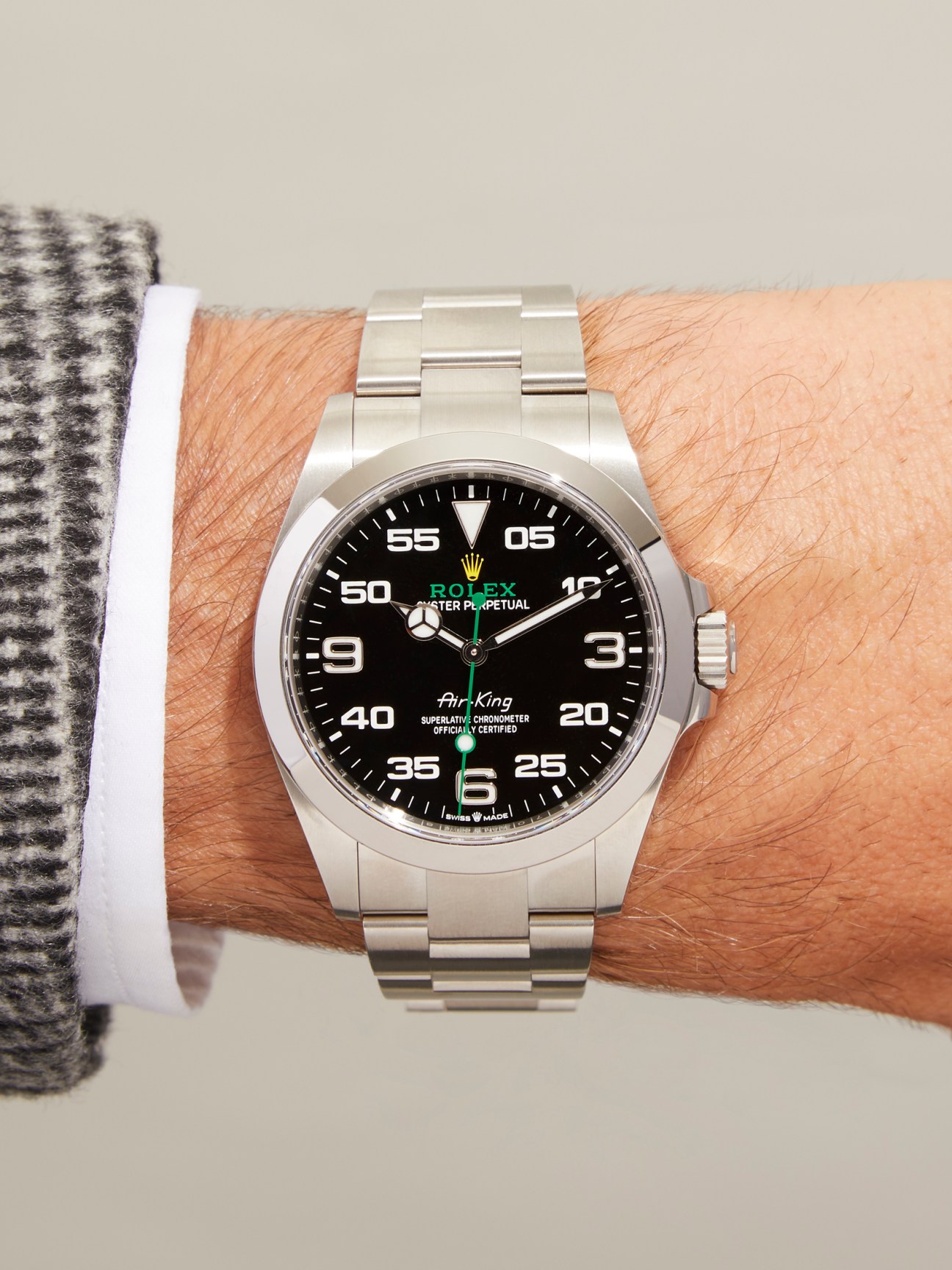
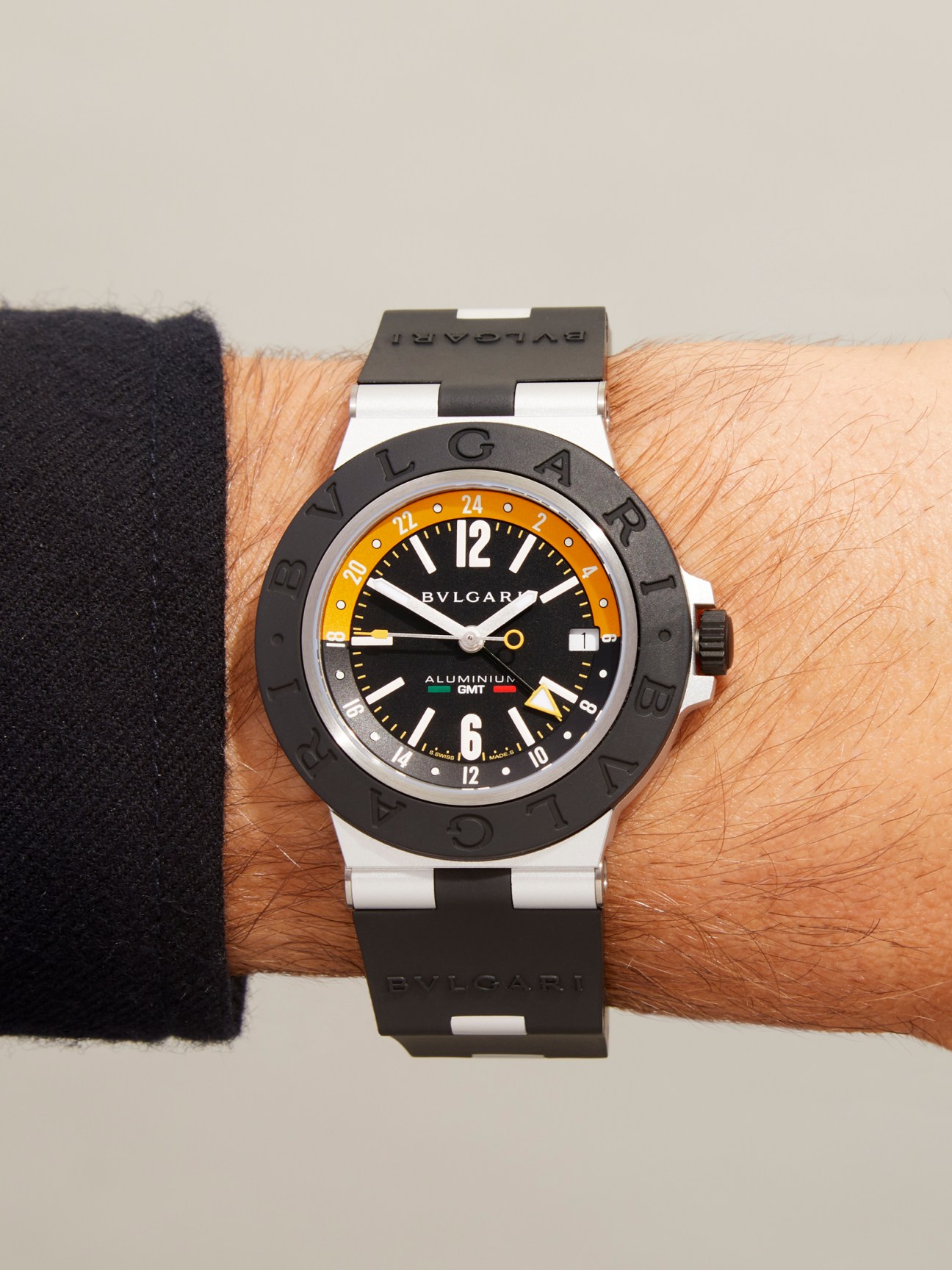
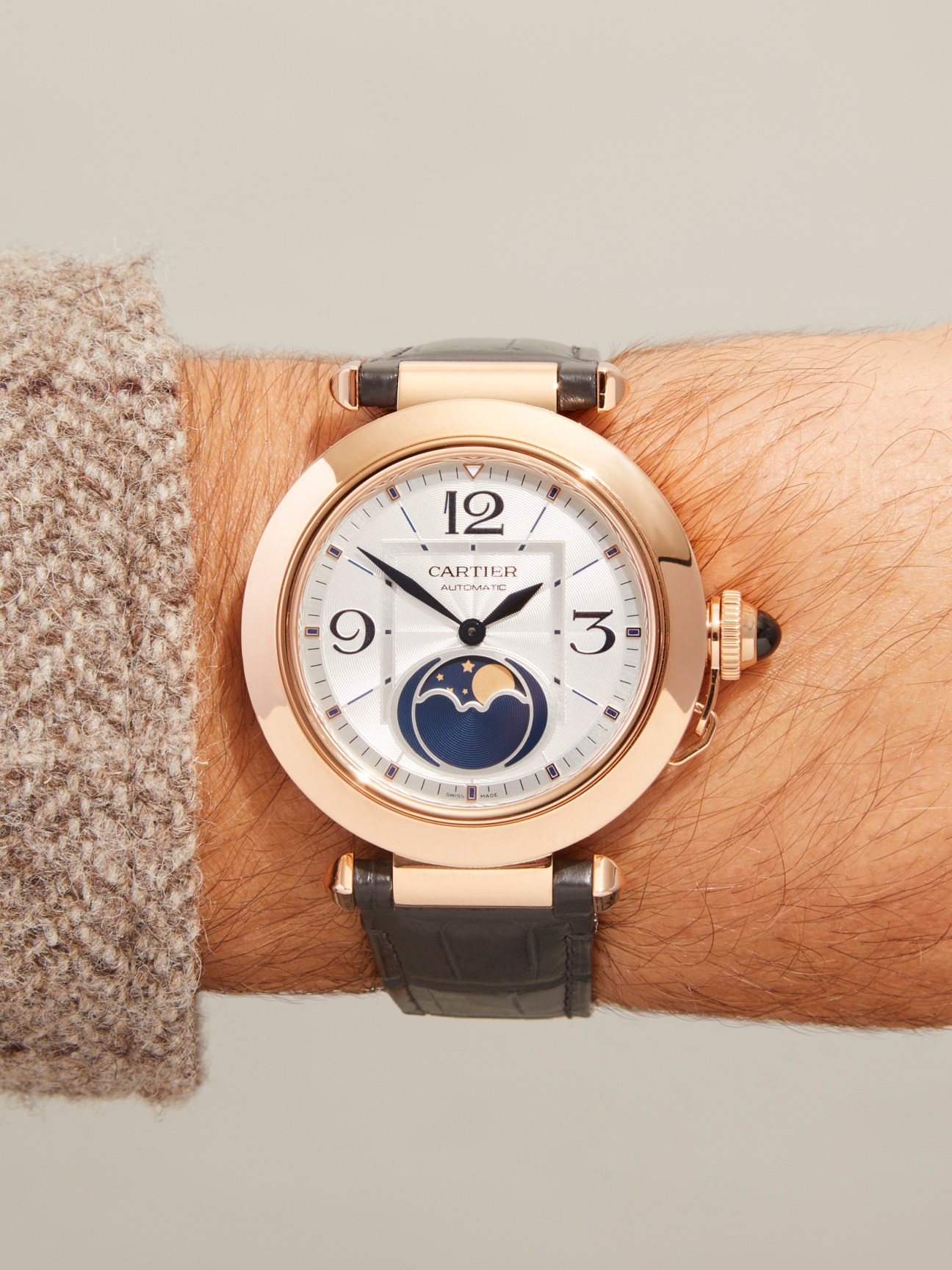
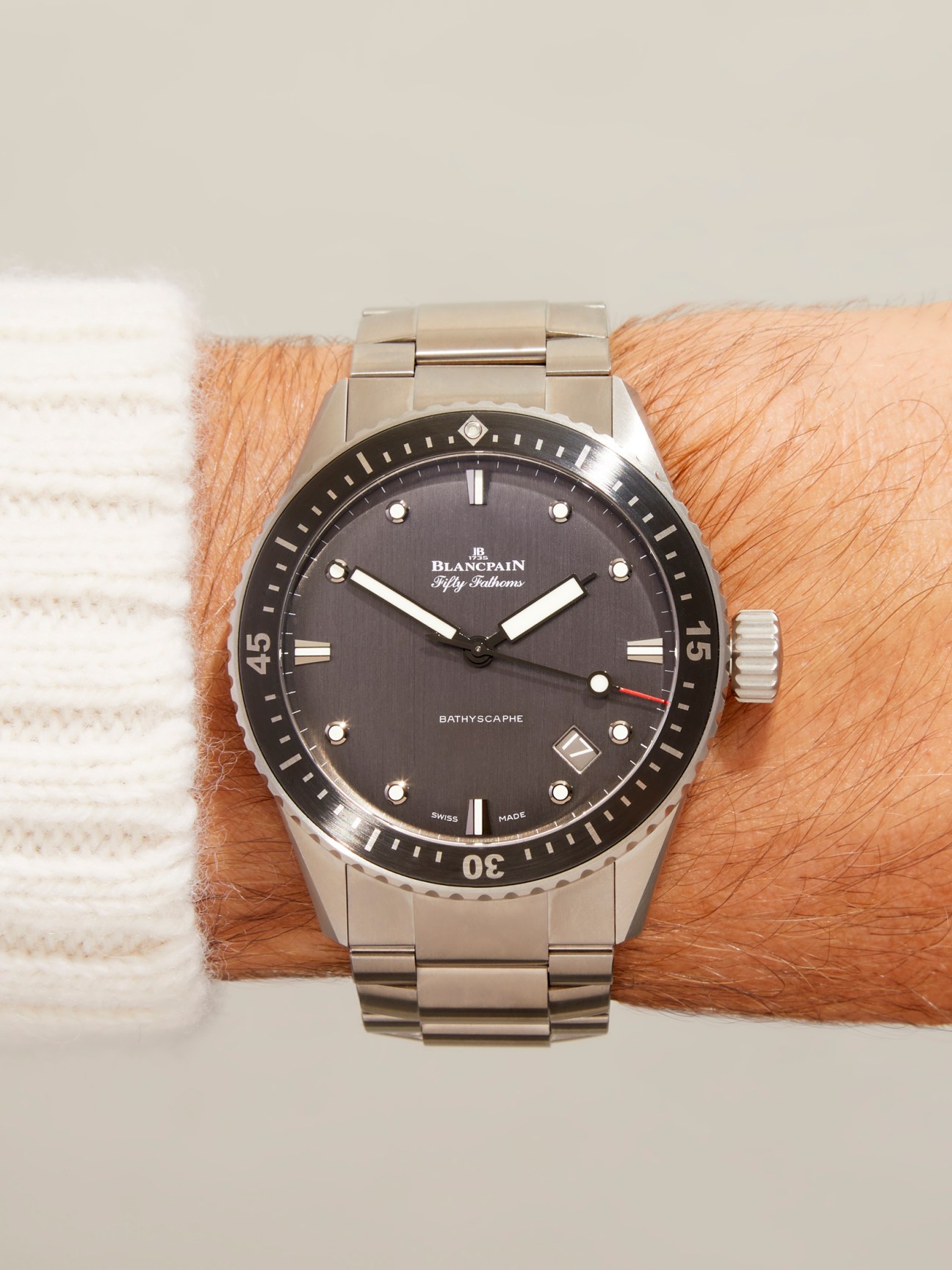
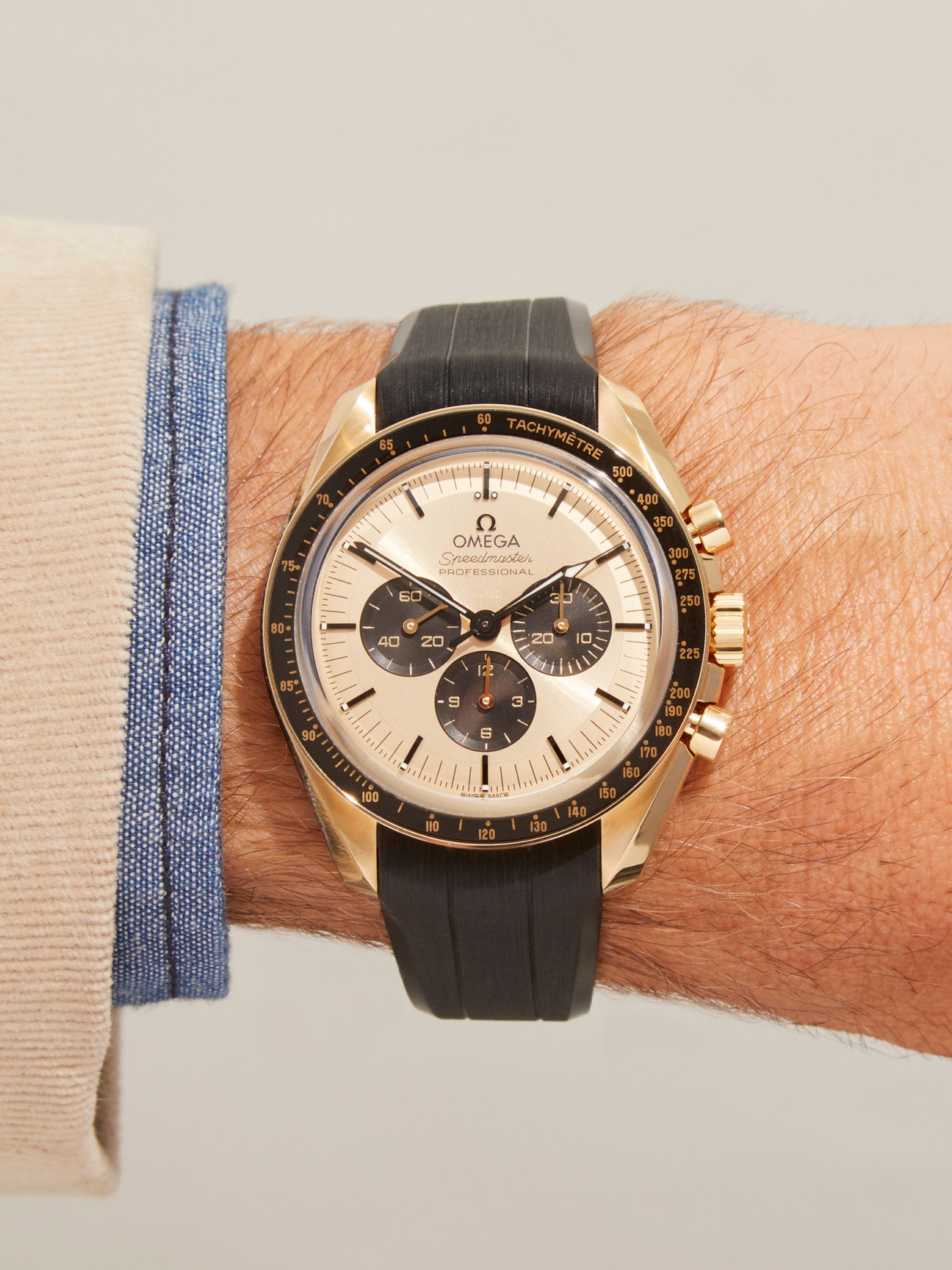
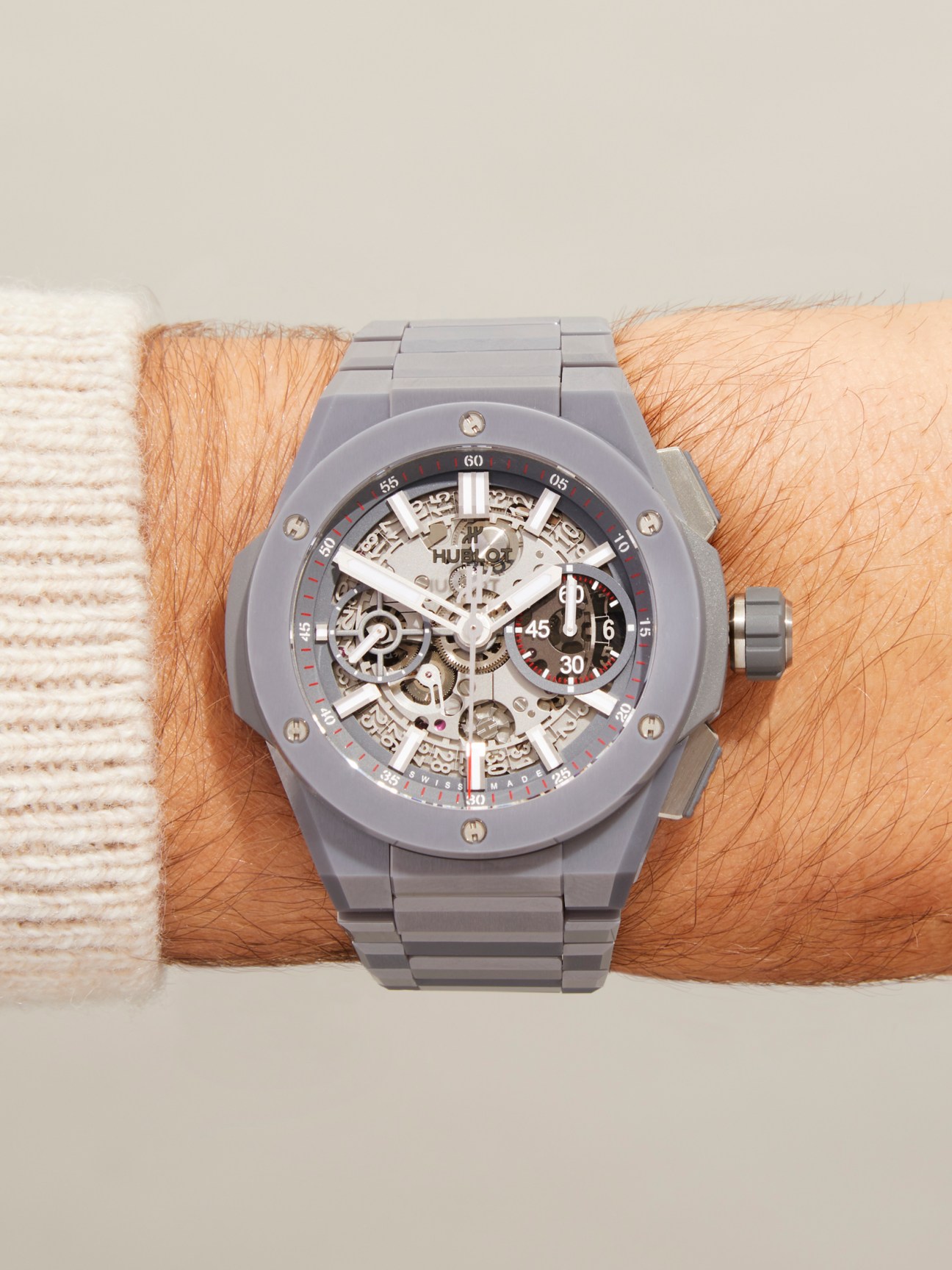
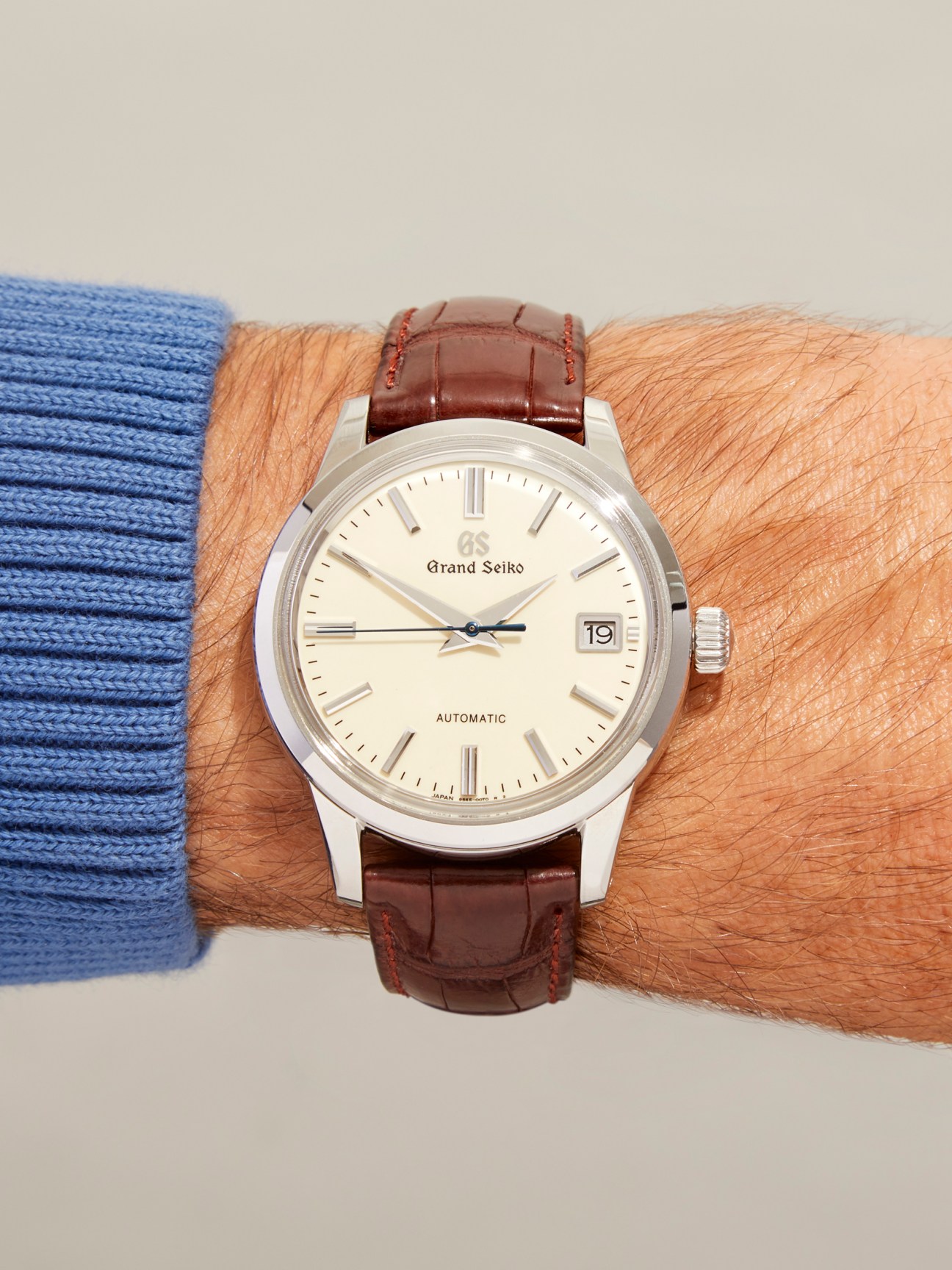
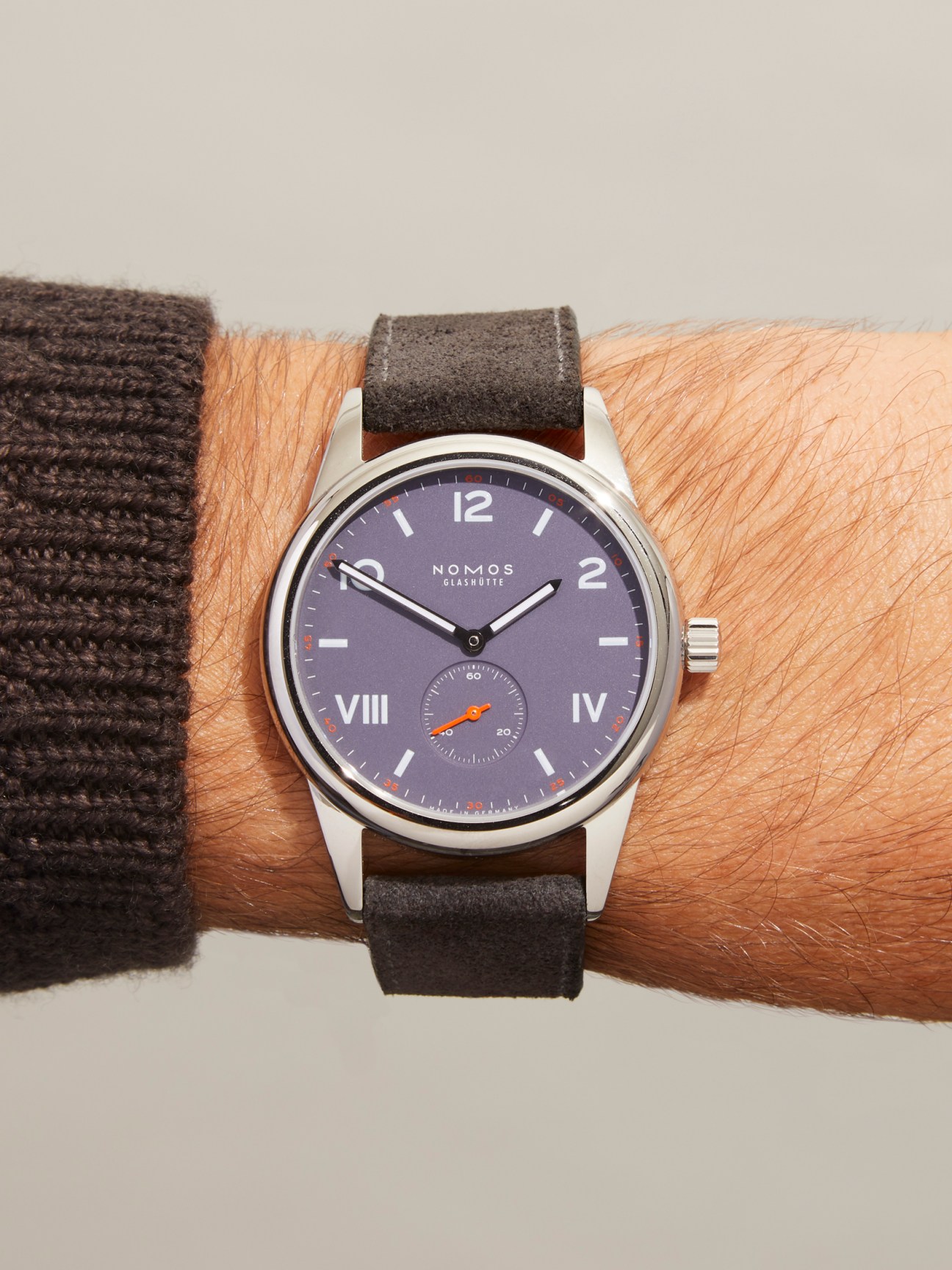
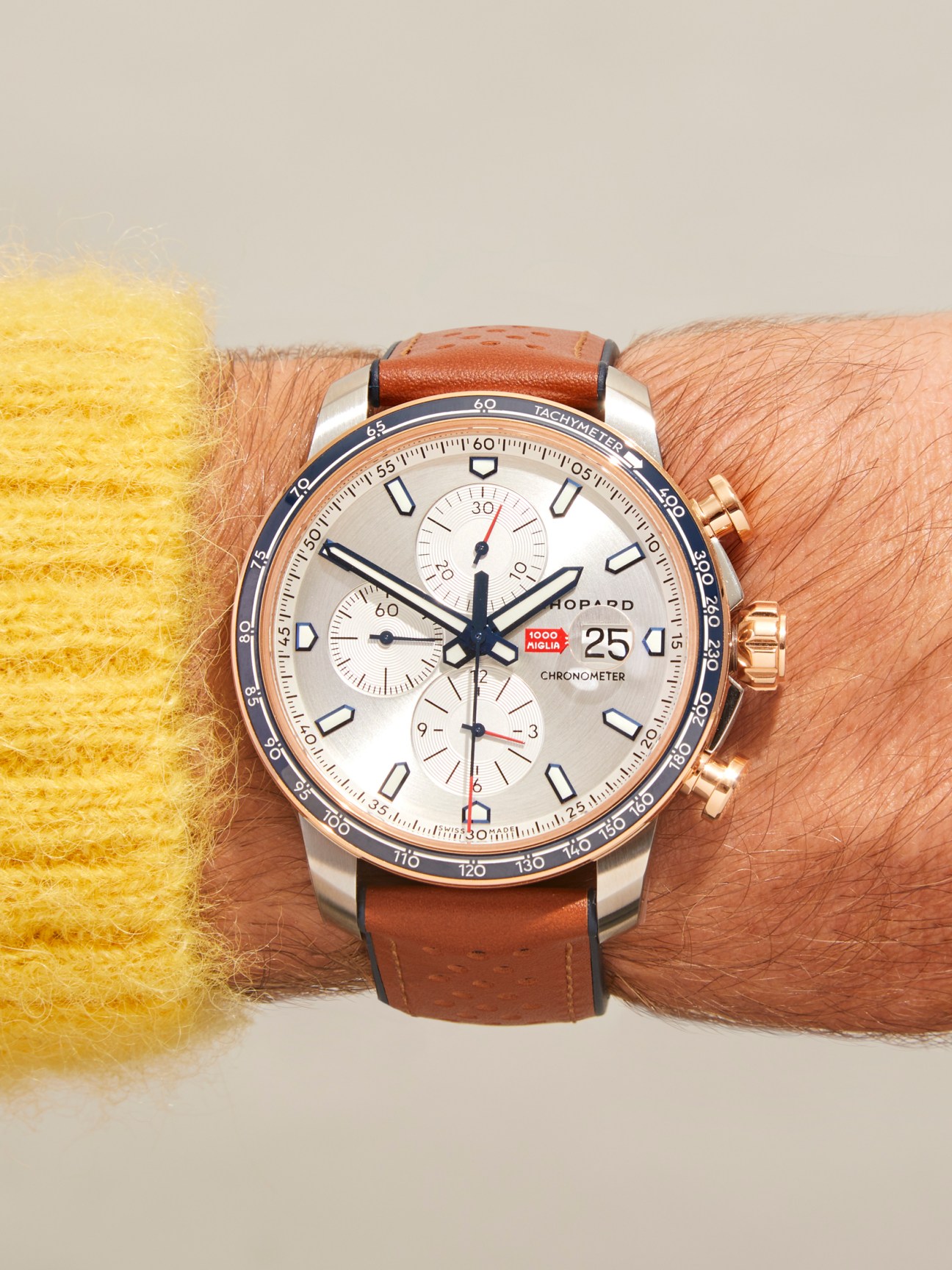
Luxury watches have never been in higher demand. Monocle rounds up the best-in-class designs, from much-loved classics, such as Rolex’s Air-King and Cartier’s Pasha styles, to new favourites. We have our eye on Bulgari’s sporty Aluminium watch and Nomos Glashütte’s understated timepieces, handcrafted in the German town from which it takes its name. The choice is yours.
6.
Comfort zone
Tokyo Sandal, Tokyo
Katsuya Tokunaga, designer and founder of Tokyo Sandal, knows a thing or two about making comfortable shoes. He has been running a leather-boots brand called Rolling Dub Trio from Tokyo’s historic Asakusa district for 15 years. “It is an old shoe-making neighbourhood, home to many craftsmen and suppliers,” he says. “This is the place that raised me as a shoe-maker so I’m proud to be based here.”
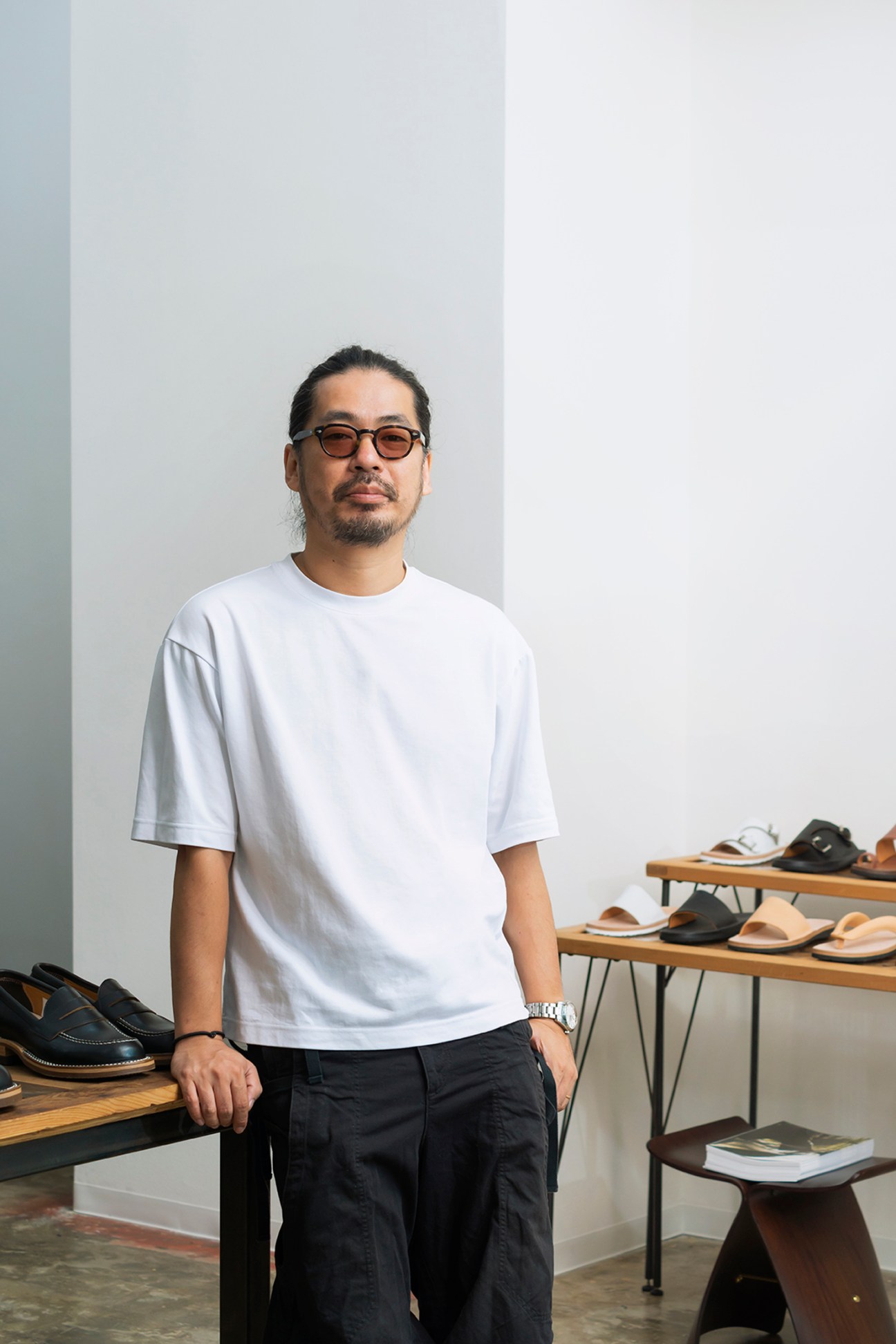
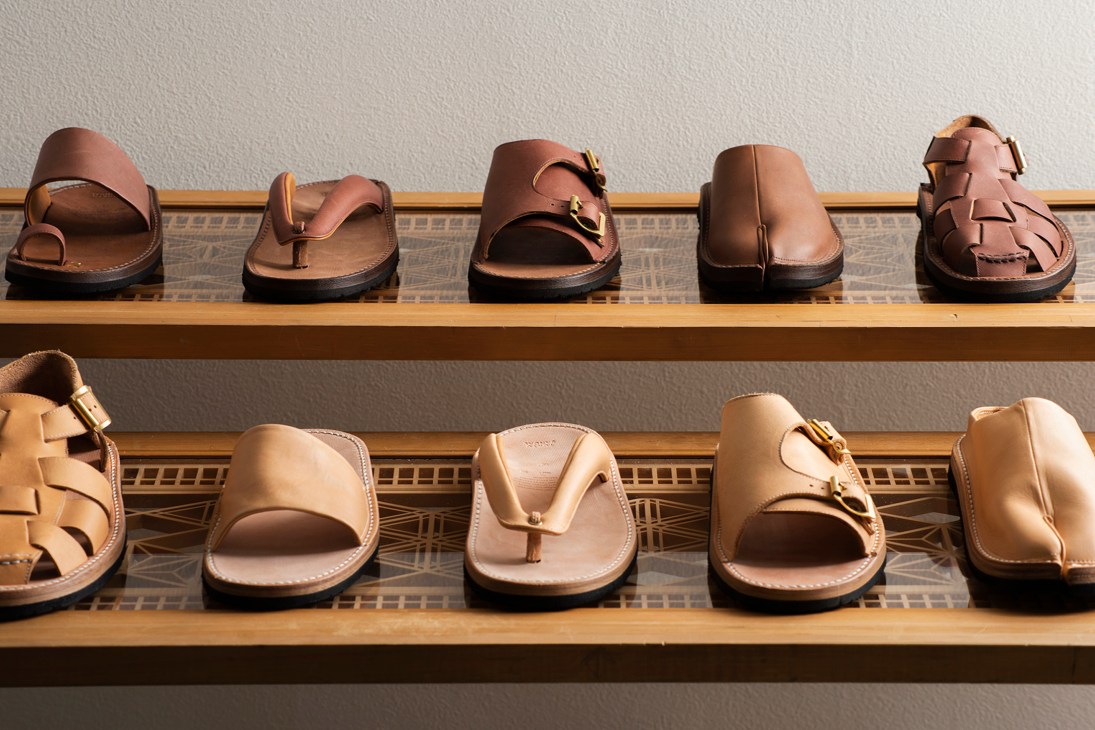
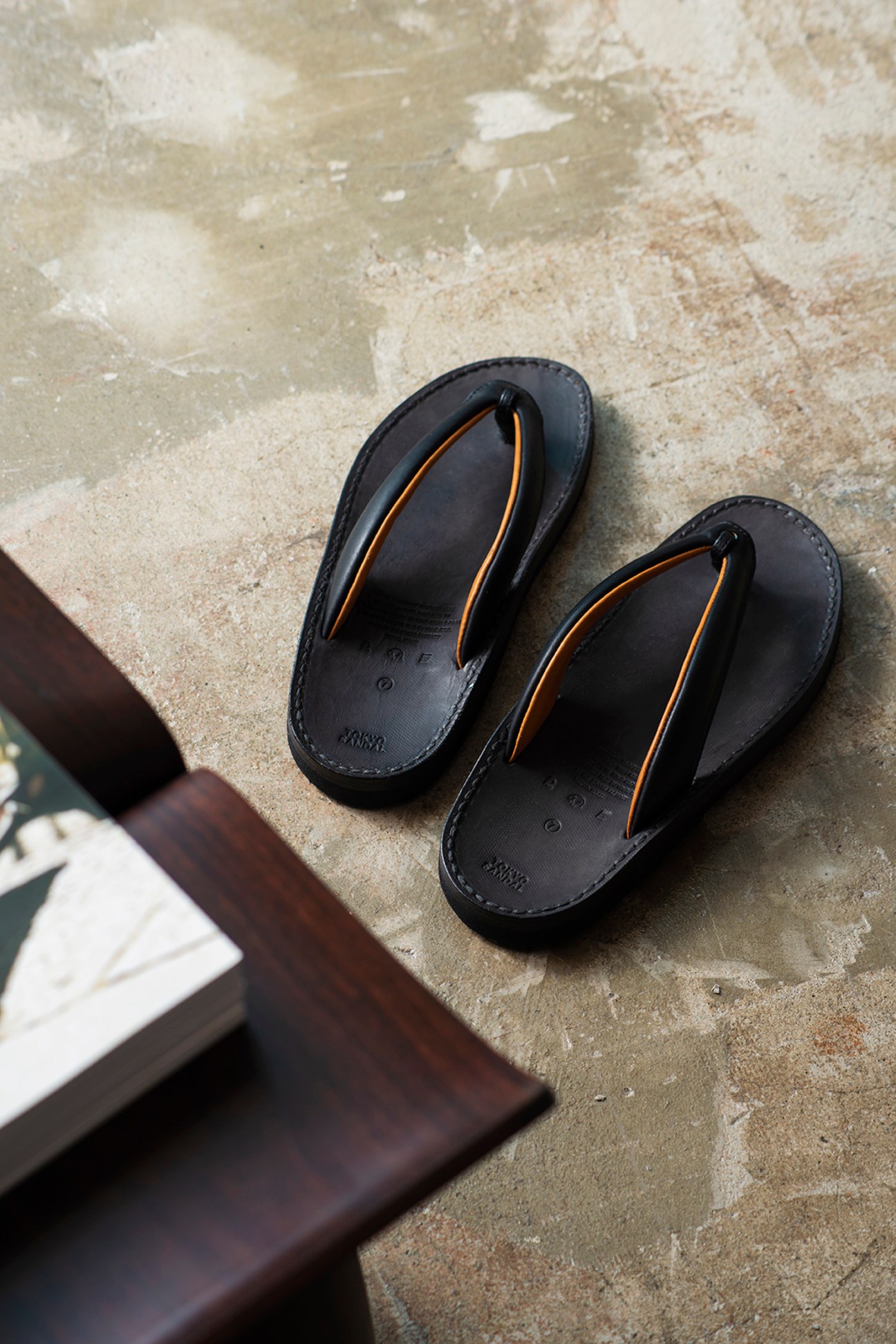
In 2011, Tokunaga launched Tokyo Sandal. While he draws inspiration from traditional Japanese sandals, he also applies the manufacturing techniques and constructions used for boots to sandal-making. Thin layers of leather are placed on top of rubber outsoles to provide a flexible cushion, while the insoles are shaped in three dimensions to ensure comfort. “Modern leather sandals have issues with comfort and longevity,” says Tokunaga. “I wanted to solve the problems without compromising aesthetics.”
craftbank.net
7.
Built to last
Diomene, Milan
Croatian-born, Milan-based designer Damir Doma has long been known for his edgy brand of fashion. His new project seeks to strip back his designs to conjure more enduring pieces that live longer in customers’ wardrobes. “The idea is to create sustainability from an aesthetic point of view, meaning that you buy the clothes and you keep them,” he says of his new brand, Diomene, which means “part of me” in Croatian. Falling under the Damir Doma brand umbrella, which enjoys a cult following by American musicians and discerning celebrities, the line forgoes selling in seasonal frequency in favour of proffering styles that have been perfected to carry over in collections for years. “Editing is one of the most important things we as designers have to do today,” Doma says.
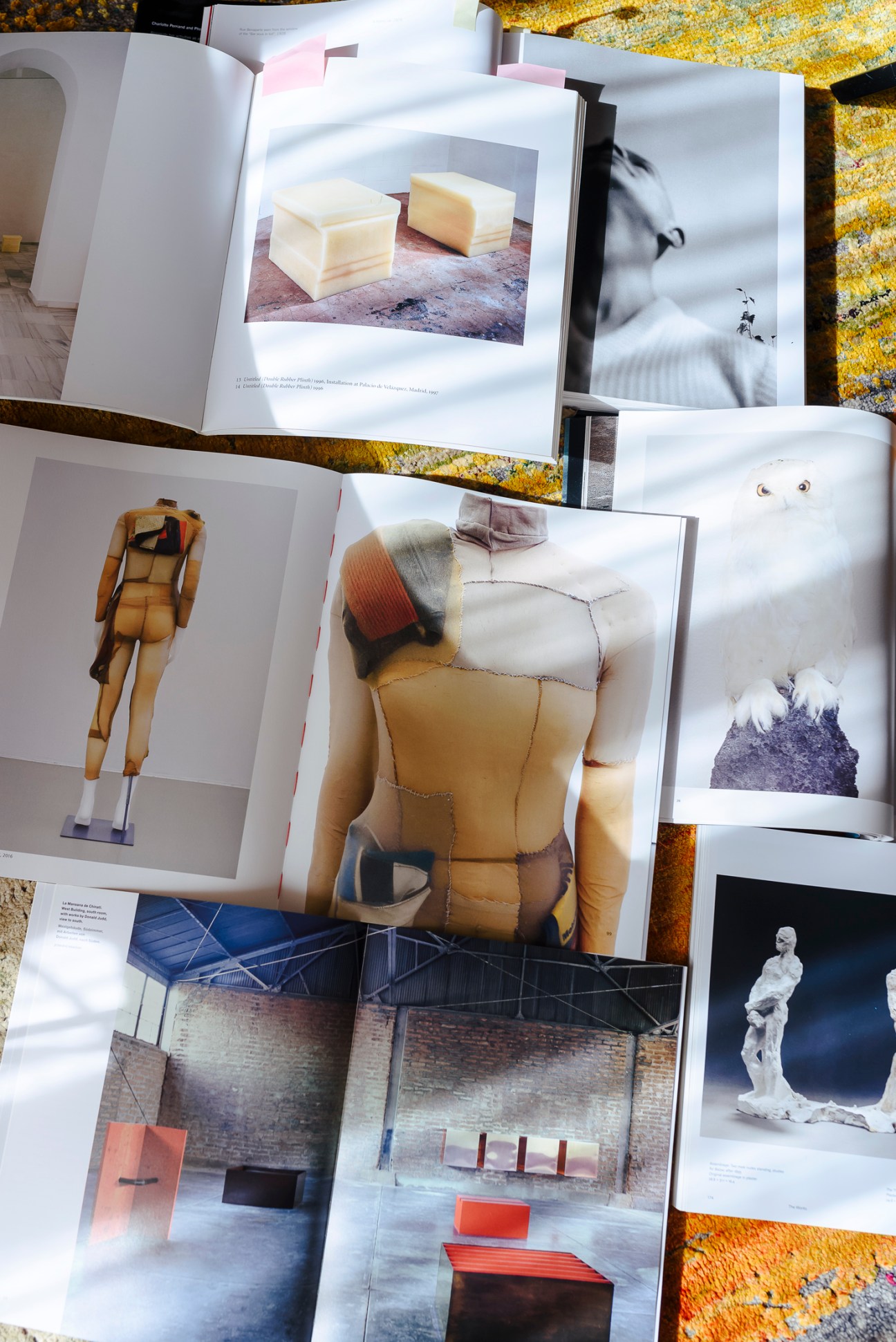
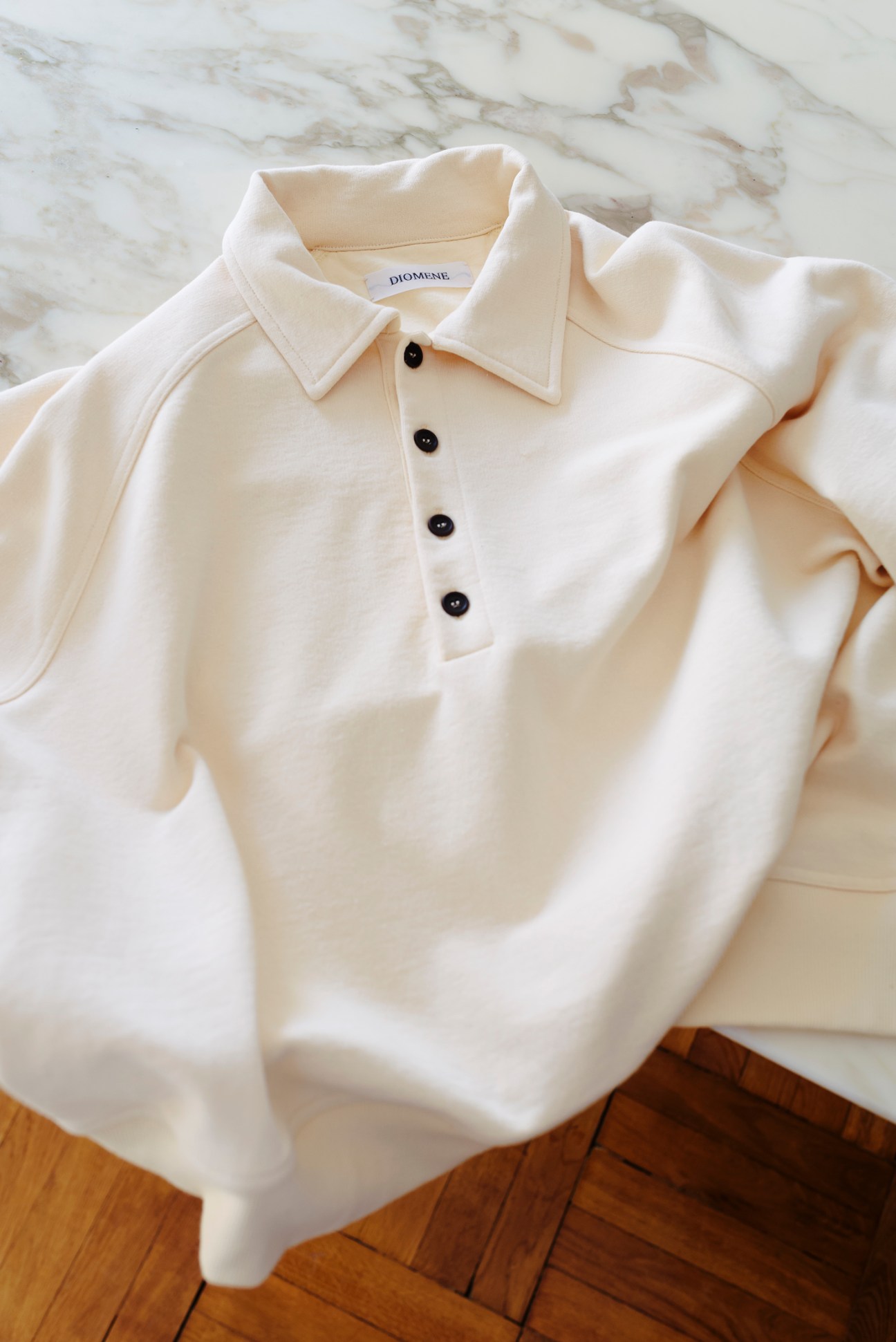
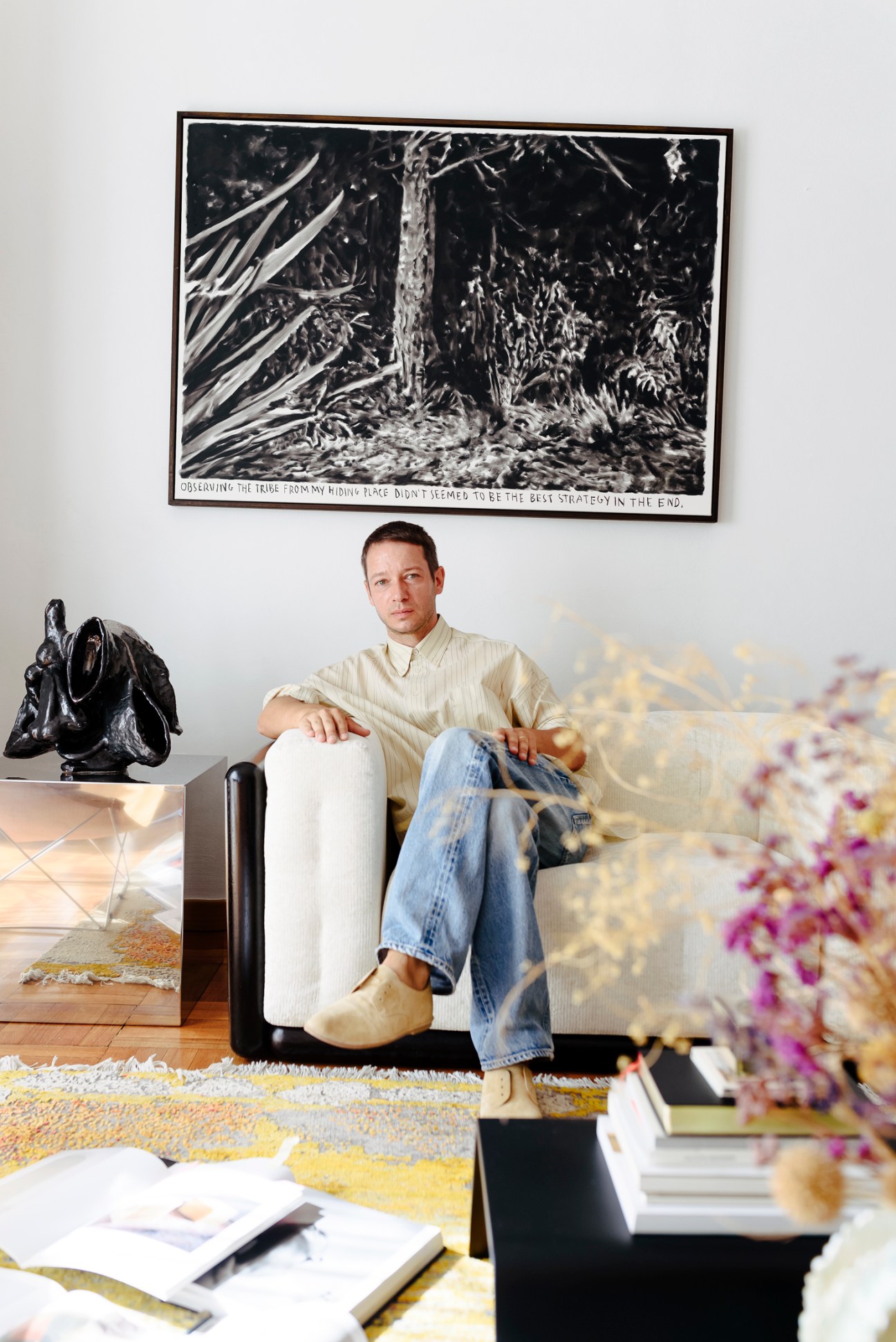
Since launching his namesake brand in 2008, his clothes have been produced in Italy and he relocated to Milan seven years ago to be closer to his makers. The pandemic, with its widespread difficulties, dealt a blow to small fashion brands but Doma recognised it as the time to embrace his desire to try something different and to “define a new classicism,” as he describes it. “Today it’s more about creating a wardrobe and working on quality and precision,” says Doma. “That’s what I’m interested in as a creative and as a customer.”
The new collection’s pieces – clean-lined jersey polos, boxy worker’s shirts, soft-fit wool interlock blazers – are simple but unique, with dropped shoulders, twisted sleeves and side seams moved to the back. Doma says that the design language he has honed over the years remains but the Diomene styles have become more timeless and essential.
damirdoma.com
8.
Happy feet
Jacques Solovière, Paris
Stroll down rue du Cherche Midi and you will pass by the shopfront of Jacques Solovière, a new addition to the boutique-lined street in Paris’s sixth arrondissement. The cool timber-accented interior is currently laid out with the Parisian footwear brand’s autumn collection, which features low boots crafted from supple waxed suede and classic loafers rendered in vintage tweed and shearling. Tucked into the back of the shop is a studio space, where visitors are likely to be greeted by founder Alexia Aubert.
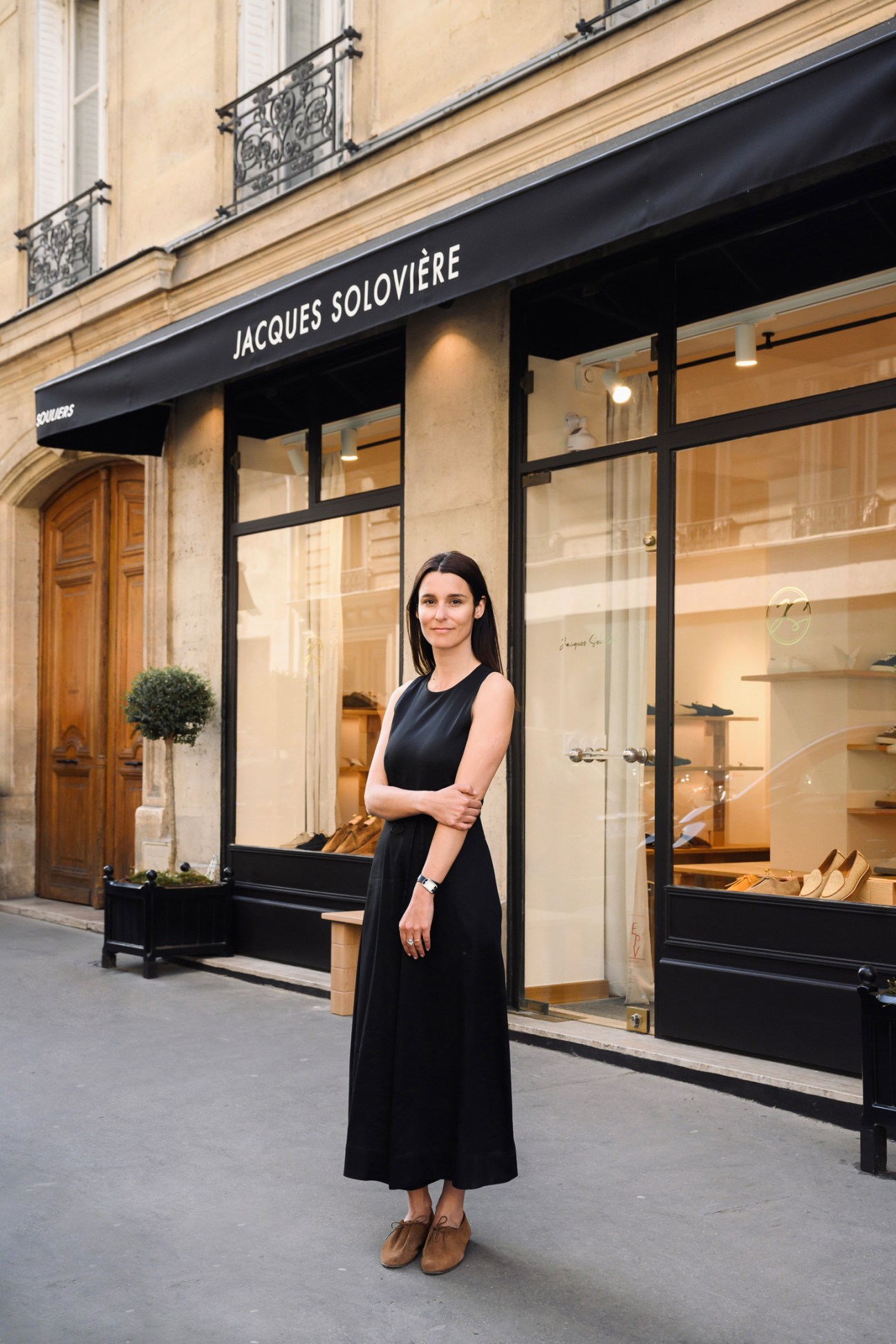
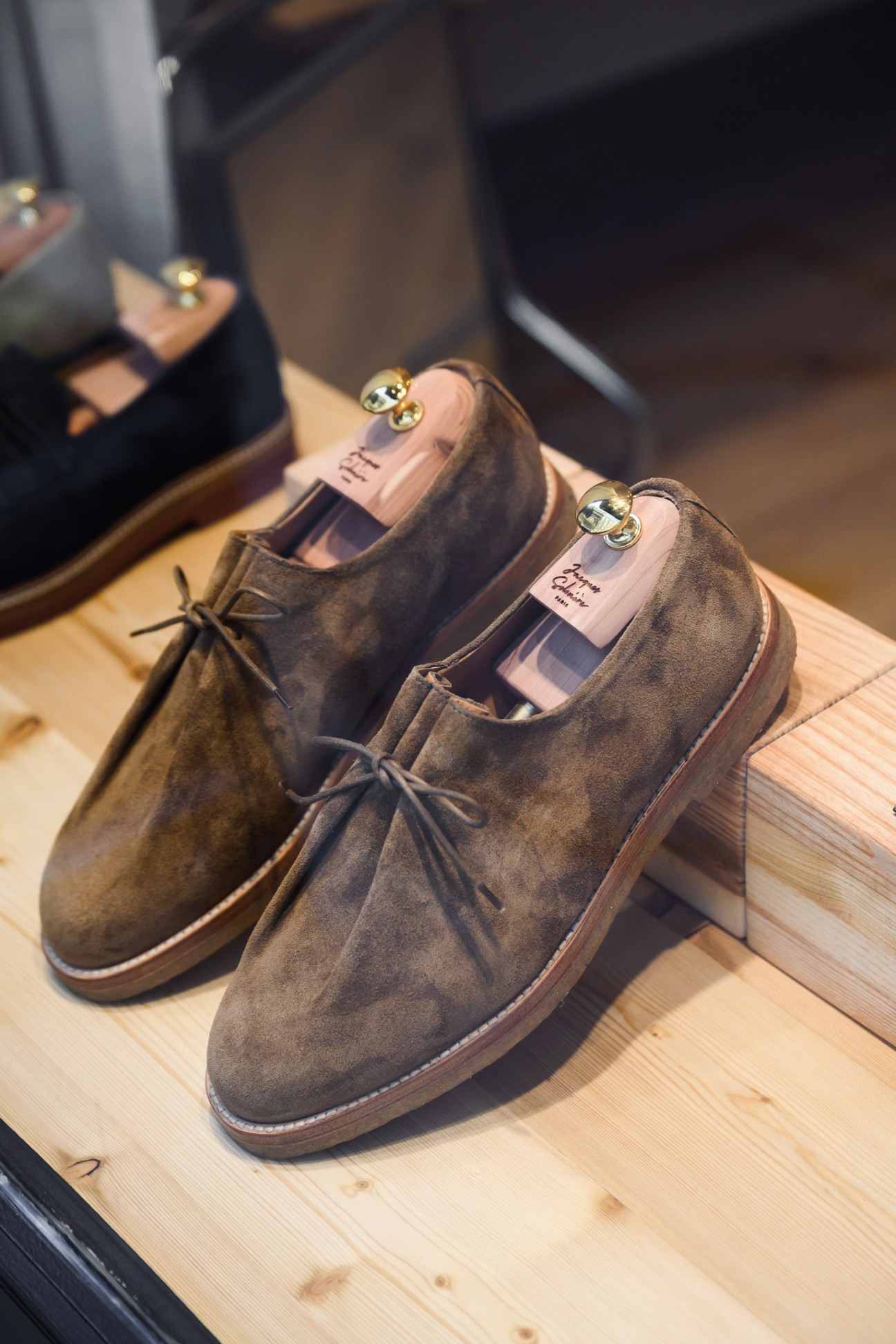
Here, the French shoe designer dreams up the brand’s ready-to-wear styles, which are sent off to be manufactured in family-owned workshops in Italy and Portugal, between receiving clients for made-to-measure orders. “This is my day-to-day office,” she says. “I’m in a constant dialogue with my clientele.”
Aubert, who is schooled in both traditional cobbling and design, founded Jacques Solovière in 2014. Her career had taken her from designing Christian Louboutin stilettos to being in charge of women’s footwear for Oscar de la Renta but when striking out on her own, Aubert chose to focus on everyday shoes for gents. “Designing for men is much more subtle, requiring you to be super precise,” she says. The name of the brand is borrowed from Aubert’s grandfather, who also serves as its inspiration. “He was a very elegant and intellectual entrepreneur with a great sense of style,” she says. “It’s the kind of man I’m targeting with Solovière.”
jacquessoloviere.com
9.
Tradition in action
Kreis Ledermanufaktur, Offenbach
When Bernd Kreis, the owner of Kreis Ledermanufaktur welcomes Monocle to his small factory, the distinctive oaky smell of naturally tanned leather makes clear the quality of the goods being made here. Laid on a table are small leather pieces that will form part of its “3-1” wallet. Sourced from a top Chicago tannery, the material is so sturdy that it is stitched together using just one outside seam.
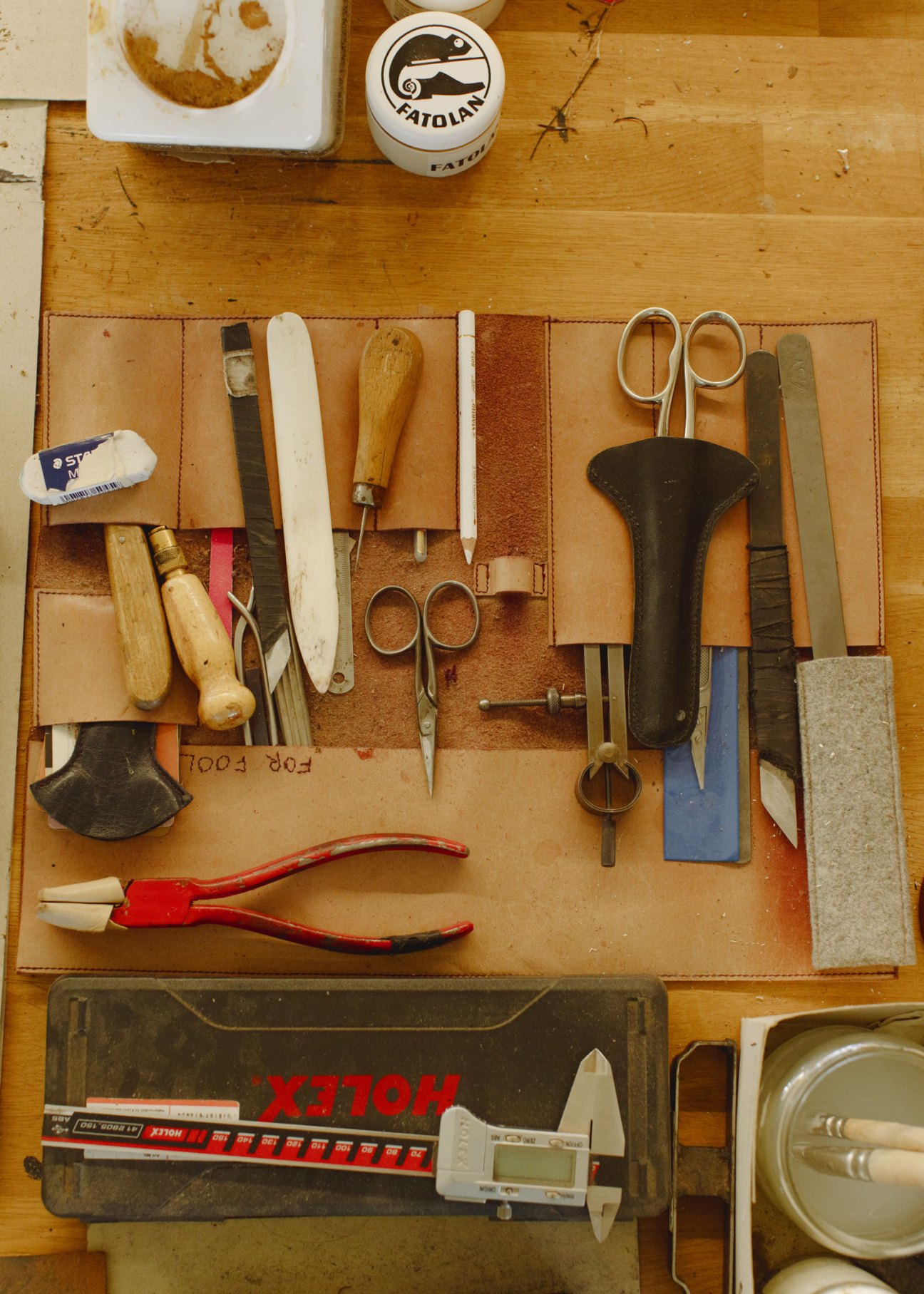
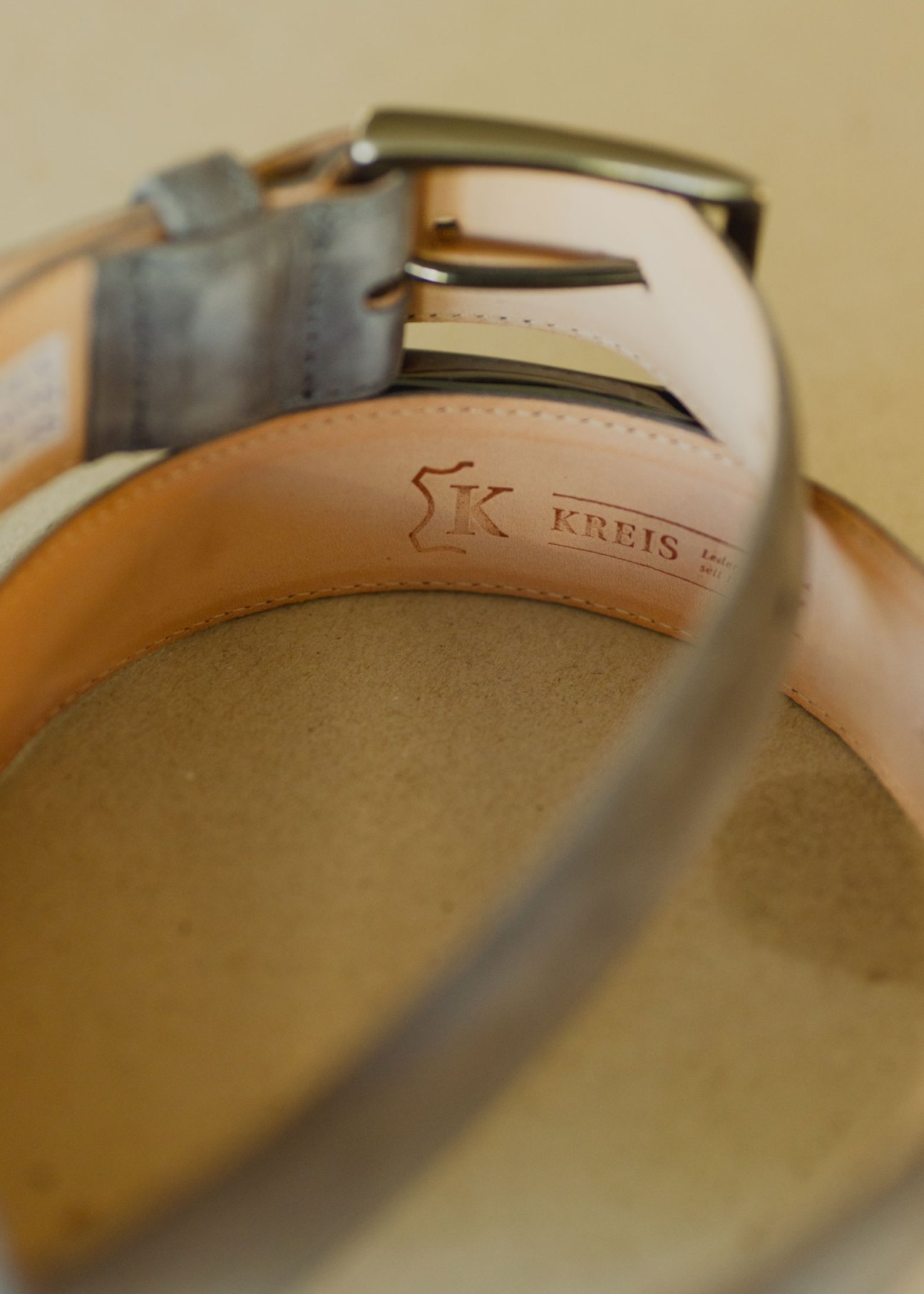
Kreis Ledermanufaktur is in the German leather-manufacturing region of Offenbach, just east of Frankfurt. When it was founded in 1963 by Erich Kreis, Bernd’s father, it was one of several hundred workshops that had sprung up in the late 18th century to serve Frankfurt’s luxury market. When cheap foreign leather goods started entering Germany in the 1970s, most were subsumed by price wars. Yet Erich kept his sewing machines humming by refusing to compromise on quality.
Since Bernd took over the family business in 1996, it has expanded to a 15-strong team of artisans. Kreis card cases and bags are shipped to Sapporo, Sydney and St Gallen. “Our company is one of the last to produce contemporary leather pieces of high quality on a small scale,” says Kreis.”
kreis-ledermanufaktur.de
10.
Better with age
Charlie Borrow, London
Charlie Borrow’s workshop in east London is packed with tools, rolls of canvas and chairs waiting to be repaired. Visitors are welcome to browse the handmade leather goods, antique furniture and lamps. Many, however, come to commission a bespoke item.
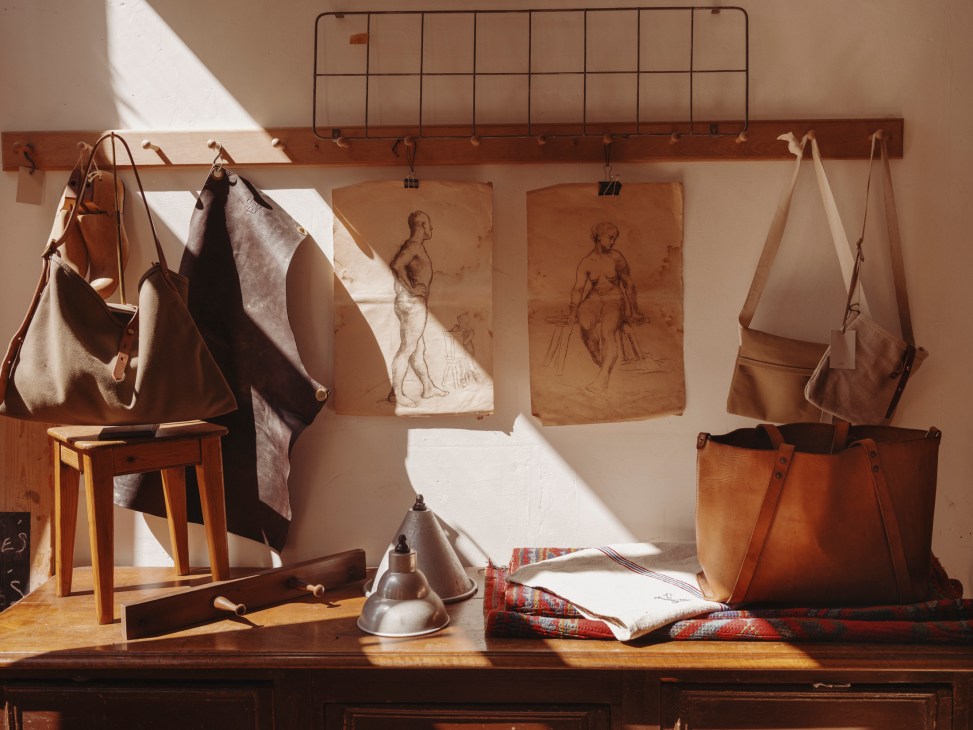
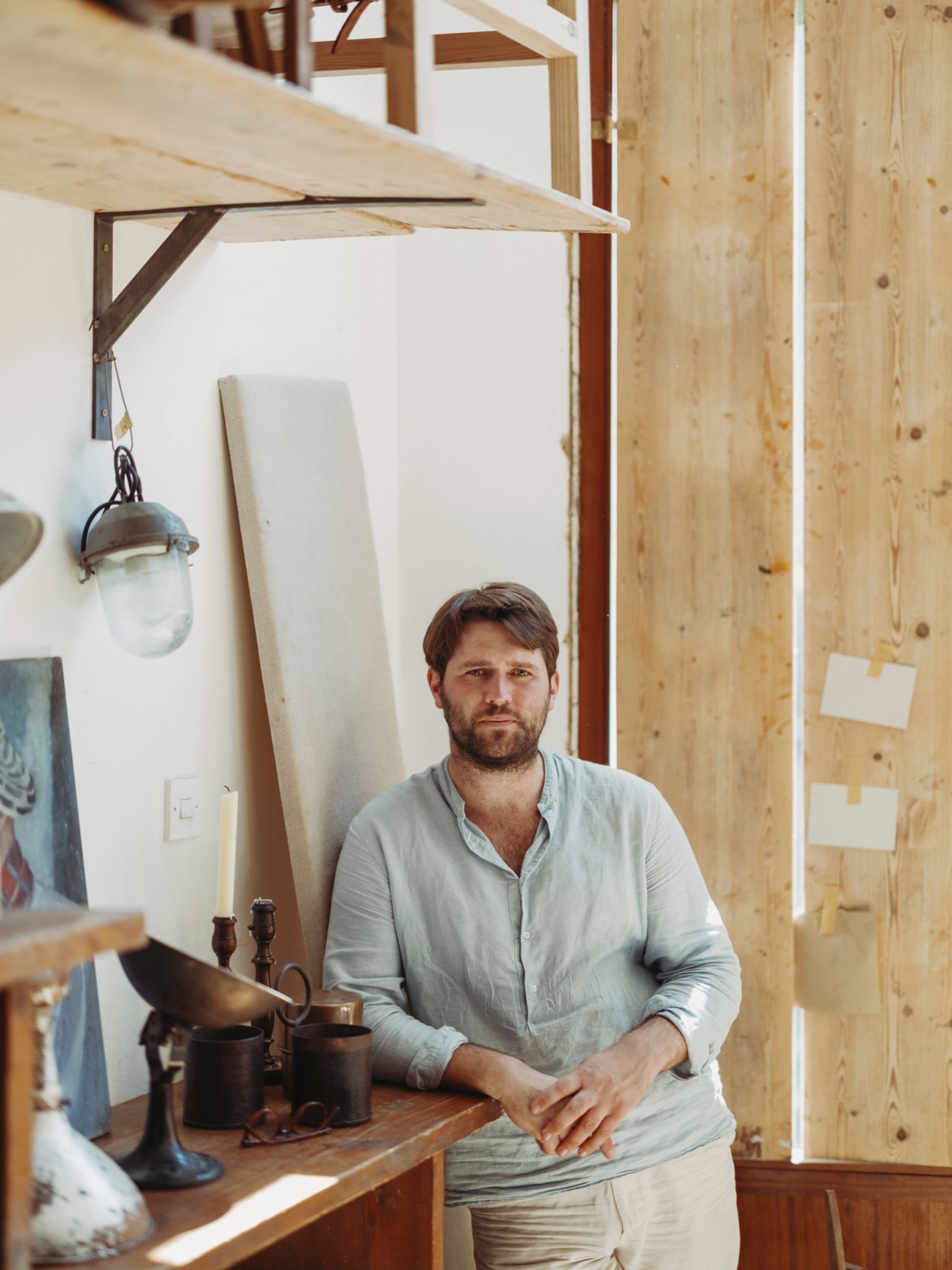
Founded in 2013, the workshop creates bags, belts and leather accessories, working with an old-fashioned tannery in Devon. “The beauty of natural leather is how it ages,” says Borrow. “I like inconsistencies and imperfections, like scars.” For bags, customers are encouraged to choose strap length, pockets, closure and colour. In the basement, he also runs a cosy bar.
charlieborrow.com
11.
Shop talk
Visvim General Store, Tokyo
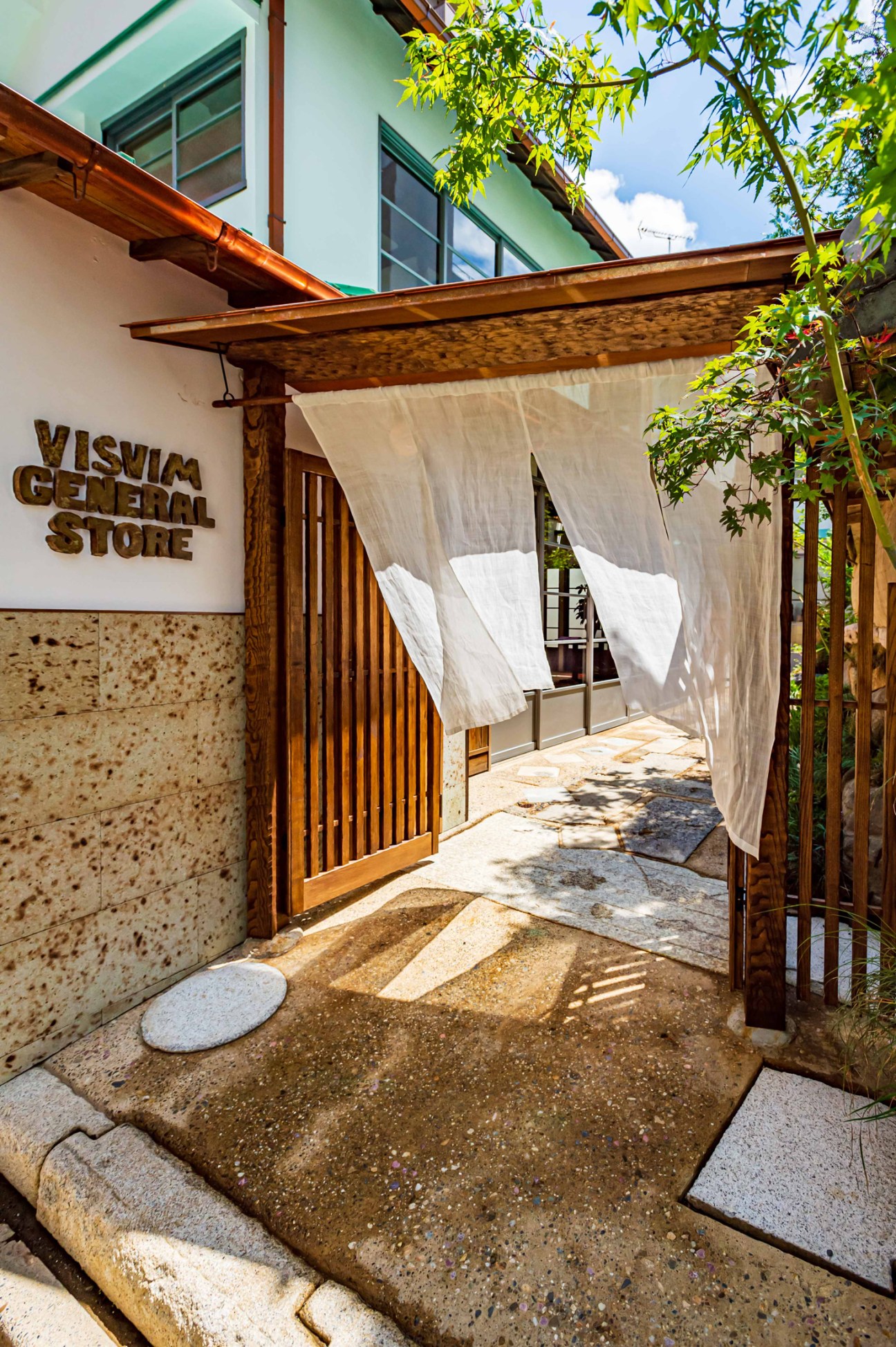
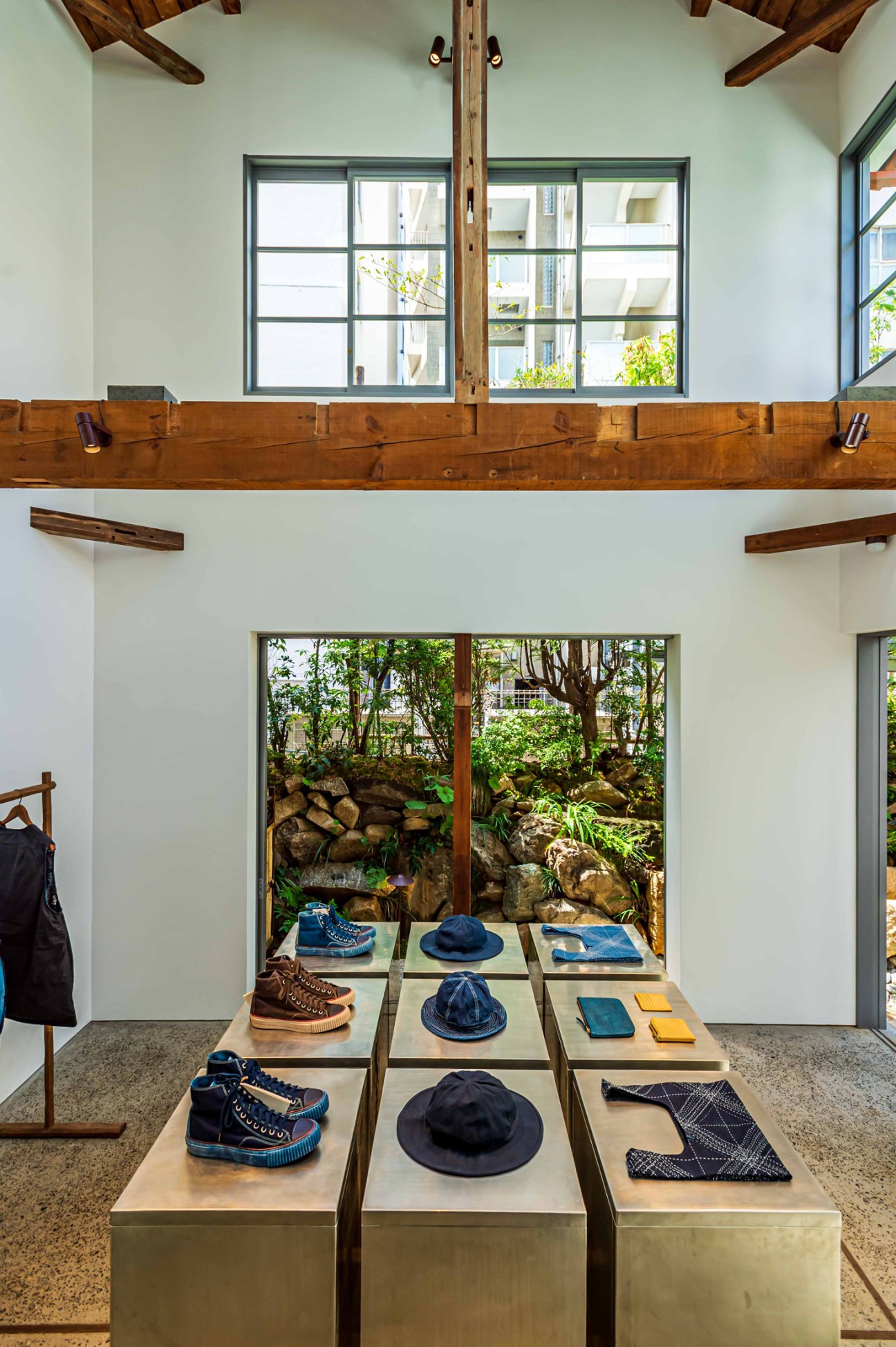
The new Visvim General Store in Tokyo has channelled the revered Japanese fashion label’s craft-focused philosophy into a retail environment. “The concept is based on a yorozuya [general store],” says shop manager Takuya Shimura. “In the era before supermarkets, these small independent shops sold everything and anything but their inventories reflected the personalities of each owner. They were also a place where people could drop by to chat.”
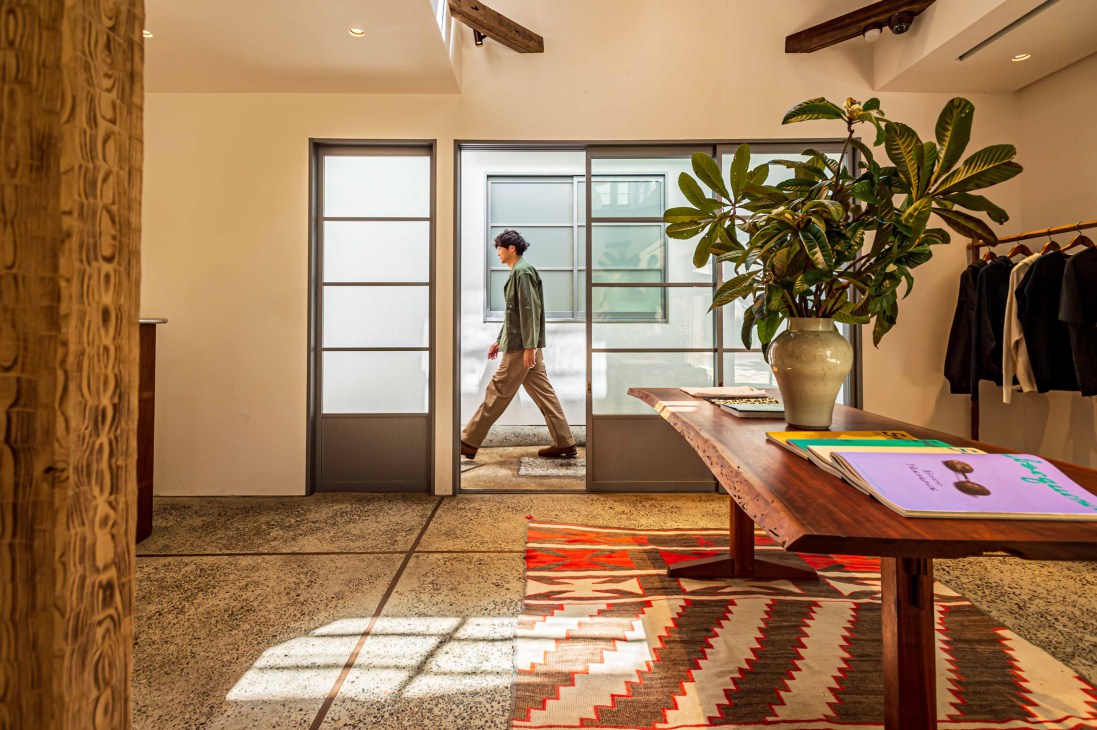
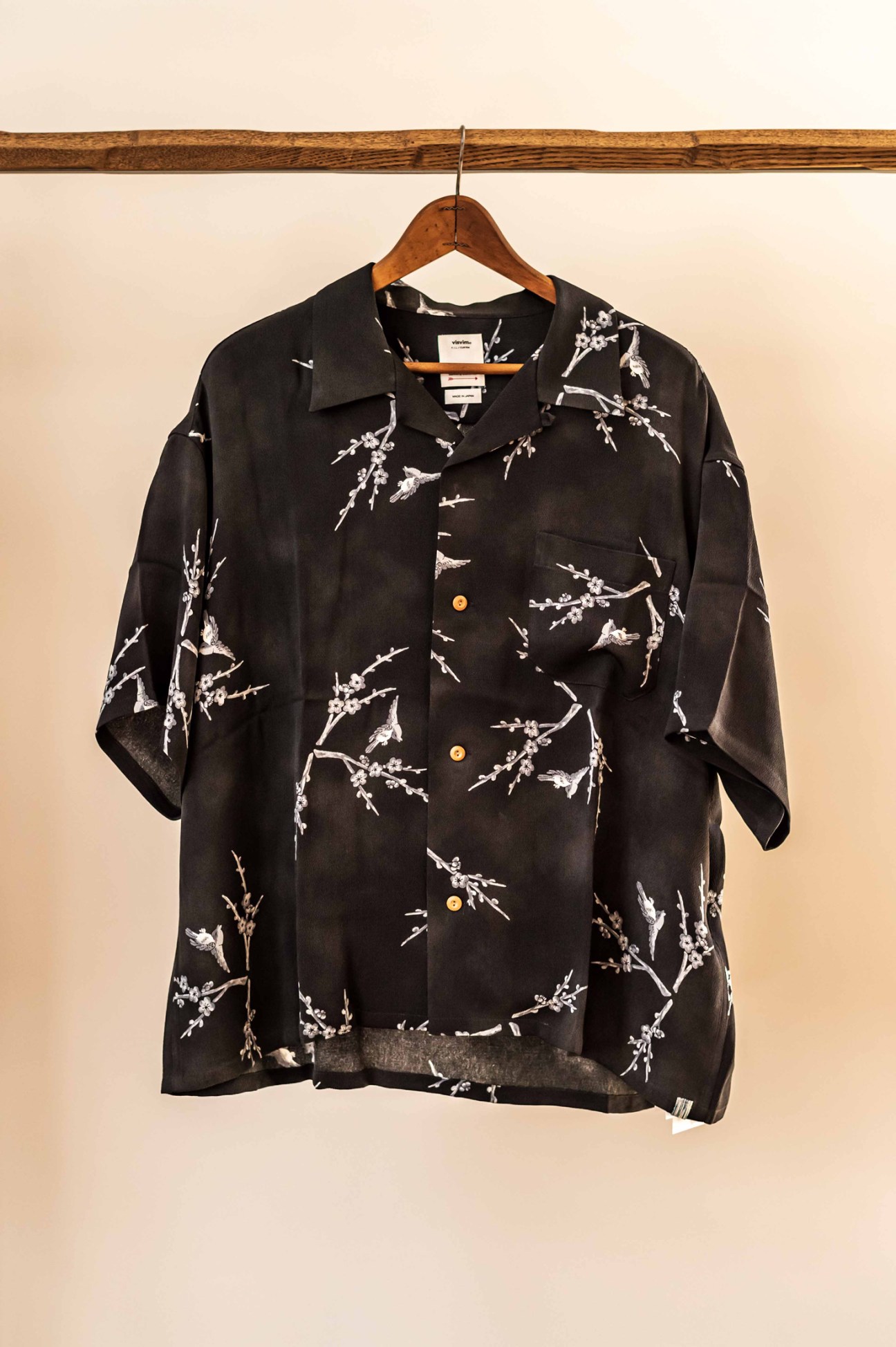
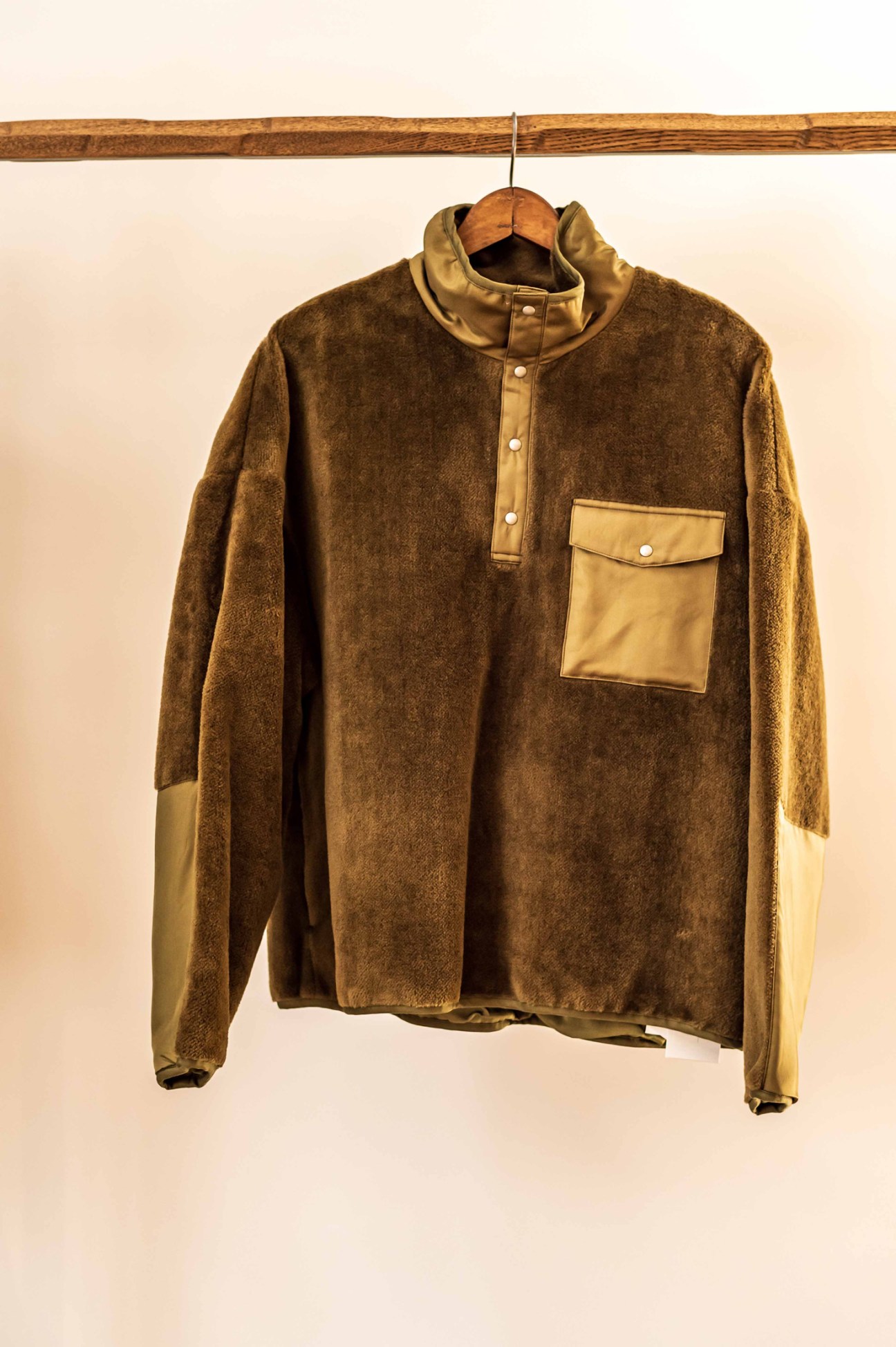
Opened in Tokyo’s Nakameguro district in July, the brand’s fifth Tokyo shop saw founder Hiroki Nakamura commissioning Japanese craftspeople and artisans to renovate a conventional two-storey wooden house into an open, bright shop. “I don’t think a shop like this exists anywhere else in the world,” says Shimura. “You can feel the Visvim world echoing across this space.”
Customers enter through a curtained outdoor entrance and past a leafy courtyard that was designed by gardener Sadao Yasumoro. Inside, paper lanterns hang from the ceiling. The walls are made from hon-shikkui plaster, while the floors are araidashi concrete, with the texture of small stones on the surface cleverly reflecting the tiny white stitches on the brand’s sashiko jackets. In fact, every detail of the interior design resonates with aspects of Nakamura’s Visvim collections, which involve skilful hand-dyeing, drawing and sewing, and emphasises the quality of their construction. As a result, these pieces feel perfectly at home in the shop.
visvim.TV
12.
Winter wonders
Norse Projects, Copenhagen
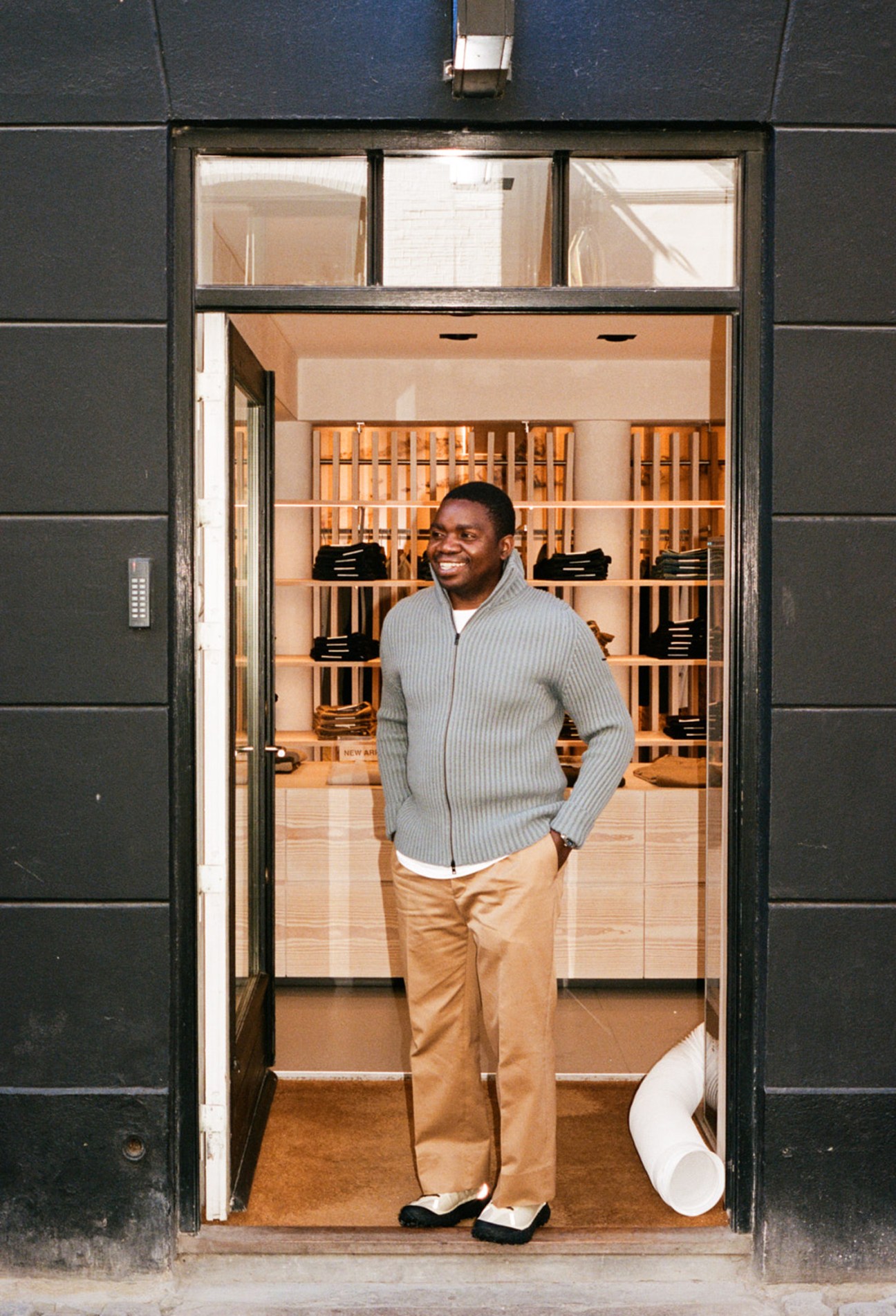
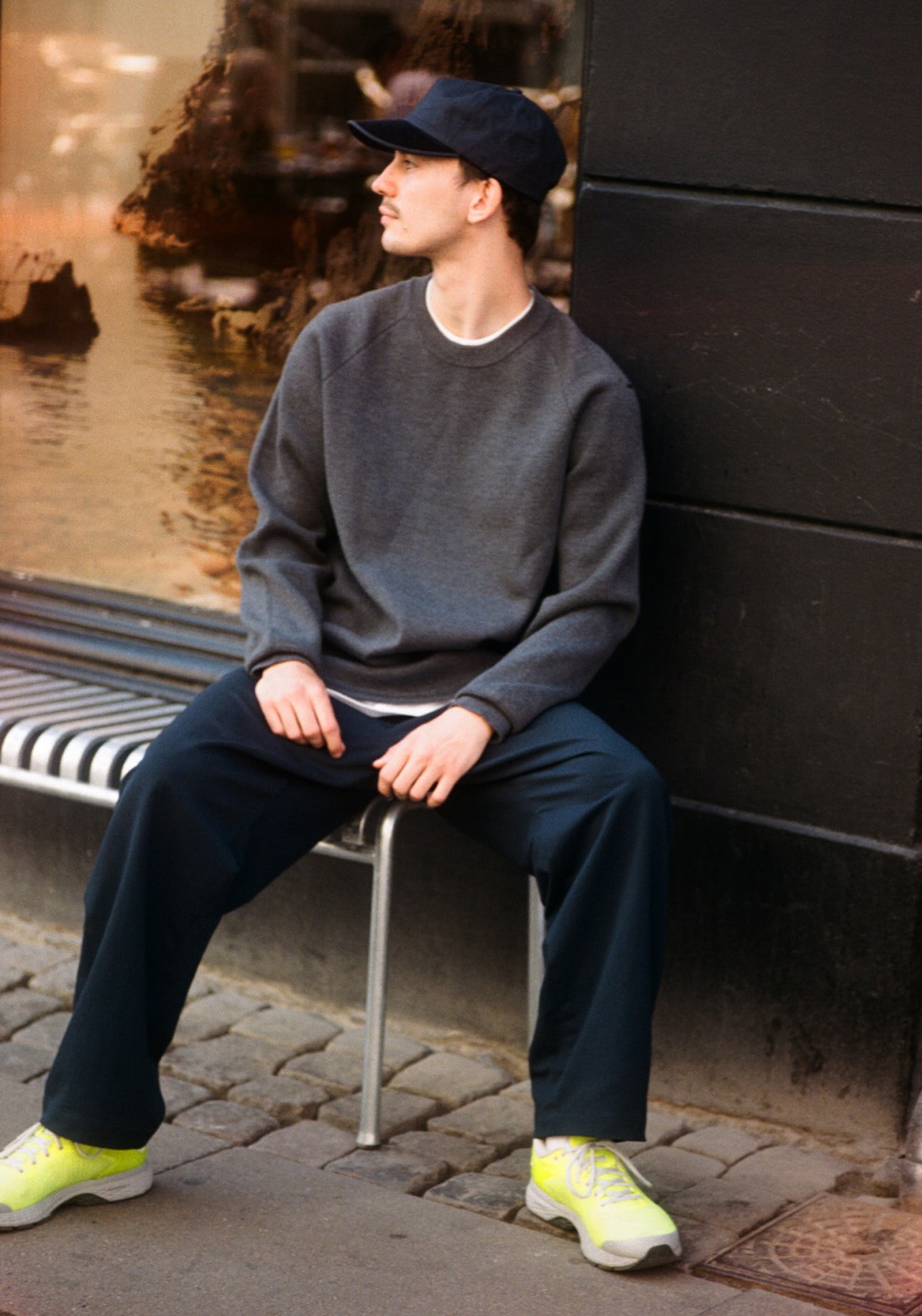
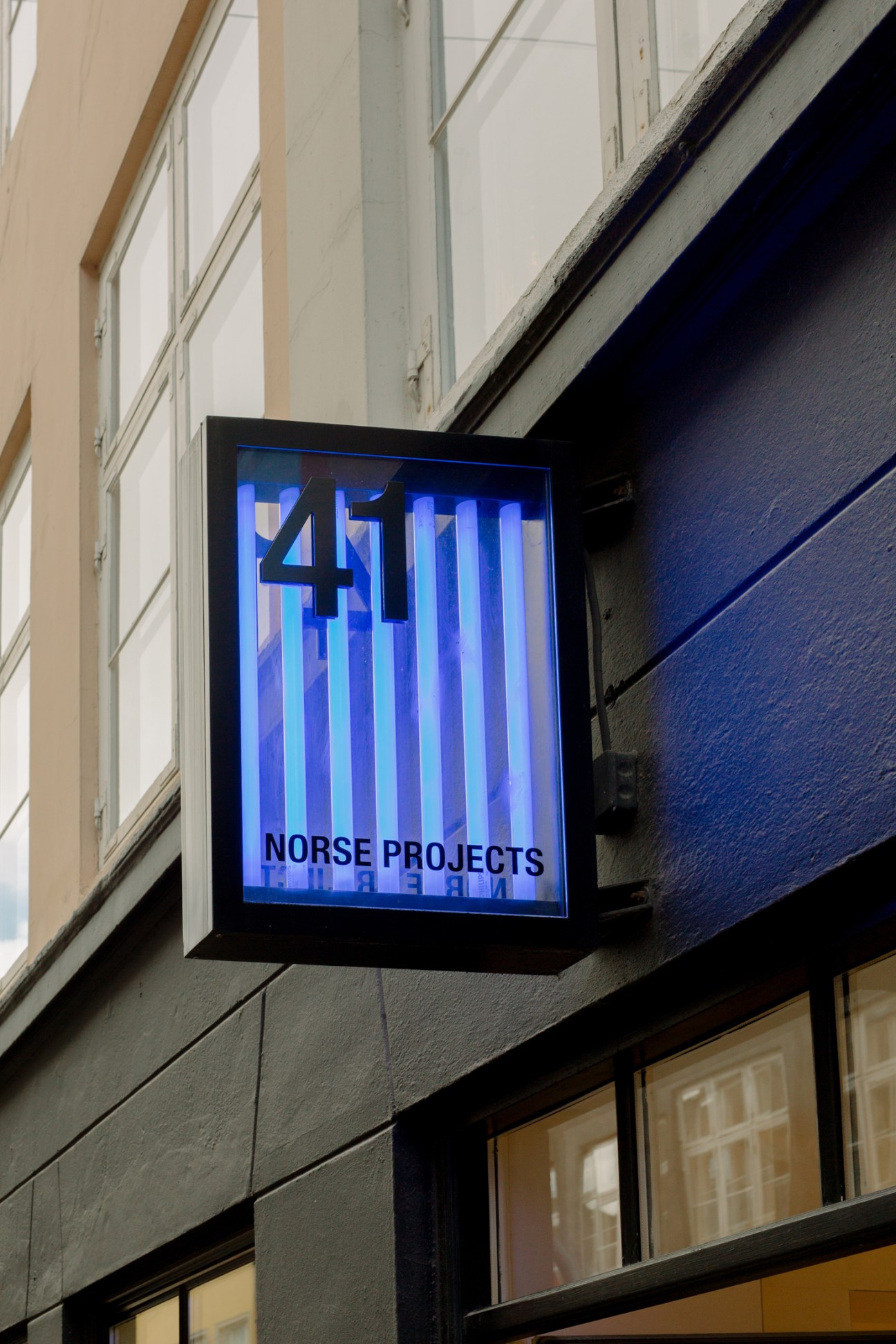
Norse Projects is one of Denmark’s top names in menswear. The brand has three shops around Copenhagen’s central Pilestraede street, which offer products from its in-house label and sell clothes, accessories and objects from brands with similar values. “We’re always thinking about how a product will age,” says Kevin Kafesu, head of buying and communications, about the garments it champions. “We’re not big on just looking at numbers or on trying to make a quick impression on social media.”
With that in mind, Kafesu says that functionality comes first in both the buying and production equation. This is reflected in the brand’s latest project, Arktisk. The new outdoors label, which launched in August, comprises elegant winterwear that draws on some of the most innovative materials currently on the market. The aim is to offer good-looking clothes that hold up in tough conditions for many winters. A puffer coat created using Loro Piana’s water-resistant wool fabric is one highlight, while more technical pieces include merino wool sweaters, woven with volcanic sand particles to regulate the wearer’s body temperature.
norseprojects.com
13.
Fabulous fabrics
And Austin, Los Angeles
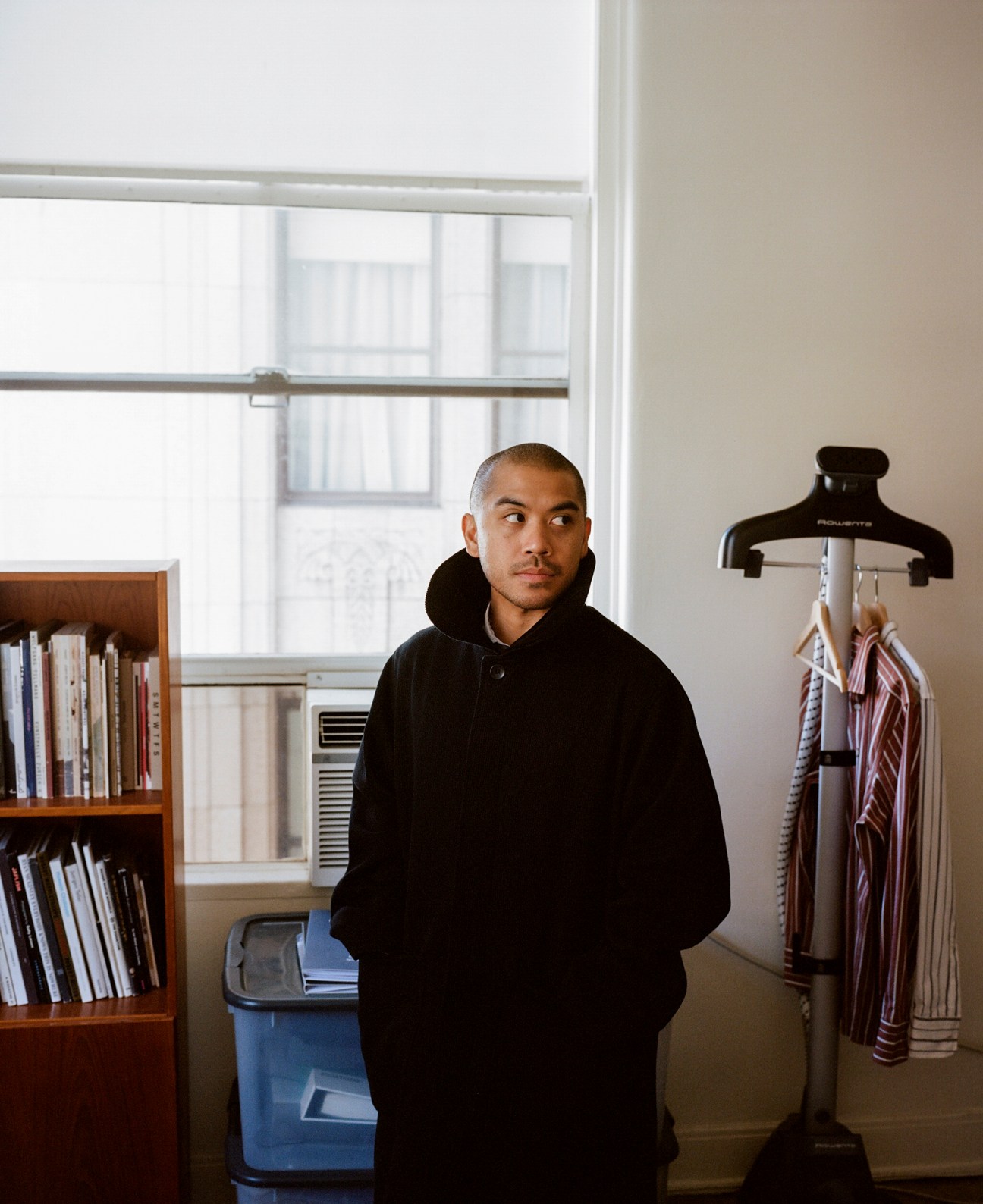
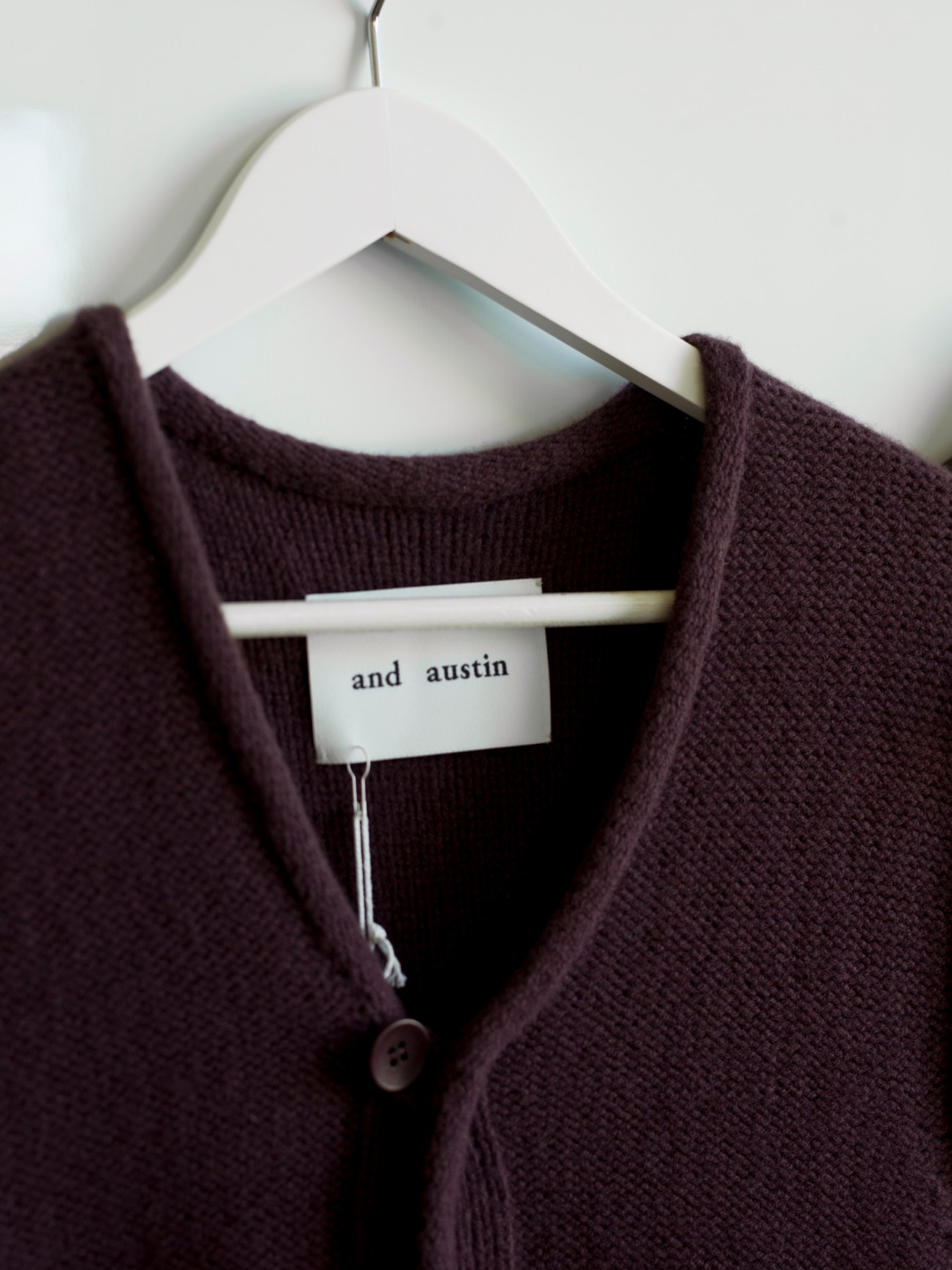
And Austin’s brand ethos of “experimental yet familiar” encapsulates the label’s effort to reimagine traditional menswear while making pieces that remain wearable. To enhance each collection’s longevity, the brand director of the Californian label, Reuben Perin, and designer Geoff Glenister source quality fabrics from the best possible providers. Nylon woven in Japan is used in And Austin’s boxy shirts, while Italian yarn is the key material in its wool cashmere work vests. All pieces are constructed in LA and look to vintage military styles as influences.
and-austin.com
14.
Quality control
Another Aspect, Copenhagen
Set back from a buzzy Copenhagen high street, Another Aspect’s new retail space is a great spot for shopping and relaxing. Here, you can grab a coffee, browse the brand’s clothing and chat with its co-founders, whose offices are upstairs. “We started three years ago in a basement down the road so moving here was a natural next step,” says Daniel Brøndt, who runs the label alongside Anders Poulsen and Nicolaj Thomsen. “We needed a space that fits with our aesthetic and ambitions for the brand.”
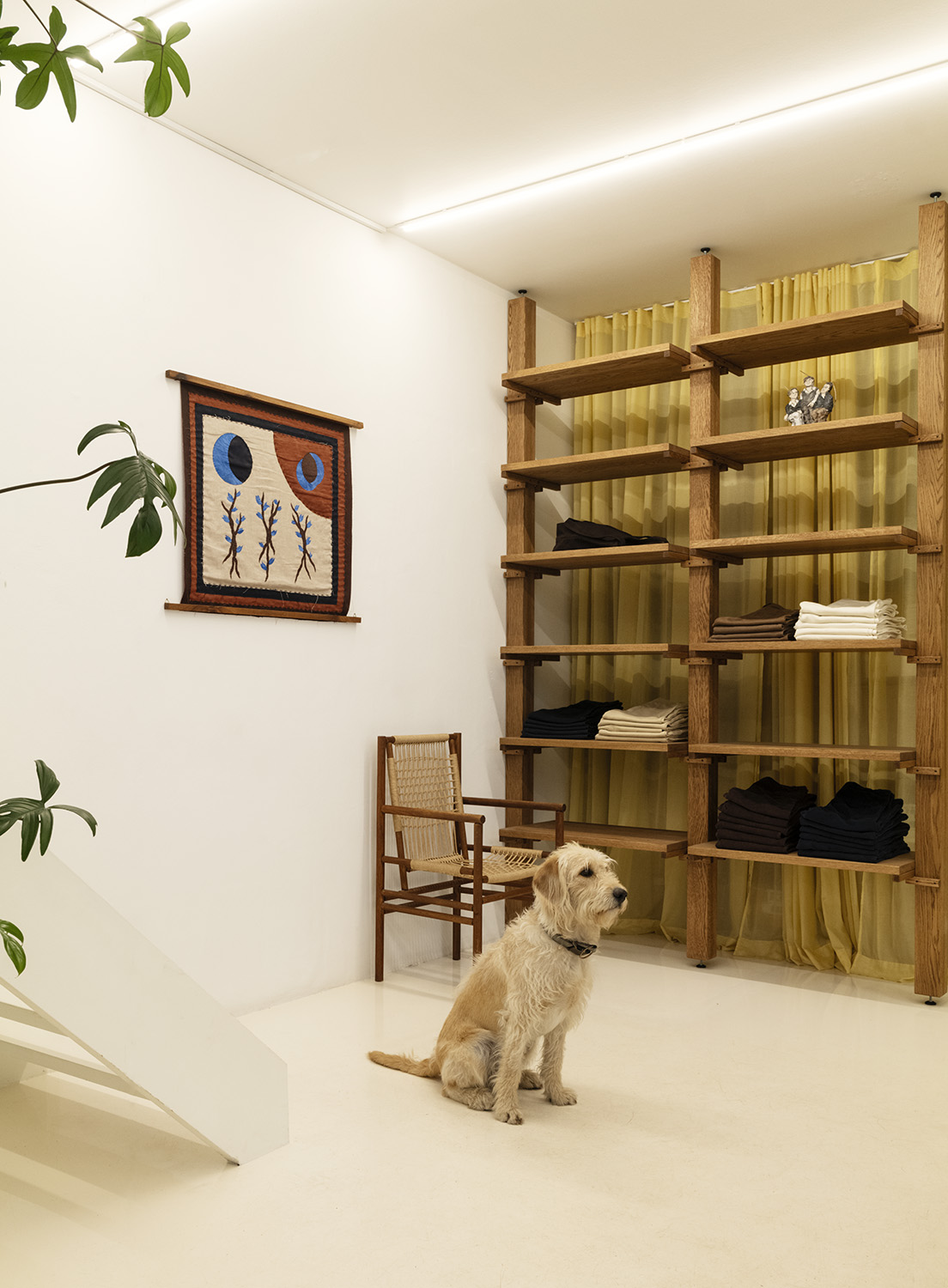
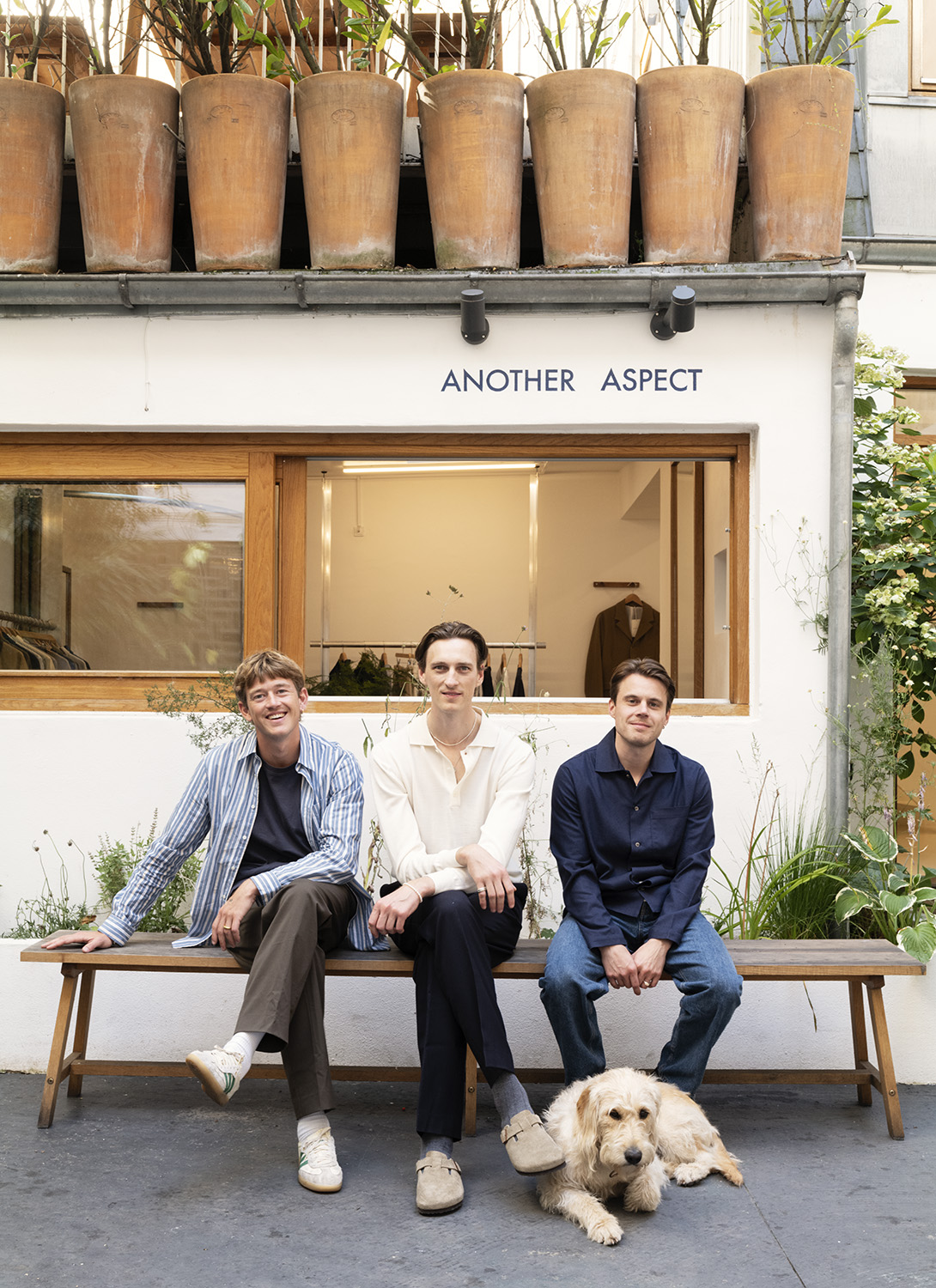
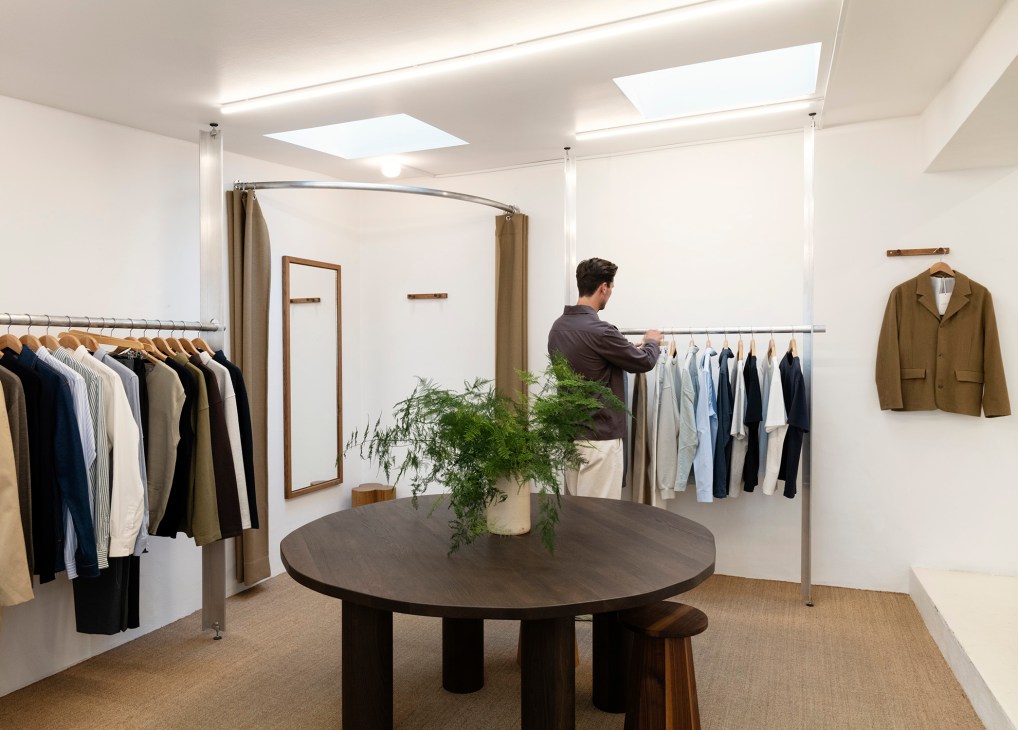
Sleek metallic rails and wooden tables dotted across the shop capture the brand’s minimalist, quintessentially Scandinavian aesthetic. “We ignore the big trends and make clothing you can wear now but also in 10 years,” says Poulsen, pointing to crease-free seersucker shirts and wide-leg tailored trousers. “We don’t believe in big logos; we draw people in with quality.”
anotheraspect.org
15.
Fetch and carry
Bags
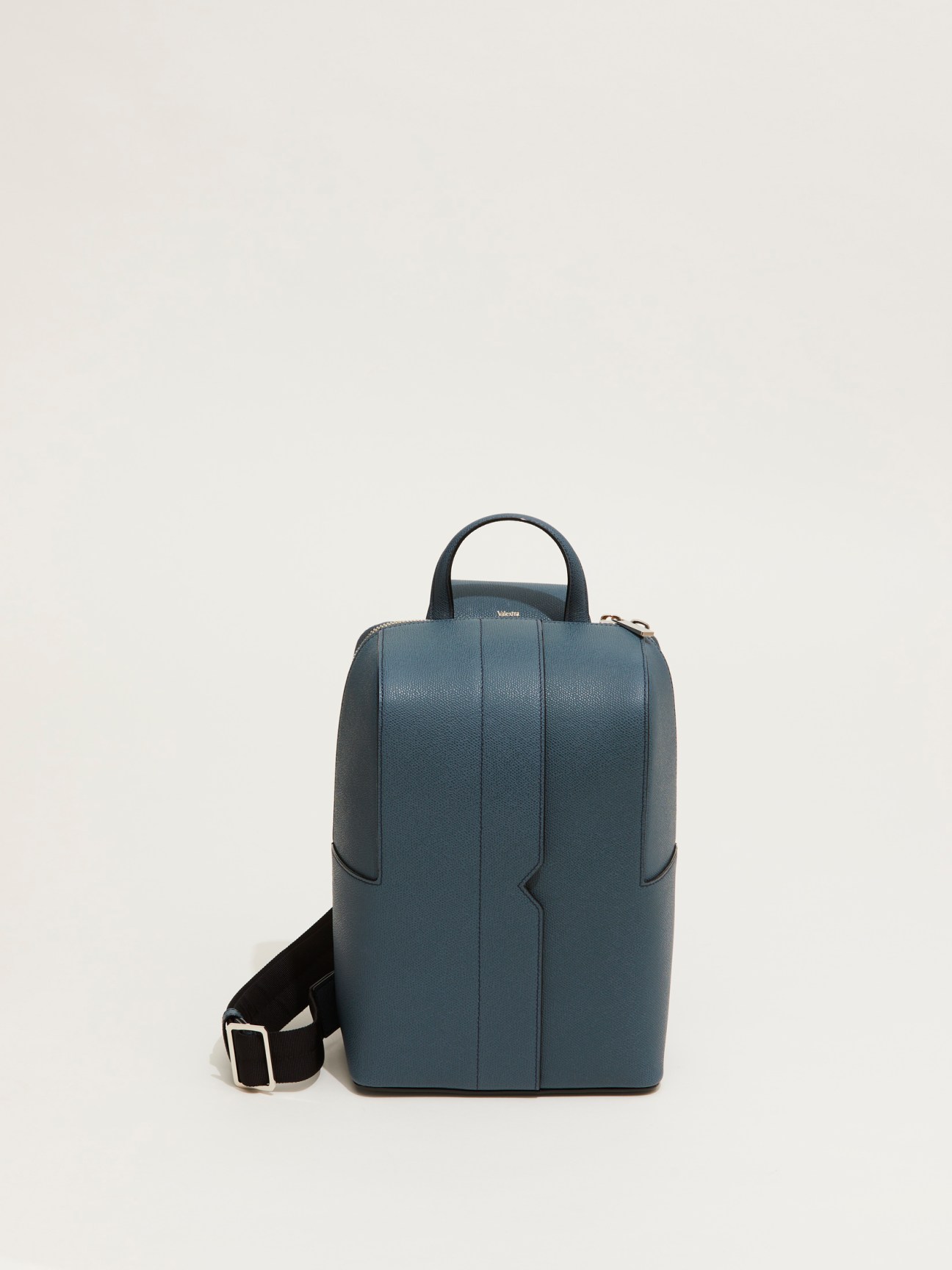
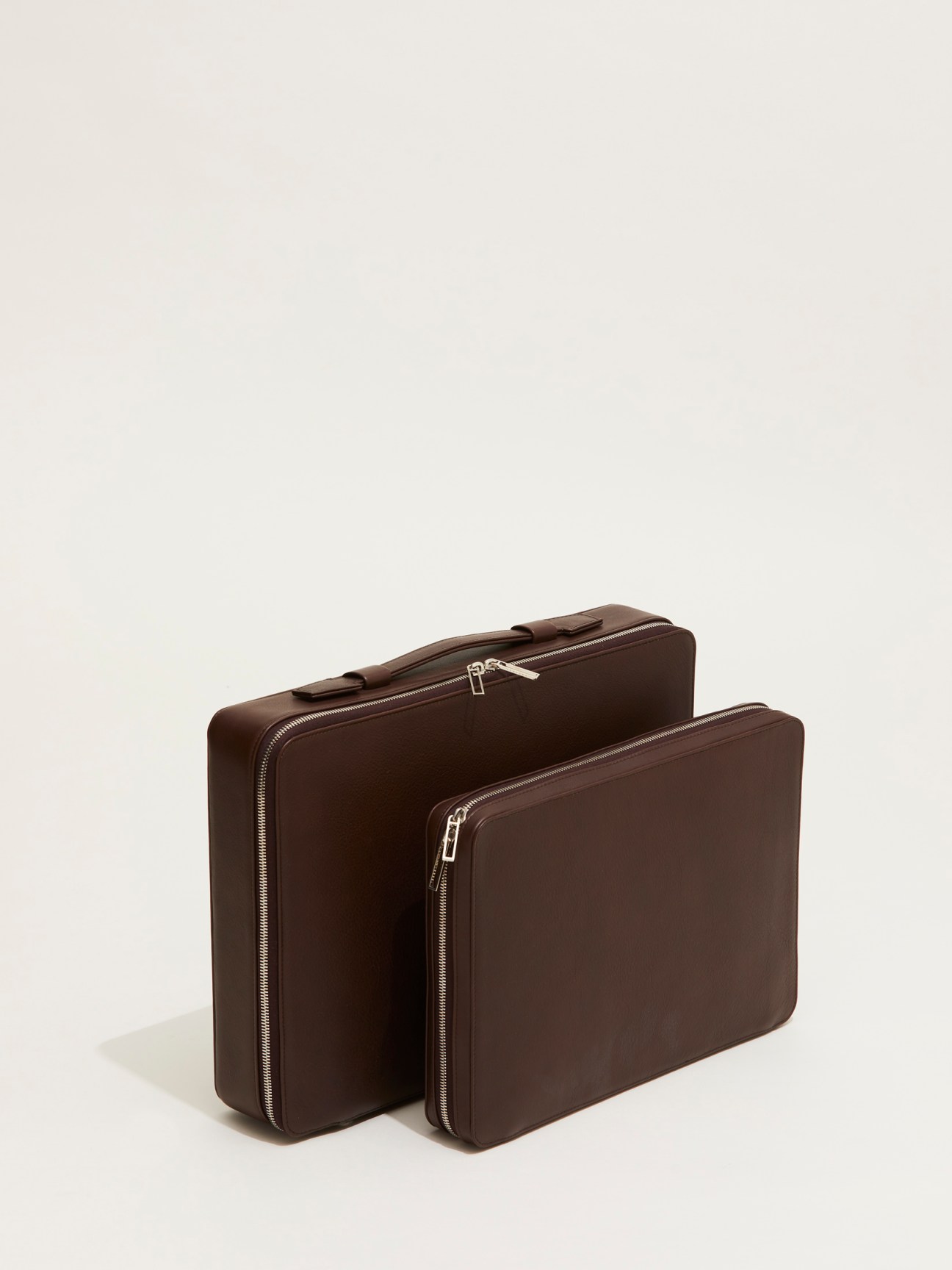
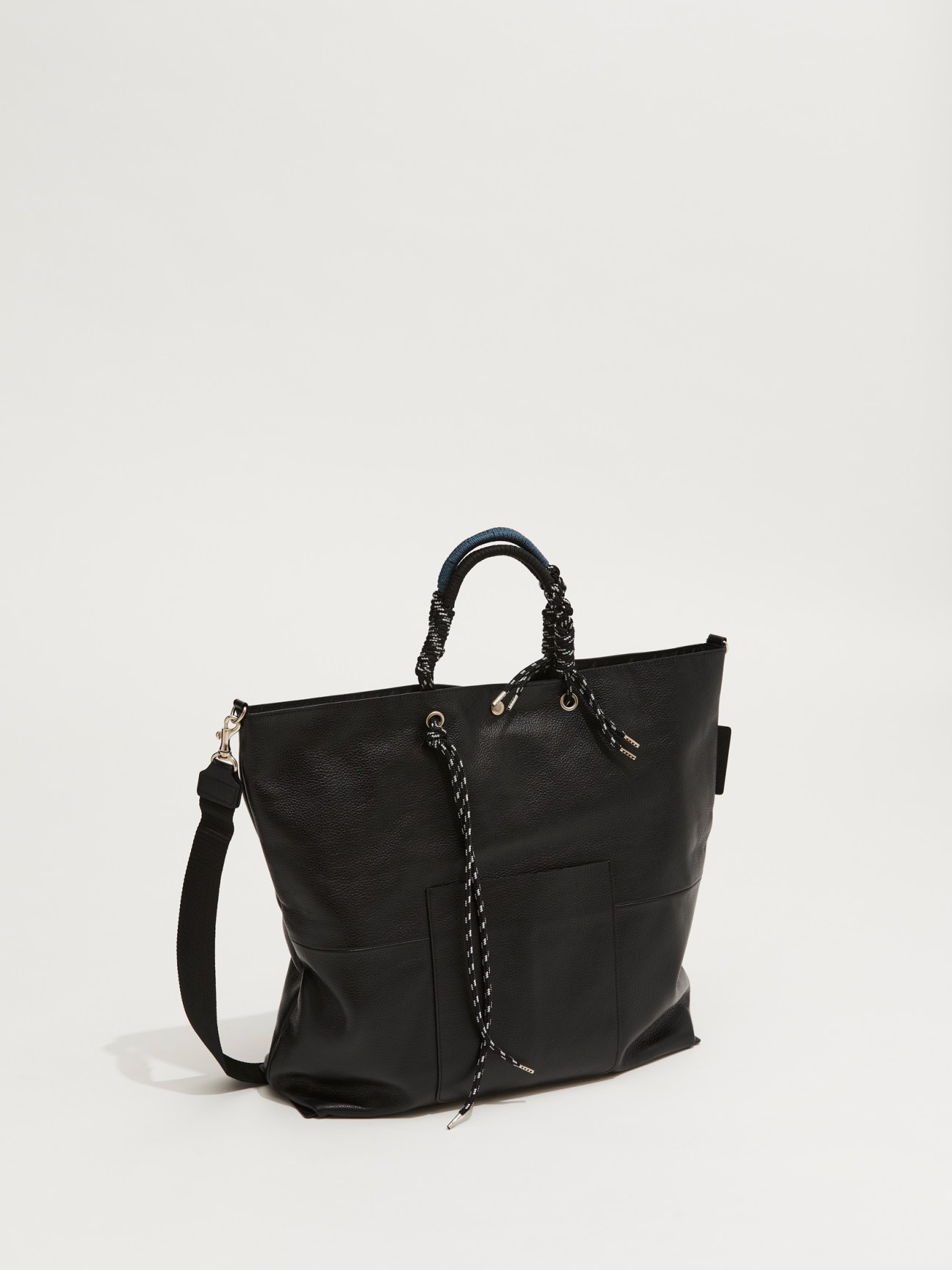
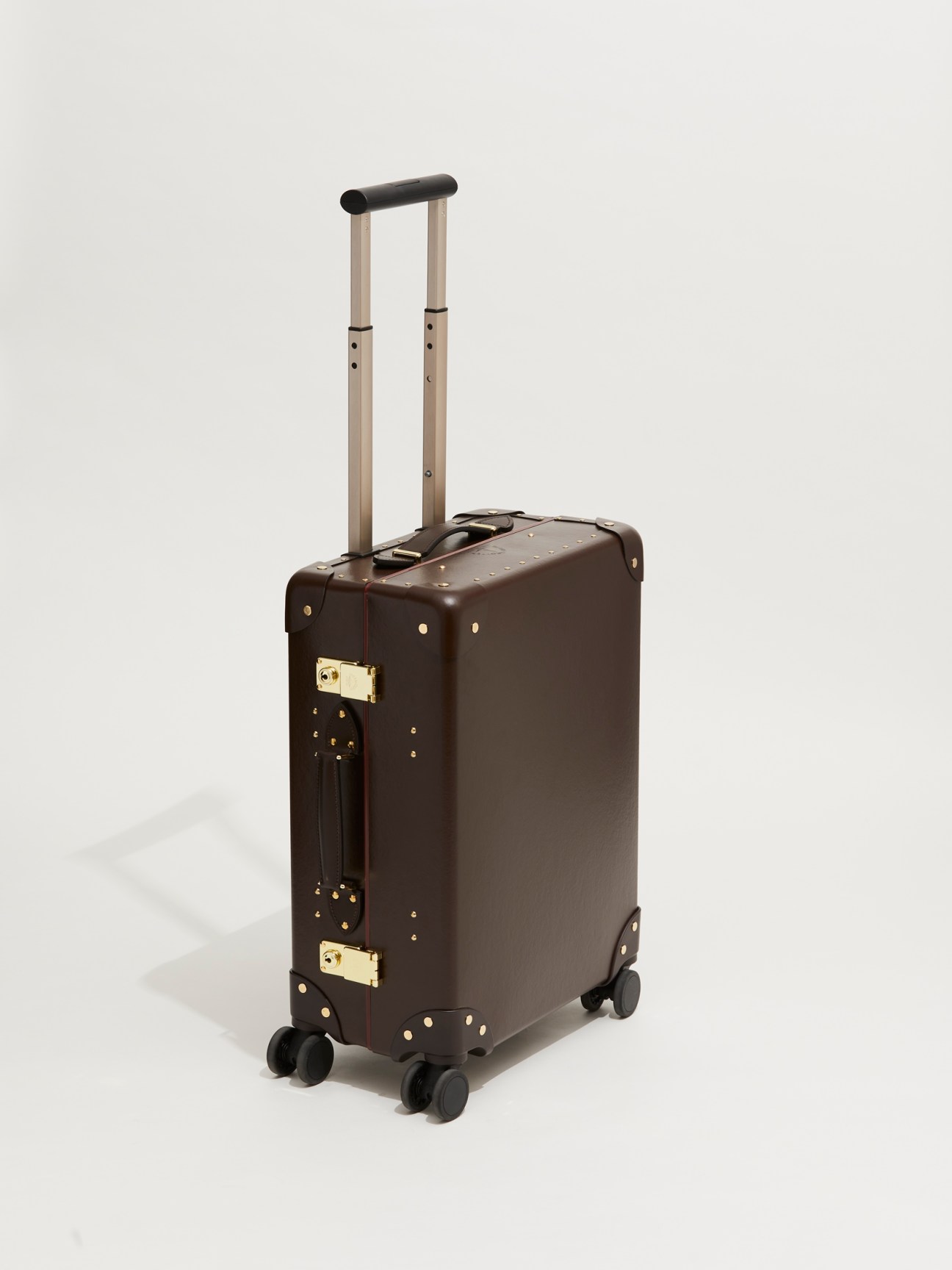
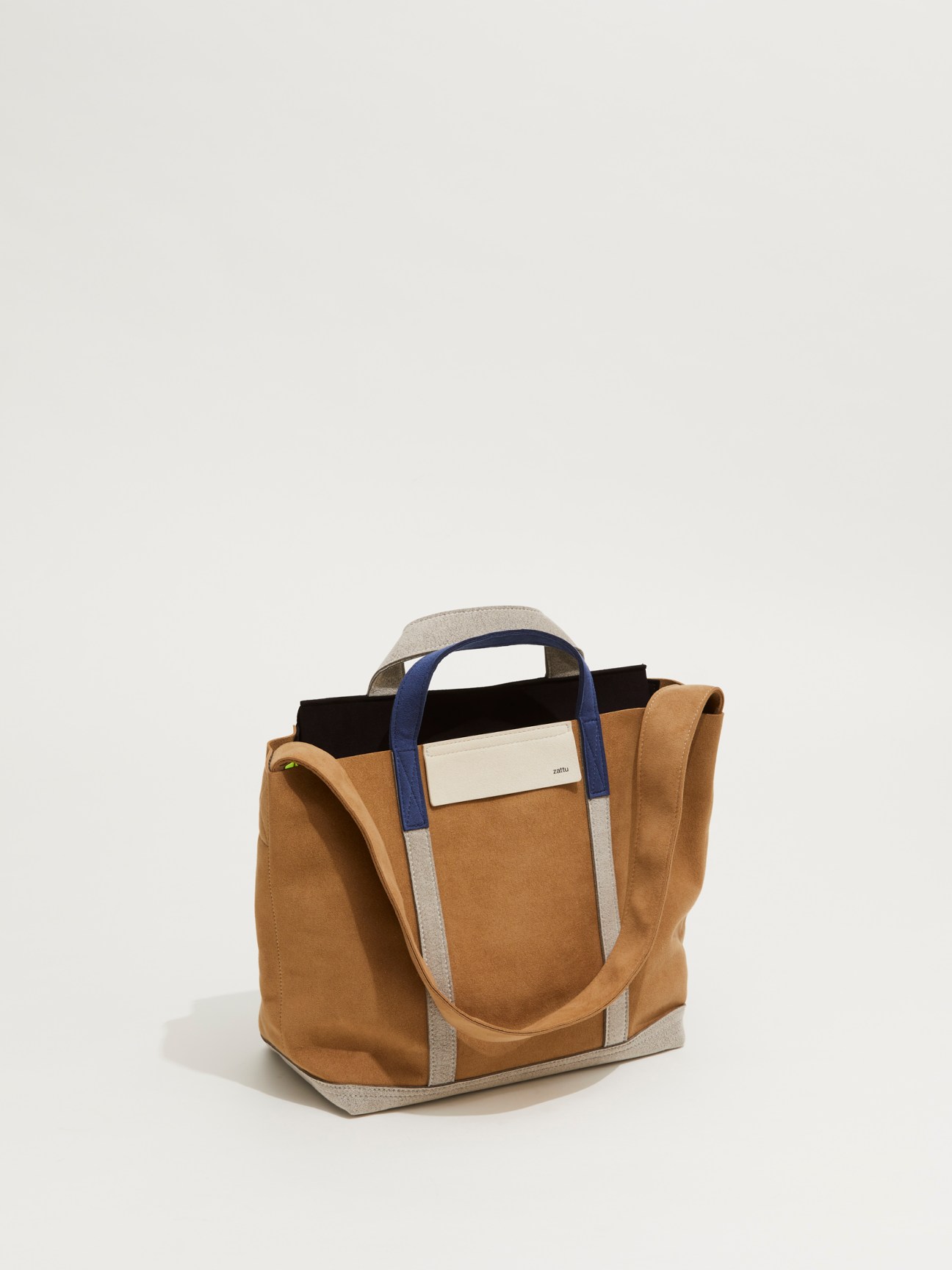
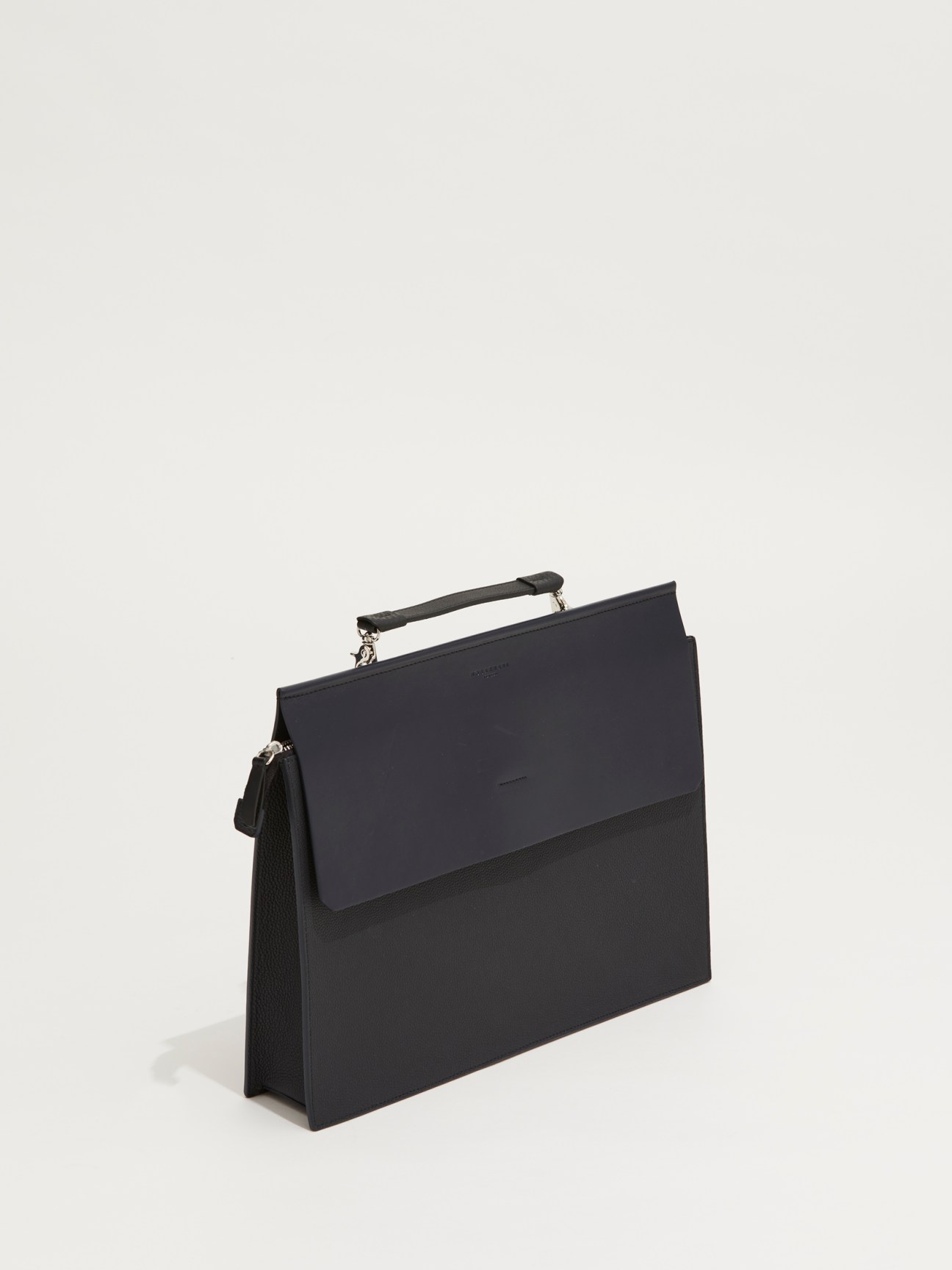
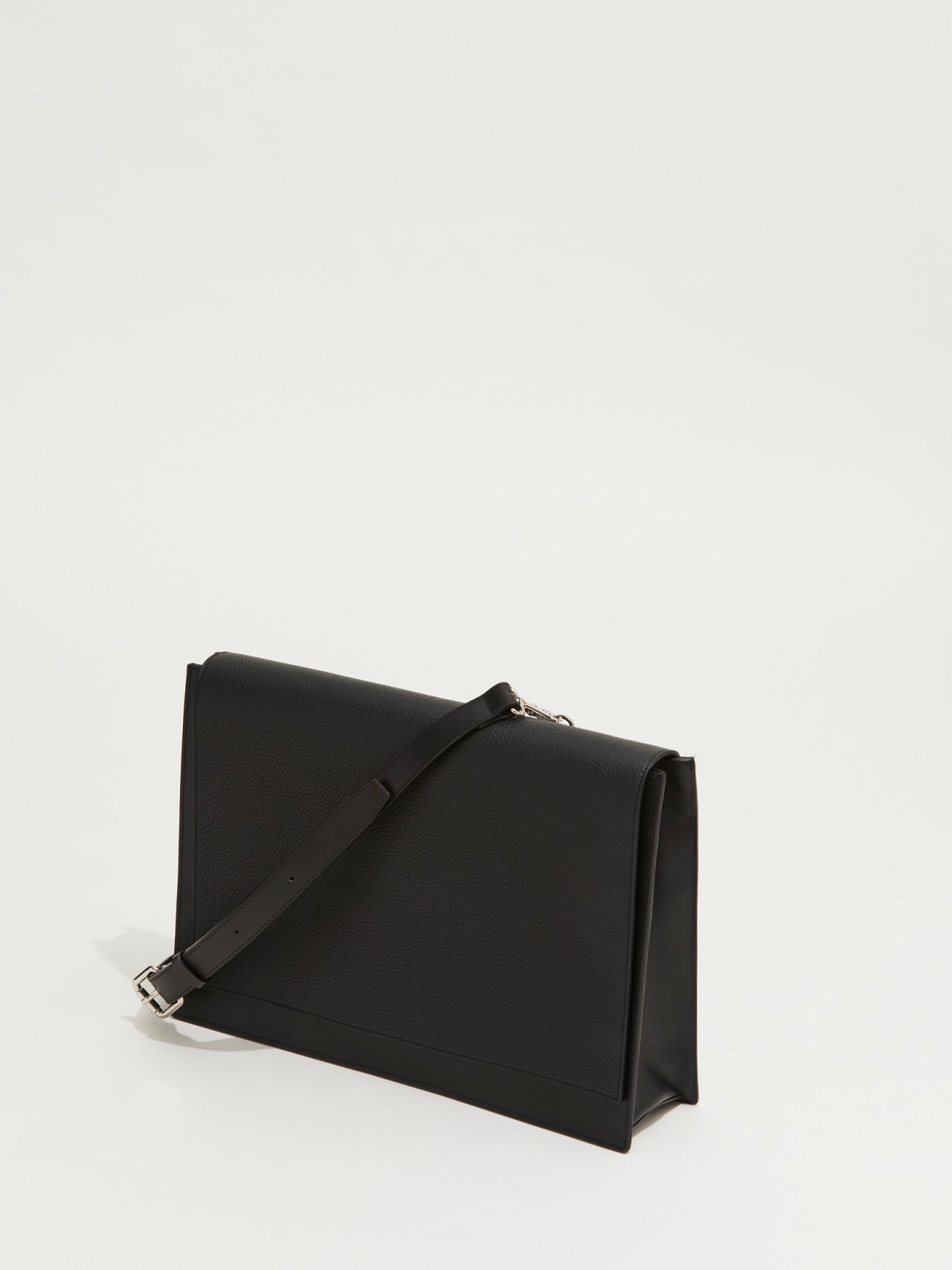
Life back on the road requires new roomy totes or backpacks to take you through your day. Bag brands have been introducing sleek new materials and elevating the quality of their products; Kinax Multi-1 by Japanese brand Zattu is made from microfibre suede, which is light, durable and washable. Valextra’s V-line one-shoulder backpack is another Monocle favourite, while those who prefer classic briefcase styles should look no further than London-based leather label Nosakhari and its minimalist briefcase designs.
Ithelicy is another name to watch in the handbag world. Founded by Makiko Hotei and Sachiko Akazawa in 2012, after 20 years’ experience of working in design, the brand offers elegant items made from quality leather and playful details, which will smarten up any look.
16.
Popular classics
Arpenteur, Lyon
Recently, Lyon-based founders of Arpenteur Marc Asseily and Laurent Bourven have been preoccupied with defining classic fashion. “When we started our brand, we were inspired by things from the past and how we can bring a contemporary look to them,” says Asseily. “Now we’re more interested in making classic pieces, such as five-pocket trousers and aviator jackets. We filter our ideas these days and ask ourselves which ones will hold and which ones are a fantasy.”
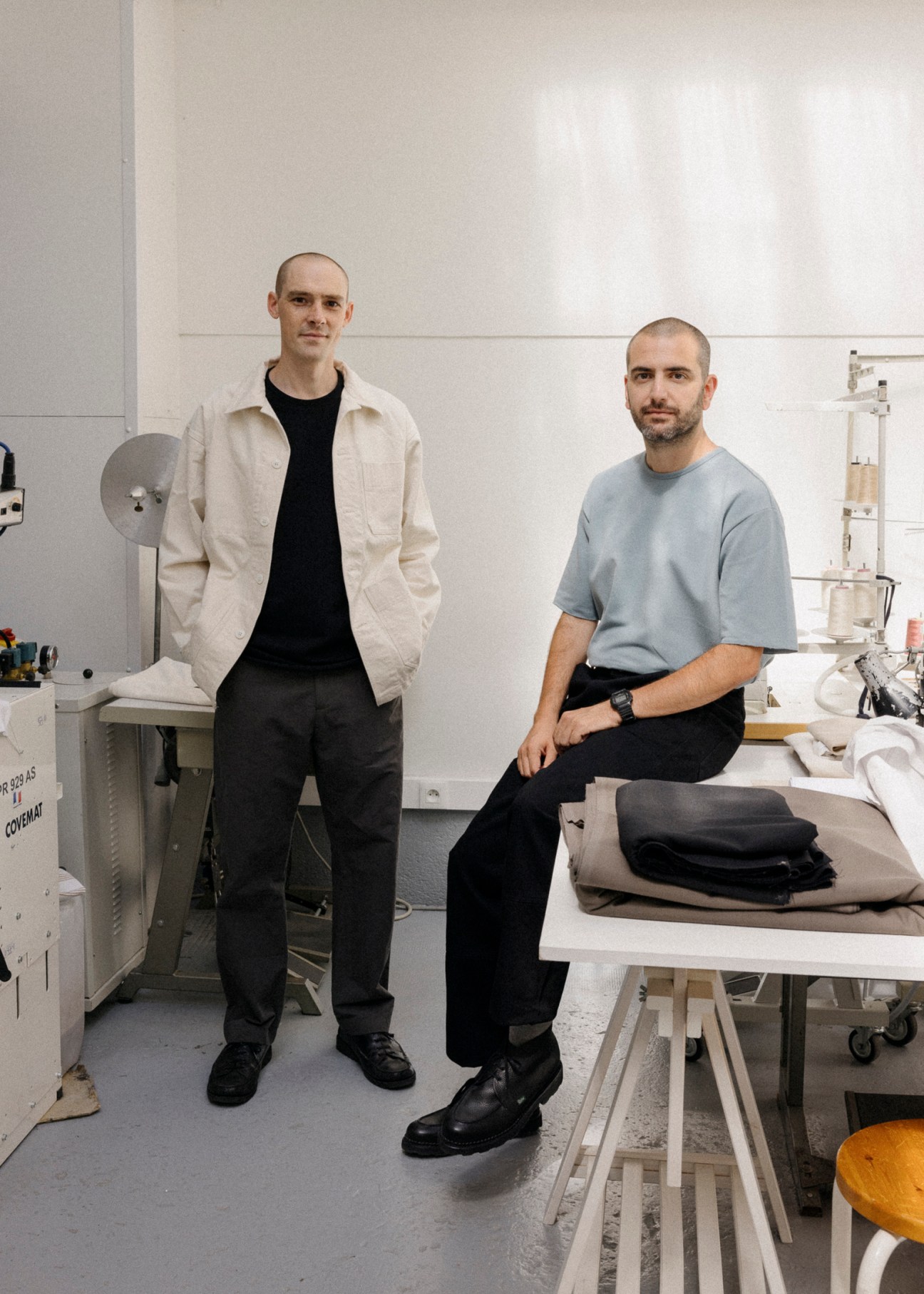
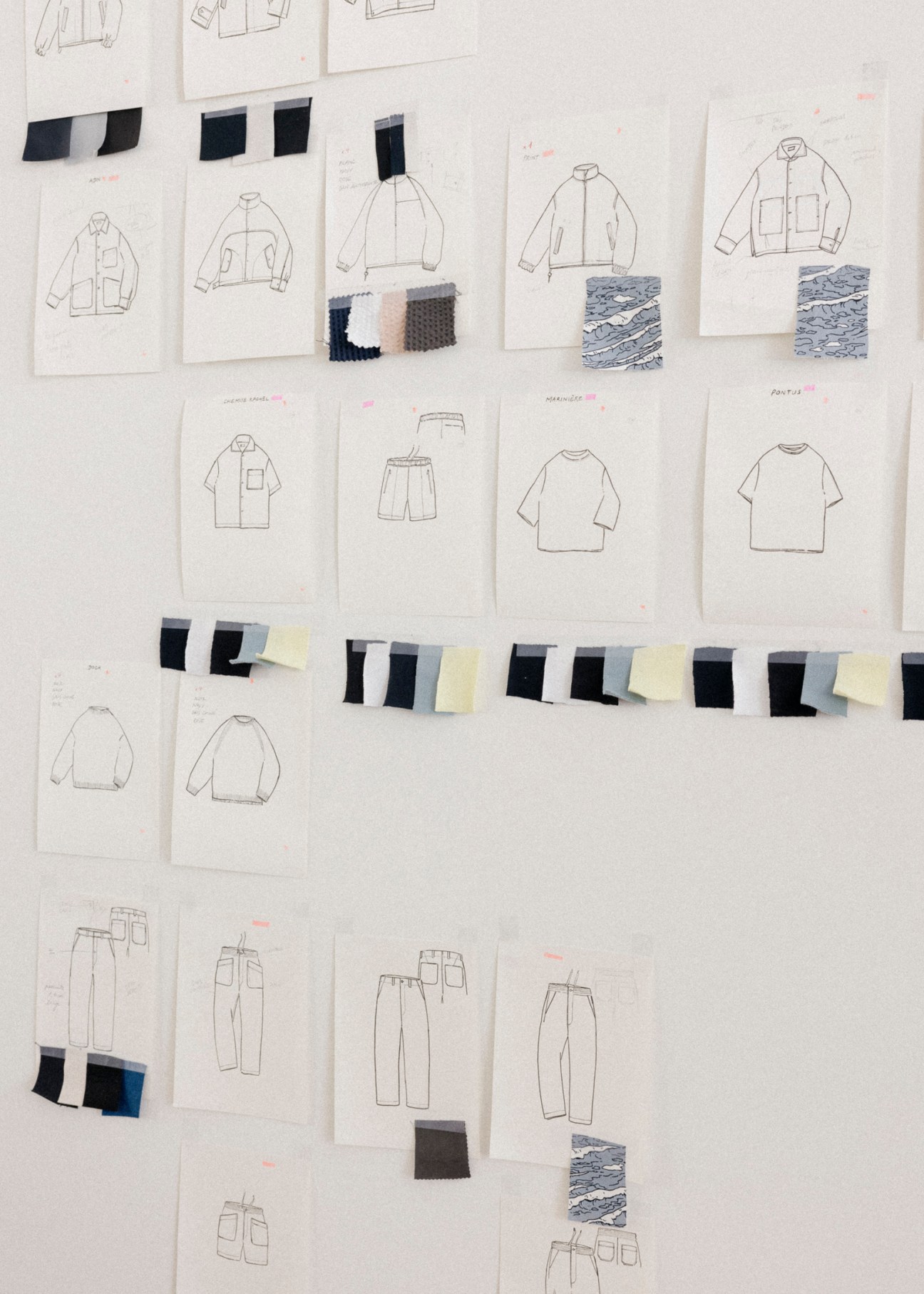
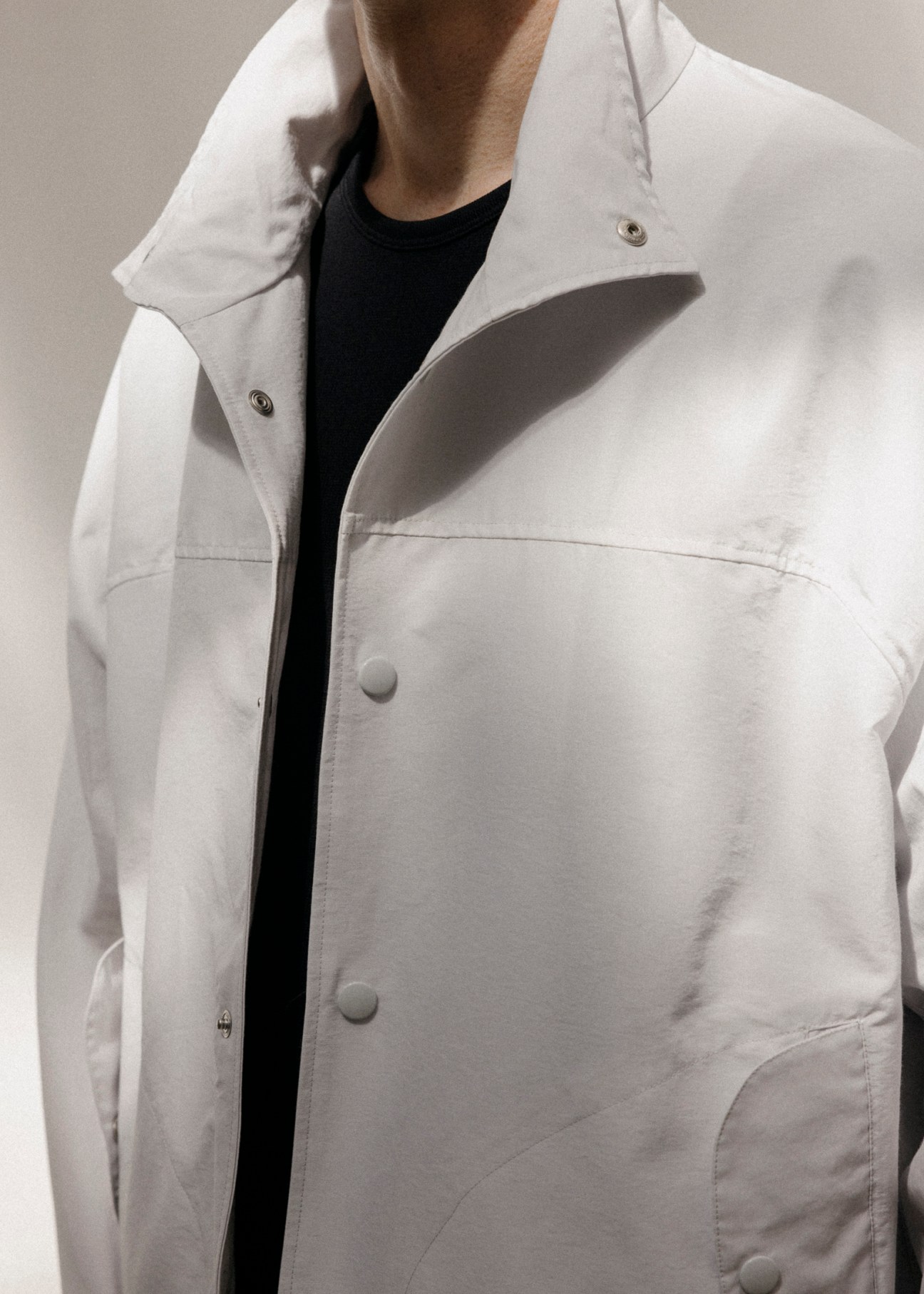
Arpenteur has been creating menswear since 2011 and is known for striped T-shirts and fisherman’s jumpers that would not look out of place on a Breton beach. All manufacturing takes place near Lyon. “It’s hard to produce here because factories are few and in high demand but our goal isn’t quantity. We aim to be as unique and thought-through as possible.”
arpenteur.fr
17.
Precision-tooled
Norda, Montréal
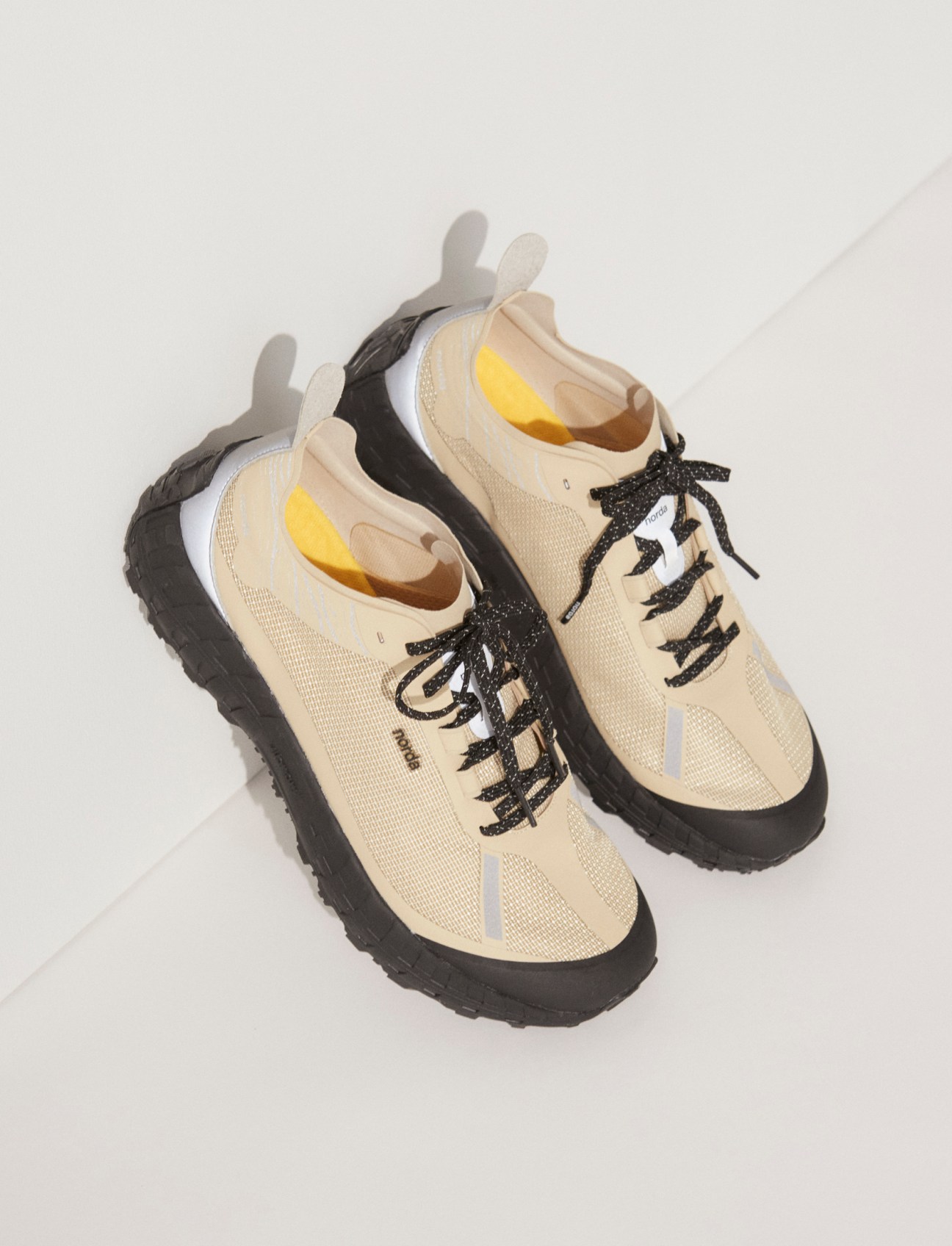
In 2019, Nick and Willa Martire set out to create the world’s most advanced trail-running shoe with two other members of their team. As athletes and veterans in the footwear industry, they knew that for many major brands, designing trail and off-road running shoes is often an afterthought.
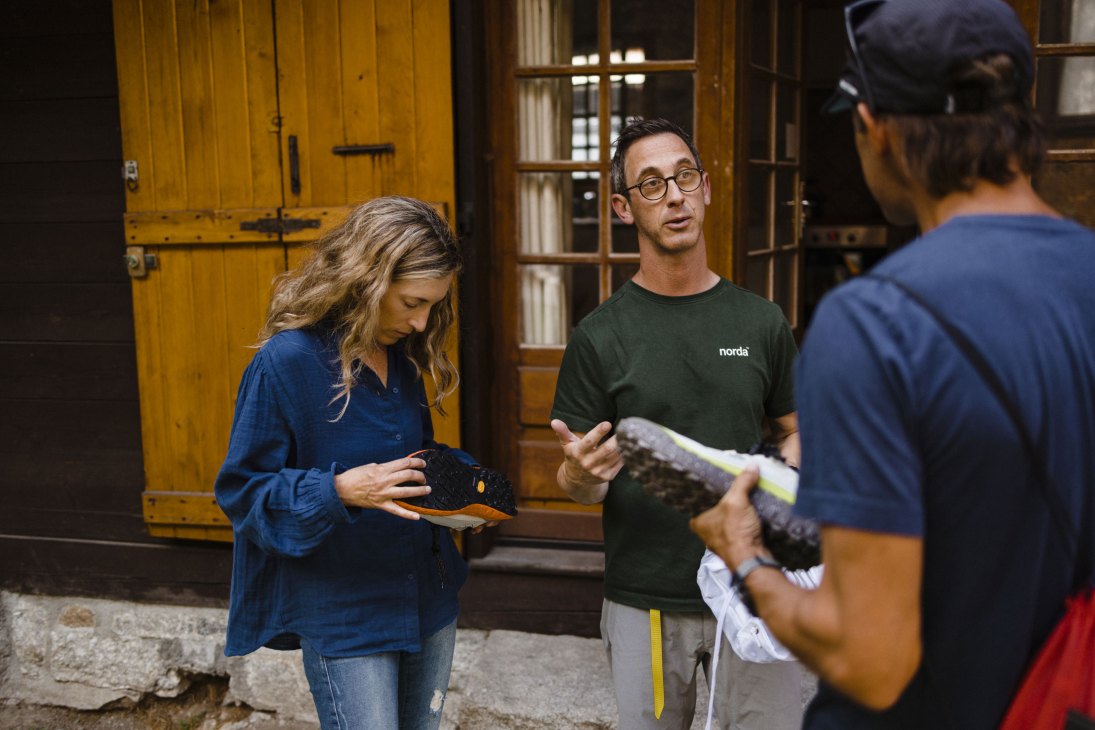
“When we launched Norda we knew that we wanted to do things differently,” says Nick, noting that sourcing the right materials was essential. The Norda team tasked Dyneema, the manufacturer of the world’s strongest material fibre, to produce an almost-indestructible woven upper for their initial prototypes. They then collaborated with Italian outsole engineer Vibram to create a high-performance lug sole inspired by the Canadian Shield.
The Norda 001 has quickly made headway among early adopters and elite athletes. Norda’s fashion credentials have been boosted further via collaboration with Parisian cult running brand Satisfy (see page 175). The goal is to create a brand that’s inclusive, not exclusive. “Our approach is about catering to all runners, from all walks of life, who are running different distances and doing it for different reasons,” says Willa.
nordarun.com
18.
Mix and match
About Companions, Berlin
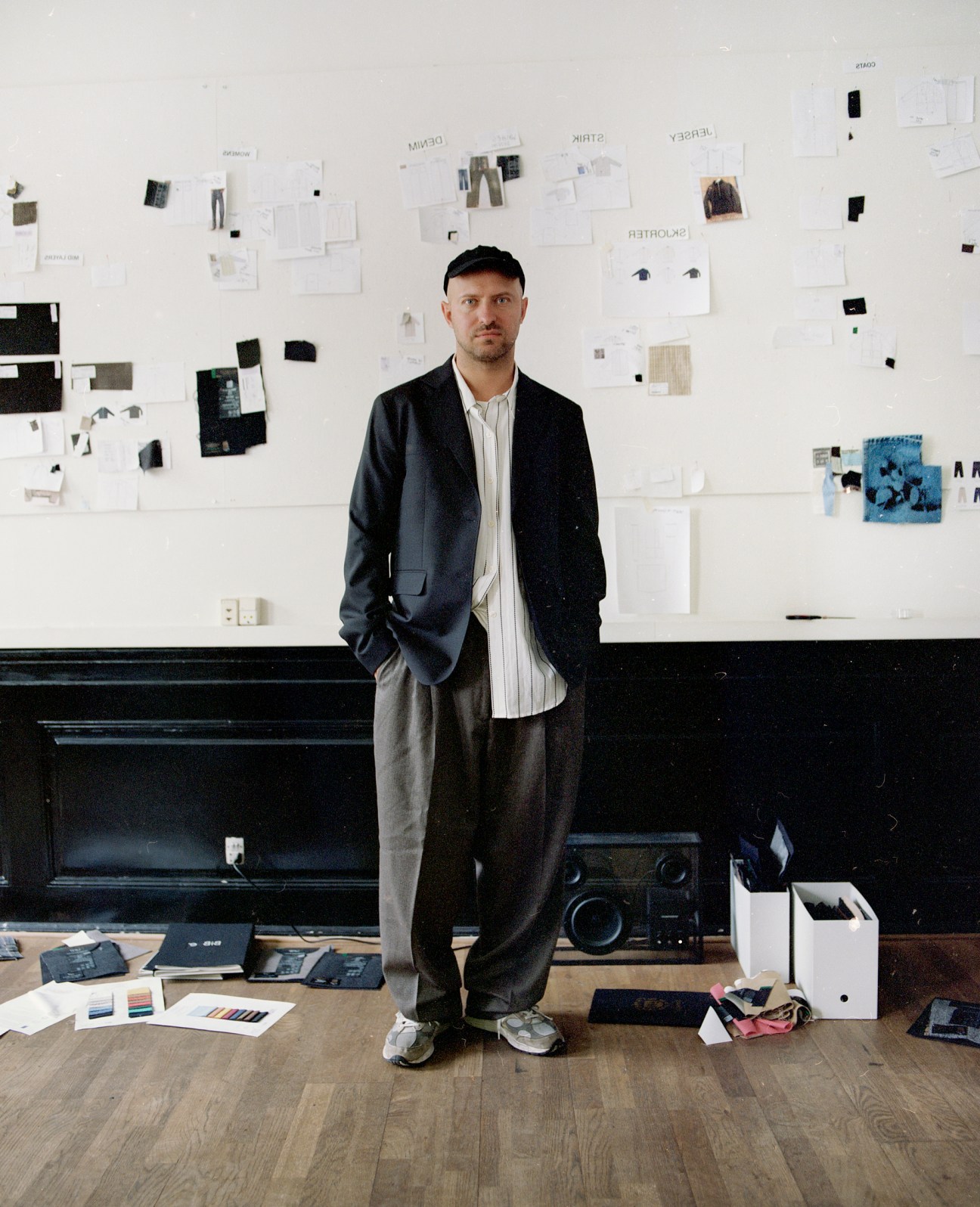
Thies Meyer isn’t a stranger to launching a fashion brand. Ten years ago he made his mark with Frisur, a Berlin-based label known for sharp men’s and womenswear, which he founded with Stephan Sunder-Plassmann. When the pandemic hit, the duo launched a new label, About Companions. Their clothing is made from low-impact materials and is largely handmade by independent businesses. A fixed set-up of cuts allows for easy wardrobe building across the collections, while the designers experiment with new fabrics. The camel-coloured Simon shirt, for example, is made from Ugandan organic cotton that gets its colour from natural pigments in the plant.
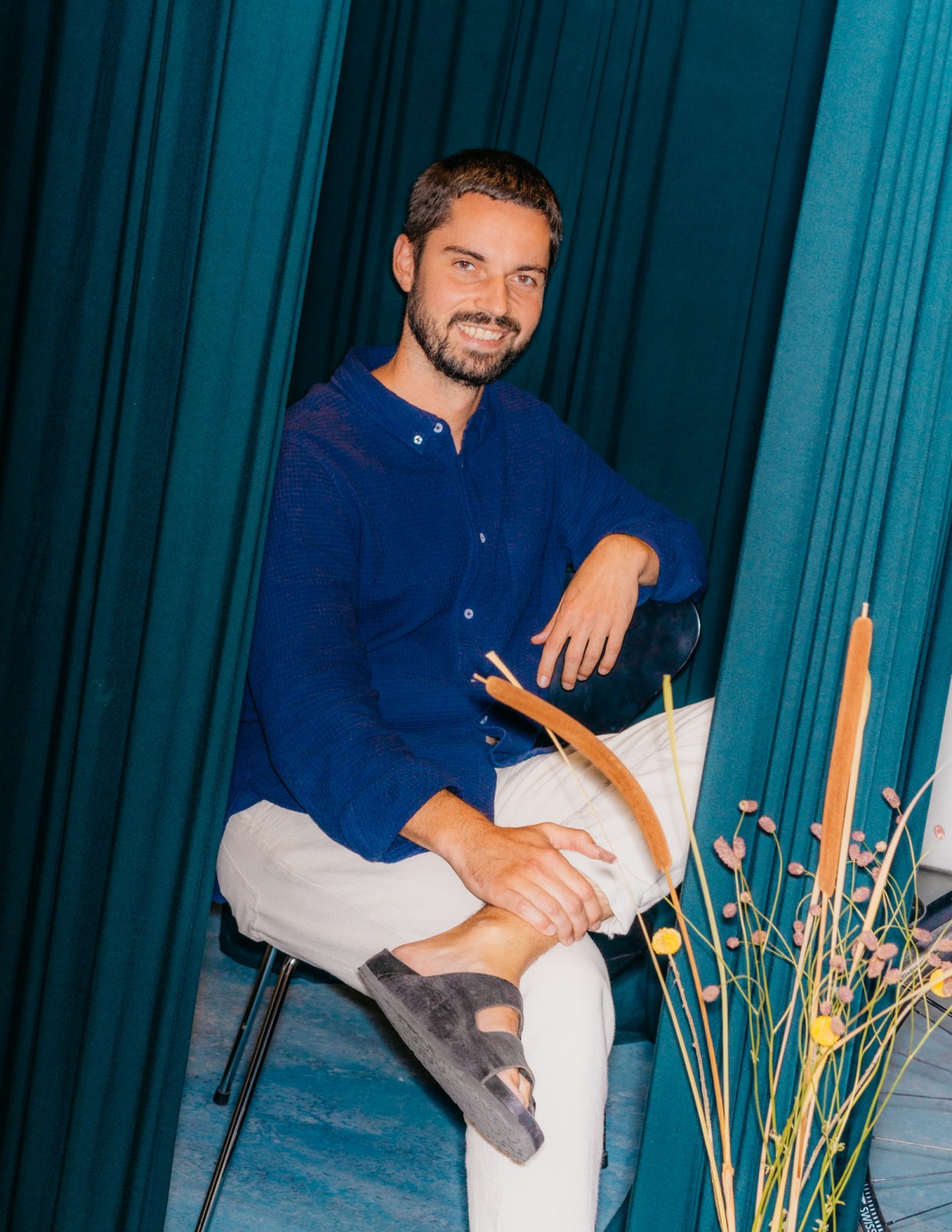
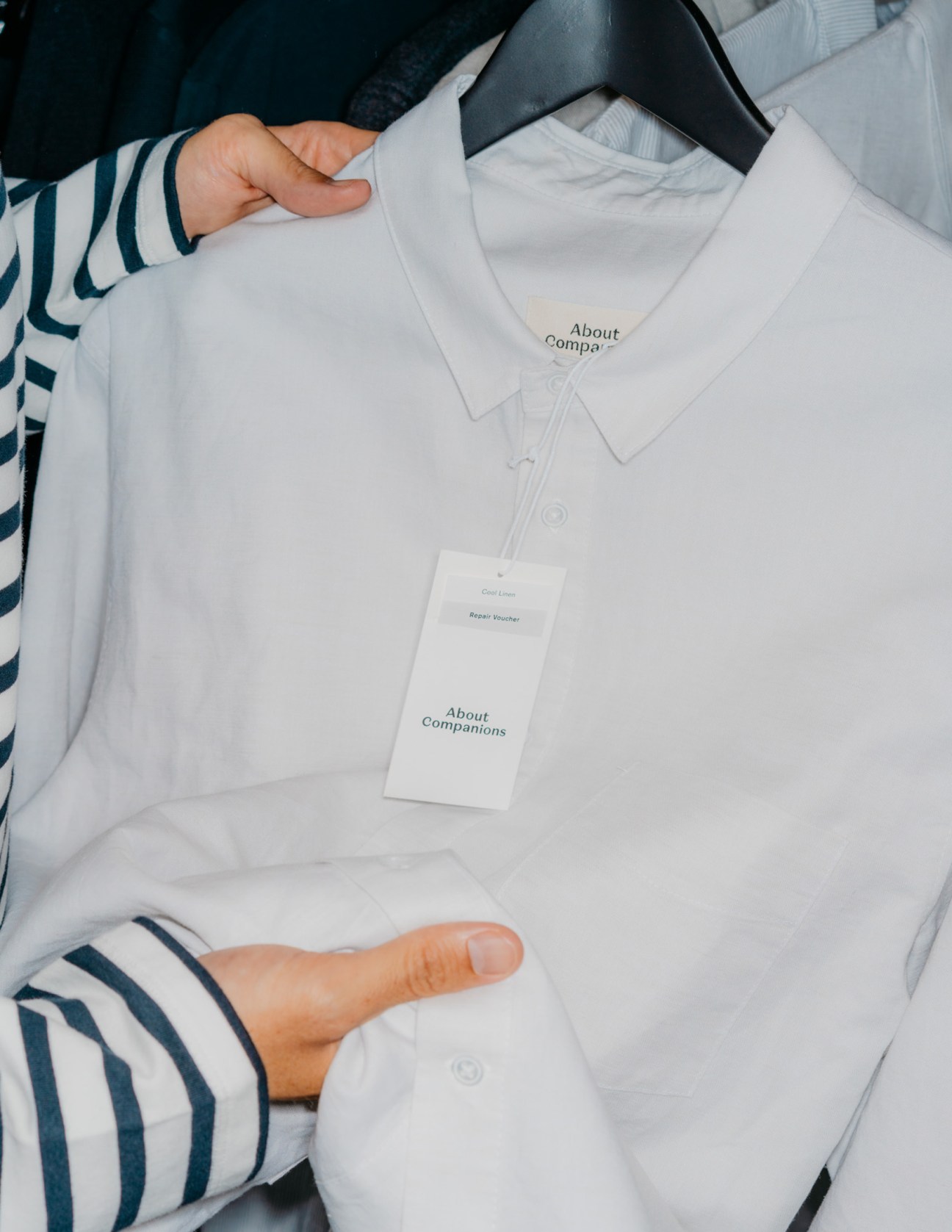
Meyer and Sunder-Plassmann sell to shops as far afield as Taiwan and Japan. What’s more, every item comes with a lifetime repair voucher. “We really mean it,” says Meyer.
aboutcompanions.com
19.
Super sized
Mfpen, Copenhagen
At Mfpen’s shop, set in a Copenhagen apartment, customers are greeted by one of the brand’s four-person team. Mfpen’s clothes subvert the traditional by enlarging shapes and subsequently the confidence of those wearing them. Founder Sigurd Bank says that he sees little point in skinny lapels and slim-line tailoring. Mfpen’s large double pleats and oversized collars are intended to create what he calls “a confident suit”. “Tailoring should be democratic but ours is a little anti-authority too,” he says.While new looks feel fresh, forms are still drawn from formal attire, meaning that its clothes easily integrate into a smart wardrobe.
mfpen.com
20.
Team work
APC X Lacoste, Paris
French-Tunisian designer Jean Touitou launched apc (Atelier de Production et de Création) in 1987. He has retained its defiant minimalist ethos but has also found a clever way to update the brand’s basics through collaborations. Most recently, apc joined forces with French label Lacoste to reimagine tennis staples, such as nylon windbreakers, striped polo shirts and giant tote bags. The collection is inspired by the tennis courts of Paris’s Luxembourg Gardens. “The partnership was very organic because Louise [Trotter, Lacoste’s creative director] has a lot of the same aesthetic values that we do,” Touitou tells Monocle.
apcstore.com
Photographers: Andrew Querner, Ben Roberts, Elliott Verdier, Tony Hay, Kohei Take, Piotr Niepsuj, Evelyn Dragan, Benjamin McMahon, Rasmus Weng Karlsen, Jenny Hueston, Felix Odell, Guillaume Megevand, Maximilian Virgili, Simon Knudsen
Catching sparks
From a historical novel about identity in a time of plague to retro-Persian electro music secretly recorded in Istanbul, we survey the brightest of the cultural highlights to come.
Books
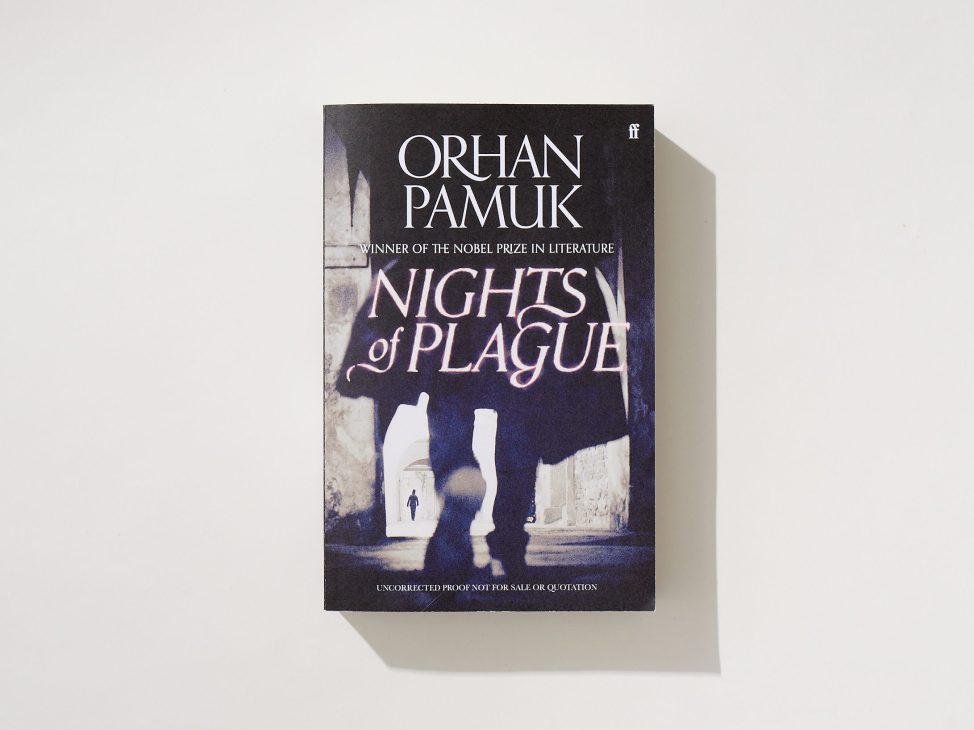
Nights of Plague
Orhan Pamuk
Nobel laureate Orhan Pamuk’s latest novel is set in the early 1900s on an island in the Ottoman empire, where tensions simmer between the resident Muslims and Orthodox Greeks. With the arrival of the bubonic plague, quarantine measures are imposed but not everyone complies and the death count continues to rise.
‘Nights of Plague’ is published on 22 September
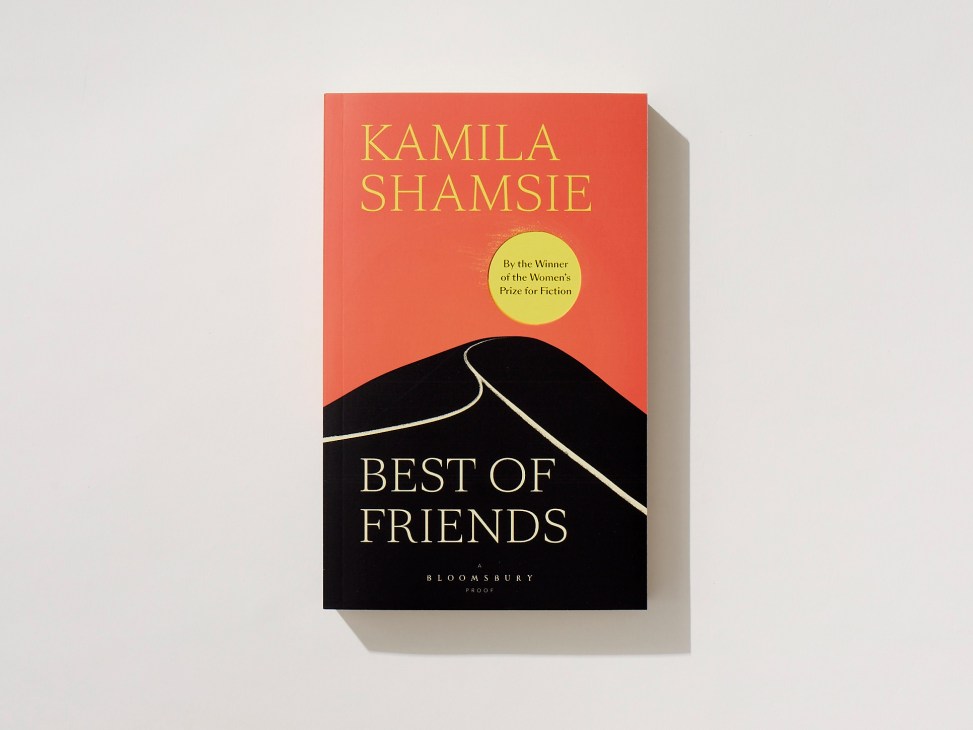
Best of Friends
Kamila Shamsie
The new novel from the author of Home Fire is a story of power, identity and friendship. In 1988, Benazir Bhutto is coming to power in Pakistan. The future looks bright for 14-year-olds Maryam and Zahra until a mistake at a party forces them to leave their innocence behind. More than 30 years later the pair’s past catches up with them in London. Told in lyrical prose, Best of Friends is a compelling tale by one of today’s greatest writers.
‘Best of Friends’ is published on 27 September
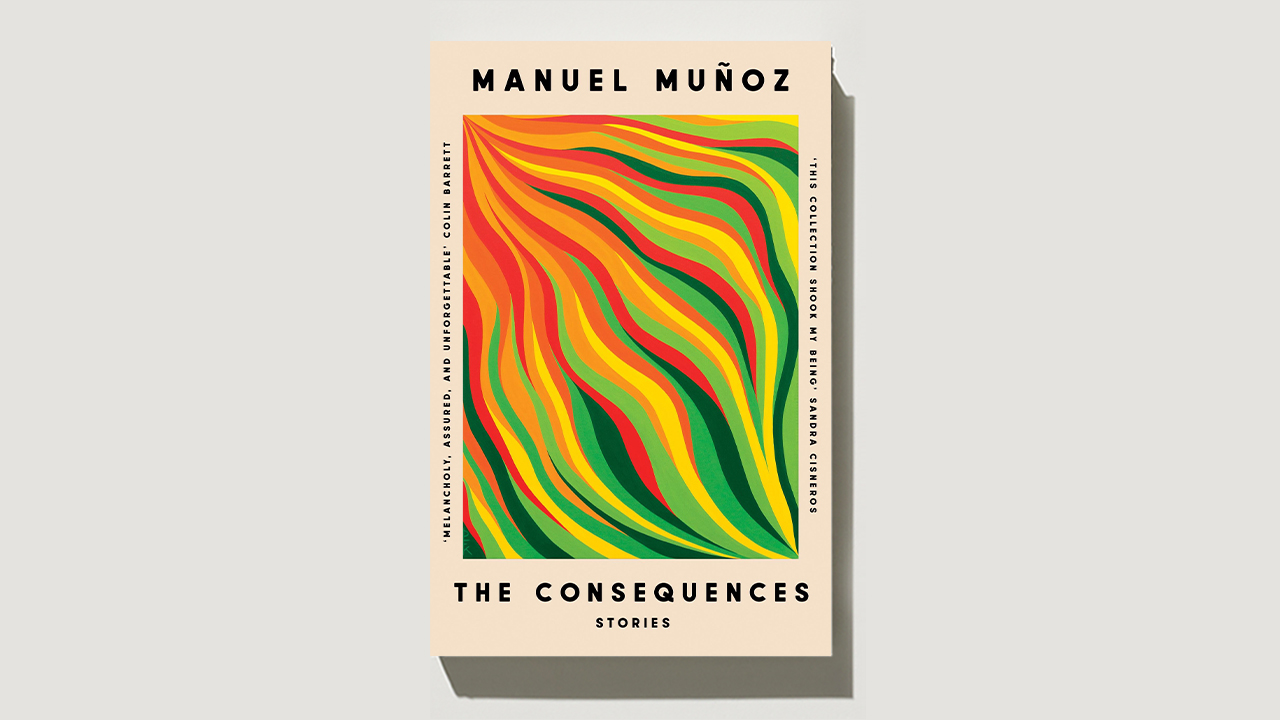
The Consequences: Stories
Manuel Muñoz
Mostly set in the 1980s in California’s Central Valley, this collection of short stories is the first book in a decade from the author of What You See in the Dark. Muñoz brings to life the daily struggles of Mexican and Mexican-American farmworkers who are regularly rounded up and returned to their country. A melancholy yet heartfelt collection with an eclectic cast of characters.
‘The Consequences: Stories’ is published on 20 October
Film

Decision to Leave
Park Chan-wook
Where Park Chan-wook’s 2016 film The Handmaiden was a love story masquerading as a crime thriller, Decision to Leave, which won the best director prize at Cannes in May, is more openly romantic. A neo-noir in which a detective becomes infatuated with a woman who is suspected of killing her husband, it’s softer in tone than the often punishing earlier films that Park is known for but it’s no less complex and rewarding.
‘Decision to Leave’ is released on 14 October
The Banshees of Inisherin
Martin McDonagh
For this pitch-black odd-couple comedy, writer-director Martin McDonagh reunites with Colin Farrell and Brendan Gleeson, the two leads of his 2008 picture In Bruges. The Banshees of Inisherin takes place on a rustic Irish island and shows the fallout of the sudden, unilateral and unwavering decision by Colm (Gleeson) to end his longtime friendship with the well-meaning but dull simpleton Padraic (Farrell). Expect plenty of cutting humour and a disarmingly incisive look at human relationships.
‘The Banshees of Inisherin’ is released on 21 October
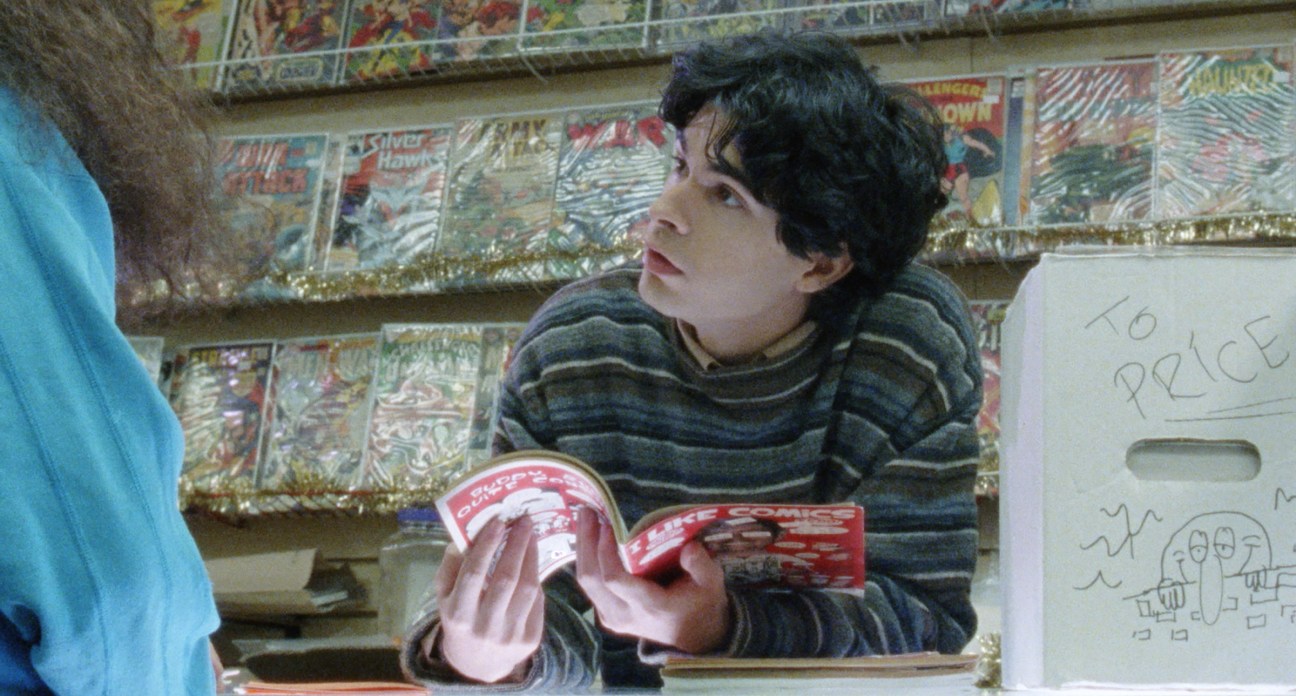
Funny Pages
Owen Kline
From producers Josh and Benny Safdie, directors of tense thriller Uncut Gems, comes this often surreal comedy about a teenager who wants to drop out of university to follow his dream of becoming a cartoonist. Writer-director Owen Kline, who makes his debut here, is also a comic-book aficionado; the film’s sardonic humour and scruffy aesthetic give this affectionate homage to a resilient print subculture a sense of authenticity.
‘Funny Pages’ is released on 16 September
TV
Hvide Sande
AJ Kazinski
Like Scandi noir The Bridge, Danish series Hvide Sande (“White Sands”), is a crime drama about police from two different countries at loggerheads. Created by AJ Kazinski, the series explores the death of a German surfer at the Danish seaside town of the show’s title. With Danish and German police arguing over the handling of the case, detective Thomas Beckmann and undercover officer Helene Falck are sent to the town, posing as a married couple to unearth the truth.
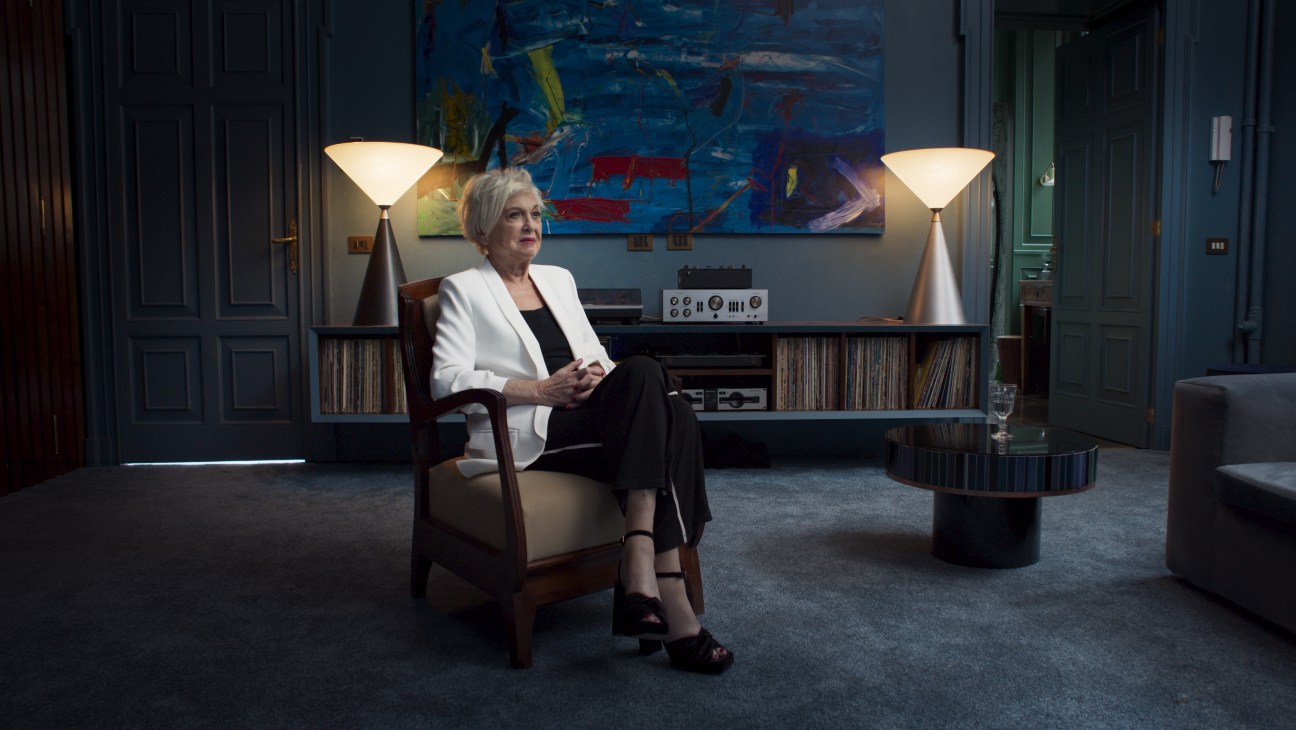
Fortune Seller: A TV Scam
Nicola Prosatore
Series about scam artists are all the rage. Director Nicola Prosatore’s Netflix documentary explores how Wanna Marchi, Italy’s “queen of telesales” in the 1980s and 1990s, fell from grace after a series of scandals. Her sketchy propositions – slimming creams, astrology and lottery tickets – preyed on the gullible and made her millions. Fortune Seller probes her charisma and how it chimed with the opportunism of her time.
Music
Roya
Liraz
Israeli-Iranian singer Liraz’s latest album Roya combines a delightful retro-Persian sound with electro-pop beats. “Doone Doone” is Farsi songwriting at its best: close your eyes and you can easily picture yourself at a dinner party in 1970s Tehran. But this isn’t just music that you can happily shimmy to; it’s politically charged too. Liraz is a champion of women’s rights and this album was recorded in secrecy in Istanbul with the help of Iranian musicians.
‘Roya’ is released on 7 October
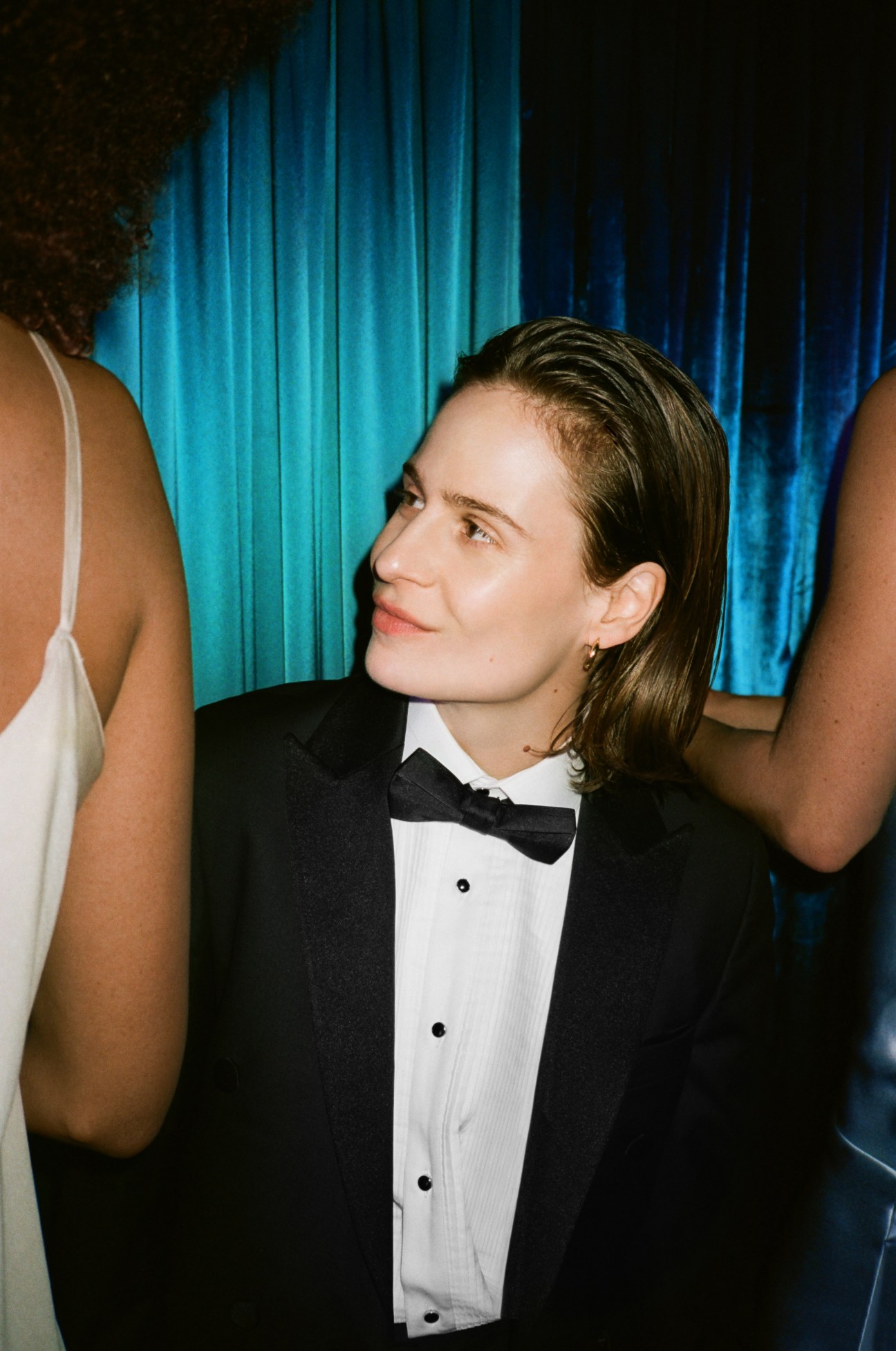
Redcar les adorables étoiles
Christine and the Queens
For almost a decade, French singer-songwriter Christine and the Queens has been setting the course of French indie pop. With new alias Redcar, that path is straying even further into 1980s territory. Take, for example, “Je te vois enfin”, produced by Mike Dean: it’s a power ballad made for insouciant strutting. An emotional explosion with more than just a suggestion of Eurythmics, “Looking for Love” is another highlight. This operatic album will soon turn into a full musical production, with dates in Paris and London.
‘Redcar les adorables étoiles’ is released on 23 September
Art
Our Land Just Like a Dream
Macaal, Marrakech
Macaal, an institution set up by Marrakech-based collectors Othman and Alami Lazraq, has invited Malagasy artist Joël Andrianomearisoa to create new pieces using traditional Moroccan crafts. Andrianomearisoa, who likes to work with textiles, had already collaborated with embroiderers from his native city of Antananarivo, India’s Udaipur and Aubusson in France. Working with artisans in Marrakech has led him to explore wicker, metal and ceramics for spellbinding multimedia installations. Curator Meriem Berrada says that the exhibition is an invitation to experience “relationships between matter and territory”.
‘Our Land Just Like a Dream’ opens on 24 September
Venue
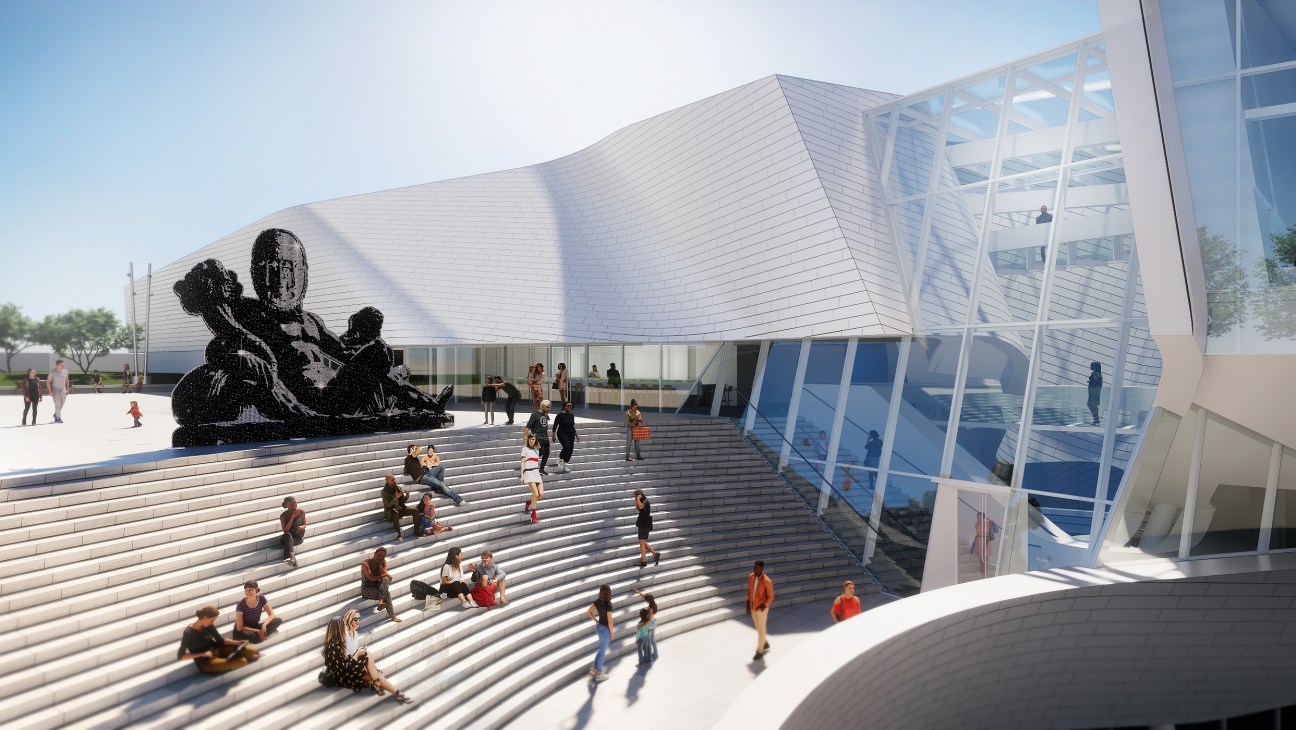
Orange County Museum of Art
Costa Mesa, California
The Orange County Museum of Art’s Thom Mayne-designed new home in Costa Mesa features a glass-fronted atrium, theatre and expansive gallery space. Its opening programme includes 13 Women, focusing on female artists, and the return of the California Biennial, showcasing the state’s artistic talent.
Orange County Museum of Art opens on 8 October
On my screen
Anna Croneman
Head of drama, SVT
Sweden’s national broadcaster Sveriges Television (SVT) produces the country’s most popular fiction series, many of which have ended up on international screens. From true-crime thriller Jakten på en mördare (“The Hunt for a Killer”) and royal drama En kunglig affär (“A Royal Secret”) to Innan vi dör (“Before We Die”), a story that takes place in the organised crime unit of the Stockholm police, the network’s output attracts viewers of all ages. Its head of drama, Anna Croneman, discusses her commissioning process.
What kinds of series are performing best in Sweden at the moment?
The series that have done the best with our audiences are those that are anchored in today’s society, with themes that engage the audience on more levels than just entertainment – those that manage to create debate and break through the noise. Caliphate, which centres around an impending terrorist attack, and Thin Blue Line, about the daily life of police officers in Malmö, have both been big successes for us. They’ve also travelled extremely well. Netflix picked up the global distribution rights for Caliphate, for example.
Is global distribution an important goal for you? Or are you focusing more on your domestic market?
We’re focusing more on Swedish audiences but it turns out that the really local stuff also works well abroad. As soon as you start trying to guess what global audiences want or specifically target them, you will fail.
What skills are essential for people in your job?
A passion for creative development and a nose for quality. You have to be good at matchmaking, figuring out which creatives could work well together. Also, having a good understanding of your market and audience. But most importantly, you need to always work with people who are smarter than you.
Can you tell us about a forthcoming series that you’re excited about?
Definitely Blackwater. It’s a series based on an iconic novel by one of the country’s best authors, Kerstin Ekman. It tells the story of four people’s lives that are shaped and influenced by a random incident: the killing of two tourists in the far north of the country on a midsummer’s night in the 1970s. It’s written by Danish screenwriter Maren Louise Käehne and Sweden’s Karin Arrhenius, and directed by Mikael Marcimain.
Still life: Tony Hay
Images: A24, ENM, Morphosis, Netflix, Pierre Ange-Carlotti
The in-betweeners


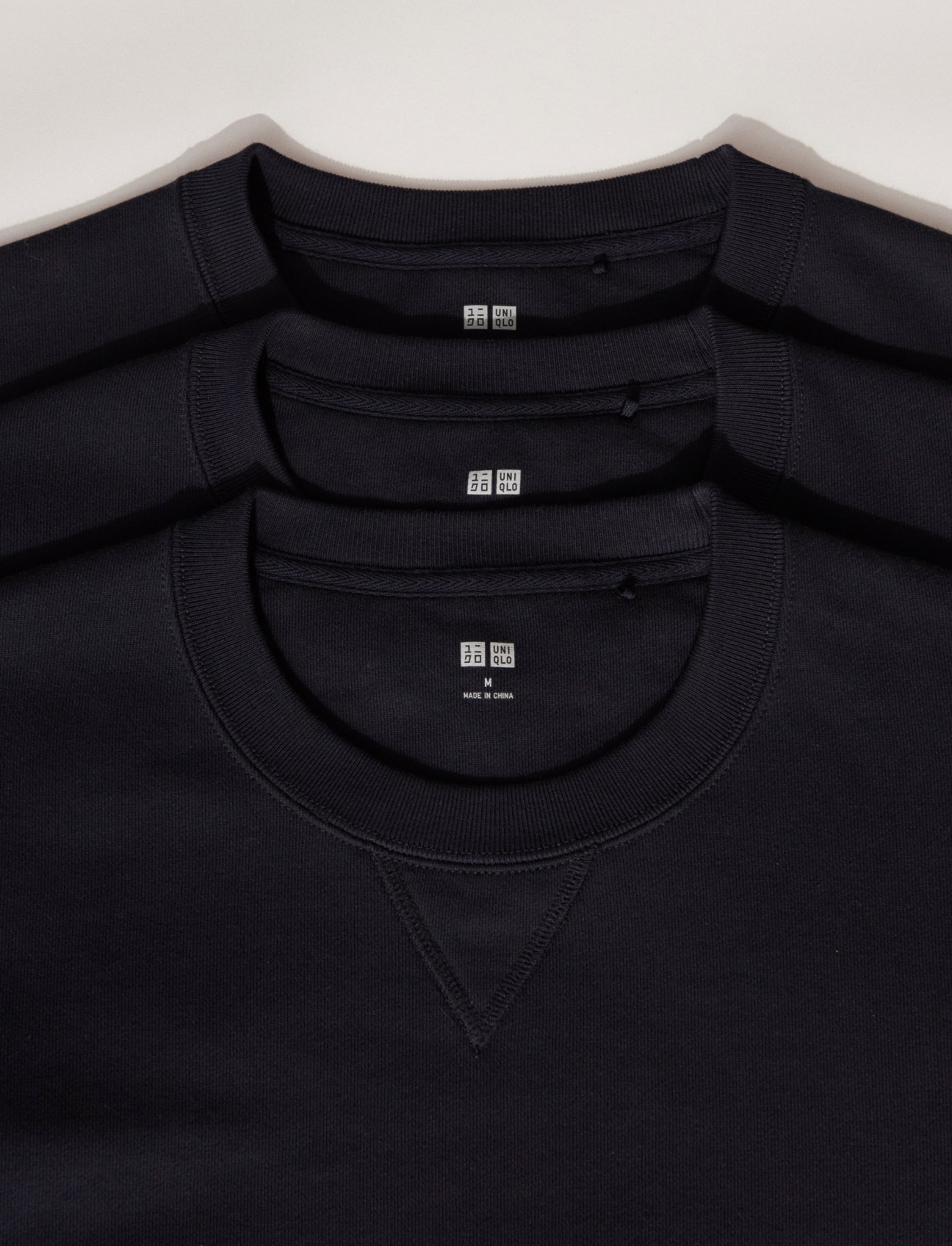


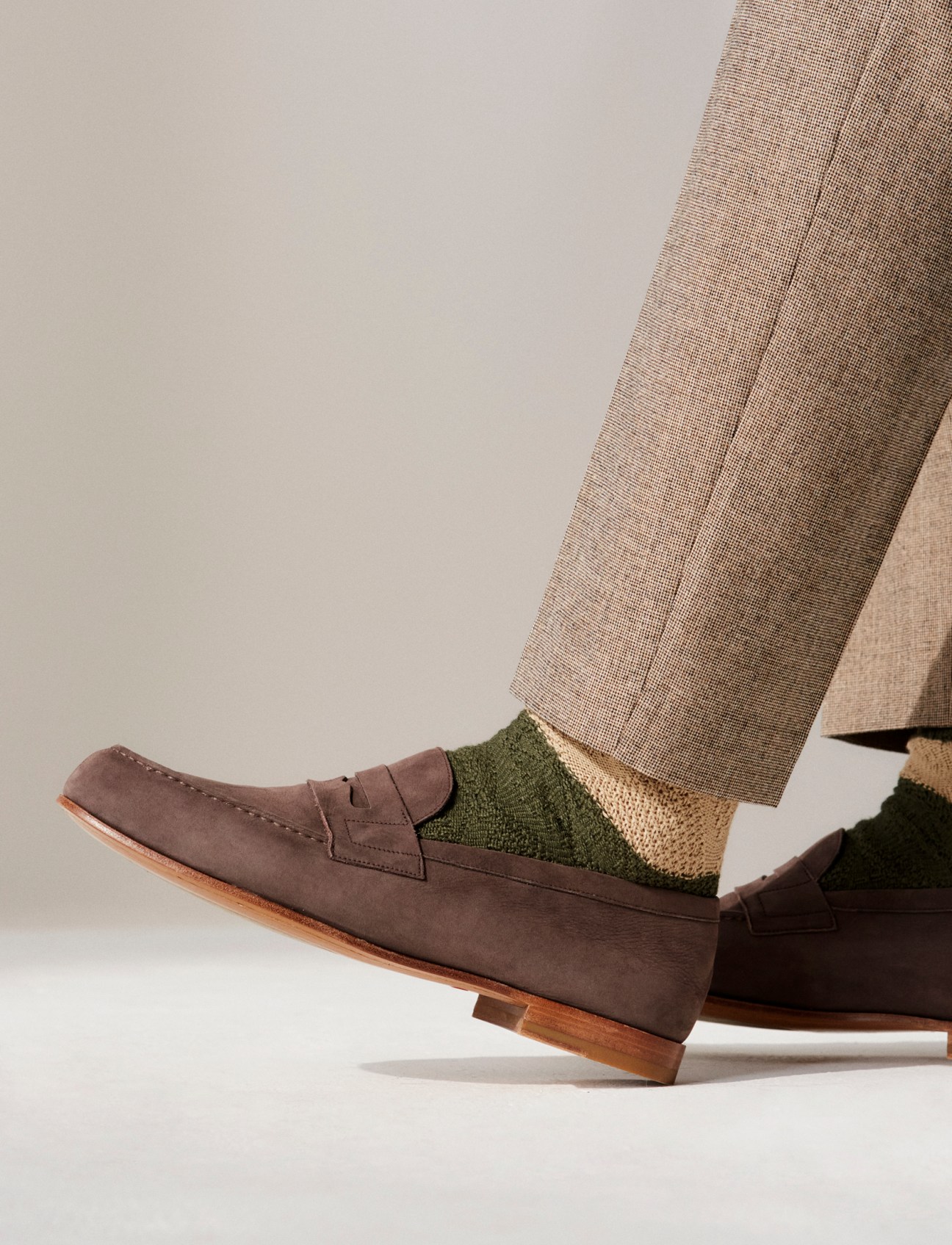


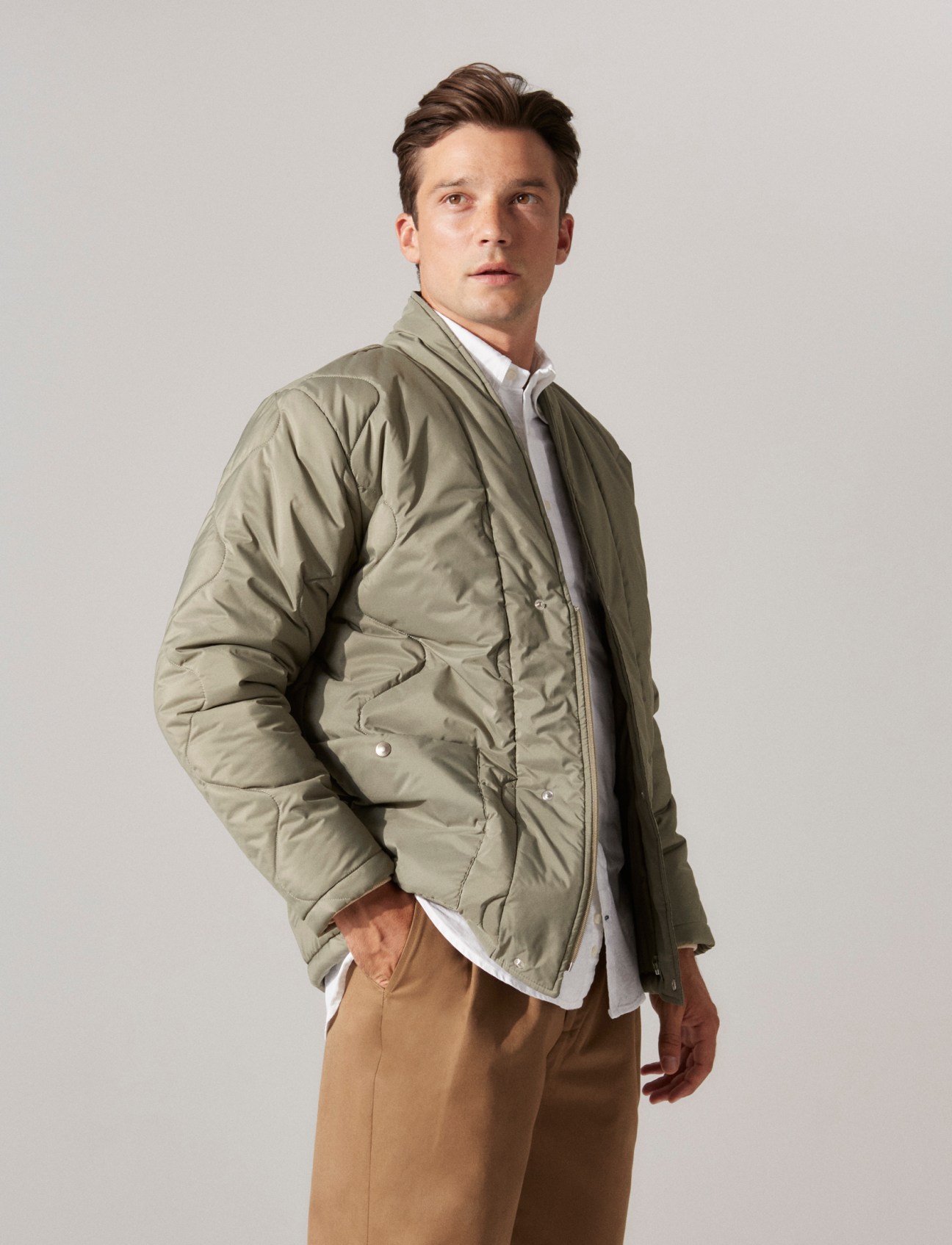
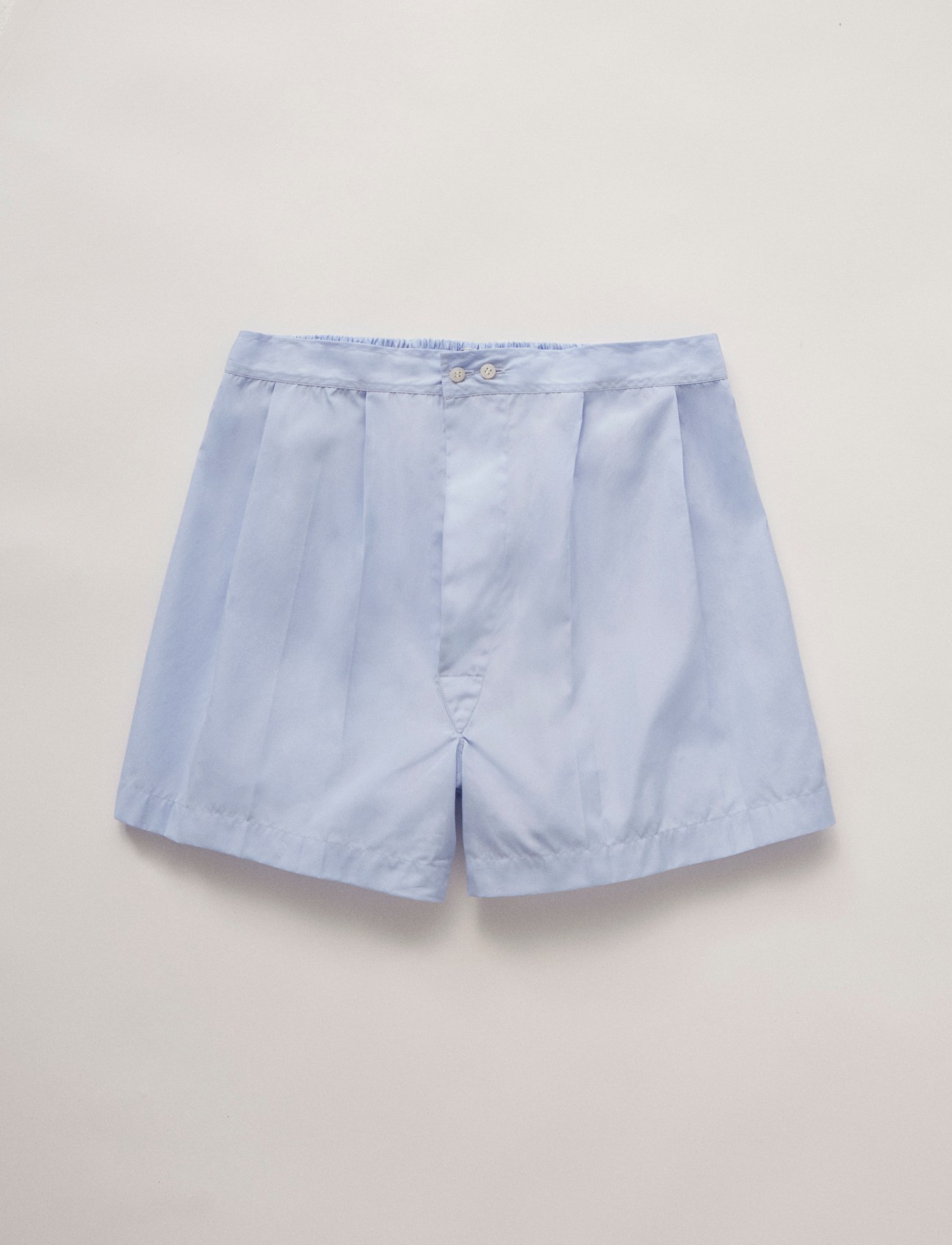
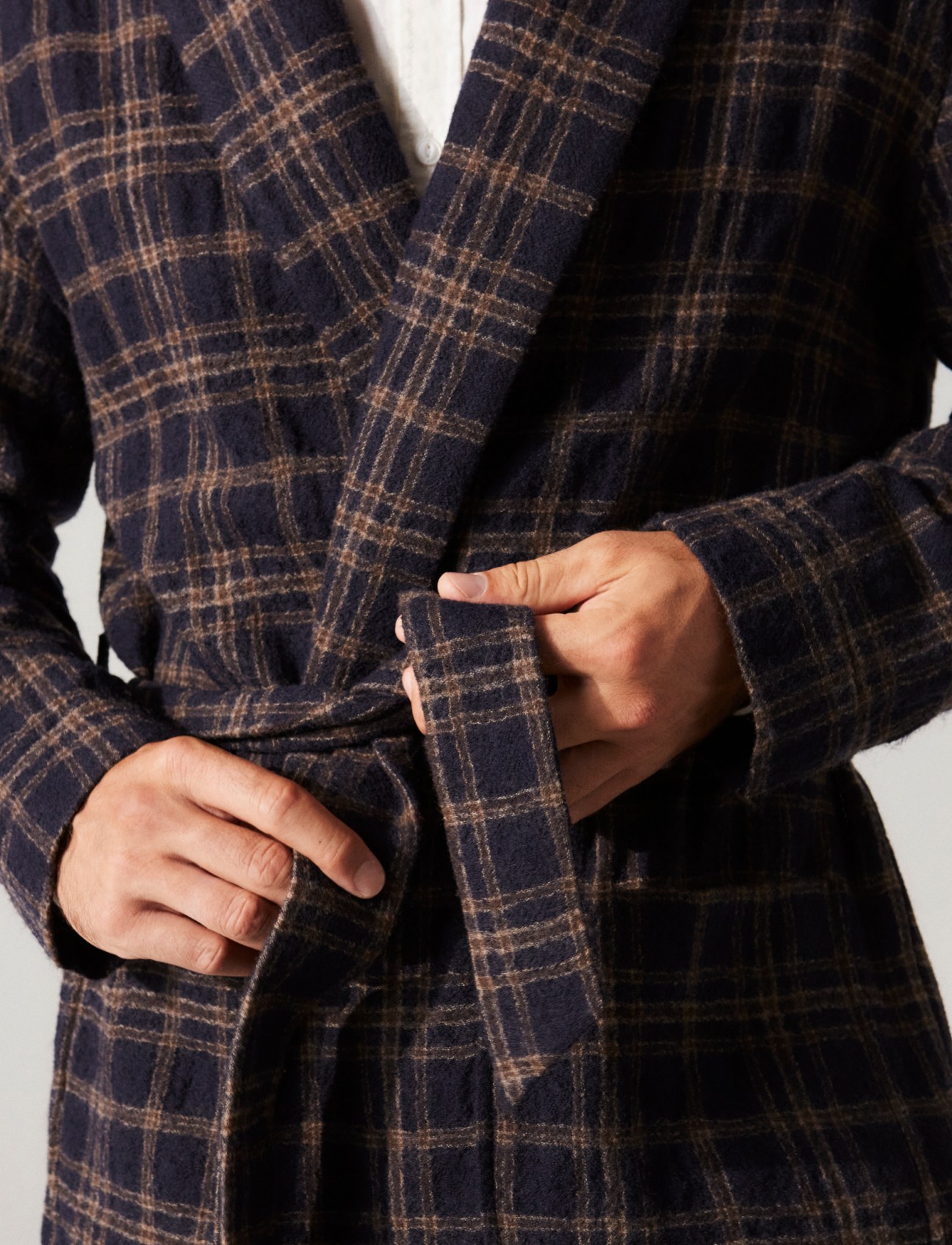

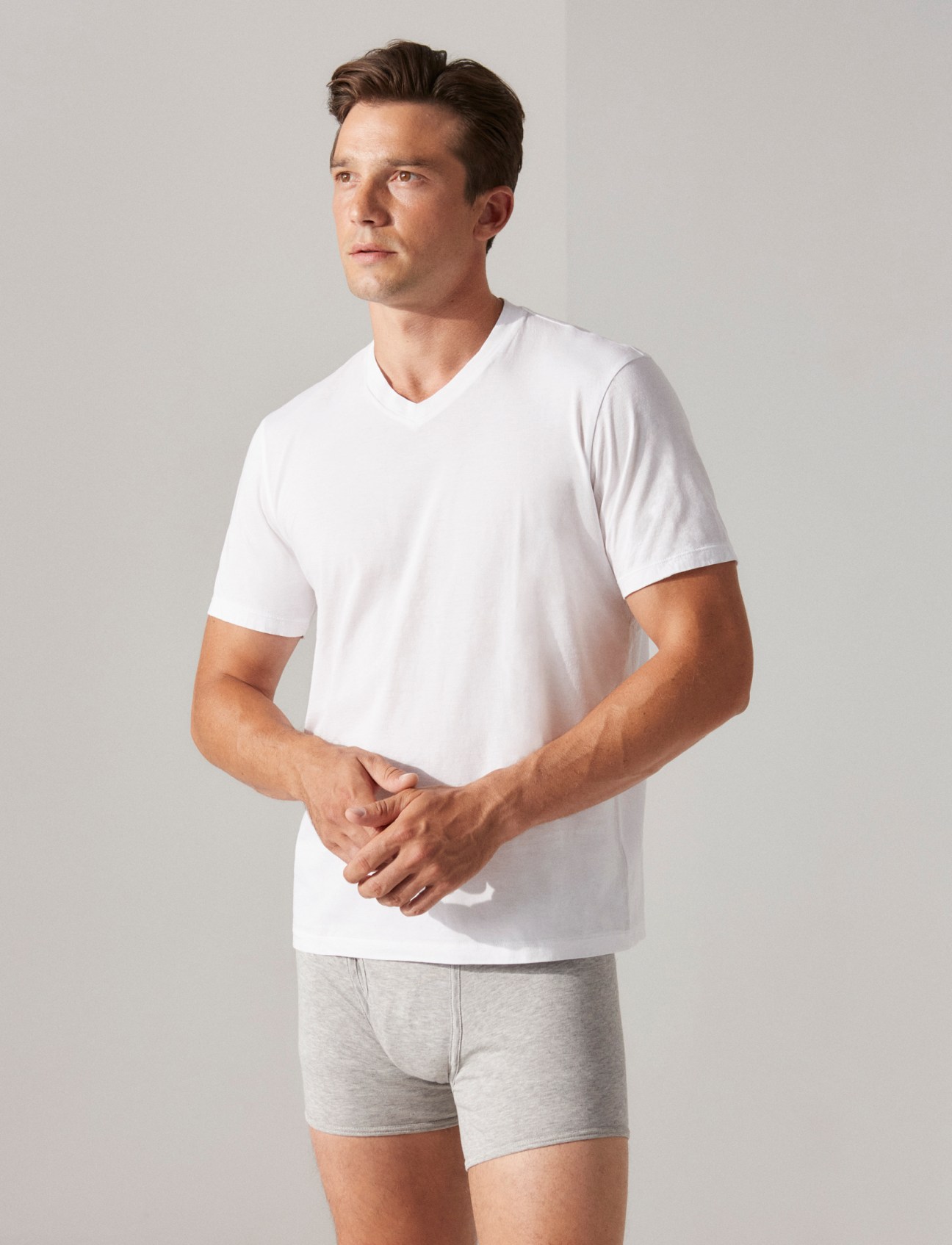


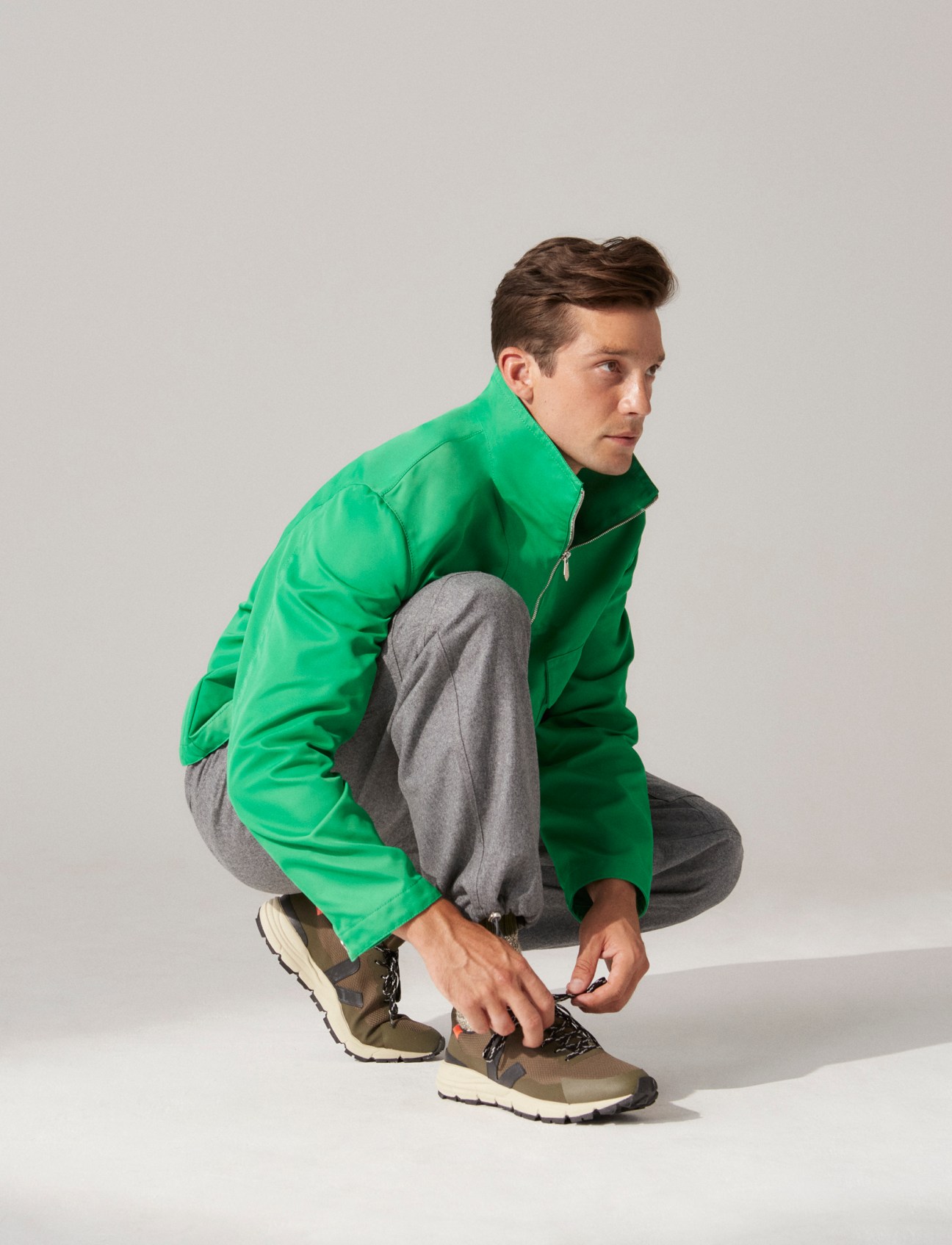
Stylist: Kyoko Tamoto
Model: Alexis Petit
Grooming: Liz Daxauer