Issues
Reclaiming the city
Culture can help to make a country. Back in 2012, four years after Kosovo declared its independence, Pristina-born performer Astrit Ismaili, along with a group of activists and curators, decided to “bring back love” to the city by kick-starting the art scene in Kosovo’s capital. For two months that year, their art project Prishtine – mon amour orchestrated performances to reclaim public space, tap into the city’s raw energy, and add some love to the mix. “It’s remembered as one of the best things that ever happened in the city,” says Ovul Durmusoglu, an independent curator who has worked extensively in the region.
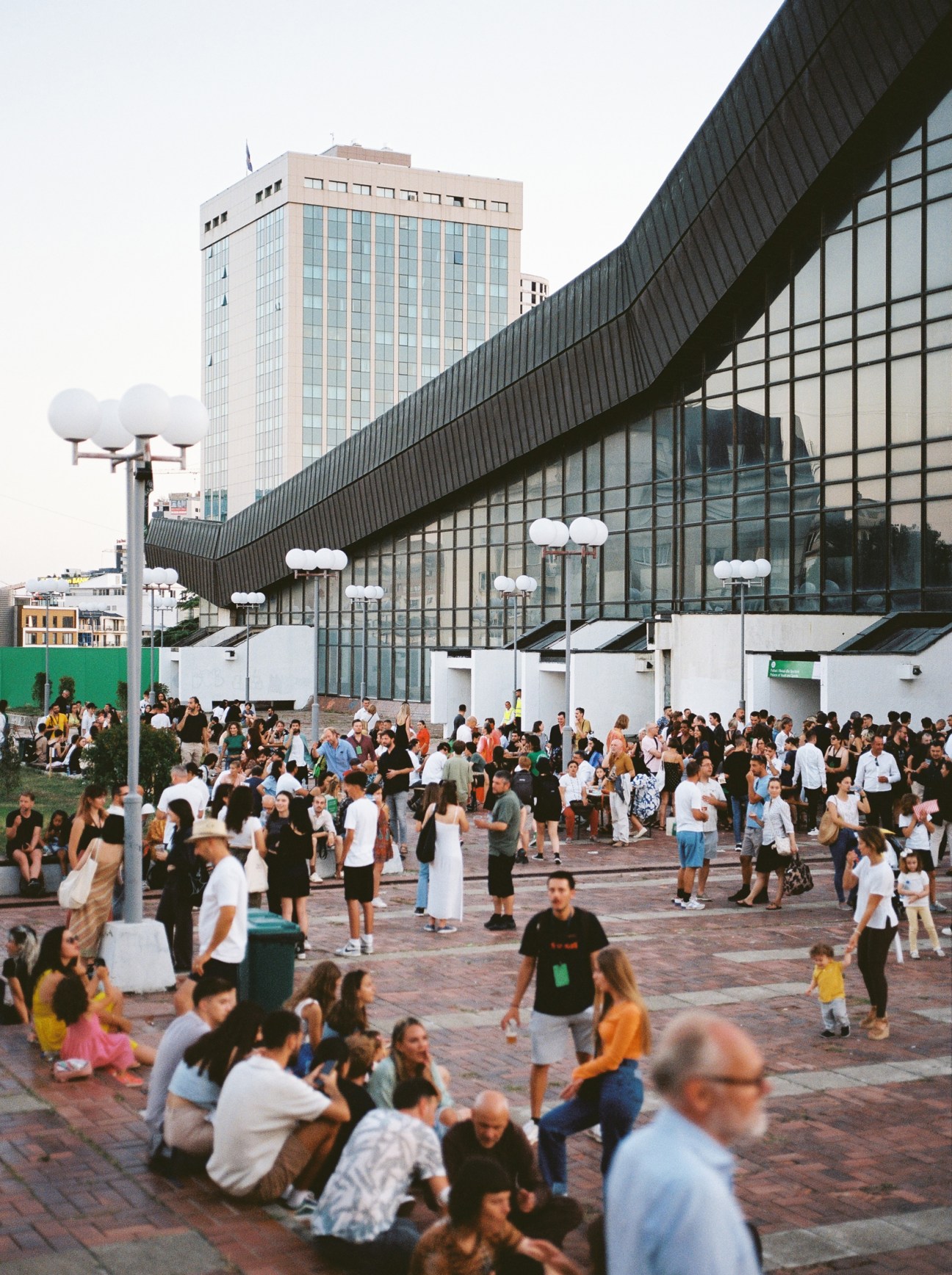
Now another landmark culture event – Manifesta, the nomadic European biennale – is transforming Pristina by reimagining its buildings, squares and institutions, many of which still bear the signs of the war that ravaged the country in the late 1990s. Since 1996 the Amsterdam-based Manifesta Foundation has been co-hosting biennales in cities and regions with dense histories and, more recently, fraught geopolitics and economics. Recent editions in Palermo and Marseille have worked to refurbish fallow spaces and ruined buildings; this instalment, however, is the first in a postwar city – with all the challenges that implies. Art is being shown in 25 locations around Pristina. “The sites show us a means of engaging with history, memory, and identity,” says Manifesta director Hedwig Fijen. “We want to start a conversation about what should happen with our interventions after Manifesta.”
Over the past decade, the arts in Kosovo have operated with little infrastructure or funding but lots of determination. Grassroots project spaces such as Stacion began working on combining art, architecture and policy. In 2018, Foundation 17 launched to show socially committed art, later working to protect Kosovo cultural heritage sites and run community-building and youth programmes. Now it also operates a gallery space, Galeria 17, in a former mechanic’s garage. The effect has been formidable. “In about a year and a half, more than 250 events – talks, discussions, digital exhibitions, screenings, music performances, poetry nights, book presentations, networking events, trainings and workshops – have been hosted in the space, with more than 7,000 people,” says the foundation’s research and communications manager, Sihana Klisurica. Kino Armata, a 300-seat cinema, has reopened as a centre for alternative culture. The building was once the headquarters of the Yugoslav (and later Serbian) army; today it screens films by Antonioni and Truffaut to an eager Kosovar public. With the biennale in town, these organisations have joined forces with international newcomers, helping Pristina make the leap into a more connected cultural hub.
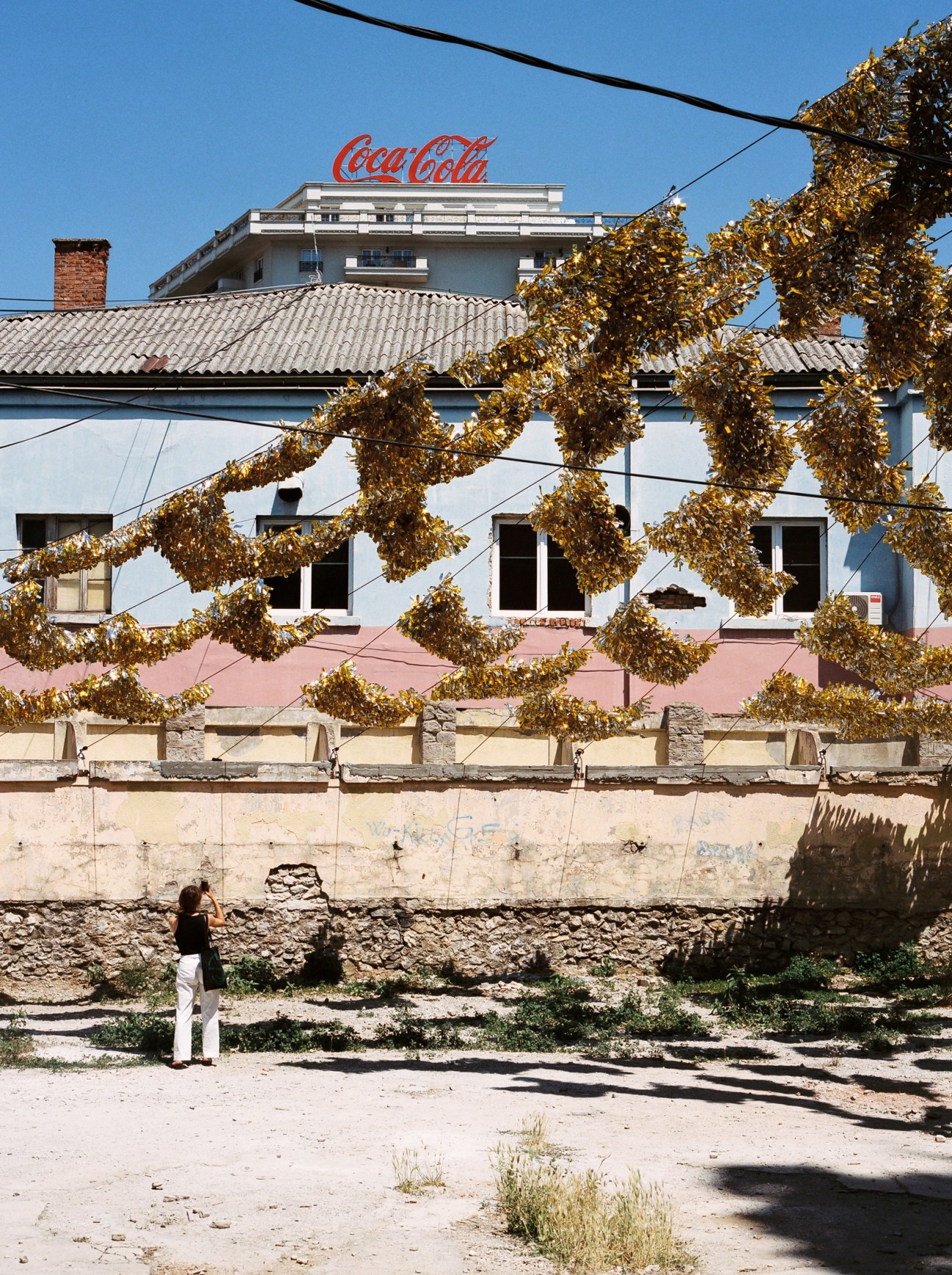
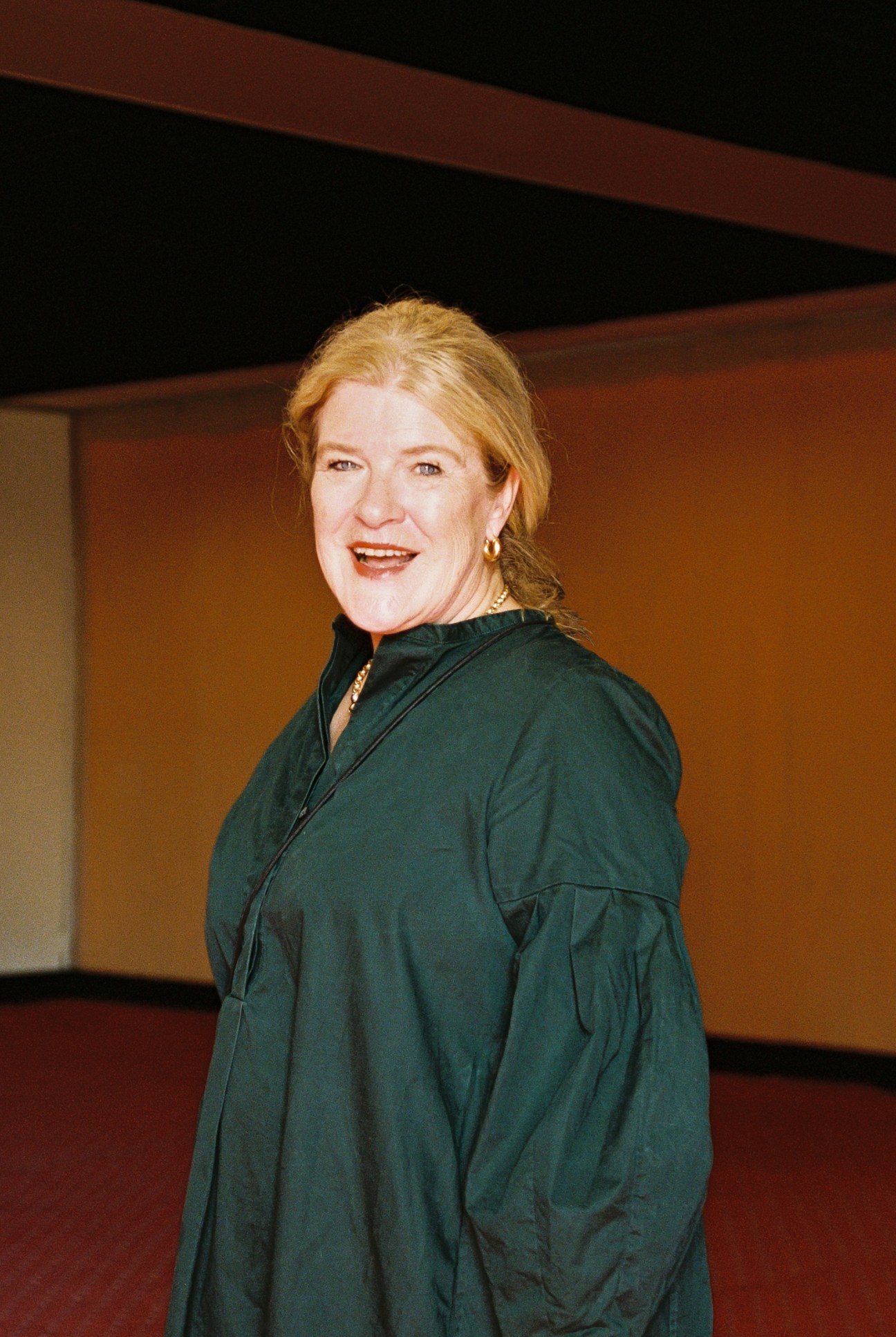
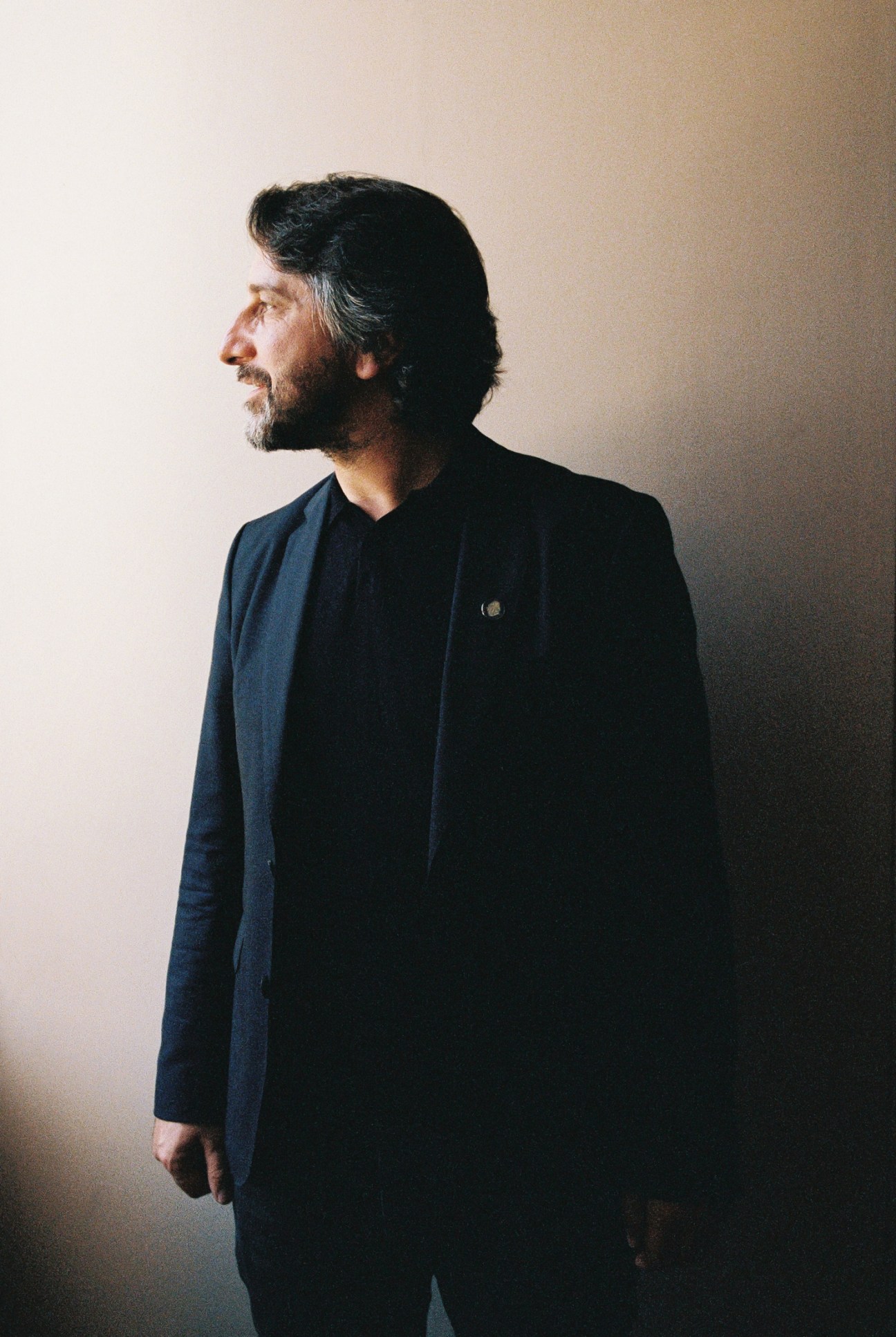
A tension between troubled history and forward-looking cultural ambitions makes places such as Pristina especially conducive to artistic experimentation. After decades as an autonomous region in the now defunct Yugoslavia, Kosovo endured brutal war in the 1990s before declaring independence from Serbia in 2008 with the help of the US. Since the conflict, Kosovo has evolved in fits and starts amid moments of corruption and unregulated urban development. New buildings have sprung up as others are demolished or abandoned. Still, there’s an electric, scrappy energy in town: 50 per cent of Pristina’s residents are under 25 and, on warm nights, young revellers fill the bars, restaurants and potholed streets with life.
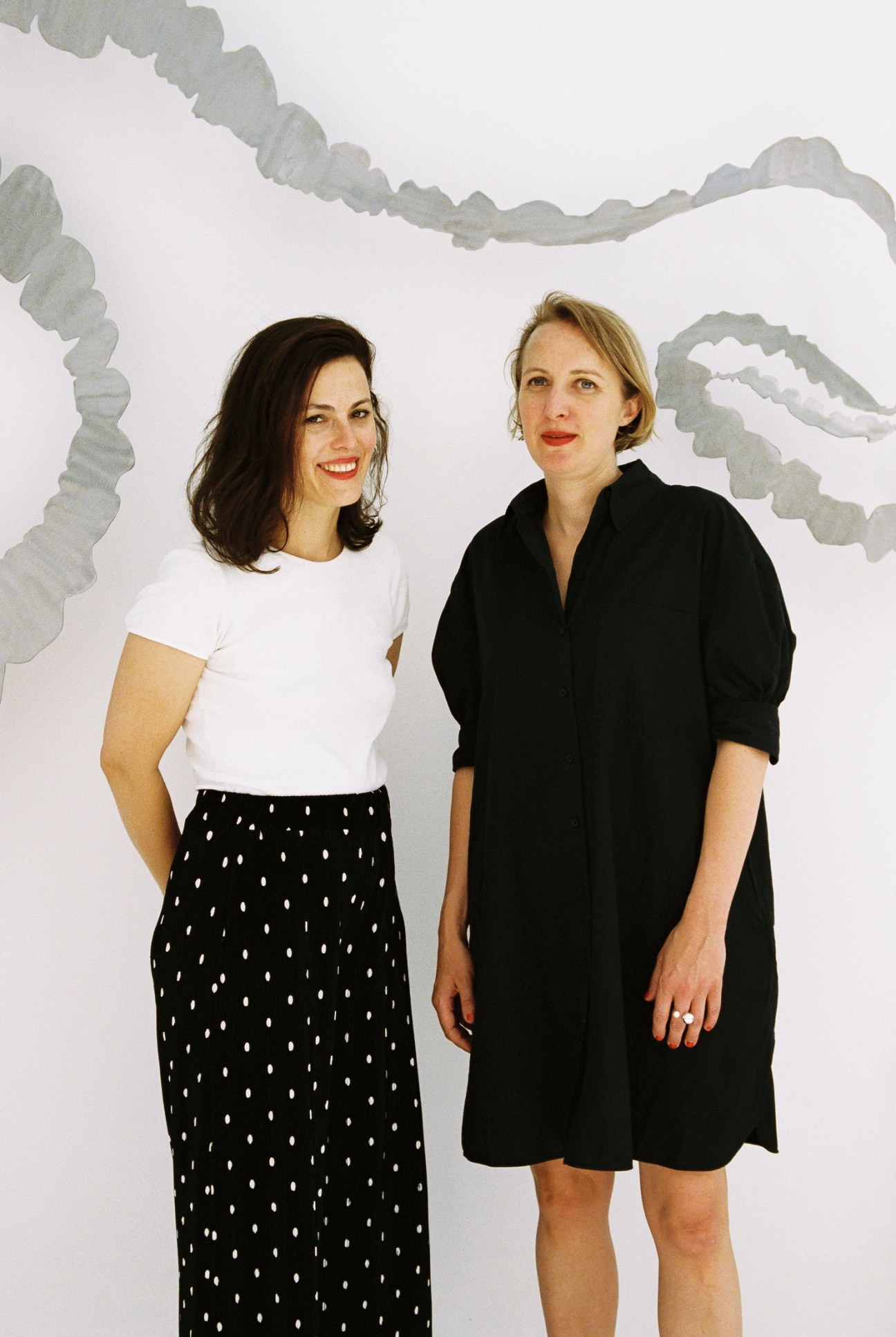
This buzz captivated Katharina Schendl and Isabella Ritter, art professionals from Vienna who opened LambdaLambdaLambda, Pristina’s first and only international commercial art gallery, in 2015. On a visit the previous year, they immediately registered the vibrancy of the art scene and, on a whim, secured a small gallery space. “We saw that there was a lot of potential but no infrastructure for the artists,” says Schendl. “Art was being practised but people couldn’t live from it and they’d stop when they were 30.” The gallery has now helped plenty of Kosovar artists to build successful careers by showing at fairs such as Art Basel and Frieze London. In July the pair opened a second, larger space flooded with natural light. It turns out that outside perspective and confirmation – and the freedom of the gallerists to travel, taking works outside the country – was a big part of what the scene needed. “What Kosovar artists crave most is to be seen,” says Ritter.
That wish is much harder to grant here than in any other up-and-coming scene. Although 117 countries recognise Kosovo as a nation, most do not allow unimpeded travel for its citizens. Kosovars either endure arduous and expensive visa procedures without any guarantee of success or stay at home – a major issue for artists attempting to make their names abroad. “You need 1kg of papers in order to get the visa,” says Pristina-based artist Driton Selmani, whose work includes Jenny Holzer-esque aphorisms written on plastic bags he finds on the city’s streets. His hometown might be challenging but it provides plenty of inspiration. “I see a plastic bag and it’s a Duchampian idea of a readymade. I’m afraid to move to a calm and protected place like Berlin or Brussels. I like the friction.”
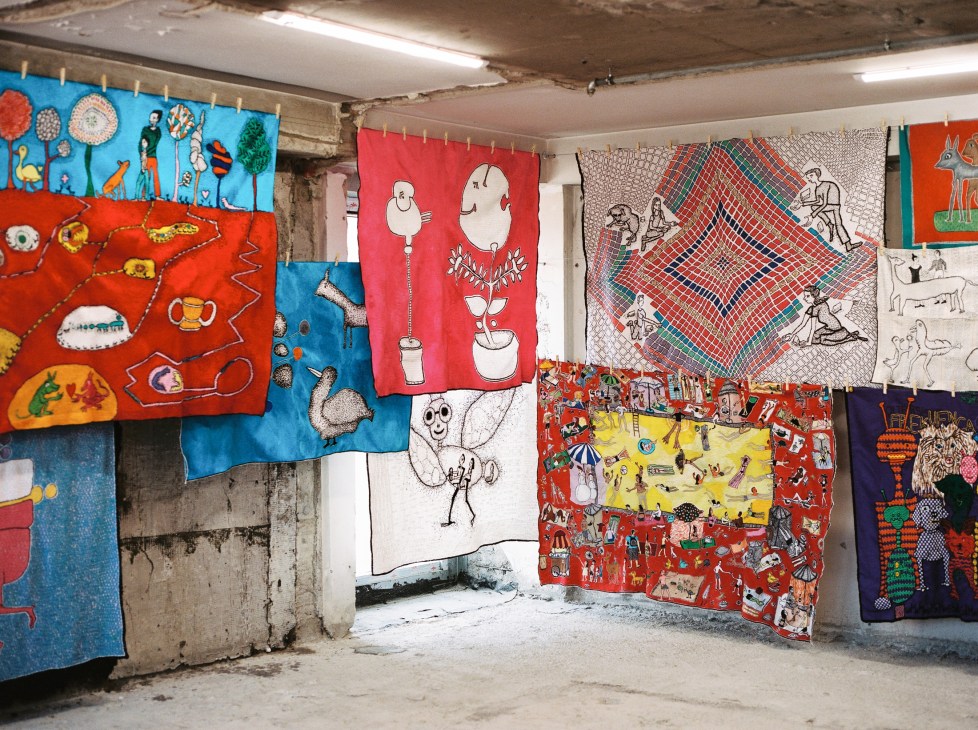
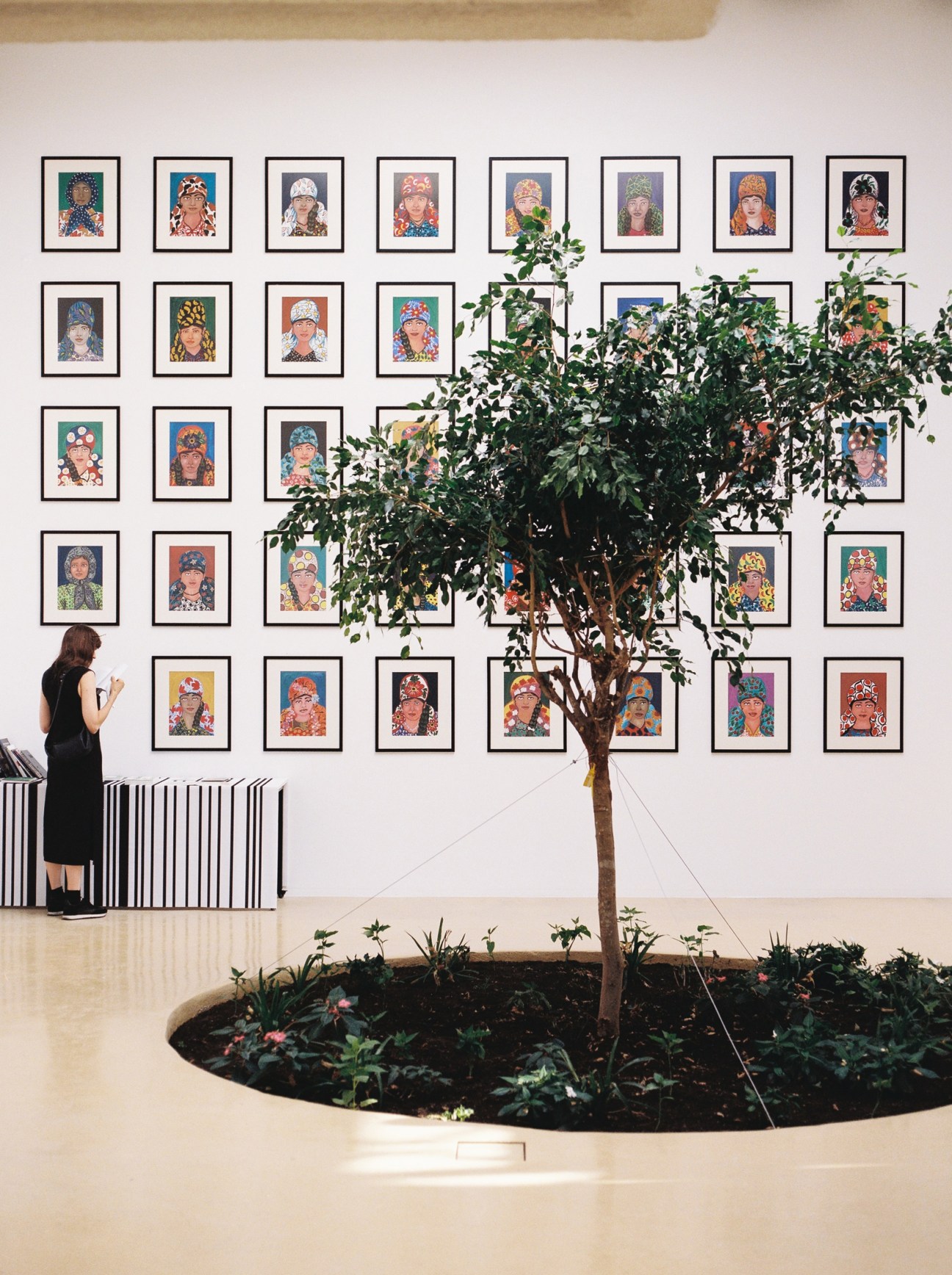
The country’s insularity is why bringing the outside in was so important. Running until 30 October, Manifesta attracts international guests who wouldn’t usually come here. It’s a great opportunity to showcase the nation’s talent: 39 per cent of the 103 participants are from Kosovo and another 26 per cent are from the Western Balkans. Much of the local creatives’ work deals with memory, such as Artan Hajrullahu’s simple drawings on packing paper, or Hana Miletic’s wool wall artworks, reflecting the many cracks in Pristina’s streets.
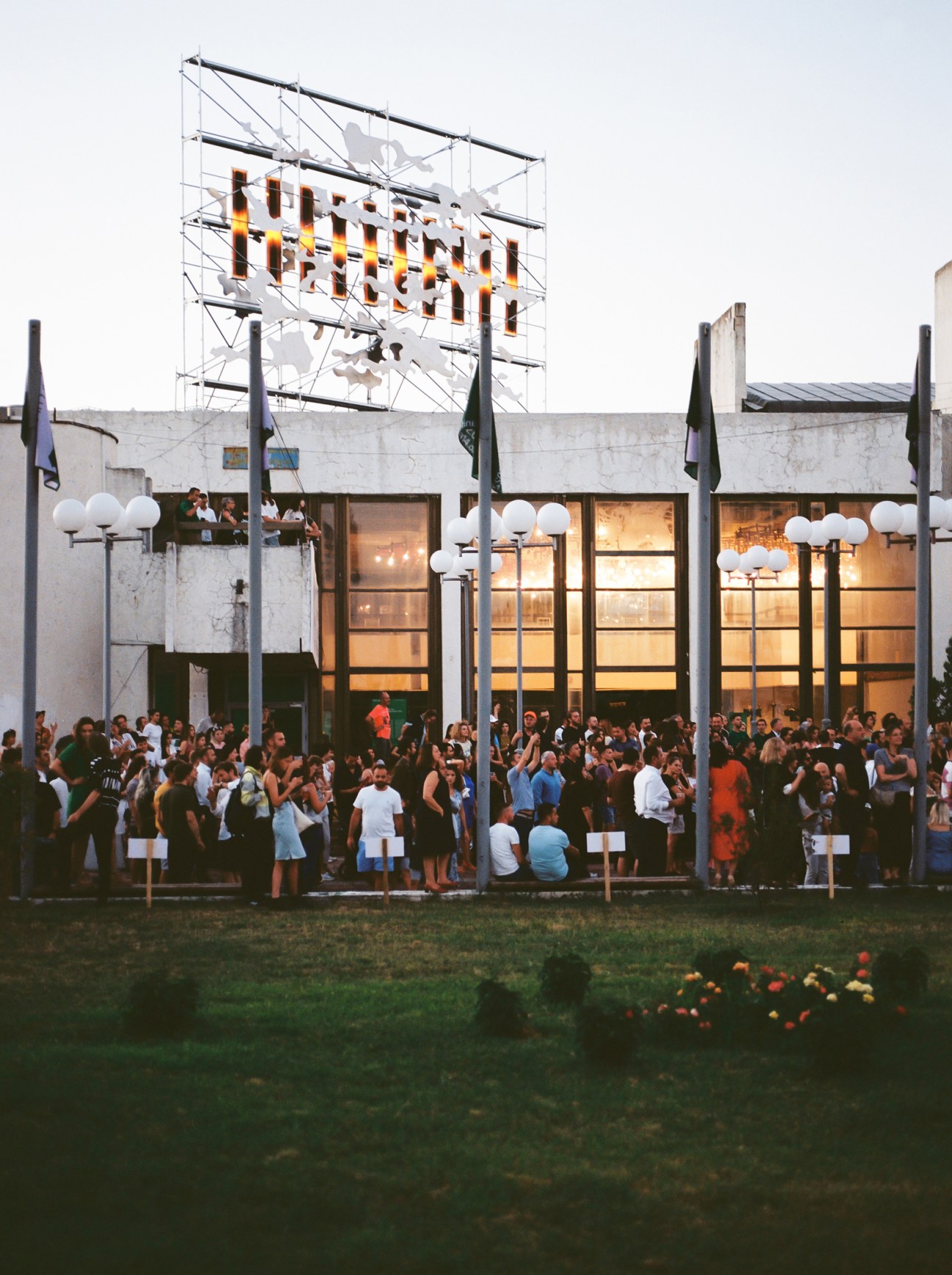
More than 35,000 visitors showed up for the opening month and, in August, popstar Dua Lipa, who was born in London to Kosovar parents, urged millions of fans to follow suit. But visibility is one thing; building a sustainable infrastructure for supporting culture is another. Long before the biennale opened, the Manifesta team (headed by Italian architect Carlo Ratti and including community leaders and art professionals) researched the urban context and, with politicians and citizens, sketched ideas for how to transform public space. Catherine Nichols, a Berlin-based Australian who acted as curator and creative mediator, says that she “talked to everyone,” including taxi drivers and shopkeepers, to better understand needs and desires.
“We’re using these interventions to weave together parts of the city. The legacy of Manifesta will persevere beyond the 100 days that it’s here”
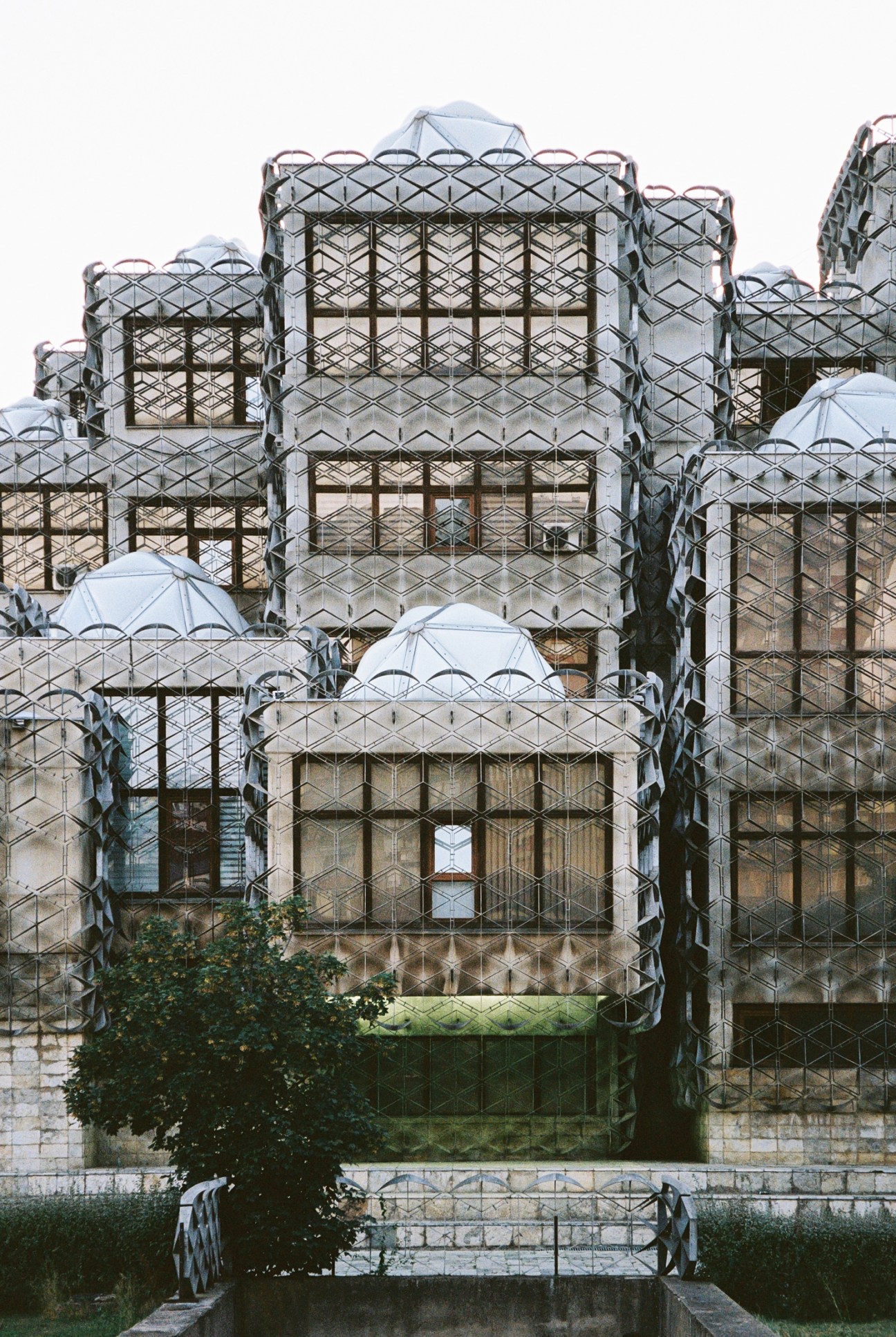
The result is a series of art and architectural interventions that have taken over Pristina’s squares and repurposed abandoned buildings, including a hammam and a former brick factory, which has been refashioned by Berlin-based architects Raumlabor to become a venue for meetings, discussions and workshops. The derelict Grand Hotel, once occupied by Kosovar armed forces, holds the main exhibition, showing about 70 artists. Paintings and installations are on view in the National Library of Kosovo, an eye-popping landmark with a rooftop made up of 73 domes. In the Palace of Youth and Sports, a silver zeppelin sculpture by Korean artist Lee Bul floats over the car park. And the soaring Monument to Heroes of the National Liberation Movement, built in 1961 to commemorate “brotherhood and unity”, is now wrapped in magenta foil, a work by Swiss artist Ugo Rondinone.
“We’re using these interventions to weave together parts of the city,” says mayor Përparim Rama, an architect, curator and urban planner who was elected to the post last year. “The brick factory, for example, provides new opportunities for the citizens. The legacy of Manifesta will persevere beyond the 100 days that it’s here.”
One venue that will outlast the event is the Hivzi Sylejmani Library. Originally a private residence, it was used by the Committee of the Communist Party of Yugoslavia for Kosovo before becoming a library. Damaged in the war, it fell into disrepair. Now, with funding from the Luxembourg embassy and support from the United Nations Development Programme, it has turned into the Centre for Narrative Practice, an urban oasis with a courtyard cafe and indoor space for community outreach, a library and a workshop running educational courses. Manifesta has guaranteed funding for five years; Foundation 17 will be involved with programming and run an art residency. “Working in a small city like Pristina, you can really change something,” says Manifesta’s Fijen.
So far, this change has mainly consisted of focusing global attention on what Pristina has become, not what it was after the conflict – an image that’s hard to shake. “Kosovo has more than just the aftermath of the war,” says artist Selmani. “It has its own path. We have more than one face.” With plenty of new venues and ongoing support for its artists, that path looks like it can only go upwards.
Take cover
The winding warren of streets that makes up Barcelona’s El Raval neighbourhood has been in a constant state of transformation over the past century. What began as a residential area for the city’s port workers became a seedy red-light district, then a centre for Barcelona’s alternative scene. Today it is being smartened up by some serious regeneration efforts but remains something of a mix of all its previous identities, with a healthy smattering of football shirt-selling tourist shops thrown in for good measure.
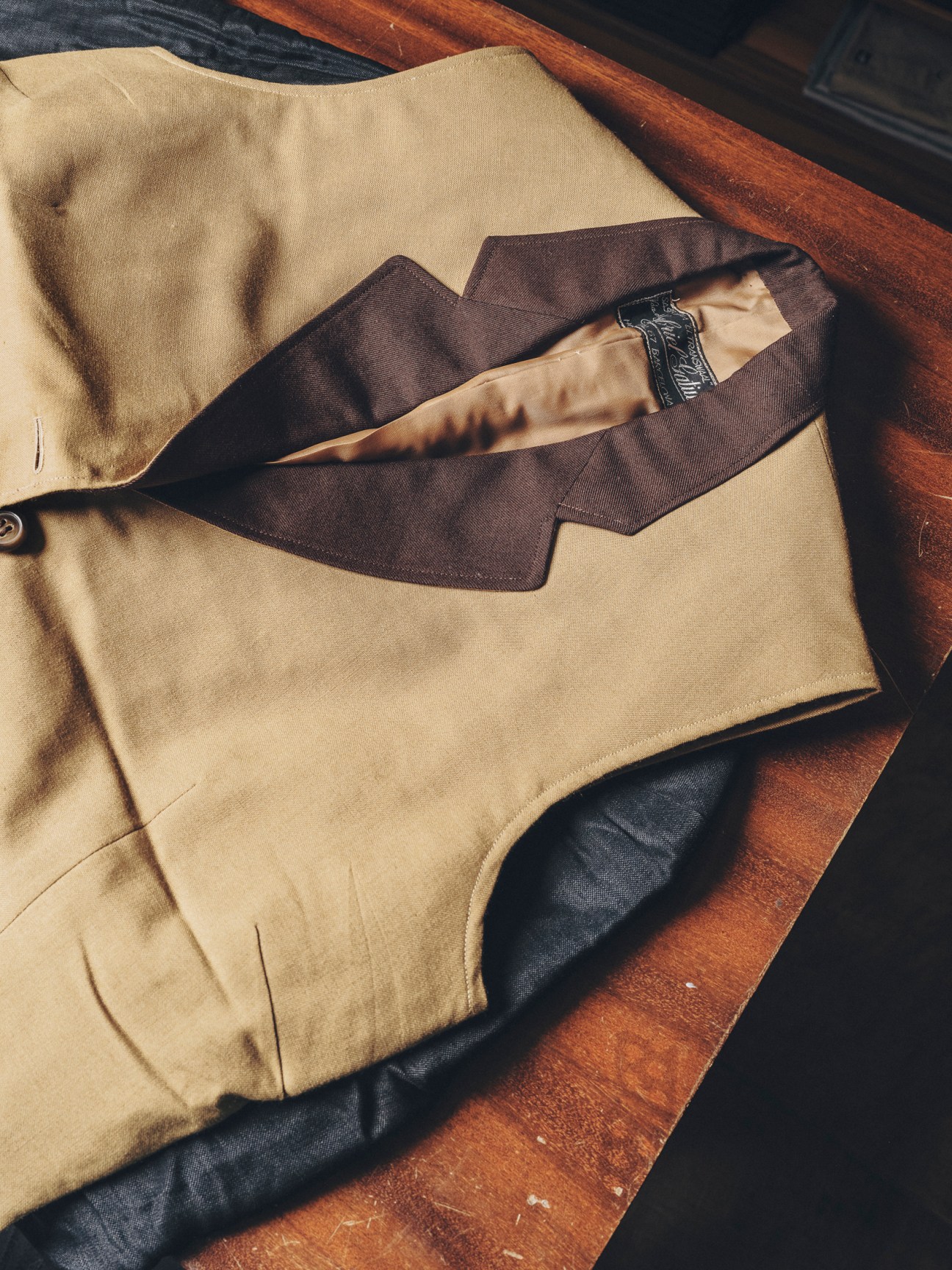
Only a handful of businesses can claim to have witnessed the entire evolution of El Raval. One is El Transwaal, a shop that has been selling uniforms for the hospitality industry on Carrer de l’Hospital since 1888. “Until the 1970s this street was filled with tailors, leather workers and jewellers,” says Alèxia González, whose father bought the business in 1986. Today she runs the firm with her mother, Rosa Ferrer Recasens, and sister, Laia, serving some 3,000 customers.
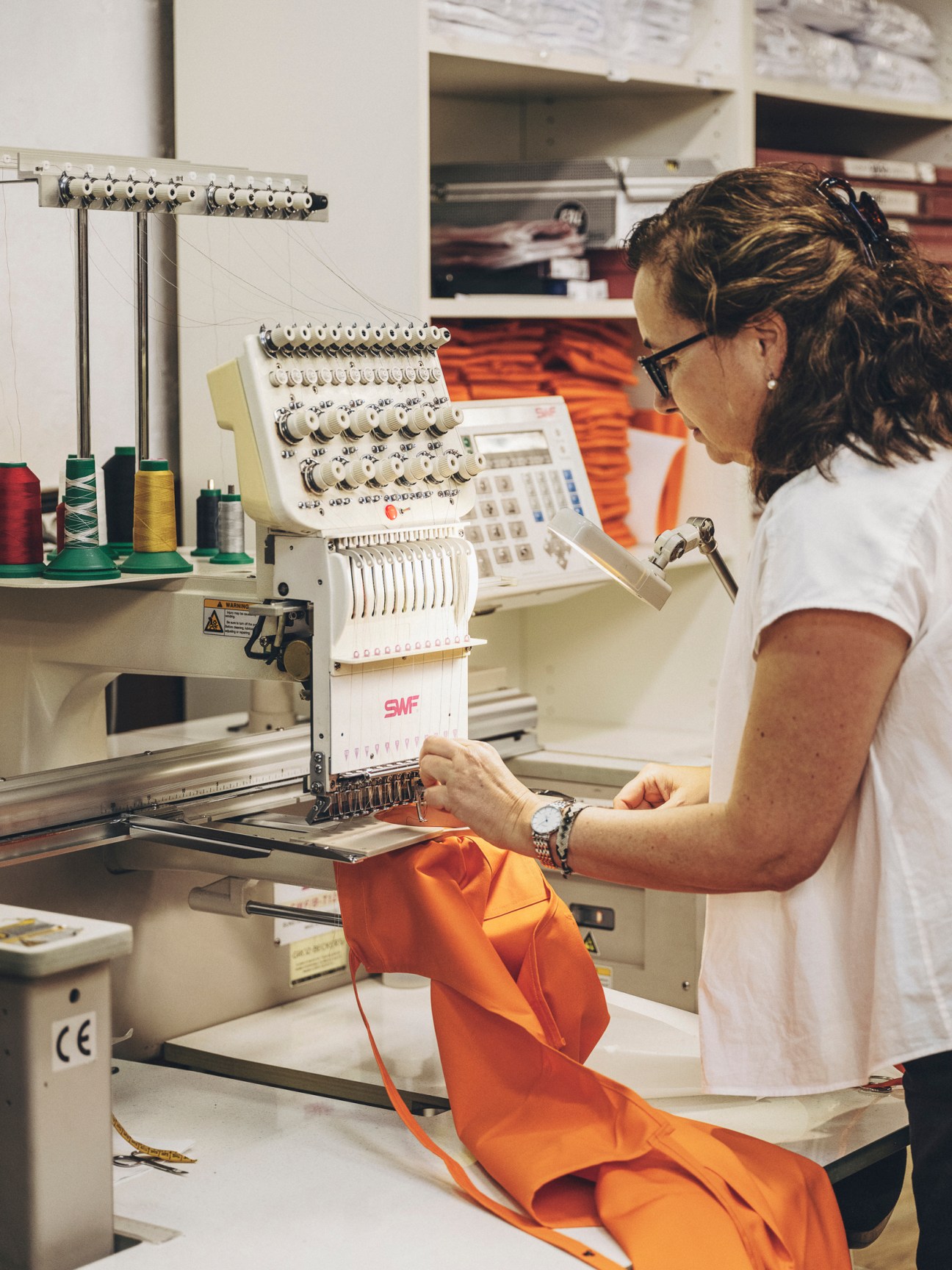
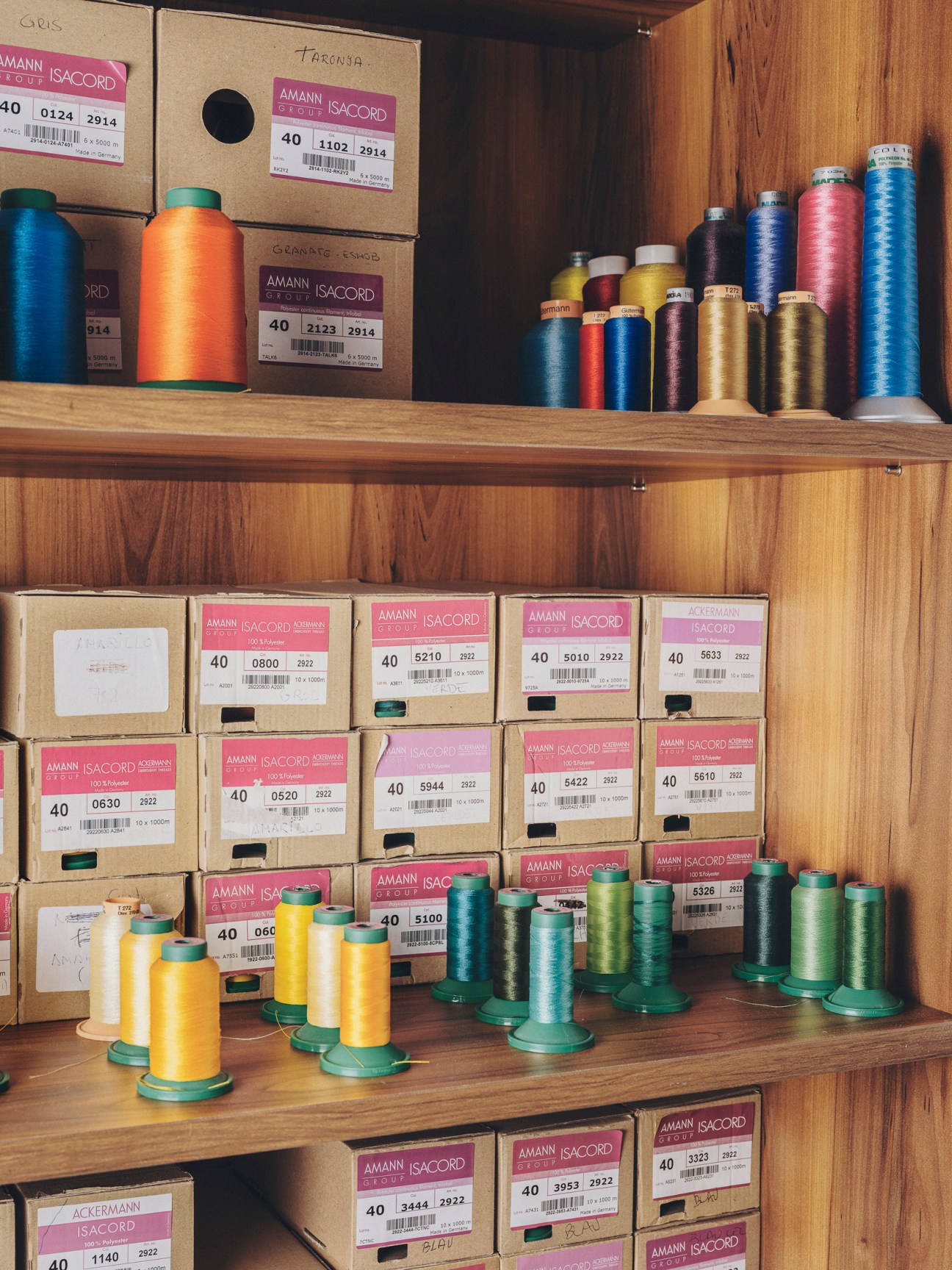
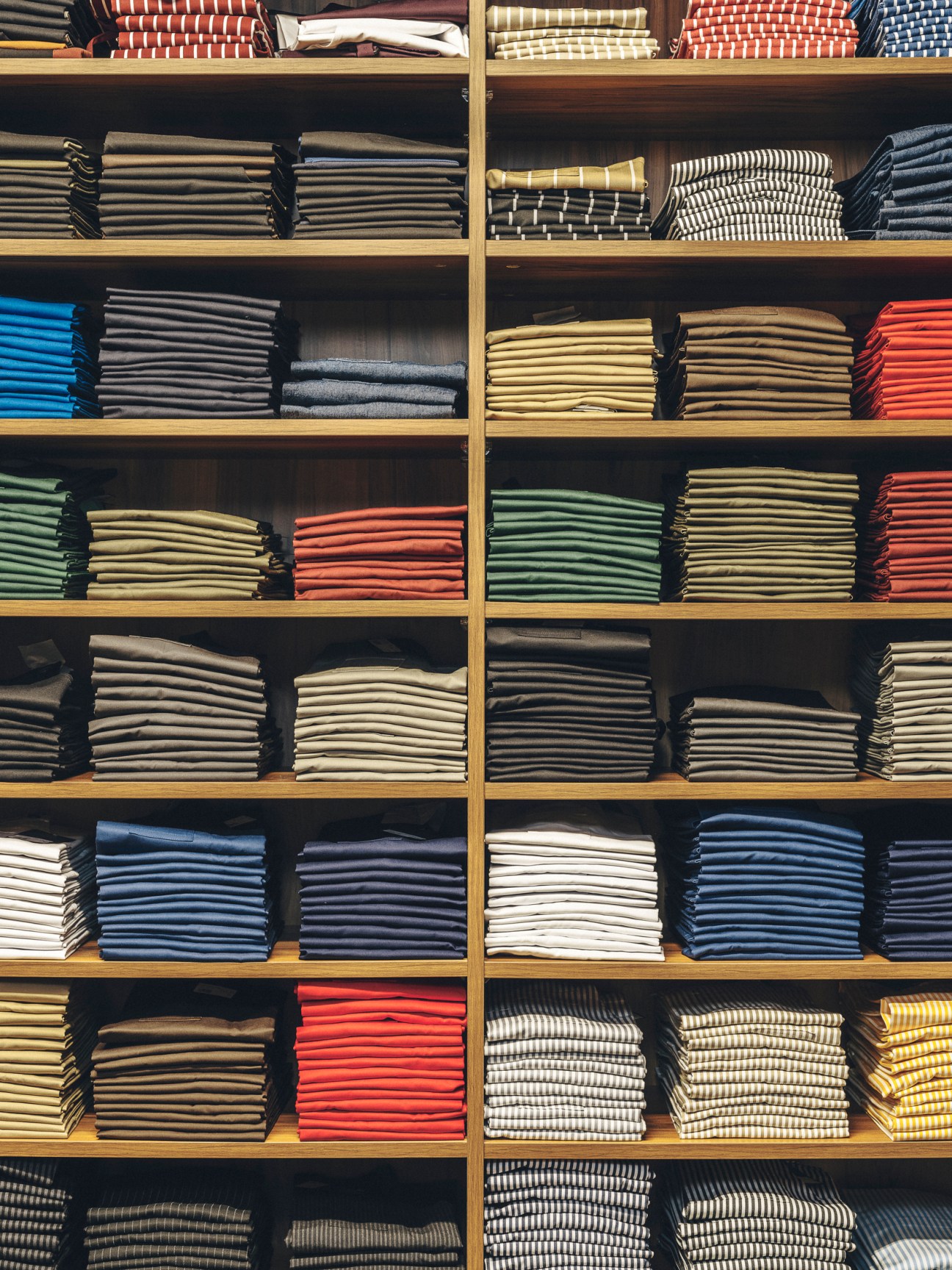
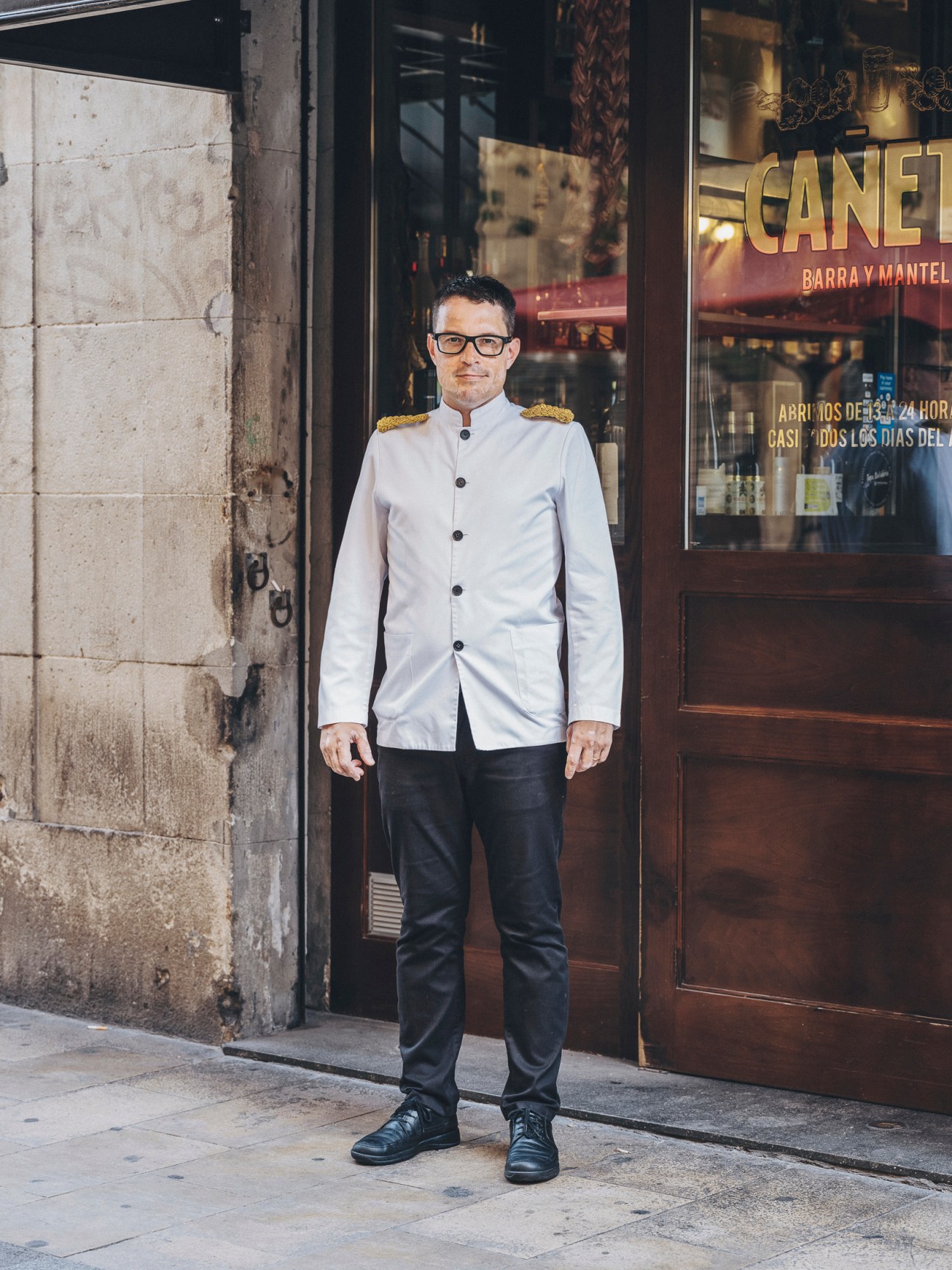
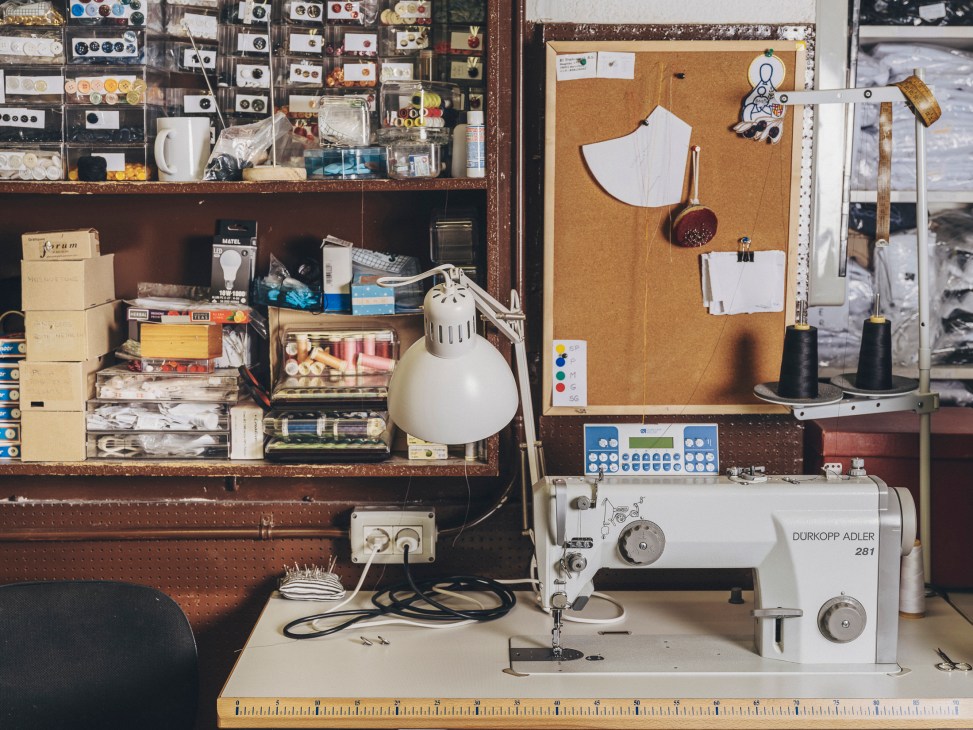
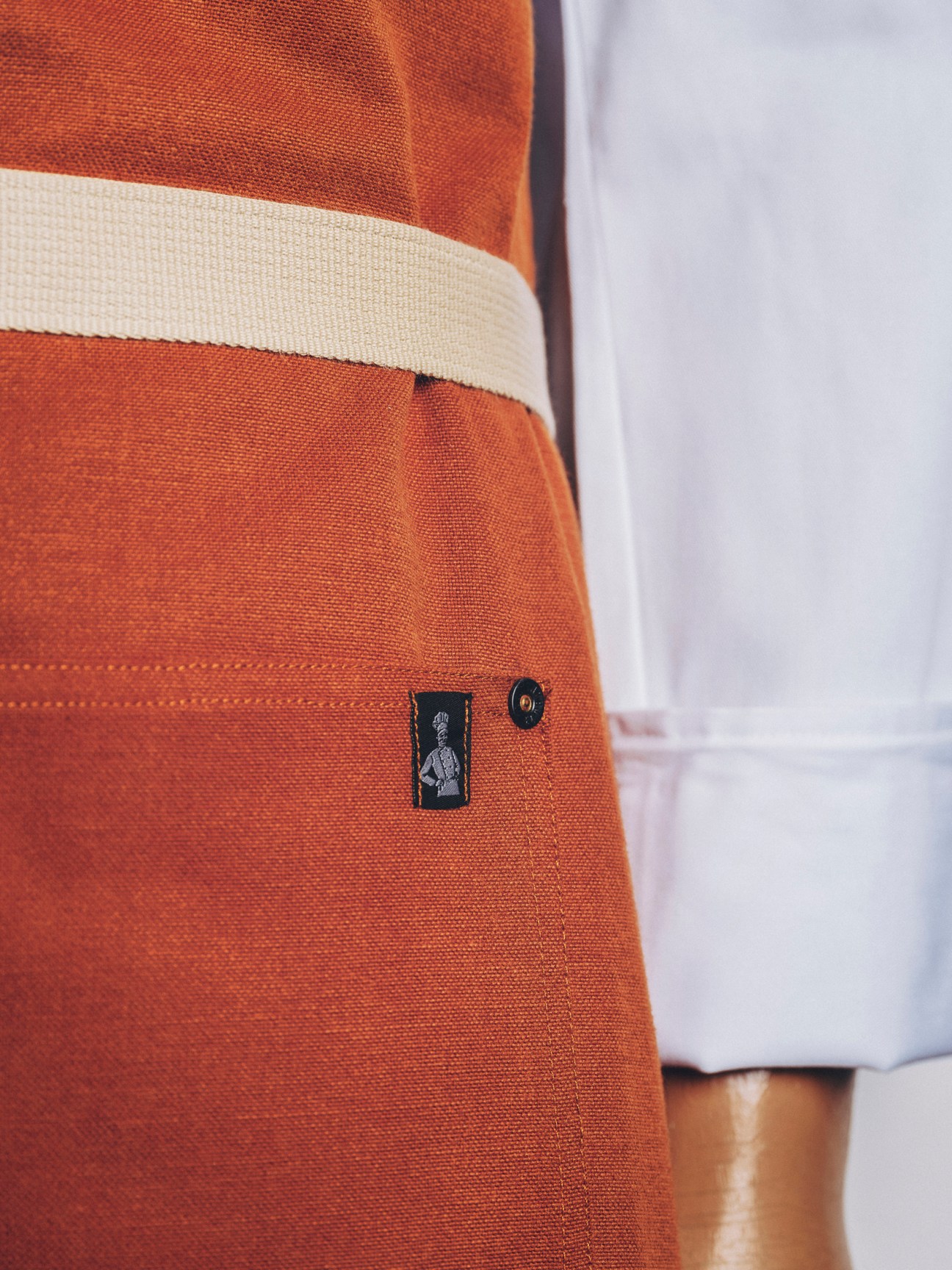
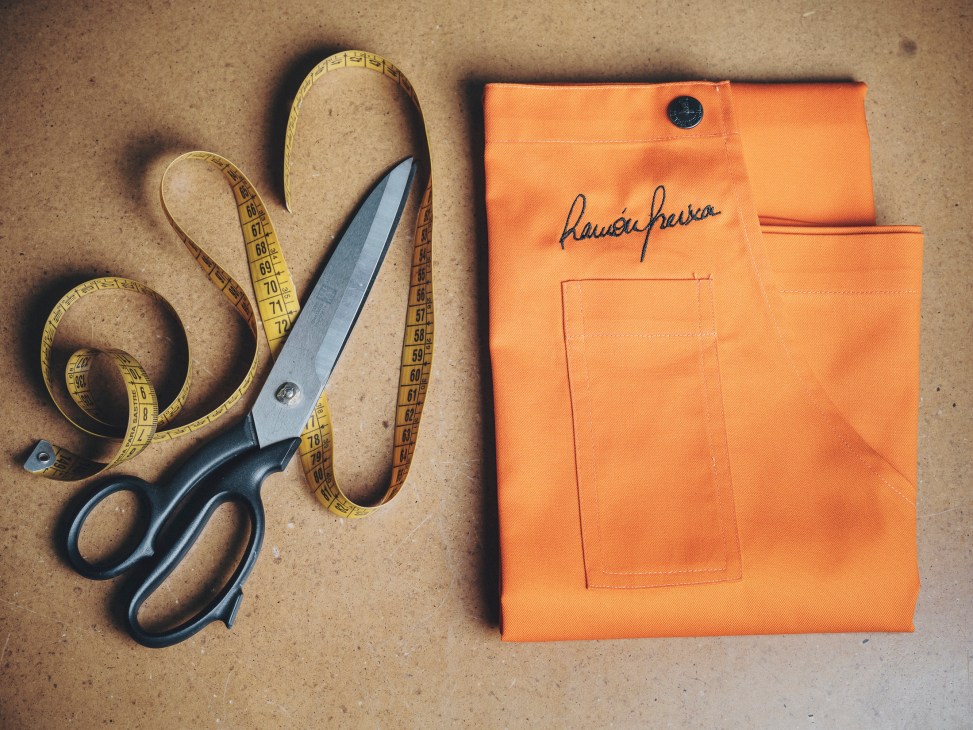
The shop is dimly lit and narrow, with floor-to-ceiling shelving piled high with every imaginable variety of apron, chef’s whites and monochrome ensembles for waiting staff. Chef’s jackets cost up to €90 and aprons are up to €45, with each coming with a small embroidered tag picturing a grinning chef – the brand’s logo since 1950. “My sister trained as a pattern cutter,” says Alèxia. “She designs our range. She and her small team create prototypes that are then produced by small factories in Catalonia.”
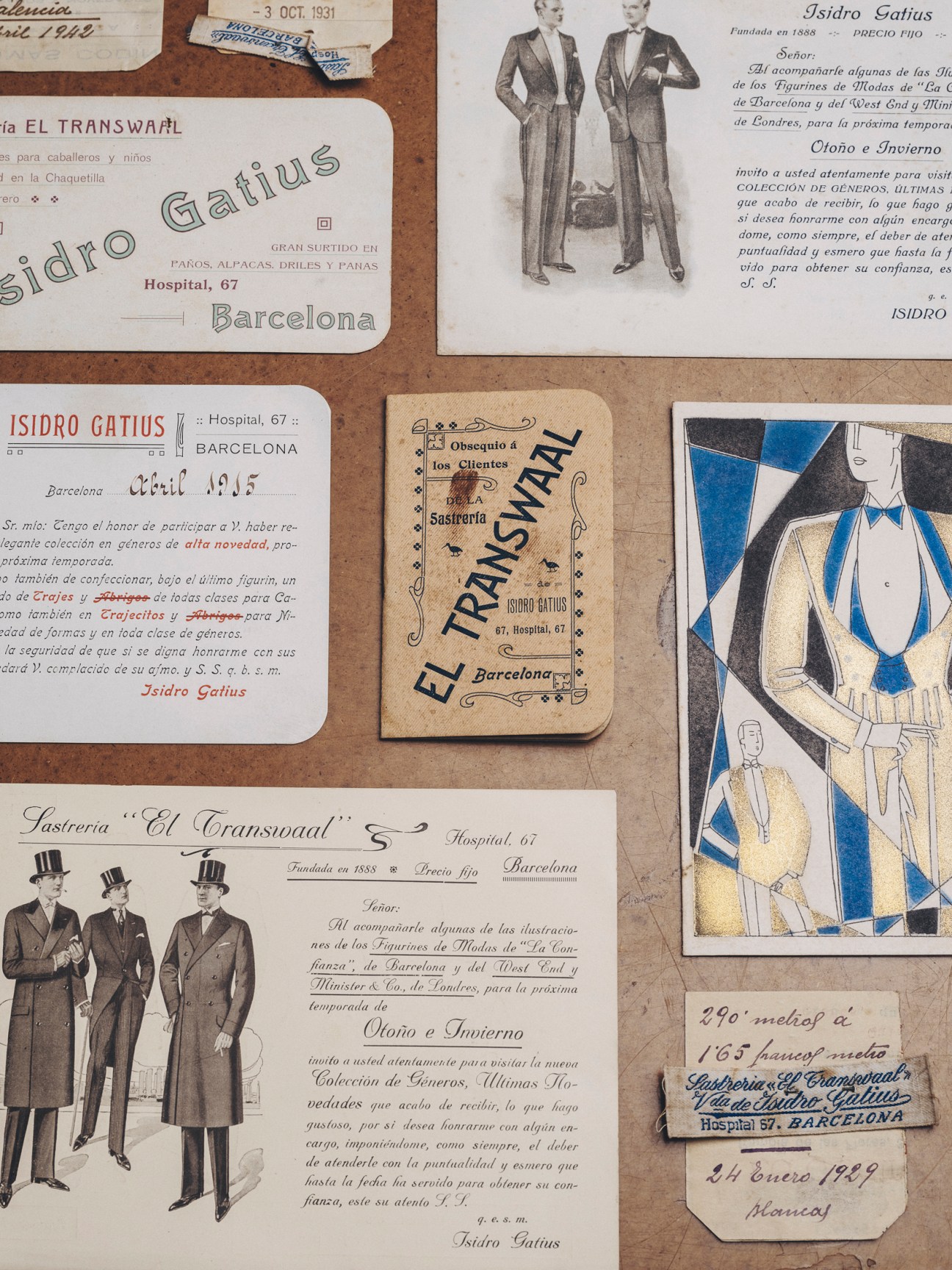
The name of the business comes from the South African province from which the founders emigrated to Barcelona in the late 1800s. They first set up shop in a different premises further down the street, before moving to the current location in 1900. A few original furnishings still remain, including the thick wooden counter that includes notches where shop assistants could attach bunks if they needed to spend the night in the shop.
The family see keeping a bricks-and-mortar presence in Barcelona as important for the business. “Most companies like ours only operate online,” says Rosa. “But buying something without physically seeing it is difficult.” El Transwaal was stung just like its hospitality-related businesses by the pandemic and its turnover more than halved from 2019 to about €330,000 in 2020. With the slow relaxation of restrictions last year, its numbers mostly bounced back and it’s reasonable to expect that this year will see that upswing continue.
It’s not just those working in hospitality who are buying their designs. “Some people buy our chef’s trousers just to wear day-to-day because they’re so comfortable and practical,” says Alèxia.
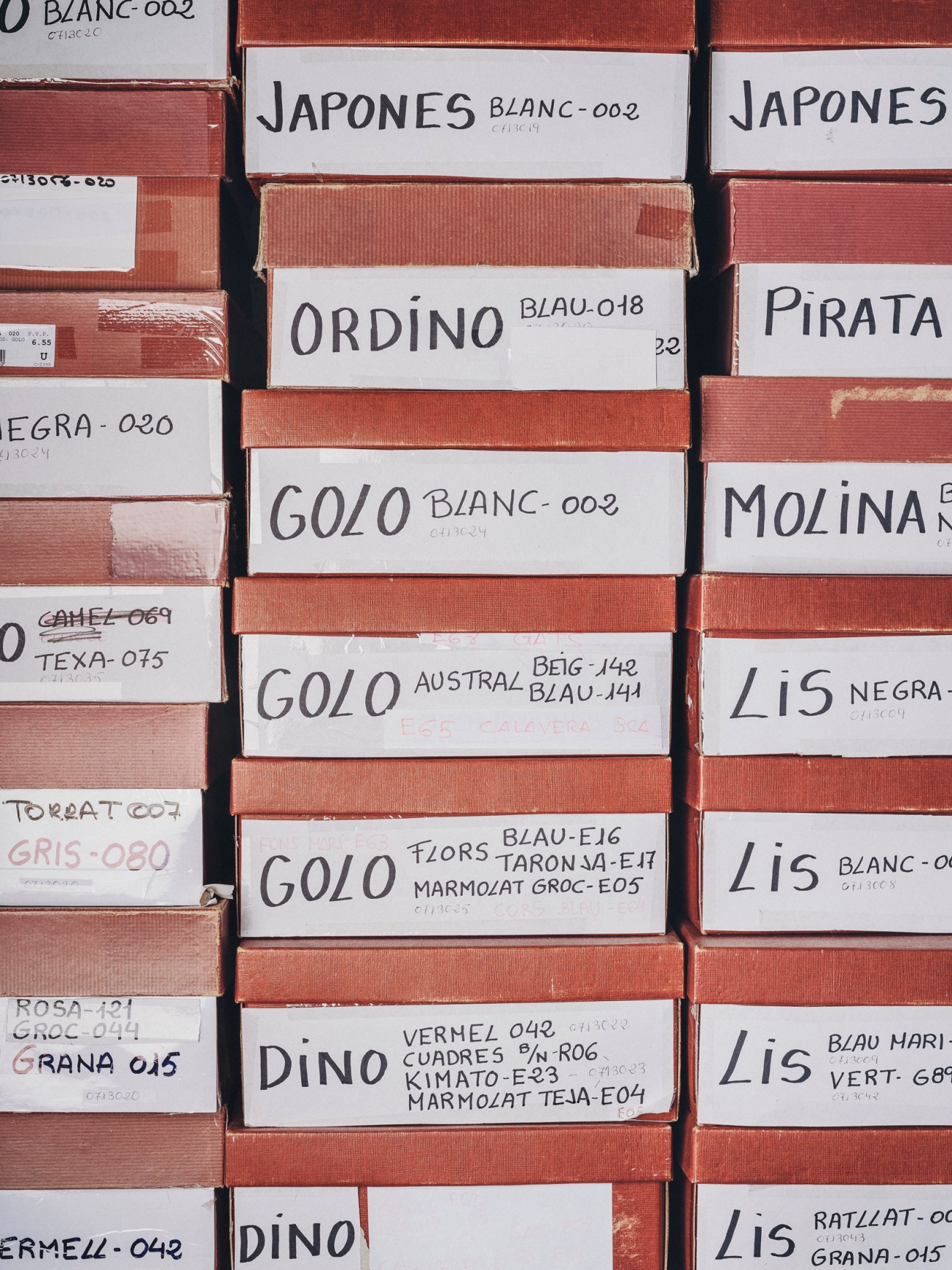
Having a physical presence in Barcelona is also a handy marketing tool for the brand. As El Raval moves further away from its gritty origins, more hotels and upmarket restaurants have begun to move in. For El Transwaal, this means an increase in international holidaymakers dropping in. “People are often intrigued by the shop,” says Alèxia. “In the past we’ve had chefs and restaurateurs discover us by chance while on holiday. Just the other day a woman who runs a cookery school in the Netherlands came in and ended up placing a big order.”
Aside from these chance encounters, El Transwaal’s marketing relies largely on word of mouth. “Chefs move around a lot,” says Alèxia. “So if they like their uniform, they take it with them to the next place. That’s what happened with one chef who wears our designs –now she’s the head chef for the emir of Qatar.”
“People are often intrigued by the shop. In the past we’ve had chefs and restaurateurs discover us by chance while on holiday”
And while all its clothing might be proudly “Made in Spain”, Japan is its biggest market. “About 12 years ago the owners of a Japanese catalogue called Zakaworks stumbled upon the shop while visiting Barcelona,” says Alèxia. “They supply Japan’s hospitality industry with European brands and today they’re our most important client.”
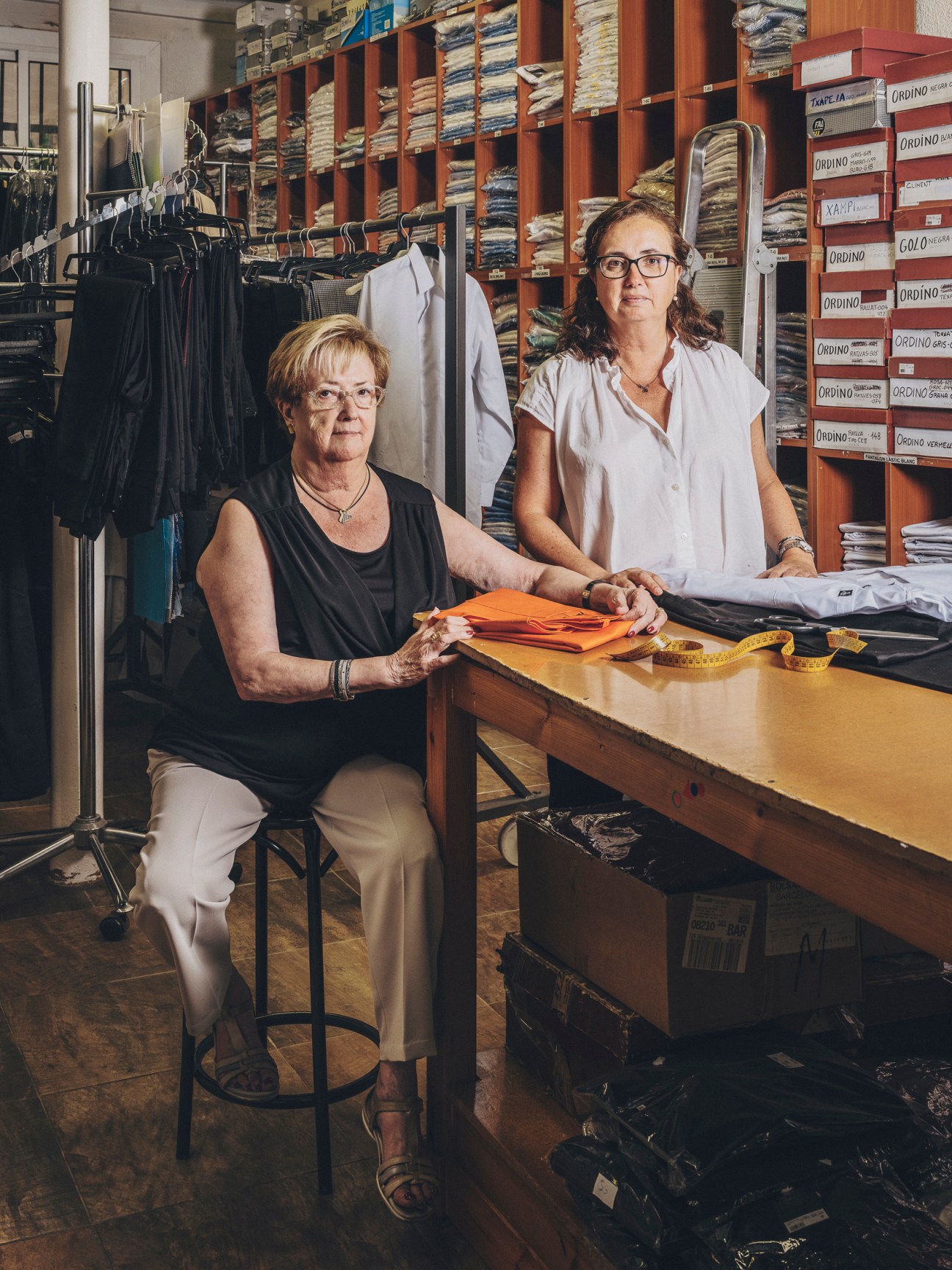
Spain comes a close second in terms of market size; El Transwaal’s uniforms can be spotted around Barcelona, from tapas bars in the Boqueria market to grand hotels such as the Majestic and The Gallery. “In a kitchen, appearance is really important. If someone doesn’t look presentable, it’s going to put you off your food,” says Alèxia. “Staff should always look clean and comfortable. Even if they’re working behind closed doors.”
Show time
1.
On hallowed ground
Massey Hall, Toronto

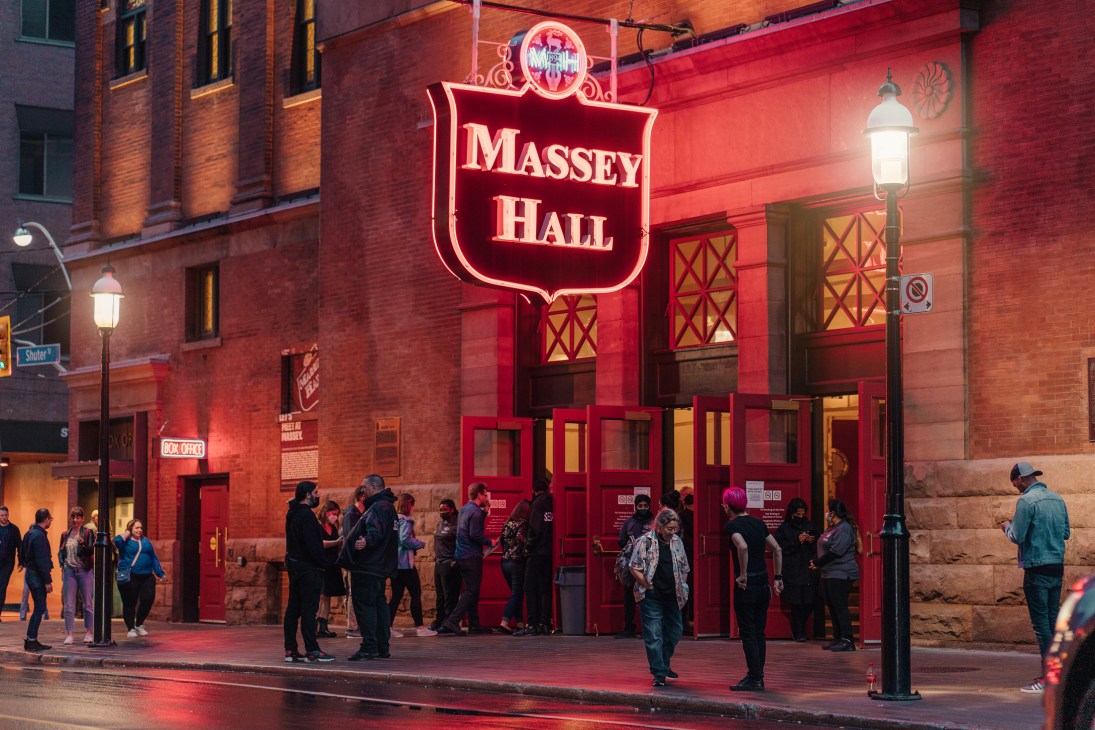
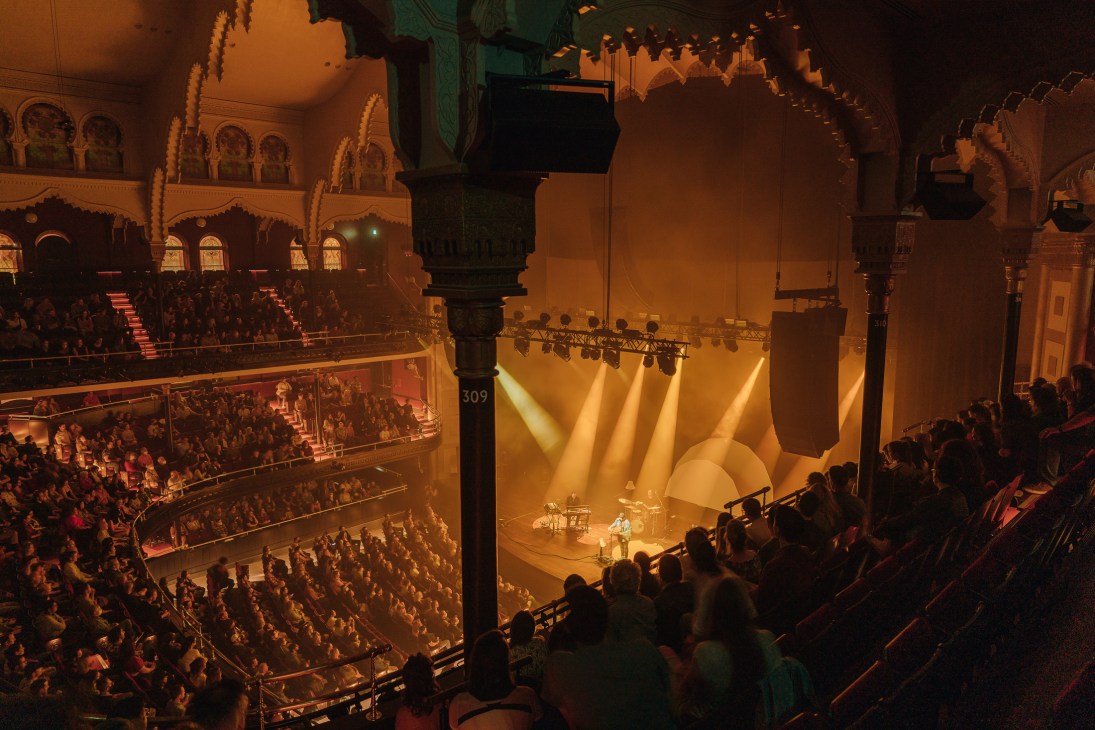
“I don’t want it to be over,” folk singer Donovan Woods tells his audience from the stage at one of Canada’s most beloved live-music venues. His voice seems to catch briefly as his headline set at Toronto’s Massey Hall draws to a close. “Neither do we!” a lone member from the near-capacity audience shouts out in reply from the darkness of the hall, as the rest of the crowd joins in a roaring serenade of whoops, whistles and applause.
Tonight marks Woods’ debut as a headliner at Massey Hall. It is a feat that is something of a rite of passage for performers across Canada, thanks to the venue’s treasured position as one of the country’s most storied and beautiful music halls. “This place is special,” says the venue’s president and CEO Jesse Kumagai. “When you take a step back and look at its history, it’s really hard for anyone to not find their favourite artist as part of it. It’s almost overwhelming what’s happened here.”
Massey Music Hall, as it was first known, opened in downtown Toronto in 1894. It was financed by Victorian industrialist Hart Massey, who bestowed it to the city as a place where music would be available to the masses. “It is not a terribly opulent or ornate place,” says Kumagai. “It was intended very much for everyone in the city. And, over the years, it has toasted pretty much every genre of music you could possibly imagine.” Bob Dylan was famously booed here in 1965 on the debut of his move to electric guitar and Joni Mitchell is said to have taken cigarette breaks on the fire escapes, greeting passers-by below. Luciano Pavarotti, U2, Kraftwerk and Justin Bieber have all graced the stage; Winston Churchill and the Dalai Lama have given speeches, and events such as wrestling and typewriting competitions have been hosted here. During the Second World War, it became a prayer hall for Canadian soldiers who were heading to the front line in Europe. “This place means a lot to all kinds of people,” says Kumagai.
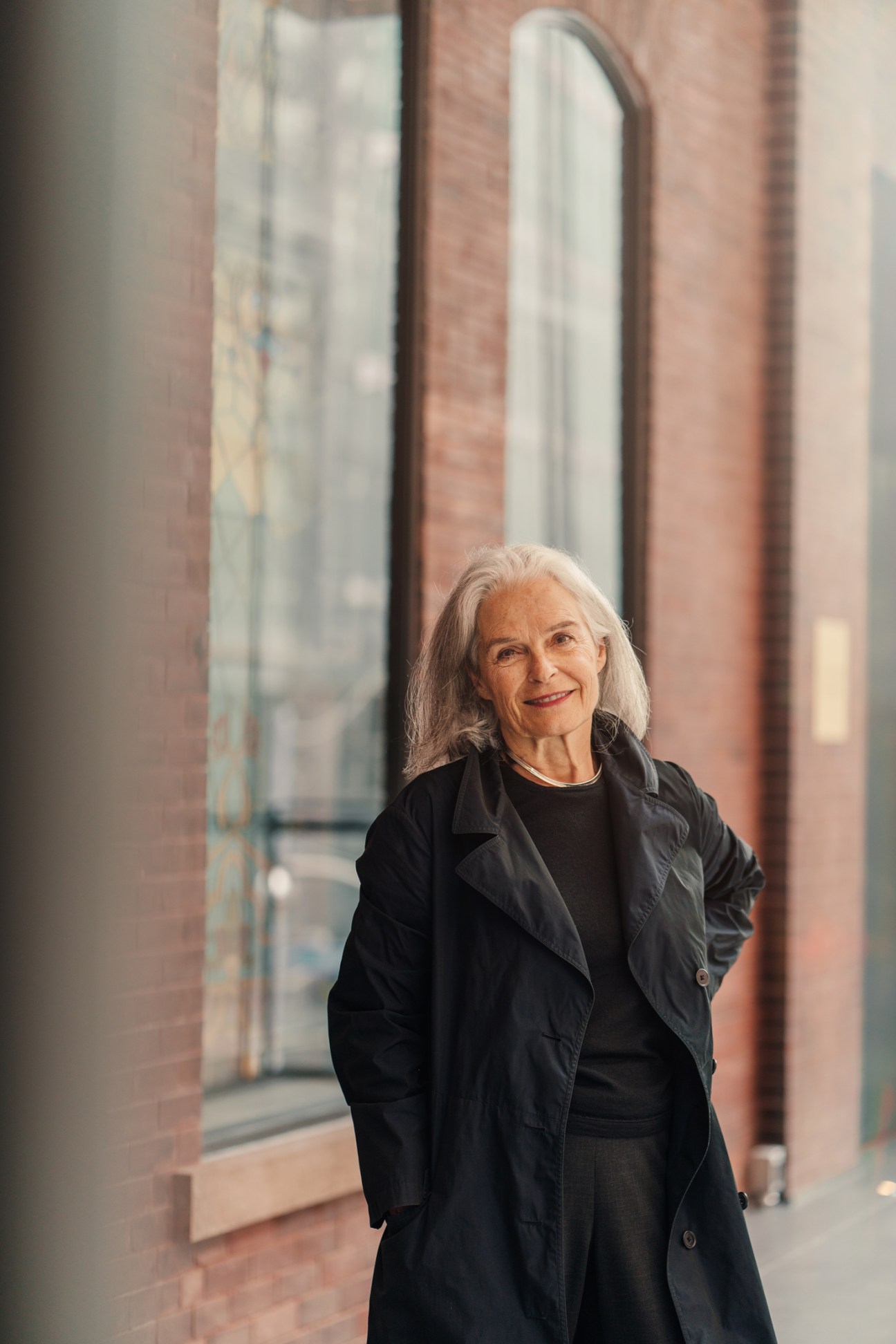
That pedigree has now gained a new chapter, as Massey Hall reopened to the public following a three-year, €135m renovation. “A big part of this project was how do you do something contemporary but also respect its history,” says Marianne McKenna, a founding partner at kpmb Architects, who carried out the restoration with gbca Architects. She approached that task in several ways: sleek, unobtrusive glass walkways have been added to the building’s outer flanks to improve the movement of audiences through the building. Crenellated brickwork has been incorporated into the exterior, which reveals the original façade beneath and is meant to evoke a stage curtain before being pulled back at the beginning of a performance. Inside the auditorium, an innovative seating system in plush red velvet has been built into the stalls: some of the seats can be slid entirely beneath the stage when dancing room is required for a particular show. “The environment is important,” says McKenna. “That’s why people come here: every time you come, it’s different.” A new tower with additional performance and recording spaces, known as the Allied Music Centre, will also house Massey Hall’s prestigious artist-development programme, of which Woods is an alumnus.
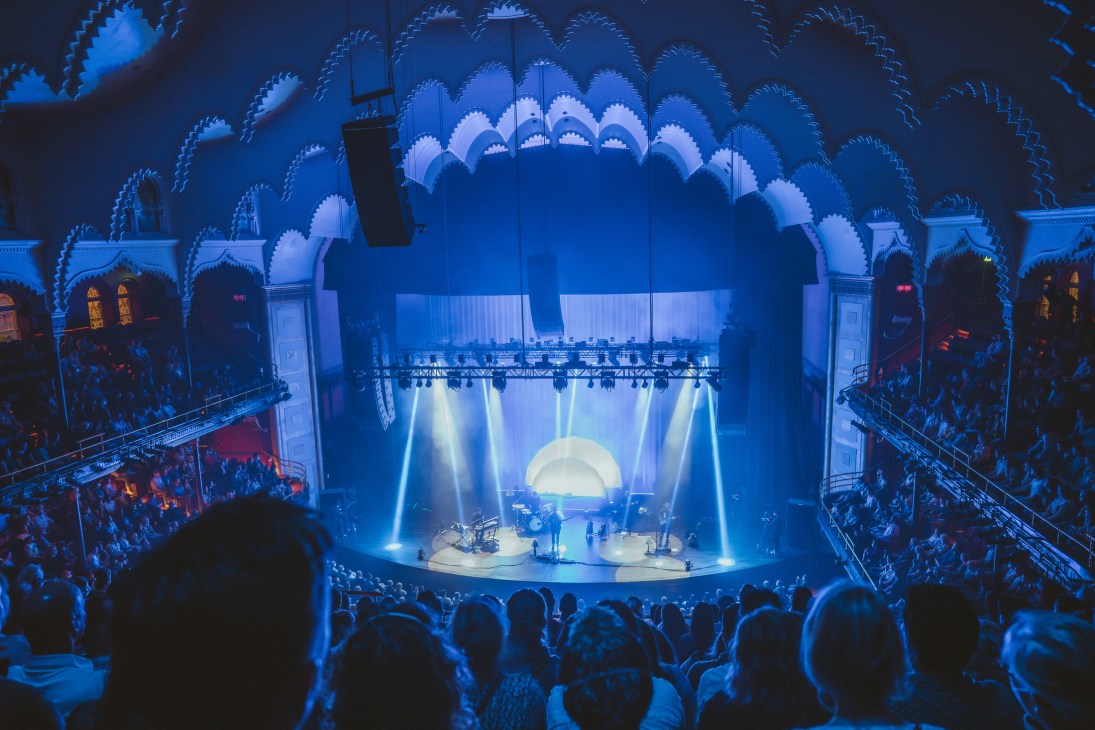
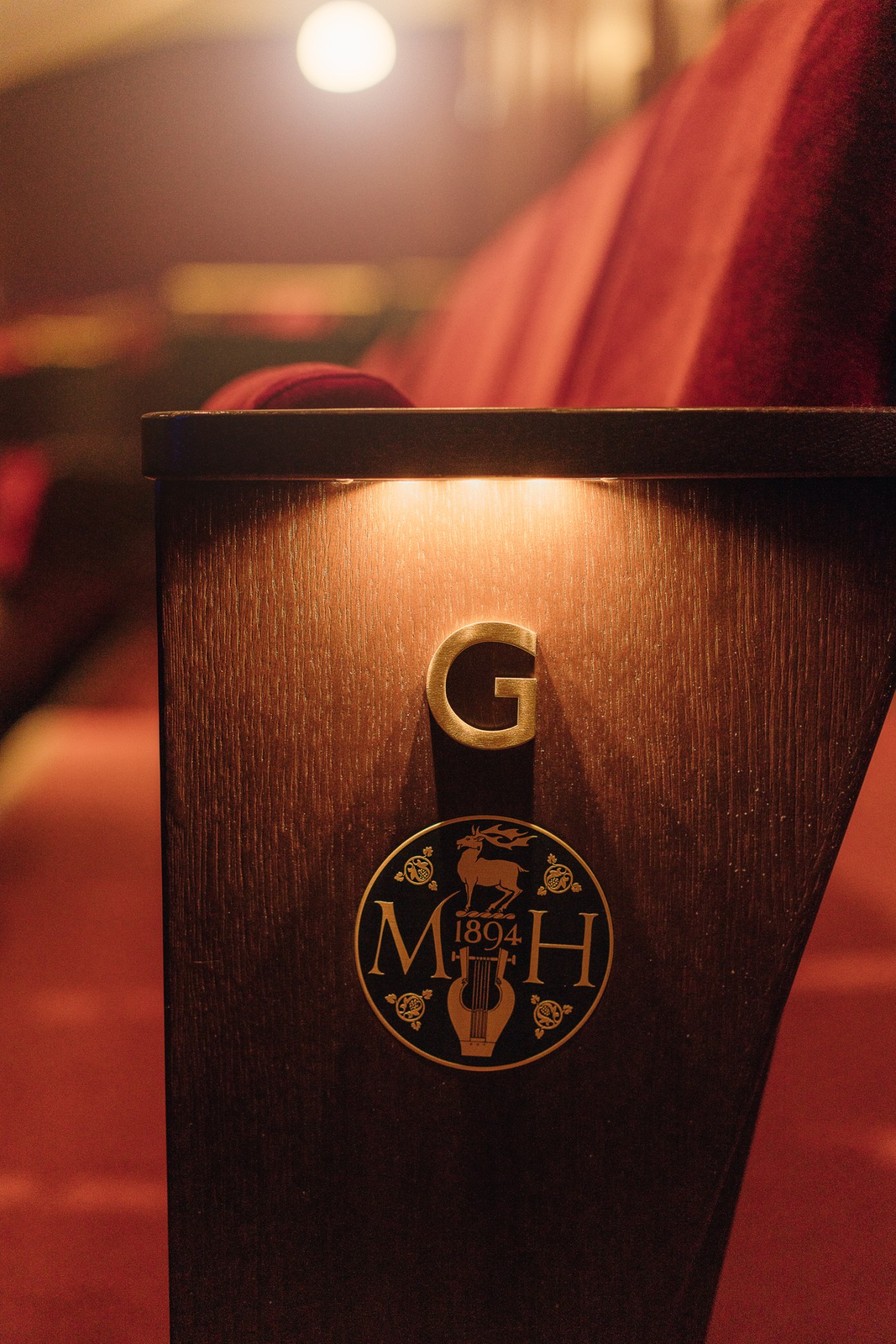
If this auditorium feels like hallowed ground, that might have something to do with its original design. Architect Sidney Badgley was Toronto’s foremost builder of churches and chapels in the 19th century. At Massey Hall he created a space that was out of the ordinary for the time: a secular sanctuary anchored by the crystal-clear acoustics of a place of worship. He scattered ecclesiastical motifs through the structure, from the distinctive scalloped arches of the vaulted ceiling to the 100 or so stained-glass windows, which were boarded-up for decades to prevent light and sound from seeping in but have now been restored and reinstalled.
According to Woods, these architectural quirks make Massey Hall unique. “There’s something about the stage,” he says. “It’s almost like you’re inside a kid’s shoebox diorama. It’s big and small at the same time.” In its restored glory, Massey Hall can return to its role as a beloved venue and a broad church for musicians and fans of all kinds.
masseyhall.mhrth.com
2.
Finding new audiences
Taipei Performing Arts Center
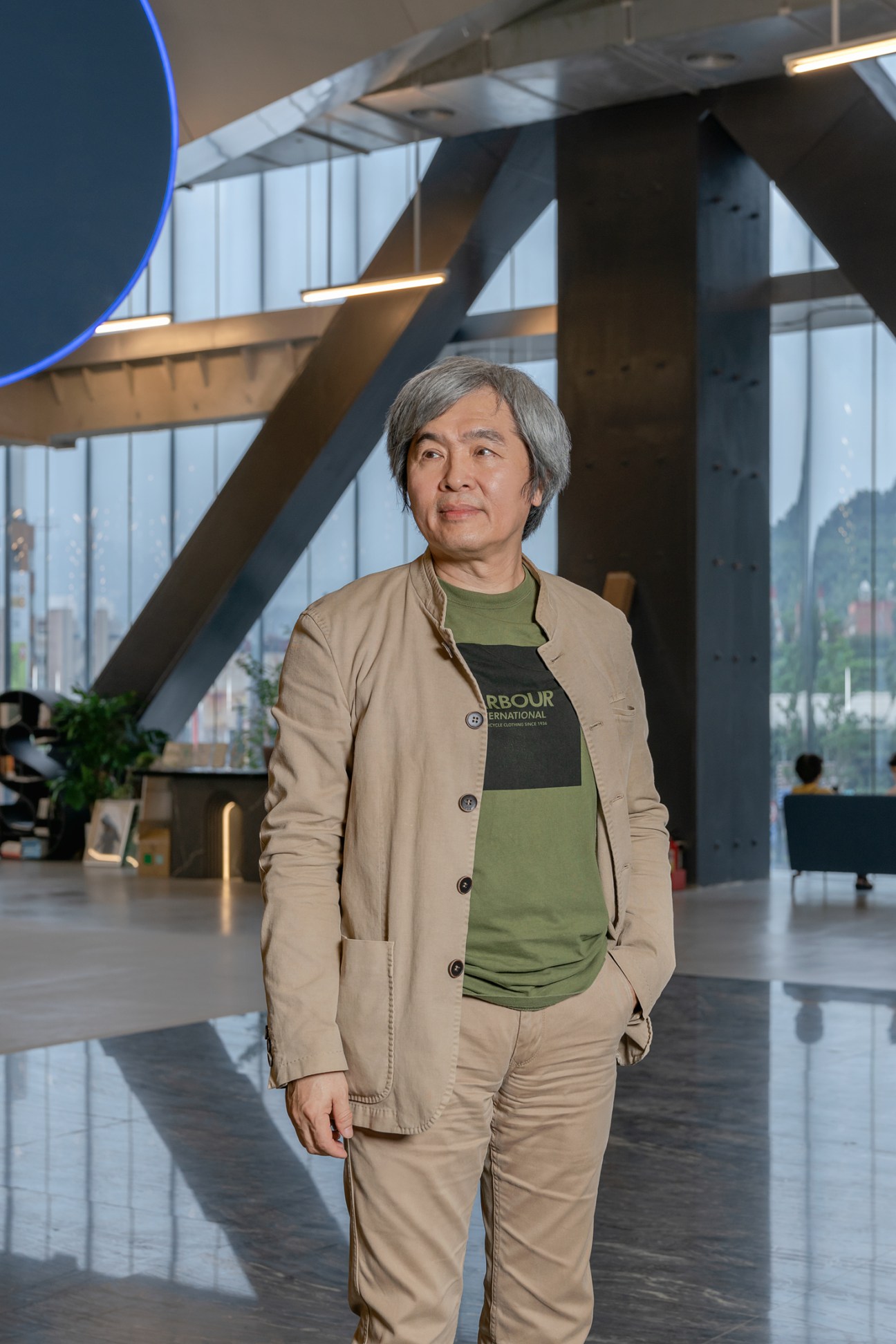
The opening of the Taipei Performing Arts Center has been a long time coming for CEO Austin Wang, who has been at the helm of the €233m project since the start of its construction nine years ago. Over time he’s come to know all of the nooks and crannies of the venue. As he leads Monocle on a tour, he confidently navigates a labyrinth of passageways and elevators connecting the public spaces with floors reserved for rehearsals.
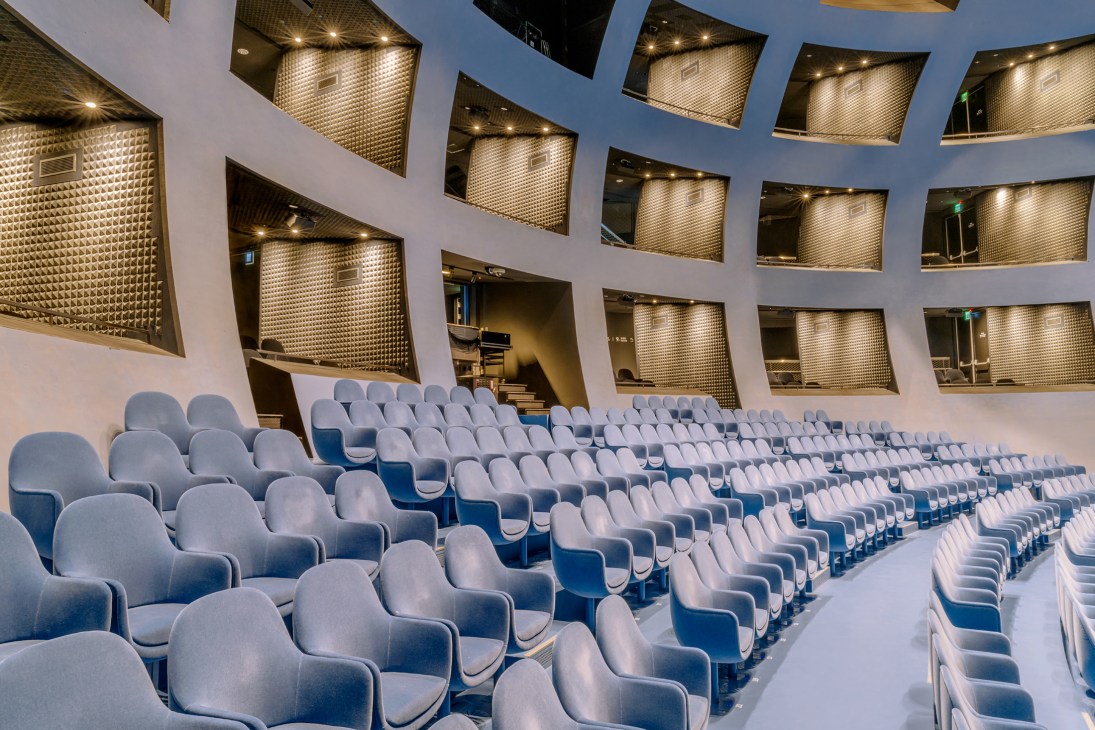
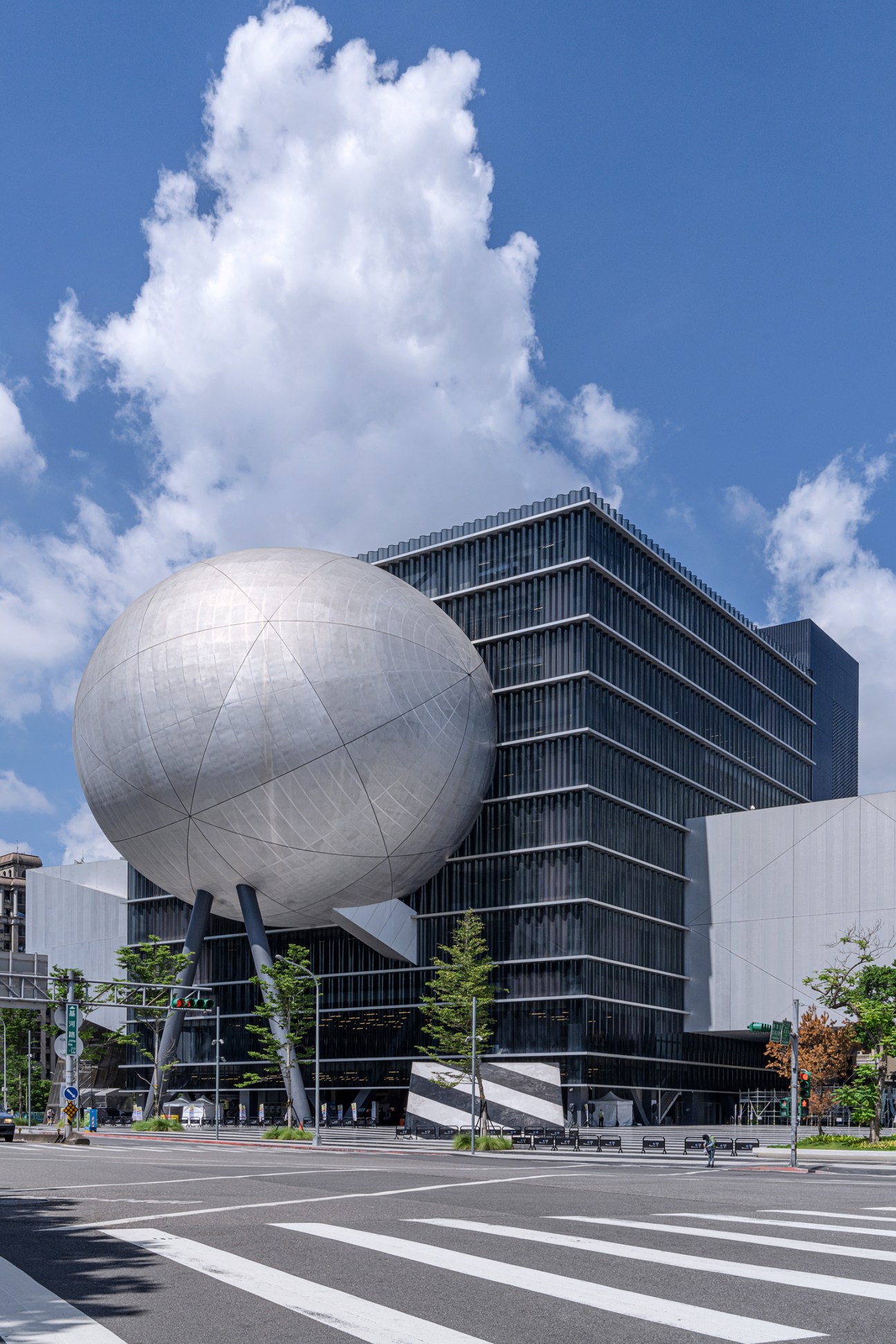
Dutch architecture studio oma was asked to create a venue with three theatres: two 800-seaters and a bigger 1,500-seat one, which can also be combined to form a single “super theatre” for special events. This dictated its characteristic exterior: the three performance spaces protrude as massive geometric shapes from a cuboid building covered in wavy glass.
“From the outside, sometimes people thought it would be a children’s playground,” says Wang as he leads us upstairs. “Never did they imagine it would be a theatre.” To others, it looks like food: the design was reportedly inspired by a Taiwanese hotpot. The centre is in on the joke; a cheeky image of the theatre rendered as tofu pieces, meatloaf and a fish ball has been incorporated into some of the building’s communications.

It’s taken nearly a decade to get to this point. Like many major public works around the world, there have been delays, including a lengthy disruption after the construction partner went bankrupt. The vision of the architects, however, has finally been fulfilled. Inside the industrial-looking space, pipes and air ducts are left exposed, metal finishings abound and floors come painted in thematic colours: pink for rehearsal space, blue for performance areas and green for backstage. A “public loop”, a free-to-access route spanning the entire building, offers a glimpse into the daily life of the venue. It’s both a novel design choice and one that is meant to draw in curious members of the public who might not be familiar with opera and ballet.
For many years, Taipei’s major performance space was the iconic and imposing classical Chinese-style National Theater and Concert Hall, situated between a memorial hall for dictator Chiang Kai-shek and the site of a 1990 student sit-in that kicked off Taiwan’s democratic transition. The National Theater may continue to attract top-of-the-line shows but the new Performing Arts Center has a greater chance to win new audiences, as it aims to be both more accessible and experimental than its competitor.
The new venue’s location might help. Anyone who has visited Taipei probably associates the northern district of Shilin with its famous night market, filled with stalls selling Taiwanese classics such as soup dumplings and bubble tea – an easy place to grab dinner or hang out on weekends. Chair Liu Ruo-yu believes that the centre should keep a connection with this side of the city. “We really want to show that the theatre is part of the community,” she says. “We want the night market crowd to come to our theatre and for our theatre audience to go to the night market.”
The venue’s most important mission lies in its programming and the way that it reflects its country’s democratic outlook. “We want to encourage young artists to develop their creativity in our theatre,” says Liu. “They can use our space in whatever way they can come up with. We are young and upcoming, and we would like our artists to reflect that.” Shows connecting traditional Chinese opera with modern dance and Western percussion music paired with indigenous Taiwanese vocals have kicked off proceedings. The centre hopes to become a regional leader in creating a new kind of theatre too. “We would like to combine all the cultures from different regions of Asia and then try to work out something new from that,” says Wang. “We would like to be a production house, not just a rental house.”
The theatre could get its wish if border control plays ball. Taiwan is an outlier in Asia as a centre for free speech and human rights; promises to host young talent and performances from across the continent that delve into contemporary or edgy issues mean a lot when the same art could merit a sedition charge in post-national security law Hong Kong. In Singapore, criticising the judiciary is still a crime; elsewhere, artists might find their events cancelled by nervous producers.
For now, travel to Taiwan remains mostly limited to citizens and foreigners with residency visas but there are hints that tourists might be welcomed back soon. That’s when the centre will finally come into its own. The space will need to: despite being government-initiated, it’s on a 20-year schedule to become financially self-sufficient. If it stays true to its ambitions, it might earn itself not just ticketing money but cultural kudos too.
tpac-taipei.org
3.
Blank canvas
Dance House, Helsinki
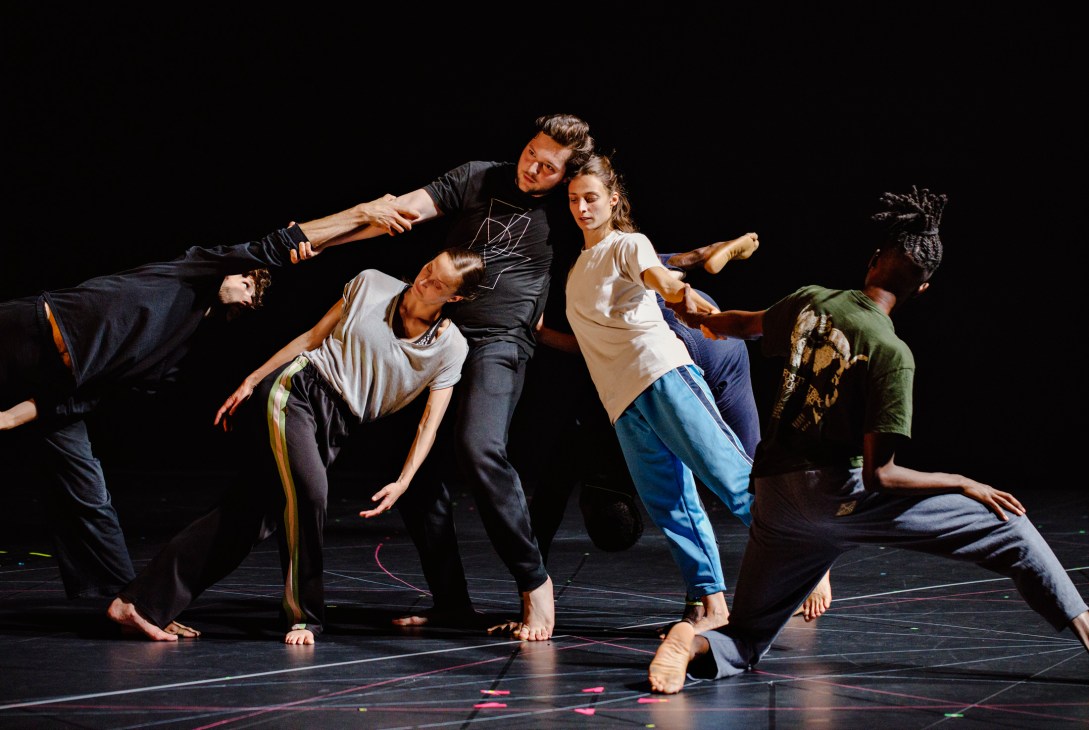
The ambient lights are dimmed and the orchestra starts to play atmospheric classical music. Six svelte dancers move elegantly in perfect unison, their bodies twisting and swivelling as a lone spotlight follows their movements. The troupe is rehearsing a delicate performance titled Mystery Sonatas / For Rosa, combining contemporary dance and 17th-century baroque music. Led by Belgian choreographer Anne Teresa De Keersmaeker, they will soon be ready to perform inside this new landmark building that is dedicated to dance.
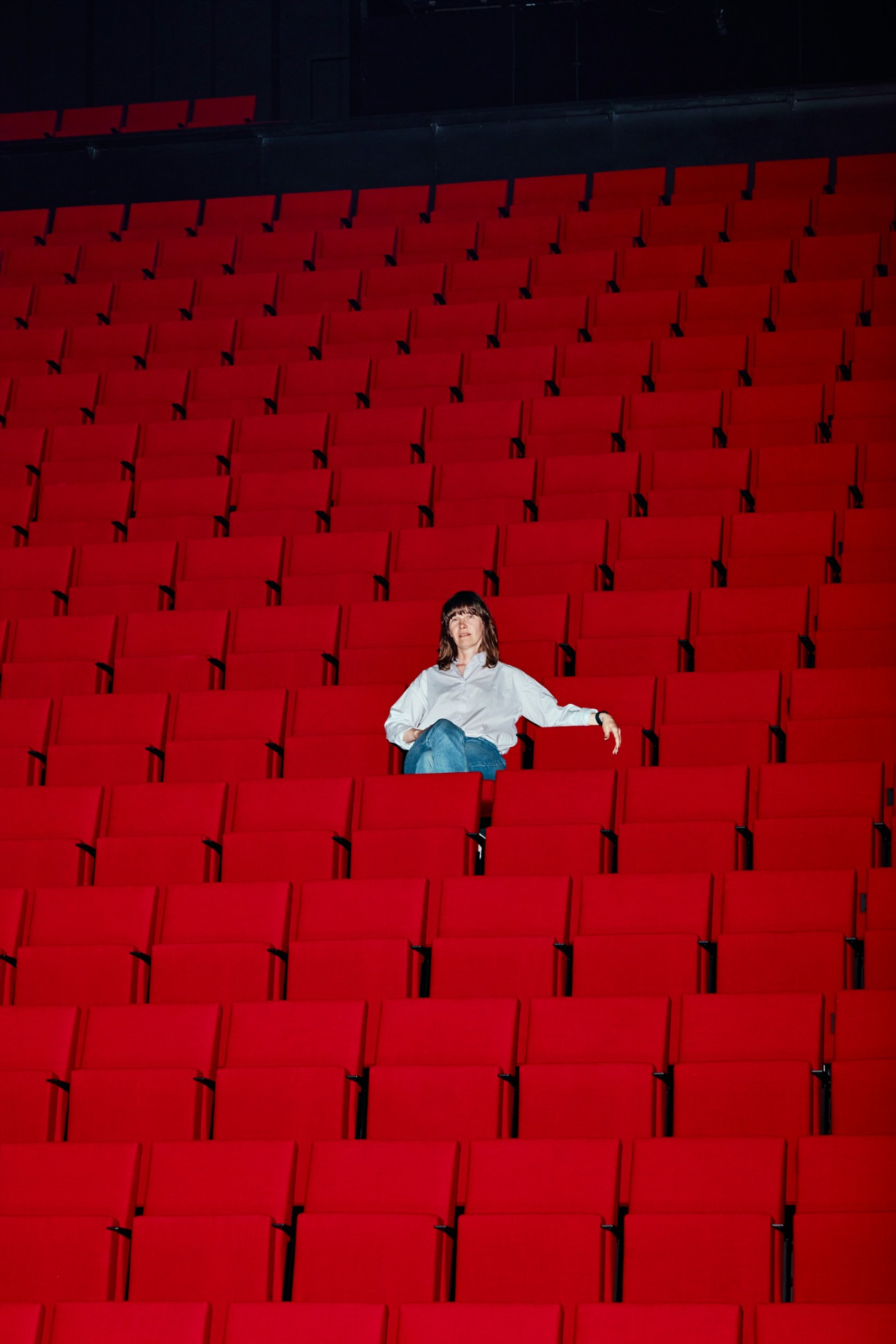
There are many magnificent dance venues around the world but Dance House Helsinki, which opened earlier this year to become the largest of its kind in Europe, is one of the few contemporary venues designed exclusively for this art form. Finnish performers have been involved in the building’s design, which does not go unnoticed by the visiting troupes. “The space feels very intimate. It’s almost like the audience is with you in the performance as opposed to observing you from a distance,” says Hungarian dancer Cintia Sebök as she and her colleagues sit in a semi-circle on the black floor after the rehearsal. The walls surrounding the stage are also black, with the darkness interrupted only by the steep 700-seat auditorium in conspicuous bright red. “There is a rawness about this space that I really like,” says Brussels-based US dancer Jacob Storer. “It is ascetic yet incredibly modern and adaptable.”
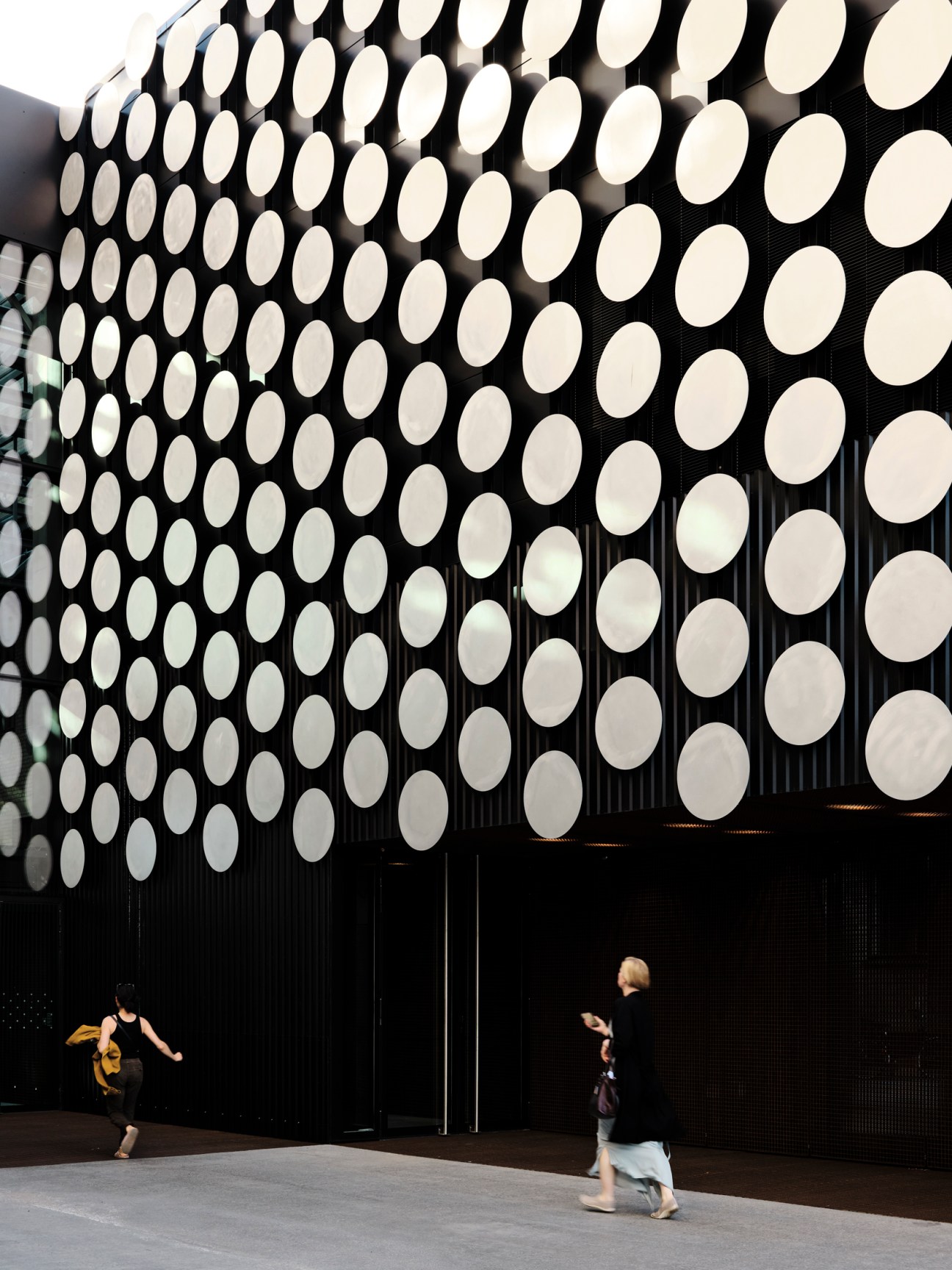
The minimalist design language continues outside the performance area: the lobby and the hallways are dominated by exposed concrete and steel. The outside of the building, meanwhile, is a wholly different story. Designed by the Helsinki-based jkmm Architects and ilo Architects, it features two suspended vertical steel panels that look as though they are floating in the air. The rest of the façade is made up of thousands of white aluminium dots, which give the building theappearance of an accordion waiting to be played.
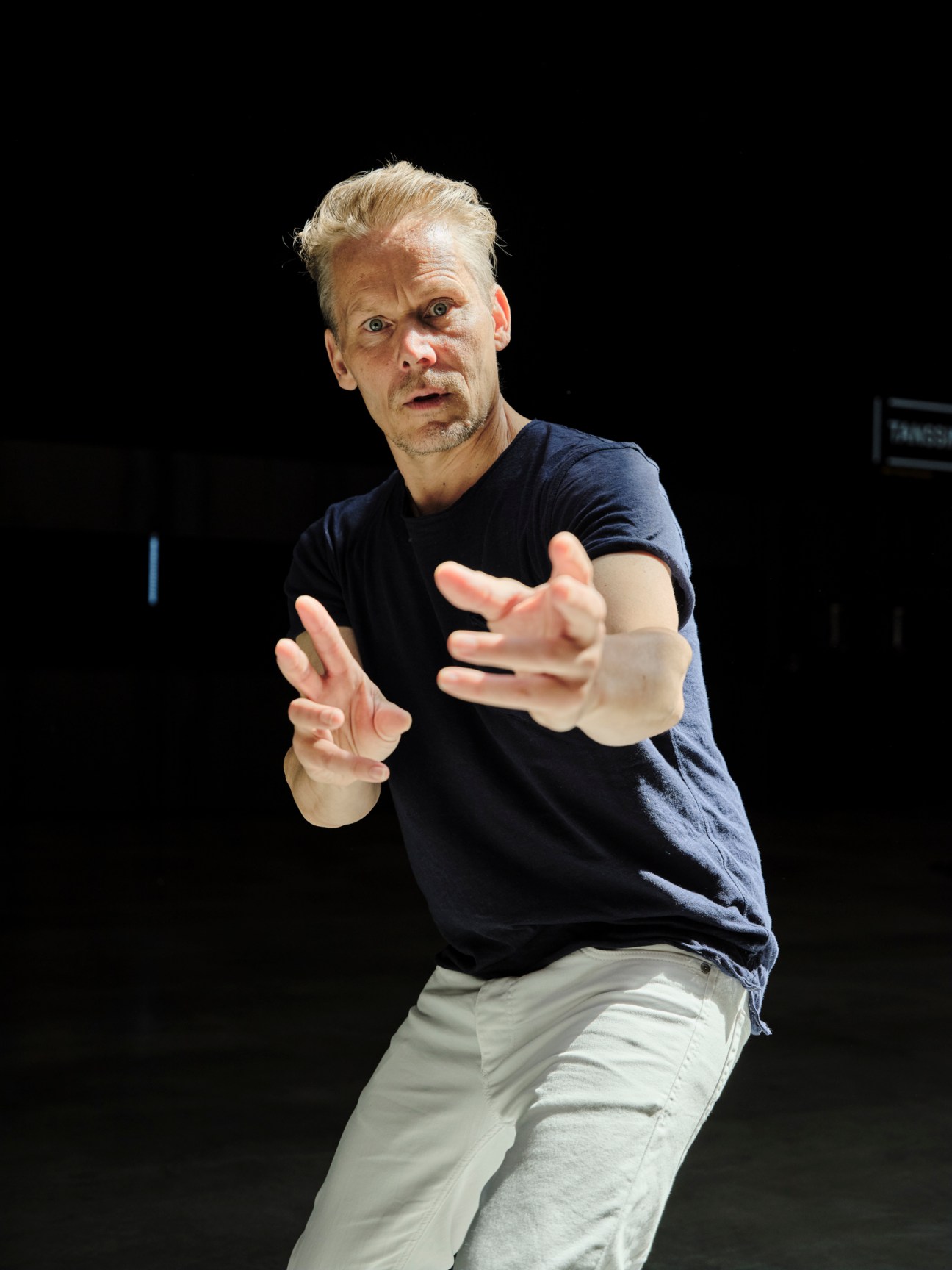
One of the performers whose opinion was particularly instrumental to all decisions is Tero Saarinen, whose eponymous company is now a programme partner of the Dance House and was integral to the design process. “Our key wish was to have a blank canvas, something that is technologically highly advanced – a black box waiting to be filled with magic,” says the 57-year-old dancer and choreographer. “Many famous dance venues are grandiose buildings but our wish was for this to have an epoch-less, even frugal style.” This means that the performance is the only star of the show: all the attention is on the dancers. The space is also future-proof, given that the 21-metre-high backdrop to the main stage will be able to support various kinds of expression and innovation, including aerial shows.
Like many cultural venues in the city, Dance House Helsinki is publicly funded with the help of private foundations. It underscores Helsinki’s ambitions to establish itself as a cultural hub in the region, following recent openings such as the Amos Rex contemporary art museum, the highly acclaimed Oodi library and the forthcoming flagship museum of design and architecture. However, given the fact that dance is still regarded by many as a somewhat less approachable art form, opening a prominent venue of this kind meant taking a conscious risk. “There were lots of naysayers who thought that building a 700-seat dance venue in Helsinki was madness,” says managing director Niki Matheson. “But it has been sold out twice and filled many times.”
Before this opening, dance troupes in the city had always lacked a dedicated venue: Matheson is convinced that this impressive building will bolster the accessibility of this art form. “We will be more visible and easier to find, that’s for sure,” she says. “For as long as I’ve been dancing in Finland, we have all been nomads without a home,” adds Saarinen, whose career has taken him to the most important stages around the globe. “This will be such an identity boost for the next generation of dancers and choreographers. It shows them and society that dance enjoys the same status as music, opera or theatre.”
Of course, Helsinki wouldn’t be betting on dance if it didn’t believe in the allure and the vitality of the art form. But as new audiences are drawn to choreography by popular online routines, this feels like a great time to harness that interest – and give it a proper real-life platform. As part of their Helsinki visit, the troupe performing Mystery Sonatas / For Rosa is holding a workshop for aspiring local dancers. When we join in proceedings (strictly as observers), we notice how most of the participants are in their twenties: all attendees are dashing around the light-filled practice studio, their feet softly grazing the floor. “Your movements should be light, like a feather,” French dancer Frank Gizycki tells them. He wanted to meet these young Helsinki-based dancers just hours before the troupe’s performance the same evening. “All the students are really passionate and expressive,” he says.
It’s not only the dancers who stand to benefit; it’s the audience too. The venue has already attracted noteworthy international bookings such as a collaboration between choreographer Wayne McGregor, installation artist Olafur Eliasson and electronic composer Jamie xx entitled Tree of Codes and Tanztheater Wuppertal’s performance of the renowned late choreographer Pina Bausch’s Full Moon. Every week the House features several performances of anything from dance theatre to contemporary circus. “The idea that dance is an art form reserved only for the intellectual elites is nonsense,” says Saarinen. “Dance is universal, it is primordial, it is everything. It connects people regardless of borders. It is connected to the very essence of being and easy to immerse oneself in.”
It’s show time and the audience – international visitors and Finns of all ages – take their seats before the lights are dimmed. In the warm golden glow of a soft spotlight, the five- member orchestra starts playing. The show begins and, for the next two hours, everyone’s eyes and ears are fixed on the stage. It’s an engrossing spectacle that can only be enjoyed in person, in a space that exalts the intimacy of the experience while giving it the room and authority it deserves – the kind of space is definitely worth investing in.
tanssintalo.fi
Power dressing: Why a well-cut jacket remains the clearest statement of style and service
The defining symbol of Schumann’s Bar, the upscale watering hole that is Munich’s answer to Harry’s Bar in Venice, is a jacket. The suave bartenders who conjure up the city’s best martinis, spritzes and sours all wear the same uniform: a V-necked waiter’s jacket in crisp white cotton with their first name embroidered on the left breast pocket in the bar’s signature red. The design has hardly changed since the bar opened 40 years ago. “All our bartenders are so proud of this jacket,” says Charles Schumann, the bar’s octogenarian owner (and occasional model). “You can’t make a good cocktail in a T-shirt.”
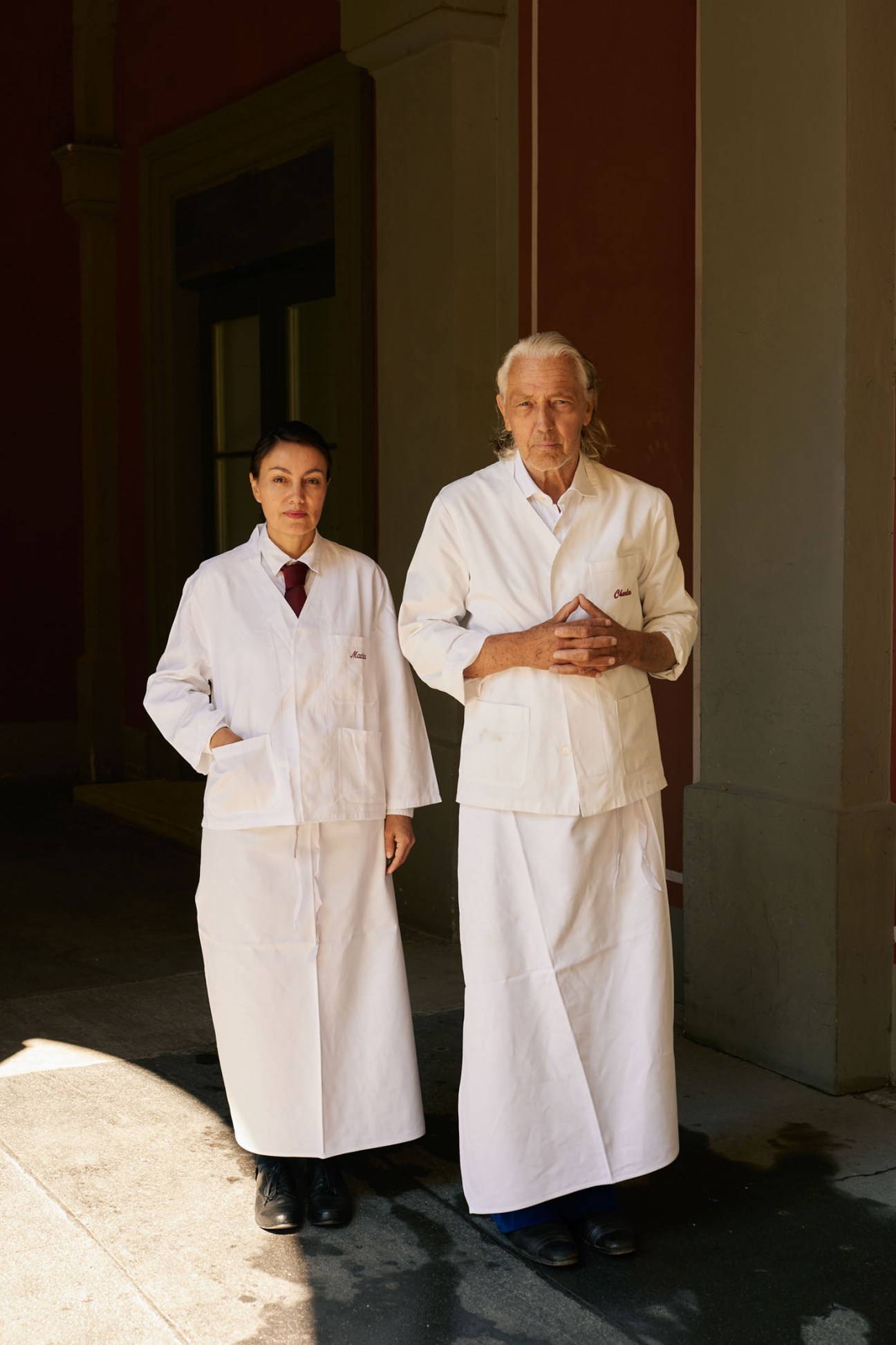
Iconic uniform of Munich bar owner Charles Schumann (on right)

Bring character and elegance to the table
Schumann, Germany’s bartender par excellence, still works 12-hour days and has said that he would never order a cocktail from someone dressed in black. “We come from the bar culture and the bar culture has rules,” he says. “Wearing white means that I care about what I’m doing.” The uniform ensures cleanliness but it also has more sentimental connotations that hark back to the early US cocktail bars of the 1920s Jazz Age and classic films such as Casablanca, where Rick leans over the piano of his café in an immaculate white blazer. Barkeeping, of course, is not the only profession where the jacket is a point of pride. Just look, for example, to the bespoke, almost military, jackets of Wimbledon’s service stewards or the cabin crew of Emirates, who turn heads at airports in slick, tan suits.
Return to the fundamentals

Don’t be afraid to be bold
A uniform can be far more than a dress code; it can also be an expression of status and style that sets the tone for the entire establishment. As anyone who has reconsidered their sartorial choices after ordering from a waiter who was better dressed than them will know, there is a halo effect that makes you want to look at least as put together as the person serving you. In this endeavour – just as in a good uniform – the choice of jacket is key.
“At a tailor’s, there is a hierarchy of who cuts and assembles the coats and who cuts and assembles the trousers,” says Claire Wilcox, senior fashion curator of London’s Victoria & Albert Museum. “The coat-cutter has the most important role.” Fashioning Masculinities: The Art of Menswear, on until 6 November, is the v&a’s first major exhibition dedicated to menswear. The show offers a history of men’s jackets that have origins in the military, blue-collar workwear, as well as the development of the wool industry and tailoring in the English countryside. “The allure of the jacket is that it’s a decisive garment,” says Wilcox. “It gives off a cleanliness of intention. That’s how it became equated with power.”
Wilcox points out that the characteristics that make a good jacket have little to do with fleeting trends in fashion. Just as with the uniforms that Schumann’s bartenders have worn for decades, a good jacket design – whether a blazer or bomber, a safari or workman’s jacket – should be timeless. “It’s the sign of a gentleman to be wearing the same jacket 20 years later because it’s such good quality that it lasts forever and it doesn’t date,” says Wilcox.
Signal what you stand for
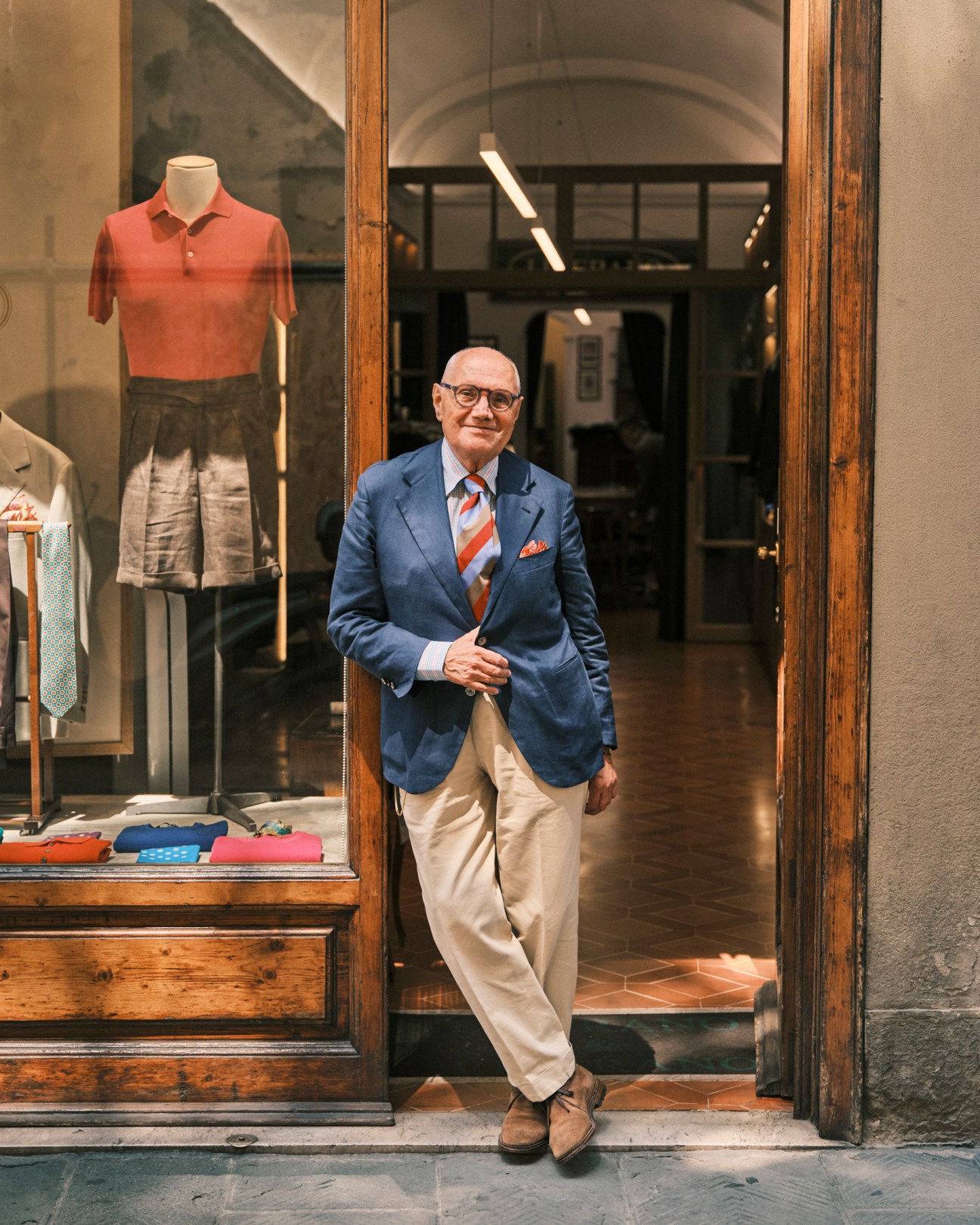
Find your personal style
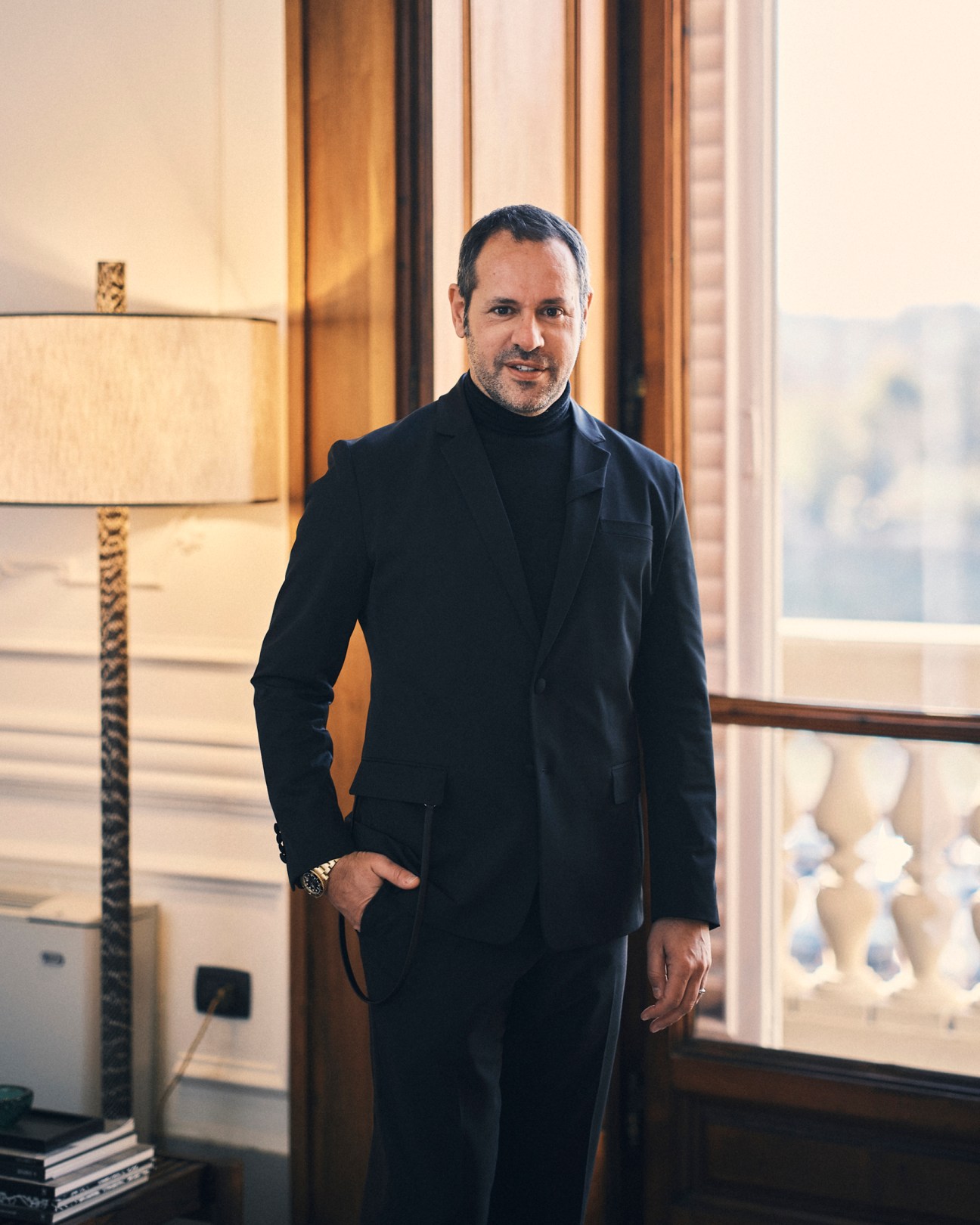
When choosing a jacket, then, focus on fit. “Proportion is everything,” says Aldo Maria Camillo. The Rome-born menswear designer is a veteran of the trade; he served for years as creative director of Caruso and has now launched his own brand. Camillo swears by ultra-soft fabrics and relaxed cuts that do not restrict movement. “A jacket should never be something ridiculous in terms of proportion, fabric or colour,” he says. “It should be something that you can wear effortlessly and that makes you feel cool and confident.”
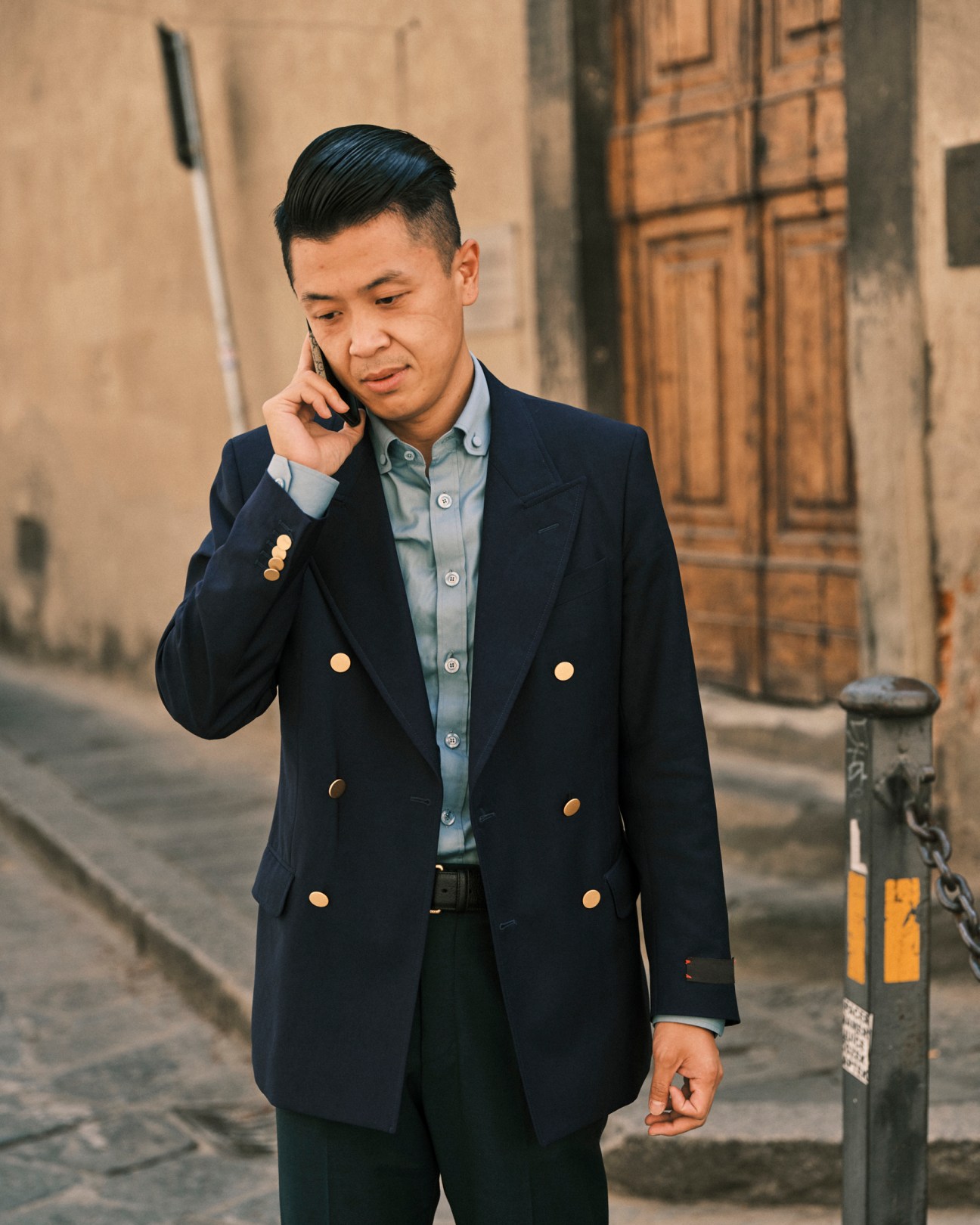
Camillo’s autumn collection for Caruso, which ranges from fully canvassed wool blazers in warm ochres and greys to carefully tailored country jackets in pyjama-soft Tencel (a type of rayon), exemplifies this. Even slightly edgier options, such as a double-breasted number in chocolate-brown nylon, are subtle enough to not overpower the wearer. “It’s about enhancing the silhouette of a man or a woman,” he says.
For other evergreen styles, the Milanese are always a safe bet. Aspesi makes a heavy-duty cotton blazer, available in camel, navy or sage green, which strikes just the right balance between office-ready and informal. Canali offers a wider selection of blazers, leather jackets and bombers. For women, Max Mara’s cashmere pieces remain the gold standard of power dressing, while young Copenhagen-based brand AF Agger makes the quintessential loose linen blazer. The most failsafe option, of course, is having one cut to your precise measurements by an expert tailor.
For inspiration, head out to an old-school cocktail bar. On any given summer’s evening at Schumann’s, the terrace might play host to a khaki-cotton ensemble worn by a gentleman enjoying a glass of wine with his newspaper; a husband and wife sitting down for an aperitif clad in sky-blue linen and mint-green jersey; and a gallerist who has paired a formidable moustache with a classic dark-navy blazer. “When the staff are wearing a clean jacket and the guests are well dressed, it makes you feel good,” says Schumann, surveying the scene with approval. “It’s a sign of respect.”
Do come in
Family legacy
Built in the 1960s this residence sits in one of three identical apartment blocks, each containing three apartments. The buildings were commissioned by the original client for his three sons, who each received one property. The boxy modernist style of the buildings is a rare sight in Zürich today, as is the amount of landscaping that remains around the three refined blocks. Designed to be spacious (when land prices were still low), they remain a testament to a time when architecture made the most of its surrounding environment and space didn’t come at a premium.
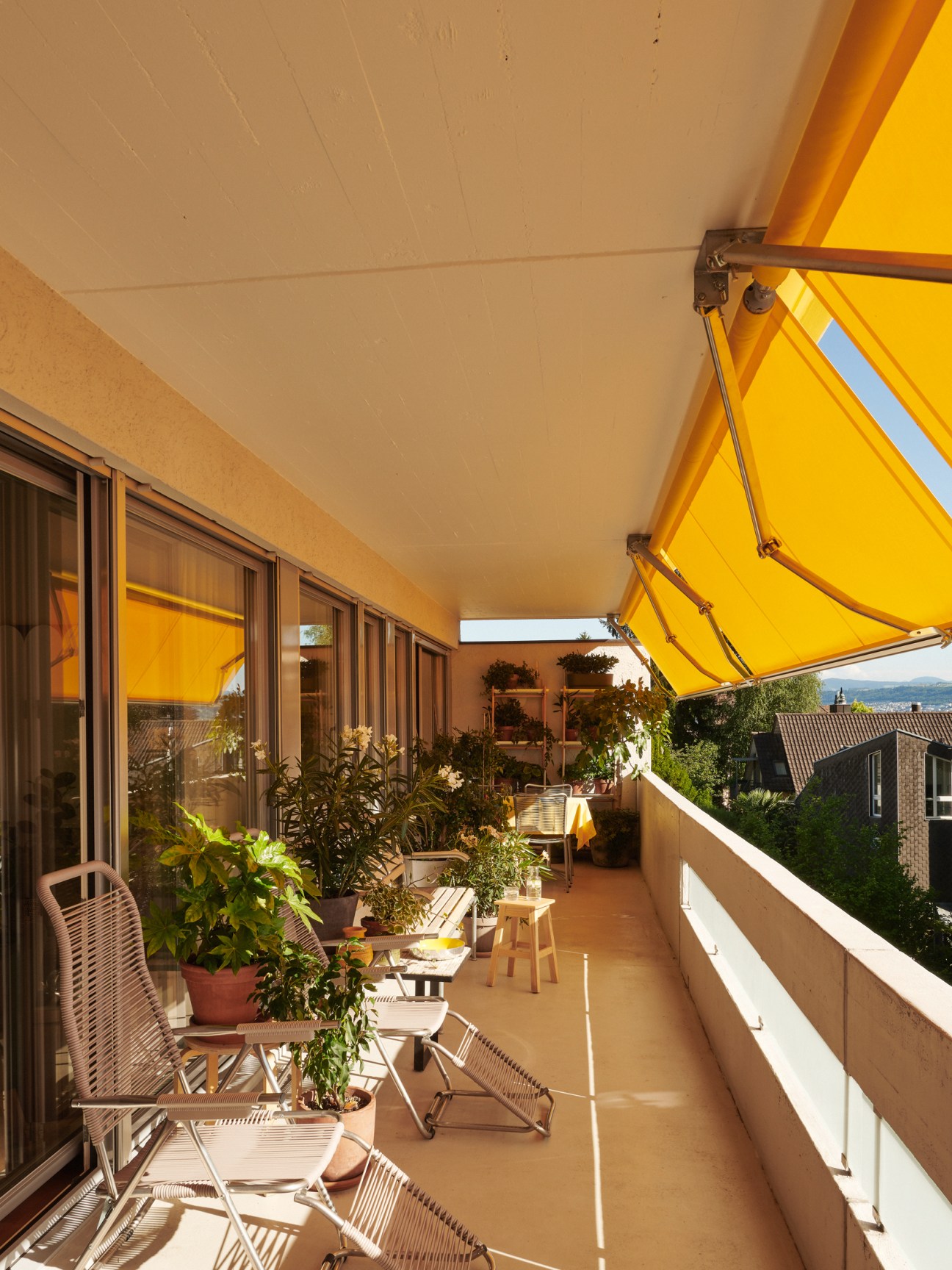
This residence in the affluent Küsnacht neighbourhood, along the lake from Zürich, reveals itself to passers-by as a place whose owners are skilled at playing the perfect hosts – whatever the season. In summer, if you gaze at the upper level of the 1960s modernist block, you might spy a dapper crowd, shaded by a sunny yellow awning, milling around on the lengthy plant-laden balcony, champagne- filled glasses in hand. In winter, meanwhile, a cosy orange glow provided by the incandescent-bulb lighting, set at the perfect pitch, draws your eye.
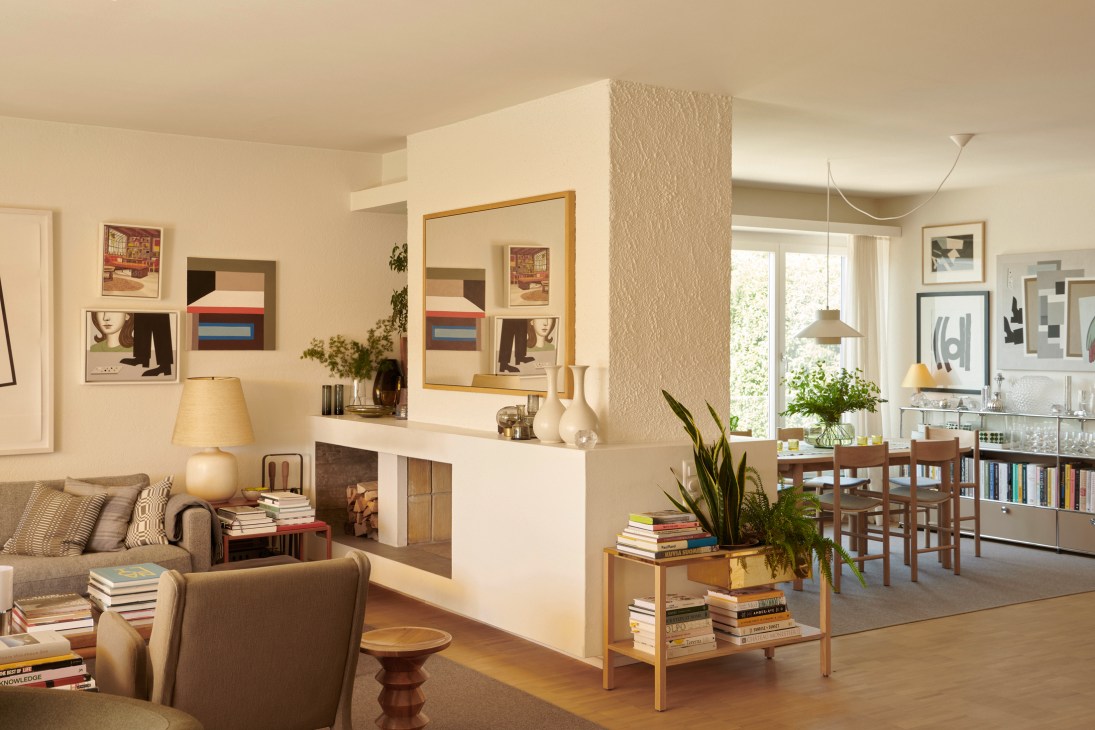
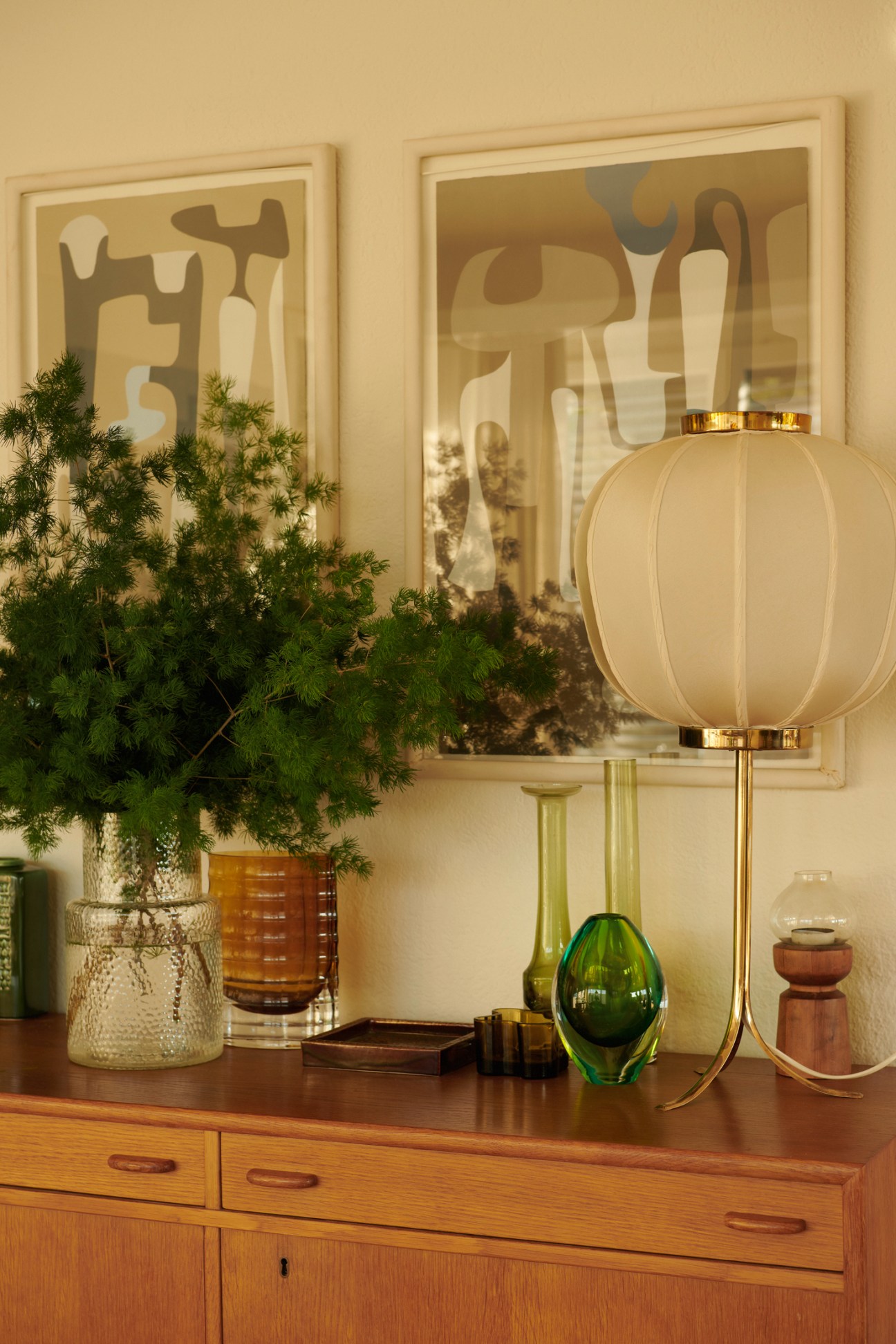
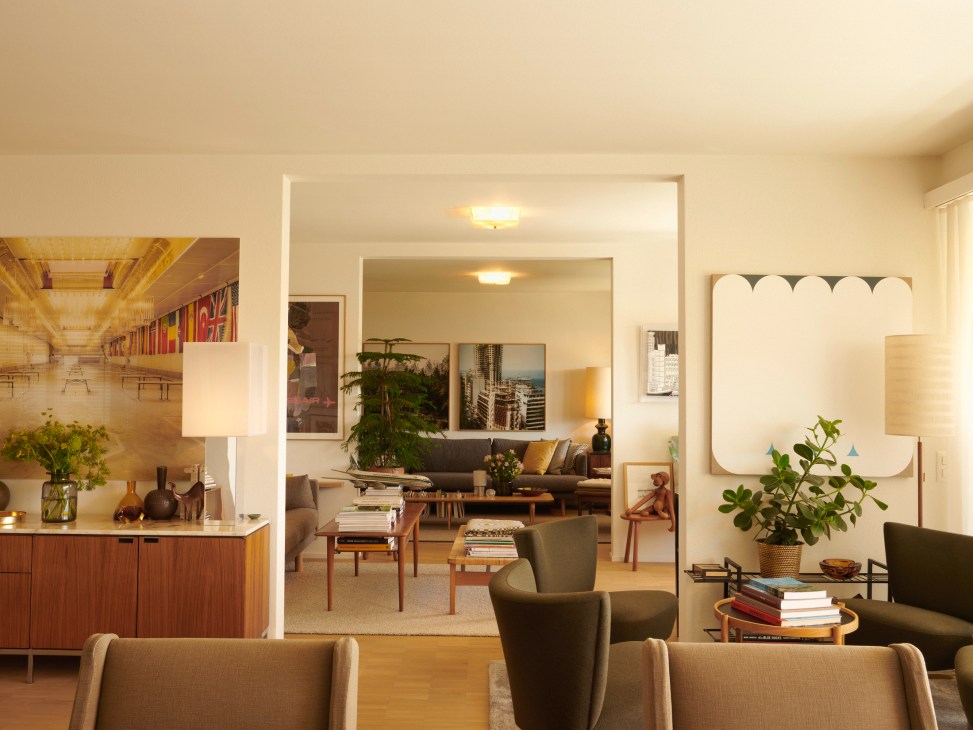
The home was bought at the beginning of the pandemic after its owners spotted it on a balmy spring bike ride and hatched a plan to create a space imbued with a holiday feel. This has been achieved through the work of Zürich-based architect David Marquardt and the homeowners’ joyful approach to furnishing the apartment. The omnipresent views of the glistening lake help, of course. It dazzles as the backdrop to all of the main living areas during the day while at night lights from properties on the opposite side of the lake and the crisscrossing ferries provide a mesmerising twinkle.
Marquardt has maximised space in the front portion of the apartment by partially knocking down walls that once formed multiple small rooms to instead create a leisure and work area that is generously open-planned and bathed in sun all year. There are many ways to enjoy this space and entertain: guests might choose to plonk themselves on a handsome Ole Wanscher chair and gaze across a lounge area furnished with a selection of wares from Scandinavia, Switzerland, Japan and beyond. On the walls there is artwork from Gavin Hurley, Ryu Itadani, Virge, David Shrigley, Nathalie Du Pasquier and Swiss photographer David Willen.
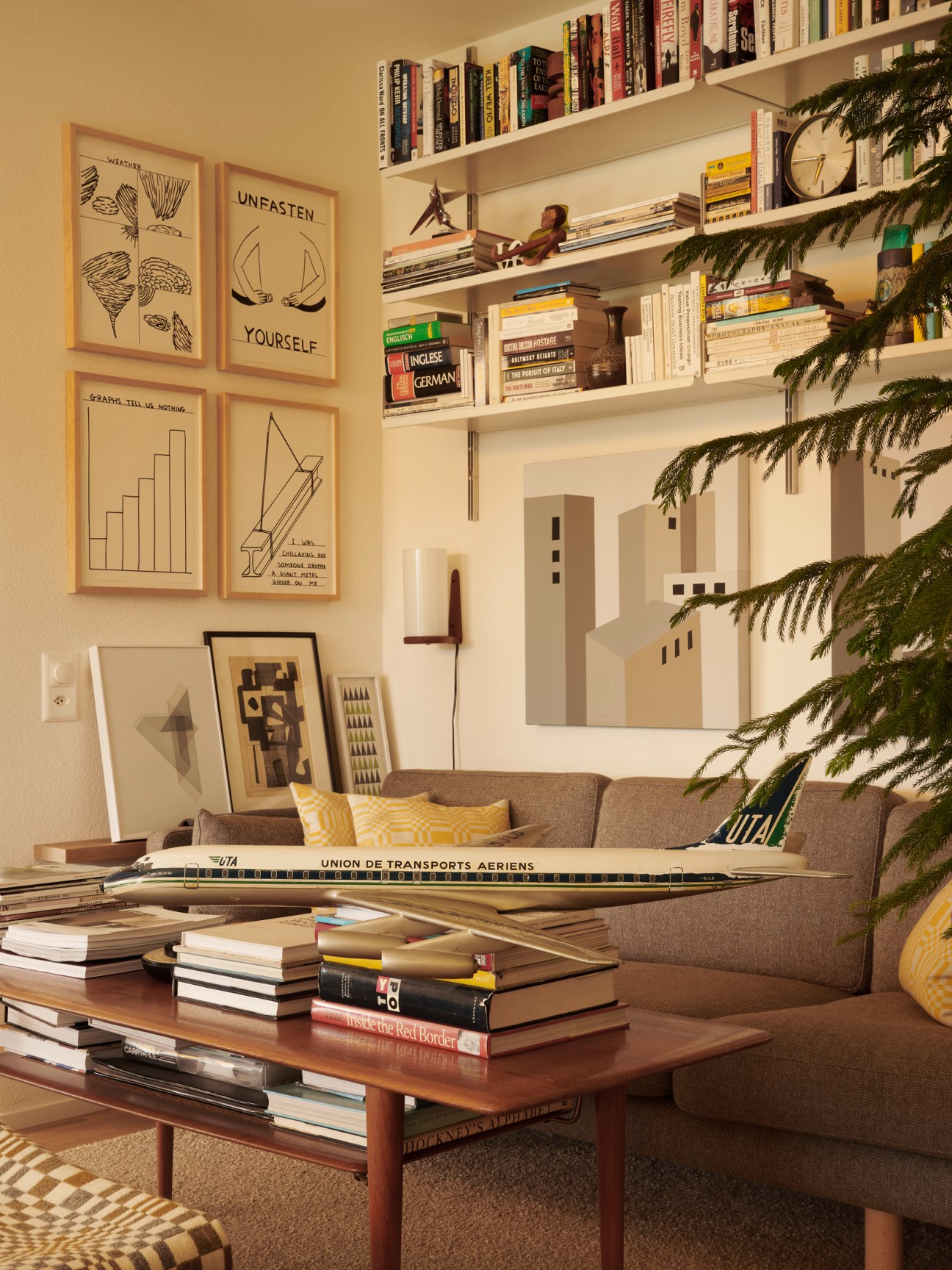
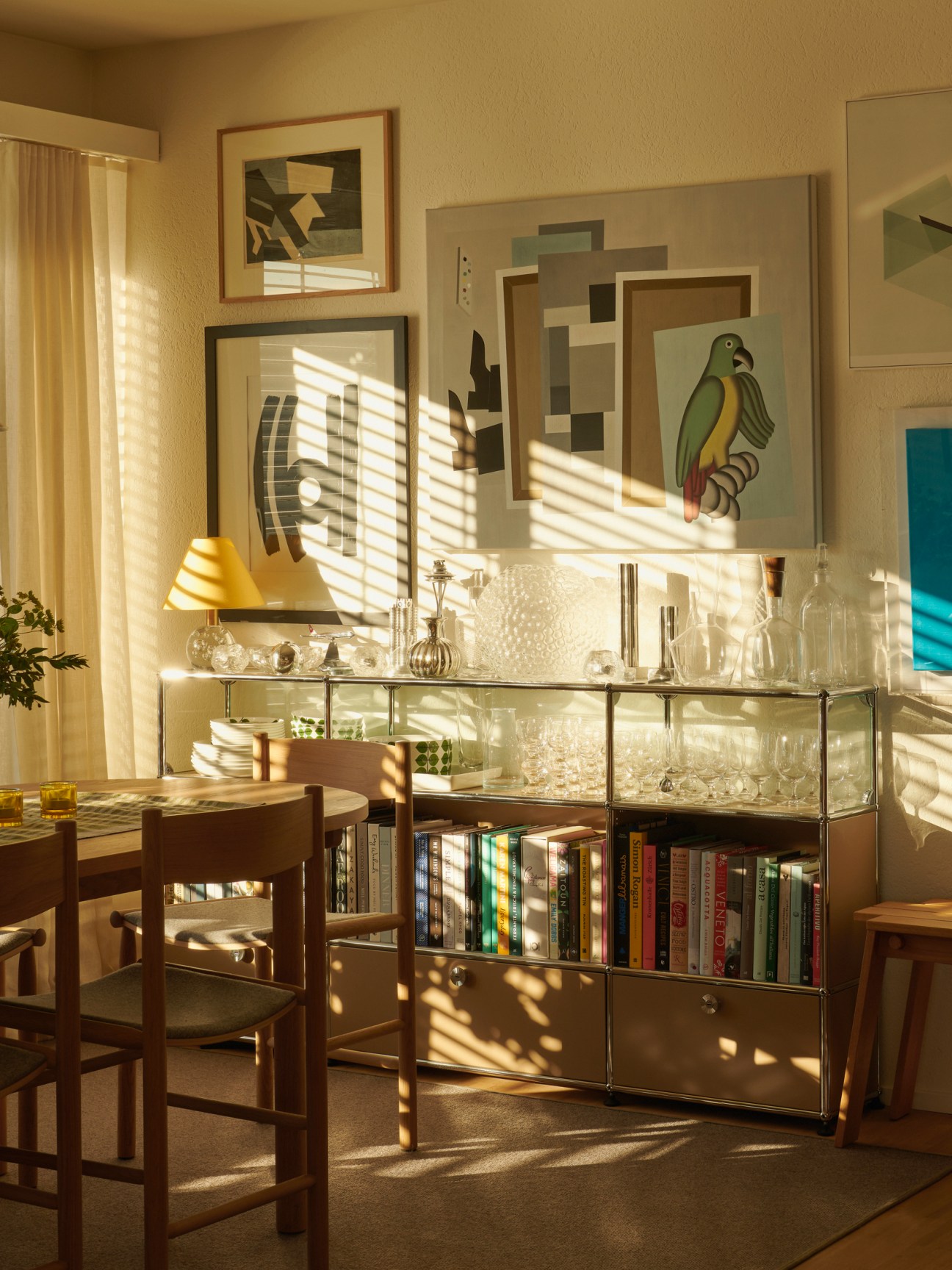
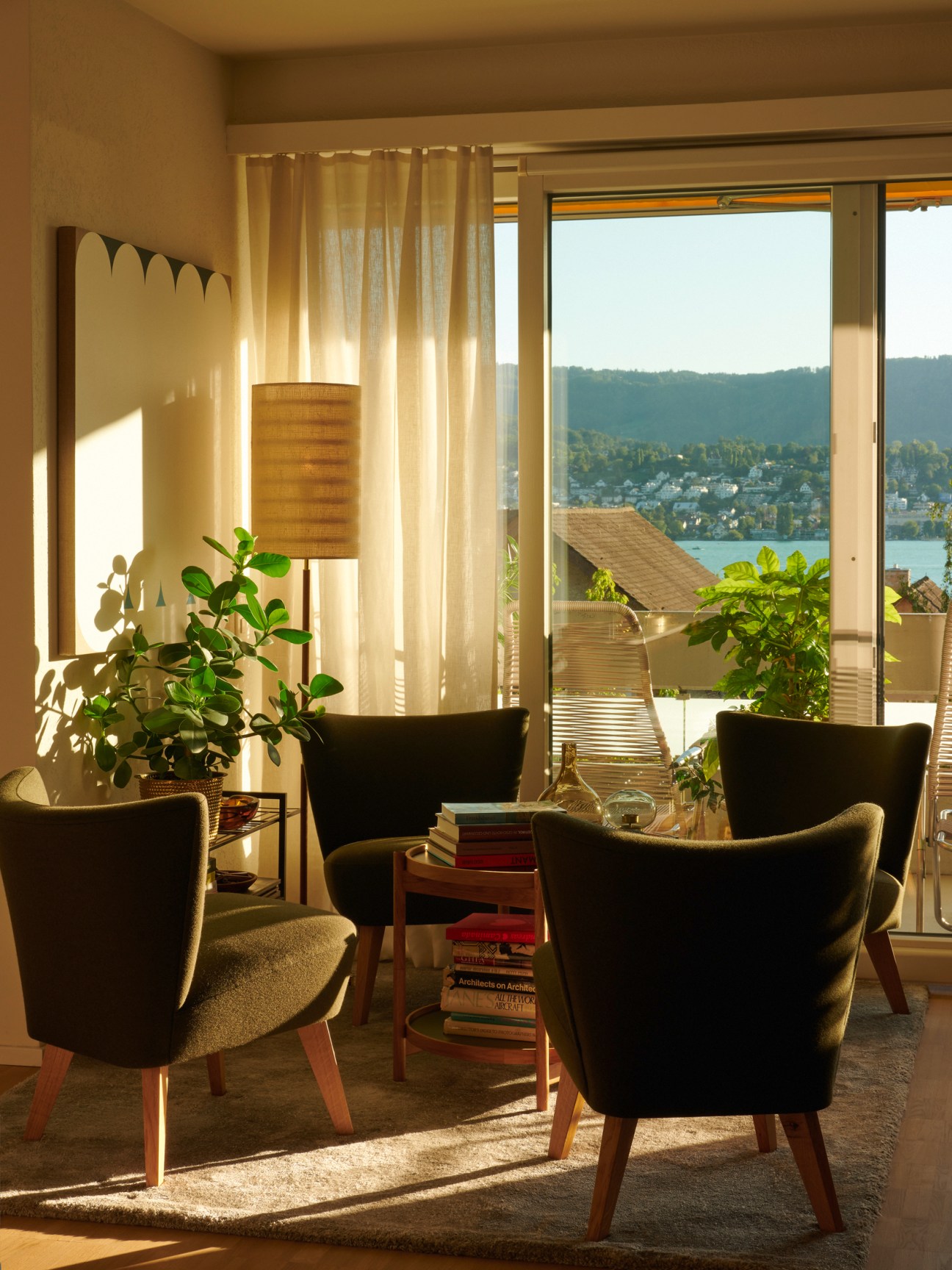
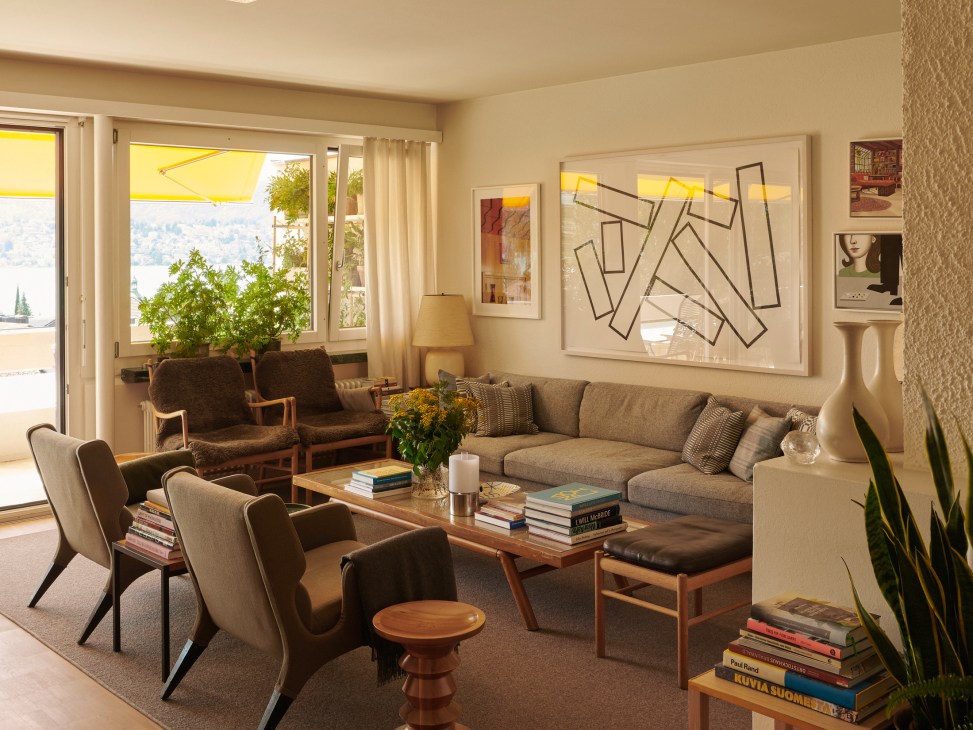
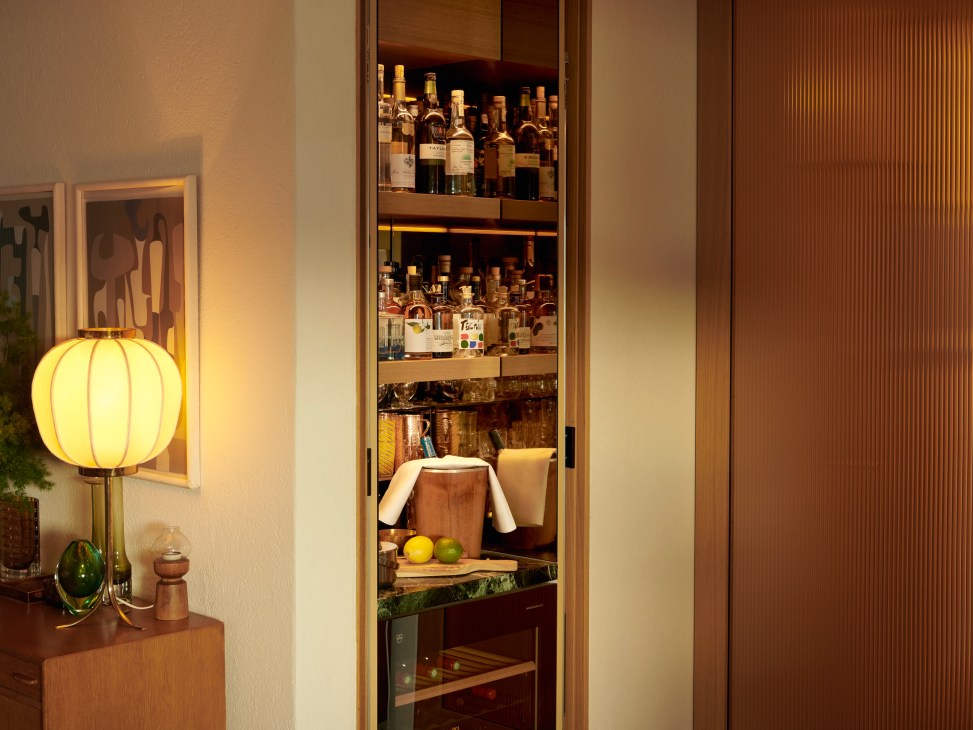
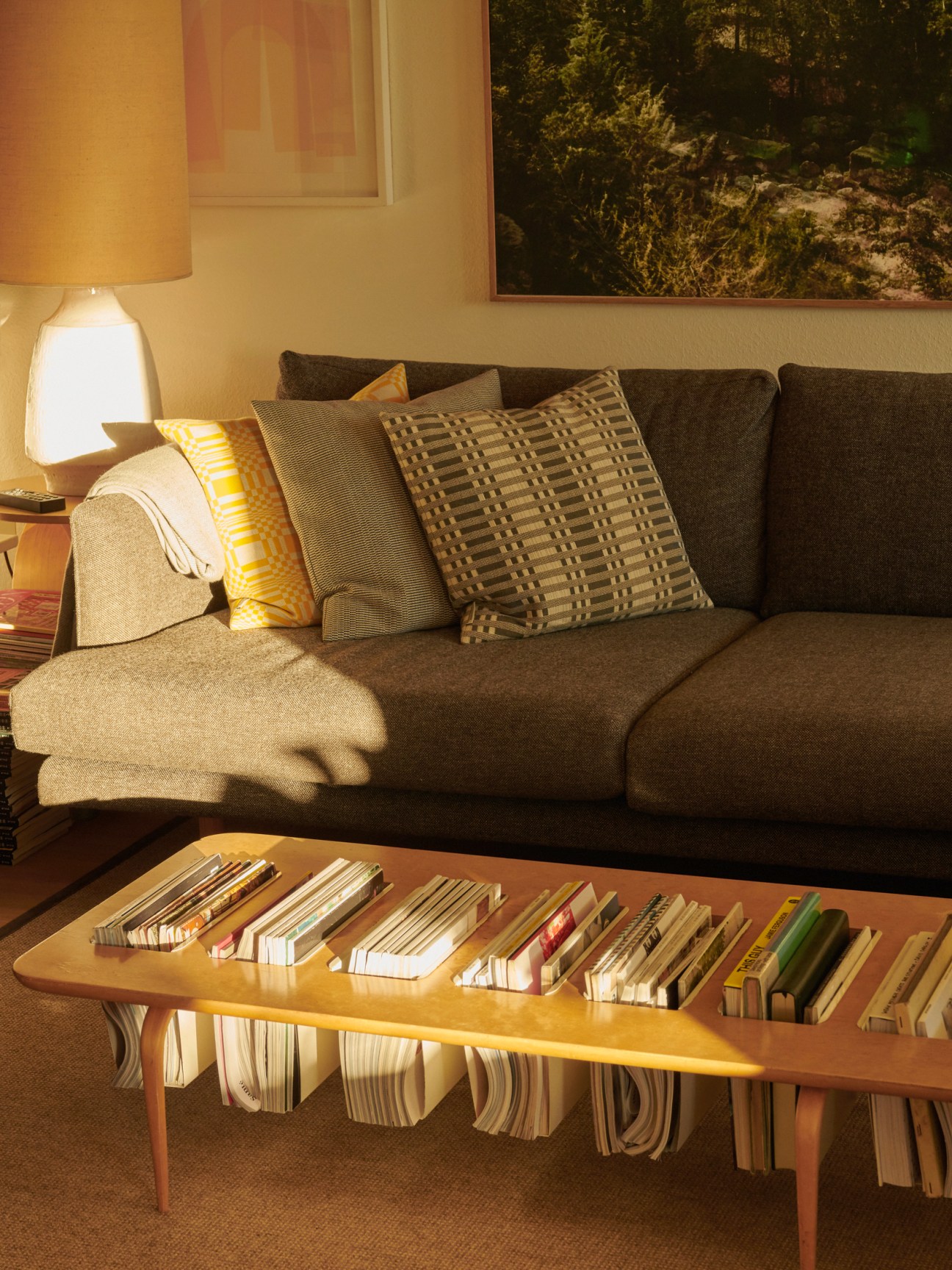
Classic pieces of furniture blend seamlessly with new commissions within this well-appointed home. A set of army-green upholstered chairs has been custom-made by family firm Mohr Polster in Bregenzerwald, Austria. They sit impeccably in a cosy corner alongside a book-laden vintage table. Lunch and dinners are taken on a new, slender Finnish-timber dining table and chair set, designed and produced in Finland by Nikari, while a 1980s-era Louis Poulsen Visir pendant lamp dangles elegantly above.
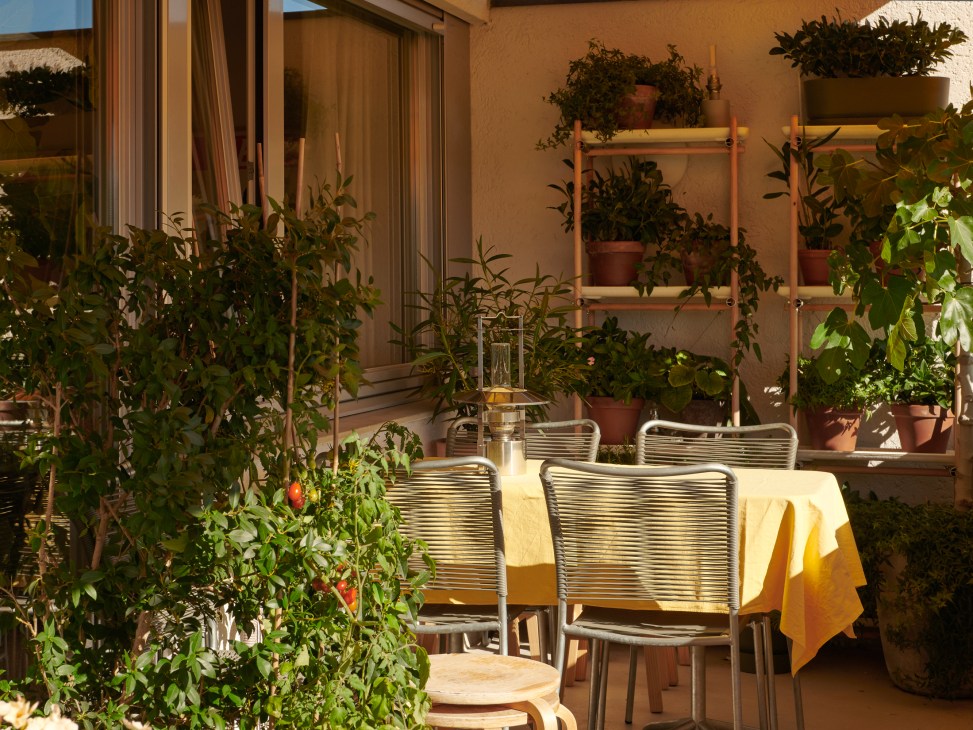
After meals, entertaining can move seamlessly outside via one of the multiple balcony doors. Here, on the sweeping terrace, seating is provided by Fiam Spaghetti chairs, while the rich scent of homegrown tomato plants and herbs ascending from Swiss Eternit planters enlivens the atmosphere. As the evening darkness falls, the space is enhanced by the gentle glow emitted by vintage Danish Stelton oil table lamps.
When the owners need to retreat into the private side of their home, Marquardt’s clever architectural scheme allows them to do so with ease. Softly translucent glass set into internal doors means that sunlight reaches the rear section of the residence even when they’re closed. In the bedrooms and bathrooms, the architect has used a light touch to improve the quality of the building’s internal fabric. Handmade glazed tiles from Portugal line the walls of the bathrooms, while light oak fittings round off the setting.
The signature of great home design is when every aspect of the residence is used and enjoyed by those who live in it. The owners and architect of this Zürich home have taken the idea one step further, creating a place whose homely purpose is equally appreciated by guests. Whether it’s warm conversations around the built-in fireplace or a shared barbecue on the rear balcony, the sense of a quality home life is enjoyed by everyone lucky enough to make it up here from that street below.
All in the details
This isn’t the first project that David Marquardt, founder of Mach Architektur, has completed for these residence owners. His firm has worked on their cosy pad in St Moritz and company base in Zürich. Mach is known in the Swiss market for exceptional attention to detail and its work on this project is no exception. For the bathroom tiles, it sourced a beautiful hand-glazed option from historic Portuguese firm Viúva Lamego. The earthy toned clinker tiles used in the property’s kitchen and entrance area came from Germany’s abc Keramik, while the parquet flooring is by Swiss family company Schnyder Parkett and reflects the apartment’s original 1960s styling. The joinery was in collaboration with South Tyrol’s Gufler Innenausbau.
Person of interest
It’s a suffocatingly hot July day in Geneva when Monocle arrives at the immaculately kept headquarters of the Mirabaud Group private bank. The few people outside who haven’t escaped for the summer are in beachwear, but five floors up, in an expensive-looking (and mercifully air-conditioned) conference room that points towards the lake, Chabi Nouri is a picture of composure in an emerald jumpsuit.

Her CV is just as eye-catching. Nouri spent 24 years working for heavyweight luxury brands and most of that time with the Richemont Group, one of the world’s largest luxury companies, originally with Cartier and later as CEO of watch and jewellery brand Piaget. It raised eyebrows, then, when Mirabaud announced in May this year that Nouri was switching to a new position as a private equity partner with Mirabaud Asset Management’s Lifestyle Impact & Innovation fund. Nouri. Alongside manager and Chanel heir David Wertheimer, Nouri is steering the fund, which raised close to €100m in its first full funding round, according to data company Pitchbook.
The venture’s scope is global – about 40 per cent of its investments are in Europe, with 30 per cent in the US and the remainder in Asia – and its creation was an attempt by Mirabaud, which is managing assets of about €40bn, to secure its piece of the gold rush in fashion and luxury. The industry has faced criticism for its environmental records. Meanwhile, private bankers are funnelling an avalanche of money into impact funds aimed at taking on environmental, social, and corporate governance issues (known as ESG). Pitchbook says that impact funds have raised €345bn in the past 10 years.
Mirabaud has hired Nouri to lead industry change. It’s not her first time as a modernising force: in 2017, she was made CEO at Piaget at a time of broader change at Richemont. In the same year, nine new appointees were made to the company’s board, with male members including a duke and a lord making way. She’s used to treading carefully, though. Nouri spent six years at British American Tobacco and has long been a rare woman CEO in a male-dominated industry. On both facts she coolly concedes that non-ESG companies “still have a lot to do” and that there is “room for improvement” on executive gender parity when she sits down with Monocle.
Why did you decide to make the jump to an investment fund?
It’s interesting after 20 years in the corporate world to go to the other side and look at how an investor will see things. You can influence many businesses while understanding how they work and creating an ecosystem that allows them to advance. You need to have an entrepreneurial spirit and this was a way for me to see how consumers are evolving. I’ve understood most aspects of luxury companies from the consumer, product and distribution points of view – and now I can from the investor’s vantage point.
Is variety something you’ve sought out in your career?
I’ve always been driven by learning and discovering more. I’ve done it in six or seven-year jobs and within Cartier I did different jobs. I’m interested in understanding broader aspects of the business and I’ve realised how important that is for the job I have now.
How does the new job compare with previous roles?
There is a tension between traditions and innovation. Today’s traditions keep know-how alive but they were innovations at one point. The luxury and lifestyle companies that have taken the lead are ones that have innovated throughout their history. The companies we’re working with are the ones redefining the lifestyles of tomorrow.
What does your fund look for when investing in companies?
We try to invest in companies that have a positive impact; the sustainability aspect is quite important. We’re trying to invest in companies to build an entire universe around this younger generation, in suppliers, services, products and platforms. The younger generation wants to buy into a community and they want to understand the bigger purpose of these companies – that’s one of the big trends we’re seeing today. We’re working on launching a second strategy with the same investment criteria. In the first one, we’ve created clubs of investors that have an affinity to the lifestyle world and to this younger generation. We’re also creating clubs of companies: the businesses we invest in talk to each other – we want to create an ecosystem for them to leverage. It’s not something you find in other private equity franchises and that’s exciting.
Has the pandemic changed the luxury fashion industry in any lasting ways?
There has been a huge acceleration in the trends we were seeing over the previous years: the sense of ESG, the blurring of what is virtual and what is physical. Of course, the physical element will always exist. It’s a matter of equilibrium between delivering the physical but also having a digital world.
Do you see benefits in having worked with companies less aligned with ESG than others?
It has given me an outlook on how ESG has moved on. A lot of firms have embraced it seriously and that’s why it’s also important for our franchise to have it as a core element.
Is it harder to make established luxury companies sustainable than new ones?
I don’t think so. Companies have embraced a lot of new ways of distributing business. Many of them have taken big risks even when it was not aligned with their business models. With the new generation, companies’ messaging needs to be super authentic, so you have to embrace these changes very quickly. I love that Mirabaud is a family-owned business. They have skin in the game; it’s their personal heritage, so the investments have to be well-aligned with a long-term vision.
Future first
Mirabaud’s noteworthy impact investments.
1.
Mycoworks: California-based firm building a full-scale plant to grow fungus-based leather used in “vegan” leather.
2.
La Bouche Rouge: A refillable lipstick venture launched by a L’Oréal veteran that has since expanded into make-up.
3.
Pangaia: Materials company loved by celebrities that makes textiles, clothing and packaging from plants.
4.
Highsnobiety: German street-culture-focused e-commerce and news platform with its own advertising studio.
5.
Intrepid: Vietnam-born and Singapore-based e-commerce and e-marketing solutions firm with a growing presence.
Bon appétit
Genovese Coffee House
Sydney
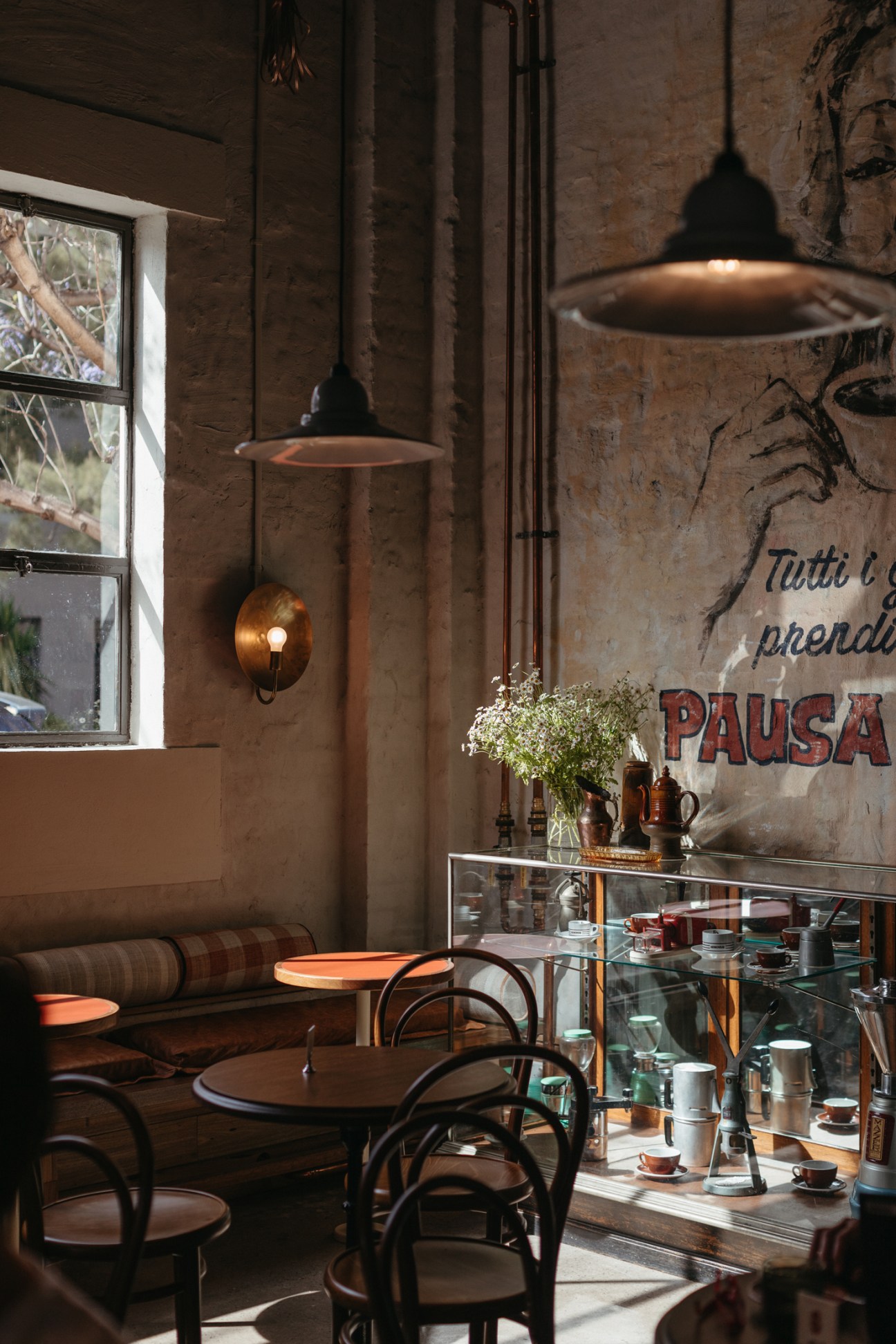
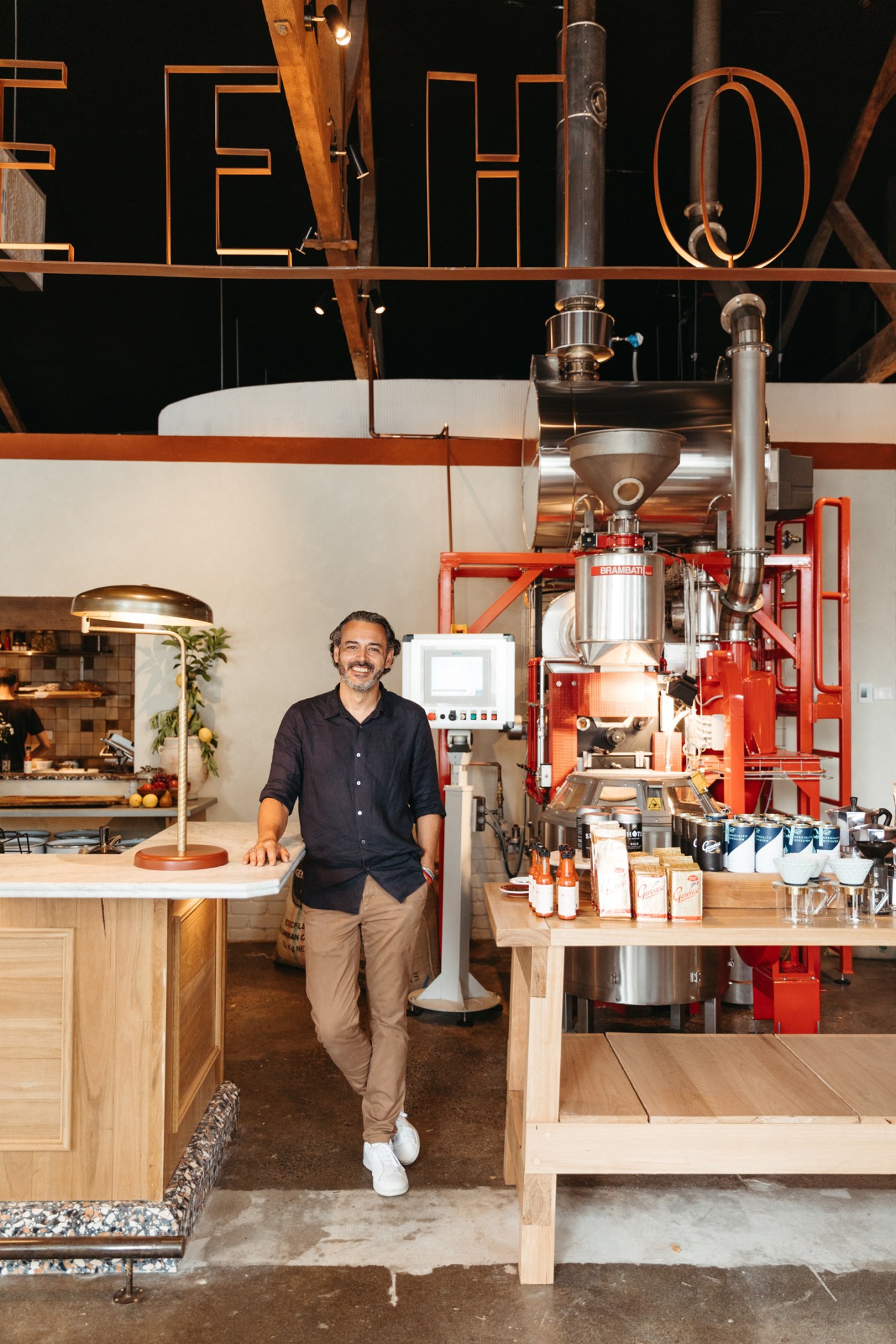
In 1970, Italian-food importer Alfio Genovese set up a coffee roastery in Melbourne. His family has since been distributing beans to cafés across Sydney but it was only in 2021 that his grandson Adam Genovese opened an outpost in the Sydney suburb of Alexandria. Bondi-based studio Alexander & Co took charge of the warehouse’s refurbishment, which is rich in terracotta, copper and brick, as well as leather, wool and coffee-hued textiles. The menu is packed with Italian choices, such as rosetta bread rolls piled with ricotta salata, spinach and egg. The coffee counts in its favour too.
genovesecoffeehouse.com.au


Recipe
Japanese-style mushroom pasta
For this wafu (Japanese-style) take on an Italian staple, seek out mushroom varieties used in Asian cuisines, such as oyster, king oyster, shiitake, shimeji or enoki. “I recommend oyster or king oyster for texture and shiitake for flavour,” says our recipe writer Aya Nishimura. And for a citrus kick? “Yuzu kosho is a fermented condiment made from yuzu zest and juice, with green chilli and salt.”
Serves 2
- Ingredients
- 200g linguine
- 4 cloves of garlic, finely chopped
- 400g Asian mushrooms
- ½ tsp ‘yuzu kosho’
- 2 tbsps chopped chives (or shiso leaves)
- For the ‘mentsuyu’ sauce base:
- 2 tbsps light soy sauce
- 2 tsps mirin
- ½ tsp dashi powder
1.
Cook the pasta according to the packet instructions.
2.
Pour a few glugs of olive oil into a frying pan and fry the garlic until it starts to colour. Add the mushrooms to the pan and season. Let them brown. Don’t stir too much but cook evenly.
3.
Meanwhile, combine the mentsuyu ingredients in a small saucepan and gently heat until the dashi dissolves.
4.
Once the pasta is al dente, add 2 tbsps of the cooking water from the pasta to the mushroom mix. Combine the mentsuyu and yuzu kosho, and stir until the latter dissolves, then add to the frying pan. Let the sauce begin to bubble. Toss the pasta with the sauce. Add a generous amount of freshly ground black pepper, top with chives and serve.
ayanishimura.com
Gigi’s Bar
Algarve
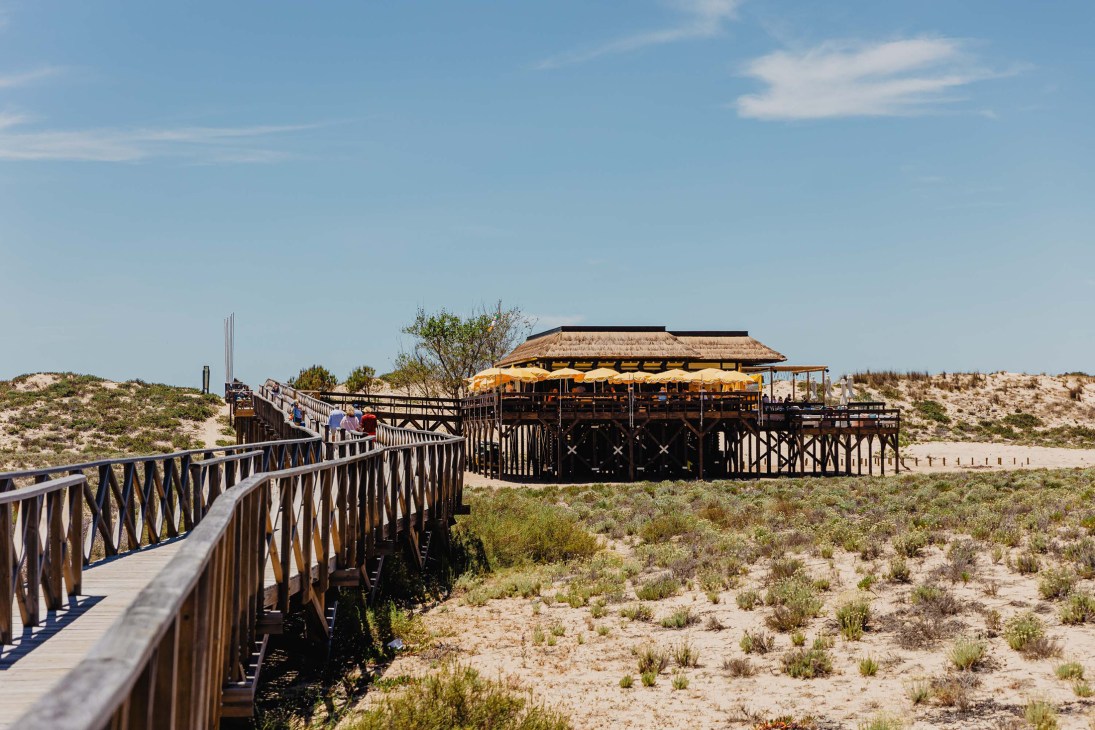

Only accessible via a seemingly endless wooden boardwalk over the quiet and dreamy Ria Formosa nature reserve in the Algarve, legendary beach restaurant Gigi’s has had a refit. The new space, Gigi’s Bar, takes the best bits from the venue’s 35-year tenure, including some of the freshest seafood you’ll find and a beautiful beachside berth. Think conquilhas (small clams) to vast platters brimming with crab, oysters and lobster. The stilted, thatched-roof restaurant was revamped by loal architects Essência Criativa under the watchful eye of owner Bernardo Reino. The bar has a new line-up of cocktails, including a riff on an Aperol spritz known as the Flamingo and a tasty tonic-and-tequila number: the Stork. For those seeking some late-summer sun and views of the Atlantic the new-look restaurant and bar are open between 12.30 and 16.00 every day between March and November.
quintadolago.com
These Days
UK
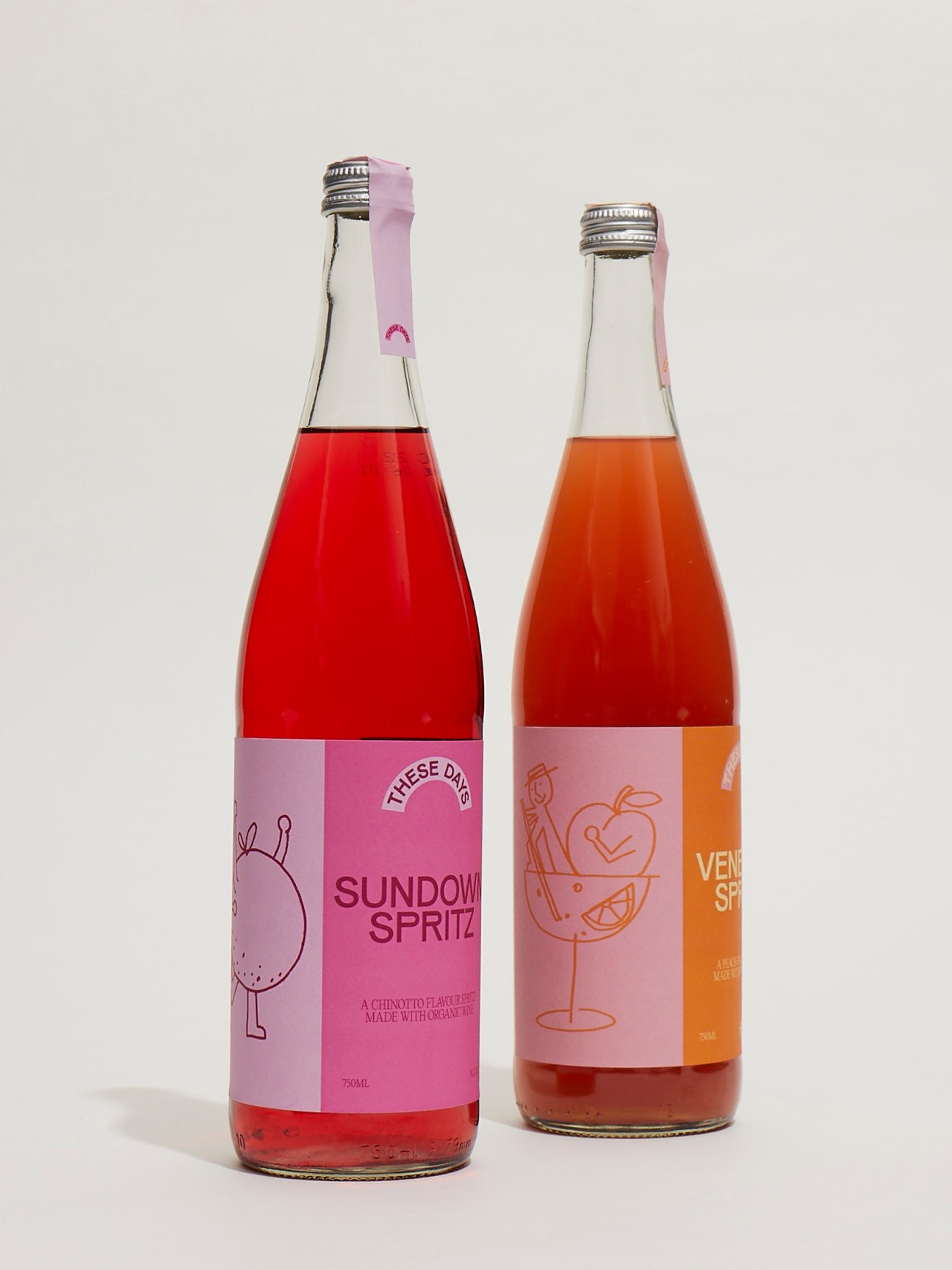
Oliver Man and Alex Beausire co-founded drinks company These Days hoping to bring aperitivo culture to the UK. “There’s so much more to it than Aperol spritz,” says Man. “I looked at the category’s problems and found confusing branding, difficult serving suggestions and outdated recipes.” These Days brings some simplicity to the mix. Its two spritzes are made with fresh fruit and white wine from Château Saint Cyrgues in the Côtes du Rhône – and that’s it.
The Sundown Spritz is made with chinotto, a bitter citrus fruit and blood orange. The Venetian Spritz is a peach-and-honey variation. “I wanted to put forward a vision of the brand that’s full of personality, with a few nods to the tradition,” says Beausire, who is behind the packaging. “We love classic aperitivos. We just want to update them a bit.”
thesedaysdrinks.com
RPM Bakehouse
Ontario
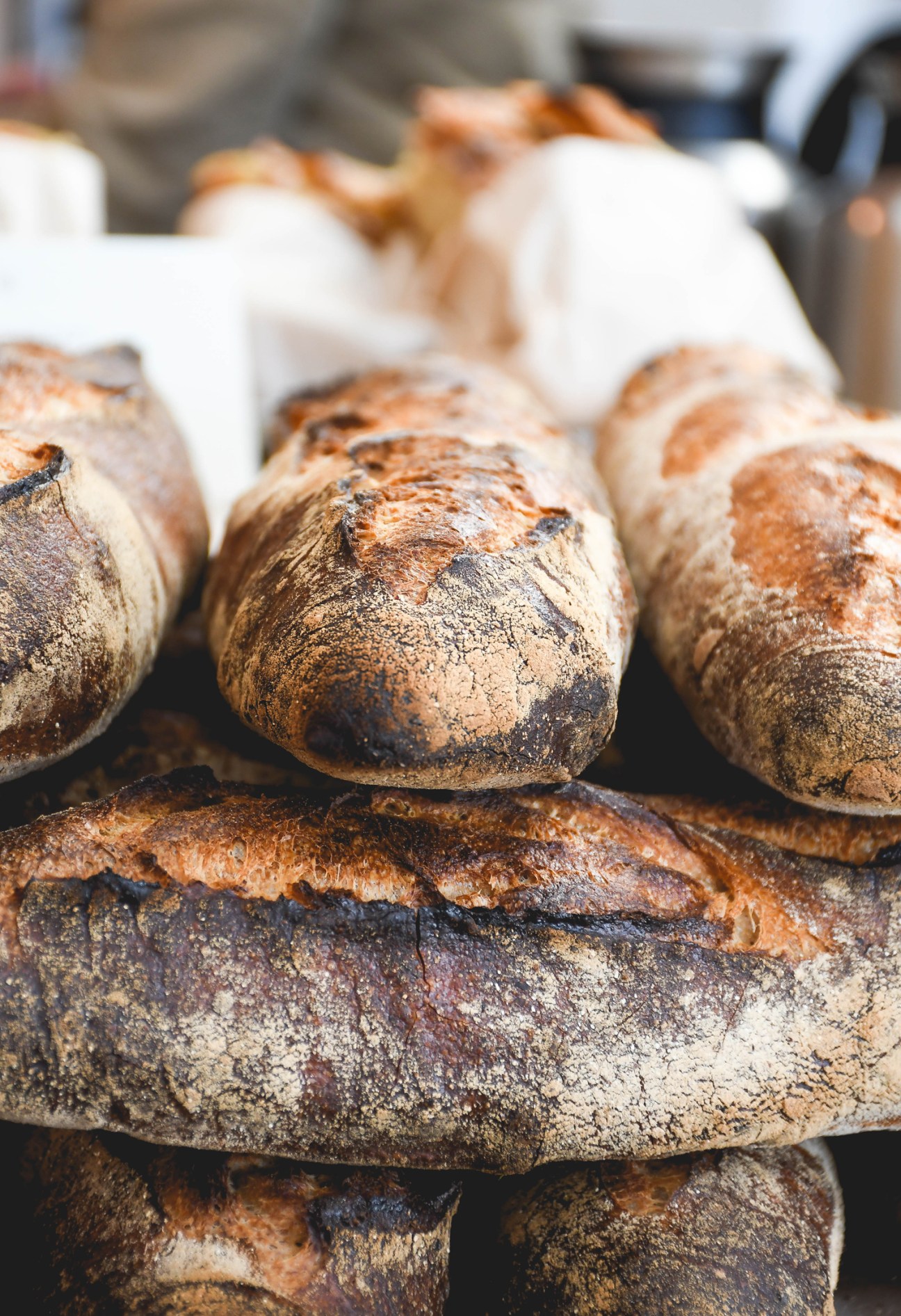

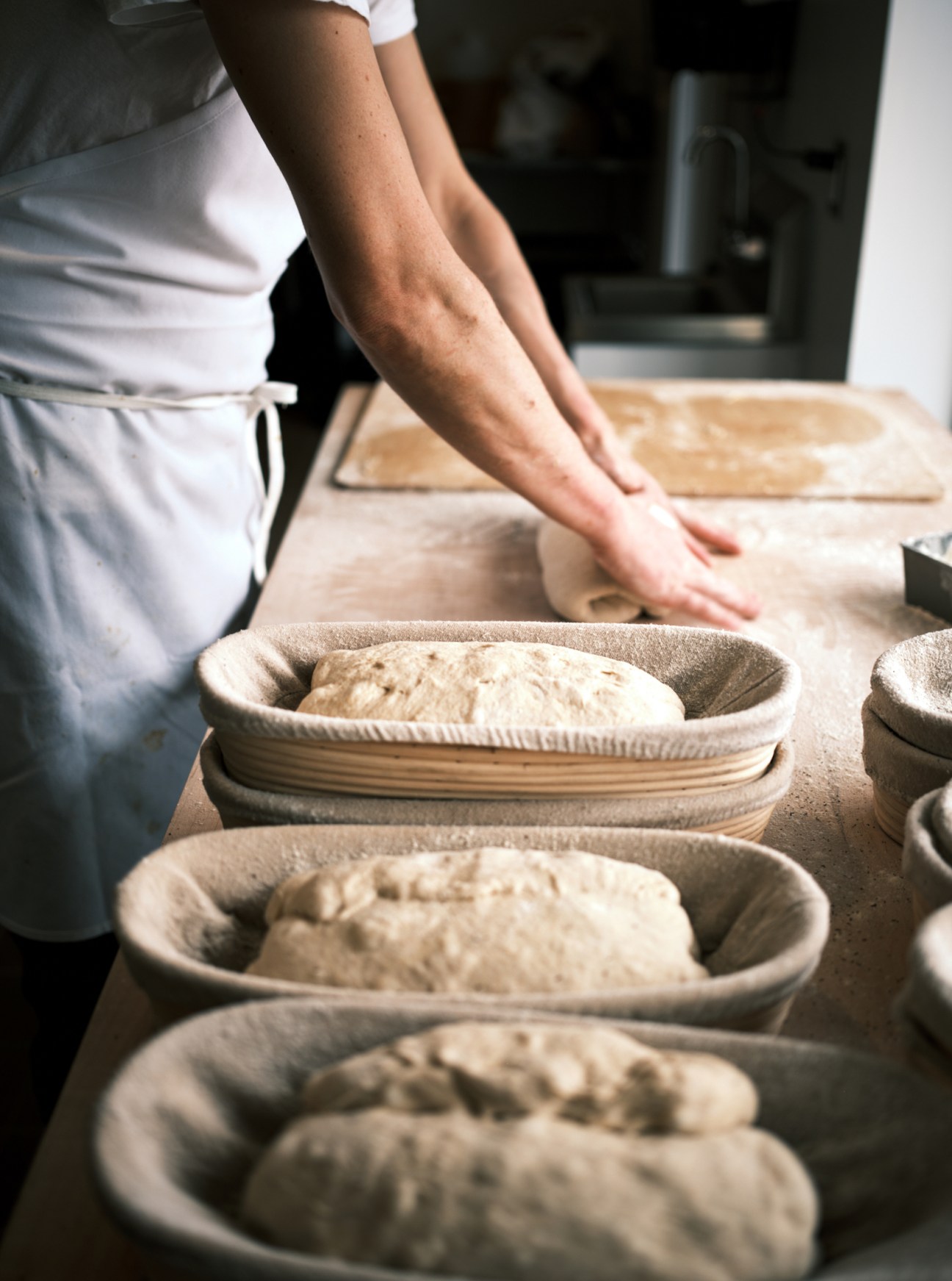
Winery Pearl Morisette has opened an outpost in Ontario but RPM Bakehouse has little to do with wine. Instead, it’s a bakery and grocer that showcases the region’s produce. “We wanted to connect further with Ontario’s agriculture,” says owner Daniel Hadida, who is also head chef at Pearl Morissette’s restaurant, which opened in 2017. “It has been a great opportunity to increase accessibility to this kind of food,” he says. “We’re serving people ingredients that they’ve never heard of even though some of it grows in their backyards.”
rpmbakehouse.com
Margarita
Callela
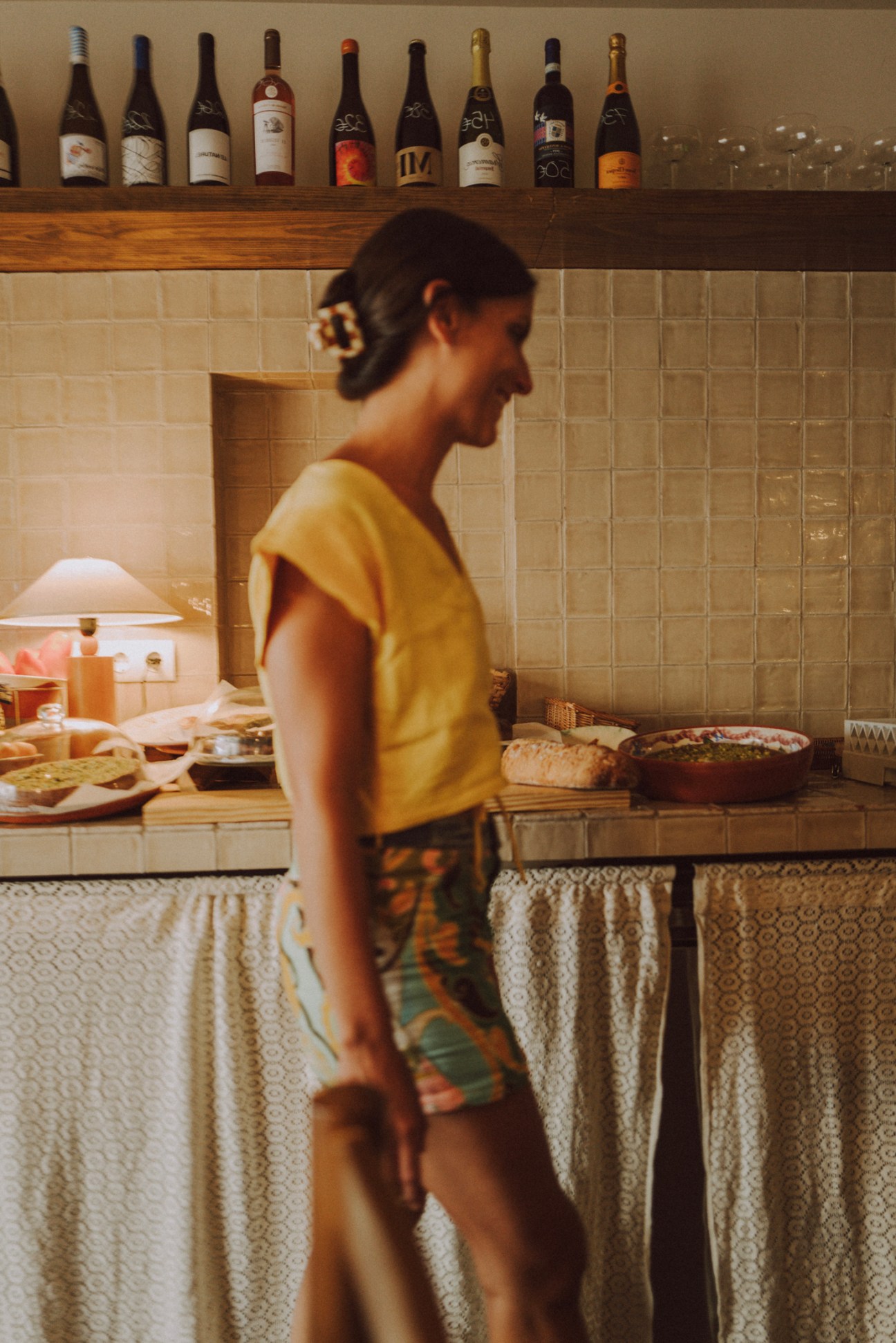
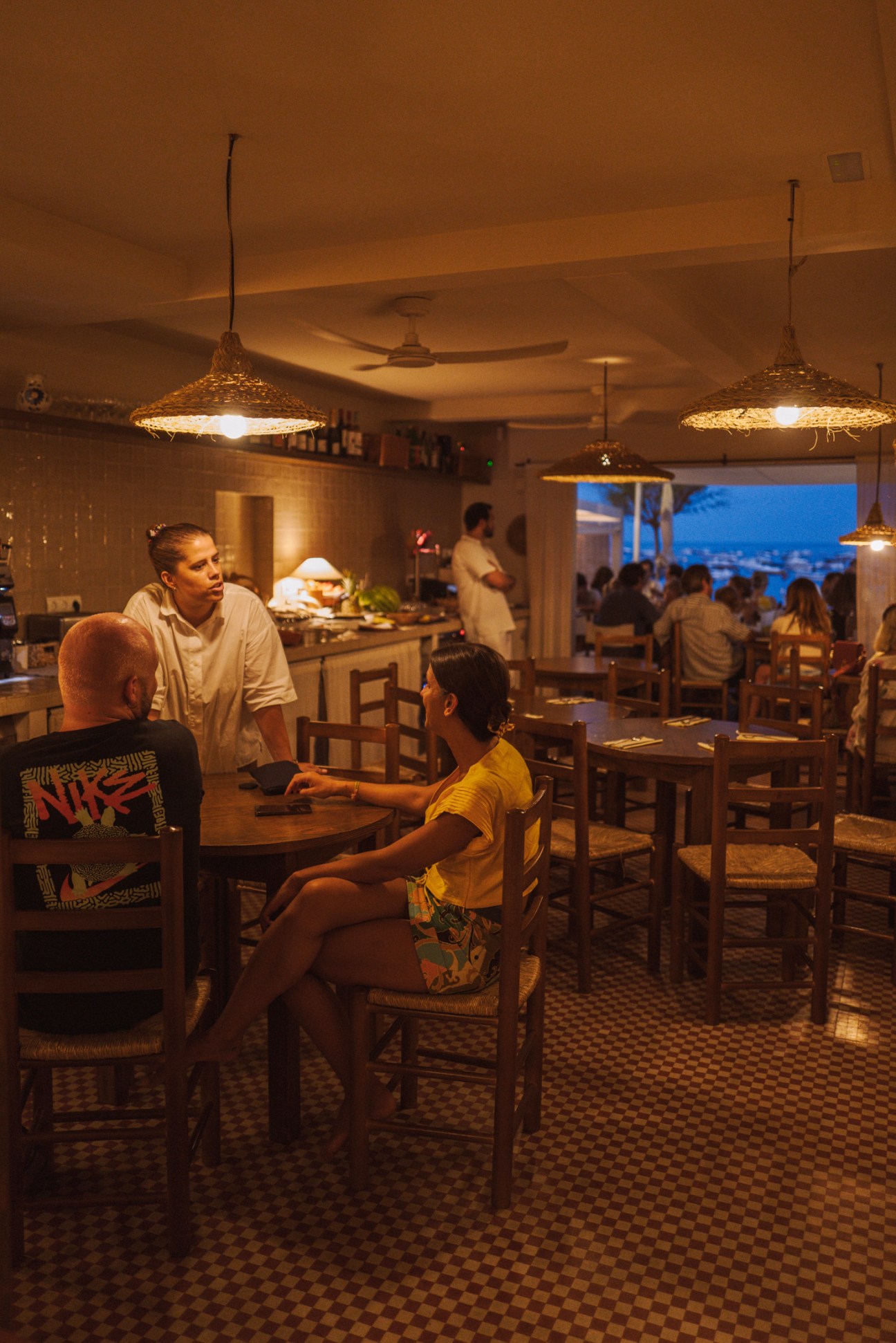
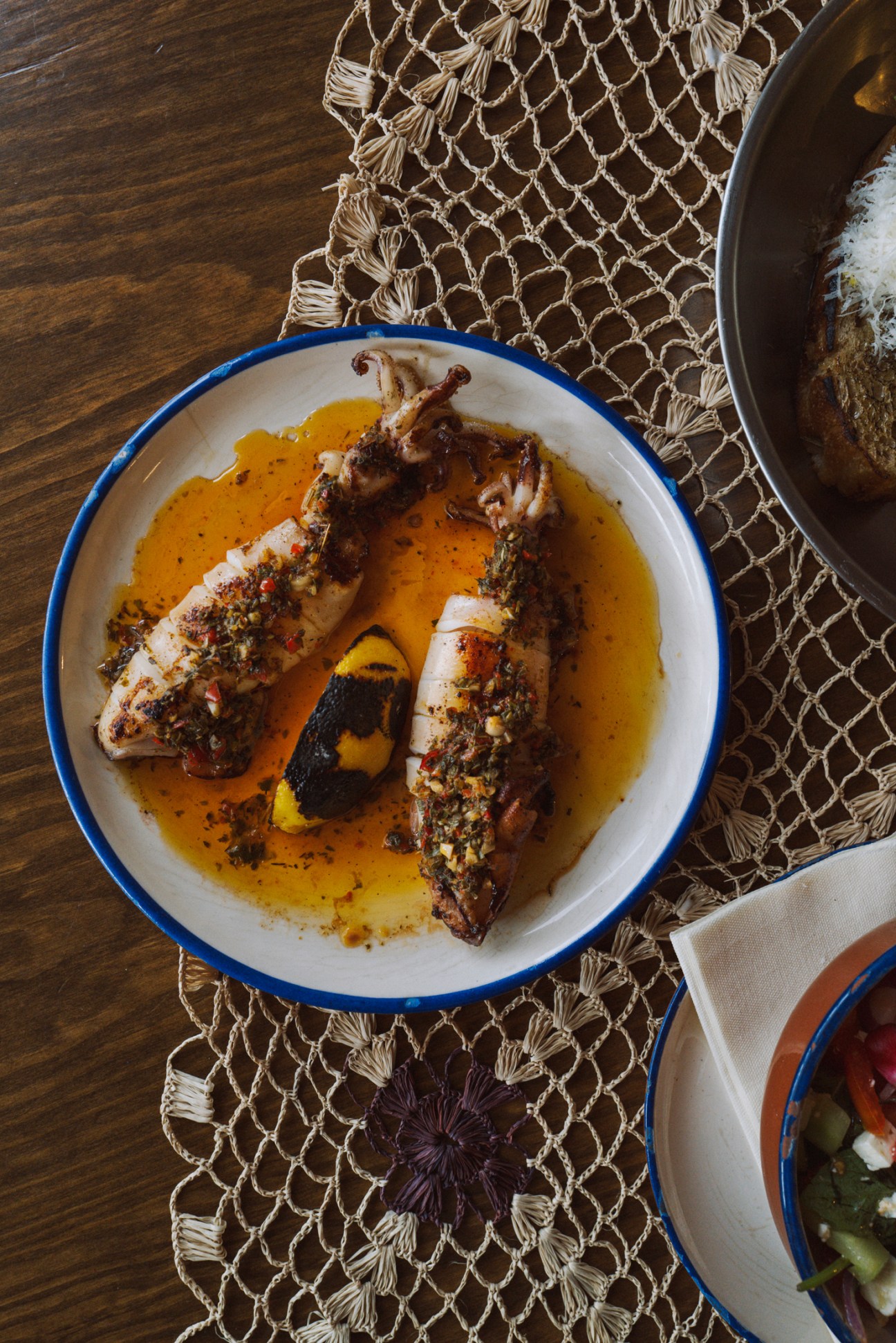
The seaside town of Calella de Palafrugell has long been a weekend escape for Barcelonans. But until recently, dining options were limited to traditional seafood joints. All that has changed with Margarita, a new restaurant from Antonella Tignanelli and David Caro. It’s the duo’s second venture: Baldomero took Barcelona by storm. Margarita makes the most of the fresh catch but also offers Italian home-cooking classics, including torta pasqualina and vitello tonnato. “For me, it’s like a hint of home,” says Buenos Aires-born Tignanelli. “In Argentina we cook a lot of Italian food but we make it our own.”
margarita-calella.com
Stissing House
Pine Plains, New York
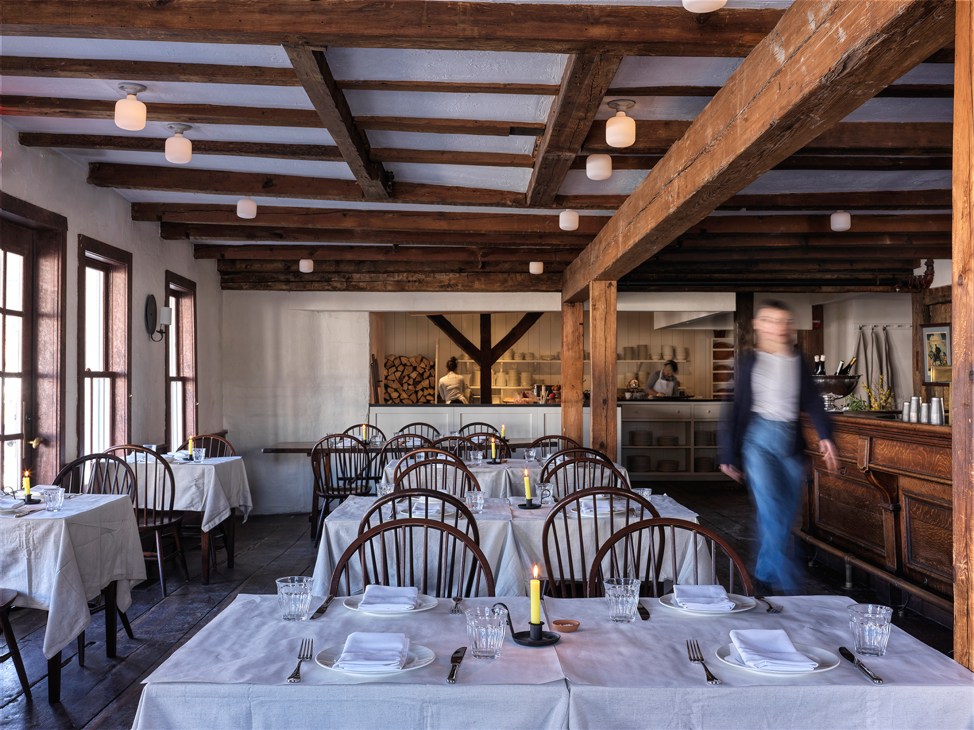
From chef Clare de Boer, formerly of the much-loved King in New York, comes a new tavern in Pine Plains, east of the Hudson River. The building that Stissing House occupies dates back to 1782 and is one of the oldest taverns in the US. “The wonky beams and worn fireplaces made it irresistible,” De Boer tells Monocle. There are three fireplaces in the dining rooms and two more hearths in the kitchen. “Upstairs the floorboards are old-growth American boards,” she says. The menu is fittingly cosy, with home-made bread, spit-roasted chicken and pheasant roasted in a wood oven. And for dessert? Sticky toffee pudding or ginger cake with rhubarb. “It’s simple country cooking that uses local produce cooked in the hearth,” says De Boer.
stissinghouse.com
Ritz Pool Bar
Lisbon
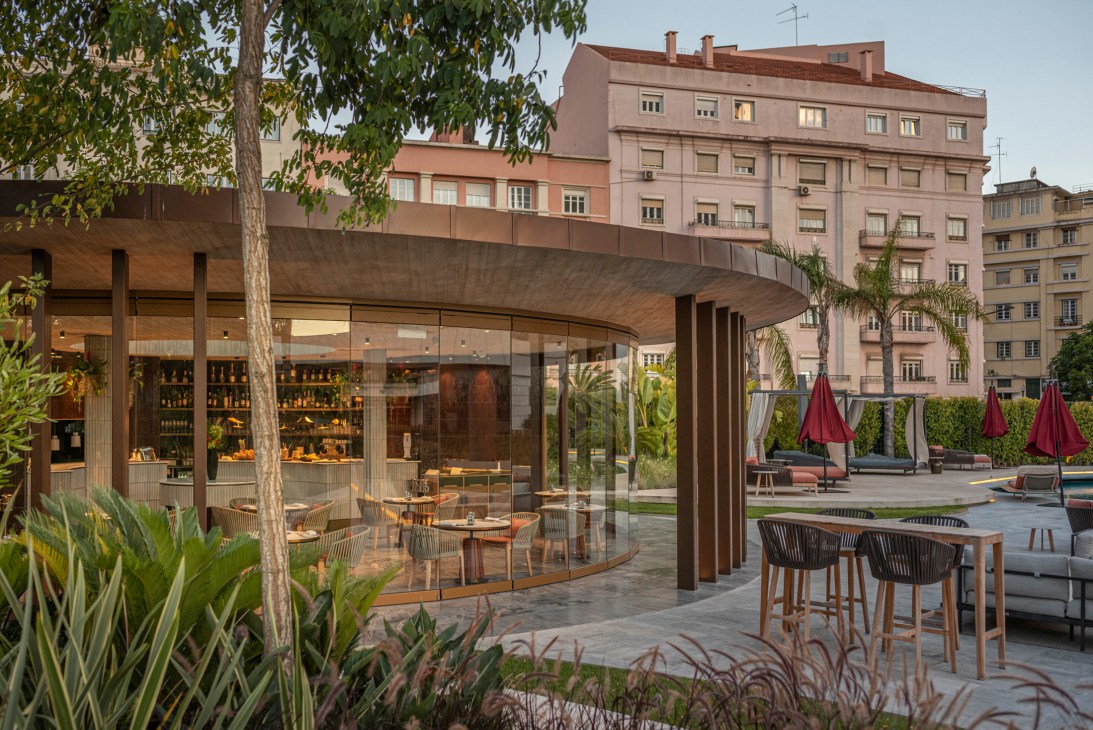
Overlooking the greenery of Lisbon’s Parque Eduardo VII, the Ritz Pool Bar is a timely addition to an iconic hotel. A section of the ample concrete terrace has been renovated by Lisbon-based studio Openbook and features a pool surrounded by terracotta-hued loungers. The circular structure, built in 1959, has also been given a new lease of life and now includes a bar that serves poolside staples such as lobster roll. There’s also a tempting wagyu burger and salmon ceviche. The matter of renewal is a fraught one in the hotel industry, which seems obsessed with novelty. This said, the Four Seasons-owned Ritz is on the right side of history here and has kept its charm, original artwork and a sense of the past. The pool is reserved for the hotel’s guests but the bar is open to all. See you there?
fourseasons.com
Images: Rodrigo Bimering, Allegra D’Agostini, Lucila Godoy, João Guimarães, Chris Mottalini, Jim Norton/RPM Bakehouse, Erik Osberg, Caroline McCredie/ Alexander & Co.
High fibre
At Infinited Fiber Company’s pilot factory in Espoo, Finland, Jari Ekblad keeps a close eye on the 20-metre-long machine churning out his company’s Infinna-fibre, which is made from textile waste. “Please, no close-up photos of this,” he says. The chief supply chain officer’s caution is understandable; his company’s technology is ground-breaking and the Spanish multinational Inditex, owner of Zara, Bershka and Massimo Dutti, recently signed a three-year, €100m deal to buy a third of the fibre that Infinited Fiber produces, starting in 2024. In that same year, Infinited Fiber plans to open its first commercial-scale factory. As well as Inditex, the company has attracted multimillion-euro investments from fashion-industry behemoths such as H&M Group, PVH Europe (the firm behind Tommy Hilfiger and Calvin Klein) and Adidas in a feeding frenzy that underscores its technology’s promise.

Infinited Fiber is one of several firms working to make Finland the centre of the sustainable textile fibres industry. With its expansive, carefully managed forests, the Nordic nation has historically been one of the world’s largest pulp and paper producers. Now it’s leading a long-overdue clean-up of the fashion industry with a clutch of new companies that have developed an array of methods for making textiles like Infinited Fiber’s. The Espoo-based firm uses recycled fabrics but sustainable textiles can be made from almost anything that contains plant material. Spinnova, based in the city of Jyväskylä, is turning plant pulp into textile fibre, while Ioncell, a company born from the research of Espoo’s Aalto University, uses pulp and textiles. The Nordic Bioproducts Group, meanwhile, is developing methods for recycling wheat and corn husks. “The goal is to replace cotton and oil-based plastics, such as polyester, that are currently used to make clothes,” says Atte Virtanen, vice-president of biomaterials processing at vtt, a publicly funded science and technology research body in Espoo.
The companies have their work cut out. It’s difficult to overstate the problem of pollution in the clothing industry, which, according to the UN, contributed a 10th of global carbon emissions in 2019 – more than all the world’s international flights and maritime shipping put together. The industry is also responsible for the release of 50 billion drinks-bottles-worth of plastic microfibres into the ocean every year. The environmental consequences of burning and using fossil fuels in manufacturing are well-documented but even producing natural textiles is not without its effects: growing cotton often requires cutting down forests and using large amounts of water.
Textile recycling
Every European generates an average of more than 15kg of textile waste a year and only a small fraction of this (1 per cent, to be exact) is recycled. In the southwestern town of Paimio, Finnish municipal waste-management company Lounais-Suomen Jätehuolto Oy runs a pilot plant with textile-maker Rester Oy, where end-of-life materials are processed into reusable fibres that can be utilised in making new clothes.
The plant processes up to 10 per cent of Finland’s unwanted textiles (about five million kilos) every year; by 2023 the refuse company aims to open a facility that would be able to process all of the country’s textile waste. Consultancy firm McKinsey says that fibre-to-fibre textile recycling could grow into a business worth billions within the next 10 years, creating 15,000 jobs globally and slashing carbon emissions by four million tonnes.
About €200bn-worth of textile fibre is produced globally every year. “That’s equivalent to 500 billion T-shirts,” says Ioncell’s CEO, Antti Rönkkö, as he takes Monocle around the Aalto University Bioproducts Centre. “That should give you an idea of the challenges that we face.” In the pilot plant, cellulose is dissolved in huge tanks of liquid salts before being spun into textile fibres using Ioncell’s proprietary process. The company has just split from the university (whose equipment it still uses) and its only employees are Rönkkö and Herbert Sixta, the man behind its trademarked technology. It’s a leap into the unknown for Rönkkö: he left his job running Finnish fashion giant Nanso to kick off the start-up’s operations days before he meets Monocle. “I have a strong feeling that the clothing industry will face a rapid change and I wanted to be at the forefront of this revolution,” he says.

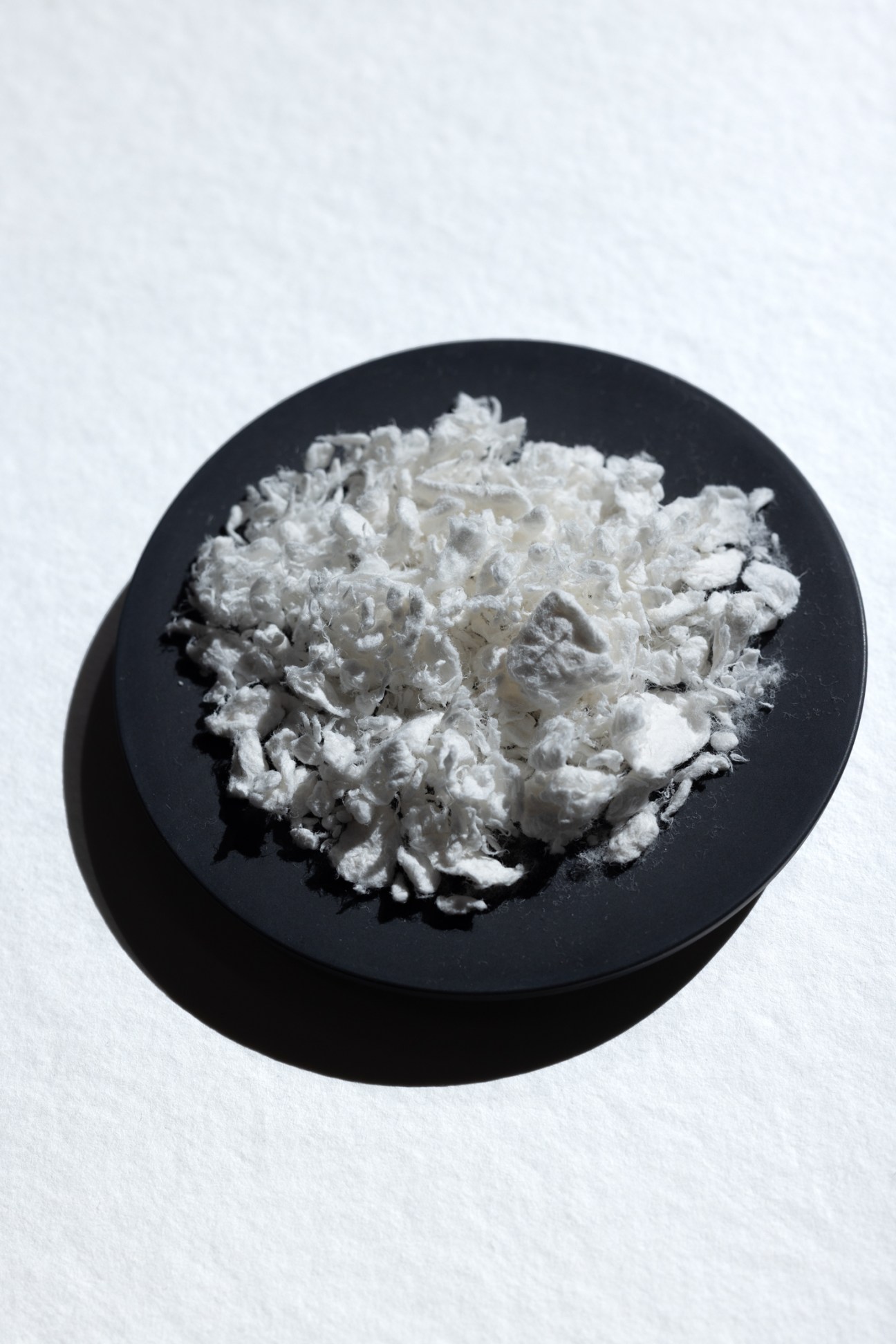



That Finland, a small Nordic country of fewer than six million people and one with almost no textile production or fashion pedigree, should emerge as a world leader in sustainable textiles might seem unlikely. These companies’ breakthrough is rooted in the Finnish government’s investments in scientific research around biomaterials at institutions such as vtt and Aalto University, as well as its long history leading in paper and pulp production. “As the demand for paper has plummeted in recent years, the companies and the academic research institutions have had to adapt and find innovative ways to make use of Finland’s vast forest resources,” says Virtanen. But soaring demand for sustainable fibres in the textile industry is replacing those lost customers. “If we were able to produce a million tonnes, we could sell it in an instant,” says Infinited Fiber’s CEO, Petri Alava.
Finland’s textile innovators are at various stages in starting up. Some, such as Ioncell, have just been spun-off, while the Nordic Bioproducts Group is building a pilot facility and employs 14 people. The more established Infinited Fiber and Spinnova are already building industrial-scale factories and have created collections with Adidas, Marimekko and Zara. But even the factories of Finland’s most established players will produce just tens of thousands of tonnes of fibre per year. “Once the entire process works on an industrial scale, you can increase production by increasing the number of machines,” says Spinnova’s co-founder Janne Poranen. The company’s new factory, which is set to open in Jyväskylä by the end of the year, is a joint venture with Brazil’s Suzano, the world’s largest pulp manufacturer.
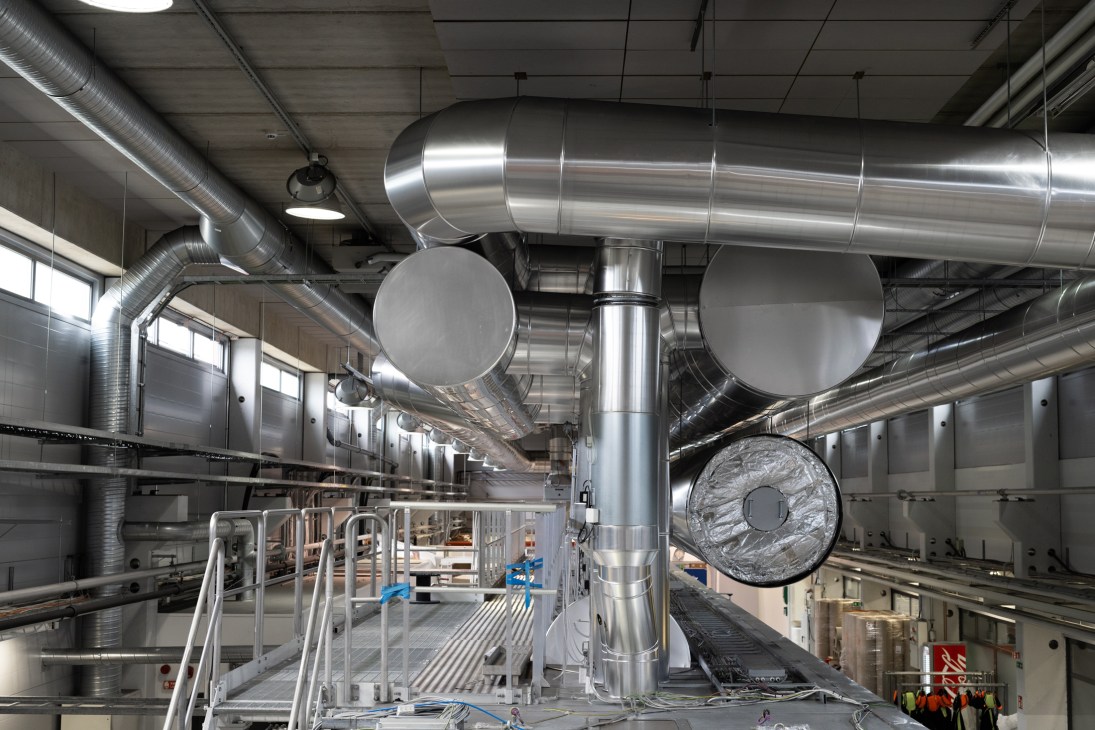
The improbable relationship between the less-than-glamorous world of pulp-making and some of the world’s best-known clothing companies has been driven by the prospect of huge profits. According to Marja-Liisa Niinikoski, managing director of industry body Finnish Textile and Fashion, the global fibre industry is set to grow by almost a quarter by the end of the 2030s to about €244bn. Finland’s disruptors sit at the nexus of fashion and sustainability, so their money-making potential is immense. “My phone is ringing off the hook,” Niinikoski tells Monocle. “Today I’ve already spoken with companies from Japan and Germany.” She’s not alone. Rönkkö tells Monocle that during his first week at work he hosted what he calls “a very large and well-known international fashion house”.
But for international clothing brands, it is not enough that the textiles they use are environmentally friendly if their quality isn’t up to scratch. The clothes of Inditex, h&m Group and their peers will be worn by hundreds of millions of people worldwide in all kinds of conditions. “I’m convinced that our fibre is as good as, if not better than, the ones currently used in the industry,” says Rönkkö as he hands Monocle a lump of the company’s fibre. It feels soft and almost silky, although tests reveal that the fibre is significantly stronger than cotton and can be dyed just as easily but is fully biodegradable.

Some of Finland’s burgeoning new-textile companies show Monocle their manufacturing processes. These often involve chemically dissolving plant fibres but Spinnova, whose method involves mechanically grinding fibres into microfibres, demurs. Exactly how one of the sector’s biggest players turns those microfibres into textiles is a secret kept within a walled production line at the company’s facility. Co-ounder Janne Poranen pulls on a white Adidas Terrex hs1 hoodie made from organic cotton and Spinnova’s wood-based fibre. “Our fibre not only feels natural, just like cotton or linen, but is also durable enough for an outdoor collection,” he says. Spinnova went public in June 2021, securing tens of thousands of private investors who were enthused by Poranen’s ambition. “We want to become the Gore-Tex of sustainability,” he says, referencing the waterproof fabric that became a byword for robust quality.
Niinikoski says that spinning Finnish fibres into the next Gore-Tex, or something even bigger, requires more research and development on the opportunities for their broader use. For instance, the look and feel of jeans made from 10 per cent cotton are hard to replicate with the new fibres. “We would also need to recycle much more than the current 1 per cent of disused textiles in Europe,” she says, noting that the companies need the raw material to produce the fibres. It would also require a rethink of our relationship with organic waste, says Niinikoski, adding that trees alone cannot provide all the pulp needed to replace cotton worldwide.

Ultimately, consumers will determine the future of the fashion industry and time is on the side of Finland’s unexpected new sector. Each company founder tells Monocle that younger consumers pay closer attention to how their clothes are made and that fashion brands have no choice but to adapt if they want to stay relevant. Judging by the enormous investments in these firms, is it fair to say that one day we’ll all be wearing clothes made only from their materials? “It is possible, yes,” says Niinikoski. “But it will take time.”
Inspect a gadget
Nomad
Base One MagSafe Charger
Wireless charging is extremely convenient: when your phone is juicing up, you no longer need to unplug it to check something, you can just pick it up from the charging pad. The only problem is that since Apple introduced MagSafe magnets to ensure a secure and strong connection, these pads have tended to lift up with the phone. Until Nomad’s beautifully crafted and, above all, heavy (it weighs 515g) charger came along. However quickly you grab your phone, the Nomad pad stays put. It has a metal chassis, glass charging panel and rubber base so that it doesn’t slip and you can choose between a carbide, silver or (limited edition) gold finish. Note that Nomad does not supply a charging plug and needs a 30W adapter as a minimum.
nomadgoods.com

Sony
Xperia 1 IV

In the world of smartphones, you need to stand out. Sony has leant on its Bravia TV division to create a phone with a 4K Ultra HD screen. It’s also introduced a brilliant camera system thanks to its Alpha digital-imaging section. It means that this phone has an optical zoom, something other smartphones almost universally lack. There are three 12-megapixel cameras. In point-and-shoot mode they’re fine but with manual options they really excel. The Xperia 1 IV has a longer display than rivals; the 21:9 aspect ratio makes it fit in the hand more easily than other big phones. Video playback works brilliantly for TV and movies, thanks to an OLED 4K screen that is rich and gloriously detailed. Get the picture?
sony.com
Coravin
Sparkling Wine Preservation System
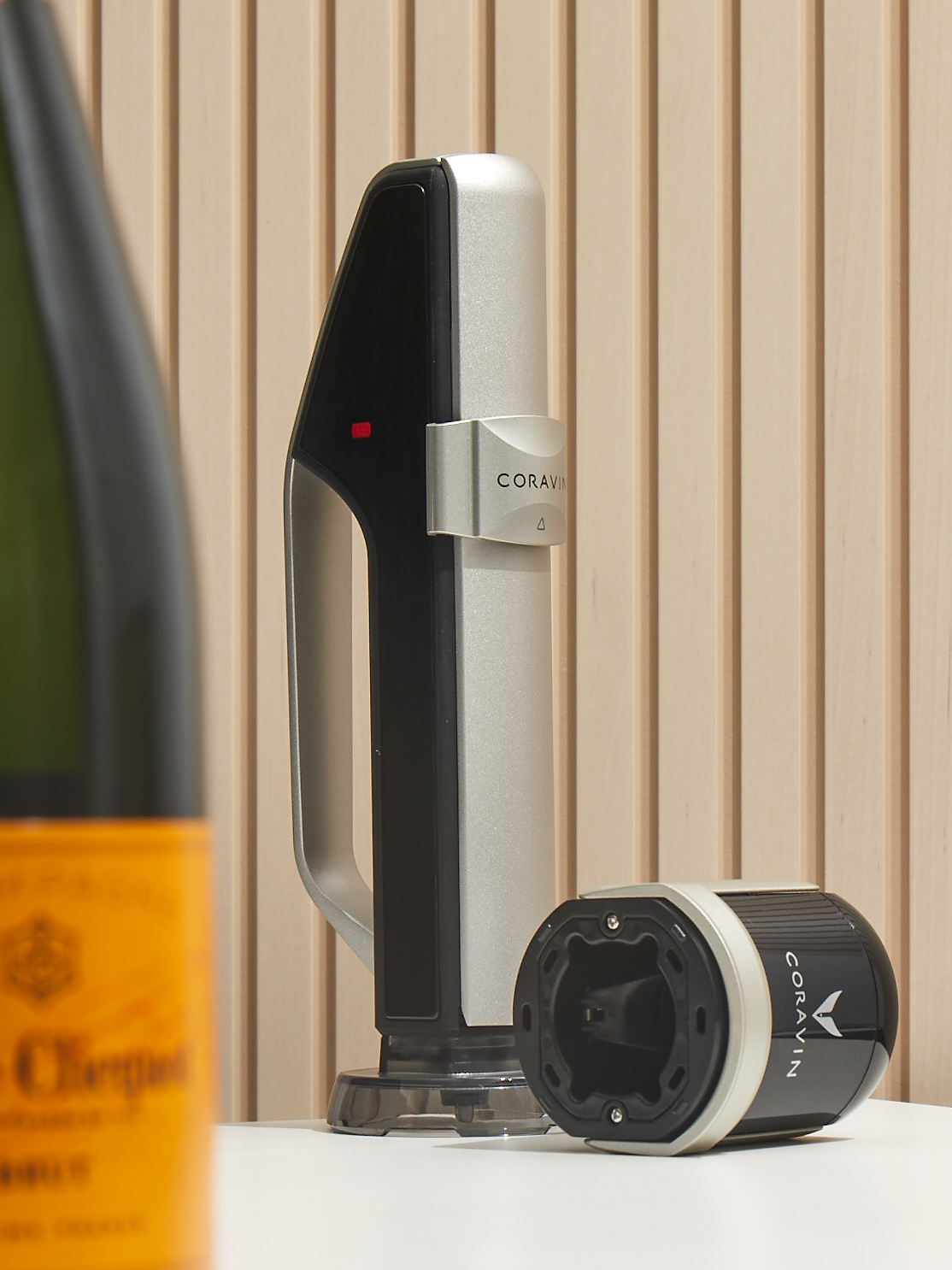
You know how it is when, at the end of the evening, there’s a third of a bottle of champagne left and you decide you don’t feel like guzzling the rest of it? No, us neither. But assuming that there is a scenario where you have leftover sparkling wine, there are better options than putting a teaspoon in the bottle. Coravin’s system is ingenious. First, there’s the Sparkling Stopper which secures to the bottle with a lock. Then the Sparkling Charger automatically fills the bottle with CO2 to the right pressure. It keeps the sparkle intact for up to four weeks (though you might never put it to the test for that long). It works very well and means that the fear of wasting sparkling wine evaporates as quickly as the fizz otherwise would have. And when you’re in a restaurant that doesn’t serve champagne by the glass you can raise your eyebrows and ask, “Oh dear, don’t you have a Coravin?”
coravin.co.uk
Apple
MacBook Air

The newest Apple laptop is a MacBook Air with a completely overhauled design. Since its launch in 2008, when then CEO Steve Jobs revealed it by sliding it out of a manila envelope to show how thin it was, the Air has had tapered edges. Now, the lid is flat and the edges are sharper, making for a machine that’s thin all over. It’s lighter than the model it succeeds and has a bigger display, 13.6 inches against 13.3 inches, though the laptop is not noticeably bigger. And it has a sumptuously comfortable keyboard. This laptop also restores MagSafe charging and comes in two new colours: midnight, a near-black with blue notes (though a bit of a fingerprint magnet) and the gorgeous starlight (pictured), which is silver but glints gold in the right light.
apple.com
Here to stay?
Meem Townhouse
Sóller, Mallorca
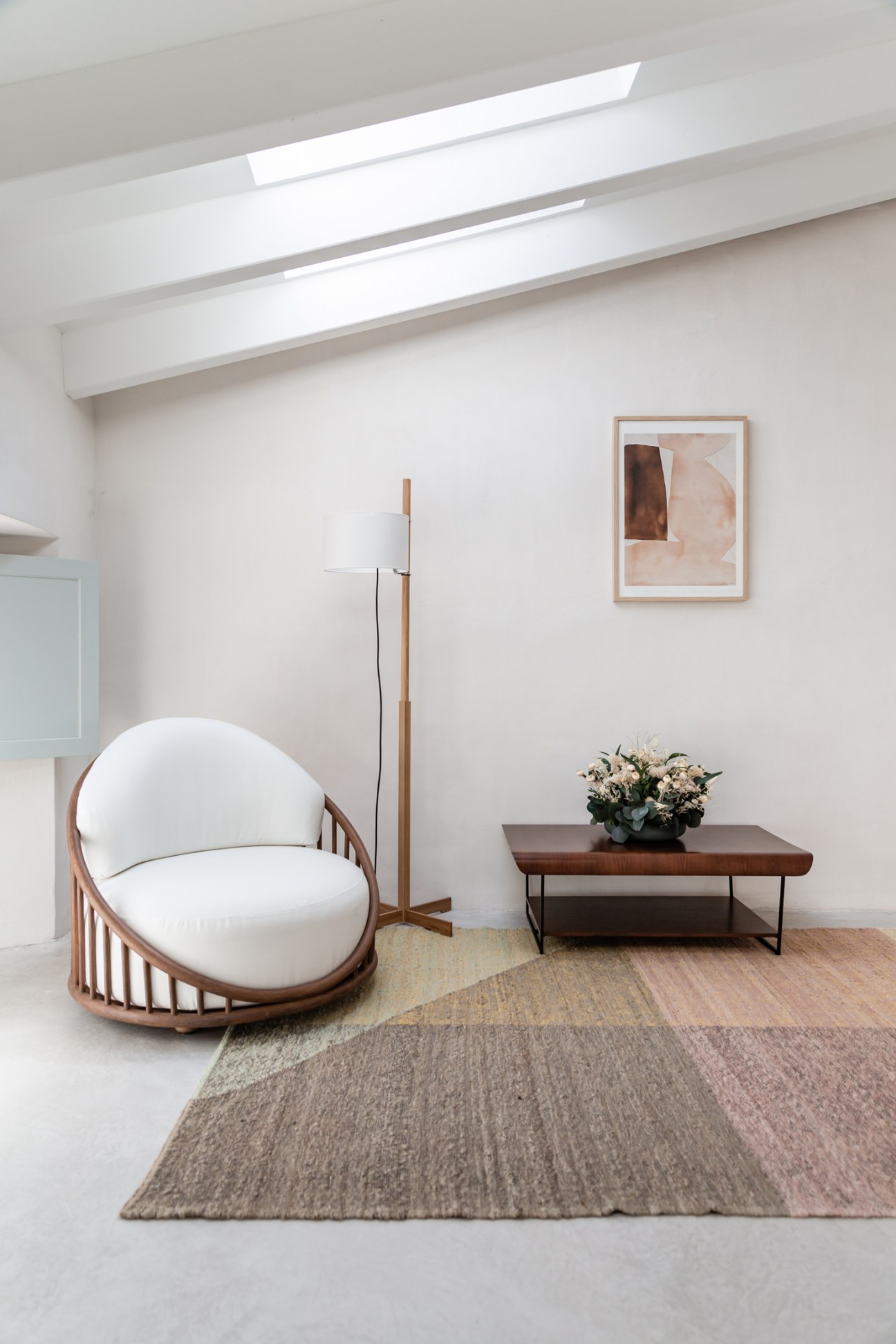
Mallorca has much to recommend it and the small town of Sóller in the northwest of the Balearic island now boasts a smart new hotel to use as a base for exploring. Meem Townhouse has seven guest rooms, all suites, huddled around a courtyard in a building dating from 1800. Studio Al Cuadrado Arquitectura is behind the sensitive, neutral-hued fit-out, which pays respect to the original structure, keeping plenty of exposed beams and original doors while making the most of the building’s high ceilings and extensive natural light. The interiors have been created by a who’s who of Spanish brands, including tiles from Mallorcan firm Huguet, furniture from Valencian manufacturer Expormim and tasteful textiles from Nanimarquina in Barcelona – all worth putting on your shopping list. You’ll leave feeling as beautifully restored as the house itself.
meemtownhouse.com
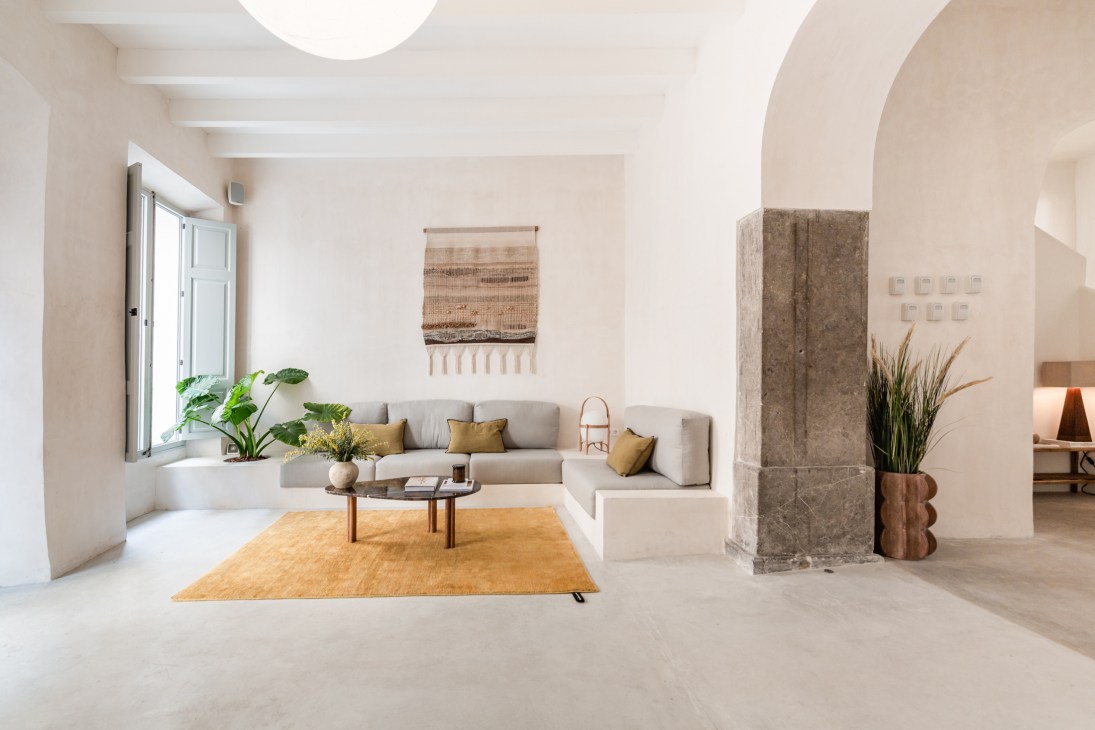
Nine Orchard
New York
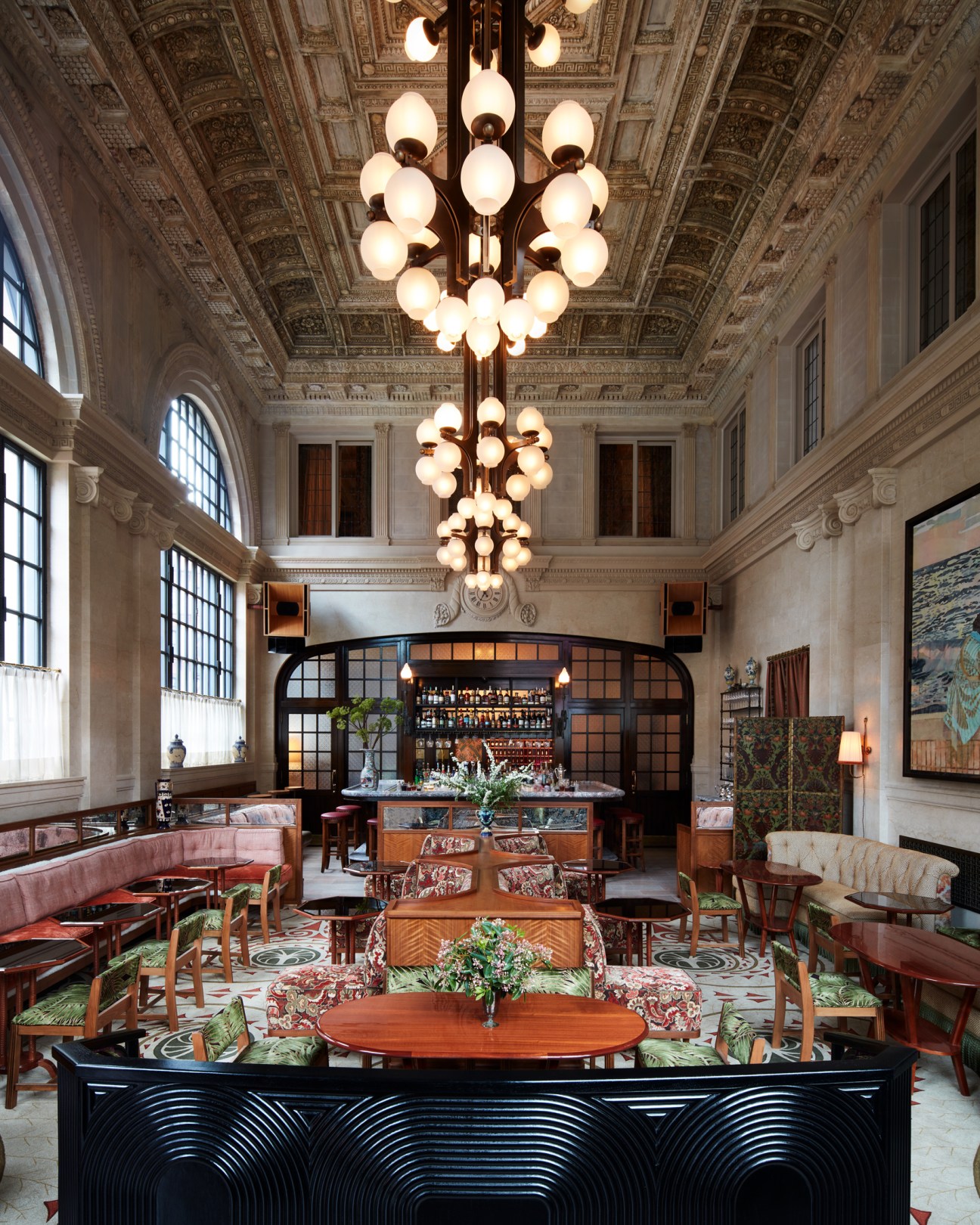
Nine Orchard, a new hotel on Manhattan’s Lower East Side, is set in a building that dates back to 1912. The overhaul of the 14-storey property, which has stood empty since 2006, preserved many original features, including the pearly façade and vaulted ceilings. The 116 airy guest rooms are dressed with camouflage-green drapes and floral headboards; some have giant bathtubs and private patios with exquisite views of the cityscape. Downstairs, the Swan Room, a striking former bank teller’s room lined with chandeliers and dusty-pink and red booths, serves cocktails and small plates devised by Ignacio Mattos. At the neighbouring Corner Bar restaurant, also from Mattos, diners eat classic dishes, such as burgers and steak tartare, and drink martinis in a welcoming brasserie atmosphere
nineorchard.com
Rosewood Vienna
Vienna
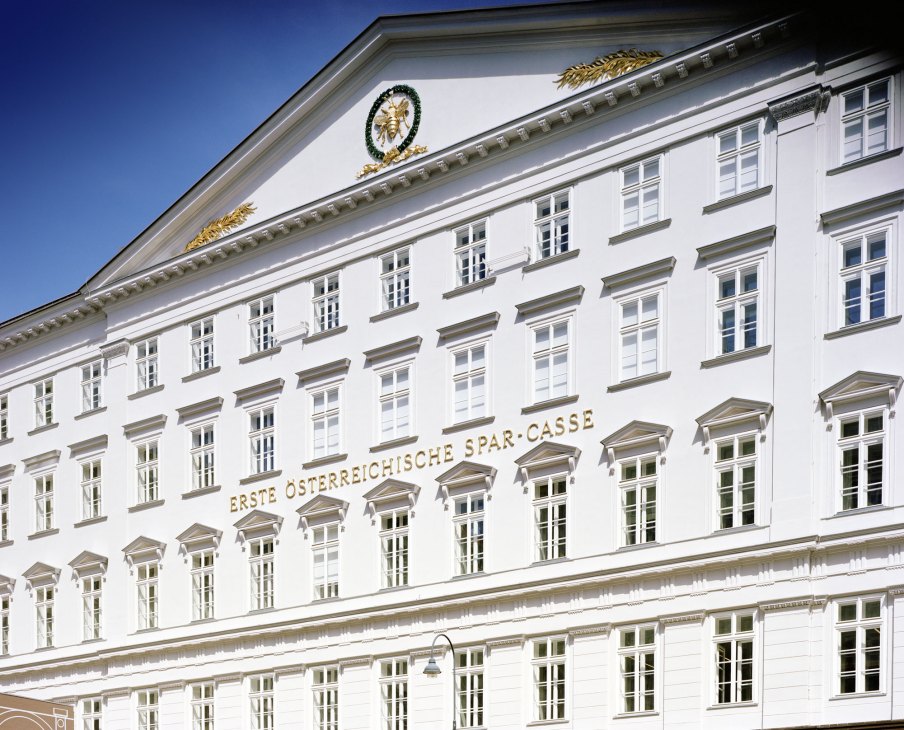
The first thing you notice as you enter the lobby of Rosewood Vienna is the absence of a lobby. There’s no registration desk, no fuss and no noise, just a subtle, tasteful look that the hotel’s interior designer, Alexander Waterworth, says is an homage to the city’s design-and-arts heritage. There is also an overwhelming sense of calm and privacy, unexpected in a place just a few steps away from Graben, one of Vienna’s main shopping drags. Check-in happens above, in the first-floor gallery that serves as a welcome area and offers a view of the intricate geometric chandelier below, custom-made by Viennese design studio Mischer’traxler. The entire property has a feeling of intricacy, mainly because it consists of four historic buildings, including a 19th-century neoclassical gem that once housed the headquarters of Austria’s Erste bank.
The higher up you go, the more twists and turns there are, each bend of the corridor punctuated by works from contemporary Austrian and international artists. But that never creates a sense of confusion or alienation. Quite the opposite: you feel a part of a special world, exclusive yet familiar. That recognition is achieved with references to designs from Vienna’s storied past; to enhance the effect, most of the furnishings were made by companies from the area. One of these is Backhausen, a hallowed textile producer renowned for its Jugendstil patterns, six of which, created by pioneering fin-de-siècle architect and designer Josef Hoffmann, were revived for Rosewood. These motifs went into everything from upholstery to stationery across the hotel’s 71 guest rooms and 28 suites. There are also lighting fixtures by Bakalowits and silverware from Vienna Silver Factory. “This is how you get a sense of place,” says Waterworth, whose London-based design studio put nearly six years of painstaking work into the project before it opened this summer. “You can’t beat local people bringing years and years of history.”
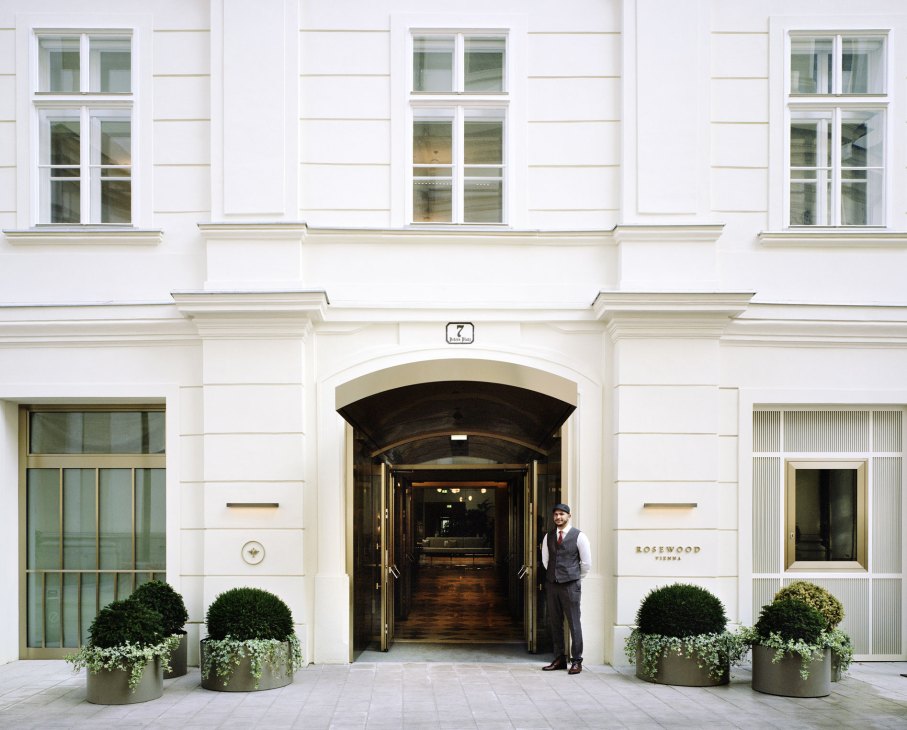
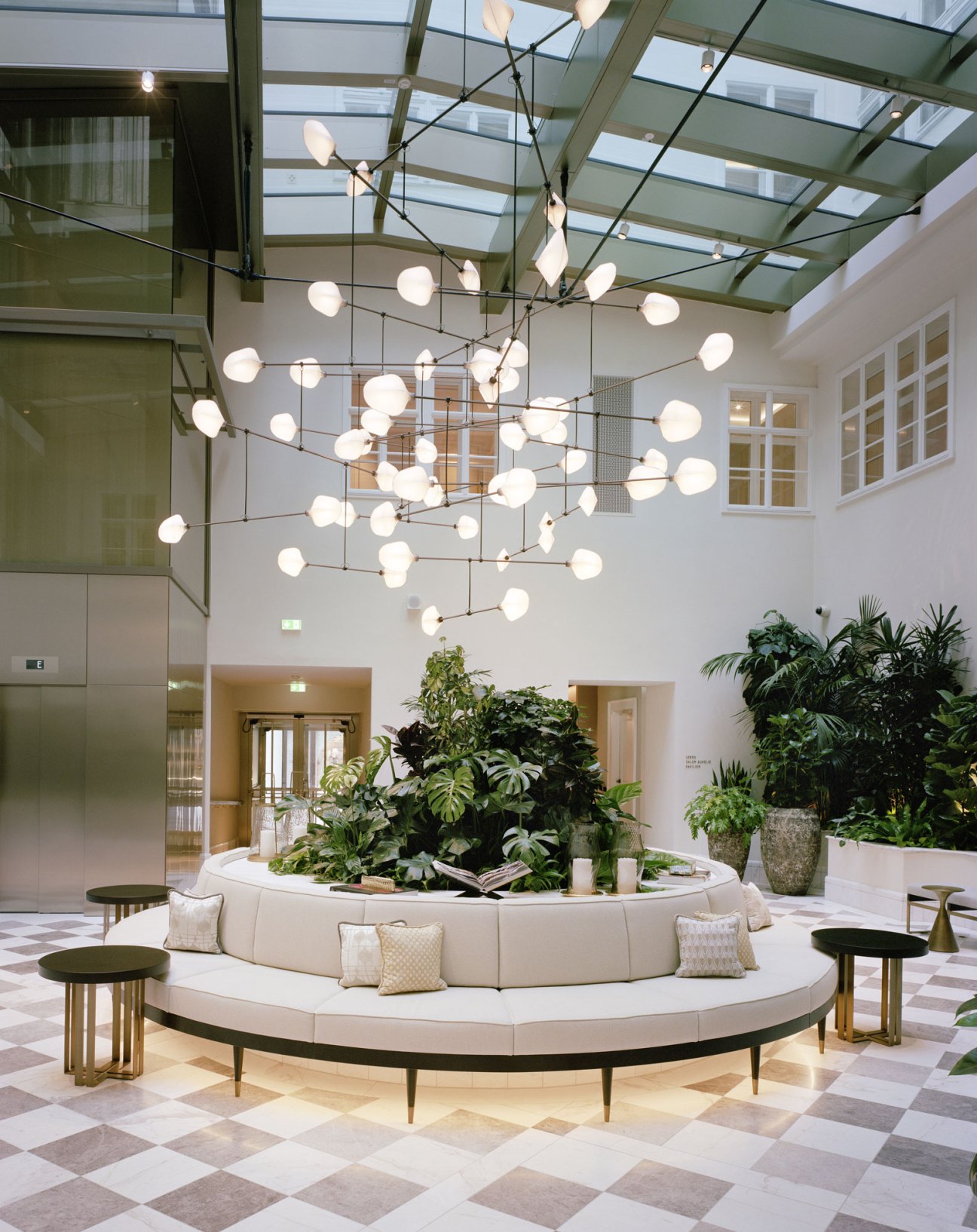
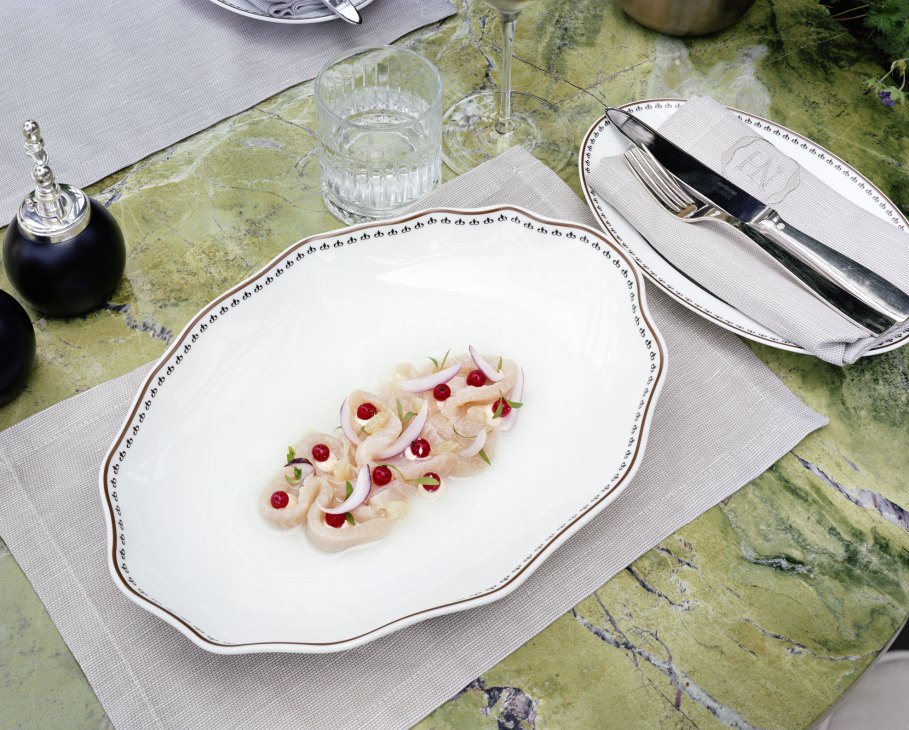
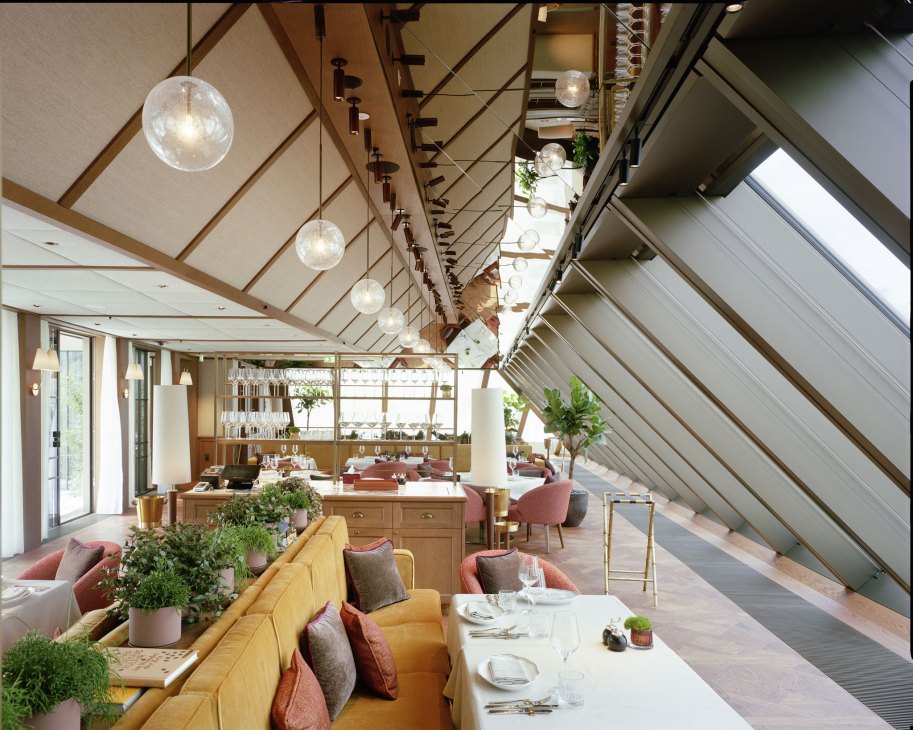
The hotel, Rosewood’s 30th opening since its inception in 1979, is surrounded by some of the Austrian capital’s finest restaurants but it keeps up with the competition. The Neue Hoheit brasserie on the top floor, designed by Viennese company Kroenland, serves Austrian classics, such as schnitzel, goulash and boiled-beef tafelspitz, as well as a wide selection of fish, all from Austrian farmers. For a hotel where room rates can be expensive, the menu is surprisingly low-priced and beats many of the more famous establishments nearby. Don’t miss the rooftop bar and its nine signature cocktails, one for each of Austria’s federal states. Like the restaurant, it welcomes non-staying guests and is an experience in itself, not least for its panorama of Vienna’s picturesque First District.
rosewoodhotels.com