
Issues
Streets ahead
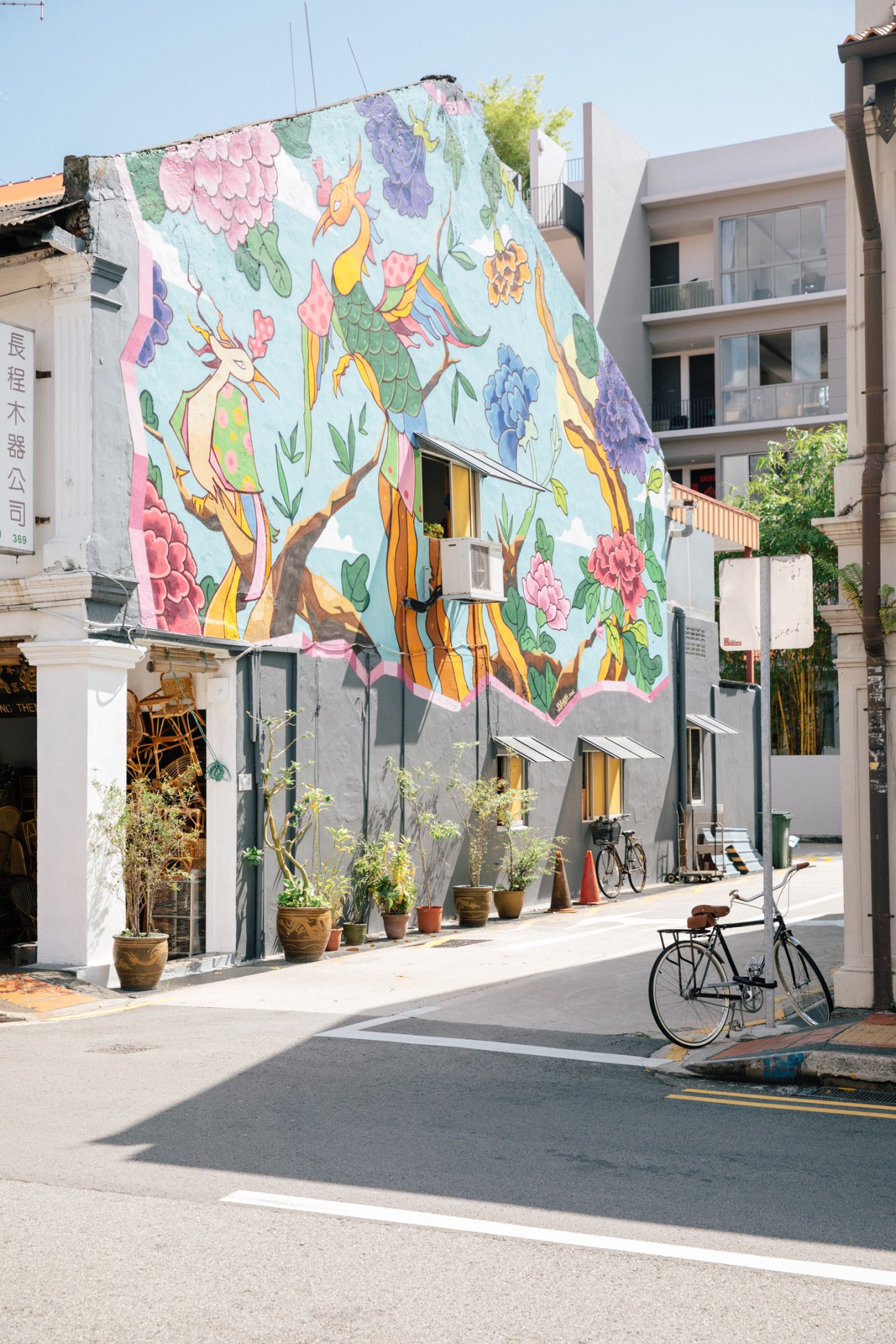
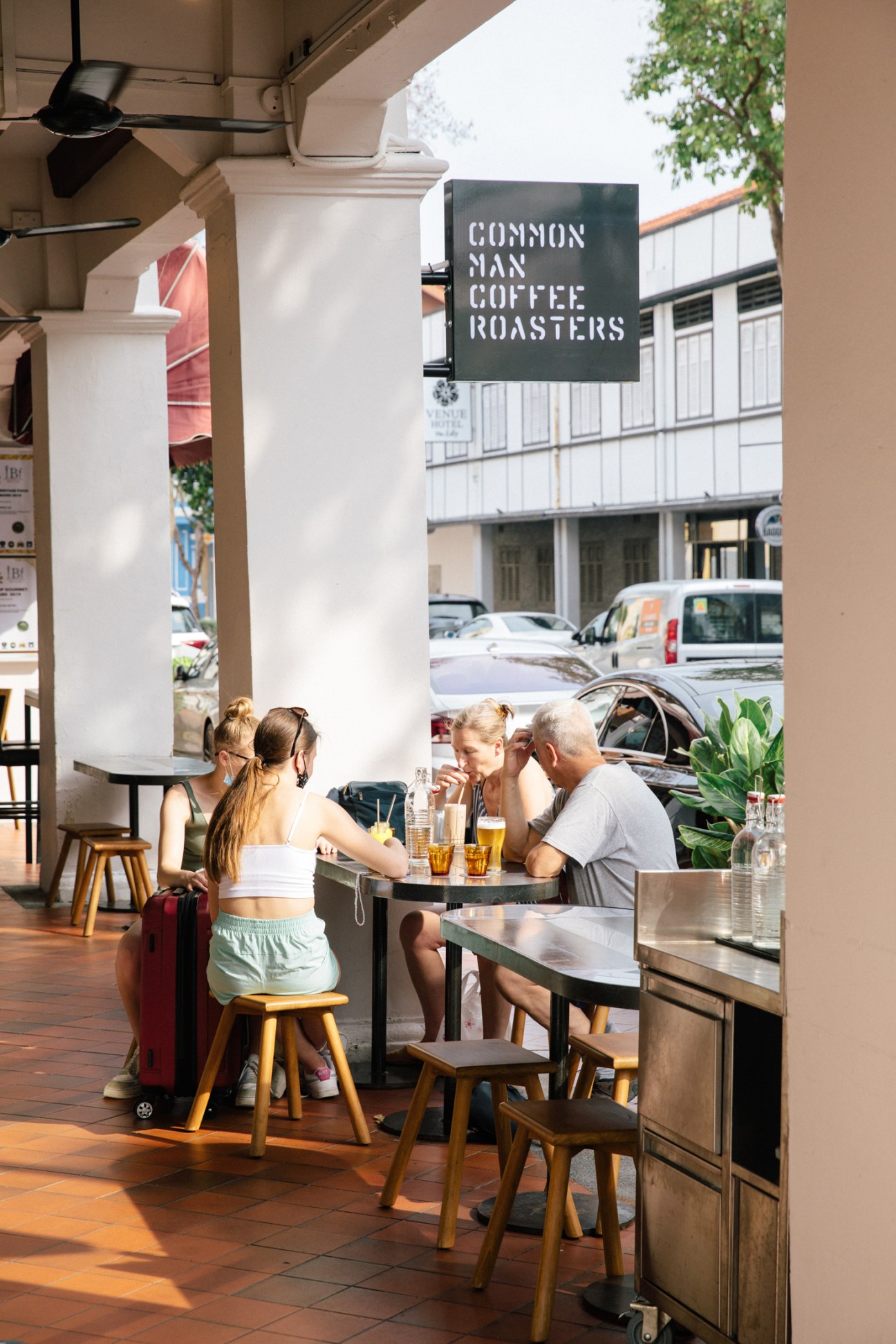
The Joo Chiat neighbourhood on Singapore eastern coast has always been a cultural crossroads and is a world apart from the tall glassy towers of the CBD. Take a stroll and you’ll find rich Peranakan influences in the ornate shophouses and, before the pandemic, you’d have spotted a few Vietnamese restaurants, beauty salons and hawker stalls (plus the odd shady karaoke bar or massage parlour after dark).
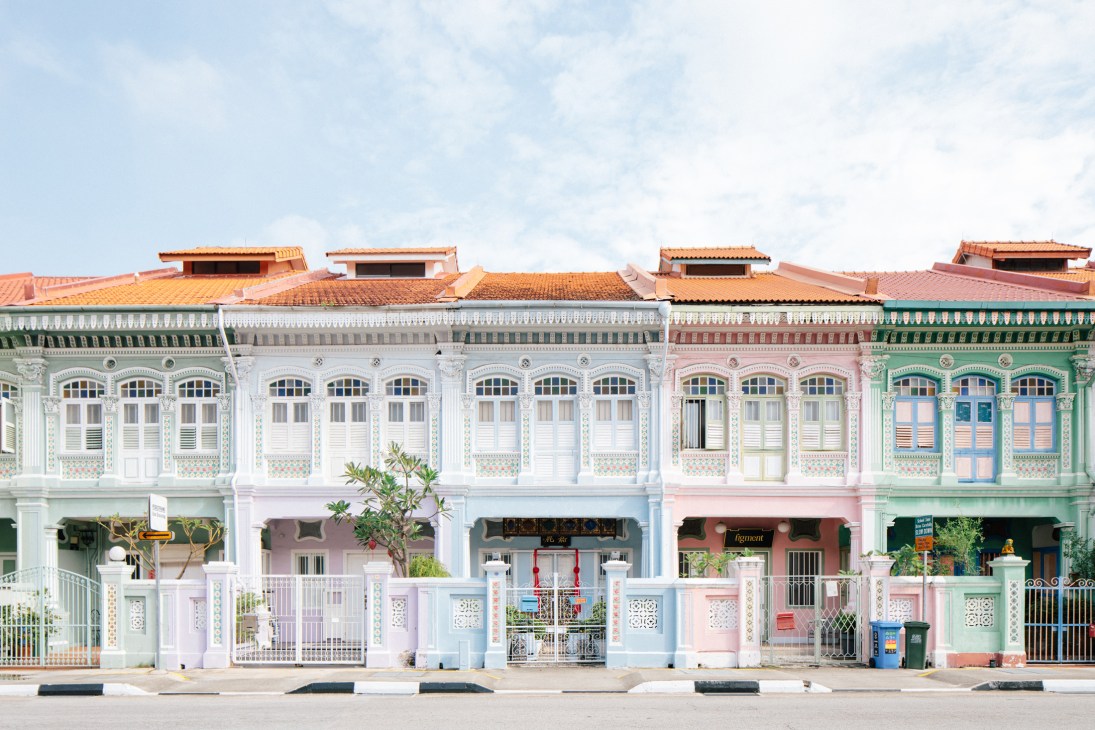
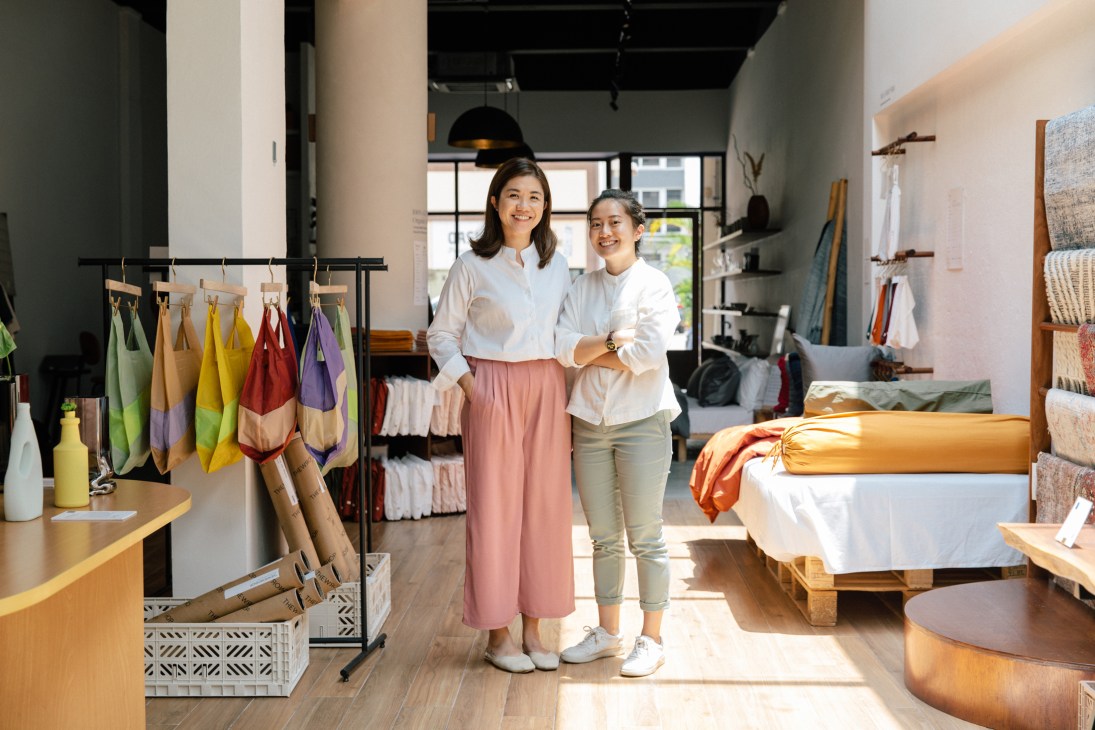
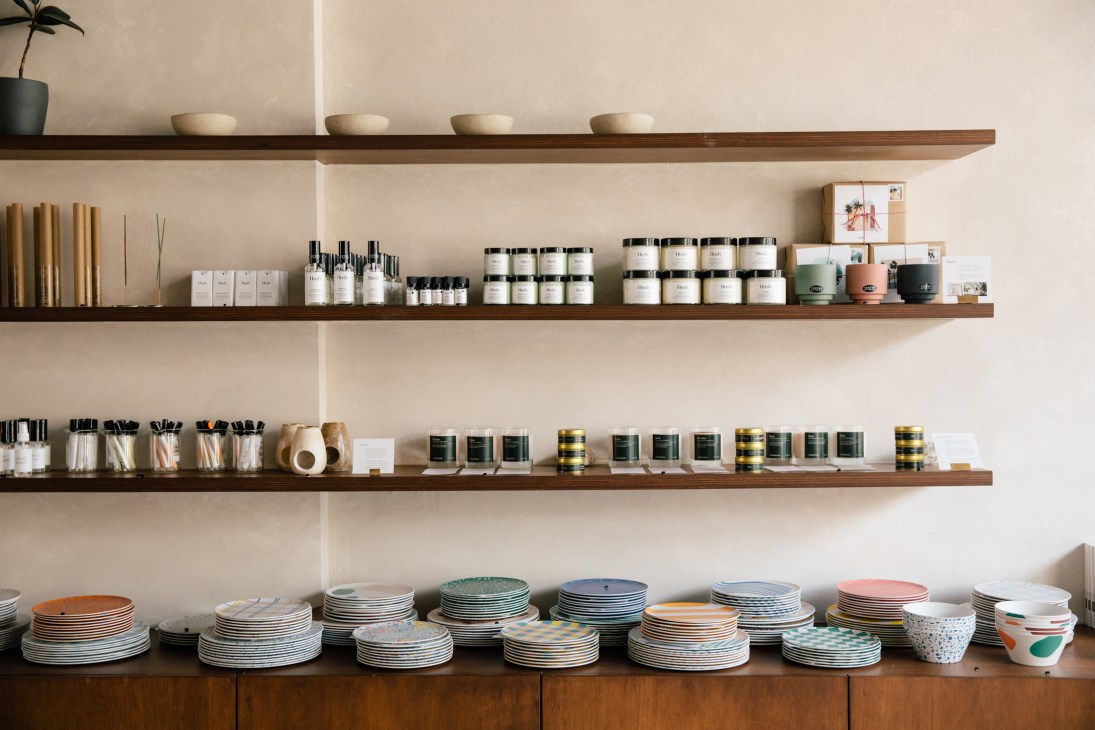
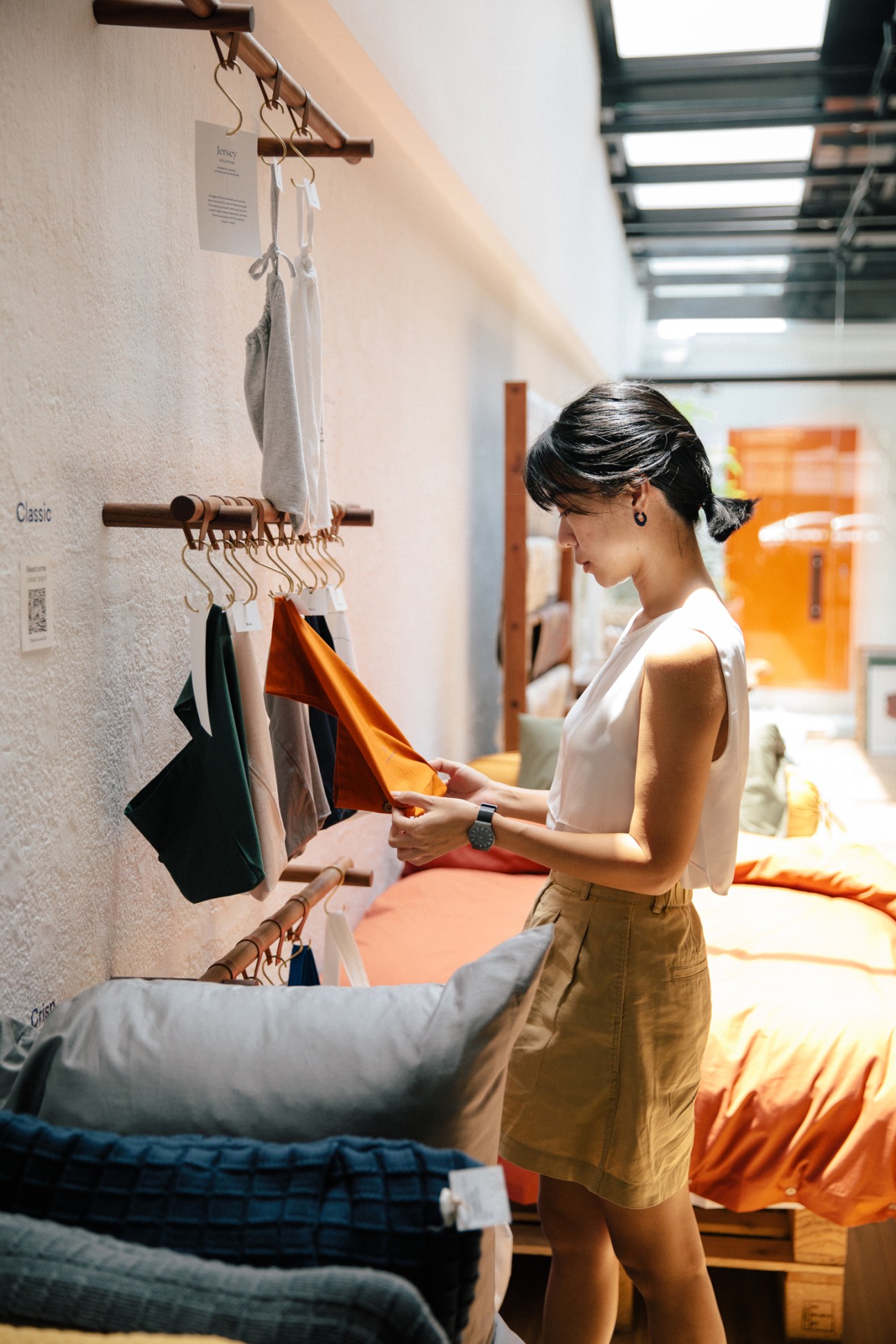
Since lockdowns forced the city’s nightlife to lose its swagger, the street has been through a shake-up that shows that there’s still a place here for independent retail, restaurants and entrepreneurship. One notable new entrant is Sojao, a homegrown brand selling impossibly soft bed sheets. Its first physical shop, which also stocks products from other Singaporean labels, was previously a hair-and-nail salon.
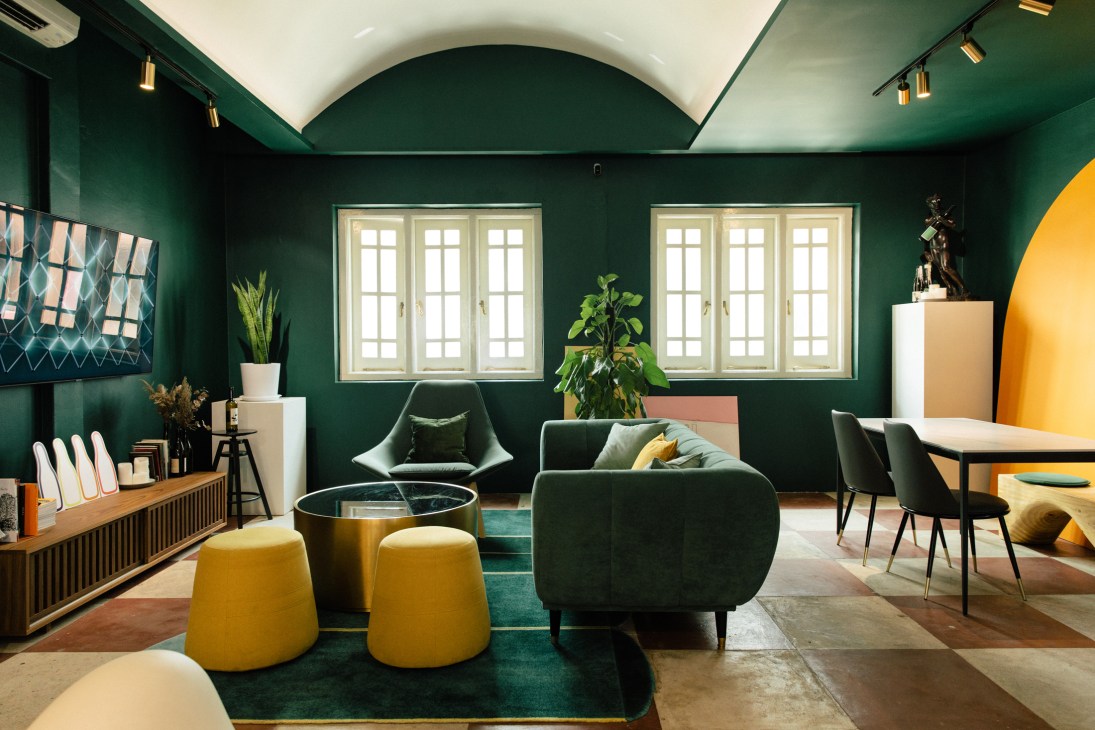
“Our landlord picked us, as he was looking to add variety to the street,” co-founder Janice Tan tells Monocle. “He could have easily rented it out to a nearby minimarket that needed storage space.” Setting up shop in the area was an obvious move for Tan: her parents used to be hawkers at a food centre close by and co-founder Priscilla Tan lives in the neighbourhood.
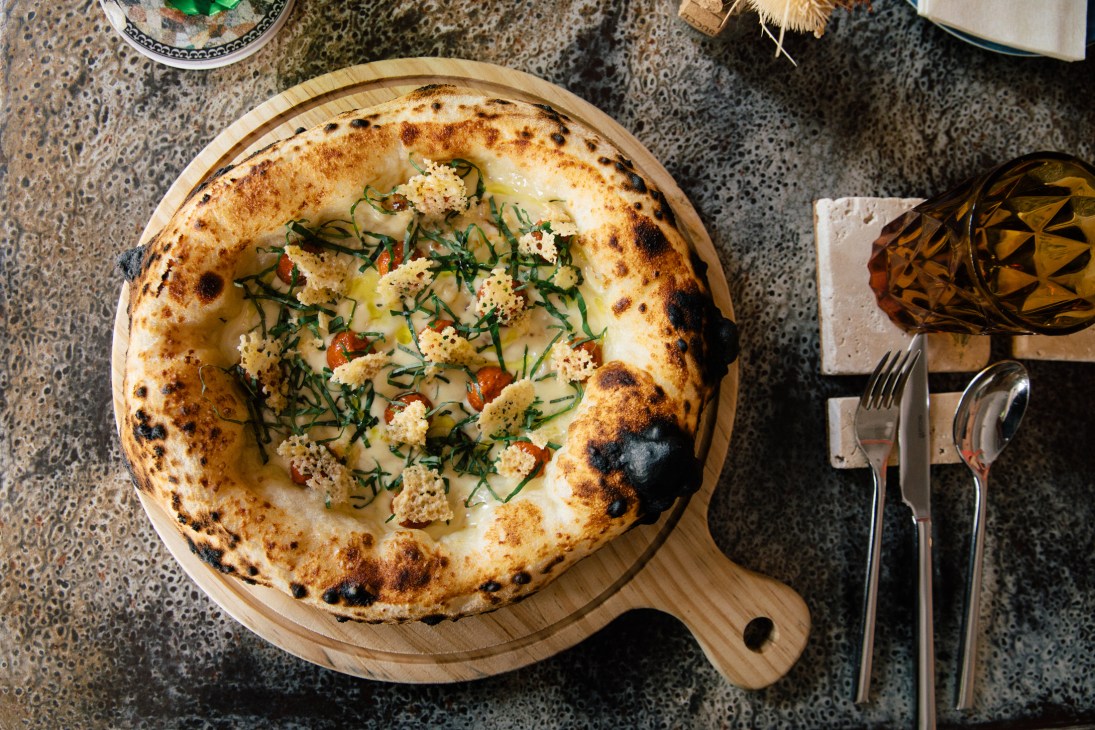
Likewise, Antonio Miscellaneo, chef-owner of Italian restaurant La Bottega Enoteca, has roots in the precinct, having lived here for the past 16 years. The first-time restaurateur initially considered opening in the city centre but soon realised that he felt the pull of being close to home and connecting with the community.
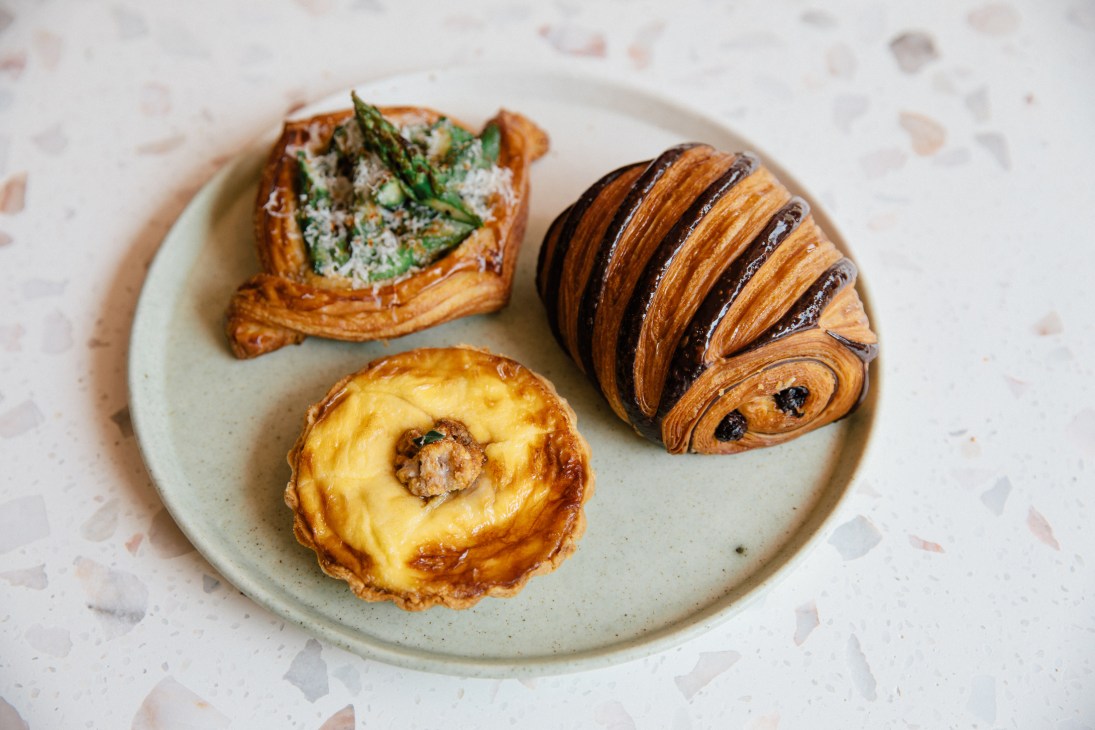
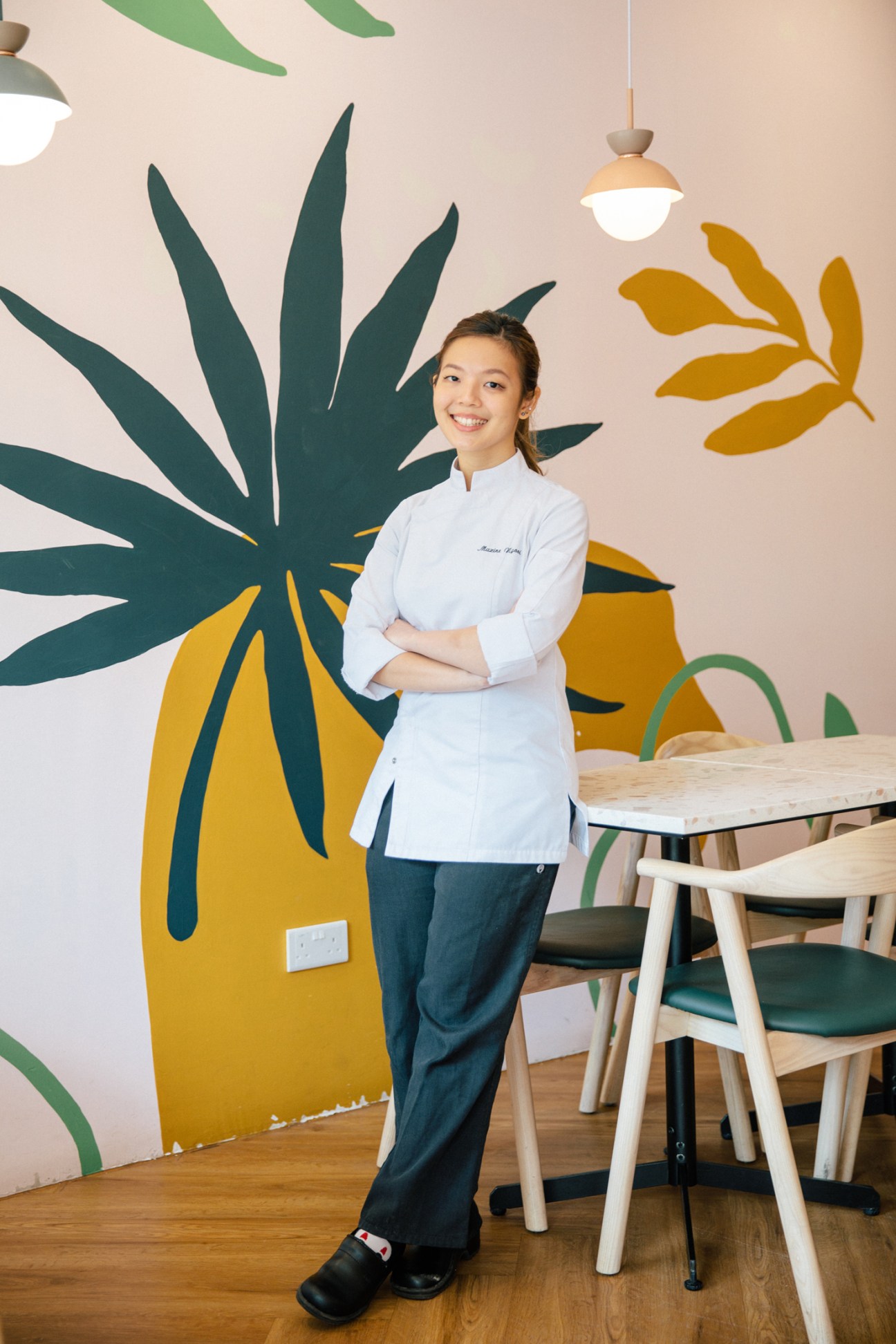
“The folks here are open-minded and willing to try new things,” says Maxine Ngooi, co-owner of Tigerlily Patisserie, another new business here. “This neighbourhood enables us to be our quirky selves and experiment with odd flavour pairings.” Her pastry line-up features offbeat ingredients such as buah keluak (the seed of a native tree) with coriander. The response? Nothing short of “overwhelming”, says Ngooi.
Many newcomers were spurred on by the interesting businesses that they saw popping up along the stretch. Little Farms, a grocers specialising in organic produce, hopes to serve residents and attract people from further afield. “On average, our customers come in three or four days a week, so they soon feel like family,” says Emile Reis, Little Farms’ director of operations. The well-designed shop has been such a hit that Reis and the team have been asked numerous times if its aisles might be used as a backdrop for photoshoots.

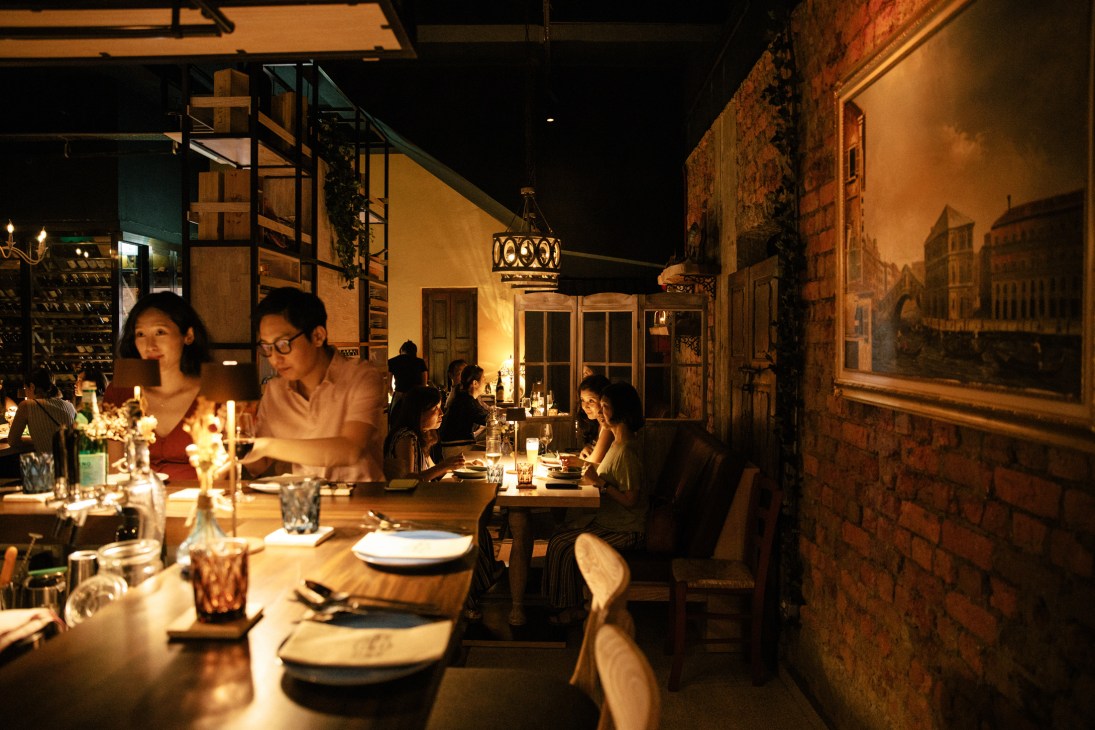
Then there’s Wine Mouth, Singapore’s first shop dedicated to natural and organic wine. “We want people to pop in, hang out and learn about wine without the pressure of a restaurant’s wine list,” says co-founder Caitlin Schriner. Residents rather than blow-ins form the core of the shop’s thirsty customer base, she says, a clientele that’s now likely to grow as tastings increase due to the lifting of restrictions.
As Joo Chiat comes into its own, it will be interesting to see how these bright new start-ups rub up against the long-time hawker stalls, salons and family-owned shops. However the area toes the line between heritage and modernity, it’s no longer considered middle-of-the-road.
Joo Chiat Road address book
Sojao
Beyond its own organic bed sheets, you’ll find plenty of Singapore brands stocked in this homeware shop.
sojao.shop
La Bottega Enoteca
Famed for its Neapolitan-inspired pizzas and salumi selection, this Italian is Singapore’s hottest table.
labottega.sg
Tigerlily Patisserie
Botanically inspired pastry shop with fascinating and, crucially, tasty flavour combinations.
tigerlilypatisserie.com
Little Farms
Grocer focused on fresh, ethically sourced produce from Australia, Europe and beyond. Its bistro is equally as good.
littlefarms.com
Wine Mouth
A pretty bolthole with a great selection of natural wines, and spirited programming.
winemouthsg.com
Images: Pernilla Danielsson, Stephen Kent Johnson, Stefan Oláh
Plucky upstart
Dean Lalic spreads his arms wide, beatific grin firmly in place, as he gazes across Kvarner Bay to the city of Rijeka, shimmering in the heat on the other side of the turquoise water. His gesture, and the scenery, both speak volumes. “I am doing what I love, in the place that I love,” he says, with satisfaction. Then his earpiece crackles and it’s back to business. He’s still smiling as he motions for everyone in the shady garden to keep quiet during another take.
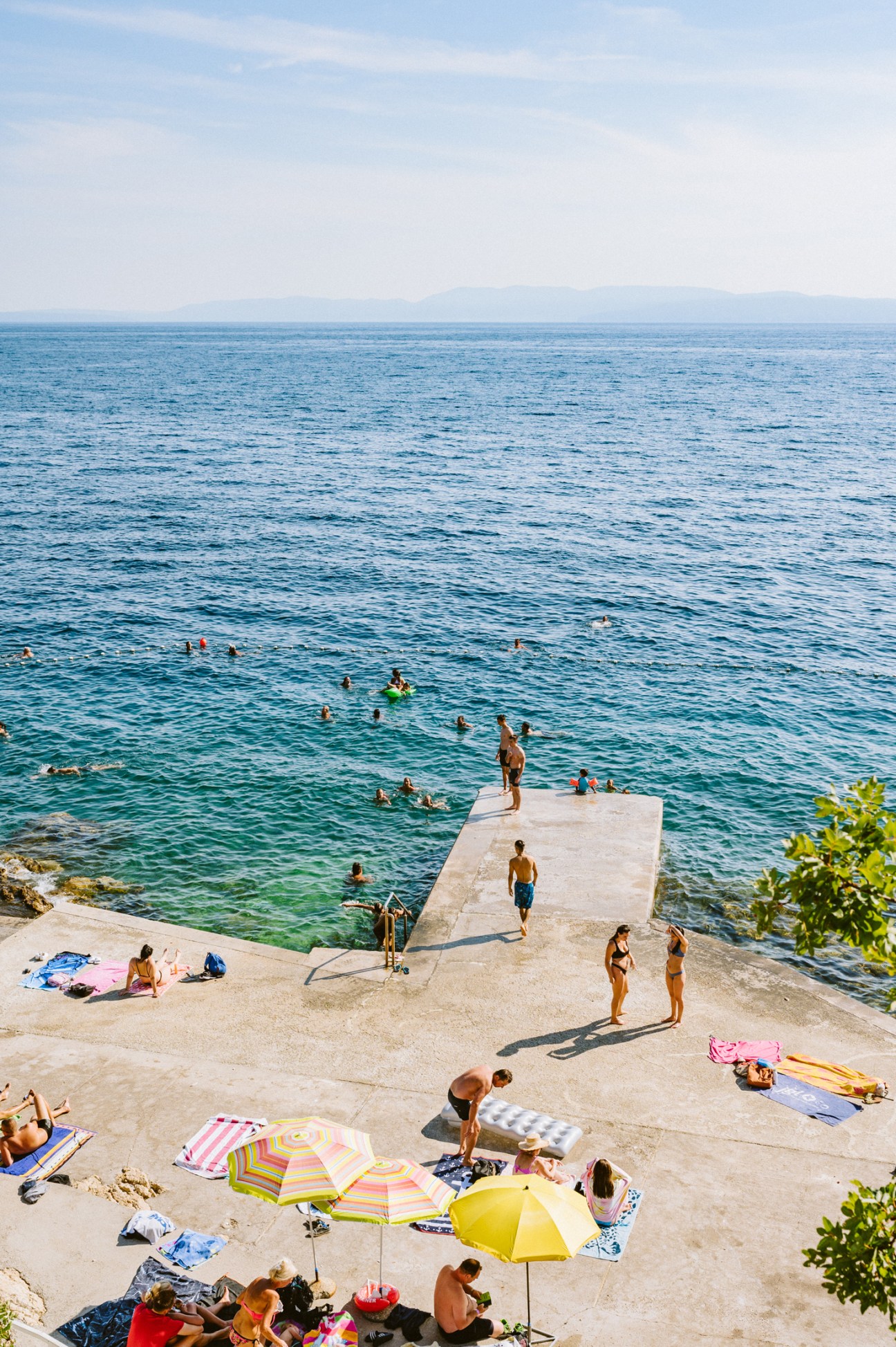
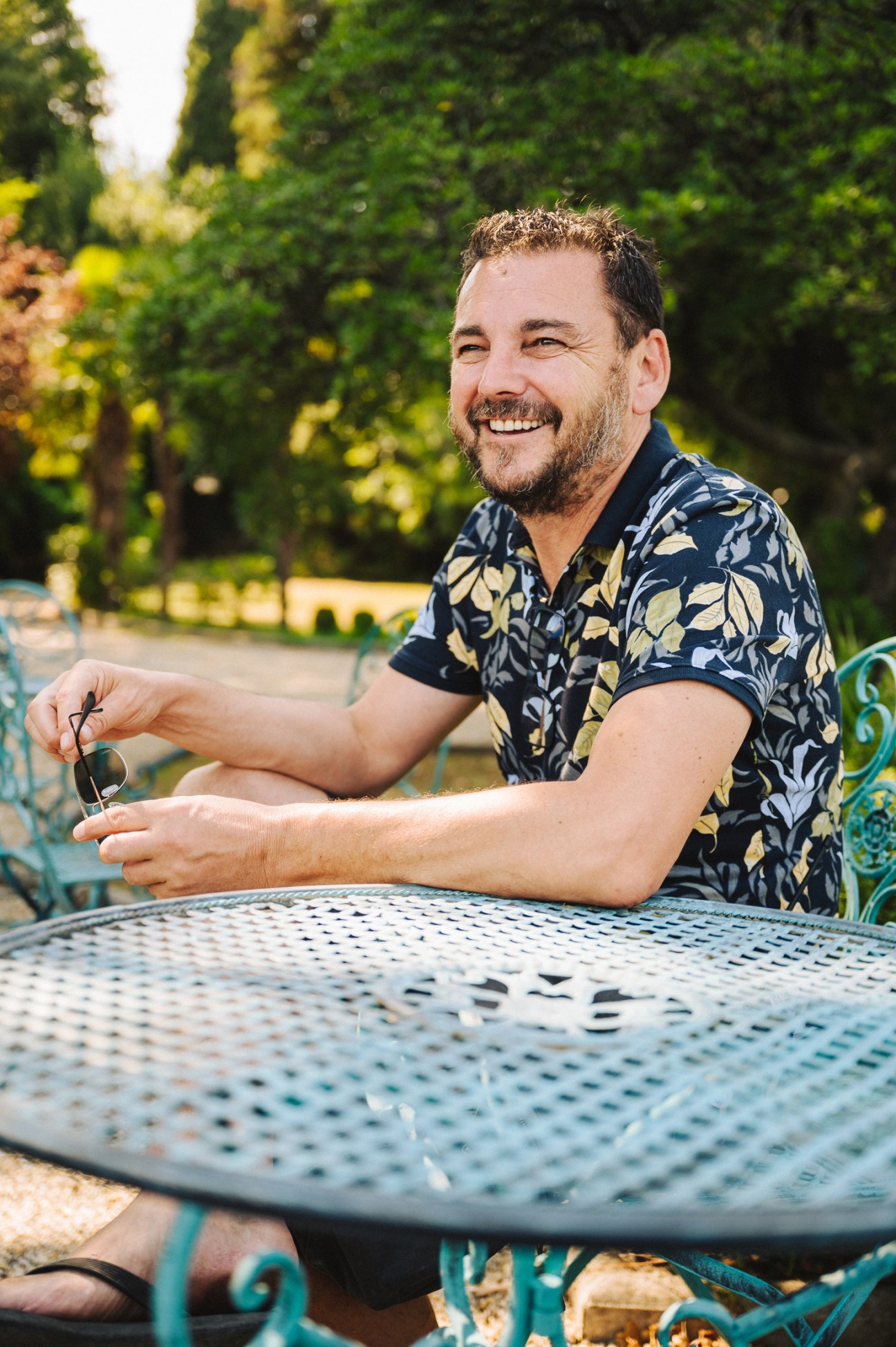
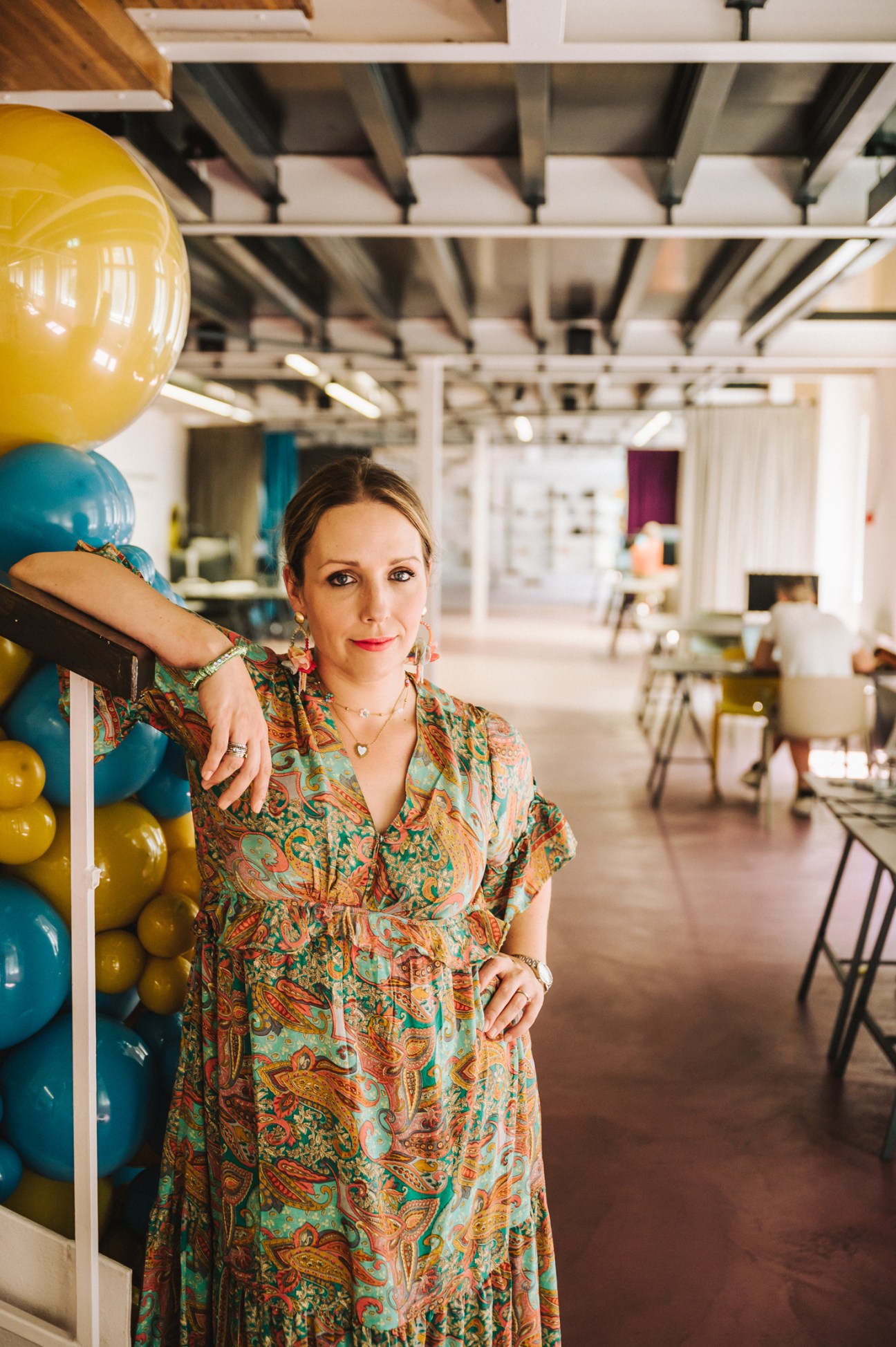
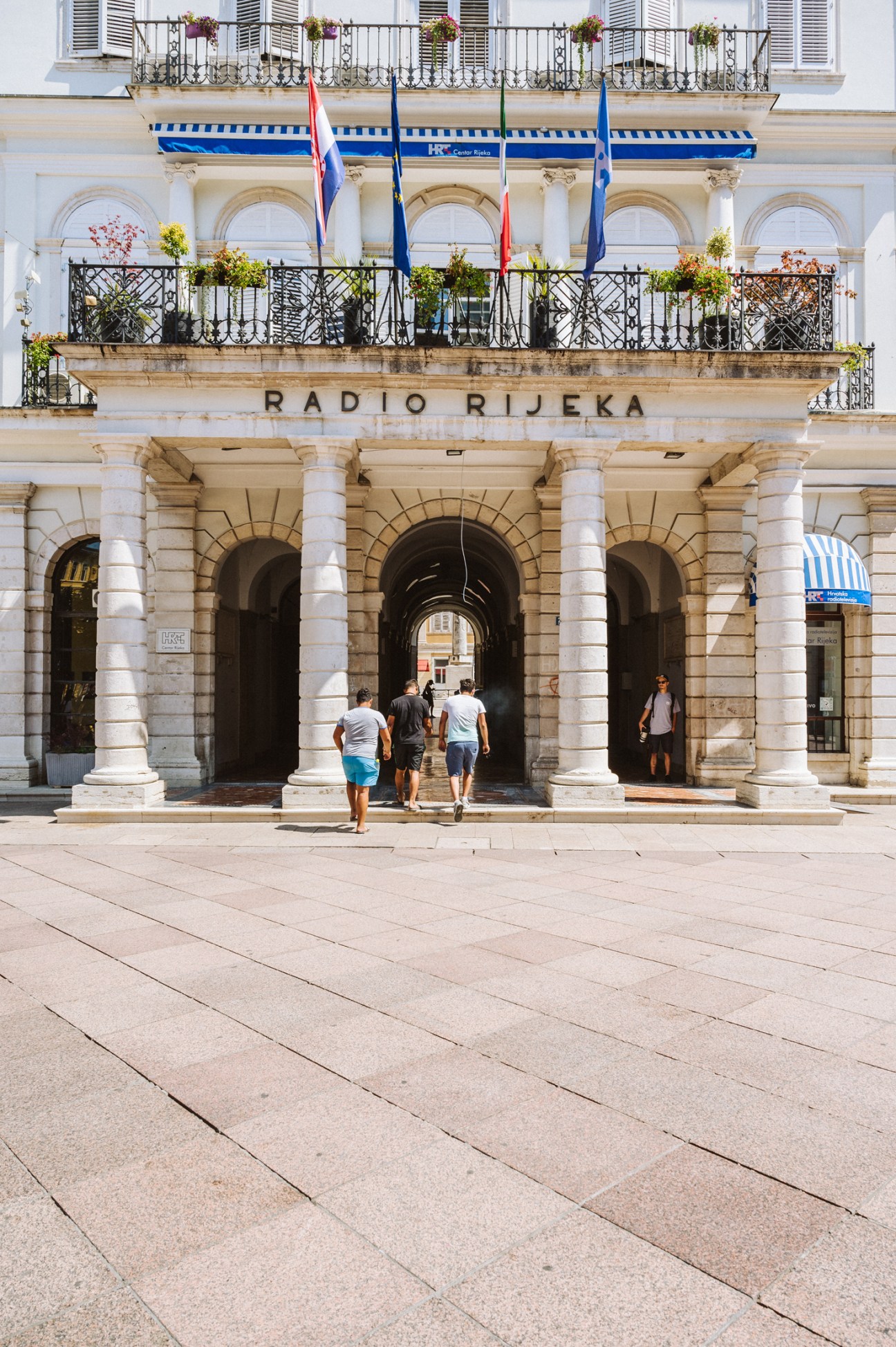
Lalic is working as the location manager for the second series of period drama Hotel Portofino. Set in a collonaded, yellow-washed Habsburg-era beachfront villa, with stars such as Natascha McElhone and Anna Chancellor sporting 1920s dress, viewers might be surprised to discover that this is not, in fact, the Italian Riviera, but the outskirts of a Croatian port city, some 400km to the east. International film and television production companies have been among the first businesses to cotton on to what Rijeka and its surroundings have to offer.
“So many people are now working in film – not just in production but everything from catering to lighting and location scouting,” says Lalic. “Because of all the foreign productions coming here, people in Rijeka can have a full-time career in the film industry.”
Despite its many positive qualities, Rijeka has somehow managed to evade the international recognition enjoyed by other Croatian cities, such as the coastal beauties Split and Dubrovnik, and the capital, Zagreb. This is partly due to its heritage as a centre of industry, rather than tourism. But the turbulent history of Croatia’s third-largest city has also given it outsider status within its own country.
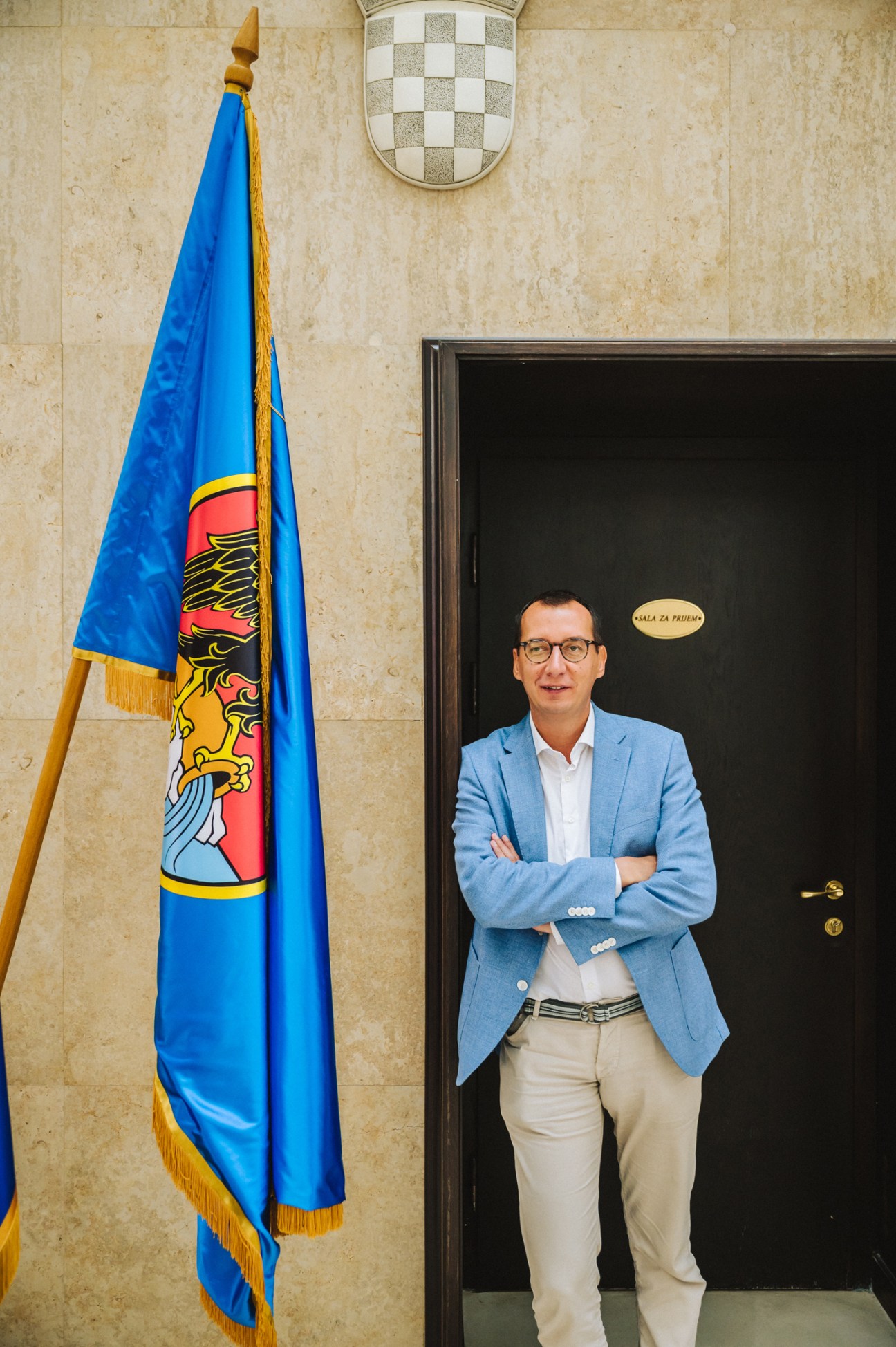
As its mayor Marko Filipovic points out, Rijeka has been part of no fewer than seven different territories, including the Roman and Napoleonic Empires. In the past century alone, it has been an independent city-state called the Free State of Fiume, annexed by Italy and occupied by Germany before becoming part of the Socialist Federal Republic of Yugoslavia and finally gaining independence with the rest of Croatia in 1991.
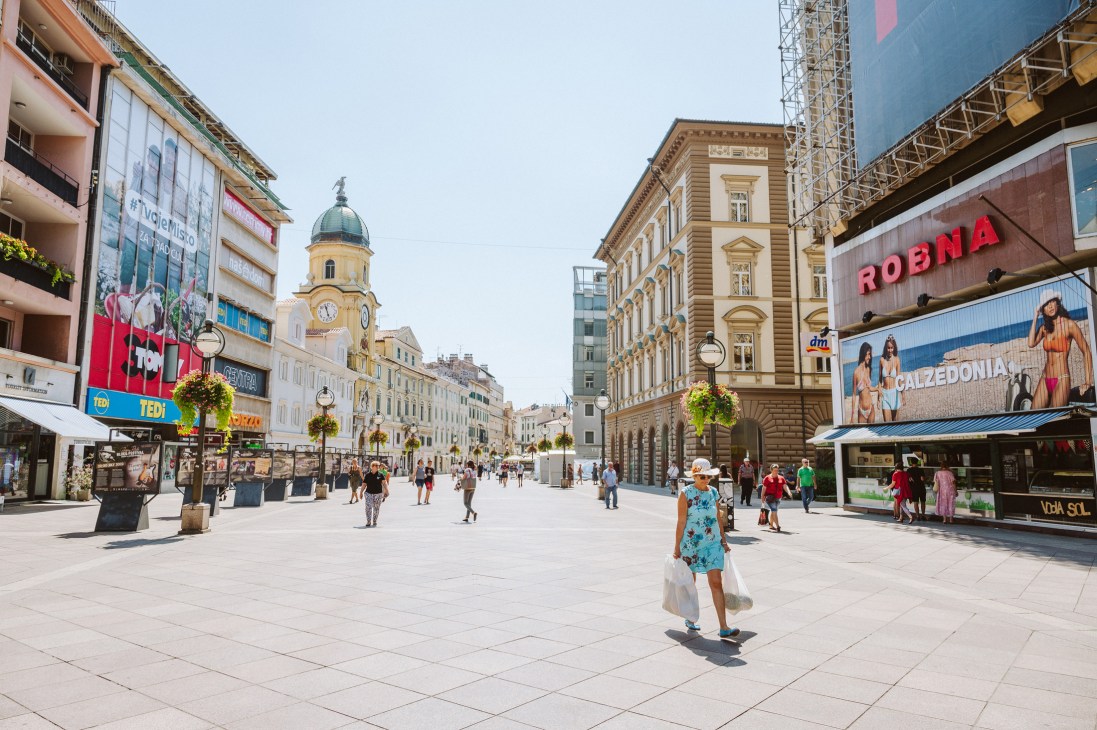
The legacy is a city that has much in common with its northern neighbour, Trieste. Here, Habsburg elegance meets Italian café culture along the main pedestrian drag, the Korzo, while the centre is flanked by docks, shipyards and utilitarian Yugoslav-era housing blocks. Hiking in the forested hills above Rijeka is as popular a post-work option as a dip in the sea – both, ideally, followed by a leisurely aperitif overlooking the Adriatic. Unsurprisingly, the people of Rijeka feel that they are not quite the same as other Croatians.
“The connection with the sea helps us to be more open,” says the mayor. “There are 30 different national minorities all living in harmony here. Increasingly, people see this as an area where they want to live, work and spend their holidays.”
All of these qualities came together when Rijeka served as the European Capital of Culture in 2020. The pandemic might have diminished the opportunity for the city to showcase its charms to the rest of the continent but Rijeka 2020 still served as a reorientation for the 21st century – much needed after the bruising decades following independence saw the decline of many of the industries that had sustained the city in the Yugoslav era.
Rijeka’s authorities are keen to capitalise on the perception of a city on the move by making it easy for entrepreneurs to set up shop. Its start-up incubator programme offers eight months’ worth of business development, contacts and advice free of charge. The most promising businesses also get financial rewards, while a three-week “start-up lite” course offers a tune-up for those in need of a refresher. The city is also converting the power plant of an old paper mill into a hub for technology and creative start-ups, which should be ready by the end of next year. Jana Sertic, the head of Rijeka’s Entrepreneurship Department, says that she has been fielding enquiries from dozens of countries.
“We’ve had 70 different nationalities from the beginning of this year,” she says. “One guy came from Mexico at the start of the year and he’s still here eight months later. He’s in IT but we also currently have lots of people working in creative industries.” Everything from furniture production to gin distilleries are finding a home here.
The low-down
Who lives here? Artists, shipbuilders and entrepreneurs.
Is business booming? Nautical tourism, naval engineering, shipping and pharmaceuticals.
What’s missing? An international school.
How do I get here? Fly to Rijeka International Airport or get the train.
And the cost of living? Reasonable. One-bedroom city-centre apartments are less than €500 per month.
For residents, new and old, the most visible legacy of Rijeka 2020 is the creation of a cultural quarter within a complex that was once a sugar refinery. The more than €33m investment includes the Museum of Modern and Contemporary Art, the Civic Museum and the Civic Library. Visitors from further afield arrive at the beautifully renovated main railway station opposite the complex.
All of this development is reinvigorating the creative sector in the city, says Davor Miskovic of the independent arts and culture organisation Drugo More. “John Law, who co-founded the Burning Man festival, was our guest here and he was astonished by the city. He said, ‘That’s how San Francisco could be but isn’t any more,’” says Miskovic.
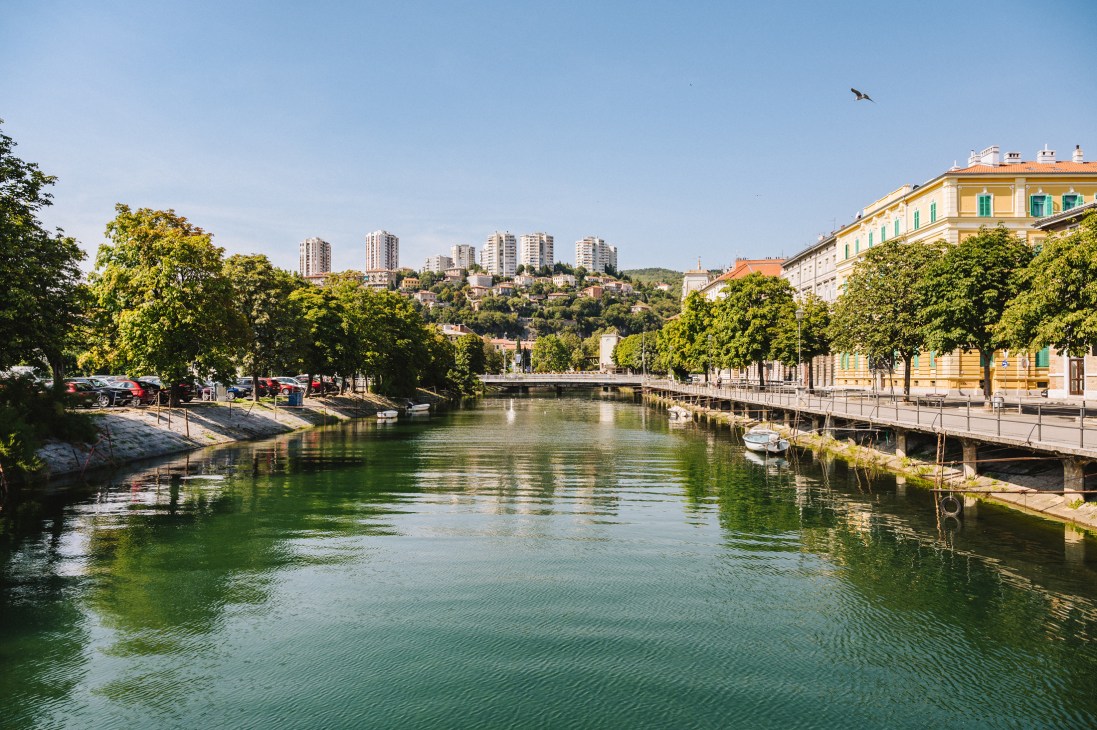
“Rijeka doesn’t have too much polish – it still has that punk aura – and I hope it will keep this,” he adds. “It has the right balance between comfortable and uncomfortable features, which keeps a city interesting.”
While the new infrastructure has made the city more attractive to potential residents and businesses, Rijeka’s strategic location on the Adriatic is driving the largest investments. Danish shipping giant Maersk is the senior partner in a 50-year concession on Rijeka Gateway, a deep-sea container terminal capable of hosting the world’s largest cargo ships. Some €350m is going into the project’s first two phases, with the first arrivals due in 2025. Rail links will take goods across Europe, with the aim of challenging the ports in Italy’s Trieste and Koper in neighbouring Slovenia. On signing the concession agreement last year, Morten Engelstoft, CEO of Maersk’s apm Terminals subsidiary, said that “Rijeka Gateway will become an important spot on the port logistics map.”
There’s also investment at the harbour along Molo Longo, the tranquil breakwater that stretches for almost 2km along the Adriatic. German shipyard Lürssen has taken over a large chunk of the passenger-terminal building to serve as its engineering centre. It opened last year, employing about 100 experts in superyacht and naval vessel design, most of them naval architects and engineers.
Managing director Teuta Duletic, a graduate of Rijeka University’s Faculty of Engineering and a naval architect herself, sets the tone, which is more Silicon Valley than Croatian Rust Belt. “By coming here, Lürssen is supporting a brain gain,” says Duletic. “A lot of the families who moved to, say, Norway or Germany have seen a sound and prosperous company come here and they want to be back in their home town. It’s well-connected: you can travel for business, go to the islands or go skiing within 20 minutes in the winter.”
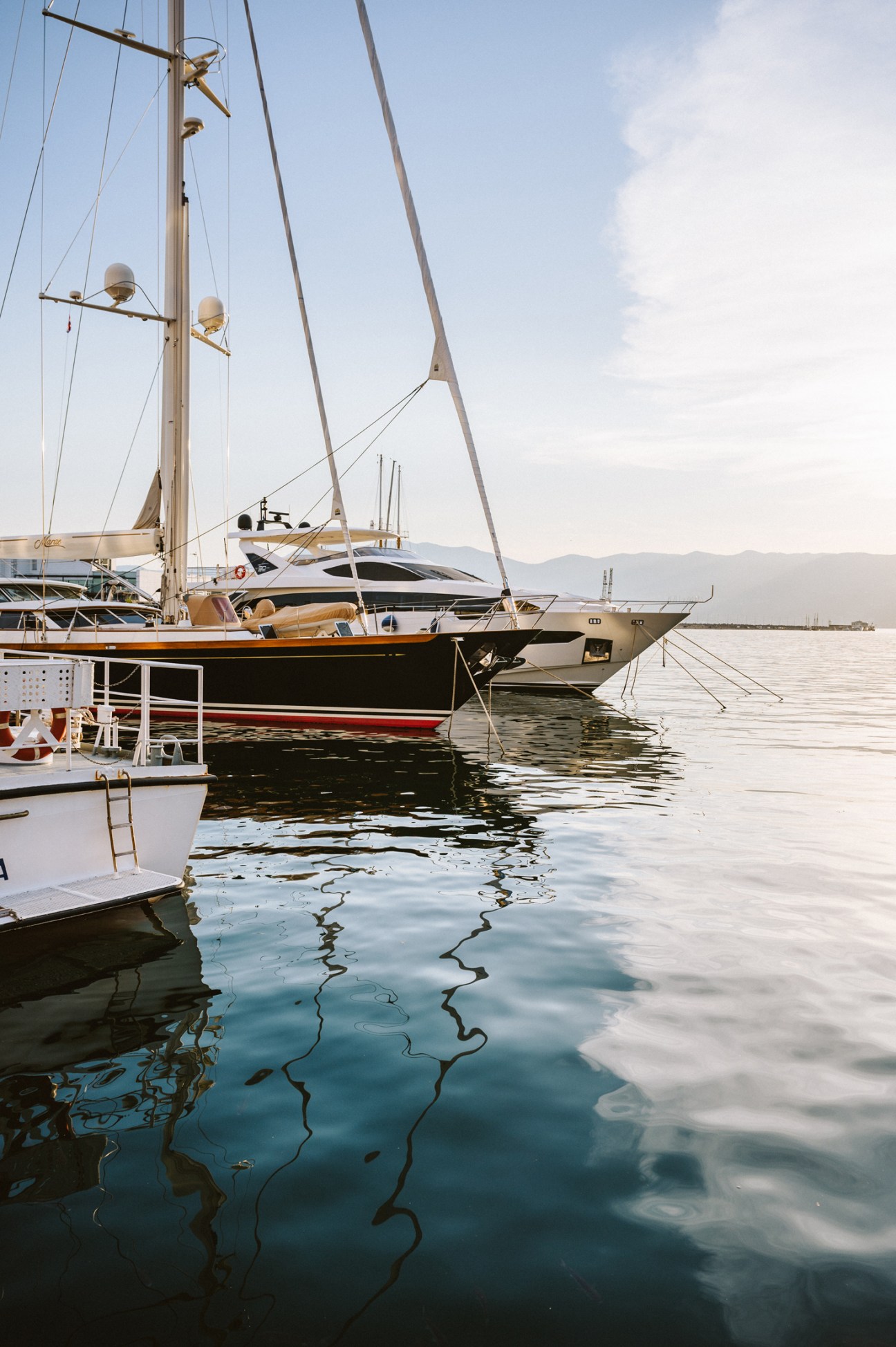
The Lürssen family has taken a controlling stake in Liburnia Riviera Hotels, which offers accommodation along the Lungomare promenade that winds through the beachside suburbs. The family is also part of a €50m joint venture with local company aci to create a marina with berths for more than 250 yachts. This tilt towards nautical tourism isn’t to everyone’s taste, according to Drugo More’s Davor Miskovic, but Rijeka’s direction of travel seems clear.
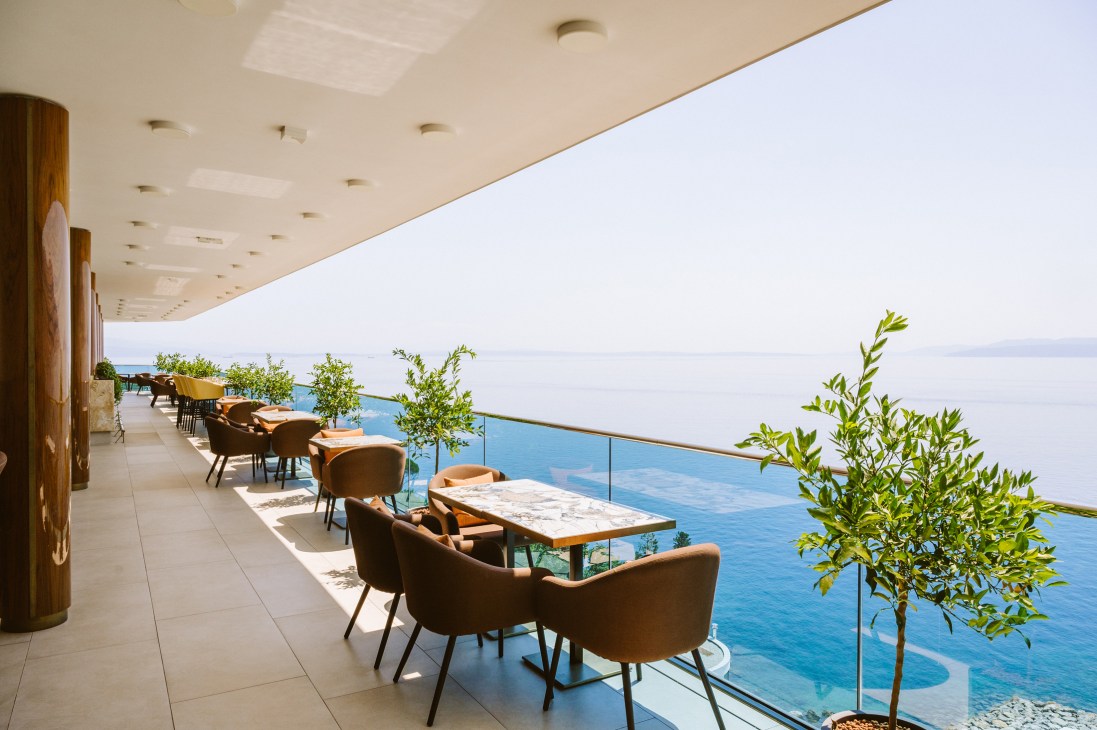
The city’s formerly scrappy beaches have now acquired bars, offering everything from DJ sets to lectures alongside sundowners. And there is nothing shabby about the Hilton Rijeka Costabella Beach Resort and Spa, which opened last year and has not only a private pebble beach but one of the three Michelin-starred restaurants within striking distance of the city (Croatia only has 10 overall).
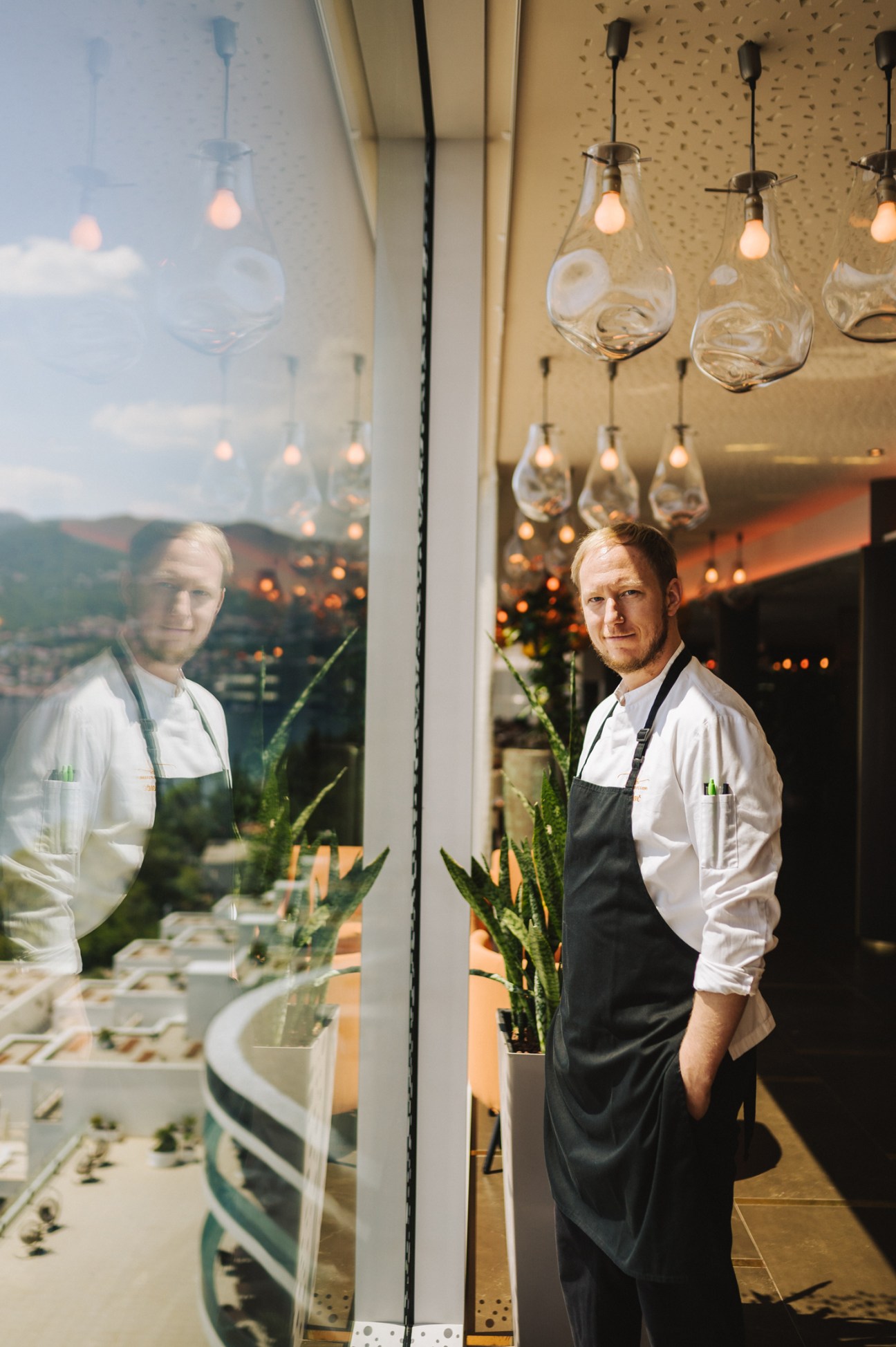
Nebo offers panoramic views across the Adriatic from its fifth-floor dining room but chef Deni Srdoc’s ever-changing 11-course tasting menu is the star attraction. He develops dishes that bring out the best in his pan-Croatian ingredients, from goose with cherry and pine needles to octopus with beetroot and chickpeas. He’s excited about being part of Rijeka’s bright future. “The mindset is moving forward. It’s excellent that Rijeka is not throwing away its industrial heritage but incorporating it with tourism. We saw this during the Capital of Culture.”
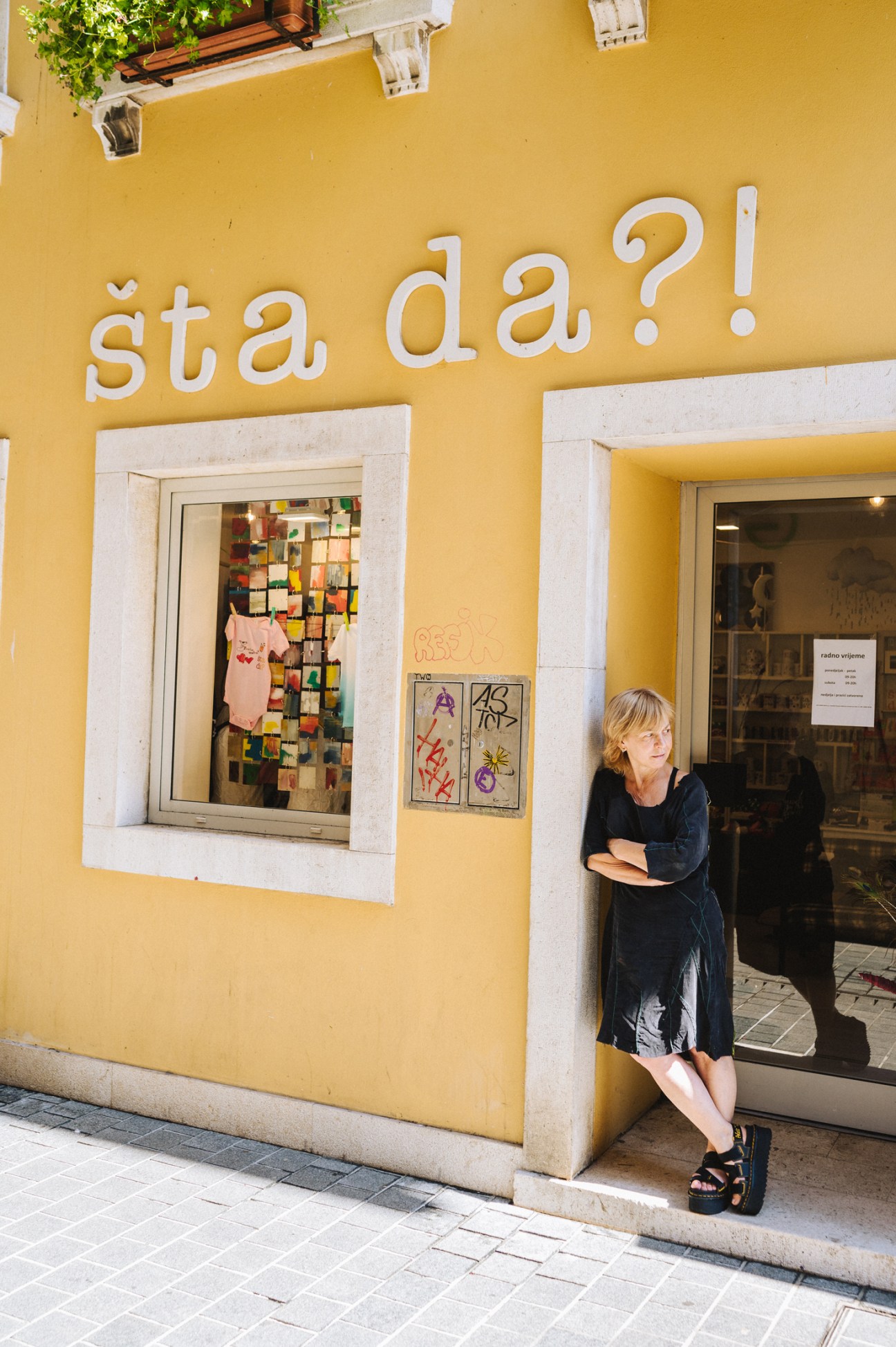
That neatly sums up Amna Sehovic’s shop, tucked away in a narrow street off the Korzo. She makes upcycled bags and jewellery at Sta Da?!, which is also a Rijekan idiom meaning, more or less, “for real?!”. She is convinced that whatever happens here in the next few years, Rijeka will remain just that. “Tourists will come but it won’t be a classic city for tourism,” she says. “It’s a very cool city, different to the rest of Croatia. We’re punk rock.”
These days that attitude comes with a side order of Michelin stars, movie stars and superyachts. Even so, Rijeka rocks.
Great and small
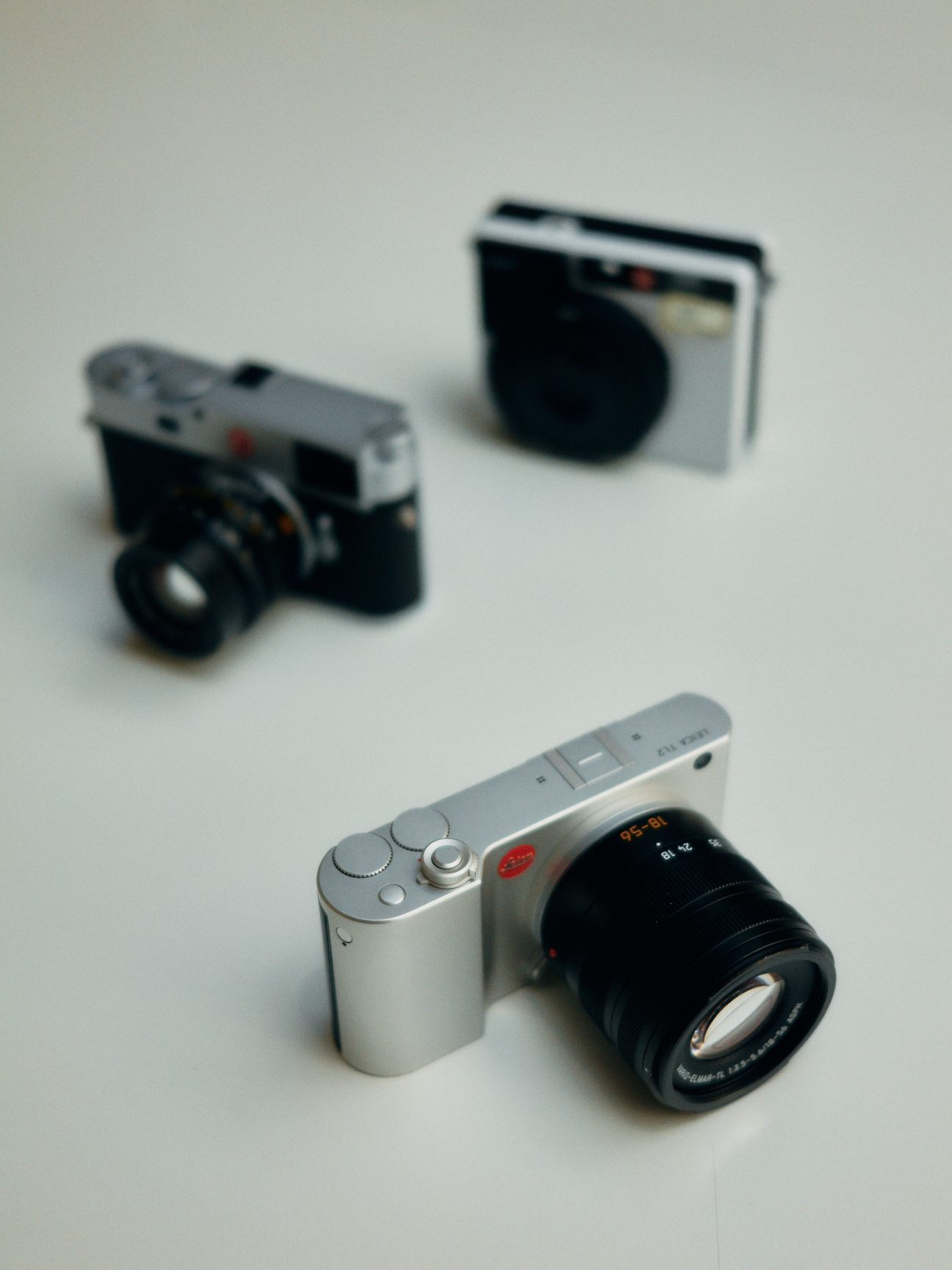
With a loyal international customer base, German camera company Leica has long been a powerhouse in the world of high-end photography gear. Crucial to its success is good design, which has been ingrained in its dna since the optical specialist turned its hand to selling cameras in 1925. Its hallmark is miniaturisation: creating cameras that pack the best technology and sharpest lenses into the smallest casing possible.
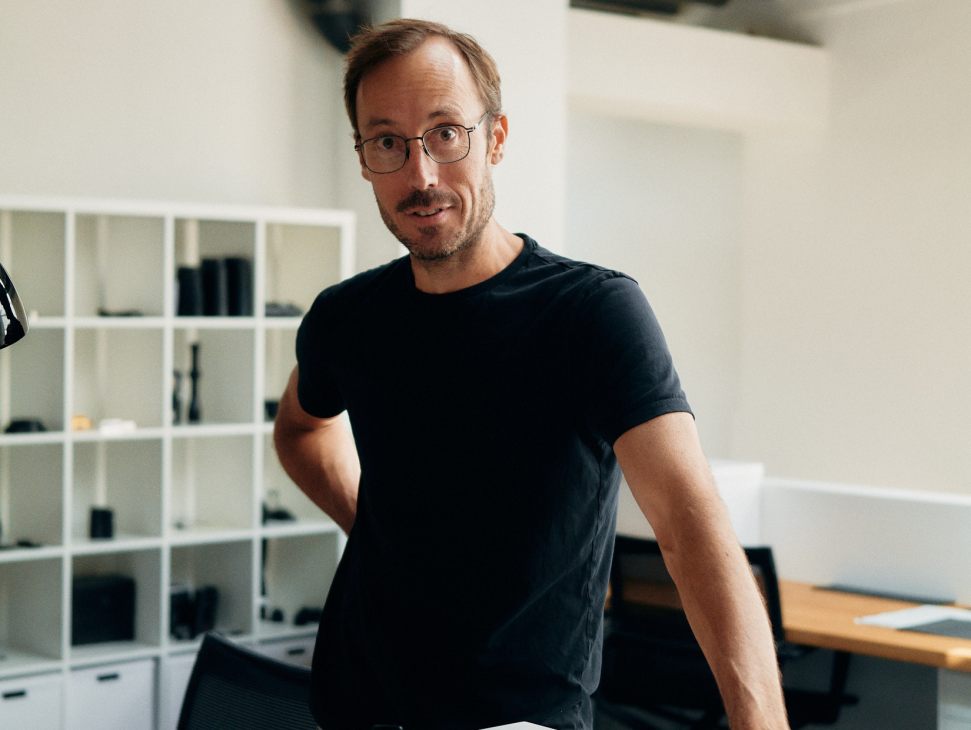
While its engineering has progressed in leaps and bounds in the past 97 years, Leica, headquartered in Wetzlar, central Germany, didn’t have a dedicated design department until 2015. That year, Australian-born Mark Shipard joined the company from Audi and established an in-house studio in Munich. Shipard and his team have helped to expand Leica’s reach, working on product tie-ups with a range of companies including German eyewear manufacturer Mykita and Japanese technology giant Softbank, with which it developed a high-end smartphone. These collaborations have led to the Leica name being stamped on a new range of well-designed products that retain the brand’s detail-oriented approach. However, Shipard tells Monocle that camera design remains the studio’s bread and butter.
What role has design played in Leica over the years?
There wasn’t an in-house design department in the past but Leica’s core team always had a deep sensitivity to aesthetics, proportion and ergonomics. Our first camera set the tone for the next century; we can look back at our old cameras and find values that make Leica relevant to today’s customers. One of the core values that we return to in the concept phase is simplicity. We ask, “How simple can you make it?” Answering that correctly always creates a winner. It’s hard to make design decisions around simplicity now because of how loaded cameras have become with features, thanks to new technology. But the first thing that our design team does when it gets a spec sheet from our engineers is ask, “What are we getting rid of?”
Who is the Leica customer?
The key market is comprised of what we call “highly involved amateurs” – a community that covets our product and is more than happy to provide us with feedback. Of course, professionals use our Leica M series too. To be an M photographer, you need time to craft an image. We’re not making point-and-shoot cameras.
When you’re creating new designs, how do you differentiate between ideas that have worked in the past and those that haven’t?
The life cycle of our new camera releases is about three to five years. That’s roughly the development time for the next model. We take our time. We take on feedback about our older models from both our customers and our internal team; it all goes into a pool of information that we sift through. We took an important step when we moved into digital cameras. They were initially quite hefty, which was down to the engineering. Over time we’ve been able to reduce the sizes to those of the older film cameras. The designs of the M range, which transitioned from film to digital, has always been a sensitive topic. As designers we want to push ahead but we also have healthy, grounding discussions with the rest of the Leica team about how to retain the brand’s classic appeal.
Smartphones and the high-quality cameras that they feature have decimated the compact camera market but we are still making them. In particular, our C-Lux and D-Lux compact camera ranges remain very popular. This speaks to the care and attention that we put into every Leica project and our customers’ appetite for this kind of approach.
Could you tell us about a project in which you pushed the creative envelope in terms of design?
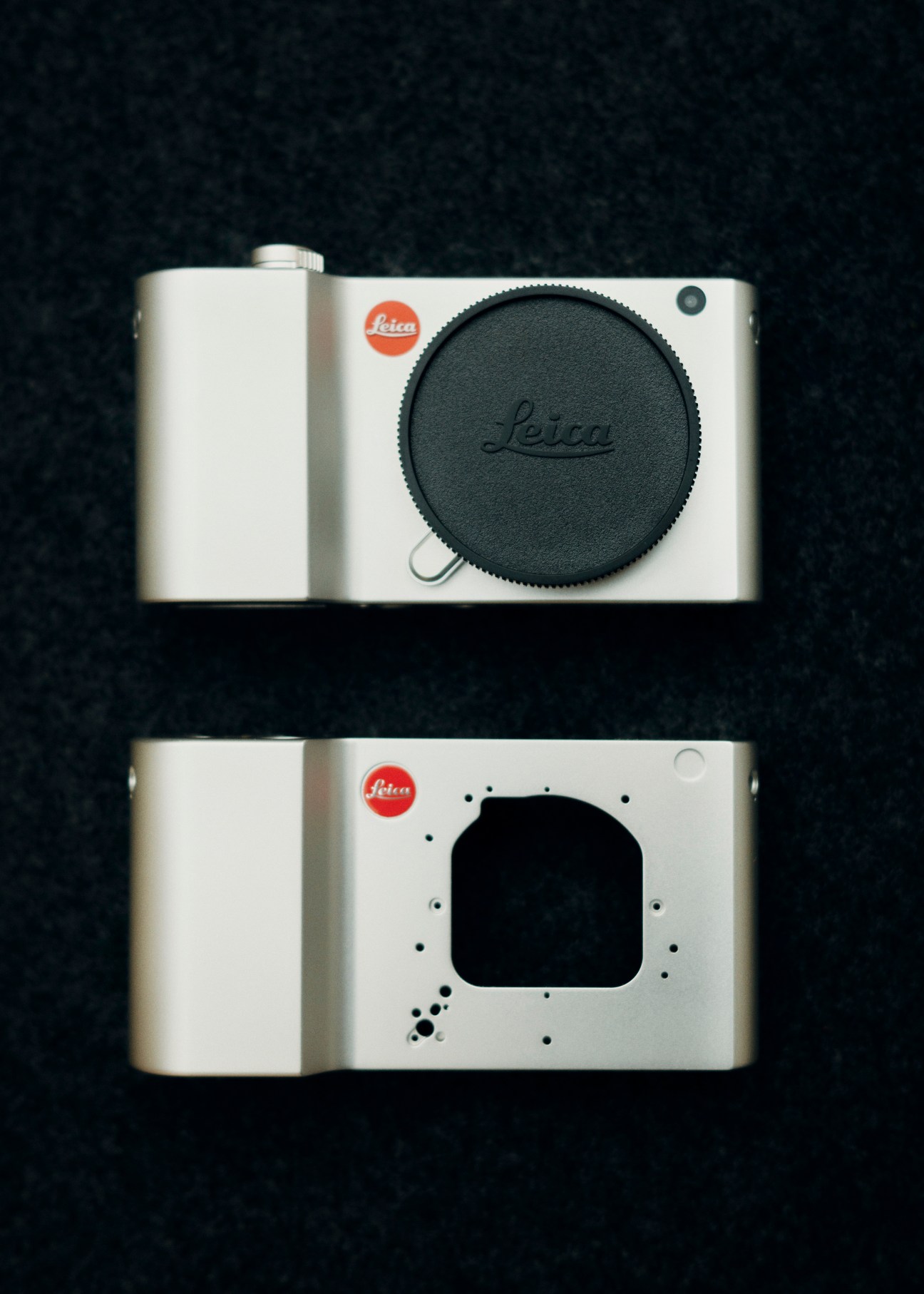
While the M cameras have a predefined scope, working on other projects allows the design team to be more free. The TL model [see page 164] is one example. We were given complete freedom to define what Leica is to a new target group of younger, design-conscious customers. This camera, released in 2016, became an iconic product but not because of its association to Leica’s heritage. What’s interesting is that the core values that define our cameras – miniaturisation, quality materials, engineering and functionality – remain as key to this product as to any other product that we have made. You can’t create a simpler camera than the TL, which is built from a single aluminium block. Doing it this way was a courageous move.
How do these design and engineering values translate into Leica products beyond cameras, which seem to be a growing part of your business?
It can be difficult. Last year we launched the Leitz Phone 1 in Japan. When it comes to smartphones we are competing with huge players but we have a clear vision of where our space is in the market in terms of design and functionality. We partnered with Softbank, which believed in the idea of creating an Android-powered phone for the high-end premium market, which Apple dominates. We made something very different and people love the phone’s Leica lens cap, small details and simplicity. The next generation of phones will see a big leap in terms of the digital design and user interface. There’s a lot of potential for Leica to do something exceptional in this market.
What’s your next big launch?
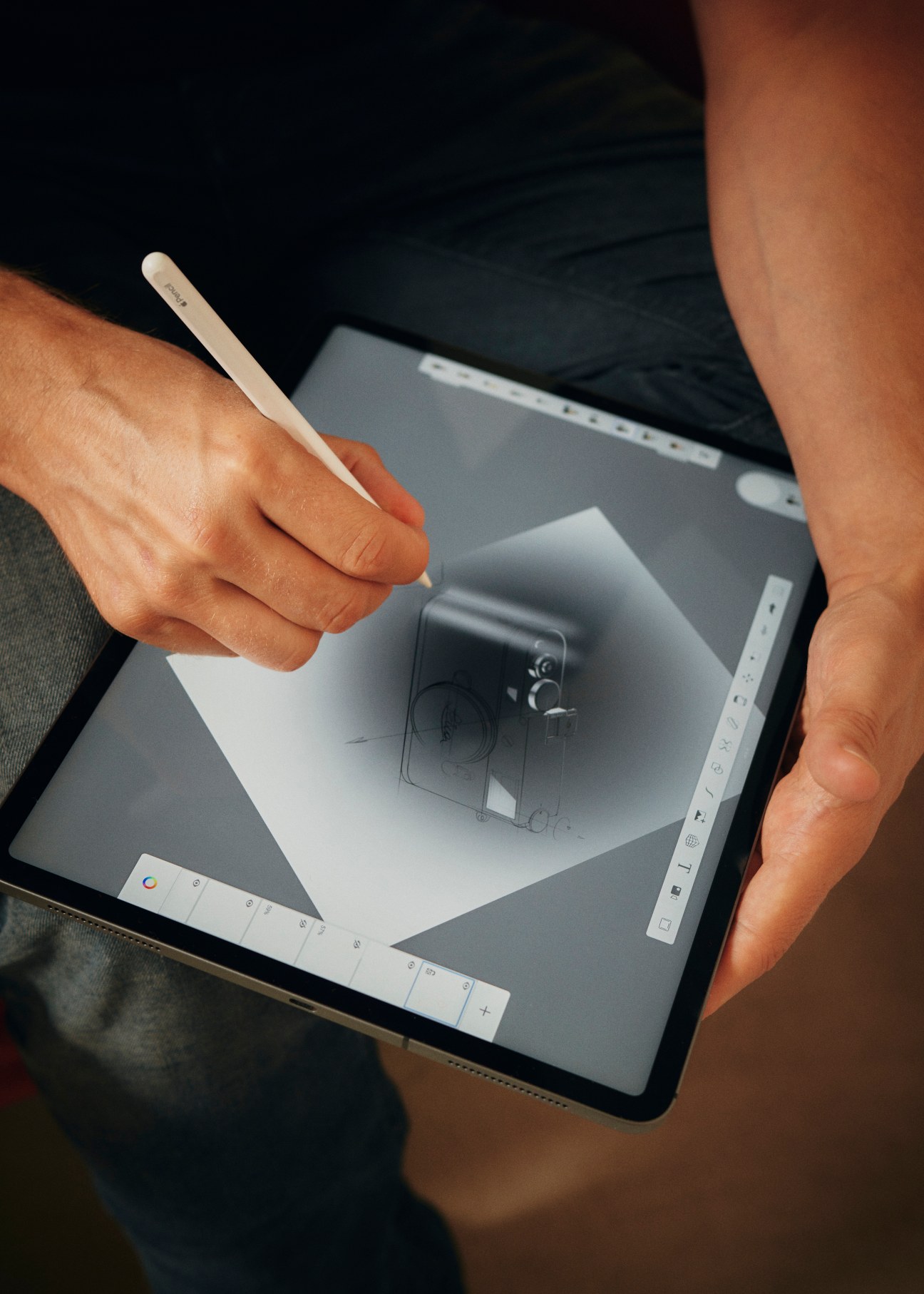
Leica specialises in capturing imagery but we want to use our expertise to bring a product to the market that allows people to experience images and video in a very impressive, large-scale way. That’s why we are launching a new short-throw projector, which sits close to the wall but provides a full television experience. Unlike with some of our competitors’ products, the picture has very natural colours. Importantly, this projector is an object that has been made to stay permanently in the sitting room. We have designed it so that customers will be very comfortable living with it. It’s a showcase of Leica’s design language and the general philosophy of reduction and simplicity, which lends itself very well to this kind of domestic environment.
Its silver metal housing won’t be to everyone’s taste but we believe that it will be widely appreciated. With technology improving, we’re entering the premium television market at the right time to ramp things up. There’s a very clear link between what we do with our cameras and what we’ve done with this product, which is all about entertainment and displaying images.
Leica’s landmarks
Thanks to their eye-catching, form-focused designs, Leica’s cameras have long stood apart from the competition. The brand has recently been setting trends in consumer electronics with its collaborations. Here, we survey some significant items from its archive, as well as a couple of soon-to-be classics.
1.
Leica 0-Series No 105
(1923)
Two years before the brand launched its first commercially available camera, the Leica 1(A), it tested the technology by producing about 22 0-Series models. This year a black-painted 0-Series camera that was once owned by its inventor, Oskar Barnack (his name is engraved on it, albeit with a spelling error), sold at an auction for €14.4m. Notably, the design of its lens cap is almost identical to that of modern Leicas.
2.
Leica M6
(1984)
Film photography aficionados will tell you that cameras don’t get any better than this sophisticated rangefinder. The compact model, which takes 35mm film, feels superb in your hands, is easy to transport and delivers a top-quality photographic result.
3.
Leica M for (Red)
(2013)
This one-off camera was designed by Jony Ive and Marc Newson in Apple’s design centre in California. The unique pattern on its shell was laser-etched in the technology giant’s prototyping facility. There was only one working camera made, which was sold at auction for $1.8m (€1.77m) to raise money for the fight against Aids, tuberculosis and malaria in Africa.
4.
Leica TL
(2016)
This mirrorless digital Leica camera is still in production and looks like nothing else on the market. This is largely thanks to the engineering smarts behind it: the camera was milled out of a single block of aluminium. The series evolved with the tl2 but the form remains the same, with a design that is likely to become Leica’s most modern classic.
5.
Leica Cine 1
(2022)
Leica unveiled this high-end projector in September, aiming to move into the premium home-entertainment market with a device that delivers the highest level of quality in terms of design, picture and sound. The minimalistically designed projector looks elegant in the lounge and provides 4K-resolution image quality on a short-throw system that has a generous display size.
Trendsetting trio
Marie-Claire Daveu
Chief sustainability and institutional affairs officer
Kering, Paris
Efforts to make the fashion industry more sustainable seem to be at odds with the resource-intensive, fast-turnover business model that supports it. The Paris-based Kering group (which includes Gucci, Saint Laurent, Balenciaga, Alexander McQueen and high jewellery label Boucheron on its roster) is seeking to address that challenge through the work of its chief sustainability officer, Marie-Claire Daveu. In 2022 she celebrates 10 years of work with the company, reducing the carbon impact of manufacturing by its brands and operating the Kering Foundation, a philanthropic arm of the organisation.
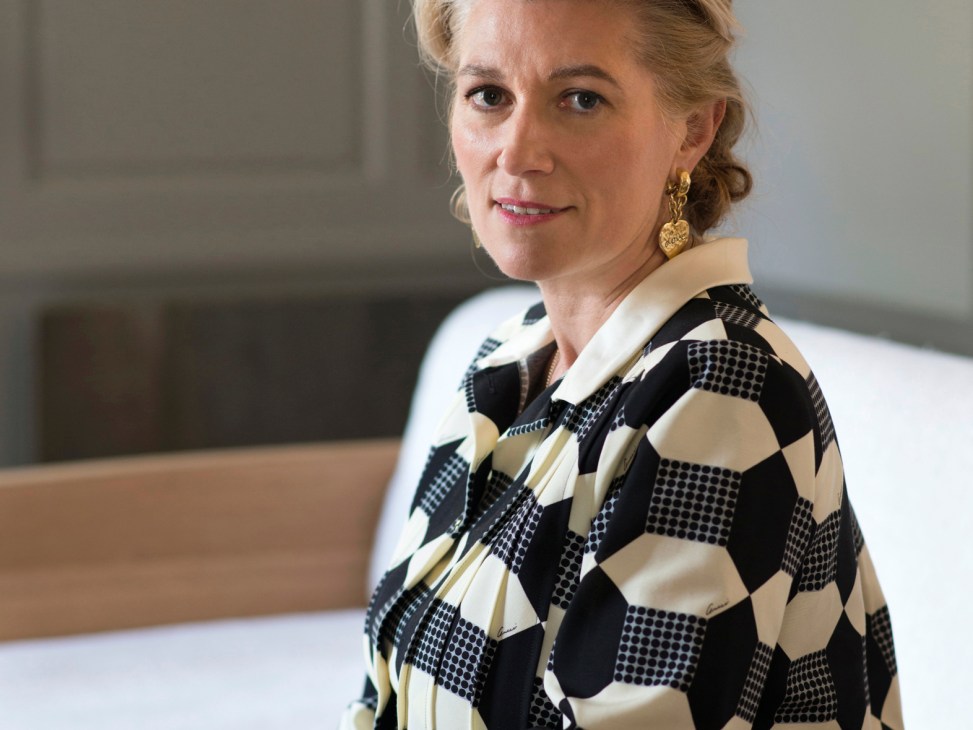
A key component of Daveu’s role is developing research partnerships with universities around the world, as well as backing small companies and start-ups developing low-impact materials. Importantly, she’s played a part in establishing The Fashion Pact, an international coalition of major industry players, which might prove to be the biggest agency of lasting change in the sector. Although Daveu knows that it is the glamour and excitement of fashion design on runways that bring customers to Kering’s brands, she believes that it’s the methodical and arduous task of forging sustainable change that will see them sticking around for the future.
What spurs your sustainability efforts at Kering?
We’re driven by the vision of François-Henri Pinault, the group’s CEO. It is my job to help translate this vision into reality. He’s convinced that we can be more sustainable and has been pushing this agenda since he took over in 2005, not just for ethical reasons but to serve business objectives too. This year we’ve banned fur entirely. Fur sales do contribute to our bottom line but we had to make a choice. Pinault bravely decided to say that modern luxury is now an industry without fur. At Kering we think about the short term but we are always simultaneously looking ahead. If we still want to be in the high-end fashion industry in the next 10 or 20 years, then we need to be sustainable.
How is this conviction driven internally?
Management at Kering is convinced by our mission, which is key. To reinforce this, we have a system where bonuses are not just linked to sales targets but also to sustainability goals. Within Kering’s many brands there is a huge variety of technical production aspects to address. For example, we improved leather tanning without using heavy metals for Bottega Veneta and Gucci and we’re now using this across the group. With our jewellery labels, such as Boucheron, we’re buying gold in the most ethical way. Every brand is working towards strict targets and kpis to reduce the environmental footprint.
How are you modifying your production processes?
When you’re creating luxury products, changing the way you manufacture is so challenging. We need to work with the perfect raw materials before we can think about using them in our designs. We’re getting there: a recent Balenciaga collection featured mycelium [a fungi that can be used to make alternative leather] that we developed with an Italian company called Mogu; Gucci is using a unique textile called Demetra in some of its footwear, which is comprised of plant-based components. Many of our developments and innovations are very interesting when done in small quantities but we need to think about mass production. To create sustainably at scale, we have to build the business model to support it, because this isn’t philanthropy. Even though Kering is big, we can’t change the world; but we can affect our own ecosystems by working with suppliers and artisans to help them alter their practices.
And you’re happy to help your competitors in this process?
We have this coalition, The Fashion Pact, which is a world first. There are about 250 brands from so many segments coming together to make change and not thinking about competitive advantage. This is a big step for the fashion industry. It takes time but it’s working well. We’re looking at regenerative agriculture for specific raw materials, hoping to purchase renewable energy together and trying solutions to ban single-use plastic. Small Italian and French brands are learning from major players such as Nike. People in the industry from around the world are looking at this and saying, “Wow. Nike, Hermès, Inditex and Kering are all working together.” This is how we change culture.
How do you, personally, view these changes?
For me, it’s rewarding to work with suppliers and help them change their practices because it’s not just for us: they’re improving their standards for everyone that they work with. Being able to use the Kering structure to help support smaller artisans in their transformation is satisfying. It is how we gradually change the ecosystem. Pragmatism is the best way to move forward. When I was young I thought that we could start a revolution overnight – I am French after all – but life is life and that doesn’t work. Pragmatism does, though – and it’s working here. At Kering, we set out to use 100 per cent of our energy from renewable sources by 2025. We hit 90 per cent last year and are now looking to be at 100 per cent by the end of 2022.
Bianca Saunders
Creative director and menswear designer
Bianca Saunders, London
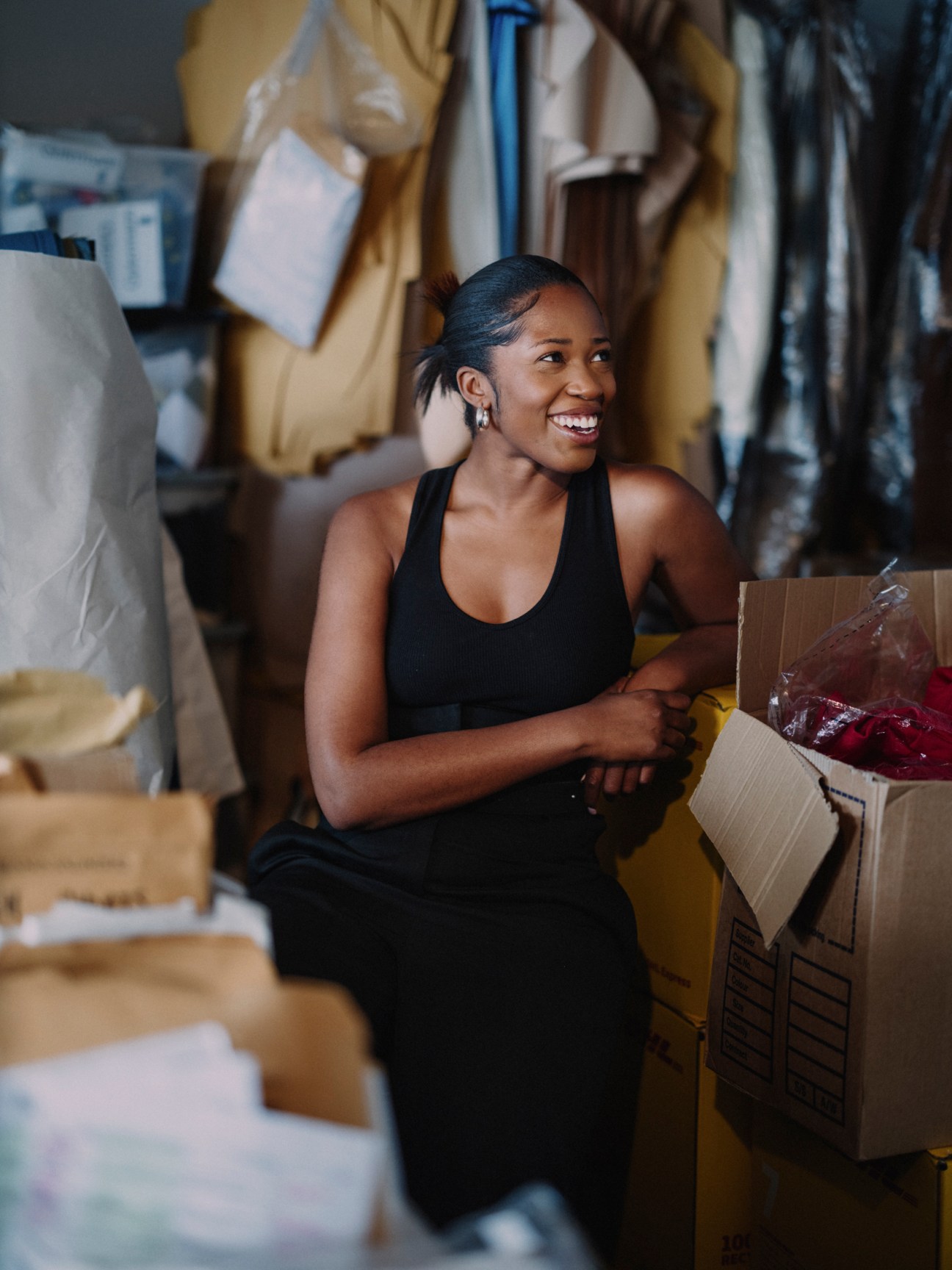
London-based designer Bianca Saunders understood the power of a great suit from early on, growing up with a father who would put on his best blazer, even for a casual family lunch. Those early memories fuelled her decision to specialise in menswear when studying fashion design at Kingston University. She launched her namesake label after graduating in 2017 and has become recognised as one of the most noteworthy new names in the world of tailoring, with retail partners such as Nordstrom and Galeries Lafayette stocking her clothes.
Saunders, who is British-Jamaican, is one of only a handful of female designers in the world of luxury menswear but that hasn’t dampened her ambitions to make a mark in the sector and build a global brand that stands the test of time. In fact, longevity is a word that Saunders keeps returning to. Unlike many of her peers, she steers away from seasonal trends and social media, choosing instead to put all her creativity into her clothes, which are designed to stay in men’s wardrobes for years, if not decades. She’s also keen to establish her own hallmarks on the suit, with subtle twists and drapes that create a look that’s relaxed yet polished.
It’s this fresh perspective on smart dressing and her commitment to the craft of tailoring that last year won Saunders the Andam prize, known for kick-starting the careers of some of the industry’s greatest names, from Martin Margiela to Christophe Lemaire, in whose steps she wants to follow. As part of the award, she is being mentored by Balenciaga CEO Cédric Charbit and she has started presenting her new collections in Paris.
What drew you to menswear?
I started off with womenswear at university but I couldn’t find my place in that world. When my tutor encouraged me to try out menswear instead, I was instantly fascinated by it and the opportunities that it presented to really express myself and my values. I like the idea of mastering a craft and menswear – tailoring in particular – is much more craft-based. There are all these rules you need to follow: every pleat and fold has to be considered. These technical elements really excite me.
How did you define your own style and create brand signatures?
I try to apply an empathetic approach to design and spend a lot of time interviewing male friends and family members about what they need to feel good in their clothing. I’m always considering the male figure too: most menswear is designed flat but I try to create pieces that hug the body with draping or shoulder pads that create more angular silhouettes. Being Jamaican, I also make a point to inject some of the vibrancy of the Caribbean culture in my work, through the use of patterns but also the music and the casting of my shows. One of the collections was based on dancehall culture, for example, and it was all about putting yourself in front of the spotlight and getting to show off a little.
Is there still an appetite for dressing up and investing in good tailoring?
Absolutely. Even if people work from home more, a good suit is an opportunity to say who you are once you do get the opportunity to go out. That’s how I was raised: even if we weren’t going anywhere fancy, my parents would still dress up for Sunday lunch at home. It was always about presentation. My dad would always talk about the importance of a good jacket and a good pair of shoes – and save up to get the best pair. Maybe it’s because he worked in construction and had this idea of using your hands and thinking about the overall finished product. Tailoring is what creates a long-lasting wardrobe and that’s what I like to stand for, especially because I want to cater to men from different age groups.
How did the Andam prize change your career?
It was a huge reset. Being on the same list as someone like Martin Margiela, who won the prize before me and went on to create such a huge legacy, made me rethink my goals. I aspire to have the same longevity as some of those previous winners, while still maintaining a sense of fun and quirkiness in the brand. Having the opportunity to be mentored by Cédric Charbit also gave me the confidence to start showing myself as a part of the brand. I wasn’t sure whether men would want to buy clothes from a woman and, while I never want to become more important than my end product, Cédric taught me that it’s possible to achieve a balance between the two.
What’s next for the brand?
I want to communicate the world of the brand more loudly, with exhibitions – my first dream was to become an artist – and broader design projects. I recently collaborated with Ecco on a project about leather; I designed a chair, which was an incredible process. I then used that design as an inspiration for the shoes and jackets I created as part of the same capsule collection. I don’t want to grow too quickly. There’s always a rush in fashion but if you focus on finding your niche and being consistent, people eventually notice. Tailoring is technical and I’d rather keep those elements of sketching and pattern cutting to myself for now. It makes a difference when you create things with your own hands.
biancasaunders.com
Andreas Murkudis
Owner and buyer
Andreas Murkudis, Berlin
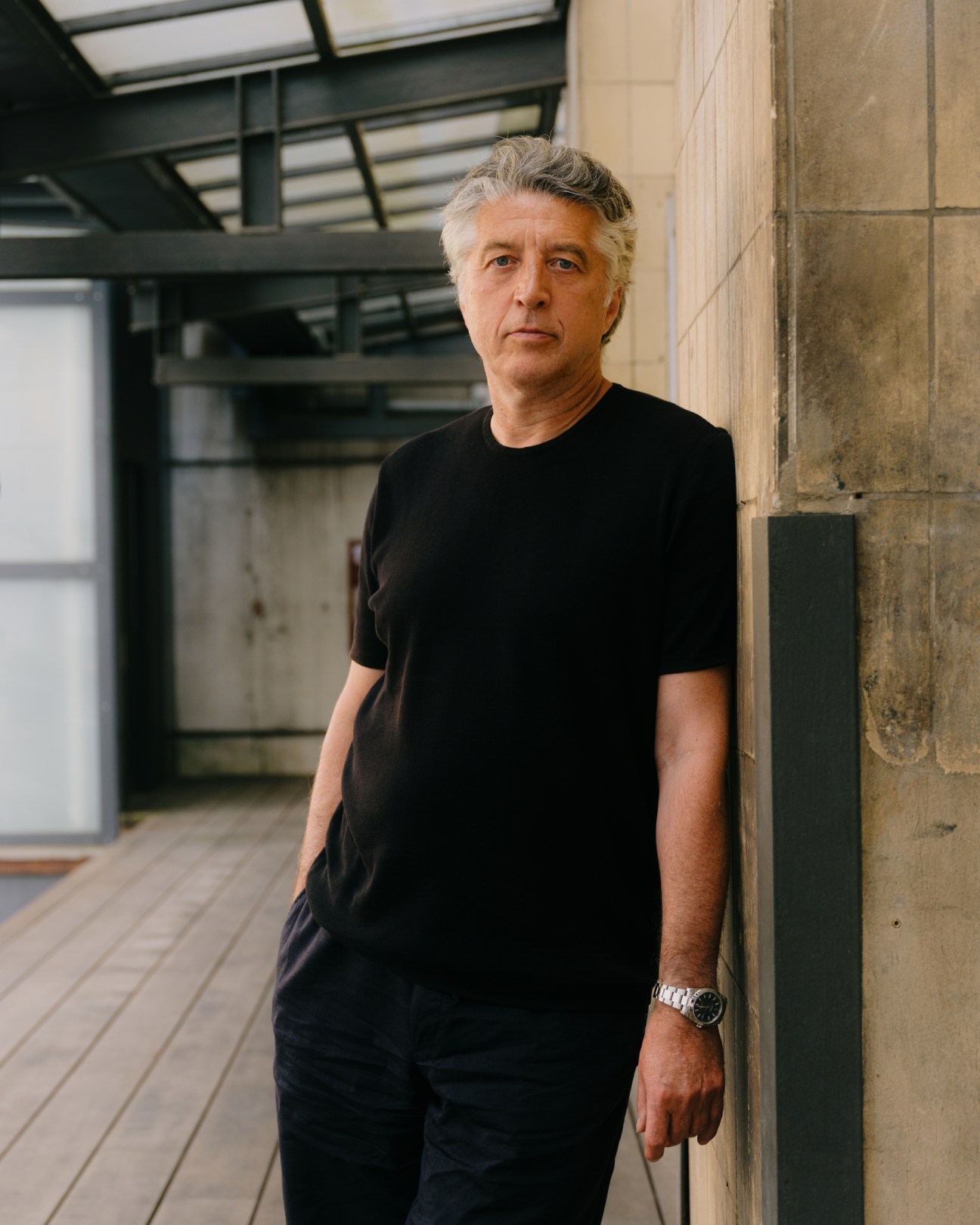
Andreas Murkudis has pulled off the feat of running Berlin’s best independent retailer for 20 years. He’s preparing to celebrate his namesake shop’s big anniversary with a series of projects that highlight the breadth of his offering, from a furniture launch with German brand e15 to a show of work by photographer Mark Steinmetz and a selling exhibition of archival Helmut Lang clothing.
Occupying a vast former printworks at the edge of the Schöneberg district, the famous boutique stocks cult fashion labels such as Issey Miyake, Dries Van Noten and The Row alongside newcomers including Danish jeweller Sophie Brille Brahe and Italian clothing label Quira. Murkudis, who was born to Greek parents and came to Berlin in the 1970s, has played his part in the German capital’s transformation over the past two decades. When he moved his shop from the city centre to Potsdamer Strasse, the area by the former Berlin Wall was still seen as a retail no-man’s-land; today, however, the neighbourhood teems with world-class art galleries, restaurants and boutiques.
Murkudis speaks to Monocle about the enduring value of bricks-and-mortar retail and why, despite ambitions for international expansion, he will always call Berlin home.
Berlin has changed a lot in the past 20 years. How has that reflected in your business?
In 2002 I opened my shop in a courtyard in Mitte. I had maybe €30,000 and I spent it all on the renovation of the building, which became a multi-brand shop for furniture and fashion. In the beginning my clients were mostly friends from the art world. Now we have 4,000 loyal customers and it’s growing every year. There still aren’t that many retailers like mine in this city. We are a little bit discreet – we’ve never had a sign on the street, for example – and we carry brands that are high-quality, expensive and often don’t have logos. Our staff are very well-trained and explain the products we sell so, over the years, our regulars have learnt the stories behind them.
You don’t sell online but have three shops on the same street. What’s the reasoning behind this?
We carry more than 8,000 pieces and it’s important for us that customers come to see and feel them. I don’t want to be sending all these products around the world because it’s not sustainable and it doesn’t fit our philosophy. I could rent a huge warehouse outside Berlin but to think only about sales and margins is really boring. For me, the fun part is meeting customers and organising exhibitions. People like to spend time in a shop like they do at a nice restaurant. Afterwards they can say that they had a beautiful hour here and discovered new things.
What makes a physical retailer successful today?
You have to do research. I get more than 200 emails every day but I check every single one and I’ve discovered a lot of brands this way. I also like to spend time with the shop staff and my clients; I know more than half of my customers by name. No one needs all these things that I sell, so why should people come and spend money in my shop? It’s a question I ask myself. I have to keep developing this project, organise more exhibitions, so that people keep coming and having fun. Right now, it works very well but I can’t just sit back and relax. You always have to work on your concept, otherwise it becomes uninteresting.
Do you have any specific projects for the shop that you would like to realise next?
I have an idea with my brother [fashion designer Kostas Murkudis] to create a unisex collection made with 20 or 30 different companies. Maybe it would be a sweater with Johnstons of Elgin in Scotland, a shoe with Marsèll in Italy and suits with Caruso. The tag on the back would have Murkudis and the manufacturer’s name on the same level. I’d also like to open a shop in Paris. The city has all these art fairs, fashion weeks and millions of tourists but there aren’t many interesting multi-brand shops.
Do you do all of the buying and curation yourself?
I have a nice young team and, step by step, I’m giving up some control. But it’s important that I really like all of the products in the boutique – whether they sell or not is another matter. In other shops, when a brand doesn’t perform, they kick it out but that’s not my approach. Some labels may need three or four years to start turning a profit. That’s not an issue; I just want to keep all the brands that I like. The good thing is that I am the owner and the buyer, so if I make a mistake, it’s fine.
Would you say that, 20 years after opening the shop, you’re still excited about what you do?
I’ve never had time to stop and celebrate but I’m so happy that I started 20 years ago with a tiny shop in a courtyard and that it has become this big and allows me to buy everything that I want. Opening the delivery boxes is like having a birthday every day.
And are you still as excited about Berlin?
What I created could only be possible here. To start out with only €30,000, to grow without any investor in the background, to find a space this large – it’s incredible. That is why, for me, this is the best city to live in and I would never move anywhere else.
Design
Architecture Canberra
Natural order
Thirty-six concrete columns are the core of an ambitious new project from Chilean art and architecture studio Pezo von Ellrichshausen. Commissioned by property developer Molonglo to attract visitors to Canberra’s rapidly evolving Dairy Road neighbourhood and titled “Less”, it borders the Australian capital’s Jerrabomberra Wetlands Nature Reserve and extends beyond a brutalist architectural form into its surroundings with an ambitious greening scheme, featuring 6,000 plants of 50 different species.
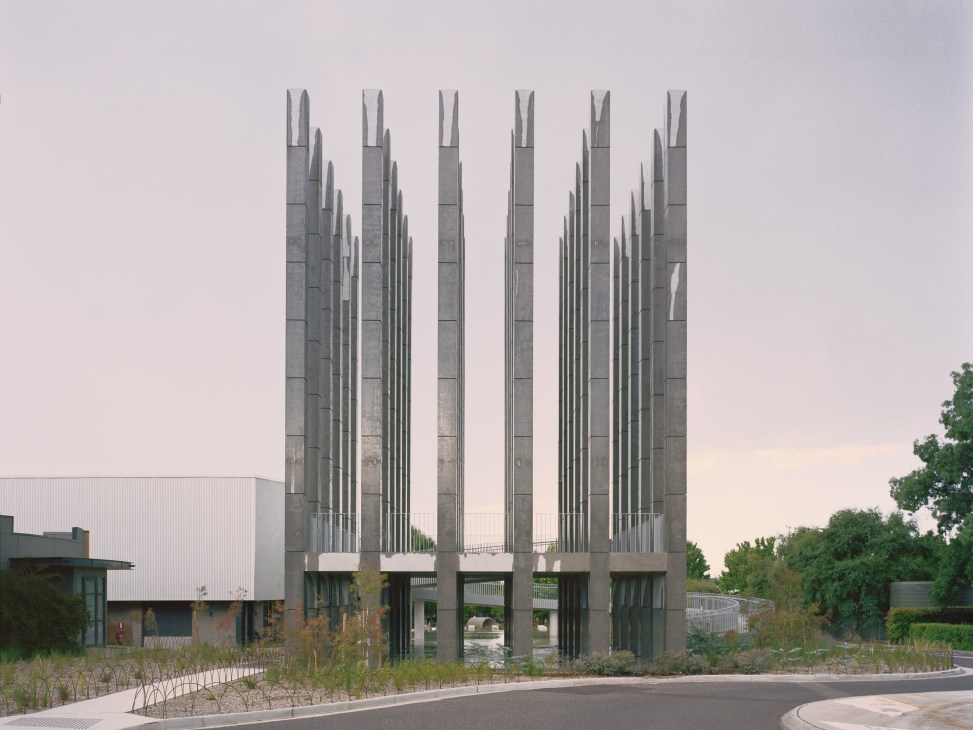
The contemplative effect is achieved by the enveloping nature of the towering columns across a symmetrical grid, as well as the design’s deliberate interaction with nature and is bolstered by recycled water gently trickling through and down the work’s columns. It has a liveliness and warmth that will surely make it popular.
pezo.cl
molonglo.com

Design Interiors
Hang time
The beautiful textiles that Belgian fashion designer Raf Simons has created over the years with Denmark’s Kvadrat enjoy a cult following among furniture aficionados. Now this partnership has expanded further into the home via a clever new storage solution.
The Shaker System works using a minimalist, leather-bound bar attached to a wall from which a variety of items can be hung. It’s a simple modular system that can be expanded without overwhelming the interior of a home or office. Our favourite elements include the smart magazine and newspaper holders that can accommodate either rolled-up broadsheets or flat-printed tomes in leather pouches. Available through a limited selection of retailers, the first furniture piece from Simons for the Danish firm is sure to become a collectable; snap it up now.
kvadrat.dk
On DESIGN
Nolan Giles on…
Finding a place in the sun
A sweaty summer in the big city has left many urbanites dreaming of a rural retreat – somewhere to cool down and soak up a more serene style of living during sunnier seasons. Climate change is not going away and, while efforts are being made in many metropolises to improve urban cooling, it seems that it’s in the countryside where serious ground is being gained in sustainable domestic design. This makes investing in a pastoral patch of one’s own, or building that dream second home, a pleasurable and guilt-free experience.
For those looking to commission cosier digs, start by surveying the work of Nordic firms practising in the land of the summer cabin (and top-shelf architecture). Finland’s Studio Puisto produces one of my favourite options: a modular cabin made from cross-laminated timber and titled Space Of Mind (something that I think you’ll agree, we all need). The units can be purchased and then placed by a lake or in a forest with relative ease. Rig up a solar-panelled power system and you’re (literally) cooking. Another brand worth investigating is Norwegian cabin-maker Nature Compact Living, which offers small, window-laden, prefabricated micro-homes that are easy to install.
Those with a more premium plan in mind might want to look in the direction of a bespoke villa in Ibiza’s Sabina development. Here an A-list cast of architects, including John Pawson, Marcio Kogan and David Chipperfield, has been commissioned to create homes which harness the land’s natural properties to form low-impact holiday living for affluent investors. The selling point for these properties is their high levels of certification for using local materials, managing waste effectively and cutting carbon emissions. But get in quickly: only a few of the estate’s remaining 50 properties will be made available over the next few years, with price points between €4m and €20m.
Urbanism
Geopolitics
USA
On the fence
In 1971, First Lady Pat Nixon opened a small public park on the US-Mexico border between San Diego and Tijuana (pictured). Friendship Park was created to celebrate the connection between the two neighbours. Nixon would ask her security to cut the fence so that she could step through and greet crowds on the Mexican side. “I hope there won’t be a fence here for too long,” she said.
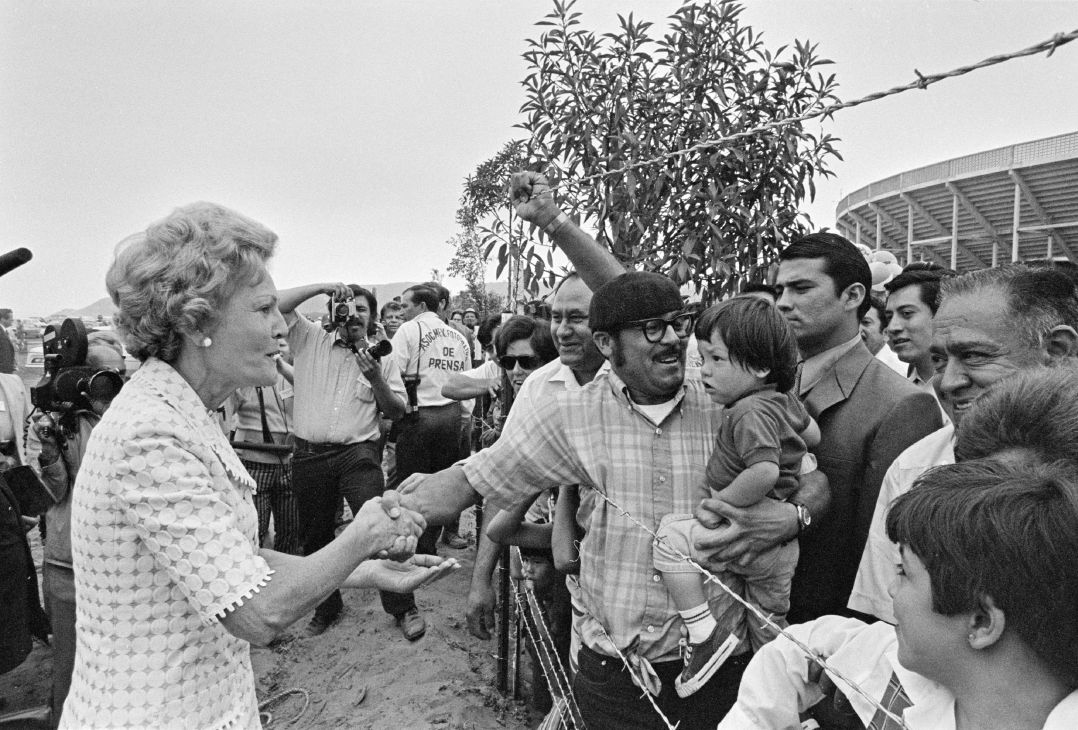
When Monocle visits, music plays and crowds gather for picnics on the Mexican side of the border, where lush lawns make it a nice place to spend time. America’s half of Friendship Park is the antithesis of this. In the mid-1990s, a tall barbed-wire fence was erected. Then, in 2012, a 5.4-metre-high second fence was built beside it. Eight years later the remaining landscaping was bulldozed and the area closed to the public. Today the fate of this symbol of goodwill between neighbours hangs in the balance. Donald Trump’s mooted 9-metre-high steel wall would obliterate any views people might enjoy of the opposite side of the border.
“It will be the death knell of Friendship Park if it goes ahead,” says Dan Watman, a member of advocacy group Friends of Friendship Park. “Trump’s walls would take away the only small piece of connection that we have left at the moment, which is just being able to wave and see each other from either side,” he says.
While Biden promised that “not another foot” of wall would be built, construction has continued. It was a small win, then, when last month building work in southern California was halted for 51 days. Chris Magnus, the US Customs and Border Protection commissioner, issued a statement saying that he wanted to hear community input before settling on a wall design for Friendship Park.
Mona Kuczenski, a volunteer with Friends of Friendship Park, hopes that construction doesn’t recommence. “We just want to make it easier for people to connect. It seems to be getting harder, though,” she says, gesturing to the militaristic surroundings. “You have to think, don’t you? This all says more about us than them.”
Urbanism
Mumbai
Walk the line
Since the opening of New York’s High Line in 2009, cities across the globe have transformed spaces alongside railway lines and beneath freeways into linear parks. Now Mumbai is getting in on the act. Nucleus Office Parks, a developer based in the southern Indian city, commissioned Studiopod to develop a masterplan for a new pedestrian-friendly park dubbed One Green Mile beneath a 1.8km stretch of the city’s Senapati Bapat Marg freeway.
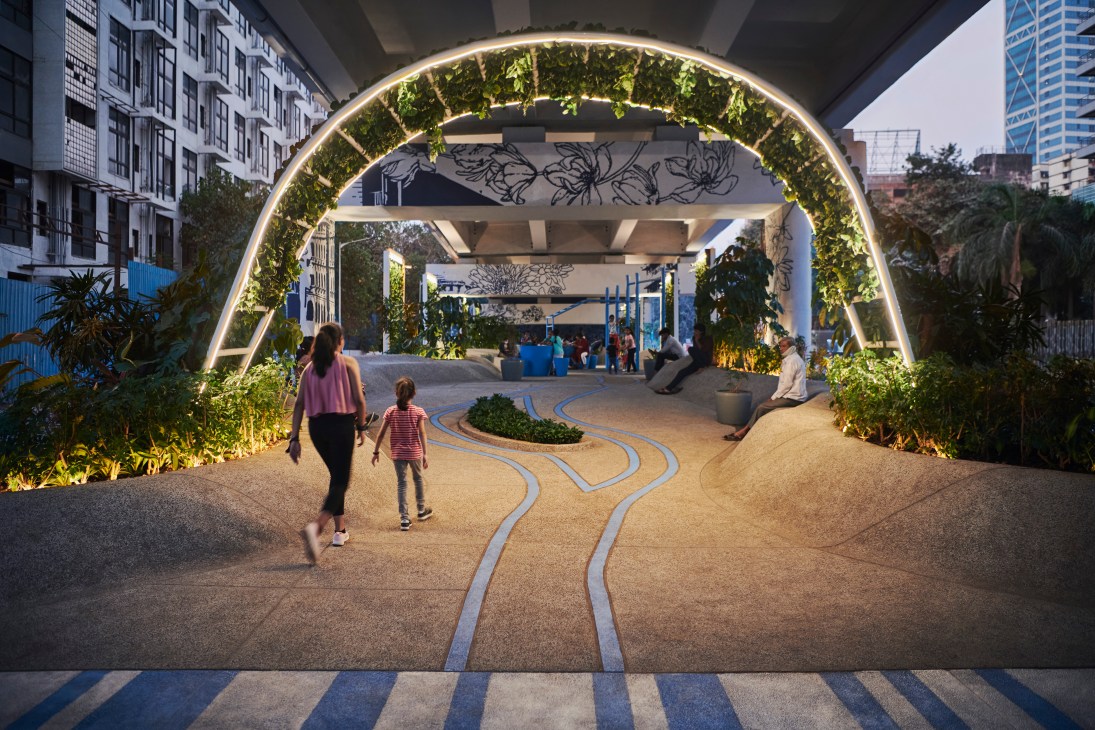
As part of the project, the studio collaborated with Dutch architecture practice mvrdv to design a portion of the complex that introduced greenery and established a strong neighbourhood identity. The resulting design sees blue stripes weave through the pedestrian-only space, creating a cohesive visual identity and demarcating a number of different amenities, from outdoor gyms to urban lounges.
“One Green Mile asks the question, ‘What if we expected highways to give something back to the cities they cut through?’” says Stefan de Koning, a partner at mvrdv. The answer is the creation of public spaces that make our neighbourhoods more walkable and provide unexpected moments of joy.
Regeneration
Omaha
Going green
Urban parks in US cities are experiencing a renaissance: years of fitful investment have left many with a number of neglected green spaces, and both city halls and philanthropic locals are responding. A case in point is Omaha. Here, a public-private partnership has invested $325m (€326m) in the transformation of Gene Leahy Mall (pictured).
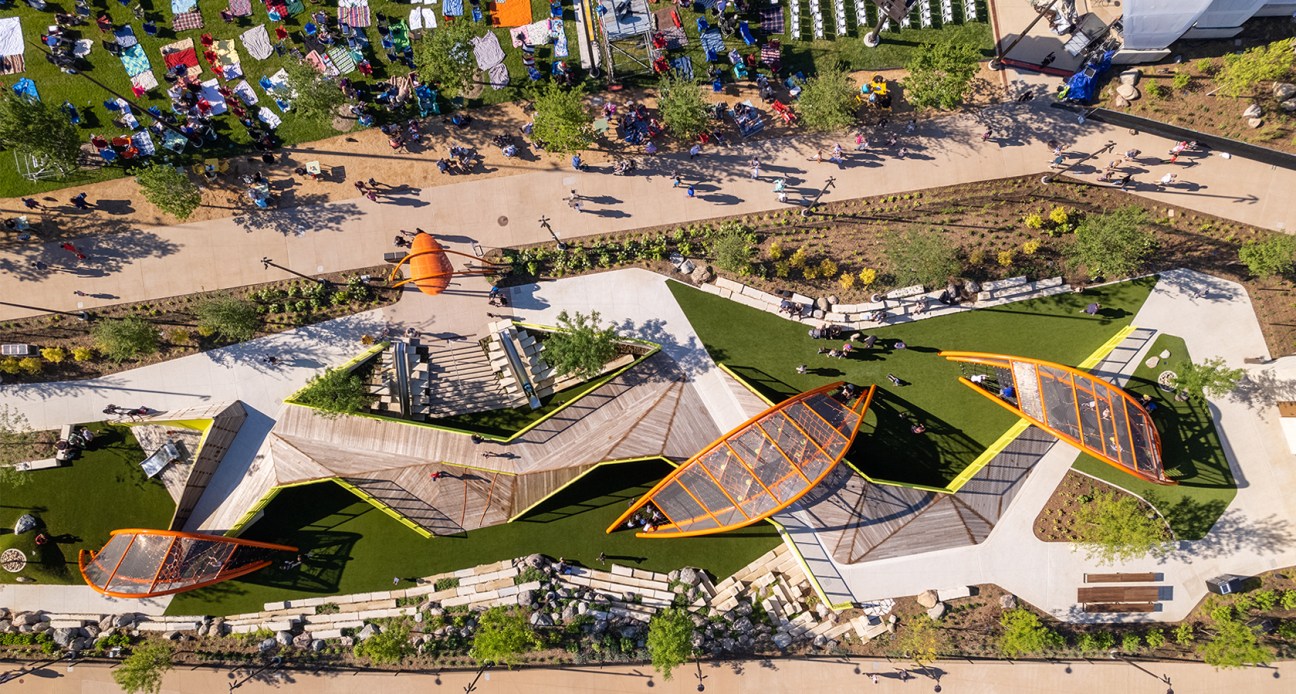
The city centre park was once home to an artificial lagoon that prohibited large gatherings. “It created difficult access issues,” says James Burnett, president of landscape architecture firm ojb. He and his team addressed the problems by reshaping it into a smaller lake and reintroducing street-level pedestrian access. Visitors can now stroll to a central lawn and performance pavilion and there is also a sculpture garden, dog park and playground.
The transformation has been a boon for Omaha, and Burnett expects more US cities to invest similarly. “The history of concrete infrastructure that prioritised transportation in cities is being rethought,” he says. “In its stead, we are seeing a boom in the construction and development of green spaces.” Here’s hoping.
Due south
“One thing any Texan should say is that we’re not entirely part of the south,” says shirt-maker David Hamilton. “We’re our own thing.” He picks up a checked shirt made in collaboration with Texan musician Lyle Lovett and points out the classic spurred pocket, which has been pared back for a contemporary look. “We do a lot of that with our clients – guys who want a shirt for the office but also want those Western details.”
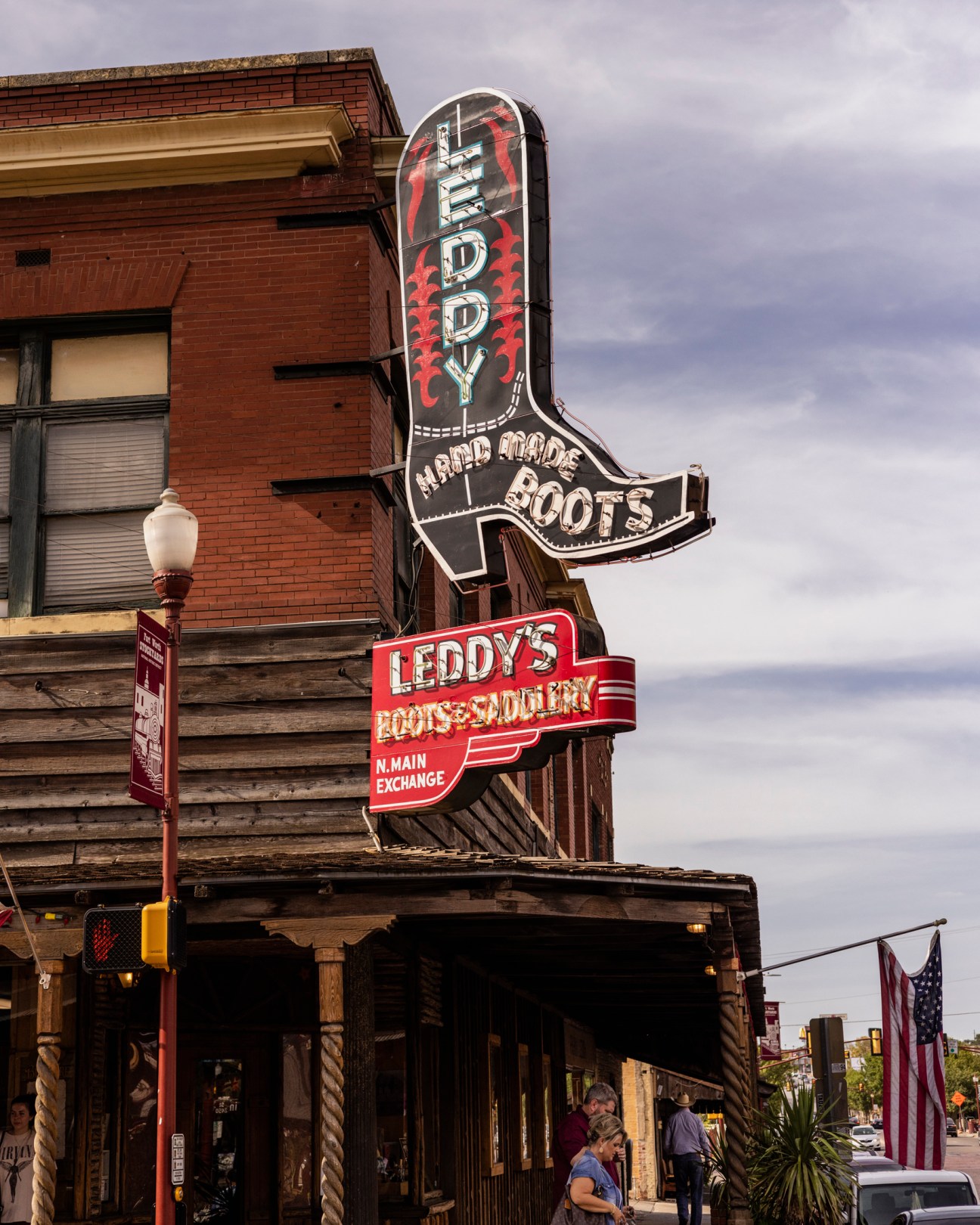
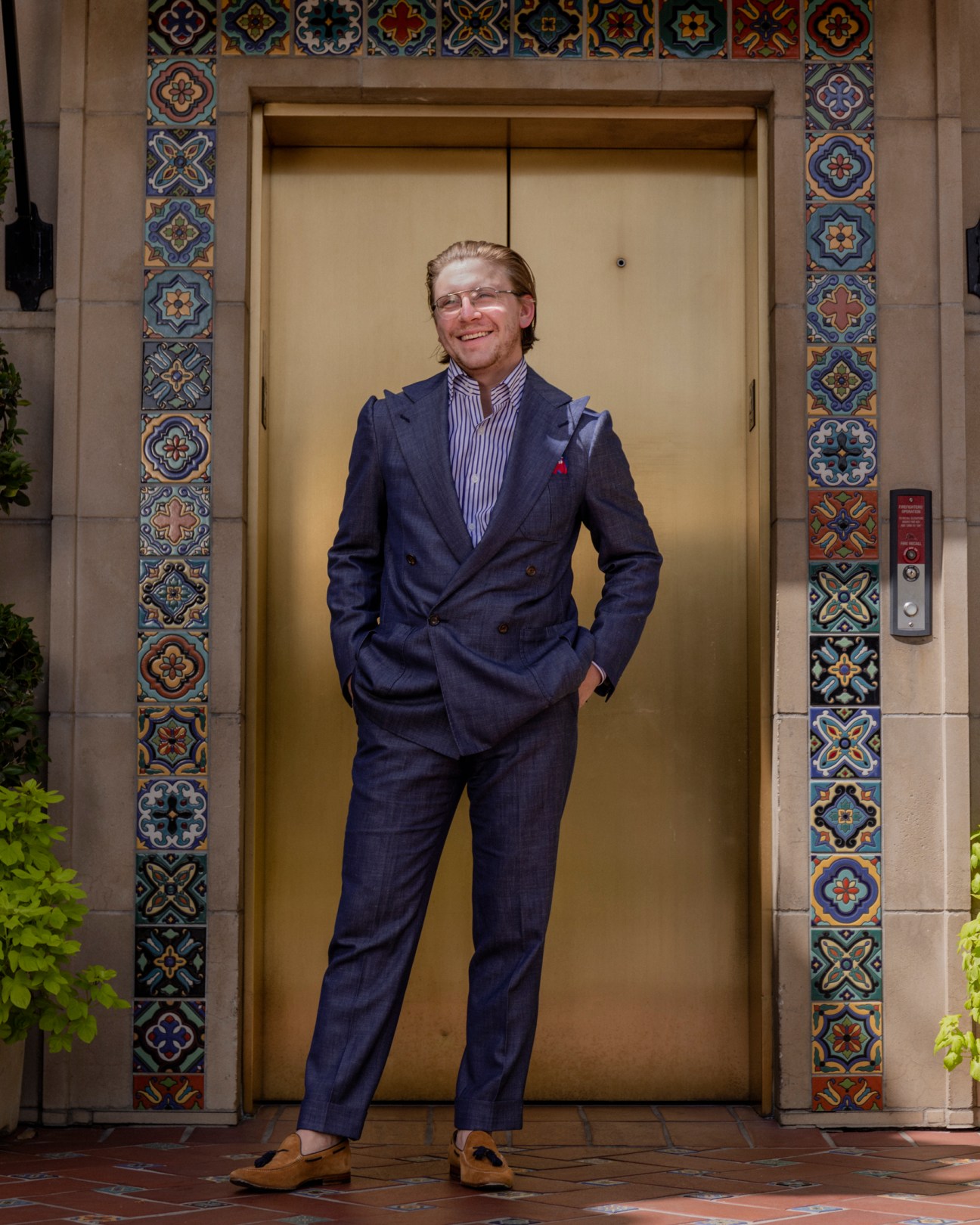
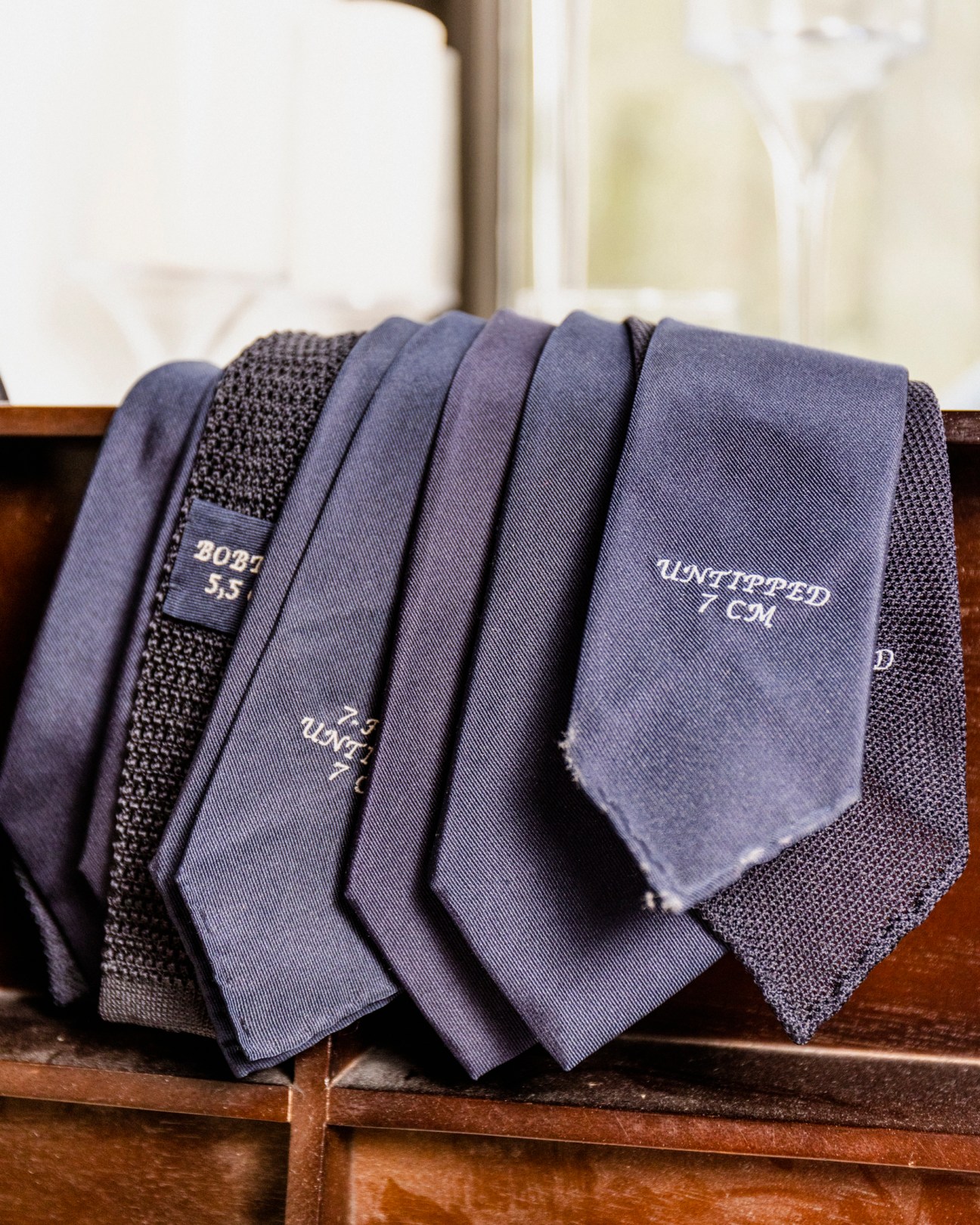
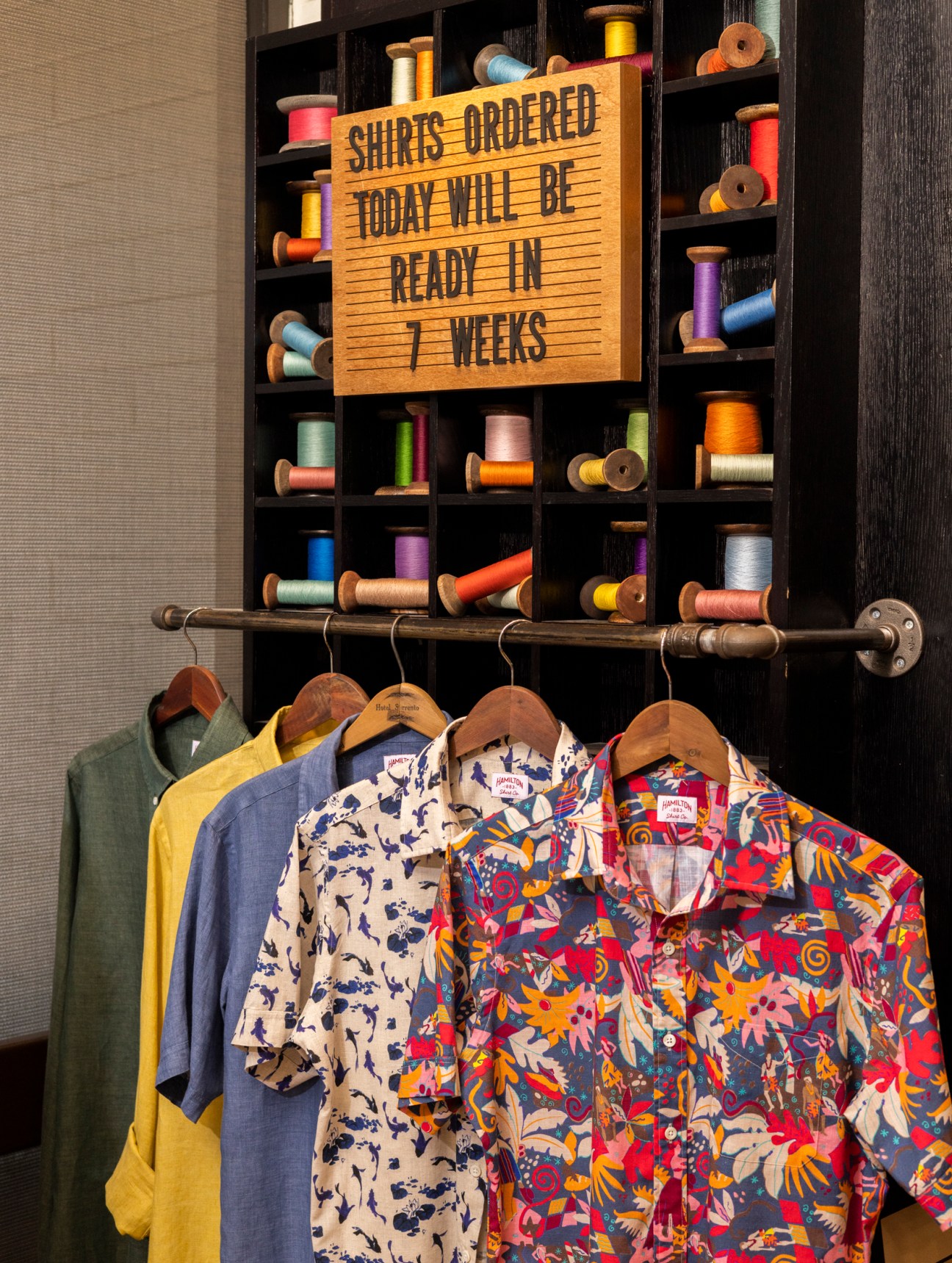
Hamilton, with his sister Kelly, is the fourth-generation owner of Houston-based Hamilton Shirts. Founded by their great-grandfather in 1883, it’s the longest-running business in the city – not to mention one of the last bespoke shirtmakers in the US. First-time visitors are often surprised to hear that every shirt is made in the same building as the showroom. “I’m like, ‘Well, of course it is!’ But then I realised, nowadays that’s not a given.” In response, Hamilton has installed a large interior window looking into the atelier, where piles of Italian-sourced seersucker, cotton and chambray make a fetching backdrop.
Despite Hamilton’s suggestion that Texan style has its own sensibility, menswear across the American South typically tends to feature European textiles and a shared idea about design. One of the best places to view this is at Hadleigh’s, a shop in Dallas founded in 2009 by Ed and Gable Shaikh. The couple met and cut their teeth as sellers at Ralph Lauren before opening a boutique of their own in Highland Park Village (a Spanish Revival-style 1930s shopping area). Most recently, they’ve expanded their menswear offering with a classic outdoors range known as Field Shop.
“This is clothing that’s at home everywhere from the Scottish Highlands to your ranch in Colorado,” says Ed, who’s originally from Pakistan, while Gable’s a Texas native. “I grew up in a very English, country-driven environment,” he adds, petting the shop’s French bulldog, Louis. “My dad was an avid outdoorsman and shooter. That was the inspiration for Field Shop.”
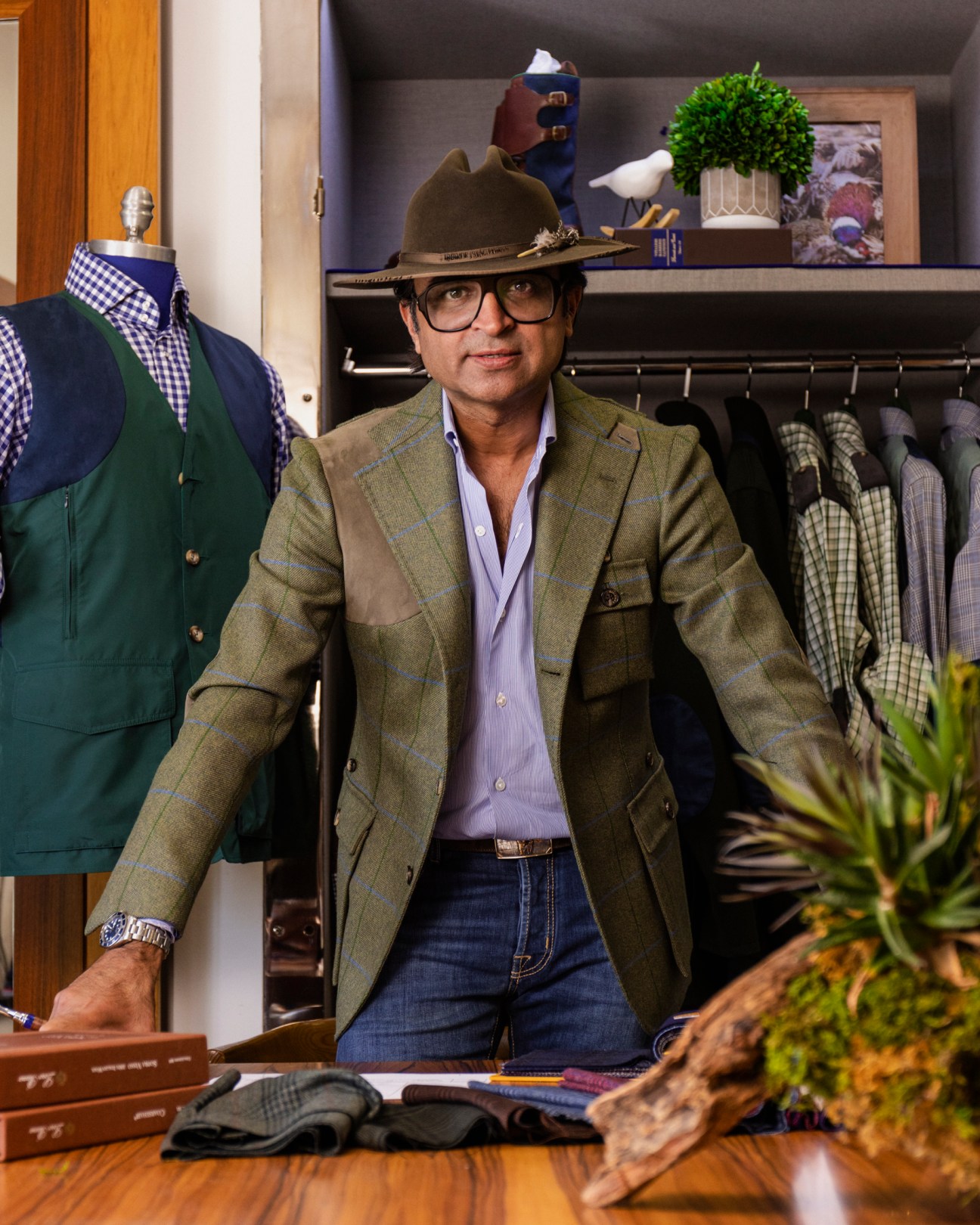
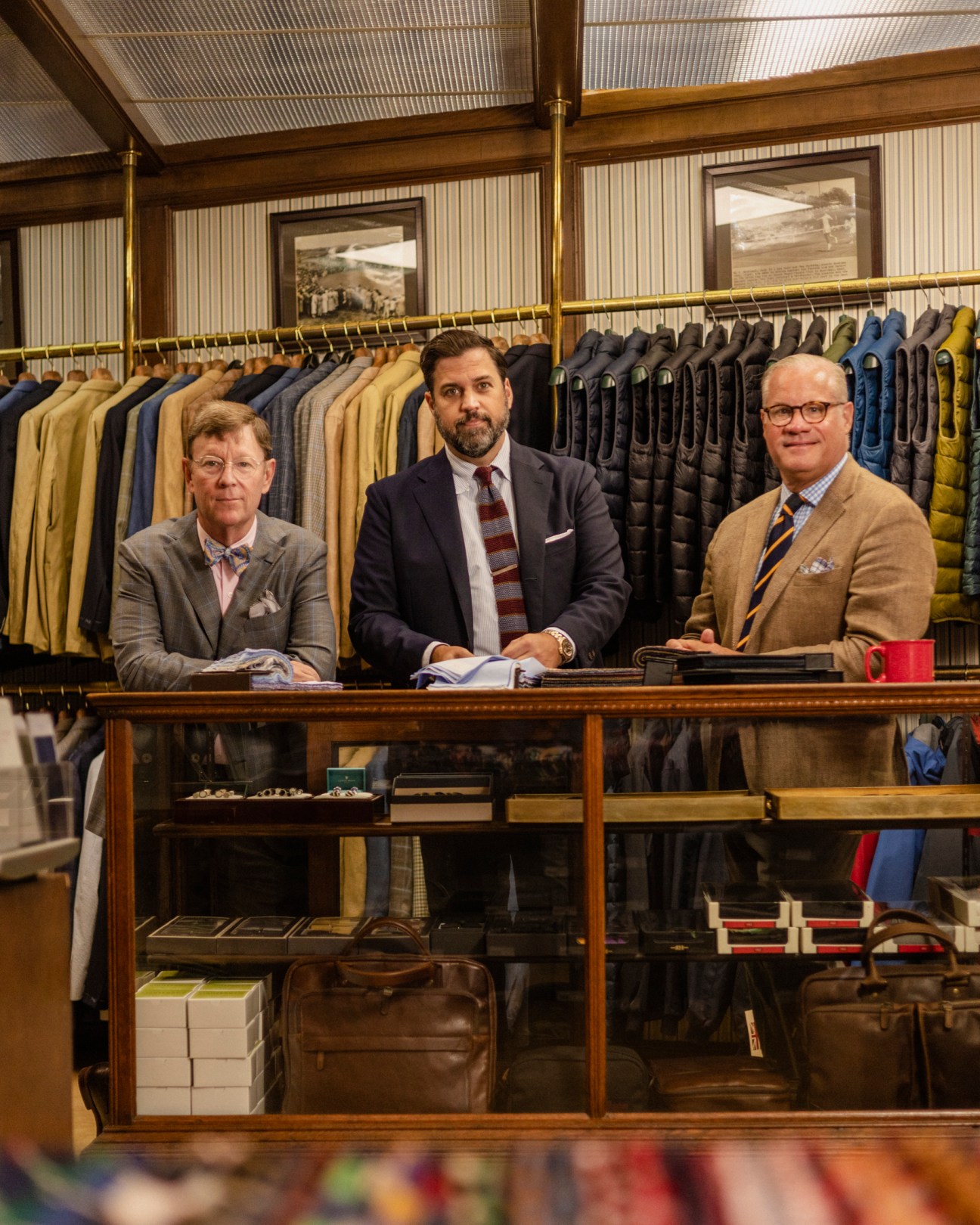
The brand’s garments are designed by the Shaikhs and made in Italy with fabrics from the likes of Loro Piana and Fox Brothers. Some manufacturing is kept State-side. Hadleigh’s Stetson hats, for example, are made from beaver fur in nearby Garland (they wouldn’t be real Stetsons otherwise). With subtle touches, the brand creates a southern look that’s of its place and time. Often, all this takes is, say, suede highlights on a tweed field vest and suddenly you’re in Aspen rather than Aberdeen. “We merge the two origins: it’s heritage fabric for the modern cowboy.”
About 900km east of Texas, on the other side of the Mississippi Basin, is Mountain Brook, Alabama. It’s a little red-brick village with Tudor Revival accents, which hosts a cluster of independent fashion businesses.
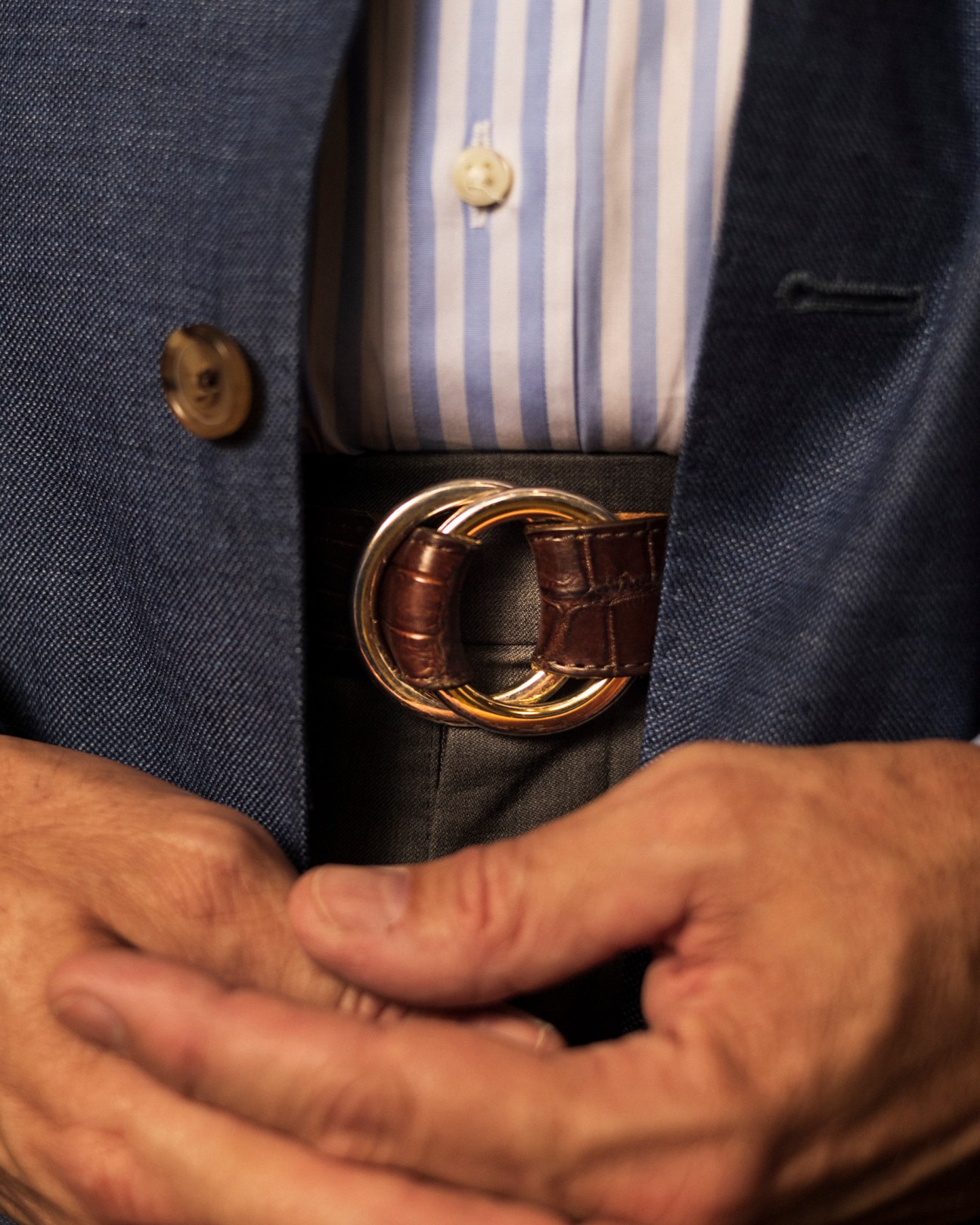
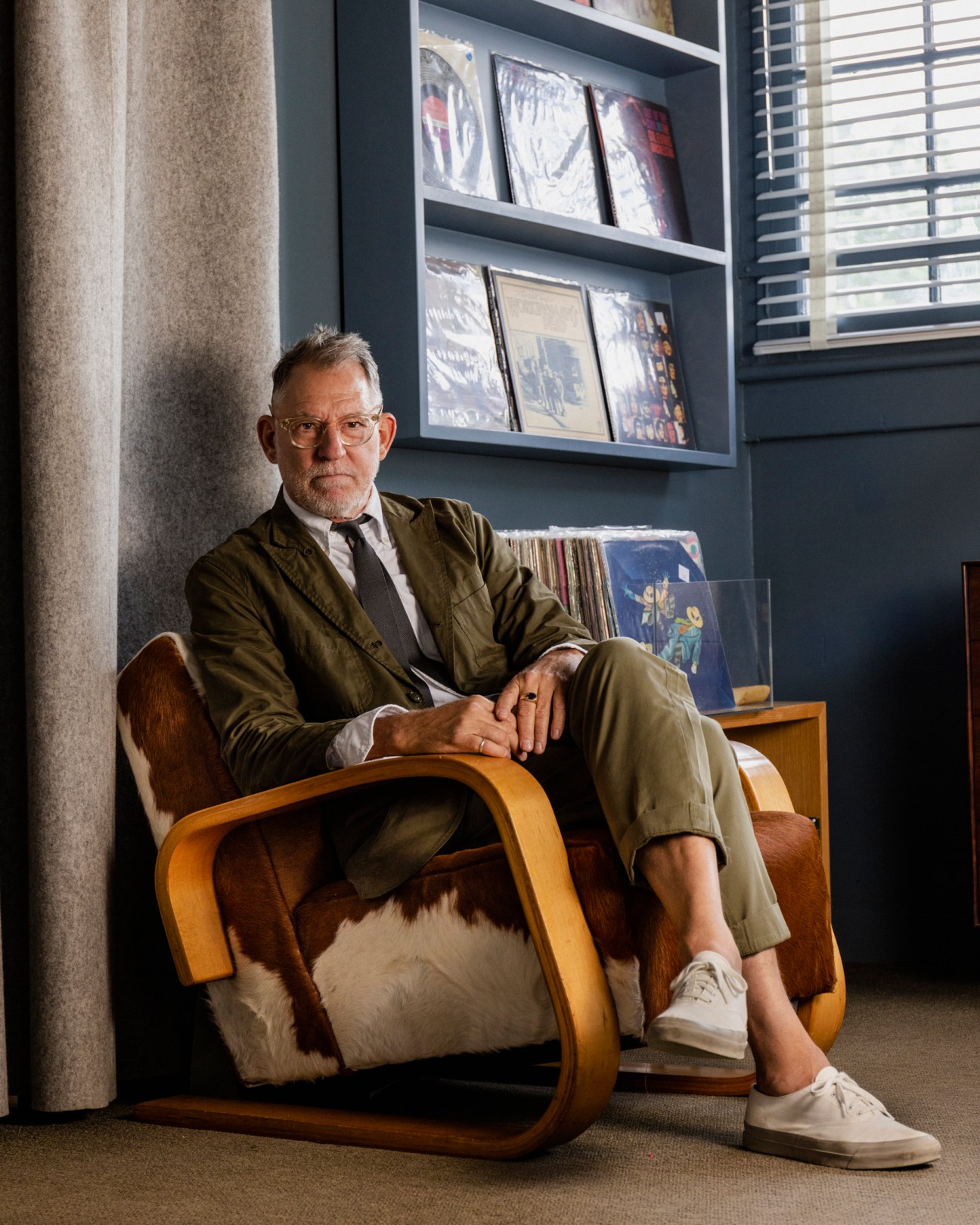
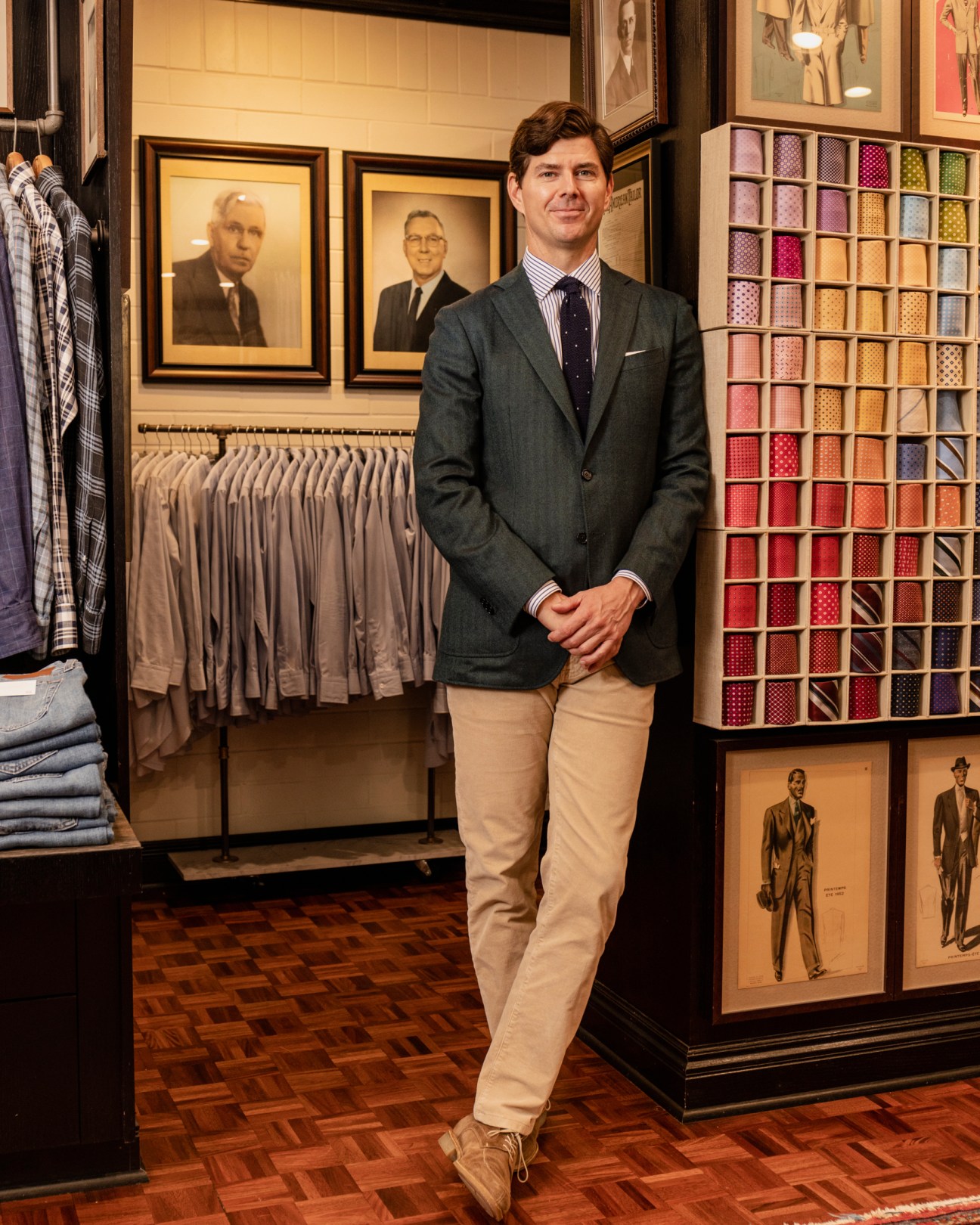
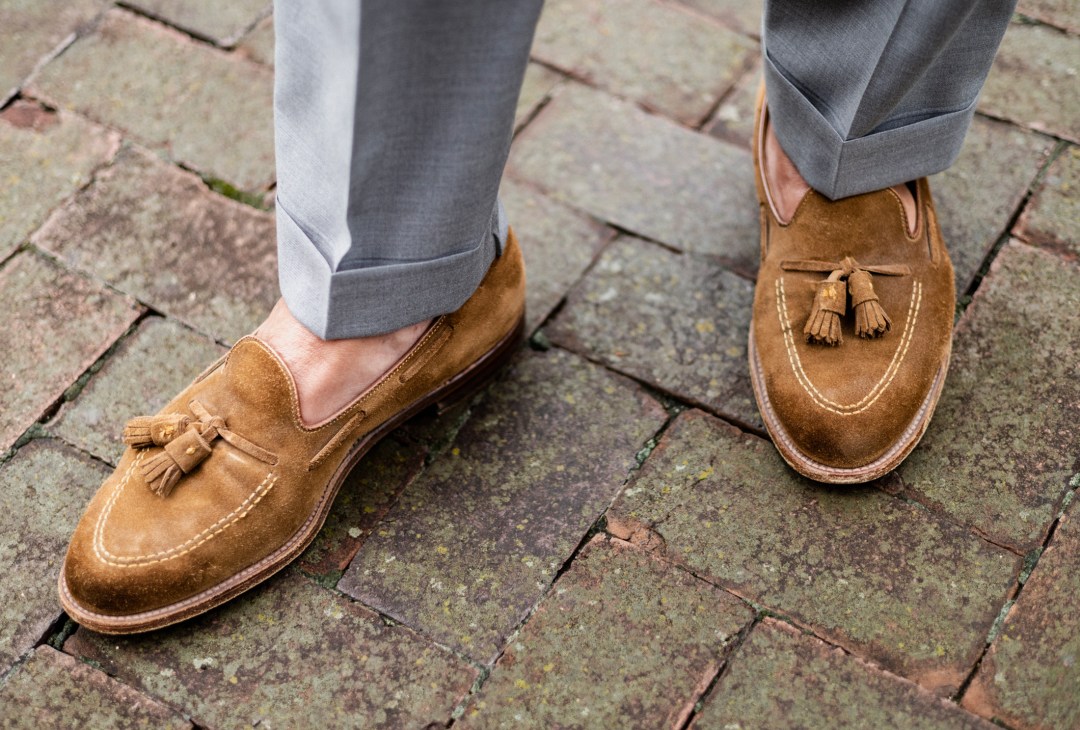
“I’ve been here 30 years,” says Scott Harrison Pyburn, who runs the menswear shop Harrison Limited. When he meets Monocle he’s wearing an unstructured linen jacket with a yellow-and-black collegiate tie and tassel loafers by Alden. “What is Southern fashion? Well, let me ask you this: is there any other part of the country where you’d even define fashion regionally?” he says. “Historically, it has more colour and a preppy element that we’ve really embraced in the south, maybe even more so than in the Ivy League states it came from.”
Harrison stocks the best of American menswear, such as ties by Robert Jensen and jeans from Raleigh Denim, but also has a budding line of his own: think Japanese-fabric chinos and unlined navy blazers that are a fresher take on traditional club-wear. It’s a thoughtful, small-batch collection that’s in keeping with the intimacy of the shop.
“Sometimes I don’t even buy anything; I just drop in for a chat,” says Bryan Balogh, a lawyer and long-time friend of Pyburn, who we meet in-store sporting one of the brand’s light-blue blazers. “Their jackets fit me like a glove straight off the rack.”
Over at Sid Mashburn in Atlanta, Georgia, business is thriving. Its co-owner and namesake, who has an air of mischievous charm and speaks with a comforting Mississippi twang, opened his flagship in 2007. There are now five outposts across the country, with a New York location slated for early 2023. “I don’t think anybody wears a tie in Italy any more and yet our tie business is on fire,” he says. “This is because we don’t wear them in such a formal way. We want to be easy. We like colour. We’re serious about bespoke tailoring but we also like our sportswear.”
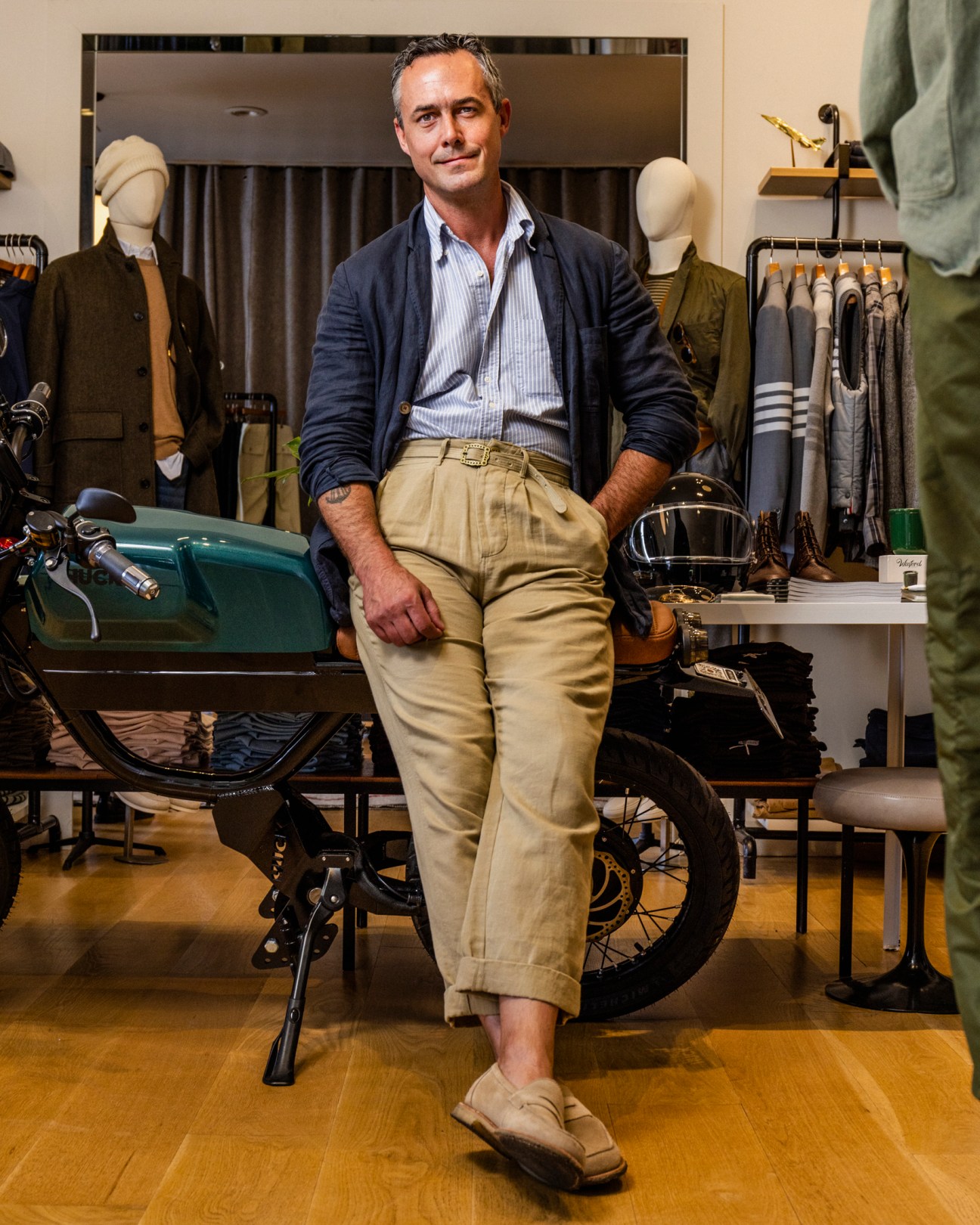
Nonetheless, Mashburn is realistic about the state of play: many men, he says, have lost the “muscle memory” of dressing well in recent years. So it’s his job as both retailer and designer to revive it. His shops are invitingly decked with Turkish kilim rugs and vintage Knoll Barcelona chairs. It’s an atmosphere where clients can feel relaxed and maybe admit that they don’t know what they want.
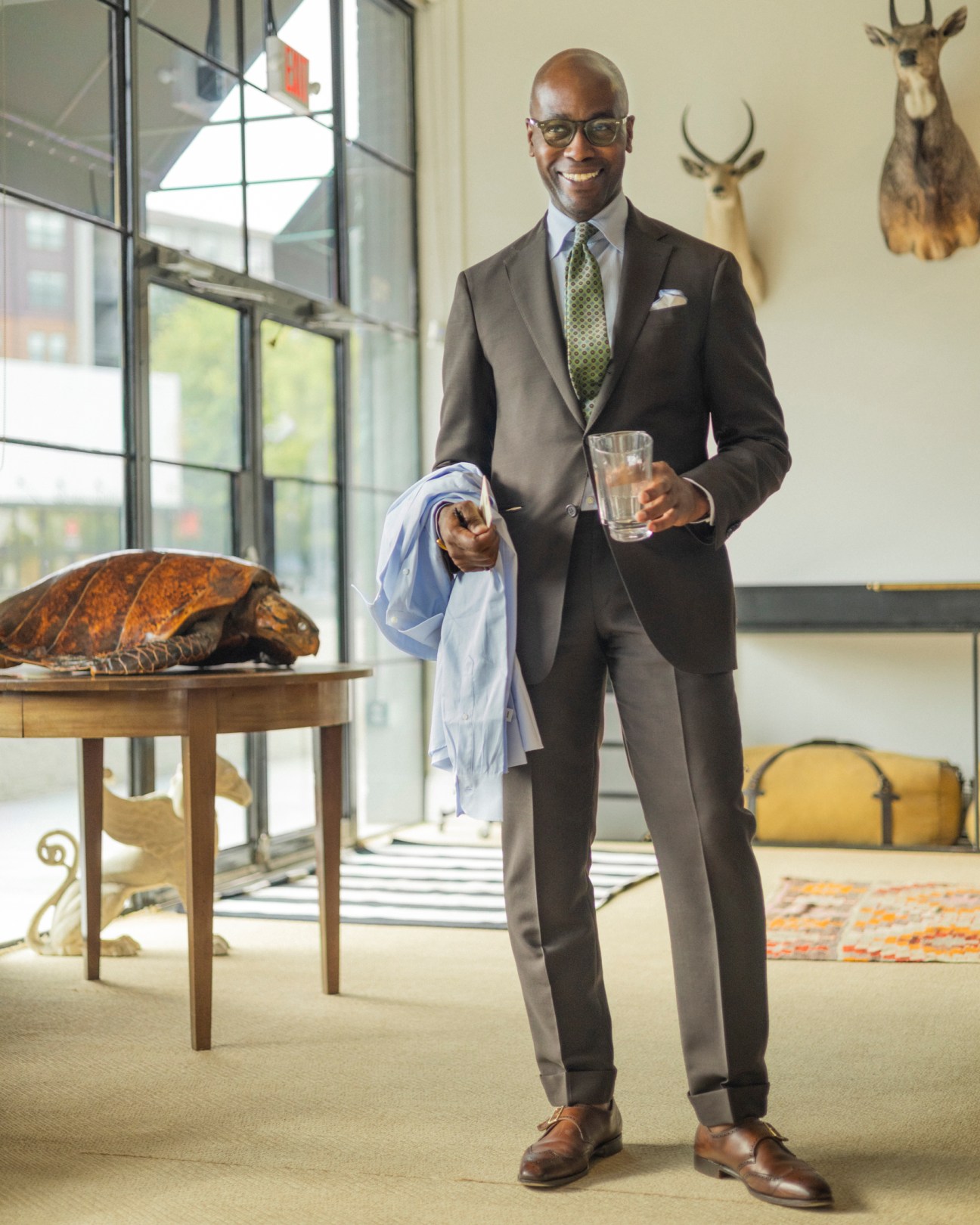
Southern menswear is defined by climate and practicality. Lambswool rollnecks and three-piece tweed suits are out of the question since they only come in handy twice a year, at best. “It’s hot down here,” says David Watkins, founder of made-to-measure label Abbeydale, housed on the sixth floor of a former bank building in downtown Charlotte, North Carolina. “Most of my fabrics are lightweight Italian, because the weather is very similar in Charlotte and southern Italy.” He pulls out a linen jacket with a Neapolitan spalla camicia shoulder (like a shirt). “You don’t see a lot of that pristine, military-style uniformity you might get in London. It’s pretty laidback here, like white trousers – I wear white all year round.”
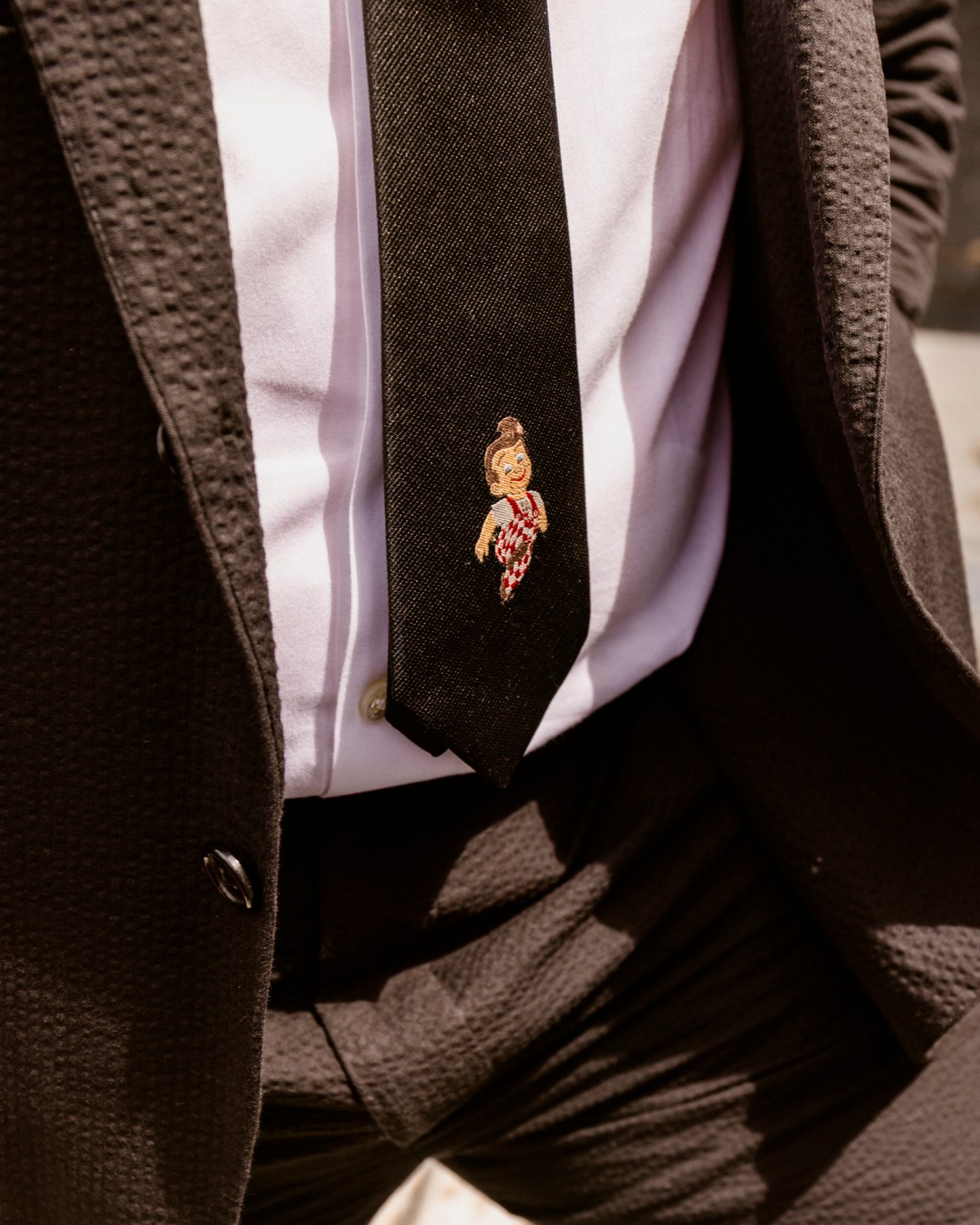
A few miles south, in the suburbs of Charlotte, is menswear multibrand retailer Tabor. Set in a 1920s bungalow, the shop encompasses an international selection with a big US showing: Tennessee’s Gitman Vintage, Tellason of San Francisco and locally made American Trench socks. “For us, southern style is smart but not overindulgent. It’s a black-on-black seersucker suit that you’d wear with a Sunspel T-shirt as well as a tie,” says product director Aaron Price who, it just so happens, is wearing a black seersucker suit from Tabor’s own made-to-measure line.
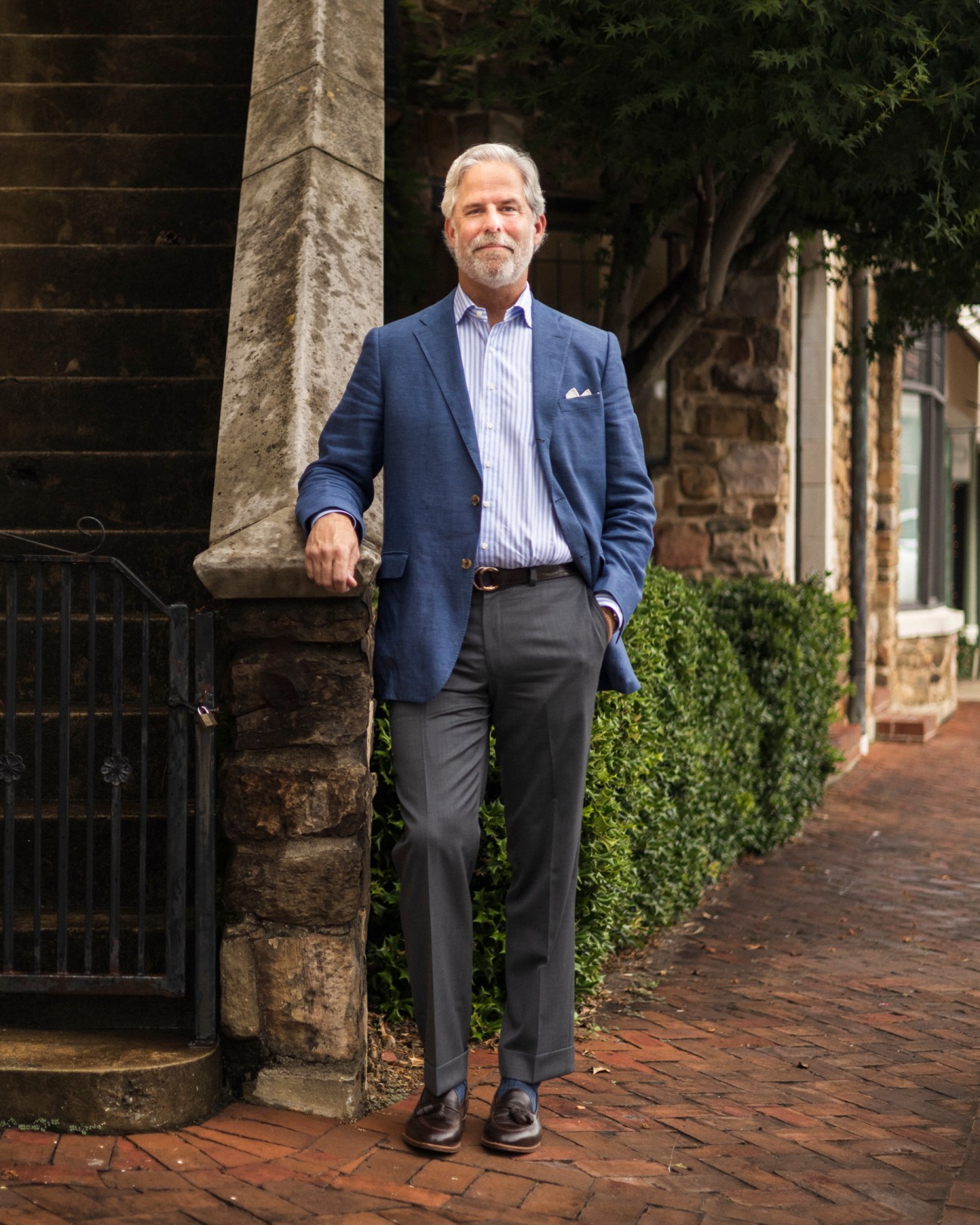
But successful retail is more than just selling good clothes. When Tabor opened in 2007, it was an outlier: a lot of clients were unfamiliar with the high-end brands and experience on offer. They had to be eased in, which is why the shop is also home to a bookshop, lounge, art gallery and café-cum-bar. As Monocle bids farewell, Price invites us to Tabor’s yearly “bungalow social”, where friends, family and clients come together for a night of music, art and well-mixed cocktails. “You have to build trust. It’s the only way.”
Where to shop for Southern style
1.
Abbeydale
Charlotte, North Carolina
Made-to-measure lightwear tailoring in Italian fabrics, plus custom knitwear, accessories and shoes.
houseofabbeydale.com
2.
Tabor
Charlotte, North Carolina
Menswear multi- brand offering a full range of clothing, from Engineered Garments jackets to made-to-measure tailoring.
taborclt.com
3.
Sid Mashburn
Atlanta, Georgia
Mashburn is the cornerstone Southern label and excels in every department, be it swimwear or dinner suits.
shopmashburn.com
4.
Harrison Limited
Mountain Brook, Atlanta
A small, classic selection for the Southern gent: boat shoes, chinos, collegiate ties and more.
harrisonlimited.com
5.
Hadleigh’s
Dallas, Texas
English heritage with a splash of cowboy: think bright-hued hunting jackets and calf-high walking boots.
hadleighs.com
6.
Hamilton Shirts
Houston, Texas
This bespoke shirt-maker is the best in the US, as well as the oldest business in Houston.
hamiltonshirts.com
Affairs
Politics – Sweden
Up close and personal
The recent Swedish parliamentary election featured the use of technology that allows political parties to send personalised video messages to voters. “This digital tactic is here to stay,” says Joachim Medalen, Sweden managing director of Norwegian technology company Seen, which produced the films for the Moderate Party.
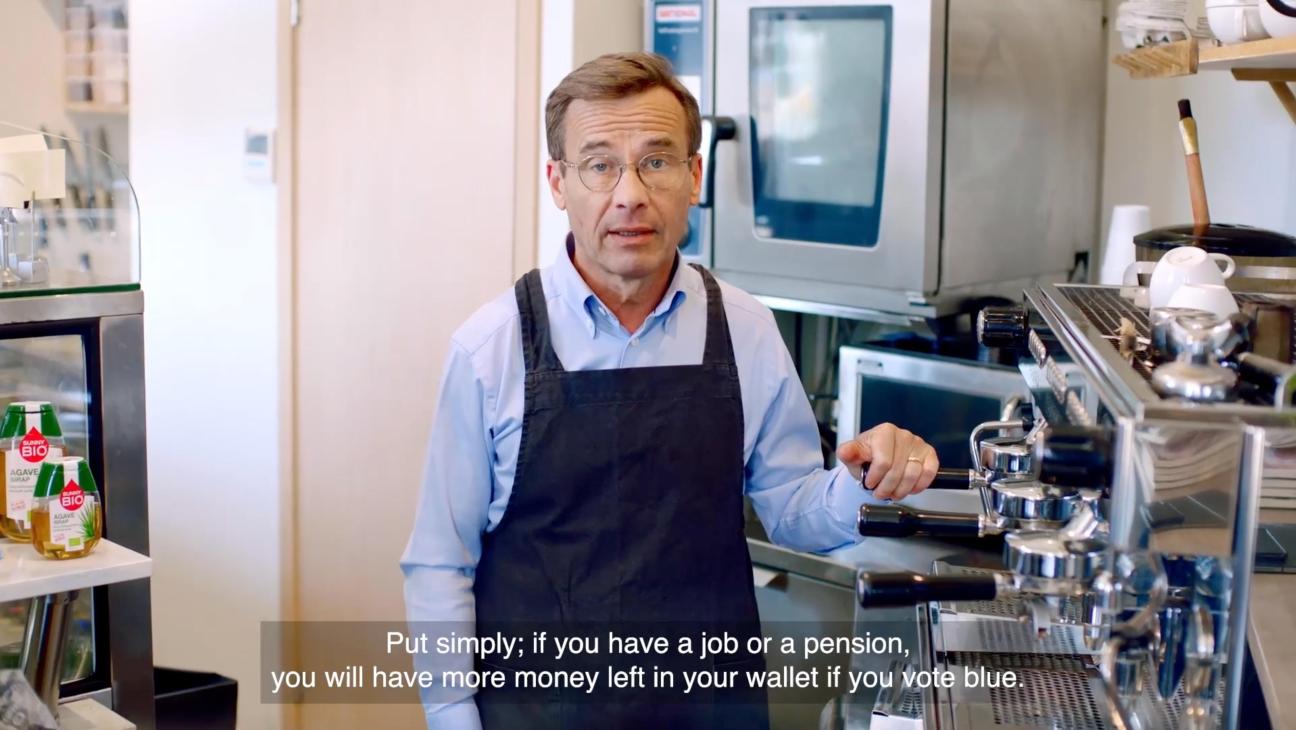
The message was sent to the more than 170,000 members of the Swedish diaspora who are eligible to vote in national elections. It opens with the Moderates’ leader, Ulf Kristersson, greeting the person receiving it by their first name. That name then appears twice more in the film, printed on a mug that Kristersson serves to a customer in a café and on a banner that billows behind a two-seater aircraft. “This sort of messaging has a lot of impact,” says Medalen. “It cuts through the clutter and engages with people in a way that traditional postal or email campaigns don’t.”
Whether or not the videos affected voters’ decision-making, their recipients’ interest was piqued. On average, people watched their personalised videos three and a half times; they were no doubt wondering how Kristersson was saying their names. In reality, he spent more than an hour and 15 minutes recording every first name that was required, probably grateful that so many Swedes are called Anna and Lars. “Anyone can make personalised messages,” says Medalen. “The magic behind our technology is that it is fully automated and scalable.”
Seen was launched in Oslo in 2017 and produced personalised videos for the Norwegian Labour Party, which went on to win the biggest number of seats in that year’s election. Since then the company has sent out more than 10 million personalised messages. “We’re now seeing this technology succeeding outside Norway as well,” says Medalen. Seen, which opened a base in Stockholm in 2021, hopes to attract political parties from further afield. Voters of the world, you have been warned.
Liv Lewitschnik is Monocle’s Stockholm correspondent.
Transport – Istanbul
Catching the wave
On a sultry August evening, Ekrem Imamoglu, Istanbul’s mayor, cuts the ribbon on the latest addition to the city’s transport network. The century-old building on the end of Moda Pier, adorned with blue-glazed tiles and lattice windows, has been refurbished after years of standing empty and is now part of the city’s expanding sea-transport infrastructure.
“We have water on every side of us: the Bosphorus, the Golden Horn, the Sea of Marmara,” says Imamoglu. “Istanbul’s sea transport was in a bad situation when I took office. Much of it was being privatised too easily. For it to be beneficial, we have to ensure that there are enough transport links to the waterside, so we are working in a strategic way to ensure this.”
Few cities live on the water like Istanbul. Some 42 million journeys are made every year on its municipal ferries, which pinball between ports on either side of the Bosphorus. The passage between continents, accompanied by buskers and a cup of tea, is arguably one of the finest in the world and the ferries’ vintage design is iconic. But it is often a slog to get from the port to your final destination; metro, tram and funicular lines seem to have been built according to an entirely separate plan.
The municipality is now working to join it all up with the goal of tempting more Istanbullus onto public transport and easing the city’s chronic road congestion. It’s also providing other options; Monocle joined Imamoglu on one of the new 45-strong fleet of sea taxis, which can carry as many as 10 people on bespoke routes between the city’s ports, 24 hours a day.

At the other end of the scale, the Pasabahce, a huge 70-year-old ferry, has been refurbished to its original design. It was decommissioned and put up for sale but Imamoglu’s team cancelled the tender when he took office in 2020. It now carries day trippers between the inner-city Kabatas port and the Princes’ Islands in the Sea of Marmara.
The goal now, says Imamoglu, is to make sea transport more environmentally friendly. Five electric hybrid sea taxis are being built and the whole fleet will be electrified by 2027. “One of our aims is clean energy and another is aesthetics,” says Imamoglu. “Istanbul had the first shipyard in the world. We take inspiration from ourselves.”
Soft Power Icon
Golden fleece
Icons don’t come much softer than Scottish cashmere. Beloved by blue-chip designers and bluestockings the world over, the illustrious fabric is mostly sourced from goats reared in Central and East Asia.
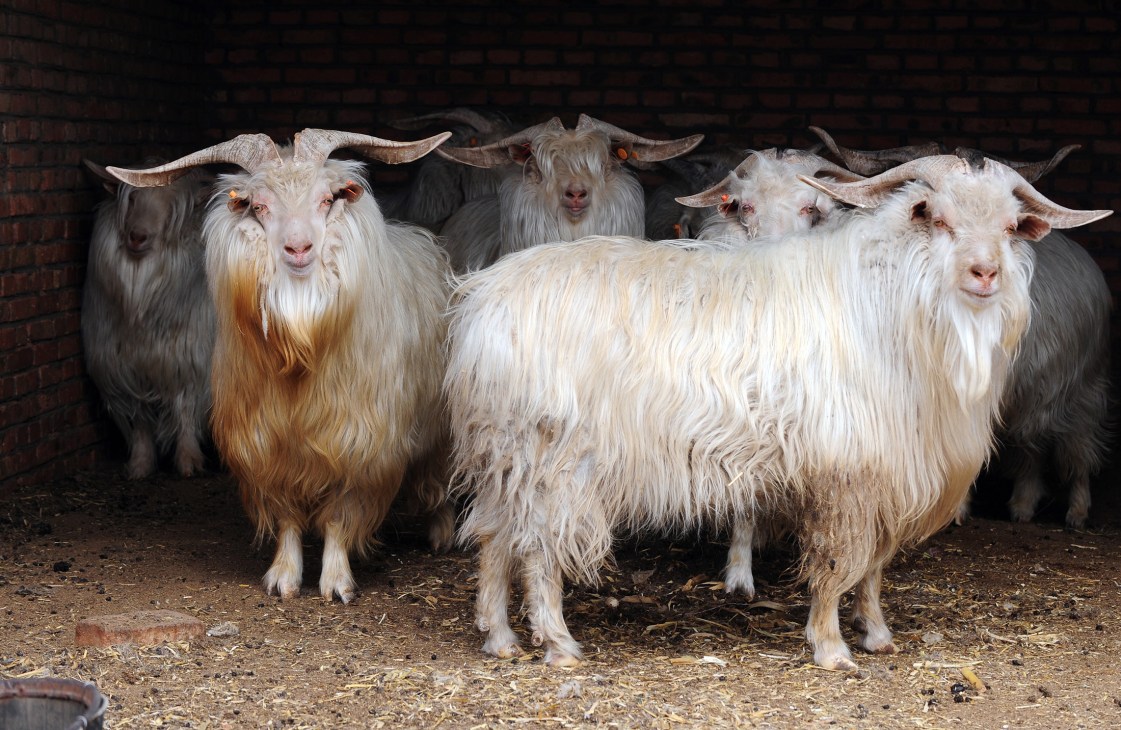
So how did it become synonymous with Scotland? Alongside the country’s weaving tradition, a number of factors converged to create a world-beating yarn. In 1830 the Scottish Board of Trustees for the Encouragement of Arts and Manufacture ran a competition for local weavers. The first person who could spin cashmere with a different pattern on each side would receive £300 (about €45,000 in today’s money). This contest, won by a Captain Charles Stuart Cochrane, seems to have galvanised a nascent industry.
In the early 19th century the UK was tightening its grip on northern India, where people had been making shawls from the extremely soft under-fleece of the hircus goat for thousands of years. This gave textile producers in Britain, where the industrial revolution was spurring the invention of time-saving machines, greater access to the material.
Cashmere’s manufacturing process relies on large volumes of water that is low in lime, something that Scotland is famous for. The combination of the softest water, finest fibres and most experienced producers gave rise to companies such as Pringle, Brora and Johnstons of Elgin, which have made their nation the source of some of the world’s finest knitwear (and a must-visit for any Japanese retailer that is after a canny collaboration).
The best cashmere is as much as eight times more effective at trapping body heat than ordinary wool – which is handy for goats in Outer Mongolia, where temperatures can fall as low as minus 40c, as well as humans in wintry Edinburgh, which can’t be far off that.
The Foreign Desk
Andrew Mueller on…
Europe’s delinquent duo
Russia’s assault on Ukraine should have been one of those clarifying moments when the world sets aside its workaday squabbles and unites to address a bigger problem. For Europe especially, there seemed little doubt about the stakes: one does not require a long memory to recall Moscow imprisoning half of the continent. Two European countries, however, have adopted positions that, if not straightforwardly sympathetic to Russia, are certainly unhelpful to continent-wide efforts. One is an EU member, the other an EU candidate. They are, respectively, Hungary and Serbia, presently best imagined as two tedious delinquents at the back of a classroom, sniggering and throwing paper planes while everyone else is diligently grappling with a complex equation.
Hungary’s motives are the more easily identified: it’s partly a matter of short-term self-interest. Budapest has taken advantage of Moscow’s desire for customers and even greater desire to undermine EU sanctions by negotiating to buy more Russian gas. And it’s also to do with the wearisomely familiar strongman posturing of Hungary’s prime minister, Viktor Orbán, who was recently a guest at the Conservative Political Action Conference in Texas – a depressingly influential conclave of paranoid nationalist yahoos, many of whom seem to see Vladimir Putin as much more their kind of guy than they do, say, the actual US president.
Serbia’s Russian sympathies run deeper, both culturally and historically. It has made a couple of cosmetic objections to Russia’s invasion of Ukraine – it voted for the UN resolution condemning the attack – but has declined to participate in sanctions. In June, Serbia would have hosted Russian foreign minister Sergei Lavrov in Belgrade had its neighbours not refused his aircraft permission to cross their airspace. Serbia’s media has taken a pro-Russian line: one poll found that 75 per cent of its citizens believed that Nato had forced Russia into action.
Some of this will be a result of sympathy that Russia bought by supporting Serbia’s refusal to acknowledge Kosovo’s independence. Serbia and Kosovo have recently almost come to blows and few doubt that the Kremlin is stirring the pot both there and in the Republic of Srpska, the largely Serb entity in Bosnia and Herzegovina: the Republic of Srpska Investment-Development Bank has been visiting Moscow, seeking to forge closer economic links. Europe is engaged, at barely one remove, in a struggle to stop Russia seizing a country by force. The continent’s leaders shouldn’t take their eyes off attempts to seize others by subtler means.
Mueller hosts Monocle 24’s ‘The Foreign Desk’.

Diplomatic Spat
Uncivil war
Who vs who: France vs Burkina Faso
What it’s about: Some splendidly French diplomacy on the part of Paris’s man in Ouagadougou, Luc Hallade. Ambassador Hallade suggested to French senators in July that the conflict commonly depicted as Burkina Faso’s struggle against foreign-sponsored Islamist insurgents is actually a civil war between the government and sections of the Burkinabe population that are seeking to overthrow it – not, the ambassador’s tone suggested, without reason. Burkina Faso’s government described this assessment as “discourteous” and “unfriendly”.
What it’s really about: The West African country’s umbrage is partially derived from the fact that it was once the French colony Upper Volta and is therefore somewhat twitchy about any appearance of being belittled by France. Hallade might have been venting his frustration – France has been leading a difficult counterinsurgency operation in Burkina Faso for some time and is unhappy about the Burkinabe military’s seizure of power earlier this year. Or perhaps Hallade is trying to get himself rotated to a more restful posting.
Likely resolution: It might rumble on for a while, not least because Burkina Faso’s junta is unlikely to lose any support by teeing off at the former imperial overlord, regardless of whether Hallade is tactfully reassigned to New Zealand.
Socks appeal
Tabio is a household name in Japan. The Osaka-headquartered hosiery company brings in ¥13.7bn (€100m) in annual sales. For regular socks, gifts or smartening up for last-minute client dinners, it’s a go-to “Made in Japan” brand that also has a global footprint with shops in the UK, France and China. On screen it dressed the Joker’s feet in The Dark Knight and supplied tights to luxury fashion brands for Paris and Milan runway shows. On the pitch, Japanese professional footballers and baseball players wear Tabio Sports performance socks.
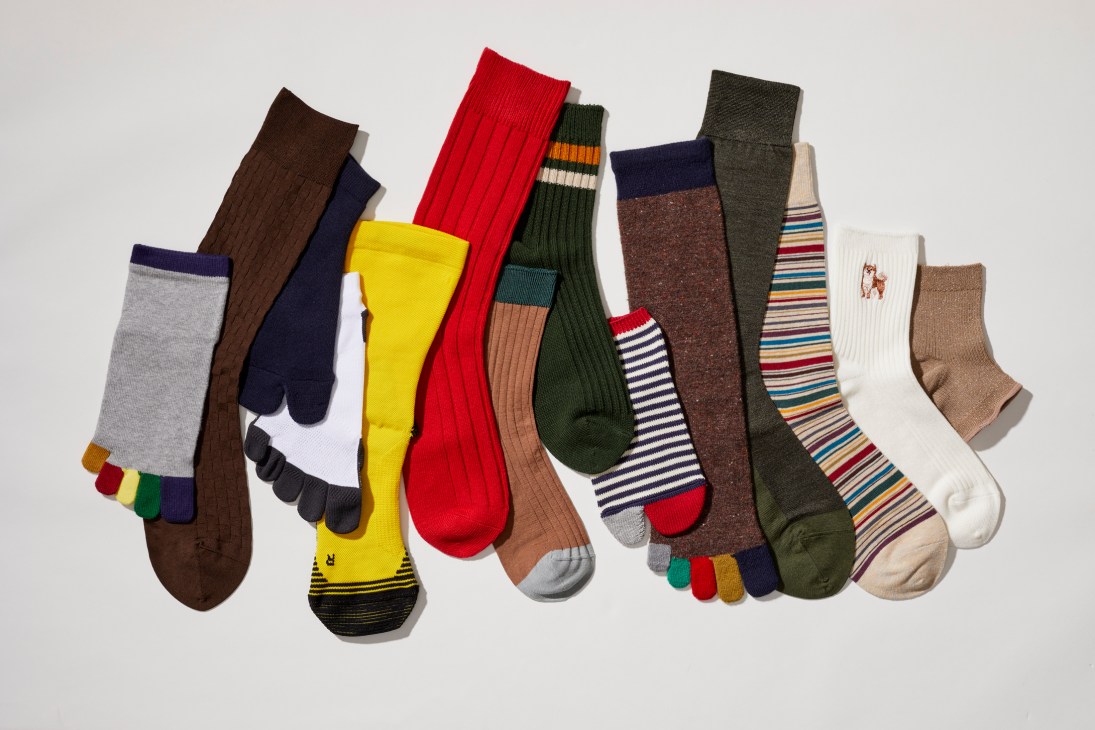
One principle might have contributed to the huge market that Tabio has created in Japan. “Kodawari [the pursuit of perfection],” says Tabio president Katsuhiro Ochi. “In Japan there is a culture to take off your shoes on many occasions but there is certainly a kodawari element in Japanese people.”


He cites a story of former UK prime minister David Cameron on television, wearing a pair of socks that had a hole on the ankle; he assures Monocle that this kind of thing would never happen in Japan.
The company was founded in 1968 by Naomasa Ochi, Katsuhiro’s late father, as a wholesale business. Naomasa, who had an unrivalled kodawari in attention-to-detail, soon started collaborating with manufacturers to produce original socks that pass his standard quality tests on everything from yarn to gauge and comfort to longevity. Today, Tabio’s network of some 50 partner factories in Japan (mainly in the Kansai region) is built on trust.

“I would make our socks overseas if there was a quality guarantee,” says Ochi. “There is a limit to the quantity we can make domestically. And I believe that an industry should be connected with the economy, meaning that Japan should be able to manufacture things for its domestic market. The same goes for the UK or China. For us to do so, we also need to export the spirit of craftsmanship.” Ochi hasn’t found a partner factory overseas yet but is keeping his eyes peeled.
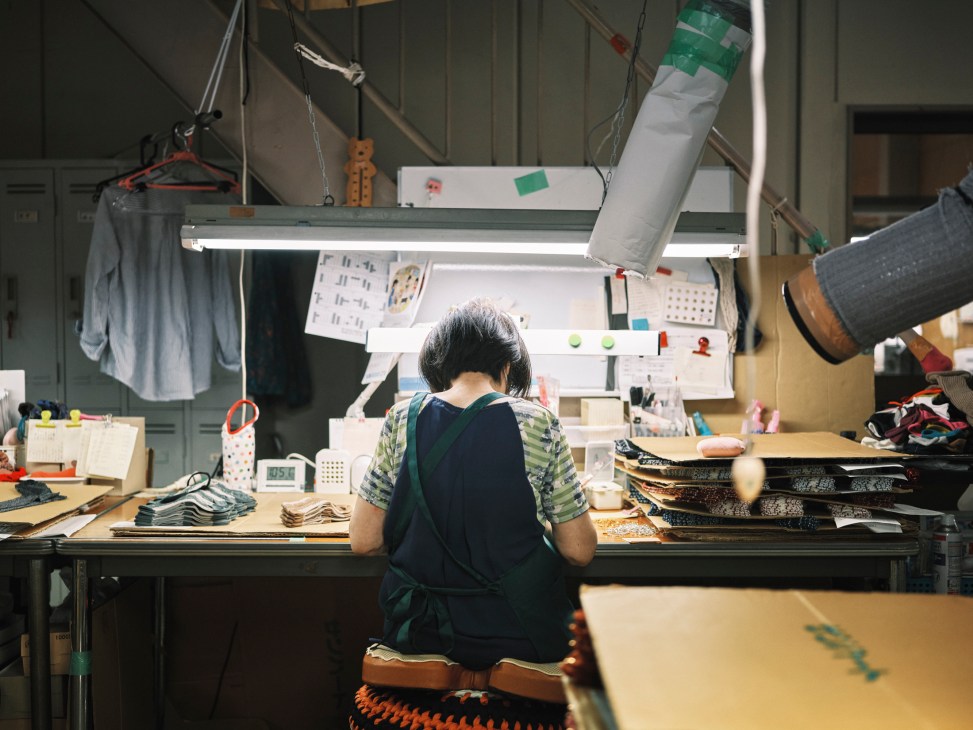
Happy Product is one of the proud sock factories in Nara that Tabio works with. Old looms are spinning at full throttle, while sharp-eyed women are adding the finishing touches to their creations. There are some cutting-edge machines, but the production seems low-tech. “We still do a lot of things by hand,” says the president Ikuo Mitsuoka. “It takes a lot of time and steps.”
Vintage machines from the 1970s produce long tubes of cloth that look like giant noodles. Once trimmed to size, they’re flipped inside out by hand. For the luxury products, toes are hand-sewn to create a perfectly “seamless” finish. Flipped over once again, staff inspect every sock for the tiniest imperfection. Then they’re washed and tumble-dried to shrink before receiving a high-pressure steam ironing. After another inspection, staff pair the socks that have the same length. “Each sock can have slightly different measurements even if they’re made in the same size,” says Mitsuoka.

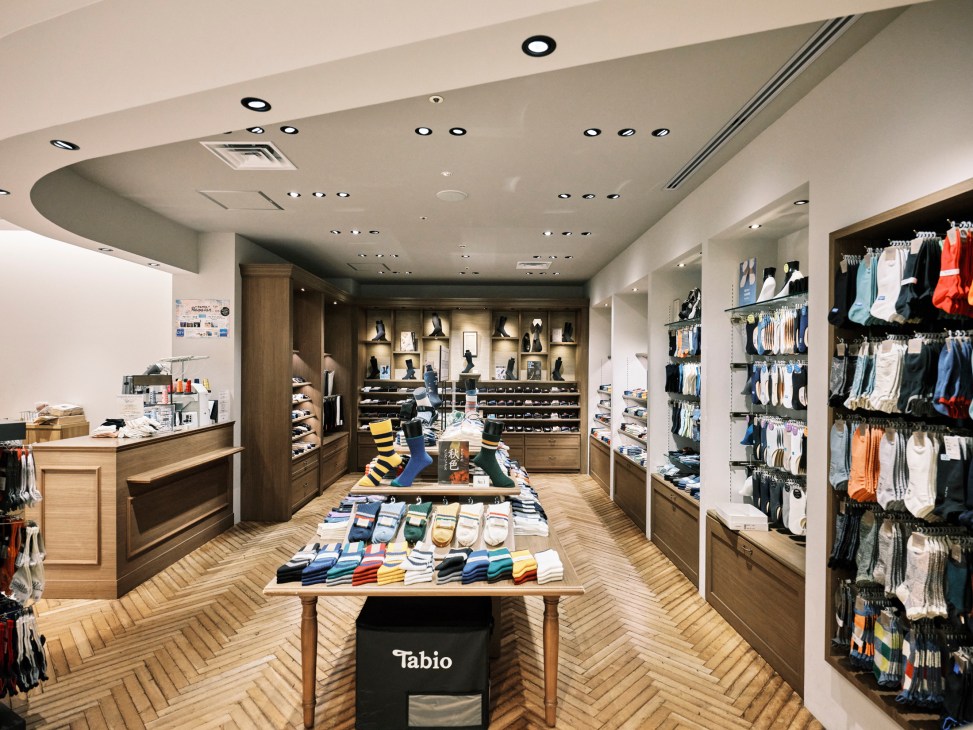
This is the tip of the iceberg of the Tabio inventory. From polyester mesh design to no-show styles (for peep-toe pump wearers) and trainer socks to fingerless toe socks, its collections are growing along with global fashion trends. And Ochi sees a big opportunity in men’s fashion. “We created the women’s market for them to enjoy socks as a fashion item to dress up and have fun in,” says Ochi. “Now we’re going to do it for men. In the past, nobody thought of a time where men’s skincare would become a standard business. So why can’t we do it for men’s fashion socks?” Ochi and his team of 15 designers consider the fabrics and colours that will match with everything from denim to boots.
Although the company has grown, Ochi is alarmed by the industry’s shrinkage. “In the past 20 years, hundreds of socks factories in Japan have gone bankrupt because production has moved offshore,” says Ochi with concern. “I want to protect the industry. Even if Tabio goes bust in the future, I want the industry to survive.”
Keeping tabs
The key figures for Tabio’s operations.
Annual sales:
¥13.7bn (€100m). Of that, 95.2 per cent is in Japan and the remainder overseas, in the UK, France and China.
Sales by category:
Women’s socks, 40.4 per cent; stockings and tights, 11.4 per cent; men’s, 19.5 per cent; children’s, 2.3 per cent; others, 26.3 per cent.
Number of shops:
249 in Japan and 28 overseas (one in the UK, three in France and 24 in China).
tabio.com
Vine intervention
The Almighty’s penchant for having water turned into wine is well-documented. It seems likely, then, that he also planned the tectonic collision that formed Alsace more than 60 million years ago. However it happened, the result is a geological patchwork and climate that’s ideal for making some of the world’s most exquisite wine.
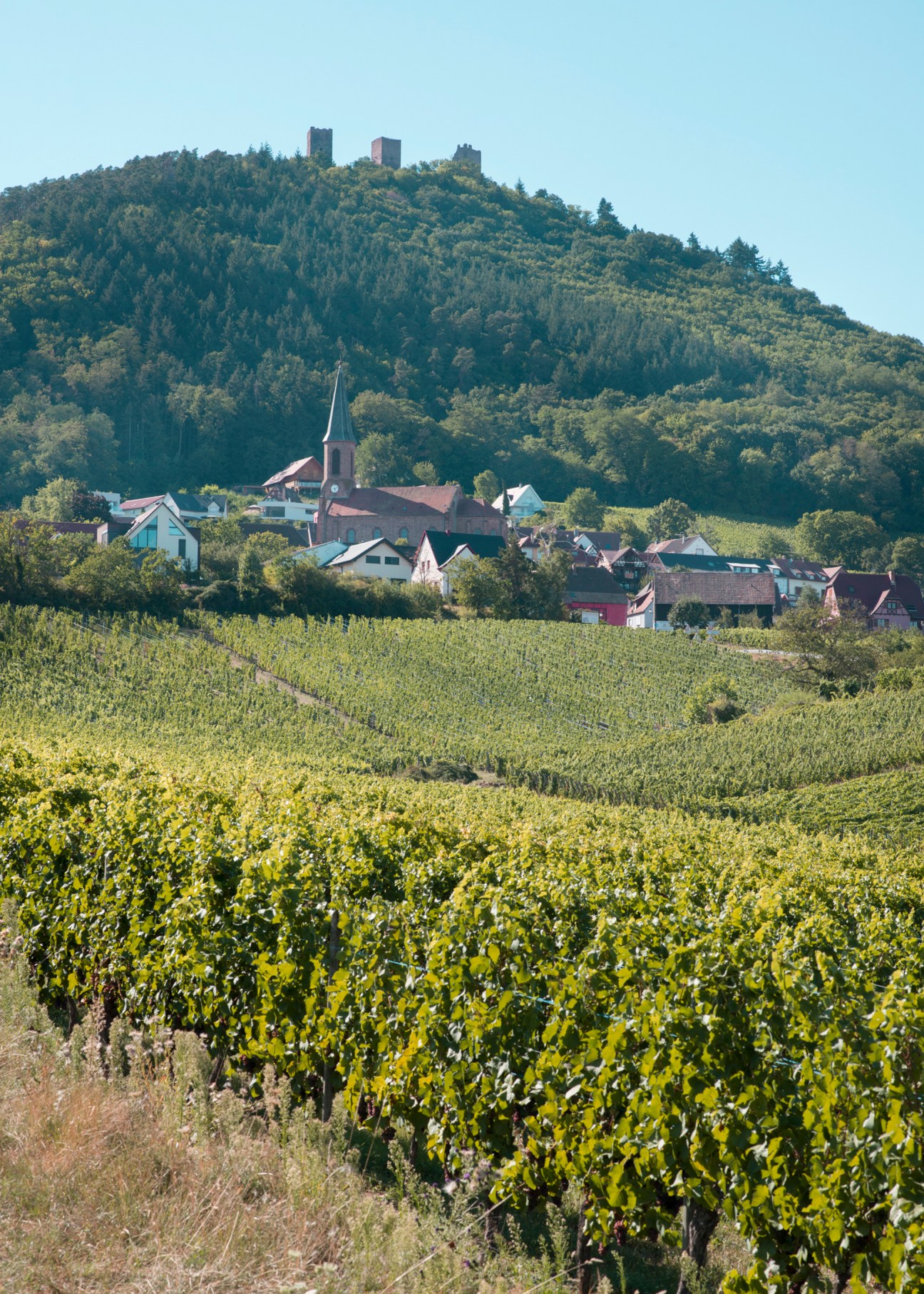
Next year, Alsace is celebrating the 70th birthday of France’s first wine route, which winds for more than 170km through the northeastern region’s medieval villages. With their narrow streets of higgledy, half-timbered brightly coloured houses, the villages often look straight out of Grimm’s fairy tales. During summer, tourist crowds disembark from their coaches to peruse endless shops selling pain d’épices, enamelled kugelhopf tins and, of course, wine.
Fields of riesling, gewürztraminer, sylvaner, muscat and pinots noir, blanc and gris nestle beside – and sometimes between – the buildings, climbing steeply until they nudge the dark pine forests of the Vosges mountains above. Handily enough, the other great tradition of Alsace is glassware. This year marks a century since René Lalique – an art nouveau master of vases, wine glasses and perfume bottles – fired up his kiln in the town of Wingen-sur-Moder in northern Alsace.
After a first night in the company’s Château Hochberg hotel (one of several hotels and restaurants that Lalique owns in Alsace and elsewhere in France), we visit the Lalique Museum just across the road, a stunning trove of glass art spanning the entire century.
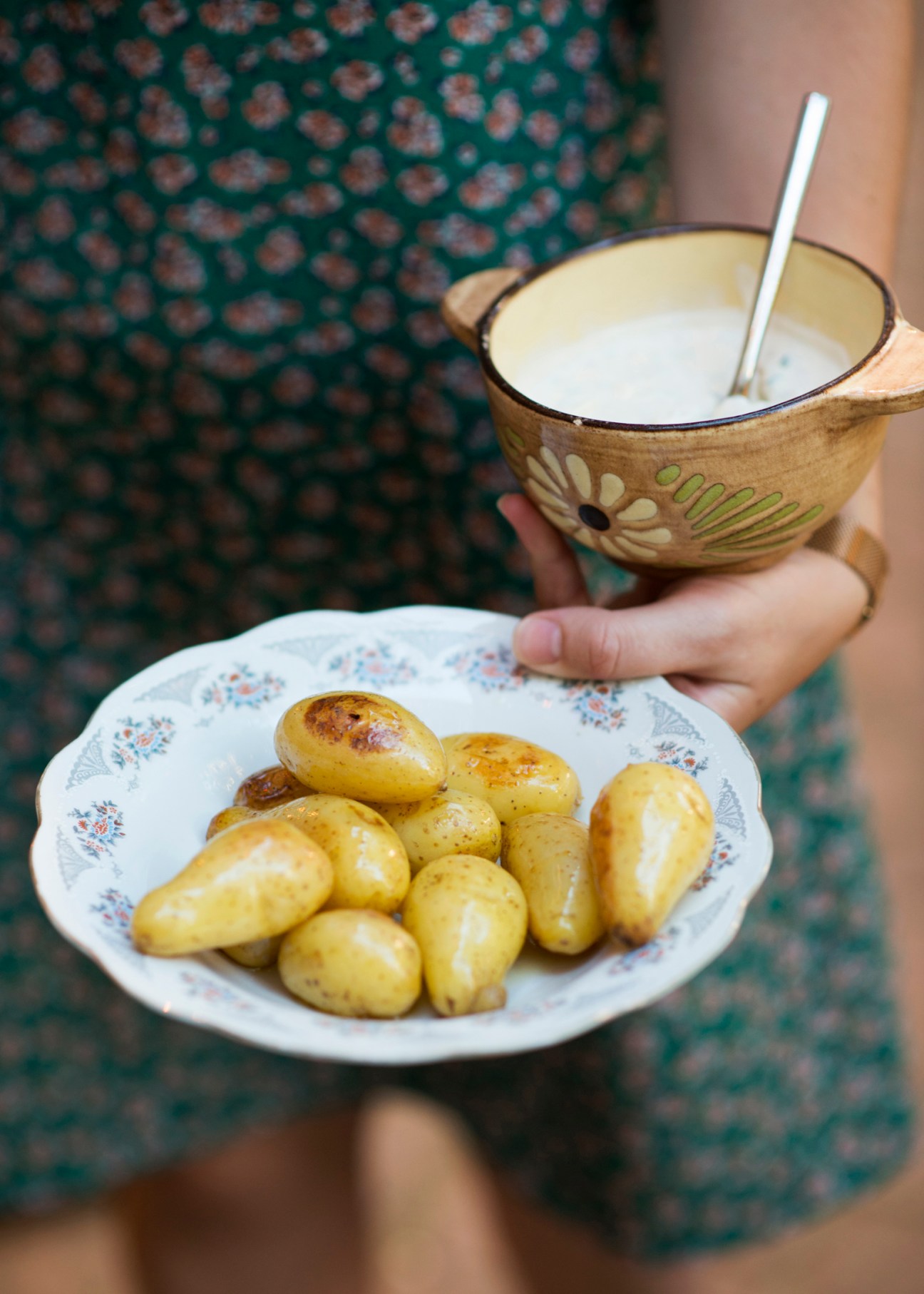
“Lalique came here because there was already hundreds of years of glass-making in Alsace,” guide Laurence Maurer tells Monocle. “There is all you need for it: wood, water and the metal oxides.” In Alsace, even the glasses used to enjoy the wine benefit from the terroir. Talking of which, Alsatian food – rich, fatty, meaty – is particularly well-suited to the fresh acidity of the region’s dry whites. But as much as Monocle loves choucroute garnie, a giant mound of pickled cabbage bedecked with various cuts of cured pork, and other Alsatian staples, such as the daunting three-meat stew, baeckeoffe, we’re in search of something lighter, something more contemporary. So what’s new in food and wine in France’s eastern-most province?
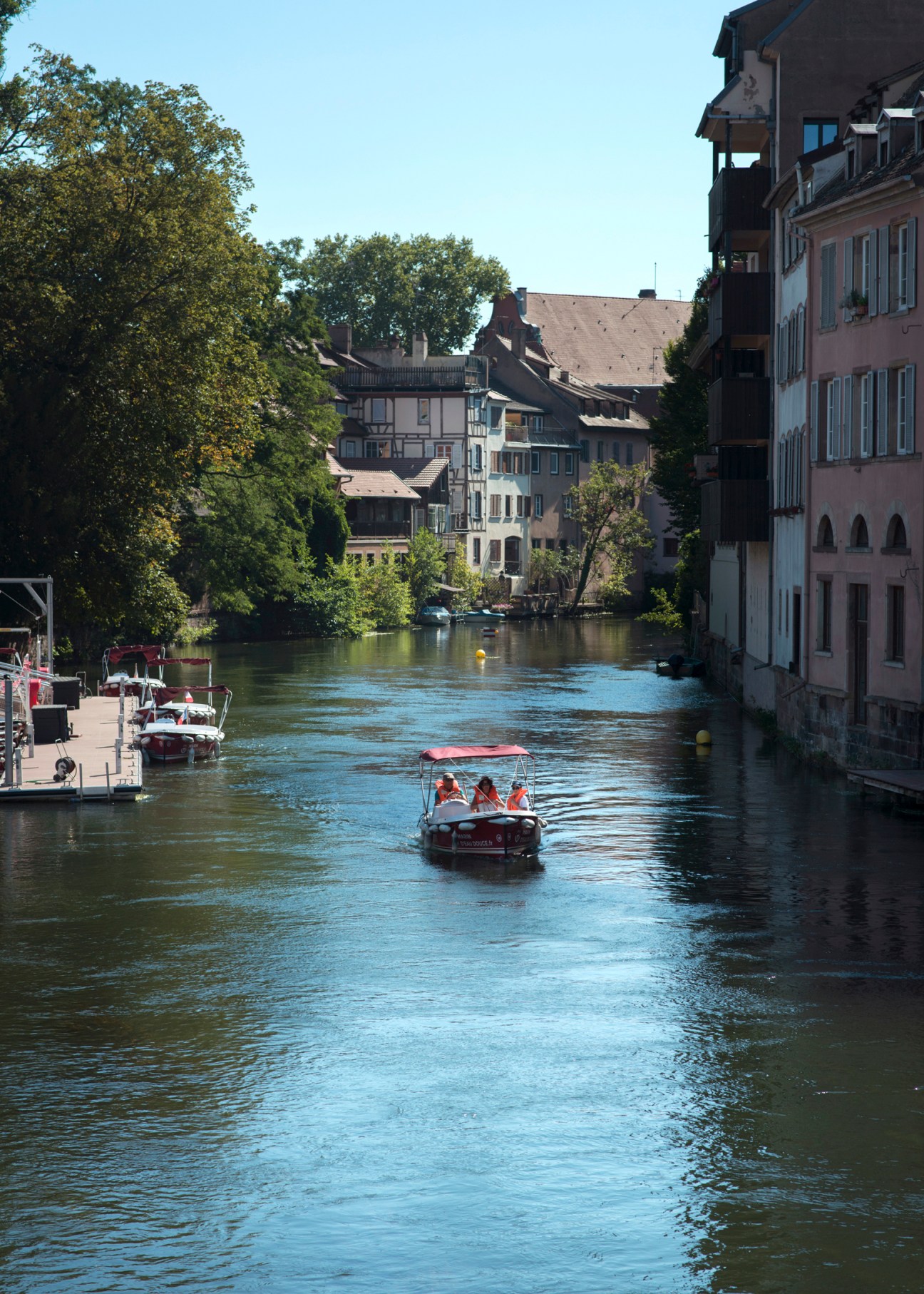
Initially, the answer seems to be, “Not much.” On the high street of Marlenberg, near the northern gateway to the Alsace wine route, there’s a vending machine dispensing slices of pâté en croûte and jars of Presskopf (pig’s head terrine), which, we suppose, is a sign of the times. Things improve with a dinner detour to Strasbourg, the region’s capital.
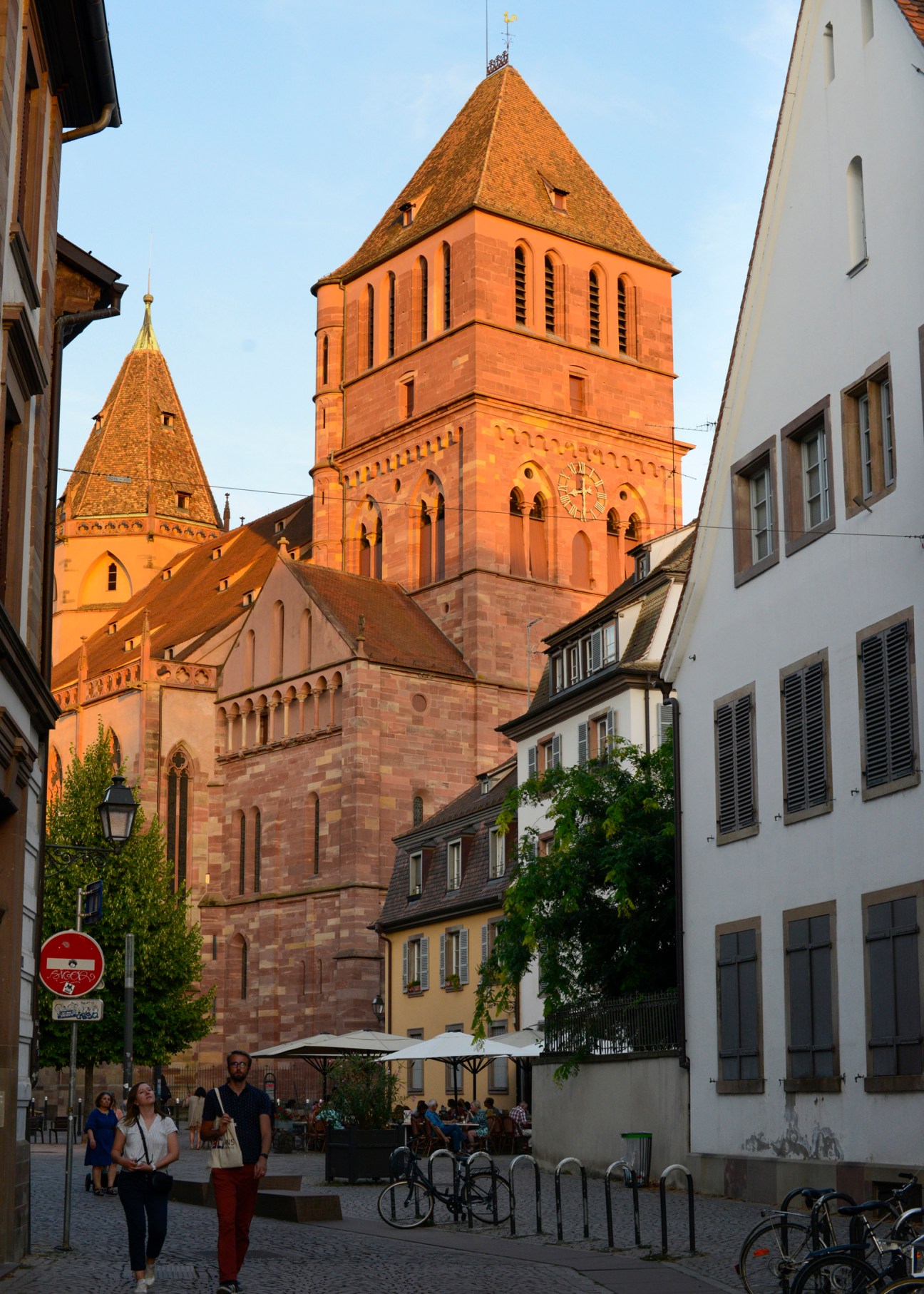
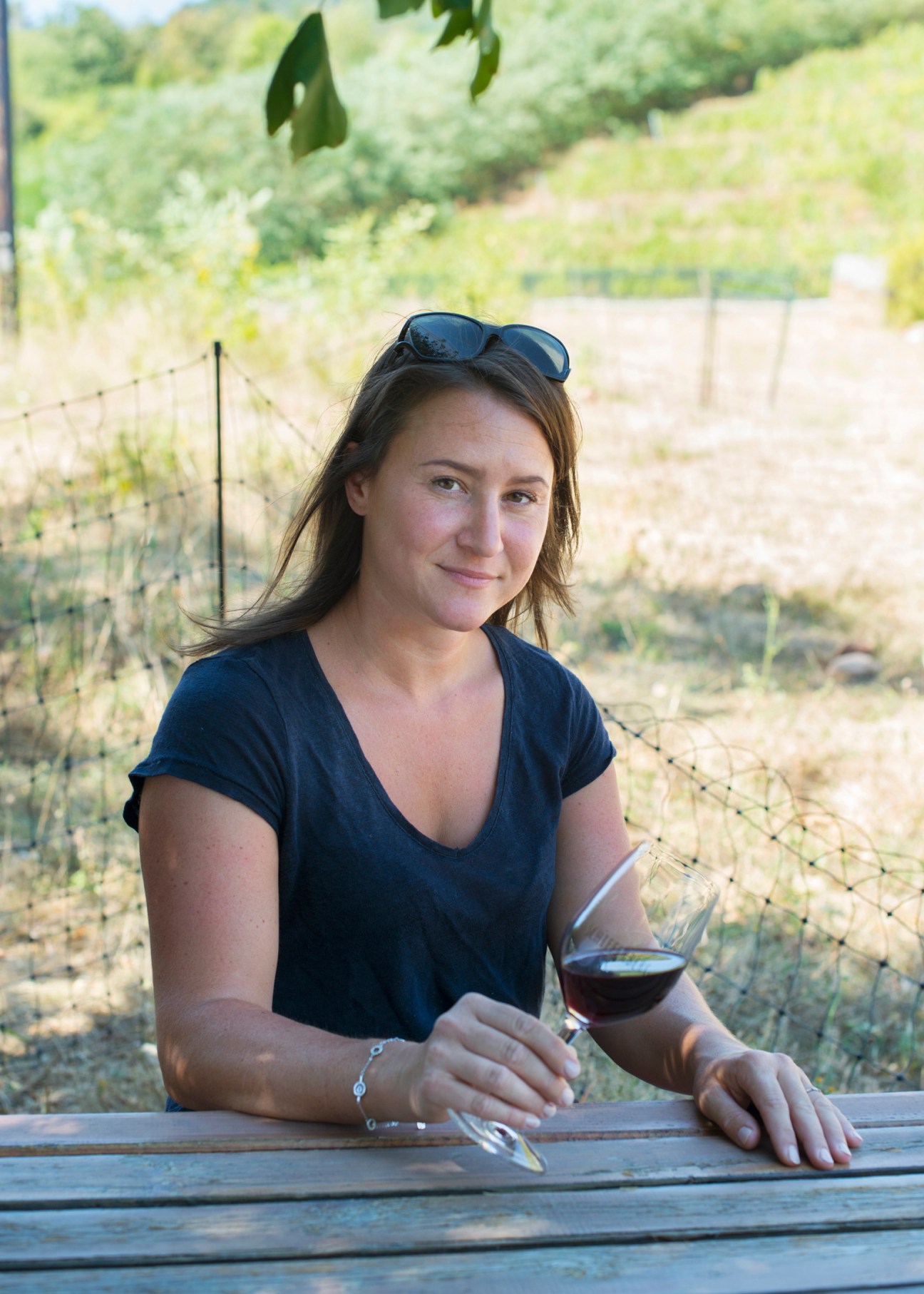
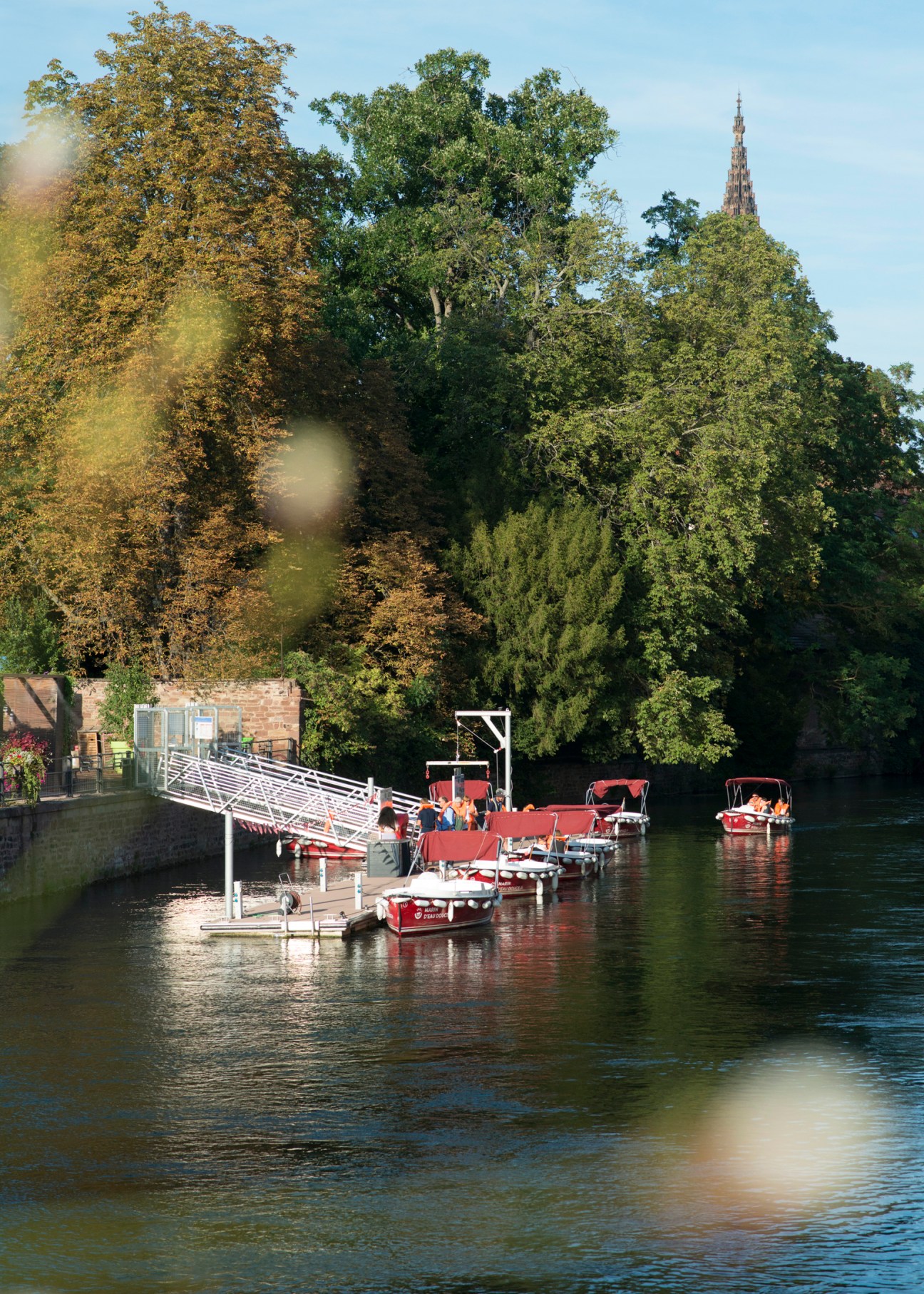
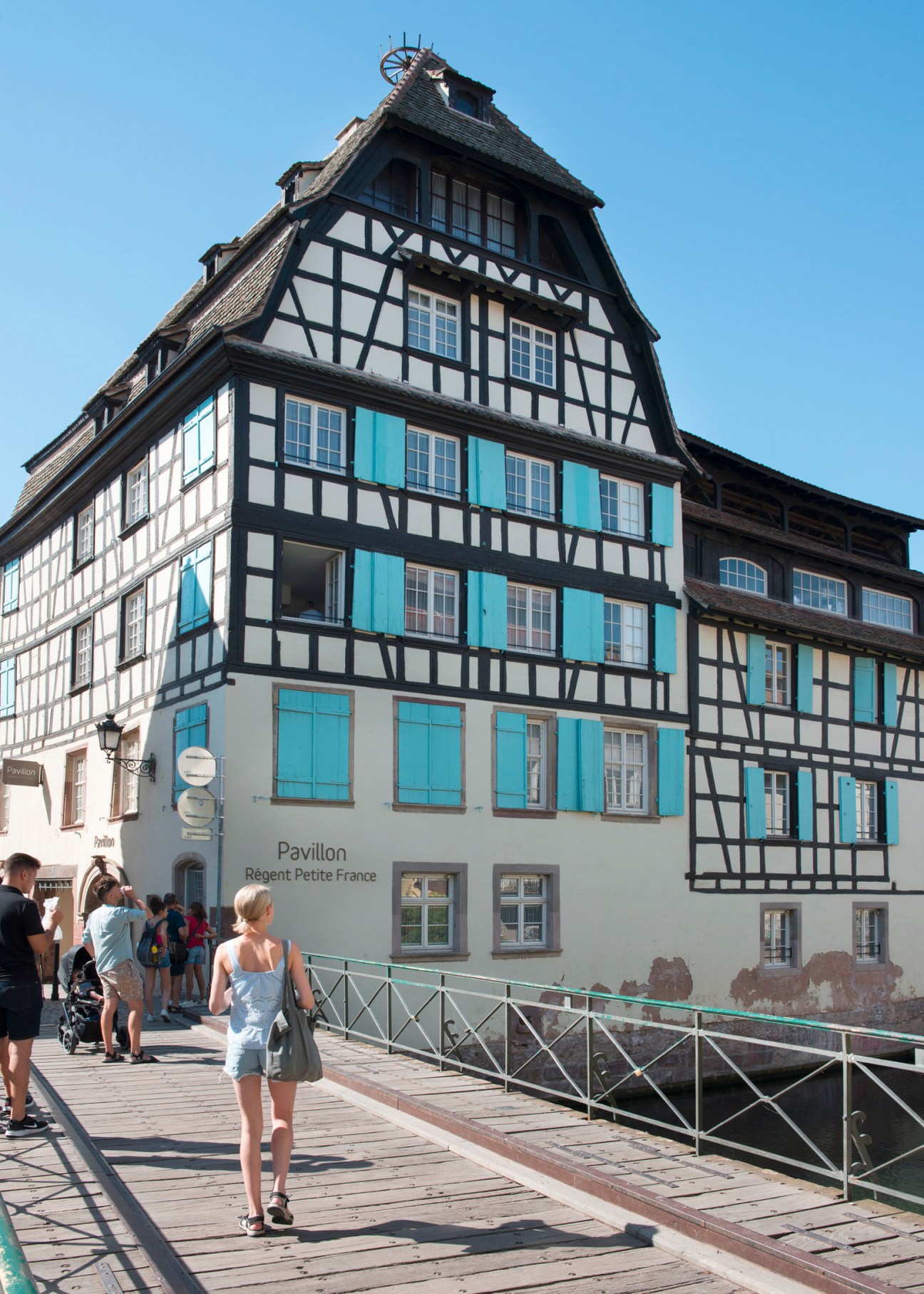
Strasbourg is the most Christmassy city in all of France. Even in late summer, there is a whiff of Glühwein about the place but swerve the city’s many (and lovely) traditional winstubs – those comforting caves with their bottle-bottomed windows and hunks of foie gras – and head for the restaurant De:ja. Here, chef Jeanne Satori blurs the lines between savoury and sweet, so expect a dessert featuring white asparagus. It’s challenging but in a good way. As we will hear time and again from wine-makers and restaurateurs during our travels here, many in the region still baulk at natural wines but we try a vivacious riesling from La Ferme des 9 Chemins, a small biodynamic producer just outside Reichsfeld, about 40km southwest of Strasbourg. According to Satori, its producer is also called Jeanne.
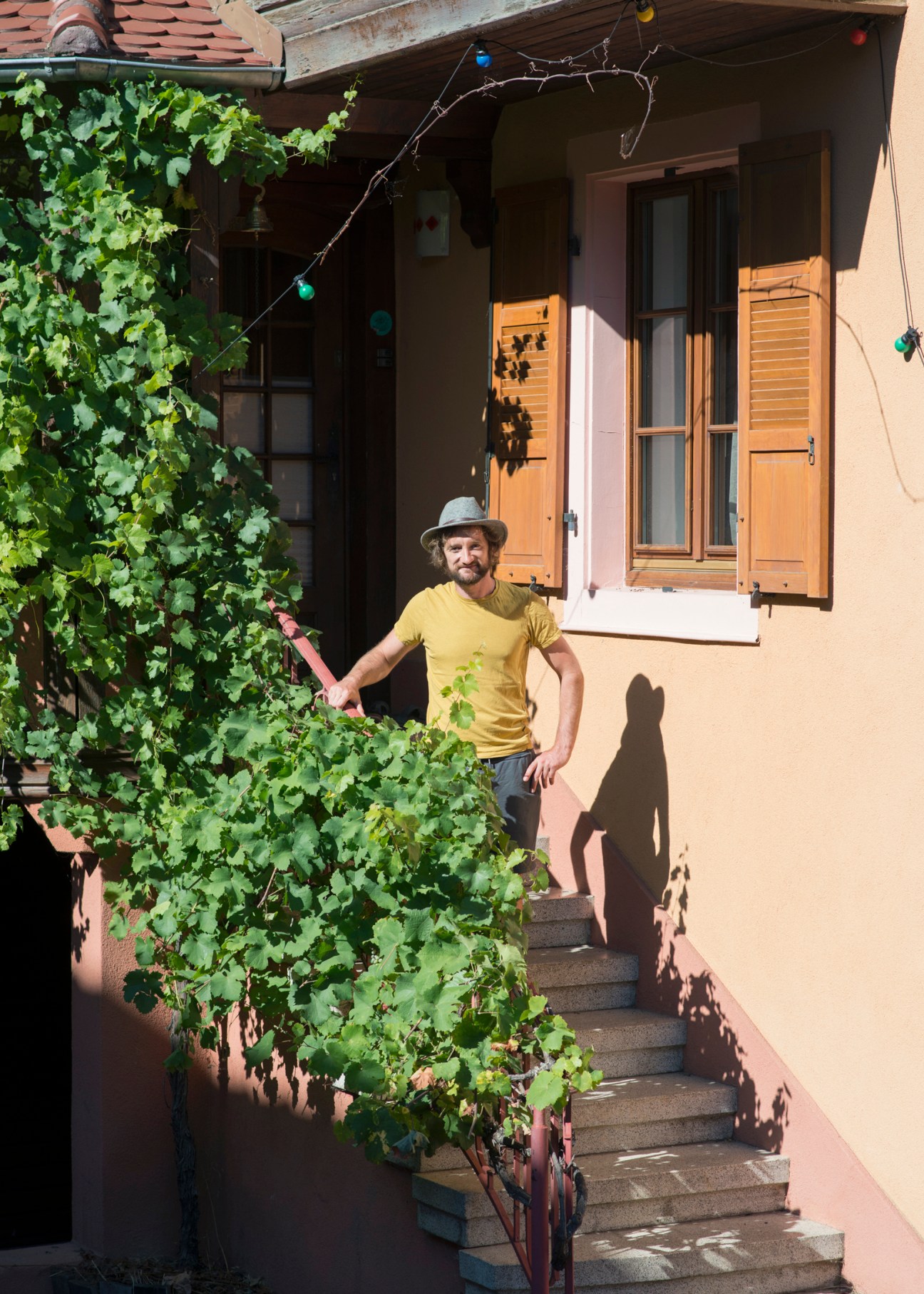
We end up visiting Jeanne Gaston-Breton the next day – or try to. After a good 30 minutes bouncing up and down dirt tracks between vines, the hire car tilting alarmingly on the slopes, Monocle gives up. She eventually comes to our rescue in her pick-up, leading us to a secluded southeast-facing parcel of land where she and her web-designer husband lead a self-sufficient life in a wooden-clad mobile home.
Gaston-Breton grows six different grapes but it’s the three types of soil on her land that really get her excited. “My parents were wine-makers and they help me a lot,” says Gaston-Breton. “But they are not so keen on my wine. They like to recognise the grape when they taste it but I want my wine to reflect the terroir.” The best way to do this is by farming biodynamically, she says.
“I noticed almost straight away that when I started following the phases of the moon when I worked with the vines, they grew stronger, more resilient.”
Gaston-Breton’s first vintage was the 2020. She now sells to a growing clientele in the UK, Scandinavia and as far afield as Japan. Locally, though, there is a generational schism when it comes to natural wine, she says. The food scene can also be quite conservative. But she has heard good things about Enfin, a new restaurant in a converted stone furniture workshop on the outskirts of nearby Barr. Sounds like lunchtime.
After gnocchi and fresh peas with a hauntingly good elderflower beurre blanc, followed by a chariot de gourmandises, a good old-fashioned dessert trolley (Paris-Brest with redcurrant sauce? Don’t mind if we do), we talk with Enfin’s owner and maître d’, Carole Eckert. She ran the wildly popular bistro, Le Comptoir à Manger, in Strasbourg, before moving to the countryside to open Enfin in 2021 with a young team and an unerring focus on seasonal produce.
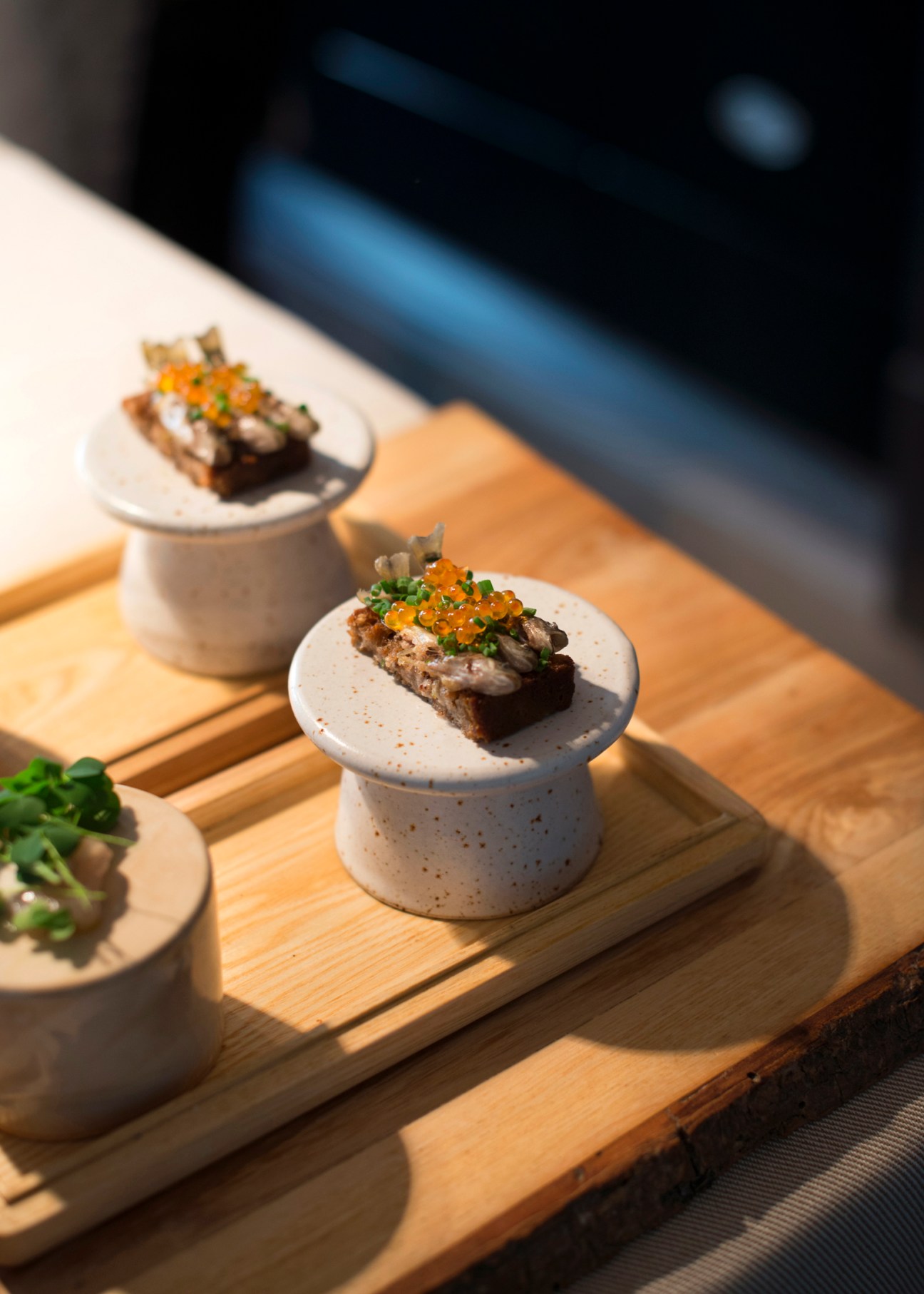
“The locals were not as sceptical as I thought they might be,” says Carole, smiling as she recalls her anxiety about presenting the light, modern cooking of chef Lucas Engel to the stolid folksof Barr. “But we’re not as rebellious as we were in Strasbourg. We keep the traditions of French gastronomy.”
Tradition still plays a major role in wine production in Alsace. Though the natural-wine movement has been growing slowly here for the past 20 years, the Alsatian wine establishment, the AOC committee based in Colmar, is still rooted in convention. They, we are told, frown upon mavericks such as Pierre Weber.
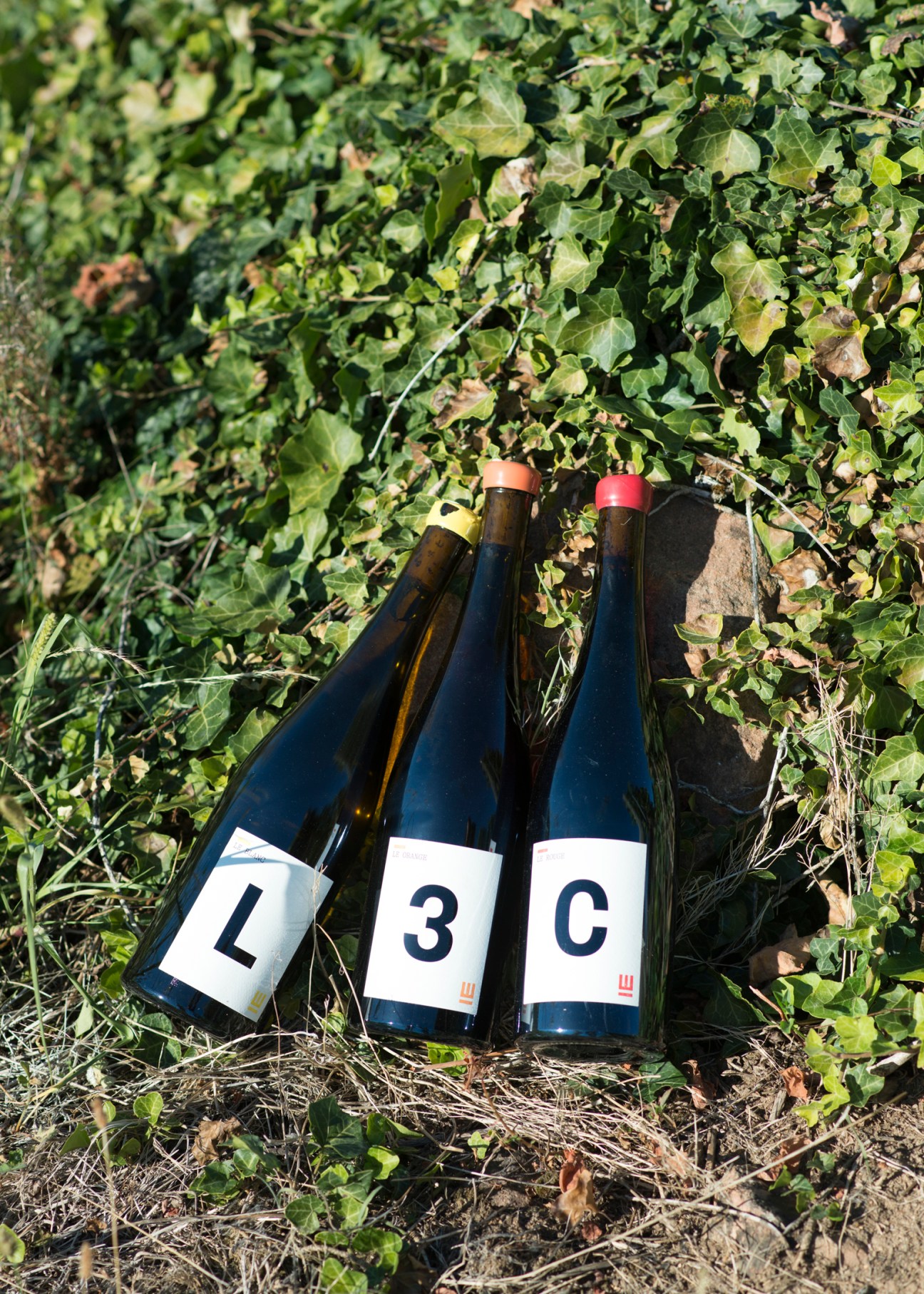
“I don’t know why,” says Weber with a chuckle, as we chat in the bucolic garden of his house and cellar in the centre of Husseren-les-Châteaux, about 10km southwest of Colmar. “They told me I couldn’t even put the name Alsace on my label. My orange wine is from grand cru fields but I can’t put that on the label either. They don’t like orange wine at the AOC.”
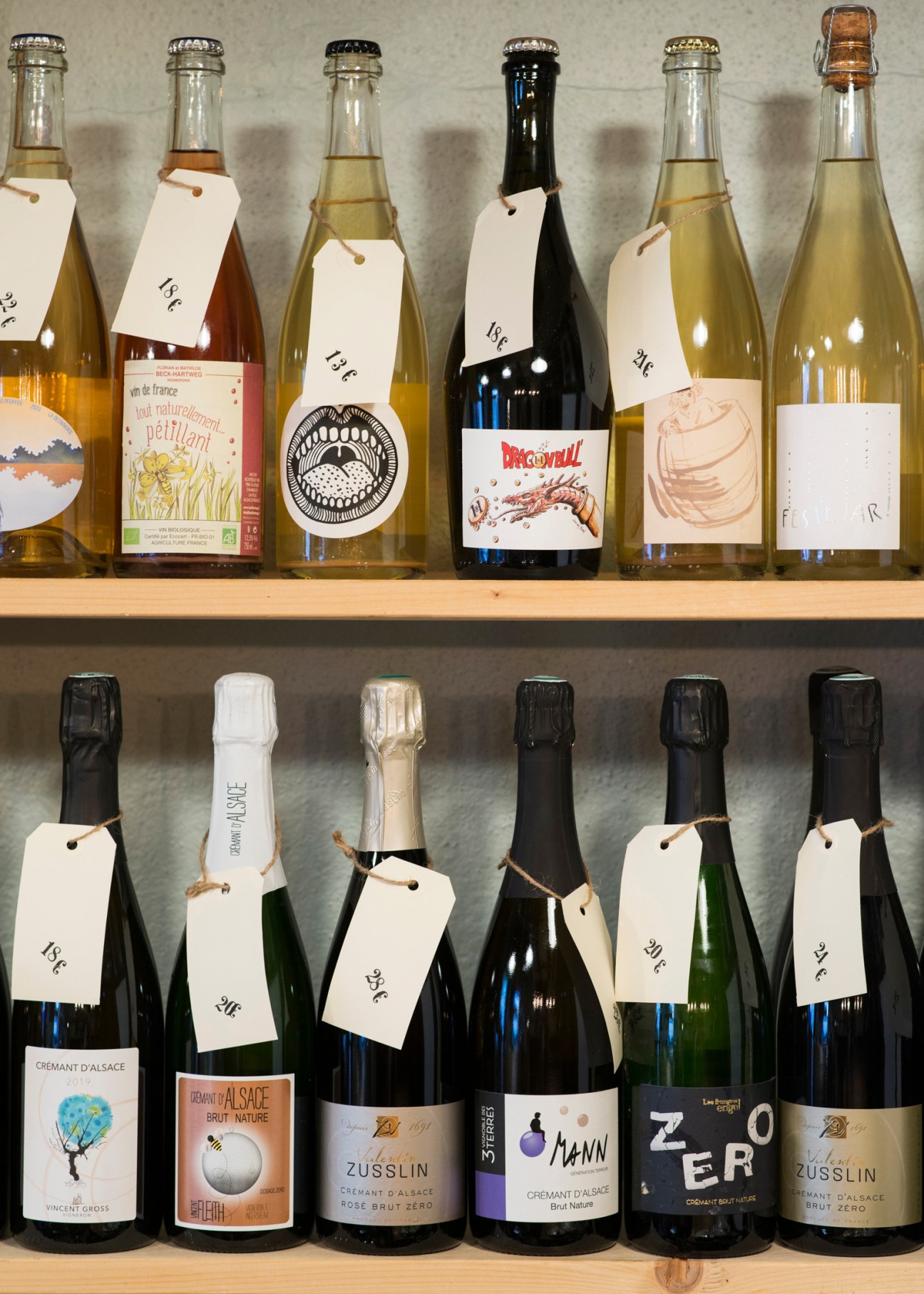
Weber’s wine is growing in reputation across France and internationally but it’s probably best not to tell the AOC about his experiments with blending grapes. That’s not allowed either, apparently.
Weber inherited the vineyard when his father, a renowned wine-maker in the Alsace tradition, passed away. Though Weber grew up in a wine family – his grandfather planted many of the vines here – he tells us that he knew next to nothing about making the stuff. His apprenticeship was rather truncated. “We buried my father on 3 September 2020 and started the harvest the day after.”
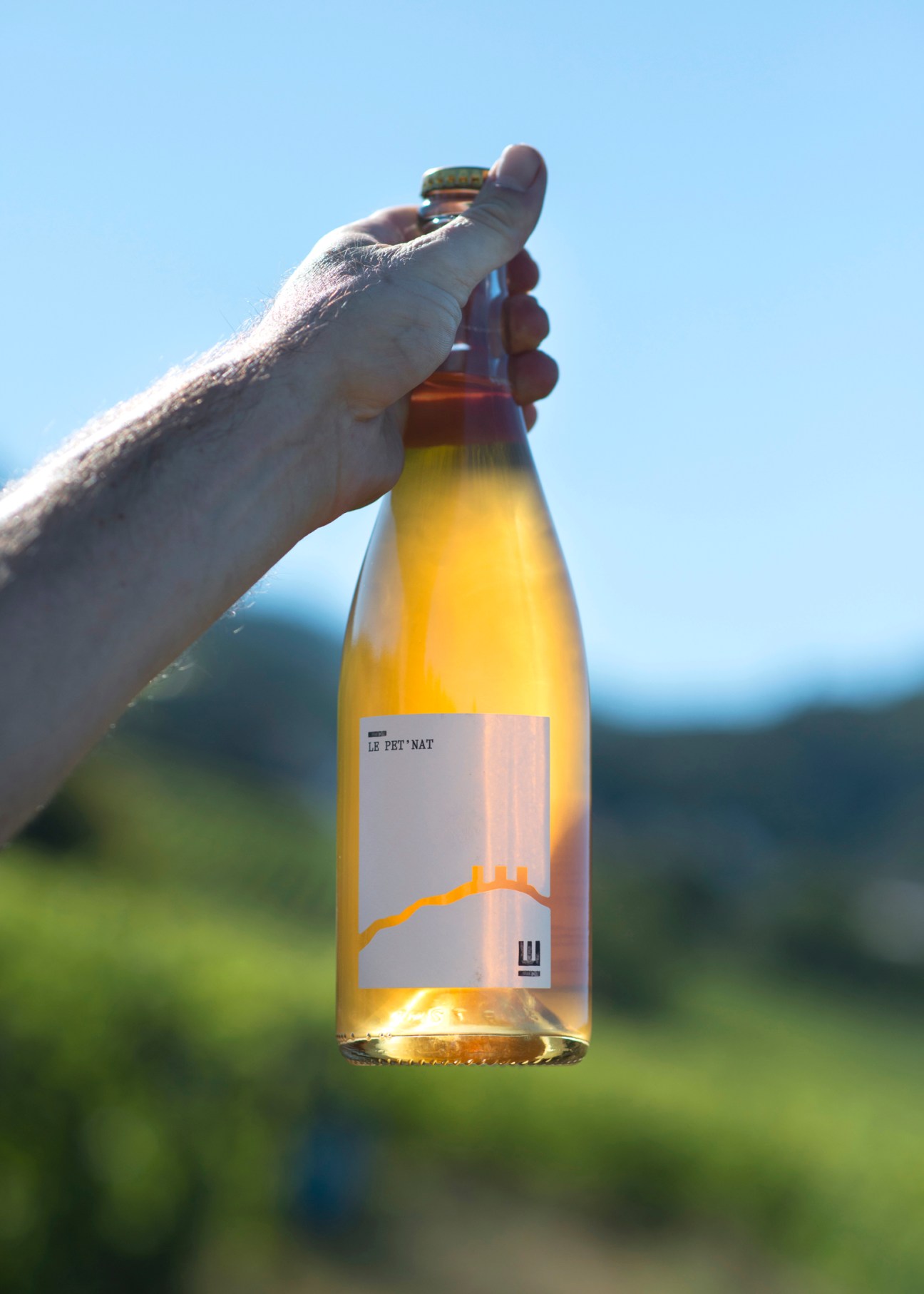
Weber’s orange, white, red and naturally sparkling wine is produced almost entirely by hand, rather than using heavy machinery. “Because I don’t really know how to make conventional wine, I don’t know how difficult it is to do things my way,” he says with a shrug. Some of his plantations are among the highest in the region at 400 metres. “Those grapes have lots of acidity, they are in shadow early so they keep that freshness,” he says. “They will be good during climate change.”
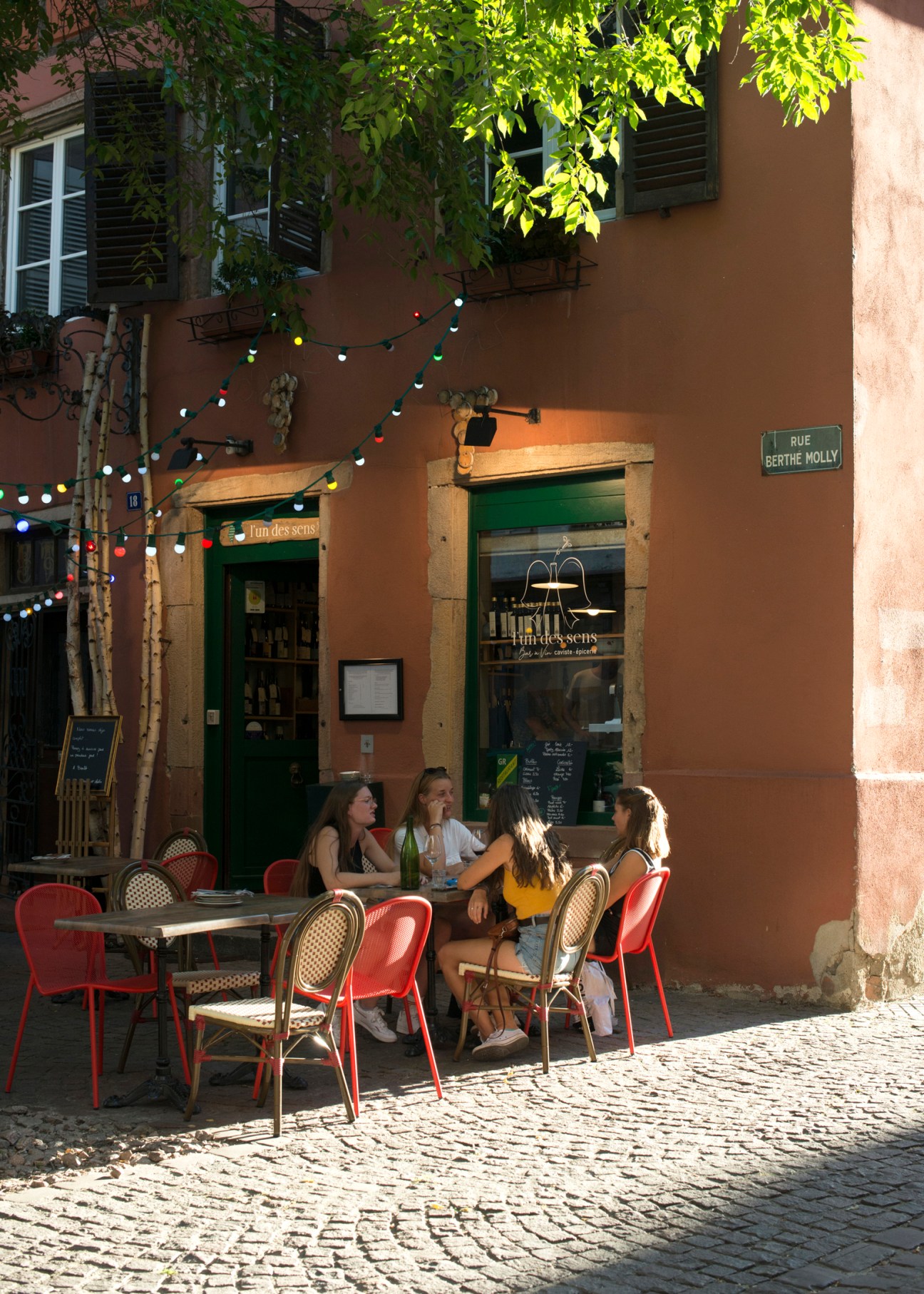
Weber’s wines are a favourite at L’Un des Sens, a new wine bar that Monocle visits on our final day of anall-too-short trip. It’s in a quiet corner of the historic centre of Colmar, one of the larger towns in Alsace but still heartbreakingly pretty.
Opened at the beginning of 2022 by Manon Levieux and Leslie Fontaine, formerly of two-Michelin-starred La Chambord in nearby Kayserberg, this cosy, rustic bar specialises in natural wine, selling a changing roster of 15 domaines by the glass, as well as hundreds by the bottle. “Natural wine has been growing in popularity here, definitely,” says Levieux. “I do think people are starting to accept it. Perhaps not orange wine yet, though.”
All that remains of our trip is to thank the Almighty for his natural bounty – and his evident love of booze. And what better place to show our gratitude than at the newly restored Issenheim altar, at Colmar’s Unterlinden Museum?
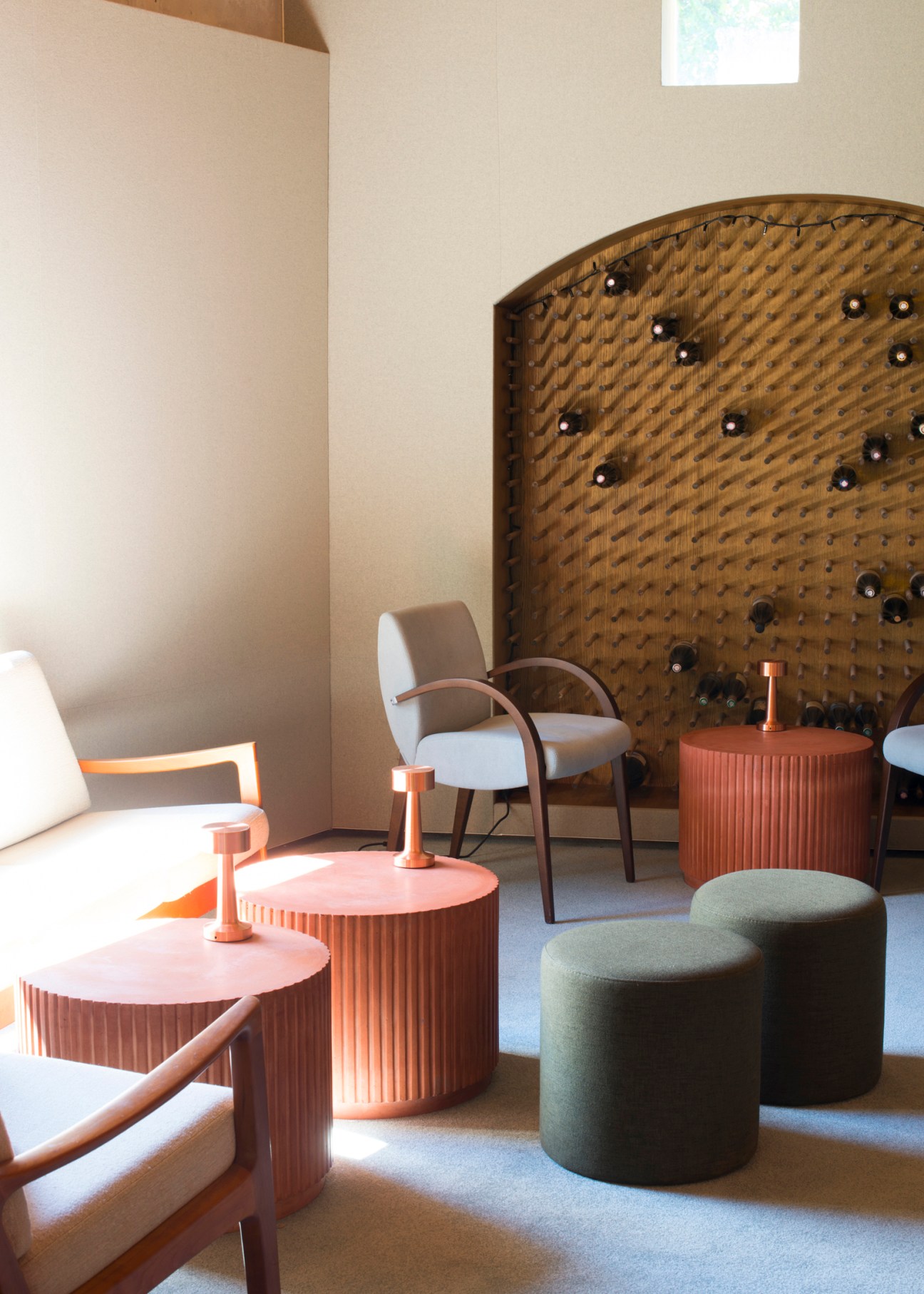
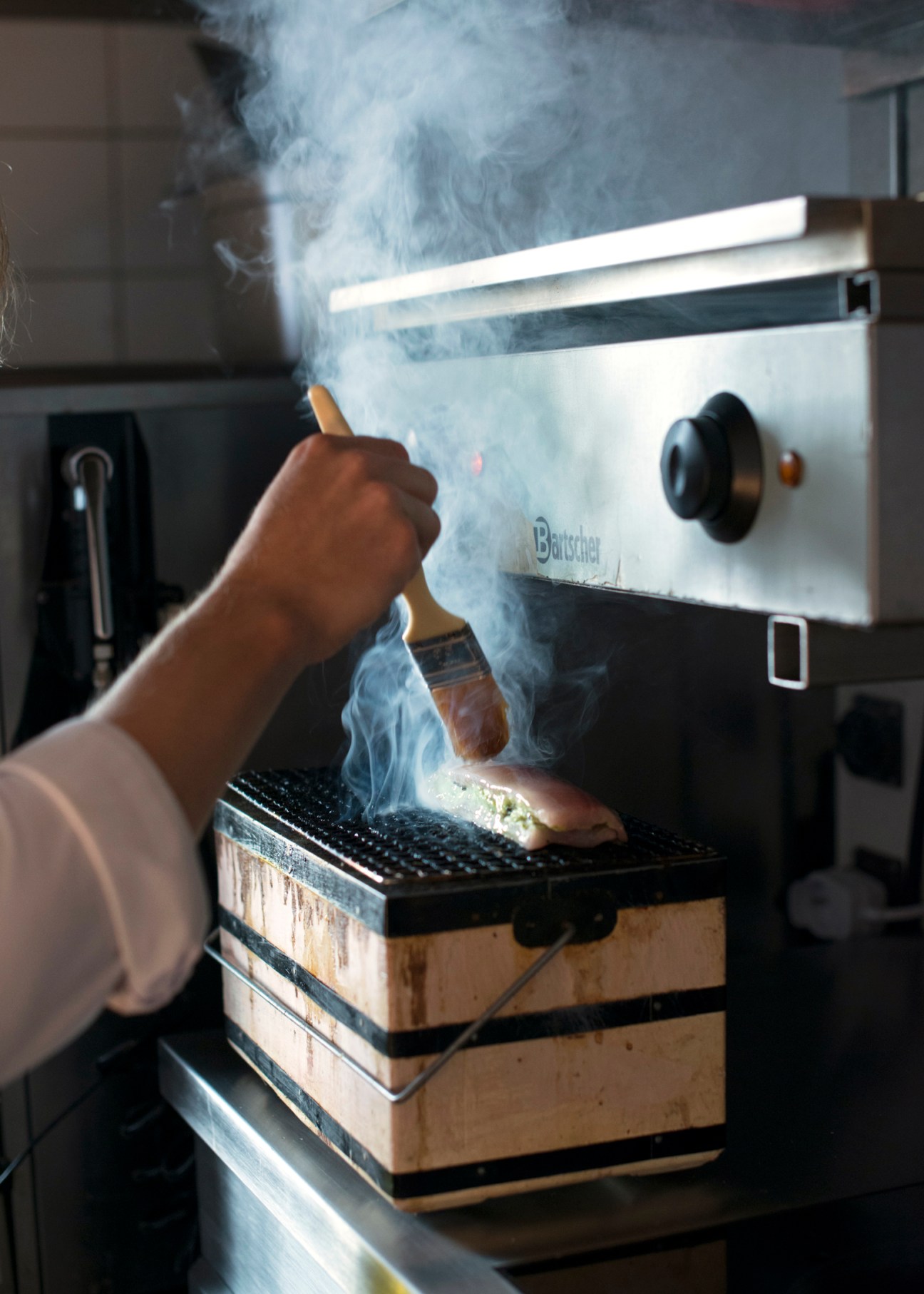
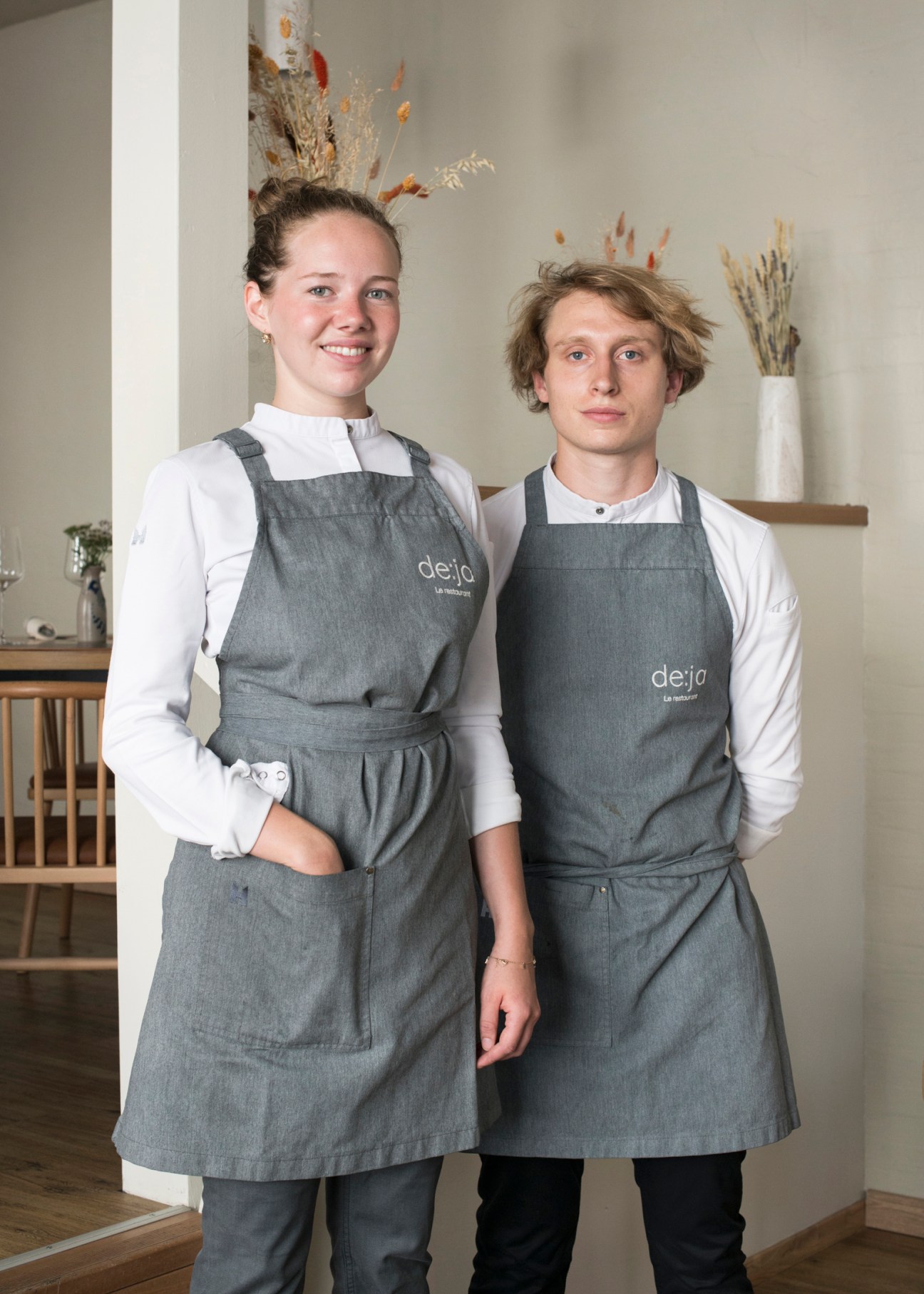
“We are so happy with how the cleaning has shown the bright colours and even new figures,” says Pantxika De Paepe, standing in awe of this breathtaking piece of Renaissance art. De Paepe has overseen a four-year, €1.4m restoration of artist Matthias Grünewald’s vast depiction of the crucifixion from about 1515.
“For many locals, the altar is like a member of the family,” she says. “Some wanted to keep it as it was, not change anything. But everyone who experiences the ‘new’ altar thinks that it is wonderful.” One can’t help thinking that, when it comes to food and wine, a similar epiphany is just around the corner.
Alsace address book
Stay
Château Hochberg, Wingen-sur-Moder
Stay opposite the Lalique Museum: a treasure trove of the late art nouveau glass master and designer René Lalique.
chateauhochberg.com;
musee-lalique.com
Eat and drink
Enfin, Barr
Opened in 2021 by Carole Eckert on the back of her success at Le Comptoir à Manger in Strasbourg. Food that treads the right line between fancy and fulsome.
enfin-barr.com
De:ja, Strasbourg
Chef Jeanne Satori’s bistro turns out dishes that buck tradition and sound a little eccentric but invariably deliver.
deja-restaurant.com
L’Un des Sens, Colmar
A rustic bar and bistro from Manon Levieux and Leslie Fontaine. Expect an exciting menu and a wine list that’s worthy of exploration.
lun-des-sens.alsace
La Ferme des 9 Chemins, Reichsfeld
A small biodynamic producer southwest of Strasbourg. It’s not open to the public but look out for it on restaurant wine lists.
fermedes9chemins.fr
See
The Unterlinden Museum, Colmar
An art and history museum in a 13th-century Dominican convent that’s well worth a wander after a long lunch and a few glasses of crisp white.
musee-unterlinden.com
Getting there
Our writer spent four days driving from Marlenheim in the north to Thann in the south – about 170km. The most convenient airport to start from is Strasbourg but Stuttgart and Basel (if you go south to north) are also options. Colmar is an excellent base for day trips.