Issues
Culture
Broadcasting
Mexico
Radio active
It’s nearly noon on a sunny Saturday in Mexico City and the pavement outside Loot’s HQ in Roma Norte is humming with life. Couples, friends and families filter into the building, dogs in tow. At the entrance to this multi-purpose shop and gallery, a DJ is spinning records under dangling plants. Next to her, a sign reads “On Air”. At the back, a few vendors are selling records. “Today, DJs play more vinyl than digital,” says Yasmin Shamir, Loot’s radio programmer.
Launched a few months ago, Loot radio is the company’s newest offshoot and yet another broadcaster to realise that there’s no point in hiding operations behind closed doors and noise-cancelling glass. Opening proceedings to the community helps to gather a committed audience at a time when media brands need to get ever more personal to retain their listeners’ attention.
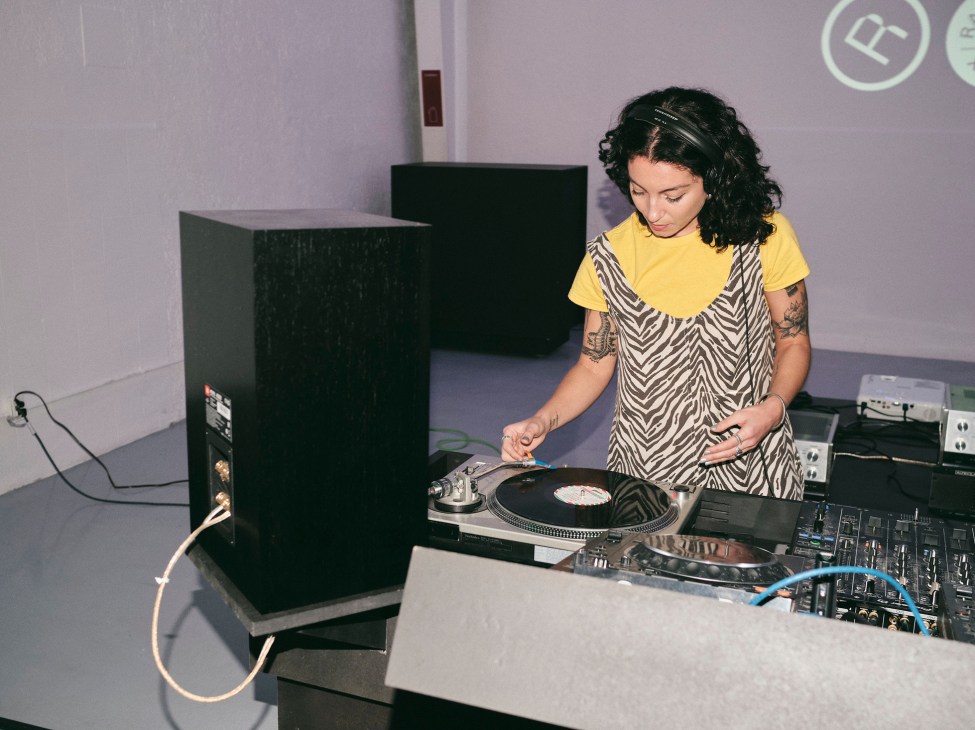
At Loot, this kind of public event has become a monthly affair: neighbourhood residents can swing by, global listeners can tune in online. “It’s about being accessible,” says Shamir, who was based in London before relocating here. “Everything happens on street level, so you can see the DJs, talk to them, hang out, have a coffee and be part of the programming.” Over the course of the day the atmosphere shifts: DJs switch genres as the crowd evolves and grows. Coffees become cocktails and pastries become plates of ceviche and bowls of melon gazpacho ordered from the on-site restaurant. “This building is for the community,” says Shamir. “When you’re listening online, you still get that energy. It’s not just someone in an echo chamber playing whatever; it shows the rhythm of the day.”
Since launching in 2013 the brand, founded by entrepreneurs Tara Medina and Andrés Saavedra in the coastal town of Zihuatanejo, has expanded from making surf-related products to designing items, hosting art exhibitions and now radio. “The idea with Loot has always been to make it open,” says Medina. The hope is to ramp up the schedule to turn these occasions into weekly appointments, as well as to launch podcasts. The HQ in Mexico City is already equipped with a recording room. “That’s the beautiful thing about this space: it’s so versatile,” adds Shamir, who frequently welcomes people who make their way to this building. “It’s about harnessing conversations and sharing them with the world.”
loot.mx
Print
Denmark
Q&A
Kristoffer Dahy Ernst
Editor in chief, ‘Euroman’ magazine
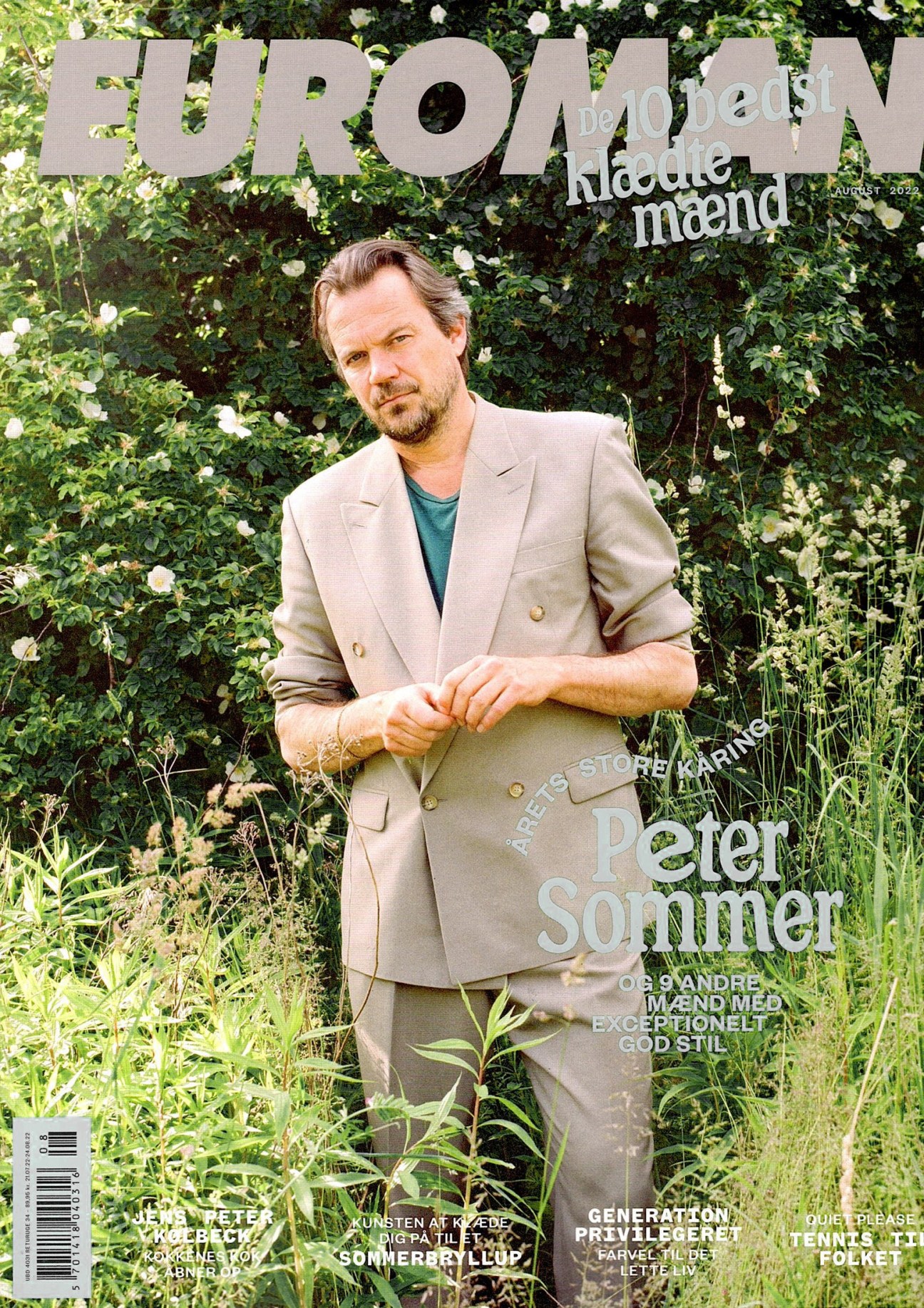
In circulation for 30 years, Denmark’s only men’s magazine has evolved alongside ideas of masculinity while staying true to its commitment to serve “modern and quality-conscious men”. Editor in chief Kristoffer Dahy Ernst tells us more.
What is ‘Euroman’ to you?
I’ve been a reader since I was 15 and always thought of the magazine as your best friend’s big brother who knows everything about where to go, what to eat, what to wear and who you should know about.
What has changed since you took over?
There’s a strong emphasis on visuals that goes along with our outstanding journalism. We don’t redesign the entire magazine each time but almost. We stay relevant by giving readers what they want but also what they didn’t expect. Euroman is seen as a modern men’s magazine that has been here forever, which is a blessing and a curse. Of course it’s nice to have a well-established title that everyone knows – we never get a “no” if we ask someone to be on the cover.
What’s on the horizon?
We have a special edition that’s all about enjoying the home. Winters are dark and long here and the Danes know the remedy: well-designed interiors, cooking good food and having people over. We want to be part of that conversation.
euroman.dk
Opera
Ukraine
Siren song
Built in 1867, the National Opera of Ukraine stands proudly in the centre of Kyiv. Before the war its company performed six days a week to a capacity crowd of 1,300. Today it only allows in 300, the number of people that can fit safely in the basement during an air raid. The Opera is not the only Ukrainian cultural institution on high alert. On 1 March, Kharkiv’s concert hall was hit by rockets and, two weeks later, Russian planes bombed the Donetsk Regional Academic Drama Theatre in Mariupol, killing approximately 600 people, most of them women and children. This shocking attack not only discredited Moscow’s claim to be avoiding civilian targets but also gave further credence to the belief that the war is an assault on Ukraine’s cultural identity.
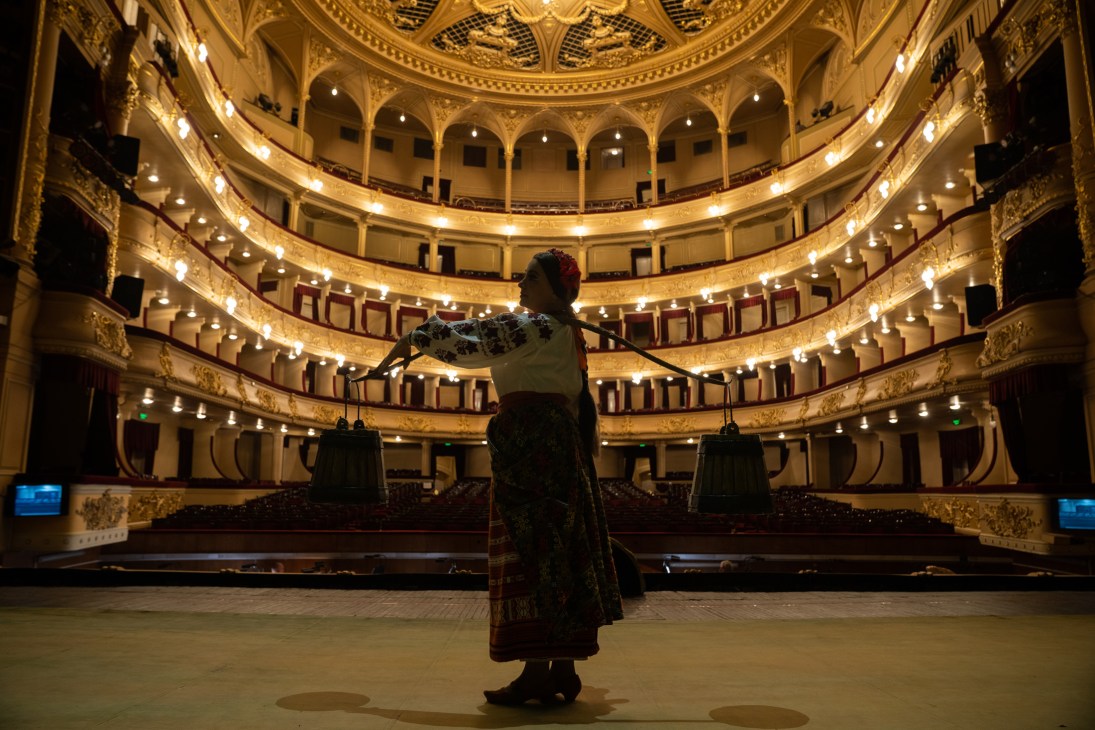
But that identity has been galvanised in defiance. When the National Opera reopened its doors in May, after three months of being closed, it was to stage Natalka Poltavka by Mykola Lysenko. The opera is a romantic drama sung in Ukrainian folk songs. “It brings us all great joy to help the theatre come back to life,” says chief stage director Anatoliy Solovianenko. According to him, Natalka Poltavka has particular significance. “Ukrainians have been brought up on this music and we must ensure that younger generations can experience it too,” he says.
Backstage, the operatic mezzo-soprano and leading soloist Anzhelina Shvachka applies make-up in her dressing room ahead of a matinée performance. She has been with the company for 30 years but had to flee to the west of Ukraine when the war began. As soon as she had the opportunity to come back, she did. “People need to hear Ukrainian music and share Ukrainian stories,” she says. “It’s a reminder of what’s at risk and what we’re fighting for.”
Images: Lover Lover for Loot
Fork in the road
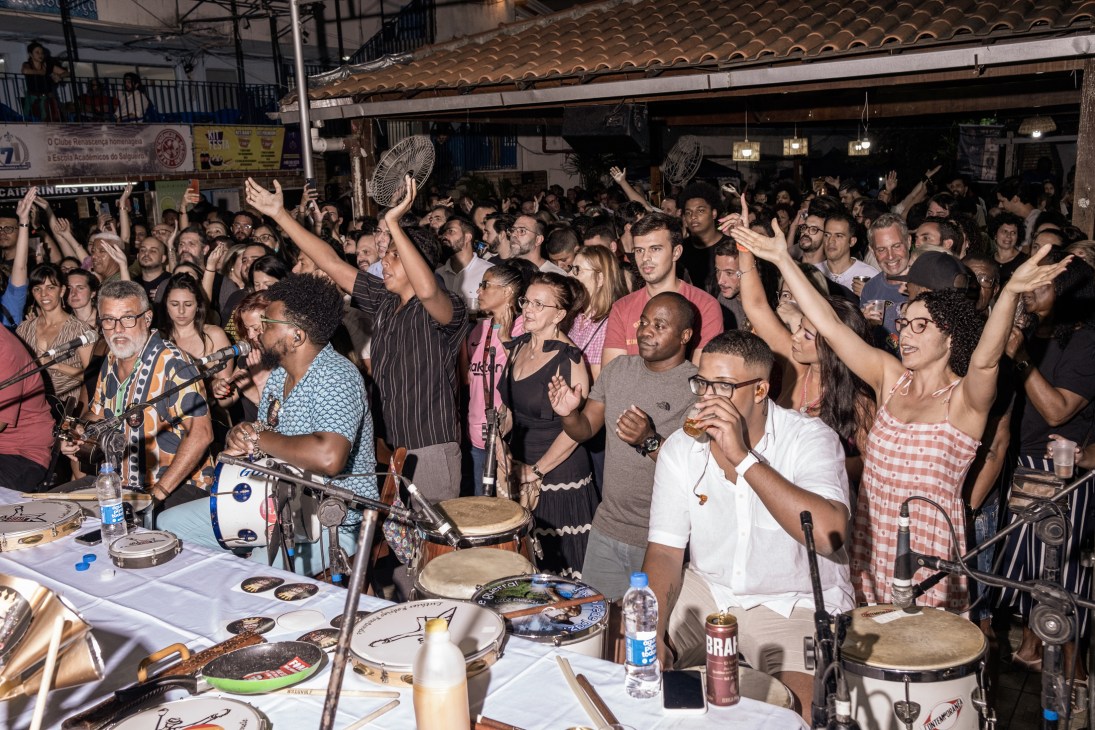
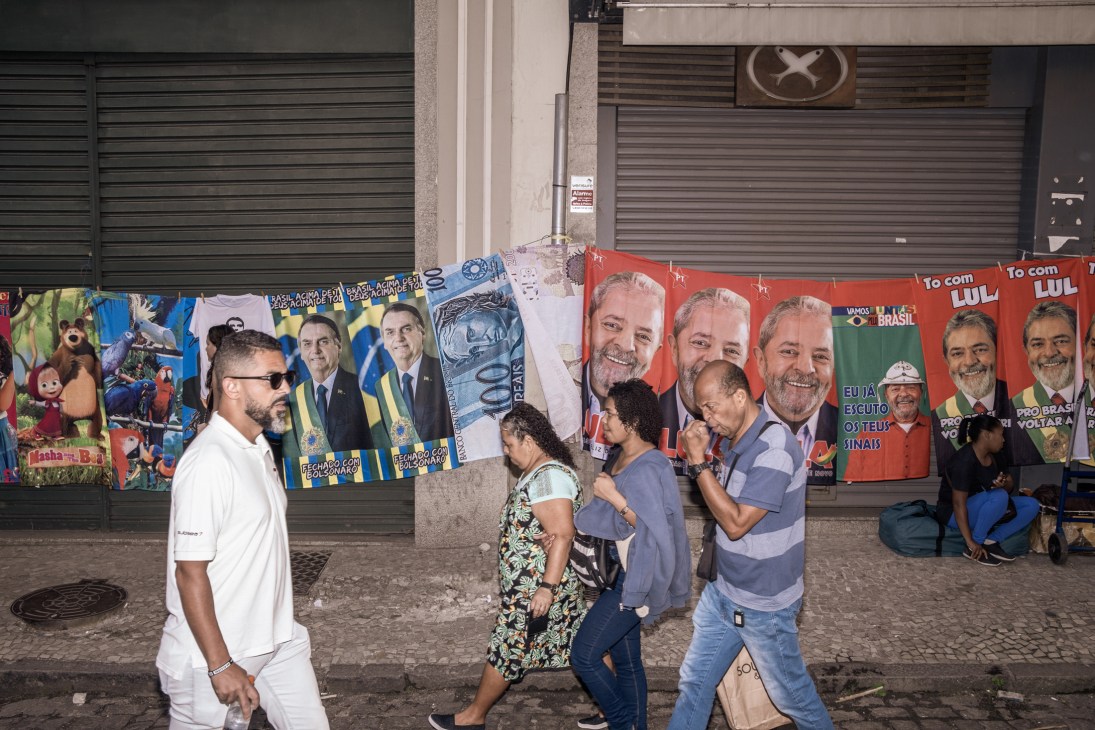
On a steamy Monday evening in August, hundreds of people are packed into a tin-roofed building in Andaraí, a neighbourhood in Rio de Janeiro’s working-class North Zone. Inside, music lovers guzzle ice-cold beers and jostle for space around a group of percussionists playing the “Samba do Trabalhador” (“Worker’s Samba”). These weekly samba nights are about as politically left as Rio gets. Many dancers wear stickers saying “Samba is democracy”. Red-clad volunteers hand out campaign flyers for the Partido dos Trabalhadores (PT, the Workers’ Party). A woman sells T-shirts emblazoned with the face of Luiz Inácio Lula da Silva (“Lula”), the former leftist president who is challenging far-right incumbent Jair Bolsonaro in October.
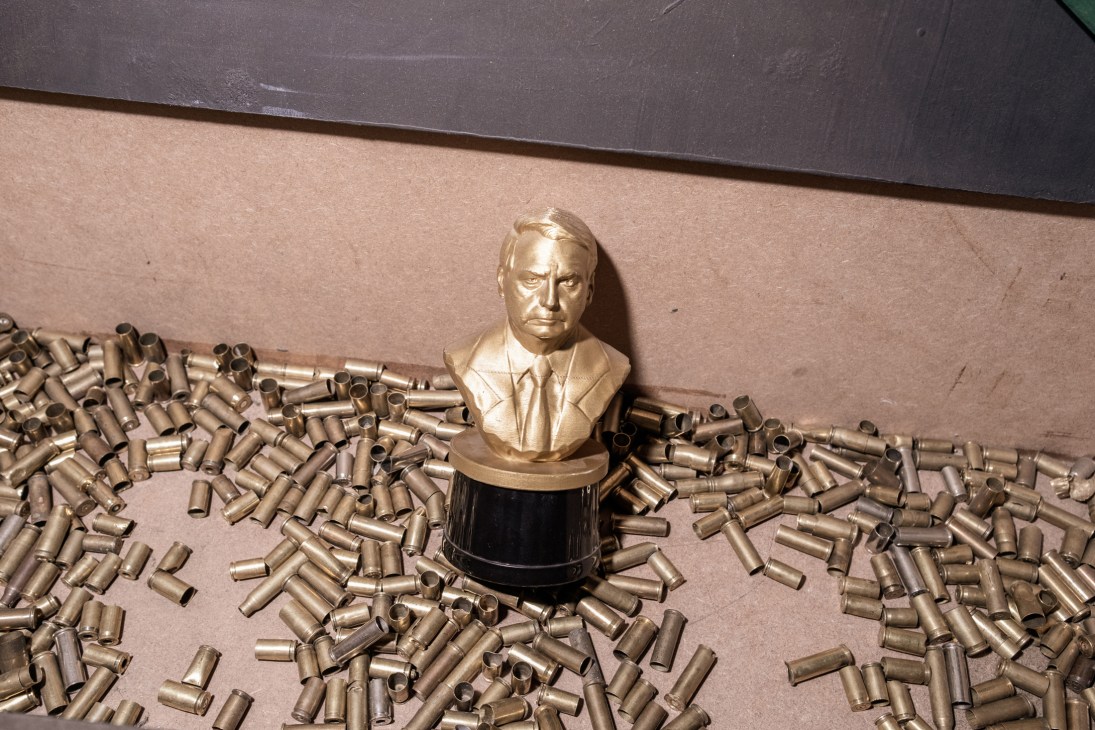
Polls suggest that Lula is set to defeat Bolsonaro. When the latter, a former army captain, swept to a surprise victory in 2018, he promised to return Brazil to economic prosperity while combatting the violent crime that plagues the country. But in the four years since his election, Bolsonaro’s shine has worn off as a devastating pandemic response and a deepening economic crisis have made life harder for most Brazilians. Still, Bolsonaro is holding on to some support, partly with the help of a complex misinformation machine churning out fake news. Ahead of elections, his allies have encouraged the spread of false information across social media networks and messagingservices such as Whatsapp and Telegram. Brazil’s electoral court has cracked down but enforcement is haphazard. In today’s Brazil, facts have become subjective.
On the fringe of the samba circle, Danielle Couto leans back in her plastic chair and declares that Bolsonaro’s time is up. “The past four years have been nothing but a huge leap backward,” says Couto, a 46-year-old nurse. Her companion, 54-year-old psychologist Carlos Olinto, nods in agreement. “Bolsonaro’s presidency has caused so much harm. It will take years to repair.”
Scars from the coronavirus pandemic run deep here. The virus has dealt a punishing blow to Brazil, killing more than 680,000 people – nearly 11 per cent of the world’s deaths, in a country with 2.7 per cent of its population. Perhaps unsurprisingly, most of the attendees at tonight’s samba seem unwilling to forgive Bolsonaro for his denialist response and sluggish purchase of vaccines. “The priority is to get Bolsonaro out of office,” says Fernanda Farias, a 35-year-old researcher. “His actions were genocidal.”
That said, Lula is far from a clear-cut choice among cariocas – as Rio’s residents are known. Between 2003 and 2010, the former trade unionist presided over a golden era of commodity-fuelled growth that saw millions of Brazilians climb out of poverty. But a sprawling corruption scandal embroiled his party and, in 2018, he began a 12-year prison sentence on charges of money laundering and corruption. Lula’s conviction, which barred him from running in the 2018 election, was overturned by the Supreme Court last year, which ruled that the presiding judge, who went on to serve as Bolsonaro’s minister for justice, had been biased. Still, he wasn’t completely absolved and, even though a new trial is unlikely, the former president has struggled to win back the trust of many Brazilians.
At the other end of the samba circle, Raphael Oliveira de Souza taps his foot to the beat. He is surrounded by Lula supporters but insists that he would never vote for the ex-president. “I don’t want to see my country looted any more. I want to see Brazil prosper.” I point out that Bolsonaro has also been linked to corruption, but he dismisses it as fake news. He believes the incumbent has what it takes to steer the country back to growth. “He’s the better option for Brazil,” says the 46-year-old oil rig worker. Whatever the result, De Souza worries about the future. “Brazil is more divided now than it has been at any point in the past 15 years. We can’t talk to each other any more.” Four years after a contentious election highlighted how polarised South America’s largest economy was, divisions linger. Bolsonaro rose to power in part thanks to his “tough on crime” agenda, promising Brazilians that he would beef up policing and hand down longer sentences to criminals. He also pledged to relax gun laws and crack down on drug traffickers, vowing that bandits would “die in the streets like cockroaches”. The president has made good on at least one of those promises. Since taking office, Bolsonaro, who revels in his nickname “the Trump of the Tropics”, has issued more than a dozen decrees loosening controls on gun ownership for civilians. At the same time, his allies have waged war on Rio’s drug gangs through a series of bloody police operations that have left dozens dead, some of them innocent bystanders. In the first half of 2022, Rio recorded some 628 police killings, many of them in police crackdowns on favelas. In July, one operation left 17 people dead in Complexo do Alemão, a sprawling network of favelas. Yet despite the brutality, Bolsonaro’s law-and-order rhetoric has resonated with many in a country with one of the world’s highest rates of violent crime. He was quick to claim credit when data showed that the number of murders dropped 7 per cent in 2021.
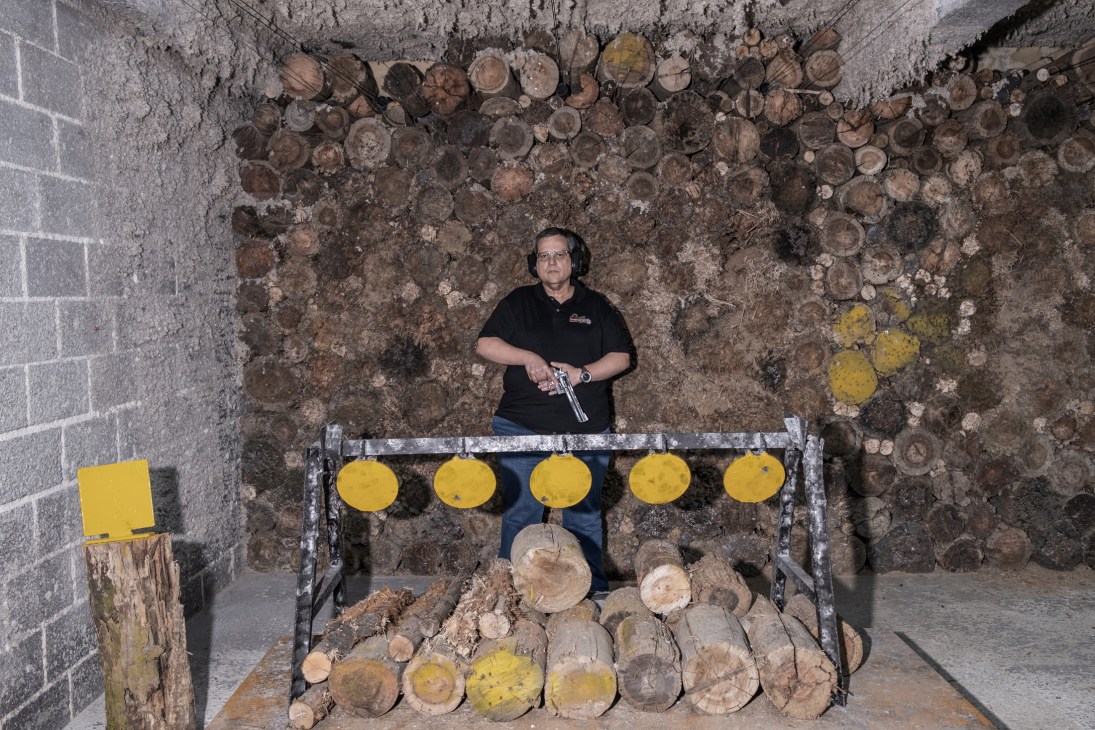
In Rio’s wealthy Recreio dos Bandeirantes neighbourhood, I meet Armando Piccinini, a businessman and gun-rights advocate. He belongs to the local branch of the Hunters, Shooters and Collectors’ Club (CAC), a national network of gun enthusiasts that he says has ballooned from 7,000 members to nearly one million over the past 20 years. On a quiet, tree-lined street, I follow Piccinini inside one of the group’s clubs. At the entrance, he takes out his gun and empties the bullets into a barrel of sand. “It’s a safety protocol,” he says. Inside, the politics of the club is unmistakable. An oversized portrait of Bolsonaro hangs alongside framed posters of gun-toting action heroes, including Keanu Reeves as an assassin in John Wick. Patrons wearing yellow football shirts – now a symbol of far-right politics in Brazil – stand by a snack bar serving burgers with names such as “9mm”.
Piccinini speaks proudly of this community. “It’s a family club. People come to have barbecues here, to celebrate birthdays.” The faint sound of gunshots rings through the bulletproof glass behind us. Piccinini’s views on guns are unequivocal: after a robber murdered his father in front of him 20 years ago, he started working to improve his aim.
“My father was killed because we weren’t armed,” he tells me. “Lula stopped upstanding citizens from carrying their weapons.” I ask him about his view on Bolsonaro’s approach to crime. “Security has improved,” he says. “President Bolsonaro is the best option for Brazil.”
About 40km north in Nova Iguaçu, Nivía Raposo tells a different story. For her, not much has changed since 2015, when her 18-year-old son was gunned down by the militia that controlled swaths of their neighbourhood. “When Bolsonaro was elected, the militias got bolder,” she says in her plant-filled front yard. Shortly after his election, gunmen began sporting T-shirts emblazoned with the word “Mito” (“Myth”) – a popular nickname for the president. “It created an atmosphere of impunity,” she recalls. In the four years since, the violence wracking poor neighbourhoods has not let up. Raposo now co-ordinates a group of mothers who have lost their children to gun crime. But she doesn’t see relaxed ownership laws as the answer. “The poor will never be able to arm themselves for protection. They will continue to be the ones killed on a daily basis.”
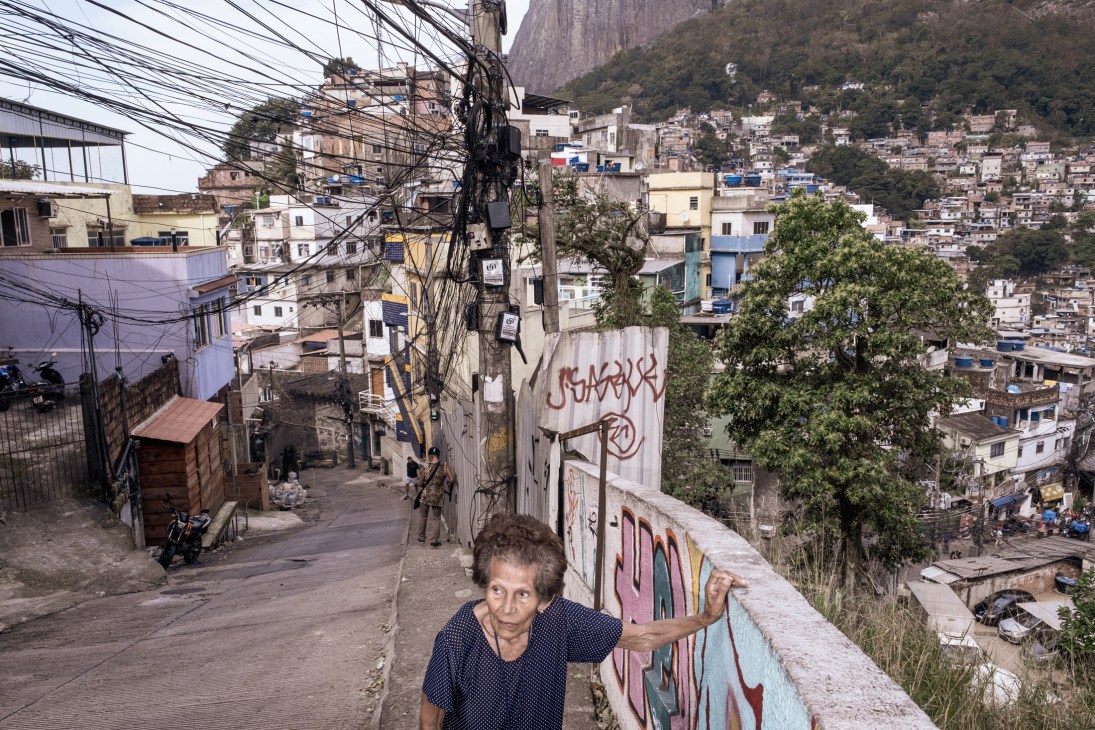
Throughout his time in office, Bolsonaro has clashed with Brazil’s other branches of power, dragging the country to the brink of constitutional crisis and fuelling worries about the health of its 37-year-old democracy. In his most persistent crusade, Bolsonaro has repeatedly tried to discredit Brazil’s electronic voting machines by claiming that they are rigged. Last year he pushed forward a proposal to bring back paper ballots and, when lawmakers rejected it, warned that he would only accept a result from “clean elections”. These declarations have unnerved many in a country with fresh memories of the brutal military dictatorship that governed from 1964 to 1985. Bolsonaro’s attacks on the electoral process have been coupled with a courtship of Brazil’s armed forces, fuelling speculation that he might be trying to lay the groundwork for a possible coup if he loses.
While similar tactics by Donald Trump in 2020 failed, some experts fear that Brazil might be more vulnerable. The president, who has often waxed nostalgic about the dictatorship, has worked to win the loyalty of the military. He has handed out more than 6,000 government jobs to former and current military officers – more than double the number that served under his predecessor, Michel Temer. Political scientist Mayrá Lima puts it this way: “What is at stake in these elections is basically a more democratic or a less democratic perspective for the next four years.” That said, it seems unlikely that the military leadership would stand by Bolsonaro were he to lose the election and attempt a coup. Although, one sergeant tells me, he has succeeded in winning – and keeping – the votes of the rank and file. “Most of the army is still with him all the way,” he tells me, anonymously. Still, he is disenchanted with the president and plans to abstain from voting this time. “He disappointed me. He could have done more.” A key mistake, he feels, was allowing a sweeping pension reform to include the military, requiring more years of service (35, up from 30) before retirement. But the sergeant is clear about one thing: “There’s not even the slightest chance of a coup. The president defends liberty and democracy much more than the left does.”
Some 1,450km west, in the heart of Brazil’s soy belt, political divisions are less obvious. In the state of Mato Grosso do Sul (literally: “Southern Thick Bush”), Bolsonaro received a resounding 65 per cent of the vote in 2018. Here, where most of the forest has been cleared for soya plantations, the president’s vows to implement farmer-friendly policies and do away with strict environmental regulations were particularly seductive. At a rest stop just outside Rio Brilhante, a farming town of about 38,000 people, I spotted packs of election-themed lighters on sale. The red ones had Lula’s face on them; a defiant Bolsonaro was pictured on the green ones. Which sell more? I ask the cashier. “Believe it or not, it’s Lula,” she says, incredulous. “Seems like he’s strong.”
But, despite his popularity among smokers, few signs point to an overall advantage for Lula here. Along highways, towering billboards picture a smiling Bolsonaro announcing that he is “the president who cares for the farmer”. Bumper stickers plastered on muddy suvs are also resounding: “Bolsonaro 2022”. Chit-chat at petrol stations and shop queues repeatedly turns to politics. Igor Toro, a 41-year-old agronomist at one of the region’s main farmer’s unions, doesn’t miss a beat when asked about the president. “Bolsonaro is the best we’ve ever had,” he says at the union’s office in Naviraí, a soy hub 380km south of the state capital. “Agribusiness is with him all the way. The PT was destroying this country. Look at how we’re growing now.” It’s not surprising that Bolsonaro has built a loyal following here. In office, the president has pushed forward an agri-friendly agenda, often at the expense of indigenous Brazilians’ land rights. Lawmakers are currently mulling a proposal that would relax regulations on agrochemicals and another to make it easier for cattle ranchers, farmers and miners to claim state-owned forests. Under Bolsonaro’s watch, environmental fines have slumped to their lowest levels in decades, even as deforestation of the Amazon hit a 15-year high. “We are hoping to see him go,” one indigenous leader tells me. “Maybe things will get better for us then.”
On 16 August, the day Lula kicks off his campaign, I meet 18-year-old activist Vitoria Rodrigues de Oliveira at her home in São João de Meriti, a working-class area in the outskirts of Rio. Over lunch in her mother’s kitchen, she tells me how she registered 160 people to vote. “There had to be some incentive,” De Oliveira says jokingly. She set up a stand at school, offering help – and chocolate – to anyone who was signing up for the first time. But, for her, the options are far from exciting. She’d like to see fresh faces who fight for causes such as lgbt rights and the environment. “It’s not exactly my wish to vote for an old straight white guy,” she says. “But I’ll probably have to – not because I want to but because I can’t stand Bolsonaro any more.”
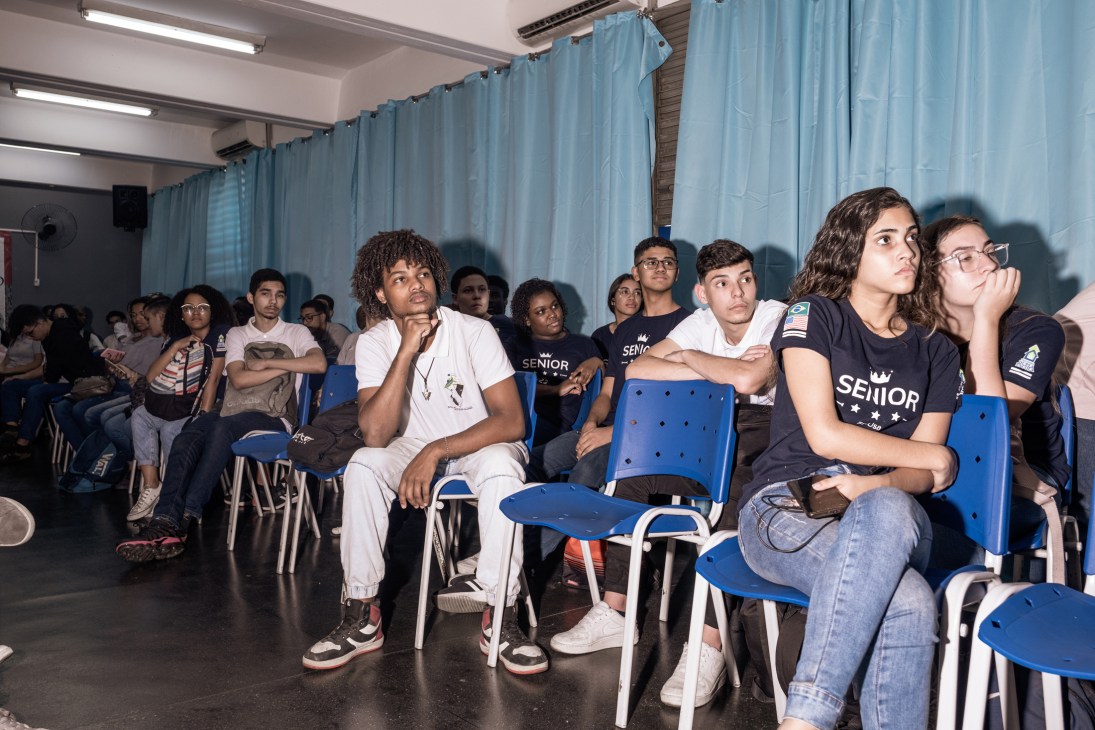
Although Lula’s PT party has long defended progressive policies such as gay marriage and transgender rights, the leftist candidate has said little about such issues during this campaign. Instead, he has focused on the religious, forging alliances with pastors, trying to launch a podcast for evangelicals and promising that all religions will be respected under his leadership. He hopes that this can help him claw away some of the conservative, evangelical Protestant voters who catapulted Bolsonaro to victory. In 2018, 70 per cent of evangelical voters cast a ballot for the far-right populist, drawn by his promises to preserve “traditional family values” and fight efforts to bring gender education and unisex bathrooms to schools. Evangelical support for Bolsonaro has waned but recent polls suggest that about half still stand by him. With the election inching closer, Bolsonaro has doubled down on culture-war issues that won him the loyalty of Brazil’s most influential evangelical pastors, including Silas Malafaia and Marco Feliciano. He has also promised to fill key jobs with figures such as ultraconservative pastor André Mendonça, whom he nominated to the Supreme Court last year.
As the sun sets, we pile into Pastor Danilo Martins’ car and head to Complexo do Alemão. Weaving through the narrow streets, we pass lookouts manned by drug traffickers. Near the Matinha favela, a man zooms by on a motorbike with an automatic rifle slung across his back. Inside the strip-lit Assembly of God church, Pastor Martins walks to the front and drops to his knees in prayer. “Oh my dear Lord, protect our president Jair Messias [Portuguese for ‘Messiah’] Bolsonaro,” he chants. “Continue to give wisdom to our president.” Many in the congregation are women. Some bounce small children on their laps while they leaf through worn-out bibles. In deeply religious Brazil, Pentecostal churches like this one are attracting ever more followers. Over the past 20 years, the number of evangelical Protestants in Brazil has doubled, now making up about 30 per cent of the population. Most analysts expect that evangelical Protestantism will soon overtake Catholicism as the country’s majority religion.
In poor, neglected areas like the Complexo do Alemão, they fill the vacuum left by an absent state. Here, churches run rehab clinics for addicts and after-school programmes for children. During the pandemic, they stepped in to hand out food baskets. “The church plays a huge role in people’s lives,” says Pastor Martins. It has also begun to wield more influence over their politics. Like most evangelical leaders, Pastor Martins rejects the left, casting its defence of lgbt rights and abortion as a dangerous threat to Christian values. “Our president is God-fearing. He fights for our values.” Back at church, a woman takes the stage and breaks into song. “Hallelujah!” Tatiana Martins Araújo shouts as she sways to the rhythm, tears streaming down her face. Araújo, a 43-year-old mother of four who runs a small bakery from her kitchen, tells me that the church saved her husband from a life of crime. “The church does so much for the community,” she says. “The politicians forget about us here.” As for the elections, she will follow Pastor Martins’ lead and give the president another chance. “I know many people who are going hungry will vote for Lula again. But I’m going to stick with Bolsonaro.”
In recent years, many Brazilians have grown frustrated amid a deepening economic crisis. Unemployment and poverty have worsened. As surging food prices have pushed even staples such as rice and beans out of reach for many families, some 33 million Brazilians – 15.5 per cent of the population – are now going hungry. Bolsonaro has boosted social spending on welfare paid out to needy families, bumping up payments until the end of the year. In a bid to ease the blow of sky-rocketing petrol prices, he has increased the amount paid out in cooking-gas vouchers and created a fuel-aid scheme for truckers.
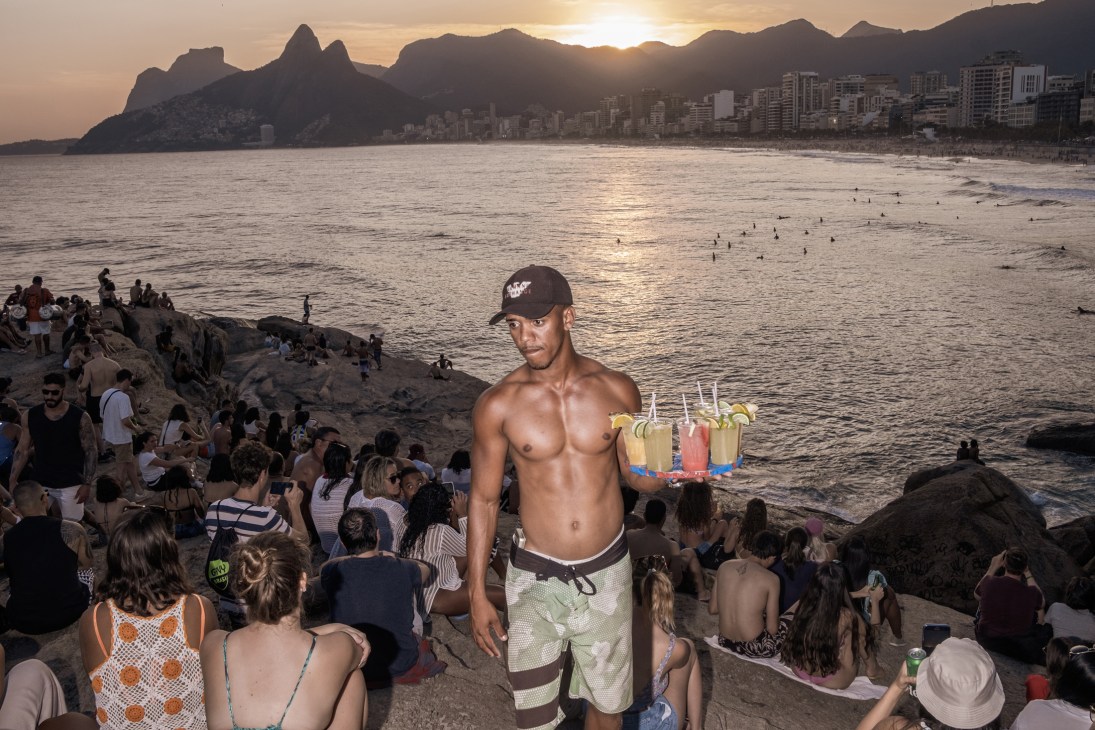
On Rio’s Copacabana beach, joggers bounce along the black-and-white boardwalk in the fading sunlight while tourists stroll aimlessly amid vendors selling souvenirs. I meet Betina Mestrinho, a 59-year-old fitness instructor, as she steps off the beach after teaching a class. Things have been tough and the 1,300 reals (€257) she brings in every month doesn’t go very far these days. “I haven’t eaten meat in six months,” she says. “Things have become harder for us.” She can’t contemplate another four years of Bolsonaro. “It would sink Brazil, once and for all.” When I ask who she will vote for, Mestrinho pauses. “Can I say his name?” she whispers. “Lula. I’m going to vote for Lula.”
A few kilometres south in Rocinha, a jumble of cinderblock homes perched on the hills above Rio’s glitzy beaches. One of Latin America’s largest slums, it houses tens of thousands of the city’s working poor, many of whom toil in wealthier areas as maids, doormen and drivers. Public services are scarce, housing is overcrowded and drug gangs battle each other and the police.
The fresh welfare aid is easing the pain for some. But José Martins de Oliveira is sceptical of Bolsonaro’s pre-election generosity. “He’s trying to buy people’s votes,” says 75-year-old De Oliveira, a long-time resident and member of Rocinha Without Borders, a community group. Francisco Flávio Eufrazino is tidying his restaurant before the lunchtime crowd arrives. On a small television a news anchor announces that, in the previous month, bars and restaurants turned a profit for the first time in 2022. But, for Eufrazino, recovery has been slow and surging food prices haven’t helped. “I’m just about breaking even,” he says. The pandemic battered his small business and he only stayed afloat with the help of emergency federal aid handed out to millions whose incomes were wiped out early in the crisis. But he doesn’t credit Bolsonaro for much and plans to cast a ballot for Lula, hoping that the leftist candidate can put Brazil back on the path to prosperity. “It will be difficult for anyone to come in and bring change overnight. But I’m certain that things will get better.”
Next door, 24-year-old Leandro Lourenço disagrees. “Bolsonaro is the only president who cared about the people,” he tells me from behind the counter of his paint shop. He once supported Lula but will never vote for him again. “We thought he was one of us. But he only robbed.”
Down a narrow alleyway a few streets over, 51-year-old Maria Nusa Martins sits in her tiny party shop, adding up business expenses amid rows of fake flowers and plastic cupcake stands. When I ask her about the elections, she scoffs and shakes her head. “I’m not voting for either Lula or Bolsonaro.” Instead, she plans to cast a ballot for a third candidate, Ciro Gomes, who is polling at about 7 per cent. If he doesn’t make it to the run-off round of elections (scheduled for 30 October), she will spoil her vote.
As the campaign progresses, Lula’s lead over Bolsonaro is narrowing. Even if he doesn’t win an outright majority in the first round, most polls predict that he would defeat Bolsonaro in a run-off vote. Still, a narrow Lula win is likely to feed suspicions among Bolsonaro’s supporters, deepening mistrust of democratic institutions and widening political polarisation. And, undoubtedly, Lula’s return to the presidency would frustrate the millions of Brazilians who have lost faith in the left for doing little to heal a deeply divided Brazil. Whoever wins has a big job to do in bringing this diverse country, with so much potential, back into ascendancy. Their success depends on a complex interplay between global economic forces and domestic public policy. But the divisions might be here to stay.
Business
The COMMENT
Aviation –– Spain
Dress to impress
As airlines cut budgets, reduce leg space and strain to hire staff, sharp-looking crew uniforms have also taken a nosedive. Crew often end up looking like they are the ones going on holiday. It’s a reflection of a wave of casualisation that’s turning everyone’s wardrobes 50 shades of greige and perhaps also reflective of corporates losing the courage to tell their teams to make an effort, to look sharp and be proud of the uniform they get to wear.
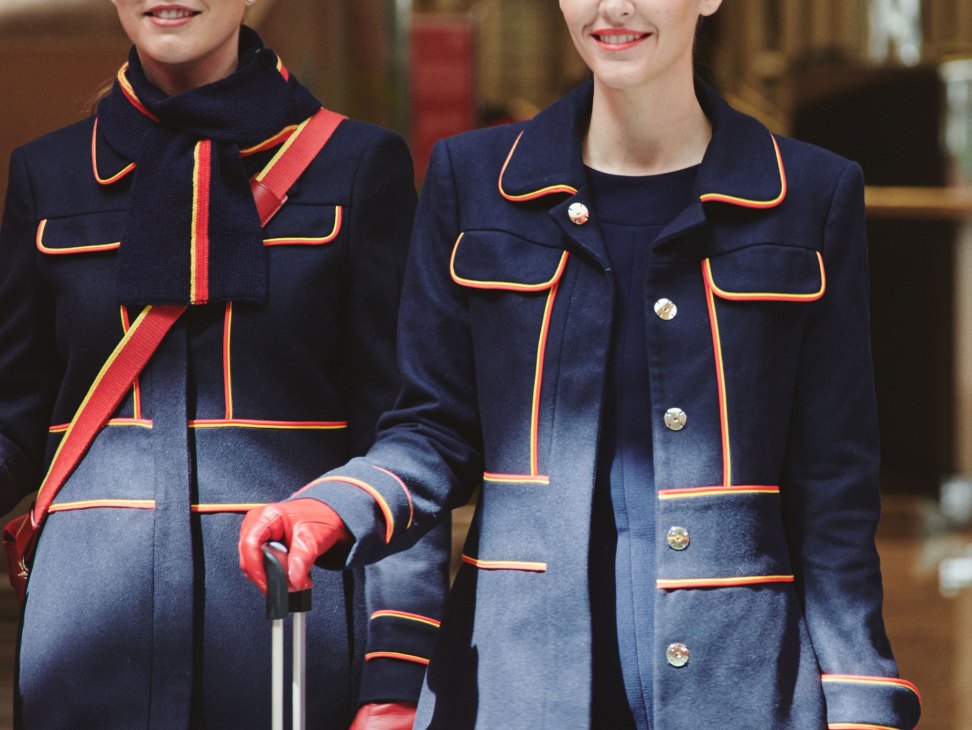
Iberia Airlines, however, is working to set the bar higher by investing in a full rebrand to coincide with its 95th anniversary. This includes a refreshed logo, new menus and some very sharp uniforms that were created in collaboration with Catalan designer Teresa Helbig, who runs an eponymous womenswear label from Barcelona.
Helbig makes a point that comfort doesn’t have to come at the cost of elegance. She polished up the knitwear by adding collars and striped trims in the airline’s signature red and yellow branding. Aware of the power of first impressions, she designed tailored coats for staff to wear at the beginning of flights so that they greet guests in style. Helbig also introduced women’s flat shoes, a first for the airline, in the form of classic ballerina pumps.
“We wanted the new uniforms to embody the excellence and contemporary dna of Iberia,” she tells Monocle. “It was of the utmost importance for the crew to feel comfortable but also chic when wearing the uniform. I’ve always believed that great clothes can empower the wearer.”
Details in the designs such as red gloves, gold buttons and grosgrain trims on jackets add a retro feel that harks back to the golden era of travel, a time when dressing up for a flight was mandatory for both crew and passengers. Those small details prove that more considered travel dressing need not come at the cost of comfort. Wearing a pair of loosely tailored trousers over tracksuits, adding an accessory such as leather gloves to your look, or layering your cosy knit with a tailored coat might seem simplistic or unnecessary, especially if you’re boarding a long-haul flight. But making an effort when you get out into the world can prove transformative.
For airlines, investing in the right uniforms can determine the image of the company as well as customers’ willingness to travel with them again. “Uniforms provide a sense of belonging and cohesion,” adds Helbig. “It’s the ultimate expression of a team and the values they believe in.”
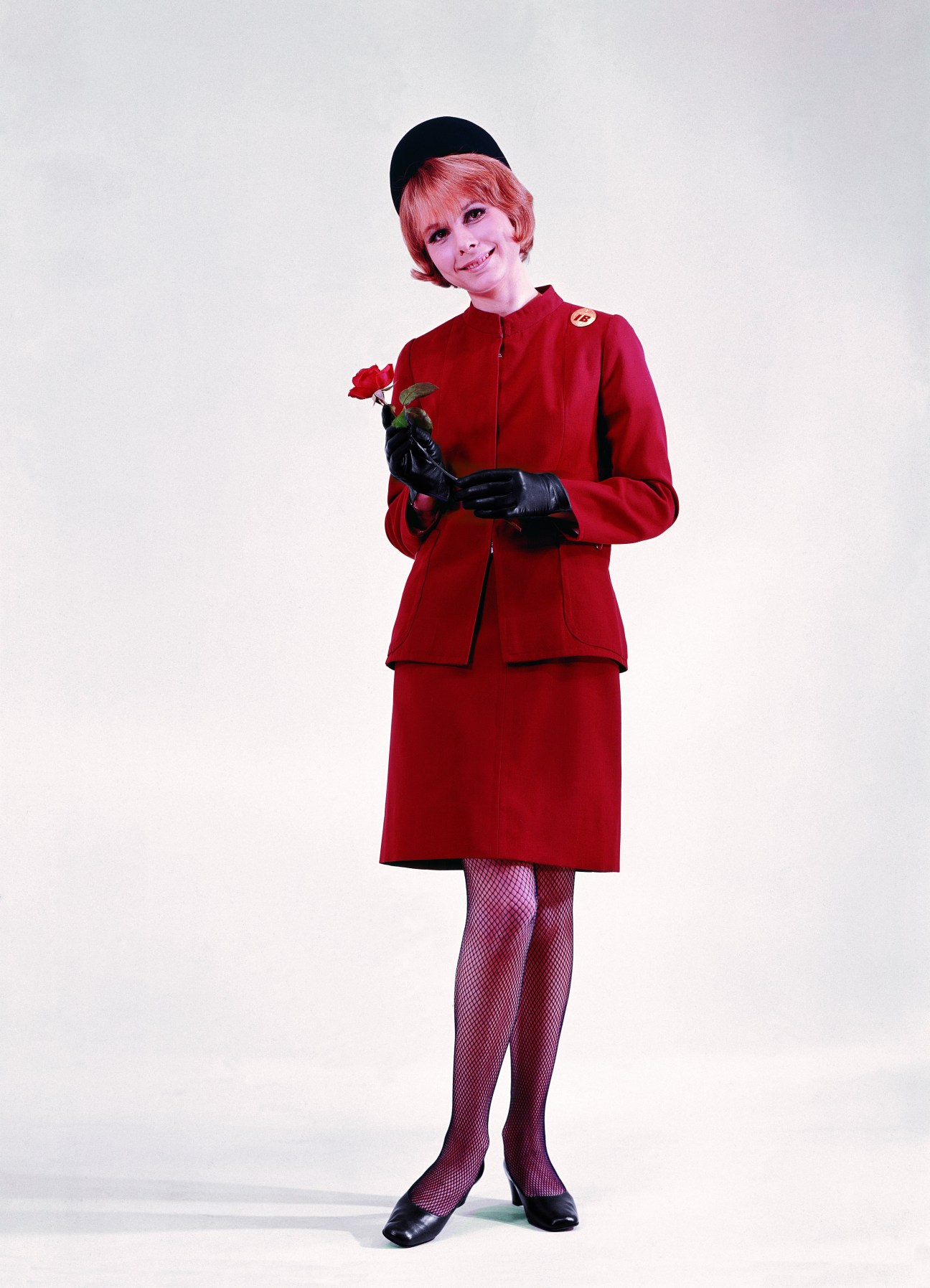
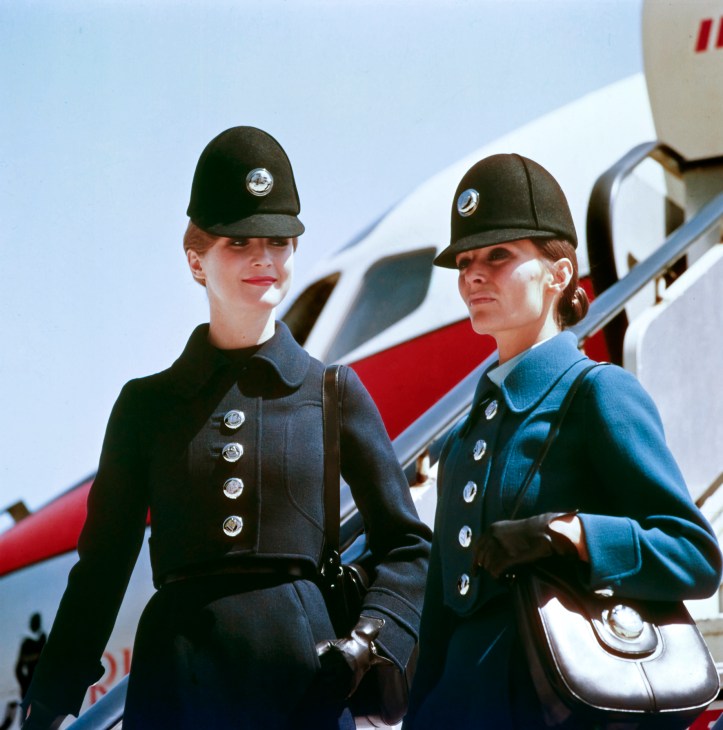
It’s something that Iberia has been acutely aware of from early on in its history. Over the years, the company has worked with the best Spanish fashion talent to create uniforms that are elegant and of their time. In 1968, couturier Manuel Pertegaz – one of the most talented designers of his generation – created chic red skirt suits for Iberia’s air hostesses, topped off with pillbox hats à la Jackie Kennedy. Elio Berhanyer, another great Spanish designer, was brought on board in the 1970s, updating skirt suits with extra-large buttons and top hats – to signal authority. Also among Iberia’s collaborators was Madrid-based Adolfo Domínguez, who was behind the minimalist, formal suits crew wore from 2005 until earlier this year.
For travellers, too, a little effort could go a long way. Airport lounges and flights remain sociable spaces and brim with possibilities. After all, we are all our own ambassadors. “I dress up for every occasion,” says Helbig. “In our early days, I saw myself as my brand’s best ambassador and would wear my own creations everywhere, from the supermarket to the theatre. I still do.” It’s time to restore style to the skies – where Iberia leads others will follow.

Outdoor Gear –– South Africa
Full sail
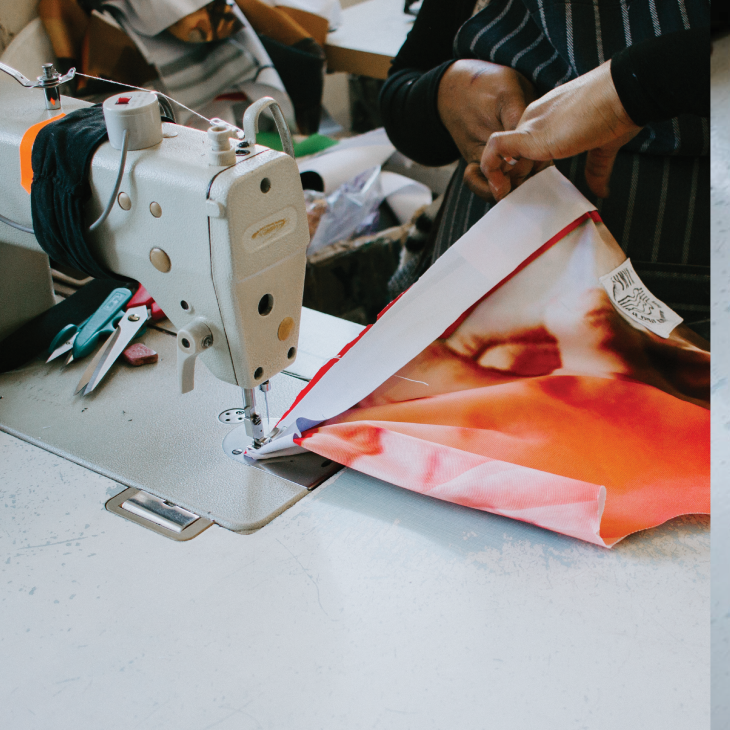
South African brand Sealand intercepts flotsam and jetsam before it hits landfill, transforming them into apparel and accessories for those who spend their days on the water. Co-founder Jasper Eales lives just down the coast from Table Mountain: “I grew up a stone’s throw from the best beach. I was a junior lifeguard at eight, and it taught me respect for the ocean.” Sealand uses items that have been “B-Graded” – primarily unwanted sails – that are no longer fit for their intended purpose.
At the brand’s bright Cape Town factory in the Hout Bay neighbourhood, staff strip the mesh that sits underneath old fabric advertising banners to use as lining
for bags – duffel bags sell for about €235. Others measure yacht sails for backpacks. Eales comes from an industrial-design background and personally tests every product, using it outdoors in Cape Town. “The brand is an extension of my lifestyle and what I aspire to,” he says.
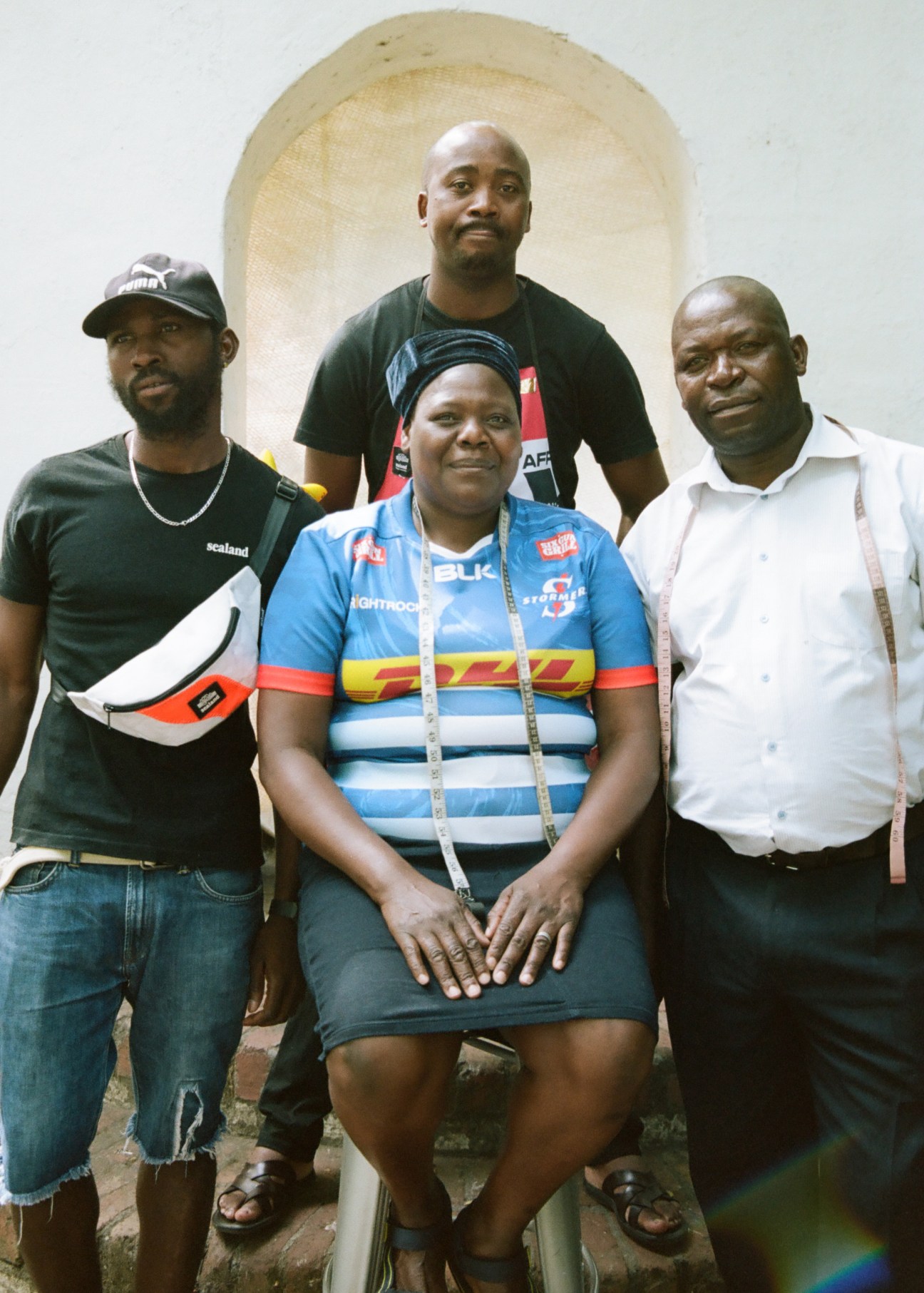
The company is sailing away from its wholesaling roots to its own bricks-and- mortar shops. The two partners agree that if Sealand is to remain authentic, its growth will need to be steady and sustainable. “Expansion is on the horizon, but we are doing things sensibly,” says Eales. In a country with high unemployment, Sealand has attracted workers with wages above the South African minimum. And by reusing textiles, the company is converting sails to sales.
sealandgear.co.za
Housing –– Canada
Modern love
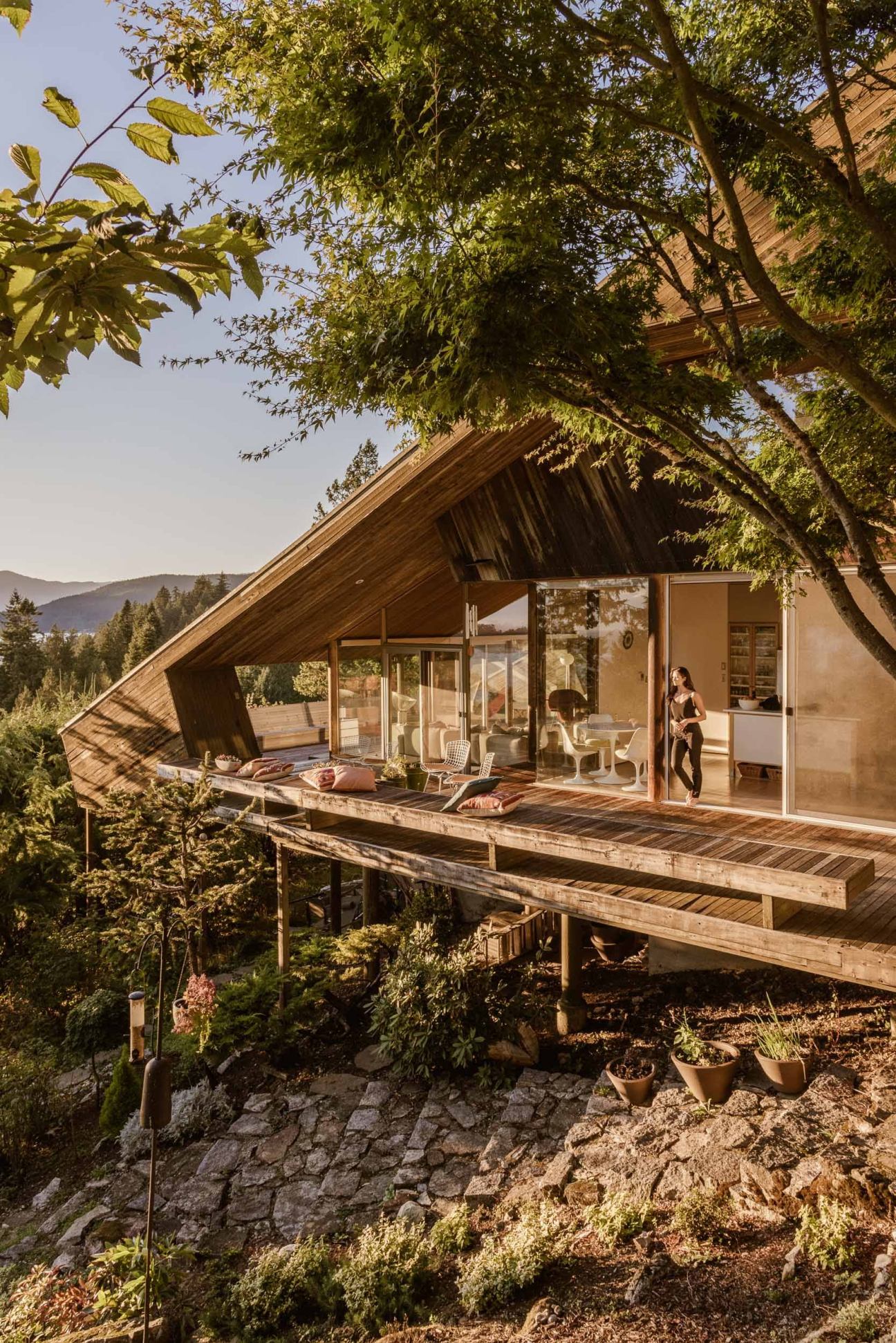
There are many factors to consider when buying a house but architectural value is becoming a fixture on that list. “People tell us, ‘Our dream is to get a West Coast modern house’,” says Trent Rodney, co-founder of an estate agency in Vancouver that’s named after the mid-century style and which deals in architect-designed houses. Since launching in 2017, Rodney’s agency has sold Arthur Erickson’s famed 1968 Starship House (pictured), among others. It now sells an average of two properties a week. The recent success of brokers such as London’s The Modern House suggests a considerable appetite for homes eschewing passing architectural trends.
But Vancouverites didn’t always covet such homes. “When we started, other realtors made fun of us,” says Rodney. Not any more.
westcoastmodern.ca
Hotels –– Global
Q&A
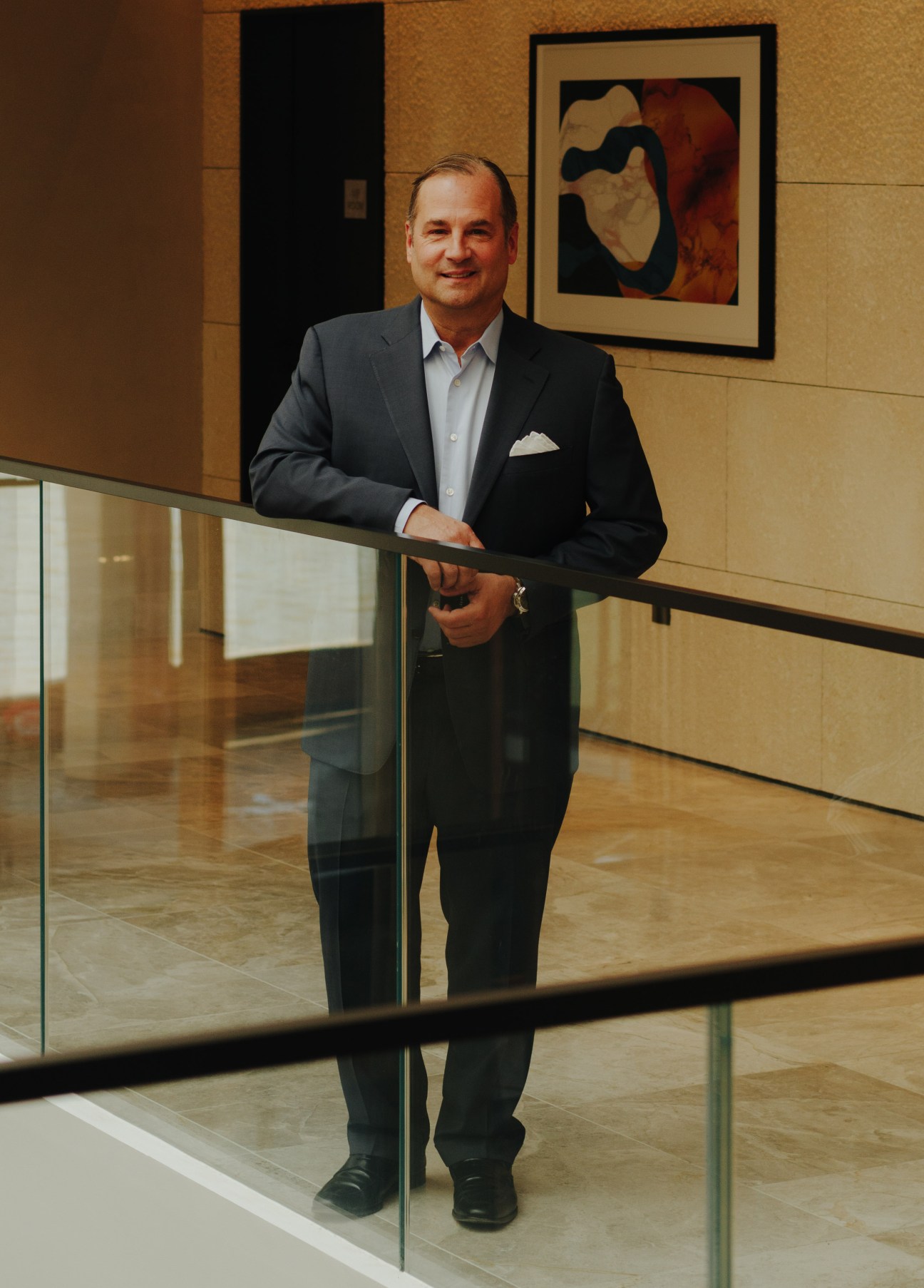
Anthony Capuano
CEO of Marriott International
Monocle checks in at the new and understated Westin hotel in London to talk about the power of good hospitality and making an effort with Anthony Capuano, CEO of Marriott International – the world’s largest hotel chain.
How strongly did you feel the initial effect of the pandemic?
No one ever showed us a model that says what happens if business drops 90 per cent overnight. For the first time in my 27-year history with the company we were viewing circumstances through the lens of survival. We had to raise billions of dollars of liquidity.
And how’s the recovery?
The speed with which demand has come back is stunning. It’s been leisure-led but both business travel and group travel are recovering steadily.
What about hiring?
We are probably casting a wider net than prior to the pandemic, meaning we’re finding some enthusiastic new associates who have little or no hospitality experience. Thankfully, we’ve got the training platforms. But it is a steeper challenge than hiring someone who’s worked in hospitality for a decade.
Which projects are you most excited about?
That’s a little like asking which of my children is my favourite. We’ve just opened a W in Rome and we just signed a Bulgari there too. One of our partners managed to open a Moxy right on Broadway. I’m quite excited about the brand. For next-generation travellers, Moxy seems to have a design aesthetic that appeals.
Photographers: Conrad Brown, Dan Wilton
Images: Sealand, Iberia
Back to the land
Europeans have flocked to cities but what remains of the villages they left behind.
In Spain, we meet the folk fighting to resurrect forgotten communities
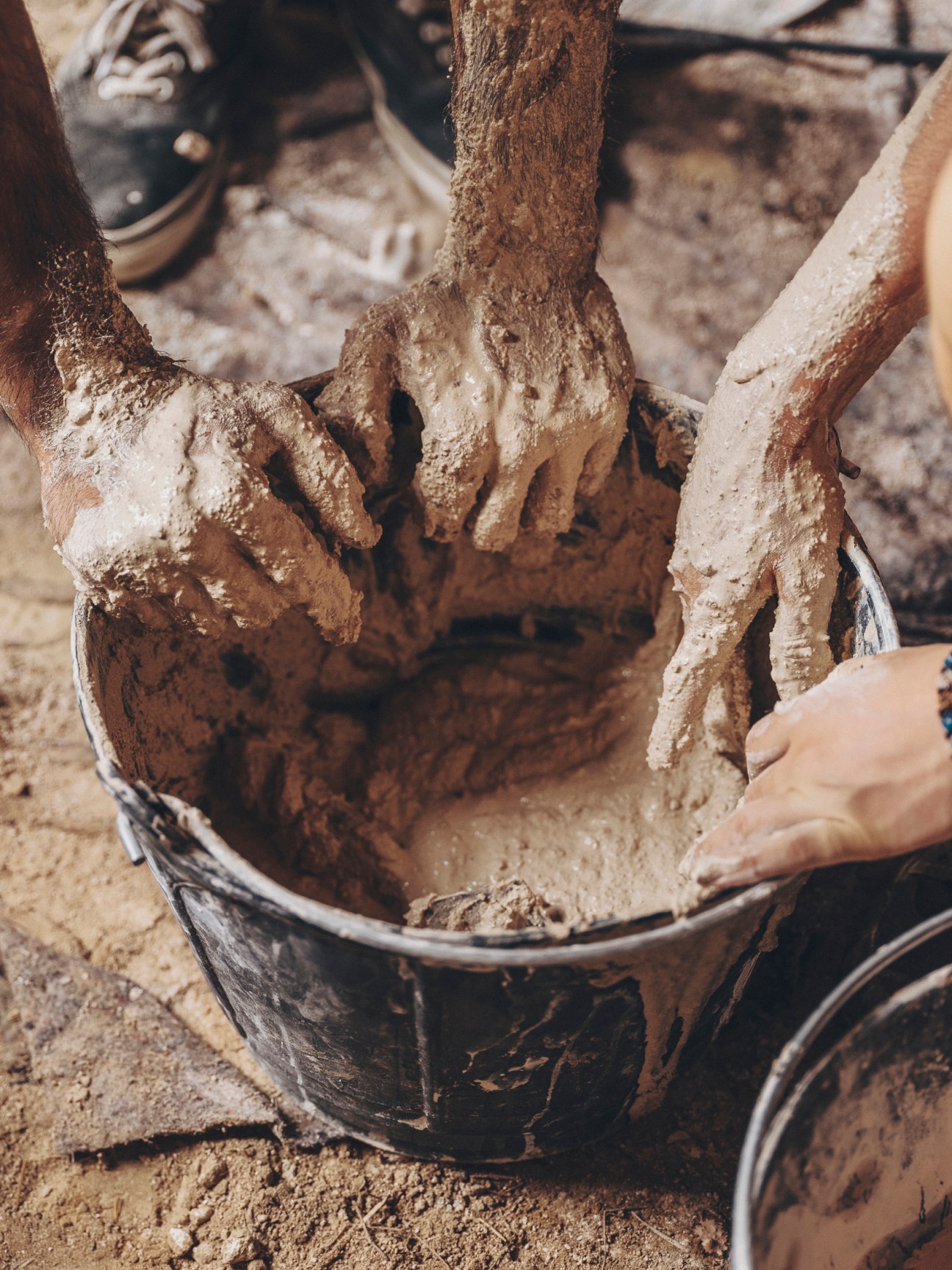
All is quiet in the village of Used in Spain’s northeastern Aragón region. That is, apart from the voices coming from behind some old, loosely chained wooden doors. A staircase leads to an attic where apprentices are shoving their hands into a bucket of viscous grey matter. The substance is gypsum and the assembled architects, engineers, artists and rural homeowners are here for a three-day plastering workshop.
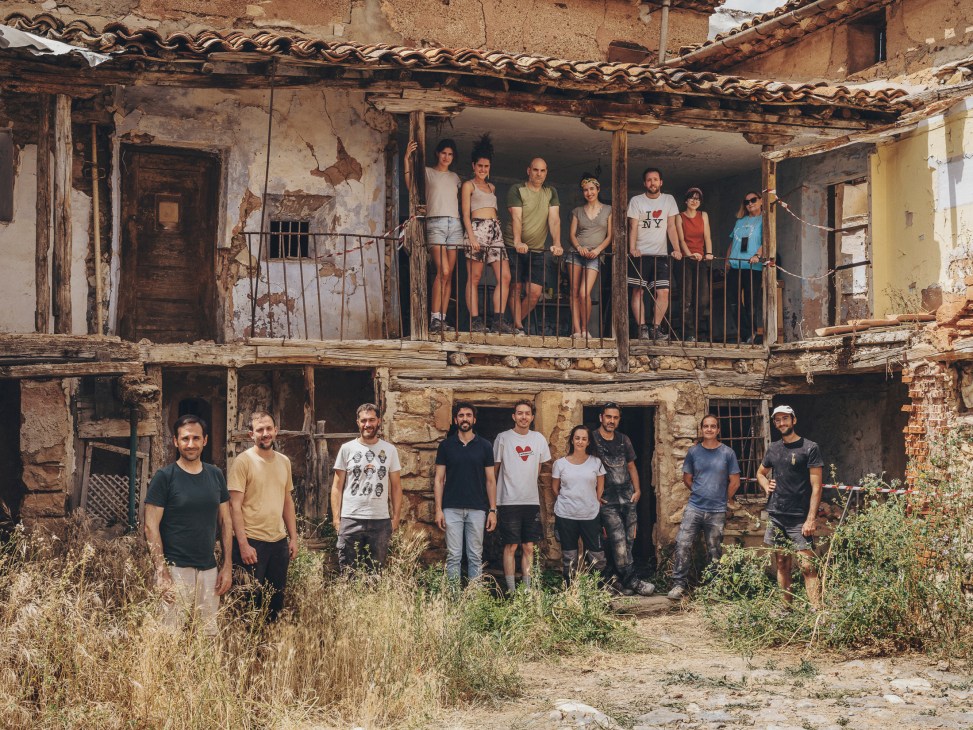
The aim of this get-together, run by the non-profit Asociación Fuset, is to teach traditional building techniques. But there’s also a much larger objective. If people could appreciate the cultural heritage of buildings in Spain’s countryside – and learn how to restore them – maybe more would take a punt on buying one. In turn, they would be doing their part to halt rural population decline and even create new jobs. “People don’t always know how to value what they have,” says Miriam Estella, a workshop attendee who has been fighting a house demolition in the nearby village of Montón.
Used native and association co-founder Alberto Sánchez, who bought a house here in 2017, puts it another way: “These homes have something intangible that you cannot purchase,” he says. “They have an intrinsic value.” Both he and fellow founder Guillermo Bosque, a Bilbao transplant who arrived in 2021, have been using their historically rich but dilapidated homes as architectural guinea pigs ever since. Today is Bosque’s turn to host.
Driving here from Madrid takes a little less than three hours. Past the city of Guadalajara, after an initially slow ascent, the countryside flattens out into a vast sun-beaten plain known as the Meseta. Passing cars are rare and the only activity is the occasional combine harvester kicking up dust as it crosses golden fields of wheat. Small villages with open-air pelota courts and medieval churches break up the monotony, while derelict stone buildings on their outskirts point to more affluent times. Wind turbines fleck the horizon.
This is the heartland of what is known as España Vaciada (“Emptied Spain”), a reference to rural depopulation that has left many villages struggling. It’s a term on the lips of politicians from Andalucía to Extremadura, scrawled on the banners of social movements and fed through TV news anchors’ teleprompters. It has been given fresh emphasis as people reassess their lives after the pandemic.
The route:
Over the course of five days, Monocle crossed northern Spain from east to west, from arable stretches of Aragón to the more northern European feeling villages and forests of Galicia. None of these places are more than two hours’ drive from major cities such as Madrid, Zaragoza, Barcelona or Vigo, and yet they’re some of the most “emptied” parts of the country.
Stop-off points:
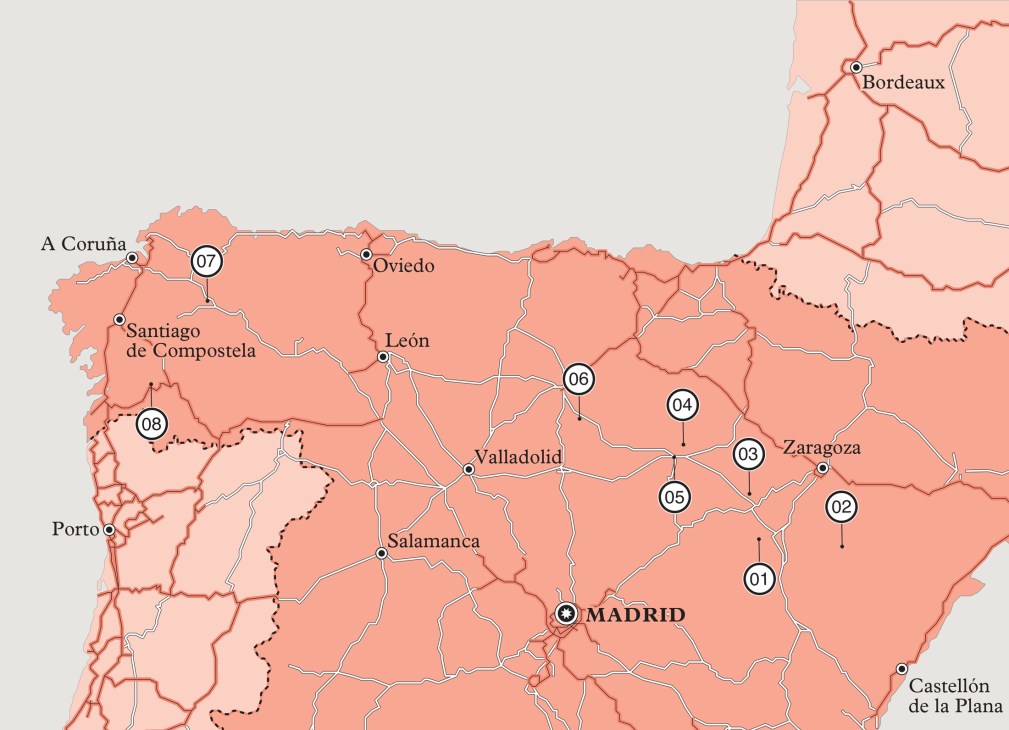
1.
Used, Aragón
2.
Oliete, Aragón
3.
Torralba de Ribota, Aragón
4.
Fuentelfresno, Castilla y León
5.
Soria, Castilla y León
6.
Covarrubias, Castilla y León
7.
Lugo, Galicia
8.
Muimenta, Galicia
Used now has just 271 residents; in 1940 its population was 1,508. Lately, the pace of depopulation has slowed but the trend continues: between 2010 and 2019, 6,232 of Spain’s 8,131 municipalities decreased in population. About half of them are what the EU refers to as at “demographic risk”, meaning that their populations are set to decline beyond the point of no return due to an ageing population and low birth rates. Of course, Spain’s problems aren’t unique – other southern European nations, most notably Italy, are experiencing this too. Stories of Italian houses being sold for €1 have been tabloid fodder for some time, while a 2020 study by The Lancet predicted that both countries’ populations are likely to halve by 2100. The EU’s contracting population is also leading to a flurry of Brussels-produced planning papers and existential questions about the continent’s diminished global position.
But Spain’s problem has a particular cultural resonance. Starting in 1939 and lasting for more than three decades, the dictatorship of General Franco focused on economic development that favoured Spain’s cities. During the second half of the 20th century, the country lost about 40 per cent of its rural population as part of a massive exodus to urban centres. And yet, while driving more than 2,000km across the regions of Aragón, Castilla y León and Galicia, Monocle encounters plenty of people who aren’t prepared to sit back and accept that the countryside has no future. Some have a frontier bravado, seeing themselves as repobladores (“repopulators”).
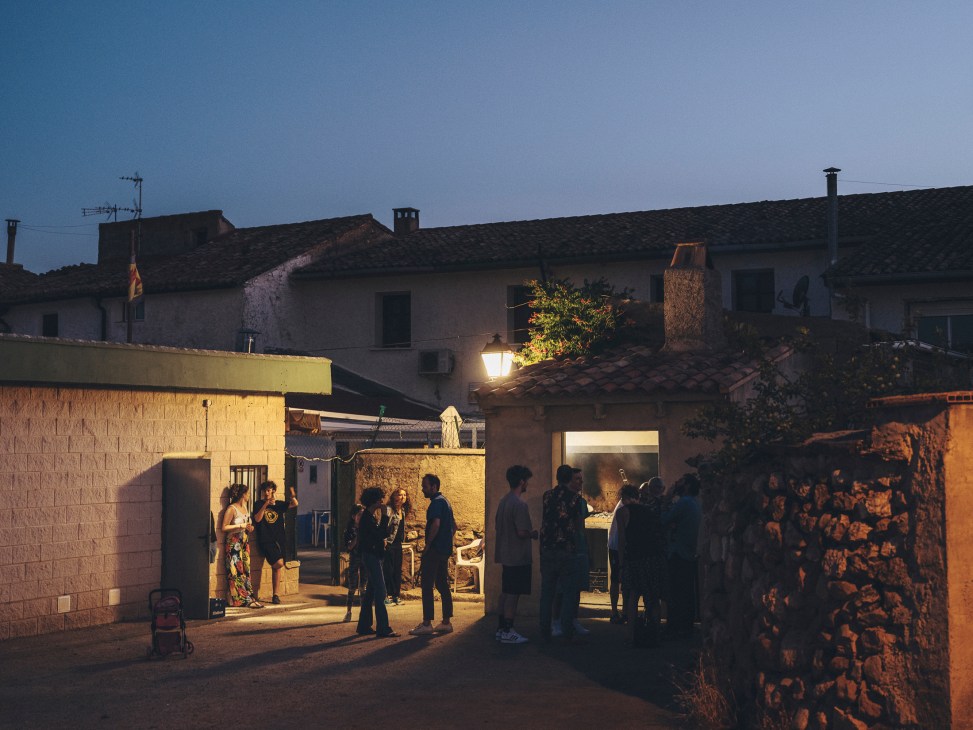
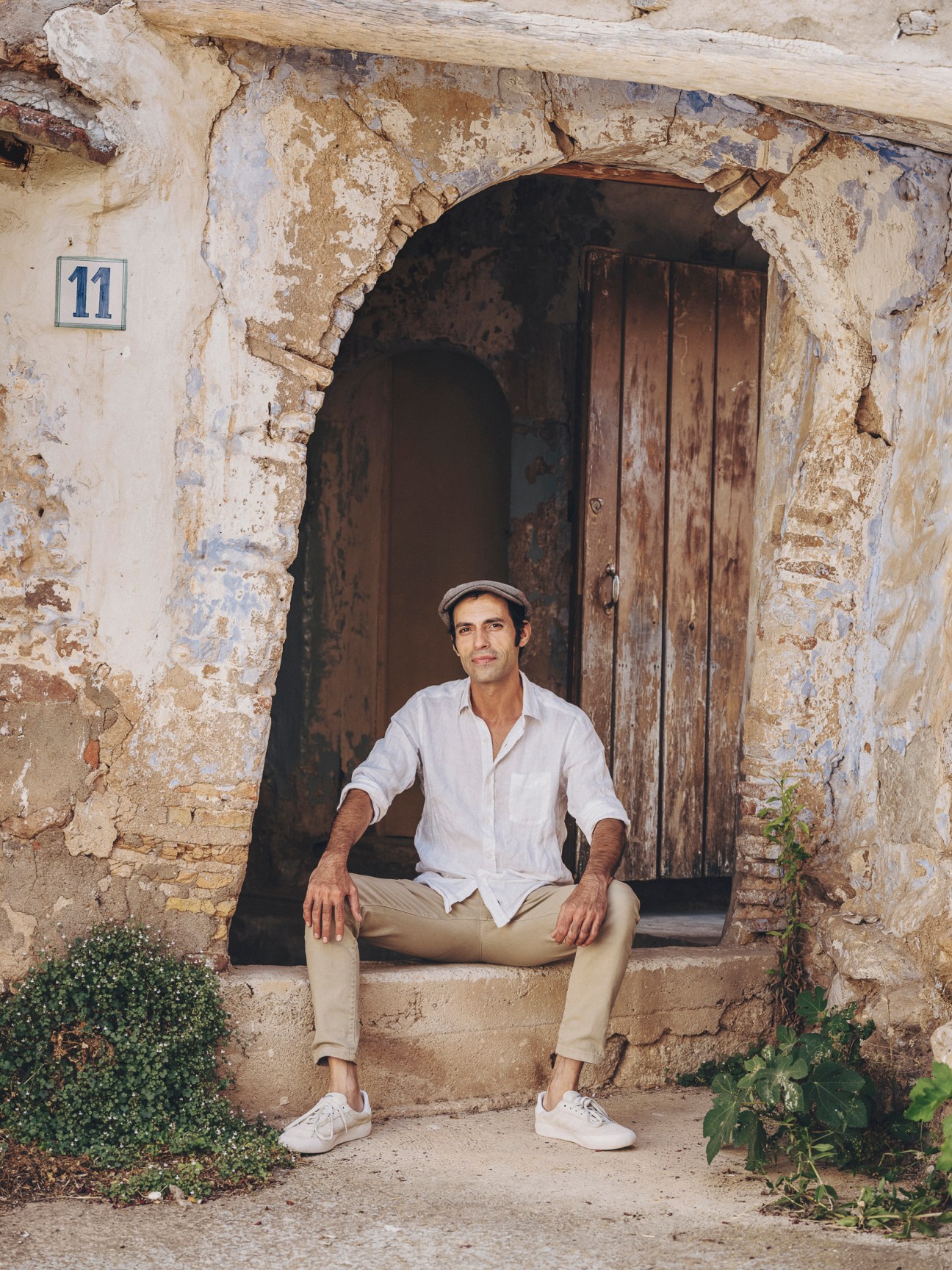
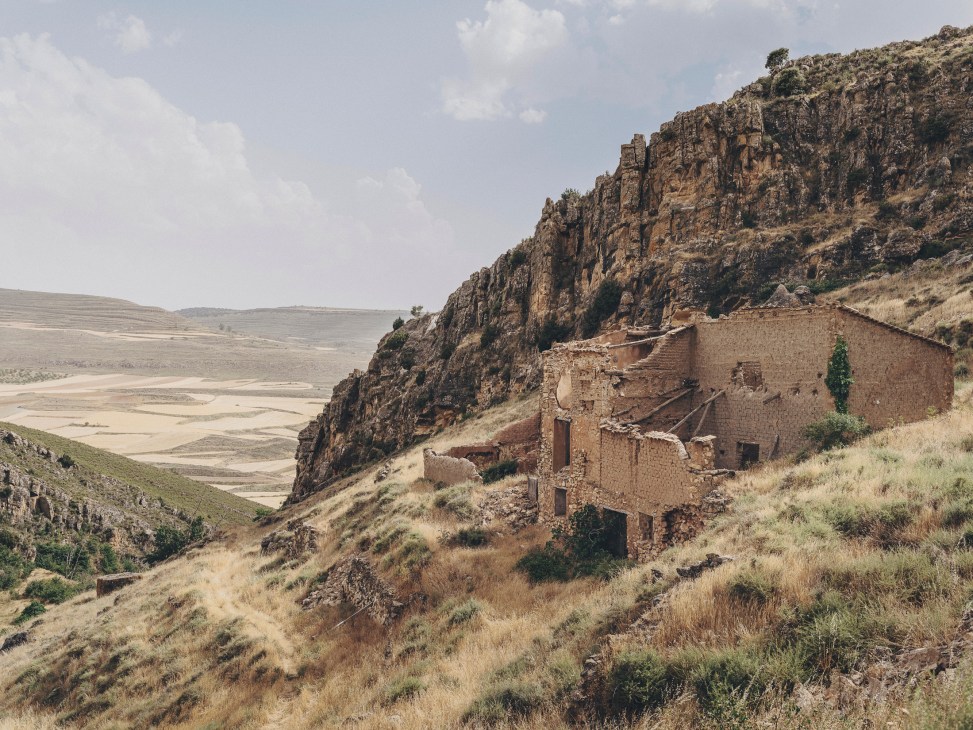
The magnetic pull of the ancestral village is ingrained in Spanish folklore. We take a 20-minute drive northwest on a bumpy, unpaved track from Used to the settlement of Pardos. The village’s isolated location makes it easy to understand why it was abandoned in the 1970s. Today, people make the journey here to photograph its collapsed roofs and overgrown vegetation. But a walk among the ruins also leads to a water fountain, which was restored in 2015 by former residents. Next to it a tiled inscription reads: “Although I’m far from here, your memory doesn’t fade. The village where I was born left an imprint on my soul.” Even from a distant city, the village is never forgotten – nor is a return ruled out.
These sentiments clearly motivated Alberto Alfonso Pordomingo, co-founder of Apadrina Un Olivo (“Sponsor an Olive Tree”), who is based in the Aragonese village of Oliete. Surrounded by scrubby, undulating land, the 340-strong community – down from 2,500 in 1910 – is famed for its olive trees, 100,000 of which are at least 100 years old. Pordomingo wasn’t born in Oliete but felt a connection to the village that his grandparents and father called home. “My father’s parents said that there was no future in Oliete,” he says. “So my father went to Barcelona. He returned to the village two or three times but his parents sent him back to Barcelona every time – and that’s where he met my mother.”

Pordomingo’s parents are retired now and spend much of their time in the village. One day, he had an idea. “I was with my parents picking the olives and that year there was a great harvest,” he says. “I said to them, ‘We’re here alone and yet there are so many olives. Something has to be done.’\” In 2014, Apadrina Un Olivo was born with the aim of rescuing trees that had been abandoned through depopulation. Membership fees help to pay the trees’ owners – who often don’t want to give them up for sentimental reasons – a fee for the organisation to tend them. But the bulk of the money from the 7,000 “godmothers and godfathers” (one of whom is deputy prime minister Teresa Ribera) goes towards paying local people to work the land and produce oil so that they won’t have to look elsewhere for opportunities.
You can’t miss the company’s warehouse on the road leading into Oliete. Daubed on the building, which functions as an almazara (oil press), is a multicoloured mural by Madrid collective Boa Mistura, reading “Querer volver” (“To want to return”). It’s here that Monocle meets Jaime Grimaldo, originally from Mérida in Venezuela, who helps to oversee the agricultural work and visits from the trees’ sponsors. Grimaldo says that Apadrina Un Olivo now employs 12 people from Oliete and two from the neighbouring municipality of Alacón. “That’s already important for the village,” he says, cigarette in hand, as he drives Monocle to visit the trees in a pick-up truck. “We live and work here.”
Apadrina Un Olivo has also allowed Ricky García, whose mother’s last name is Oliete, to return to his ancestral home. He lived in the Dominican Republic for almost a decade but wanted a different future for his daughter. The influx of people means that the school here has gone from having just four students a few years ago to 14 today. While this increase may seem small, it has a ripple effect, says García. “The two restaurants stay open, the pharmacy too. There’s an economy behind all of this.”
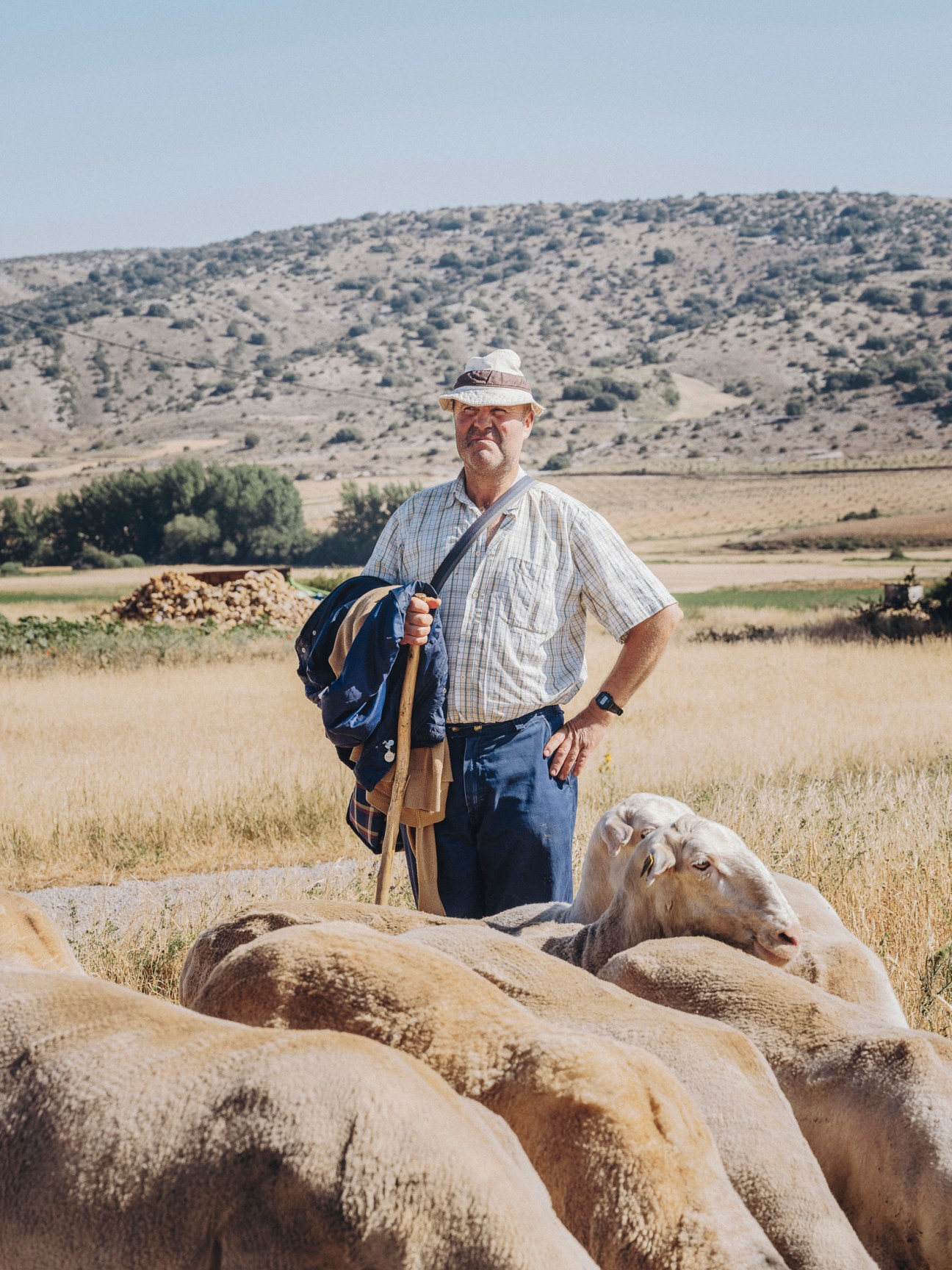
Places such as Used and Oliete aren’t about to crack the Empty Spain riddle overnight. While they might convince people to move or return, there’s still the demographic challenge presented by the fact that by 2050 nearly one in three people in Spain will be 65 or older. Currently about a quarter of the population in municipalities of fewer than 5,000 people are over that age. But these towns are proof that you don’t need to accept decline as inevitable and that rural areas need not be unattractive to young people and those with families. “The important thing is that there’s hope,” says Pordomingo. Not content with co-founding the olive-tree project, he’s moved on to recuperating abandoned orchards in a neighbouring village, co-authored a paper on cultivating resilience in rural areas and launched an initiative called, rather poetically, “Intelligent rural alarm clocks”, which incubates businesses in the countryside.
These places also offer a model that can be replicated. Just as in the second half of the 20th century, when chain migration meant that young people followed each other from village to city, one person moving back today might mean that another follows. To appreciate its potential, this reverse migration has to be considered with a view to the long-term future of rural communities – but it’s already making a difference. In Used, for example, Alberto Sánchez’s restoration work enticed Guillermo Bosque to buy a house. And Sánchez reports that another architect and his partner have recently bought a home, with more showing interest. Perhaps the most demonstrable example of this type of migration, which requires equal measures of free spirit and pioneer attitude, can be found at Monocle’s next stop in Torralba de Ribota.
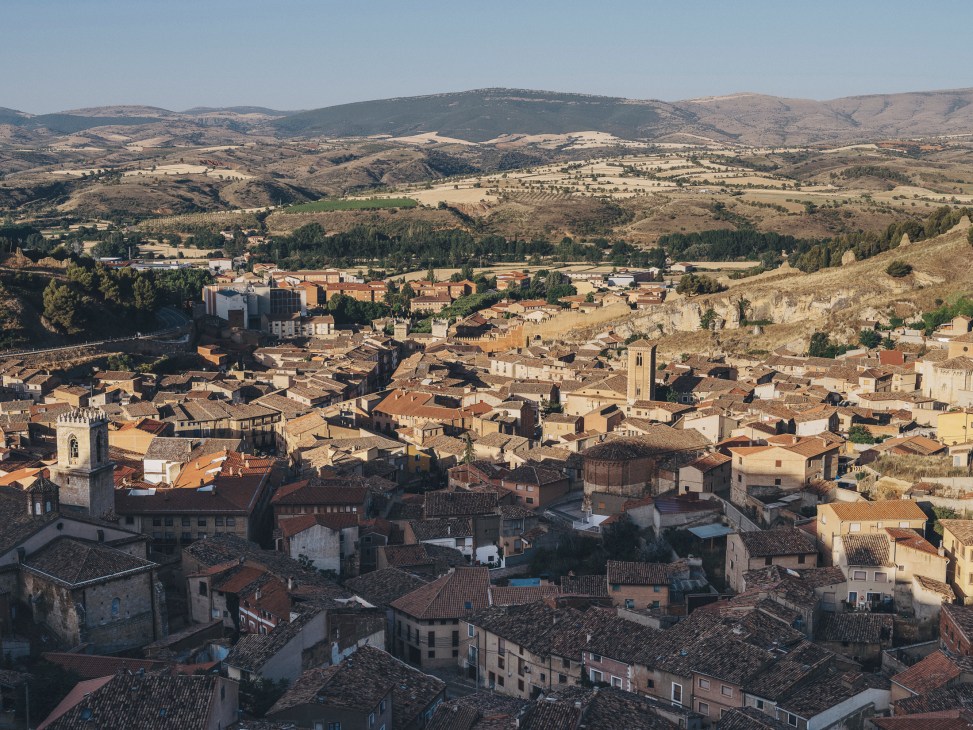
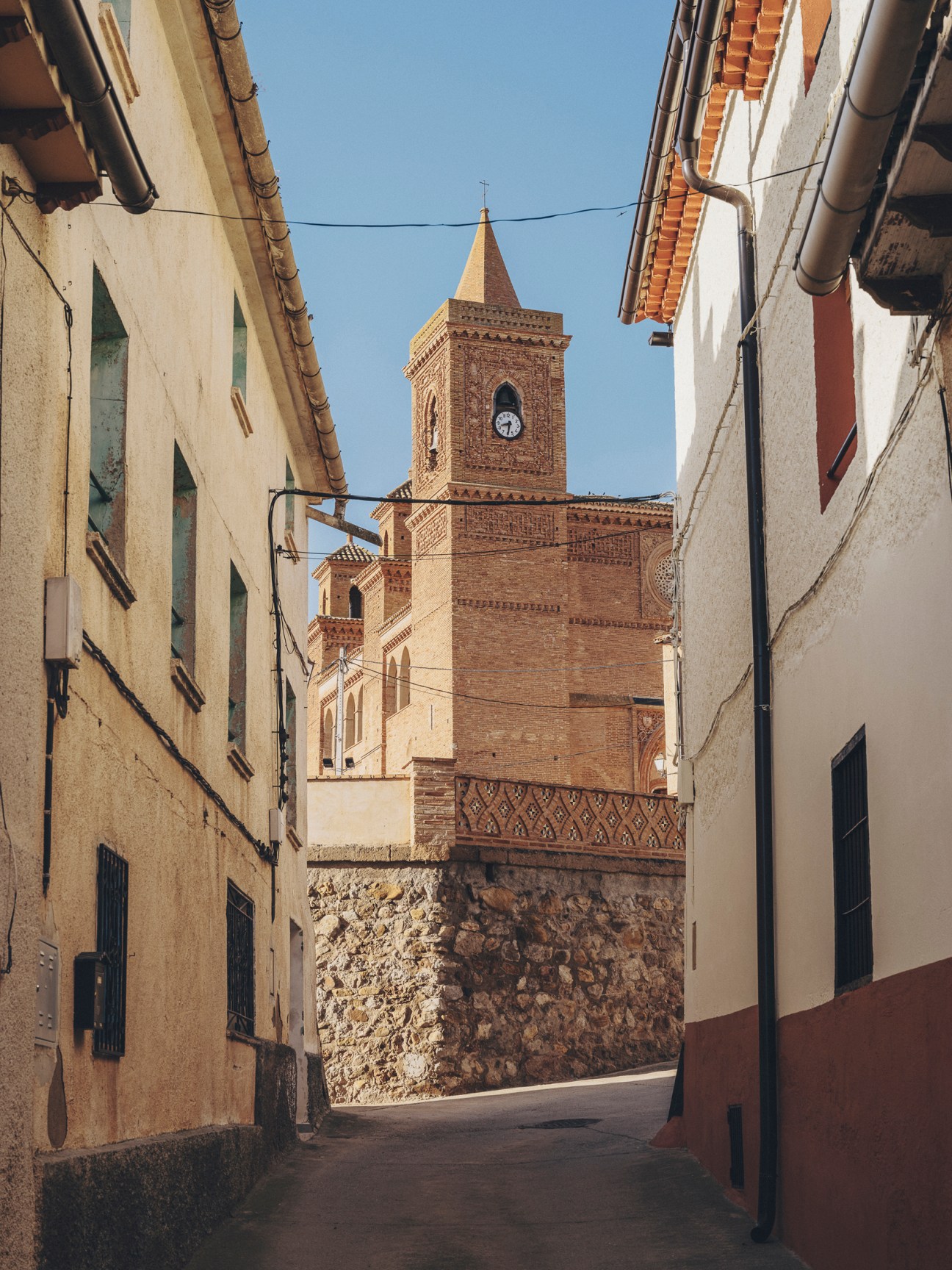
The village is dominated by a magnificent 14th-century Mudéjar church, built by Moorish craftsmen who continued to live and work in Christian Spain after the Reconquista. It also benefits from being a short drive from one of the largest towns in Aragón, Calatayud, which has a stop on the high-speed railway line between Madrid and Barcelona. Even so, it hasn’t been spared the rural decline. Lucía Camón meets Monocle on one of the village’s narrow streets and we take a seat at the local bar. After inheriting a house, she arrived in the village from Madrid in 2012 with her partner Alfonso Kint and their young daughter Greta. On the patio, plastic tables and chairs are set up and a group of silver-haired abuelas is playing cards. Ice-cold bottles of Zaragoza-brewed Ambar beer go for €1 a pop. While the old-timers clearly have a special status, it’s hard not to notice the younger people. Children are running around and a brick barbecue is being fired up. Later, people tuck into grilled meat on hunks of white bread, washed down with tinto de verano and a magnum of red wine.
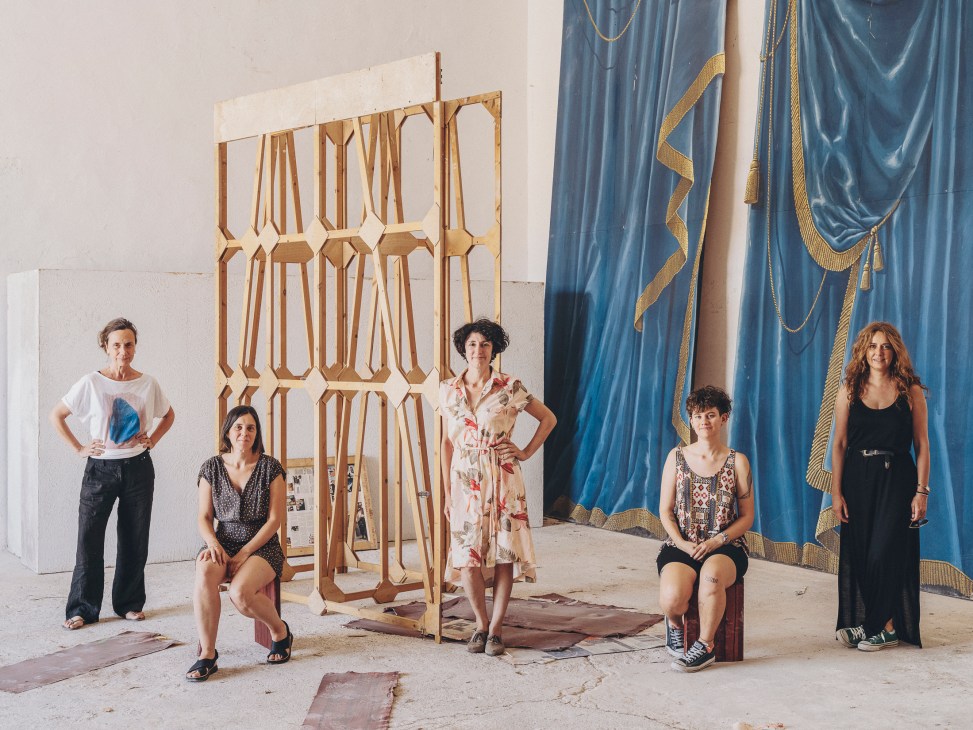
“When you create movement, the place wakes up,” says Camón. After moving here, she set about creating a lively cultural scene, believing that the arts can be a vehicle for change. She is the co-founder of Pueblos en Arte, whose work includes organising artist residencies and the annual Saltamontes Festival, which held its third edition in July and covers everything from theatre to art. “I want this sort of place for my daughter; it’s for selfish reasons,” she says, laughing. “But actually, it’s for everyone living around here.”
The next morning, Alfonso Kint welcomes Monocle at his home office, a building accessed through a large external door that has warped with age. “At the beginning it took me three days to upload a video but now we have a fibre-optic internet connection,” he says, looking remarkably fresh despite the previous night’s revelry. A former storyboard editor in Madrid, Kint is the director of a documentary about the village and his family’s experience called Soñando Un Lugar (“Dreaming of a Place”). Although life here has been an adjustment, he says that it also brings plenty of freedom.
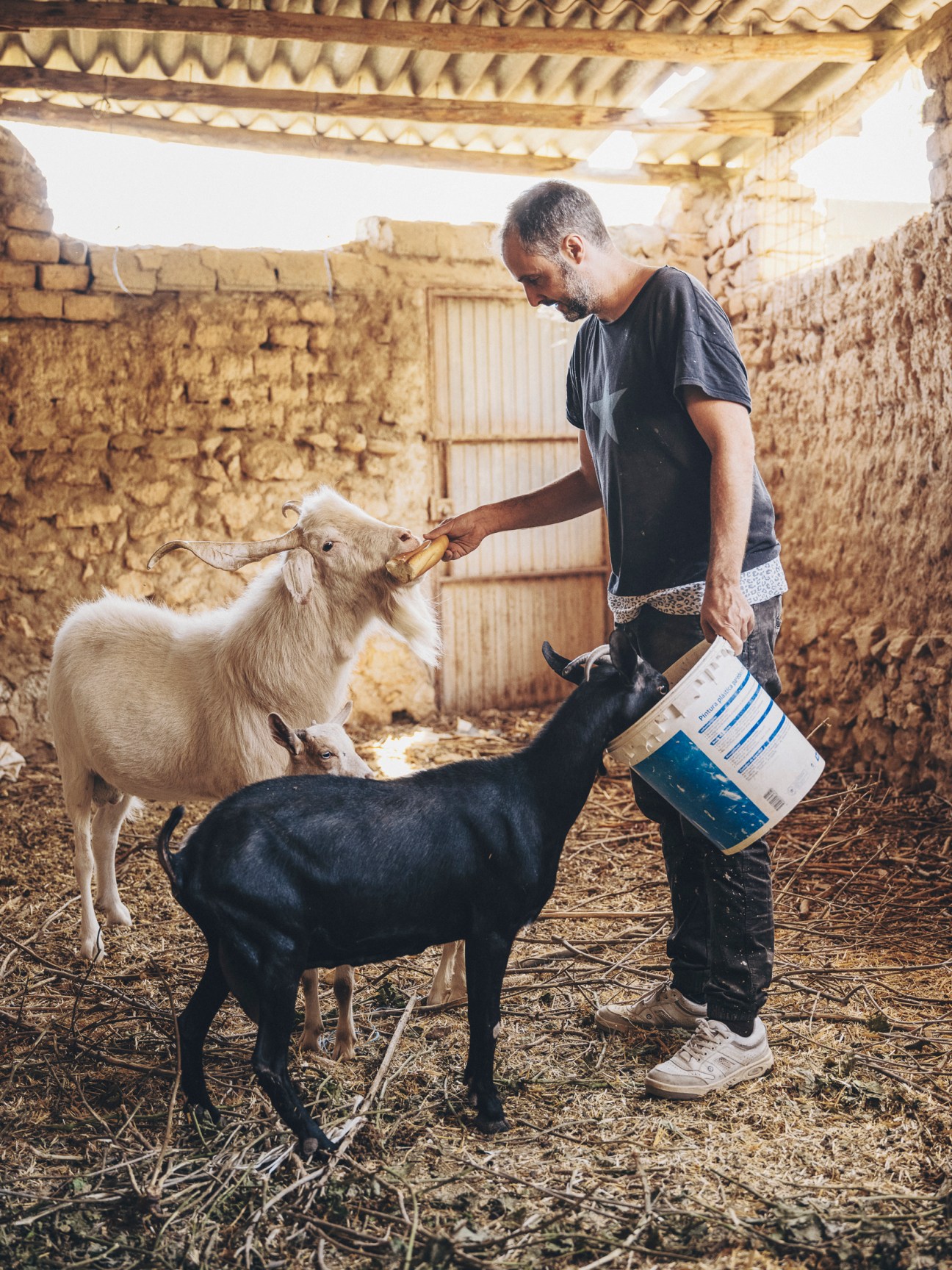
Kint explains that Camón worked hard looking for houses in the village so that other creatives could follow in their footsteps. The first was Ana Bettschen, the co-founder of the Pueblos en Arte team, who studied theatre with Camón. Next was Quique Macías, a stand-up comic who spends much of his time travelling around Spain. Macías takes Monocle to meet some goats, which he insists on feeding a baguette, joking that they act as village gardeners, before showing us the concrete being poured in one of his home’s outhouses that he wants to turn into a performance space.
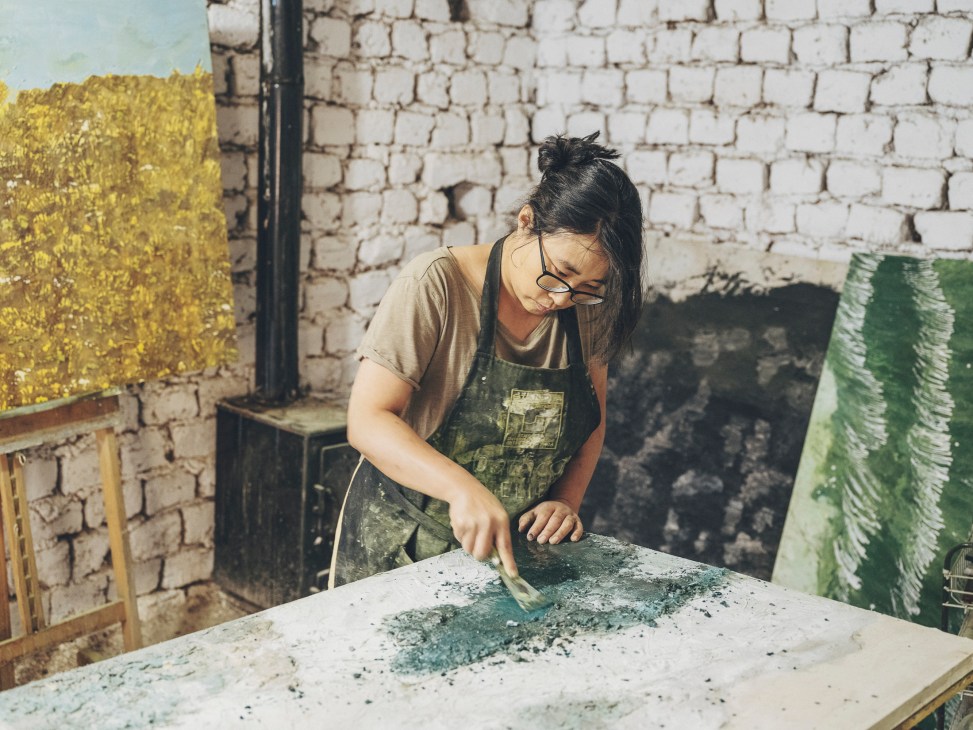
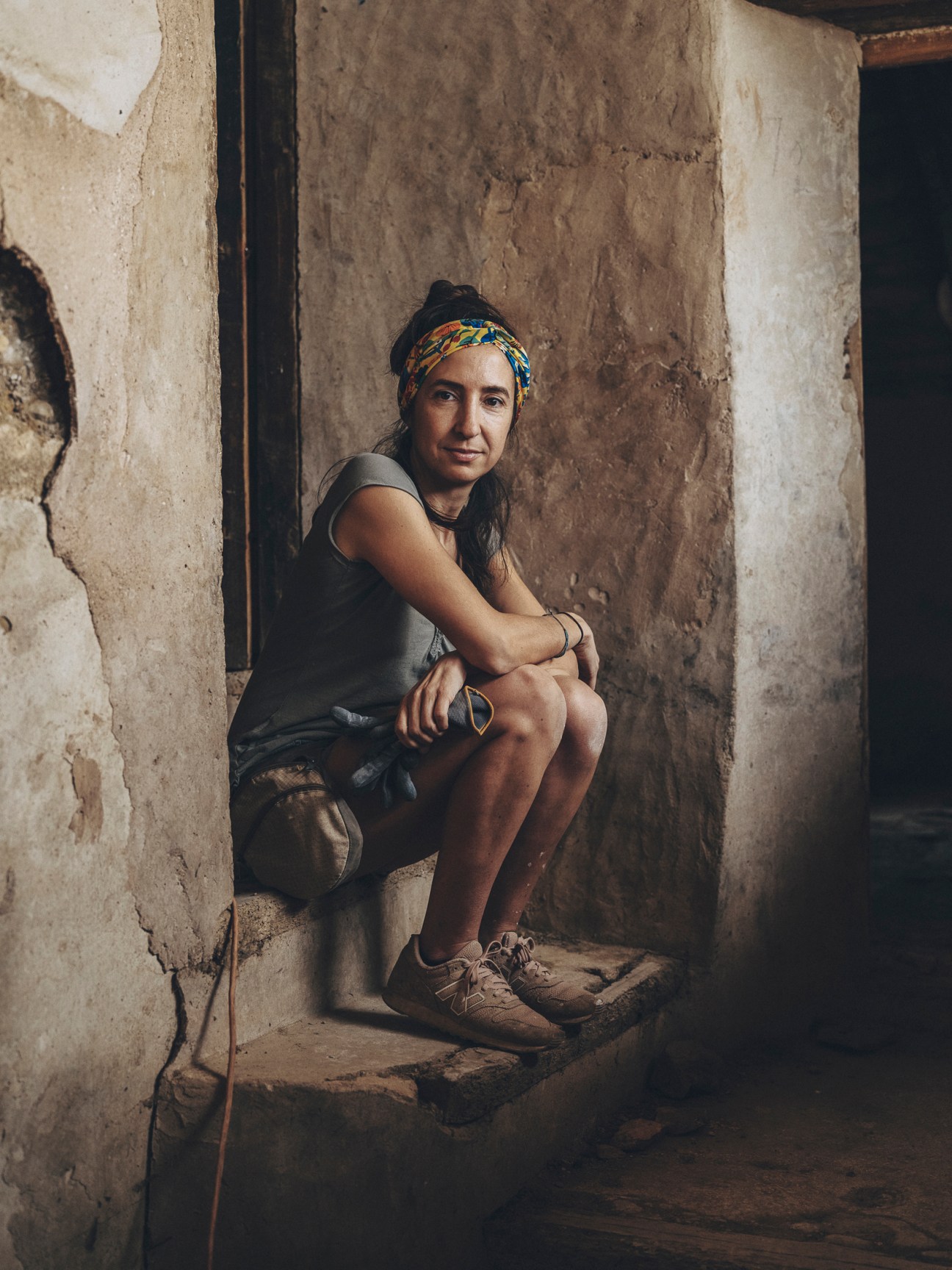
Helping him handle the cement mixer is artist Javier Barreno, who found out about the village through Kint’s brother. He bought a house here six years ago but moved from Madrid in 2021 with his wife, fellow artist Joo Eun Bae. In the couple’s house and studio, Bae is working on a large canvas, building layers of paint on one of her many works inspired by mountains. Around the back, Barreno is building a foundry for brass and bronze and a kiln for firing ceramics. Bae and Barreno are two of the 15 or so people that Camón says have moved here, following the example of her family.
A similar migration pattern, albeit motivated by different reasons, can be found by heading west, to Spain’s largest region, Castilla y León. Just north of one of its provincial capitals, Soria, is the tiny hamlet of Fuentelfresno. Unlike the other settlements we’ve visited, many of the houses here are new builds. According to flip-flop-wearing mayor Adela Trassierra, who has lived in the village since 2016, Fuentelfresno was “practically empty” by the end of the 1990s. In fact, there was only one elderly couple living here, who were reliant on a public telephone for communication. It’s hard to believe now as Trassiera meets Monocle in the company of several other new inhabitants and their children. According to the mayor’s latest count, there are now 28 adults and 22 children in the village.
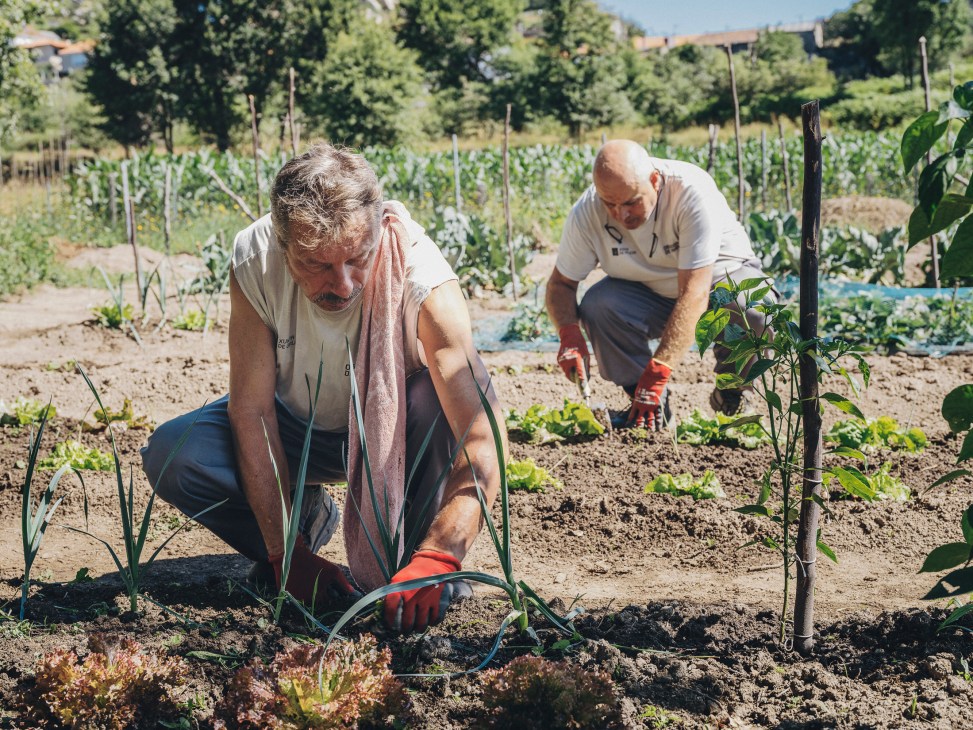
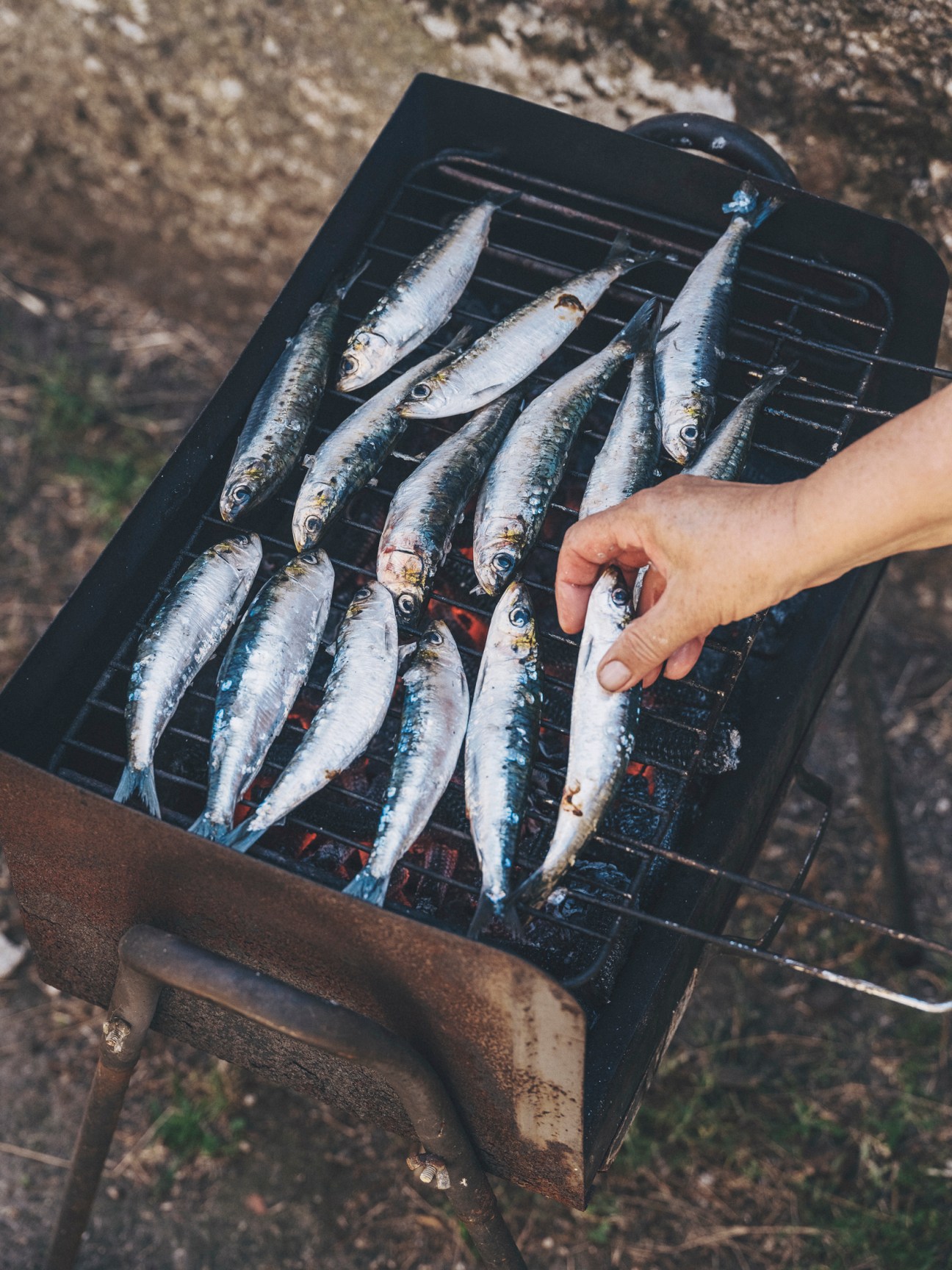
One of the main reasons for this turnaround in fortunes is the school here. After original pioneers Victoria Pascual and Alfonso Pardo settled in Fuentelfresno and encouraged friends to follow, the new residents set up a private school for three- to six-year-olds. It operated on a slightly alternative model, with a focus on the outdoors, and proved such a hit that it was incorporated into the public system in 2015, expanding to become a mixed-age rural school. It has fostered three waves of migration and been responsible for a feeling of “community around the college”, according to one of the parents, José Miguel Díez. “Instead of people just coming back for the summer, they now live here all year and leave for the summer,” he says.
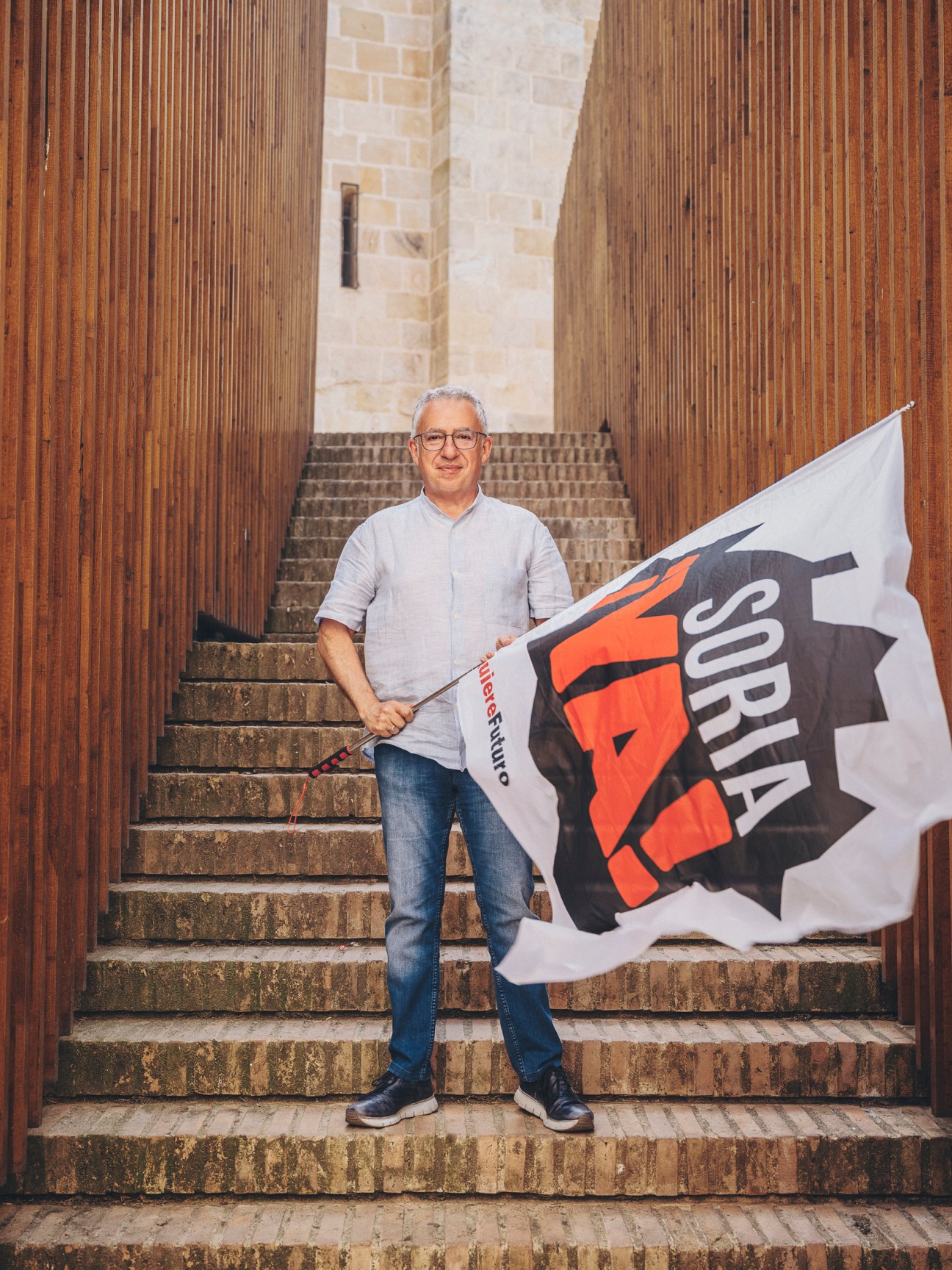
The nearby provincial capital of Soria has an elegant feel to it, with wide shopping streets and Romanesque cloisters. Look more closely, however, and you’ll notice black-white-and-red posters for local political party Soria ¡Ya! (“Soria Now!”) plastered in the windows of businesses across town. Soria ¡Ya! was formed in 2001 as a social movement fighting depopulation in a province that is ground zero for the problem. Soria has a population density of just 8.5 inhabitants per square kilometre – it’s just one of three Spanish provinces that has a figure below 12.5. In March 2019, fed up with politicians not doing enough, the organisation got together with others from more than 20 Spanish provinces and marched on Madrid as part of a so-called “Revolt of España Vaciada“, demanding better funding to halt rural depopulation. More than 100,000 people attended.
Off the back of this protest movement, Teruel Existe (“Teruel Exists”), which hails from the same province in which Oliete is located, decided to become a political party and run in the November 2019 general election. It ended up as the primary party in its province, winning three national seats (one in Congress and two in the Senate) and even played a key part in getting Socialist prime minister Pedro Sánchez appointed. Inspired, Soria ¡Ya! threw its hat into the ring for local elections in February this year and won three seats in Castilla y León’s legislature.
Ángel Ceña, head of the party, meets Monocle at its inconspicuous headquarters in Soria’s historic centre. He is quick to point out that Soria ¡Ya! is neither left, right nor centre. “Our political line is the economic and demographic development of Soria province,” he says. “If you ask me my opinion about euthanasia or abortion, I have one but it’s personal.” Instead, he’s focused on petitioning for motorway and train development and a special tax break that would allow Soria to give incentives to companies moving here. “There’s a trend that seems to push people towards the city but until when?” he says. “And is it sustainable?”
Successive national governments have tried to solve the rural problem. Yet for Sergio Del Molino, author of a book on depopulation called, of course, Empty Spain, there are still “very few political resources” allocated to it. That said, the current leftist coalition has established a secretary for the demographic challenge and named former senator Francés Boya to the position. Talking to Monocle, he admits that the task ahead is “tremendous” and that government funds are currently focused on the immediacies of inflation and pandemic-related social issues. But he parries that Spain is advancing in its plans to have the whole country connected to high-speed internet by 2025, something that he says will reduce the disparity between urban and rural.
Boya also mentions a plan called “Campus Rural”, in which university students spend part of their holidays doing paid work in the countryside. It was inspired by a similar plan, informally referred to as “Rural Erasmus”, launched in Zaragoza in 2018. “Before, young people left the countryside and didn’t return,” says Boya. “But now [through Campus Rural] we have generated a return path, even if it’s for a limited time.” This year’s inaugural programme has enrolled 350 students, with plans to greatly expand that figure by next year.
One of the most grandiose government projects we hear about is in Galicia, Spain’s verdant northwestern region of rolling hills and dense woodland, which feels a long way from Aragón and Castilla y Léon. Our destination is the settlement of Muimenta, one of 18 model villages that the Galician government is piloting. The hope is that they can show the way for a sustainable economic model that could include self-sufficient energy production.
Muimenta’s tale is, by now, a familiar one: generations lost to emigration and deindustrialisation. But something different is also happening. Apart from trying to revive farming in the village through a focus on organic produce, Muimenta is working with Galician non-profit consultancy Fundación RIA, created by architect David Chipperfield. “Our work is to set the guidelines for the renovation of the village, both the built and natural environment,” says Manuel Rodríguez from the foundation. “We’ve been looking to identify and protect the values of the town.” The preliminary masterplan includes a blueprint for a social centre rebuilt from the ruins of a building that looks onto a 13th-century granite church. An application for public funding has been made and it’s hoped that private investment will follow.
Galicia was once famed for its tiny remote settlements scattered across the green mountains; these are now largely deserted. Mark Adkinson, a Brit who has been in Spain for 50 years, is the founder of Galician Country Homes. He is working to repopulate the empty villages and abandoned estates here. He shows Monocle a map with 3,500 pins denoting places of interest. Selling mostly to foreigners who are keen to take on a restoration job, Atkinson says that 18 to 20 homes are snapped up every month.
We encounter a similar hybrid entrepreneur, mixing business with social good, on one of the trip’s last legs. Ramón Pradera meets Monocle in the village of Covarrubias – population 539, down from 627 a decade earlier – famed for its 10th-century fort and wooden-beam houses. It is possibly the prettiest place we’ve visited so far and clearly has tourism potential. A former newsreader and motorbike enthusiast, Pradera arrives in wrap-around sunglasses on a green Harley Davidson. Declaring that he has clocked up 1,500,000km visiting Spain’s countryside, he’s also the founder of online platform Vente a Vivir a un Pueblo (“Come and live in a village”). Villages pay to be on the site which, he argues, gives visibility where governments have failed. Content covers everything from home costs to schooling and transport, alongside drone-shot video.
Pradera recognises that the picture is mixed for rural Spain and that some villages will have to fail for the most viable – the prettiest or most industrious – to survive. While many of those who live in Spanish villages feel that the government has given up on them, and that climate change is making the country’s arid centre even more difficult to inhabit, Pradera refuses to see the future anything less than positively, arguing that villages offer more today than cities. “I don’t use the term España Vaciada,\” he says. “I use ‘Spain of opportunities’. Because the future right now is in the villages.”
A European problem
“There used to be 105 children living on this street. Today, my 10-year-old daughter plays on her own,” says Venelin Kovachev, a fisherman in his 40s, who lives in Tutrakan, a town on the banks of the Danube in northern Bulgaria. Once prosperous, like thousands of other settlements across the country, it is shrinking fast. Bulgaria has lost more than a quarter of its population since 1988. According to the National Statistics Institute, it will suffer a 35 per cent decline by 2050.
Many of its Eastern European neighbours will suffer a similar fate. According to data collected by Eurostat in 2021, Latvia, Lithuania, Romania, Croatia and Estonia are all projected to lose at least 20 per cent of their populations by 2050, as a result of a drop in fertility rates and migration. Researchers from the University of Washington’s Institute for Health Metrics and Evaluation predict that the world’s fertility rate, which was about 2.4 per cent in 2017, will decline to less than 1.7 per cent by 2100.
The problem is particularly pronounced in rural communities: in Europe, four out of five are expected to suffer a decline in population by 2050. Bulgaria’s rapid shrinkage, for instance, is glaringly evident in the number of empty houses and boarded-up shops. A fatal combination of ageing populations, declining birth rates and migration will have disruptive social, economic and political consequences for decades to come. The job of politicians across Europe is to devise a solution before it’s too late.
Konstantin Vulkov is the programme director of Bulgarian radio station Darik Radio.
Carnivore comeback
In Europe, populations of wolves, lynx and bears have been rebounding after near extinction. Thanks to legal protection and the large-scale abandonment of pasture as rural populations swap farms for urban areas, these shy creatures have now been documented in every country in mainland Europe – even densely populated ones such as Belgium, where the first wolf in a century was spotted in 2018.
More than 12,000 wolves are now thought to roam the continent. In Germany, wolf packs have found sanctuary in former Cold War military grounds and post-industrial sites. The smaller lynx, which preys on roe deer, birds and rodents, is now believed to number in excess of 9,000, while brown bears have spread through Scandinavia, the Carpathians, Cantabria and the Alps, reaching a population of 17,000.
For those shepherds in remote regions where wolves now roam, this comeback has not been entirely welcome. Many have had to relearn ancient methods of defending their animals. Livestock-guarding dogs, such as Maremmani shepherd dogs and Pyrenean mountain dogs, can be used to guard sheep in places where electric fences are not appropriate or not enough to repel wolf packs on their own.
Pilot schemes have popped up to train farmers to work with these large and powerful dogs, which will bond closely to their herds and fight off wolf attacks. The challenge now is to learn to live alongside our wolf, lynx and bear neighbours – as peacefully as we can.
Cal Flyn is the author of ‘Islands of Abandonment: Life in the Post-Human Landscape’
Comment
The COMMENT
Politics ––– USA
Topping the bill
Sasha Issenberg on how Joe Biden has shown that keeping quiet – rather than cocksure noisy confidence – can sometimes be the best mode of political engagement.
When Joe Biden signed the Inflation Reduction Act into law on 16 August, he did not just make history by committing the US to its boldest effort to fight climate change. He also gave a young country lessons in a few old-fashioned values: persistence, patience and the willingness to yield credit to others.
Biden assumed the presidency knowing that his party’s slight congressional majorities presented a narrow window to deliver on campaign promises. So Democrats loaded all their priorities into one bill, labelled the “Build Back Better Act” after a Biden campaign slogan. It included $3.5trn (€3.5trn) in spending on ambitious social benefits and initiatives against climate change. There was something there for nearly every part of his coalition and Biden pushed ahead with a strategy that some on Capitol Hill refer to as “fake it till you make it” – act like success is inevitable so that sceptics are afraid to be left out. But Joe Manchin, a conservative West Virginian Democrat, who as the party’s 50th vote controlled the balance of power in the Senate, chafed at the bill’s big price tag.
Biden agreed to slash his ambitions in half, assuring lawmakers disappointed to see programmes for paid medical leave and free community college cut that this was the only route to get the bill through the Senate. But even after a $2.2trn (€2.2trn) version passed the House of Representatives, Manchin still refused to go along with it.
“I cannot vote to continue with this piece of legislation,” said Manchin on Fox News, the media outlet Biden considers a nemesis. “I just can’t. I’ve tried everything humanly possible.” Biden’s staff was ready to go to war with Manchin, with the press secretary issuing an unusually pointed statement about the senator’s “breach of his commitments to the president”.
Biden wasn’t ready to give up and retooled his approach to negotiations. He pulled chief of staff Ron Klain, whom Manchin reportedly blamed for the bad blood, and replaced him with a lower-profile aide more likely to hold the senator’s trust. The White House dropped its blustery confidence, substituting “fake it till you make it” with something like “quiet till they’re ready to buy it”.
Over the next six months, Biden effectively let Manchin cherry-pick the items he could support; clean-energy subsidies and a measure to cut prescription drug prices were the two major ones that survived. After Manchin expressed concern that rising consumer prices made him wary of even that spending, Biden agreed to rebrand the bill, dropping his own slogan from the title and replacing it with the more Manchin-friendly “Inflation Reduction”.
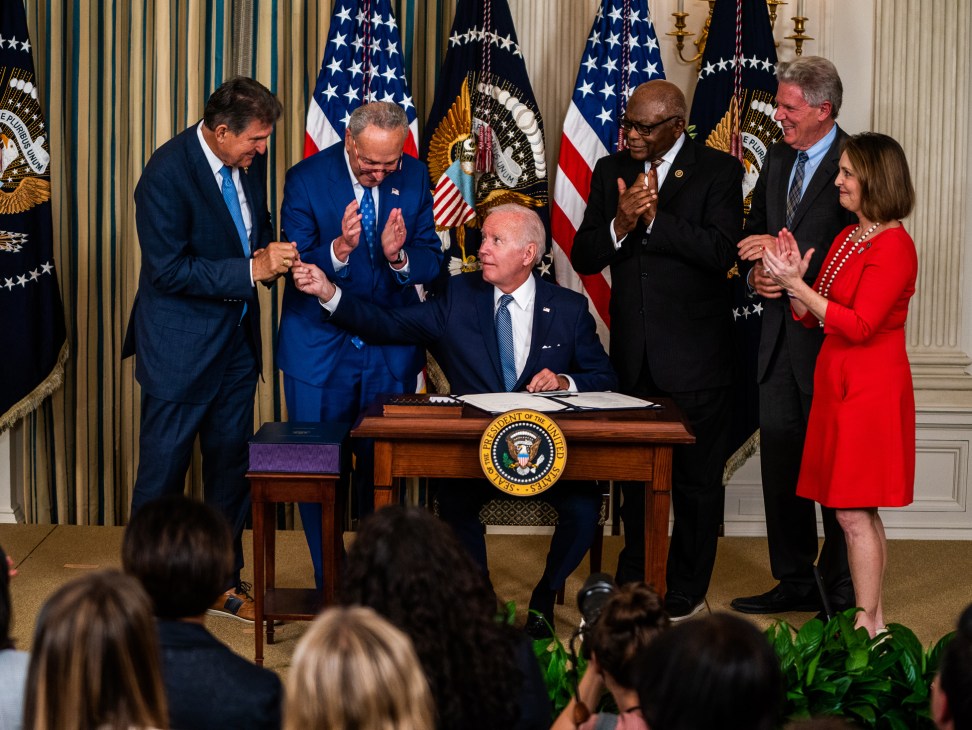
But Biden made many of these concessions in private. Journalists and lobbyists began to treat the negotiations as dead, and Democratic lawmakers grew fatalistic about their prospects of passing any major legislation before November’s midterm elections. In July, when Manchin announced his support for the act, every part of his party’s coalition celebrated it as a major triumph. After Biden signed it into law, he took the pen he used to do so and gave it to Manchin (pictured).
Small host cities
Diplomacy
Punching above their weight
Gregory Scruggs
On why smaller cities are stepping up to take on the challenge of hosting major international events – and reaping the rewards.
When the UN flag was raised to officially open the 11th World Urban Forum in Katowice, Poland, on 26 June, there were several sighs of relief. Mere months before, Katowice’s hotels were full of Ukrainian refugees. It would have been easier to call the whole thing off, as an increasing number of cities seem to be doing. Boston bailed on its 2024 Olympic bid, Chicago and Montréal declined to enter the fray to secure hosting duties for the 2026 World Cup and many Japanese towns, such as Okuizumo, refused to participate alongside Tokyo in the 2020 Olympics. But making the effort to be a good host can pay dividends.
For the Polish city (population 290,000), providing facilities for events has become a new stock-in-trade. Katowice’s leaders have turned an old coal mine into a showpiece campus with a congress centre, arena, concert hall and museum. The city now rolls out the red carpet for everything from the Intel Extreme Masters esports tournament to the European Economic Congress. This post-industrial transformation was also a natural setting for an international gathering of urbanists, and four years ago hosted Cop24 to show that there is life for a city after coal.
Then, in July, 1,700 athletes from 179 countries and 150,000 spectators descended on Eugene (population 181,000), a university town in the northwestern US state of Oregon, for the World Athletics Championships. It is the smallest city to host the largest track-and-field event outside the Olympics. Eugene proudly proclaims itself Track Town USA, derived from its status as the birthplace of Nike. So hosting the world’s top athletes in the newly-renovated Hayward Field was a matter of civic pride.
For small cities that have staked their reputations – and economies – on certain attributes, hosting allows them to live up to these. Is Eugene Track Town if it can’t handle the World Athletics Championships? Can Katowice convincingly say that international events have replaced coal if the city couldn’t embrace a UN conference? Likewise, the show went on in PyeongChang, South Korea (population 44,000), which put on the fourth annual PyeongChang Peace Forum in February. Were the 2018 Winter Olympics, held in the mountain town, really a boondoggle if the host makes regular use of the ski resort it built for them?
While healthier public coffers matter in selling such events to a sceptical citizenry, these encounters win hearts as well as minds. Smaller cities without international air connections don’t see foreign visitors as often and the charm of a host that seems glad to have you compensates for the hassle of arriving indirectly via Kraków, Portland or Seoul. The banners in Eugene proclaiming, “Hello World, Meet Oregon” might one day spark a Jamaican sprinter to take a coaching gig here post-retirement. During World Urban Forum, musicians in the vibrant jazz-and-blues scene that helped make Katowice a Unesco City of Music played shows for an audience including people who grew up in the genre’s birthplace along the Mississippi river. These moments are all part of the vital exchange that happens when a small city hosts a big event.
About the writer:
Scruggs is a Seattle-based writer and journalist, and the outdoors reporter for The Seattle Times.
Stepping up
A large part of Nike’s success is that it’s often in the right place at the right time. One of those moments was when Chloe Kelly, a member of the England women’s football team, tore off her Three Lions top after scoring the winning goal at the European Championship this summer, revealing a little tick on her sports bra.
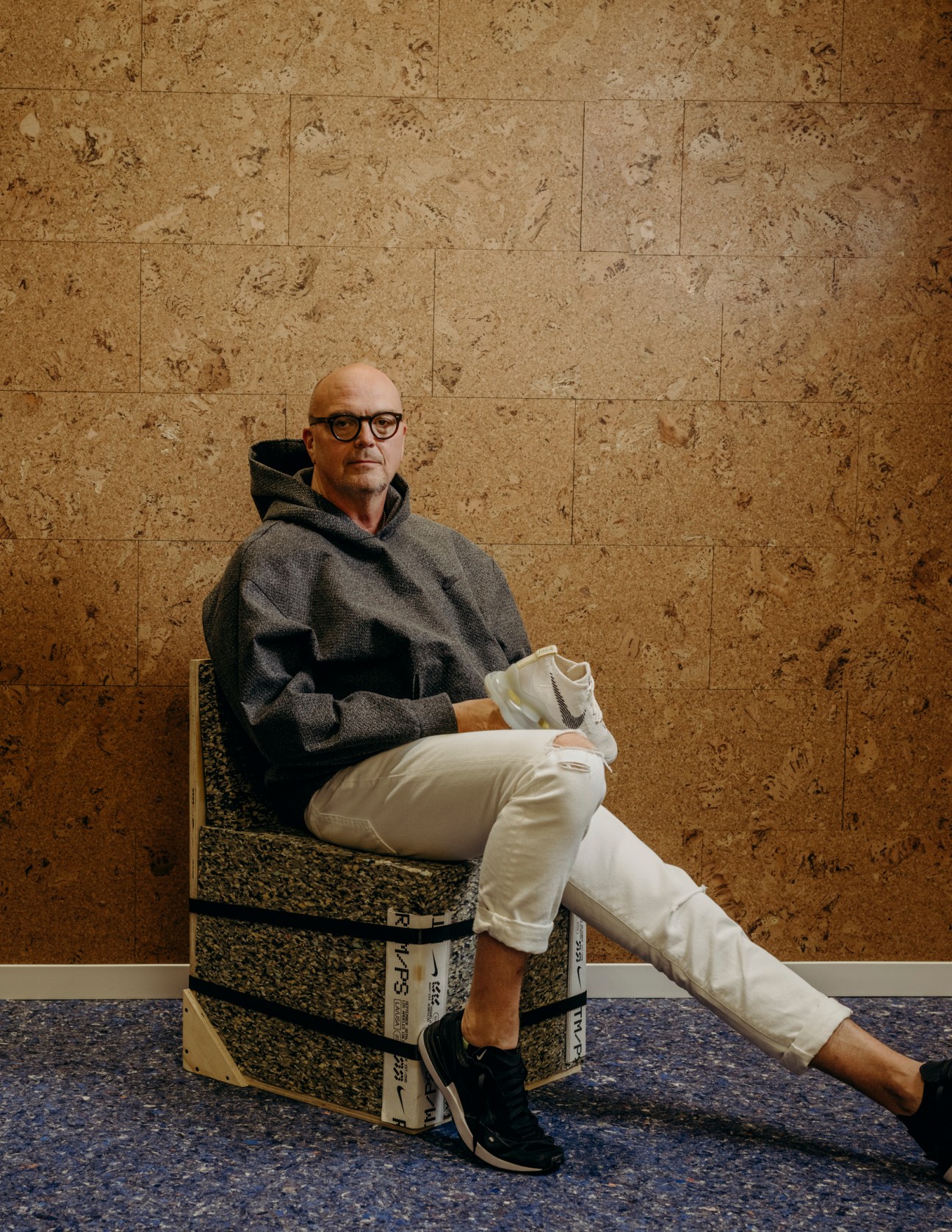
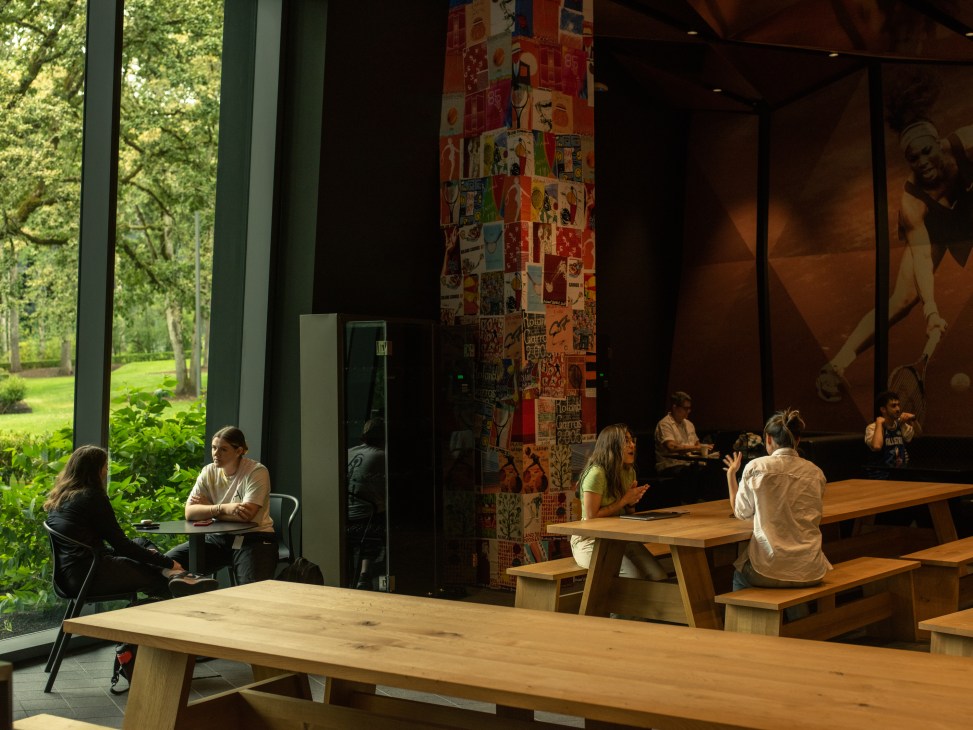
The person in charge of ensuring that the swoosh has this key visibility is chief design officer John Hoke III. He meets Monocle on the fourth floor of the new Serena Williams Building at Nike World Headquarters in Beaverton, near Portland, Oregon, just a day after the tennis star suggested that she is quitting the court. “I’m still working through it,” says Hoke, in sleek black Nike trainers and a black T-shirt that reads “Techno” (he just likes the music, apparently). “Serena has been so prominent in this company and in my career; I’ve been able to watch her develop into arguably the best athlete we’ve ever had,” he says. “I am sad, because we’re losing that, but I’m also happy for my friend.”
Across Hoke’s 30-year tenure at the brand, he’s worked closely with many of the Nike-affiliated star athletes to create clothing collections and footwear. He has also collaborated with luxury brands such as Jacquemus, the late designer Virgil Abloh and artist Tom Sachs. Williams, though, has had a huge bearing on Nike’s future design thinking: she has given her name to an extensive apprenticeship programme (in which she contributes feedback on students’ final projects) as well as the new building that is the size of 140 tennis courts and brings the core design team together under one roof for the first time in decades. “A thousand designers is a pretty big concentration,” says Hoke.
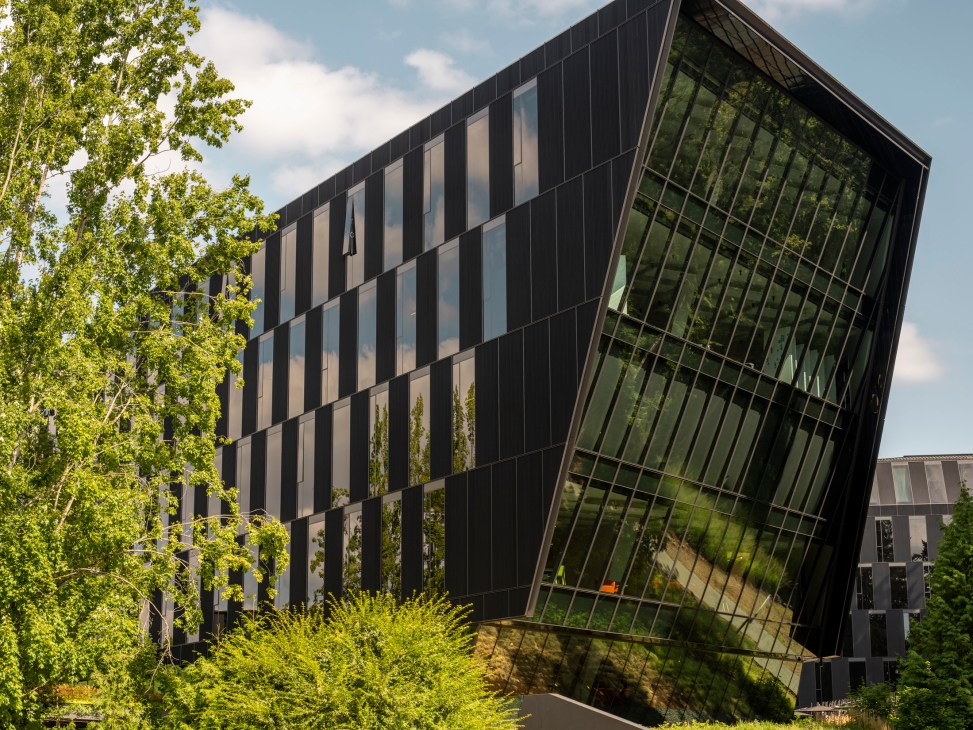
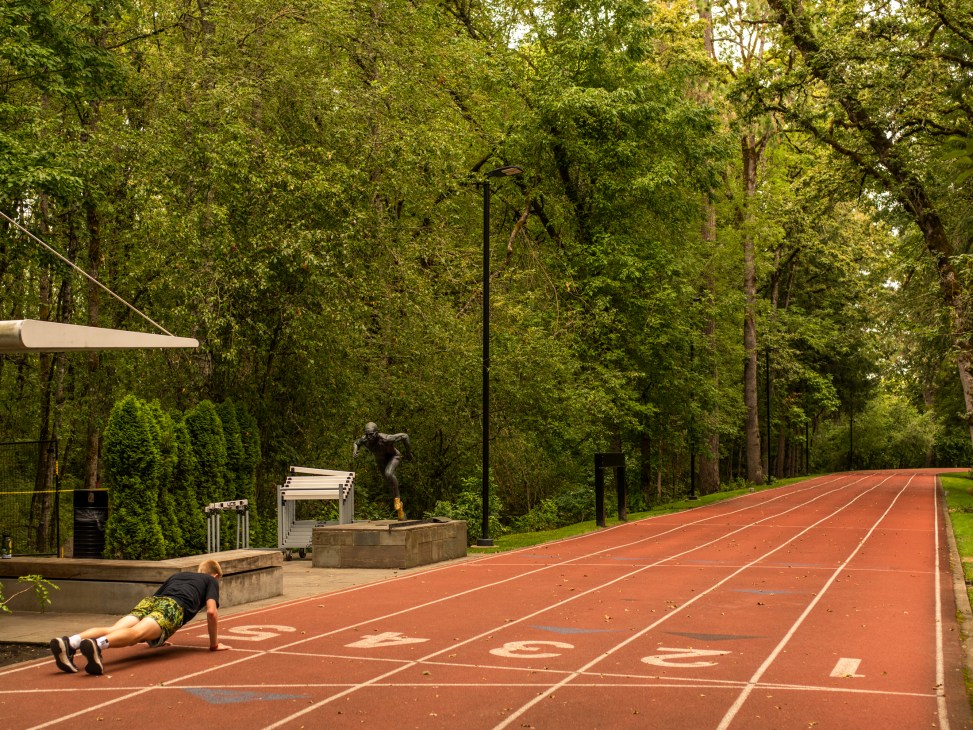
The consolidation of design talent in this one building is happening at a pivotal moment for Nike. The company is under more scrutiny than ever to make good on promises about improving sustainability in how it produces its clothes and footwear. The people who Monocle meets at Nike’s HQ – home to 11,000 employees – are unapologetically earnest about the organisation’s high-minded intentions. However, this is still a brand that made $44.5bn (€44.5bn) last year through a core product that relies on leather and rubber and manufacturing in Asia. While Nike’s business remains buoyant, its customers are increasingly savvy to the line between real change and greenwashing; between piecemeal recycling targets and a genuine revolution in how products are made and materials sourced. Nike is aware of this.
“Regeneration is going to be a huge part of design’s future,” says Hoke, sitting in a speckled Eames chair made from reconstituted shoes.“That means not just thinking about the end state but also the constant reimagining of matter. How this shoe becomes a basketball, becomes a shirt, becomes a bag and goes back to being a shoe. We have that power, that control, as designers.”
He admits that it is still the early innings of all this work but alludes to collaborations coming down the track, notably in bioscience, that will be about tackling this head-on. “You will see a pivot,” says Hoke. “And that will be an exciting move for our industry. Think future technologies. Think innovative ways of making things.” Then his press team stops him short.
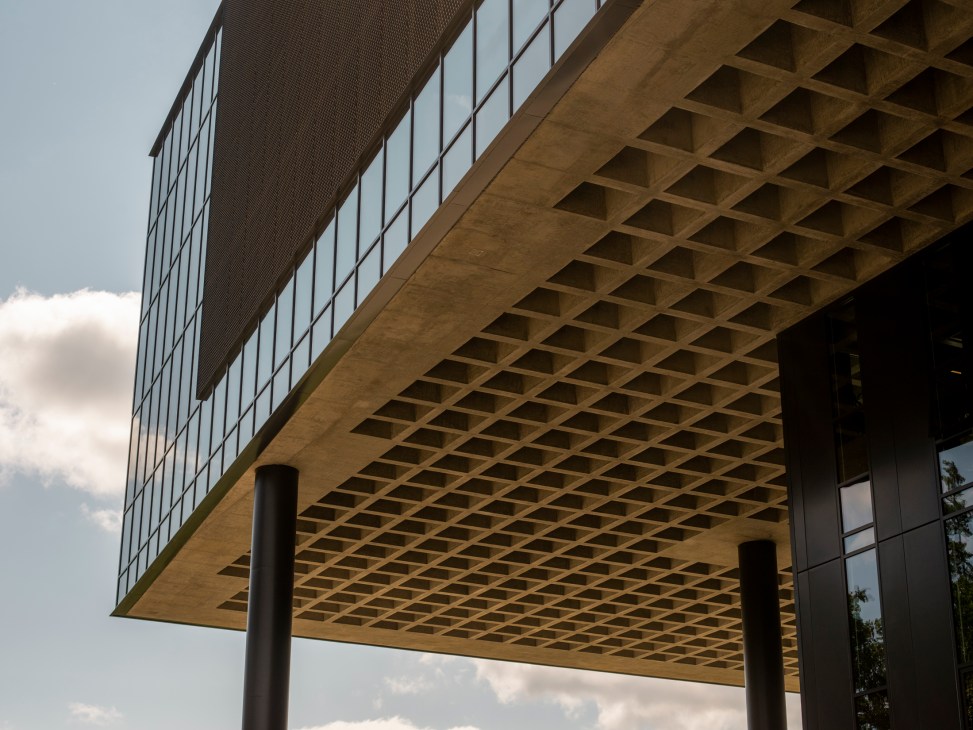
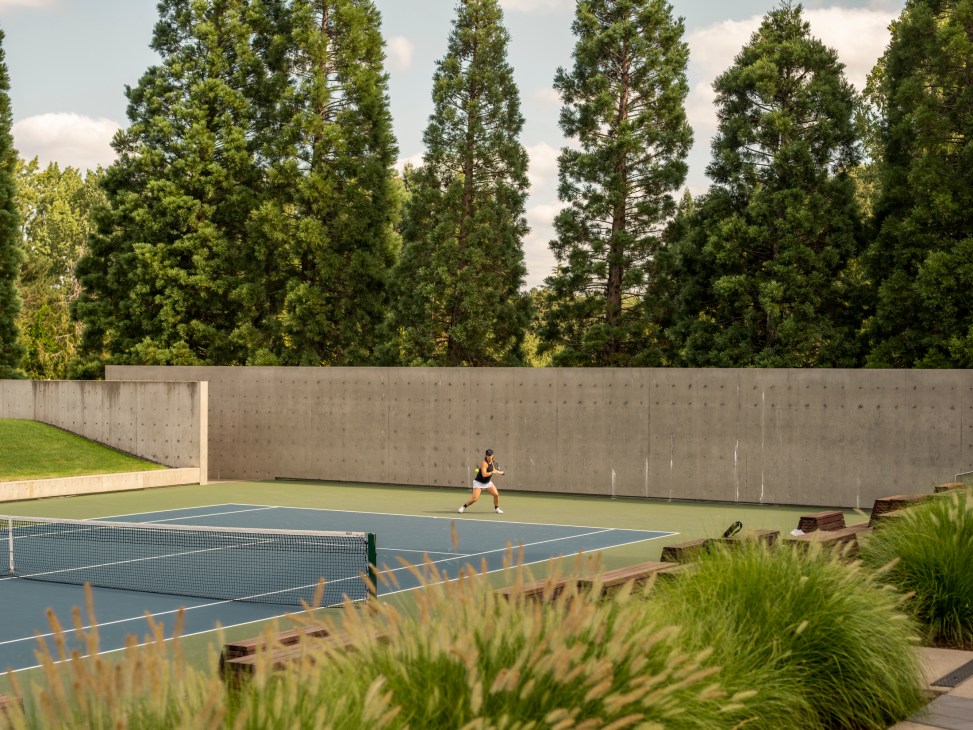
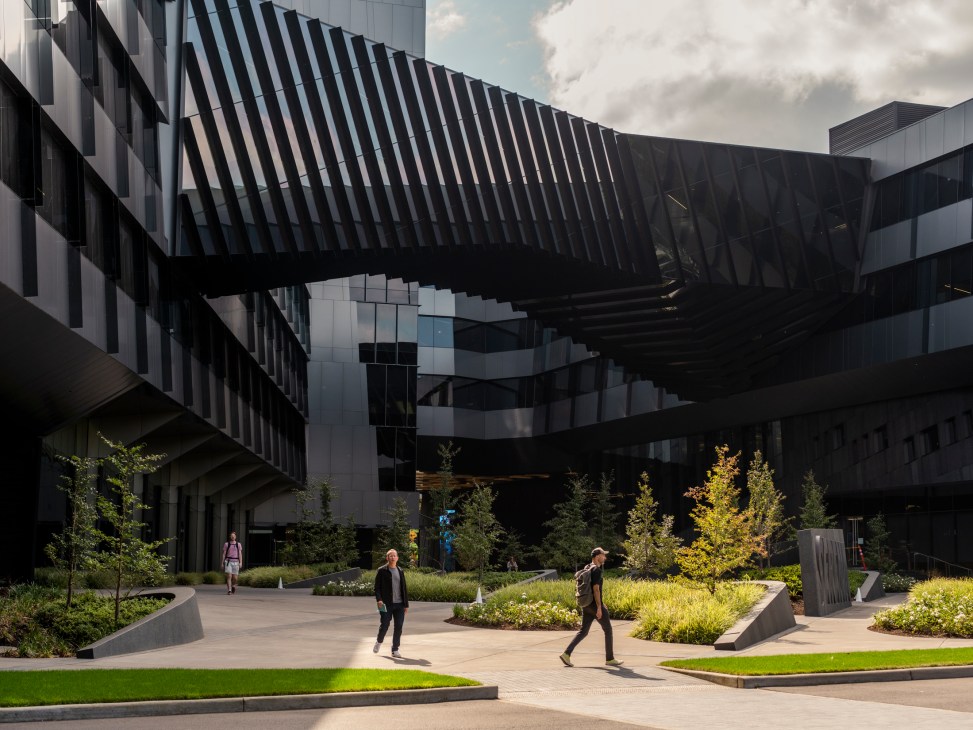
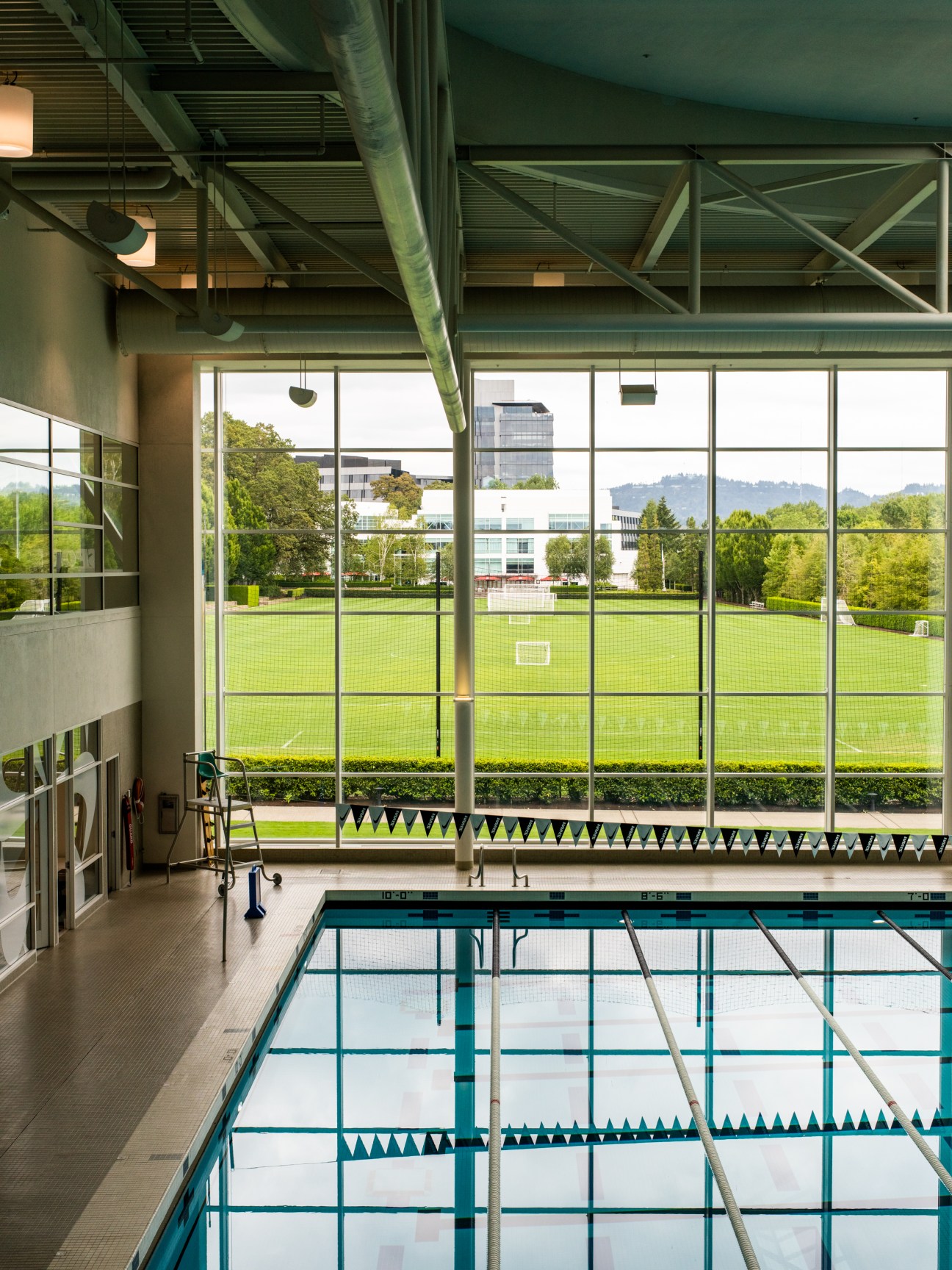
Nike is secretive about much of what goes on at its LeBron James Innovation Centre, another monumental building on the campus; Monocle is not allowed past the lobby. Upstairs, 400 motion-capture cameras and an ultra-sensitive floor pump out data about the minutiae of how professional athletes move, while small workgroup-style teams are finding ways to fulfil Nike’s Move to Zero mandate on emissions and waste. At Vitra’s Design Museum in March, Nike debuted the ispa Link Axis, a shoe that can be taken apart piece by piece: adhesives make it difficult to reuse materials, so the four parts of the Axis are assembled without glue or cement and it’s held together by geometry alone. The resulting shoe, however, looks more akin to a chunky moccasin than a trainer and certainly not the understated silhouette that almost everyone at Nike’s HQ has on their feet, including Hoke. The Axis is still too much of a statement to be called an everyday shoe; the challenge is to broaden out these innovations from niche one-offs and into a mass-market trainer. Nike’s Move to Zero collection is comprised of 20 per cent recycled materials, so it’s a long way from a circular economy.
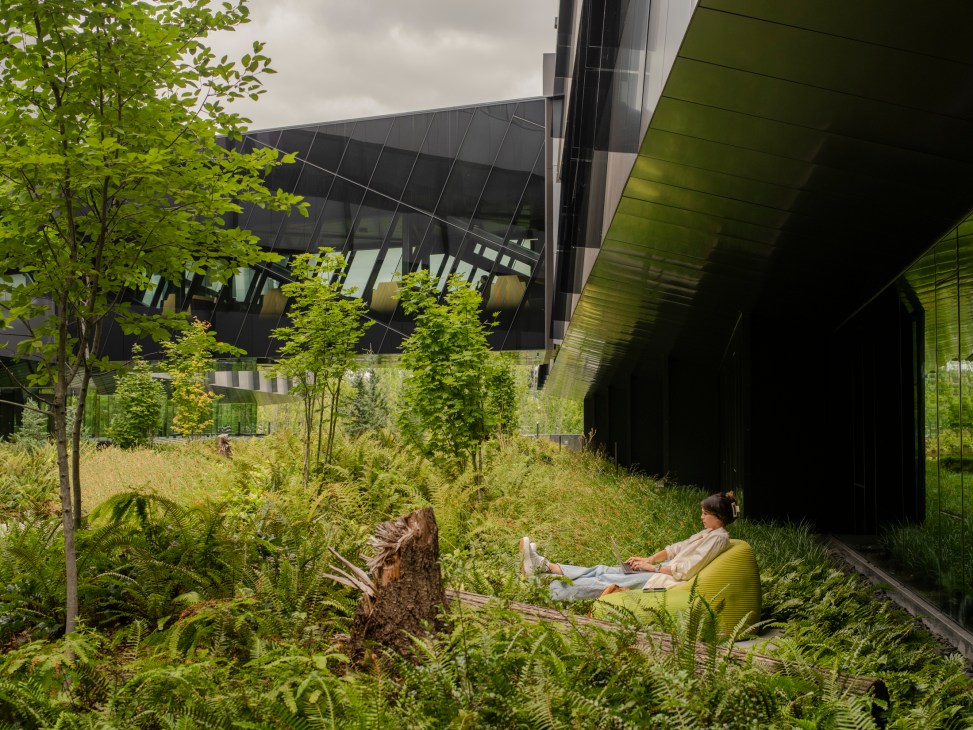
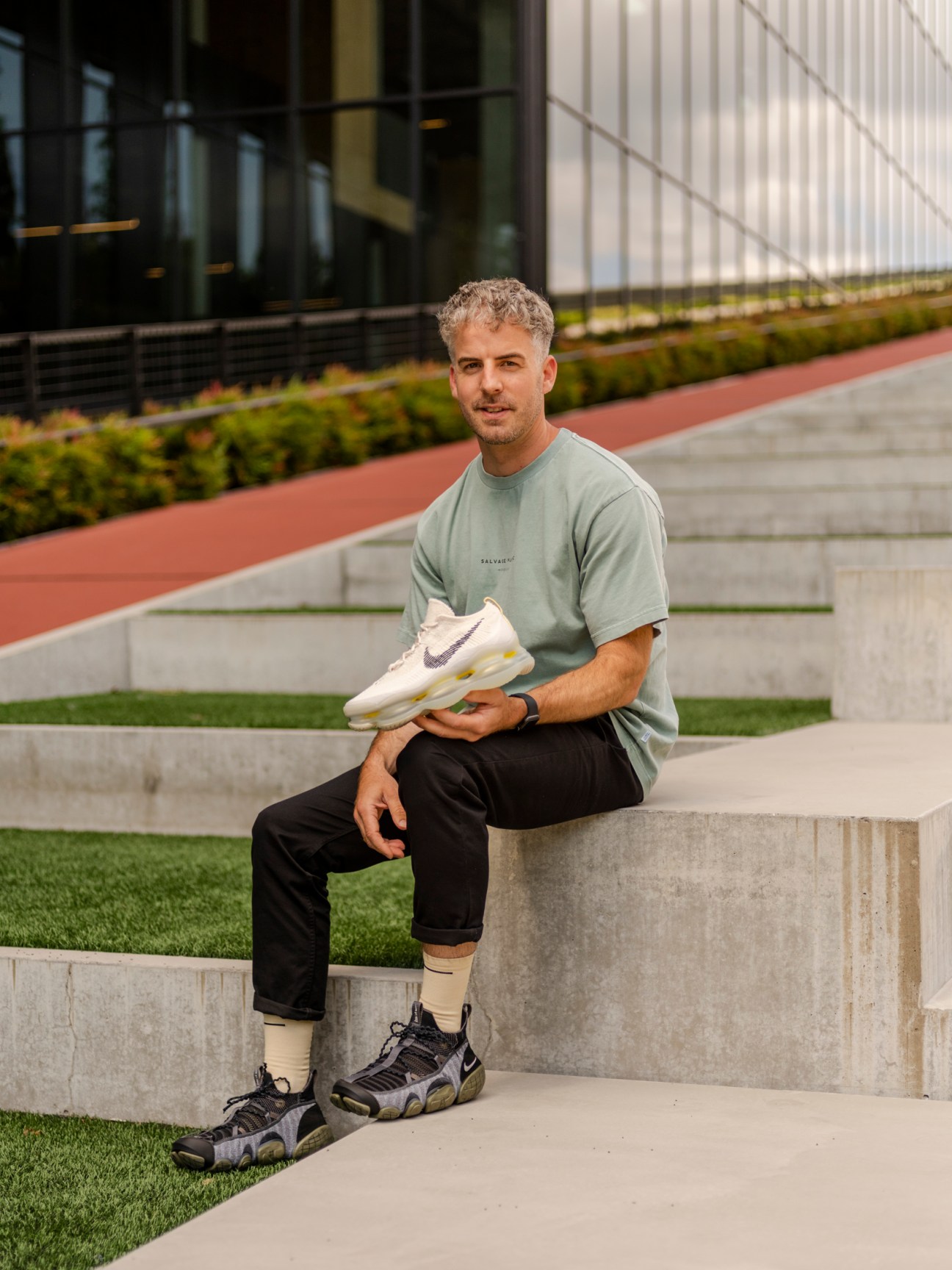
Outside these sustainability goals, an ever-more complex interplay of data and design informs how a shoe should feel underfoot. The latest creation to emerge is the Air Max Scorpion, which hits shelves in October, and a pair sits on the table in Hoke’s office. He picks one up, running his finger along the bulbous sole that’s packed an airbag and looks like the underside of a creature you might find on the seabed. “Widening the airbag, which we’ve tried to do with foam since the 1970s, gives another sensation: it spreads out the load and has a dampening effect.” Walking in the Scorpions is like stepping onto a cloud but they look bizarre. Beyond the adherents of ugly-beautiful, or those looking to float through life on a cushion of air, it’s hard to say who this shoe would appeal to. That’s missing the point, in Hoke’s view: he calls the Scorpion an “artifact of tomorrow”. “People can say it’s too much; love it, hate it,” he says. “But it’s there and it will keep evolving. There is a Darwinism to the way that we design. We learn, we adjust, we adapt.” To follow Hoke’s thinking, some evolution of the technology behind these airbags or the deconstructible shoes will someday figure in what we all slip on our feet.
With this data to hand, Hoke says that running shoes will become “hyper-personalised” and tuned to the wearer’s gait and foot. “I also see a future where the designer is a creator, where my input and the output are tethered together,” he says. “I just hit ‘print’ and I have complete control at the highest level of fidelity.” The firm has already released trainers with 3D-printed fabric uppers and customisations but that is not a dent in how millions of its shoes are made every year.
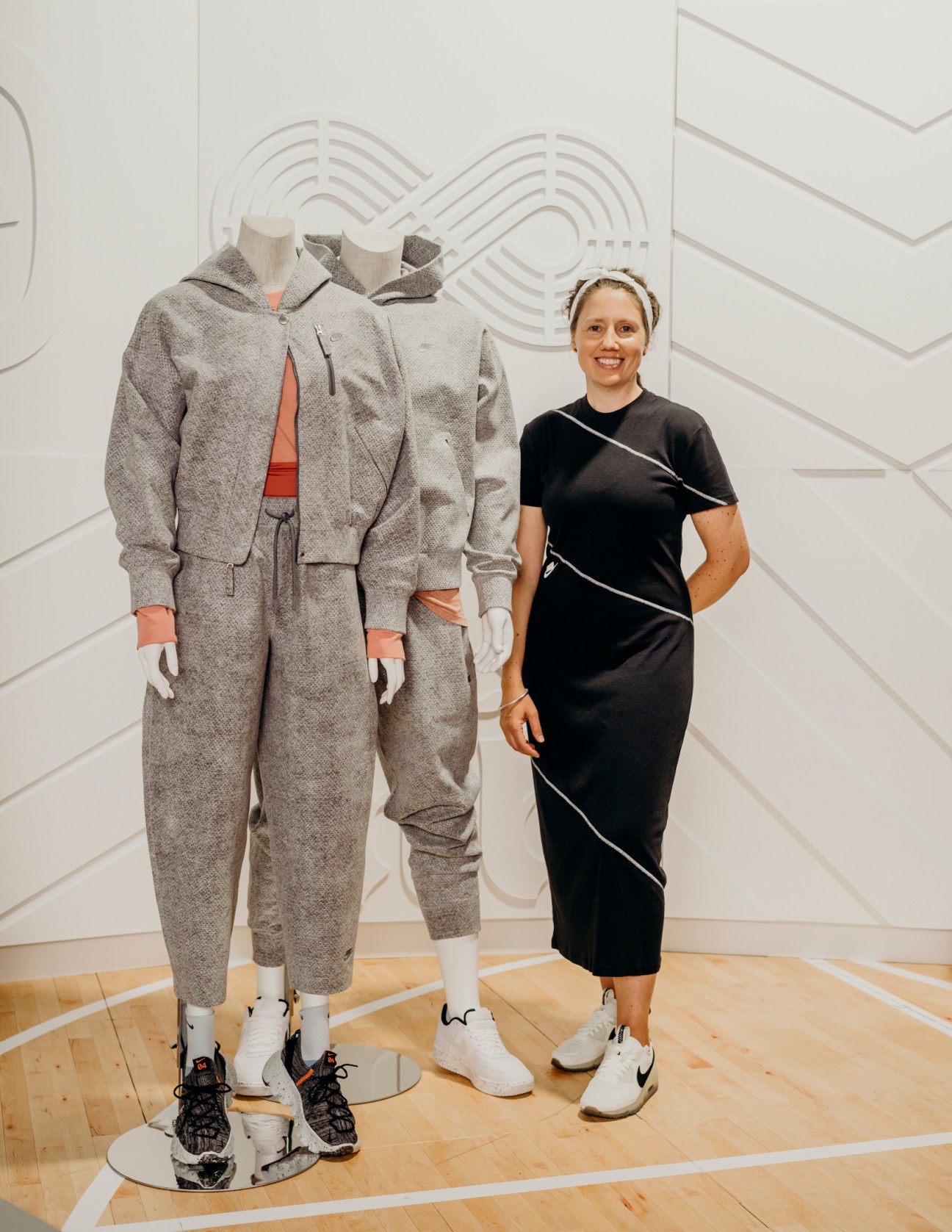
It’s ironic then that the new Forward range of athleisure that Nike debuted in September is pointedly old-school in how it’s made. Taking cues from how clothing for other industries is created, Nike uses a needle-punching technique that it says cuts out a lot of the energy-intensive processes involved in knitting or weaving. The collection, in earthy grey tones, feels soft and a bit like felt but is as warm and malleable as thin fleece. Carmen Zolman, vice-president of clothing innovation design, says that Forward will start to supersede and phase out similar products currently on the racks. “It’s our biggest innovation since Dri-Fit more than 20 years ago and we believe that it will rival that,” she says.
Hoke pulls on one of the new Forward hoodies as we walk through the offices at Serena. A dizzying number of designs and collaborations leave this building every week and it is Hoke’s job to conduct it all, to take the brand where it must go in terms of targets and science but, by his own admission, not compromise on beauty as materials and processes evolve.

In his office, Hoke has framed the letter that Nike co-founder Phil Knight sent to him when he was a teenager submitting trainer sketches, telling him to come and work for the brand one day. But before he joined Nike, Hoke was an apprentice for the architect Michael Graves, who designed buildings at the height of postmodernism but was best known for his slick Alessi kettle. “There were 50 of us in that studio: architects, writers, painters, sculptors, furniture designers, graphic designers, urbanists,” he says. “We all sat together in one room and mixed it up.” In this vast new design building that pulls people together from various disciplines, Hoke sees some return to these origins.
With Graves, he says that he learnt to see what he was designing not as four walls on a plan but as a room with objects in it that someone, eventually, will live among – world-building, he calls it. That is what he has tried to do at Nike too. “I learnt an essential thing from Michael,” says Hoke. “That the foundation of architecture, of design, is putting yourself in someone else’s shoes.”
At ease
“My first love was fabric not clothing,” says Nick Wakeman. “I studied textiles and specialised in print, which is hilarious because I can’t stand print now.” It’s a surprise admission from the London-based fashion designer and founder of men’s and womenswear label Studio Nicholson.
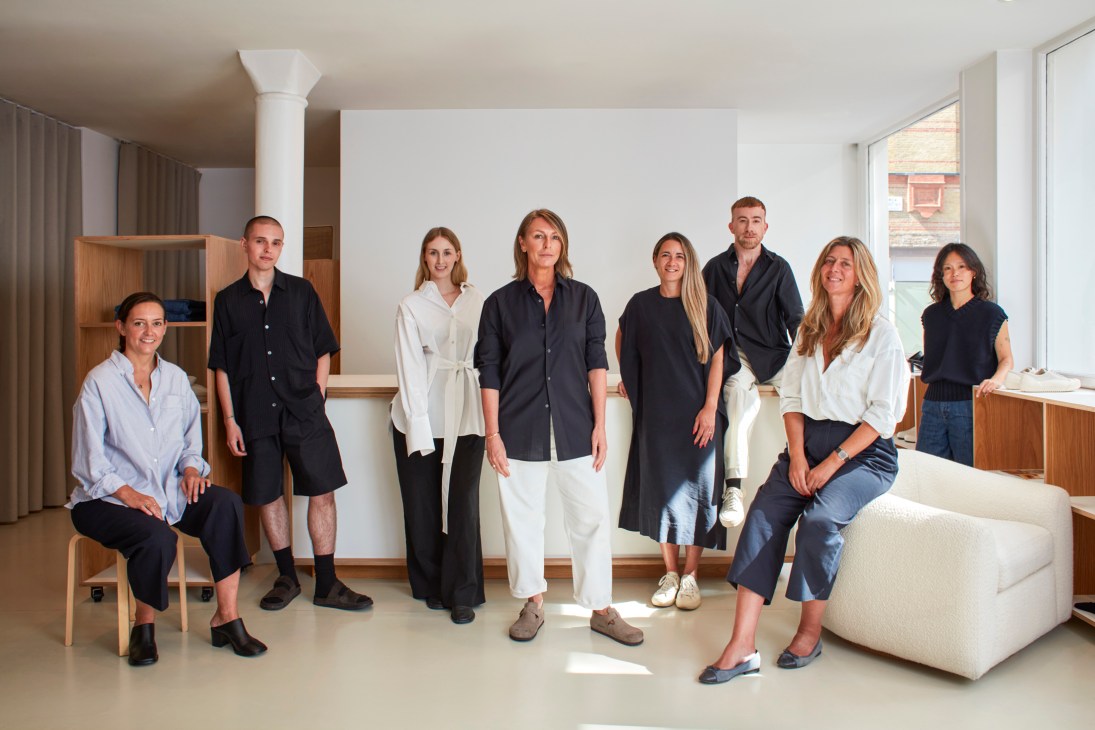
Her appreciation of this irony – a trained print designer who now produces minimalist clothes in neutral colour palettes – is reflected in the playful mood when Monocle meets Wakeman and her team at the brand’s Soho flagship. Despite being busy preparing to shoot of its new collection (which the team is wearing today), there’s laughter and ribbing. “We’re very serious about what we do,” she says. “But I’m an absolute joker.”
Established in 2010, after Wakeman worked for Italian brand Diesel and a host of independent British labels, Studio Nicholson is renowned for crafting clothes with carefully structured silhouettes but the designer is keen to stress that wearing the label feels playful. “Our garments are sophisticated but there’s always one little bit – the cut of the trouser or a small detail – that will make it fun.” This approach is part of Wakeman’s ambition to provide quality clothing that puts its wearer at ease. “I want the clothes to feel really effortless. There’s nothing worse for me than people looking like they’ve tried too hard.”
To do this, Studio Nicholson works closely with Japanese suppliers and mills in Italy, where the brand helps with the development of textiles. Samples are then shipped to its studio in east London, where a team of five designers and seamstresses develops toiles and maquettes, digitises patterns and creates multiple samples and pre-production fits, before entering quality control and finally production. It’s a rigorous and time-intensive process but it ensures that every detail is considered. And it’s paid off.
Over the course of 12 years, the brand has established a loyal customer base in Europe and the Americas, with a huge following in Japan and South Korea (where Studio Nicholson has just opened its first shop outside the UK). And, naturally, other brands have taken notice. “The funny thing is that when we started, there was no one doing what we’re doing,” says Wakeman. “Now there are lots of brands. But we are the original and you can’t replicate that knowledge and understanding.”
The Cabinet
(From left to right)
Alison Ford Marketing director “In charge of marketing strategy across all platforms, building the brand globally.”
Hugo Fonseca Assistant merchandiser “Analyses sales data in order to grow the business.”
Emily Bissell Product developer, womenswear and accessories “Makes designs come to life – develops products from sketch to final sample.”
Nick Wakeman
Founder and creative director
Despite a career spanning more than 20 years, Wakeman says it wasn’t inevitable that she would end up running her own label. But it seems there were clues in her upbringing. “My mum made all my clothes and my father was a really successful businessman,” she says. “Both of those things made me an entrepreneur.”
Eva Gomes Chief operating officer “Firefighter. Keeps the business running efficiently.”
Joe Richie Soho shop manager “Does what it says on the tin: runs the flagship shop.”
Annie Gurney Production manager “Working with our supply chain partners to deliver beautiful products.”
Jiwon Lee Sales associate “Helps customers to find a style that suits them.”
Never stop learning
Tell me a story
Creative writing, Italy
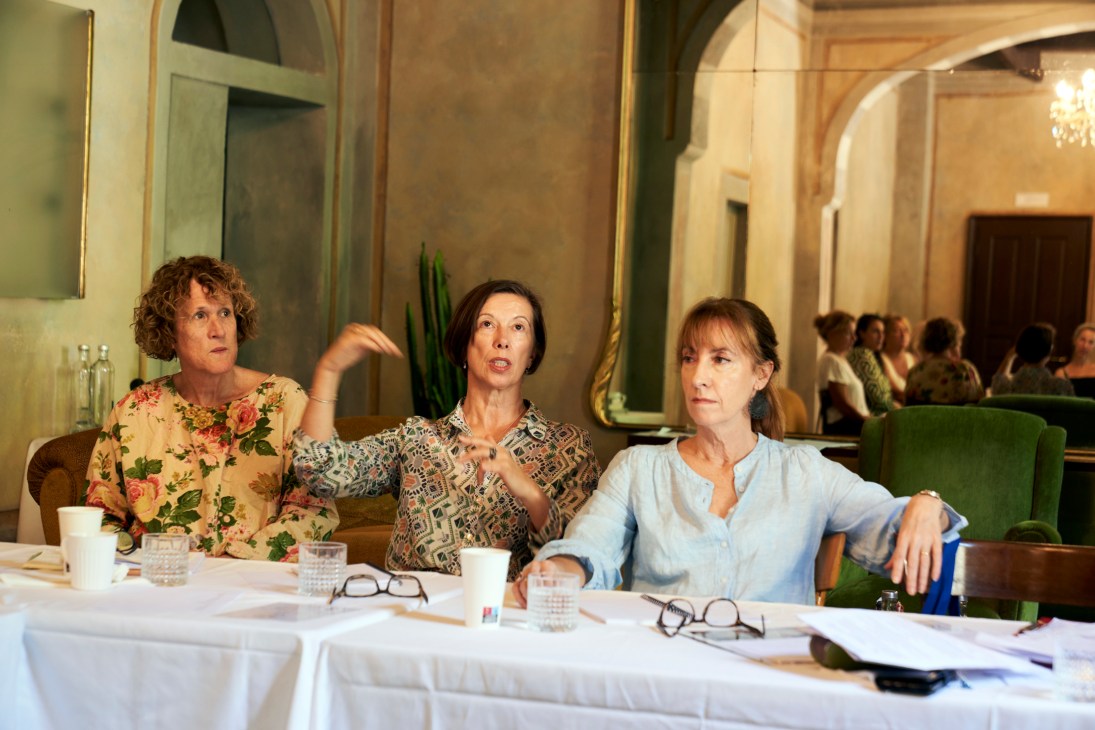
Lisa Clifford’s morning writing classes take place in a Florentine villa just minutes from the Arno river. There’s no excuse for anyone to be tardy: most people on the course are staying in the area. But the day is off to a slow start when Monocle visits: her students were out late last night.
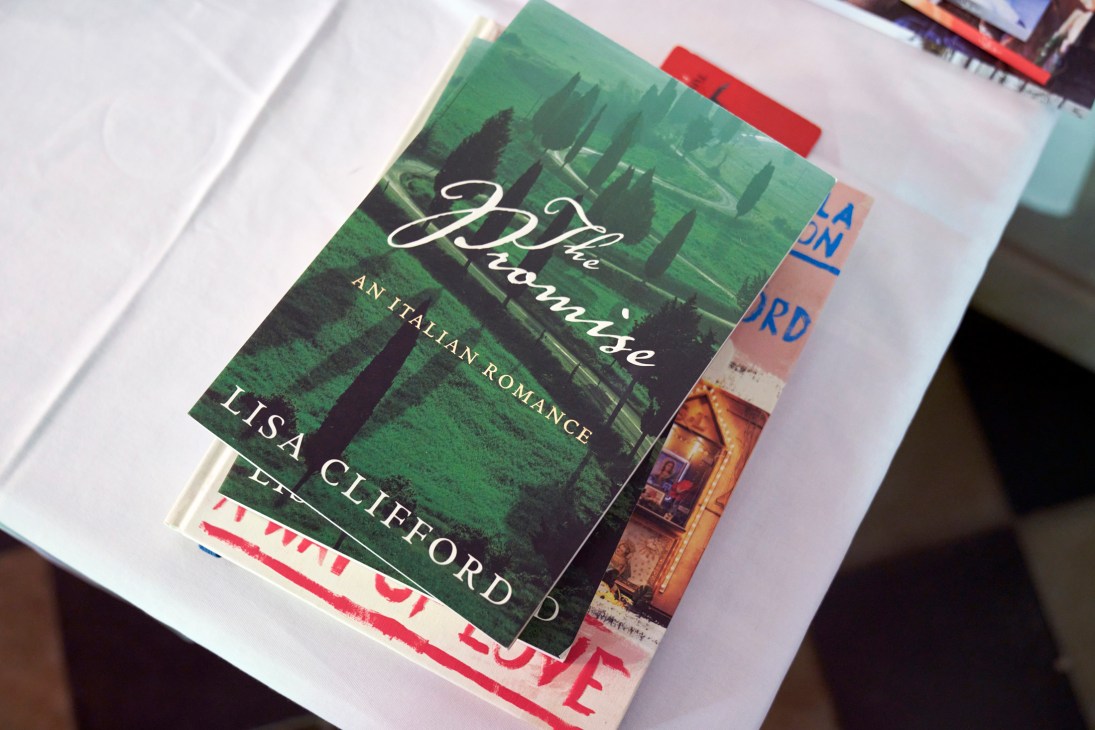
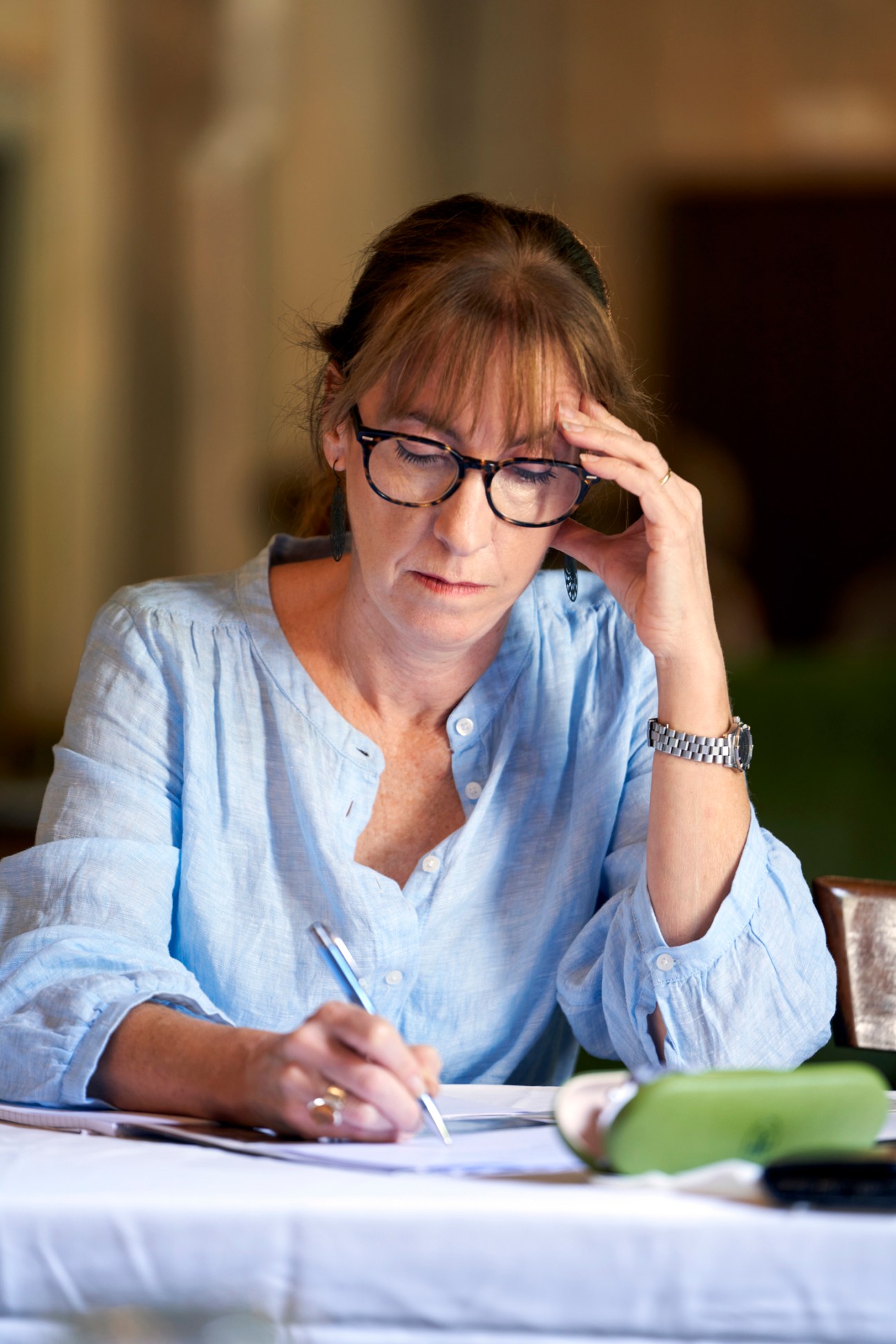
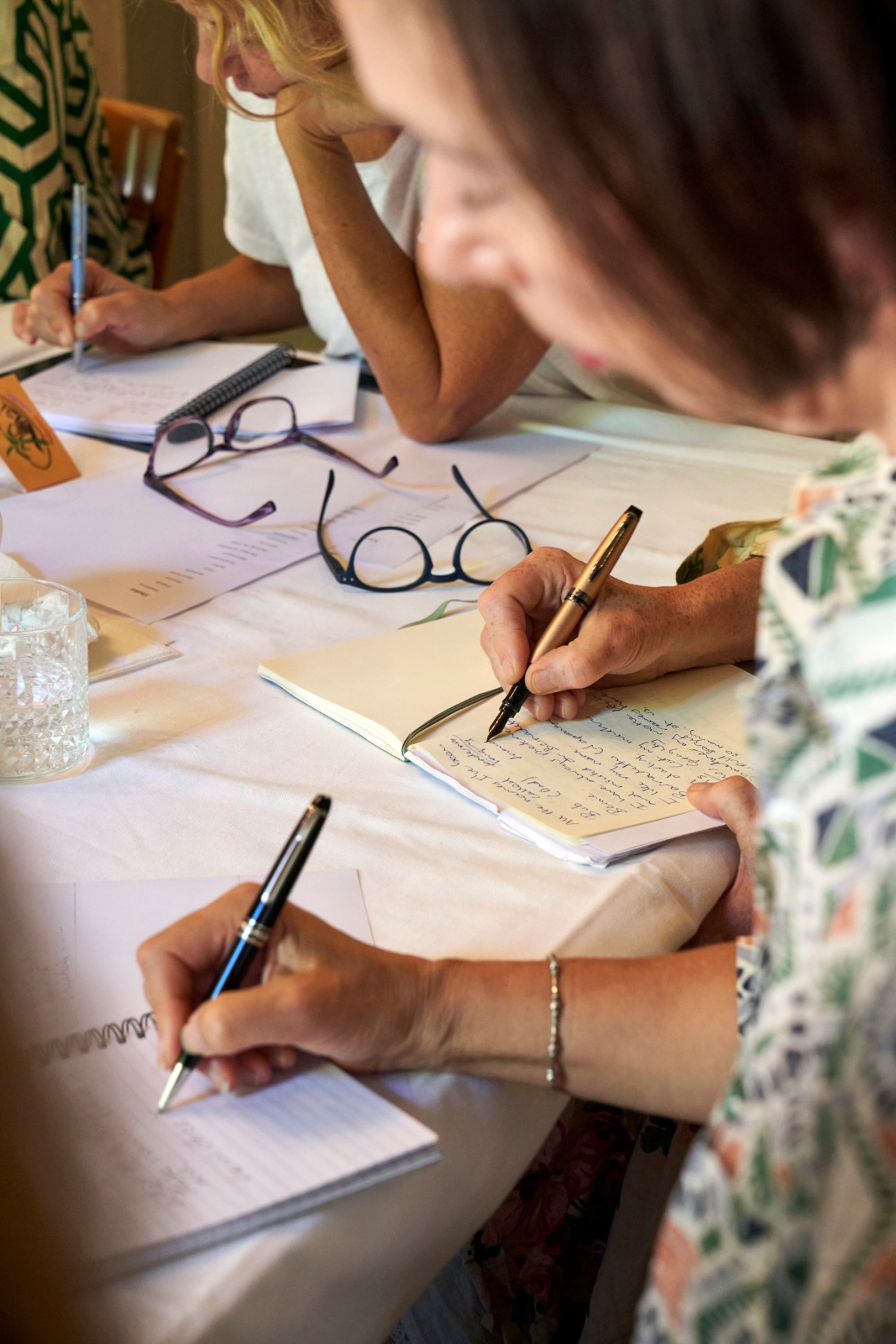
Over a week-long period, people – mostly women – come to Clifford’s course in Florence to learn the art of storytelling. Clifford is an Australian author and journalist who, after 40 years of living in Italy, decided to share what she’s learned with would-be writers.
While the majority of the day’s group is in their fifties and sixties, most are new to writing. The cult of the fresh-faced first-time novelist certainly looms large in publishing houses but there’s no reason why older authors shouldn’t be able to write a hit debut. “I taught a 70-year-old woman from Ireland who wrote a generational family saga,” says Clifford. “She just got published for the first time.” Sif Orellana, a soft-spoken woman from Aarhus, wrote 18 cookbooks in her native Denmark before she decided she wanted to try her hand at fiction. “It’s a book about two brothers who have to travel to another dimension to find their dead grandmother,” she says.
While honing skills is a priority, giving her students the confidence to put words on a page is also half the work. “I don’t call my writers ‘attendees’,” says Clifford. “I call them ‘writers’ – because that’s what they are.”
the-art-of-writing.com


A different kind of spin class
Ceramics, Spain
Roberto Paparcone’s studio in Palma de Mallorca is a sanctuary. Step inside and life seems calmer. It’s hard to know exactly where this springs from – is it Paparcone’s almost yogi-like calmness or that using a potter’s wheel demands total focus? What is clear is that it’s something that his students love. “Once they are here they all switch off,” says Paparcone, whose own work carries his “Paparkone” brand stamp. He enjoys teaching – no more than four students at a time – and many of the attendees have become skilled artisans. Yet the majority are here for joy. “They are never looking at the clock,” he says. Most are in their thirties through to fifties – lecturers, landscape artists, designers; all united by the lure of hands on clay.
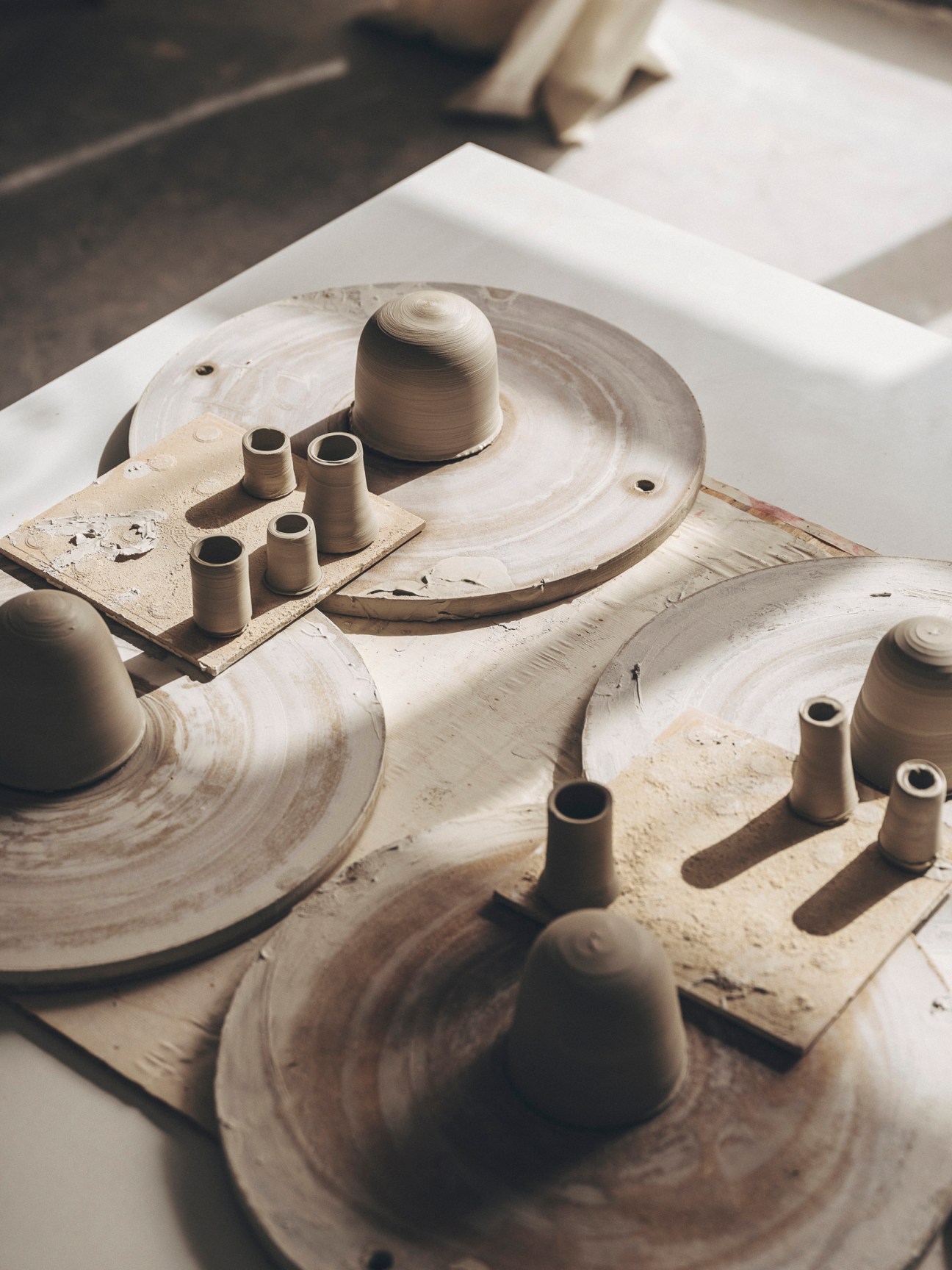
Paparcone understands his students because their story is his story. His training as an architect took him from his home near Naples to Delft, Rotterdam and San Sebastián. Then in 1998, aged 27, he headed to Milan – his first job was designing a cemetery. The grey skies were too much and by the mid-2000s he was rising to be director of a leading interior design business in Barcelona. His partner bought him a course with Misako Homma, a potter in the city, and his life began to change. He was enraptured. He set up a studio in Mallorca. Commissions came. Personal renewal too. “I just never stopped,” he says. “When you find something you like, it’s easy to learn. It’s amazing.”
paparkone.com


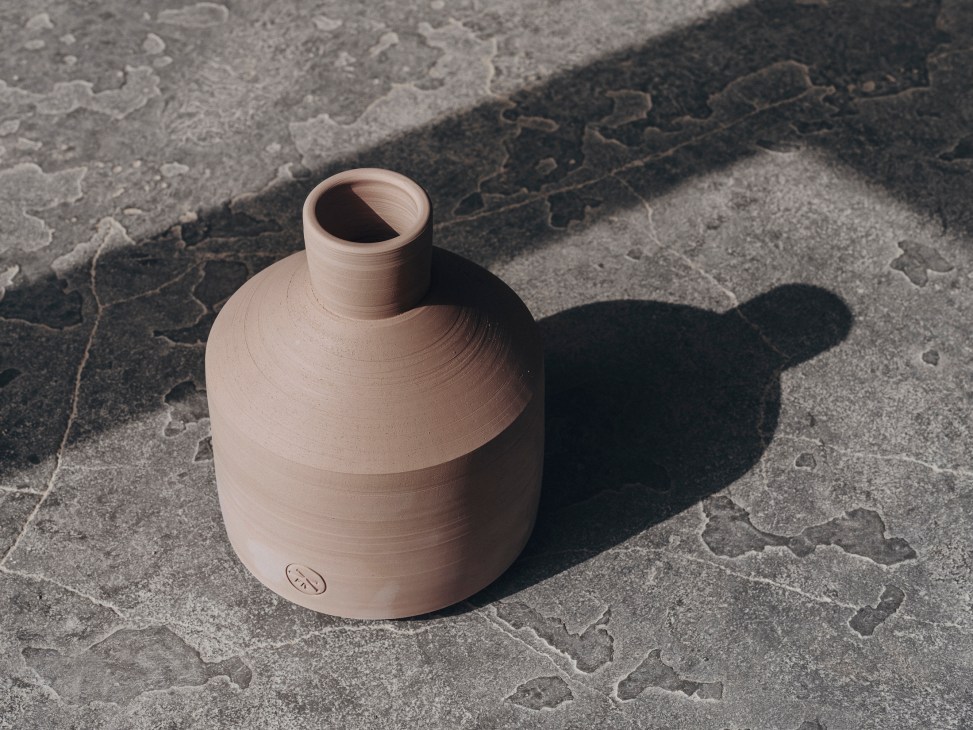
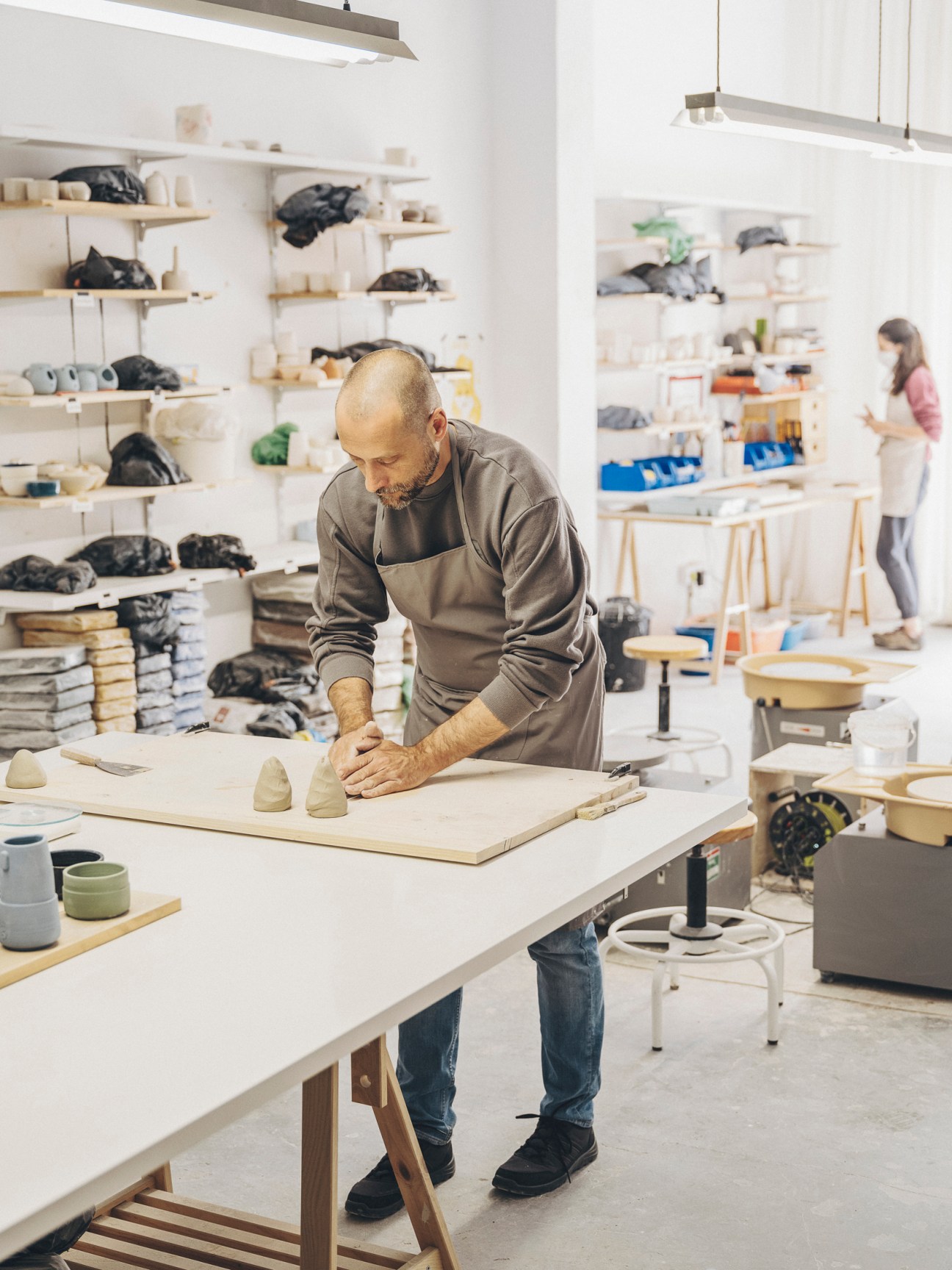
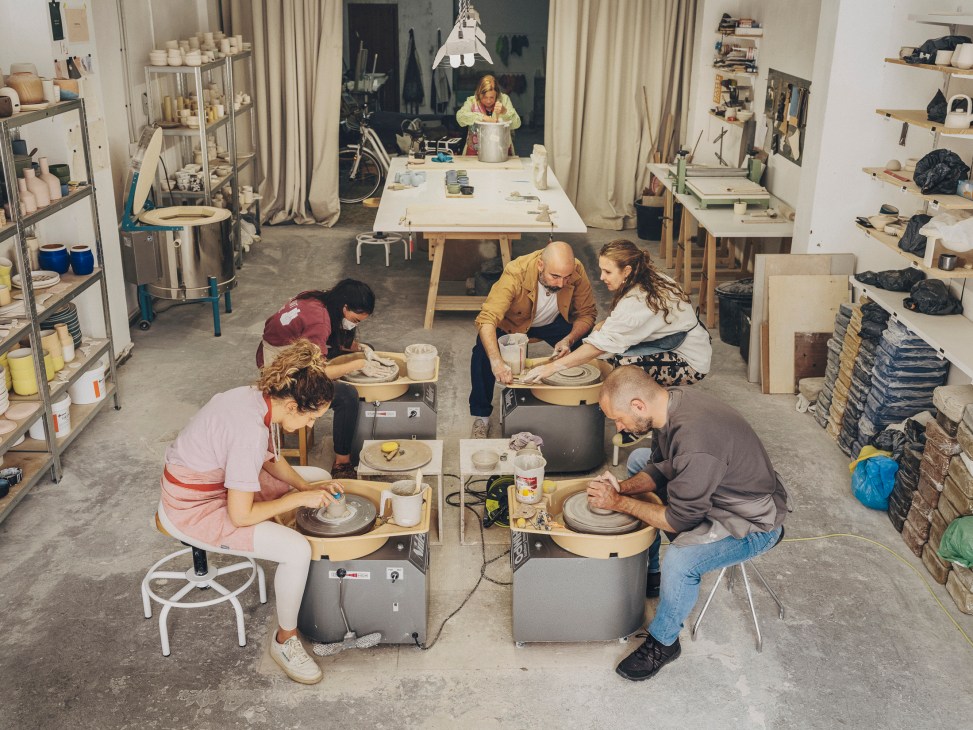
Handle with care
Glass-making, France
Tucked away in a cluster of soft green hills, the European Research and Training Centre in the Glass Arts (Cerfav), in the village of Vannes-le-Châtel in the Grand Est region of France, was established in 1991 to safeguard the craft of glass-making, at a time when the region’s crystal factories were laying off staff. The centre now hosts about 200 students every year and its goal is to continue expanding. “Our mission consists of three pillars: training, research and culture,” says Marie-Alice Skaper, who took over as director in January. “This includes popularising glass craftsmanship.”
The Estivales du Verre, short workshops that offer an introduction to a variety of techniques, from glass-blowing to stained glass and bead making are a key part of this approach. Throughout the year, people come from all over the country to learn the craft. Pascale Bourlet, one of 73 students to attend the latest course, is a former midwife from Montpellier. “I have always been drawn to glass,” she says. “I love the transparency and the colours.” Now in her fifties, she’s embarked on a career change and plans to establish her own atelier.
But not all students have a specific side hustle in mind. For Dominique Anquetil, who works as a roofer in Finistère, Brittany, the activity is mostly about pleasure. Only those who have tried it for themselves will understand how satisfying the process can be.
estivalesduverre.com
On the crest of a wave
Surfing, USA
Most people have at some point wondered what it must be like to ride an ocean wave. “It was exhilarating – I felt like I accomplished something,” says Chuck Rogers, 67, recalling the first time he wobbled to his feet on a surfboard in California. That was only three years ago. His coach, Chris Keet, remembers the moment differently: “Chuck was leaning back, both legs locked and his arms doing the Statue of Liberty meets John Travolta. I hold the board stable for these surfers and slowly they settle in until it just feels right. You have to let them find that for themselves.”
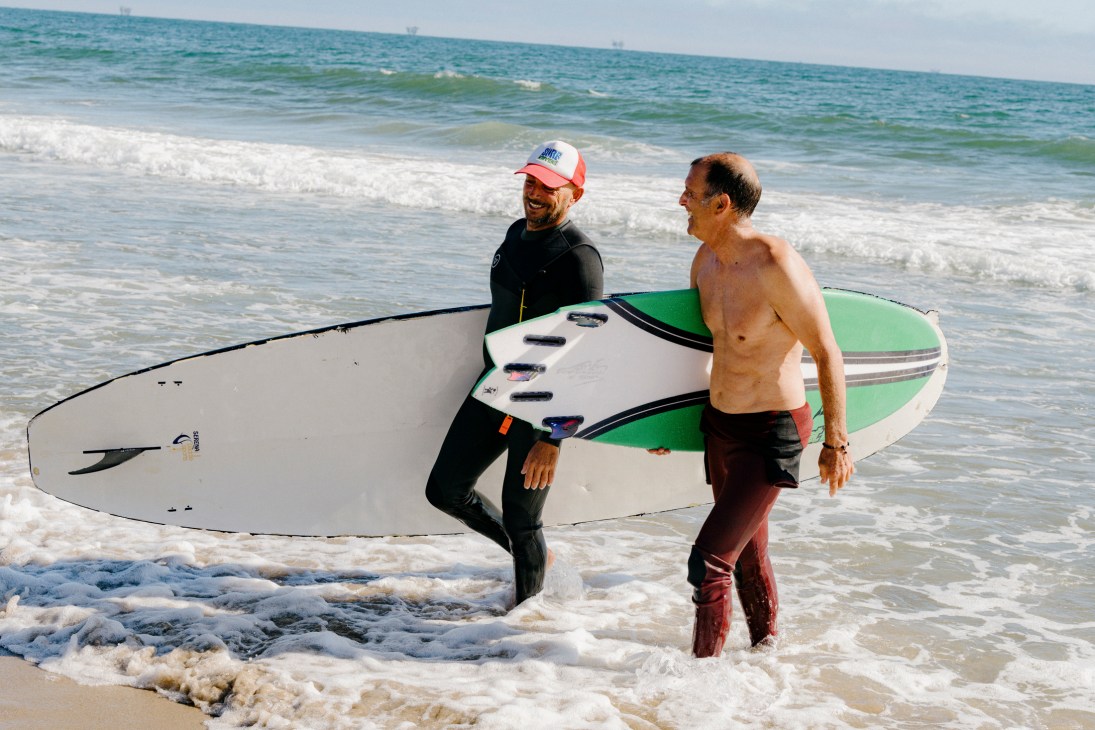
Keet, who has the salt-reddened eyes of a lifelong surfer, teaches a multitude of ages and abilities from his school Surf Happens, just outside Santa Barbara. Many of Keet’s older cohort came to the board late in life; he has seen students rethink their retirements entirely, just so that they can live somewhere they can surf every day. Tom Kunz, a trim 70-year-old, has been surfing since the 1960s but started lessons with Keet when he wanted to up his game. After a career of running restaurants, being tutored was a role reversal. “I was used to being in charge.”
The three surfers haul their boards down to the beach and, while Kunz gracefully cuts back and forth, Rogers is looking rusty. After a few dramatic wipeouts, he shudders upright and the ocean’s momentum carries him all the way to the shallows, where he steps triumphant onto the sand – a renewed light in his eyes.
surfhappens.com
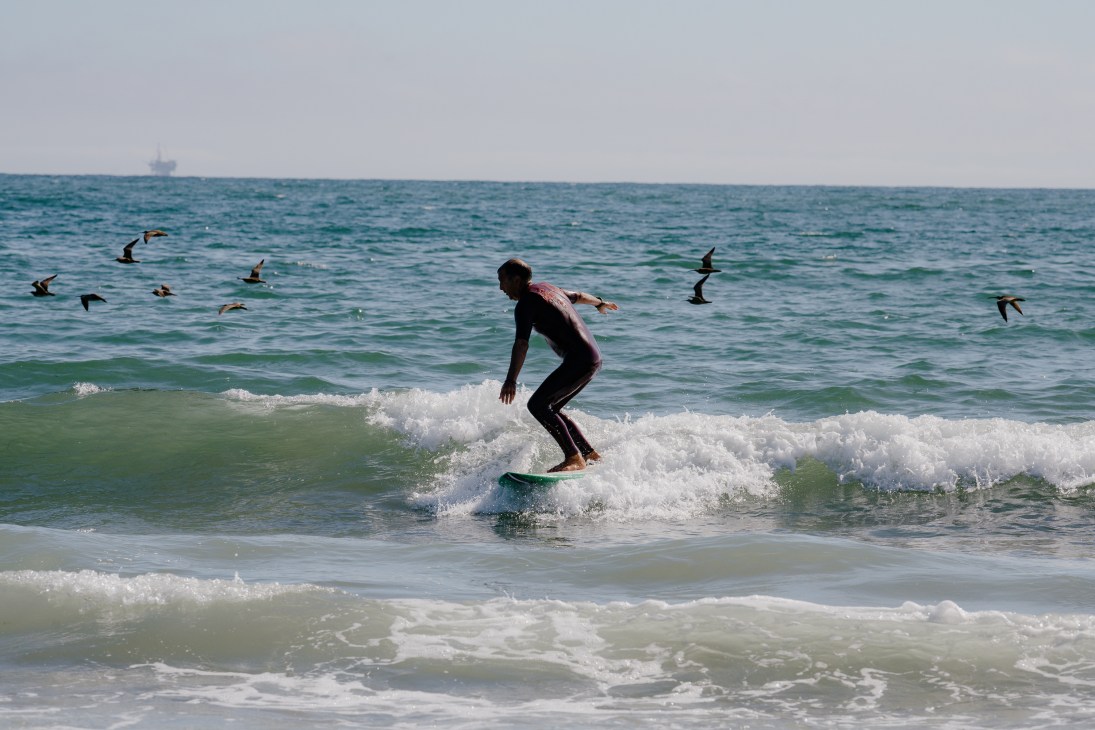
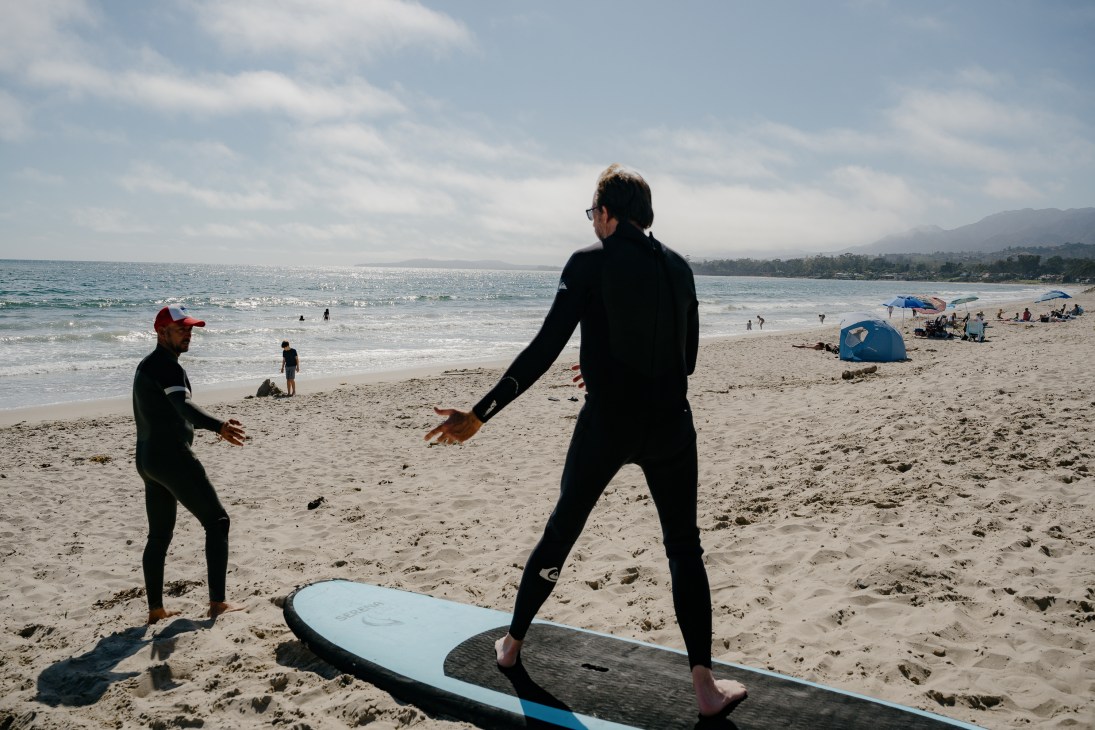
Total immersion
The creative arts, Mexico
Pocoapoco sits on top of a hill overlooking the vibrant streets of Oaxaca. It’s a peaceful home where people come from all over the world to explore the deep, cultural roots and traditions of the city. Oaxaca has a longstanding history of art, textiles, ceramics, architecture and agriculture. And Pocoapoco is set up as a “research residency”, where the focus is on immersion and the creative process – what people are interested in learning, understanding and taking away from their surroundings – rather than results. “We’re more interested in the journey,” says founder Jessica Chrastil. “We have people come here to work across many disciplines – educators, journalists, painters, ceramicists. It’s about gaining lifelong knowledge from an amazing community of thinkers and creatives.”

Writer Jemma Brown landed in Oaxaca curious about the place and how it fits into her work. “Being surrounded by unique individuals and opportunities to be present in the artistic community allowed my own artistic process to evolve,” she says.
Within the residency programme, people come for two to eight weeks at a time, making use of Pocoapoco’s wide-ranging connections. Establishing relationships with Oaxacan artists, mezcal makers, chefs and print-makers is part of the process. “There’s so much to learn from the city,” says Chrastil. “Even when you leave, its many lessons stay with you for ever.”
pocoapocomx.com
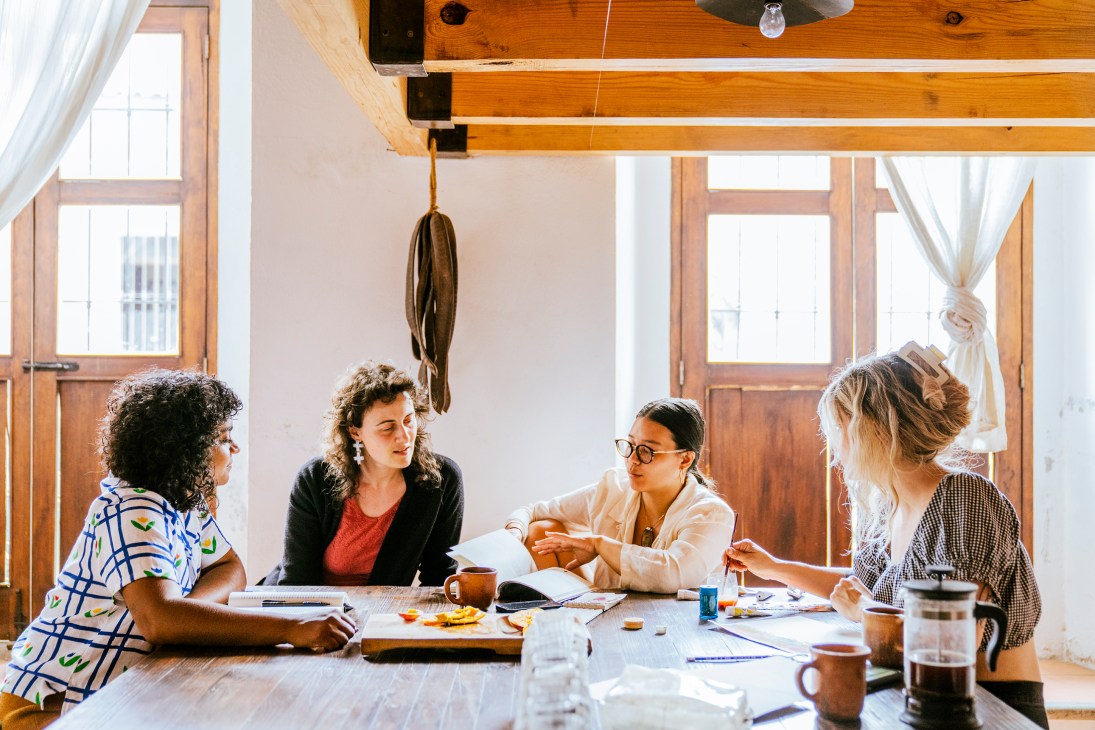
Top of the tree
On a lesser-trodden stretch of Bali’s western shoreline, a two-hour drive from Seminyak, sits the Lost Lindenberg hotel. Designed by Alexis Dornier and Maximilian Jencquel, it is German firm Lindenberg’s first property in Indonesia. Take berth on the top floor for coastal views and a heightened sense of what makes a little perspective so important. Welcome to the jungle.
thelindenberg.com