Issues
Active elements
When Bijoy Jain talks about architecture, he doesn’t use words like “foundations” and “plinths”, “rammed earth” and “reinforced concrete”. “We can get drawn into the technical aspects of building but that wouldn’t challenge our conditioning of how we create architecture,” he says as he sits down with Monocle in a sunny courtyard at his South Mumbai home, where we’re surrounded by his squad of dogs. Jain has reimagined the former warehouse as an office-cum-residence in his signature style.
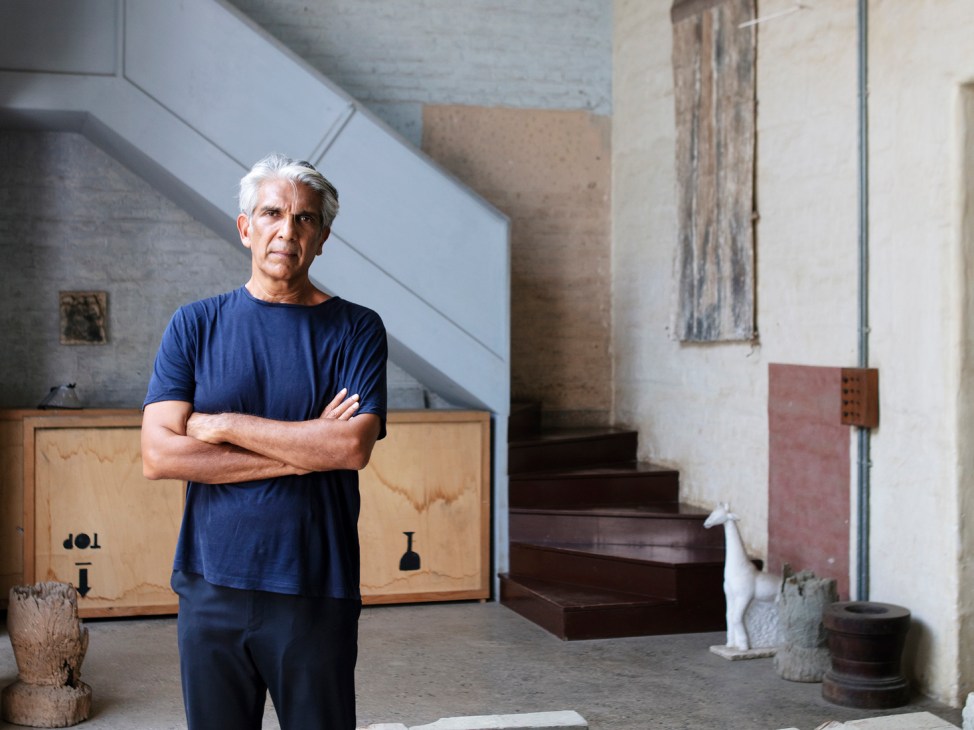
When talking about his creative process, Jain prefers terms that are more commonly associated with philosophy, liberally using words such as “haptic” and “priori”. Whether he is working on a residence in Chondi, India, or furniture for Hermès, philosophy helps him to conceive, design, refine and construct with “optimum efficacy of all moving parts” (by which he means everything from cultural norms to material choices). Jain is known for picking what he considers to be the right materials for a job – such as locally available stone – instead of following standard practice. He explains that this outlook “comes from the immediacy of what a place can afford and how something can emerge from that”.
Jain describes his approach to design as a “continual process”. “You fall, pick yourself up; you try again,” he says. After graduating from Washington University in St Louis, he started making maquettes (sketch models) for American artist and architect Richard Meier in Los Angeles. “It allowed insight into what it meant to make things, about what’s involved,” he says. He continues to use models as part of his creative process. “Just as musicians use sheet music, a model allows you to communicate the construction of a place.” This, he explains, is especially important for artisans who are part of the give-and-take involved in making any building or object. “There are five people in a free-jazz orchestra,” he says, continuing the musical metaphor. “Someone starts. A sound is made. Then there’s a response to that. What occurs next is something that you only discover when the movement settles.”
From LA, Jain moved to London before returning to India in the mid-1990s to build powerhouse architecture practice Studio Mumbai. Today he is constantly on the move but the city he named his studio after – and calls home, at least for parts of the year – is never far away.
Ask him if he thinks this dense metropolis of more than 20 million can be transformed for the better and he falls back on his often-repeated trope of “capturing” air, water and light or “atmosphere”. Jain believes that consideration of these three elements is fundamental to good design and construction. “Those are the ingredients that construct us as people,” he says. “I want to make things that are, as close as they can be, in tune with that which constructs us.”
What he’s suggesting is creating a development framework – concept, design and implementation – that focuses on making Mumbai airier, light-filled and water aware, which he says “would shape the city in a different way and very quickly”. In simpler terms, he means actions such as using water resources better and creating open spaces where citizens can come out for a walk. “There’s a freedom in strolling,” he says. “That might be something that needs to be reintroduced to the city.” Almost on cue, it’s time to walk the dogs.
The CV
1965: Born in Mumbai.
1990: Graduates with a master’s in architecture from Washington State University in St Louis and begins working for Richard Meier.
1995: Founds Studio Mumbai.
2009: Wins Global Award for Sustainable Architecture from L’Institut Français d’Architecture.
2010: Presents work at the 12th International Architecture Exhibition in Venice.
2016: Wins commission to design the prestigious M Pavilion in Melbourne.
2017: His seat “Brick Study II” is included in the collection of the Centre Pompidou.
2021: Awarded Alvar Aalto Medal for his innovative use of traditional artisanship in architecture.
Decisive moments
“The most important piece of equipment as a street photographer is a pair of comfortable shoes,” says Andre D Wagner, striding across Manhattan in a pair of trainers. It’s 15.00 on a mild Tuesday afternoon and I’m trailing behind Wagner (pictured), my eyes glued to his bucket hat, as he weaves through the crowds towards Herald Square on the corner of 6th Avenue and 34th Street. It’s one of the city’s busiest intersections. “It’s really diverse over here; you’ve got New Yorkers, tourists – you get a little bit of everything,” says Wagner, eyeing his potential subjects.

Wagner, who grew up in Nebraska, has become known for his black-and-white street images, which are shot on film and developed at his studio in Brooklyn, where he now lives. Over the past decade, his chronicles of daily life across the city have garnered great attention, culminating in the launch of a book, Here for the Ride, in 2017, with another one, New City, Old Blues in the pipeline. Today he works editorially and commercially too but shooting on the street remains his passion.
We hit a busy intersection and I watch as Wagner slows his pace and pauses to observe the crowd. “Street photography is mostly bad photographs and it’s a lot of failure,” he says. “You have to have some faith in the process and be OK in believing something interesting is going to happen.”
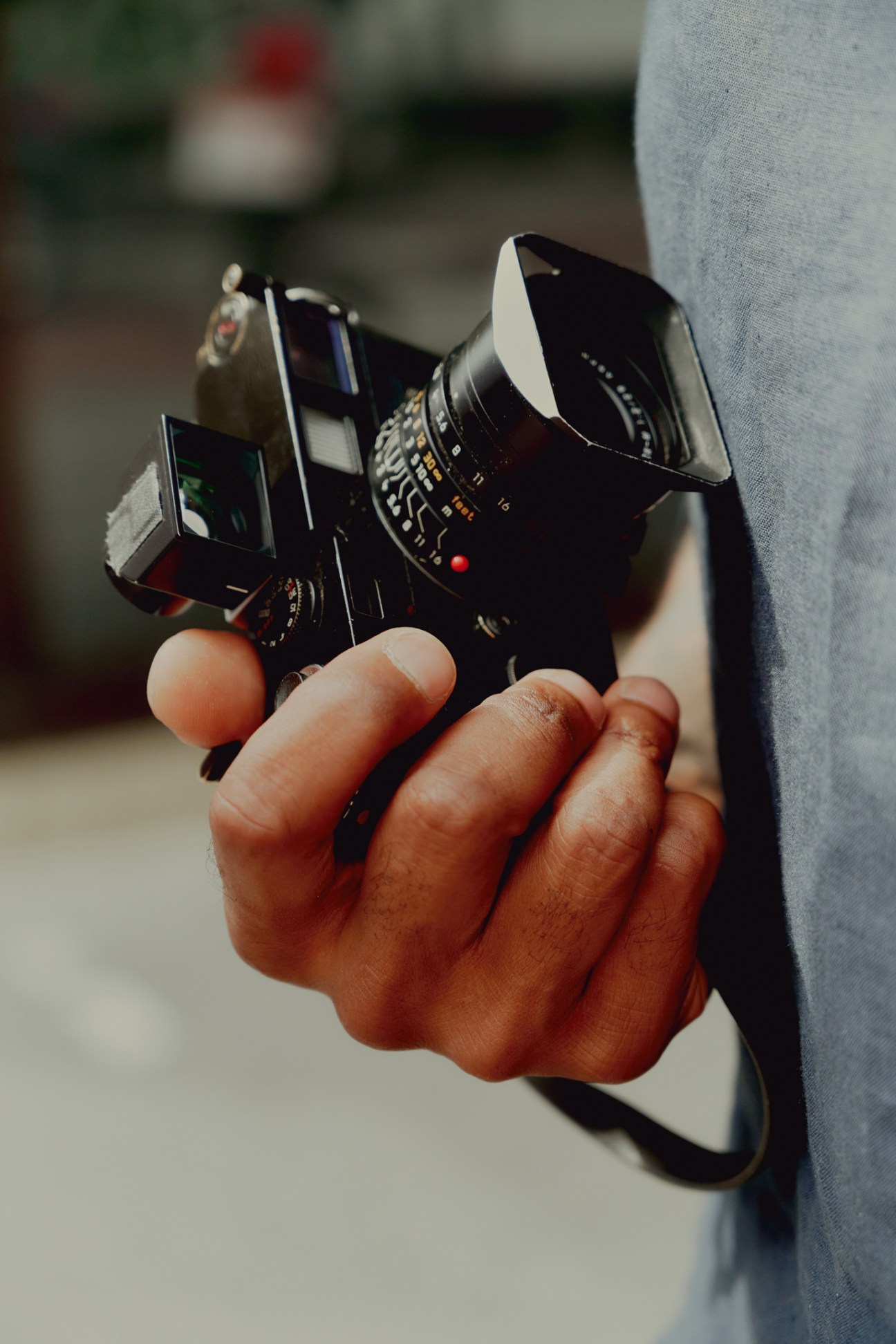
On the corner, there’s a person selling hotdogs and a woman peddling ice lollies. A passer-by on a scooter yells as he almost runs over a man sitting on the kerb. No one blinks. The light turns red, a traffic attendant blows his whistle and people surge across the street. It’s the perfect moment for Wagner to capture someone unawares. After a decade of pounding the pavements of New York, Wagner has mastered the art of being quick and tactful. As he crosses the road, he slides his Leica camera up to his eye line. He clicks the shutter. Snap. Then, he lowers the camera down to his waist with ease. “The Leica is very discreet,” he says. “It fits in the palm of your hand.”
We navigate another intersection to the opposite corner where we see two children clapping their hands in a criss-cross motion. Wagner slows down again and snaps them from different angles. They barely notice that he’s there. If you move too slowly or become too obvious, you’ll ruin the moment, he says. The subject will notice you and react and maybe even call the police (which has happened before). “If I don’t make eye contact with somebody, even if the camera is pointing right at them, they think that I’m taking a photograph of something behind them. It’s this social experiment.”
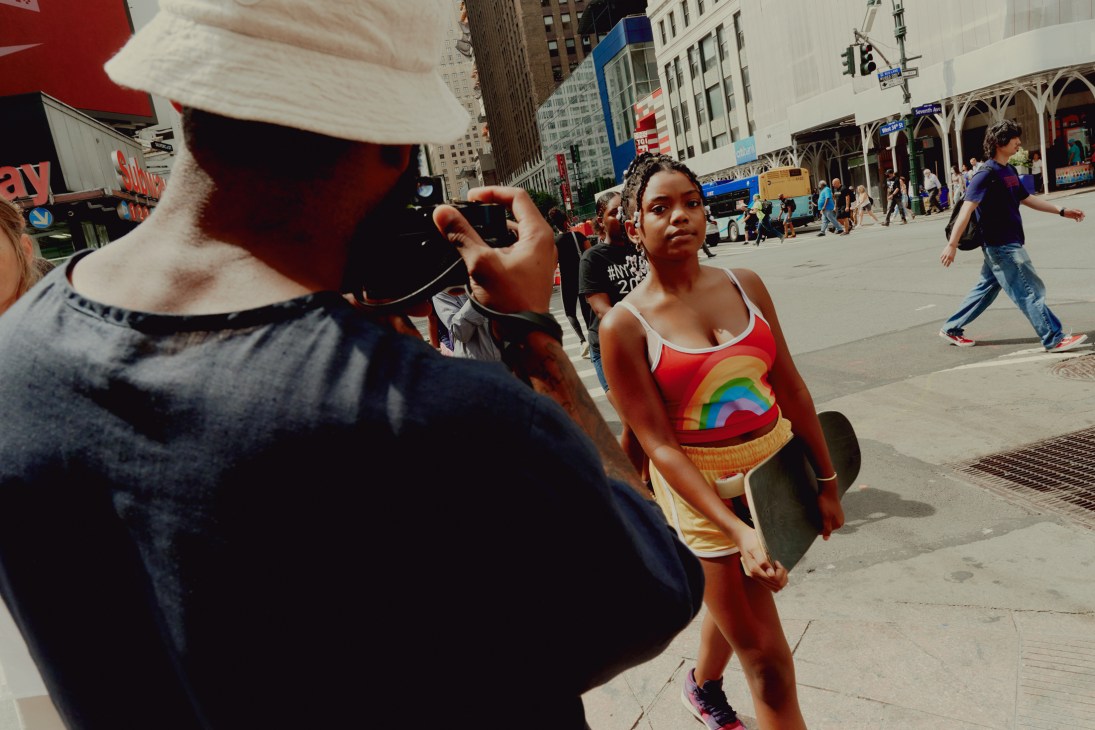
Although the pavements are still busy, the throng has thinned since the pandemic. “The crowd has changed,” says Wagner. “The action of what would happen on the street has changed.” He stops, moves, snaps. “The density brought the drama.” Regardless, New York still offers a kaleidoscope of characters and Wagner doesn’t miss a beat in capturing them. But it’s only in the darkroom that he will know whether the image is a success or not. He lifts his camera and swiftly snaps two women on the corner. One of them stops, as though realising she’s had her picture taken. But before the realisation has sunk in, Wagner is already a few steps ahead, vanishing into the crowd.
The Opener
How to live
The list
Adjust your altitude and reach new peaks in Europe’s year-round alpine resorts, writes Tyler Brûlé.
It has taken the better part of a century but many of Europe’s alpine resorts are finally coming round to the idea that business needn’t be seasonal, with hotels shuttered in autumn and spring. There are plenty of people who want a high-altitude escape, no matter what the weather. With brain drain a problem in lofty valleys across Europe, it’s welcome news that many towns and villages are starting to function with a year-round metabolism, giving young people more reason to stay in the likes of Verbier, Cortina or St Anton. “There’s more life and energy for longer periods,” says Mario Weichselmann, founder of Engadin valley’s Super Mountain enterprise. “People are realising that you can function up here all year round.” For investors and those looking for an alternative to Milan or Geneva, a full set-up at 2,000 metres can quite literally put you at the top of your game. Where to go?
1.
Val d’Isère is having something of a renaissance with new faces bringing restaurants, hotels and retail to the town.
2.
St Moritz and the Engadin in general are experiencing a boom, if all of the cranes that are swinging around are anything to go by. Engadin airport and the Rhaetian Railway help with speedy connections.
3.
Arosa’s proximity to Zürich makes it a fast escape but also a good year-round base. Ditto Klosters.
And if these feel too cosy, we recommend Innsbruck, Chur and Bolzano for something a bit more urban.
Licence to frill
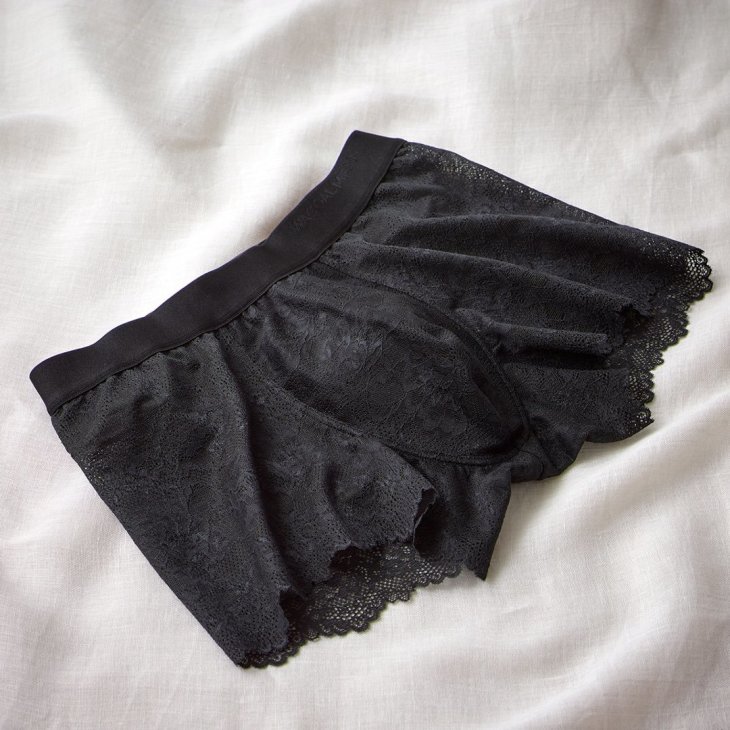
All relationships take work but making an effort should be exciting in any context, whether in the boardroom or bedroom. Japanese underwear brand Wacoal thinks that its male customers need a little help with the latter, so has developed a lace boxer. Inspired by the delicate underwear found in women’s lingerie shops, the ¥3,960 (€29) pants, which “wrap around the male part and glamorise it”, have now sold out, leaving sceptics with their trousers around their ankles.
Music to our ears
With four official languages and 26 cantons, Switzerland is home to myriad regional inflections. This often leads to claims that one area’s vocal tones are more dulcet than another’s – and, according to a recent study, the same claims could be applied to the country’s marmots. Ground squirrels in the Münstertal valley in Grisons have been found to have a harsher call than their counterparts in the Kiental valley in Bern. This has been chalked up to Münstertal’s harsher topography, which has stronger winds that the rodents have to “scream” over. Let’s hope that the Bernese don’t use this information to claim that their voices are more melodic than their neighbours’ in Grisons.

The interrogator
Eric Nam
South Korea
South Korea has done an exceptional job exporting its pop music and TV dramas across the globe. But the country has done some cultural importing of its own: US-born singer Eric Nam was plucked from obscurity in Atlanta in 2011 to participate in TV talent show Star Audition. After finishing in the top five and brushing up on his Korean (his grandparents’ mother tongue), Nam signed a record deal and has gone on to become a bona fide K-pop star and go-to TV interviewer for any English-speaking celebrity setting foot in South Korea. A decade on, Nam’s decided to work as an independent artist, with this year’s release storming the charts from South Korea to the US. He tells Monocle how he got here.
Why did you move to South Korea to pursue a career in music?
I was flown over to join a talent show. I didn’t dare to dream of this in Atlanta. When I was growing up, there were barely any faces in popular culture that resembled mine. Maybe Jackie Chan and Lucy Liu in Charlie’s Angels. That’s about it. You have to see somebody doing what you’d like to do to be able to dream.
Does being a native English speaker give you an advantage?
When you’re a famous singer in South Korea, you have to do things beyond music. I was asked to endorse cars, instant food and hygiene products. On top of that, I was interviewing any English-speaking celebrity because I could have a conversation with a certain level of confidence. Or at least that’s what people were writing about me.
You sing entirely in English on your latest album, ‘There and Back Again’. Is this intentional?
I wanted to make the kind of music I grew up with in the US. It’s my first language so I feel most expressive when writing songs in English. I’d rather be good at my speciality than do something half-baked.
What’s next?
Playing sold-out shows in countries such as Denmark, France and Switzerland. I have a few film projects coming up. And, of course, more music. This is a whole new start for me.
Reporting from…
Monocle’s global team of writers rounds up news of some tasty Hong Kong treats, new powers for Toronto’s mayor – whoever it might be – and whether there could finally be an end to the distressing loudness of London’s subterranean journeys.
Hong Kong
Over the moon
Mooncakes are the star of the Mid-Autumn Festival and meat-loving Hong Kongers are no stranger to unusually flavoured mooncakes, such as beef wellington and salmon. This year, however, more vegan mooncakes are on sale, signalling a generational shift.
Toronto
Stronger stuff
Toronto’s mayoralty is set to receive “strong mayor” powers, giving it the authority to override council on certain issues. There is concern over whether incumbent John Tory, seeking re-election in October, is the kind of visionary leader able to flex the city’s new mayoral muscle.
London
Quiet please
London’s Underground is notoriously noisy but screeching journeys for the city’s commuters might soon come to an end. Over the past six months, new track fastenings to reduce vibrations and noise have been trialled, bringing new meaning to the term “quiet carriage”.
Antipodean power play

Gifts between heads of state are important diplomatic transactions: they can be used to reaffirm friendships or to assert soft-power credentials. In the antipodes, Jacinda Ardern is pushing New Zealand’s status as its neighbour’s cooler younger sibling by exchanging records with Australia’s prime minister, Anthony Albanese. His picks were solid, if orthodox: albums by Australian groups Midnight Oil, Spiderbait and Powderfinger. But Ardern’s offering was more niche – and more knowing.
She gave Albanese releases by New Zealand independent label Flying Nun Records – the compilation AK79, recent albums by Alduous Harding and Reb Fountain, and The Clean’s 1981 EP Boodle Boodle Boodle. The last of these was an especially informed choice: The Clean defined the Dunedin Sound, the genre developed in the 1980s in the sleepy South Island town that helped to make Flying Nun a global brand.
At least Albanese managed not to make a trans-Tasman faux pas by giving Ardern a record by Crowded House and referring to them as Australian.
Fast facts
Some nuggets found by our editors and correspondents this issue.
1.
Spanish steps
The term España vacia (Empty Spain), coined by reporter Sergio del Molino, refers to the steady depopulation of the nation’s countryside. But there are still 7.3 million people living there – 16 per cent of Spain’s population.
See here
2.
Smell test
The Taiwanese have nicknamed the Taipei Performing Arts Center “the Stinky Tofu and Preserved Egg”. Architect David Gianotten says that it shows that “people are embracing the building”.
See here
3.
Southern style
Atlanta is cementing its status as a fashion hot spot, with revenue for clothing shops in the state set to hit €7bn this year.
See here
Correspondent’s view: Buenos Aires
Cold country, hot topic

As I write this I am wearing fingerless gloves and I’m huddled against a portable electric heater. This has been part of my morning routine in the southern hemisphere since late May. Winter is brutal in the south of South America. And not because of the temperatures, which rarely fall below 4C. Rather, it’s the lack of proper heating and insulation, with central heating used by ministerial buildings, the odd state-owned bank and few others.
For city dwellers in Argentina, Uruguay and southern Brazil, the options to heat homes and businesses tend to be inefficient and, at times, baffling. There are air-conditioning units with a hot-air mode, which can barely heat one room; or hefty “portable” gas heaters that hold a 13kg replaceable canister and can be dragged to where heat is needed most. Some residents resort to wood-burning fireplaces (far from ideal in urban apartments), while opening the oven door, I’m told, is a popular solution when hosting guests. And you can forget curtains, carpets or double glazing, which might keep in some of the warm air generated by these heaters.
This situation – a built environment that doesn’t cater to a year-round climate – has largely to do with Argentinians’ sunny disposition. Here, they argue that winter is only “for a few months” every year so there’s no need to invest in cosy homes when sunshine and warmth are just around the corner. We’re now in month four of a possible five of winter – at least the cool marble floors will be worth it when summer returns… Won’t they?
Trying hard or hardly trying?
If you struggled to find a quiet Mediterranean beach on which to unfurl your towel this summer, then it might surprise you to learn how many sunny southern European nations are actually short of people – at least, in their remoter corners. In Spain this is particularly acute when you head inland from the glistening coast; between 2010 and 2019, 6,232 of the country’s 8,131 municipalities decreased in population. It’s a trend that has seen villages depleted or even abandoned as the young and talented move to the big cities. Can anything be done to change the narrative and make country living appealing again? Well, people are trying.
For this issue, which focuses on the need to make an effort in all aspects of our lives, our Europe editor at large, Ed Stocker, travelled some 2,000km across the country – through the regions of Aragón, Castilla y León and Galicia – to meet the plucky mayors, creatives, campaigners and artisans who are determined to revive the fortunes of these quarters (see here). There is no simple fix but what’s vital is that people are trying. Indeed, Ed shows how just one person taking a stand can begin a chain of positive shifts.
A quick aside: Ed’s report is a good example of the kind of narrative journalism that we want to keep investing in. And, to be frank, that’s why people who join us as subscribers are so important. It’s your support that allows us, a totally independent media brand, to commit to telling stories that take days and weeks to report and shoot, and hopefully inspire some change too. So, thank you to everyone who has made that commitment.
Meanwhile a very different story runs in this month’s Expo (see here). It’s a look at the importance of lifelong learning and how we can all continue to challenge ourselves to gain new skills and stop limiting our ambitions because of a belief that the moment has passed or that we are too old. Youth is, of course, a glorious thing but so too are age and wisdom, and we need to stop seeing the passing of the years as an inevitable eradication of our dreams. One of the people featured in the story is the Italian-born Mallorca resident and potter Roberto Paparcone. I first met him some years ago while reporting on the island and there’s something rather encouraging about his story. He trained as an architect and prospered but one day went on a pottery course and discovered a craft that made him feel stretched – and happy. Now in his fifties, he’s made the transition to being a potter and also a teacher. He and the other people in our Expo show that it’s never too late to do what matters.

Our “making an effort” theme also comes to life throughout the pages of this month’s style special. One of the stories that I particularly like is our look at the dress codes of men in the southern states of the US (see here). The look of the “Southern gent” has changed with the times but there’s still something about the appearance of well-dressed men from the region that makes them stand out – and you also sense that, for them, making an effort is linked to having good manners. The sharply dressed Sid Mashburn has a celebrated shop in Atlanta, Georgia, and in our story he says, “I don’t think anybody wears a tie in Italy any more and yet our tie business is on fire. This is because we don’t wear them in such a formal way. We want to be easy. We like colour. We’re serious about bespoke tailoring but we also like our sportswear.” But Mashburn also believes that many men have lost the “muscle memory” for dressing well, for making an effort. But again he’s happy to be the one who takes a stand and guides his customers back to sunnier sartorial uplands.
While the dominance of casualness in everything from what we wear to how we behave might seem unstoppable, there are outliers. In our Agenda pages we also get onboard with Iberia as the airline unveils new crew uniforms (page 50). While heels for women are gone, the looks for men and women are crisp, poised and modern yet also give the wearers an air of authority, as well as help underline who is in charge. This is what happens when you make an effort.
Finally, thank you for reading Monocle. If you have suggestions or questions, you can always contact me at [email protected]. And remember, stay sharp.
Heart and home
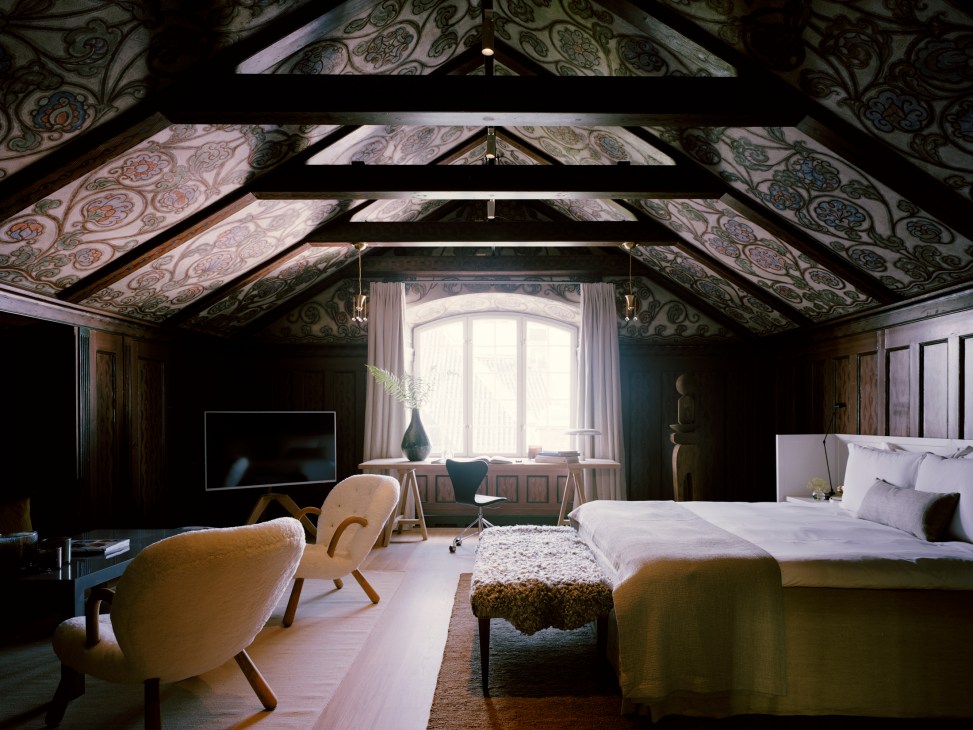
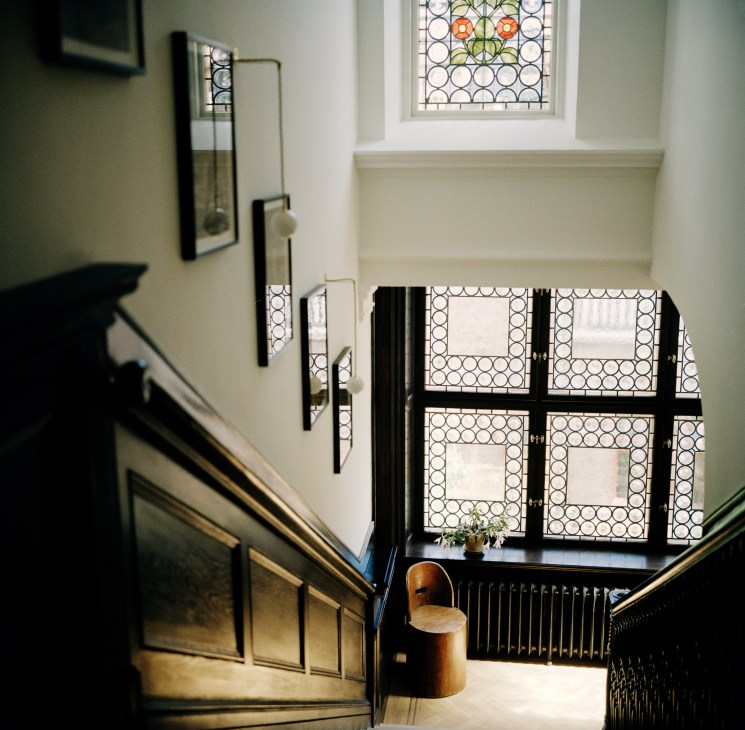
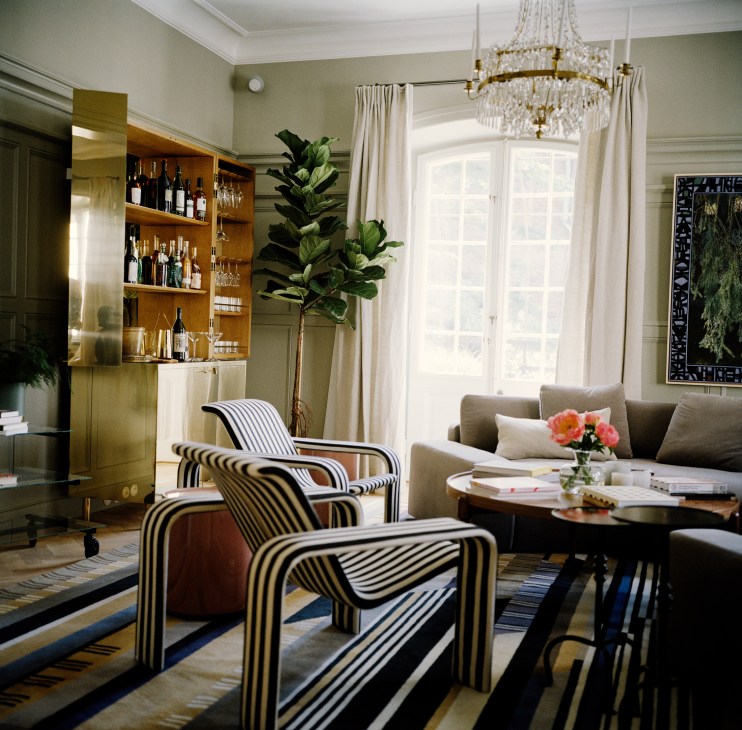
Until a few weeks ago there was nothing like Ett Hem. Opened in 2012, the laidback, Stockholm stay was created by London design firm StudioIlse and operated by its Swedish owner, Jeanette Mix. The comfy lounge area is serviced by hosts who feel more like friends than staff and its 12 bedrooms are some of the world’s most charming. Now this characterful and tranquil urban oasis, which carved out a homely niche into the world of high-end hospitality, has expanded – converging with a neighbouring building from the same arts and crafts era as the original. The project, also designed by StudioIlse and which had its soft opening in July, adds another 10 rooms and increases amenities for all guests and the public, who can enjoy the kitchen lounge and book rooms for functions.
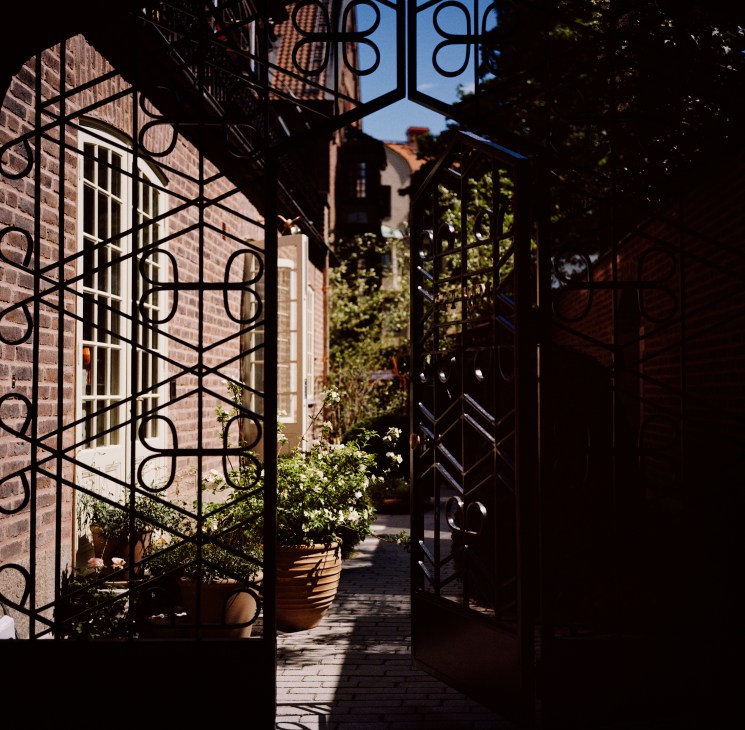
Pushing open the new patterned wrought-iron gate, which nods to the site’s heritage (and on which the “Ett Hem” logotype is handsomely forged), Monocle is led through a shared entrance for both buildings and into the new environment. Our hosts are Ilse Crawford the founder of StudioIlse and Mix. The result is immediately impressive with interiors that make clear the identity of the old Ett Hem has remained intact. “We’re being judged according to something that’s already beloved today, which is a super interesting challenge,” says Crawford, guiding us through social areas replete with a mix of custom furniture and antique pieces and into an open kitchen.
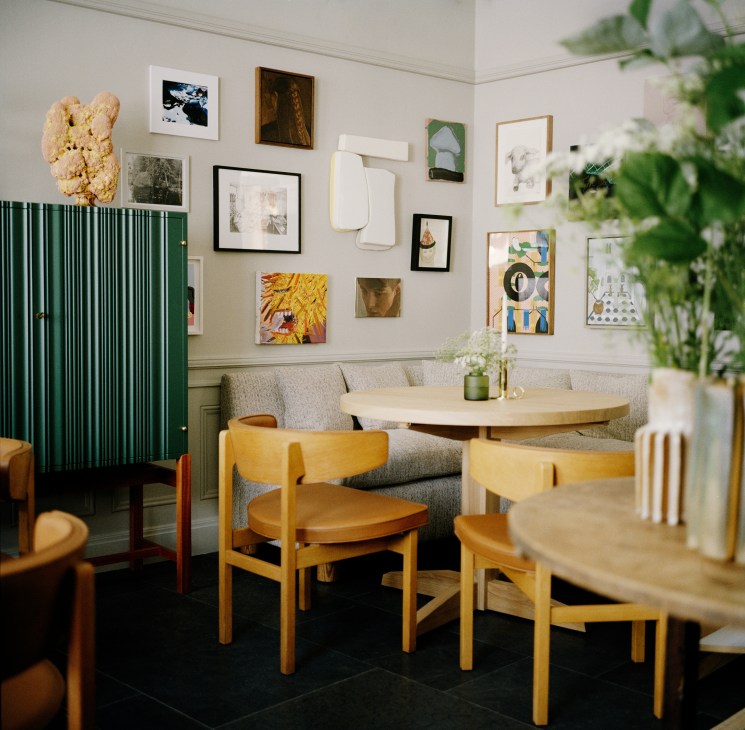
The second building’s cooking and dining area, housed in an early-20th-century structure, features Jämtland limestone surfaces quarried on the Swedish island of Öland. Today the space is flooded with sunlight. Here, the venue’s culture of social breakfasts prepared by chefs using simple, fresh produce, is continued. “It’s fundamental, this transparency we’re creating between back-of-house and front-of-house,” says Crawford of the relaxed setting where visitors chat freely with the cooks who are making their meals. “That is what makes guests trust everybody: they can relax here. This plays a big part in creating the ease of the place.”
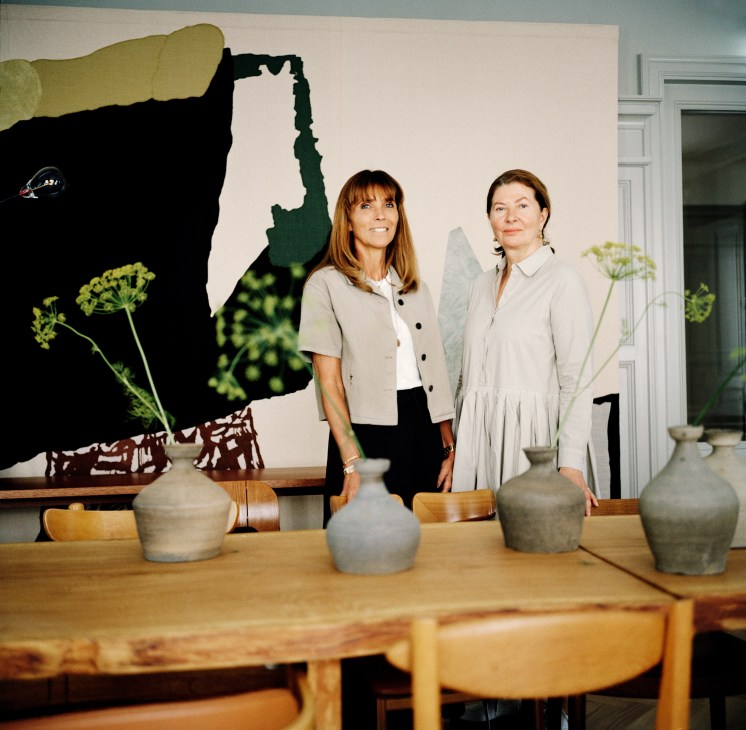
While the early-1900s building, most recently an office and doctor’s surgery, is similar in architectural style to its neighbour, it has its own personality and, importantly, receives a different quality of light. “By nature the original building is slightly darker and cosier,” says Crawford. “If that was the safe, secure, warm place, then this is lighter, more lively and more public space.” An extensive overhaul to the second building was needed to revitalise it. The works included knocking down walls to create free-flowing spaces and peeling old paint off the bannister of an ornate staircase. “Painting over everything in a strict architectural way is not Ett Hem; Ett Hem is about feeling the original wood under your hand.”
“This is the social floor,” says Mix, leading us through the roomy public spaces of the site’s second storey and out onto a wide balcony, overlooking a verdant garden and the first iteration of Ett Hem. “It gives guests a way to use the house as freely as they want. They can choose where they want to relax and can access the balcony from three different doors.”
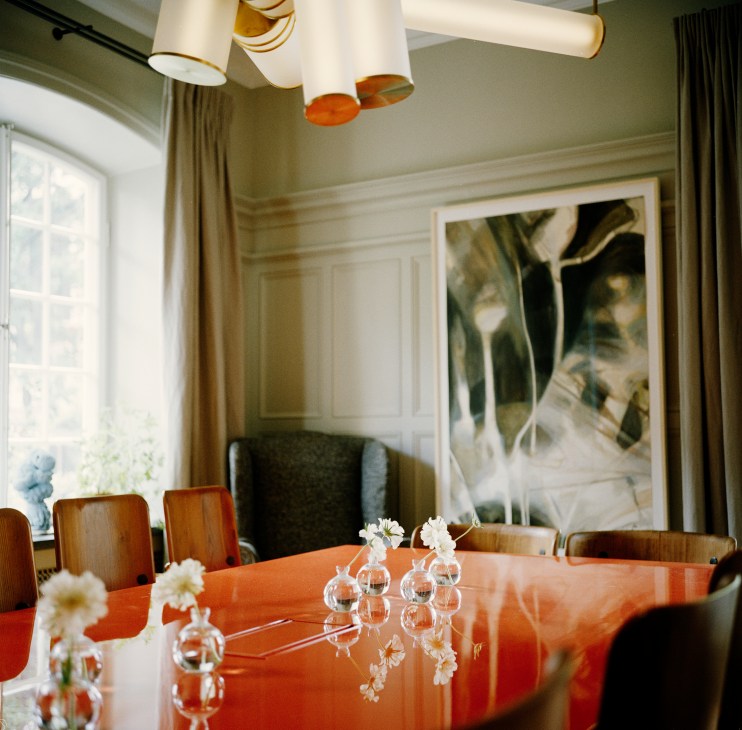
The terrace is furnished with cane mid-century lounge chairs designed by Danish architect Tove Kindt-Larsen, which sit alongside weather-proof contemporary coffee tables from Stockholm’s Massproductions and huge, lushly planted terracotta pots that lend a softer feel to the area. Inside, StudioIlse’s refined custom pieces blend effortlessly with a tasteful mix of vintage furniture. For example, the clean lines of a glossy, hot-red lacquered table by StudioIlse counterpoint the curved timber forms of a set of wooden chairs made by Swedish master craftsman Axel Einar Hjorth. “For me, this absolutely distils Ett Hem,” Crawford says of the mix of styles and materials. “That combination of real, raw, cultured Swedish objects against what is actually a very simple looking table.”
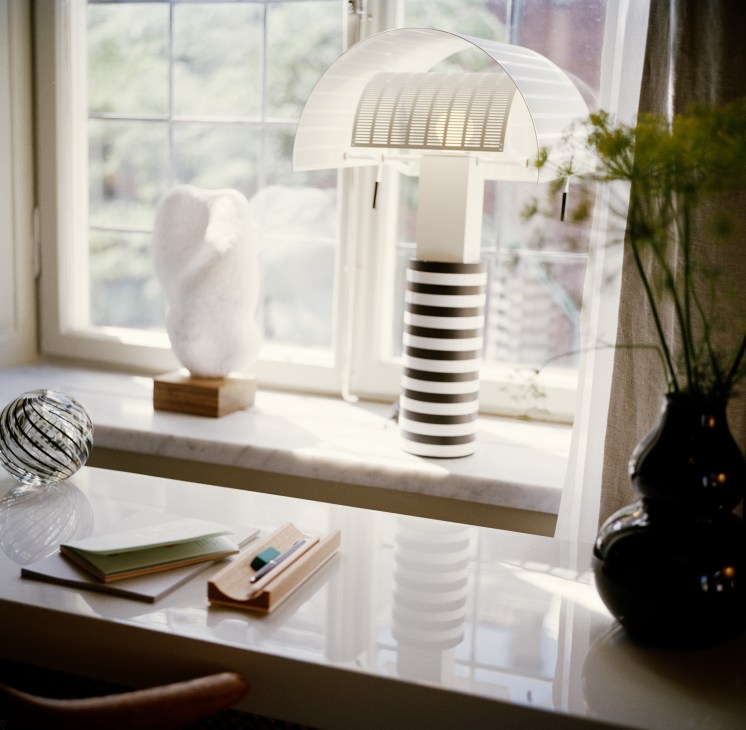
Other design details include a wooden cabinet that heritage Swedish furniture-maker Svenskt Tenn has reproduced from its back catalogue of Josef Frank’s designs. Modern creative talents have contributed to the mix too. In the downstairs bathroom there are handmade tiles from London studio Glithero, created in the Netherlands. They feature an elegant botanical drawing that weaves across the room, around the sink and towards the window; it’s a subtle addition that brings real dynamism to a space that is typically undervalued in most developments.
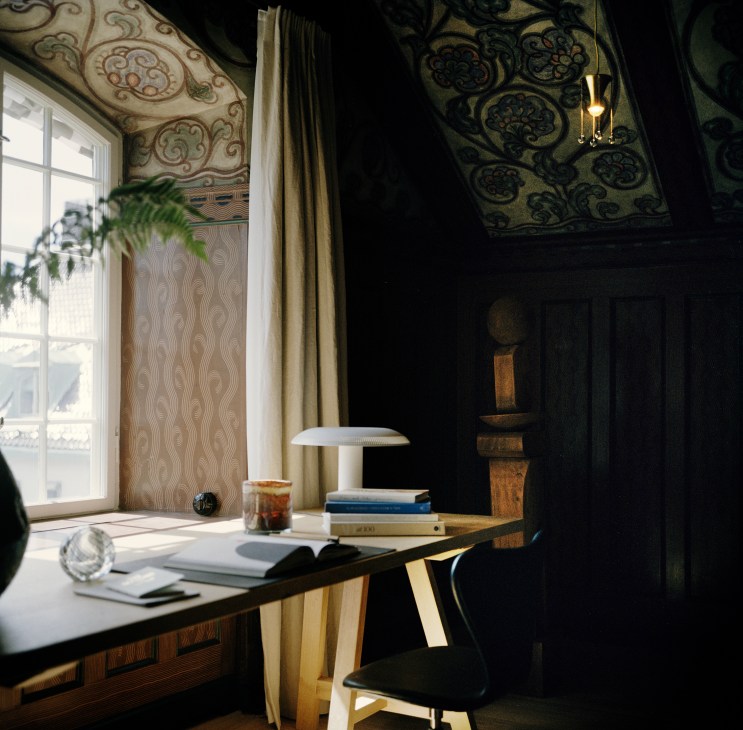
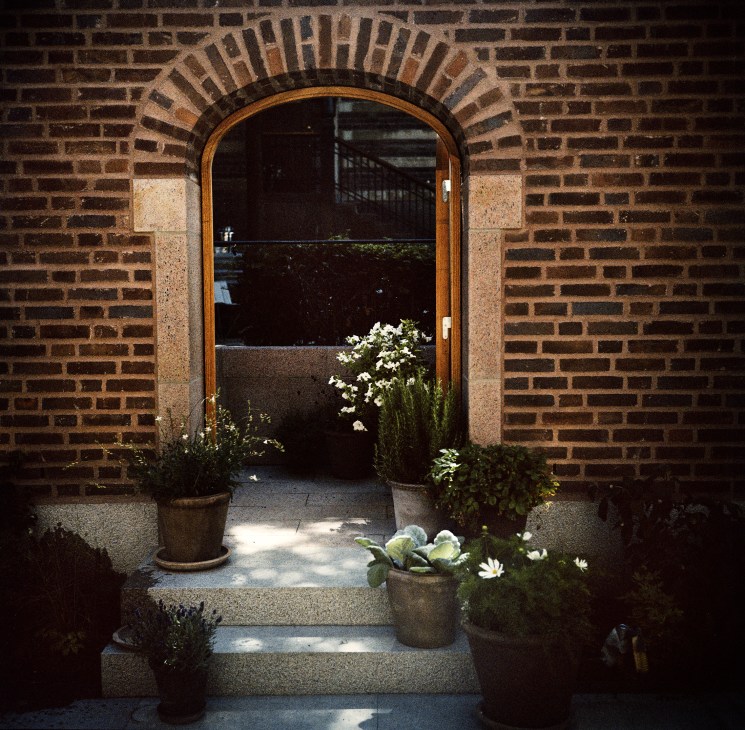
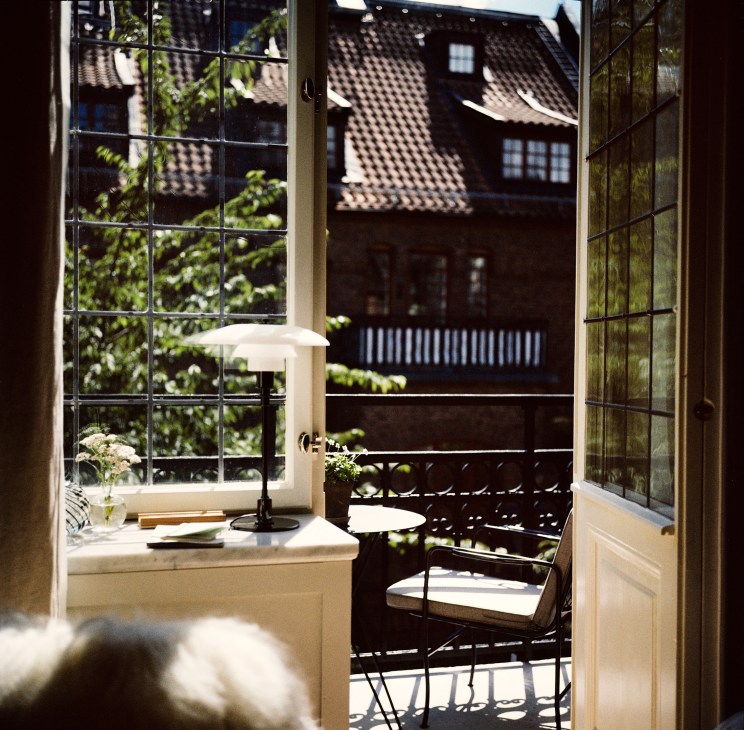
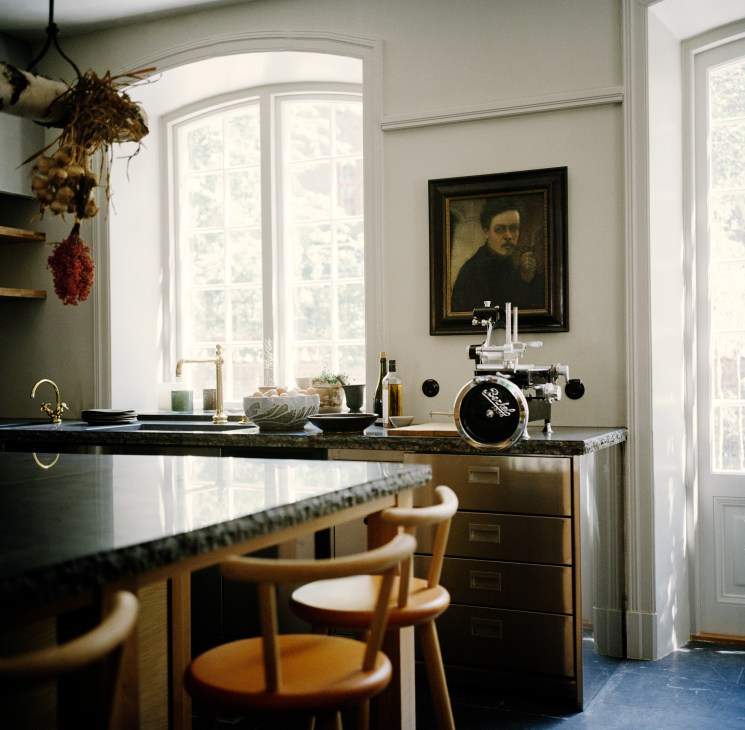
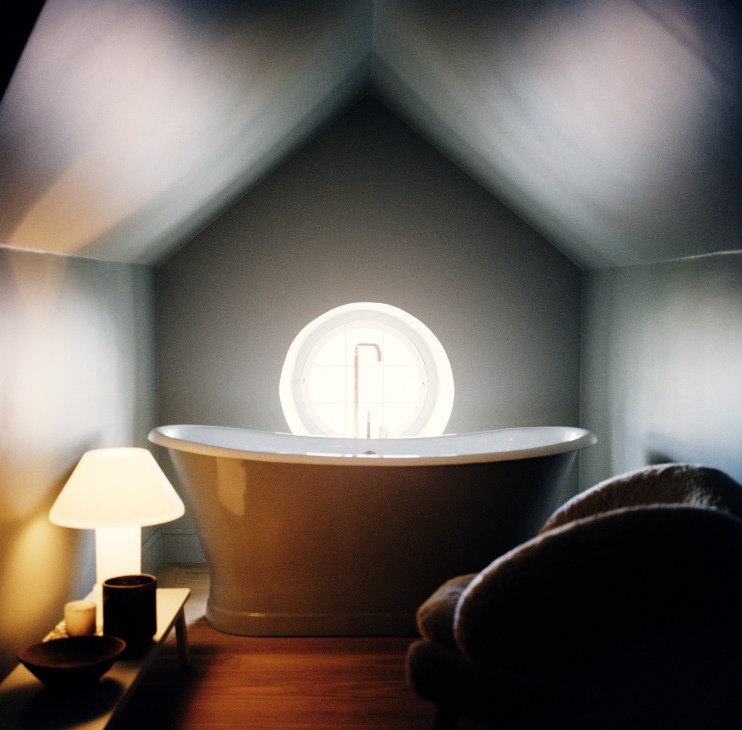
Elements of the building’s rich history also remain. In the attic suite, a mural adorning the ceiling has been carefully extended onto a grand fireplace. Despite looking old, the feature was newly added by a Swedish builder based on photos of a long-removed original.
One element that people really enjoy about the original part of Ett Hem is the casual atmosphere and this has been filtered into the new space too. Guests can head to the open kitchen for breakfast but there is also the roomy greenhouse dining area, which appreciates the surrounding nature. “People love the greenhouse and that’s what’s inspired the energy in the new public areas,” says Crawford. “They feel furnished but not formal. Informality is something we never want to lose at Ett Hem.” In the new greenhouse guests can enjoy a glass of wine as florists prepare bouquets for the property alongside them. It’s part of a new type of laidback luxury that laptop-weary holidaymakers covet these days (though they should be careful not to use the L-word to describe the place’s experience). “We have never liked that word, ‘luxury’; we really try to avoid it,” says Mix, who curated Ett Hem’s tasteful artwork alongside Michael Storåkers and Lisa Ivemark. “This isn’t a ‘concept’, this is our philosophy.” Crawford chimes in. “A philosophy made around values. Ett Hem sits in a world of things that are man-made and human-facing, which is going to become ever rarer. It’s so intentionally human and so intentionally man-made – and not automated, and that’s what’s so special about it. Ett Hem is not about human resources; it’s about humans.”
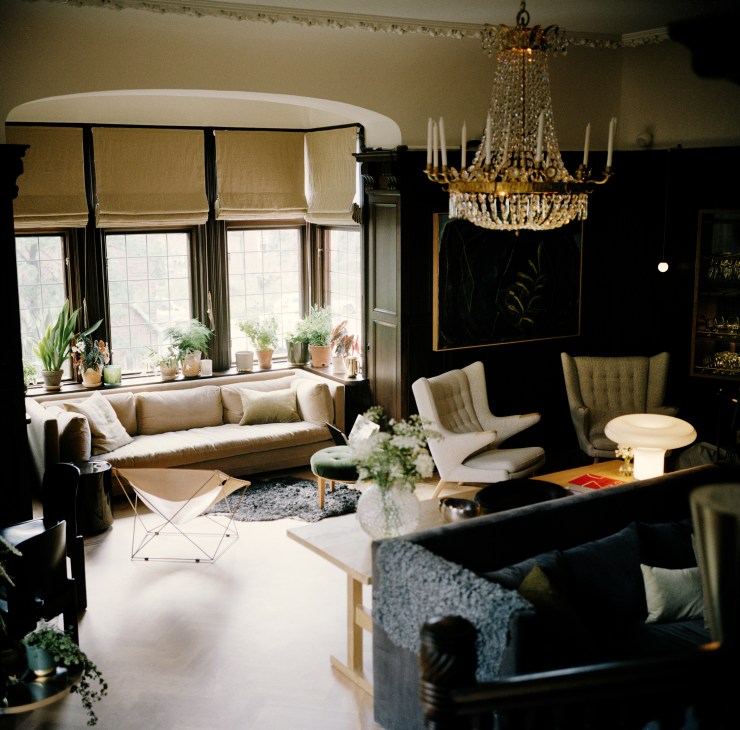
Engine rooms
It’s not just what a business does that matters but where. A thoughtfully designed workplace enhances productivity, attracts (and helps to retain) talent and represents your brand positively to visitors. From ergonomic furniture to the quality of light that illuminates a desk; from the colours and textures that surround members of staff to aesthetic decisions that foster a sense of belonging – every detail of an office can and should be used to make life better for employees. With forward-thinking furniture firms vying to capture the spend of progressive business owners, there are ample smart solutions to choose from. We’ve rounded up a few of the best.
1.
Don’t shy away from bold colours
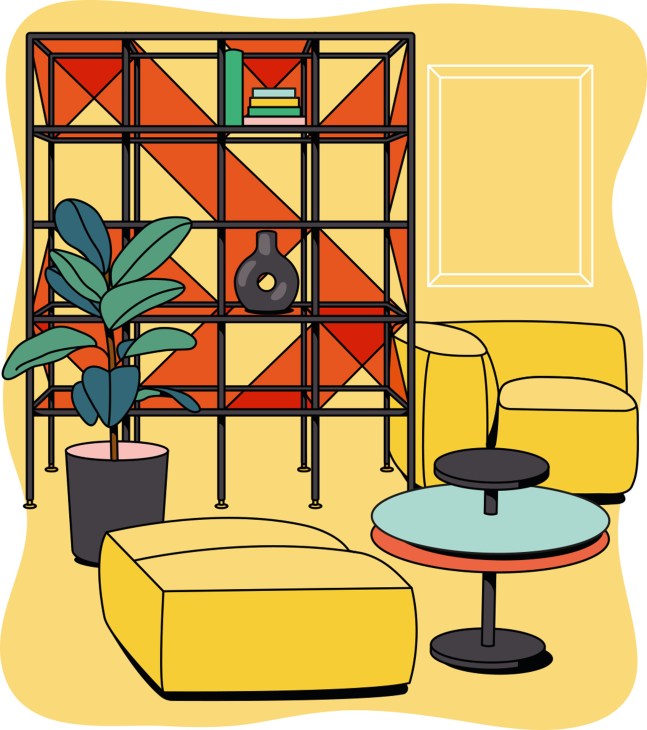
At this year’s Salone del Mobile furniture fair, Italy’s top brands debuted lines promising to lure those who switched to remote working at the height of the pandemic back to the office with vibrant, joyous design. A fresh pop of colour can make all the difference in a workplace, which is typically a neutral environment and can feel dispiritingly corporate. Indeed, studies show that colour can affect mood as well as levels of creativity and productivity.
Standout pieces include the Matrice bookshelf by Milan-based design firm Dimorestudio for Fendi Casa, with its glass panels in retro colours; a bold, modular collection from Italian office-furniture specialist Unifor, which was initially designed for German publishing company Axel Springer but has now been expanded; and an eye-catching, bright-yellow edition of Tacchini’s modular Le Mura sofa, originally designed by Mario Bellini in 1972. Fresh, flexible design adds playfulness without dominating or overwhelming the workplace.
fendicasa.com; tacchini.it; unifor.it
2.
Respect the classics

Fifty years old and still looking sharp, German industrial designer Richard Sapper’s Tizio task lamp, produced by Milan’s Artemide, is among Monocle’s favourite flexible lighting options. The angled, minimalist lamp brings together the best in German design and Italian engineering. It can easily be adjusted by moving its counterbalanced arm; at the time of its release, the use of the arms to conduct electricity to the halogen bulb was a novelty seen in few other lamp designs.
Sapper once claimed that he had come up with the Tizio because he couldn’t find a convenient work lamp for himself. “I wanted a small head and long arms, and I wanted to be able to move it easily,” he said. “While I work or read, I like the light to fall only on the sheet of paper in front of me, leaving the rest of the room in dim light.” After much methodical experimentation he got there in the end. So reward your staff by letting them work with a piece of legacy design by their side. To celebrate half a century of illumination, it’s now available in the designer’s favourite red.
artemide.com
3.
Invest in innovative fixes
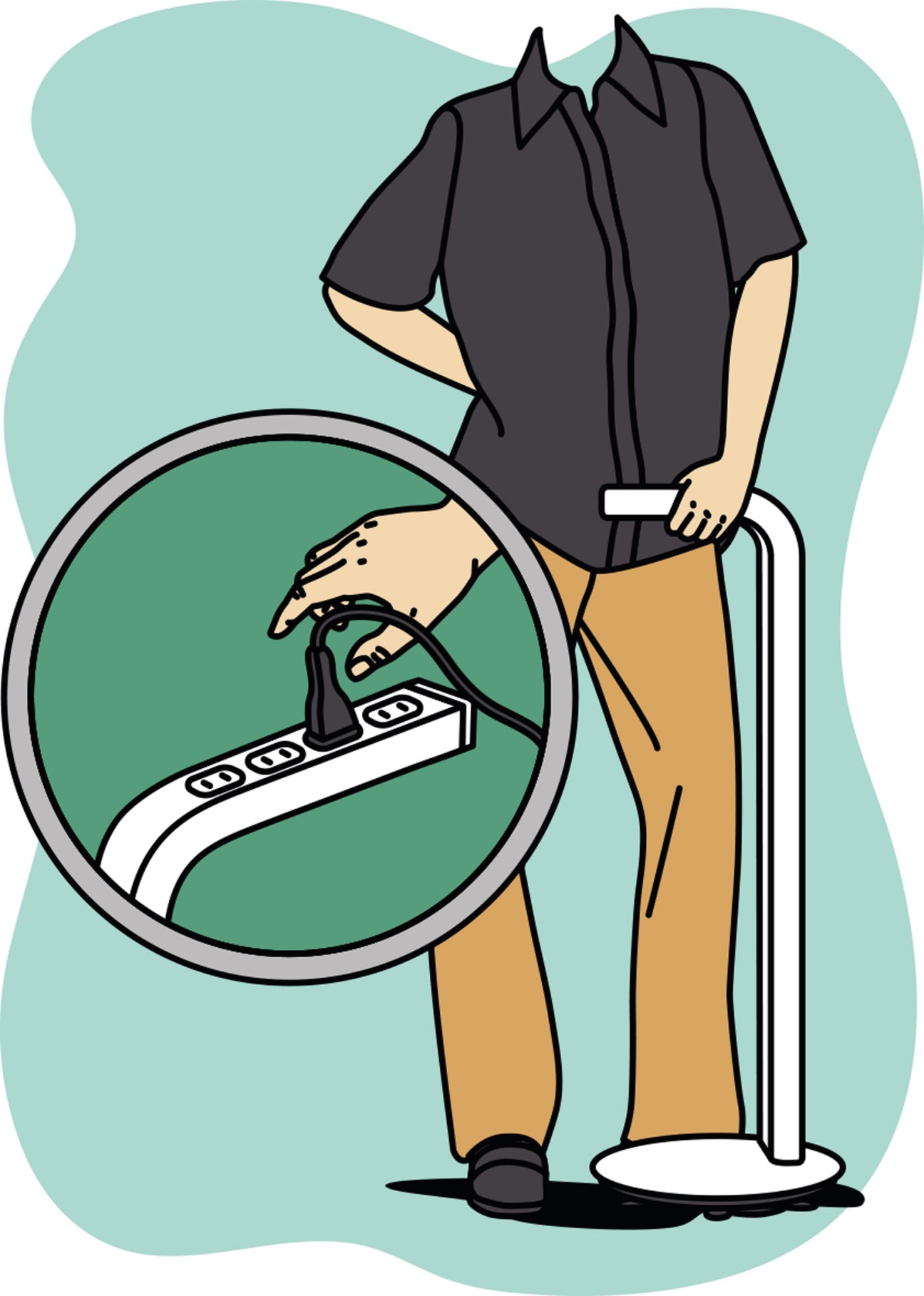
Designers continue to innovate smart solutions as our working habits change. A case in point is the elegant, easily transportable Carry Tap from Tokyo- based furniture brand Itoki: a practical (and funky) set of power sockets that will slot neatly into any modern office. Its designers say that its simple, handle-shaped form was developed to meet the flexible needs of contemporary working set-ups. The cute piece conveniently lifts access to electricity to just above desk height, eliminating the need to search the floor for an untidy tangle of extension cables (and then strain your back trying to plug in your device).
itoki-global.com
4.
Light the office intelligently

To operate a productive and healthy office, high-quality lighting that is unobtrusive yet warm is crucial. For the darker months, bulbs from UK brand Tala offer the best kind of artificial light due to their smartly engineered led designs. “The early low-energy bulbs were quite terrible, from light quality to how they looked,” says Joshua Ward, co-founder of Tala. The company has an in-house r&d lab, where shapes, materials, luminosity and the capacity to be dimmed are fine-tuned by its engineers. Each bulbous bulb is mouth-blown and finished by hand, and can last for more than a decade. “At the lab we investigate how to get the most out of the electronic components,” says Ward. “Efficiency can often mean a compromise on design but ultimately we try to be design-led.”
tala.co.uk
5.
Find a flexible system
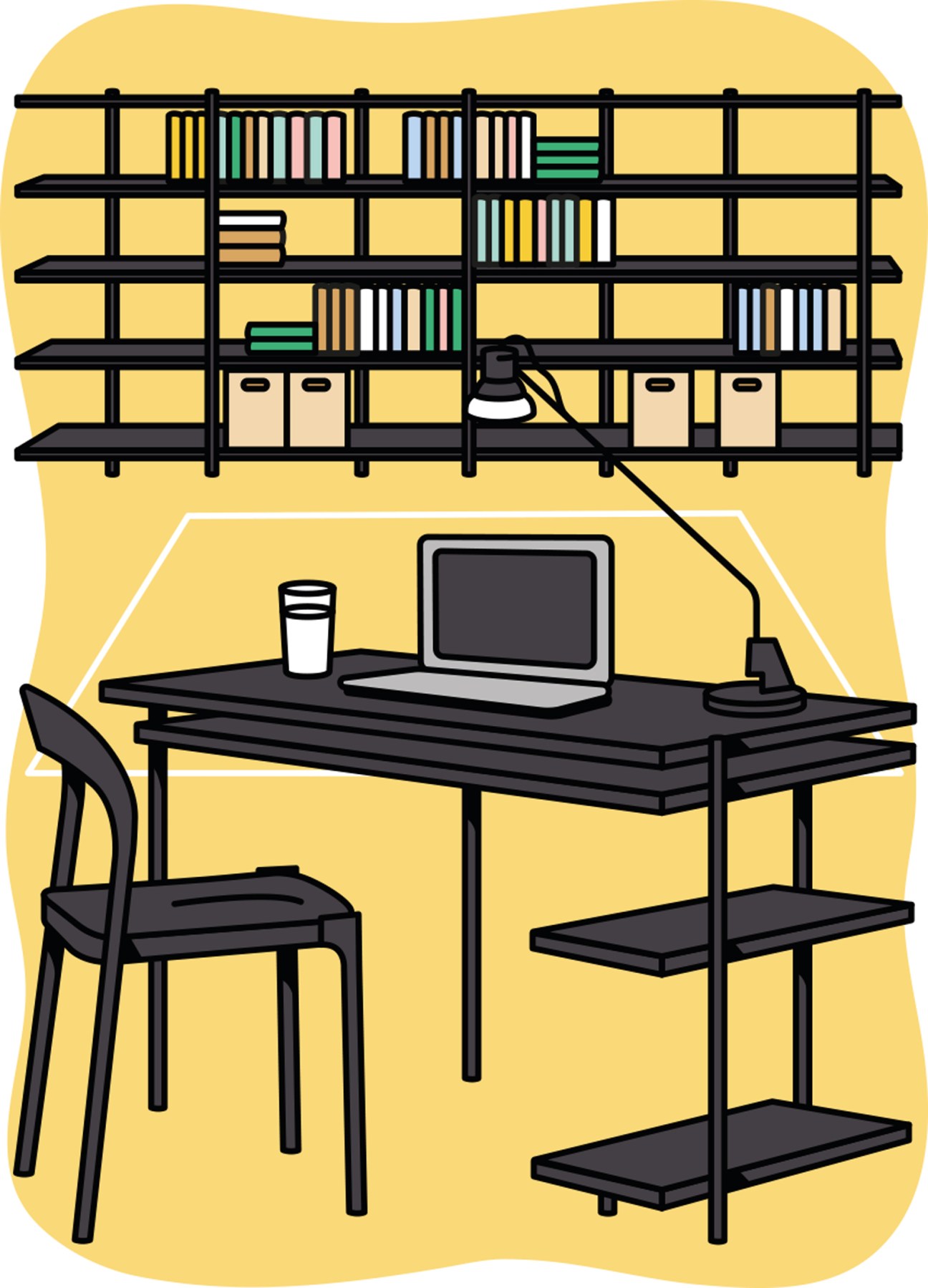
Agility, respect for materials and a light touch are some of the qualities to look out for in successful office design. Good workspaces need furniture systems that are functional without overwhelming the spaces that they serve. The Aero collection, designed by Swiss firm Shibuleru for Italian furniture brand Living Divani, has continued to evolve with grace. Items such as the new Aero D desk, which offers ample storage space on a small footprint, and the Aero shelves, which match the desk perfectly, are must-haves for any office. The shelves are the product of thoughtful aerodynamic design; they come in eight sizes and are made from strong aluminium honeycomb sheets.
livingdivani.it
6.
Go green, inside and out
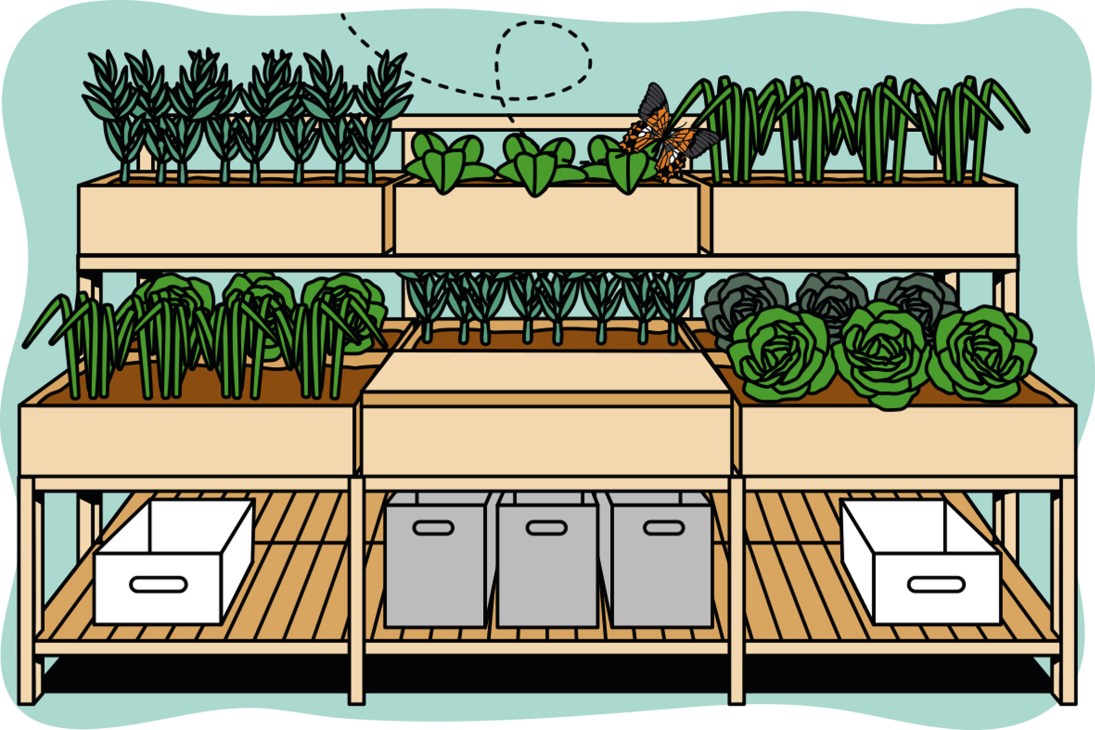
Studies have shown that greenery in the workplace can do wonders for workers’ emotional and psychological wellbeing. Plants increase productivity and comfort, while reducing stress. Spanish outdoor furniture firm Kettal’s most recent releases at Salone del Mobile offer a range of pieces that promise to foster a happy and healthy working environment. The Hydroponic Garden, developed by an interdisciplinary team of environmentalists, architects and engineers, can add a welcome touch of greenery with its ability to produce a wide range of vegetables indoors. Outdoors, the generously sized modular Base Kitchen, which comes in two types of stoneware and two Iroko wood finishes, provides a handsome barbecue and cooking area for summer parties and alfresco lunches.
kettal.com
7.
Make the most of your waiting room
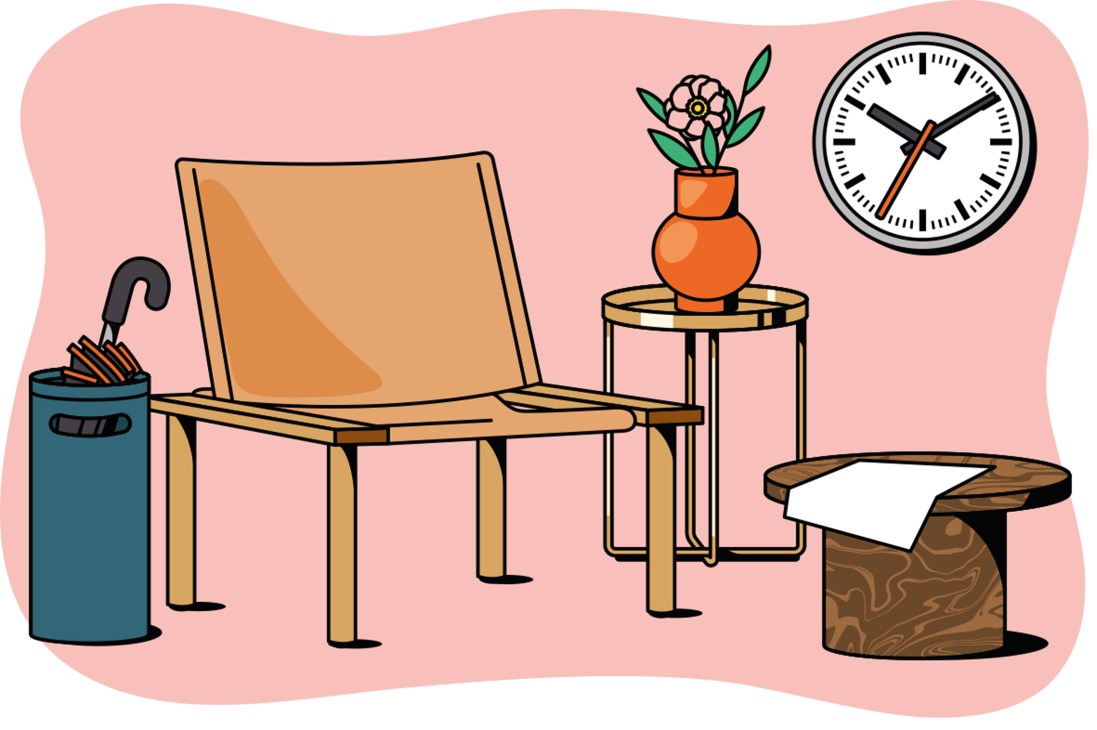
First impressions always count, so make your waiting area work for you with a sophisticated yet comfortable fit-out. Look to German furniture studio e15, which recently released the Ilma lounge chair, designed by Finnish-born Jonas Lutz. The inviting, sturdy piece – a modern interpretation of a sling chair – playfully highlights the beauty of natural materials such as oak, walnut and leather.
“I have always been fascinated by chairs that forgo traditional foam upholstery and instead look for alternative ways to create comfort,” says Lutz. The sculptural side tables by architect and e15 co-founder Philipp Mainzer, made from marble and polished steel, complement Lutz’s chair perfectly.
e15.com
8.
Turn down the volume

As noisy video calls and lively meetings in breakout areas have become the norm in offices, designers have had to figure out how to provide good ambient acoustics and minimise disruption. Among the most ingenious solutions are Italian lighting brand Luceplan’s felt-covered Koinè lights, designed by Mandalaki to help soften noise.
Those seeking flexibility should check out Lintex’s customisable soundproof units on wheels, which can be used as space dividers and double up as whiteboards or pinboards. Finally, Japanese brand Adal’s cosy Lohko phone booth is a charming option for ensuring privacy. It can be covered in various fabrics and has a desk in oak veneer. Plus, it can be fixed to the wall to make it earthquake resistant – an important factor in Japan.
luceplan.com; lintex.se; adal.co.jp
9.
Provide comfortable chairs

The Orgatec trade fair in Tokyo showed that Japan’s commitment to office culture is alive and well. This is partly thanks to the fine work of furniture firms such as woodworking specialist Karimoku New Standard (KNS) and Kokuyo, both of which have released excellent ergonomic office chairs. The Giroflex 150 chair – a three-way collaboration between Swiss seating manufacturer Giroflex, kns and Lausanne-based studio Big-Game – is a perfect example of a welcome attentiveness to how people feel when they sit at their desks. Though it is made almost entirely from oak, its flexible parts accommodate different body positions throughout the day.
karimoku-newstandard.jp; kokuyo.com
10.
Prioritise timeless quality

While there’s certainly room for more colour in office design, Nordic furniture companies continue to show that timeless, well-made pieces are still what make the best, most enduring impression. Invest in a desk from Copenhagen’s Kristina Dam Studio, which has a distinctive Scandinavian and architectural style, and a modular Nobuko shelving system from Broste Copenhagen that can easily be transported and remoulded to fit any space. To finish the set-up, add an upholstered Cross Task Chair by Danish furniture company Takt, which allows for dynamic movement and comes in a pleasing range of greys and greens that are inspired by the colours of a typical Scandinavian city.
kristinadam.dk; brostecopenhagen.com; taktcph.com
Tent revival
It’s an idyllic summer’s day and the landscape around the headquarters of Snow Peak appears to have been turned up to full technicolour. The Japanese outdoor brand, which was founded by mountaineer Yukio Yamai in 1958, left its city home to move to this quiet corner of rural Niigata more than 10 years ago. Fans – known as Snow Peakers – visit the HQ shop in droves to stock up on stylish clothes and camping gear; 30,000 of them stay in the adjacent campsite every year. And now there’s a new addition: Field Suite Spa, a natural hot spring resort and hotel designed by celebrated architect Kengo Kuma.
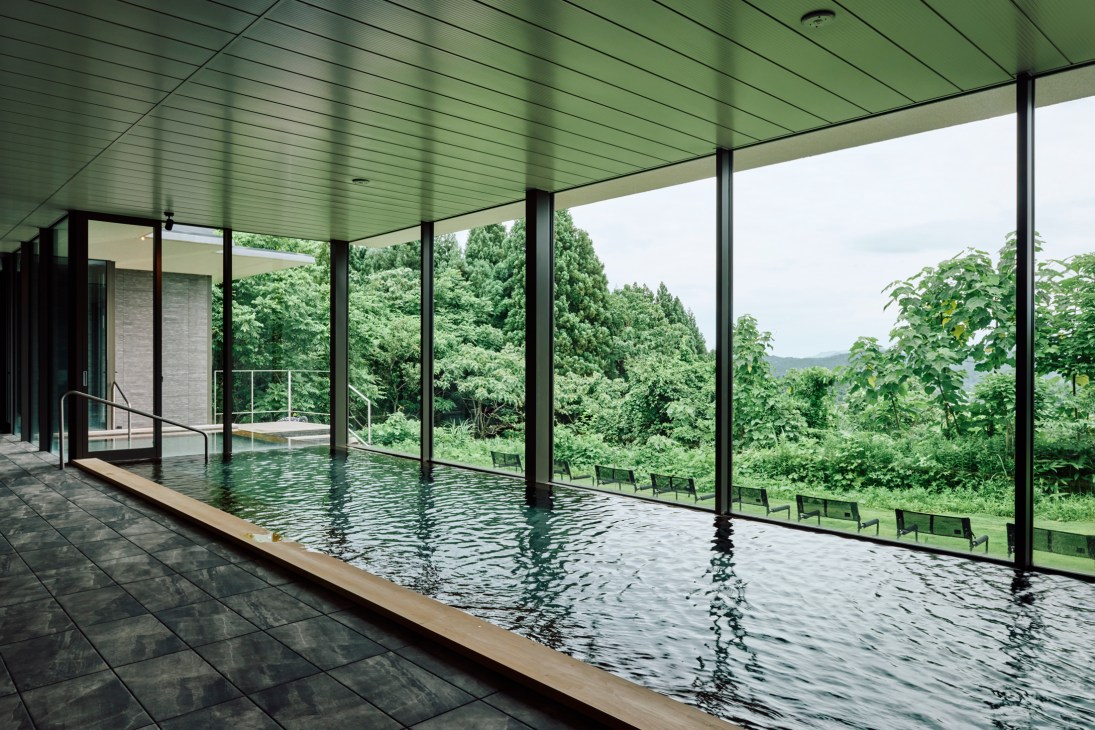
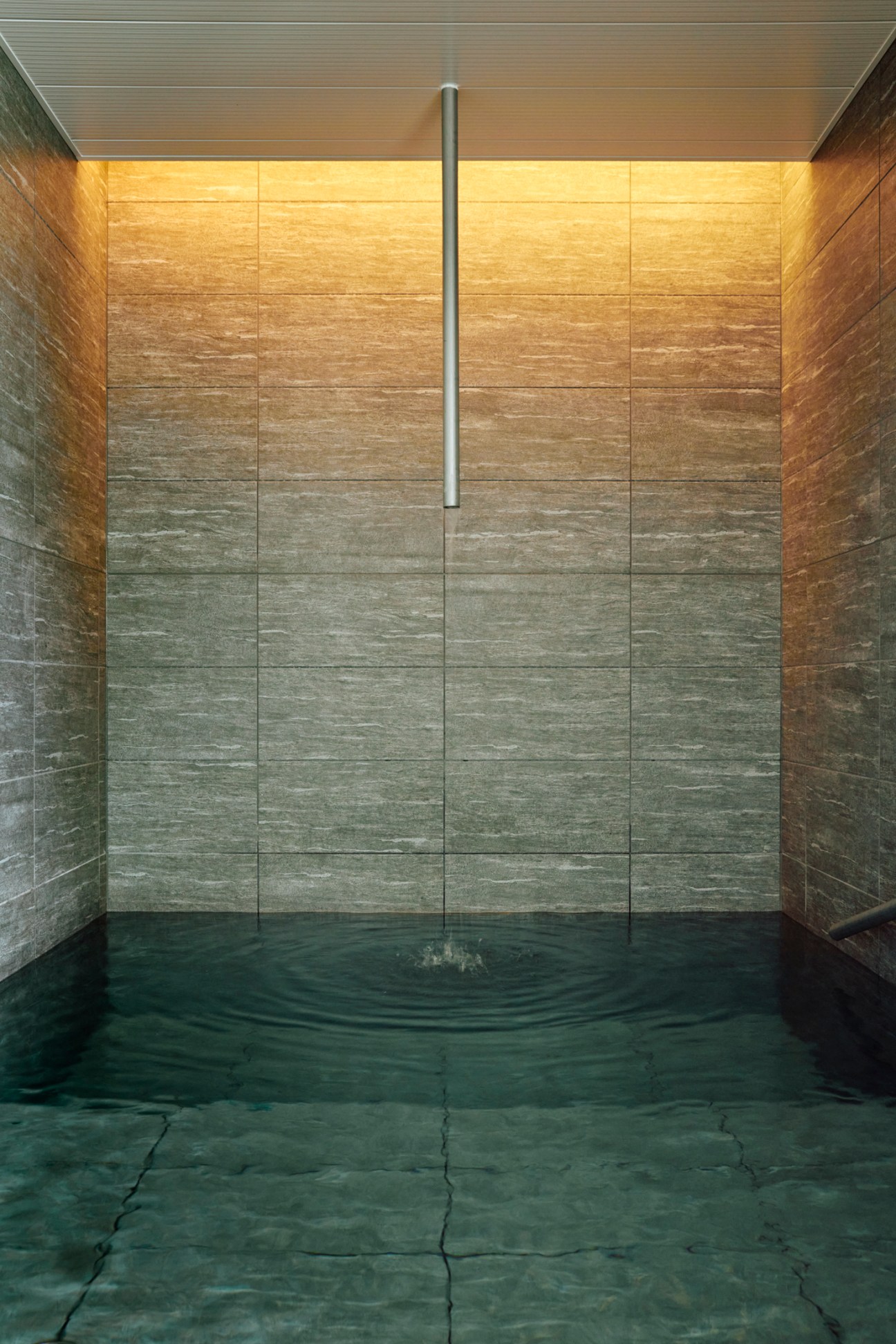
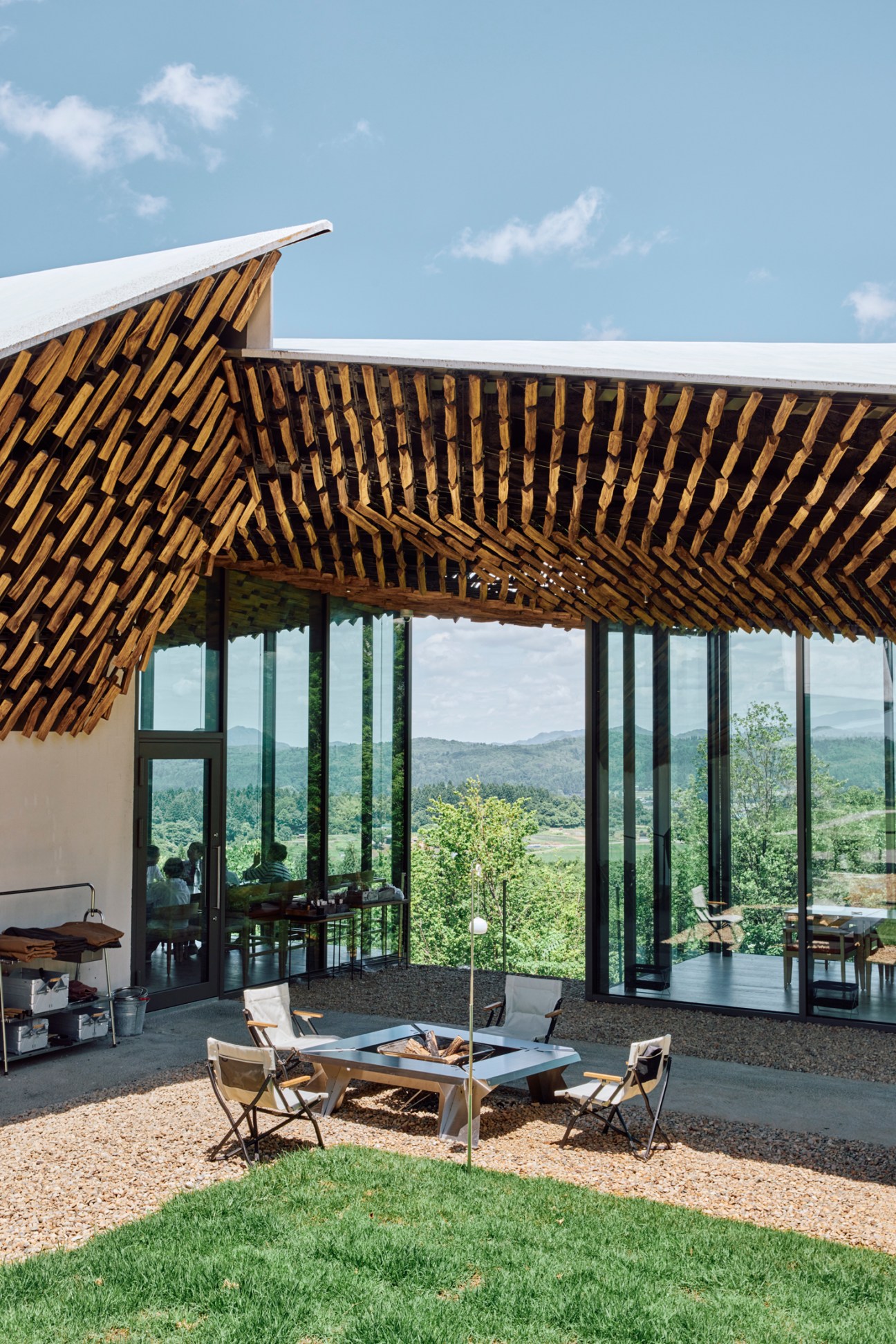
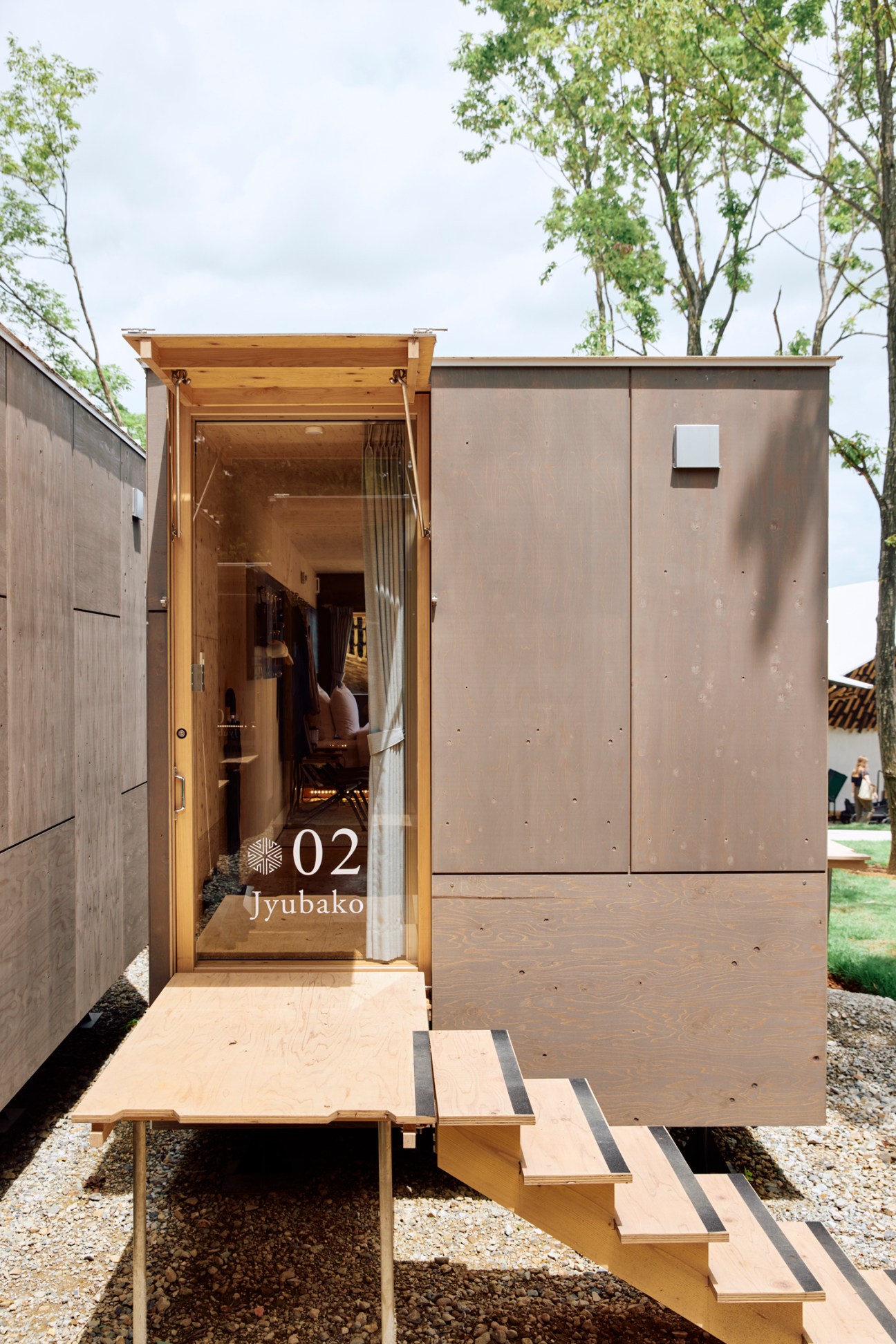
“Our chairman, Tohru Yamai [Yukio’s son], was already thinking about opening this spa when he moved the headquarters here more than a decade ago,” says Keitaro Yuda, who worked on the project. Finally it’s come to fruition: two hot spring onsen baths and saunas (one set for men and another for women), two restaurants and accommodation for 14 in three villas and four wooden Snow Peak trailers, known as Jyubako (or “Living Box”), also designed by Kuma.
The Snow Peak staff are all fresh-air diehards but they are well aware that camping isn’t everyone’s idea of a dream holiday. For all those who yearn for the great outdoors, there are plenty of others who can do without the hassle of sleeping alfresco. “Only 7 per cent of people regularly go camping in Japan; we’re interested in speaking to the other 93 per cent”, says Yuda.
The spa is part of the company’s mission to entice more people into nature. The pandemic has helped to push people outdoors – sales were up 53 per cent last year – but the business has to be built on solid foundations. “It’s a boom now but we want to build eating and camping outdoors into people’s everyday life,” says Yuda. This is Kuma’s third Snow Peak project: first came the Jyubako trailer (inspired by nomadic dwellings Kuma saw on his travels in the Sahara), then a recreation centre in Hakuba and now the spa. “We believe he really understands our philosophy and what we want to achieve,” says Yuda.
There were challenges, not least having to drill down 1,600 metres to open up the spring that supplies the spa’s slightly salty water, which is said to be good for smooth skin. The construction team cut down as few trees as possible and moved others, while soil from the excavation – usually discarded – was reused for Japanese sakan plaster walls. Kuma’s design also included 15,000 pieces of Japanese firewood, cut to specific lengths, that had to be put in place carefully.
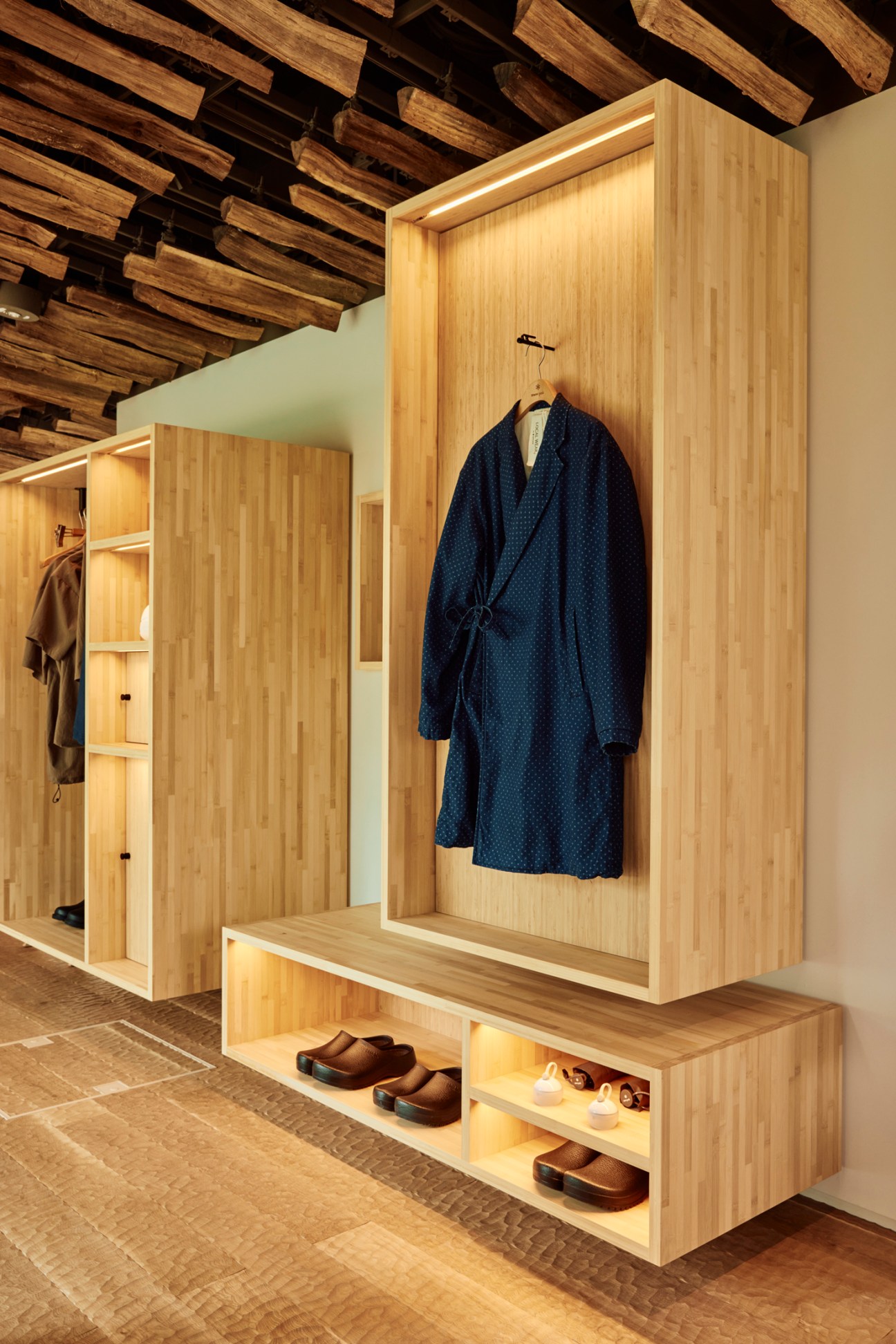
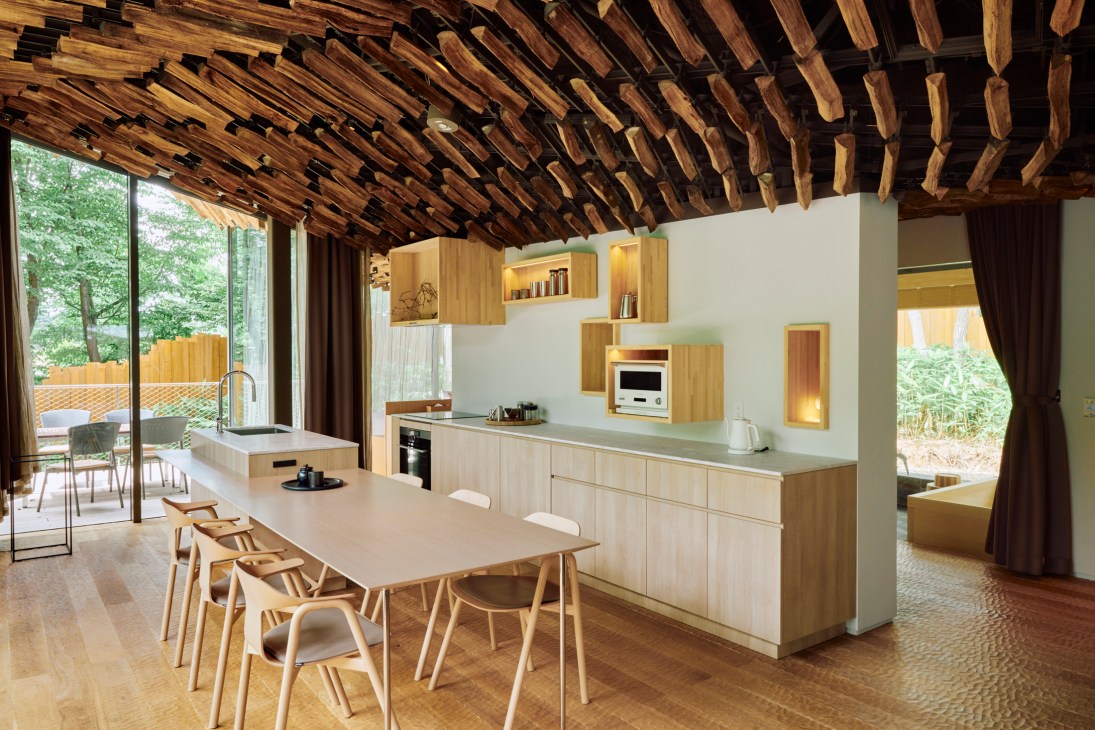
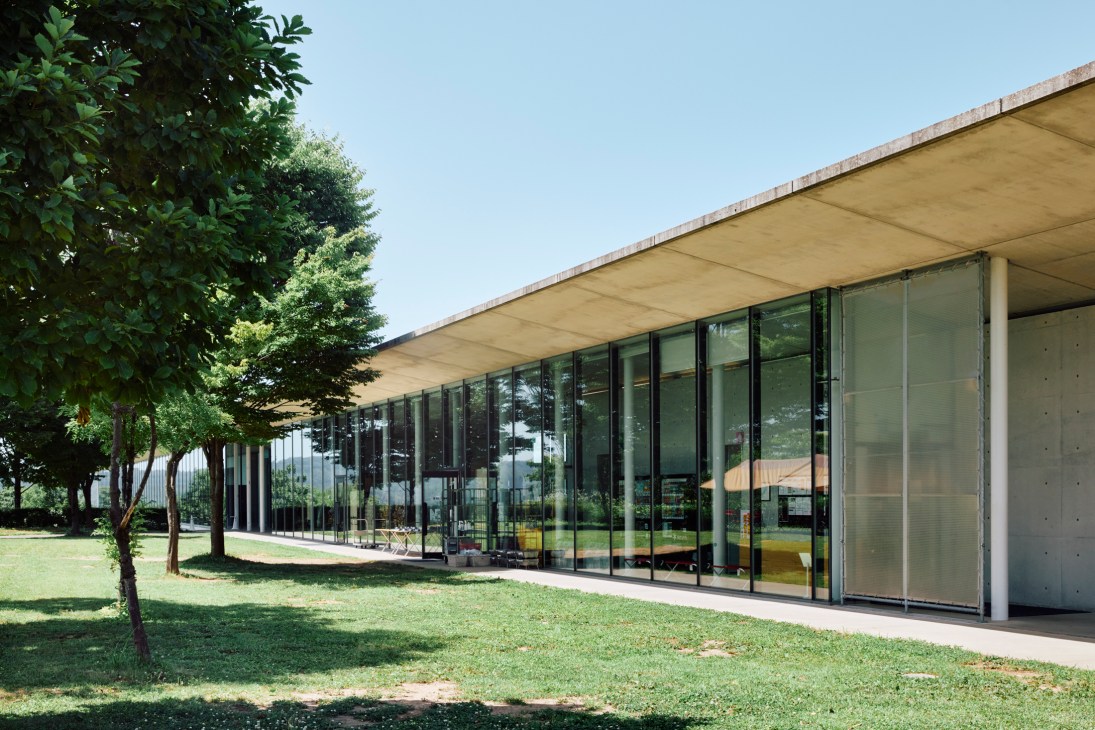
“The key materials are wood, earth and metal [a speciality of nearby Tsubame-Sanjo],” says Yuda. For the Villa Suite, the team chose furniture from Arflex in neutral tones; the bath is made from hinoki cypress; the wooden floor is traditional naguri, carved by craftsmen for texture. Even the background music is mingled with the crackle of burning wood for a soothing ambient soundtrack.
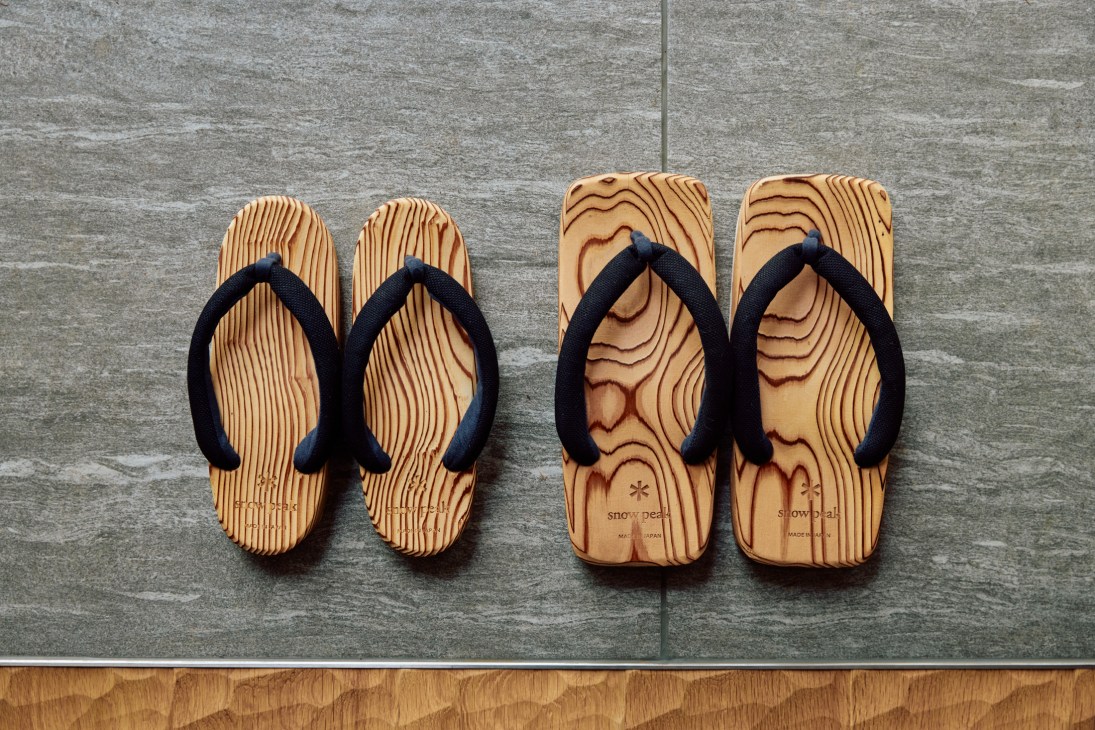
There are Snow Peak products all over the rooms and restaurants (and with hundreds of items in the line-up, every base is covered). “We wanted there to be Snow Peak touchpoints for people who might be meeting the brand for the first time,” says spa manager Kentaro Fujita. “When it’s dark you can use our portable light, when it’s raining you use our umbrella, when you’re making coffee you can use our cups.” There are Snow Peak wooden sandals for the terrace; the dressing gown is from the Local Wear range of traditional Japanese garments updated by small makers in northern Japan.
Everything is for sale in the spa shop: Snow Peak clothes and camping kit, food and drink from the area and stainless-steel goods from Tsubame-Sanjo. You can even buy a fully equipped Jyubako trailer. First-time campers can hire all the equipment they need from the main shop before making any big investments. Lisa Yamai, the founder’s granddaughter, has been CEO since 2020. She’s responsible for Snow Peak’s successful crossover into the fashion arena. Staff wear her earthy Yamai line while the new Home & Camp range is designed to work in everyday life or out in the field.
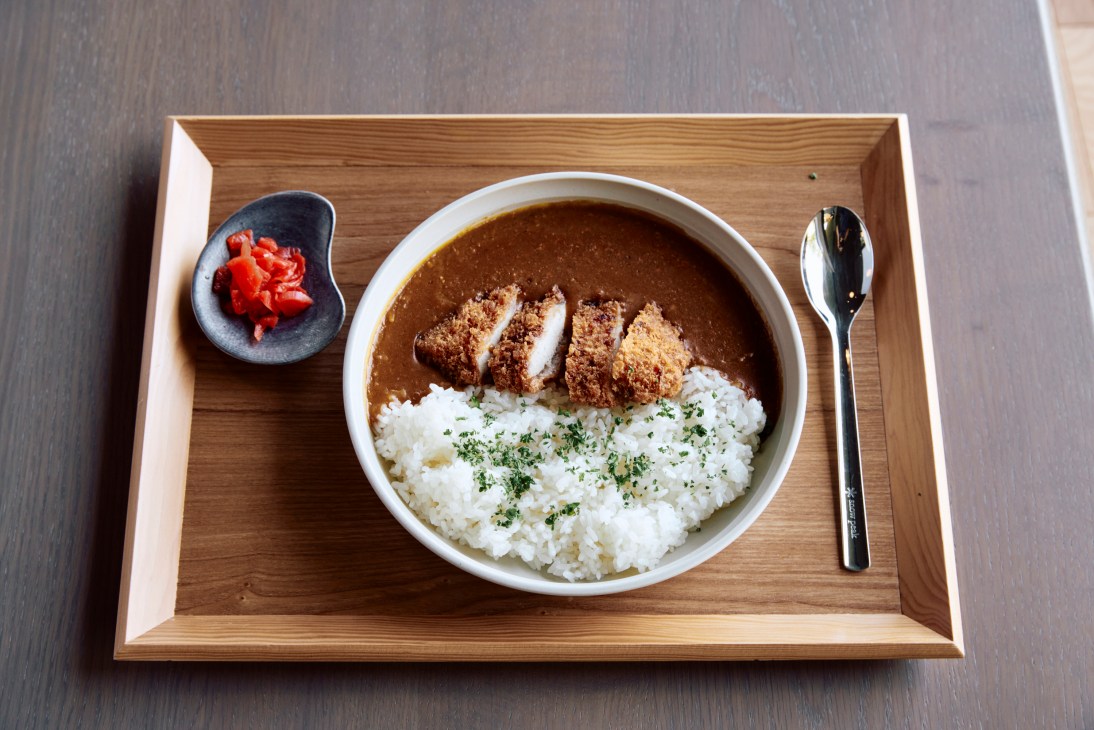
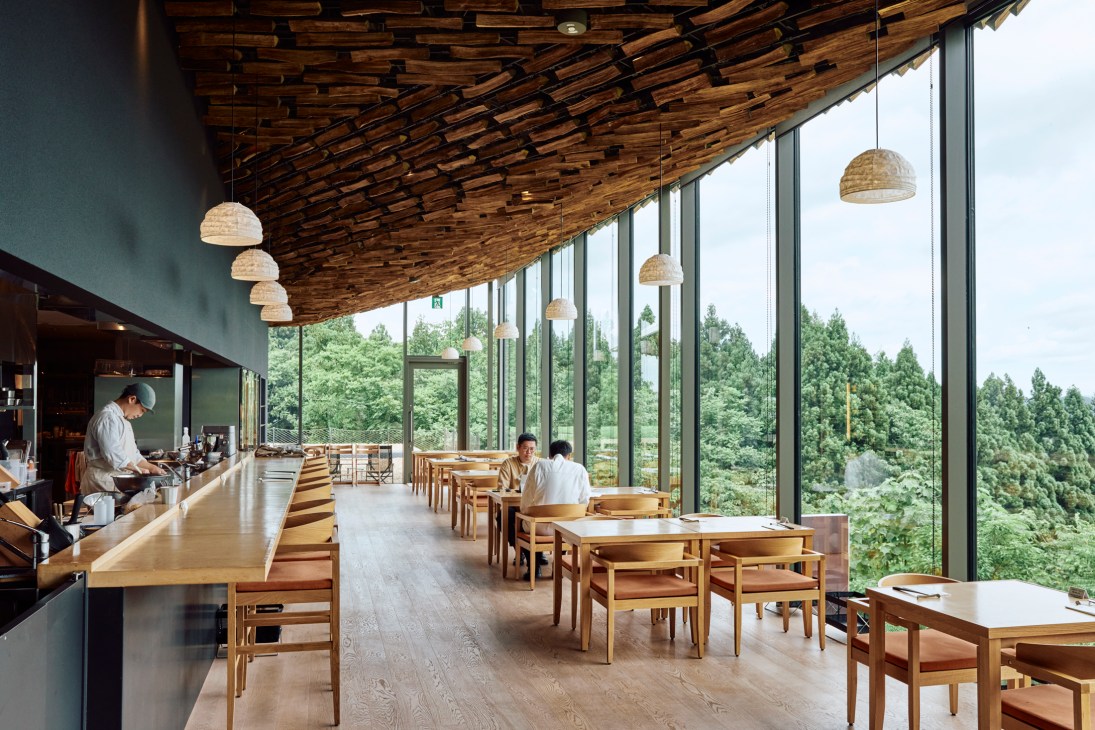
The spa’s main restaurant, Seppo, designed by Tokyo studio Puddle, is on the fancier side but rooted in Japanese ingredients; Awagatake, a 1,300-metre peak, makes the perfect backdrop. The canteen-style café, Snow Peak Eat, is more casual.“Normally you have to pay to enter the spa before you can eat but not here,” says Yuda. “We want campers to be able to come in just to order a bowl of ramen.”
Making the spa open to hotel guests, visitors and campers was important. Employees can go there too. “Everyone at the headquarters uses the spa, including the event crew,” says Fujita. “It definitely improves the working environment.” After a lengthy period when staff were working remotely, a dip in the onsen is another incentive for them to get back to the office.
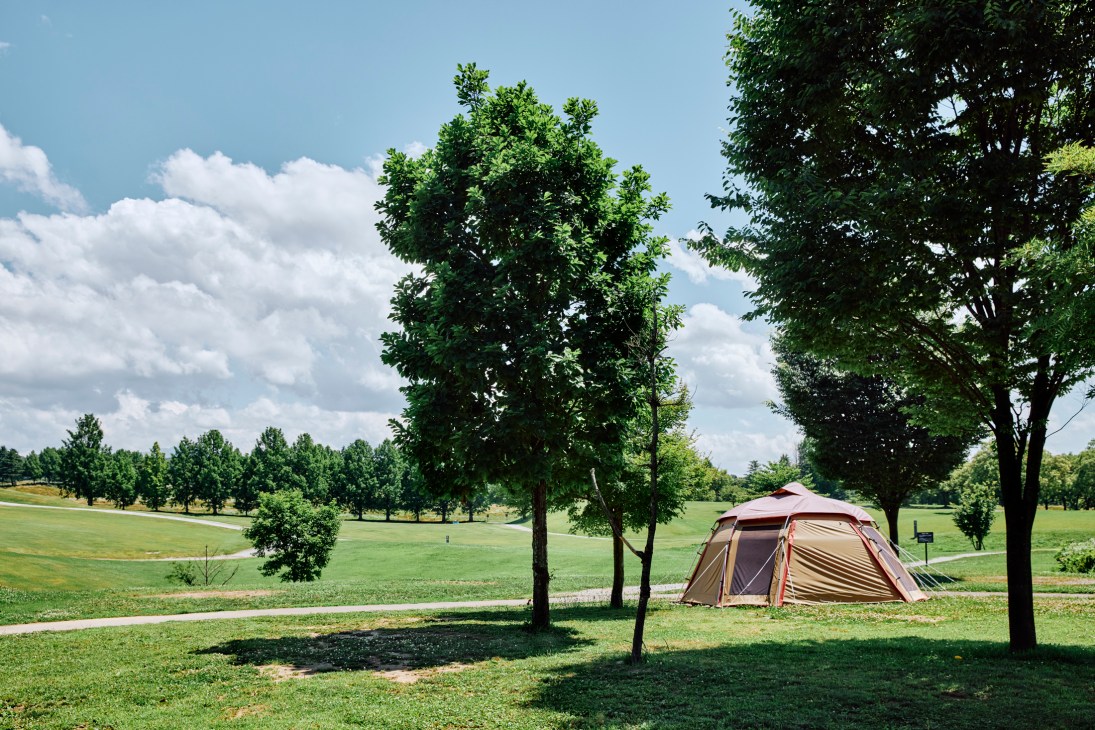
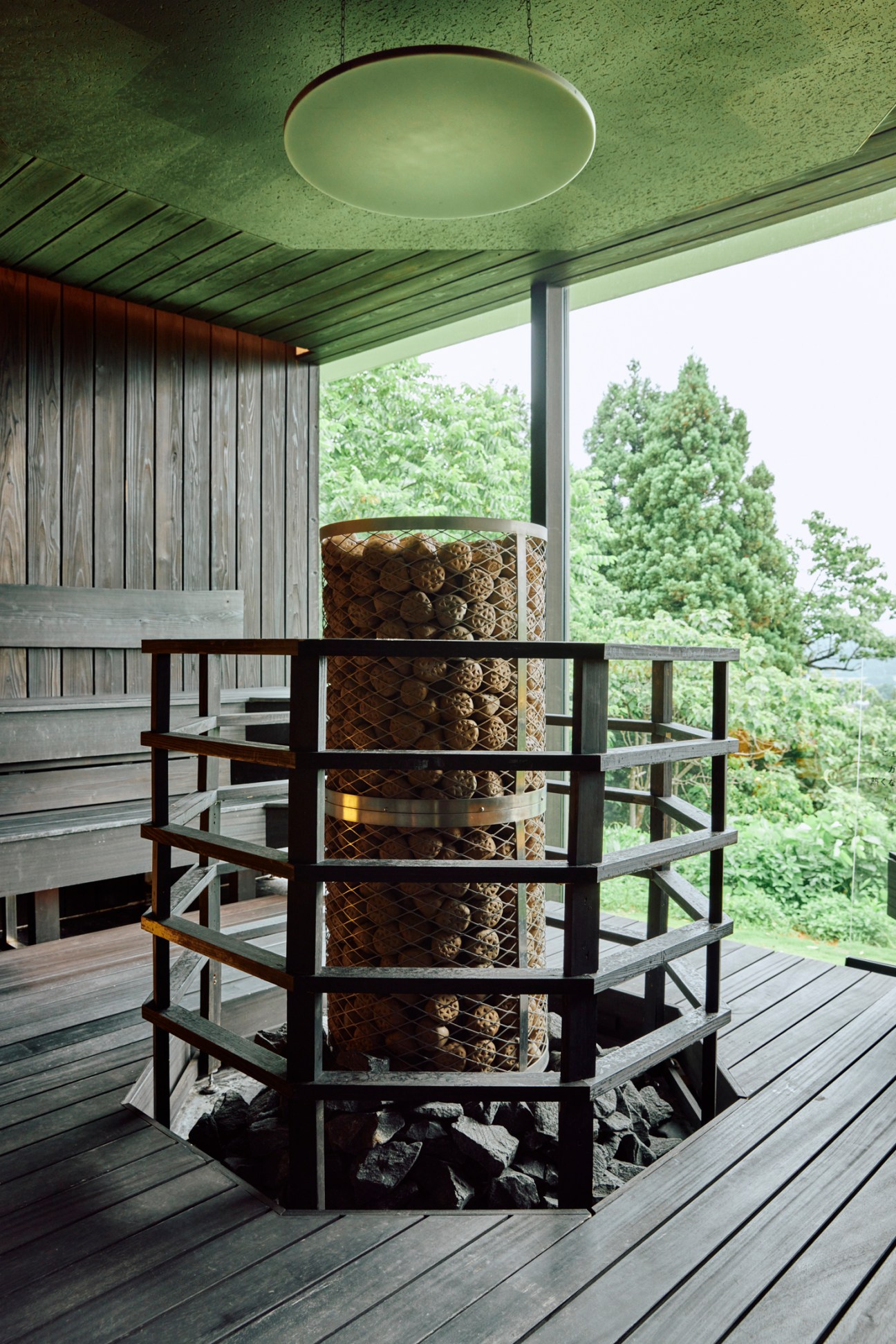
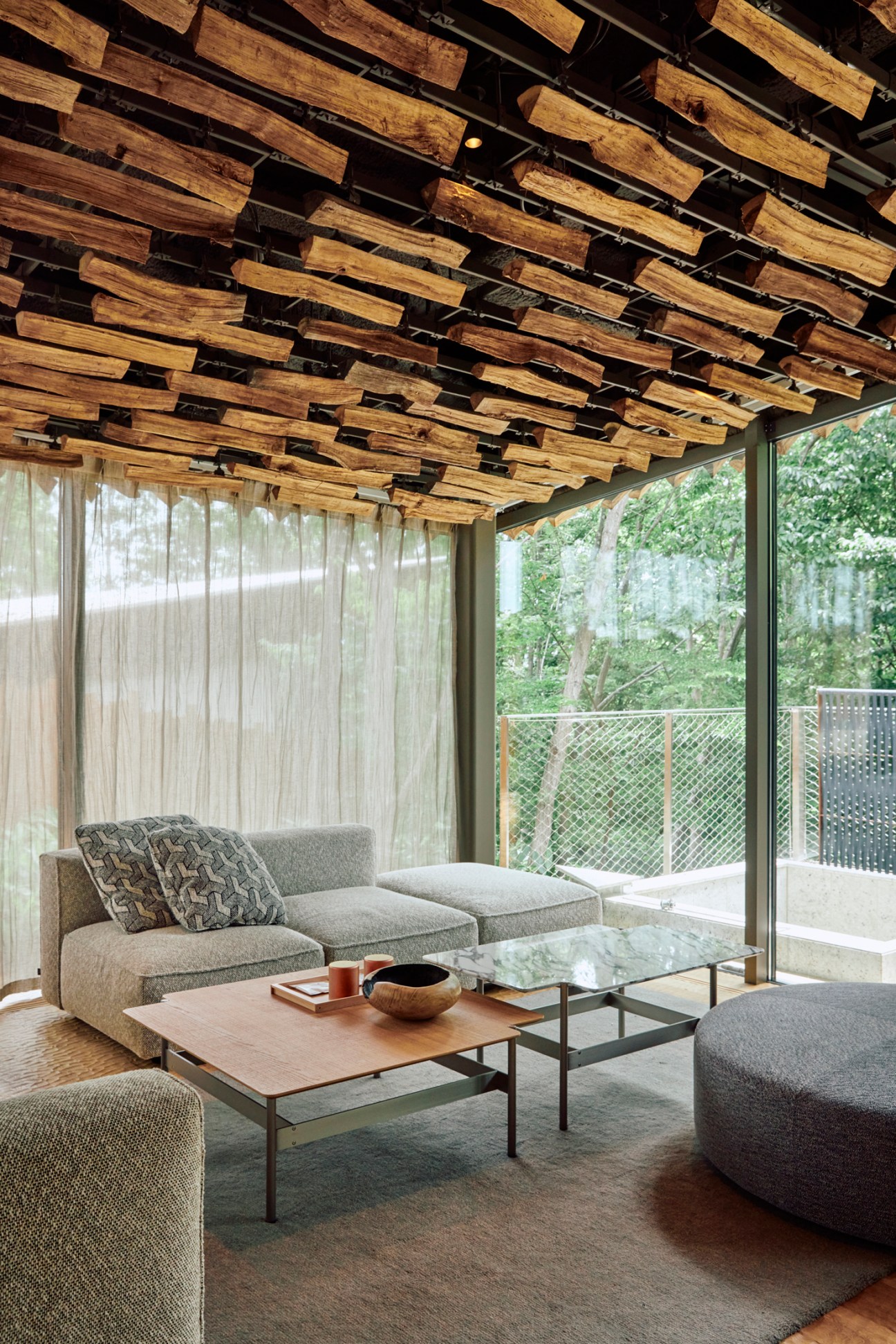
The spa might seem like a lavish investment but Yuda says that if even half the campers use it, the company will recoup its costs. “The spa enhances the camping experience but having the accommodation here also allows us to welcome people who don’t know about Snow Peak and don’t like camping – maybe they’ll think about trying it next time,” he says. “It also works as a b2b showroom for other companies and local governments who might want to do something similar.” Outdoor events where staff can meet customers have always played a big part in Snow Peak too.
Yuda says the company’s ambition is straightforward. “What we want to achieve for people and the planet is very simple: do something good and make people happy,” he says. “If that works as a business, even better. At the end of the day, we’re people who like to camp and have fun.”
Immaculate collection
Film
Both Sides of the Blade
Claire Denis
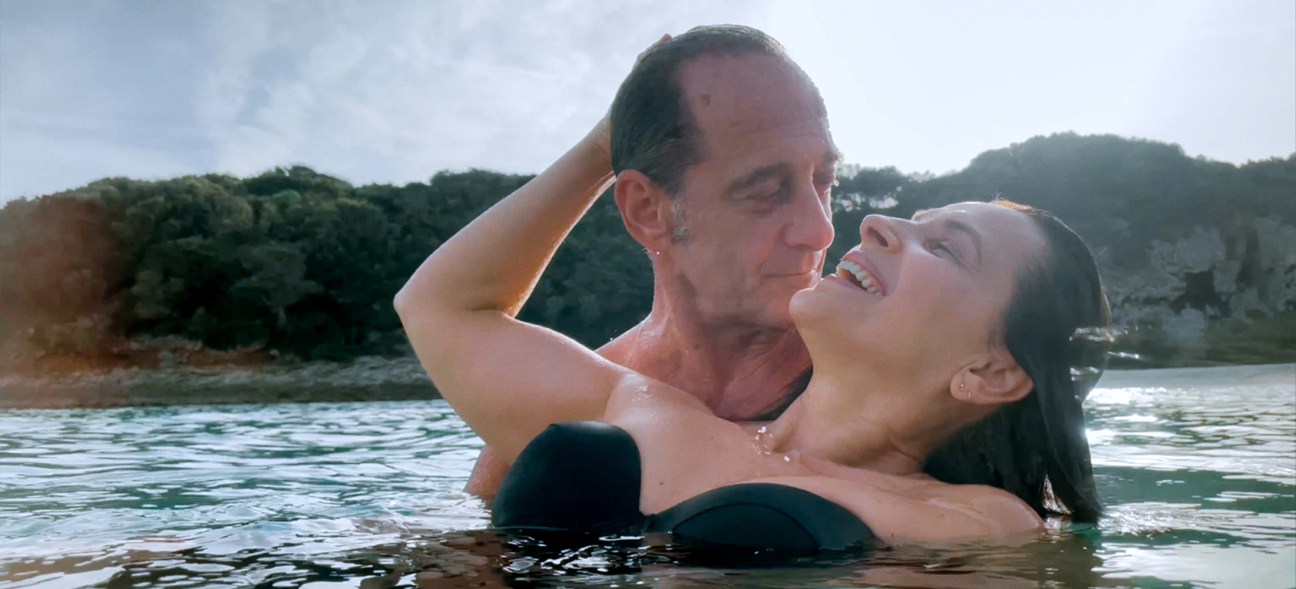
Handled by another director, a French love-triangle melodrama would have felt like well-trodden cinematic territory. But here Claire Denis, who won the best director prize in Berlin earlier this year, brings her brand of psychological insight and emotional (and sexual) frankness to a worn premise. Juliette Binoche stars as a woman caught between her husband and an old boyfriend who sparks dormant passions when he unexpectedly re-enters her life.
‘Both Sides of the Blade’ is released on 9 September
Silent Land
Aga Woszczynska
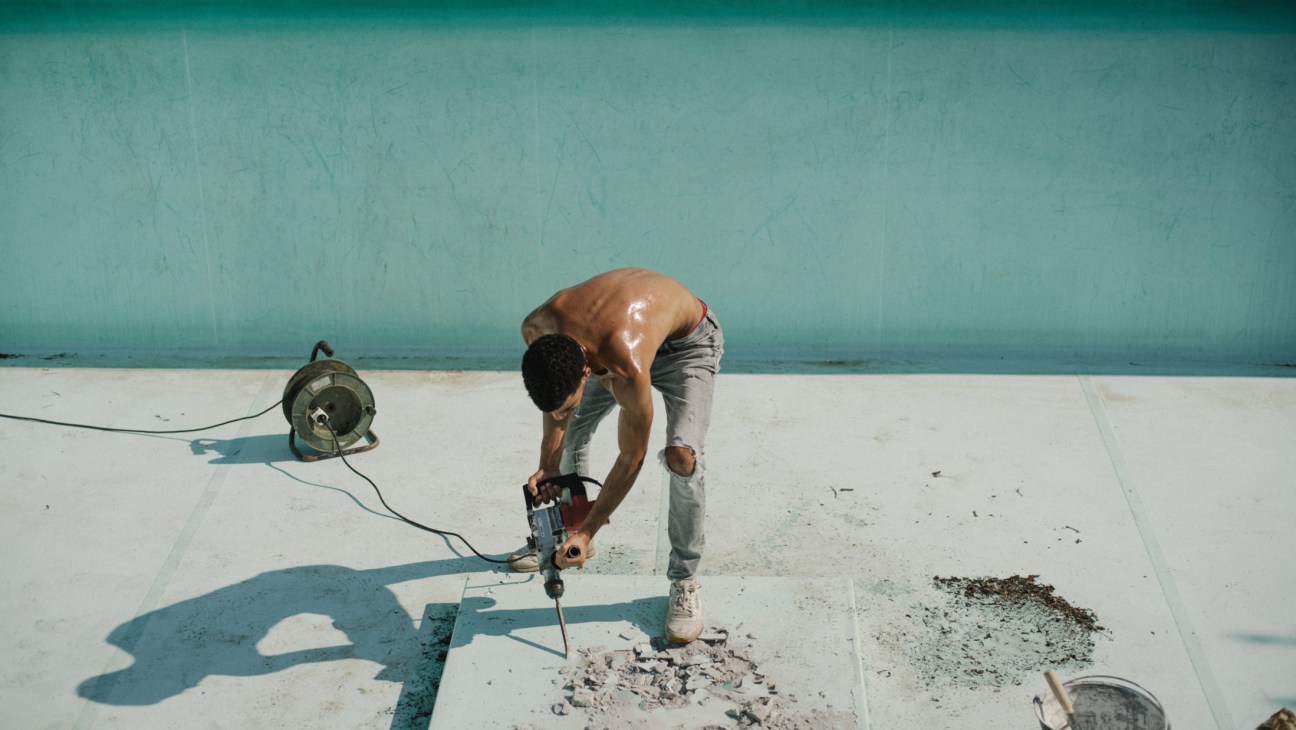
Polish film-maker Aga Woszczynska won acclaim for her debut feature Silent Land at 2021’s Toronto Film Festival. With biting social commentary and a keen dissection of the intimate workings of relationships, the film follows a couple whose Italian holiday takes a chilling turn when an illegal immigrant dies while working at their villa.
‘Silent Land’ is released on 23 September
Blonde
Andrew Dominik
Marilyn Monroe is viewed as the ultimate sex symbol and the image of Hollywood glamour and American aspiration. Yet few accounts of her life have investigated what she was like as a person. Andrew Dominik’s biopic seeks to cut beneath the surface, presenting a transformed Ana de Armas to lay bare Monroe’s private struggles – and more: an nc-17 rating in the US is testament to Dominik’s claims that the film will probably “offend everyone”.
‘Blonde’ is released on 23 September
Music
Freakout/Release
Hot Chip
The British synthpop five-piece is back with a follow-up to 2019’s A Bath Full of Ecstasy, darker in tone and exposing a more vulnerable side. Despite the melancholy undertone, it works well musically: see “Broken” and “The Evil That Men Do”, with Canadian rapper Cadence Weapon. And there are plenty of dance floor-ready tracks, including “Time” and first single “Down”.
‘Freakout/Release’ is out now
Hold the Girl
Rina Sawayama
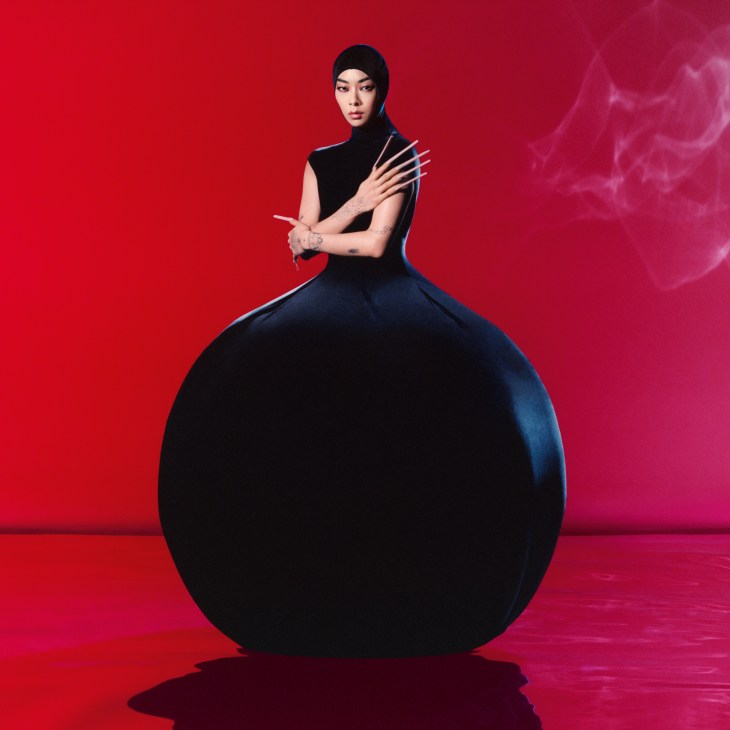
Japanese-British singer Rina Sawayama has made her sophomore record into a mish-mash of genres, from hyper-pop to punk. “This Hell” is a highlight: catchy and fun, it’s country-glam at its best. Her voice shines on “Send My Love to John”, and on the trance-like “Frankenstein”. It’s a daring album, unafraid to mix things up, but the excess and experimentation pay off.
‘Hold the Girl’ is out on 16 September
Finally Enough Love: 50 Number Ones
Madonna
To mark 40 years in music, Madonna is celebrating her tracks that topped the dance charts. The result is a lot of fun: from a remaster of “Into the Groove” to an extended vocal edit of “Hung Up”, this is a great party album.
‘Finally Enough Love’ is out now
Art
Thinking of You. I Mean Me. I Mean You
Barbara Kruger, Moma
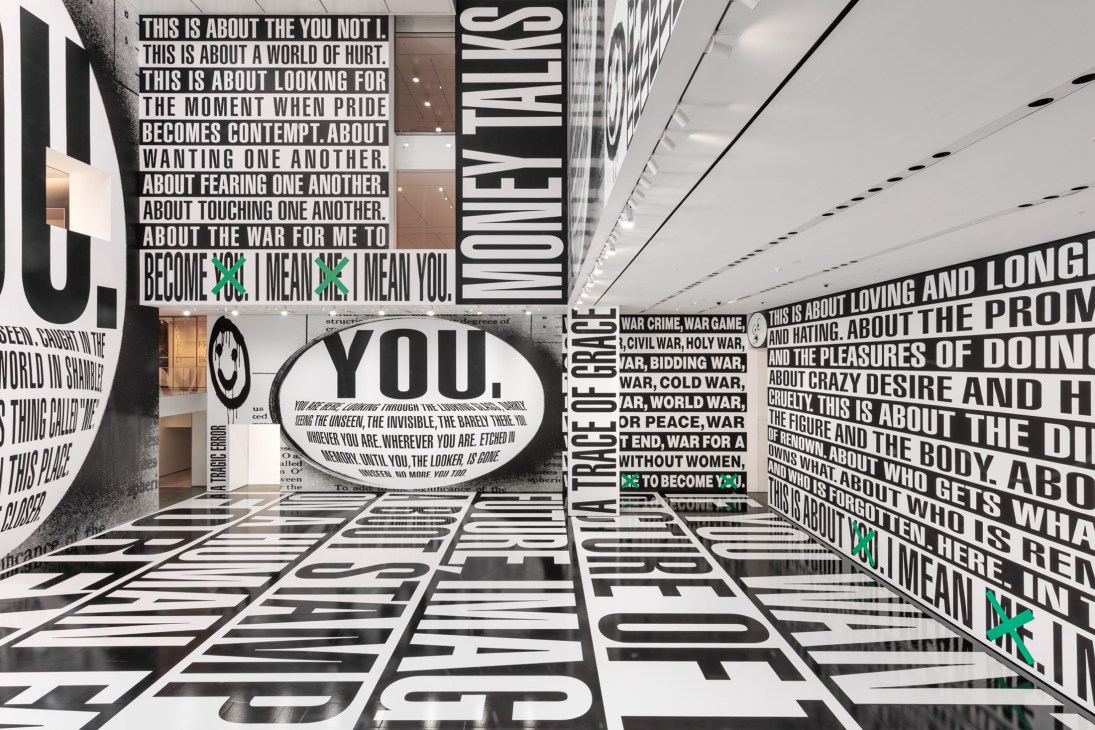
Conceptual artist and collagist Barbara Kruger’s signature text-based works are taking over a huge exhibition space at Moma. A large-scale installation covers the walls and floor of an atrium until early 2023, featuring vinyl strips printed with sentences that speak to consumerism, injustice and unseemly subconscious desires. Since the 1980s, New Jersey-born Kruger has been an incisive cultural critic who interrogates contemporary lifestyles and politics with urgency and humour. This installation follows 40 years of collaboration with Moma, which exhibited her first works in 1988.
‘Thinking of You. I Mean Me. I Mean You’ runs until 2 January 2023; moma.or\
Books
Scattered all Over the Earth
Yoko Tawada
The tenth novel by widely acclaimed Japanese writer Yoko Tawada is set in a dystopian future where Japan, now remembered as the “land of sushi”, has vanished under the sea. Hiruko, a refugee and teacher of immigrant children in Denmark, longs to find someone who speaks her mother-tongue so she appears on a television programme about long-lost languages. This captures the attention of logophile Knut and together they embark on a quest to reunite Hiruko with anyone who can still speak Japanese. This is a mesmerising tale, inspired by ideas of identity and the shared patrimony we risk leaving behind.
‘Scattered All Over the Earth’ is out now
Space Invaders
Nona Fernández
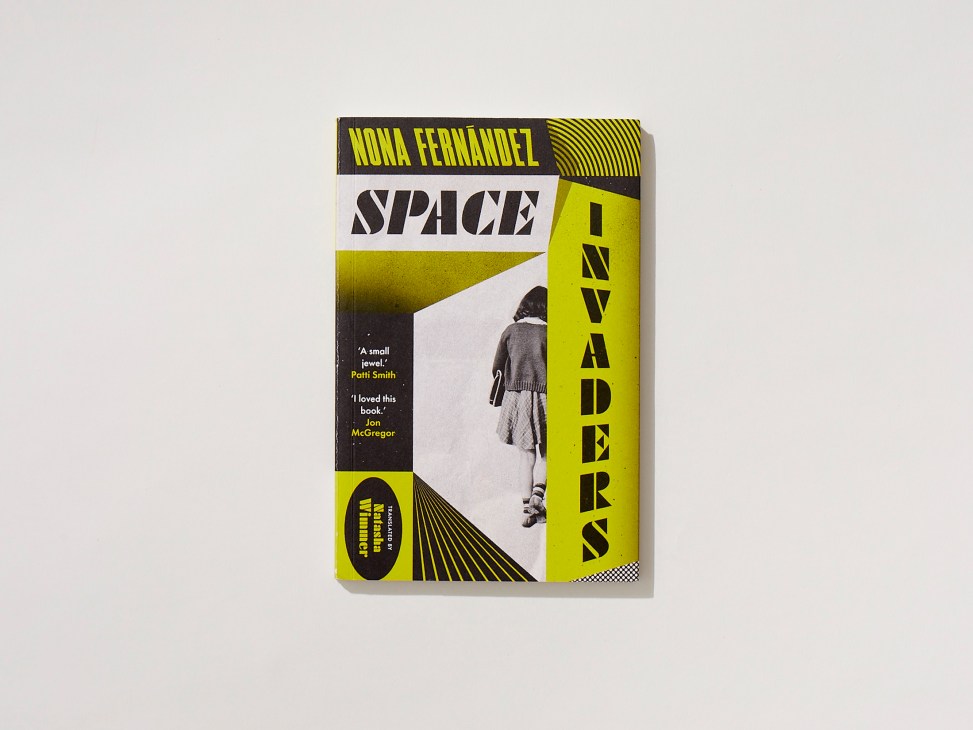
A group of friends in 1970s Santiago grapple with the disappearance of their schoolmate before Nona Fernández’s novella catches up with them a decade later. Now adults, they learn that the missing girl’s father was a government officer implicated in the Pinochet regime. What follows is a tense exploration of trauma, weaving together the personal and political. Fernández’s unconventional take on the Pinochet years is illuminating for anyone looking to understand the lasting effects of dictatorship on everyday life.
‘Space Invaders’ is out now
The Pachinko Parlour
Elisa Shua Dusapin
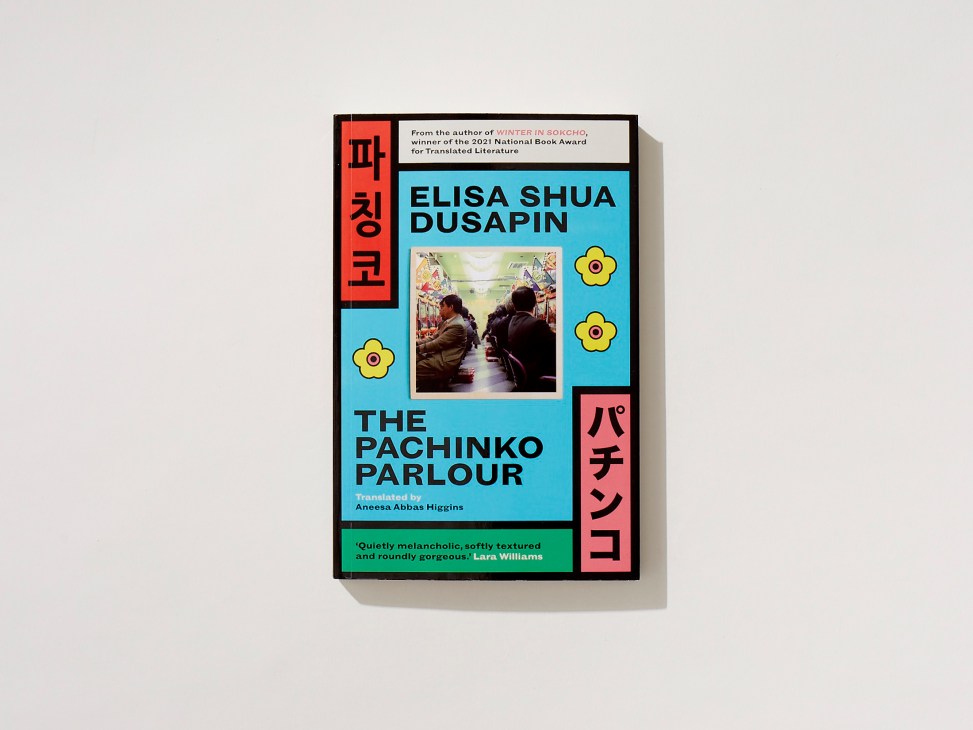
The French-Korean author’s second novel follows the success of her debut Winter in Sokcho. The sticky heat of a Tokyo summer seeps through the pages as Claire begins tutoring 10-year-old Mieko. As the bond between the pair grows, so does Mieko’s desire to visit Claire’s Korean grandparents’ pachinko parlour. This is an elegant exploration of belonging and intergenerational heart-to-hearts.
‘The Pachinko Parlour’ is out now
TV
Audrey’s Back
Created by Florence Longpré
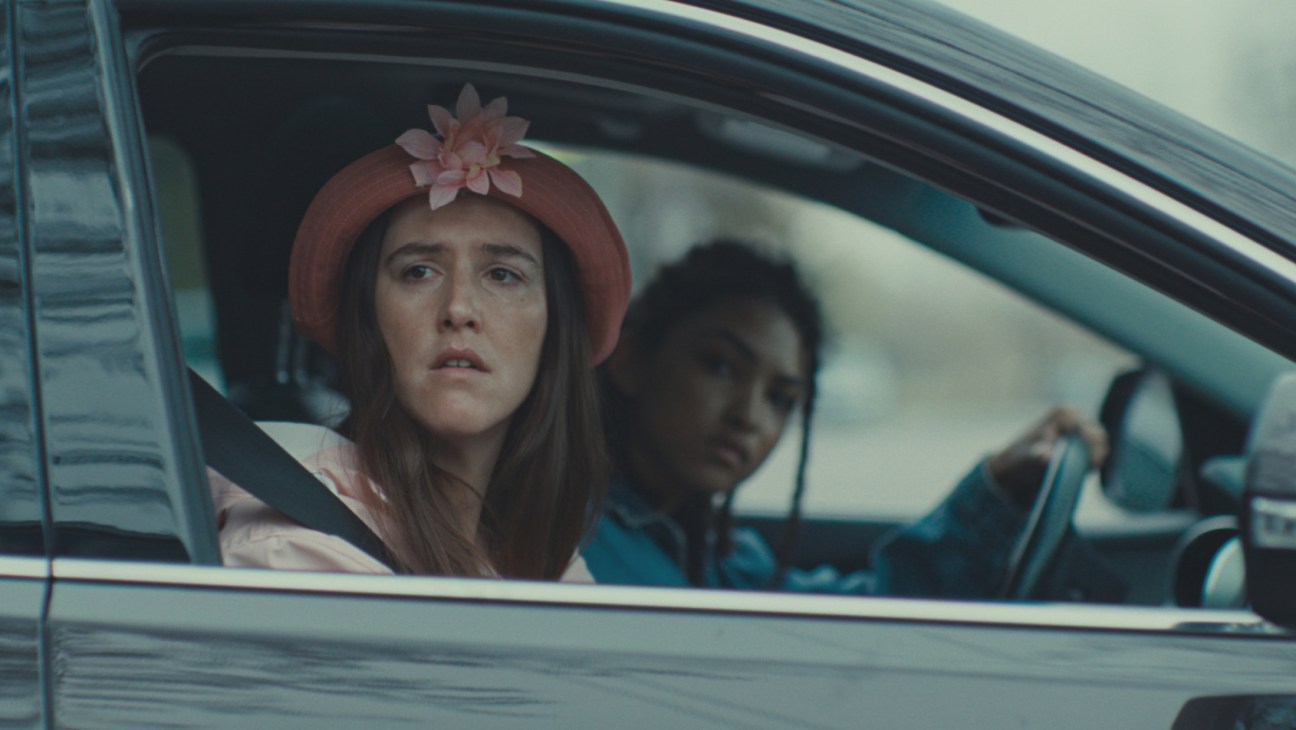
What would it be like to make a sudden and miraculous recovery from a 16-year-long coma, only to realise that your family and loved ones have already started to move on because they had lost hope that you would ever wake up? This is the heart of this new Québécois comedy co-written by Florence Longpré, who also stars in the title role. Expect a tender, heartfelt drama that explores the hurdles we must overcome in discovering our own identity.
‘Audrey’s Back’ is out now
Venue
Palácio do Grilo
Lisbon
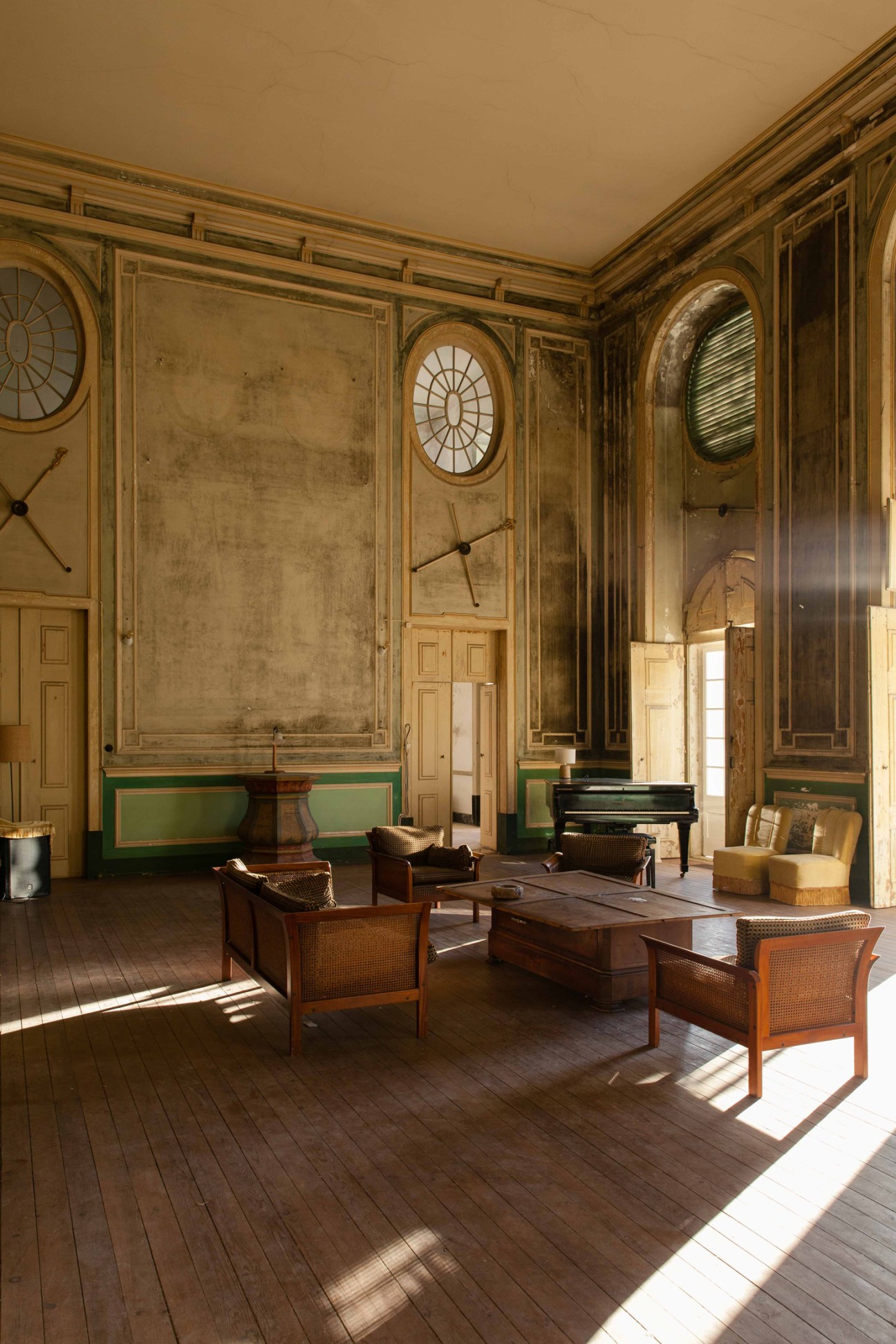
French entrepreneur and architect Julien Labrousse has inaugurated his latest venue, in Lisbon inside the 18th-century Palácio do Grilo. The huge residence hosts a restaurant where artists don waiters’ uniforms and engage in whimsical performance art during meals – diners might receive a plate of ceramic cheese or witness an artsy striptease. The building’s interior design preserves its patina, with Labrousse adding playful sculptural pieces by French artist Olivier Urman. “It was important to retain the building’s character,” he says.
Palacio Grilo is open now; palaciogrilo.com
On my screen
Catherine Mackin
Managing director, acorn media enterprises
Focusing on crime series, such as The Sommerdahl Murders, The Cry and The Brokenwood Mysteries, Acorn Media Enterprises (the UK arm of streaming service Acorn TV) commissions scripted dramas in its home country, Canada, New Zealand and beyond. Managing director Catherine Mackin, who joined in 2018 after stints at broadcasters including Ireland’s tv3, tells us why people will never tire of whodunits and a production she’s looking forward to sharing.
Why do crime series appeal to so many people?
If you look at TV before streaming, the heart of every schedule has always included crime. It is part of the human condition to enjoy problem-solving.
Are there any shows you’ve commissioned recently that you are particularly excited about?
One of the first shows we got out of the gate during the pandemic was Whitstable Pearl, a series about a single mother who starts a private detective agency. We’ve begun post-production on the second season, which we shot earlier this year.
How do you spot good projects early on in the commissioning process?
Part of it is trusting your gut and knowing what to do when you realise you haven’t seen something before. You can be presented with stuff that sounds right on paper but doesn’t feel authentic. I’m also not denying the importance of data; you can learn a lot from that. It’s often a mixture of different things – a kind of alchemy.
Are you looking to expand the genres you cover?
We are looking for a tiny bit of comedy at the moment. That said, crime with beautifully shaped characters and a strong sense of place will always be our focus.
Images: Emile Askey, Lava Films, Pixcom, Gaëlle Rapp, Sanda Vuckovic, Still life: Tony Hay
Flights of fancy
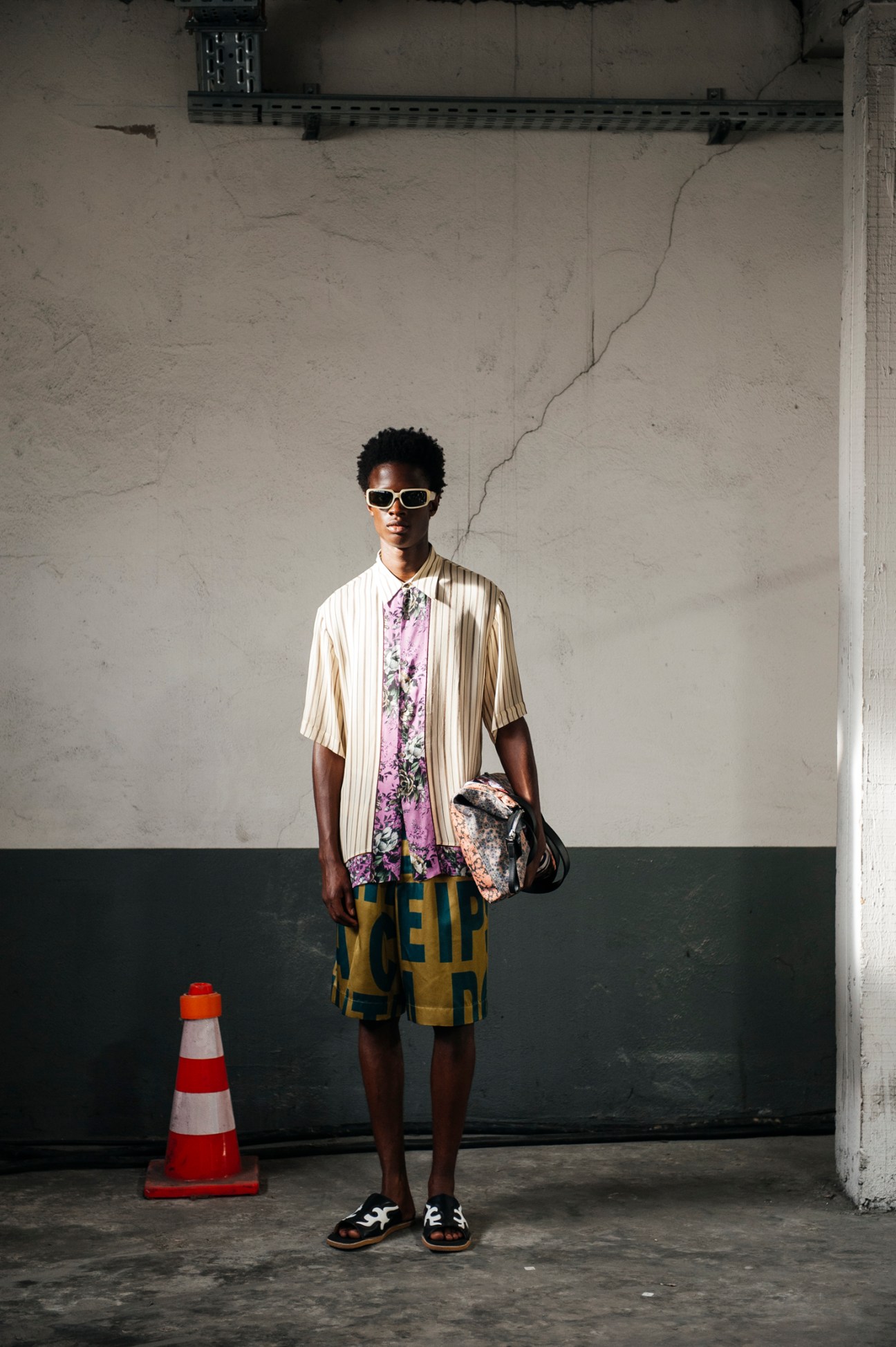
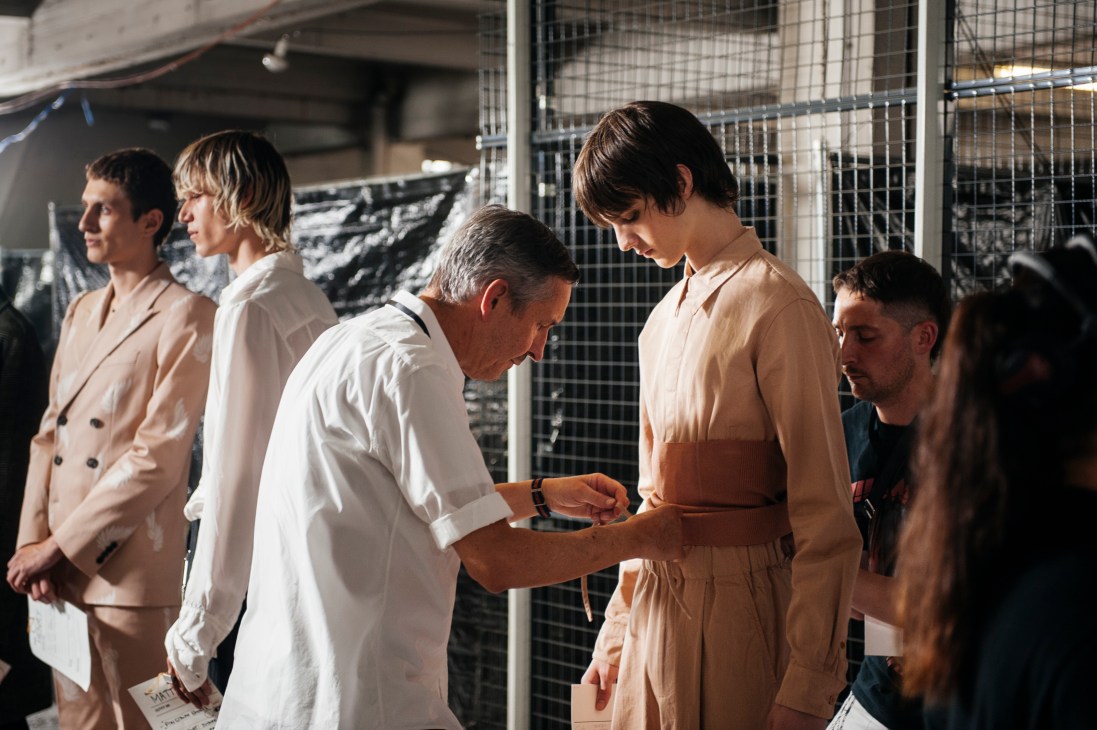
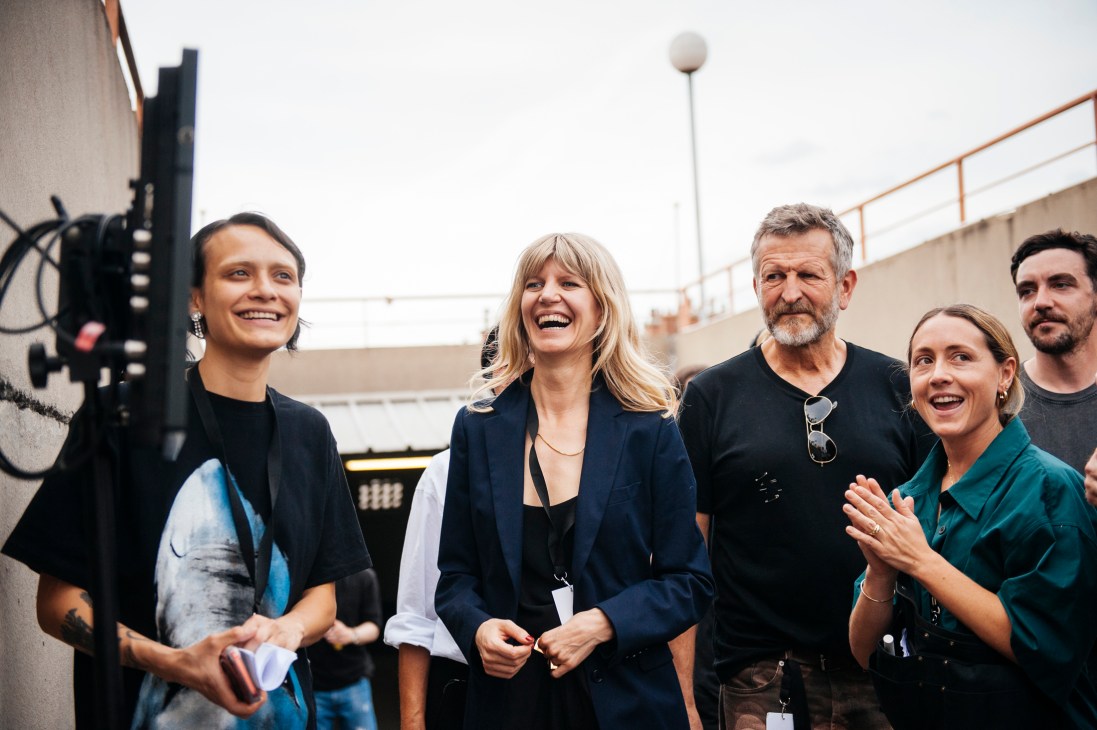
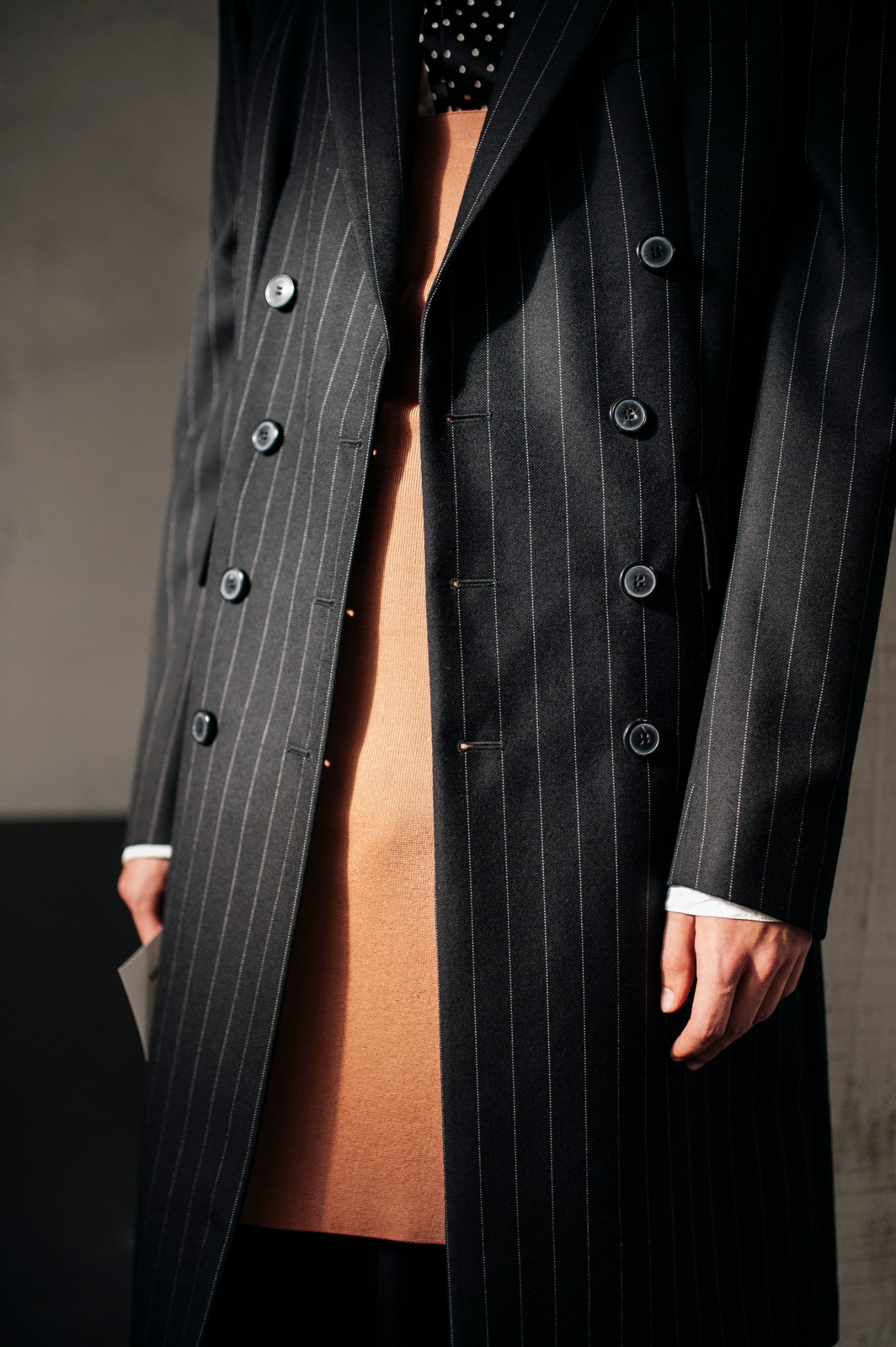
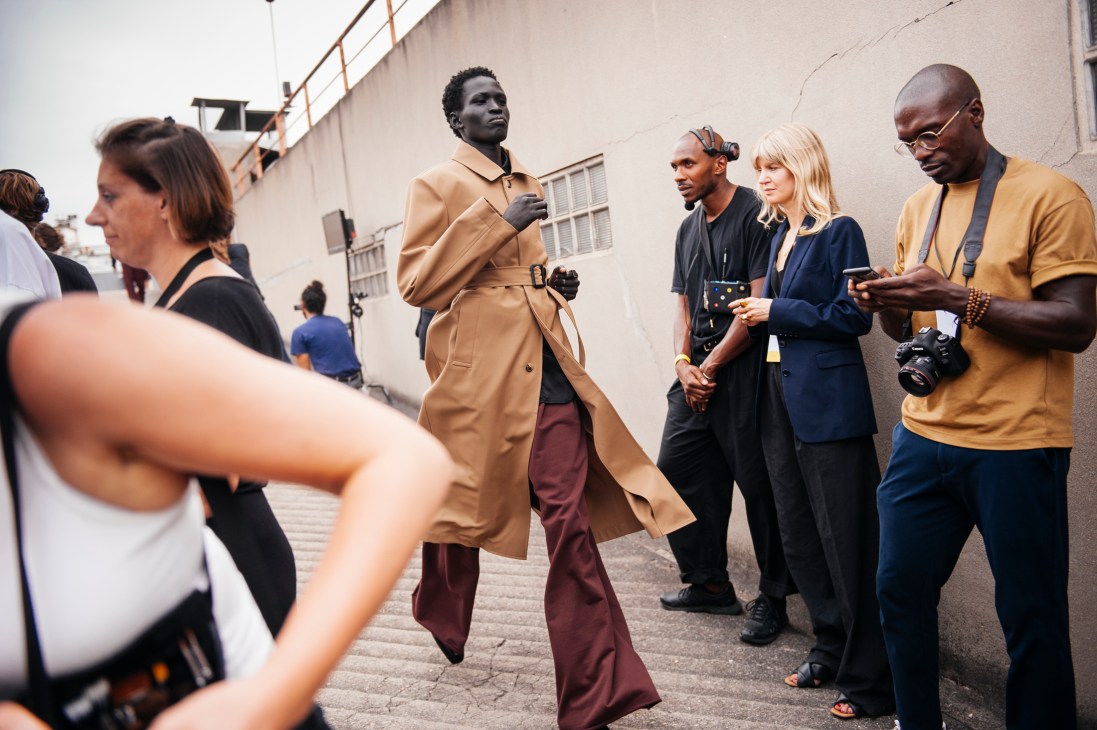
Belgian designer Dries Van Noten’s constant desire to surprise with his fashion collections saw him present his most recent menswear showcase atop a raw-concrete Parisian carpark at sunset. Framed by the capital’s skyline, the cast and audience were bathed in golden late-afternoon light as they viewed a colourful collection, highlighting Van Noten’s natural curiosity and rich knowledge of history and culture. The show, which mixed traditional tailoring with softer silhouettes inspired by 1980s fashion and Second World War subcultures, was a fine return to the runway for the industry-adored designer after a hiatus from runway shows of almost two-and-a-half-years.
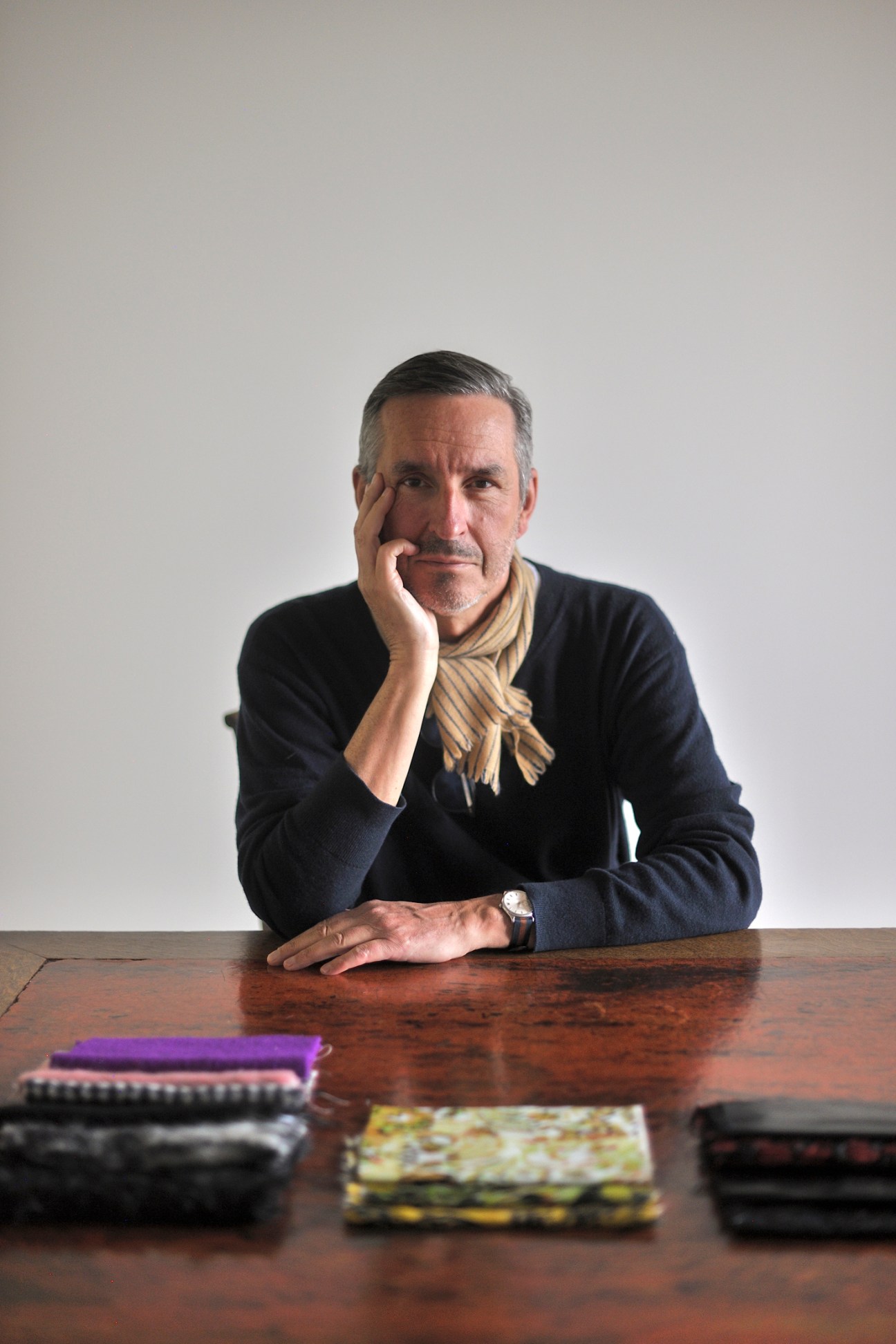
Not that Van Noten – who rose to fame in the 1980s as part of the Antwerp Six, a group of boundary- pushing designers including Ann Demeulemeester – hasn’t been busy of late. In 2018 he sold a majority stake of his company to Barcelona-based luxury group Puig after 32 years of being an independent business (see box, right). Since then the Dries Van Noten brand has embarked on an ambitious growth trajectory. A fragrance line made its debut at the beginning of 2022; the label launched a major partnership with German e-commerce giant Mytheresa; and a new shop in Los Angeles was followed by another in Shanghai.
While the brand’s international scope has grown, Van Noten has been largely working from his laidback hometown of Antwerp, from where the brand operates (alongside its Paris office).
Beyond designing, he has been busy gardening, cooking and sketching at his airy portside office, all the while rethinking what the fashion business means today. The designer sits down with Monocle to share the vision he has been quietly concocting while his label continues to prosper.
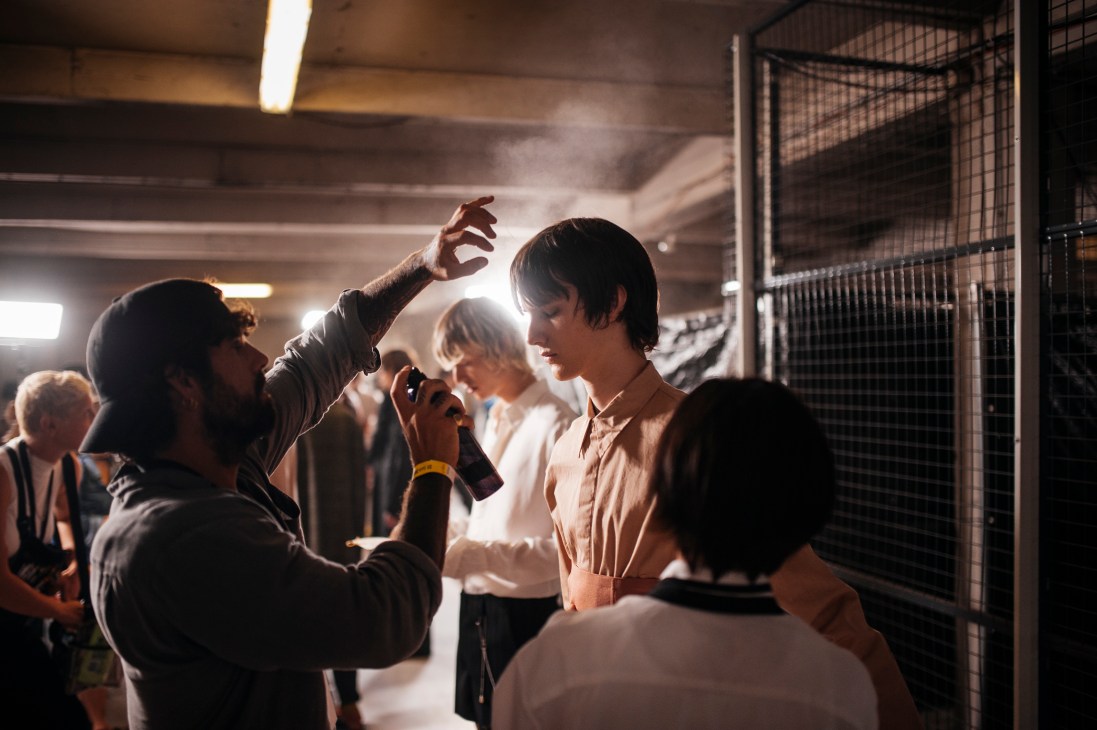
How did you approach your return to Paris Fashion Week Men’s?
The collection was a rumination about the need for protection and at the same time the enjoyment of all things tactile, of sensory experiences – the glint of sequin as it hits the light, the ripple of movement on airy trousers. It felt right to celebrate those life-affirming moments for the brand’s first show since January 2020.
Has your attitude towards fashion changed in the past few years? And if so, how?
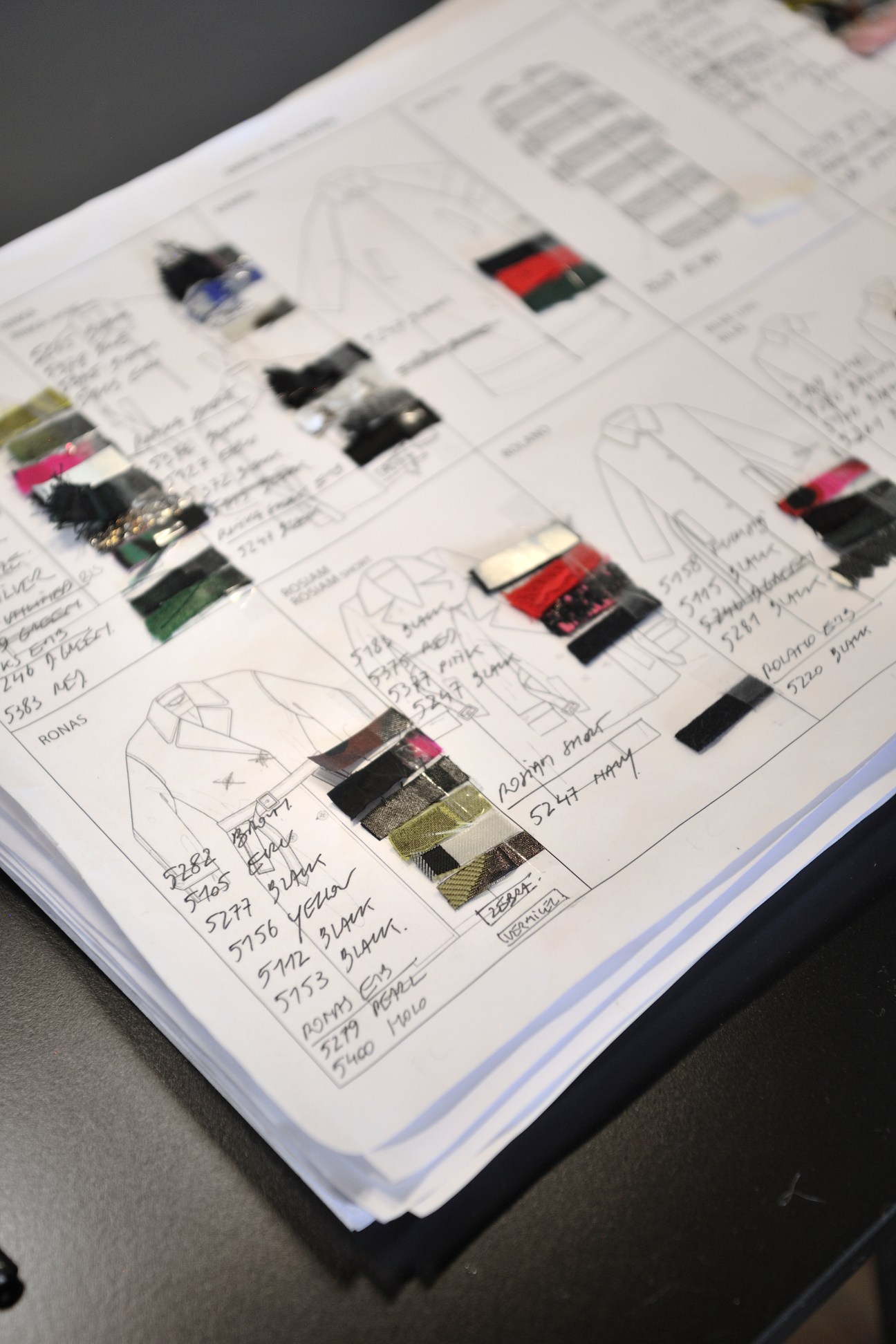
I just want to make beautiful clothes that make sense to me and stay relevant for more than one season. The fashion factor isn’t important any more. I’m not interested in this concept of what’s hot and what’s not. I also used to think that fashion should represent the world it inhabits. But these days, when it’s such an unhappy moment for humanity, fashion should be offering a brighter message.
Helping hand
In 2018 the family-owned Spanish luxury group Puig, which counts Byredo, Nina Ricci and Jean Paul Gaultier in its portfolio, bought a majority stake in the Dries Van Noten brand. The terms of the deal were not disclosed but Van Noten has stayed on as a significant minority stakeholder, according to Puig. “We have a common strategy for the whole brand, including beauty,” says Ana Trias, chief brands officer at Puig. “Dries himself is involved in every step of the creation, as well as in the strategy.”
How does the city of Antwerp influence your personal perspective?
Being in Antwerp allows me to keep a distance from the fashion world and lead a quieter, healthier life. It reminds me that there’s more to life than fashion, parties and social media. I can really whisper here, while in London or Paris I need to make a lot of noise to be heard. It’s a generous city, with high standards of living and a strong sense of humanity – that’s reflected in the clothes we make too. Whenever I’m nervous I can always go and do some gardening here, it’s part of who I am: I want to succeed and create beautiful things but I also have to stay in balance.
During the beginning of the pandemic, you gathered some of fashion’s biggest stakeholders, from Gabriela Hearst to Pete Nordstrom, to sign an open letter to the industry and call for change. What happened to those commitments? Is more change coming?
It’s disappointing to see so many people going back to the old ways but for me, things have certainly changed. Sustainability is our biggest priority now. For example, we are changing our packaging to eliminate plastic, cutting down our menswear collections, and looking into creative archive rooms in our shops and buying secondhand stock.
Why did you decide to sell a stake to Puig – and has this changed the way you work?
I knew that for my next steps I wanted to have strong shoulders but also hold to my independent mentality. This hasn’t changed: you can see it from the way we launched perfume. It’s all done our way.
Tell us about creating your first set of fragrances – why did you want to do it and what was the experience like?
It was fantastic to meet the noses and have conversations with them; it’s a completely new way of talking about things that is so much more abstract than fashion. I showed them what I’ve been planting in my rose garden and explained that I wanted a rose perfume that surprises you. Roses have thorns and can symbolise evolution. So I said, ‘‘Give me a rose perfume that’s more about evolution than love and tenderness.”
Tell us about your partnership with Mytheresa.
The collection we launched together was a celebration of Indian craft and the fact that people can travel and discover the world again. So we designed plenty of ikat and woodblock patterns and a lot of light cotton and viscose shirts that have all been hand-stitched by craftsmen in India. We worked with small artisanal communities across the country, as they have been among the hardest hit during the pandemic and it was important for us to support them.
We try to build a bridge between cultures. The world is one big, beautiful place. I always compare it to food and believe that a Belgian chef should be able to use Japanese ingredients or olive oil that’s not Belgian.
Since joining forces with Puig you have invested in new shop openings. Does physical retail remain a priority for you?
Yes, we started with a new space in Los Angeles followed by another in Shanghai. For me it’s about creating spaces with good energy that offer opportunities for creative collaboration. In LA we now have this big 800 sq m space and inside you will find artists painting on the walls; we also invite musicians to perform on the grand piano by the entrance and there is a section for records, with different creatives coming in and sharing their favourites every month.
What are you most looking forward to for the rest of the year?
These days I am a little afraid to look too far into the future but creativity can help overcome a lot of challenges, so I like to think of it as an antidote. The main goal is to keep experimenting; that’s what keeps me young and able to continue working and having fun with fashion.
Being a good designer is great but one of the most creative challenges for me is to pick the right team. I want people around me who surprise me or teach me new ways of thinking and of looking at design – that’s the only way forward.
Smart money
Making wise investments in the world of fashion, an industry that can be dictated by trends and fads, is not easy. And yet the lustre of this glamorous business, alongside the immense international financial opportunities it offers, continues to attract wealth.
With this in mind, we’ve tasked Monocle’s correspondents and editors with honing in on sector hot spots that savvy investors should cast their gaze towards. From ideas about innovation in retail development to wisdom on which type of wool to stockpile, our selection spans the globe, covering key opportunities in fashion and beauty.
What connects all our recommendations is their emphasis on the aspects we at Monocle appreciate most about fashion. We believe that well-done bricks-and-mortar retail has a strong future and that quality materials promoting longevity in garment construction will prevail. While some might throw their money towards the Metaverse, we’d argue that empowering those making customers’ wardrobes sharper and the planet cleaner, while advocating for the highest standards of service, is a better bet. Here’s where we’d put our money.
1.
Ferment your ideas

The global appetite for South Korean skincare products is well-proven, but a home-grown trend here is yet to catch the attention of the West, offering a major opportunity for non-Asian brands. Demand for fermented products to be used in skincare grew 7.3 per cent last year, while the K-beauty market as a whole soared in growth globally. Fermented ingredients such as tea, rice and soy are used in scrubs and pastes as the process breaks down molecules, making it easier for the skin to absorb the antioxidants they’re rich in. While the Koreans currently command trends in the lucrative beauty industry, a process like fermentation can be done almost anywhere. Why not set up a lab and look to modernise your nation’s local cosmetics culture with an age-old practice?
2.
Trust the experts

“From an investor’s perspective, the diamond industry hasn’t seen any disruption,” says Kimaï co-founder Jessica Warsch. She grew up in Antwerp’s mined-diamond industry but now specialises in the chemical-made kind, wooing well-known investors including fashion legend Diane von Furstenberg. “Lab-grown diamonds provide much-needed innovation in this market.” The jury is still out as to whether lab-grown diamonds can compare to their naturally mined cousins as a timeless luxury item. Nevertheless, the international market is estimated to reach $50bn (€49bn) by 2030 and is offering investors and luxury groups an opportunity for growth. It’s why lvmh, along with other investors, recently completed a $90m (€88.8) investment in Israel-based Lusix, a pioneer in the lab-grown diamond industry.
3.
Bank on the beach

International tourists might be back on Asian beaches but retail investors are hoping to steal them away from their sunloungers with relaxed shopping experiences on the sand. Thailand’s Central Group (known for its urban mega-malls) is building a resort-style shopping centre in Pattaya, while South Korea’s Shinsegae has vowed to turn Jeju Island into a Hawaii-style luxury shopping destination.
4.
Step outdoors
The popularity boom in outdoor apparel and footwear was already happening before the pandemic accelerated its appeal as people sought refuge in nature. But there are still investment opportunities to expand the narrative and innovate further in a sector now worth billions. Forward-thinking brands are keeping the momentum going by creating spaces where shoppers can have actual adventures – and put their newly purchased gear through its paces.

Snow Peak, the Japanese purveyor of trail-ready essentials and titanium cookware, is building a campsite ringed by elegant cabins in the great forests of Washington state (see page 144). Seattle-headquartered retailer Evo has opened a combined outdoor sports shop, hotel and community hangout in Salt Lake City, servicing skiers and hikers heading into the Wasatch Range, with a second “Evo Campus” due to open on the banks of California’s Lake Tahoe in 2023.
Getting out and about to enjoy nature will never go out of style and is now proving to be a fantastic way to increase consumer appetite for your fashion products.
5.
Plastic’s not so fantastic
Plastic waste is one of the biggest challenges for the fashion industry so investors have been on the lookout for companies that can help brands reduce their environmental footprint. Tel Aviv-based Tipa is one of the leaders in the field, offering compostable hangers and clothing bags that have the same qualities as their plastic counterparts but decompose in 180 days, rather than 1,000 years that conventional plastic requires. Designers such as Gabriela Hearst are already using its products and high-profile investors, such as Horizon Ventures’ Li Ka-shin, participated in a €70m investment round last spring. As fashion continues its efforts to reduce its use of plastic, its market share is bound to keep growing.
6.
Forgive faux leather

Eco-leathers are becoming a genuine alternative to the real thing and the premium fashion market is coveting them as production processes improve. London-headquartered Piñatex is known for its faux leather made from waste pineapple-leaf fibre, now used by the likes of Nike. French luxury purveyor Hermès is partnering with California’s MycoWorks, which develops a mushroom-derived eco-leather dubbed Sylvania. With big brands pushing the pace of material development at such a rapid rate, independent labels would be wise to watch these movements with interest. Smaller production runs with innovative fabrics and faux leathers are easier to manage, which means producers targeting the top of the industry can offer the option to experiment with their processes and test their materials for a fair price.
7.
Think beyond simply selling

Some luxury shoppers are questioning the need to own everything they desire. Why not answer this demand with a business which doesn’t require an ever-revolving product inventory? The industry is already heading in this direction. French luxury group Kering and others have invested £2.5m (€2.9m) in Cocoon, a handbag-rental operation that works with a monthly subscription model and services customers across the world. Clients can hire a Gucci or Loewe bag for as little as £79 (€93) a month. Fashion-rental services are not new, but a huge take-up from younger users is making it increasingly lucrative. In the UK alone, rental fashion revenues are estimated to increase from £400m (€473m) in 2019 to £2.3bn (€2.7bn) by 2029.
8.
Snap up a repairs specialist

As sharp shoppers consider the longevity of the clothes they buy, demand for services that repair worn-out wardrobe favourites is growing. Investment opportunities abound and the dusty mom-and-pop repair and alterations shop in your neighbourhood might soon be on the wishlist of venture capitalists. In Paris, tailoring and repair service Tilli has raised €1.2m in funding since it launched in 2017. Tilli’s at-home service provides clients with a convenient and personal experience they feel good about, as they revive items they otherwise might have thrown away. The brand has also been smart in white labelling its services to top French brands. Clients include Galeries Lafayettes and apc, which are able to reduce return numbers by offering to dispatch tailors to make speedy alterations to a client’s garments.
9.
Do some Seoul searching

Trends in Seoul’s independent fashion scene are dictating what young people listen to, watch and wear around Asia and beyond. Now larger investors are sizing up K-fashion’s eye-catching mix of bold colours, loud logos and experimental designs. The venture-capital fund Sequoia Capital China recently bagged a majority stake in Seoul-based ready-to-wear label We11done – and the transaction is unlikely to be a one-off.
10.
Make friends with the Finns

Finland is already a dominant global player in the pulp and paper industry. Now the country’s manufacturers want to follow suit with textile production. As conversation around fashion – from the high street to couture – becomes increasingly focused on carbon reduction, green-minded Finns are increasingly providing the answers.
Innovative start-ups such as Ioncell use paper pulp and even old newspapers to create sustainable textiles. Meanwhile, Spinnova transforms wood, wheat and straw into bio-based textile fibres. It is worth savvy investors looking into both.
A Finnair flight and some sauna time with the top talents in the nation’s growing textile industry is the right way to reinvigorate your fashion brand.