Issues
Breeze into autumn
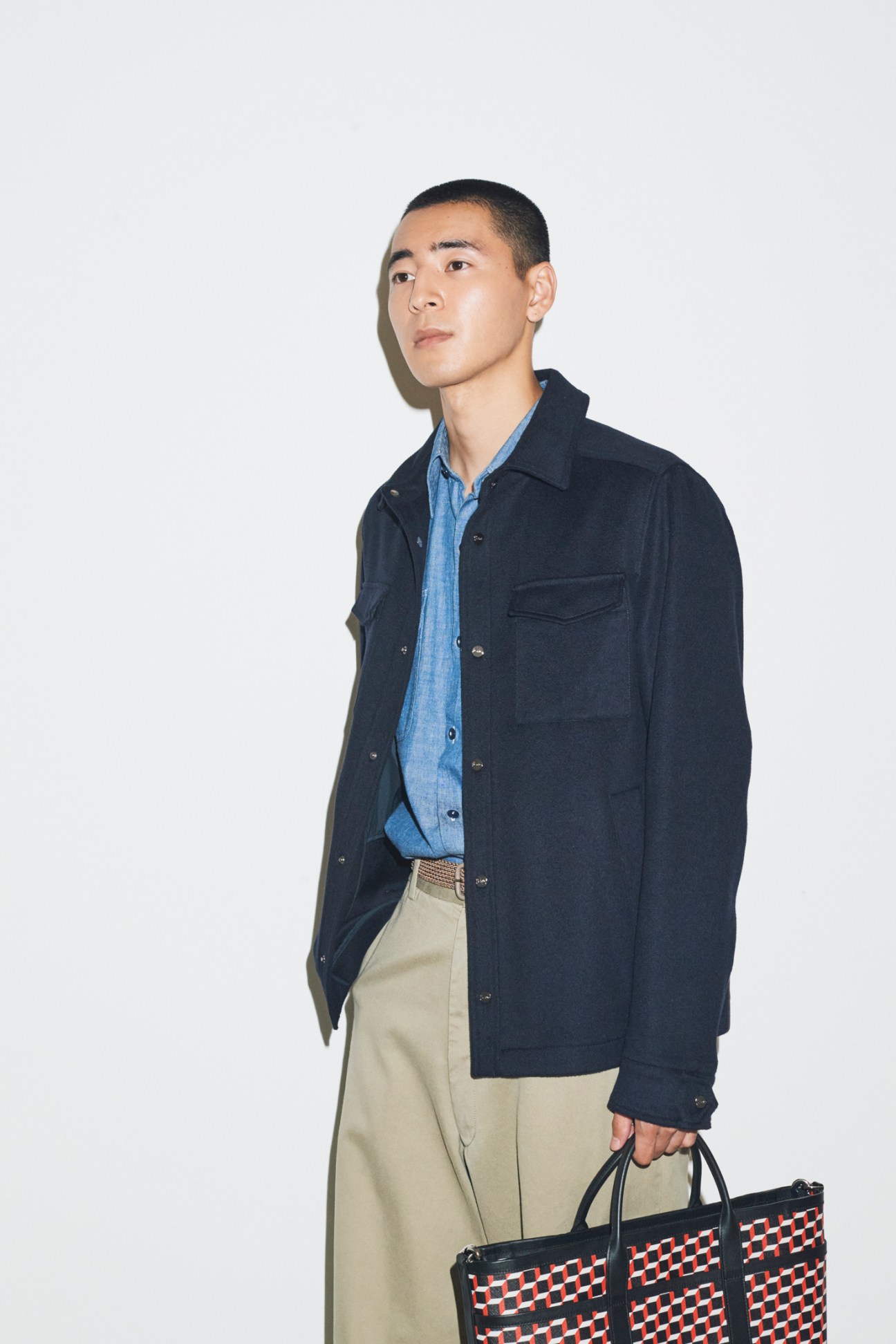


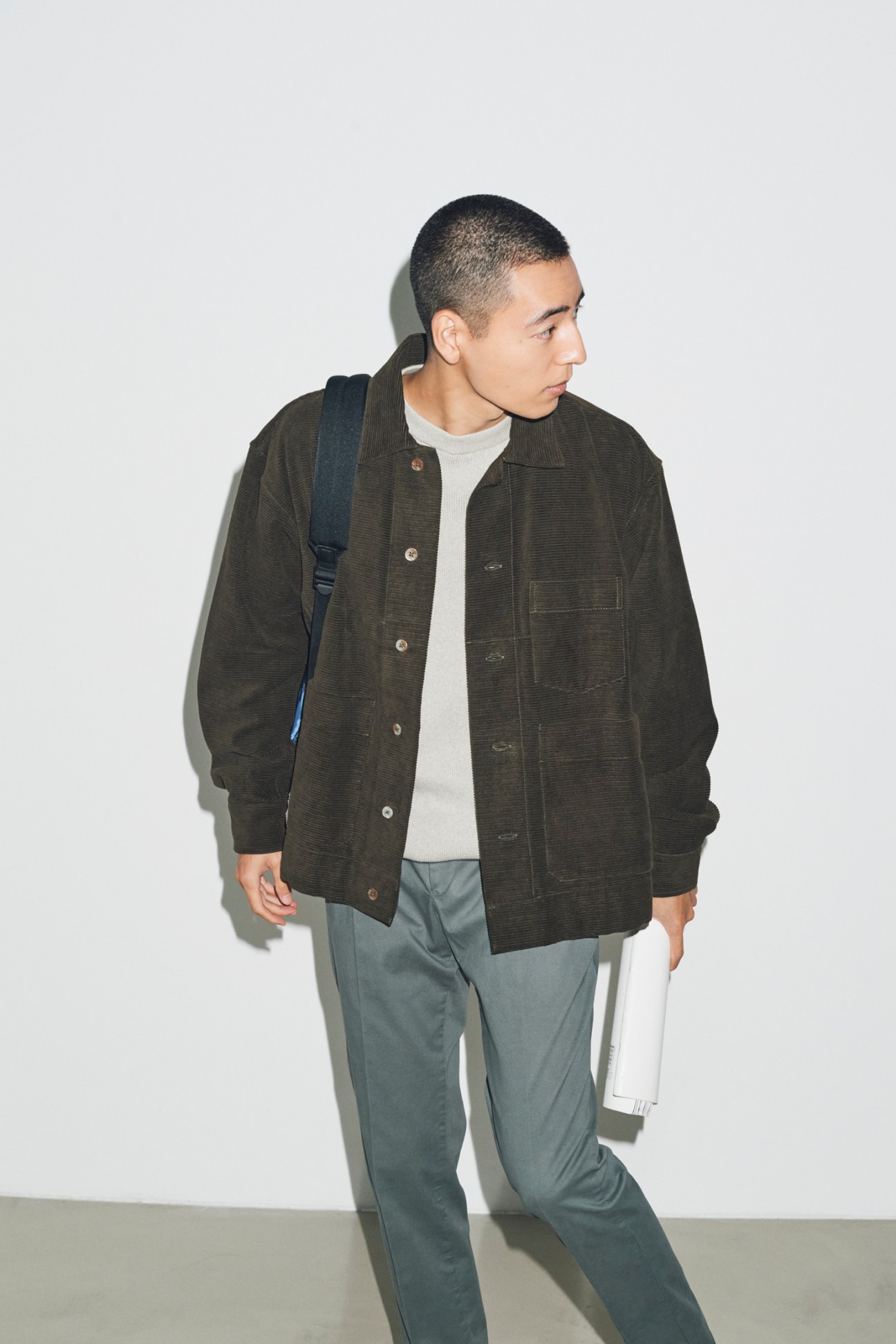
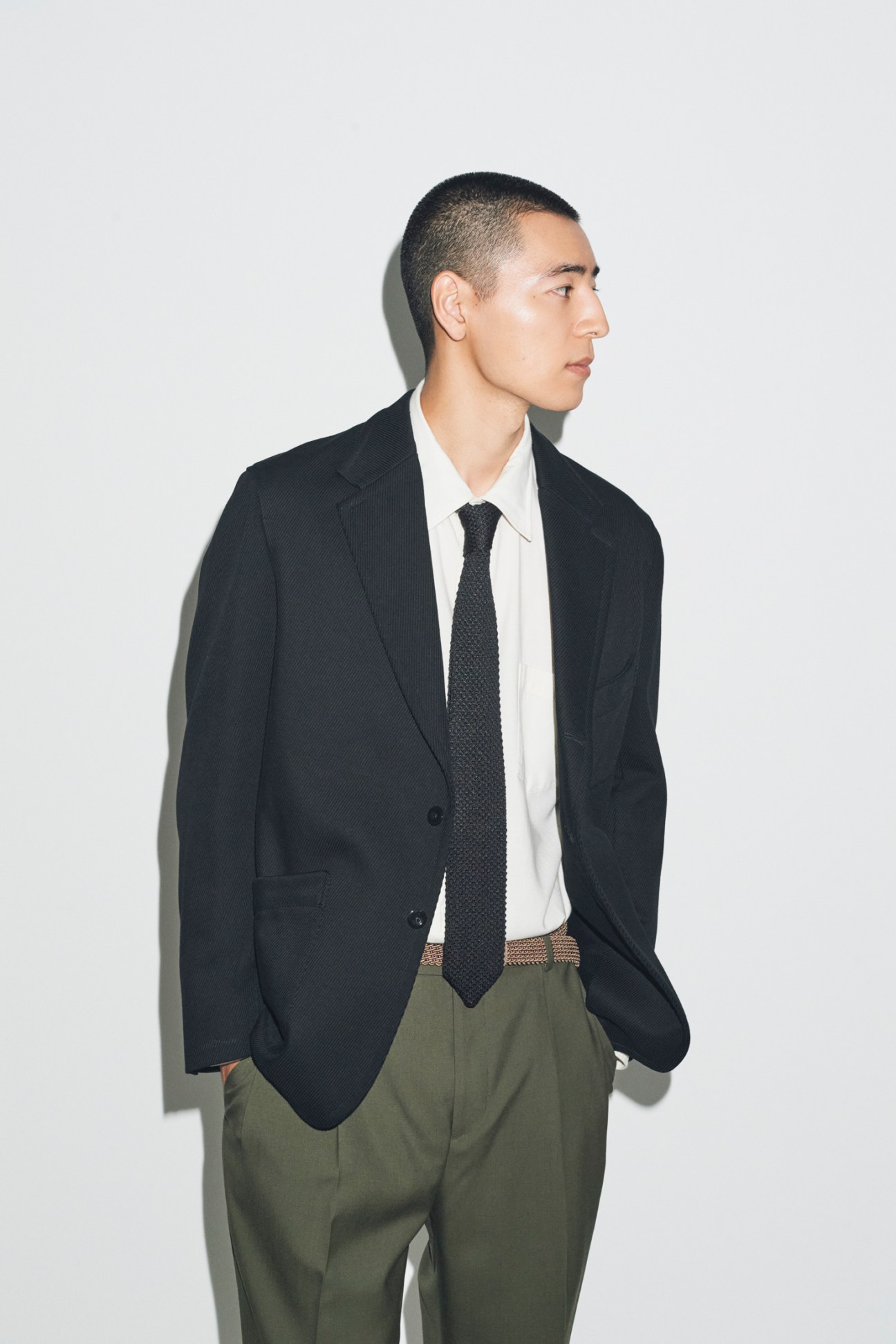





Grooming: Amano
Model: Kou
Stylist: Naoki Ikeda
The right move
Press freedom
Jyllands-Posten, Aarhus
“Fort Knox”, “like an old bungalow”, “dark and isolated”, “stuck out on the edge of the city”. Ask journalists at the new headquarters of Danish newspaper Jyllands-Posten about their former offices and a picture soon emerges of a remote, unappealing bunker. “It was lots of small rooms on one floor, long hallways, dark and grey,” says Mick Kristensen, news editor of Jyllands-Posten‘s Finans website, from his desk on the second floor of the paper’s new airy HQ in Aarhus’s fast-growing Southern Harbour area.
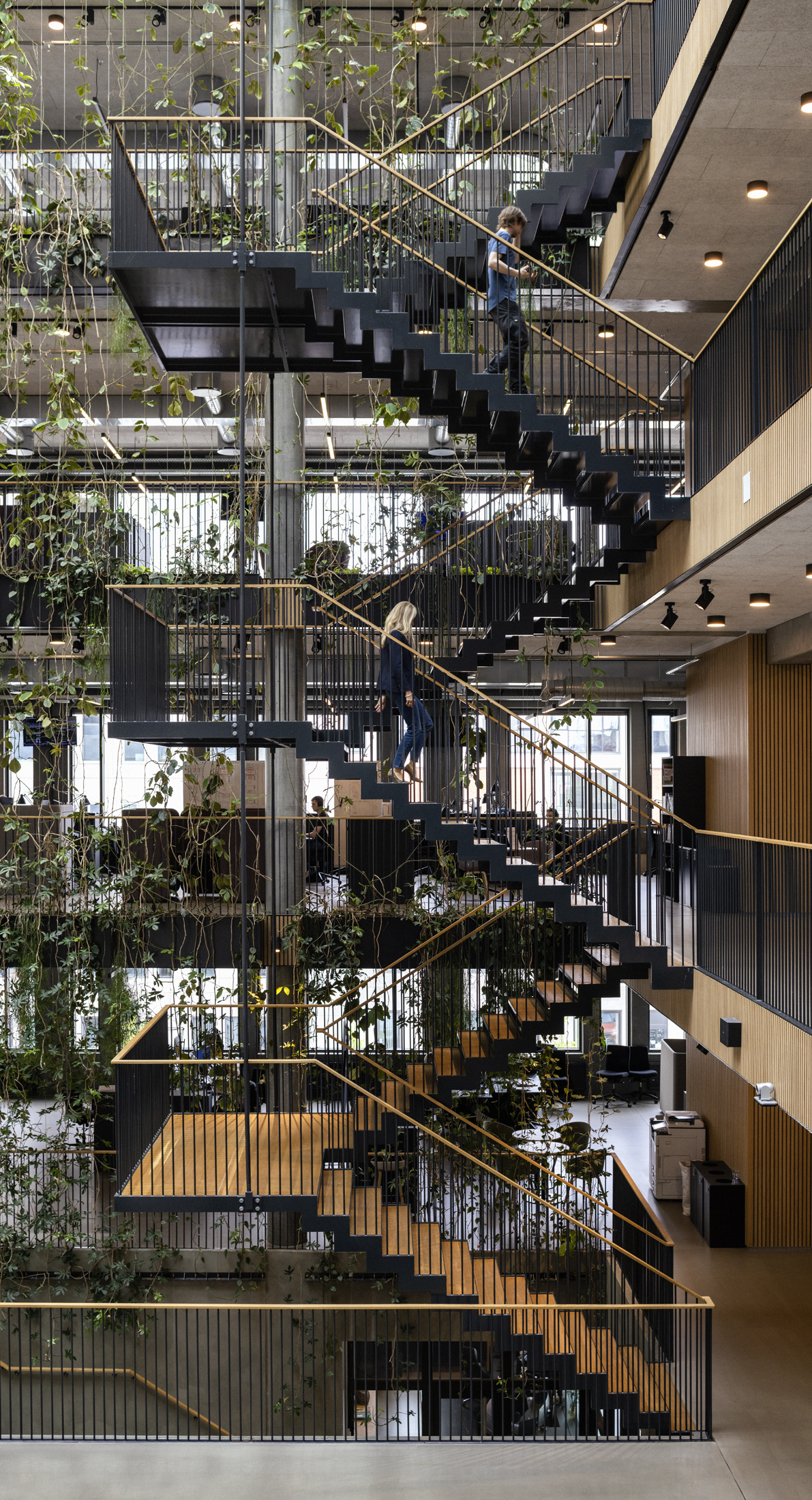
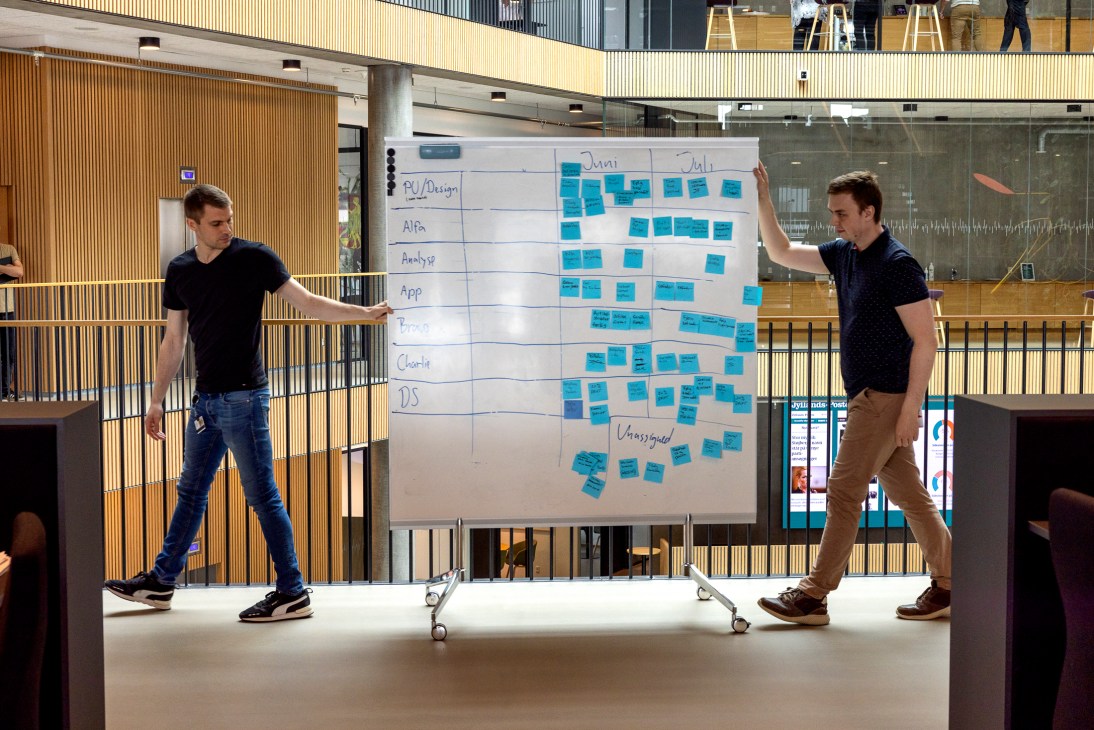
The tabloid-format newspaper had been based in a purpose-built site on the outskirts of Denmark’s second city since 1964 but it wasn’t until 50 years later that it began to plan a move and a comprehensive rethink of what a modern newspaper HQ should look like. “Since we stopped printing in the old place in the 2000s, the whole facility was far too big. And we just weren’t part of the city’s vibe,” says editor in chief Jacob Nybroe from his glass-walled corner office. Outside, 180 journalists and about 200 other staff are at work on the next day’s edition. “Plus, the ceiling was falling in,” he says drily. Not only that: in the old building the departments felt very disconnected from one another. “The editorial team’s keycards couldn’t even access the ad department,” he says.
Danish architecture studio Henning Larsen was called to deal with all these challenges. “What we learnt from talking to everyone involved was that putting out a newspaper is like running a sprint every day. We needed to support that fast-paced workflow,” says Jacob Kurek, Henning Larsen’s global design director. “You need an epicentre with life, somewhere with a buzz, a space for connecting. It is a team effort every day but it also needs to have quieter spaces to the sides for individual concentration.”
A huge architectural practice from Copenhagen but with offices around the world, Henning Larsen has a track record with news media headquarters: the studio had already designed Der Spiegel‘s Hamburg HQ, which opened in 2011. But with Jyllands-Posten there was an additional requirement. There is a reason its former facility had become a fortress: in 2005, the newspaper printed 12 cartoons depicting the prophet Muhammad. In the years that followed, the newspaper and its cartoonists became targets of terrorist threats. Bollards and barbed wire sprung up around the old building.
‘Jyllands-Posten’ in numbers:
Founded: 1871
Editorial staff: 180 in Aarhus (plus 70 in Copenhagen)
Weekly readership: 345,000 (print and e-newspaper)
Cost of new HQ: DKK500m (€67m)
In the new home, security is built in and discreet. In front of the entrance stands an artwork featuring hundreds of colourful ceramic tiles, which is in fact a disguised security barrier. Inside there are revolving airlock doors; and hidden out of sight behind the glassed-in receptionist is a permanent security detail. “If you start from scratch, you can integrate security so that it becomes almost invisible,” says Kurek. “You can design the entrance space so that it doesn’t look offensive and so that there are controlled sequences for people coming in.”
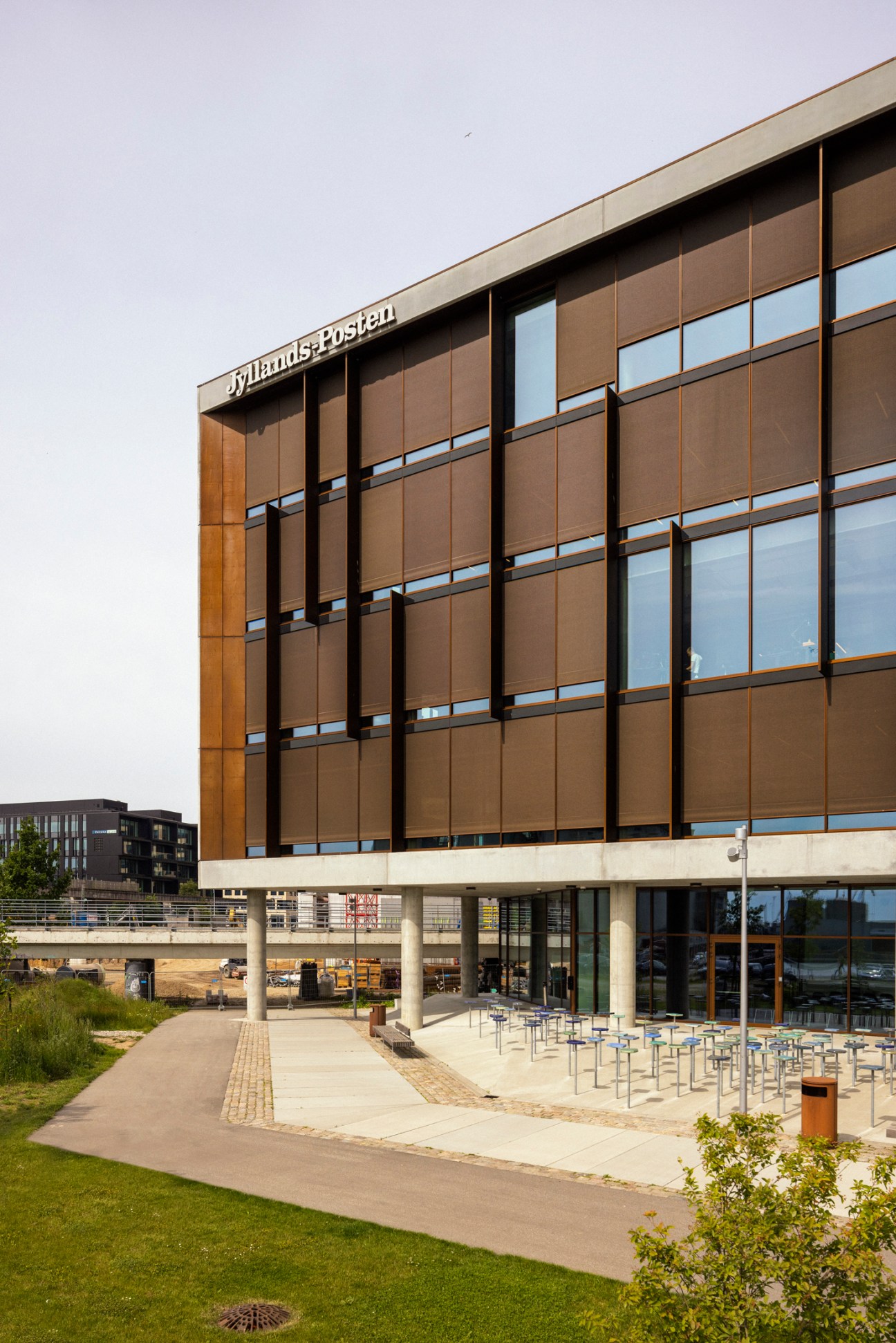
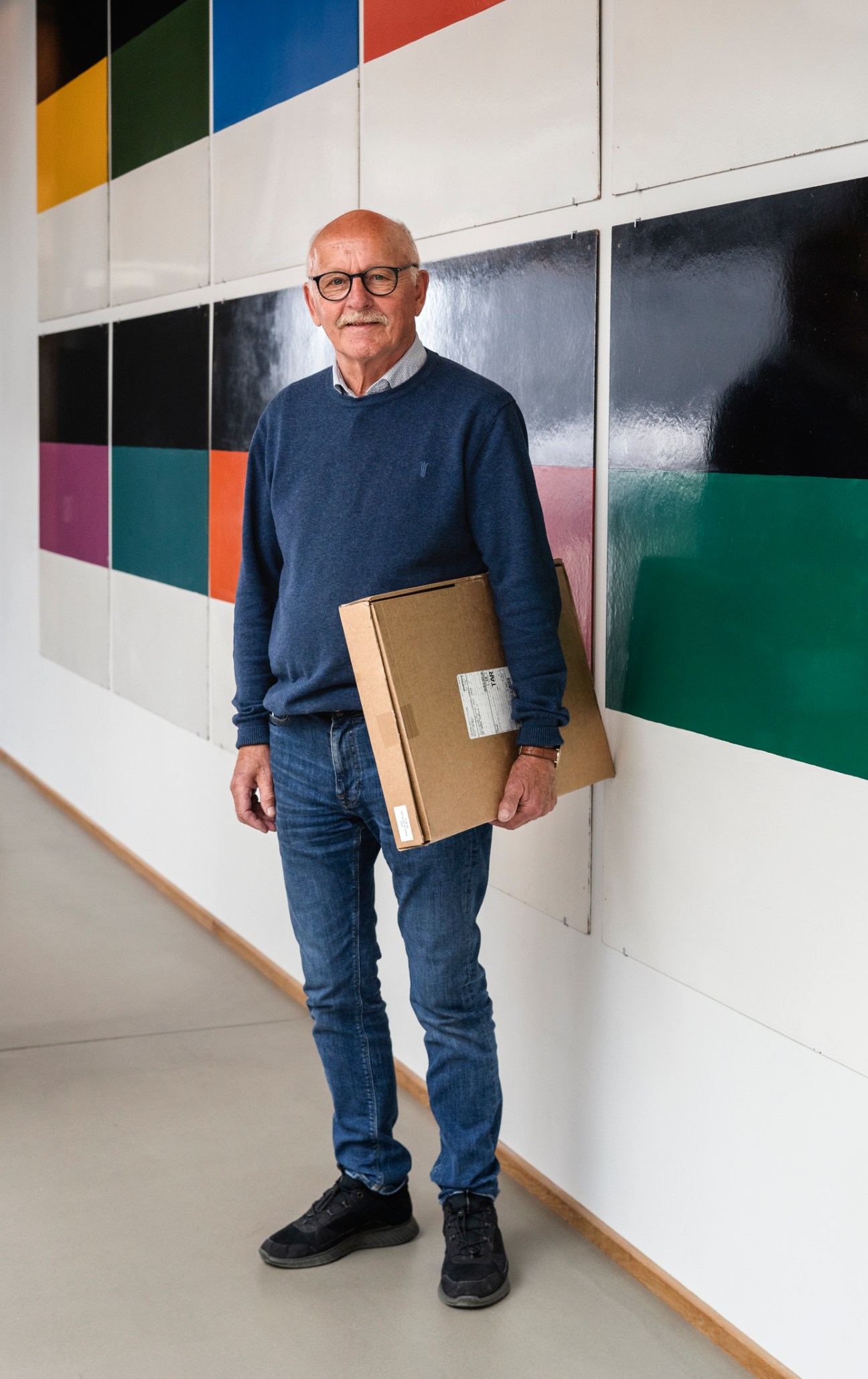
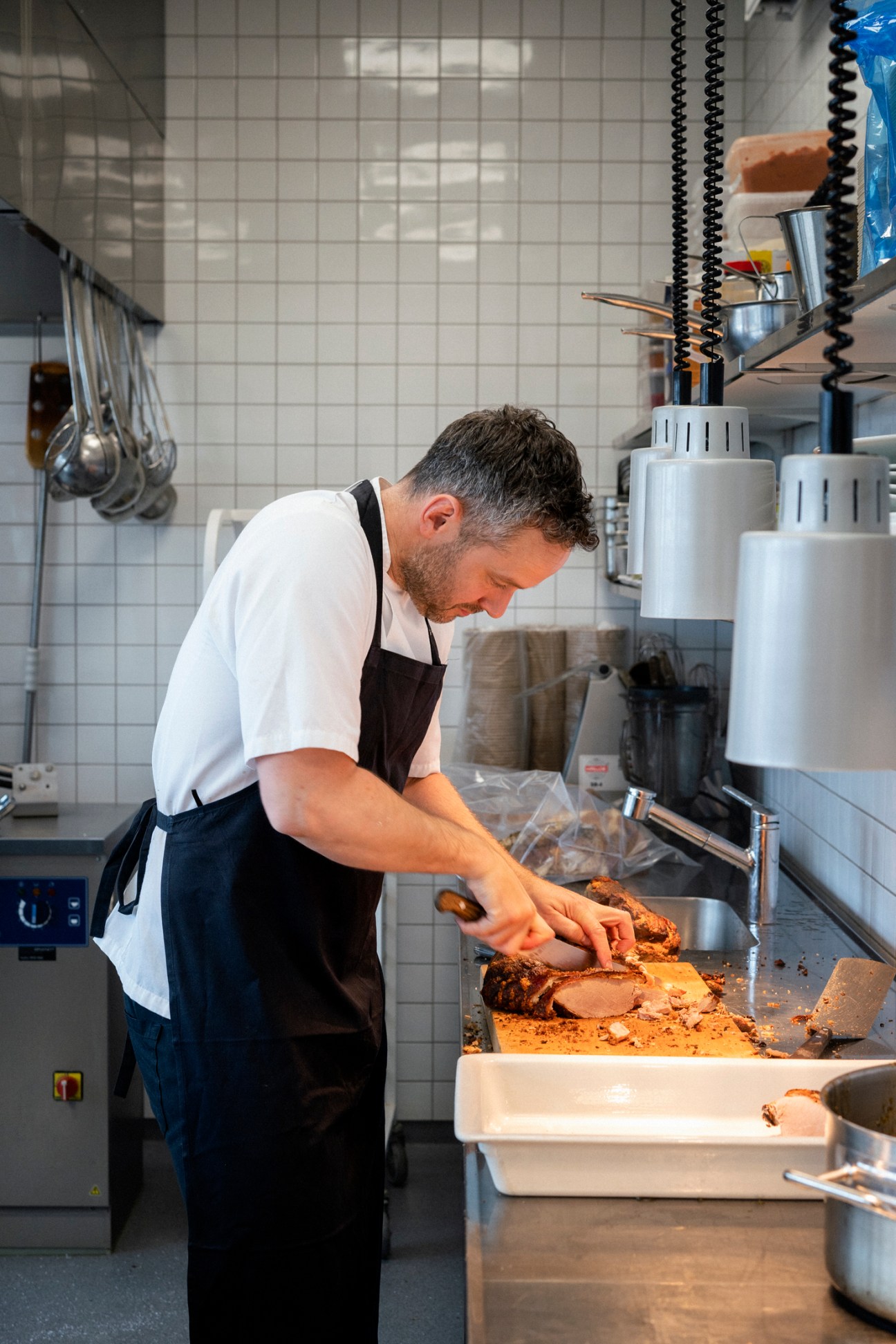
Despite the necessity to keep its staff and visitors safe, Jyllands-Posten didn’t want to hide its journalists behind an impenetrable wall. “We have ongoing security needs but our business is to bring transparency to society so a newspaper building should reach out to the public,” says Nybroe. “Our brand is concrete, honest and straight-talking – and that’s reflected in the architecture. Inside there are see-through walls and open offices.” Built from concrete, steel and glass, the squarish building sits seamlessly in the postindustrial harbour area, just beside the city’s film studios.
While the editorial team takes up the entirety of the first floor, the third floor is largely given over to the company’s local newspaper, Localavisen Aarhus. On the fourth floor you’ll find a wide-open canteen where, on the day Monocle visits, the menu features shrimp salad and plenty of roast pork – this is, after all, the heart of Denmark’s industrial pig-farming region, known for its traditional, conservative approach to the world.
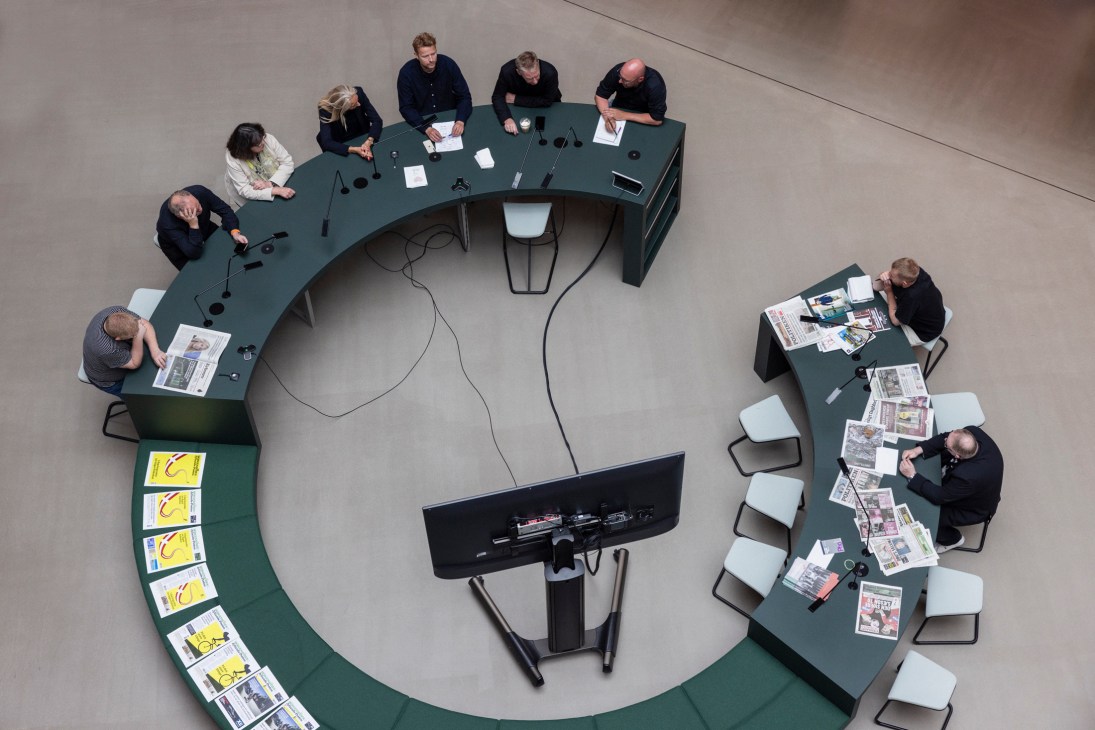
Perhaps the building’s most notable architectural flourish is the space for its editorial meetings: a large lounge with a circular table right in the heart of the four-storey atrium. It’s a very Danish approach: open, anti-hierarchical, democratic and informal. Editorial meetings take place at 08:45 and 13:30, with participants from Copenhagen joining on a screen. “It is the epicentre of the paper,” says Kurek. “It’s there to give a sense of urgency for the people who work here and to say that ‘there are no secrets’. The whole building is about openness and responsibility. That’s why the façade is glass and is angled to feel part of the wider city. From the outside, you can see people working 24/7.”
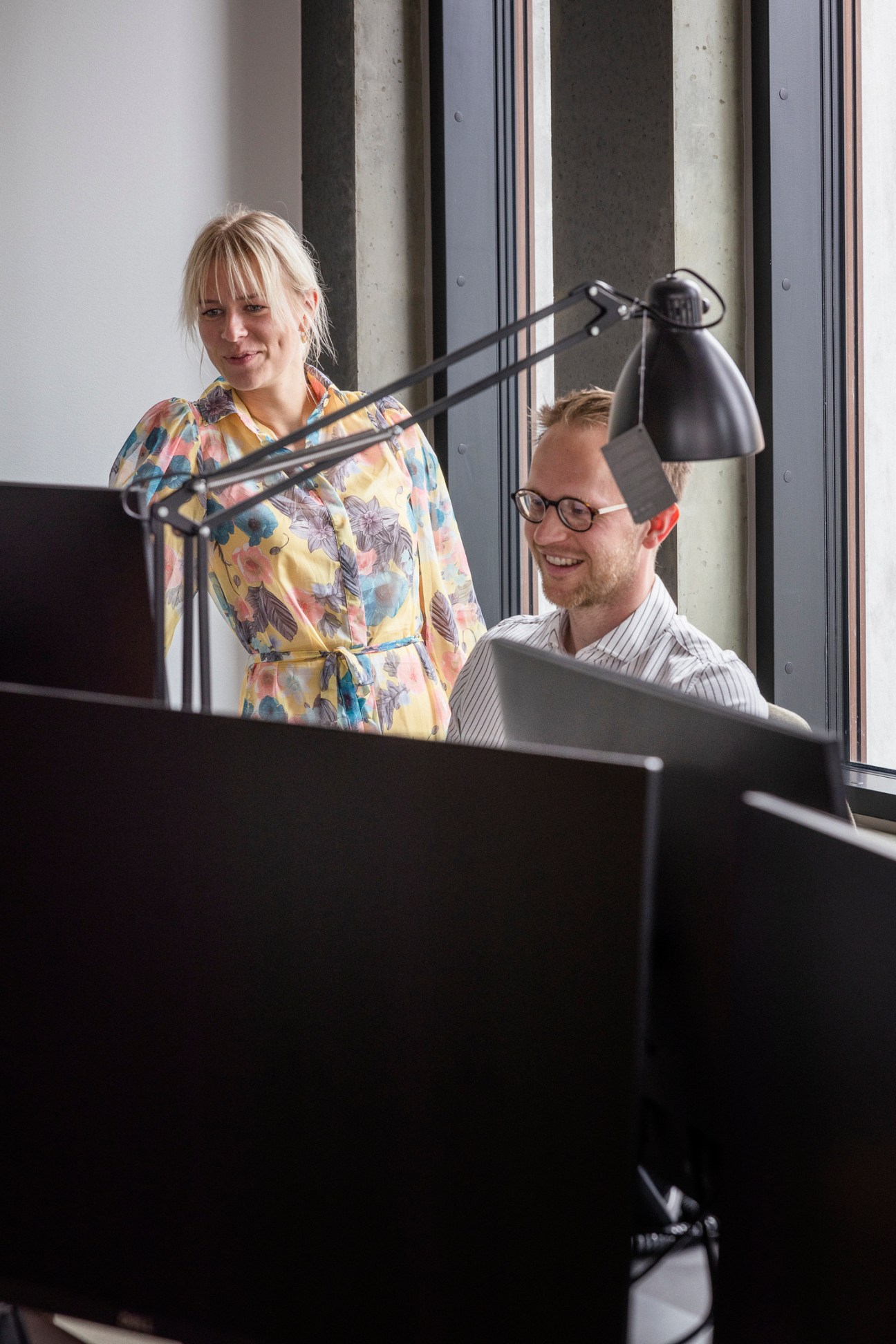
The new Jyllands-Posten building has even helped to create a brand-new business for the newspaper: the Vision and Knowledge groups. These invitation-only, special-interest networks bring together opinion formers, leaders, ceos, politicians, heads of arts institutions and mayors for talks. “This could only happen because of the new auditorium,” says Trine Korsgaard Christensen, who’s in charge of the project. “It’s about gathering different perspectives but it’s also brought us a big network of knowledge and contacts.”
One peculiarity of Danish media is that the right-leaning Jyllands-Posten is a stablemate of left-leaning broadsheet Politiken and tabloid Ekstra Bladet. The holding company behind the latter two titles owns half of JP/Politikens Hus media group, the other half of which is owned by Jyllands-Posten‘s holding company. There are other media ventures within the group, including niche titles for different industries, and a growing roster of local papers. Jyllands-Posten‘s typical reader is male, doesn’t live in the capital, is over 50, a homeowner and has an above-average income. “They want the facts and are interested in day-to-day politics,” says Nybroe, who joined the paper after 25 years in TV news. Recent scoops have included Social Democrat prime minister Mette Frederiksen’s proposal to include more right-leaning parties in her coalition. “And we revealed that she claimed that her coronavirus lockdown was on the advice of health experts but it wasn’t. She lied,” says Nybroe.
He grimaces at the mention of the pandemic. His new HQ opened in February 2020 and three weeks later Denmark entered its first lockdown. The paper kept running but the majority of staff worked from home. Some still do but clearly Nybroe is hoping that the building will lure them back.
It’s good news, then, that everyone who works here seems delighted with their new home. “I was a bit sad when we left the old building,” says graphic designer Julie Barsøe, who has been at the paper since 2018. “But that went away pretty quickly because the view is great and you are so close to the city. Two evenings this week I have been out for a drink with colleagues, which we wouldn’t have done at the old place because it was so far away from everywhere.” We’ll toast the ambition that made it happen.
jyllands-posten.dk
Future proofing
Gruppo 24 Ore, Milan
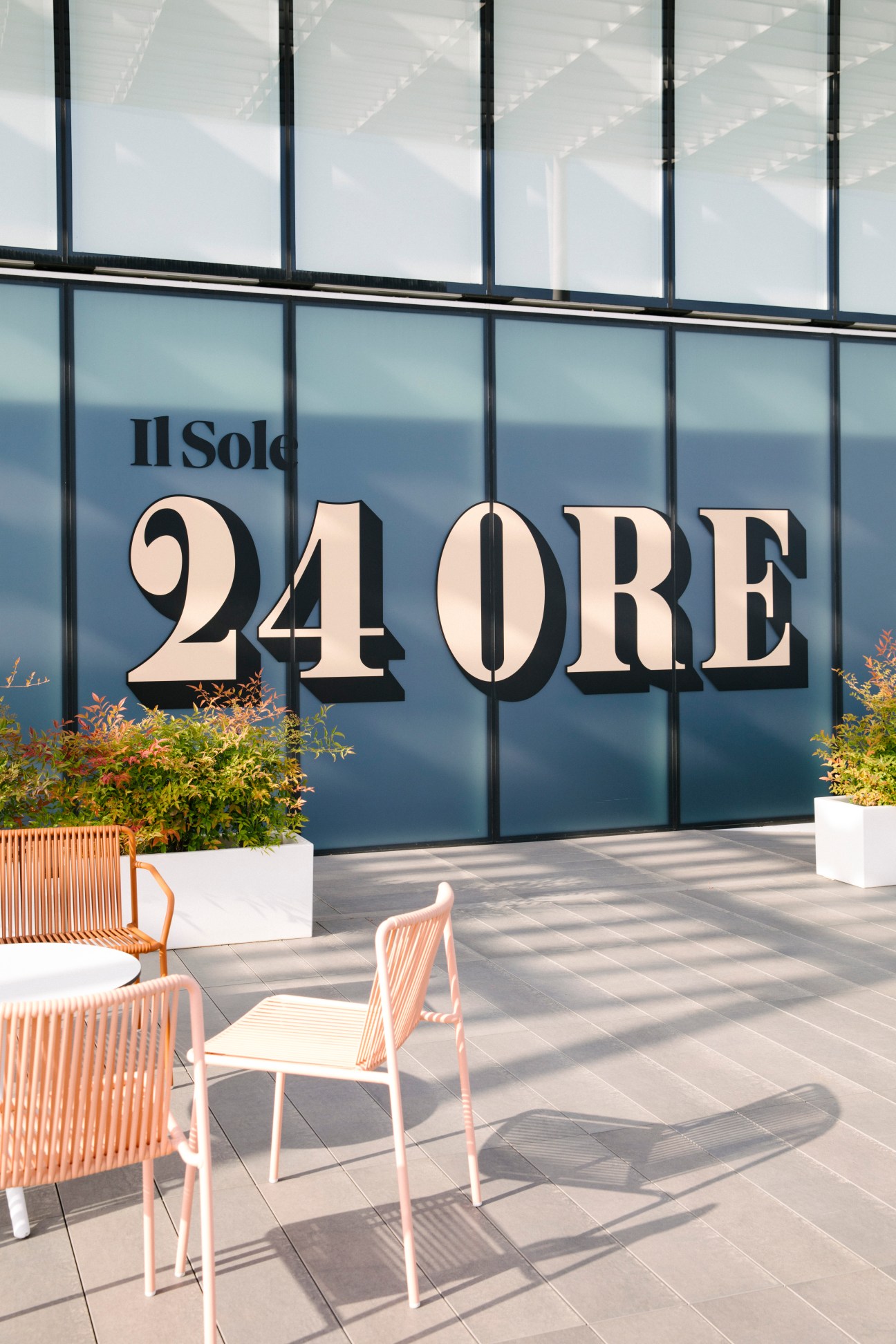
Up on the seventh floor of Gruppo 24 Ore’s new Milan HQ, several journalists are sitting at desks in front of a large screen projecting tomorrow’s layout of the group’s flagship product: economy and finance newspaper Il Sole 24 Ore. “This is the heart of the editorial floor,” says central chief editor Roberto Iotti. “It’s a constant osmosis of information.”
The media group, which includes Radio 24 and news agency Radiocor, moved here in March last year, leaving its Renzo Piano-designed home in Via Monte Rosa for the fast-developing Bicocca neighbourhood. “Times change and we decided to change as well,” says group editor in chief Fabio Tamburini. “Everything has been built for the needs of an editorial group of today. That means more studio space for Radio 24, video and podcasts.”
Gruppo 24 Ore in numbers:
New HQ size: 16,000 sq m
People working at Milan HQ: 630
People working at Rome office: 140
‘Il Sole 24 Ore’ print circulation: 81,000
‘Il Sole 24 Ore’ website impressions: About 7 million a day
While the building dates from the 1980s, almost everything has been updated. Architecture studio Park Associati’s ambitious redevelopment – including energy-efficiency measures – starts with the exterior. The original façade has been remodelled to make more of a statement. “We broke up the mass through different types of panels,” says Michele Rossi, co-founder of Park Associati.
The job of tailoring the interiors went to workplace design company degw. Everything is a response to more multimedia-focused and flexible ways of working. Lines on the ceiling of the open-plan editorial floors act as guides in case spaces need to be quickly rejigged. There are breakout areas, as well as lockers and insulated phone booths.
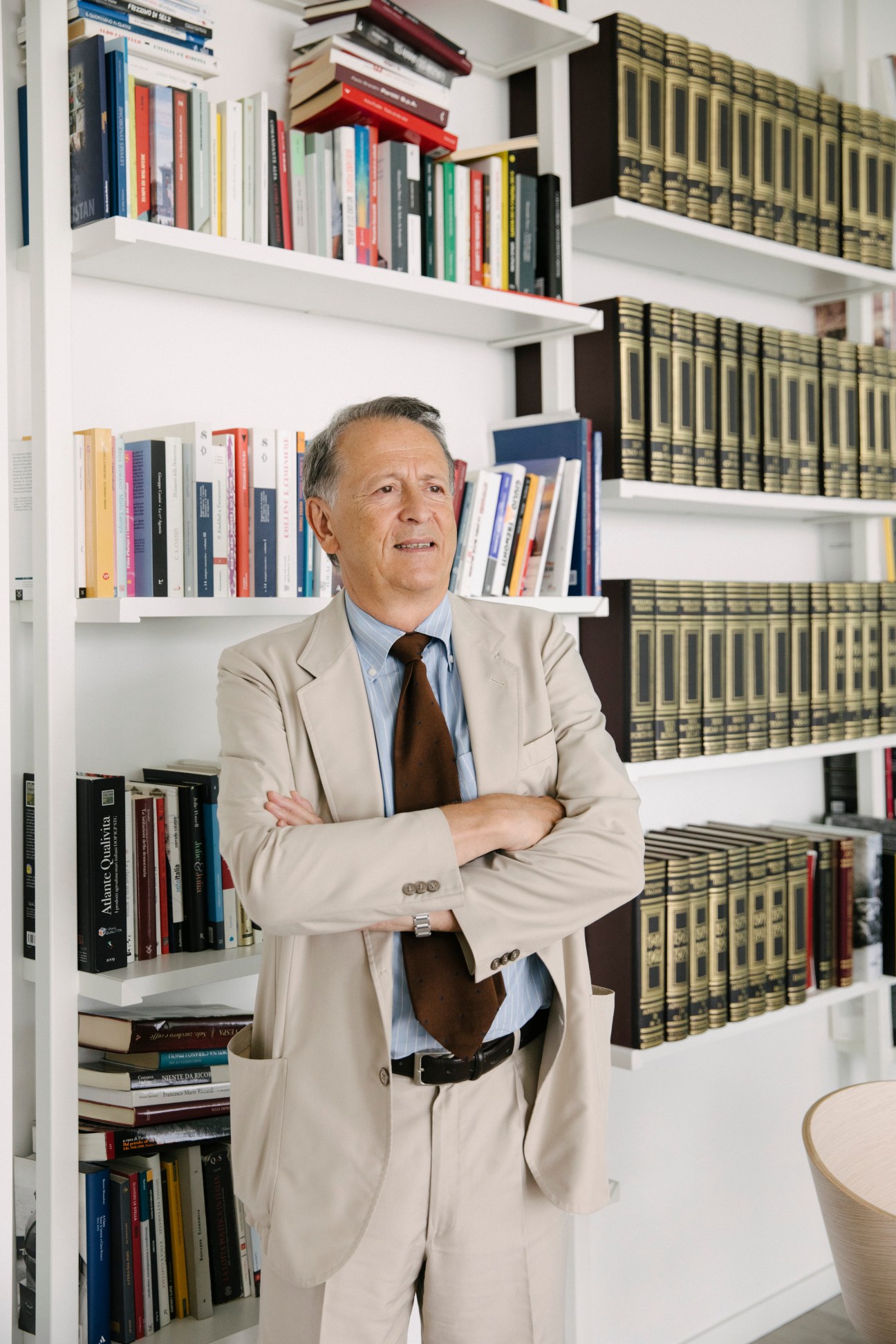
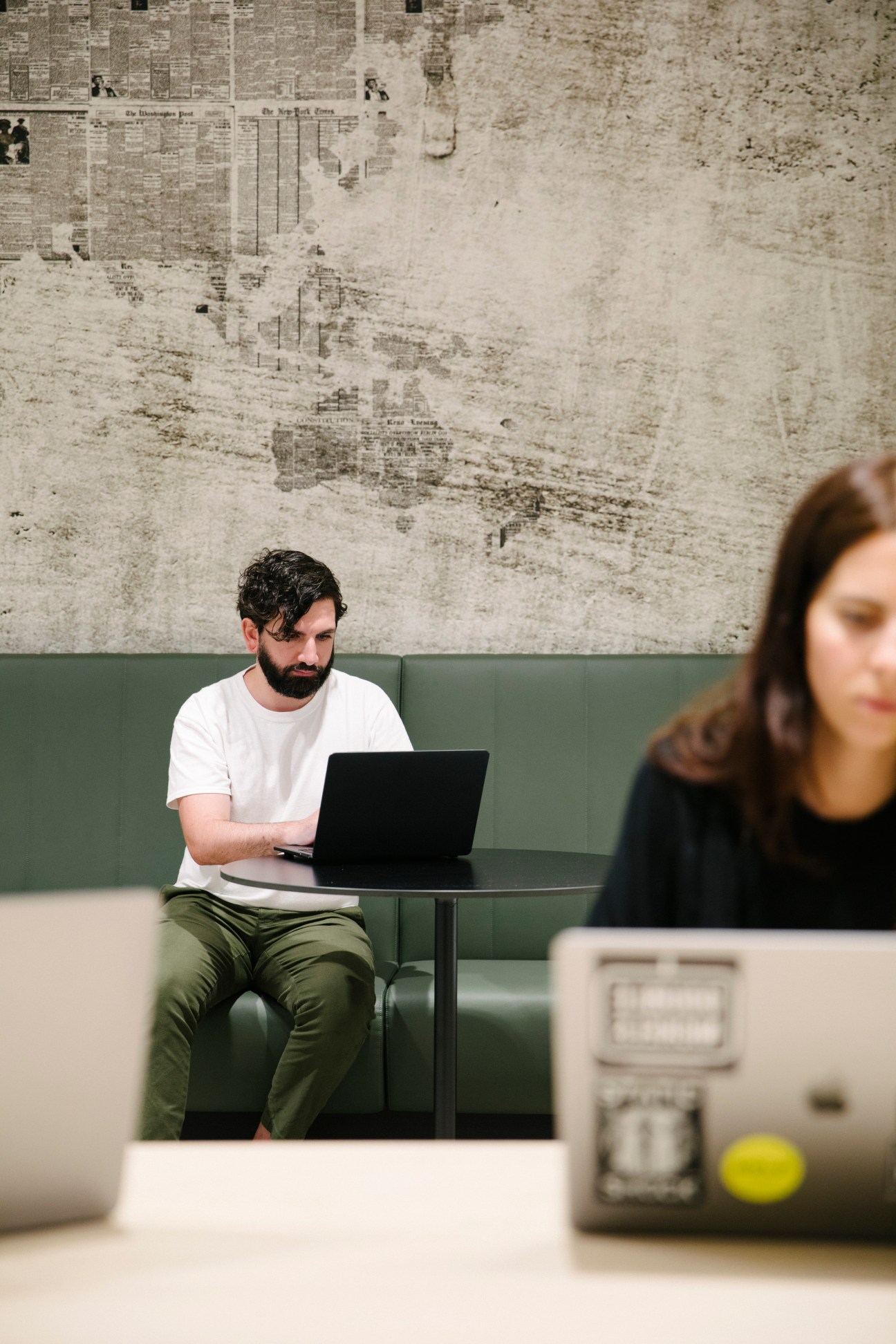
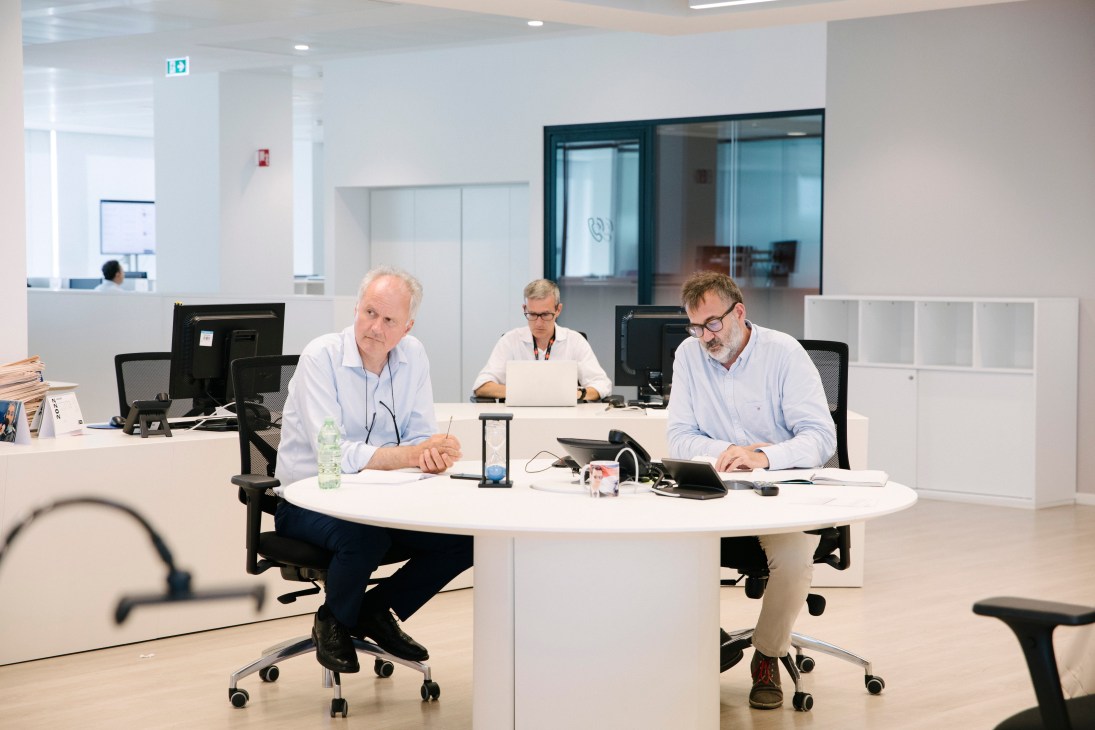
On the eighth floor, Nicoletta Polla-Mattiot, editor of Il Sole 24 Ore‘s monthly HTSI magazine (a partnership with London’s Financial Times), says that life is now much easier. “The quality of the light has changed a lot,” she says. “Which is important for us working with so many images.”
The changes are also being felt on the Radio 24 floor. Apart from two vast studios, there are also eight smaller recording spaces for news reading and podcast editing. “At the former HQ the radio station was in a building that had been conceived for something else,” says commercial general director Federico Silvestri. “Here it’s the opposite – the floor was designed with radio in mind.” But the paper is still front and centre; it relaunched in a new format in March last year. “My job is to make Il Sole 24 Ore a different sort of newspaper,” says Tamburini. The building is sure to help him do just that.
gruppo24ore.ilsole24ore.com
Making waves
KEXP, Seattle
Wearing a neon-green vest and brown loafers, Brazilian musician Tim Bernardes strums an acoustic guitar inside the live room at KEXP, Seattle’s most famous independent radio station. For half an hour, he plays songs from his new album, Mil Coisas Invisíveis, then answers questions from KEXP’s midday host Cheryl Waters while videographers hover to capture the performance from every angle.
Bernardes had already played two shows in Seattle earlier in the month but, after the tour’s West Coast leg wrapped in Montana, he made a special trip back to the city just to record for the radio station’s highly rated Live on KEXP series. The sessions – most broadcast live, then released as videos online – are a rite of passage for musicians from around the world. “KEXP is considered an epicentre: all the good bands pass through it,” says Bernardes after his set. “Playing here is very cool for two reasons: for a non-Brazilian audience to get to know me and there’s also a sense of celebration back home when a Brazilian artist plays a KEXP session.”
Founded in 1972 at the University of Washington as KCMU, the broadcaster emerged from the rich ferment of university radio stations in the US – a vital source of independent and alternative music programming to counterbalance commercial stations in a country without a strong tradition of public broadcasters. While many college stations remained scrappy, student-run affairs, KCMU steadily grew into a more professional operation with ever-more-powerful FM transmitters and prescient digital investments. In 2000 it became the first station in the world to offer mp3-quality online streaming; the next year KCMU became KEXP.
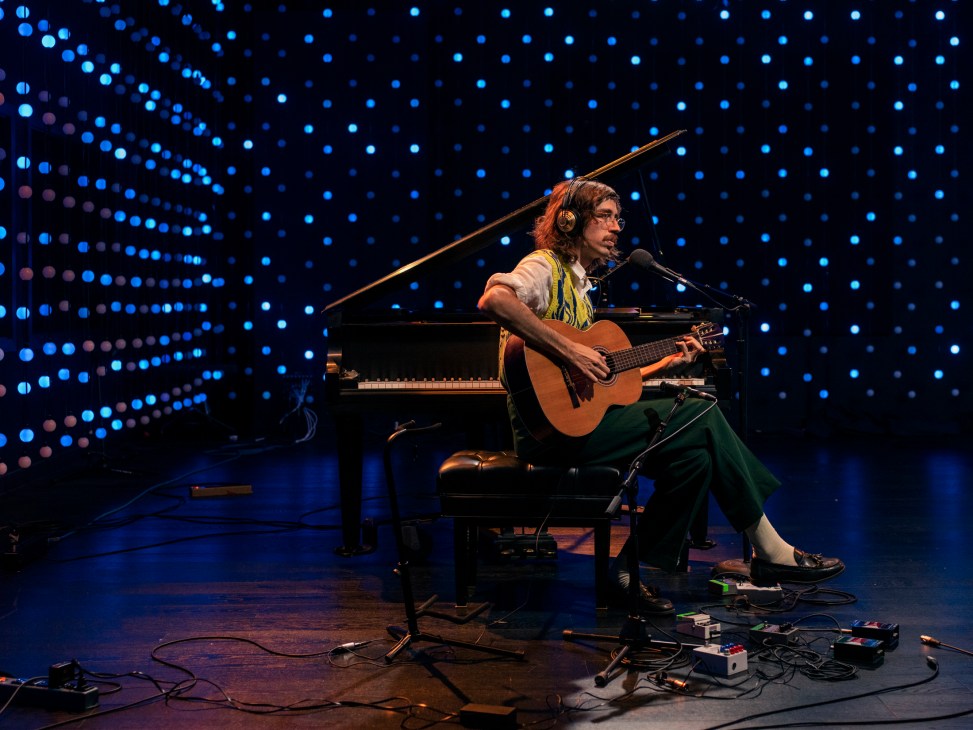
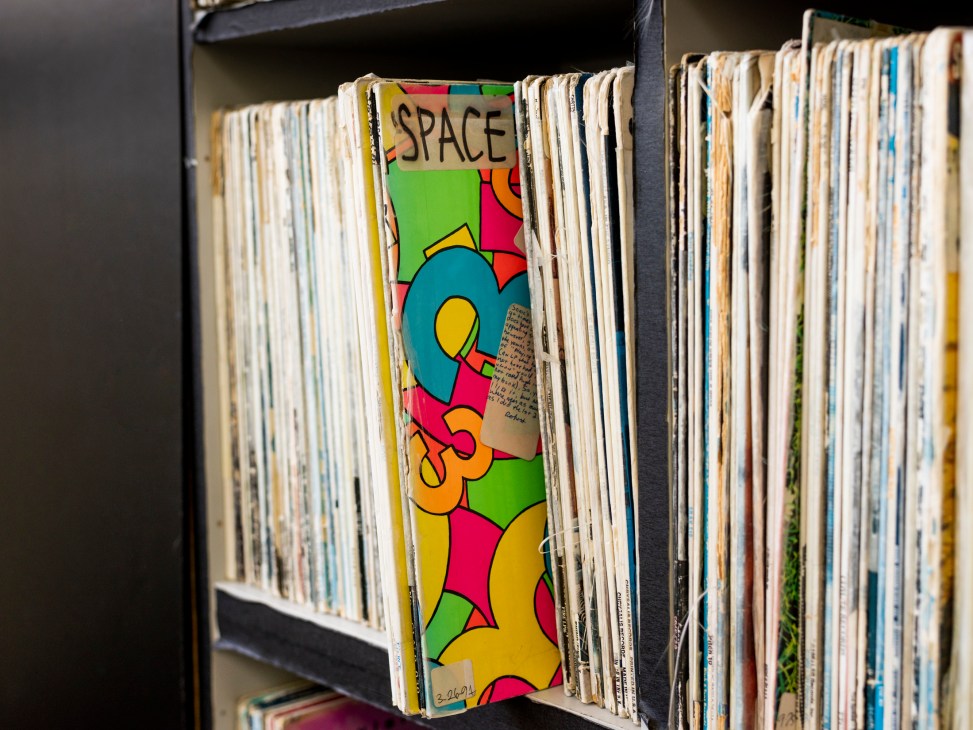
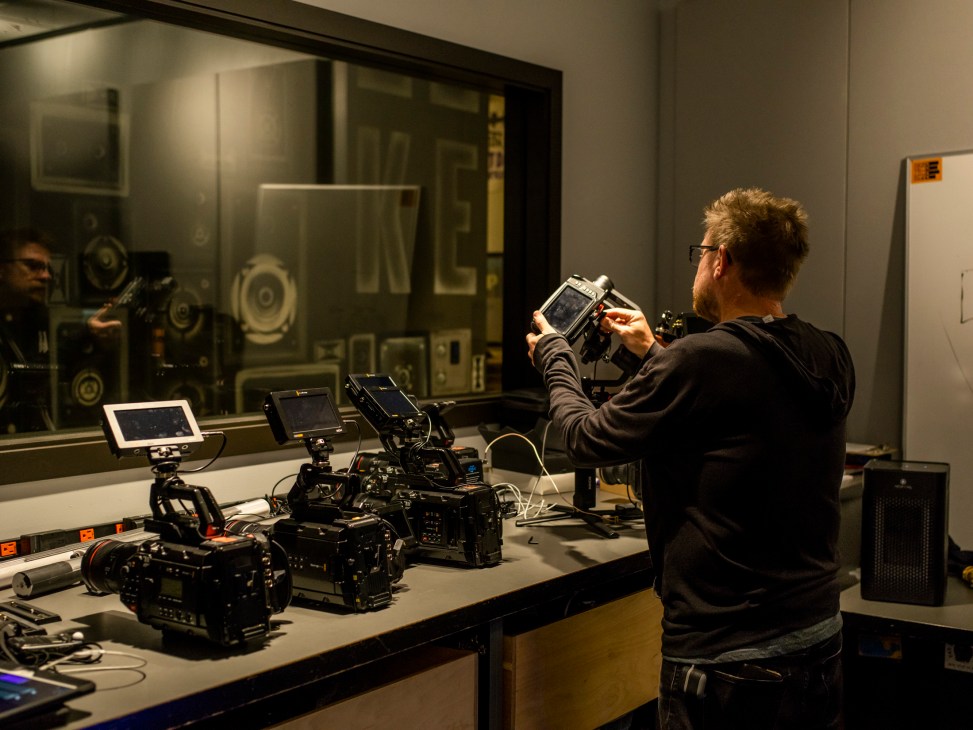
Today the radio schedule features shows on anything from afrobeat to soul and punk rock but the live sessions remain arguably its most successful venture. These recordings, some 200 per year, are possible thanks to the state-of-the-art broadcast facilities in KEXP’s headquarters. Complete with an arsenal of cameras, lenses, lighting rigs, microphones, speakers, pedals and cables, the station is as well-equipped as any respectable music venue. “We do everything in one take,” says video manager Jim Beckmann after Bernardes wraps. “We’re taking advantage of the energy of a live session in this space.”
The architecture is impressive too: the station’s home is in a mid-century modernist building that once housed international pavilions during the 1962 World Fair. The landmark heritage structure was retrofitted by skb Architects in 2016 after a $15m (€14.6m) fundraising campaign. But KEXP was able to enjoy its new digs undisturbed only for a few years: in 2019, works started next door on a huge arena also dating from the world fair; the station weathered noise and vibration from the heavy-duty construction site until 2022. However, when the nearby building’s facelift was completed and the area’s landscaping was refreshed, KEXP gained a brand-new outdoor stage and courtyard, set in the crook of the L-shaped building. Fully wired for video, the new stage will allow the station to expand Live on KEXP‘s repertoire to include sun-splashed summer sessions. This August KEXP inaugurated the space with a concert that also celebrated the station’s 50th year on the airwaves.

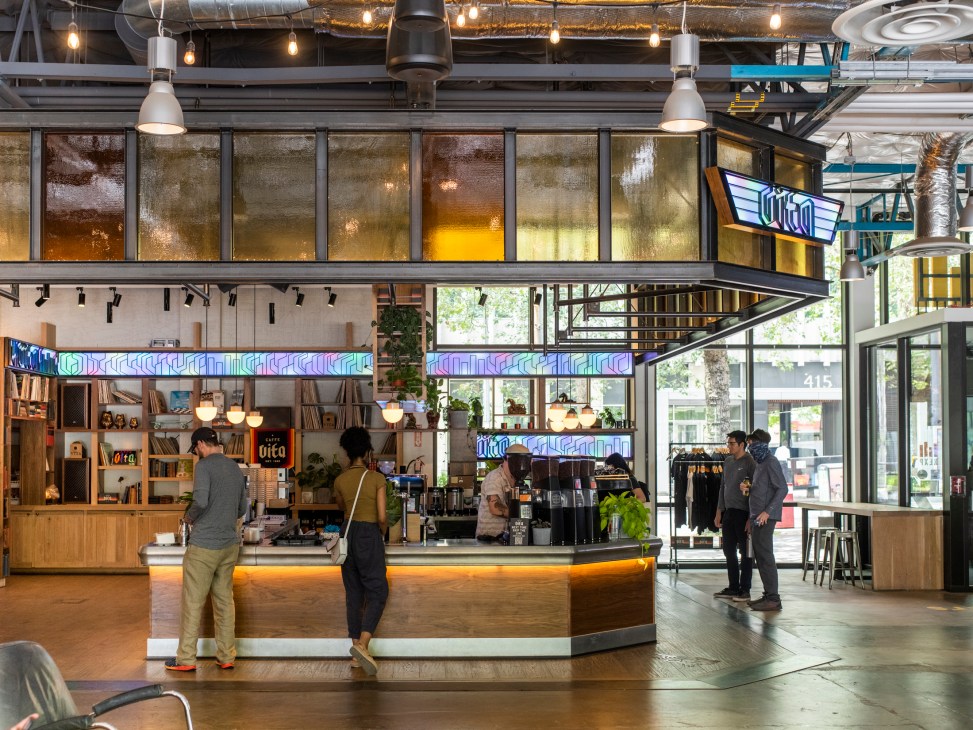
Having an open-air space to host gigs and events extends the station’s mission to have an open, public-facing HQ that is at the service of the community. While Bernardes recorded in private, many other artists have a live audience: a viewing gallery with room for 70 offers a look into the intimate live studio, while a generous crowd of nearly 400 people can fit into KEXP’s Gathering Space. When not hosting a show, this area is open to the neighbourhood as an all-day café run by venerable Seattle roaster Caffe Vita, as well as being home to vinyl shop Light in the Attic Records. Inside this spacious room, large plate-glass windows frame one of the station’s two DJ booths. “This part of the complex was purpose-built to give an on-site audience a look inside a working radio station,” says Rischel Granquist, director of facilities.
Evie Stokes, who has been an on-air DJ for eight years, believes that the fishbowl-like experience has a positive effect on her afternoon show. “For us it’s really important to be community-minded and open to sharing what we do so it feels really natural,” she says from the studio during a break from broadcasting. “Though occasionally children push their faces up against the glass and stare at you for extended periods of time.”
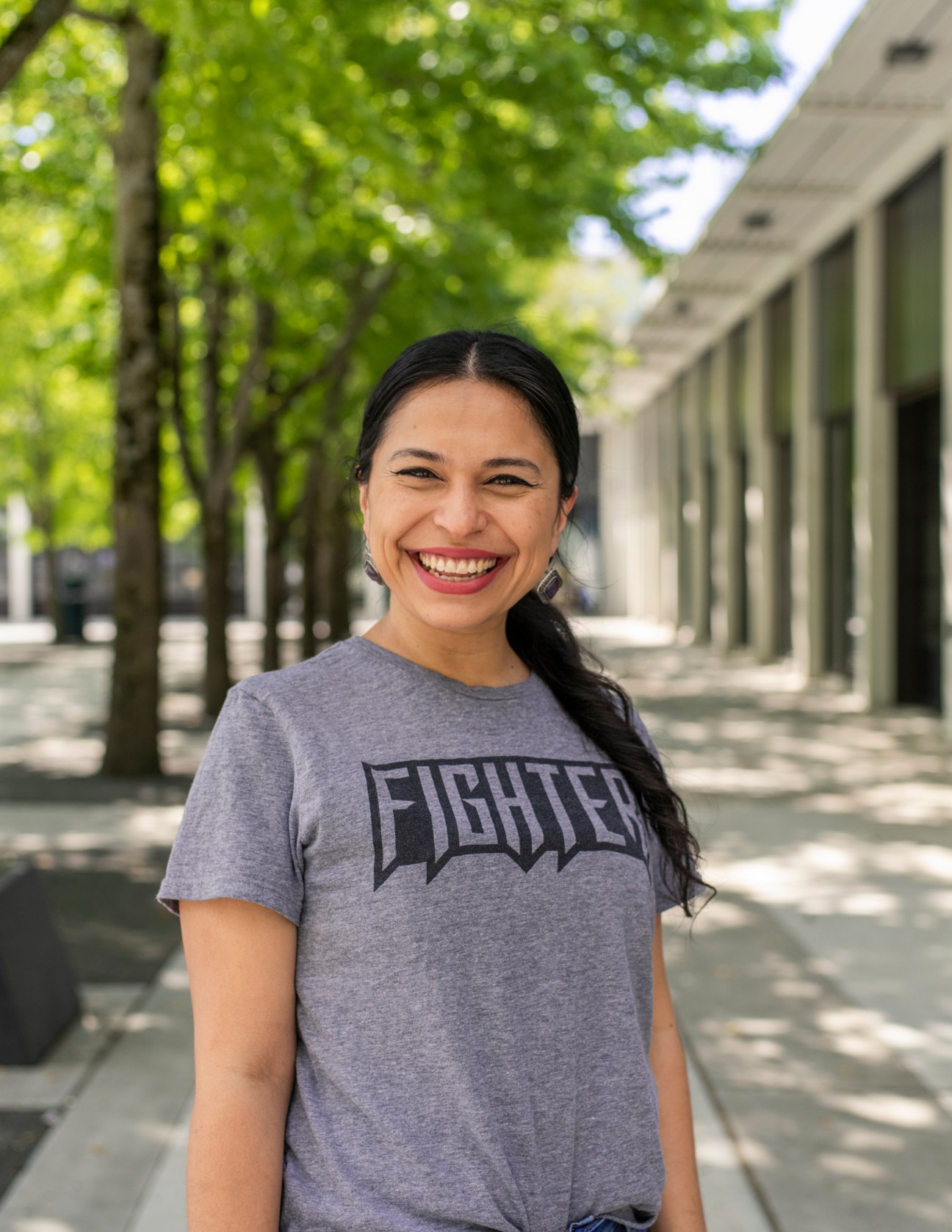
All these venues offer Seattle residents the chance to see musicians for free during the day, allowing fans to circumvent sold-out concerts, although the first-come, first-served spots can go fast. “We built this area intentionally to allow us to have a public element,” says Beckmann. “Most other radio stations would predominantly, if not exclusively, pre-tape their sessions without an audience. We really try to bring the public in.”
Still, KEXP’s audience – and mission – goes well beyond its home city: 75 per cent of Live on KEXP viewers are from outside the US, with loyal followers tuning in from Mexico, the UK, France, Germany, Brazil and Argentina. Albina Cabrera, an Argentine cultural journalist, was one of those devotees. When political interference under former president Mauricio Macri made the working climate untenable at Argentina’s national news agency Télam, Cabrera jumped ship and applied for an internship at KEXP in 2018. She was soon brought on as the station’s first Latin American content producer, reflecting the importance of this region in the station’s listenership. In September she will lead a 13-person KEXP delegation to Buenos Aires for a five-day remote broadcast from the Centro Cultural Kirchner in partnership with the Argentine Ministry of Culture.
KEXP in numbers:
Year founded:
1972
Listenership:
250,000 to 350,000 per week
YouTube channel subscribers:
2.75 million
Employees:
129
HQ size:
2,600 sq m
Library:
10,000 LPs and 40,000 CDs
While Cabrera was used to professional broadcast facilities at Télam, coming to KEXP raised the bar. “It’s like Disneyland: everything is geared toward the quality of the audio and video content,” she says. The design and functionality of this working environment enticed her back as soon as lockdown ended; Cabrera couldn’t wait to return to the office once pandemic restrictions were lifted. “I was eager to regain access to the recording studio and live room,” she says. “This building opens doors for artists internationally.”
kexp.org
Objects of desire
1.
Nothing
Nothing Phone (1)
In the world of smartphones, it can be hard to stand out. The front is all screen, the back is all, well, back. So the new phone from Nothing catches the eye with its transparent glass reverse with 900 white LEDs. Nothing is the company co-created by Carl Pei, formerly of phone brand Oneplus. The LEDs are there for a purpose too: if you want to be less distracted, turn your phone face down; when it rings, the lights will react in time to the ringtone. They can also be a gentler alternative to flash when using one of the two rear cameras. The 6.55-inch OLED display with fast refresh rate is impressive, especially at half the price of an iPhone.
nothing.tech

2.
Huawei
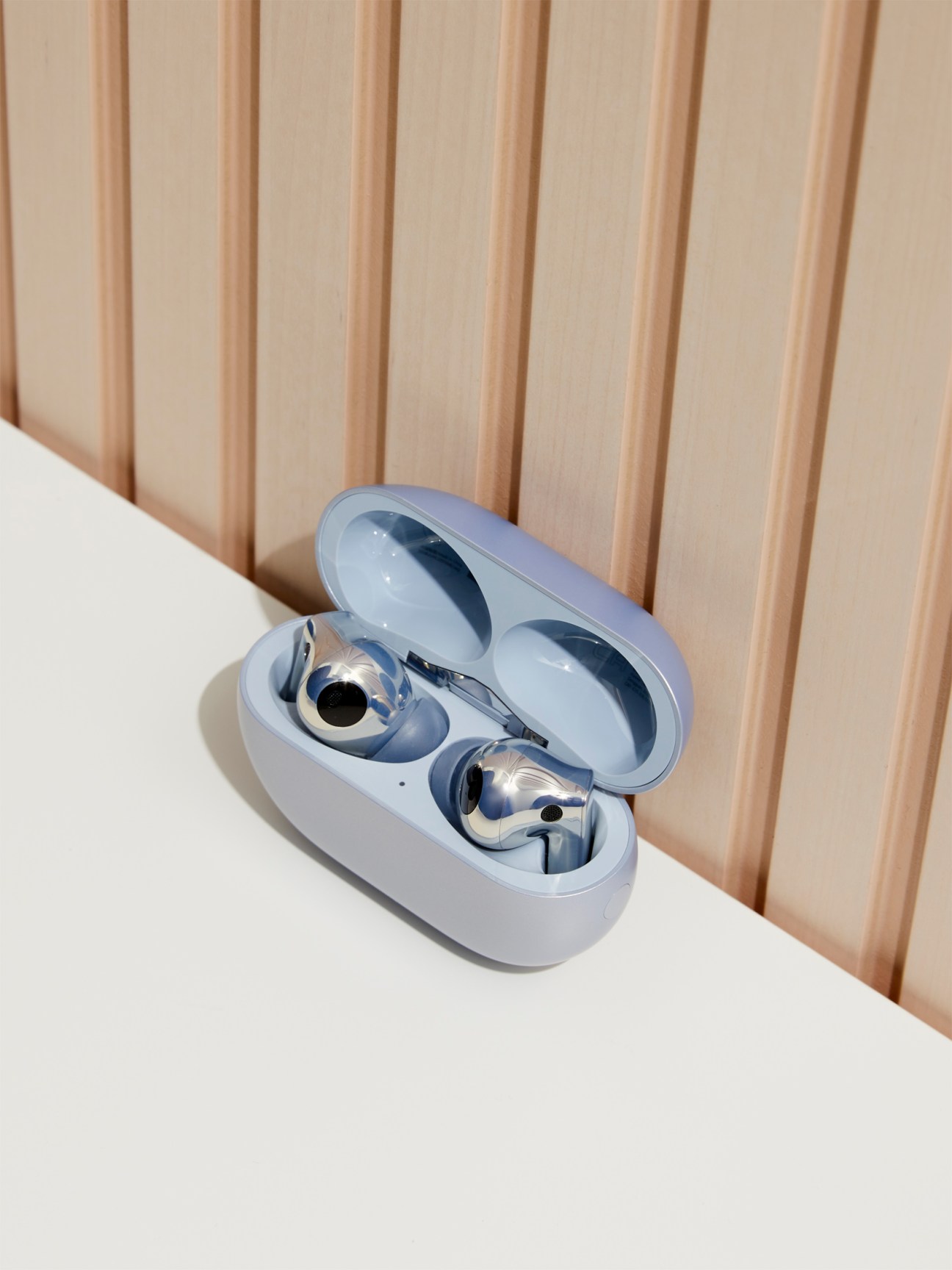
FreeBuds Pro 2
Huawei already has several excellent true-wireless earbuds to its name but for the Freebuds Pro 2 it has collaborated with French audio firm Devialet. The sound quality is extremely good, with decent bass and crisp higher tones, and it supports Hi-Res audio. The word “pro” in the title of any headphones nowadays suggests the presence of noise-cancelling and this is compelling. A “dynamic” setting adjusts it automatically dependent on the ambient noise levels around you. The Freebuds Pro 2 look good and fit the ear well, sitting securely even if you’re running. Remove one earbud from your ear and music playback is paused. The buds are lightweight and smaller than previous versions. Battery life is about four hours with noise-cancelling activated.
huawei.com
3.
Excitrus
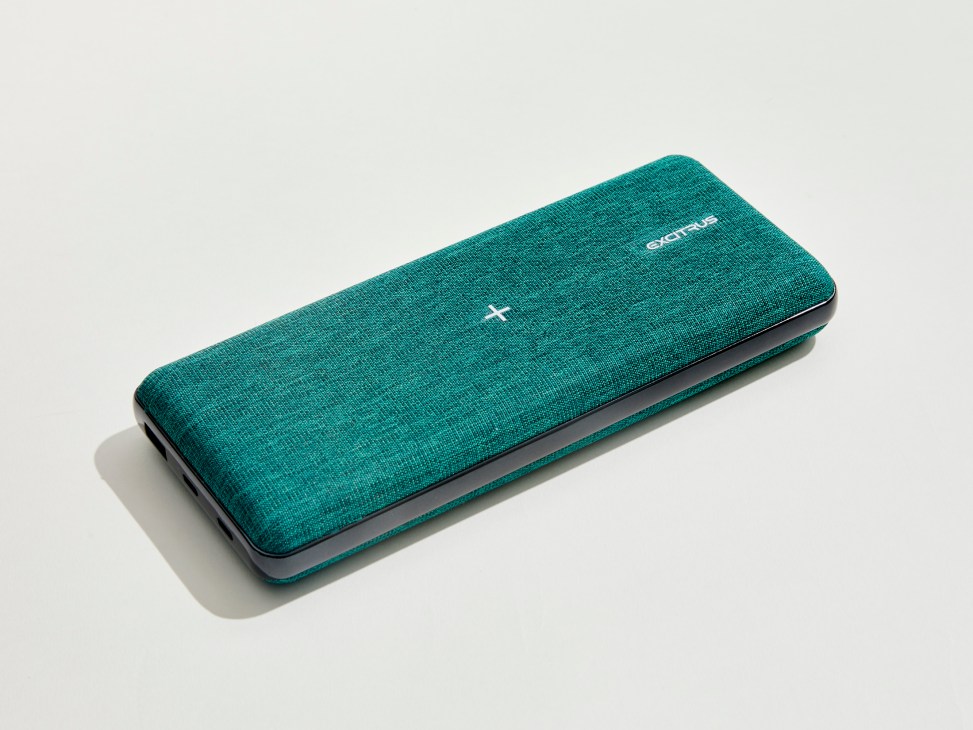
100W Charger
Battery anxiety is a 21st-century malady. But while many of us are used to carrying extra devices to charge our phones, tablets or smartwatches, most power banks are unable to help with a bigger device, such as a laptop. Enter the The Excitrus charger. Using the USB-C output it can recharge a laptop by up to 85 per cent in an hour. You can connect four devices at once, splitting the total 103W output across three cable sockets, plus a magnetic wireless charging pad on top. The fabric cover makes it look less gadgety. With all this power, it’s not light (480g) but that won’t weigh heavily on those in need of a timely charge.
myexcitrus.com
4.
Samsung
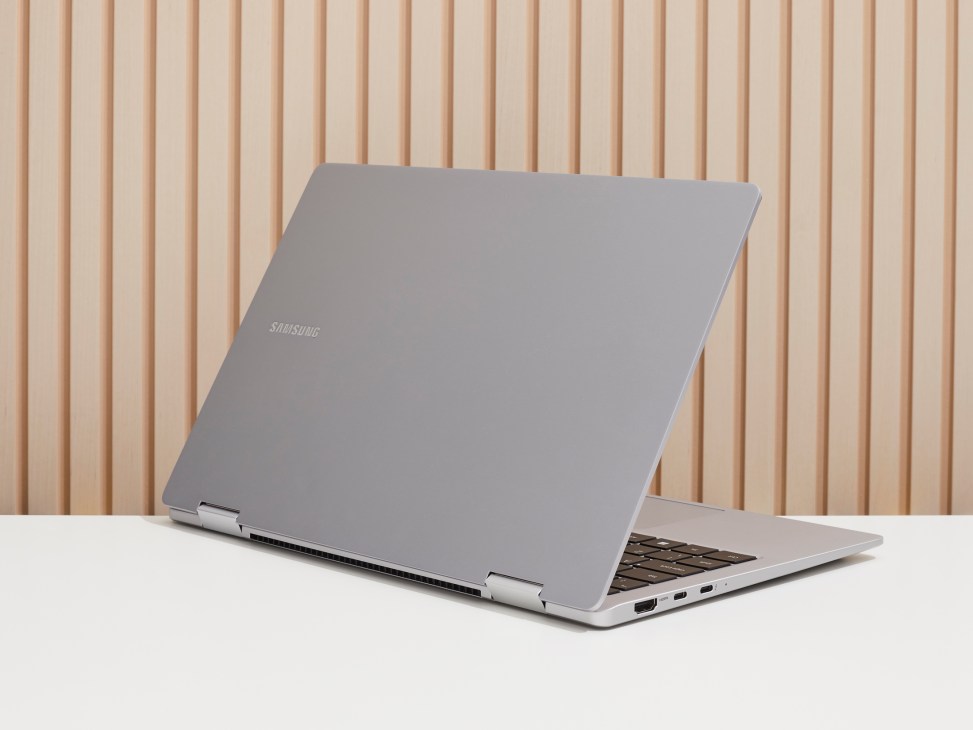
Galaxy Book 2 360
Samsung’s latest laptop is outstanding, matching brilliant design and light weight with long battery life. It’s convertible, so it doubles as a tablet and can be propped up for watching films. In tablet form you can scribble on the screen with a smart stylus. The 13.3-inch display is touch-sensitive and, unusually, is an OLED screen, that’s colourful and bright with pin-sharp resolution. Performance is strong, with a choice of fast processors, memory and storage. It’s very lightweight, beating rivals such as the MacBook Air. The webcam is not as high-quality as many, so you won’t look as good video-conferencing but that can be your excuse for leaving the camera off. Battery life is up to 21 hours of video playback, Samsung says, but real-world times will be lower.
samsung.com
Images: Marine Ballet, Jen Castro, Gaille Le Boulicaut, Christophe Coenon, Yann Deret
Room service
The Julius Prague
Prague
In Austria the name Julius Meinl is synonymous with coffee, chocolate and gourmet grocery shops, including a flagship in Vienna. Now in its sixth generation, the retail family has ventured into hospitality. “Service, accessible luxury and a feeling of home have always been in our DNA,” says Julius Meinl VI (pictured), the 36-year-old director of Julius Meinl Living. “We diversified from investing in retail real estate several years ago. This is a natural progression.”
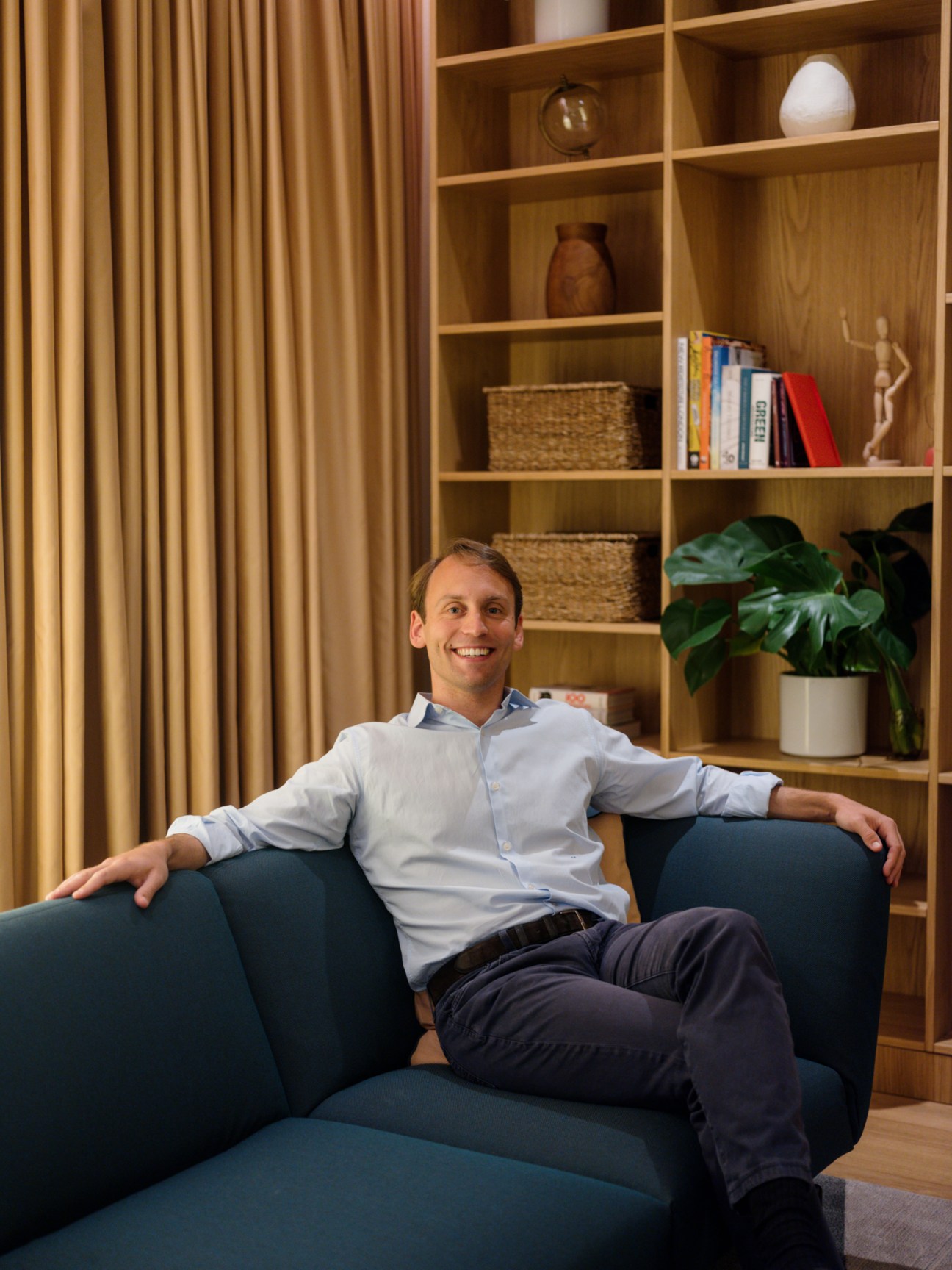
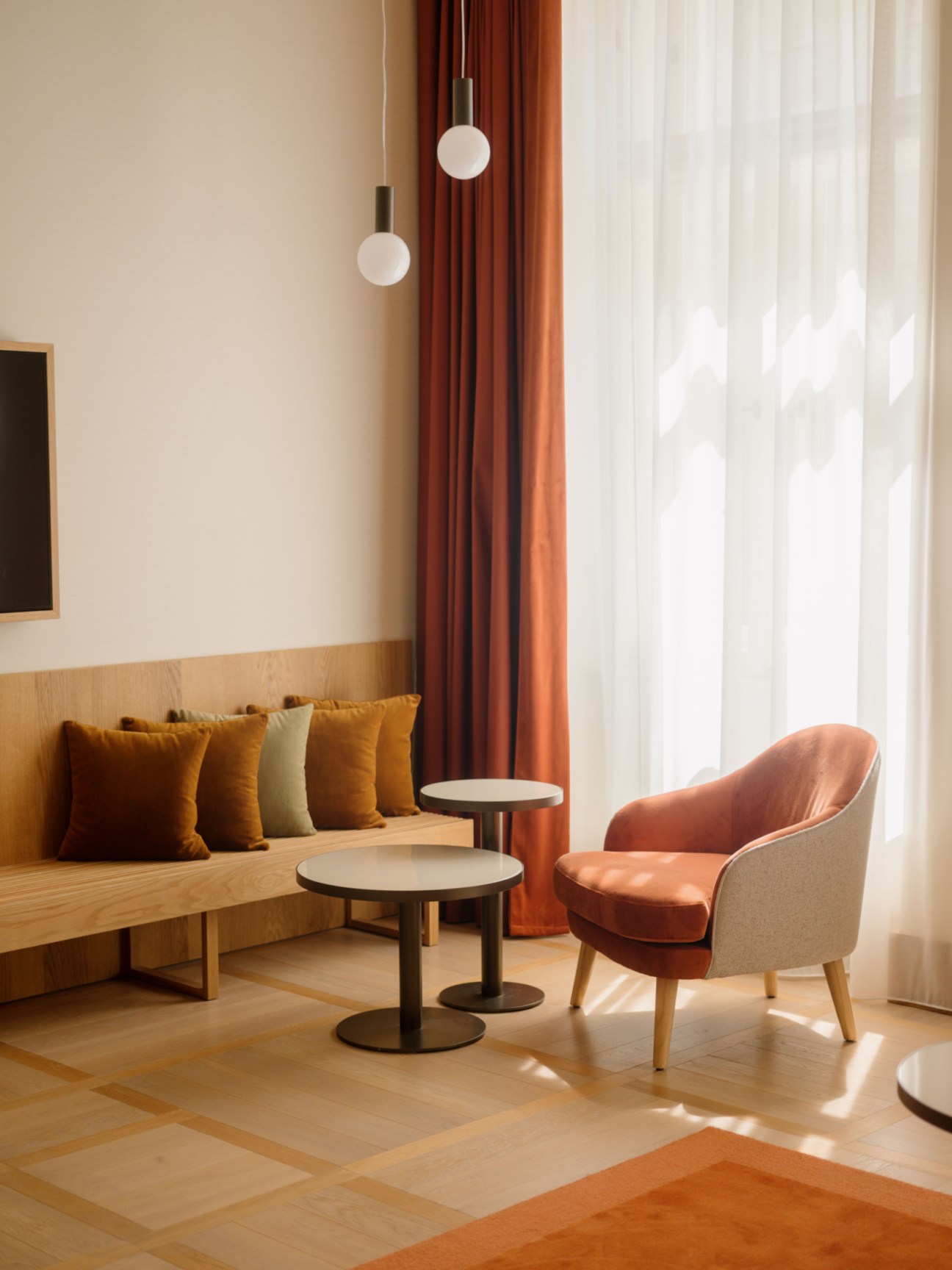
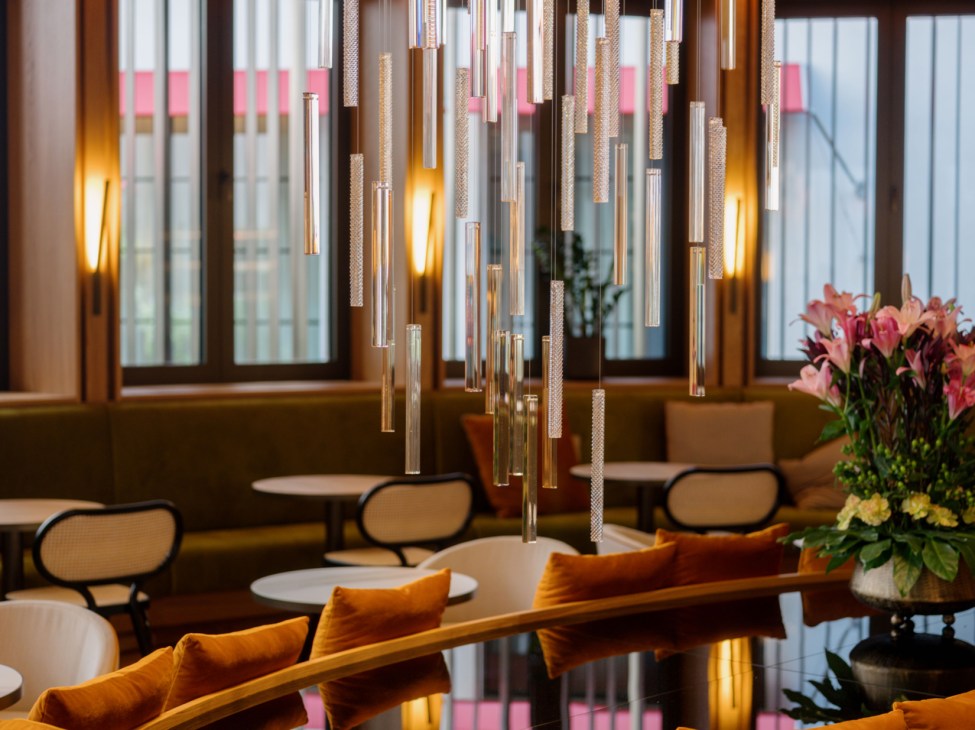
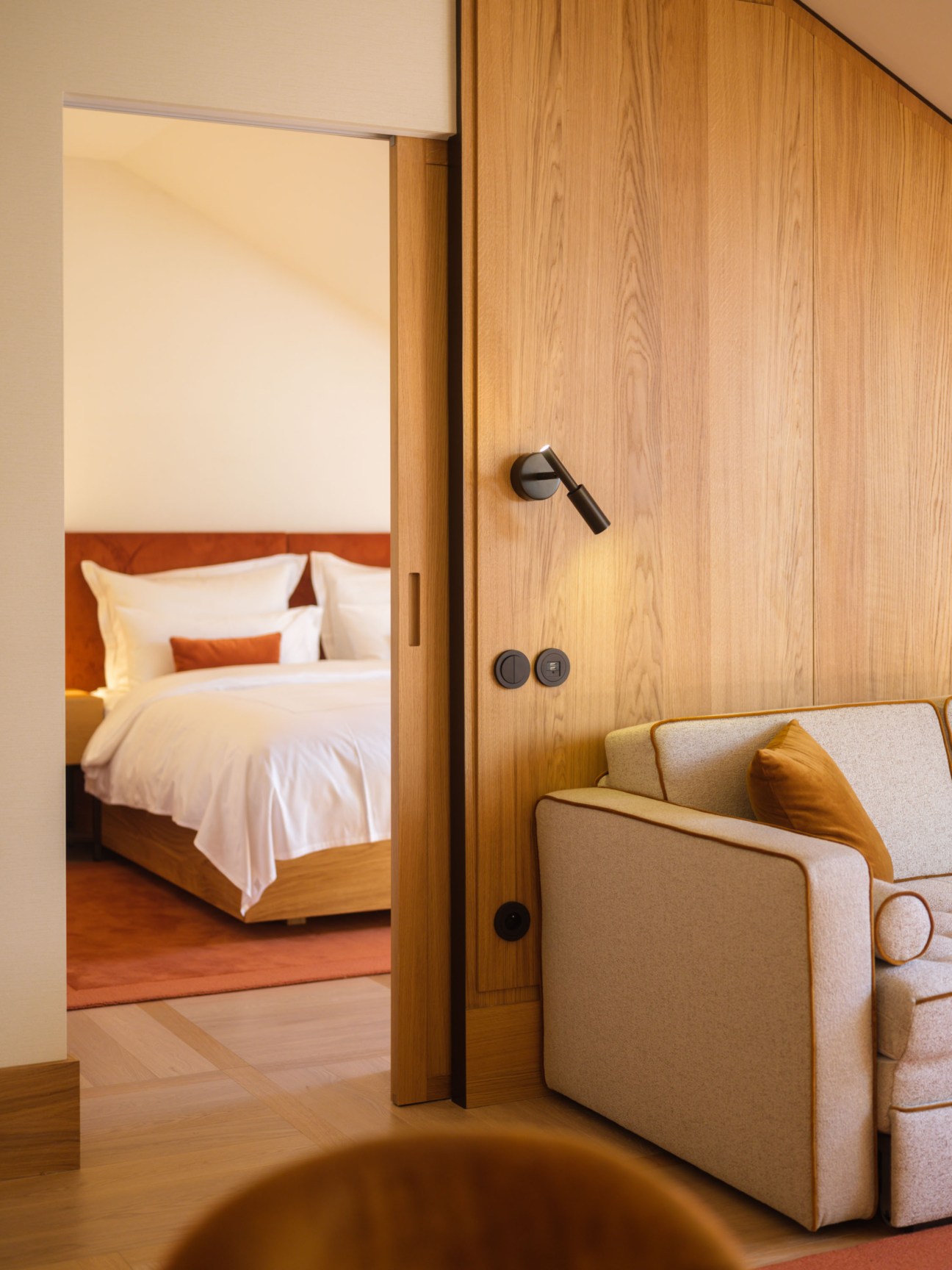
Opened this July, The Julius Prague is the first of many new hotels set to come from the family. On the recently renovated Senovážné Square, The Julius is a short amble from Prague’s Old Town and central train station. The 168-key hotel is spread across three buildings. The front-facing neo-Renaissance pile was updated by Milan-based Matteo Thun & Partners. “Matteo has been working with the family on various projects for decades,” says Meinl. “He has done everything from our coffee cups to the logo redesign.”
The six-storey residence evokes subtle glamour with its colour palette of oranges, greens and blues, inspired by Czech artist Alphonse Mucha. There’s also plenty of natural materials, from wood to ceramics. The front bar lounge and the reception area feature bold, petrol-green walls and velvet curtains; arches and walls are lined with bronzed stainless steel, while accents of orange give the space a quirky feel. The Emporium Bistro and bar, meanwhile, will refine its menu in autumn. Plans for the next Julius hotels include outposts in Budapest, Warsaw and Vienna, followed by thoughtfully selected spots in major European cities such as Rome and Milan. “We’ve brought our Central European heritage forward,” says Meinl.
thejulius.EU
Esmé
Miami Beach
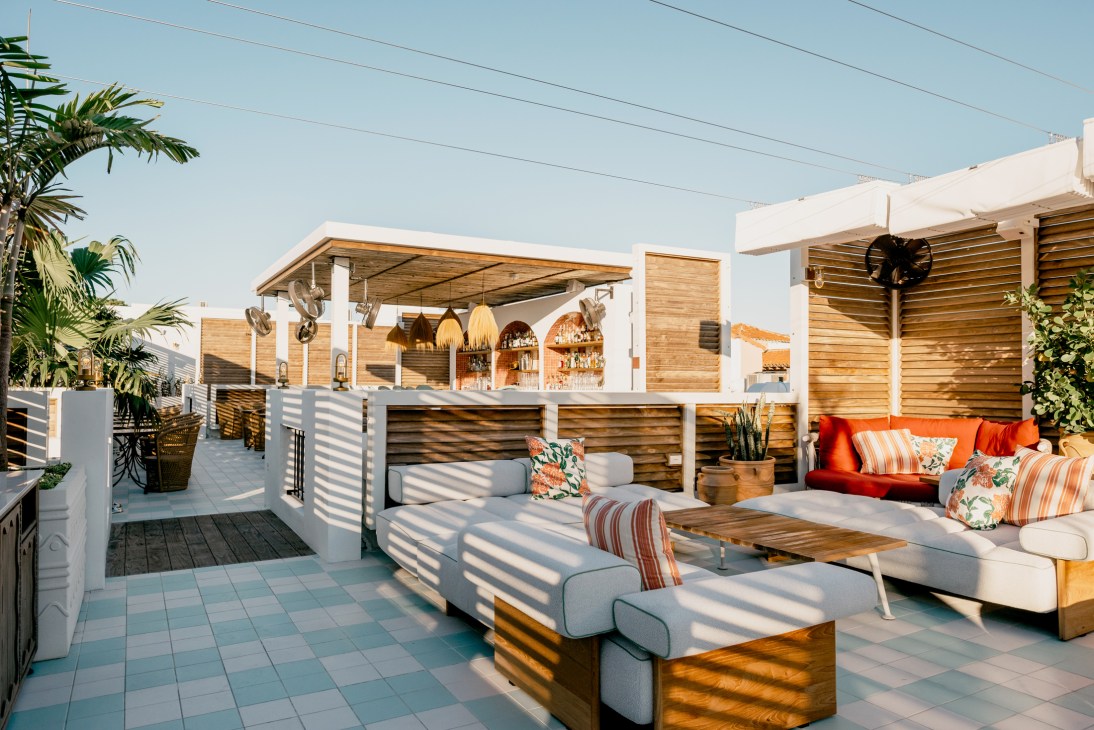
A former artists’ haunt dating from the 1920s on Washington Avenue has been transformed into a smart new South Beach escape. Its 145 guestrooms are spread across eight buildings, all connected by a paseo. Fusing Latin and US influences with a dollop of swagger, the decor includes dashes of rose and emerald hues plus textured mahogany. Four of its rooftops are connected to create a deck with a pool and cabanas. In the evening, The Roof becomes the stage for chef Fabian Di Paolo’s Latin-influenced fare. Try the delectable citrus shrimp, wagyu burgers or the tuna poké.
esmehotel.com
Hotel Nuage
Paris
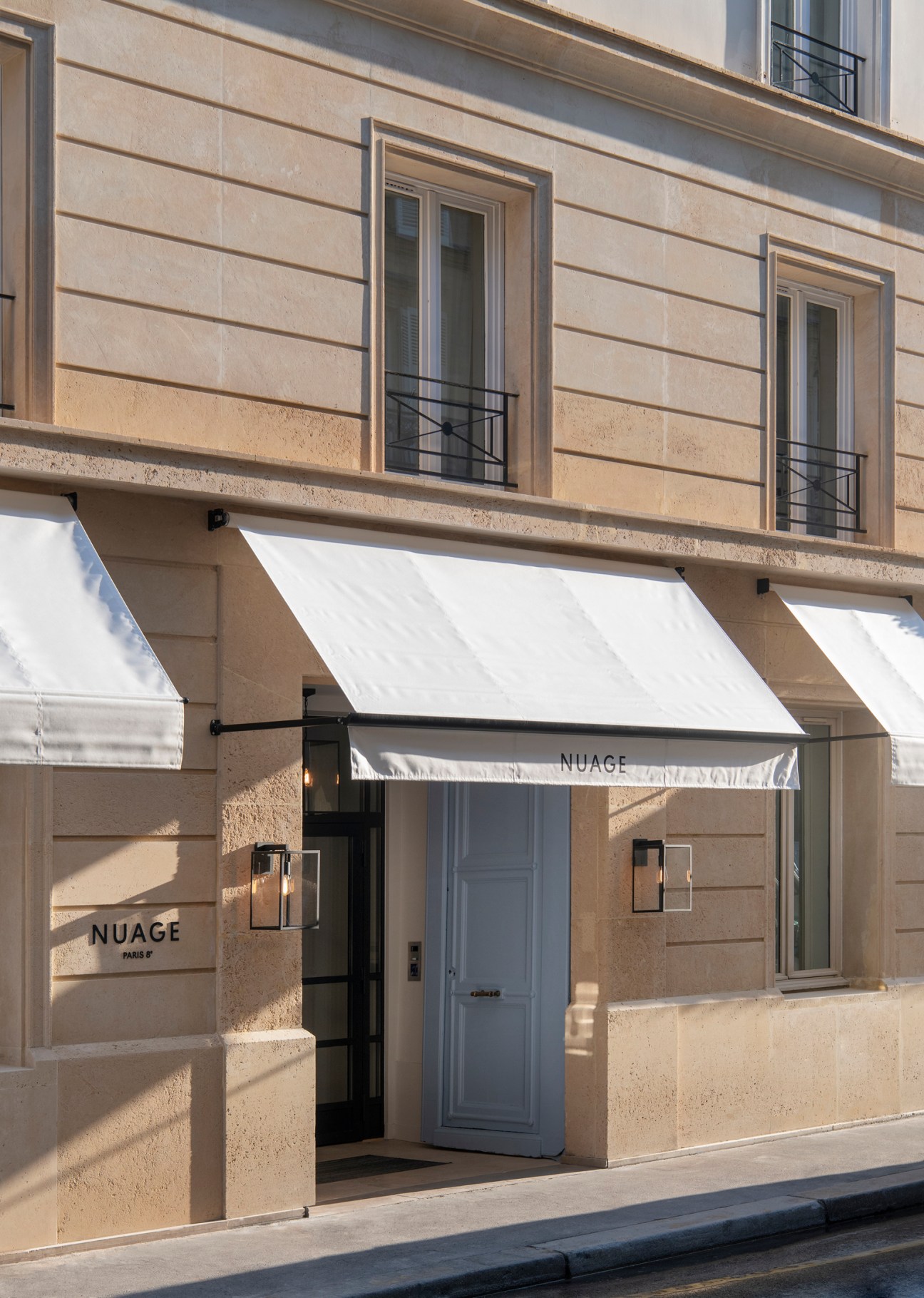
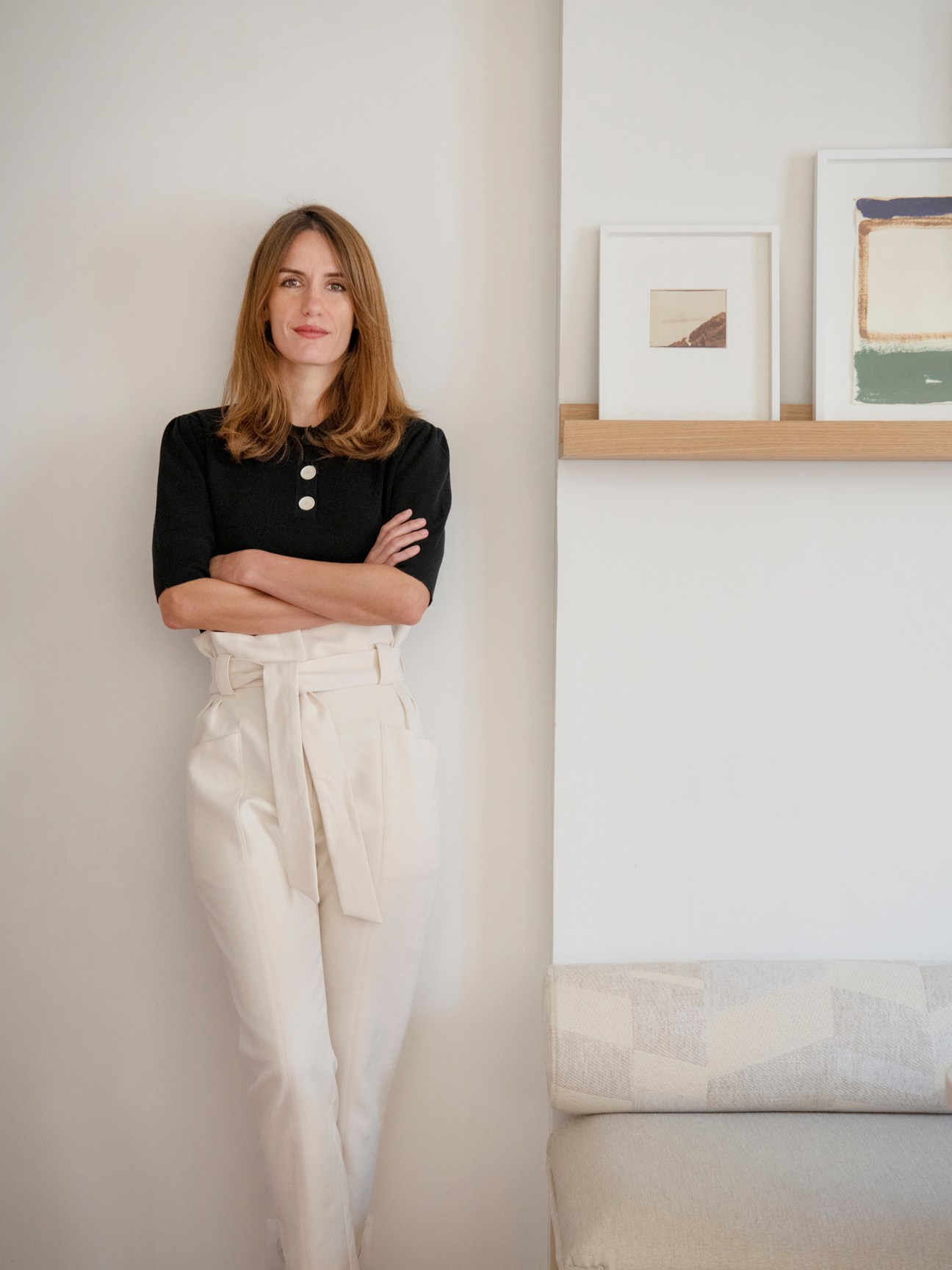
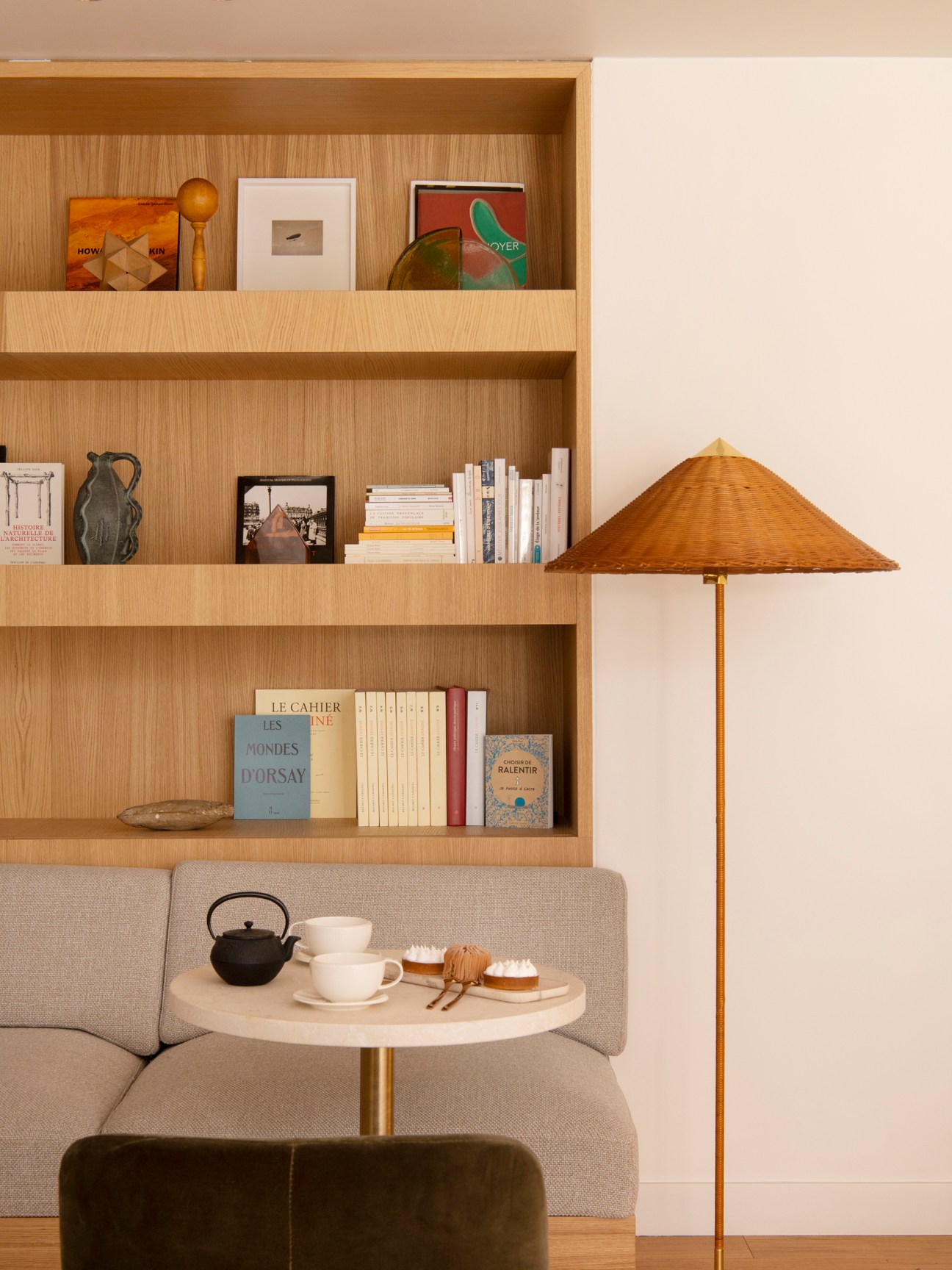
“Everyone knows that sensation of being on a plane above the clouds,” says Olivier Breuil of his new hotel (the name means “cloud”). “Time seems to move more slowly and you’re cut off from phones, meetings and calls.” That’s the feeling Breuil wants to impart to guests but achieving it, a short walk from the Champs-Élysées, is a harder task. Yet the in-house library, glass-roofed lobby or one of the 27 (perfectly soundproofed) guestrooms come pretty close. The mood is agreeably relaxed and even breakfast is a take on slow food that’s worth lingering to enjoy. That it’s served until early afternoon is a nice touch too.
nuage.paris
Les Hautes Mers
Île d’Yeu, France
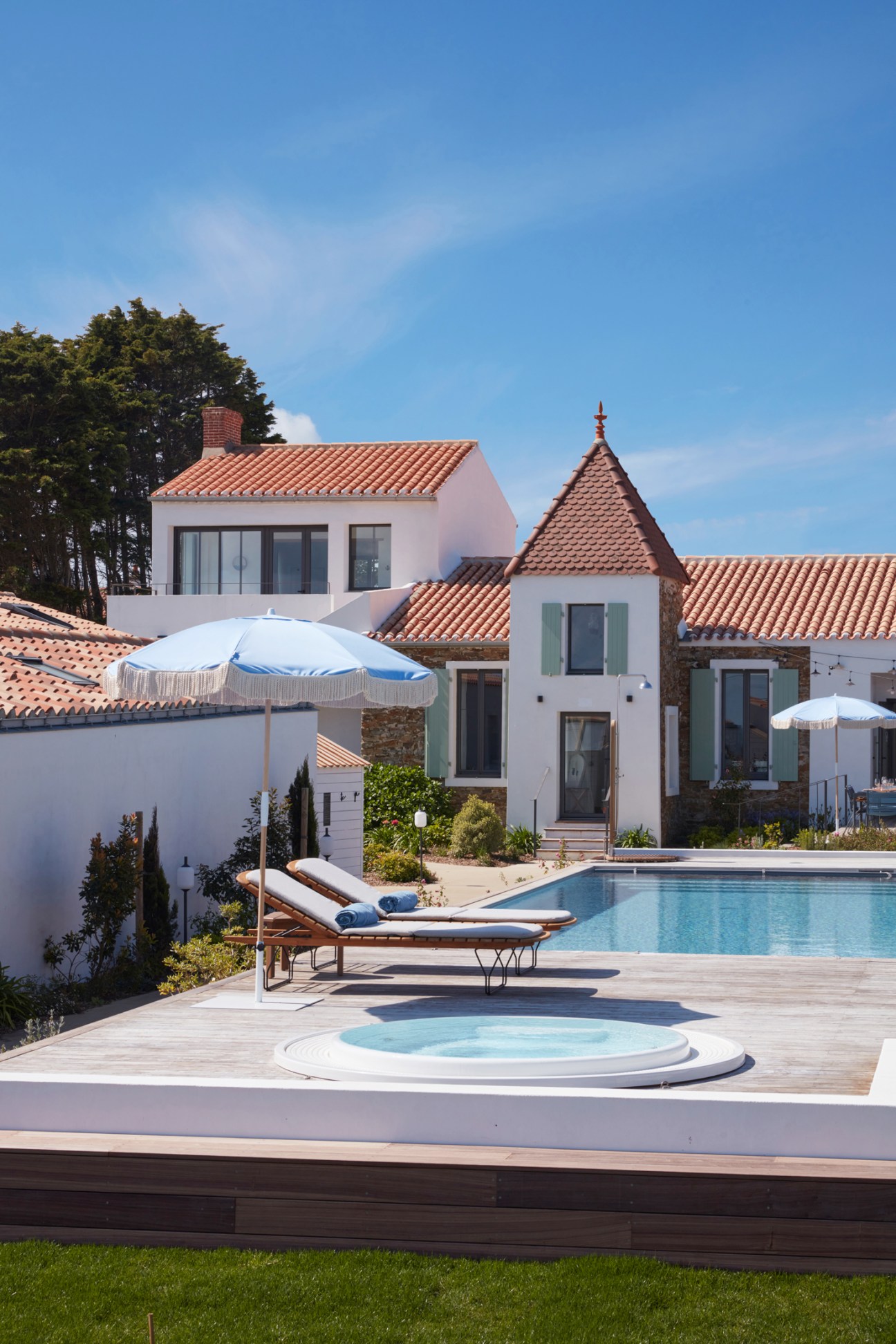
Of France’s 15 Atlantic islands, the Île d’Yeu is the farthest from the mainland, making it a great place to enjoy the last days of summer away from it all. “The island is steeped in tradition and has a strong identity,” says Guillaume Foucher, co-owner of Les Hautes Mers hotel and the Domaines de Fontenille group. With the recent opening of his hotel, Foucher and partner Frédéric Biousse are marking their seventh property and a new chapter for this spot off the Vendée coast. Their hotel stays true to the local vernacular, with whitewashed façades, tiled roofs and 17 guestrooms with views to the ocean. Inspired by the island’s seafaring heritage, the rooms feature nautical nods and pastel blues, and there’s a small outdoor pool for early-morning dips, with water that’s certainly warmer than the Atlantic.
lesdomainesdefontenille.com
Il Capri Hotel
Capri
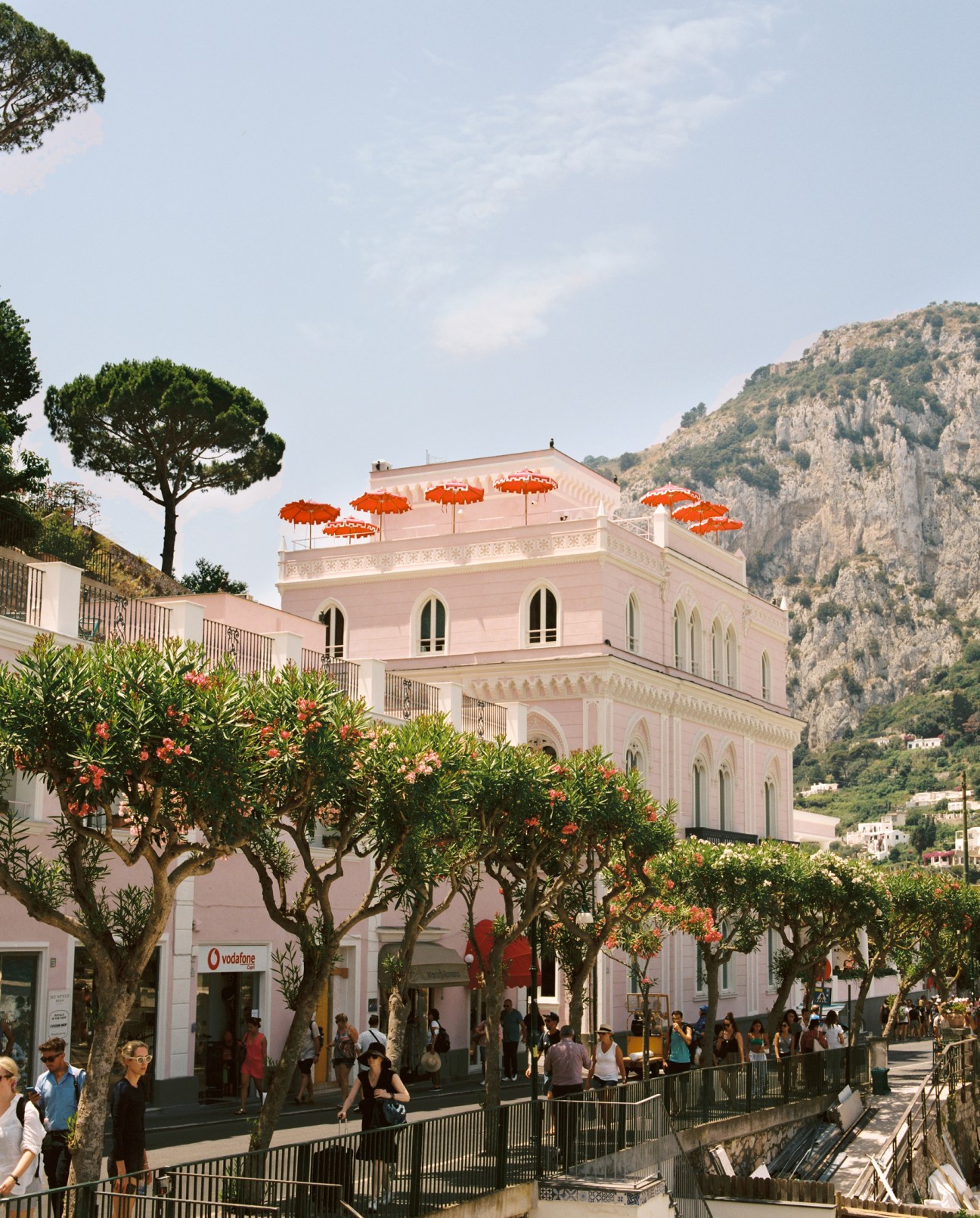
This 19th-century palazzo hotel stands next to the former home of art patron Graziella Lonardi Buontempo and has had a summer revamp courtesy of her niece and namesake Graziella Buontempo. There is a Neopolitan restaurant and a rooftop bar that supplies sunsets and aperitivi, while in the rooms bamboo furniture and subdued pastel palettes defer to the vistas of the Gulf of Naples. “It’s where the eye spontaneously goes,” says Buontempo.
ilcaprihotel.com
Ruohonjuuri
Helsinki
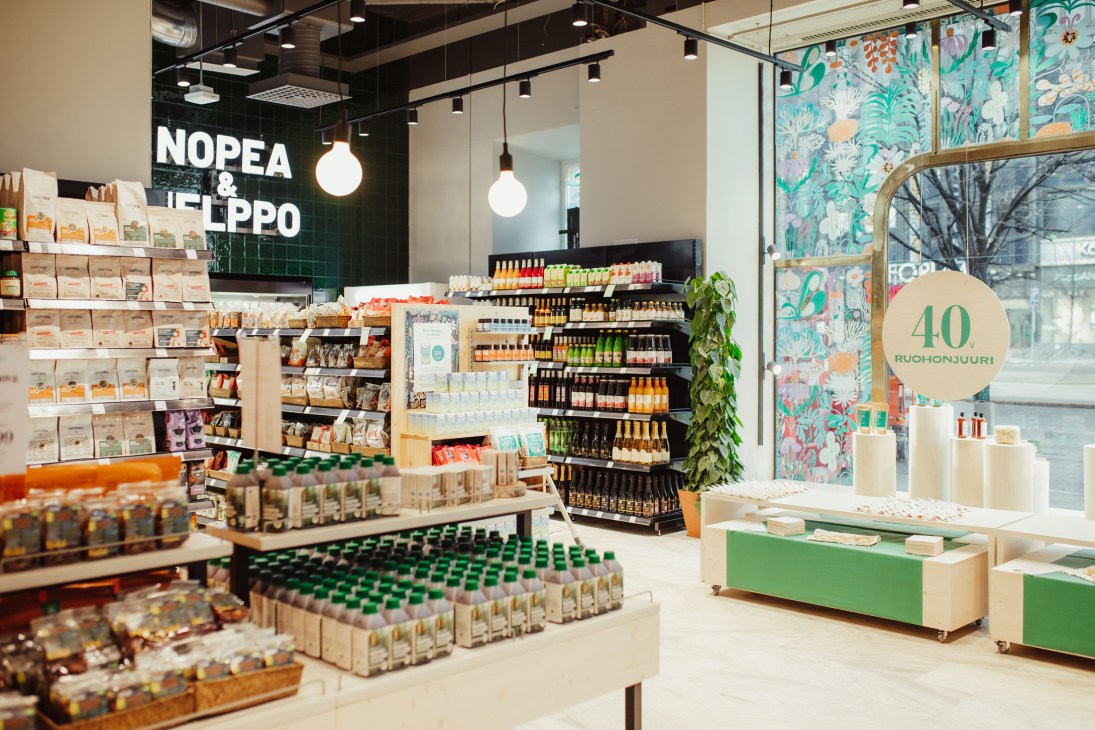
Set up in 1982, Finnish food retailer Ruohojuuri grew a hungry audience for its produce long before sustainability was a buzzword. Today it’s still bucking trends, opening a vast brick-and-mortar flagship in an art nouveau building in downtown Helsinki. “People need face-to-face, personal service,” says CEO Päivi Paltola, who worked with design agency Amerikka to make the most of the space. “For physical shops to stay relevant, they need to be places people want to spend time in.” — pbu
ruohonjuuri.fi
Hotel Belle Plage
Cannes
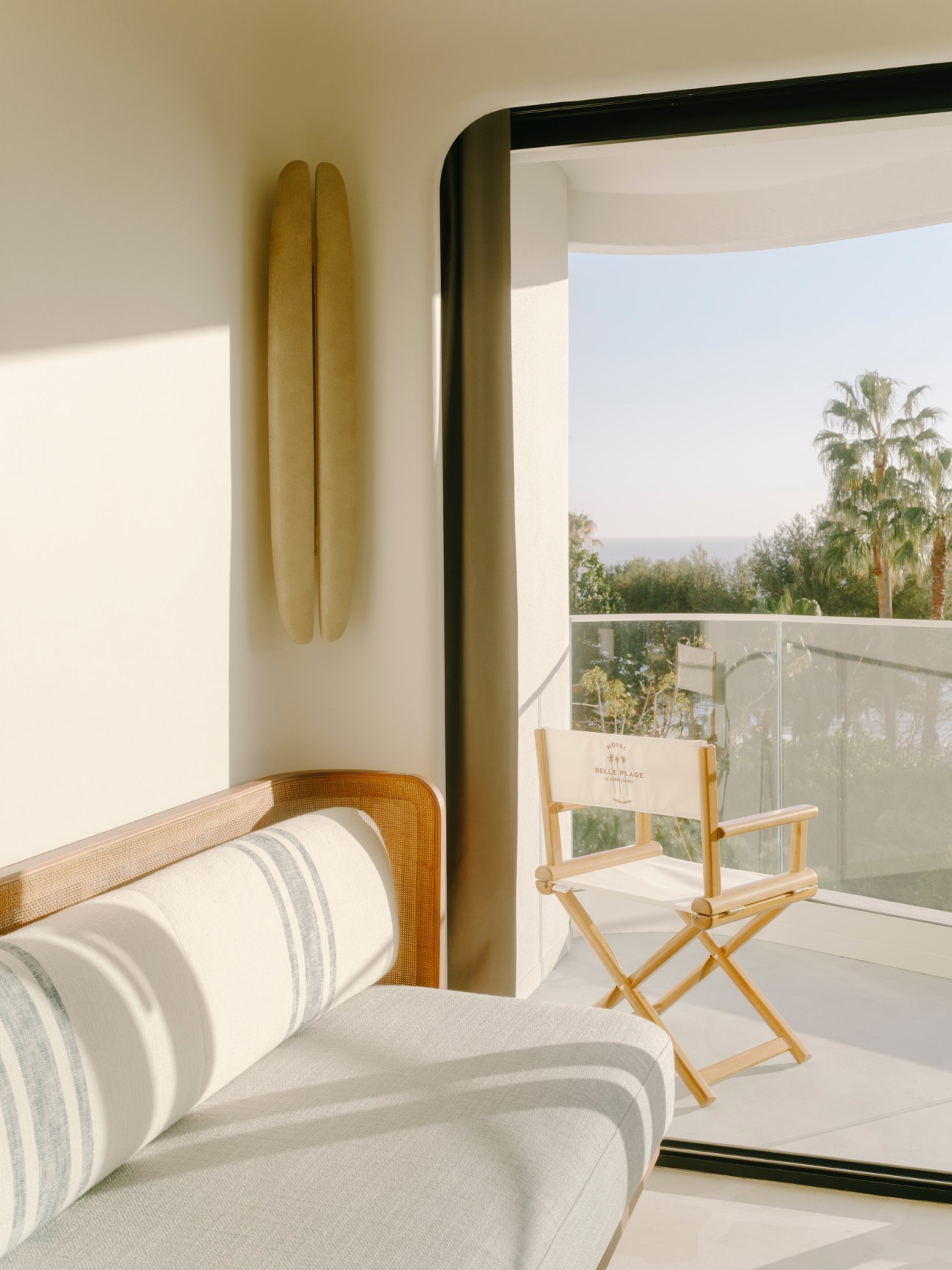
Opposite sandy Suquet beach in Cannes’ historic heart, the city’s latest hotel opening feels miles from the glitz of the Croisette. Behind the Bauhaus-inspired façade are 45 guestrooms that blur the lines between inside and out with sea views and natural materials. “We wanted this to be a place where guests can truly feel good,” says interior designer Raphaël Navot. On the roof terrace, Israeli chef Eyal Shani serves fresh Mediterranean cuisine. A must-try dish? Hummus with shrimps, laced with beurre noisette.
hotelbelleplage.fr
Le Maison Palmier
Abidjan
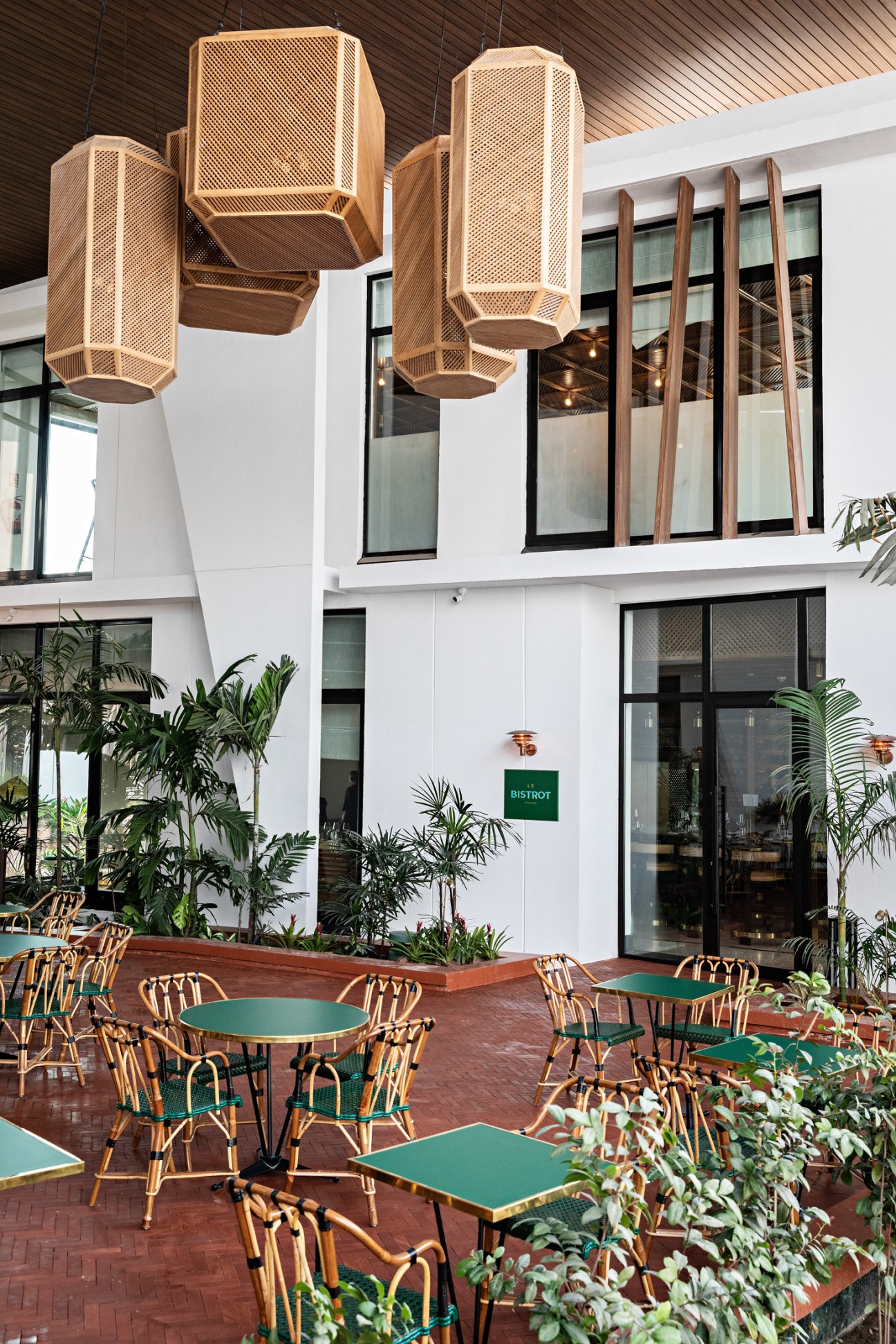
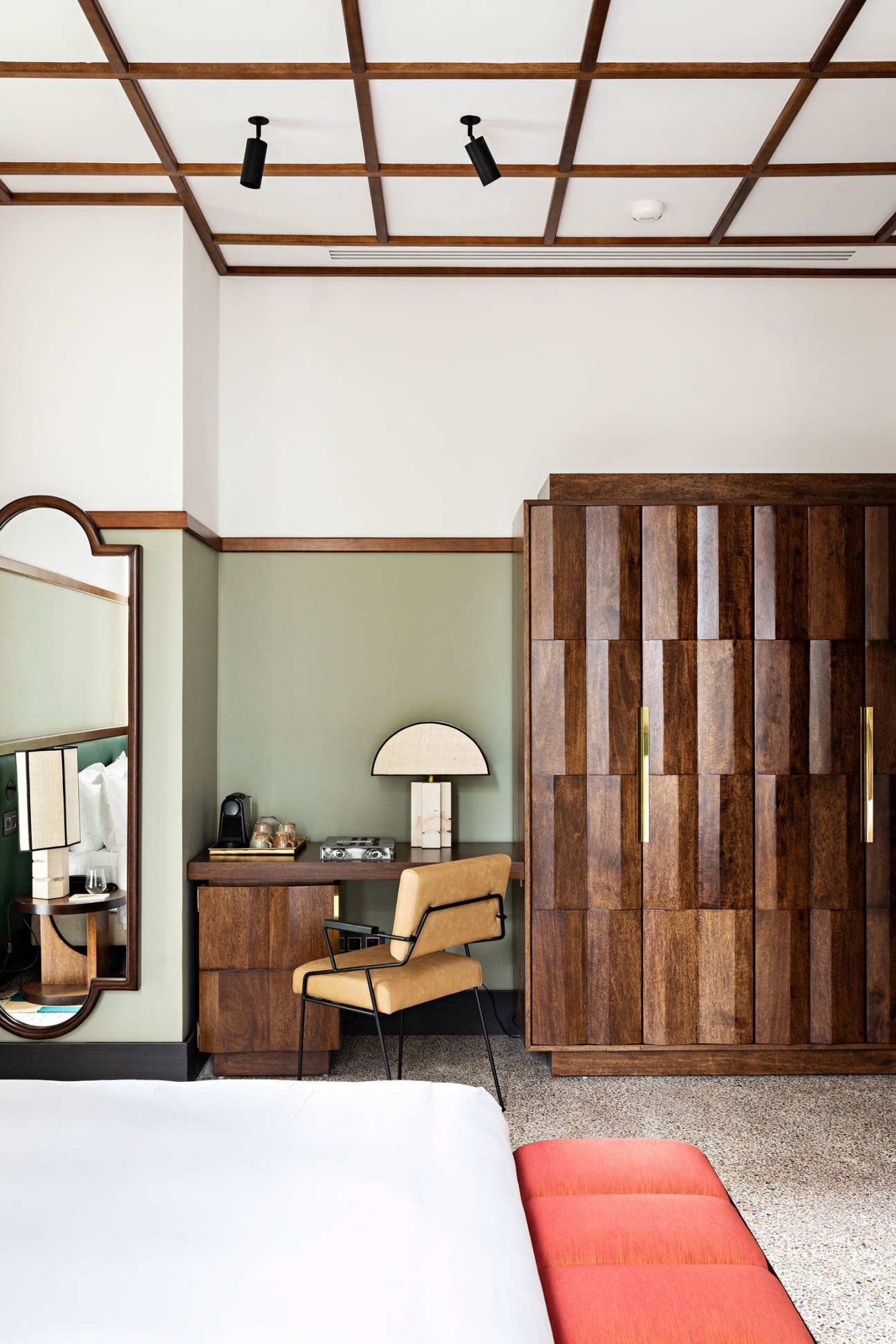
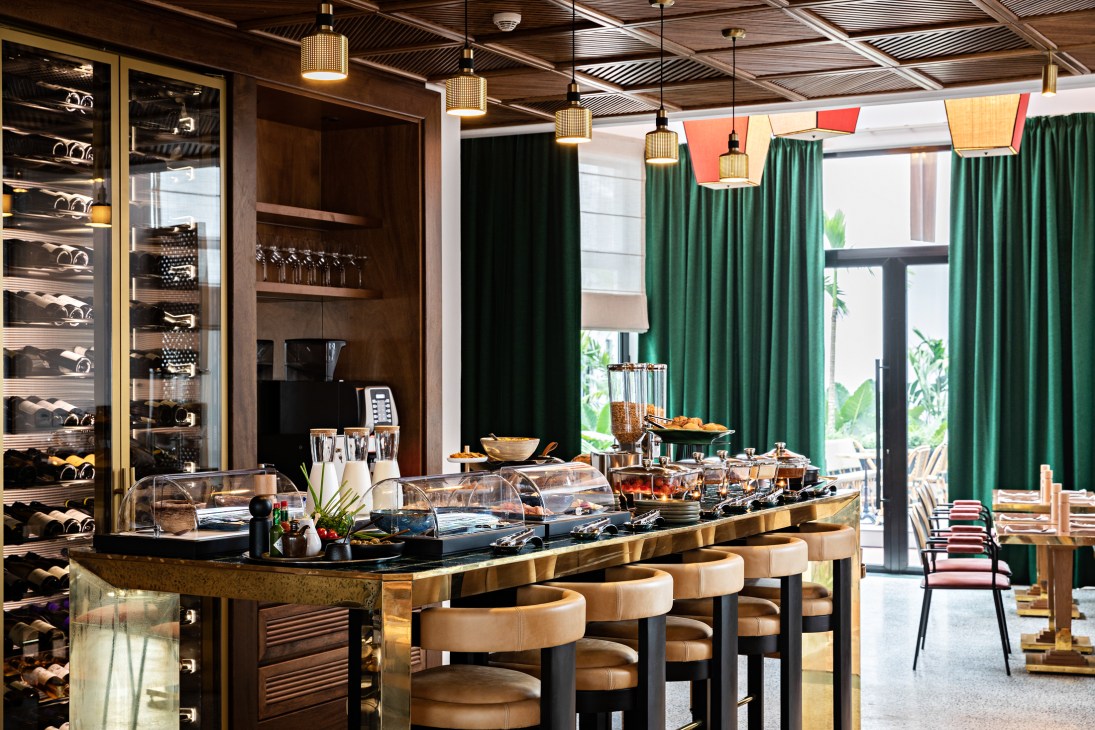
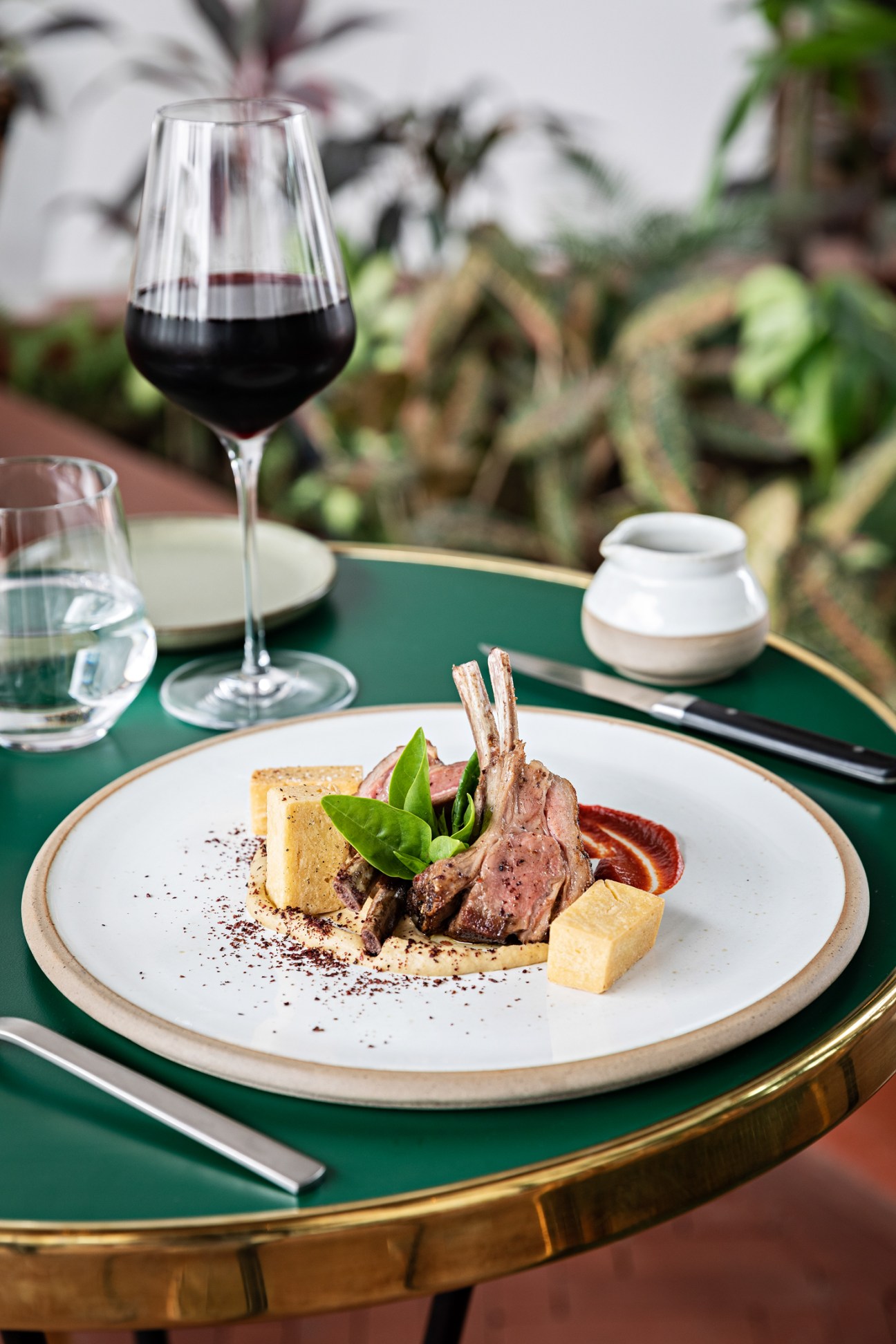
Côte d’Ivoire has a smart new addition to Abidjan’s embassy-lined Les Deux Plateaux neighbourhood a 15-minute drive from downtown. Hotel owner Abdallah El Gandour tapped Abidjan-based Désiré M’Bengue to complete the nine buildings that form La Maison Palmier. Beyond the whitewashed façade is a playful interior of terrazzo floors and art deco-inspired mirrors. Rattan furniture from Parisian architect Maxime Liautard sits atop rugs by Senegalese textile designer Aïssa Dione. The restaurant offers an international menu from French chef Matthieu Gasnier and the bar is a smart spot for a poolside tipple.
lamaisonpalmier.com
Images: Marine Ballet, Jen Castro, Gaille Le Boulicaut, Ambroise Tezenar, Christophe Coenon, Yann Deret
Table talk
Rosamar
Lisbon
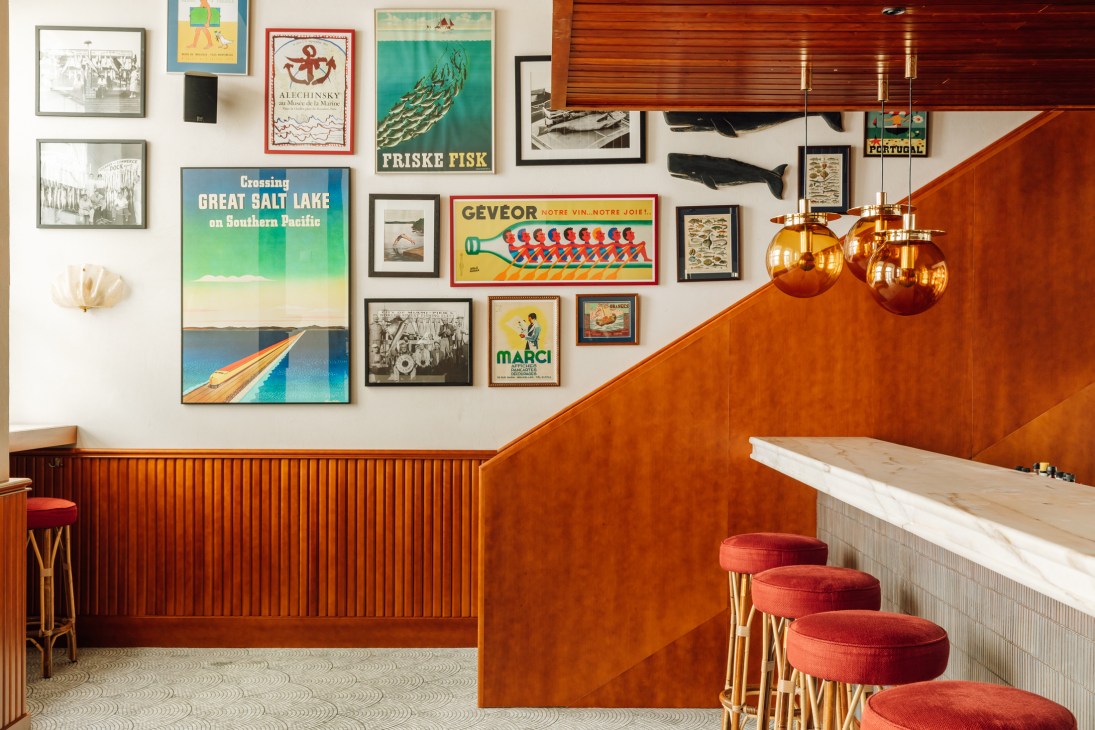
Margaux Marcy and Pierre d’Andrimont have an eye for bringing beautiful buildings back to life as lively restaurants, from the quaint corner where they opened Café Janis in Cais do Sodre to the nearby rooftop restaurant Javá. “I always look for a location with a good energy and then adapt the concept to fit it,” says d’Andrimont. It was a space with a Crittall glass ceiling and terrace that inspired their latest opening, seafood restaurant Rosamar. “Although I love the typical marisqueiras, I felt there was something missing that had a more modern approach,” says d’Andrimont. The interiors, by British-Portuguese firm Studio Pim, nod to the nautical with wood panels and white and blue fabrics. The seafood is local but the recipes are global, from ceviche and tagliatelle alle vongole to prawn tacos.
brigadelisboa.com/rosamar
Benelux Wine Co
Amsterdam
“Our passion for wine and cheese developed over the years during working-holiday sabbaticals on farms and vineyards across Europe, Israel and Australia,” says AJ Pawlikowski. Born in the US, he and partner Malory Lane lived in Tokyo before moving to Amsterdam in 2019 with the idea of starting a wine-and-cheese business. The pair found a charming premises in the central Jordaan district and tapped Amsterdam architects Ninetynine to spruce up the bright, brick-fronted space. They also turned the small kitchen at the back into a lively tasting room, with the help of carpenters Houthandel van Steen.
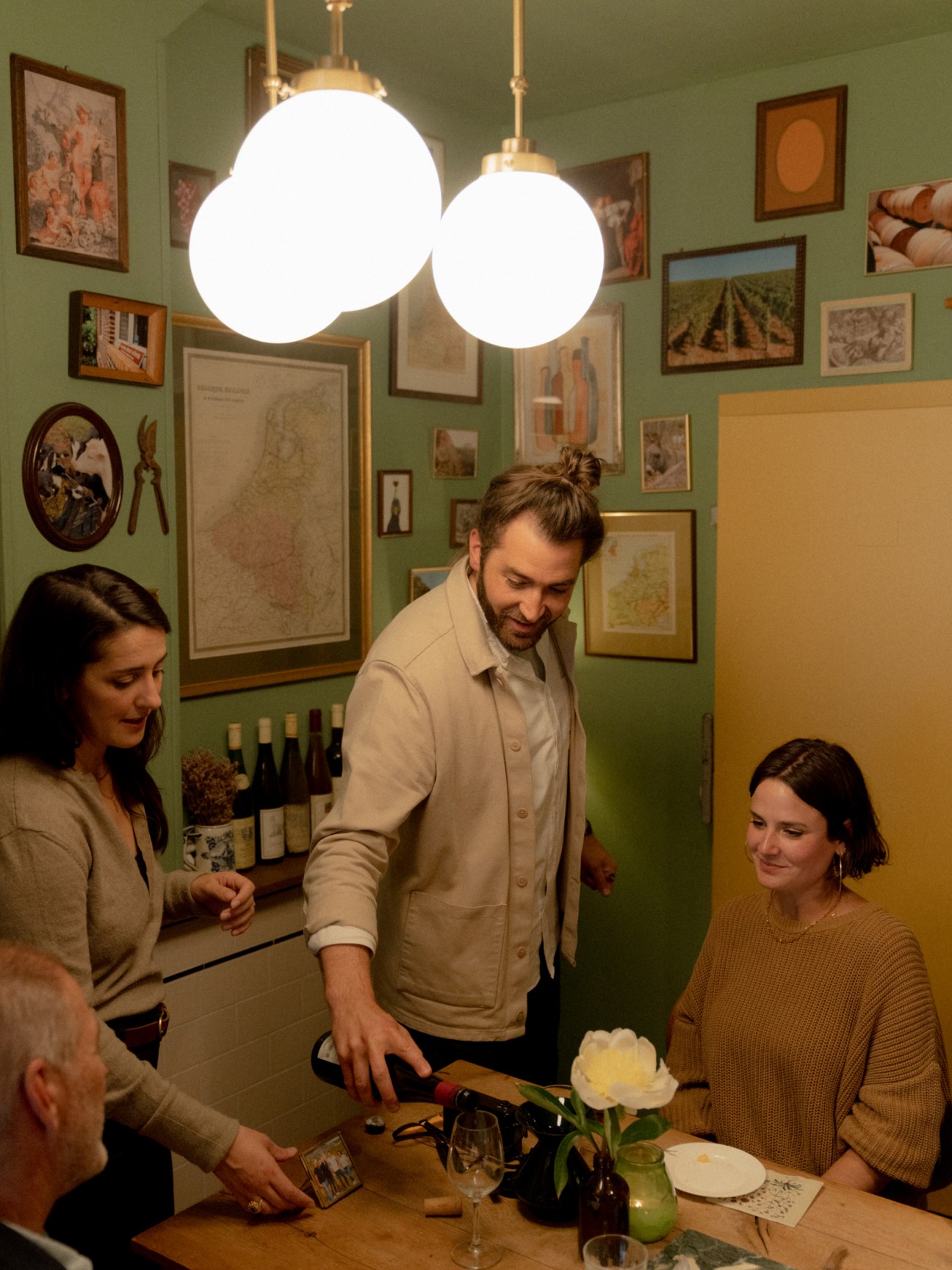
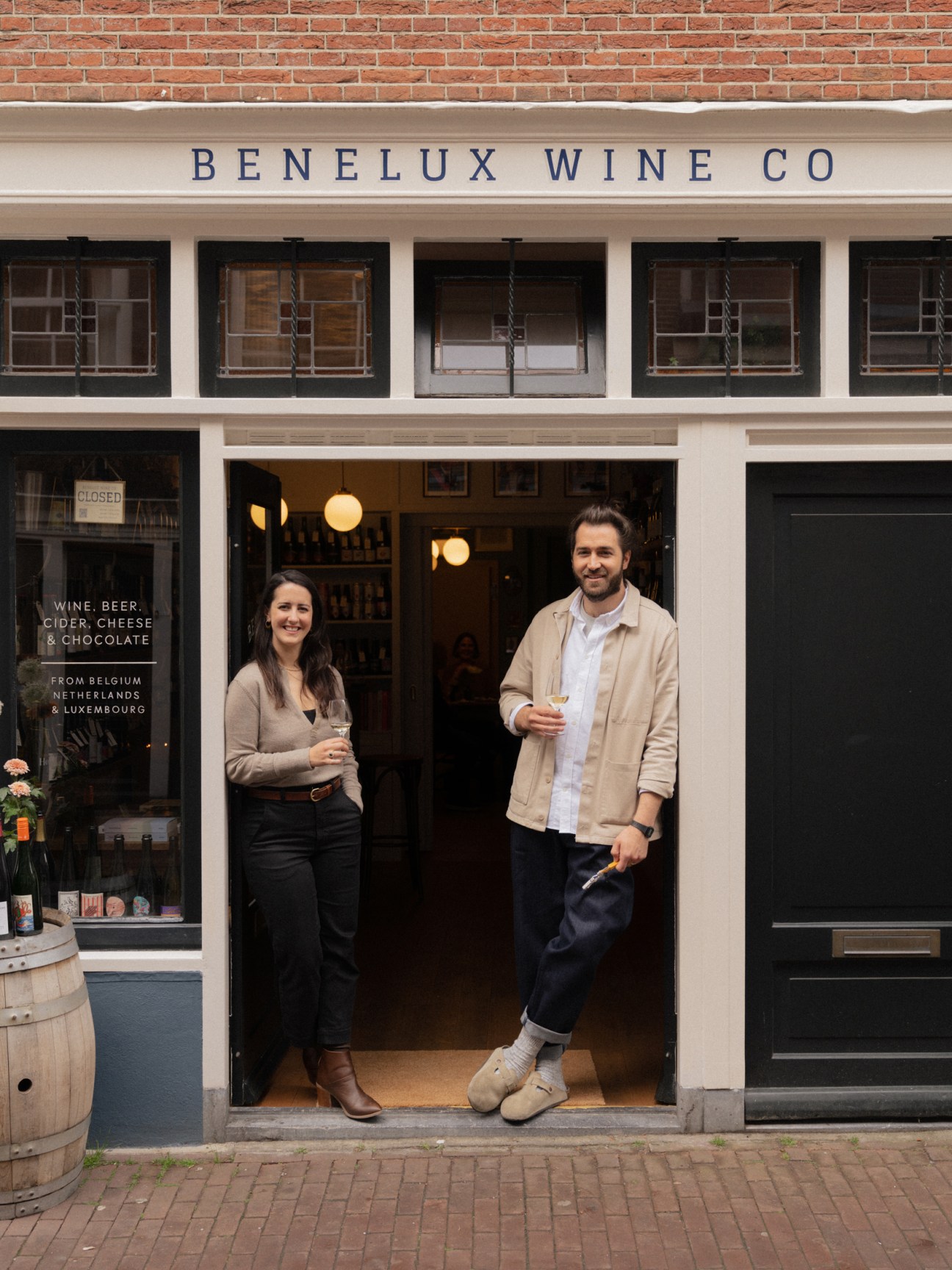
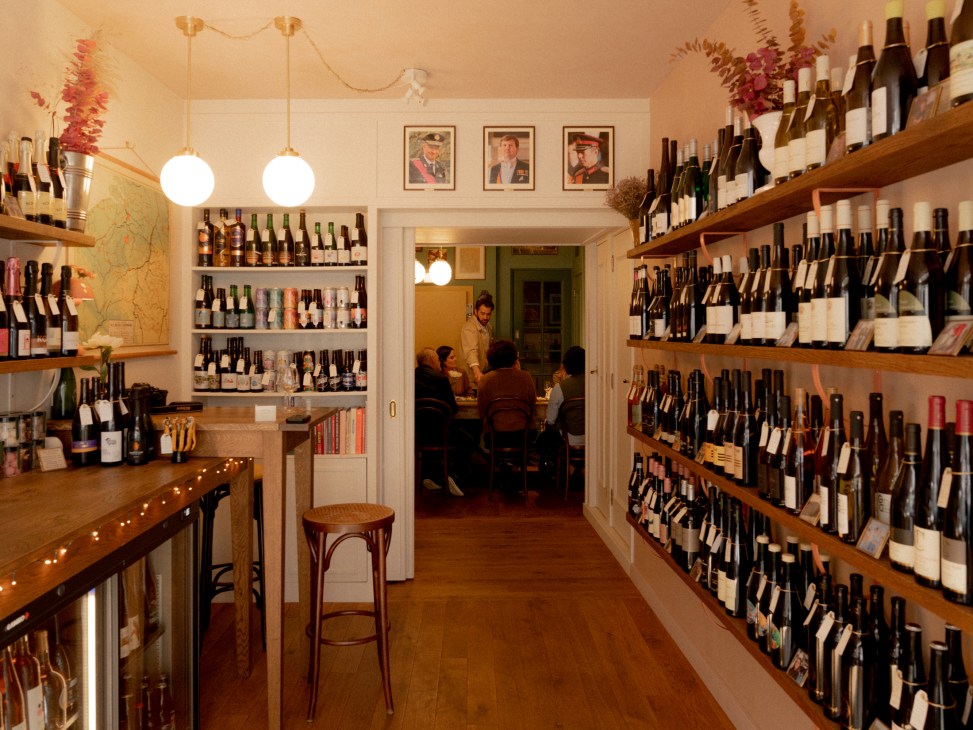
After visiting every wine-maker they could find within 400km of their new base, Pawlikowski and Lane, a cheese specialist, opened Benelux Wine Co in December 2020. Most of its reds come from Luxembourg, a few from the Netherlands’ regions of North Brabant and Limburg and some from Belgium too. “Just consider that the majority of emissions tied to any bottle of wine are connected to the distribution process,” says Lane. “In Amsterdam, how sustainable is a bottle of low-sulphite, spontaneously fermented wine sourced from New Zealand – or Sicily – for that matter?”
Benelux Wine Co puts on cheese and wine tastings with a different theme every week. “We also hold tastings on canal boats, which fosters an inclusive drinking community around the shop. The concept of running a family business, similar to the kind you’d see in Japan, is something that we’ve always respected,” says Pawlikowski.
beneluxwine.com
Bambino
Paris
Think of a Parisian bar and you’ll most likely picture bentwood Thonet chairs, zinc counters and brusque-talking waiters in aprons. Not at Bambino, the buzzing 11th arrondissement venue, whose owner Fabien Lombardi has brought a more international take on going out to the French capital.
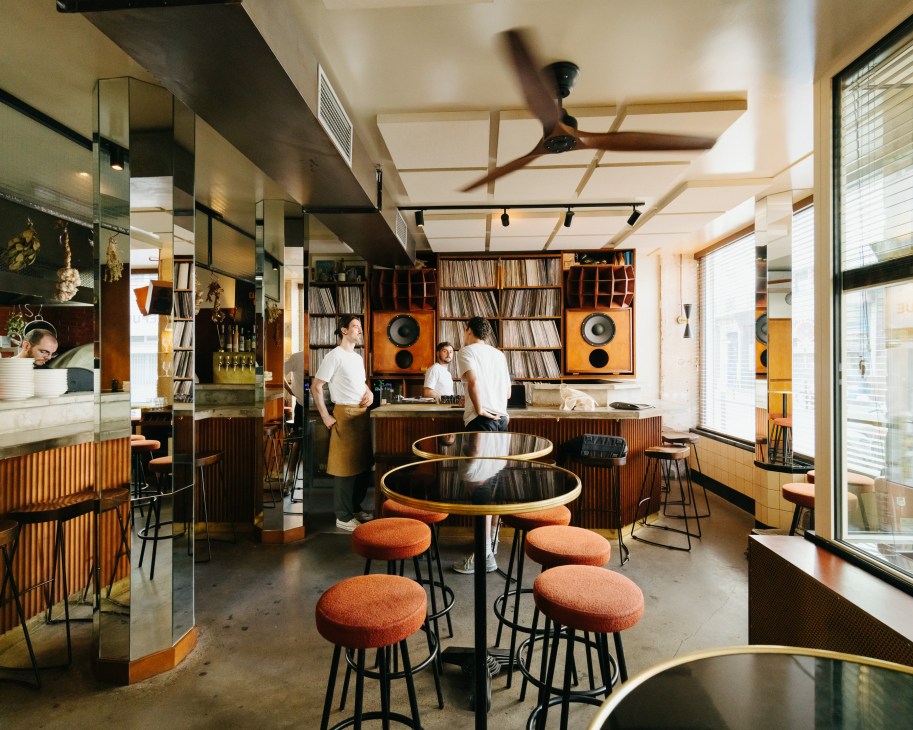
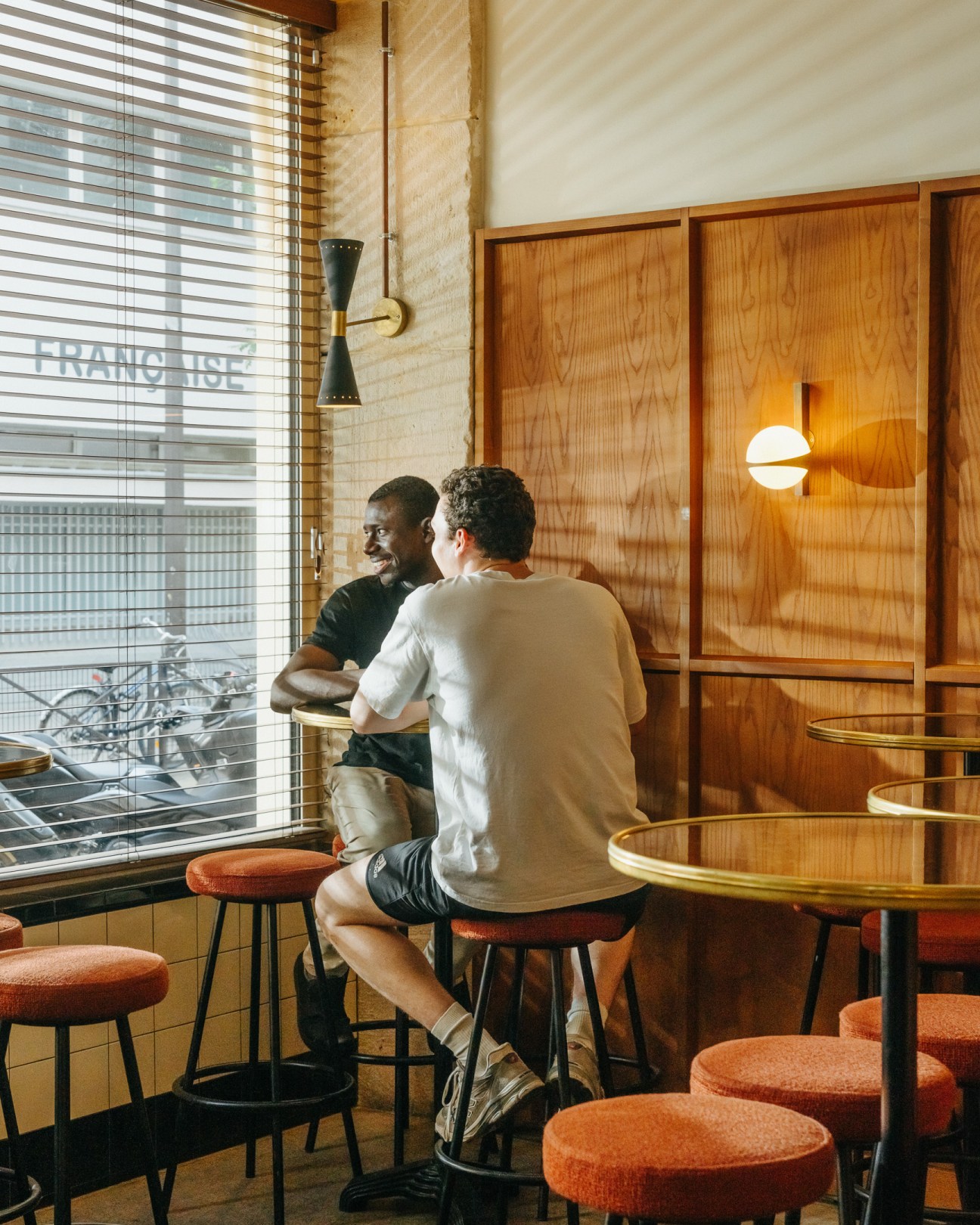
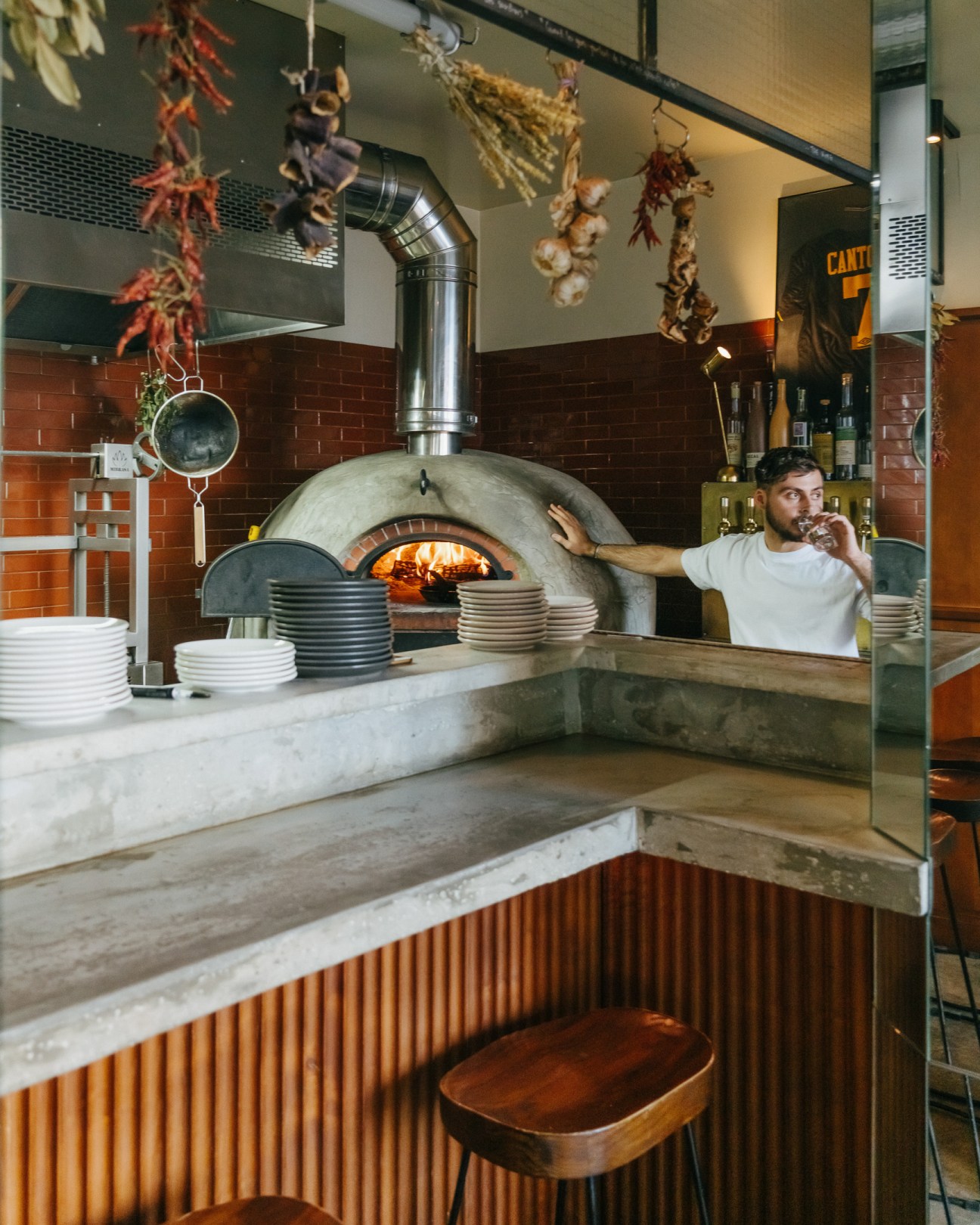
“We have taken inspiration from the festivity of Tel Aviv, the clubs of London and the jazz cafés of Tokyo,” says Lombardi. The upshot? A space that feels jovial yet grown-up with a wood-and-mirror panelled interior, dim lighting and plenty of vinyl from Lombardi’s impressive record collection.
From 19.00 the open kitchen churns out a selection of small plates for sharing: think tahini-drizzled grilled aubergine, octopus with nduja, and roasted chicken sandwiches. By the time late evening rolls around, the food becomes secondary and the dancing starts. If your moves need a little help, there are negronis and other cocktails on tap alongside craft beers, G&Ts and plenty of (actually nice) natural wine.
bambinoparis.com
Four Pillars Distillery
Healesville, Australia
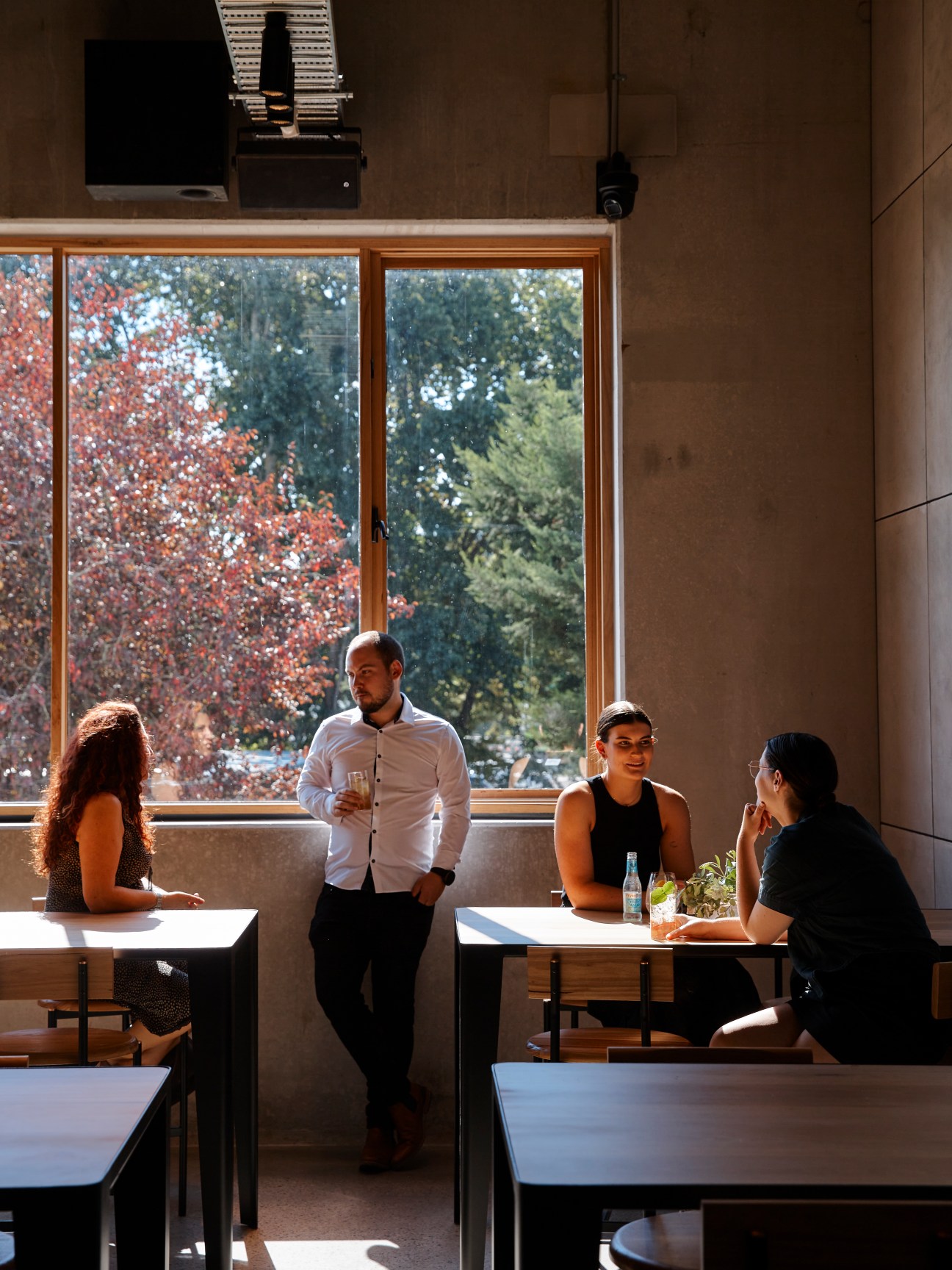
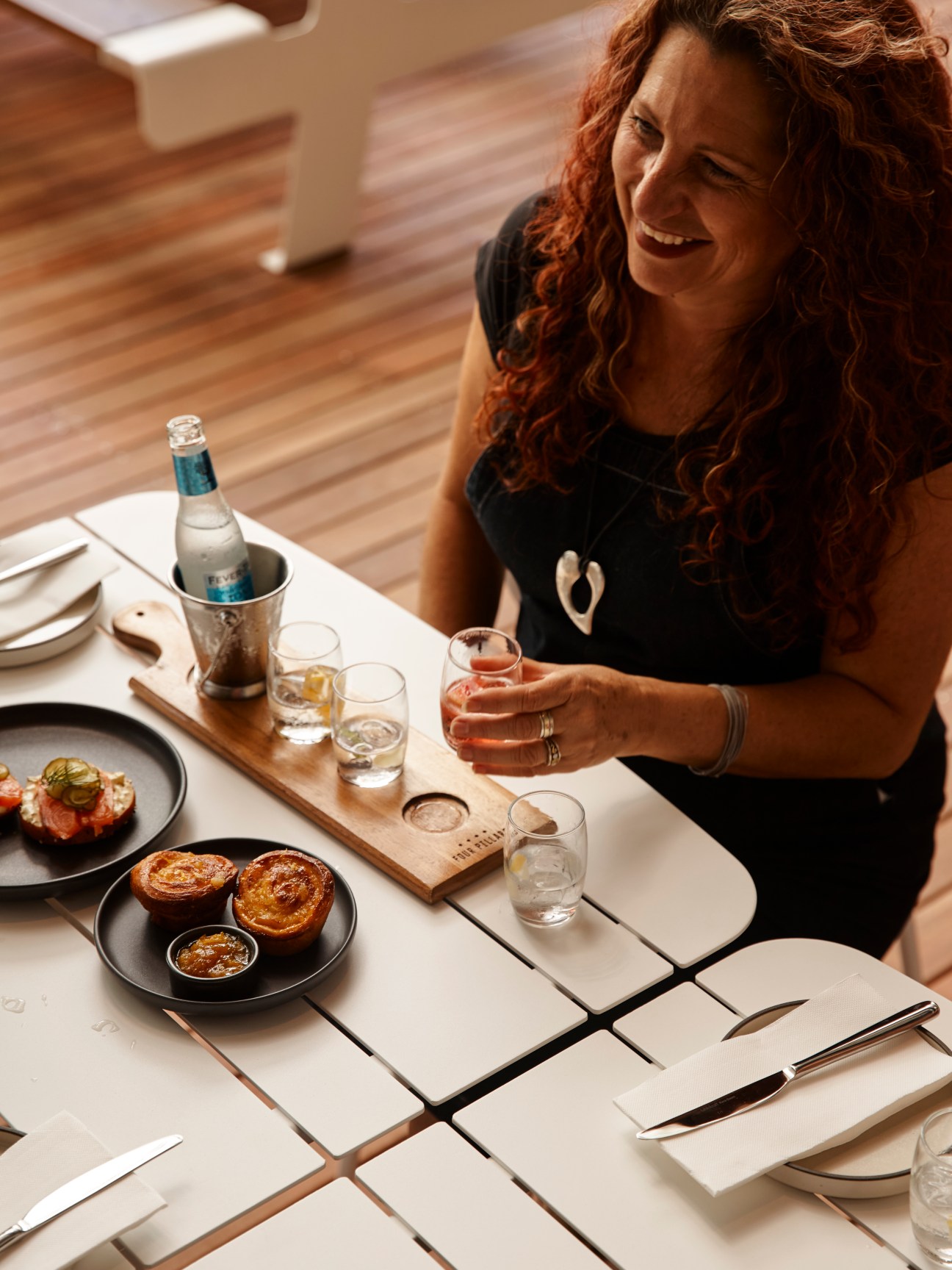
Aussie gin brand Four Pillars was started by friends Stuart Gregor, Cameron Mackenzie and Matt Jones in 2013 but the public was thirsty for more. Luckily its new distillery in the Yarra Valley, an hour’s drive east of Melbourne, offers tastings and cocktail workshops. Those interested in the craft can book in to see how the stuff is made (hint: in vast German copper stills and with native botanicals). As well as the classics made with lemon myrtle and Tasmanian pepper, the distillery sells new tipples including one made with shiraz grapes and a spiced gin designed with a negroni in mind. Cheers to that.
www.fourpillarsgin.com
Nomura Shoten
Tokyo
Located in a residential area of Misuji near Ueno, Nomura Shoten is a new kaku-uchi bar by Soran Nomura. “It’s a next-generation liquor shop where people can discover new drinks,” says Nomura. The 38-year-old owner knows a thing or two about the art: he trained as a bartender in London and worked at bars including Fuglen and Ao in Tokyo. He also collaborates with Japanese distilleries to develop new products.
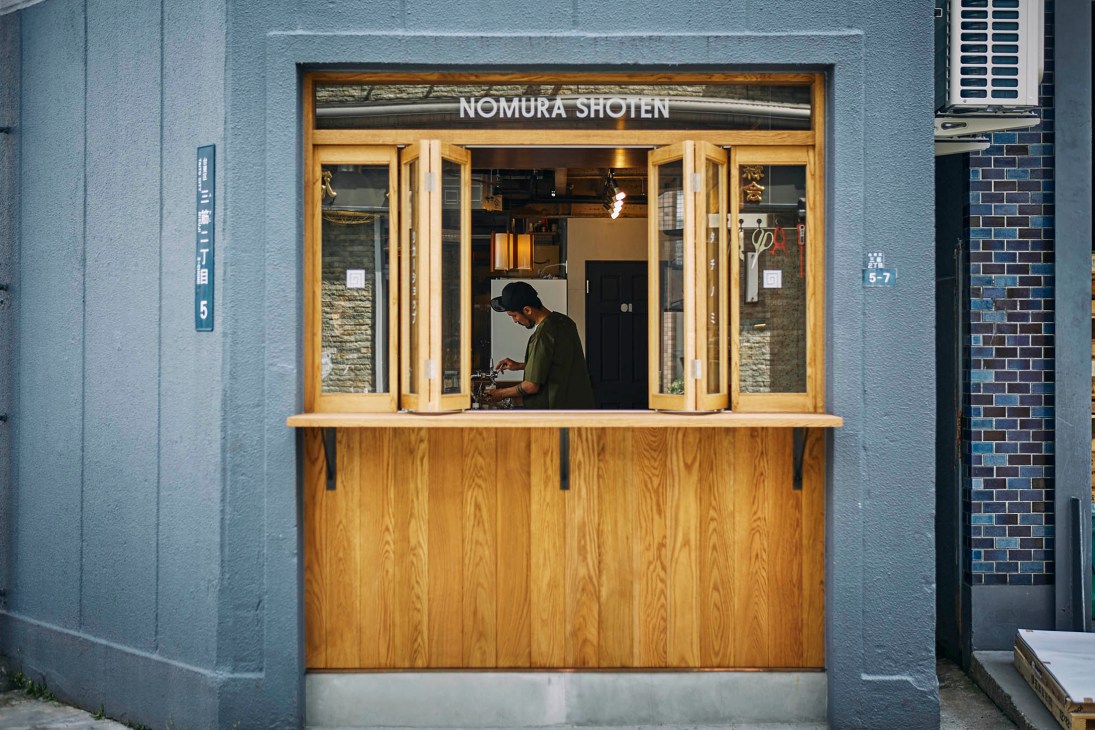
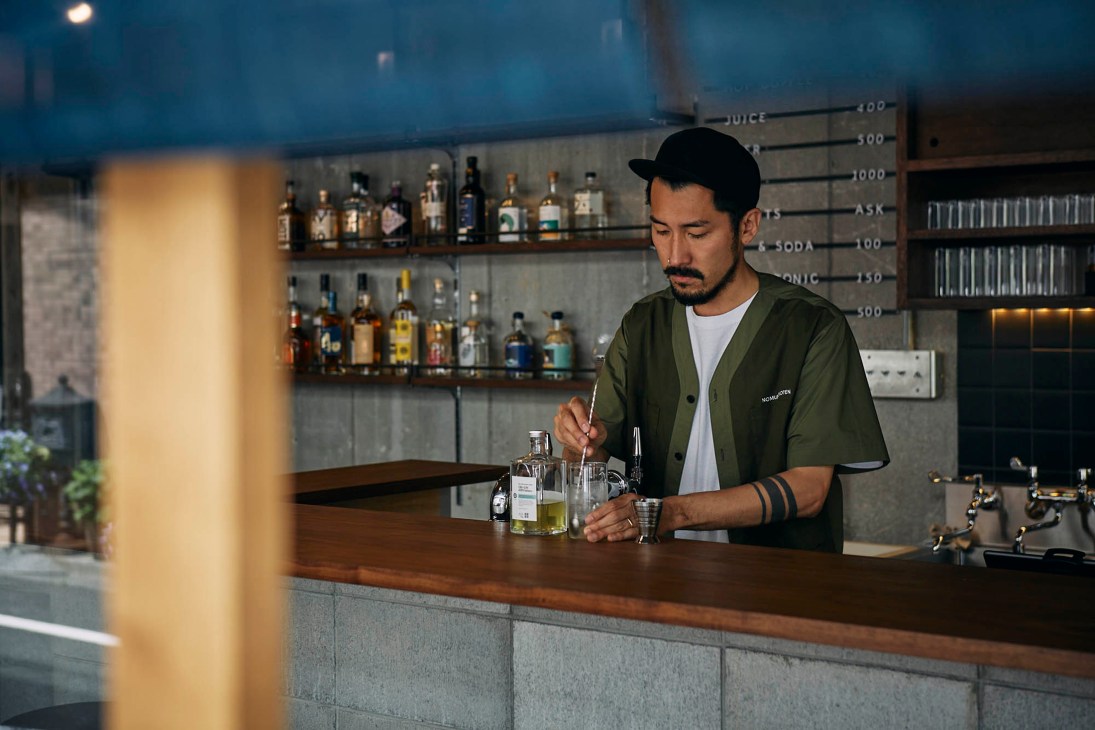
Nomura doesn’t mix cocktails here but instead serves distilled drinks including rum from Okinawa and shochu with soda or tonic water to introduce the drink. There are natural wines and craft beers from across the world as well as light dishes such as bao buns and curry (made by Nomura’s mother).
“If you liked the drink you had, you can purchase the bottle,” he says.“That’s the kaku-uchi style.”
r-k-k.jp
Kämp x Sanchome
Helsinki
New to the ground floor of Helsinki’s Hotel Kämp, Sanchome is the latest opening by the Finnish-Australian chef Tomi Björck. The proposition is simple: classic Japanese dishes made from seasonal Finnish ingredients.
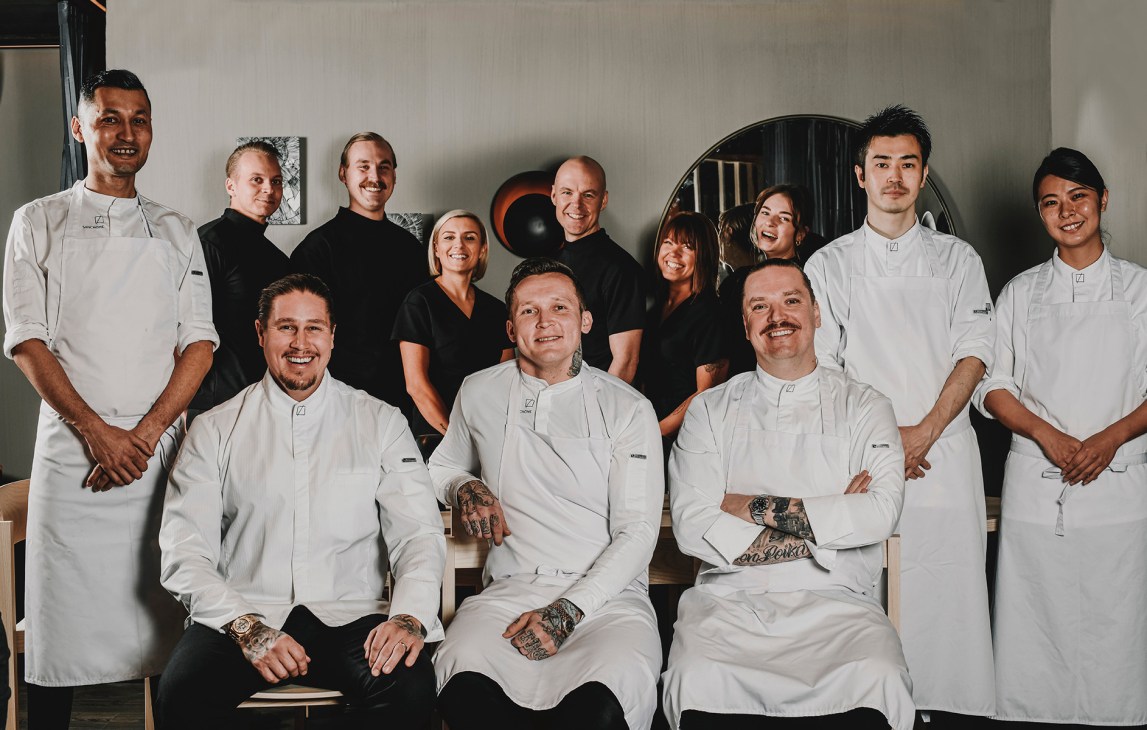
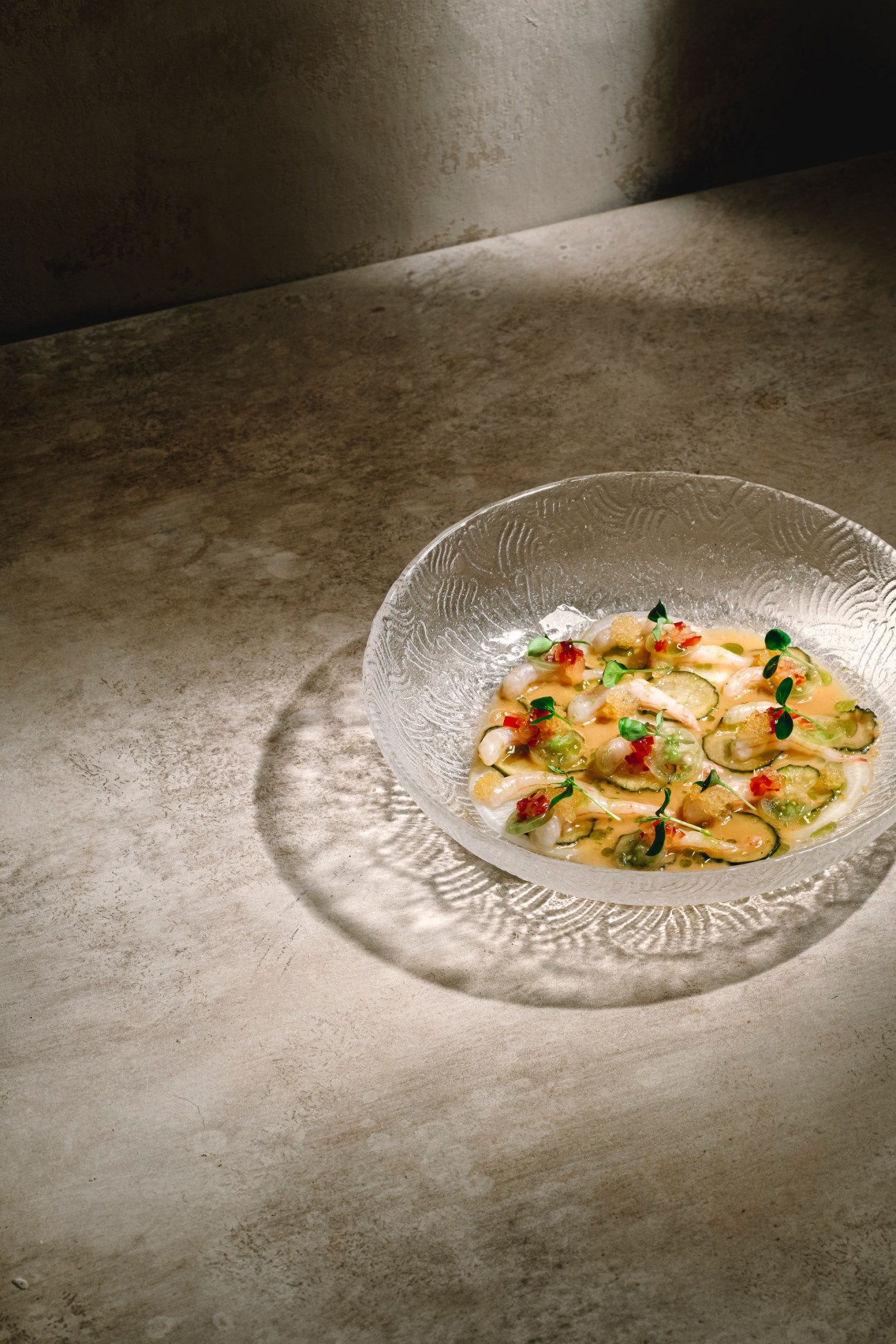
“Many high quality and ambitious Japanese restaurants opened in the West recently but Helsinki lacked one,” says Björck, who has a theory why that might be. “It’s one of the most demanding cuisines in terms of the cooking methods and the quality of the ingredients.”
Led by Björck, the chefs in Sanchome’s kitchen ensure that dishes such as beef tataki, bonito with ocean perch, and robata langoustine (with shiso butter) are as authentic as they need to be. Sanchome also serves an exclusive saké and there’s a 20-plus-course tasting menu available at the six-seat omakase counter.
sanchome.fi
Sushi Room at the Calile Hotel
Brisbane
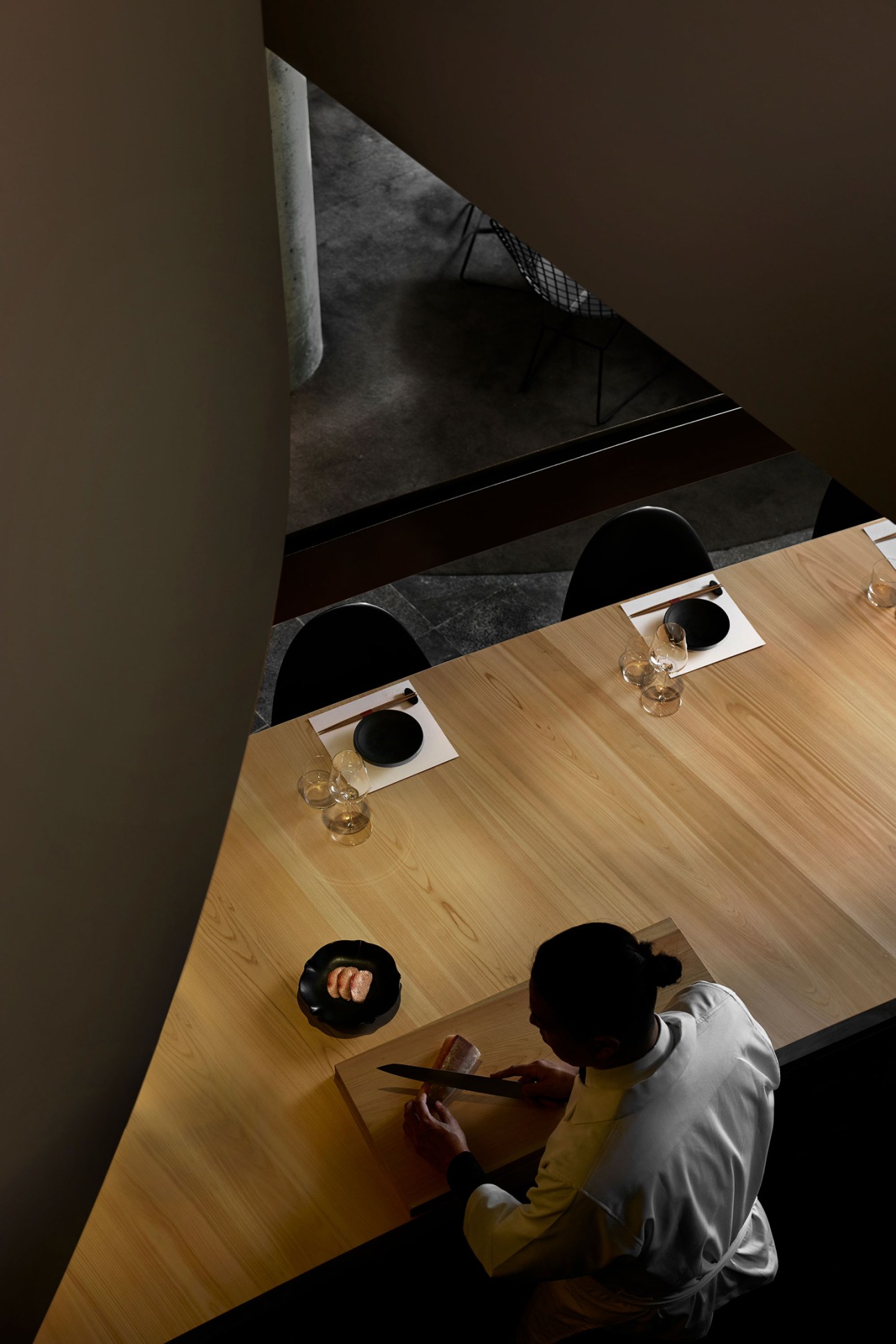
“When the opportunity came, it just made sense,” says Simon Gloftis of his new restaurant, Sushi Room in The Calile hotel. The first thing you’ll clock are the dimly lit but beautiful interiors, by Brisbane-based architecture practice Richards & Spence, featuring a nine-metre-long hinoki counter propped up with black limestone. The result is subtle but striking, with a menu dedicated to sushi and sashimi featuring decadent toro caviar and lobster tempura (and no Kewpie mayonnaise to be seen). “Chef Shinpei Raikuni doesn’t let his ego overtake the quality,” says Gloftis. “It’s about beauty in simplicity.”
sushiroom.com.au
Recipe
Pizzetta with stracchino and rosemary
Makes 2 small pizzas
This month, Swiss chef Ralph Schelling shares his recipe for a small but scrumptious snack. “Set the oven to the hottest setting and make sure you preheat the baking tray,” says Schelling. “It’s the temperature that most closely resembles that of a wood-fire oven.” You can also add toppings as you choose, from cicorino rosso to salty lardo.
- Ingredients
- For dough:
10g baker’s yeast
125ml lukewarm water
250g plain white flour
5g table salt
20ml olive oil
- For topping:
3 medium waxy potatoes
100g stracchino cheese
2 tbsps rosemary leaves
2 tbsps olive oil
salt flakes, to taste

Method
1.
Dissolve the yeast in water.
2.
Pour the flour into a mixing bowl. Add the water, salt and olive oil, and combine.
3.
Mix in a food processor with a dough hook for a minute or two (or knead by hand for about 5 minutes) until the dough is smooth and elastic.
4.
Cover with a damp cloth at room temperature for no less than an hour.
5.
Set the oven to 250C and preheat the baking sheet.
6.
Slice the potatoes to 2mm rounds and blanch in boiling water for 30 seconds. Rinse in cold water.
7.
Roll out the dough thinly and layer with the cheese and potatoes. Drizzle over the oil and sprinkle with rosemary and salt flakes.
8.
Bake for 5 minutes or until the dough is crispy and browned. Enjoy immediately.
ralphschelling.com
Images: Cieran Murphy, Shigeta Kobayashi, Anson Smart, Viola Virtamo
Cutting the mustard
There’s something meditative in the air as restaurateur Angelo Ferrigno steers a trolley through Dijon’s belle époque food hall at sunrise. It’s a humid Friday morning and the sun is breaking through the large glass apertures, bathing the stands in a soft morning glow. Apart from a few other early birds – mainly chefs like Ferrigno – the aisles are still and free of shoppers; vendors are unloading their fresh-from-the-farm produce. Hunks of tomme de chèvre are being wheeled into the Fromagerie de Saunière while the season’s Charentais melons are piled up in neat stacks nearby.
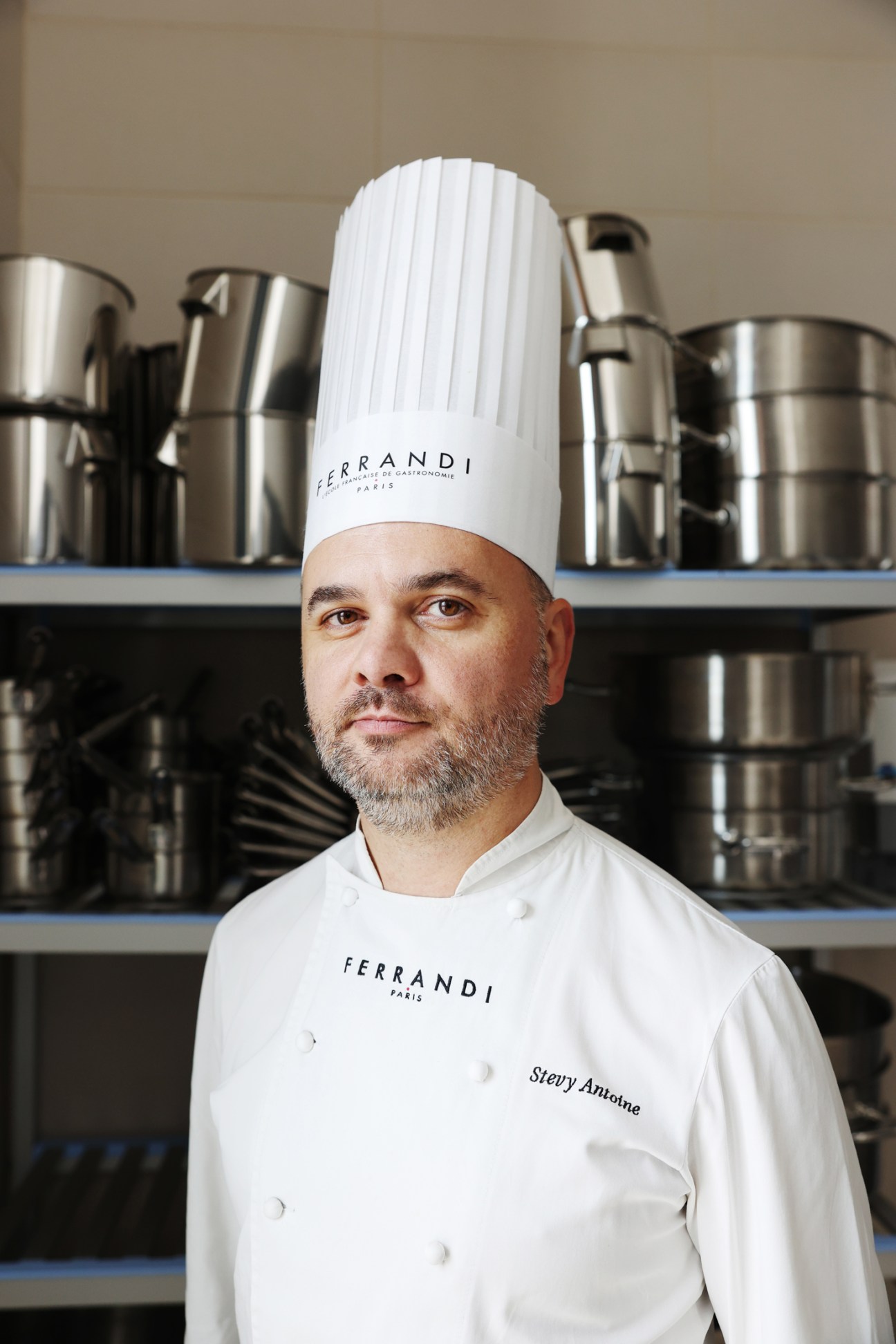
It might not feel like it in the historic food hall but Dijon’s food scene is changing fast. A new generation of chefs and producers head back to the land and the Burgundy capital invests in its culinary culture. The best place to see this is Cité de la Gastronomie, an ambitious, €250m gastronomic centre in the city centre that opened in May after 6 years of construction.With a Ferrandi cooking school, restaurants, exhibition space and a made-in-France food court with a wine cellar, it’s an attempt to make Dijon France’s culinary capital.
So far it seems that there’s an appetite for this and some 18,000 people visited on the opening weekend in early May. Ferrandi’s classes are already full into the next year and a Hilton-owned hotel is due to open its doors here in March 2023 to accommodate the hoped-for influx of international visitors. “On sunny days, you can see people all around the site with picnics and bottles of wine,” says William Krief, an investor in the project and the man behind the Cité’s food court. “It’s like one big village, where the city comes together to have a good time with good food.”
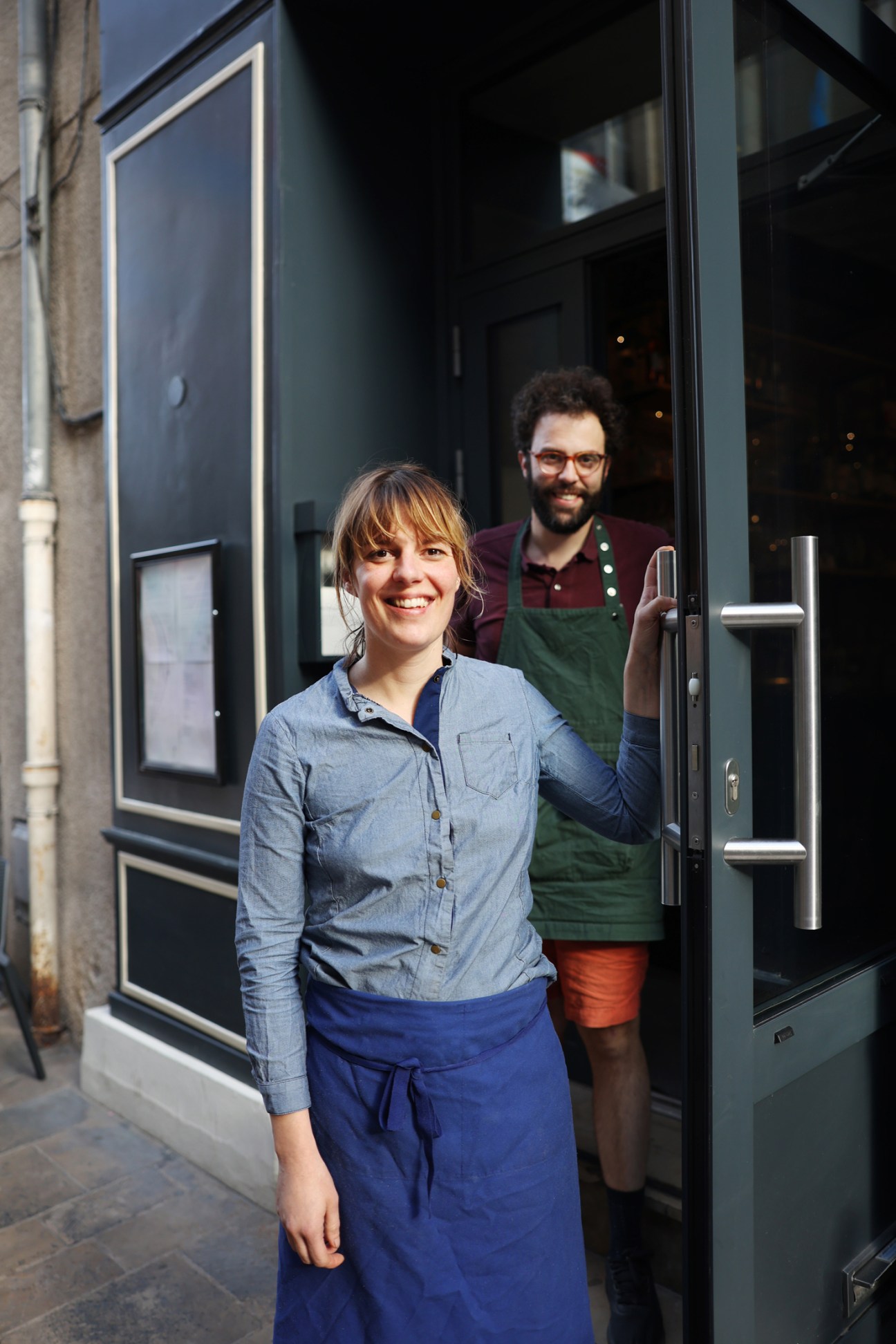
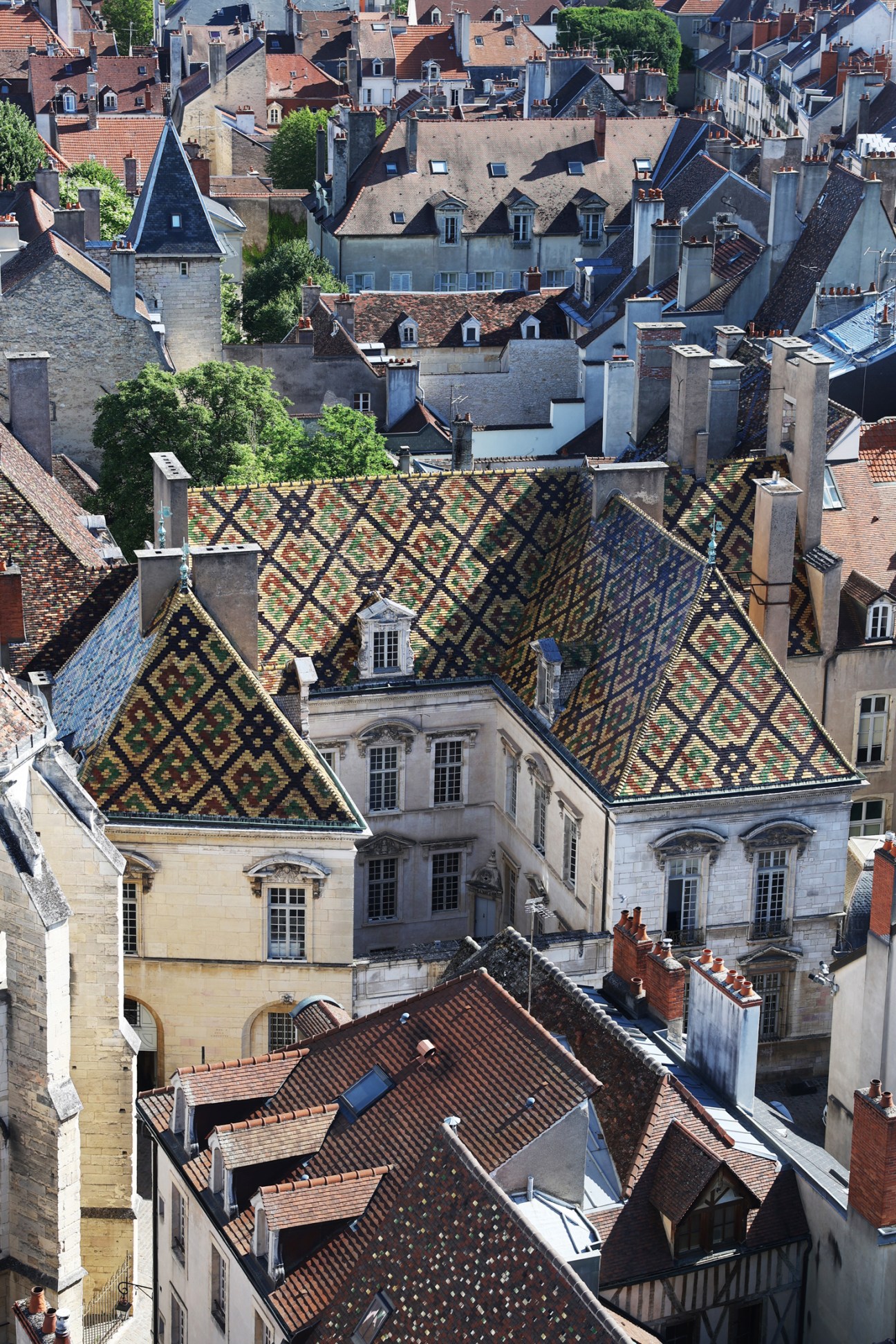
All around Dijon, product-driven restaurants and épiceries founded by a more conscious generation of entrepreneurs are springing up amid the old town’s half-timbered houses and pattern-roofed hôtels particuliers. “Five years ago, restaurants in Dijon were still all white tablecloths, snails and boeuf bourguignon but now things are finally moving,” says Hugo Schneider, who serves inventive vegetarian tasting menus at his restaurant, Betterave. Clara Reydet, an ex-architect and now the chef-owner of small-plates eatery Monique, agrees that until not that long ago Dijon’s food offering was either too traditional or too focused on far-flung ingredients. “There’s more to Burgundian cooking than the classics. We want to show how spoiled we are in terms of produce,” she says. Reydet serves colourful dishes from around the world made from homegrown produce from Dijon’s market hall. “Monique is about breaking the codes of traditional French gastronomy in a convivial setting,” she says. “Plus, our approach is good for the local economy.”
Keeping things as close to home as possible means that Dijon’s chefs are less affected by the current increase in global food prices. At La Menuiserie, an all-day venue in Dijon’s historic centre, Monocle meets co-owner Antoine Barré-Foncelle after the lunchtime rush. When opening up shop in 2018, he was one of the first to shake up the city’s traditional gastronomic scene by favouring short supply chains and organic, eco-friendly practices. A waiter brings out a tray of freshly baked cookies just in time for the 16:00 goûter, during which the café fills with young families and peckish passersby. “The cost of our flour hasn’t increased much because we get it from so close,” says Barré-Foncelle over coffee. “We’re fairly safe from fluctuations.” Buying a slightly more expensive, Burgundy-made product in the first place not only keeps the region’s agriculture alive, it also saves him from having to put up prices for his customers.
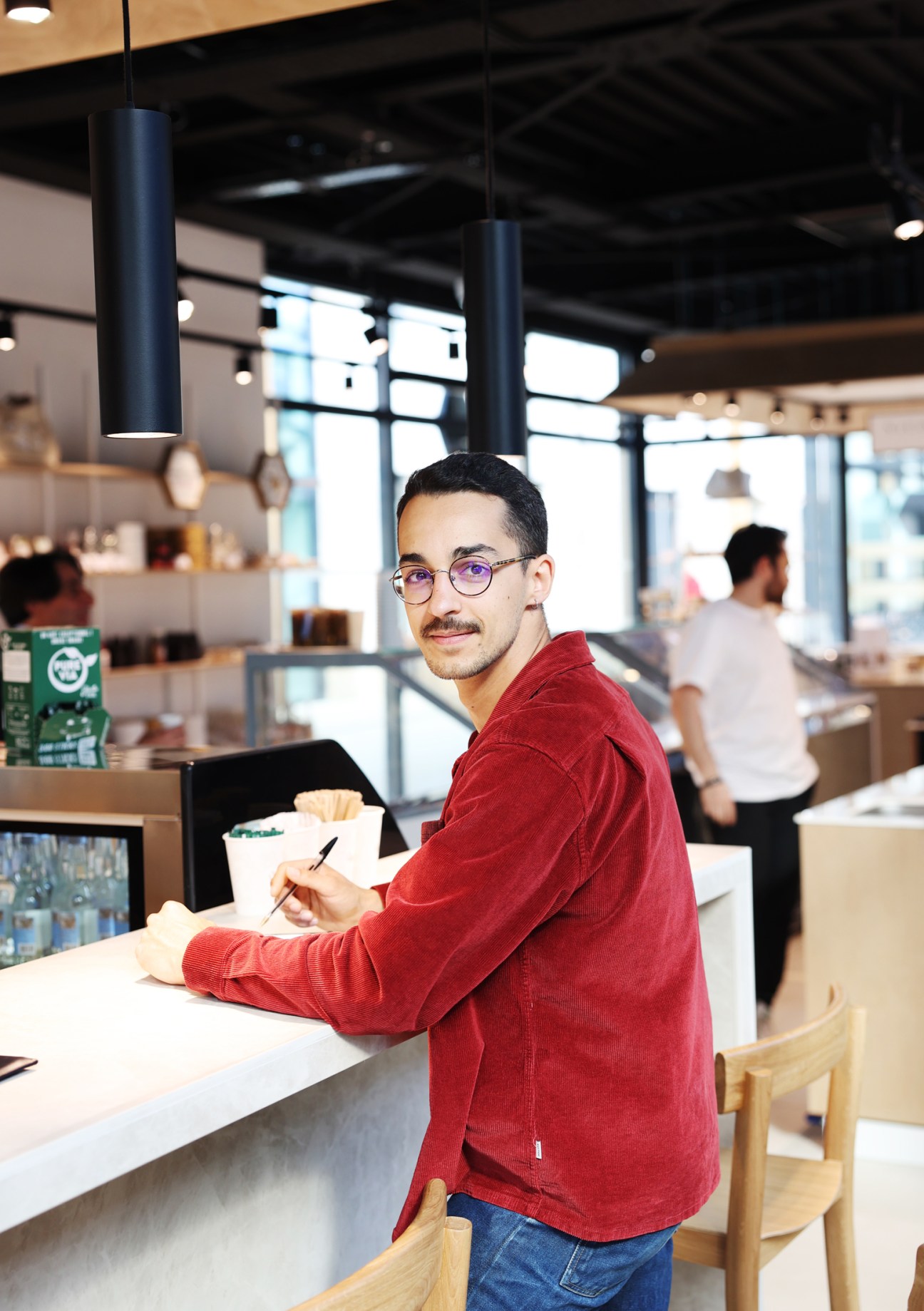
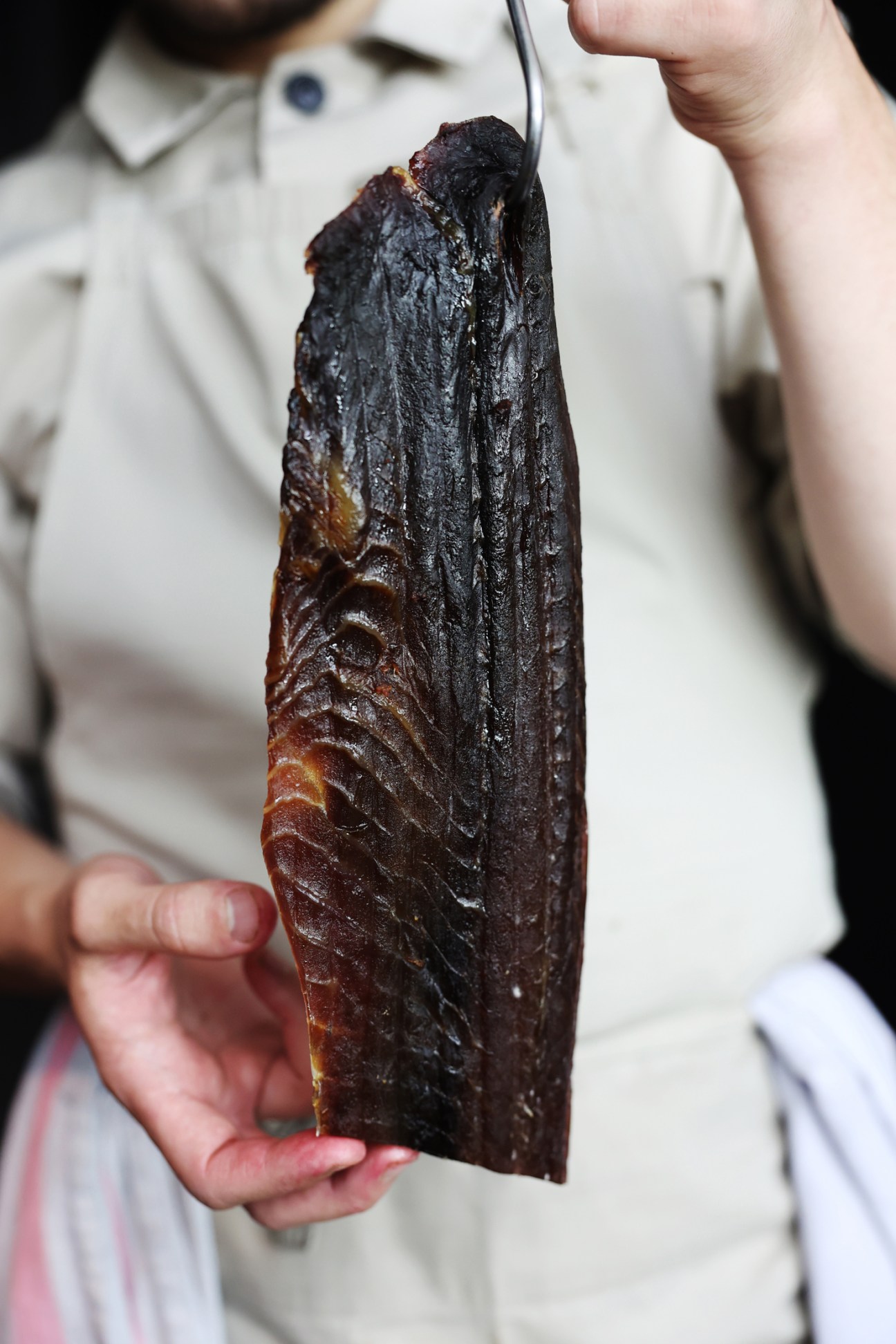
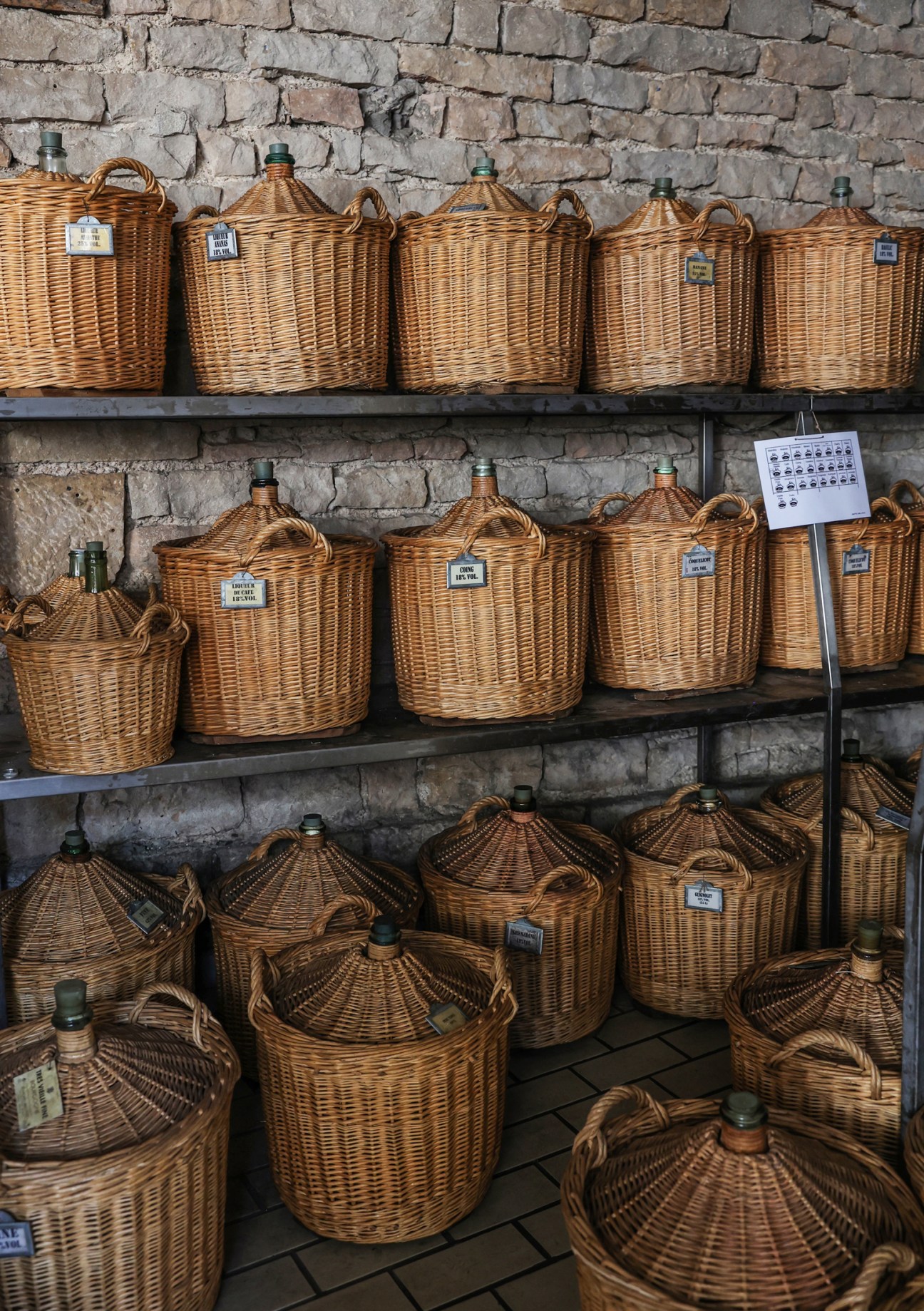
As a result, Dijon-based artisanal producers are still going strong. Though Maison Briottet is one of only four remaining crème de cassis makers within the city’s walls, business hasn’t slowed a bit for the sixth-generation distillery. The figures are impressive for a family-run company of seven: an annual turnover of €2.4m, of which 65 per cent is derived from export to 30 countries. It now has a portfolio of 70 or so spirits – in flavours ranging from kumquat to tonka bean – but the bestseller remains its signature blackcurrant liqueur, which the Dijonnais drink for apéro with white wine. Despite increasingly unpredictable weather conditions, the last few harvests of their 100 per cent Burgundian cassis have been bountiful.
Elsewhere, in the city’s largest mustard factories, the picture is a different one. Production is at an all-time low because of mustard-seed shortages in Canada, where industry giants now buy the majority of crops.
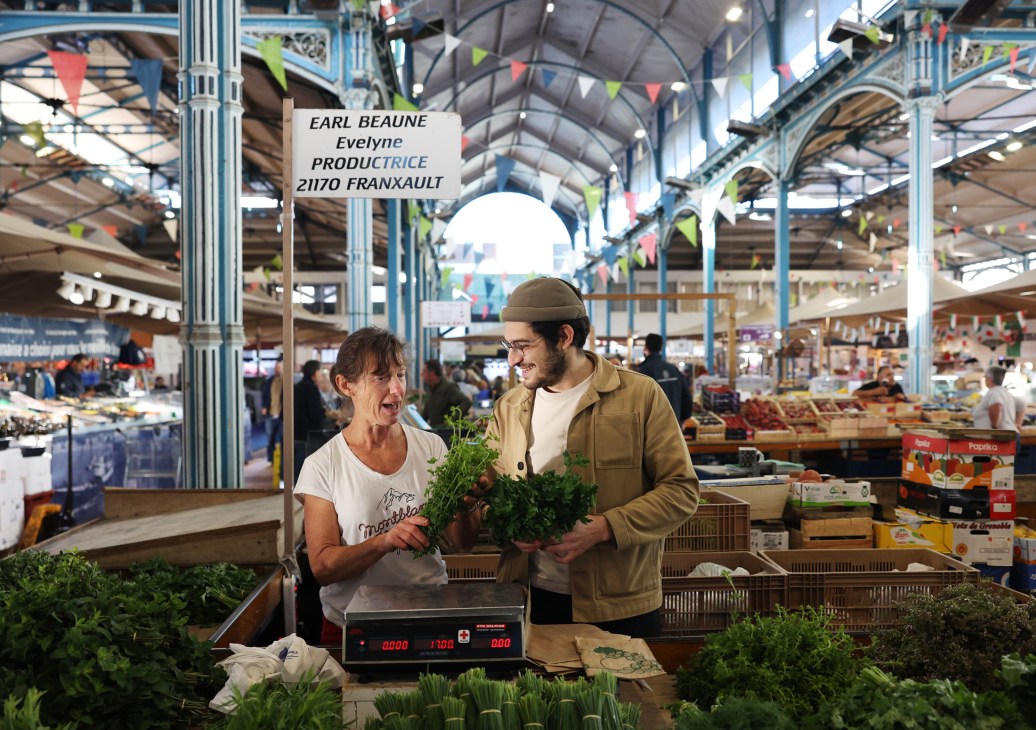
“It’s inspiring to see all the produce laid out,” says Ferrigno back at the city’s old produce market. As he talks, he’s sniffing a small bouquet of lemon verbena at herb farmer Évelyne Beauné’s stand. His twice-weekly trip to Dijon’s biggest market is a rare moment of peace for the 29-year-old chef, whose restaurant Cibo was awarded a Michelin star within four months of opening. “It helps me to come up with ideas for my menus in a way that getting my ingredients delivered can’t.”
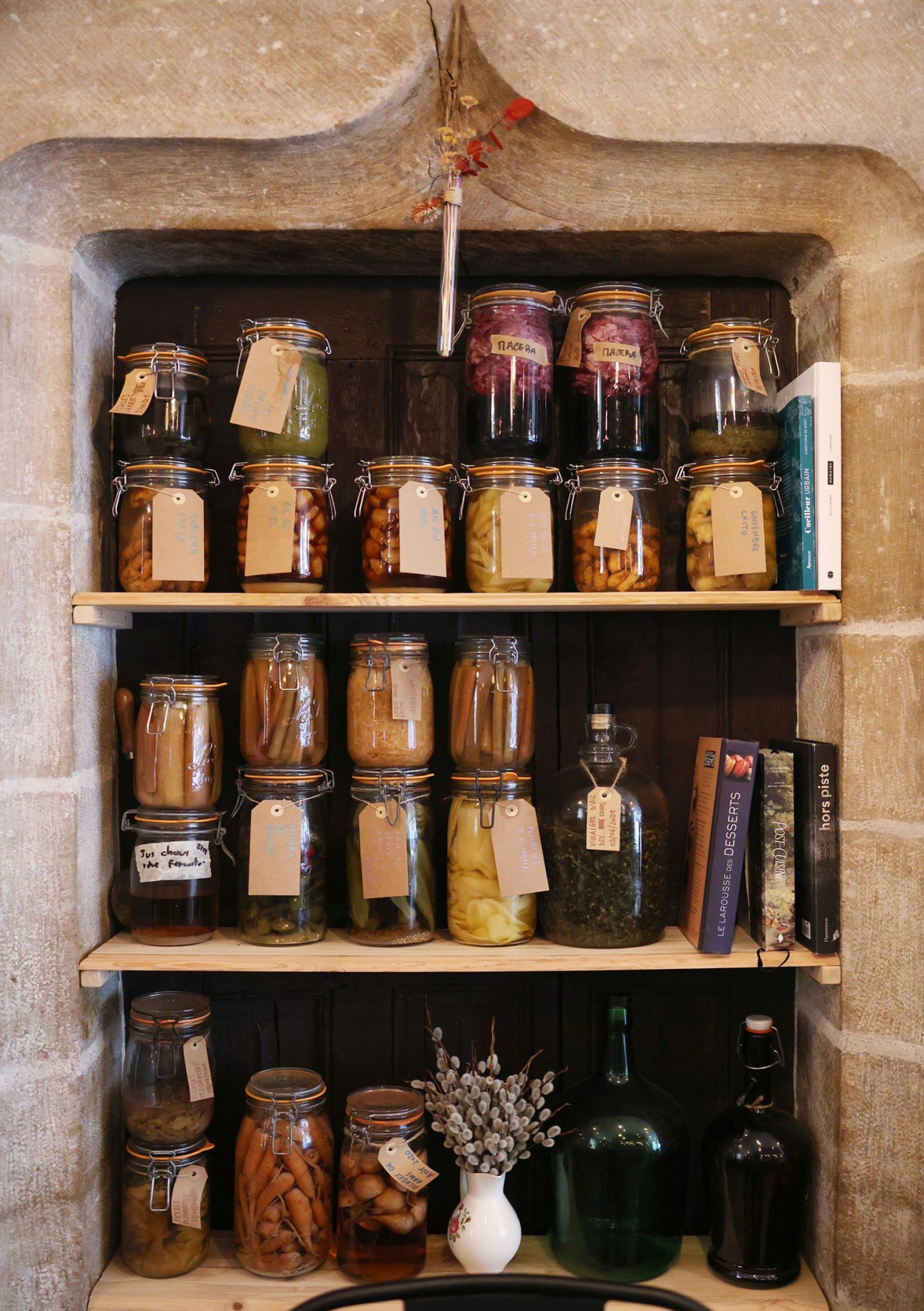
For Ferrigno, Dijon was an obvious base for an ambitious restaurant. On his doorstep are sustainable meat producers and rivers teeming with fish, while his supply radius of about 200km allows him to go as far as Switzerland’s salt works and the citrus plantations on the sunny banks of Lake Geneva. Most produce comes from within an hour of Dijon and the city’s conscientious chefs have created a market for other, less obvious ingredients too. Think ginger grown at the city’s Potager des Ducs, whose owner, Mathieu Lotz, is currently experimenting with cultivating lemons, sichuan peppers and other exotic varieties under the Burgundian sun.
“I usually tweak my dishes when I come back to the kitchen,” says Ferrigno after his market run. Today he leaves the food hall not only with the garden peas, fennel and beetroot he was after but also with some strawberries and a ricotta-like brousse de brebis, both of which he is planning to use in a raw courgette starter during today’s dinner service. “I always end up picking up things that weren’t on my list.”
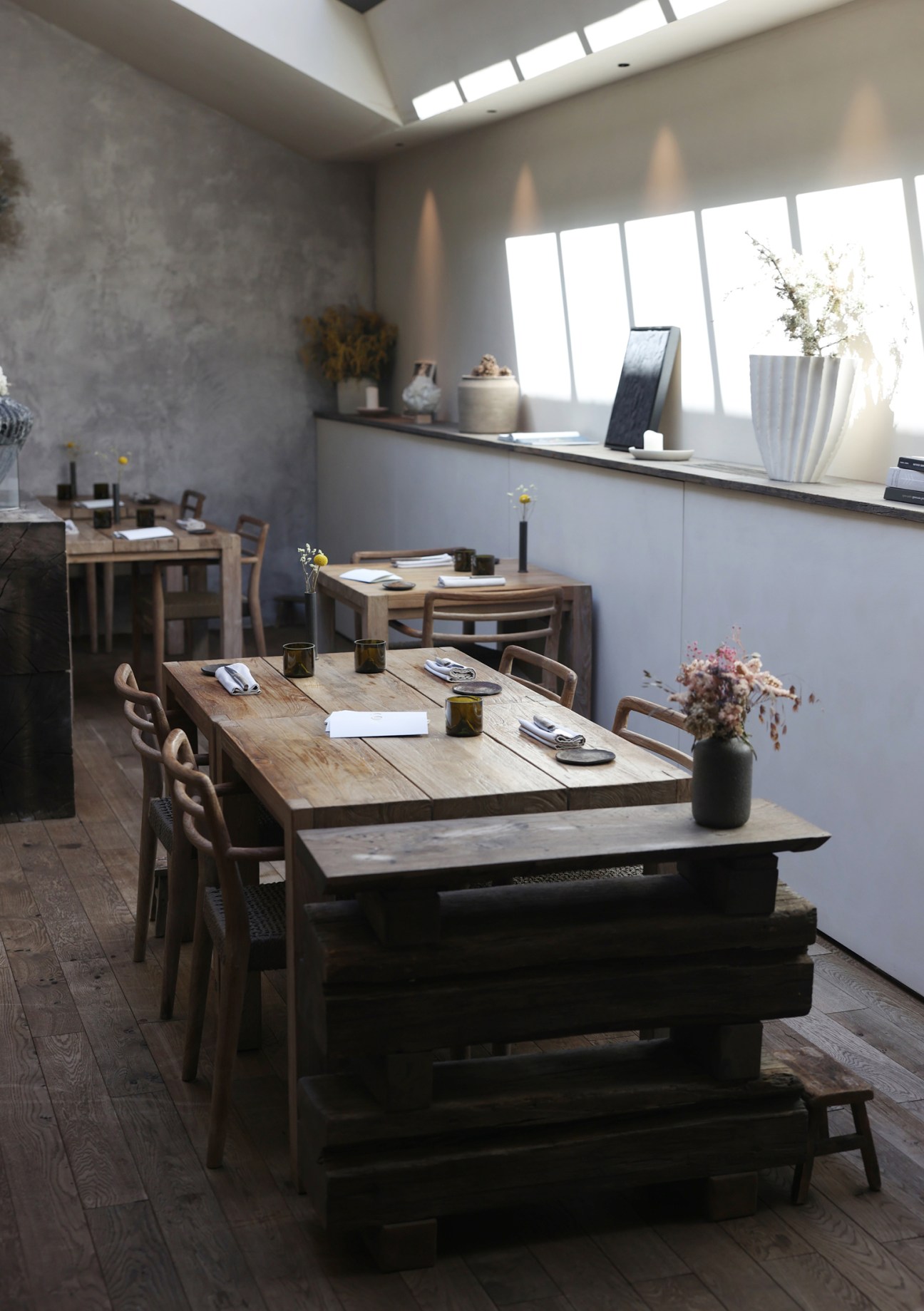
Dijon address book
Cibo
Michelin starred restaurant run by chef Angelo Ferrigno.
cibo.restaurant
Betterave
Hugo Schneider’s unmissable vegetable-first tasting menus.
betteraverestaurant.com
Monique
Serves dishes made with fresh Burgundy produce.
moniqueboireetmanger.fr
Papilles Épicerie
A grocery shop at which to stock up on the region’s fare.
papilles.org
Cité de la Gastronomie et du Vin
A €250m centre for food that’s been 12 years in the making.
citedelagastronomie-dijon.fr
Les Halles de Dijon
This belle époque market is still the place for fresh ingredients.
Rue Odebert
Espresso yourself
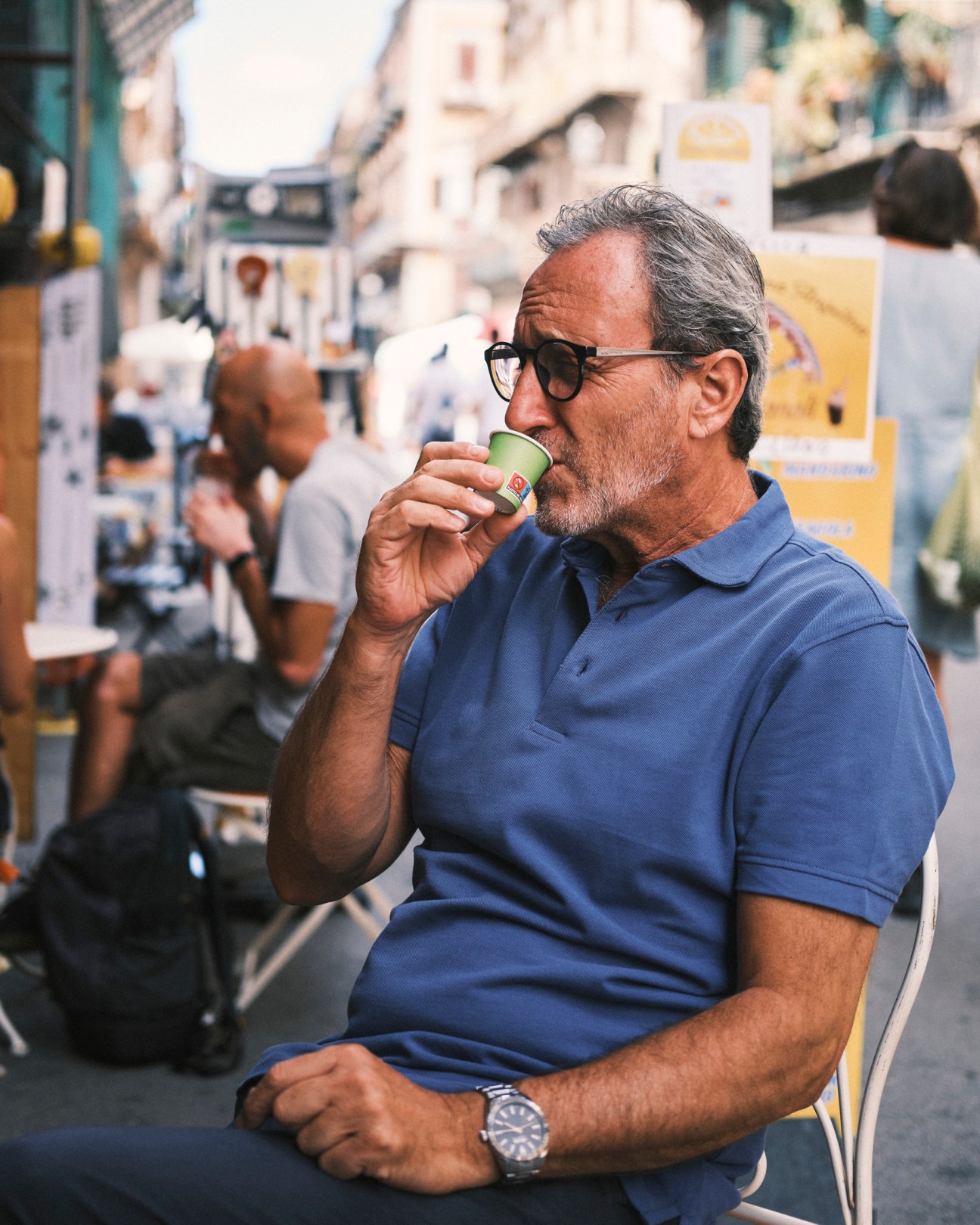
Few things are more Italian than espresso; at cafés across the Bel Paese, standing at the counter waiting for a life-affirming shot of hot dark java has become a quintessential ritual. But one crucial element of Italy’s coffee culture has always come from abroad: the green unroasted beans imported from growers in equatorial regions across the world.
That might be about to change, though, as climate change, with temperatures in tropical areas in some cases becoming prohibitively hot, prompting coffee roasters to start considering areas beyond the so-called bean belt to source their precious caffeine-laced raw material. In Sicily, Morettino, a forward-looking family-run roastery, has already started growing coffee plants at its Palermo facility, creating an espresso that is truly made in Italy.
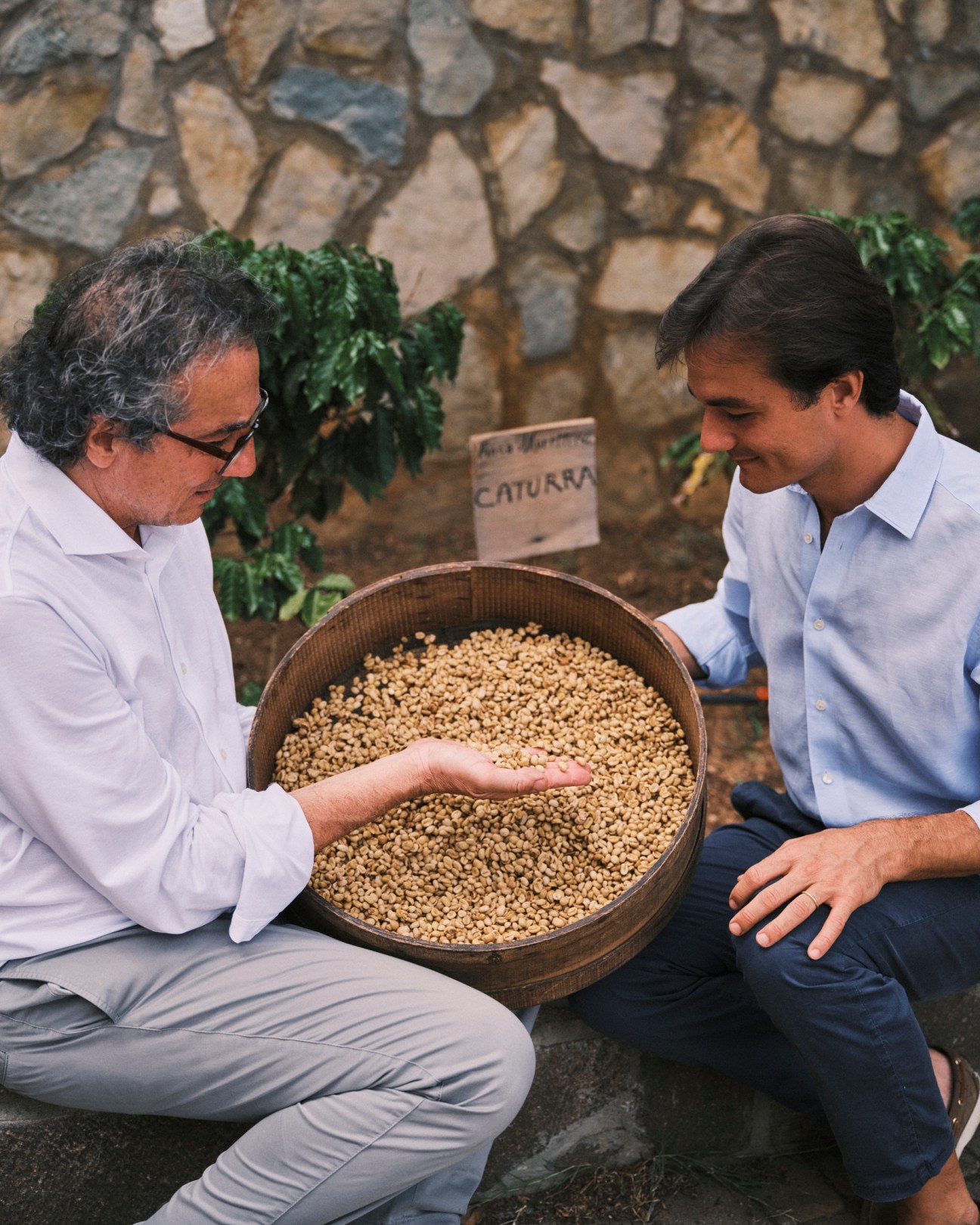
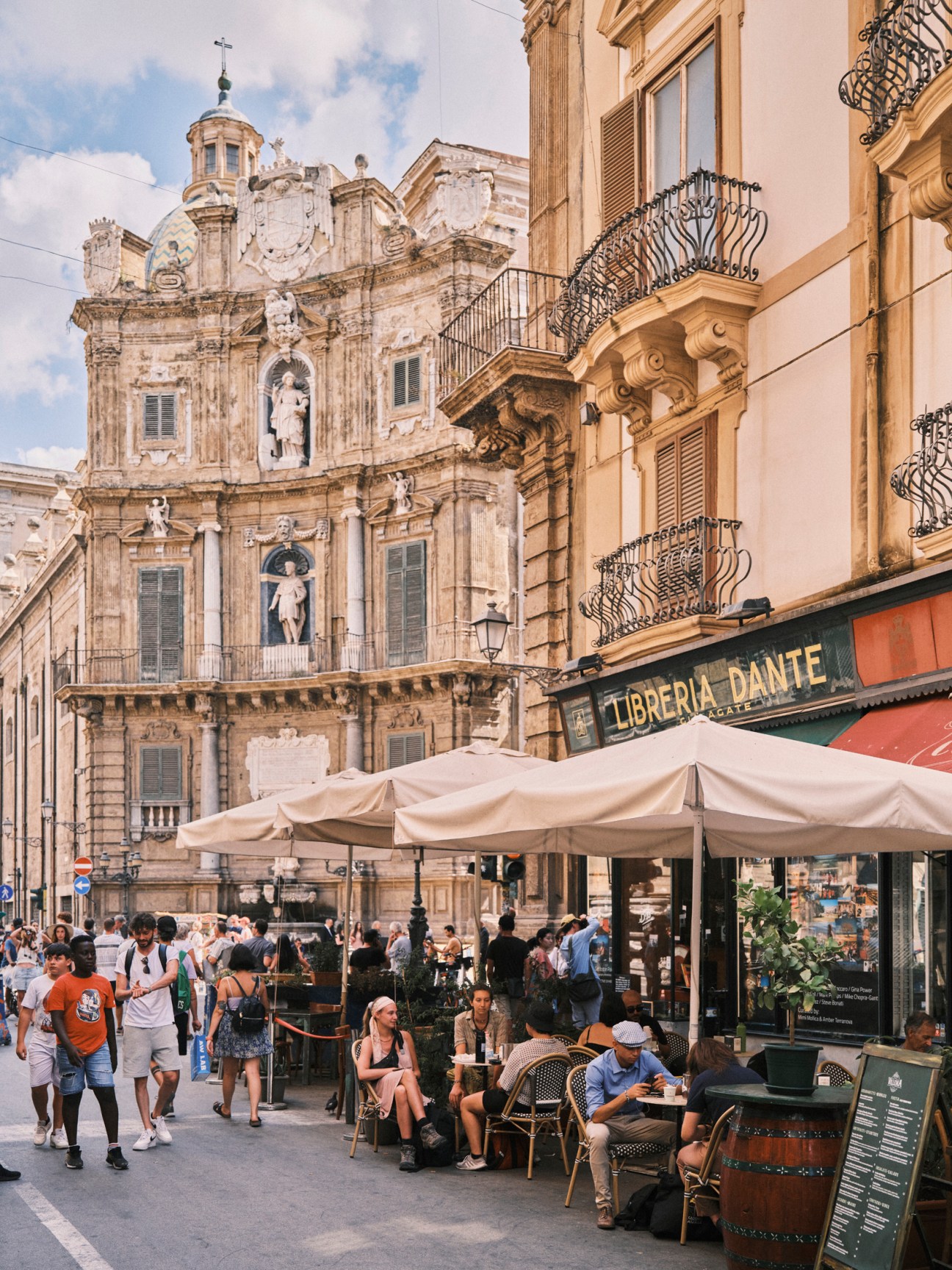
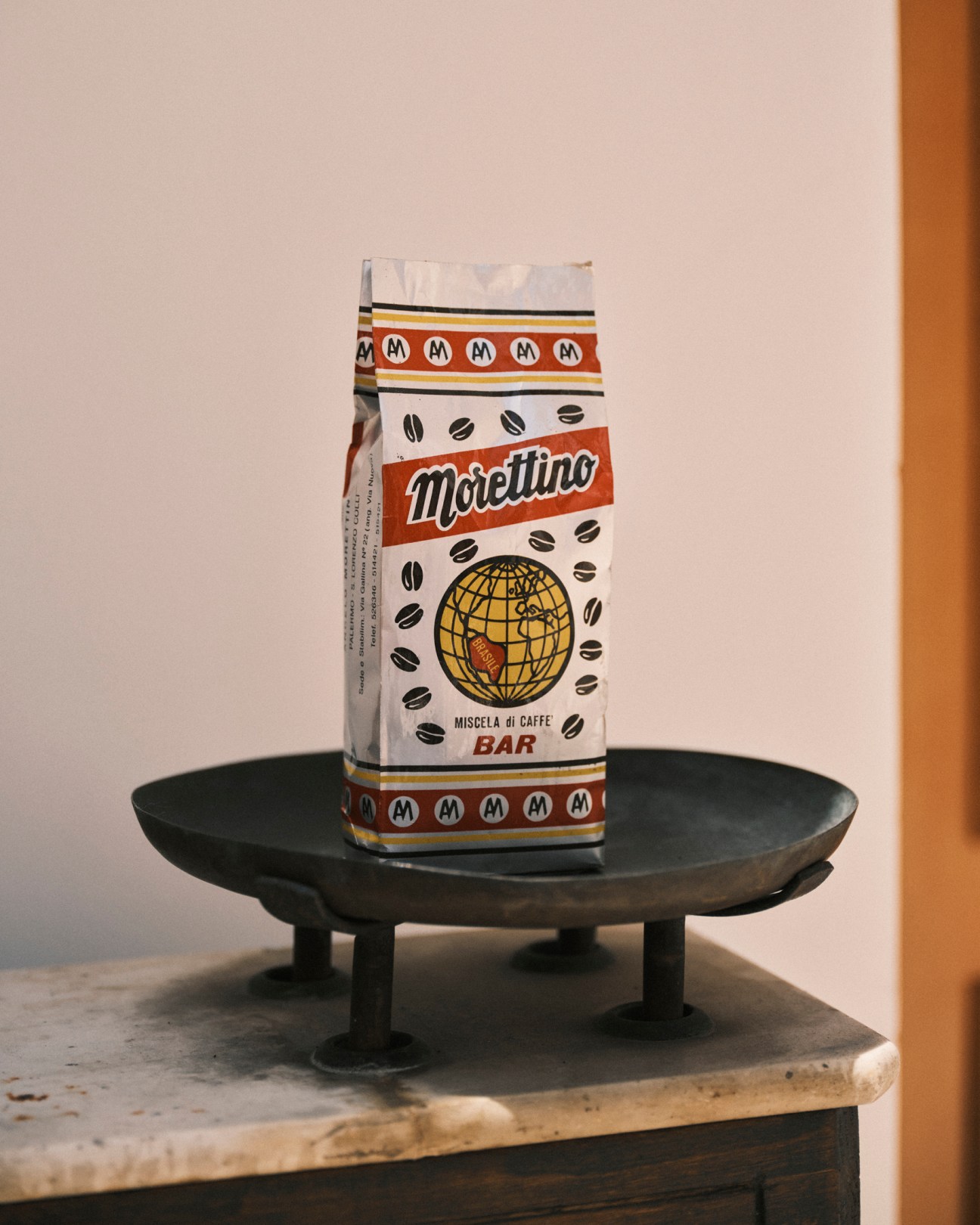
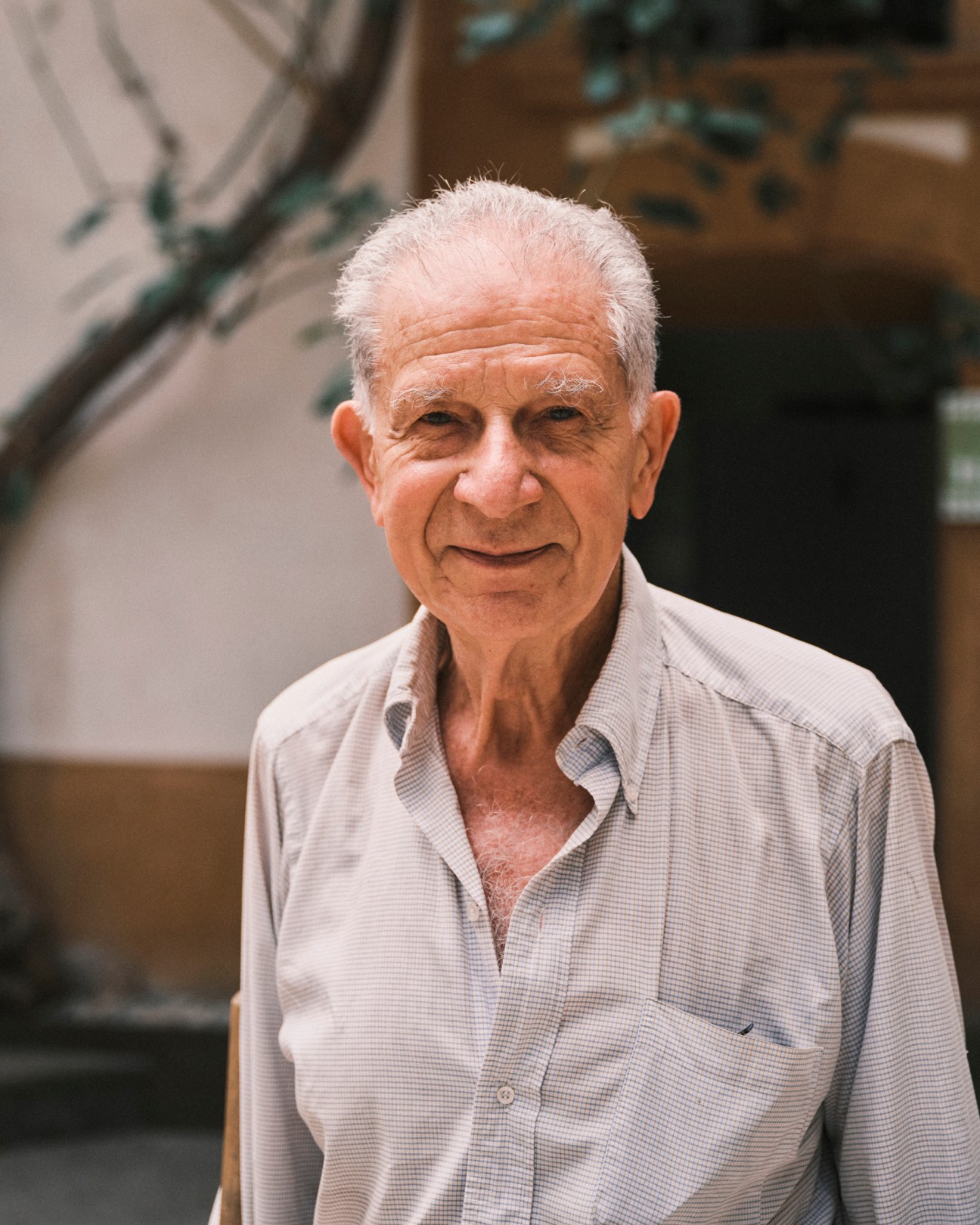
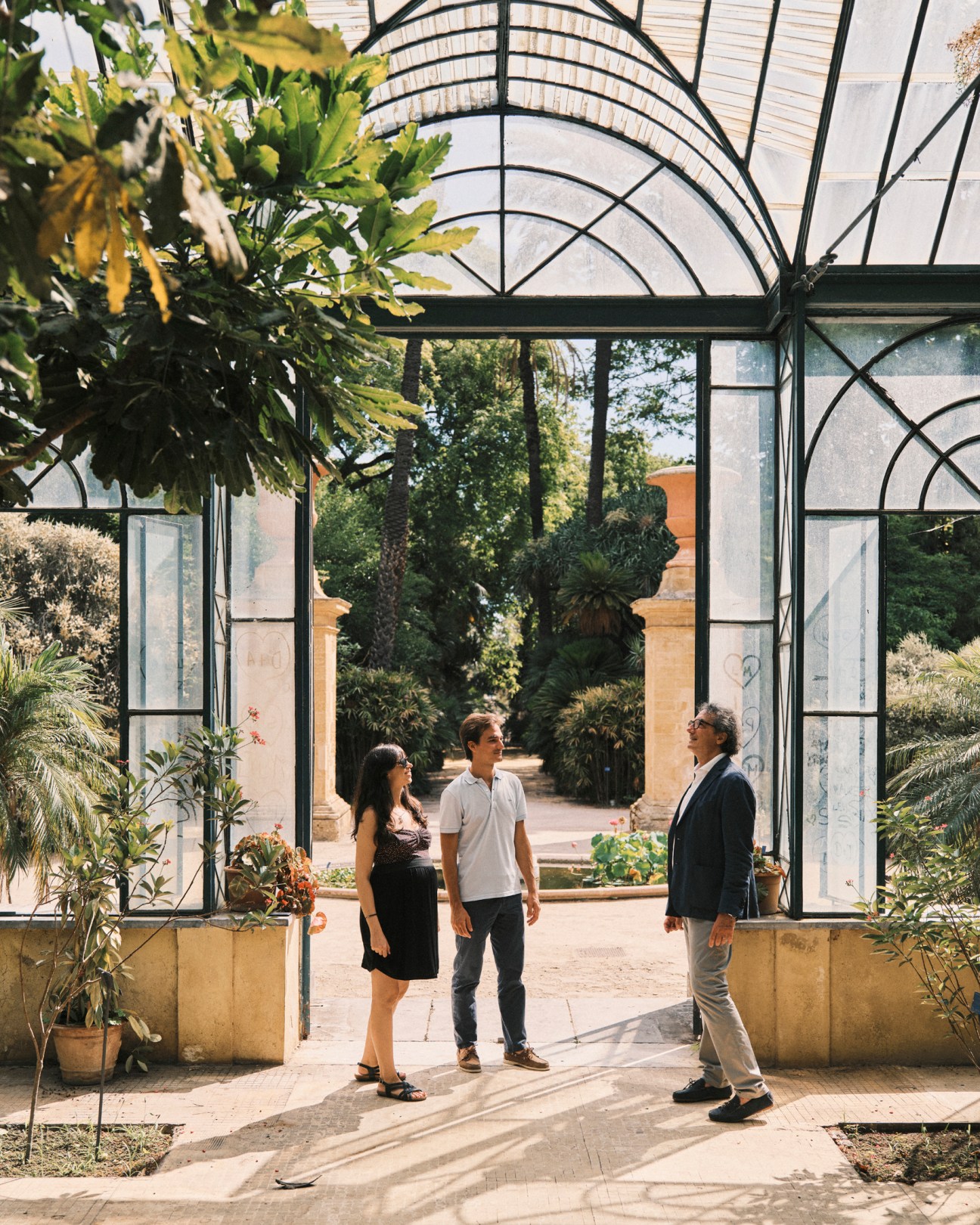
When Monocle meets up with Arturo Morettino, who represents the business’s third generation, and his son Andrea, the pair are standing at the entrance of the sprawling Botanical Gardens of Palermo. It’s here where their project has literally taken root.
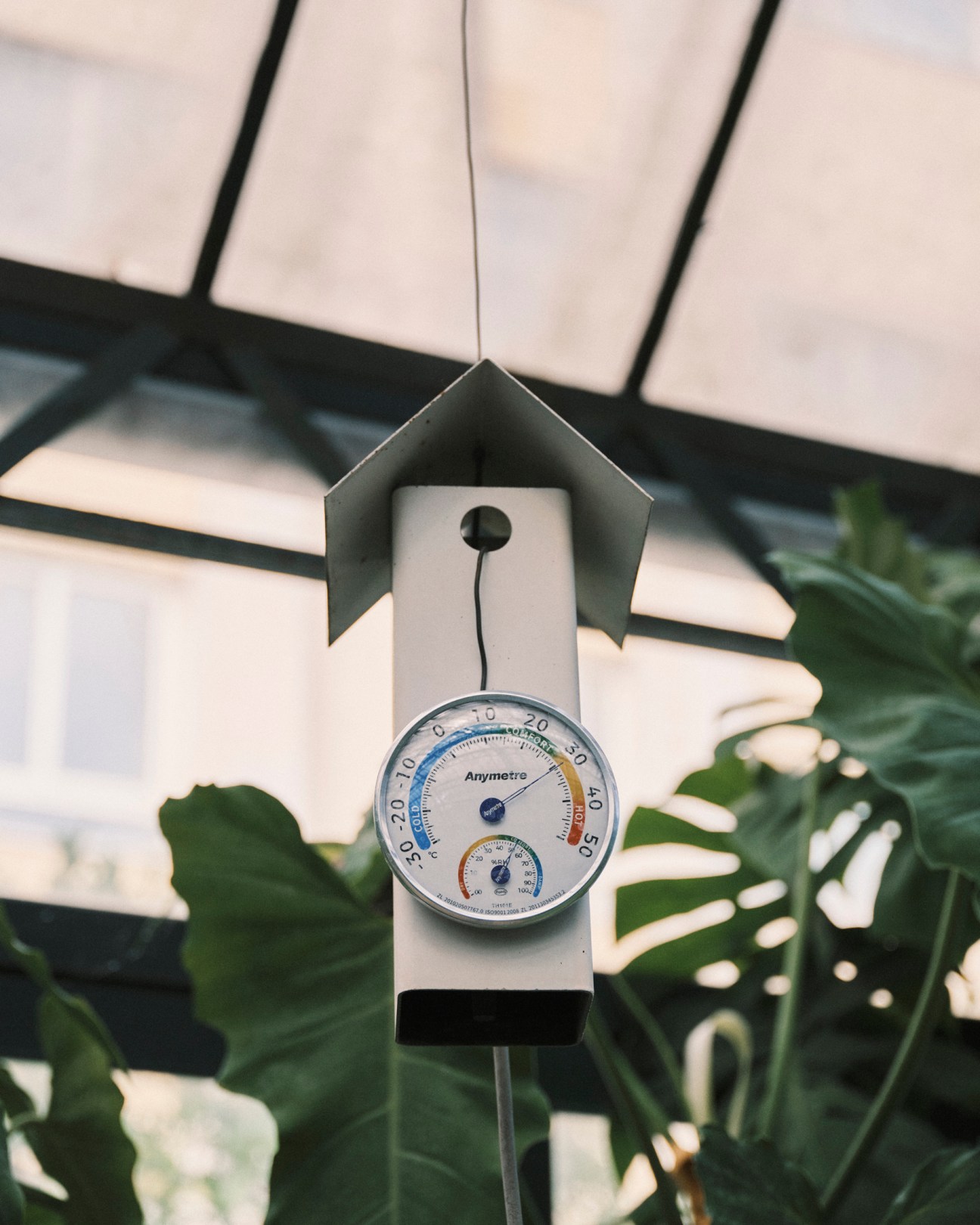
“Welcome to the tropics,” says Arturo, half-joking and looking dapper in a navy blazer despite the stifling mid-morning humidity that wouldn’t be out of place in the Amazon.
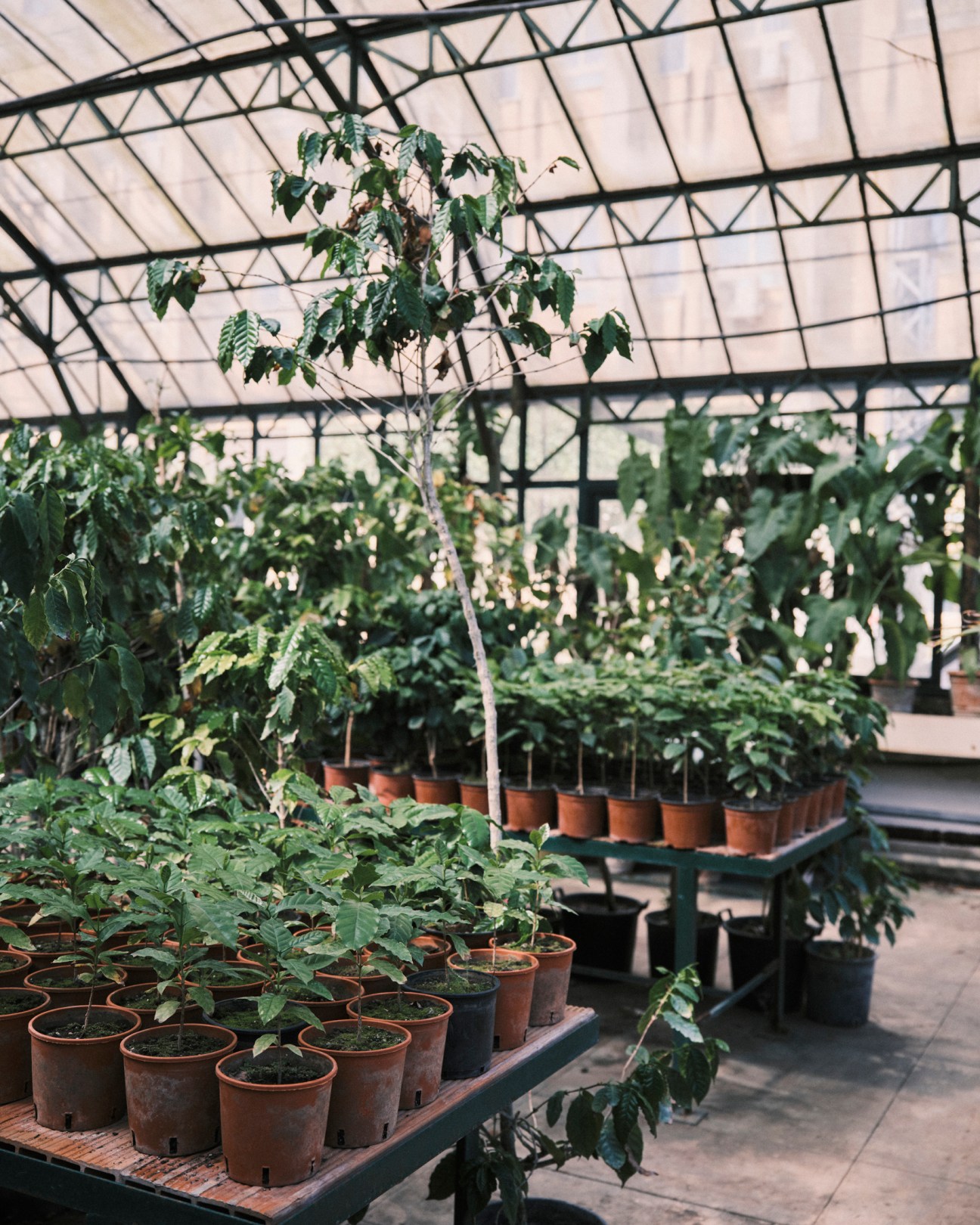
In the 1990s the botanical institute donated to Arturo seeds from the arabica cultivar, which grows the smooth-tasting high-quality beans known by the same name popular in luxury blends the world over. Today the family has bourbon, catuai and caturra varieties of arabica planted on the premises of its roasting facility in the Palermo district of San Lorenzo ai Colli. From this modest plantation that now counts 700 arabica coffee plants, the family last year managed for the first time to extract 30kg of coffee beans as growing conditions finally proved suitable.
“It was a tiny drop in the cup of what we roast but it was nonetheless noteworthy as we let experts, baristas and others try the product and the results were extraordinary,” says Andrea. “We were able to identify scents typical of the Sicilian terroir, such as notes of zibibbo grape, carob, sugar cane and sweet hints of white plumeria flower.”
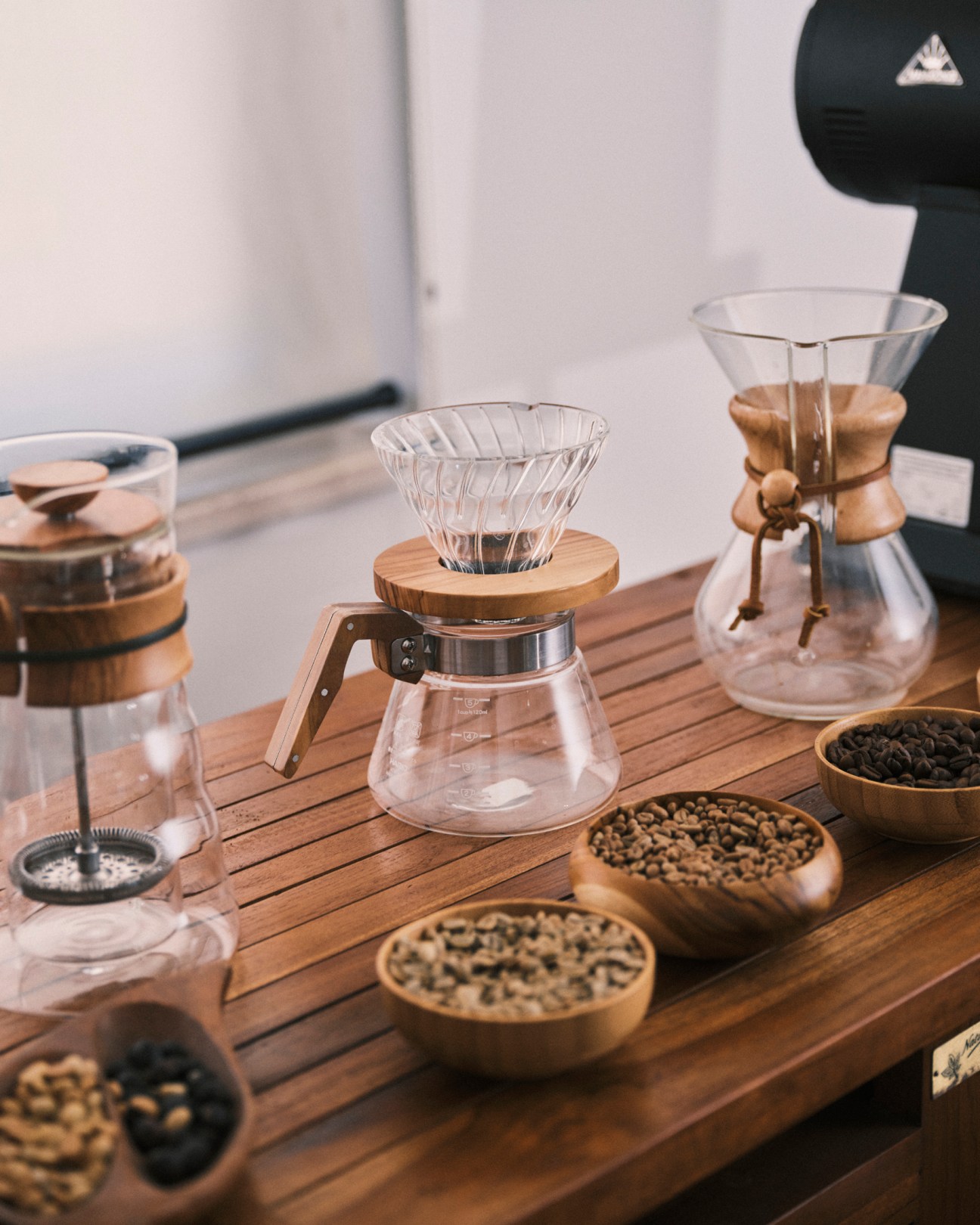
Today the two are visiting the gardens to check in on dozens of younger arabica coffee plants in the care of the botanical institute’s staff that are awaiting transport to Morettino’s new greenhouse facility, which is currently scheduled to open next year. This year, Andrea hopes for 50kg of homegrown beans, which could double in 2023 as the family looks to increase its number of plants to more than 3,000 in the coming years and developing a commercially viable plantation. Though their operation is small, the 40-person outfit earns €6m a year – a small drip compared to the €2bn brought in by Italy’s biggest player, Lavazza – Andrea believes it gives them an advantage. “We are more nimble,” he says. “We are, after all, a generational business and have the luxury of not having to worry about the next trimester.”
Inspecting the plants, Andrea points out the white flowers on some of the leaves, while other branches already show the bright red coffee cherries that are ready for picking. “This shows just how crazy the weather has been of late.” This irregular blossoming pattern has also recently been seen in coffee-growing countries, where rainfall has become more erratic due to climate change.
Christian Mulder, a professor of ecology at the University of Catania, has been studying Sicily’s climate and isn’t surprised by the shift in temperatures. “Sicily is tropicalising,” he says. “The change is remarkable. Nowadays we can get a burst of rain in a two-to-three-week span that before might have been spread out over months.”
The five hottest years on record in the past 200 have been recorded in the past two decades and temperatures last summer hit 48.8c, an all-time record for anywhere in Europe. Hence the move by Sicilian farmers to explore working with tropical crops.
Given the unpredictable nature of the weather in recent years, Italian coffee brands are on the lookout for ways to mitigate the problems that can arise when trying to source quality beans. For its classic blend of arabica (composed of nine distinct varieties), Trieste-based Illy relies on a network of growers spanning four continents and has started to widen its supply chain. “We went from buying in 10 countries up to 20 now so that we can offset the risks of extreme weather,” says David Brussa, director of quality and sustainability at Illy.
Illy purchases from coffee-growing nations in both hemispheres, spanning Guatemala to Ethiopia, to guarantee itself a year-round supply of beans as the timing of the harvest season varies. The company works closely with farmers to come up with strategies to help tackle issues around rising temperatures and its effect on bean quality. “We want to promote regenerative agriculture and have coffee plants interspersed with other crops, such as banana trees, that can offer valuable shade against the heat,” says Brussa.
The family-run roasting giant works with non-profit group World Coffee Research, whose board members also include representatives from other major players such as Lavazza and Starbucks, to establish programmes to produce more resilient plants. Among these are the breeding of hybrid varieties that are better able to withstand drought and frost so that the world’s estimated 12.5 million coffee farmers can maintain their livelihoods. Researchers have also unearthed other species of the coffee plant in places such as Madagascar and Sierra Leone, which could provide the answers to better coping with increasingly warm temperatures in the future. Like arabica beans and robusta beans, which are more bitter and often used in instant coffee, the Coffea stenophylla variety hails from Africa. In Sierra Leone it grows in the rainforest at an altitude of between 200 and 700 metres above sea level and is more resistant to heat, although it takes several years more to reach maturity. “Another issue is that it might not be as productive as other varieties despite it being able to endure the heat,” says Brussa.
Still, the stretch of the globe between the Tropics of Cancer and Capricorn, which has long been the sweet spot for the €100bn coffee industry, is undergoing a transformation. Growers in countries including Colombia and Brazil – the latter accounts for every third coffee bean in the world – might soon need to reconsider what they are planting. In some cases, they’re moving production to higher locations to avoid the hotter temperatures and, unlike the more prized arabica plants, robusta coffee is less prone to leaf rust, a fungus-induced disease that has caused coffee yields to plummet globally, so they’re planting more of that too. Growers are also facing a steep rise in consumption that means the demand for coffee will double between now and 2050, according to Vanusia Nogueira, executive director at the International Coffee Organization. “We will need to make up the difference by both improving yields and investing in new areas,” she says.
Enter the Morettinos. It’s still early days, but the family’s decision to plan ahead seems like a smart bet. “It makes perfect sense. We could reduce emissions and save on transport. Before the pandemic, a 40ft container of coffee beans to ship from a producing nation cost $900. Today it can be $9,000 [€8,900] or higher.”
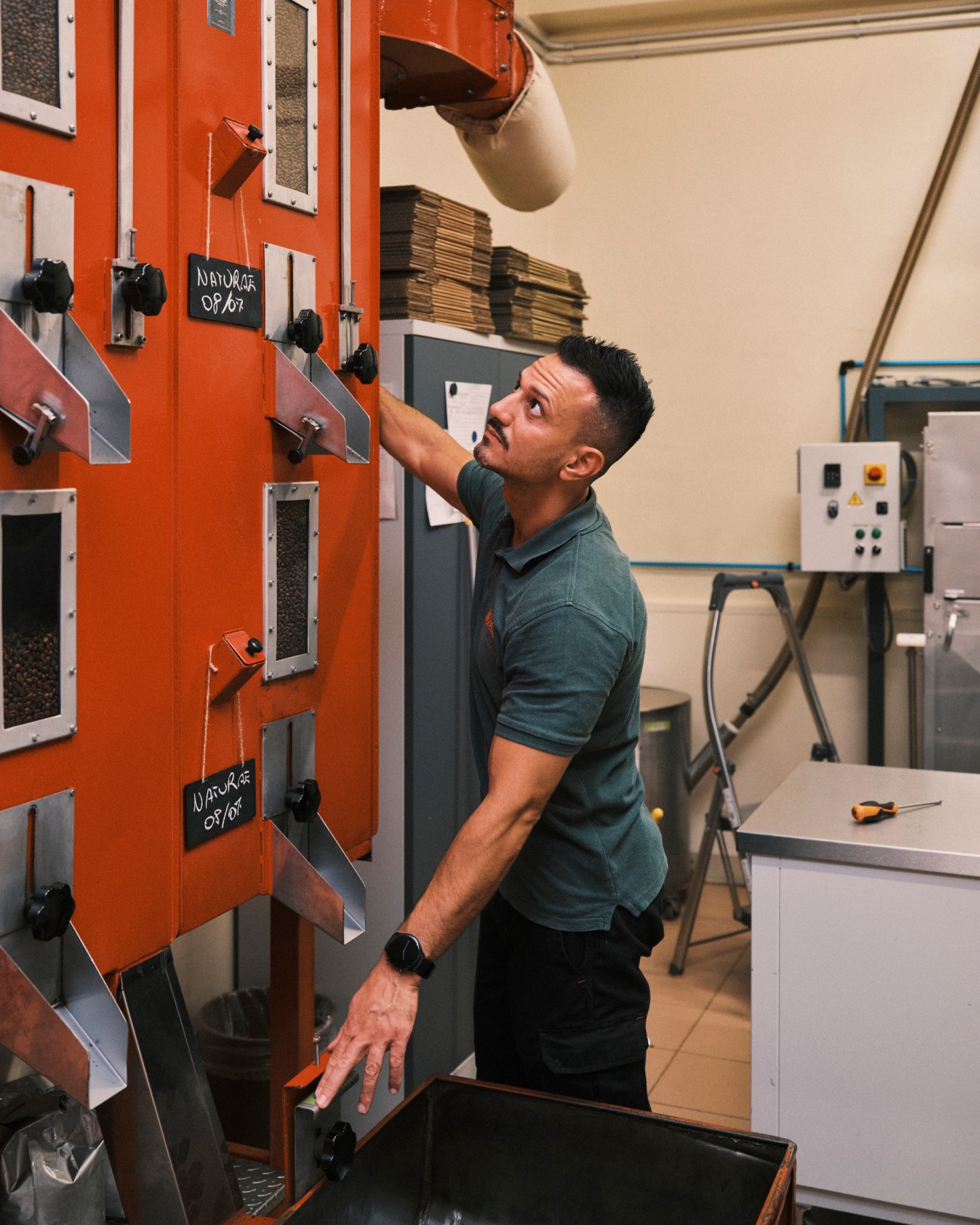
Admittedly, the amount of indigenous coffee produced will be a tiny percentage of the 500 tonnes of ground coffee that Morettino makes a year, though Andrea believes that consumers will pay a premium price for it. And perhaps more of Italy’s 800-odd roasters will follow suit by opening their own native plantations. On a tour of their facility, Arturo proudly explains the company’s innovative method of roasting, using clean warm air that doesn’t produce combustion fumes and gently roasts the raw green beans slowly and evenly. “This, together with our efforts to grow beans, is our small attempt to try and confront a bigger problem affecting the planet and to get people to think about the future.”
Cropping up in Sicily
Coffee plants aren’t the only tropical crops that can now be found in Sicily. In the 1960s, long before global warming was a watchword, farmers experimented with tropical fruits. But the real boom began at the start of this century, as rising temperatures made it more viable for locals to cultivate avocados, mangoes, passion fruit and lychee as opposed to the traditional citrus fruits long identified with the island. “People need to remember that the orange isn’t native to us; it was introduced around the ninth century by the Arabs. Now we are seeing the next wave,” says Vittorio Farina, professor of tropical and subtropical horticulture at the University of Palermo. The shift, which according to Italian farming association Coldiretti, has seen the land in Bel Paese dedicated to tropical crops double in the past three years, is down to economics. Growers earn up to four to five times per kilogram for such crops compared to citrus and demand from European countries is soaring.
Older and wiser
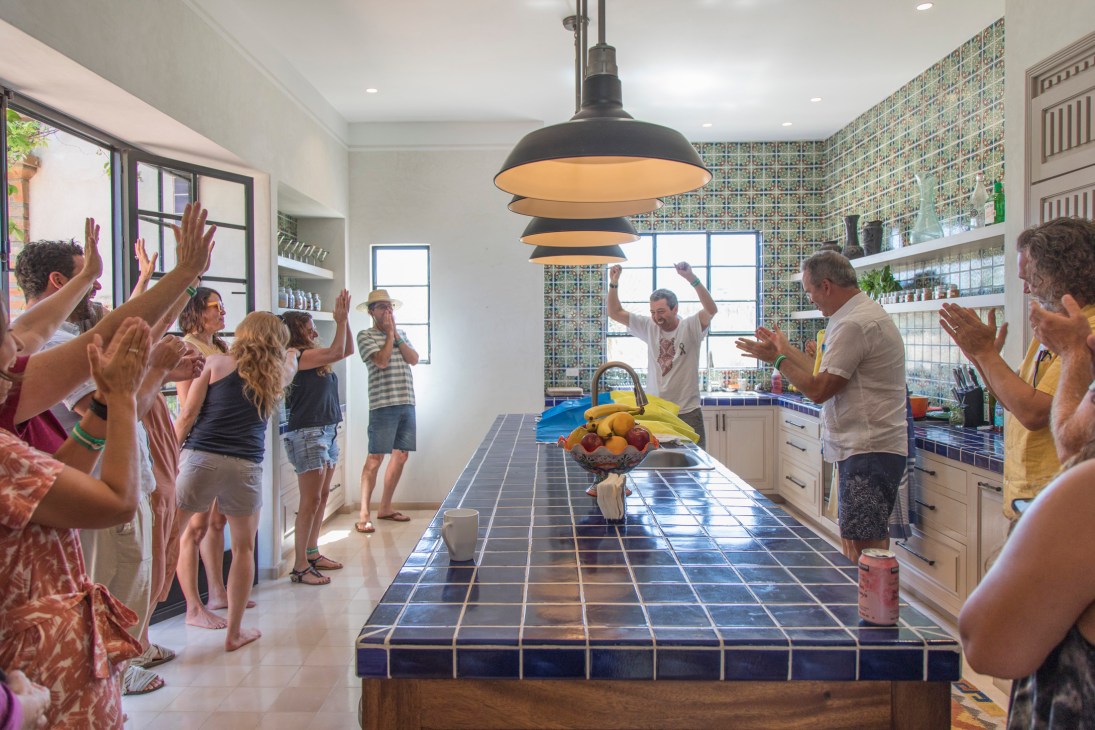
It’s a bright, fresh morning at the Modern Elder Academy, a cluster of villas on Mexico’s Baja peninsula, where the “bread ceremony” is about to begin. Ran Fridman, an Israeli-Ukrainian entrepreneur, has spent the past few hours baking for his fellow “compadres”, as students at the academy are known. “Bread is very connected to Ukrainian culture,” he says, also cracking open a bottle of vodka, undeterred by the fact it’s only 11.00.
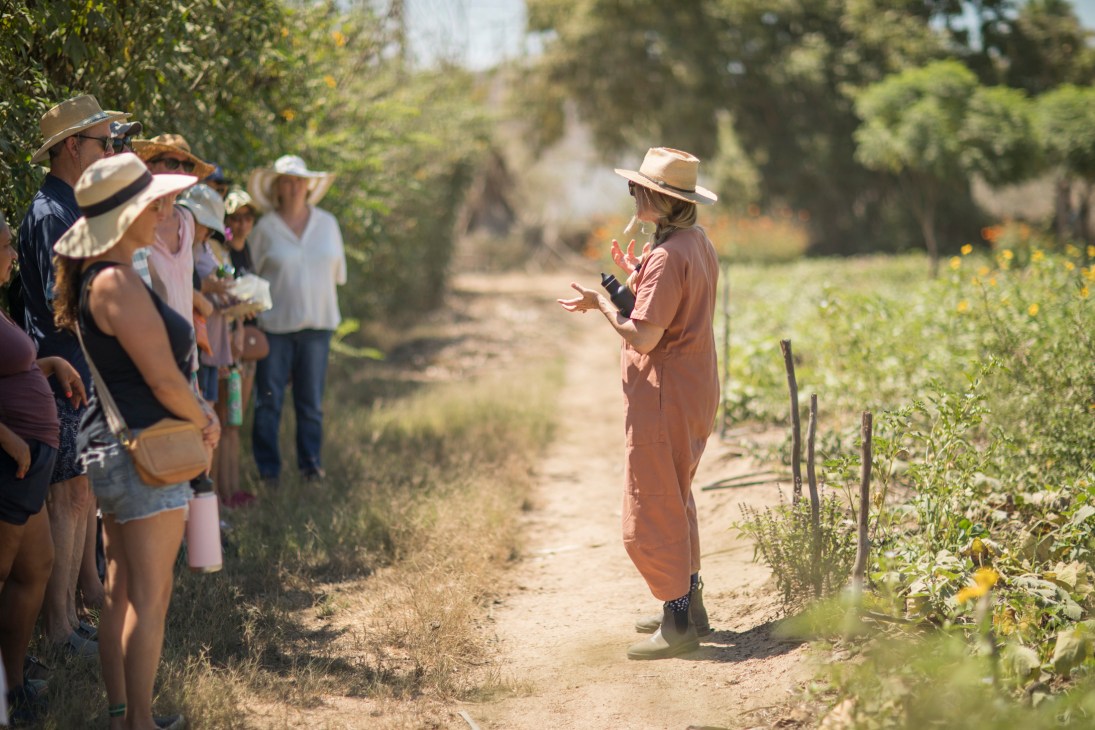
After all, some of the compadres may need a stiff drink. These 25 late-career consultants, former media chiefs and second-retirement ceos have spent five days getting to know each other, breaking bread and swapping stories of triumphs and travails from their working lives. They emerge from one of these sessions in a nervous flurry. There’s clapping and singing as Fridman hurls himself into a traditional Ukrainian hopak dance, complete with squat kicks and rounds of vodka.
It gets remarkably rowdy – at their age, supposedly, they should know better. Yet the Modern Elder Academy (MEA) is all about getting participants grappling with midlife to “reframe ageing”; to get people to see ageing not as decline but as an accumulation of wisdom and worldly acumen that has value.
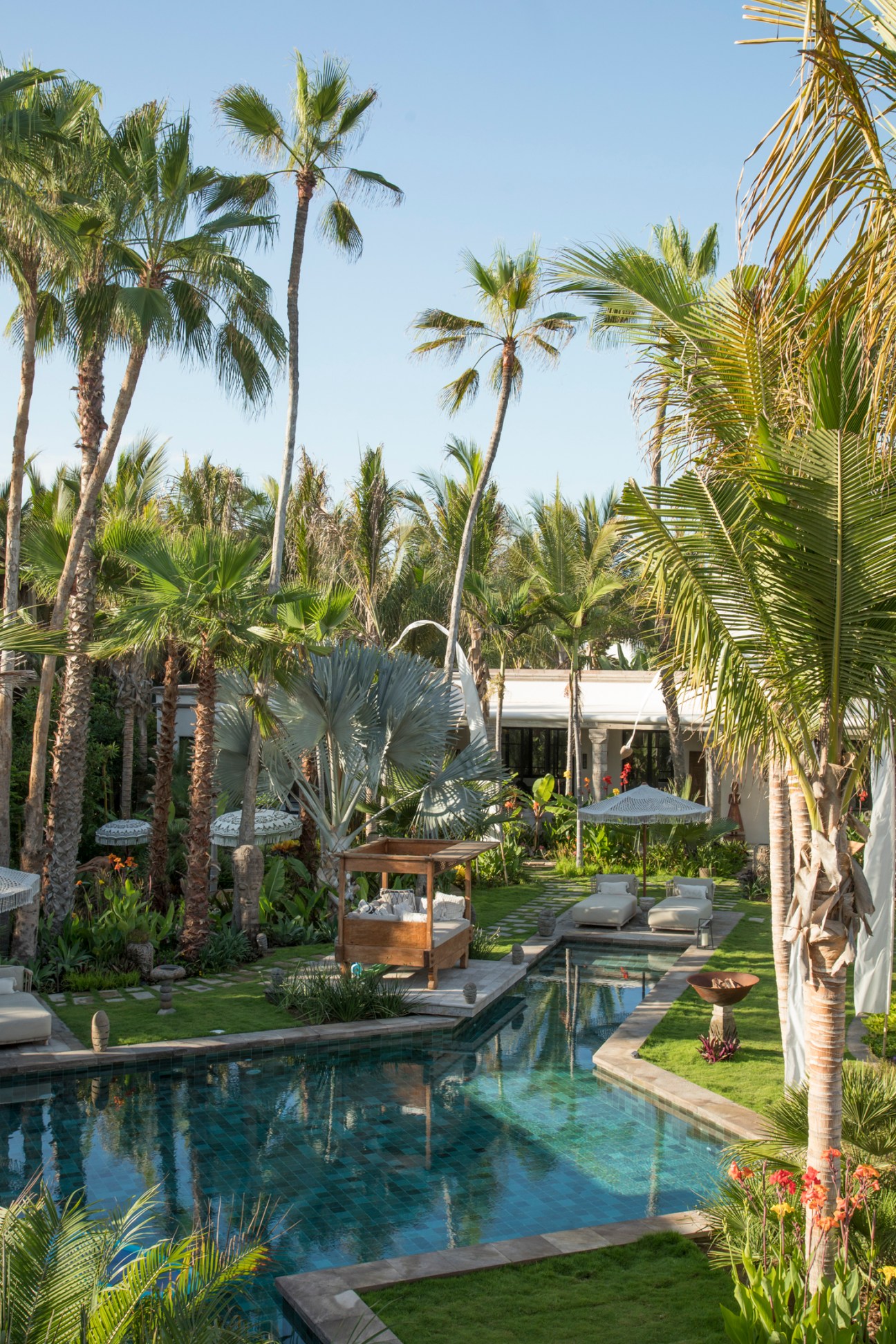
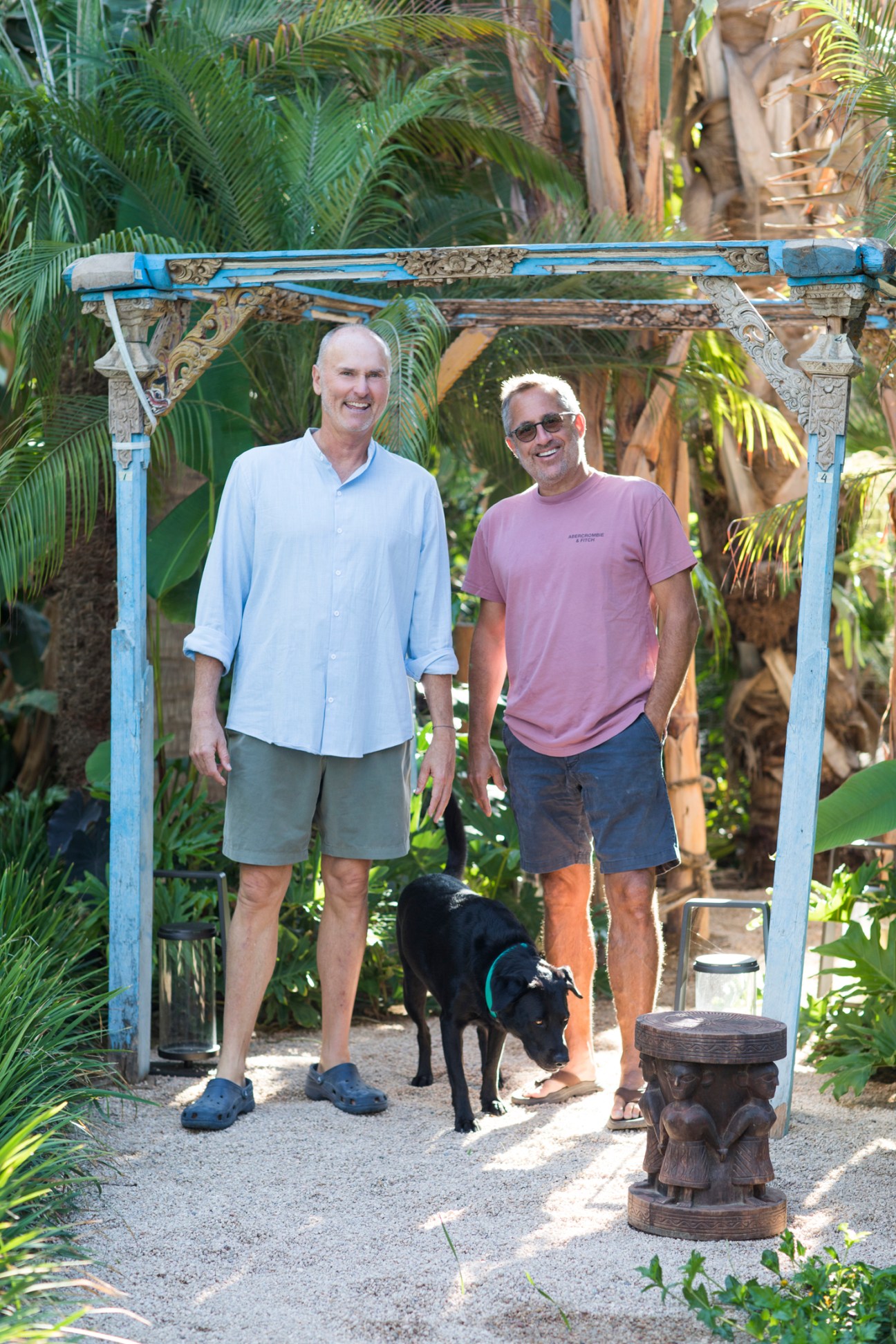
The average age of mea’s 3,000-strong alumni is 54 and many of the week-long courses are geared to budding entrepreneurs with a business idea they have long nurtured or a new venture that they are trying to get off the ground. (A forthcoming workshop is led by Kerry Hannon, author of Never Too Old to Get Rich.) Others are returning to work for the first time in years. A week’s course is $5,500 (€5,400), with grants and scholarships offered, and much of the actual teaching emerges from group chats led by invited speakers. mea co-founder Chip Conley, an American hotelier and serial entrepreneur, says that demand has prompted the building of two new campuses, north of the border, both in Santa Fe. The third, however, isn’t in downtown but intead in the Museum Hill district of the New Mexico city.
That’s happening against the backdrop of a shift in how we work, as people live longer and continue working into later life. The so-called Great Resignation of the past two years has seen workers quitting their jobs in Europe and America; while it was first driven by younger people seeking better pay, it is increasingly spread to older, tenured workers. Many are taking early retirement, encouraged or otherwise, and companies are shedding decades of experience overnight. Others are stepping out of the office to reassess what it is they want to do with the next stage of their lives.
That’s where mea comes in. Conley believes that he would have been its perfect customer: he launched Joie de Vivre, a group of boutique hotels across America, in 1987 but sold the business as he was nearing his fifties after being hit by a string of personal tragedies. He began writing books but it was only when he joined Airbnb, intially as a strategic adviser, that he found direction. “I was 52, mentoring the three founders, who were between the ages of 29 and 31,” he says. “They began calling me a ‘modern elder’. At first I didn’t want to be that but they described it as someone who is both curious and wise. I felt regenerated by the experience [of being a mentor]; I had meaning but also I could see my value.” This is an insight that underpins the academy’s wider ethos.
Many of the people on the course were just setting out on a venture. “I have a side hustle that’s turning into a business,” says Dominique Mas, a leadership coach from France who currently slogs it at an early-stage start-up in New York. “But what also brought me here was exhaustion.” For all the wisdom-swapping, the mea is still a place to relax, situated on the Tropic of Cancer where desert cacti butt up against oceanside palm groves – there are home-cooked Mexican meals, sundowners on the terrace and, of course, a lot of yoga.
The past few years have seen a profusion of retreats, supercharged by the pandemic, with North America leading the way on a lucrative “wellness tourism industry”. But how much value is there in a getaway geared to older entrepreneurs? “It was perfect timing for me,” says Amelia Leme, who runs a Brazilian athleisure brand called Mana Threads that makes clothes using biodegradable materials. After moving 80 per cent of her production to the US, she was at a loss for where the business went next and has found inspiration in Baja. “The first two days does involve quite a lot of shedding layers and bonding.”
Indeed, the mea is mysterious about exactly what happens on that first day. According to several people who did the course, there’s an expectation to rigorously open up about yourself, which is enough to remind you that this is still a retreat only a two-hour flight from Los Angeles. (There was apparently a shaman on-site at one point.) Kathleen Cacouris, a lifelong marketeer, came to mea looking for ideas for her new business making travel slippers but, on the sidelines, infers that there was too much feelings-sharing and stick- passing in the early sessions. “I kept wondering whether I had signed up for a 12-step programme?” says Cacouris.
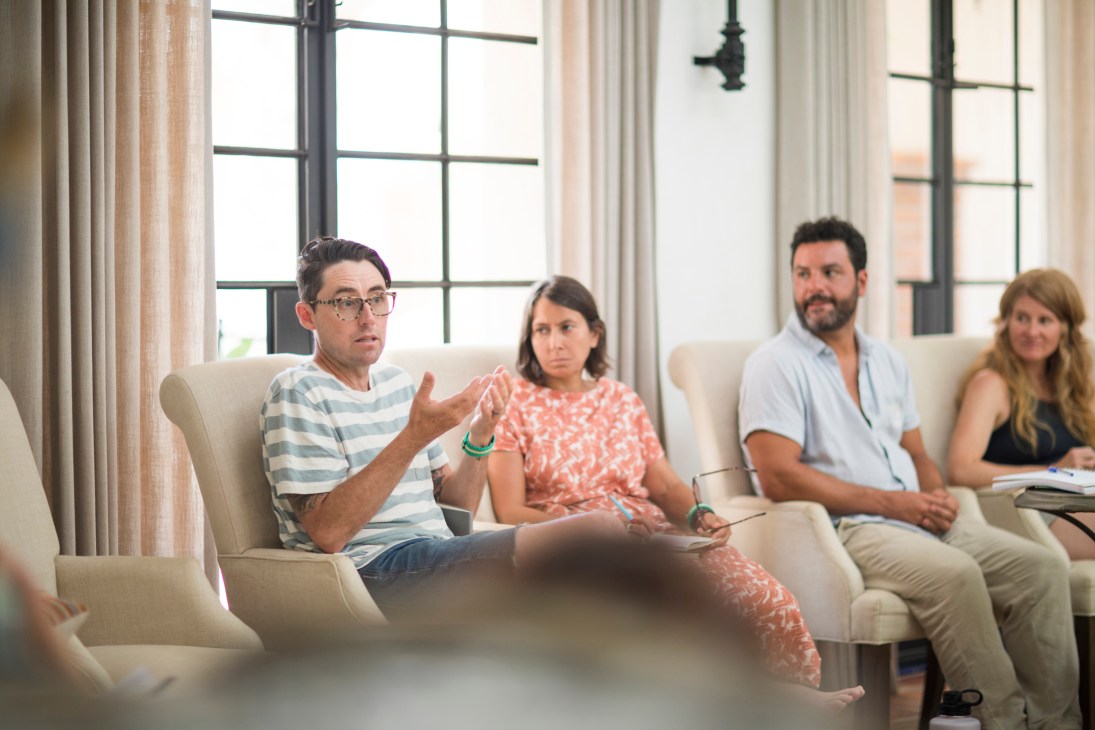
The late morning workshop we attend, however, is more down-to-earth: it’s led by Tim Parr, who held senior posts at Patagonia before starting the California-based brand Caddis, making reading glasses with design nous and not for “the $10 rack at the pharmacy”. Parr shares a list of essential lessons from various businesses that he’s built over the years with the group: regard your ideas as cheap and not to be treated preciously, for instance, which gets the group talking. Scribbling away in their notebooks, they interject with their own experiences and linger on the question of how to avoid killing the culture of a business as it grows. Everyone has a story: the former MD who turned around a toxic office, the 70-odd-year-old lawyer who started a Cheap Thrills Committee to keep team morale up. Much of it is useful.
“Our culture is punchdrunk on youth,” says Parr, during a break. “Less than 10 per cent of marketing budgets are dedicated to those who are 50 and older, yet they’re the ones with the money who are not slowing down on spending.”
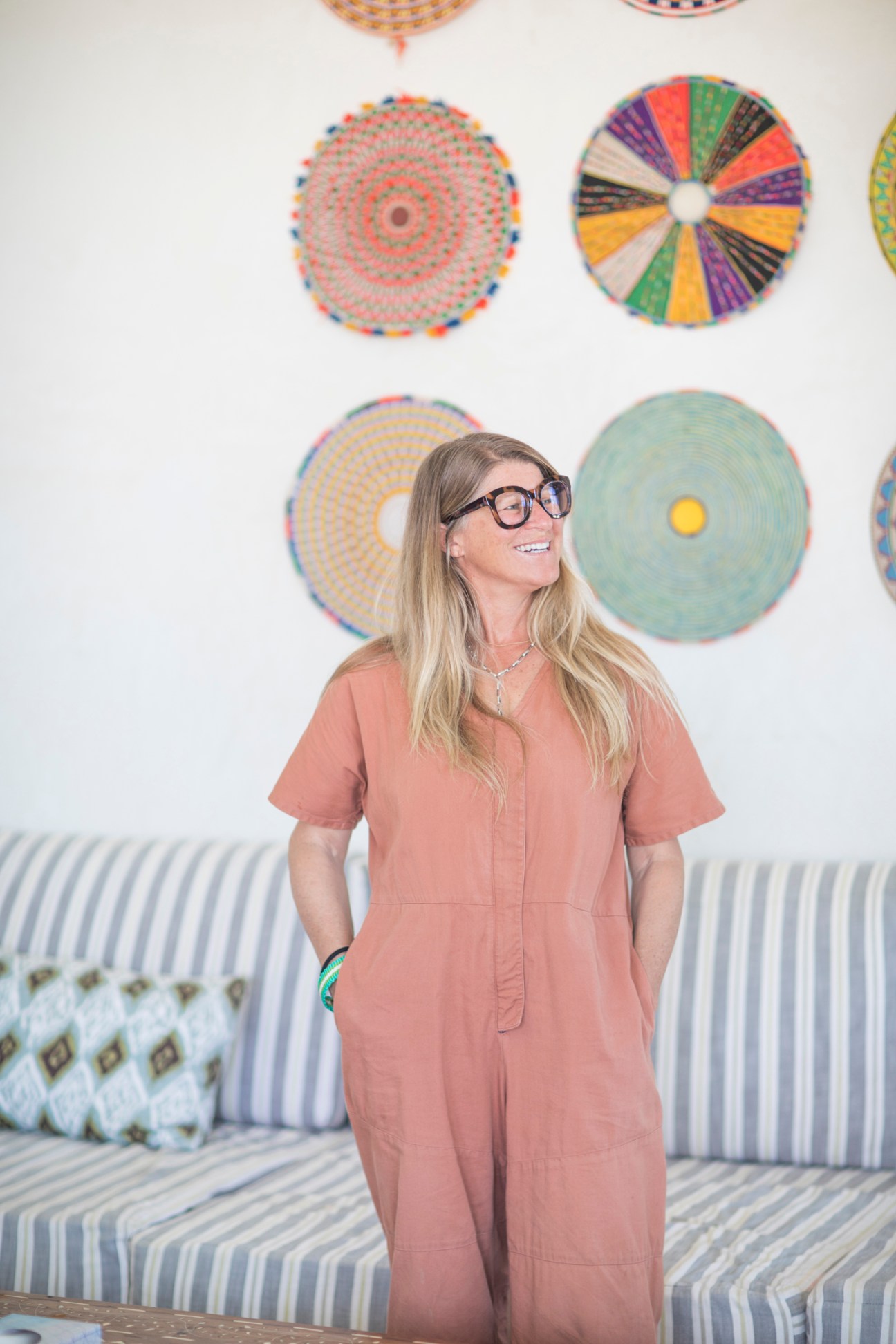
Quite a few participants at mea have started businesses aimed at an older clientele and Parr points to investors such as Alan Patricof, who launched a new fund in 2020 backing start-ups looking to serve a coming “silver tsunami” of purchasing power. He believes that a business needs people in the room with the lived experience to understand this market. “In the next two years, we’re going to see an intergenerational mash-up happening in the workplace.”
David Stewart, founder and director of Ageist, a magazine of ideas and culture aimed at over forties, is wry about some of the goings-on at mea. “Stop the naval-gazing and get to work,” he says. But sees it as part of a deeper social shift as we rethink getting older.
“The Great Resignation should be renamed the great realignment,” says Stewart. “If you think you’re going to live not just longer but healthier for longer, that changes everything: your consumer buying habits, your future ambitions. The key is to understand how people see themselves in the future because that’s the pivot everything rests on.”
Over pizza and drinks that evening in Baja, there’s an upbeat mood on campus. The compadres have been out learning to surf and have toured the academy’s farm. Kathleen Cacouris, who came here seeking inspiration for her travel-slippers company, is still not convinced by everything she’s done that week but says that she’s ending it feeling positive and energised. “My mind is open to things, certainly,” she says before turning to a barman. “And now I’d like a margarita please.”
Fit for purpose
The 2,136 sq m building has the same clean, understated look Apple is known for, such as the company’s shops and vast spaceship-like HQ in Cupertino, northern California. It’s welcoming, efficient and impressive but never imposing – all important brand values for a company that’s obsessive about everything staying aligned. In short, it’s a building that gets out of the way.
This two-storey space was created out of the former Santa Monica Seafood Market to house Apple’s subscription service, Apple Fitness+. The conversion of this one-time shrimp emporium is a key part of Apple’s push to flex its muscles in the personal fitness market. But, intriguingly, the company’s mission is not only about revenue or market share, it also sees its work as a moral responsibility. Company CEO Tim Cook has said that, “If you zoom out into the future and you look back and ask the question, ‘What was Apple’s greatest contribution to mankind?’, it will be about health.” It’s a big statement but one that the company takes seriously.
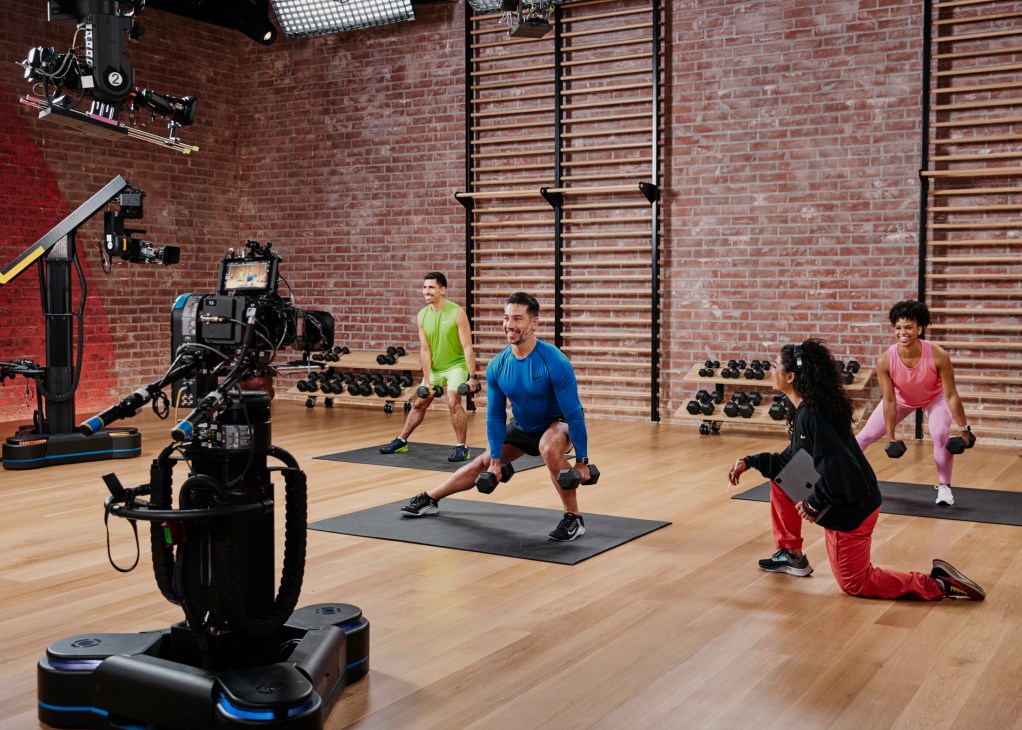
Apple Fitness+ is a €10 a month service that offers pre-recorded fitness videos across disciplines from high-impact interval training (HIIT) and strength training to dance and yoga. The videos can be viewed on an iPhone, iPad or big-screen TV. Apple doesn’t make its own exercise machines but to access the workouts, you need an Apple Watch. As you sweat your way through a workout, the watch measures your heart rate from your wrist and displays it on the bigger screen, encouraging you to work harder or comparing your exertions to those of others who’ve done the workout before.
“Where rival fitness companies have workouts that can be punishing, Apple Fitness+ is inviting and nurturing, without being easy”
The emphasis is on everyone being able to take part. Where rival fitness companies have workouts that can be punishing, Apple Fitness+ is inviting and nurturing, without being easy. As Issy Towell, an analyst who focuses on wearables for ccs Insight, says, “Consumers are overloaded with fitness content. Fitness+ simplifies the experience with a holistic health angle that’s not intimidating and is for mind and body.”
The service launched in December 2020 during coronavirus lockdowns, when technology-based fitness businesses were thriving as people worked, and worked out, from home. The Apple Watch had already evolved into a so-called wellness companion, with sensors to track heart rate, count steps and measure blood oxygen. Now it even reminded you to wash your hands for 20 seconds to avoid the dreaded virus. But as normality returns, this competitive market is proving brutal: Peloton shares have fallen from about $100 a year ago, to less than $10 today. And while Apple does not reveal numbers, it will also face challenges holding on to users who are now back in the gym or down the pub. In short, only the fittest will survive.
Jeff Williams is Apple’s chief operating officer and on Monocle’s visit to the Santa Monica site he returns to the mission guiding the business. With the Apple Watch, he says, the company saw “not only an opportunity but maybe even a moral responsibility to help people be more active and help them with their health”. This belief, that the company can help to shape better health outcomes for those who use its products, is key to understanding how Apple – the technology giant that makes your laptop and the phone in your pocket – has also become a health player.
Jay Blahnik is Apple’s vice-president of Fitness Technologies. Previously at Nike, where he helped to create the Nike Training Club app, he also has an extensive career as a trainer, so has brought a coach’s point of view to bear in the design of the Fitness+ building and app. He is also a force of nature, the person who catches your attention, whoever is in the room. The project began slowly, he says. “We started with an idea of a service and some simple key things. We wanted the content we created to be beautiful and that we wanted it to be as cinematic as a theatrical release.”
Housed in the Fitness+ HQ are a rehearsal space, control room, wardrobe (to workshop your fitness looks, of course), shower rooms and, most important of all, the double-height stage where most of the workouts are recorded. An entire week’s content, with workouts across multiple disciplines, becomes available every Monday. Delivering two dozen or more workouts each week raised issues of scale. “We started with 11 disciplines,” says Blahnik. “Most services start with one core thing and then everything else is kind of a hobby. We wanted to treat everything equally.” This led to a crucial decision: to have only one stage.
When you’re watching Fitness+ workouts, you might imagine that there are multiple studios – one minute there’s a garden view, the next a climbing wall. But it’s all shot in the same room. “We work with great architects and engineers,” says Blahnik. “That studio is an engineering feat. You have 13 robotic cameras, the largest robotic installation of cameras in the world.” To film so much content every week, changeovers between recordings take as little as 15 minutes. The cameras and lights slide along curving tracks for the next session automatically.
There are now 27 trainers of different ages, ethnicities and body shapes to give everyone some hope and potential role models. There are also sessions geared to beginners, workouts for older adults and episodes focused on staying active during pregnancy – and getting back to fitness after having a baby.
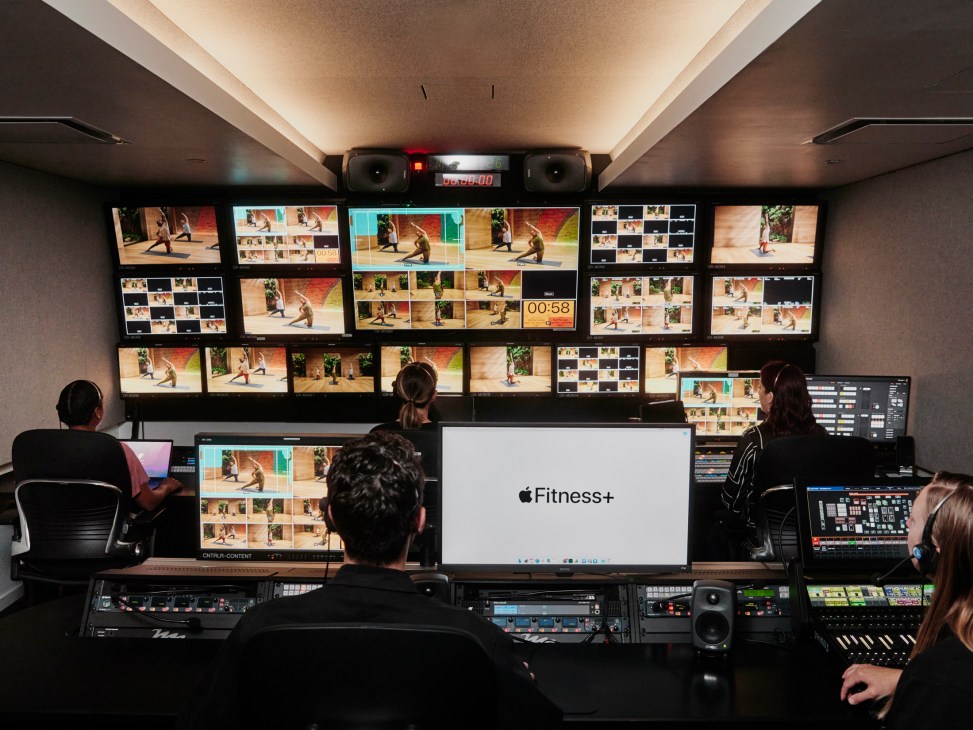
While all the trainers are remarkably fit, Blahnik says that they weren’t picked for this alone. “Everyone here shared our mission to do something that no one had done before, which was really to invite everyone, to be inclusive. When they were going out there for their first videos, we would shoot this as many times as we needed to, as they were learning how to find their voice on the floor. We wanted everyone to feel comfortable.”
Kim, whose speciality is hiit, is one of several Brits who moved to LA for Apple. In the studio she is recording a segment where the trainer gives a short overview of what’s coming up. She is confident and precise, reading the autocue naturally. Then, Kim is joined by two other trainers, to record a 10-minute hiit class. Most sessions are recorded in one take. In the depth of the pandemic, everyone wore masks until the moment filming began, when a nurse removed them. Now they just take up positions and the workout begins.
Jessica, who coaches yoga, suggests that the coronavirus helped, in a way. “When it hit, we became a very tight-knit group,” she says. “We were each other’s support network and then we took those friendships on set.” Most workouts feature three trainers, with one performing simpler versions of the moves. As they record the session, the 4K Ultra HD cameras move robotically, adding a Hollywood smoothness to the finished product.
“Everyone here shared our mission to do something that no one had done before, which was really to invite everyone, to be inclusive”
The compactness of the building keeps things on schedule. The wardrobe, jammed with athletic wear in every size and colour from Nike (a long-time collaborator), the huge rehearsal space and the stage are all in close proximity. “You are never far away from what someone else is doing,” says Blahnik. “And that has really grounded us. We never felt like there’s the trainers and then there’s the production people and the editors. Everybody is connected and that’s turned out to be the single best thing.”
That teamwork will be vital as the home-exercise market evolves and diversifies. Apple doesn’t reveal how many people have signed up for Fitness+ but there are ways for Apple to build on its current offering, says Issy Towell. “More personalised feedback could help and perhaps advanced sessions could be a great avenue for Apple to enrich Fitness+.”
Does a technology company have any business trying to influence our health? Let alone see it as part of a moral mission? Well, maybe. Its growing range of exercises, glossy presentation and slick technical integration all show that Apple, like many others, believes that there’s a chance to win in the Lycra-clad battle to be the health whisperers of the future.
Shot in the arm
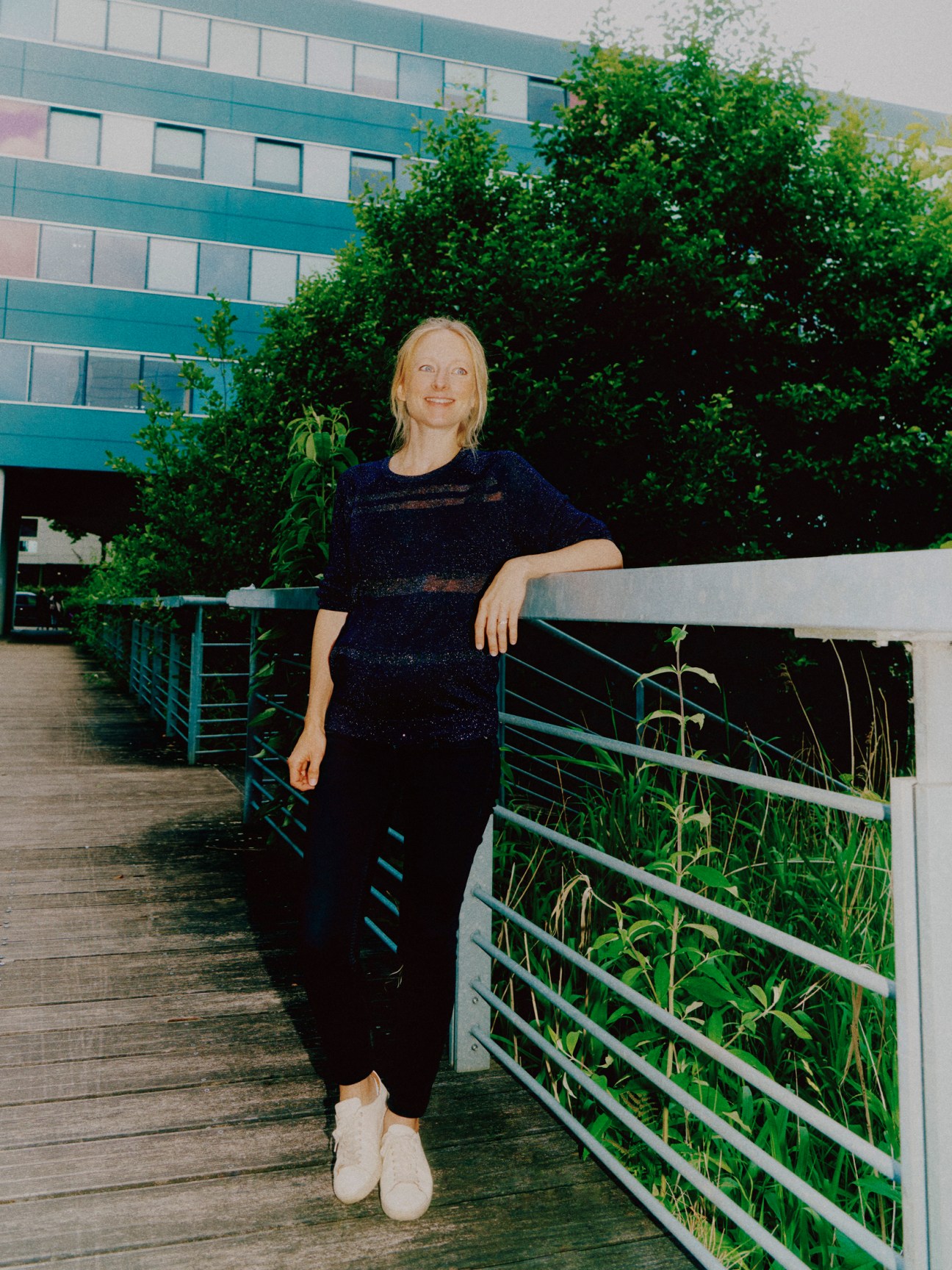
Sun-kissed and with his shirt sleeves rolled up, Fabien Pagniez is expanding upon the future of healthcare. “We will not need anaesthetists or surgeons,” he says from his company’s office and factory in Loos, on the outskirts of the northern French city of Lille. He’s referring to the potential that artificial intelligence has to revolutionise the healthcare industry. “All of this will be part of history.” Pagniez, CEO of MDoloris Medical Systems, has reason to feel hopeful about this brave new world: he’s at the forefront of it.

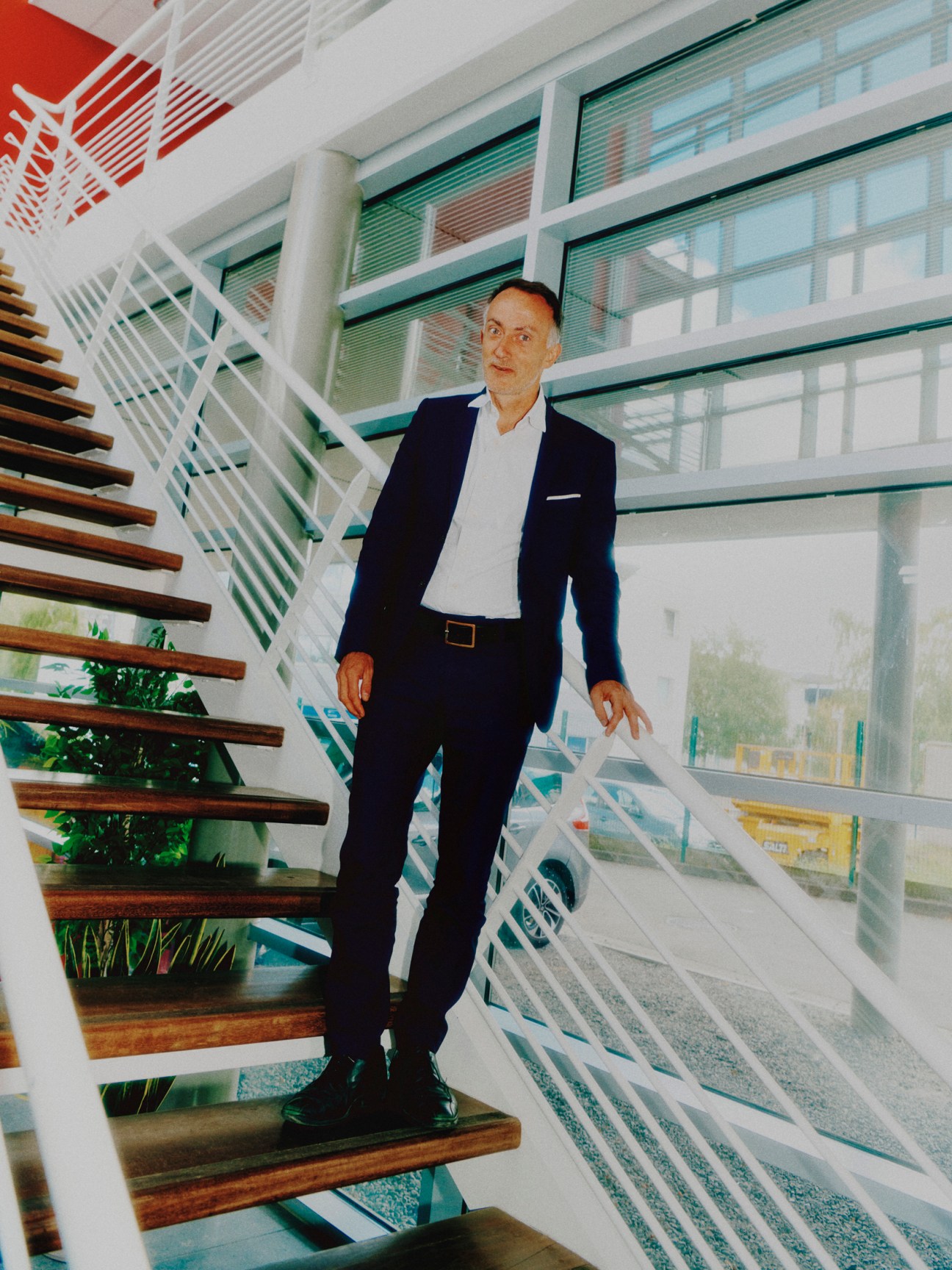
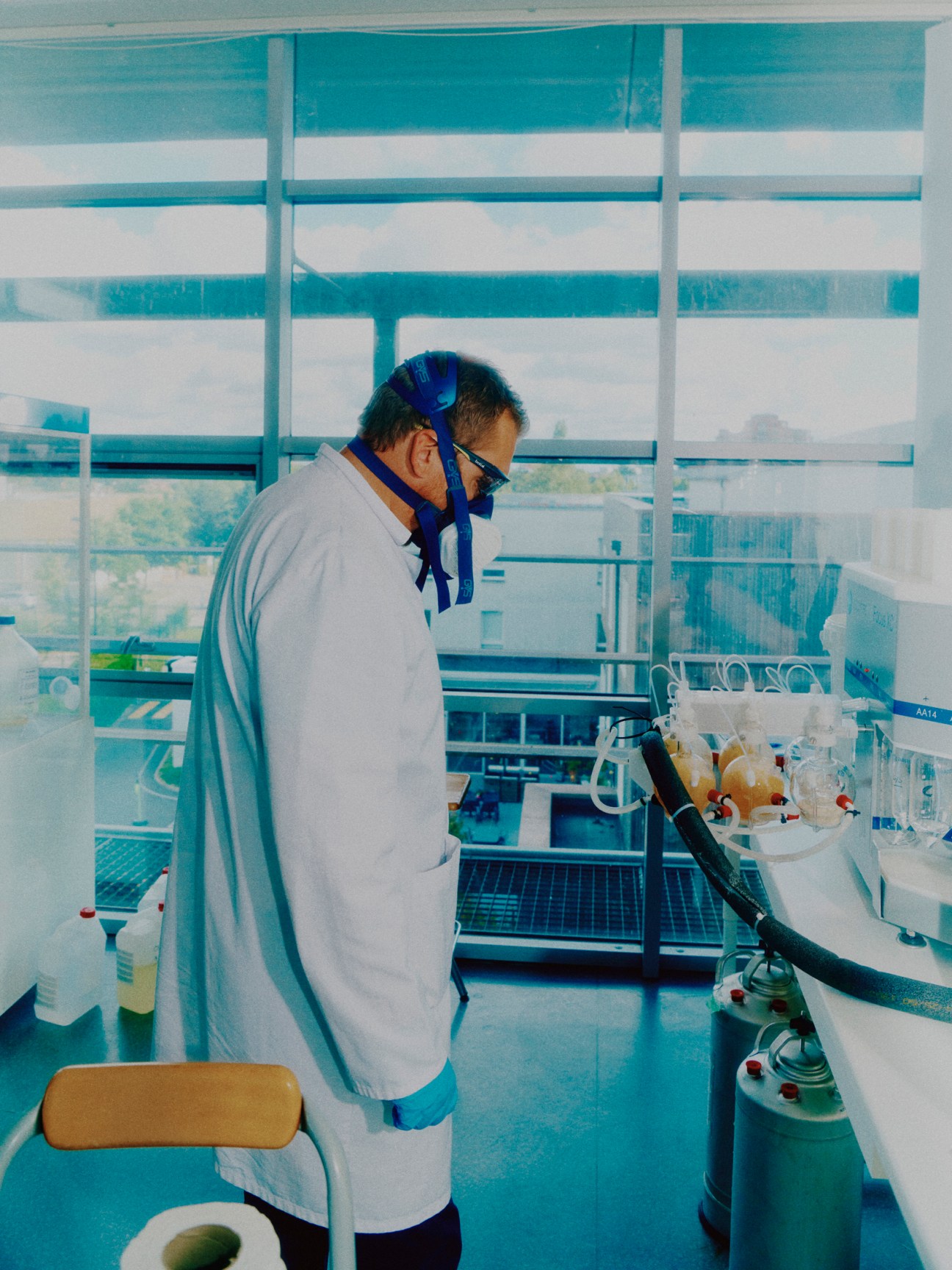
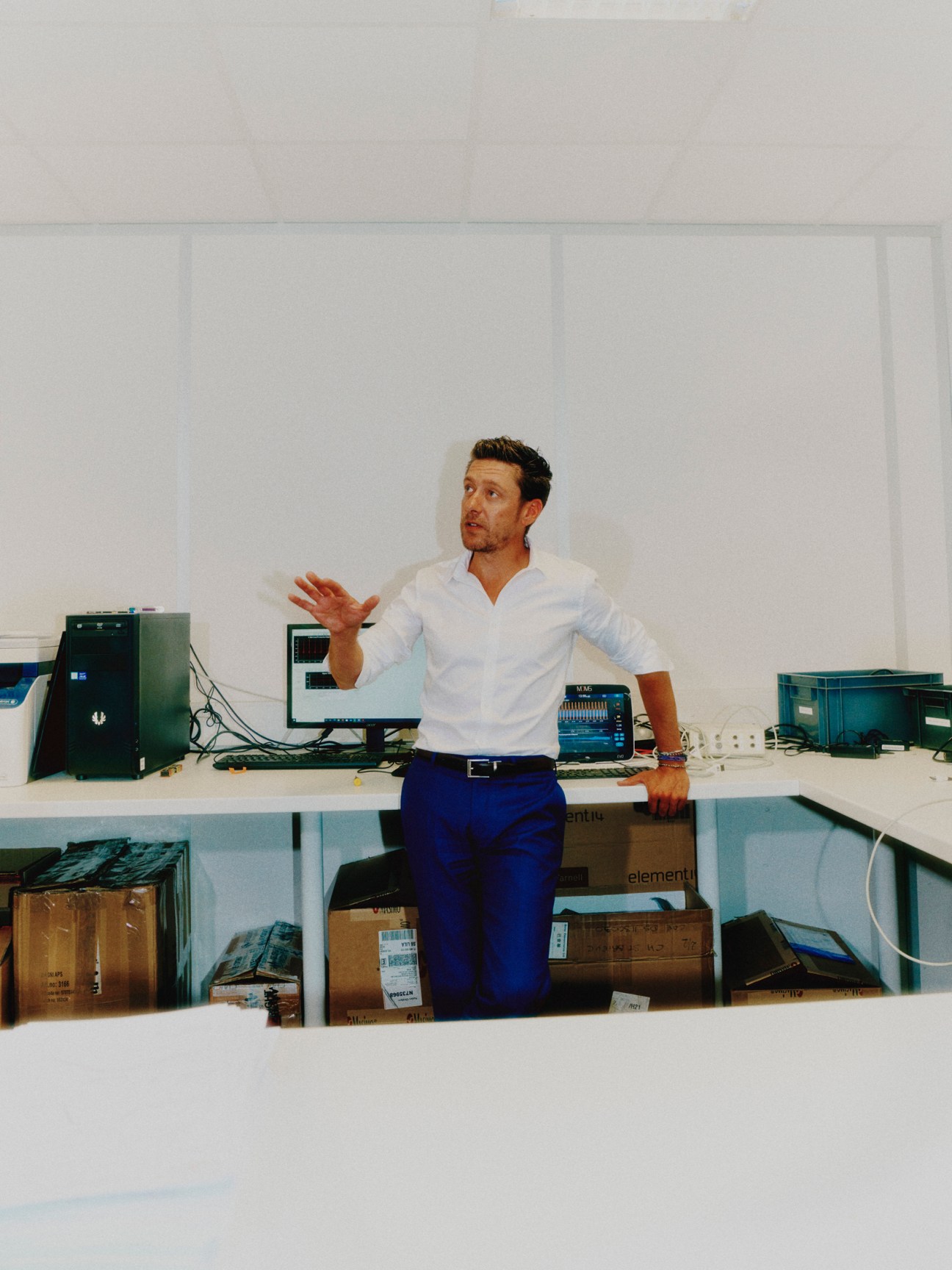
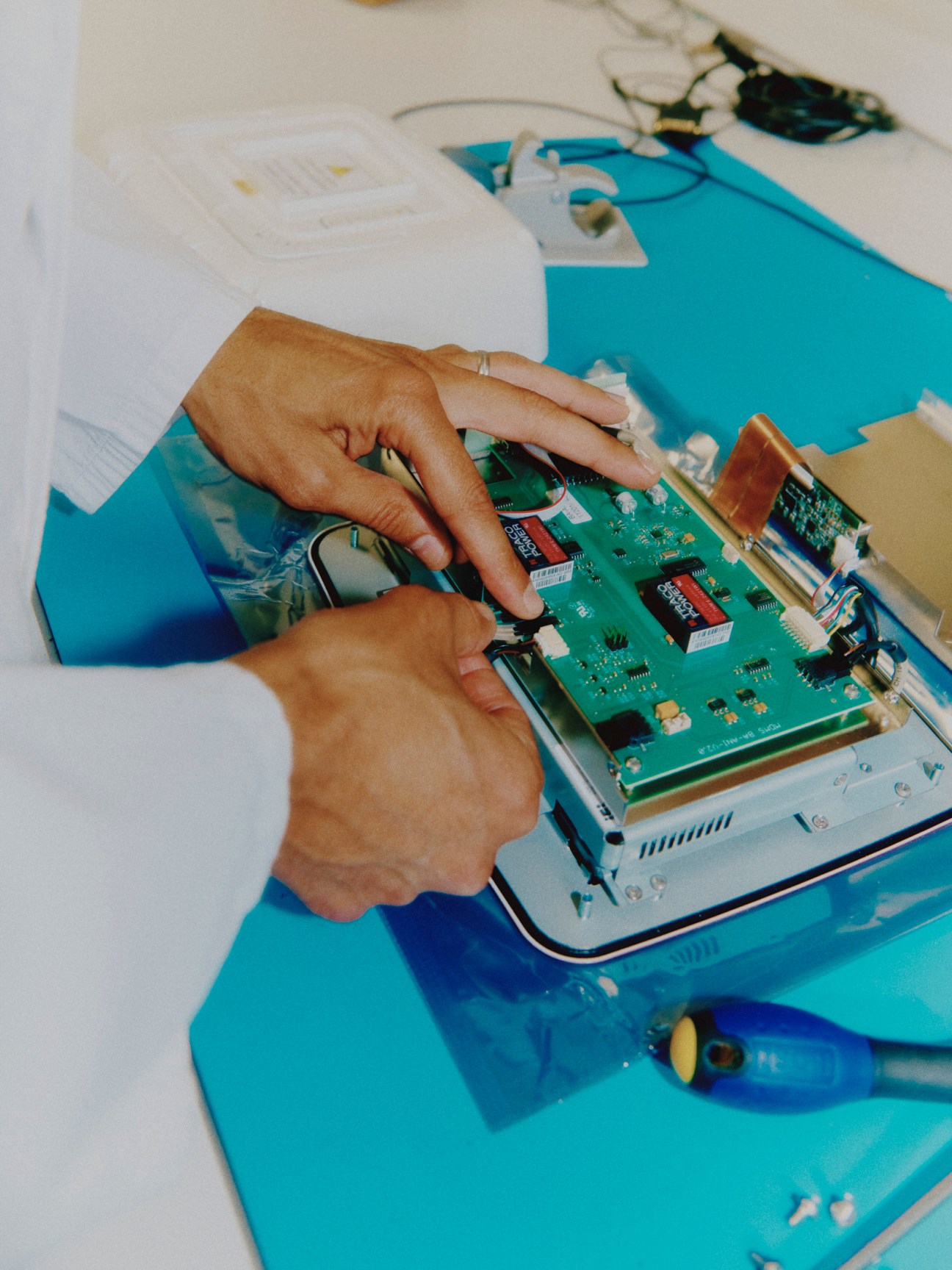
MDoloris, which was founded in 2010 and now operates in 76 countries, has developed a device that can measure the autonomous nervous system – or what Pagniez, in a gallant attempt to put things in layman’s terms, refers to as “the brain behind the brain”. The nervous system is responsible for the body’s physical reactions, including pain response, and MDoloris’s device, which looks like a standard operating-theatre monitor and clocks in at €10,000 a unit, gives readings that allow anaesthetists to measure in real time how much pain relief a patient needs during an operation. We watch as a small team beavers away screwing in circuit boards and mounting the devices, ready for boxing. MDoloris is also working on a prototype robot for administering drugs, meaning that Pagniez’s predictions may be nearer to reality than to science fiction.
The company is not alone in looking for healthcare’s next giant leap. The coronavirus pandemic, aside from turning everyone into amateur epidemiologists, has made nations pay more attention to their own industries. Vaccine nationalism has forced leaders to prioritise their healthcare sector’s capacity for innovation to a level similar to that of food security. France was notably slow in getting a coronavirus vaccine out of the gates, with Nantes-based Valneva only approved in Europe in late June. Emmanuel Macron has earmarked health as a key industry in his country’s future economic growth, allocating funds for improving competitiveness as part of a post-pandemic relaunch plan. A separate, bolder plan will invest €7.5bn in the sector in a move that promises to make France the number-one country in Europe for healthcare innovation and sovereignty.
Health hubs to watch:
Uppsala Health Tech Cluster,
Sweden:
One of Europe’s largest life-science developments with a focus on production and R&D. It brings together diagnostics, consulting, biotech and medical technology.
old.uppsalabio.com
Leiden Bio Science Park,
Netherlands:
The park unites companies from 14 nations and employs 19,000 people. It’s also home to big pharmaceutical players such as Johnson & Johnson and Belgian biotech Galápagos.
leidenbiosciencepark.nl
Medical Valley,
Germany:
Focuses on medical technology and links 500 companies with 65 hospitals treating 850,000 patients per year. Home to Siemens Healthineers and Novartis Deutschland, among others.
medical-valley-emn.de
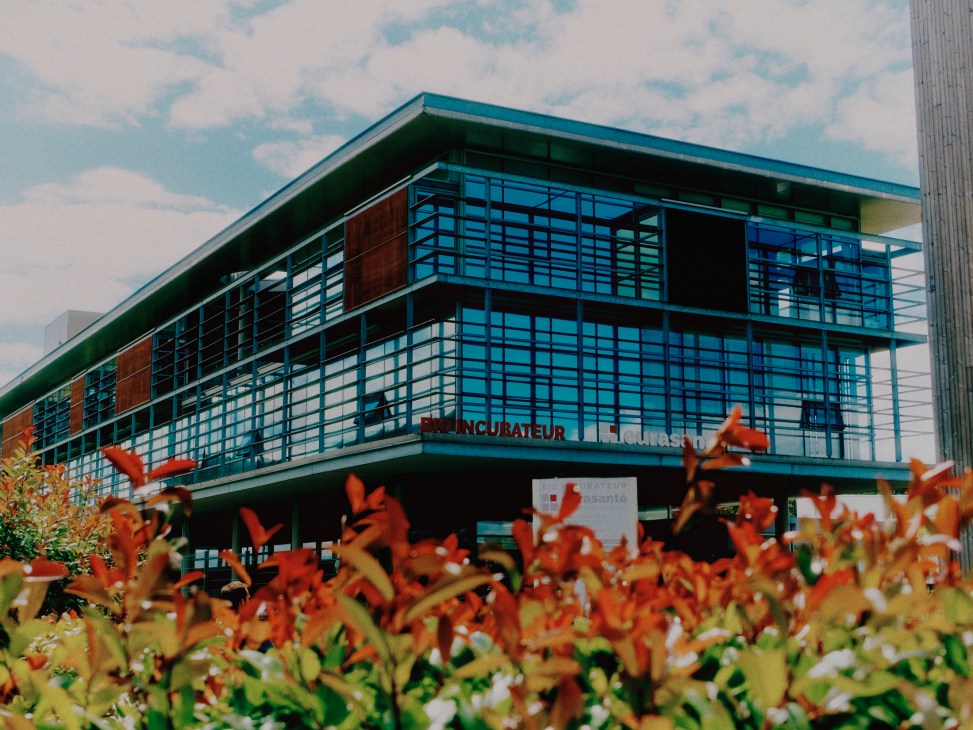
“Coronavirus has clearly shown us that we have a lack of independence in accessing critical healthcare resources,” says Etienne Vervaecke, general manager of Eurasanté, which oversees the business park where MDoloris Medical Systems is based and acts as an economic-development agency for the Hauts-de-France region. The area has struggled since deindustrialisation but it’s hoped that innovation clusters like this will transform the future of healthcare while giving the region an economic boost.
Eurasanté Bio-Business Park, a 300-hectare campus featuring a mishmash of architectural styles from slightly dilapidated brutalist to more contemporary offerings, is a Petri dish for public-private healthcare projects that span life sciences, research, academia and industry. If France is to bolster its healthcare prospects, it will need to lean on the Eurasanté campus, which is among the country’s most promising healthcare clusters. It includes eight hospitals, including the University of Lille Hospital, 50 research centres and 200 health companies; it’s easy to get lost when walking along its winding footpaths.
MDoloris Medical Systems wouldn’t be where it is without Eurasanté. The research that sits at the heart of its product took place at the University of Lille Hospital and the company grew up in the business park’s incubator, where young firms are nurtured with access to services, office space and external funding to eventually go it alone. The programme has been a marked success, at times acting as “a kind of CEO academy”, according to Dorothée Gueras-Tricart, who is in charge of innovation and entrepreneurship at the incubator. She meets Monocle at a lunch spot in the park to chat over a local cheese-heavy delicacy known as “Le Welsh”.
Eurasanté’s Bio-Incubator mainly focuses on two areas of healthcare: “medtech” (medical technology companies such as MDoloris) and “biotech”. The latter harnesses the power of biology to make breakthroughs in diagnosing and treating disease. Vervaecke argues that these companies should be viewed not just for what they do but the way they go about shaking up the industry. “Biotech should be seen more as an innovation model that is entrepreneurial and venture-capital backed,” he says. These leaner, faster companies have been at the forefront of healthcare in recent years, producing bigger results than the research and development labs at traditional big pharmaceutical companies, which often license a successful technology or simply acquire a company. Vervaecke cites a significant example of Pfizer developing its coronavirus vaccine by signing up with German biotech firm BioNTech.
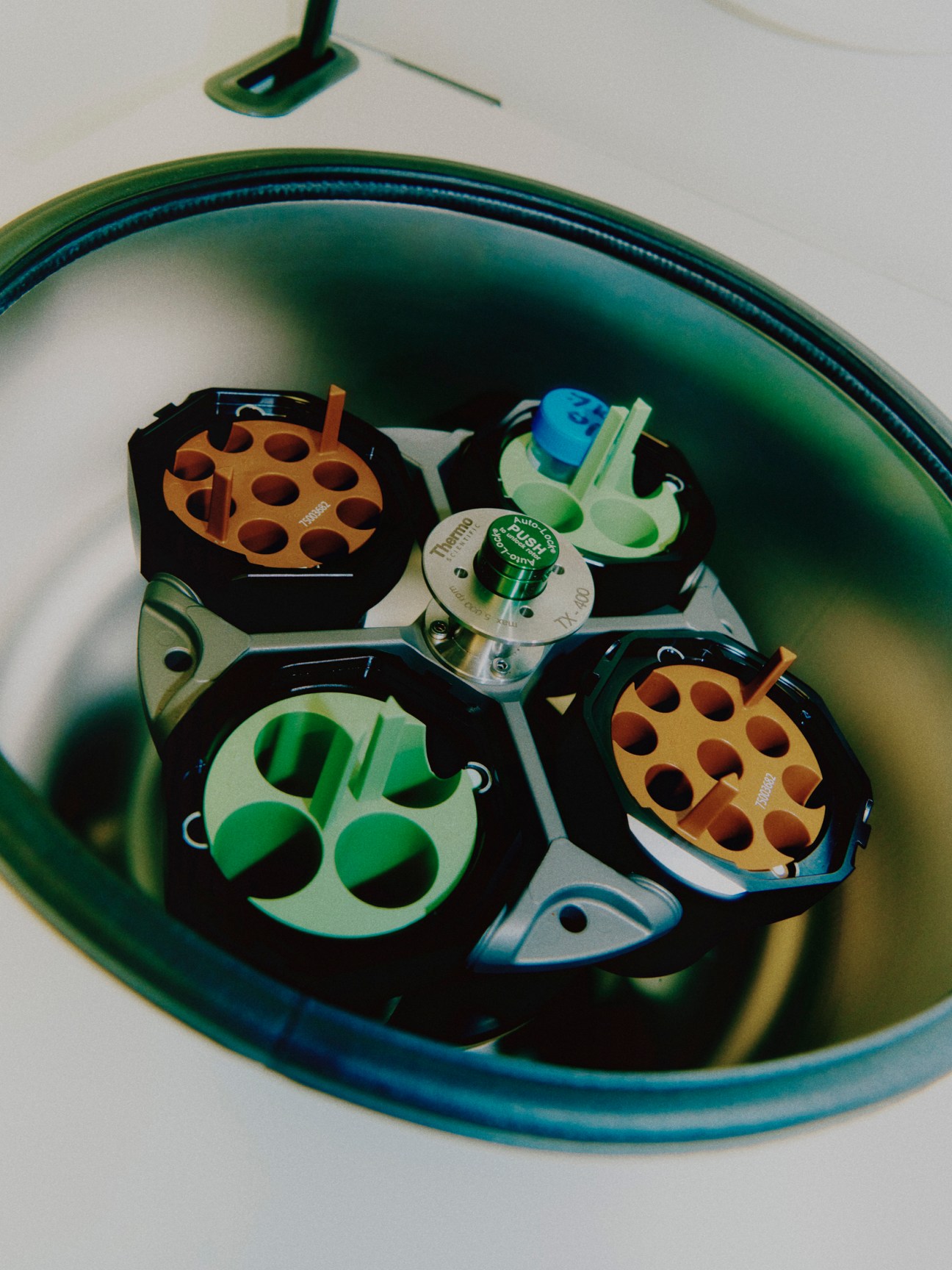


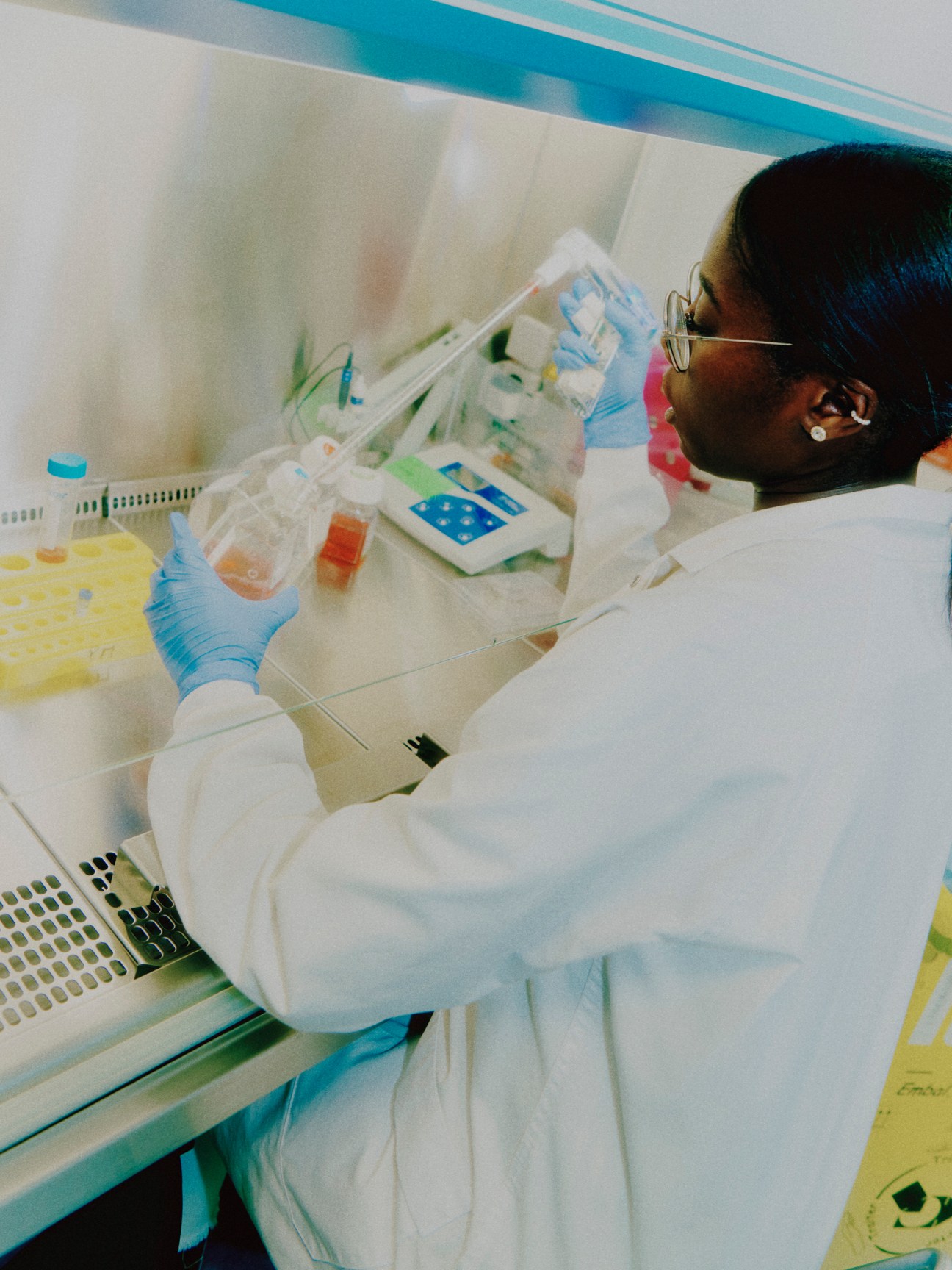
Spend a day visiting medtech and biotech companies in Lille and you’ll receive an education in the gruelling process of getting new medical products to market. The risk is often high but succeeding brings with it substantial economic rewards and the chance to be a healthcare flagbearer for one’s nation. Among the promising companies Monocle visits is Lattice Medical. Three of Lattice’s four founders are doctors working at the University of Lille Hospital and one of them shows up to meet Monocle wearing scrubs from his day job. The company is focused on advancing breast reconstruction as an alternative to silicone, using a non-toxic frame that encourages the growth of natural tissue before dissolving in the body. Another company, Vaxinano, specialises in nasal vaccines and is focusing on two parasitic diseases common in cats and dogs. Its founder, Didier Betbeder, tells Monocle that he thinks a human nasal vaccine could work against coronavirus and flu.
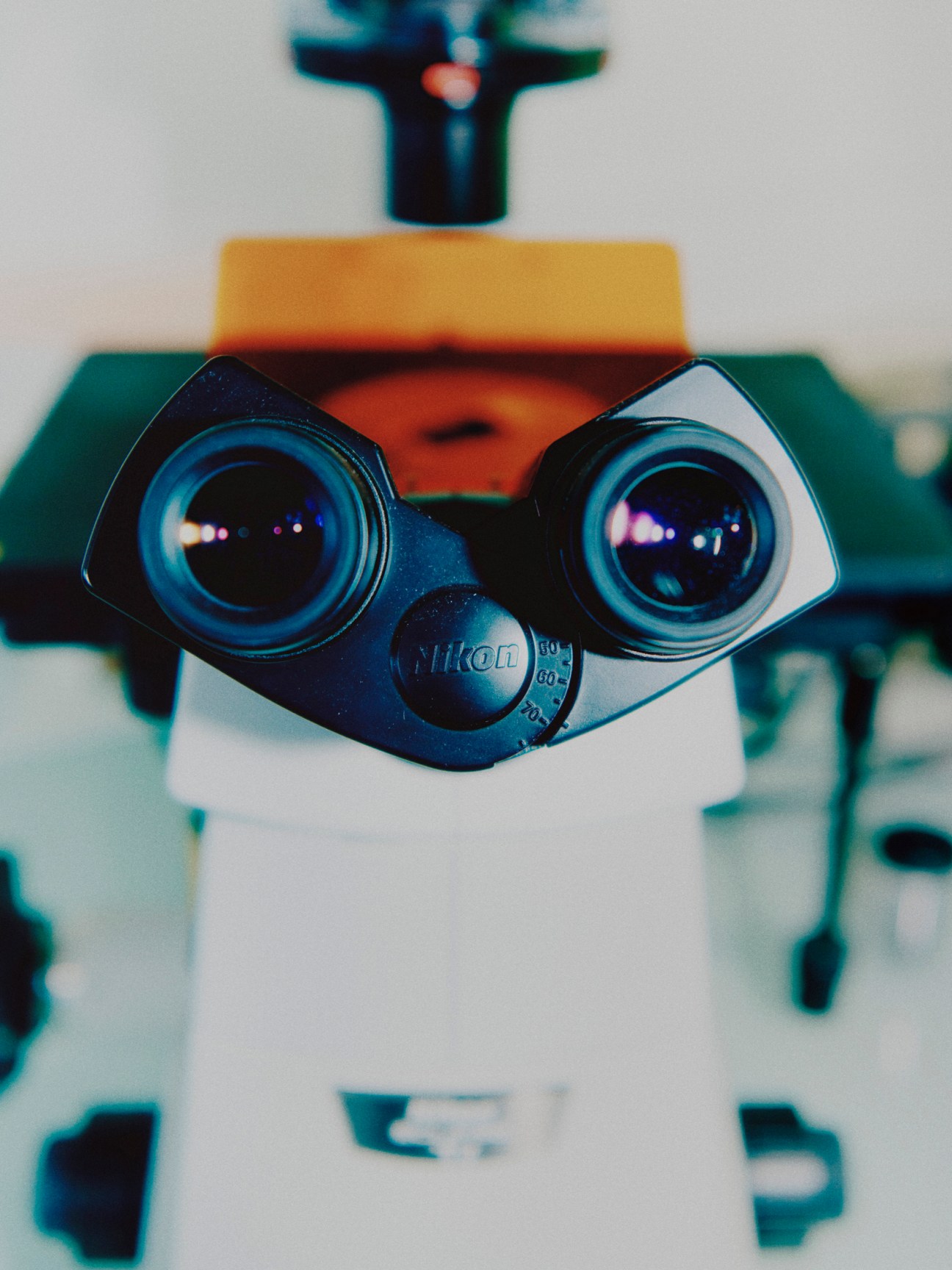
Yet the road to market can be long and fraught. Vaxinano needs €3m in funds to advance to the next stage of clinical trials, while Lattice Medical doesn’t expect to start production until at least 2025. Another company, Genfit, specialising in liver-disease treatment, dates back to 1999. Hairnets and disposable aprons are required on the tour of its labs, reached by long stretches of empty corridors, where white-coated staff carefully place small amounts of liquid into test tubes before examining them under microscopes. Genfit also failed one of its clinical trials – not uncommon in the industry – and had to adjust its focus. The move seems to have paid off: it recently signed a deal with a major French pharmaceutical company following promising results. “You shape things that don’t exist yet,” says Genfit’s chief strategy officer Jean-Christophe Marcoux. “That’s super exciting but it’s tough.”
Like almost everyone Monocle talks to, Marcoux says that funding is the hardest part of the puzzle in Europe, especially when compared to the US. He says that investors have “an aversion to risk”, while MDoloris’s Fabien Pagniez says that working in the US gives you a “full chance and full risk”, compared to a more cautious step-by-step approach in France. The difference in business culture means that companies will often set up in the US in search of a bigger, more lucrative market. France will clearly need to overcome that dynamic if it is to become a true world healthcare player, injecting more risk-taking into investor culture and ensuring that talent stays at home. Places such as Eurasanté will have an ever more important role to play. The men and women who run the park hope, among other things, to receive national “biocluster” funding from the government, which would last for a decade.
Beyond any geographic and strategic positioning of healthcare, though, Eurasanté’s general director Vervaecke knows that the sector can be a vehicle for change in Hauts-de-France. Inexorably linked to coal extraction and textile manufacturing – and the economic decline that came with deindustrialisation – healthcare is already a major employer in the region. But Vervaecke intends to help its prospects grow in the years to come, both inside and outside the park. “Healthcare is the main card that this region has to play,” he says. And it’s working.