Issues
Cities, slicker
Eternal life
Campo Urbano, Rome
Is it possible to create a truly mixed-use urban district that provides quality housing, offices, a hotel, an energy centre and plenty of retail, all on a difficult brownfield site near the centre of one of the world’s most notoriously development-averse cities? Yes, according to the architects, developers, designers and other stakeholders that have put together the Campo Urbano proposal for a scruffy industrial site around Rome’s Tuscolana railway station. c40, a respected global network of mayors, seems to agree.
“The Campo Urbano team were good on everything, across the board,” says c40’s director of urban planning and design, Hélène Chartier. So good, in fact, that in 2021 the project won c40’s Reinventing Cities competition, an initiative to stimulate sustainable urban development.
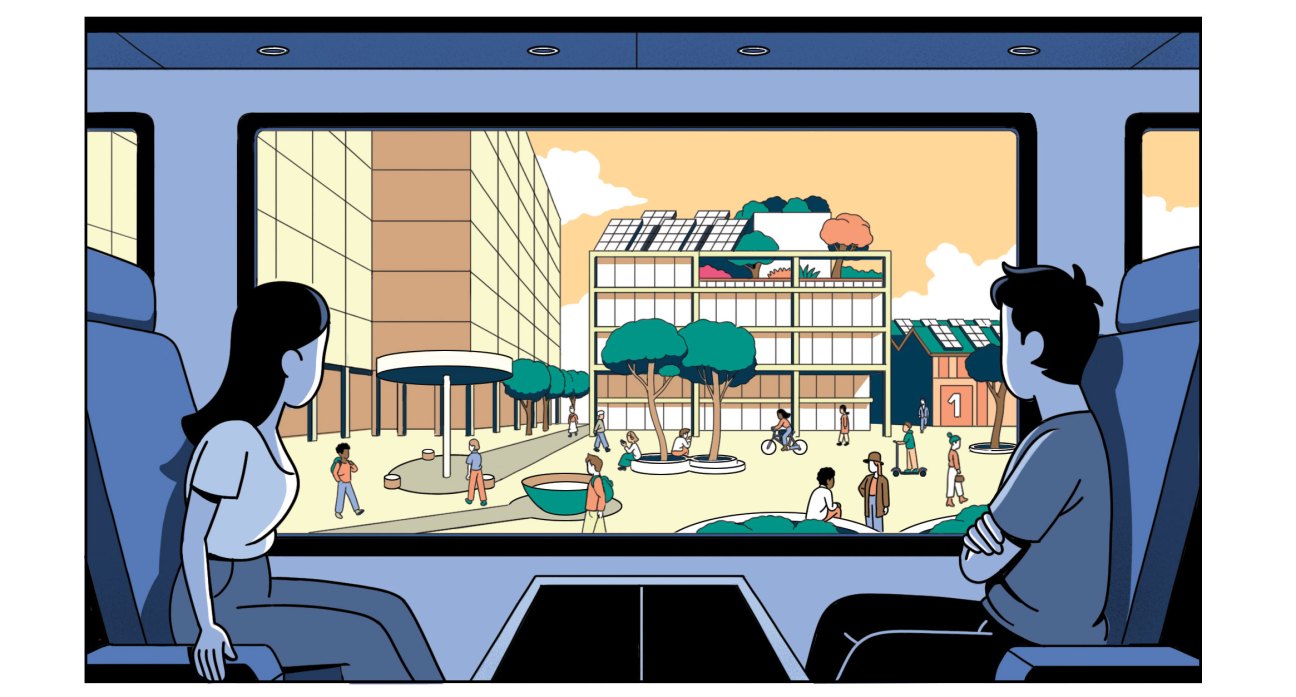
So could Rome finally be waking up to its potential? Perhaps the most fundamental aspect of the Campo Urbano project is its site. Like countless other places in Rome, Tuscolano has many of the ingredients to be a great neighbourhood. It’s close to both the centre and thriving outer hotspots, such as Pigneto, and has all the pleasant trappings of urban life in Italy. Indeed most streets here still teem with small shops, pizzerias and people. It is also (unusually for Rome) well served by rail and metro links. However, as lead architect Tommaso Franzolini says, walking past graffiti and a potholed carpark in front of the station, “It just feels like a bit of a no-man’s-land.” Franzolini is a member of London-based architecture and interior design studio Arney Fender Katsalidis which, together with Rome-based developers Fresia RE, lead the Campo Urbano consortium.
The problems that cause this kind of urban blight are many and solutions tend to be inherently complex, especially in Rome, where municipal mismanagement has let the city crumble for decades (see Issue 124). However, Franzolini and his impressively interdisciplinary team are aiming to bring together the public and private sectors.
Campo Urbano will be “a landmark decarbonised urban development for Rome”, says Franzolini, making an undeniably credible pitch. “Most importantly it will be a catalyst to do things differently.”
Embedded in c40’s competition rules is the need to have the broadest possible group of stakeholders from the beginning. Franzolini and Fresia RE have gathered designers, developers and experts in the fields of sustainability, engineering and mobility, as well as future residents, to create an economic proposal that is both deliverable and desirable.
The land for the new and repurposed buildings, and parkland for recreation and biomass-energy production, will soon be purchased from Sistemi Urbani, the property arm of fsi, Italy’s state-owned railway company, which possesses a vast and often unused portfolio of urban assets. This aspect of the proposal makes it particularly important on a national level. Just about every Italian city, large or small, contains masses of unused former railway land.
Urban regeneration – like London buses – can be slow to arrive. Then, as if from nowhere, it all comes along at once. With added incentive in the form of generous environmentally beneficial new construction and retrofit tax incentives, mainly funded by Next Generation EU, the bloc’s pandemic recovery fund, the sector is feeling flush. “We have so many Italian projects being submitted,” says Chartier at c40’s offices in Paris. “Italy is going crazy for this kind of development.” Indeed, of the 12 cities involved in the Reinventing Cities competition, a list that includes Montréal, Houston and São Paulo, four are in Italy – Bologna, Milan, Naples and Rome. That’s more than any other country.
By using the tools that are part of the Reinventing Cities application process, Franzolini and the Campo Urbano team have created a proposal that certainly ticks many boxes. Moreover, unlike many regeneration projects in the Eternal City, where red tape often leads construction to stall or be cancelled, this new neighbourhood will benefit from c40’s strict delivery monitoring system, meaning that a prize winner must be built as specified in the pitch.
When it opens, Campo Urbano will be one of the best-served, best-connected and greenest places (literally and metaphorically) to live and work in Italy. “Rome is ready,” says Franzolini, as he looks out at a neighbourhood that is ripe for development. sweeping his arms outwards, towards the future.
Building better
With San Francisco, Rome and Istanbul all turning fantasy into reality, here are three other cities planning to make dreams come true.
Tokyo: The area around Tokyo’s Shibuya station, a cultural and transport hub, is set to be transformed with several new mixed-use skyscrapers currently under construction, and a pedestrian walkway with smart shops and plenty of greenery.
Sydney: Travel to Australia’s largest metropolis will be revolutionised when the long-awaited Western Sydney International Airport opens in 2026. The state government is planning on making the area around it a regional industrial hub called Aerotropolis.
Berlin: An industrial wasteland north of the city’s central station is being turned into a new neighbourhood, dubbed Europacity. When complete, it will be home to thousands of homes, a new school and plenty of green spaces.
Power to the people
Gasworks, Istanbul
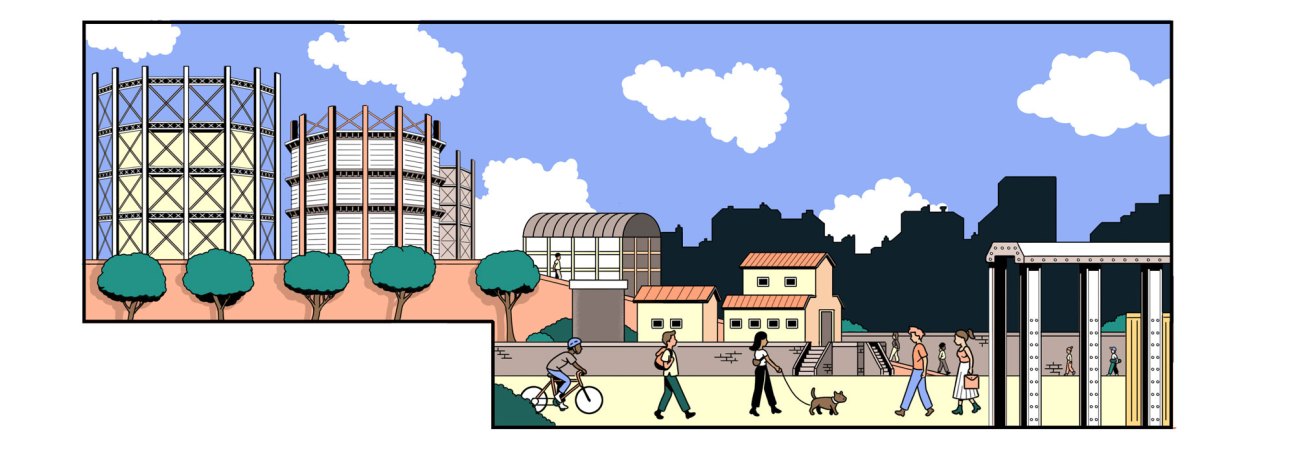
Last July a 19th-century Ottoman-era gasworks in the Hasanpasa neighbourhood in Istanbul’s Kadikoy district was reborn as Müze Gazhane, a massive museum and community space. The city’s switch to natural gas had left the plant, at one time the main supplier of electricity on the Asian side of Istanbul, sitting empty since its closure in 1993. It was set to be torn down and replaced with yet another shopping mall until a residents’ group, the Gasworks Environment Volunteers, paired up with Istanbul Technical University to reclaim it. After a 20-year battle, restorations began in 2015 and today the former industrial site powers the city’s imagination – if not its generators.
Sprawled across 32,000 sq m, the complex is bursting with modern Turkish delights. The circular buildings at the rear end of the compound have been adapted into stages for concerts and theatre, while another one hosts the Cartoon and Comics Museum. The former furnace tower hovers over the venue like an eagle’s nest and contains an observation deck on its upper level. There are two libraries (one of which is open 24 hours a day), a study hall, bookshop and workshop, which is available to use free of charge.
“Kadikoy has a very young population and there aren’t many public areas to go to,” says Sinan Caglar, who runs the space on behalf of the Istanbul municipal authority. “The avenue we are based on goes straight down to Sali Pazari district, which is filled with schools. Bogazici University dormitories are right across from us. This has become a lively area where young people can socialise, learn and study.”
Elsewhere, a former warehouse has been converted into an art gallery, one of six such spaces dedicated to different disciplines. Currently on display is an exhibition, curated by Marcus Graf, of 85 Turkish painters from the municipality’s collection. In September it will be used as one of the main venues for the Istanbul Biennial, the first such location on the Asian side of the city.
In front of the warehouse and adjacent to the main entrance in the piazza stands artist Kemal Tufan’s statue, Soaring Towards the Blue, next to a former steel wagon. The cobalt-blue sculpture is one of seven in the vicinity, all commissioned by the municipality and all made from scraps of metal and rubbish found scattered across the shipyard in Halic.
As well as its sizeable cultural footprint, promoting climate awareness is also an important part of Müze Gazhane’s role. The former gasworks boasts Turkey’s first museum dedicated to climate change, a laboratory and an energy museum where visitors can learn about energy production through various interactive machines and modules. Fittingly, most of the new materials used in its construction were either recycled or salvaged.
After Turkey ratified the Paris Agreement in October, Istanbul’s mayor, Ekrem Imamoglu, presented the city’s customised climate-action plan at the Gasworks Museum. The following day, demonstrations in support of Cop26 took place there. Environmental organisations such as Roots and Shoots Turkey, the Yuva Association and iksv Alt Kat are using it for their workshops, conferences and events.
“Our intention is that this space becomes a hub for those working with climate change,” says Caglar. “At this stage, it is a public service to promote climate literacy. Last year’s sea snot that clogged up the Marmara sea shows how Istanbul is directly affected by climate change,” adds Caglar, who is interrupted by the barking of a golden-haired street dog named Bal (“honey” in Turkish). “She has been here since 2015, it is her ground first,” he says good-naturedly.
He points out the location of a soon-to-be-built children’s playground that will be made from upcycled city waste. “This project is the outcome of one of our workshops, where the local community identified what was missing and decided what they required from the space.” It is a testament to the venue’s main mission, which is to empower people by bringing them together to learn about many things: music, theatre, the environment but, perhaps most of all, one another.
Elevated living
Presidio, San Francisco
Children scamper around a wild maze while their parents relax on a sturdy driftwood bench. When a chill settles in, the family retreats to a roaring campfire before meeting a park ranger to study local rocks and plants. Is this Yosemite? Or Big Sur?
This is, in fact, the heart of San Francisco, the Presidio Tunnel Tops, a new 5.7 hectare park designed by New York-based practice James Corner Field Operations (JCFO) that replaces an unloved highway. It’s a model for how to turn yesterday’s infrastructure into tomorrow’s urban oasis.
“In a world of increasing density and not adding to sprawl, inevitably we’re going to start building more parks like this one,” says Michael Boland, chief park officer of the Presidio Trust, which looks after the area.
The Golden Gate Bridge opened to much fanfare in 1937. Less heralded was the 2.6km viaduct that funnelled cars to and from the bridge. Why did officials build an elevated section of an otherwise surface-level road connecting their new landmark to downtown? They were just following orders. The southern foot of the bridge sits in the Presidio area of San Francisco, then an active military base.
“The motivation was to get people through without touching the ground,” says Boland. Over 150 years the army transformed the grounds from windswept dunes to a verdant base. Since opening to the public, it has transformed into a paradise of trails and beaches. But Doyle Drive, as the highway was known, lingered as an eyesore and road hazard after an earthquake damaged its structural integrity in 1989.
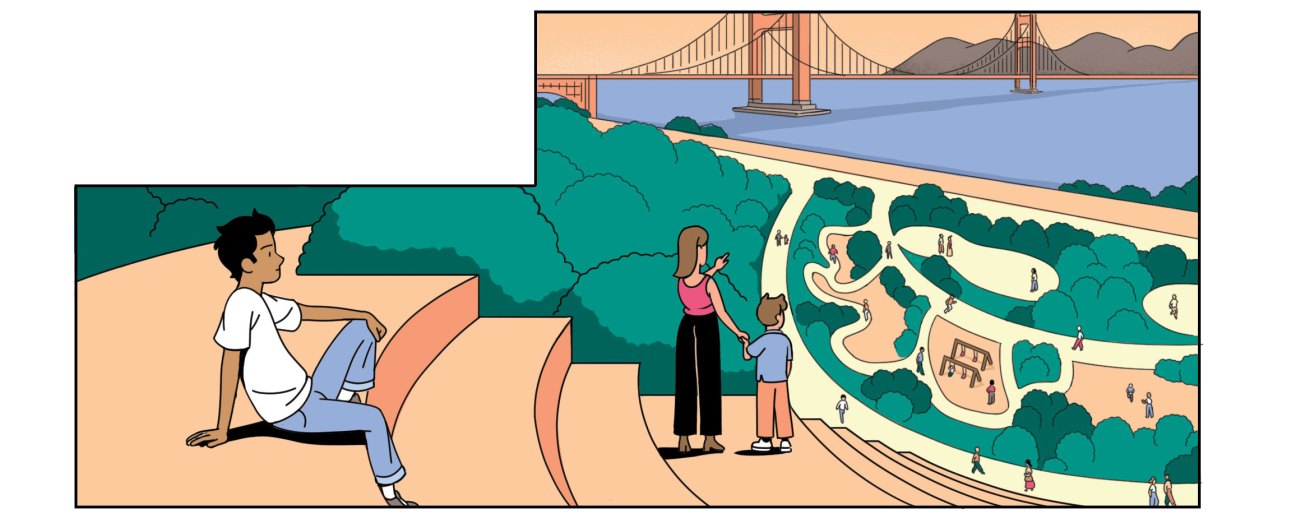
It took 20 years to tunnel a new road underneath at a cost of $1.1bn (€1bn). Doyle Drive finally came down in 2012. It took another 10 years to make something bloom in the viaduct’s absence. From July, when Presidio Tunnel Tops opens, San Franciscans – and the 25 million annual visitors to the city – can enjoy the fruits of this 30-year labour. The park allows for unimpeded pedestrian access from the Presidio’s stately grounds down to bayfront Crissy Field, a former army airfield restored as marshland and a grassy park in 2001. The Tunnel Tops also offers visitors panoramic views from the height of the former viaduct, more than 12 metres above the waterfront. That vista guided the firm’s design philosophy.
“We were really restrained about the design so as not to detract from that view,” says the project’s lead landscape architect, Richard Kennedy. “We weren’t looking to create big earthworks or sculptural forms that would occlude the scene.”
Benches use wide planks rather than wooden slats. The pathways are made from exposed aggregate concrete in warm, sandy tan to resemble trails. A campfire circle recreates the quintessential national park experience. The new Presidio Steps connect the upper and lower sections, offering a terraced lawn and seating area before plunging into the park’s most creative feature: a play area where children can climb on a series of logs and boulders. The playground, not part of the original brief, was envisioned through the project’s public-engagement process and intended to make San Francisco more child-friendly.
By carving a new marquee park out of the wreckage of a derelict piece of infrastructure, San Francisco is showing that there’s light at the end of the tunnels.
Culture
Booksellers
France
School of thought
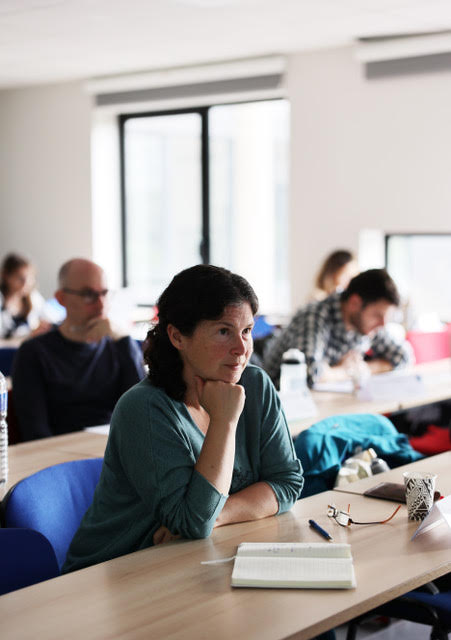
“We have a global responsibility for the métier of the bookseller,” says Alexia Dumaine, standing in front of a digital whiteboard. “If people have a good experience in the bookshop we run, other bookshops will benefit.” It’s 09.00 on a Tuesday morning in Dumaine’s class at the École de la Librairie, the oldest bookseller school in France, based in the Parisian suburb of Maisons-Alfort.
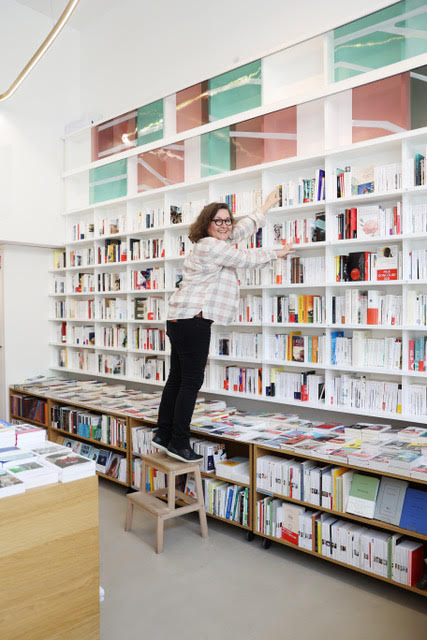
While the school’s most popular course is the two-year post-baccalaureate bookseller diploma (aimed at 16-to-29-year-olds), it also offers shorter training courses for adults who want to change careers. Among today’s group is Marjolaine Petillon, a web developer who wants to start selling books in the Basque country. Other classmates work in administration and banking. All are united in their dream of becoming bookshop owners. “There is a bit of a pattern among our mature students,” says the school’s director, Caroline Meneghetti. “Most of them are between 35 and 50 years old and are in lucrative jobs but they are longing for more purpose in their professional lives.”
Though the job is not like that of a pharmacist or lawyer, which require a diploma to practise, the school’s activities are rooted in the belief that in order to become a good libraire, you need more than a passion for books. The École teaches students three key facets of the profession: stockkeeping, customer relations and management. There’s a classroom where students learn to create window displays, another with computers for teaching stock control and the Librairie La Ruche, its public-facing bookshop for practical classes. The aim is to have graduates leave with a fully fledged business plan. Alumni have gone on to open Francophone bookshops abroad, boutiques selling secondhand titles and book-cafés. Perhaps the most unusual venture to come out of the school is La Flânante in Brittany, a bicycle-bookshop opened in 2020 by Robin Ranjore that pops up at local markets and delivers orders to customers on two wheels.
Only in France could an institution like this really exist. “We’re a country where the profession of the libraire is still very much alive,” says Meneghetti, referring to the fact that every town or neighbourhood has at least one independent bookshop. A 1981 law establishing a fixed price for books sold in France has been instrumental in protecting small shops from chains such as Fnac as well as online retailers including Amazon. Meneghetti believes that “if you have a bookshop with a carefully chosen selection and helpful staff near your home, you’ll always prefer going there to buying a book for the same price on Amazon. At the school, we nurture this close, almost intimate, relationship between vendor and buyer.”
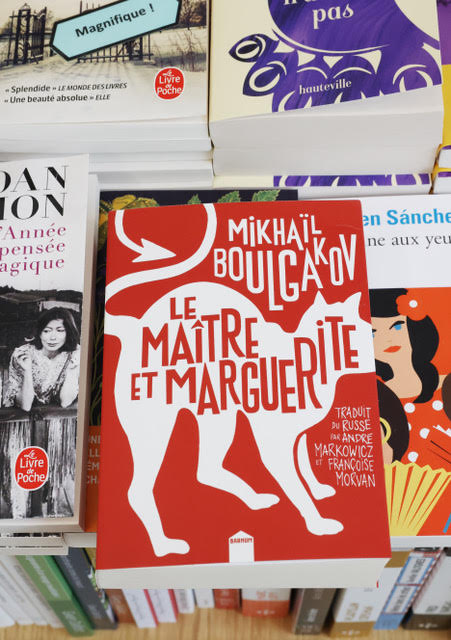
Dumaine, who used to manage Librairie Folies d’Encre in Montreuil and is now one of the school’s 40 or so specialised tutors, agrees that an attentive, knowledgeable seller is integral to the survival of the bricks-and-mortar bookshop. “We might not have the same presence as Amazon but on some levels we win – curation, conviviality and advice.”
After the class Monocle visits Librairie La Ruche, which operates like a normal business. We are greeted by manager Isabelle Gagnon, who gives a quick rundown of its inventory and a couple of suggestions. Something Meneghetti said comes to mind: “They say that the bookseller has an intellectual and managerial role but there’s a third point that’s just as important: you have to love people.”
lecoledelalibrairie.fr
Biennale
Finland
Countryside views
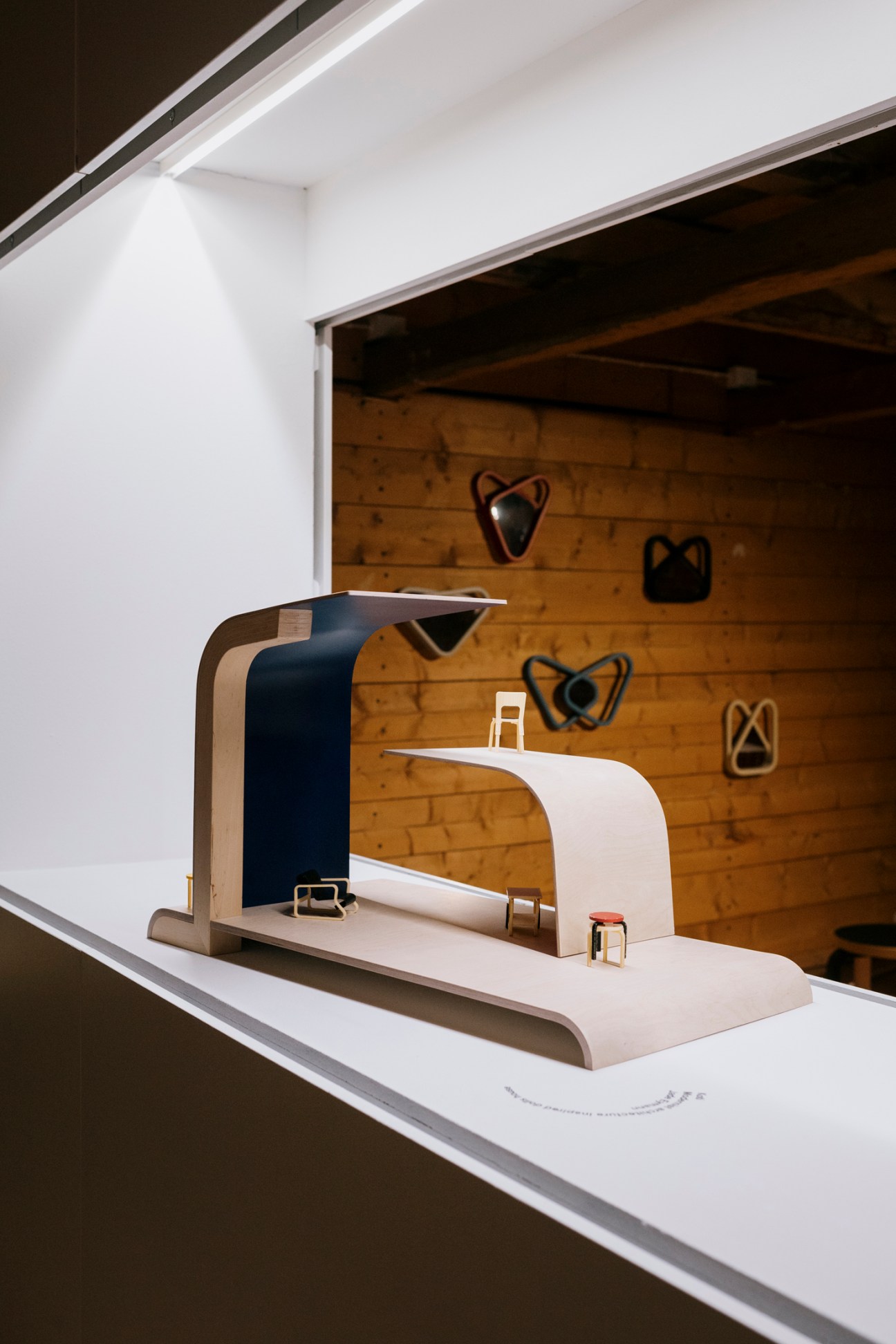
The village of Fiskars is an unusual backdrop for an international art and design festival. With its 17th-century former ironworks, the place is said to be the birthplace of Finnish industry. Today its ancient brick and wooden buildings stand in stark contrast to the glossy modern halls at Milan’s Salone del Mobile or Art Basel. But it’s here that the country’s latest major cultural event has set up shop: the Fiskars Village Art & Design Biennale will occupy buildings across town for the summer.
“History lends this space a feel that cannot be replicated,” says Anniina Koivu, co-curator of one of the biennale’s three main exhibitions, U-Joints: Knots and Knits. “It’s easy to imagine a craftsman knotting away or sculpting a piece of wood here hundreds of years ago,” she says from inside the gallery space, an old granary set by a placid river. To be fair, choosing Fiskars as a location isn’t that peculiar. Plenty of galleries have experimented with rural locations recently and the village is home to hundreds of artists and craftsmen as well as galleries, design brand Nikari and ceramics art museum Kwum.
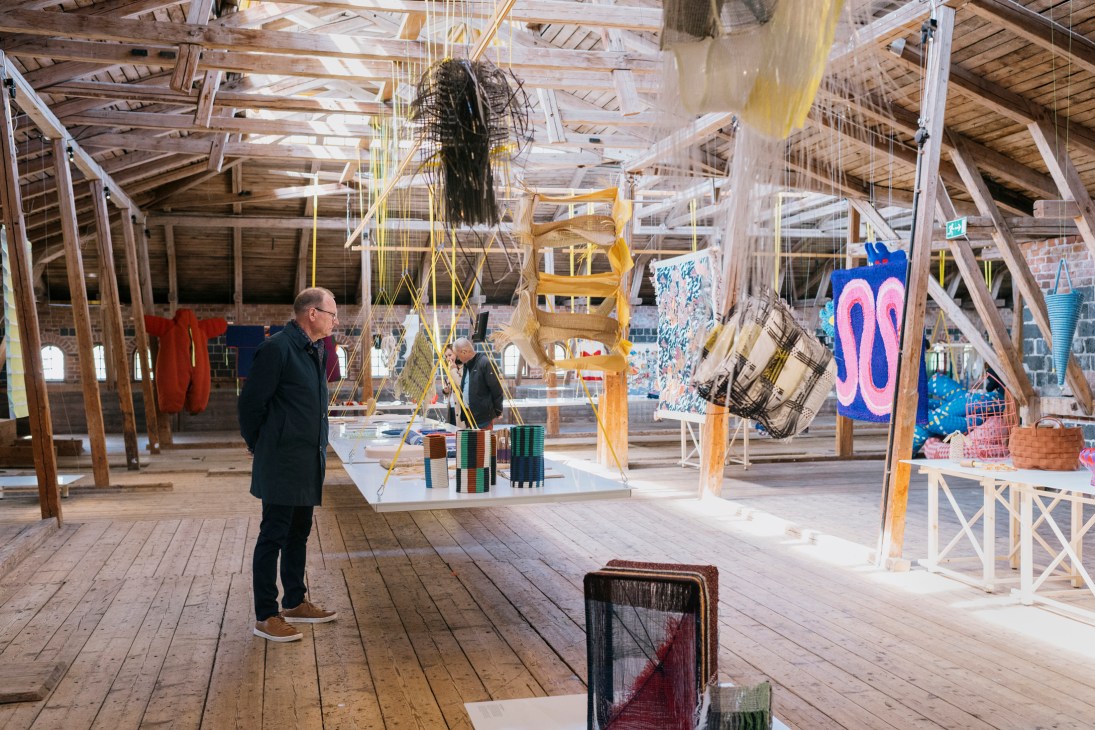
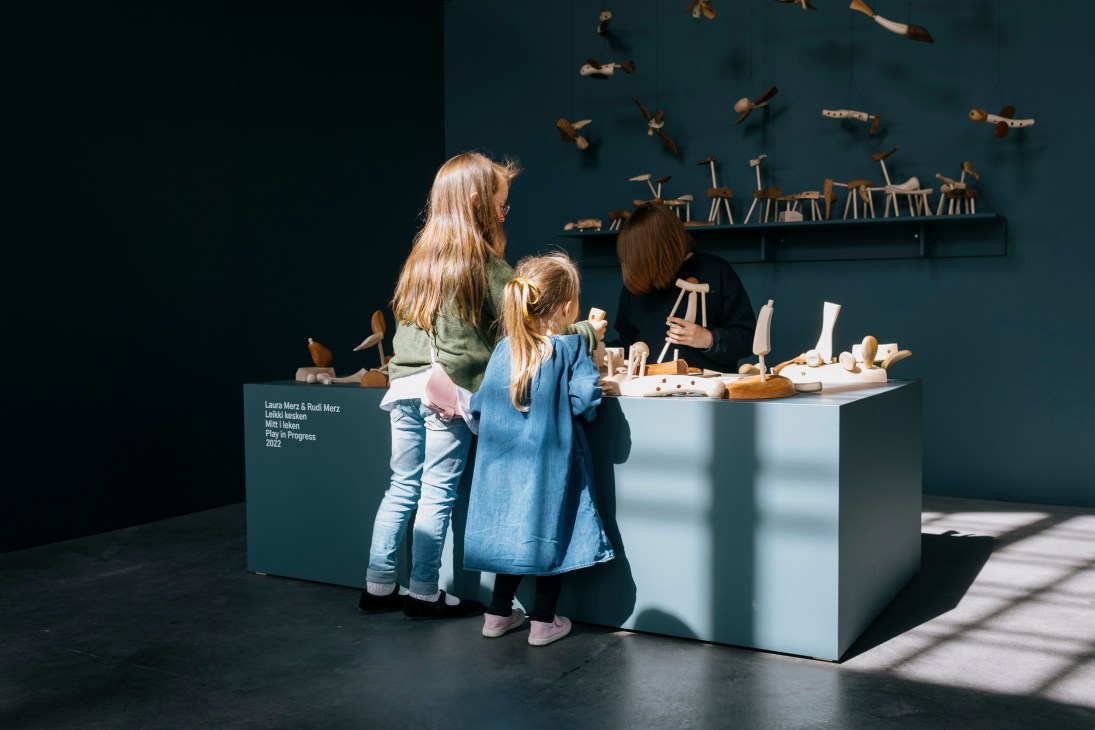
The biennale pairs architecture shows with installation-led exhibitions. A show called House by an Architect is a collection of wooden mini houses laid out in a vast grassy field. Visitors to the biennale can book a night’s stay in any of them, including a modern treehouse by Kristian Talvitie. “The way we live is undergoing a transformation and people’s demands are changing,” says biennale curator Kari Korkman.
The biennale’s third main exhibition displays artworks by Fiskars-based co-operative Onoma. Hidden presents artworks exploring the limitations and possibilities afforded by our senses. “There is something hidden in all art,” says participating artist Petteri Masalin. “The way we engage with artworks reveals different things to different people.”
Fiskars Village Art & Design Biennale runs until 4 September;
fiskarsvillagebiennale.com
Publishing
UAE
Talking books
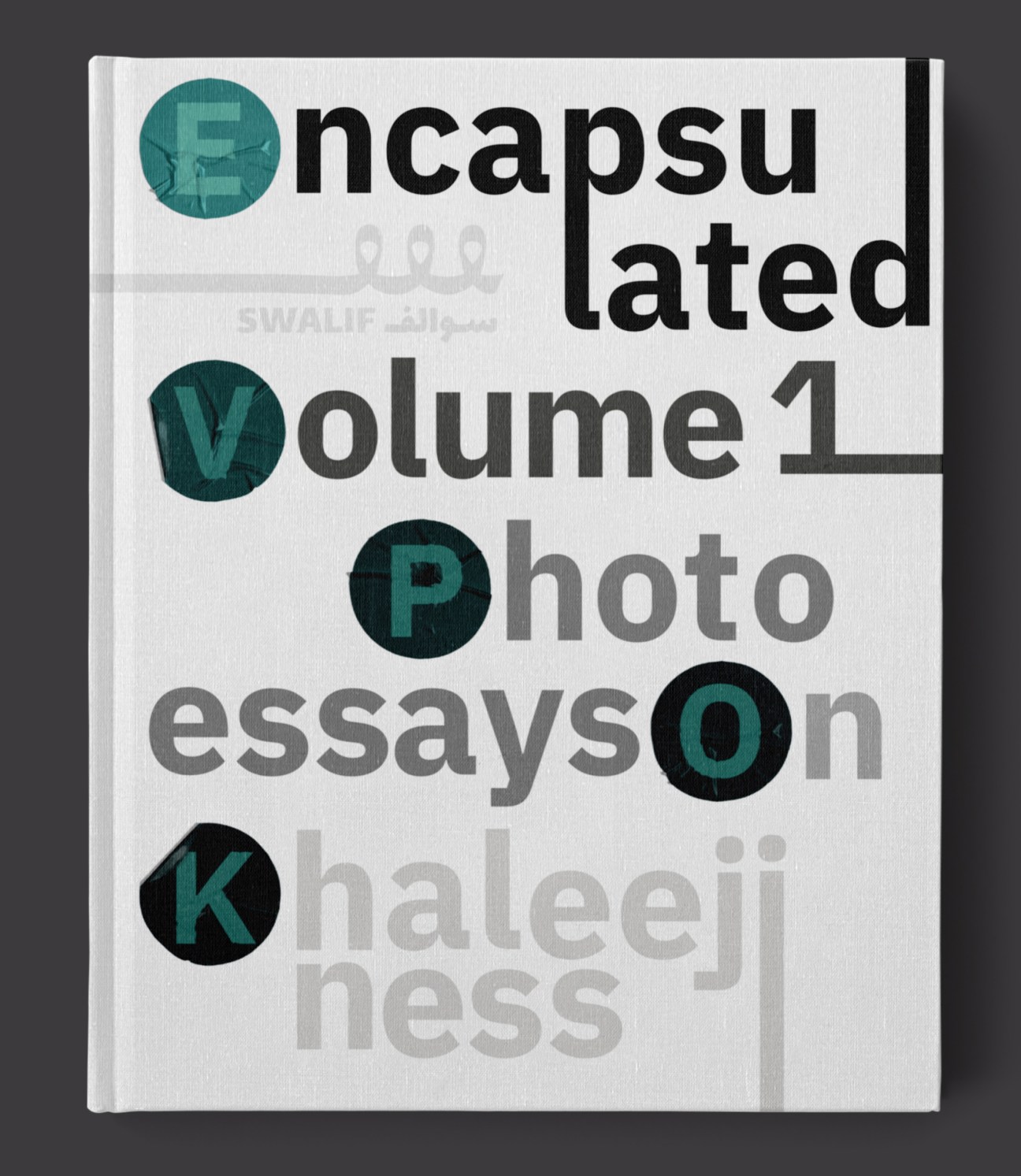
Salem AlSuwaidi is always up for a debate. That’s why the half-Emirati, half-Moroccan founded Swalif: a publishing house that aims to redefine the way young Arabs exchange ideas (swalif is Arabic for “informal conversations”). This uae-based collective provides space and funding for creatives across the MENA region to propose book projects and then turn them into reality. Swalif’s first release is Encapsulated Volume 1: Photoessays on Khaleejiness, a hardback exploring what being Khaleeji (from the Arabian Peninsula) means for a younger generation.
Swalif’s aim is to publish a new book every quarter, to partner with galleries, offer artist residencies and facilitate new conversations between young Arab creatives.
swalif.store
Film
France
Yes we Cannes
At the 75th Festival du Film in May, big-money bling made way for old-fashioned glamour. Julia Roberts dazzled in her understated all-black Louis Vuitton suit, while Rebecca Hall and Lashana Lynch went with a tutti-frutti Gucci gown and a mirrorball Dolce & Gabbana dress respectively. Gossip, as ever, was not in short supply: actor Vincent Lindon (cast member of last year’s Palme d’Or winner Titane) acted as jury president but was rumoured to be a last-minute replacement for Penelope Cruz and George Clooney. The $1,000 (€930) membership-only American Pavilion attracted opprobrium when interns said they had paid up to $4,000 (€3,725) to work there.
There were plenty of memorable titles: director Ali Abbasi’s Holy Spider is based on the true story of an Iranian serial killer. Swedish director Ruben Östlund’s Triangle of Sadness is a funny and daring social satire set on a cruise ship and George Miller’s imaginative Three Thousand Years of Longing is a big-budget take on an Arabian nights fantasy featuring Idris Elba as a djinn in a bottle.
The festival also had an abundance of sincerity. The opening ceremony featured an impassioned plea from Volodymyr Zelensky. Still, that seriousness didn’t inhibit some spectacular presentations: Tom Cruise brought US show-stopping to another level by announcing Top Gun Maverick as eight French fighter jets flew above the Croisette trailing smoke in red and blue. Declaring that Top Gun Maverick would never premiere on a streaming service, Cruise reiterated that he makes films for people to enjoy on the big screen in the company of others. He has become a leading advocate for such entertainment; cinephiles all over the world will be hailing his Cannes-do attitude.
Image: Swalif Publishing House
Hit the bar
Mike Wittrup and Daniel Rørbaek met while studying advertising at Copenhagen’s Danish School of Media and Journalism in 2010. “We found a good chemistry and good balance working together and decided to move to Montréal in 2013 to work as a creative team,” says Rørbaek. It was here that they fell in love with the depanneur. A staple in cities across Québec, these small corner shops serve snacks, beer and coffee; their offering and owners playing an integral role in day-to-day neighbourhood life.
“In Montréal, the guy who ran the one near us was quite a character,” says Rørbaek. “He was funny – a legend in the neighbourhood.” Returning to Copenhagen, the duo set up their own creative studio, Barkas, but they also took inspiration from this “legend”: when a vacancy at a small shop in the Nørrebro neighbourhood came up, they set up their own take on his establishment.
Called (you guessed it) Depanneur, it started as a small shop and bar serving beer and cocktails, and soon grew to include a line of products designed by Wittrup, Rørbaek and the Barkas team – beer first, then soft drinks, juice and coffee, and now a range that includes ceramics and clothing collaborations.
“At Barkas, we work with so many amazing brands from all over the world,” says Wittrup. “But for us, this is a playground, where we can do things that we think are interesting as a brand, without having to ask for permission.” Outgrowing its original space, Depanneur moved to a bigger location just around the corner in 2020.
“We know of eight couples that have met each other at Depanneur and now have children,” says Rørbaek. “When we opened, it was a place where we, the Barkas office and our friends went. Then, all of a sudden, there was a big group made up of lots of different people – that’s always been the atmosphere of Depanneur.” It’s an atmosphere that certainly lifts the mood on the streets in Nørrebro, offering the perfect model of a well-designed and design-minded neighbourhood shop and bar.
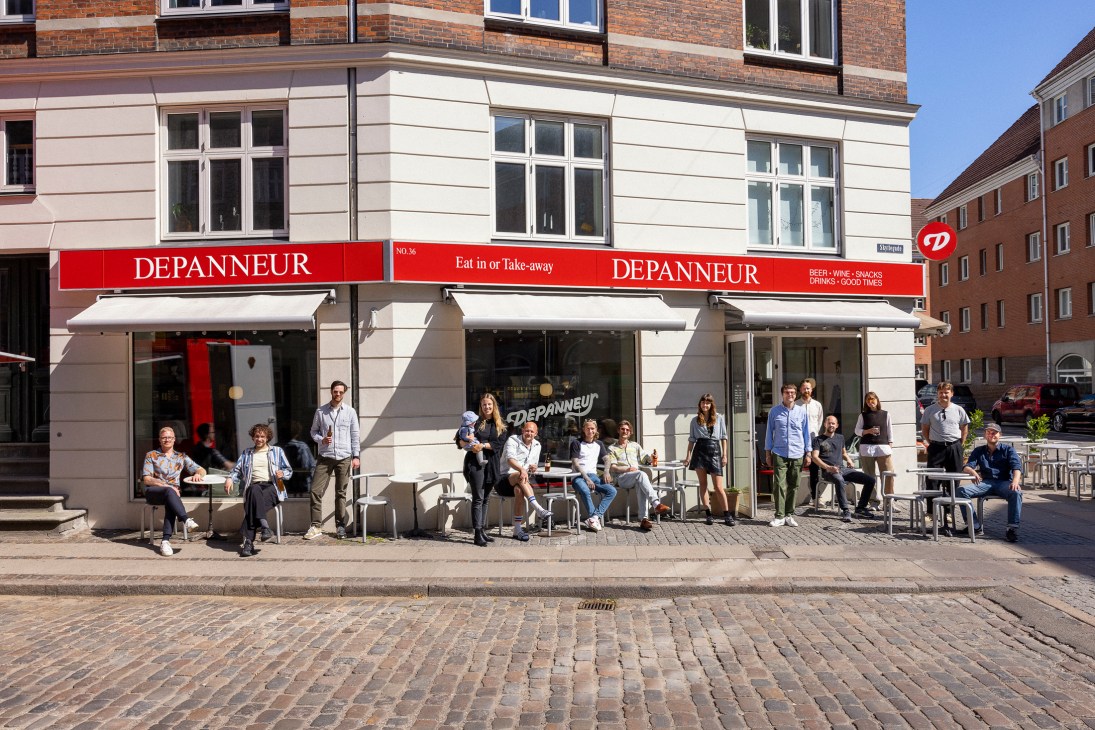
The Cabinet
(From left to right)
Mads Ostenfeldt Højgaard Sales manager “Goes by the name OH.”
Eske Viuf Shop manager “Host with the most.”
Adam Simony Managing director “The one in charge.”
Mimi Rørbæk Mølholm Daniel and Kathrine’s baby “Youngest member of the team.”
Kathrine Mølholm Finance director “Miss Moneypenny.”
Mads Henriksen Operations director “Makes sure everything runs smoothly.”
Anders Bergsbo Event manager “Taking care of all external and internal parties.”
Mathias Torp Logistics manager “Mr A to B.”
Mike Wittrup and Daniel Rørbaek
When Mike Wittrup and Daniel Rørbaek began working together in 2014, they always knew that they wanted to start a creative studio that did more than hit targets. “With Barkas, our concept was to start our own projects,” says Wittrup. Depanneur – which saw the duo joined by Mads Henriksen and Kathrine Mølholm as co-founders – is a case in point.
Laura Jones Design director “Ensures that everything looks good.”
John Hunt Oberkellner “Head waiter and longest-serving employee.”
Visti Poulsen Delivery driver “Always on time.”
Kaiu Meiner Designer “Visualises everything from labels to menus.”
Christian Kier Sales director “Knows all the kiosk owners in Copenhagen.”
Above the waves: e-foiling lifts off in Hong Kong
Hong Kongers are said to have descended from a mythical half-human, half-fish creature called Lo Ting. I have it on good authority that this is not true but Cantonese folklore does help to explain the city’s close ties with the sea: a source of prosperity, nutrition and endless fun. Naturally, when the pandemic shut down travel in 2020 and political events on dry land turned up the heat, the water became a vital place for all Hong Kongers to go wild and connect with their inner Lo Ting.
When I arrive at Tai Tam harbour on Hong Kong Island’s sandy south coast, an Aussie expat called Hugh is towelling off after his fourth wake-surfing lesson as a student. A hybrid of wakeboarding and surfing, it’s a popular pastime right now but there’s always a new watersport on the horizon. I’m here to try my hand at the latest, e-foiling: stubby surfboards with a single propeller underneath that can sail through the air.


As residents flock to the beach every weekend, or go out on their boats, these flying surfboards are running rings around the usual flotilla of banana boats, inflatable unicorns and other water toys.
“It’s easy to get started but difficult to master,” says Kenny Wan, an instructor from Island Wake. Wan is in the driving seat as we head out to sea aboard a Mastercraft speedboat and pass by a dragon-boat team practising for a race. The 30-year-old is a picture of tranquillity with his long, bleached blonde hair fluttering in the breeze.
Wan cuts our engines in Turtle Cove bay and ties a rope to a yellow buoy just beyond the shark nets. Moving to the back of the craft, he inserts a battery into my beginner’s model e-foil and offers a crash course in the controller, which I must carry in my hand: press the trigger to start the motor and the buttons to adjust speed. That’s it. Just jump on and away you go. It all sounds too simple for piloting a flying machine, which can reach up to 40km/h; I’ve never accepted the offer of a life jacket and helmet so willingly.
I jump into the water, lay on the board, pull the trigger and I’m off – then I’m up. Wan was right: standing is easy. I go up a few gears and can feel the board lifting off the water.

“Did you see that?” I ask Wan, after circling back to the boat to hand in my helmet. I must have been flying.
“Barely – just a few inches,” he says, before issuing a few more instructions. “Shift your body forward, lean back more and move your front foot up and down.”
I set off again, go up a few more gears and this time my board lifts fully off the water. Free of drag, I pick up more speed and soar over the waves. Then a gust of wind blows, there’s a wobble – and panic sets in. My propeller hits the water, followed by my board, and I go crashing into the sea, face first.
My right temple stings but I emerge from the water raring to go again. The real appeal of e-foiling is the ease of getting back in the saddle and I can now see why it’s taking off in Hong Kong. Surfers have to paddle out to catch every wave but there are no sore arms with e-foiling. Next time I can try the pro model, says Wan, as we return to the harbour. E-foiling might not keep me fit but, after two years of being stuck in Hong Kong, it has certainly given me a huge lift.
Checking in
A spate of recent hotel openings has given Madrid a kick of confidence despite last year’s slump in visitor numbers. The once museum-like Ritz (purchased by the Mandarin-Oriental for €130m) underwent a makeover that included a new subterranean marble-walled spa. The 200-key Four Seasons landed in the capital following a slow-motion journey through the bureaucracy. Earlier this year, the Villa Magna hotel was reimagined by Rosewood (see issue 150), while Philippe Starck is currently remaking a 1920s building on Calle Gran Via into a Brach hotel.
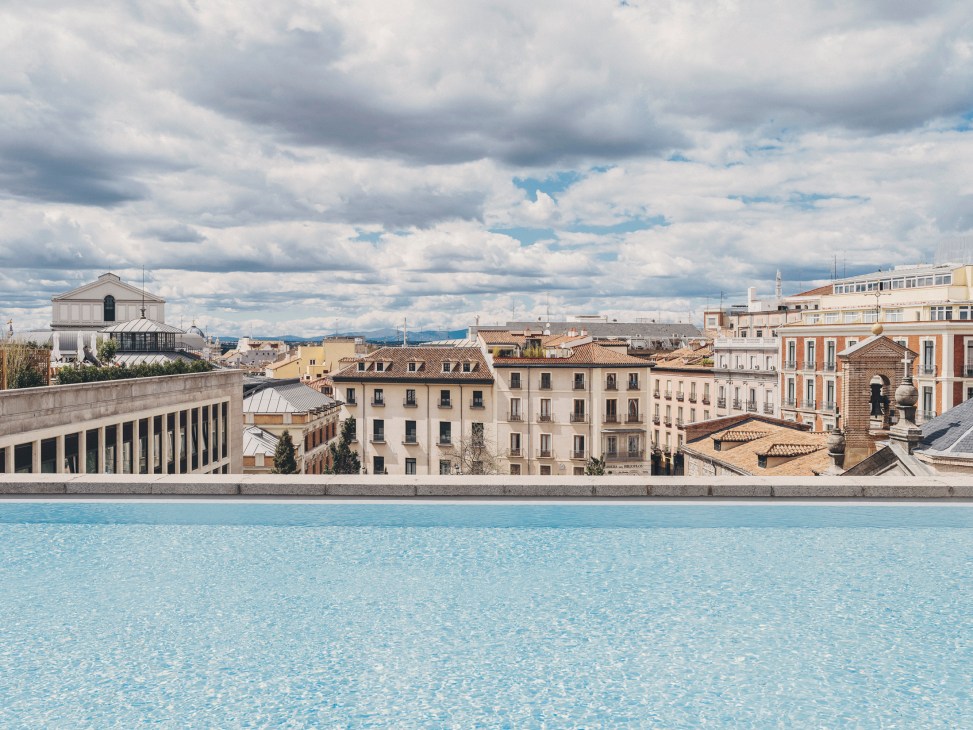
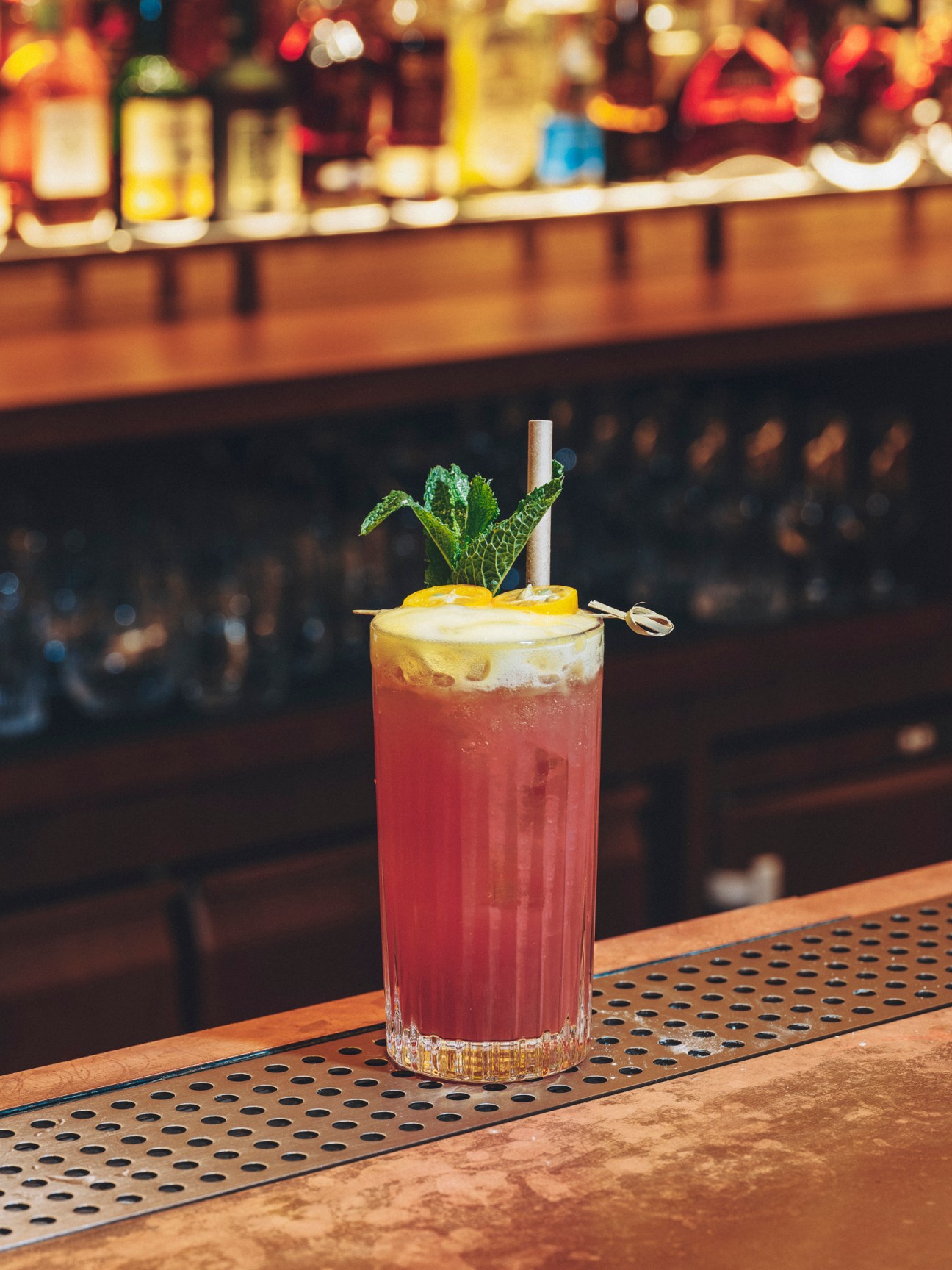
And, in the midst of all this ribbon-cutting, comes The Madrid Edition. Marriott’s behemoth (it’s the 13th Edition, with more on the way) enlisted Studio 54 co-founder Ian Schrager back in 2008.
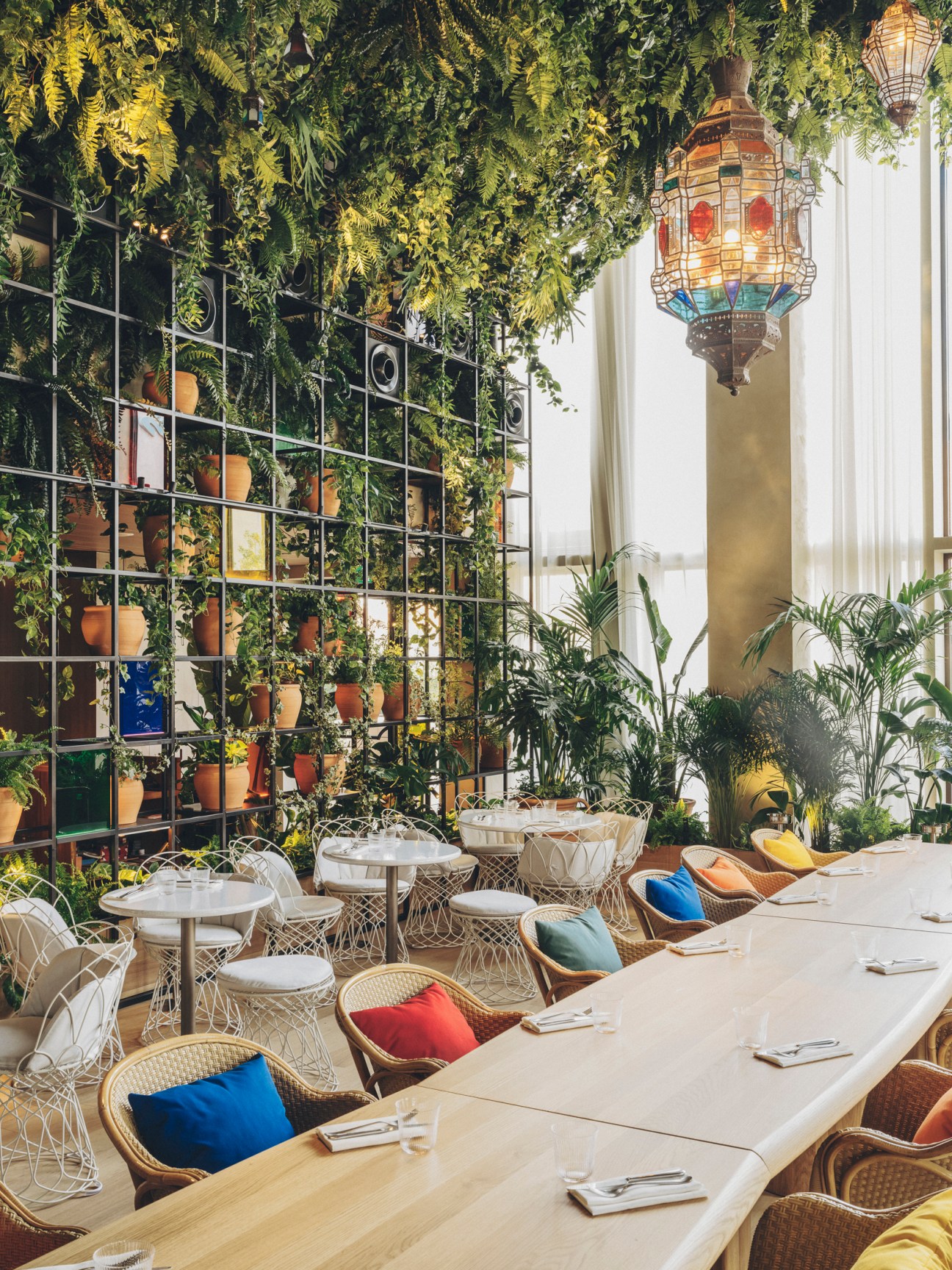
The ambitious three-year fit-out of an old building perched between Puerta de Sol and Plaza Mayor was undertaken by architect John Pawson and Paris-based François Champsaur. The statement marble staircase swirls people up to the cream-coloured retro-future lounge and lobby. Restaurant Jerónimo, headed by Enrique Olvera, is not to be missed.
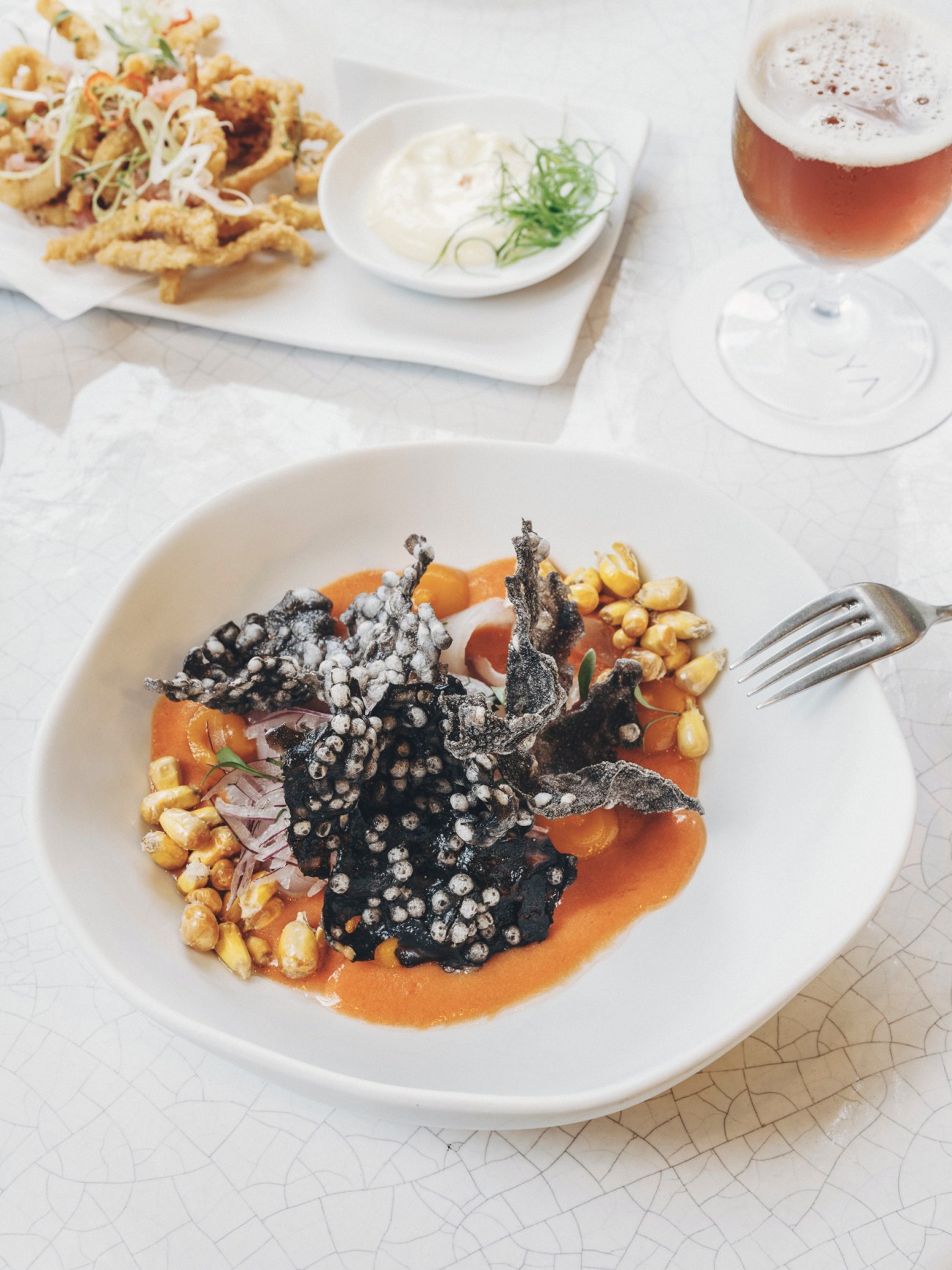
“The architecture we inherited – a modern building with a baroque portal – was the conceptual starting point,” says Pawson, who describes the entire project as a lively conversation with place. “Schrager and I talked about combining the energy and optimism of La Movida Madrileña with the sensory richness of a Velázquez painting. This is the energy we wanted to flow out to become part of the wider cultural and social life of this part of the city.” Last but not least is the roof where Peruvian chef Diego Muñoz’s Oroya restaurant sits alongside Madrid’s biggest rooftop pool. Surely this will be Madrid’s most coveted sunbed this summer.
editionhotels.com
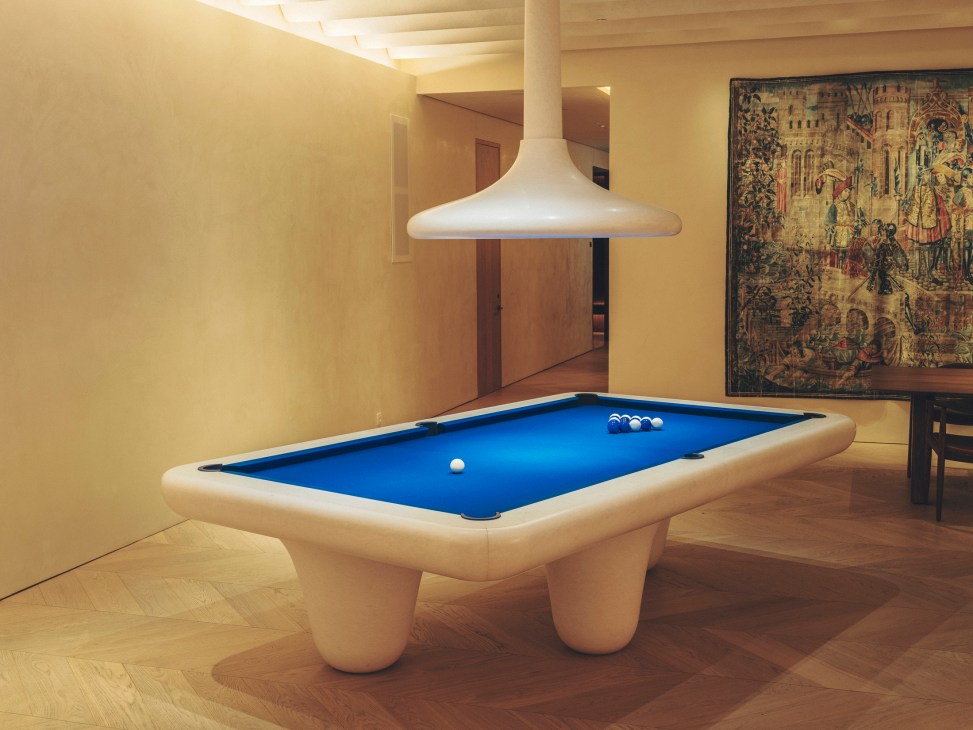
Taking to the waters
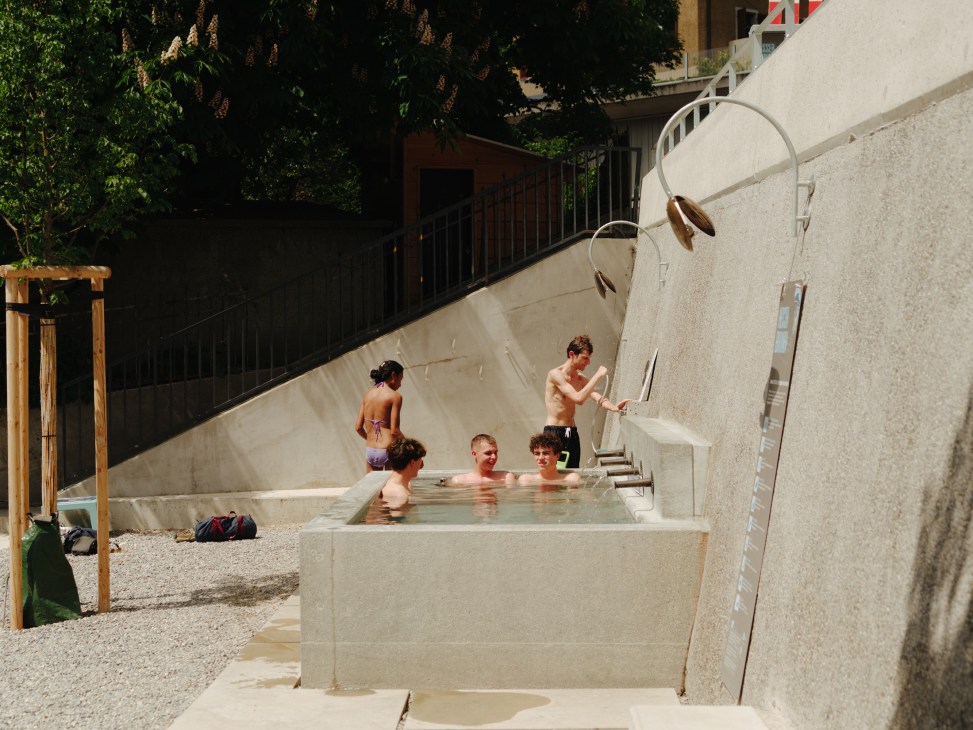
Some like it hot; some like it cold. The postcard-pretty city of Baden in Switzerland offers both: a cool, rapid-flowing river runs through it while warm geothermal waters bubble up from beneath. “The hot water will come no matter what,” says Andriu Deflorin, co-founder of Bagno Popolare, Baden’s independent bathing advocacy association. “We have to use it.” He is bobbing in a stone thermal bath on the banks of the Limmat below a streetscape of townhouses and grape vines. Technically, he’s in Ennetbaden, a village of 3,600 on the eastern bank of the river. It’s a suburb of the city of Baden, home to 19,400. As an organisation, Bagno Popolare is partly responsible for the return of public bathing in a city named for it. While Baden’s bathing history dates back to Roman times its fortunes have ebbed and flowed. Its heyday was in the early 20th century, when people would flock here to sample the area’s supposedly curative waters. Eventually, though, Baden’s baths drifted into obscurity and the last one closed in 2012 after decades of neglect.
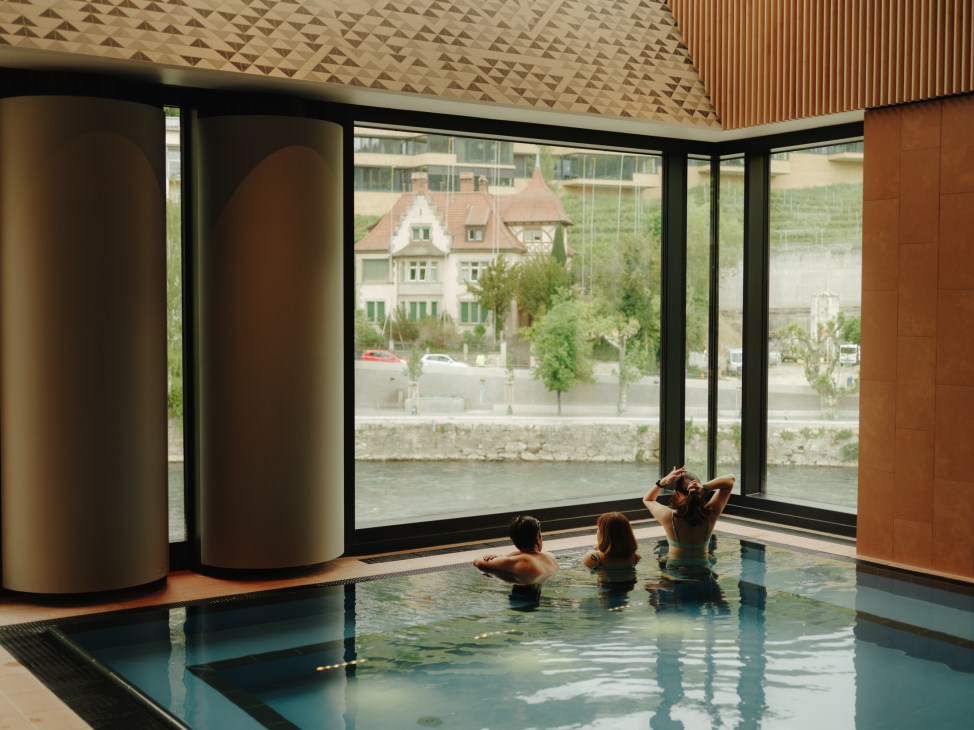
Now, though, the city has returned to the water. Three new thermal baths, two public and one private, opened in 2021, all of them a 10-minute walk from Baden’s main train station.
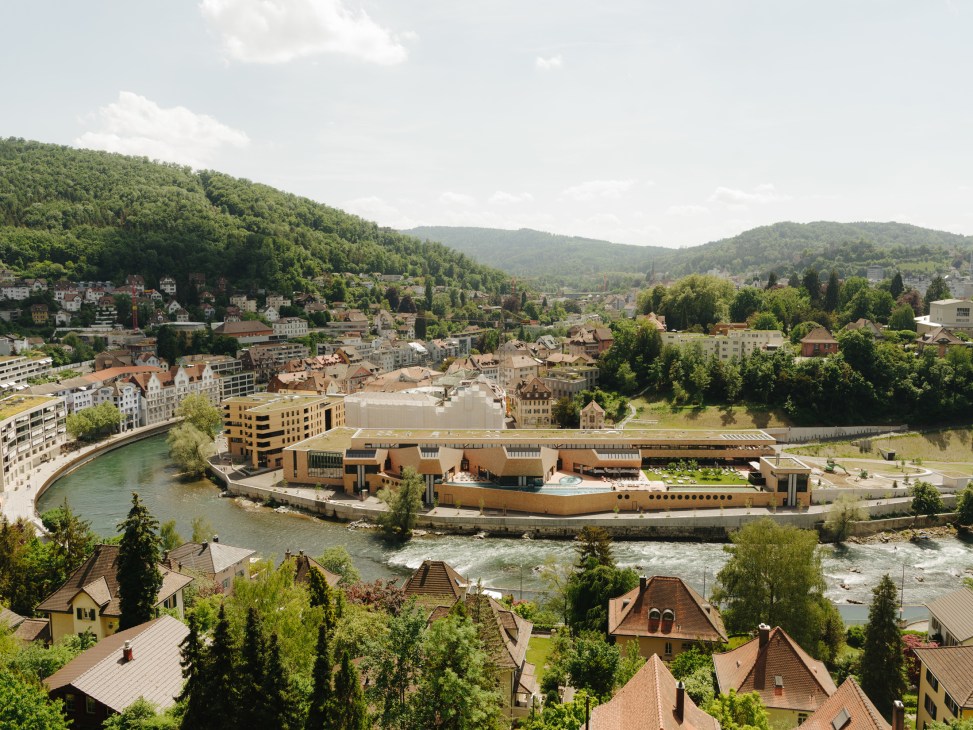
The two public baths, Heisse Brunnen Baden and Heisse Brunnen Ennetbaden, face one another across the Limmat.For reasons that few people remember (something to do with tax law) the village of Ennetbaden separated from Baden 200 years ago and a friendly competition persists. Baden’s bath is bigger and no stranger to a popped cork or late-night dip. Meanwhile, the Ennetbaden side is arguably prettier and set under old chestnut trees, as well as being sheltered from the river promenade. Loyalists tend to favour one or the other. “Our bath is better,” says one bather, when pressed. Luckily the city is big enough for a little friendly rivalry.
Sitting above the two public baths is the Fortyseven private bath. Designed by Mario Botta, the complex is a draw for tourists and architecture enthusiasts alike. The stone structure crowns the revived Bäderquartier (bathing quarter) with pools that glow by night and steam by day. It is a 160 metre-long, CHF190m (€185m) investment by a local foundation snappily titled Stiftung Gesundheitsförderung Bad Zurzach 1 Baden. The name Fortyseven comes from the temperature of the mineral-rich water, which is accessible for a fee of CHF39 (€38). The two smaller public baths are free to access.

Baden’s waterways have not always been a site of leisure. The Limmat river once powered Baden’s industrial ambitions, giving rise to companies such as engineering firm Brown, Boveri & Cie (now ABB). In turn the electricity industry boomed and firms such as GE and Axpo made Baden their Swiss base. Today the city’s focus has shifted from heavy industry to quality of life. In 2020, Baden won the Swiss Wakker prize for urban reinvention, in recognition of its well-designed public space. Reconnecting the city to the water is next phase of development.
“Finally, we can fully enjoy this heritage again, as the spa area has been returned to the public,” says Baden’s mayor, Markus Schneider. “Einzigartig,” is a term he uses often. It means “unique”, “unrivalled” and “singularly excellent” all in one neat word. And he’s right. While many Swiss cities have cleaned up their waterways to create spaces where you can cool off in the summer, Baden’s warm waters are a year-round draw.
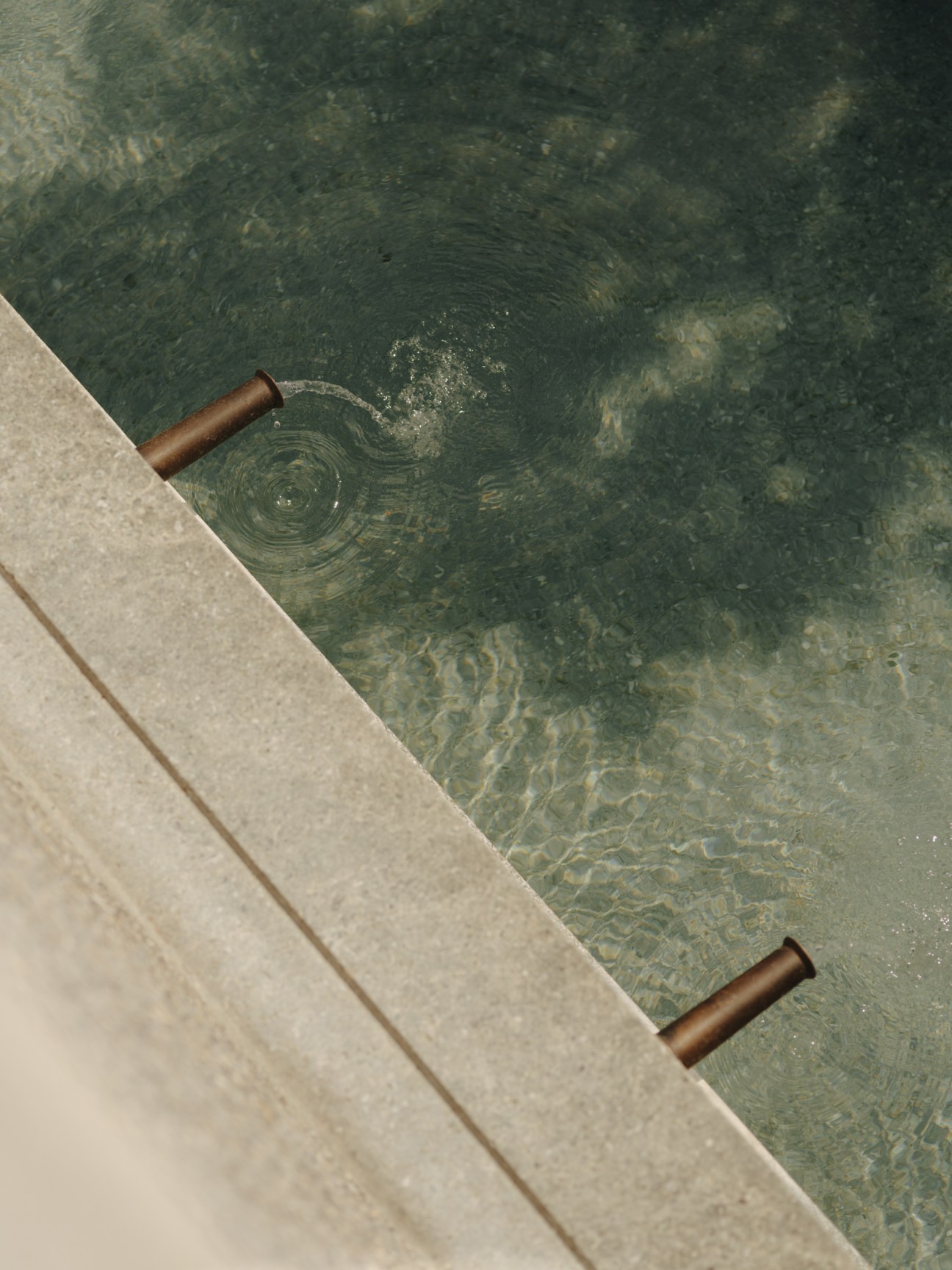
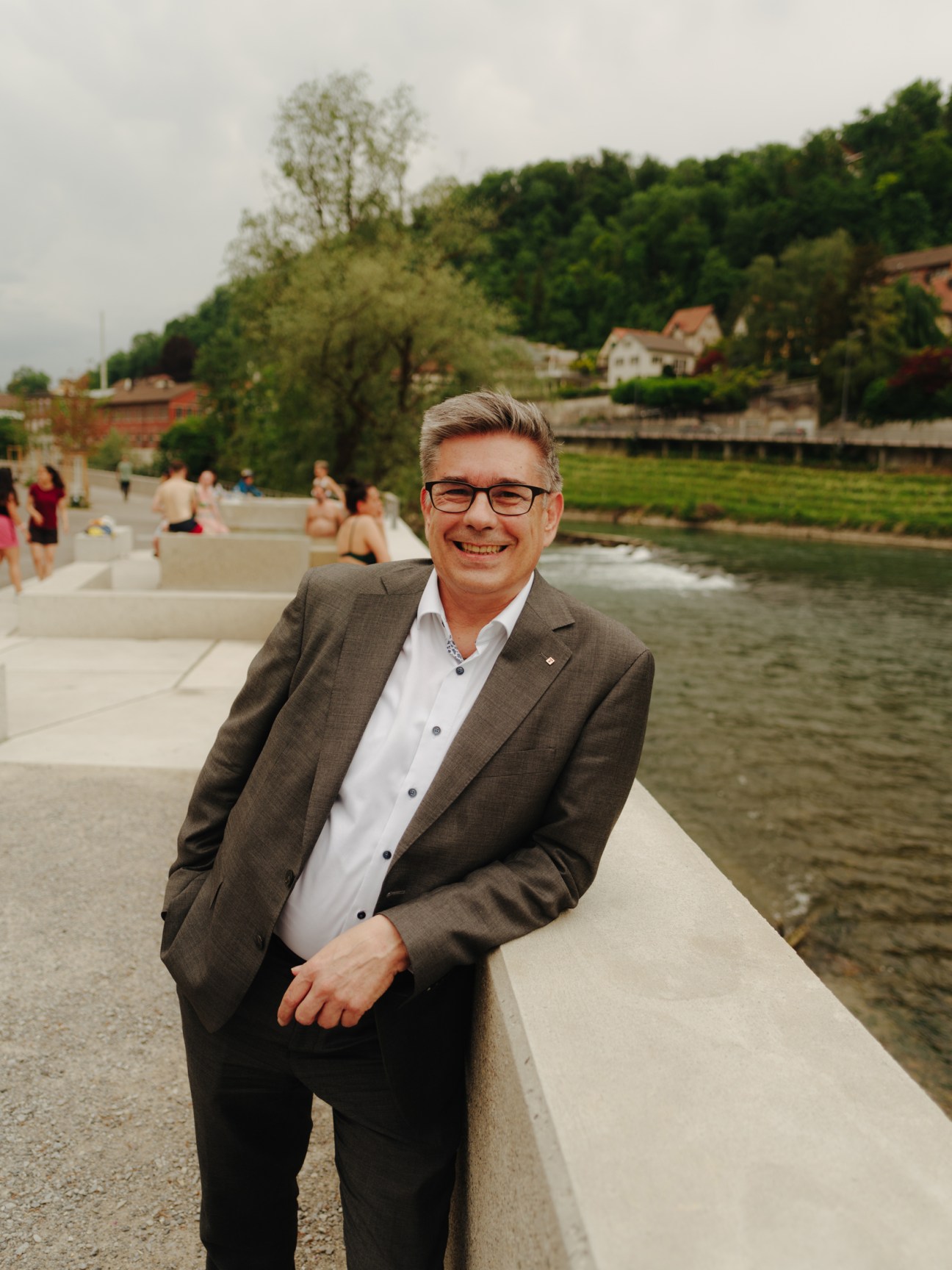
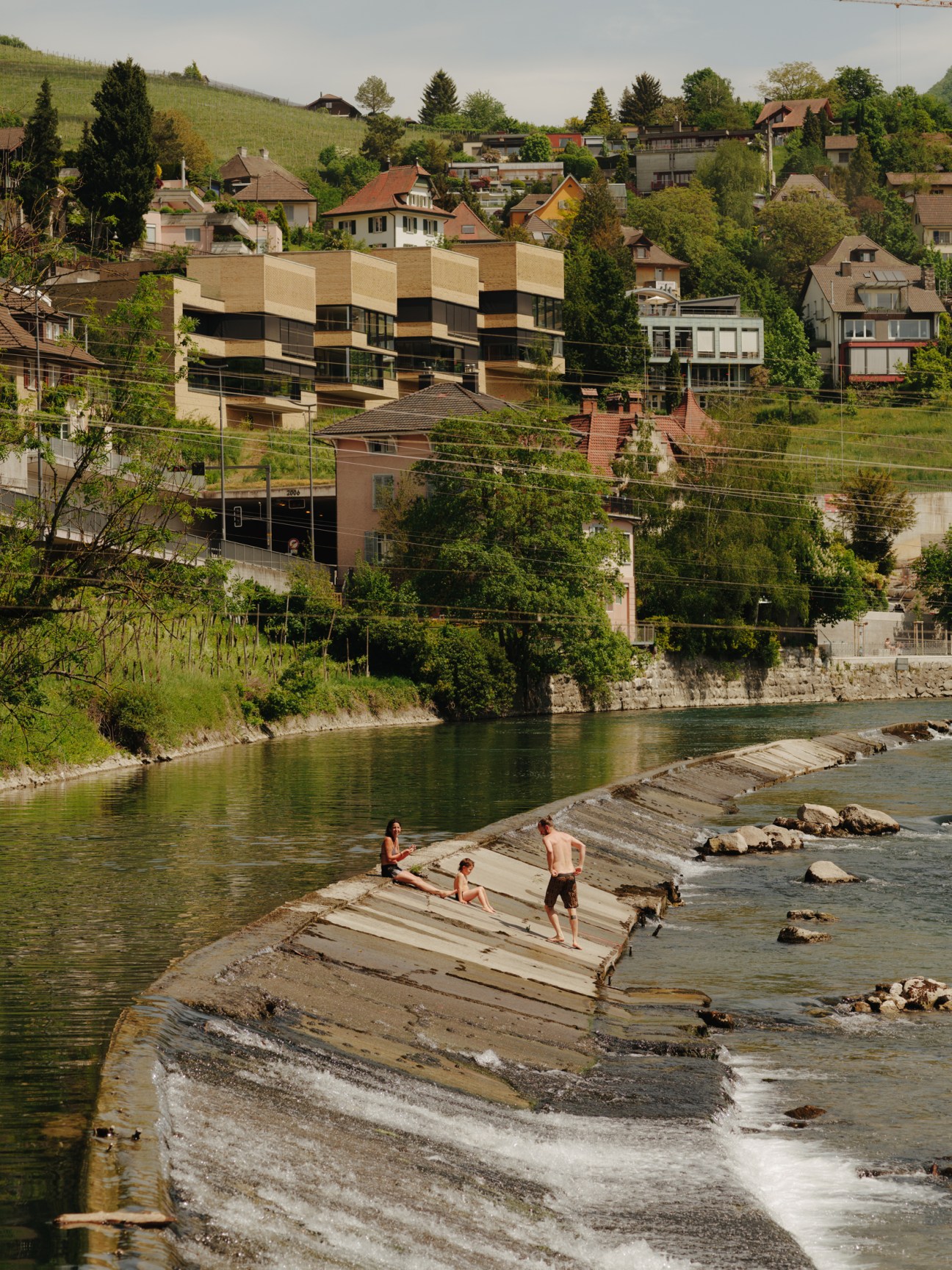
The development of the new baths brings people together in a shared space but it took time for it the idea to take root. After years of hosting pop-up baths, Bagno Popolare ignited public imagination and inspired permanent ones. “A big difference is that up there,” says Deflorin, nodding to the private bath complex, “people can be private but here they have to get along – and there are all kinds of people from all over the world.” Despite some friction, there’s enough demand for both public and private bathing facilities here.
Both Heisse Brunnen baths were approved and financed by the public. Befitting Swiss direct democracy, Ennetbaden residents held a public vote on theirs in the village square in 2019. They approved the public bath nearly unanimously, waving voting cards in the air. Baden followed in a slightly more formal fashion when council members gave the nod, 82 votes to eight.
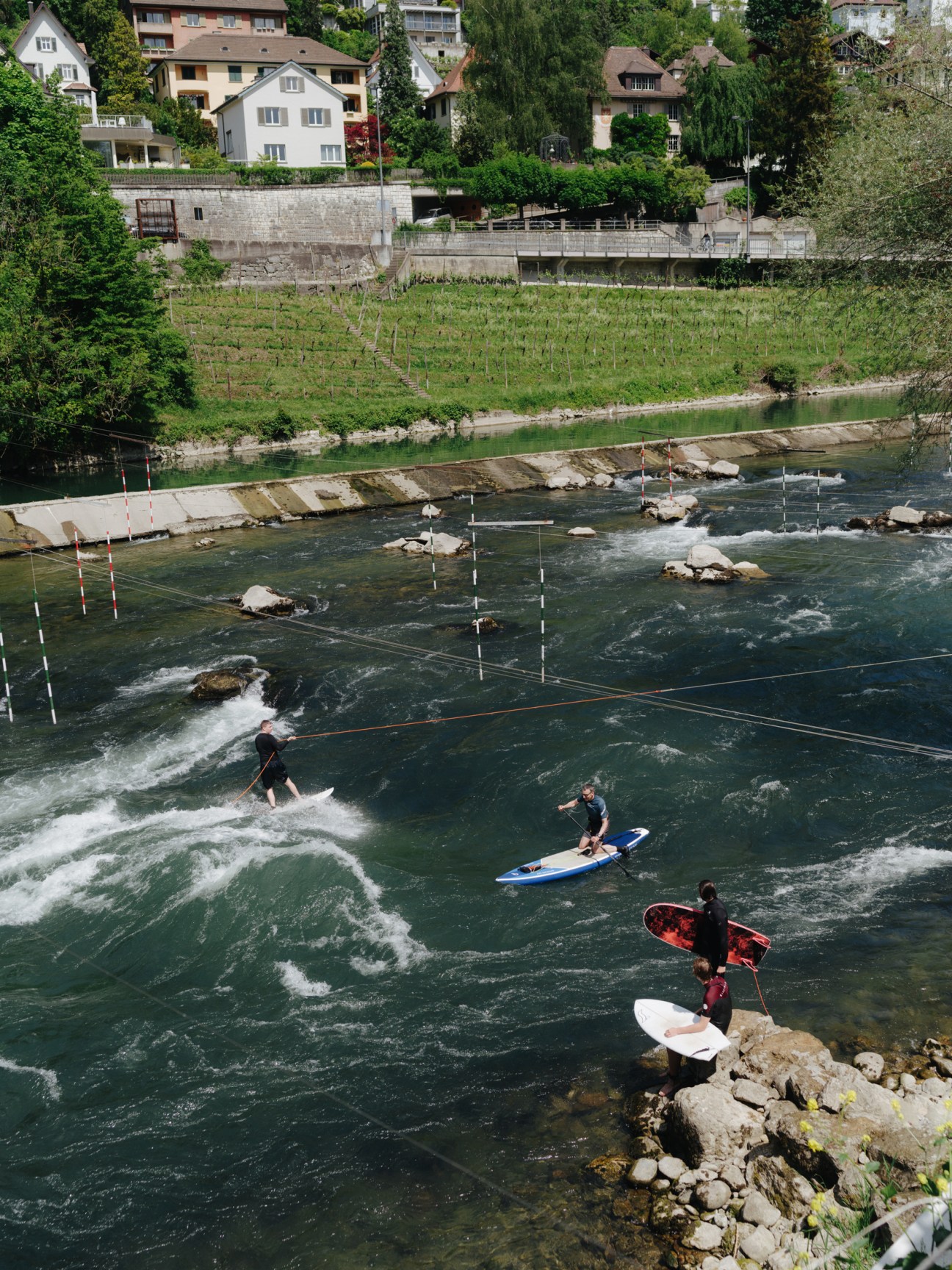
If the baths draw a diverse public, so does the river. Here you’ll spot a slalom course dotted with kayakers and surfers. The course was designed by forestry engineer Tom Hänggli, who kayaks on it most days. “A lot of people think it’s natural but it’s not. It’s completely man-made,” he says. He has tended the area for more than 30 years and has seen watersports boom.
You don’t have to get wet to enjoy Baden’s waters, however. The Oederlin Areal, a former ironworks, houses artist studios, small design firms and craft brewers. At its edge is what’s known simply as “the island”, an almost hidden idyll atop a dam in the Limmat. Here you’ll find a tasteful mishmash of Vitra, Hay and Embru outdoor furniture, gifted by a resident furniture dealer. On summer nights Oederlin tenants, kayakers, bathers and lucky invitees barbecue in the shade as the river rushes by.
Baden and Ennetbaden address book:
To bathe
Fortyseven
Baden
Located a 10-minute walk from Baden SBB station, which is 15 minutes by train from Zürich.
fortyseven.ch
The Heisse Brunnen
Baden
Lies directly below Fortyseven on the Limmatpromenade. The Heisse Brunnen Ennetbaden is directly across the river.
bagnopopolare.ch
To eat
Il Brunello
Baden
Perfect for a morning coffee or a sundown spritz, seated on cheery coloured chairs.
ilbrunello.ch
Brasserie Schwanen
Ennetbaden
A stunning Jugendstil dining room from 1897 turns out solid Swiss classics.
brasserie-schwanen.ch
Pepe Nero
Ennetbaden
A well-turned-out Italian features excellent pasta and grilled meats served under vast red parasols.
pepenero.ch
To stay
Limmathof
Baden and Ennetbaden
The original grand hotel building from 1834 is across the Limmat from its more recent extension.
limmathof.ch
Now hear this
Bang & Olufsen
Beoplay EX
The latest in-ear headphones from Bang & Olufsen feature great sound in a fully waterproof design, so suitable for beach or poolside. The design comes in three colours: anthracite oxygen, gold tone and black anthracite. The charging case is brushed aluminium. The earphone itself is small, despite having a 9.2mm speaker driver, giving impressive sound while still being small enough to fit the ear comfortably, even for a long time. It also works well for making and receiving calls, thanks to three microphones on each earbud which efficiently reduce background noise.
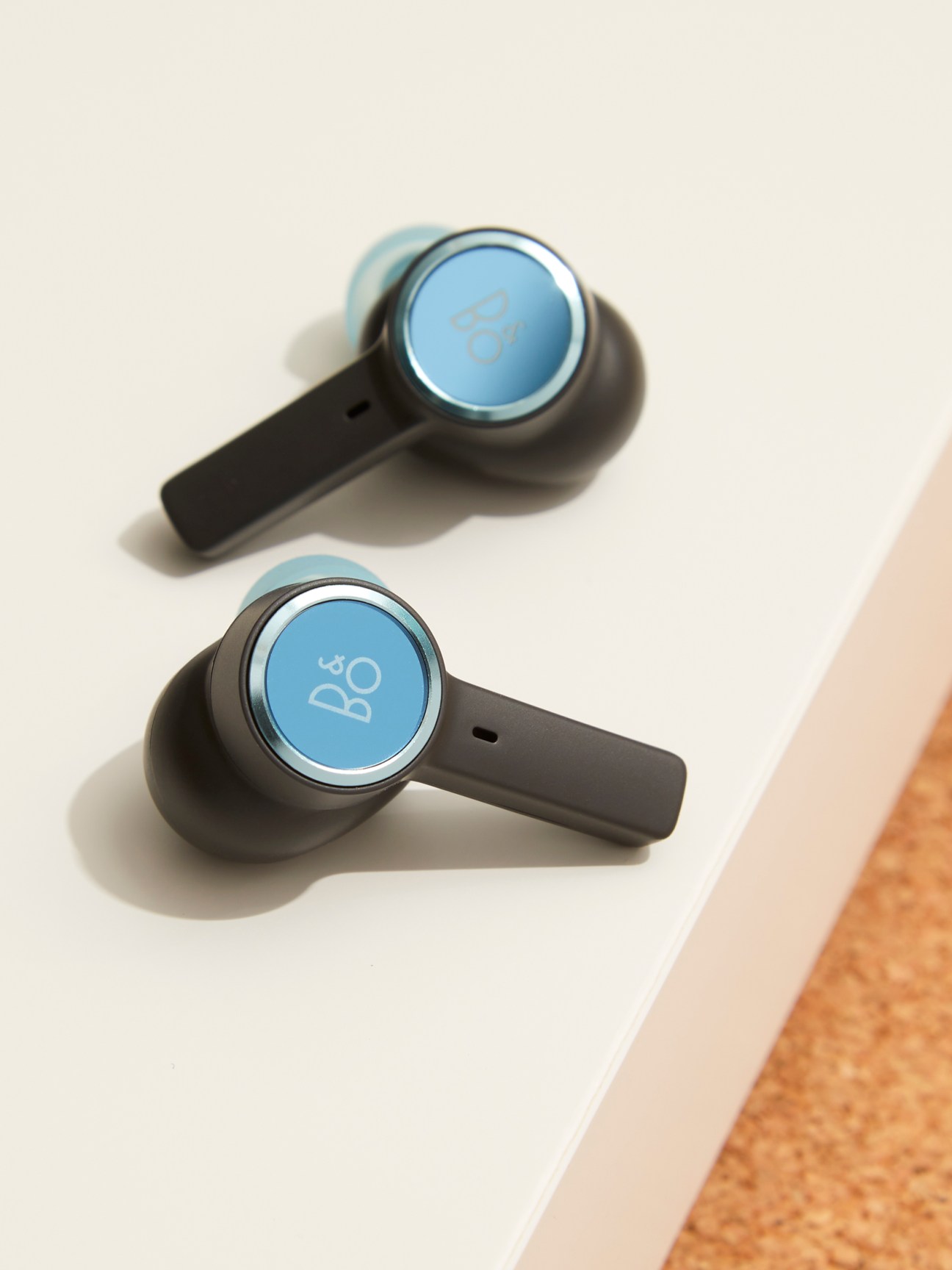
The latest Bluetooth tech means it can connect to two separate devices, so you can listen to tracks from a music player but take calls when your phone rings.
bang-olufsen.com
Sonos
Roam
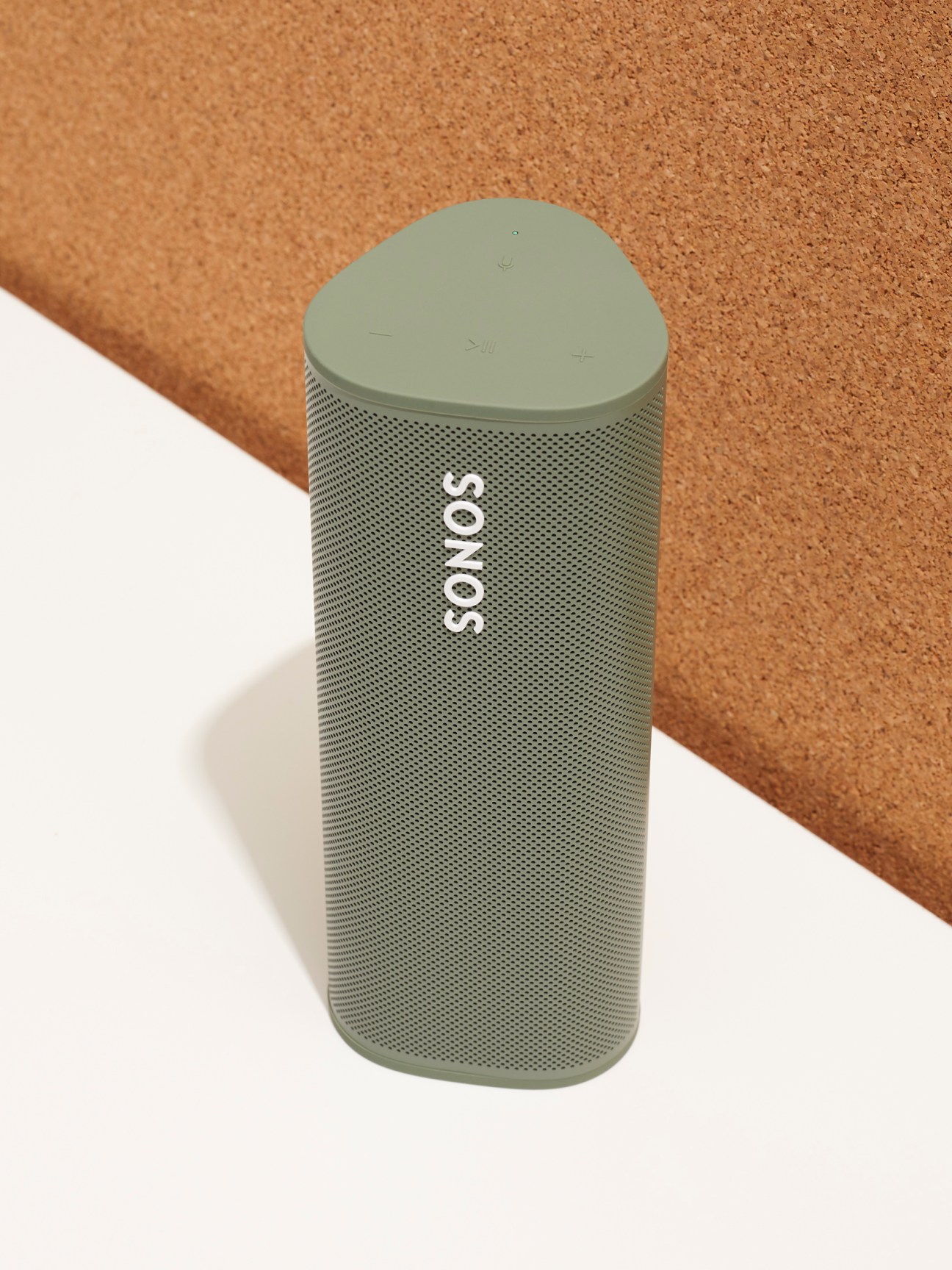
The problem with Bluetooth speakers is while you want them to be as small as possible for convenience and portability, audio quality usually suffers. The Roam bucks this trend. It’s small enough to carry easily in one hand, about the size of a water bottle, and light at 430g, but it sounds terrific. It’s also tough enough to handle a drop or two of rain, or even survive unscathed after being submerged in water a metre deep for half an hour. Because it’s a Sonos, it’s smart enough to know when you are in range of another Sonos speaker and will switch to wi-fi automatically, with the press of a button transferring to the next speaker. Sonos includes Trueplay in its latest products, which means it adjusts the sound according to the environment, often with dramatic improvement. Here, Trueplay is done automatically. And just in time for summer, Sonos has added great colours to the range which was previously just black and white. Choose from a calming blue (wave), luscious green (olive) or a perky red (sunset).
sonos.com
Loewe
We Hear 1
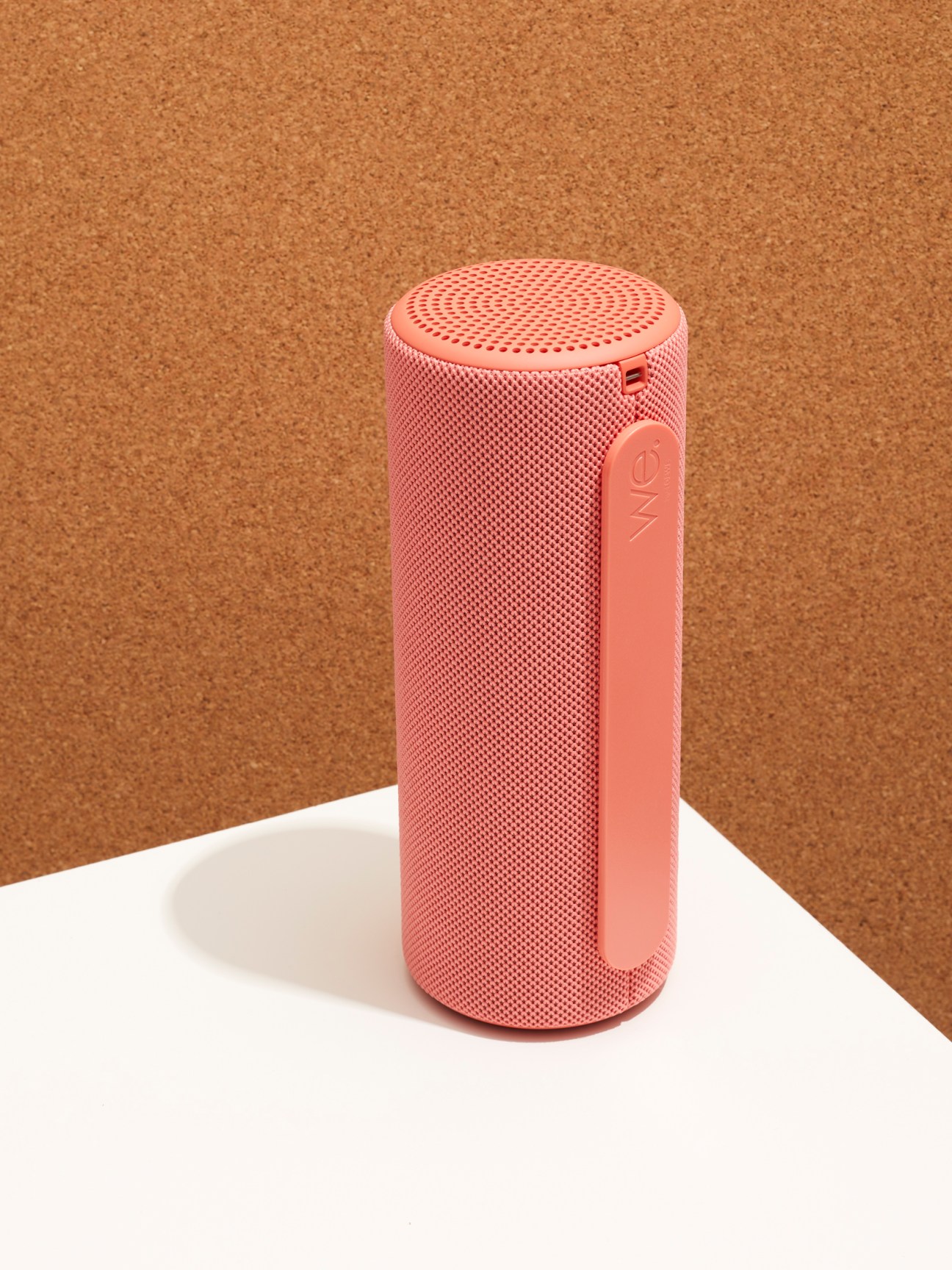
We is the name of a new affordable sub-brand for Loewe audio-visual products. In the first launch is an eye-catching portable Bluetooth speaker. The cylindrical device has speakers at both ends, though tiny feet at one end tell you which way is up. The audio is excellent, with plenty enough volume for the great outdoors, but strong accuracy and a good balance of midtones and bass. Choose from storm grey, cool grey, aqua blue and coral red. There’s also a larger model in the same colours, called We Hear 2, with an extra three hours’ battery life.
we-by-loewe.com
Sony
WH-1000XM5

When it comes to noise-cancelling headphones, you can count the brands that get it right on one hand: Bose, Apple and Sony. Of the three, Sony’s noise-cancellation is the most enjoyable. It’s better than ever in this latest, fifth, edition of its over-ear headphones. Even with noise-cancelling switched off, the audio is improved with better bass thanks to a new internal design. The sleeker look is the biggest change yet for Sony’s headphones. Smart effects include Speak to Chat – that sounds tautological but just means that when you start talking, the headphones automatically pause playback so you can hear the person you’re talking to. The only downside is you can’t sing along to your favourite track with this feature turned on.
sony.com
Let’s go outside
There are few greater pleasures than eating alfresco. Whether you’re unfurling a crisp gingham blanket between iffy clouds or basking under an azure sky with a heavy wicker hamper laden with delights, there’s an inherent optimism to the act of picnicking – something primal and pleasing.
First you’re implicitly hoping that the weather holds – never assured in certain latitudes. Second, and perhaps more meaningfully, you’re actively choosing to share your space with your fellow citizens – to leave the safety of dining tables, terraces and menus behind, and simply make do with just what you are able to carry.
Whether you’ve found a scrap of urban greenery or set up in a nook enjoying the view of a secluded lake, you’re completely committing to the experience – wind, rain or shine. It’s what makes proper packing so important. And remember some simple rules: certain foods don’t travel well, others are hard to eat standing up and yes, someone will spill something. Bring wipes, cutlery that will cut it and some plates and cups that can stand a stiff breeze.
Here we’ve tapped Swiss chef Ralph Schelling for his picnic favourites. Like the act of eating outdoors, our list isn’t fussy. We’ve suggested simple, crowdpleasers that reward experimentation and won’t take a chef to perfect. Now, shall we tuck in?
To drink

Classic chelada
Serves 4
The name of this refreshing Mexican number is believed to be a contraction of “mi chela helada“, something like “my cold beer”. It’s a simple version of that, which is good for barbecues or hot days. “You don’t necessarily have to use a Mexican beer, just pour your favourite,” says chef Ralph Schelling. “In Switzerland, for example, I like Appenzeller or Flühgass.”
Ingredients:
Juice of 2 limes
Thinly sliced red chilli as a garnish (optional)
Chilli salt (or Mexican condiment Tajín)
12 ice cubes, crushed
3 330ml bottles of lager
4 lime slices
200ml pineapple juice (optional)
Method:
1.
Moisten the rims of medium-sized glasses with lime juice and chilli salt.
2.
Fill up with ice, beer and remaining lime juice and garnish with lime and chilli.
3.
Adding 50ml of pineapple juice per glass adds a fruity kick. Refill at leisure.
To drink

Strawberry shrub
Serves 4
Shrubs are non-alcoholic and can be diluted with water to make refreshing summer sippers. Usually made with vinegar and sugar, they have plenty of kick. You can also vary the fruit – try elderberry or blueberry – or add a shot or two of white rum to create a strawberry mojito shrub.
Ingredients:
500g strawberries in pieces, stalks removed
200g cane sugar
200ml apple cider vinegar
600ml mineral water
Ice cubes
Mint leaves or lemon verbena (optional)
Method:
1.
Mix the strawberries with the sugar and vinegar. Cover and leave to macerate at room temperature overnight.
2.
Purée the strawberries and pass through a sieve, and refrigerate until ready to use.
3.
Funnel into a bottle to bring to the picnic, and mix with water and ice cubes to a ratio of one part purée to three parts water.
Ralph’s tips:
1.
The vinegar adds an extra kick of freshness.
2.
Simply pour the base for the picnic into a clip-on bottle.
3.
I love to add a few leaves of mint or lemon verbena.
4.
In spring, add one or two stalks of rhubarb and you can do without about a third of the vinegar.
5.
I can confirm elderberry or blueberry shrub is also pretty cool.
6.
And, yes, I like to add some white rum to create a strawberry mojito shrub. Tasty!
Main
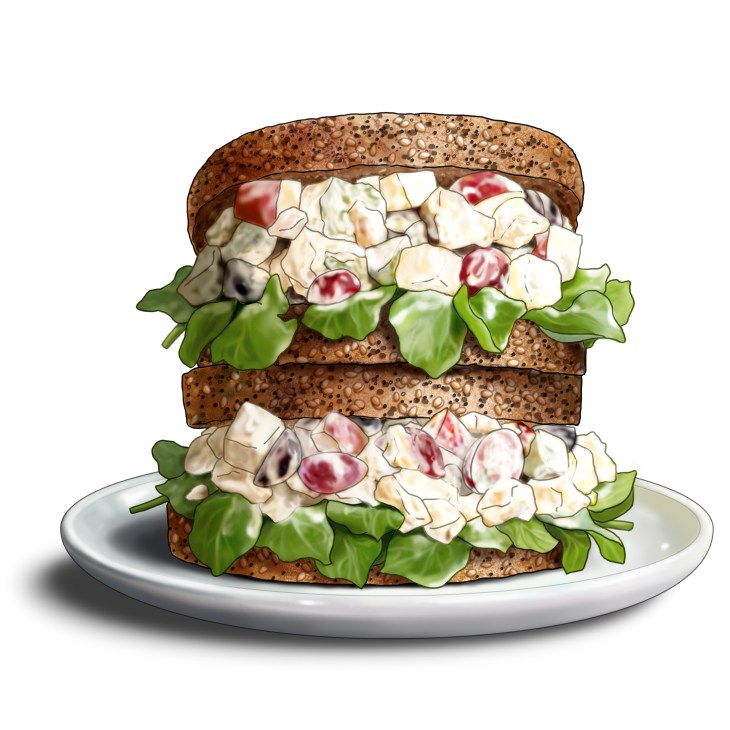
Chicken Waldorf sandwich
Serves 4
A humble sandwich? Perhaps. “This is the Waldorf-Astoria’s classic recipe to-go,” says Schelling. “I recommend the best seeded bread you can get, lightly toasted.”
Ingredients
2 chicken breasts, cut into pieces, cooked
1 apple, cored and diced
2 stalks of celery, diced
Handful of grapes, halved
Handful of walnuts, crushed
3 tbsps mayonnaise
3 tbsps Greek yoghurt
1 tsp Dijon mustard
2 tsps lemon juice
Salt and pepper
8 slices of bread
Lettuce leaves or purslane (optional)
Method:
1.
Mix the mayonnaise with the yoghurt, mustard and lemon juice in a bowl and season.
2.
Mix the chicken pieces and the rest of the ingredients well in the sauce and divide between the bread to make sandwiches. It’s that simple.
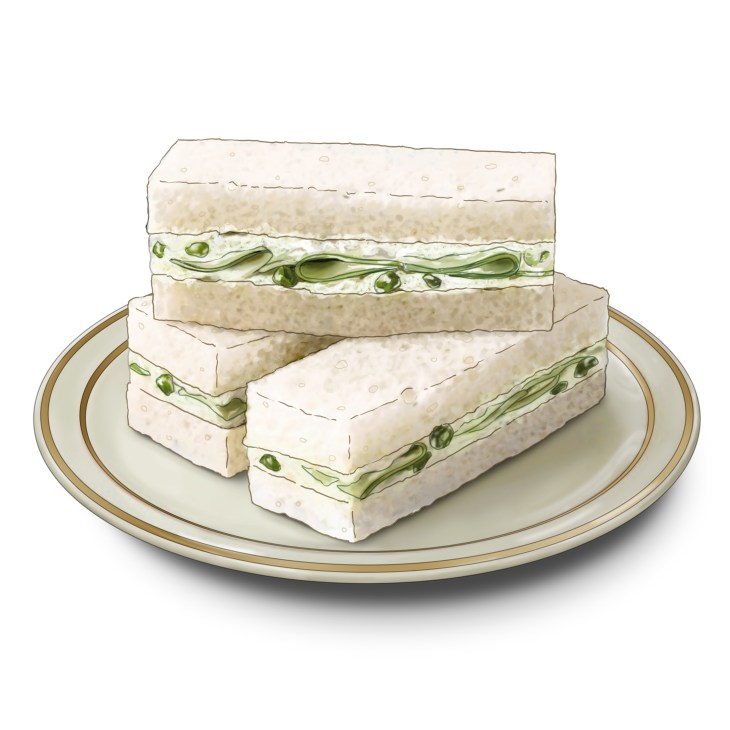
Tramezzini with cucumber and pea
Serves 4 people
These Italian-style sandwiches are usually cut into triangles and are perfect picnic fodder. “I often add fresh radish and cress,” says Schelling. “Pink pepper always goes well too.”
Ingredients:
350g peas (fresh or frozen)
1 sprig of fresh mint
½ cucumber
1 clove of garlic
1 lemon (juice and zest)
3 tbsps olive oil
Sea salt
Pepper
8 slices of bread
Method:
1.
Cook the frozen peas in salted water according to packet instructions. Drain and leave to cool. Set aside 100g of the peas. Finely slice the cucumber.
2.
Blitz the garlic, mint, 200g of the peas, juice and zest of the lemon, olive oil, salt and pepper in a stand mixer until it’s lump-free. Now stir in the remaining whole peas.
3.
Spread the purée on one side of each slice of bread and add a few slices of cucumber. Cut the tramezzini into triangles or into any shape you fancy.
Side
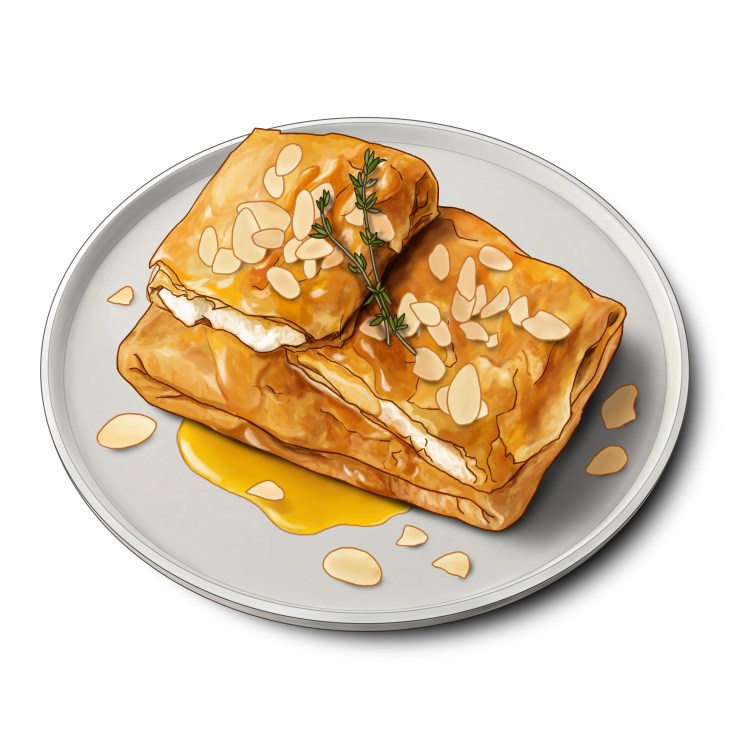
Feta with filo, thyme, honey and almonds
Serves 4
These tasty little bites are a perfect mix of salty and sweet. “For the picnic, I recommend spreading a little honey together with the butter on the pastry at the beginning and you can also do without sesame or almonds, or sprinkle them with black sesame seeds as you prefer,” says Schelling. “Don’t worry about the mess – you can always lick your fingers.”
Ingredients:
4 filo pastry sheets
4 tbsps melted butter
Thyme (fresh or dried)
180g feta
Honey
Handful of roasted almonds or sesame seeds
Method:
1.
Preheat the oven to 180C.
2.
Unfold the filo pastry and spread with melted butter and sprinkle with fresh or dried thyme.
3.
Cut the feta into small triangles or cubes of 3cm or so and wrap in the filo pastry, brushing it with a little butter so that it folds better and holds together.
4.
Brush the parcels again (and sprinkle with the almonds or sesame seeds). Bake the parcels for 15 minutes until they are golden brown and the kitchen smells of thyme. Drizzle a little honey over them before you serve.
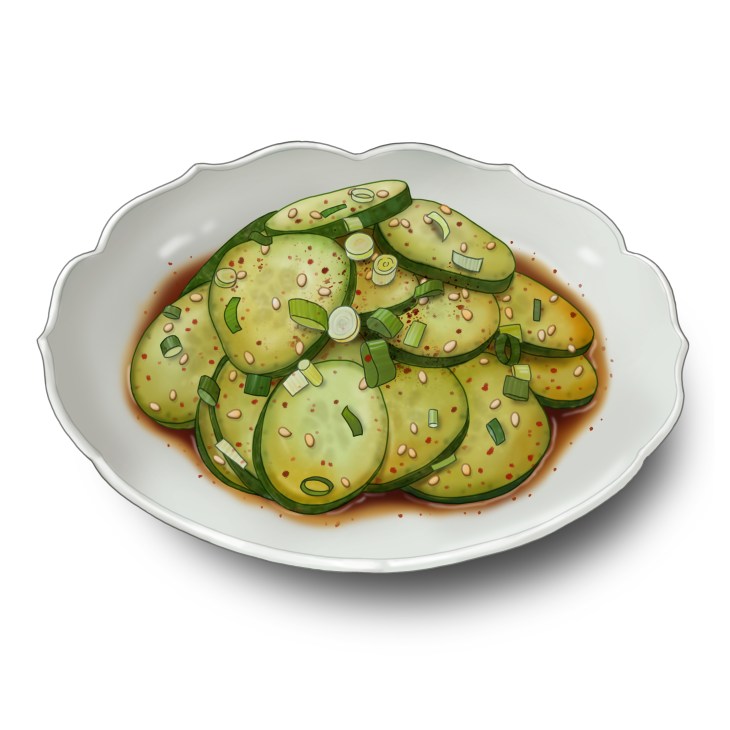
Korean cucumber salad
Serves 4
This simple pickled salad keeps well for a few days in a mason jar and is a brilliantly bright and spicy addition to a barbecue line-up.
Ingredients
2 small cucumbers
50g salt
1 fresh chilli pepper
2 spring onions
1 tbsp soy sauce
1 tbsp sesame oil
1 tsp brown sugar
1 tbsp rice vinegar
1 tbsp sesame seeds (roasted)
10g coriander
Method
1.
Cut the cucumbers into 1cm thick rounds. Place in a bowl and salt generously. Mix well and leave to stand for 30 minutes.
2.
Now finely dice the chilli and cut the spring onions into 2mm rings.
3.
After half an hour, drain any liquid from the cucumber pieces and rinse with cold water. Mix the soy sauce, sesame oil, sugar and vinegar in a bowl then add the drained cucumber pieces, chilli, spring onions and sesame seeds. Mix well. Season to taste and add fresh coriander.
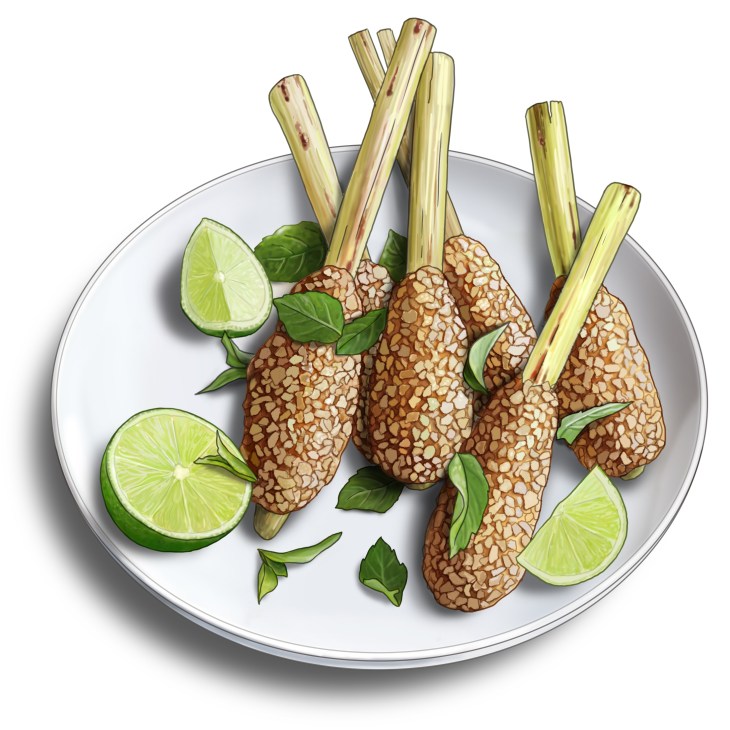
Fish skewers with lemongrass and oats
Serves 4
This simple skewer – served on a lemongrass stick – can be whipped up quickly and eaten without cutlery. Ralph’s recipe calls for pike perch but other fish work equally well.
Ingredients
400g pike-perch fillets, deskinned and deboned
1 egg yolk
150g single cream, ice cold
1 tsp ground ginger
2 tsps salt
6 lemongrass stalks
150g oat flakes
3 tbsps vegetable oil
½ lemon (juice and zest)
Method
1.
Cut the fish into fine 2cm by 2cm cubes.
2.
Blitz in a blender with the egg yolk, cream, ginger and salt to form a coarse mixture.
3.
Remove the outer layer from the lemongrass. Chop 1-2 tbsp of the fine, lower part of the lemongrass stalks very finely and stir into the fish mixture.
4.
Now cut the lemongrass stalks in half lengthwise. Press the fish mixture around the lemongrass stalks.
5.
Roll in the oat flakes to cover
6.
Heat the oil in a frying pan. Fry the skewers for 5 minutes, turning occasionally, until golden.
7.
Grate lemon zest, squeeze lemon, mix zest and juice. Drizzle over the fish kebabs and serve.
Main
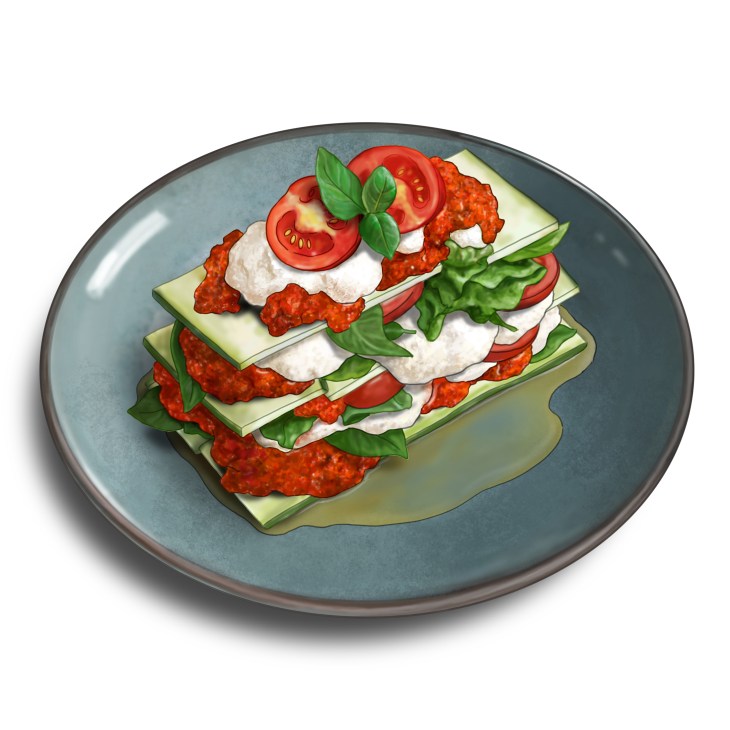
Ralph’s raw vegan lasagne
Serves 4
This vegan take on the Italian classic involves no cooking whatsoever. “I am not necessarily a fan of raw vegan food but my lasagne made an Italian nonna cry,” says Schelling. (In a good way, we hope.) “I served it at a recent party in Portofino and we served it as a family dish to share in old terracotta plates like a real lasagne from the oven.” You can also add grated pine nuts on top to simulate parmesan or a layer of pea pesto for a fresh kick.
Ingredients:
220g cashew nuts (soaked in water for at least six hours)
1 tsp salt
2 cloves of garlic
1 tsp yeast powder
2 tsp apple vinegar or lemon juice
200g dried tomatoes
100g walnuts
50ml best cold-pressed olive oil
2 courgettes thinly sliced lengthwise
2-3 handfuls of spinach
10g basil
Pine nuts, to taste (optional)
Method
1.
Drain the cashew nuts and mix with salt, garlic cloves, yeast, vinegar and a little water (little by little) in a powerful blender to form a thick béchamel-like cream. Refrigerate until ready to use.
2.
Now mix the dried tomatoes, walnuts and olive oil in a blender to a coarse paste (something like minced meat). This is your ragú.
3.
In a platter, or Tupperware if you’re off for a picnic, layer the courgette and spinach alternately with the vegan béchamel and ragù alternative, and serve with basil and a drizzle of olive oil.
Side

Hummus with lemon za’atar
Serves 4
This needs a little prep the day before but you can speed things up by using cooked chickpeas. “My friends in Lebanon taught me a trick for an unbelievably smooth hummus,” says Schelling. “Mix a few ice cubes into the hummus at the end to make it lighter and airier.” This goes well with some celery for dunking.
For the hummus:
300g dried chickpeas
2 litres water
50g tahini (sesame paste)
1 lemon, juice only
5 tbsps olive oil
1 tsp salt
2 cloves of garlic
For the lemon za’atar:
1 tbsp sesame seeds
½ lemon, zested
1 tbsp dried thyme
1 tsp fleur de sel
Method:
1.
The day before, put chickpeas in the cold water and leave them to soak overnight.
2.
On the day of preparation, drain the chickpeas, cover with water and bring to the boil. Cook the chickpeas for about an hour until soft.
3.
Meanwhile, for the lemon za’atar, toast the sesame seeds until golden and put them in a mortar. Finely grate the lemon zest. Coarsely crush everything. Mix in the fleur de sel and thyme leaves.
4.
Drain the chickpeas, saving a cup of the cooking water. Put the rest of the chickpeas in a tall blender jar with the tahini, 4 tbsps lemon juice, a little oil and salt. Add the garlic. Blend everything into a purée, adding from the cooking water until the desired consistency is reached.
5.
Season the hummus with lemon juice and salt. Pour into a bowl and make a well with a spoon. Drizzle oil into it and sprinkle with a little za’atar.
Dessert
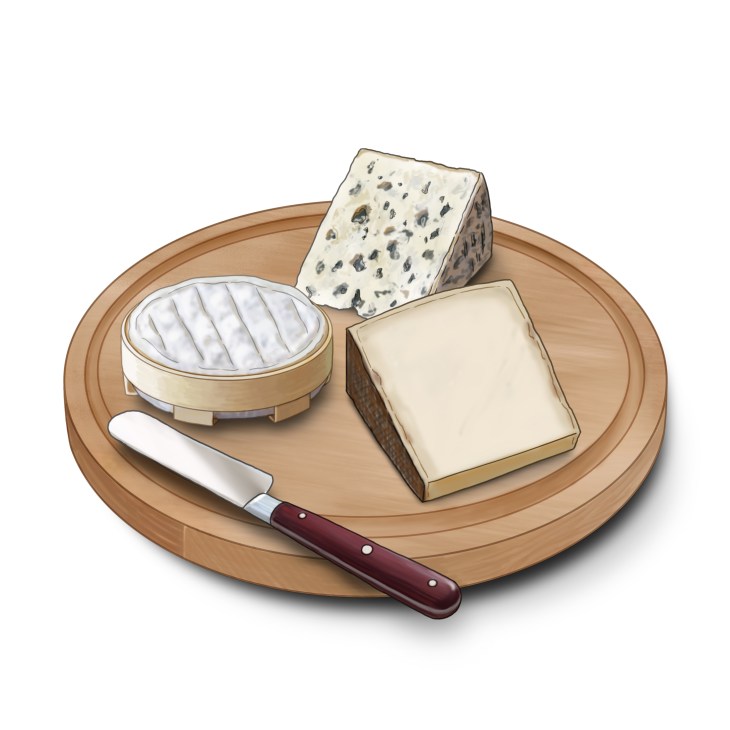
Swiss cheese selection
Serves the whole gathering
Alpsbrinz, hard
From Switzerland, the raw milk is partially skimmed, processed in copper vats and curdled at a temperature of 32C and matured for 30 months. It’s worth the wait.
Schwellbrunner, medium-hard
Cheese from the only Appenzell dairy that still makes it from raw milk that’s flavoured with the rich grasses and flowers of the nearby mountain pastures.
Jersey Blue, soft
Schelling’s favourite of Willi Schmid’s cheeses, the Jersey Blue is exported all over the world and popular with top chefs. It combines the taste of rich Jersey milk with a tang but is creamy, nutty and smoky too.

Swiss granola bar
Makes about 15 bars
These simple, sweet anytime bars are sure-fire family favourites. “The mixture can be varied according to your own preferences, with nuts or berries,” says Schelling. “For an easy granola you can also crumble the bars over yoghurt, kefir or almond milk.”
Ingredients
150g oat flakes
5 tbsps hemp powder
5 tbsps hemp nuts
5 tbsps pumpkin seeds
5 tbsps linseed
5 tbsps barberries
5 tbsps sunflower seeds
½ tsp cinnamon powder
½ tsp cardamom powder
½ tsp ginger powder
2 pinches of salt
5 tbsps apple syrup or honey
3 tbsps walnut oil
Method:
1.
Preheat oven to 160C.
2.
Mix all ingredients and place in silicone moulds (or about 3cm high in two cake tins lined with baking paper). Press the mixture down firmly.
3.
Bake for about 18 minutes, then remove. While still warm, cut into bars or into shapes of your choice and leave to cool. If kept dry and sealed, the bars will keep for about two weeks.

Almond madeleines au beurre salé
Makes 12
These tasty bakes can be made nuttier by browning the butter first or fresher by serving with wild strawberries. You could also add matcha powder (1½ tsp per 50g of flour) or create a gluten-free take on things by using cornflour instead. You’ll need a madeleine mould plus a little extra flour and butter. Enjoy.
Ingredients
130g caster sugar
50g almonds, peeled
50g plain white flour
100g butter, liquid
100g egg (about three large ones)
2 pinches of salt
Matcha powder (optional)
Method
1.
Preheat the oven to 220C degrees.
2.
Blitz the sugar, almonds and flour in a blender to combine.
3.
Add the butter, eggs and salt to form a liquid dough.
4.
Butter the madeleine moulds and fill to the brim with the mixture and bake for about 10 minutes until golden brown.
And to drink…
Wine to complete the picnic
Wine writer Aimee Hartley suggests some bottles to accompany you on your outing.
Sparkling
Davenport
Limney Estate Organic Sparkling, Sussex, England 2015
A rich and elegant English fizz that’s designed to give champagne a run for its money – and does.
Rosé
Morgado do Quintão
Palhete, Algarve, Portugal 2019
A unique blend of red and white grapes makes for a refreshing rosé-inspired wine with Portuguese charm and character.
White
Sybille Kuntz Riesling Qualitätswein
Trocken, Mosel, Germany 2020
A refreshing and deliciously dry riesling from a biodynamic, family estate in the Mosel Valley. Sehr gut!
Partida Creus, BN Blanco Natural
Catalonia, Spain 2020
A crisp, salty white that’s ideal for langorous sunny days, made by one of Spain’s most celebrated natural wine producers.
Red
Pierre Cotton
Ygueule, Beaujolais, France 2018
From a rising star in Beaujolais: chill down this fresh, quaffable gamay for a picnic-perfect companion.
Orange
Ca’ de Noci
Notte di Luna, Emilia-Romagna, Italy 2019
A heady blend of floral grapes – Muscat Blanc, Malvasia and Spergola – with skin contact for added texture and sunshine. Cin-cin.
About the writer:
Aimee Hartley is the founder of wine magazine Above Sea Level. She also runs Twelve Noon, a creative studio for food, drink and hospitality projects.
Sleep easy
1.
Park Lane
Central Park South
This 46-storey property on Central Park South was built in 1971 and was in dire need of an update when design studio Yabu Pushelberg moved in. Long the shabbiest space in this exclusive enclave, the hotel now looks right at home in the area that’s sometimes referred to as Billionaires’ Row.
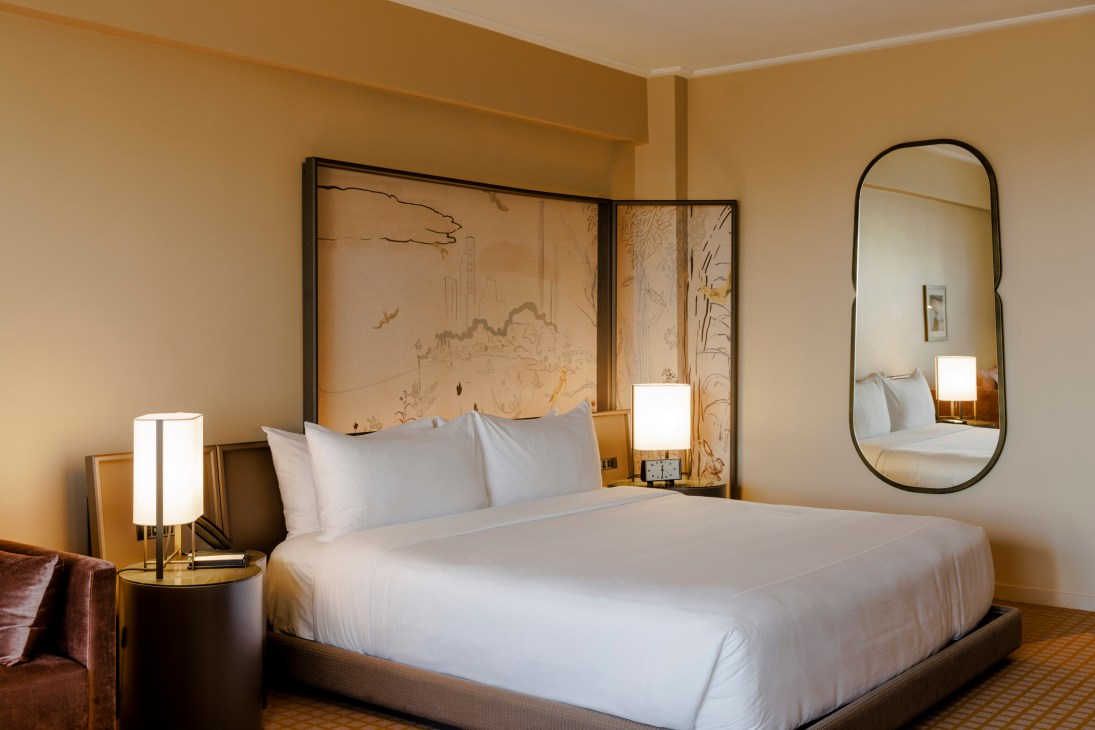
Ritz-Carlton alumnus Prince A Sanders is managing director on behalf of owner Highgate. “You feel like you’re still part of the park,” says Sanders, gesturing to the plant-motif murals in the rooms as he shows us around. And it’s Central Park that rightly takes centre stage. Many rooms have great views over the green
space but the best ones are from Darling, a rooftop lounge that’s filled with plants and dotted with rattan chairs.
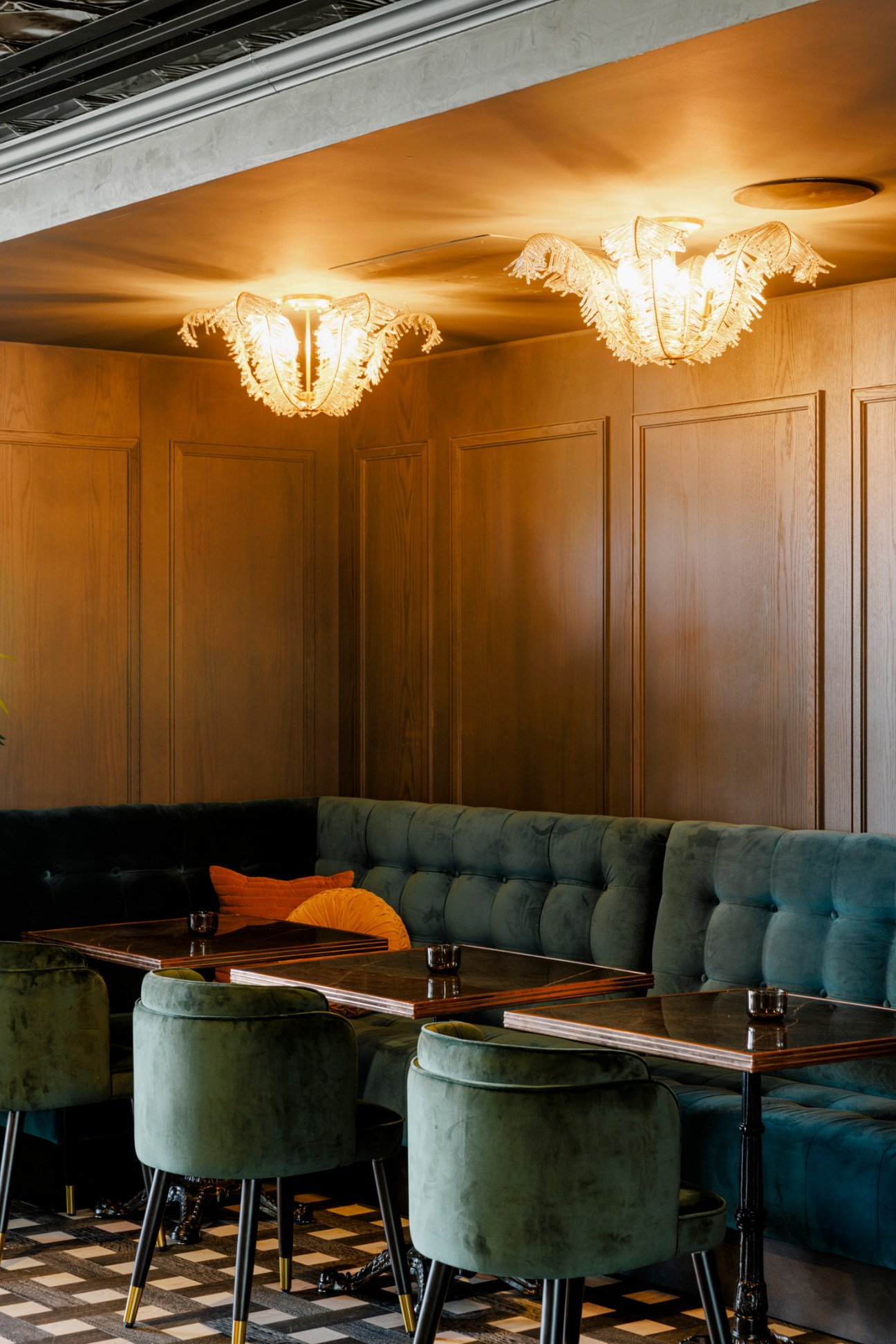
Another theme is the building itself. “The designers wanted to play with the fact that the hotel opened in 1971,” says Sanders as we pass a plush velvet tub seat. There are mid-century chairs, patterned carpets and murals everywhere. “It’s a nod to the past and it honours that retro feel.”
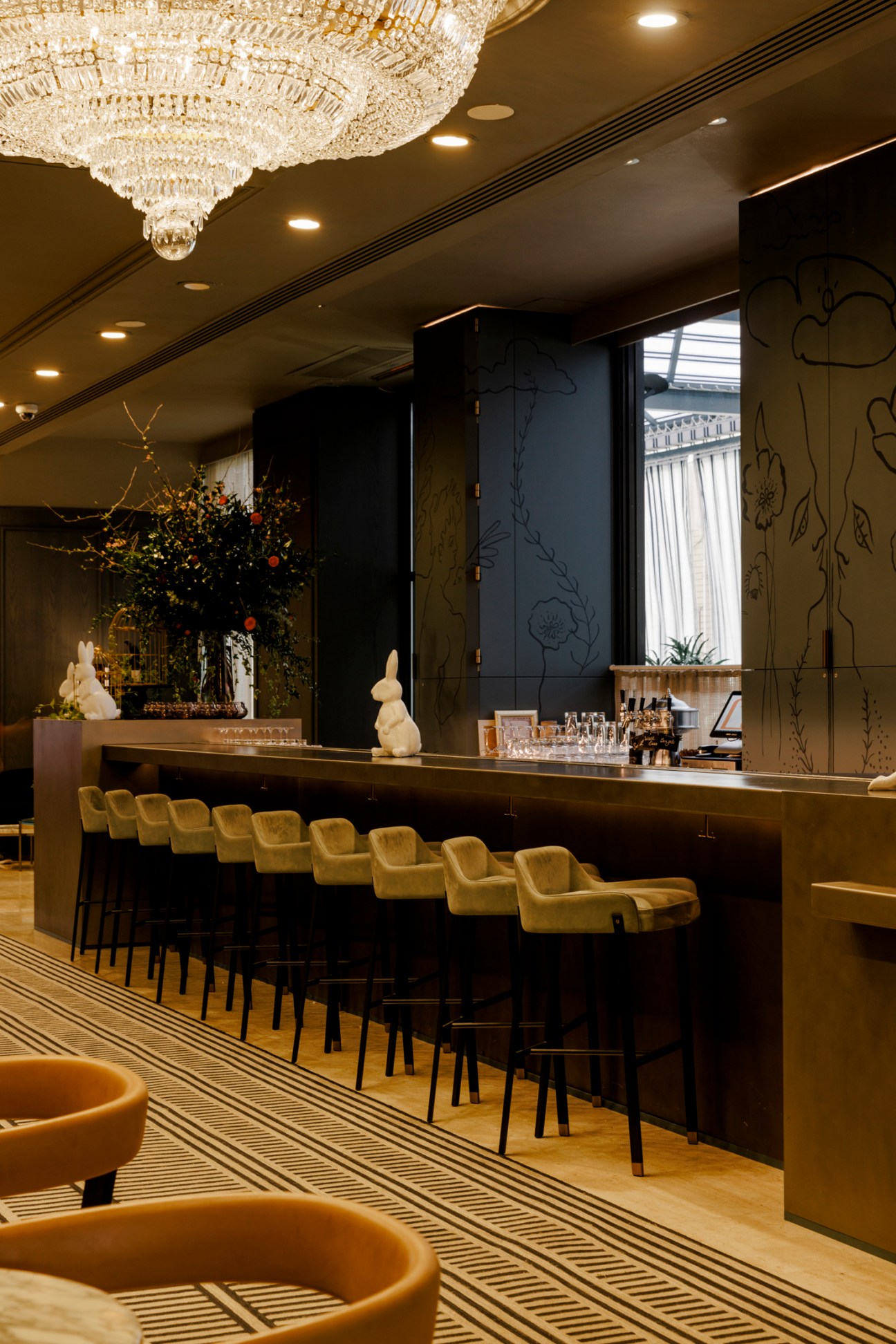
To breathe new life into the food and drink on offer, Sanders tapped restaurateur Scott Sartiano (of Zero Bond club and several downtown restaurants) to oversee the menus and bring his culinary chops uptown. The hotel’s flagship restaurant is Harry’s Bar, tucked away on the second floor. With its blue panelled walls and intimate booths, there’s nowhere better for a late-night martini or cosmopolitan. “We wanted a throwback to that old New York charm,” says Sanders.
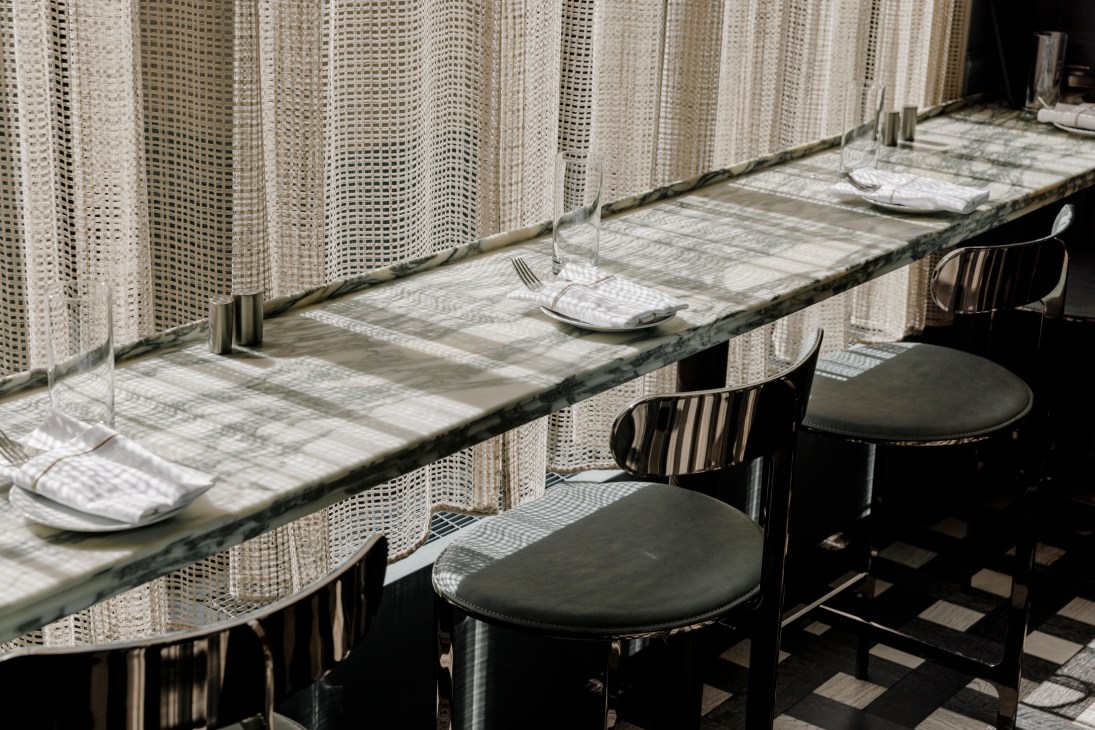
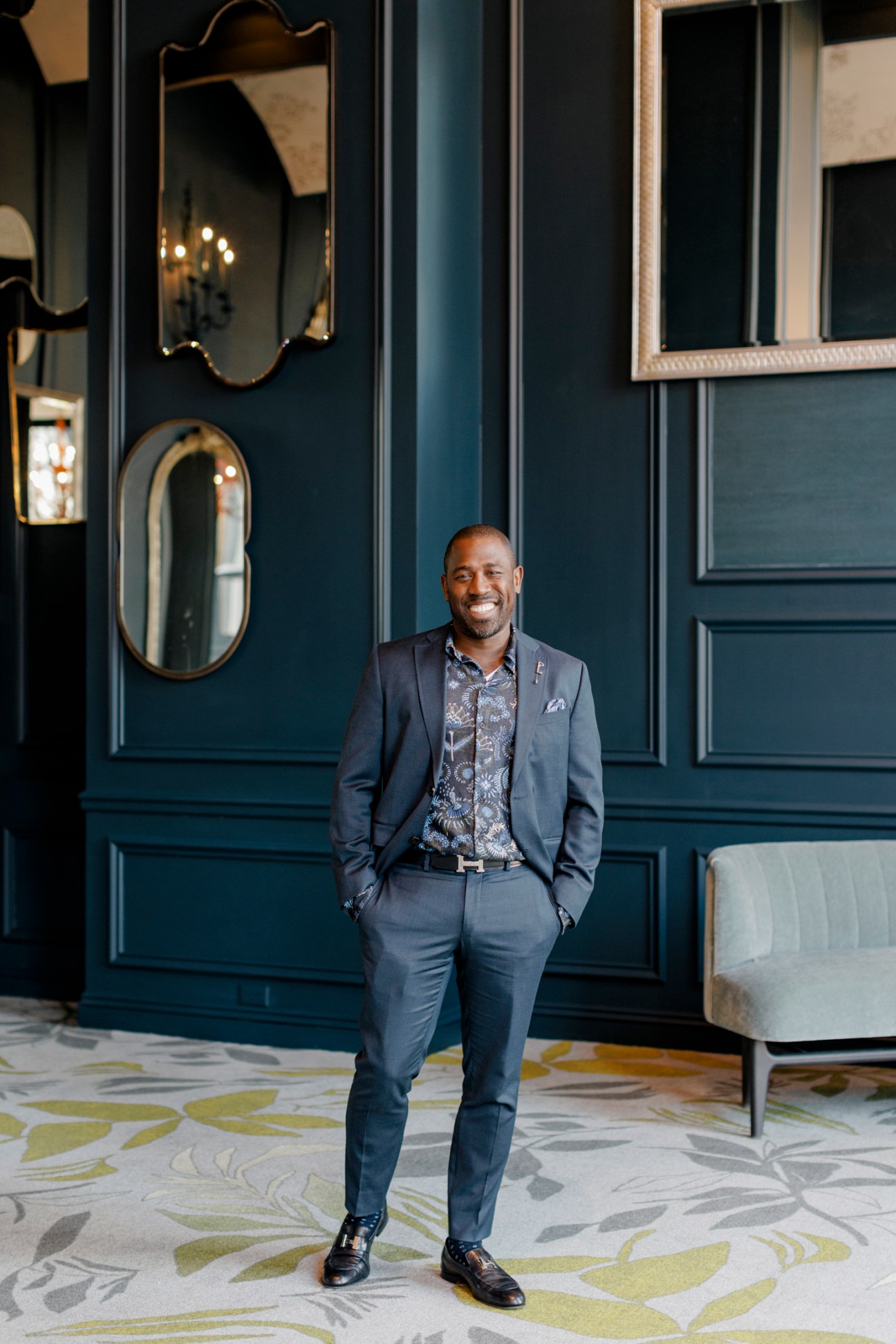
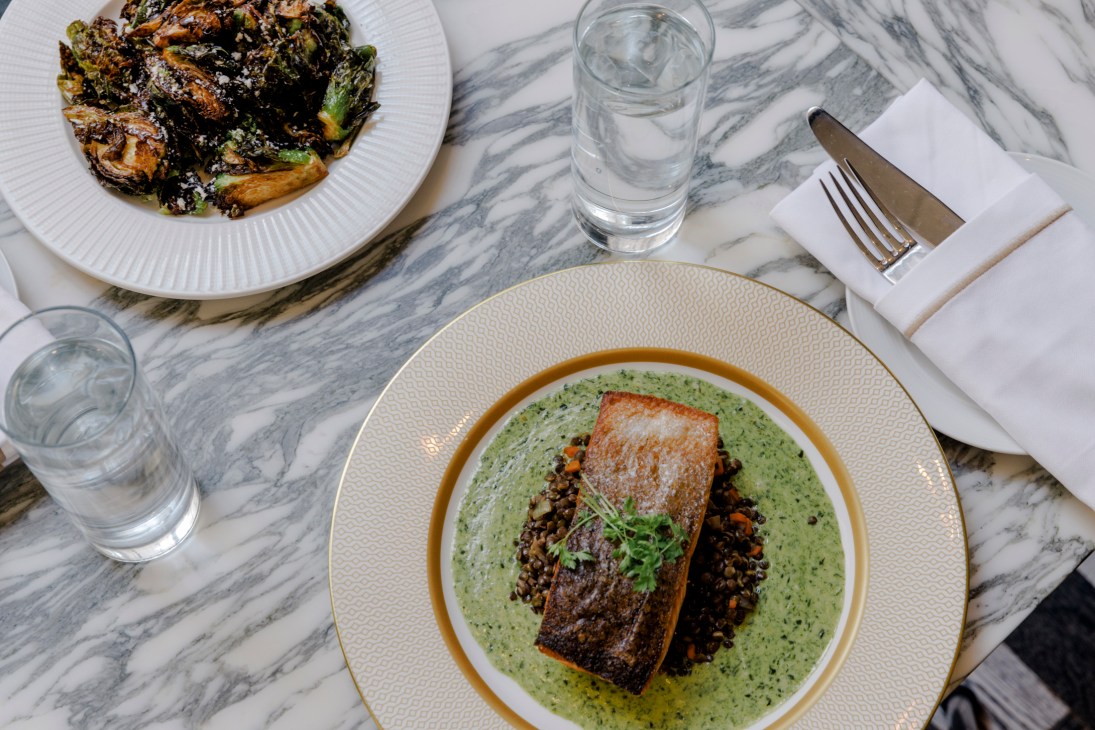
Downstairs is Rose Lane, an all-day French bistro-inspired café that transforms into a buzzy bar by night. In the early evening, patrons grab seats at the gas fireplace or along the bar, where cocktails such as the central park south (gin, Campari, melon de Provence, sweet vermouth and lemon) are served with aplomb, alongside a small selection of New York-style pizza from the oven.
Perhaps what’s most striking about Park Lane, however, is how accessible it feels. In an area known for its exclusivity, the hotel is the sort of place you can saunter into, no questions asked.
parklanenewyork.com
2.
Civilian
Midtown
A few steps from busy Broadway is a quiet gem: Civilian. Unlike the lit-up theatre buildings and flashing signs that dominate this stretch between West 48th Street and 8th Avenue, the Civilian is unassuming; walk past the narrow brick building and you might even miss it.
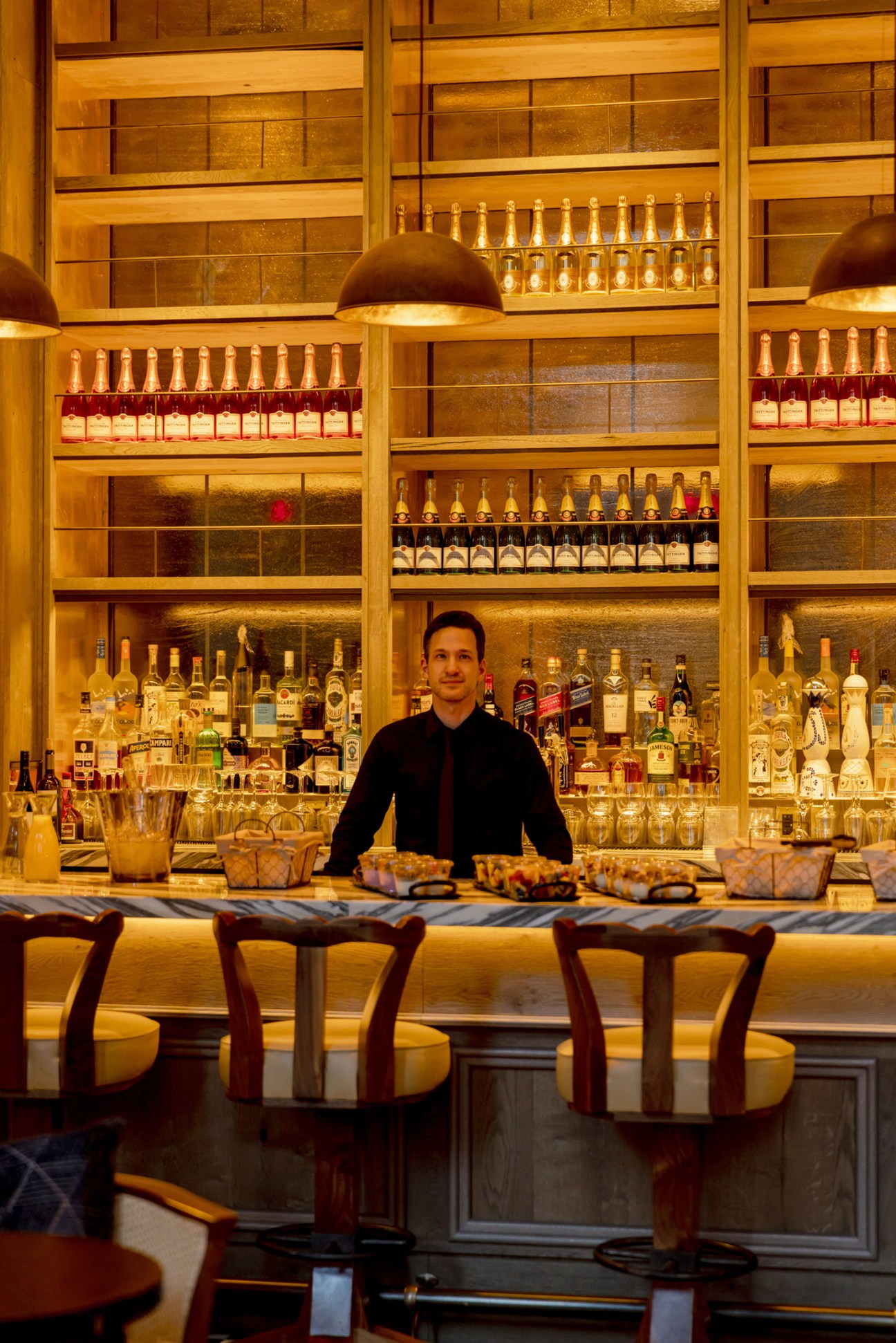
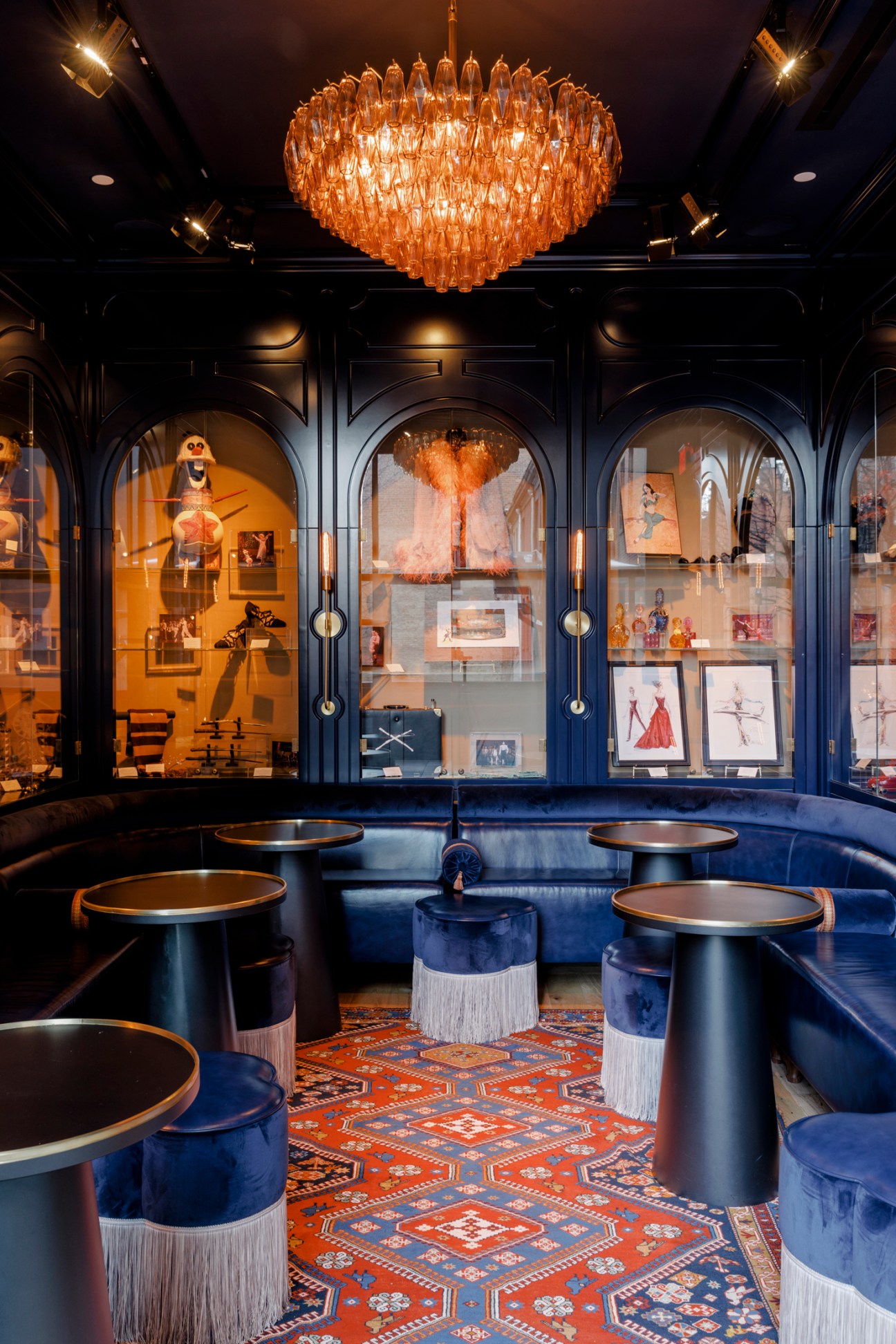
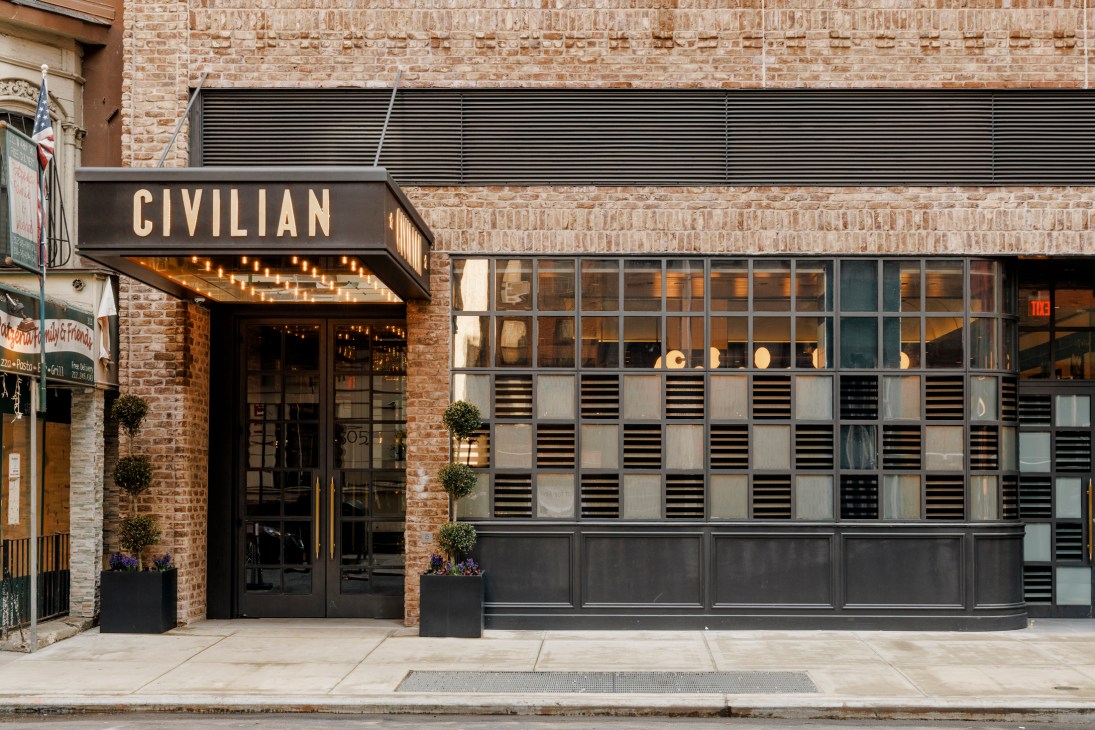
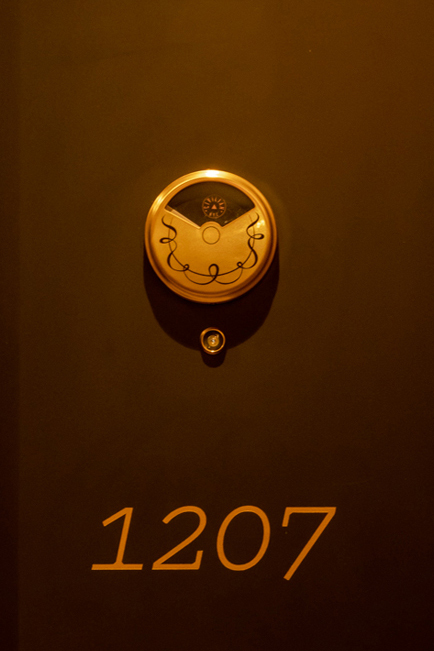
For Jason Pomeranc, founder of hotel group Sixty Collective, and architect David Rockwell, the property is a tribute to New York’s theatre district. “It was a real labour of love,” says Rockwell, who conceived the hotel with plenty of nods to its neighbourhood. Inside, the space is licked with deep reds and dramatic bright blues and no shortage of Broadway paraphernalia. In the lobby, guests are greeted by a row of theatre-style seating and a spiral staircase surrounded by drapes, which leads up to the bar where models of the current Broadway show sets are on display. The nearby Blue Room, a jewellery box of a lounge, is lined with glass cabinets containing histrionic curios.
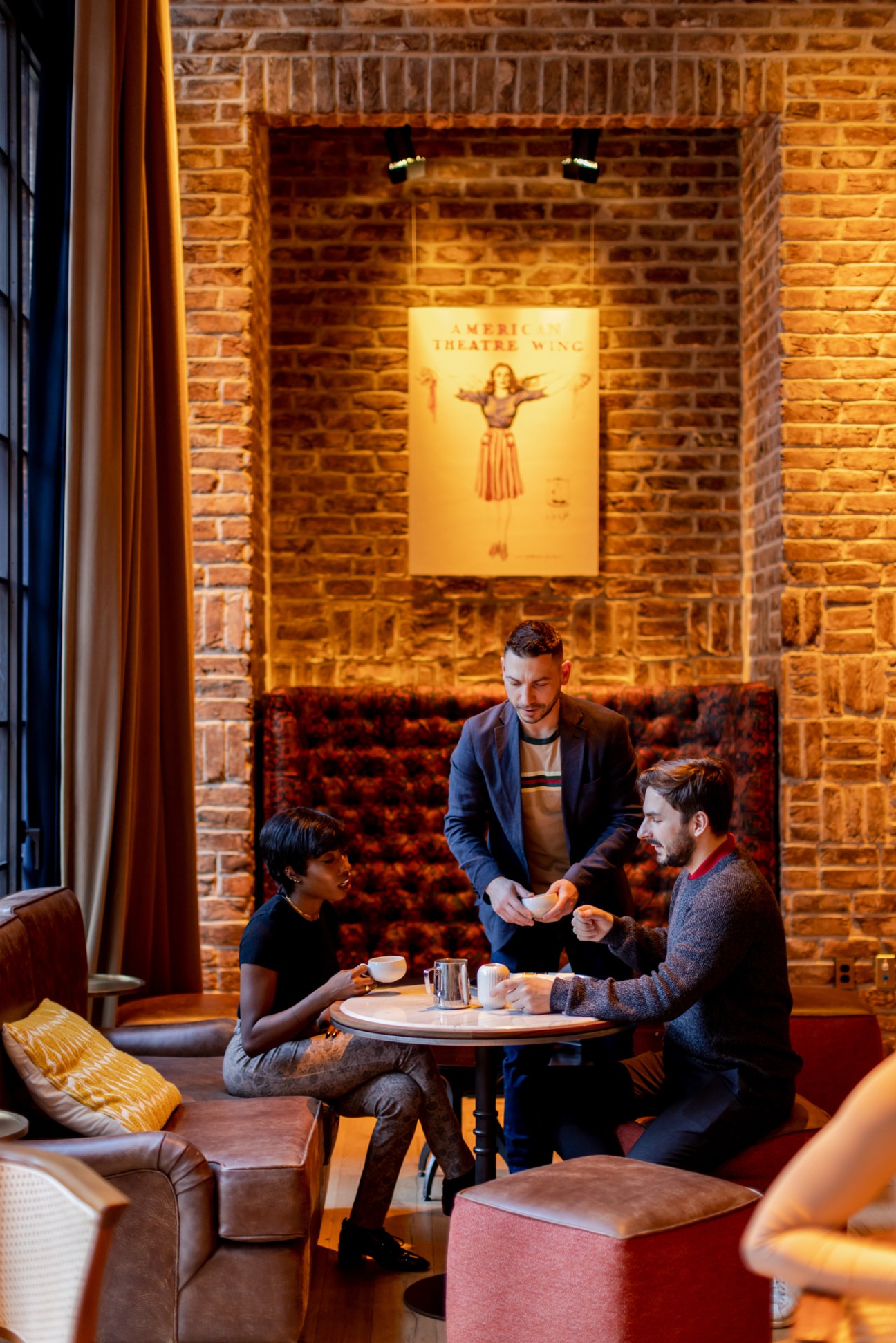
The theatrical theme doesn’t stop there. The wallpaper that lines the halls is by costume designers Isabel and Ruben Toledo and in the interior of the elevator is bedecked with sketches from the show Hamilton. In the street-level restaurant the sconces include drawings by scenic designers that represent 41 theatres along Broadway. There’s even an analogue board displaying all the current shows should guests care to step out for a performance after checking in.
The 203 guest rooms are reasonably roomy, with some featuring velvet-draped four-poster beds and costume-trunk-inspired closets. Sumptuous seats and floor-to-ceiling windows that look over the storied street continue the theatrics.
The hidden-away nature of the place is a big part of the appeal – you wouldn’t guess you were a few blocks from busy Times Square. It’s exactly what you need from a hotel here: a bit of a show, with none of the drama.
civilianhotel.com
3.
Pendry Manhattan West
Hudson Yards
On a Friday evening, Bar Pendry is humming and a seat is hard to come by in a way that was scarcely imaginable a year ago. That said, even before the pandemic, Manhattan West – on the Hudson River – was something of a forgotten part of town.
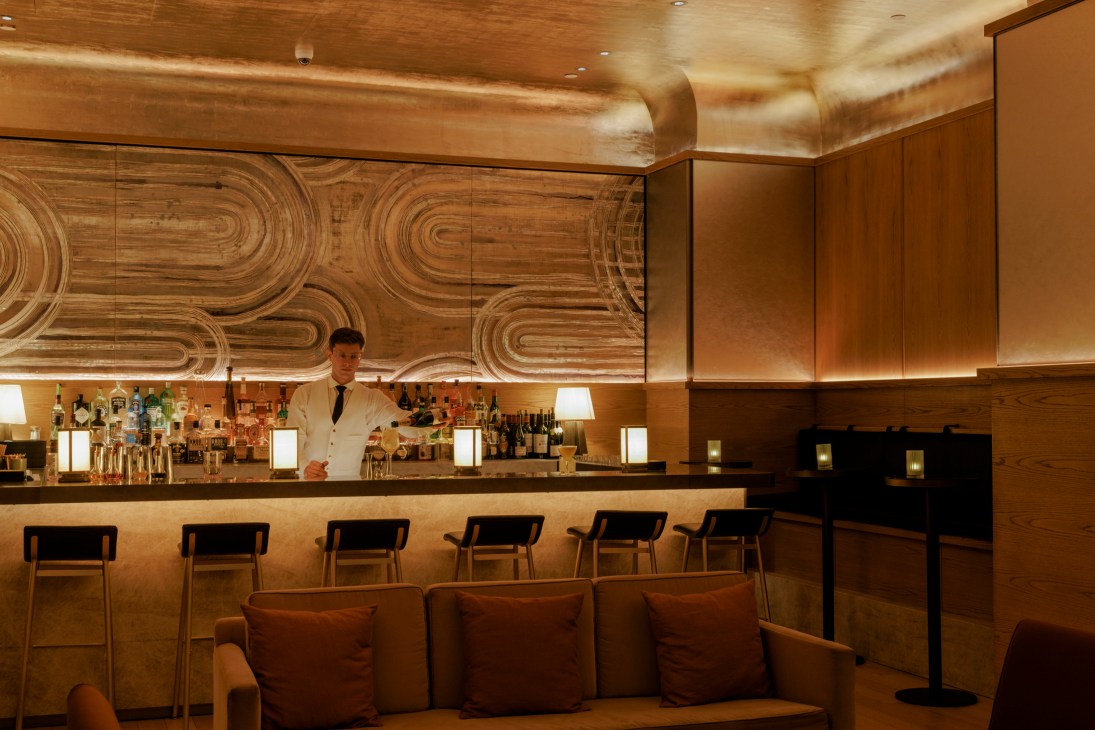
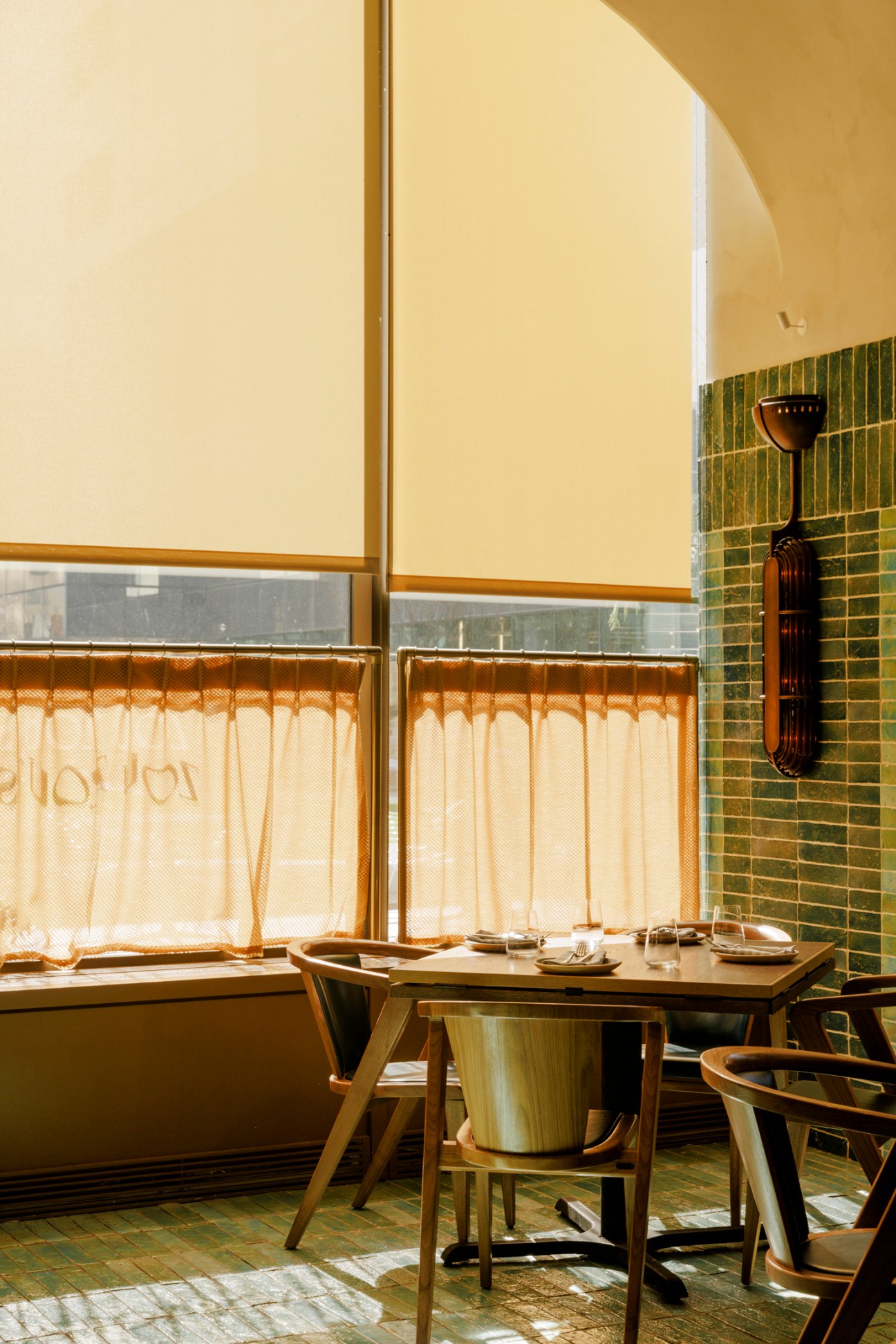
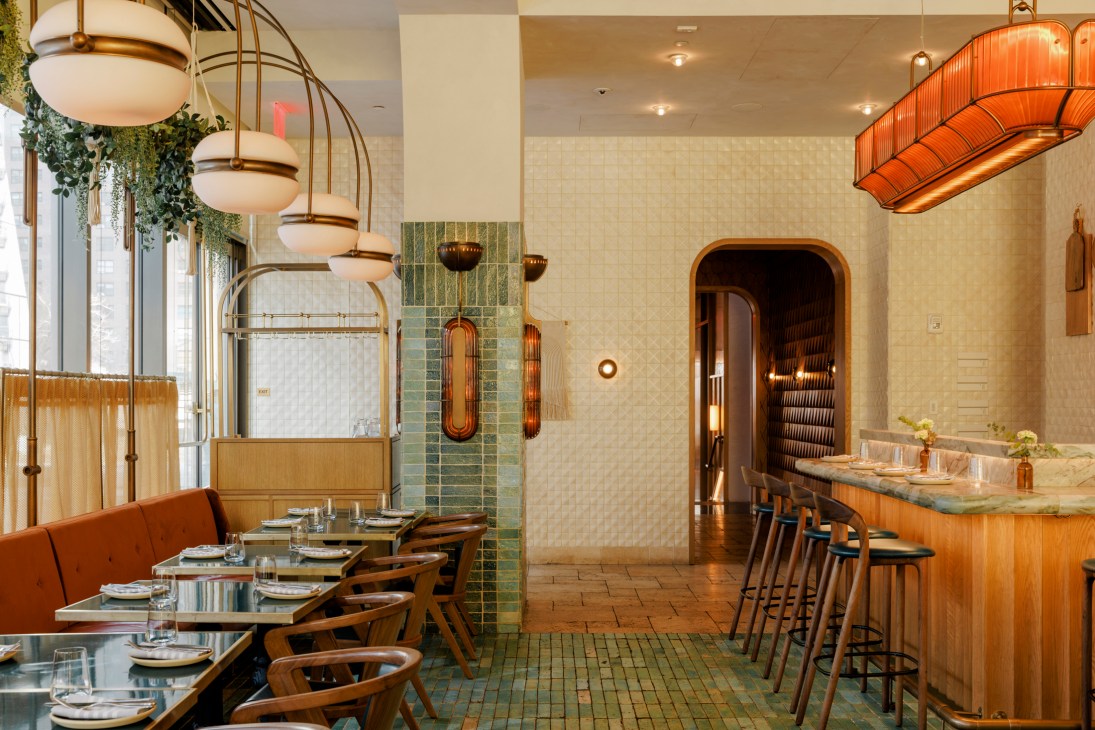
Pendry Manhattan West hotel is a newcomer to Hudson Yards, an area blighted by underwhelming reviews when it opened in 2019 but that has been steadily gaining footfall thanks to the nearby High Line. This hotel is one of the more exciting additions to an area that includes restaurants by star chefs including Danny Meyer.
The property’s undulating edifice is designed by architecture studio SOM (responsible for One World Trade Center) and fits in with the district’s glass and steel vernacular. “It’s meant to capture the energy of the area,” says Danielle Choi, SOM’s director of sales and marketing. But behind the somewhat chilly façade it’s all sunny finishes: a nod to Pendry’s sunny Californian origins. “It’s an opportunity for us to bring the things that inspire us as a brand to this iconic and electric city,” says Michael Fuerstman, co-founder and creative director of Pendry Hotels & Resorts.
Pendry is a more contemporary brand from hospitality group Montage Resorts, which has a number of resorts across the US, including California. To transport a slice of the West Coast to the east, the team worked with Gachot Studios. The lobby is filled with light wood as well as a fireplace and simple mid-century-style sofas. There’s an abundance of plants and strip lighting inspired by the work of artists from the Light and Space movement, such as James Turrell. The ground floor is home to the glowing Bar Pendry with its gold-plate ceiling, and Zou Zou’s, an Eastern Mediterranean restaurant where ingredients such as sea bass and artichokes are cooked over an open fire. Upstairs is cocktail lounge Chez Zou, which is modelled on a 1960s speakeasy in Beirut. The rooms are a quieter affair. Featuring panelled wood with a Japanese aesthetic, they have floor-to-ceiling windows, oval baths and beds from which guests can look down at the city but, luckily, won’t hear it.
pendry.com
25 things to make you happy
Summer is all about taking a break and doing the things that enhance your quality of life. We’ve devised a modest checklist of ideas to set you on the right course.
1.
Move to a sunny neighbourhood
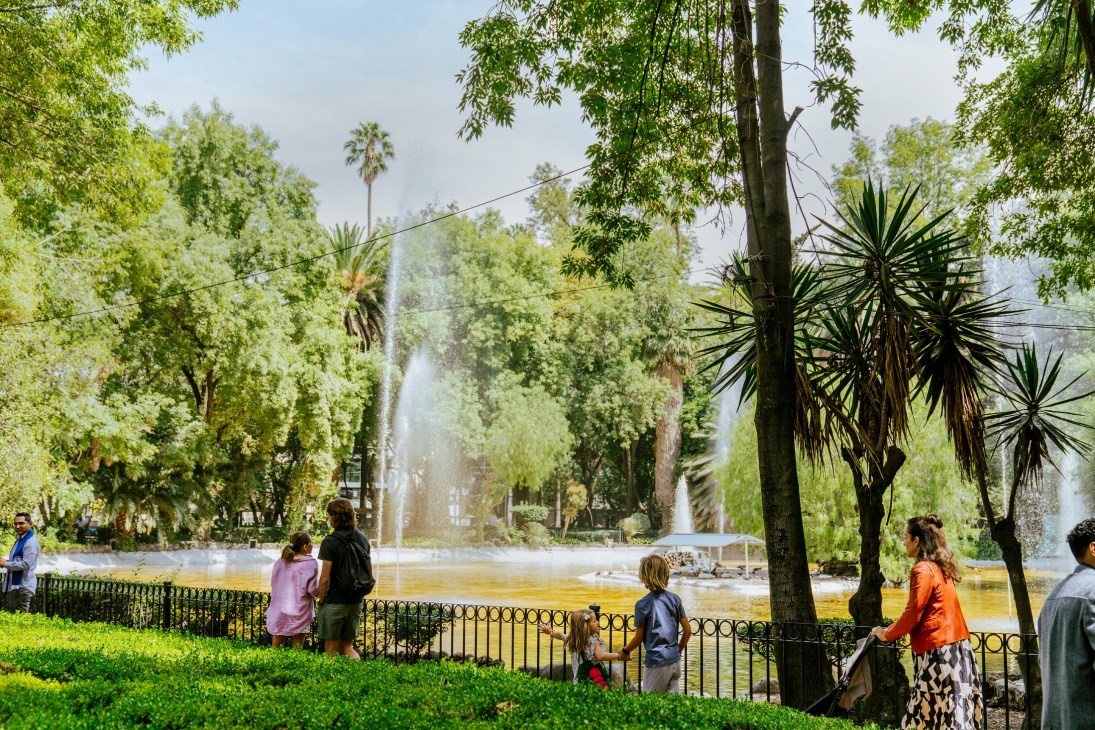
From community hubs to independent shops, several man-made components help to make a good neighbourhood. That said, some locations have a natural advantage: sunshine. In recent years, La Condesa in the Cuauhtémoc borough of Mexico City has enjoyed an influx of international residents attracted by the alfresco drinking and dining options, good shopping and jungle-like greenery that flourishes in the city’s warm climes. Stroll between its art nouveau-inspired buildings up to Bosque de Chapultepec park on the northern edge. Or stick around on a balmy evening to enjoy a cocktail or two at Baltra, one of the city’s best bars.
2.
Rock a good hat
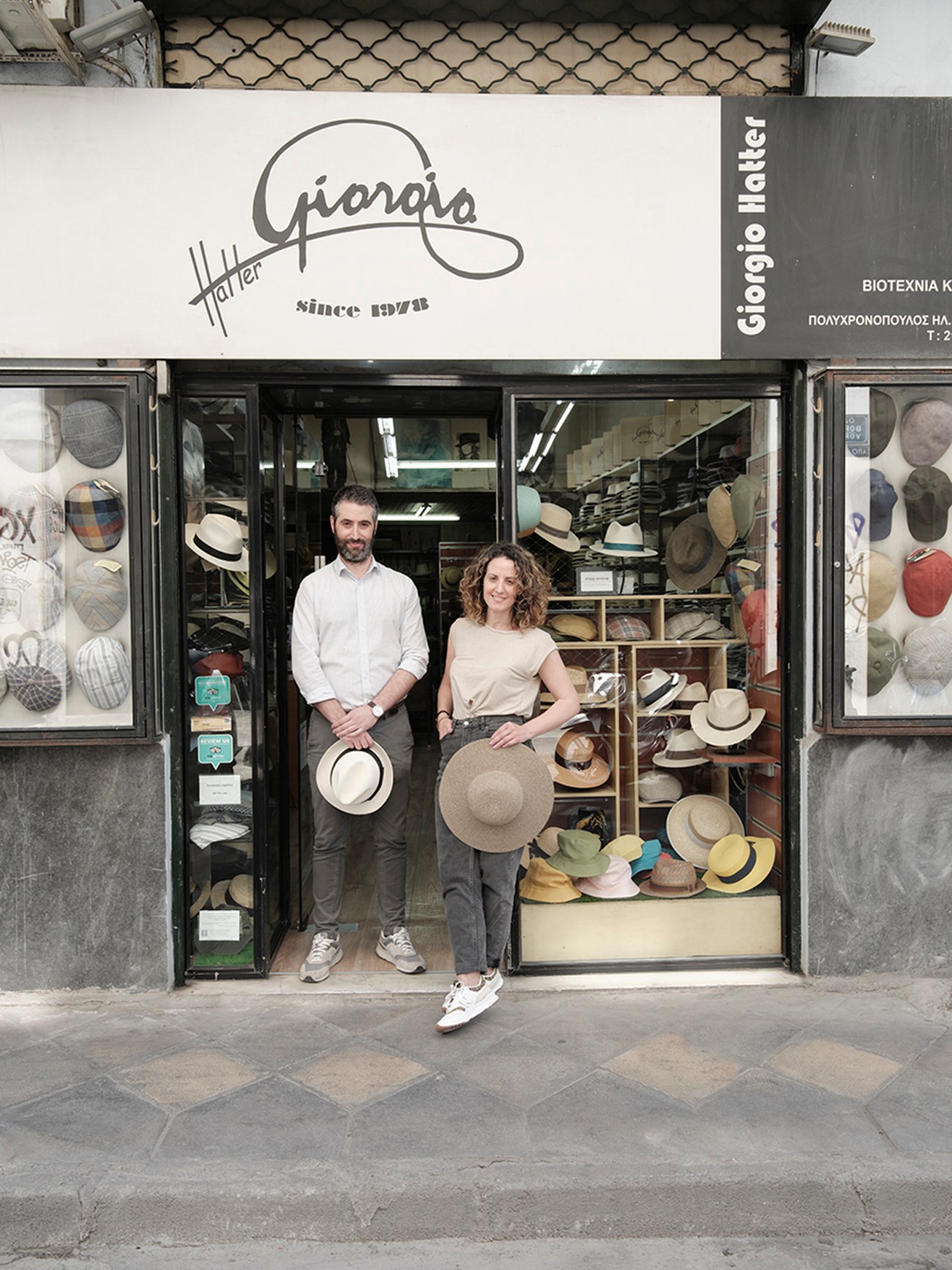
Tucked away in the narrow cobbled streets of Monastiraki in central Athens, Giorgio Hatter looks unassuming: stripped back interiors, long industrial shelves and neatly arranged piles of hats. But a sense of warmth envelops the place thanks to owners George and Vasiliki Polychronopoulos (pictured). The pair are always on hand to greet customers and share their passion for hat-making, passed down from their father Elias, who opened the shop in 1978, and grandfather Georgios, who used to create hats for primary school students in his village of Kalamata. Today, Giorgio Hatter remains one of the city’s best-kept secrets for summer hats, from cotton bucket styles to fedoras handmade using natural straw. Place one on your head –it will add confidence to your stride.
3.
Hit the dance floor
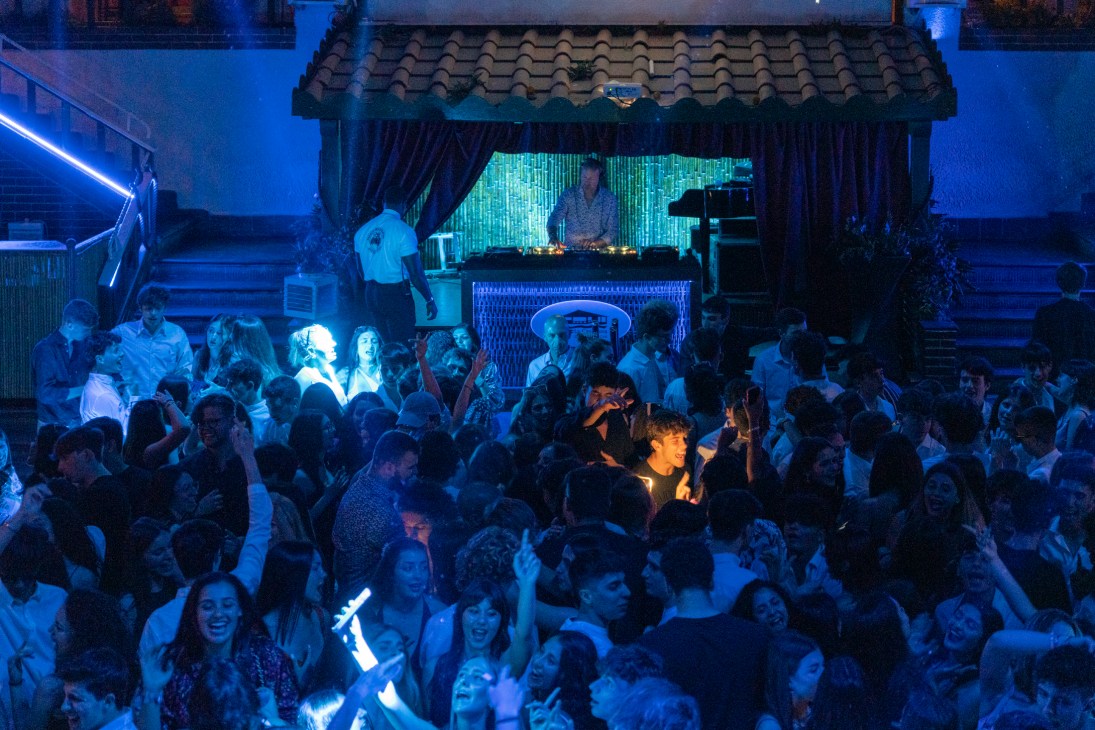
It doesn’t matter if it’s at a cool club, chilled beach bar or naff haunt that only plays music worthy of a wedding playlist, letting go on a dance floor should be embraced. Turn that timid shimmy into a proper shake, command the room, do that extra fist pump if the song calls for it. On the dance floor, as in life, there really is no point holding back. You’re more likely to be praised for some out-there moves than judged for half-arsed ones. Too many love stories have begun inside nightclubs packed with wriggling bodies (or in their smoking room, Cupid’s favourite playpen) not to believe in the romantic potential of sweat-glistening skin. Founded in 1929 by Achille Franceschi as a little shack on the beach that played music on a gramophone, La Capannina di Franceschi (pictured) evolved into a storied nightclub in the Italian resort town of Forte dei Marmi. Its afternoon aperitivo still turns into a live DJ set every weekend. Forget about tomorrow and stay out a little later – the next track is always a great tune.
4.
Have a morning routine

We’re all partial to pressing the snooze button a few too many times but when it comes to the mornings, studies have shown that consistent routines help. That means that the minutes between rolling out of bed and leaving the house count. Luckily, the way we see it, the recipe for a good morning is simple: start in the shower with Haeckels’ broccoli shampoo, then moisturise with Lumene’s Glow Reveal line and top it all off with a hefty scoop of Malin1Goetz spf. Been out dancing the night before? Dr Barbara Sturm 3 Aquazzura’s foot spray is just the thing. Then a spritz of Perfumer H’s Bergamot fragrance and you’re out the door.
5.
Wear a favourite T-shirt
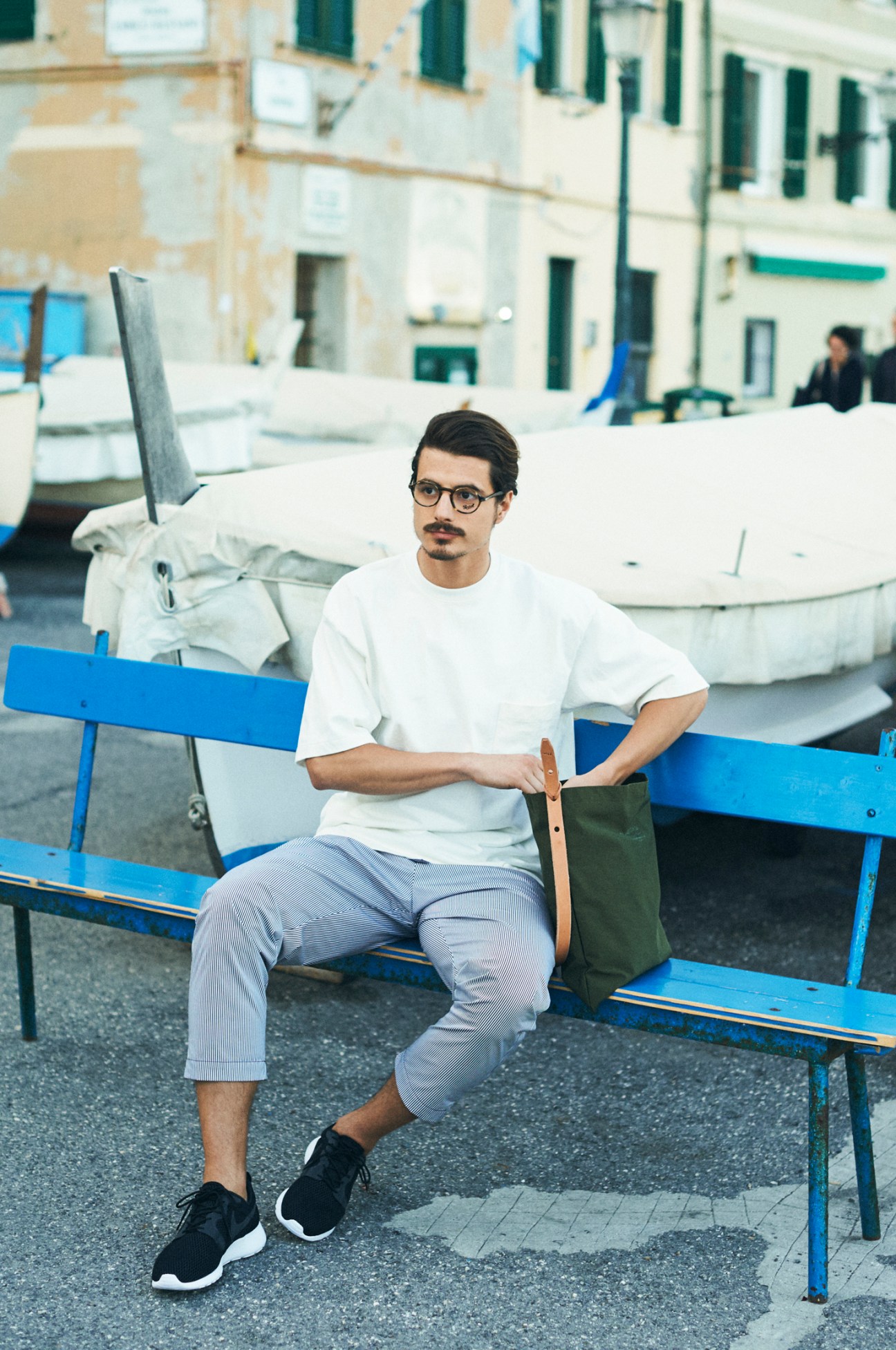
Why is it that you find yourself reaching for the same T-shirt again and again, even snatching it from the dryer before it’s really dry? Perhaps it’s the softness of the cotton or that it defies the tumbling cycle to keep its shape. Whatever the reason, we all need a reliable T-shirt partner. And a classic white T-shirt is probably the most essential piece of clothing in your wardrobe. We recommend going for a lightweight one that feels soft to the touch. You can’t go wrong with something by Auralee (pictured), Harris Reed, Organic Basics, Lady White Co, Asket or Sunspel. Maybe a little oversized if you’re feeling adventurous. Trends come and go but you’ll never go wrong if you stick with the basics.
auralee.jp;
harrisreed.com;
organicbasics.com;
ladywhiteco.com;
asket.com;
sunspel.com
6.
Surround yourself with colour
It’s easy to let the world make you feel grey, especially if you’re based in a cloudy city. But there is a simple antidote to the blues. Studies have shown that colour can dramatically alter how you feel, think and even behave. Putting on that bright jumper or looking at an eye-catching painting can instantly provide a mood boost. The players at Pigalle Duperré basketball court in Paris (pictured) have an unfair advantage. A collaboration between Parisian creative agency Ill Studio, fashion brand Pigalle and Nike, the court’s rubber floors are saturated with vibrant blue, yellow and fuchsia. Done judiciously, as here, flashes of urban colour can brighten the day.
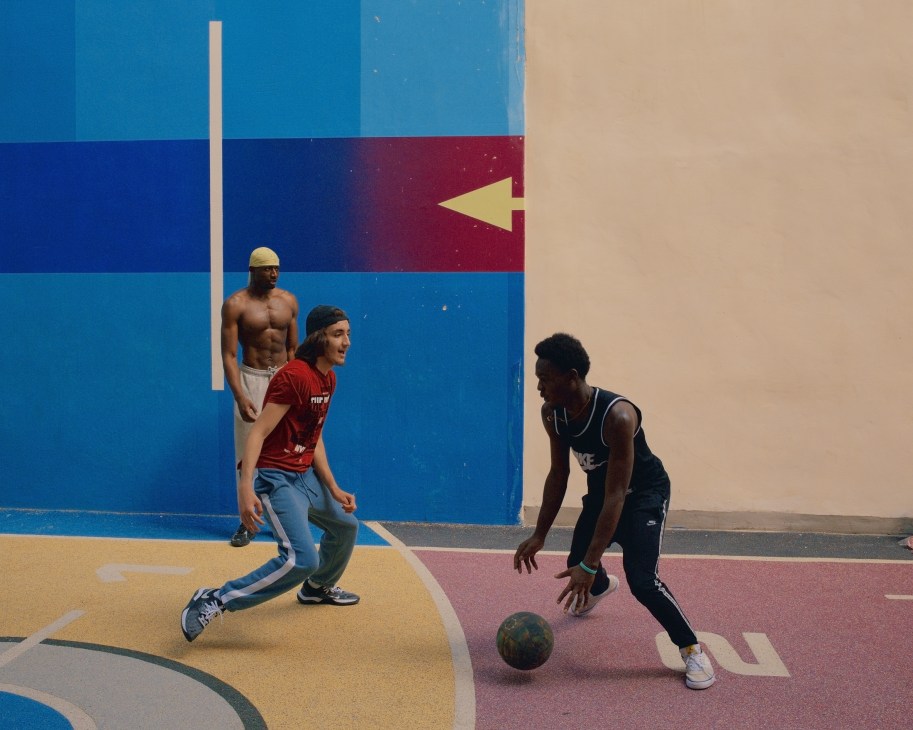
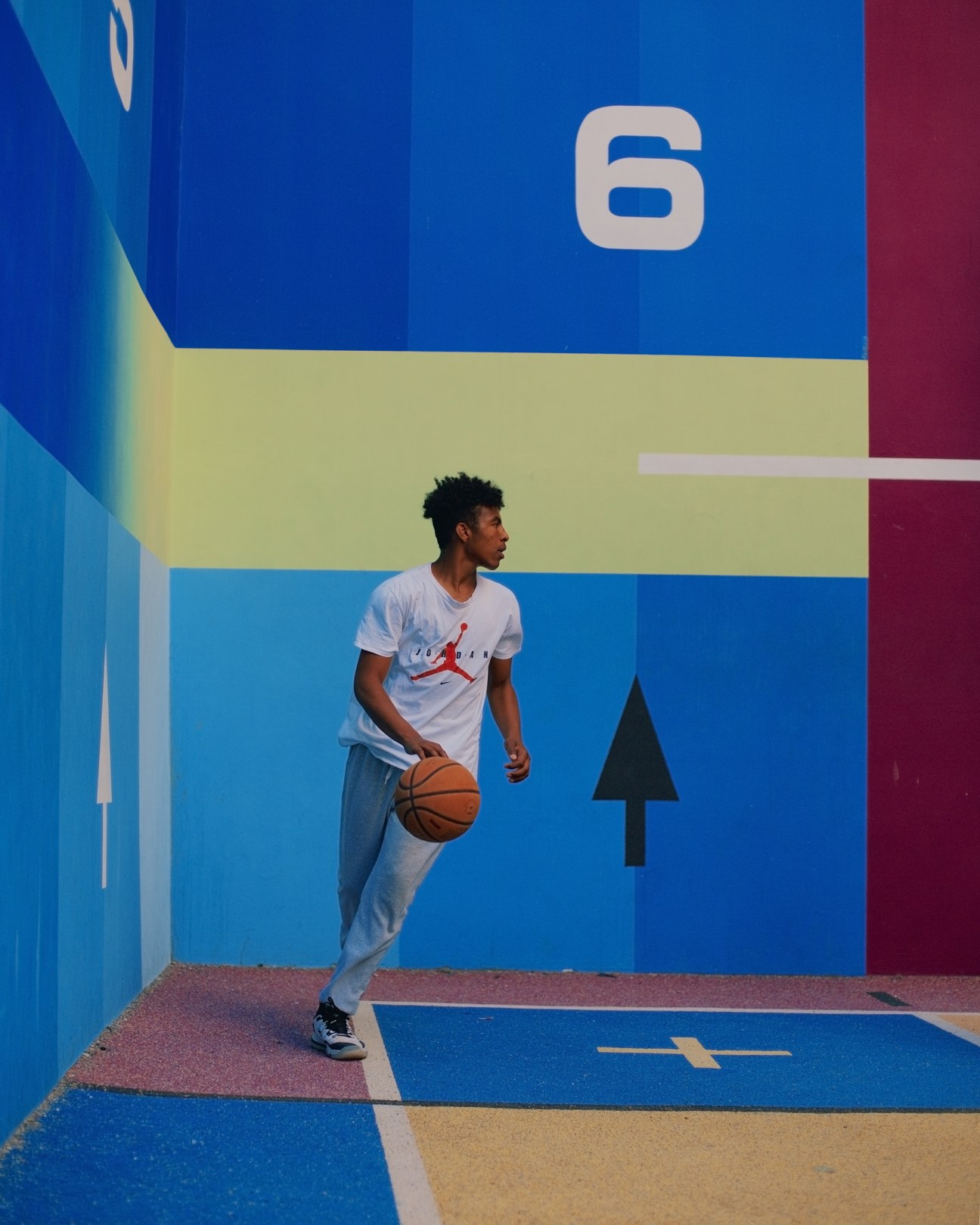
7.
Find a wise architect
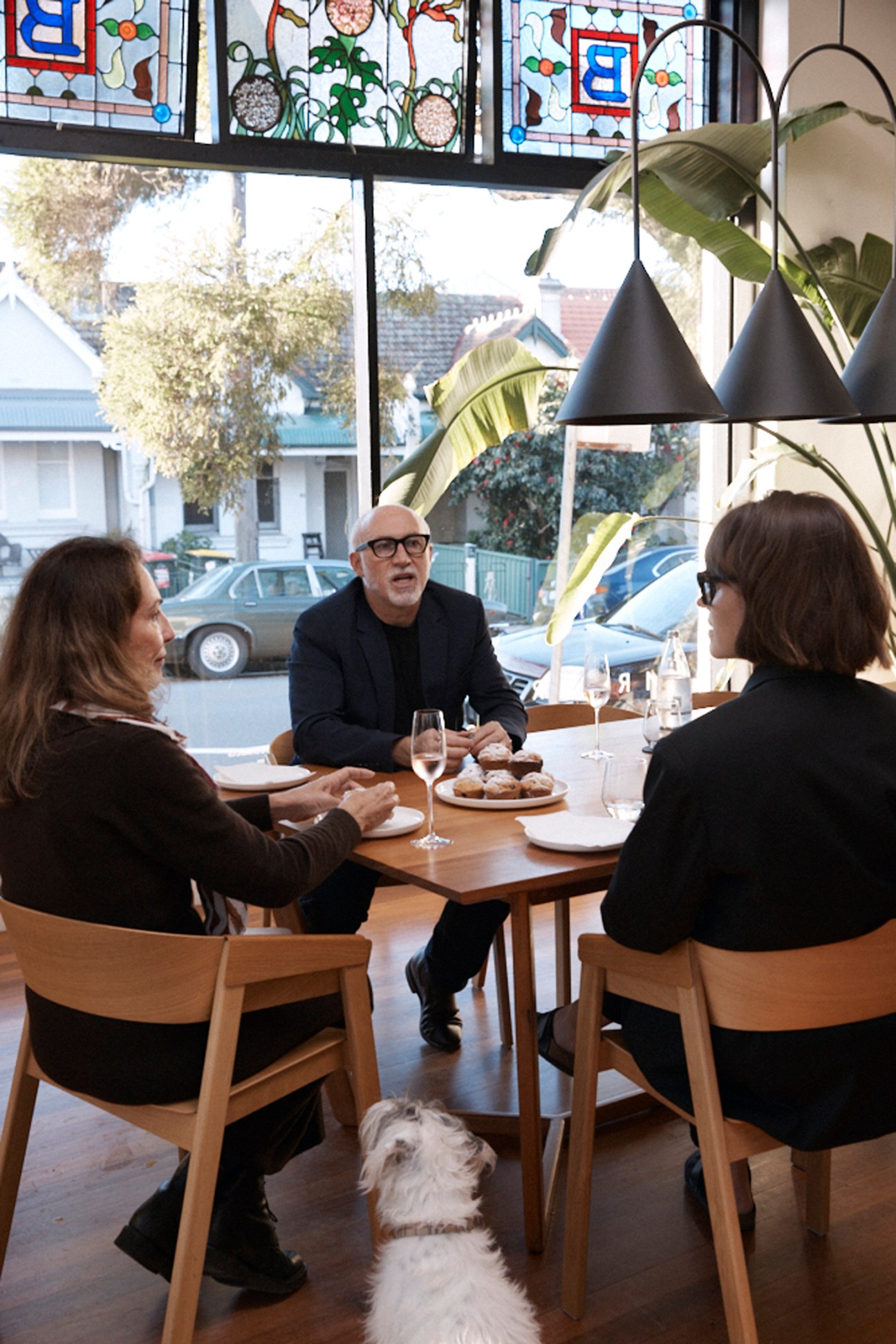
Everyone wants to live in their dream home but getting there isn’t as simple as it sounds. Meeting the right architect is a good place to start. We suggest looking for someone with a couple of years of experience under their belt, who understands that all great homes need a personal touch. “It’s about getting to know clients and understanding the everyday moments they value,” says Sydney-based architect Shaun Carter (pictured). “That can be as simple as preserving the place where the owner drinks a cup of tea every day.” A good architect should be interested in your life too, so make sure they get to know you. It’ll help you get the best outcome. And you might even make a new friend.
carterwilliamson.com
8.
Mix a cocktail
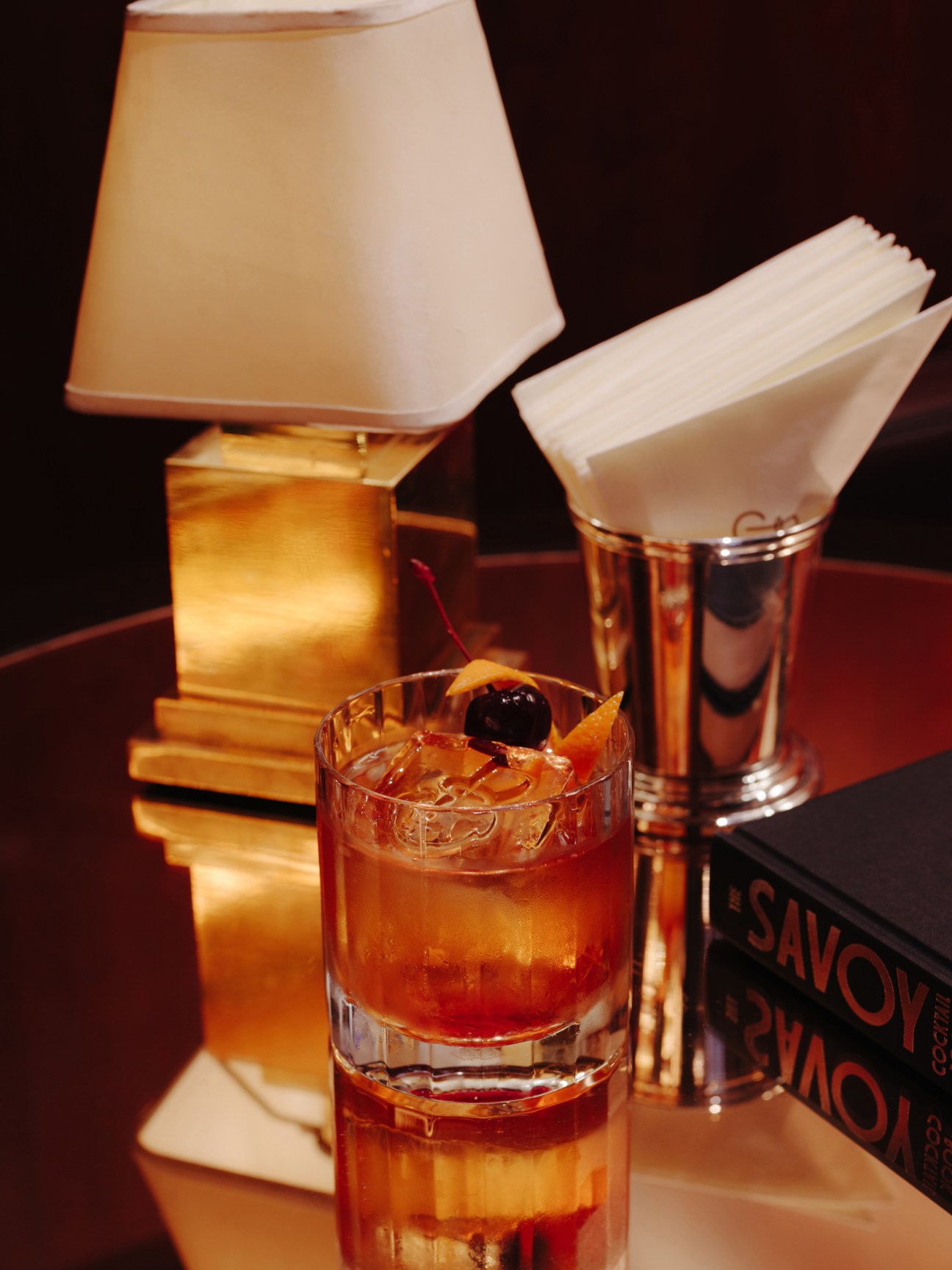
Everyone should know how to make a good cocktail. Like everything in life, it’s important to start with the basics: an old fashioned often does the trick. “Say you’re at a party and you’ve decided to make a cocktail for your friends,” says Giovanni Dellaglio, a bartender at London’s Beaumont Hotel, as he pours 60ml of Maker’s Mark bourbon into a glass. “Sometimes the time you spend making it is even better than drinking the final product.” If you’re a beginner, definitely stick to a recipe (The Savoy Cocktail Book, Eddie Clarke’s Shaking in the 60s and Phaidon’s Spirited: Cocktails from Around the World are all good places to start). While taking the time to fix someone a drink is hardly common in the hustle and bustle of everyday life, a small act of kindness often goes a long way. So bottom’s up!
9.
Have a dish to impress
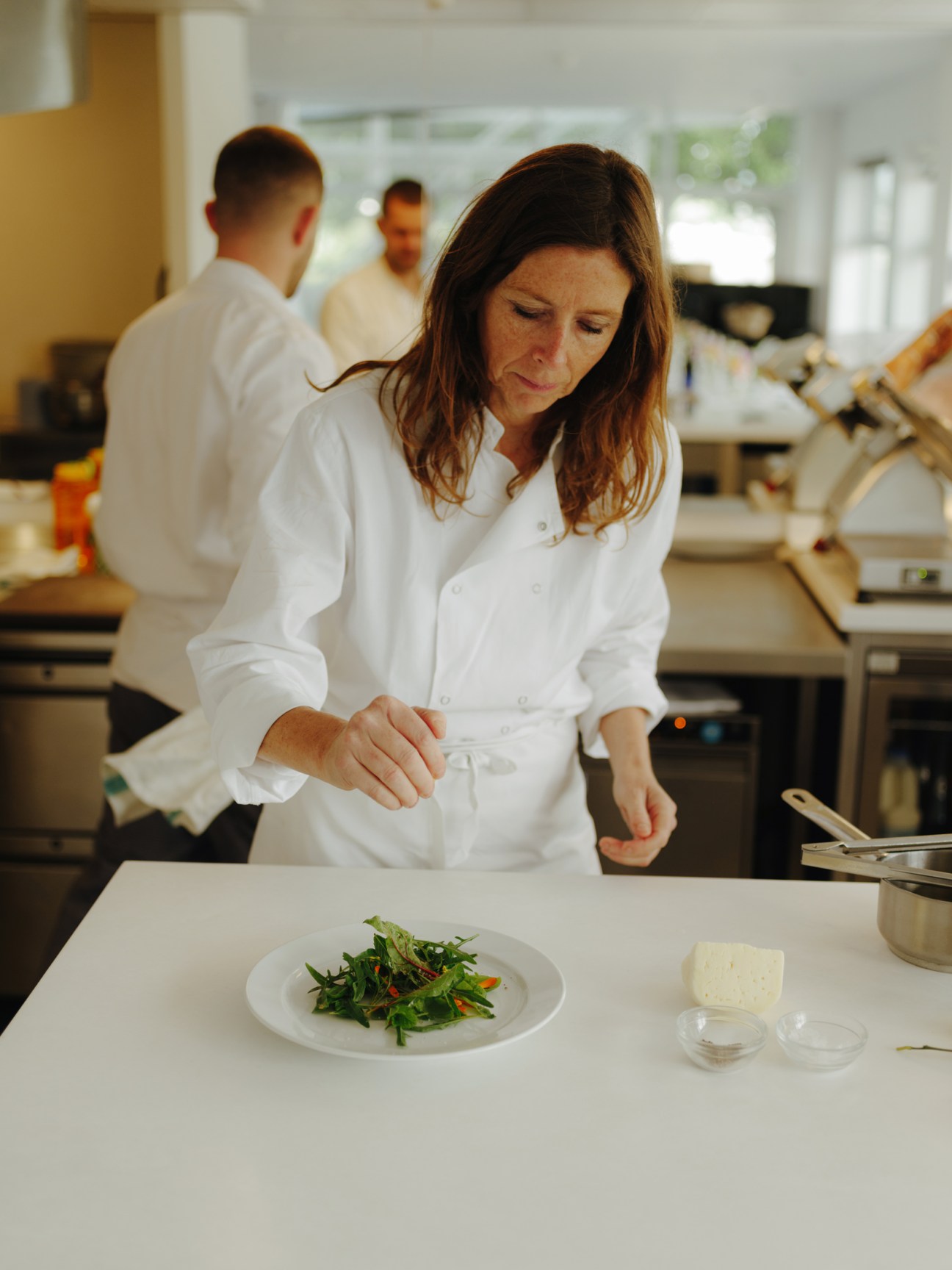
Everyone should have a go-to summer dish. Not something that demands you spend hours in a kitchen or searching the city for an elusive ingredient – but something that delights diners (and perhaps makes them a little envious). Nobody understands this better than Ruth Rogers, who helps us out here. At The River Café, her restaurant in London, her team, including Sian Wyn Owen (pictured) grows their own herbs and leaves – mint, rocket and courgette flowers all sprout here. “Today we picked them to make the salad,” says Rogers of this treat of broad beans topped with mozzarella di bufala and River Café greens. “Eating good food is comparable to seeing a piece of great art,” says Rogers. So what’s your go-to?
10.
Take care of your knees
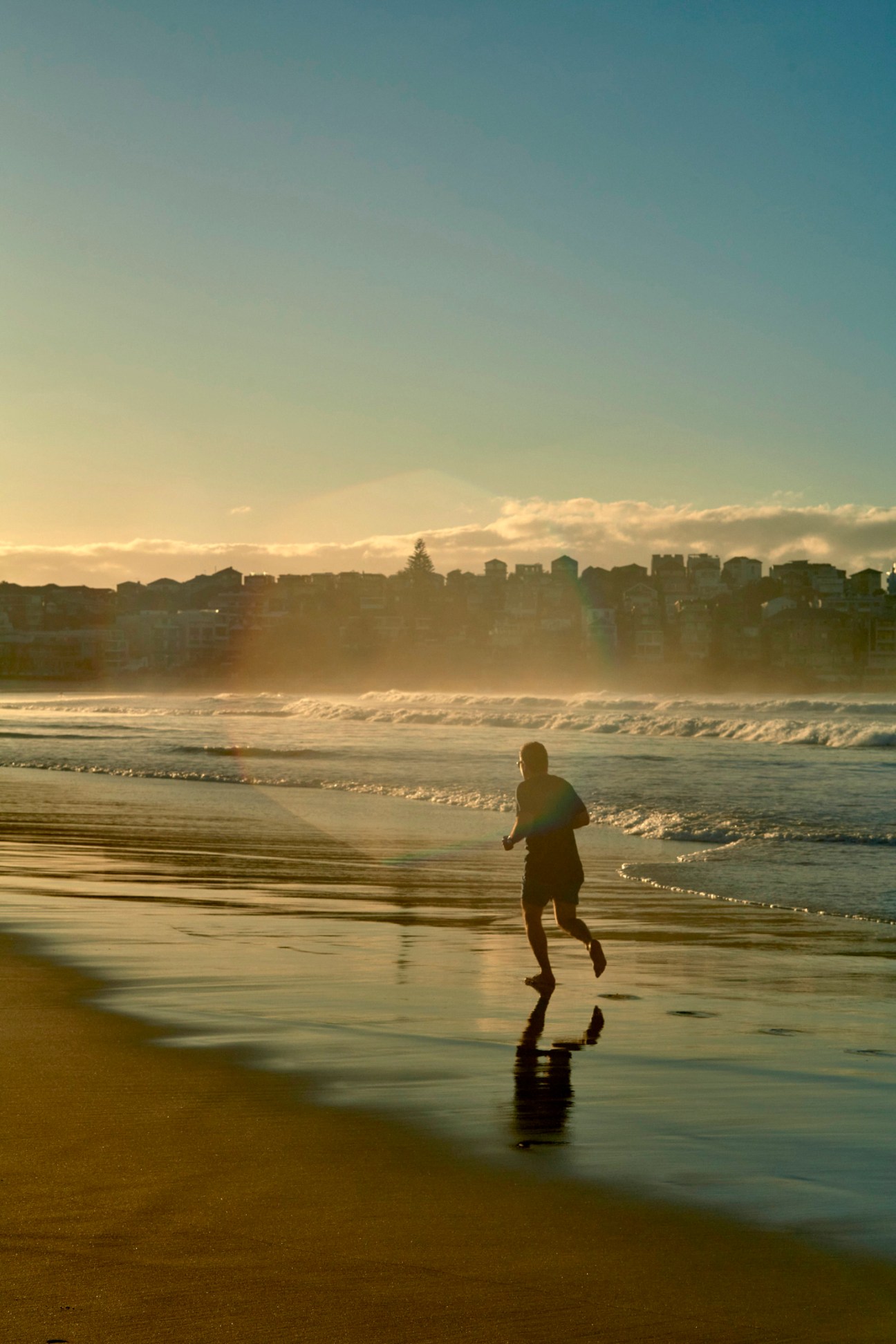
If it’s good for your knees, embrace it. The ability to meander for hours, to head out for a joyous run at dusk or dance till dawn is a beautiful thing. So do all you can to move with grace and ease – because once you start creaking you’ll yearn for that 5K dash, throwing some dance moves. What should you do to stay lithe? We asked Monocle’s (and Konfekt’s) favourite medic, Dr Vera Stucki, for some advice. Here’s her verdict.
“The good news first: even intensive sport does not harm the joints; the process of degeneration is not simply a question of the quantity of the impact. On the contrary, regular exercise and physical activity have a positive effect on the knee joints.
The secret to avoiding degenerative arthritis is simply mechanical: the hip, knee and ankle joints must be kept in their optimal axis. This is achieved through well-trained hip and femoral muscles, which stabilise and control the joints’ movements. Concave soft-shoe inner soles can exacerbate deviation of the axis; running shoes should balance out any deficits, so get some advice.
A Mediterranean diet rich in omega-3 fatty acids can have a positive effect on inflammatory processes and help prevent obesity. So far, there is no evidence that any dietary supplements can regenerate the cartilage layer. Most important: invest in strengthening your muscles and never stop moving.”
Thanks Dr Stucki!
11.
Help out
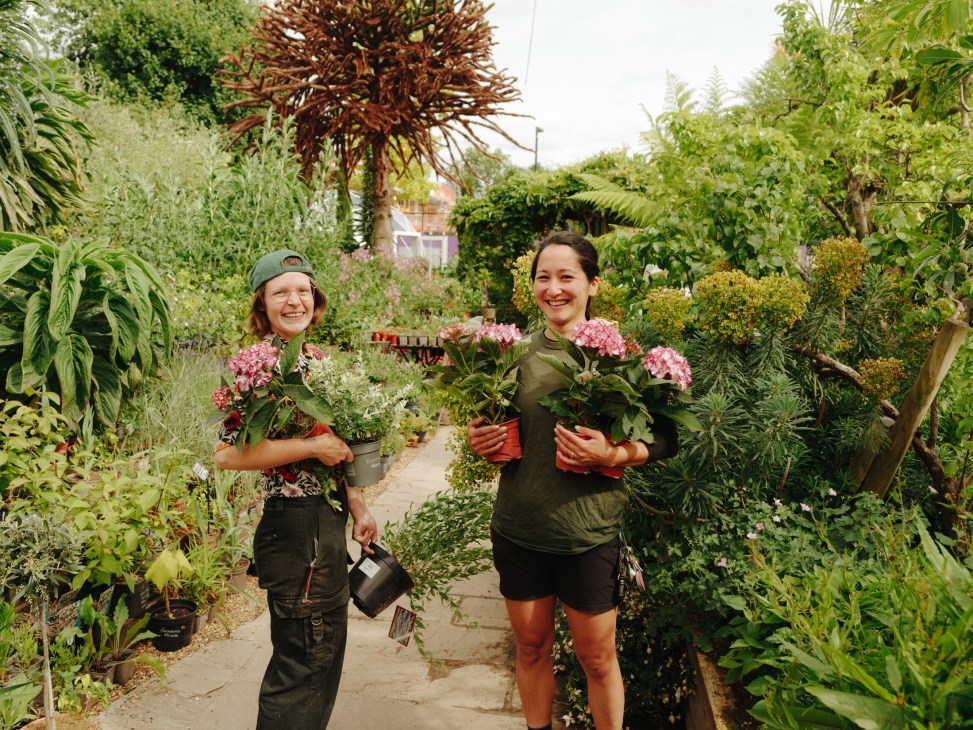
It is said that the happiness you gain from giving is more meaningful than any instant gratification could ever be. Moral superiority is never in vogue but an appreciation for a sense of purpose, social connection and helping a cause greater than yourself can do wonders for your morale. In London, Walworth Garden, an organic community garden, operating for more than 30 years, is always looking for volunteers. And from participating in workshops to planting herbs, there’s a lot that horticulture enthusiasts can do to lend a green hand. But you don’t need a special occasion; just be the kind of person who offers their hand.
12.
Jump
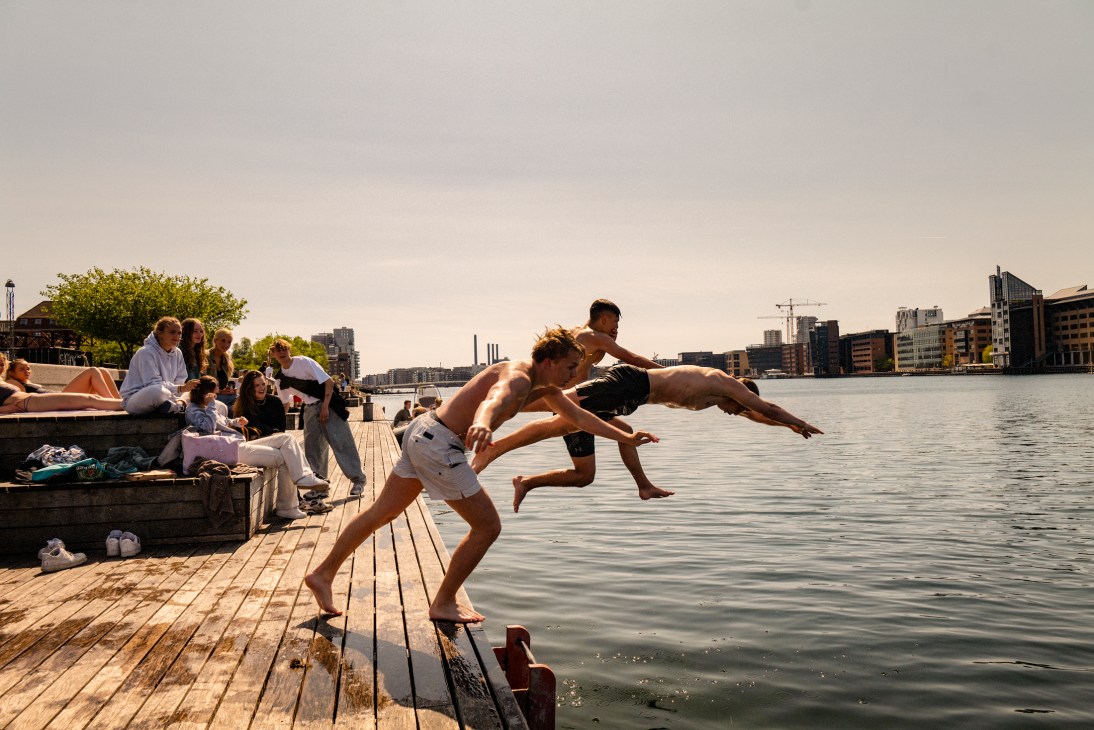
It doesn’t need to involve a bungee or a mad leap into unknown waters (breaking a limb is never a great addition to your quality of life) but jumping into a lake, off the end of a pier or the edge of a boat is good for the soul. Too often we dither and ease ourselves into the chilly sea. But sometimes it’s better to let out a scream, a mad holler, and just go for it. While we might not have the skills of the divers who leap from Pigeon Rocks in Beirut, the Monocle posse has been seen leaping into the sea along the coast at Sporting Club. But whether from a Copenhagen dockside (pictured) or Greek-isle-anchored cruiser, take a leap (with care) this summer.
13.
Have big-screen nights
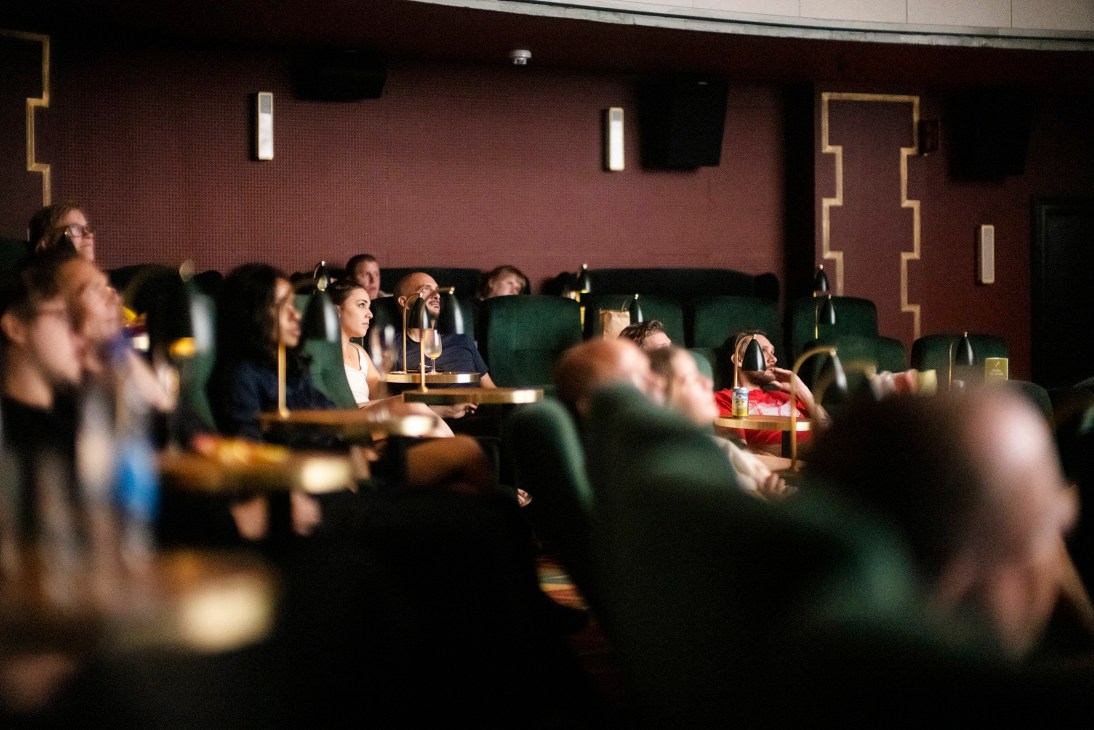
We’ve all spent way too much time scrolling through endless lists of titles on a streaming service for our own good. An evening at the cinema is a simple way to achieve many joys at once. Whether you’re going on your own, with friends or a new date, making the deliberate choice to get yourself a ticket and bucket of popcorn will always turn casual viewing into a memorable occasion. There’s something supremely comforting about knowing that you can rely on a small cinema with solid programming to pick up the independent films that would otherwise slip past unnoticed. Once the lights go out and the mobile phone gets switched off, the world outside disappears for a bit. Being surrounded by people who laugh (and cry) at the same time as you provides the quickest and most powerful shortcut to a sense of community – and it never fails to ignite a childlike wonder. If the set-up is complete with plush velvet chairs, brass side tables and a grand hall, just like Stockholm’s Capitol Bio (pictured), then it’ll be impossible to resist the pull of the big screen.
apitolbio.se
14.
Have a party trick
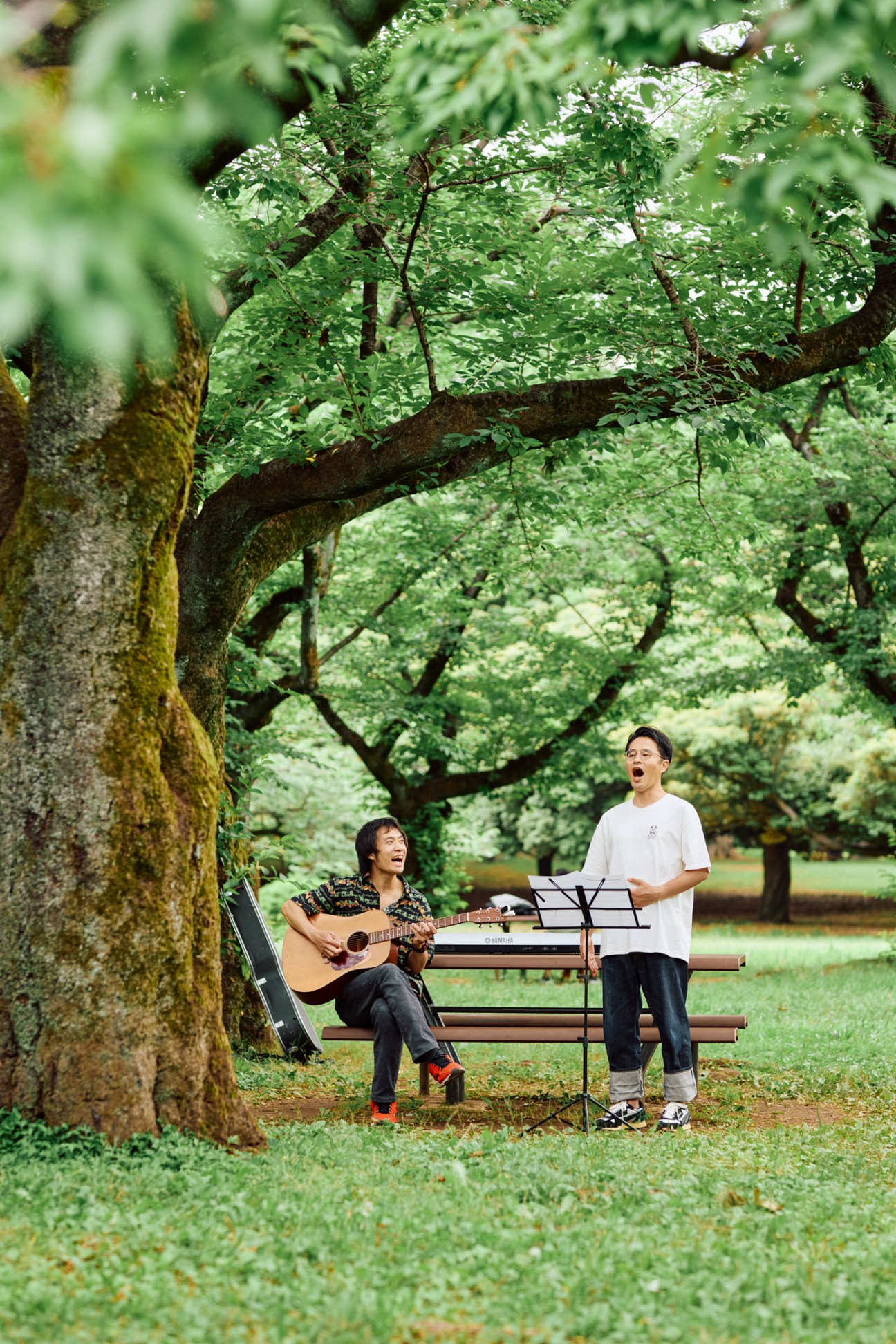
Whether it’s dinner at someone’s house or a picnic in the park, a delicious cup of coffee or homemade family dish, there are lots of ways to entertain a party – but singing a big song is perhaps a more surprising trick. Look no further than Japan, the karaoke kingdom, for professional instructors who help you polish your skills. Kazuhide Kinoshita (pictured, on left), a singer-songwriter and composer at Clip Music in Tokyo, does exactly that, giving lessons to everyone from businessmen and women who hope to impress their clients to parents who want to sing at their children’s weddings. Even Buddhist monks come to him for voice training to chant the long sutras. No need to pull a rabbit out of a hat. Just sing!
15.
Take a long walk
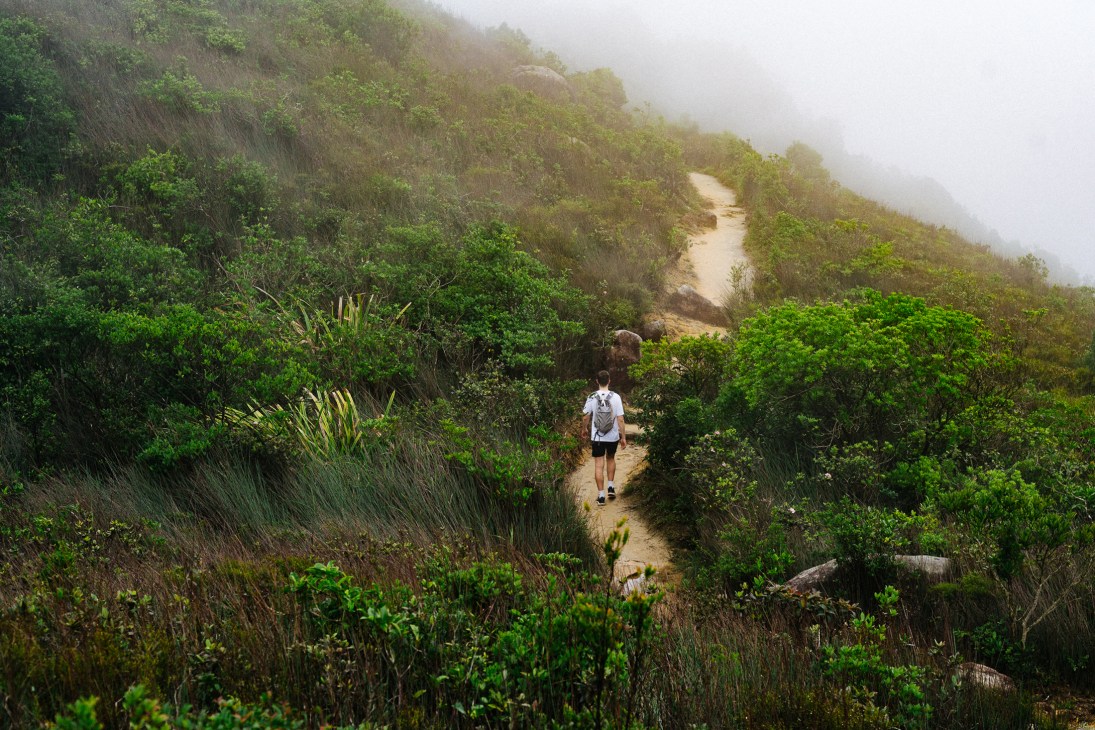

Hiking might be what everyone is calling it nowadays but don’t be put off by the lofty nomenclature. A long walk can be as simple or strenuous as you want to make it, from city strolls along the river and rambles through the countryside to an alternative commute, such as the one taken by James Chambers, our Hong Kong bureau chief (pictured), that cuts across the mountains. Not every step needs to be mapped out (in fact, ditch the map) and there’s no need to get carried away with expensive kit. Long walks make for good conversations and we find that they work particularly well as a digestif. Get the most out of this change of scenery by leaving the tracking gadgets behind and be sure to share a friendly greeting with any fellow walkers you pass along the way.
16.
See friends
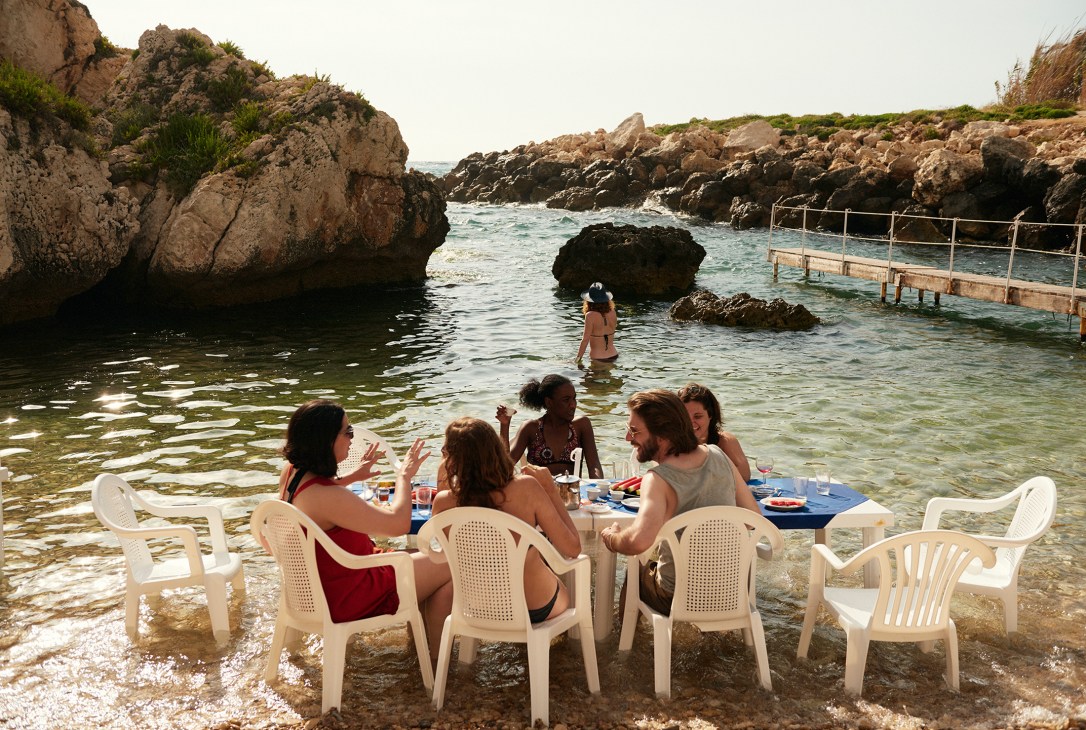
Having your own back only goes so far. At the end of the day, there’s nothing like being able to rely on someone – and knowing that they can count on you too. Studies show that spending time with friends can enhance your mood, boost happiness levels and reduces stress (we’re talking about the real deal here by the way, not social media). Most people are constantly being bombarded with emails and texts. But how often do you take the time to see someone face to face? “Interestingly, friendships appear to be most important for those that are the most vulnerable in society – those who have risk factors for poorer health and well-being,” says Bill Chopik, a professor of psychology at Michigan State University, who specialises in personal relationships. “In this way, having more and better-quality friendships is something that can improve nearly everyone’s lives.” So make plans to see old friends this summer. Go for that drink or dinner you’ve been meaning to set up. In the grand scheme of things, taking the time will do you some good.
17.
Befriend a gallerist
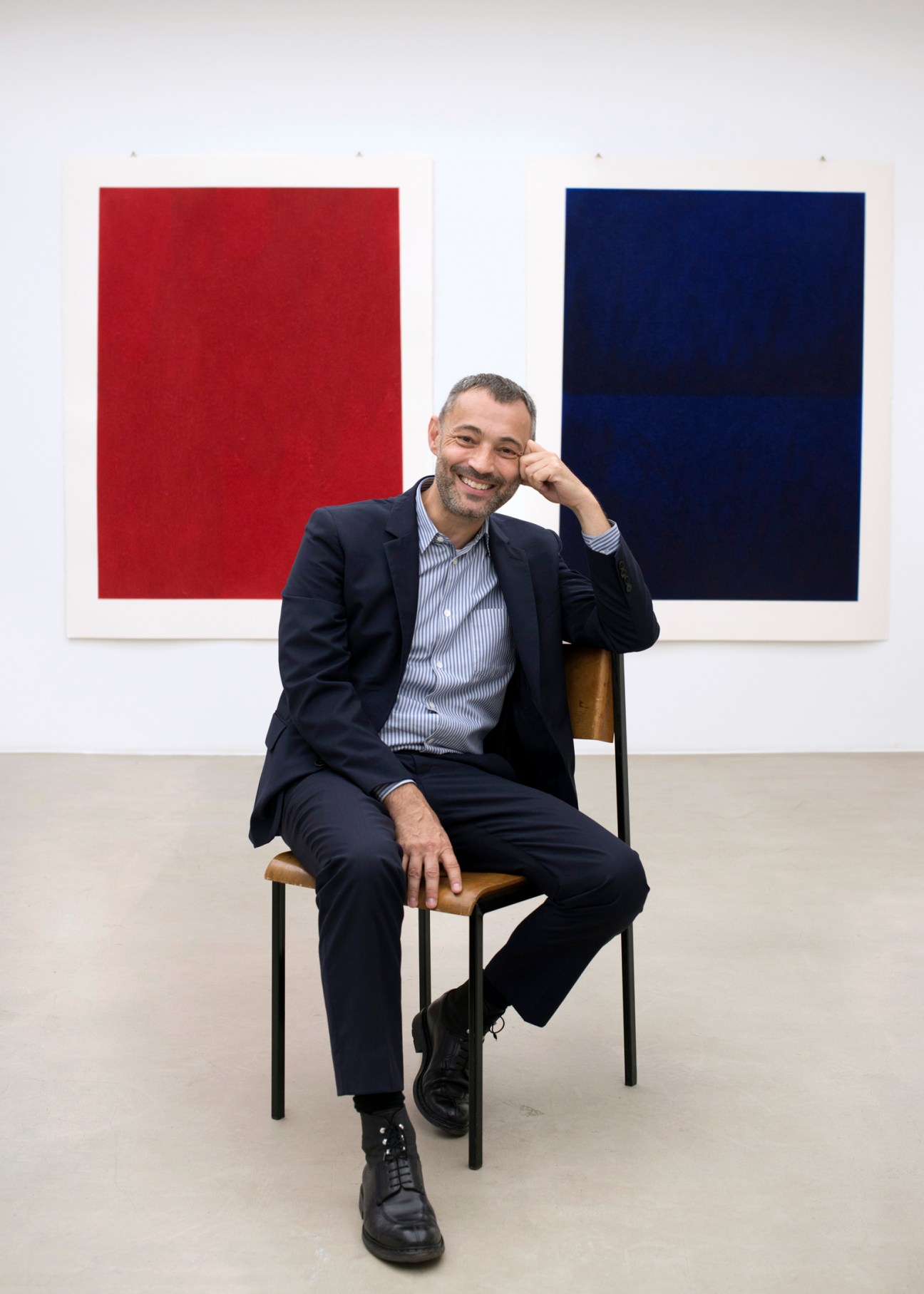
Buying a work of art to hang in your living room is a fulfilling way to make your home feel as though it really is an expression of your taste. But it can also be an intimidating prospect if you’ve not been hanging out at trade fairs or at vernissages for half your life. That’s why having a gallerist for a friend to help you navigate the intricacies of the art world can change everything (and dispel a few myths about what everything “means” with down-to-earth conversations too). At his gallery in Paris’s Le Marais, Jérôme Poggi (pictured) takes his time to talk and patiently explain his artists’ work to whoever comes in – and he might stick around for a post-meeting glass of wine. “Friendship is at the core of art,” he says. “I can say that the most engaged collectors in the galleries are real friends, in the most noble meaning of the word: we are sincere, faithful, intimate in our relationship to art. We are sharing something very personal.”
galeriepoggi.com
18.
Find your shady spot
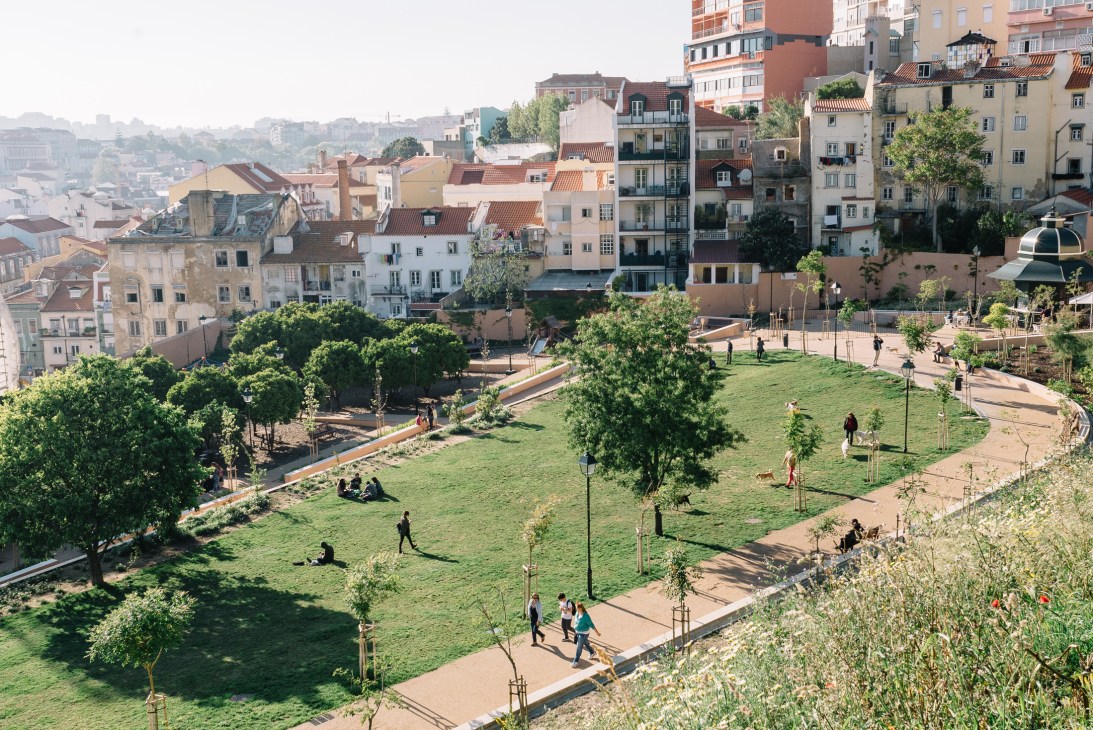
Anyone can benefit from spending a little time in the shade. In need of a good spot? Try Lisbon. The Portuguese capital is known for its sunny disposition and it also has a healthy tree canopy providing much-needed cover. The urban heat island effect is rare in Lisbon as it boasts more than 90 parks and gardens, community tree-planting programmes and a new project called Life Lungs that is reseeding some of its wilder spots. Ensuring that neighbourhoods have shade and greenery is crucial to making resilient cities. Plus, it makes for a pretty view – just stroll down Avenida da Liberdade when the jacaranda trees are in full bloom to see it for yourself.
19.
Get it repaired
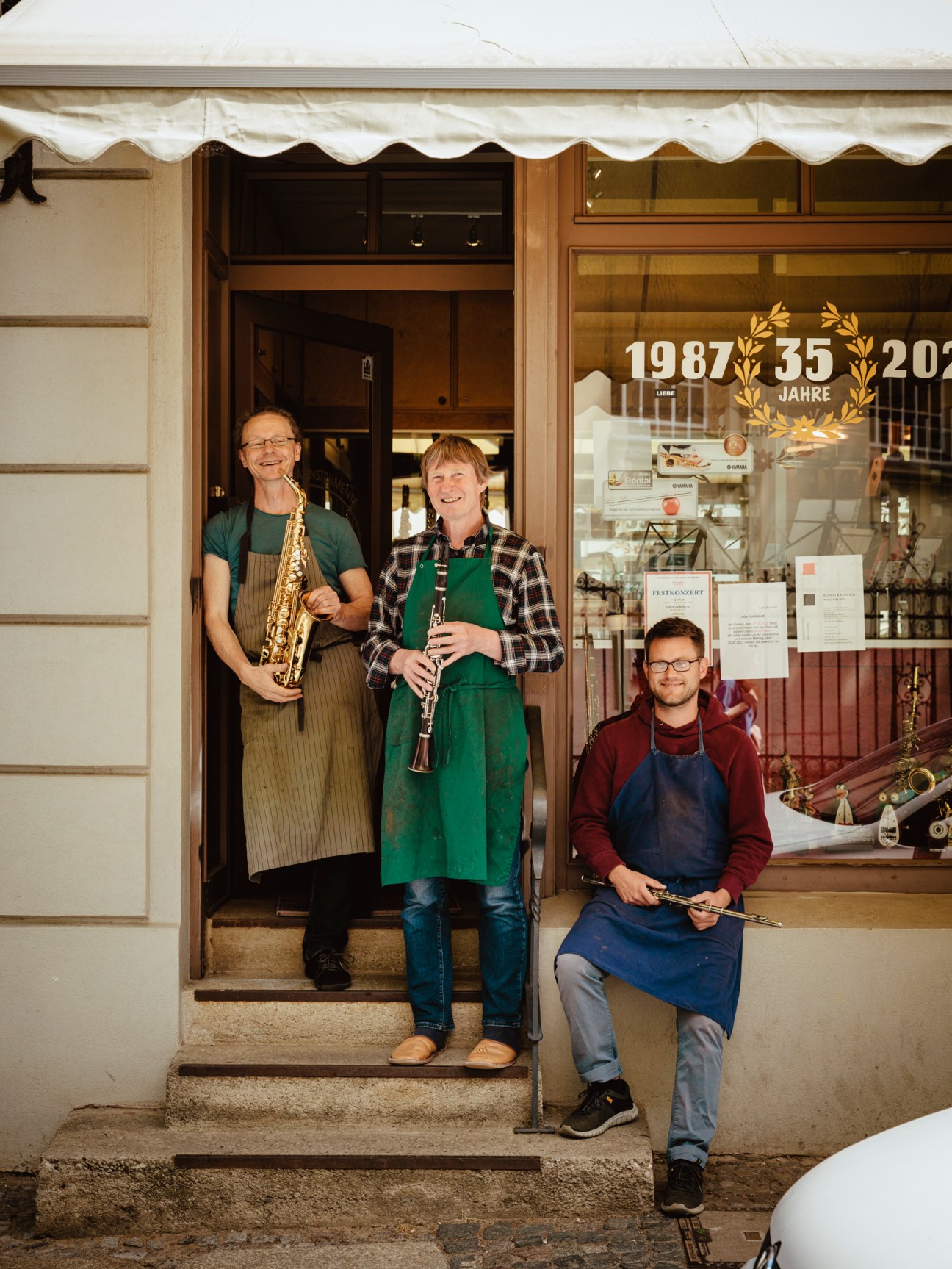
As cool shops come and go, it’s the people who know how to create things last that make the difference. In Berlin, Mitte’s savvy residents have long understood that every neighbourhood needs a good repairman (or woman). From clarinet technician Boris Schoenherr (pictured, right) to furniture fixer Artur Drozd (pictured, below), the district is teeming with shopkeepers who specialise in making old objects new again. In his workshop, trainer repairman Hagen Matuszak fixes 400 to 500 pairs of shoes every month – nearly all of them everyday footwear items. The son of a cobbler, Matuszak (pictured, below right) worked as a shoe-maker in Zürich before opening Sneaker Rescue in 2018 to focus on sustainability. “What I do isn’t extraordinary but my work is meaningful,” he says. “There are thousands of creative agencies in Berlin but cobblers are a dying trade.”
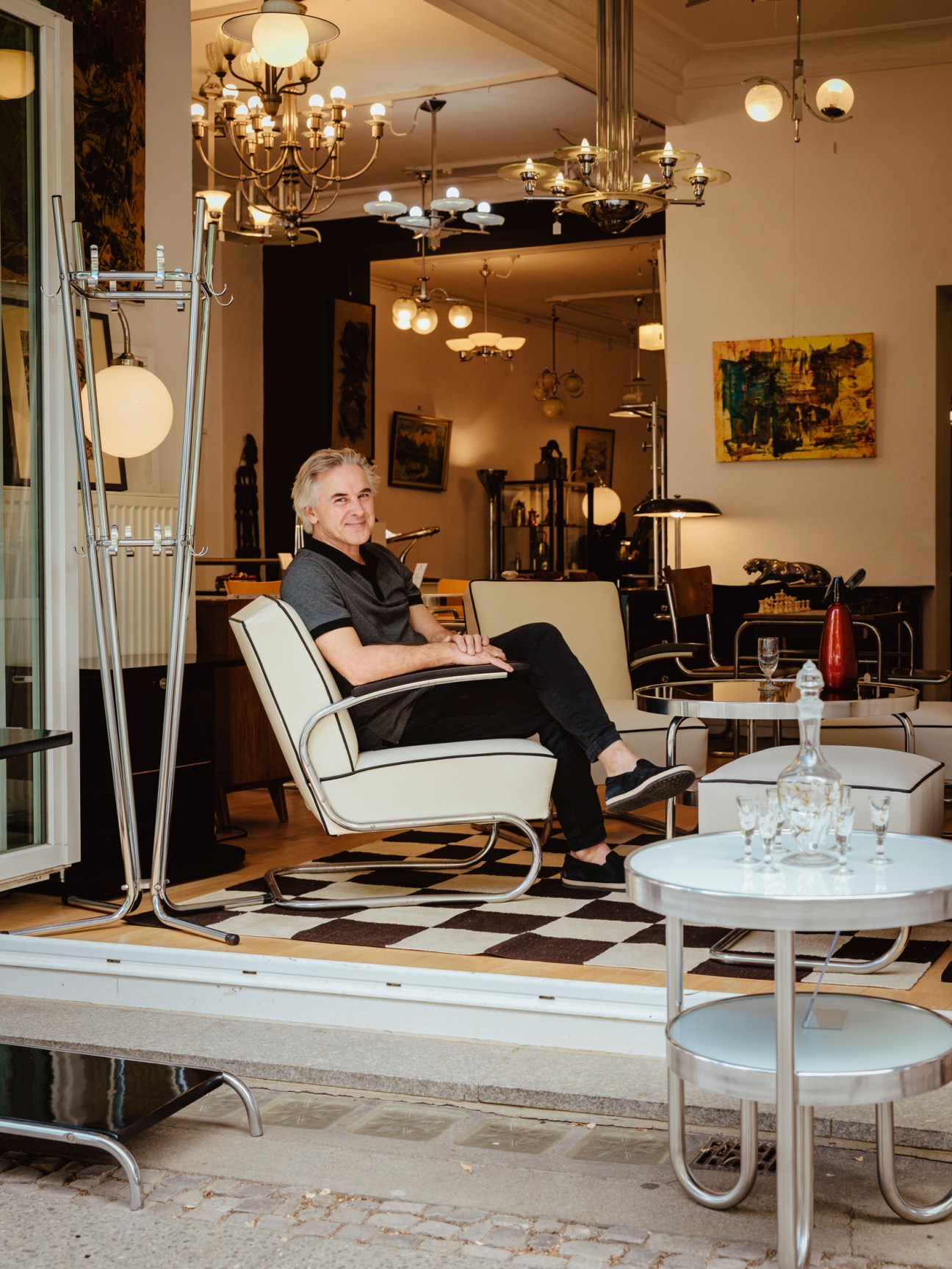
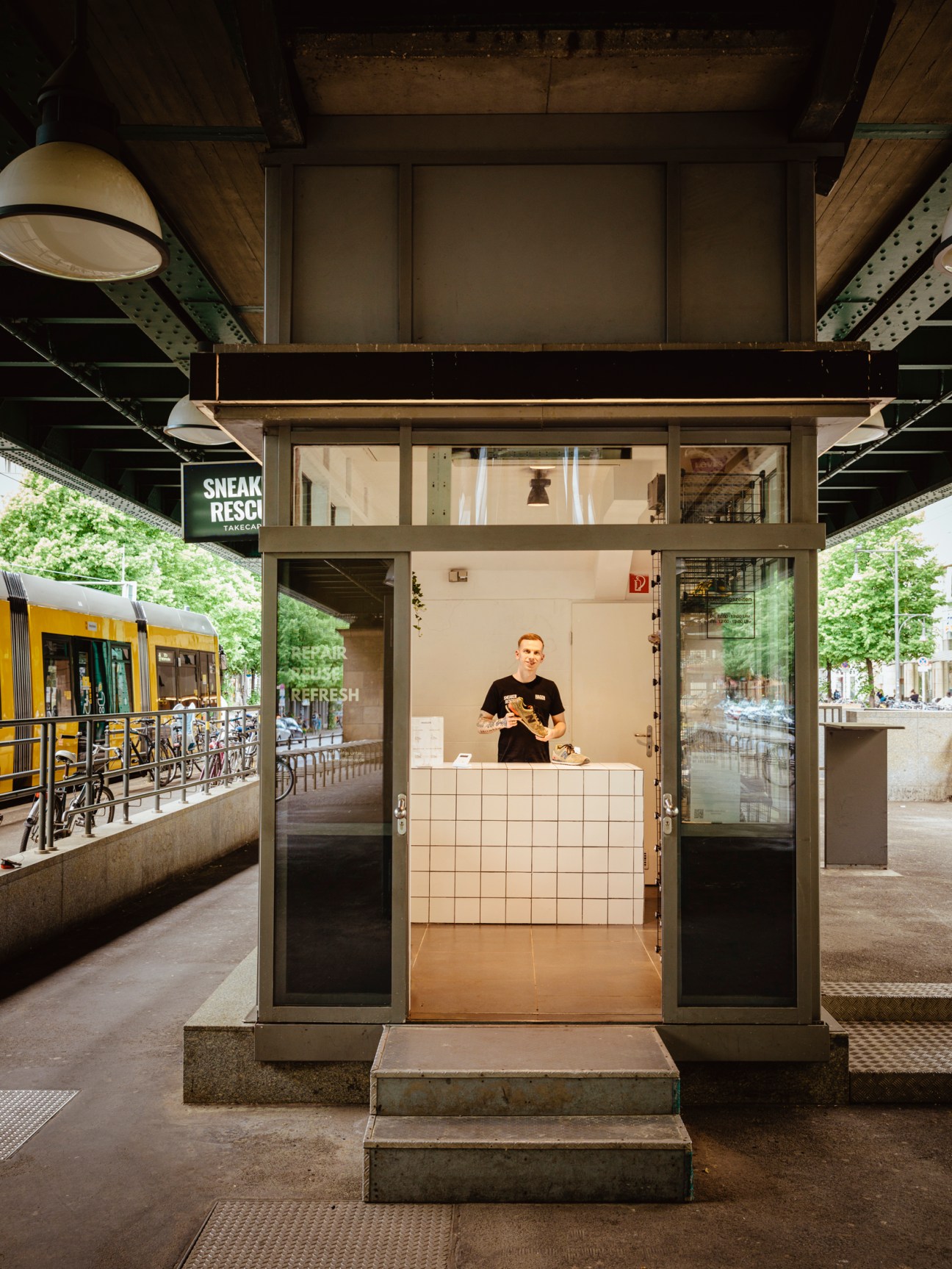
20.
Own a dog
Come on – by now you must have noticed that Monocle is pro-hound. You’ll find the handsomest mutts lingering with their owners outside our café in Zürich and curled up under editors’ desks in London and Tokyo. (We are just as fond of donkeys and goats but have found that they are less office-friendly – the goat kept climbing on the desks). The reasons for owning a dog are simple: they change the mood, turn the sternest of folk into softies and offer loyalty and kindness when you need it most. Featured here are a couple of our favourite friends (with four legs), Luna and Macy.
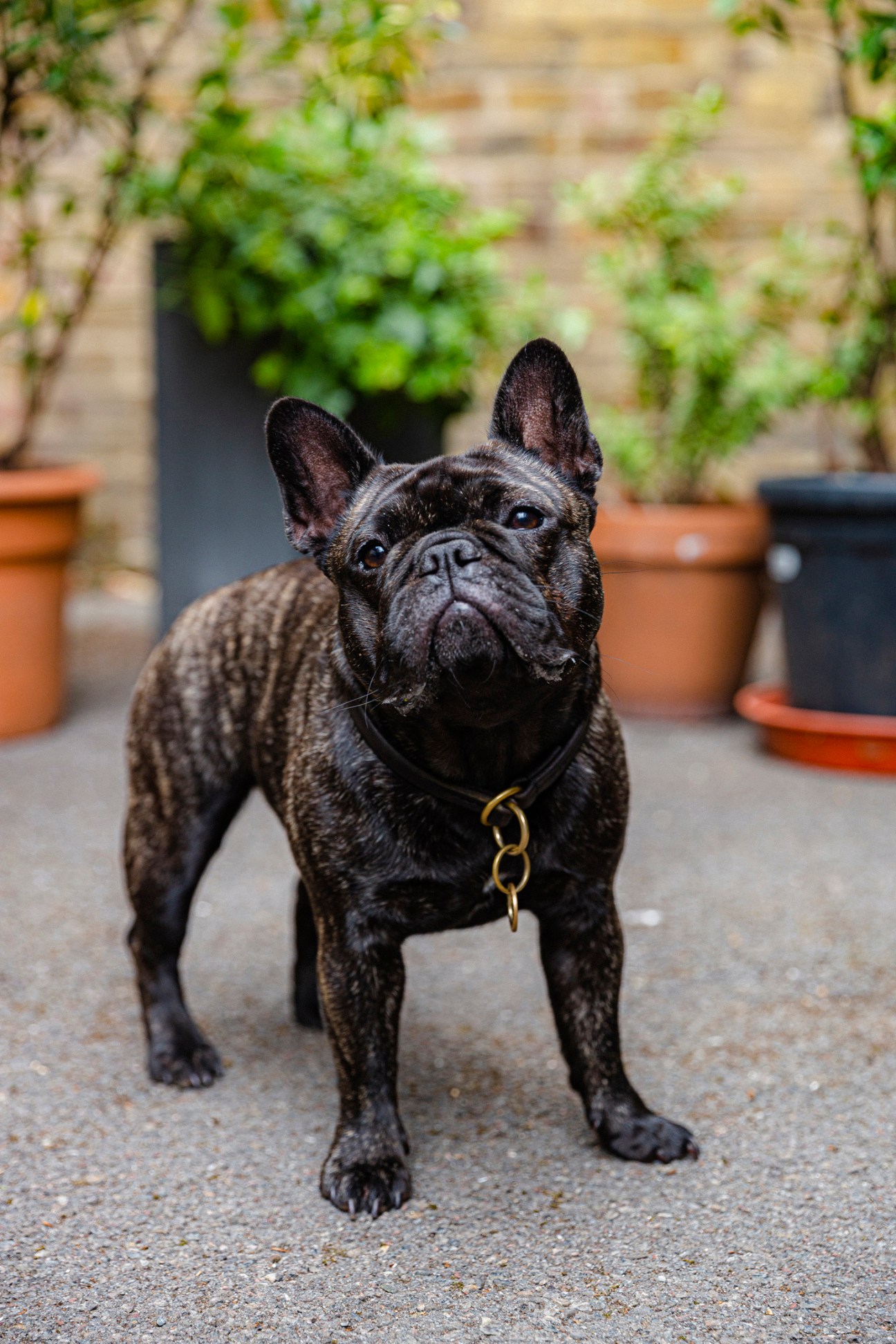
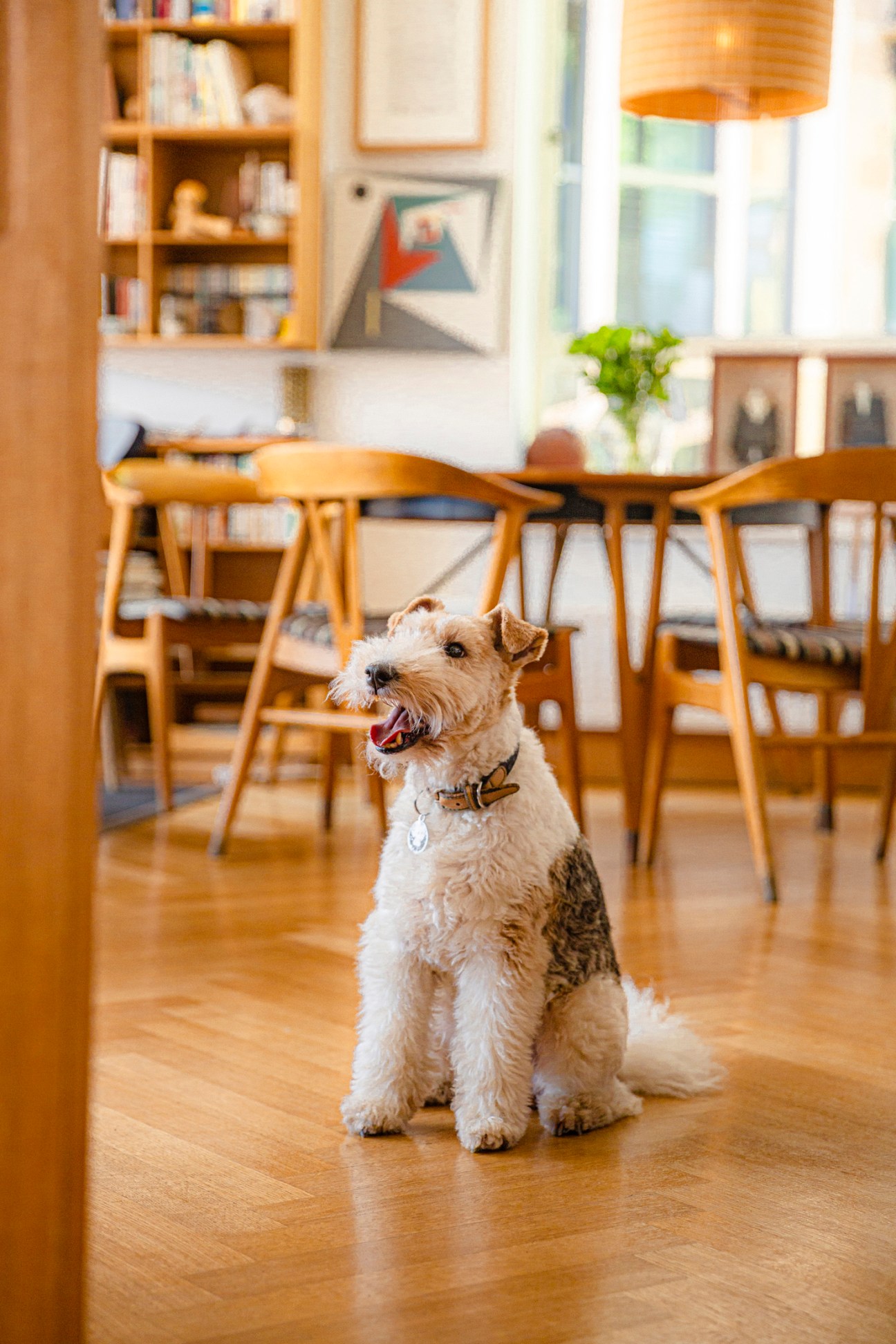
21.
Grow your own
No one should be afraid of change: as the seasons come and go, we all need a little room to grow (and yes, we mean that in the literal sense too). Milan-based architecture firm Piuarch, which in 2015 built a vegetable garden on the roof of its office, knows and understands this well. After all, urban agriculture has always been central to the Milanese experience. “We grew up eating the cherry tomatoes that our mothers planted on their balconies,” says principal architect Francesco Fresa. “So it was nice to bring back a part of our culture that we had lost.” Fresa believes that Piuarch’s garden could start a broader trend in cities around the world. In 2021 he devised a scheme to help potential rooftop urban gardeners follow his firm’s lead. In that spirit, we urge you to find your own patch this summer. Plant something and watch it bud. Come autumn, you might already be reaping the rewards.
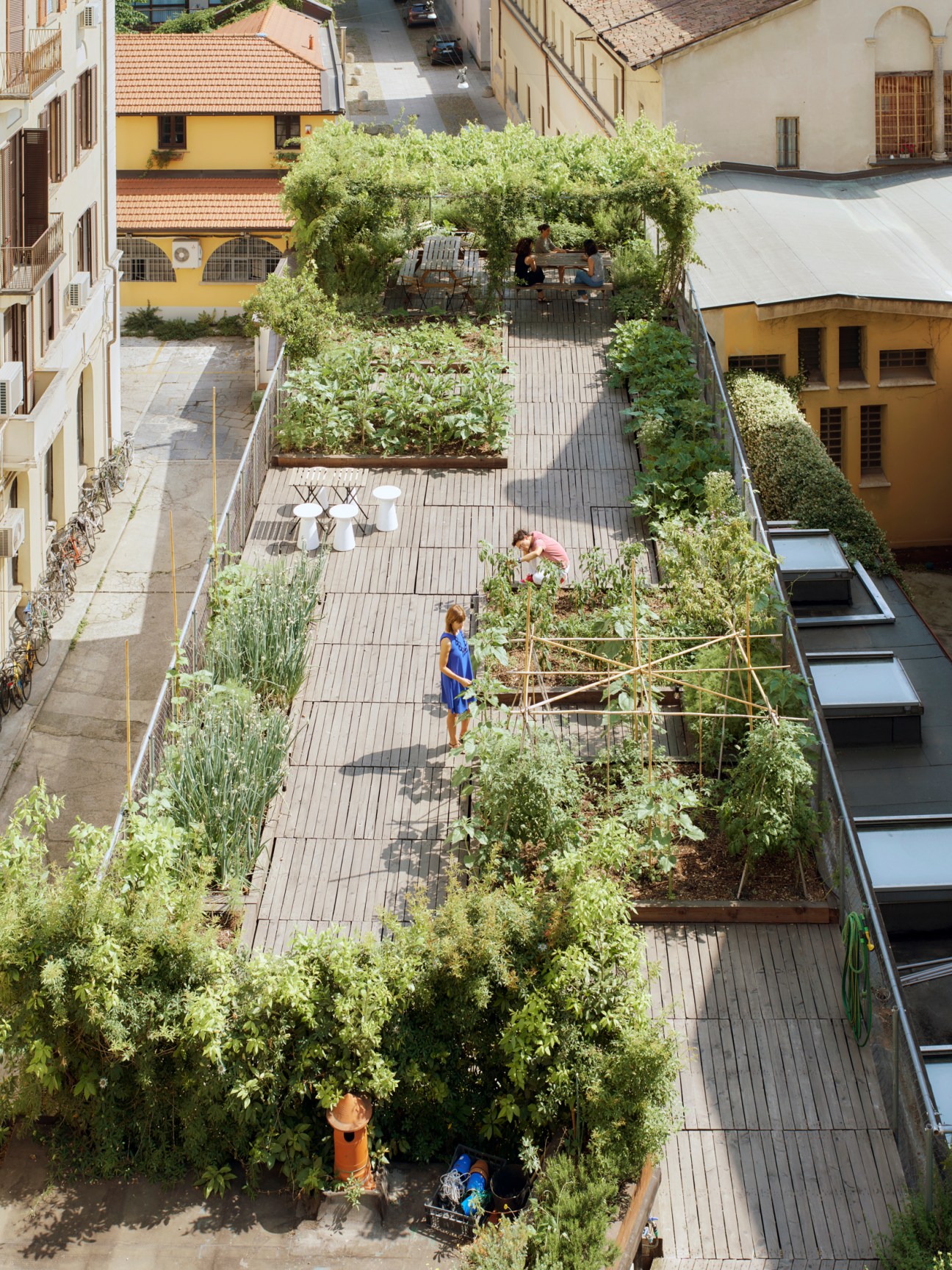
22.
Write a diary
The simple act of filling a notebook with your scrawl makes the day clearer and resets priorities. But more than that, it’s there when you need to remember the name of that place by the lake where you met, the thrill you felt when you opened the door for the first time, what it was like when they were no longer here. A diary is not about dates and events, it’s about catching a snapshot of who you are every day, committing it to ink and paper. Making the fleeting, well, less fleeting. So start today; soon the task will become a habit – and then a pleasure.
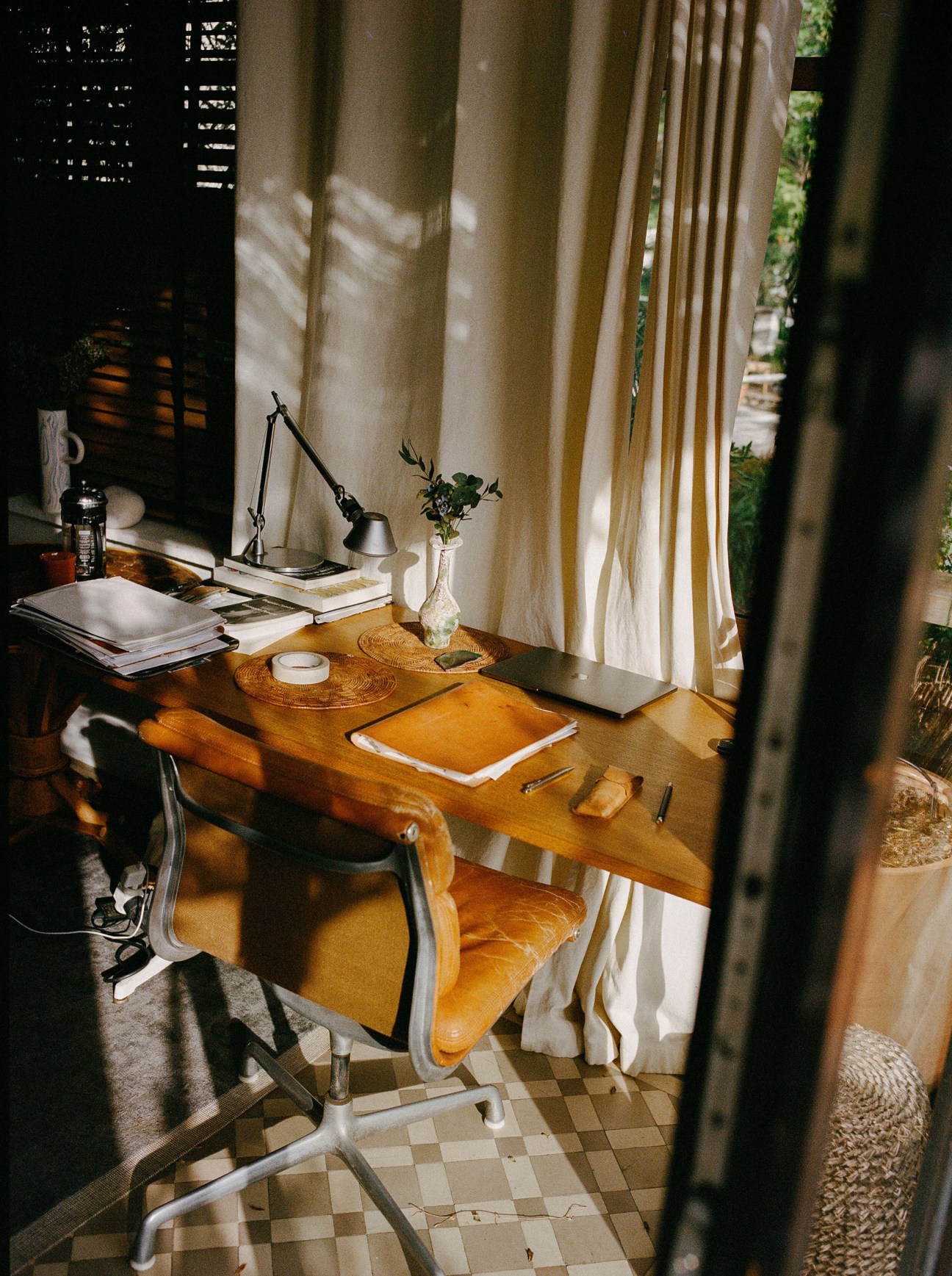
23.
Drink a summery rosé
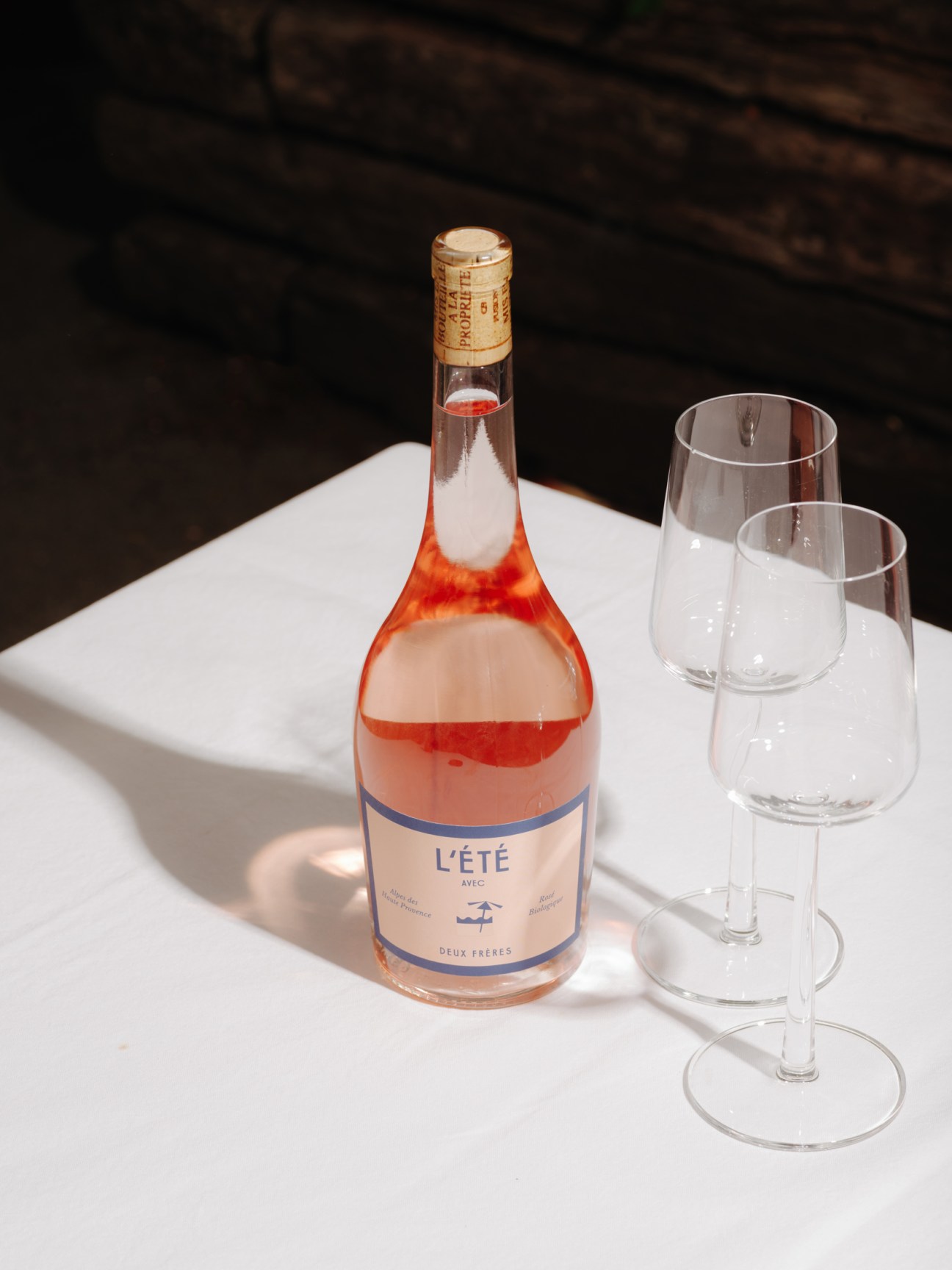
Whether on a sun-soaked patio or a terrace, a glass of rosé tends to hit the spot. The ideal blend should be crisp and snappy; something that lasts on your palate. According to our resident wine expert, Chandra Kurt, L’été avec Deux Frères, the latest release from Swiss wine-makers Florian and Gian Grundböck, ticks all the boxes. A blend of grenache, syrah and other white-grape varieties, the wine conjures up the feeling of an afternoon spent in the sun. That’s because crafting that mood was essential to the brothers’ creative process. “For me, a good rosé should taste like summer,” says Gian Grundböck.
24.
Get lost in a book
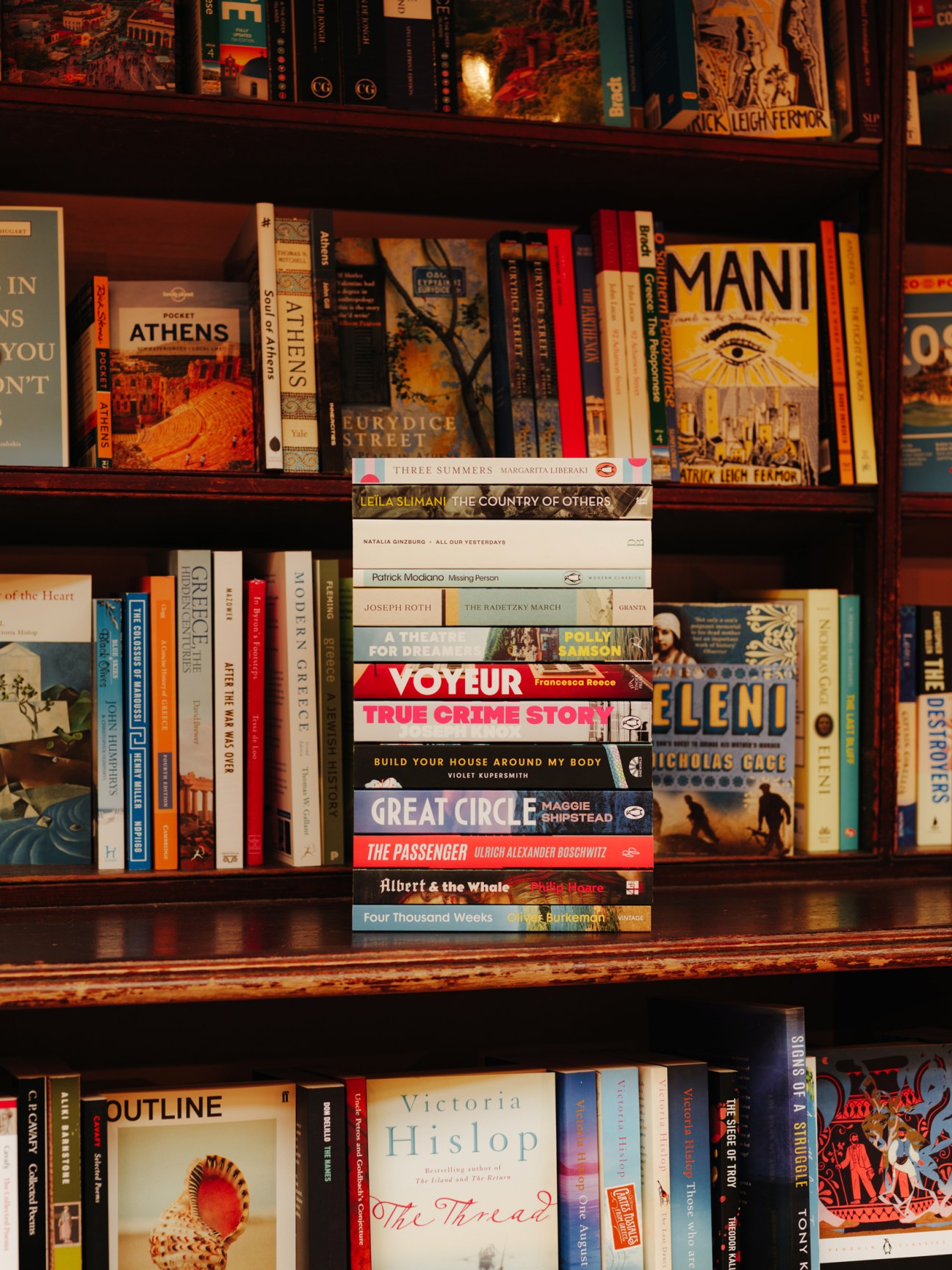
Having a bookseller like Jack Rollo to hand can transform your approach to beach reading. He navigates the shelves at our London neighbour Daunt Books and when he dispenses advice, it quickly becomes clear that he has an astonishing ability to find you the perfect read. We tasked him with picking a haul of books for summer, when you need chilling poolside thrillers, sunny short stories and smart non-fiction. Long afternoons on the lounger are also when you finally have time to tackle hefty classics. Here’s what he’s come up with to respond to our demands: something tropical, a bit magical realist? That’ll be Violet Kupersmith’s Build Your House Around My Body. A forgotten 1940s European noir? Take your pick between Patrick Modiano’s Missing Person and Ulrich Alexander Boschwitz’s The Passenger. There’s an aquatic-themed look at art history, the tale of a fearless aviator and scorching Mediterranean coming-of-age stories in our stack (pictured). Take your pick – or pack them all.
25.
Take the slow train
Before bullet trains and domestic air travel became commonplace, Japanese travellers used to cross the country by sleeper train. These days, sleepers have all but disappeared but for a more stately view of Japan, we recommend an overnight trip on the Sunrise Express. It leaves Tokyo Station daily at 22.00 and heads west to Okayama, which is more than 500km away, pulling in at 06.27. There are a variety of sleeping arrangements, from the open-plan nobinobi compartment (good for heavy sleepers) to a single deluxe cabin. The Sunrise is no Orient Express – expect a shower cubicle and vending machines – but clean functionalism is something that Japan does well and travellers load up with snacks and bento boxes before they board. Once in your private cabin, you can slip into the yukata cotton robe and slippers, switch off the light and enjoy the nightscape unfolding before your eyes. One piece of advice: travel light because there isn’t room in the cabin for a chunky suitcase. Oh, and enjoy the journey.