Issues
State of the arts
1.
Venues
Singapore Art Museum
Singapore
The main 19th-century building of the Singapore Art Museum might be undergoing a sizeable sg$90m (€60m) makeover but the institution isn’t staying idle while it waits for the doors to re-open in 2026. Given its ambitions to become a testing ground for southeast Asian contemporary art, the museum recently opened a new outpost inside a less conventional venue: a logistics warehouse. The large, high-ceilinged building is in the historic Tanjong Pagar Terminal, a maritime precinct that has long served as Singapore’s busy cargo port.
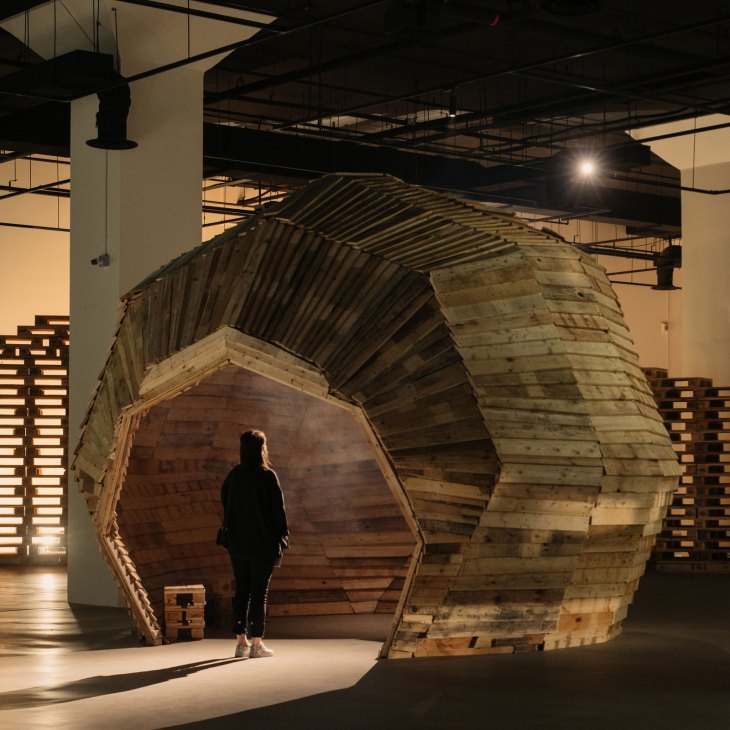
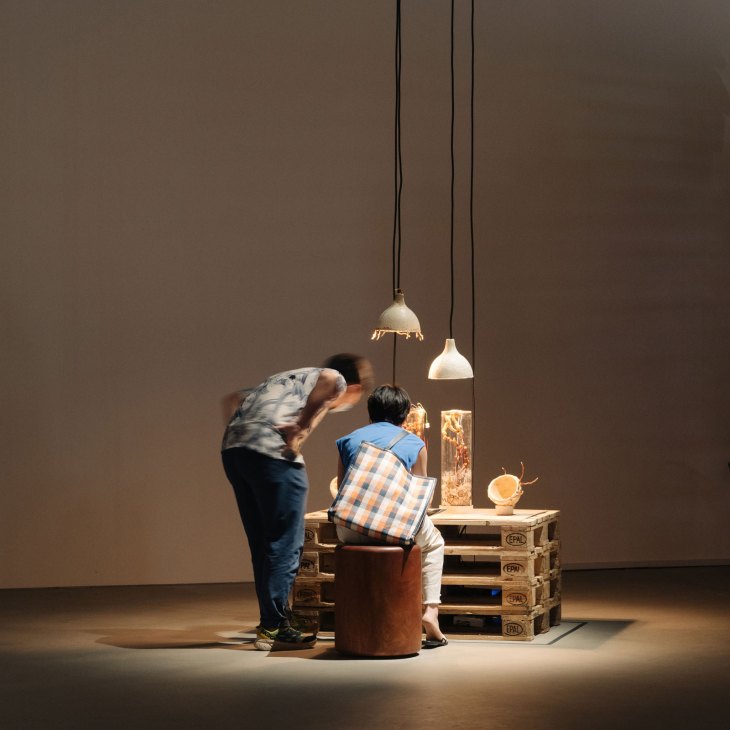
The idea is to create surprising artistic interventions; the museum wants to eventually become a “disappearing” institution. Instead of bringing visitors exclusively to its main venue, it is venturing into everyday spots, challenging the idea that art belongs only in a white cube. “Opening a new art space in Tanjong Pagar Distripark is part of our plan to take art into unexpected places,” says June Yap, director of curatorial and collections.
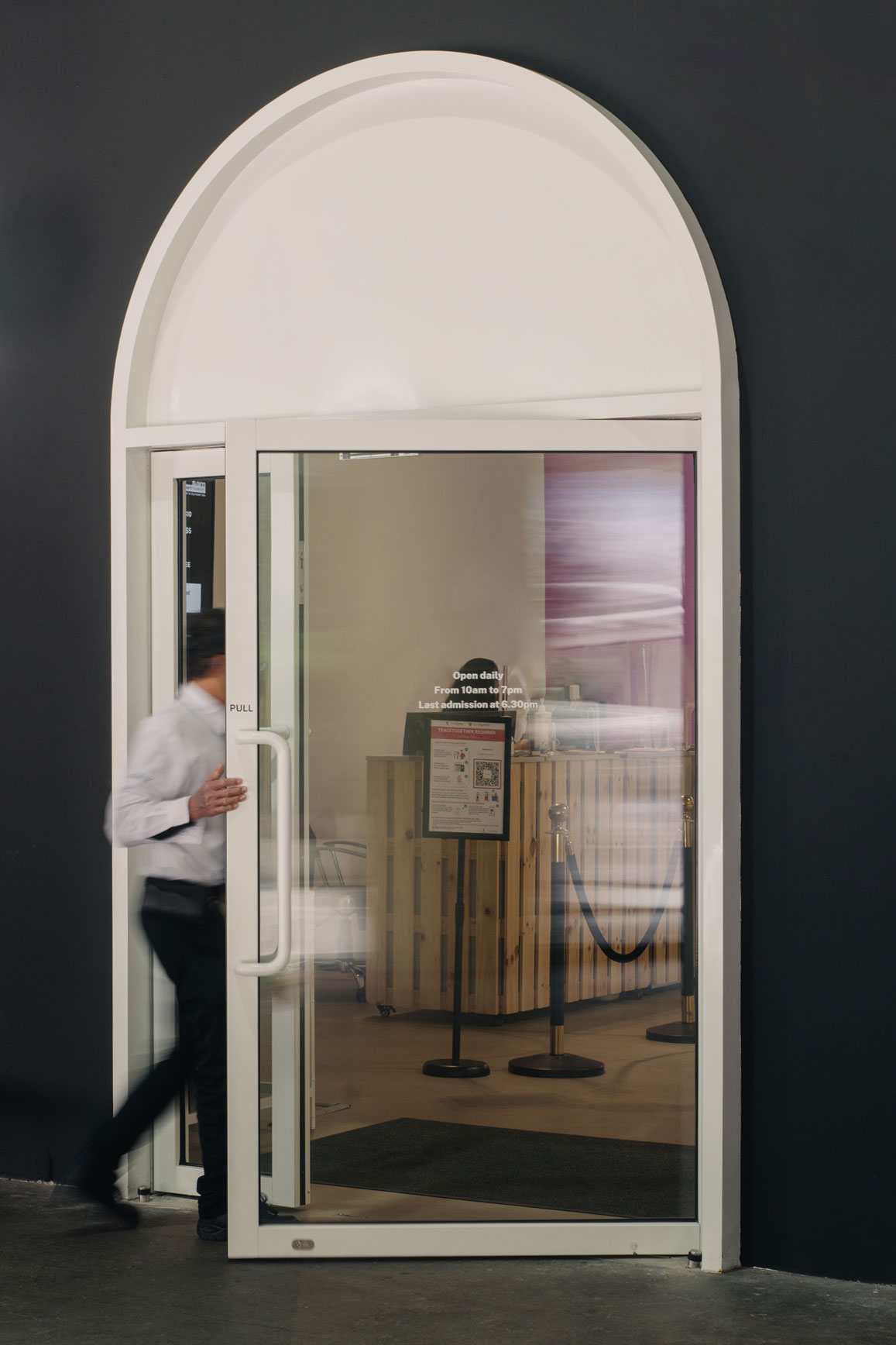
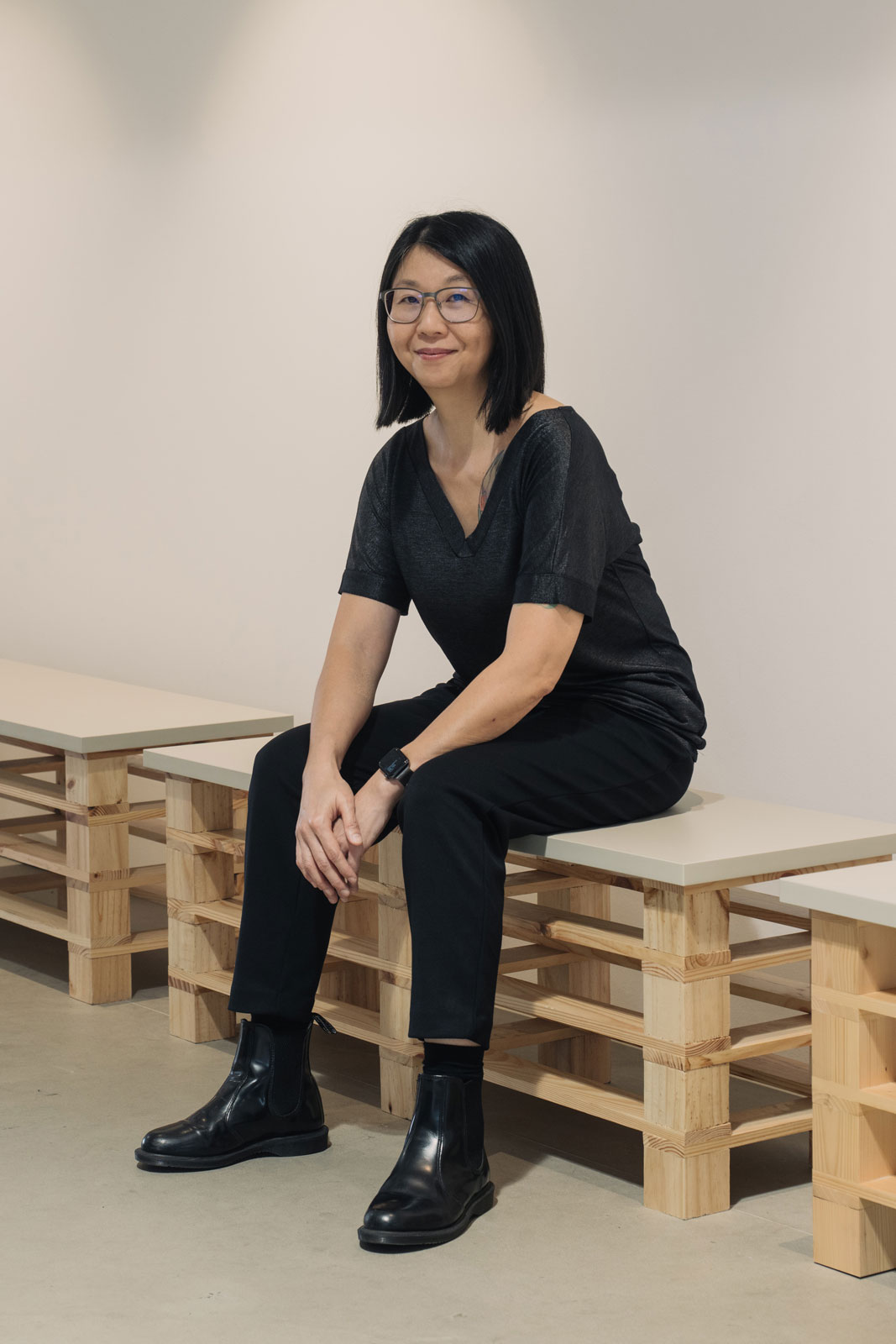
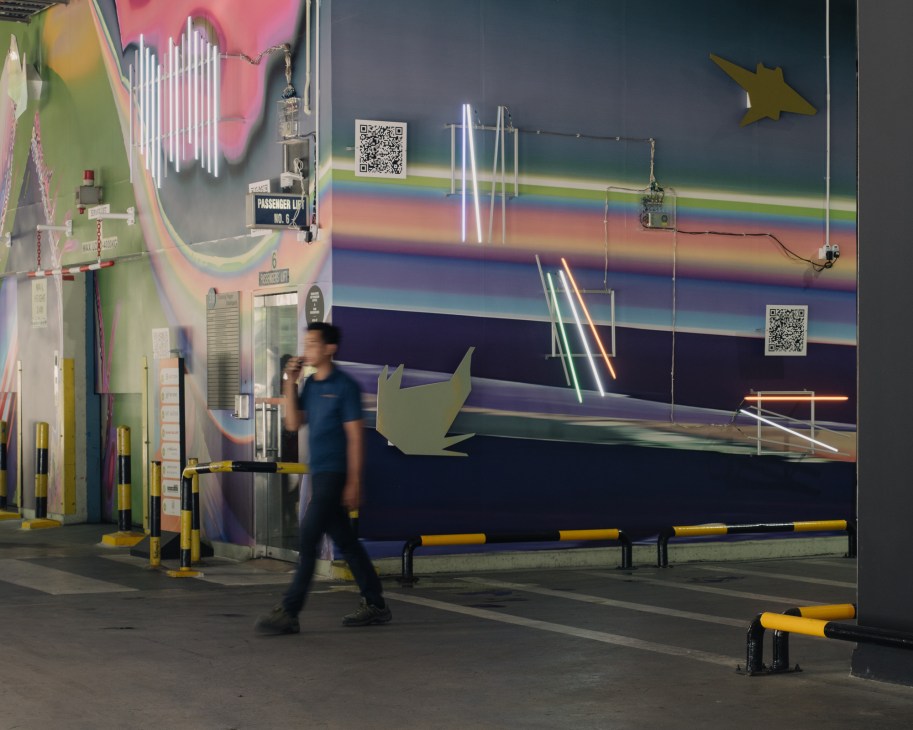
Its current exhibition, Lonely Vectors, is also proof of this mission: the multi-site show focuses on the flow of bodies and labour in the global economy and has been set up across unusual locations, from neighbourhood libraries to the hoardings around the museum’s original site. “Works of contemporary art emerge from the materials and media of our time and are often developed as multi-dimensional experiences,” says Yap. “As a museum, we need to be flexible so we can be there for our artists when reimagining these aesthetic encounters.”
In its push to attract new audiences and rethink the relationship with the public, the museum is also debuting a series of residences that encourage visitors to participate in the artist’s research, as well as deploying its travelling Mini Mobile Museum exhibition across the city. Long renovation works could have halted the museum’s activities but it seems that they have only set the scene for reinvention.
‘Lonely Vectors’ is on until 11 September.
singaporeartmuseum.sg
Institute Museum
Accra
From the moment he jumps off a motorbike taxi in Accra, announcing that he has bought doves for his venue, it’s clear that Joseph Awuah-Darko, the founder of the Institute Museum of Ghana, is a character. Splitting his time between the UK and Ghana, the polo-playing entrepreneur and art collector has serious ambitions for the cultural scene in the West African nation. Thanks to him, a former pharmaceutical factory is being restored as part of a long-term project over the next decade. “The responsibility is huge because we’re starting Ghana’s first contemporary art museum,” says Awuah-Darko. “The country needs critical discourse around culture, history and art: those are the soft power pillars of any society.”
So far, one part of the museum is complete: a whitewashed building dominated by “celebratory” white flags hanging from the walls of what Awuah-Darko calls the Pavilion Courtyard. Inside, he has staged the gallery’s inaugural exhibition, A Glitch in My Skin, a solo show from Ghanaian artist Mimi Adu-Serwaah. The adjacent orange building will follow; architecture luminary David Adjaye, who spends much of his time in the city, has been advising on the works.
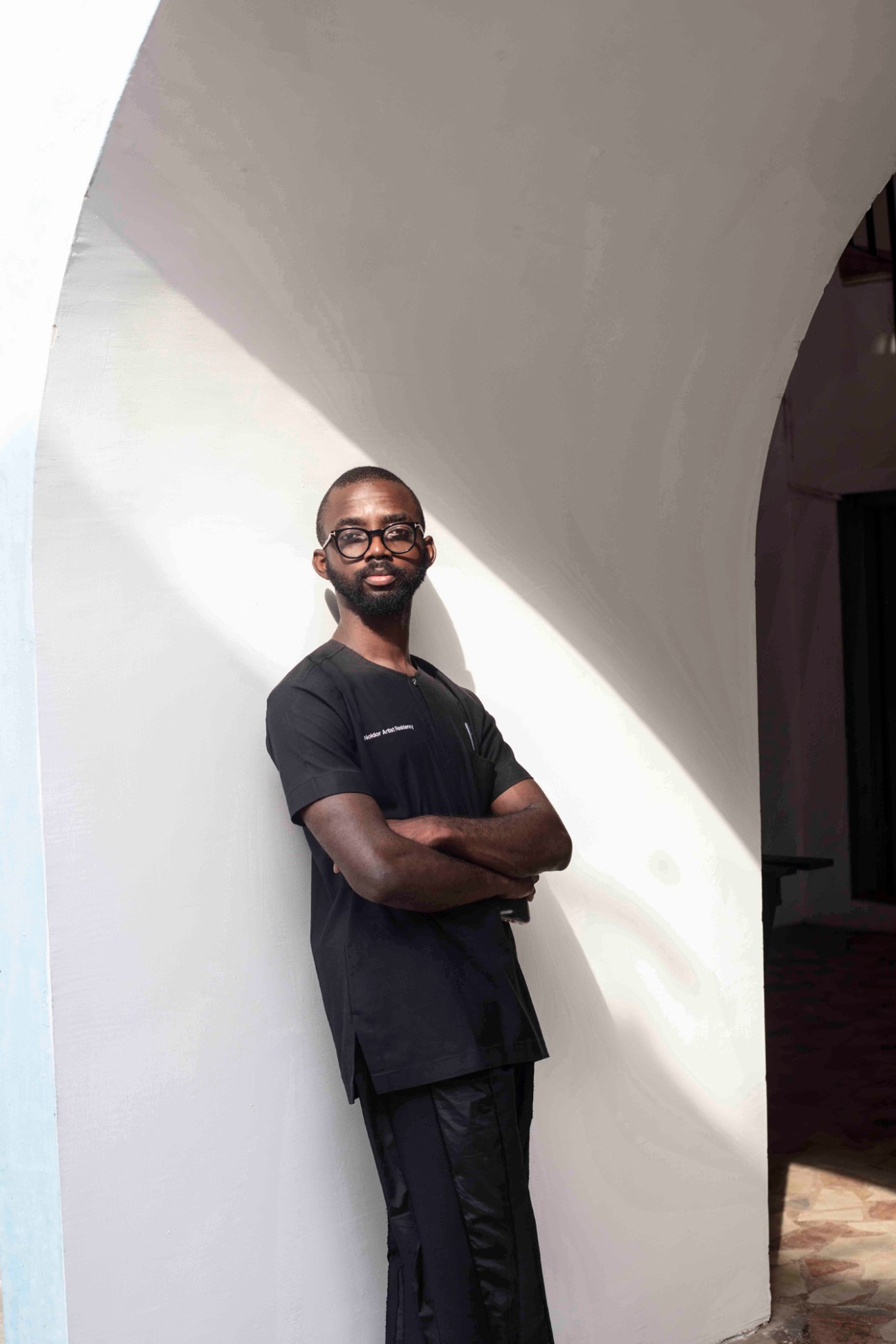
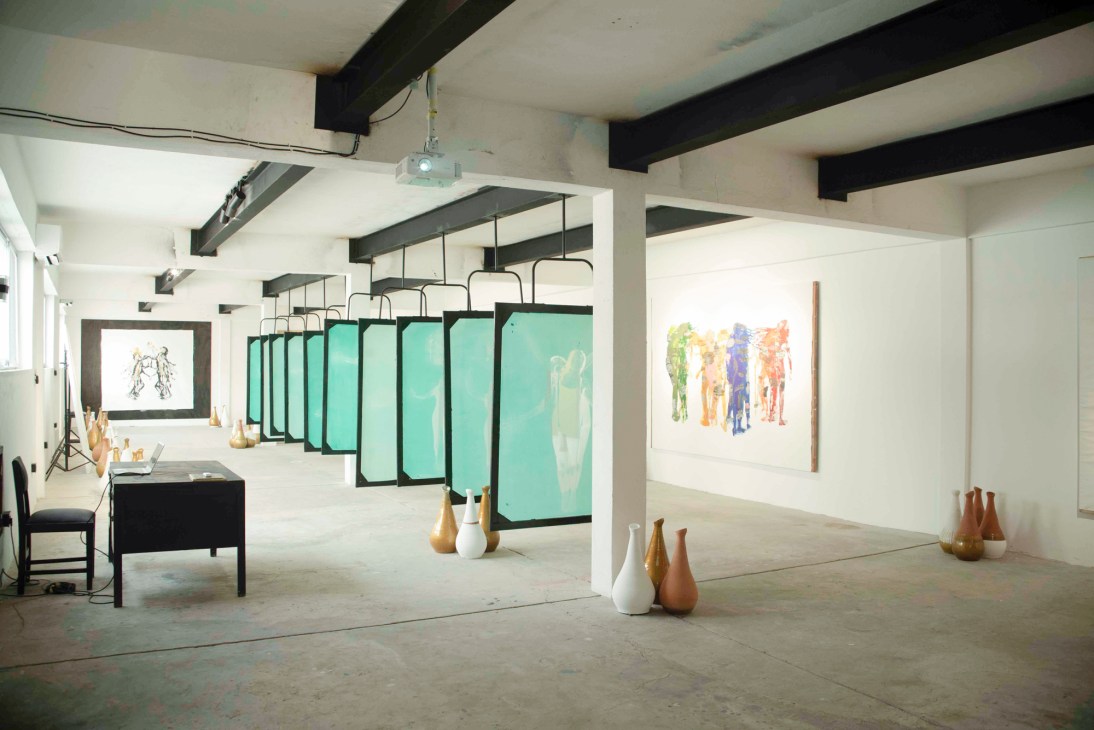
While Accra might already play host to contemporary spaces such as internationally successful commercial galleries ADA and Gallery 1957, Awuah-Darko says that his model is different. The focus here, he explains, is on “nurturing contemporary artists”. The roots of the museum are in the Noldor, Ghana’s first residency programme, which Awuah-Darko launched in the same location as Institute Museum in 2020 to support artists with limited access to resources. Today, many of the artists-in-residence who come for month-long periods contribute works to the museum, alongside artists from a year-long fellowship (Thailand-based Ghanaian Maku Azu is the current senior fellow). Awuah-Darko has donated about 50 pieces from his private collection and the museum has been buying works from the likes of multi-media Ghanaian artist Serge Attukwei Clottey and Togo’s Modupeola Fadugba.
Helmed by Michigan-raised curator Rita Mawuena Benissan, the Institute Museum’s staff has grown from a handful at the start of the year to more than 30. “There’s the sense of a programme that is building up,” says Awuah-Darko. It will grow alongside the expanding building that’s going to host it.
‘A Glitch in My Skin’ runs until 11 June.
noldorresidency.com
Grosz Museum
Berlin
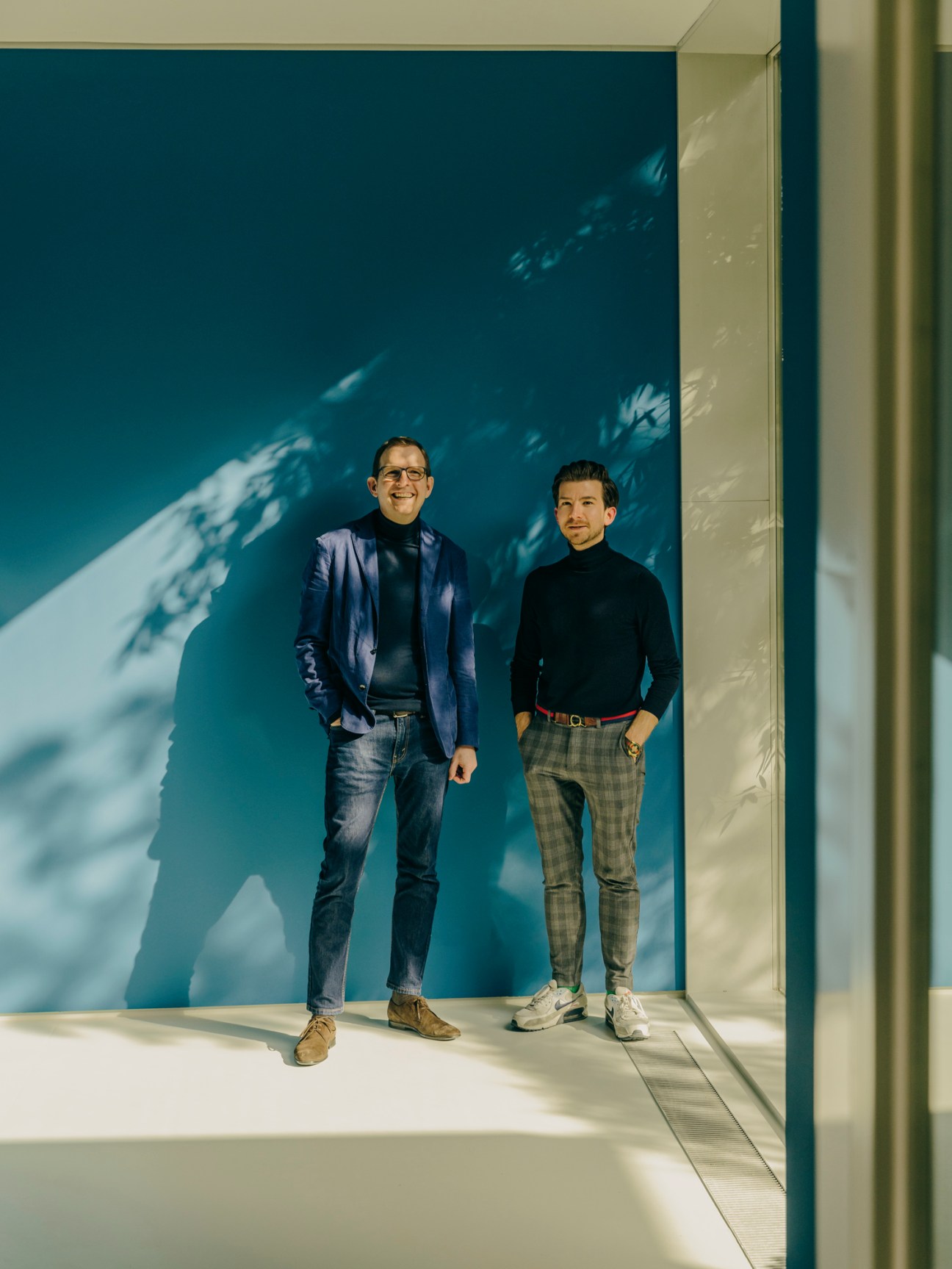
George Grosz’s caricatures and paintings of the chaos, decadence and inequality of the heady 1920s and 1930s Weimar years are inseparable from Berlin’s artistic identity but there has never been a museum dedicated to him in the city – until now. “State museums weren’t interested, as one-artist institutions are out of fashion,” says Ralf Kemper, a lawyer and vice-president of the Berlin George Grosz Association, who together with the artist’s estate and a few private collectors has opened Das Kleine Grosz Museum.
The gallery is small, which ensures that the exhibitions are topical. “We didn’t want this to be a place that shows all his work at once; this is not a dogmatic museum,” says curator Pay Matthis Karstens. “We want to avoid monographic coma. We can follow ongoing discussions and react with our programme.”
The museum is taking over a 1950s petrol station near Potsdamer Strasse, which had been decaying for decades before a gallerist transformed it into his private residence, adding a glass-fronted two-storey structure. When the owner moved out, he donated the building to Grosz’s estate, which tasked architects with a renovation that will bring a café and a Japanese-style garden to the site. The result feels like a serene, modernist oasis – somewhat unlikely for this edgy corner of Berlin.
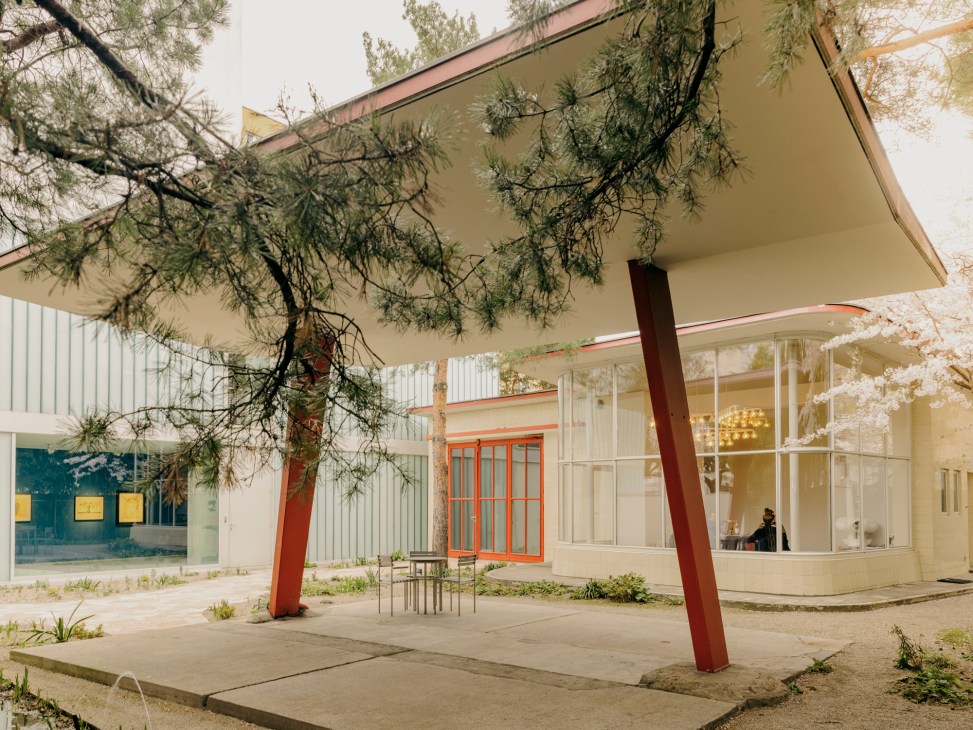
The idea is to bring several exhibitions here every year: the inaugural show will focus on Grosz’s formative years and transition from apolitical kid to political artist. “He was a social critic,” says Kemper. “The problems he saw are more or less the same as today: the ups and downs of the class system; war and anti-war movements. It’s not just works of art; it’s political commentary.”
Das Kleine Grosz Museum is open now
daskleinegroszmuseum.berlin
Lago
Mexico City
Set on a lake in Mexico City’s huge, verdant Chapultepec Park, the prominent building that now houses gallery Lago has long been a part of the city’s landscape. With its sharp V-shaped roof, it is hard to miss. Before being overhauled and turned into a cultural centre, the structure, originally designed by Mexican architect Alfonso Ramírez Ponce in 1964, hosted a restaurant. Roma Norte-based commercial gallery omr is responsible for the venue’s rebirth. “It’s in almost everyone’s memory,” says Ana Paula de Haro, omr’s director. “It was an elegant place where people would go to parties.”
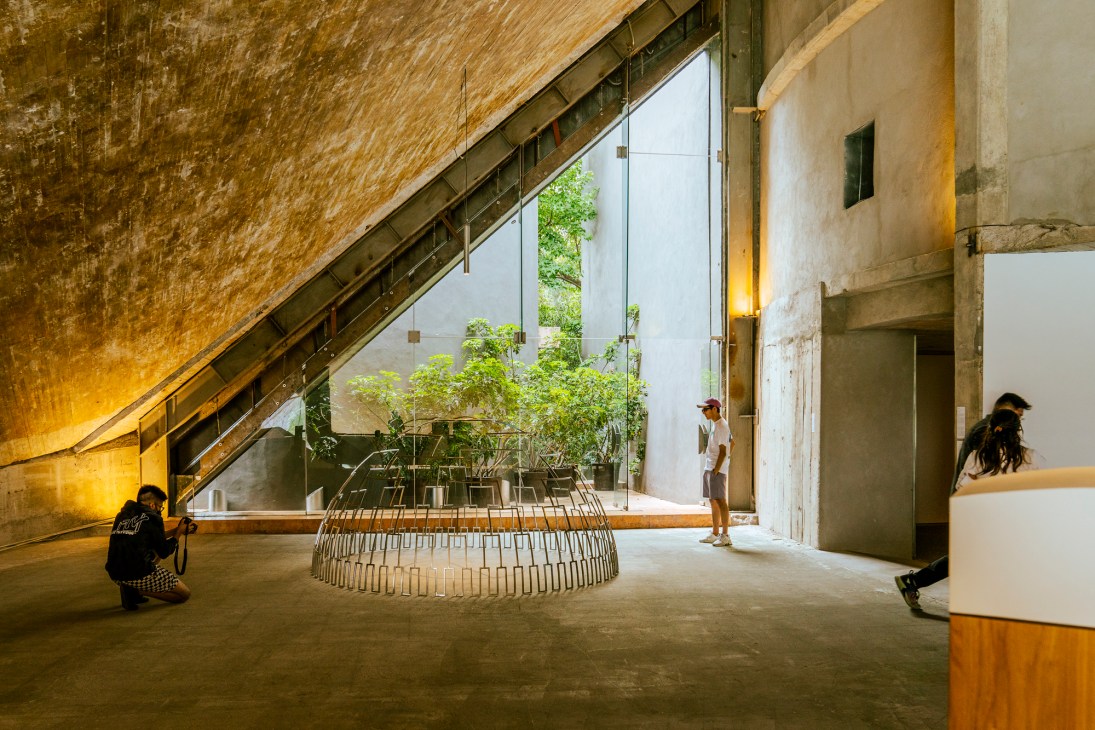
What was once an exclusive venue available to few is now an open institution that draws hundreds of visitors every day. “We wanted a cultural centre that invites everyone,” says De Haro. “We are working on programmes that talk to everyone: children, runners in the park, people who love art.” That includes initiatives aimed at getting the public involved, such as artist Pia Camil’s request for people to donate their clothes, which she then uses in her artworks.
Many visitors also come here for the delicious on-site restaurant, conceived by the team behind popular cooking school Sobremesa, or are lured in by the striking architecture, with its brutalist appeal. The soaring building was renovated by Mexican firm Naso Studio, whose interventions stayed true to the building’s history. “They did something new, while respecting what was from the 1960s,” says De Haro. Concrete walls were exposed and panels stripped away but the signature triangle windows that look onto the lake and the canopy of trees were kept in place, allowing for natural light to flood in.
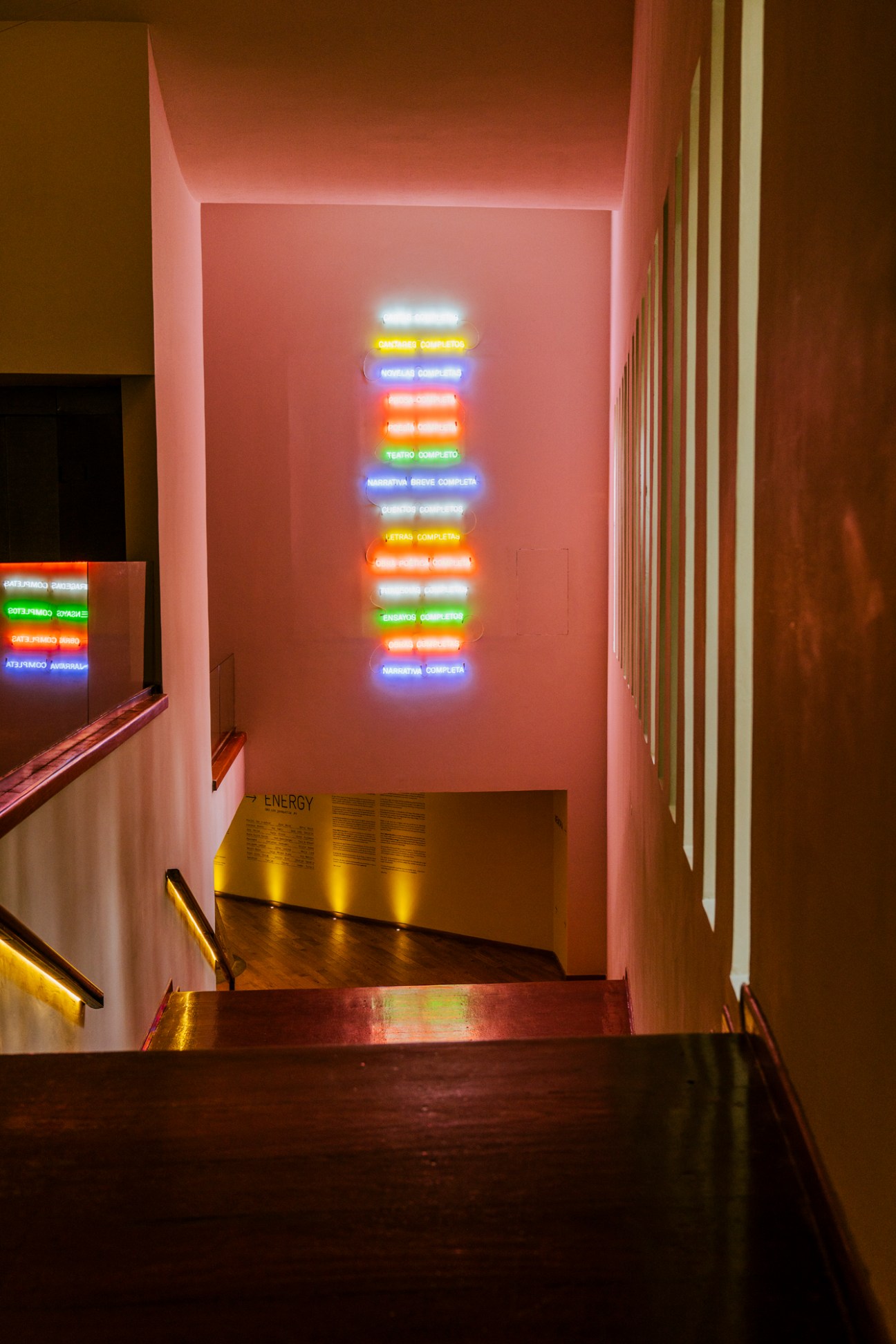
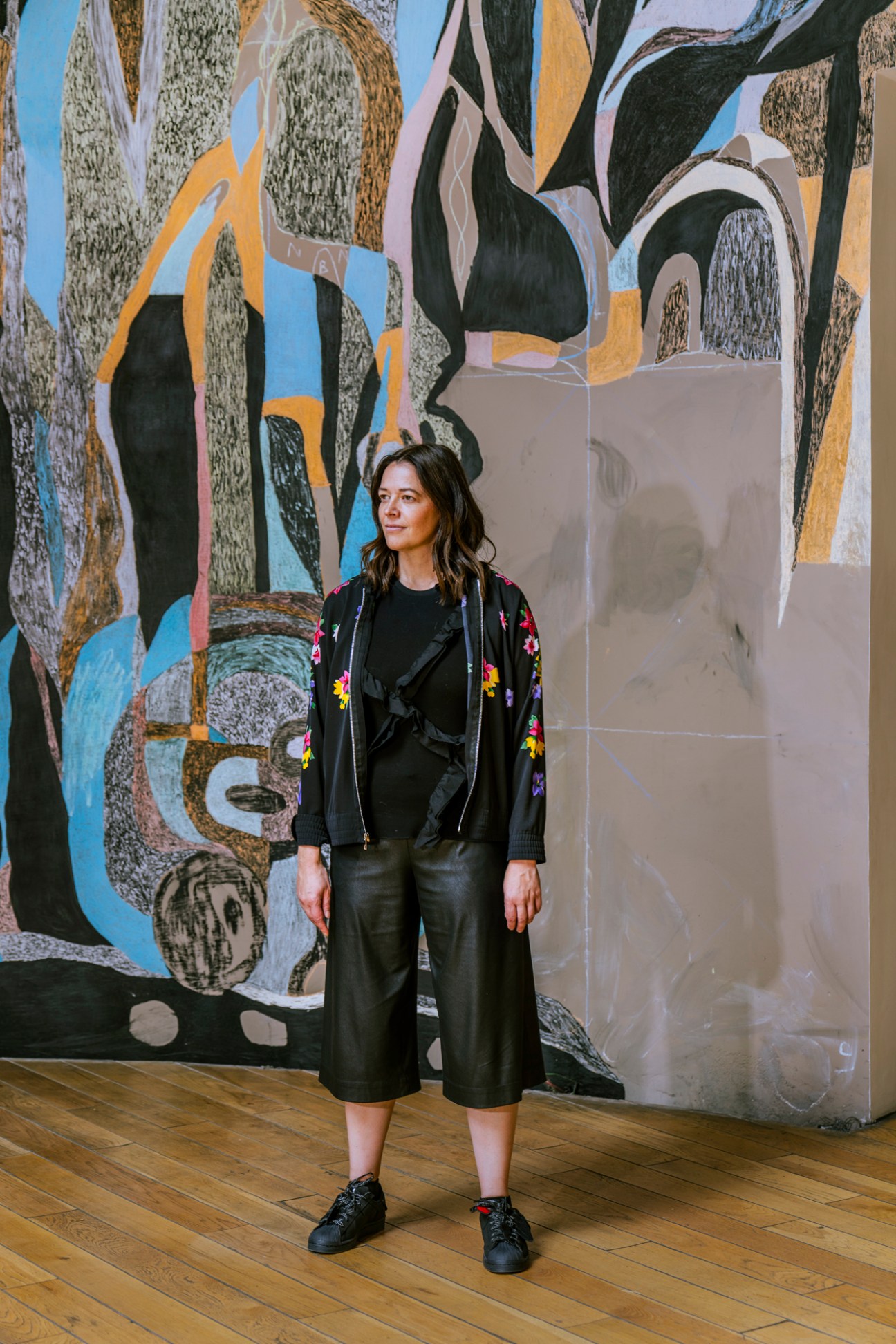
For Lago’s opening show Form Follows Energy, omr enlisted the help of renowned dealer José García, who also manages his eponymous galleries in Mexico City and Mérida. “He has such a great eye and has been working with an amazing group of artists for years,” says De Haro. Those include James Turrell, Guadalajara-based Gabriel Rico and Los Angeles-born Eduardo Sarabia, who have all provided works for the inaugural exhibition.
Going forward, omr hopes to continue working with curators from Mexico and beyond; next, they will call on Paris-based Jérôme Sans. “We have started talking to him about how the show can evolve, as we don’t want static exhibitions,” says De Haro. All future collaborators will have to set out knowing that this is a multi-purpose space: there are plans for talks and readings, as well as a sculpture garden where artists can host barbecues or have chess tournaments. “Currently we offer art and food. But we keep thinking: what can we add? How do we enhance this?”
‘Form Follows Energy’ is on until 16 August.
omr.art
National Museum
Oslo
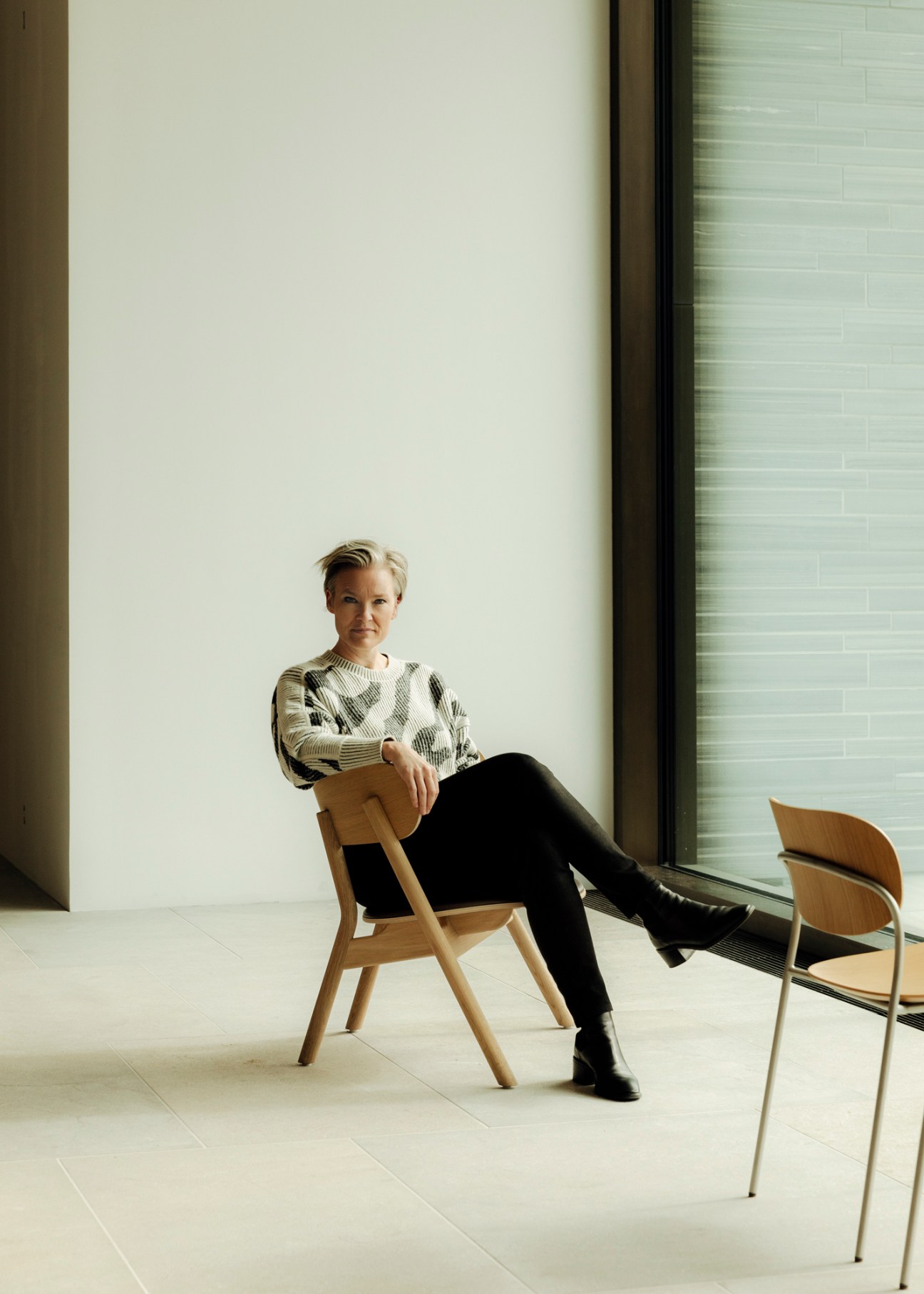
During an early preview of Norway’s new National Museum, Yngvill Sjösteen, project leader for its move, leads Monocle through a large windowless gallery, whose dark walls are hung with paintings of such power and colour that they halt us in our tracks. One work on the far wall is still covered with a dust sheet. “It came up yesterday, you will be the first to see it, if you like?” says Sjösteen, as she lifts the sheet to reveal the most famous face in modern art: Edvard Munch’s The Scream. The moment is goosebump-inducing. “There has been some crying in this room, I must say. It’s like having old friends back,” she says.
Sjösteen has been in charge of combining four national collections of art, design, architecture and crafts, whittling down 400,000 pieces to 6,500, which will go on permanent display in this new, purpose-built building just across the road from City Hall on Oslo’s harbourfront. “We’ve had 17 teams working on it,” she says. “We decided to show chronologically: the first floor is very dense, with all the crafts and design, from antiquity to the Renaissance. This second floor is more classically displayed and takes us up to the modern day.”
Upon entering, visitors are faced with busts from ancient Greece and then proceed to galleries dedicated to industrial design, royal costumes, Norwegian arts and crafts and East Asian art before heading upstairs to the visual arts. Here, Norwegian national romanticism abounds but there is also a smattering of pieces by European and US giants, such as Picasso, Monet, Van Gogh and Cezanne. The museum’s Scream is the first of four of the angst-ridden portraits that Munch created; two are in the nearby Munch Museum, the fourth is in private hands. “It’s not a competition,” museum director Karin Hindsbo says in an office on the second floor. “But ours is the most important one.”
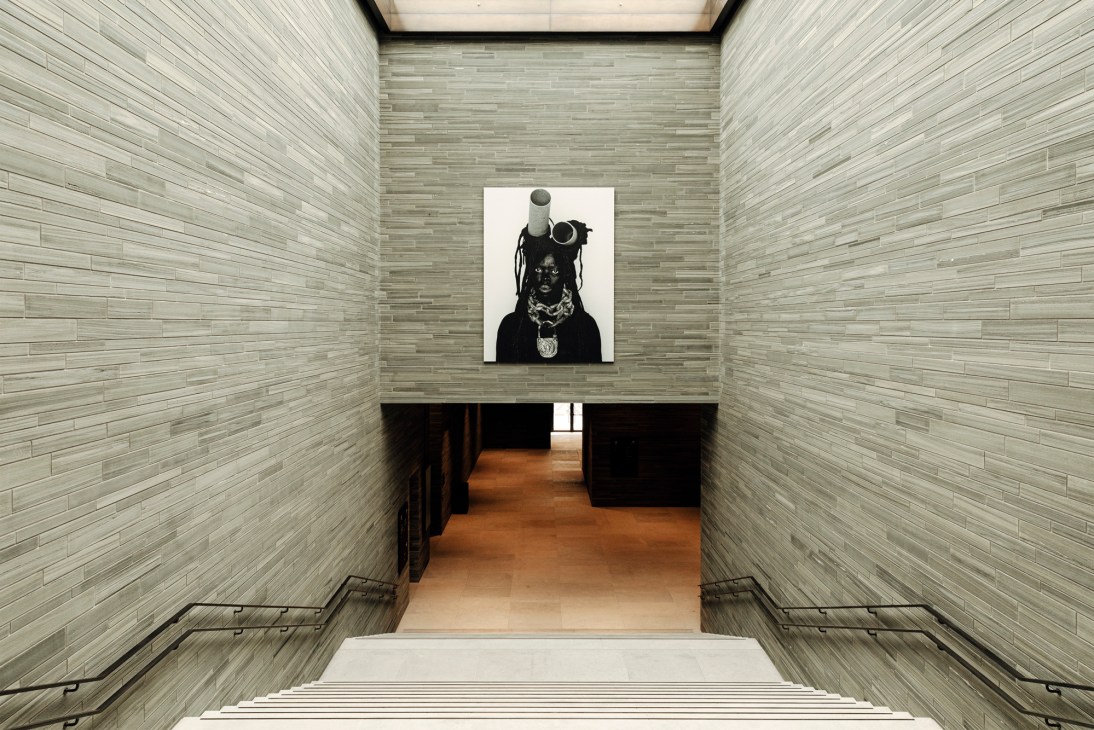
When it opens in June, this will be the largest art museum in the Nordics (larger even than the Rijksmuseum in Amsterdam). Designed by German-Italian architect Klaus Schuwerk, the state-funded museum cost €600m and took eight years to build. Its most notable feature is the Light Hall, a huge top-floor space for temporary exhibitions, which glows ethereally at night. “The walls are seven metres high, made from a super-thin layer of marble laminated between two glass surfaces,” says Jon Geir Placht, project director for the building, before adding proudly, “It has never been done before.”
At first glance, the new building might seem subdued and monolithic but, up close, the quality of the materials used is striking. The façade is Norwegian slate, each brick weighing up to 50kg. Inside, some floors are made of sedimentary stone musselkalk, mined in Germany. “The materials will age with dignity and last for centuries,” says Placht. As expensive as it was, Norway’s new museum may well turn out to be a shrewd decision in the long run.
The Norwegian National Museum of Art, Architecture and Design opens 11 June.
Venues in brief
Global
1.
MACA
Punta del Este
From the Pablo Atchugarry Foundation comes a first for Uruguay: a contemporary art museum. Museo de Arte Contemporáneo Atchugarry, in Punta del Este, shines a light on Uruguayan artists and has an impressive permanent collection, featuring works from Frank Stella and Vik Muniz. The futuristic building was designed by Uruguayan architect Carlos Ott and reflects the coastal landscape.
macamuseo.org
2.
Cukrarna
Ljubljana
Architects Scapelab oversaw the dramatic transformation of Cukrarna, a gallery in a former sugar factory. While the boxy exterior remains, the interior has been gutted to create exhibition spaces hosting shows by artists from Slovenia and beyond.
cukrarna.art
3.
Plateforme 10
Lausanne
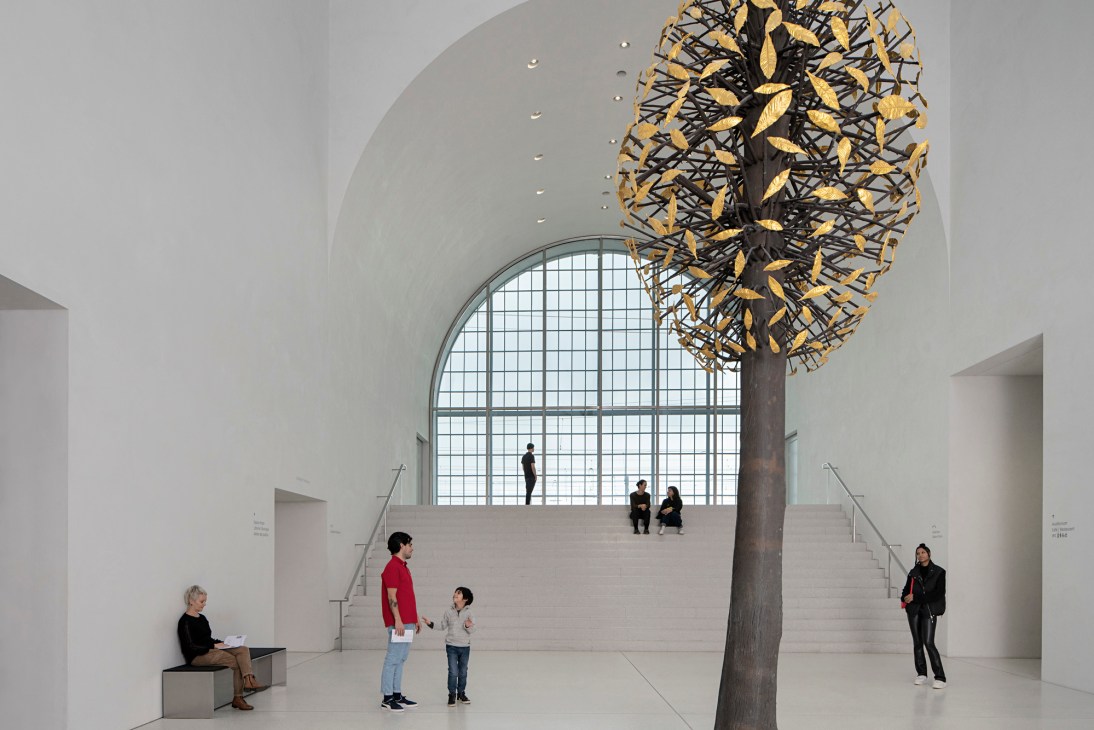
This summer sees the completion of Lausanne’s arts district, Plateforme 10, bringing together three museums: the mcba, Mudac and Museé de l’Elysée. Combining design, art and photography, it offers a multi-faceted cultural programme as well as a place to eat, meet and relax.
plateforme10.ch
2.
Art fairs
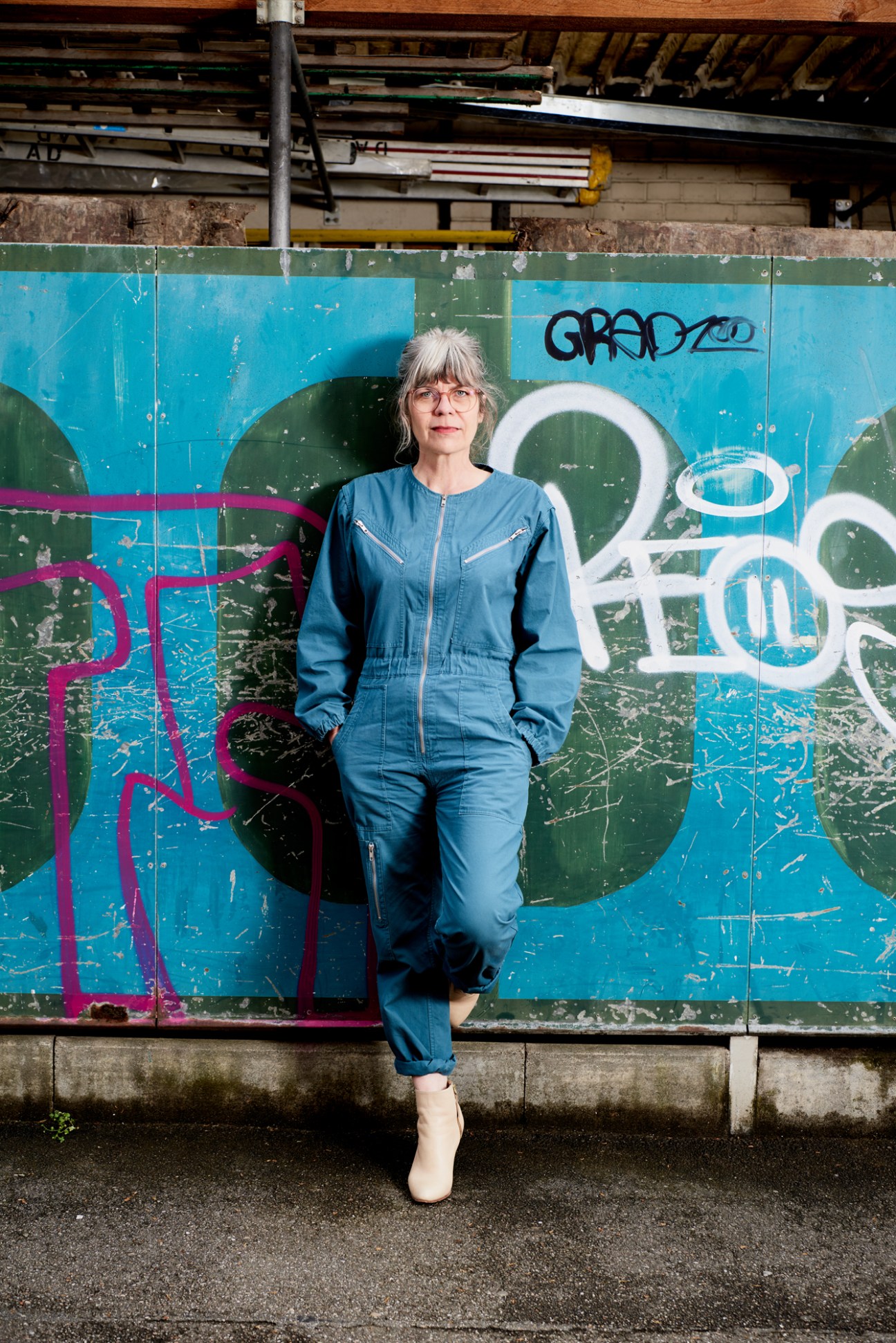
Joanna Kamm
Director, Liste
This June, Basel is back as the global centre of the art market. Besides mega-fair Art Basel, the town plays host to collateral fairs, including Liste, a cutting-edge show of up-and-coming galleries. Since taking the helm in 2018, director Joanna Kamm has had to adapt to change: now that Liste has abandoned its storied venue inside a former brewery in favour of a spot in the Messe’s main halls, we ask her what’s new.
Basel’s art week is finally back in full swing. Did you ever doubt that it would regain its prominence?
To be honest, not at all. Very quickly you could see that people were longing to have the physical experience back. When we returned for the first time last September and galleries were arriving from all over the world, it felt so special.
What about your new venue?
We now have lots of space and it’s a form that connects and holds everyone together. When I reflect on what is special about Liste, the answer is community.
Is the market opening up to new collectors?
When galleries, like fairs, could only operate digitally during the pandemic, this fostered a need to create new ways of access for people interested in art. We hope that our digital platforms, Liste Showtime and Expedition, will bring a new generation of collectors who now come to us seeking a physical experience.
You have 37 countries exhibiting this year. Which are you most excited about?
When this terrible war started, we decided to have two Ukrainian galleries. We have a gallery from Algiers – a first – plus Asian and Latin American galleries. It’s a melting pot.
How do you think art fairs can adapt for the future?
Liste will look carefully at new perspectives. But we are not talking about art fairs suddenly meaning something different.
How can fairs such as Liste respond to global problems?
It’s about community. It’s important for galleries to come together and not feel alone.
Liste Art Fair runs 13 to 19 June
liste.ch
Fair calendar
Global
1.
Brafa, Brussels
19 – 26 June
Prestigious event showcasing antiques and art.
2.
Art Montecarlo
14 – 16 July
International contemporary art on the French Riviera.
3.
Chart Art Fair, Copenhagen
25 – 28 August
Nordic galleries gather for talks, performances, architectural projects – and sales.
4.
Papier, Montréal
26 – 29 August
The largest contemporary art fair in Québec, created in 2007.
3.
Creative scene
South Korean modern art
Busan
Every summer, thousands of South Koreans flock to the southern city of Busan in search of soju on the beach, fresh seafood and a buoyant nightlife. But South Korea’s second city (and one of the world’s largest container ports) has gained a different attraction recently: a burgeoning contemporary art scene. A concerted push to become a regional art hub has made Busan home to multiple art fairs every year, as well as a biennale. Galleries are bringing world-famous artists as well as unearthing homegrown talent – and neighbourhoods that were long neglected are seeing a renaissance, with new exhibition venues popping up across town.
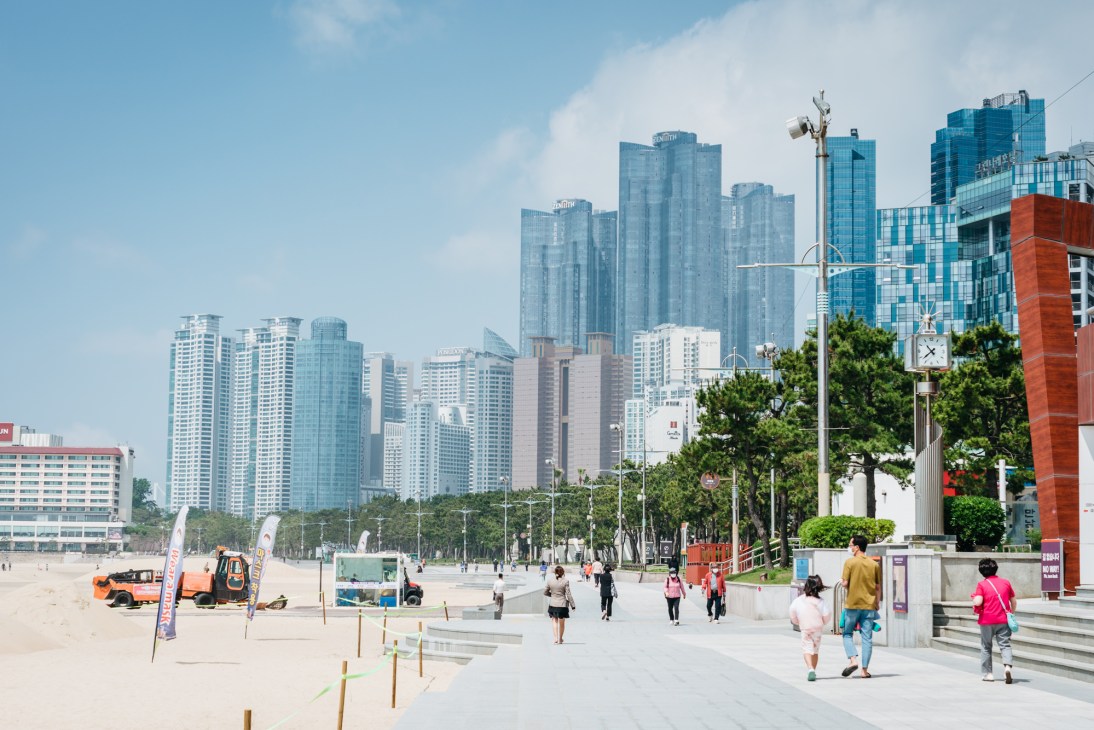
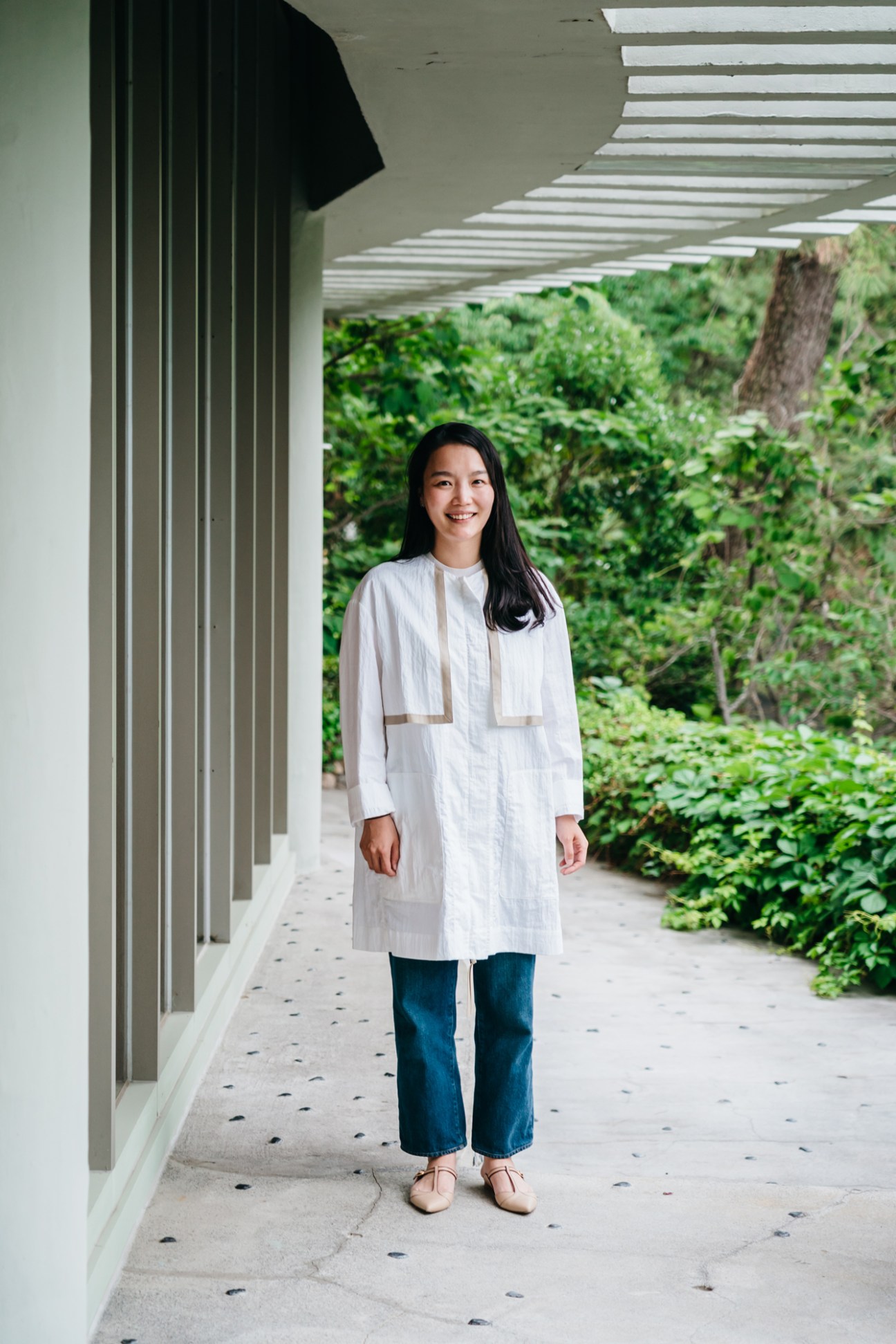
“Busan’s attitude to art and culture has changed dramatically in recent years,” says Min-young Joo, artistic director at Johyun Gallery, which specialises in contemporary South Korean artists. “Before we had limited footfall, just from the clients who wanted to buy. Now there are so many people who come to view and appreciate the art.”
Busan’s ties with modern art go back to the Korean War when the city became a refuge for artists fleeing the communists in the north. Mostly spared by air raids and artillery fire, Busan has a fascinating architectural mix that appeals to creatives. Hundred-storey glass towers stand next to brick houses that have weathered decades of sea breeze. Unlike Seoul, there is a century’s worth of heritage to play with. Rent is far more affordable too. “Before, we felt like a frontier gallery in the boondocks,” says Joo. “Now, with global interest in South Korean artists rising, more overseas clients fly in to see the works here.”
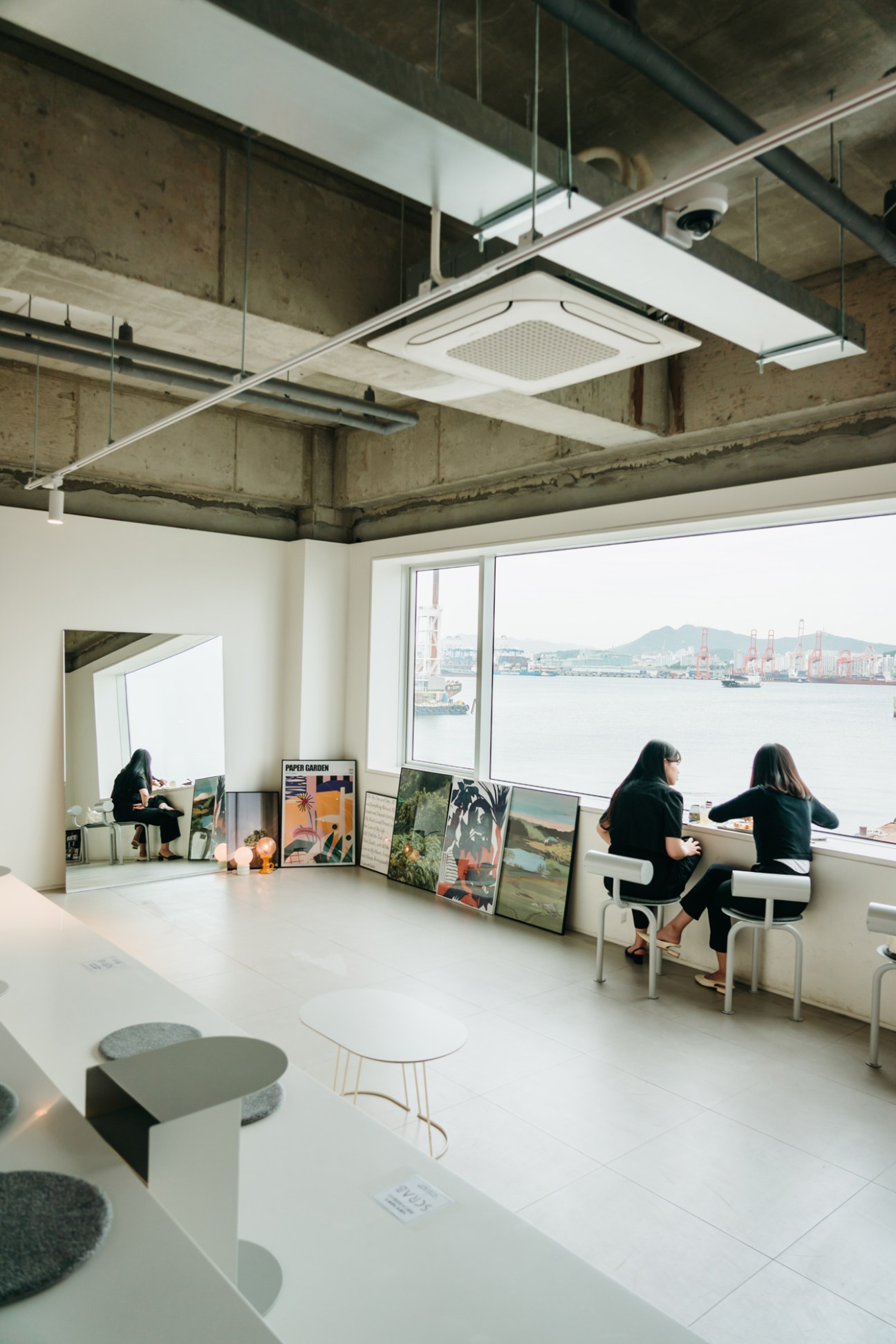
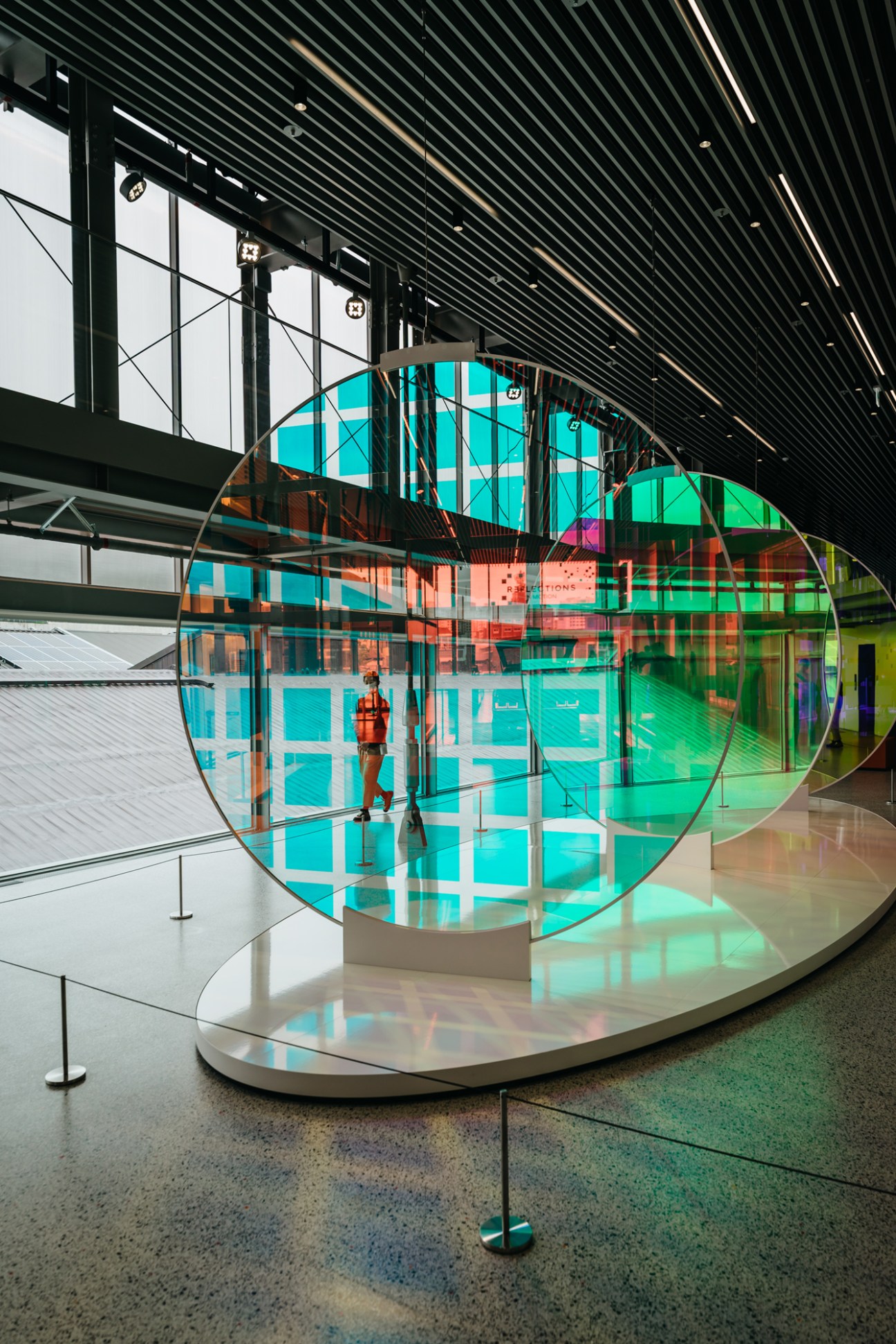
In the working-class neighbourhood of Mangmi, a former wire factory reopened as a sprawling arts and culture centre named F1963. With its striking turquoise steel-mesh exterior, the renovated building (still run by wire-maker Kiswire) counts among its tenants an outpost for Seoul’s Kukje Gallery, the country’s most well-known commercial gallery. Not only did F1963 revive this sleepy backwater but it enticed other art players to follow nearby, including galleries Objecthood and Walking House New York.
Yeongdo, a shell-shaped island near downtown, home to shipbuilders and dilapidated houses, is another area seeing a quiet renaissance through art. P.ark, an ambitious exhibition space spanning multiple floors, was launched last summer next to the dockyards, where passersby roam meters away from labourers hard at work. “People are flocking to Busan for a breath of fresh air and art seems to be playing a huge part of that journey,” says Sophie An, a producer behind some of P.ark’s shows. “The city is setting itself up to be a place where artists and art fans can come for inspiration.” Collectors are following suit: in 2021, the Art Busan fair saw more than 80,000 visitors and record sales of about KRW35bn (€26m).
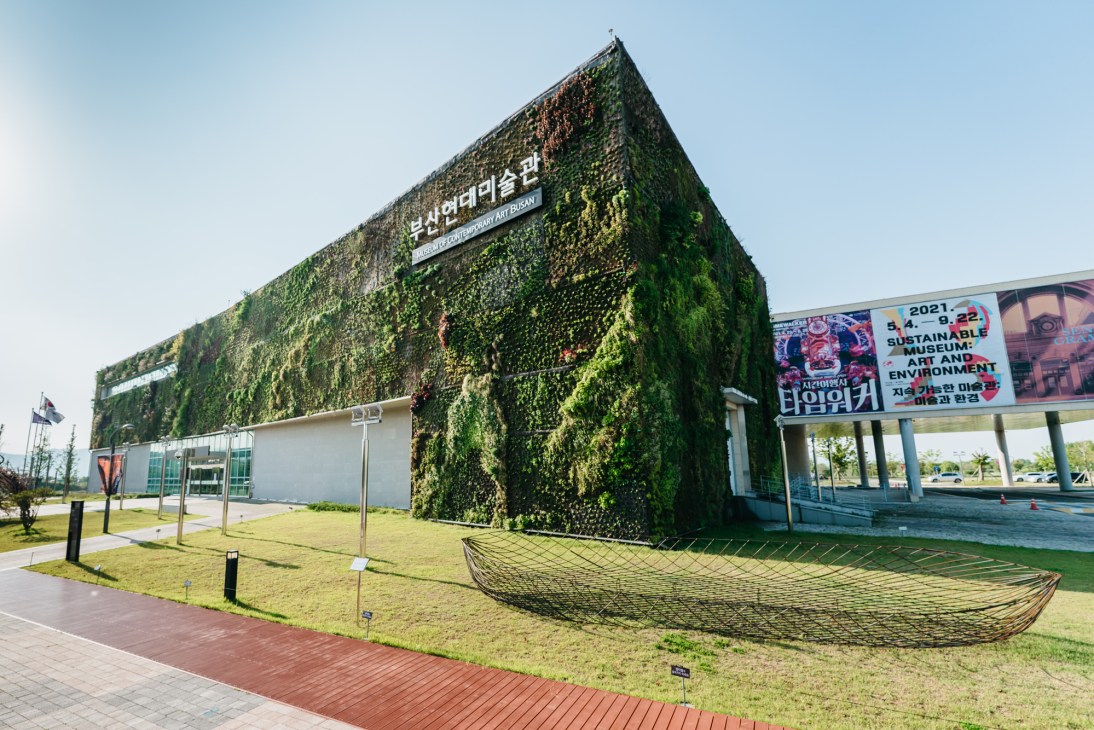
Municipal institutions aren’t idle either. The Busan Museum of Art will undergo its first major renovation in 20 years, with a mission to reach out to a wider audience. “When the museum opened in 1998, art infrastructure was extremely weak,” says chief curator Jong Hyo Cheong. “We didn’t have the ability or strategy to publicise local artists.” But when South Korean painters such as Park Su-geun and Kim Whanki gained international attention, the tide started to change – and prices for their work skyrocketed. “It’s important for us to build a healthy ecosystem where artists, galleries, collectors and museums can all thrive,” he adds. Over at the Museum of Contemporary Art Busan, a five-year-old institution on former landfill in the city’s west, director Kim Seong-youn agrees. “Busan is becoming a place where people can come, create and share art,” he says. “After the biennale took over a disused storage building in Yeongdo, the movement to bring art into the area grew independently of official efforts: this, combined with the fairs, can create a real synergy for Busan.”
4.
Exhibitions
Anicka Yi
Pirelli Hangar Bicocca, Milan
Peer inside Anicka Yi’s glass display cases at Milan’s cutting-edge gallery Pirelli Hangar Bicocca and what might at first seem to be bright sand paintings soon reveal themselves as moving, living things. The slowly morphing stripes of colour are bacteria, chosen by Yi for the pigments they create. “They’re beautiful,” says Yi, dressed in head-to-toe Balenciaga. “They’re incredible portraits of ourselves.”
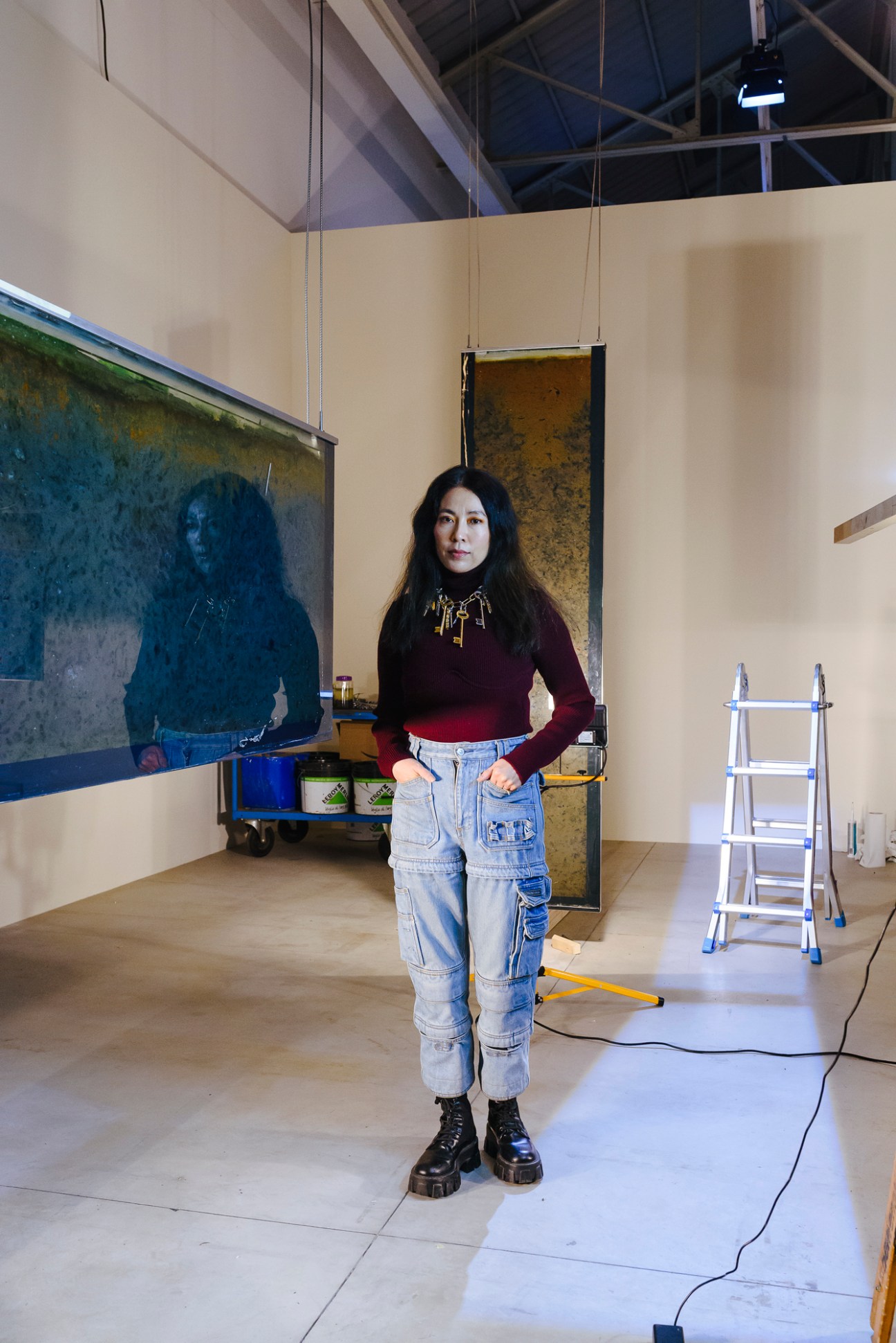
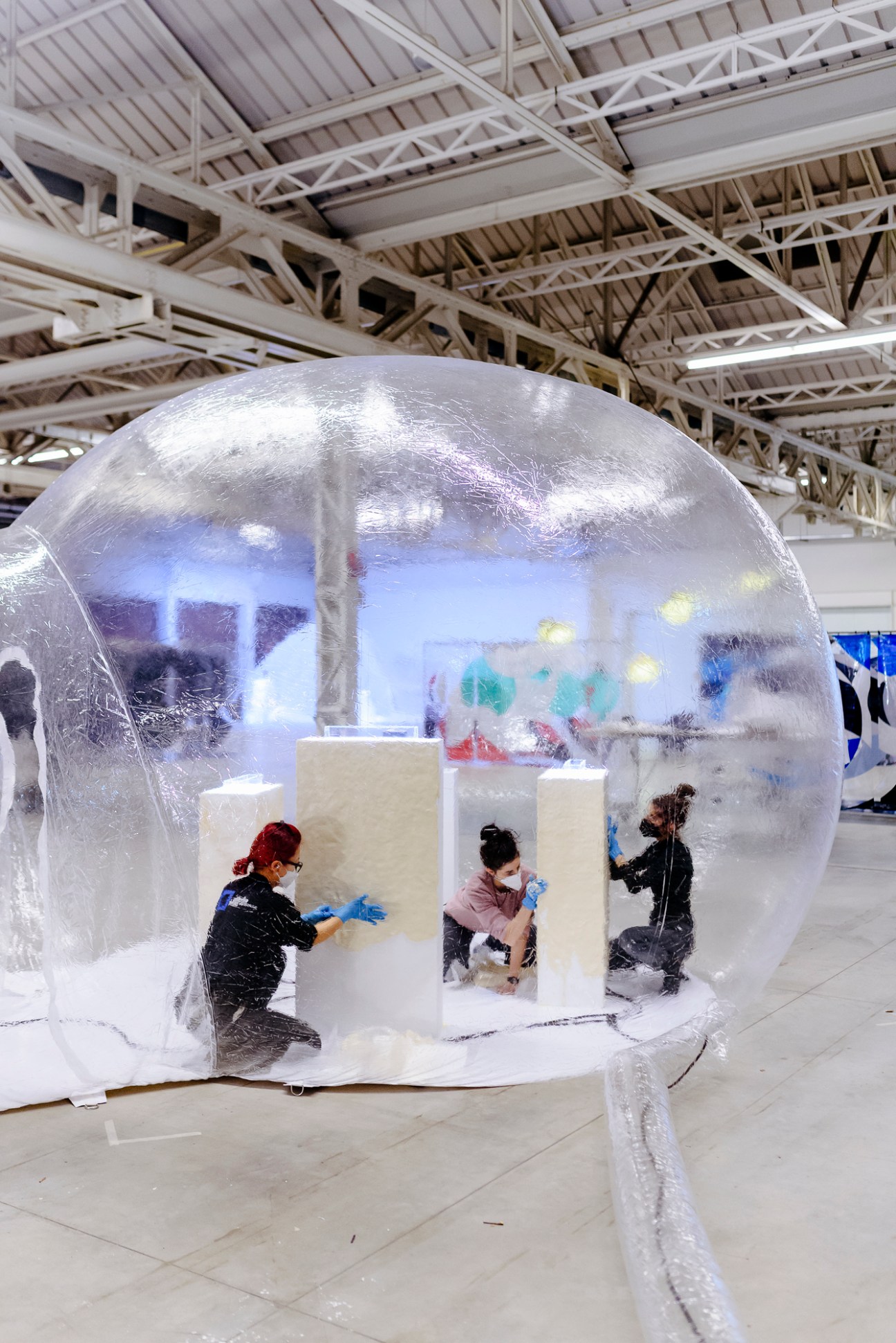
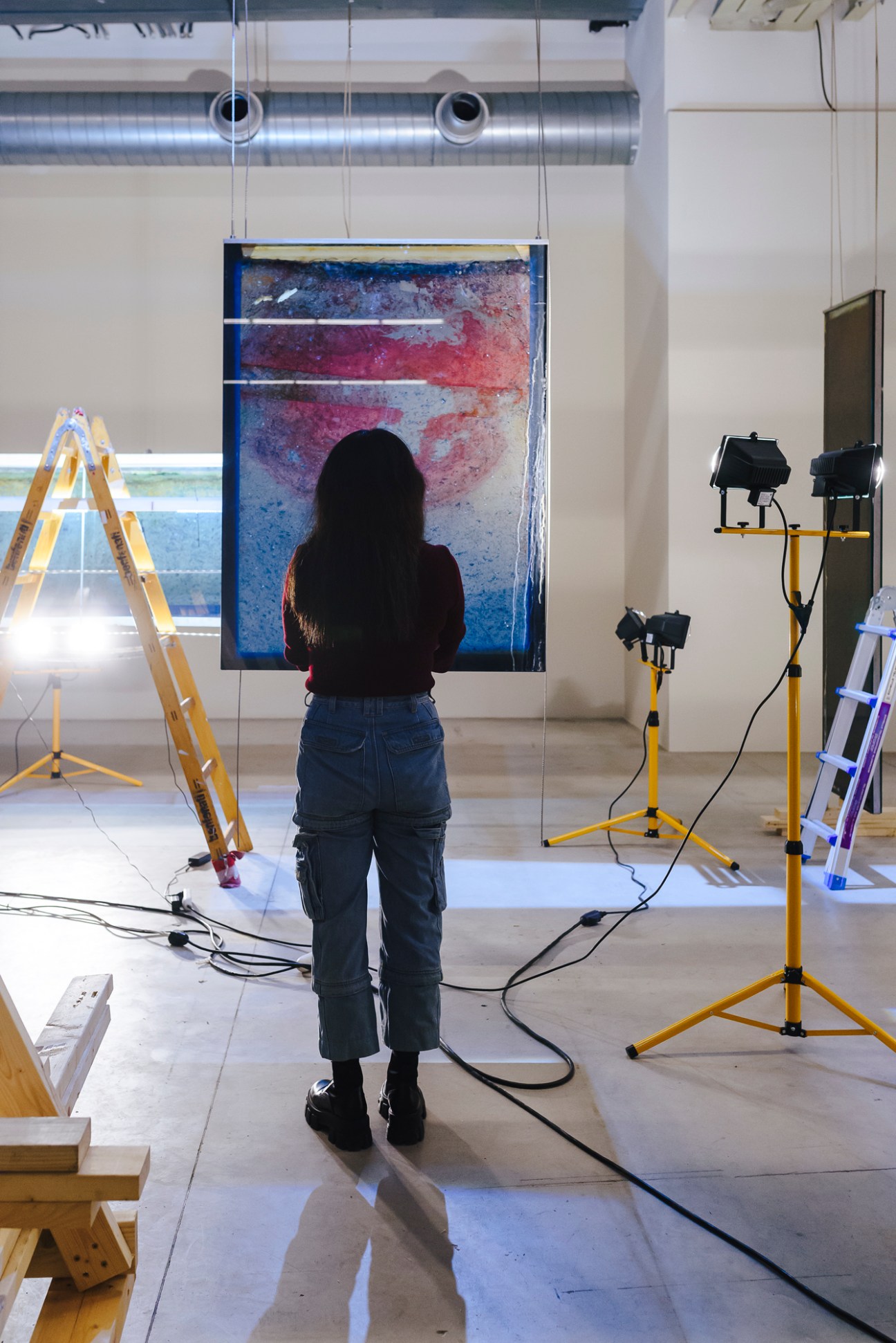
The pandemic might have made everyone conscious of the ubiquity of microbes but Yi (pictured) had long been attuned to their presence. The 51-year-old South Korea-born American artist has a penchant for working with enigmatic materials that speak of the contemporary human condition, whether that’s a reflection on biology or robotics. “What it means to be human today is not the same as 200 years ago.”
As part of her much-admired, recent commission for the Tate Modern’s Turbine Hall, she devised floating, balloon-shaped machines that moved in response to people’s movements below, hovering in air scented with perfume. Then – and now – Yi sought the help of scientists to make these works: it’s all part of what she calls the “interdisciplinary conversation” of her creative process.
The idea is to challenge deep-seated preconceptions about our bodies or bring attention to functions that are often overlooked. “Without bacteria, we don’t exist,” she says. “It’s like a Shakespearean tragedy that we want to condemn the thing that keeps us alive.” Yi also believes in the evocative power of our sense of smell and she’s not afraid to use some surprising methods to remind us of it. In her early days, she and a friend carried out rogue scent-based experiments, distilling a fragrance that mimicked copper pennies (“The scent of money!”) and releasing it on metro carriages, inside banks and, once, in a clothes shop, where staff mistook the odour for a gas leak and called the fire brigade. The pair escaped. “We didn’t want to be labelled as bio-terrorists,” she says, laughing.
The reaction goes to show how emotional and overwhelming the response to scent can be. “People generally prefer a completely odourless environment,” says Yi. “Anything beyond that becomes an assault on their senses.” She makes active use of that weapon in artworks such as a pair of wall-mounted dryers that visitors stick their head into to inhale not the anticipated scent of clean laundry but something murkier and more intriguing. Sniffing one, Yi lights up: “Bullfrog!” she says, describing the fragrance that she made with a French nose as “vegetal, mossy and really humid”. Like many of her creations, it is uncannily bewitching despite its oddness: Hangar Bicocca staff have taken to wearing it.
Yi also relishes the confrontational nature of her creations. “To smell something is a form of risk,” she says. “But to be alive is a form of risk. We have an anthropocentric view where we like to think that nature exists elsewhere. But that’s negating ourselves, because we are also from the natural world; we are animals.”
Still, scent is an uncommon medium in art. “I wanted to have an immersive experience, where you don’t have a mind-body split,” she says. “With smell, you can’t be disinterested because it forces you to engage on a corporeal level.” The volatility of Yi’s creations is in stark contrast to the common desire to make art a lasting monument. “Many people want art to withstand the ages but that’s not my goal,” she says. “By creating works that last for only a few days or a few weeks, it means you have to be present. It’s a rallying call to be awake and alert with art.”
‘Anicka Yi: Metaspore’ runs until 24 July.
Philipp Fürhofer
Galerie Judin, Berlin
When the light fades inside Philipp Fürhofer’s works, everything changes. His three-dimensional light boxes of painted panels, cables and everyday materials, reveal new perspectives: landscapes appear and disappear. Collages look like idyllic natural scenes, only to then reveal their inner workings. They seem like apocalyptic sci-fi visions but Fürhofer doesn’t see it that way. “Without deciphering the ambivalence behind these works, you could read them in a pessimistic way but I consider myself an optimist,” he says from his Berlin studio in post- industrial Moabit, where factories are being turned into apartments. “You can see them as both a beautiful sunrise or total lack of nature. It’s about finding a way of coexisting.”
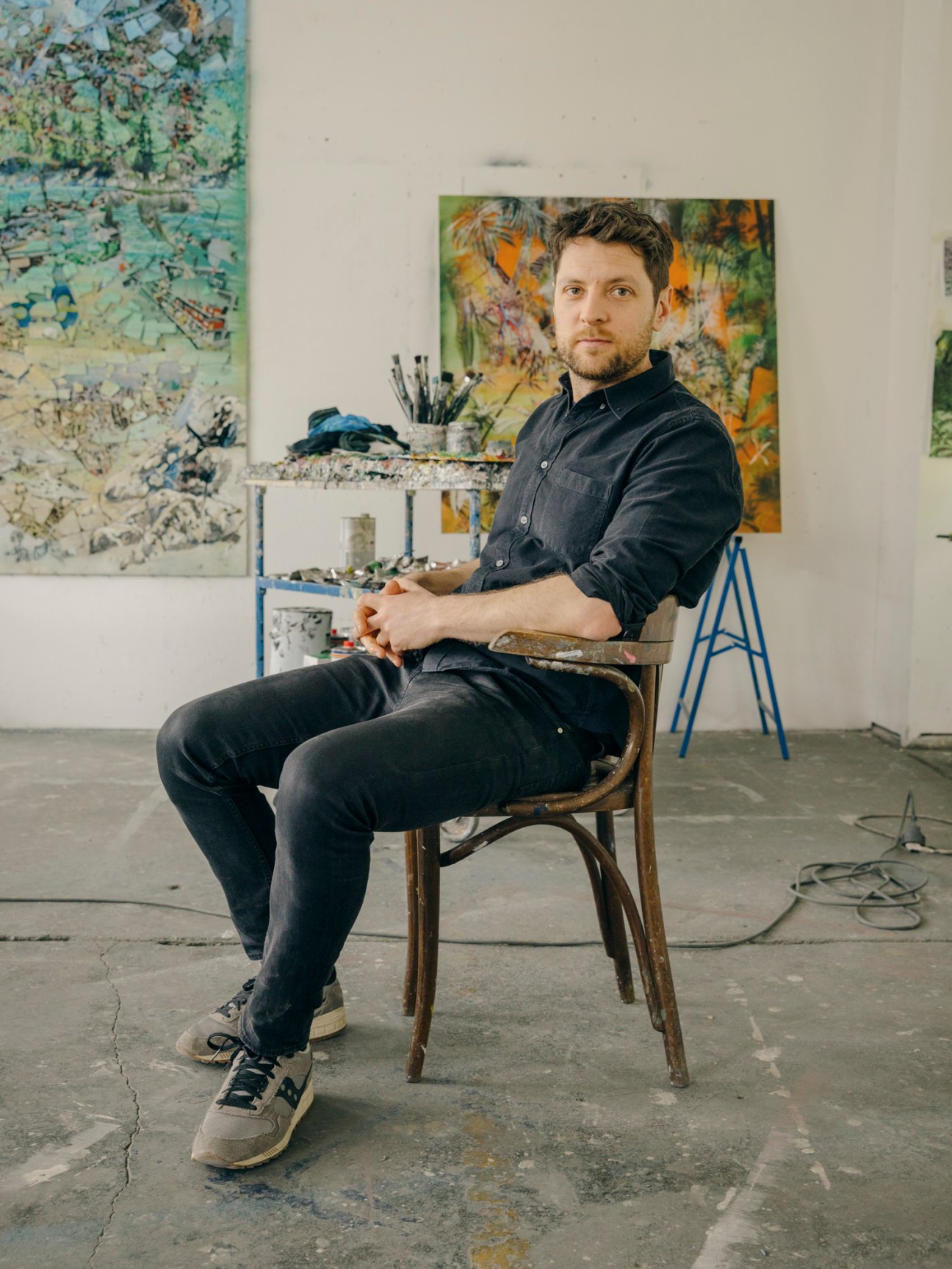
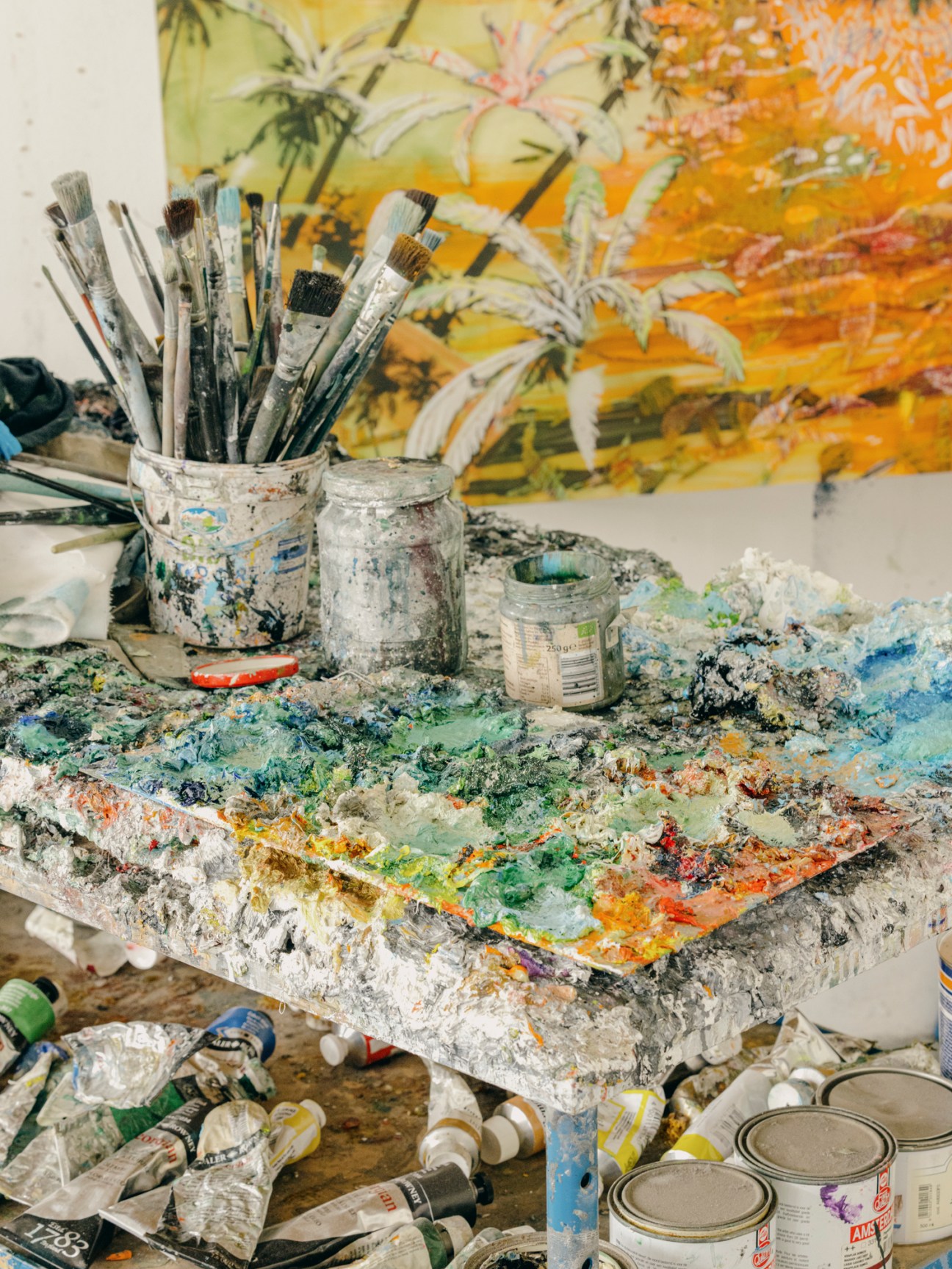
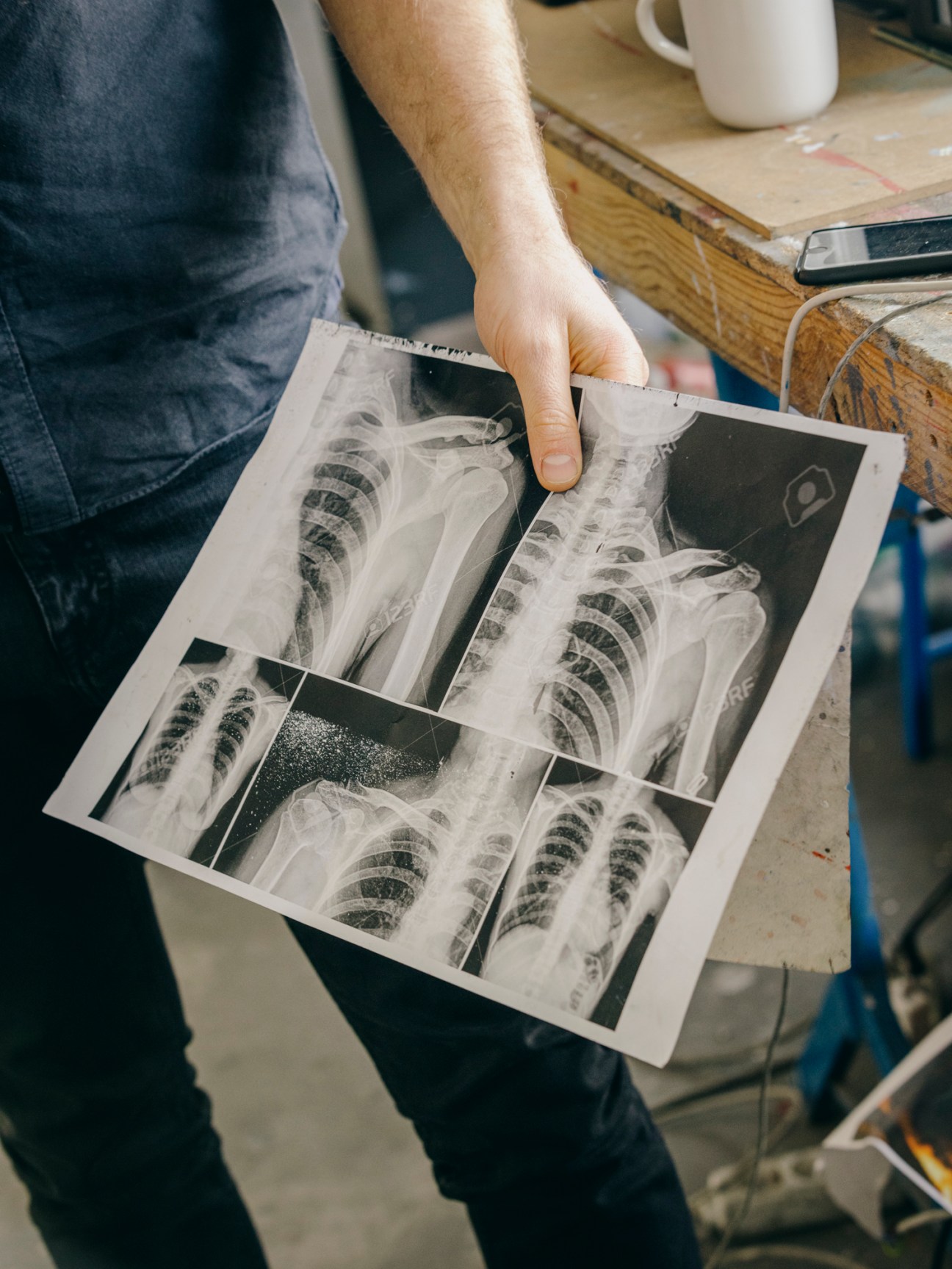
Fürhofer began painting en plein air as a child. Much of his work reveals a fascination with landscape but was also shaped by having a heart valve transplant at the age of 24. “When your body is connected to electrical wires and not able to survive by itself, it’s a very weird experience.”
Years spent designing sets for opera have also left a mark. “The two influence each other: the staging aspect particularly,” he says. “I’m creating nature, but you’re always a spectator. You can see how it’s done.”
For his show at Berlin’s Galerie Judin, Fürhofer is showing his latest painting-only works, encased by glass and set up across two panels, so that elements are concealed. “When you paint something, you create something but you destroy something else,” he says. “It becomes very existential. It’s all part of the circle of life.”
‘The Truths Behind’ runs until 11 June.
Exhibitions in brief
Global
1.
Jean Painlevé
Jeu de Paume, Paris
The French avant garde would have turned out very differently if not for the influence of photographer and film-maker Jean Painlevé. Born in 1902, the wild, provocative anarchist pioneered underwater cinematography, creating short films filled with pseudoscientific explorations that had a profound effect on the Paris surrealists. This is a deep dive into his aquatic film-making, including works about seahorses.
‘Jean Painlevé’ runs from 8 June to 18 September.
2.
Ugo Rondinone: Life Time
Schirn Kunsthalle, Frankfurt
Ugo Rondinone’s Stonehenge-for-kindergarteners aesthetic has seen the Swiss artist become one of today’s most instantly recognisable sculptors. Working with installation, painting and sculptural stacks of coloured rock, his art looks like the lost work of some wildly creative prehistoric human. This major exhibition tackles some common Rondinone themes: reality and fiction as well as time and transience.
‘Life Time’ runs from 24 June to 18 September.
3.
Chiharu Shiota: The Soul Trembles
Queensland Gallery of Modern Art, Brisbane
Japanese artist Chiharu Shiota’s work is like an explosion of haberdashery. Her immersive installations of countless strings create clouds of fabric. The show features work made from old suitcases, pianos, burnt chairs and an awful lot of thread.
‘The Soul Trembles’ runs from 18 June to 3 October.
4.
In the Black Fantastic
Hayward Gallery, London
Afro-futurism, like science fiction, allows writers, artists and film-makers to imagine possible futures from a black perspective. This exhibition features 11 artists from the African diaspora – including Hew Locke, Chris Ofili and Kara Walker – and uses fiction and science to question the world today.
‘In The Black Fantastic’ runs from 29 June to 18 September.
5.
Federico Fellini: From Drawing to Film
Kunsthaus Zürich
This in-depth exhibition looks at how one of the most influential film-makers in history used drawing to develop his ideas, characters and scenography, featuring more than 500 works. Unsurprisingly for a director responsible for erotic films such as Fellini’s Casanova, there is also a fair share of bawdiness.
‘Federico Fellini: From Drawing to Film’ runs from 1 July to 4 September.
6.
Martine Syms: She Mad Season One
Musueum of Contemporary Art, Chicago
Mixing humour and razor-sharp social satire, multi-disciplinary artist Martine Syms’ ambitious show in Chicago combines video and sculptural installation. At the heart of the exhibition is the latest episode of She Mad, the artist’s ongoing semi-autobiographical sitcom about a young woman trying to make it as an artist in Los Angeles. Mashing up popular culture and cinema, Syms explores how blackness is represented in the media we consume.
‘She Mad Season One’ runs from 2 July to 12 February 2023.
7.
Tatiana Trouvé
Centre Pompidou, Paris
Italian conceptual artist Tatiana Trouvé specialises in what the Pompidou calls “memory art”: installations that combine drawing and sculpture to explore how memories are related to objects. The resulting uncanny images act as echoes of their real-world counterparts. Past works have used archival material but this new installation is all about messing with the gallery’s own architecture to conjure eerie, odd emotions in the viewer.
‘Tatiana Trouvé’ runs from 8 June to 22 August.
5.
Collectors
Teodoro Moya
Mexico City
It’s hard to put your finger on what ties everything together in Teodoro Moya’s apartment in Roma Norte, Mexico City. “There’s no rulebook on how to choose,” says the Venezuelan-born entrepreneur – who runs three fashion, art and design businesses – while lifting up a figurine that he found at a market in Kenya. Sharing a shelving unit with it is a blue sculpture of a nose, given to him by a friend, as well as an old watercolour-illustrated Gucci catalogue. The walls are lined with framed collages made by Mexican artist Leonardo Huerta. It’s a mish-mash of surprising, appealing works that he has spent years picking up at relatively affordable prices.
None of the pieces would look out of place in Mooni, the gallery Moya co-launched in 2020. There the works are bright and pop art-influenced, selling for anything from €30 to €30,000.
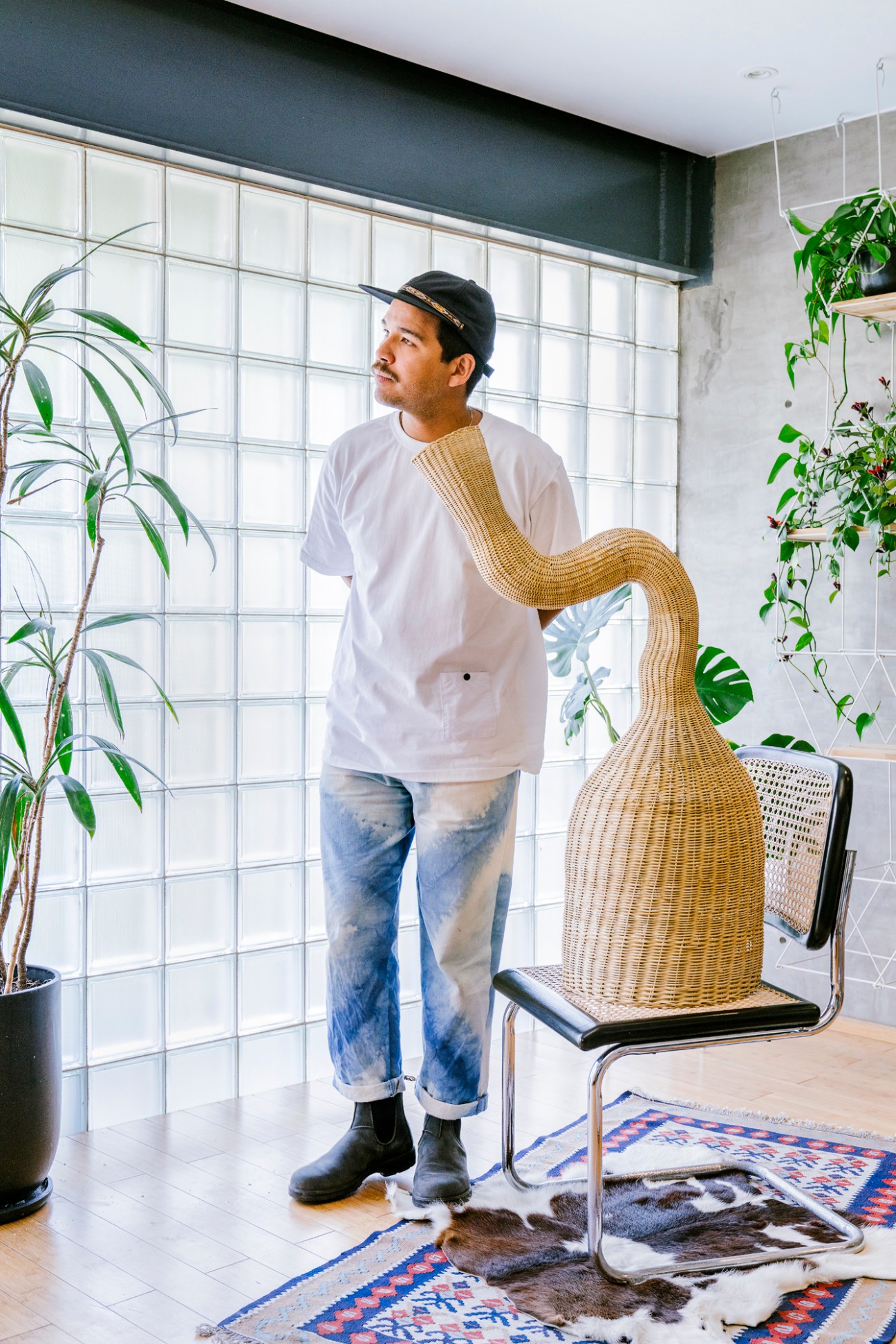
A trained lawyer, Moya didn’t have a background in art or design before starting his gallery. “I like to find treasures,” he says. “For other pieces, it’s important that I like the people who make the work; it has to have that personal connection.”
Until recently, Moya has relied on his connections for sourcing works: he bought his latest piece (pictured), which was made by craftspeople in Oaxaca, from Mexican company Lørdag & Søndag. But he also visits other galleries and art fairs on the hunt for emerging artists. Seeing the pieces and meeting the artists in person is important, which is why he steers clear of online purchases. Moya has also tried painting in recent years. “It’s always the same,” he says, pointing to a piece on his wall: a blue-painted canvas with a white triangle down the middle and a little surfer at the front. “Other artists tell me that I should try something else,” he says. “But they’re selling pretty well – and it’s working for me.”
Florian Staudinger and Paul Hallam
Austria
Dividing their time between Vienna and their country estate in Göstling an der Ybbs in central Austria’s Alpine foothills, Florian Staudinger and Paul Hallam are what’s known as “slow collectors”. The couple – who work in events and property, respectively – gradually discover and buy the works of artists that inspire them. That happens in sometimes unconventional ways, such as perusing the websites of small auction houses around the world or heading off to visit off-the-beaten-track art fairs in central Europe.
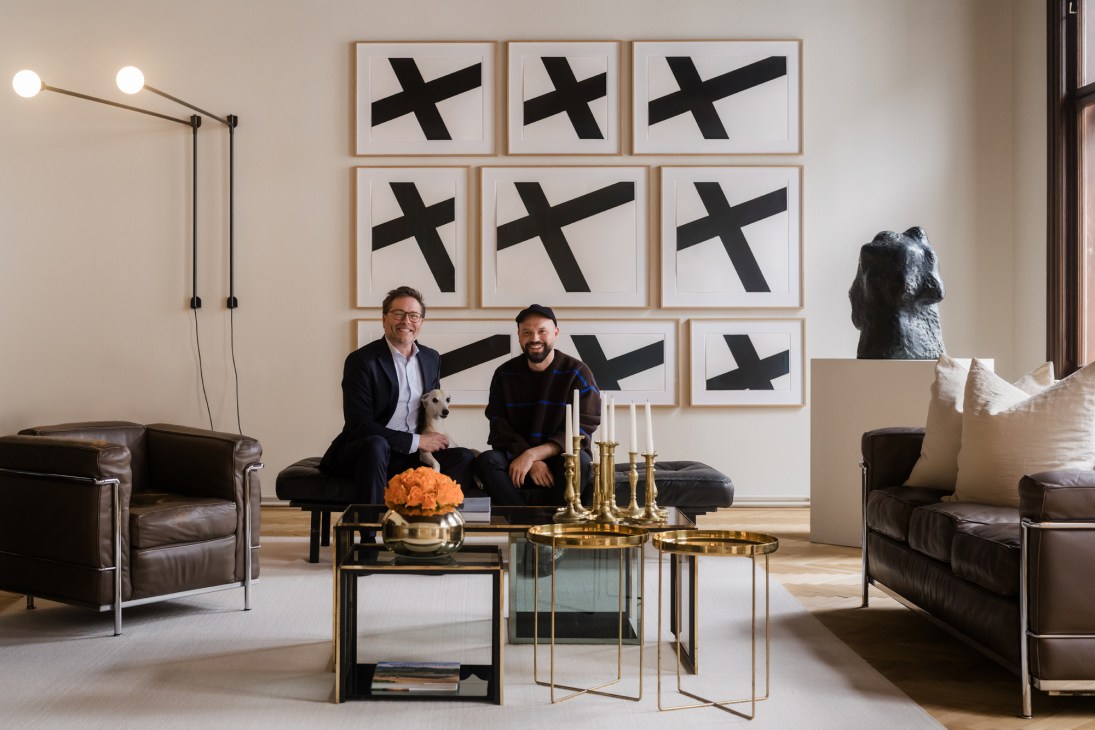
Always living with the pieces they buy (currently that totals about 180 works), the pair never follow art-world hype about the next big thing, but rely on their instincts and emotions. Much of their collection is from the 1970s and 1980s but the two also build long-term relationships with younger artists, such as photographer Tina Lechner and Munich-born Lukas Troberg, offering a kind of modern patronage through commissions and exposure; work by these artists adorns the office walls of Hallam’s firm in central Vienna.
The couple’s collecting philosophy is gentle, a bit regional and delightfully personal: they are in it not for trophies or investment but for the love of art over the long haul.
When did you first start collecting?
florian staudinger: I was 21 when I bought my first artwork by Austrian artist Renate Zechmeister. It was all about materials: Japanese paper, ash, resin, pigment. I had no idea about art but I fell in love with this one piece. It was purely emotional. I’ve stuck to that method of collecting; I need to be a little overwhelmed with emotion and have something I can’t put my finger on with an artwork.
How do you find new work and artists?
fs: We go to art fairs but not specific ones. We Google a lot. It’s ongoing, curious research. Collecting has become a kind of emotional necessity because the feelings that art brings up in you are different to those you have in normal life. They’re slower, deeper.
Do both of you buy art and do your tastes differ?
fs: Paul is completely focused on what could move me, which I find extremely beautiful; it’s good for our relationship. He found these wonderful minimalist drawings by an artist named Bruce Boice, who worked mostly in the 1970s, on an auction website; they were perfect. A dealer in Brussels noticed that we were buying them and invited us to view the 160 pieces he had; we bought 80.
Could you talk about your most recent purchase, ‘Mappa Mundi’ by Richard Nonas [pictured]?
fs: Richard’s pieces are abstract and post-minimalist. I had the pleasure of being introduced to him. He stayed twice at our country house and we had touching conversations. He carefully watched how people interact with each other, with animals, with the space and garden. It’s also why this piece is so important to me. The artist said that he’d come and help us hang it but he died before he could visit. Mappa Mundi means “map of the world”. I look at it every day and remember that he gave me something with which I can understand the world a bit better.
6.
Auctions
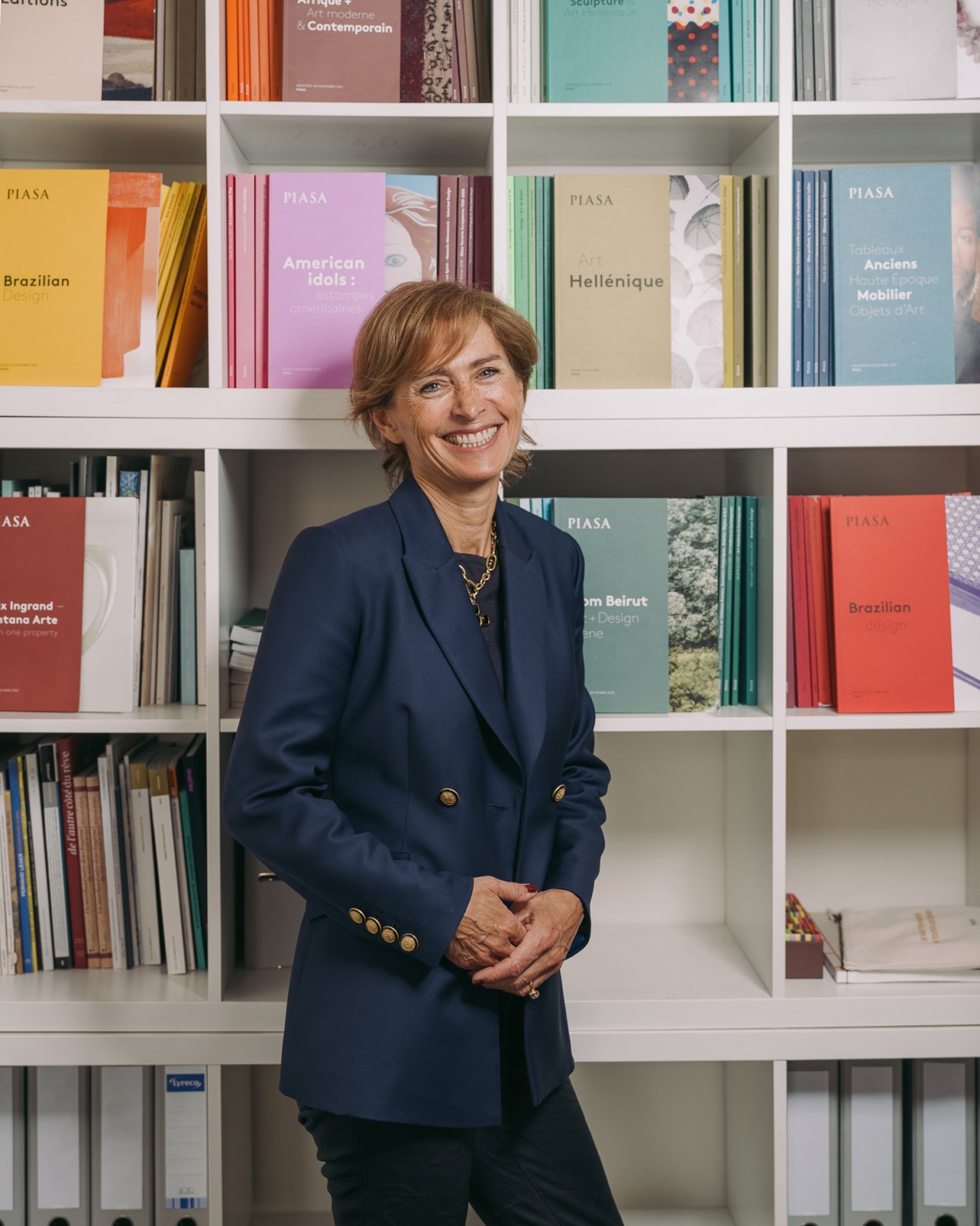
Marie Filippi
CEO, Piasa, Paris
Founded in 1996, French auction house Piasa has been given a new and fresh air under the innovative directorship of CEO Marie Filippi, who joined the company in 2016 after her earlier career in finance.
Today she leads a 30-strong team at Piasa’s HQ in an 18th-century townhouse on Rue du Faubourg Saint-Honoré, a stately street that in the past few years has become a veritable hotspot for Paris’s art milieu.
“We were the first to move and now we’re between Christie’s and Sotheby’s,” she says. “All the galleries have gradually left the Marais and many are here now.”
With a varied auction diary of contemporary art and design pieces, as well as rare books and jewellery, Piasa stands out for its concise sales held in an attractive and intimate setting. Like many auction houses, it has thrived in the past year, when the art world has gone through many changes and the secondary market has come to the fore: here Filippi explains the strategies that underpin its success.
How important is it to have an appealing physical space?
It’s essential. Lots of people come to our exhibitions; we are known for them. We select and curate the sales and, from there, we make a print catalogue and an exhibition. We create an atmosphere. We have also chosen an emblematic building, a hôtel particulier, so it’s more like a big house than a museum. This means that when people come, there is an aesthetic proposition, with the art displayed almost as it would be in your own home.
How do you make the most of digital tools while maintaining the essence of a traditional auction house?
We always try to innovate, without necessarily putting in place a very expensive digital system. We do online auctions as well as what we call “Onlive” auctions, which is a Piasa invention. These take place online at a certain time, instead of over several days, so you still get the excitement of a physical auction. It allows us to have dedicated auctions for pieces that we love but that are generally more modest, smaller and less expensive.
How do you approach younger clients?
Our client base is getting younger because people under 40 like the fact that we don’t produce anything new. We restore, we sell vintage pieces, and that speaks to them. The luxury industry is a huge polluter and we sell luxury items that already exist. Auction houses have a lot going for them in that sense.
What kinds of auctions work well at the moment?
Everything works well. I don’t know if it will last but 2021 and the beginning of 2022, all of Piasa is doing very well. People are getting to know us better. We’ve been in this location for the past few years and it was a complete change in our model. Today we are the complete opposite of [large Parisian auction house] Drouot, which is not at all curated. It took some time to establish our brand but today we’re seeing the results. The art world in general is doing very well.
What advice would you give to someone who is thinking about starting a collection?
You really have to buy with your eyes and your heart, and not with an advisor. Auction houses are pretty good for first buyers because they provide a market price: if you go into a gallery, you don’t know whether the prices are going to stay the same. But I would start with what you like, what moves you. If you were to put several people in a museum, they wouldn’t stop in front of the same artist. So it’s the same thing: don’t listen [to others] too much.
piasa.fr
Auction calendar
Dates for your diary
1.
Modern & Contemporary Art, Grisebach
3 June
Berlin-based Grisebach will be auctioning works spanning from impressionism to pop-art.
grisebach.com
2.
Editions, Piasa
23 June
Pick up a more-affordable piece at the Paris-based auction house.
piasa.fr
3.
Unpublished Dora Maar photography, Artcurial
27-28 June
Photographer, painter and poet Maar’s unseen work goes on auction in Paris.
auctions.artcurial.com
4.
Art and Design, Freeman’s
29 June
This Philadelphia-based auction house will bring together collectors of furniture, design and art in one sale.
freemansauction.com
5.
Prints and Multiples, Bonhams
29 June
This auction in London includes prints by Lucian Freud.
bonhams.com
7.
Venice Biennale
‘The Milk of Dreams’
Art Biennale, Venice
You could tell that this was going to be a big edition of Venice’s Art Biennale from how difficult it was to book a hotel room. The return of the Architecture Biennale last year might have warmed up the Giardini, the leafy beating heart of the show, home to many of the main national pavilions. But this is an enthusiastic, almost frenzied return to form for the art iteration. Three years felt like a long time to wait for this.
A lot has also happened in that time – and curator Cecilia Alemani’s evocative if nebulous theme “The Milk of Dreams” provides a poignant lens to reflect on it. Borrowed from a book by British-Mexican surrealist Leonora Carrington, this title invites artists and curators to conjure up space-shifting worlds where imagination has a transformative power. In the case of the main exhibition curated by Alemani, that means a collection of works – some ominous, some eccentric, many uncanny – that mine the subconscious for a refreshingly weird result (notably, her show is also a first in the Biennale’s history to upend the gender balance in favour of female artists). For everyone, it’s a chance to look at bodies and the way they interact with one another, technology and nature. Far from being self-indulgent, this feels like a political topic, tied up with race, gender and what it means to be human; it’s made even more relevant by the fact that, after a few years spent thinking about their physical fragility, people can be here in person – flesh, blood, hangovers, sore feet and all.
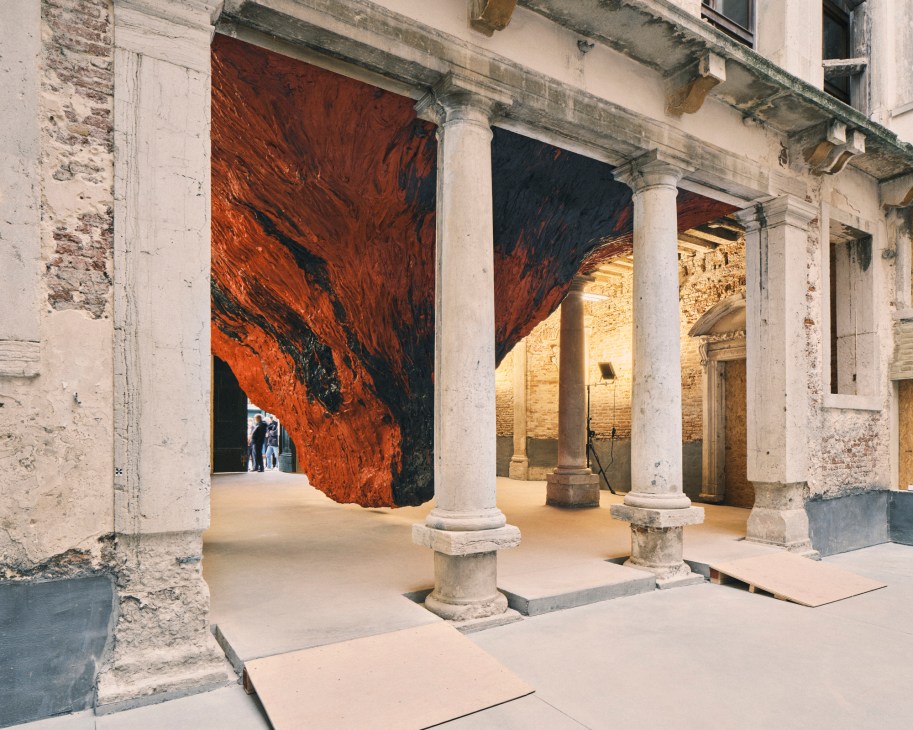
“It has been really joyful for all of us to meet people we haven’t seen for so long, to be together in a space – especially as our work is also about bodies coming together,” says Viktor Neumann, the co-curator of the Romanian pavilion. “It really is about reconnecting.” Inside the country’s cavernous space, a video installation by film-maker Adina Pintilie shows moments of intimacy between couples as well as bodies of all kinds claiming the screen – sometimes with melancholy poise, sometimes with explosive rage. “It’s important to reassess what’s considered the norm in terms of diversity and sexual expression. It’s wonderful to see that we are among many pavilions tackling exactly this.”
One of those is Brazil’s. The country’s exhibition might look quirky and fun, with its absurd, colour-popping sculptures and collages representing abstract body parts but it is making an on-the-nose political statement.
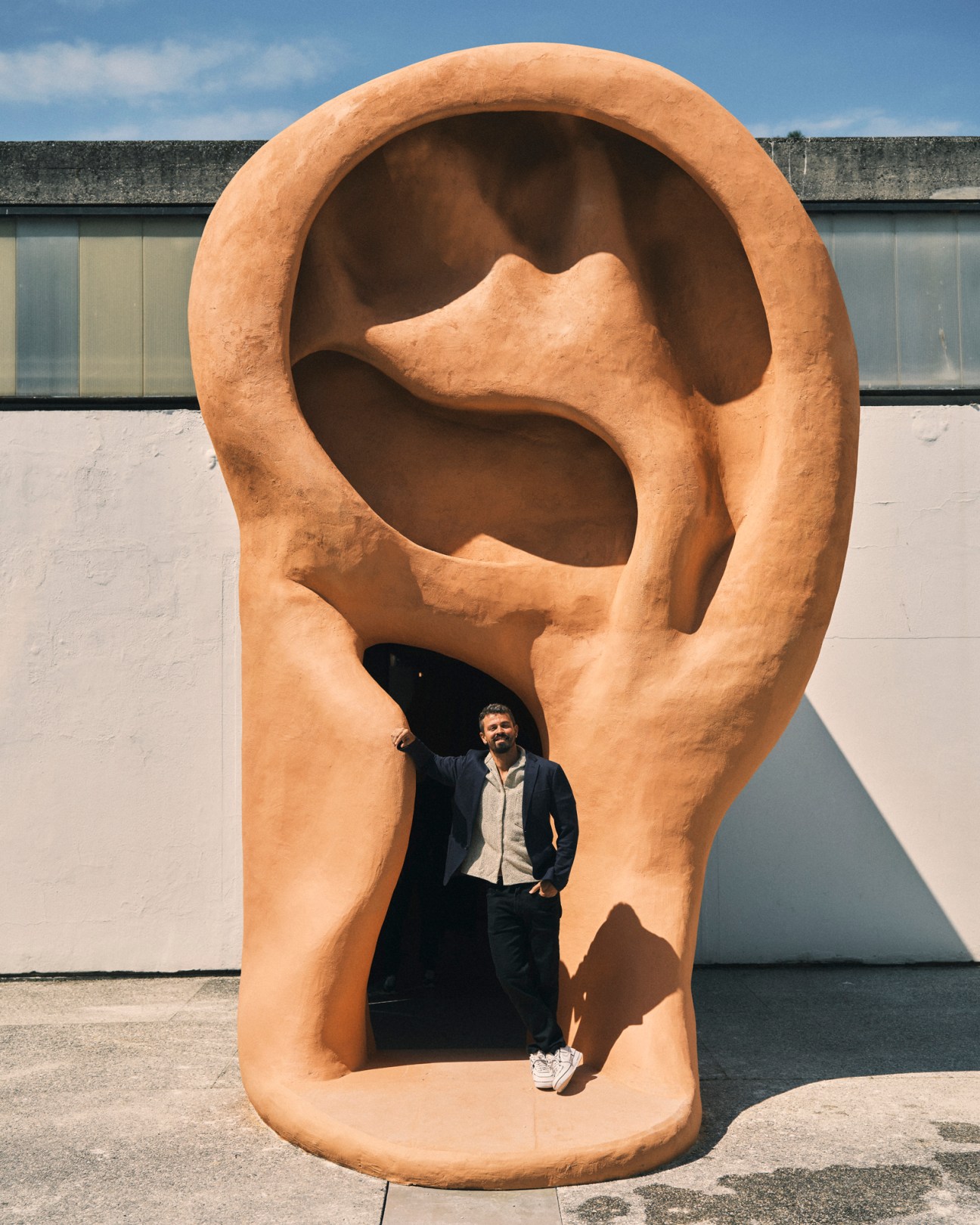
“The project gathers a collection of more than 250 expressions based on the body [such as “having one’s head in the clouds” or “one’s heart in one’s throat”],” says artist Jonathas de Andrade, stepping through the huge ear-shaped sculpture around the exit of the pavilion. “Quite a few of them relate to the political and social atmosphere of Brazil at the moment. Language is something that speaks of the collective: these expressions depend on daily use and meaning to exist. I think it’s a great metaphor of a good democracy. There is a simple and direct message: if we get together as a society, we can gather our energy and change things. There is a lot of power in this – and art plays a major role.”
Of course, all conversations around art’s potential to transform society and the celebratory atmosphere borne out of people gathering to tackle meaty subjects (or simply clink late-night negronis), plays out against a stark global context beyond the idyllic pen of the Biennale. In the Giardini, the ghostly Russian pavilion stands shuttered and a temporary Ukraine Square has been erected in the form of a pile of sandbags surrounded by charred wooden pillars. Perhaps even more conspicuous is the absence of many colossal yachts that usually crowd the waterfront, signalling the fact that certain moneyed visitors are notably absent from this edition. Ukraine’s own pavilion in the Arsenale is proof of an admirable defiance in the face of unspeakable odds but outside these dedicated spaces for sombre reflection, proceedings largely carry on in their usual, jubilant fashion.
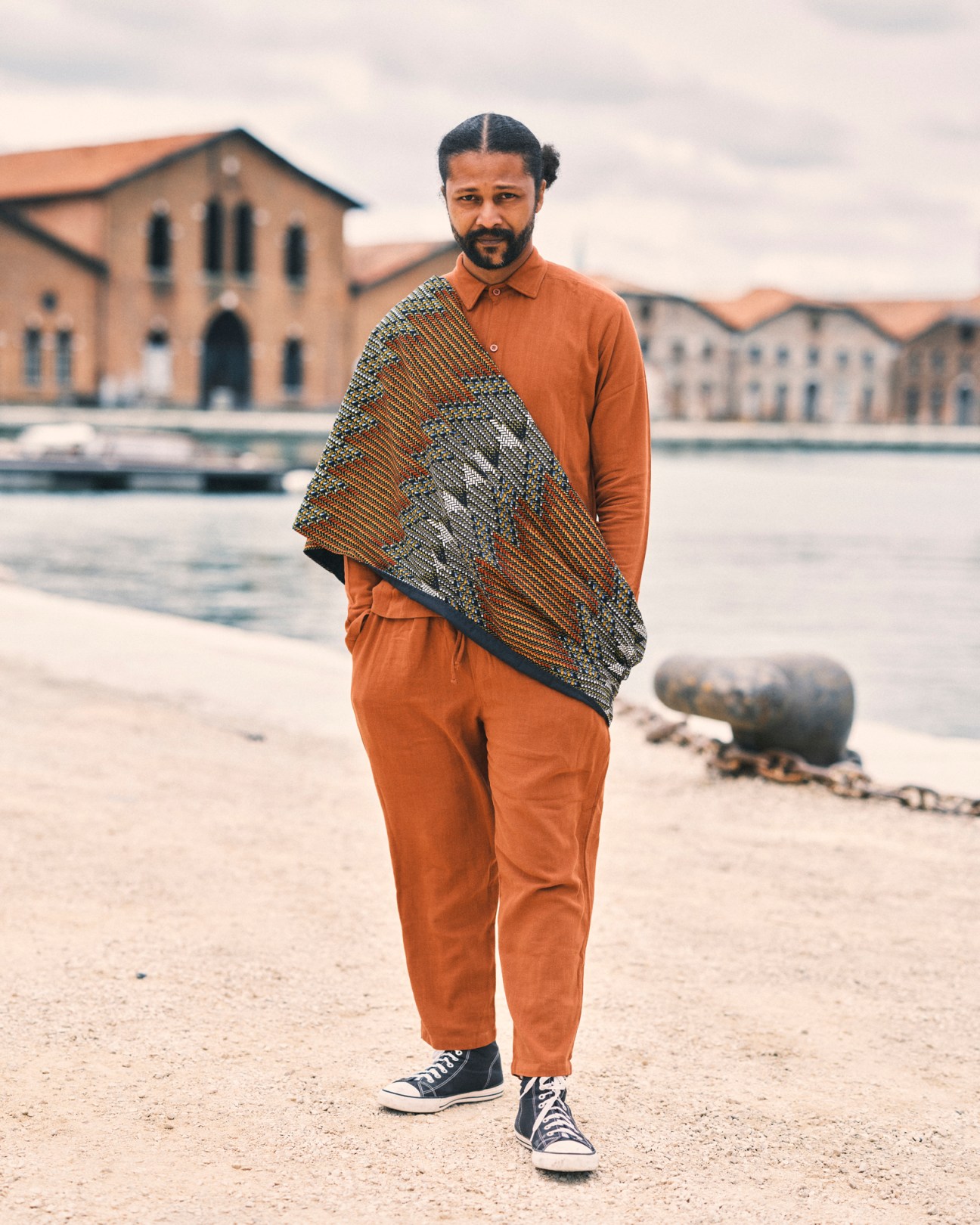
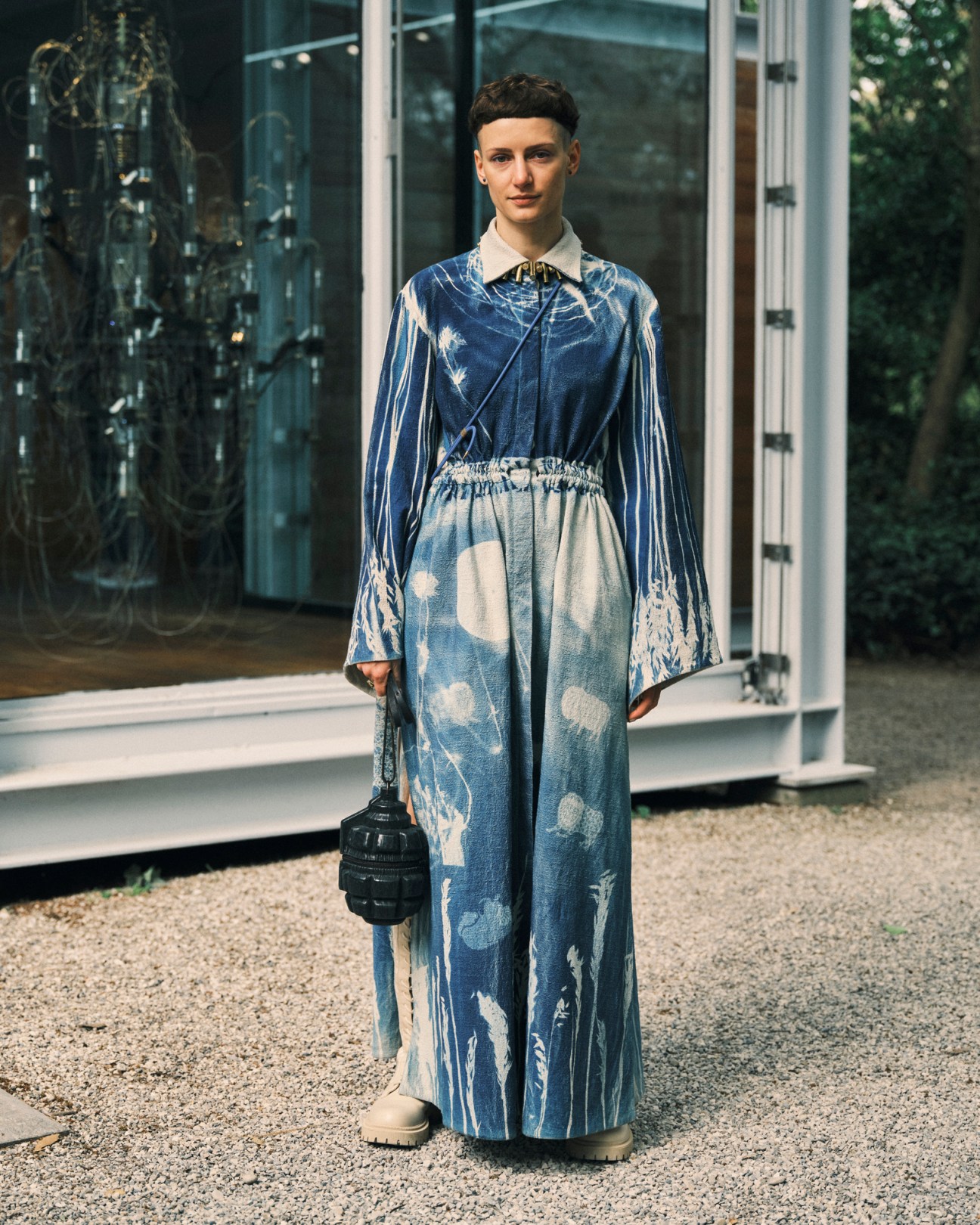
“It’s really exciting to be a part of something that’s huge and that is obviously a great boost for my career,” says Ghanaian artist Na Chainkua Reindorf outside her country’s pavilion, showing her enigmatic paintings of women. “But there are also people who are suffering everywhere. These two things don’t necessarily have to cancel each other out; they can exist in tandem. Keeping those things in mind is something I always make sure to do.”
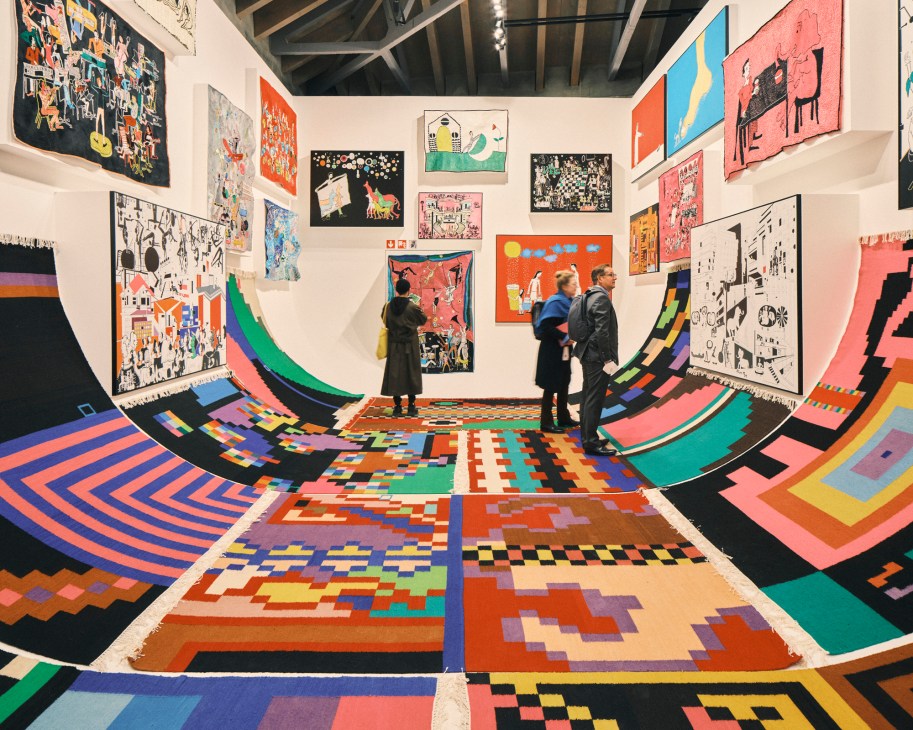
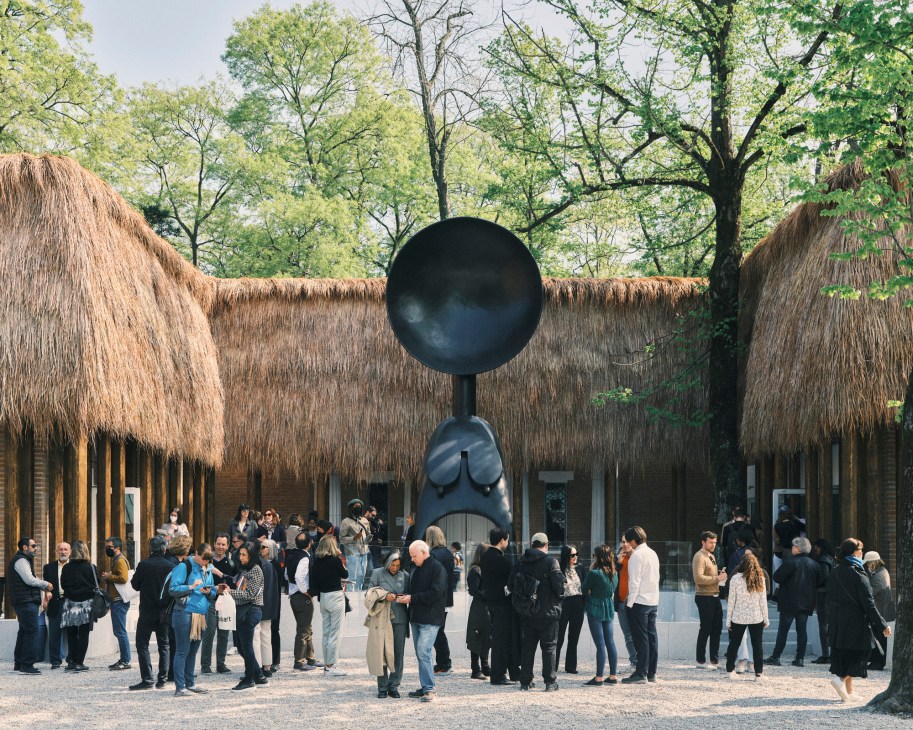
The tension might feel hard to navigate but the Biennale is an important stage for complicated conversations – and thorny discussions around national identity are integral to the set-up. Stand-out pavilions from the US to France deal directly with the countries’ colonial legacies: the former, courtesy of award-winning Simone Leigh, has completely reconfigured its appearance by covering its exteriors with a thatched roof and installing a towering statue at the front to celebrate African-American heritage. The spectacular space known to most visitors as the Nordic pavilion, rebranded for this edition as Sámi, is home to an eloquent critique of a brand of imperialism that also destroys the environment.
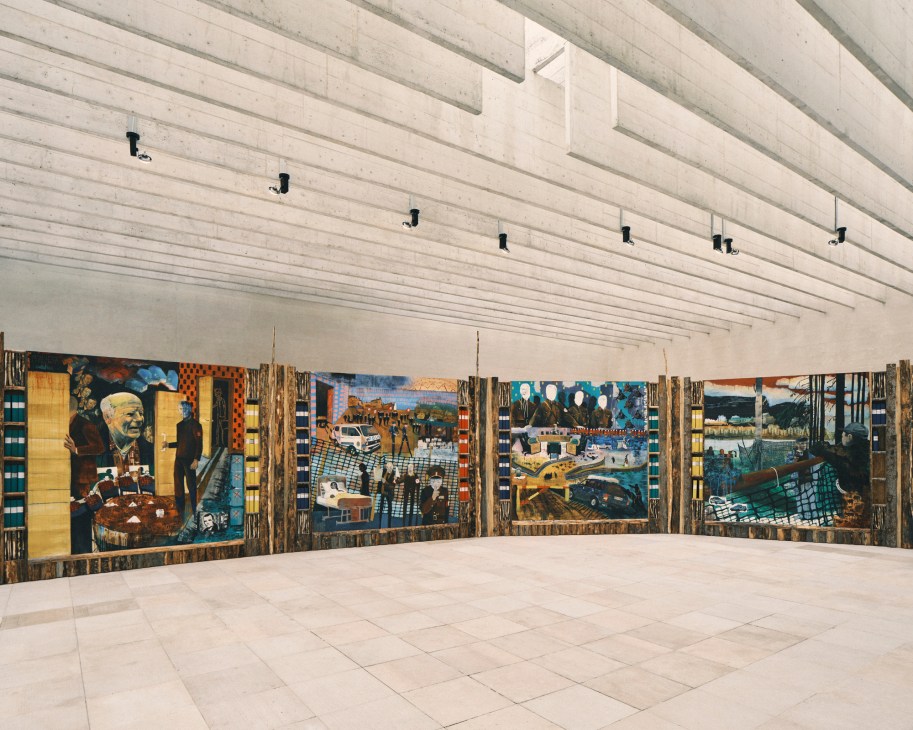
“I grew up just 2km from the Finnish border; but the border doesn’t really exist – it just exists on paper,” says Sweden-born artist Anders Sunna, whose paintings of salient moments in Sámi history stand proud, mounted on wood frames felled by his own brothers. “Nature doesn’t say, ‘Now we’re in another country’. It’s not like the animals start speaking a different language.” With dozens of exhibitions spread across Venice beyond the Biennale’s main sites, it’s hard to neatly distil lessons from an excitingly sprawling event such as this. Still, like in a feverish dream, what sticks in the mind after a blur of dinners in Renaissance homes and raves in disused warehouses is a few, impactful works. Many of the most memorable pieces on display here have a critical, elegiac quality. But somehow that can’t take away from an overall sense of reinvigorating energy. It’s as though, after spending years chewing over tough topics, this has now become a time for dreaming up better futures.
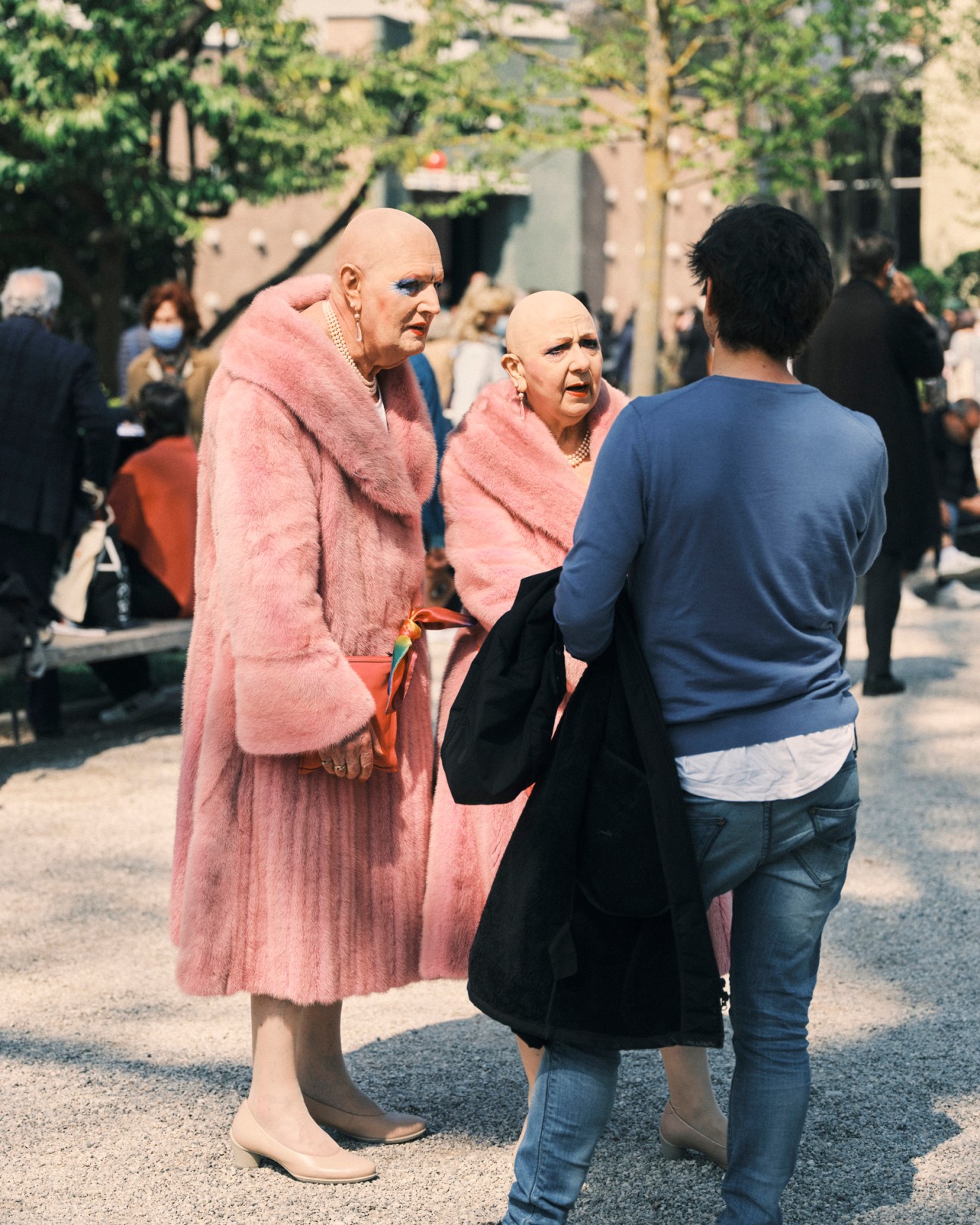
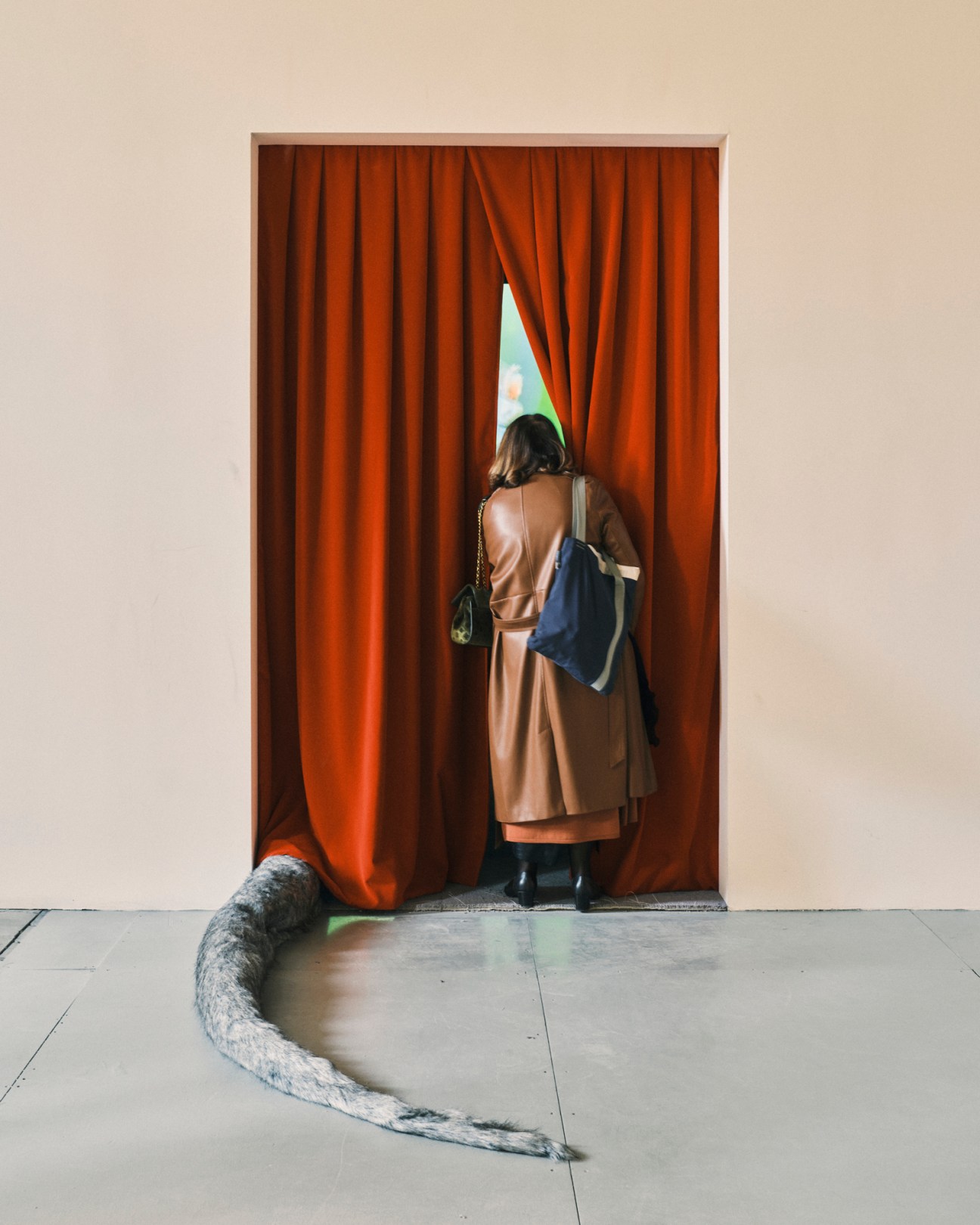
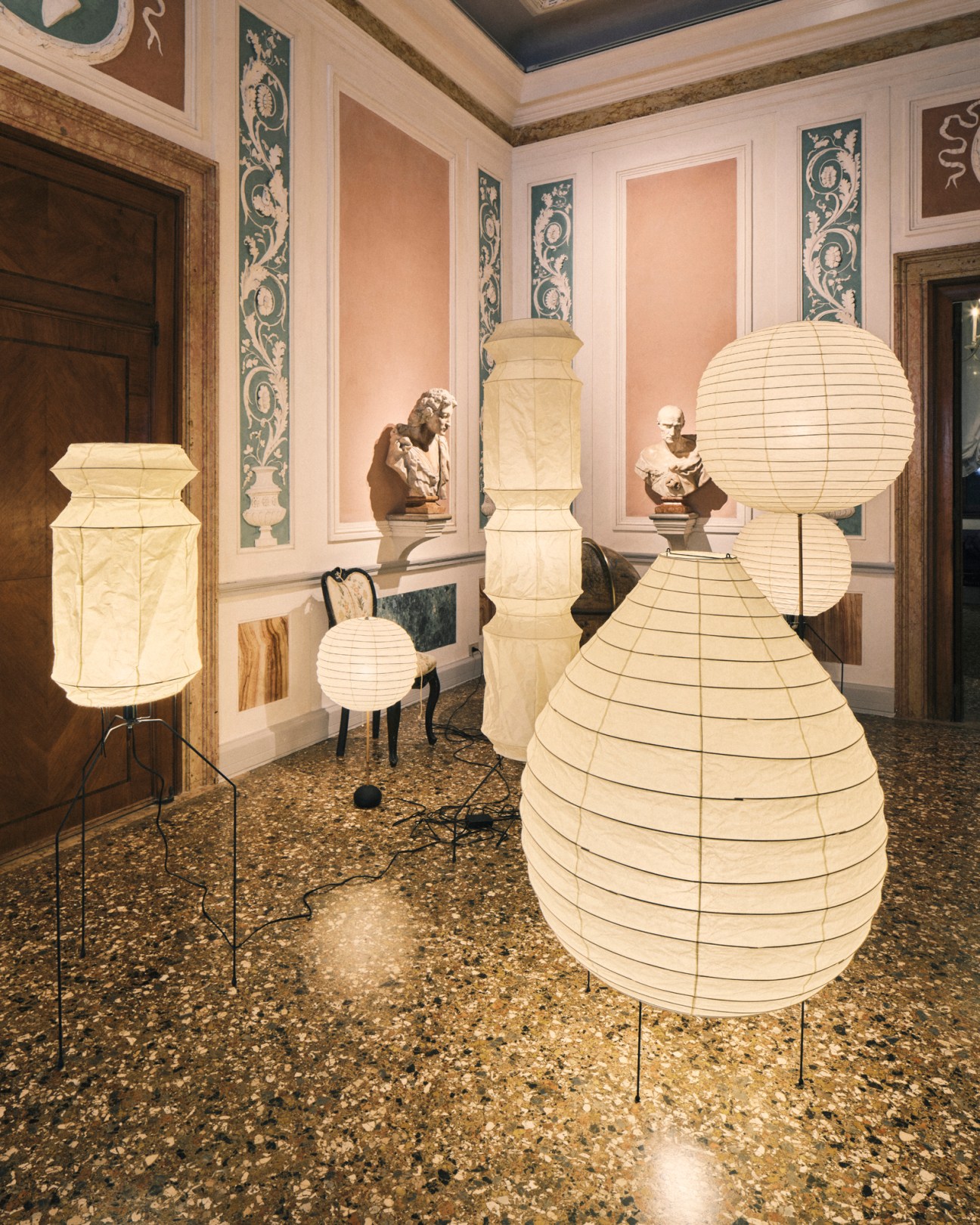
Even Italy’s pavilion – one of the most haunting shows in the Arsenale, featuring a reproduction of empty factory floors – ends with an encouraging image: visitors stand on a platform surrounded by water, in darkness, as small but bright lights flicker on and off in the distance.
“What will stay with me from this edition of the Biennale is the tears of the people coming out of the exhibit,” says curator Eugenio Viola. “Those lights mean hope, the light beyond the darkness of the night. They are a strikingly positive message. In these times, more than ever, optimism is an ethical necessity – a moral obligation.”
The Venice Art Biennale runs until 27 November.
Bright sparks
Film
Luzzu
Alex Camilleri
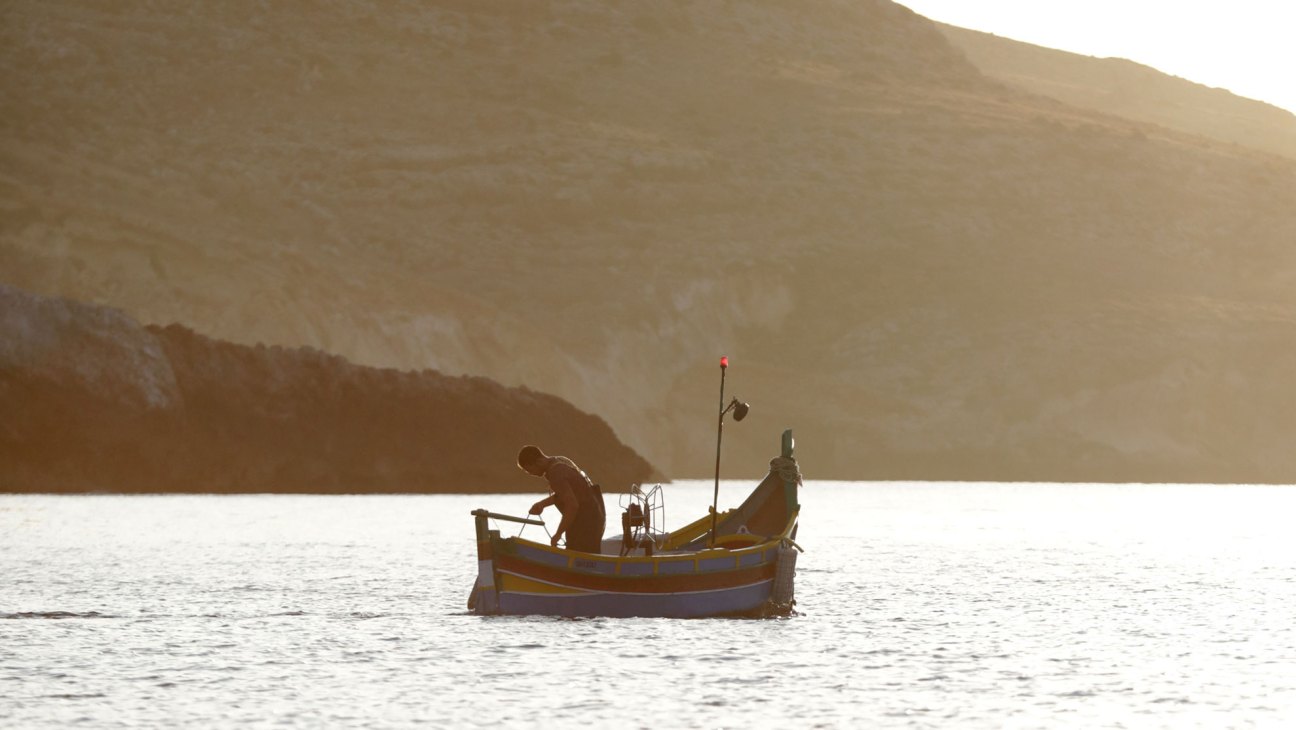
Fans of cinéma vérité will find much to admire in this debut feature by Maltese-American director Alex Camilleri. Real-life fisherman Jesmark Scicluna plays a man who sails his small boat, or luzzu, against the current of change and modernity. But when he becomes a father, he finds himself out at sea trying to make ends meet and soon becomes entangled in the net of the black market. Luzzu is a resonant tale of decaying traditions in a community that’s just a few kilometres – but also a world – away from Malta’s glamour and wealth.
Ennio
Giuseppe Tornatore
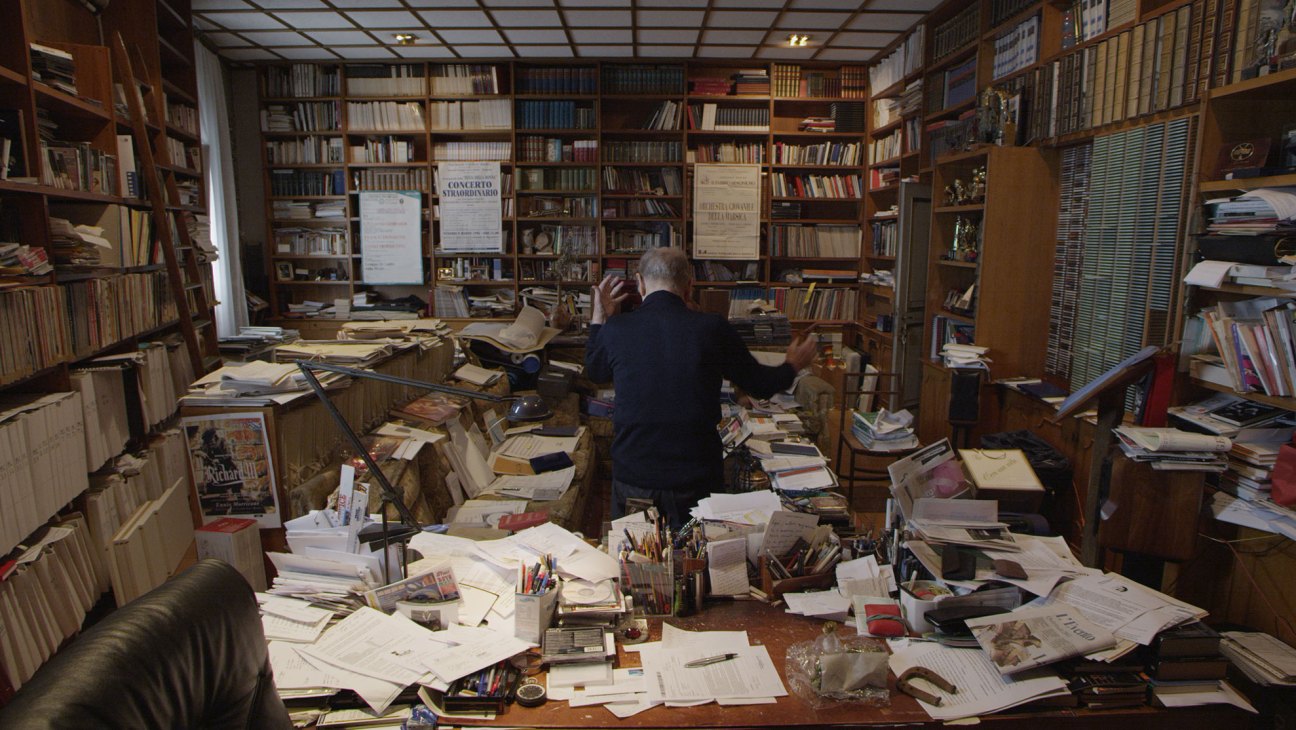
Italian composer Ennio Morricone’s film soundtracks are so definitive that even looking at a still from Once Upon a Time in the West, The Mission or Cinema Paradiso is enough to evoke their wailing harmonicas or stirring woodwind. Two years after Morricone’s death, director Giuseppe Tornatore reflects on the composer’s life in a documentary that also serves as a celebration of his 70 years of work. Among the many admirers and collaborators interviewed in Ennio are directors Quentin Tarantino and Clint Eastwood, as well as musician Bruce Springsteen.
Bergman Island
Mia Hansen-Løve
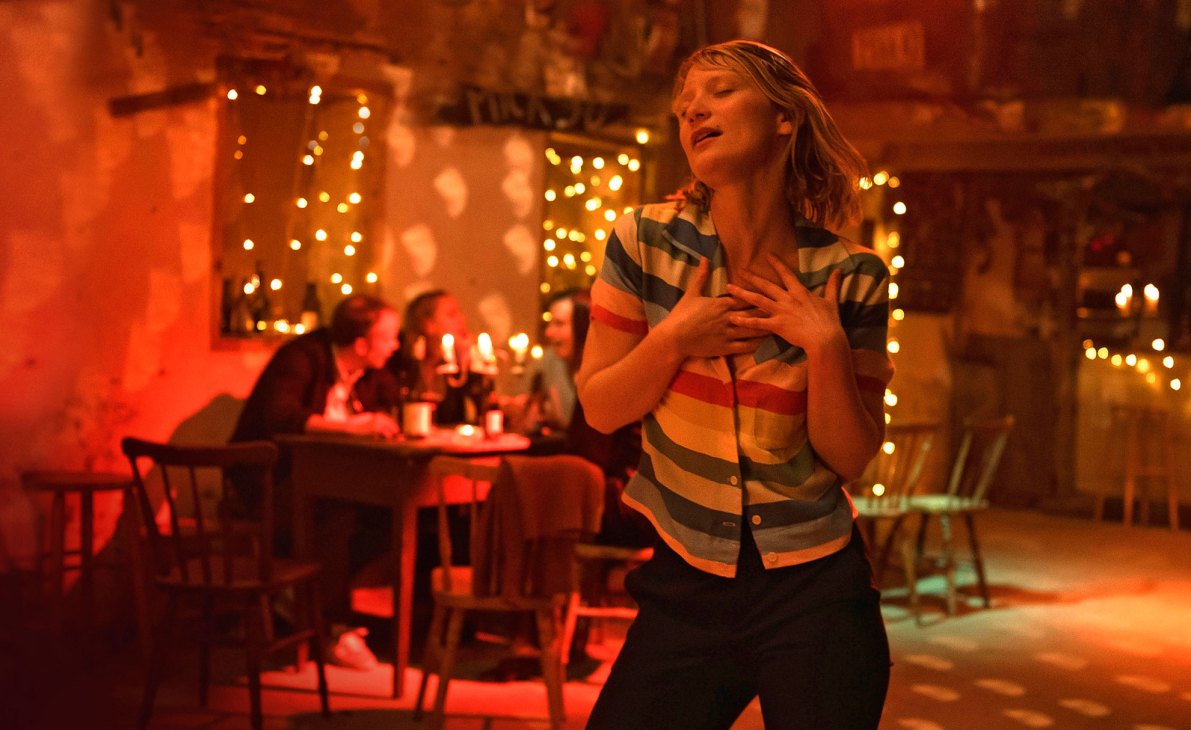
French director Mia Hansen-Løve’s latest feature takes as its subject the struggles and strains of film-making. It revolves around a couple, played by Vicky Krieps and Tim Roth, who take up a writing residency on the remote island of Fårö, where Ingmar Bergman used to go in search of inspiration. What follows is a study of a marriage that is completely out of sync and a personal, introspective examination of the uneasy but inextricable relationship between life and art.
Music
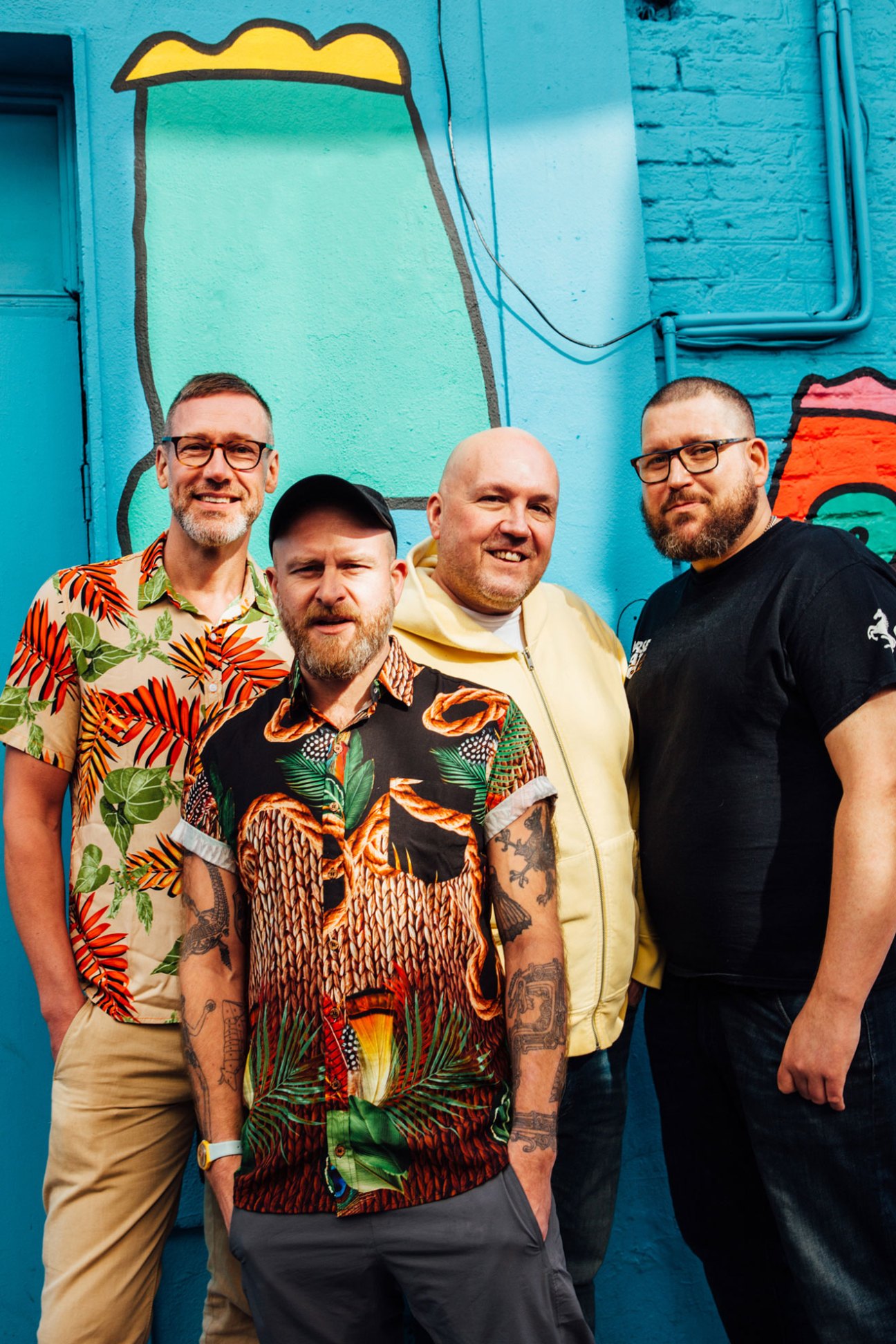
Back to Mine
Horse Meat Disco
Started in the late 1990s, compilation series Back to Mine tasked musicians with selecting an album’s worth of tracks that they would play at home. Now it’s making a comeback and choosing the songs is London-based electronic quartet Horse Meat Disco. Expect plenty of fun and smooth house music, ranging from Róisín Murphy’s excursion into Italo-disco in “Ancora Ancora Ancora” to the soft tones of Lisa King in “You’ve Got Magic”. It’s the perfect record for when you’re entertaining on a summer’s evening.
‘Back to Mine’ is released on 20 May.
In Amber
Hercules and Love Affair
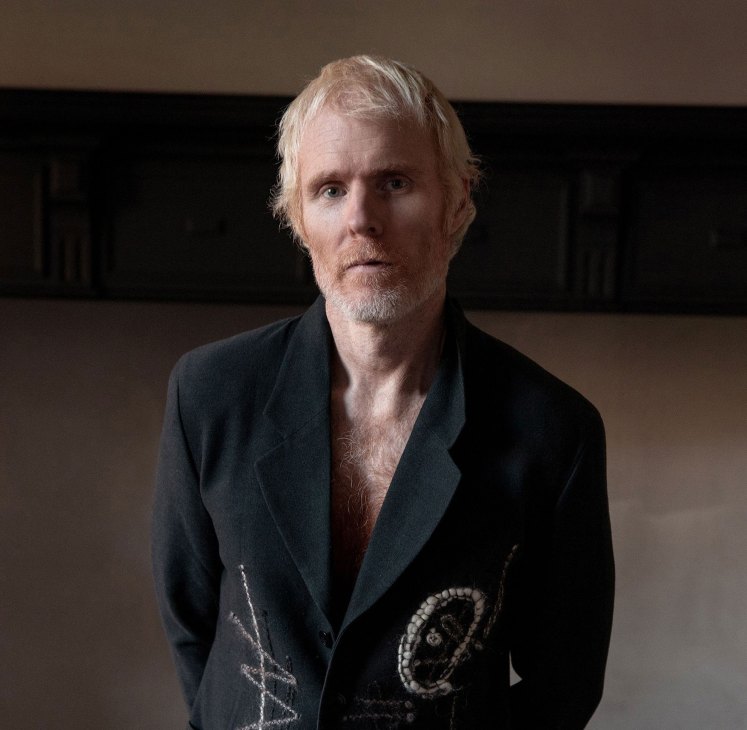
Five years since his last record, DJ and producer Andy Butler returns with a new release from Hercules and Love Affair, his dance project involving a constantly changing cast of collaborators. In Amber is a serious album: many of its songs are about rage and loss. Among the highlights is “Grace”, which features vocals by Icelandic singer Elín Ey.
‘In Amber’ is released on 17 June.
Palaces
Flume
Australian singer Flume’s third studio album was inspired by his move from Los Angeles back to his homeland, where he was surrounded by nature. Flume brings in several excellent collaborators, from US singer-songwriter Caroline Polachek in the operatic “Sirens” to Damon Albarn in title track “Palaces”, a deep dive into nature that features background chirping.
‘Palaces’ is released on 20 May.
TV
Hold Your Breath: The Ice Dive
Ian Derry

This sharp 40-minute documentary by director Ian Derry follows Finnish freediver Johanna Nordblad as she attempts to break the world record for swimming the longest under ice after taking just one breath.
Borgen
Adam Price

After a nine-year break, Danish political drama Borgen returns with a new series. This time round, we follow former prime minister Birgitte Nyborg, now minister for foreign affairs, as she deals with demands for oil exploration in Greenland after being elected on an environmental platform.
Odwilz (The Thaw)
Marta Szymanek
This Polish thriller created by Marta Szymanek follows an unusual investigation led by chief inspector Katarzyna Zawieja, who has to step in when the daughter of the district prosecutor is found frozen on the banks of a river. While mourning her own husband’s death, Zawieja struggles to maintain control and solve the murder.
The Family
Bojan Vuletic
Set over three days, director Bojan Vuletic’s miniseries dramatises the arrest of Slobodan Milosevic, the former Yugoslav president responsible for crimes against humanity during the wars in Kosovo and Bosnia. It explores the complexities of sending him to an international criminal tribunal when the new ruling coalition lacks authority over the police or army. It’s a searing portrayal of political intrigue and the frustrations of bureaucracy.
The Photographer: Murder in Pinamar
Alejandro Hartmann

When the body of photographer and journalist José Luis Cabezas was discovered in Argentina, business and political figures were accused of being responsible for his torture and death. This documentary tracks the investigation that followed his murder in 1997 and how the revelation of ties between prominent public figures and the mafia shocked the country.
Books
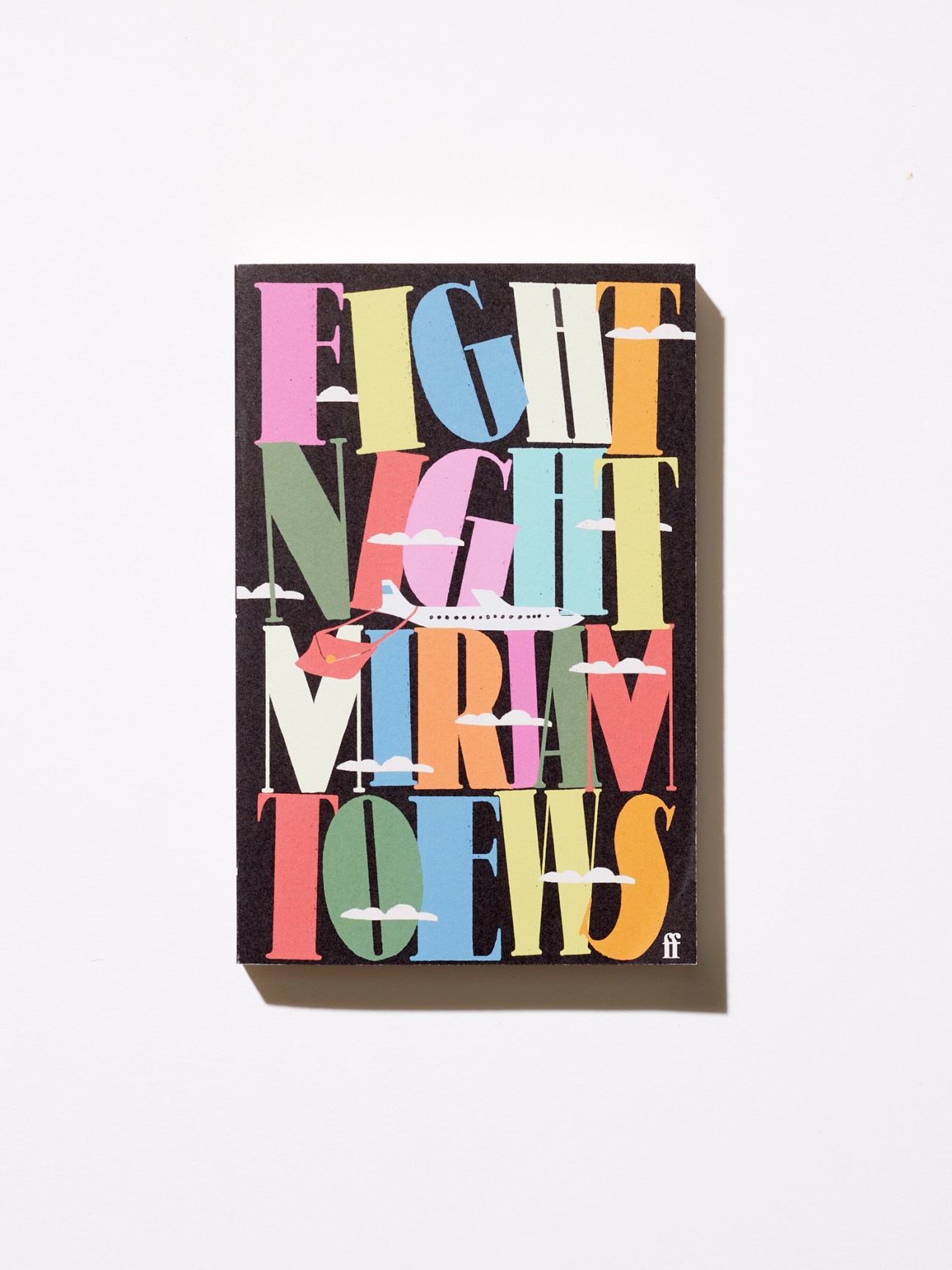
Fight Night
Miriam Toews
The ninth novel from the Canadian author of All My Puny Sorrows follows nine-year-old Swiv, who lives in Toronto with her pregnant mother, Mooshie, and grandmother Elvira. Written as a letter to Swiv’s absent father, Fight Night paints an intimate portrait of a dysfunctional family and the tight bonds between three generations of complicated women.
‘Fight Night’ is out on 2 June.
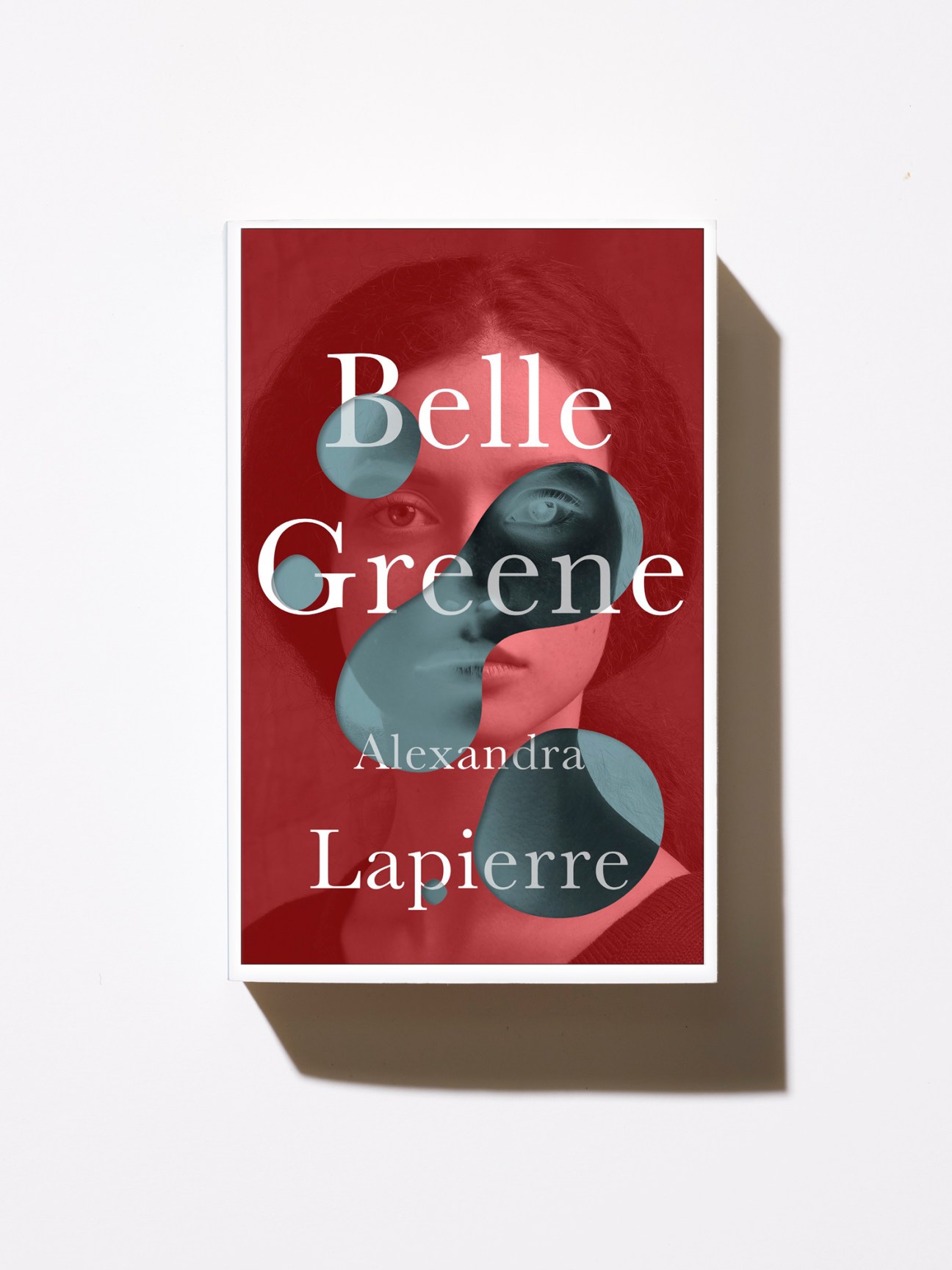
Belle Greene
Alexandra Lapierre
French biographer Alexandra Lapierre recounts the story of Belle da Costa Greene, who overcame societal norms to become the first and only female director of the Morgan Library, built by New York tycoon JP Morgan. With her razor-sharp wit, knowledge and beauty she charmed the intelligentsia, concealing the truth of her identity as an African-American and daughter of a prominent black activist.
‘Belle Greene’ is out on 16 June.
The Opposite of a Person
Lieke Marsman
This exploration of how we can define our identity in the face of the climate crisis introduces us to Ida, a climatologist who has left her girlfriend in Amsterdam to demolish a dam in the Alps. Its author, Lieke Marsman, is the poet laureate of the Netherlands and punctuates her prose with lyricism and essayistic reflections. The result is a moving and spirited novel.
‘The Opposite of a Person’ is out now.
Here Goes Nothing
Steve Toltz
The latest novel by Booker-shortlisted author Steve Toltz is a meditation on life, love and death. When Angus Mooney finds himself in the afterlife, confronting his own cremation and his “soul’s long wanderings”, he must reckon with his past as a petty criminal and communicate with his pregnant wife from beyond the grave.
‘Here Goes Nothing’ is out now.
On my screen
José Fragoso
director, rtp1
Portuguese broadcaster rtp1 is behind some of the country’s most successful TV programmes. Over the past few years, it has released an ambitious number of new projects, ranging from comedy to drama. While rtp1’s work is largely geared towards domestic audiences, it is increasingly making waves abroad with productions such as Até Que a Vida Nos Separe (“Until Life Do Us Part”), a 2021 comedy about a family that manages a wedding-planning business; the programme was acquired by Netflix this year. Here, Monocle speaks to rtp1 director José Fragoso about the company’s big plans for the future.
What genres are doing well and what are Portuguese audiences interested in?
We try to aim for a breadth of genres: historical dramas, adaptations of Portuguese literary classics, comedies, thrillers. Throughout the year we produce 12 to 14 series and 12 made-for-TV films. Our audience is particularly interested in fictional series; thrillers are doing well. We recently sold one of them, Causa Própria [“Own Cause”, a legal drama about a small-town crime], to HBO.
What new programmes do you have planned for the next few months?
We are working on another co-production with HBO called Motel Valquírias [a series about a motel at the border between Galicia and Portugal], as well as the second season of a co-production with Amazon Prime called Operação Maré Negra [“Operation Black Tide”, a thriller about a drug-smuggling submarine]. On top of this, we have the second season of our highly successful comedy series Pôr do Sol [“Sunset”, a romantic drama about an influential family in the countryside]. It has actually just been sold to a platform but I can’t tell you which one just yet.
Why is appealing to international audiences important to you?
Portugal is a small country so it’s crucial for us to export our dramas. It’s interesting that when we work on a co-production with Spain, for example, as we did with Crimes Submersos [“Submerged Crimes”, a police drama], we can reach Spanish-speaking audiences in other regions too. By collaborating with other countries, we can multiply the number of viewers that we get. Working with platforms such as Amazon Prime has also allowed us to reach a much larger audience.
Images: Dogwoof, Firefly Productions, HBO Max, Mike Kollöffel/Netflix, Les Films du Losange, Kino Lorber, Netflix
Denmark’s new architecture school shows the value of hands-on learning
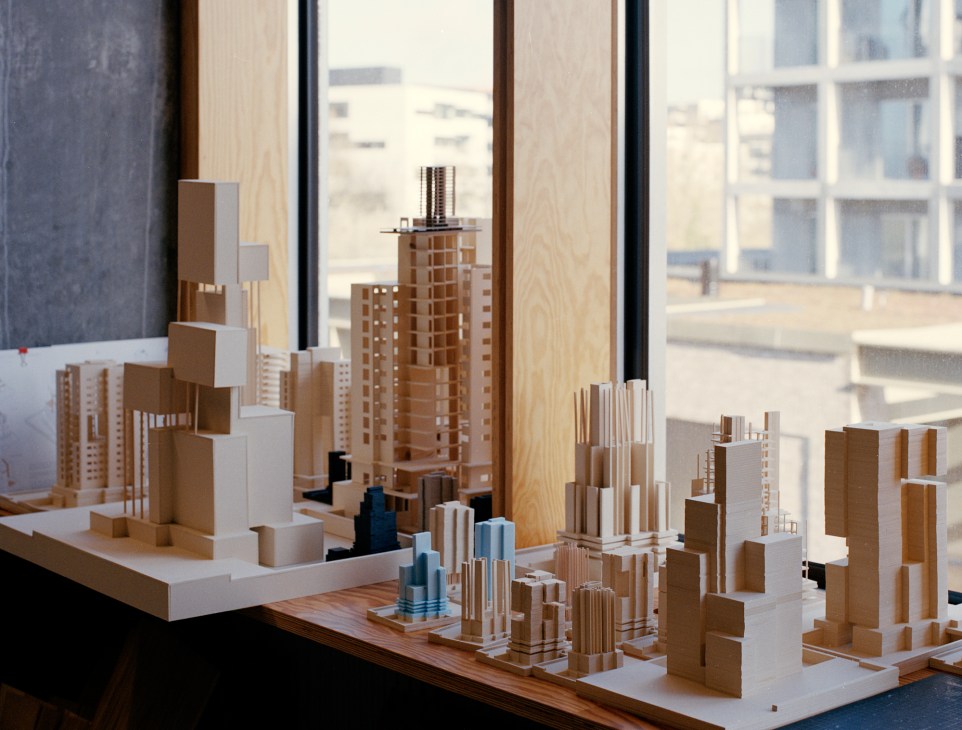
It’s an overcast afternoon in Aarhus when Monocle rolls into Denmark’s second city to view the country’s only purpose-built architecture school. Inside a third-floor studio space, overlooking the city’s old freight yard, budding architects are working in hushed concentration. This room, and four more like it stacked across three floors, has been the daily (and often nightly) workplace for the 700-odd students at Aarhus School of Architecture since last autumn, when the school moved into this new building. There are few better places than here to get a peek into what the future holds for the industry – and the answer looks surprisingly analogue. One student is bent over their desk, carefully glueing together a plywood landscape model. Another is constructing a small house from tiny pieces of wood. Many others are buried in their notebooks, sketching with sharpened pencils; there are few computers in sight.
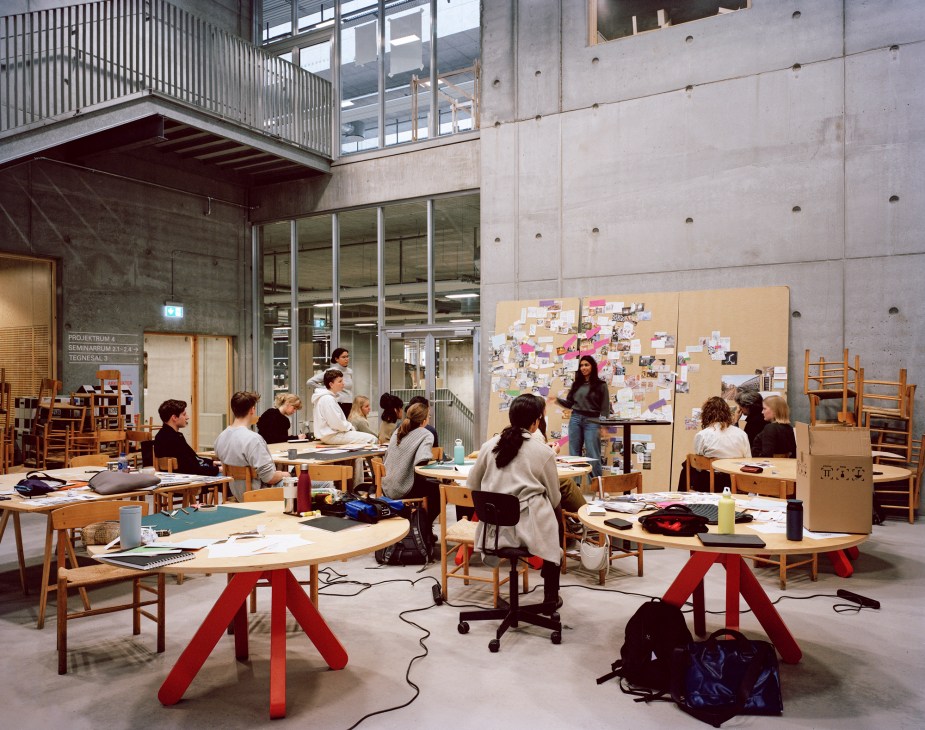
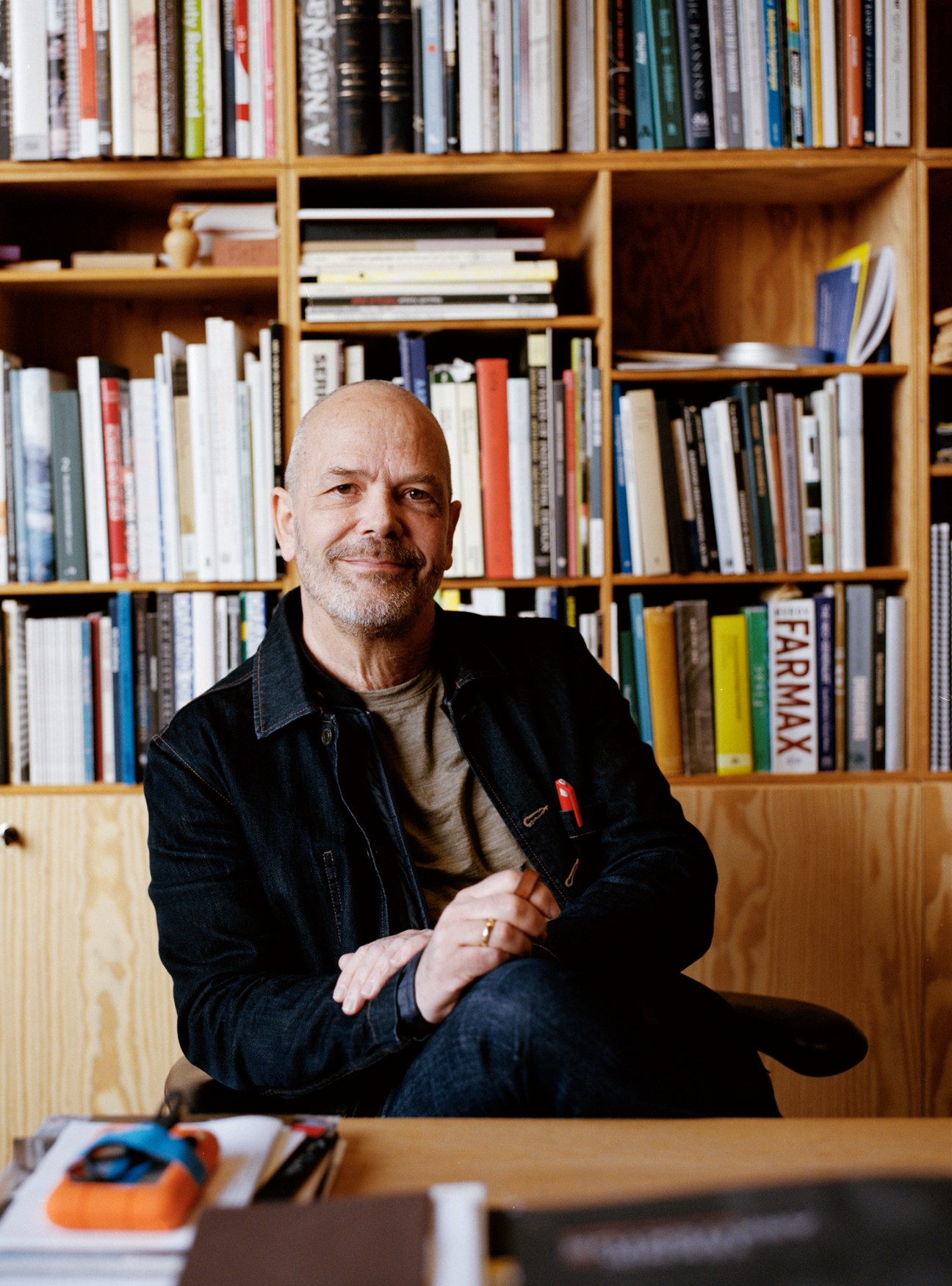
Aarhus School of Architecture, or Aarch for short, was founded in 1965 as the second state-sponsored university for architecture in Denmark, after Copenhagen’s Royal Danish Academy. For more than a decade it has been headed by Torben Nielsen, who greets us in his light-filled new office, which is already packed with books and wooden models. As dean, he says that he’s leading an effort to inject craft back into architecture, a profession that has become known for long working hours spent in front of a computer screen.
“It’s old-fashioned to say but architects are also builders,” says the bespectacled Nielsen, who is dressed in a blue checked shirt. “There was a time when many thought that we should just be some academic institution, reading books and having nerdy thoughts. But it’s not only necessary to know things; you should also be able to do them.”
Despite being well-kitted out, Aarch outgrew its old premises, a conglomeration of buildings in the city’s north. A progressive model had been established and it was now time to give it the home it deserved. “We have a tradition of focusing on materials and the final step was to build a house that could embrace all that,” says Nielsen. “We knew it should be like a factory for architecture.”
Before moving into the new premises, the school had spent the previous decade investing in industrial-grade German machinery for its wood and steel workshops. Now it has shaken up its curriculum to encourage experimentation with the new tools. Alongside introductory courses to computer-aided design software and the history of architecture, first-year students are taught woodworking techniques and how to operate the workshop equipment.
The competition to design the landmark new school drew more than 200 submissions, including from leading firms in the industry. The winner, Copenhagen-based Adept, had the advantage of knowing the project’s needs better than most: the firm was founded by three Aarch alumni – and Aarhus natives –on the day of their graduation in 2006. Their proposal, designed in collaboration with firms Vargo Nielsen Palle and Rolvung & Brøndsted, was a simple, stacked design in exposed concrete, timber and steel.
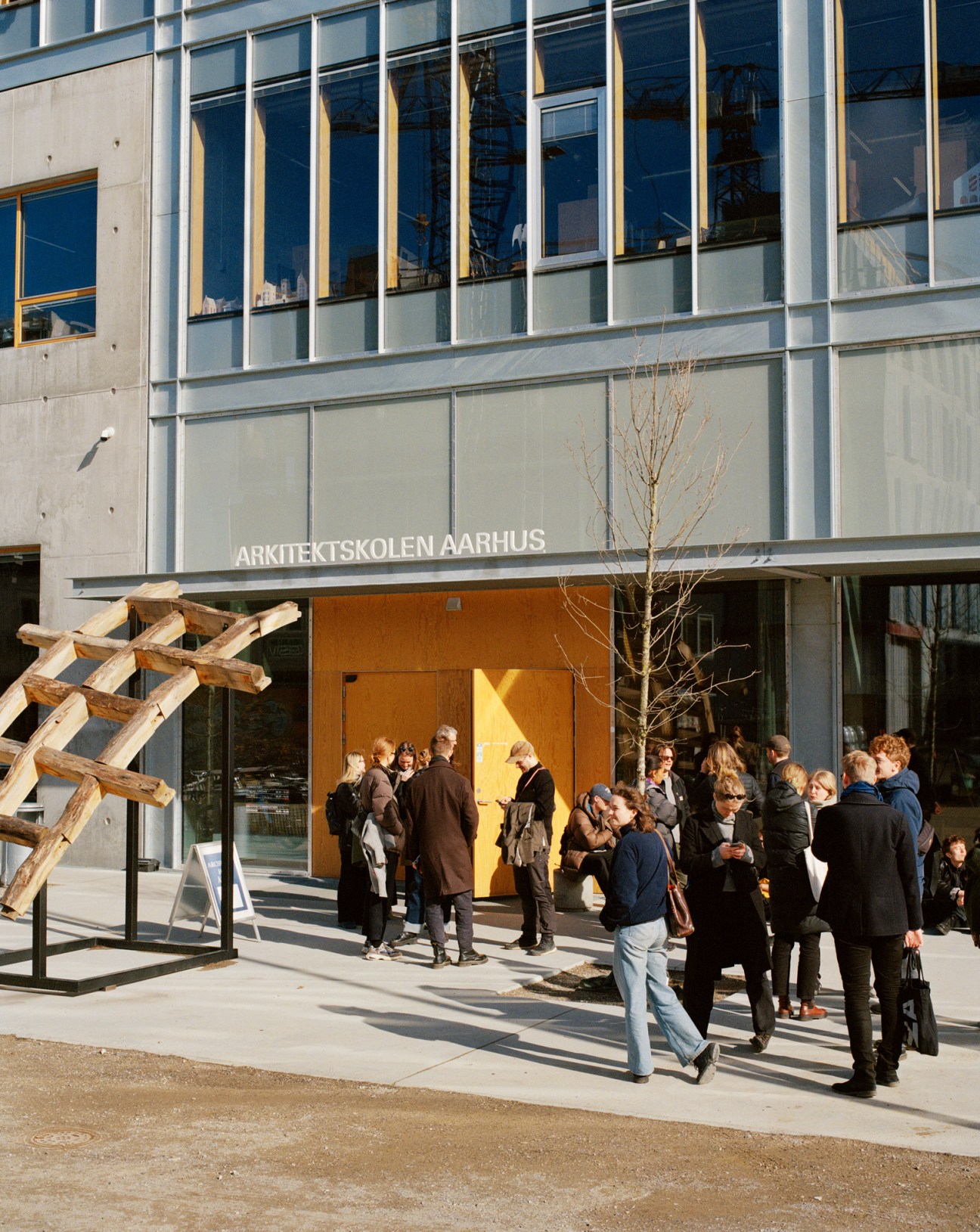
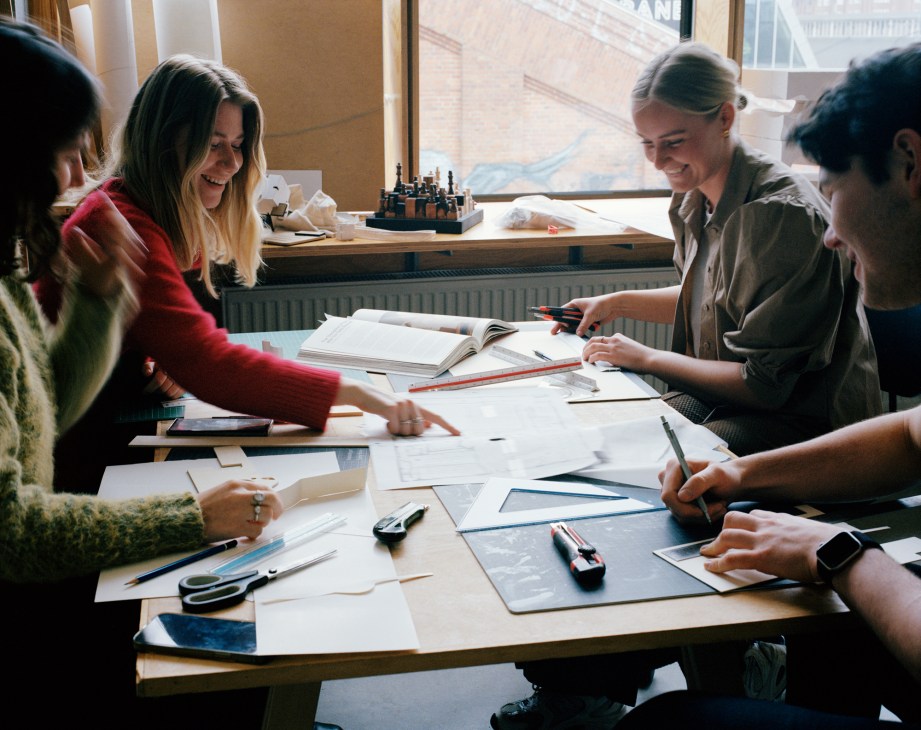
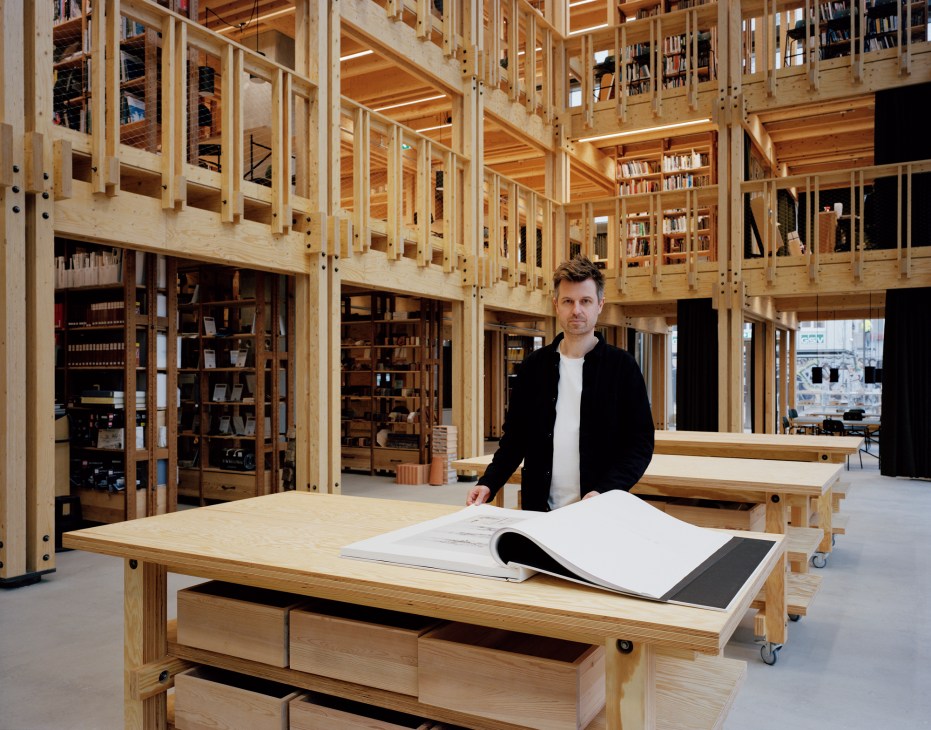
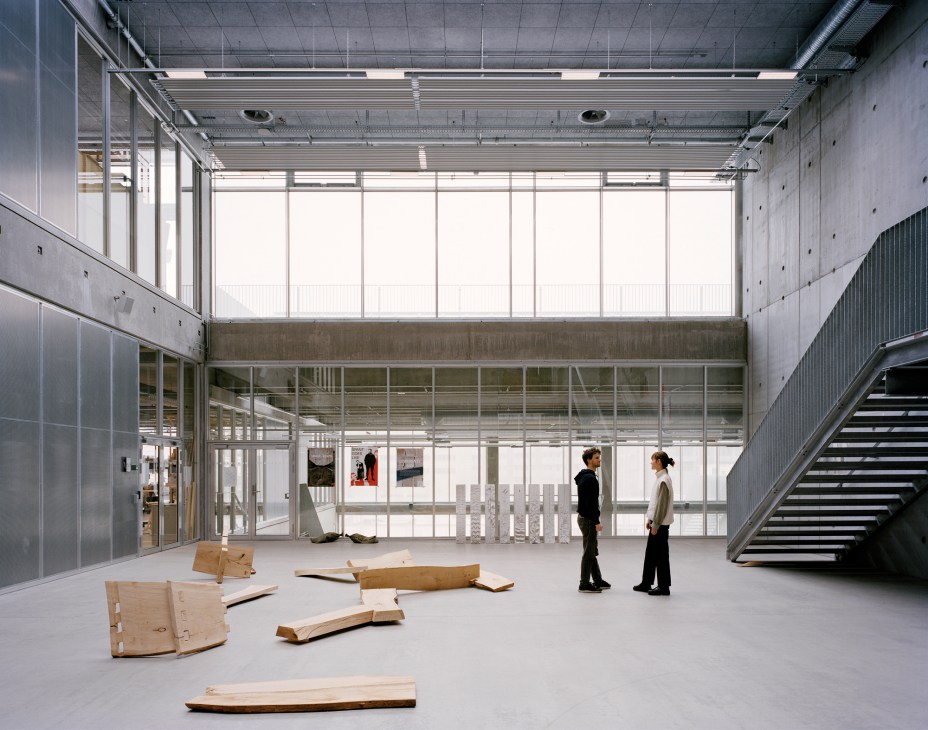
“Our intention was not to create this super iconic monster but to step back and be a bit more humble,” says Adept partner Martin Krogh. The new building has facilities that match the curriculum’s combination of theory and craft. The ground floor is laid out as six in-situ cast-concrete structures that are interconnected with open plazas. In the noise- insulated rooms are the steel and wood workshops, an auditorium and seminar rooms, as well as a four-level timber library that holds both books and material samples. The spaces between them are used for socialising, exhibitions, or as a factory floor, with outer glass walls that can be raised to move larger constructions in and out.
“In Danish we say, ‘højt til loftet‘, which means ‘high ceilings’ in both the literal and a more symbolic sense,” says Krogh. “These spaces have a lot of flexibility for use.”
The open layout also works to provide a close connection between the different parts of the school. When Krogh was a student, Aarch was spread out across 10 different locations in the city.
“We didn’t really have a feeling of unity,” he says. “It would have been weird to go to one of the other addresses to look at what others were doing.” Now someone having lunch in the canteen can see into the wood workshop, which is separated from the communal tables by just a window of thick glass. Upstairs, students work in communal studio spaces that each fit 120 desks. From outside, the raw concrete façade could be mistaken for being under construction, and a bare-bones approach continues throughout the industrial interiors.
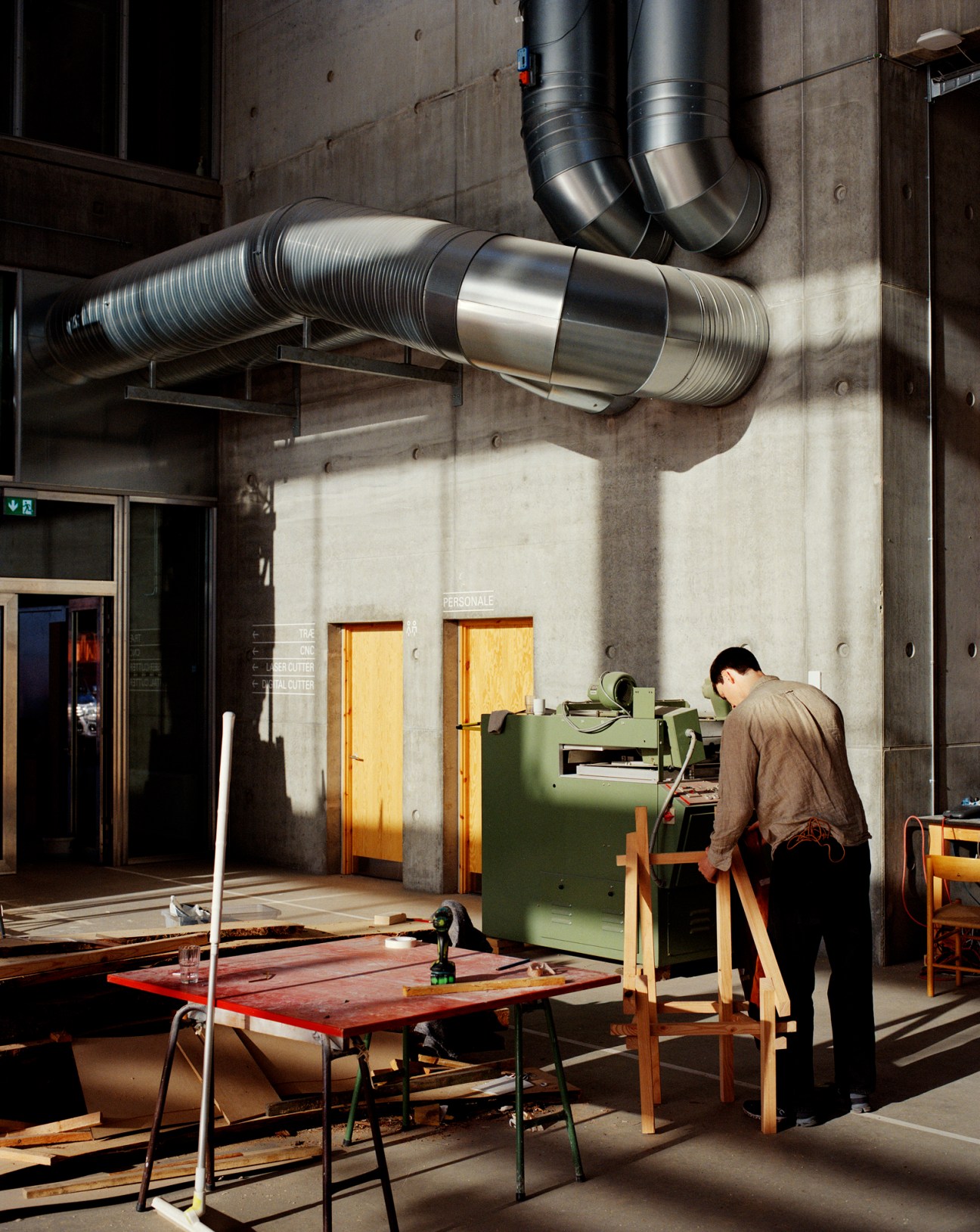
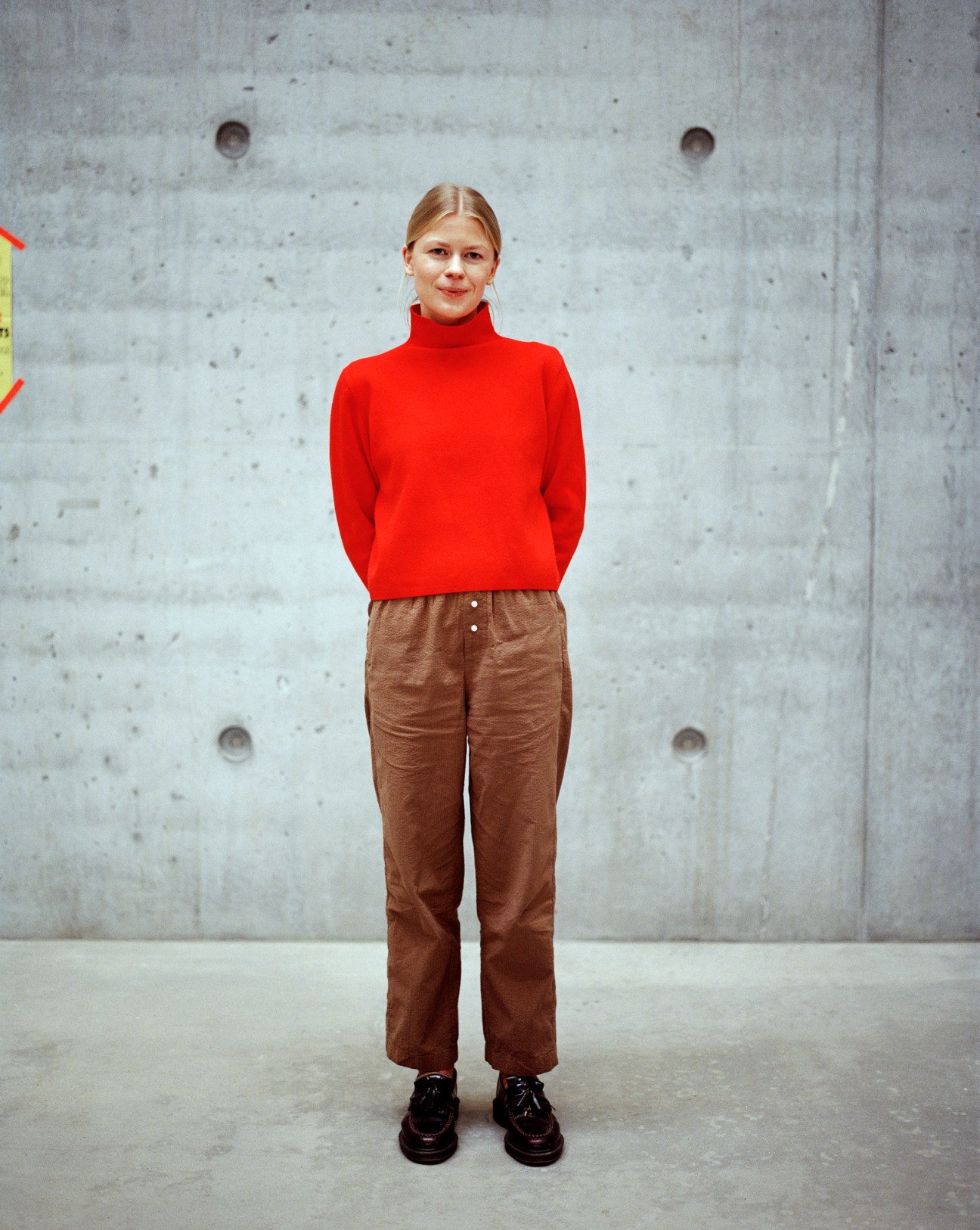
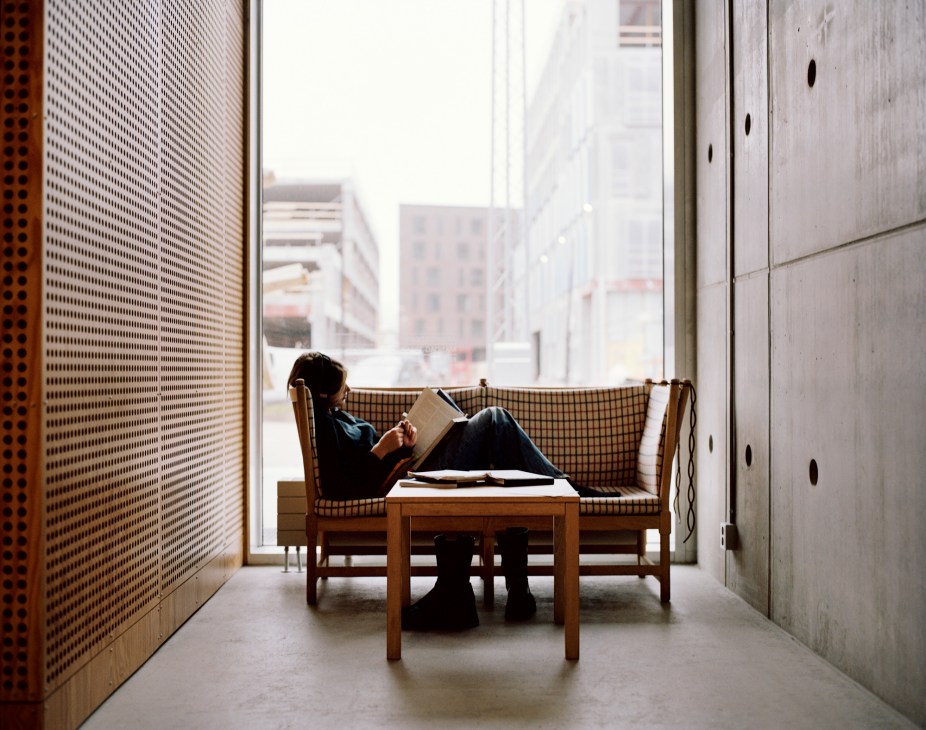
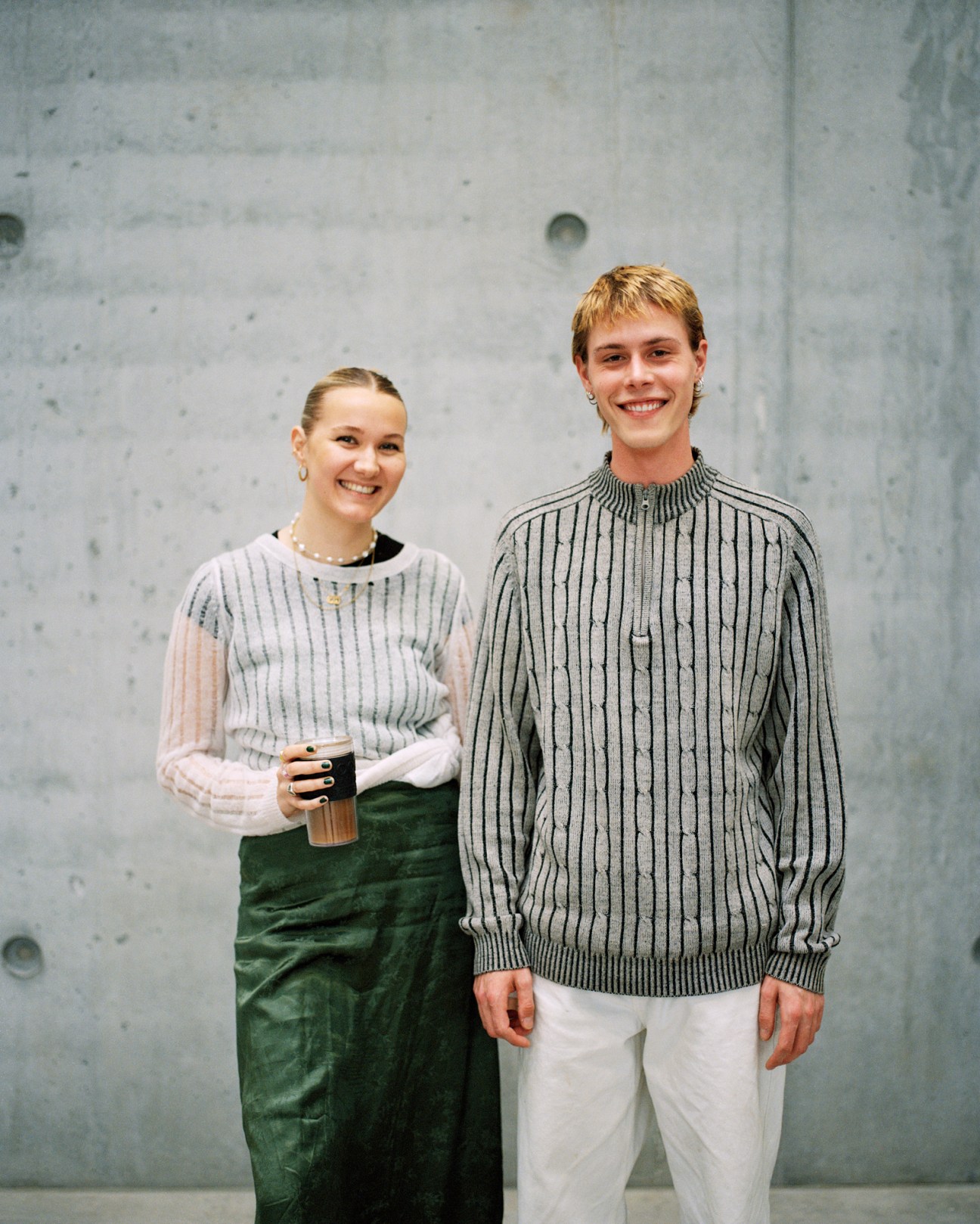
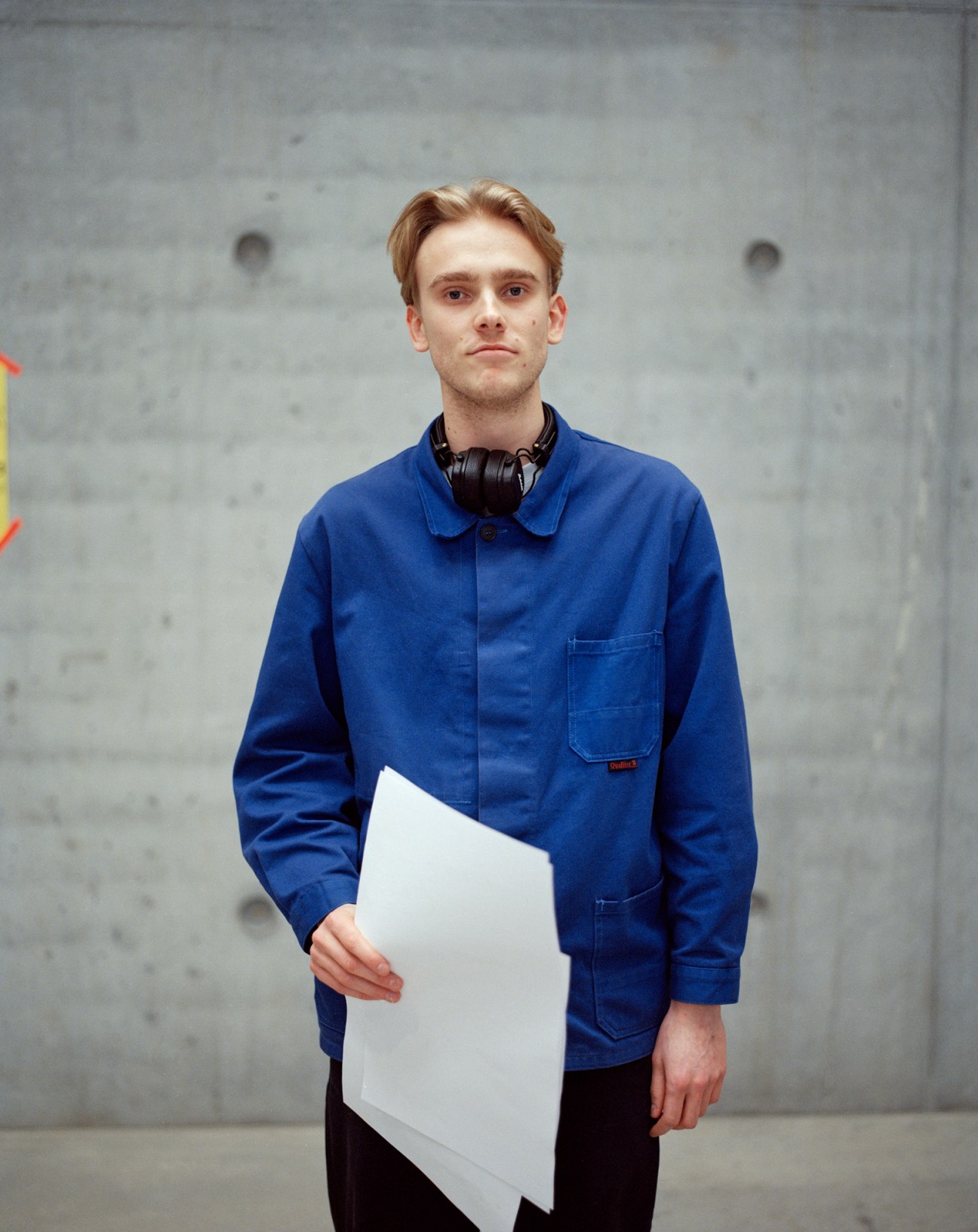
“I like that this extremely functional space is almost the opposite of what you’d expect from an architecture school,” says Krogh. “My idea was that the building would only be finished when the students moved in.” Indeed, apart from the furniture brought over from the old school, including handsome Hans Wegner chairs and dozens of Louis Poulsen lamps that are now hanging in the new canteen, the building has gradually been furnished with the students’ own work. When Monocle visits, timber canopies decorate the stepped terraces and coursework projects dot the common rooms. In one studio, a small roof has been constructed between two rows of desks. Like filling a blank canvas, the students have taken the empty spaces and made them their own.
Krogh also hopes that the building’s stripped-back quality will teach its users to pay more attention to the nuts and bolts of architecture. Through the window, he points towards the old train tracks to a newly built red-brick apartment block.
“That building is also made from concrete, but it’s covered to look like something else,” he says. “Here, we left the core exposed on purpose. Even turning on the light, you can follow the wiring all the way from the switch to the electrical room. If you sit here for five years studying to become an architect, there’s no excuse for not learning how a building is put together, because you can just look.”
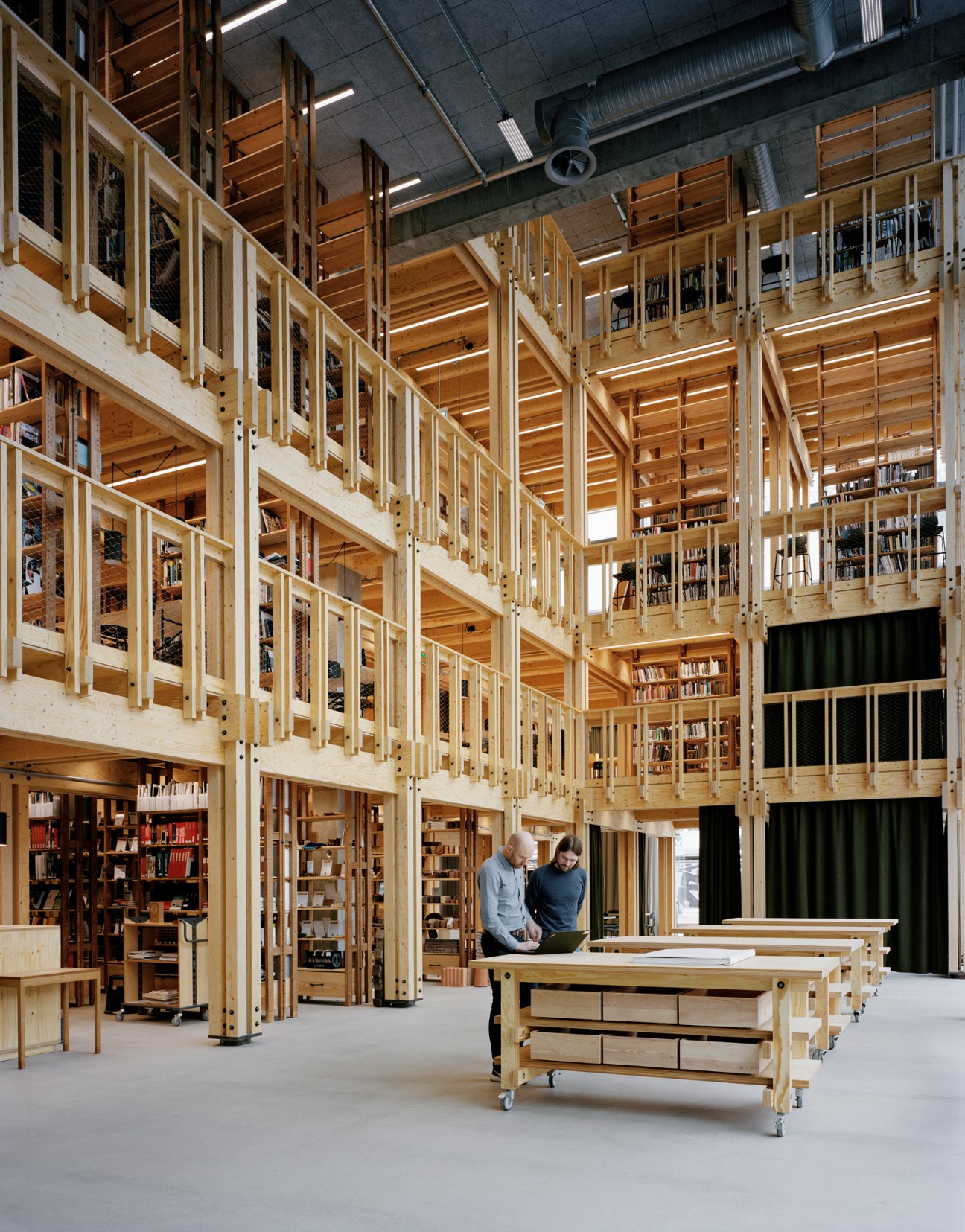
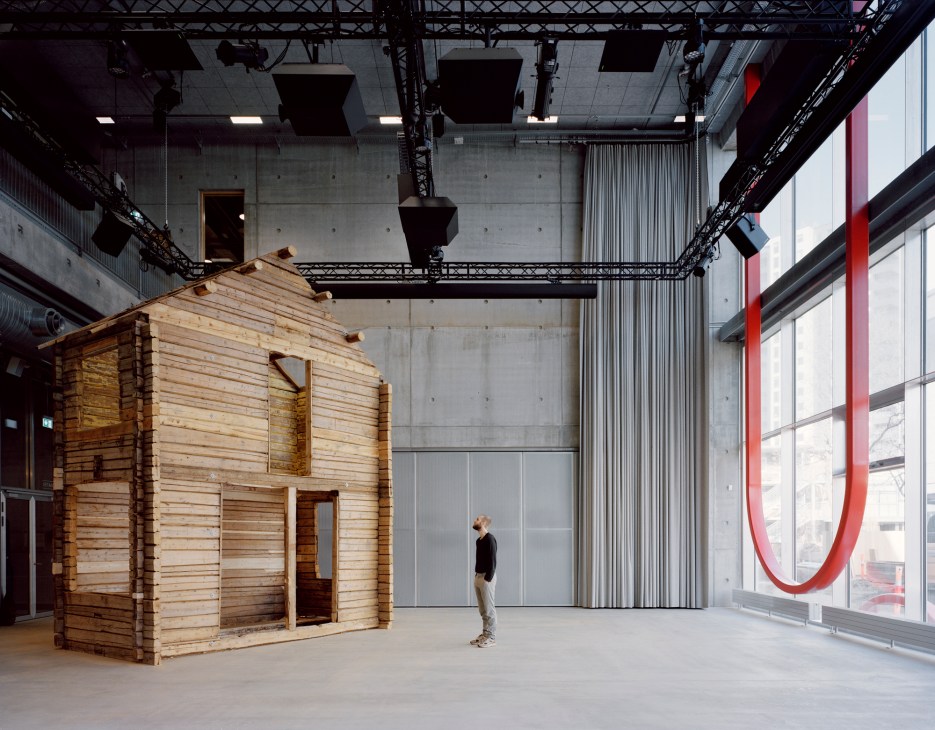

Less than a 10-minute walk towards the city centre is the City Hall of Aarhus, a building designed by master architect Arne Jacobsen. On the fourth floor is the office of Anne Mette Boye, a former teaching associate professor at Aarch who was sworn in as city architect last year. She has been busy overhauling the municipality’s architectural policy, which was last updated 10 years ago. Boye believes that the school’s approach gives future architects the skills needed to design in harmony with the environment. “They don’t just have knowledge in digital fabrication but combine this with discussions on tactility, materials and joints, and work across scales,” says Boye, praising the curriculum’s combination of research-based and practical learning. “It gives an ability to cross scales and understand your design in relation to the body, the site and the city at large.”
Besides making more considerate and knowledgeable architects, the hands-on learning at Aarch seems to be having a positive effect on the students. In surveys comparing design schools around the country, Aarhus School of Architecture has long topped rankings of study-related stress. For more than a decade, the share of students saying that they experienced strong symptoms of stress in their daily life hovered at about 38 per cent. But in a questionnaire sent out this spring, after the move to the new building, that percentage had halved. The faculty is reluctant to attribute the sudden improvement in wellbeing to any specific factor, noting that the school has also hired a psychologist and provides more guidance counselling. However, it would be surprising if the move to a light-filled space tailored to the study of architecture had not played a part.
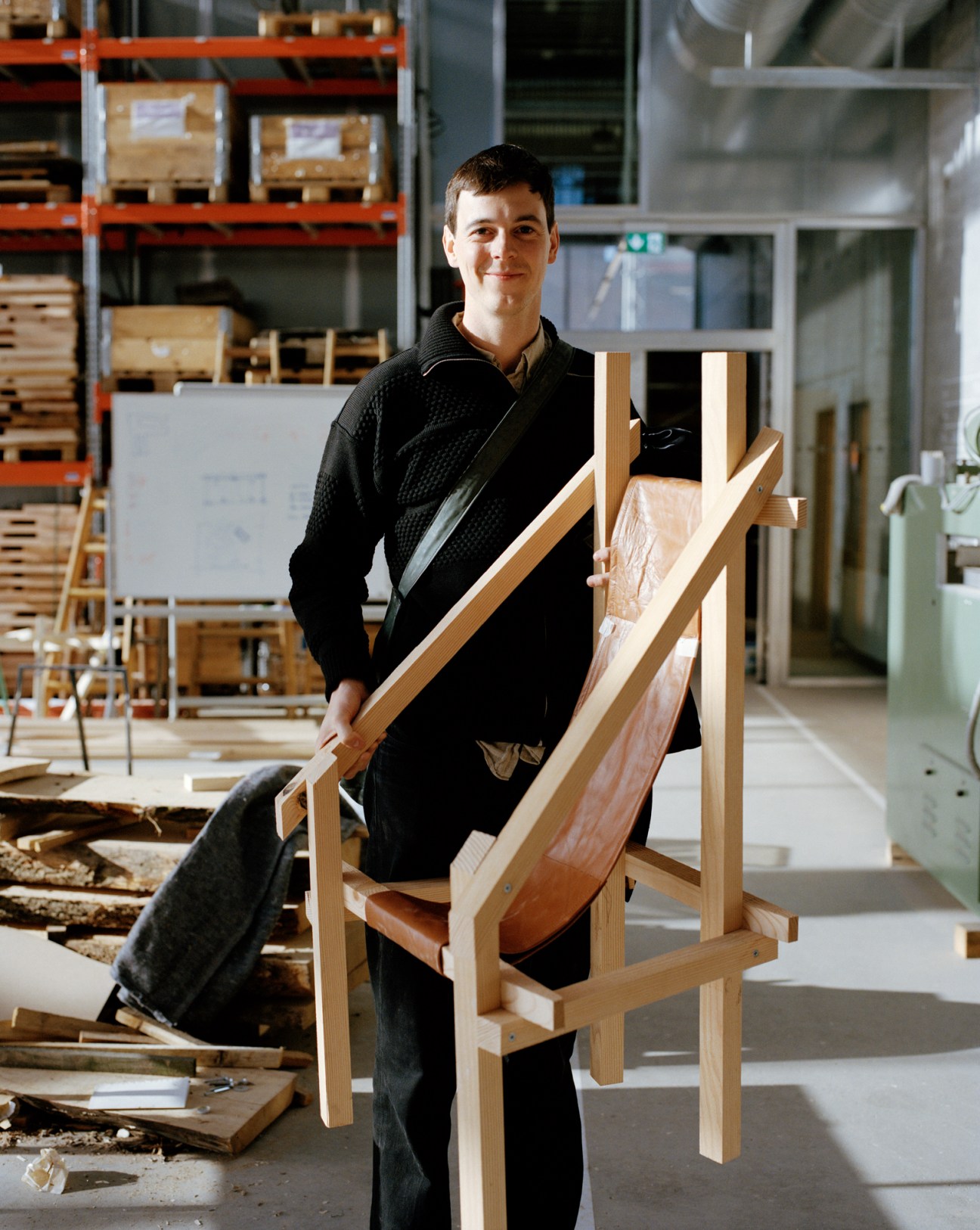
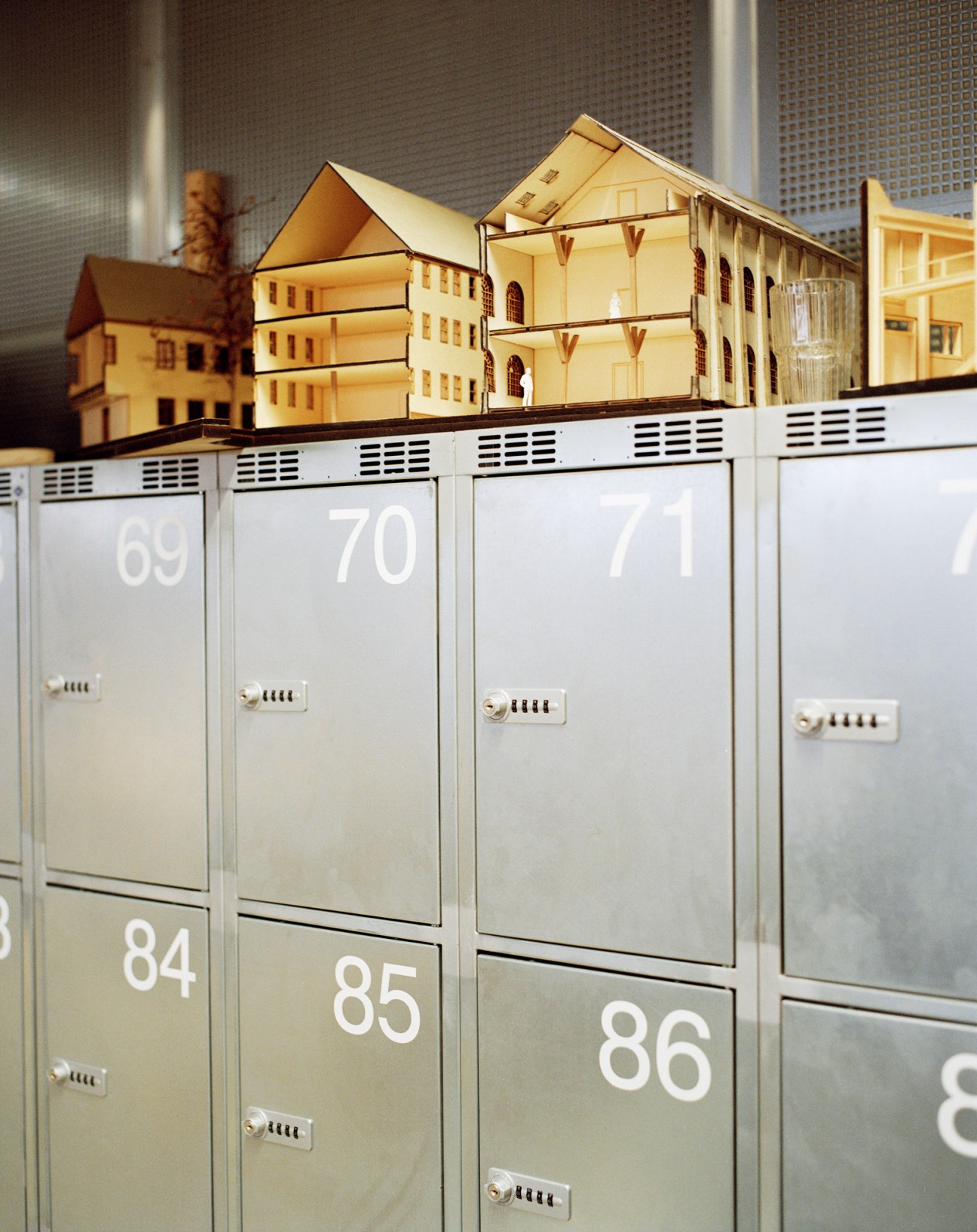
First-year master’s student Malthe Kanstrup agrees. He completed his bachelor’s degree in the old premises of Aarch and has no doubt that the new building has changed his studies for the better. Previously, Kanstrup would visit the workshops and canteen less frequently than today and could go months without bumping into the same friends. “Here, you’re more up and going, meeting people all the time,” he says. “You’re running up and down between the workshops and desks, and not just sitting on the computer, isolating yourself.” Designed to make the students better architects, the new home of Aarch might have inadvertently made them happier ones too.
Developing city
Aarhus is the fastest-growing city in Denmark: its population of about 340,000 is projected to balloon to 450,000 by 2050. To accommodate the new inhabitants, the city’s urban fabric is transforming at a breakneck pace. The finishing touches are now being placed on Aarhus Ø, an artificial island on the waterfront with homes for 12,000 people; a few minutes’ walk down the harbour, a new skyscraper is nearing completion that is 142 metres tall. Some of the new development has been criticised for a lack of sensitivity towards the cityscape of Aarhus, where 18th-century cobblestone streets and modernist gems such as Jacobsen’s City Hall are nestled together around the bay.
Pump my ride
Switzerland
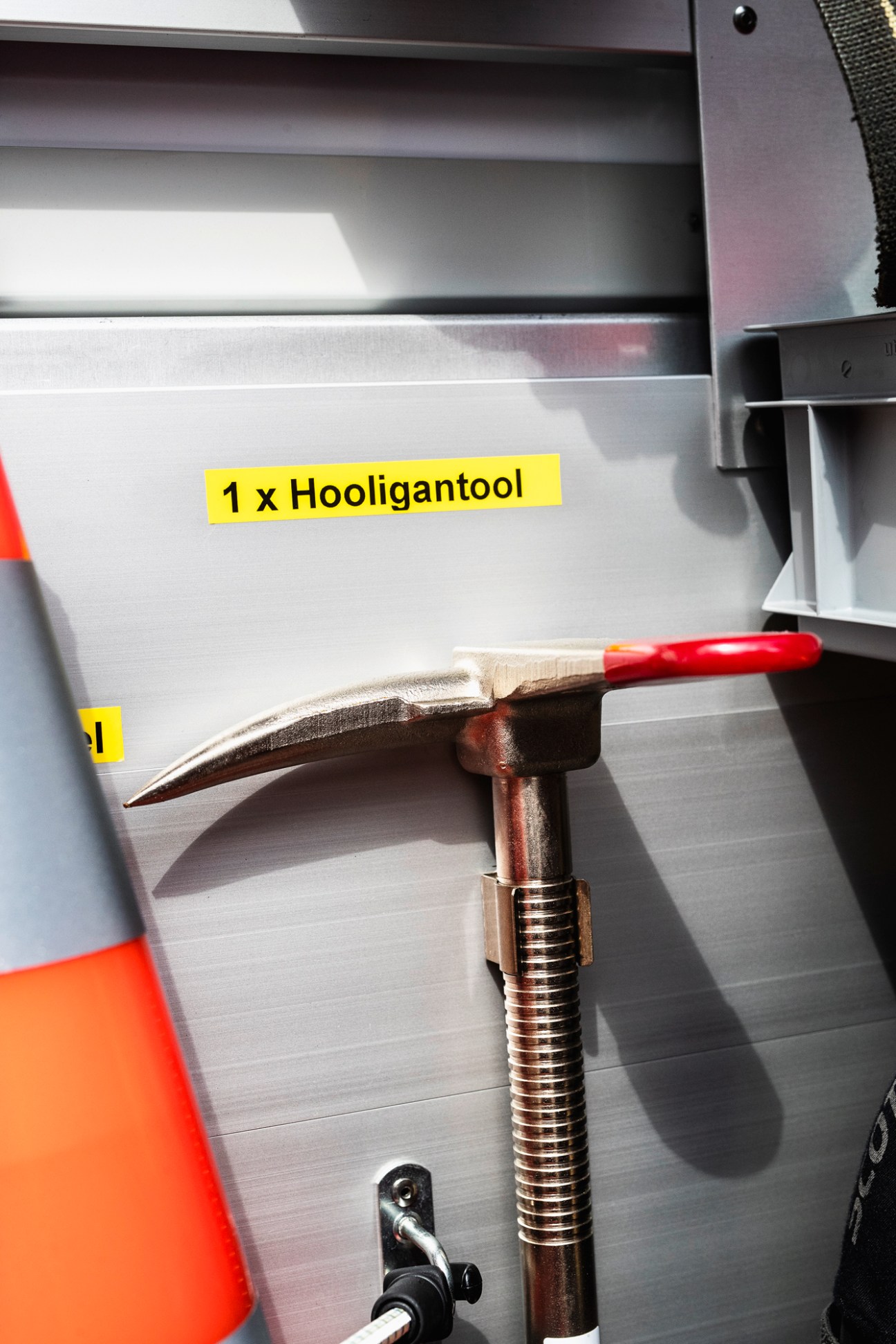
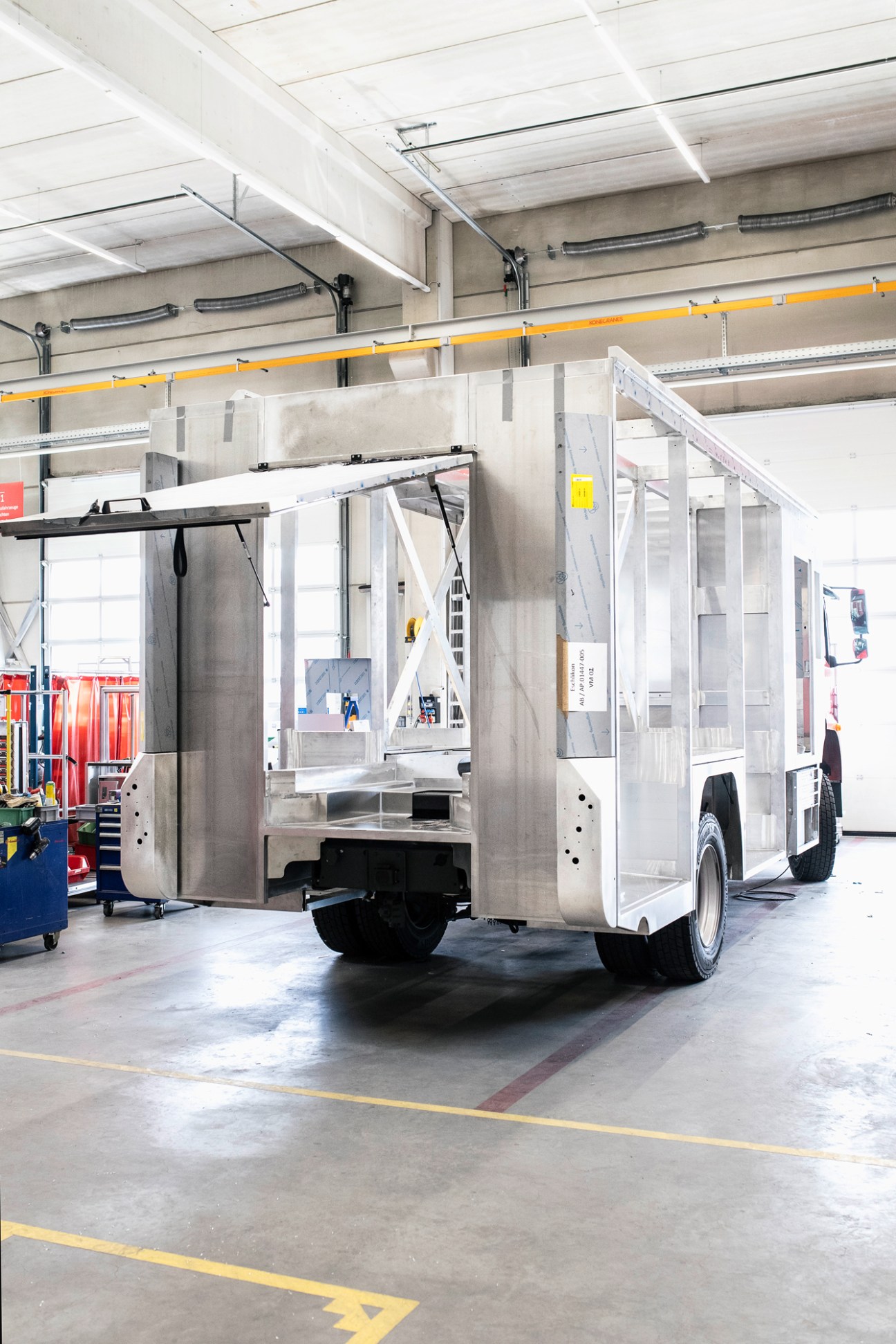
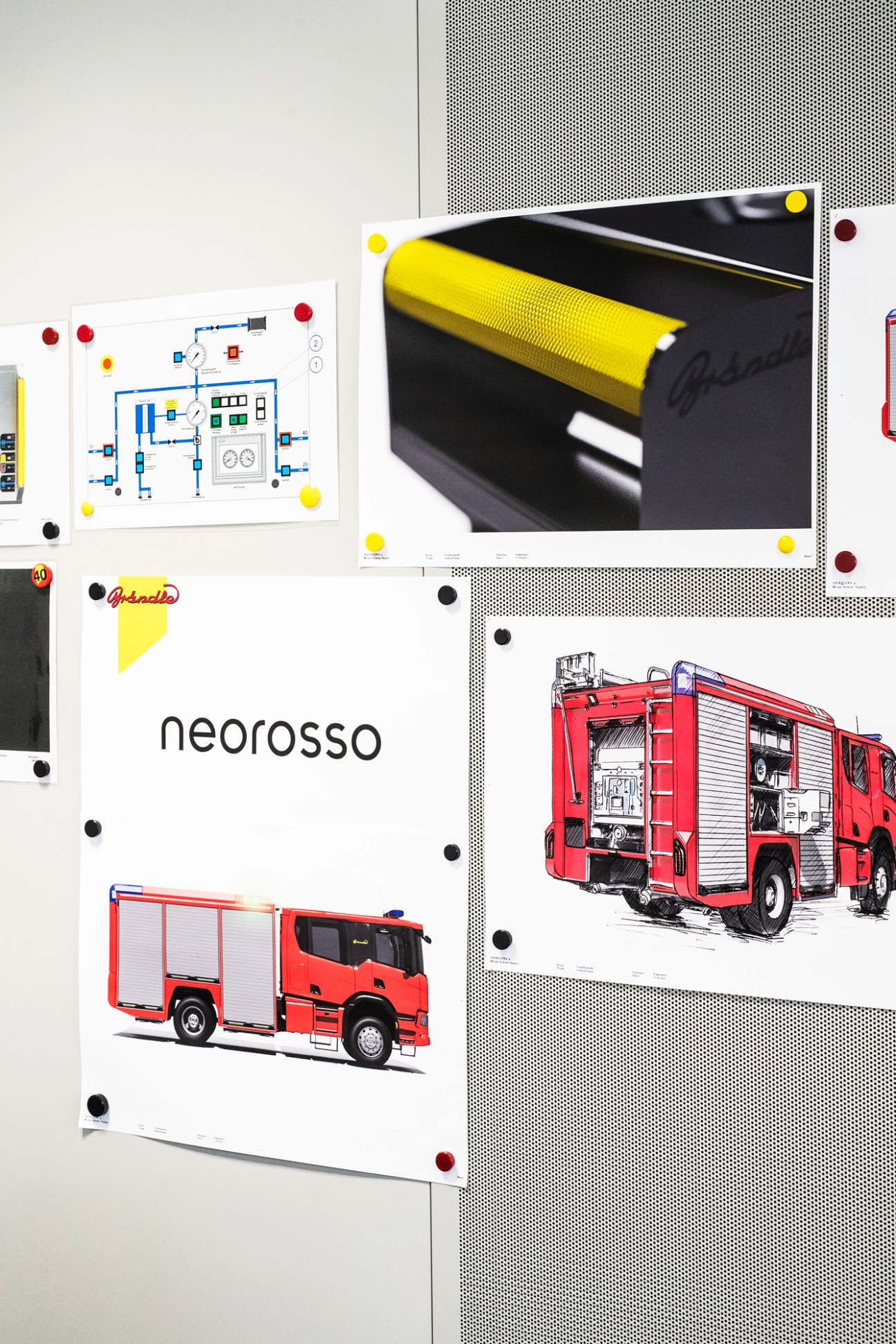
Swiss company Brändle is one of the Alpine nation’s leading manufacturers of fire engines, steering the process from the raw aluminium stage right through to the finished truck. Recently the company splashed out on a refresh, modernising its offering while retaining its core brand values as an independent family company. “In most places in the world firefighters are volunteers, so the ordinary person needs to be able to run one of these machines,” says Lukas Scherrer, founder of Swiss industrial design firm Shibuleru. He was brought in by Brändle, alongside Milan Rohrer, to manifest a new design language for its fire engines, which are built and assembled on-site with chassis bought from the likes of Scania and Mercedes-Benz. Scherrer realised that for Brändle to cater to the volunteer, simplicity must be key.
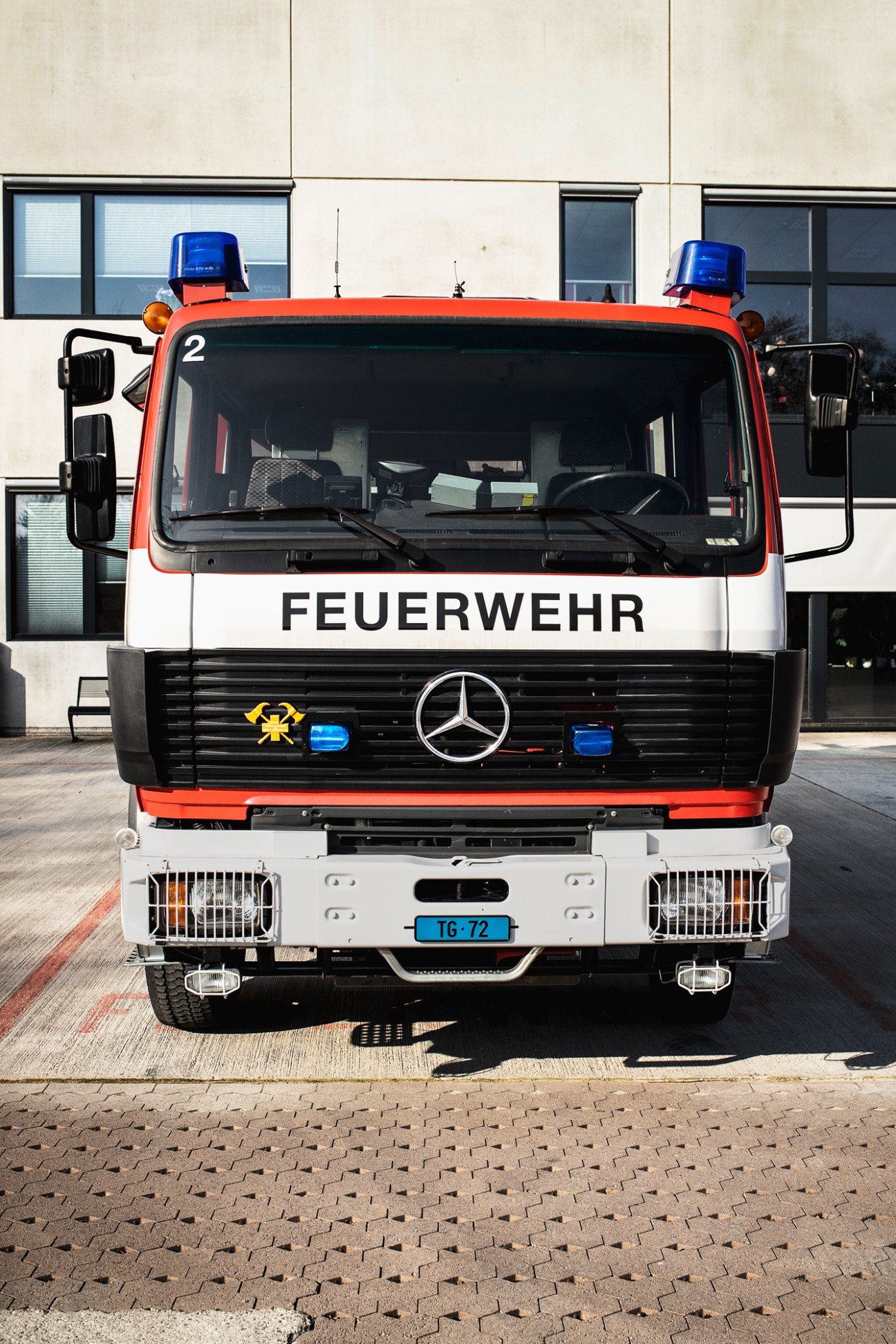
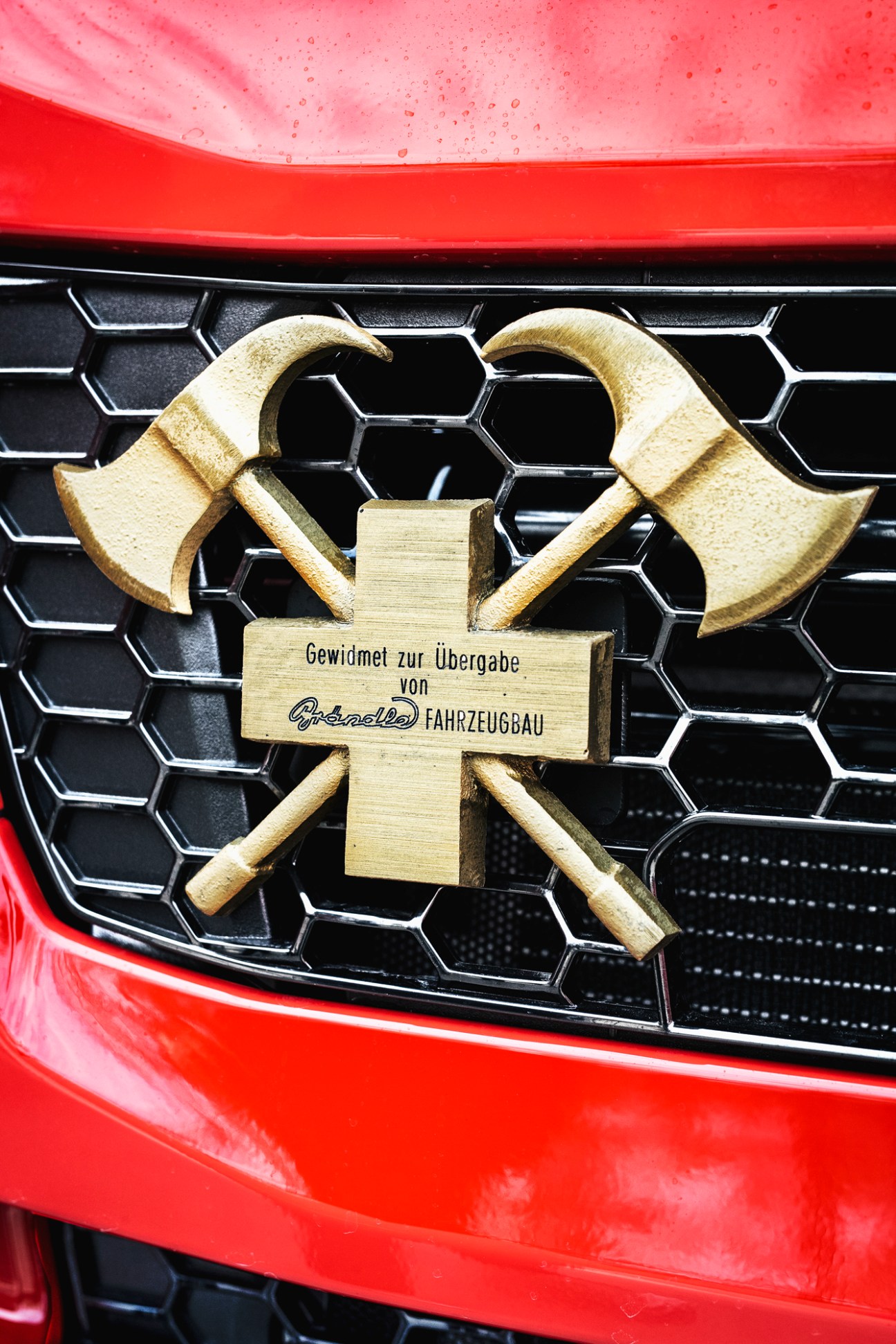
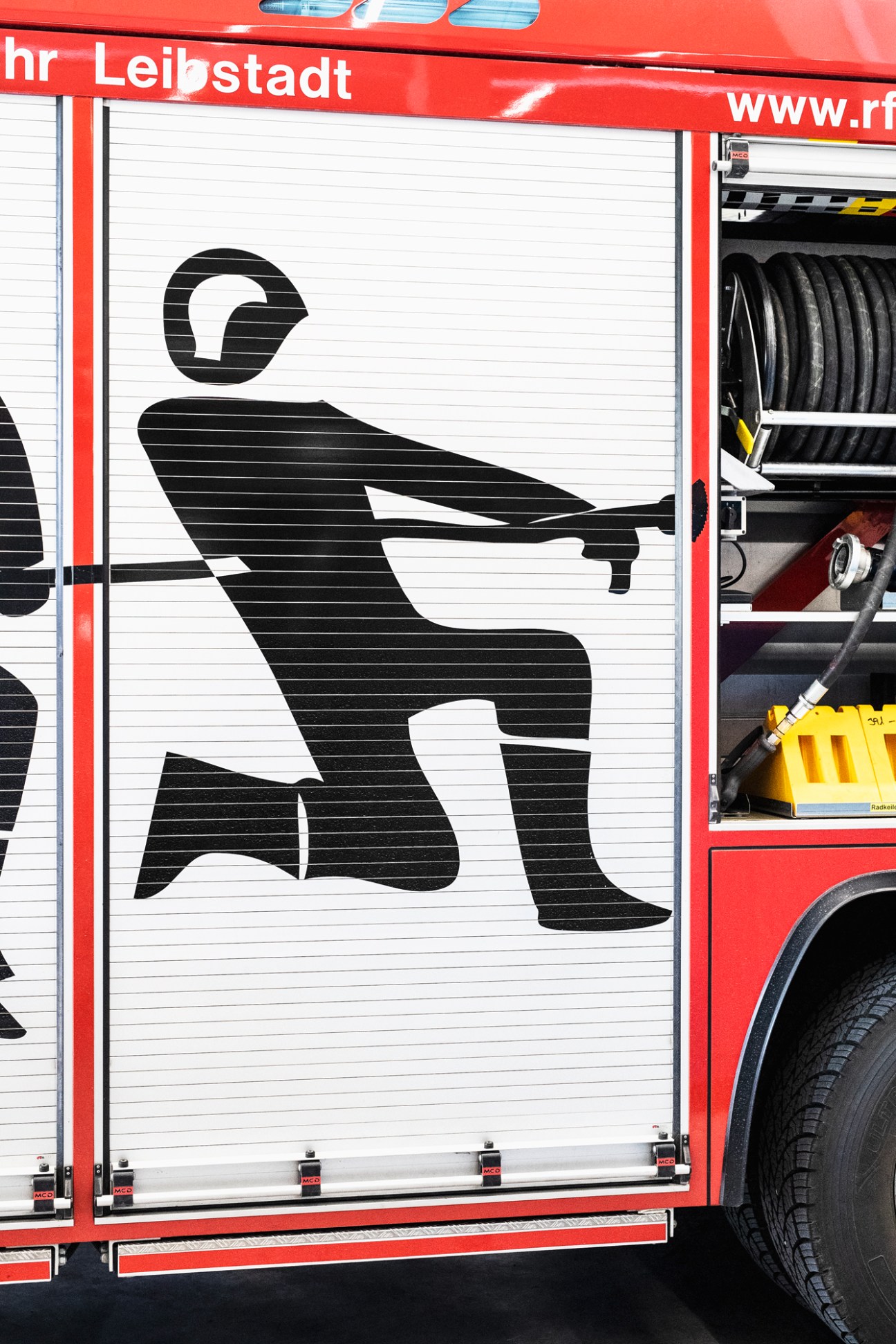
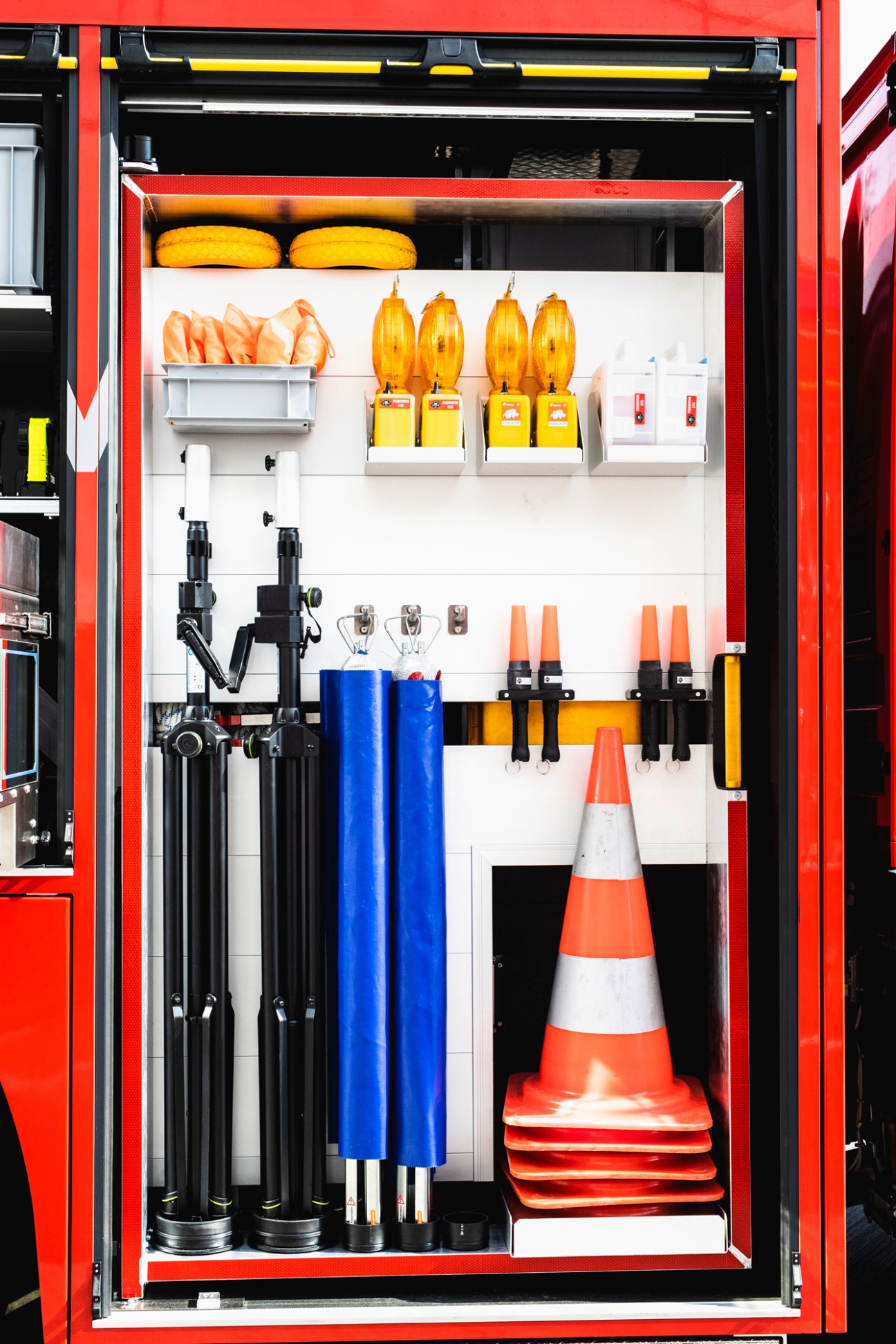
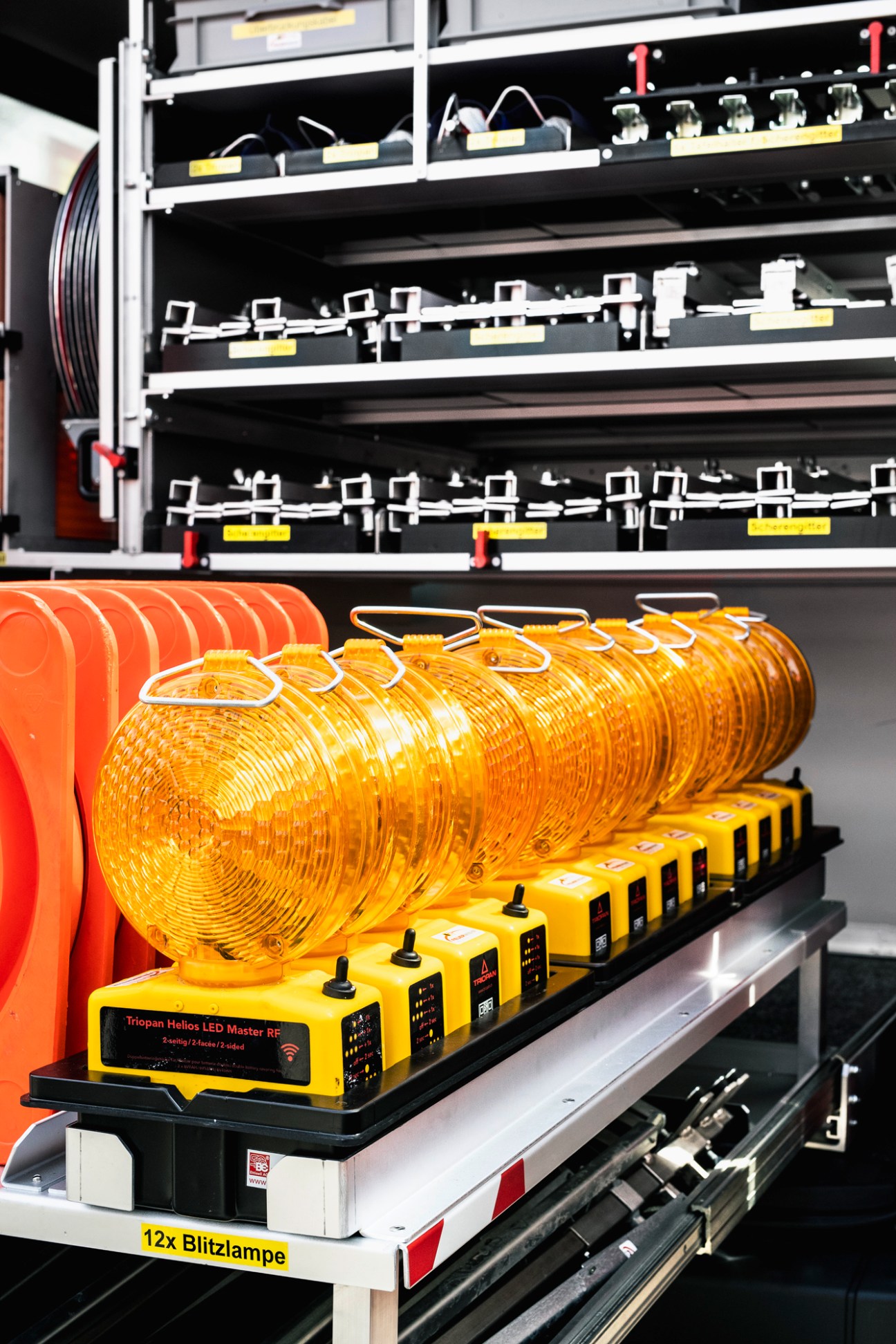
Taking a pragmatic approach, the industrial designers looked to the company’s manufacturing process as the source of inspiration. This takes place in a sprawling facility in the sleepy district of Münchwilen, a 45-minute drive from Zürich. Here, efficiency is encouraged at all points. Working alongside the welders, sheet-metal cutters and assemblers of the vehicles (many of whom are also volunteer firefighters), Shibuleru and Rohrer could complete their design adjustments on the fly. For Scherrer and his team, this was a unique experience. After all, there are few industrial design products that need to be as adaptable, functional and durable as a fire engine. In a limited space, a huge water tank, hoses, pumps, a control panel and a long list of supplies – axes, ladders, helmets, medical equipment – must all be within easy reach in times of emergency. And they must always work.
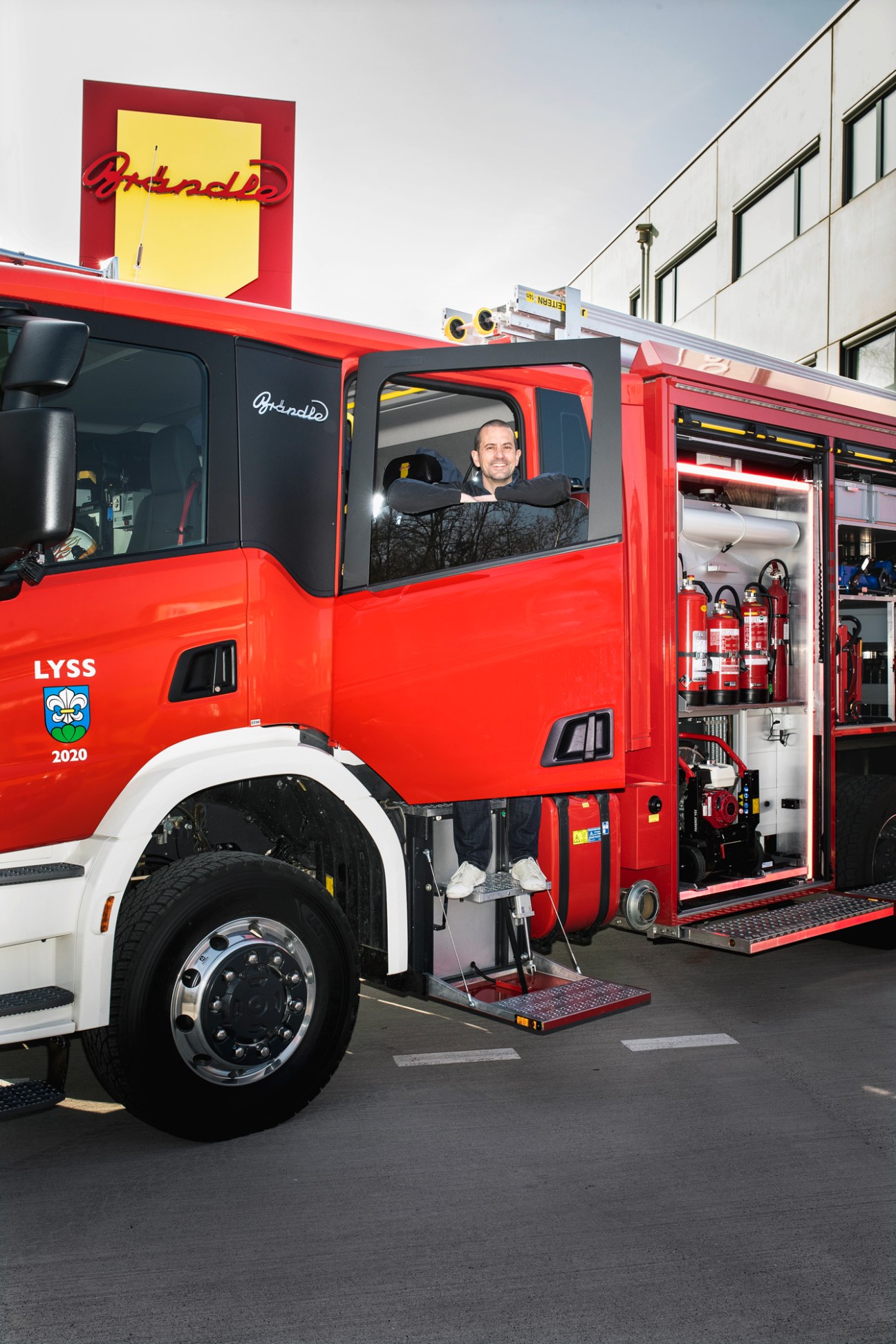
Brändle produces between 100 and 120 emergency vehicles, including smaller fire-response units, every year, with about 20 of them being large-scale fire engines and pumper trucks. These products are sought by fire brigades across Switzerland, as well as the Swiss army and other emergency-service providers. Shibuleru’s task was not to beautify the offering – although a forthcoming slick rebrand and handsome upgrades to vehicle lighting have been pencilled in – but to make manufacturing more manageable. Under the instruction of the brand’s second-generation owner and CEO, Claudia Brändle, Scherrer’s work is playing a key role in making manufacturing leaner, in a market increasingly concerned with price. To do this he set about creating new elements for vehicles that could be made quickly and easily but also variously scaled to match the custom specifications of clients.
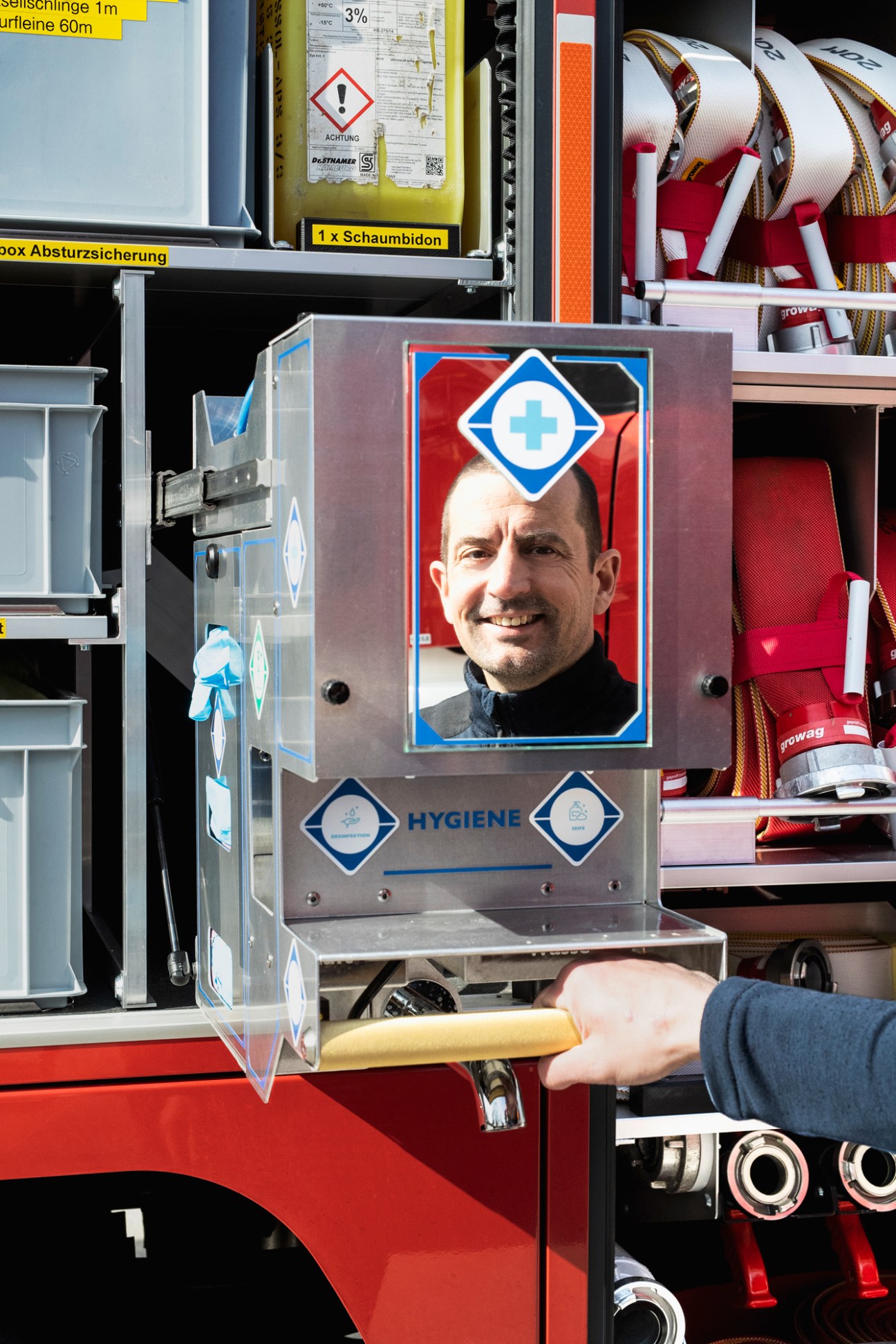
Many of these innovations are in evidence in the freshly finished Brändle Neorosso pumper truck, which can take water from nearby sources such as lakes or fire hydrants, that’s sitting pretty outside the factory. “A good fire engine needs to be very utilitarian and every element that a user touches should be easy to understand,” says Scherrer, sliding open the vehicle’s side-covering to reveal a Swiss army knife’s worth of features. Many of these new components are made in a modular way and can be packed in lorries of various sizes. A sleek, pull-out hygiene set, which provides a pressured water tap and touch-free hand dryer and eye shower for smoke-blinded firefighters. “It was about the simple things that give you a very quick visual feedback,” says Scherrer, demonstrating how easily a clearly marked, built-in eye-rinser can aid those who need it. “When a building is on fire, people around you are screaming and it’s night, you need quick visual feedback.”

In step with most Swiss industrial companies, Brändle has not been loudly marketing itself as a best-in-class example of vehicle manufacturing. Operating in the business- to-business sector, its leaders aren’t concerned with alerting the general public to the fact that Brändle is a top name in making the machines that protect Switzerland’s people and properties. But there are few companies globally that create fire engines from scratch, on-site and then bring such an exquisite product to market. “It’s crazy to think of this level of manufacturing excellence occupying fire-brigade depots across Switzerland,” says Scherrer.
Brändle believes that the vision of her company is to create a product that simply does the best job at protecting people and their property. For this reason, her view is that the firm’s future is to remain independent and to veer away from the consolidation that’s typical in today’s automotive industry – something that could dilute the quality of the company’s offering. It’s a smart policy, Scherrer believes. “Staying independent as a small company provides control,” he says. “You could say the same about a fashion company or a watch manufacturer. When they’re independent, everything they do has its reason, which is largely to give the customer what they want. And for the customer in this particular case, lives are at stake.”
Blue-sky thinking
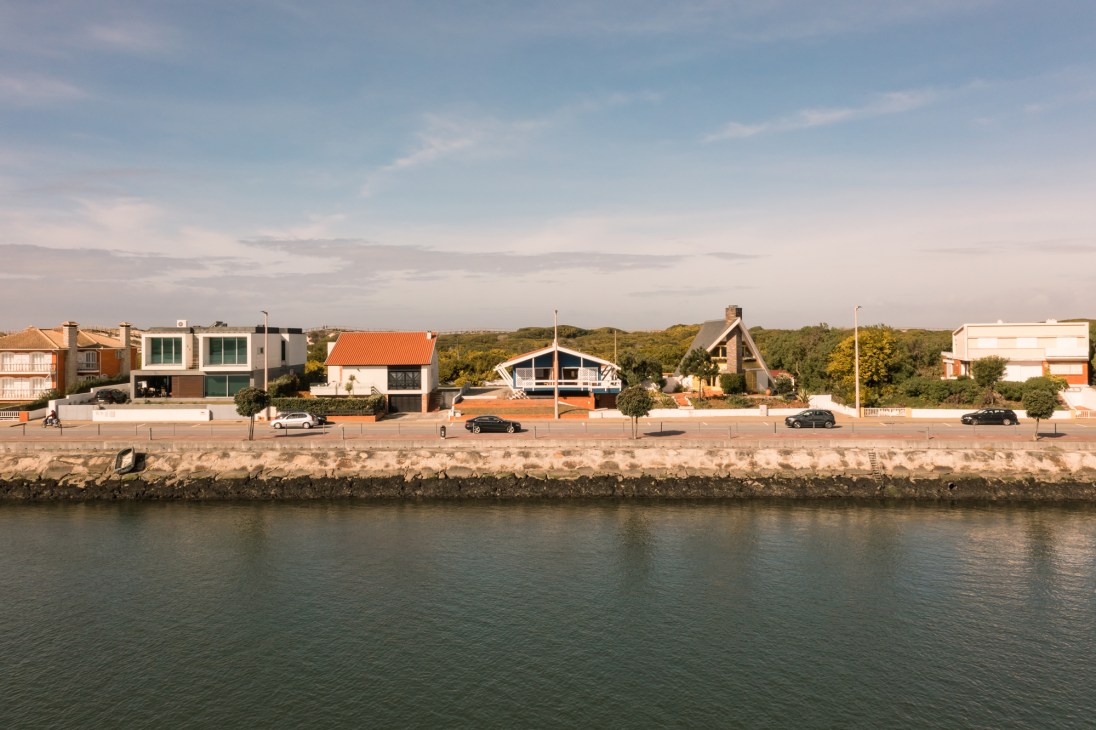
The coastal part of Aveiro is known as Portugal’s Venice thanks to its canals and lagoon. Here gondolas, called moliceiros, have hand-painted prows, and the seaside palheiros, fishermen’s houses used to store nets, sport two-tone striped façades. Casa Azul, a modernist residence from the 1960s, blends into this landscape with its blue-and-white exterior that pays tribute to this unique vernacular.
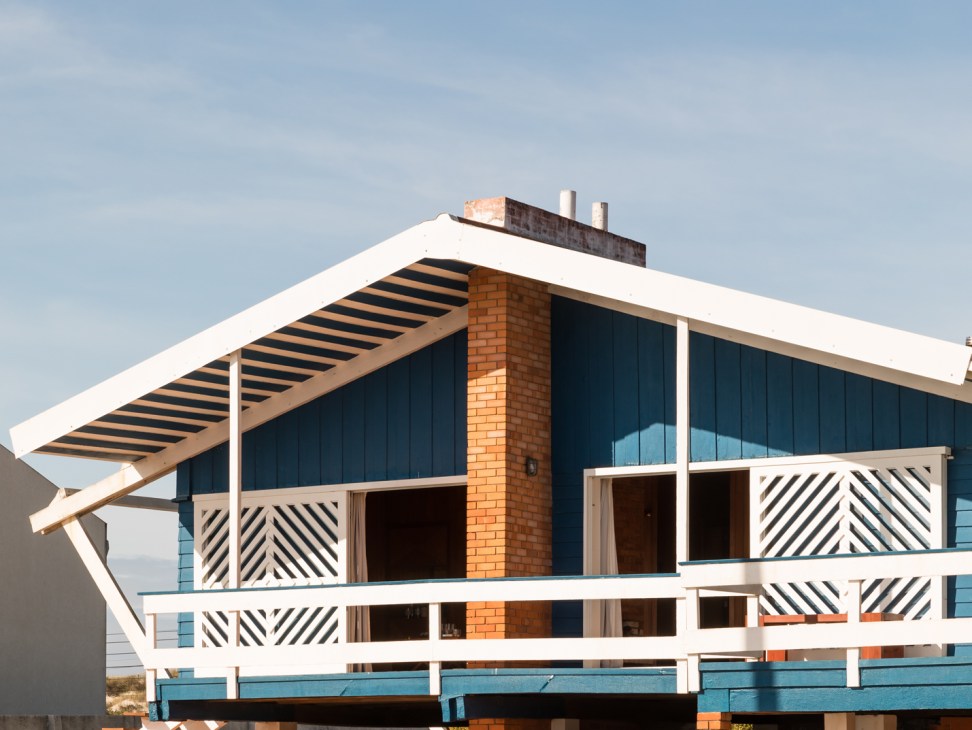
Designed by architect Pedro Bernardes from nearby Ílhavo, the small home has now been renovated by Lisbon architects João Carmo Simões and Daniela Sá. The pair have maintained its original character while rejigging the interior to maximise its use as a holiday home. Set on Costa Nova, a narrow split of land between the Atlantic and Aveiro, the house had two rooms on its east side divided by a wall that Simões and Sá decided to remove. This helped to accentuate the central brick column, home to a handsome chimney, that juts out of the pitched roof and sinks beneath the floor into the ground. “We brought natural light deeper into the house,” says Simões. “What was once a bedroom became the living room and permitted the entire family to take advantage of the veranda that faces the street.” Keeping the original white wooden shutters, they enlarged the window openings by inserting a single sliding glass door on either side of the brick pillar. The kitchen was brought forward into the dining room and slimmed down; it’s now set against the wall with a backsplash and counter in brass, a material seen in custom-designed light fixtures and nightstands in the house. “We wanted to make a clear distinction between social and private areas,” Sá says. “We added brass as it gives off a certain warmth and it pairs well with the wood.” The architects restored the walls made from tola, an African wood with a yellowish-brown hue, and put in Brazilian hardwood flooring.
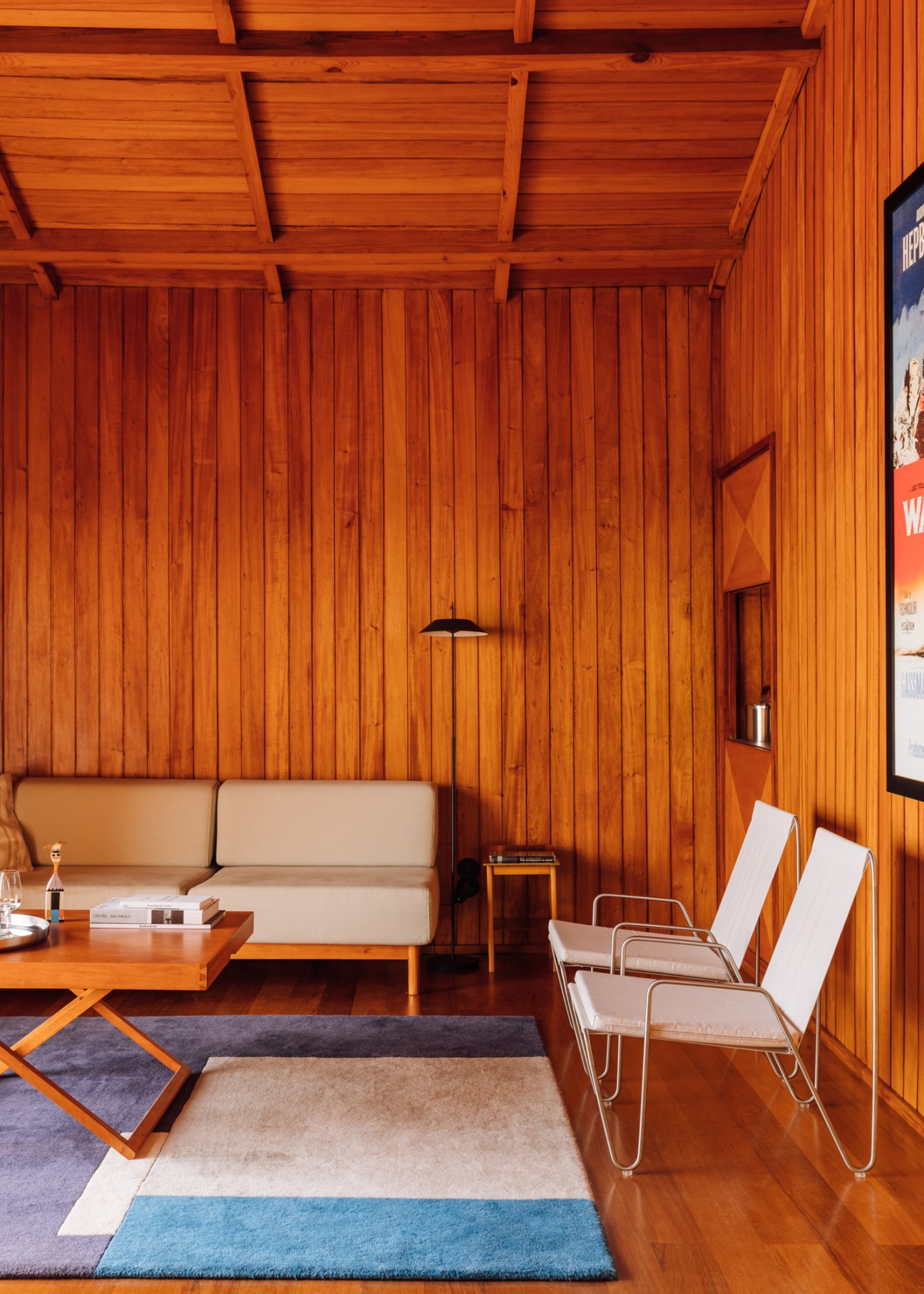
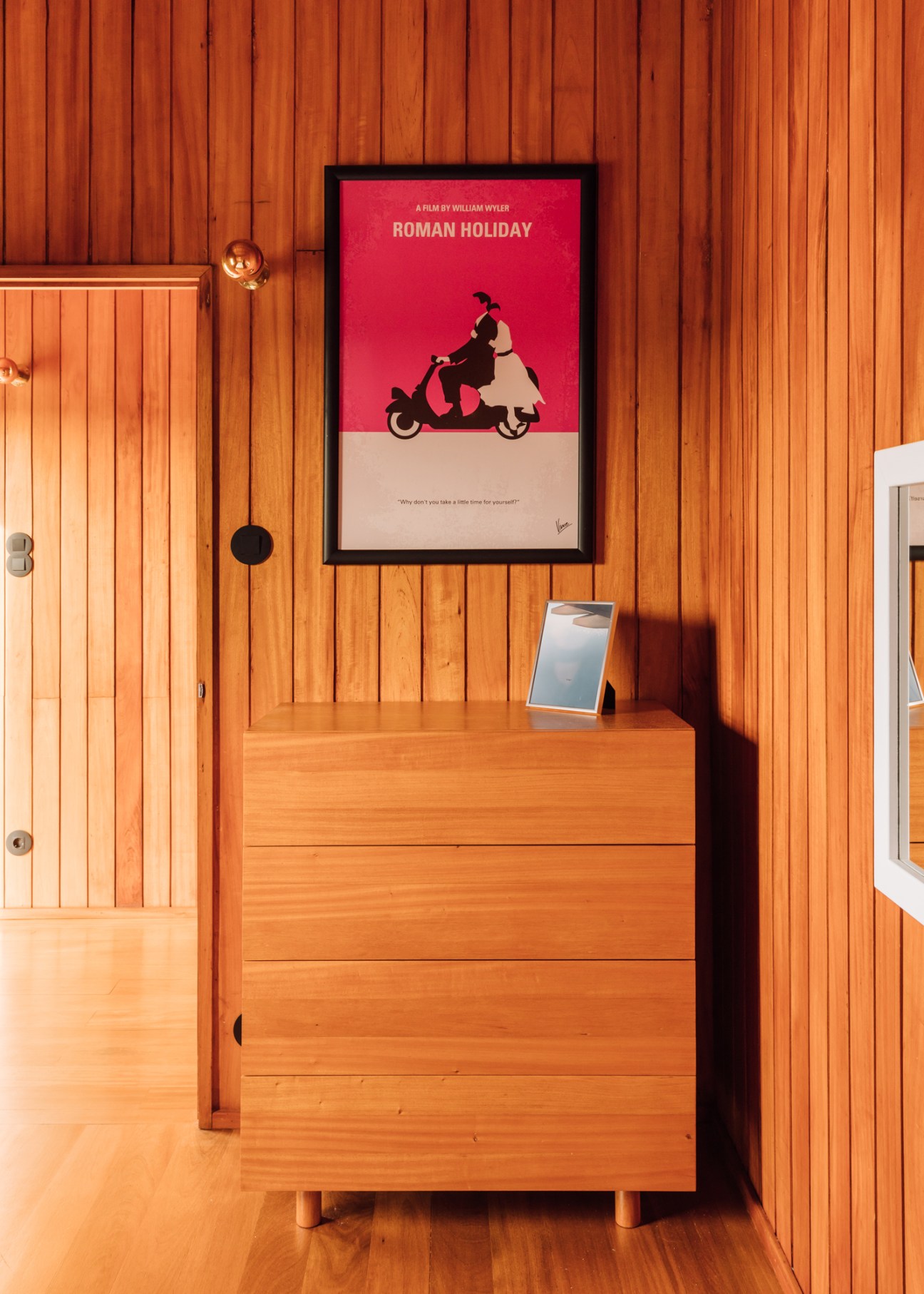
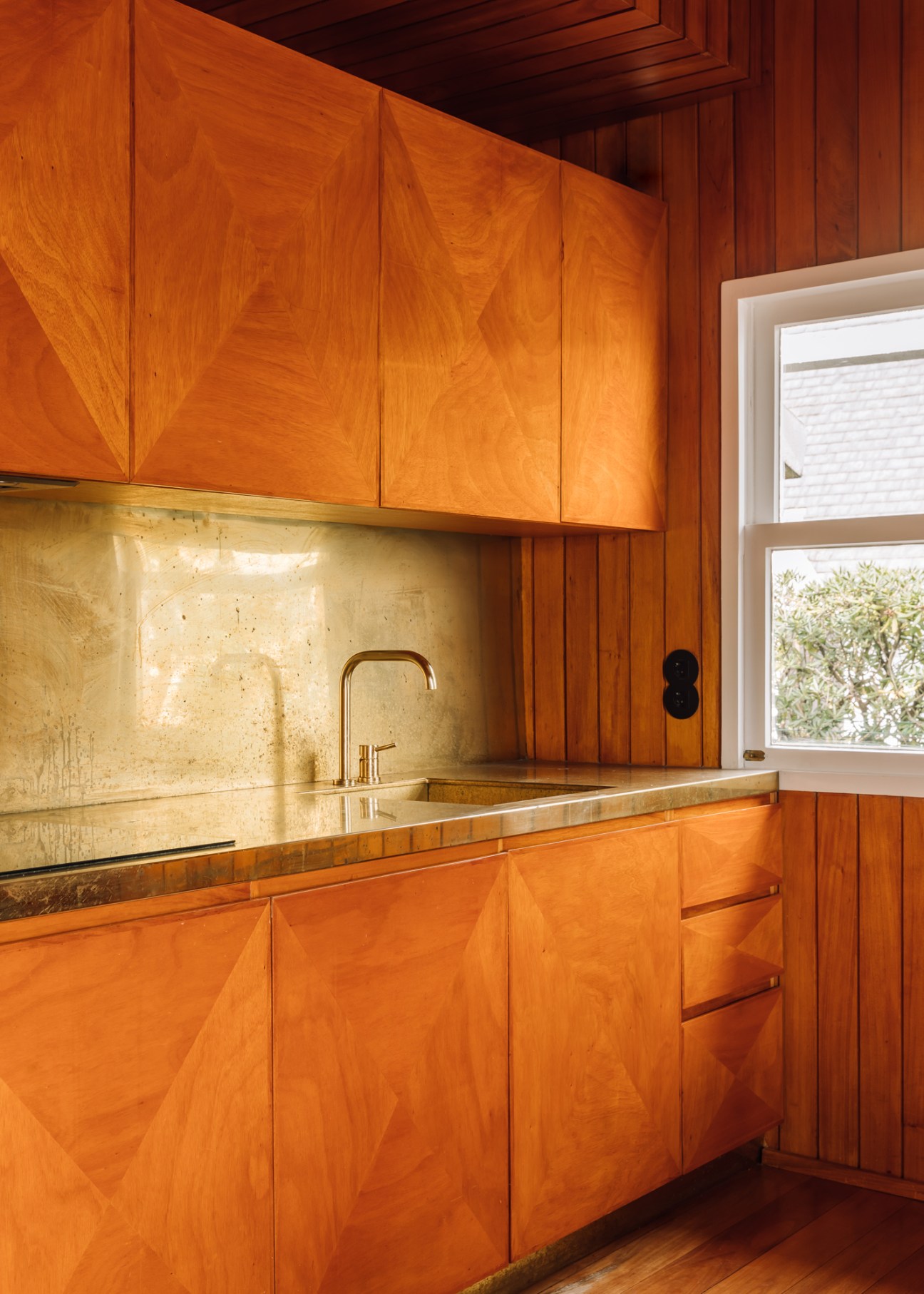
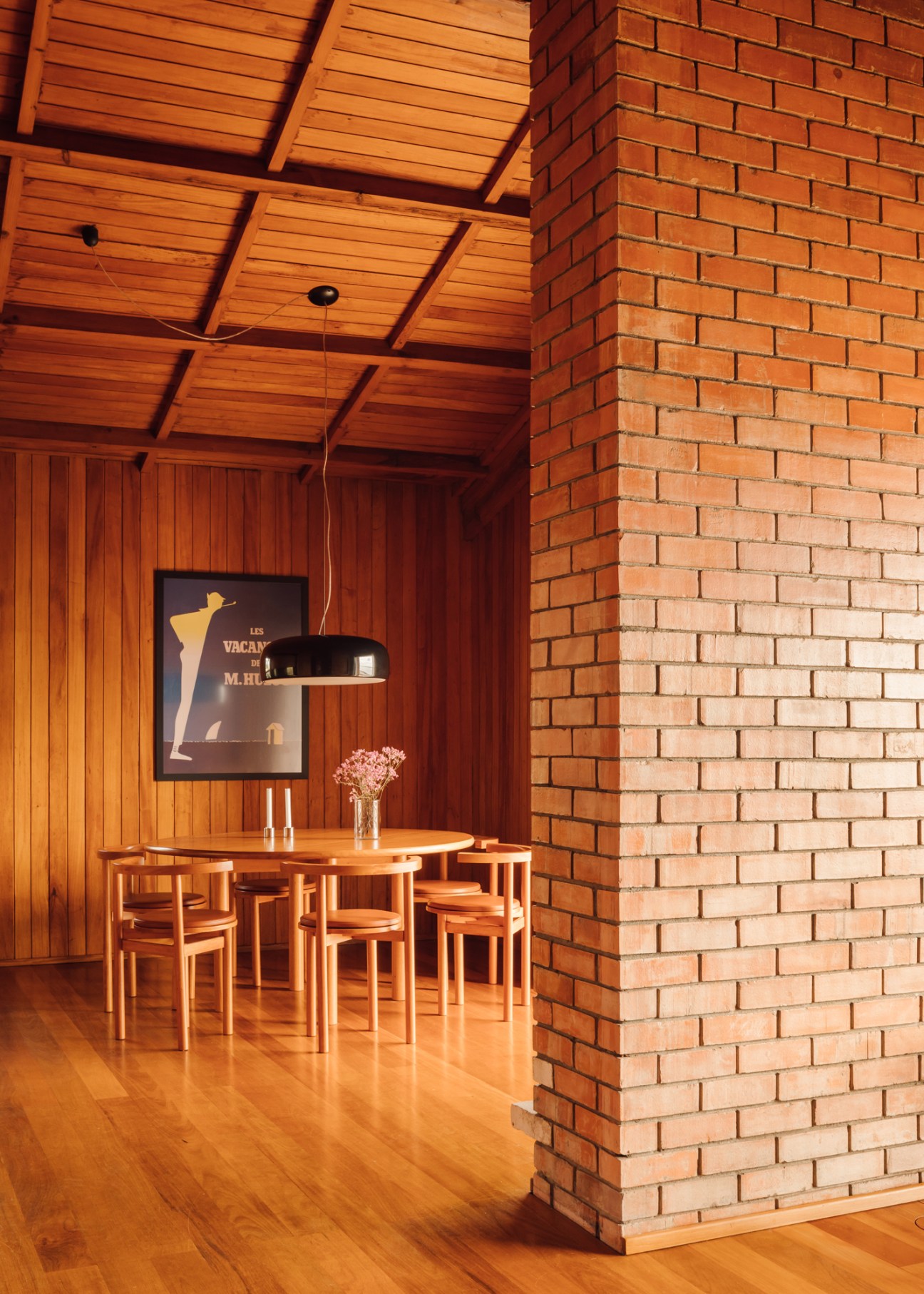
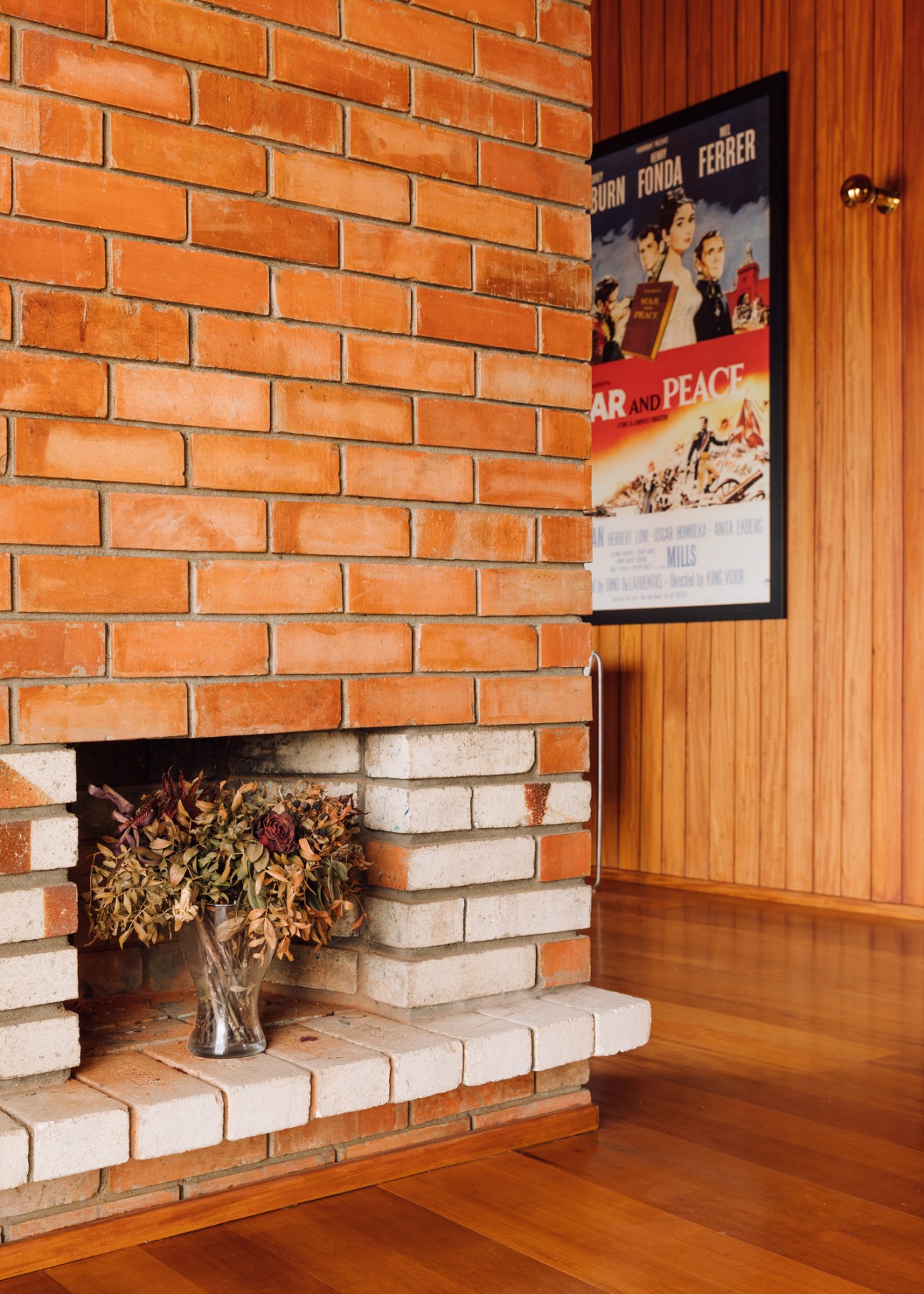
For furnishings, the pair used a mix of bespoke and showroom-bought pieces. The living room has a custom L-shaped sofa upholstered in beige fabric that pairs well with a Hans Wegner ch25 lounger from Carl Hansen & Son. They also designed a dining table and chairs with semi-circle armrests lit by a Jasper Morrison Smithfield suspension lamp from Flos. “The aim was to ensure that the revamped interior didn’t look forced or out of place with the home’s original 1960s feel,” says Simões, pointing to the corner minibar that sits behind panelling and sports a triangular motif that was inspired by the homeowner’s existing furniture.
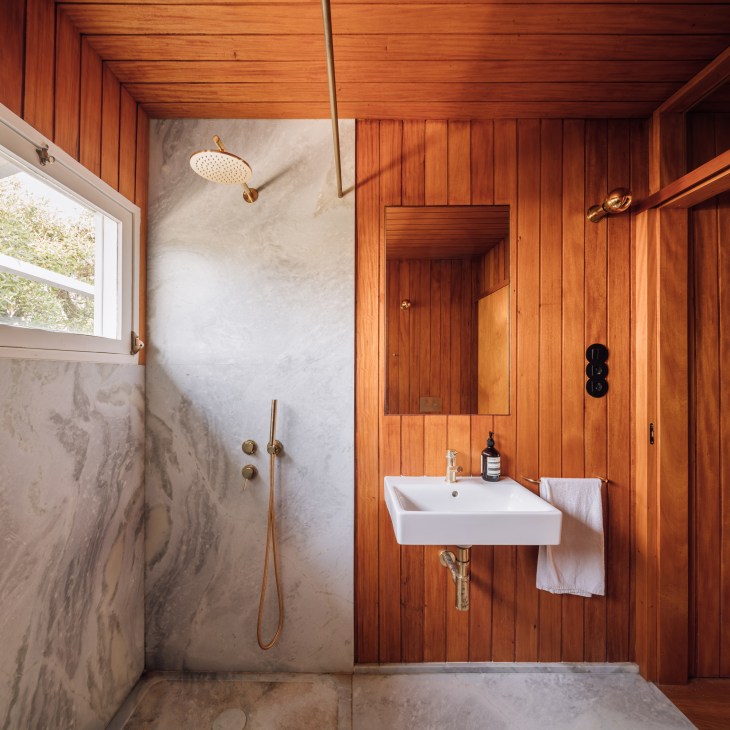
A shower occupying what was once the kitchen is the most significant change. Laden with Brazilian marble featuring traces of blue-green colour, it cleverly references the crashing surf. “We wanted to reconnect the house to the landscape – the dunes, waves and lagoon – as it’s a place suited for outdoor living,” says Simões. “The house is from a simpler era and we wanted to respect that.”
joaocarmosimoes.com
Seen the hues?
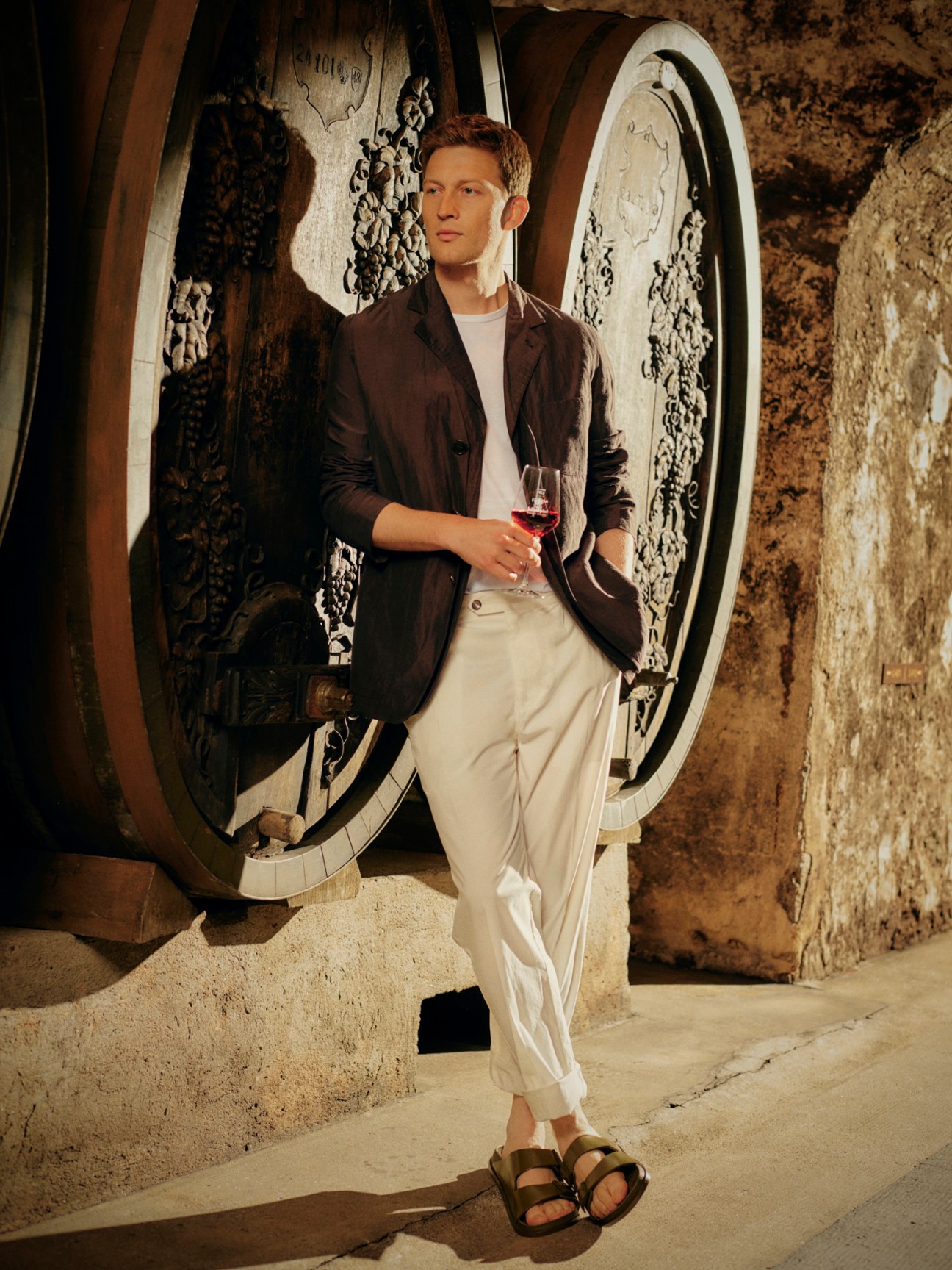
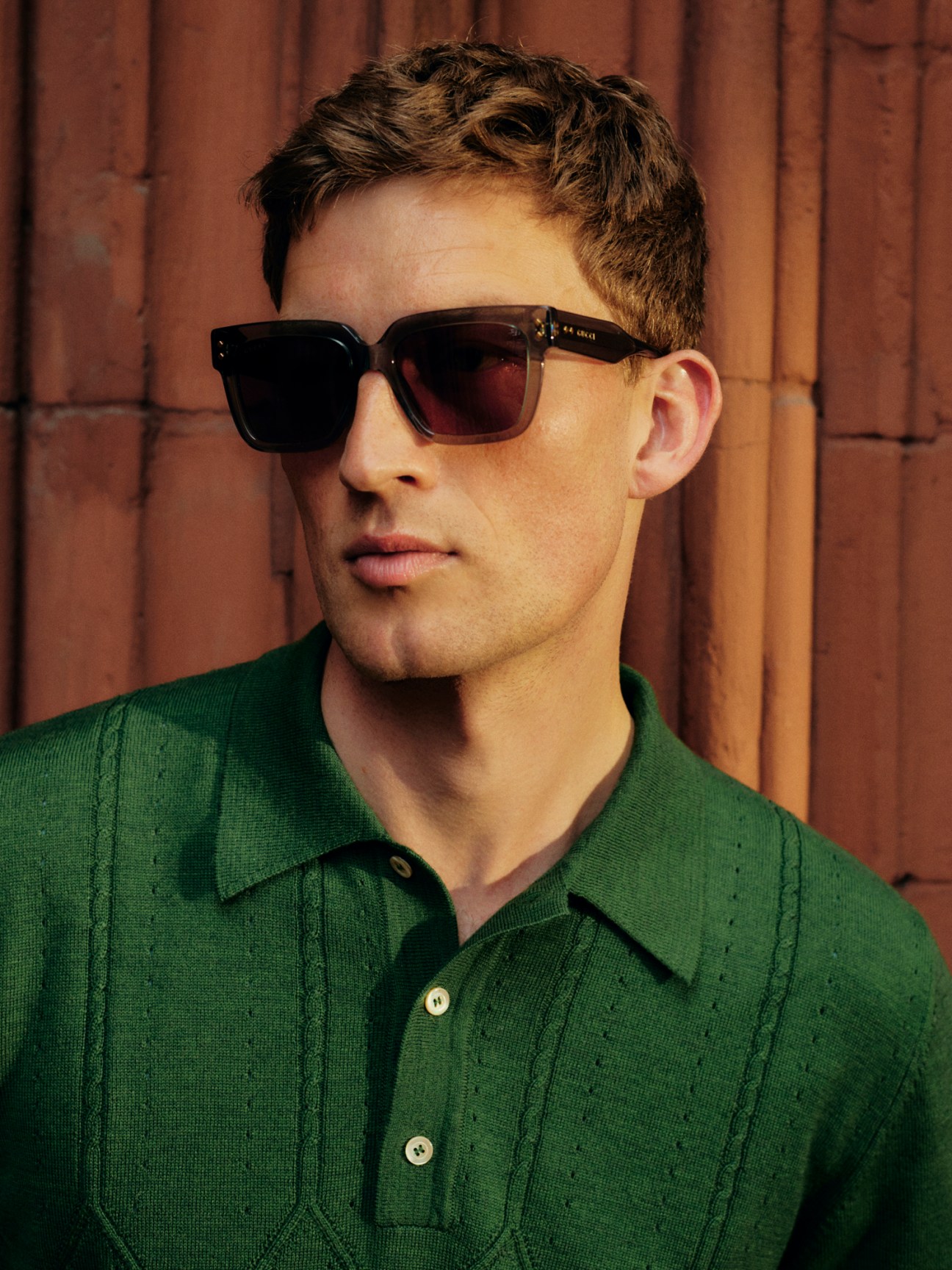
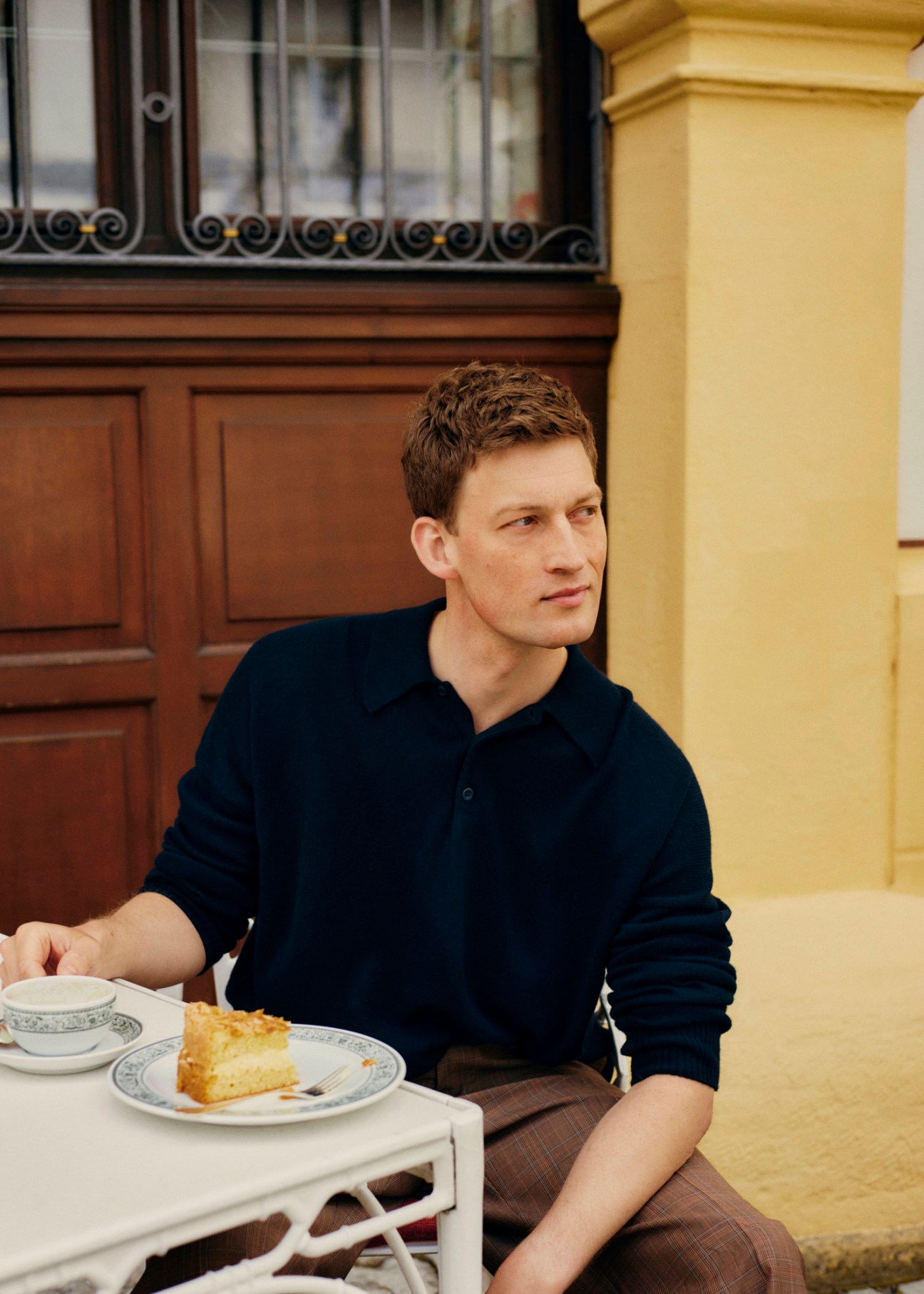
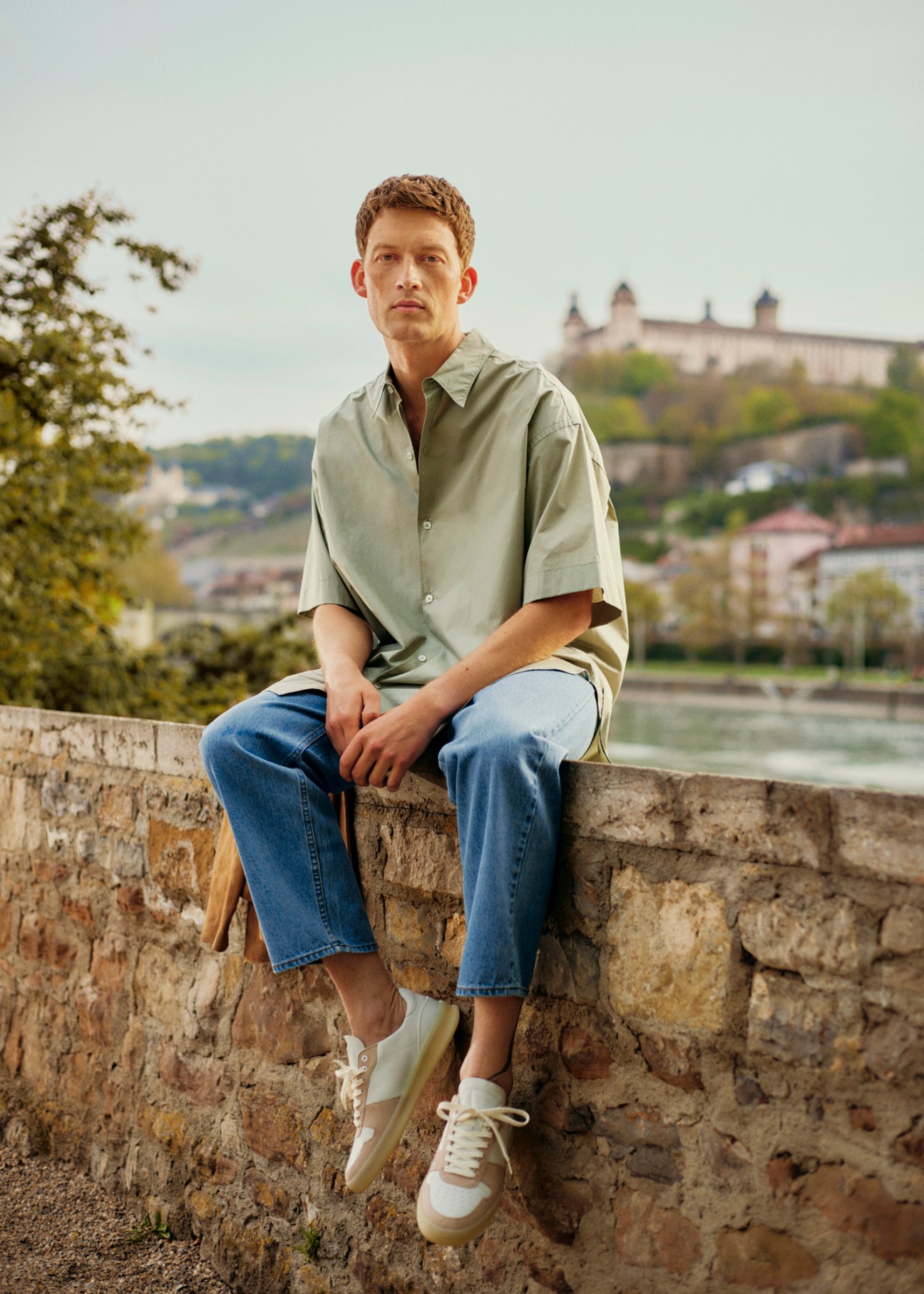
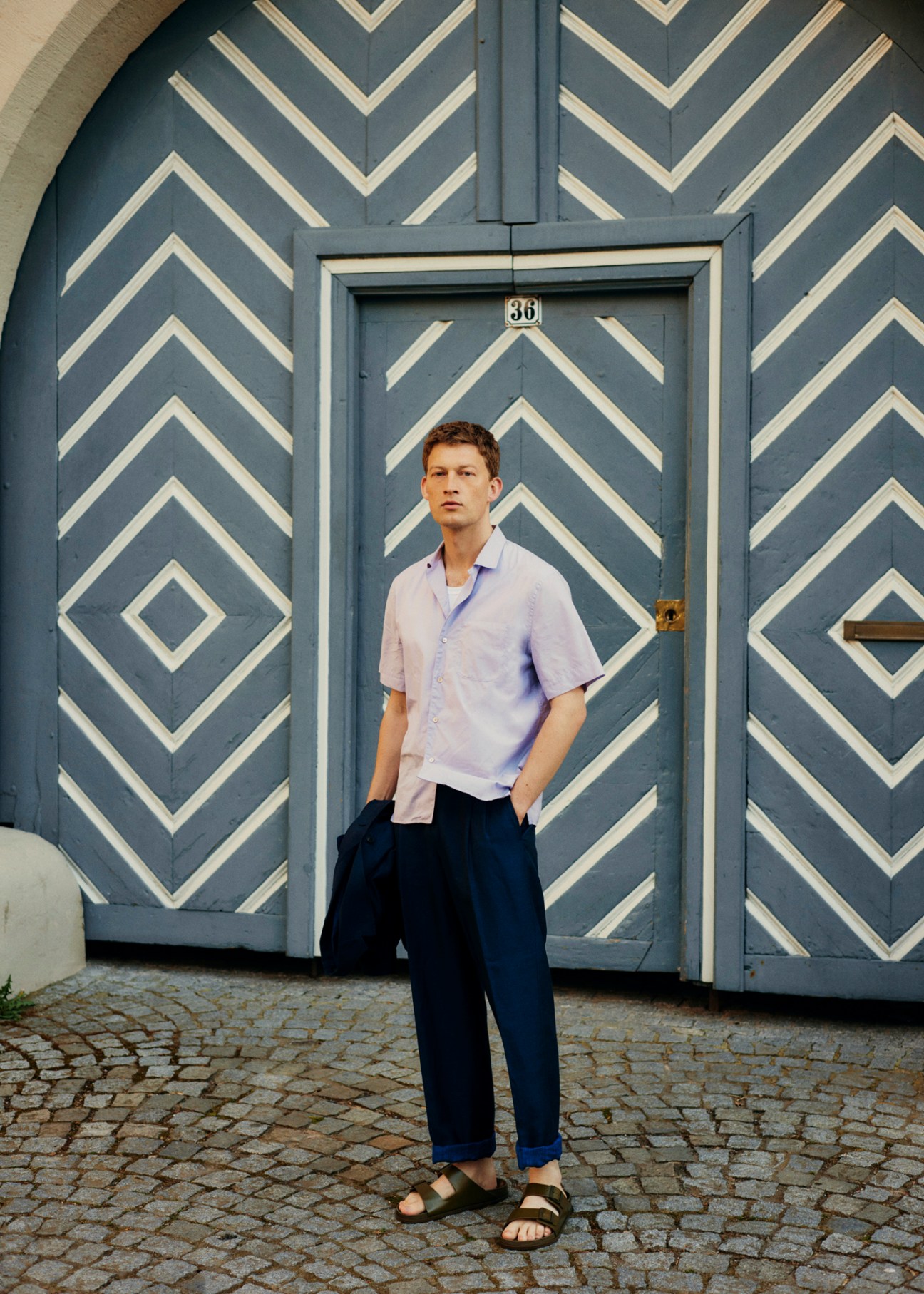
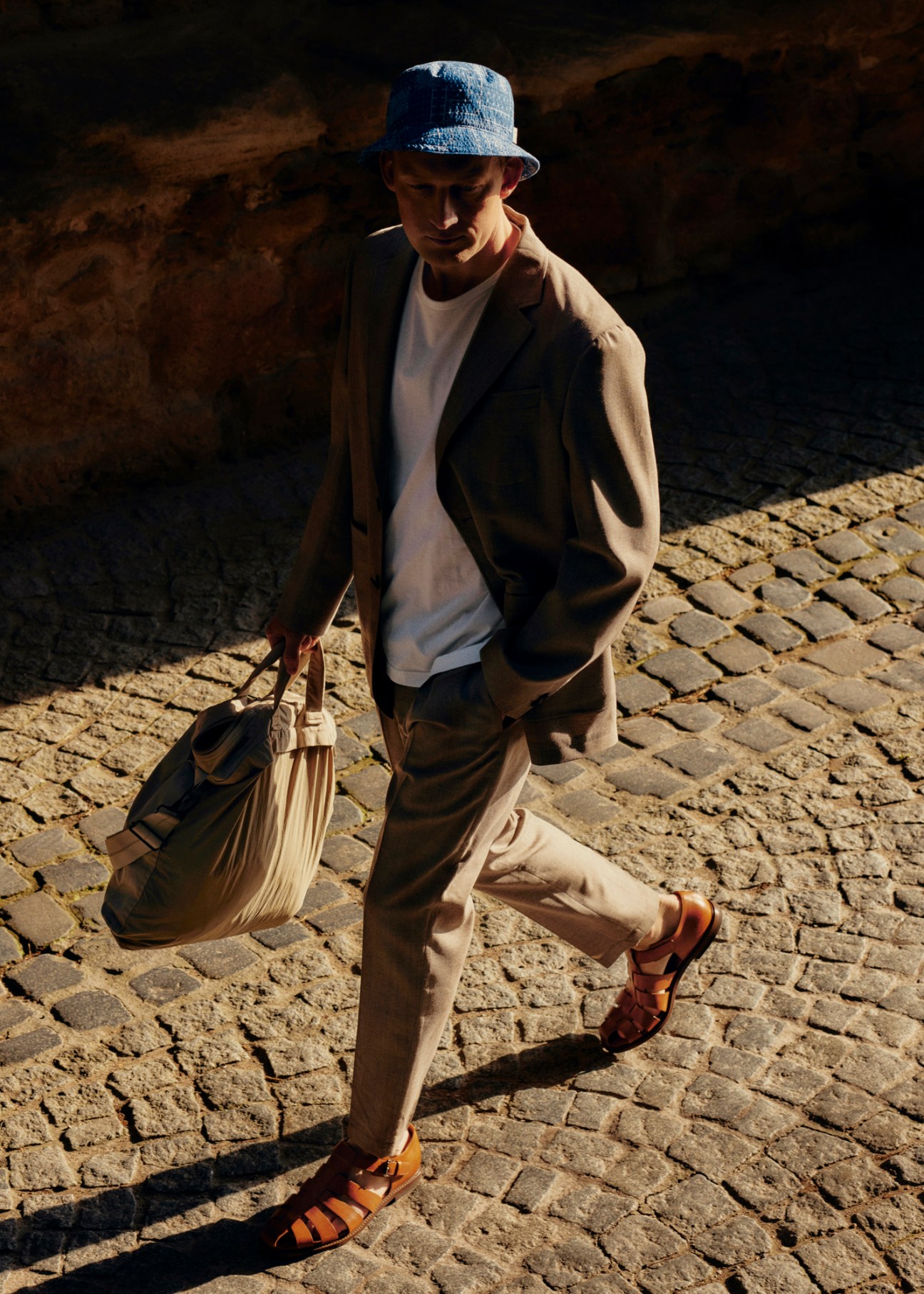
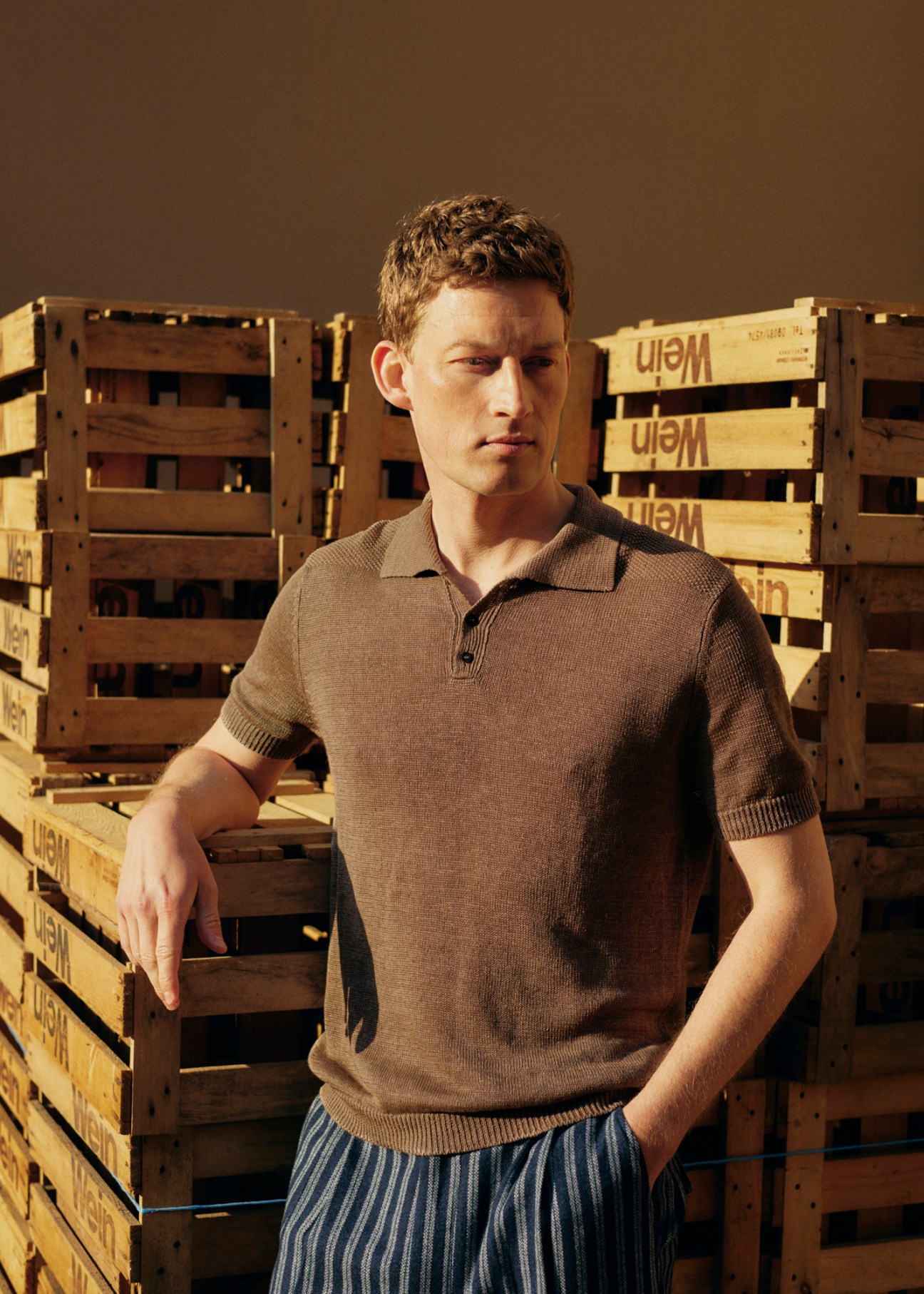


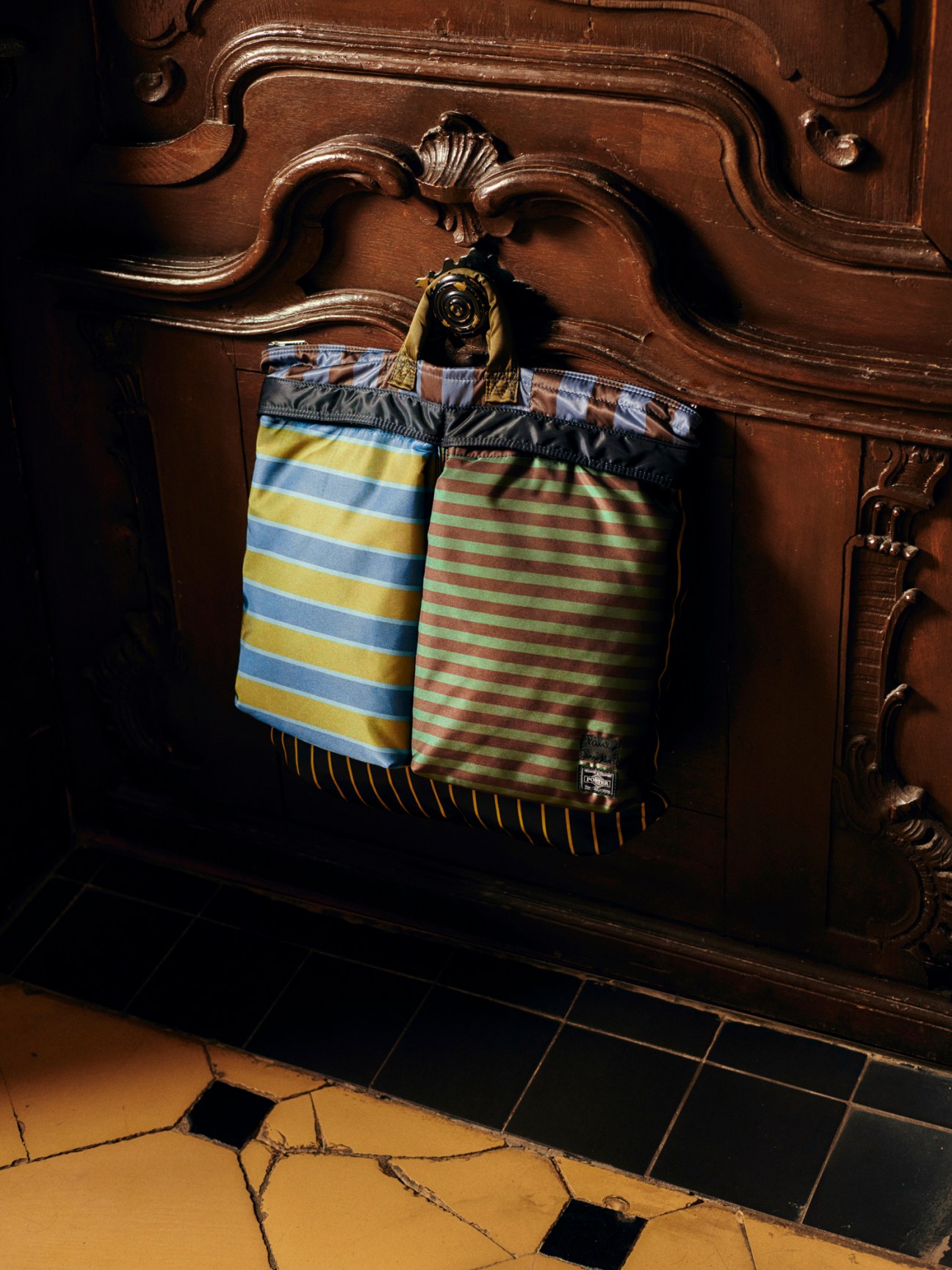
Stylist: Kira März
Model: Bastian Thiery
Business
Fashion
India
Under the skin
“I spent Valentine’s Day looking for affordable tiles for my shop in back-of-beyond Sharjah,” says Gautam Sinha (pictured), founder of Indian leather goods company Nappa Dori. “Eleven years into the business, I’m still hustling away.” Hustling is putting it mildly. Sinha’s business has come a long way from its beginnings in a tiny shop under a staircase in New Delhi. Today his brand has shops in Mumbai, London and Dubai and its wares can be found at Anthropologie, Selfridges, Fortnum & Mason and a resort in the Maldives. His Dori Cafés, meanwhile, have become magnets for shoppers.
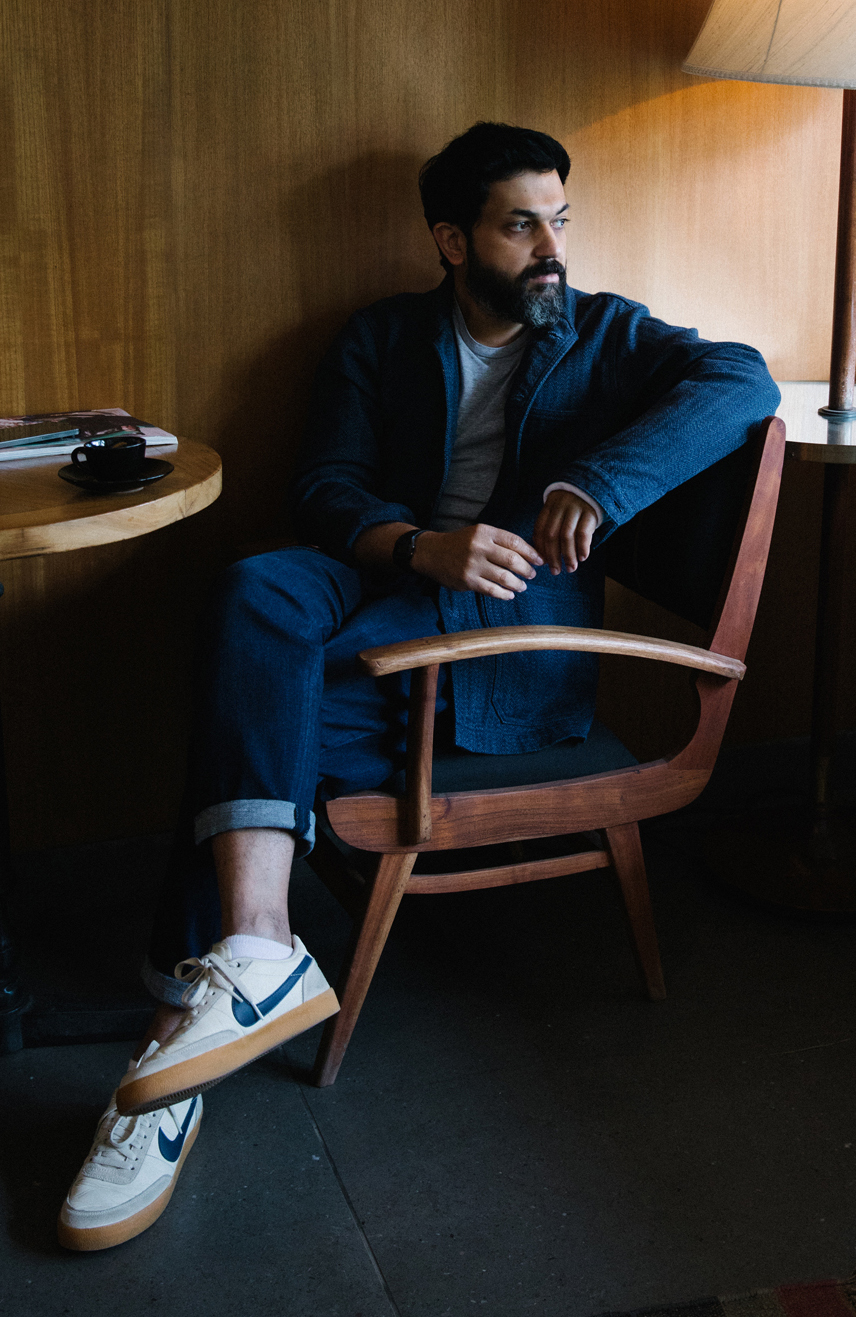
His product line has expanded too, now ranging from satchels, laptop sleeves and passport covers to bar accessories, luggage and trunks. All possess a minimalist aesthetic that tugs at nostalgia. The trunks, for instance, evoke the golden age of Indian train travel and were presented as gifts to visiting heads of state when the country hosted the Brics summit in 2016.
The biggest driver of growth for the brand might be its channelling of artisanal traditions but its products have largely been spurred by the aspirational Indian luxury-goods consumer. “We see Indian products made by international brands everywhere but not those by Indian brands,” he says. “It might sound clichéd but that’s painful to me. We just haven’t been able to crack the formula and I’ve always felt that I had to figure out a way to do it.”
nappadori.com
Shipping
Washington
Sane sailing
Patrons queueing up at the Blue Moose Café in Port Townsend – a Victorian-era seaside hamlet in Washington state, about 80km north of Seattle – must contend with clattering hammers and buzzing saws as they wait for their omelettes. The four buildings next to the café form the Port Townsend Shipwrights Co-Op, a full-service boat shop that specialises in wooden and metal watercraft. Over 41 years, the co-operative, whose 12 owners are all skilled craftsmen and boat-builders, has earned a reputation as the West Coast’s best place for repairing and maintaining heritage vessels.
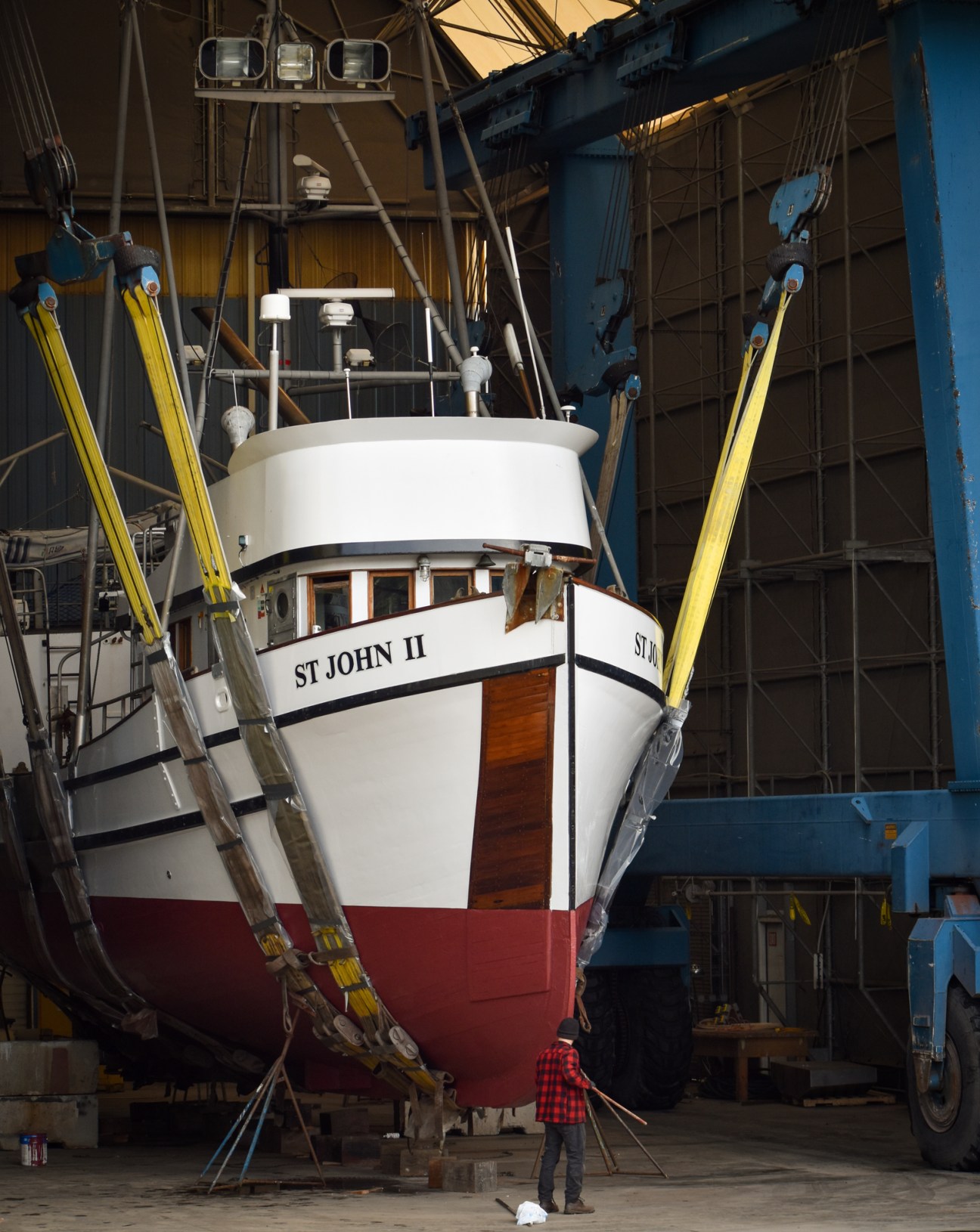
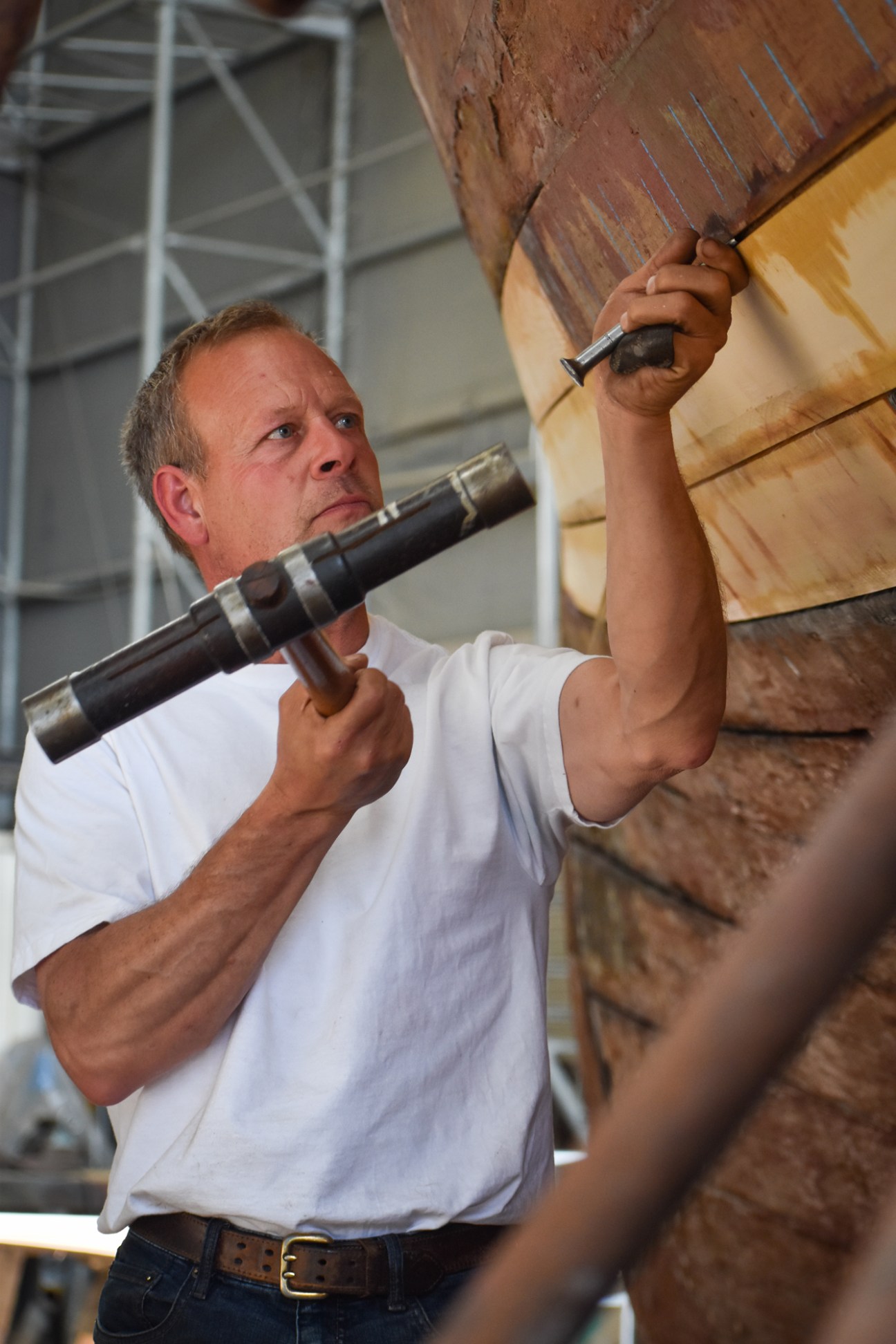
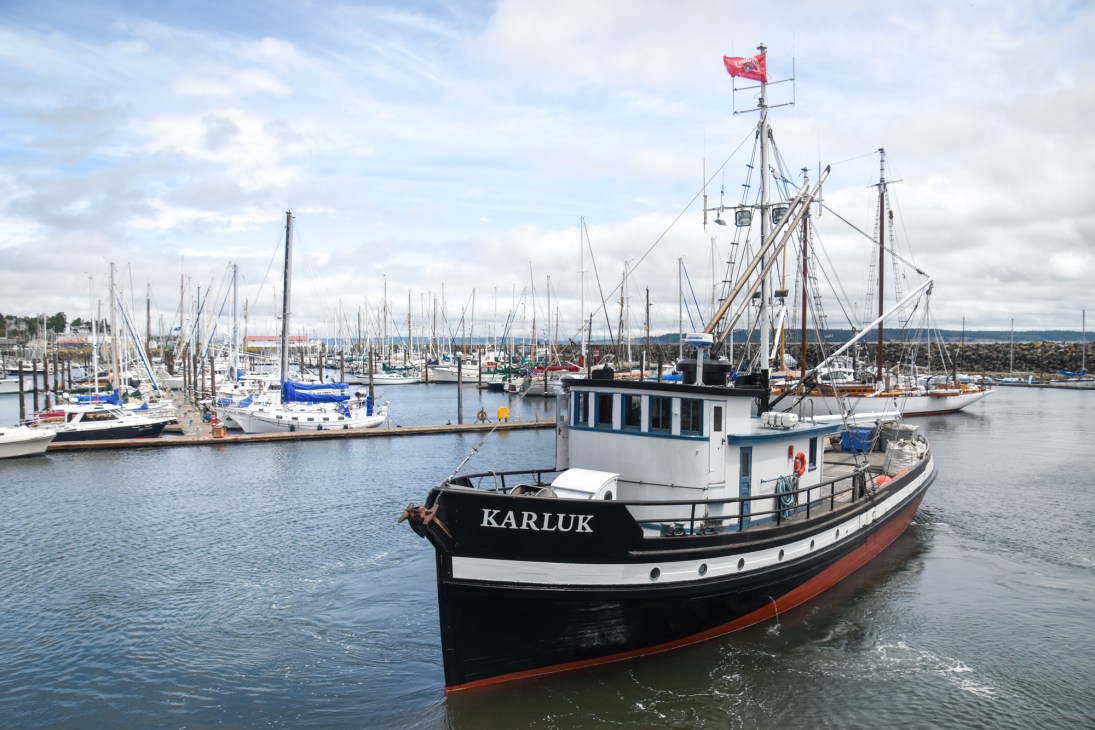
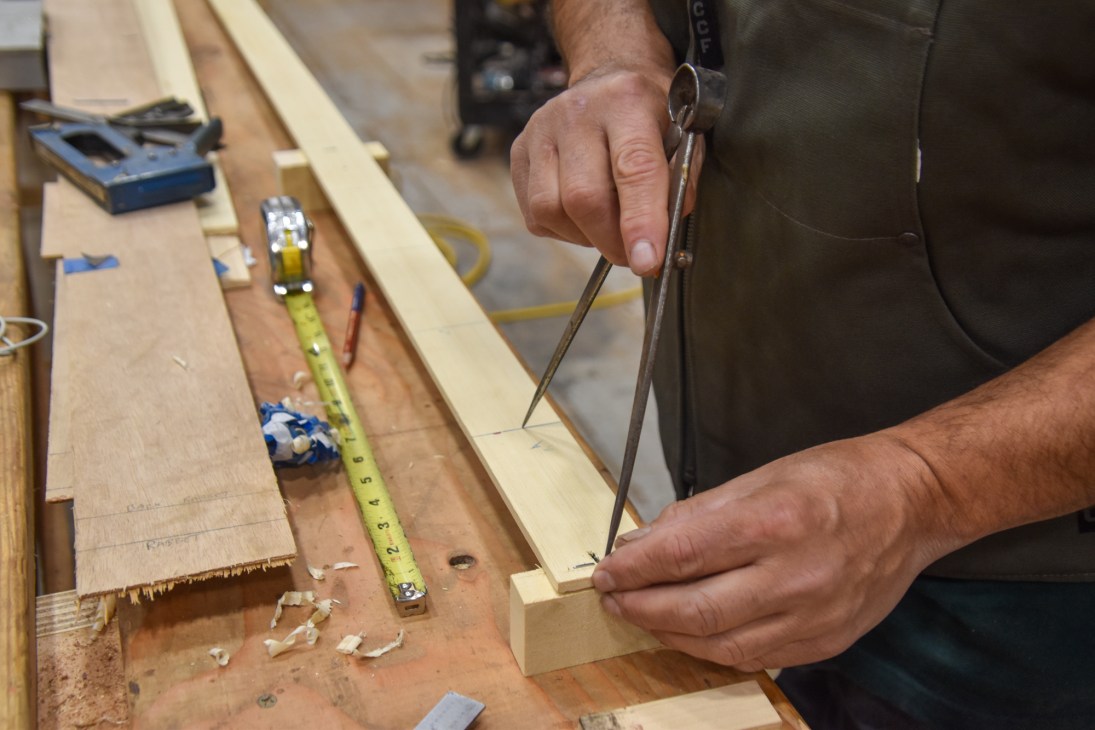
There are no mega-yachts owned by Russian oligarchs here – the co-op’s lift couldn’t haul them out of the water. Instead you’ll find a loyal clientele of commercial fishing vessels and bespoke sailboat owners. Current occupants of the boatyard include the Western Flyer, a purse seiner built in 1937 to catch Pacific sardines that inspired John Steinbeck’s travelogue Sea of Cortez, and Hawaiian Chieftain, a square-topsail ketch that is 31.4 metres long. “Anything to do with a boat, we can fix it or get it working,” says co-owner Jeff Galey. “It’s a one-stop shop.”
The co-op employs some 60 specialists, including mechanics, electricians, woodworkers, metalworkers, upholsterers and plumbers. Last year it added another service to the roster when it acquired a sail-maker. The co-op has an annual gross revenue in the region of $5m (€4.6m) and, as it employs almost 60 of Port Townsend’s population of 10,000, is a significant presence in the town, which is notable for its wooden boat festival and annual motorless race to Alaska. Those figures are a nautical mile from the co-op’s modest origins in 1981, when a handful of independent shipwrights in the city-owned boatyard banded together to buy an expensive piece of equipment. After 20 years of subcontracting, the co-owners began to hire employees in 2005. Galey joined in 2007 as a woodworker and three years later joined the co-operative’s ownership board. The co-operative model is an intimate business relationship. “It’s like you’re married to these 11 other people,” says Galey. But when a client approaches with a particularly difficult issue, he is grateful for their support. “If I don’t know the answer, I have 11 business partners that I know and trust to ask.”
The owners hold an annual retreat to discuss how to “provide a high enough wage for all of our employees and ourselves, and bring in enough business without going crazy with too much work”, says Galey. “We’ve always relied on steady growth every year.”
The Comment
Business
Global
Child’s play
David Hodari on how to – and how not to – advertise to the children of today.


In 1999 a four-year-old girl ended up in a Welsh hospital when her face turned orange. Doctors established that she had drunk too much Sunny Delight, whose ad campaign released shortly before the incident showed snowmen consuming the soft drink and turning the same colour as the girl. At the time I was of the opinion that “Sunny D” was life-giving nectar to be protected at all costs but even a child could tell you that people aren’t supposed to turn bright orange.
Companies have long advertised to children and, though in recent years lawmakers have tightened regulations in many countries, unscrupulous actors will always look for a workaround. Puff Bar, for example, found loopholes in the US around teen vaping rules set by the Food and Drug Administration (FDA). When the fda restricted the flavours that reusable e-cigarette makers could sell, Puff Bar began selling disposable vapes in a rainbow of teen-friendly flavours, before switching to synthetic nicotine and claiming that its product was no longer tobacco-based or subject to fda rules.
Sunny Delight and Puff Bar flashed through my mind when I was introduced to a marketing company that focuses on children and teenagers. My knee-jerk reaction was to wonder whether an email from a firm that dropkicks puppies was far behind but I was surprised and relieved when I spoke to Hatter CEO Simon Hatter about how brands can responsibly market to younger audiences.
“We’re not going out and pushing awful products on children,” says Hatter. “We’re very open to telling our clients, ‘We’re not comfortable with that.’ One of our brands wanted us to get kids to share a ‘fitting-room moment’ and we said that it wasn’t appropriate. It’s about understanding that things that would be a no-brainer for an adult aren’t the same for a child and pulling them up.”
Industry colleagues argue that brands should advertise to parents as, after all, they’re the ones with the money. Kids have long been an afterthought in advertising, according to Hatter, but that attitude often leads to sloppy, even offensive, work. h&m, for example, attracted a slew of negative headlines a few years ago after featuring a black boy in an advert for a sweater which bore the phrase “coolest monkey in the jungle”. Brands often have outdated attitudes to family and gender, Hatter points out. “Assuming every kid has a mum and dad: we really pull back on that,” he says. “It took forever to make brands not just use pink and blue for girls and boys.”
“It’s about understanding that things that would be a no-brainer for an adult aren’t the same for a child”
But some companies act in good faith when advertising to children. Lego is an industry leader, Hatter says, though that is because the toy-maker advertises products more than experiences. Hatter has turned down a vape company and isn’t keen on fast food. And while “there are some negatives” to working with clients such as Nike, he counts them among his clients.
For the sportswear behemoths, Hatter has worked on in-store experiences aiming to lessen girls’ embarrassment in that delicate first conversation with their mum or dad about sports bras. A separate Nike project in the uae set about encouraging children to just have fun playing: something that the agency’s CEO says is less welcomed culturally than in the West. Companies have advertised their products to children for as long as advertising has existed: in the back of comics, between Saturday morning cartoons or on Tiktok. While regulation is a smart move, I’d rather advertising to children be left to professionals, like Hatter, who bring sensitivity to the inevitable.
The Comment
Society
The Comment
New beginnings
Tanya Warnakulasuriya on how Sri Lankans are uniting in peaceful protest in the face of corruption and power cuts.
Suba aluth awuruddak wewa! Happy Sri Lankan new year from Colombo. Well, not exactly happy… The country is going through the worst economic crisis in its history. On New Year’s Day – 14 April – the traditional over-boiling of milk (symbolising prosperity) and festive family feast are impossible. The country has run out of gas and anyway many have no rice or milk to boil with it.

Sri Lankans have had their fair share of hardship over the past few decades: 26 years of civil war concluding in 2009, the Boxing Day tsunami in 2004 and a terrorist attack in 2019 that killed 269 people. But today’s pain – of daily 13-hour power cuts, queues for fuel and severe shortages of food and medicine – comes from decades of malfeasance rather than acts of god or war.
I write this sweating in tropical heat as a five-hour power cut brings Colombo, a city of nearly six million, to a standstill. The half-cooked chicken will have to be binned. My partner, stranded for three days in the south, is queuing for petrol to come home. This morning I went to five pharmacies searching for my mother’s medication.
In a way, the Sri Lankan people’s legendary stoicism hasn’t helped, as it has allowed the political elite to get away with their corruption for too long. But you can’t blame people for keeping schtum. Dissenters are routinely bundled into white vans, never to be seen again. According to the United Nations Working Group on Enforced or Involuntary Disappearances, some 60,000 to 100,000 people have disappeared since the 1980s. We have been conditioned to humbly defer to the powerful. Even our flag depicts this pervasive subservience: the sword held by the lion symbolises authority. That very sword is what now threatens us.

The venality of past Sri Lankan governments has been expounded by the incumbent Rajapaksa administration. Headed by president Gotabaya and his prime minister brother Mahinda, it’s like a bad family-run business. When Basil Rajapaksa, another brother, was serving as finance minister – he has since been sacked – he spent the country’s foreign reserves on vanity projects. Then, struggling to find money to keep the economy afloat, he decided to buy essential food, medicine and fuel imports on credit and simply print more rupees. The currency has depreciated so much that it’s not worth the imported paper it’s printed on. Sri Lanka defaulted on all of its foreign debt, then credit lines and importers halted supplies. When people complained about rice shortages, irrigation minister Chamal Rajapaksa (pictured, centre, with Mahinda, on left, and Gotabaya), yet another brother, did a Marie Antoinette, announcing, “If you don’t have rice, eat manioc [the root vegetable cassava]; it’s good for cancer.” Needless to say, it’s not.
Since March, “Go Home Gota” has been chanted by Sri Lankans of every age, ethnicity and religion. Descending on the capital, they march in common sufferance, demanding the president’s resignation. Sri Lanka’s religious and ethnic communities have always been pitted against one another for political gain. But not today. Reminiscent of Gandhi’s movement of non-violent civil disobedience, Sri Lanka’s new collective voice is peaceful, compassionate and brave. There is no looting, no rioting, no violence. Citizens embrace tearful police, and protesters can be spotted cleaning the streets. Commuting vehicles sound supportive horns, restaurants hand out refreshments and everyone, including the three million Sri Lankans abroad, shares and comments on social media.
As Sri Lankans rang in the new year, religious leaders worshipped in solidarity with protesters, as the date coincides with holy days of all four national faiths (Buddhism, Christianity, Hinduism and Islam). We don’t know what our political future holds. But we now know that when we unite against corruption, there is a better way. This might not be a happy new year but it could be a watershed one.
Images: Getty Images
Best-case scenario
You might be surprised to learn that even when people couldn’t travel at the height of the pandemic, sales doubled year on year for French luxury luggage-maker Au Départ (which means “on departure”). While the world moved slowly the brand’s CEO, luxury fashion veteran Gianfranco Maccarrone, crafted a revival of this heritage label by banking on the notion of “slow luxury”. “We’re speaking to a very sophisticated customer, so quality is what really counts,” says the former CEO of Italian ready-to-wear label Dsquared2.
Au Départ’s production is based in a studio in northern Milan, a space that feels like a cross between an innovation lab and a heritage atelier. When Monocle visits, rolls of fabric and Italian-leather swatches surround four designers and five artisans who are bedecked in pristine white lab coats. With fastidious attention to detail, they paint initials onto customers’ bespoke trunks. Here a single artisan develops the same trunk from beginning to end. The process can take up to 120 days to complete.
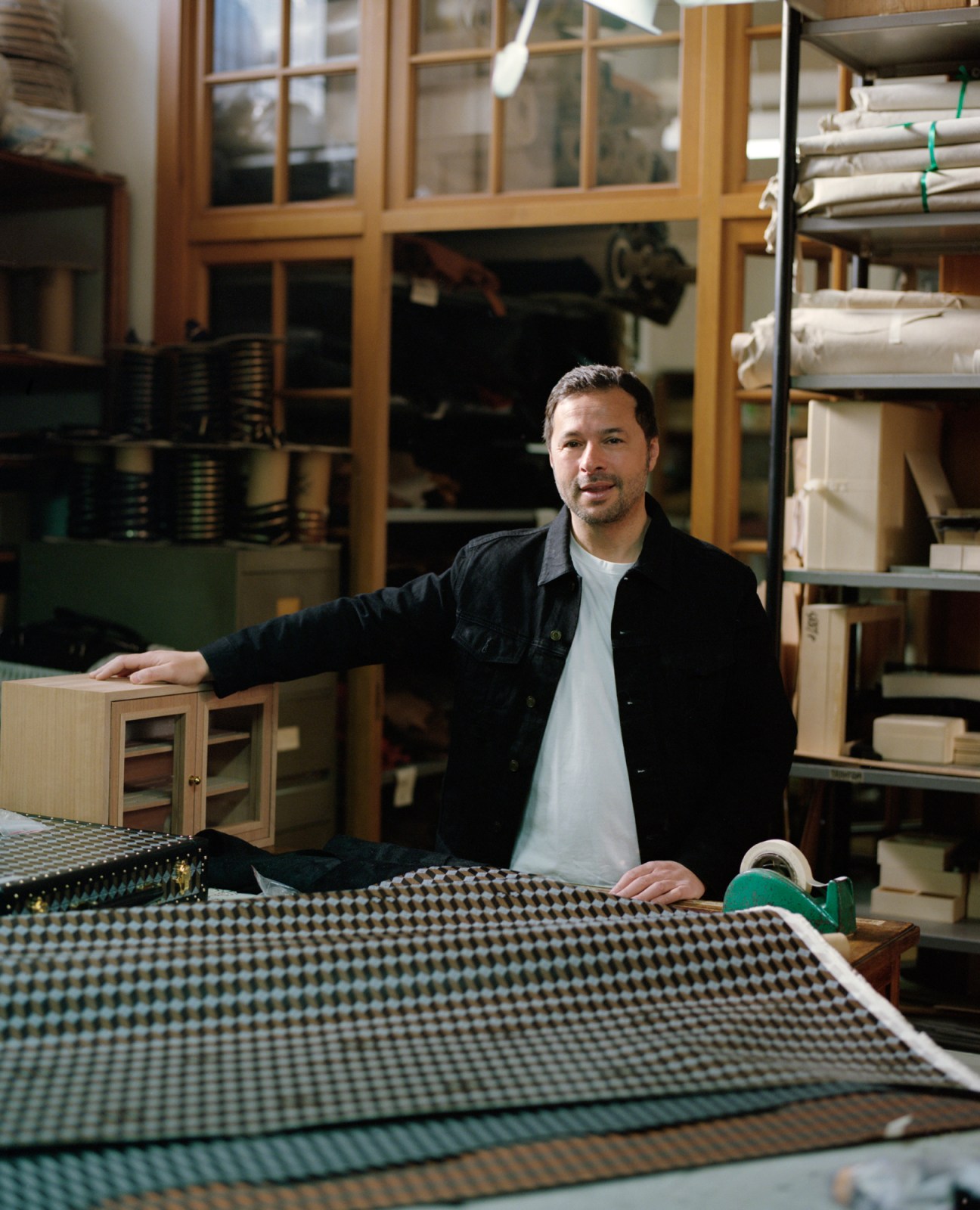
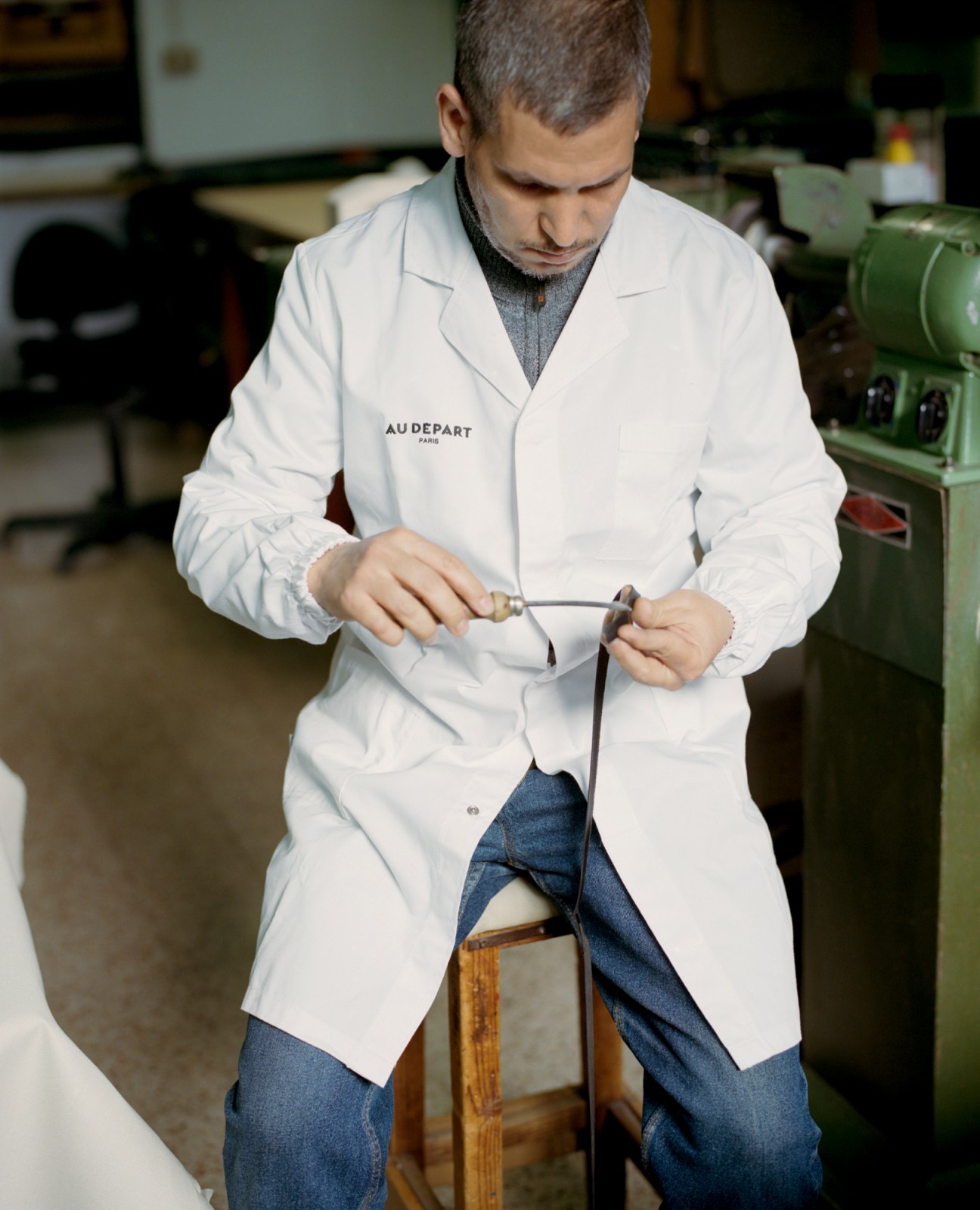
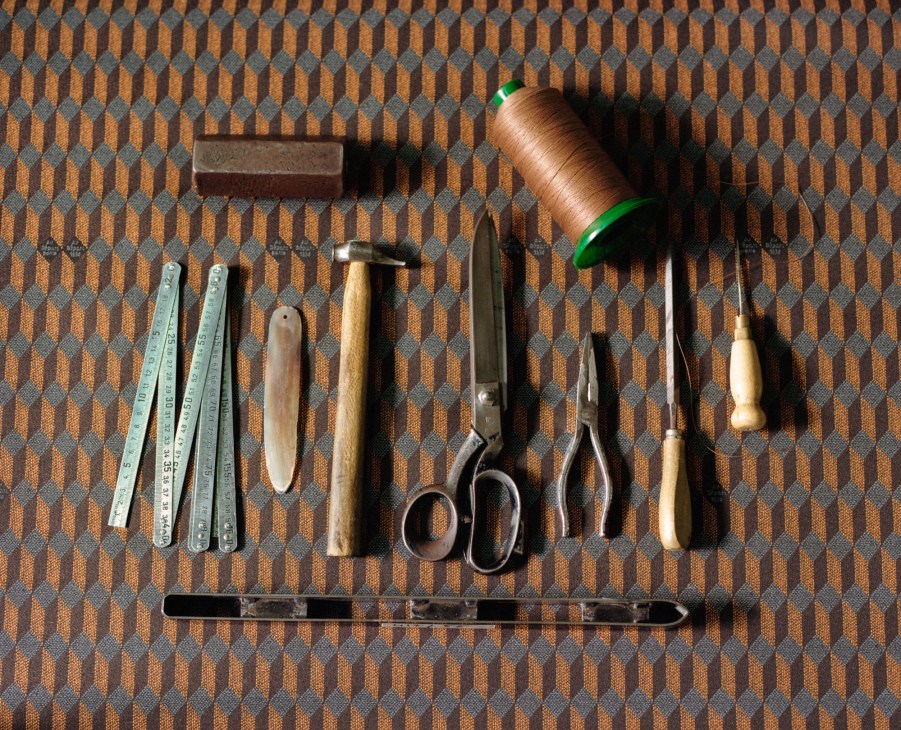
For Maccarrone, crucial to the brand’s revival were its strong “Made in Italy” identity and its vision of escapism. Founded in 1834, Au Départ had been dormant since the 1970s, after a merger with rival Moynat ended in bankruptcy. In 2011, Luxembourg-based private-equity group Luvanis acquired the brand; since Maccarrone led Au Départ’s relaunch in 2019, smart marketing has helped it become a favourite of top DJs, who carry their equipment in its bespoke cases. Yacht-owners are buying its champagne trunks, which can fit four bottles and eight flutes, and feature removable ice buckets. These are pieces that cost a pretty penny and so need to command a wealthy customer’s attention. A women’s clutch mini-trunk starts at more than €2,500, while Au Départ’s recent collaboration trunk with the Orient Express costs €115,000.
“Instead of being too nostalgic, we chose to interact with the world of music because it really connects generations”
Beyond choosing partners carefully (among them are Harrods in London, The Webster in Miami and La Samaritaine in Paris), Maccarrone has navigated the tricky path of brand collaborations, including a unique product developed with Danish electronics company Bang & Olufsen, which encases a turntable within a trunk. “I told myself, ‘Let’s not be another classic trunk brand,’\” he says. “Instead of being too nostalgic, we chose to interact with the world of music because it really connects generations.”
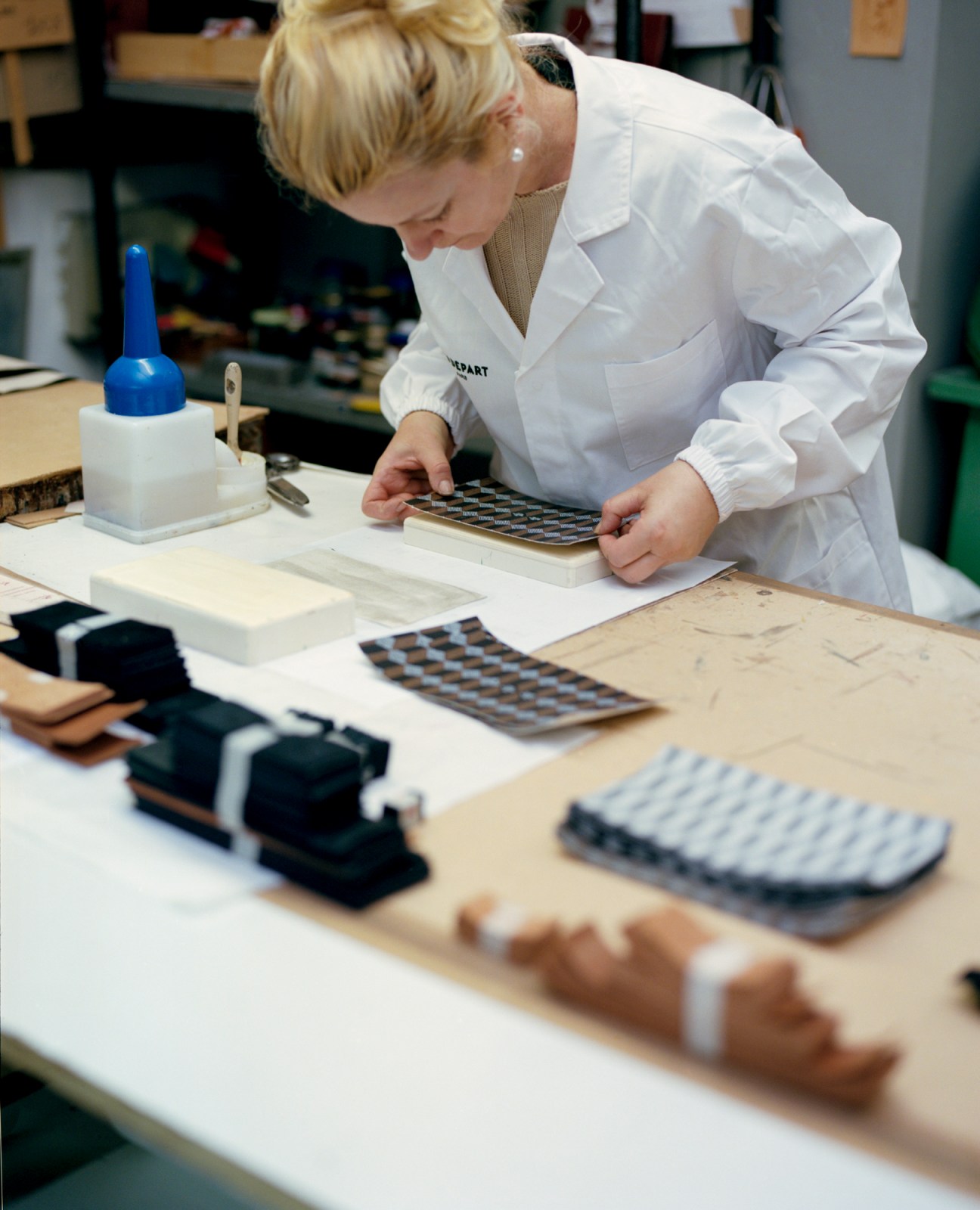
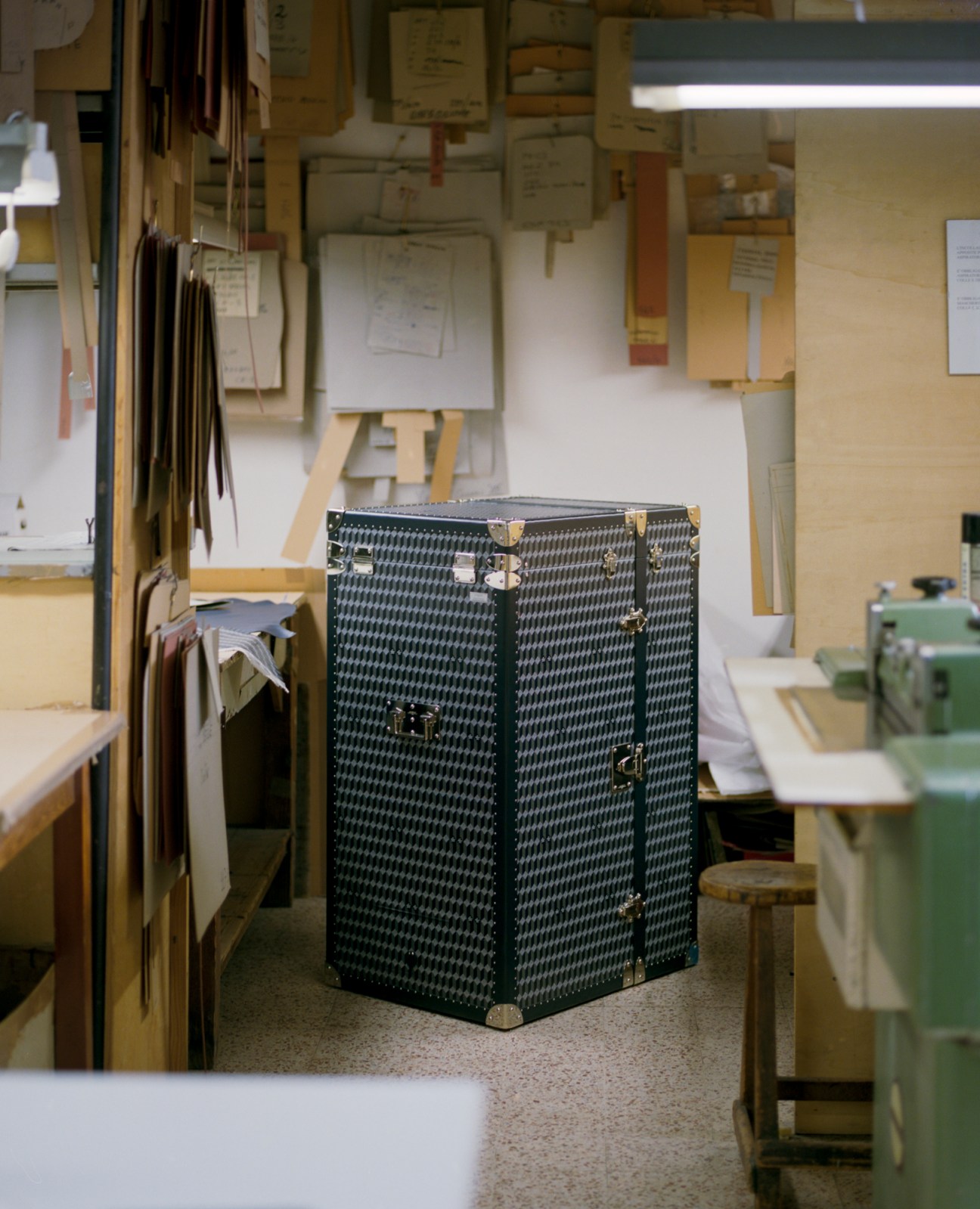
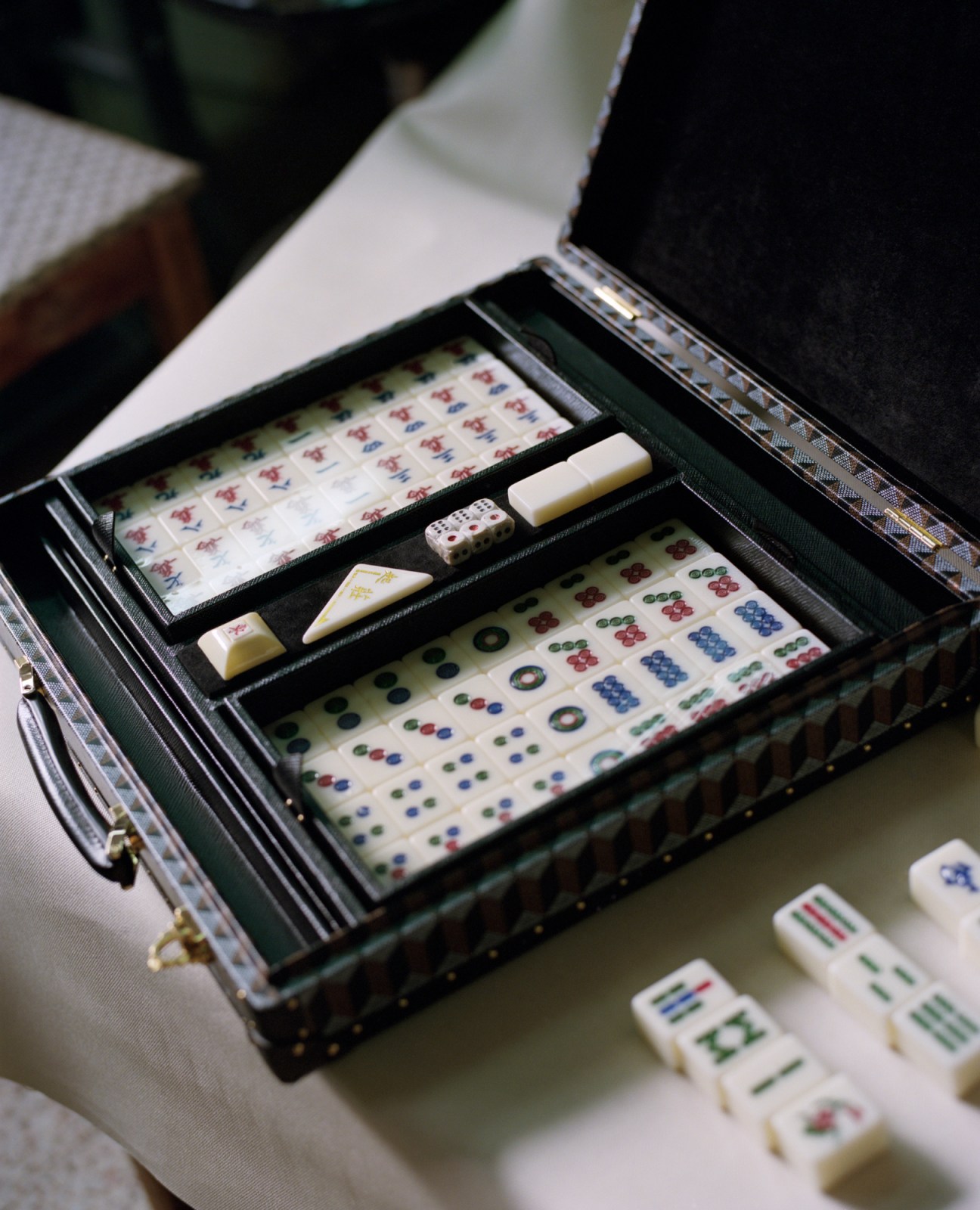
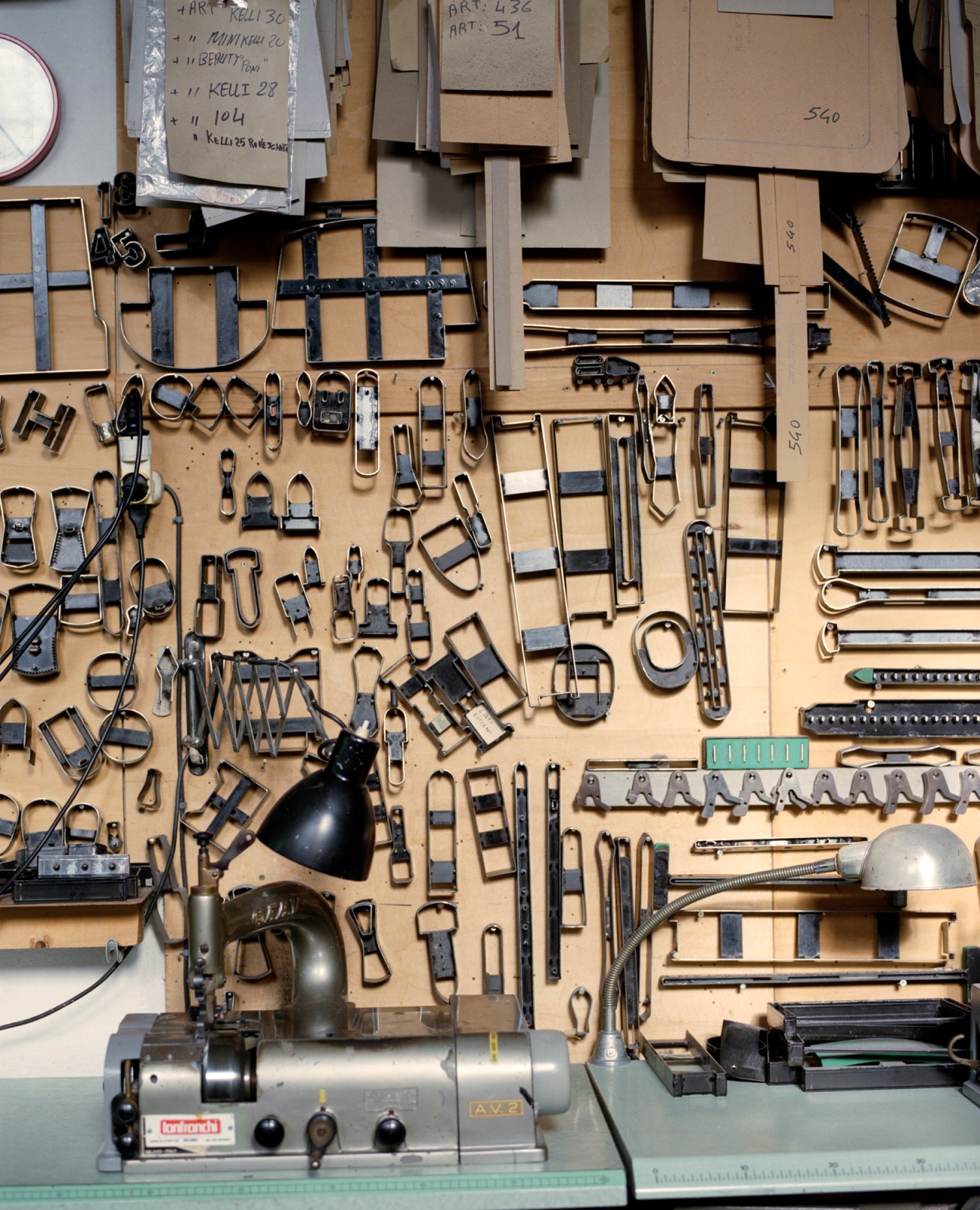
Now that people are travelling again, Maccarrone has been assessing what mobility means today. Staying active and exploring the world remains at the top of his customers’ agenda, he says, but he also wants to cater to those seeking to spend time outdoors and enhance less obvious parts of the travel experience. A recent line of pet accessories created for the Hôtel de Crillon in Paris is an example of this. “We used to focus on movement and travelling from city to city,” says Maccarrone. “But now we are thinking a little differently because everyone wants to be in the open air. Recently we even created picnic sets and hosted an event at the Château du Marais, outside Paris. It’s a new era of opportunity and we want to bring a sense of fantasy and luxury back into travel.”
audepart.com
Packing light: Chic travel accessories to refresh your luggage
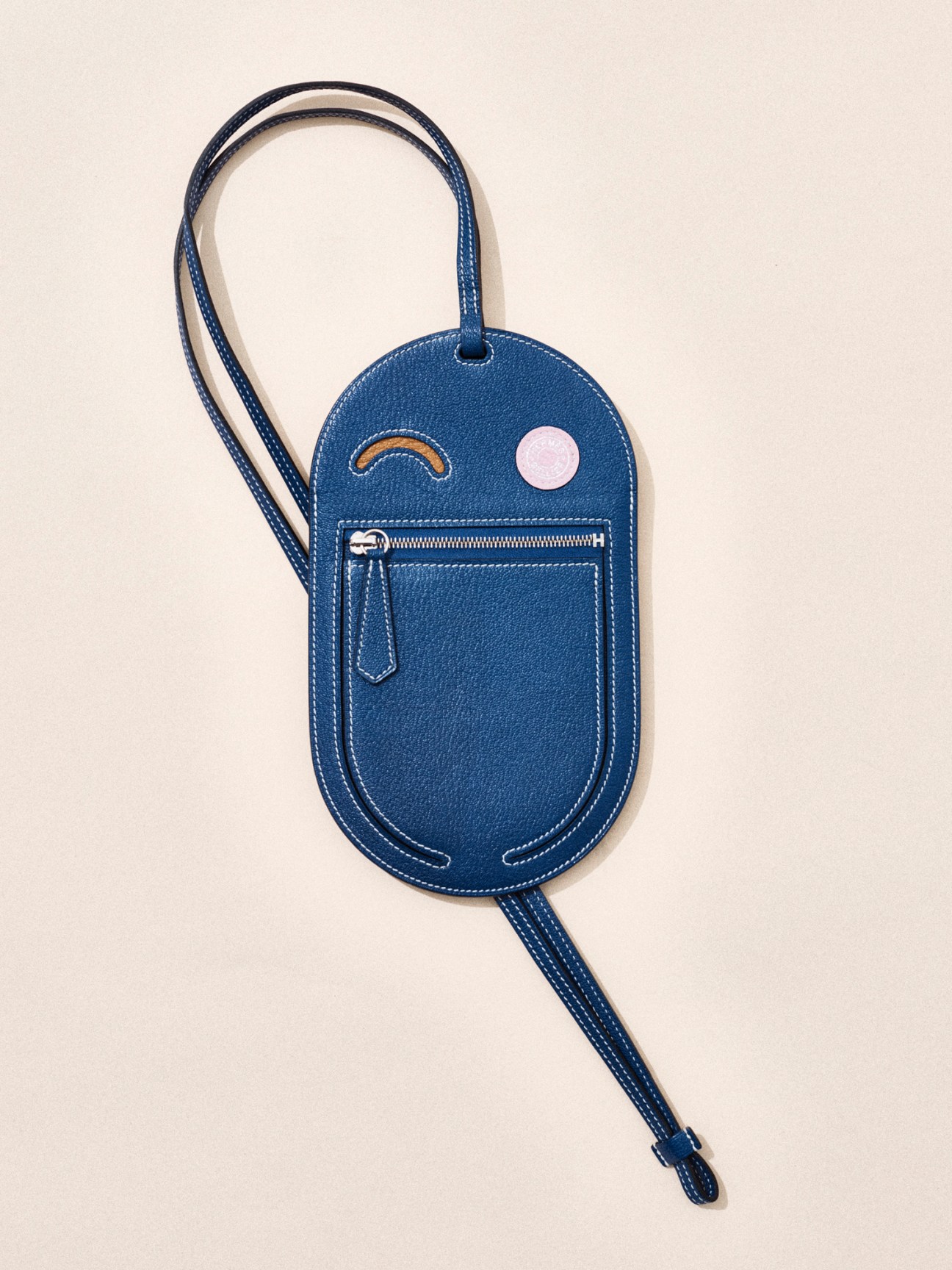
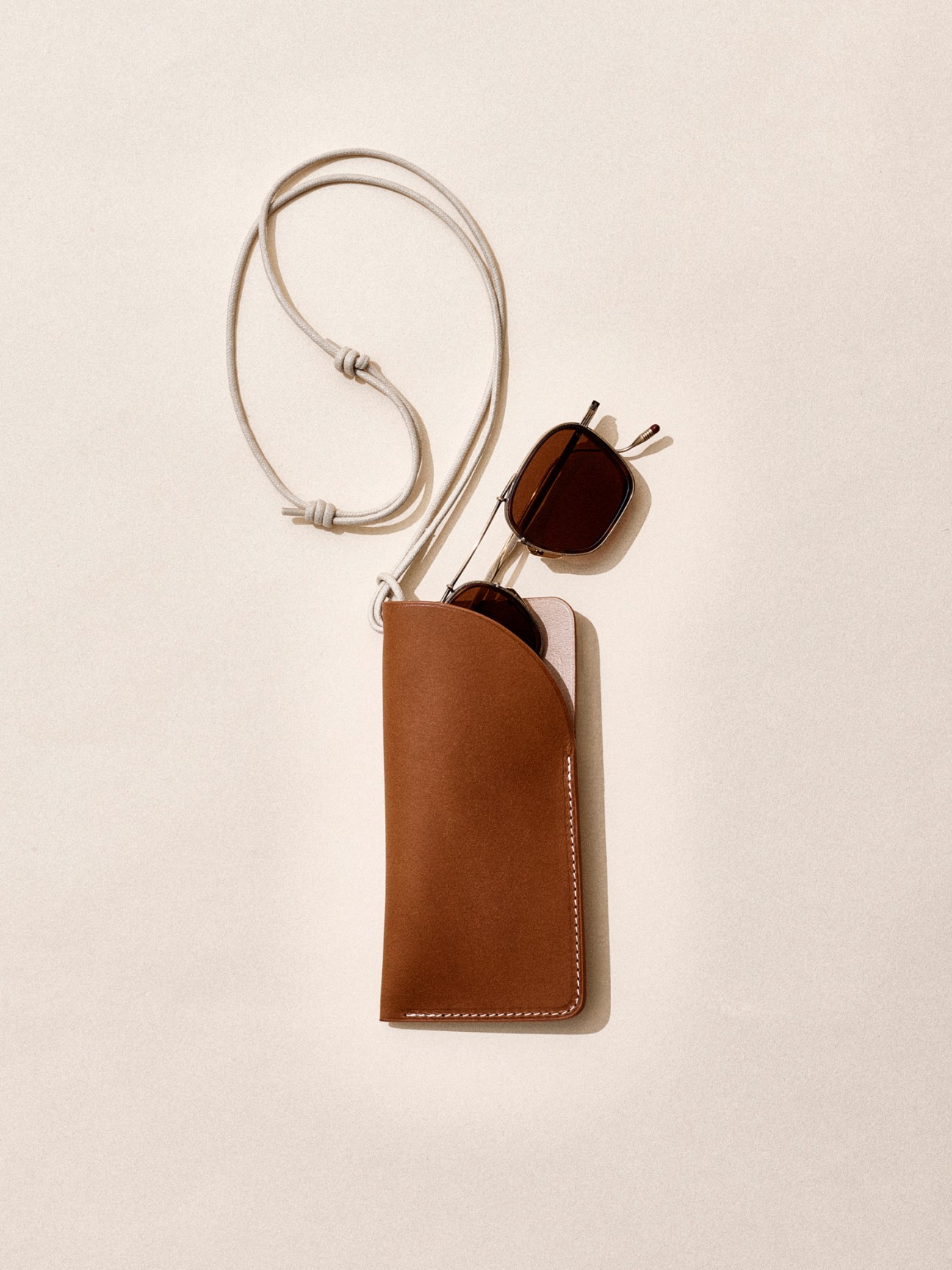
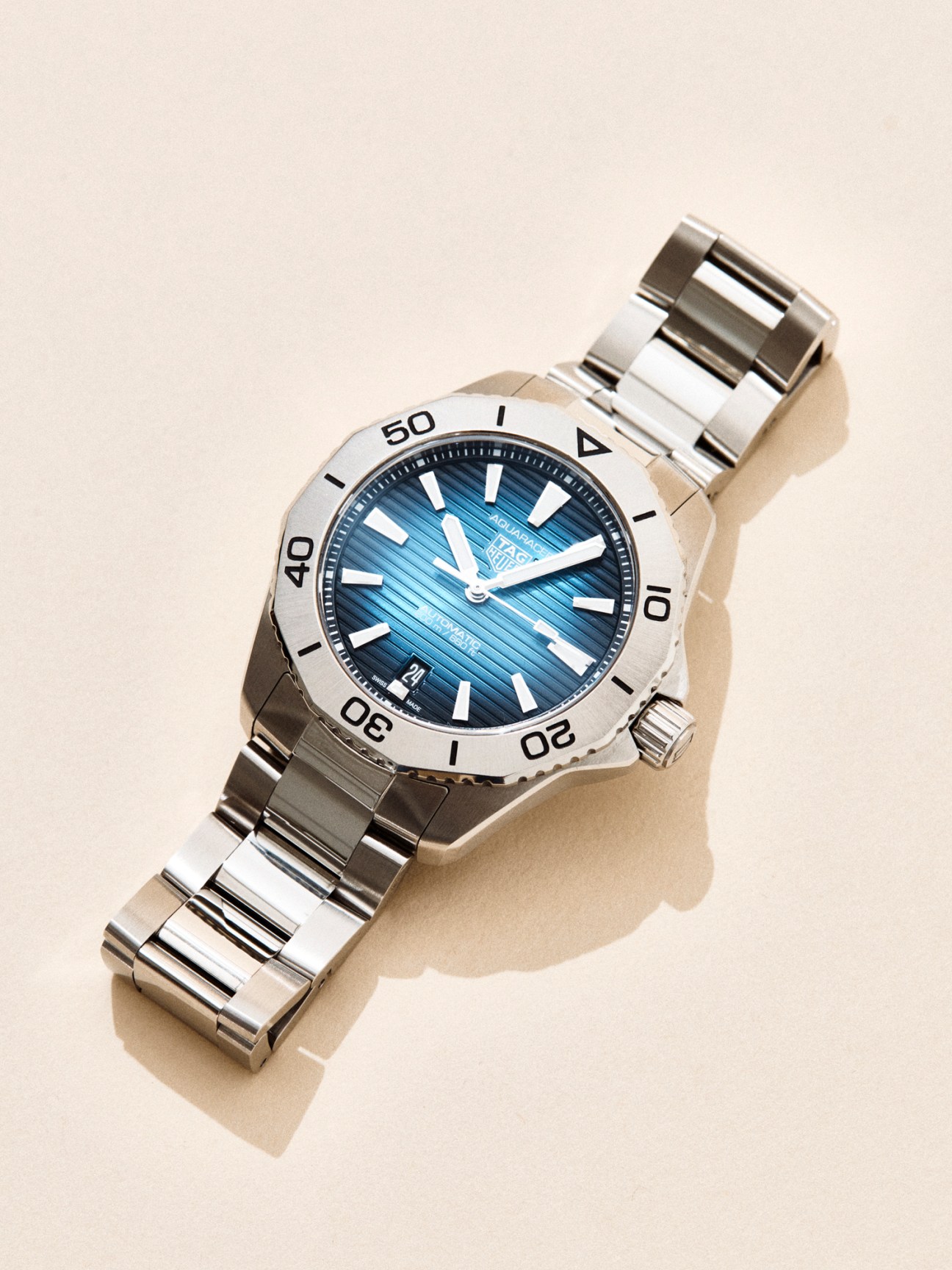
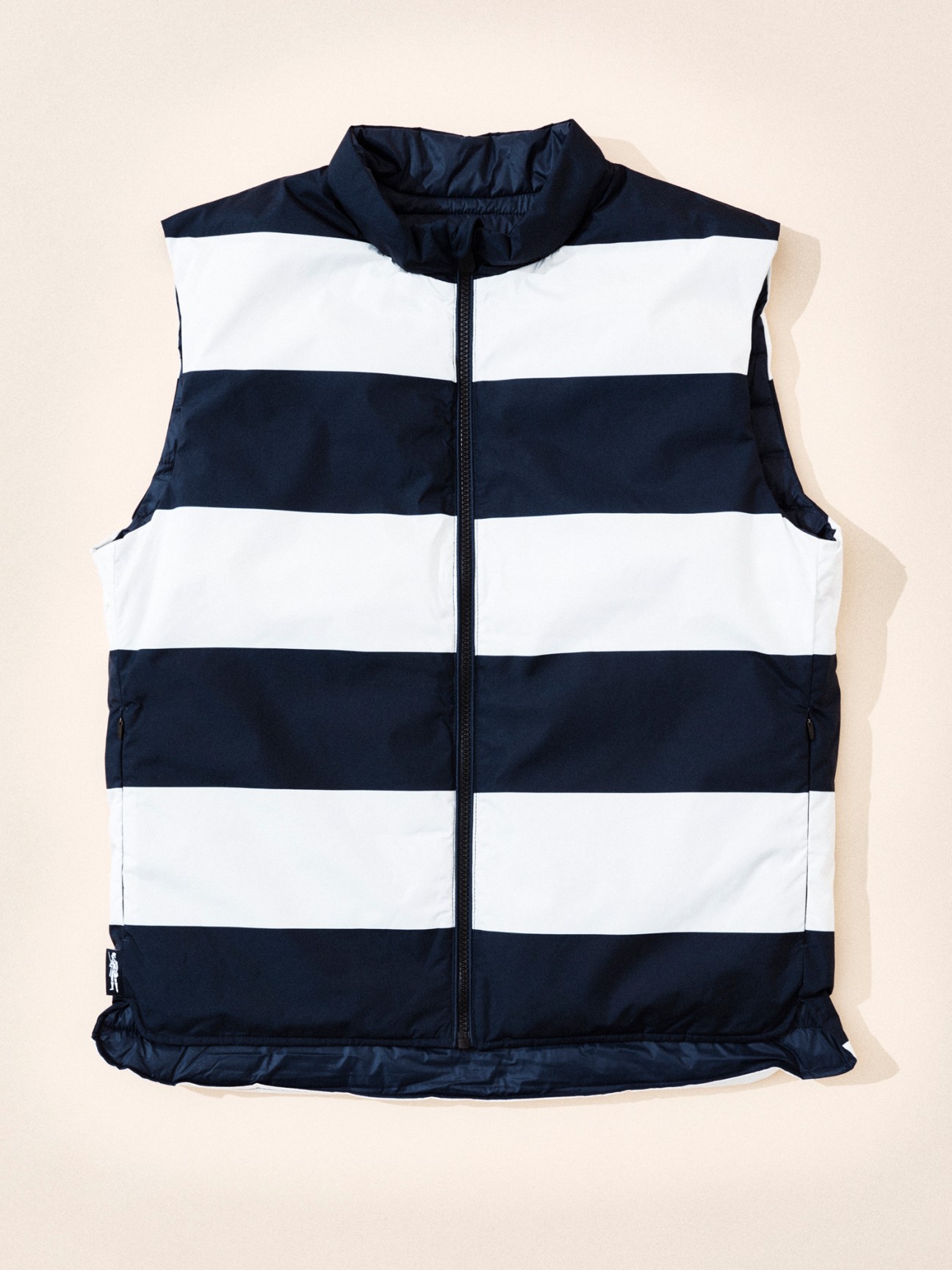
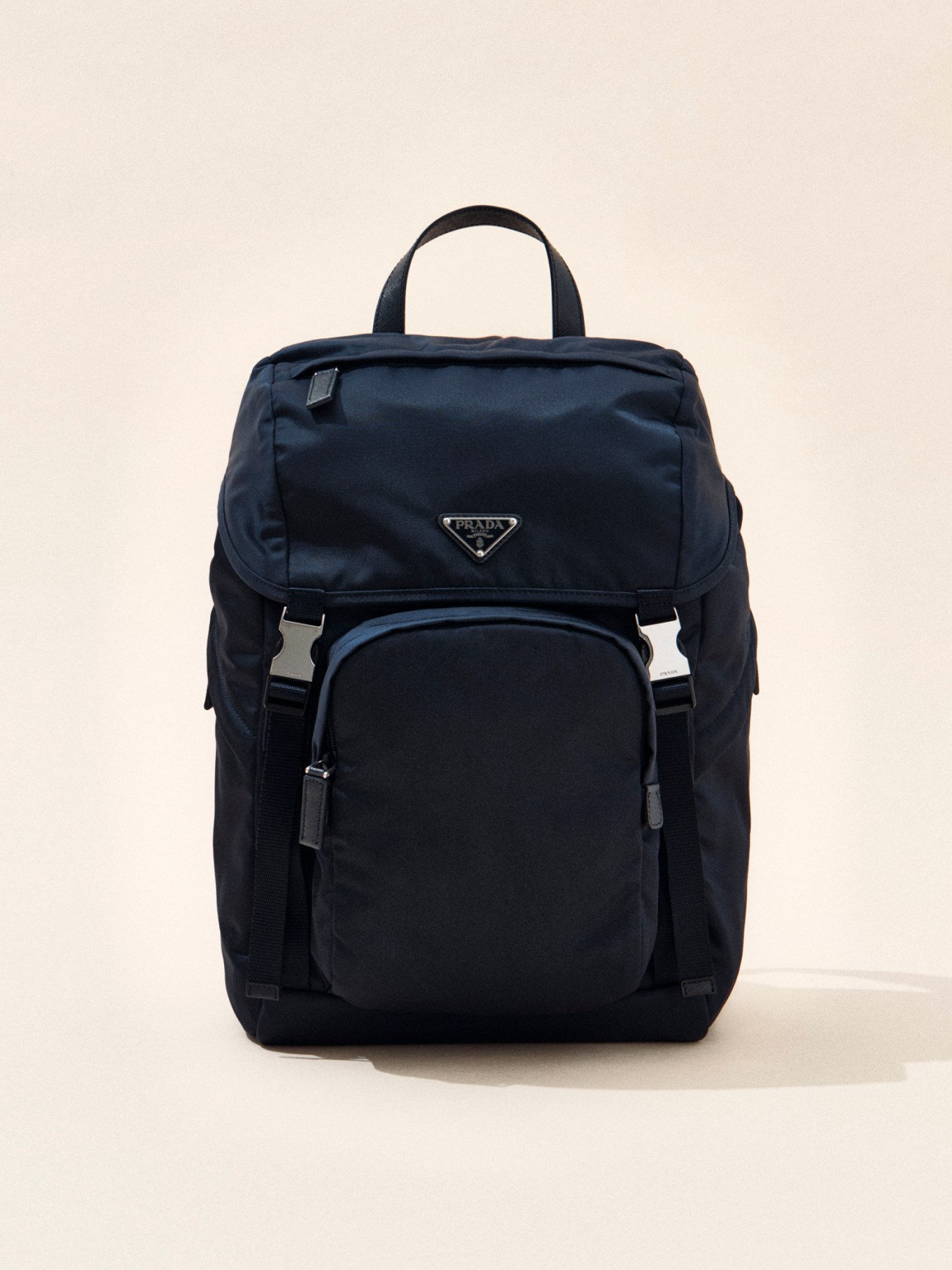
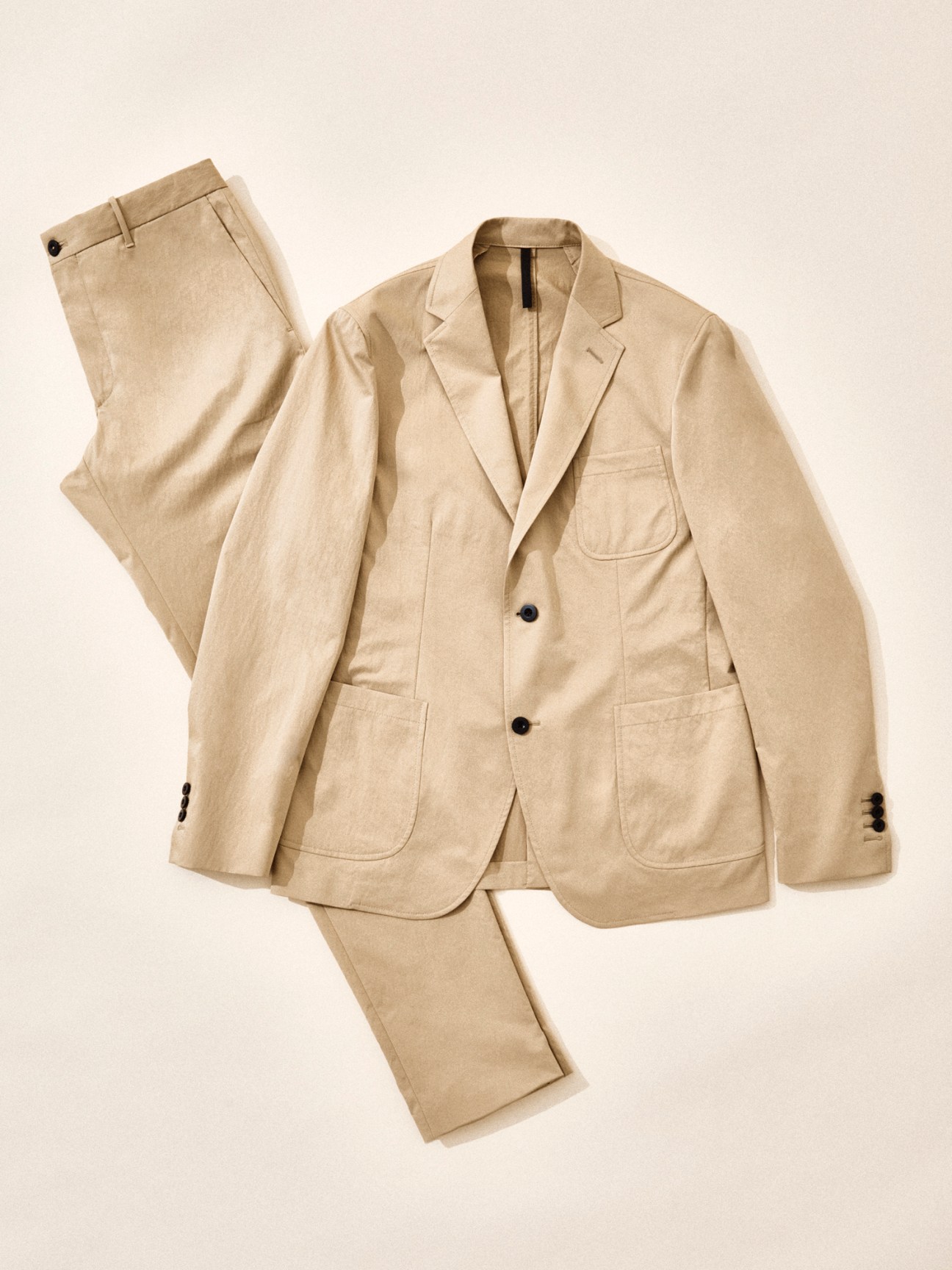
Comment
On the move
In the past month there has been a tsunami of invitations to go to Rome for Valentino’s haute couture show; to Lisbon and San Diego for Max Mara and Louis Vuitton’s respective resort 2022 presentations; and to Castel del Monte in Italy’s Puglia region to experience Gucci’s latest men’s and women’s runway outing.
These are high-profile, multi-day affairs. For Valentino, it was a question of returning to home turf and showing where it all began. But as well as a clever branding exercise, these events give visibility to the hosting cities and to the businesses they employ, from caterers and hoteliers to artisans. It’s why Rome’s councillor for tourism Alessandro Onorato was so pleased when Valentino decided to swap Paris for Rome for its forthcoming show. “We strongly wanted this great event,” says Onorato. As for the attendees, it’s an opportunity to gather inspiration – and get seriously pampered.
So are fashion’s itinerant shows a win-win for those involved? There is, no doubt, much joy to be found in reconnecting with colleagues, seeing the clothes and experiencing culture in-depth. It’s the jolt of creativity that the fashion world has been in desperate need of. Yet the magic can quickly evaporate when considering current European conflicts and the carbon footprint of travel. This is exacerbated by some guests who are more concerned with being seen than experiencing the show.
Time will tell how relevant the return of destination shows will be but, in the meantime, you can try a different kind of fashion experience by taking up “factourism”, spearheaded by independent labels such as Portugal-based Isto. You get to visit a brand’s factory and learn how clothing is made, all the while wearing elegant travel accessories, examples of which are featured in these pages.
Future Present
London
Future Present mainly sells lines by Tokyo and Osaka-based fashion brands from its London showroom and website. It was founded by Vinicius Cipriano and Noelle Rodrigues, who for the past decade have been importing Scandinavian furniture brands to their native Brazil. During a trip to Japan in 2018 they began to appreciate the nuances and quality- focused approach of the nation’s design culture – and fashion in particular. “Japan is to fashion what Scandinavia is to furniture design,” says Rodrigues. “The Japanese have a similar approach to product development, quality and aesthetics.”
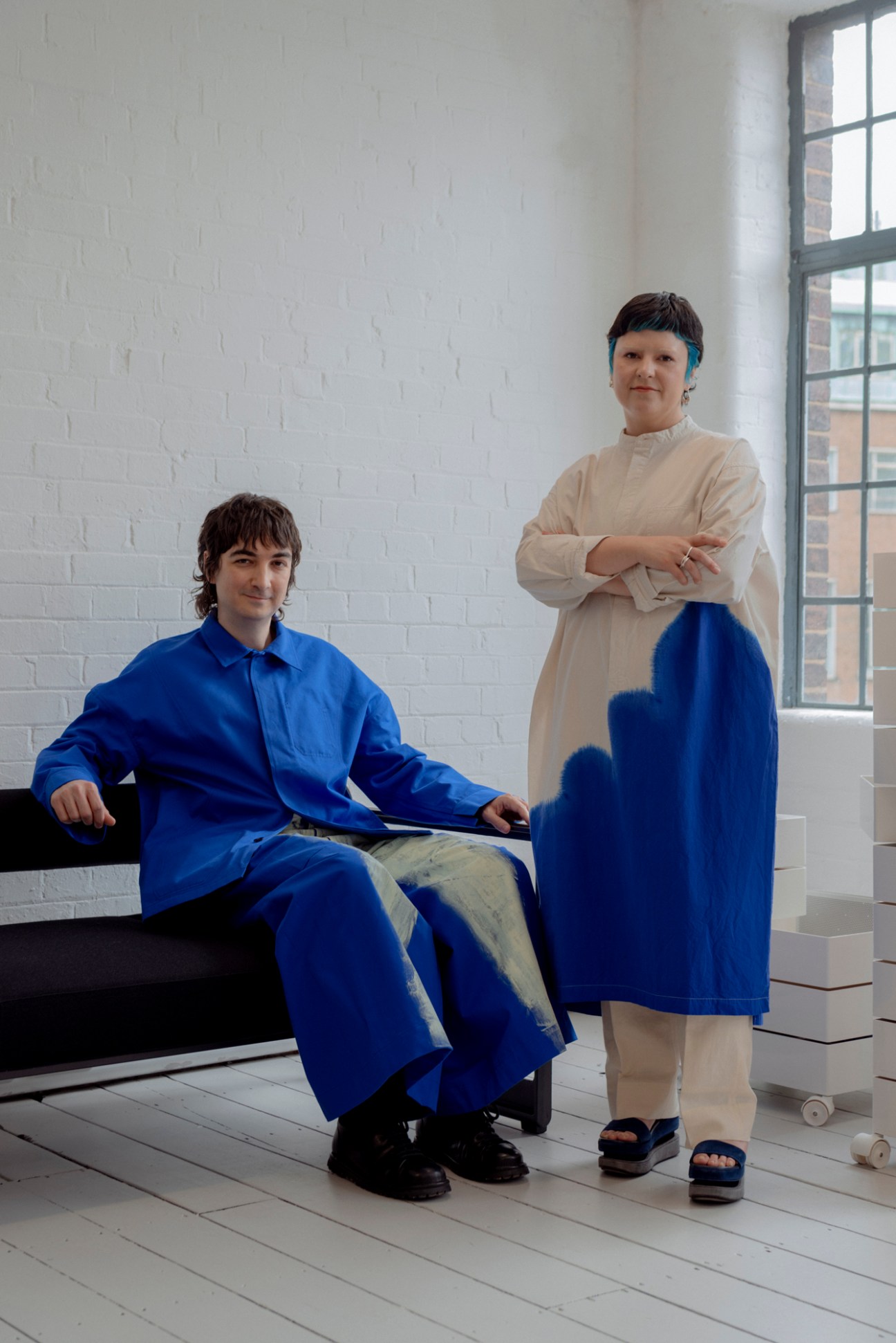
While taking language classes, the pair began hunting for the perfect brands to introduce to the European market and launched their second business. Among their discoveries are loosely tailored pieces by Nippon label My Beautiful Landlet, military-inspired trench coats by Stein and quirky knits by Soduk. “It’s really about purity and honesty,” says Rodrigues of their selection.
futurepresent.london
Styling: Kyoko Tamoto