Issues
Common thread
With Japan almost opening up to international travel, the time is ripe to hit Tokyo’s streets. While the city might have recently been out of reach to travellers, its fashion industry has continued to be globally outstanding. Across these pages we showcase new brands, as well as fresh products and initiatives from some old favourites.
1.
Relaxed fit
Innat
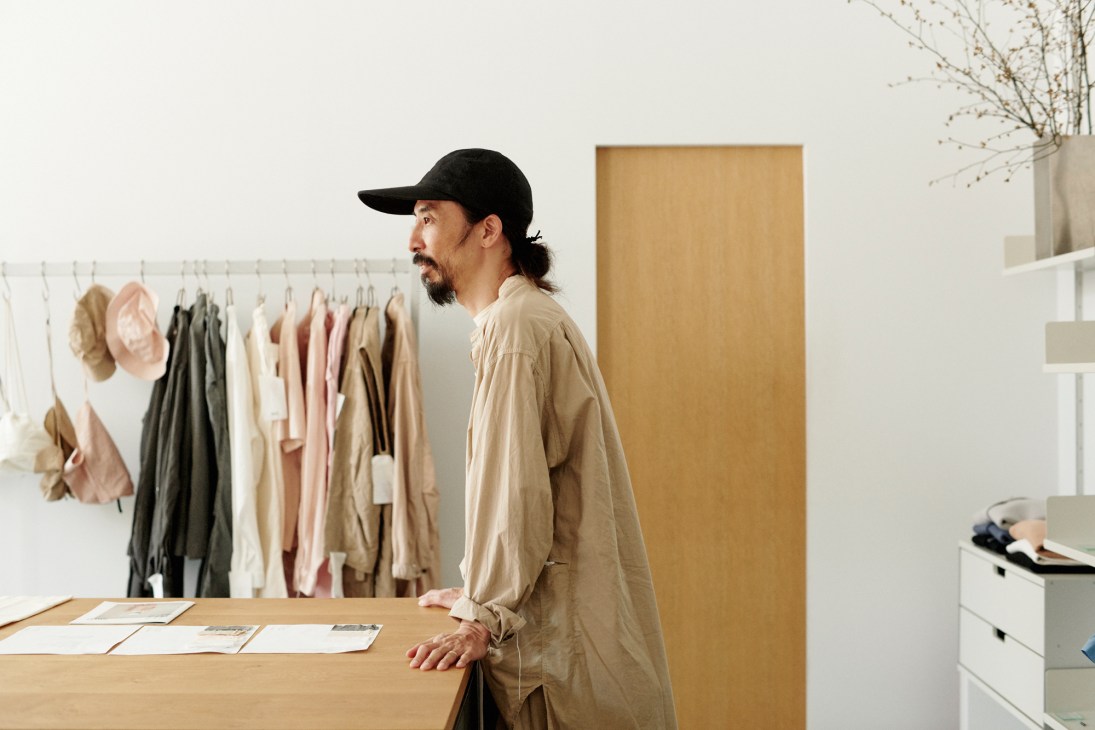
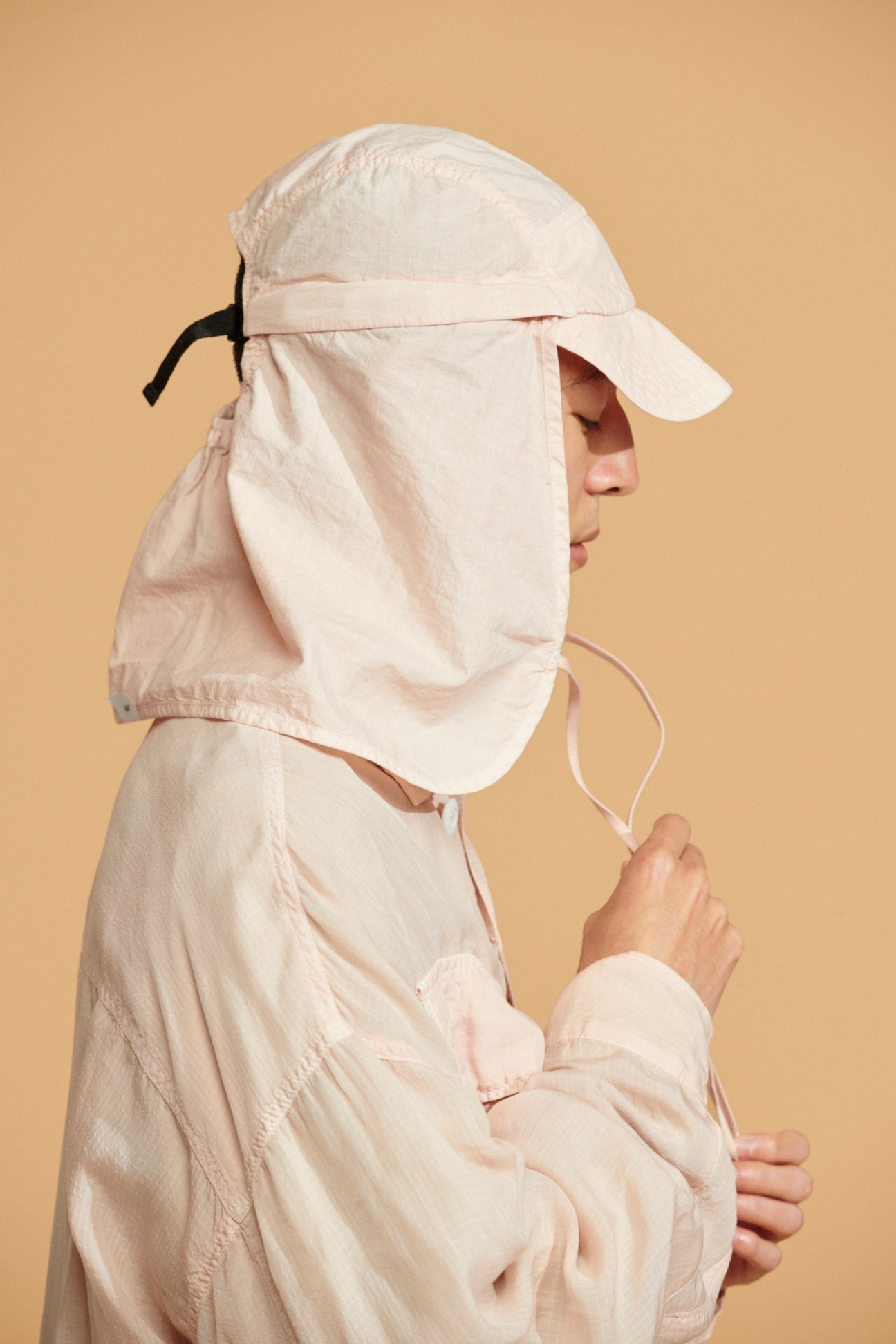
Ryona Tani, the 46-year-old designer and founder of new Tokyo brand Innat, says that “relaxed” is the current mood of the city’s fashion scene. “People are drawn to styles here that they can relate to in their daily life,” he says. And this is the vibe that Tani (pictured), who used downtime during the pandemic to launch his label, channels into unisex clothing that is already gaining a dedicated following.
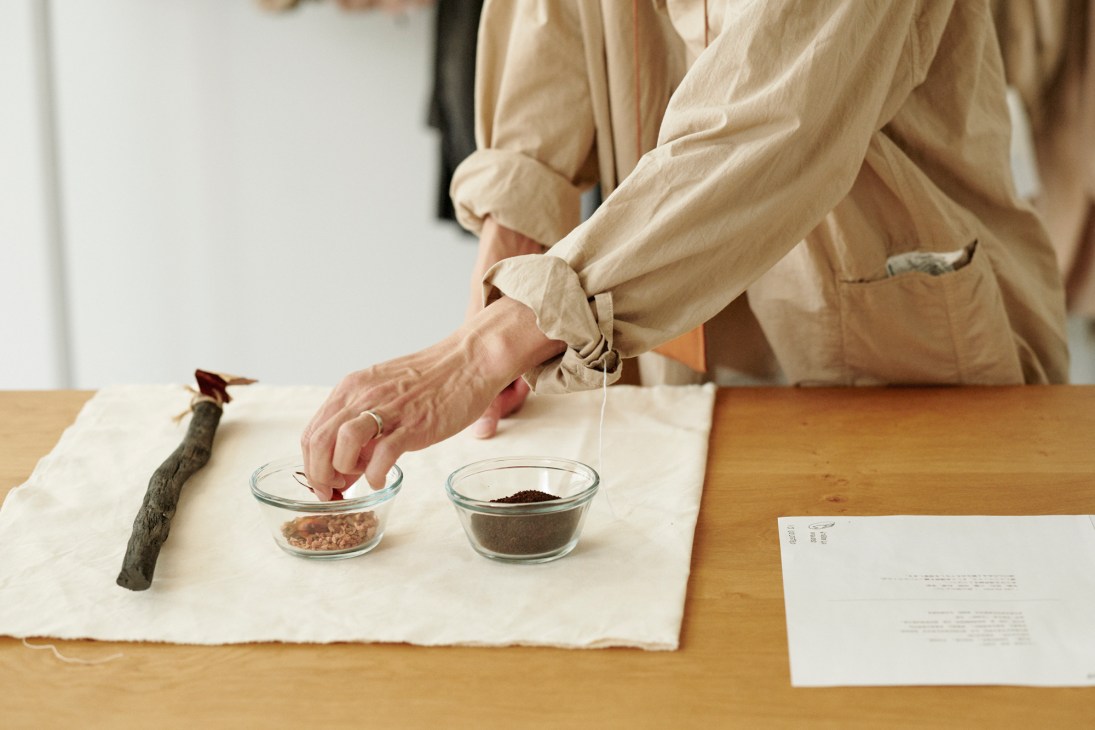
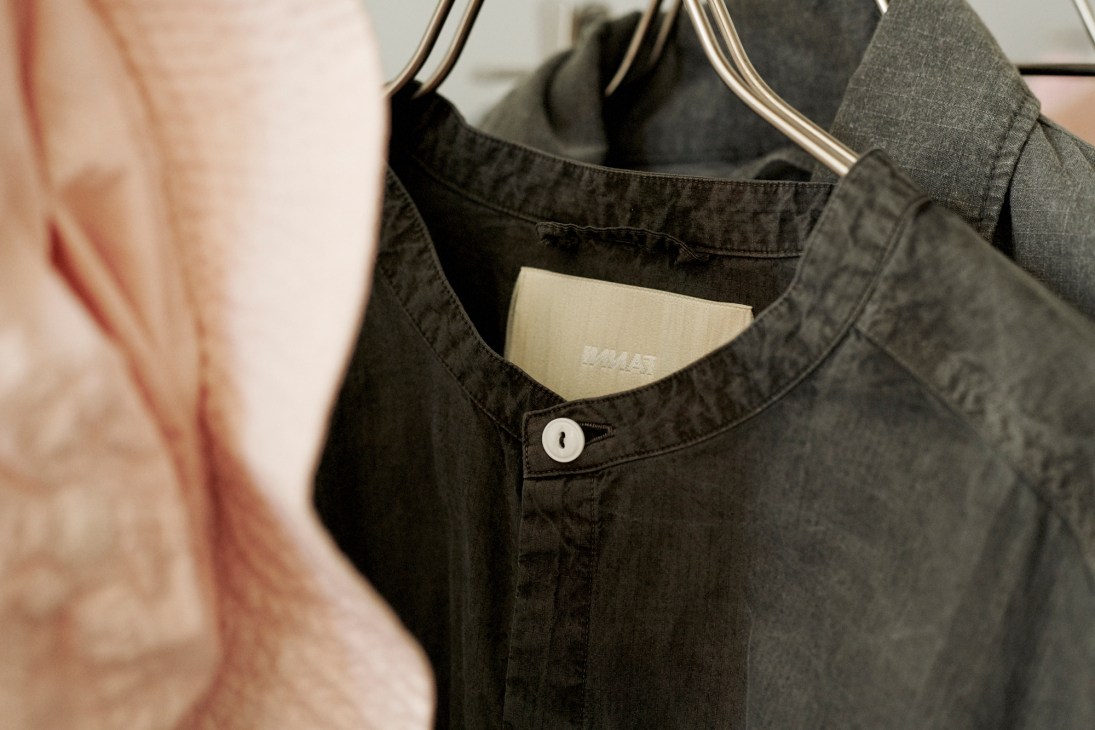
Rather than having to deal with difficulties of orders in different fabrics, Tani creates all of Innat’s clothes in the same white cloth and then dyes the finished pieces. For this he uses dyes that draw upon Binchotan charcoal from the Kishu region, coffee grains and gardenia and rubia extracts. The result is a unique 15-piece debut collection. “Every piece comes out slightly differently in its depth of colour,” he says. “That’s their fate when dying them this way. I hope that people will find this a positive characteristic.”
Clearly they have and the collection – in light pink, charcoal and beige – is being snapped up. It includes a baggy fishtail coat, snow-camo trousers and a pyjama shirt that has military and workwear references in its detailing. Tani says that while vintage clothing is an inspiration, adding modern elements and not conforming to a predetermined style is his niche. “The border is disappearing between performance, fashion and lifestyle,” he says. “That’s the mood in our city and I feel the same way as a designer.”
innat.jp
2.
Perfect patterns
Cale
“I want to capture the emotions of people across each season,” says Yuki Sato, the 36-year-old Tokyo native and director of menswear label (and art gallery) Cale. “And I use fabrics and colours to do so.” Sato (pictured) only uses natural materials such as cotton, wool and linen but brings textures and detailing to the fore.
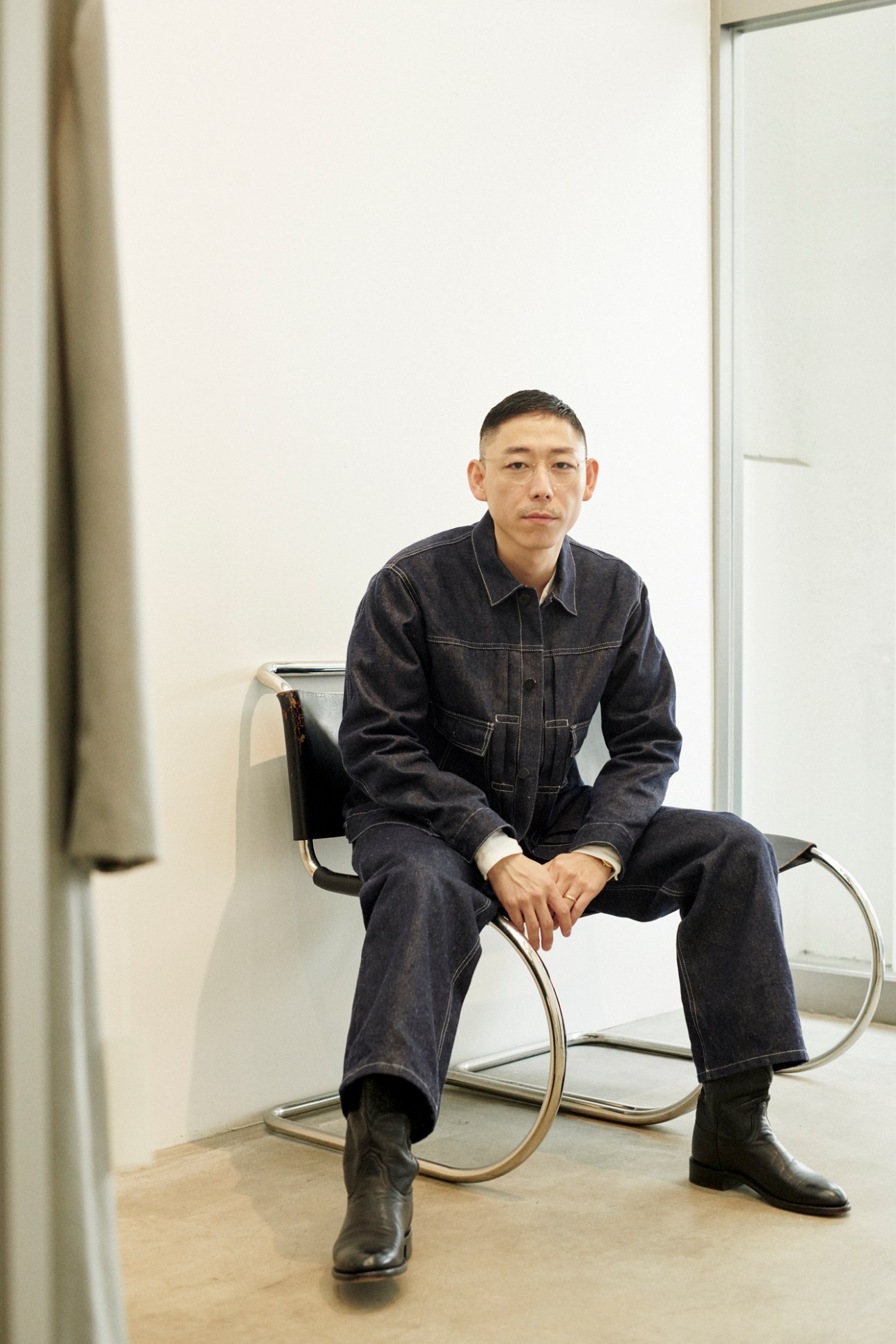
Such qualities can be spotted in the grey jackets and trousers in Cale’s current spring/summer collection. At a glance, they appear to be regular grey pieces but when held up to natural light, they reveal subtle patterns. “It’s understated but I hope this leaves an impression,” says Sato.
cale.jp
3.
One step ahead
Footworks
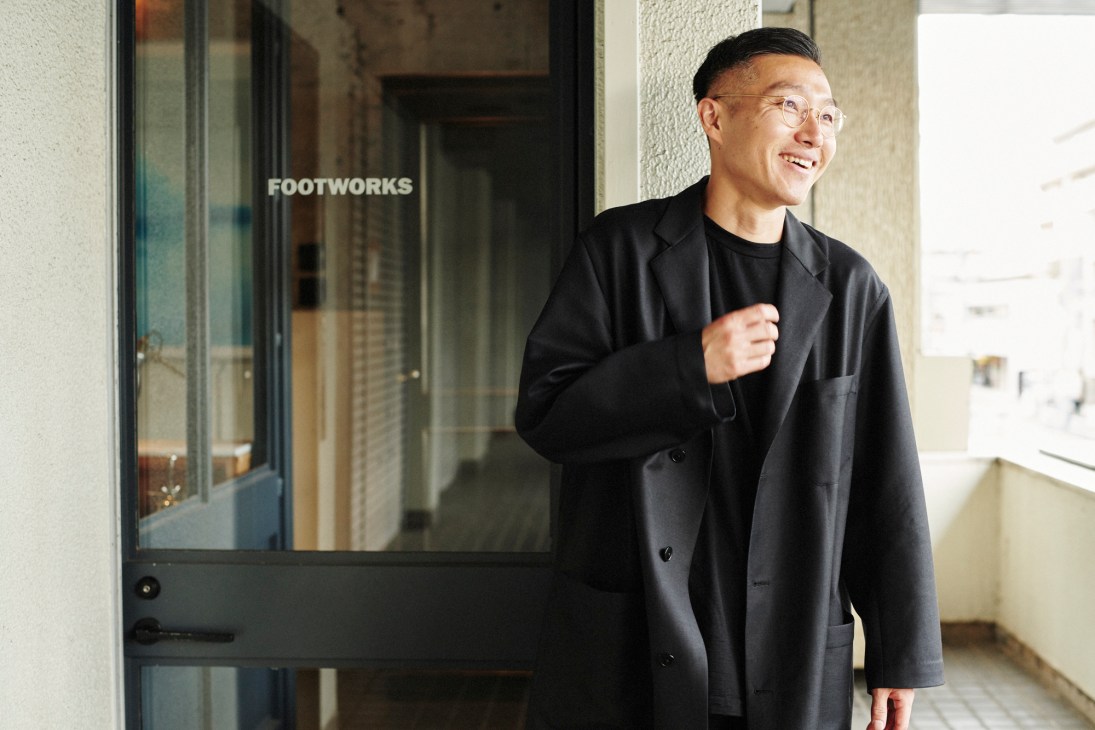
Takeshi Mori is revolutionising orthopaedic footwear. “My mother had issues such as headaches and shoulder pains when I was growing up,” he says. “My father realised that having the right posture would solve her problems and taught himself how to make orthopaedic insoles for her.” While it was initially out of duty that he began learning the craft of insole-making, Mori (pictured) soon caught the bug and launched his bespoke insoles company, Footworks.
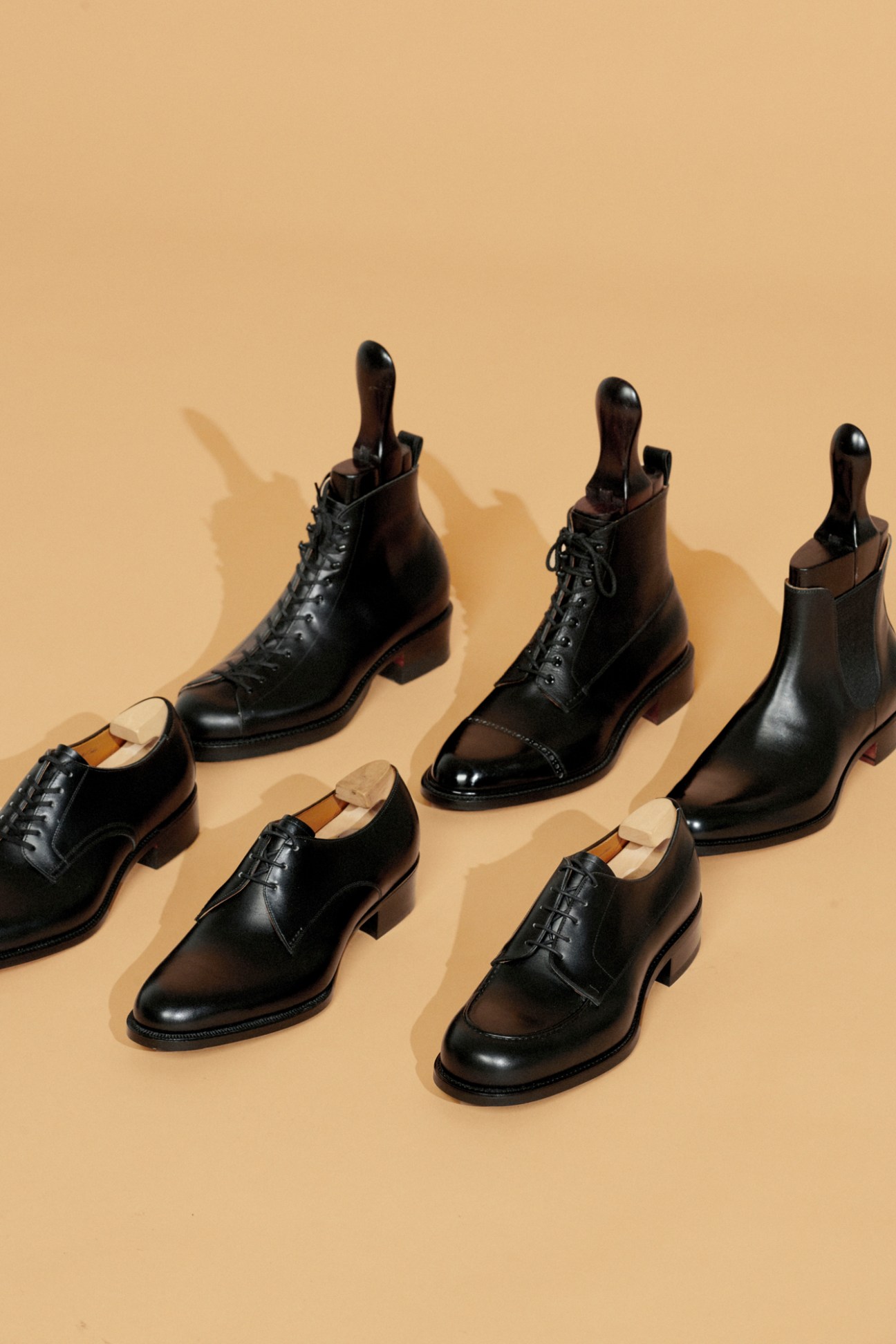
Footworks’ clients, who include professional athletes, like his relaxed shop-cum-atelier, where insoles are made over three appointments in two months. Customers can then put these in their New Balance trainers one day and John Lobb shoes the next. Some seven years ago, Footworks launched bespoke leather shoes to allow the brand’s insoles to perform at their best. “I work with just one craftsman in Tokyo,” says Mori, showing a pair of sandals. “I also started these sandals last year,” he says of the stylish summer footwear, which is sold in shops such as Comoli, United Arrows and Biotop.
footworks-tokyo.com
Simple pleasures
Loomer
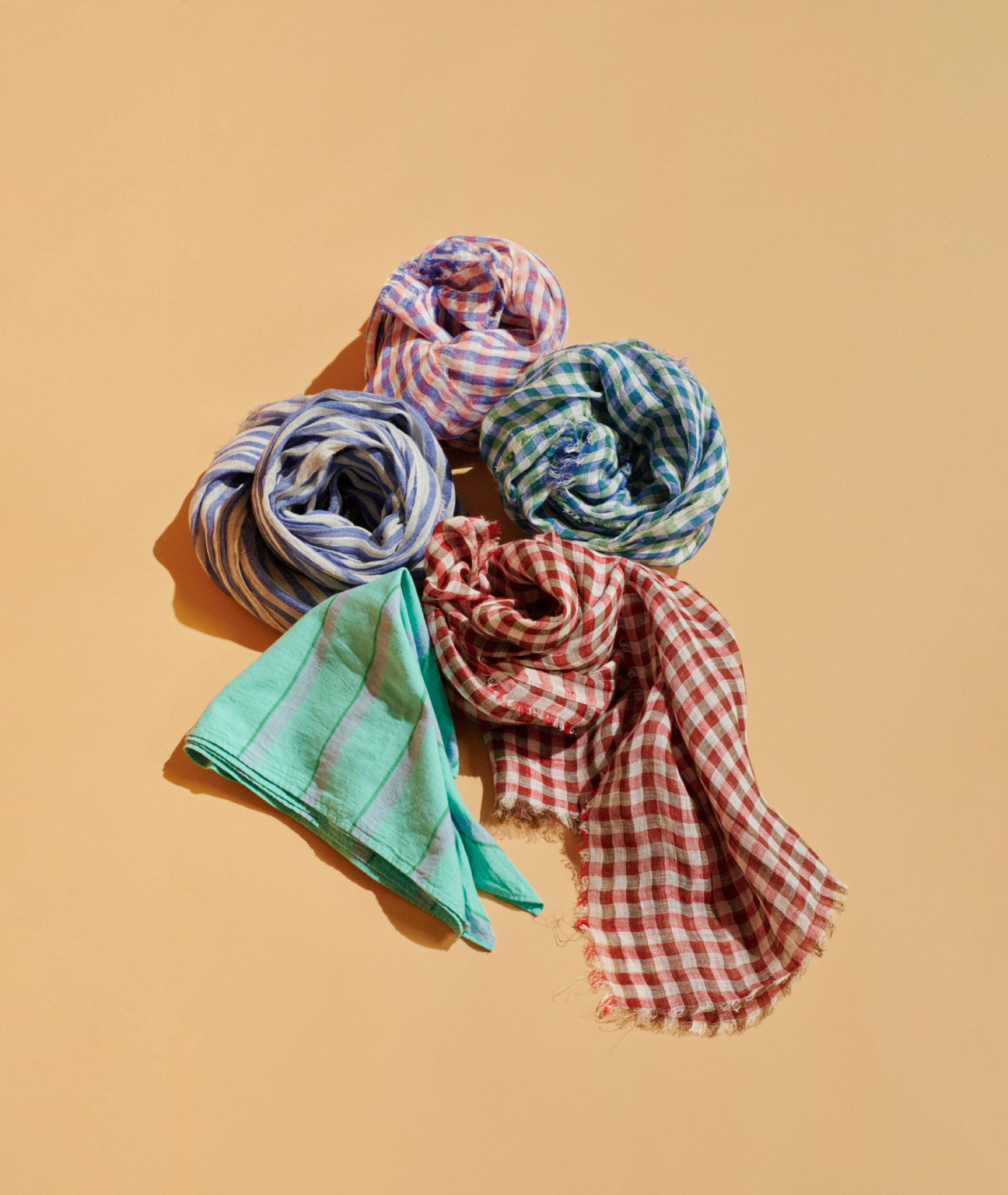
Loomer takes the knowhow of Bishu-based weaving company T’acca and the creative direction of Takayuki Minami (founder of Tokyo label Graphpaper) and applies them to a fine collection of fashion and homeware. The label produces scarves, rugs and blankets in alpaca, wool, silk and cotton in seasonal hues using traditional techniques. This summer, look out for lightweight Loomer scarves in cotton-silk selvedge and designs that use botanical dyes.
loomer.jp

Bags of charm
Daiwa 3 POTR
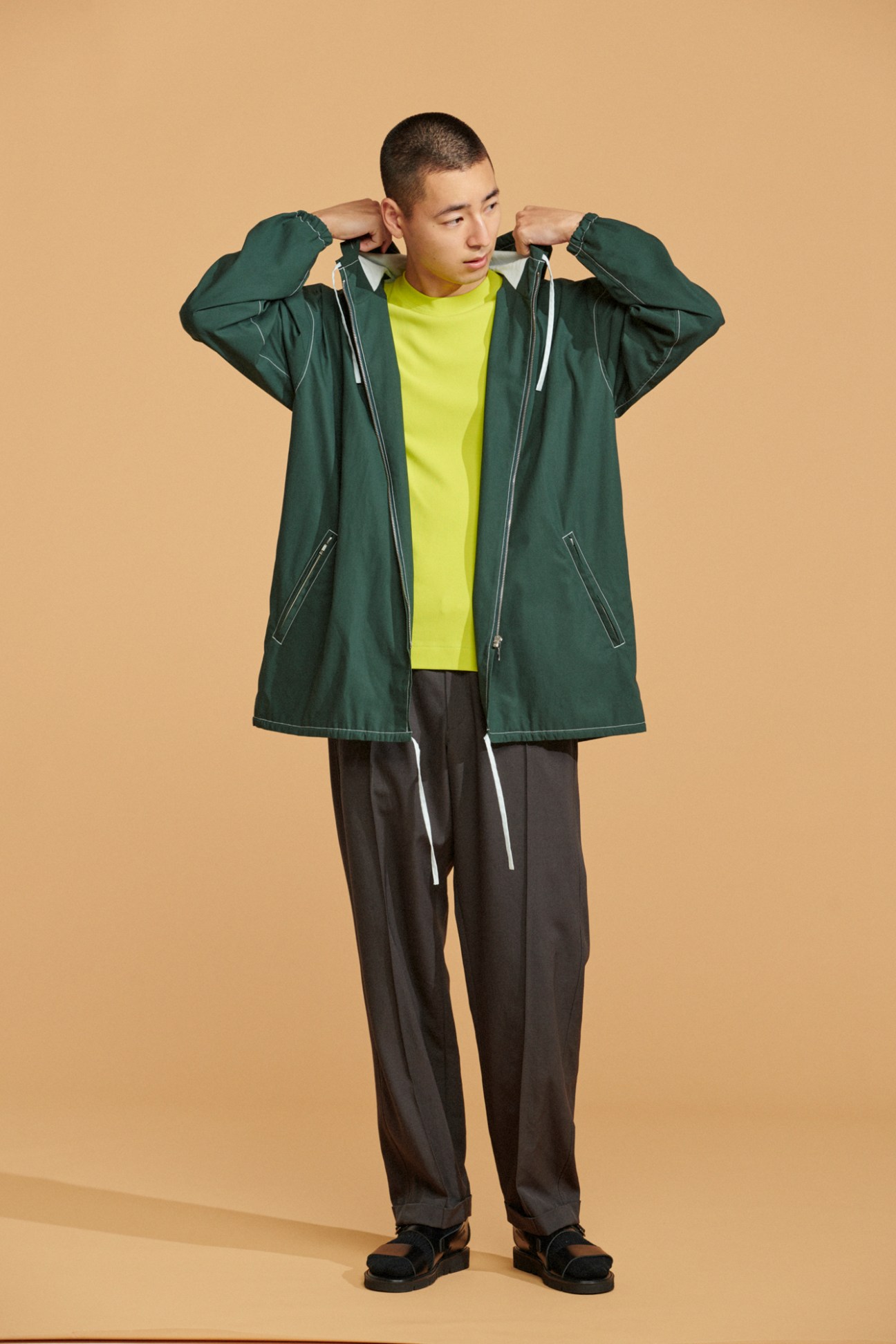
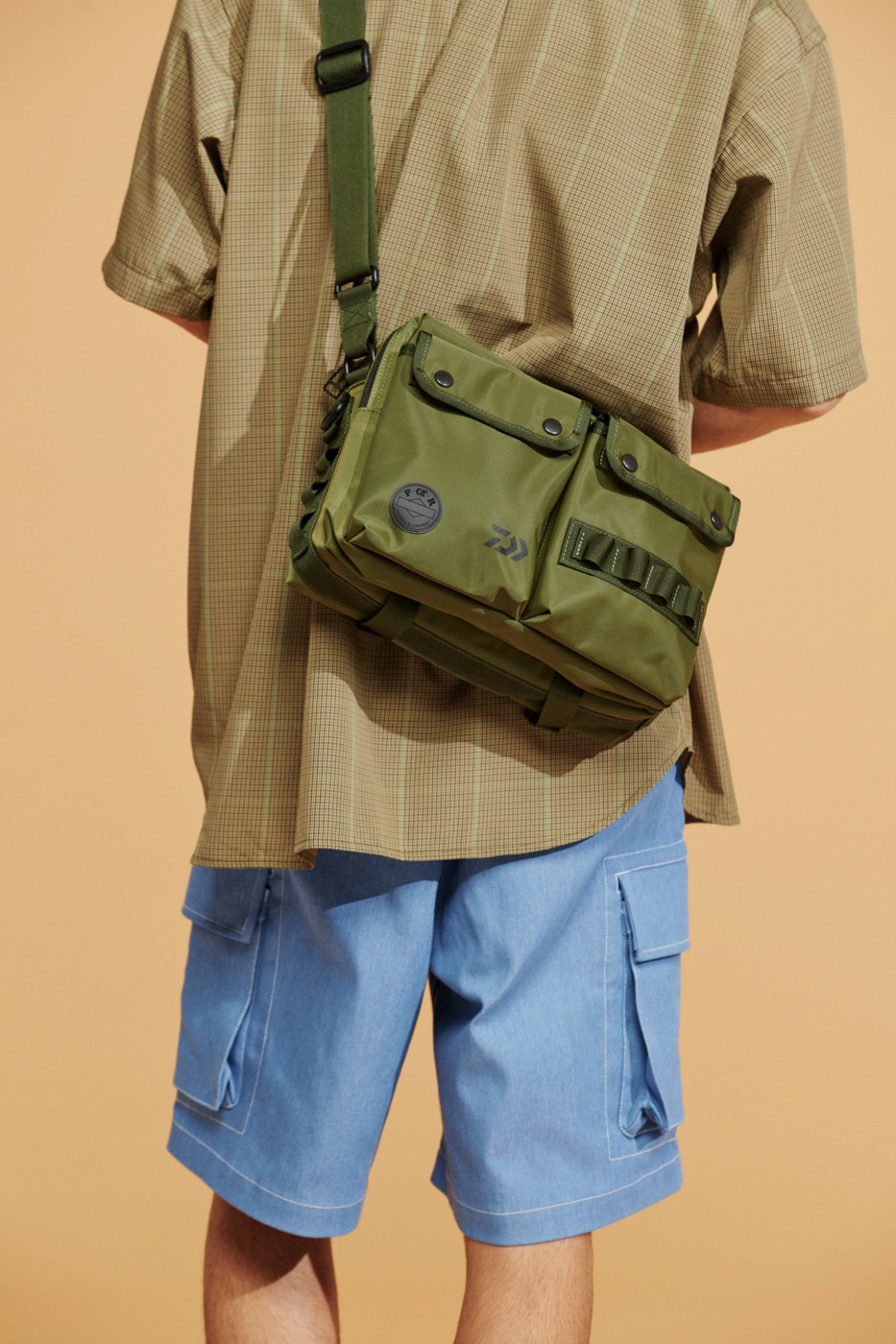
Daiwa is a household name in the fishing world but recently it has been making waves in fashion. A couple of years ago, the Japanese fishing gear giant launched Daiwa Pier 39, an urban clothing label inspired by its outdoor DNA. From parkas to shorts and safari jackets, its clothes are endearingly functional. This spring it collaborated with potr, sister label of Tokyo bag brand Porter, on a capsule bag collection – a prime example of two star brands elevating each other.
yoshidakaban.com, daiwa.com/jp
Quality control
Visvim Sport
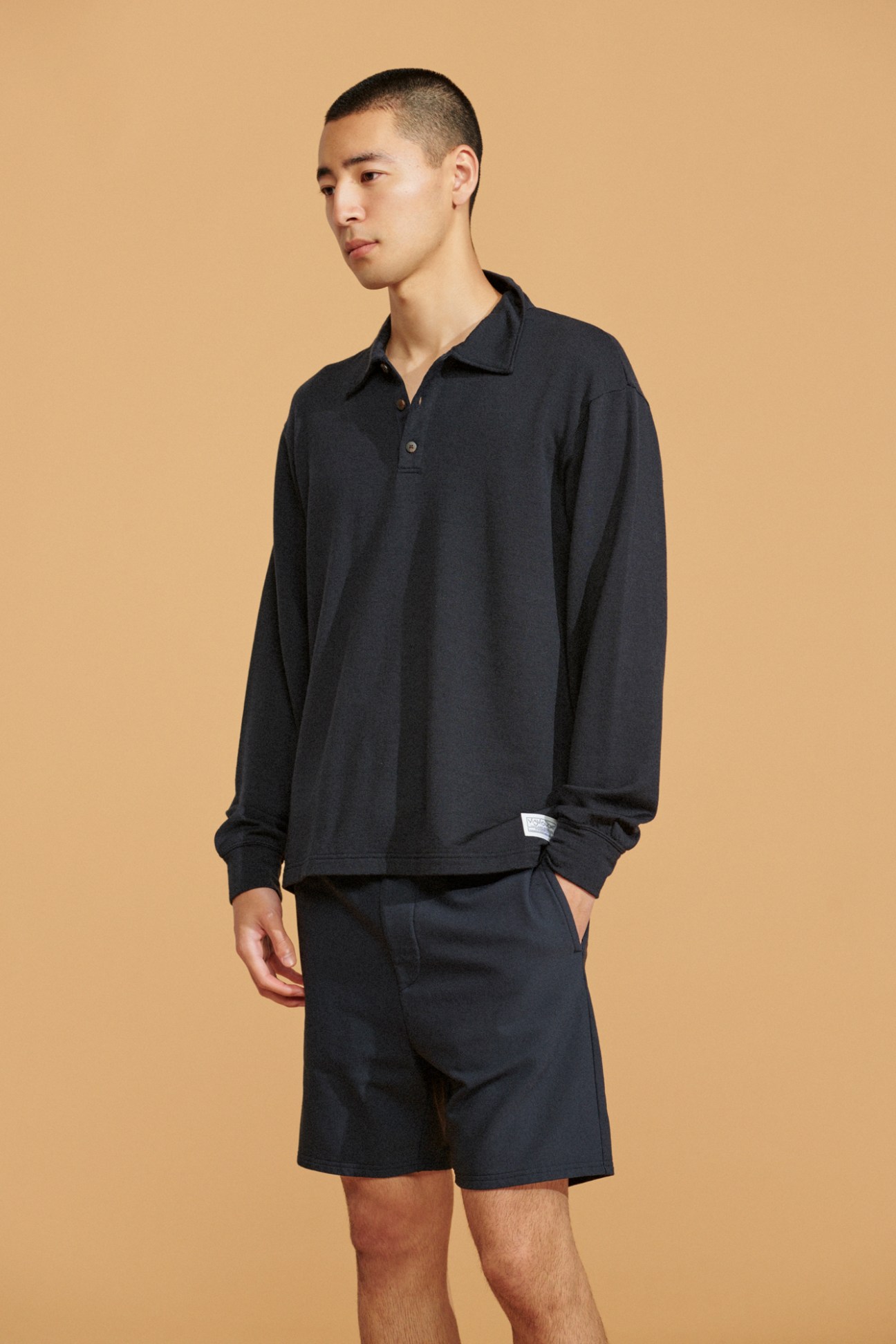
Launched last year, Visvim Sport is a cousin of Tokyo brand Visvim. The line is overseen by Visvim founder and designer Hiroki Nakamura, who is known for his unwavering pursuit of high-quality production. This standard has been applied to the fitness range that includes an anorak, hooded pullover, T-shirts, boxer shorts and trainers. Nakamura uses premium New Zealand raw wool so that pieces are soft and breathable yet stretchy and durable.
visvim.TV/jp
Styling: Naoki Ikeda
Grooming: Narumi Tsukuba
Model: Kou
Local producer: Shinri Kobayashi
Booting up
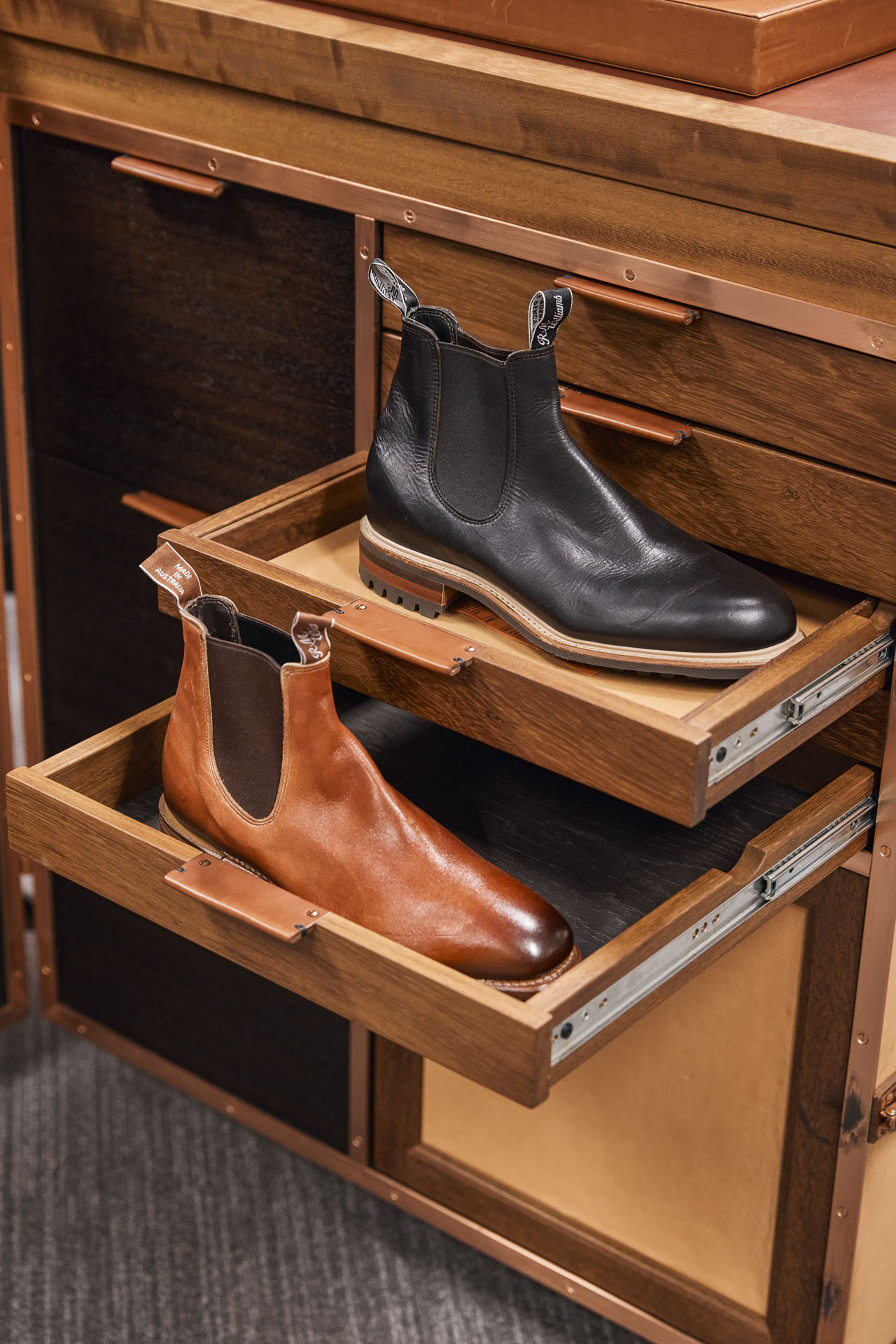
The story goes that in 1932, a 24-year-old Aussie, Reginald Murray “RM” Williams, learned the craft of leather-working from a stockman (the Australian term for a cowboy) named “Dollar Mick” Smith. Soon after, Williams formed a business selling handmade saddlery and leather accessories to Australian cattle stations. But it was Williams’ stockman riding boots that became his namesake brand’s star product. Featuring a Cuban heel and pointed toe, they were the exact shape that stockmen needed so that they wouldn’t slide around in stirrups.
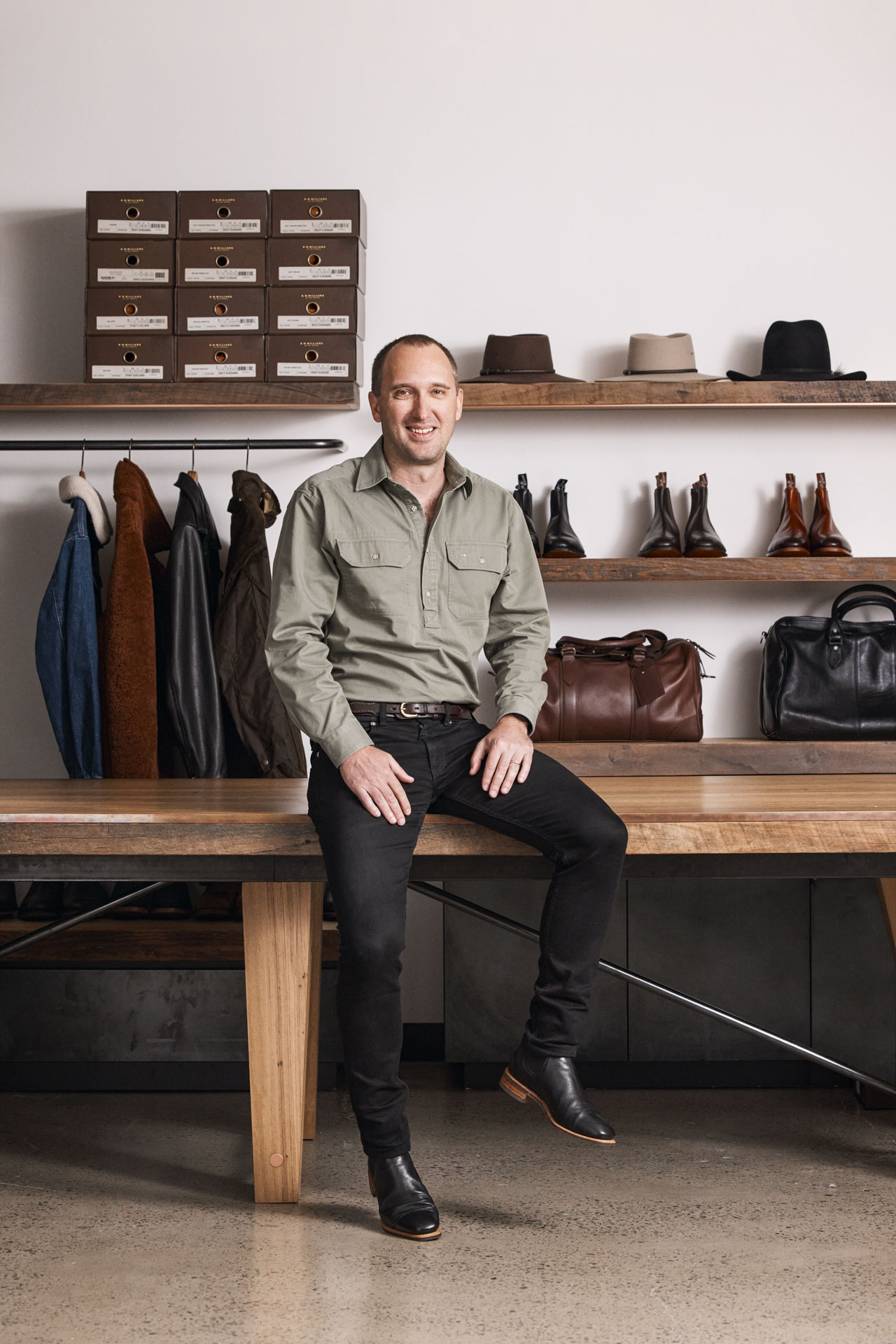
Ninety years later, the company has grown into an Australian fashion stalwart, its boots garnering global appeal. You’ll spot sunbeaten and well-worn versions on most Australian farmers, while celebrities such as Lady Gaga order themselves custom pairs (her preference is pink).
Today the company is 100 per cent Aussie-owned, after some ups and downs following Williams’ sale of the brand in 1988. Since then it has seen a brief period in receivership in 1993 and had everyone from luxury group lvmh to actor Hugh Jackman acquiring various chunks of the business. Two years ago, RM Williams was bought for a reported au$190m by Tattarang, one of the country’s largest private holding companies. Its current owners are as Aussie as they come: mining magnate and philanthropist Andrew “Twiggy” Forrest – who grew up as a jackaroo, a trainee stockman, in Western Australia’s Pilbara – and wife Nicola Forrest, who serves on the board of RM Williams and was a driving force behind the purchase.
Under Tatterang, the Adelaide-based company is transforming itself with a long-term view towards local production. It will be challenging given the decline in the nation’s manufacturing over the past 20 years. While RM Williams’ signature boots are made in Australia, some of its other products are made in China and Southeast Asia. RM Williams CEO, Paul Grosmann, who took the job in November after five years as an executive at Nike in China, knows that the task ahead is tough. “First we need to get an understanding of our own capabilities in the Australian market,” he says. “You can’t just rip it all onshore and get the same level of quality. This means developing our own manufacturing and investing money in machinery, specifically for technical apparel.”
Currently there are supply-and-demand issues when it comes to the company’s Australian-made boots. While 90 employees were added to the Adelaide workshop in 2019, bringing the total number of makers to 400, product simply can’t be made fast enough. In the 2021 financial year, an all-time high of 252,000 pairs of boots were sold – up from 195,000 the year before. RM Williams now has about 570 wholesale stockists, from remote country towns to luxury boutiques, plus six of its own shops across the UK (the first shop opened in London in 1989), the US and New Zealand.
Through its five-year plan to more than double footwear manufacturing capacity in Australia the brand is working closely with the state government of South Australia, where the company is headquartered. Employees are eligible for a traineeship that will earn them accreditation in leather production.
“The purpose is to upskill our teams and attract and retain talent,” says Grosmann. “Most importantly, it will allow us to promote the qualification as a trade of specialised craftspeople within Australia. There are staff that have been in the workshop for more than 40 years. We need to ensure that the next generation coming through can have a purpose or skillset that they can feel proud of.”
Grosmann’s strategy also sees renewed focus on clothing, a category that’s lagging in sales. As much as style and cut, there will be an emphasis on using quality materials, especially moleskin and waxed cottons. The design challenge will be engaging with the city slicker, while not alienating the rural demographic. After all, RM Williams boots have always been a great style leveller. These quality leather products are just as likely to be scuffed from crowded bars in metropolises around the world as they are to bear the remnants of caked mud from ranches and horse stables.
So far, RM Williams’ clothing has not been able to achieve this same universal appeal. But it’s a category ripe with possibilities, says David Meagher, editor of Australia’s luxury lifestyle newspaper supplement Wish.
“Having a core product that is a bestseller year after year isn’t such a bad thing,” he says. “I think there is great potential for RM Williams to develop its ready-to-wear into a major business if they get the design of it right. That, of course, is easier said than done.”
RM Williams’ street-cred has been on the up thanks to the work of its previous owners L Catterton (an lvmh investment vehicle). For six years it laboured to introduce RM Williams to tasteful consumers globally, working with style magazines and e-commerce platforms Farfetch and Mr Porter to do so. It launched a collaboration with Aussie designer Marc Newson and introduced new lines that helped to boost international sales. However, this focus on an edgy urban market ignored many of the more traditional workwear shops that had been stocking the brand for decades.
While the company has always maintained close relationships with farming and agricultural societies across Australia, it is striving to reinforce these ties now.
“It’s important that we stay close to the people of the bush,” says Terry Goodear, who has been the brand’s head of heritage and heartland marketing for more than 20 years and was a personal friend of its founder RM. “It’s the Aussie spirit. And those blokes [in the bush] aren’t shy about coming forward with any feedback – there’s no sugarcoating it out here.”
At au$1,000 (€670) for a veal-calf leather model boot, are farming folk being priced out? “Well, RM always did say that a good pair of boots should be the same as a week’s wage,” he says.
This Aussie heartland customer is also one that the CEO sees as vital in aiding the brand’s new direction. For Grosmann, running a company with an international reputation for quality is important, but his focus is on Australia. “The next 12 to 18 months will be about product, production and retail foundations,” he says. “Only once those three elements are all in order can we properly entertain international expansion.”
rmwilliams.com
The Craftsman
The Craftsman has long been RM Williams’ best-selling boot model and it’s still made according to original specifications, with a chisel toe and slim upper made from a single piece of leather. Designed by RM Williams himself, it’s fully lined for extra comfort and longevity. It’s a style that lands somewhere between ruggedness and refinement. “It’s always appealed as much to the men and women of the rural heartland as it has to the urban professional,” says Grosmann. “That’s what made it unique.”
Fine vintage Italy
The main event
Fun at the (trade) fair
The person wolfing down a plate of fried food at 09.30 can’t be Italian. A croissant or two perhaps, accompanied by a frothy cappuccino; but that fodder? At that time? Surely not. Once you cross the ticketed threshold of the gargantuan space that houses Vinitaly, the world’s premier Italian wine expo, it soon becomes apparent why early-morning carb loading could be a good idea. Here you might well sample a Pugliese rosé for breakfast in the name of research.
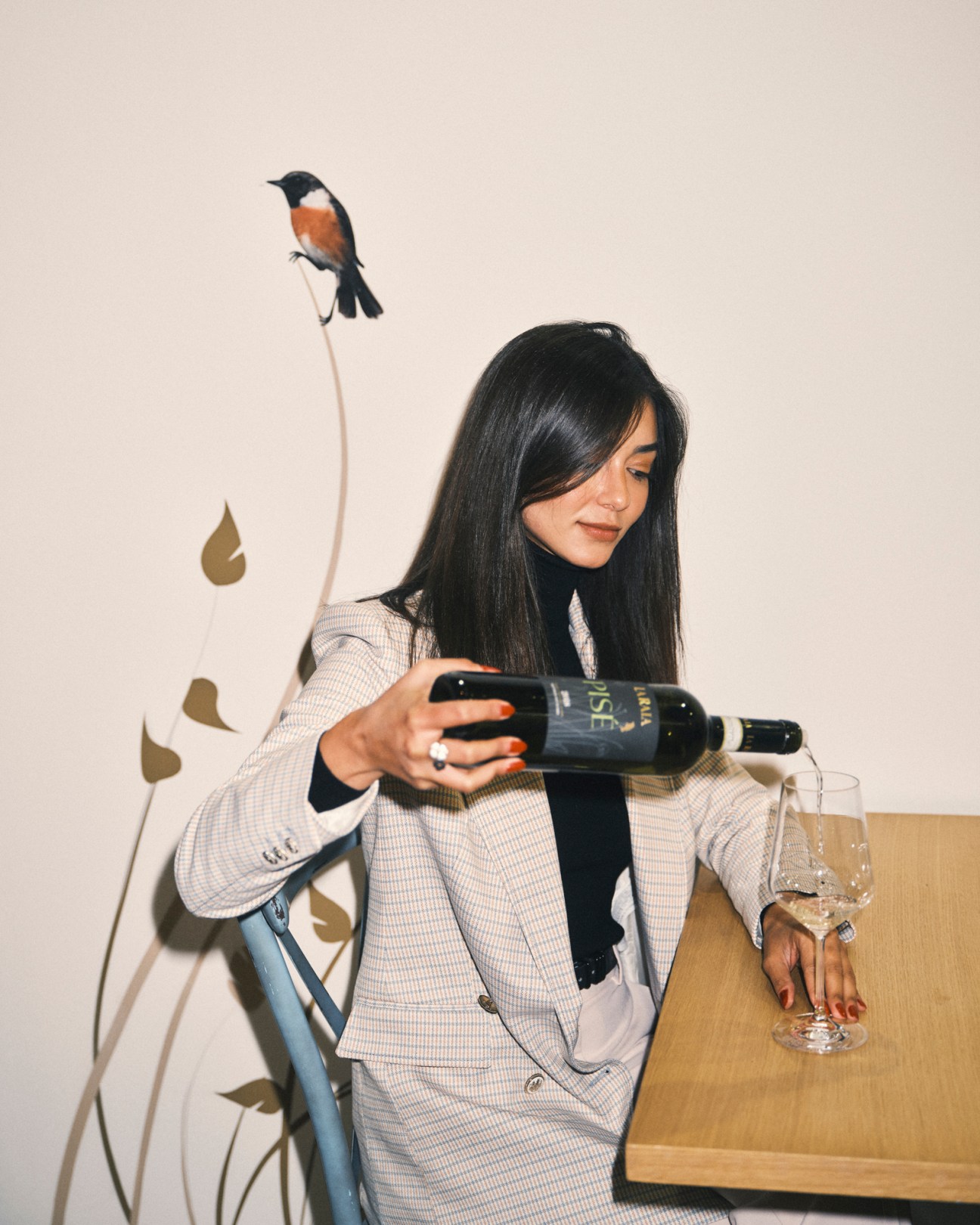
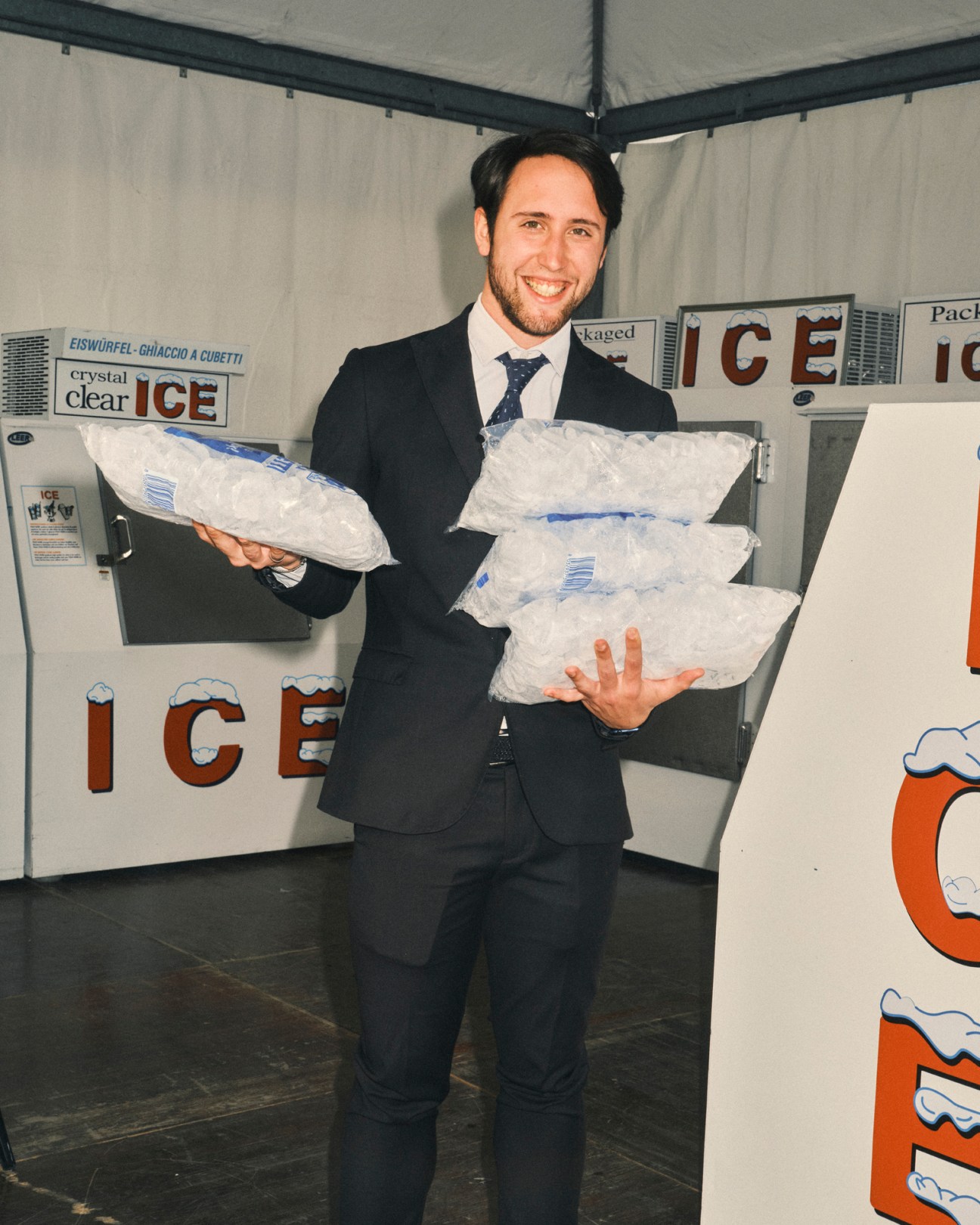
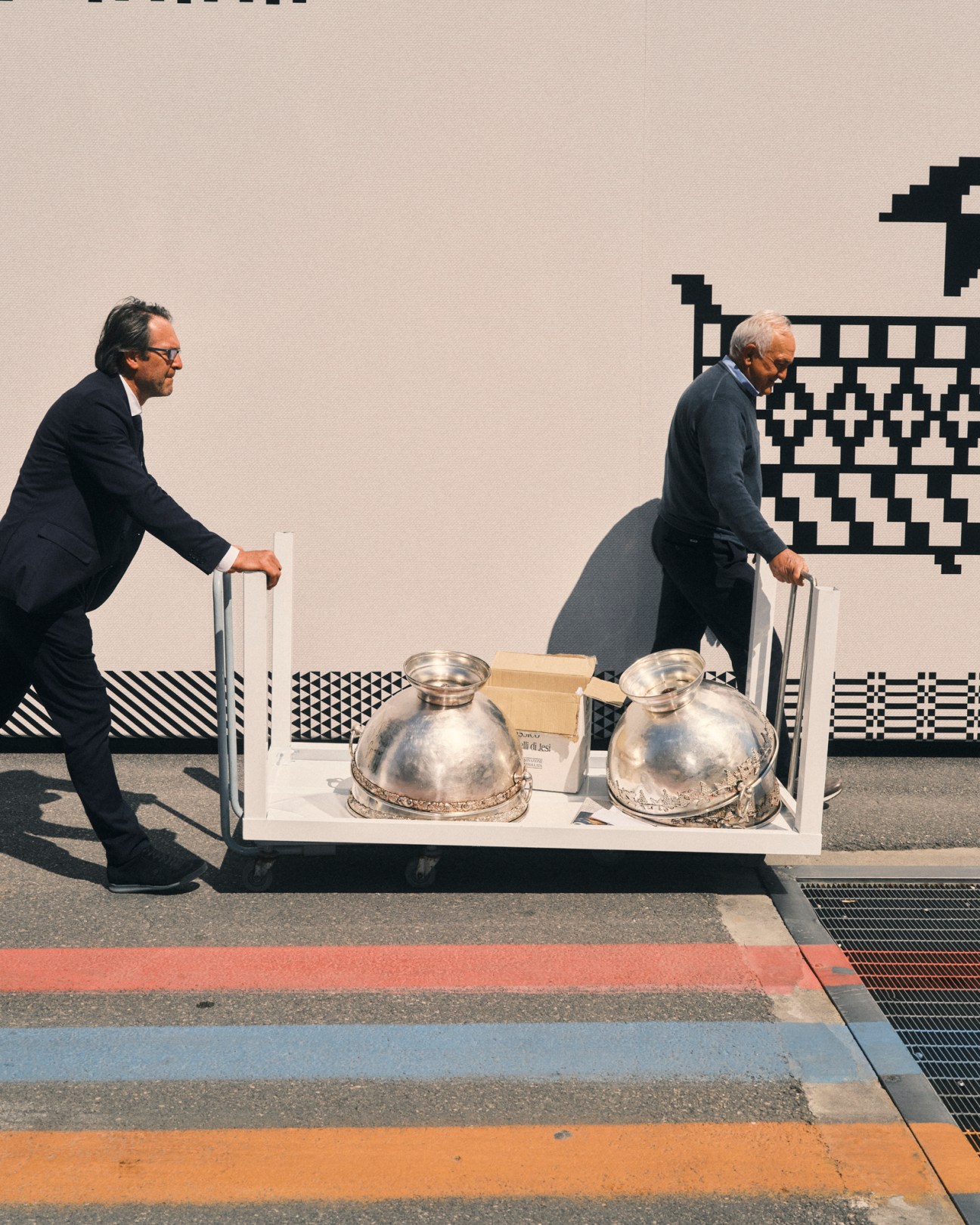
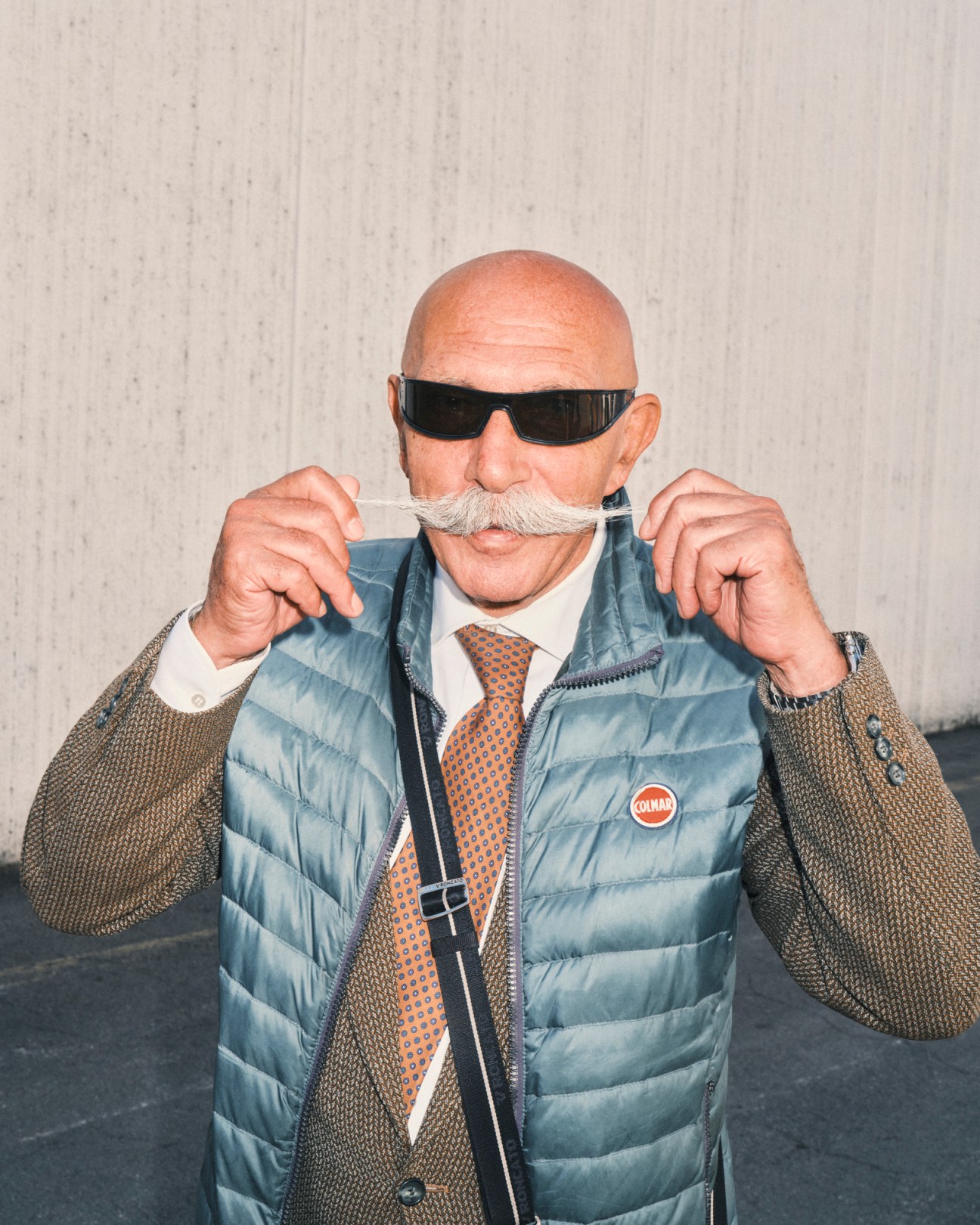
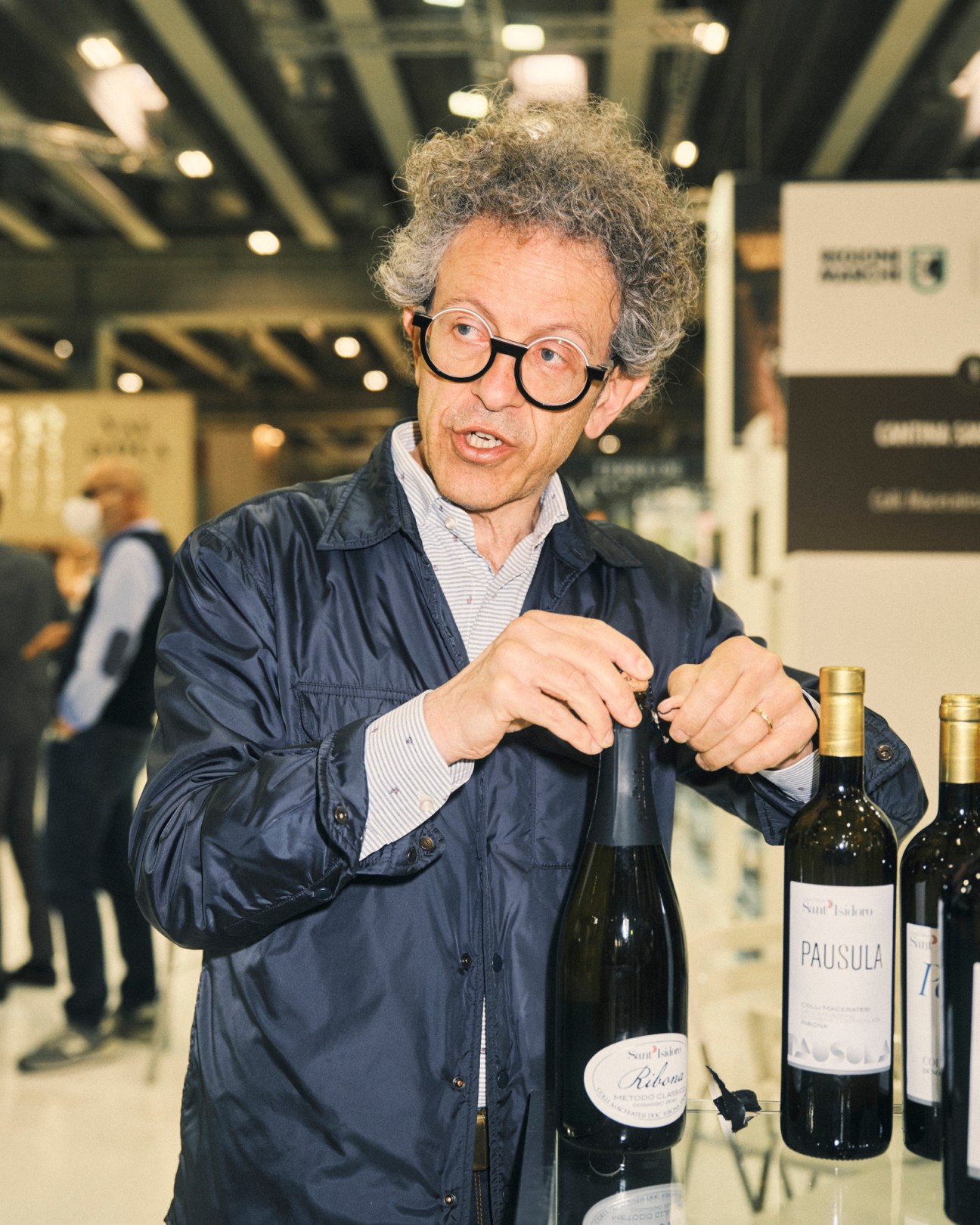
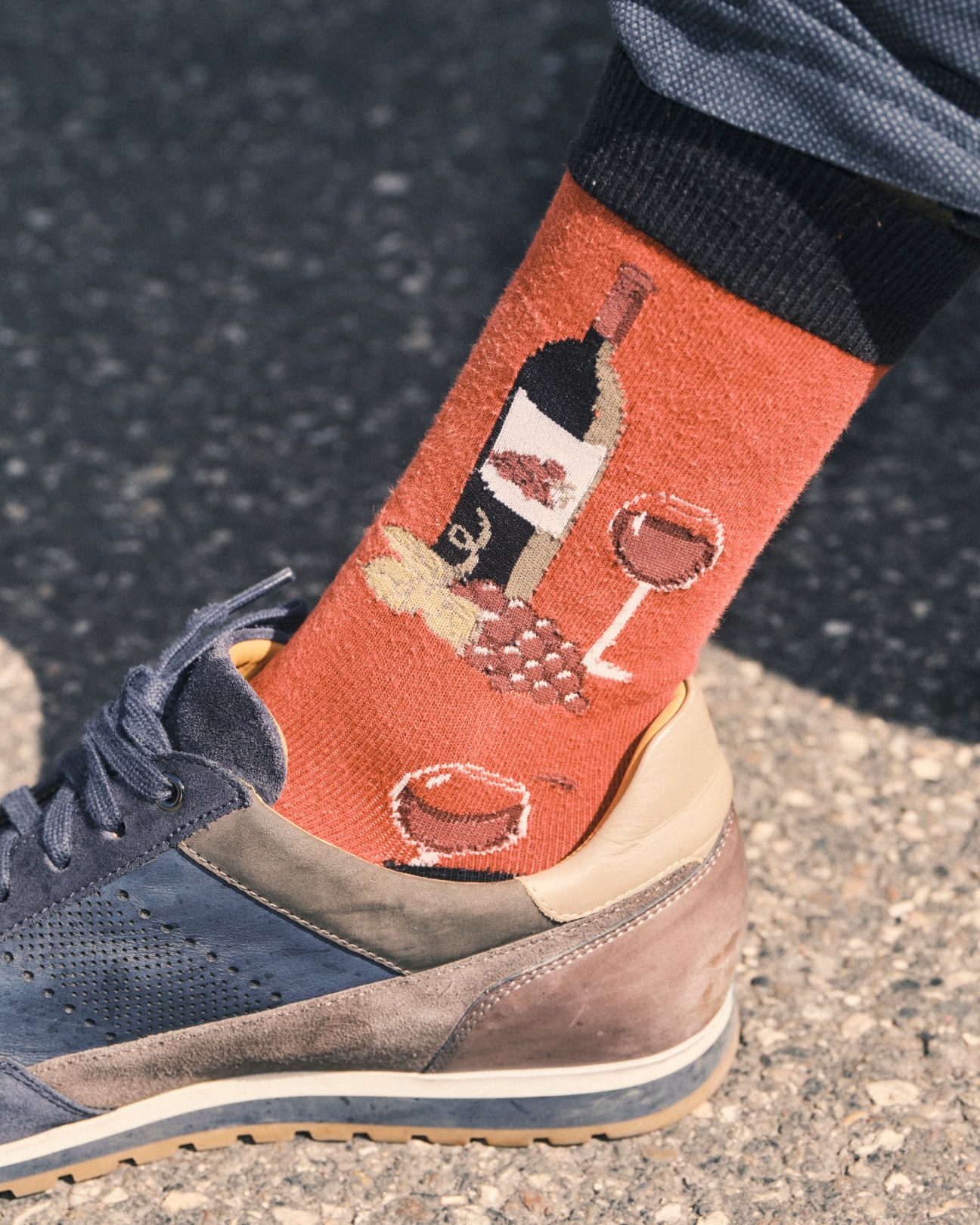
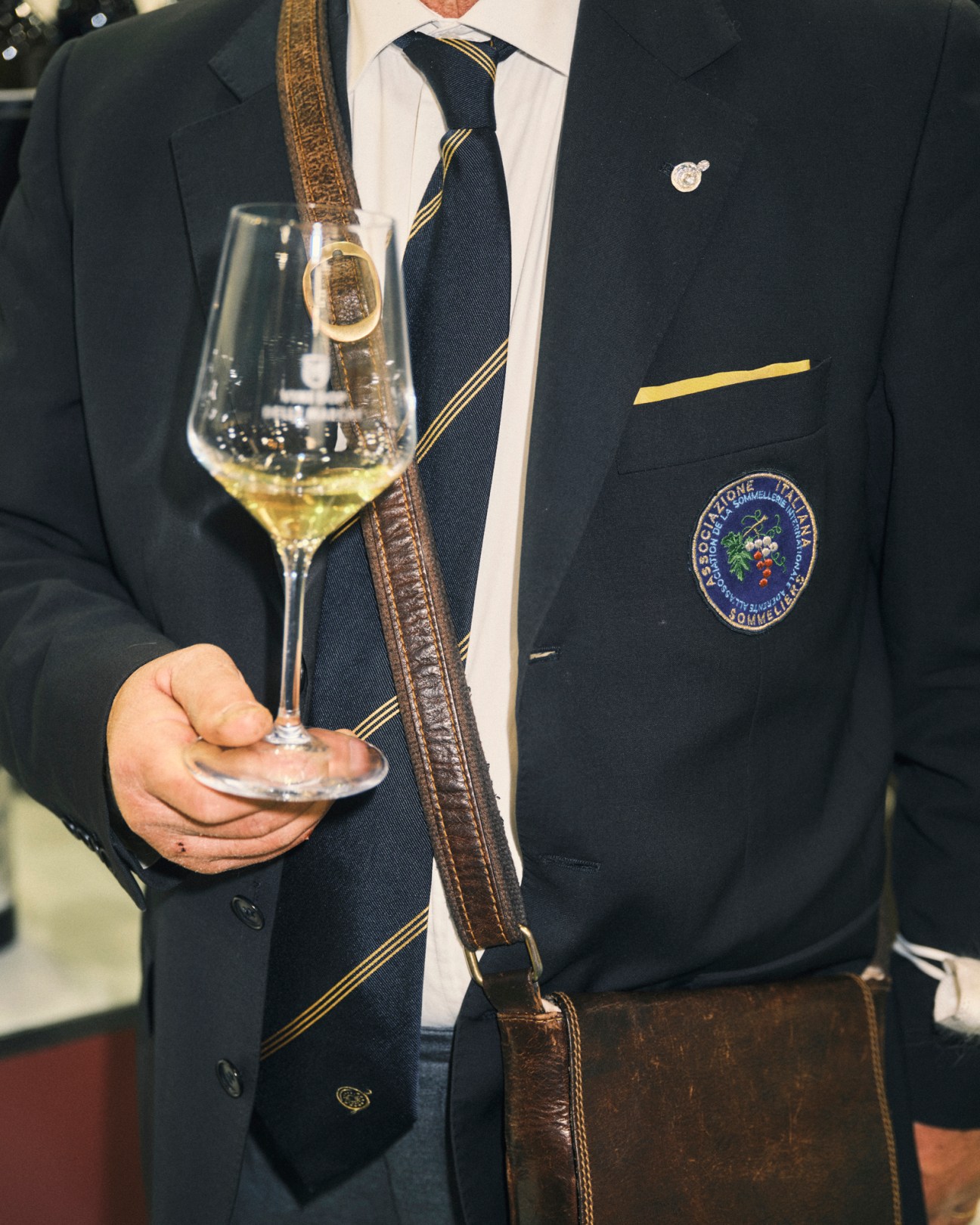
Every spring the picture-postcard-perfect northern Italian city of Verona gets gently sozzled on wine. It starts in the historic centre, where every shop, from baker to perfumer, displays bottles in its windows – often the wineries of friends or family. Restaurant reservations are made months in advance and the city’s taxi industry capitulates under the weight of demand.
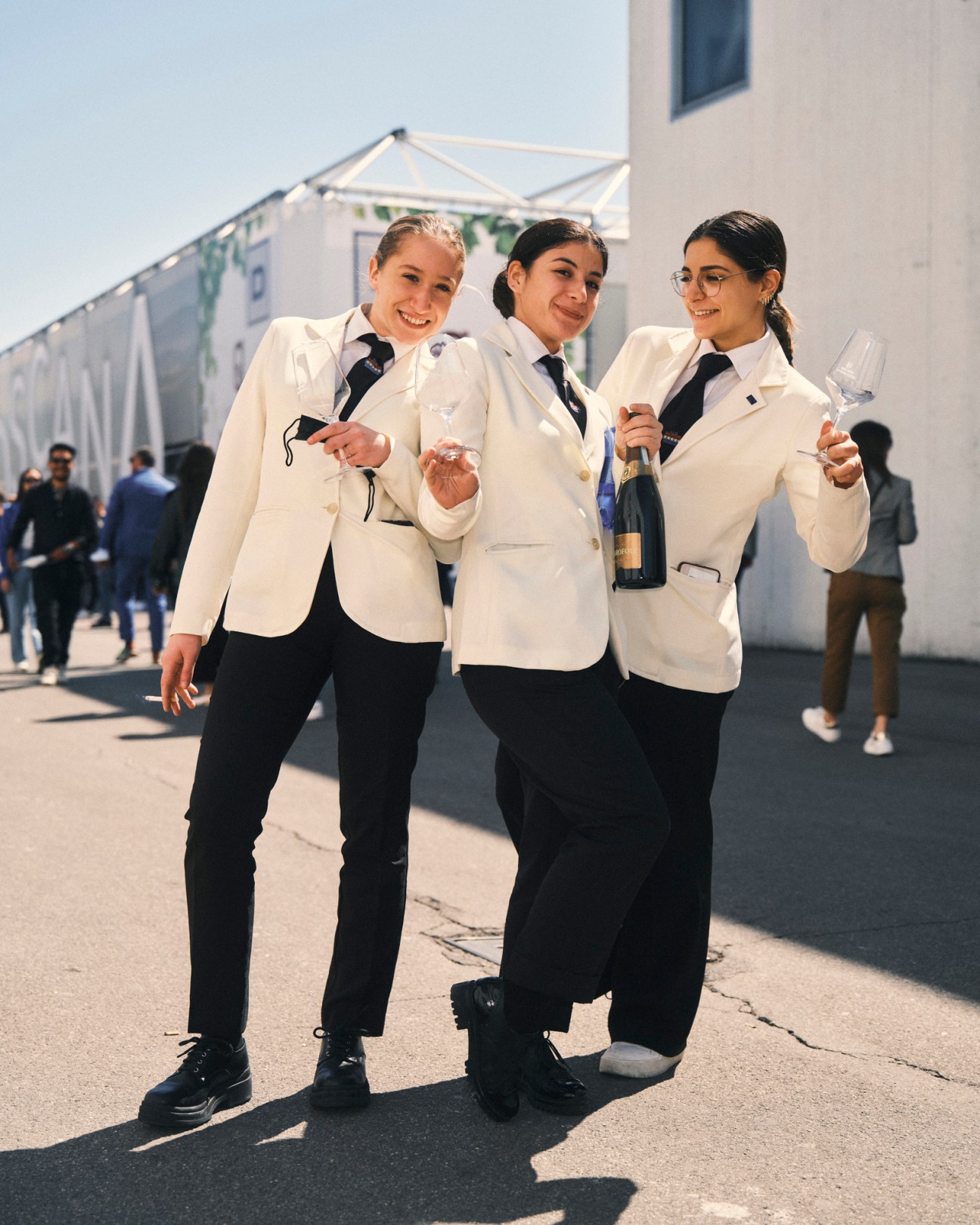
Over in Piazza dei Signori, people are getting wobbly at “Vinitaly in the City”, a collection of wine stands. For €15 you get three tastings and the chance to wear a faintly ridiculous wine glass holder around your neck. A little further away at Osteria del Bugiardo, a long table has been set up outside and people are gathered sipping bubbly. But the main draw remains the fair itself, located slightly out of the centre and held in a vast campus that feels like a Hollywood set. It’s dominated by a series of pavilions representing Italy’s wine regions, from Piedmont and Tuscany to Sicily and Alto Adige. This year one of the buzzwords is “relaunch” after the disruptions of the pandemic. Giovanni Mantovani, CEO of Veronafiere, the organisation behind Vinitaly, is keen to tell Monocle that 2022 is “a good vintage”. Despite complications – namely China’s coronavirus-related limited attendance and Russia’s ban – some 88,000 attendees are expected. Awaiting them are more than 4,000 wineries uncorking bottles at stands.
“This fair is about finding the right importers,” says Simone Sedilesu, the wine-maker behind Sardinia’s VikeVike. “It’s not just selling but selling the story.”
For the Italian wineries here, the goal is to find new markets. And given that the US remains the biggest buyer, it’s no surprise that we hear so many American accents. New Yorker Devi Taraj, attending with US importer Selected Estates of Europe, calls Vinitaly a “crazy, overwhelming experience”. But she also says that this year is “even more special as everyone has been out of commission for two years”.
With a focus on orange and organic wine, the debate rages among wine-makers over whether to join the club – especially given the mixed quality of natural wine. Arrigo Barion from Tuscan winery Casale dello Sparviero, which will switch entirely to organic by 2023, says that the argument is complex. “Organic is good but it needs to be sustainable,” he says. “On its own, it isn’t.”
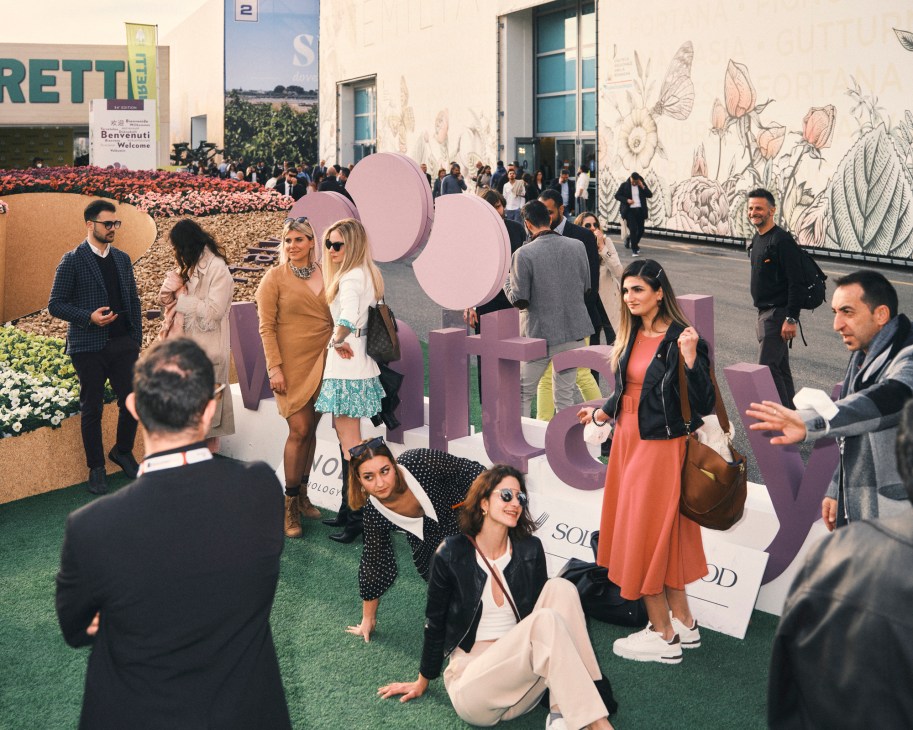
In the Sicilian pavilion there is practically a stampede around the Donnafugata stand, while the Alto Adige/Südtirol area is the busiest that Monocle witnesses. Yet despite the obvious competitive nature of an event like this, there is also a rather festive spirit – aided, of course, by the alcohol.
“I’ve seen wineries enthusiastic about being back in person,” says Veronafiere’s Mantovani. “So much information is exchanged.” The chance to swill, sniff and sip in good company feels like more of an elixir than ever. Perhaps 2022 is a rather good vintage after all.
Shopping List
Chandra Kurt’s Top 10 Tipples
1.
Soave Classico 2019, La Rocca, Pieropan
This blend is energy, elegance and surprise.
€27; pieropan.it
2.
Casalferro 2018, Castello di Brolio, IGT Toscana
A deeply structured and expressive merlot.
€49.90; ricasoli.com
3.
RosaMati 2021, Fattoria Le Pupille, IGT Toscana Rosato
This syrah rosé is pure palate pleasure.
€11.90; fattorialepupille.it
4.
Sette Anni 2013, Angelo Negro, Roero Arneis DOCG
A great white from a maker of fine reds.
€42; angelonegro.it
5.
Trebbiano d’Abruzzo 2019, Vigna del Convento di Capestrano, Valle Reale
Refreshes the palate.
€48; vallereale.it
6.
Mimesi 2020, Tenuta di Ghizzano
Vibrant and intense with an impressive finish.
€30; tenutadighizzano.com
7.
Passorosso 2019, Etna Rosso, Passopisciaro
One of the best Etna wines from Sicily.
€29; vinifranchetti.com
8.
Ca’del Bosco Vintage Collection, Dosage Zéro
Notes of seaweed, lime and white roses.
€44.50; cadelbosco.com
9.
Dolcetto d’Alba 2019, Mascarello Giuseppe e Figlio
The Mascarello family vinifies heavenly barolos. A flavour explosion.
€20; mascarello1881.com
10.
Taurasi Riserva 2015, Gulielmus, Tenute Capaldo
Ripe plums, liquorice and leather.
€49; tenutecapaldo.it
The conversation
Monocle convenes Italian wine-makers discuss Vinitaly
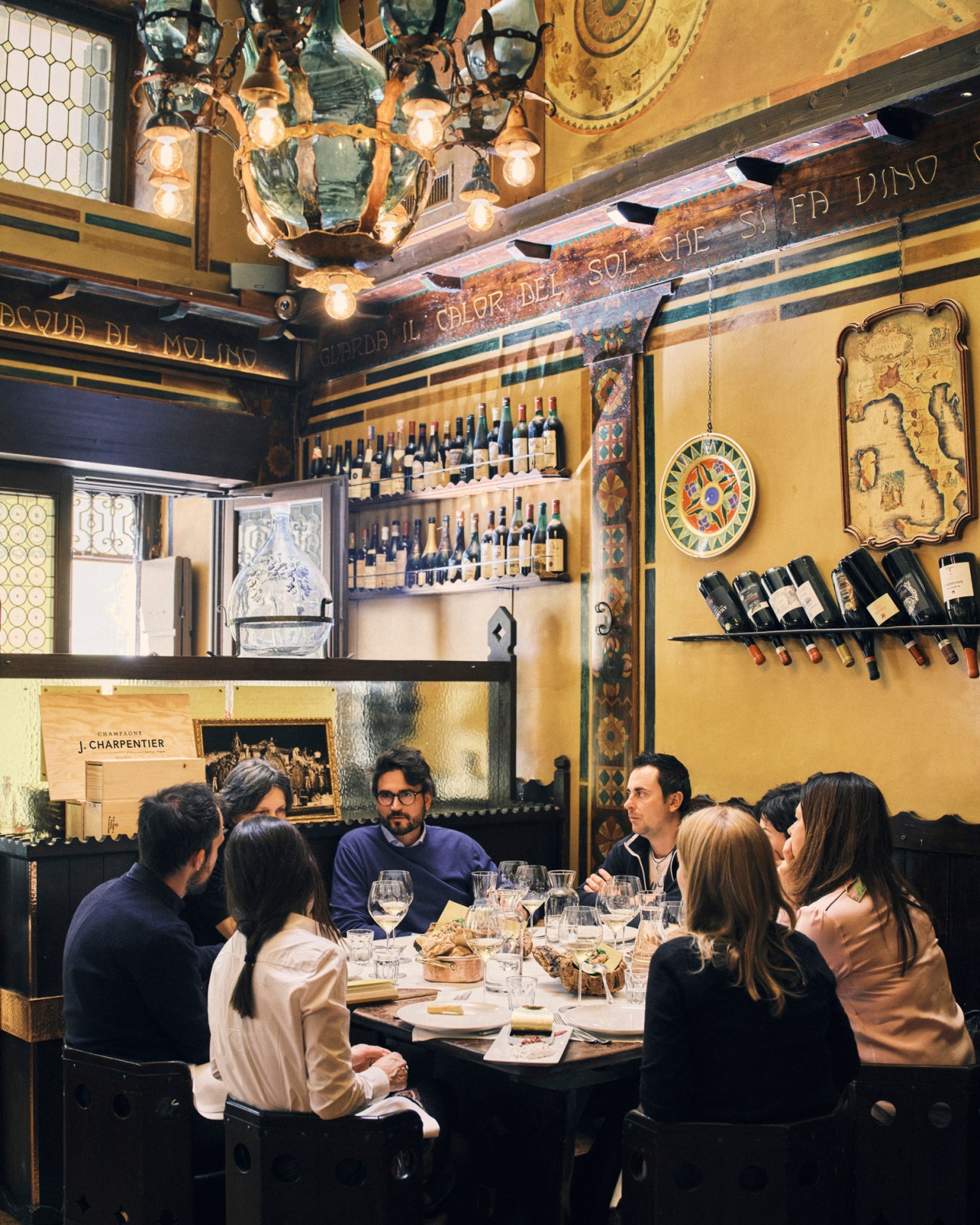
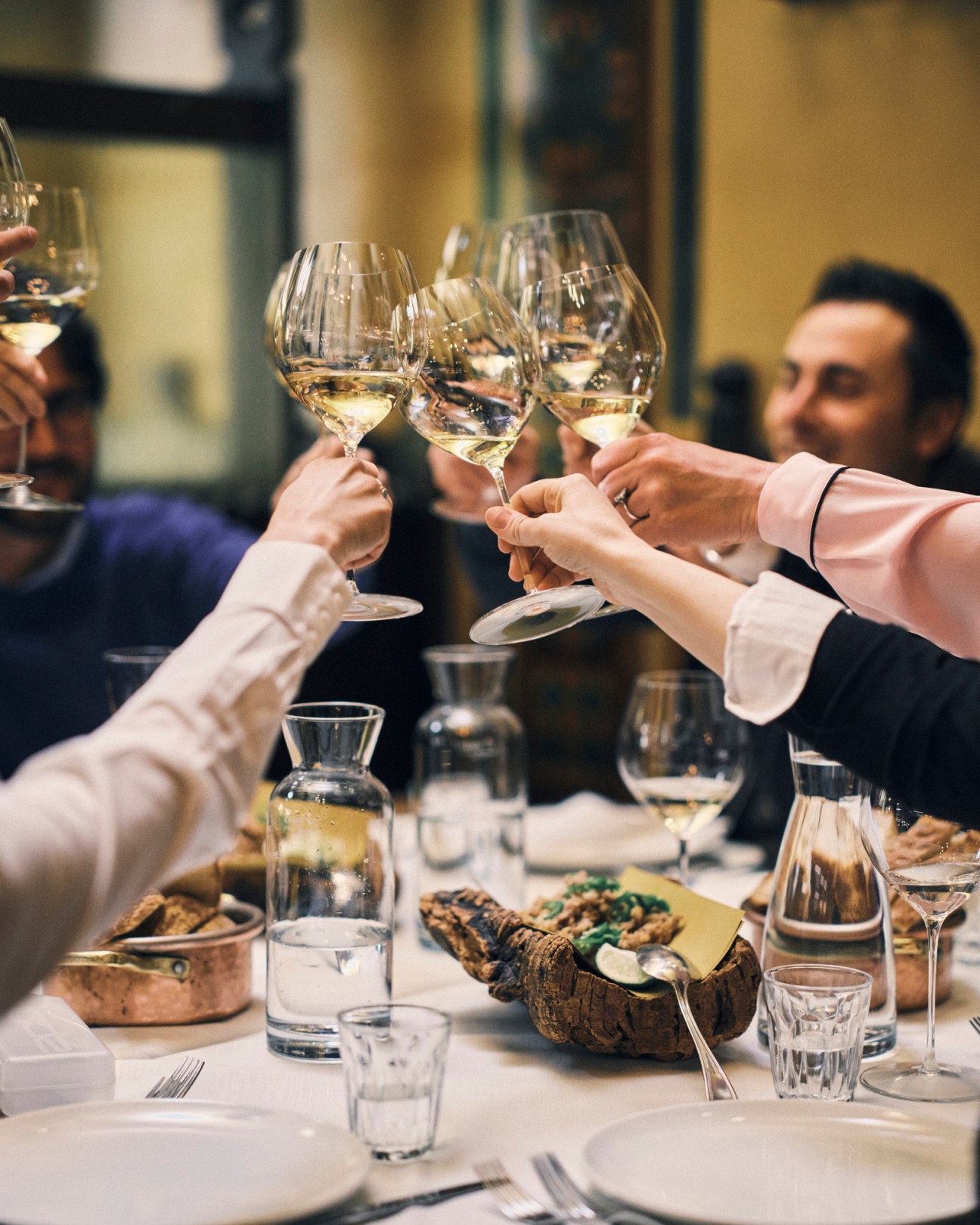
Who better to speak to about Vinitaly than some of Verona’s wine experts? The conversation flows from the fair to the effect of tourism on the industry. There’s also great food and, naturally, excellent wine.
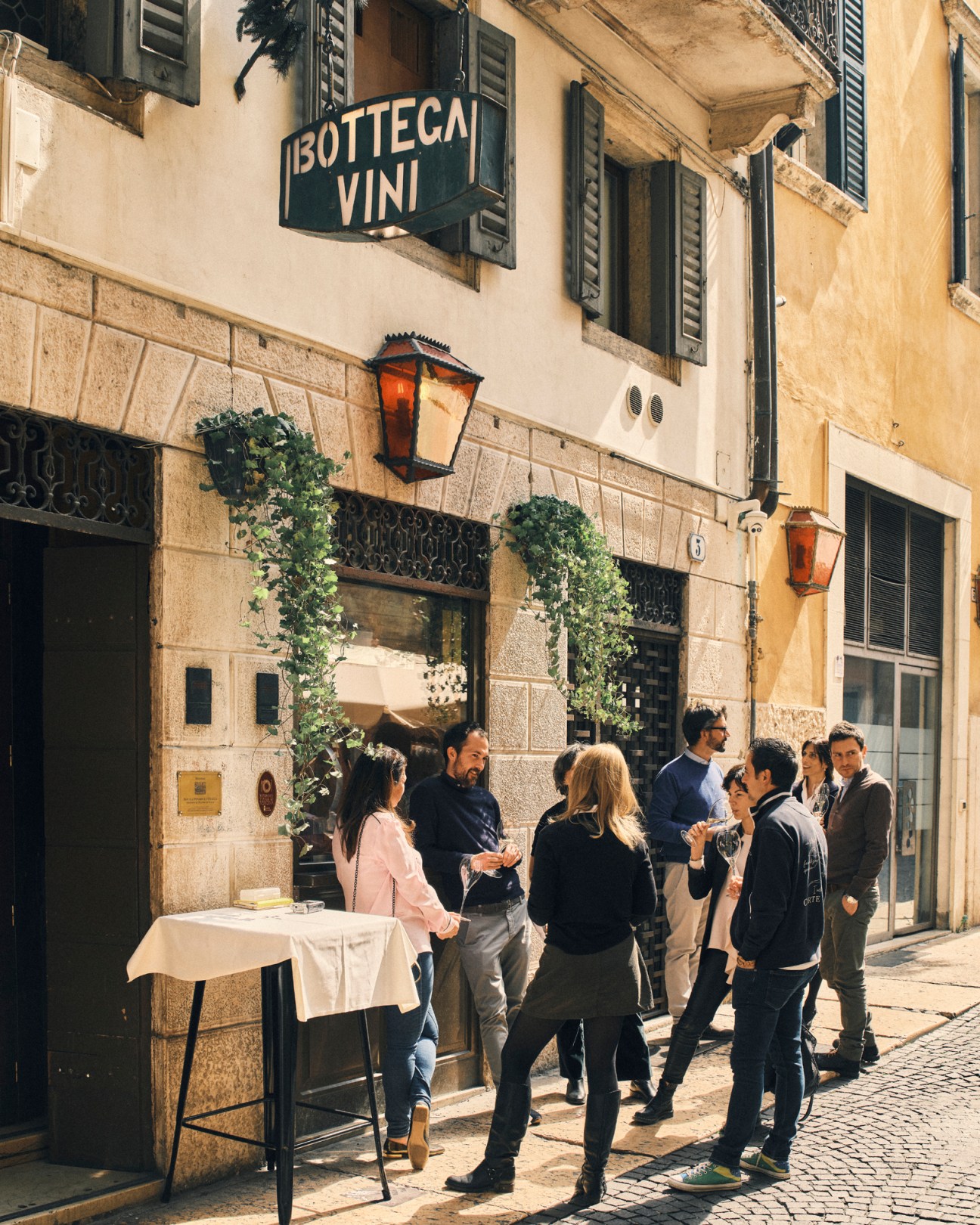
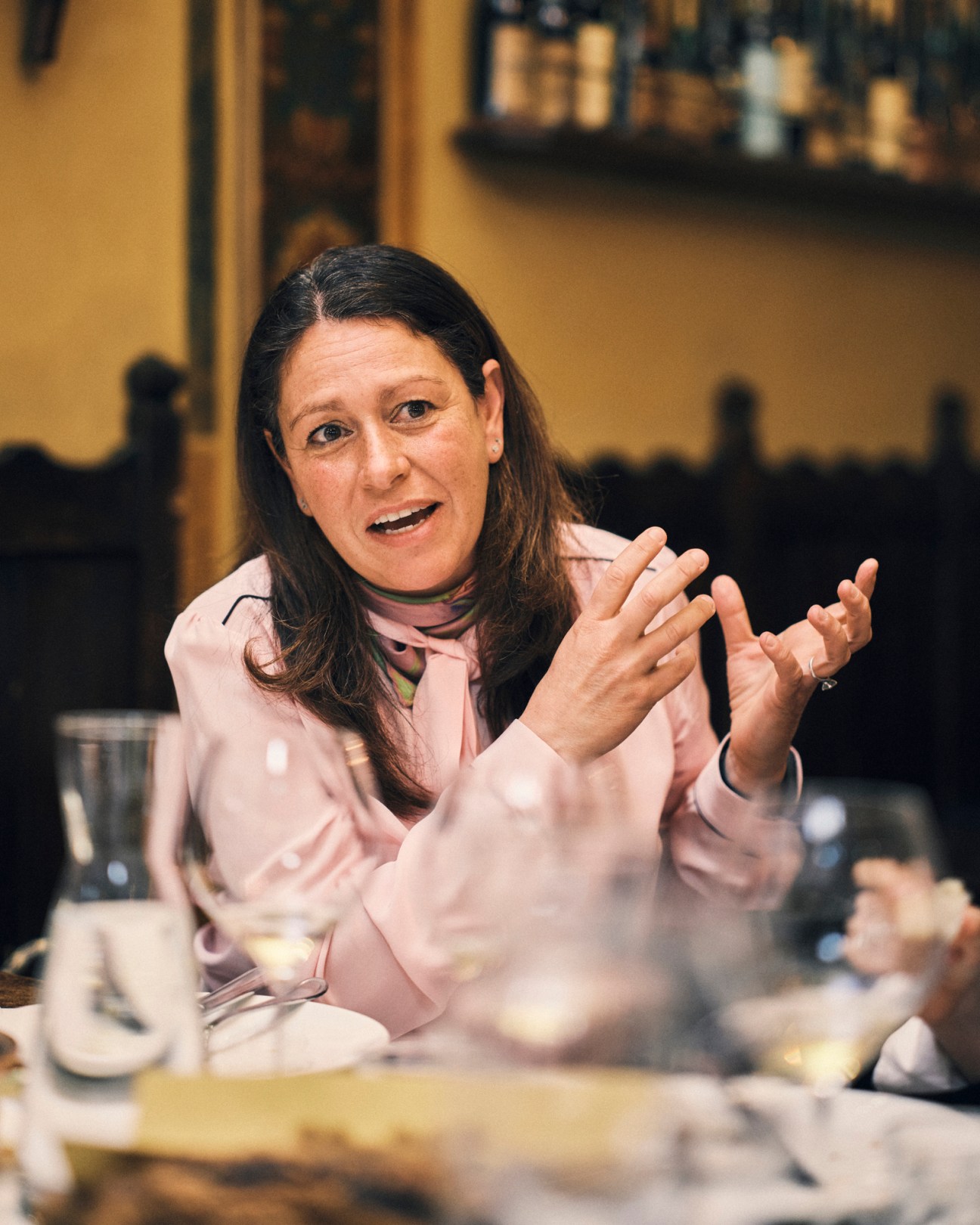
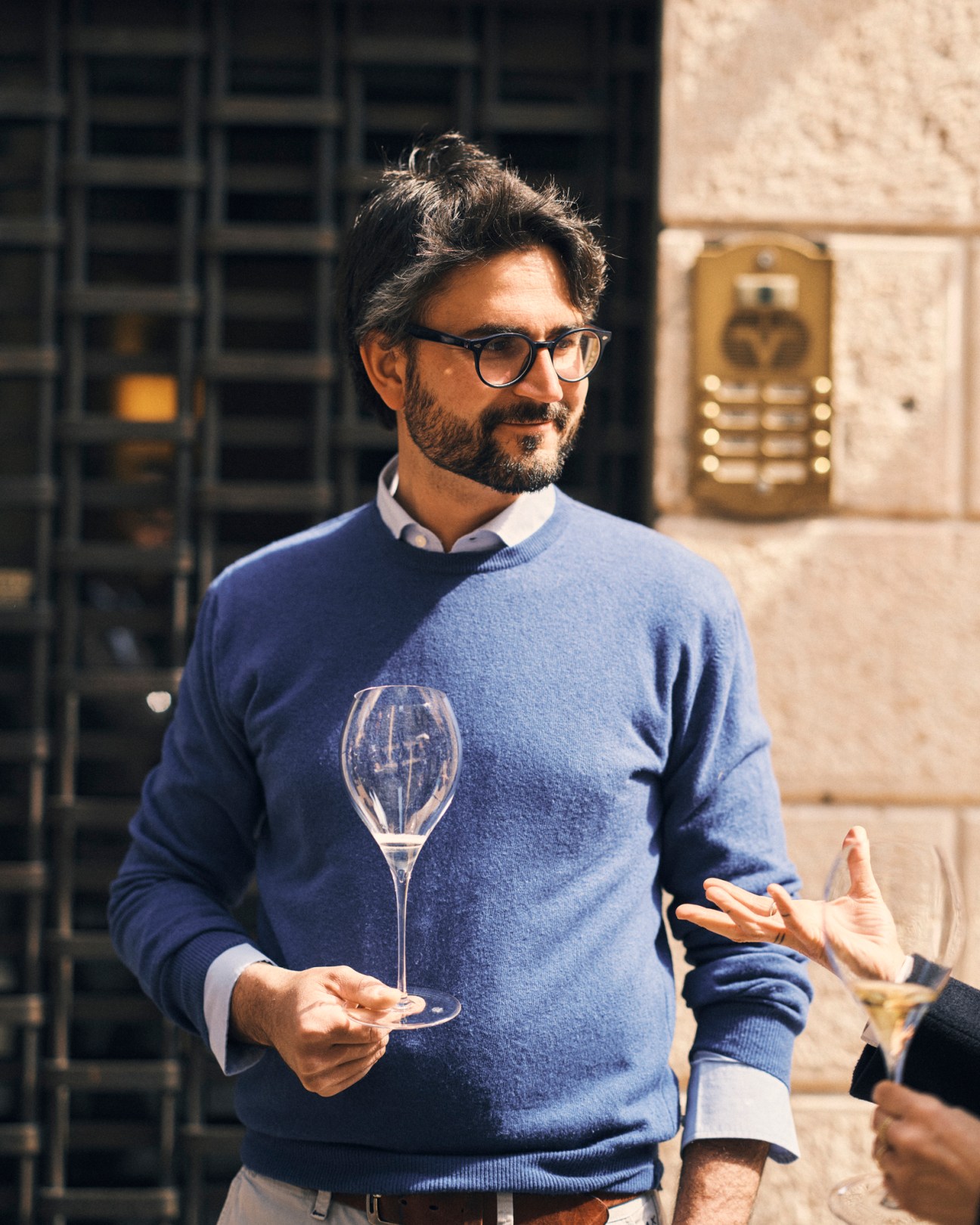
Verona is an apt host for Vinitaly given its proximity to Valpolicella, one of Italy’s best denominations, as well as soave and bardolino growing areas. Monocle sits down with six Veneto wine producers to talk about the fair, industry insights and all things grape-related.
Monocle: Does Vinitaly matter?
Matilde Poggi: I’ve attended since 1985. The quality of the fair has improved but this year is a test because consumption in Italy actually went up during the pandemic – so maybe we need to relook at everything a little.
Giovanni Éderle: I hadn’t been born in 1985! Before the pandemic, Vinitaly was a place to make new contacts: new importers and distributors. For me, it’s now the place to meet the contacts developed during the pandemic.
Andrea Brunelli: Being a small company, it’s not something that fits for us. We’re looking for a different type of fair.
Chiara Speri: We’ve been taking part since the 1980s. Since then the world has changed but I have to say that the largest and most important importers we have today are from Vinitaly.
Ilaria Nidini: It’s a moment of relaxation, of celebration and sharing. I don’t need to find a particular importer and so it’s a moment for getting together.
Camilla Rossi Chauvenet: The human aspect is key to the wine world. Wine producers need to keep up with new tastes, eating habits and ways of consuming wine. There’s an epochal shift happening.
Monocle: Is “Made in Italy” a valuable label or does it need to be updated?
CRC: As a brand, it’s recognised by so many people. Contemporary wine-making in Italy today is more open and has become closer to what younger customers want: diversity.
AB: I agree with Camilla. [Italian wine has] incredible potential. We just need to look ahead.
MP: For me, it’s valuable but Italy is still paying the price of not being faithful enough to its history and traditions. I’m completely against the [mass-market] way in which prosecco has operated, for example. We shouldn’t follow fads.
IN: It’s a super brand. You speak to people about Italy and it warms their heart. They love Italy and don’t have a negative thing to say. We need to play on that. Let’s sell Italy before we talk about smaller areas.
GE: I was at a fair in Tokyo three years ago with producers from around the world. The Italians’ approach was, “Welcome, this is my company, this is my land.” Nextdoor there was a Frenchman and as soon as anyone came to his stand the first thing he said was, “Welcome to France” – [only] then would he talk about the winery. We also need to learn to be a group.
Monocle: Lots of wineries rely on tourism, which has been badly affected. Is there a need to change the model?
GE: I’ve always jokingly said that between tourism, our restaurant and the winery, what could possibly happen that would knock out all of them together? I’ve now learnt not to ask certain questions. But now we’re seeing a bounce-back and things are exploding.
CRC: We also felt this. And in the wine sector too; by December 2021 we were sold out – we only had Amarone left. It’s not just the foreign visitors either, so many Veronesi, Milanesi and Trevigiani want to celebrate in a winery.
Monocle: Is making organic wine a choice or a reaction to the market?
MP: For me, it’s a choice that the producer makes if they believe in it. I’ve been organic since 2009 and I remember at the time some wine reps told me that it was better not to say so. Organic wine was seen as badly made.
CS: It’s a personal choice and has to be that way because if you start to do the maths, it doesn’t always add up.
Monocle: Andrea, you make natural wine?
AB: You’re giving me a label and it’s not always good to be given a label. With natural wine, there’s this association that it perhaps has defects. There isn’t a certification [in Italy]; it’s more an idea or way of thinking from the wine-maker.
Monocle: What benefit is there from many Italian wineries still being family-run?
IN: The small Italian company is the driving force of the economy. In the good and the bad.
CS: With your family, you feel stronger and more supported.
CRC: I’m on my own and mine is a start-up, a bit like Giovanni’s. The idea was starting from zero. The pros are extreme freedom – a freedom that leads you to innovation.
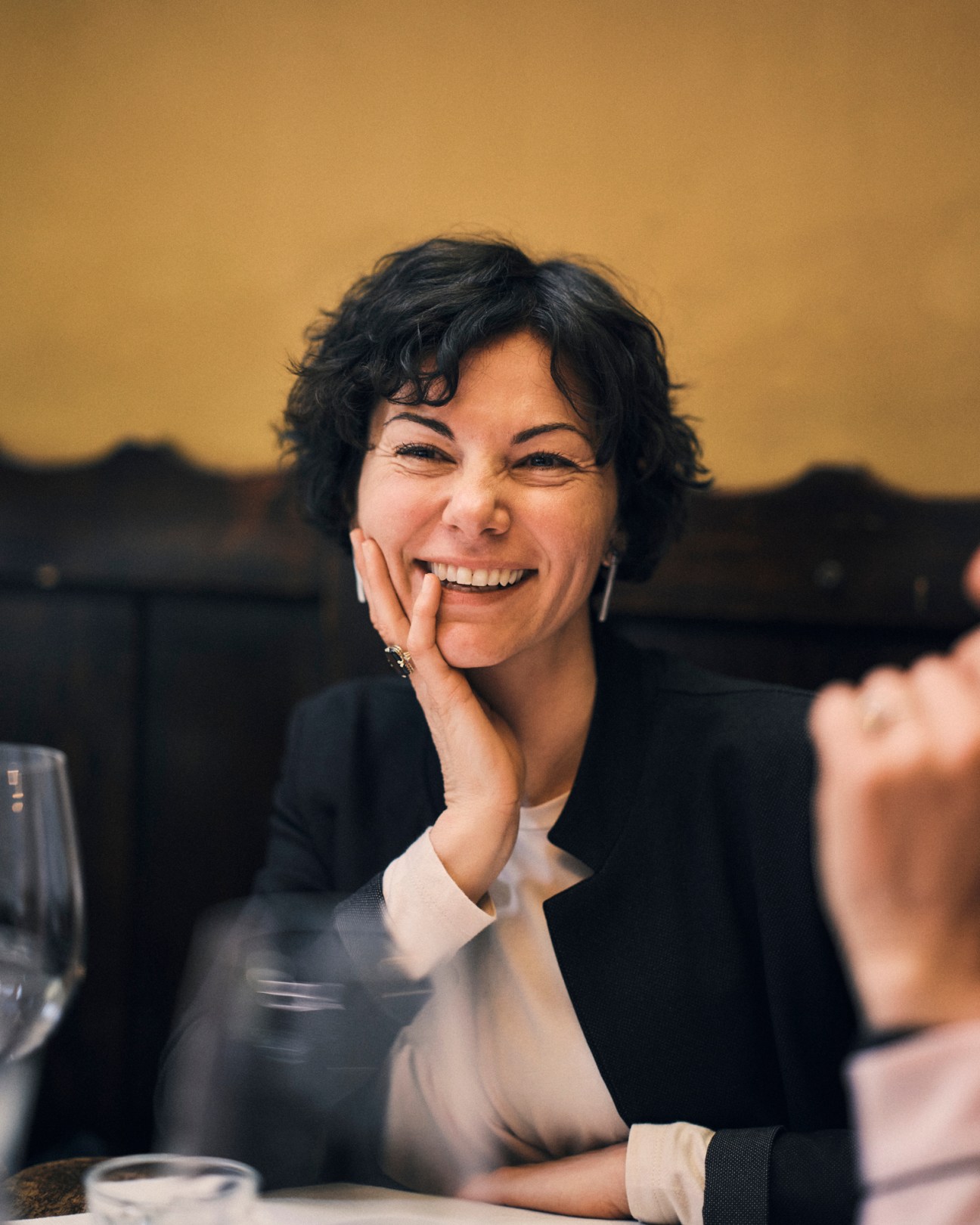
Meet our guests
Chiara Speri, Speri
Part of an organic Valpolicella family winery.
Matilde Poggi, Le Fraghe
Wine-maker and president of the European Confederation of Independent Winegrowers.
Andrea Brunelli, Corte Bravi
Organic winery started in 2011 by Andrea and his brother, Ivano.
Ilaria Nidini, Tenuta Santa Maria Valverde
A boutique winery in Marano di Valpolicella.
Camilla Rossi Chauvenet, Massimago
Massimago produces wine and has several hospitality offerings.
Giovanni Éderle, Cantina Giovanni Éderle
Éderle has a small start-up winery with a restaurant and agriturismo.
The venue
Owned by 13 Valpolicella wineries, Verona’s Antica Bottega del Vino is housed in a 15th-century building.
bottegavini.it
The menu
To eat:
Cicchetti (mixed small bites)
Antipasti: salt-cod with polenta; “spillo” calamari with lime and jalapeño; Cantabrico anchovies with burrata and confit tomatoes
Risotto all’Amarone
To drink:
Gemin Valdobbiadene Prosecco DOCG Extra Dry
Azienda Agricola Santa Cristina Lugana 2021
Don Michele Contrada Moganazzi Etna DOC 2019
Col d’Orcia Rosso di Montalcino DOC 2019
Bread winners
In Spain, vestiges of the country’s civil war and subsequent dictatorship crop up in odd places, even bread-making. Loaves were rationed in Spain from 1939 to 1952, with wheat production remaining under state control until 1984. As a result, bread became contraband.
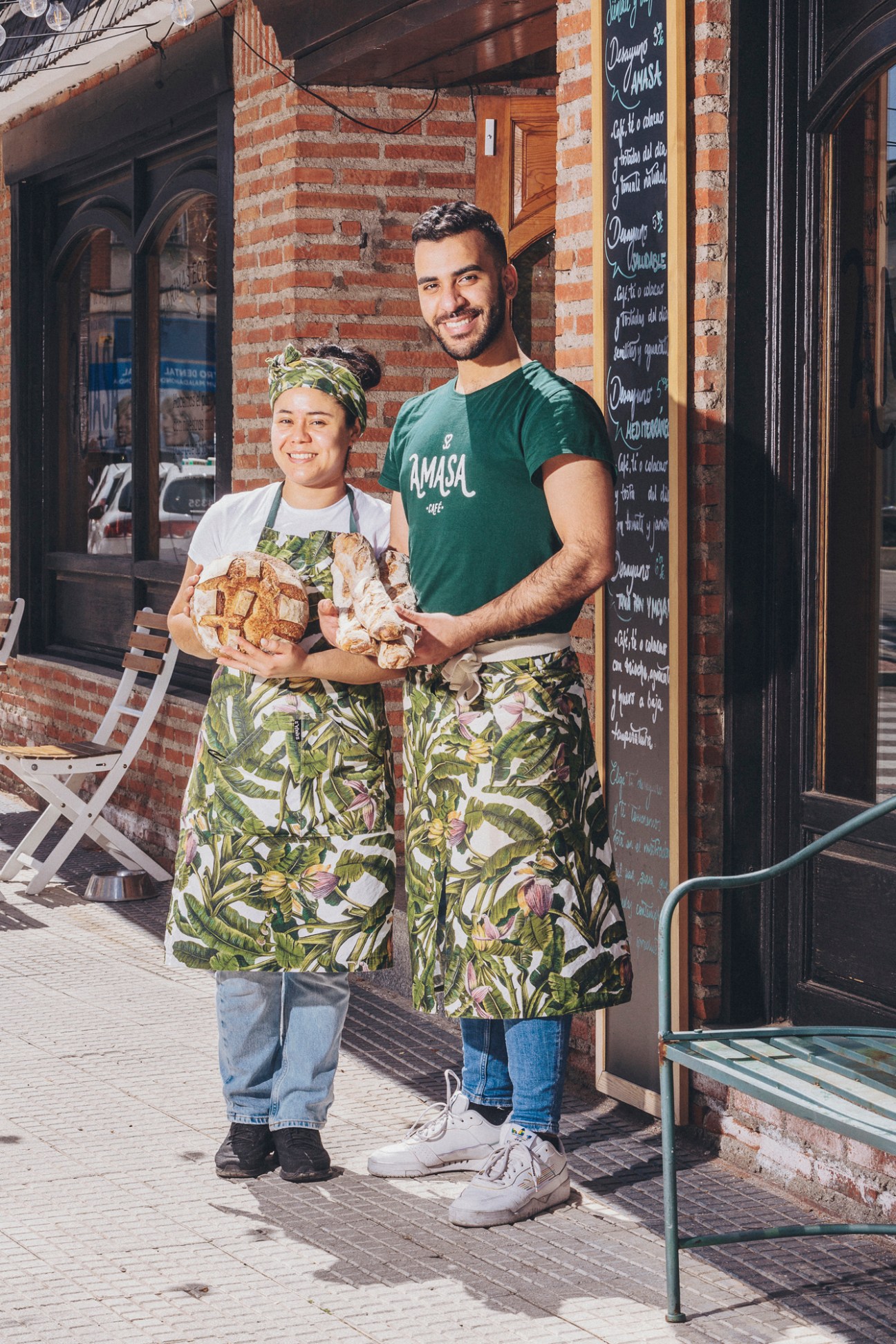
In Madrid, the barra de pan, the equivalent of the French baguette, is still known colloquially as a pistola, or gun. The moniker comes from a parallel that madrileños observed between a firearm and a loaf of bread: while the former killed people, the latter killed hunger (“matar el hambre“). This turn of phrase betrays a macabre sense of humour that arose from the country’s tumultuous past, in which the civil war’s front lines crisscrossed not only the country but the capital.
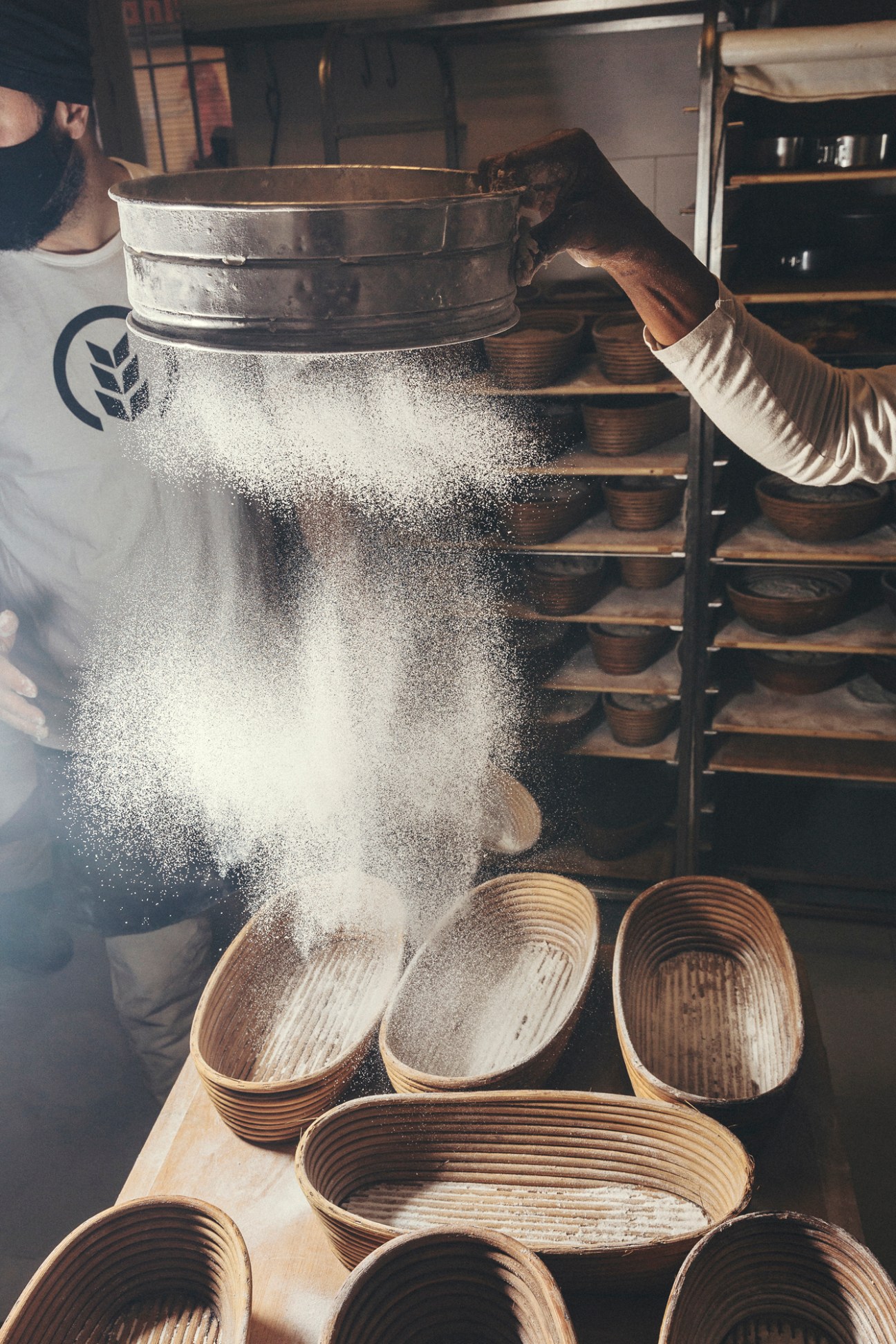
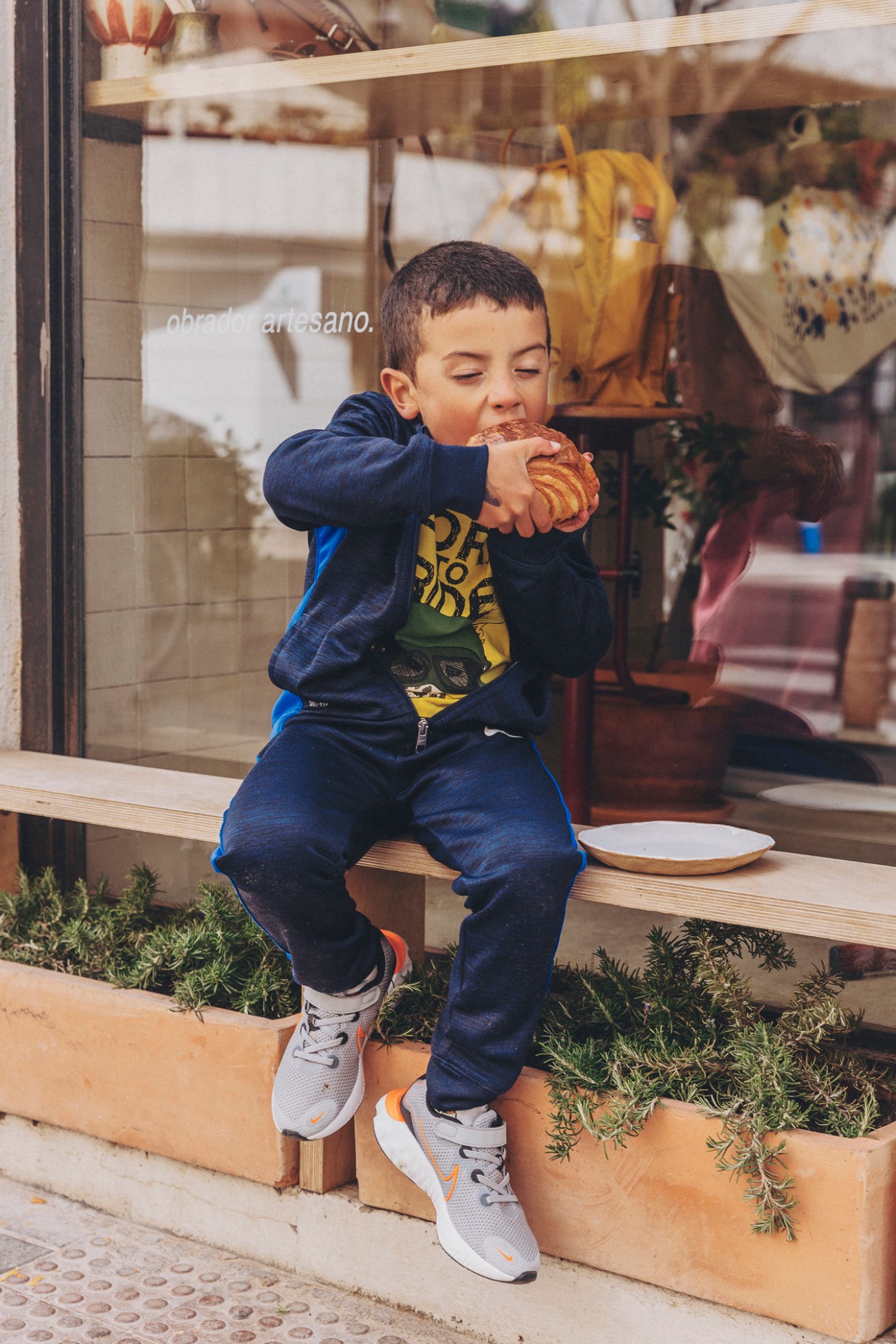
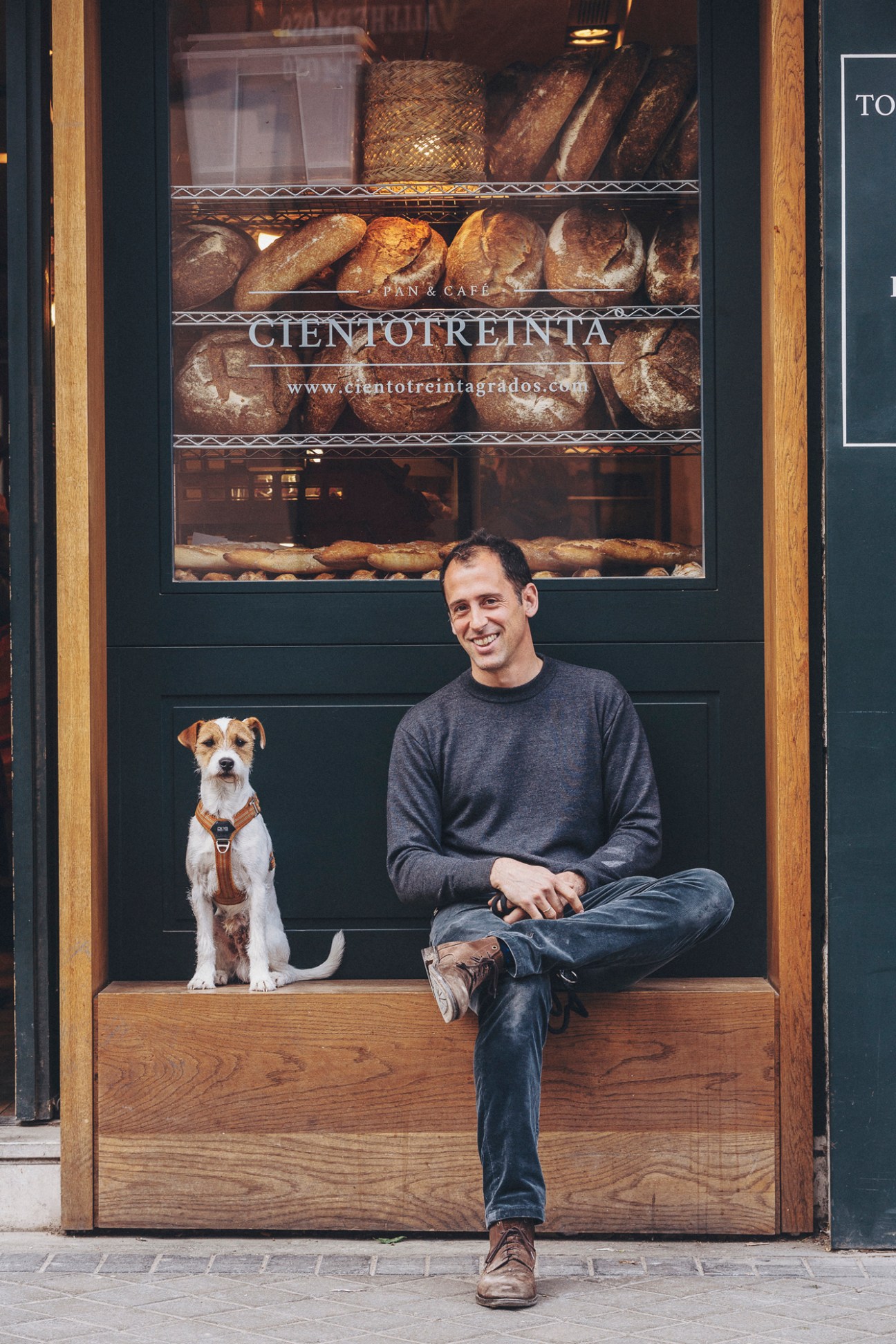
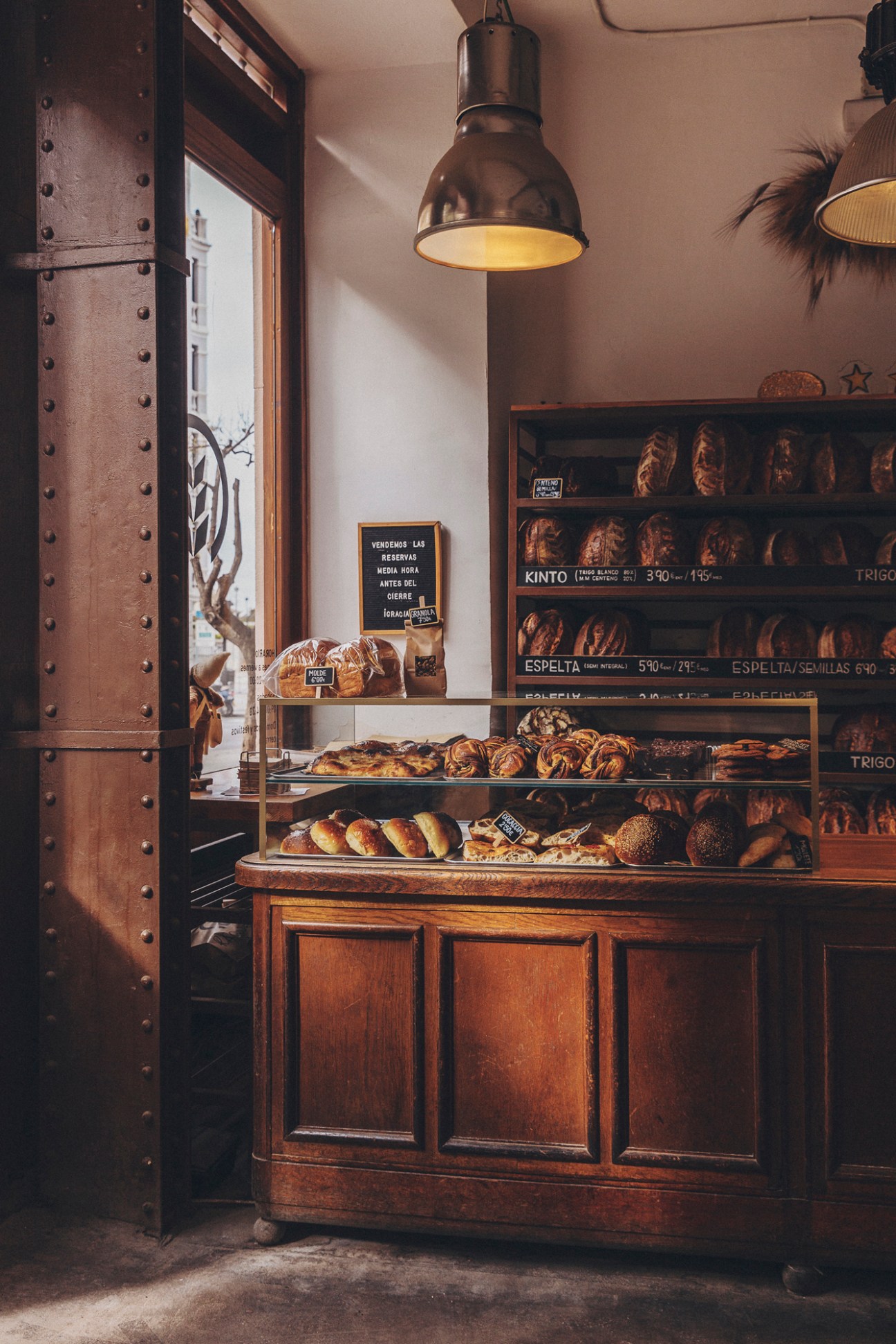
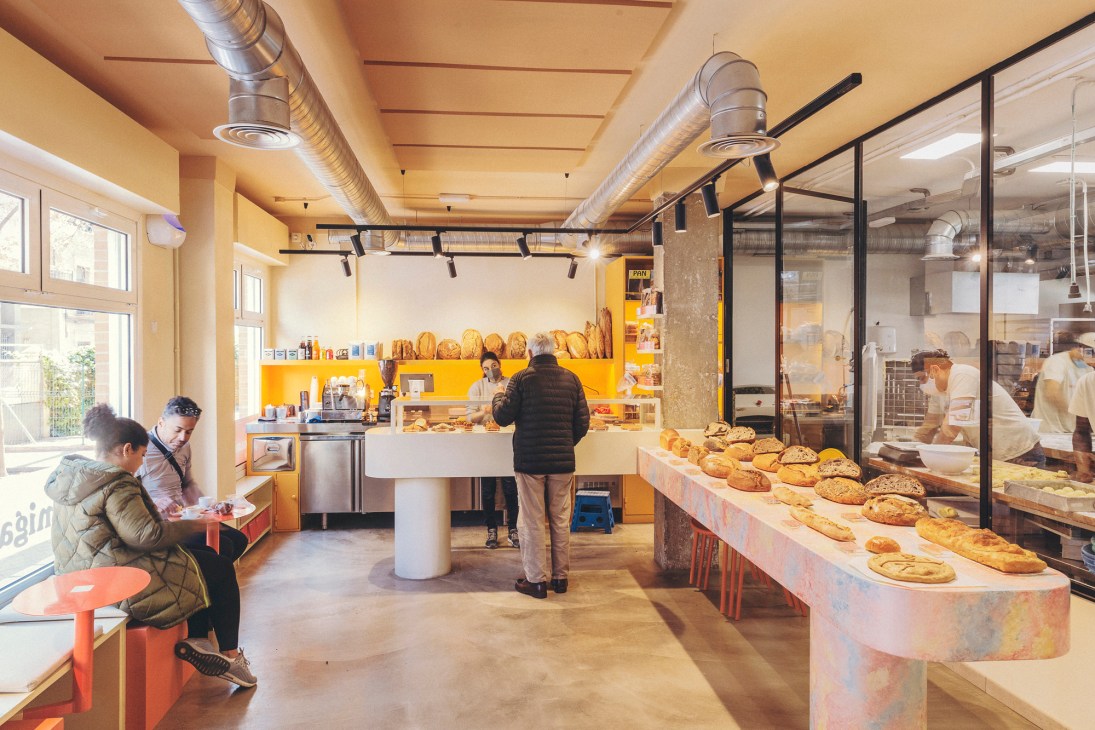
“The older generation has a more vivid memory of what bread used to be like,” says Antonio Ramos, co-founder of Obrador San Francisco, a bakery in the shadow of the Royal Basilica of Saint Francis the Great. “There was a horrible gap in our bread culture in Spain. What we’re doing now with sourdough starter might seem novel but it’s just the way things used to be done here. Our job is to recover that practice, to dignify the typical loaf.” And dignity is a quality that abounds in his clean, white-walled space, where a queue is beginning to form.
Ramos is just one of many younger bakers who are rediscovering Spain’s bread-making past. At Obrador San Francisco, as well as the classic pistola, you’ll also find items made using traditional recipes from across the Iberian peninsula. There’s the ensaïmada, a sweet, shell-shaped pastry from Mallorca, and the coca cerrada, a savoury tomato pie from Castellón. Our favourite? A brioche bun from the Levante called a panquemao.
At Madreamiga bakery, north of the historic city centre, co-owner Icíar Aragón says that even younger madrileños feel nostalgic when they smell freshly baked bread. “It’s an emotional link to our childhoods. Growing up in Madrid, we were all sent to the bakery every day for a pistola,” she tells Monocle.
Address book
Five bakeries in Madrid.
Alma Nomad
Calle de Santa Feliciana, 10
+34 6 1302 6888
Amasa
Avenida de los Reyes Católicos, 3, Majadahonda
amasa.es
Cientotreinta Grados
Calle de Fernando el Católico, 17
cientotreintagrados.com
Madreamiga
Calle de Teruel, 26
madreamiga.com
Obrador San Francisco
Carrera de San Francisco, 14
obradorsanfrancisco.com
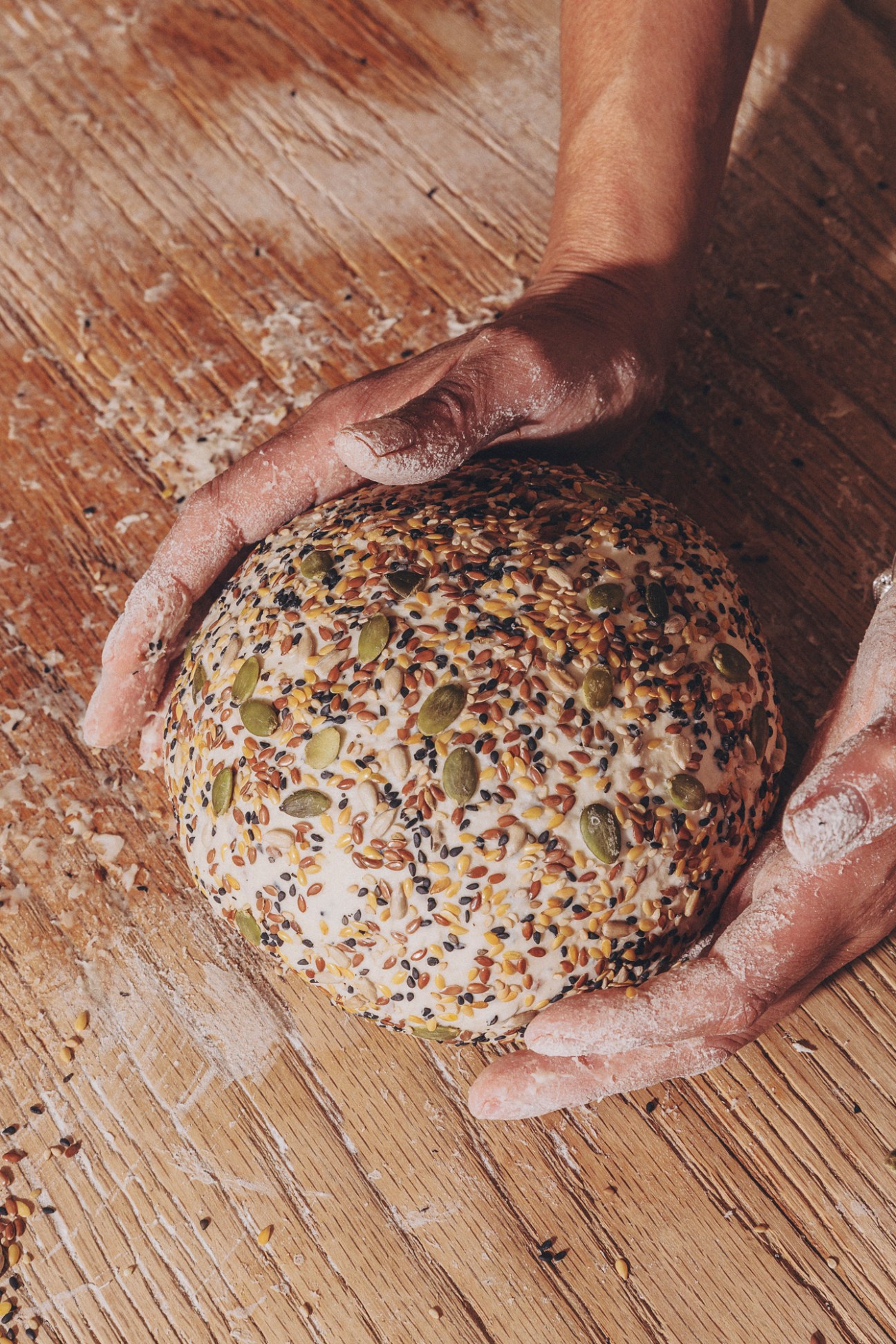
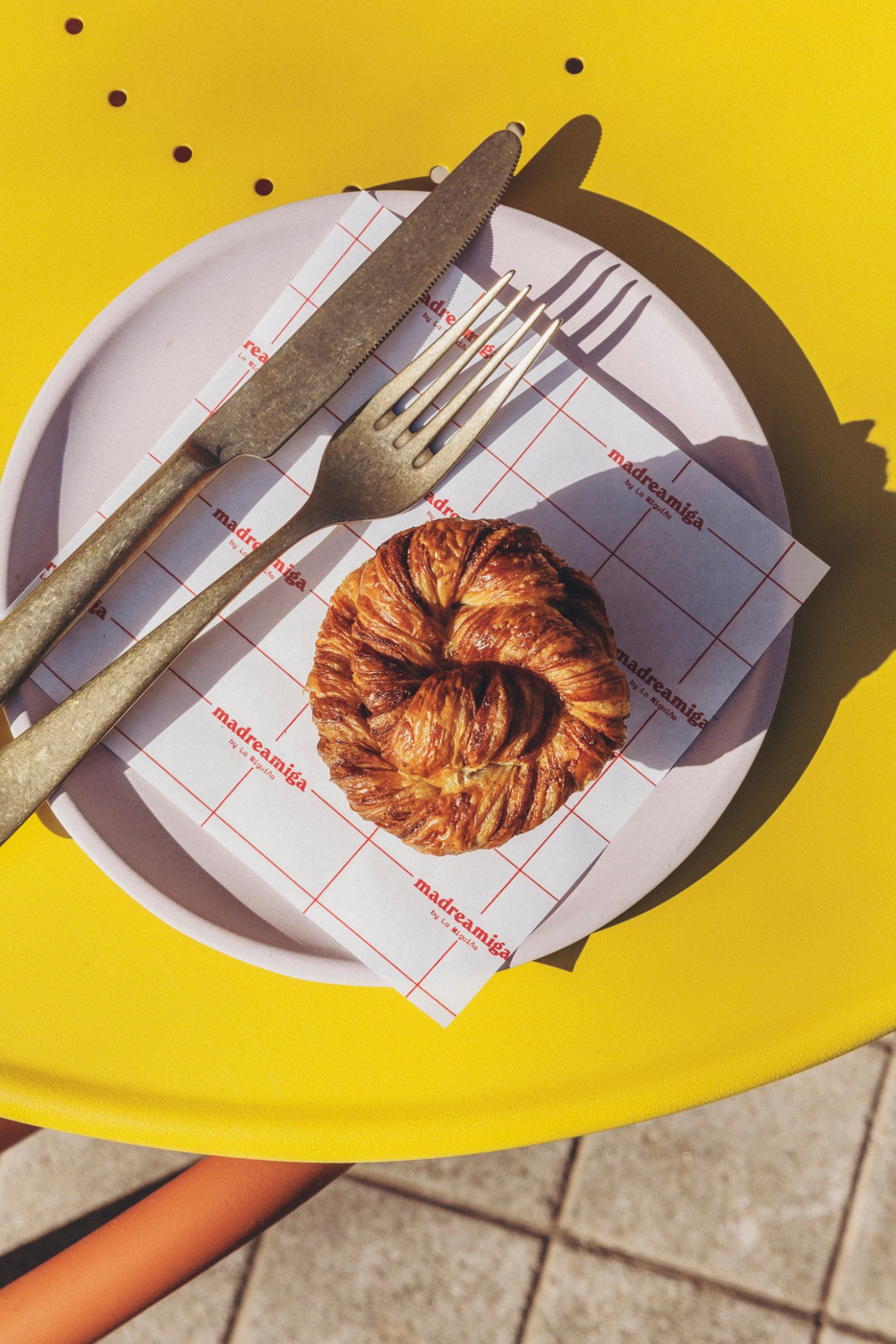
But Begoña San Pedro, Madreamiga’s head baker and co-founder, says that residents of the city needed to be brought along on the journey and reminded of the effort that goes into creating bread the old-fashioned way. “We spent months explaining our 24-hour fermentation process, why we use unrefined flour and how the human body is better at digesting bread that retains more hydration, like ours does,” she says. “We did this every day because new customers would come through the door who didn’t know about this process.”
San Pedro says that the arrival of rapid-rise yeast in the 1960s heralded the death of the old ways and the beginning of industrialisation in bread-making. Loaves from these big bakeries were whiter, more uniform and could be leavened in just 20 minutes. But what we gained in time, we lost in flavour. “People who came in never having tasted bread that had been made with sourdough cultures would say that the bread had gone off, that it had a vinegary flavour,” she says. “So I would explain that it’s a matter of letting the palate adapt. Like when you’re sampling wine, it’s best not to begin with the exceptional, as that would be too complex to start with.” Instead, she recommends that those new to the flavours of sourdough should begin with a low-acidity loaf, such as Madreamiga’s organic-wheat miguiña, fermented over a 48-hour period.
Despite the few ingredients required for bread-making – flour, water, salt and a leavening agent – several bakers tell Monocle about their desire to increase transparency in the industry. This has translated to the design of retail interiors linking the shop counter with the factory floor, for example, as well as plenty of big windows.
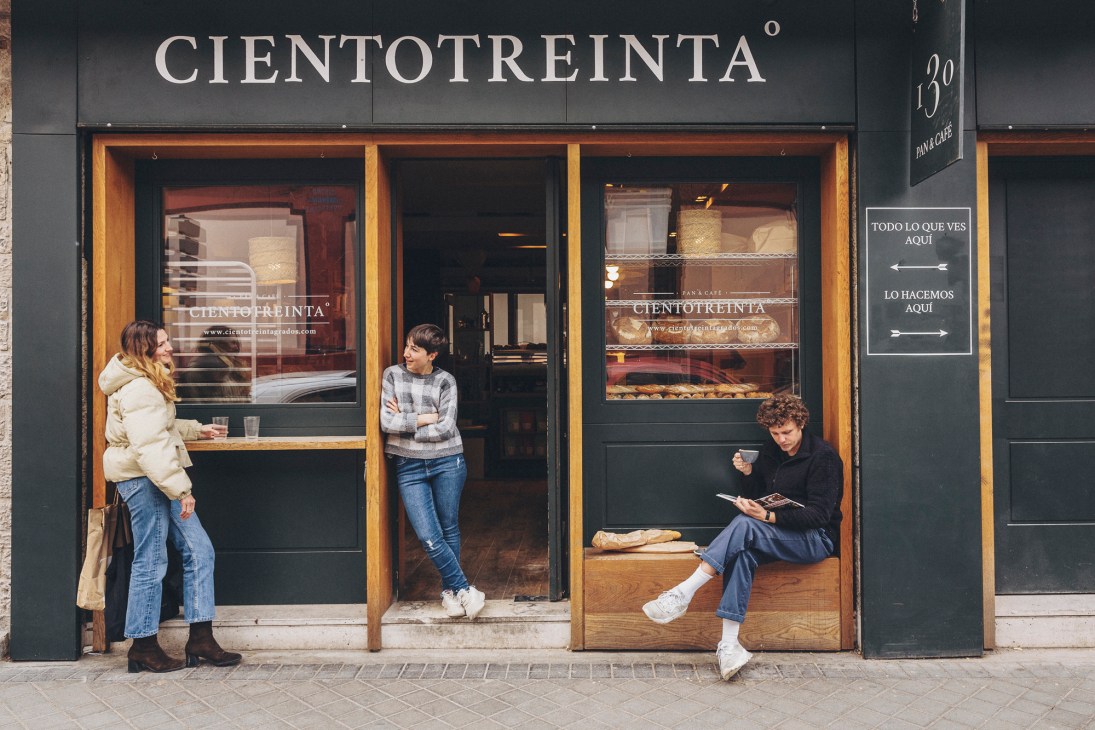
At just 60 sq m, Alma Nomad, a short walk east from the Plaza de Olavide, is the newest and smallest of the bakeries that we visit. A queue of chatting customers often extends well beyond the front door, while many sit on the benches lining the shop’s exterior windows to enjoy the oven- fresh spoils. Founders Timi Argyelan and Joaquín Escrivá never expected that transplanting the bakery from its first location in Argyelan’s native Hungary to Madrid would help to make it such a success. “Madrileños have a serious sweet tooth,” says Escrivá, motioning to a display that includes chocolate and hazelnut croissants and ricotta and blood-orange puff pastry tarts filled with homemade strawberry jam.
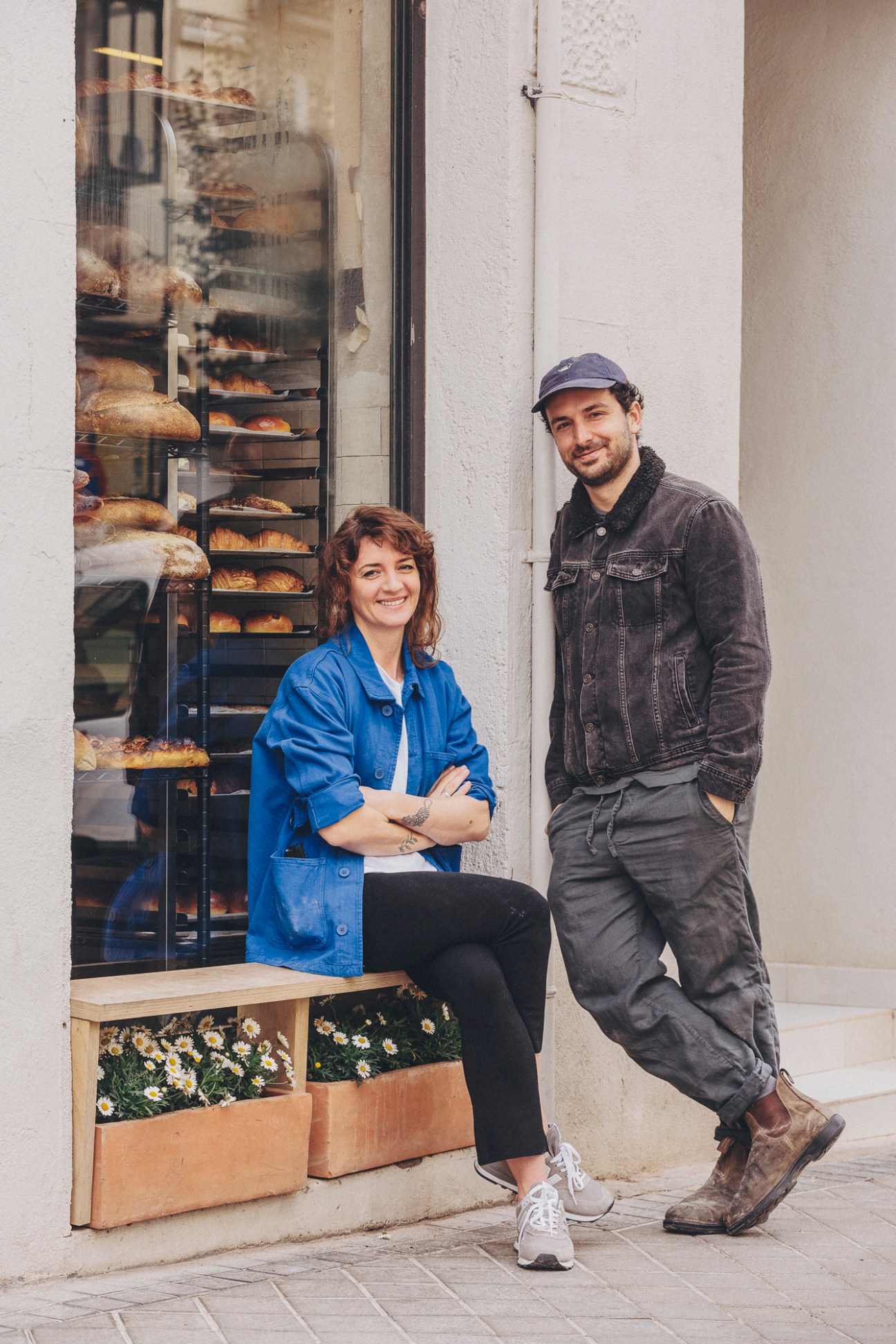
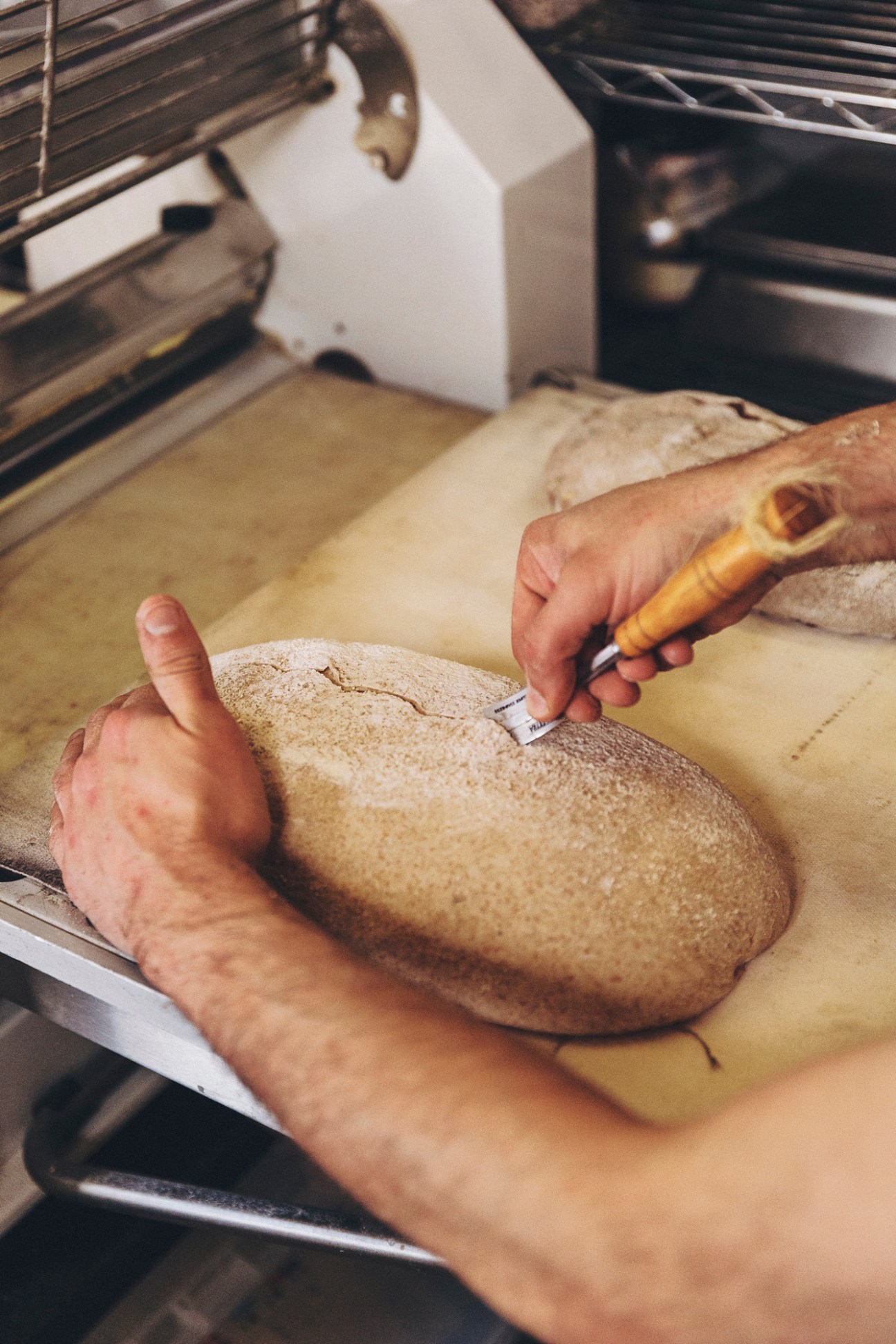
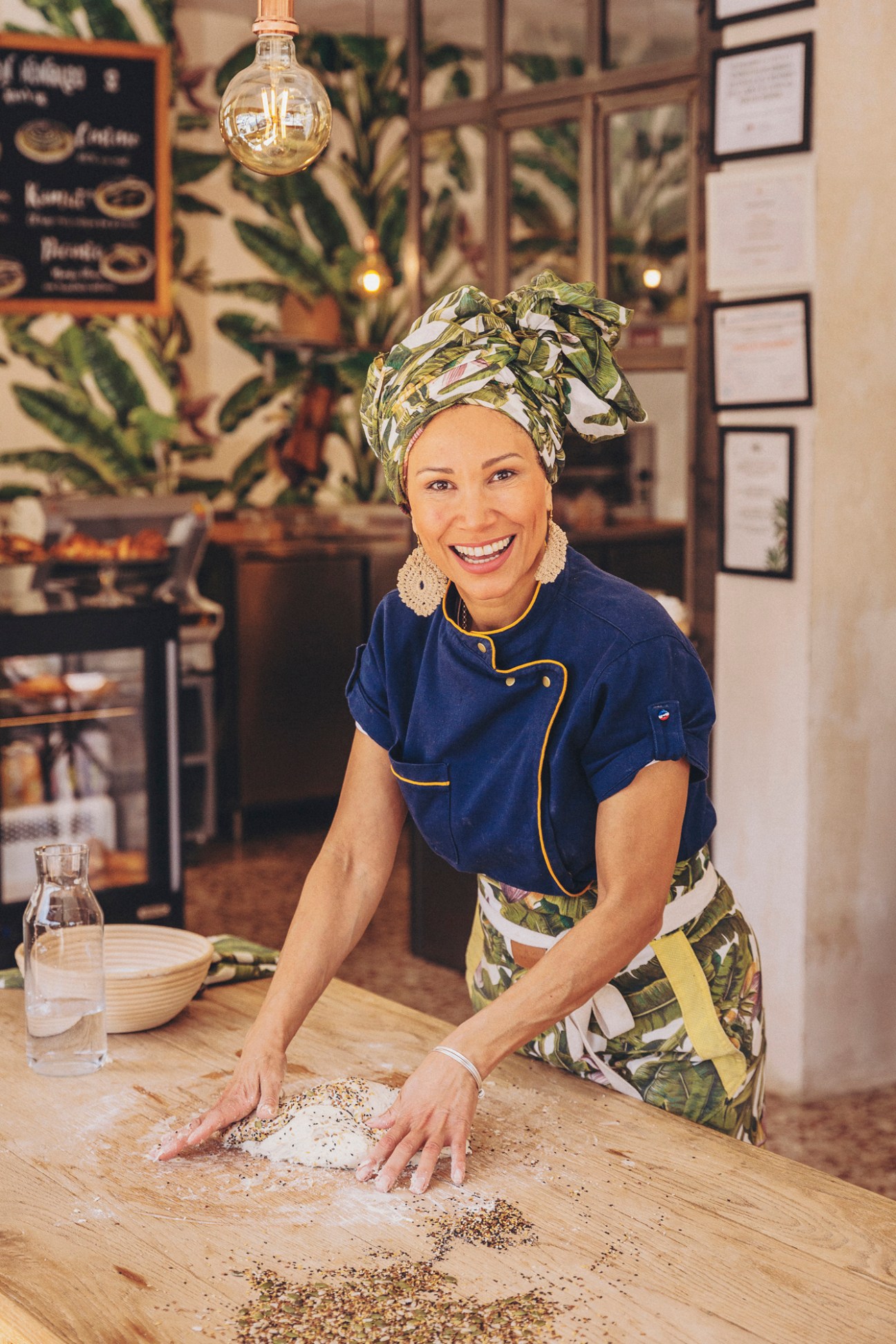
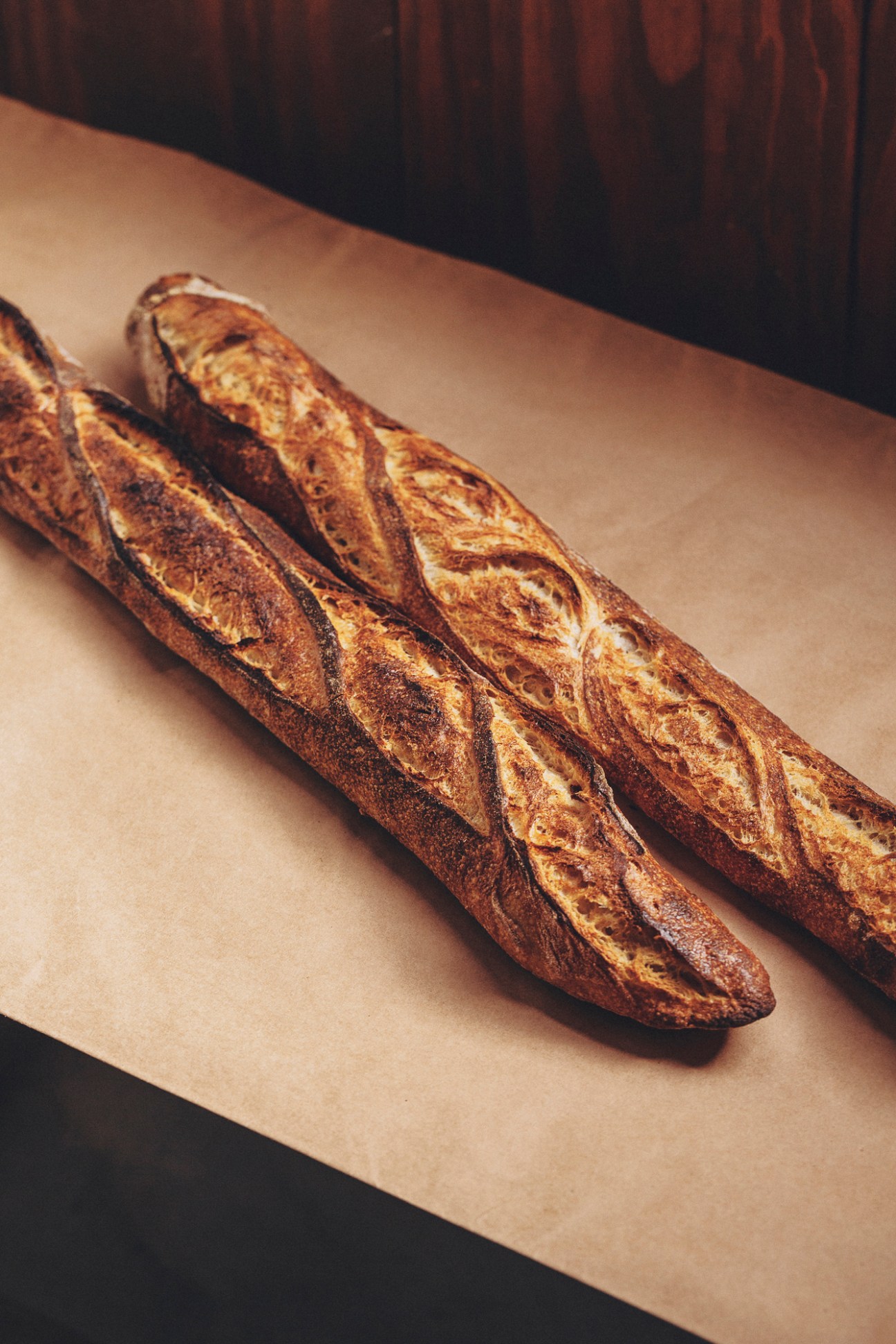
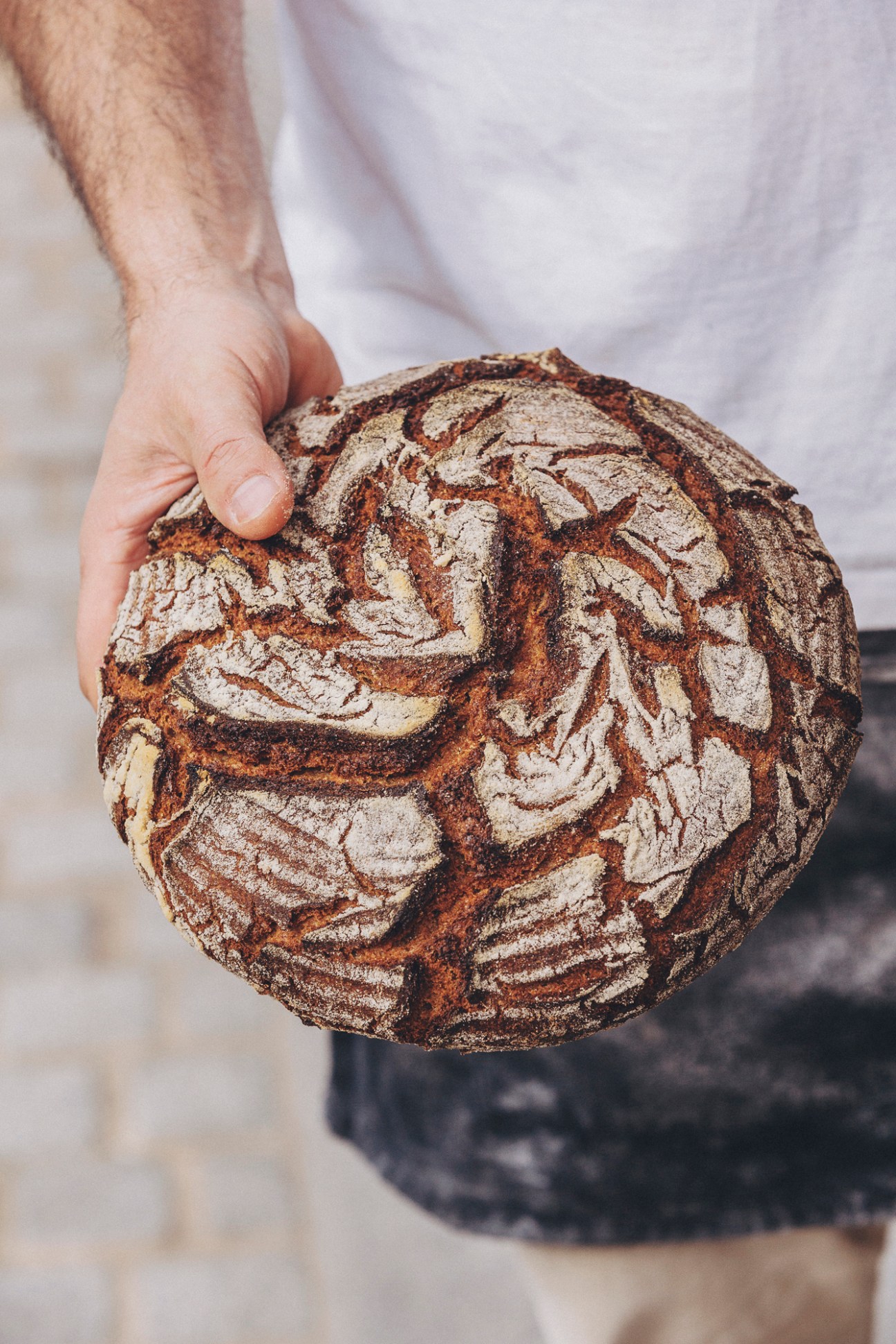
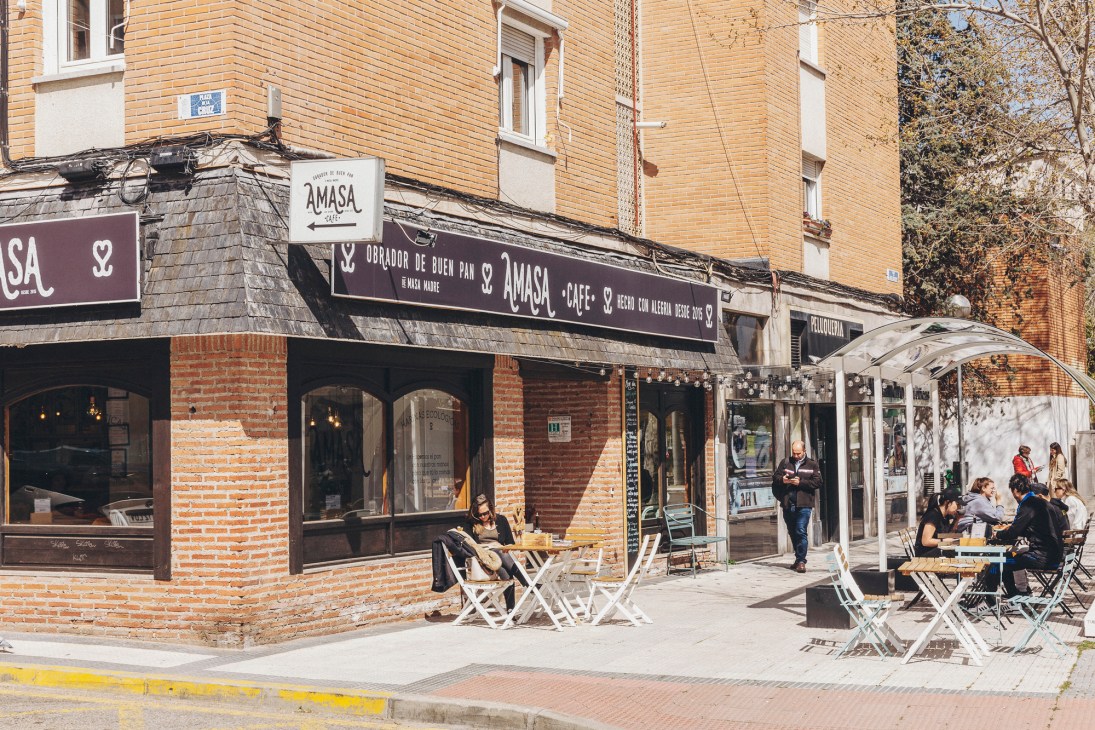
Madrileños are also increasingly embracing flavours with a distinctly international influence, from the brioche-like challah bread at Alma Nomad and the spicy babka cake at nearby Cientotreinta Grados to the pão de queijo at Silene da Rocha’s Brazilian bakery Amasa.
In Spain, bread is linked not only to the language of war but also to the language of love. “Contigo, pan y cebolla” is a popular saying in the country. This expression loosely translates to, “I’d stand by you even if the only things we had to eat were bread and onions.” It’s an oath of loyalty in love and friendship through times of strife. With humble pan rising to new heights in Madrid, it’s an oath that many seem more than happy to take.
Inventory
Drinking & dining
On the table Global
A Dublin restaurant that’s bounced back better than ever, Lebanese home cooking in Paris, culinary ingenuity in London and the freshest seafood in Milan – just some of the moreish delights we’ve sampled this month.
Edited by: Josh Fehnert
Uno Mas
Dublin
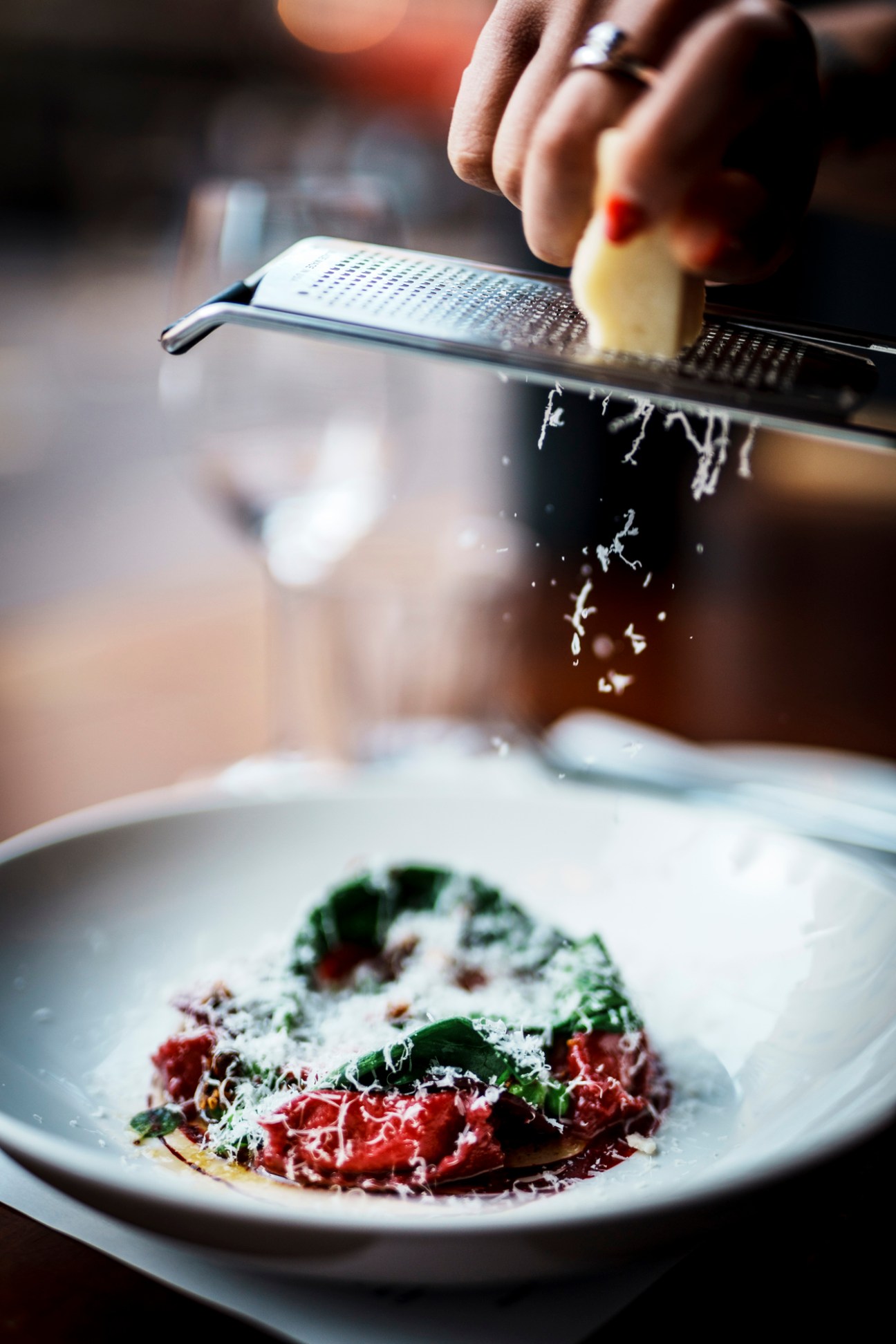
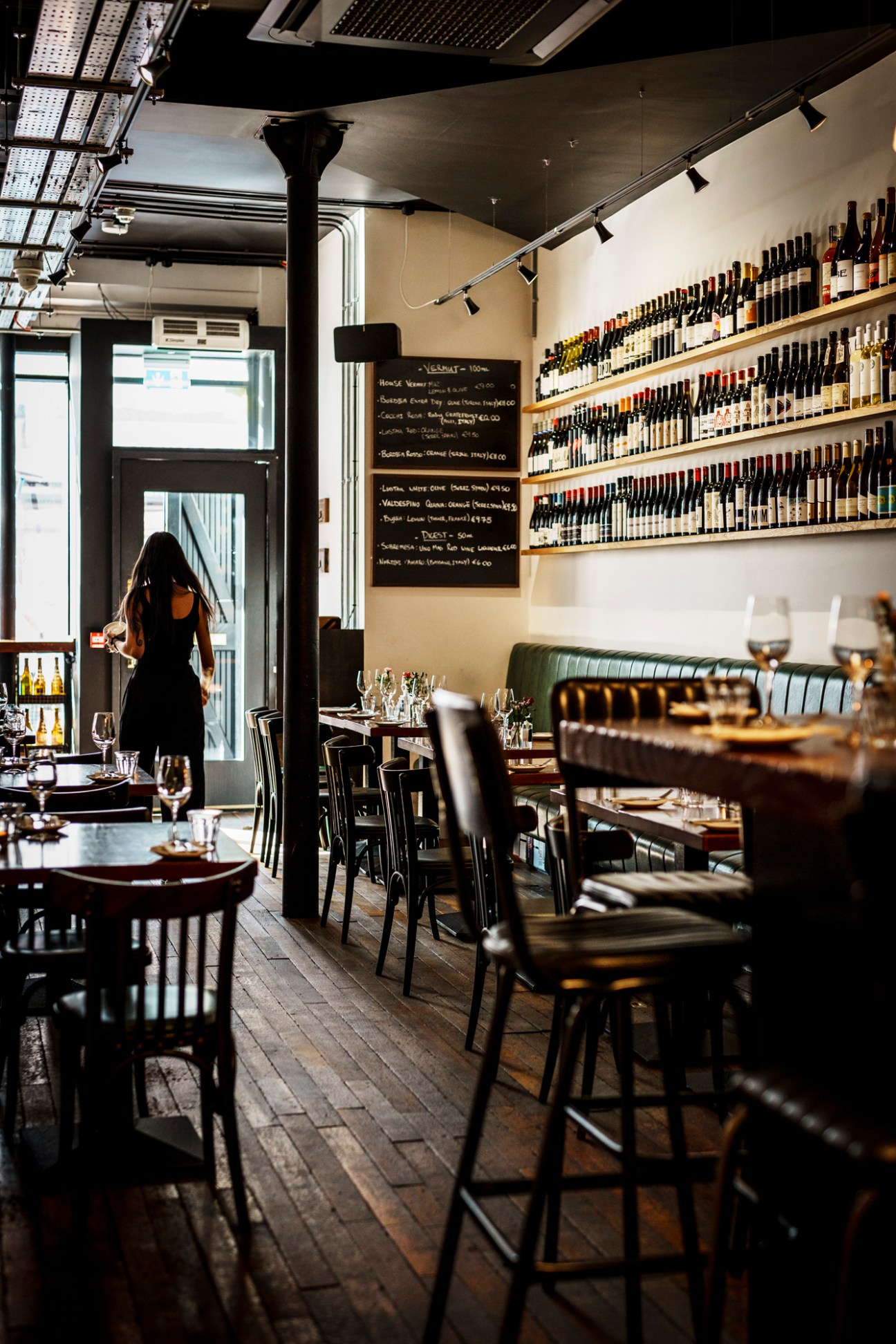
Too often, restaurant reviews celebrate novelty rather than consistency. But Uno Mas has become a bastion of both since opening in a slim space on an old terrace in Aungier Street. Co-founders Simon Barrett and Liz Matthews (behind the also-excellent Etto on Merrion Row) recruited chef Paul McNamara when they opened this Spanish gem back in 2018 (Monocle covered it then too). Since the pandemic and in spite of the pressure put on the hospitality industry by rising costs and staffing woes, the buzzy spot has bounced back even better. On a recent trip – ensconced in a semi-circular booth near the lively kitchen pass – we enjoyed one of the best meals we can remember. The menu is simple and blissfully free of adjectives, starting with tidbits para picar. The scallop aguachile is a colourful cornucopia of limey zest, coriander and the crunch of onion. The beetroot and ricotta agnolotti and salt-aged lamb sirloin with belly merguez and wild garlic seem alchemically elevated beyond their humble ingredients. Even the potatoes on the side (you’re in Ireland after all) are remarkable, rosemary-topped and slathered in garlic butter. Save room for the flan de queso. If you need a walk afterwards the Lucky Duck pub is worth a pit stop.
unomas.ie
Tawlet Paris
Paris
The first thing you notice when you walk into Tawlet Paris, the first international outpost of Lebanese restaurateur, social entrepreneur and Monocle friend Kamal Mouzawak, is the large buffet table at the back of the restaurant. On the night we visit, the table (tawlet in Arabic) is laden with the sumptuous specialities of the Lebanese mountains. On the buffet are a dozen or so bowls piled high with pumpkin-filled kebbeh, aubergine caviar, parsley tabbouleh, stuffed Swiss chard leaves and a pomegranate-molasses-infused leg of lamb stew.
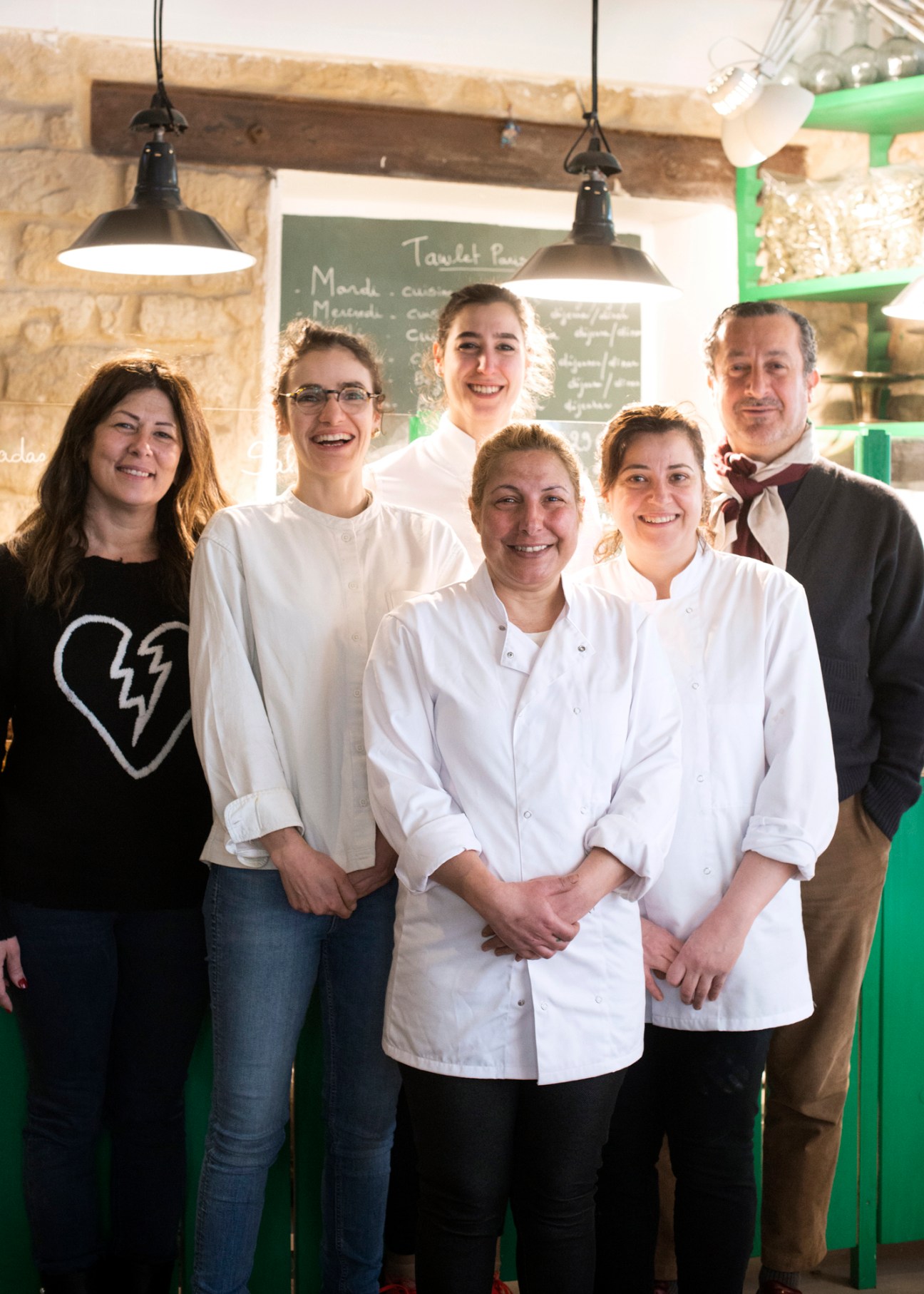
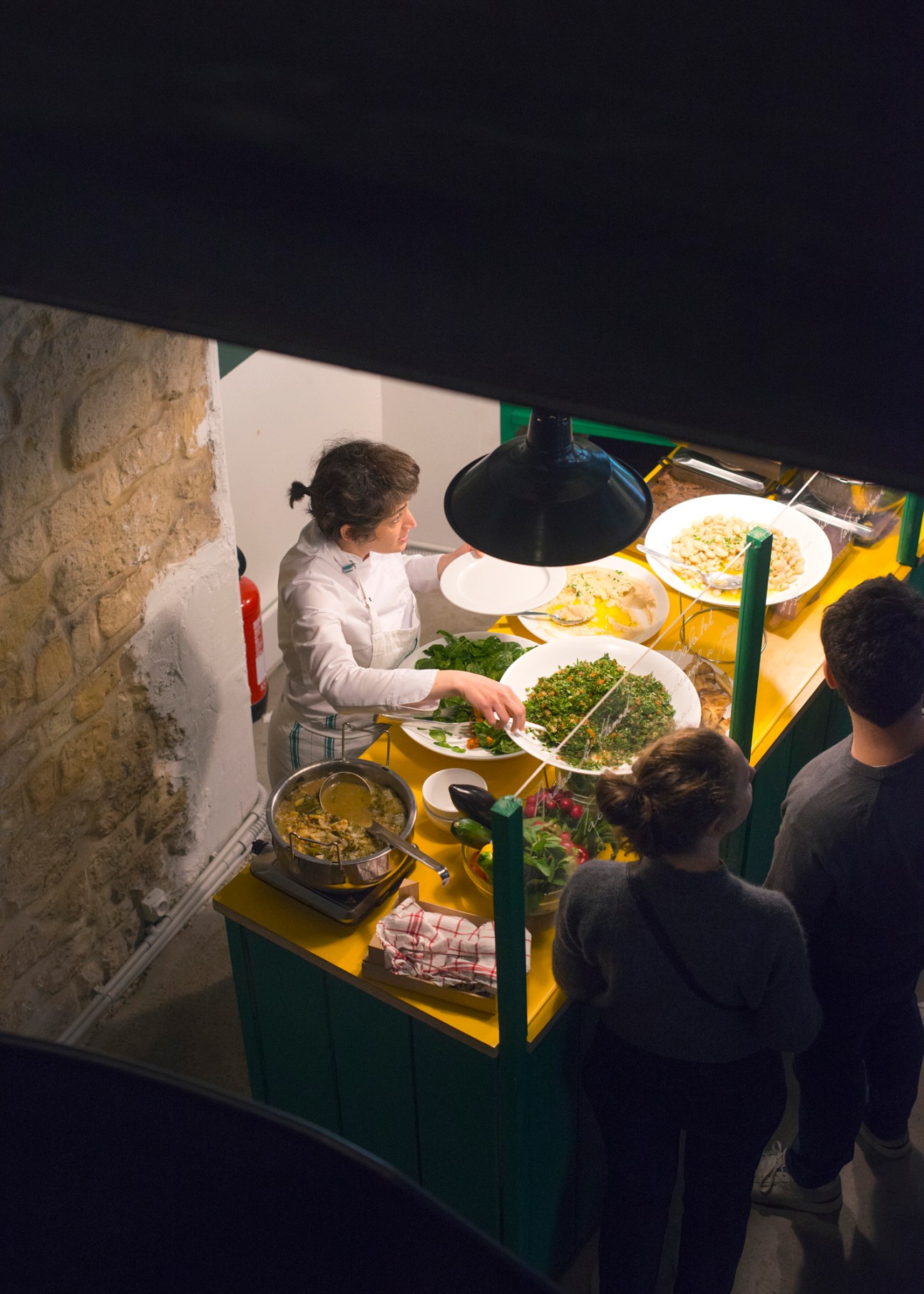
“When people think of Lebanese cooking, they think of street-food classics such as hummus and falafel,” says Mouzawak, sitting on the restaurant’s lively terrace with his Afghan hound, Mademoiselle Souk. “What we want to do is give an insight into the little-known domestic dishes of our country – the type of food that we eat on Sundays with our families.” It’s a concept that Mouzawak developed in Beirut in 2009, when he opened the doors of his first Tawlet in the city’s Mar Mikhael neighbourhood. At each of his now four restaurants, he works with Lebanese women who share the country’s rich home-cooking tradition with their diners in a convivial canteen-style setting (rather than using trained chefs or a traditional kitchen hierarchy). At the Paris space, which opened in January, the spotlight is on a different Lebanese region for every day of the week, from the sun-drenched, Mediterranean cuisine of the coast to that of the lush Bekaa valley.
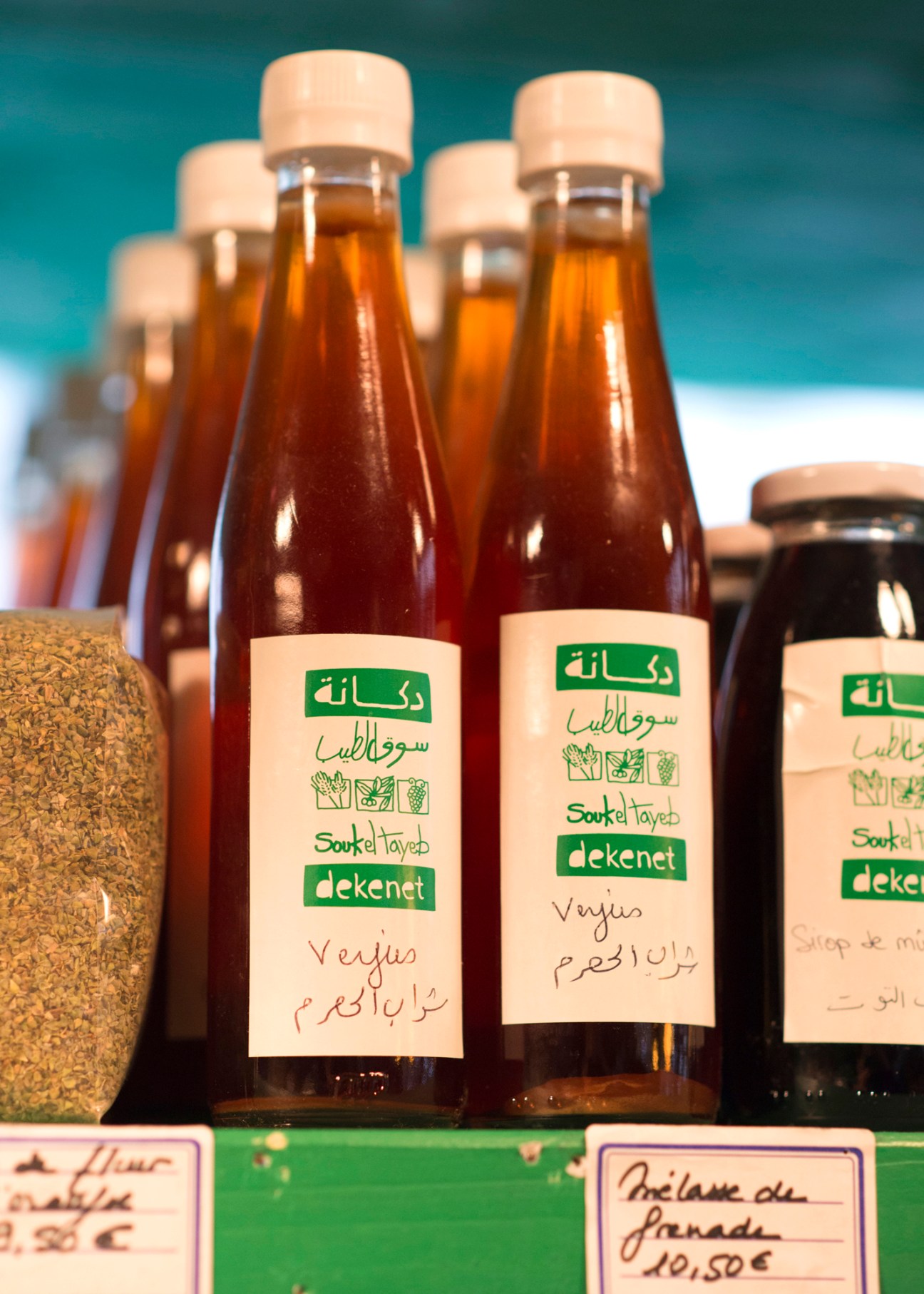
Diners sit at a communal table among shelves lined with bottles of Lebanese olive oil and sachets of zaatar that make the space feel more like a well-stocked kitchen than a restaurant. “The épicerie part of Tawlet is not for decoration,” says Mouzawak. “Anything we use in our kitchen, we also sell.” While most of the stock is imported from Lebanese producers that Mouzawak works with at Souk el Tayeb, a Beiruti farmers’ market that he founded in 2004, he also collaborates with French makers.
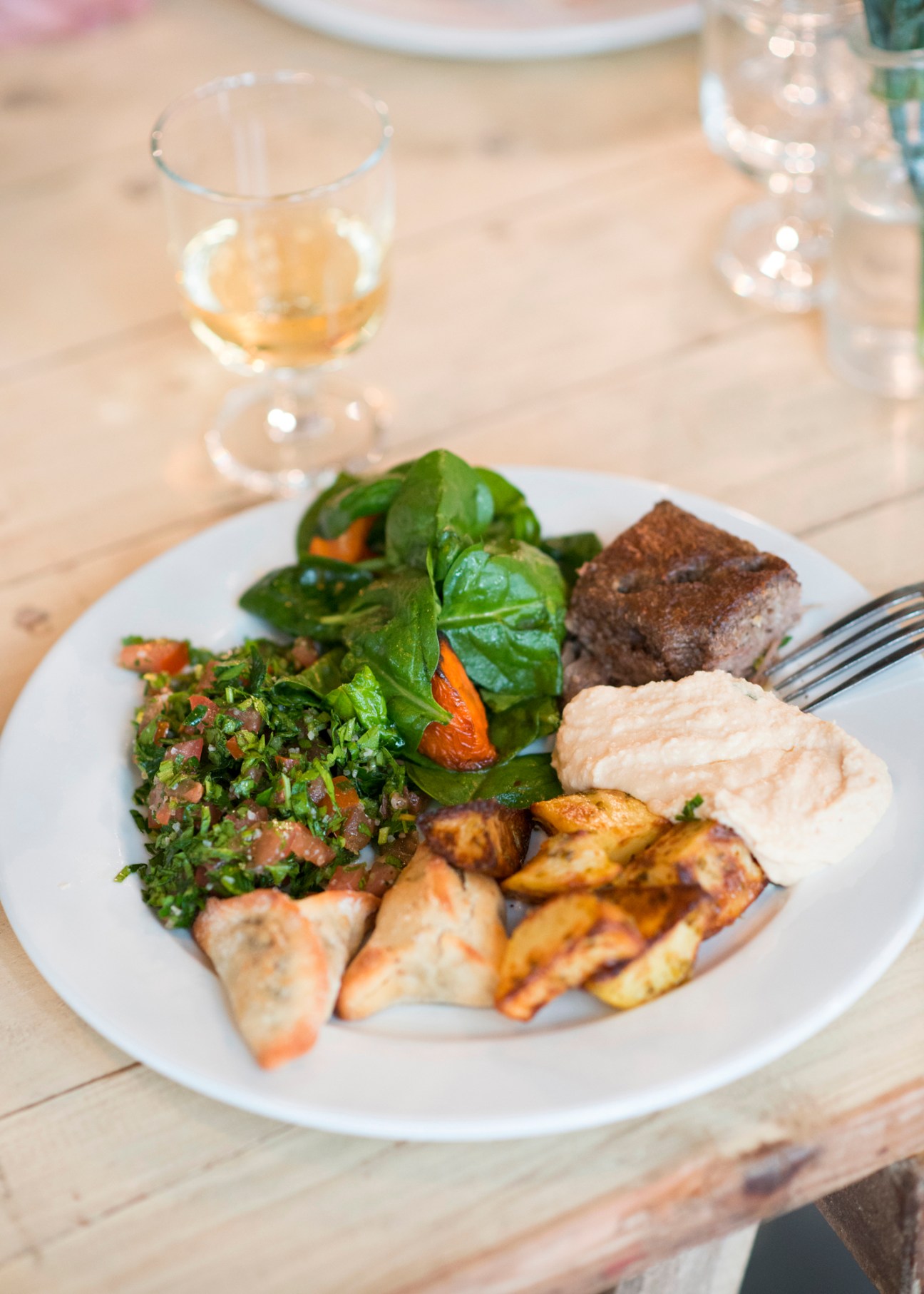
Épices Roellinger created its own take on Lebanon’s seven-spice blend for Tawlet, the halloumi comes from the Laiterie de Paris and much of the wine sold at the épicerie and restaurant is produced by Lebanese-run domaines working in the Bordeaux region. “If a product is good in France, why go all the way to Lebanon to find it instead?” says Mouzawak.
soukeltayeb.com
Recipe
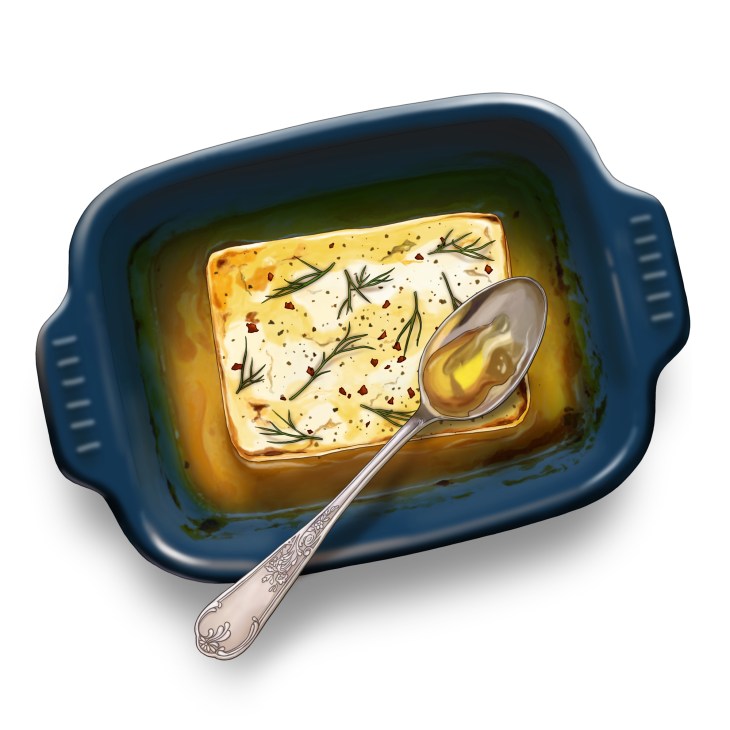
Honey-baked feta with almonds and dill
This month’s recipe is as simple as they come. A honey-soaked starter or side with tangy feta that’s grilled with herbs, nuts and a sweet bee-begotten topping. Enjoy.
Serves 2-4 as a starter or part of a meal
Ingredients:
200g feta
3 tbsps clear honey
1½ tbsps extra virgin olive oil
2 tbsps sliced almonds
½ tsp dried oregano
2 tbsps dill, roughly chopped
Toasted flatbreads, to serve
Method
1.
Preheat a grill with fan to 180C.
2.
Pat dry the feta cheese with kitchen towel.
3.
Drizzle ½ tbsp olive oil on a small baking tray and place the feta cheese on top.
4.
Drizzle with 1 tbsp olive oil and then pour and spread 2 tbsps honey over the cheese, making sure it’s completely covered.
5.
Place it under the grill and cook for 5 minutes. Take the baking tray out and scoop up some hot honey and oil from the baking tray with a spoon and pour over the cheese. Scatter the sliced almonds around the cheese.
6.
Put the tray back under the grill for another 5 minutes. Keep an eye on it as it can burn easily.
7.
Add the flatbreads to the grill in the last few minutes of cooking time.
8.
Lift the whole baked cheese onto a plate and spoon the caramelised honey and olive oil mix, and the toasted almonds over the cheese.
9.
Scatter the oregano and dill on top, drizzle with remaining honey and serve with the warm flatbreads.
ayanishimura.com
Langosteria Cucina
Milan
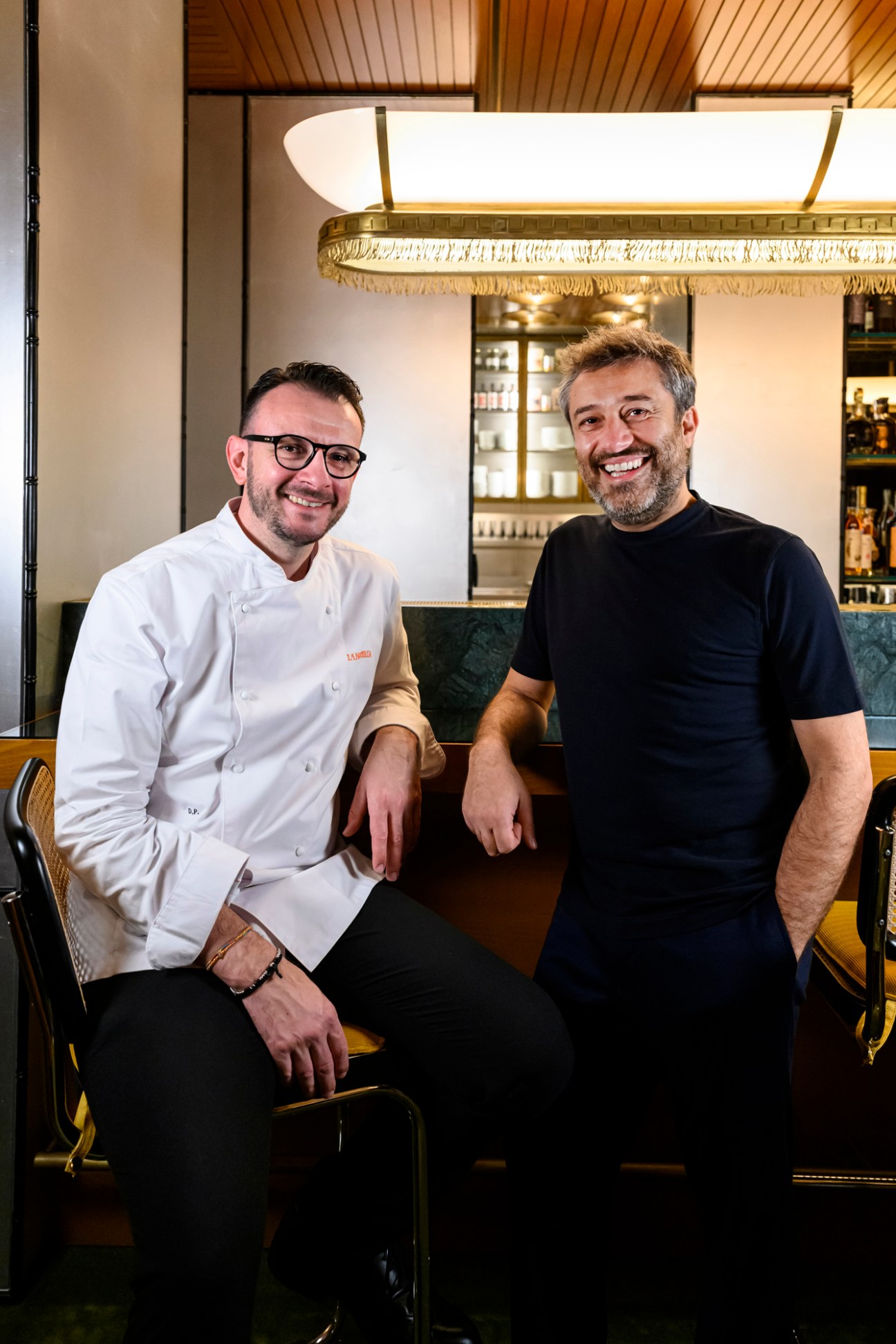
Not content with decamping to the Ligurian coast in the summer or opening a Parisian outpost, the Langosteria fish empire continues to expand. The latest addition from effervescent founder Enrico Buonocore (pictured, on right) is a new space nextdoor to the Via Savona address in Milan where he first made his name. The focus is on the freshest produce, with plenty of excellent crudo, including a red-prawn tartare from Mazara del Vallo in Sicily. There is a tasting menu (a first at Langosteria) but the à la carte is stripped back to allow for more grazing and sharing. The move away from a white-tablecloth bistro to a more dimly lit 1970s-style lounge by Dimorestudio (which did the interiors for the new Orient Express trains), tempts diners to try the oyster bar and cocktails. When it comes to the latter, the Ukiyo – champagne, yuzu, gin and avocado – took our fancy.
langosteria.com
Manteca
London
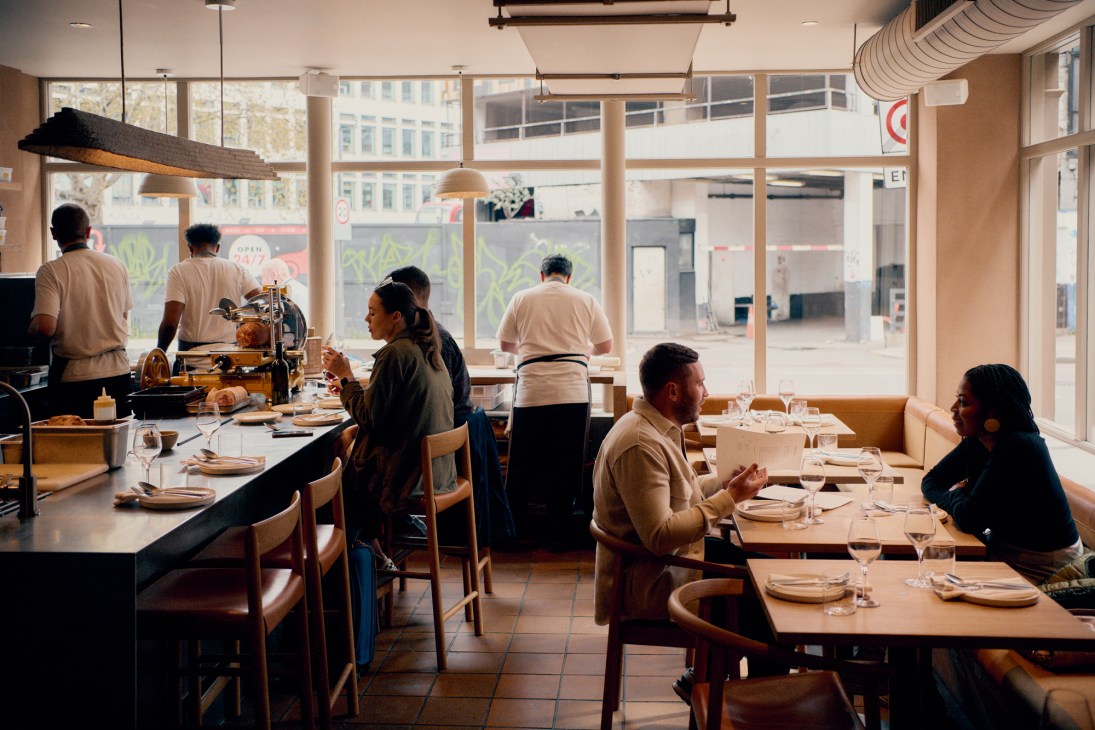
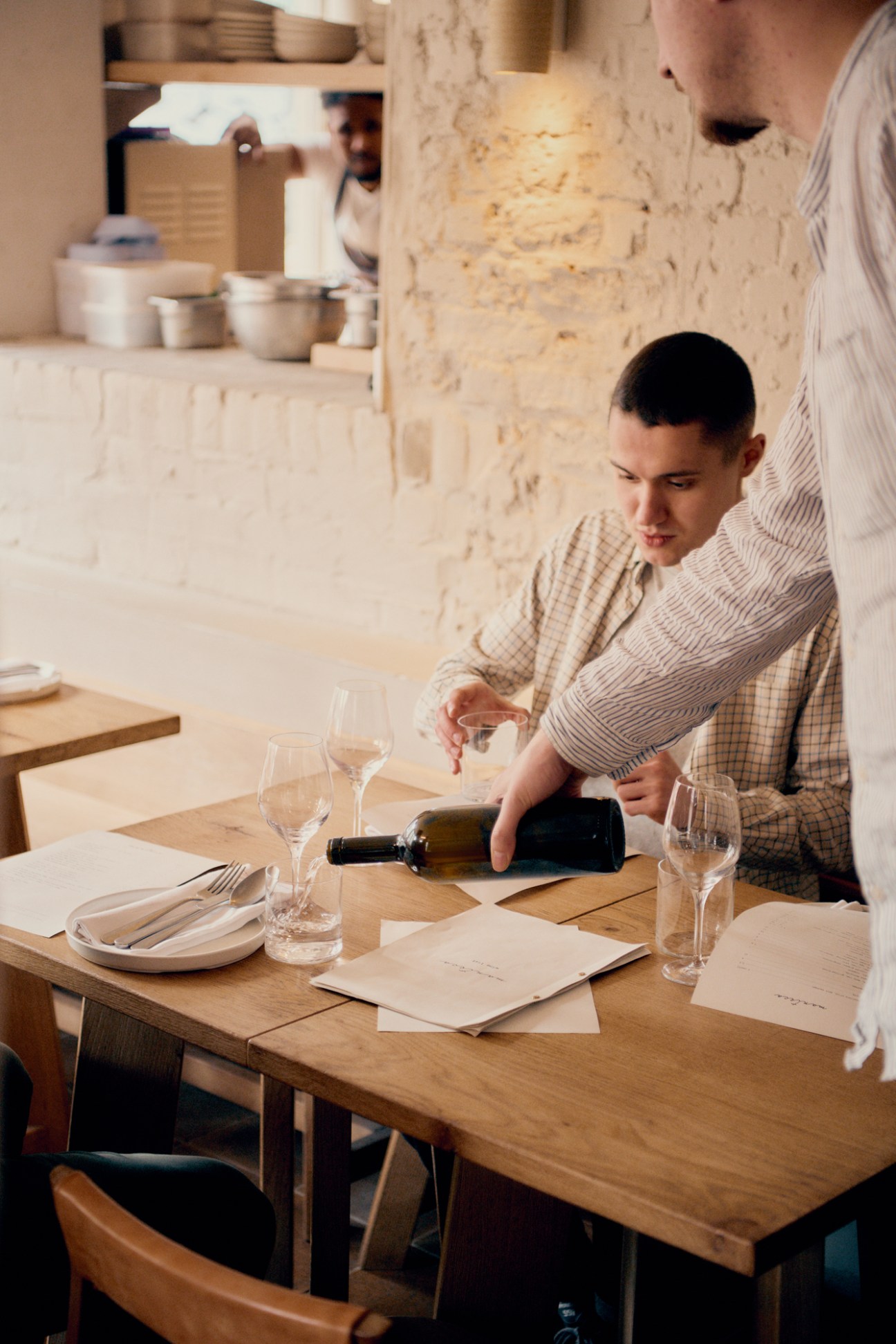
Chef Chris Leach’s trajectory might not be unique – from pop-up to permanent space – but his buzzy restaurant Manteca, co-founded with Barbados-born David Carter, is a special thing indeed. The former factory building has been kitted out with yolky-yellow walls and wood trim by Box 9 architects. The first thing you’ll notice is the lively din of diners smacking their lips (it’s not a quiet place) and the smell of the wood-fired oven. The dishes don’t fail to delight either, from the pig head fritti to seabass crudo and garlicky-good bagna càuda to start. All before the technicolor temptation of flawless handmade pasta: pig-tail ragù, brown crab cacio e pepe or duck ragù served with duck fat pangrattato. Bellissimo. The rub? Word has spread and getting a table is tough.
mantecarestaurant.co.uk
Fasano
New York
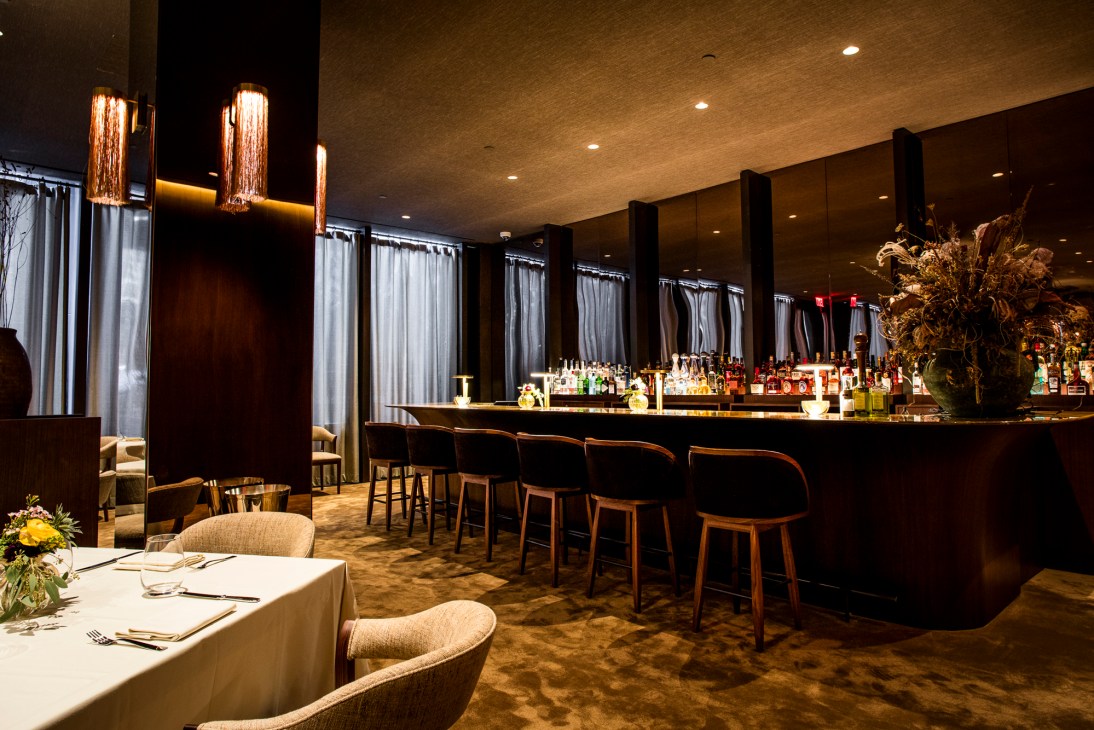
With its members’ club and hotel on Fifth Avenue, Brazilian hospitality group Fasano already had a presence in New York. Since late February the city has also been home to Fasano Restaurant on Park Avenue. The charming space was designed by Brazilian architect Isay Weinfeld, while the menu focuses on northern-Italian fare, including osso buco with saffron risotto, and rich tiramisù. And for New Yorkers who crave a little bossa nova? Baretto, Fasano’s bar and lounge, opens this spring.
fasanorestaurantny.com
TOG knives
Japan
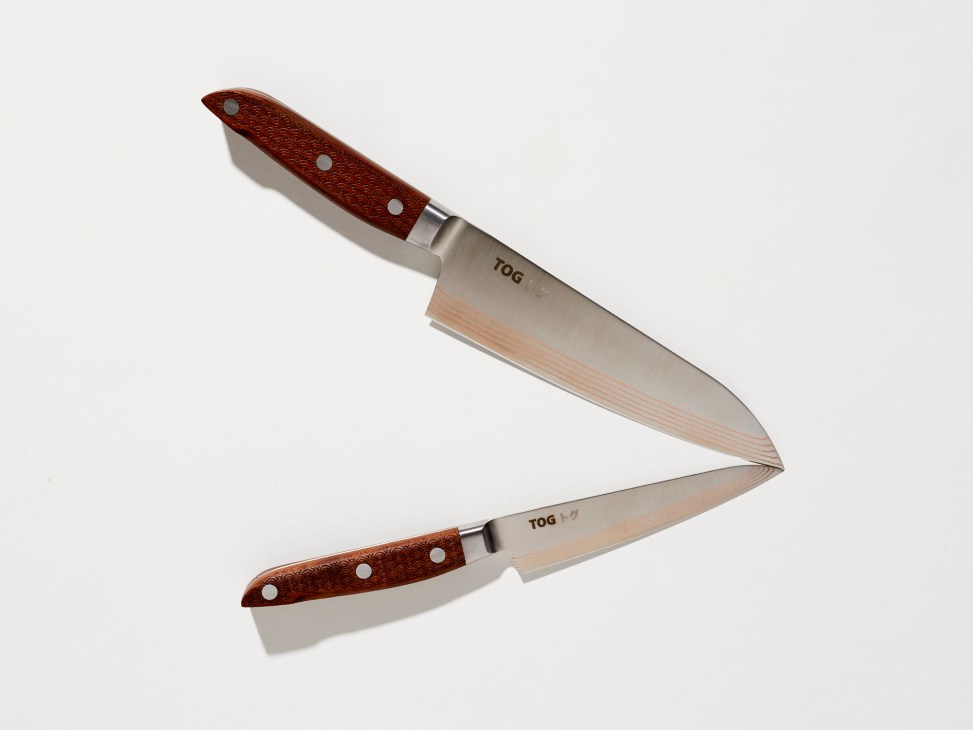
Taking a cue from the Samurai art of sword-making, Tog’s knives are forged from layers of steel in the city of Seki, where industrial designer and Tog founder Bert Beagley-Brown combines British design with Japanese craftsmanship. The knives have layers of copper for its antimicrobial properties and the handles are laser-etched with an ancient pattern. They can cut it in the kitchen too.
togknives.com
Images: Francesca Brambilla/Serena Serrani, Eric Medsker.
Still Life: Tony Hay.
Staying power
Casa Sagnier
Barcelona
Enric Sagnier designed more than 300 buildings in the Catalonian capital. Now Barcelona-based practice Turull-Sørensen has transformed the architect’s former residence and studio into a 51-key hotel. Its opulent restaurant and terrace on Rambla de Catalunya are already popular with the city’s residents. Look out for art installations by Elefante studio and lamps by Sagnier’s nephew, Miguel Milá, and head up to the rooftop terrace for a view of one of the architect’s best-known works, the temple on the Tibidabo.
hotelcasagnier.com
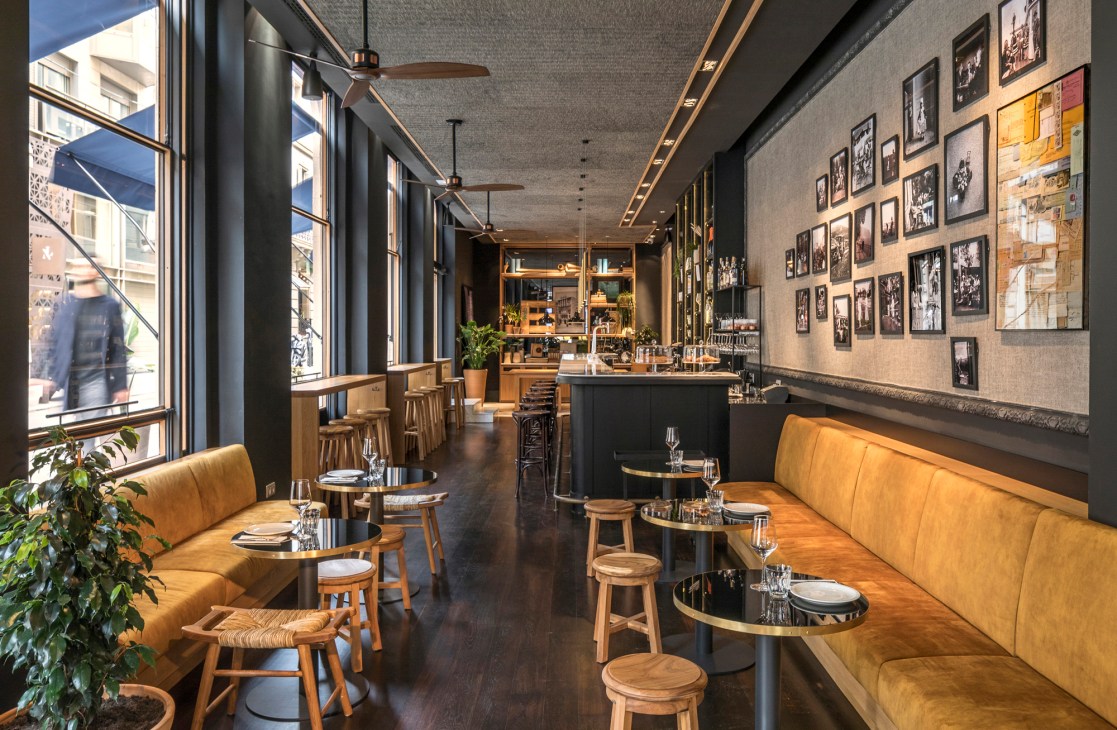
Casa do Gadanha
Estremoz, Portugal
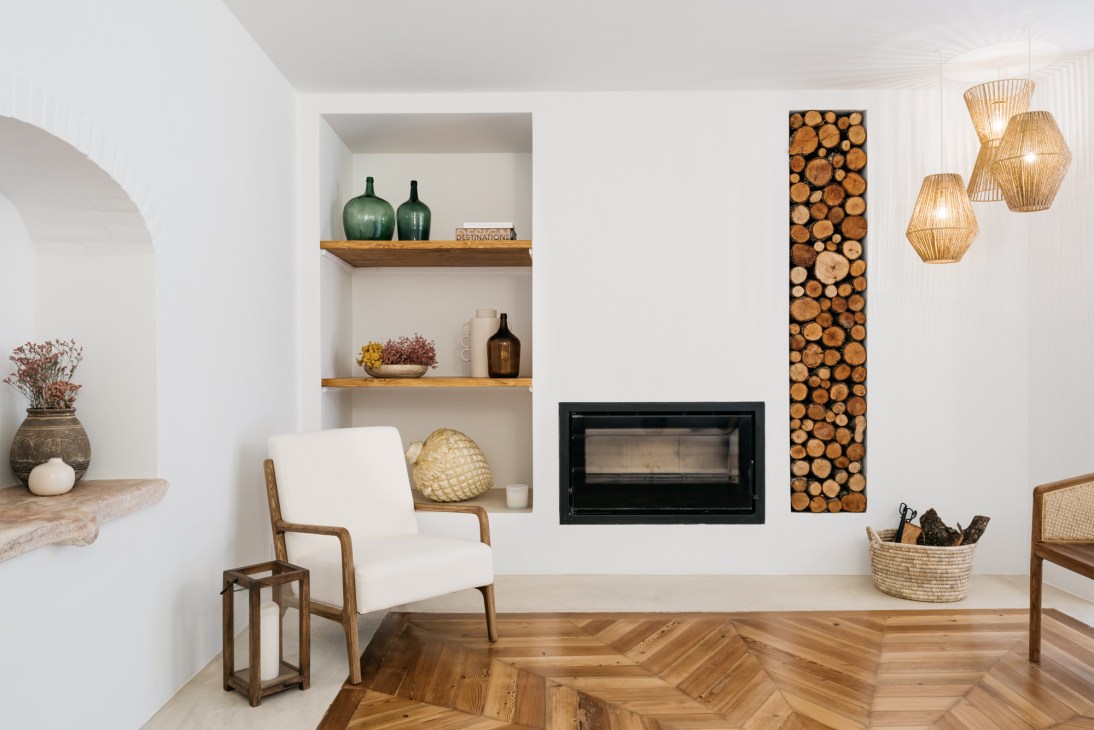
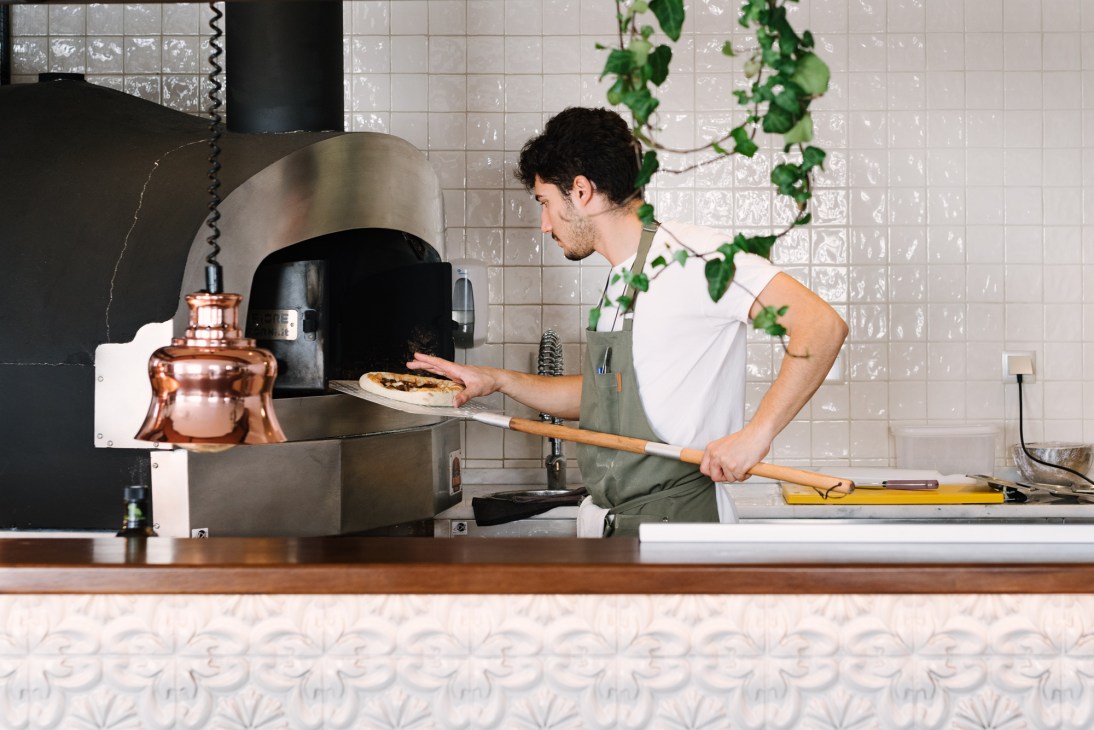
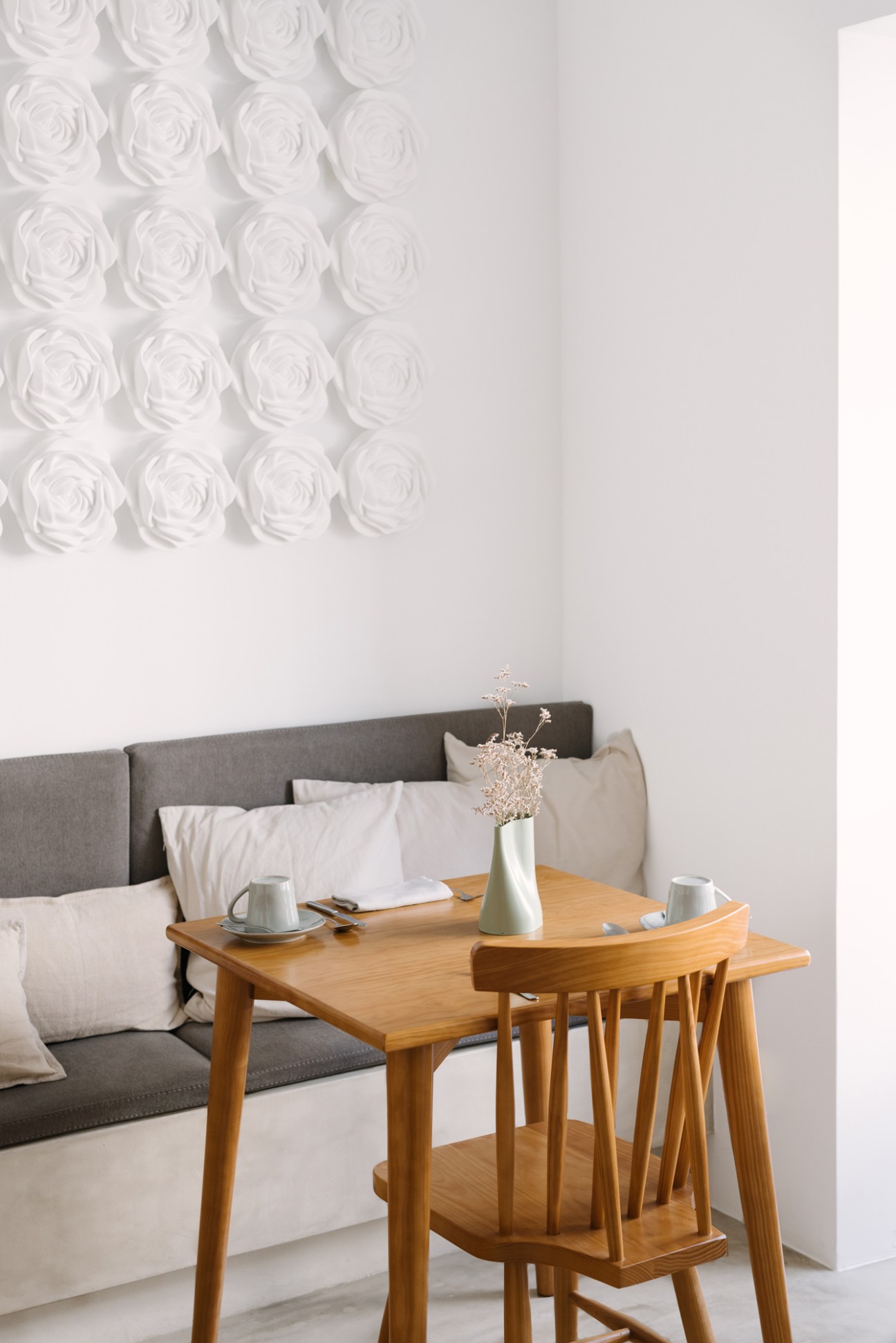
The hilltop city of Estremoz has long had plenty to offer, from tiny wine bars to a lively antiques market – yet it lacked a small, characterful hotel at its heart. That changed in March, when Brazilian chef Michele Marques and her Portuguese husband opened the 12-key Casa do Gadanha. Its rooftop wine bar offers striking views of the city, while downstairs is a bistro that serves dishes inspired by the Alentejo region and crisp pizzas baked in a wood-fired oven.
casadogadanha.pt
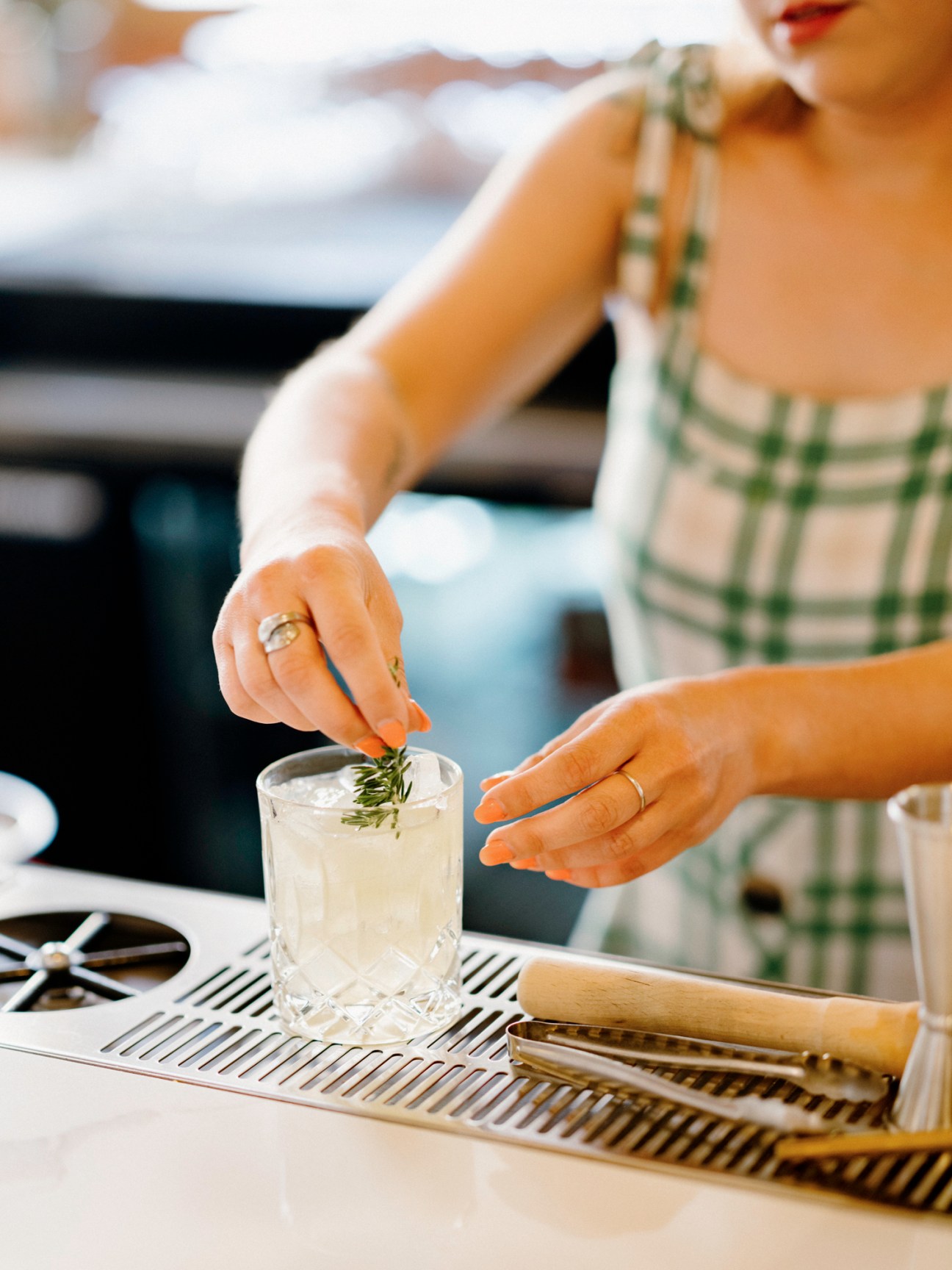
The Citizen
Tucson, Arizona
The Citizen, a 10-key hotel in a former newspaper building, seeks to put Arizona’s wine on the map. It holds tastings on the mezzanine and boasts a cellar stocked with barrels of wine from promising producer Sand-Reckoner. Its guest rooms make a feature of the state’s historic building materials, such as quartzite, hickory and red clay. “We want to celebrate how much Arizona’s wine has improved in the past decade,” says owner Moniqua Lane, who worked with designer Clif Taylor on the project.
thecitizenhoteltucson.com
Noah House
Cape Town
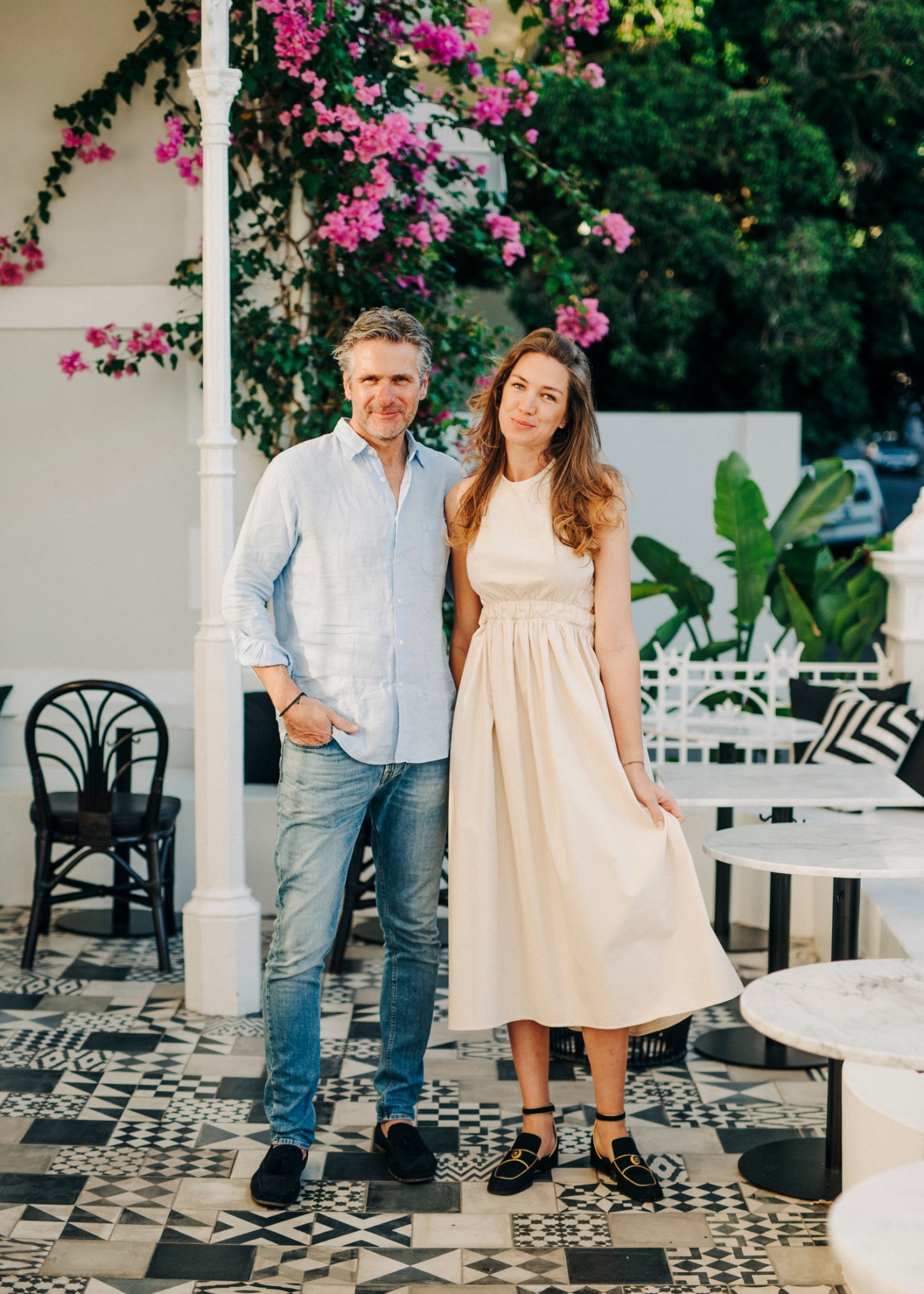
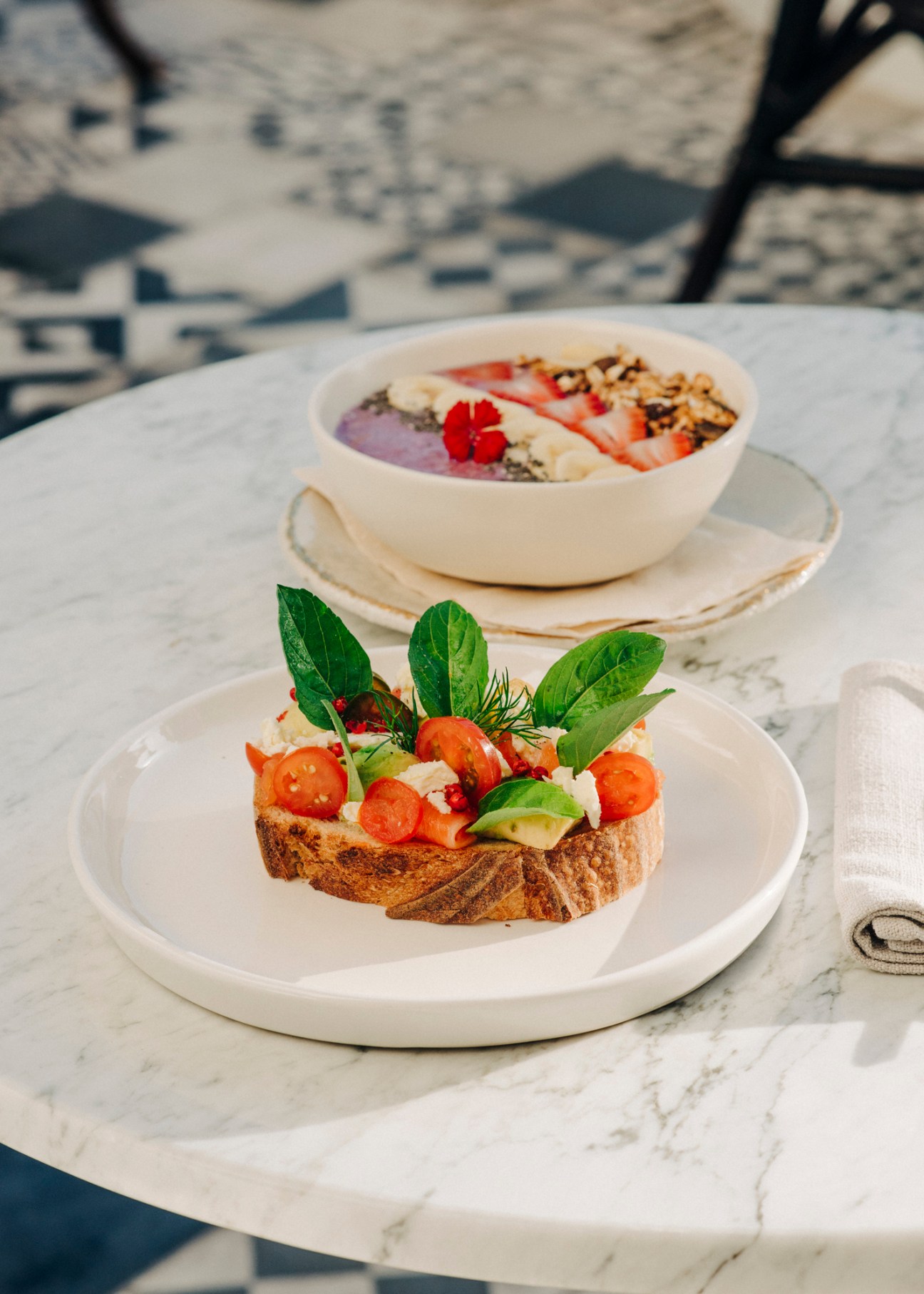
When Netherlands-based Sarina and Gerald van Engelen stumbled upon a Victorian building in Cape Town’s Tamboerskloof neighbourhood, they snapped it up and moved to the city in late 2020. “We’ve combined Victorian charm with some modern touches, keeping things elegant,” says Sarina. “The energy and vibe are what’s most important. Guests should feel at home the moment they walk in.” The 10-key hotel, which opened in December, is all neutral tones with white-panelled walls, marble desks and Malawian wicker chairs. The café is open only to guests during the week; it serves rich South African coffee and a menu that includes homemade granola, sourdough and French toast.
noah-house.com
Gear Change
From a phone that helps you disconnect to a discreetly motorised bicycle, here’s how to tool up for a smarter way of living.
Samsung
Freestyle projector

A big-screen TV might offer the pleasures of a near-cinematic picture but it comes with a downside: when it’s switched off, its black rectangle can dominate the room. The solution? Weighing less than 1kg, Samsung’s Freestyle projector is almost preposterously compact but it can display an image of more than 2.5 metres. You’ll need a flat surface, wall or ceiling, and ideally it’ll be white (paisley wallpaper won’t help). However, the Freestyle can optimise the colour tone to compensate for a coloured wall. It’s clever enough to adjust the picture so you get a perfectly straight, right-angled image that focuses automatically, even if you position it wonkily.
If there’s a drawback, it’s that the Freestyle projects an HD rather than a 4K image. It can also struggle in brighter rooms but the scale and simplicity might be impressive enough to overcome this. Its built-in speakers deliver decent, multidirectional sound too. For ultimate portability, you can even connect it to an external battery pack for an evening of alfresco viewing.
samsung.com
Punkt
MP02 mobile phone
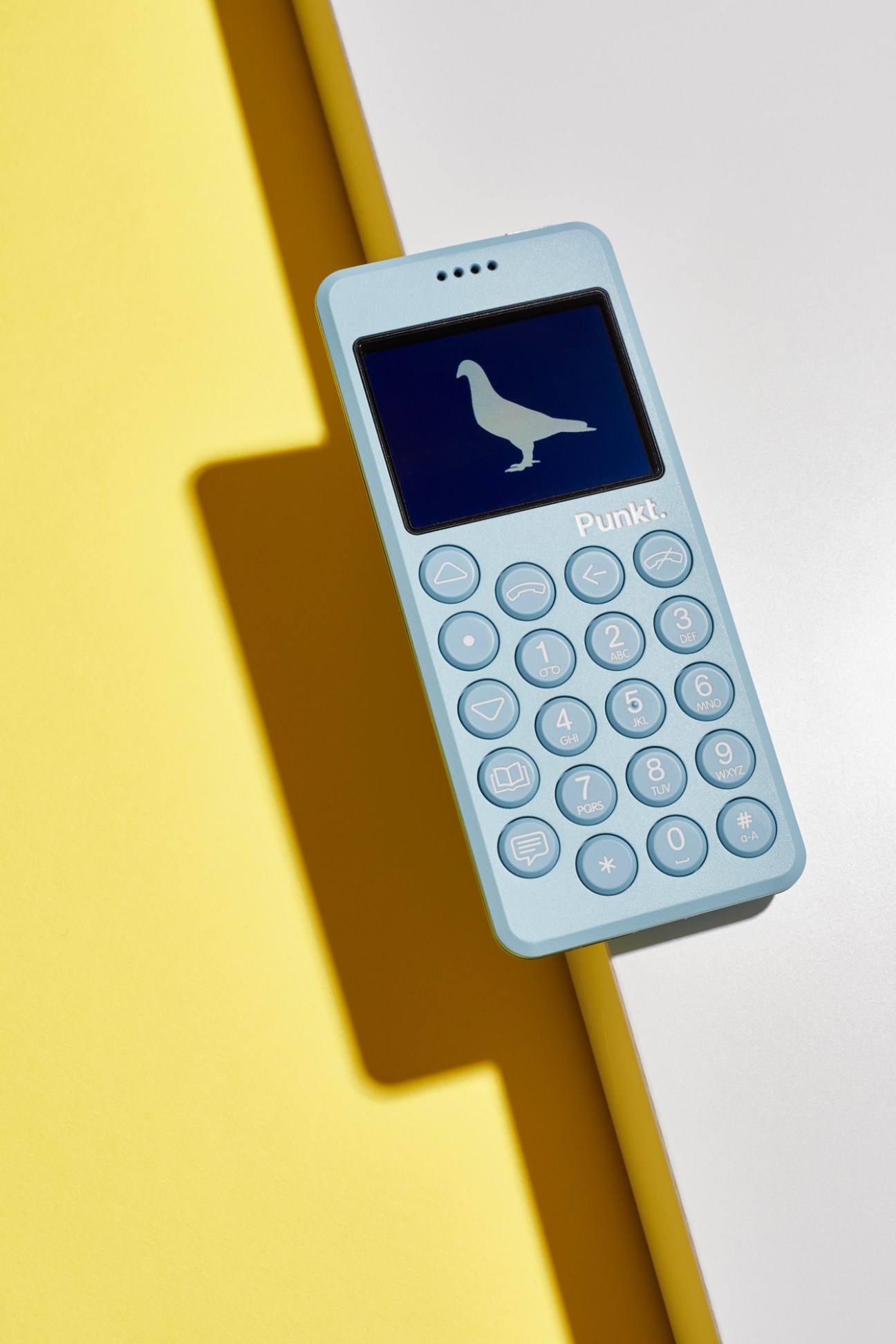
This is not a smartphone. Designed for calls and texts, rather than apps or endless online use, Swiss firm Punkt’s MP02 seeks to remind us that we don’t have to spend all of our time with our eyes glued to portable screens. Crafted by product designer Jasper Morrison, the phone has a modest 5cm colour screen but it sticks to monochrome in most situations, giving it a retro feel. As well as the original black model, it’s now available in a quiet but eye-catching pale blue. Its soft-touch finish is tactile, as are its number keys. Its features include an alarm clock, calendar, calculator and note-making tool. The MP02’s 4G connectivity might seem unnecessary but it’s there to allow you to link your tablet or laptop to the internet. A final benefit of forgoing a big, colour touch screen is that the battery goes on and on.
punkt.ch
Audio Pro
C10 Mk II speaker
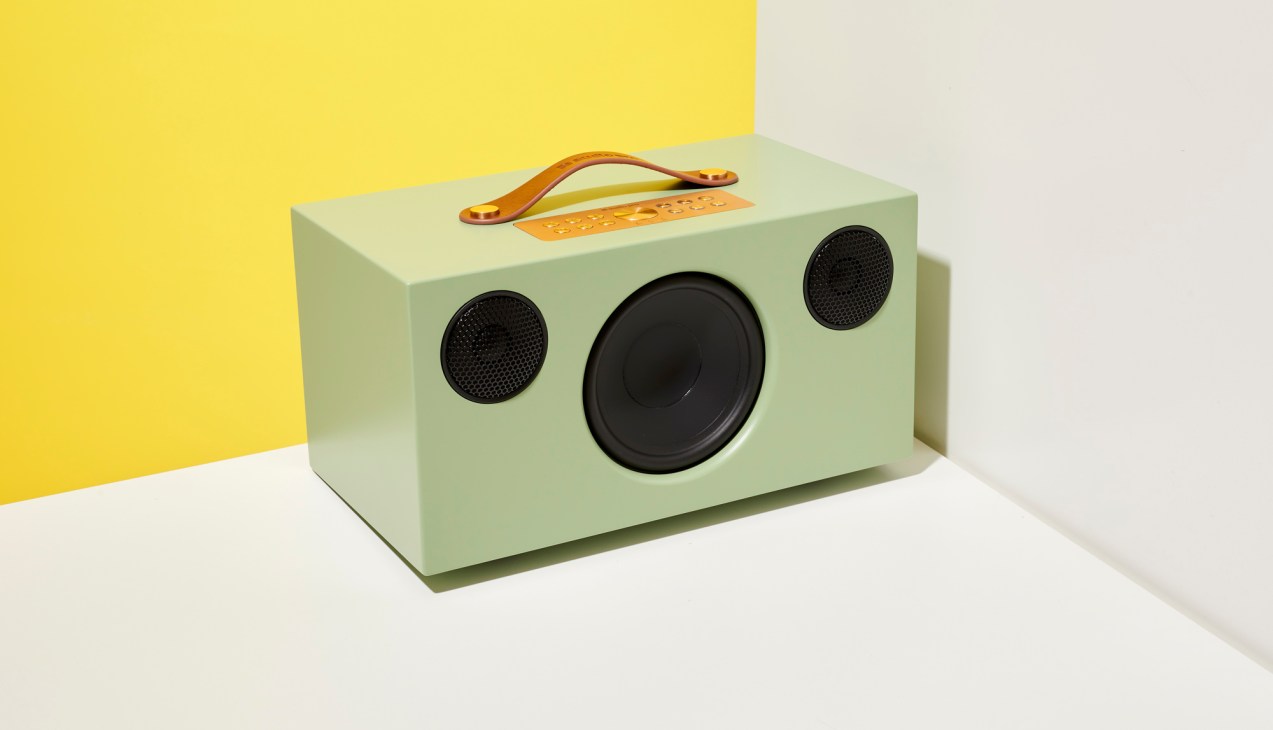
Audio Pro’s update to its C10 speaker improves on the original with extra bass as part of a balanced, detailed sound. Though it offers plenty of oomph, it’s a versatile model that’s suitable for subtler playlists too. It’s light and portable, with a useful leather carry handle; you can also connect several speakers wirelessly for multiroom audio. This limited-edition version comes in two colours: a demure sand and perky sage green. Its new connectivity options offer users a choice of ways to play music wirelessly. You can also pick up the C10 Mk II in black, grey and white; these come with a removable speaker grille for a more discreet aesthetic but lack the nifty carry handle.
audiopro.com
Ampler
Stellar e-bike
Don’t think of bicycles with motors as cheating: after all, they can spur you to saddle up on days when you can’t quite face your commute’s hilly climbs – and it’s better to pedal away for some of your journey than none at all. Where Estonian brand Ampler does cheat, however, is in cunningly hiding the battery in the frame, so your e-bike looks exactly like an ordinary bicycle. Best of all, it has a range of up to 100km and takes just two and a half hours to recharge.
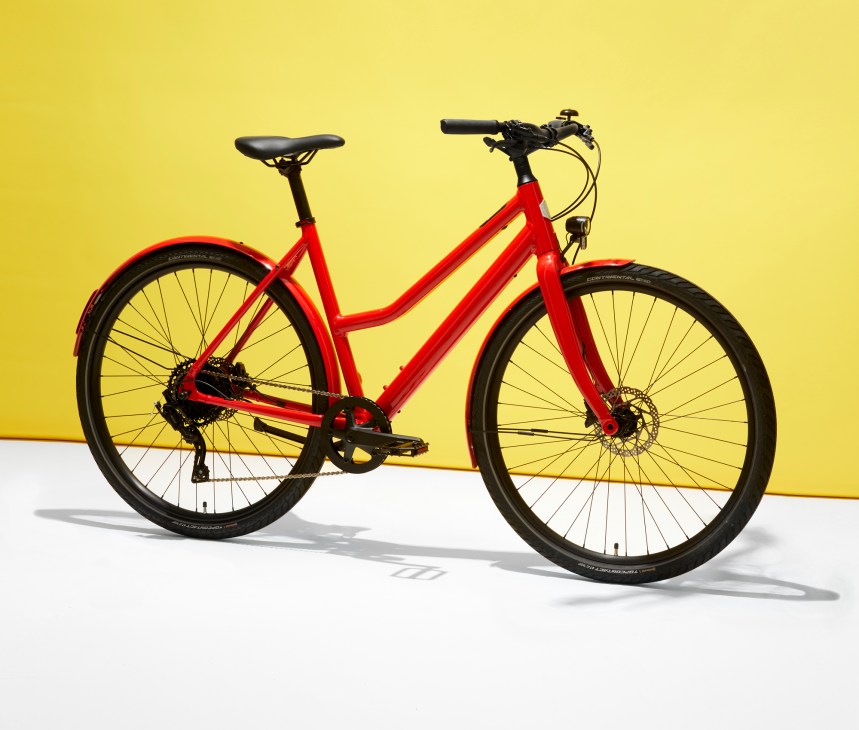
Ampler offers a wide range of bikes but for a great all-rounder we’d plump for the Stellar, with its step-through frame and relaxed riding position (you sit pretty much upright). It comes with built-in lighting and the latest models have app-controlled anti-theft protection and GPS location.
amplerbikes.com
Images: Rafael Vargas
Small wonder
Before the pandemic hit, the island of Naoshima – aka the “art island” – seemed to be on just about everyone’s Japan itinerary. This pine-clad, sand-fringed dot in the Seto Inland Sea used to draw hundreds of thousands of visitors who came to see its remarkable art installations and museums designed by Japan’s most famous architect, Tadao Ando. Founded by the Japanese educational company Benesse, the art project, which now extends to the neighbouring islands of Teshima and Inujima, marks its 30th birthday this year. When foreign tourists do finally reappear, they’ll find a couple of changes: a new gallery by Ando, and Roka, an 11-room ryokan that opened this April.

Accommodation has long been an issue on Naoshima. Aside from Benesse’s cluster of Ando-designed, art-filled accommodation (generally booked up) there are a few minshuku guest houses by the small port of Miyanoura, the odd rental and not much else. Roka’s arrival in the sleepy coastal village of Honmura is a welcome addition. Benesse’s Art House project, which has placed contemporary art in some of the village’s old wooden houses, is here; so too is the Ando Museum, which documents his 30-year commitment to this tiny island.


Roka is at the edge of the village next to a patch of farmland. With its tawny plaster and low roof, it sits comfortably in the landscape, a simple affair with architecture by Hironori Fujioka and creative direction and branding by Kouhei Suzuki, whose three-person design studio, Nottuo, is in a village in nearby Okayama prefecture. There are wooden baths in the rooms and artworks (some for sale) by young Japanese artists, chosen by Kyoto University of the Arts professor Shigeo Goto. The man behind the project is Shintaro Sasaki, the fourth-generation owner of Kifunosato, a top-rated traditional ryokan in Okayama.
“When I was young I travelled the world and loved meeting people along the way,” he says. “That was the atmosphere I wanted for this place; it’s why I wanted an outdoor irori [fire]. It’s like a campfire where people can gather and talk about anything – their countries or our future.” Roka’s manager, Daisuke Ichikawa, and its head chef have both come from a Kyoto ryokan. “We want there to be a good energy here,” says Ichikawa. “And that starts with a happy team.” Ichikawa was a chef at his former ryokan and, even if the mood is relaxed, the food is a big deal at Roka. “We’re serving a full Setouchi menu, from ingredients to seasoning. It’s our take on sushi and proper kaiseki [a multi-course meal],” he says. Non-residents can book for lunch. At night guests gravitate to the fire with a glass of herb-infused shochu.

For Sasaki, who is now living in Naoshima, it was important to bring everyone along with his ryokan project. Even Tadao Ando was consulted. “By working with Benesse, local officials and islanders, we want to keep everyone happy,” he says. “I really feel that this can be one of the best destinations in the world.”
There is art everywhere in Naoshima, with works popping up on hillsides, roads and beaches. Photographer and architect Hiroshi Sugimoto, with characteristic erudition, has added one of the island’s newest installations, his “Mondrian” glass teahouse from 2014, which is now a permanent fixture close to the sea. Ando’s latest contribution – his ninth building on the island – is the Valley Gallery, an angular slice of classic Ando with smooth concrete and natural light filtered through the roof. It houses the artist Yayoi Kusama’s “Narcissus Garden”, a work that she has been repeating since 1966.
The 3,000 residents of Naoshima live side by side with world-class art installations and visitors who trundle by on rented bikes. This area is also famed for its olives, citrus fruits and udon. At the top end this means dishes such as olive-fed Kagawa wagyu but more common is a bowl of steaming niku-udon – chunky noodles with thin slices of beef on top.
An added bonus to a visit this year is the Setouchi Art Triennale, a contemporary art event that runs across Naoshima and nearby islands. Architecture fans will also find that Tadao Ando is in good company on Naoshima: architecture studio Sanaa designed the boat terminal; Hiroshi Sambuichi’s community hall is worth a stop, as is Kazuhiro Ishii’s experimental public school from the 1970s and 1980s. Just don’t expect to see Naoshima’s most-photographed artwork – a beachside yellow pumpkin by Yayoi Kusama. It was damaged in a typhoon last summer and its plinth still lies poetically empty.
roka.voyage


Naoshima address book:
Getting here
Most visitors come by boat from Okayama or Takamatsu; it’s a glorious ride that takes less than an hour. Sit on the deck and soak up the sun and sea breeze.
Visit
Chichu Art Museum
Rent a bike to get to all the galleries but this one is particularly outstanding: Ando’s semi-submerged building is home to works by Monet and contemporary light artist James Turrell.
benesse-artsite.jp
Eat
Ishii Shoten
If you’re after a hearty bowl of Kagawa udon, this simple place in Honmura hits the spot.
845-1 Naoshima
See
Kagawa Prefectural Government Office East Building
If you’re catching a boat from Takamatsu, drop in on this stellar piece of modernism from 1958 by Kenzo Tange, one of Japan’s architectural greats.
4-1-10 Bancho, Takamatsu
In the saddle
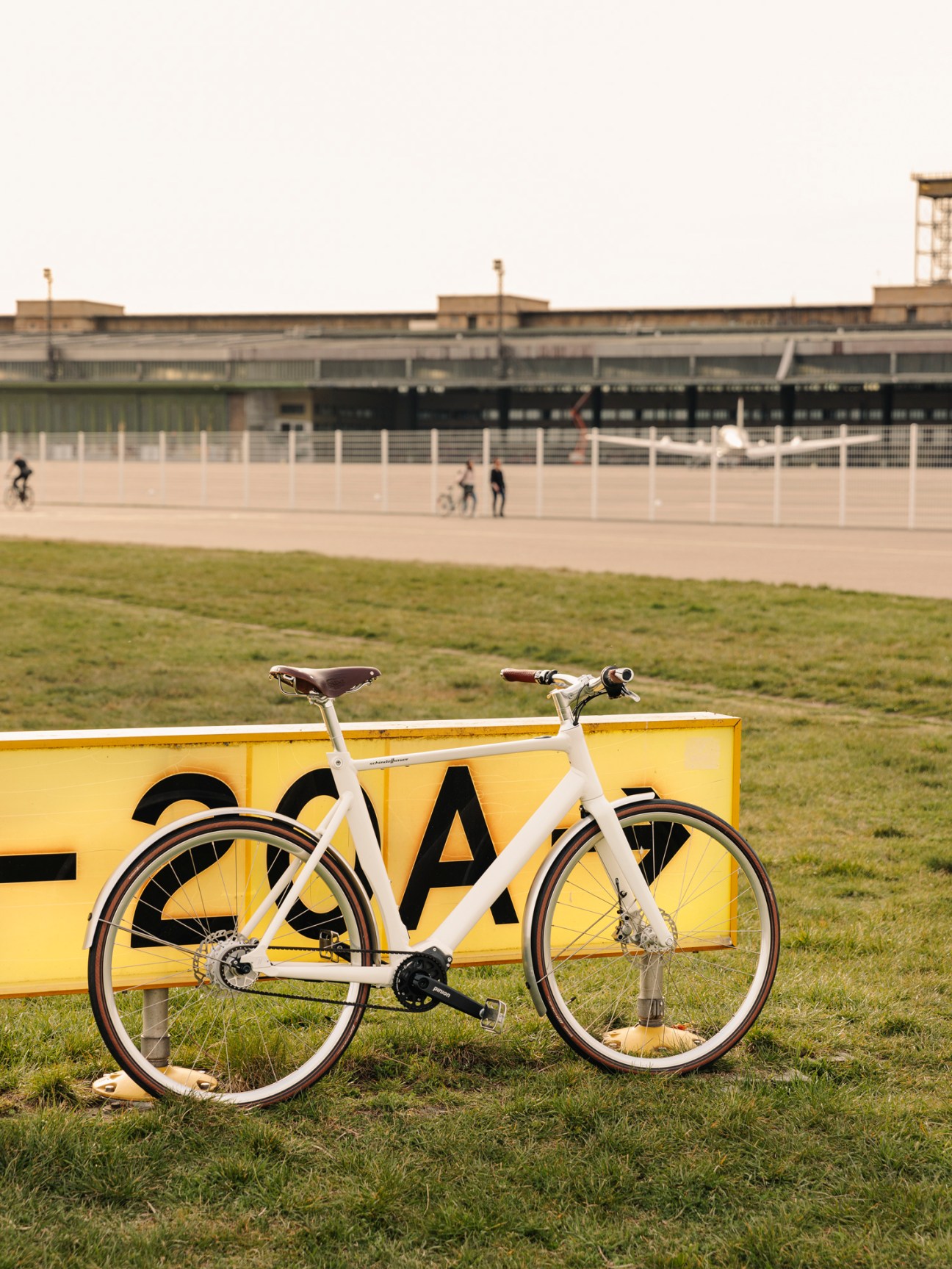
Jörg Schindelhauer and his team certainly know a thing or two about what makes a smooth ride. Berlin-based Schindelhauer Bikes has been using German engineering to create state-of-the-art bicycles since 2009. This two-wheeler’s good looks belie some deft design too – there’s an innovative belt drive in place of a chain on this Arthur IX model. Take one out for a spin this summer.
schindelhauerbikes.com
Affairs
Soft-power icon
Icon by design
Nigeria has transformed into a key player over the past 10 years with the soft-power status to match, which earned it 20th place in Monocle’s Soft Power Survey (Issue 149). Its economy, the largest in Africa, is buttressed by Nollywood, a billion-dollar industry, and the megacity of Lagos, which has become a thriving centre of interior and urban design. One person to thank for the latter is Lagosian Titi Ogufere (pictured), a polymath interiors impresario who is championing a golden generation of architects and designers.
The country has always prized artists, such as Fela Kuti and Nike Davies-Okundaye, who circumvent perceptions of modernity to embrace the vibrancy of their culture. But it’s taken a while for Nigeria to be considered beyond the postcolonial gaze of Ankara fabrics and Benin bronzes.

This year, Netflix released Made by Design, a documentary made by Ogufere and Emmy-winning cinematographer Abiola Matesun. The series profiles 13 Nigerian luminaries, from furniture-makers and architects to car designers and textile restorers. Her support for young creatives has led to Ogufere being appointed the first African female president of the New York-based International Federation of Interior Architects and Designers.
“Contemporary Lagosian, Nigerian or African design are not monoliths,” says Ogufere, who has changed the perception of African architecture and urban innovation into one that champions sustainability and discovery; and her, as its visionary pioneer.
Media – Russia
Finding a voice
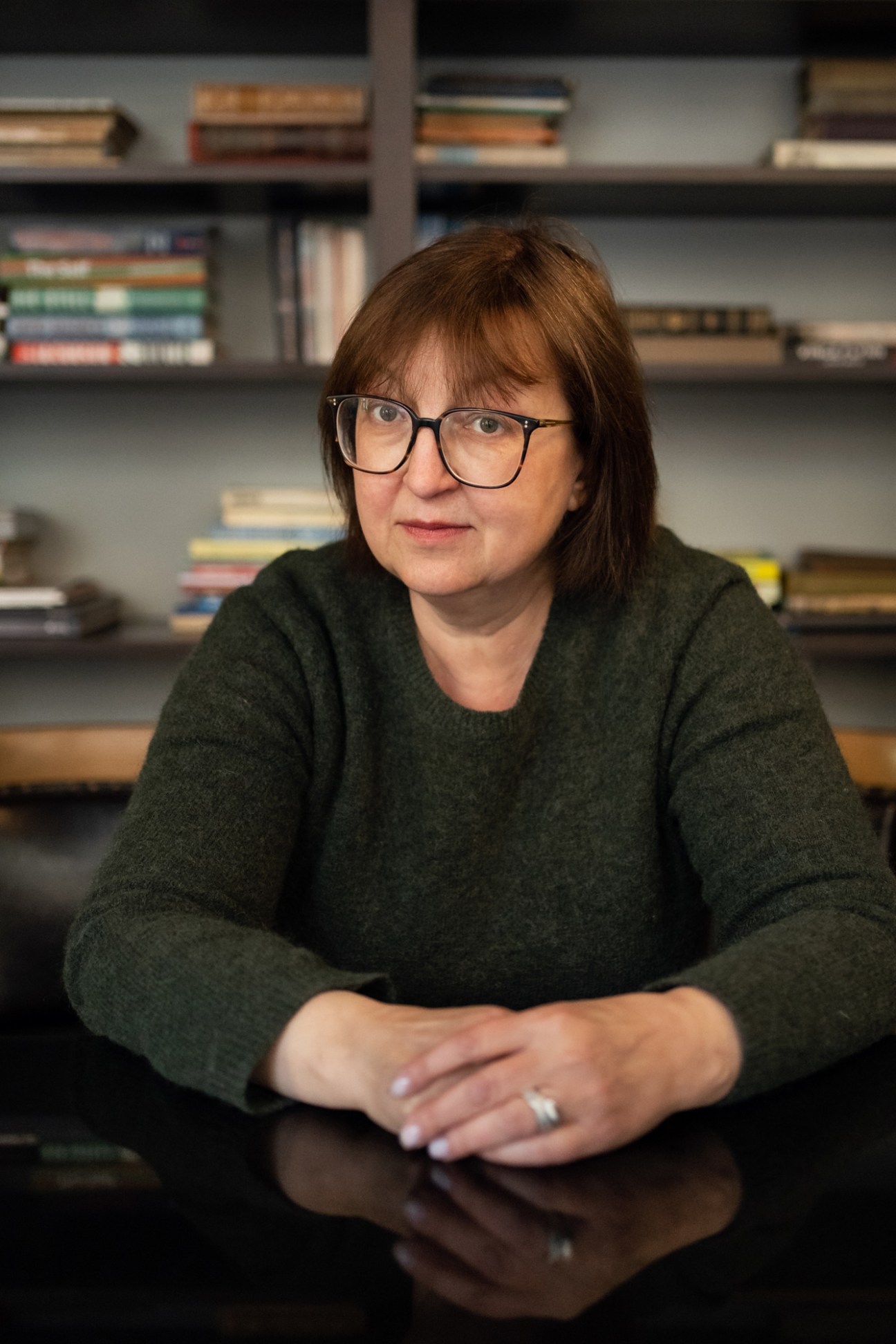
“There is no media industry in Russia any more – the Kremlin destroyed everything,” says Galina Timchenko, CEO of Meduza, one of the largest Russian independent news outlets still in operation. “Those who are still inside Russia are under wartime censorship.” Timchenko (pictured) knows a fair bit about censorship. She launched Meduza in 2014 after being sacked from lenta.ru for its critical coverage of Moscow’s annexation of Crimea. Timchenko packed her bags and set up shop in Riga, Latvia, telling a colleague that she wanted to launch a site where “if somebody cuts off our head, two will emerge”.
The colleague told her to call it Meduza, confusing the serpent-haired gorgon (also known as Medusa) with mythological monster Hydra. “It was the mistake of a guy who had been up all night,” says Timchenko, laughing. The image of many heads remains apt: the outlet now employs some 40 journalists and reaches millions of people every month, the majority of whom are in Russia.

Its burgeoning success has not gone unnoticed by the Kremlin, however. In April last year, Moscow labelled Meduza a “foreign agent”, meaning that its Russian journalists had to apply for accreditation from the Ministry of Foreign Affairs. “We became foreign journalists in our own country,” says editor in chief Ivan Kolpakov.
Until that point, the site had relied on Russian advertising for its revenue but the foreign-agent designation destroyed its business model. “Ninety per cent of our advertisers refused to maintain ties,” says Timchenko. Tens of thousands of people donated to keep it running but the new crowd-funding model was upended this year when Western sanctions against Russia made it difficult for those in the country to contribute. In response, Meduza launched an international crowd-funding campaign and, according to Kolpakov, “It worked.” But Meduza is seeking additional funds.
Even though the Kremlin blocked access to the site a week after the war in Ukraine began, Meduza’s readership remains largely intact, thanks to vpns, a mobile app and a Telegram channel that allows Russians to continue accessing its journalism, including a recent q&a with Volodymyr Zelensky.
Hopefully, whatever happens next in this devastating conflict, Meduza’s Russian-speaking audience will still have access to the truth.
Neutral ground
Singapore sometimes gets called the Switzerland of Asia, and not just because of the foreign money parked in its bank vaults. The city-state is similarly positioned as a neutral venue for political detente, particularly between East and West.
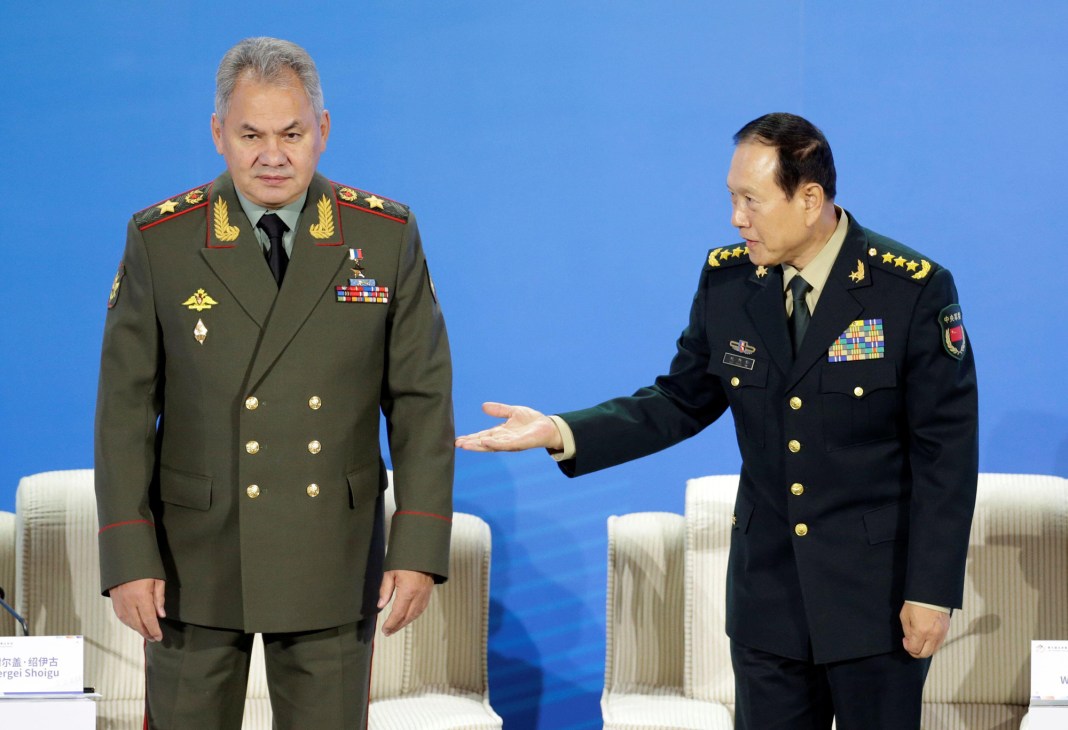
The Shangri-La Dialogue, Asia’s answer to the Munich Security Conference, returns in June after a two-year hiatus. In that time, relations between the US and China have gone from bad to worse and the region is crying out for Washington and Beijing to get a room, or at least be in the same conference room.
Both governments usually send big delegations to the Dialogue; the attendance of China’s defence minister Wei Fenghe (pictured, on right, with Russian counterpart Sergei Shoigu) at the last forum was seen as a coup by the International Institute for Strategic Studies, the British think-tank that organises the forum. This year the Dialogue represents a chance for US and Chinese military personnel to meet. Whether the Dialogue can continue in its important role in the current political climate remains to be seen.
The FOREIGN DESK
Andrew Mueller on…
Courage and precarity in Pakistan
When commenting on any Pakistani prime minister or president for a magazine with monthly lead times, the phrase “at the time of writing” always feels a necessary rider, especially in the precarious early stages of their term. Pakistan’s new prime minister, Shehbaz Sharif, does not need to look far for warnings against getting too comfortable. His brother, Nawaz Sharif, has had three stints in the post. These have ended, sequentially, in constitutional crisis, coup d’état and exile. And, while Nawaz Sharif was unusual in returning for repeated helpings, his experiences were more or less a demonstration of the occupational hazards of attempting to govern Pakistan. Since the country was founded in 1947, no prime minister has completed a full term – and several have been one or more of sacked, overthrown, imprisoned, assassinated or executed.
The ousting of Shehbaz Sharif’s predecessor, former Pakistani cricketer Imran Khan, was at least brought about by parliamentary procedure – a no-confidence motion in the National Assembly. Also in the credit-where-due file, recent general elections in Pakistan seem to demonstrate a willingness by the country’s governments to accept defeat and relinquish power. Moreover, the number on the country’s “years without a coup d’etat” flip-counter now stands at an encouraging 23 (at the time of writing). Nevertheless, few jobs in democratic politics are so daunting. In 2007, I spent a day in London with someone who had been prime minister of Pakistan twice and was preparing to return from exile to have another go at getting this impossible job back. I asked Benazir Bhutto how she could possibly think that it was worth the risk, never mind the hassle. She had survived assassination attempts herself. Her father, former prime minister Zulfikar Ali Bhutto, had been overthrown in a coup in 1977 and hanged in 1979.
She said that she thought it was worth it; that peace, democracy and economic emancipation were plausible ambitions for Pakistan. It is usually a mistake to take politicians’ loftier justifications for their own actions entirely at face value but she well understood what fate she was tempting; three months after she returned, Benazir Bhutto was assassinated. Pakistan’s leaders – Bhutto, Khan and others – have all had faults, many of them glaring. But a lack of courage is not one of them.

Diplomatic spat
Mugged off
Who vs who: China vs Israel
What it’s about: Mugs. Specifically, bugged mugs. China’s embassy in Tel Aviv sent gifts to a few Israeli ministries for Passover. The hampers contained, among other trinkets, silver thermal travel mugs. Israeli media somehow formed the notion that these contained concealed listening devices, at which point Shin Bet, Israel’s internal security service, rounded up the receptacles and, after disassembling one, gleaned that the suspect component was, in fact, the widget which retains the vacuum seal in the walls of such tankards, thereby keeping the contents warm. China, never known for its equanimity in the face of any slight, real or imagined, was livid, denouncing the “baseless rumours” and threatening the outlets responsible with “accountability”.
What it’s really about: Probably not much more than the kind of misunderstanding that can occur when the media of a generally highly security-conscious country, ie Israel, leaps to conclusions about the motives of a country with an amount of form on this front, ie China.
Likely resolution: A relatively swift blowing- over. Even by China’s standards of frantic hypersensitivity, they’ll struggle to make much of a thing of this, and besides which, the relationship between the two countries is becoming increasingly important and lucrative: in 2021, China became Israel’s largest source of imports.
Images: Alamy, TY Bello
Russia’s Nuremberg
Comment – Ukraine
Conflicting evidence
Douglas Guilfoyle on the likelihood of bringing Russian defendants to trial for war crimes in Ukraine
Since the beginning of Russia’s invasion of Ukraine, there have been calls to convene a special international tribunal to prosecute war crimes committed during the conflict. Most of those advocating for such an outcome hark back to the post-Second World War Nuremberg trials, which brought 21 Nazi leaders before an Allied court. But in the 21st century is such a tribunal possible?
Nuremberg succeeded because of four factors: the war was over, the defendants were in custody and the prosecution enjoyed territorial control and strong international support. The Allied powers – the US, UK, Soviet Union and France – used the tribunal to leave a record of Nazi crimes and, they hoped, an example for international law in the postwar order. However, despite succeeding in the former, any dream of international justice largely slumbered through the second half of the 20th century. It wasn’t until the 1990s that the UN Security Council finally convened tribunals to prosecute crimes committed during the dissolution of Yugoslavia at the start of the decade and the 1994 Rwandan genocide. While these are generally considered success stories, they relied heavily on governments to surrender suspects and permit investigations on their territory.
No tribunal can succeed without the territorial state’s support. That means that the most important vote, both morally and practically, on what happens next goes to Ukraine. Volodymyr Zelensky has declared that he will set up a national “special mechanism” for international crimes. What might this look like? As a sovereign country, Ukraine can prosecute crimes committed on its own territory – and it has a law criminalising aggression. But its courts, especially after a devastating conflict, are unlikely to be able to do this alone. There is a role here for the International Criminal Court (ICC), the body that grew out of the Yugoslavia and Rwanda tribunals, but probably a small one. The court’s resources are limited compared to its remit. Most likely, the ICC will conduct only a few symbolic, high-profile cases.
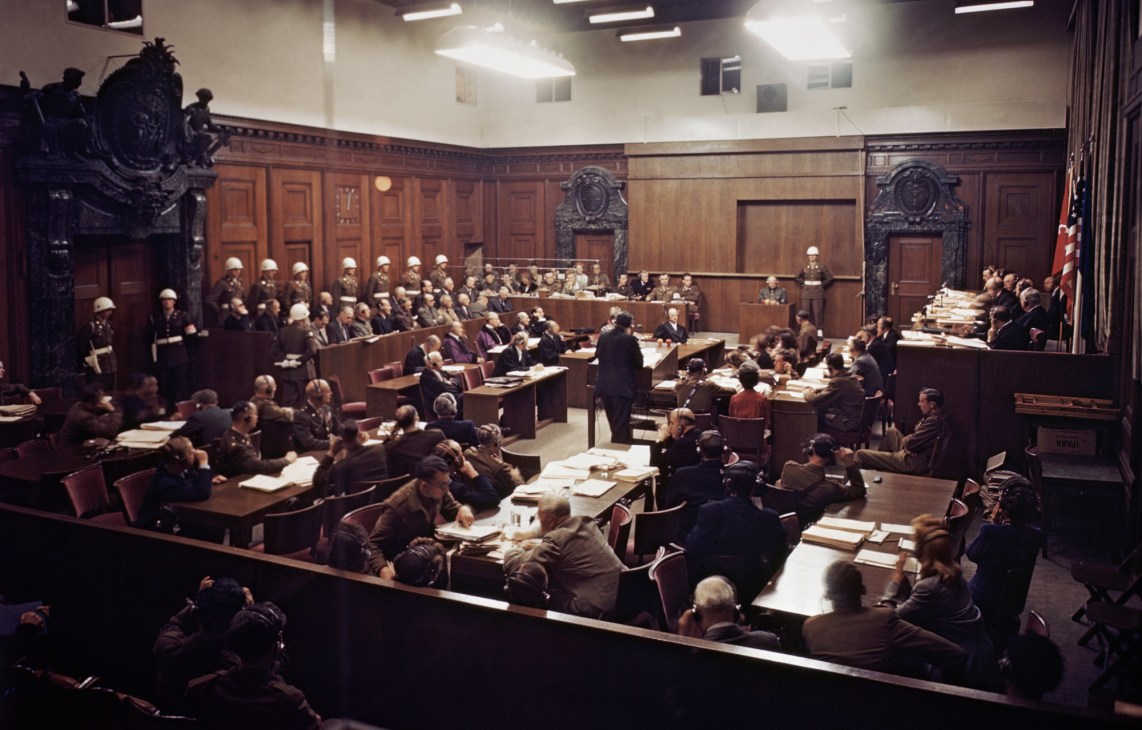

Prosecuting international crimes tends to be complicated and expensive. Nuremberg was made easier by having control of all the evidence and, by modern standards, broadly defined crimes. In the current conflict there is a big difference between proving the existence of apparent war crimes and prosecuting individuals. A pattern of attacks on hospitals and residential buildings is certainly evidence. But proving who launched a mortar round and who ordered it requires painstaking evidence collection and case building.
Perhaps the most open-and-shut prosecution would be for aggression: the leadership crime of waging illegal war, first defined at Nuremberg. The defendants here would be Vladimir Putin and his circle. Much of the evidence against Russia’s president is on public record. The difficult part is getting leaders in custody. Normally, it requires regime change but even then there are no guarantees. The former president of Sudan, Omar al-Bashir, has been wanted by the ICC since 2009 for crimes in Darfur. He was deposed in 2019 but still has not faced justice before the court.
Another complicating factor is that there have been reports of Ukrainian forces killing captured Russian soldiers. Executing prisoners is a war crime; it’s the subject, for example, of an investigation in Australia concerning its soldiers’ conduct in Afghanistan. Ukraine has obligations under the Geneva Conventions to prosecute its own soldiers as well as Russian ones. The ICC has a duty to investigate both sides and the power to step in should any side be “unwilling or unable” to prosecute its own.
Will Russian defendants ever face trial? The fight for international justice is a long game. I would expect a range of low and mid-level perpetrators to stand trial in postwar Ukraine and the ICC. But the top brass will not face justice without international pressure and regime change.
Guilfoyle is professor of international law and security at the University of New South Wales in Canberra. This piece is written in a personal capacity.
Images: Getty Images
Right on cue
It’s a busy afternoon at the Australian Broadcasting Corporation’s HQ in Melbourne, where production staff are preparing for the season eight premiere of The Weekly with Charlie Pickering. For the first time in two years it will be taped in front of a live studio audience. “The nerves are coming back; they’d subsided a bit in the past few years,” says the programme’s affable host.
The Weekly airs once a week, presenting audiences with a pacey half-hour round-up of current affairs. The format sees desk-bound Pickering deliver an opening piece to camera, offering his take on the news, which is peppered with jokes. “The show is designed to make people laugh first and foremost,” says Pickering, acknowledging that news in the past two years has been particularly heavy. “Hopefully, though, they’ll learn something along the way.”
When it first aired in 2015, Australia did not have much in the way of news commentary built around a single person. Critics have called it Australia’s answer to US programme The Daily Show but there are differences. While many satire programmes target younger audiences on comedy networks, The Weekly airs on the public broadcaster with a charter to appeal to both young and old. It also assesses news at a slower pace. “We’re not stuck in a 24-hour news cycle,” says Pickering. “We have a week, so we can process things differently, see the whole story.” He might be the face of the programme but delivering it would not be possible without the skills and hard work of more than 50 people, including writers, researchers, producers and camera operators. As 20 of them file in for their photo, it’s clear that they’re a nimble team, with executive producer Chris Walker even working from London.
“I have the weird job of taking all of this teamwork and giving it to the audience when the red lights are on,” says Pickering. “It’s an absolute team effort. I’ve never thought that what I do is more important than what anyone else does.” After a moment’s pause, he adds with a cheeky grin, “Just don’t ask anyone else.”

The Cabinet (From left to right)
Scott Abbot Senior writer “Helps find the laughs in hard news.”
Nick Maxwell, Writer and producer.
Nathan Dalton, Editor.
Stephen Hunter, Socials writer and producer.
Lizzie McKenzie, Supervising production manager,“Keeps everyone organised and budgets on track.”
Daniel O’Sullivan, Field producer.
Caroline Kowalski, Production co-ordinator.
Charlie Pickering
Before his TV career and a decade doing stand-up, he almost practised law after graduating. “My parents weren’t happy with me turning my back on law. They’ve only recently stopped worrying about me.”
Karolina Surawski, Production assistant.
Scott Burgess, Editor.
Sacha Payne, Senior news producer.
Karla Arnall, Guest producer.
Jon Casimir, Managing director of Guesswork Television.
Ed Giles, Field producer.
Michiko Smith, Supervising producer,“Responsible for the graphics, music and edit.”
Julia Holmes, Series producer,“Oversees the creative process.”
Chris Doherty, Editor.
Rob Hunter, Writer and producer.
Kirstin McKenzie, Associate producer.
Matilda Dorman, Script verifier.
Kellie Marr, Associate producer.