Issues
Is the future of papers Wordle or world news?
The debate
Newspapers survive but evolve
Commentators have long wondered whether the future of the newspaper would include paper but the focus has recently shifted to the other half of the word. What if it didn’t include news? The acquisition of online game Wordle by The New York Times in January was just one example of legacy titles expanding into everything from recipes and dating sites to e-commerce and job listings. Seeking to make their digital ventures pay, many are working to extend their brand and those who aren’t have often had to protect their content behind a paywall.
It’s easy to dismiss such issues as problems for those in the boardroom but the health of newspapers’ coffers matters to everyone. From the coronavirus pandemic to Vladimir Putin’s invasion of Ukraine, audiences have shown that they are thirsty for trustworthy information about the world’s key events – the kind of authority that citizen journalists posting updates on social media can’t quite match.
Yet surveys show that in markets such as the UK, France and Japan, only about 10 per cent of people are willing to pay for online news. What is at stake when a newspaper folds is more than just a few jobs and a company going bankrupt: it’s social cohesion and a shared world-view. If there is an audience demanding reliable information, it is the job of editors and publishers to find ways to serve them, while ensuring their own survival. So what can they do?
The panel

Mario García
The designer and strategist
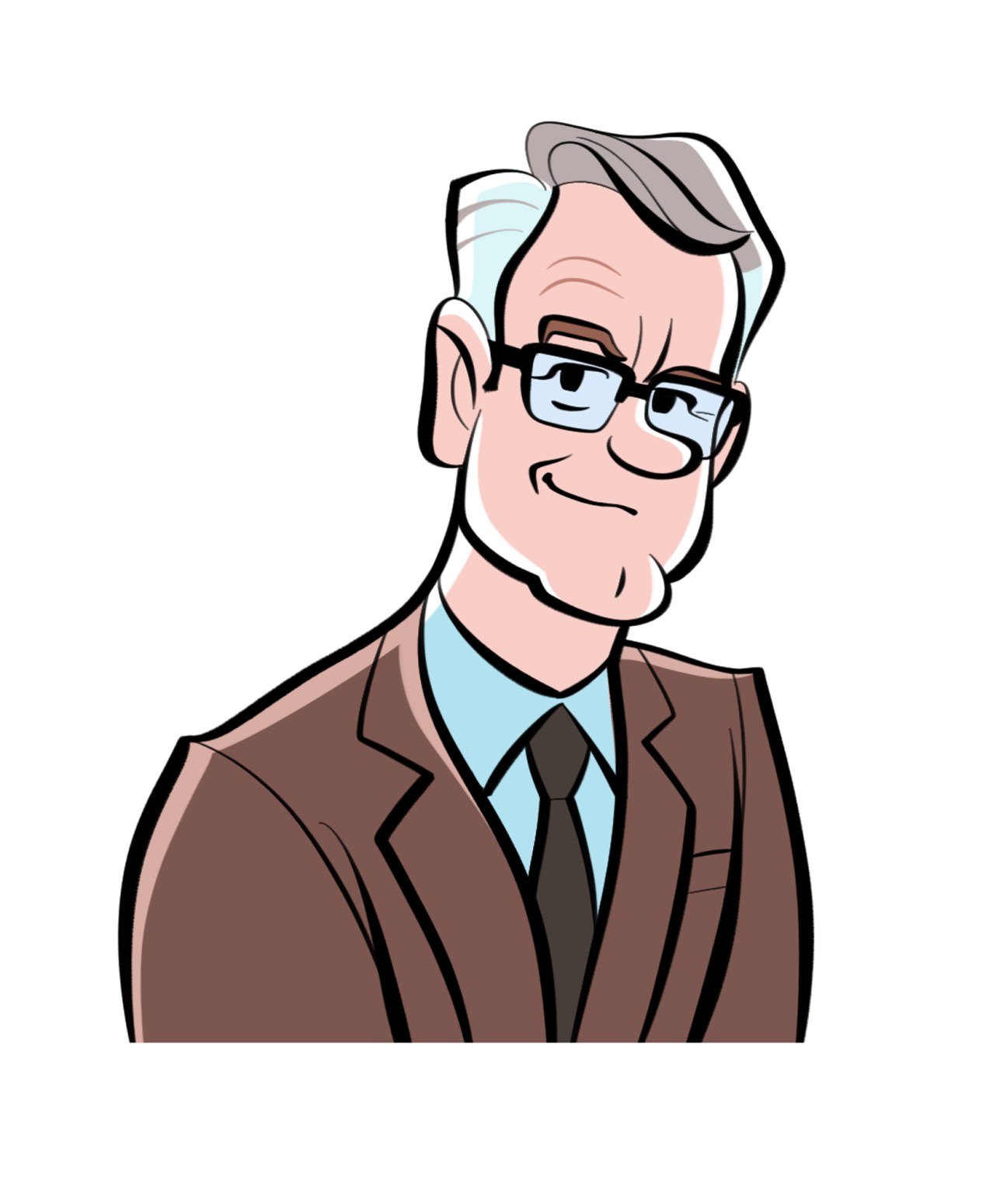
A media veteran of more than 50 years, García began his career as a reporter in Miami, before becoming a newspaper designer and strategist, working on projects for The Wall Street Journal, Die Zeit and others. The author of The Story, a trilogy on news in the smartphone era, he now runs his own consultancy García Media and is a professor at Columbia Journalism School.

Paula Santos
The weekly editor
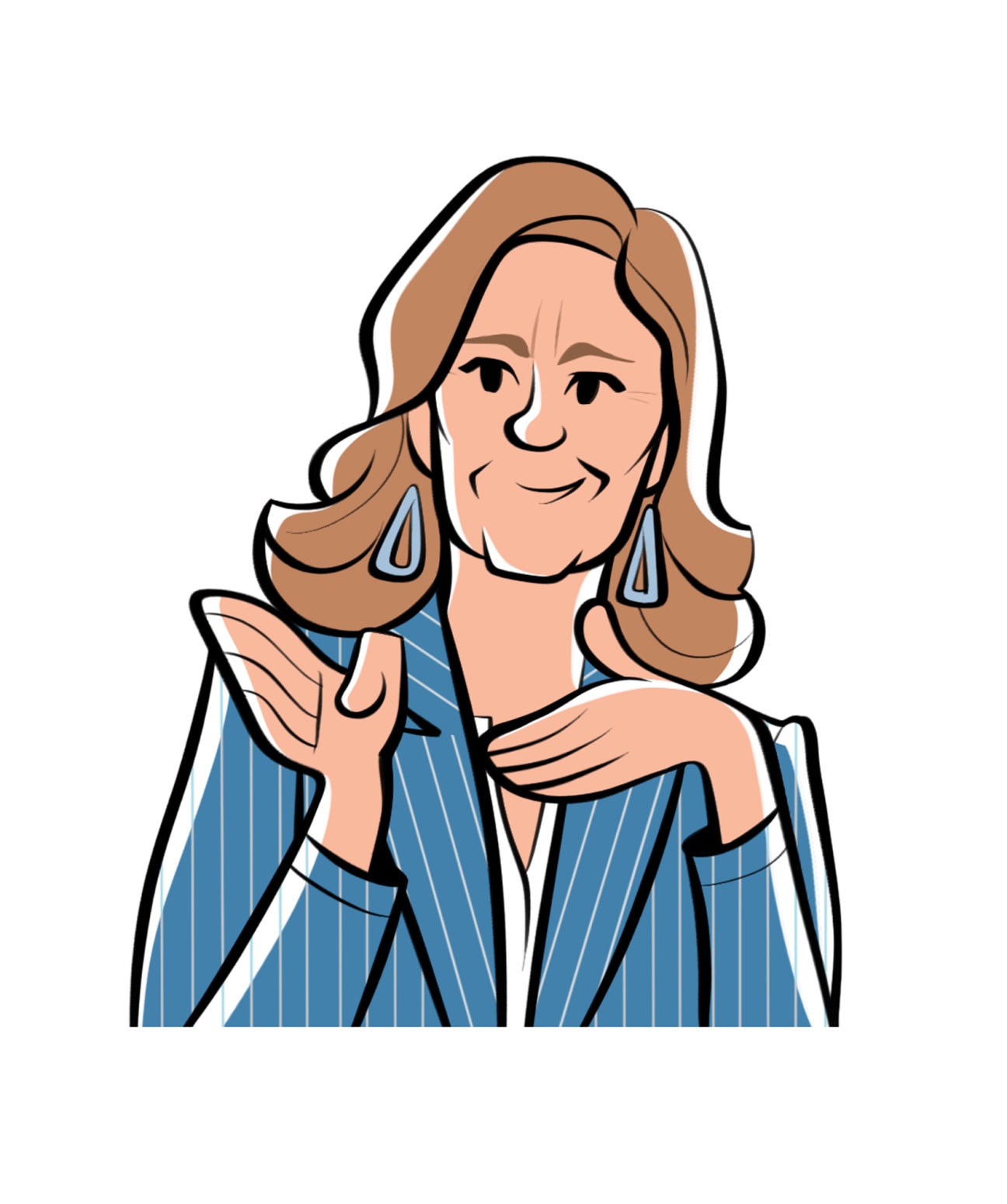
After working for Portuguese media company Impresa for almost 30 years, Santos moved from its TV channel sic to its weekly paper Expresso, becoming deputy director in 2019. During the pandemic, the title experimented with changing its newsstand release dates; the result was strong sales for the print edition even during lockdown.
Carsten Knop
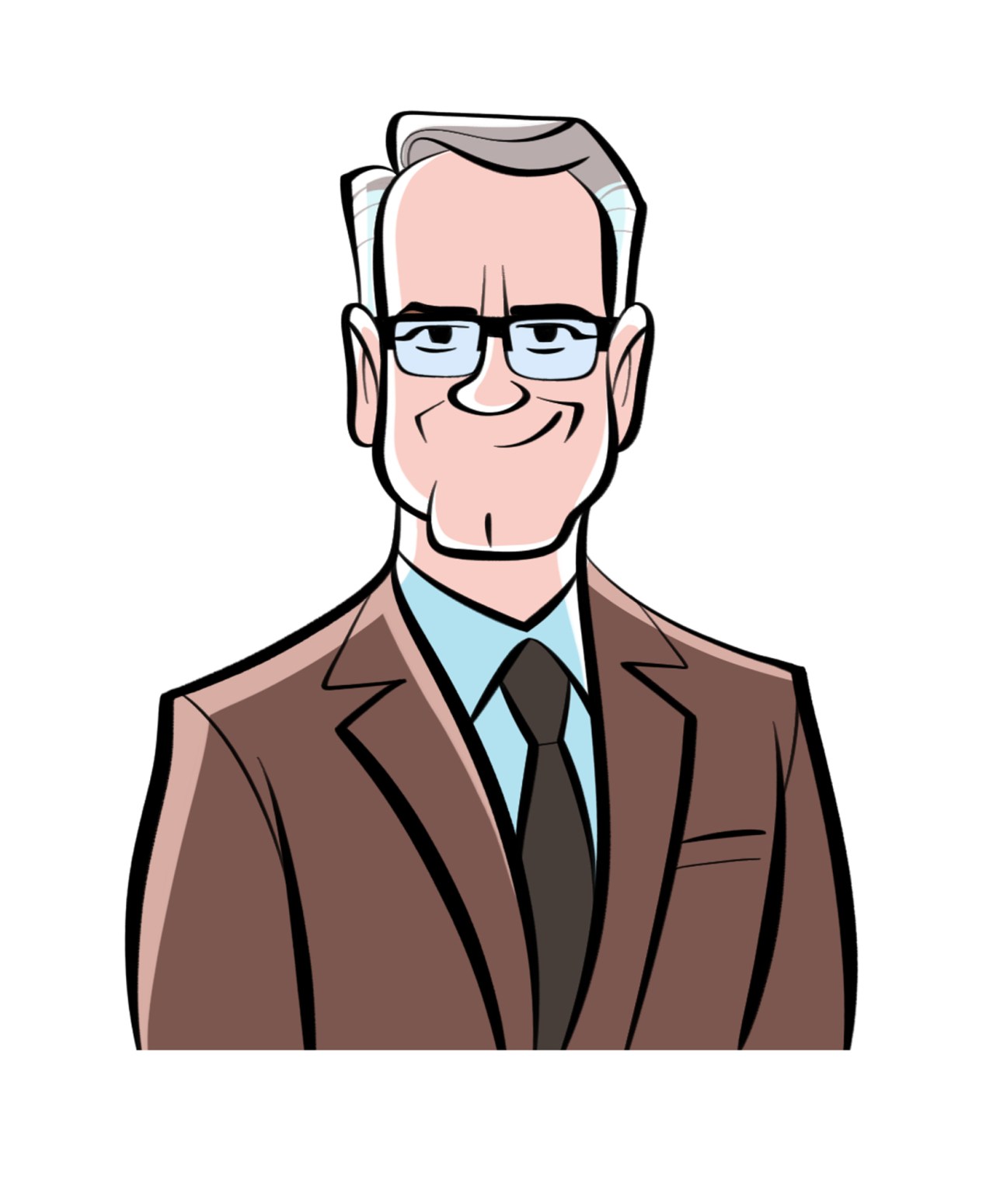
The digital specialist
Since joining Germany’s Frankfurter Allgemeine Zeitung as a trainee in 1993, Knop has served as its correspondent in Düsseldorf, New York and San Francisco, and later as its head of corporate news. In 2018 he led the paper’s efforts to rethink its approach to digital, yielding a profitable subscription-based business. He became one of the paper’s four editors in 2020.
Declining advertising revenues and circulation, the rising cost of paper, inflation – does all of this suggest that there’s only one way for the print newspaper to go? Does it have a future?
mario garcía: Yes, it does. I tell my clients and students at Columbia University that I see a role for print. I have been in this business for 50 years, so I have seen five revolutions: from typewriters to computers, from black and white to colour and so on. We are now going through what is perhaps the biggest revolution; 73 per cent of people get their news from their phones. We lean forward into our screens about 120 times a day but we lean back at certain times, in many cases to read longer pieces in print, to sink our teeth into more information.
Many newspapers won’t find it viable to print from Monday to Friday. But the paper experience will probably remain at the weekend. I live in New York; when I step out of my apartment on a Sunday morning, almost everybody has a 13-section New York Times waiting on their doormat. It’s a treat. You spend hours reading it.
I’ve just finished a tour of India, Dubai and Germany, working on three projects in those countries. A print title was part of each. I haven’t heard from any of my clients that print will die – not in India with The Hindu, not in Dubai with the Khaleej Times and not in Germany with Handelsblatt. Print won’t die. But it’s no longer the protagonist, so you have to work accordingly.
“The printed newspaper already is a niche product”
Paula Santos: Expresso will be 50 next January. We are a weekly so we only print the weekend edition. These days we’re on the newsstands on Fridays. That means we need to have a good angle on the news that can be read on the Friday, the Saturday and even on the Sunday. We have to offer people things in print that they can’t get anywhere else; we have to be absolutely accurate and honest. If we follow these rules, we win a sort of war. But our challenge as a newspaper is about much more than just print nowadays. Print is a part of it but we have to be realistic. Online, most people don’t read the articles; they just read the headlines. We need to give them more than headlines.
Many of the newspapers that have done better out of the transition to digital have adopted a subscription model. Is that the only way?
Carsten Knop: Yes, it’s the only way. The pay-per-article business model didn’t work anywhere. We had the advantage of being a subscription newspaper in print, so we always knew that the digital subscription model was the best option. And it’s paying off. It’s a big contrast to papers in the US – and I’m talking about regional newspapers there. People in Europe look at The New York Times, The Washington Post and The Wall Street Journal but those are not [representative of] the US newspaper market, which is pretty depressing. That’s because most regional papers have shied away from a paywall.

“I have seen five revolutions: from typewriters to computers, from black and white to colour and so on”
During the pandemic, there was an idea that regional papers were on the rise again, that they could provide a model for how to restructure news media. Is a market such as Germany more resilient because it is more localised than others?
CK: It’s more resilient because all of our newspaper subscriptions, even in the regional markets, are more expensive than in the US and people are paying those prices until they die. The stickiness is higher. Will regional media be a safety net for the future? I don’t think so. If you look at some papers that regionalise too much and have local news on their front page when there are bombs falling on Kyiv, well, people don’t appreciate it.
MG: I work a lot in Germany. One major difference between the regional newspapers there and those in the US is that some of them have more than 20 daily editions. I was joking with my German clients that they have editions for audiences that are as big as the number of people who live in my building in New York. The US regional newspapers have abandoned these editions and a lot of this is due to the economy. Germany is one of the few countries that continue to do it. Editions for 3,000 people in 2022? This is unheard of in the US.
CK: That’s true right now but it won’t be sustainable.
PS: Portugal is a small country and we don’t have many regional newspapers. I can’t see them succeeding. Even the daily papers – and we have some good ones – are struggling. Let’s be serious: everyone is struggling. In print, we do our best and sometimes we succeed; Expresso is one of those cases. We sell 50,000 newspapers a week on the streets and we have 40,000 subscribers online. We still sell more in print but we are an exception and we work hard to maintain these numbers. Paper has other problems too, such as cost. The materials to print are more expensive and becoming rarer because the raw materials are more difficult to acquire.
“The success of podcasts has led us to think that we should consider other audio possibilities”
If a high-quality product and a subscription model are the only things that can make newspaper brands financially viable, will they become more elitist? Do papers have to let go of the mass market and become a niche product?
CK: The printed newspaper already is a niche product. Look at the Frankfurter Allgemeine Zeitung: our printed subscription, including the Sunday paper, is about €800 a year. That’s an exclusive product for a niche market. But the reach for our original journalistic content has never been higher. Our digital subscription is €2.95 a week, or €11.80 a month. We have about 100,000 people who buy this digital product. The website is being visited by two to three million people a day, compared to the 130,000 newspapers that we sell to subscribers and at the kiosks. Print is already exclusive but our brand isn’t. It’s still more expensive than other products on the internet but it is reaching more people than it ever has before.
“What every newspaper has going for itself is its brand. How do you become essential to your reader’s life?”

PS: If being niche means not compromising on our quality and credibility, I don’t mind it. But I’m realistic and I know that we have to sell. We have to offer not only quality but also the kinds of themes that are important to people, so we become something that they want to pay for.
MG: The New York Times recently published information about where its money was coming from. The three major sources of revenue had nothing to do with news. One of its biggest sources – and I subscribe to it – was its cooking app. When you mention this to journalists, it’s a blow to their hearts. Another big source was the acquisition of Wirecutter, a product-review website. What a newspaper has going for itself is its brand and everyone in this business needs to explore this in different ways. How do you become essential to your reader’s life? As a reader, I need this product because it helps me to be more intelligent and better informed but it also tells me what I want to know about my taxes and the school where my children are going. You need to become essential beyond news and journalists have trouble understanding this.
Is the future of newspapers even about news?
CK: News will probably stay important. But The New York Times is interesting to look at when it comes to side businesses that aren’t side businesses any more. Is that the direction our publishing houses are moving in? I think so.
MG: It also has to do with how a newsroom thinks. In a modern newsroom, everything should be planned from small to large, not from large to small. That means that reporters go out thinking: how will my story appear on phones? You write the story for mobile first, then it is transferred. Everything in the newsroom is planned for a square format, either for the printed page or for the computer screen. But most people consume information on their phone. Why is the world still square, when the consumption is linear? It’s not responsive.
It begins with reporters. How would you do a story if you were thinking linearly? In newsrooms, when I explain this, there are those who ask me if we’re not dumbing things down, if we’re creating a generation of people who are stupid. Not really. If we’d had a smartphone at the beginning of time, journalistic stories would always have been written like this. Newsrooms need to understand all of this because these dynamics will lead to healthier printed newspapers.
PS: It’s a mindset and we haven’t done enough work on that. It’s about more than the way we look at the news; it’s about the way in which we communicate what we have to say. To go back to the discussion on whether we should have games, cooking apps and so on: many journalists don’t like this. But we don’t have to mingle things. We should make sure that those projects have nothing to do with the news, though they are a part of the brand. Everyone should know what their role is and things shouldn’t be mixed. Otherwise, we won’t be doing journalism in the way we should.
“We need social-media platforms to make our brand visible but they’ve disrupted our advertising business. They won’t go away, so we have to work with them”

What about the big social-media platforms? Is it possible to claw back control, or is it a David-versus-Goliath situation? Are those platforms the real hurdle in the future of newspapers online?
CK: They are a big hurdle but not the only one. And that disruption has already taken place. The outcome is ambivalent: we need them to make our brand visible but they have disrupted our advertising business. They won’t go away, so we have to work with them. Politicians should address the cartel issues and they’re doing it, especially in the EU. But what I say internally all the time is that we need a journalistic answer. We have to figure out how to make the publishing business compatible with those platforms. The rest is for lawyers and politicians. In the newsroom, we need to work with them and try to profit from them as much as we can.
“There are things that we cannot do unless the technology allows us to do it”

PS: Earlier this year we were attacked by hackers and lost everything on our sites, even the tools we use to make the newspaper. We had to go back to the old methods: we put every page of the paper on the wall. Some journalists hadn’t seen that before. We now have our website back and it has started to have good numbers again but, in terms of social media, it was bad. We can’t live without it now; it means more traffic for us. If we’re not good at it, we’ll lose to our competitors and we can’t afford that.
The cyber attack was an example of how fragile digital can be but, rather than dissuading people from relying on certain platforms, it just made you feel as though you were left behind.
PS: We tried to respond as fast as we could and everybody did a fantastic job. But there are things that we cannot do unless the technology allows us to do it. It shows how important it is for all communication enterprises to be secure. Our example is an example for everybody.
What is there left to try?
PS: Perhaps audio. The success of podcasts has led us to think that we should consider other audio possibilities.
CK: We are still wide open when it comes to the possibilities of data journalism.
MG: To extend your brand beyond news. None of what we have talked about can be accomplished without a newsroom transformation, starting with reporters.
Continental drift
A sweeping end-of-an-era novel, Grand Hotel Europa is a nostalgic musing on the old continent’s place in the world. It is told through the metaphor of a storied hotel, an institution of rarefied, faded grandeur, which can only survive by catering to the mass market. Here the protagonist takes refuge from tourists and a failed love affair, only to find that both follow him inside. Written by Dutch novelist Ilja Leonard Pfeijffer, the book has been on bestseller lists in Belgium and the Netherlands for more than two years. Now it has finally been published in English.
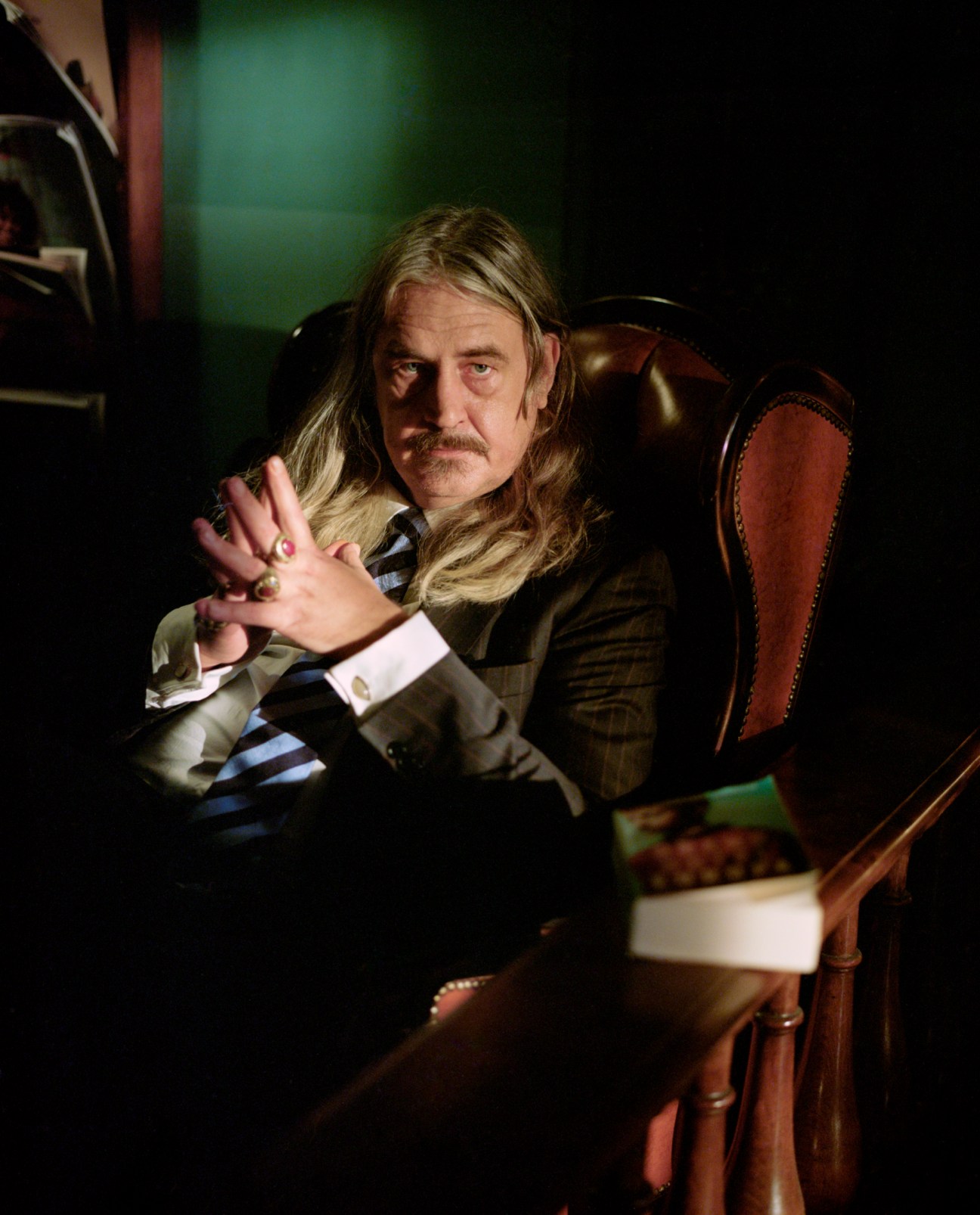
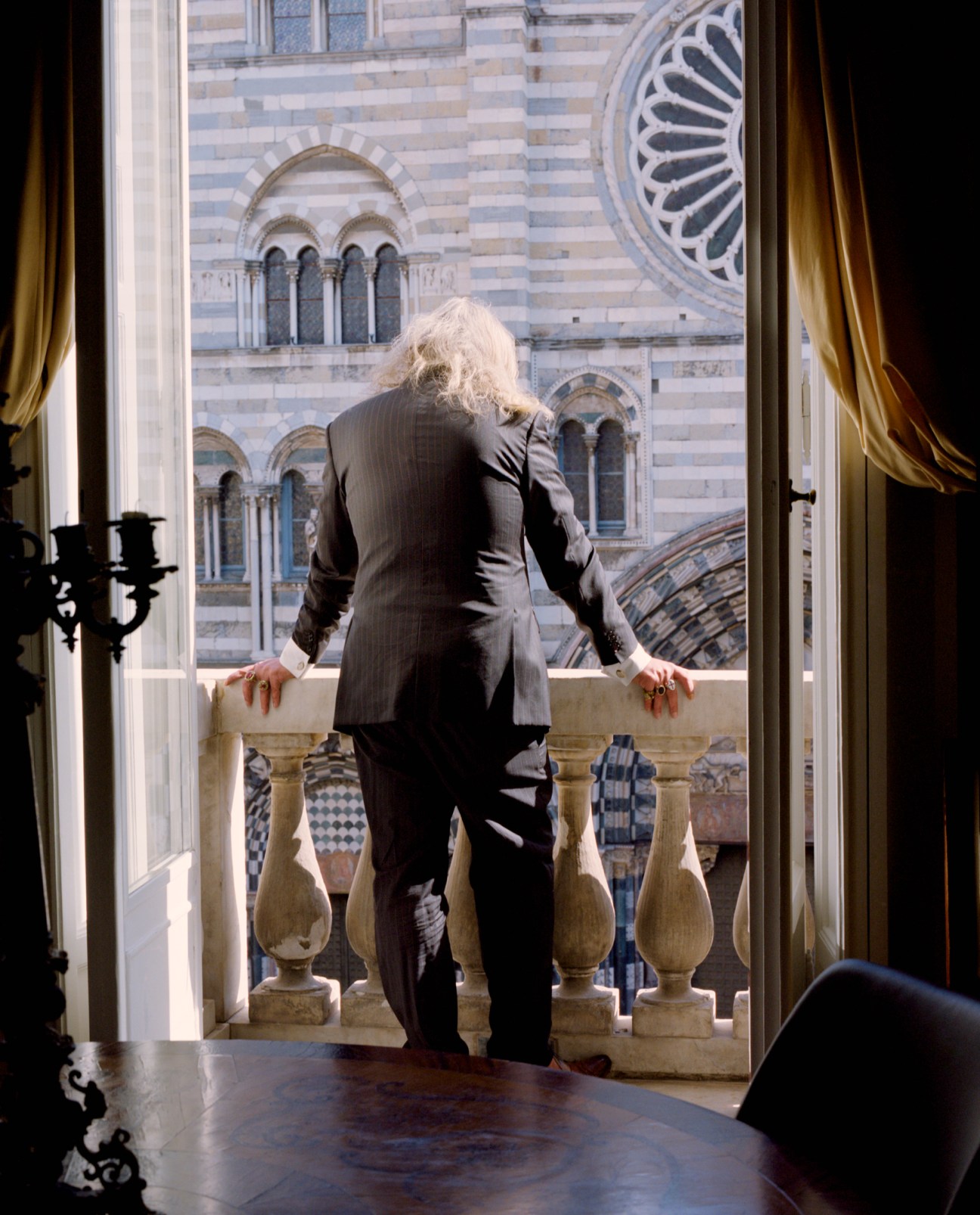
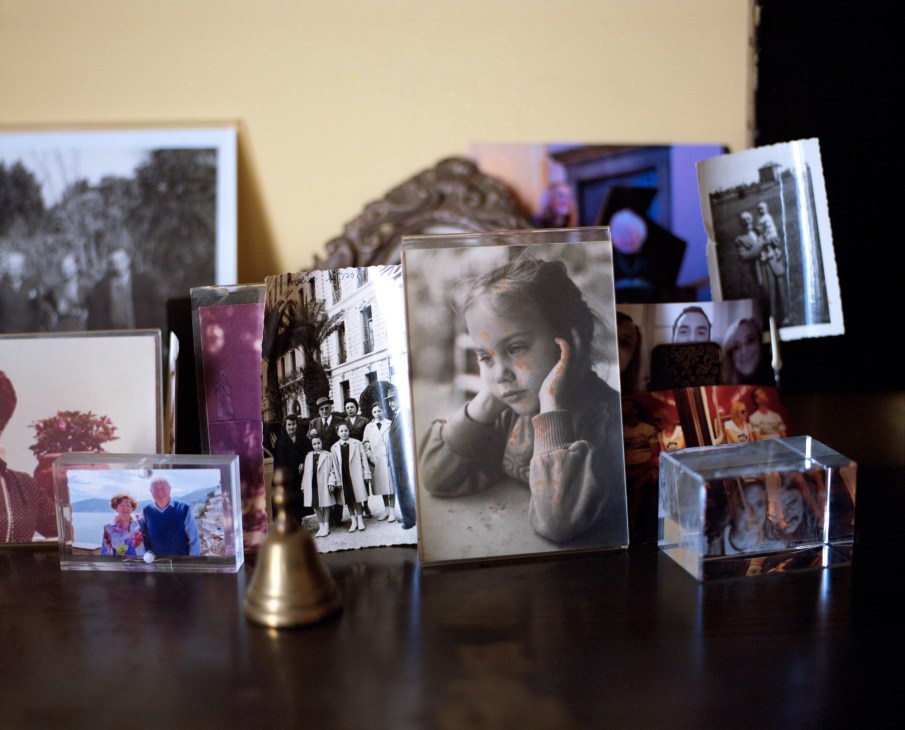
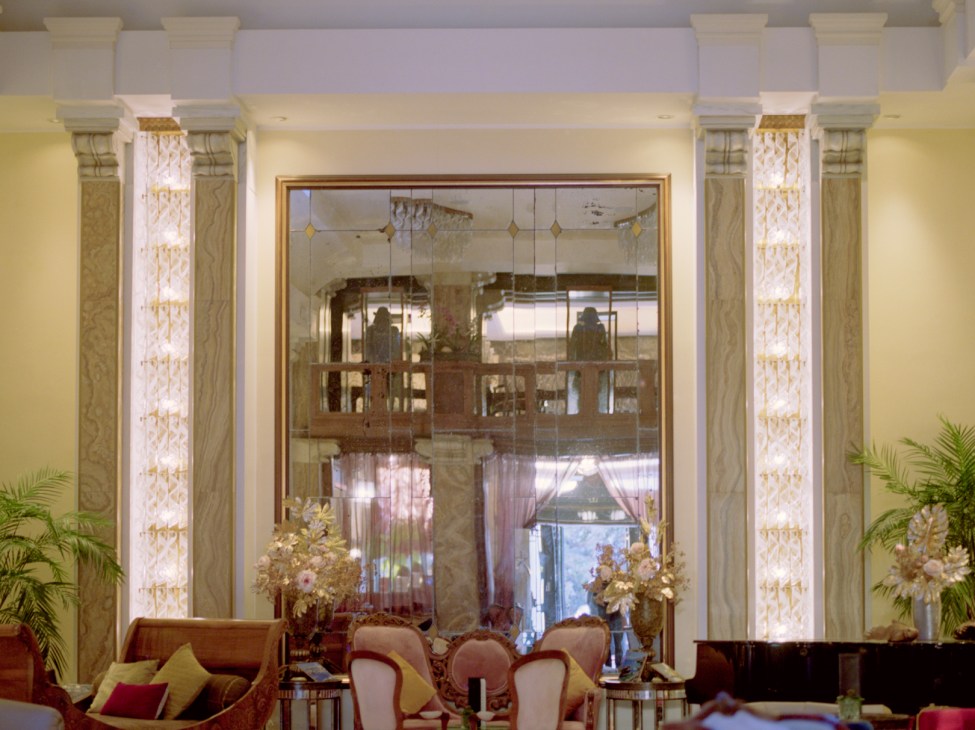
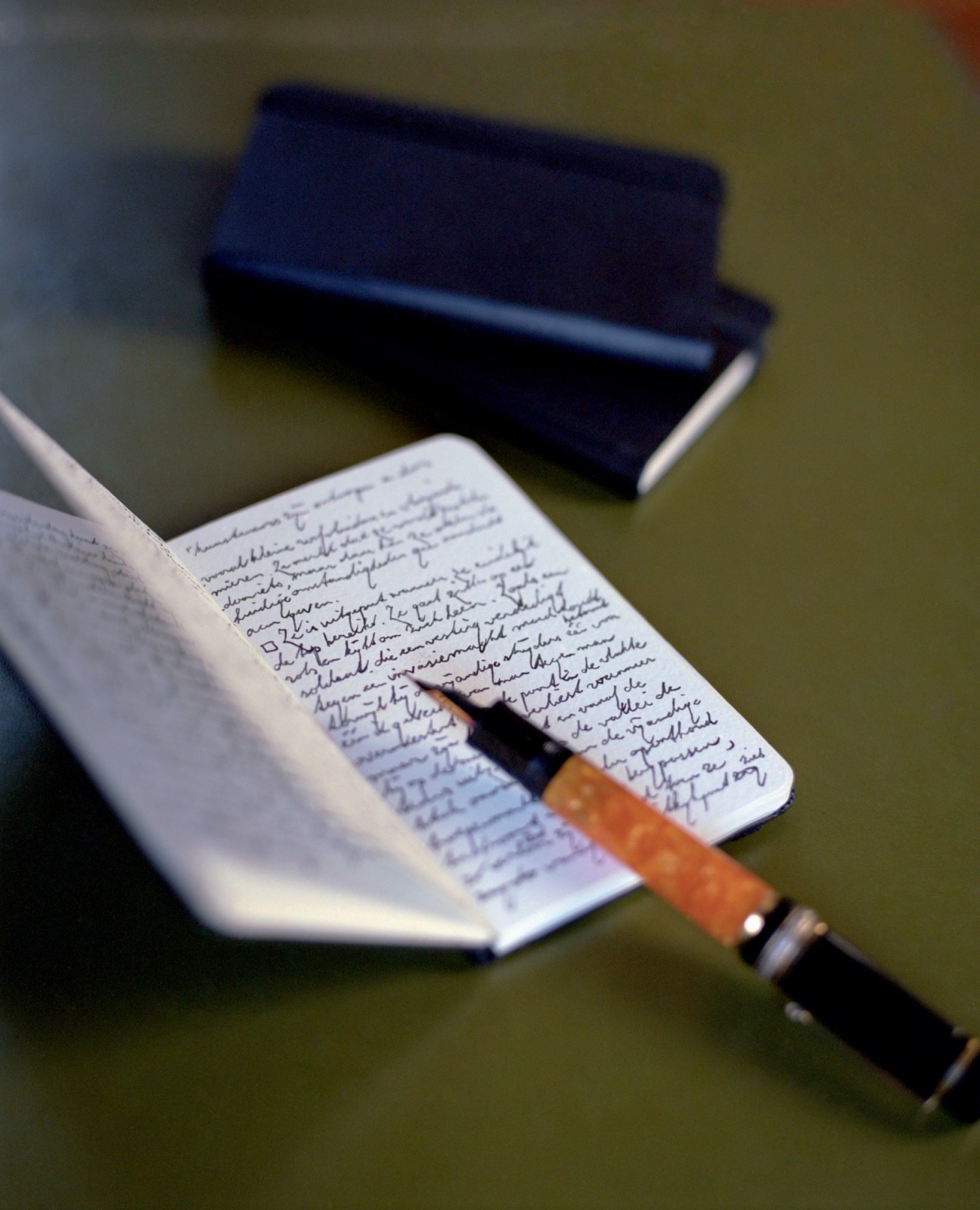
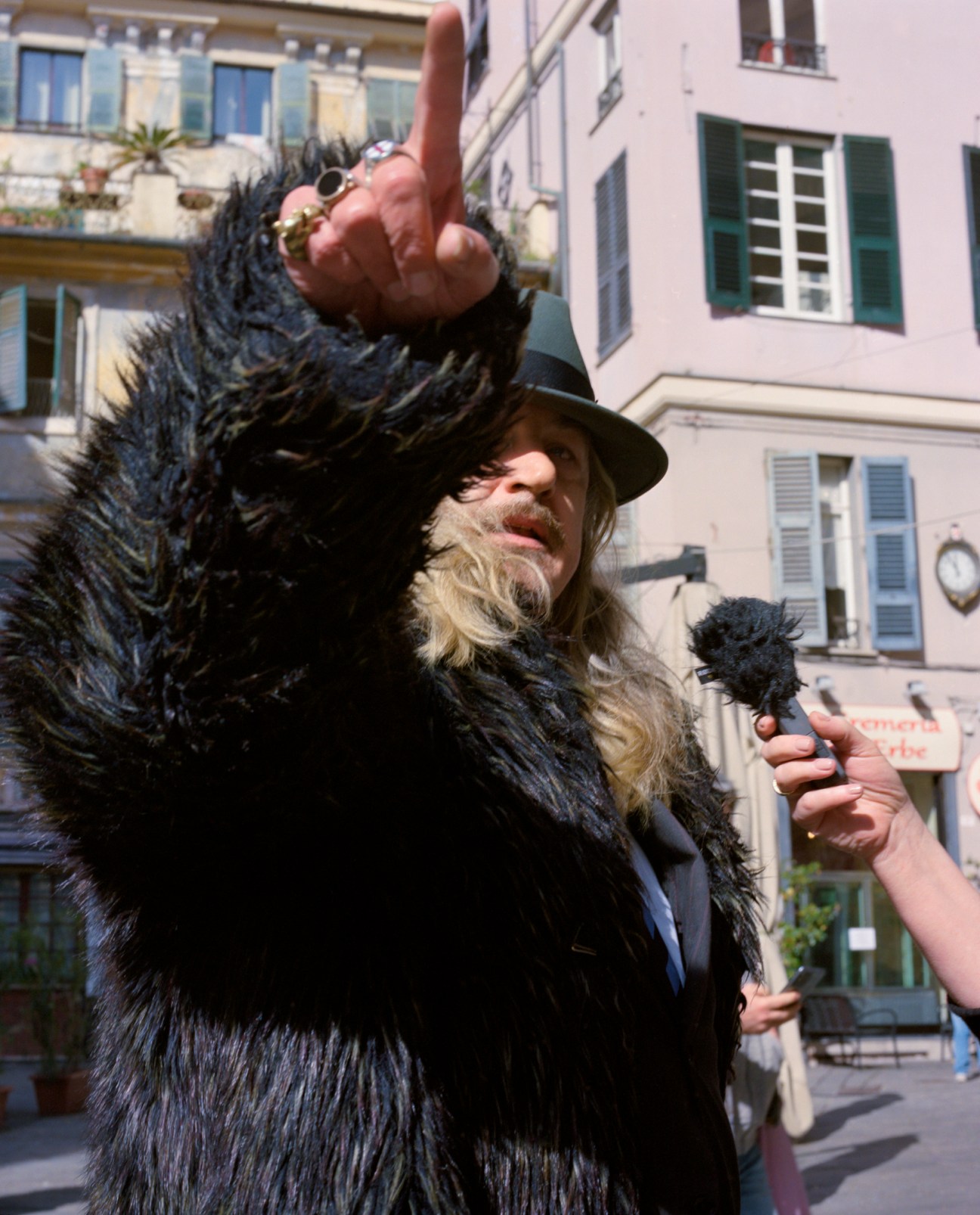
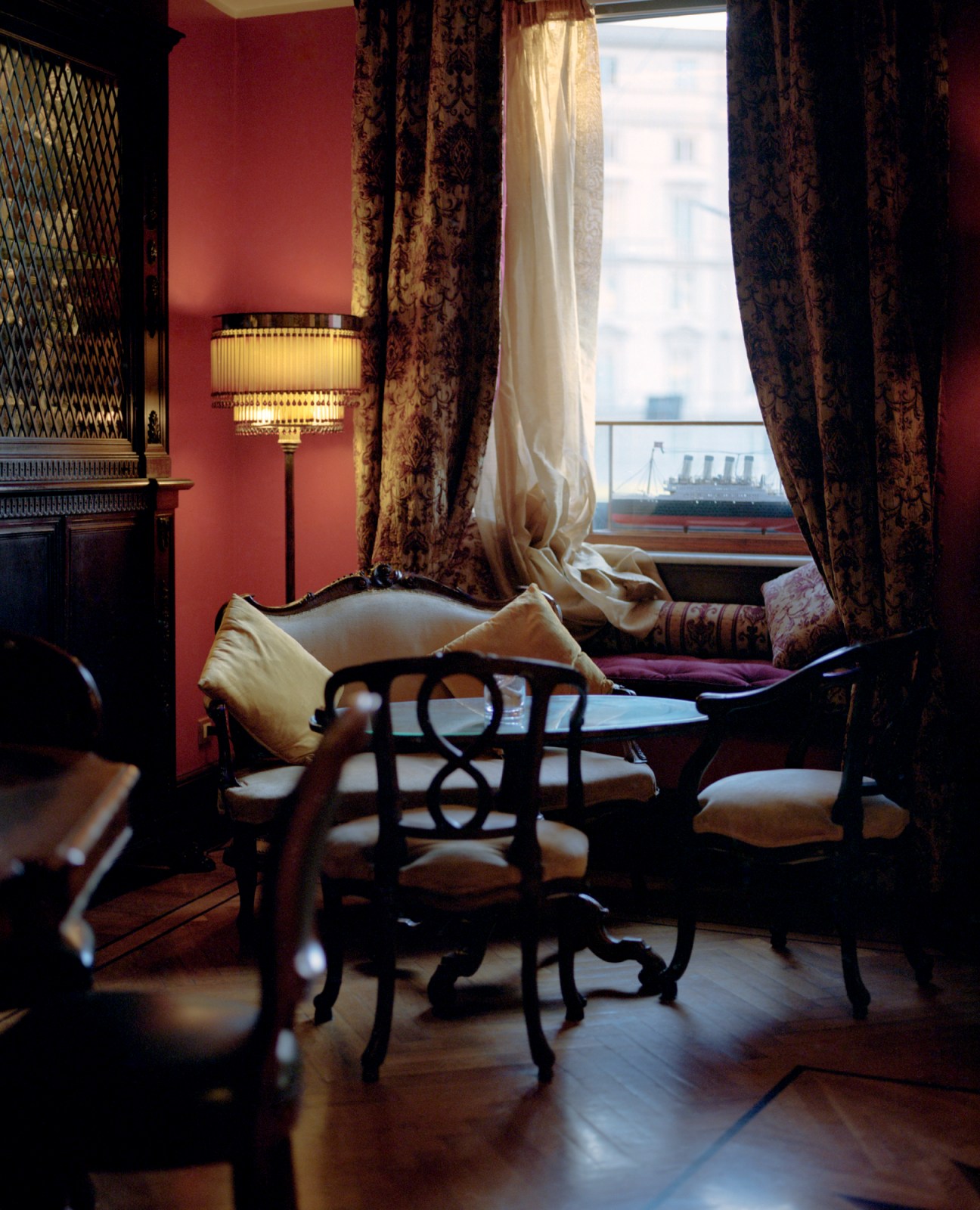
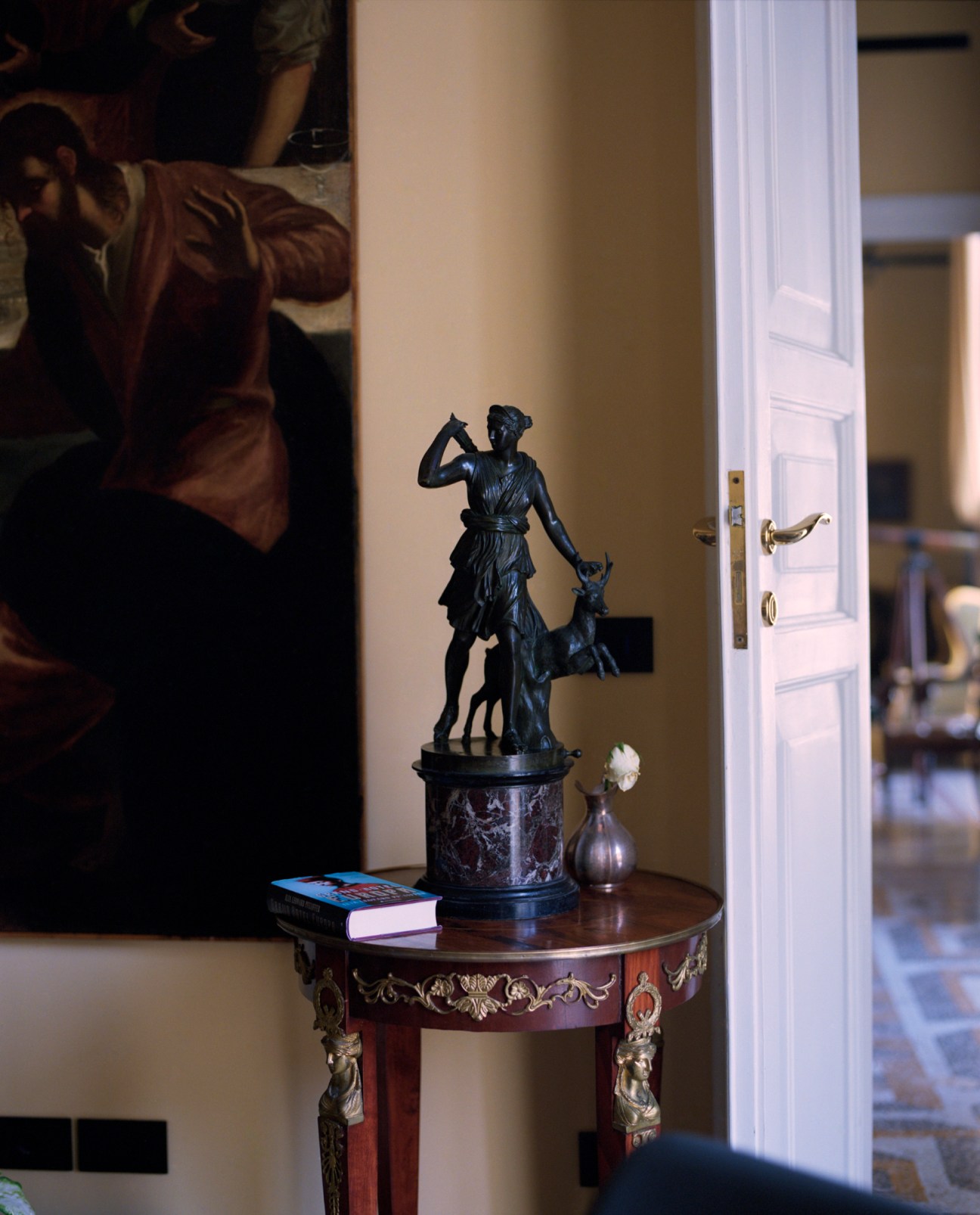
For the past 14 years, Pfeijffer has lived in Genoa, a city that has provided a fascinating, if somewhat melancholy, backdrop to his stories. His 2013 novel La Superba was set in the port city and examines both migration and tourism – subjects to which the author returns in his latest work. At the heart of both books is the question: what does it mean to feel European? In a place with so much history, it can seem as though there’s no space left for looking forward and that the most realistic perspectives on the future are offered by the past.
Looking out on the Ligurian Sea, Genoa is one of the world’s oldest continuously inhabited cities and it remains one of the Mediterranean’s most prominent ports. Pfeijffer first came here while cycling from the Dutch city of Leiden to Rome; wanting to avoid mountains, he took a huge detour around Switzerland via Belgium and France, and through the Ligurian capital. The 2,600km journey took him 41 days. When it was over, he returned to Genoa, intending to stay for a couple of months. Yet something made him settle here.
Today we are sitting at his favourite café in Piazza delle Erbe, deep in what he calls “the labyrinth”. It is here that he began the first sketches of La Superba, inspired by the fact that Genoa has always been a point of departure and arrival, a city from which Crusaders set off for Jerusalem. Millions of Italians left from here hoping for a better life in the US at the end of the 19th century. Now, Genoa is where many immigrants find a new home, right in the city centre, a medieval maze of alleys. Different groups from all over the world inhabit each part of Genoa: there is an area primarily housing migrants from Senegal; there is the former Jewish ghetto, now home to a community of trans prostitutes, among others. Each of these micro realities has a unique character.
To change location is to change personality, says Pfeijffer: identity is bound up with a sense of place and history. He prompts us to think more deeply about this in what might be the book of the year.
What inspired ‘Grand Hotel Europa’?
The basis of the book was a personal question. After my translocation from the Netherlands to Italy, I began to feel a bit less Dutch and a bit more Italian. Most importantly, I noticed that I felt more European. I asked myself, “What could European identity be?” I concluded that it had a lot to do with our relationship with the past. In Europe, we live in the midst of the tangible past. When you spend your entire life surrounded by the beautiful remnants of glorious centuries past, it’s tempting to conclude that the best times are behind us. But nostalgia is a constant factor: Europeans have always thought that the past was better. Even the ancient Greeks thought that the golden age was behind them, when the gods were roaming Earth. So I realised that a novel about European identity should be about our relationship to the past and nostalgia.
So what does it mean to be European?
Many things but pre-eminently it involves the awareness of our history. Unfortunately, this doesn’t mean that we’re wiser. But at least we’re more conscious.
What are the implications of this for the future?
Europe has arrived at a point in history where it has to redefine itself as a geopolitical power. It needs to find its position between rising and declining superpowers. That is what we’re trying to do with the painstakingly difficult but incredibly beautiful project of European unification, of which the UK is unfortunately no longer a part. But there are always arguments that we have seen better times and this is perhaps more visible in the south, around the Mediterranean, than in the north of Europe.
A country such as Italy has increasing difficulties maintaining an old-fashioned economy. One that is based on heavy industry and shipbuilding doesn’t make sense any more; you cannot keep up with the competition from the emerging economies in the East. So Europe has to redefine itself. For an alternative economy, they revert to the main characteristic of European identity – the omnipresence of the tangible past. That’s something that you can sell. You can sell tickets for your museums, for your monuments. I realised that my novel would inevitably touch upon tourism. In Italy the city centres are rapidly turning into open-air museums, theme parks. The question that I asked myself in the book is whether this is the destiny of the entire continent. Are we are bound to be the theme park of the world?
In ‘Grand Hotel Europa’ you tell the story of a bellboy called Abdul, who is a refugee from the Middle East. His experiences show that choices and alternatives exist by virtue of having a future. But for Abdul, the future can only exist by the grace of a past that needs forgetting.
Abdul is on the cover of the book. He is reluctant to tell his story and he is the only character who doesn’t have this connection with the past. For him the past is an ugly place; he is looking towards the future. It is very difficult to find words for this situation, so he borrows them. The reader eventually realises that he is actually following the story of Virgil’s Aeneas. I wanted to draw attention to the fact that the Aeneid, the ancient text on the myth of Rome’s foundation and one of the founding myths of Europe, is a story about a war refugee.
Many of Europe’s ancient myths and historical events are echoed in modern life – for instance, there are parallels between what happened with the bubonic plague and coronavirus.
The plague of the 14th century came into Europe via Genoa. It was the most active port city at the time. Italy’s first coronavirus cases were close to Milan Malpensa Airport. That’s the modern port. What could be the long-term effects of this plague? One of its short-term effects was that it put a total stop to tourism. We saw Venice empty, which was breathtakingly beautiful but also breathtakingly sad because the city cannot survive without tourists. It’s not even a real city any more; nobody lives there. These pandemic years have given us an excellent opportunity to think about these issues. But I don’t see any trace of this kind of reflection, especially among Italian politicians and policymakers. The only thing they can think of is a restoration of mass tourism as soon as possible.
What’s the alternative?
It’s a myth that tourism is a viable alternative economic activity. It brings in some money and creates some jobs but it’s mostly part-time work at a very low level. Much of the income goes to a few big players based abroad. Tourism is by no means innocuous: it creates a lot of damage to the social texture of cities. Airbnb should be prohibited. If you want to control it, you cannot leave that to the free market because its rules dictate that we will have more and more of this type of activity. Politicians have to intervene, to keep things under control and liveable. The alternative is not easy because it means that you have to be more creative about bringing about different opportunities for economic activity. But tourism is the easy solution – and it is not a real solution.
One of the ways you tackle this in your novel is by writing about making a documentary on tourism.
A large part of the story is set in Venice, because it is perhaps the most spectacular example of a city that irreversibly surrendered to mass tourism. You see the same phenomenon in other European cities, among them Amsterdam, which is rapidly becoming a theme park. Residents have moved away from the centre. But its city council is aware of the problem and it is now trying to discourage tourists from coming by convincing them to visit other parts of the Netherlands. Not far from Amsterdam, there’s the town of Zandvoort, which has a nice beach. If you call that Amsterdam Beach, you can make tourists go there. There’s the city of Muiden, where there is a castle. That became Amsterdam Castle, and so on. It has worked, in the sense that Zandvoort and Muiden now have the same problems that Amsterdam has. But tourist numbers in the capital didn’t fall.
The novel’s Grand Hotel Europa is taken over by a Chinese owner who changes its character. Is this a metaphor for China’s increasing global influence?
China is buying Europe, which is perhaps not necessarily a bad thing. The Grand Hotel has been bought by a Chinese investor, who wants to improve it. So he tries to make it even more European. There is a lovely 19th-century Chinese room; he rebuilds that as an English pub.
Do you think that the Chinese money flooding into Europe is a threat?
I am worried about things that the Chinese government has control over, such as the 5G network. But I don’t see much danger in Chinese individuals buying shops, bars and restaurants in Italy and turning them into flourishing establishments. They’re often an improvement.
What is the heartbeat behind both works?
Both La Superba and Grand Hotel Europa explicitly want to relate to the times in which we live. I want to raise questions about modern life, globalisation and Europe. But both are novels. The motor of Grand Hotel Europa is a heartbreaking love story. Margaret Atwood was once asked by an interviewer whether she thought that it was the task of a writer to talk about the world today. And I liked her response very much. She said, “No, that is the task of me as a citizen. My task as a writer is to make you turn the pages.” I will be very grateful if readers, if only for five minutes, stopped to think about the questions that I raise. Perhaps I don’t have the answers; perhaps it’s not my task to provide the answers. But let it be my task to pose a couple of very good questions.
‘Grand Hotel Europa’ is published in the US by Farrar, Straus and Giroux, and in the UK by 4th Estate. Listen to the full interview with Pfeijffer on Monocle 24’s ‘Meet the Writers’ at M-monocle.com/radio or as a podcast.
Comic timing
The comic book, also known as “the ninth art”, is no laughing matter in France. Bande dessinée (or simply BD) has historically been big business: it’s here that characters such as Asterix and Le Petit Nicolas were born and where Belgian creations Tintin and Gaston Lagaffe were enthusiastically adopted and enjoyed by children and adults alike. Last year 85 million comic books were sold in France – a record – with the industry reaching a value of €890m. But at this year’s Angoulême International Comics Festival, the country’s biggest comic-book fair, the stars of the show aren’t French or Belgian. On the streets of this picturesque medieval town in the southwest of the country, you’ll spot large murals of Lucky Luke and Blake and Mortimer but inside the halls it’s Naruto and Goku who will greet you. That’s because competition is coming from Japan and the future of the industry is playing out at the festival’s Manga City section.
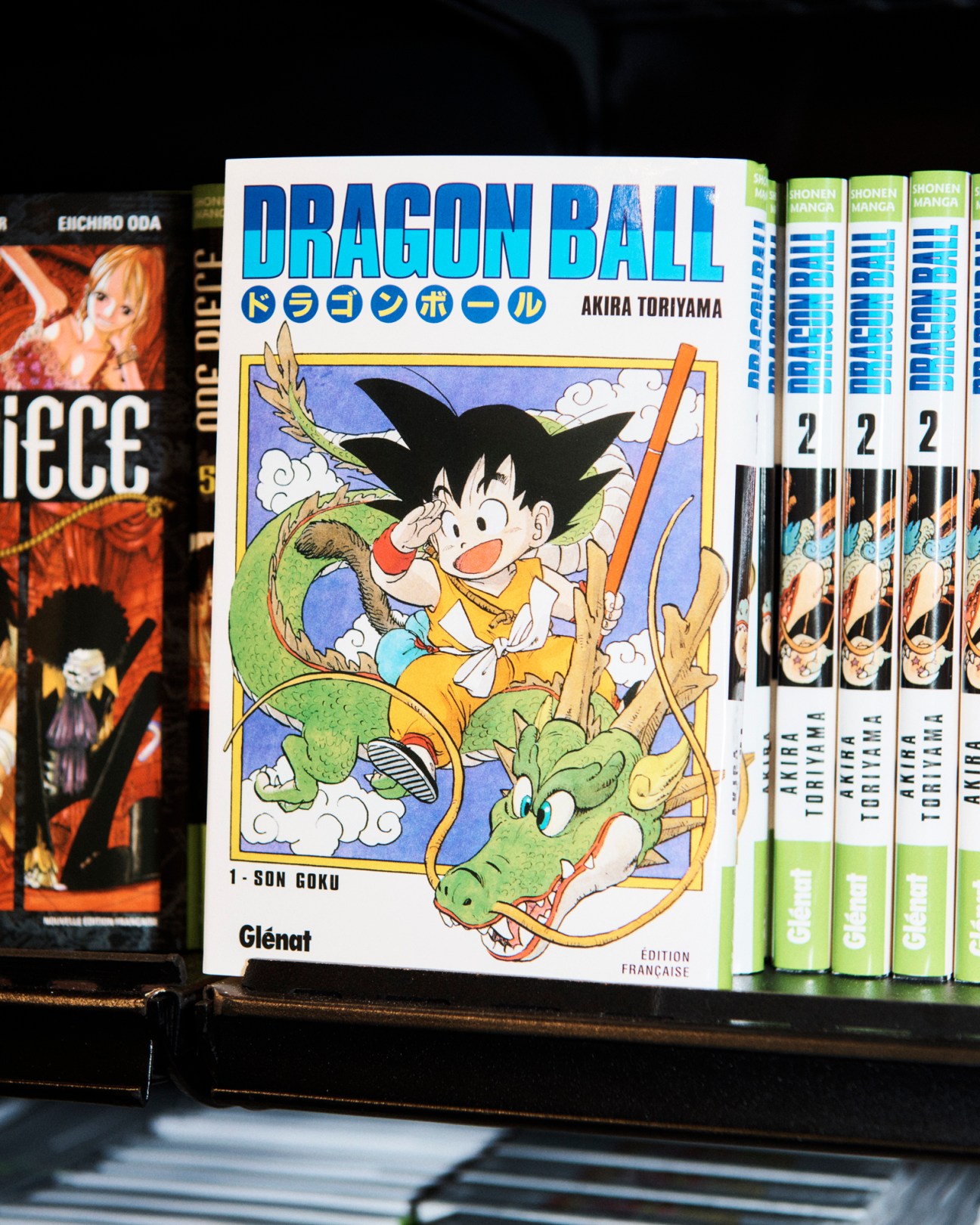

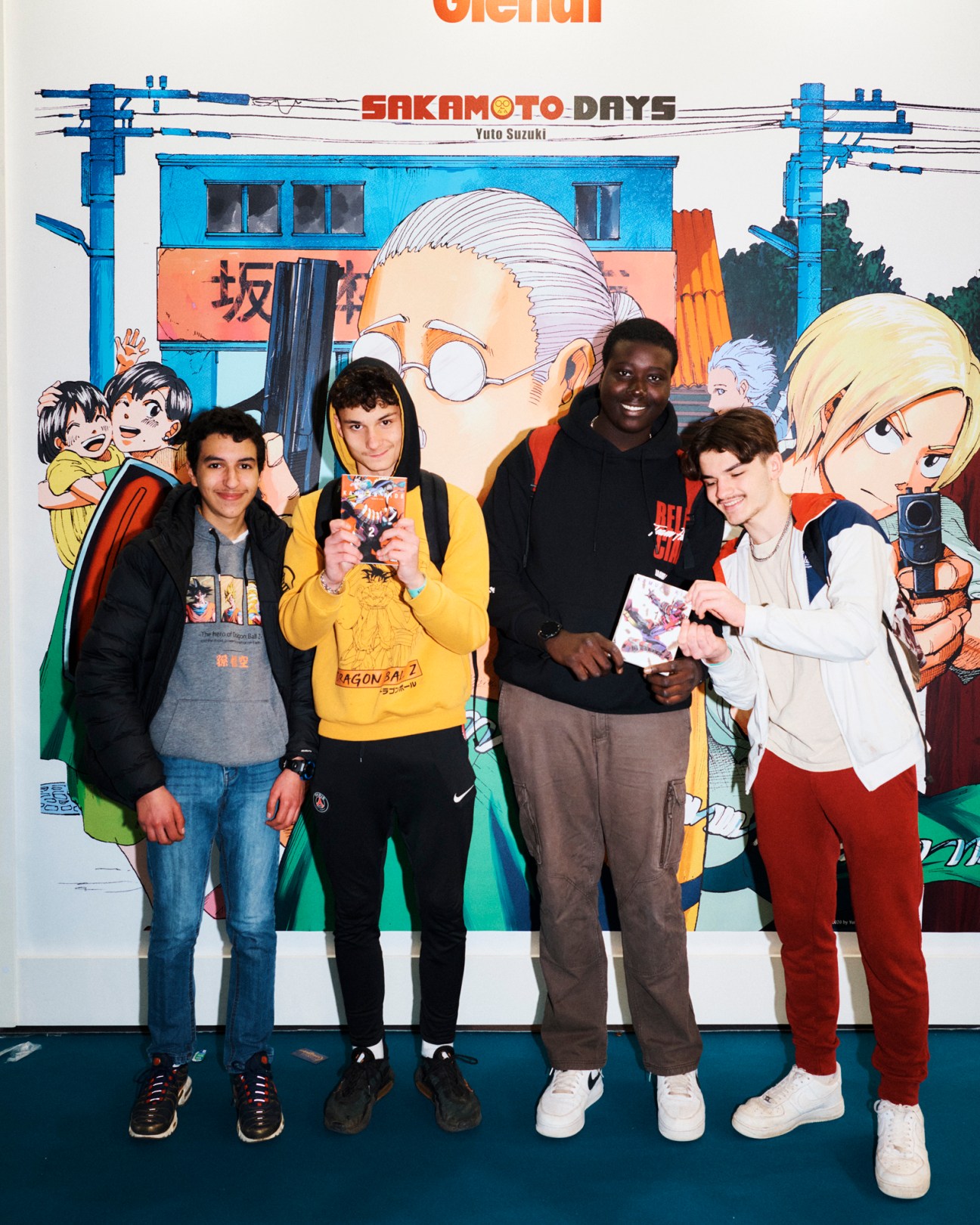
Under a huge tent with brightly coloured walls and floors, more than a dozen stalls are piled high with tankoubon, the standard pocket-sized manga volumes, which read right-to-left. Sisters Helena and Nathalie Devillers, 24 and 20 years old, are big manga readers and have travelled here from eastern France. “I’ve been a fan of manga since primary school,” says Helena. “I just bought Battle Club because I had been eyeing it for a while.”
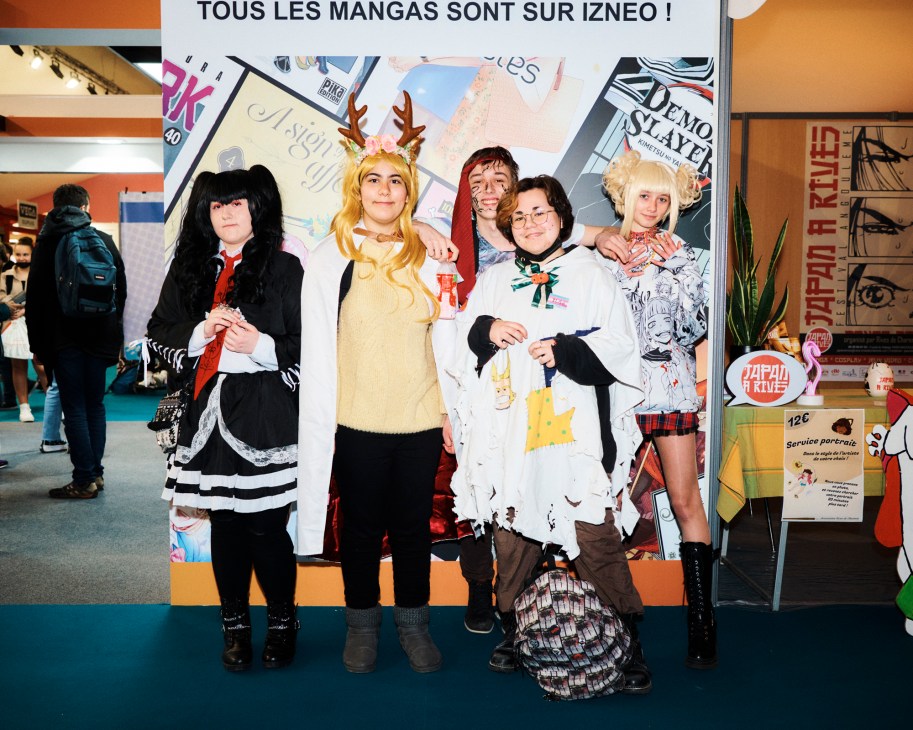
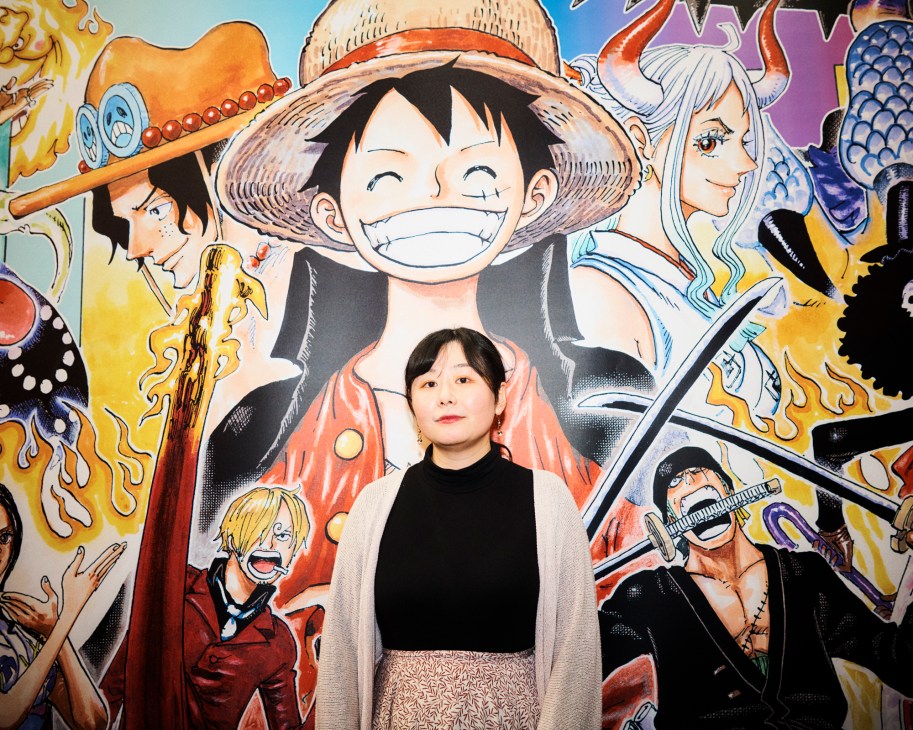
Over the past 20 years, manga has been steadily gaining popularity in France, to the point that the nation is now the world’s second biggest market for this kind of comic after Japan. Fuelled by titles such as One Piece and Demon Slayer, the industry has been flourishing in recent years but in 2021 sales went through the roof: 47 million manga titles were sold in France – more than double the amount of 2020. Today, half of all comic books sold in the country are mangas.
As France’s biggest publishing house specialising in manga, Pika Édition’s history mirrors the rise of Japanese comic books in the nation. Founded in 2000, the company was bought by publishing giant Hachette in 2007 and has continued to grow with the success of its most popular titles, including dark fantasy Attack on Titan and teen-girl classic Cardcaptor Sakura. Standing in a quieter corner of the fair next to Pika’s busy stall, editorial director Mehdi Benrabah says that the recent explosion may be partly explained by the lockdowns of 2020, when book sales surged. “It was really quite surprising,” he says, his eyes lighting up. “We could never have guessed how strong our readers’ appetites were.”
When bookshops finally reopened, manga got another boost: in May last year the French government launched a “culture pass” aimed at helping the creative industry to recover from the pandemic. Every 18-year-old in the country was given €300 to spend on books, music, exhibitions or theatre tickets. To the dismay of some politicians, who were hoping to “diversify the purchase of cultural goods”, the pass fuelled a manga craze: by the end of the year, 56 per cent of purchases made with the bonus were books, half of which were mangas. “All the culture pass did was accompany an existing trend,” says Benrabah.
As one of Japan’s most effective cultural exports, manga is well-known all over the world – but its astronomical success in France still stands out. “It’s a market that has never stopped growing,” says Satoko Inaba, editorial director of manga at Glénat, the second-largest comics publishing group in France and the country’s leading publisher of manga. Born in Japan, Inaba was raised in France and joined the company in 2008, where she was instrumental in scouting Japanese authors to create manga especially for the French market. In a quick break between meetings on a busy first day of the fair, she explains that the rise in sales may have something to do with an existing taste for the bande dessinée: “In France there is a strong interest in illustration, the artistic side of it.”
However, Japanese cartoons have also been around for long enough to become entrenched in popular culture: in the 1980s and 1990s, a children’s TV show called Club Dorothée helped popularise anime such as Dragon Ball, Ranma 1/2 and Princess Sara. When publishing houses started putting out manga, they tapped into an excited and underserved teenage audience. Many of those readers stayed loyal as they aged, which provides another explanation for the current boom: those readers are introducing their passion to a new generation. “We often hear of dads who used to watch Dragon Ball when they were young and now read the manga with their sons,” says Inaba.
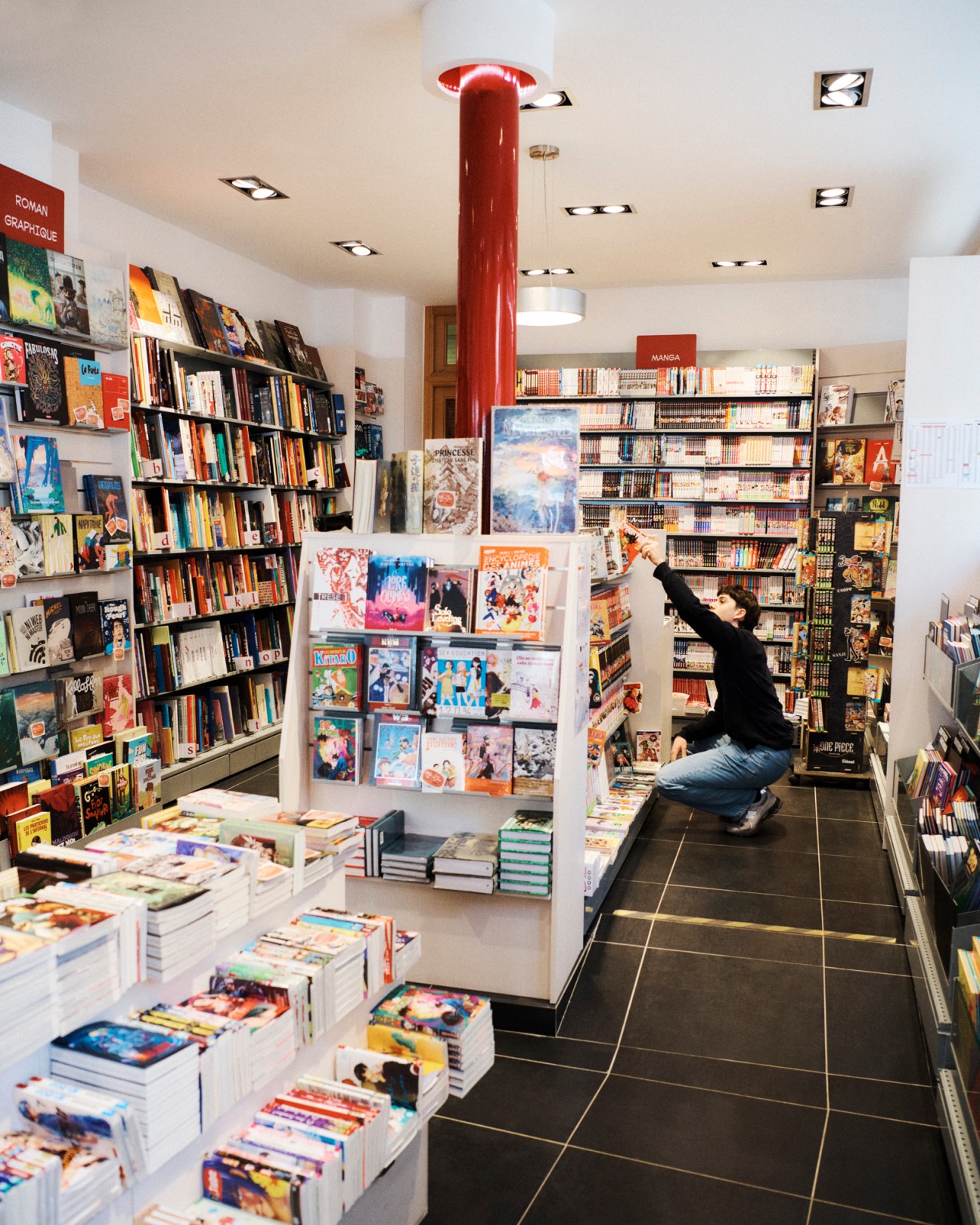
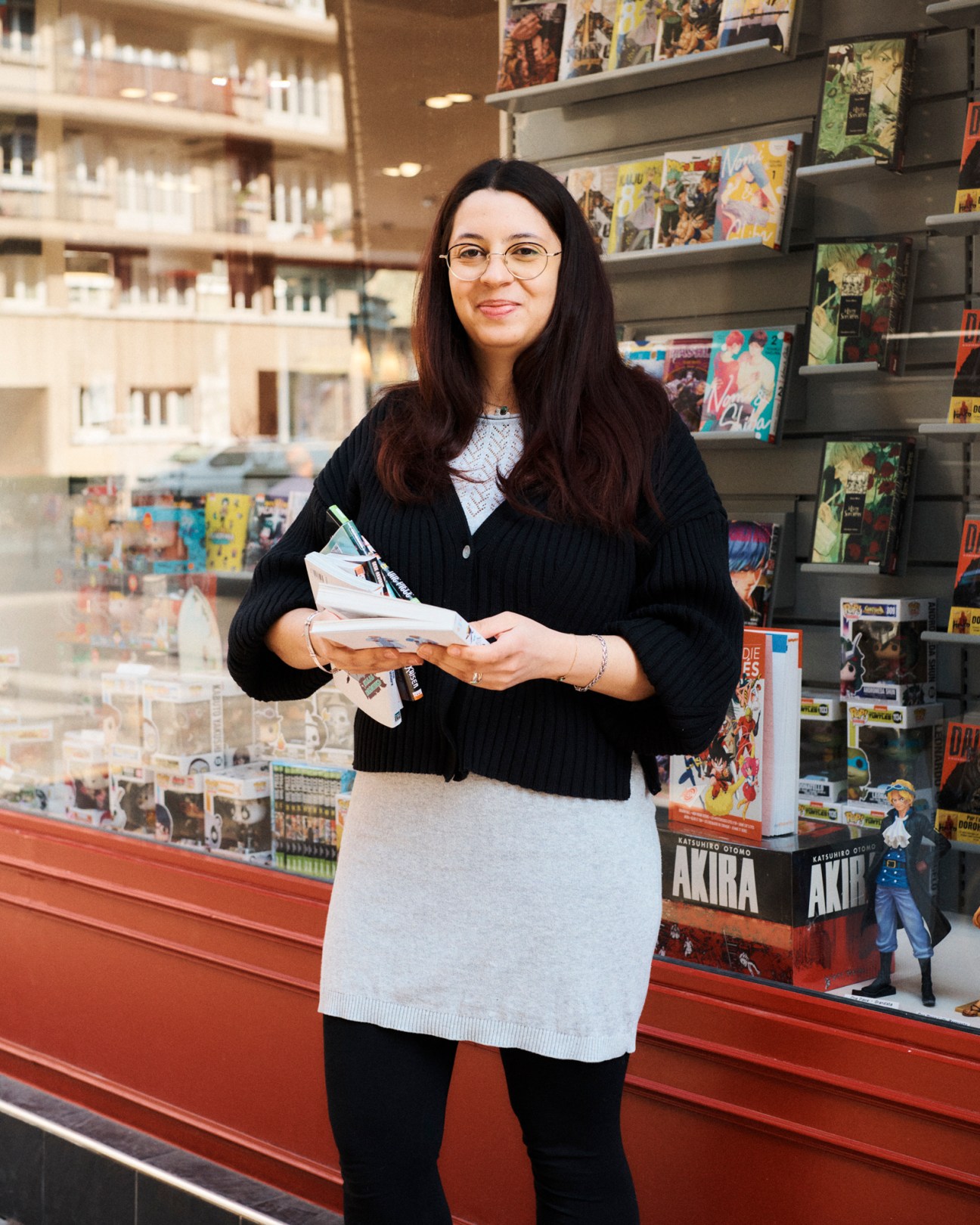
Bookshops across the country are having to adapt, with owners who previously snubbed the form realise they can no longer afford to. “When I was a teenager, people were very prejudiced against manga,” says 30-year-old Éleonore Amar, who manages Bulles en tête Vaugirard, a bookshop specialising in comic books in Paris’s 15th arrondissement. “It was frowned upon because people thought it was violent or erotic. They didn’t realise that there are mangas about everything.”
On the shelves of this shop you’ll find titles on any topic, from wine (Drops of God) to vikings (Vinland Saga) and radio presenters (Wave, Listen to Me!). Opened in June 2021, this is independent chain Bulles en tête’s newest and third outpost in Paris: the company’s growth has been helped by a 120 per cent increase in manga sales in recent years. Some customers might read it on screen but this does not replace the value of holding, leafing through and collecting the printed thing; this is an analogue product that still manages to bewitch a digital-first generation of teenagers.
The rising fortune of the genre has also enticed comic-book designers in France to get involved. Though they still only represent a smaller proportion of sales, more and more French artists are trying their hand at manga, or what some call “manga-inspired” comics.
“It’s a natural entry point into the world of comic books, because we grew up with it,” says Tony Valente, whose series Radiant is one of the few French manga to have been so successful that it broke into Japan, where it has an anime adaptation. Born in Toulouse, Valente started publishing comic books at the age of 20. In 2013 he came up with Radiant, the story of a young wizard who must save humans from menacing monsters that fall from the sky. Inspired by Celtic and Norse mythology, the series tackles European issues of immigration and racism but in a distinctly Japanese style. Manga’s format, he says, is better suited to the kind of stories he wants to tell.
“A French BD is about 50 pages and comes out once a year, while a manga is about 200 pages and published twice a year,” he says. “There’s more space and it comes out more regularly. A year is a long time to wait when you’re 12 or 13 years old.”
Author Christophe Cointault, who is attending the Angoulême festival for the first time as a published mangaka, agrees that there is a certain creative freedom that comes with manga. As we sit in a hotel lobby, surrounded by publishers deep in sales pitches, he explains that French and Belgian comic books tend to stick to similar-sized panels on a page but with manga, the format is up to the designer.
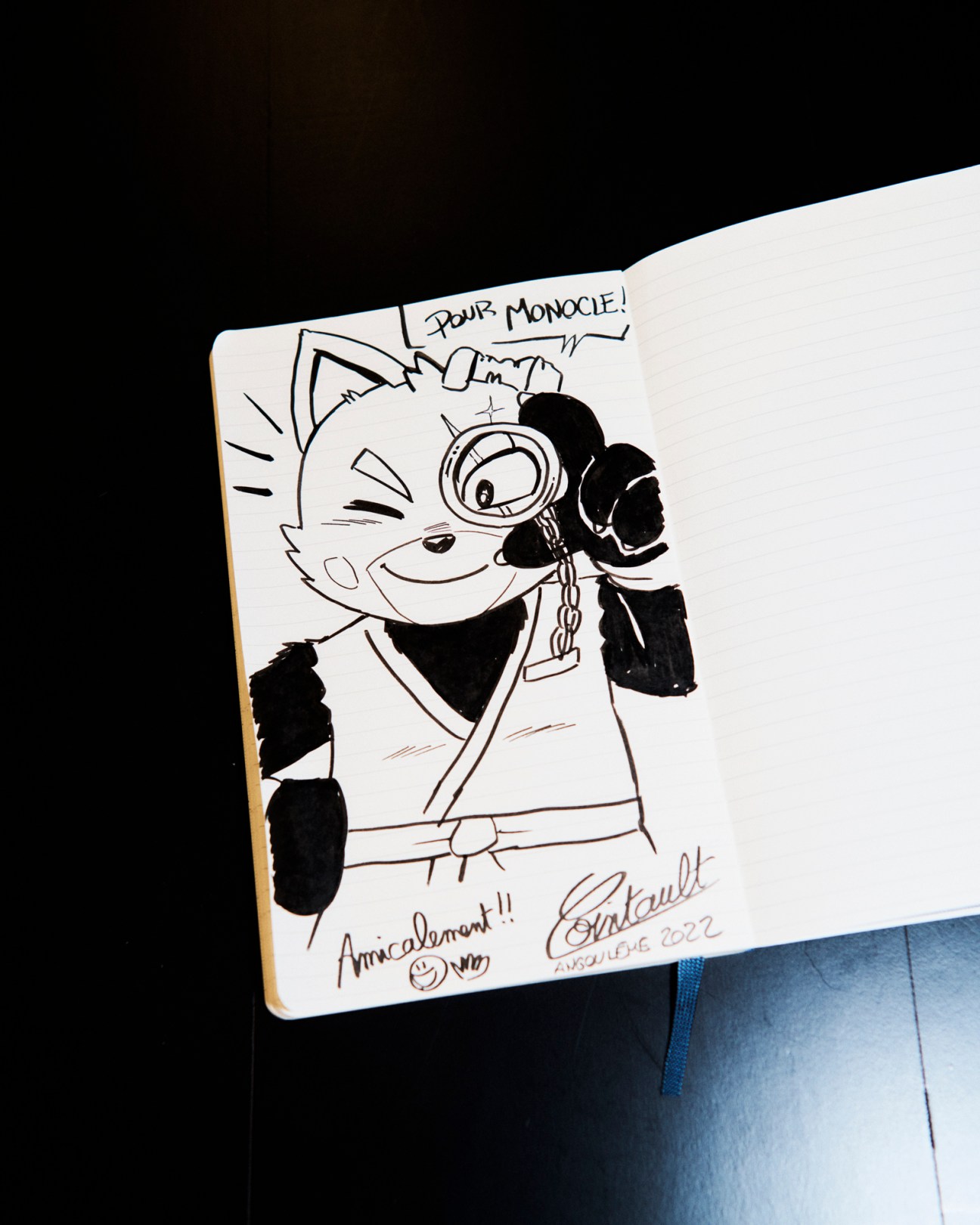
“You can take up a lot of space; you can go crazy with big boxes or double pages,” he says. His first shonen (an action-filled genre primarily aimed at boys) Tinta Run was published by Glénat in 2018 and he is currently working on the final volume of Wind Fighters, which follows the adventures of a brave and bright-eyed hero named Helio who must save the world from a dictator with the help of his sister and a cunning red panda named Toaster. Cointault points out that visual techniques borrowed from film, combined with the fast pace of serialisation, makes manga more addictive. “It’s like a Netflix series: every episode ends with a huge cliff-hanger,” he says. “The rhythm keeps you hooked.”
This cinematic quality gives it another advantage: unlike the BD or American comics, which produce big-budget blockbusters once every few years, manga can be easily adapted for TV or video games. Japan has been producing anime for decades and streaming platforms are cottoning on: Netflix almost doubled its number of anime releases last year and dedicated platforms such as Crunchyroll and adn are raking up an increasing number of subscribers; the global demand for anime has more than doubled over the past two years.
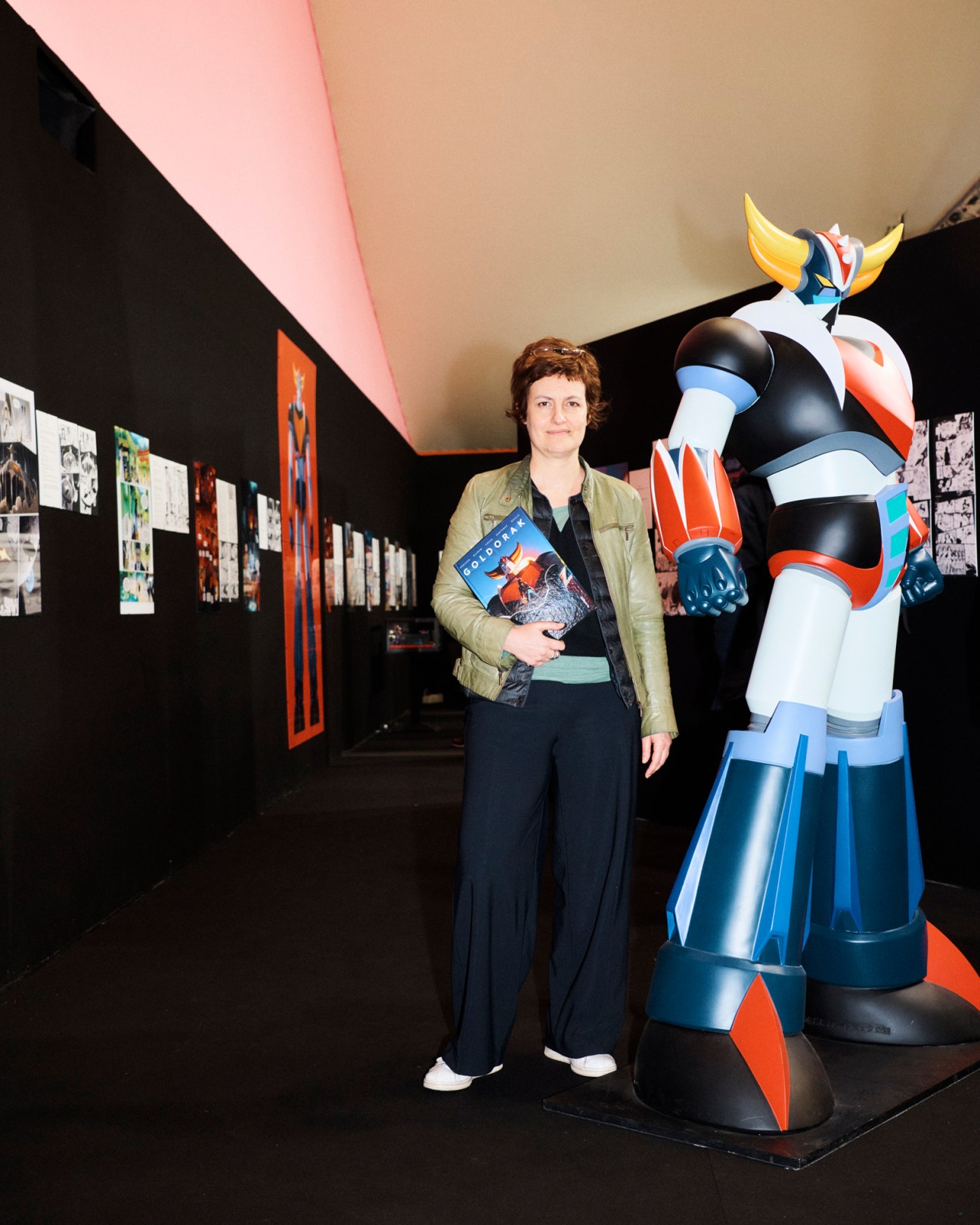
Back at Manga City, a group of teenagers talk excitedly about the plot of superhero mystery Spy x Family, while adults queue for a signed special edition of Grendizer, the first anime series to be broadcast in France, in 1978. Manga has seduced audiences in a way that traditional comics no longer can.
“The narrative is built in a way that allows you to feel empathy towards the characters,” says Inaba. “It’s not the same logical narrative you find in BD, where the focus is more the script.” Whether it’s because it pulls on readers’ heartstrings, because it has a variety of topics to explore or because it is a refreshing addition to a fine tradition, manga is conquering France – and its rise is not over. Asterix had better be stocking up on magic potion.
Drawing crowds: the biggest manga in France
Cliffhangers and incredible characters – with manga taking France by storm, here are some of the most popular series by French and Japanese mangakas alike.
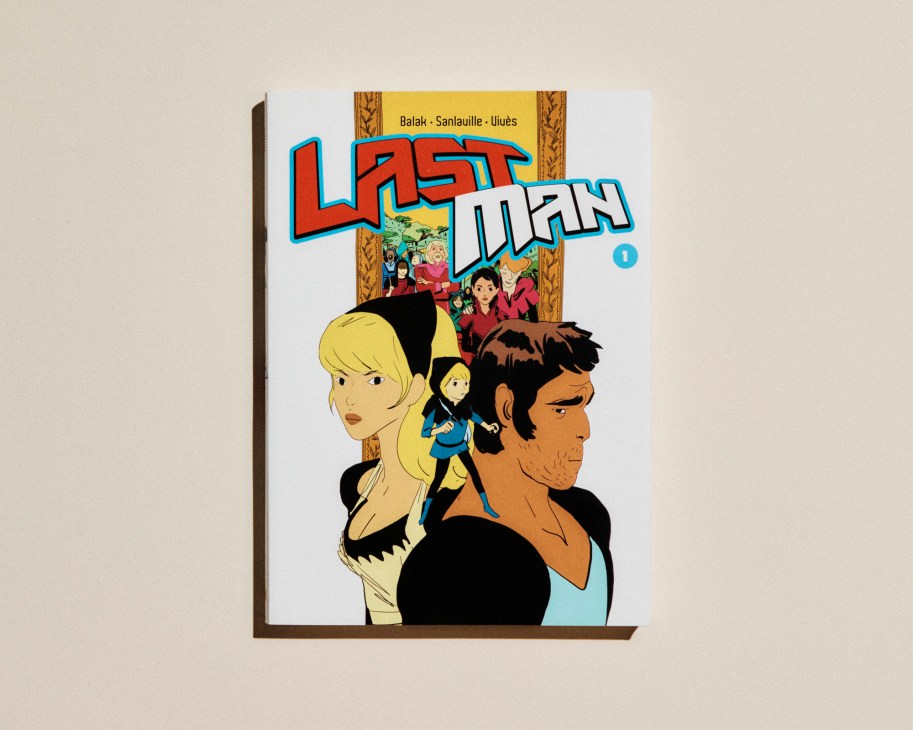
In the Valley of the Kings, a boy trains for a martial arts tournament but when things go wrong he seeks the help of an unlikely ally. This manga-inspired French comic has been adapted into an animated series and a video game.
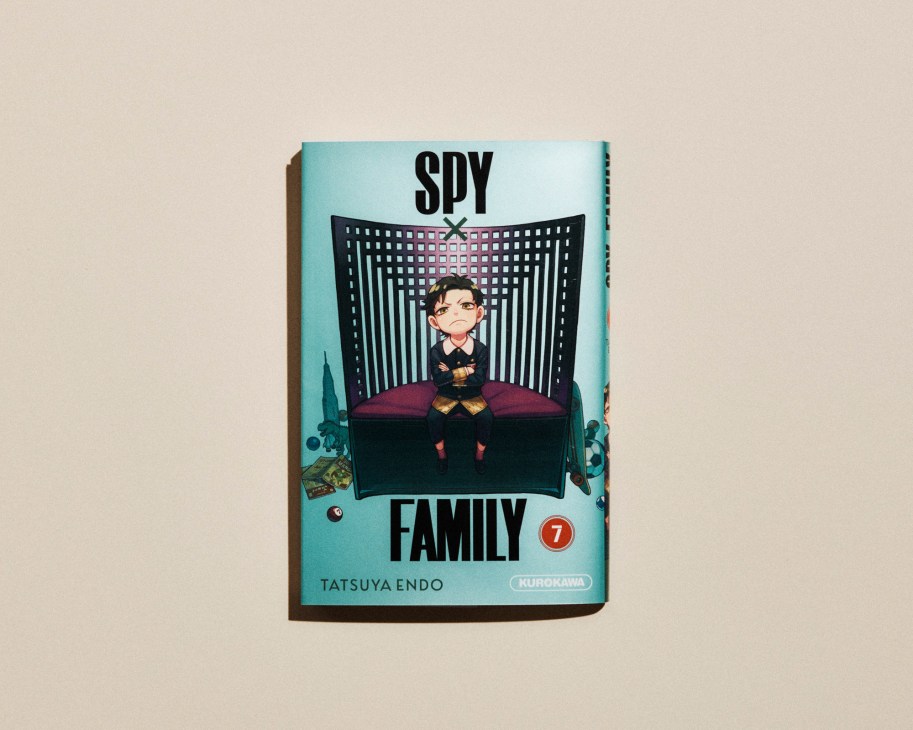
A spy must assemble a fake family to execute a mission but he finds himself with an unexpected wife and daughter – a deadly assassin and a mind reader, respectively. One of the best-selling Japanese manga in France.
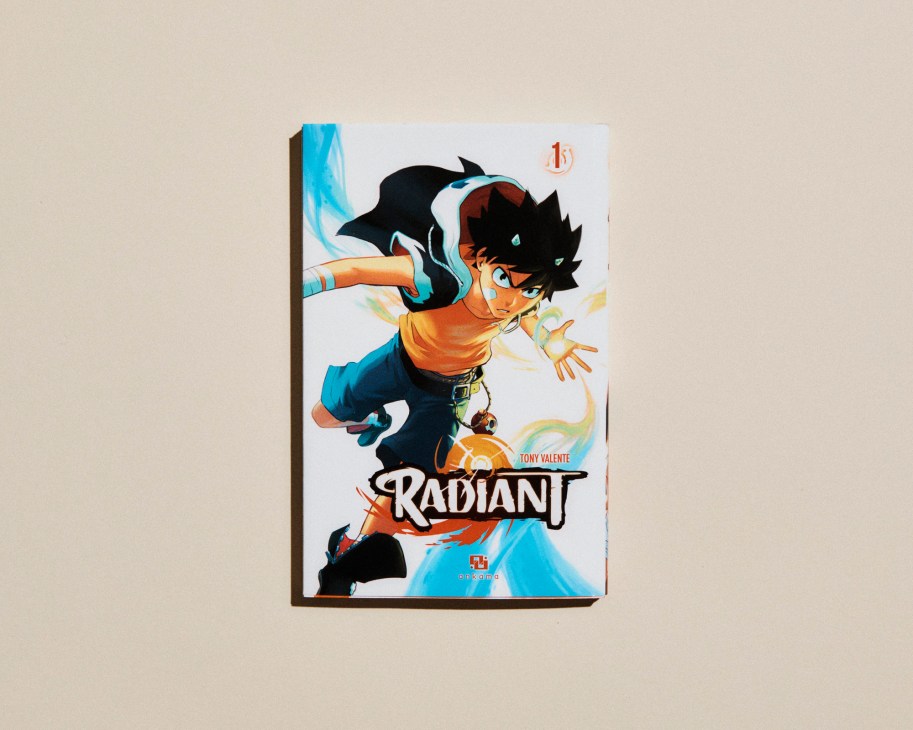
This “manfra” (French manga), created by Tony Valente, follows a sorcerer who must help protect human civilisation from powerful monsters. It is the first French manga to have an anime adaptation broadcast in Japan.
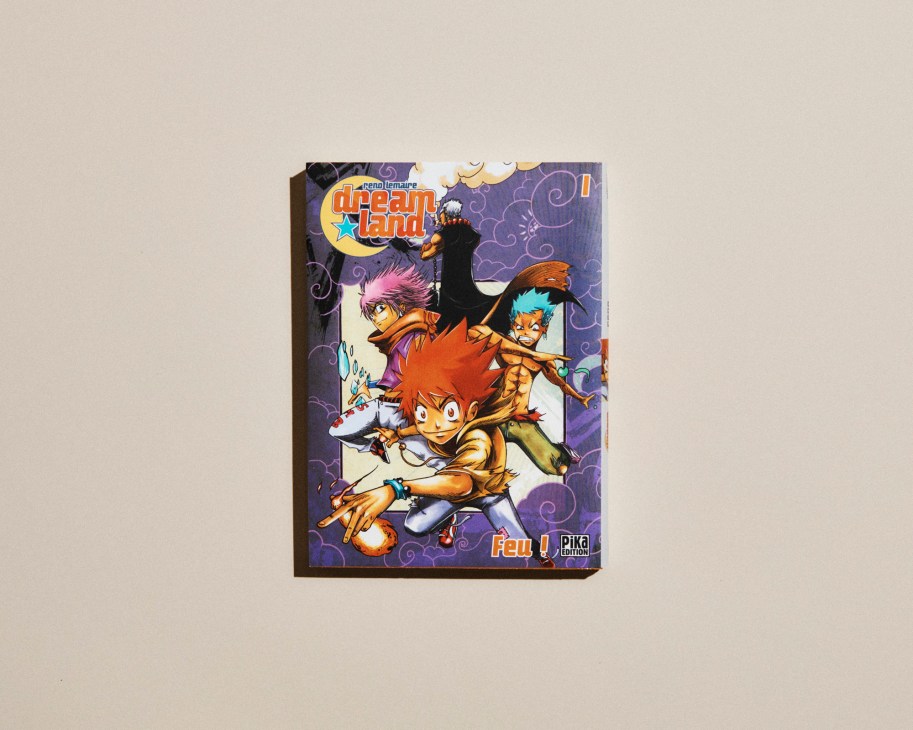
One of the first successful French mangas, published since 2006, the story takes place in present-day Montpellier but every night characters are transported to a parallel reality populated by fantastical creatures.
Hitting peaks
Music
Wet Tennis
Sofi Tukker
The second album by US duo Sofi Tukker takes inspiration from the allure of tennis. Turkish producer Mahmut Orhan orchestrates the beat-heavy “Forgive Me”, while “Mon Cheri” features Mali’s Amadou & Mariam. Elsewhere, the funky “Kakee” celebrates Brazilian music and there’s a delightful left-field cover version of “What a Wonderful World”.
‘Wet Tennis’ is released on 29 April.


Bronco
Orville Peck
The masked Canadian country singer returns with an emotionally charged 15-track album. If Orville Peck’s 2019 debut, Pony, raised expectations with powerful songs such as “Dead of Night”, its full-length follow-up, Bronco, doesn’t disappoint: the country-infused beats of “Hexie Mountains” take us on a dusty roadtrip, while “Daytona Sand”, about a wild day in Florida, is another highlight. And Peck’s fashion sense remains full of lust and mystery.
‘Bronco’ is out now.

Spell 31
Ibeyi
Afro-French-Cuban duo Ibeyi, consisting of twin sisters Lisa-Kaindé and Naomi Díaz, are back with their first album since 2017’s Ash. Spell 31 is a very personal collection; single “Sister 2 Sister” is about the special connection between siblings. Inspired collaborations pepper the record: Jorja Smith appears in “Lavender & Red Roses”, while “Made of Gold” features UK rapper Pa Salieu. It’s a heady mix of neo-soul and electronica.
‘Spell 31’ is out on 6 May.
TV
Standing Up
Fanny Herrero
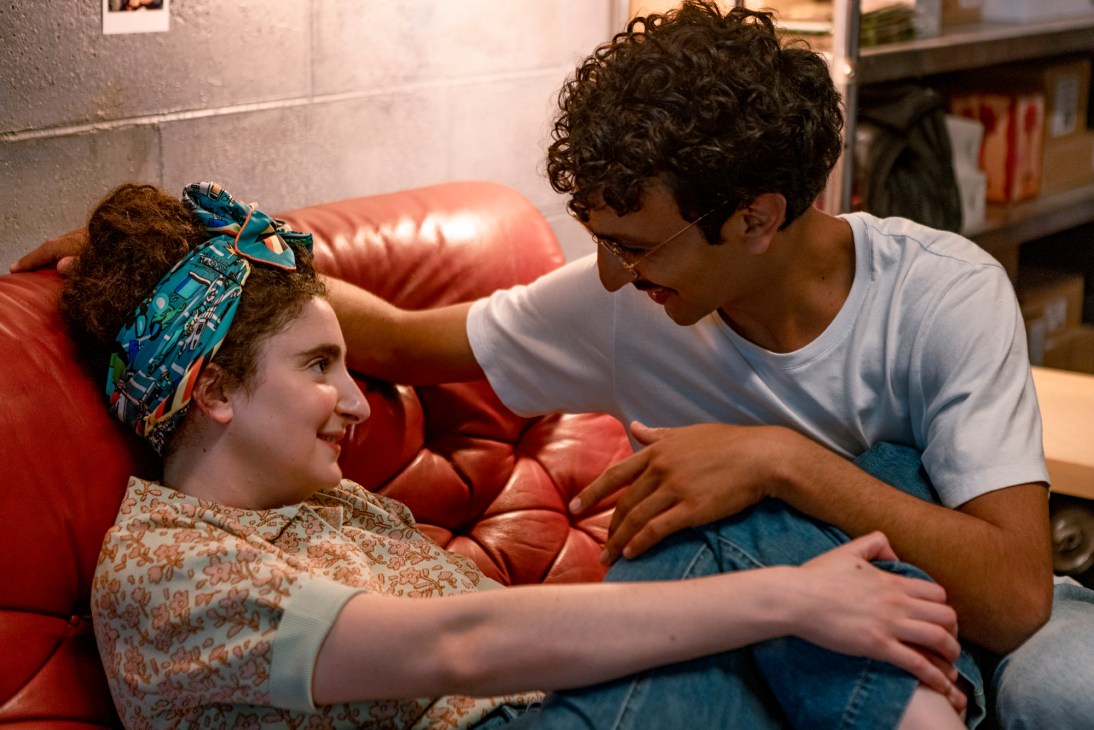
In her latest Netflix show, Call My Agent! creator Fanny Herrero shifts her focus to the highs and lows of the Parisian stand-up scene. Told through the perspective of four friends competing to establish themselves as comedians, Standing Up explores the risks of using your private life as source material and the consequences of jokes gone wrong.
Infiniti
Thierry Poiraud
This high-octane Studiocanal series helmed by Thierry Poiraud takes as its setting the International Space Station (ISS). After the body of a crew member is found in Kazakhstan and communication with the space station is lost, ground control fears the worst. Then the supposedly dead crew member starts sending messages from the iss, suggesting that something more unsettling is afoot.
Films
Small Body
Laura Samani
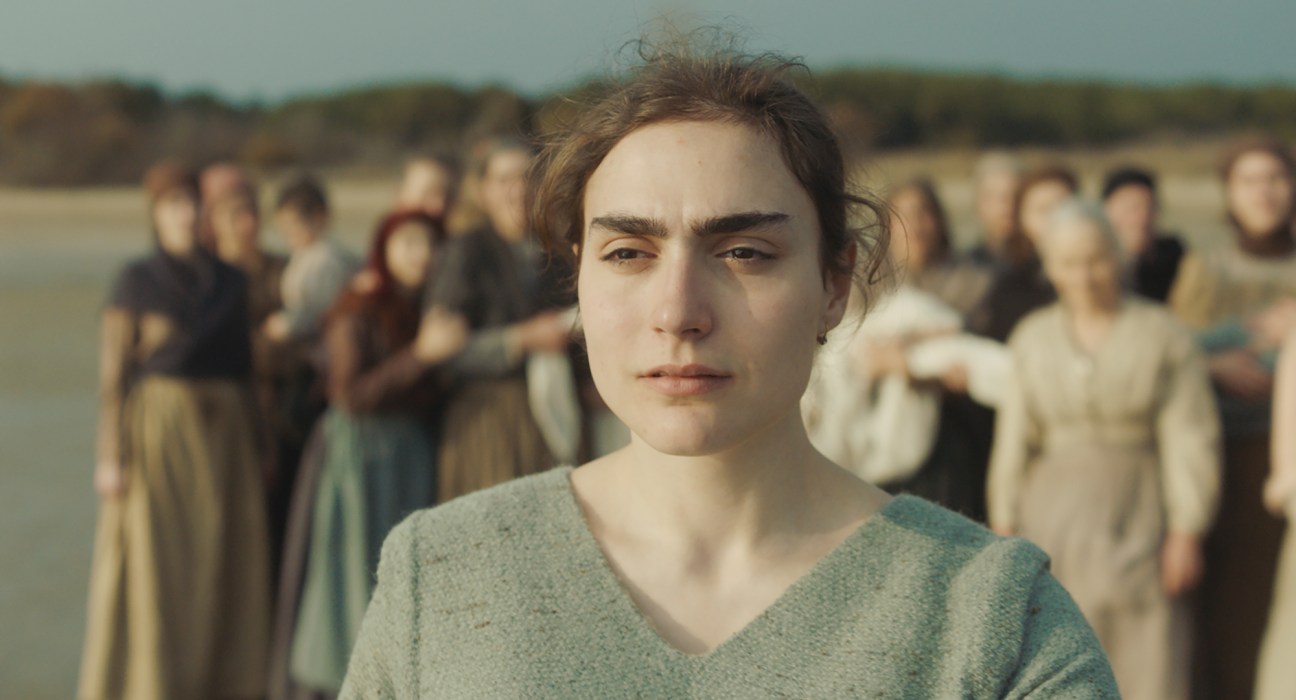
Set among a God-fearing island community in the early 20th century, Italian director Laura Samani’s debut feature follows Agata, a grieving mother who undertakes a pilgrimage to a mountain church in an attempt to save her stillborn daughter’s soul. Small Body is a short yet emotionally weighty tale of human resolve that is enriched by an evocative sense of otherworldliness.
Faithful
Hélier Cisterne
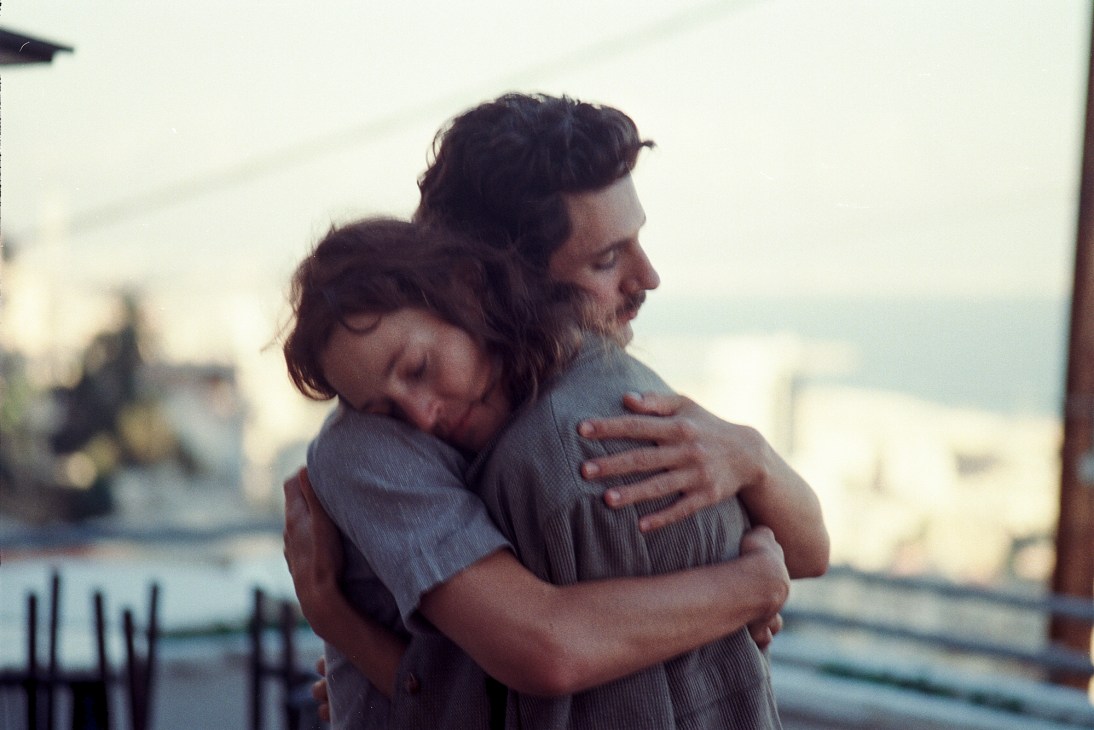
Based on the Goncourt Prize-winning book De nos frères blessés by Joseph Andras, Faithful tells the true story of Fernand and Hélène, a couple who leave France in the 1950s for Algeria. There, Fernand, an Algiers-born communist, gets involved in the resistance. After he is arrested and sentenced to death, Hélène is left behind and labelled as the wife of a traitor. Their relationship frames a politically charged exploration of a dark chapter in French and Algerian history.
The Girl and the Spider
Ramon and Silvan Zürcher
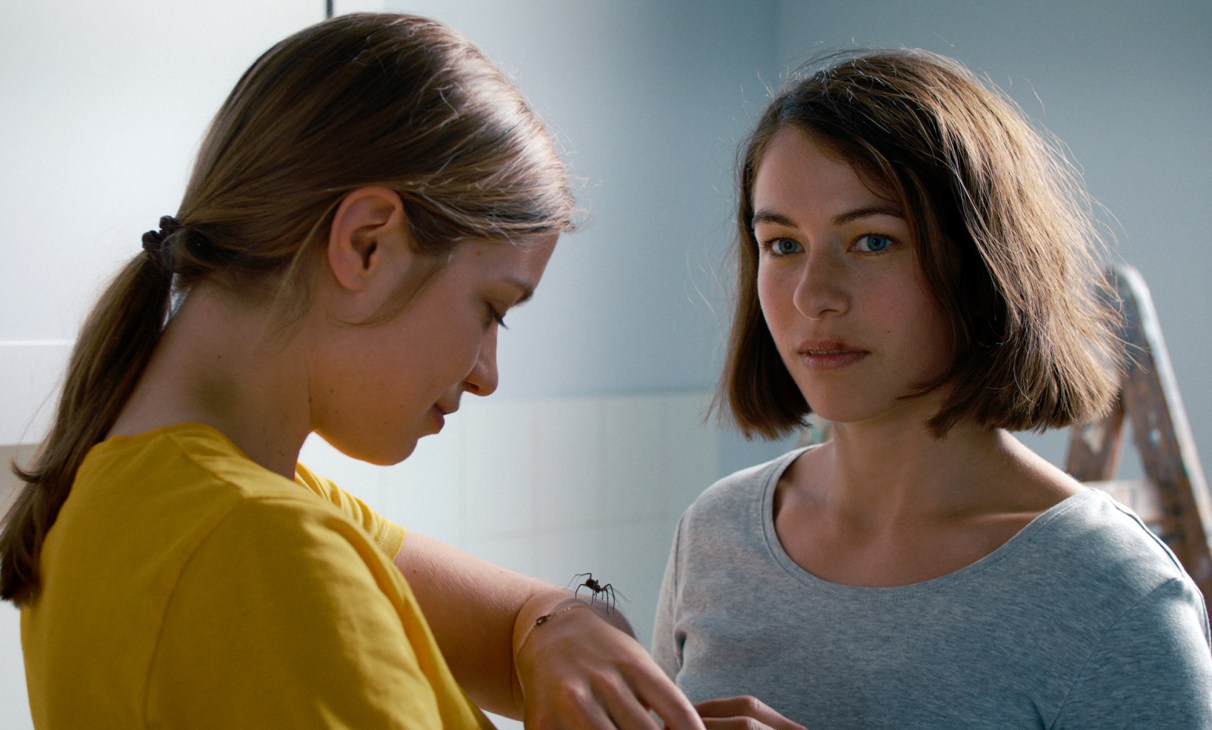
Domestic settings are often integral to the films of Swiss brothers Ramon and Silvan Zürcher: Ramon’s 2013 picture The Strange Little Cat, for example, followed a German family crammed into a small apartment. The Girl and the Spider continues in this tradition, exploring the feelings that arise when twentysomething Lisa leaves her old flat to rent her own place. There are hints of complications between Lisa and her former roommate Mara; deciphering these unspoken suggestions is half the fun.
Art
Bárbara Wagner and Benjamin de Burca: Swinguerra
Boston

Brazil-based duo Bárbara Wagner and Benjamin de Burca specialise in creating works that interrogate the history of underground dance and music genres. Swinguerra, screening at Boston’s Institute of Contemporary Art, focuses on the town of Recife and features three contemporary dance styles: swingueira, brega funk and passinho da maloca. Behind the joyous energy there is an exploration of the origins of these dance forms in colonial history and how they can still feel like acts of defiance.
‘Swinguerra’ runs until 5 September.
Álvaro Perdices: Mirror and Kingdom/Ornament and State
Madrid
In this installation by Álvaro Perdices at Madrid’s Centro de Arte Dos de Mayo, a mirrored room holds an archive – but it’s no ordinary repository. The photography, video and sculpture assembled here draw on research conducted on a former army museum and the woodworking workshops of Ocaña Prison in Toledo to examine how institutions shape public opinion. Perdices shows that archives don’t simply catalogue the past: they can be used to assert power.
‘Mirror and Kingdom/Ornament and State’ runs until 21 August.
Books
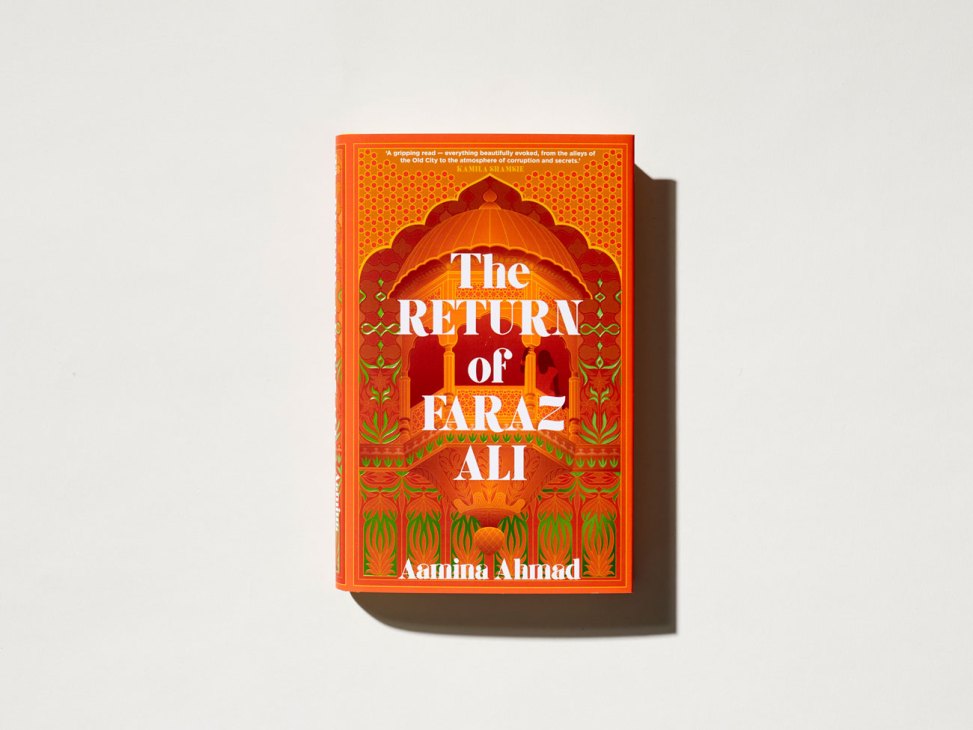
The Return of Faraz Ali
Aamina Ahmad
It’s 1968 and police inspector Faraz Ali heads to the red-light district in Lahore’s ancient walled city as riots erupt. As a child, Ali was plucked from his home and sent away to live with a wealthy family; he has long ignored his modest roots. All of this changes when his influential father asks him to return to his birthplace to help cover up the murder of a young girl. What follows is a riveting exploration of the dangers of patriarchy, politics and power.
‘The Return of Faraz Ali’ (Hachette) is out now.
Chilean Poet
Alejandro Zambra
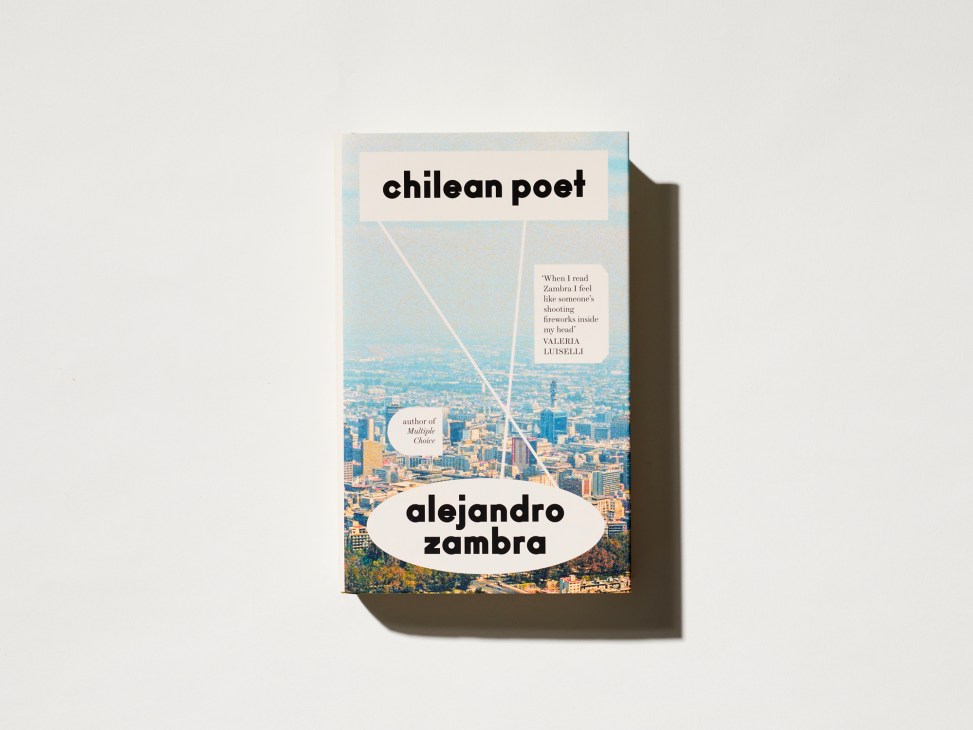
In Santiago, aspiring poet Gonzalo reunites with his high-school sweetheart, Carla, who now has a six-year-old son called Vicente. But just as he starts to grow closer to the child, the couple once again drift apart. Meanwhile, Gonzalo’s literary ambitions start to fade. By chronicling Gonzalo’s emotional journey and the small moments that throw entire relationships into disarray, Chilean poet and novelist Alejandro Zambra highlights the seemingly unimportant events in our lives that ultimately make us who we are. In this profound, at times absurd and often very funny investigation of family and failure, Zambra proves himself to be an important voice in contemporary Latin American literature.
‘Chilean Poet’ (Granta Books) is out now.
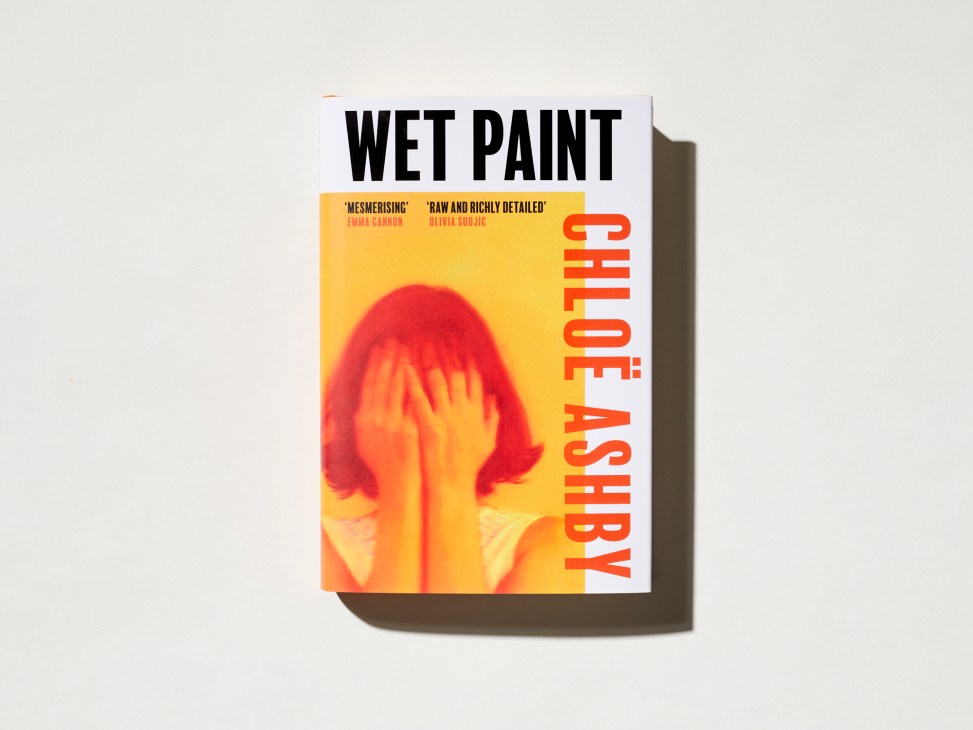
Wet Paint
Chloë Ashby
Light-fingered Eve, a twentysomething art graduate from London, has a troublesome father, a difficult love life and a complicated relationship with the truth. After the death of her best friend, Grace, and losing her job, Eve takes up life-modelling to pay the bills. Her only confidante is the barmaid in Édouard Manet’s enigmatic painting “A Bar at the Folies-Bergère”, which she habitually visits at the Courtauld Gallery. This debut novel by former Monocle writer Chloë Ashby paints a vivid picture of grief, guilt and the ways in which we cope.
‘Wet Paint’ (Trapeze) is out now.
On my screen
Christian Vesper
President of Global Drama, Fremantle
Production and distribution company Fremantle is behind some of the best and most successful drama series of the past few years, from My Brilliant Friend to We Are Who We Are and The New Pope. As the company’s president of global drama since 2020, Vesper is tasked with delivering the next round of success stories and shows that can be syndicated around the world.
When you are commissioning a new programme, how important is global appeal?
When it comes to the biggest shows and platforms, there is a view to how a genre will play internationally: think Raised by Wolves or The Mosquito Coast. But right now, platforms want – or at least say they want – “local for local”. Public broadcasters don’t know if a Squid Game or My Brilliant Friend will pop up but well-made, well-plotted series will sell globally and their specificity is usually an attraction.
Which genres are doing well for you at the moment?
Thrillers and true crime always do well. We’ve just had a great success in the UK with The Responder, a sensitive but gritty cop drama starring Martin Freeman; it has sold well globally. But we are hearing from buyers that they want lighter, optimistic and more female shows. Sunny, sexy shows do well too. We have a great 1970s-set surfing drama, Barons, coming out of Fremantle Australia now and I have high hopes for it. But thrills and crime are here to stay.
What do you have in the pipeline?
We have This Sceptered Isle, coming soon on Sky Atlantic. It stars Kenneth Branagh as Boris Johnson and it’s excellent. I’m also excited about Toda la sangre (“All of the Blood”), a harrowing thriller about ritualistic murders in Mexico City. It stars Aarón Díaz and will first air on Starzplay and Pantaya.
What new dramas are you most excited to have commissioned?
We just went into production on The Jump, a new drama from Gretel Vella, one of our favourite young writers. It’s about a young woman who inherits a house on a Sydney cliff that is a popular suicide spot and who ultimately gets involved in the lives of the suicides. Another interesting greenlight is Sam – Ein Sachse for Disney1. It is about East Germany’s first African-German cop and features what is probably the most diverse writers’ room in Germany.
Images: Beauvoir Films, Mike Cotellon/Netflix, Elizabeth Miranda, Suleika Muller, Gordon Nicholas, Laurent Thurin-Nal, Bárbara Wagner and Benjamin de Burca.
Better together
The spacious sun-filled rooms, grand hallways and gilded columns at the HQ of Budapest-based Vanguards are well suited for an emerging luxury fashion group. But take the back exit and you’ll find the building’s internal courtyard, which shows the grittier side to the Hungarian capital. Here you’ll see bullet holes on some of the walls, which are remnants of the Second World War and a stark reminder of the country’s tumultuous political history. “I was only four years old but I clearly remember the Russian tanks leaving Hungary in 1989,” says Peter Baldaszti, Vanguards’ CEO. “I was too young and didn’t suffer or have a negative perception of the world around me but there’s just this subconscious knowledge of not being free, not being able to travel or to be an entrepreneur and create your own vision.”
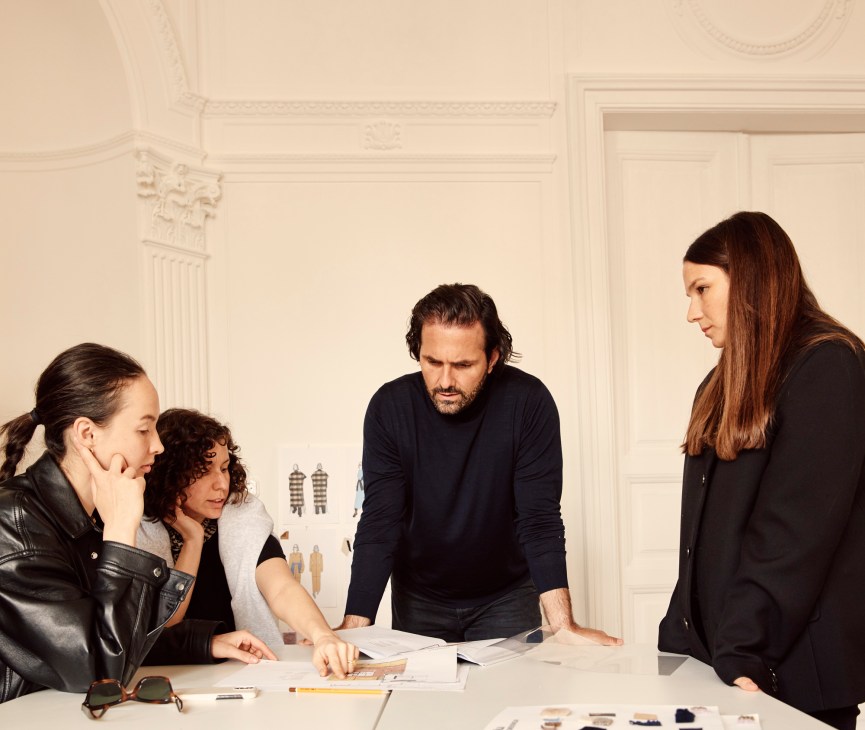
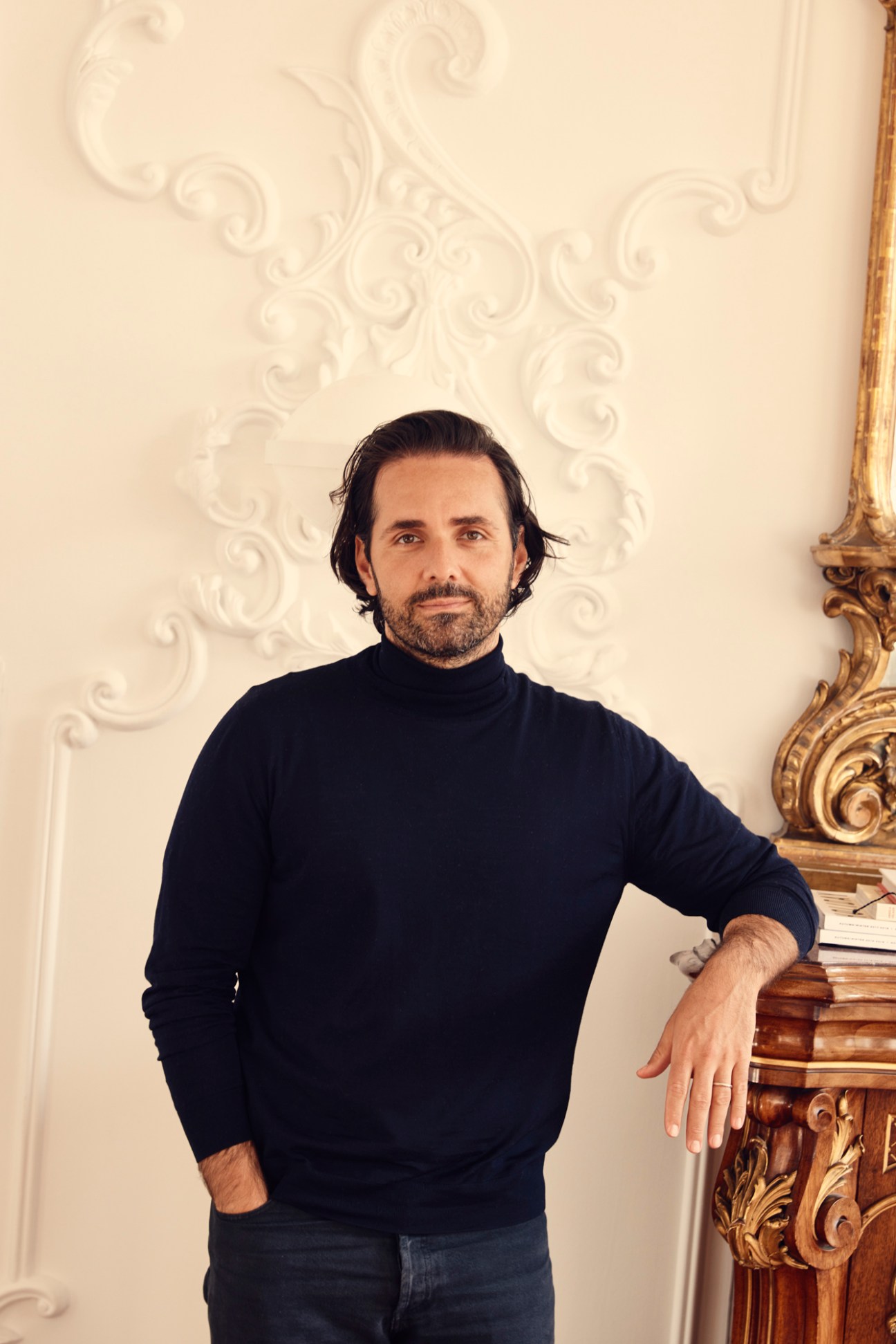
Things have been different for Baldaszti, who has helped turn Hungarian fashion brand Nanushka into an international enterprise with an annual revenue of €50m. The label was founded by his wife and business partner Sandra Sandor in 2006. He joined a little less than six years ago as co-owner and CEO to help the business grow.
Now Baldaszti is upping his ambitions with a wider group: Vanguards. This is Baldaszti’s attempt to make a mark on the international fashion industry. The group has two acquisitions under its belt: fellow Hungarian label Aeron and Milan-based Sunnei, which joined the stable in 2020, alongside Nanushka. Could this be the modest birth of the luxury world’s next Kering or LVMH?
“Would I be an entrepreneur if I wasn’t dreaming of that?” says Baldaszti with a smile. For now, his plan for Vanguards is to continue making two acquisitions per year, focusing on European fashion brands for starters and gradually expanding into beauty, fine jewellery and watches. But his vision of what constitutes a modern-day group is a little different than that of his predecessors. It’s centred around what Baldaszti calls a “new luxury” concept, which offers high-quality, artisanal products but at more democratic price-points. “It’s beyond the contemporary market because of the consideration that goes into the product,” he says, pointing to the added emotional value attached to craftsmanship.
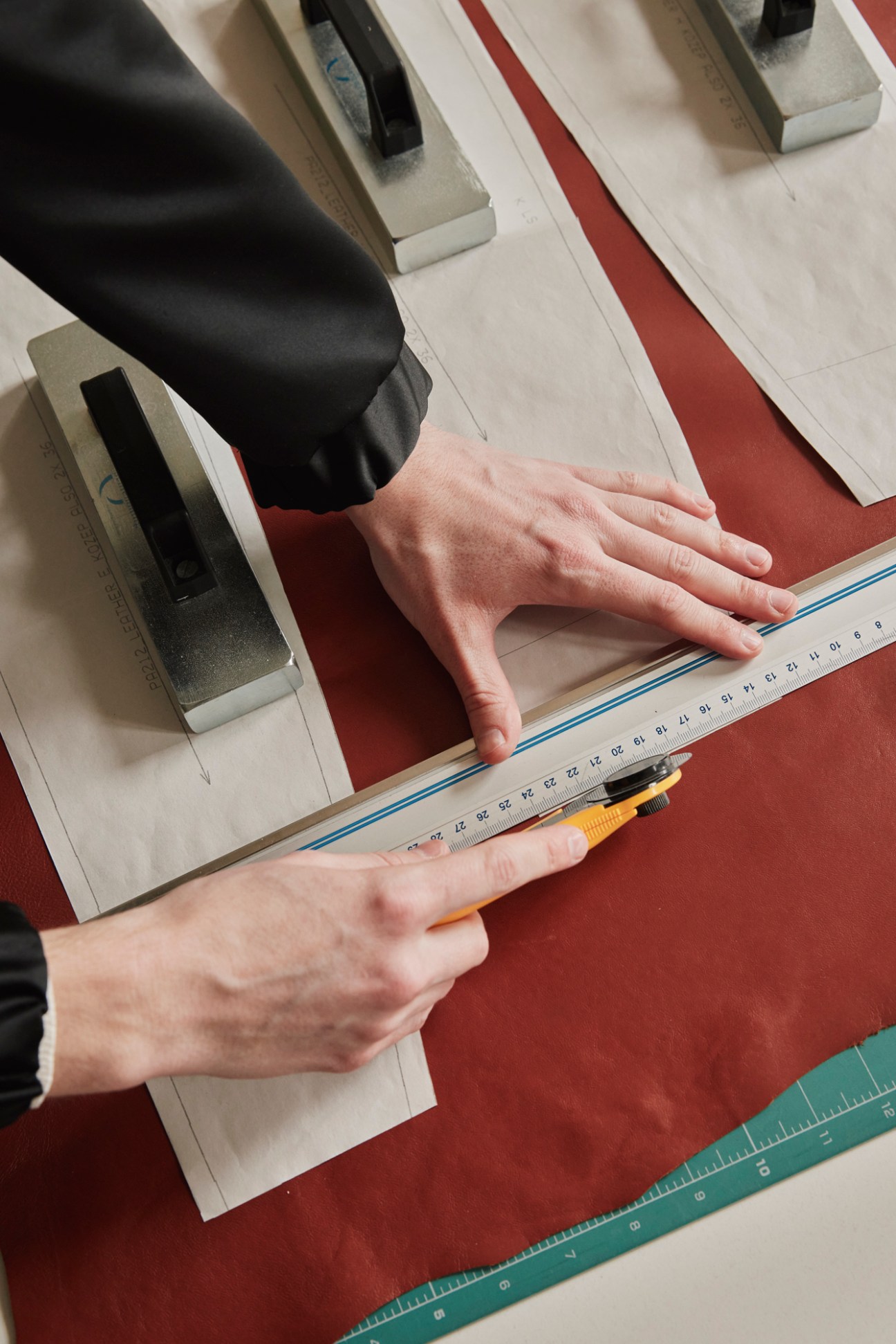
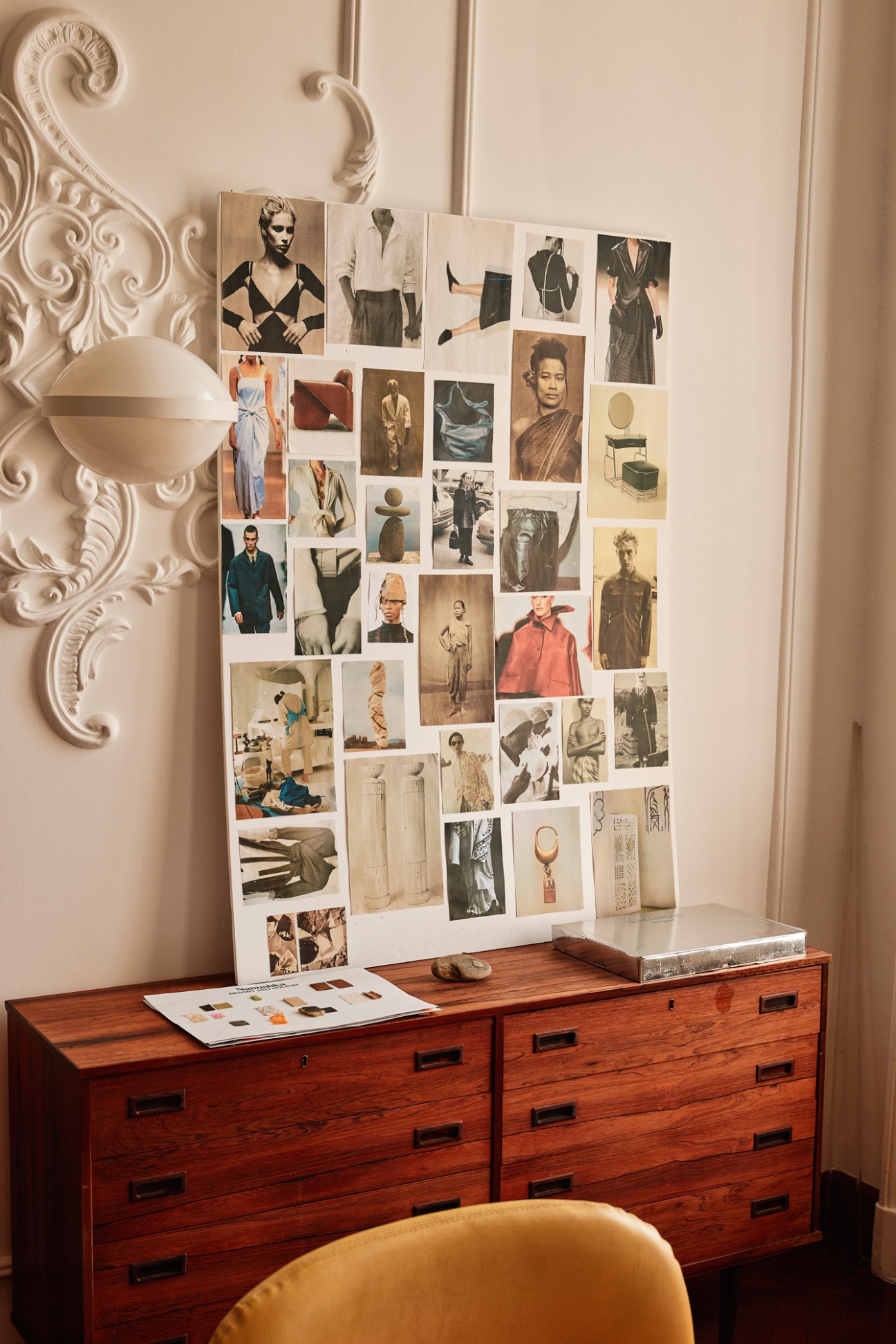
This is a concept that Nanushka helped him to define with its end-to-end business model, which champions a “Made in Hungary” tag with an in-house atelier where the design and sampling usually take place. The brand then draws on close-knit relationships with Hungarian manufacturers to create most of its clothing.
What’s more, Nanushka is savvy when it comes to marketing. “New luxury brands should behave and think like media brands,” says Baldaszti, who is a big believer in the power of physical retail and the fading art of in-store selling. “In some ways I’m a conservative; in others I’m far from it,” he says, discussing the decision to open Nanushka shops in Budapest, Los Angeles and London. “Innovation shouldn’t mean that we throw away what is already good.”
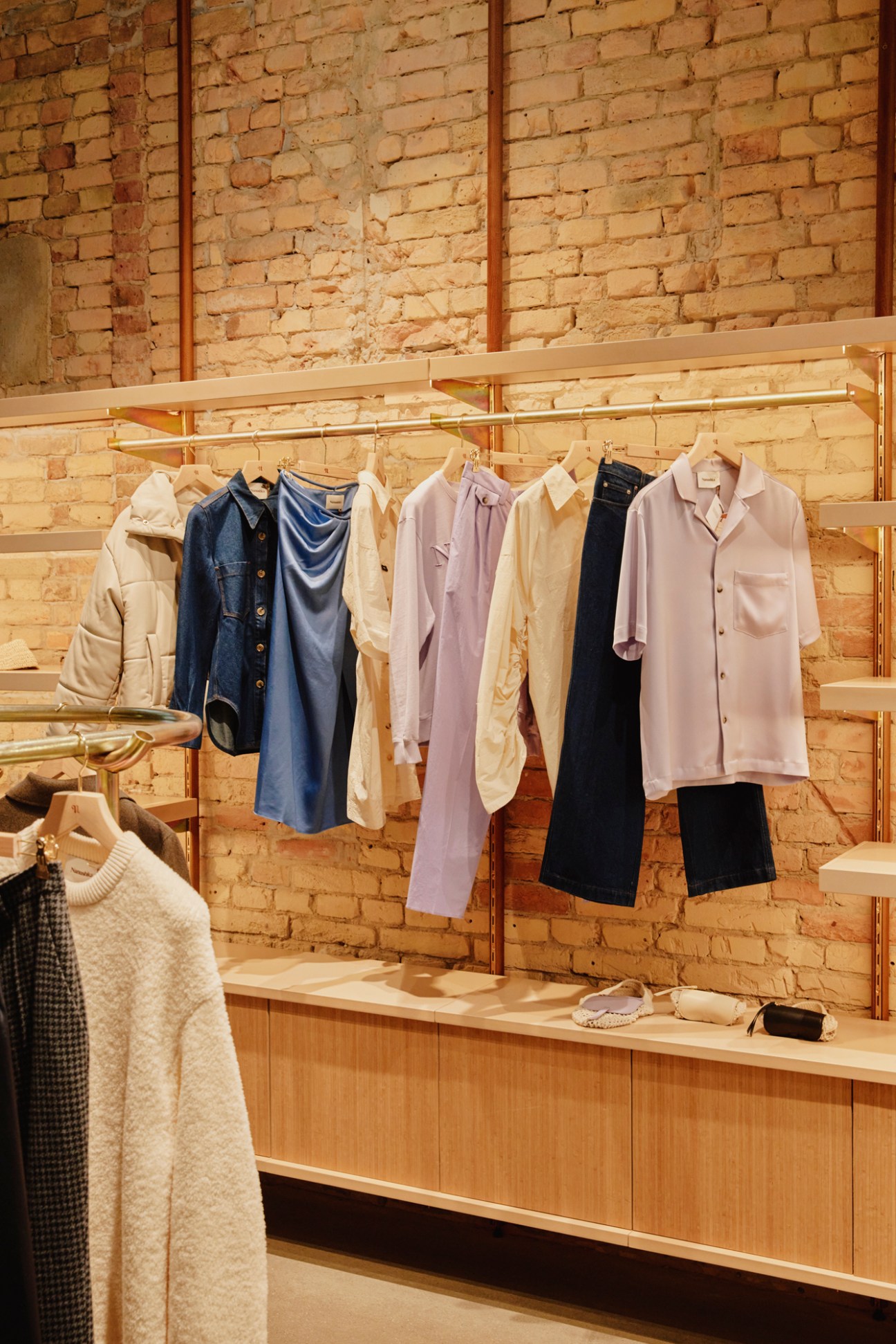
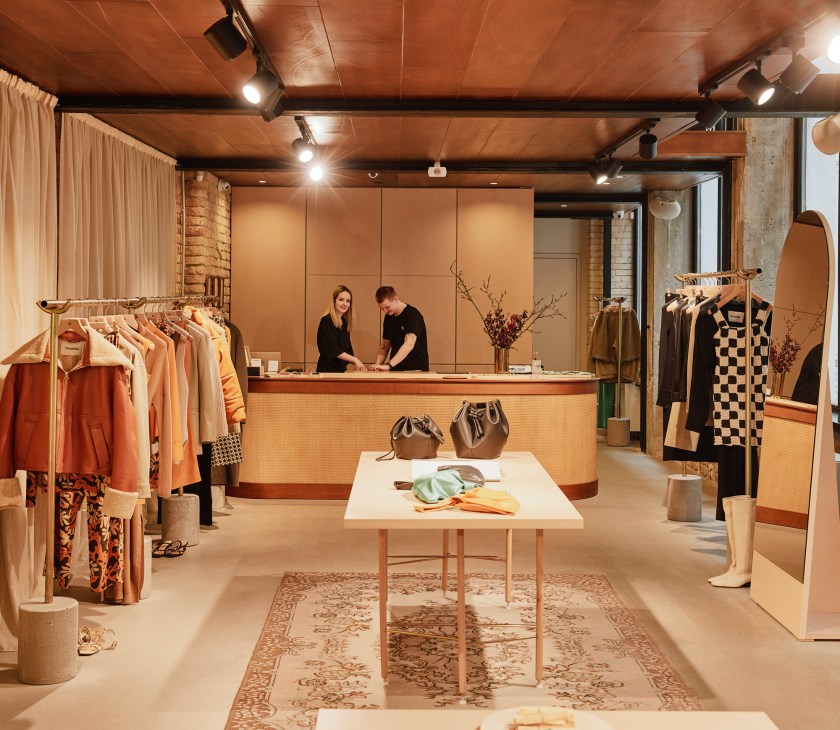
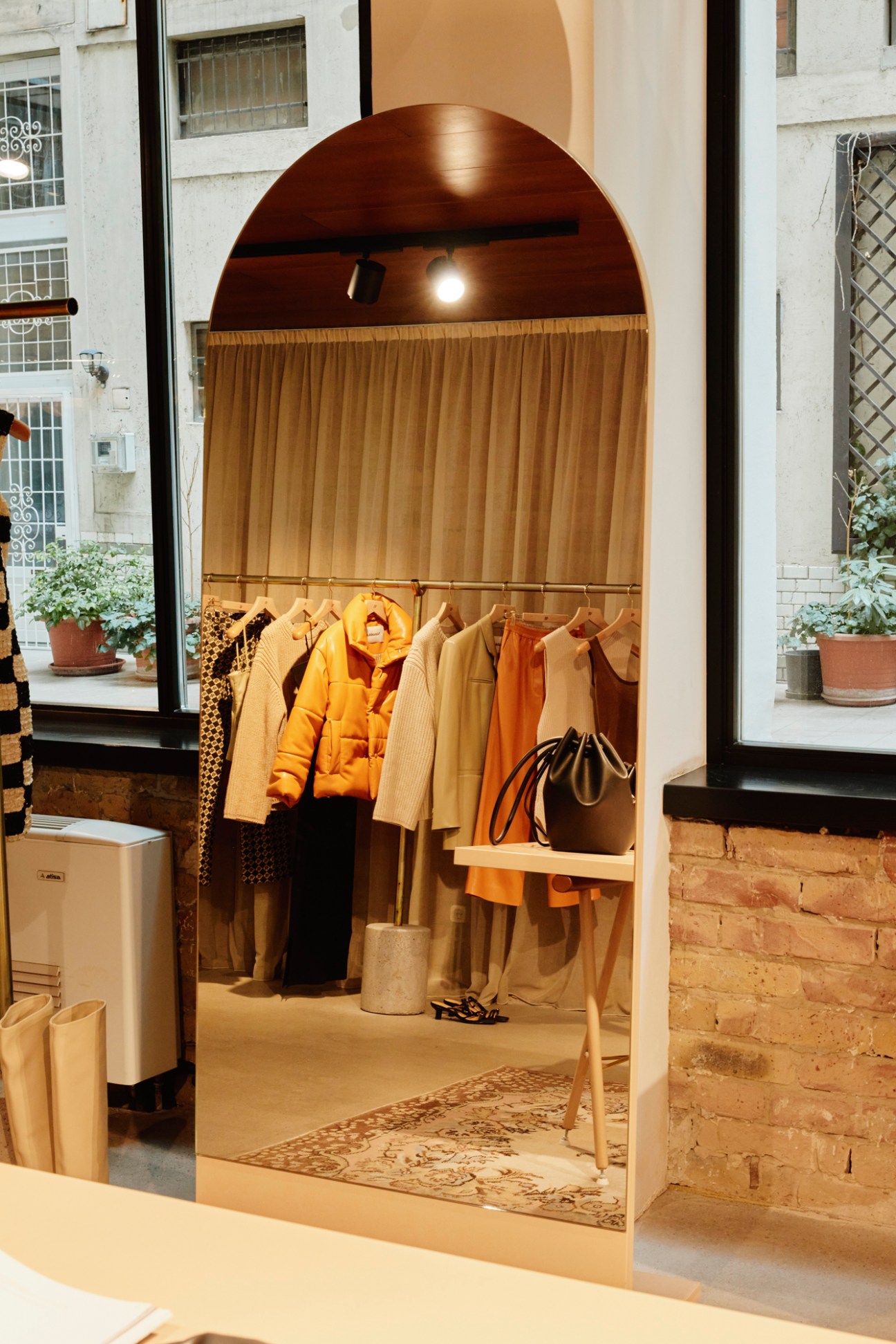
Nanushka has a fuss-free style that riffs on cultural reference from well beyond Budapest. “Hungary is an intersection of East and West, with so many different cultures leaving their footprint here throughout the years, from the Ottoman Empire to Russia and the Austro-Hungarian monarchy,” says Sandor. This comes to life in Nanushka’s shop on the Pest side of the Danube river. Here customers are greeted by young staff dressed in the brand’s neutral-hued leather separates. Its new spring collection includes crinkled shirts, check shorts and bucket hats and is displayed alongside vintage furnishing and Palo Santo incense sticks.
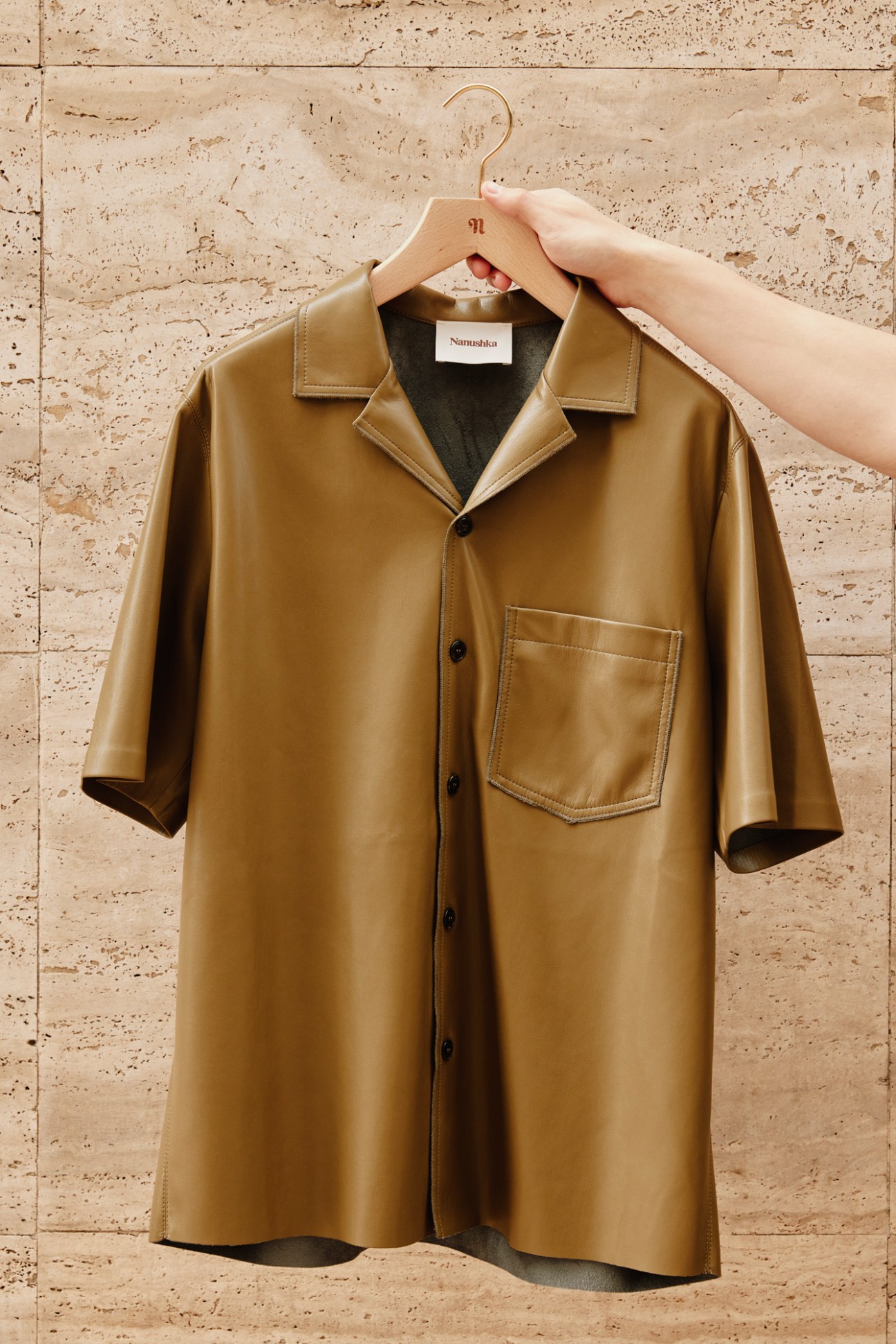
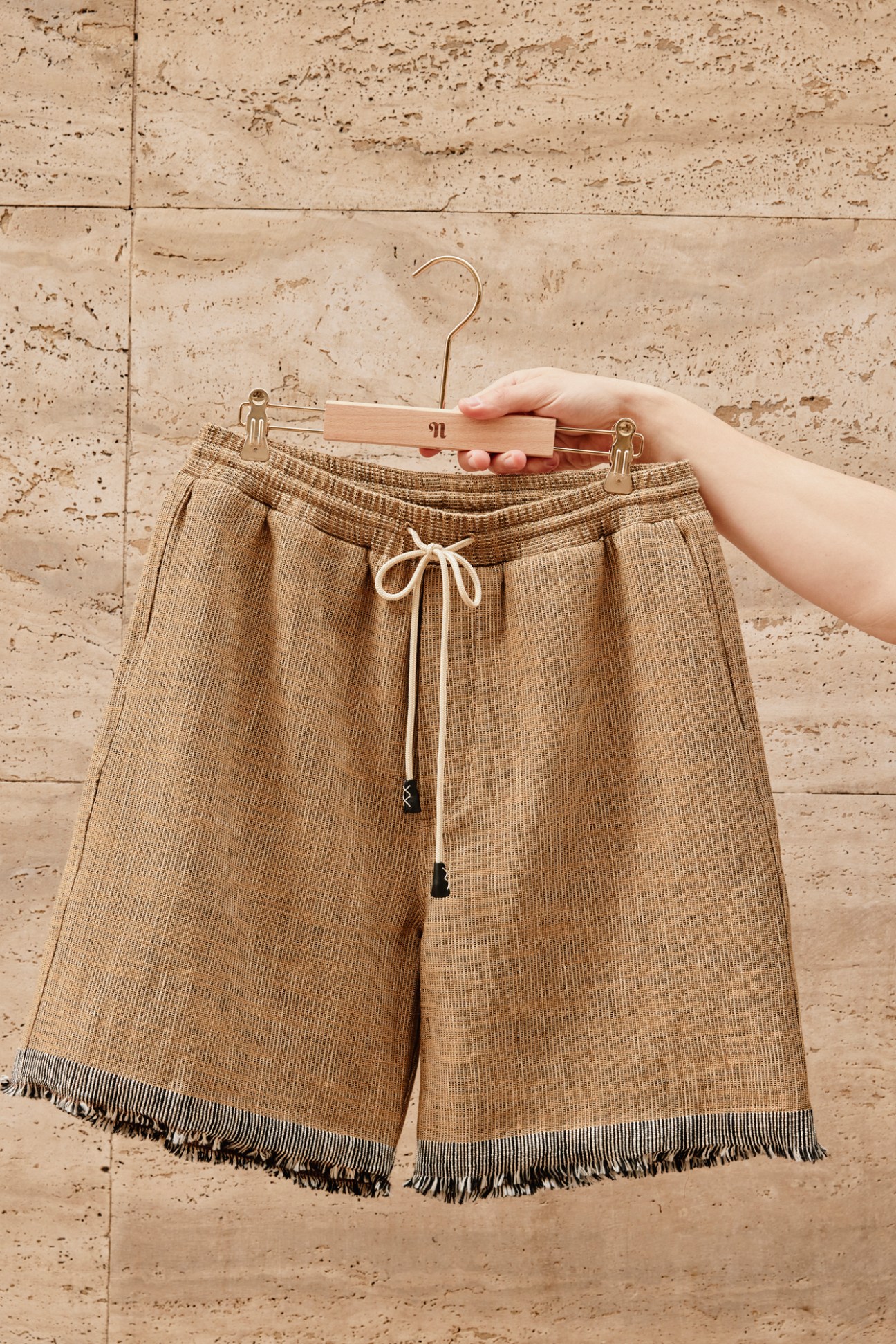
The lessons learnt through Nanushka’s retail experiences will bolster Aeron and Sunnei too, though the timing of these investments has been far from ideal. Starting a luxury fashion group and making not one but two acquisitions in the midst of a pandemic requires some serious courage. But Baldaszti says that he was sure both Aeron and Sunnei could see the crisis through, and in the longer term, deliver the numbers that he and his partners at the private equity firm GB & Partners – also backers of the project – were aiming for. GB & Partners manages the Exim Cross-Border fund, an initiative backed by Hungary’s Export-Import Bank, which made an early investment in Nanushka in 2016 and co-owns Vanguards with Baldaszti.
Even more important than Baldaszti’s appetite for risk is his understanding of the delicate nature of keeping brands distinct. Rather than a traditional top-down management style, he’s keen to step in only where needed. “I can interfere with the framework – financial, commercial, merchandising aspects – but the culture [of a fashion label] is untouchable,” he says. “We’re building independent brands – that’s what will differentiate us in the market. I know what it’s like when someone tries to force something on you so I can be empathetic to other founders.”
It’s what drew Sunnei founders Simone Rizzo and Loris Messina to the group, a dynamic Italian duo with a flair for humorous storytelling and upbeat daywear for men. “Vanguards understood where we could take the brand,” says Messina. “They gave us complete freedom and agreed to allow us to experiment.”
“We are an Italian brand with an international vision so the geographic location of Vanguards made no difference,” says Rizzo.
For fellow Hungarian label Aeron, joining Vanguards was a ticket to the international fashion circle. Baldaszti and his team were able to come in and encourage founder Eszter Áron to embrace her niche – some of Aeron’s clothes are spun with the eco-friendly Japanese Shima Seiki whole-garment machine – and get better at shouting about how good her product actually is. In less than a year, the results are starting to show, with big international retailers such as Harrods, Neiman Marcus and Browns now stocking the brand’s knitted staples. The Shima Seiki machine produces knitwear in a single piece, which eliminates waste and can unravel and reuse yarn, meaning that Aeron can offer more customisation options.
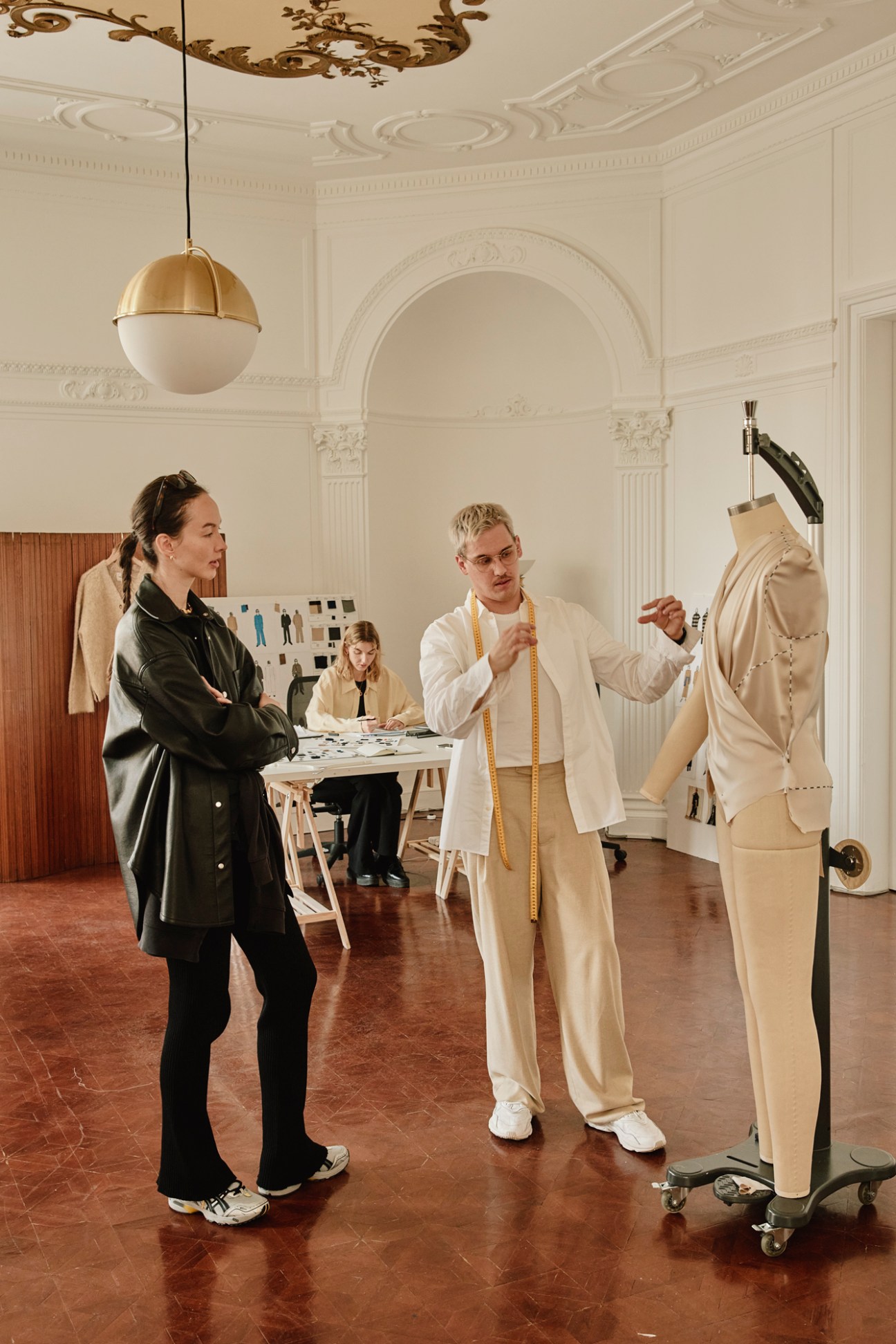
“We have so many plans to experiment with the machine, develop new techniques and produce capsules for our customers,” says Áron. “Vanguards helped us see this opportunity to create zero-waste clothing from sustainable yarns. They came in and worked across every department, helping us to get closer to international standards and carve our own place in the market.”
When it came to Sunnei, the focus was instead on helping with financial management, cash flow, production and trademark issues. “I see the Sunnei founders as the next generation of Italian creative talent who will define an era,” says Baldaszti. He adds that Sunnei co-founder Simone Rizzo’s humble origins in Calabria, southwestern Italy, make him a unique talent. “He’s proving to the world that no matter where you come from, you can build really great things with hard work and creativity. The real opportunity for the fashion industry is to open up its world to all sorts of talent, irrespective of their origins or upbringing.”
Road to success
Vanguards, a public-private tie-up, is a joint venture between Nanushka CEO Peter Baldaszti and GB & Partners. Its stable includes Nanushka and the group invests in the companies it acquires. It has ploughed €6m into Milanese menswear label Sunnei and €4m into the Hungarian label Aeron.
By 2023 the group’s revenue is projected to exceed €100m, with Nanushka making up more than half of the anticipated turnover. “Fashion is a very volatile category, with significant space for innovators and disruptors,” says Luca Solca, senior research analyst, global luxury goods, at Geneva-based Bernstein Research. “The fact that Vanguards seems to focus on the ‘bridge’ segment is encouraging, as this has proven to be an area most open to new entrants.” The “bridge” sector offers European craftsmanship at a more democratic price point. Focusing on it will help the group reach its ambitious target.
Alongside Sandor, Baldaszti’s other big business mission is to put Budapest and Hungary on the international fashion map. Just as Copenhagen has become the centre of Nordic fashion, the overarching vision for Budapest is to turn the city into central Europe’s fashion hub known for its world-class manufacturing and creative talent. Nanushka, which turns 17 this year, has reached a point where its identity and roster of clients goes far beyond the location of its headquarters. The teams for both Nanushka and the Vanguards group is also expanding, with 22 people now based in London.
Yet Budapest is where Sandor and Baldaszti always come home to and where they’ll look to put down roots. This essence of home is felt in Vanguards’ HQ, where meetings are often interrupted by multiple office dogs and the couple’s six-month-old son. “There is a cultural mission,” says Baldaszti. “The region has not been known for successful fashion start-ups and there were no successful fashion brands in Hungary before Nanushka, so we want to give locals the opportunity to build their careers from here.”
Baldaszti thinks that quality of life is a reason why many Hungarians want to remain on their home turf and international talent might emigrate here from bigger fashion capitals. There’s also no shortage of things to do, from fine dining in Buda, the more refined, residential part of town, to revelling in the nightlife of the buzzier, younger Pest and getting lost in the warren of streets around the Jewish quarter. “I feel so calm and safe here and can really concentrate on my work,” says Áron, pointing to the city’s growing creative scene and noting the success of costume designer Andrea Flesch and Krisztián Éder, a successful photographer known for working with fashion brand The Row.
Baldaszti is often found at his favourite bistro Déryné drinking a cortado in the afternoon or hosting team dinners in the evening. When he wants to get away and spend time outdoors, the mountains are a mere 50-minute drive away. “Property prices are going up but it’s still so much more affordable than any other big city,” he says. He adds that Budapest also offers plenty of business resources that other European cities might not, including proximity to excellent manufacturing facilities. These are now proving popular with established luxury houses no longer able, or willing, to access China easily and who are returning to Europe.
“The government in Hungary is pro-business, we have the lowest rate of corporate tax in Europe,” he says. “The circumstances around local bureaucracy and tax rates can be ideal. If you establish your business in Hungary, there’s also certain grants that you can access that can at least help start you off.” But Baldaszti is also quick to emphasise that the investment from Hungary’s Export-Import Bank has always been independently managed by GB & Partners.
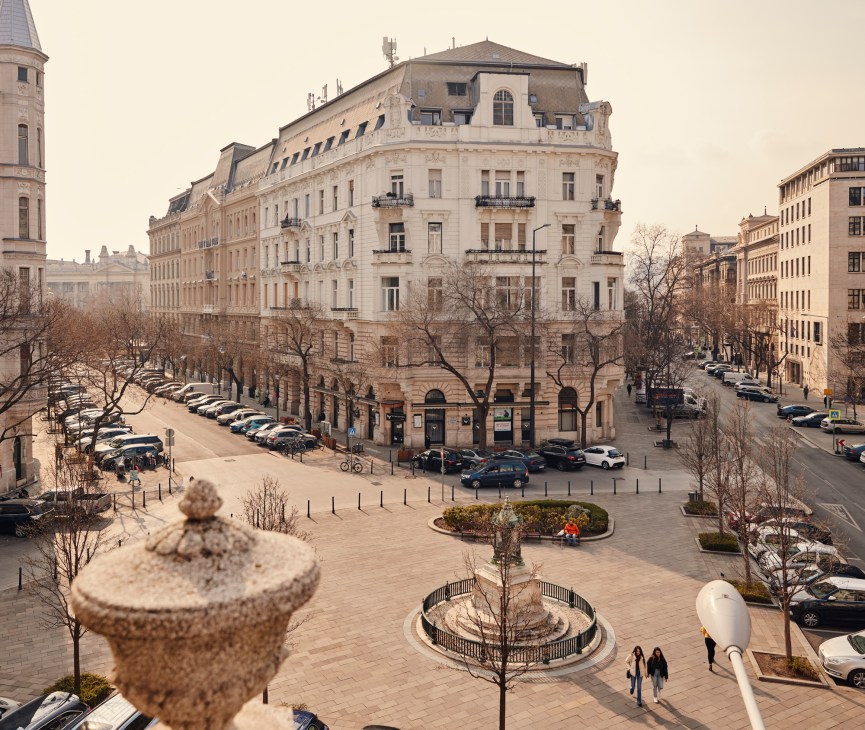
For all the business benefits that the Hungarian government has to offer, residents have also had to grapple with controversies over its political stance on issues from immigration to legislation on foreign universities, which recently forced the Central European University to leave the country. Following Russia’s invasion of Ukraine, pictures showing prime minister Viktor Orbán hugging Vladimir Putin have been plastered across walls and lamp posts as a sign of the frustration many here feel.
On the upside, during the pandemic a series of grants have been made available to both fashion labels and manufacturers to see them through the crisis. “We have a big strategic view, which includes fashion,” says Zsófia Bata-Jakab, CEO of the Hungarian Fashion and Design Agency. “Our key programmes focus on growing the manufacturing sector, supporting local designers and improving fashion education.” She points to a series of smart government initiatives, such as the creation of the Hiventures capital fund through which the state has chanelled €14bn for longer-term investments in fashion and design start-ups as well as local brands. The agency has also partnered with Milan Fashion Week and has created a new digital marketplace to help Hungarian designers get easy access to online retailing.
Meanwhile, manufacturers are being offered mentoring in order to deal with increased post-pandemic demand. “There’s a big opportunity for the whole industry. We are in the middle of Europe and most brands are looking for new solutions,” says Bata-Jakab. “Asia is too big a risk for them so they are now looking to move their entire production here,” she says, adding that there’s an ongoing campaign to improve the country’s overall perception of what it means to work in a manufacturing facility. “It’s similar to what happened with the culinary industry here. Ten years ago it wasn’t as acceptable to say you worked at a restaurant. But now, after we hosted events and created Michelin guides, it became a profession to be proud of.”
Vanguards’ international recognition is no doubt fuelling this creative push, yet Baldaszti is quick to point out that greater political stability and more quality brands will ultimately determine whether the country will succeed. “Budapest can find its place as a central European hub drawing creative talent from places such as Croatia, Romania or Austria. As a member of the EU and Nato, I can confidently say that we’re safe here but there’s a bit of resistance from tourists at the moment,” he says. “It feels like we’re still too close to the conflict.”
So can this enterprising, energetic city achieve its long-term goal of becoming central Europe’s biggest fashion hub? That will depend on the calibre of its up-and-coming design talent – as well as Baldaszti’s and others’ commitment to staying put.
Call to action
Japanese company Goldwin may not be a household name in the global fashion industry but the influence of this billion-dollar company is widespread. If you’ve ever lusted after clothing from the Japanese version of The North Face and Helly Hansen, or found yourself subscribing to the mountaineer-meets-urban-cool look known as gorpcore, then you can thank Goldwin.
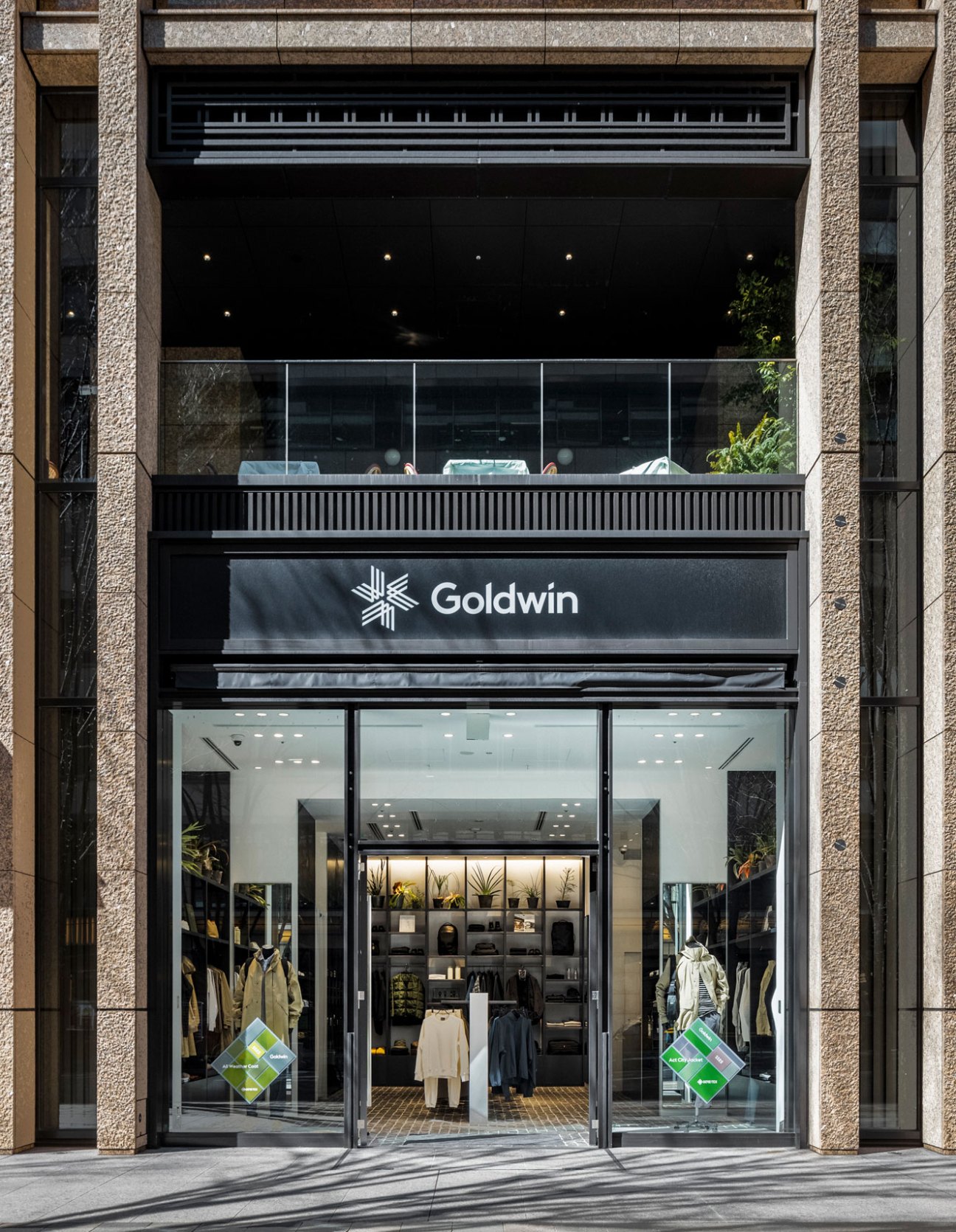
The company was founded in 1951 as a sportswear manufacturer in Toyama and, from early on, Goldwin also distributed international sports and outdoor clothing brands in Japan. But it didn’t stop there. It decided to do what the Japanese do best: tweak a product and turn it into something different and, often, better. Goldwin’s proven creativity and reading of the Japanese market has brought a long list of big names under its umbrella. It has trademark agreements with The North Face, Helly Hansen, Ellesse and Danskin, all of which give Goldwin the creative freedom to design and produce Japanese collections that are sold exclusively in the domestic market.
Goldwin has always supplied high-spec sports and outdoor gear to Olympians and Everest-conquering mountaineers. But in the past 20 years, it has also been outfitting stylists and fashion-conscious city dwellers with technical clothing that doesn’t look out of place on the streets of Tokyo. Goldwin has become a staple in magazines such as Popeye and Brutus, and its inventive collaborations with Japanese brands sell out in no time. Speedo, Woolrich and Icebreaker have also come to the Japanese company to boost their distribution and audience reach in Japan.

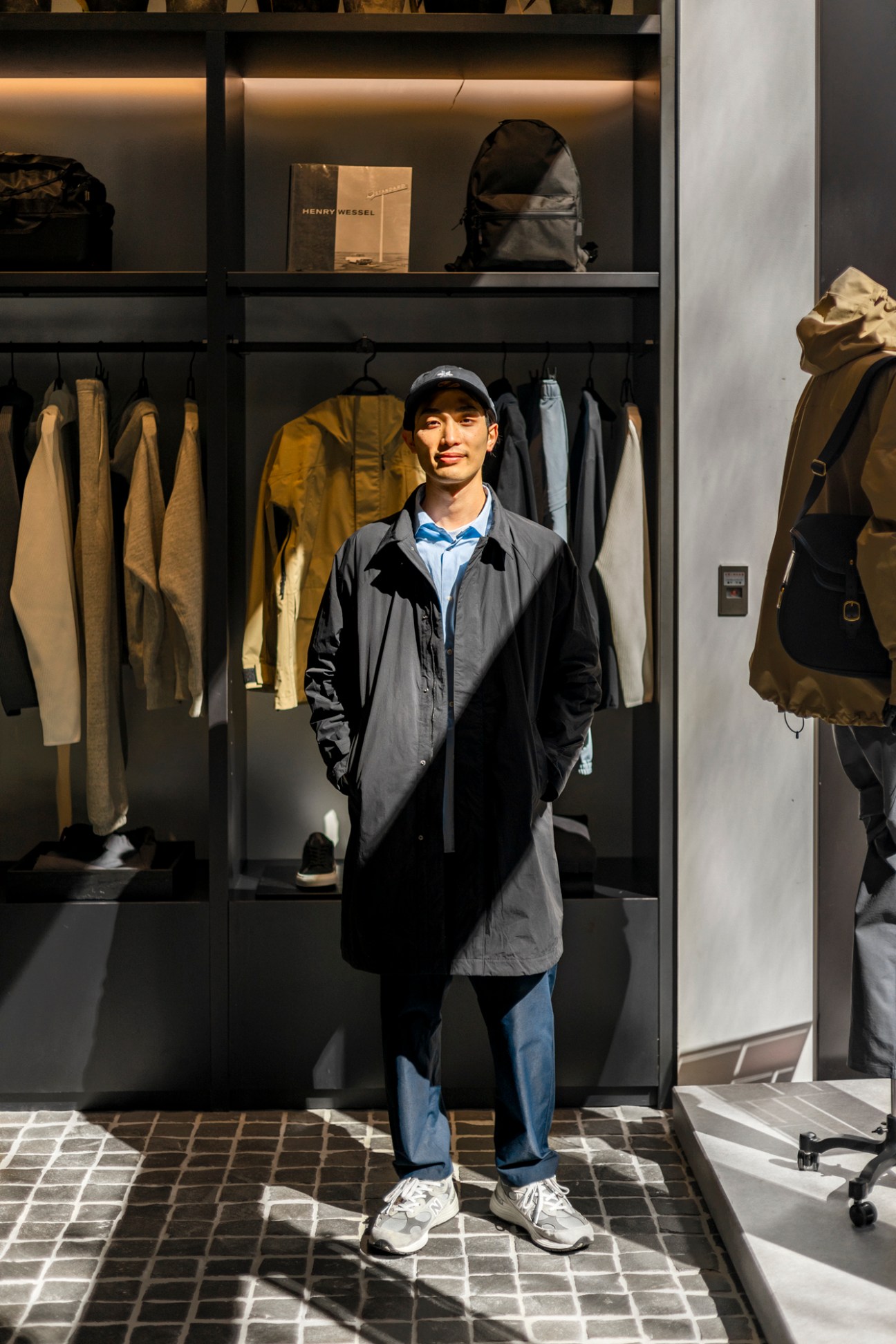
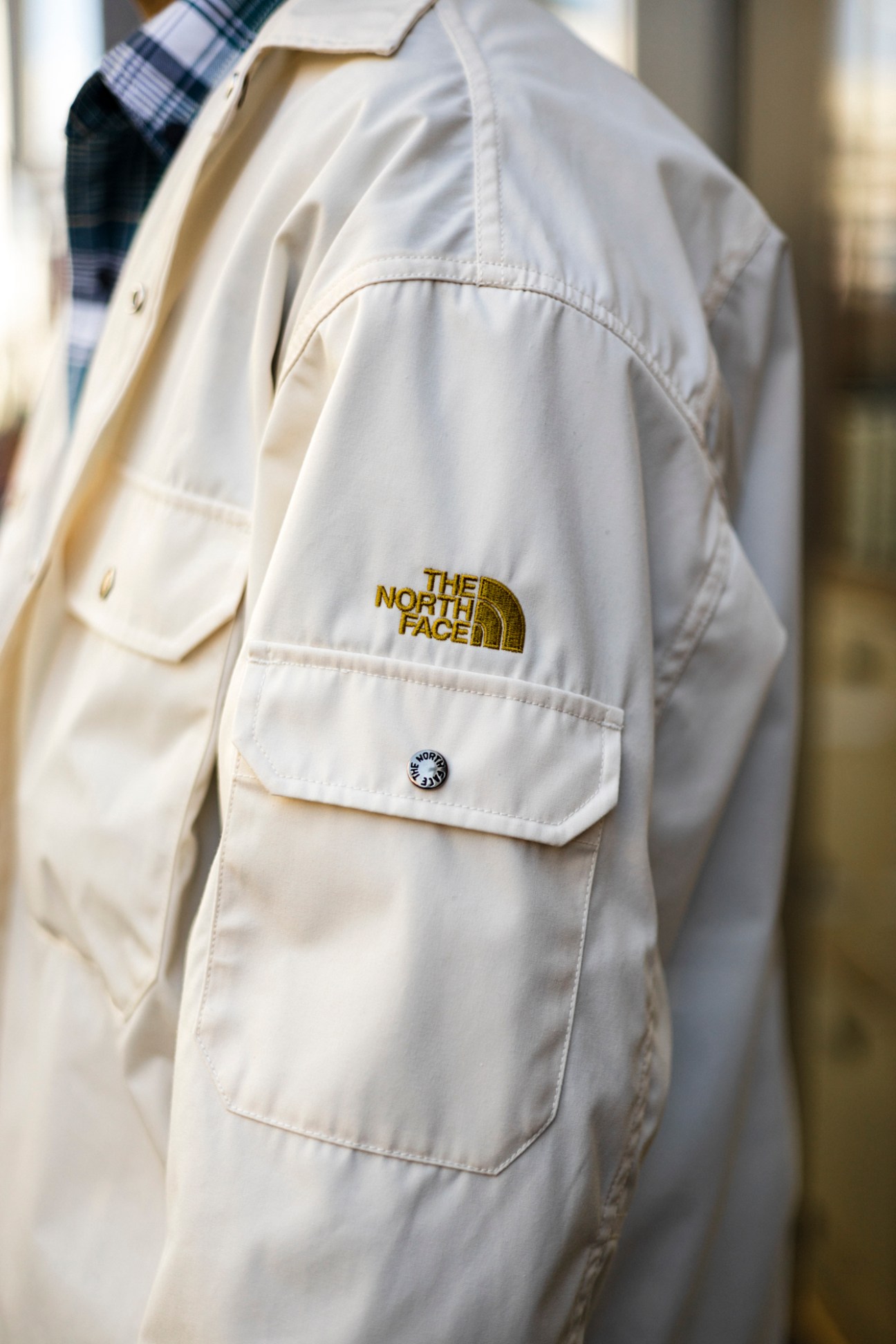
Today the group has 165 shops, six original brands – including Goldwin, Neutralworks and the highly coveted label Nanamica – and annual sales of nearly ¥100bn (€754m). It manufactures its products largely in Vietnam but in 2017 it invested ¥500m (€4m) in Goldwin Tech Lab, an R&D facility in Toyama with a factory.
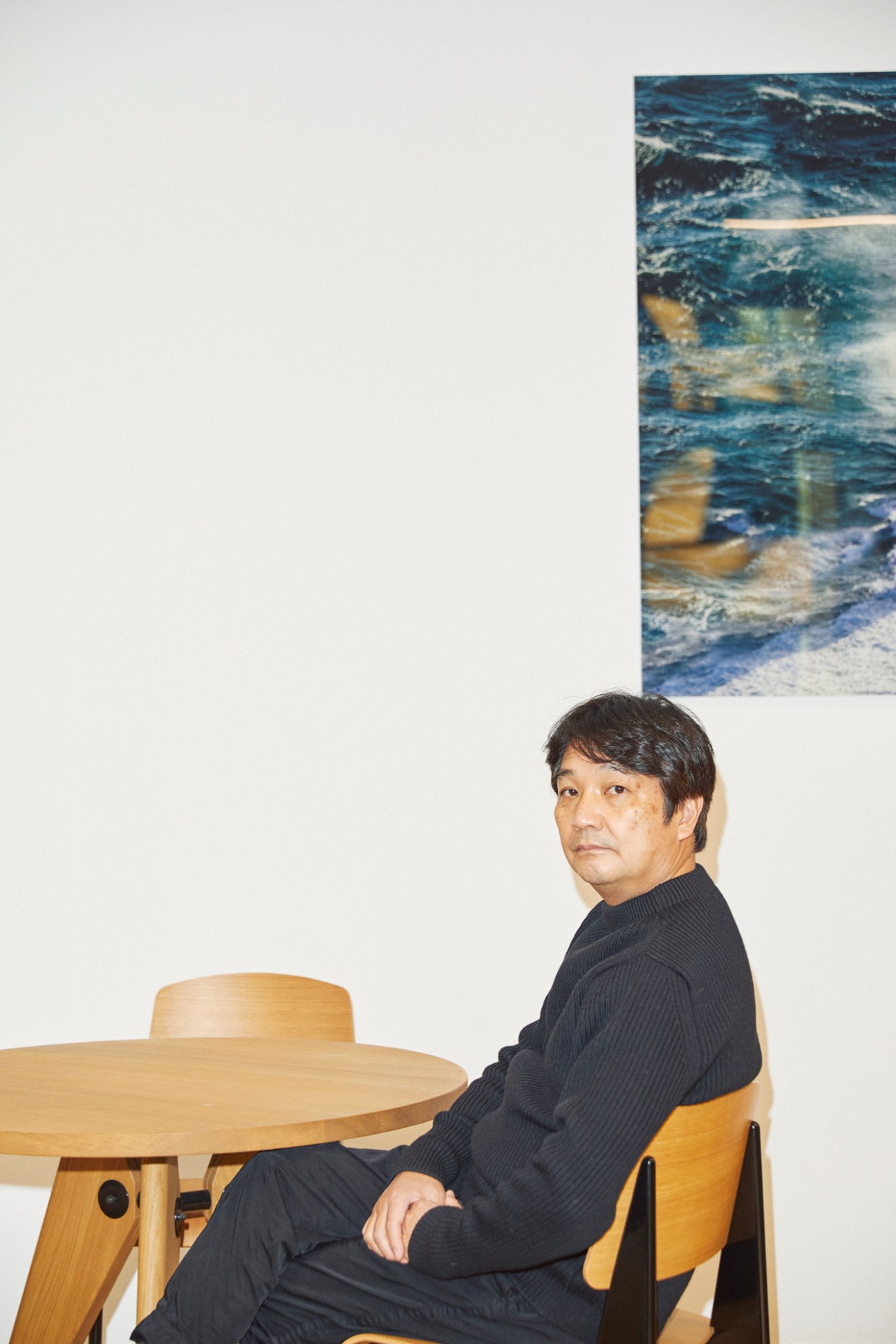
The man who sits at Goldwin’s helm is Takao Watanabe. Since he joined the company in 1982, he has done everything from overseeing manufacturing to designing shops before becoming president in April 2020. Monocle sat down with him at one of Goldwin’s Shibuya offices to talk about the company’s pioneering trademark-rights business model, the rise of outdoor fashion and the importance of physical retail.
Timeline:
1950: Tsuzawa Knit Fabric Manufacturer, precursor to Goldwin, founded in Toyama.
1951: Incorporated as a company.
1963: Changes name to Goldwin.
1964: Goldwin’s athletic wear selected for the Tokyo Olympics.
1970: Signs licence agreement with Fusalp, the world’s leading skiwear manufacturer.
1976: Signs licence agreement with Ellesse.
1978: Becomes the distributor for The North Face.
1983: Signs licence agreement with Danskin and Helly Hansen.
1994: Acquires trademark rights for The North Face in Japan.
2000: Opens The North Face shop in Harajuku.
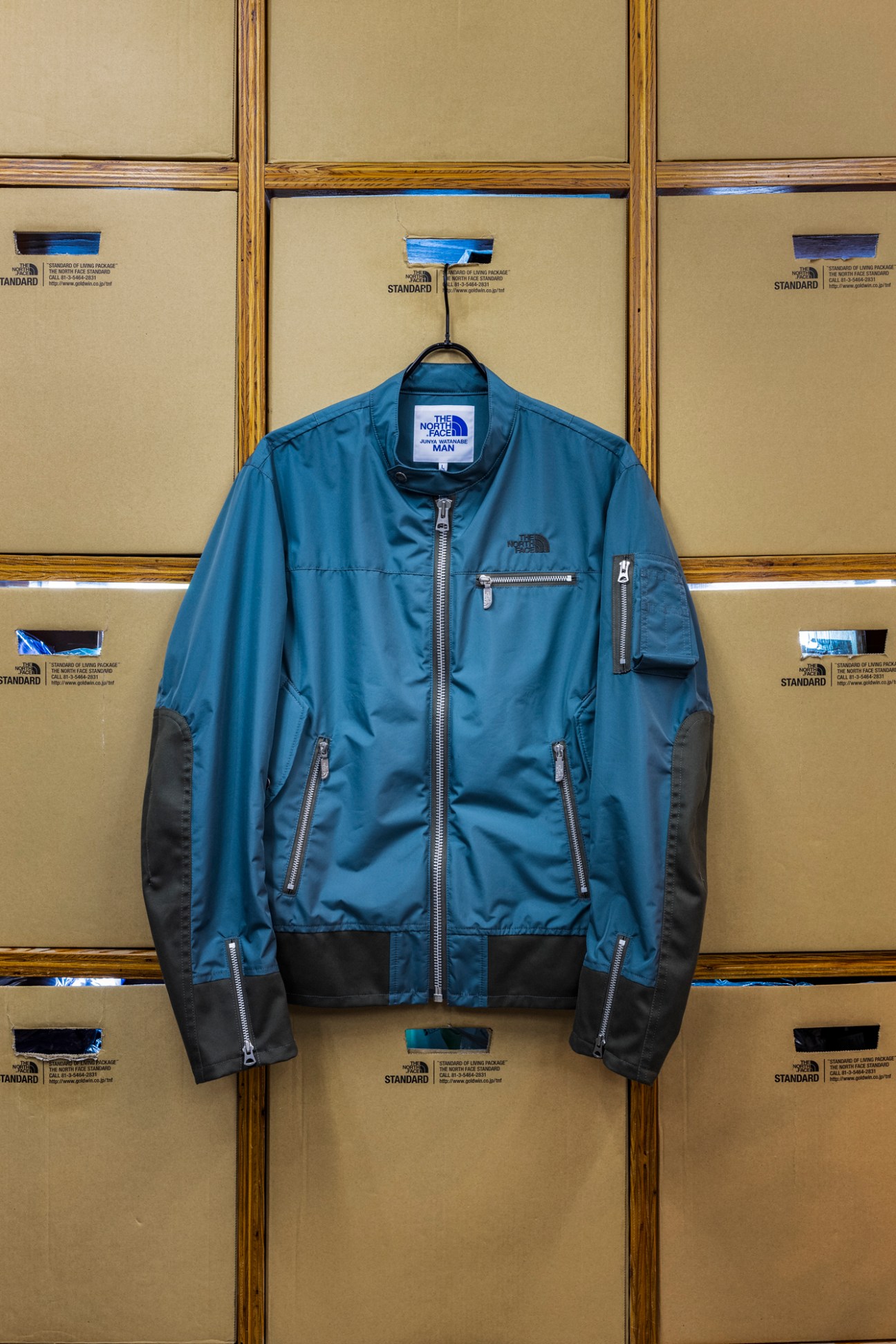
2005: Starts The North Face and Comme des Garçons Junya Watanabe Man collaboration in Japan.
2011: Opens The North Face 3 shop for women in Harajuku.
2014: Opens The North Face’s first outdoor shop for children in Harajuku.
2017: Acquires trademark rights for Helly Hansen in Japan.
2017: Opens Goldwin Tech Lab in Toyama.
2018: Opens the first flagship shop for its original brand, Goldwin, in Tokyo.
2019: Opens a Goldwin shop in San Francisco.
2021: Opens a Goldwin shop in Beijing.
How do you see the current crossover between sportswear and fashion?
The fashion element already existed in the outdoor or sports scene when I was in university [in the 1970s]. Popeye magazine would show skiing and surfing as symbols of youth culture. Today the relationship between sport and fashion is slightly different; it’s mixed more with luxury and street fashion.
Were there any specific turning points over the years?
In 1998, Arc’teryx [a then-emerging outdoor performance-wear label] caused a stir in the market with its smart and sophisticated design when it made its debut at the Outdoor Retailer show. It showcased the first outdoor clothing with watertight zips. That changed the course of fashion design; from that point on, designers became interested in technical constructions of outdoor gear. It also made the outdoor industry think more about fashion.
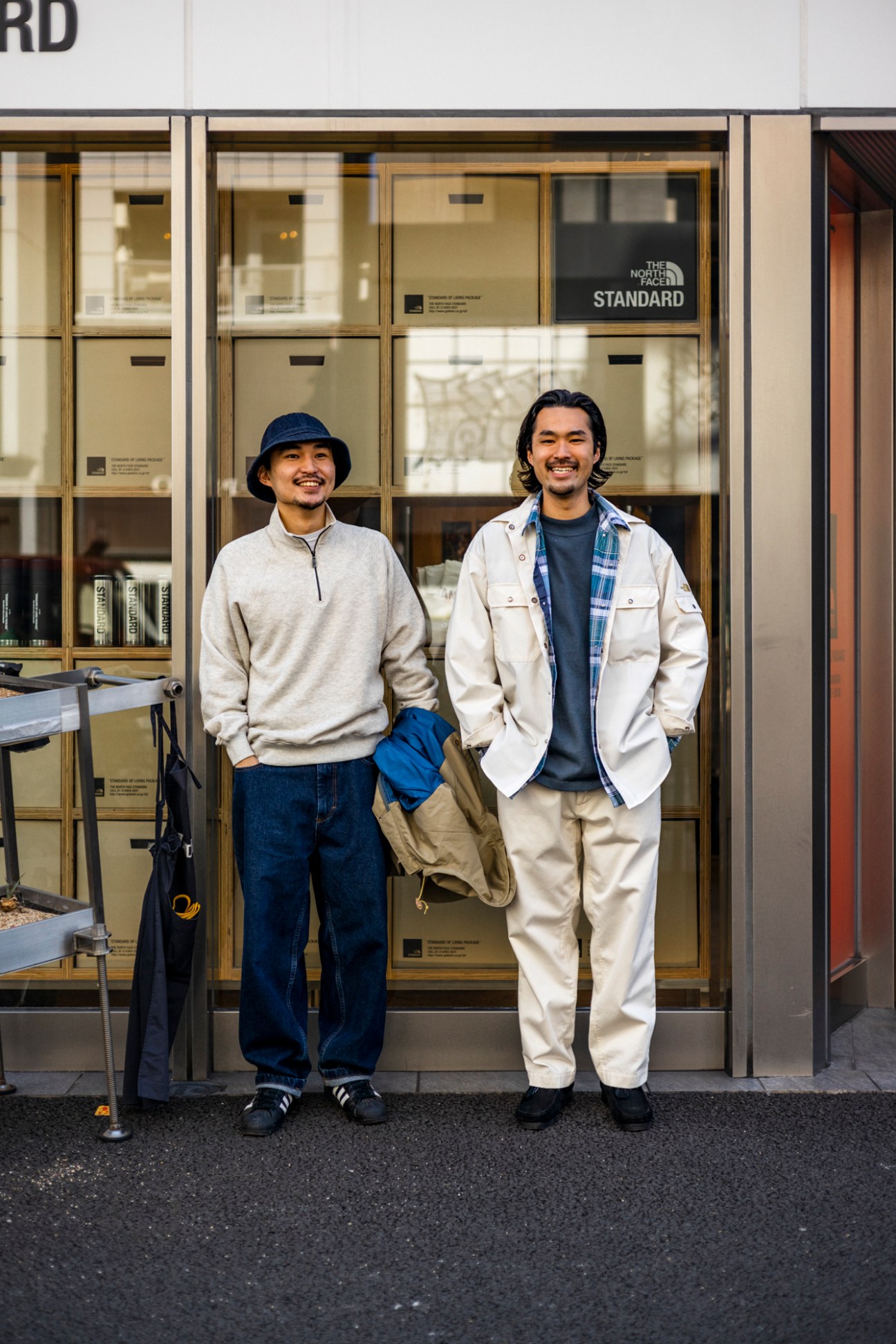
Goldwin launched its Nanamica label in 2005. It was created by Eiichiro Homma who had worked in the Helly Hansen department. We decided to create The North Face Purple Label [by Nanamica] with the trademark rights that we owned. That was the beginning of a new business model where we would design sports and outdoor gear ourselves in Japan and sell it to multi-label retailers. It was a catalyst for us to move into the fashion market.
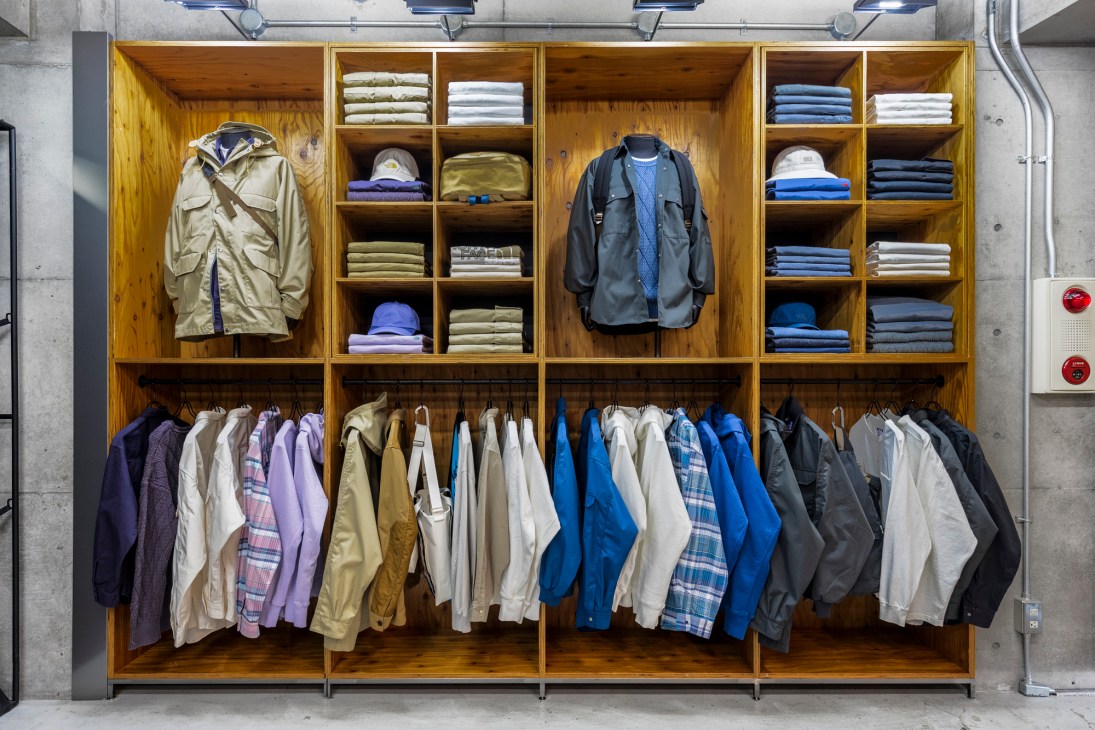
How do you segment Goldwin’s wide range of products?
We have a strategy called “core and more”. “Core” refers to the highest performance gear and equipment supplied to the top users in sports and outdoor expeditions. These products drive our research and development. The North Face Summit Series is a good example. It accounts for only a few per cent of our sales but it inspires many of our other products, offering trust and confidence to the customers. Some people use it for serious Himalayan expeditions, while others wear it daily as fashion.
How about the rest of the line-up?
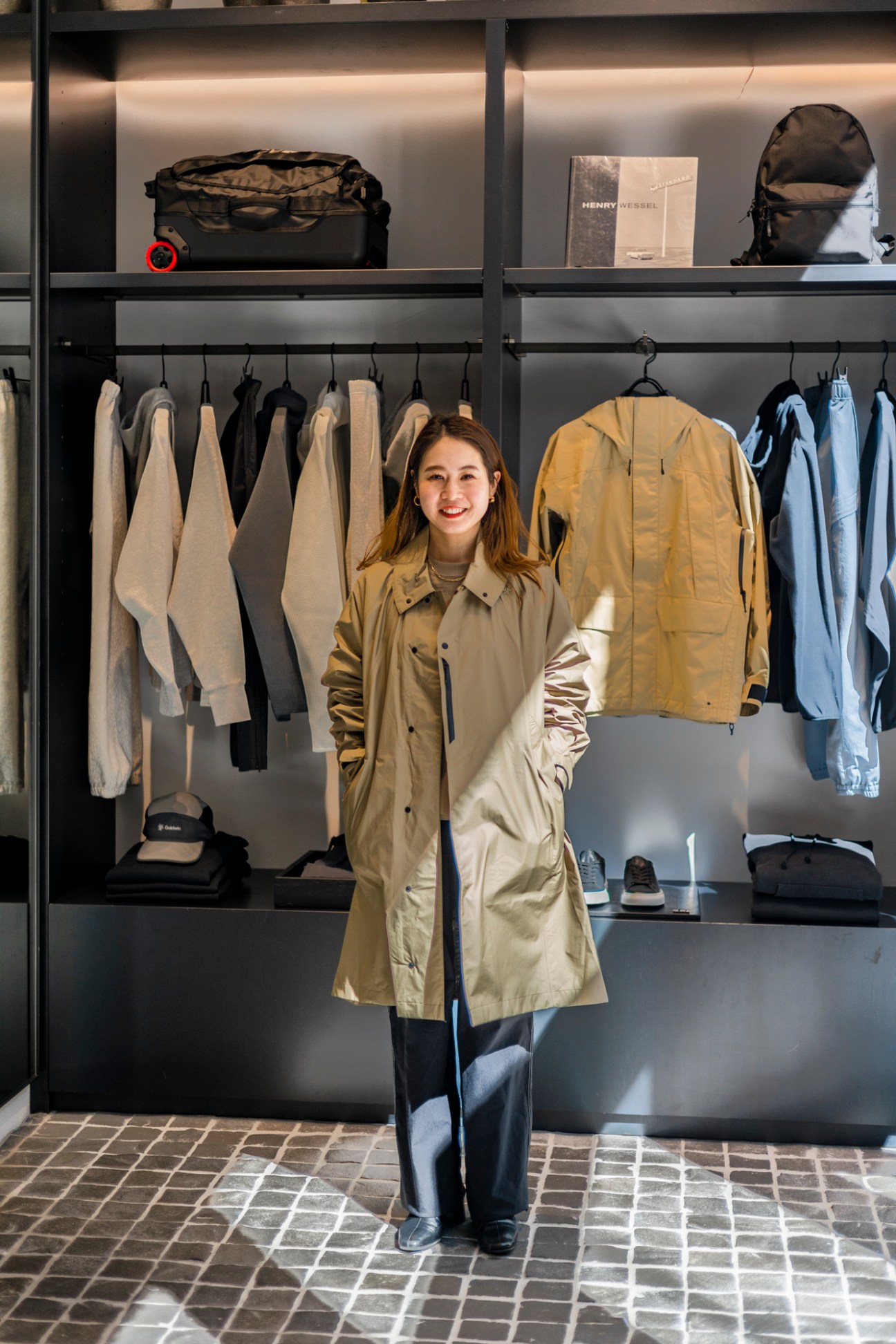
The number of people who casually wear sportswear has increased dramatically in the past 20 years. That’s where our lifestyle line sits. Our customers, who used to wear regular fashion labels, are now buying sweatshirts, down jackets and rainwear from brands such as Helly Hansen and Canterbury. At our directly managed The North Face shops, 60 per cent of the sales come from the lifestyle line and 30 per cent from the performance line.
Take us through your unique trademark rights acquisitions and how you deliver something fresh for the brands in Japan?
Without trademark rights, you need the approval from a brand to do anything in terms of making products, marketing and promotion, because it has a consistent tone in the global market. But Japan has its own demands and with our trademark agreements, we gain creative freedom. For example, doing collaborations in Japan to cater to the local market is necessary to grow a brand.
Japanese craftsmanship is all about precision, thoroughness and details. We don’t want to compromise on quality and have tried not to mass-produce just for the sake of sales. Also, we barely source materials directly off the shelves from manufacturers. Instead, we co-produce our own threads and dyes with our partners. We also care about how they are made and sewn to achieve functional beauty and comfort.
How have your designs evolved over the years?
In the past it was standard, in the mountaineering world, to use bright colours that stand out. Yellow, red and royal blue were the mainstream. But I wanted to use more wearable colours in The North Face gear to make it versatile for city life. And I wanted clothes that could be worn for at least three seasons a year. Nobody was using black in the outdoor market in the early 1990s but I thought that black would appeal to people. I added black, grey, navy and khaki – hues that are popular in daily clothes – to our collections. The main sales channel of The North Face was outdoor speciality shops and they didn’t fancy our new colours. But they sold well at our own shops and department stores. Now, 60 per cent of The North Face collections are in black. It has become the new standard. We changed how we layer highly functional gear in our daily life.
Have there been any demands for the Japan collections from overseas?
Indeed. We have supplied The North Face and the Purple Label line to shops in London and New York. But they didn’t sell that well. Even if you’re offering the same products, how you sell them makes a big difference. In Japan we don’t just sell clothes; we offer styling tips. Customer service is important. You can’t simply export products and expect them to sell.
How important is it to have an R&D department in Japan?
First and foremost, we are a manufacturer. The fundamental mission of a good maker is to manufacture things that no one else can. In that sense, R&D is our heart and soul. That’s why we have a lab and mother factory in Japan. Here we can quickly make prototypes and establish the most efficient processes to produce beautiful products in bigger quantities at partner factories.
How are you improving your sustainability credentials?
We have to tackle it because it’s the biggest problem our industry faces. The amount of clothes imported to Japan doubled from 30 years ago, while overall sale revenues decreased. This means that cheaper products are consumed in shorter lifespans. During this time, business owners blindly prioritised profits, while knowing that something wasn’t right. At Goldwin, we are working to reduce textile waste to zero by 2030 and increase the usage of environmentally friendly materials [from 28 per cent] to 90 per cent.
Cut to size
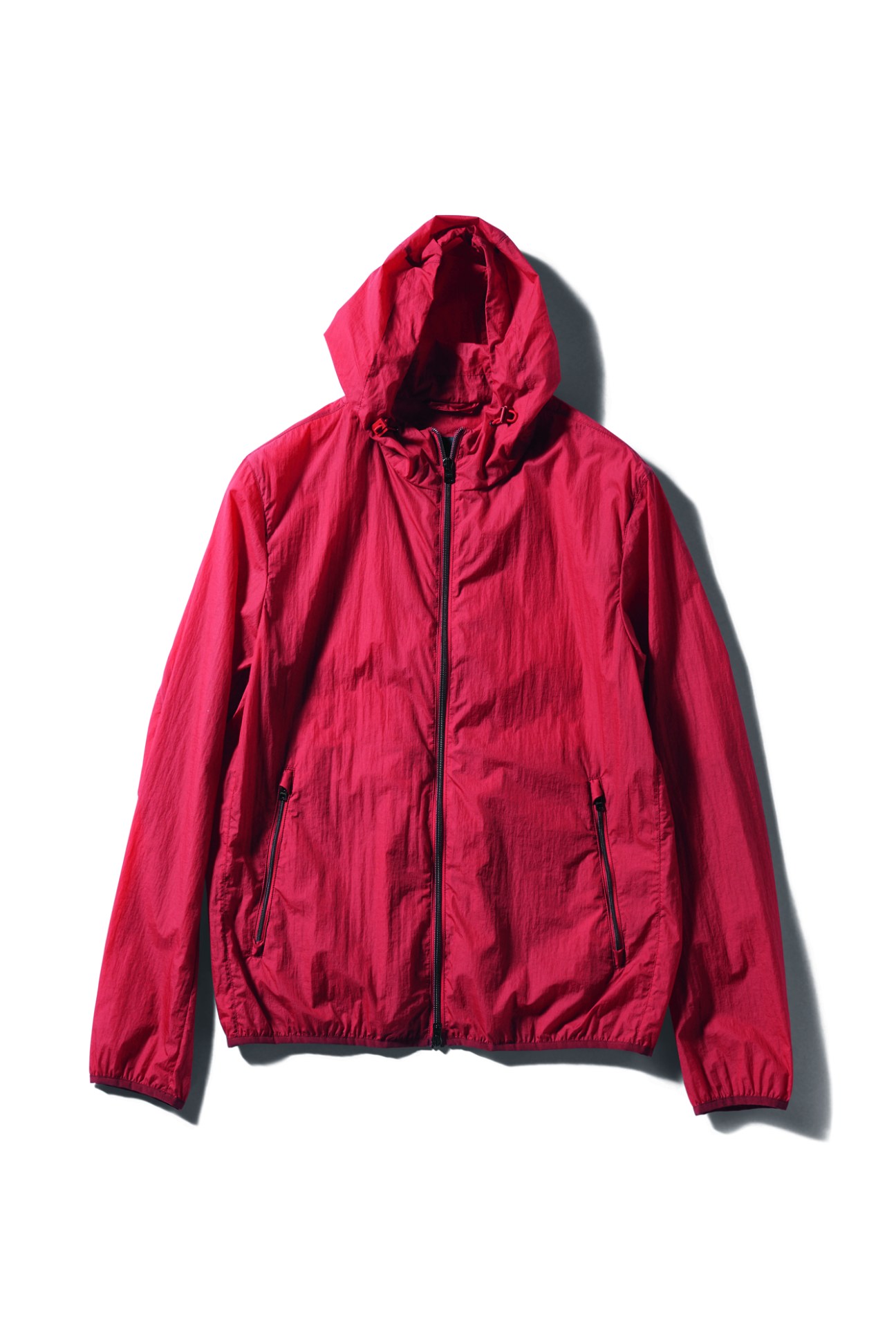
Spring fashion is about dressing things up. “We’ve seen a real appetite for tailoring, with customers looking to reinvent their personal style,” says buyer Dean Cook, head of menswear at London retailer Browns. But designers have also been rethinking what smart dressing means and reworking the suit, making it suitable for everything from roadtrips to late-night dancing. Take Louis Vuitton, where the late Virgil Abloh loosened the silhouette of blazers and cinched in waists to create elegant yet easy-going looks. “It’s refreshing to see this new take – less business and more style,” says Cook.

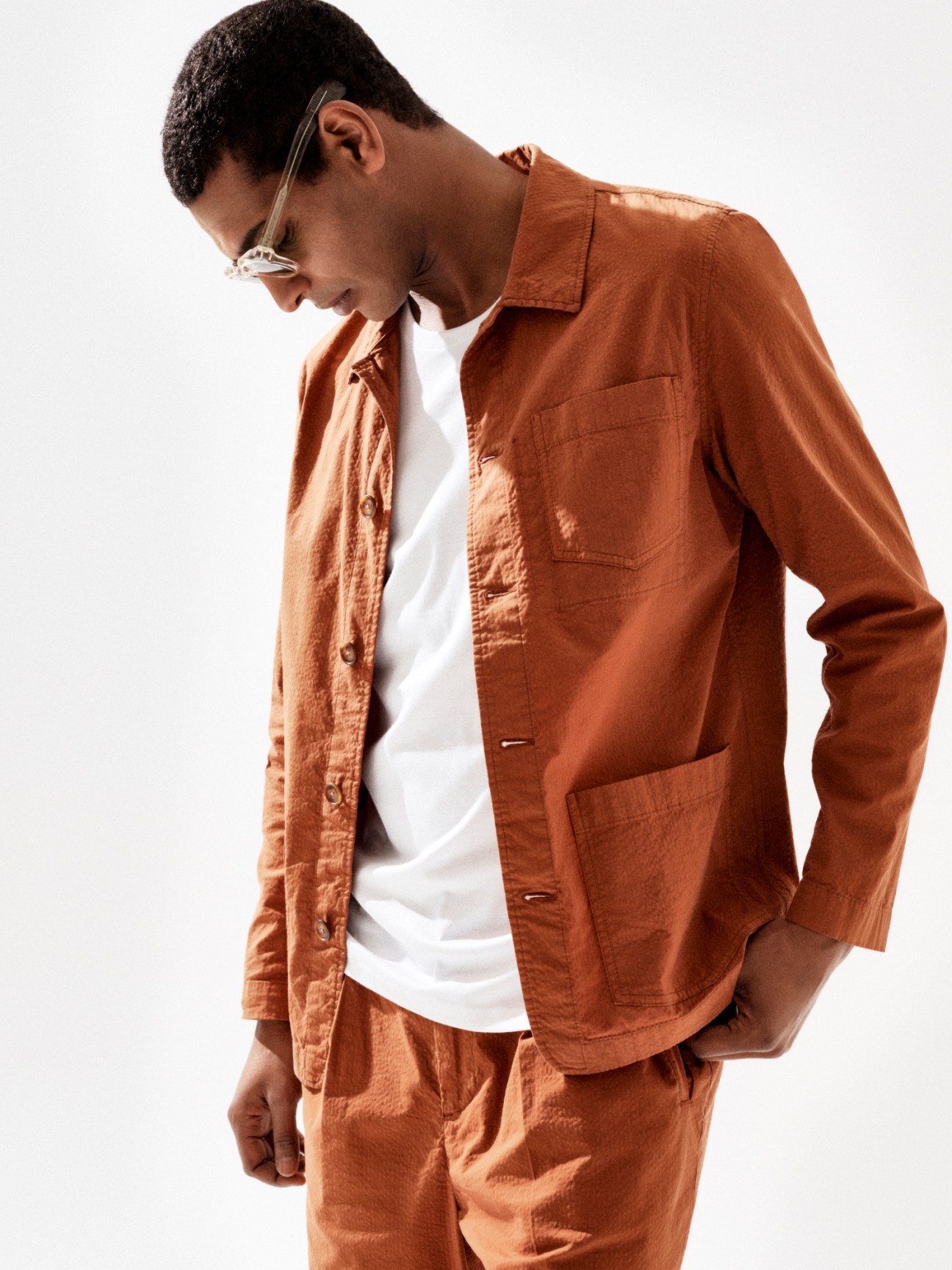



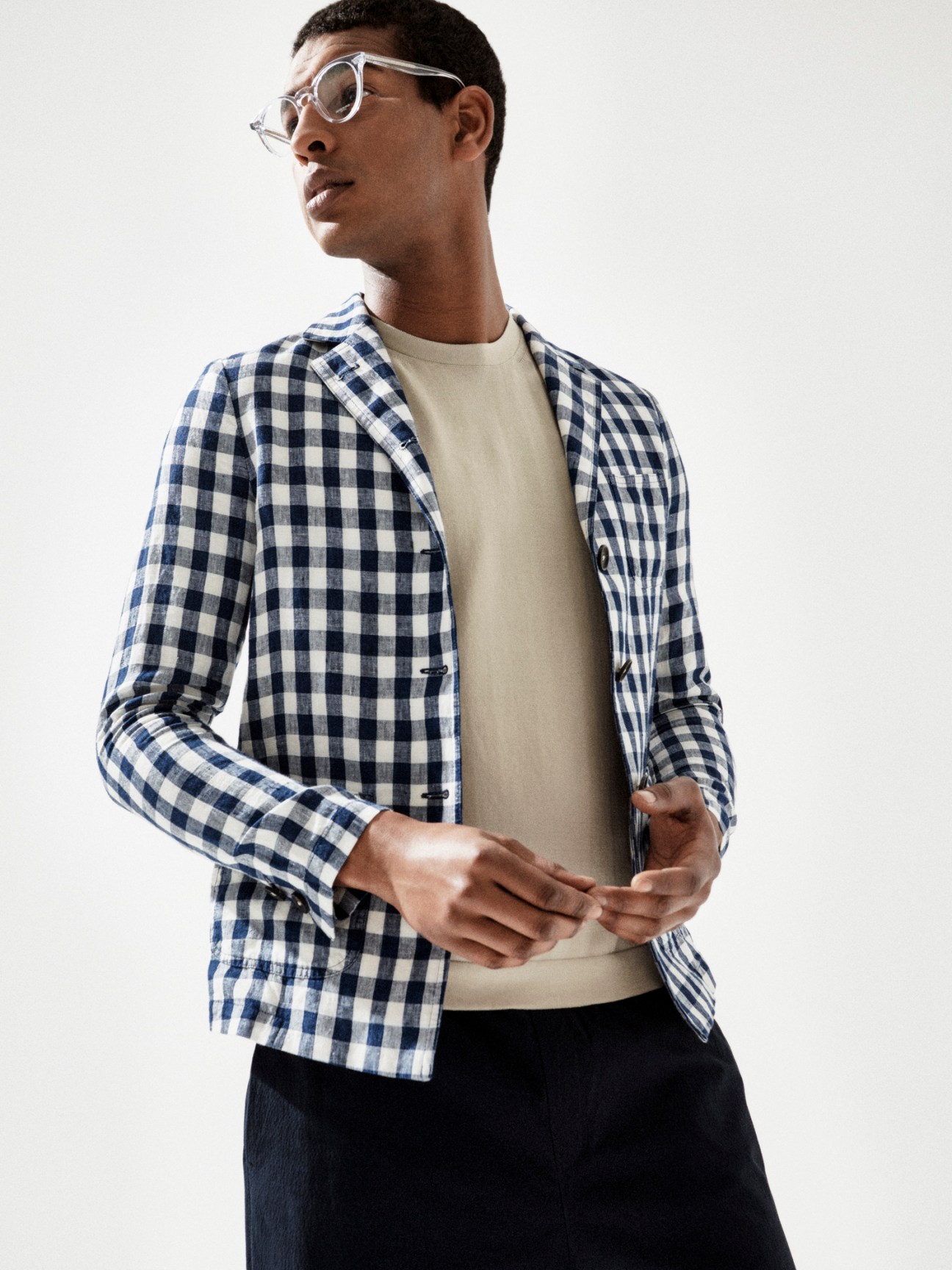
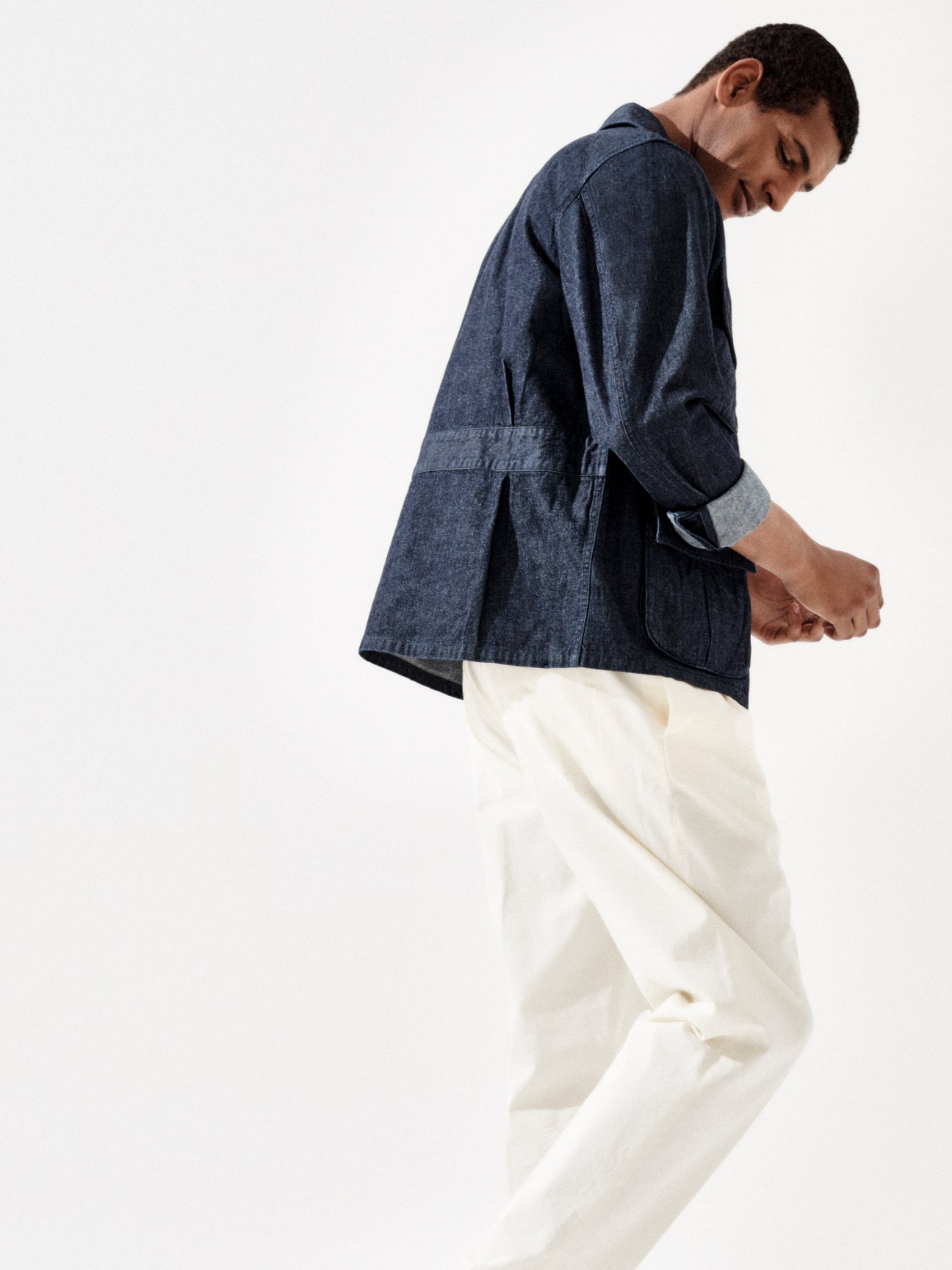
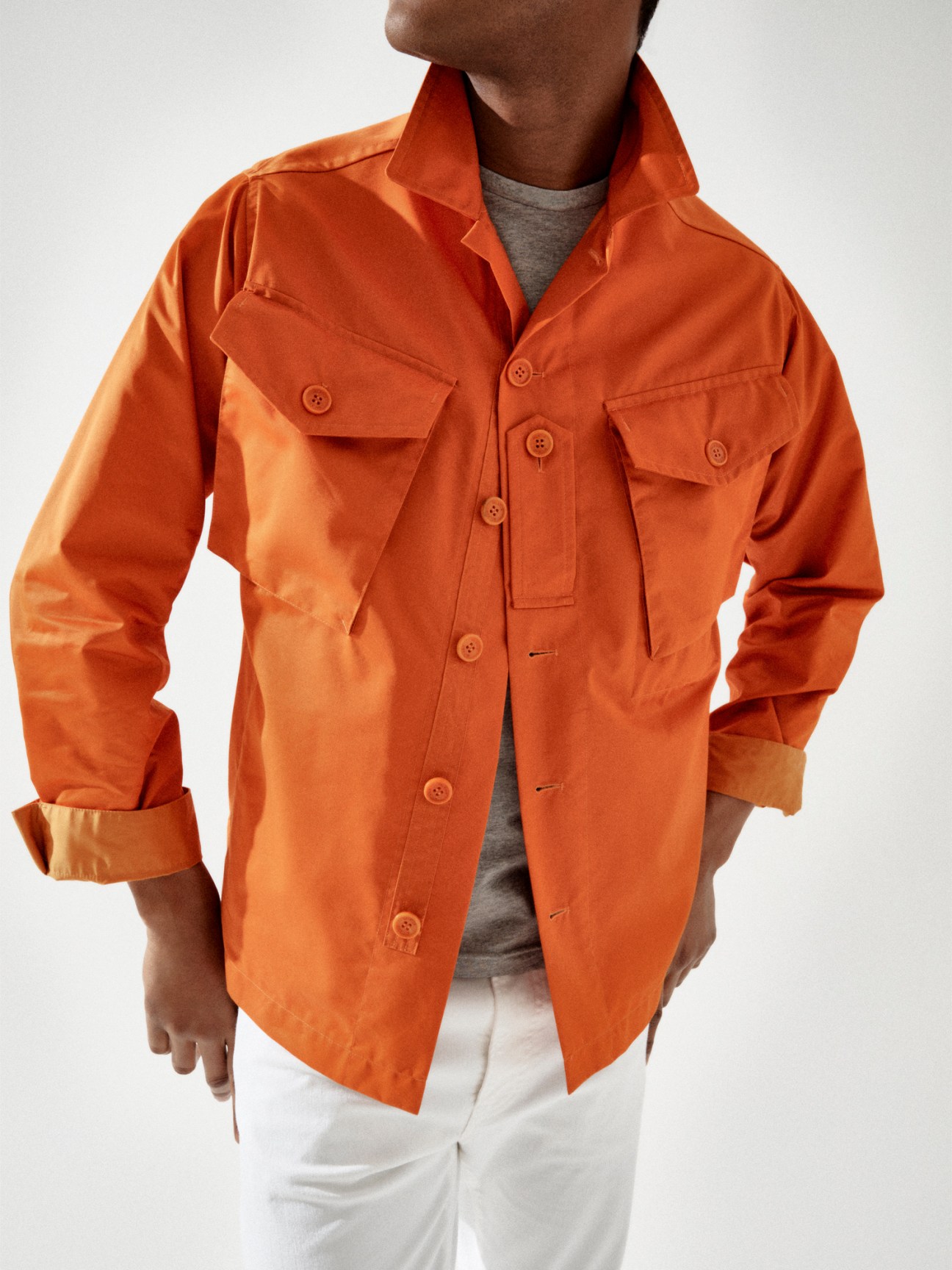
Comment
Follow suit

Some of our favourite independent talents are also embracing this refreshing mood. Copenhagen-based designer Frederik Berner Kuhl became known for his laid-back take on tailoring and remains a firm believer in the power of a suit. “Comfort has taken centre stage but that doesn’t mean only wearing jumpers and sweatpants,” he says. “There’s an inherent element of comfort in tailoring as well – a mental kind of comfort, easing your mind with the idea of a uniform.”
Kind Curations
Australia
Located on Australia’s Gold Coast, multi-brand store Kind Curations provides a change of pace from the city’s typical retail. For a long time, fashion in the area was limited to surf shops and womenswear boutiques. Sam Treffers, who founded Kind Curations in 2018 with his partner Kasey Attard, a former menswear buyer for one of Australia’s biggest online surf shops, wanted to carve a new niche: beach-appropriate attire you can also wear to more formal affairs. “We offer elevated daywear that can be dressed up or down,” he says. “Pieces such as a nice lightweight shirt that you can wear with some trunks to the beach or dress up with some trousers to dinner.”
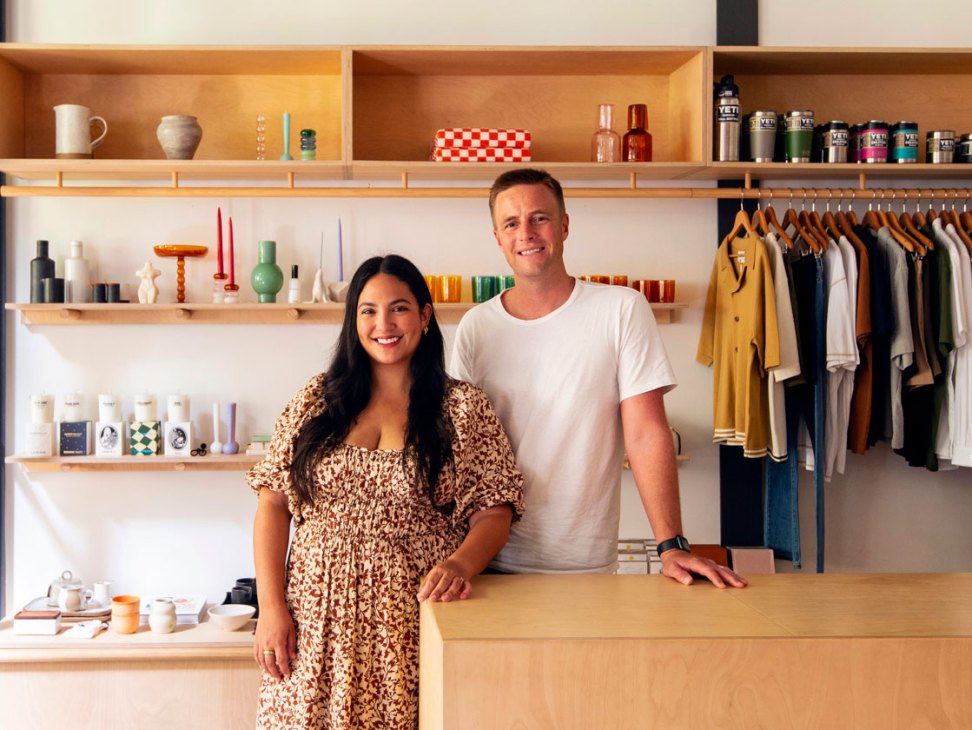
While the pair introduce seasonal highlights, they ensure that there’s always a well-rounded assortment of basics. Bestsellers include organic cotton T-shirts from Australian-made label Bassike and lightweight hemp-blend tops from Jungmaven. Customers also respond well to summery Australian labels such as resortwear favourite Matteau and All That Remains – two female-owned businesses working with natural fibres such as ramie and linen.
When making buying decisions, Queensland’s balmy weather is always top priority. “You can wear a heavy knit about one week of the year here; it just doesn’t work,” says Treffers. “Los Angeles-based brands understand that and go really well for us. We are heavily influenced by the Californian lifestyle.”
kindcurations.com
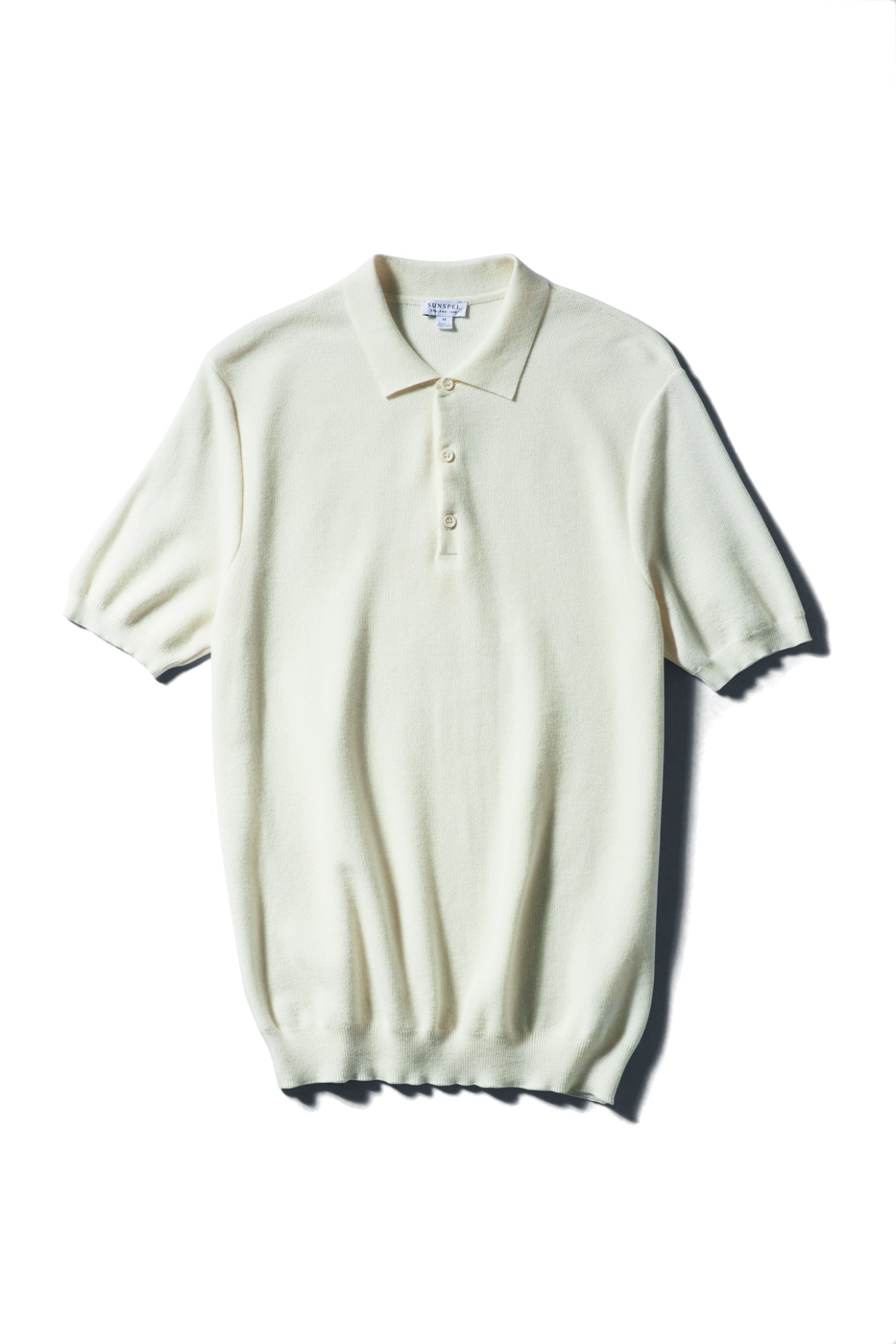
Casely-Hayford & Sunspel
UK

It was only a matter of time before Charlie Casely-Hayford and Sunspel’s head designer David Telfer joined forces to create a collection. Casely-Hayford’s tailoring brand is a stone’s throw from the Sunspel shop on London’s Chiltern Street and the two have been crossing paths ever since Casely-Hayford joined the neighbourhood in 2018. He often sends his customers down the street to Sunspel to buy T-shirts or shirts that match the bespoke suits they order from him.
The newly launched collaboration embraces the same mix-and-match spirit. “We wanted to explore what Charlie thinks tailoring could be when combined with our take on comfort,” says Telfer. The result is two suits in a textured Italian cotton-jersey. At a distance they seem like classic suits but take a closer look and you’ll see a softer fabric that feels as comfy as a tracksuit, minus the sluggish look. The silhouette has been reworked to feature dropped shoulders and a looser fit. “Tailoring has been adopted by the next generation in an anti-establishment way – just as the establishment is dropping it,” says Casely-Hayford.
casely-hayford.com;
sunspel.com
Grooming: Sam Basham
Model: Tidiou M’Baye
Photographer: Natalie McComas
Image: Richard Stapleton
Outside chance


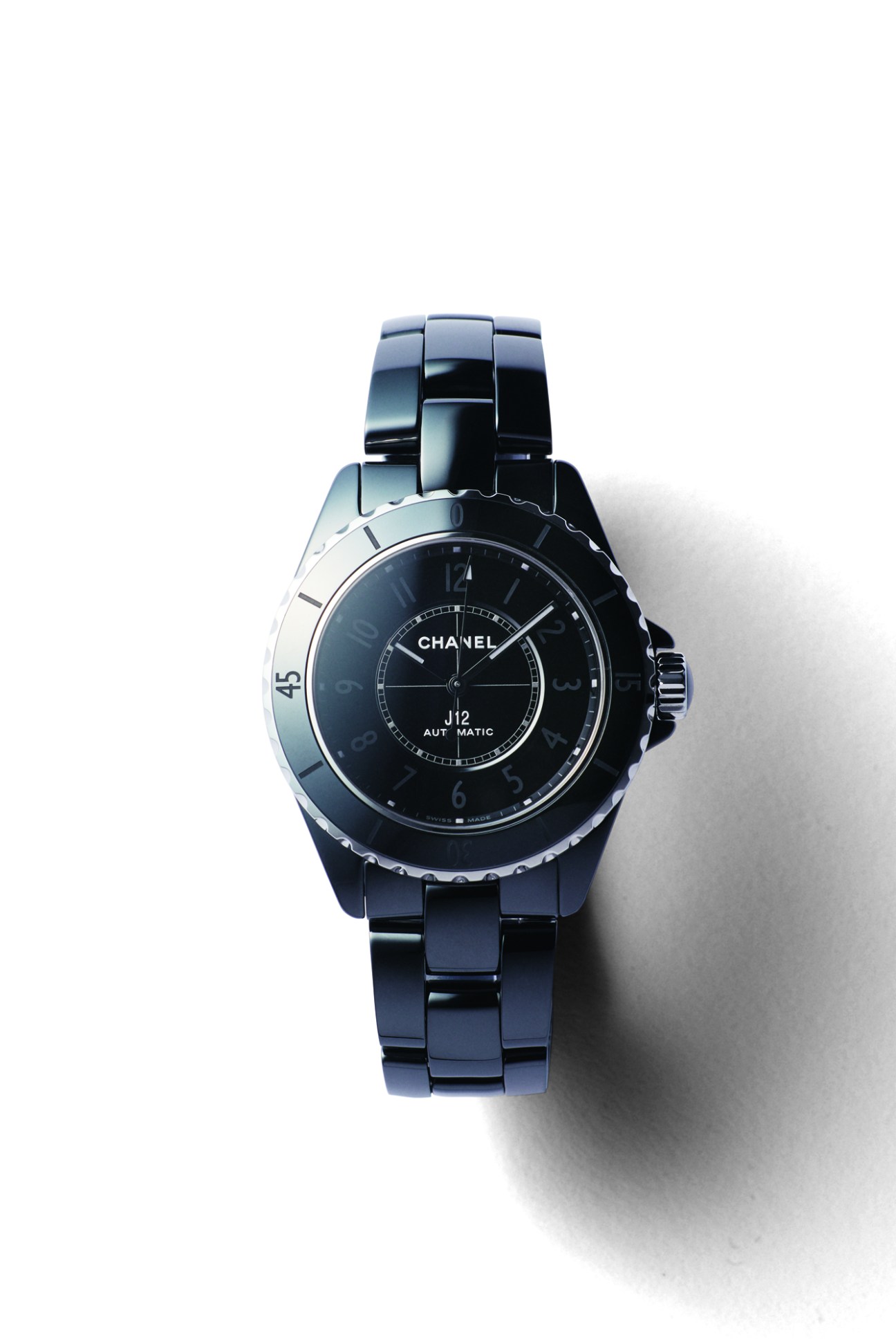

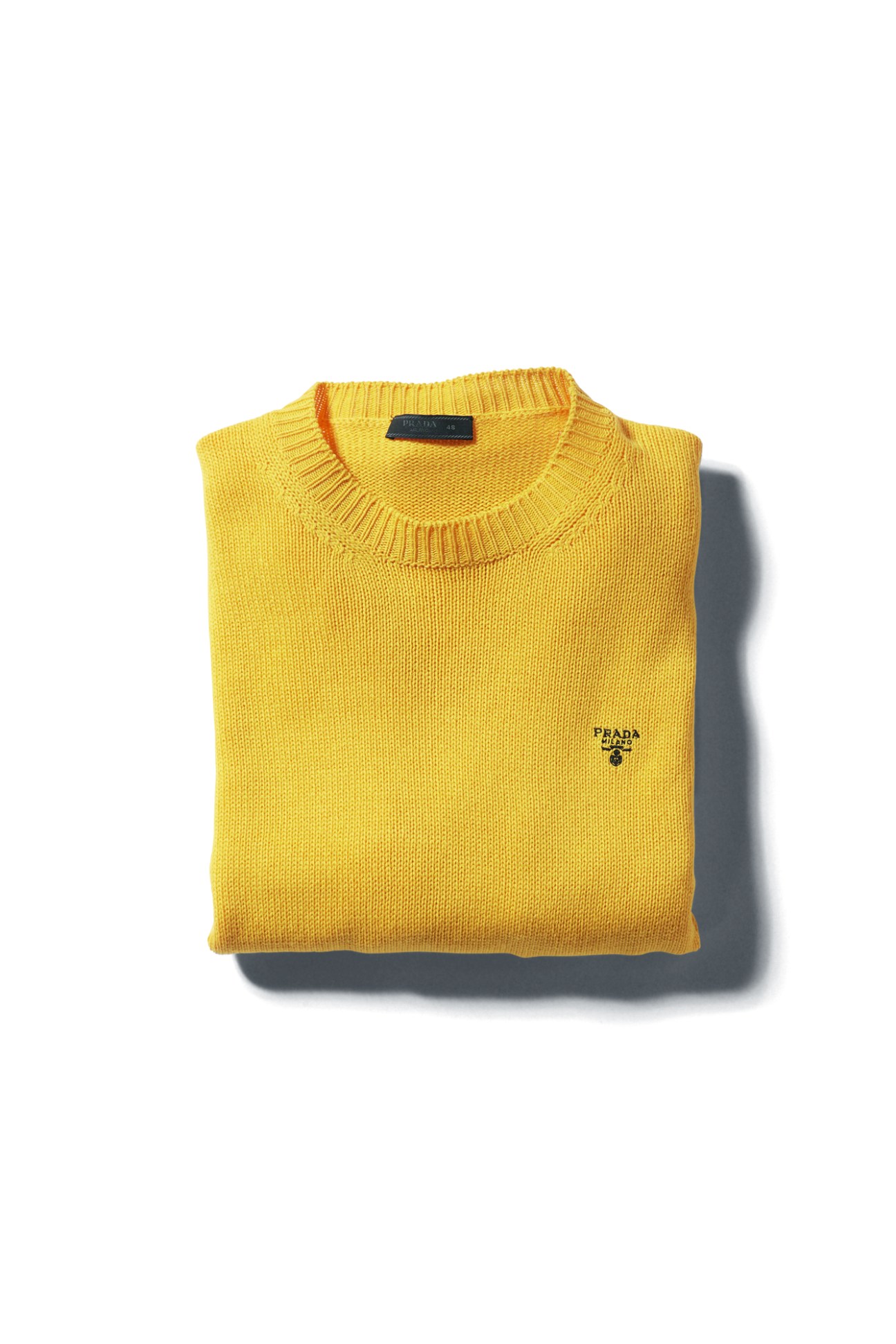
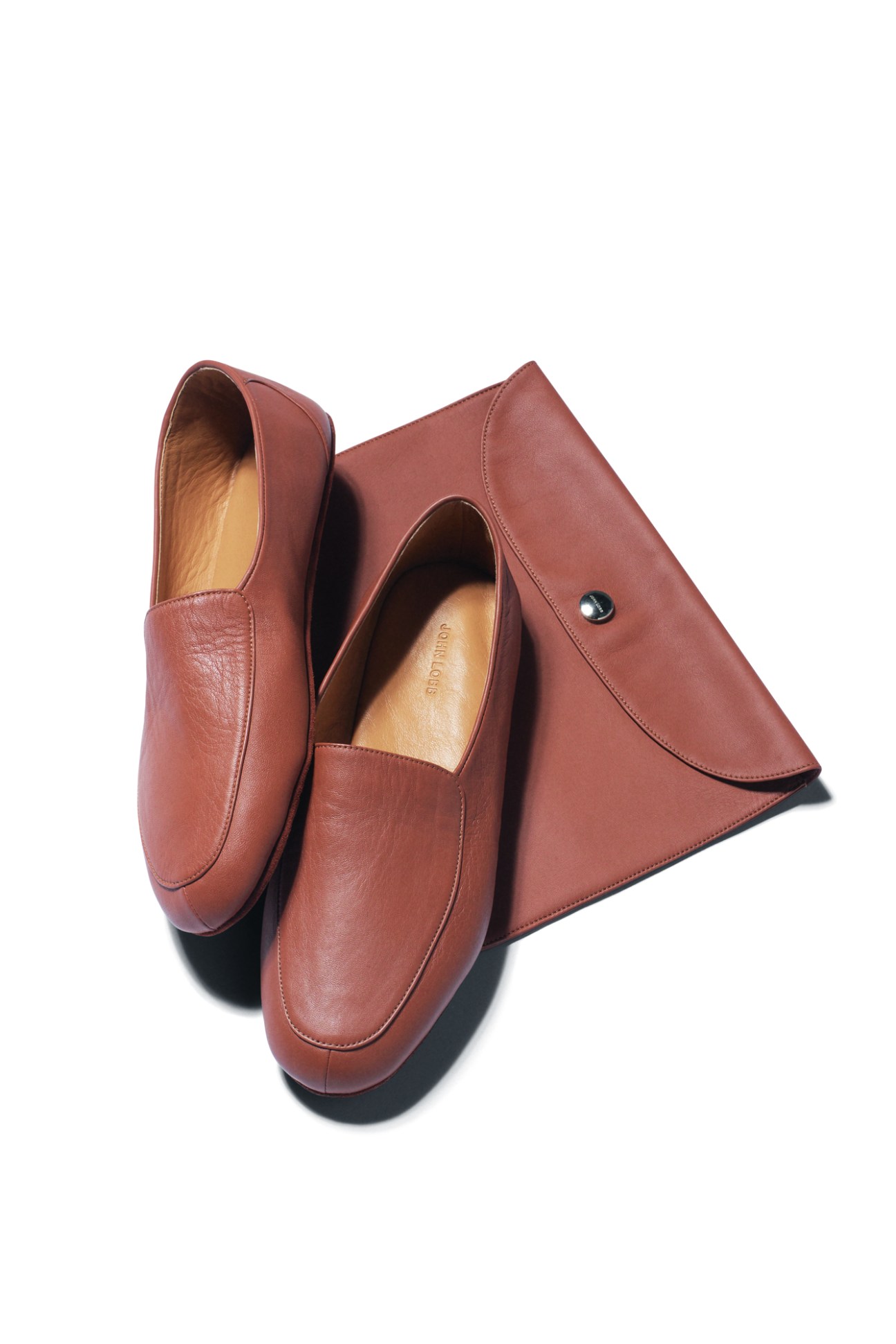

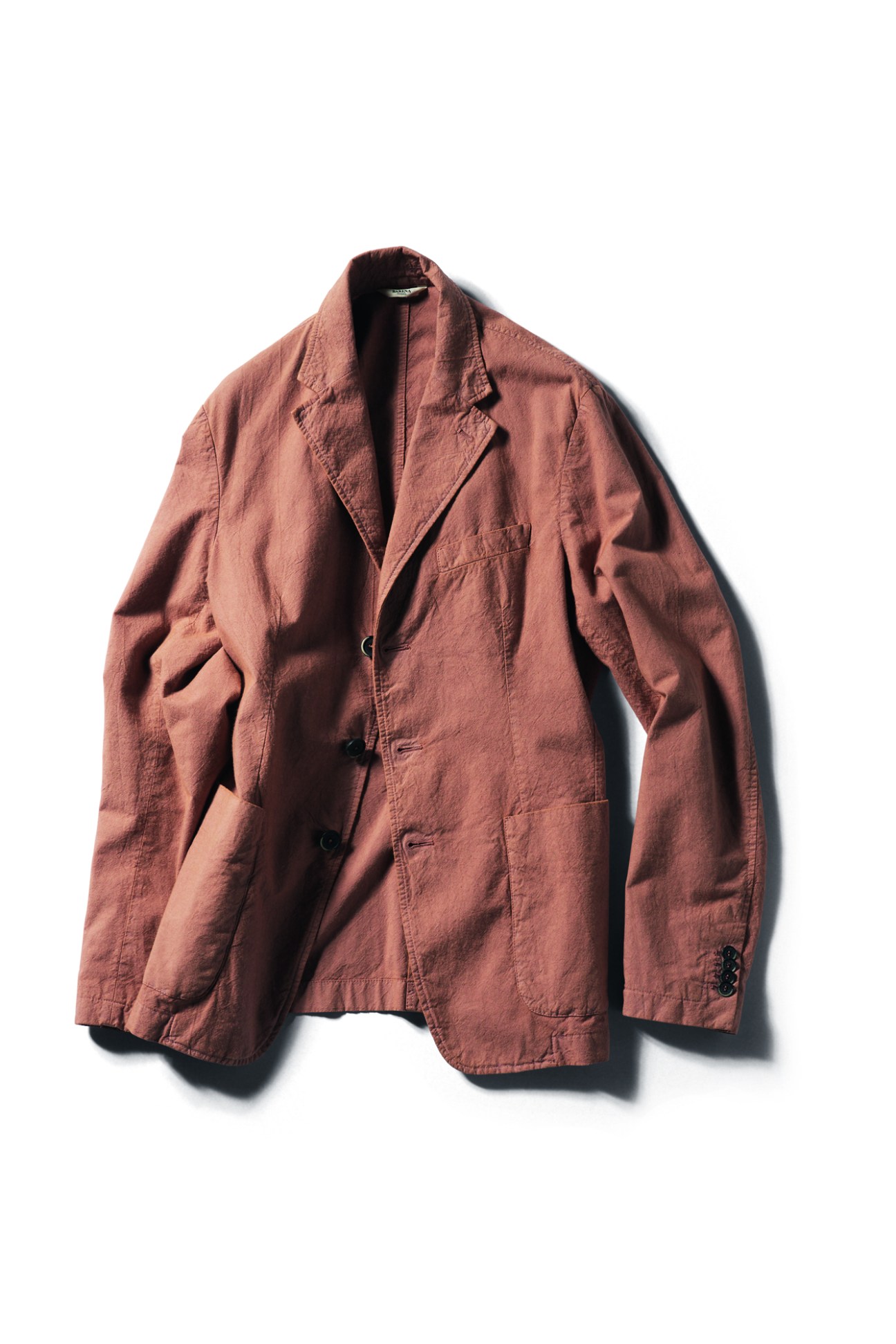
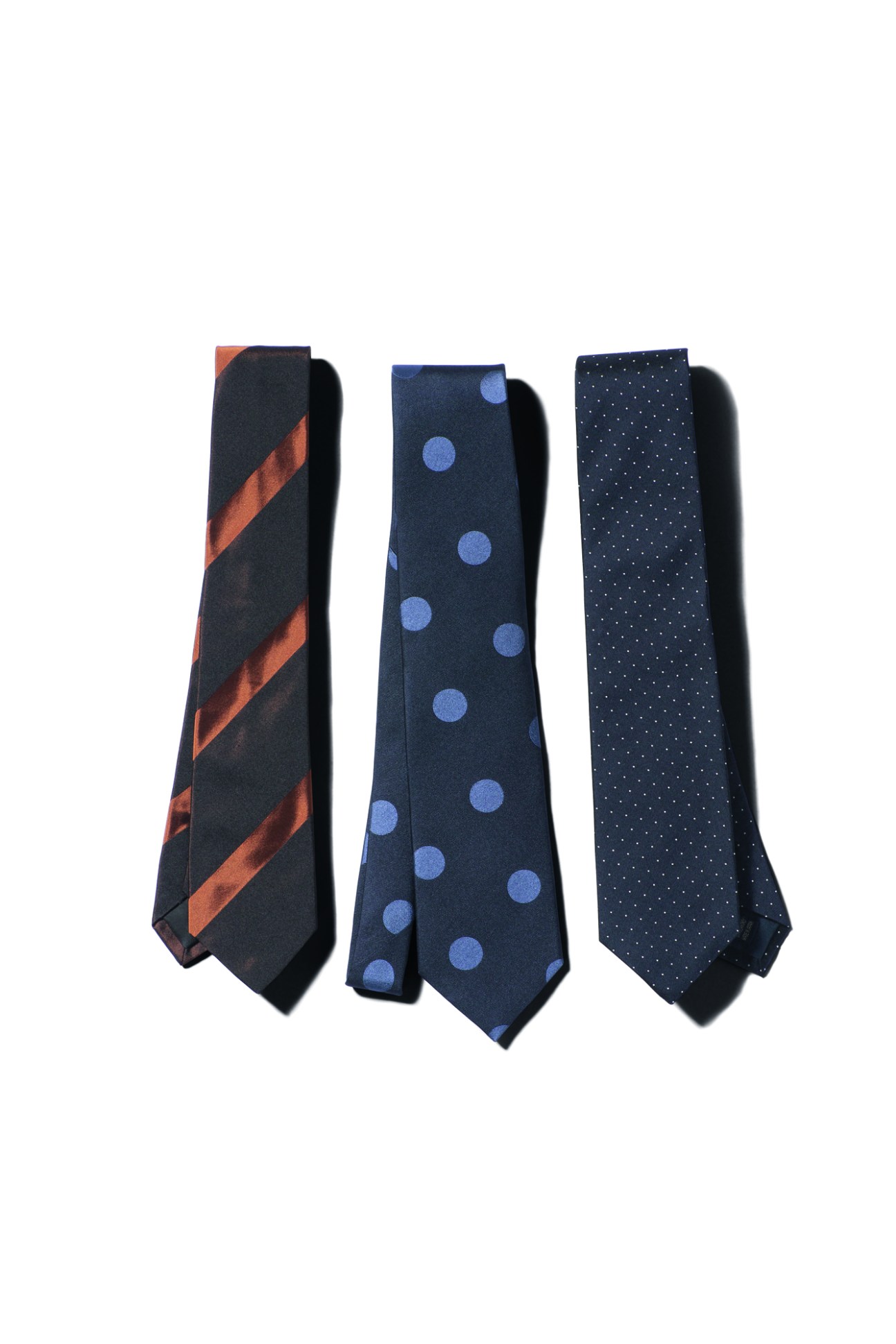


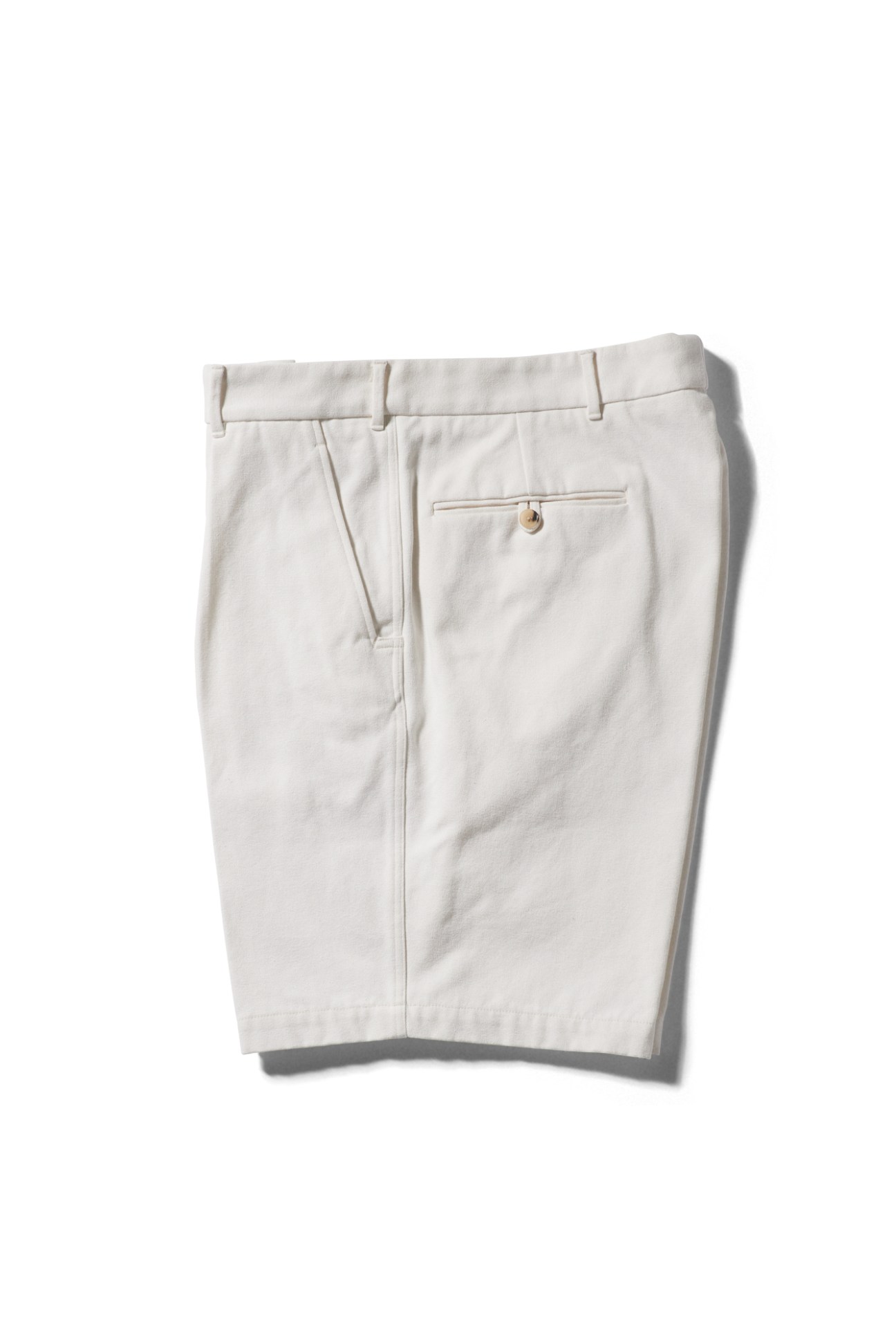


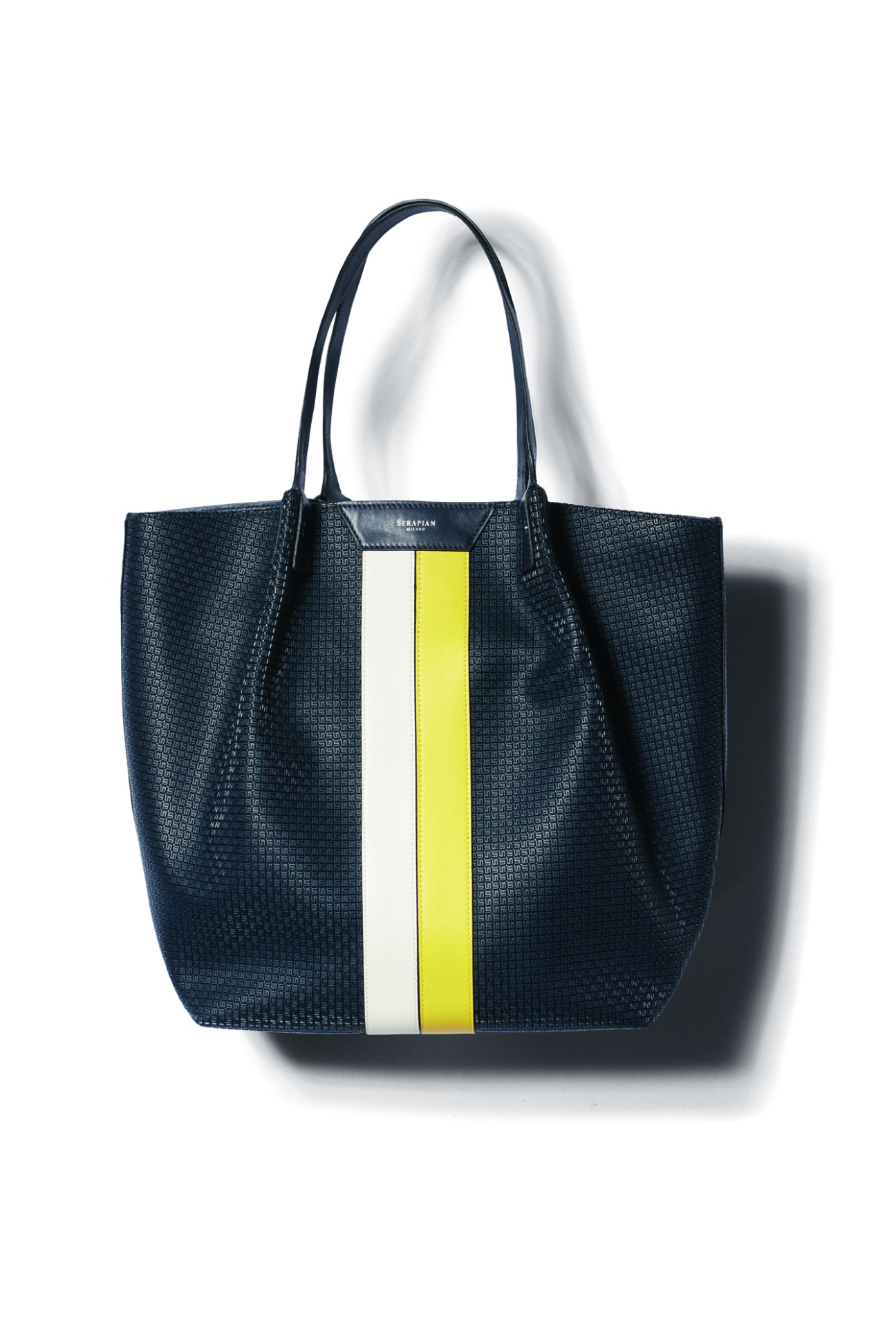


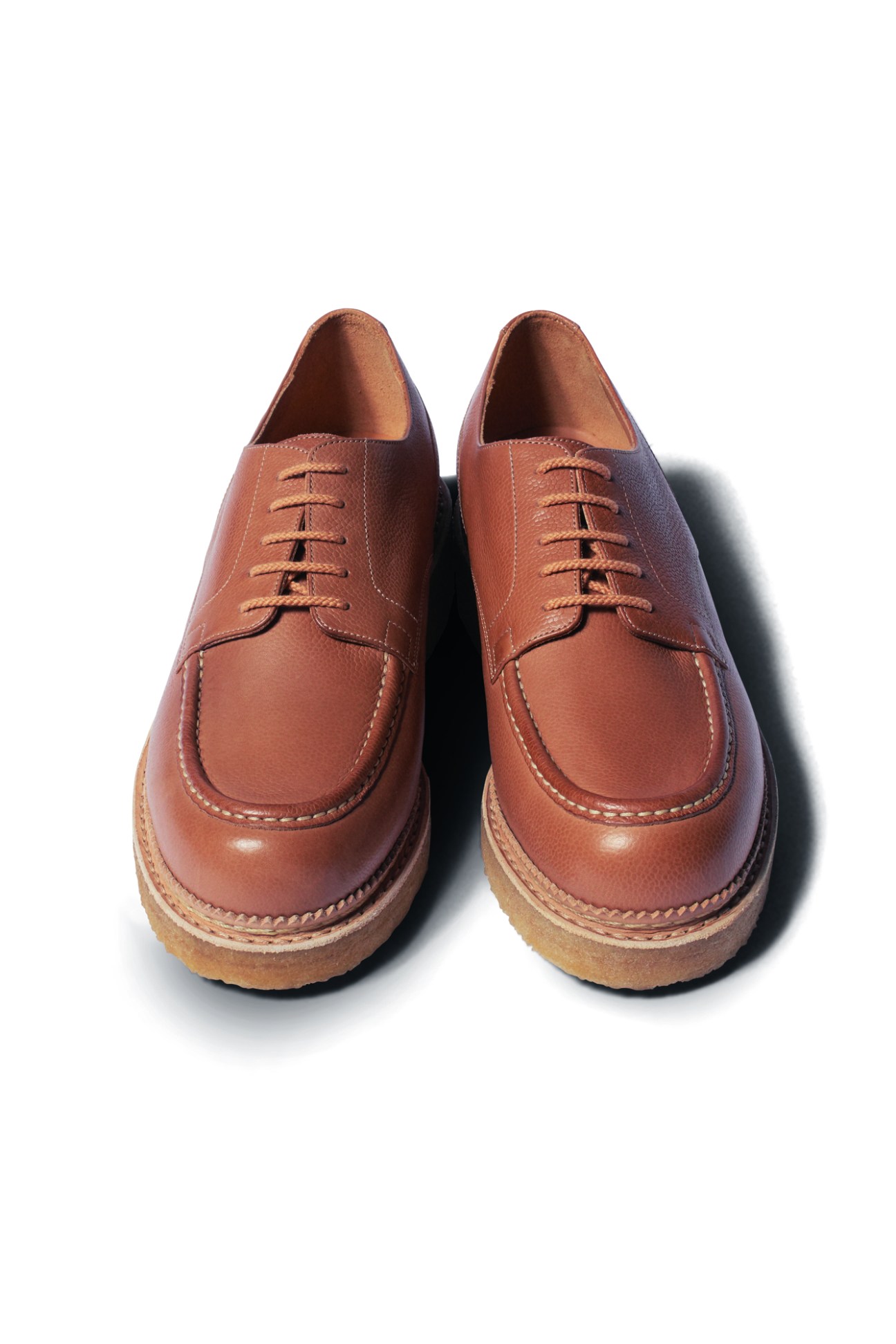
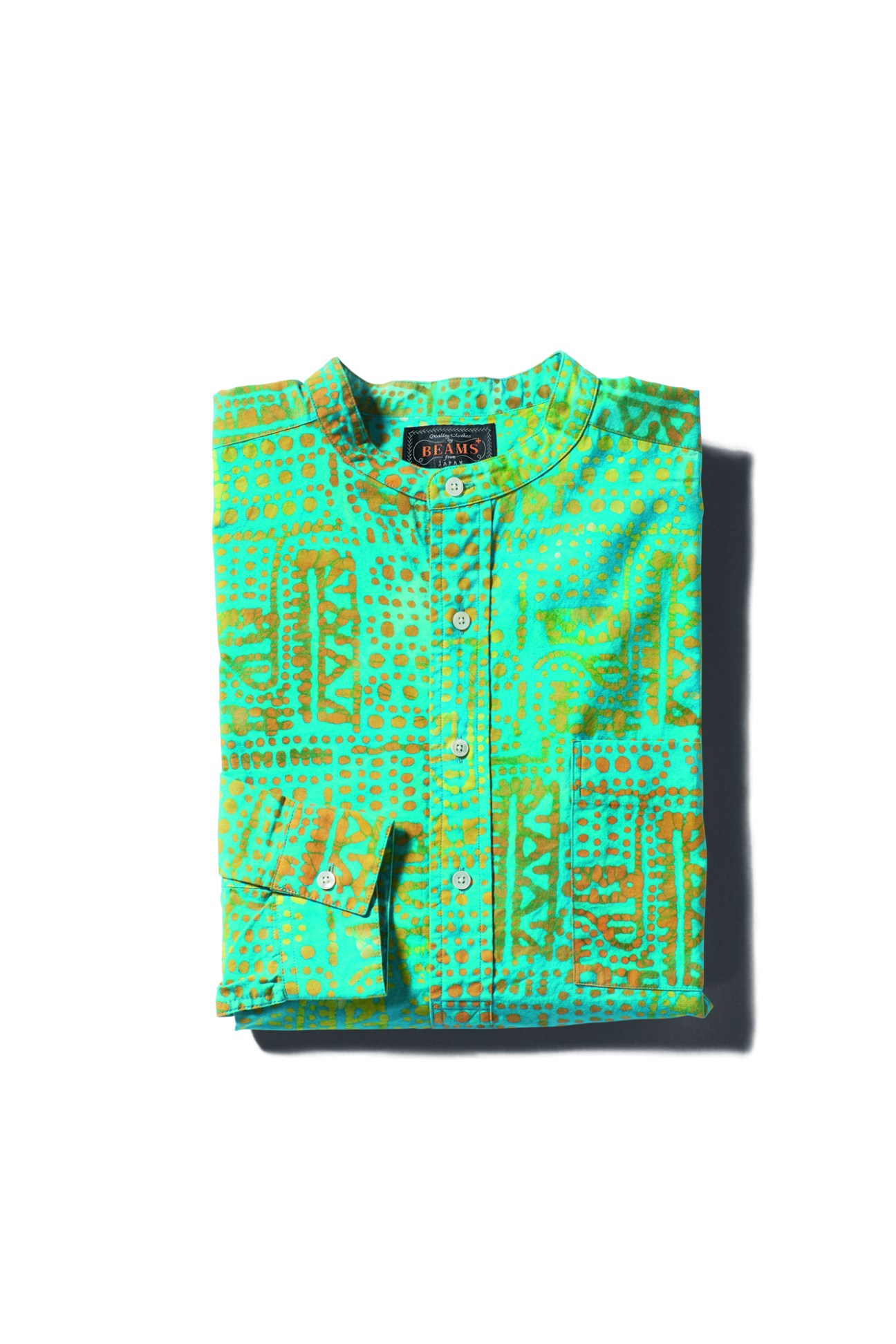
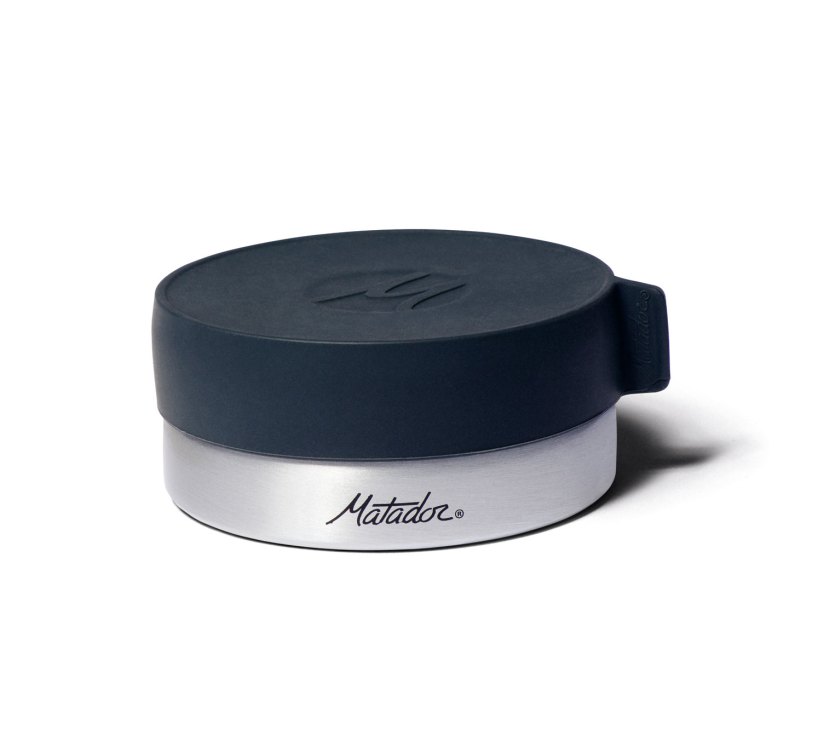

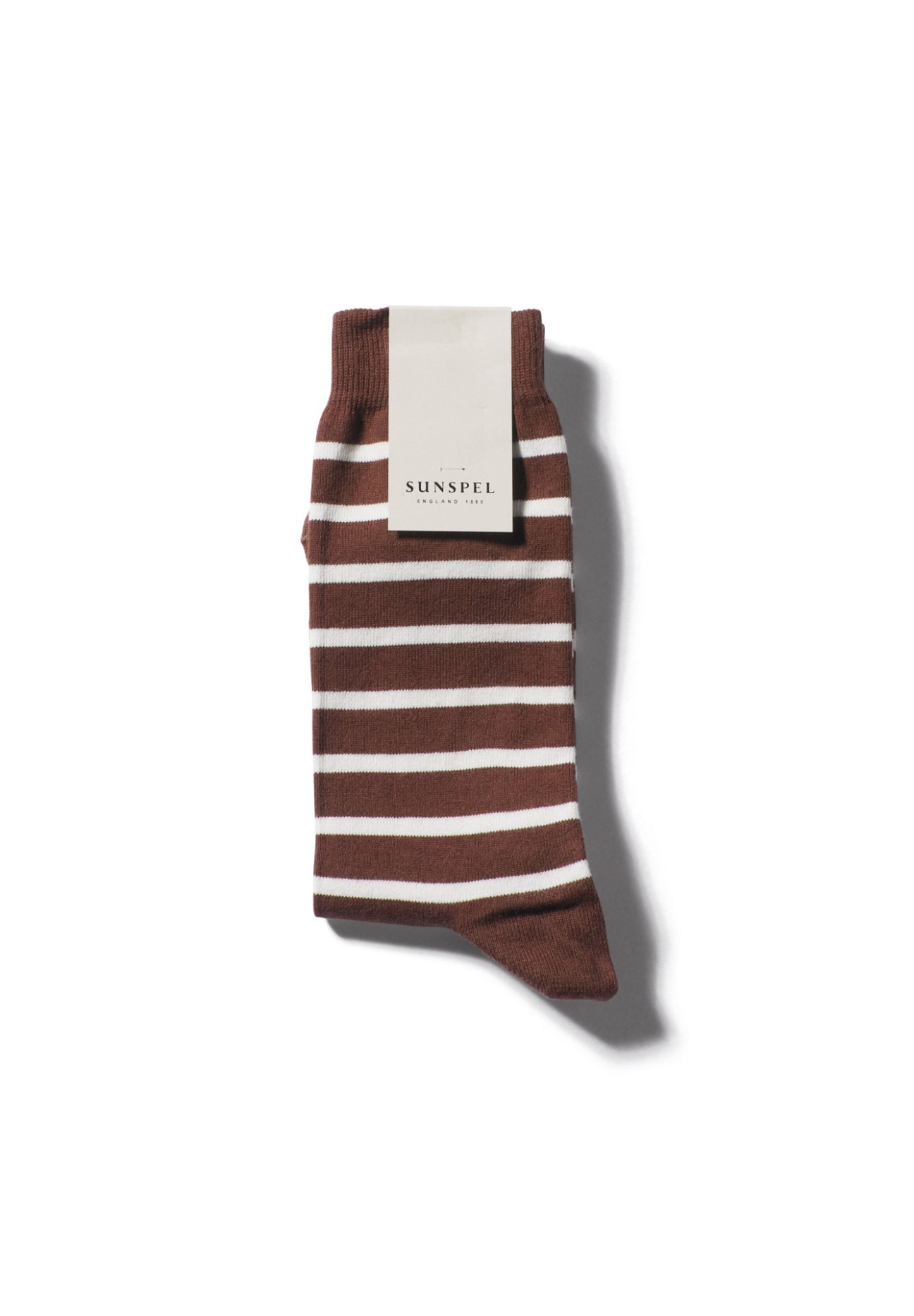
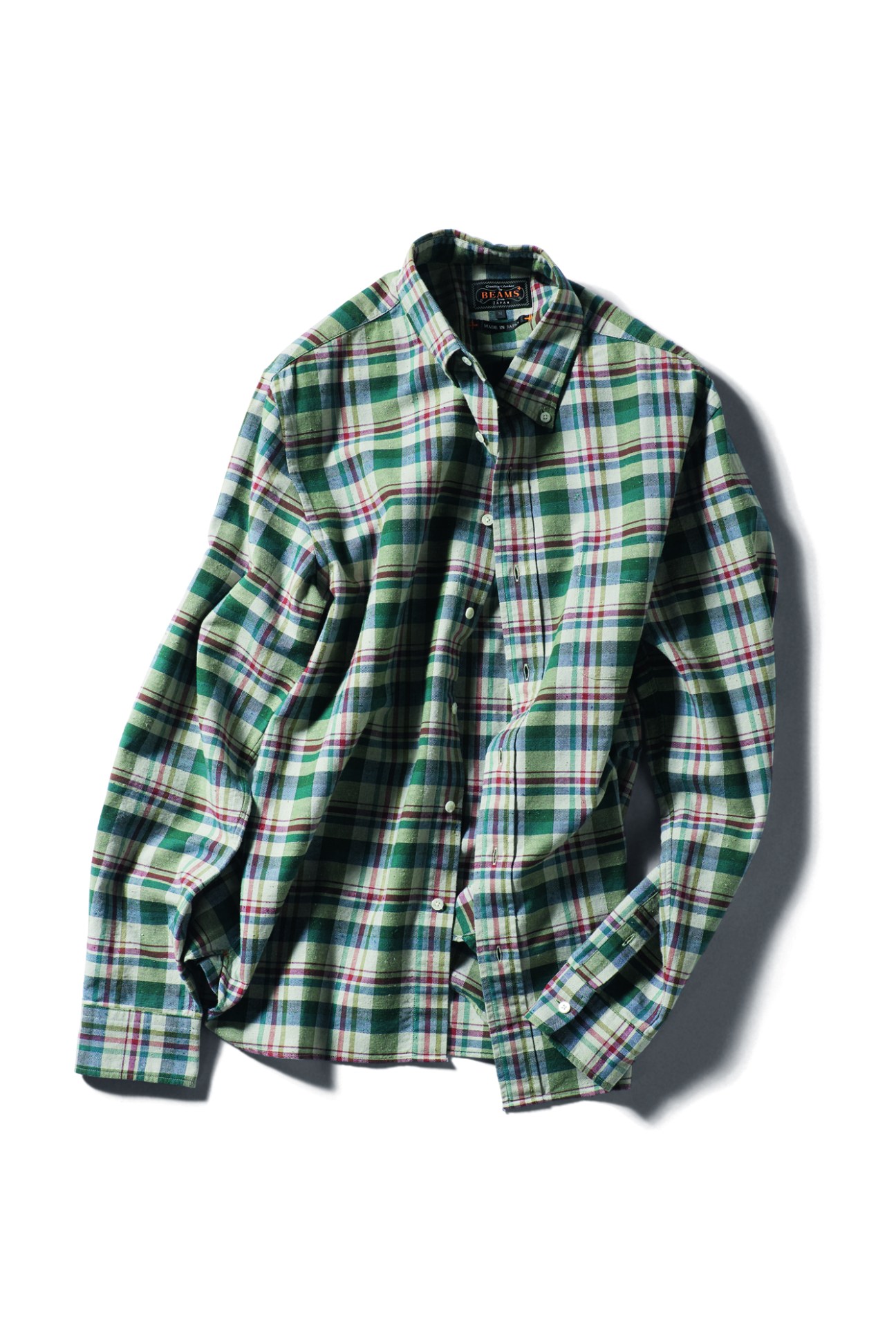
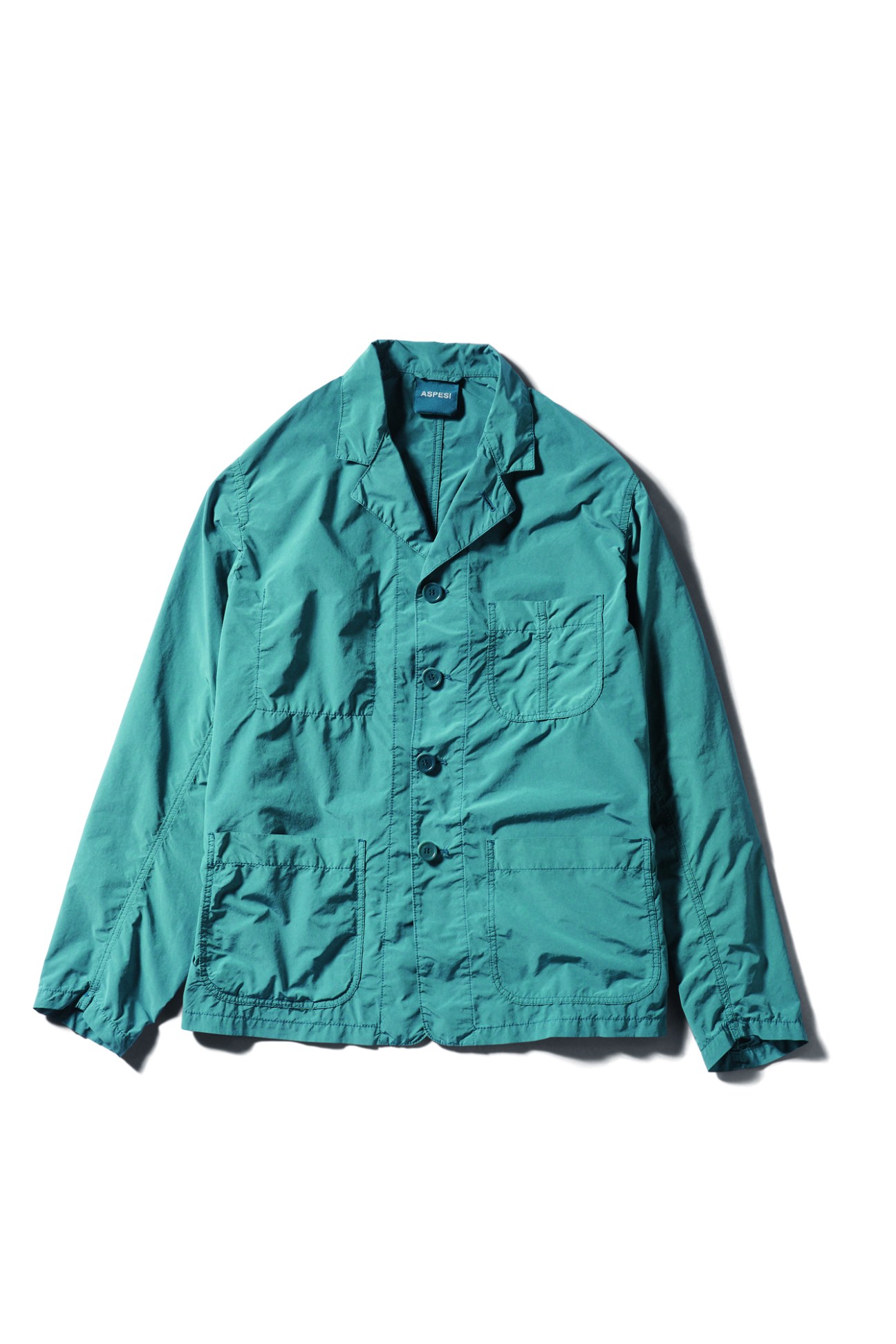
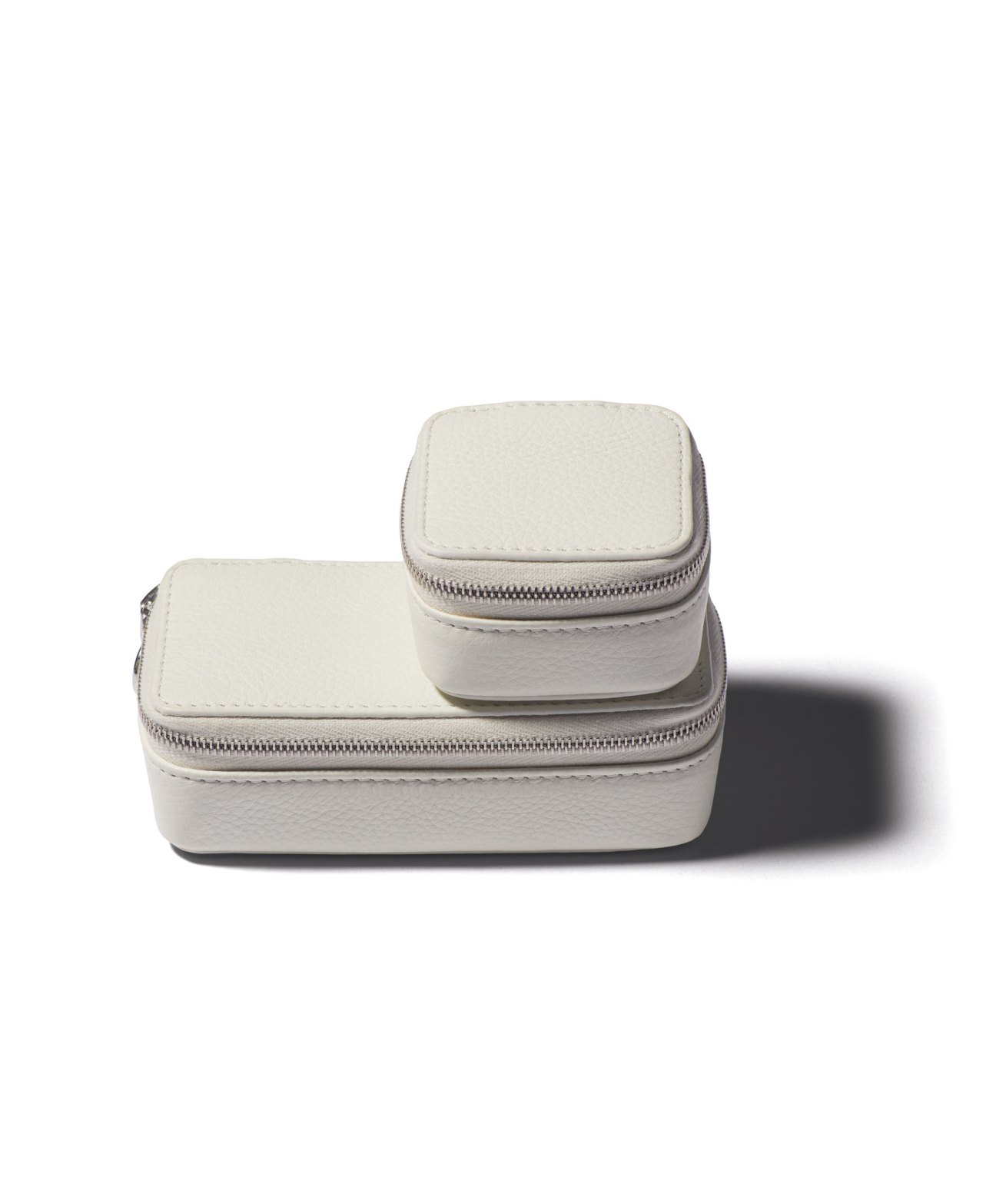
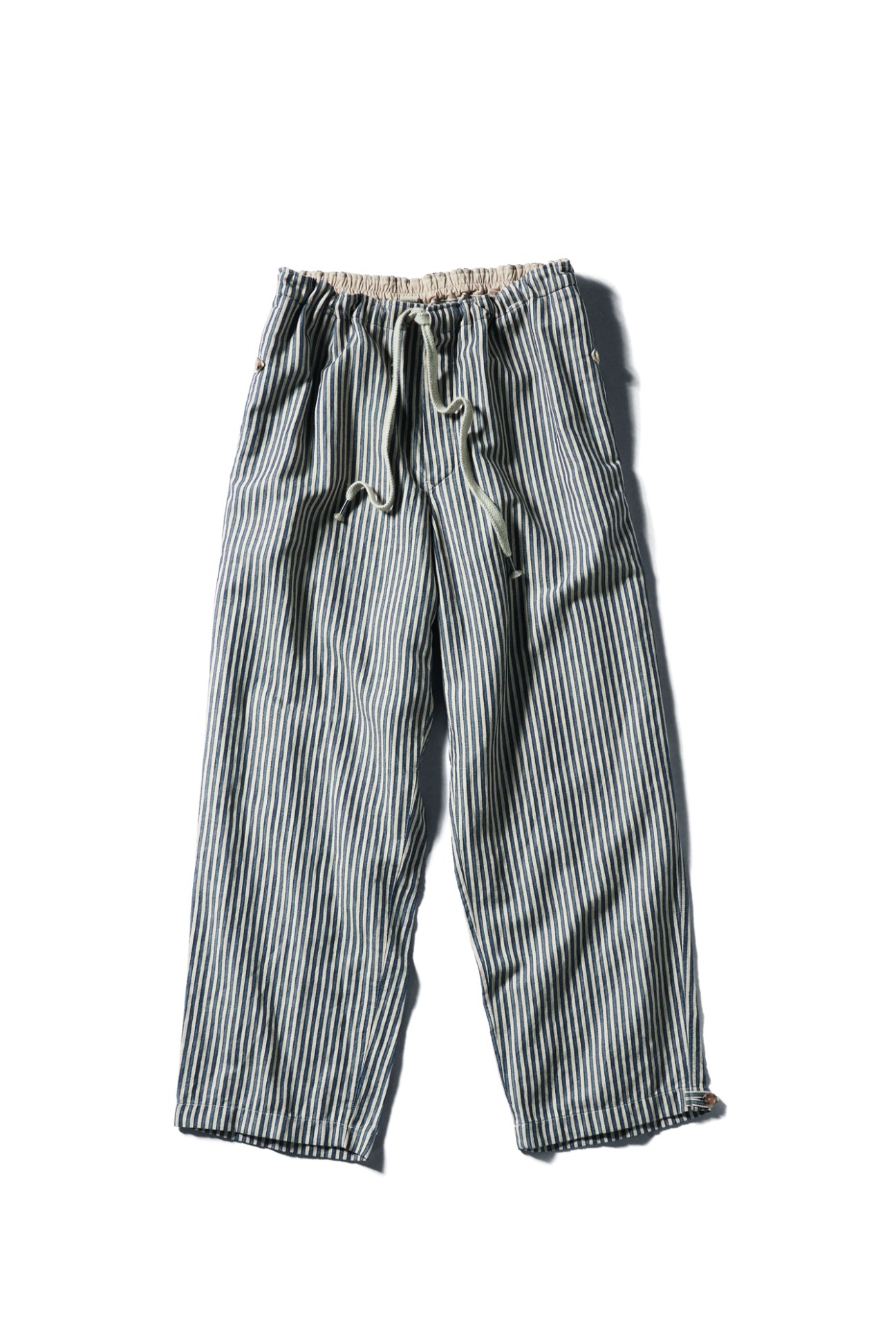
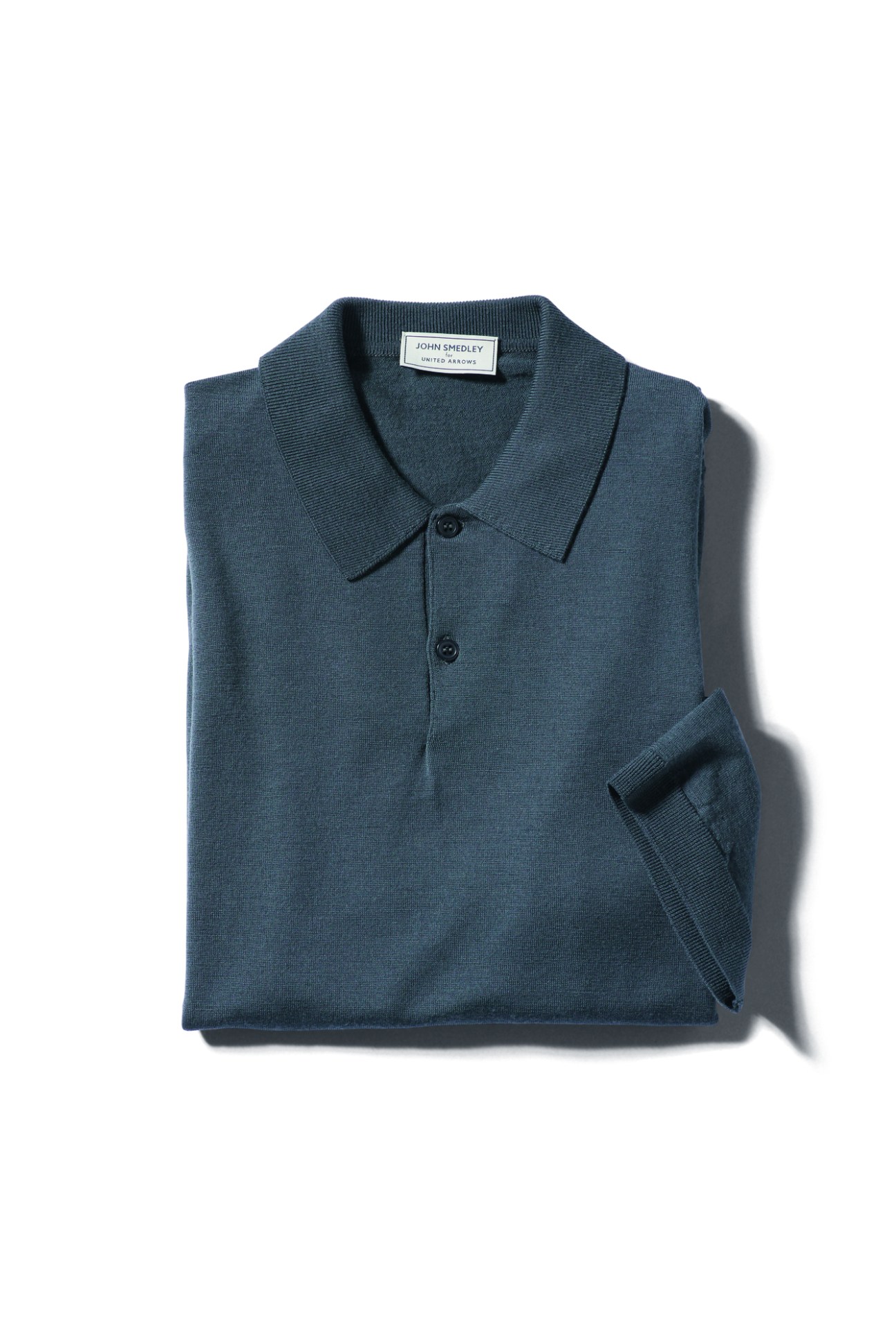


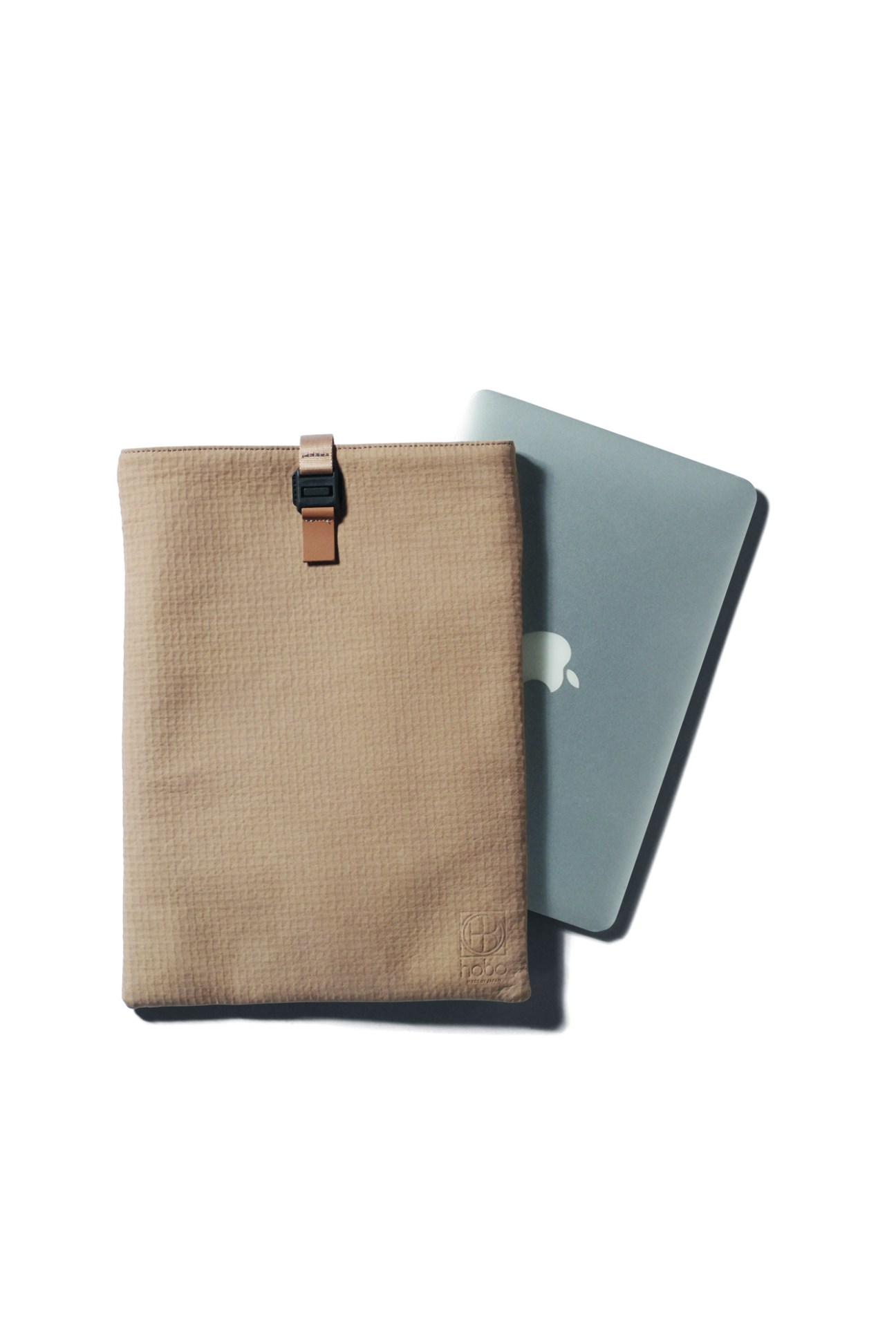
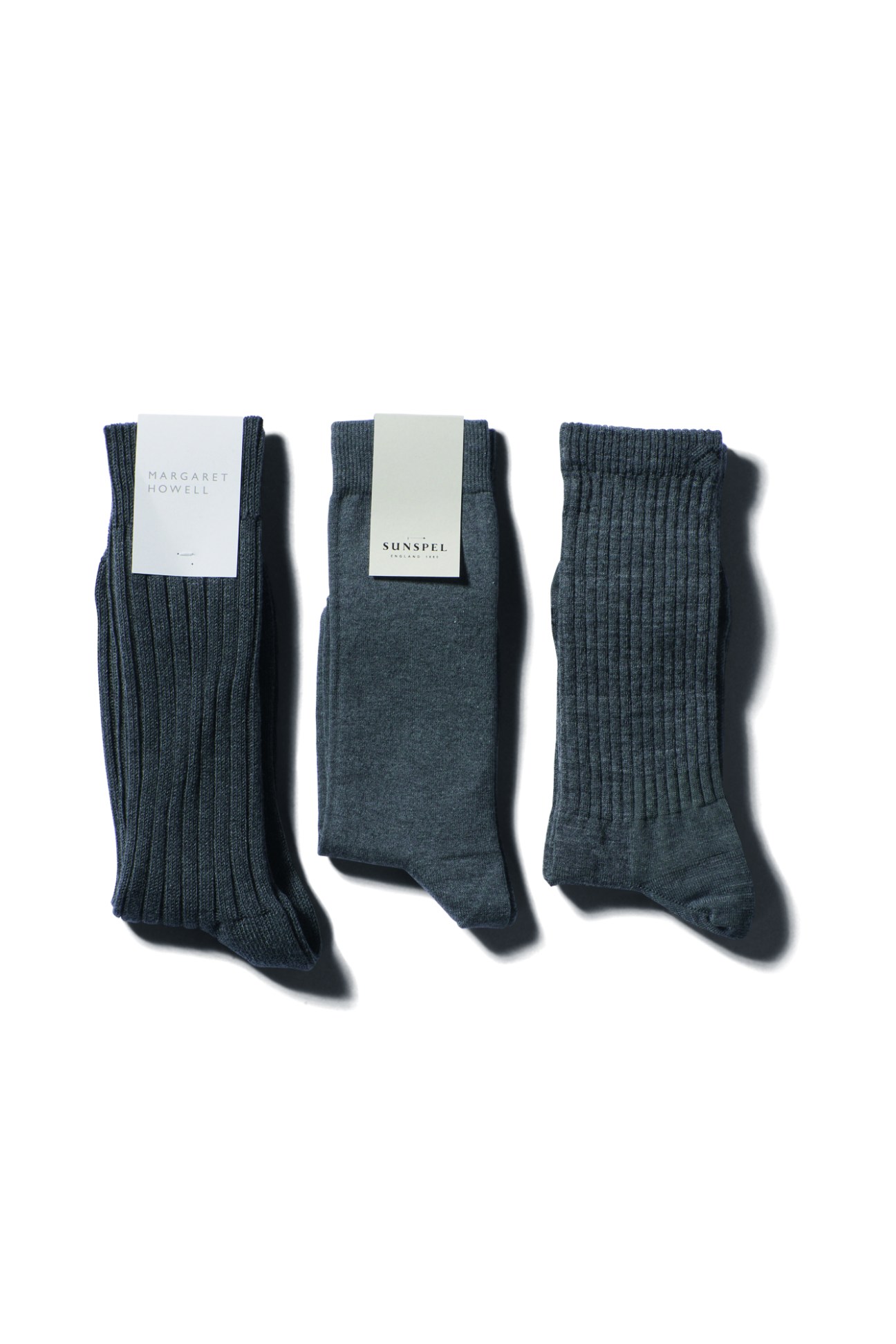
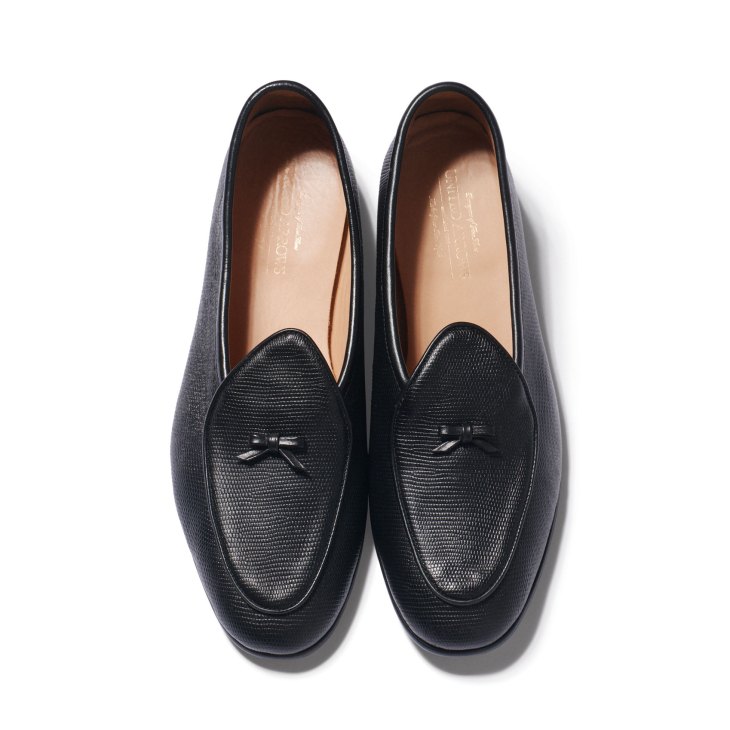
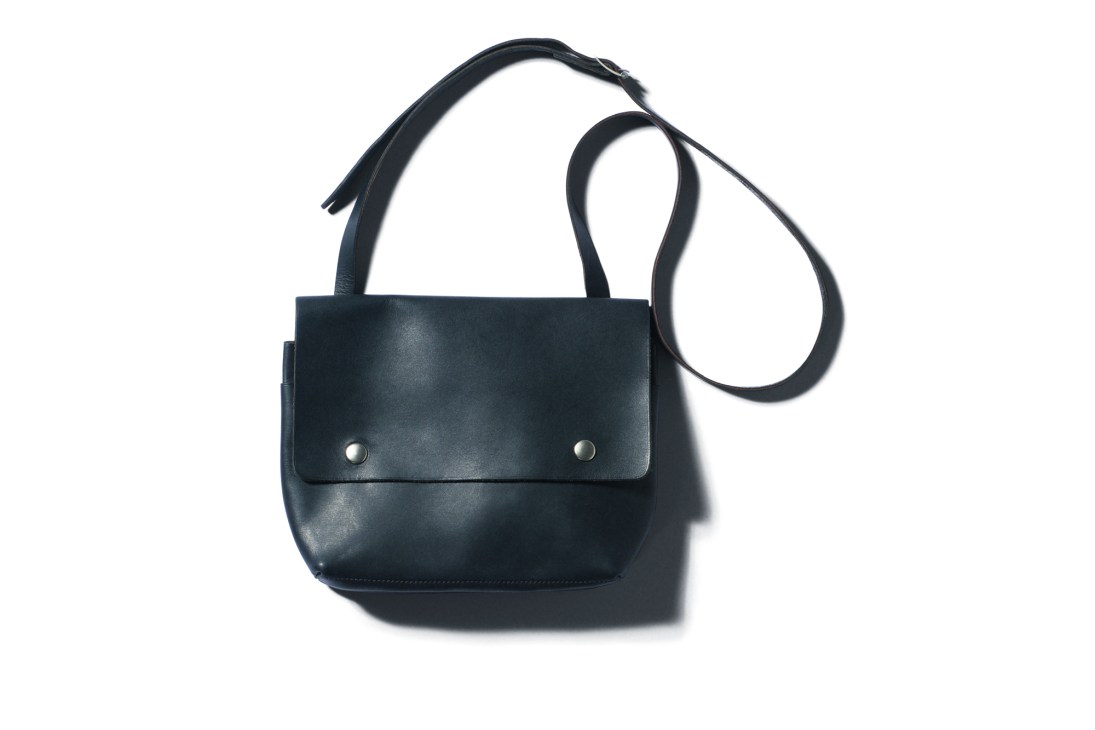
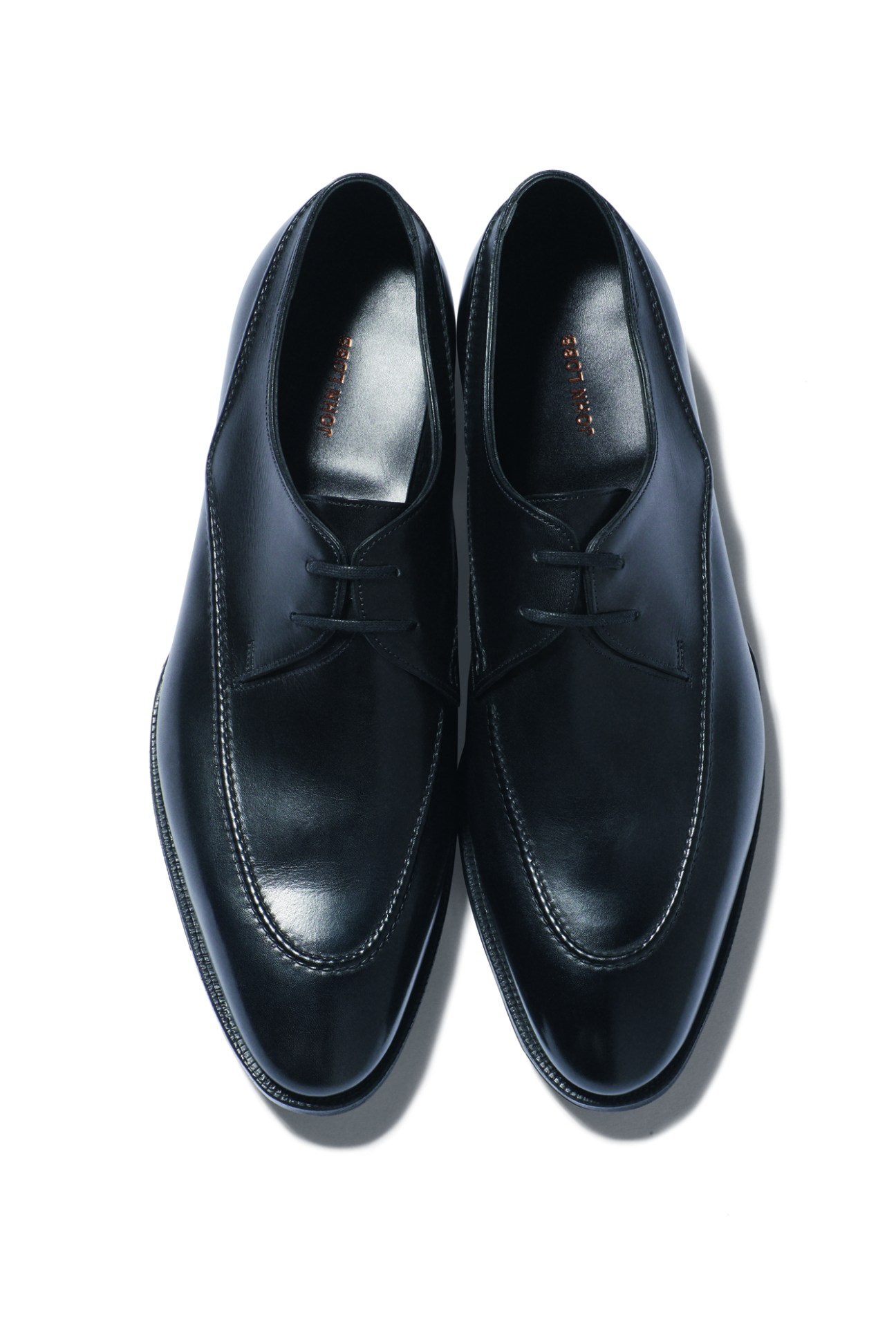

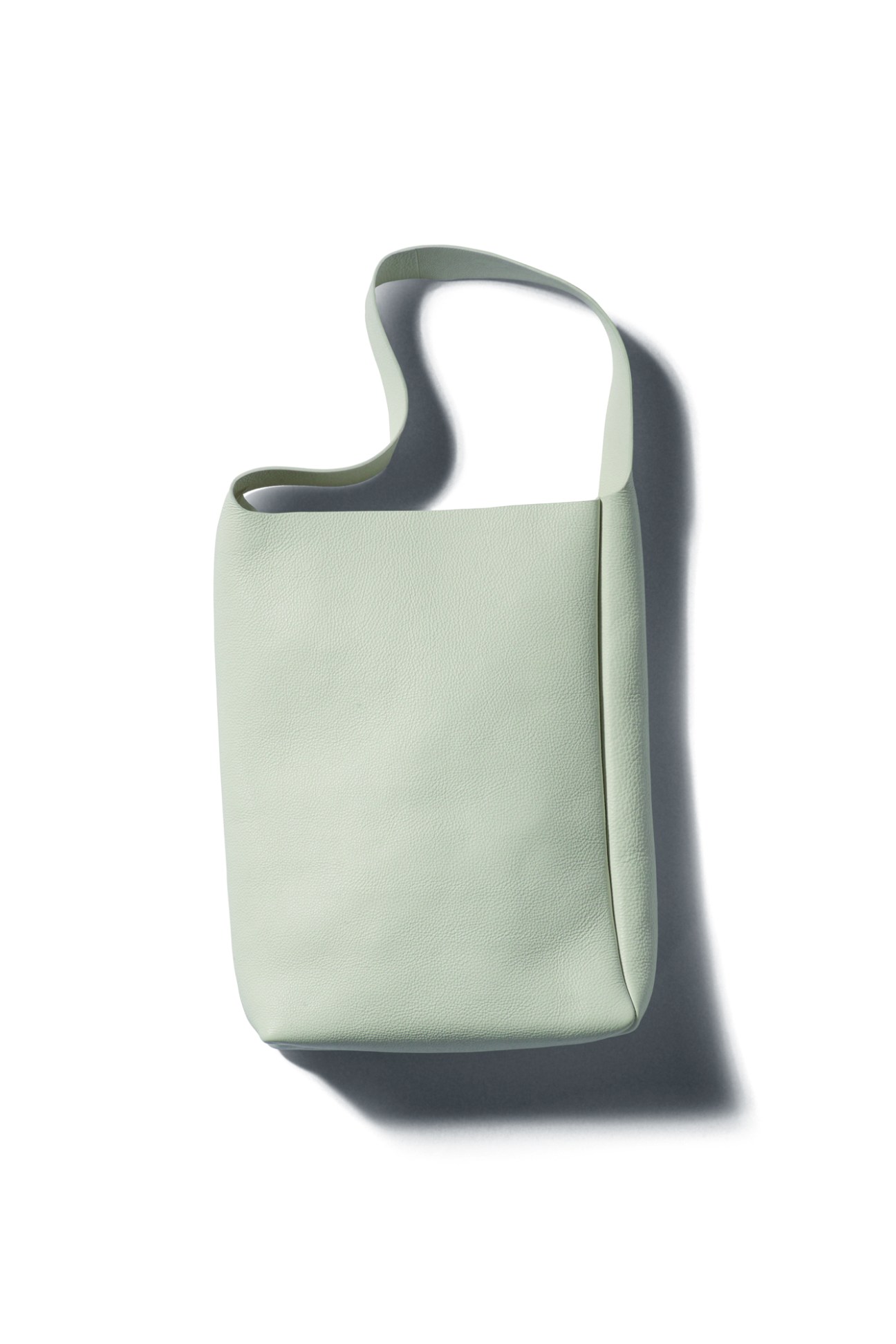
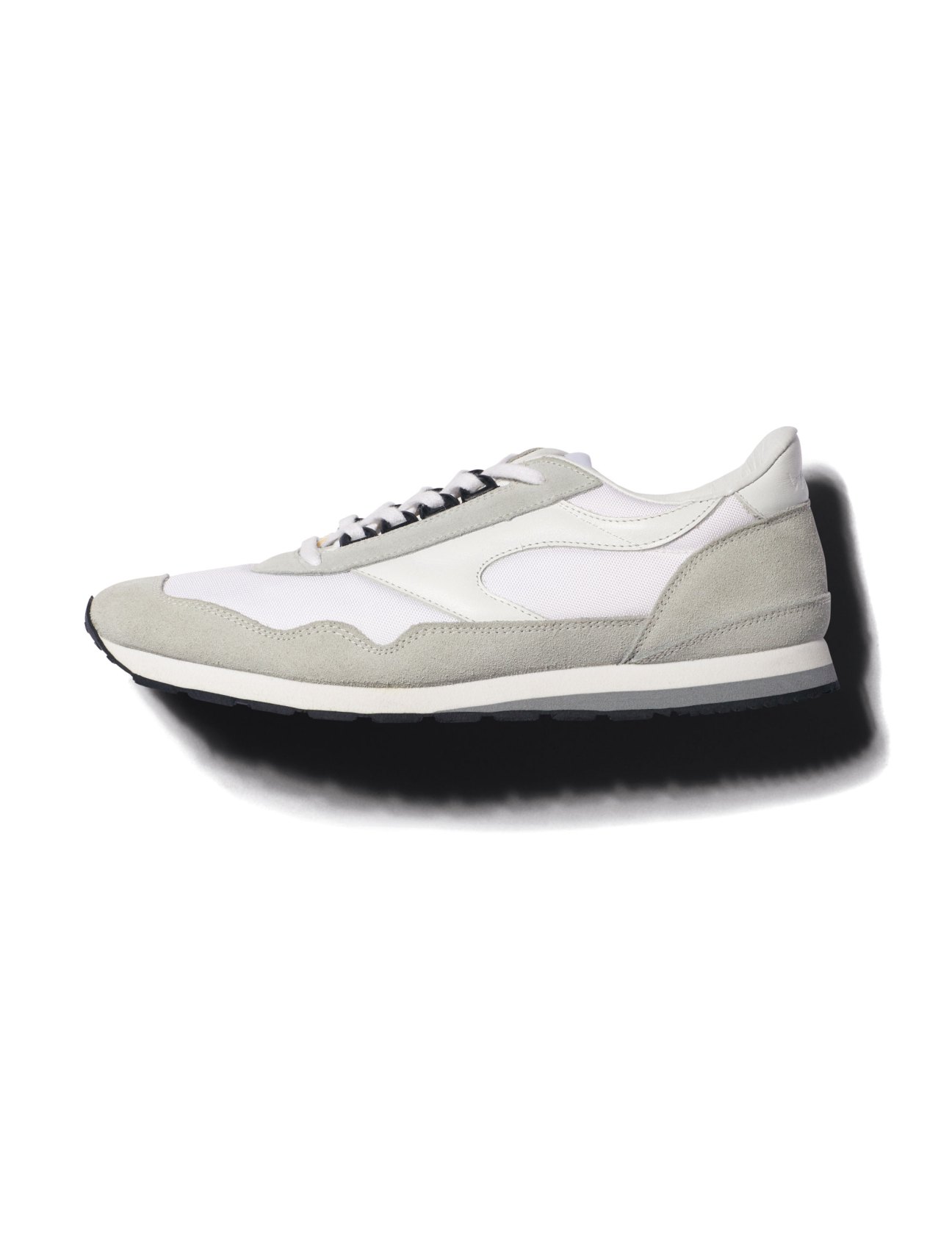

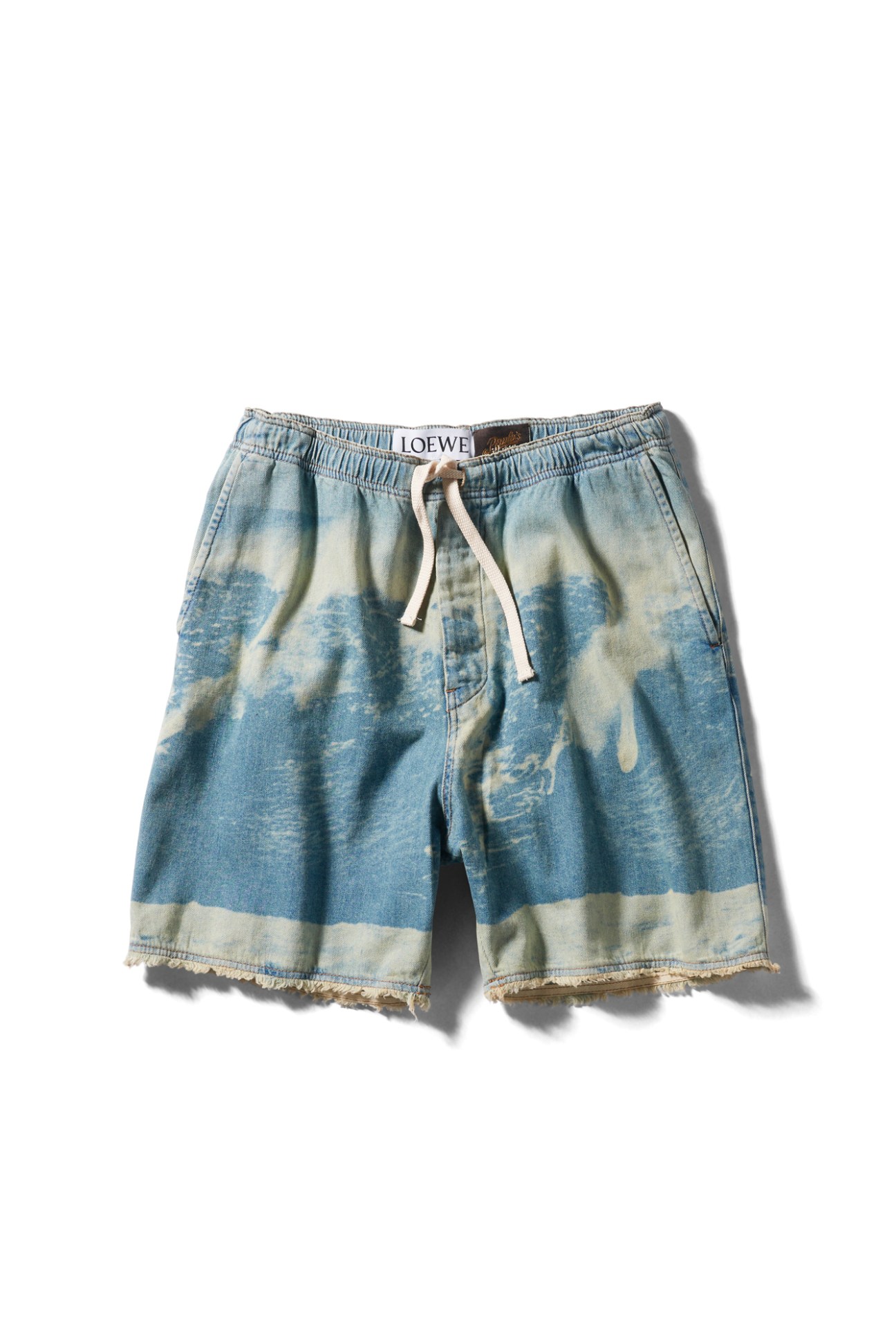
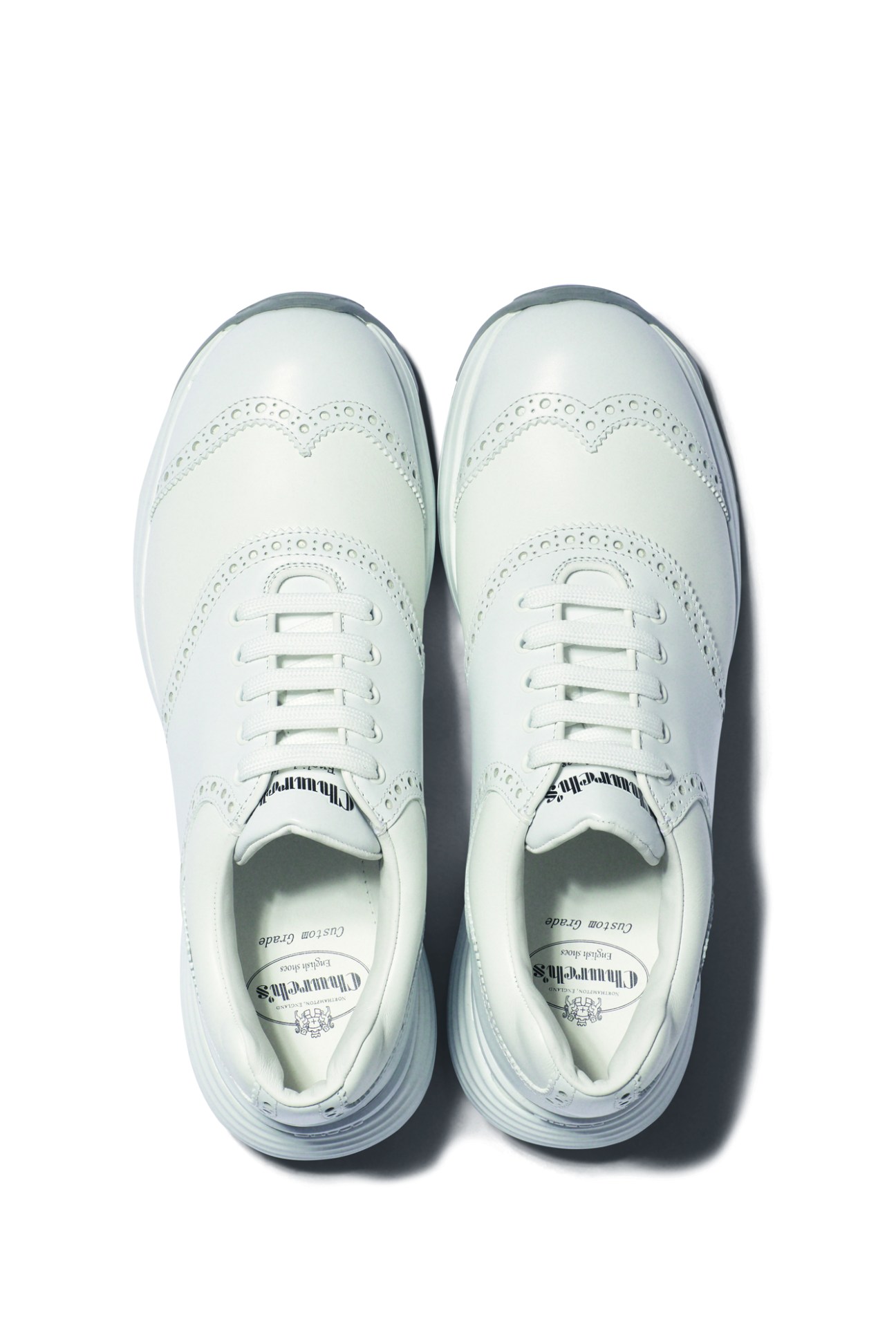
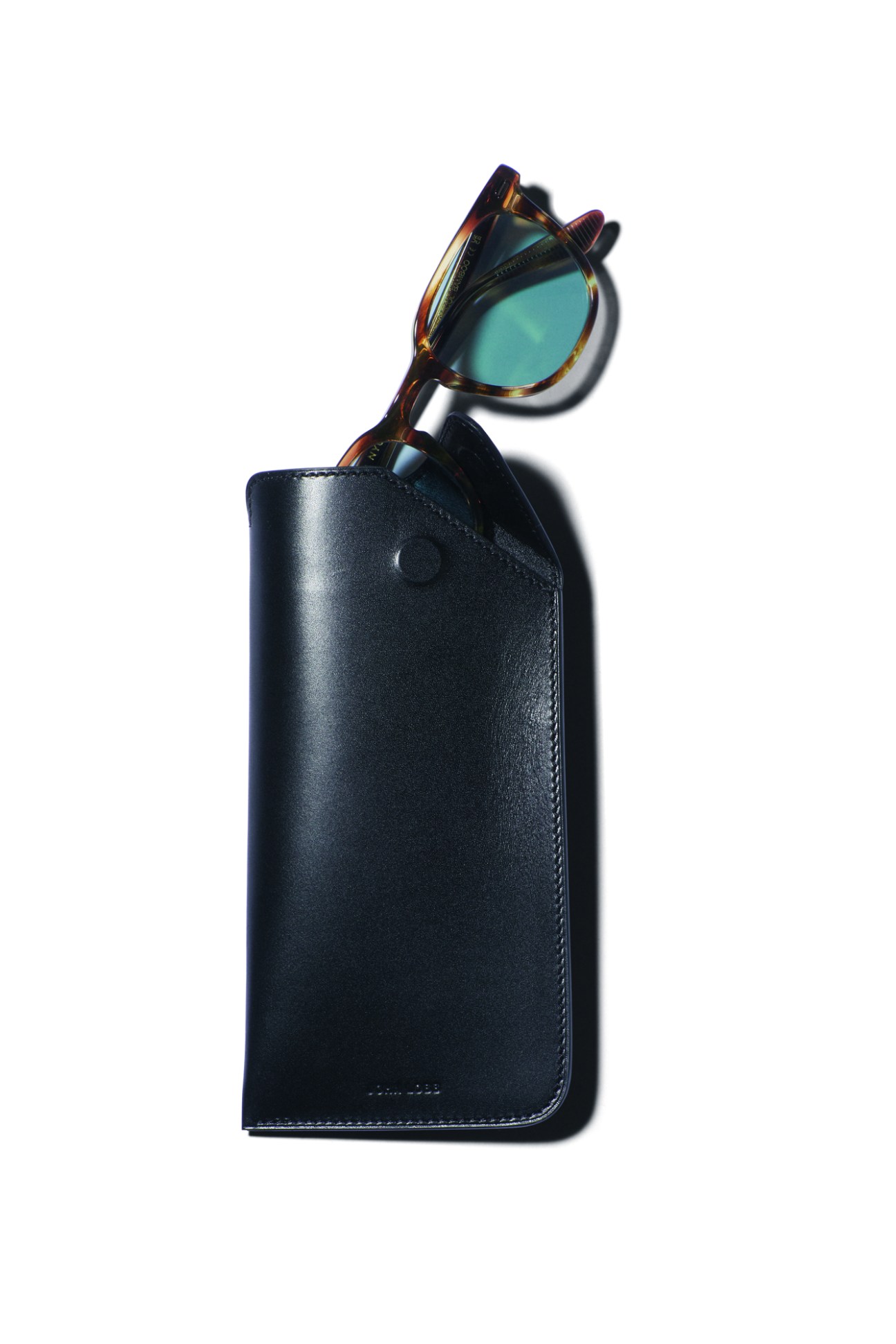

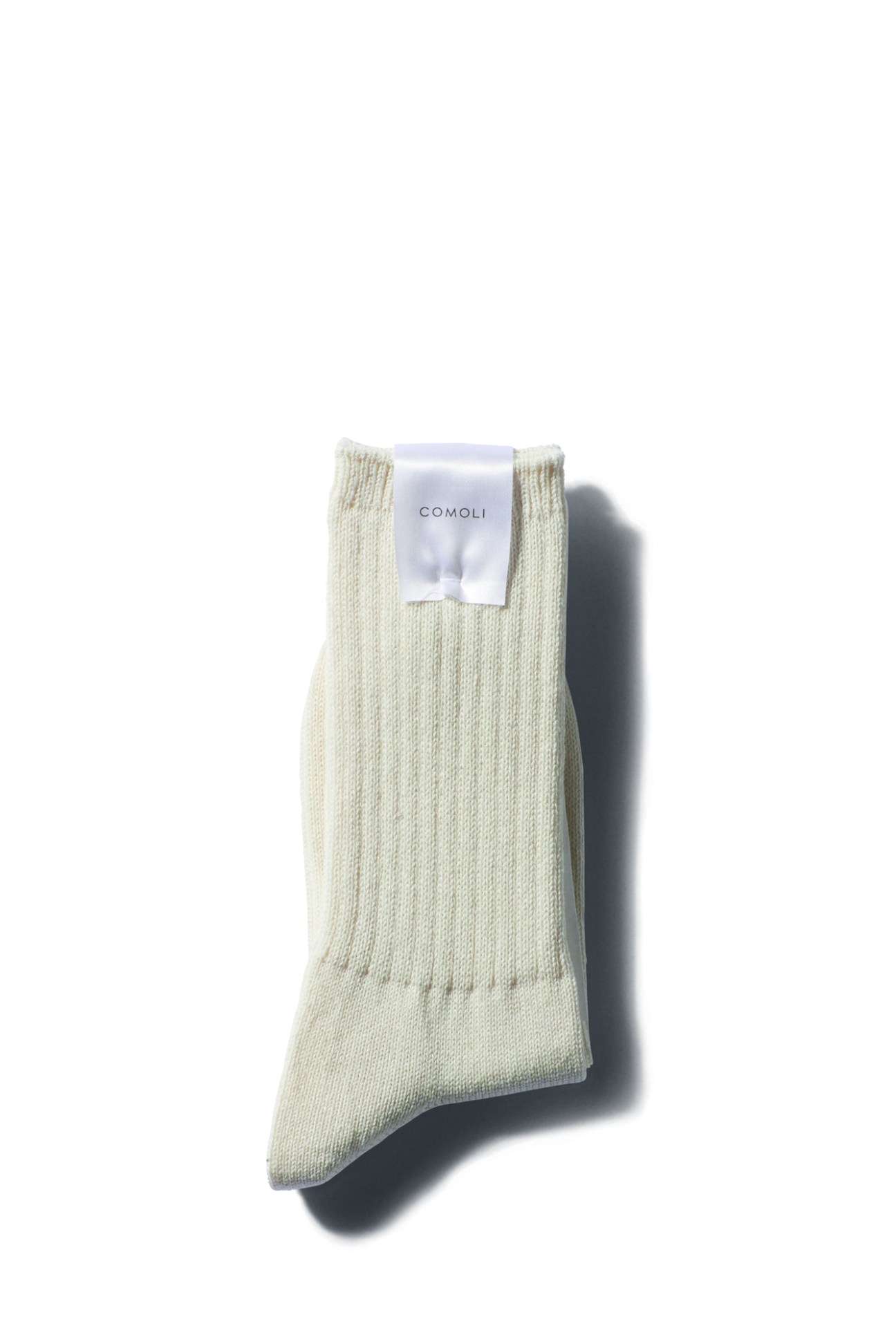


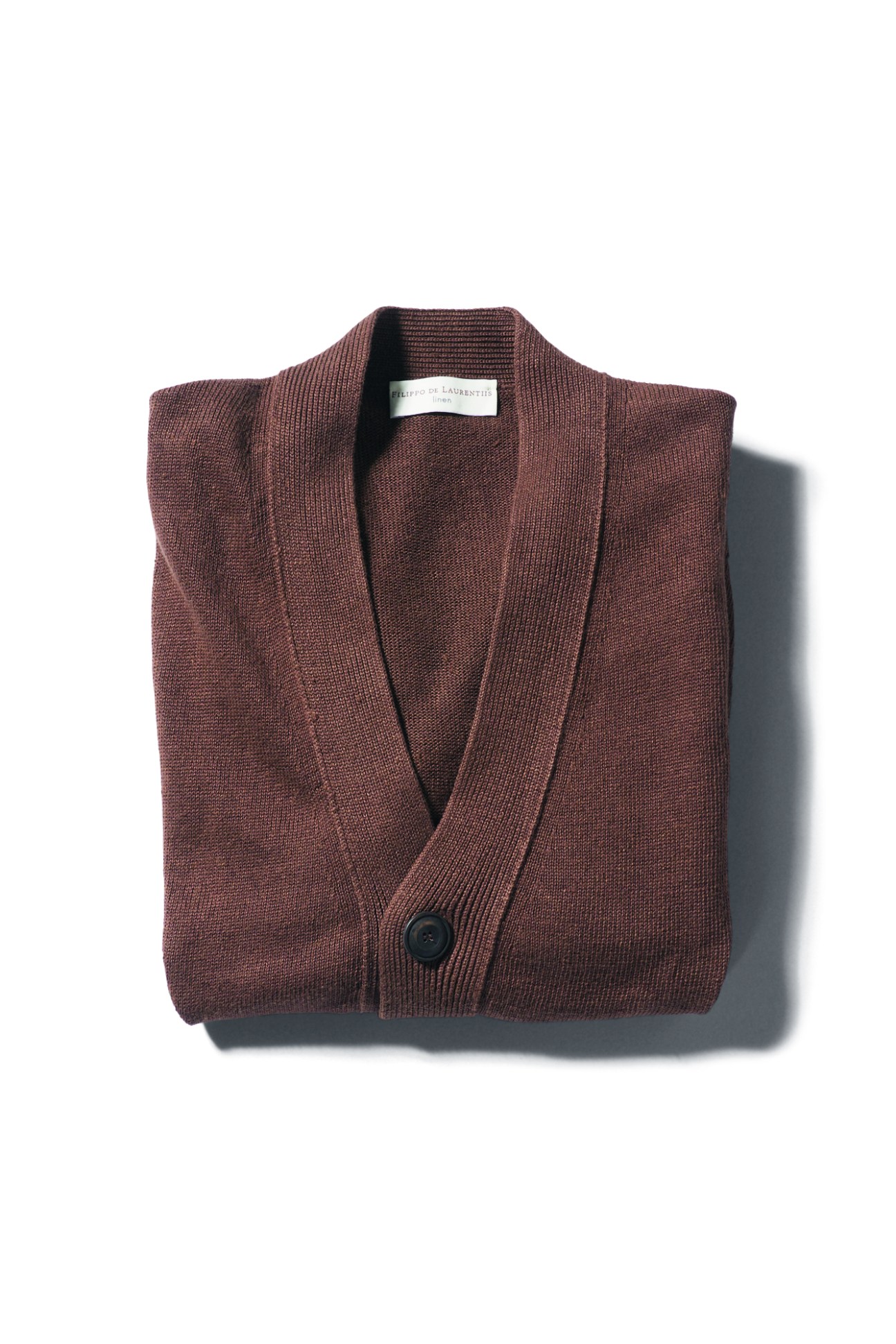
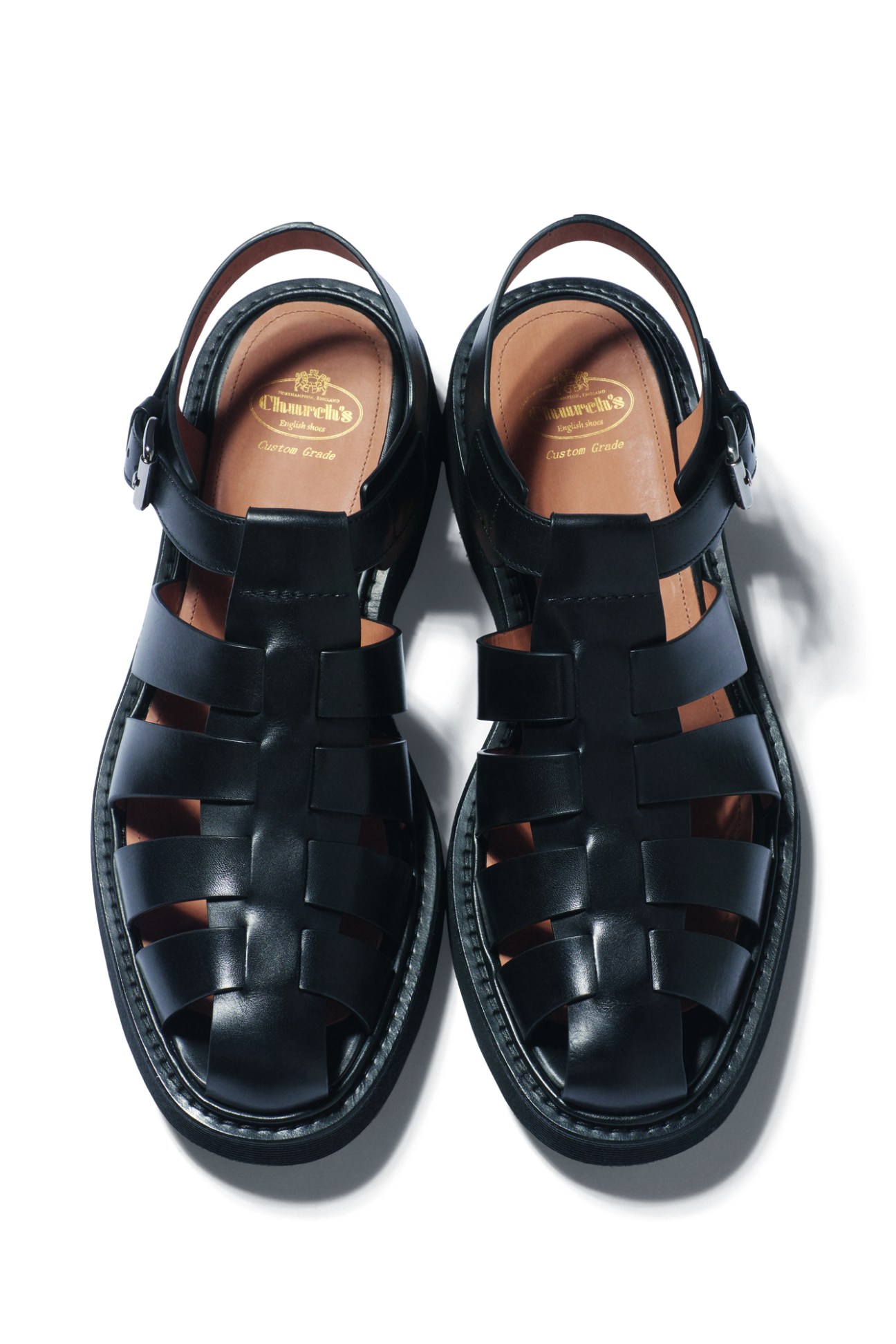
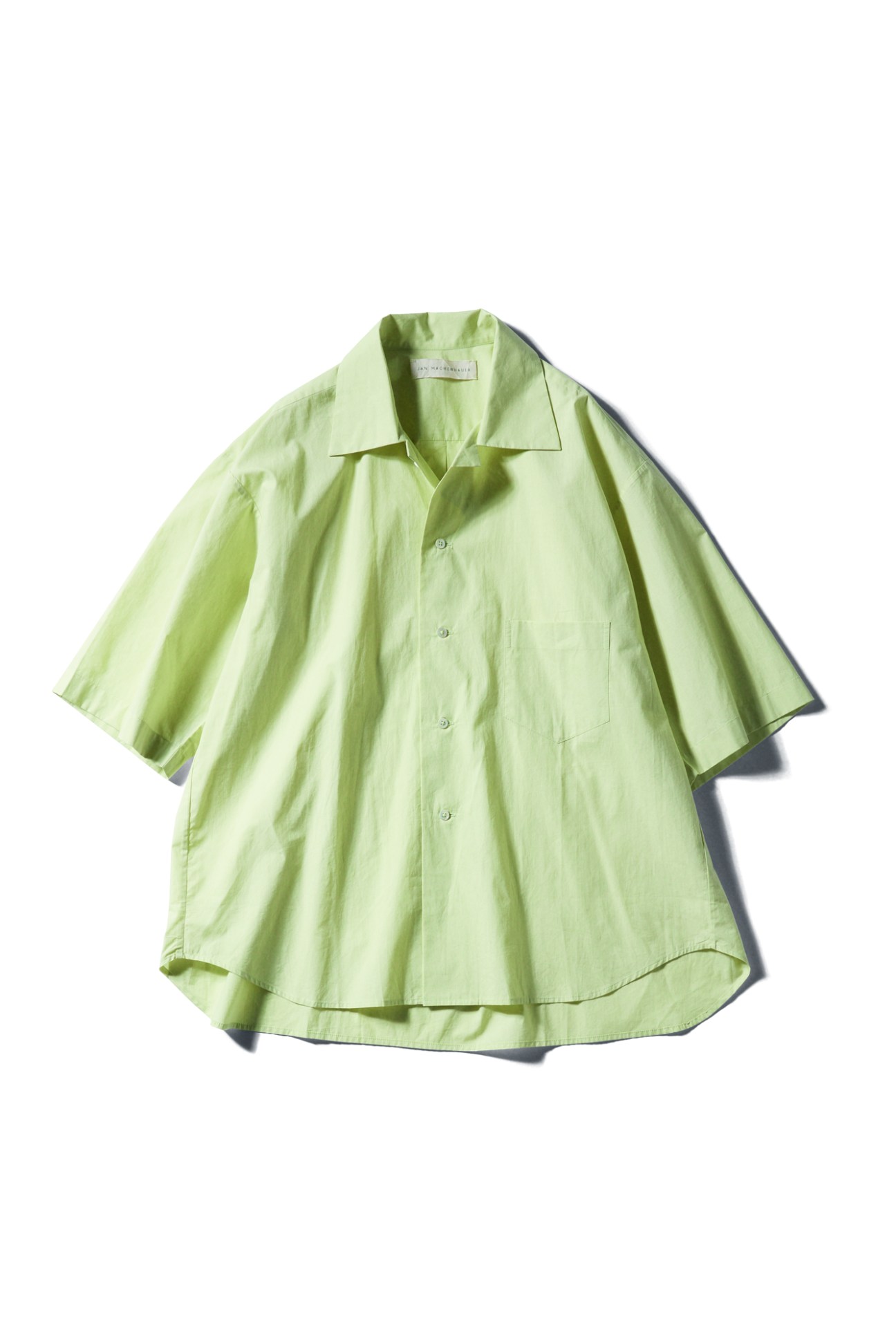

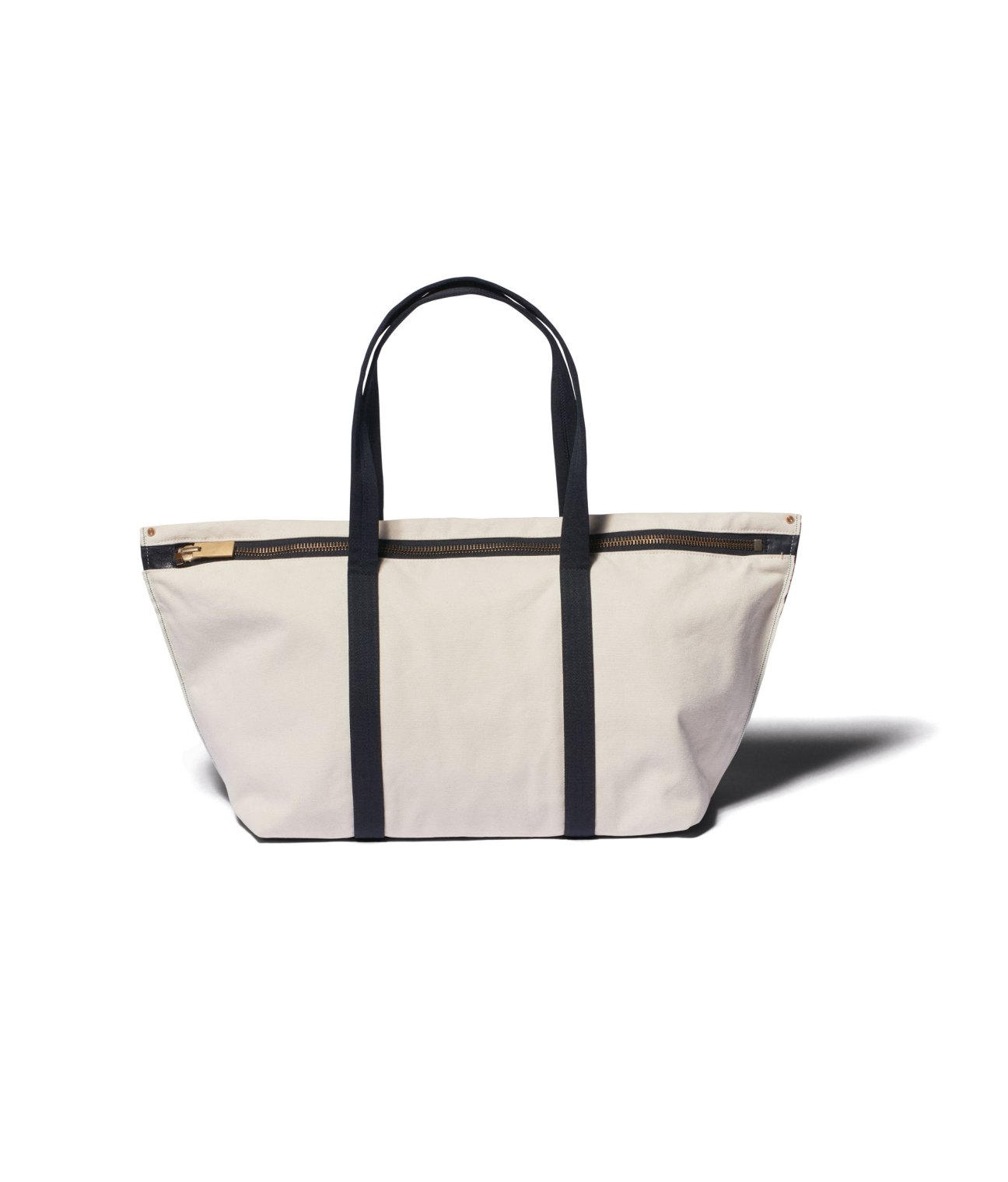
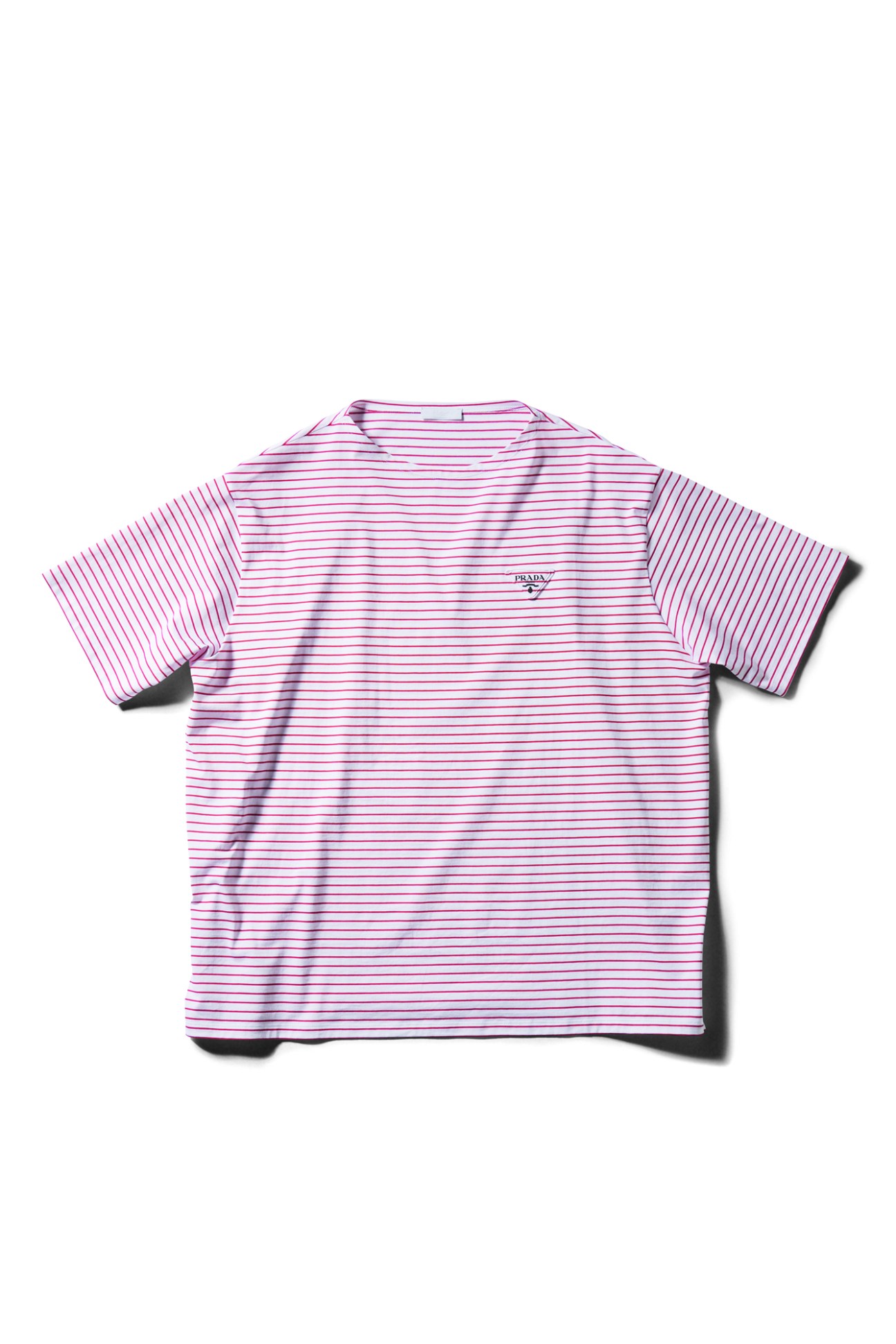
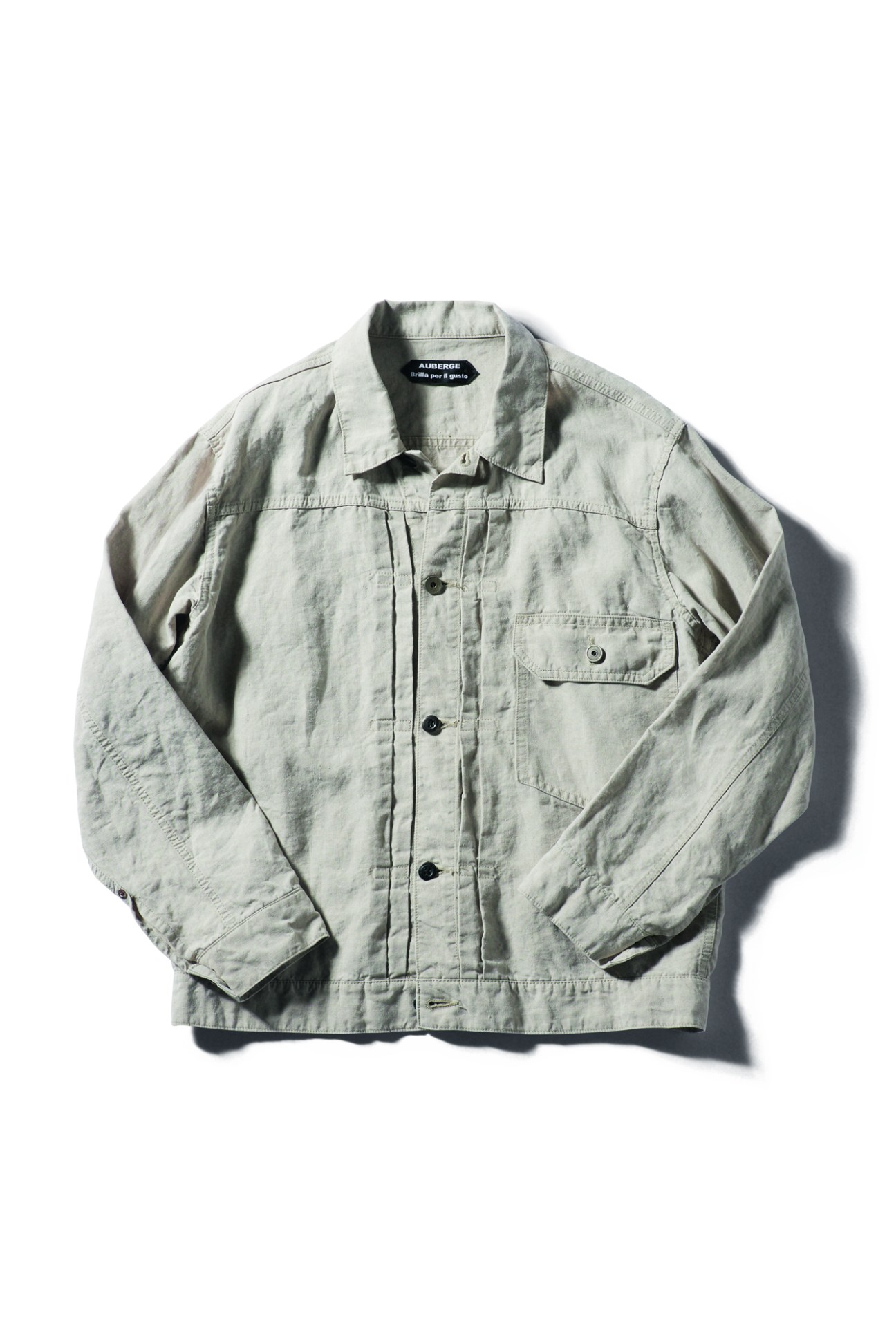
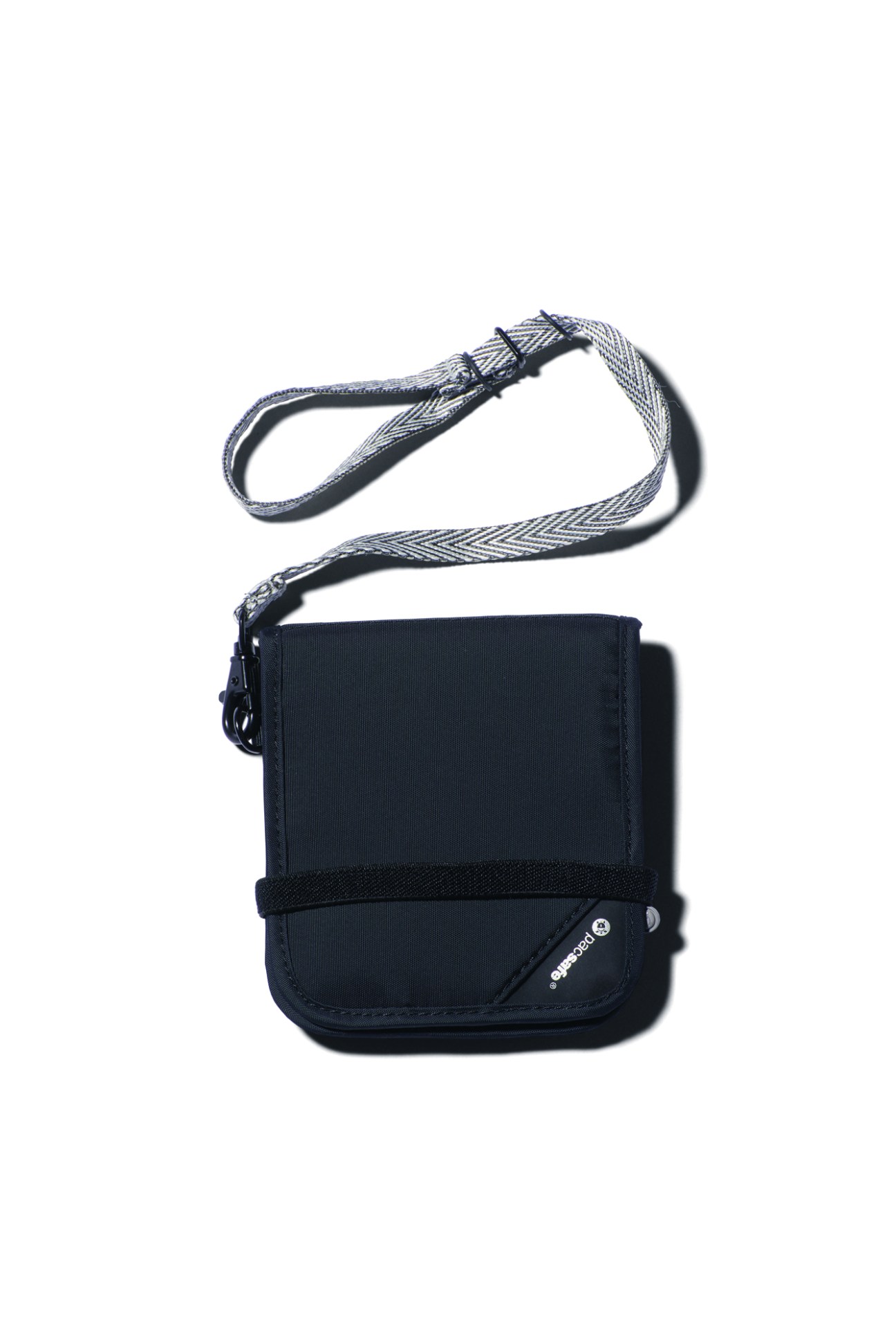

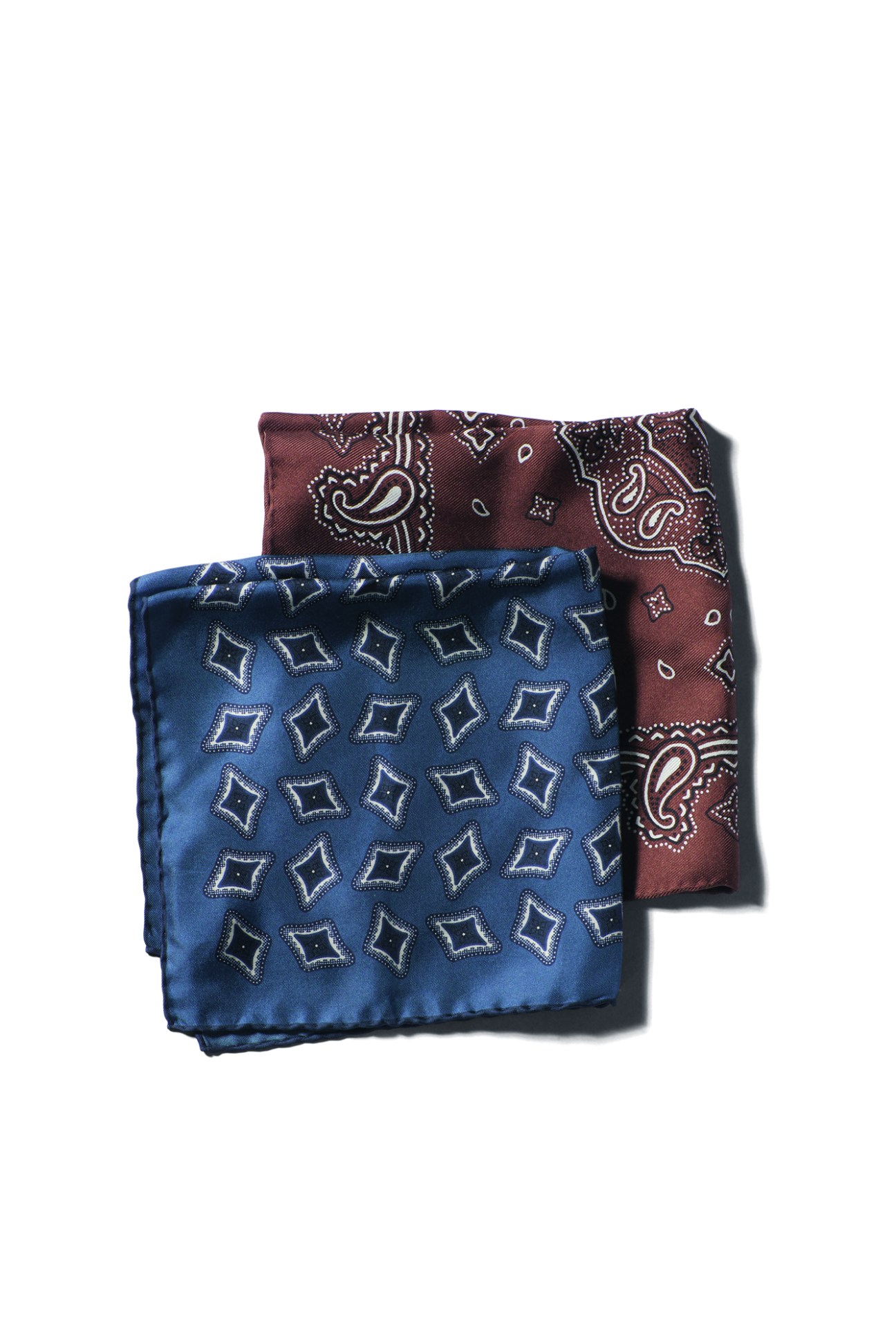
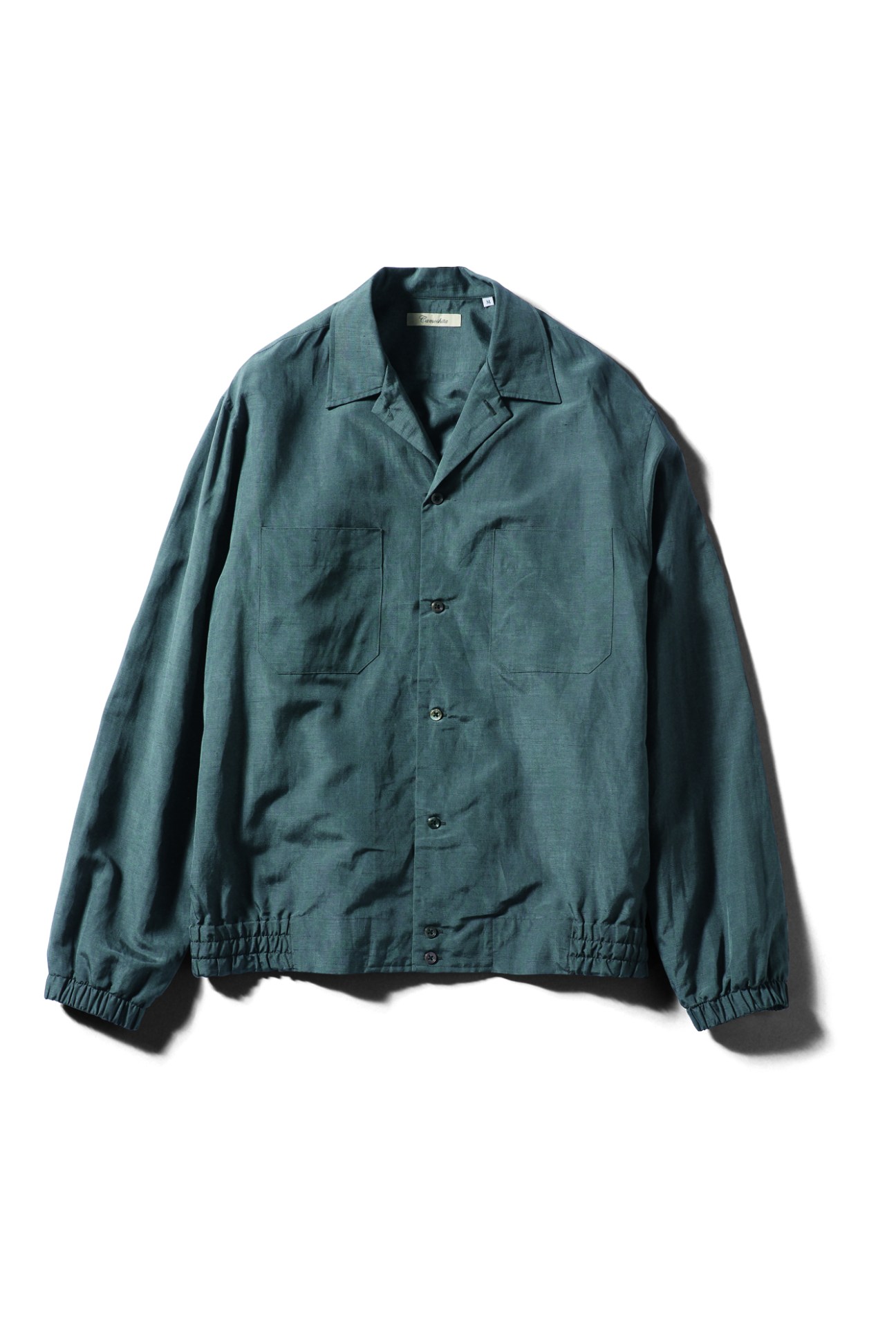
Stylist: Naoki Ikeda
Small town, big city
Spain’s third-largest city seems like an unlikely place to connect with the spirit of Iberian rural life but Valencia is bursting with surprises. About two million people live in and around this coastal city of orange-tree-lined streets and, though it handles 20 per cent of Spain’s exports as one of Europe’s busiest ports, it maintains a warm connection with the Mediterranean.
Despite the city’s walkable size, many of Valencia’s monuments are larger than life, including the Ciutat de les Arts i les Ciències (City of Arts and Sciences), a futuristic architectural ensemble that cost €1.2bn to construct. Then there are the sculptural artworks known as falles (ranging from 4.5m to 14m in height), which are set alight in a frenetic pyrotechnic display during the annual traditional festes.
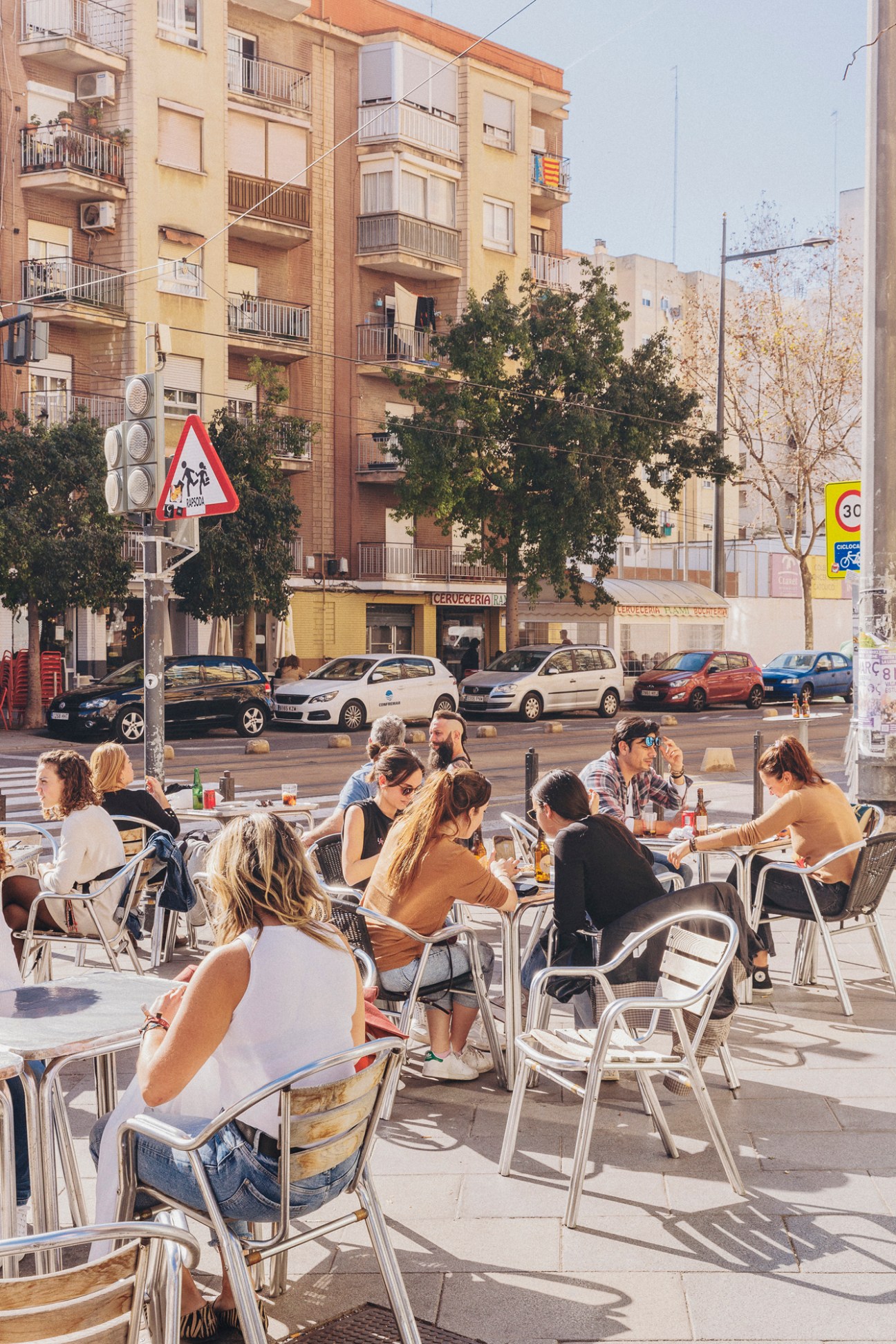
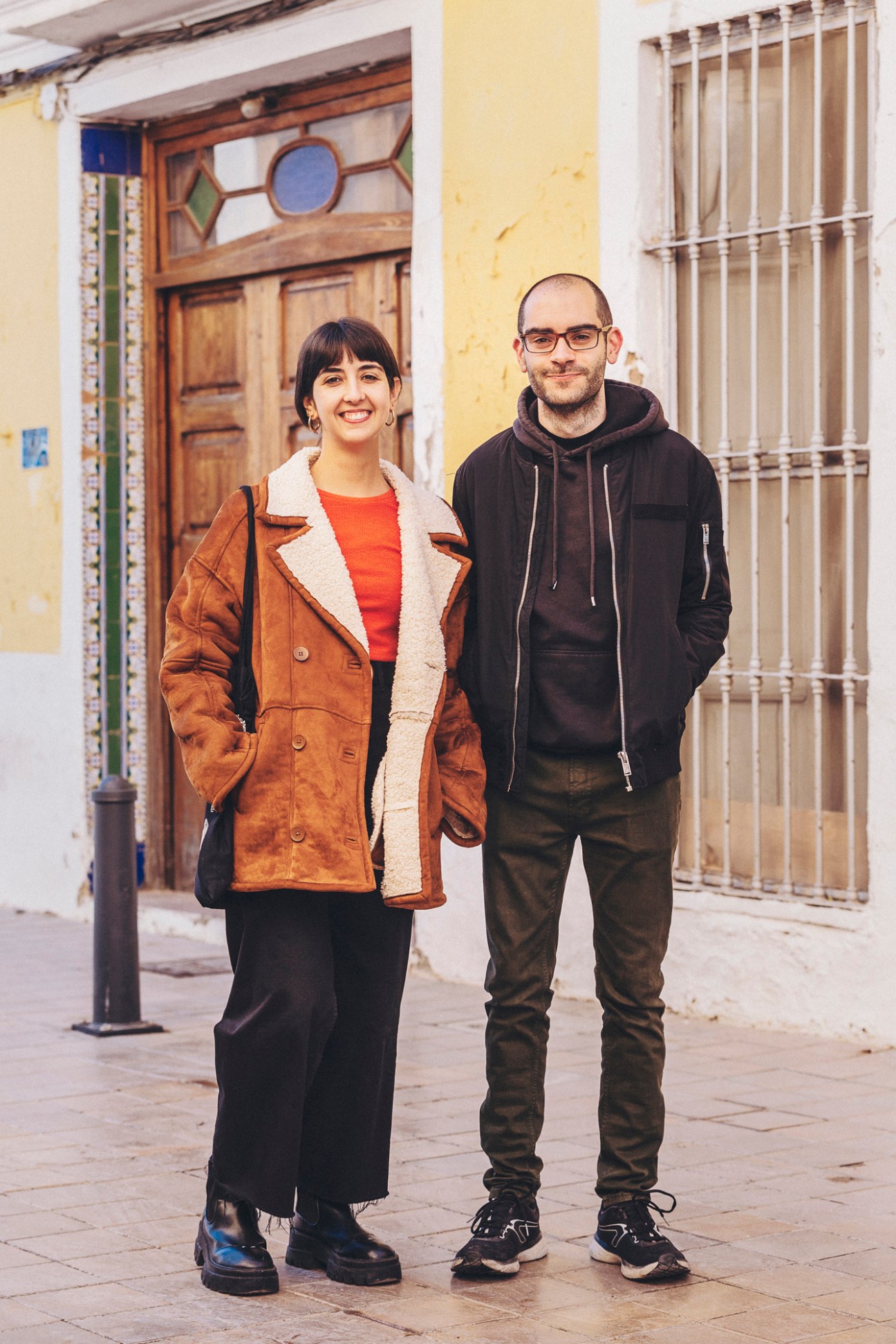
Yet a 15-minute walk from the historic city centre, over the gothic Pont de la Trinitat, is Benimaclet, a neighbourhood that retains the spirit and human scale of its days as a village independent from Valencia (the poble of Benimaclet wasn’t officially part of the city until 1882 and had its own mayor until 1972).
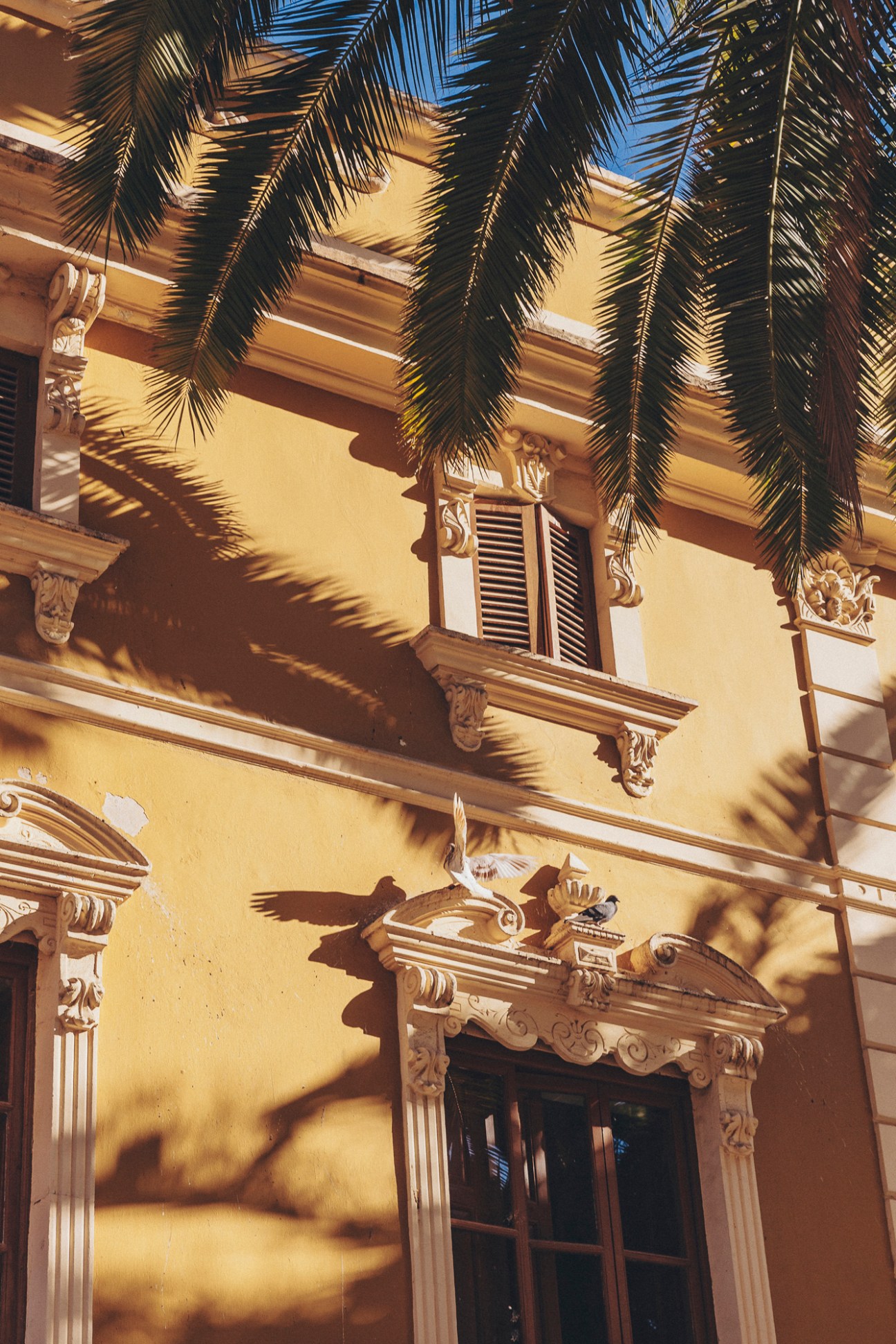
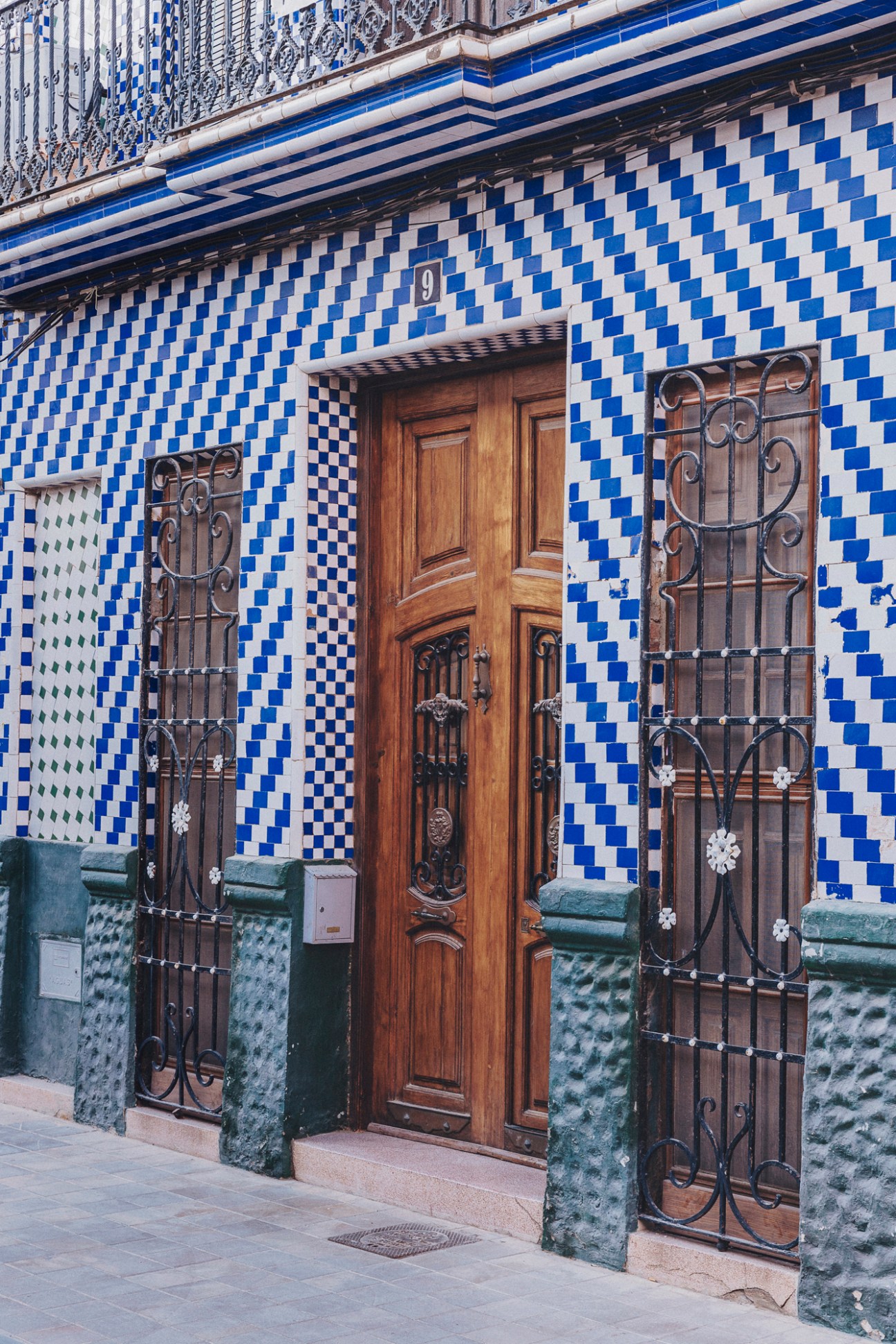
The neighbourhood’s distinction from the rest of the metropolis is architecturally evident in its narrow, largely pedestrianised lanes, many of which feature two-storey buildings with art nouveau details, such as façades in trencadís, a type of mosaic often made using glazed-china shards and found materials. These characteristic buildings, known as cases de poble, or “village houses”, are most often private homes that feature an interior garden. “We moved here from an apartment block a few streets away, on the main avenue,” says professor Elena García Testal, who is sitting under the blooming jasmine in her courtyard. “We were so surprised by how quiet it is by comparison. Now we hear birdsong in the mornings rather than traffic.”
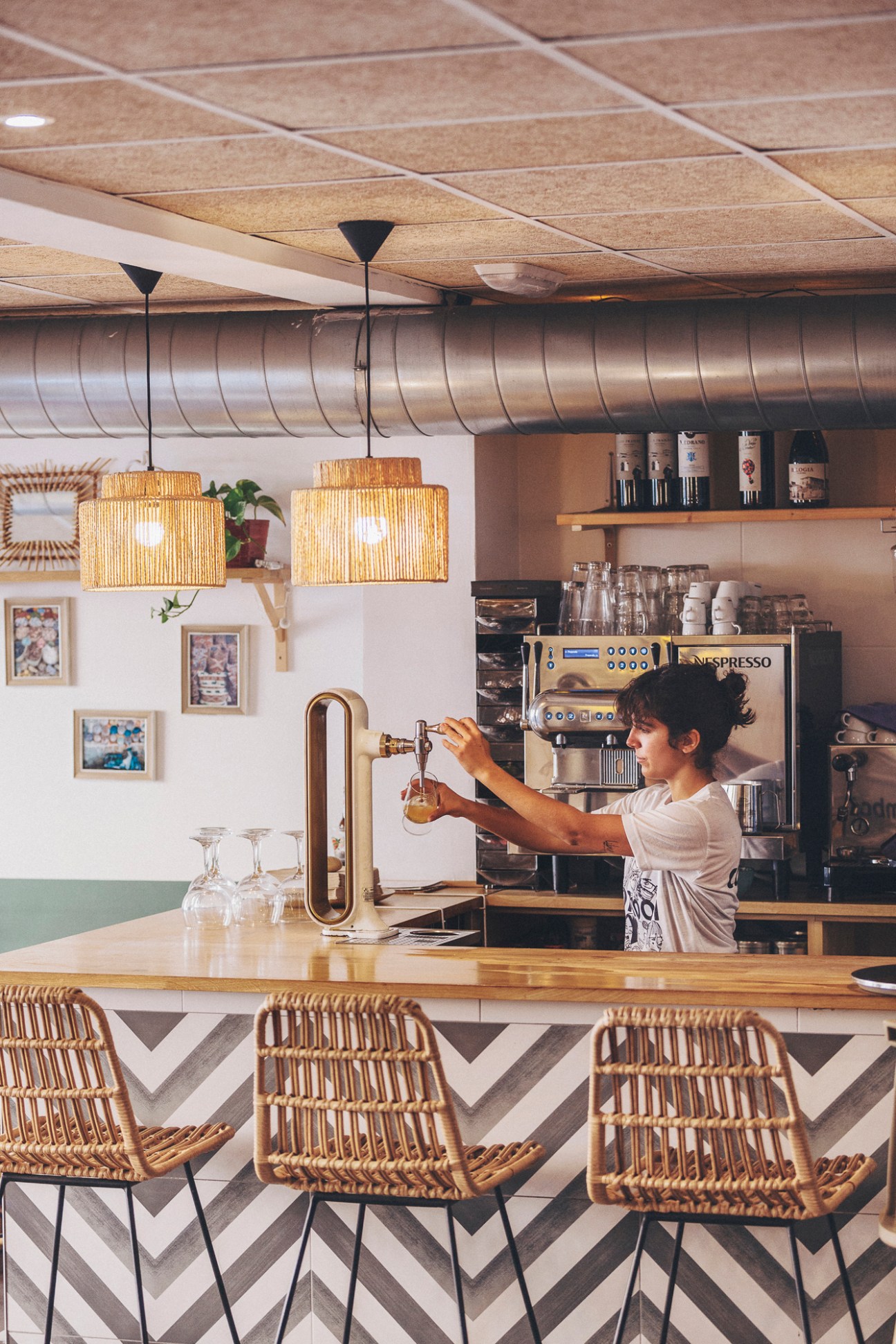


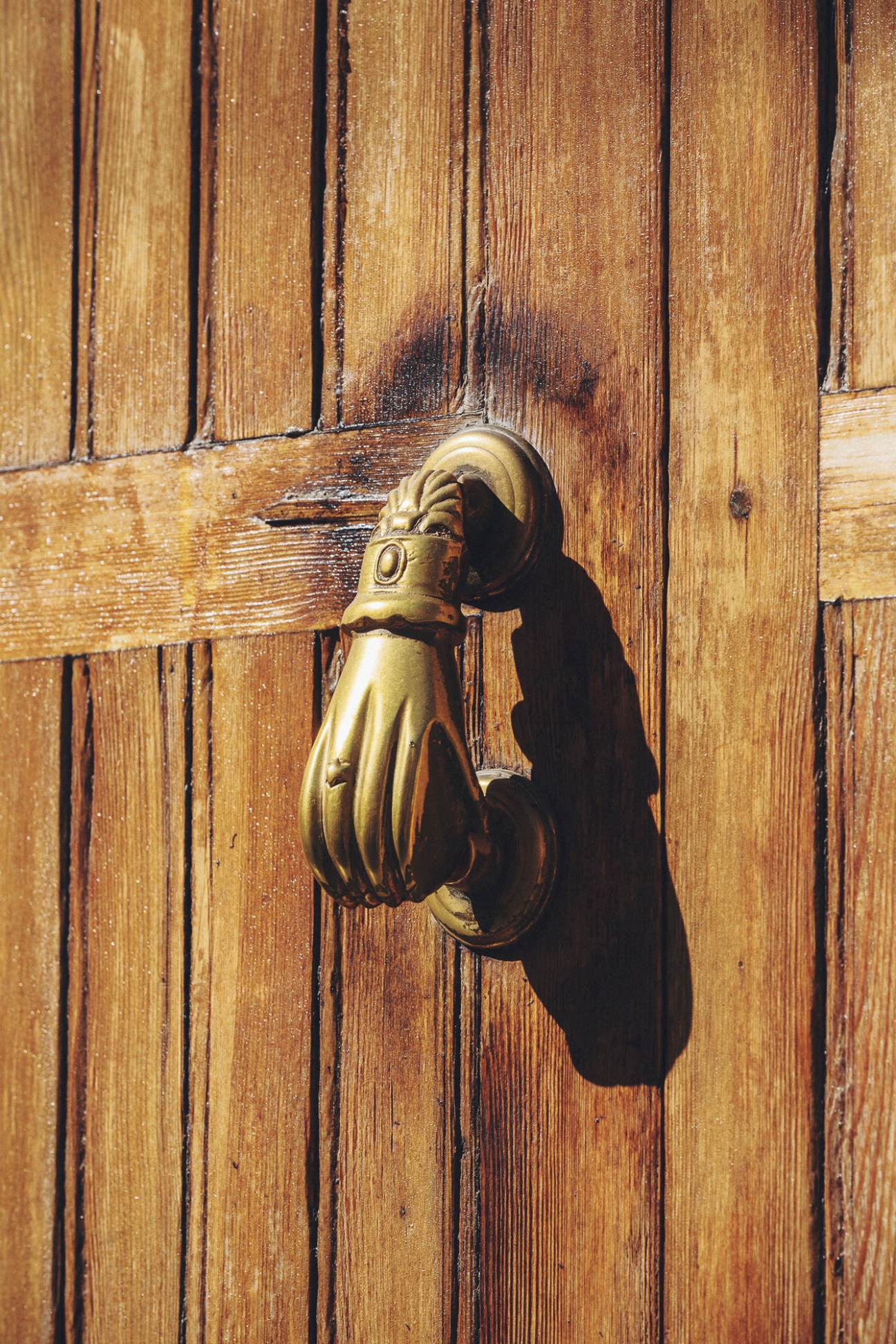
Benimaclet address book
Stay
The Little Corner B&B
Though Benimaclet does not yet have its own boutique hotel, a quick walk through the University of Valencia’s vibrant campus leads to this inviting spot.
Avenida de Suècia, 27
the-little-corner-bb.negocio.site
Eat and drink
El Porton
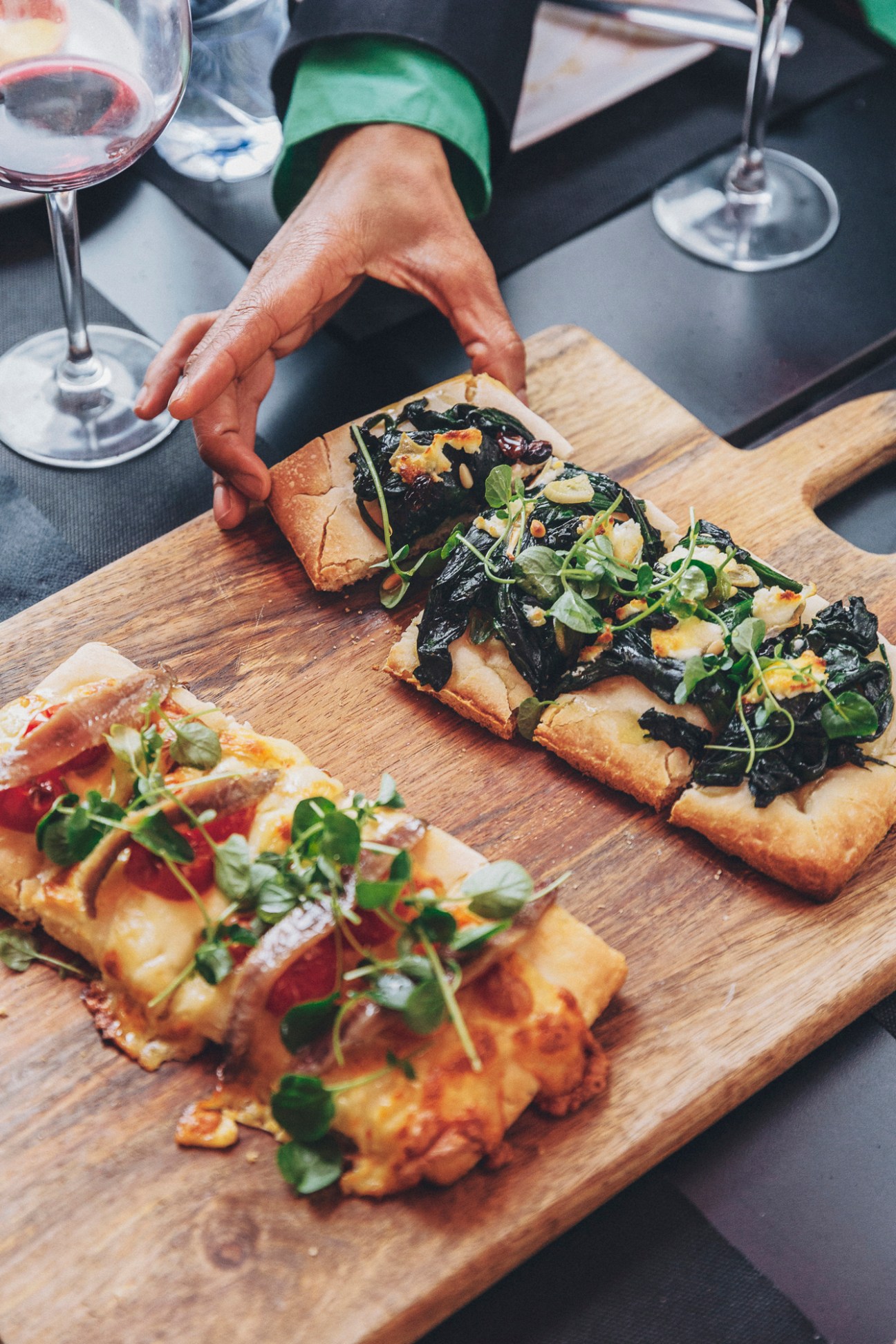
Chef Jose prepares small plates that update traditional Valencian recipes.
Carrer del Mestre Caballero, 7
Comboi Benimaclet
Enjoy local interpretations of international dishes on a bustling terraza.
Carrer del Dr Vicent Zaragoza, 28
comboi-benimaclet. negocio.site
Letras y Vinos
Sample the tasty regional wine and cheese pairings as selected by the owner.
Carrer del Músic Belando, 15
letrasyvinos.com
Shop
Estudio 64
Limited-edition prints by local artists sit side-by-side with the eye-popping illustrations of unique graphic novels.
Carrer de Benicolet, 2
estudio64.es
Ride
Vuelta de Tuerca
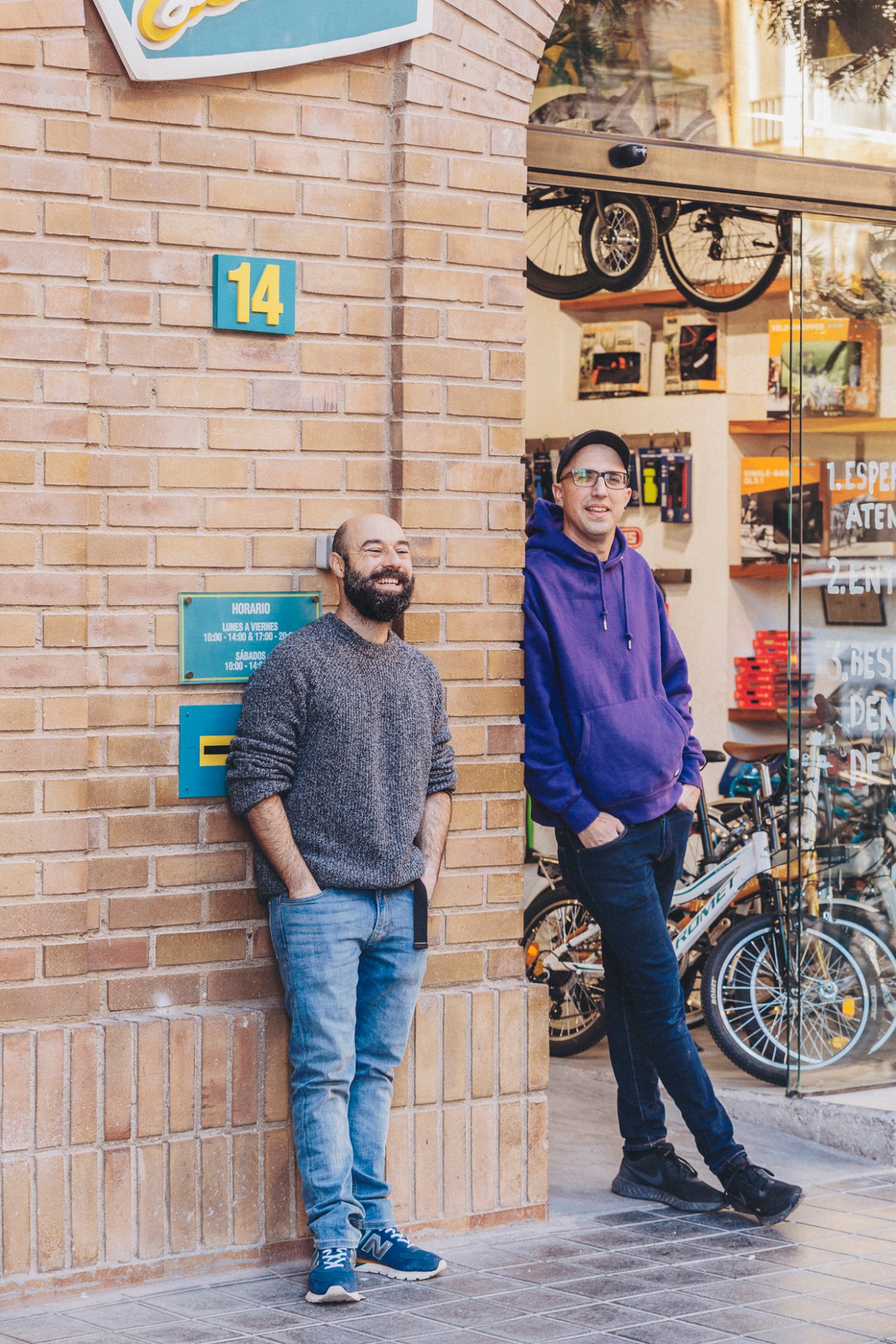
Come in for a bike rental, leave with a custom frame in a surprising ombre shade. Manuel Cabezudo and Nacho Durá are more than bike sellers; they foster cycling culture through events and collaborations.
Carrer de Ramón Asensio, 14
vueltadetuercabikeshop.com
Experience
Centre Instructiu Musical
Multiple weekly concerts make this the perfect place to step into the local music scene.
Carrer del Baró de San Petrillo, 14
cimbenimaclet.com
Benimaclet’s Arabic name stems from its history as part of Al-Andalus, the area of the Iberian peninsula that spent seven centuries under Muslim rule. Local alquerias, or farmhouses (from which it is still possible to buy fruit and vegetables directly from producers) were central to the village’s largely agricultural activities.
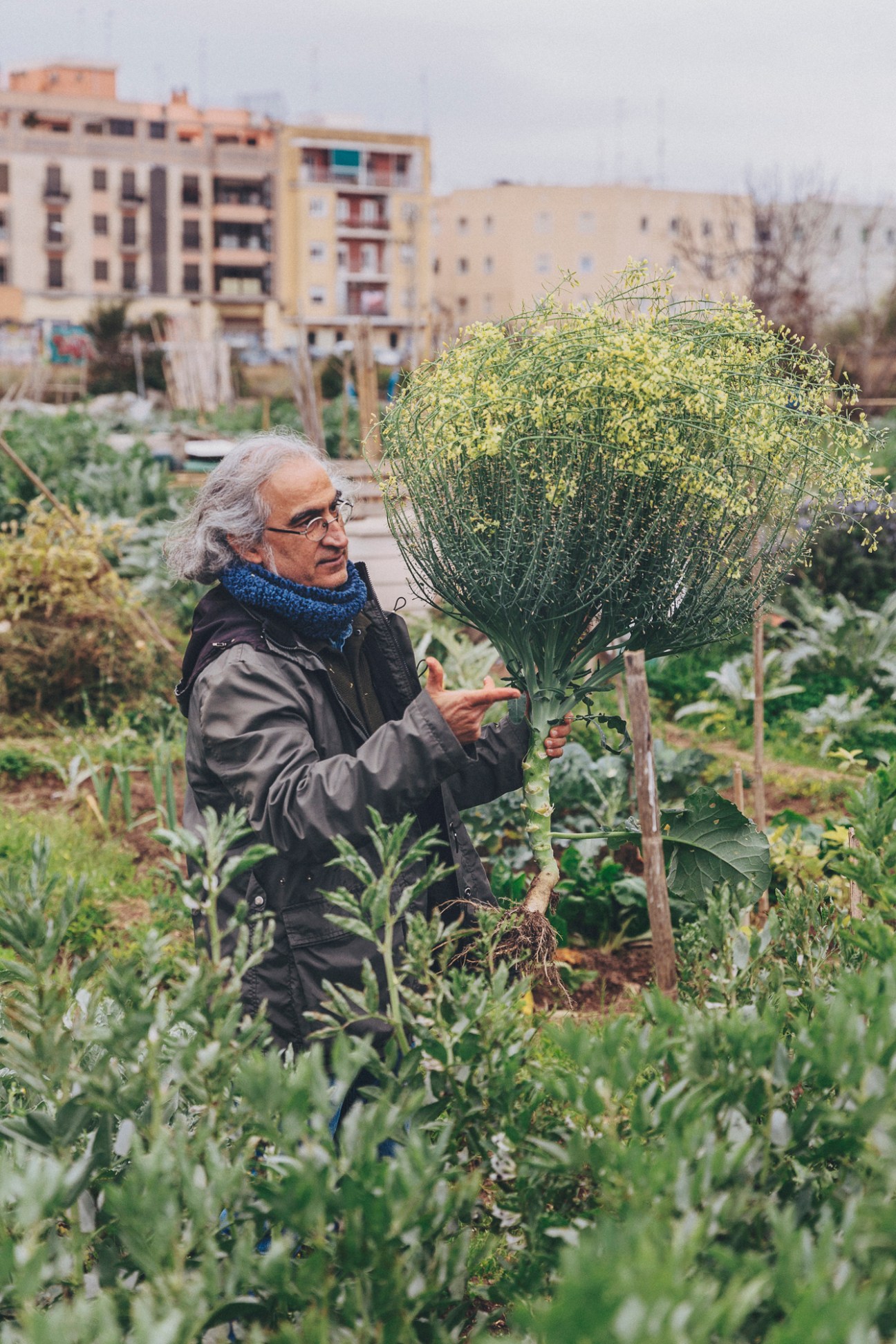
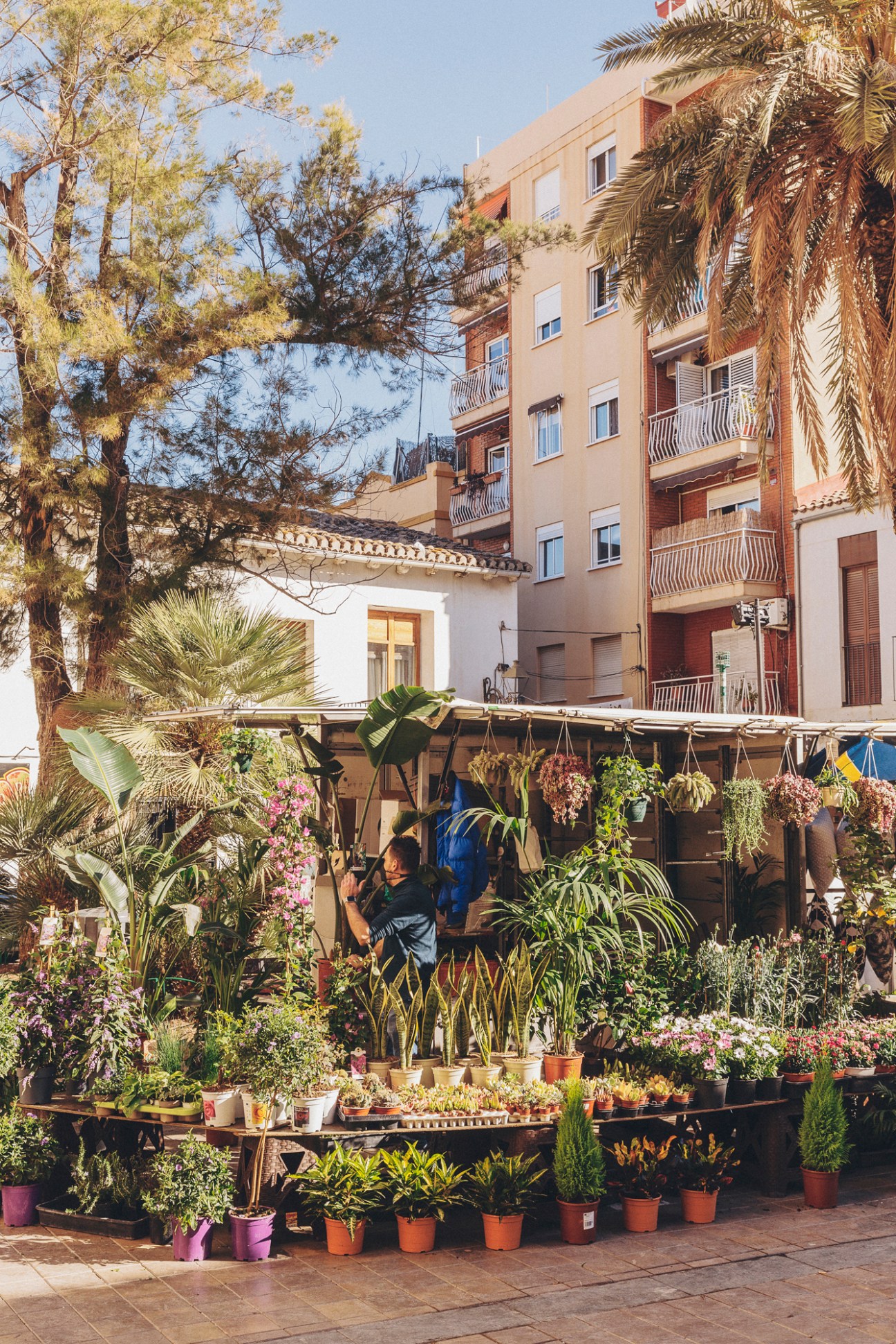
“Valencia’s allotment gardens are a very important part of our cultural heritage,” says Arturo Sanz, a Benimaclet resident and architect. He takes Monocle on a tour of the community-led horts that provide valuable green space and act as a buffer between the neighbourhood and the city’s busy ring road nearby. “Residents have begun considering that this could be something special; that it might act as a transitional space between the gardens and the city, and that we can create a different type of urban planning here,” he says. The community association that has been managing the horts for 10 years is now working with developers and the local government in the hope of being able to protect them.
Home truths
Putting down roots
Benimaclet’s prices remain reasonable considering that Valencia’s international airport is just a 20-minute drive away. Estate agent Finkas NG offered some tips for those looking to call Benimaclet home.
Typical costs for:
Two-bedroom apartment: €150,000 to €200,000
Three-bedroom apartment: €170,000 to €350,000
Four-bedroom house: €450,000 to €800,000
Estate agent
Finkas NG
134 9 6338 6806
finkasng.com
The high number of socially driven initiatives in Benimaclet may be down to the fact that Valencia’s two largest universities are close by, and a high proportion of the area’s residents are academics. La Repartidora, a collaborative bookshop, cultural-event incubator and co-working space, is one such intellectually inclined endeavour. Thanks to 200 paying members and a crowdfunding initiative, La Repartidora recently relocated to an airy space in a former garage. Dario Riccobono, who first came to the neighbourhood from Sicily during an Erasmus year in his university studies, is one of the collective’s members. “During lockdown, people really supported booksellers; we even had to hire an extra member of staff due to the high demand,” says Riccobono. “There are five bookshops in the area; we share strong ties rather than competing with one another.”
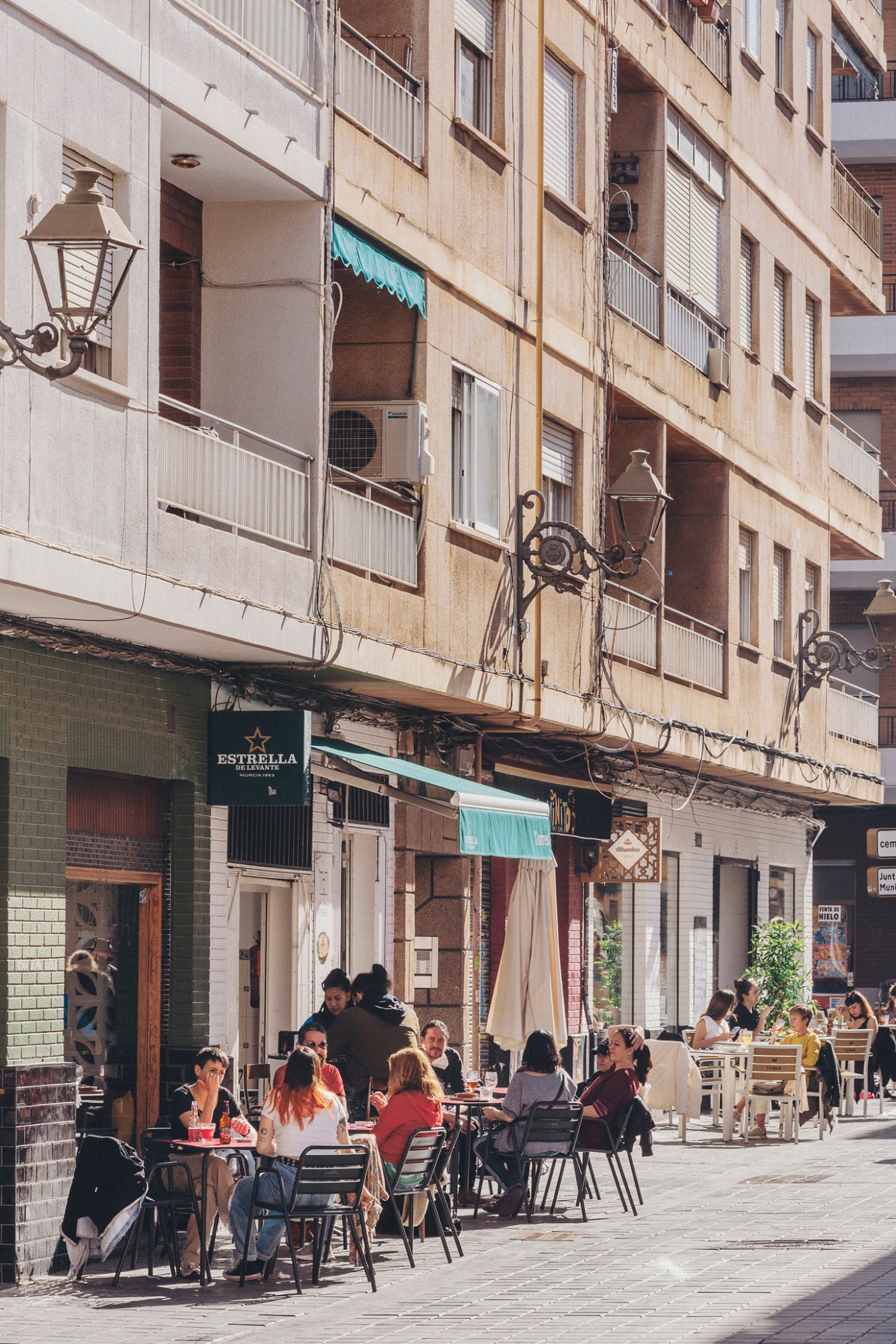
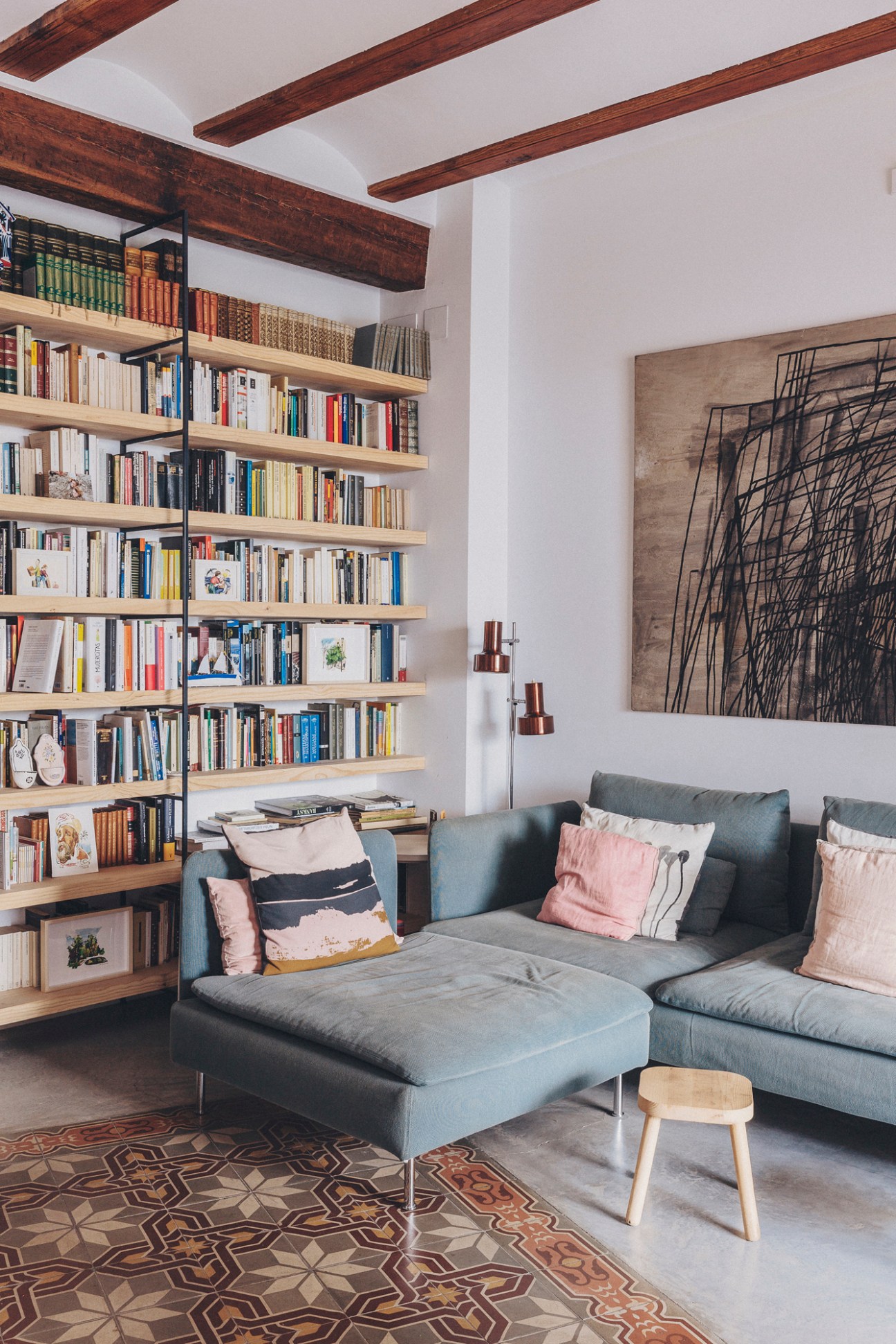
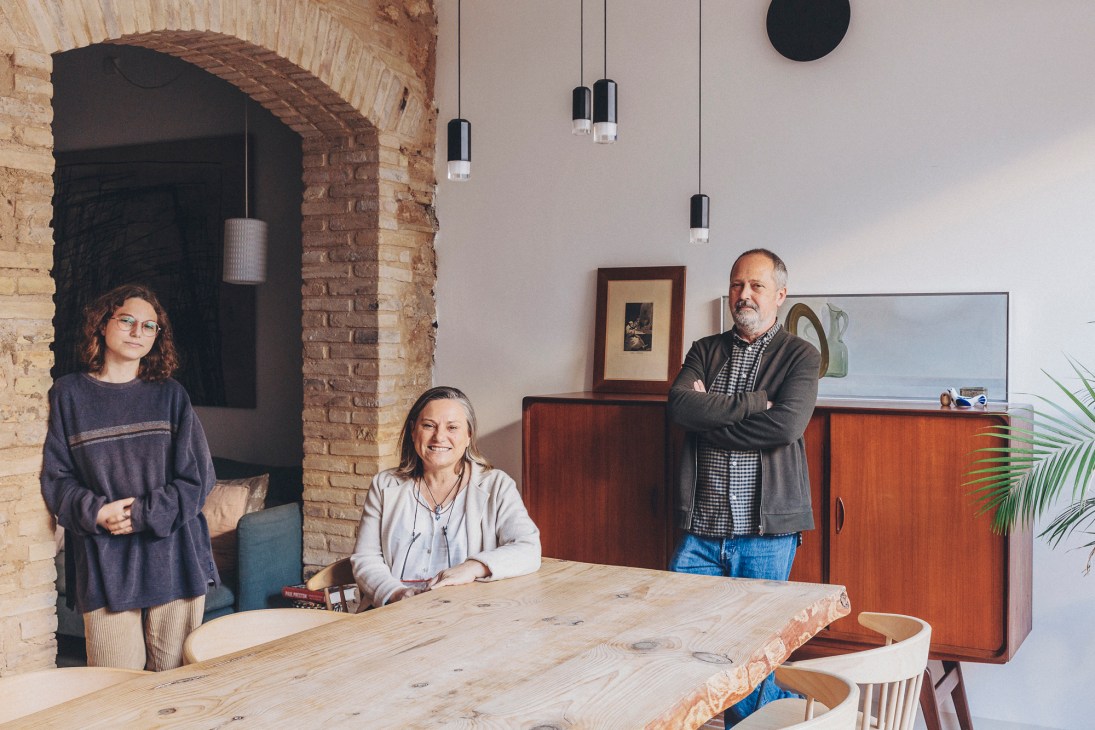
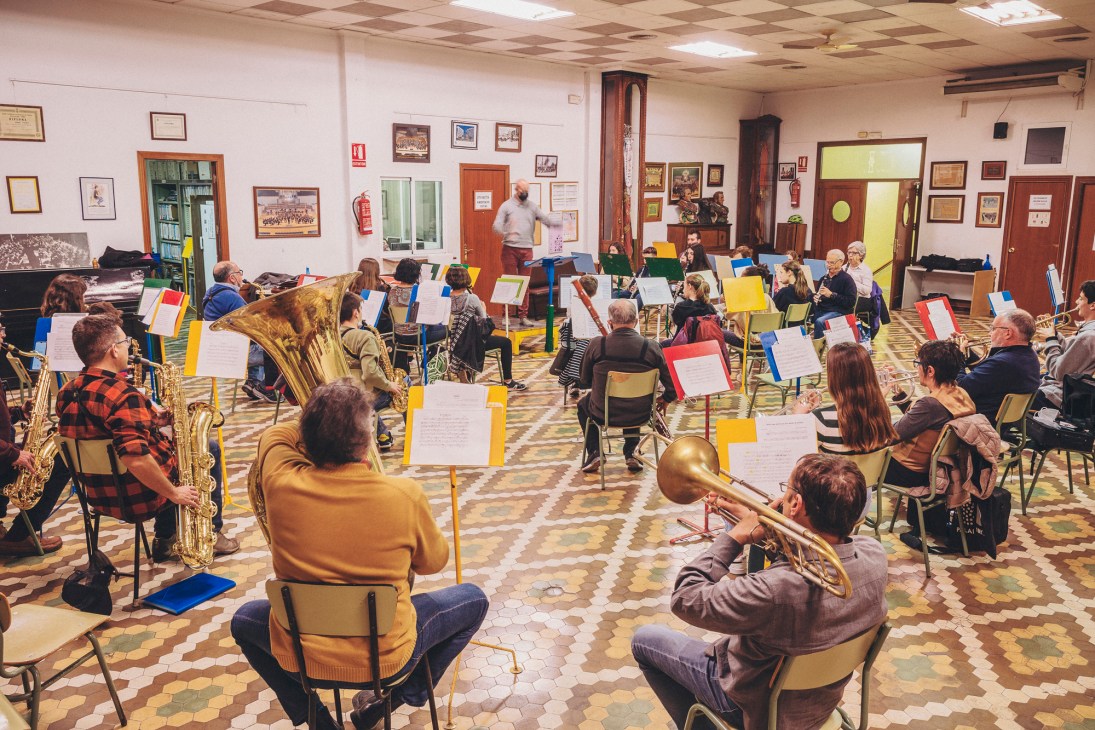
For just over a century, another neighbourhood-run institution, the Centre Instructiu Musical (CIM), has been helping residents in Benimaclet to sing from the same hymn sheet. The music school, which has 700 paying members, 150 “artistic members” with access to installations and 30 part-time professors, is home to many ensembles and provides a public entertainment space for concerts on its ground floor, which doubles as a bar and restaurant.
“My wife and I play no instruments but our three daughters all do, thanks to this school,” says Xavi Ginés, CIM’s president. “It is not just about the music, though; it is also about the social aspect.” The banda juvenil accepts beginner musicians of all ages who are learning about the joys of music as a shared experience.
“The neighborhood keeps getting better, with a calmer, more village-like atmosphere,” says resident Antoni Pavia on an amble past Benimaclet’s main plaza and church. “There are interesting activities all day. I’d encourage anyone who moves here to come support the barrio.”
Suite dreams
Harding Boutique Hotel
Sri Lanka
Nestled in a coconut grove, this six-suite guesthouse in the town of Ahangama pays homage to Sri Lankan architect Geoffrey Bawa. The hotel aims to bring the outside in. “It’s very raw,” says Jonathan Ashmore of Anarchitect, who designed the hotel.
hardingboutiquehotels.com

L’Hotel de Tingry
Ménerbes
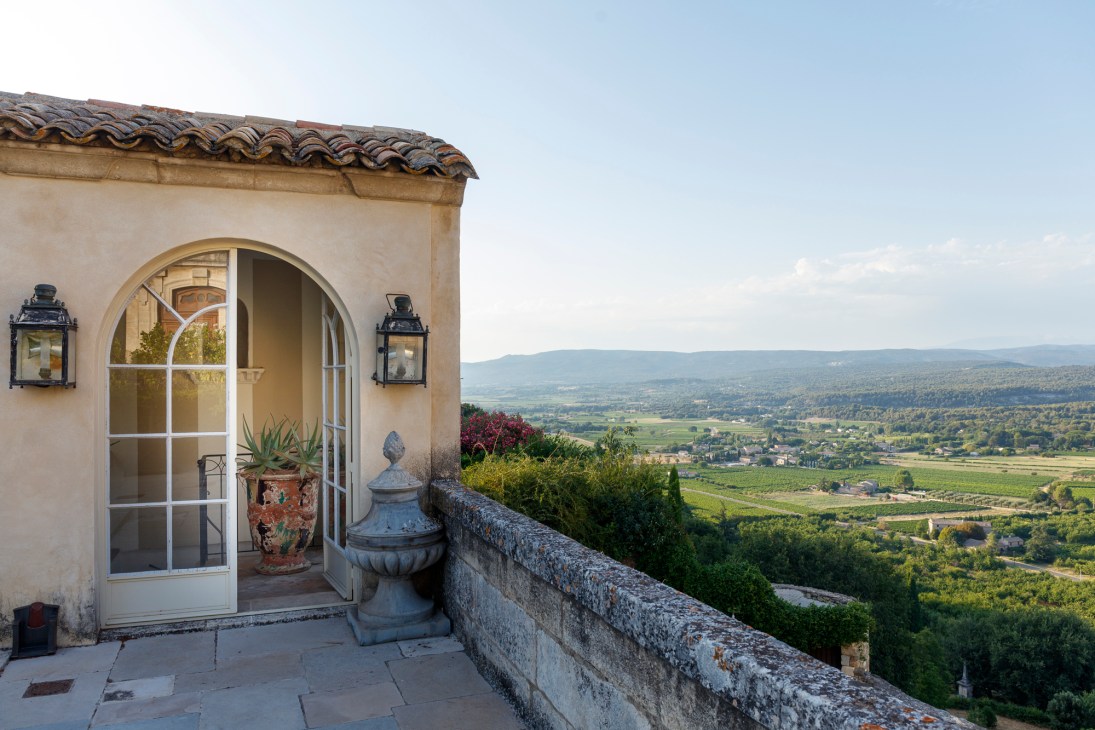
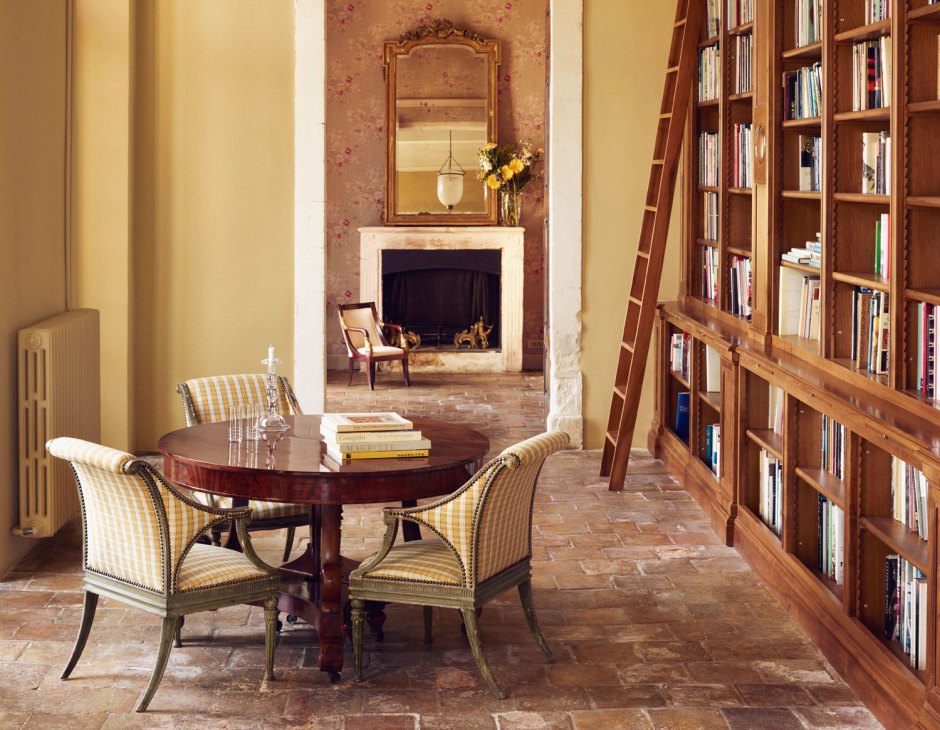
“Our aim is to open the doors to forgotten-about architectural gems around France,” says Dominique Imbert, founder of Pierres d’Histoire. The latest property in the group’s 16-strong collection, Hôtel de Tingry in the Provençal village of Ménerbes, is the first to allow bookings per room on a B&B basis. The four-bedroom hôtel particulier feels decidedly Italian, with 17th-century palazzo-style interiors, a symmetrical façade and a cypress-tree-dotted garden that neighbours the former villa of artist and Picasso muse, Dora Maar. Breakfast is served poolside by the maître de maison and a large kitchen is available for guests to turn the region’s bounty into family meals. Together with the maison Dora Maar, the hotel also organises art exhibitions, lectures and concerts.
pierresdhistoire.com
Short stories
Los Angeles

Many of the mid-century motels in Los Angeles have a seedy allure: the 1960s Farmer’s Daughter was once so evocative that Julianne Moore moved in while reading for Boogie Nights. But its star had faded by 2021 when developer Leo Grifka began transforming the motel into Short Stories, a peaceful 66-room retreat amid the bustle of literary Fairfax, with a marble-courtyard restaurant and verdant fountain where the car park used to be. LA designer Kevin Klein has given the place a top-to-toe perk-up – with terrazzo bathrooms and red oak credenzas in the suites – that summons up its heyday without feeling like a throwback. “When you stay at a hotel, you’re creating these short little stories,” says Grifka. “I wanted to go back to that.”
shortstorieshotels.com
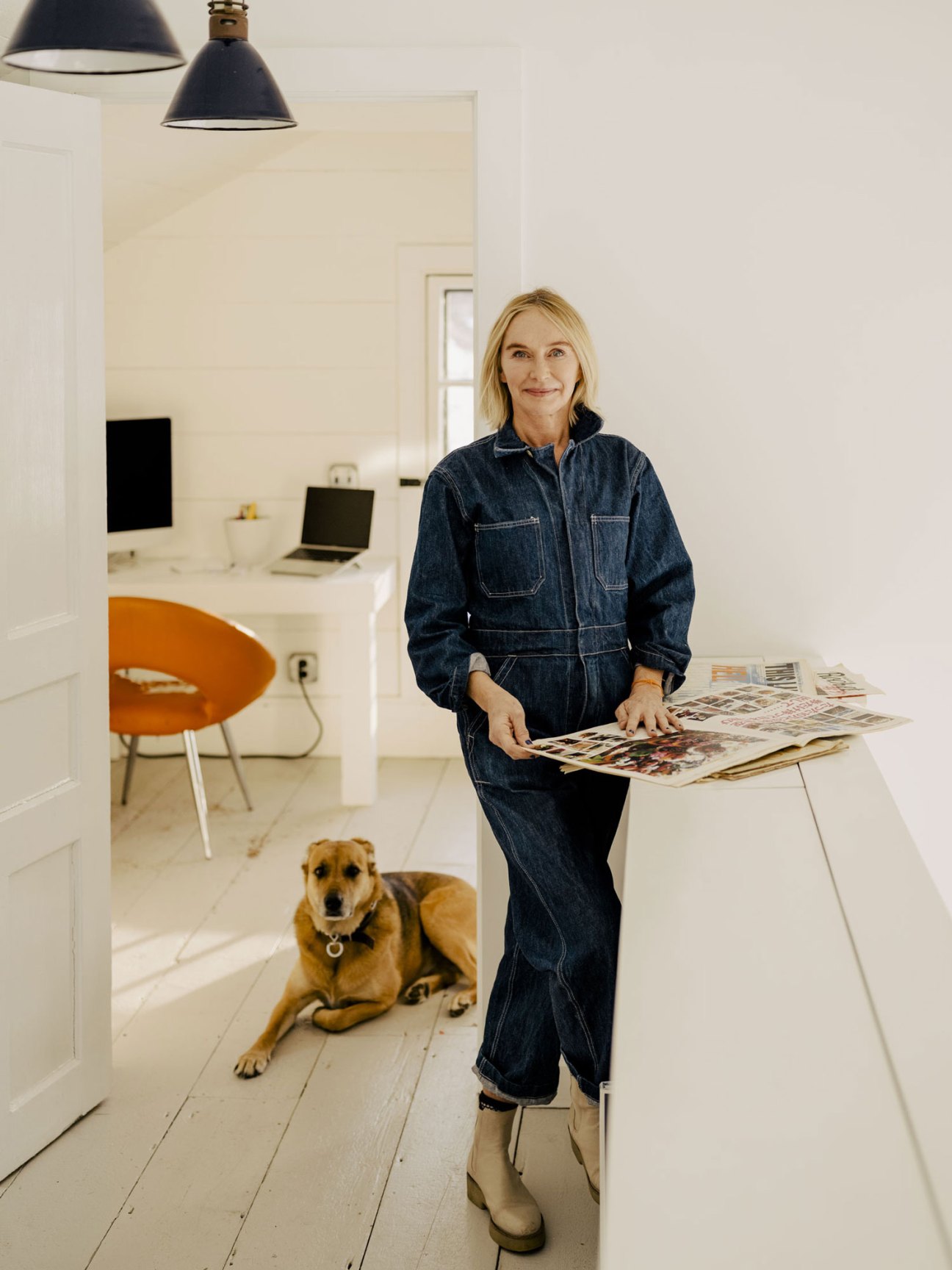
Postcard from abroad
St Barths
St Barths’ hospitality industry is back in business, writes Ann Marie Gardner, who visits two weatherproofed luxury hotels.
St Barths was decimated by Hurricane Irma in 2017 – the strongest to hit the region ever. The destruction was significant, especially for the two luxury hotels synonymous with St Barths’ social scene: Eden Rock and LVMH’s Cheval Blanc. Both were wiped out, along with much of the island’s vegetation.
Five storm-free years later, beach bars, restaurants and hotel villas have been modernised. The rock that Eden Rock sits atop is now weatherproofed. Parts of the hotel are protected by submarine doors that seal shut to safeguard the kitchen, spa, fitness rooms and electric room from water damage. The Sand Bar restaurant deck still sits right on the beach but you’d never know that the deck is a metre higher so the next flood can travel under the hotel.
LVMH’s Cheval Blanc rebuilt its villas further back on the beach; the pool and restaurant have been repositioned and the replanted tropical gardens feel like they’ve been growing there forever. St Barths will never avoid hurricanes entirely but it continues to test new weatherproofing technology to restore coral reefs, convert toxic seaweed into paper, grow vegetables in containers and use humidity in the air to create drinkable water. Elections were held in March and sustainability was on the ballot. We can only hope that the winner follows the lead of St Barths’ hospitality industry, which has topped the government on infrastructure.
Power up
Inventory: Technology
Global
Whether you’re intending to work at your desk, take photos on the move or get lost in music, these gadgets have you covered.
Writer
David Phelan
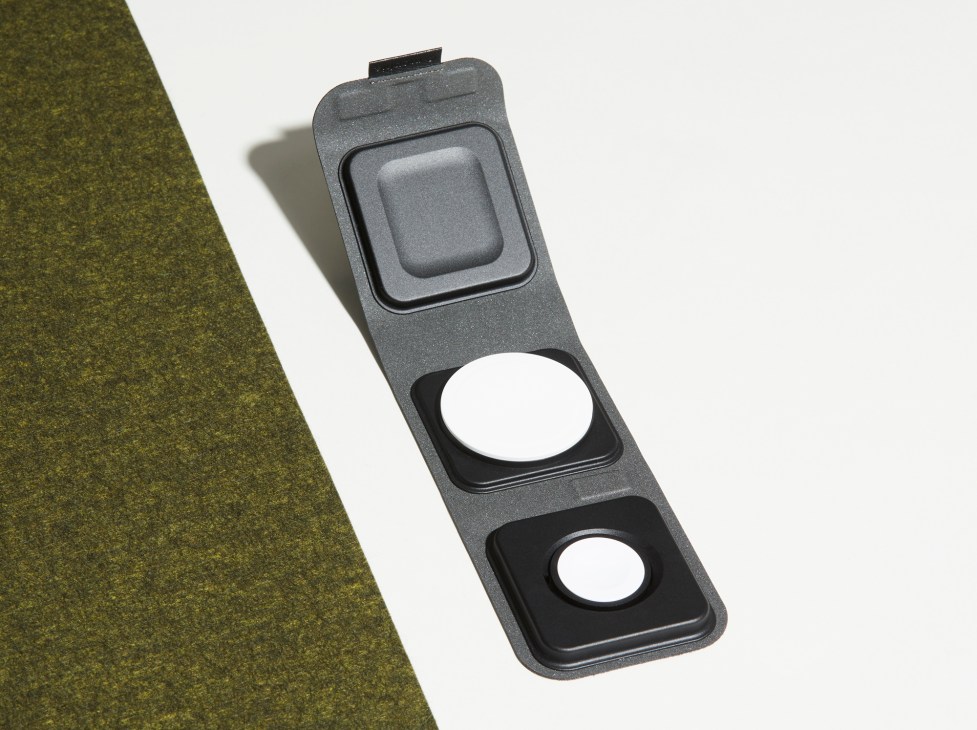
Mophie
3-in-1 travel charger with MagSafe
Travel these days requires cables and plugs, so you can be sure you can recharge your phone, Airpods and even a smartwatch at your destination. The new Mophie travel charger can re-energise all three from one portable device, so you only need one cable.
The centre unit works with any wireless-chargeable phone. It also has Magsafe, a ring of magnets that ensure the iPhone 12 or 13 snaps into the right place. The headphone charger pad is scooped to hold your earbuds neatly in place and the smaller white circle is for the Apple Watch.
Note that it is designed for gadgets compatible with wireless charging but the USB-C cable supplied will connect to most non-Apple devices.
zagg.com
Apple
Mac Studio

Apple has released a new compact desktop computer: a flattened cube of aluminium with rounded corners. Despite its size, it’s one of the most capable computers the firm has built. One configuration uses what Apple describes as “the most powerful chip ever in a personal computer”. I believe it: it’s astonishingly fast. Although this would be wasted on someone who just wants to surf the internet, in the hands of creatives, for instance, it offers the temptation of running demanding programs at speed – and for longer. It has sockets, front and back, so there shouldn’t be any need for adaptors. To go with it, Apple has designed a keyboard, mouse and trackpad, and even a 27-inch monitor.
apple.com
Oneplus
Oneplus 10 Pro 5G

These days, a mobile phone is often our camera of choice, and Oneplus is putting camera brand Hasselblad’s know-how in its phones. The Oneplus 10 Pro has a camera panel that dominates the design, with three camera lenses and a ring light. The main sensor is a 48-megapixel camera; there’s a 50-megapixel ultra-wide lens and an 8-megapixel telephoto. Be warned: the camera panel is quite tactile and it’s easy to smear the lenses. Battery life is good, recharging from flat to full in 30 minutes. The latest Oneplus comes in an emerald-green matte finish that changes its appearance according to the light. Volcanic black is also available.
oneplus.com
Beats
Beats Fit Pro

The latest earbuds from Beats have a neat solution to the problem of in-ears not holding in place properly and suddenly becoming out-ears. A wingtip on the back of the earbud flexes as you twist it into position and then stays there with serene comfort. The earbuds remain secure even during the sportiest of exertions. These are noise-cancelling headphones and small pressure-relieving vents also help for all-day comfort. Noise-cancelling works best when there’s decent noise isolation through a snug fit and three sizes of ear tips make for a good acoustic seal. There’s also spatial audio, which creates an immersive surround-sound effect and dynamic head tracking so that if, say, you’re watching a film on an iPad, the audio is locked to the right place, even if you turn your head. This effect is so convincing that you may have to check that the sound really is coming through your headphones and not the iPad speaker.
Beats is a subsidiary of Apple but where AirPods are most easily set up with an iPhone, these headphones connect seamlessly to any handset, making them a great choice for anyone with an Android phone.
beatsbydre.com