Issues
Rest easy
“We’ve always been inspired by the pulse of this historic pocket of Downtown Los Angeles [DTLA],” says Brian De Lowe, co-founder of Proper Hospitality, as he shows Monocle around the brand’s latest opening. “It speaks to our hometown’s past and vibrant future.”
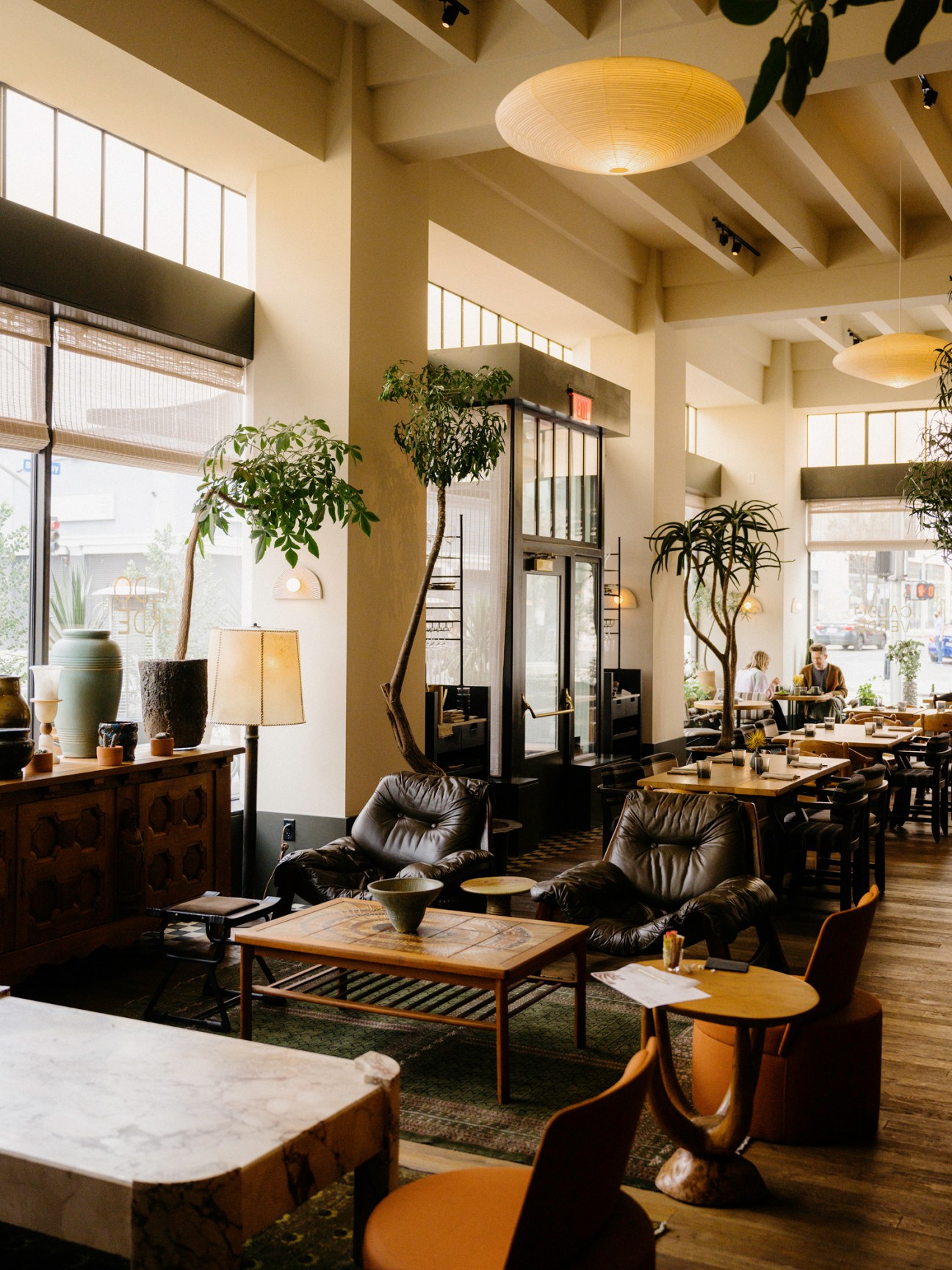
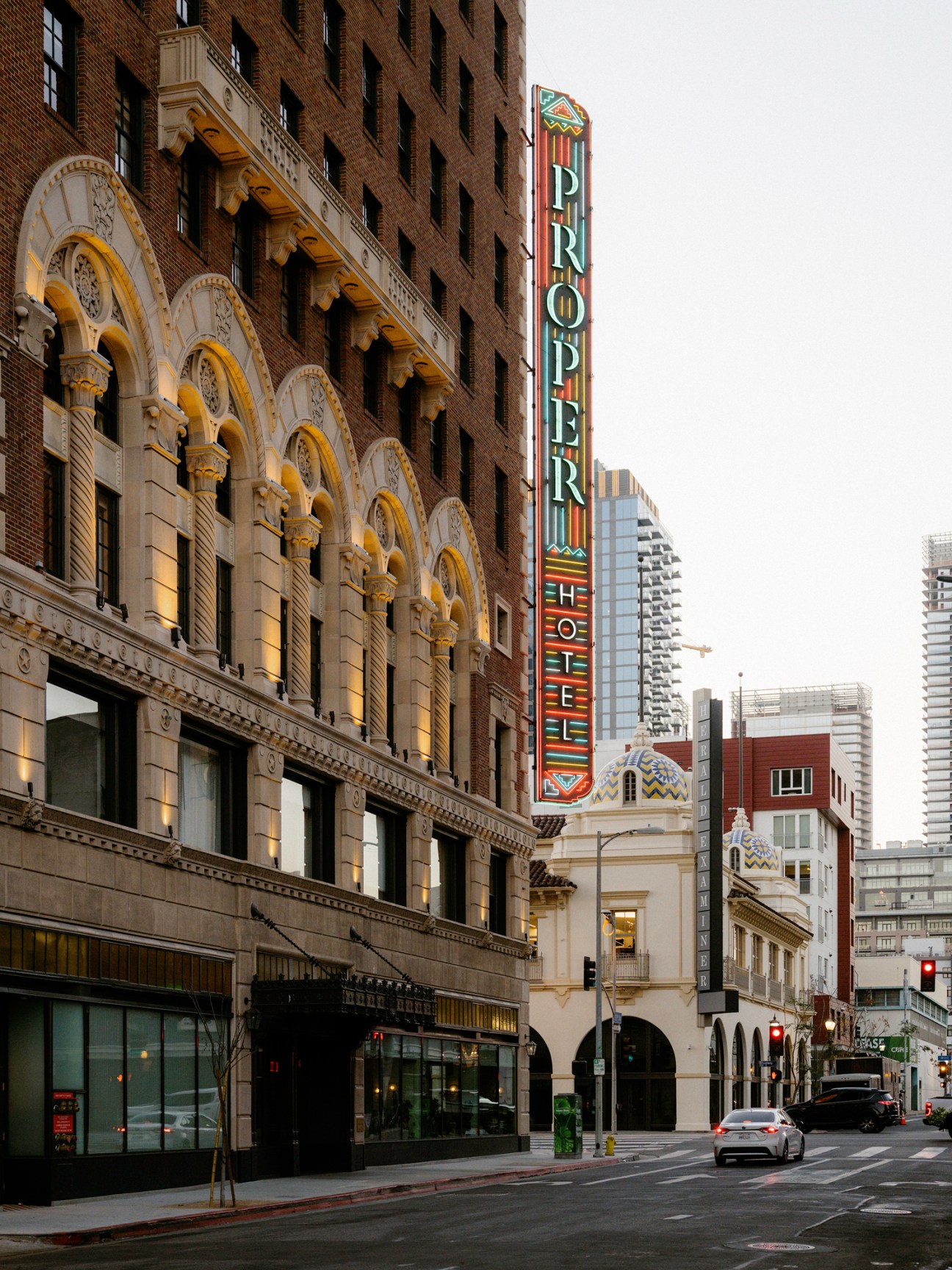
And while the pandemic hasn’t been all that kind to either tourism or the fortunes of the city centre, the new Downtown LA Proper hotel looks well placed to tempt guests and diners. The 1920s building took three years to update. Once a private members’ club frequented in its heyday by characters such as golden age film director Cecil B DeMille and Harry Warner (of Warner Bros fame), the premises became a much-used but rather unloved 13-storey YWCA in the 1960s.
“The design needed to reflect the glamour, the relaxed coolness and the cultural influences,” says designer Kelly Wearstler, who works across high-end residential, commercial, retail and hospitality spaces, of the blank canvas the building offered her. “I wanted to capture the vibrance of Los Angeles.”
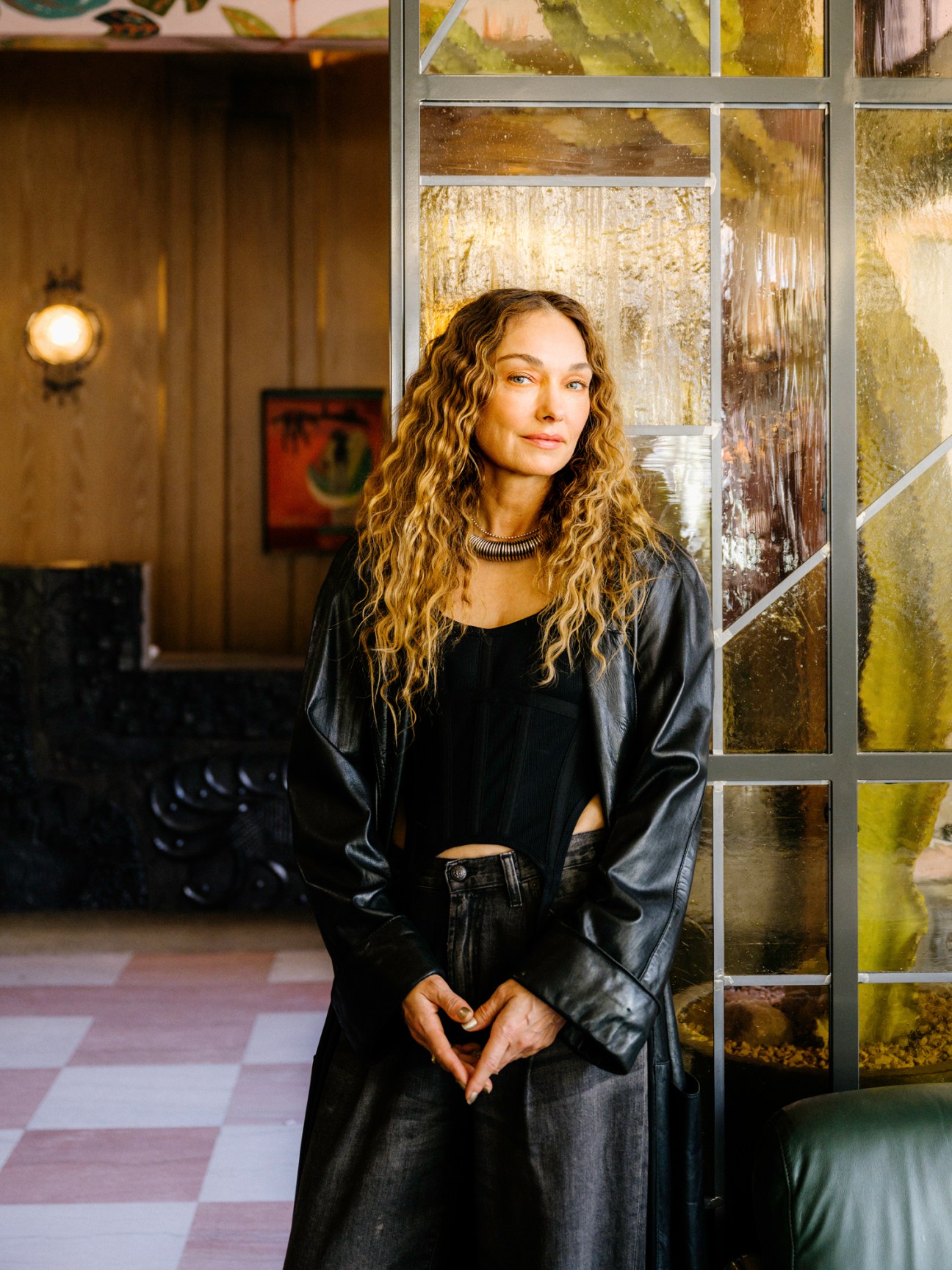
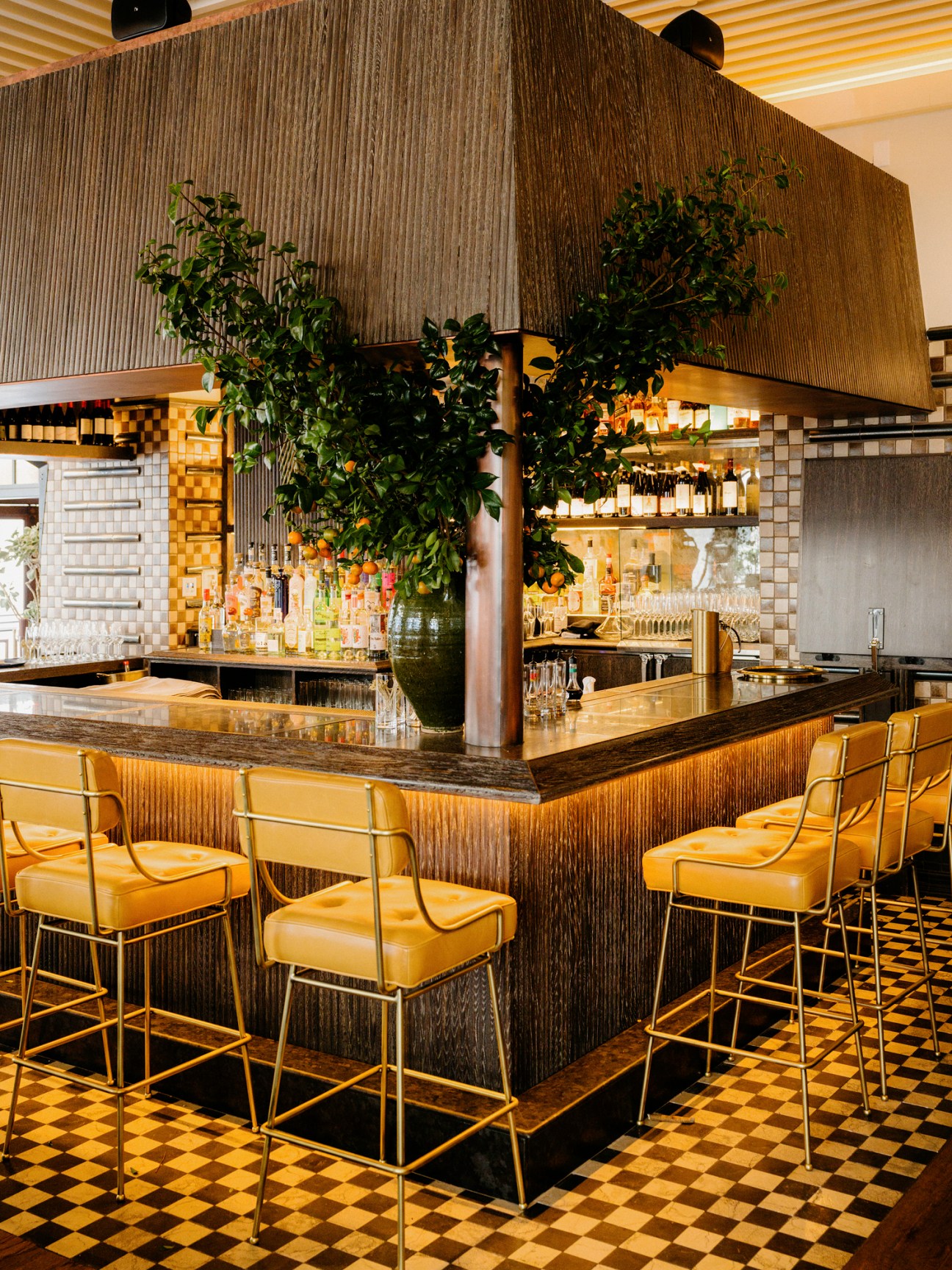
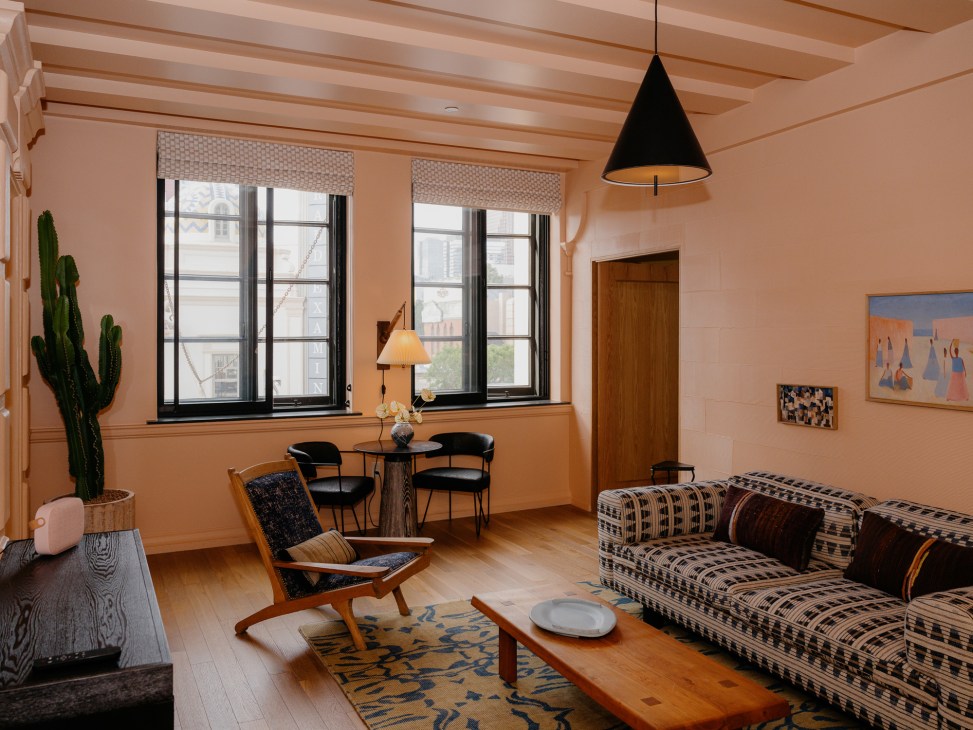
Working to preserve its colourful past, the designer set out to blend elements of Mexican modernism – a movement that first gained traction in the 1920s – with Moroccan, Spanish and Portuguese influences as a nod to DTLA’s many waves of migration. “Los Angeles is a very multicultural city, which, of course, influences so much of its architecture and design,” says Wearstler. “My goal was to capture as much of this cultural richness as possible and create a design that felt authentic to this lively neighbourhood.”
“Everything we do starts with community,” says De Lowe. “Site-specific murals and installations were commissioned from local artists to pay respect not only to the hotel’s physical surroundings but also to the talented artistic community that has shaped and continues to shape DTLA.” The city’s artists are featured throughout: a melange of Mexican folk-art motifs covers the lobby, created by painter Abel Macias; there’s a vibrant stained-glass structure by the artisans of Judson Studios and wall hangings by Ben Medansky and Morgan Peck.
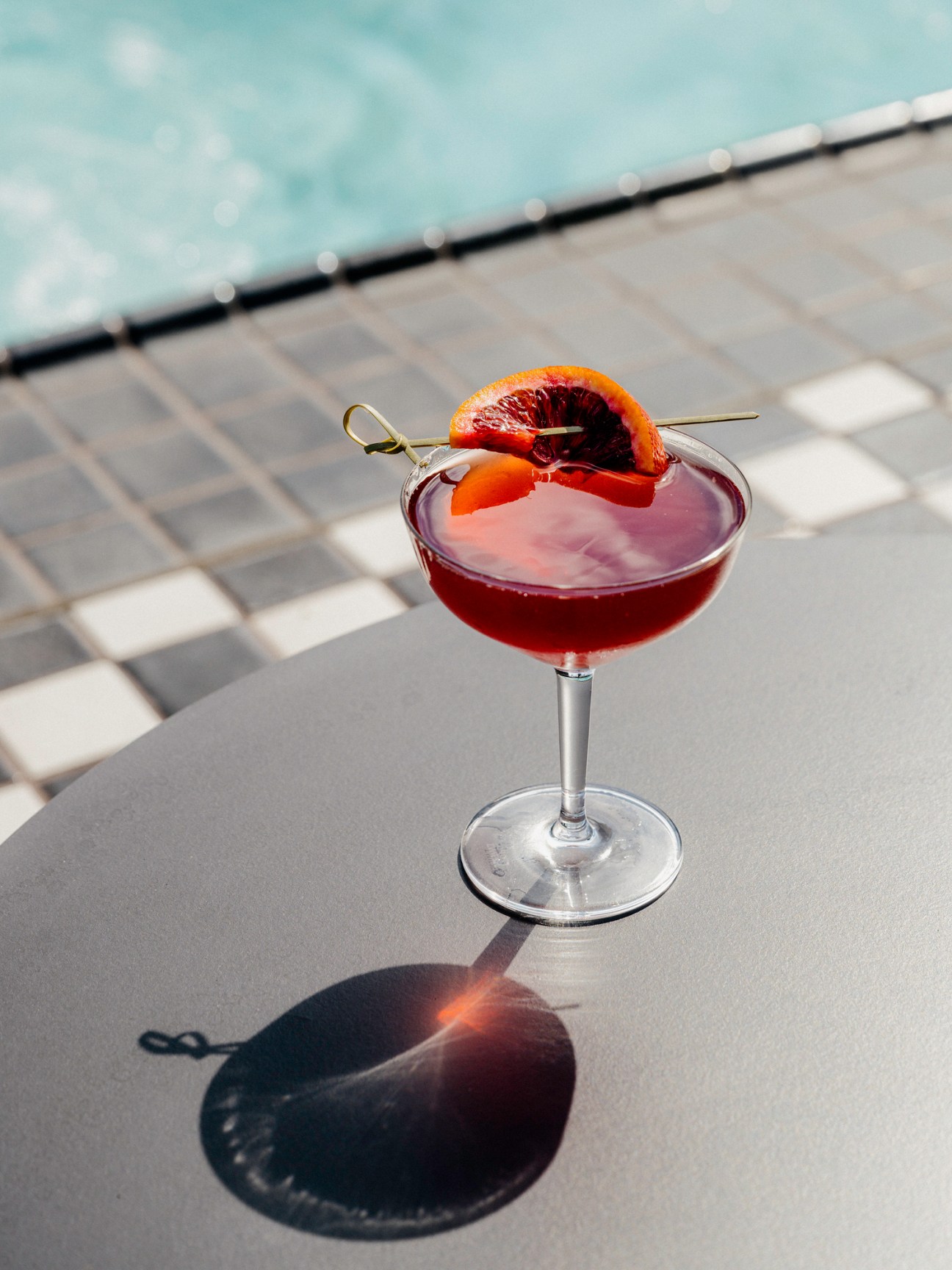
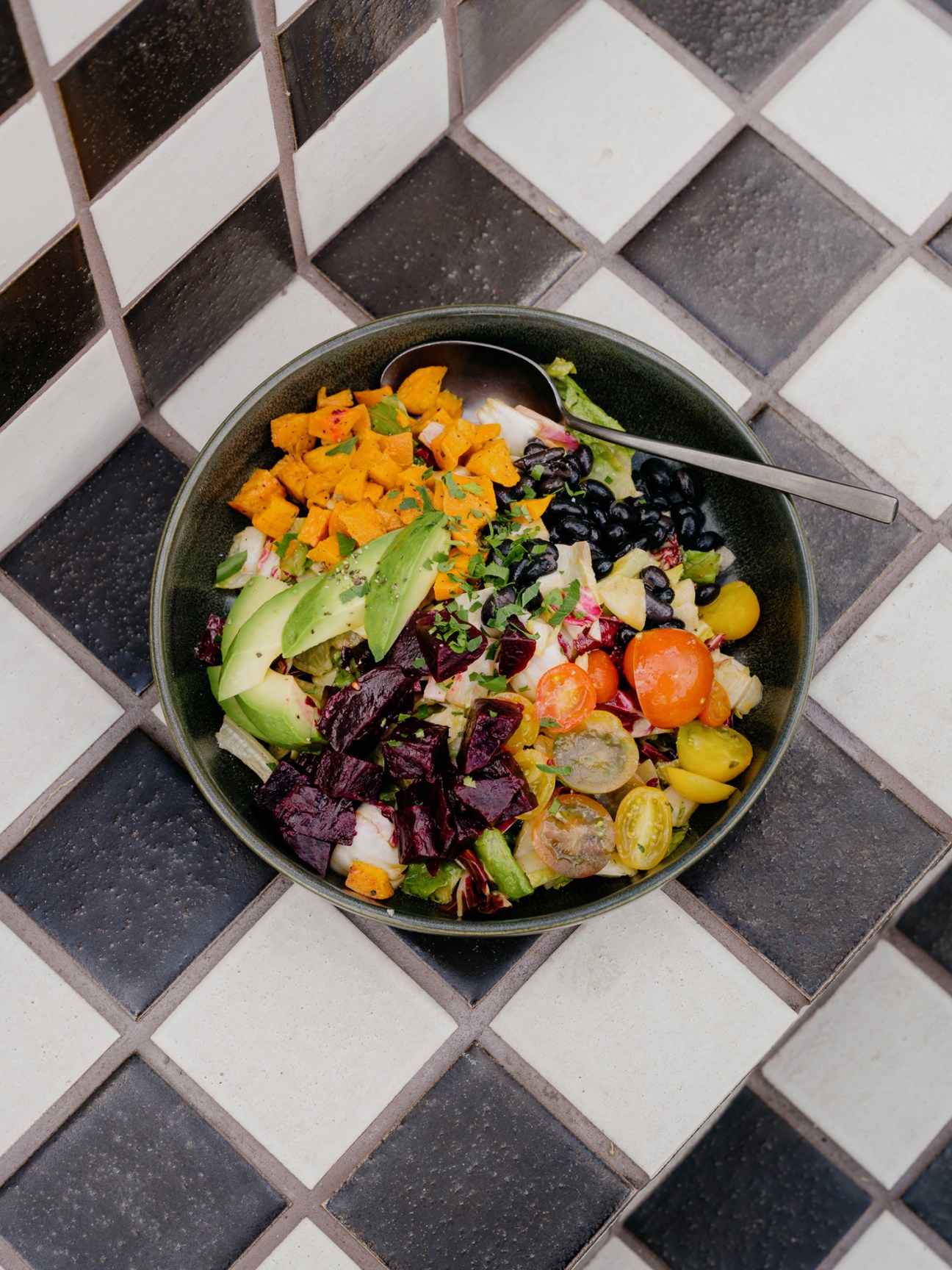
Highly residential in feel, the hotel has 147 guest rooms and two suites, which Wearstler created by tapping into the building’s past. One suite occupies a former basketball court, retaining its original wooden flooring; in the other is a generously sized indoor pool. With the James Beard Award-winning team of restaurateur Caroline Styne and chef Suzanne Goin at the helm of the kitchen, guests can choose between two eating options: Cara Cara, an open-air affair with rooftop views, and Caldo Verde, the place to go for Mexican and Portuguese-inspired dishes.
“Every project starts from a place of exploration and curiosity,” says Wearstler. “For DTLA, we worked with a building that has incredible historic architecture, a storied past and an inspiring location.” To date, Proper’s projects include outposts in Austin, San Francisco and Santa Monica, as well as the new site in LA. “Hotels are so much more than a place to sleep; it is the point of origin for every new discovery,” says Wearstler in the lobby. “If it’s designed well, a hotel can help to convey the spirit of a destination.”
properhotel.com
DTLA address book:
Eat
Damian
A homage to Mexican culture with food prepared using seasonal Californian ingredients, Damian is the latest restaurant by Enrique Olvera. His twists on tradition include molten gruyère quesadilla, sweet tamal de elote and pescado a la brasa.
damiandtla.com
Drink
Bar Jackalope
Hidden behind cocktail bar Seven Grand, this cosy 18-seat speakeasy specialises in Japanese whisky, with more than 120 varieties of rare spirits.
barjackalope.com
Visit
Row DTLA
Great for shopping and eating. Go for Japanese food at Hayato (order a bento box) or the flakiest, crunchiest fried chicken from chef Kuniko Yagi’s Pikunico. Check out Erica Tanov, Kinto, Ahlem Eyewear and Bodega, which is possibly the best-stocked trainer shop in Los Angeles.
rowdtla.com
Shop
These Days
An oddball gallery-boutique hybrid offering a wide range of art, from experimental photography to books. Discover a curated selection of goodies, including Le Feu de L’eau candles and rare prints.
thesedaysla.com
See
Bradbury Building
Step inside the oldest commercial building in central LA. Known for its skylighted atrium of walkways, staircases and ornate ironwork, the Bradbury has starred in fiction, film and television, and is home to members’ club and co-working space Neuehouse.
neuehouse.com
Game changer
Marufukuro is the talk of the town in Kyoto. The four-storey art deco pile is a rarity in itself but its history is equally intriguing. The structure was originally built in 1930 by Fusajiro Yamauchi (a Japanese entrepreneur who founded the company that is now Nintendo), then sat unused for more than half a century.
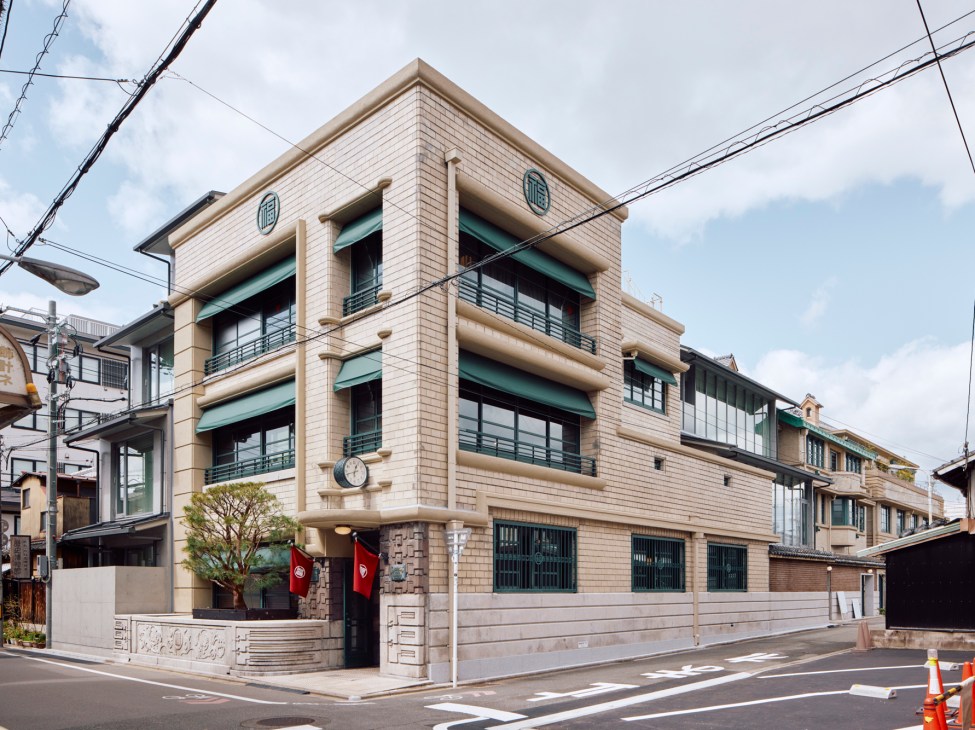
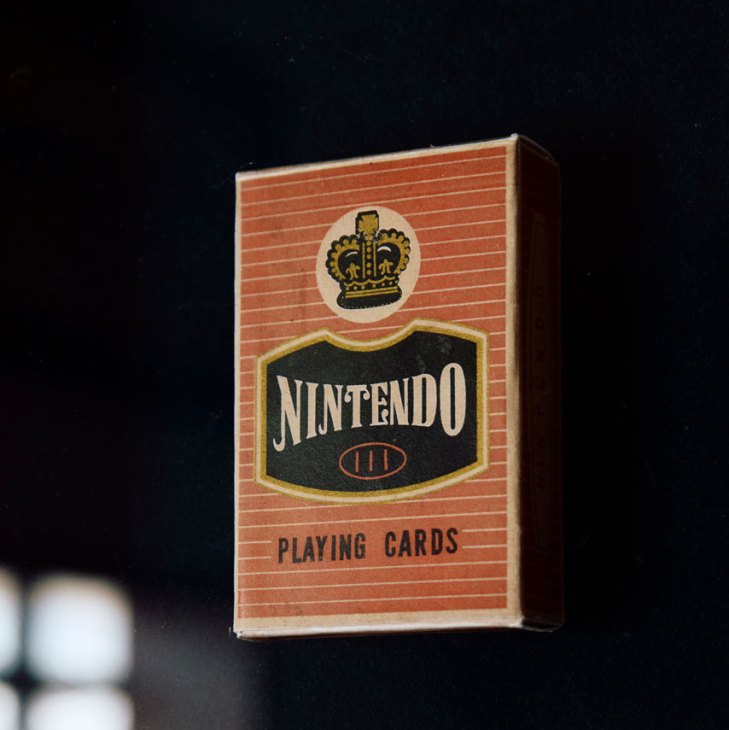
While many heritage properties in Japan are demolished and turned into apartments or car parks, the family that owns this one teamed up with Tokyo-based hospitality firm Plan Do See to bring it back to life as an 18-key hotel. President Yutaka Noda commissioned Tadao Ando to preserve the structure where possible, only replacing the wrecked bits with a new concrete building. Most of the original property has stood the test of time and remains a standout in this otherwise quiet and residential neighbourhood. Walking through the entrance doors, 1930s details, from glass and tiling to marble, set the tone. When Monocle visits, there’s a crowd of local passers-by nosing around, drawn by the old Nintendo signs on the façades; architecture students are paying a visit from Tokyo too. Nintendo has no involvement in the venture (the Yamauchi family is no longer running the gaming company) but the hotel is still packed with the brand’s design and playful spirit. It’s called Marufukuro (“ro” means tower in Japanese) after Marufuku, a company of Nintendo that manufactured and sold hanafuda playing cards.
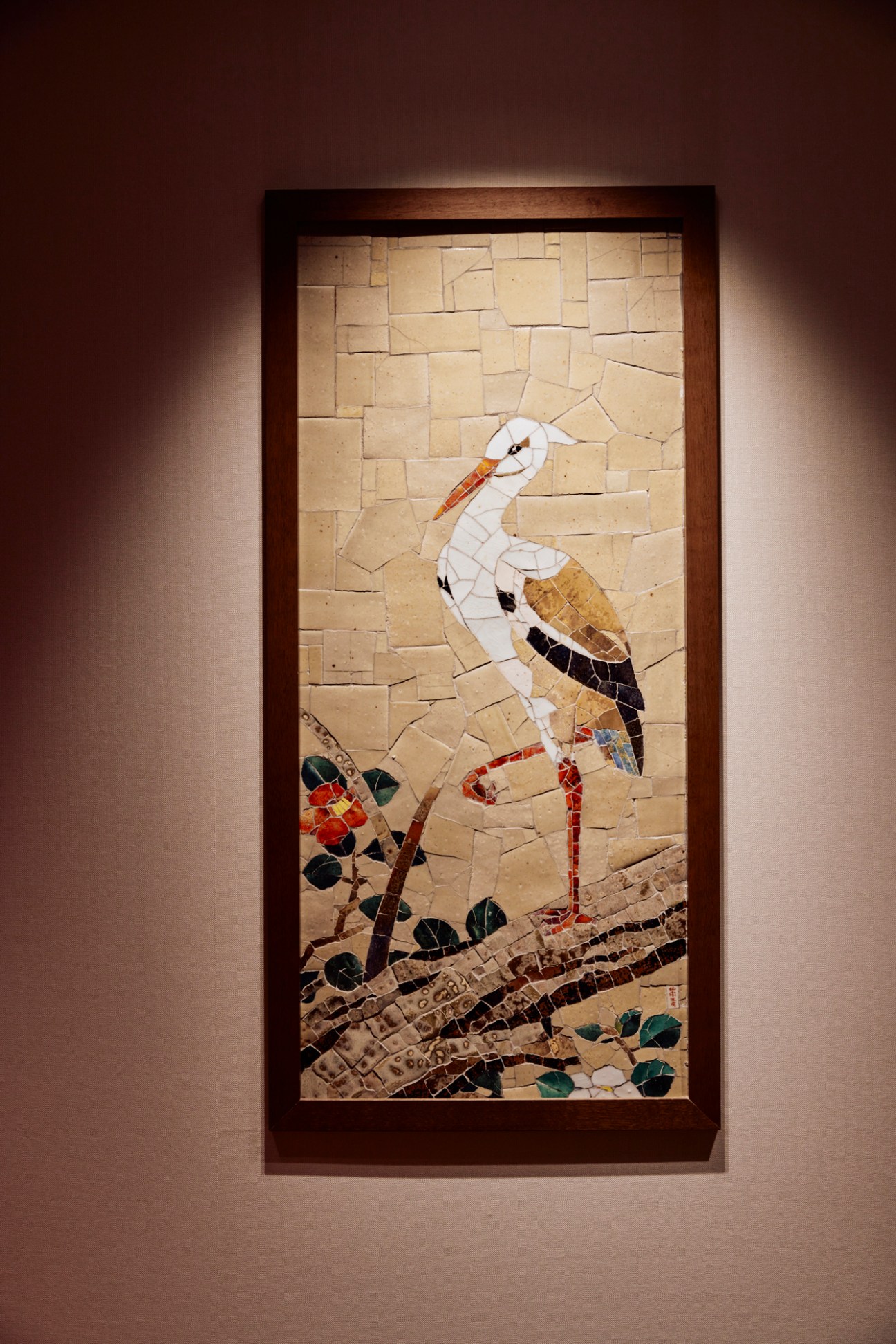
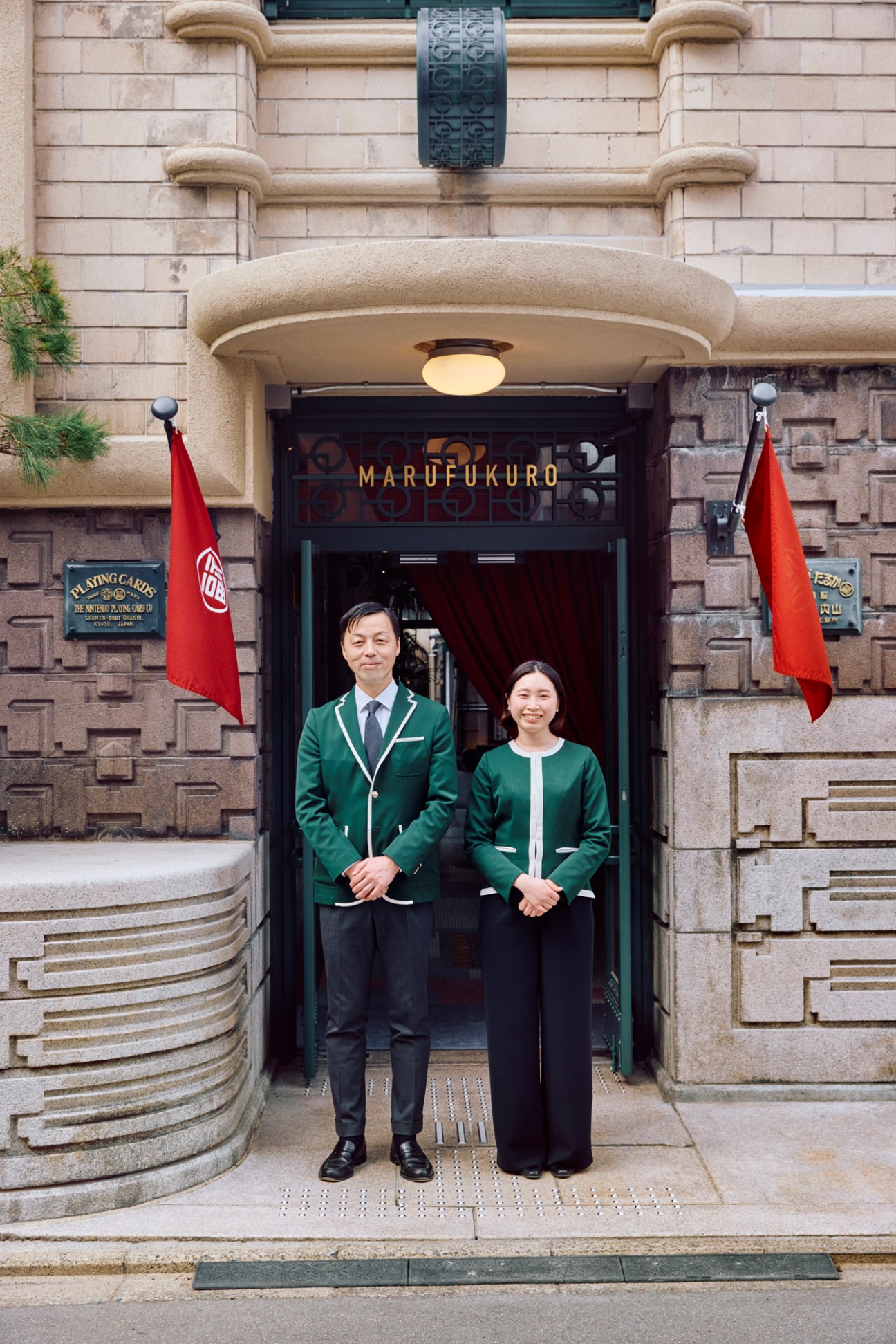
On brand, the four buildings are named after the four suits of cards. The guestrooms are designed within the original layouts of the property. The Heart building, the former residential quarter, features a Japanese suite with a newly built outdoor bath and a traditional tatami room with elaborately carved wooden transoms and shoji paper screens. The Marufukuro suite sits on top of the Spade and Diamond buildings. The library-cum-bar is designed by architect Ai Yoshida of Suppose Design Office and open only to members and guests.
“We have the original buildings, the new addition by Mr Ando and the food. It’s hard to pick but the food is the strongest sell”
Nestled at the back of the premises is Carta, the hotel’s restaurant named after another old Japanese card game. Kumamoto-based chef Ai Hosokawa took charge of everything, from the interiors and crockery to the seasonal menu. “When our president stayed at Log, a hotel in Onomichi, he was taken by its breakfast,” says general manager Shingo Fujiwara. “We learnt that Hosokawa-san created the recipes and got in touch with her. We are an all-inclusive hotel. We have the original buildings, the new addition by Mr Ando and the food. It’s hard to pick but the food is the strongest sell.”
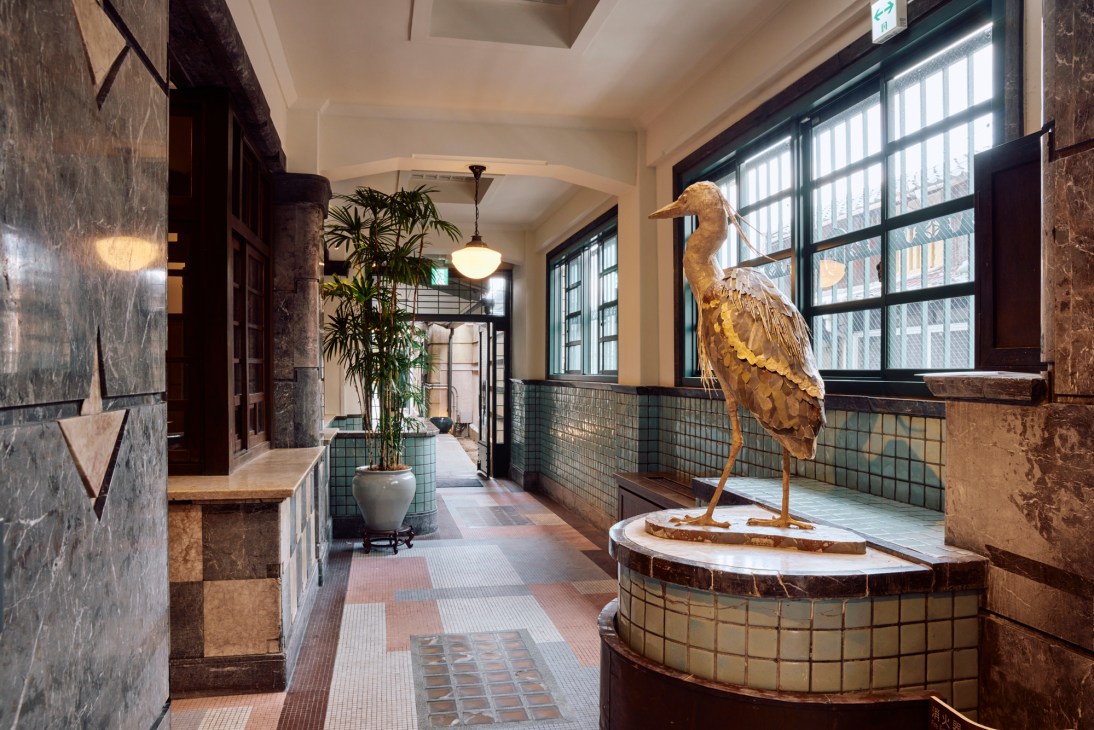
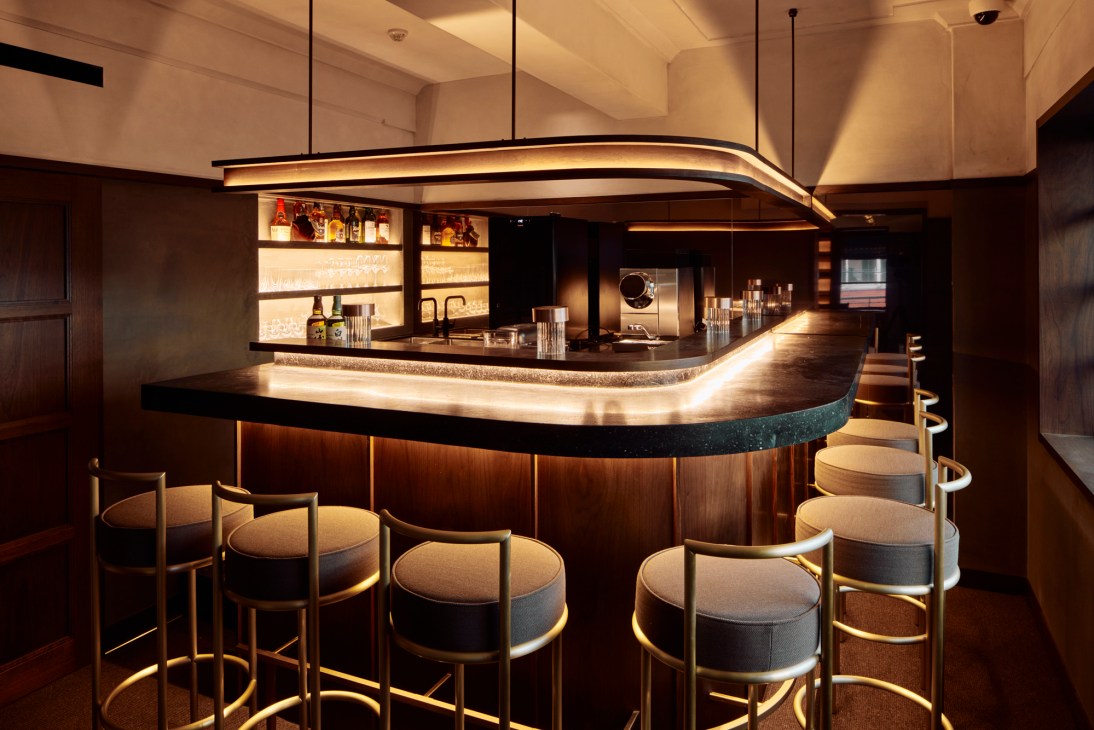
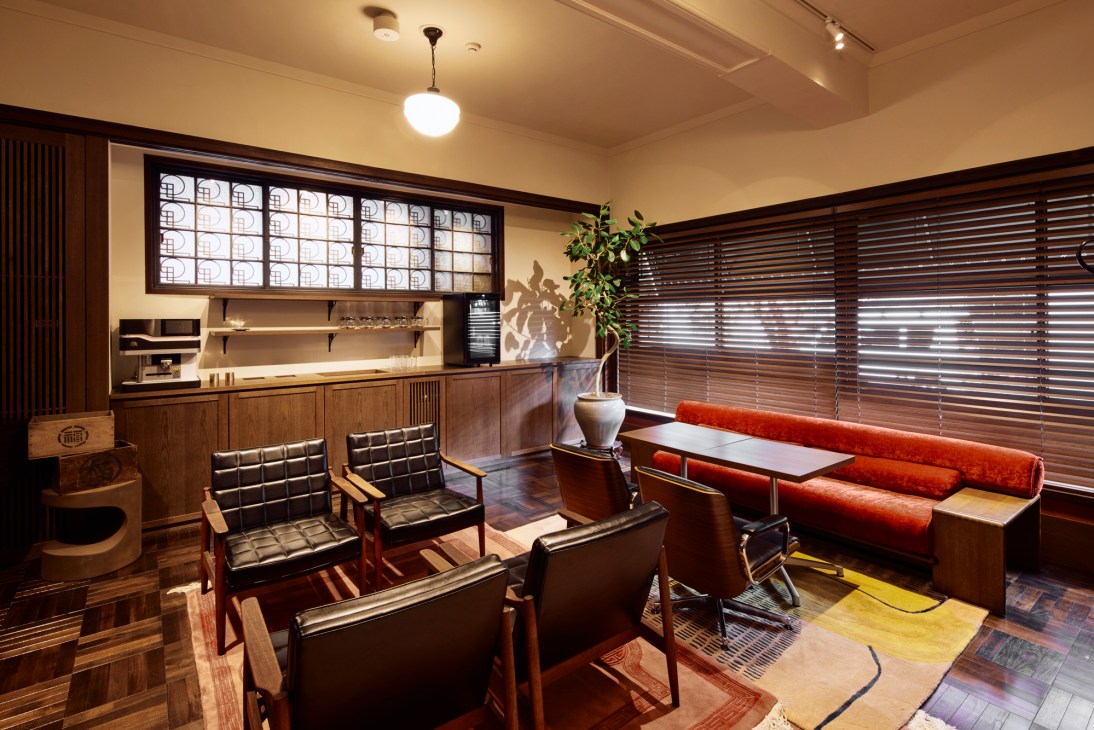
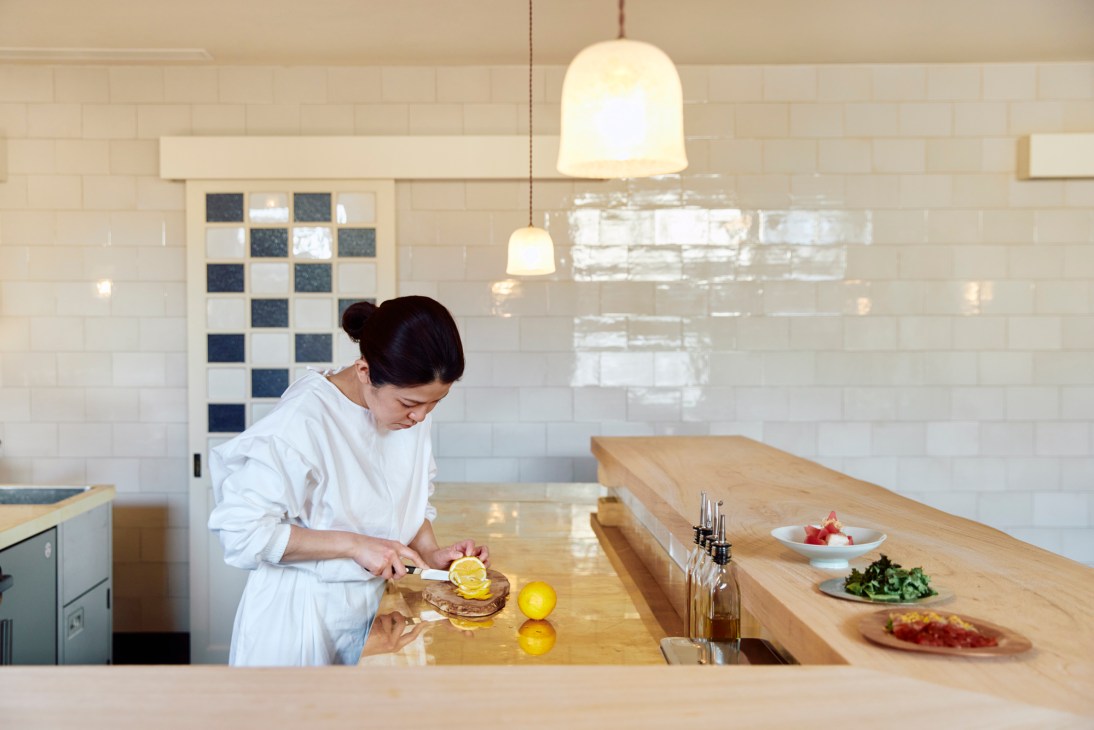
The lucky guests can have the restaurant exclusively to themselves for breakfast and dinner. Lighter meals and drinks can be served in lounges in between a morning stroll, shopping or temple-hopping. “We can dedicate a lot of time to our guests,” says Fujiwara. “We’d like to run Marufukuro more like a ryokan.” Judging by our stay and despite the building’s heritage, Marufukuro isn’t playing games.
marufukuro.com
In good taste
Wine bar round-up
Lisbon
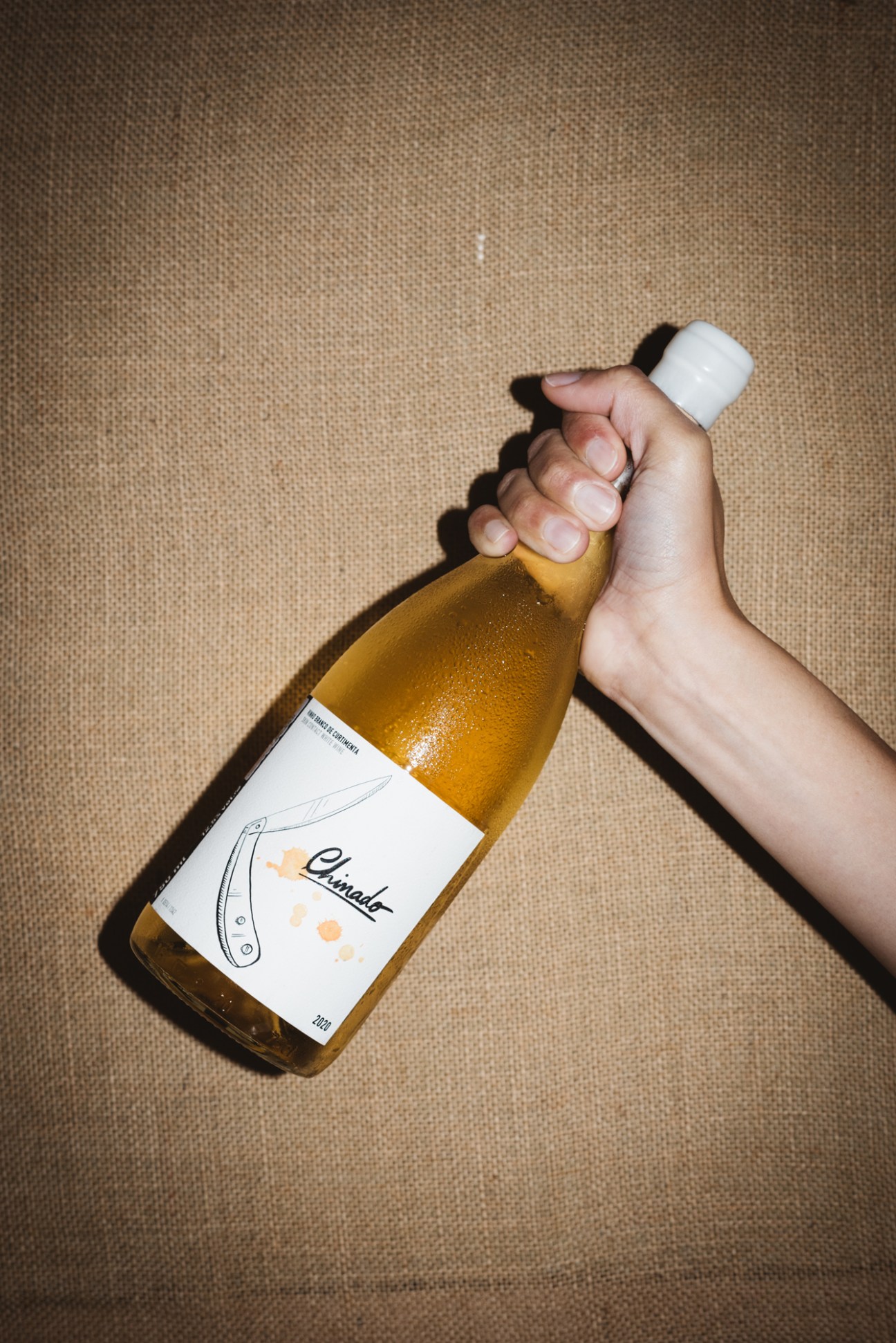
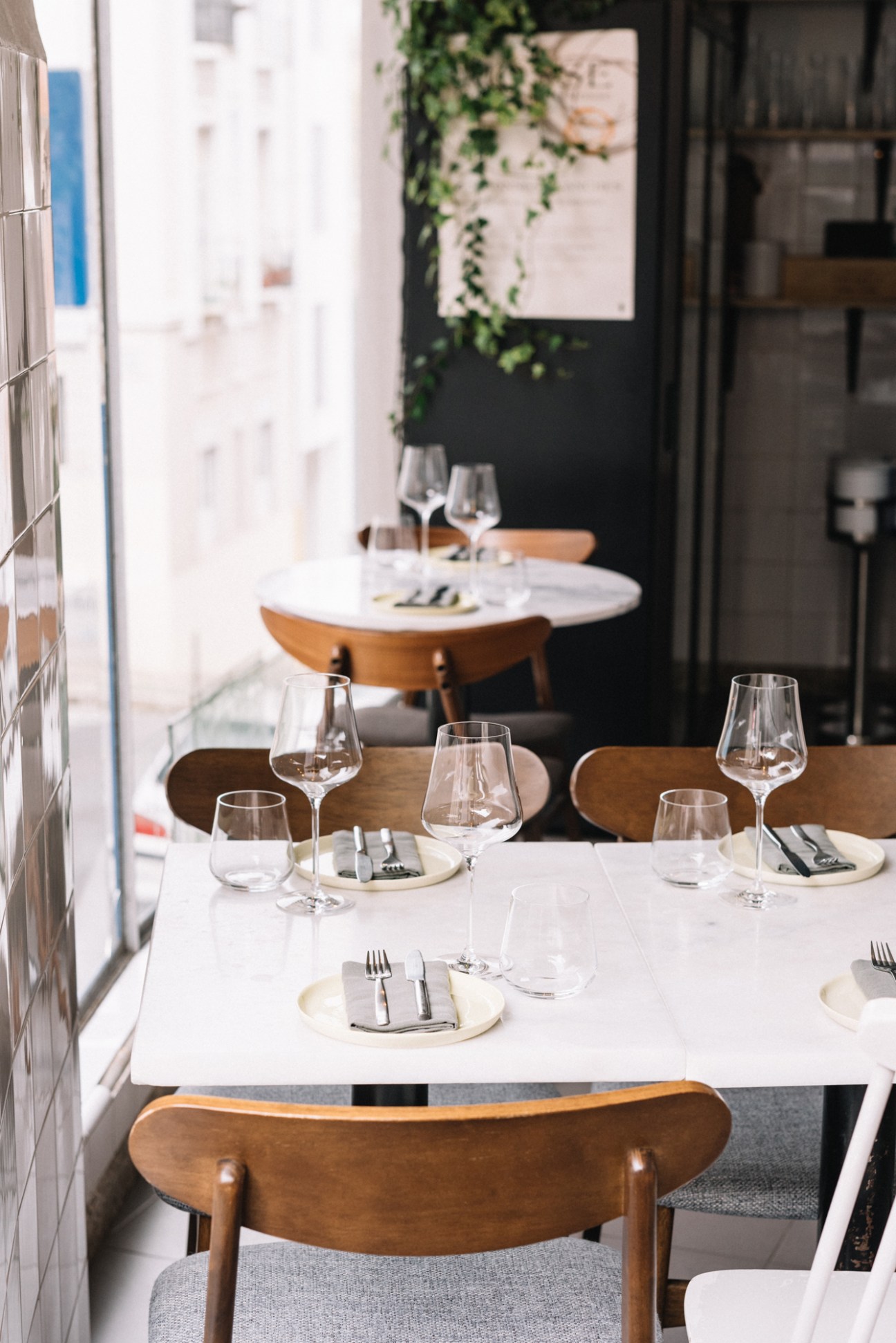
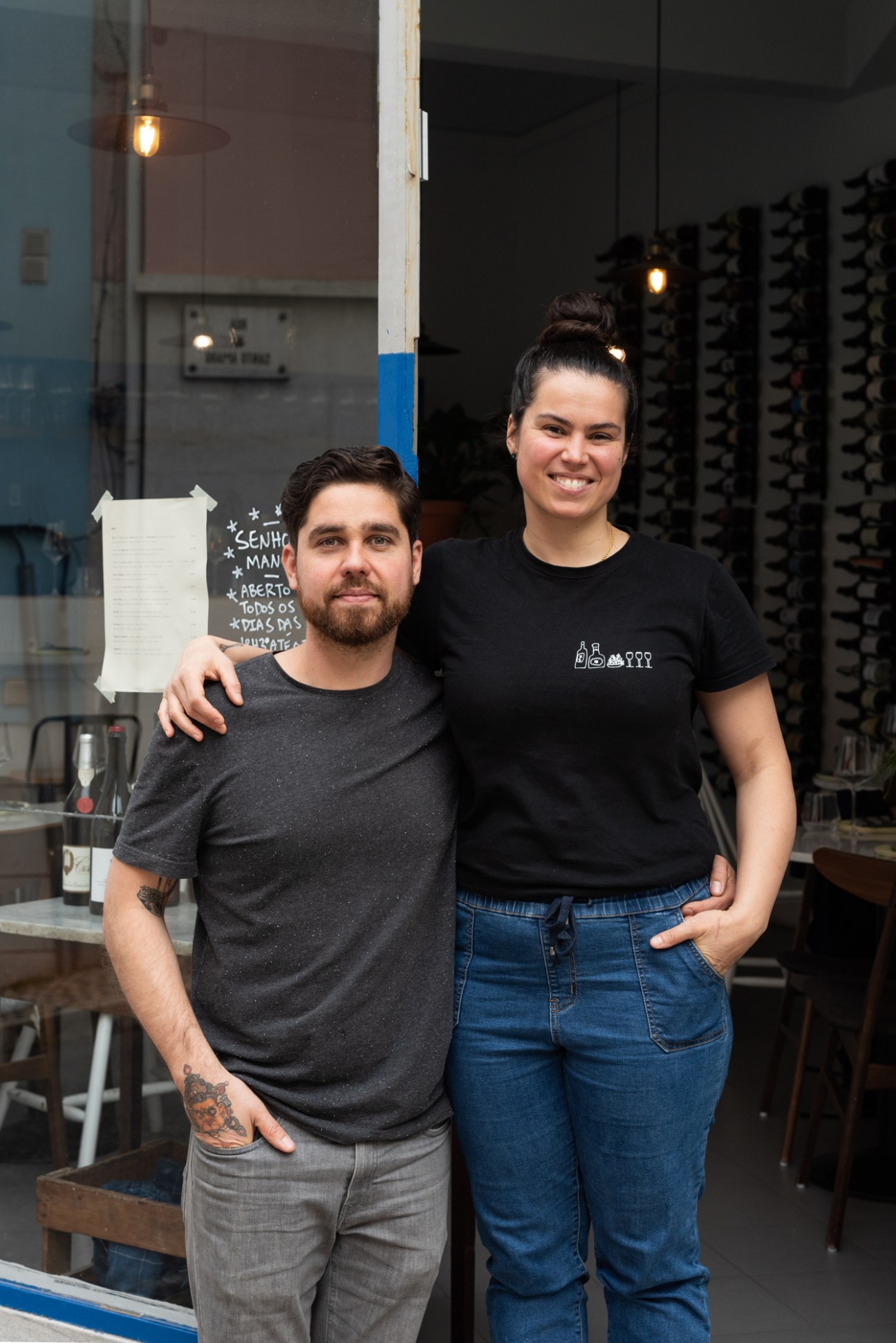
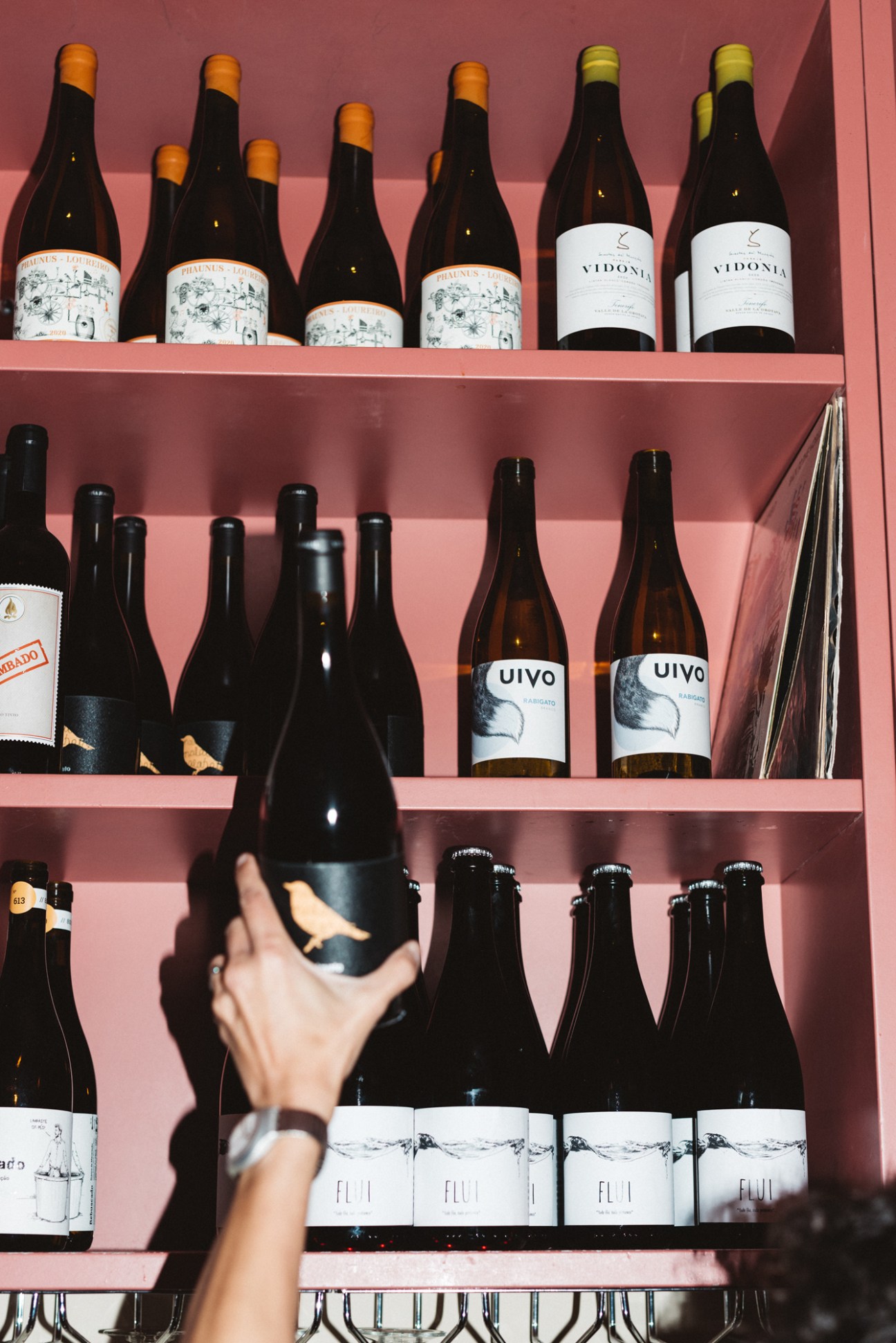
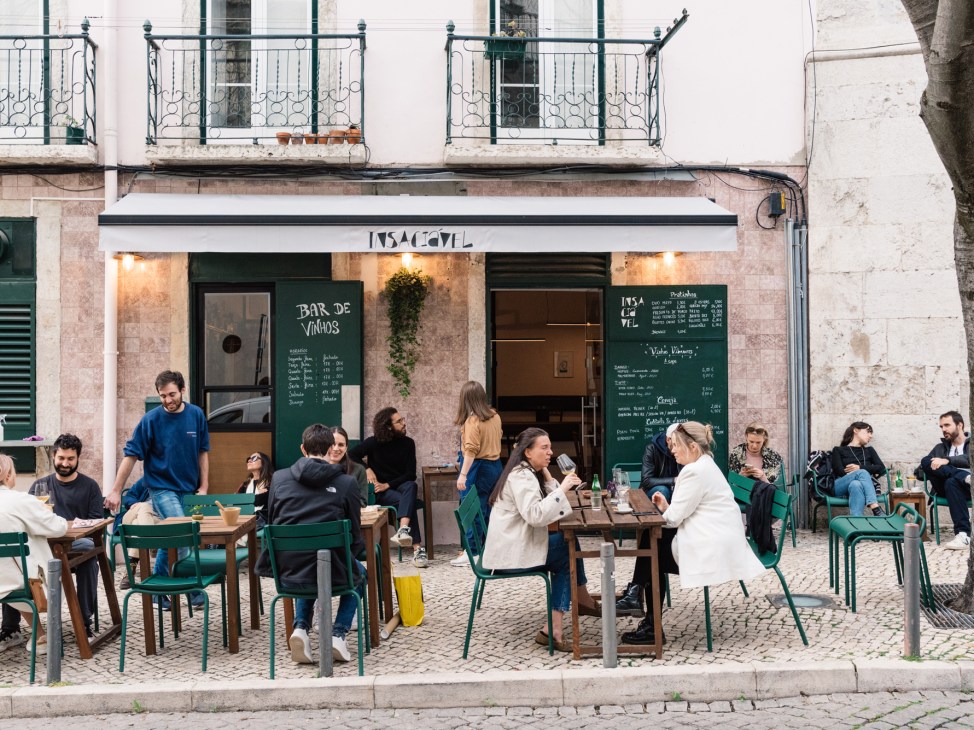
Opened last November by French couple Caroline Bos and Arnaud Quinty, Insaciável blends touches of their homeland with tapas-style snacks. Expect zinc tabletops, Jardin du Luxembourg-style outdoor seating and bottles from niche French vignerons alongside Portuguese produce such as squid from the Azores and black pork chouriço. There is also local wine – try organic producer COZs and its macerated white made from the vital grape. Near Cais do Sodré, Dahlia, which opened last summer, delivers a tasty menu of small dishes such as seared shrimp with chilli bisque and kimchee, and an eclectic offering of by-the-glass wine, from Vinho Verde orange-style Phaunus Loureiro by Aphros to the terroir-focused Navarra reds and whites from Spain’s Viña Zorzal. Natural wine is paired with a formidable hi-fi sound system and vinyl collection; ask nicely and manager Adam Purnell may take a request. In the Estrela neighbourhood, one-year-old wine bar Senhor Manuel is the baby brother of restaurant Senhor Uva (located across the street) and doubles as an extra dining room. Created by Montréal natives Stéphanie Audet and Marc Davidson, the food focuses on creative vegetarian plates invented by Audet – think jackfruit ceviche. They are paired with organic vintages from lesser-known wineries, varietals and appellations.
Audrey
Nashville
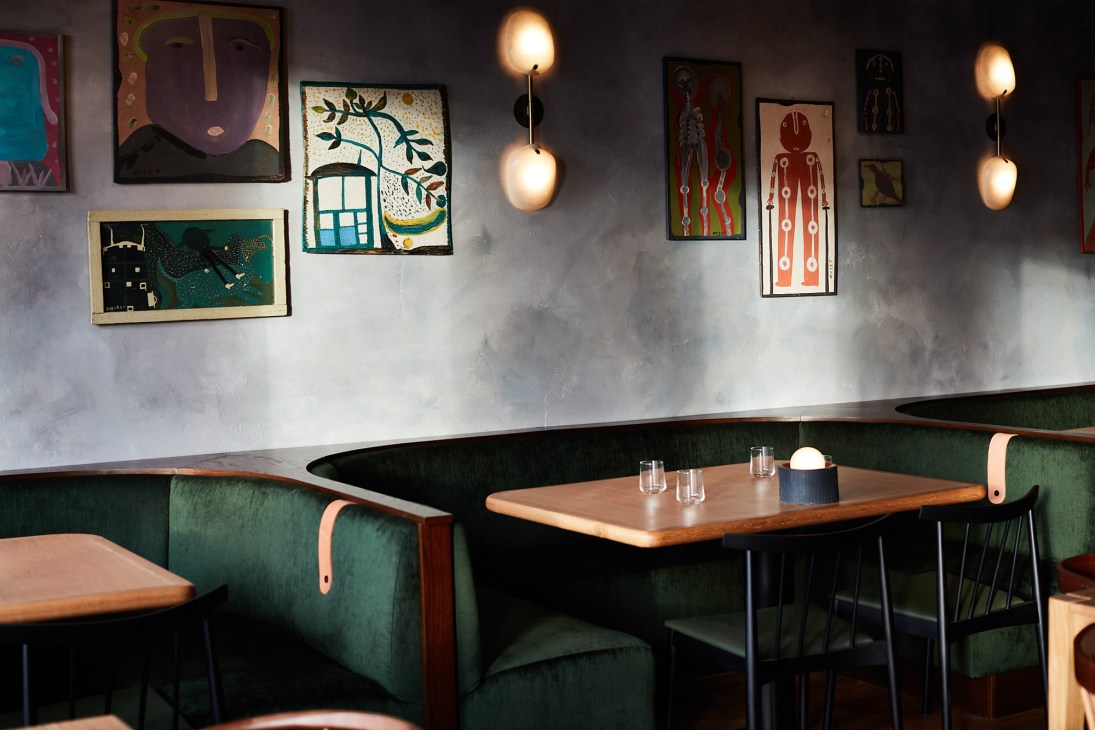
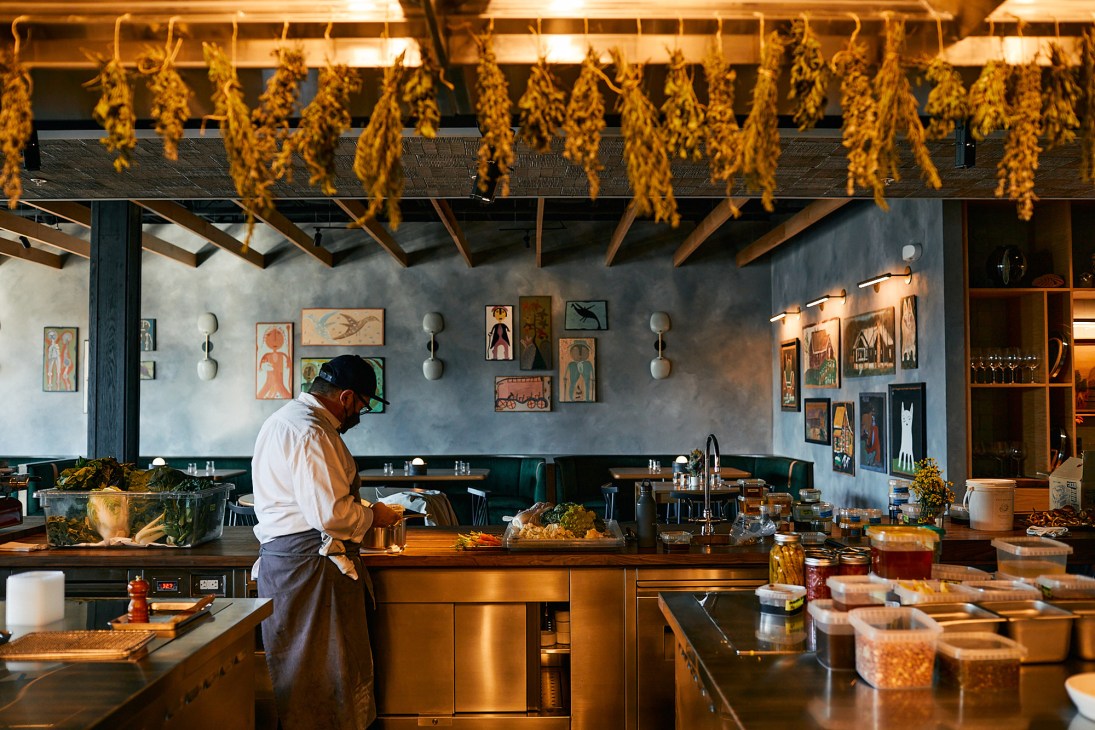
Sean Brock’s restaurants – now-closed McCrady’s and still-open Husk – rewrote the script on Charleston’s food scene. Now his new space, Audrey, is taking aim at Nashville, paying homage to Appalachian cuisine in what feels like the chef’s most personal project to date. Named after his grandmother, every facet of Audrey’s design has been thought through: from the shape of each plate to the folk art on the walls. “We wanted guests to come in and feel fully immersed in the landscape,” says Brock. Ultimately, he’s created a dedicated space for exploring the possibilities of Southern food (expect refined riffs on grits and cornbread) for years to come.
audreynashville.com
Bravo Toast
Los Angeles
“There’s just so much you can do with toast,” says Nathan Katz, as a slice topped with jade-green avocado and a cloud of burrata emerges from the kitchen. He and Jack Della Femina quit their day jobs in property in 2020. Now their Beverly Hills café, Bravo Toast, boasts a refreshingly succinct menu.

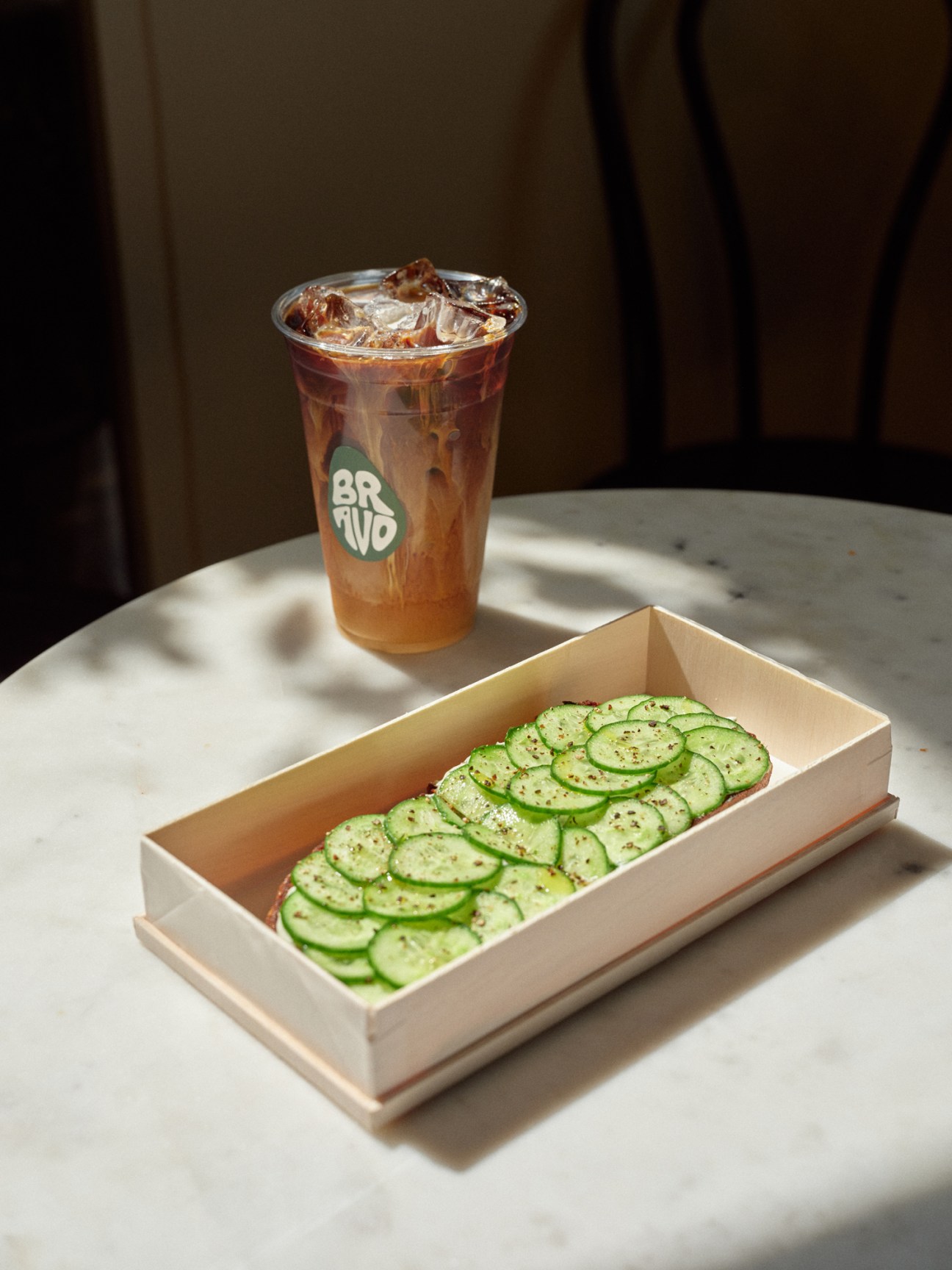
“we’re making avocado toast and matcha, which is to our generation what burger, fries and Coke were in the 1950s,” says Della Femina. “There’s no secret ingredient. It’s authentic and we create a good energy.”
bravotoast.com
Salmon Sisters
Homer, Alaska
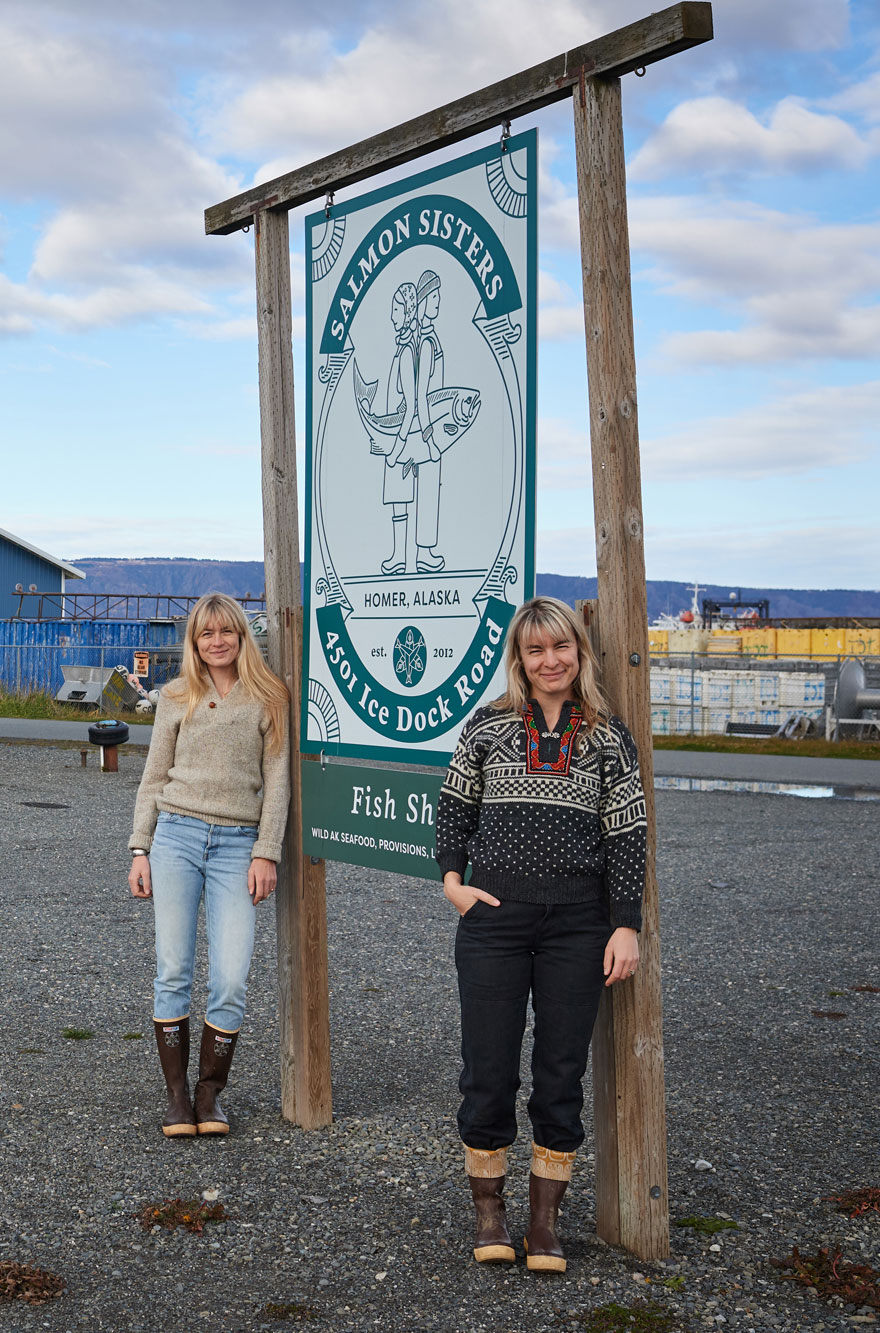
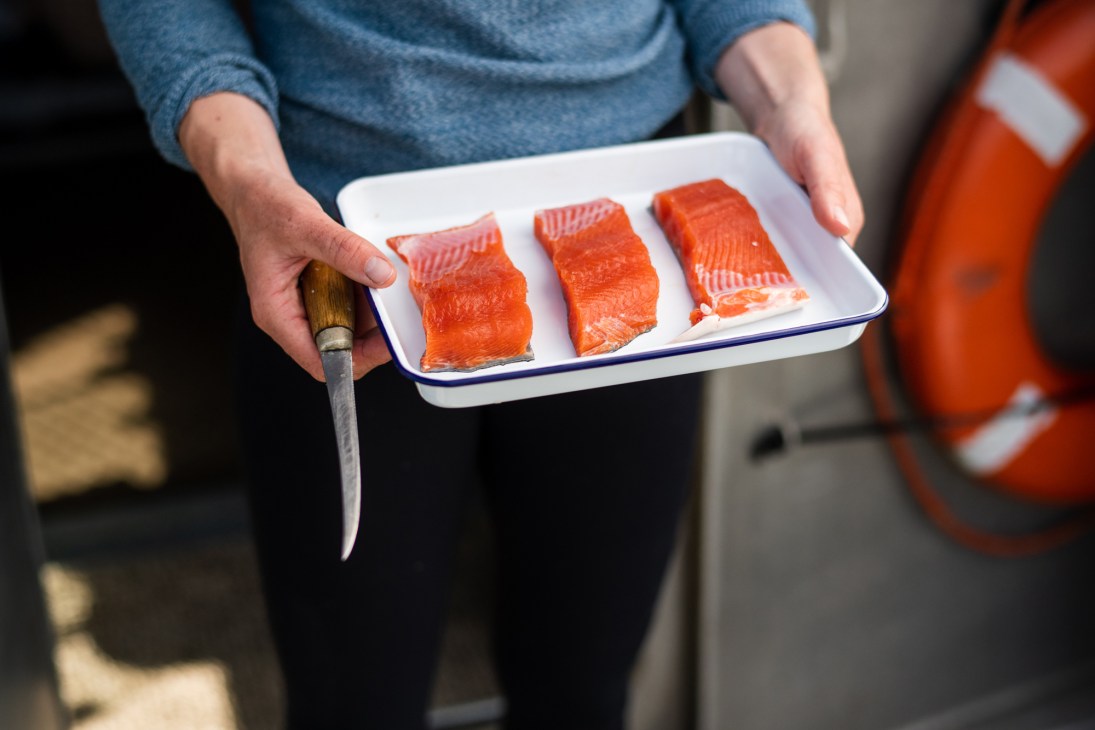
As children, Emma Teal Laukitis and Claire Neaton (both pictured, Neaton on right) assisted on their parents’ gill-net boat, hauling in salmon. Now they sell fresh fish and run their shop, Salmon Sisters, and even collaborate with various outdoors brands including Yeti and Grundens. This summer they’re opening a takeaway seafood café window on one side of the building and expanding the retail floor to include fresh, frozen and speciality seafood.
aksalmonsisters.com
Flourist
Vancouver
Vancouver’s favourite flour brand now has two thoughtfully designed bakeries. The spaces are flooded with natural light and the flour here is milled on-site and sourced from Canadian farms to offer greater traceability.
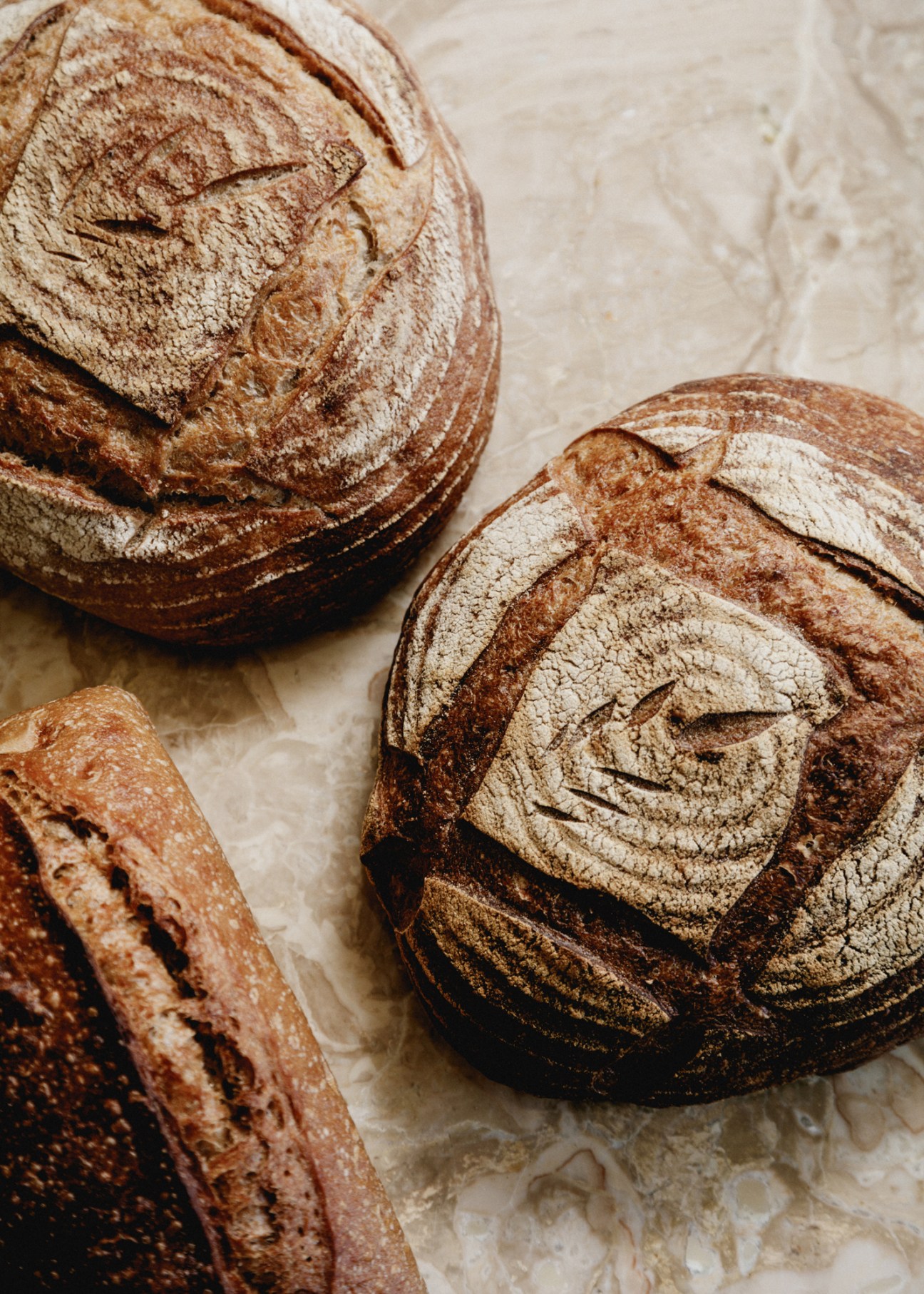
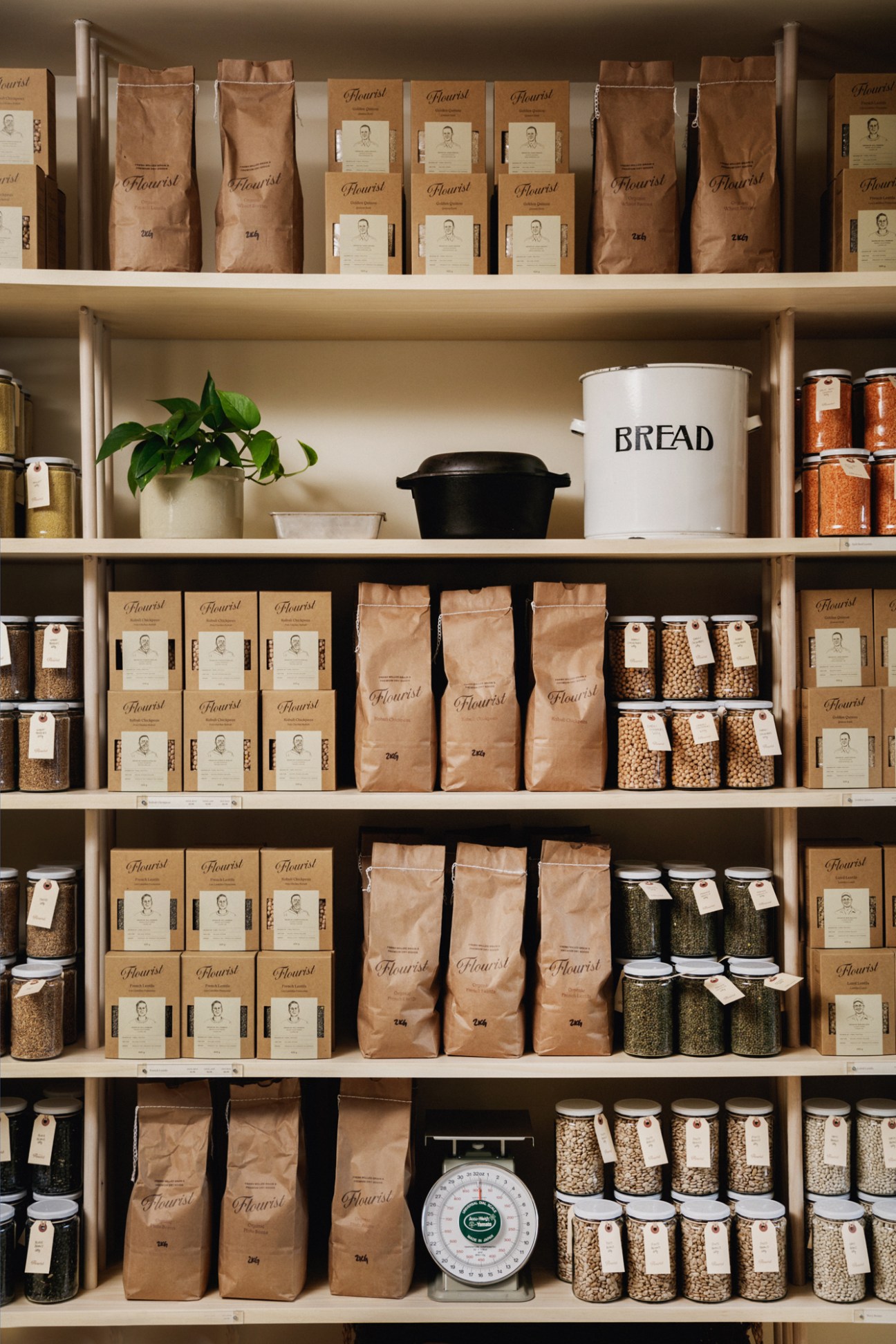
Flourist aims to connect people to the sources of their foods and the farmers who grew them. For them, it’s not just about making a beautiful loaf of bread – though, naturally, they do this rather well indeed. But it’s also about protecting farmlands, sharing knowledge with their community and creating food security for generations to come. And, of course, all that is served with a coffee and croissant.
flourist.com
Koks
Ilimanaq, Greenland
On a recent visit to western Greenland, chef Poul Andrias Ziska stocked up on regional produce, sampling everything from narwhal meat to Arctic crabs. As founder of Koks on the Faroe Islands, an archipelago 400 miles north of Scotland, he is testing the menu for the restaurant’s new Greenland outpost. “What people have on their plate should reflect their surroundings,” he says.
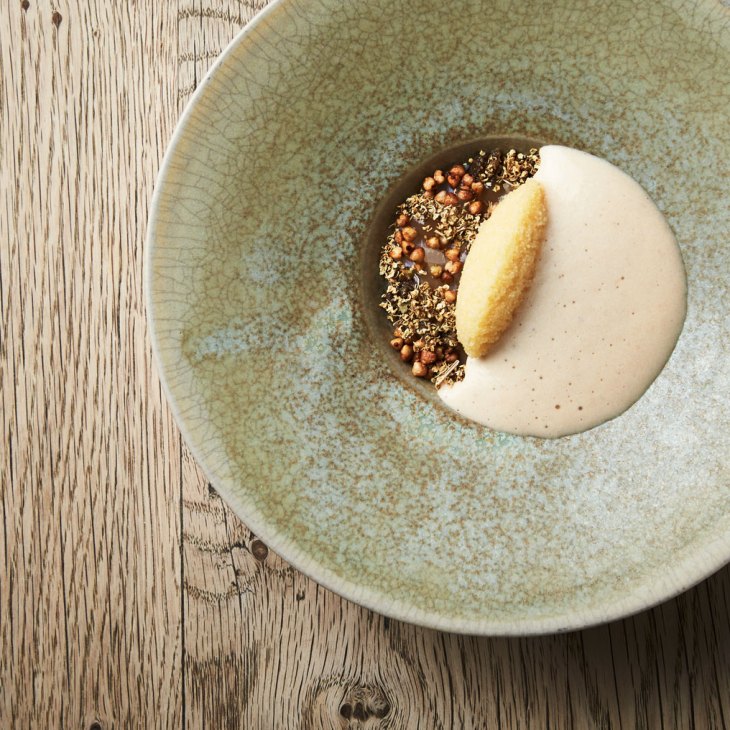
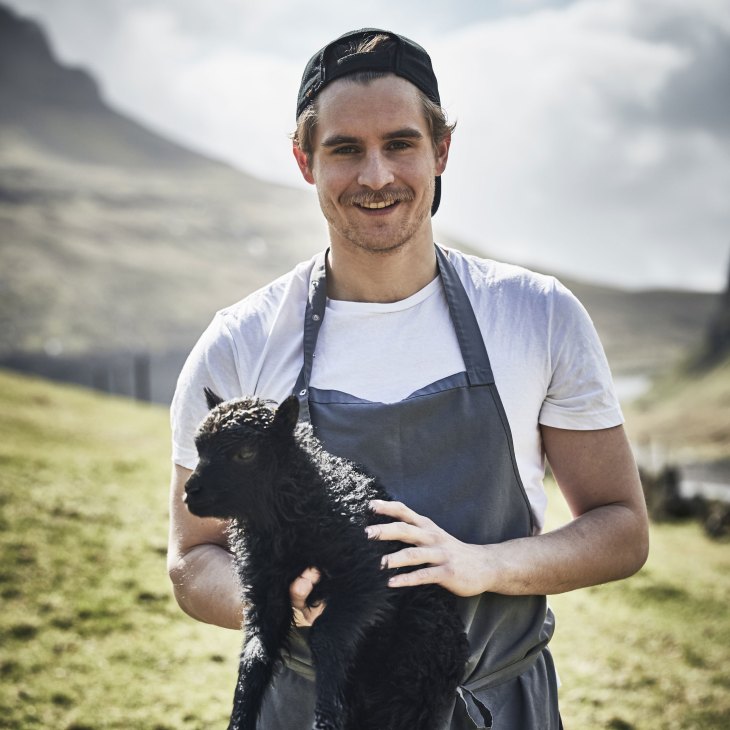
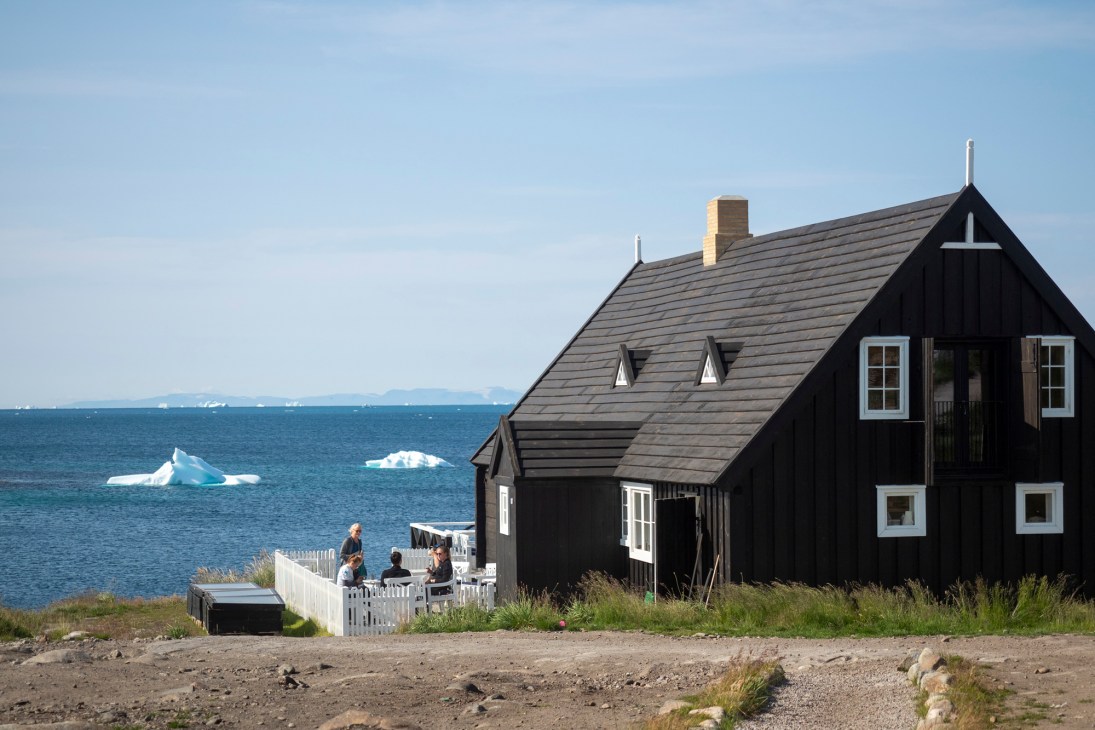
Opening in June, the restaurant is in the remote village of Ilimanaq, where the population of 53 is twice the restaurant’s staff, and home to a unique landscape of towering icebergs that keeps attracting tourism. Ziska knows setting up a restaurant in this isolated corner is risky, but he’s ready to take the plunge.
koks.fo
Claudine
Singapore
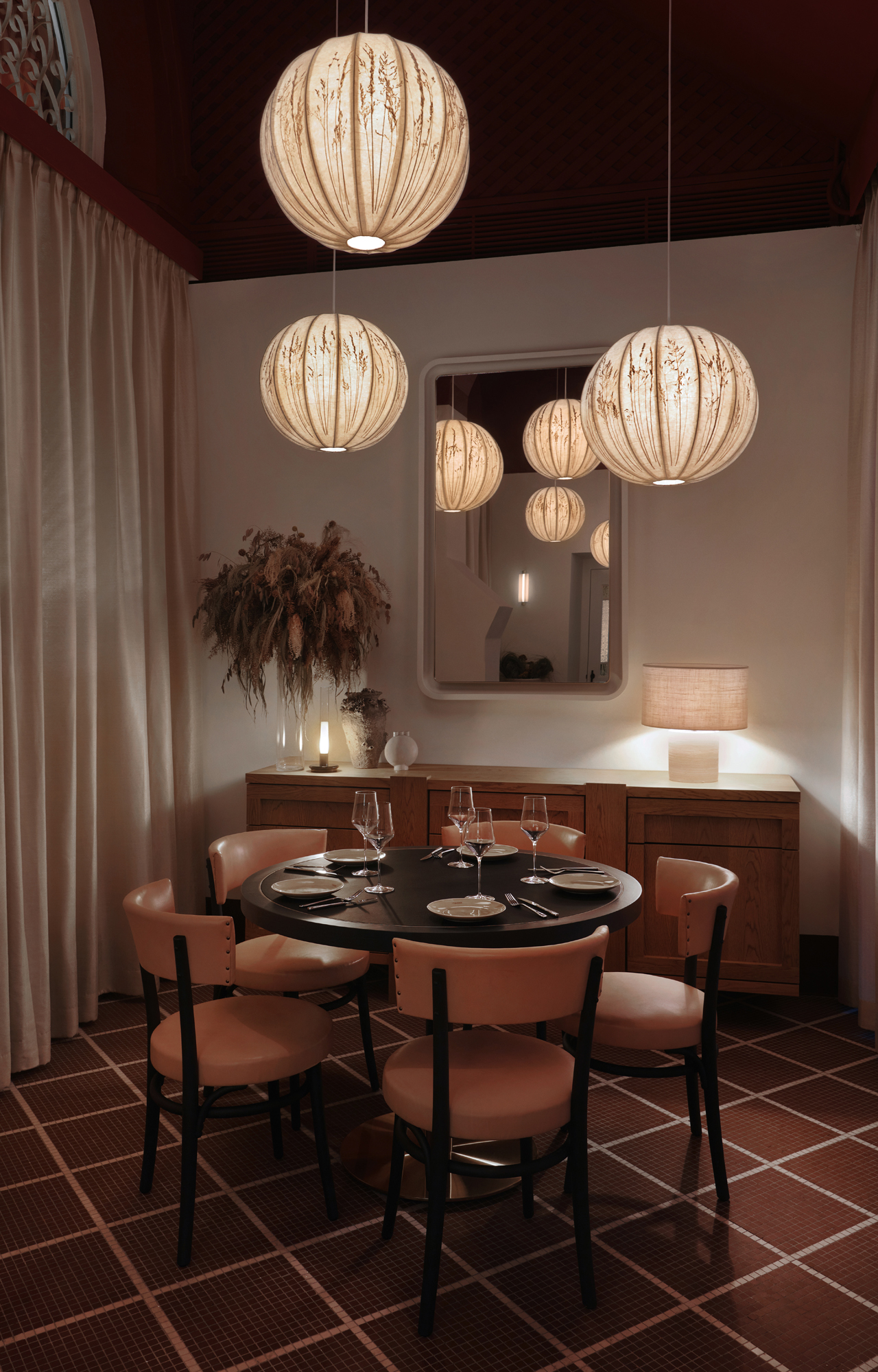
Set in a 19th-century chapel in leafy Dempsey Hill, Claudine is chef Julien Royer’s venture with Singapore’s Lo & Behold Group. Expect surprises: a red kampot pepper at the bottom of the beef consommé in the soupe à l’oignon; the Victoria pineapple dessert with gula melaka (palm sugar) and sago (palm starch). It is a charming and accessible follow-up to Royer’s Michelin-starred Odette in Singapore and Louise in Hong Kong. “I looked to create a more casual concept that served French cuisine with the same focus, precision and quality found at any fine-dining restaurant but in a format that was also approachable,” he says. His fans can now drop in any time, whether they want champagne and caviar or a comforting bouillabaisse.
claudinerestaurant.com

Recipe
Fish-finger sandwiches
A comforting, homely snack. The fingers don’t need to be uniform or neat – placing them within slices of bread covers all manner of sins. Enjoy.
Serves 2
Ingredients
For the tartare sauce
2 medium eggs
¼ onion, chopped
30g gherkins, finely chopped
4 tbsps mayonnaise
½ tsp fresh lemon juice
¾ tsp runny honey
Salt and pepper to taste
For the fish fingers
325g skinless white fish fillet
25g plain white flour
1 medium egg, beaten witha pinch of salt
30g panko breadcrumbs
100ml vegetable oil for frying 4 slices of soft white bread
Butter
Method
1.
Simmer two eggs in water for eight minutes. Remove and cool under running cold water. Peel and chop. Mix in a bowl with the other sauce ingredients and set aside.
2.
Cut fish into fingers (about 2cm by 10cm). Prepare three plates: one with flour, one with beaten egg and the other with breadcrumbs.
3.
Season the fish. Coat each finger in flour; shake off excess. Coat in egg then cover with breadcrumbs.
4.
Heat the oil in a heavy-bottomed pan. When the oil temperature reaches 180C, fry half of the fish fingers until golden (about five minutes, turning halfway). Lift out and place on kitchen paper to soak up excess oil. Repeat.
5.
Toast and butter the bread. Add the sauce, then the fish fingers. Cover with another slice and eat while warm.
ayanishimura.com
Galipette
France
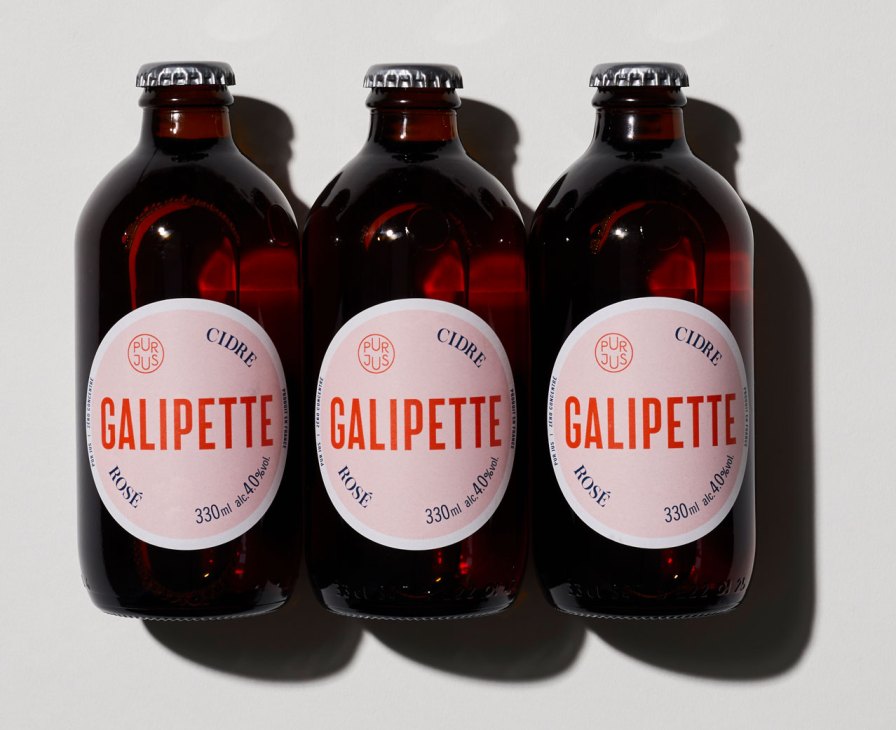
Britain’s southwest may call itself the home of scrumpy but Galipette (the French word for somersault) was started by three Scandinavian friends who fell head over heels for the ciders they sourced from Normandy and Brittany. And for their next trick? The trio has added to their existing line-up with a peachy, pink-hued rosé courtesy of a serendipitous experiment with red-fleshed apples. Cheers to that.
galipettecidre.com
Le Bon Nosh
Atlanta
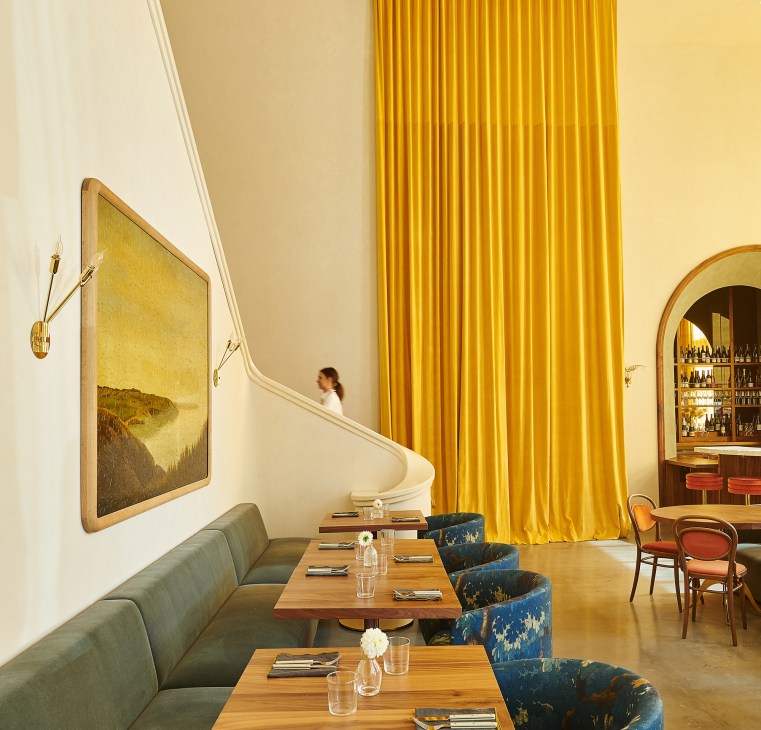
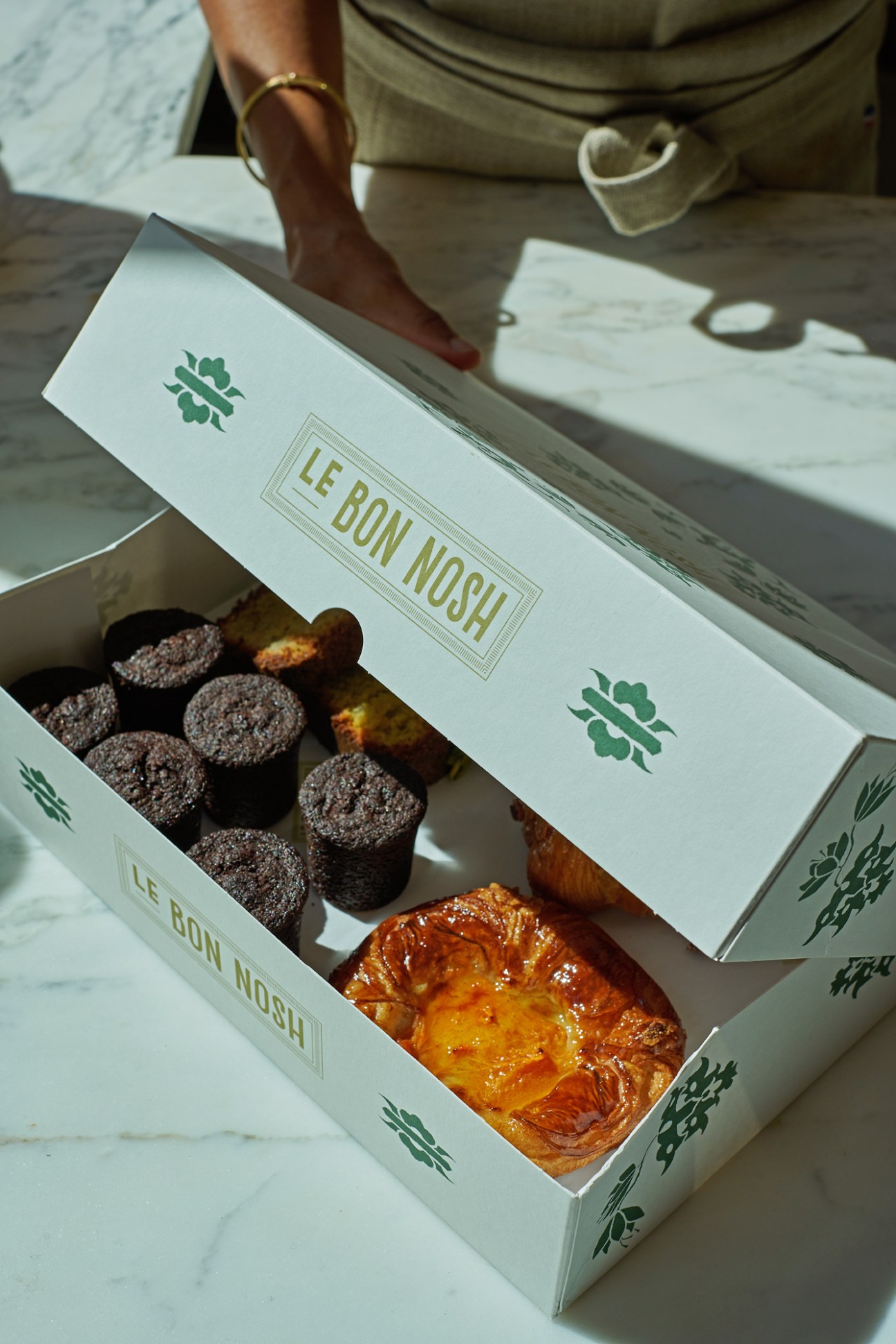
A café, wine bar and market, Le Bon Nosh is a gathering place for guests to eat well from an often-changing menu. The kitchen is run by Cordon Bleu-trained chef Forough Vakili, whose childhood in Iran as the daughter of a saffron farmer helped inform the menu and, by the looks of it, the golden-hued interiors. The restaurant draws from a global range of ingredients and traditions including Vakili’s own Persian pull and French training, with dishes that are beautiful but deceptively simple. From the fresh pastries to the generous seasonal dinner menu, everything is done from scratch. The bits that aren’t, such as the wine list, are worthy of thirsty exploration too. Don’t miss the guaranteed-to-please classics, from the beef tartare to the confit duck leg and hearty paradelle Bolognese: further proof that excellent food needn’t be tricksy.
lebonnosh.com
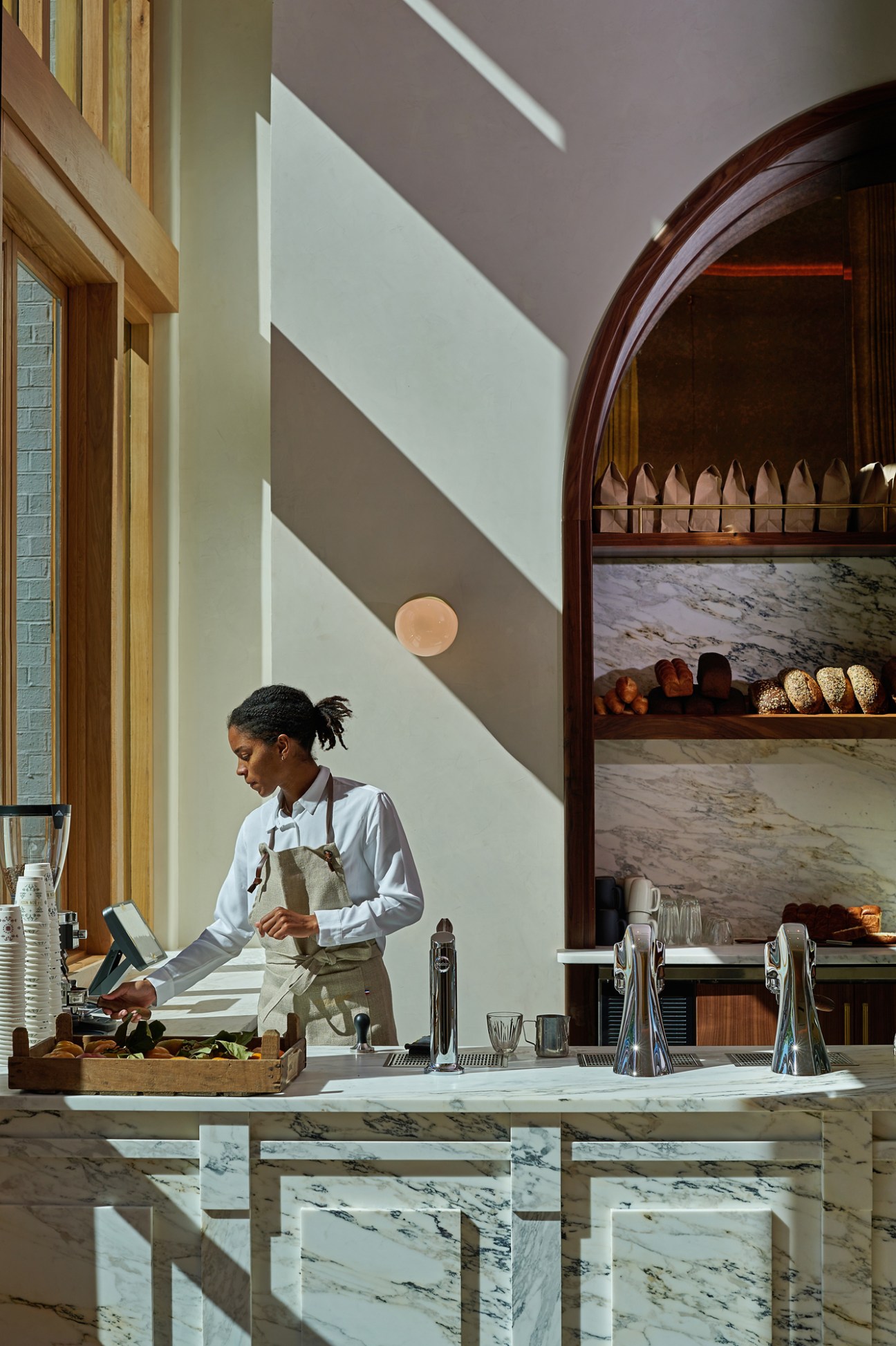
Dashi
Berlin
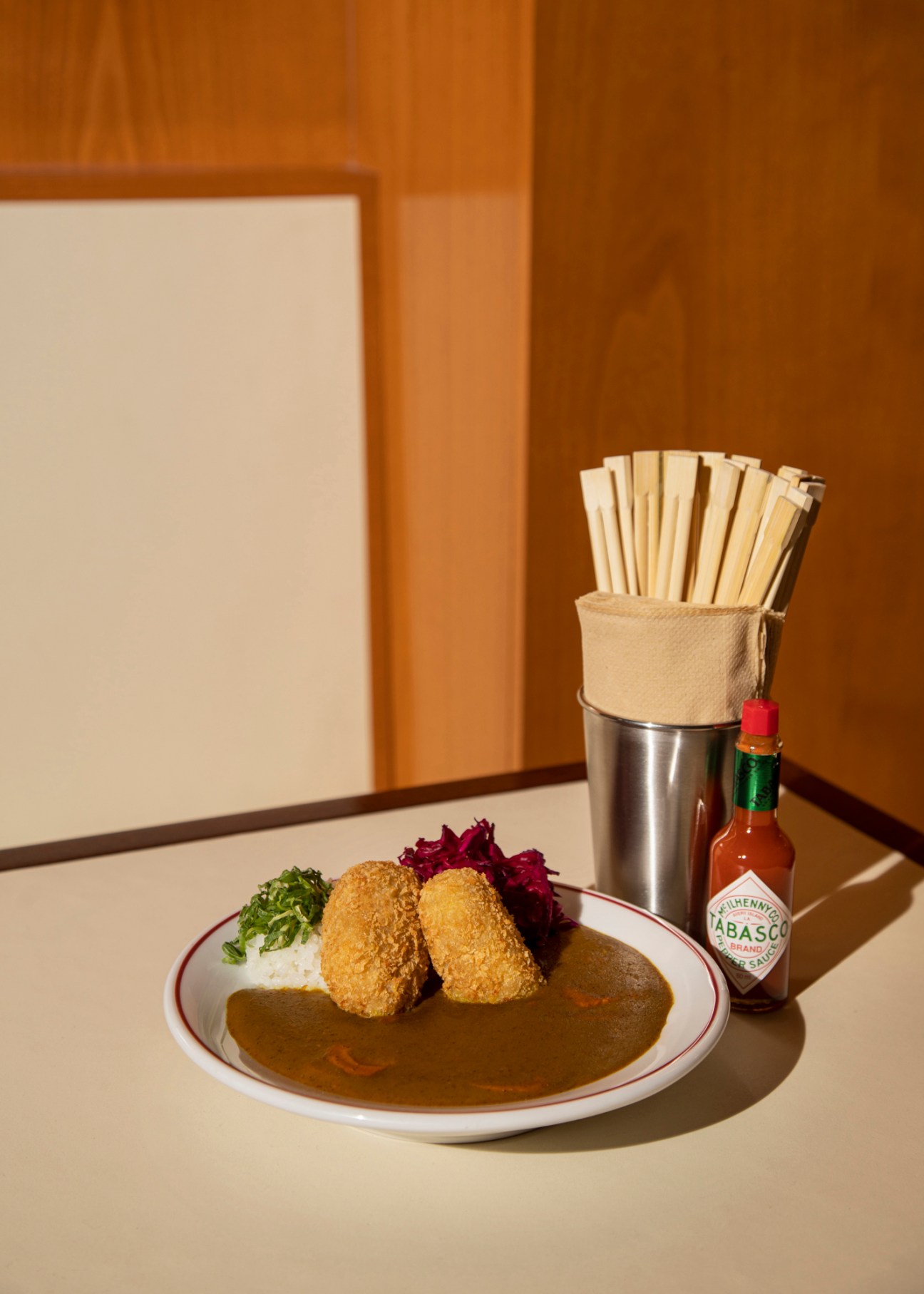
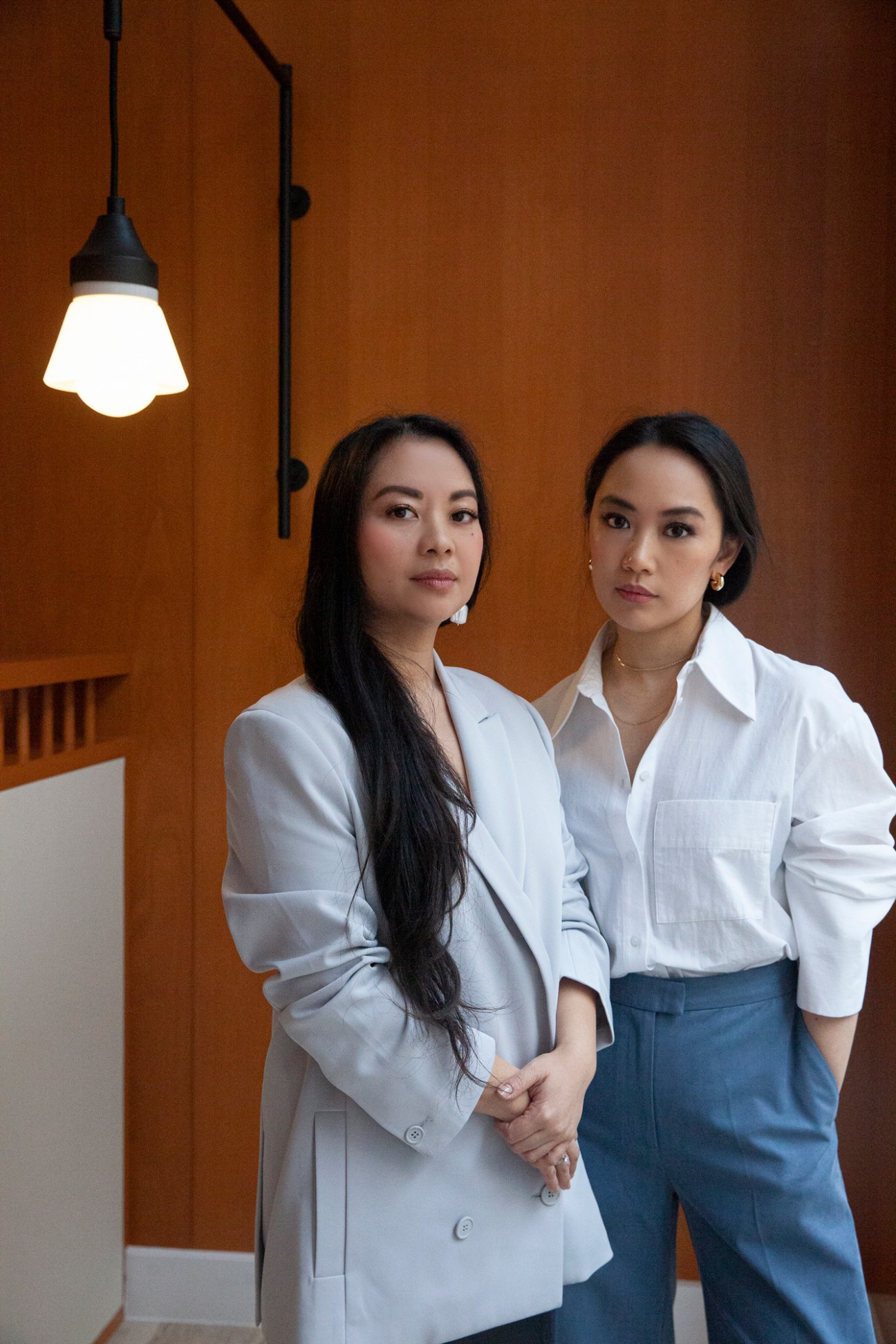
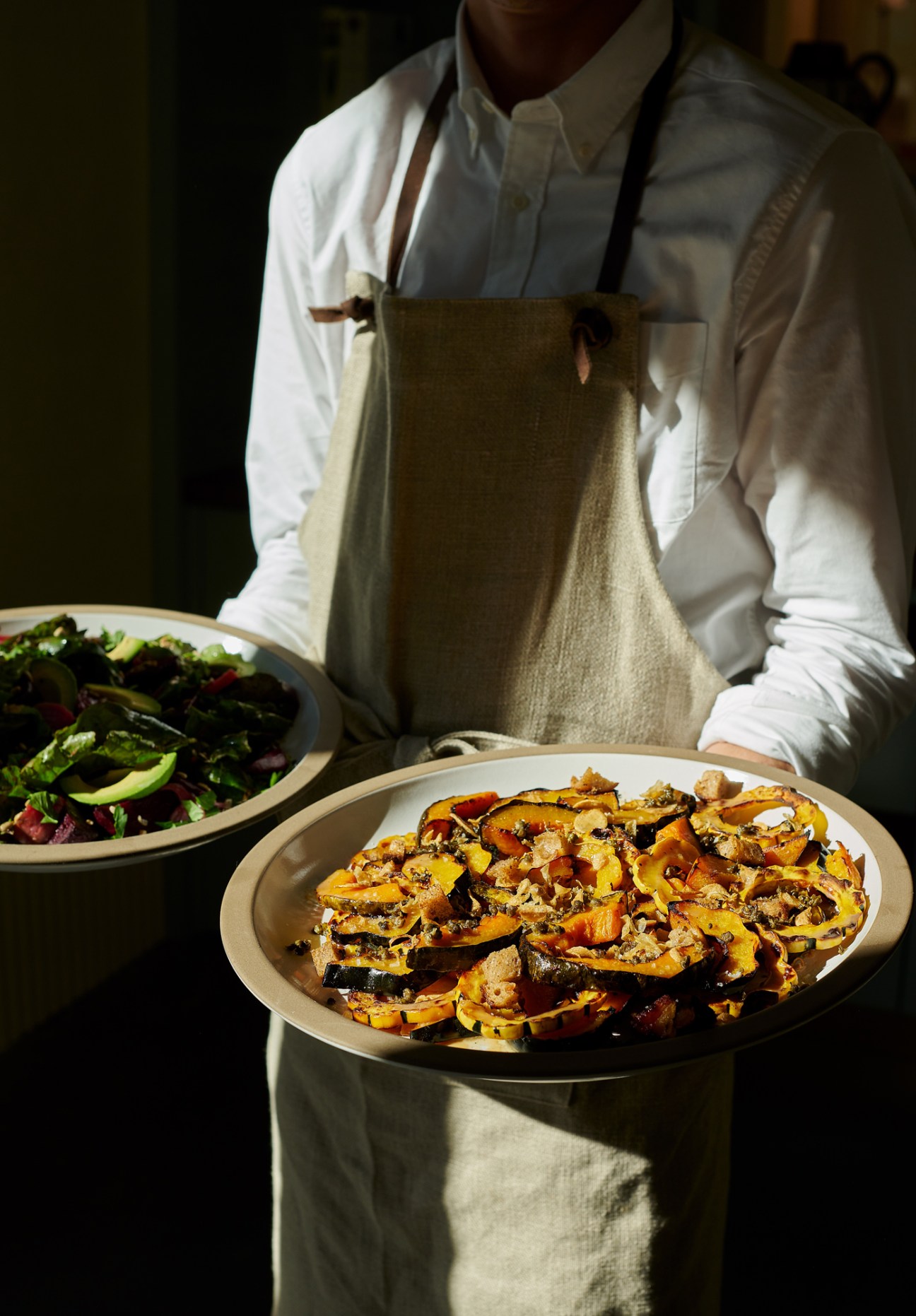
The dining table may be one of the few places left where cultural exchange – an influence from here, an ingredient from there – isn’t routinely reduced to squabbling about cultural appropriation. People eat, call it “fusion” and clear off. The evidence? The delightful new Berlin restaurant Dashi, for one. Founded by German-raised, Vietnam-born friends Thu Thuy Pham and Thao Westphal (pictured, Pham on right), the food here is a riff on yoshoku: a Japanese take on western food that started in the 1940s and spawned a generation of dated but delightful canteens. They have reimported this sideways look at “western-style” fare – think fluffy pancakes, croquettes in gravy and a cherry-topped melon cream soda – to a Mitte milieu that’s far too cosmopolitan to question its provenance. Danish studio Mentze Ottenstein obliges with a neat, woody fitout.
dashi.de
Just add water
Under the surface
Canals less travelled
Venice marked its 1,600th birthday last year with quiet celebrations. Long a bastion of tourism and mordi e fuggi (eat and run) sightseers, Venice during the pandemic offered a glimpse of what life could be like without the crush of crowds. For some perspective on the turnaround, 2020 saw a little over 1.3 million people visit, compared to more than five million the year before.
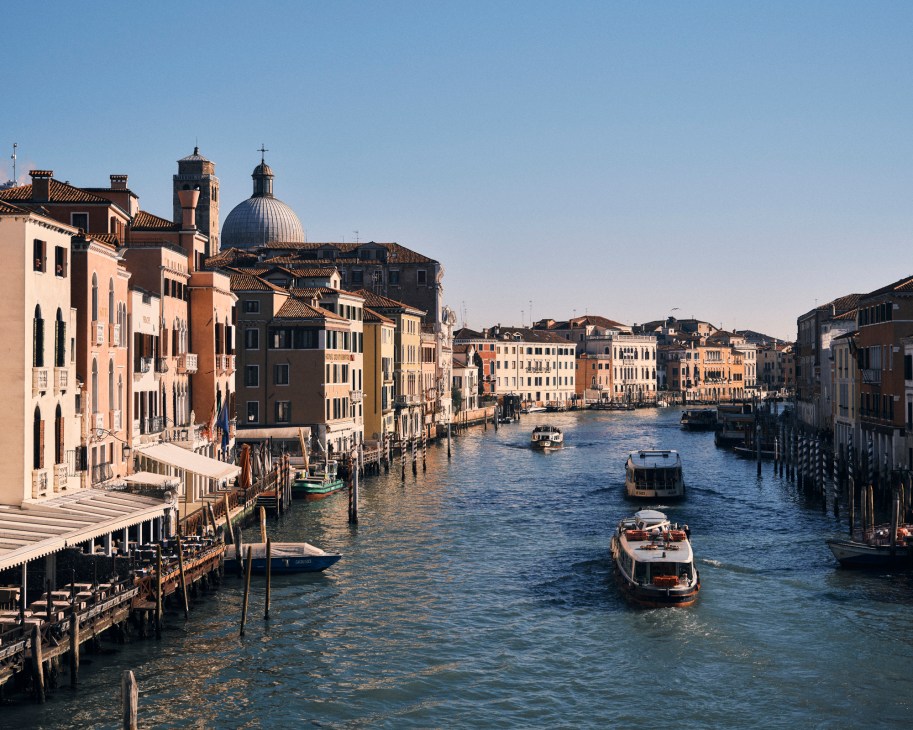
Change usually comes rather slower to the ancient city. Venice remains entirely nautical, spread over 120 islands cobbled together from marshland and riven by canals rather than roads. There is a total absence of cars (even bicycles). While the manner of moving around has changed little – boats are ubiquitous and the best way to see the city – a ban on cruise ships entering the Giudecca Canal from 2021 and a clean-up of the lagoon signify a sea change in attitudes here as this beguiling metropolis battles both flooding and pollution.
There’s also a new generation of entrepreneurs taking over the mantle of age-old restaurants and bars, building boats (the old-fashioned way), blowing glass and even installing electric charging stations for a new fleet of greener vessels. On the eve of the Venice Biennale, Monocle visits in the calm before the show, in the off-season when the silvery ripples of the lagoon reflect the low spring sun. What we find is a city in flux – familiar, somehow, but quieter, more contemplative than before. A city with all of its charm, ritual and tradition intact but a little less chatter, chunter and churn. Join us for a tour of Venice as you’ve never seen it.
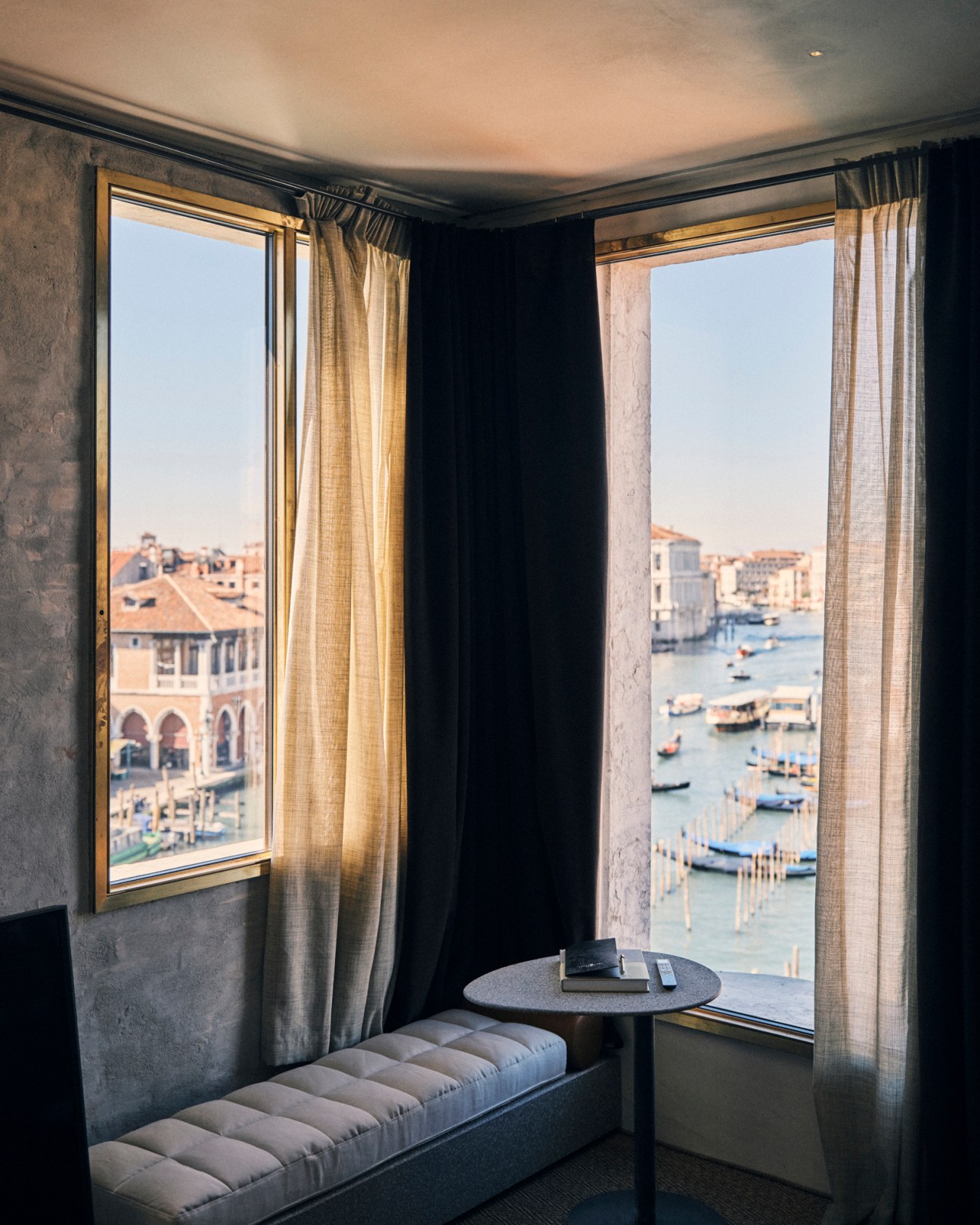
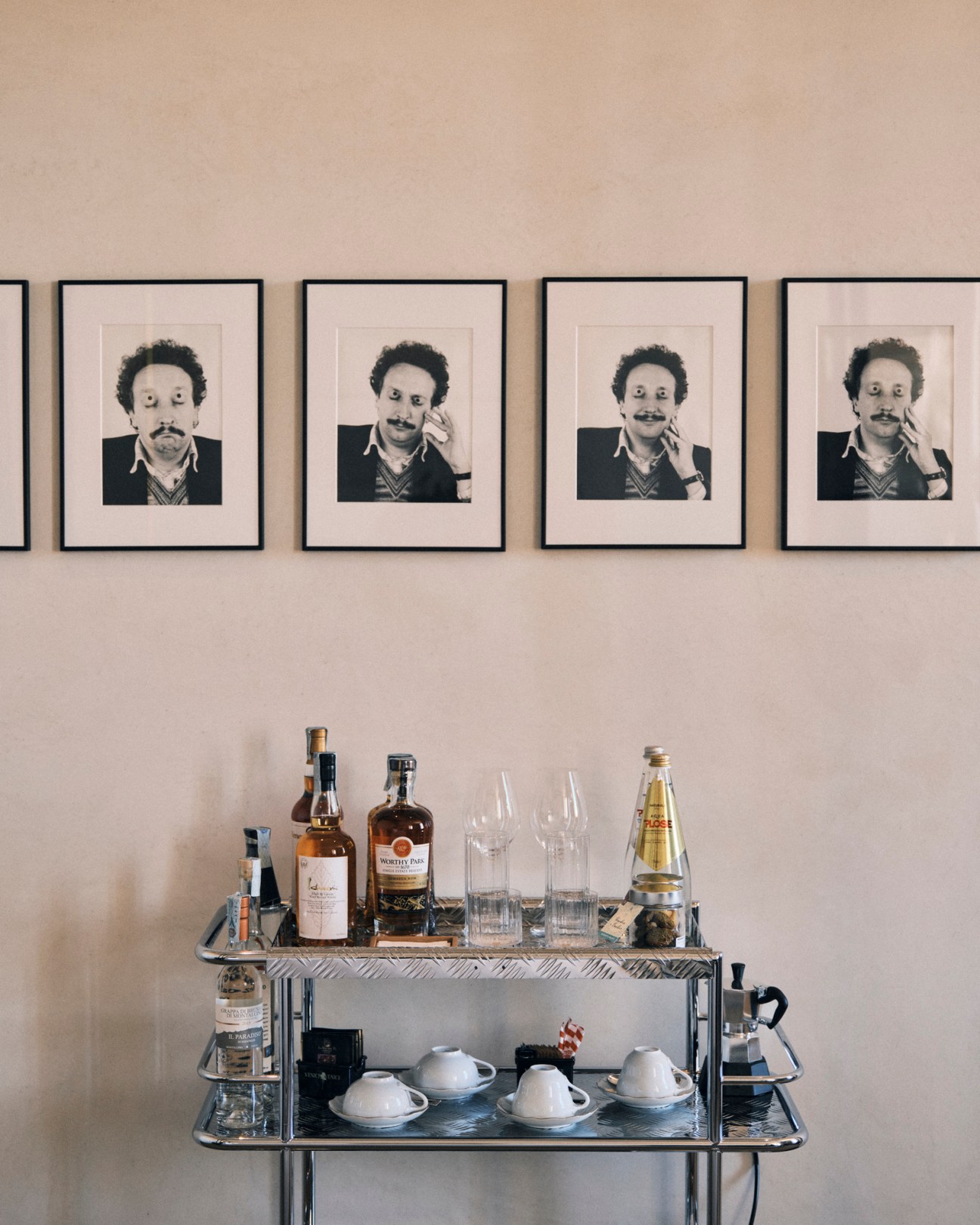
Venice is at its best – most mysterious, most sublime – deep at night and in the early morning when the crowds are absent. Monocle arrives by train, the tracks hovering just above the lagoon’s calm surface. We disembark at the 1950s Santa Lucia station and reach our accommodation by boat long after nightfall. It’s warm and we glimpse the deserted Rialto bridge and a shimmering bend of the traffic-free Grand Canal. Our hotel occupies one of the oldest stone palazzos in the city: once run-down, the building’s 1,000-year history includes a lengthy renovation to become the new (and emphatically named) Venice Venice Hotel. The ambitious fit-out was masterminded by Alessandro Gallo and Francesca Rinaldo, the Venetian founders of fashion brand Golden Goose. The lounges and 20 guest rooms are decked out with the couple’s custom-crafted furnishings and avant garde artworks by the likes of Polish sculptor Igor Mitoraj, Italian Francesco Simeti and pieces from the Fluxus movement.
“Hotels here are baroque and old-fashioned,” says Alessandro the following morning, sitting at the canal-side bar under arches of Constantine marble. “But we felt it was time to show the future of Venice, reflecting the spirit of the Biennale and the cross-cultural influences that once made this city avant garde.”
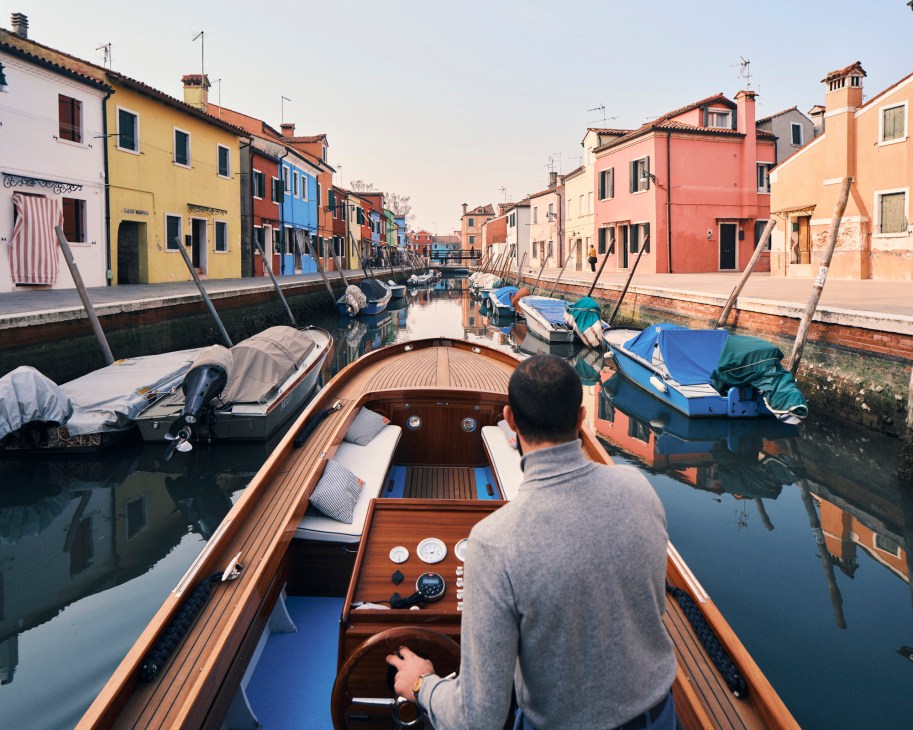
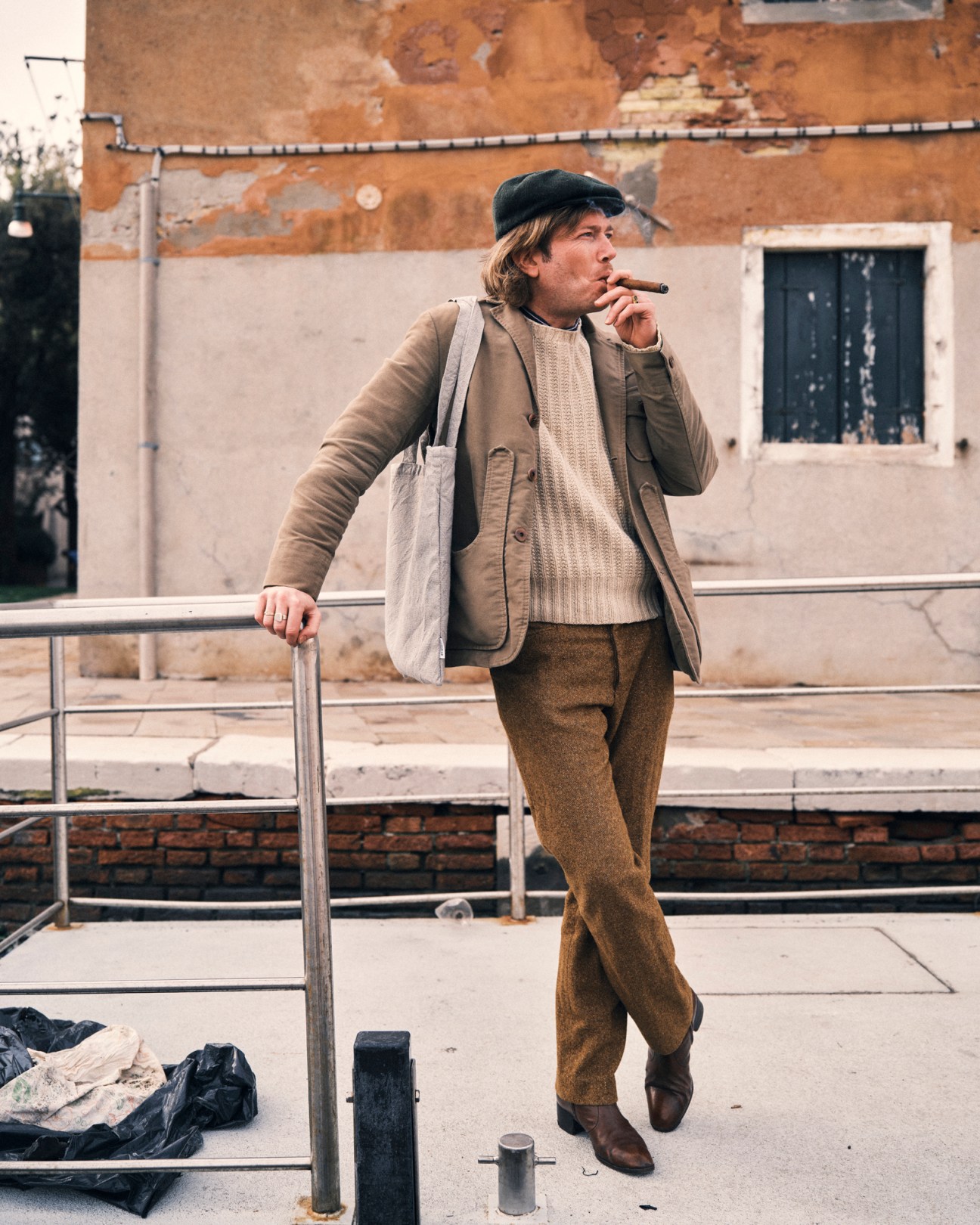
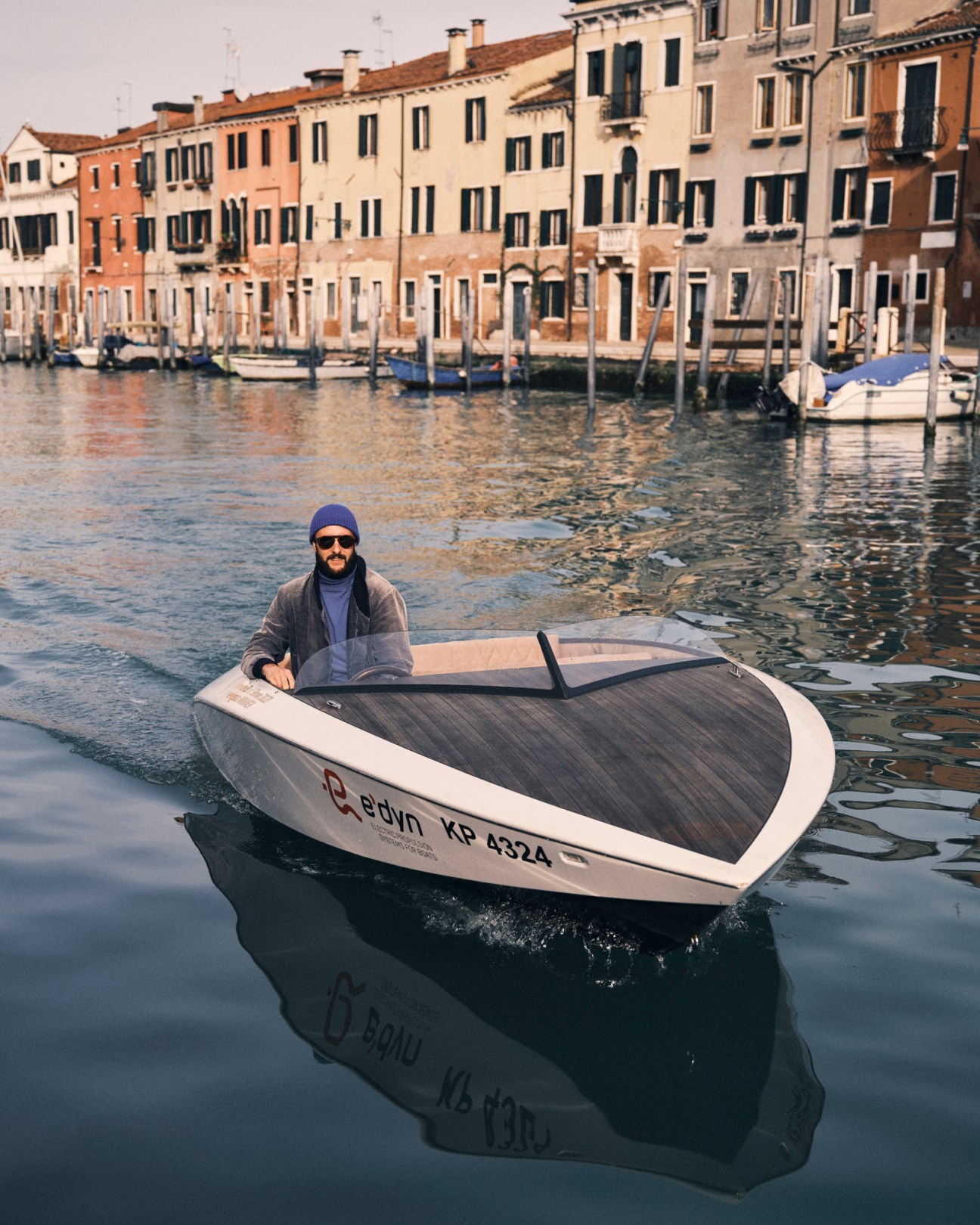
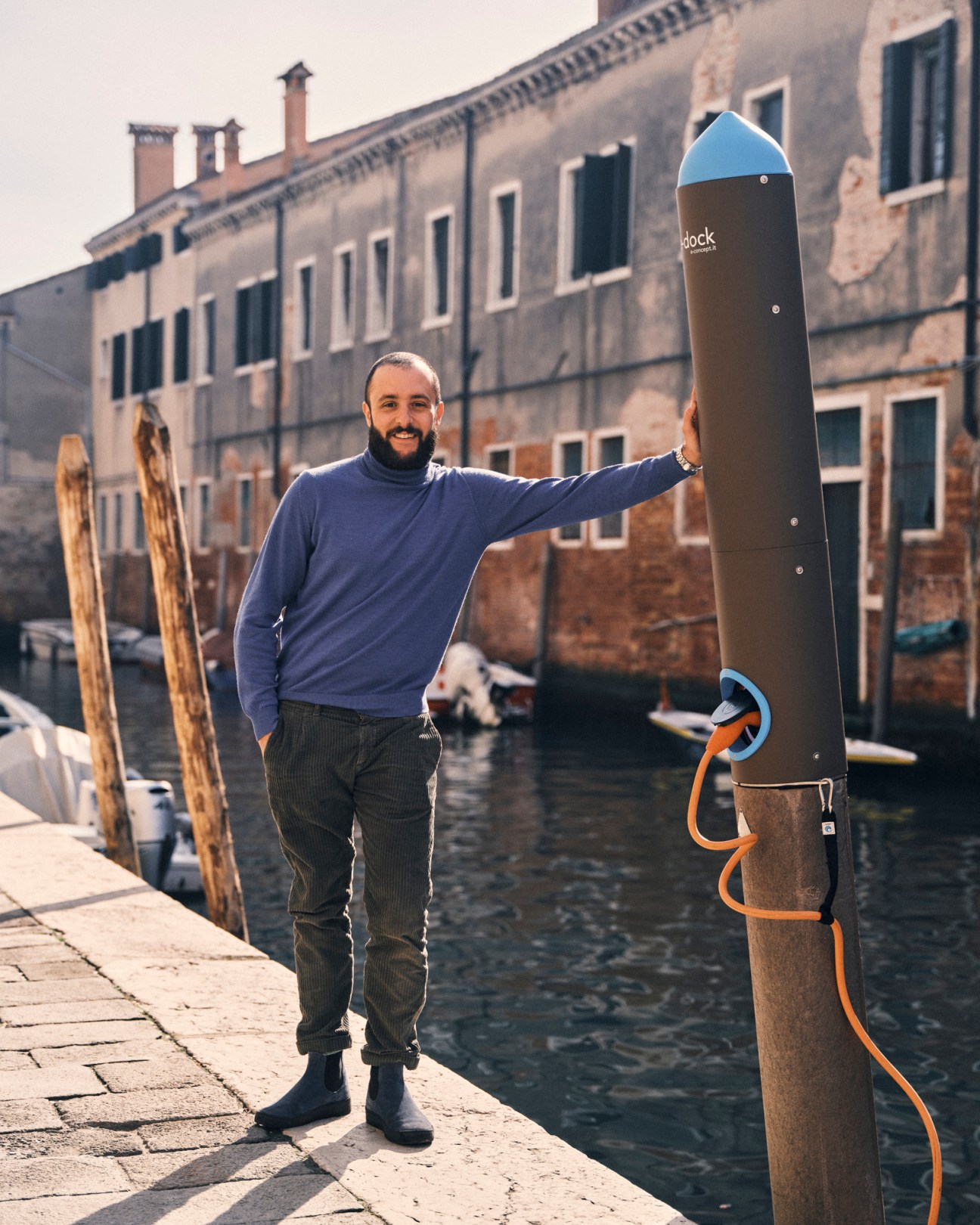
Before long, our captain and tour guide Francesco Pannoli – trimmed beard, corduroy bomber, Persol sunglasses – steers up to the Venice Venice pier, his electric boat purring quietly. Pannoli, who offers tours around the lagoon, also co-founded E-Concept, a company that installs charging stations for boats. With six moorings already in position, he hopes to expand as more of Venice’s boats go electric. The first of the civic fleet to do so are the rubbish-collection vessels and there’s a growing trend of retrofitting private boats with electric motors.
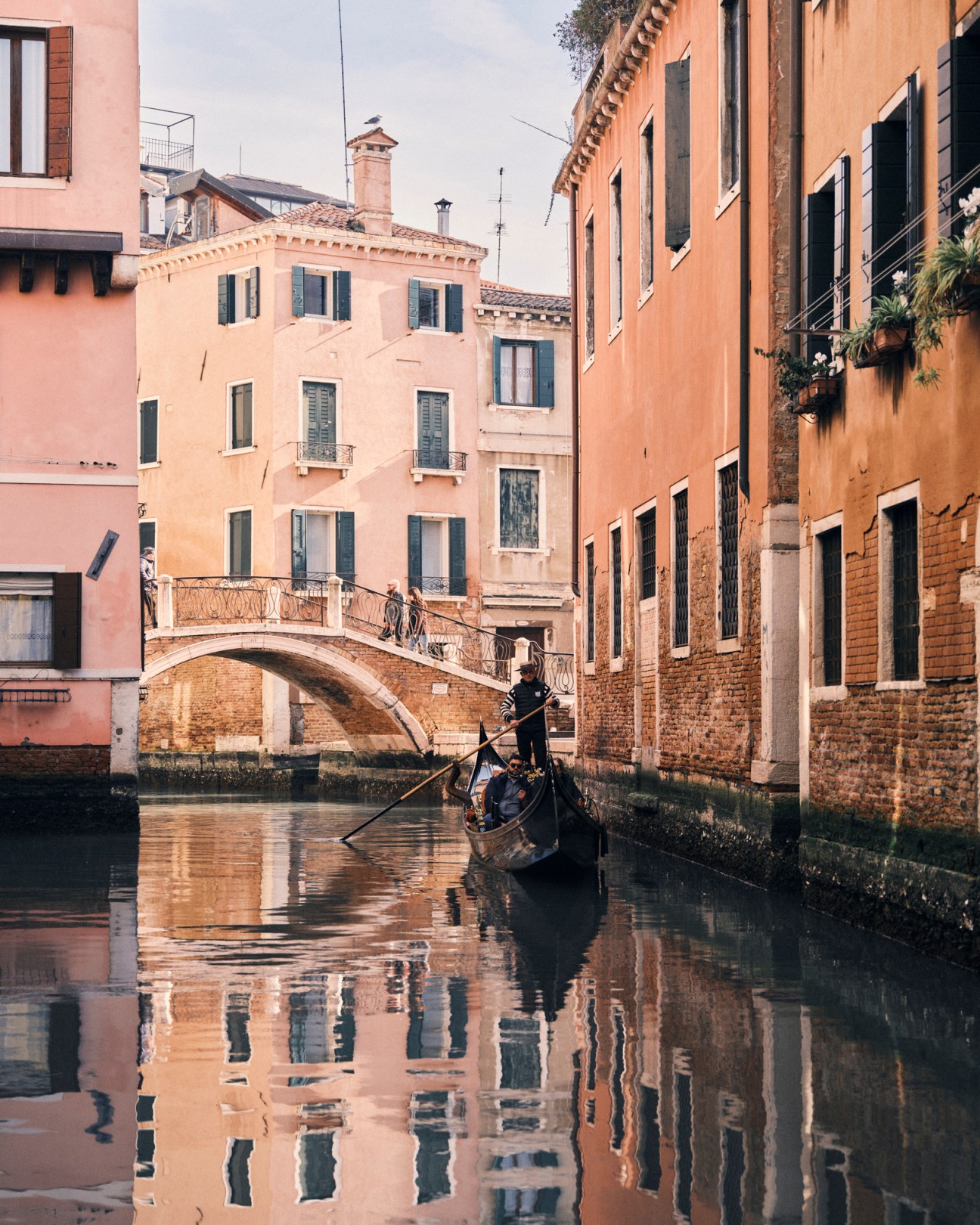
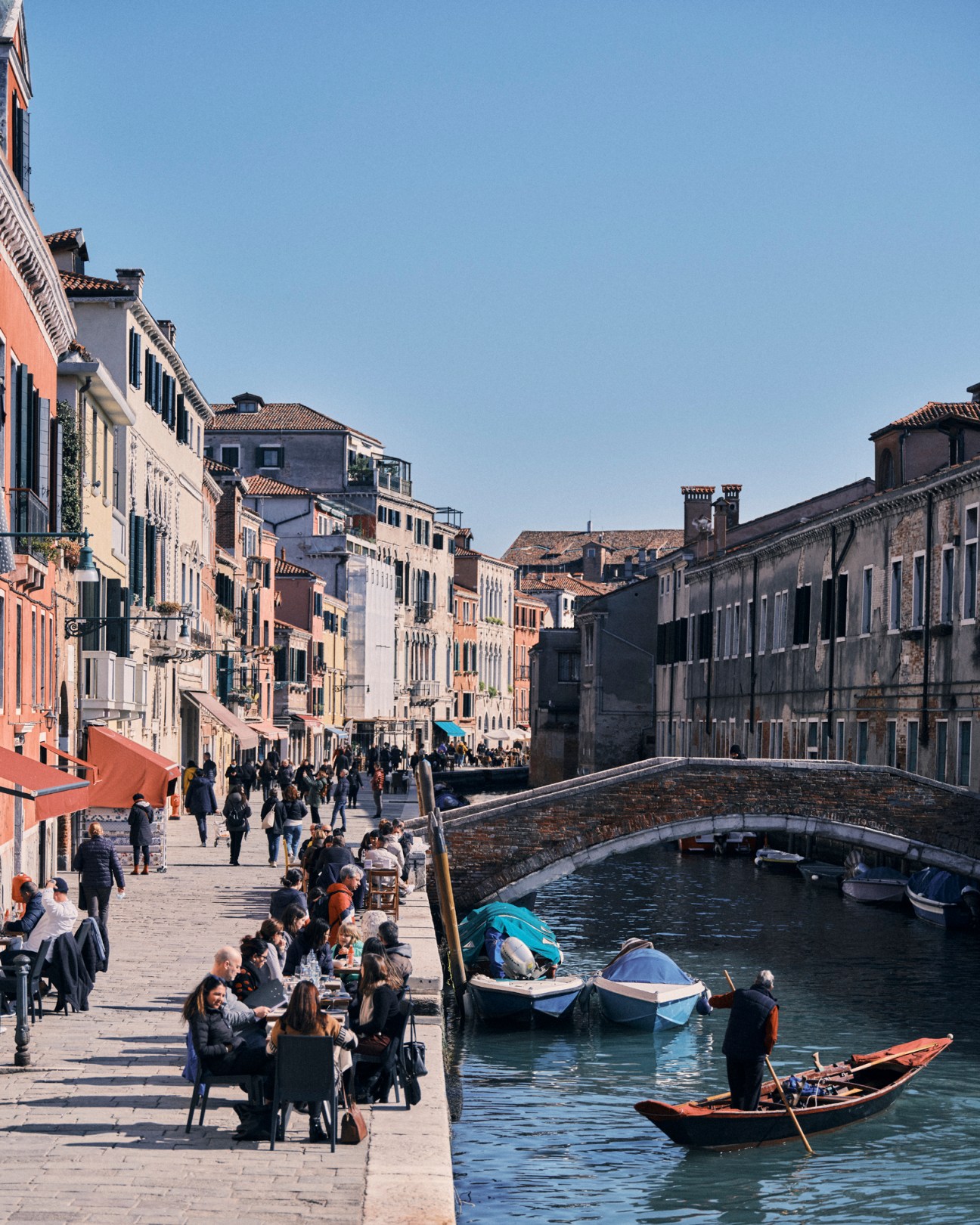
As we glide into the narrow canals of Dorsoduro, we pass low footbridges and small boats berthed in tight, neat rows. “We’ve forgotten how to enjoy the journey,” says Pannoli, who left a job working for a wine critic and consultancy company in Bordeaux to return to his native city. “With these boats, the journey becomes the best part,” he says, ducking his head as we pass beneath a bridge.
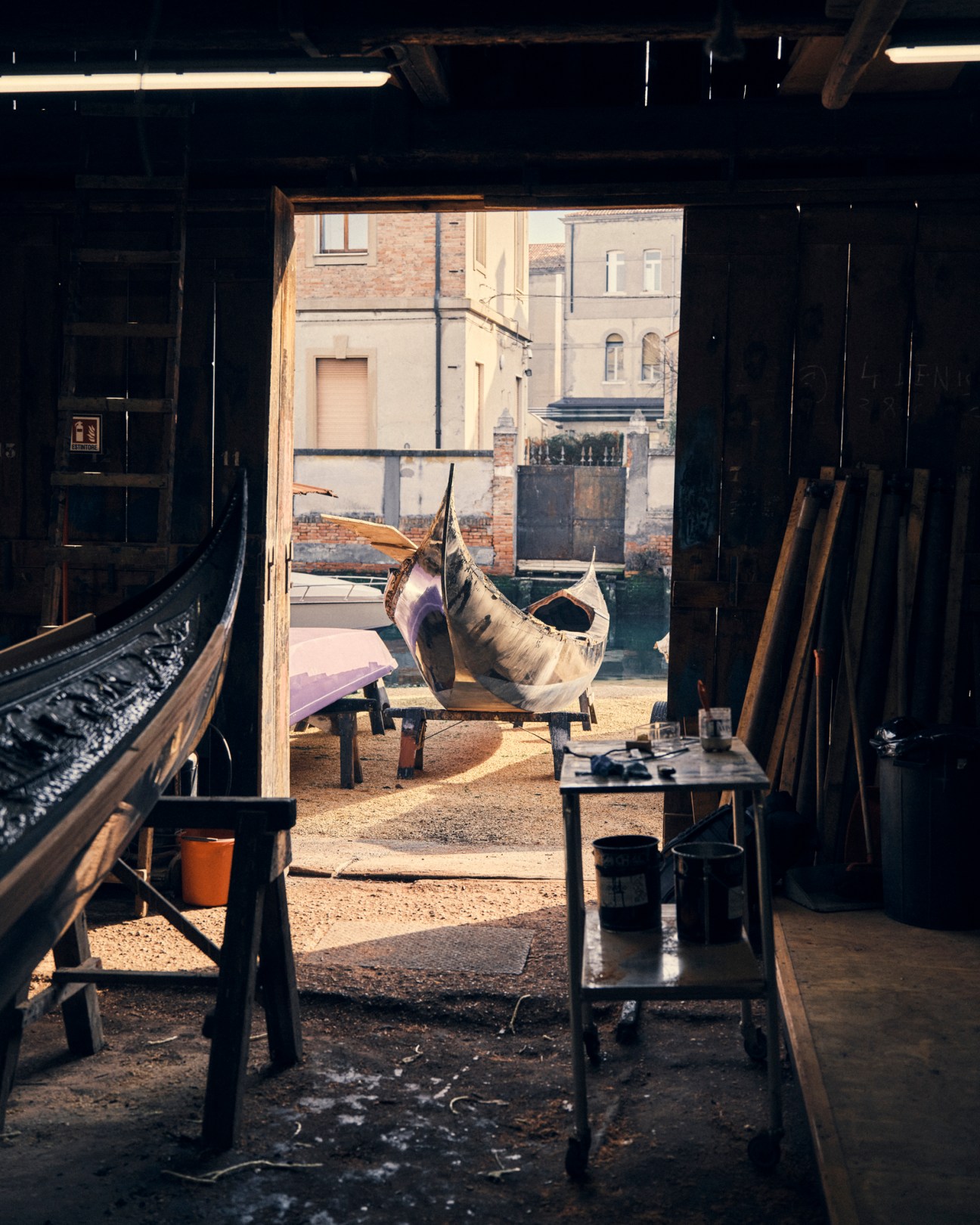
Our first stop is Squero Tramontin, where a team is busy building and restoring three 10-metre-long gleaming, black gondolas. A squero is a Venetian workshop handcrafting boats in wood, a practice as old as the lagoon city itself. “We’re still making wooden boats thanks to the strength of local heritage but also to tourist interest,” says Silvia Scaramuzza, one of the boat builders, who is drilling a steel rail into a gondola. “They’re part of the cultural foundation of the city.” Fascination with gondola rides, as well as the wooden boats long used to navigate the lagoon, remains high, and state-run courses teach residents such as Scaramuzza how to build them according to tradition. Most squeri are owned by foreign investors but Squero Tramontin remains in the hands of a pair of Venetian sisters, descendants of the original 19th-century founders.
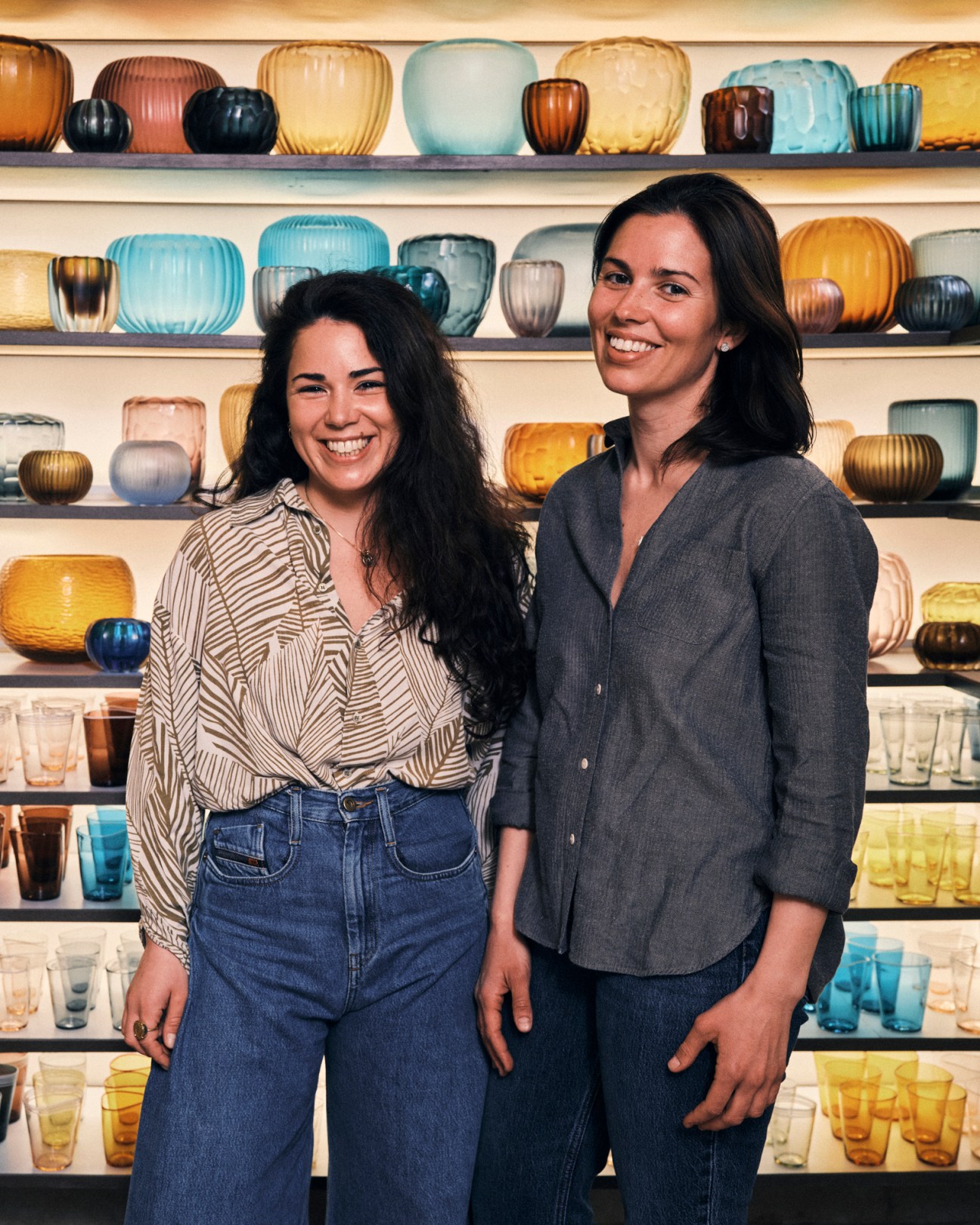
We float down the Dorsoduro canal to another sister-run workshop, where Elena and Margherita Micheluzzi are following in their father’s footsteps as designers of blown-glass objects but with their own youthful and international take on the artform. The pair moved back to their home town in 2019 after tenures in London’s fashion and art worlds to create objects such as sinuous drinking glasses that fit perfectly into hands – modern styles that build on the techniques of Murano, where the sisters’ designs are made and where Venice’s glass-blowing furnaces have clustered for centuries. Their vases and glasses now huddle along atelier shelves, a rainbow of turquoise, amber, smoky purple and more. “We wanted to return to Venice but we needed a project,” says Margherita, backlit by her delicate creations. “Now we’re applying what we learnt abroad to the experience of our father.”
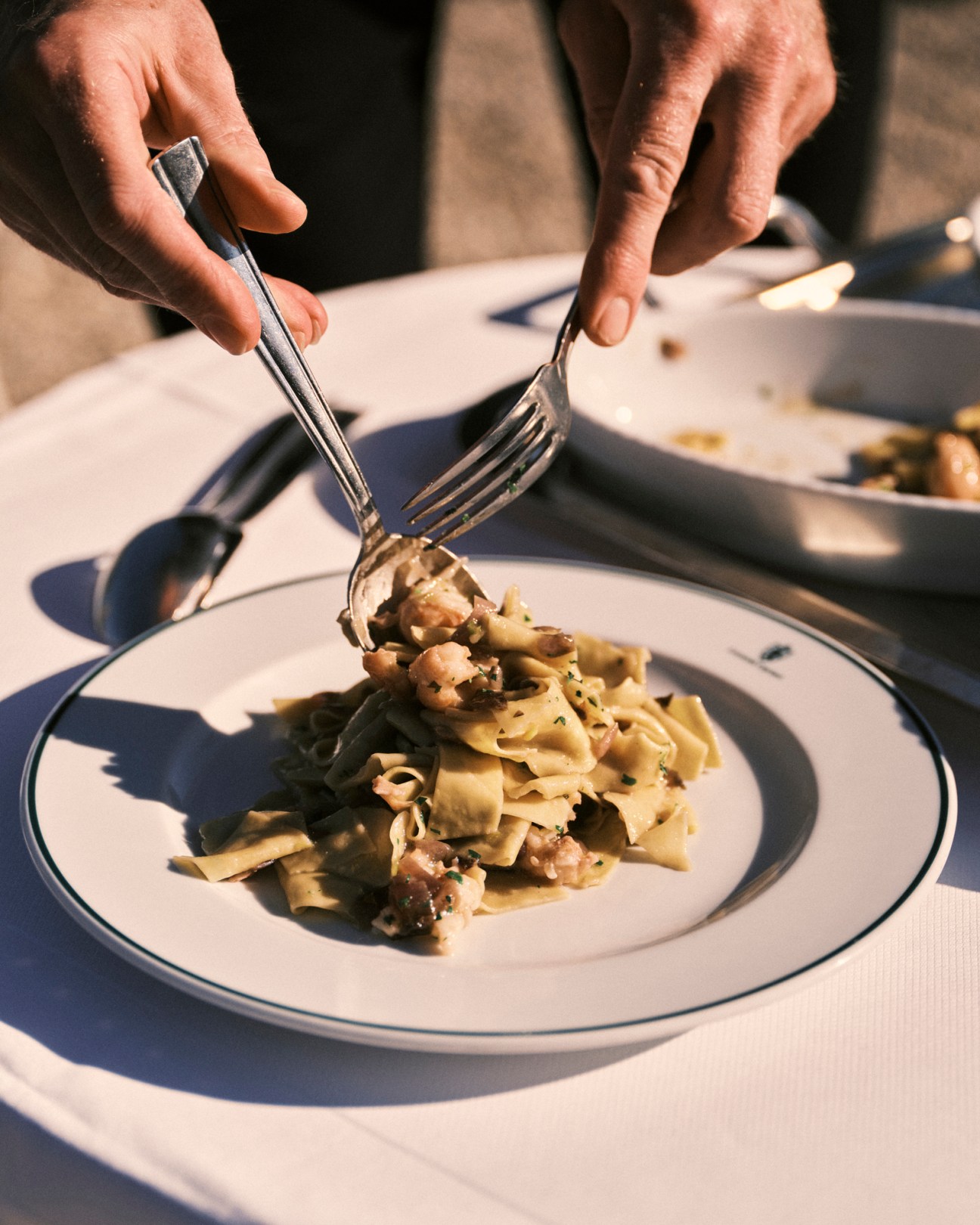
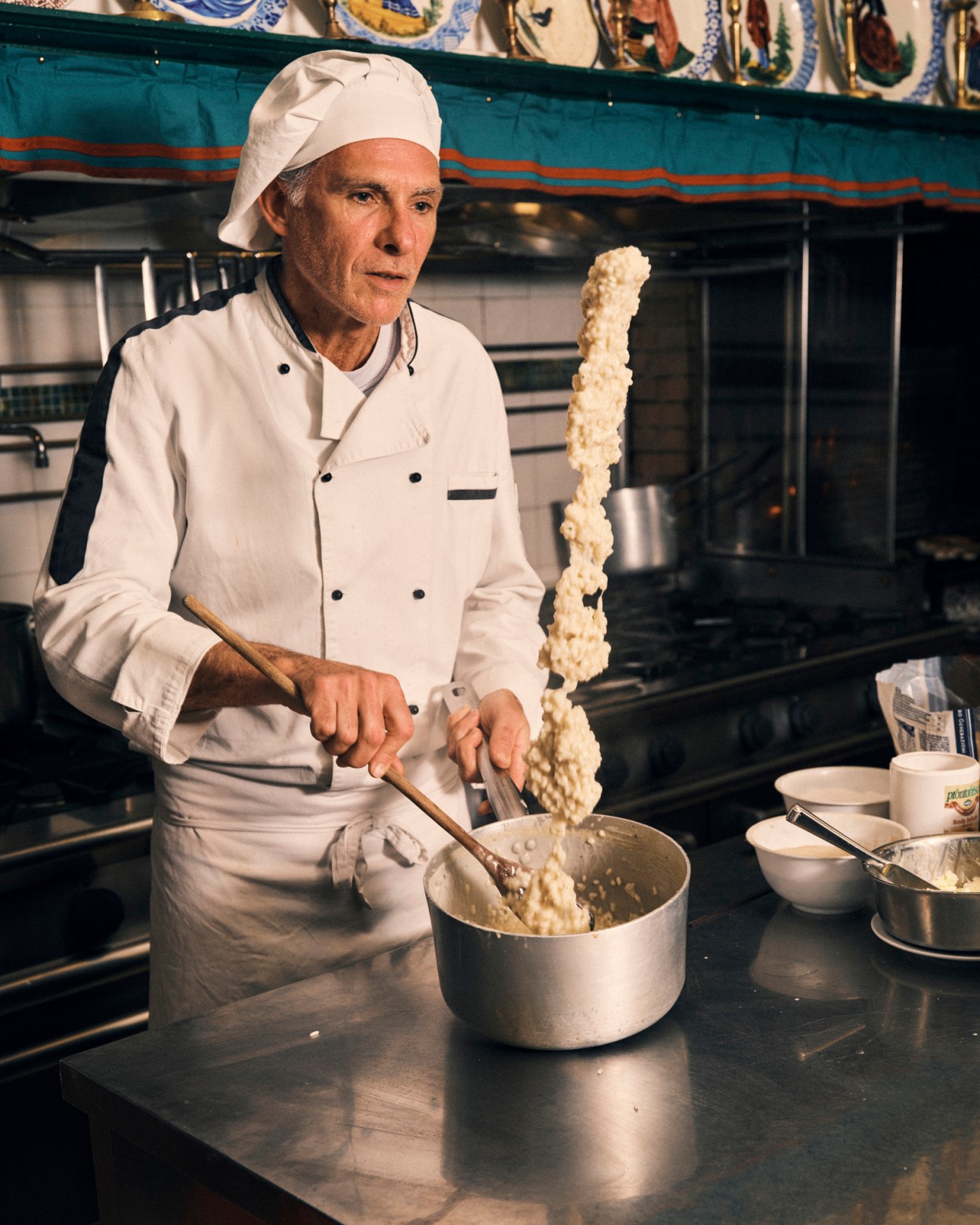
After crossing the choppier waters of the Grand Canal, Monocle arrives at Giudecca, a mostly residential island where we find the Trattoria Altanella, a beloved, nostalgia-inducing fixture. Disembarking at the dockside stairs, the troughs between the waves reveal the oysters, mussels and seaweed that cloak the sides of all of Venice’s waterways. Past the patio of canal-front tables, Altanella’s wood-lined interiors are hung with old paintings by patrons, with the tinkle and buzz of vintage jazz and lapping water as its soundtrack. Open since 1865, the restaurant is a family affair, with the fourth and fifth generation of the same dynasty cooking and serving fresh seafood from the surrounding waters. “It is done in the Venetian tradition: with a maximum of simplicity,” says co-owner Roberto Stradella, whose musician father and grandfather welcomed artists such as Yoko Ono and Nino Rota to perform at the trattoria. “We try to maintain the family spirit of the place by keeping everything as it has been,” he says, adjusting his necktie with one hand as he delivers a plate piled with squid-ink tagliatelle, tomato, courgette and prawns.
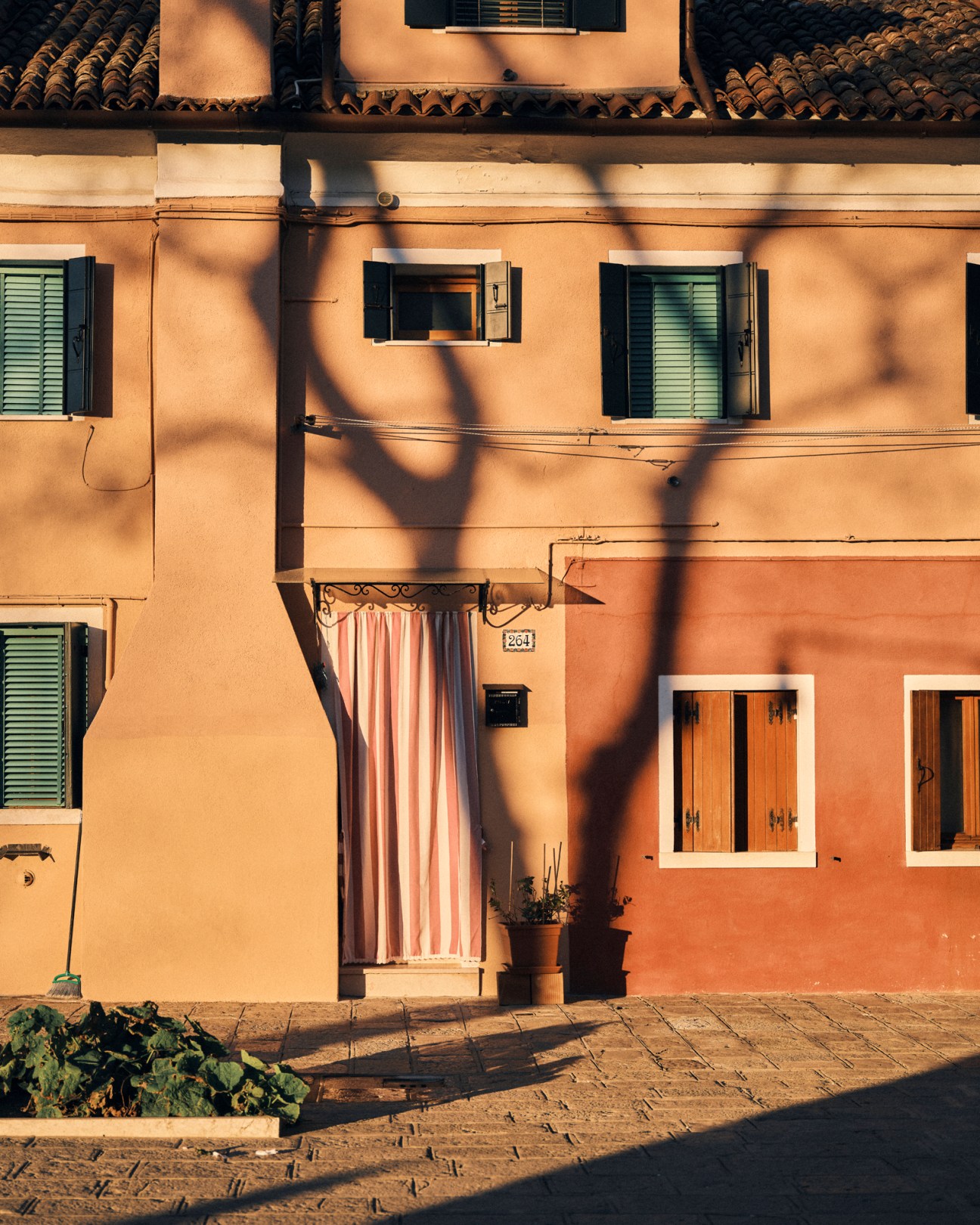
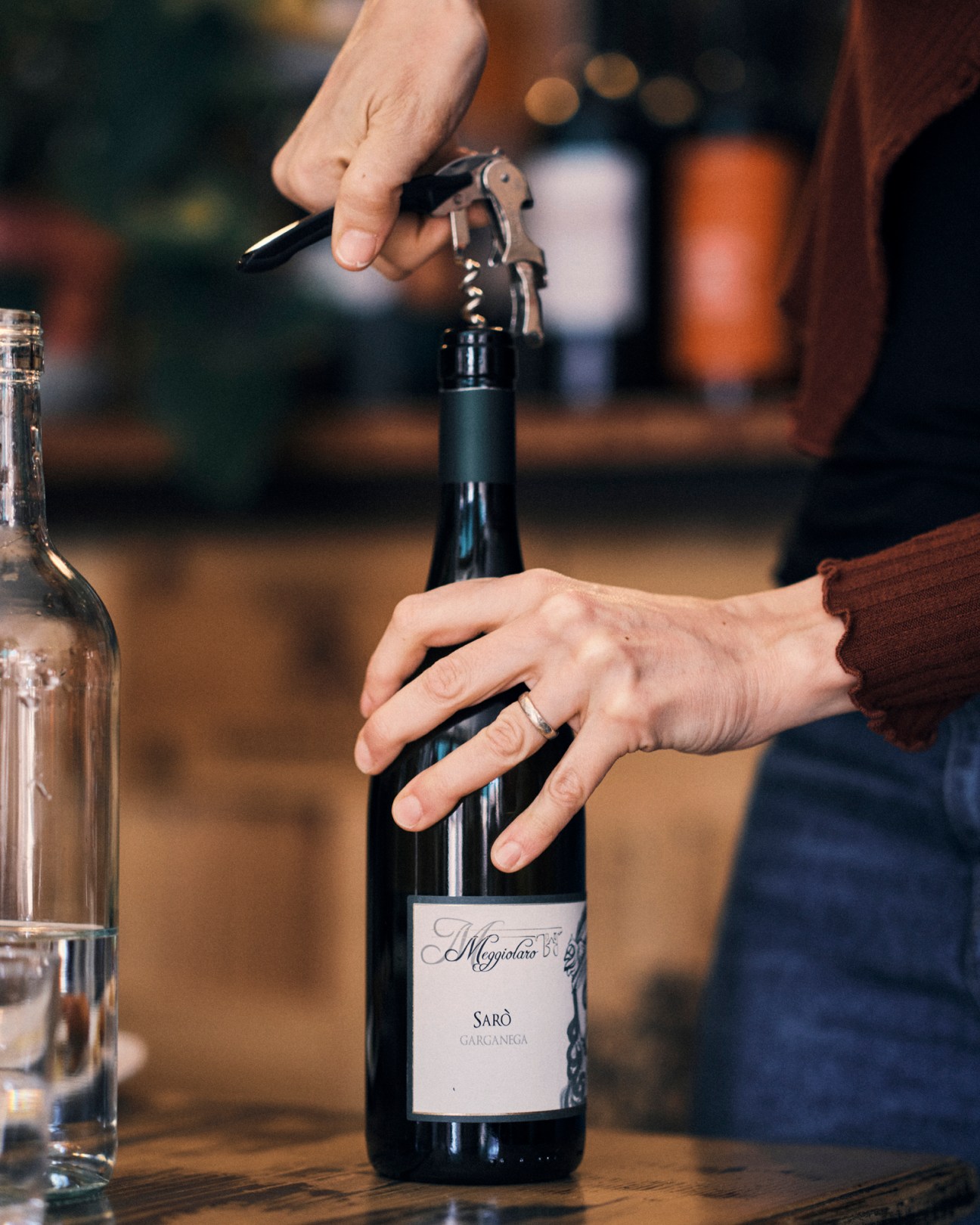
Heading to the north end of the lagoon, we glide past San Giorgio island and the Vatican’s 2018 Architecture Biennale installation of contemporary chapels spread out amid the greenery, then past the verdant pastures of the farming island of Sant’Erasmo. At Burano, an island known for its needle-lace tradition, Pannoli pulls into a canal edged with low houses painted in deep pastels of violet, azure, persimmon and dahlia yellow, an old trick to help fishermen distinguish their homes when they returned in the lagoon’s thick winter fog.
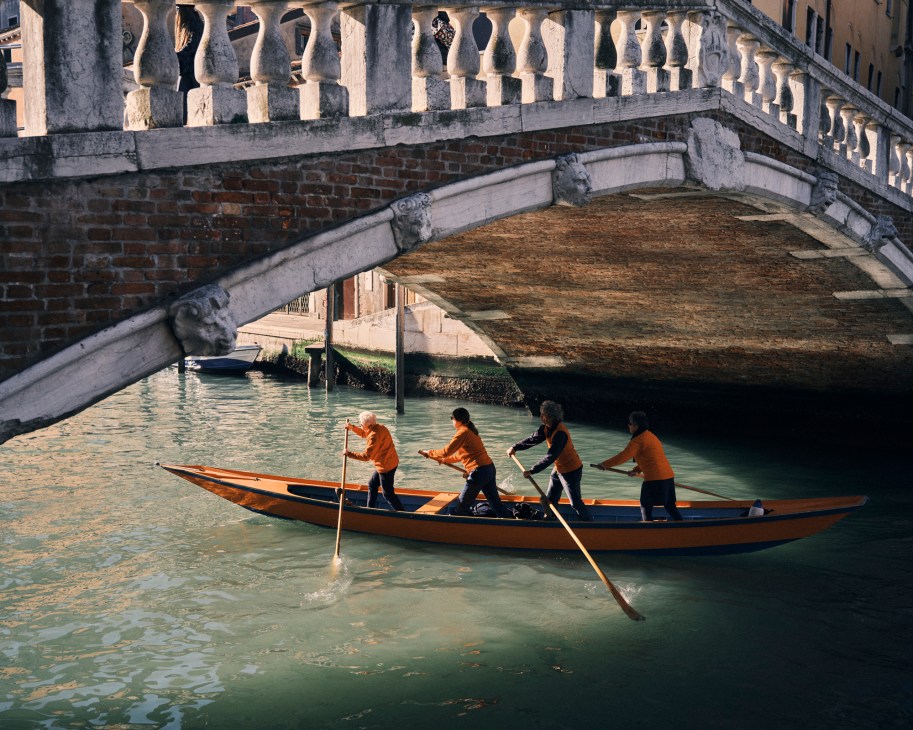
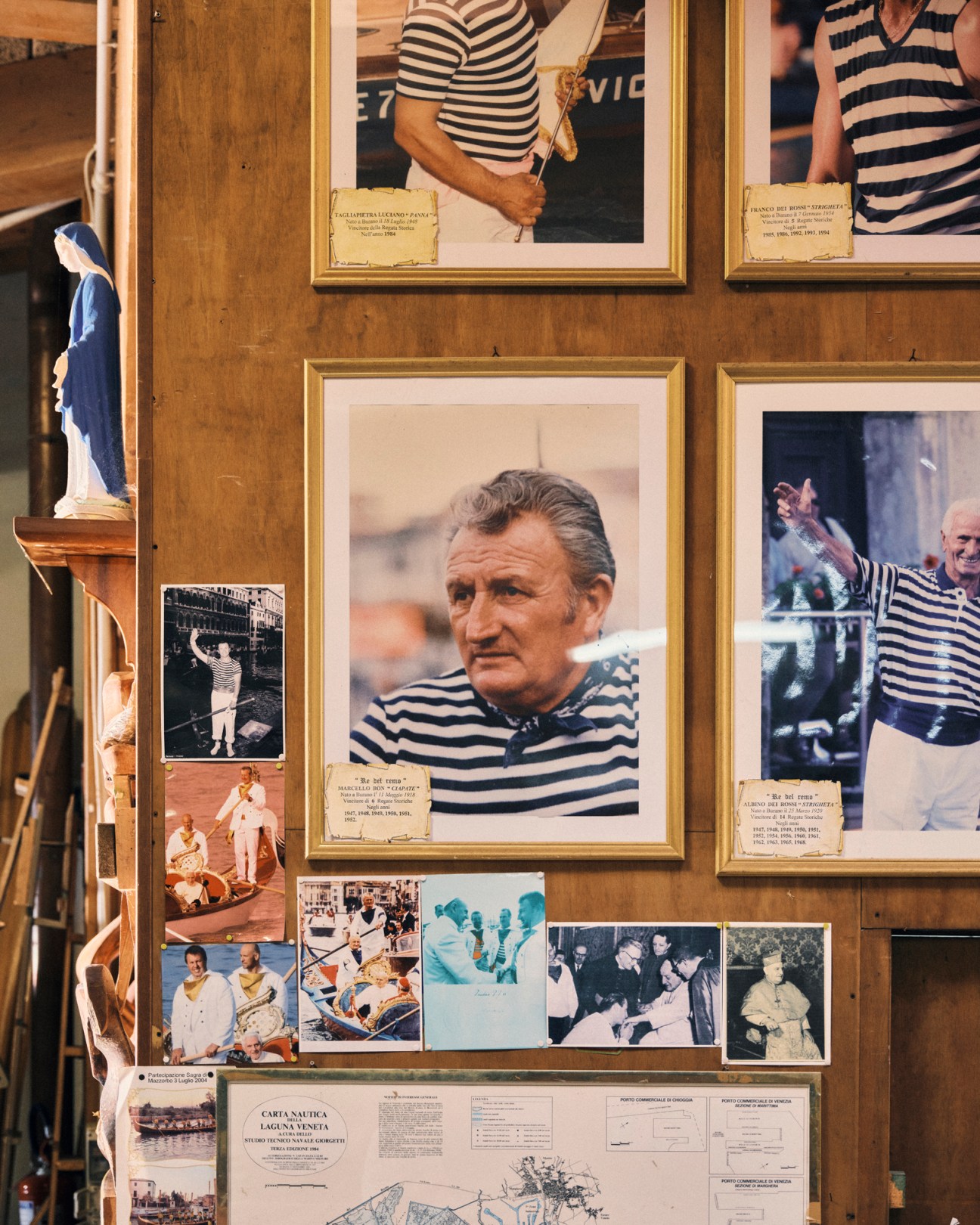
The Remiera Vogaepara, on Burano’s shoreline, is a soaring wooden boathouse stacked with longboats in all the colours of the island’s homes, where rowers, including an increasing number of women, learn and practice their strokes. At a remiera, a Venetian rowing club, members practise the sport of voga, where boats once used to transport fruit, vegetables and other goods race across the water, powered by small rowing teams who stand up as they paddle their single oars. “It’s a unique sport born on the lagoon,” says Franco dei Rossi, a sea-worn champion voghista at Vogaepara, which also offers lessons. With an instructor paddling behind us, we make progress in a longboat, despite our amateur arms aching from the thrusting effort. Our position on the water rewards us with views of the colourful modernist-inspired social housing by Giancarlo Decarlo, the leaning bell tower of Santa Caterina from 1318, one of Europe’s oldest, and the snowcapped Alps in the hazy far-off distance.
In the late-day sun, the breadth of the lagoon is entirely illuminated, like a sheet of burnished gold, as our boat hums towards Venice’s old Jewish ghetto, now a hive of activity. At Vino Vero, a natural-wine bar with a selection of 600 artisanal wines and a tiny art gallery in its window, aperitivo is served at tables by a slender canal. “Venice is a city with so much visibility but it had little going on so there’s space for interesting projects here,” says Mara Sartore, who opened the bar with her husband Matteo Bartoli, along with another in Lisbon. “Decades ago, no one was practicing voga, and Venice’s tourist offerings were all mordi e fuggi places,” she says. “But now there’s more interest in reclaiming the culture of the city. Just look at all the young restaurateurs creating high-quality places today.”
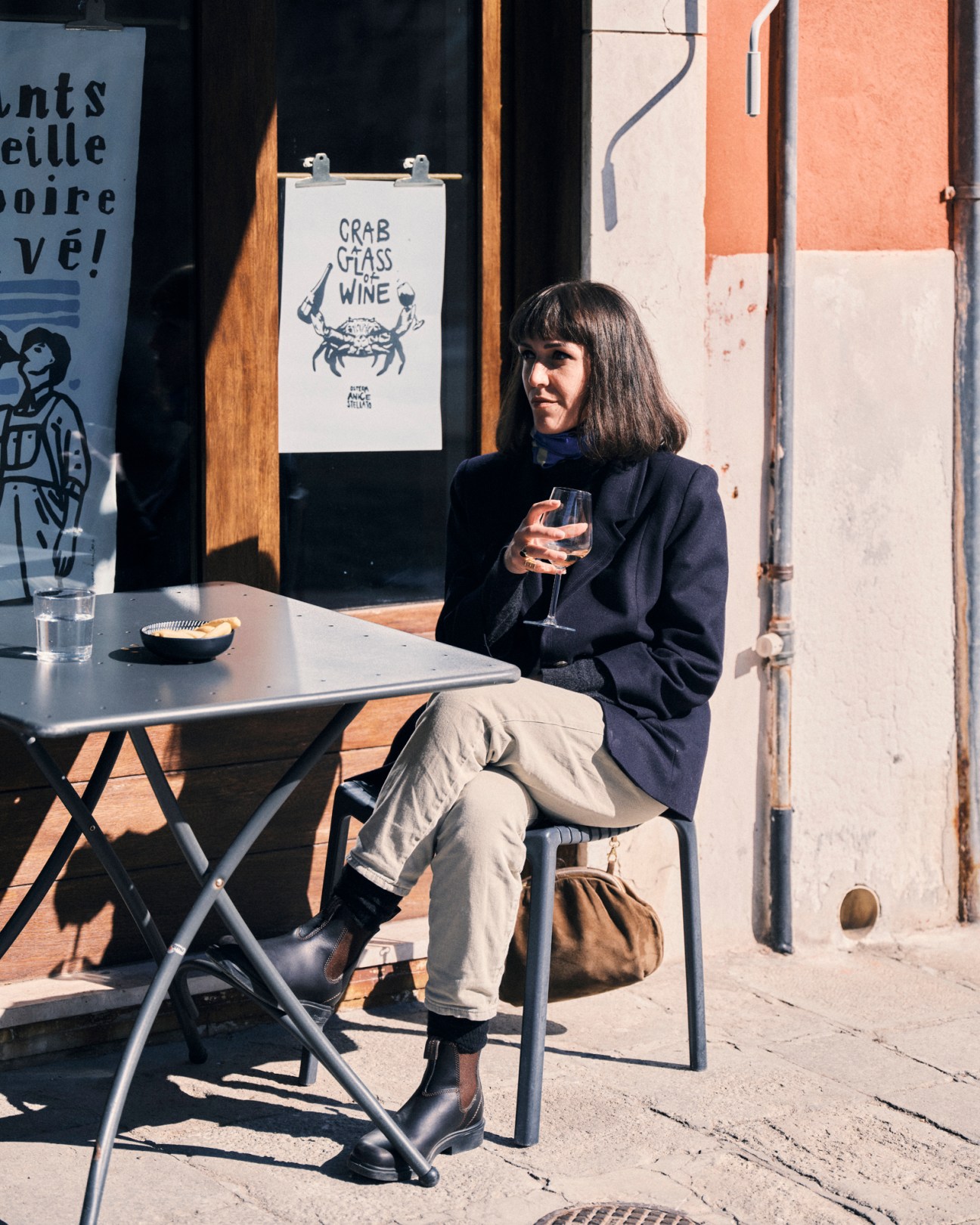
One of the most compelling ventures lies a few short blocks away in the Jewish quarter. Anice Stellato, which Elisa Pantano and her husband Estevan Bruno took over in 2015, also offers natural wine as well as innovative reimaginings of recipes from across the Mediterranean. “What sense is there in resurrecting old classics?” says Pantano, serving a bowl of pasta and beans with mussels and radicchio. “In a city of tourism, it’s personality that’s needed.” After concluding with a herby amaro at Anice Stellato, we head home to the hotel, sleepy from the wine, seafood and salty air.
The next morning, Pannoli picks us up at the hotel dock and we set off to explore the canal beside the Giardini della Biennale, where national pavilions cluster among the trees, from the austere archways of Poland and Russia to Australia’s Denton Corker Marshall-designed black cube from 2015. Then we move on to the bay of the Arsenale, a military shipyard of old brick warehouses nestled around a small bay, which serves as a sprawling gallery space for a key exhibition at the Biennale. Looping around, we coast into the canal along the Palazzo Ducale and St Mark’s Church, where only gondolas and electric boats are allowed, past Byzantine-era palace walls and under the Bridge of Sighs in the peaceful waterway just behind Venice’s most tourist-jammed piazza.
Here we switch to a gleaming, oak-finished motorboat (Pannoli restored it himself) and for the first time in our trip we stop for fuel. The fast boat will allow us to travel to the farthest reaches of the lagoon in less than an hour. We begin by docking at the island of San Michele, long Venice’s cemetery, which is full of old tombs, quiet tracts and a secret: a plot of land where friars who lived in the island’s now-abandoned monastery grew grapes for centuries. Today the vineyard has returned to life thanks to Laguna nel Bicchiere, an organisation reviving Venice’s island vineyards with help from volunteers who harvest and handpick the organic grapes and hand-paint the wine labels. Children enthusiastically provide some grape-stomping assistance. “Restoring the vineyards means creating a different kind of tourism – a mindful tourism,” says Renzo De Antonia, president of Laguna nel Bicchiere, as he tastes the group’s Sant’E red under a pergola crowned with knotted grapevines.
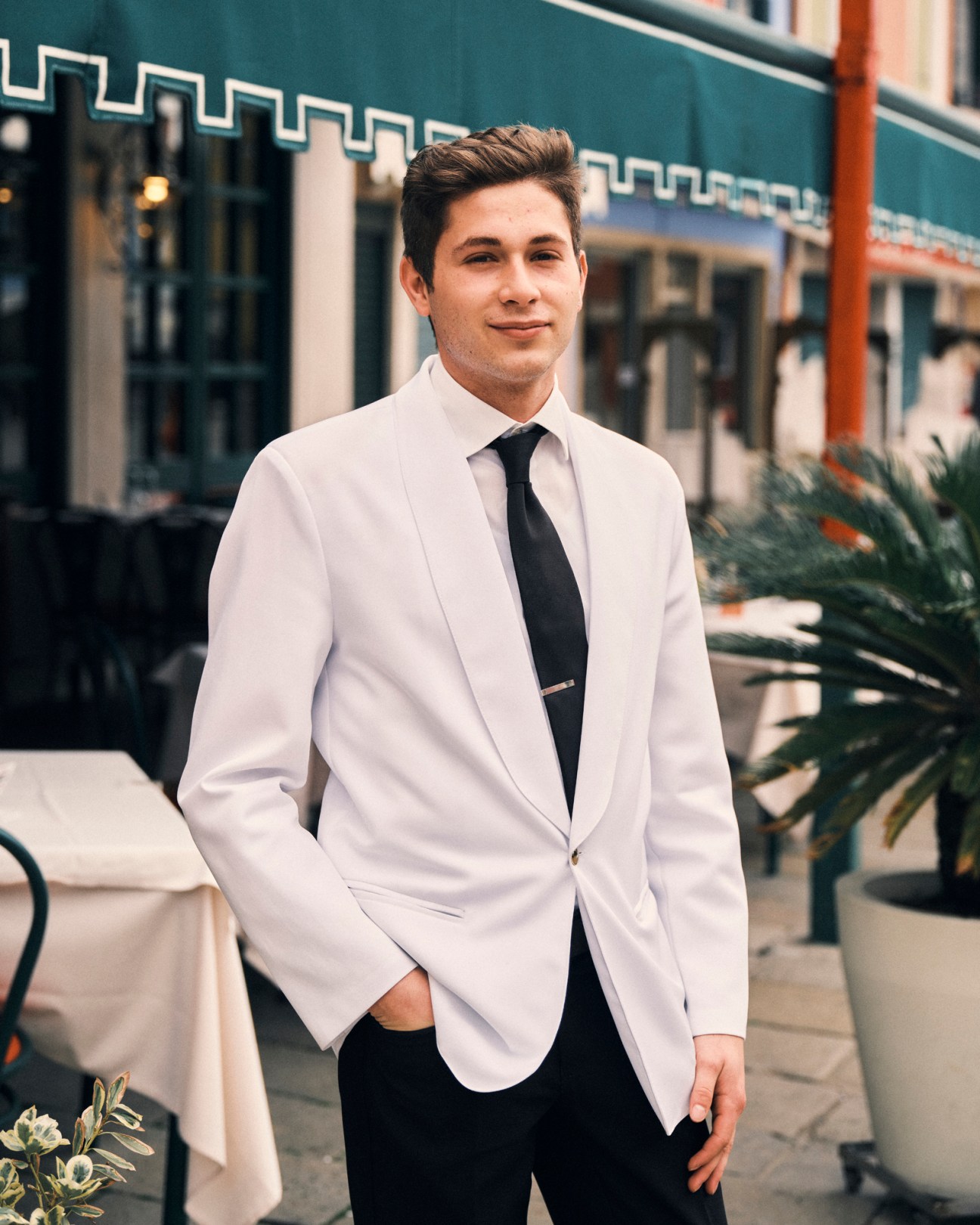
After zipping to Torcello, we settle in at a garden table at Locanda Cipriani, a traditional restaurant with white- jacketed waiters and diners shaded by creepers. The profound silence in the garden is broken only by the squawk of flamingoes flying over the lagoon. On Torcello, one of Venice’s earliest inhabited islands, archaeological remains and a stone throne date to the fifth and sixth centuries, when the first Venetians settled here. A neighbouring footpath leads visitors around the small, mostly green island where residents gather at a handful of quaint old restaurants.
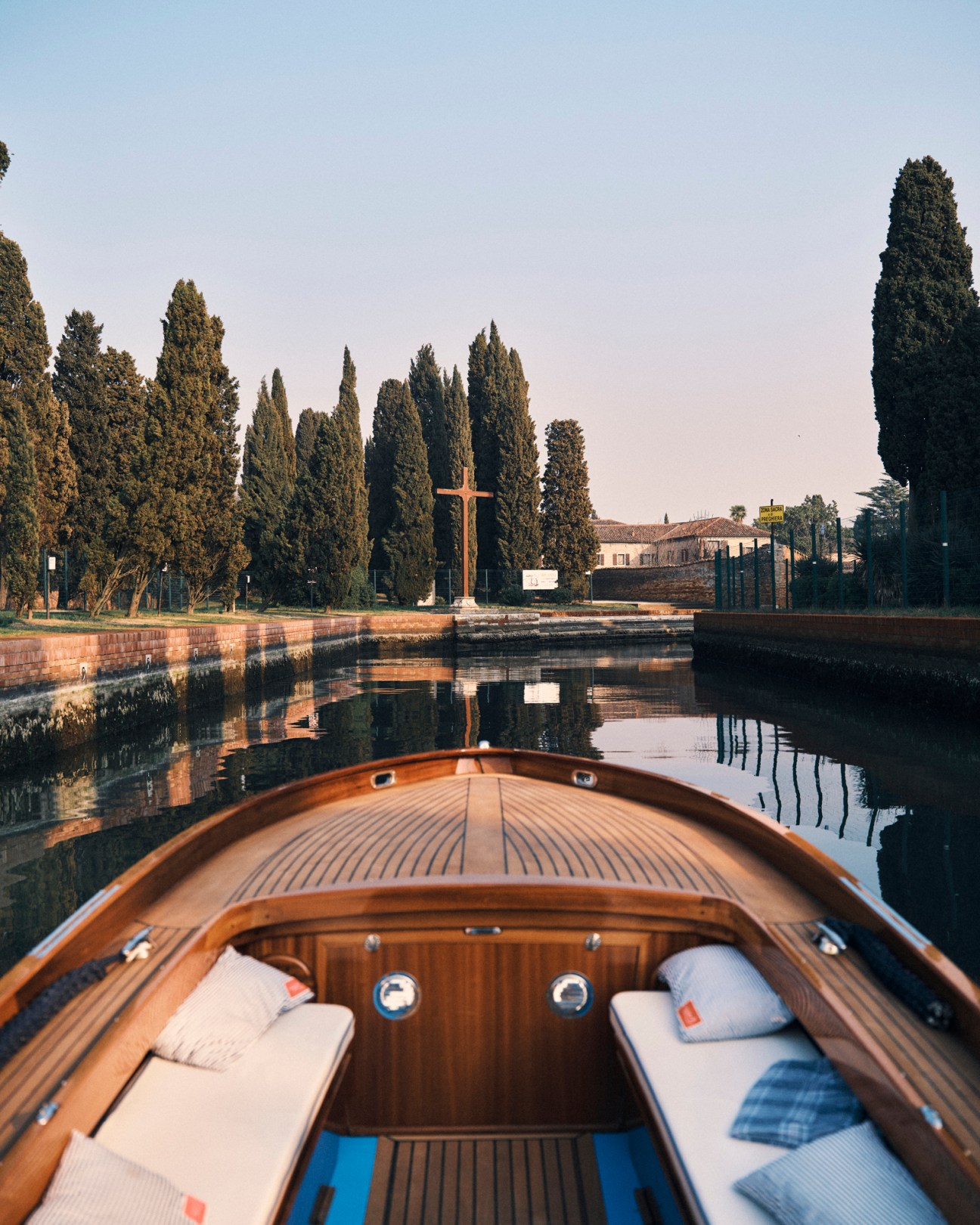
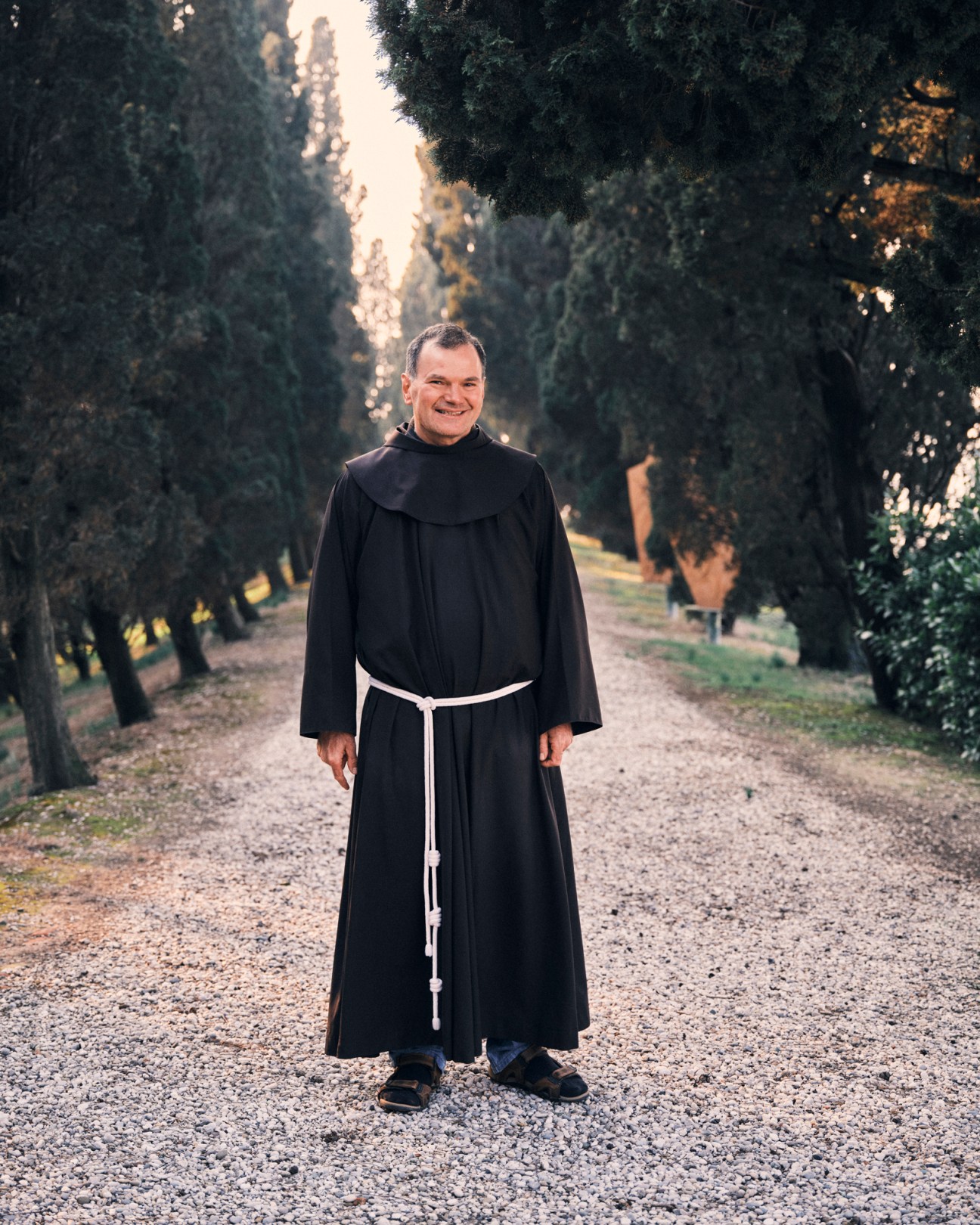
Pannoli drives on, dropping us at the cypress-lined island of San Francesco del Deserto. Here, a handful of Franciscan monks (and a parrot that says, “Ciao, bella“) welcome guests of any faith for weekend retreats or to simply tour the medieval cloister, with its sprawling sanctuaries, a brutalist 1964 chapel in concrete by architect Camillo Bianchi and the tranquil gardens. “People who aren’t believers come to us for an encounter with nature and silence,” says Brother Agostino, who receives us in his long brown robes.
Crossing the lagoon gleaming under the high sun, Pannoli moors the boat in front of Berengo Studio, a glass furnace and workshop renowned for its collaborations with artists. Inside, a chandelier-like glass sculpture by Ai Weiwei hangs in a former oven room. Artisans of all ages are working in the studio to fire, inflate and twist a piece of zebra-striped glass into a form for UK sculptor Tony Cragg. The studio’s gallery, with exhibitions of art in glass, is a few steps away.
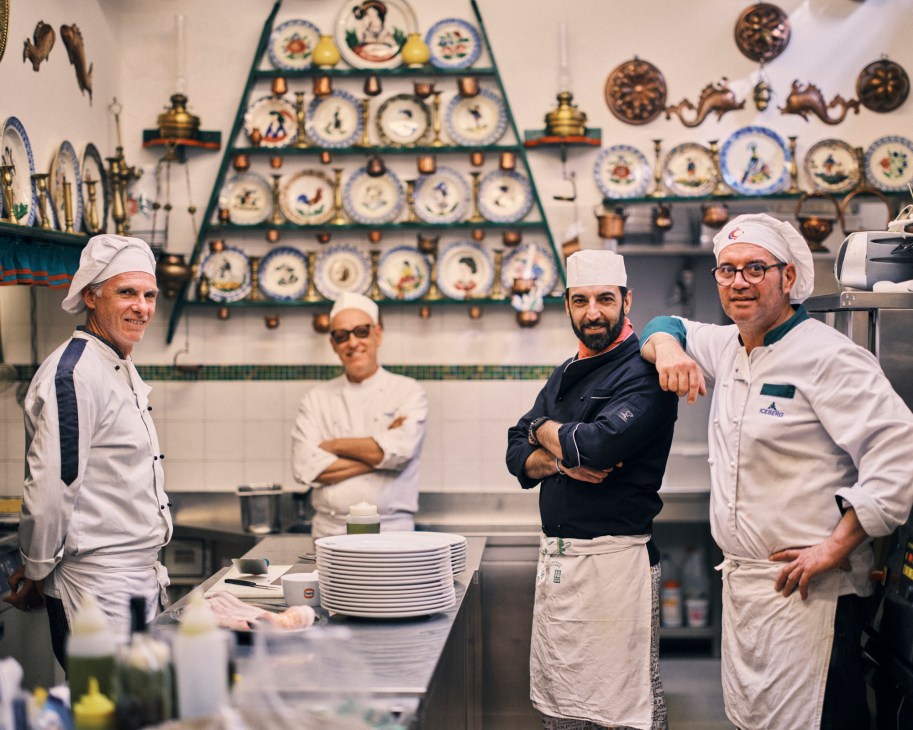
When Pannoli pilots across the northern lagoon to Burano again, he docks by the outdoor tables of Gatto Nero, a family-run trattoria, where plates of eel, baccalà (creamed salted codfish) and soft-shell crab from the lagoon arrive on fluffy white polenta – all Venetian staples. “We want tourists here,” says Massimiliano Bovo, the Burano-born maître-d’ whose parents are the chefs and owners of the restaurant. “But only if the tourists are well-informed and willing to learn about our culture.” As a fisherman, Bovo spends much of his free time out on the water. “The real Venice is the lagoon and the outer islands that have retained the most character – the Venice that you encounter by boat,” he says wistfully, his own small vessel bobbing in a nearby canal. “That is the way Venice was meant to be seen.”

Address book
Stay
1.
Venice Venice Hotel
Sestiere Cannaregio 5631, Centro Storico
venicevenice.com
Shop
2.
Micheluzzi Glass
Ponte de le Maravegie, Dorsoduro 1071
micheluzziglass.com
Eat
3.
Trattoria Altanella
Calle de le Erbe 268, Giudecca
4.
Anice Stellato
Fondamenta de la Sensa, Cannaregio 3272
osterianicestellato.com
5.
Locandina Cipriani
Piazza Santa Fosca 29, Torcello
locandacipriani.com
6.
Trattoria Gatto Nero
Via Giudecca 88, Burano
gattonero.com
7.
Trattoria da Romano
Via San Martino Destra 221, Burano
daromano.it
Try
8.
Associazione Remiera Vogaepara (Venetian rowing)
Via San Mauro 58, Burano
vogaepara.it
9.
Francesco Pannoli (boat services and tours)
[email protected]
Drink
10.
Vino Vero (natural wine bar)
Fondamenta Misericordia 2497, Cannaregio
vinovero.wine
11.
Laguna nel Bicchiere (winemaking organisation)
Calle Monte San Michele, San Michele l
agunanelbicchiere.it
See
12.
Squero Tramontin (artisan longboat makers)
Sestiere Dorsoduro 1542, Dorsoduro
tramontingondole.it
13.
San Francesco del Deserto (monastery)
Isola di San Francesco del Deserto, Burano
sanfrancescodeldeserto.it
14.
Berengo (glass studio and gallery)
Fondamenta dei Vetrai 109, Murano
fondazioneberengo.org
15.
Punta Conterie (glass gallery, restaurant, and rooftop terrace bar)
Fondamenta Giustinian 130141, Murano
puntaconterie.com
Keeping it trim
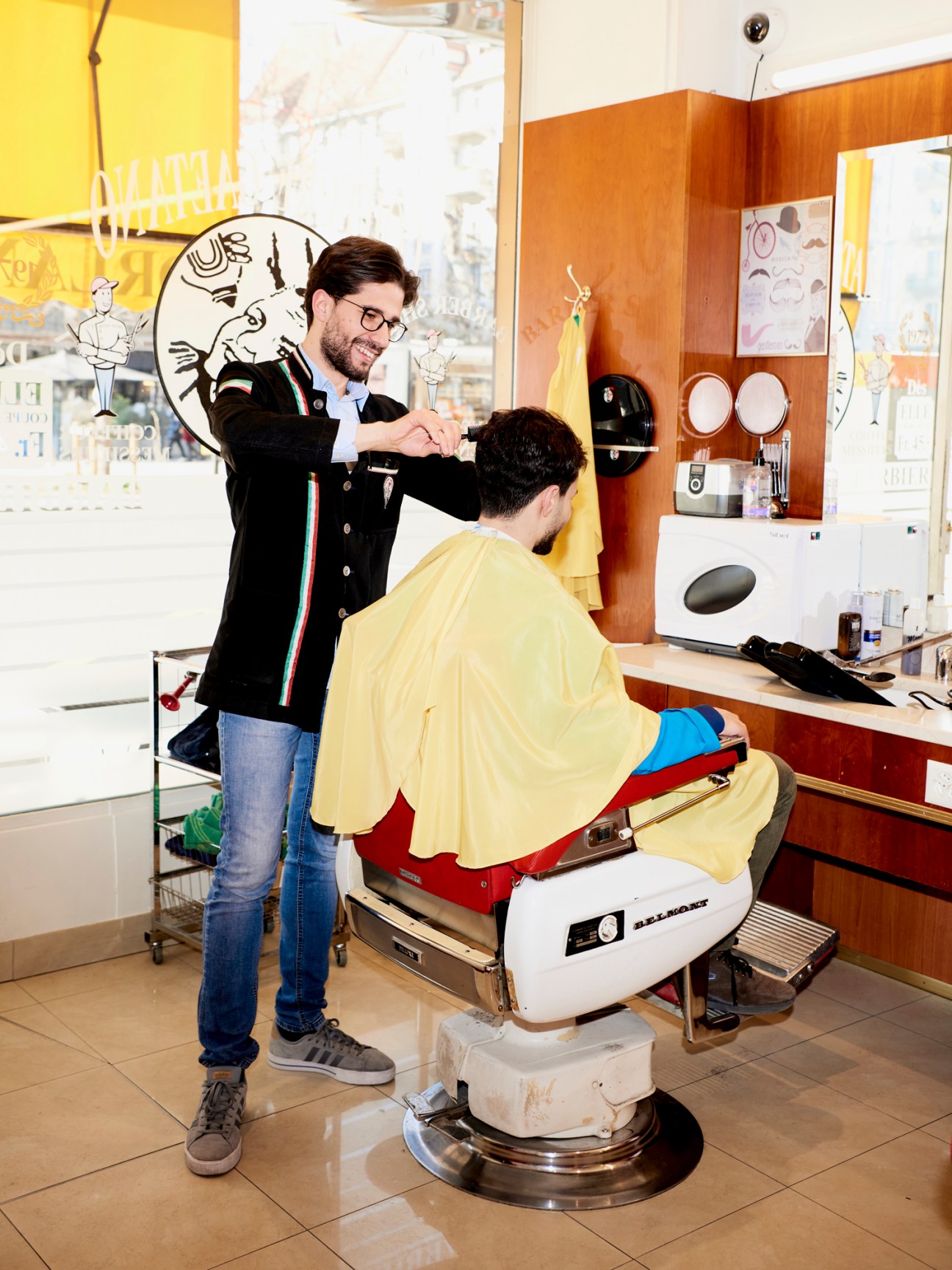
There are few things as enjoyable as a swift trim. Whenever our editors are in Geneva, they make a beeline for Coiffure Gaetano on Place des Eaux-Vives. Our favourite barber there is Fabio Palermo (pictured). He has had scissors in his hand since he was 10 years old. His advice? “You have to work hard to do your job well,” he tells Monocle. “If you love your job, you’ll always do it well.”
+41 22 736 6563
The art of mediation
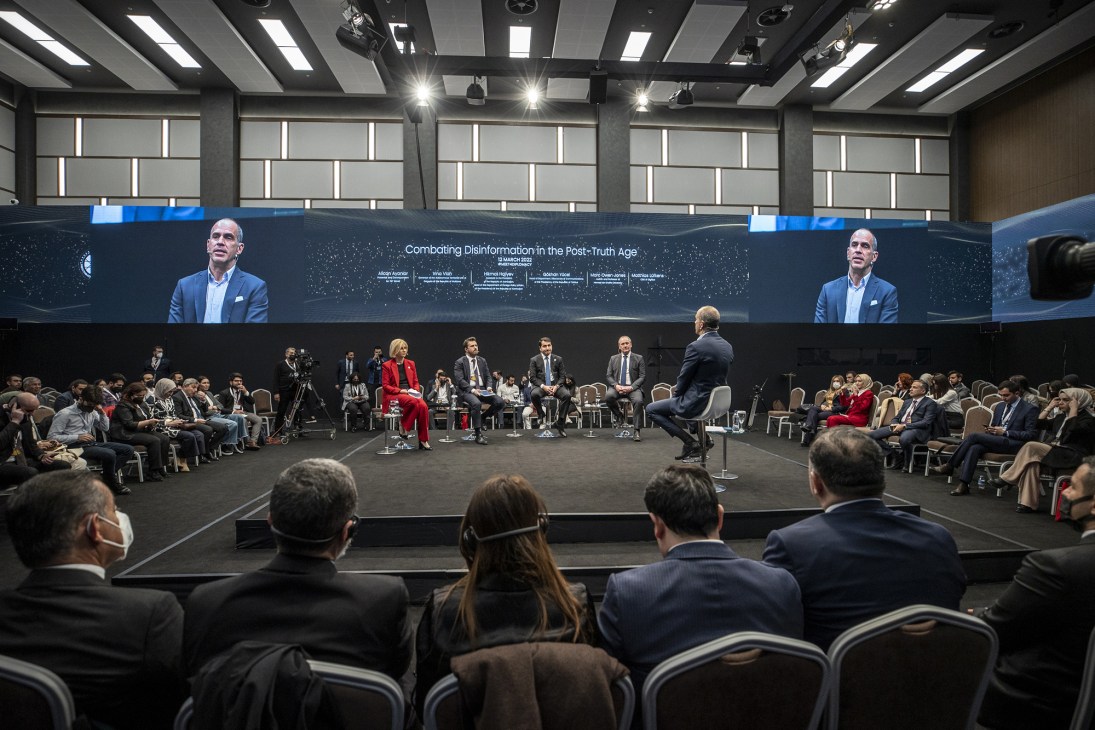
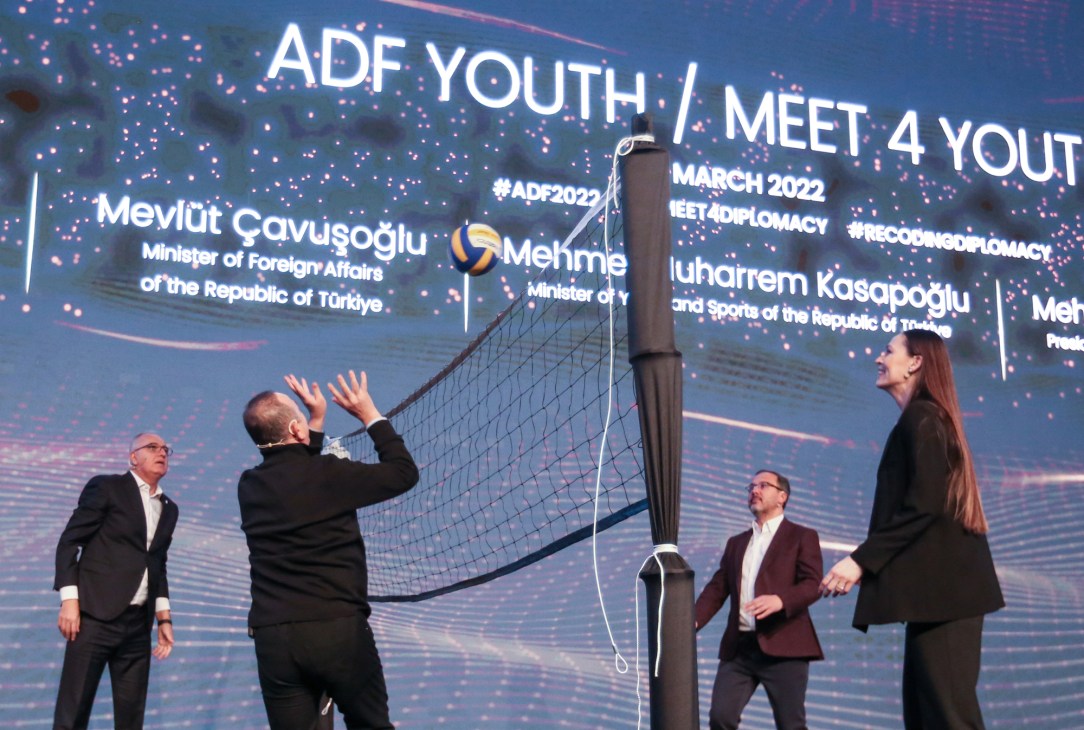
The middle of March might be off-season in the southern Turkish resort town of Antalya but the airport has been busy all day with jets delivering visitors from around the world. They include foreign ministers, policy wonks and the cream of the diplomatic community, all invited to come together to get a different – Turkish-flavoured – view on world events during the three-day long Antalya Diplomacy Forum (ADF).
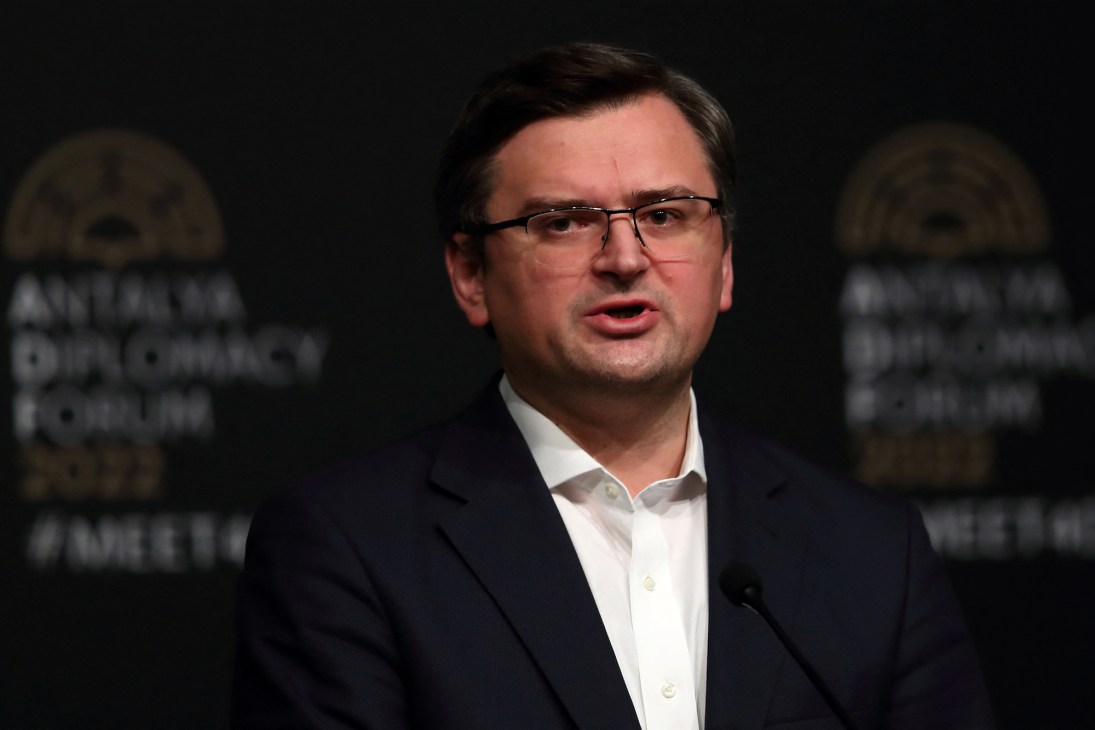
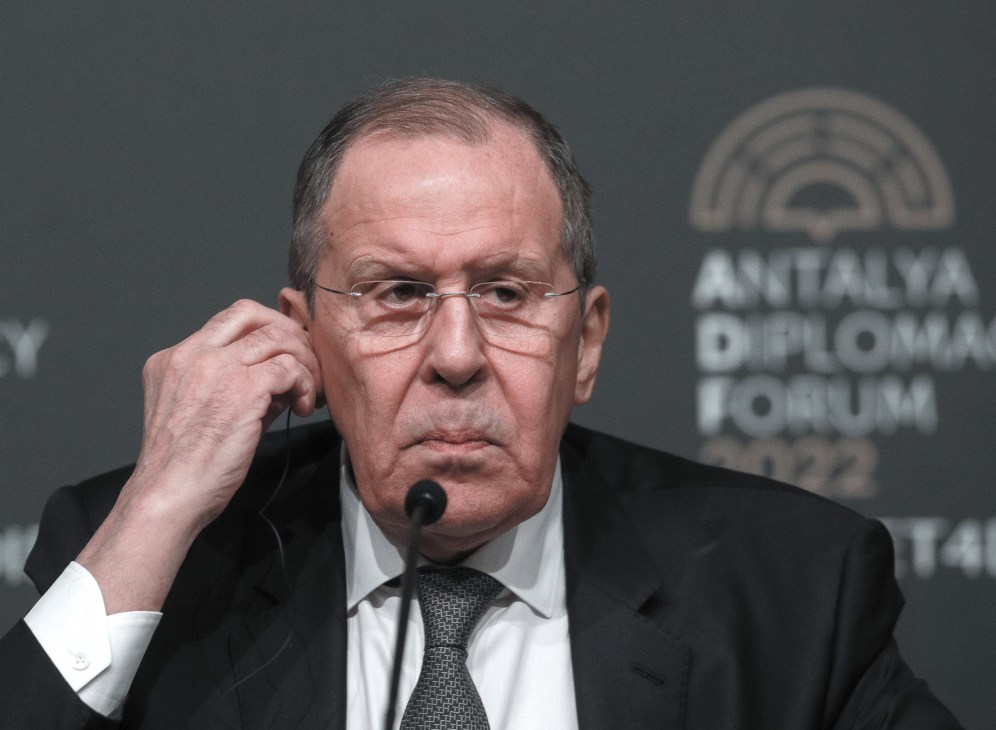
The gathering, in its second year, has gained even greater significance since the invitations first went in the post: Russia’s invasion of Ukraine has put Turkey’s role in Europe under the spotlight. Indeed, the day before the event opens, Antalya plays host to the first bilateral meeting between Ukraine and Russia’s foreign ministers since the conflict began on 24 February. The meeting is at the invitation of Turkey’s president, Recep Tayyip Erdogan, but it’s the country’s foreign minister, Mevlut Cavusoglu, who mediates the delicate encounter. Though it yields little in tangible results, it marks the start of a series of more earnest talks between the two warring parties and, crucially for Turkey, its emergence as one of a select few trusted mediators in this destructive conflict. It’s a swift return to diplomatic prominence for a country that has been seen in recent years by many in capitals west of Turkey as maverick and combative.

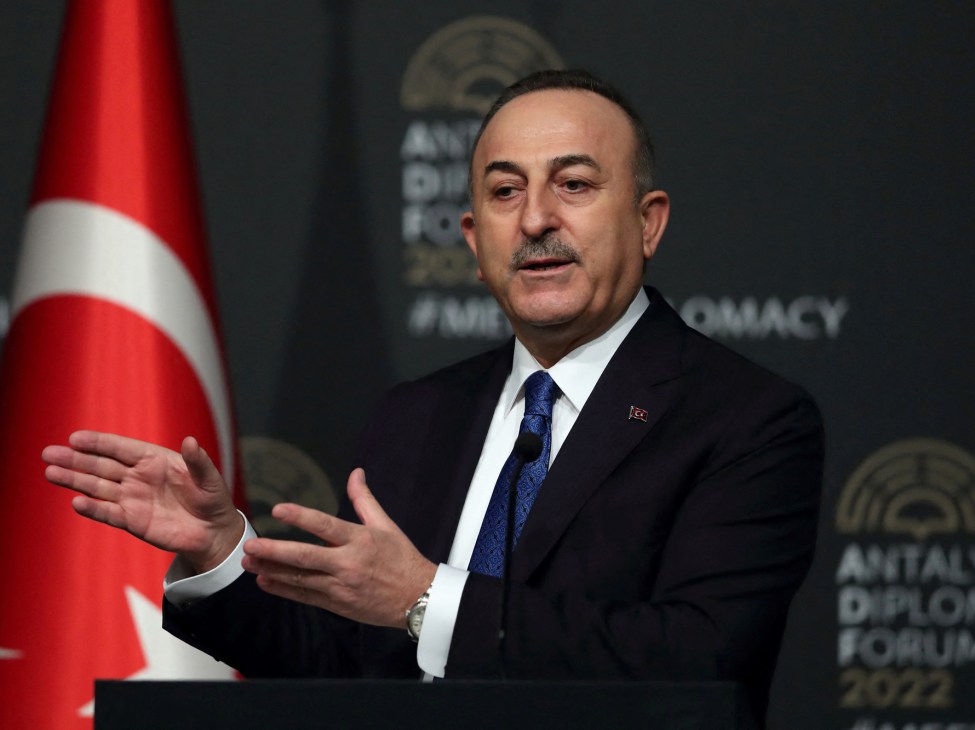

As we enter the vast Nest convention centre, Cavusoglu is sitting outside the main conference hall scribbling down final amendments to his speech. It’s a rare quiet moment in between him greeting arriving dignitaries and their motorcades. Cavusoglu opens proceedings moments later by saying, “I am neither an optimist nor a pessimist; I’m a realist.” It sums up the mood of the diplomats, who are here for the panel discussions and more hushed bilateral meetings.
The forum includes officials from more than 75 countries, ranging from the US and EU to Afghanistan and Venezuela. It is preceded by a one-day Istanbul Mediation Conference, also held in Antalya and now in its eighth year, that brings together specialists in conflict mediation. Ostensibly the theme is “recoding diplomacy” – how to retool for the challenges of the 21st century. But there’s one topic dominating the water-cooler conversation. “Ukraine is what everyone’s talking about in the corridors, in bilateral meetings, in the pull-asides, over meals,” says Jeffrey Feltman, a former US diplomat and UN under-secretary general for political affairs, and now a visiting fellow with the Brookings Institution. “I appreciate the fact that the Turks were able to pull this off in person at a time when we face a real crisis with the war in Ukraine.”
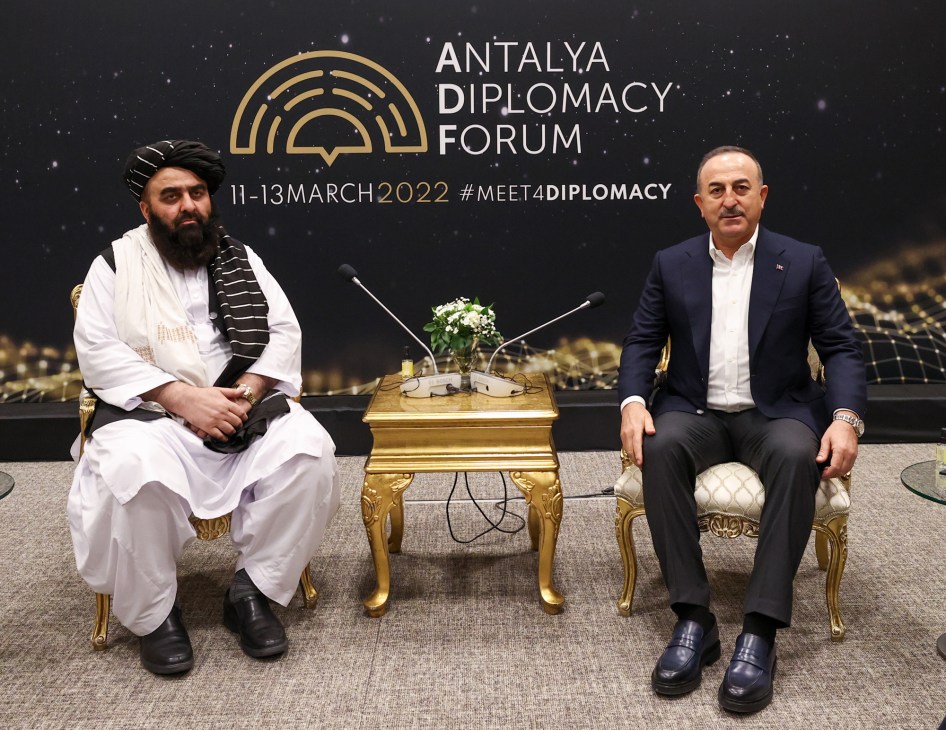
The eclectic list of attendees includes Western and non-Western dignitaries: Russia’s foreign minister Sergei Lavrov (though he only stays for a few hours of meetings with allies) and Amir Khan Muttaqi, the acting foreign minister of Taliban-led Afghanistan, who is here to see US, Turkish and Qatari officials. Muttaqi even joins an extraordinary on-stage panel discussion where he calls for global recognition but is also made to answer some tough questions, including from Afghan political leader and women’s rights activist Fatima Gailani, that he’s unlikely to have responded to back home.
Also on hand is Venezuela, an ally of Russia. Although under tough US sanctions, it is an oil-producing power that could help the West rebalance its energy needs away from Moscow. When Monocle catches up with Venezuela’s suddenly in-demand foreign minister, Félix Plasencia, he rattles off a list of meetings that he’s held in Antalya, including with Lavrov, both Iraq and Palestine’s foreign ministers, and the EU’s foreign-policy chief, Josep Borrell. Plasencia tells us that he is critical of the West’s sweeping sanctions against Russia and those in place against his own nation.
“Sanctions never work,” he says, but the ability to meet here is itself “a success for peace. Tolerance is part of the rhetoric here; a new approach towards doing diplomacy that is rare, that includes differences.”
This, of course, is part of Turkey’s intention in hosting adf: “This is an informal forum, so we shouldn’t only invite people or institutions who we think like us – on the contrary,” Murat Karagöz, a Turkish ambassador and director-general of information at the foreign ministry, tells Monocle during a coffee break. “Whether we agree or not, it is important that all representatives here are freely allowed to express their views.”
With Ukraine on everyone’s minds, there’s a palpable shift in diplomatic priorities; a realisation that territorial conflicts between states, once largely consigned to the past, are in danger of becoming more prevalent. “I’m deeply concerned that what we have seen is a real uptick in war,” says Janne Taalas, CEO of the Helsinki-based cmi, a private mediation organisation. “We have seen war being resorted to as a way to resolve conflicts in Syria, Afghanistan, Yemen, Ethiopia, Nagorno-Karabakh, Myanmar and now Ukraine.”
For some Western critics, it is the semi-autocratic nature of Turkey’s government that allows it to navigate the new middle, and maintain friendly relations with Russia and Ukraine alike. Turkish officials bristle at such a notion (“No democracy is perfect: just look at the US”, one diplomat retorts) and argue instead that Turkey is a less righteous mediator than some Western nations.
It’s a view that reflects the way in which many non-Western officials here in Antalya see the war in Ukraine. While sadness about the destructive conflict is almost universal, the primary focus is on that need to respect territorial integrity. Ukraine’s fledgling democracy matters less to many here than its right to simply exist as a nation. And even among some Western politicians in Antalya, there is sympathy for a return to realpolitik that moves beyond moral considerations. “There are many facets to every conflict and one can always put them under a sort of umbrella – a fight of East and West, democracy versus autocracy,” Ján Kubiš, Slovakia’s former foreign minister, tells Monocle. “But what is important is that we are human beings and killing people is wrong.”
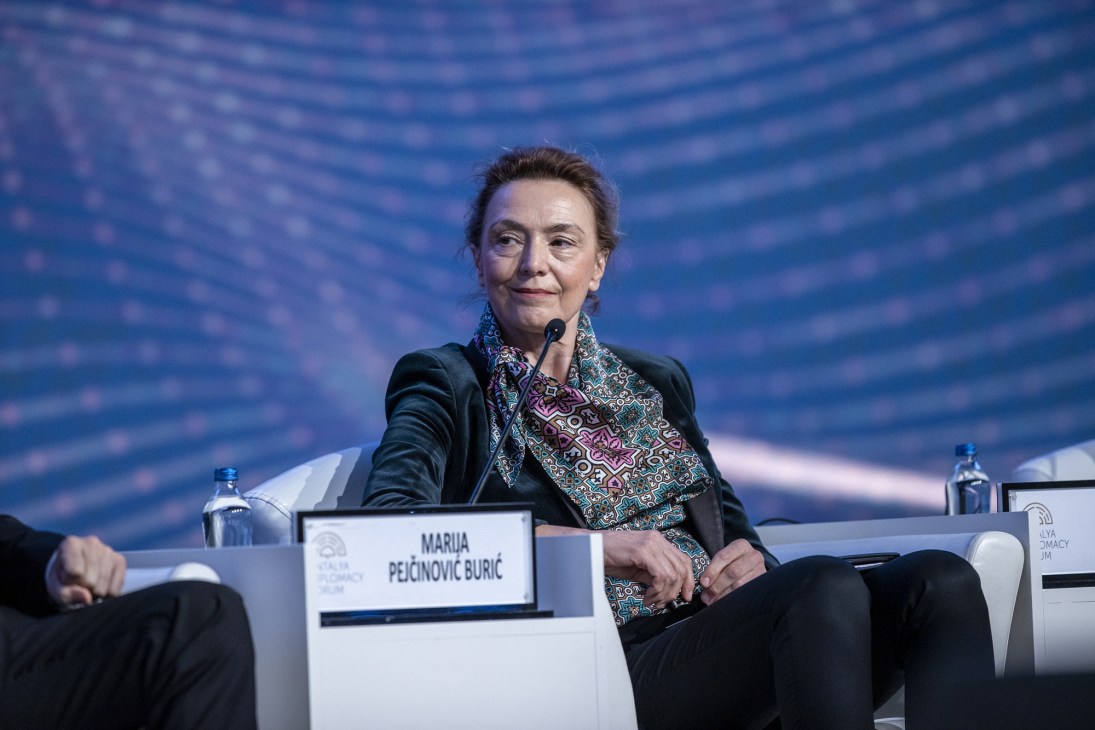
It’s hardly the first time that Turkey has sought the role of global mediator. Ask the country’s diplomats about their history of diplomacy and they will point you first and foremost to the Ottoman Empire, long a meeting point of East and West. That’s not least because of Turkey’s control of the Bosphorus Strait, which Turkey closed to all warships soon after the conflict between Ukraine and Russia broke out. A more recent marker was set in 2002, when Turkey formally adopted a “zero problems with neighbours” policy and used diplomacy to re-engage with the Middle East. In 2010, Turkey agreed to co-chair a new “friends of mediation” grouping at the UN with Finland, which has since grown to 52 countries. But the approach failed to yield quick results and Turkey has become engulfed in numerous conflicts, including the Syrian civil war. The pivot back to diplomacy is brought on by conflict weariness and spotting an opportunity. “Turkey is in a difficult region: if you have 10 important political problems in the world, seven or eight are here,” Volkan Bozkir, who until last year was the first Turkish president of the UN General Assembly, tells Monocle. “You can’t put your head in the sand and pretend that nothing is happening. Turkey wants to be a partner in finding peace.”
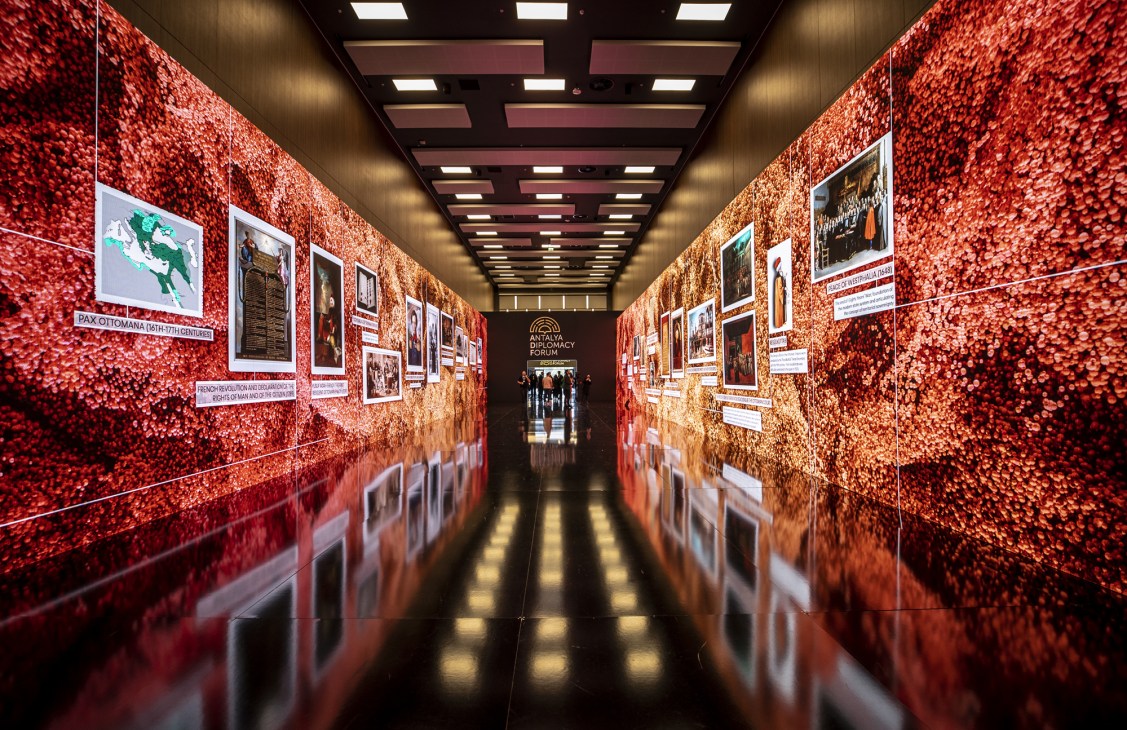
The country’s diplomatic opportunity – and that of the Antalya forum – also stems from a perceived global vacuum at this critical moment. Bozkir says that the UN has been paralysed by Russia’s veto-wielding power at the Security Council, forcing nations and regional institutions to step up. “The crisis we are facing is threatening the political mechanisms of Nato, the EU and the UN,” says Bozkir. “If you show inefficiency and weakness, it will come to the minds of the people of the world that this isn’t working; that we need a new international security order.”
Is Turkey any good at mediating conflicts? “Turkey is joining that relatively small club of countries that want to strengthen their mediation credentials,” says Michael Keating, executive director of the European Institute of Peace in Brussels. “But they will always do things that are ultimately in the interests of Turkey.” An example of where interests align is Afghanistan, where Turkey has been providing aid and mediation, and managing Kabul’s airport with Qatar since the departure of US forces. As a Nato member, but also a predominantly Muslim nation, Turkey has played a more constructive role than many Western nations, Keating says. “There are people who think that even talking to the Taliban is unacceptable but a lot of bloodshed could have perhaps been prevented had there been a willingness to transcend those reservations,” he says. “These are difficult trade-offs but, at a certain point, the level of destruction is such that you have to swallow your values as a mediator.”
But some experts say that Turkey hasn’t always maintained trust between parties in a conflict and has a penchant for impatience and picking sides. In Somalia, what began as a mediation effort with the breakaway region of Somaliland shifted to military support for Somalia. Pinar Akpinar, of Istanbul’s Sabanci University, says that Turkey typically links mediation with other goals, such as gaining a regional foothold and economic influence. Diplomacy “became like a peaceful instrument for entering problematic regions”, says Akpinar. “Turkey’s foreign policy comes as a package: it offers mediation, aid and trade.”
And in the case of Russia and Ukraine? Artis Pabriks, Latvia’s deputy prime minister and defence minister, says that Turkey has maintained trust where western European nations failed. “Turkey offers more balance,” says Pabriks. Not only is it trusted by Russia but it has kept Ukraine on side. “Sometimes the trips of some western European leaders to Moscow gave the impression that we would rather go first to Moscow, figure out what Putin wants, then put it on Ukrainian shoulders. This is not how the Turks are acting.”
Still, it’s not all about soft power. Turkish defence companies, having honed their wares in Syria, have drawn interest during the Ukraine war. The Bayraktar tb2 drones (see page 51) have proven effective for Ukraine; Pabriks says that he met with several defence companies in Antalya and expects to invite Bayraktar back to Latvia for drone trials. The reality is that, as a Nato member in a dangerous region, Turkey is walking a tightrope predicated on a combination of hard and soft power. “With the Ukrainian crisis, Turkey’s Nato membership is becoming more important and its value for the West is being recognised again,” he says. “That’s a huge success for Turkey.” If the war in Ukraine continues to escalate, Turkey might once again have to pick a side. And that side will be Nato, Akpinar says. “There’s no question about it.”
Images: Getty Images, Reuters Pictures
On the cold front
Taking the long view
In June, Nato’s leaders will address its long-term future at a summit in Madrid. Here’s what should be on the agenda, writes Daniel S Hamilton.
1.
Nato’s eastern flank is defended by a small number of “tripwire” forces that would require help from larger detachments in the case of conflict. Russia’s destruction of Ukraine makes such a posture no longer credible: the alliance needs to move towards a more robust and permanent deployment of troops.
2.
Europe must take more responsibility for its defence. It should be able to provide half of the forces and capabilities required for deterrence and collective security. It also needs the capacity to conduct crisis-management operations without heavy reliance on the US.
3.
No nation will be resilient if its neighbours are weak. Allies must defend their interconnectedness: that is why European efforts to end dependence on Russian energy are so important. Nato must also project resilience going forward, beyond allied territory, to help vulnerable partners.
4.
Nato’s mantra has long been “out of area, or out of business”. Its forces have ventured beyond allied territory into Afghanistan, Iraq and the Balkans. Nato must go back to basics and focus on defending its allies. Its new mantra should be “in area, or in trouble”.
Hamilton is a senior non-resident fellow at the Brookings Institution, a faculty member at Johns Hopkins SAIS and a former US deputy assistant secretary of state for European affairs.
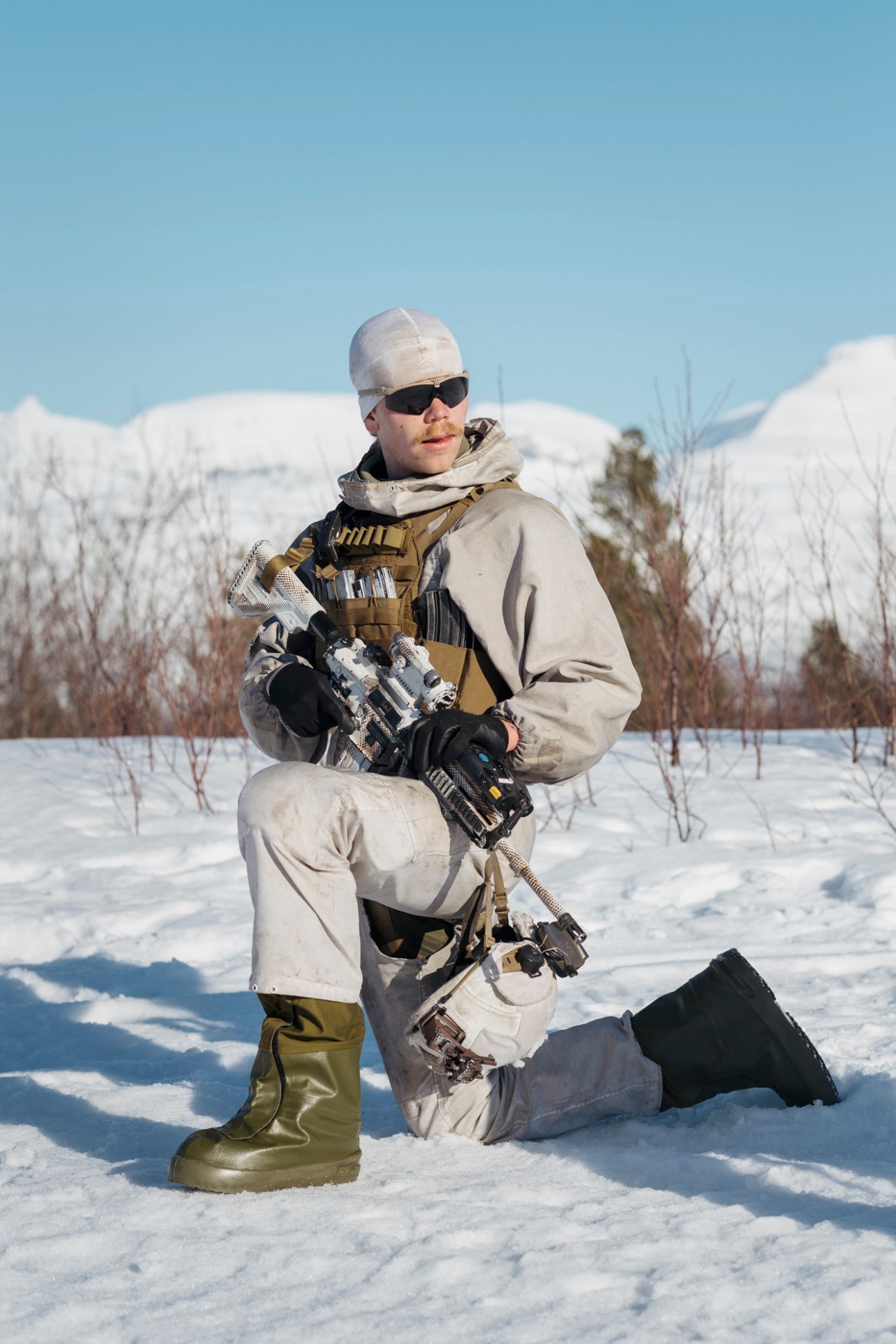
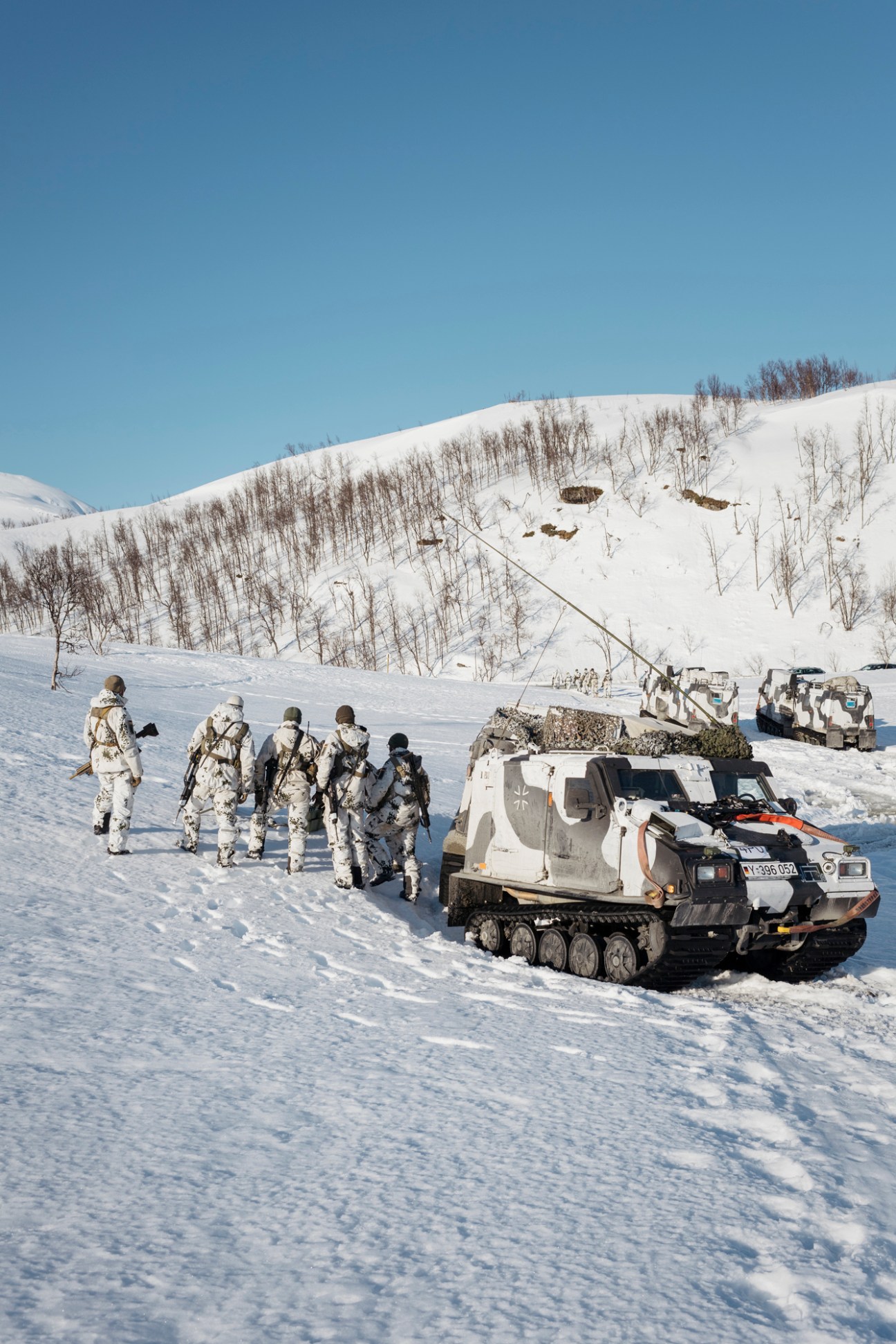
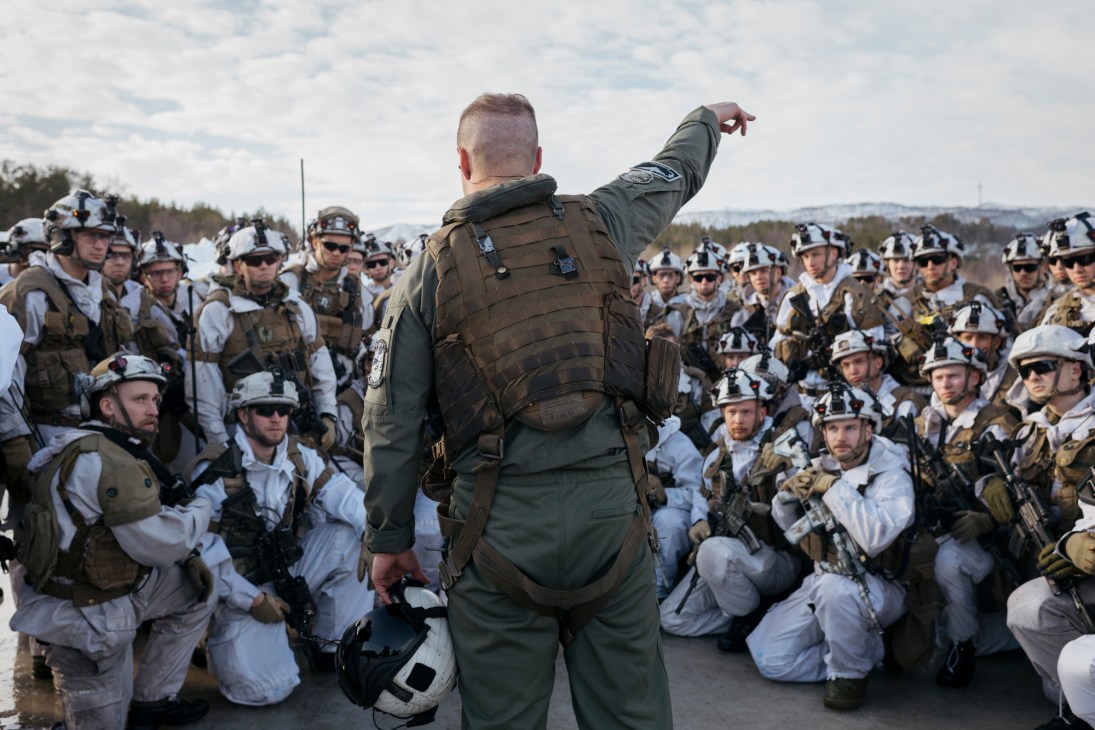
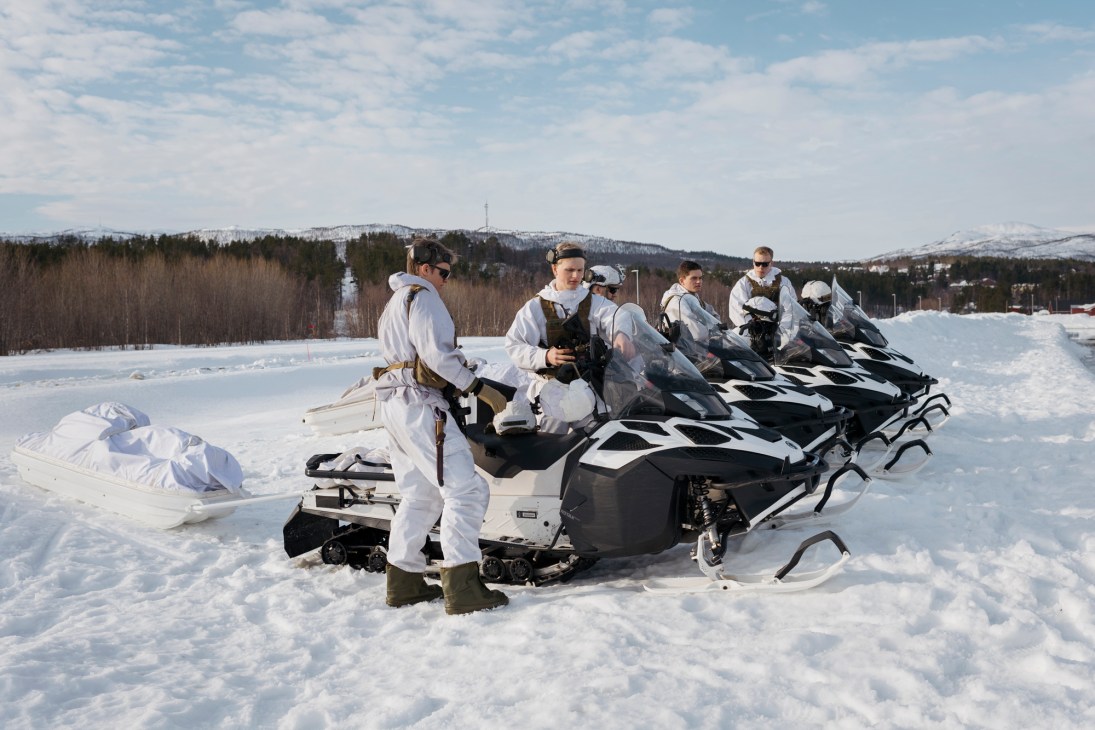
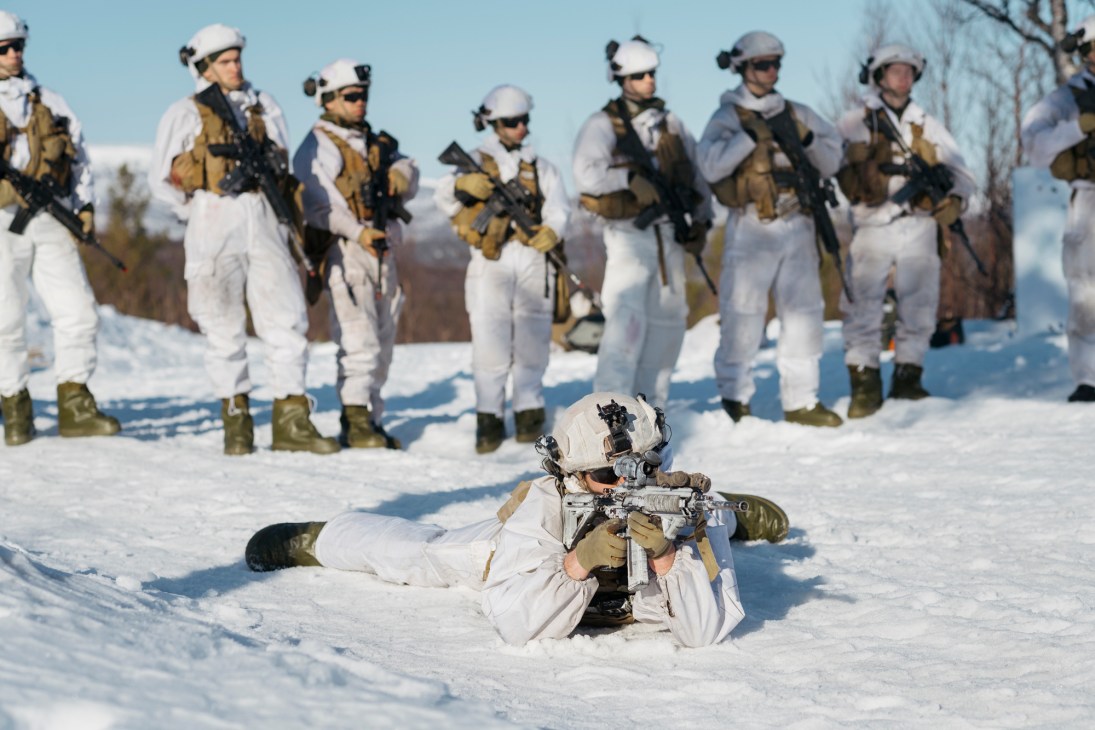
Three curious reindeer gawk at the two dozen members of the German alpine infantry who are skiing down a mountain in Målselv, northern Norway. Were it not for the Heckler & Koch g36 assault rifles on their shoulders and the Swedish-made Hägglunds bv206 all-terrain carriers that they move with, the reindeer could be forgiven for mistaking these Teutons for winter-sports devotees. It’s training day for these troops, who are normally stationed in Bischofswiesen, Germany, but there is tension in the air.
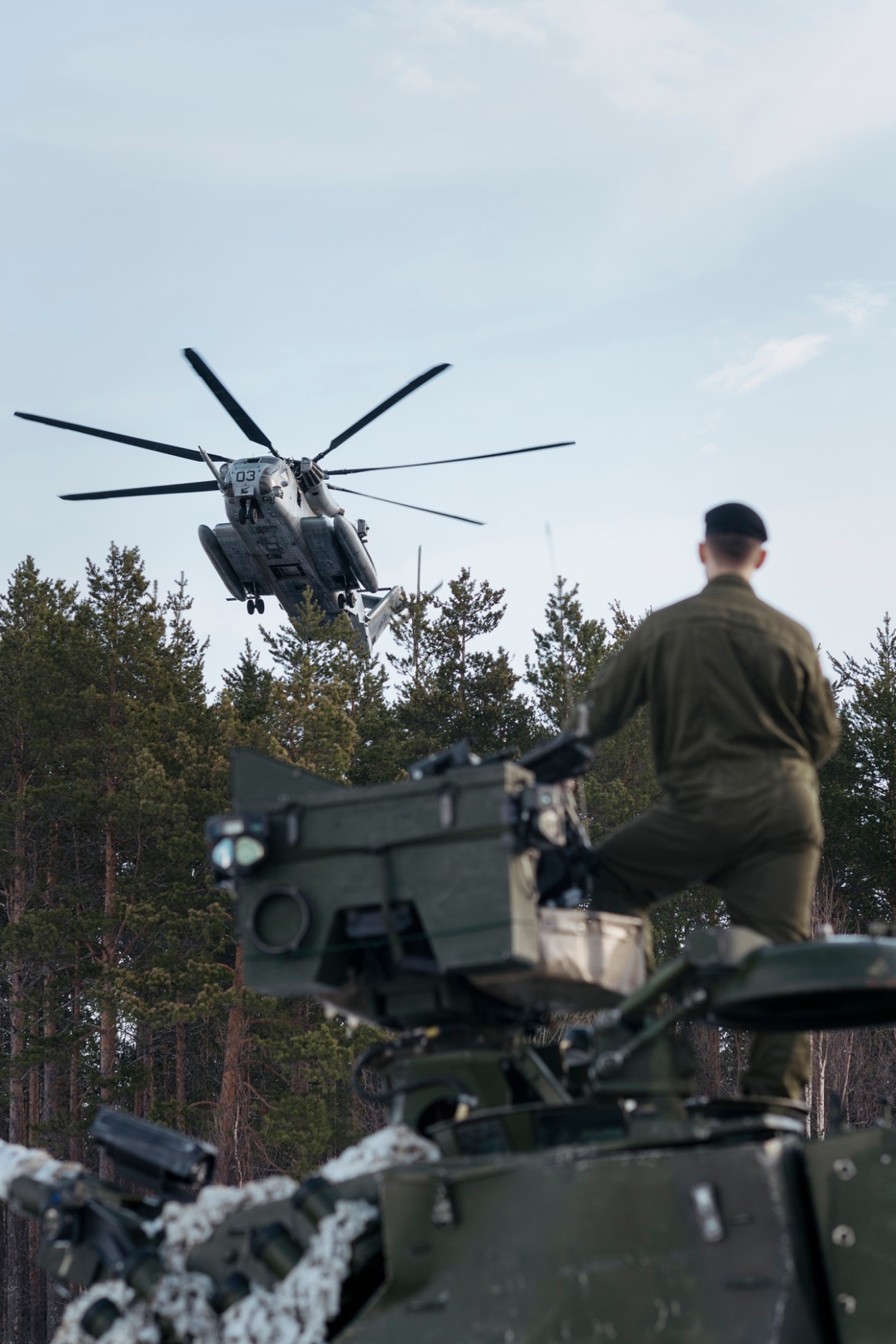
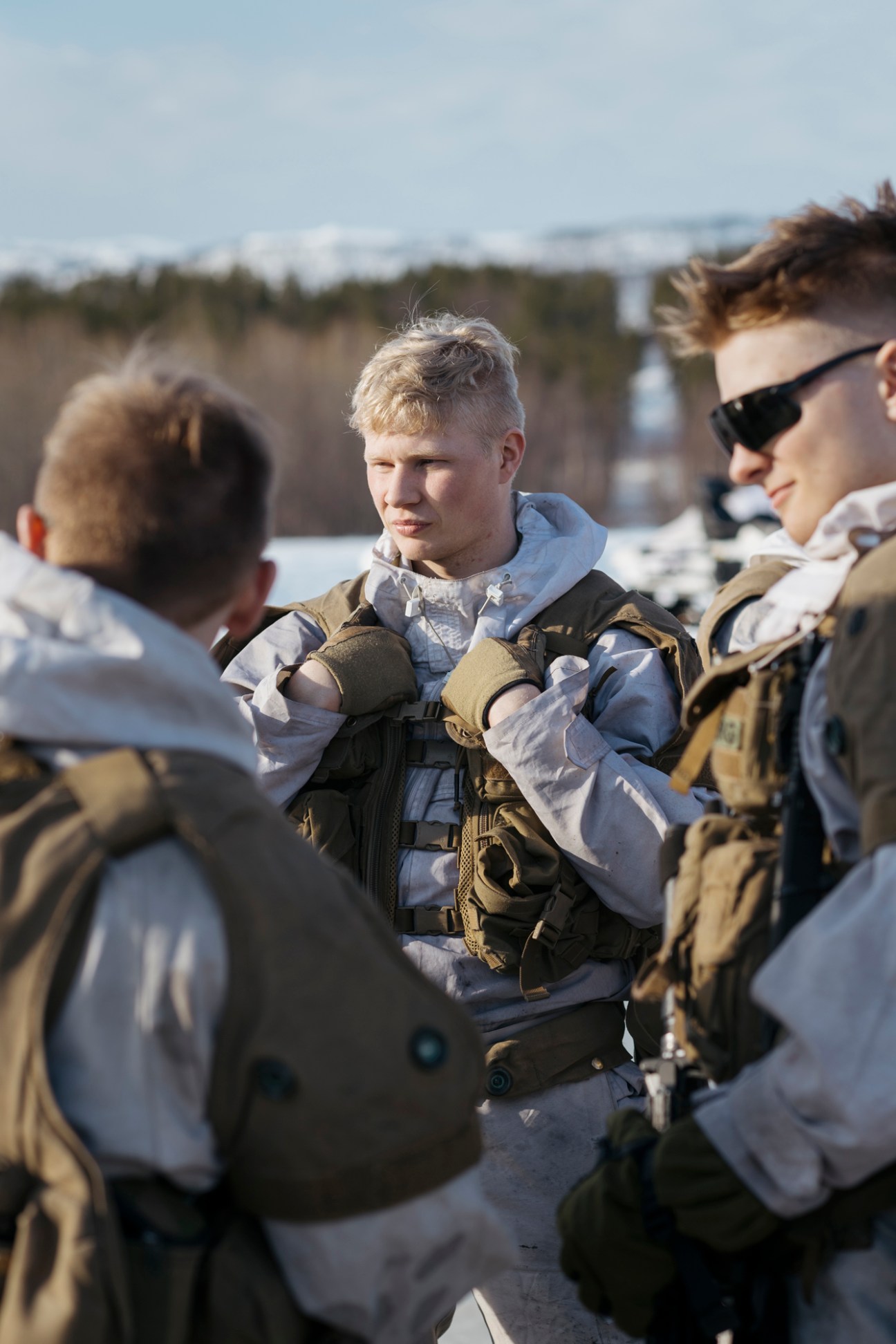
They are among some 30,000 soldiers, from 27 countries, who are in Norway for the aptly named Cold Response exercise. It is Nato’s first large-scale military exercise since Russia invaded Ukraine on 24 February and one of the largest military drills in the alliance’s history. Though Cold Response, taking place from mid-March to early April, is conducted every other year, the war in Ukraine has brought a heightened sense of urgency. The exercises offer Nato a chance to flex its muscles in the form of a huge military display of its fighting forces across land, sea and air – and, crucially, practise collective defence at a time when the likelihood of it being required is higher than it has been for decades.
Both the military significance of the exercise and its symbolism are on the minds of those taking part. “In times like these, citizens look to soldiers for safety,” says Lieutenant-Colonel Sebastian Becker, the affable, softly spoken commander leading the German Gebirgsjägerbataillon 232. “The Ukraine war has changed our security environment and reminded our troops of their purpose. My soldiers now want to go the extra mile in practice.” It’s a significant shift in attitude for the alliance, created in 1949 in response to the threat posed by the Soviet Union; until recent months, some thought that it had become an irrelevance as the bipolar world order gave way to US hegemony in the 1990s, then later a growing US-China rivalry.
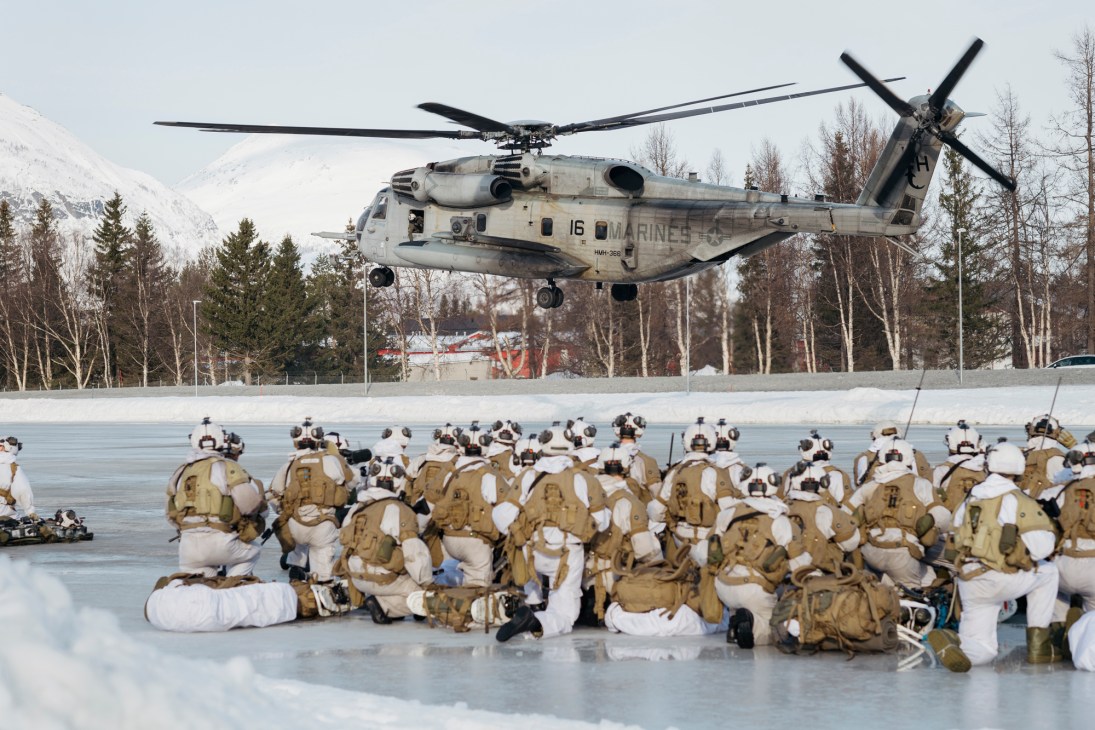
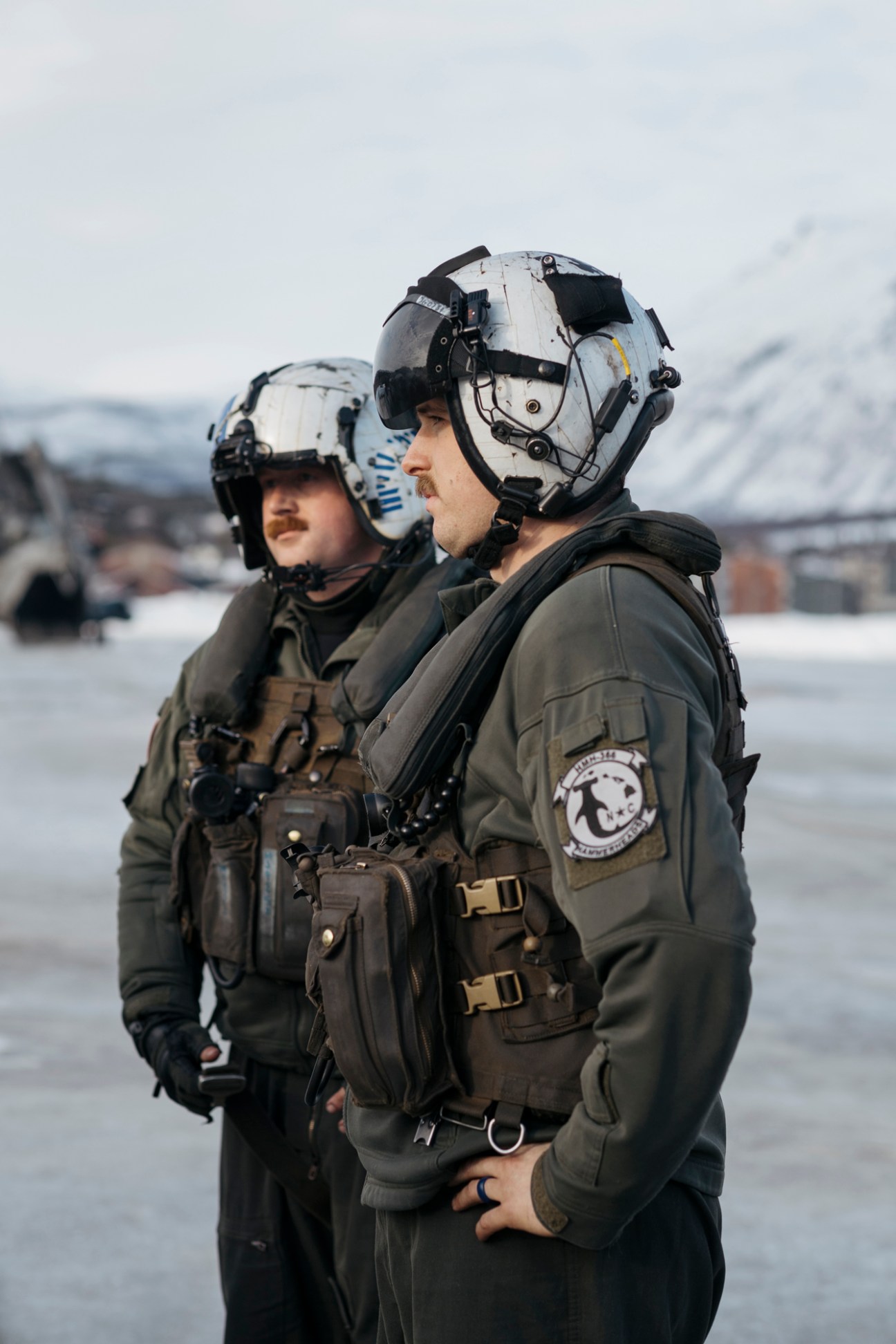
At Norway’s largest military base in Setermoen, more than 240km north of the Arctic Circle, Captain Alexander Granberg, a sprightly 31-year-old Norwegian who speaks American English, orders his soldiers to attention. To the young conscripts in this armoured battalion – Norway has compulsory military service for both men and women – this is a big moment. The whir of rotors fills the air as two Sikorsky ch-53e Super Stallion helicopters piloted by the United States Marine Corps approach. This mission-specific helicopter training is the closest that these young conscripts have ever been to battle-hardened soldiers who have served tours in Iraq and Afghanistan.
The Norwegians stand in formation on the icy landing field, gazing in awe at some of the world’s largest battle helicopters. The US soldiers approach and Granberg, who is accustomed to working with the marines, orders his soldiers into a semicircle to greet them. Hands are shaken, then the Norwegians dash towards the choppers, buckle up and take off, only to touch down and disembark moments later. These helicopter drills are important to get right: the airflow from the rotor blades could easily knock you down and cause chaos if done wrongly.
Training with the Americans is a cornerstone of Norway and Nato’s integrated defence strategy in the Arctic. “The US marines would very likely be the first allied boots on the ground if Norway was attacked,” says Granberg. And given Europe’s fractious security situation, in which both Nato and Russia see each other’s actions as threatening, and growing geopolitical competition in the Arctic, the idea is no longer unimaginable. “Due to Russia’s nuclear bases in the Kola Peninsula [which are about 100km from the Norwegian border] and the strategic importance of the Arctic for access to and control of the North Atlantic, the High North is a key area for Norway and Nato’s defence,” says Janne Haaland Matláry, a professor of international politics at the University of Oslo.
This context underscores why this is the most important Cold Response exercise in years – and perhaps ever. The troops here know it. “[The war in Ukraine] is Nato’s September 11 moment, a dramatic shift in our security environment,” says Major-General Lars Lervik, chief of the Norwegian army. “The role of this exercise is to show that Nato is ready to defend itself and to display how united we are.” Lervik, a towering 50-year-old with a square jaw, cuts an imposing figure as he welcomes Monocle into the wooden headquarters inside the Bardufoss air station in Målselv. Unlike most high-ranking military officials with whom we speak, Lervik doesn’t mince his words. He is convinced that Nato’s 30,000-person show of force, which includes at least 50 vessels and 200 aircraft, is intended as a deterrent to Russia. His willingness to call a spade a spade stands out at a time when most officials are keen to argue that, officially, Cold Response has nothing to do with Russia.
Nevertheless, Norway has been conspicuously open about the exercise’s remit and intentions. It invited all 57 members of the Organization for Security and Co-operation in Europe, including Russian observers, to attend the exercises. Some lament that Russia declined but few are surprised. “In recent years we have seen an increase in Russian military activity in the Arctic,” says Lervik. “They have introduced new weapons systems, such as long-range precision-guided missiles and new submarines, and they are also testing these.” In an arms race, an amicable visit to your enemy’s show of military strength can too easily be misinterpreted.
Though Nato is now projecting outward strength, two of its militarily strongest members, the US and the UK, have for years been criticising their allies for not investing enough in defence. “For a long time, Nato focused on developing its crisis-management capacity, as opposed to focusing on its core task, which is collective defence,” says Charly Salonius-Pasternak, a senior researcher at the Finnish Institute of International Affairs. “It didn’t have a defence plan for its eastern flank.”
Nato has never fought a land war on its territory, the scenario that it is training for in Cold Response. The relative lack of conflicts in Europe for decades shows that Nato’s deterrent was working, says Salonius-Pasternak. “But much of that was the result of US military might, which does not necessarily equal good collective security in Europe.”
Suddenly, Europe’s defence ministries are realising that fixes to funding and preparedness are urgently needed. A major shift is under way in Germany, which for decades failed to meet Nato’s requirement of spending at least 2 per cent of its gdp on defence. Days after Russia attacked Ukraine, Germany’s chancellor, Olaf Scholz, announced a €100bn increase in the country’s military budget. “We will have to invest more in the security of our country to protect our freedom and democracy,” he said at the time.
Military preparations aside, there are thorny questions that Nato is grappling with. Russia has felt provoked when new countries on its borders have joined the alliance. Many analysts argue that Nato erred by promising Ukraine and Georgia eventual membership at the 2008 Bucharest summit without backing this up with any security guarantees. Ukraine’s membership is now effectively off the table but the prospect of Finland and Sweden joining Nato could be the next flashpoint. These issues are not lost to the military forces that are taking part in Cold Response. “With Nato’s current strength, it would without a doubt be able to suppress a potential Russian invasion on its eastern flank,” says Salonius-Pasternak.
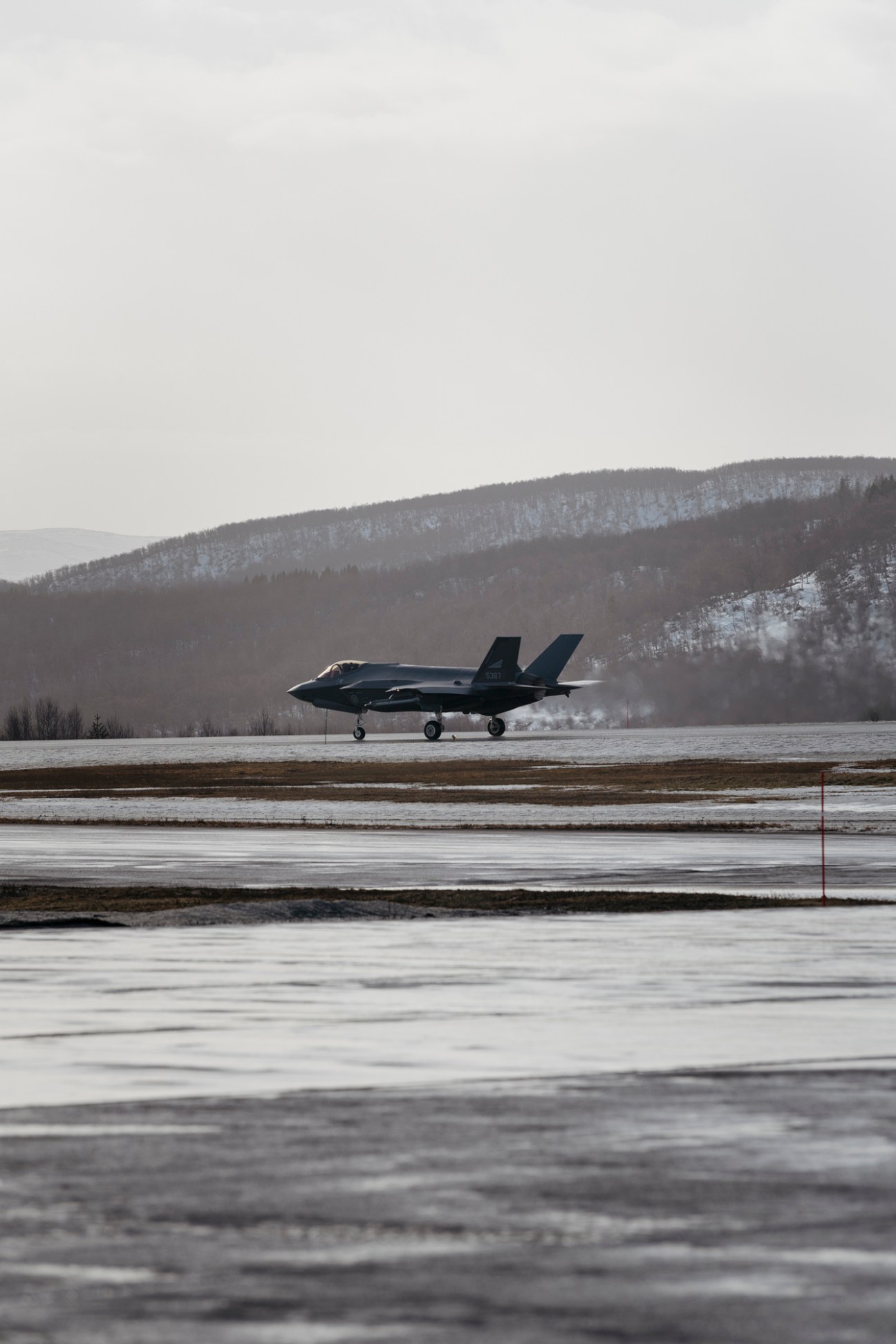
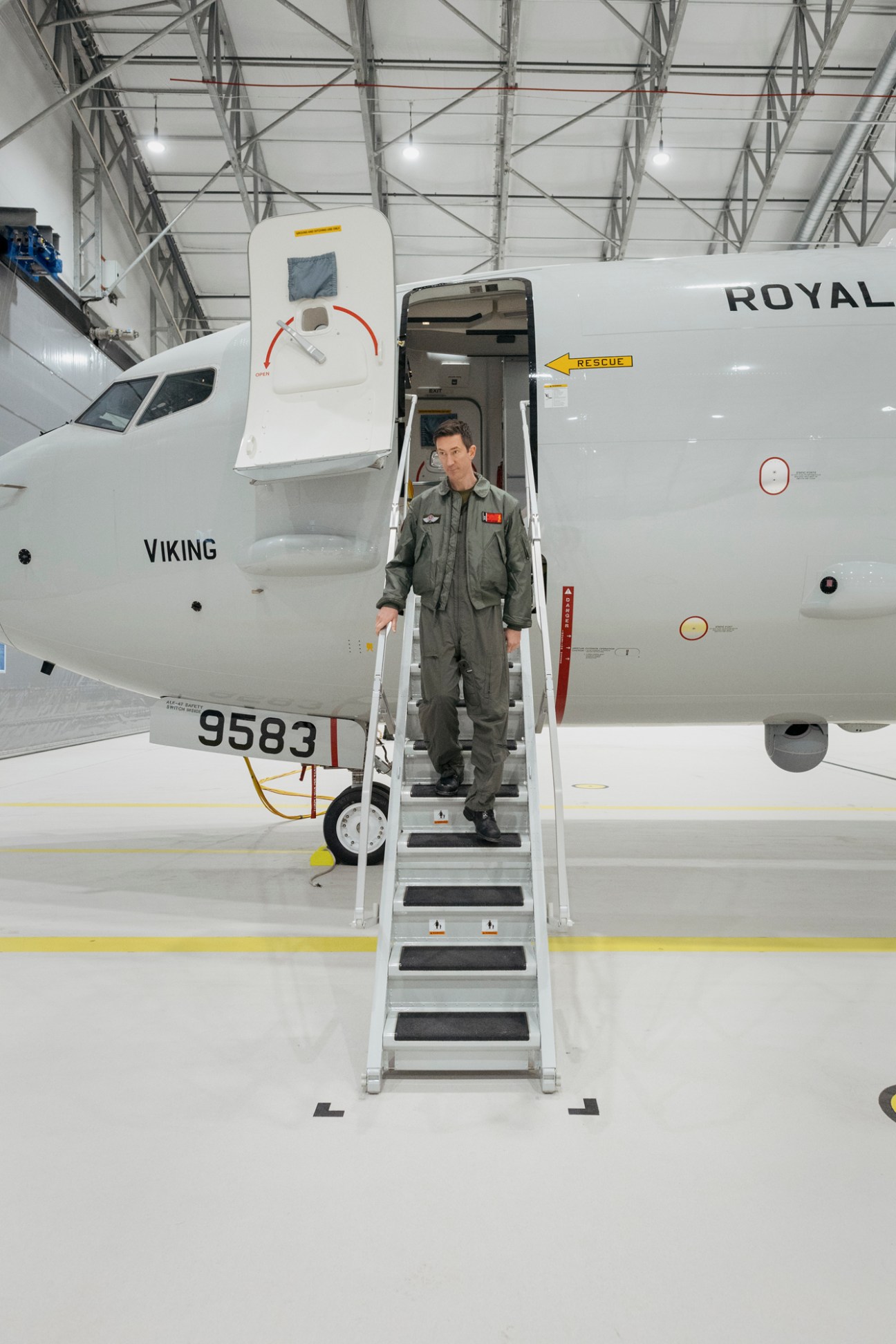
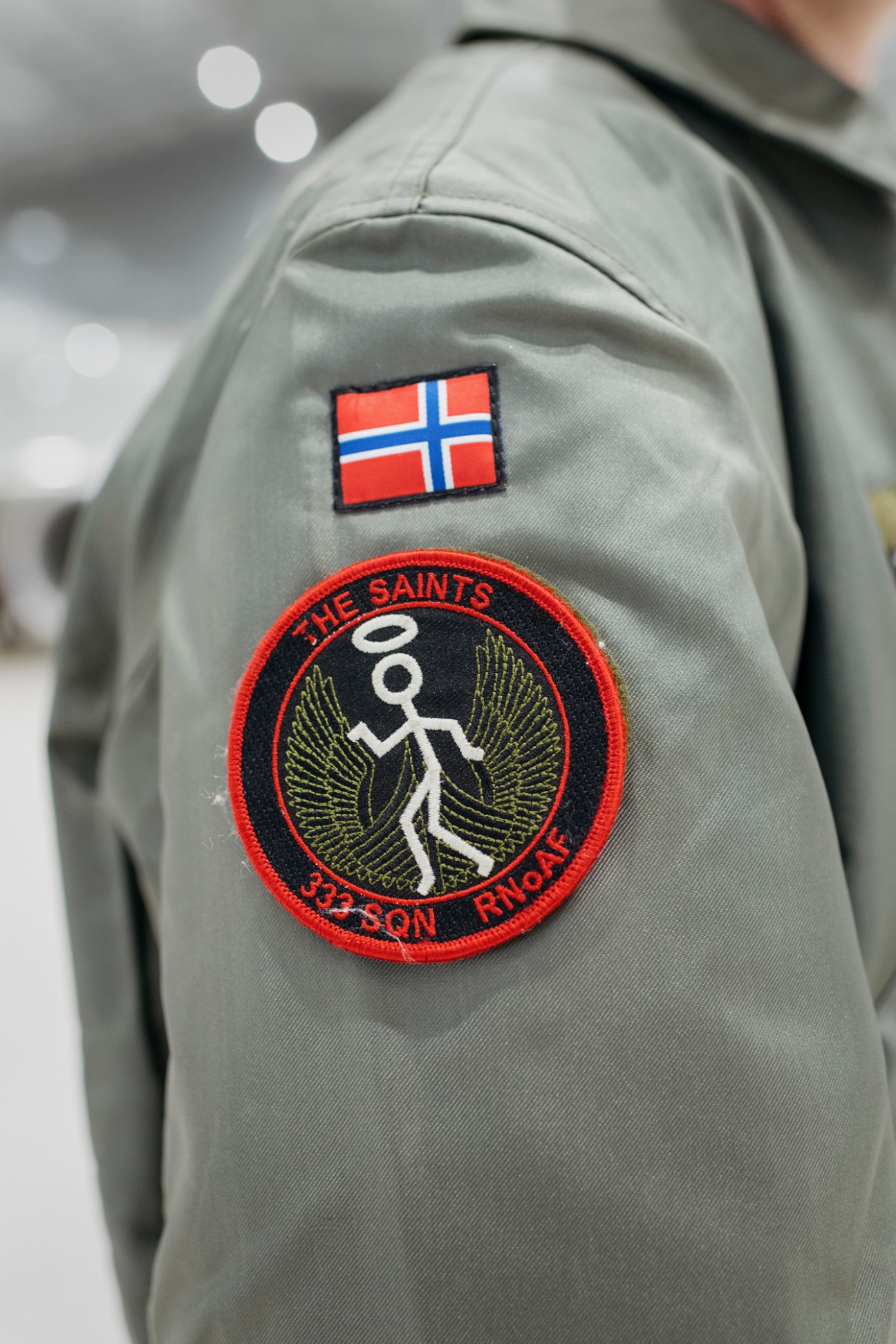
Monocle sees Cold Response’s air defences during a visit to Evenes Air Base, about an hour’s drive south of Bardufoss. We join Per Jørgen Tiller, commander of the 333 Squadron, up the stairs of a shiny-grey Boeing p-8a Poseidon maritime surveillance aircraft, which arrived at Evenes just a week before our visit. This 40-metre, 62-tonne aircraft is a crucial part of Norway and Nato’s surveillance and intelligence activity in the Arctic. Norway has ordered five of these planes. We briefly see the cabin of the $200m (€182m) aircraft that features a bank of computer screens and electronics used for aerial reconnaissance. Tiller says that the war in Ukraine has pushed the crew to make the aircraft operational sooner than initially planned, which has required round-the-clock engineering work and pilot training. Today they can fly daily missions for Nato in the High North. For the country’s military officials, Norway is Nato’s “eyes and ears in the north”. Along with the p-8a, the Evenes Air Base hosts Norway’s Lockheed Martin f-35 stealth fighter jets, two of which are on permanent 15-minute standby. We get an example of what this looks like during our visit. The f-35s have just left the base for an “alpha scramble”: a real-world event, rather than training. Two Russian aircraft had flown close to the Norwegian airspace where Cold Response is taking place. “Air policing” is a key military function of the f-35s in the Arctic, says Colonel Eirik Guldvog, the commanding officer of the base, from his corner office overlooking the runways. “Russian military aircraft regularly fly along the Norwegian coast and don’t file a flight plan or have identification codes,” he says.
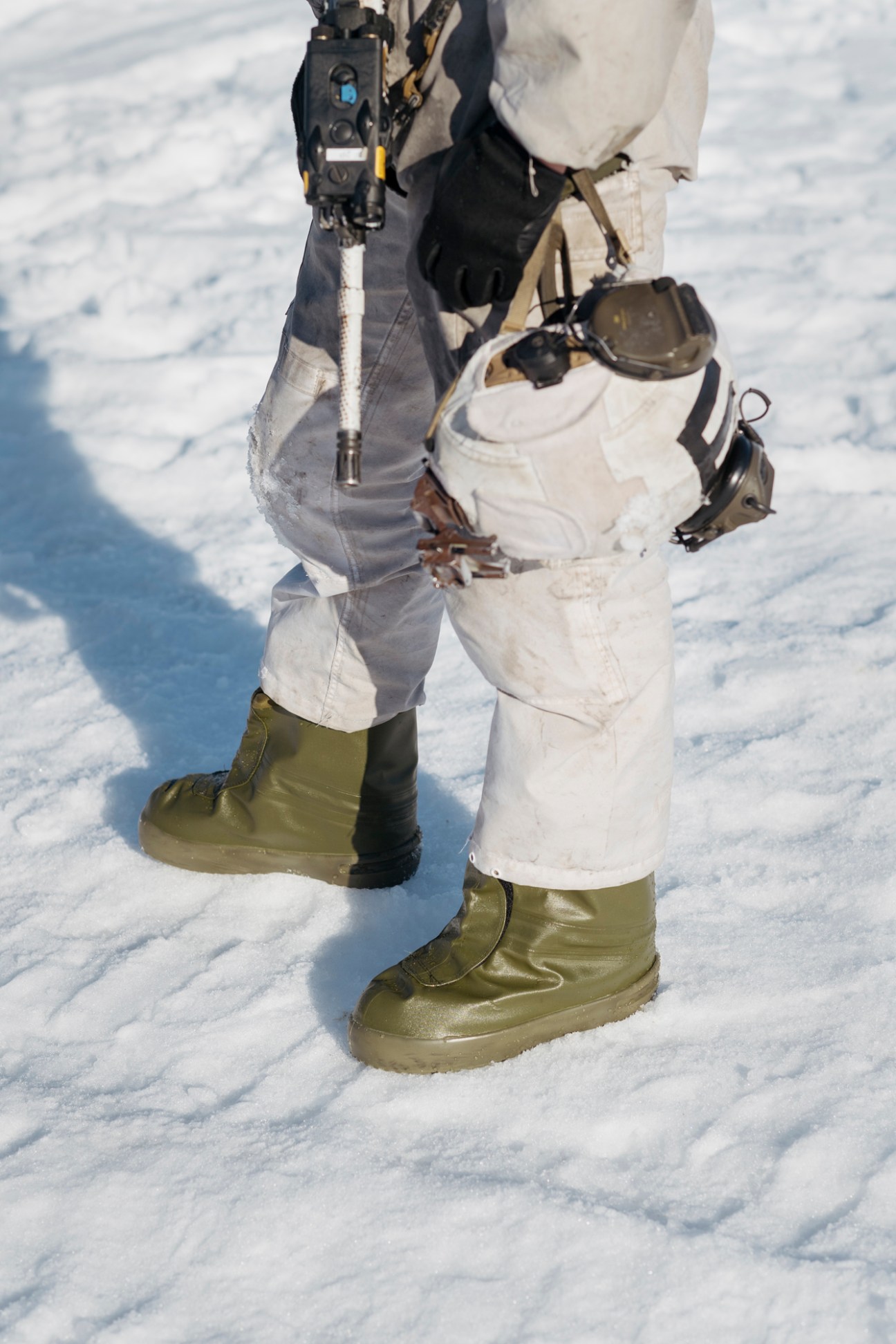
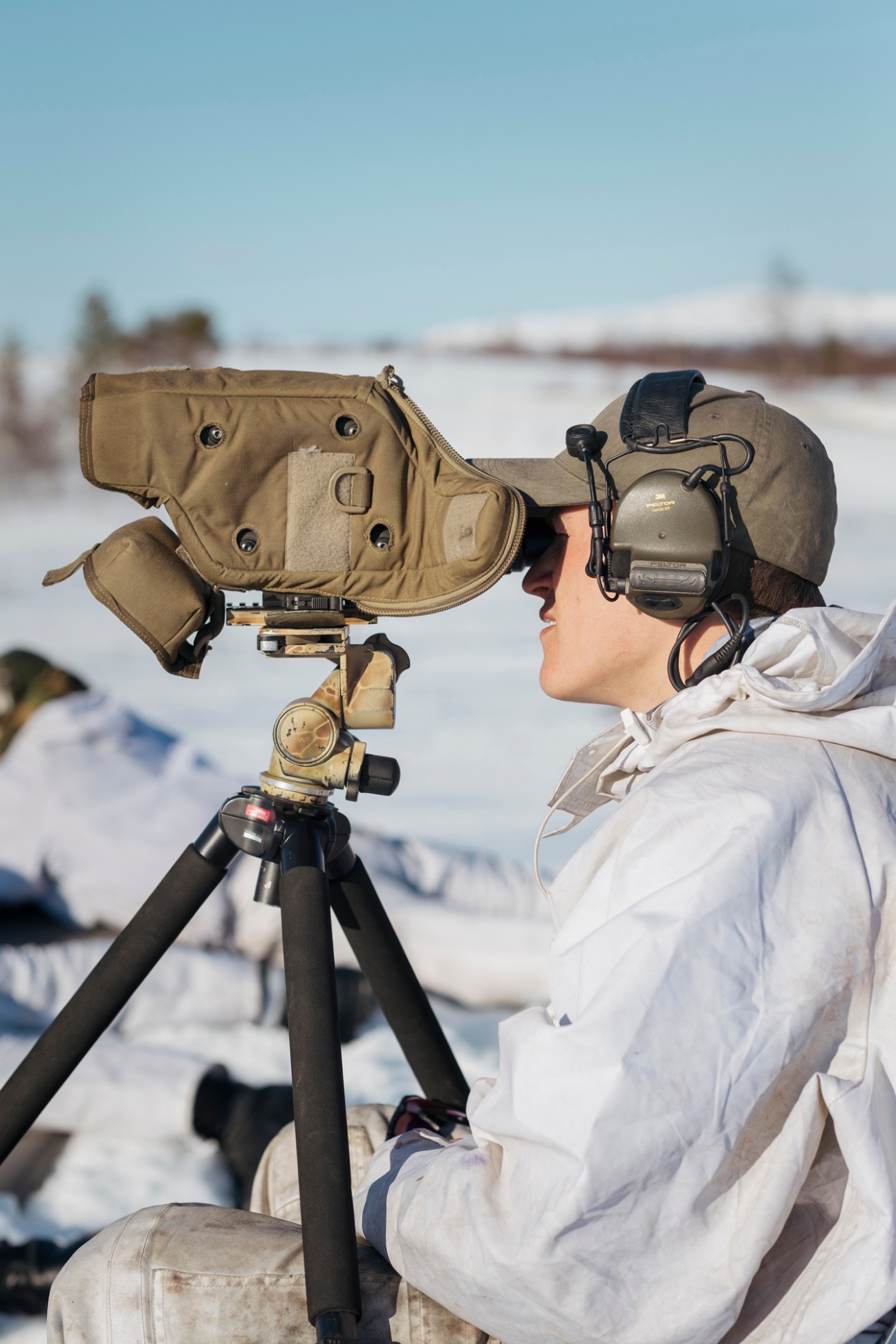
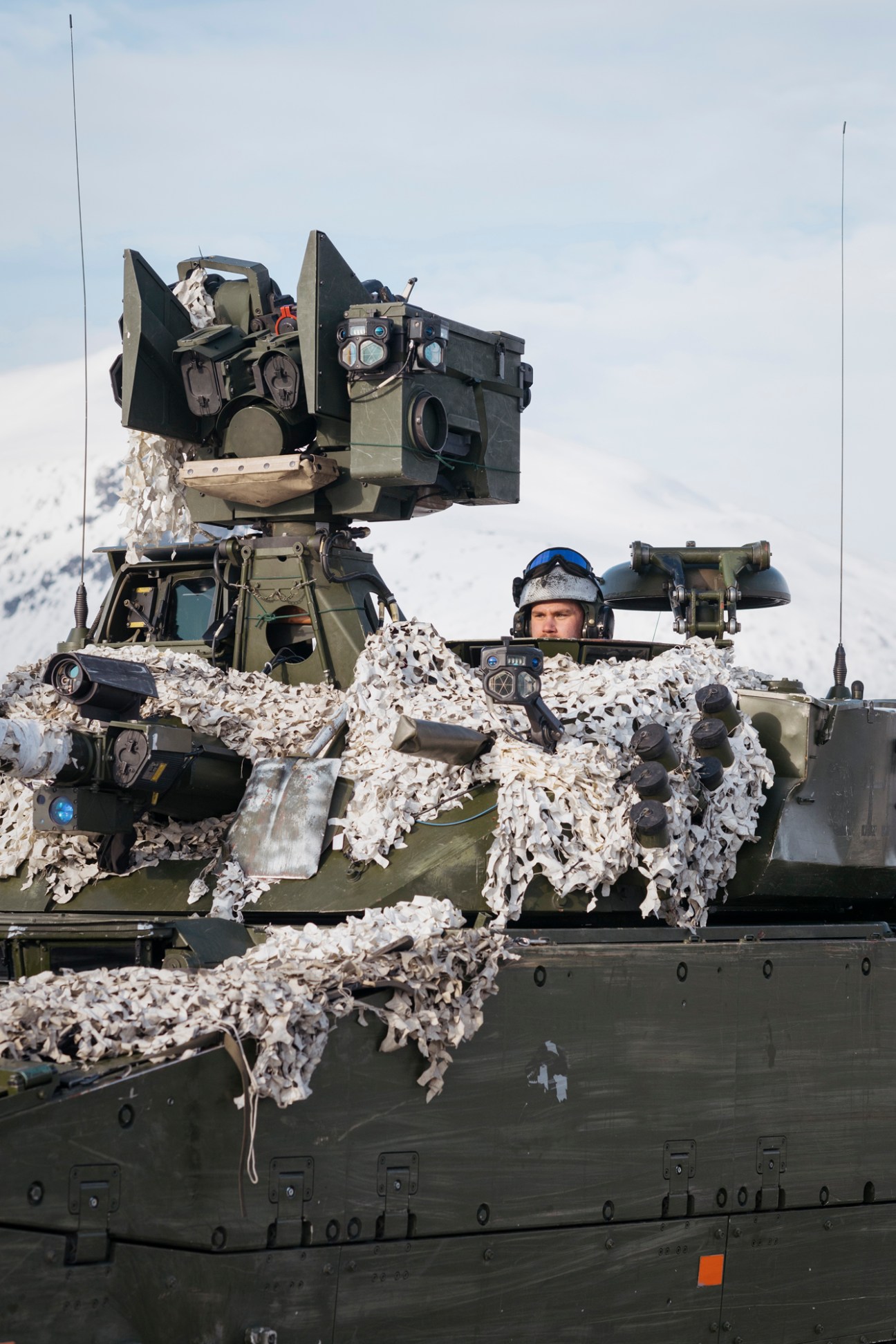

Guldvog argues that this kind of Russian bullishness demands a firm response. “Nato is showing its strength and showing that we are able and willing to defend our territory,” he says. Flying up and establishing visual contact with the approaching Russian aircraft in a matter of minutes seems to be a part of this, though it also inevitably carries the risk of miscalculation and conflict.
As in past years, non-Nato members Finland and Sweden have been invited to take part in the Cold Response exercises. Sweden has sent more than 1,500 soldiers alongside Saab jas 39 Gripen fighter jets (see issue 146), while Finland has dispatched 680 troops and Leopard 2a4 battle tanks. The two Nordic neighbours have formed a joint brigade this year under the command of the Norwegian army. “While there are security-policy differences, it is important to practise together because, in reality, the northern regions of Finland, Sweden and Norway are one operational area,” says Salonius-Pasternak. “In any regional war the three countries would have to co-ordinate, co-operate and likely defend themselves together.”
Russia’s attack on Ukraine has not only galvanised Nato members but led to a major shift of public opinion in Sweden and Finland over future membership. Cold Response comes at a time when a majority of the public in both countries have said in polling that they favour joining the alliance. Nato is keen to oblige but the two countries differ in their approaches. Sweden has said that it is not seeking to join the alliance immediately, whereas most analysts believe that Finland will act faster. “The stated goal is that, within a few months, Finland will have completed a national public debate to make one of the most momentous foreign-policy decisions that the country has ever made,” says Salonius-Pasternak.
Every nation taking part in the exercises here has its own agenda and mindset but there is a unity of purpose among the troops we meet. “Allied cohesion has been Nato’s most significant response to the events in Ukraine,” says Lervik, from outside the army headquarters in Bardufoss. Behind him, US and Norwegian soldiers chat amicably as they make their way to the mess hall, a modern glass-and-wood building standing at the foot of a snowcapped mountain.
Exercises such as Cold Response are needed, Lervik believes, to make sure that soldiers from dozens of countries, all with their unique procedures and cultures, can fight as one. “To fight together, you need to be able to trust each other,” says Lieutenant Luca Bartolucci, a jovial 26-year-old Sicilian from Italy’s 3rd Alpini Regiment. “Your life is literally in their hands.”
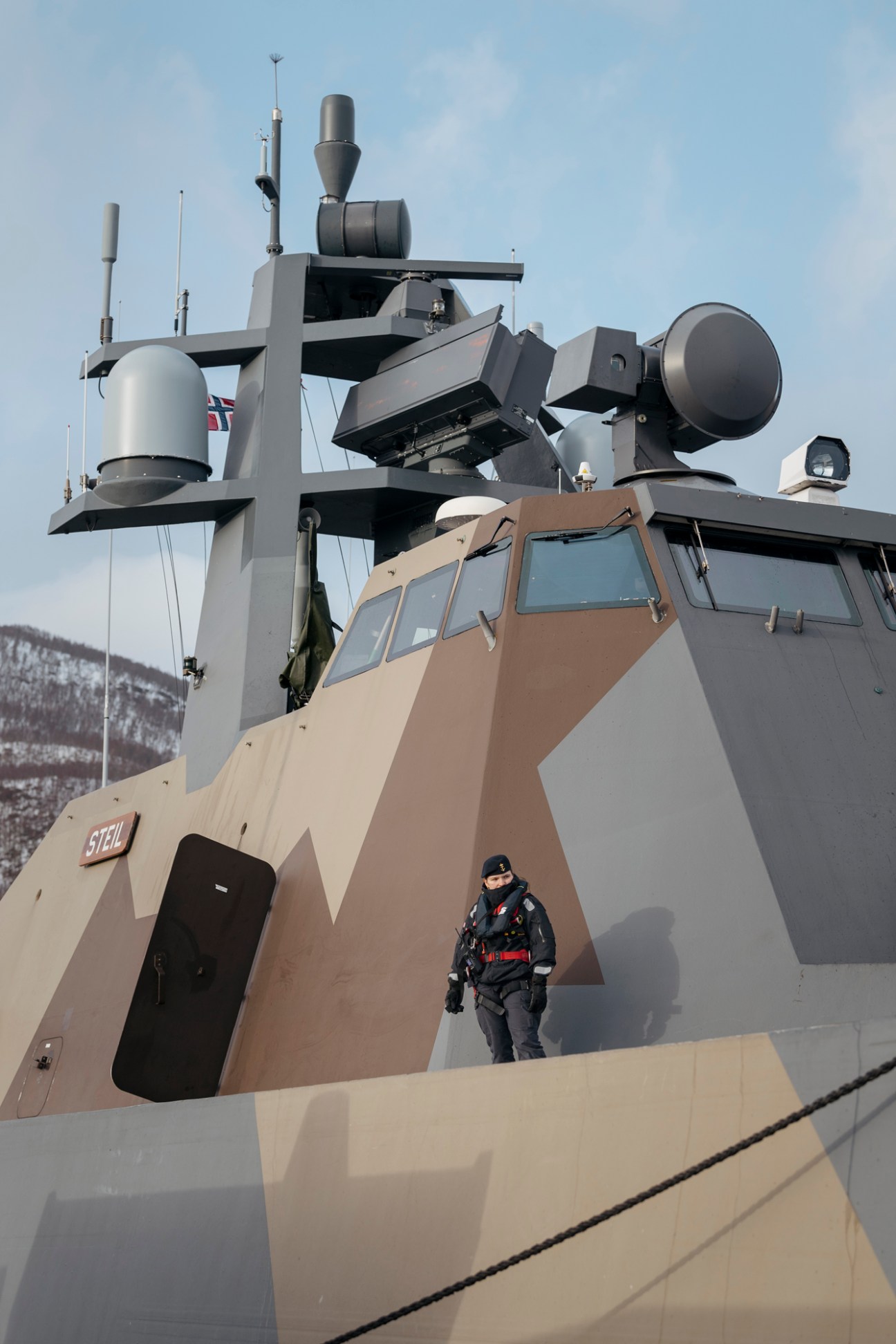
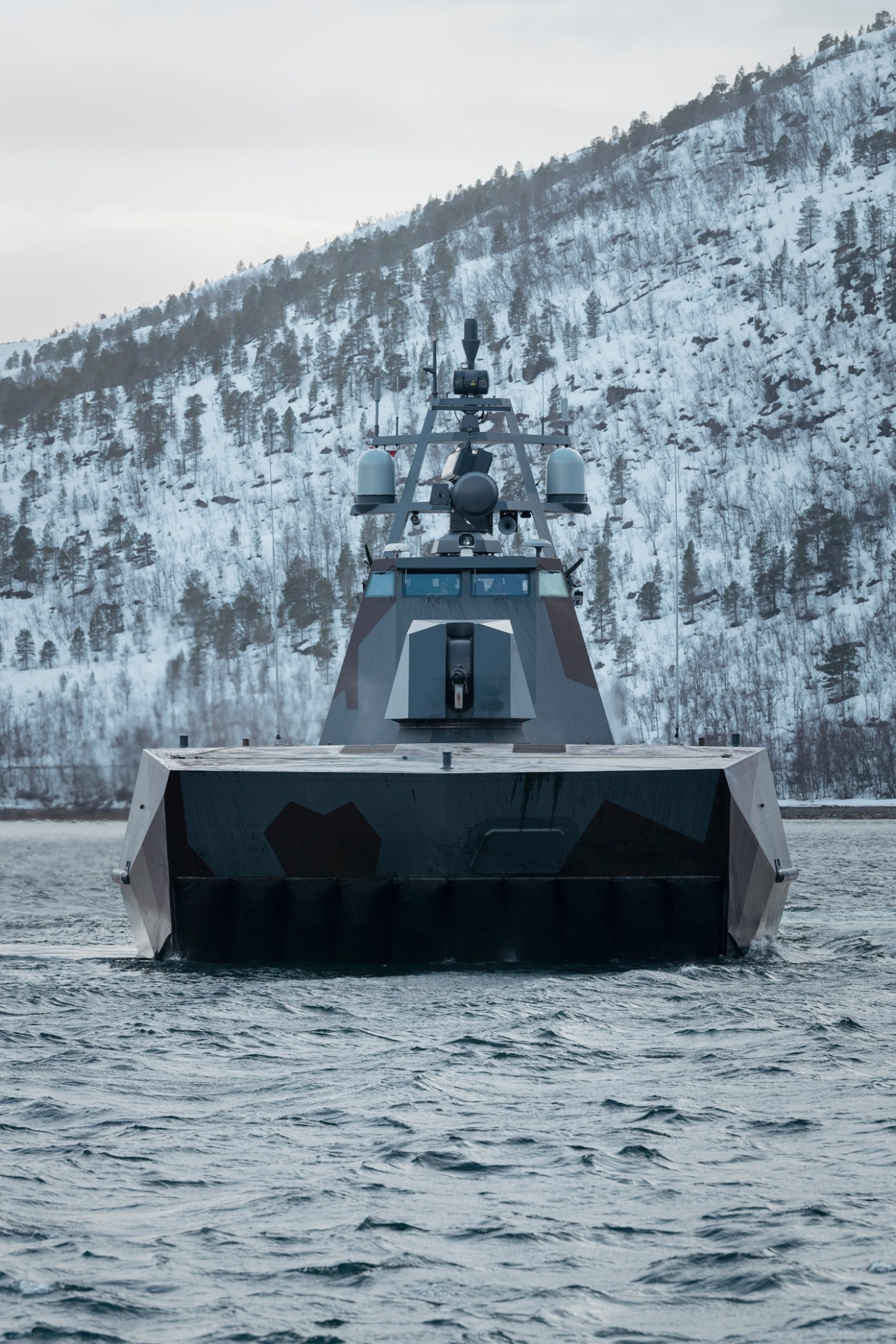
Some 9,000 naval personnel are participating in Cold Response this year. In Ramsund Naval Base, which is about a 20-minute drive from Evenes Airport, a hnoms Steil stealth corvette is being prepared to head out to sea. Its angular shape and catamaran hull make it harder for radars to spot and its camouflage deceives the naked eye, blending in with the sea and the High North mountains. The ship’s captain, Eivind Vedlog, a bearded, dark-haired Norwegian, is going through today’s planned mission with a young female second-lieutenant. Cold Response is her final major test before she can become one of the first female navigators of Norway’s fleet of six third-generation corvettes.
Reaching speeds of up to 60 knots (111km/h), the knm Steil is equipped with naval strike missiles. Its 25-person Norwegian crew is proud to show off the ship’s speed, capacity and weaponry. Right now its training for offensive operations while handling Cold Response’s operational security, which includes responding to accidents and foreign interference. Its usual role is to patrol Norway’s Arctic waters.
As conflict rages in Eastern Europe, military preparations, even those in the cold High North, feel increasingly crucial. And Cold Response, as military top brass and defence analysts repeatedly tell us, is the most crucial among them. “It is the only full-spectrum Nato exercise in which aircraft can drop bombs, the navy can access land from the sea and the army can train for winter war,” says Matláry. Whether this training is put to use on the battlefield soon is the question on everyone’s mind.
Urbanism
Mobility
Netherlands
Along for the ride
Think of the Netherlands and what’s the first thing that comes into your head? The bicycle, of course. Cycling is integral to the Dutch way of life – over a quarter of all journeys in the country are made by bike on more than 37,000km of designated cycle paths. It’s something that is envied the world over but is it possible to emulate that success elsewhere? Ja, natuurlijk, according to the Dutch Cycling Embassy, an organisation responsible for sharing the country’s expertise.
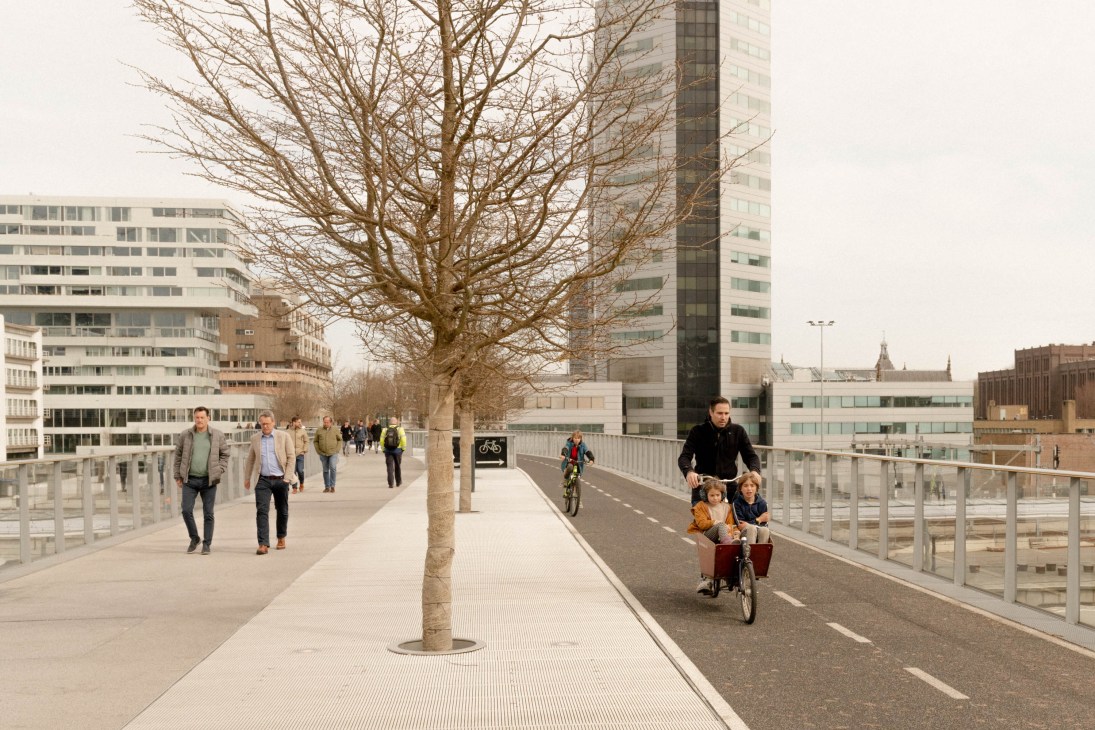
“There’s a presumption that it was always this way, that the Netherlands rose up out of the North Sea with its cycling infrastructure pre-built,” says Chris Bruntlett, the Embassy’s communications manager. In the early 1970s, like other countries, the Netherlands was aspiring to be a car-first society. But the Dutch resisted, protesting over child safety, quality of life and fuel prices.
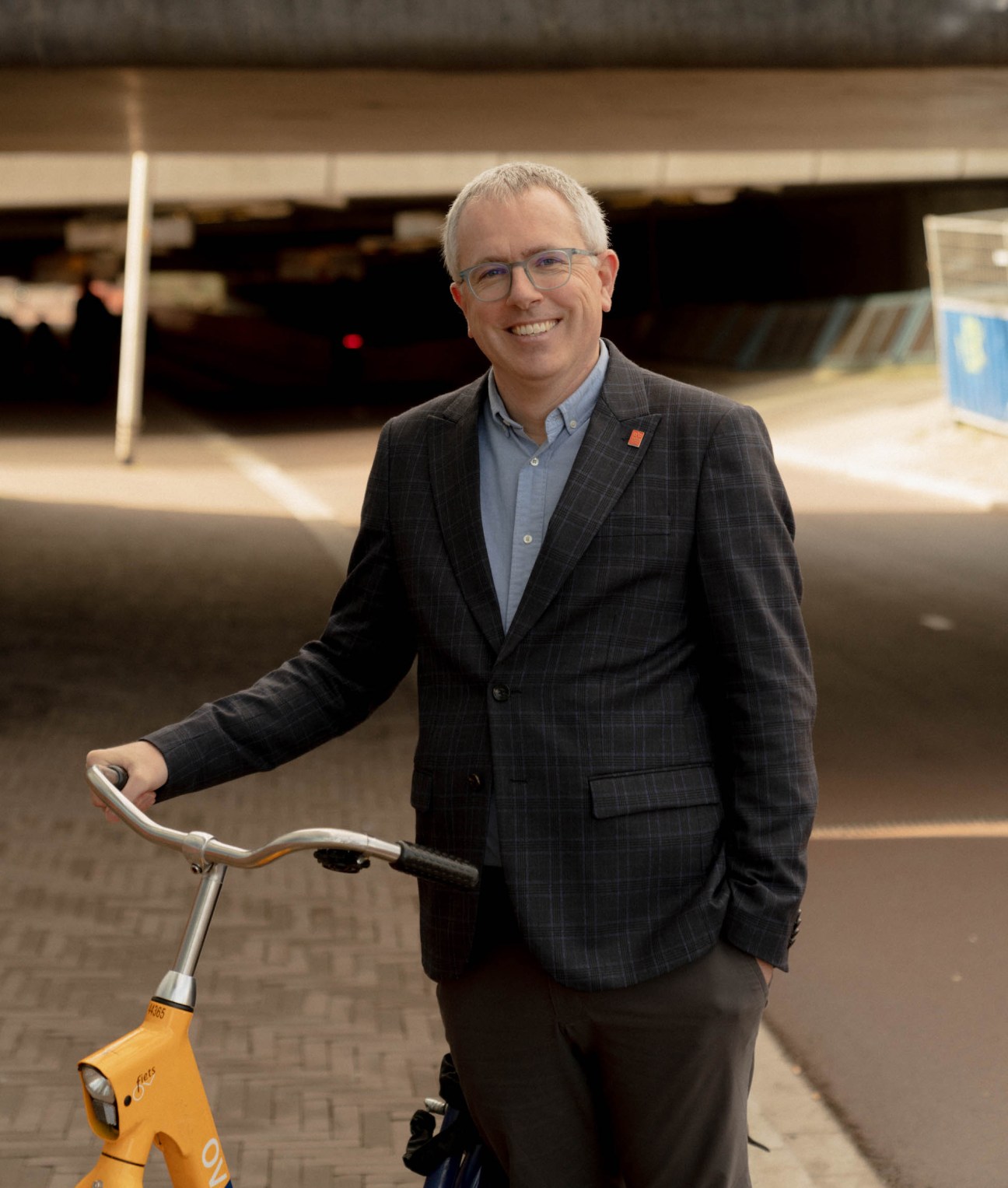
“Today’s cycling culture is personified by the fact that it’s not even aware of itself,” says Bruntlett (pictured). “People choose the bicycle simply because it’s the easy choice within the city.” It’s this message that the Embassy aims to promote worldwide.
Formed in 2011 to deal with the many requests that the Dutch government was receiving, the Embassy acts as an intermediary for local and national governments abroad, connecting them with a network of Dutch expert organisations. Based in Utrecht, the Netherlands’ fourth-largest city, it shares an office with the Dutch Cyclists’ Union — an organisation which helped lay the foundations for the culture the Embassy exports across the globe.
“There’s a moment when you see somebody get on a bicycle in the Netherlands for the first time and they have this twinkle in their eye”
It has worked with both cycle-friendly towns and cities (like Copenhagen and Cambridge) and not-so-friendly places (such as Riyadh and Abu Dhabi). The projects are similarly wide-ranging, with hyper-specific consultations on single intersections alongside plans to design entirely new networks. The level of detail on offer is perhaps best demonstrated by a project Bruntlett recalls with the Texan city of Austin, during which its fire chief flew over to Rotterdam to meet his counterpart, in the process alleviating concerns that cycling infrastructure might impact emergency response times.
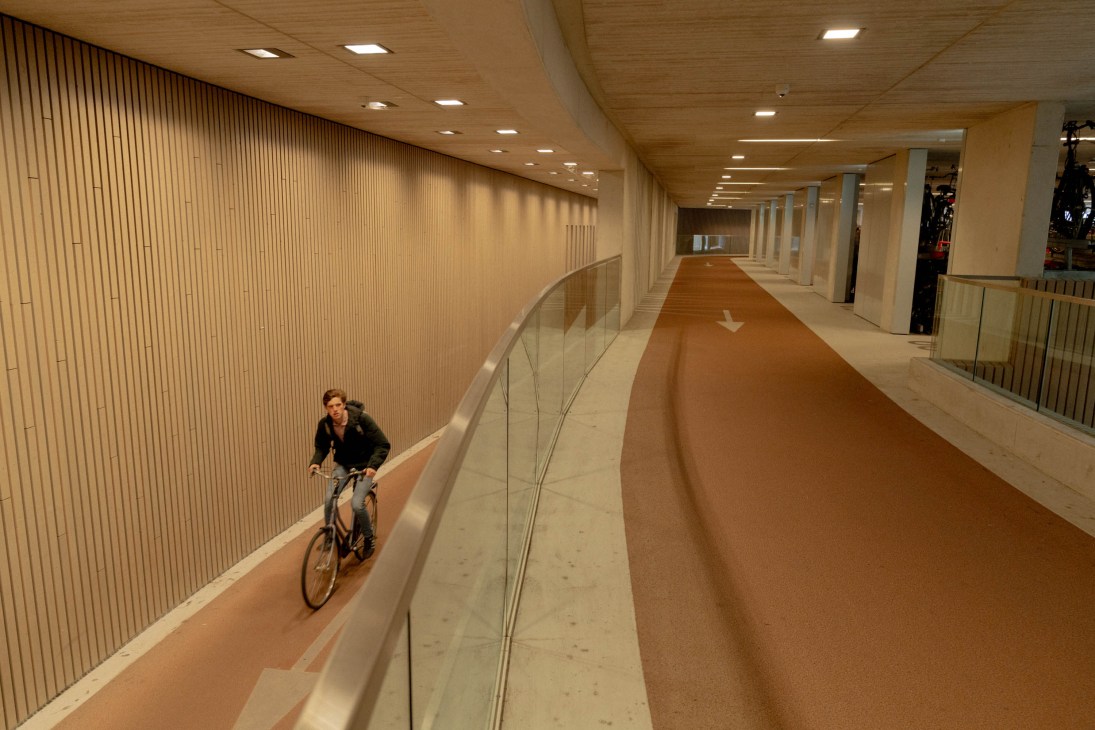
The Embassy is particularly adept at helping with those all-important first pedals. It usually sells the benefits of cycling to decision-makers with a simple yet effective method: a bike ride.
“There’s a moment when you see somebody get on a bicycle in the Netherlands for the first time and they have this twinkle in their eye,” says Lucas Harms, the organisation’s managing director. “They suddenly see how great a city can function for those that live there.”
This is a testament echoed by Bruntlett: “They then know that the controversies, fights and political battles that are to come will be worth it.”
Austin is heralded as one of the organisation’s finest achievements, with 650km of bike lanes currently being installed over a 20-year transformation. Other notable triumphs include the creation of a national design guide to improve the streets of New Zealand, and workshops and consultations with Paris – a city that has gone on to become one of the world’s cycling success stories.
With projects on the go in Milan and the Philippines and early-stage talks being conducted in India, the Cycling Embassy is teaching the world how to go Dutch, one cycle path at a time.
dutchcycling.nl
Design
Houston
On the tiles
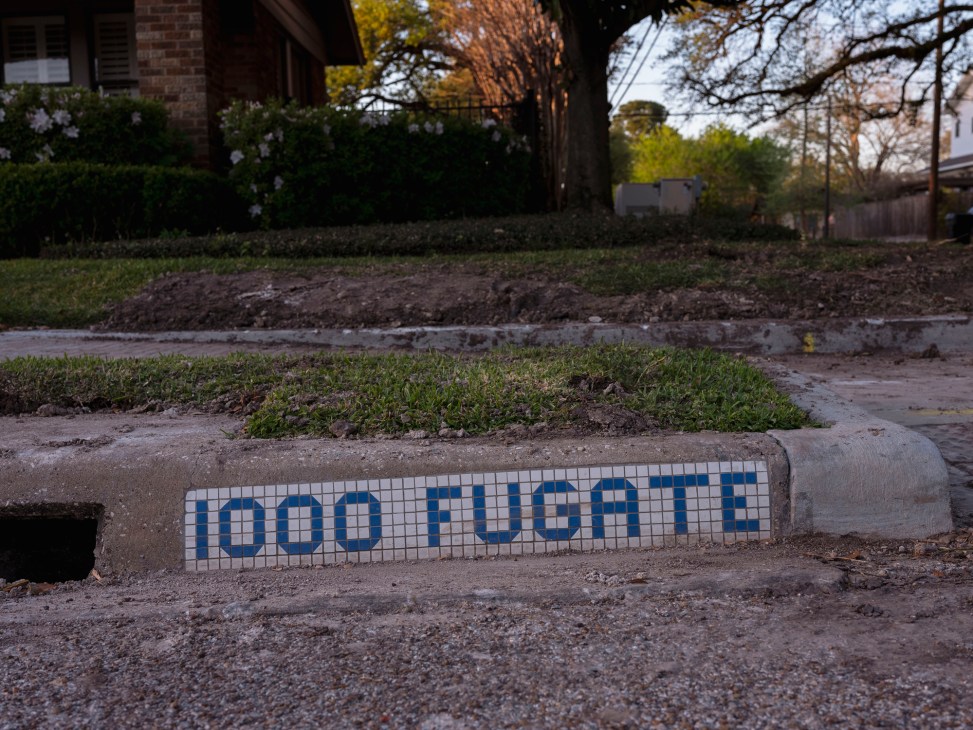
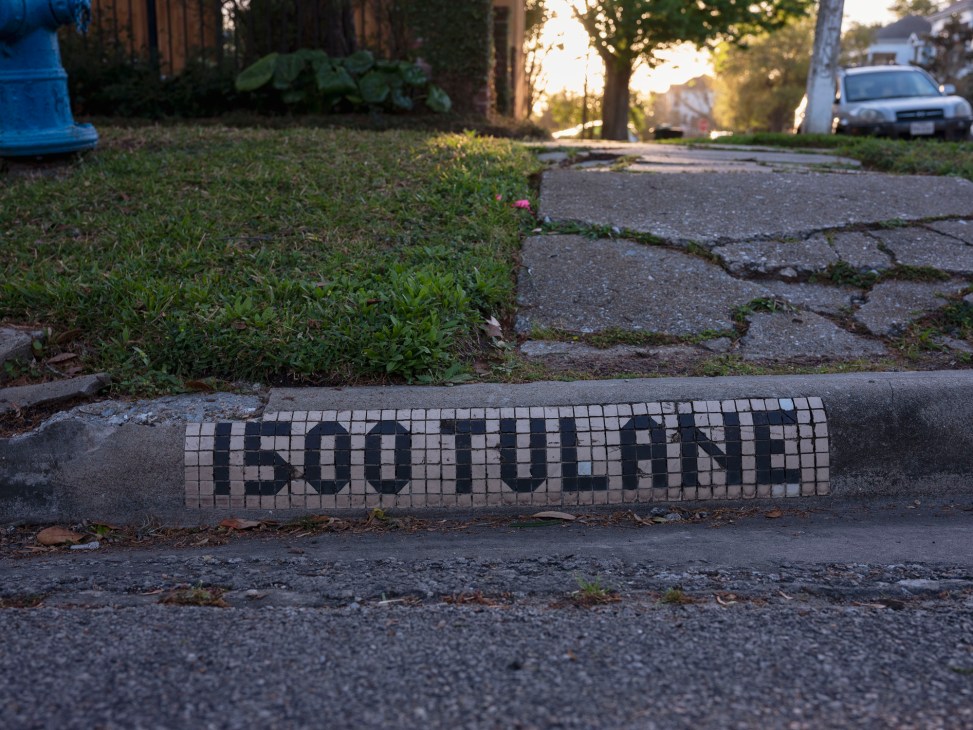
City councils spend millions on branding and logos for their urban centres, but sometimes the answer to finding a unifying identity can be right under our feet. Cycling across his hometown Houston in 2015, Joey Sanchez spotted a neglected piece of street furniture peeking up from the curb: the blue and white tiled street signs that were first installed from the early 1900s, some predating even cars.
“It was a detail of the city that no one paid attention to,” says Sanchez, who began photographing the mosaics and has since mapped more than 3,500 surviving examples across the Texan city. The Blue Tile Project has galvanised local authorities to preserve the street signs and also have them inlaid on more recently built thoroughfares as Houston balloons in size.
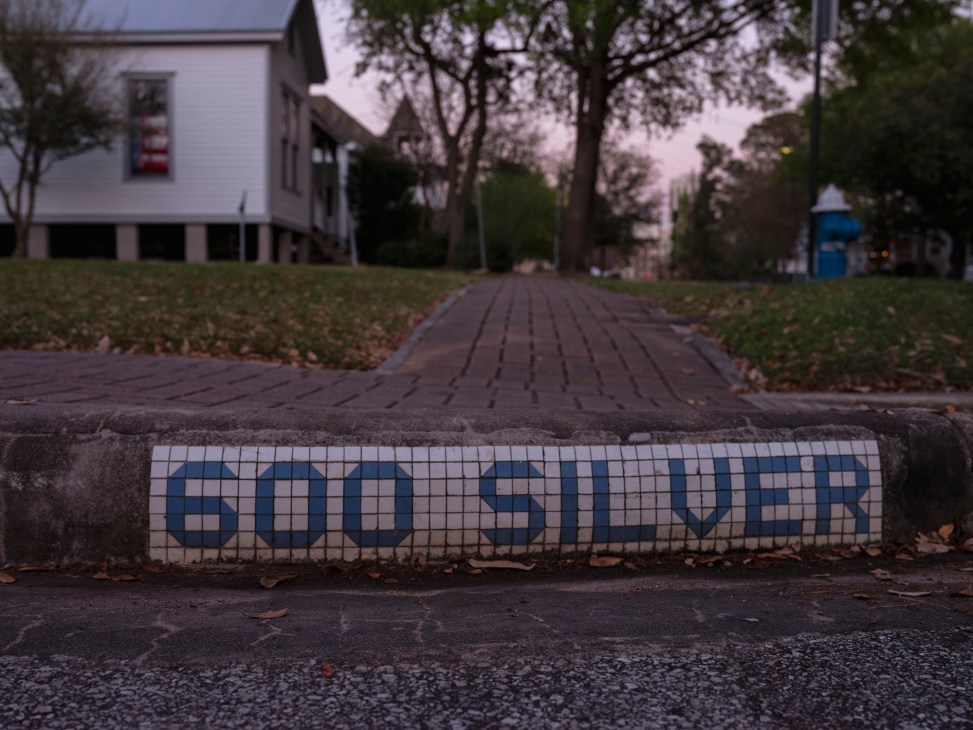
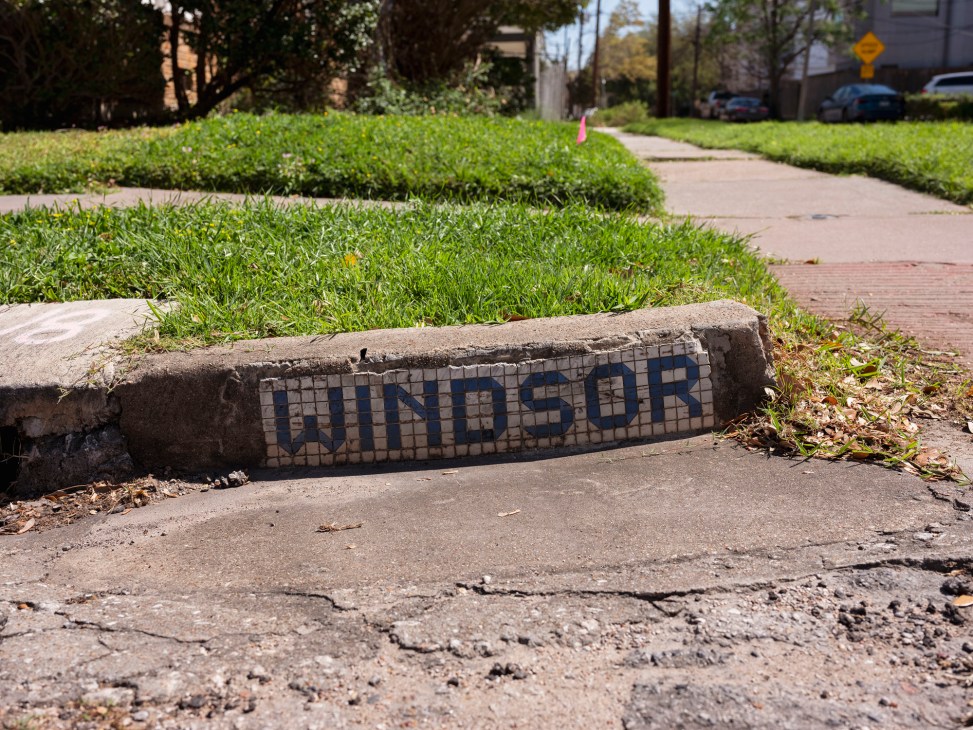


“We’re now the fourth-largest city in the US and it’s sprawled outwards – an hour north and an hour south,” says Sanchez. “Almost one in every four residents is foreign-born, so trying to find a symbolic image that connects everybody and their life story is very difficult in Houston. If the blue tiles can be part of that, that would be a great success.”
Fellow Houstonite Eric Maier has built a contraption to inlay new tiles flush to the curb in a way that accurately matches the placement of the originals.
“It’s a really dirty job of crawling around the street on your hands and knees, and blocking traffic with your truck,” he says. Maier is doing about 150 jobs a year, installing new signs and repairing those that have been “torn up over the years”. Now he’s turning his attention to the squat concrete pillars that were once erected around the city as street-name markers.
“They were made by guys coming back from the war, to give them something to do,” he says. “In Houston, if a business closes, we tear the building down and put something new in its place, so this street furniture is really special.”
For Sanchez, preserving the tiles is about continuing a legacy. “You get updates to the streetscape, and you get to salvage a piece of history.”
bluetileproject.com
On Design
Nolan Giles on…
Design in the Nordics
“Put on the spot” – that would be the best way to describe my reaction to a recent question I was asked about how architecture could be improved in Oslo. The query came from a Norwegian, who clearly knew a thing or two about buildings in the nation’s capital. And from where I stood – underneath the undulating ribbed timber roof of a beautiful new building designed by Oslo firm Snøhetta – I couldn’t see a great deal that really needed fixing. What I could glean, however, was that people in Oslo really, really cared about the urban fabric of the place they call home – an observation I channelled into my answer.
This happened on the Norwegian leg of our tour for The Monocle Book of the Nordics, after an engrossing conversation around the harbour city and its attractiveness as a place to do business and enjoy its natural and built assets. While the book champions many aspects of how the Nordics live a good life in their beautiful patch of Europe, from eating well to indulging in sauna culture, it was its design and architecture pages that inspired the best, most thought-provoking conversations I had at events in Oslo, Stockholm, Copenhagen and Helsinki.
What was striking from speaking to the audience in each city over the course of the tour was the level of knowledge and understanding of the role that good design and architecture can play in our everyday lives from basically everyone there. We discussed everything from the importance of continuing craft traditions in Finland due to its importance in its national identity, all the way through to eliminating cost engineering in housing developments and enabling architecture that maximises quality of life for those living and working within it.
Of course, that isn’t to say that all design or development done across this region is perfect. And my new friend in Oslo clearly had a few pressing concerns she wanted to get into, about a new building a stone’s throw away from where we stood. But for the large part, design done in the Nordics for citizens, from kitchen table-making to urban planning, is among the world’s best. This was something I already knew – hence devoting a good chunk of the book to it. But what I was maybe missing was the reason for this, which is because this part of the world is blessed with a population that advocates for good design and architecture.
Comment
Photography
London
Sound effects
Andrew Tuck on studying old images to see – and hear – what they can tell us about our cities today.
It’s not about things being better back then because, really, they weren’t. But there is something about looking at old photographs of your city that can make you wistful and reassess where and how you find yourself living today. And it’s not just what you see in these pictures; it’s what you can almost hear – the cacophony of humanity, the ringing of tram bells, the swishing of skirts, the slap of shoe leather on pavement, the holler of the market trader. That’s why I am lured in by old photographs of London.
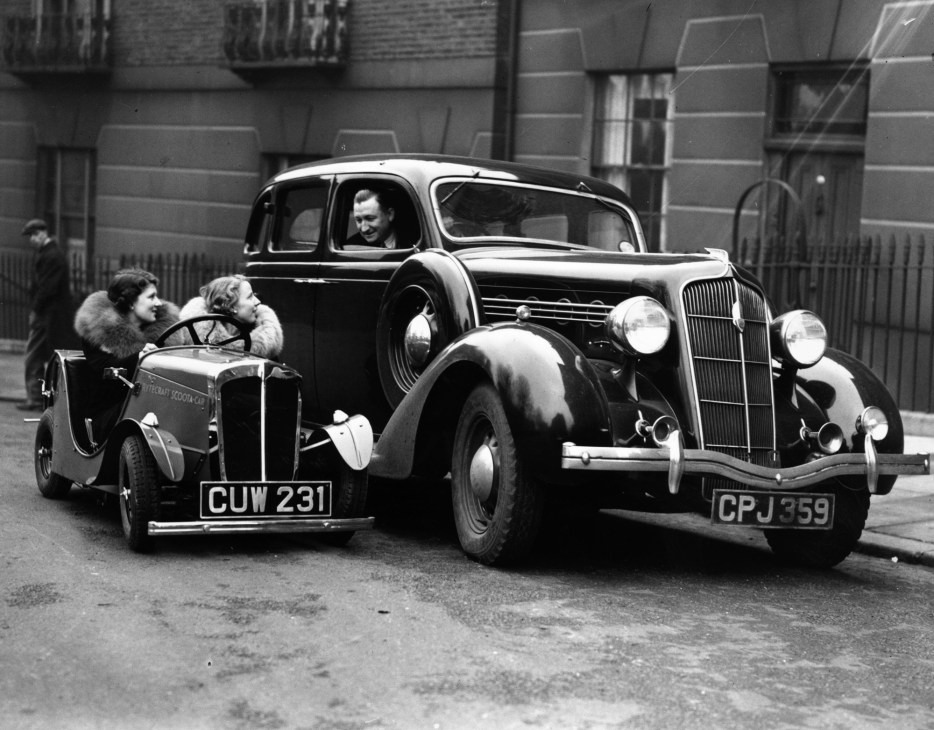
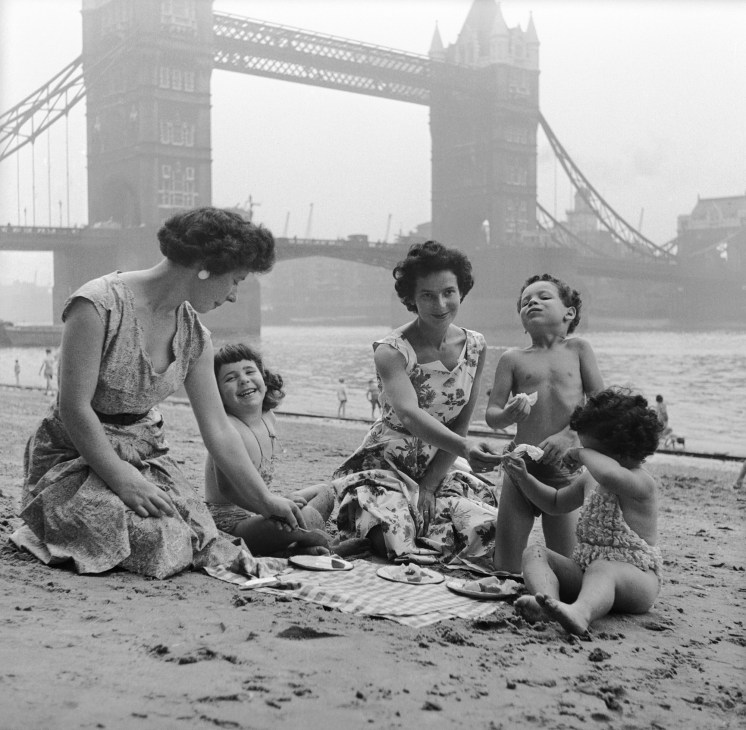
There’s a bit of humility that settles on you too. Your big idea? They thought of it ages ago. Micromobility? How about the two women dressed in fur-collared coats traversing the city in their Rytecraft Scootacar (pictured, top left), a miniature vehicle that looks like it’s broken free from a fairground ride? Beaches on urban rivers? Now there’s a clever idea – but you might want to check out the two women playing with their children on an artificial beach by Tower Bridge in 1955 (pictured, top right); its sandy strip was initiated in the 1930s. Think London should have a citywide tram network? It had one but someone decided to rip it out. Really, from pop-up street vendors to last-mile delivery solutions, it has all been considered and tried.
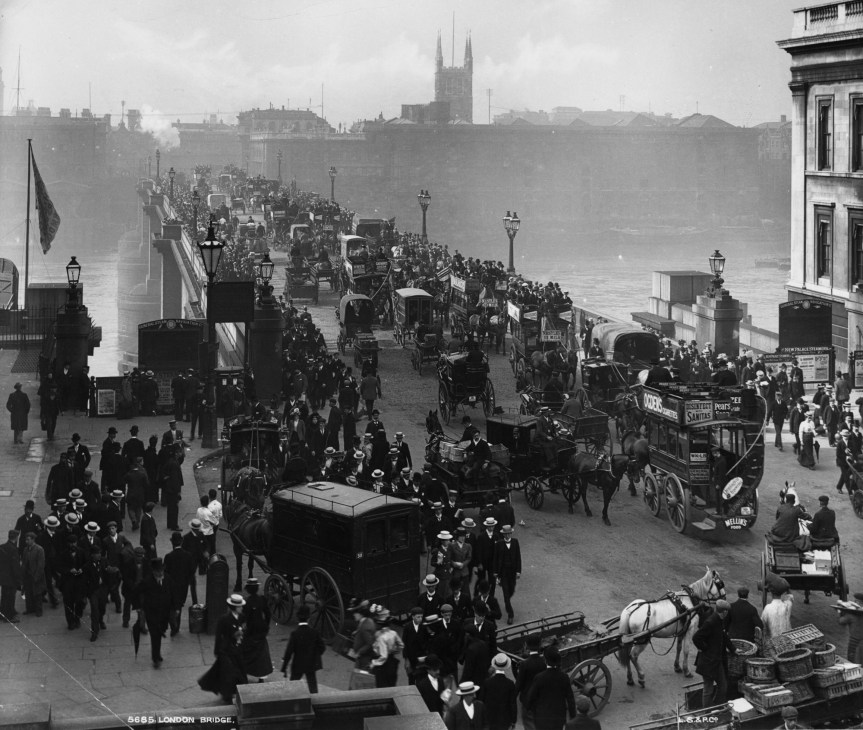
But the wistfulness bit, well, that comes from a feeling of loss – again not the loss of Dickensian poverty or unqualified dentists with pliers, or children being shoved up chimneys, but the loss of the city as a thrumming, noisy machine. Every year our cities seem a bit quieter, more subdued. Fifty years ago, teenagers, women and young blades were all determined to “get out of the house”. Now we love to stay at home, consuming films and Deliveroo dinners. People fight to work from home too. The gradual retreat from the street means that even modest crowds now surprise us, whereas 100 years ago the crowded city was everywhere, could not be shut out – just look at an 1890s photograph of people pouring across London Bridge (pictured above). What a day. What an ordinary, extraordinary day.
Today the continuing push to silence cities in the name of being greener, cleaner and more respectful also adds to our metropolises feeling ever slower, woozy, as if on Valium. And, yes, while this is the correct direction of travel, a dynamism vanishes and people rightly say that they might as well live in a suburb rather than stay paying exorbitant rents in the heart of the inaction.
So look at pictures of our past for wonder or for amusement – but also imagine them with a soundtrack. Perhaps you will then be a little envious of the energy that once coursed through the streets of all our great cities, which made them seem like powerful motors spitting steam, shooting sparks into the air. Look to the grainy past because then you’ll have a clearer picture of where you are today.
Images: Getty Images
Culture
Cinema
Paris
Flicks and the litter
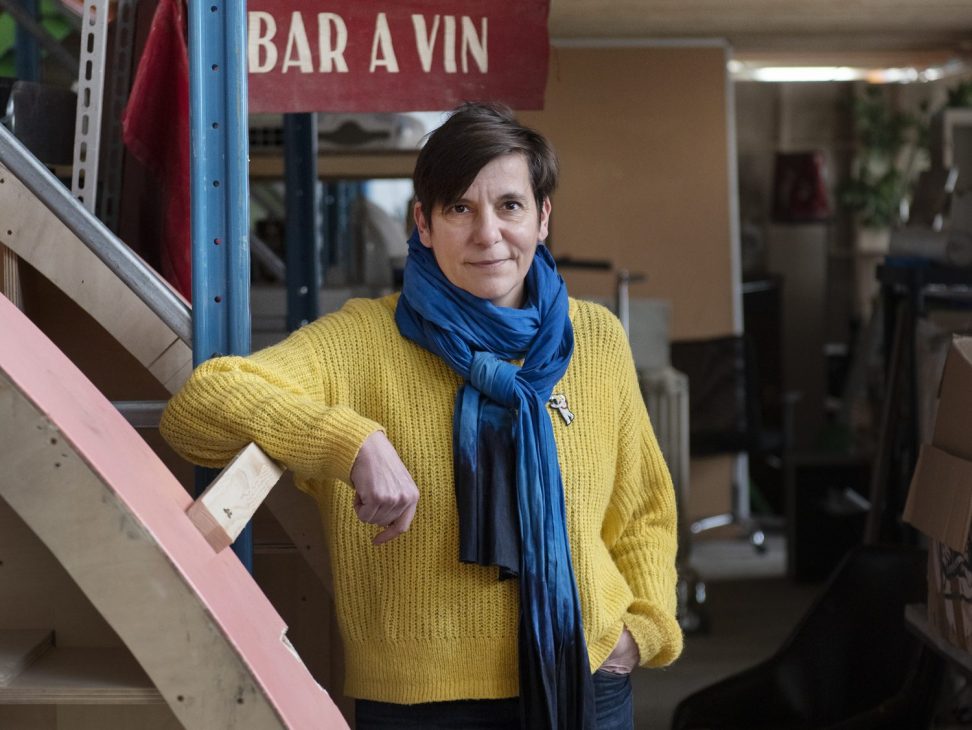
The worlds created by films might be imaginary but the sets where these stories are staged are real – and so is the, on average, 15 tons of waste a film created by discarding them once production wraps. La Ressourcerie du Cinéma is working hard to change this. Set up in 2020, it is the first Paris-based service that hires and sells used film set materials. The team goes to studios and hauls away props that would otherwise end up in landfill. “It’s important for studios to have a company like us that can pick up materials and try to put them back into circulation,” says Karine d’Orlan de Polignac, the project’s co-founder (pictured), who previously worked in waste management.
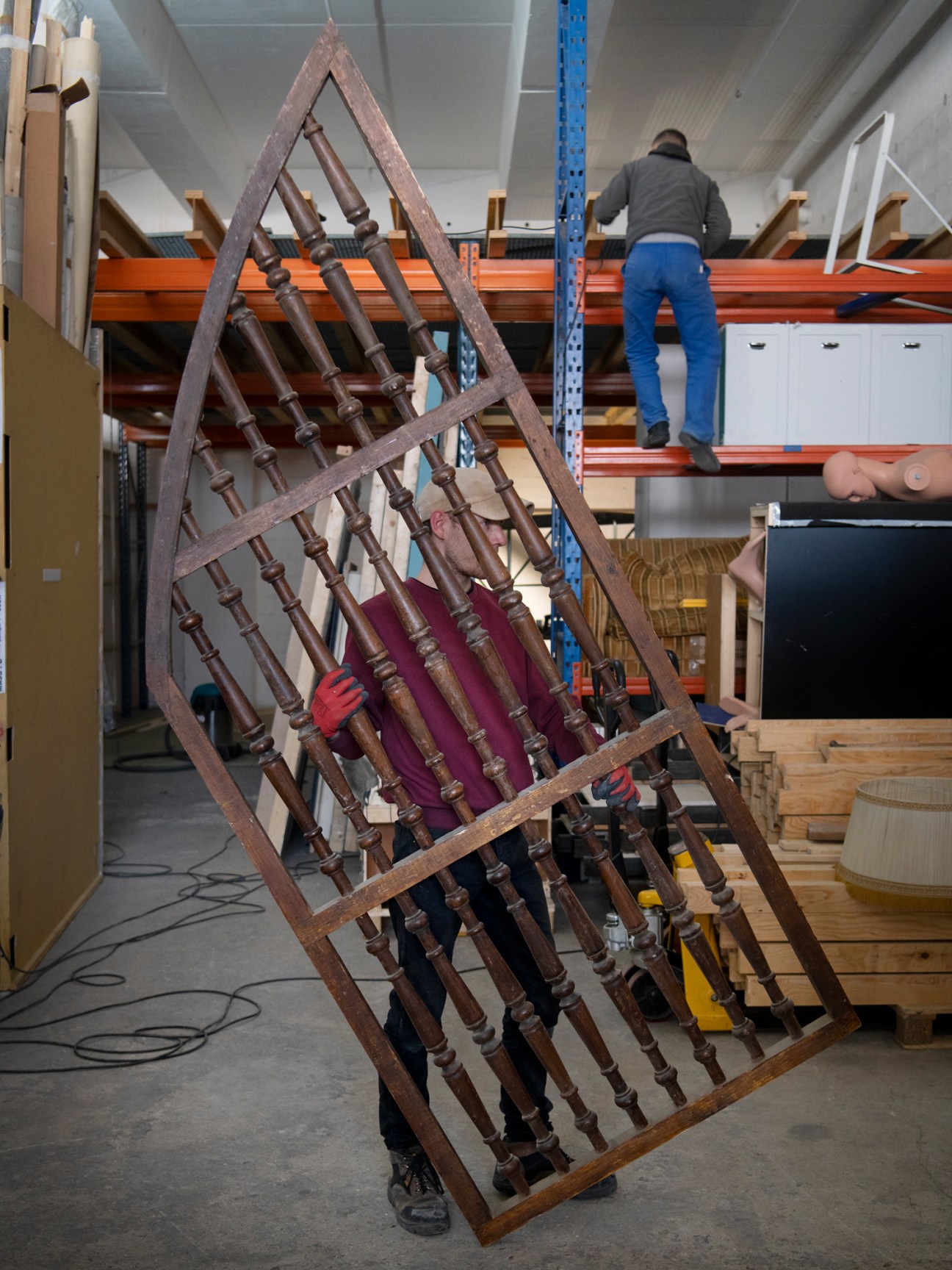
La Ressourcerie du Cinéma’s huge warehouse in Montreuil is filled with pieces of decor patiently awaiting their next role, from doors to Roman-style columns. But most of the company’s space is taken up by hundreds of wood panels used to build film sets, which are either covered in wallpaper or painted to look like brick or stone walls.
“Until the 1970s it was common for studios to store the material used to build sets,” says Jean-Roch Bonnin, who spent some 20 years working as a prop master before founding La Ressourcerie with D’Orlan de Polignac and production designer William Abello. “Set designers used to cover the wood with a piece of fabric before painting over it, so that it could be peeled off at the end of the production and reused more easily.”
By the 1980s, however, materials were cheaper and rents more expensive. Film studios gradually stopped stocking sets and started producing more and more waste. Today few but the biggest film studios, such as Italy’s Cinecittà, continue to stock and reuse film set material. In France there are efforts to correct this: earlier this year the government expanded an anti-waste law making it illegal to destroy a range of unsold goods. But La Ressourcerie also offers a financial incentive: it charges production companies less than the cost of hiring a refuse lorry.
For now, only a fraction of what comes to La Ressourcerie makes it back onto film sets; most is repurposed in the construction industry. But the team hopes to grow its appeal. Building is under way to increase storage capacity and allow set designers to test props on site. There are also plans to run sustainability workshops. “There is a real desire to change things in the industry, especially among the young,” says D’Orlan de Polignac. “They realise that working within these constraints is challenging but it can be more creative too.”
laressourcerieducinema.org
Art
Ukraine
Q&A
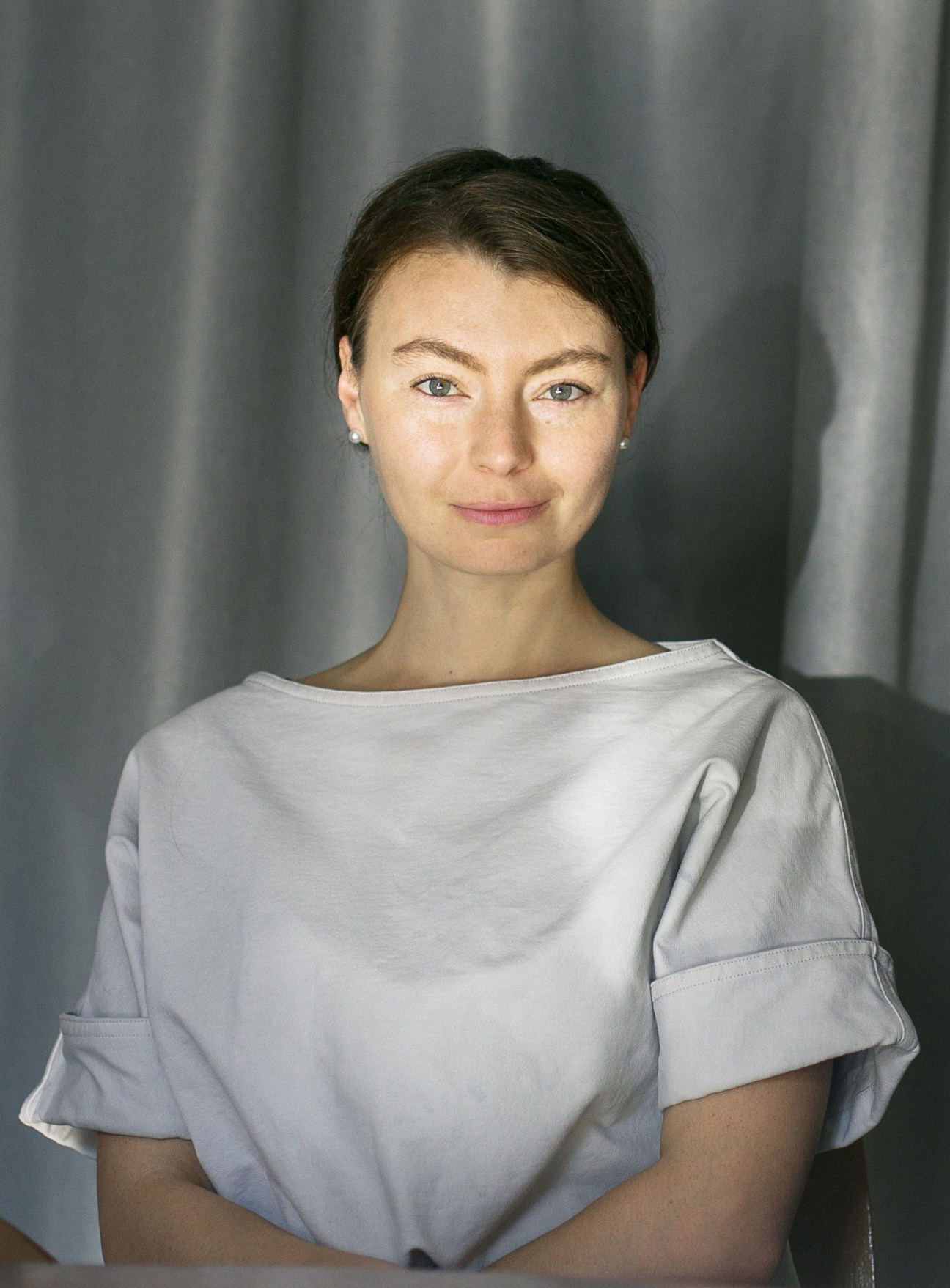
Lizaveta German
Co-curator, Ukraine pavilion at the Venice Biennale
Having managed to rescue it for the Venice Biennale, the curators of the Ukraine pavilion are hosting Kharkiv-based artist Pavlo Makov’s kinetic sculpture “Fountain of Exhaustion: Acqua Alta”. Co-curator Lizaveta German speaks to Monocle.
How has the run-up been?
We have had support from the art community, curators, institutions and people who just want to help. We are cultural workers, not soldiers, but we can make a difference.
What does it mean for you to be able to go ahead?
It’s a way to show that Ukraine is not just a country of disaster but one with a strong vision for the future.
Will the artwork have a new resonance?
It was political when it was created in 1995, about the exhaustion of resources: economic, ecological, political. Today, it’s about the exhaustion of humanity. It was made in Kharkiv so it’s a metaphor for the city, which is now in ruins.
What is your hope for the Ukrainian cultural world?
I hope that it can finally gain its own voice. It’s terrible that the price for this is a destroyed country and thousands of lives. But it’s time to show that we won’t be overshadowed by Russian culture any more.
Venice Biennale runs from 23 April to 27 November.
Image: Yevgen Nikiforov