Issues
Lake Como gets a beautiful new must-stay with the arrival of the Edition hotel
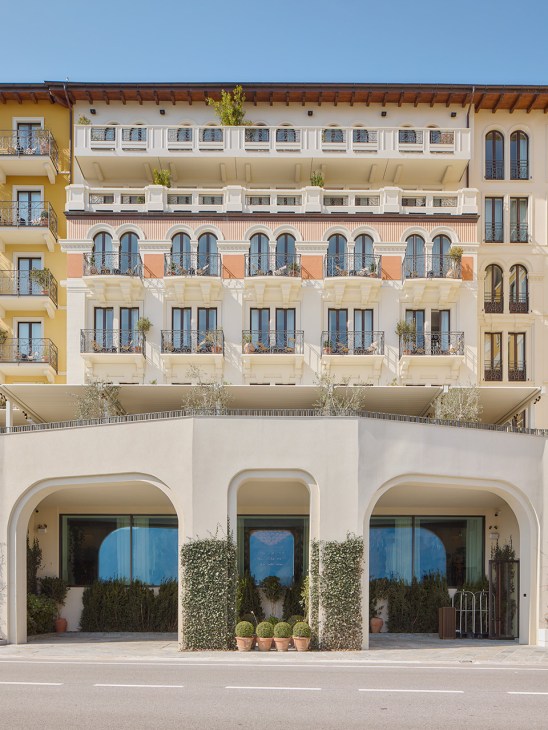
Glassy waters, a balmy climate and patrician villas with sun-drenched gardens framed by mountains – for centuries, Como has epitomised the stately Italian getaway. This sense of romance endures in The Lake Como Edition, which occupies a prime position on the western shore facing the Bellagio peninsula.
Lake Como has ceded some ground to other resorts in recent years but the new Edition is the first of a raft of significant lakeside openings from major groups, including the Ritz-Carlton, Belmond and Six Senses.
Ian Schrager, the hotelier behind the brand, built his reputation on nightlife and the Lake Como location aptly stays lively after dark. The Edition’s lake-view bars and restaurants have been “buzzing since day one”, says Anton Moore, its general manager.


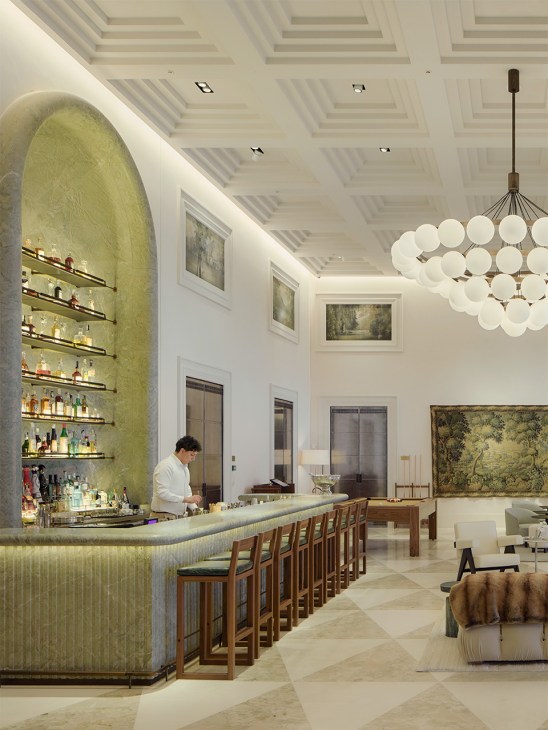
Housed in a reimagined 1830 property in Cadenabbia, the hotel features a rooftop terrace with all-day dining, shrouded in lush greenery. There’s a lobby bar, a library café and a fine-dining restaurant, Cetino by chef Mauro Colagreco, as well as a floating pool and deck-side restaurant at the lake’s edge.
Interiors by Neri&Hu and De.Tales that reach beyond faded Italianate grandeur are part of what has prompted guests to comment on how different the hotel is from anything else on the lake, says Moore. “They also tell me how much it was needed.” The spacious lobby is lined with marble archways, whose form is echoed in the doorways of the hotel’s 148 guest rooms, many of which have lake-facing balconies. Multi-hued marbles combine with sleek custom furnishings and contemporary pieces by Arflex, Agapecasa, Liaigre, Lambert & Fils and Thonet, set against walls painted with natural stone pigments.
The spa, inspired by Swiss bathhouse traditions, has seven treatment rooms, a sauna, hammam and plunge pools that overlook the lake. It promises treatments to improve sleep, vitality and more – a welcome option if you have stayed up a little late enjoying the liveliest hotel on the lake.
editionhotels.com
Put your best foot forward: 15 shoe styles to add to your closet this spring
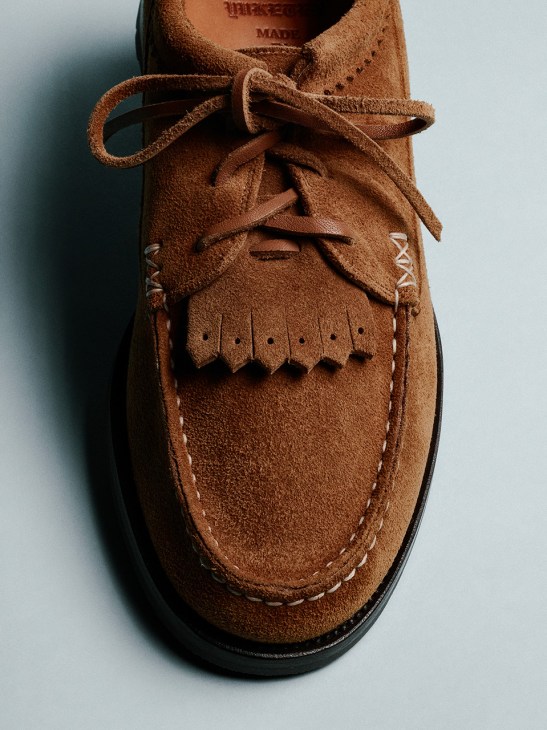
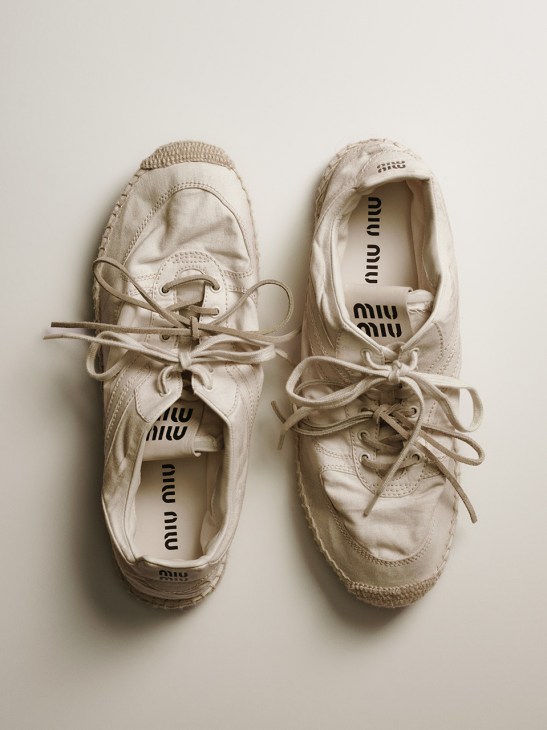
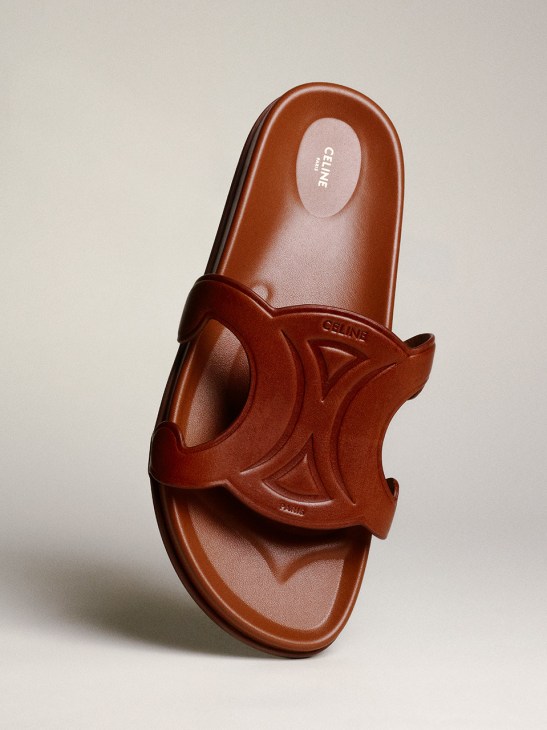
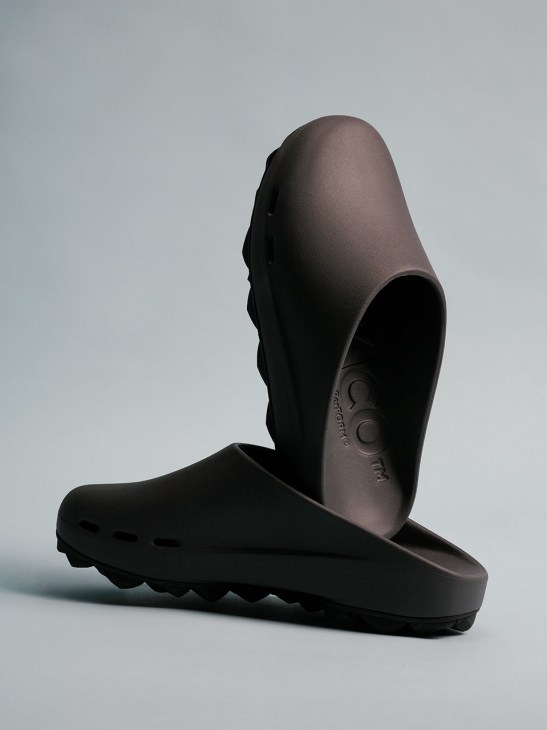
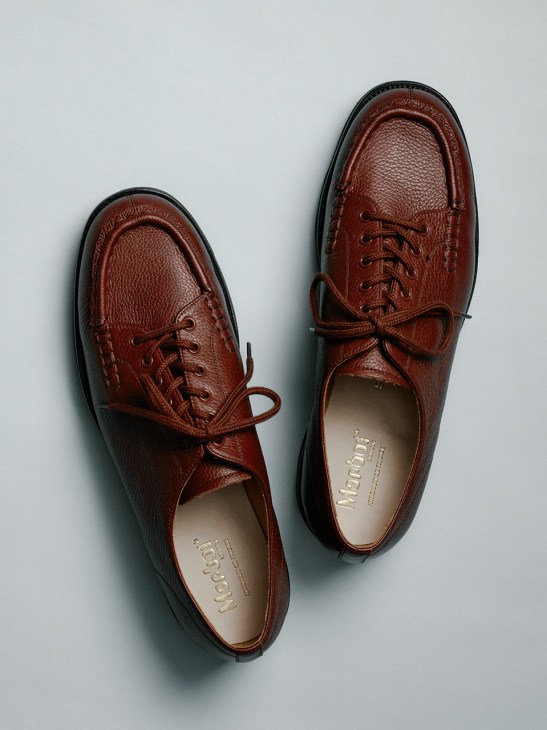
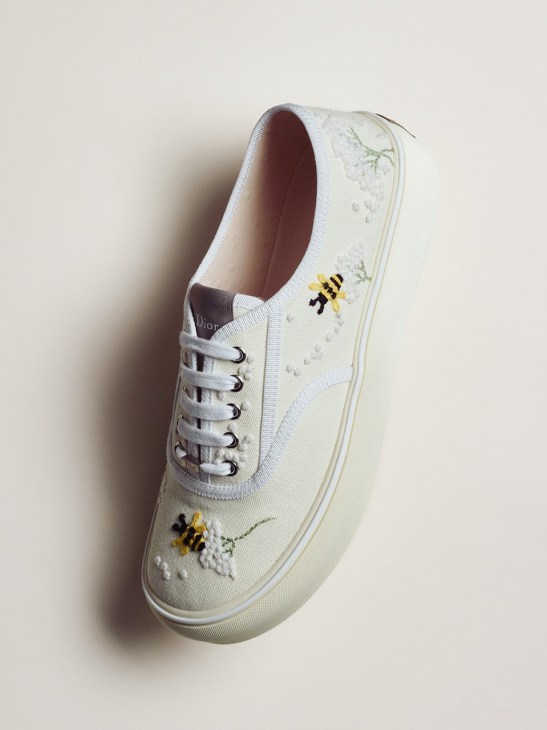
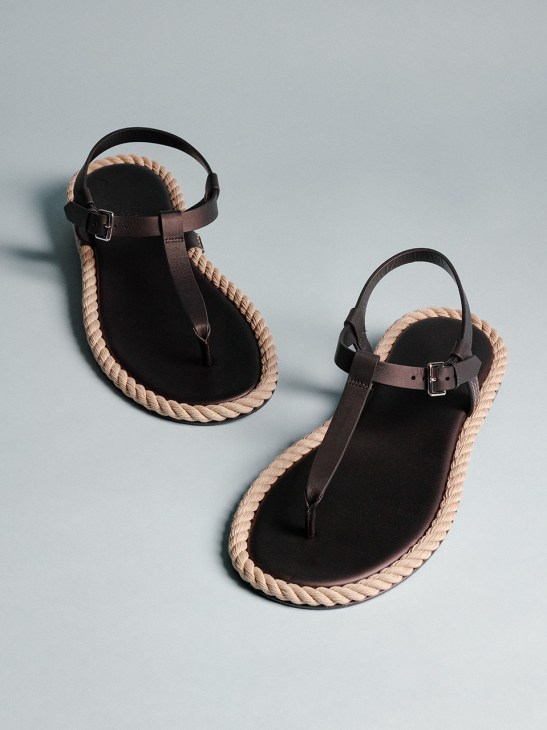
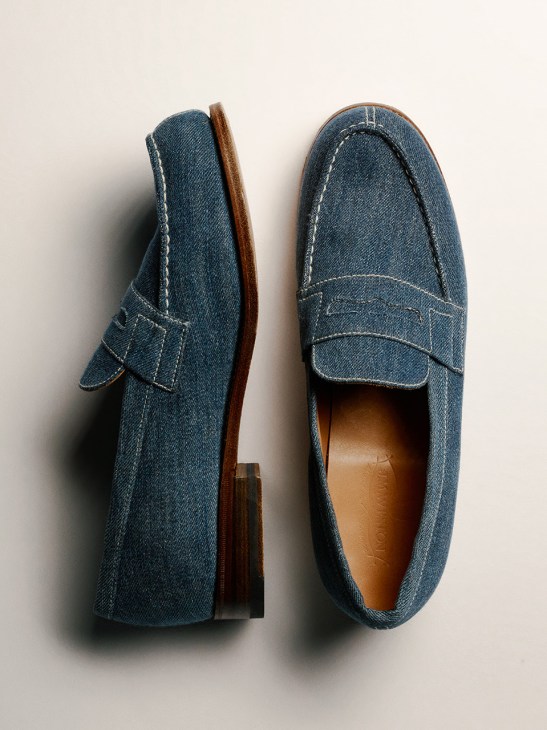
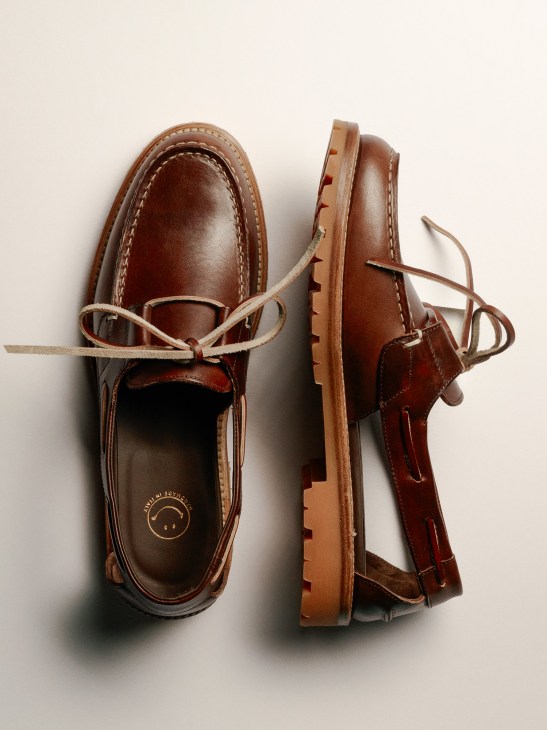
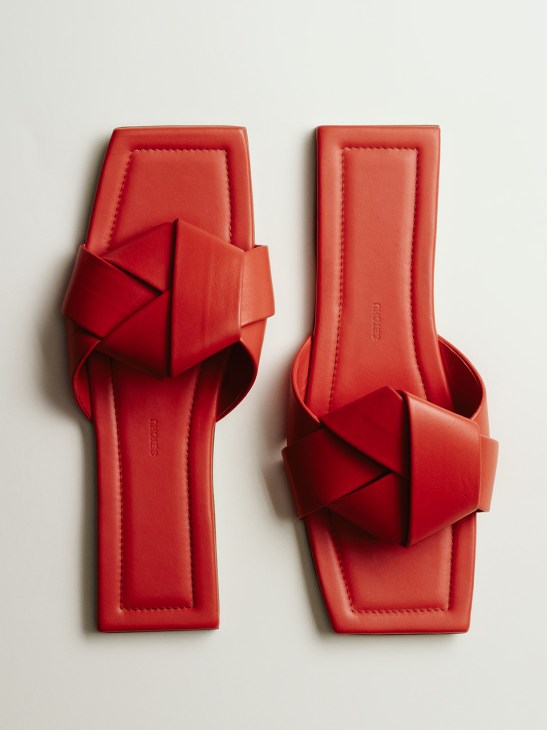
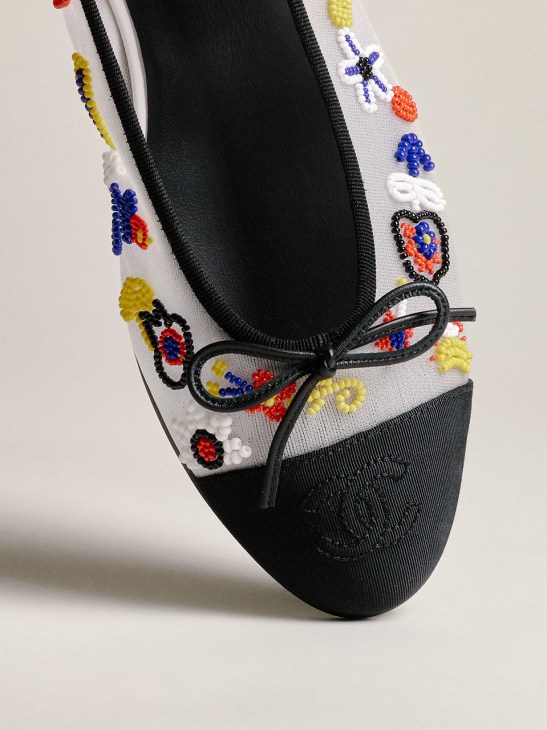
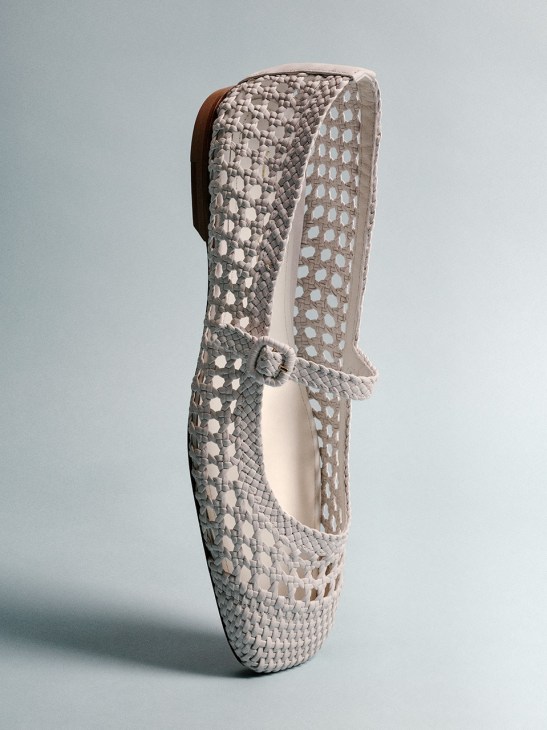
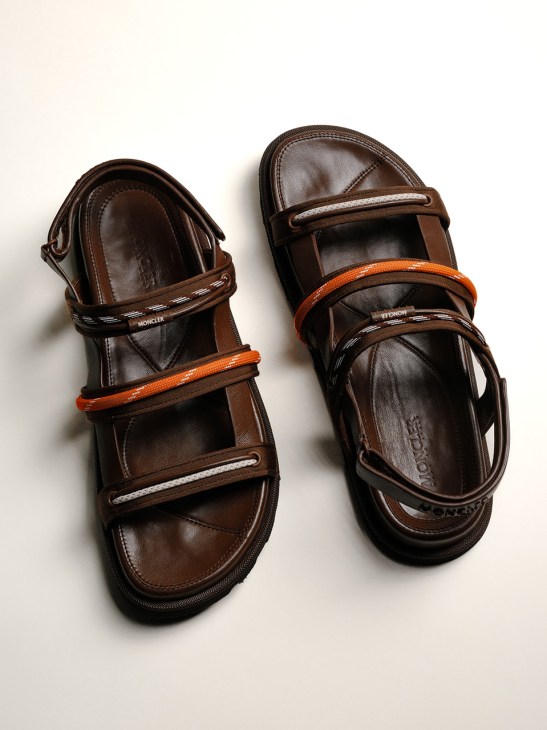
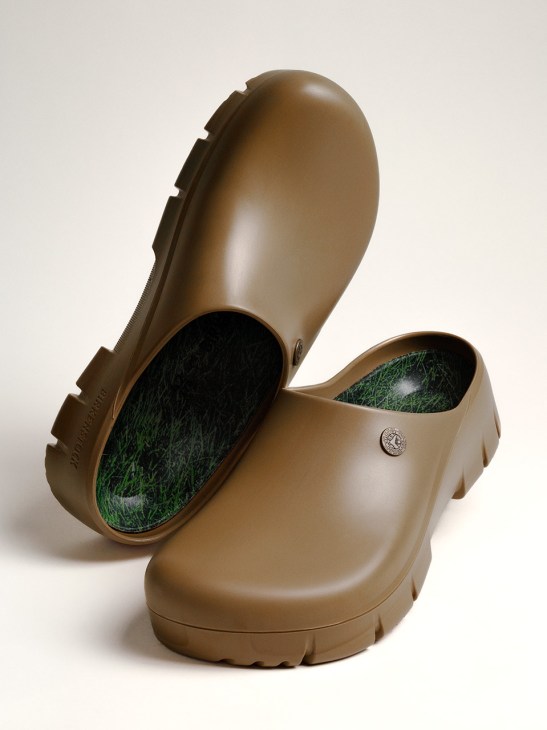
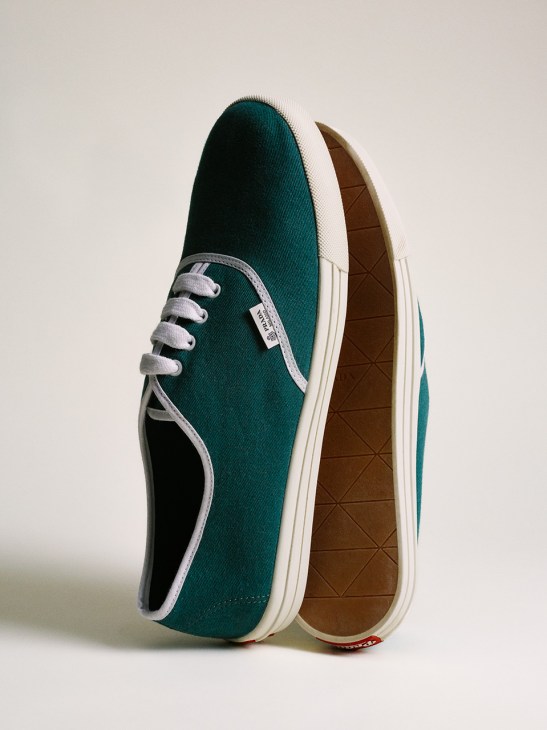
Stylist: Kyoko Tamoto
How to get dressed: Japan’s style veteran Hirofumi Kurino shares his tips
Japan’s sartorial big hitters have long intrigued the fashion world – and Hirofumi Kurino is right up there as one of the most influential figures in menswear. A co-founder of Japanese fashion retailer United Arrows (UA), where he is now a senior adviser, Kurino’s signature blend of high and low – a tailored jacket and New Balance trainers – is easy to admire and hard to imitate. Relentlessly snapped by street photographers, Kurino knows how to appreciate craftsmanship, whether in an Italian shirt, Japanese wool trousers or a good tweed, but he will happily try something new.
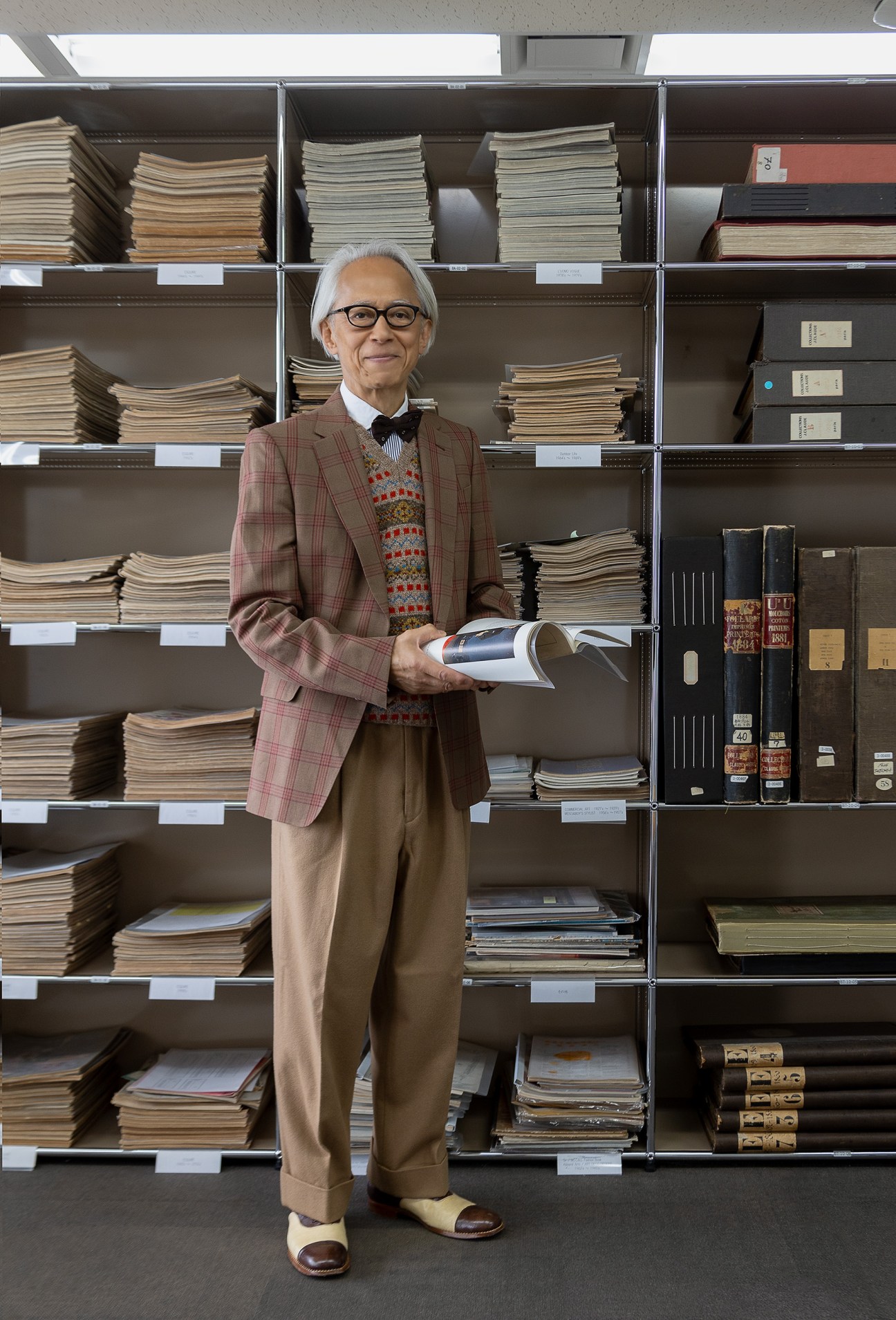
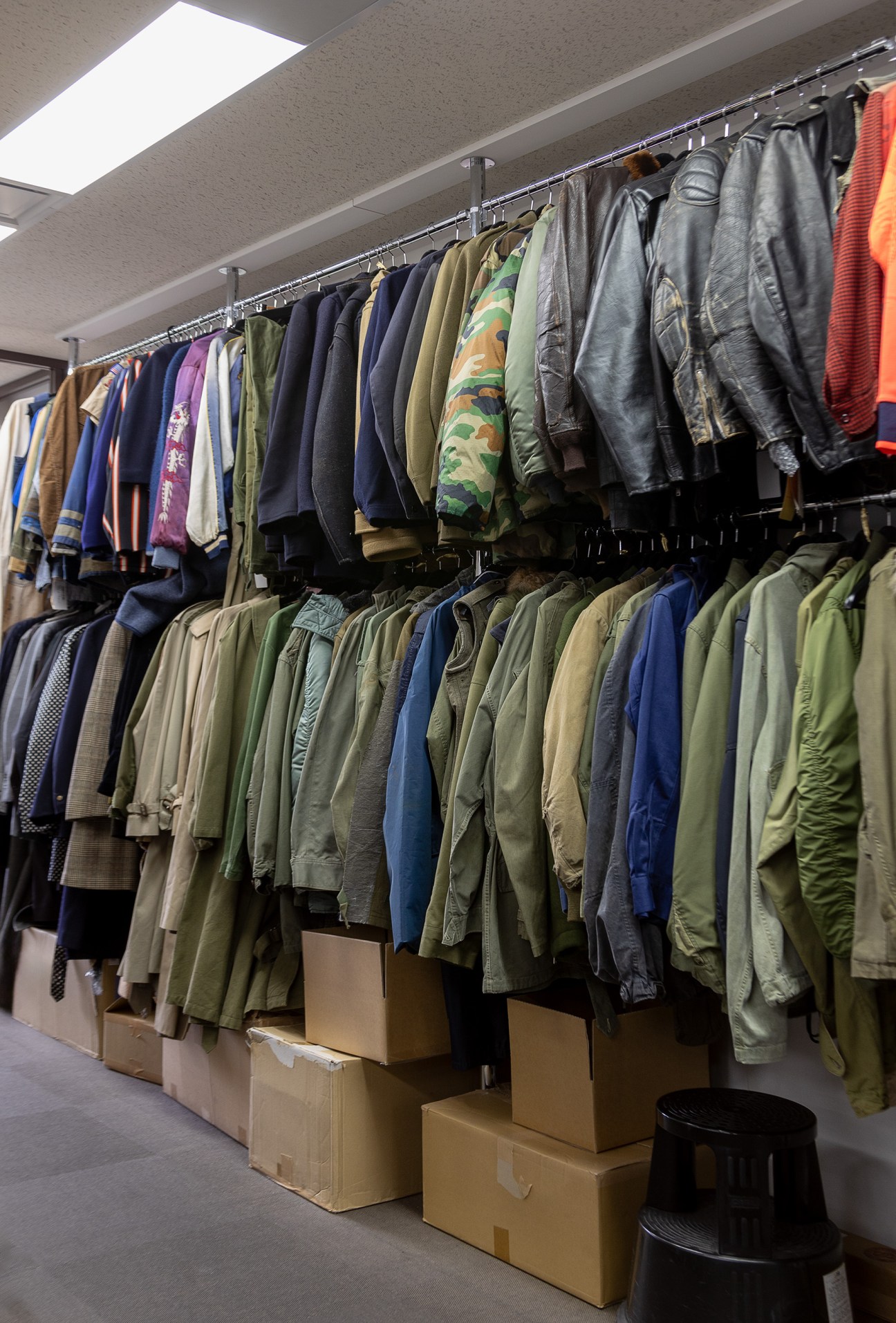
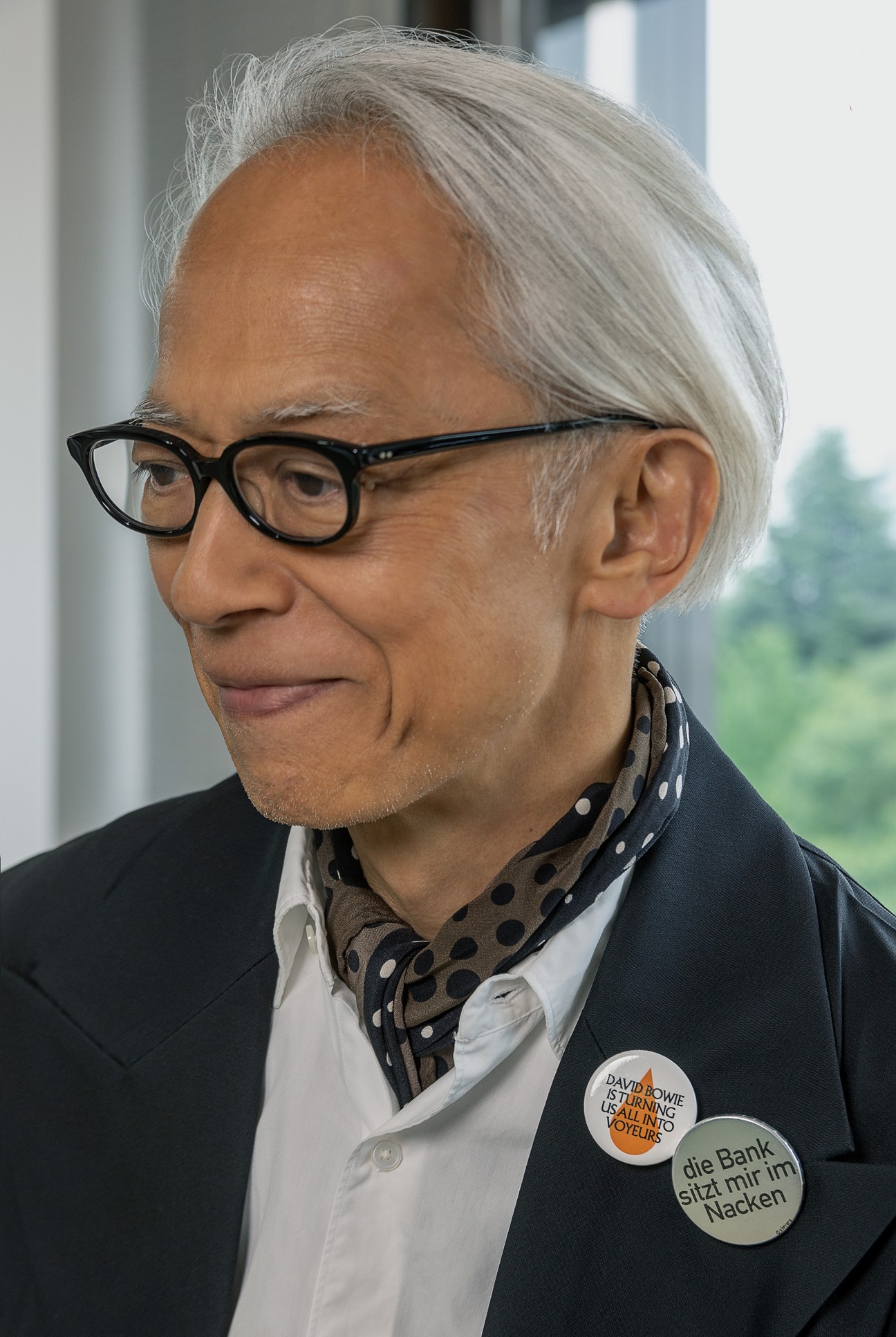
Comfortable in his own skin, unfailingly courteous and curious about the world, Kurino, who is also a consultant for Japanese manufacturing organisation J-Quality, is the embodiment of great style. Monocle meets him in the fashion archive of UA’s Tokyo HQ to talk about the art of getting dressed.
How do you decide what to wear every morning?
There’s no formula. Sometimes I choose my clothes the night before, sometimes I decide in the morning. It depends if I have a certain image in my mind. I prefer natural fabrics but I’m open to any material or silhouette. Colour is key for me when I’m choosing what to wear; it’s more important than the fit. Royal blue is my favourite. I dress for myself, and maybe for friends who appreciate my style but I’m not interested in showing off or thinking about whether someone is going to photograph me. If I head out in the morning and something doesn’t feel right – maybe the socks are wrong – I’ll turn back. My wife and daughter are the same.
Anything you steer away from?
I don’t like rules for dressing and I think age is irrelevant but I do avoid logos and big luxury brands, and I don’t like pre-ripped jeans. If my jeans tear naturally, that’s different.
Who or what influences your style?
When I was at school in Setagaya in Tokyo, my first style idol was Sean Connery in From Russia with Love, even if I couldn’t afford to replicate his sharp suits at that age. I loved The Beatles too. I also DJ for friends from time to time. I was buying vinyl in the 1960s, switched to CDs and now I’m back with vinyl again, so album covers such as Nursery Cryme [Genesis, 1971] or New Boots and Panties!! [Ian Dury, 1977] can be big style inspirations. I draw a lot from travelling. I recently did a 17-day trip to Europe and attended Dries Van Noten’s final show in Paris, which was very emotional. He did 129 shows in his career and I went to 125 of them.
You spend so much time on the road. How do you pack for a trip?
I’m good at packing a capsule wardrobe and I like a soft Eastpak holdall on wheels. I have 10 of them.
What are your wardrobe staples?
I still wear a lot of jackets and suits. I’m a big fan of Caruso suits; I love the way they’re relaxed but elegant. I wear shirts from all over the place, but UA is probably the biggest buyer of [Neapolitan shirtmaker] Salvatore Piccolo. I’ve also ended up with an encyclopedic knowledge of white T-shirts and Uniqlo has one of the best. I’m interested in mass production and love the socks from my nearby supermarket. I also go to a local barber. I’ve had my hair the same way for 30 years – if I go somewhere fancy my hair will look the way the stylist wants and not like me.
Which young labels are you currently enjoying?
Recently, I’ve been interested in Wales Bonner and SS Daley [from London] as well as [Milan-based Japanese label] Setchu. A black Setchu blazer that I have is amazing, it folds up into a B4 envelope and the creases are built in. You just have to hope that nobody tries to iron them out.
Are you still excited about fashion?
If I think about fashion as trends or big companies, I’m not so thrilled. But if I think about creation, craftsmanship and interesting people, then I’m excited.
Our April issue demonstrates why old-school diplomacy matters now more than ever
Monocle’s outposts around the world act as embassies for our business. Our offices, shops and cafés are places where you can enter our domain and leave the rest of the world behind. If, for example, you push open the door of our shop in Merano, South Tyrol, its manager, Linda Egger, will immediately set about making you feel at home. She’ll dispense useful information about the town, suggest where you might have supper and hopefully entice you to make a small trade deal for a Monocle product or two. She’s a Monocle ambassador who represents the brand and can talk with passion and knowledge about our history.
We are blessed to have lots of people in our business – from editors to baristas – who are good at this diplomatic work. Some are cultural attachés; others sit in the commercial section of the mission. One or two occasionally need to adopt a military attaché’s mantle when world events demand nimble manoeuvres. And it all works rather nicely.
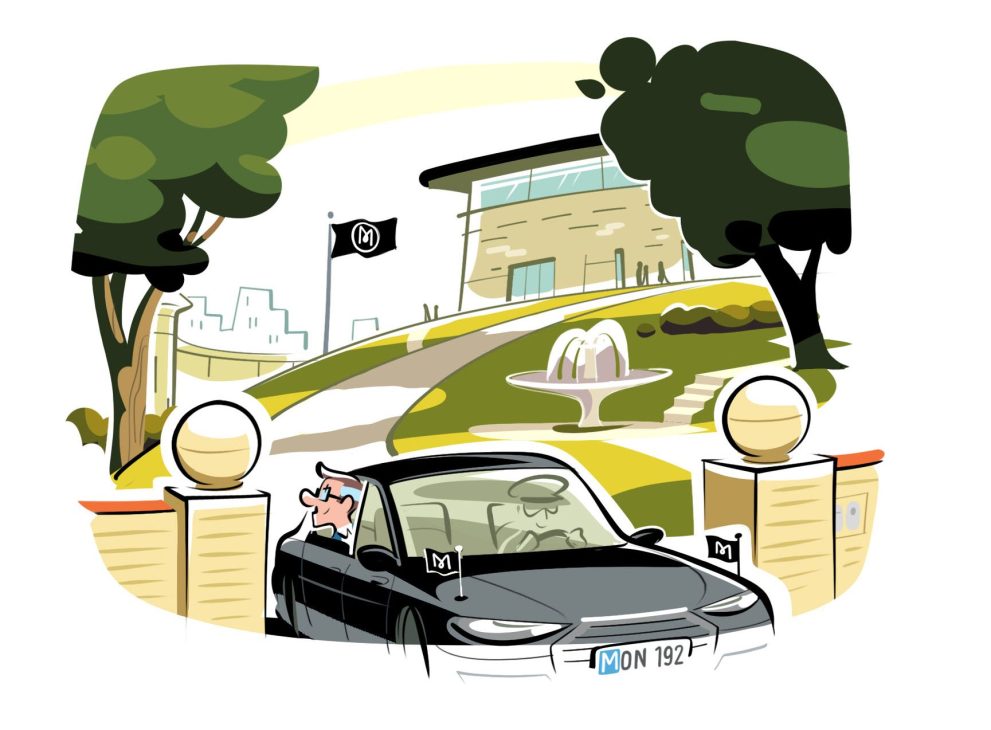
While some might question the role of actual national embassies at a time when diplomacy can occasionally seem irrelevant, the best of them still do vital work. They take care of their country’s diaspora, build bridges with their host nations, manage moments of tension and use soft power to make friends. They host parties at which political differences are forgotten as guests sample wine from the home country.
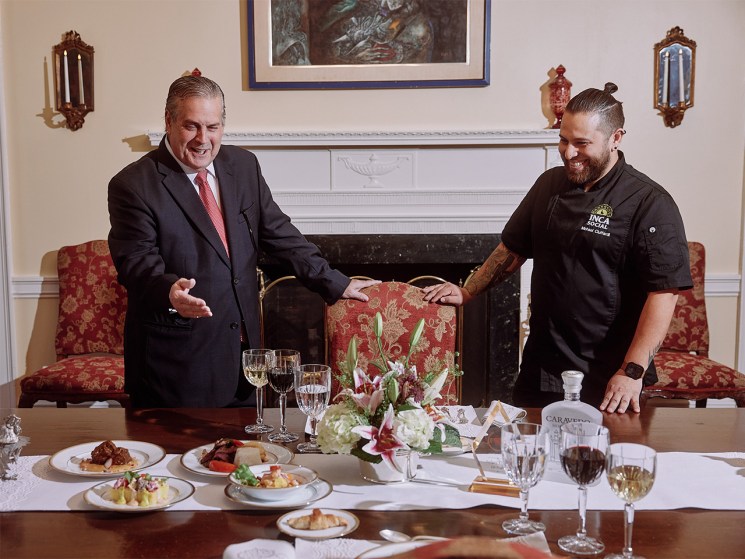
It’s why, for this issue, we asked our foreign editor, Alexis Self, to put together The Good Embassy Guide, celebrating missions that do their nations proud. In those pages, you’ll see how five Nordic nations came together on one site in Berlin in a display of their shared histories. We’ll take you to the Italian embassy in London to explore how it has become a showcase for the national brand and look at how the Peruvians use food to make friends in Washington. It’s a story about why physical space matters. Let’s not pretend that laptop diplomacy is a substitute.
It was also an embassy that hosted our editorial director, Tyler Brûlé, and Canada’s prime minister, Mark Carney, for their interview in this issue. They sat down together at the Canadian mission in Tokyo to discuss how middle-sized powers can become less dependent on the US, forge new trade ties that aren’t jolted by fluctuating tariffs and better defend themselves. And it’s a fascinating conversation about national brands and considered diplomacy too.
This issue is also our Style Special. As well as guiding you to some new retail outposts and selecting brands that you should know, it includes some illuminating interviews. One of these is with Olivier Bron, the CEO of US department store Bloomingdale’s. He has been in position for two years and is tasked with revitalising the company – and not just what’s on sale. “Getting the merchandise right isn’t enough,” he tells our reporter Rosemary Feitelberg. “You need to have the right marketing, the right campaigns and the right store design.” And it seems to be working. But what makes the story so fascinating is that he’s delivering this turnaround at a time when Saks Global has filed for bankruptcy and many analysts have been predicting the end of the US department store.
And there are many more stories in the issue that show how you can create your own path and move beyond the conventional narrative. In our Business pages, for example, we spotlight the Japanese shops rethinking retail (from football to convenience stores). In Culture, we meet Martin Krasnik, the editor of Danish long-reads newspaper Weekendavisen, which is widely read in print. And in our Expo, we present dealers who have allowed their passion and heart to guide their successful businesses.
But it’s the idea of us all finding our inner ambassador that stayed with me most while reading the proof pages for this issue: how being a good representative, taking care to explain your stance and even looking the part matter. And that embassy party, of course. If you would like to drop me a diplomatically worded note, you can always find me at at@monocle.com.
Subscribers can read everything from our April issue, here.
The best embassies in the world, from Addis Ababa and Berlin to Singapore and Washington
If your only exposure to embassies is through the Madeline series of children’s books or adverts for Ferrero Rocher, you might think that these buildings’ sole use is as the backdrop to glamorous black-tie events. While this is a notable (and noble) aspect of their role, modern embassies play a unique and multi-faceted part in 21st-century statecraft.
As Monocle’s foreign editor, I more than do my part for the hors d’oeuvres industrial complex by attending a great deal of events at embassies and ambassadorial residences. Some recent highlights include: a panel discussion at the Finnish residence about the country’s world-beating media literacy; an exhibition opening at the Italian embassy for a Milan-born, London-based artist; and a Fat Thursday reception at the Polish embassy featuring six different types of doughnut. This short list is fairly illustrative of the public-facing role of embassies but what I don’t see, as someone who lives in the land of their birth, is the workaday functions: the consular services that they offer citizens abroad, from renewing passports to helping co-ordinate journeys home; the economic and commercial ties that they foster; the important information gathering that they do; and, perhaps their most elemental role – a physical sanctuary for people in need. Those that function well and look good reap daily reward for their nations. Monocle’s Good Embassies Guide, which features in our April issue, celebrates those that perform with aplomb.
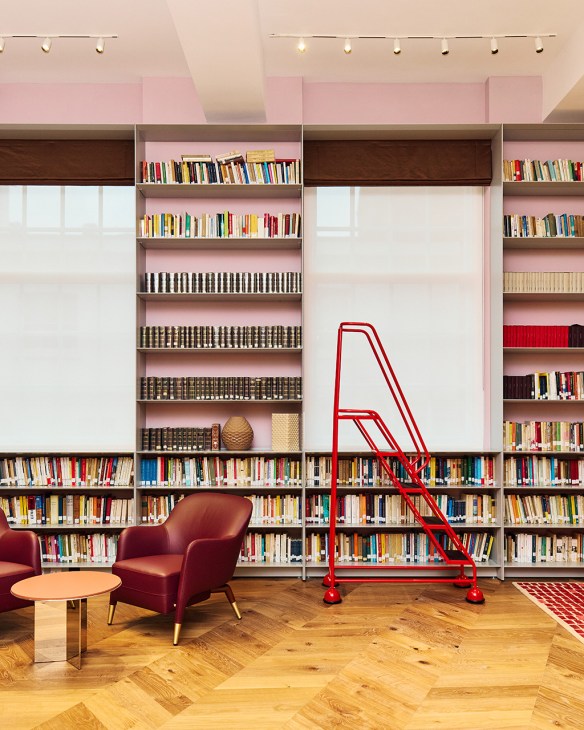
At a time of fracturing geopolitics, diplomacy is never far from the front pages. And yet its traditional practices are under attack, negatively affecting its chances of success. In common with other leaders, US president Donald Trump is circumventing the usual channels and venues in favour of glitzy set-piece events. Rather than sending secretary of state Marco Rubio to pound the airstairs, the president entrusts Steve Witkoff, a New York real-estate mogul with no prior diplomatic experience, with his most crucial overseas missions. This snubbing of career diplomats is compounded by a paring back of resources. As Henry Rees-Sheridan details here, Rubio announced in April 2025 that the State Department would be shrinking its diplomatic footprint through the closure of 132 offices worldwide. A document leaked shortly afterwards revealed a recommendation to axe a further 10 embassies and 17 consulates. All of this was, as Rubio put it, to secure a better “return on investment” for the US taxpayer.
When looked at through a 21st-century lens of business optimisation and quick returns, diplomats and embassies might look like a waste of resources – it takes decades to train the former and almost as long to build the latter. This same argument sees both as relics of a time when information travelled glacially and passport applications required such things as pens, paperclips and stamps. Such bloodless assessments are plain wrong. At times of war and geopolitical flux a businessman cannot do a diplomat’s job – and a co-working space on the 15th floor of a glassy tower cannot substitute for an historic and lovingly decorated downtown embassy.
Bilateral relationships are best managed by those trained in the art of diplomacy. These are people who have immersed themselves in the politics, culture and media of another nation and are able to communicate its idiosyncrasies back to their home capitals. If ambassadors are the literal personifications of their countries’ governments, embassies are those nations’ opportunity to present themselves through a highly persuasive combination of design and hospitality.
Letter from Mogadishu: Why UK ambassador Charles King remains in the high-threat Somalia capital
There aren’t many diplomatic postings where your 06.00 alarm can be replaced by the roar of an F-16 fighter jet but that is how most of my recent mornings in Mogadishu have begun. After this wake-up call, I have a two-minute walk from my armoured pod to the chancery – a stroll under Somalia’s intense sun that feels very different to what I experienced in my previous postings in Paris or Istanbul.
In 2013 the UK became one of the first Western countries to reopen an embassy in Somalia. I have been the British ambassador to Mogadishu for almost a year. We are based between the international airport and the sea. The view over the Indian Ocean helps to clear the mind but swimming is not encouraged because of lurking sharks. The embassy represents the full spectrum of the UK’s international activity, with diplomats, military colleagues and humanitarian experts.
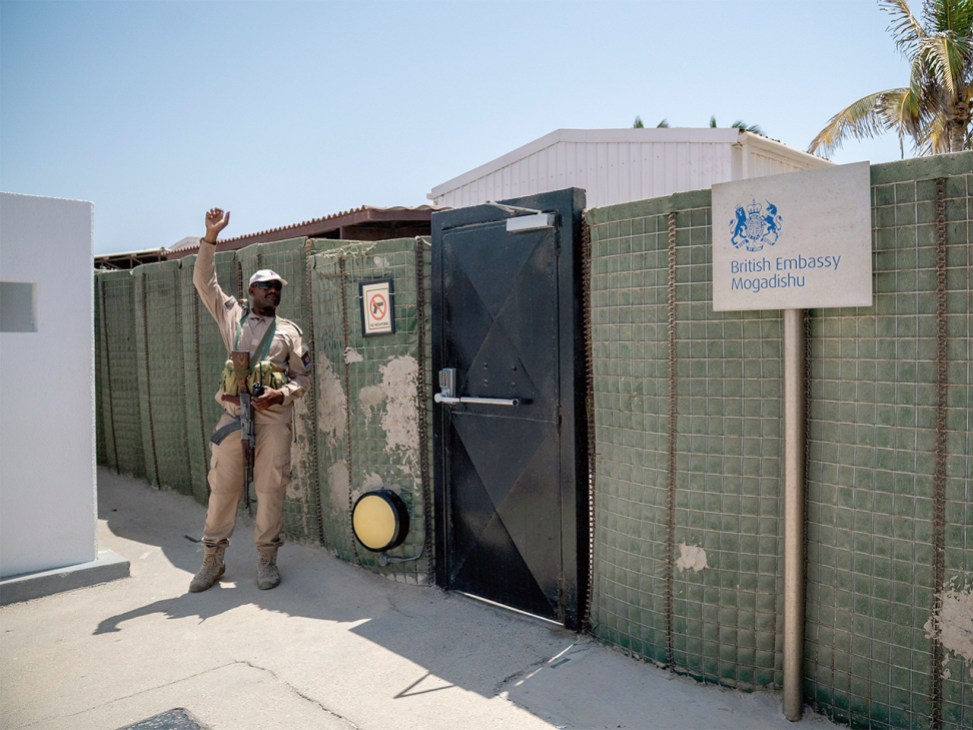
Since opening, we have worked closely with successive Somali governments and international partners to address threats from terrorist groups such as Al-Shabaab and Islamic State, combat international piracy and alleviate human suffering. We work with the African Union’s peacekeeping mission and the UN’s logistical support. The sound of the large, white UN helicopters taking off or coming back from the front lines is a near-constant backdrop to our daily lives. There has been real progress but a lot of the gains remain fragile and Somalia is a tough environment in which to work. It is one of the UK diplomatic network’s highest-threat posts and so security for me and the team is the top priority. I have become used to hopping in and out of body armour and armoured vehicles. It’s not always the most comfortable way to work but it enables us to get out and about and do our jobs as diplomats. Mogadishu is our base but I travel around the country.
We also find time for more traditional diplomatic networking. Earlier this year we held a Burns Night celebration. There’s nothing like poetry and a ceilidh for bringing people together, even in a conflict zone. For a moment, I was sure that the Kenyan ambassador’s heart was in the Highlands. Building networks across the country and understanding how to support progress is why we’re here. That is something in the shared interests of Somalia, the UK and the wider international community. I just need to remember to hold on to my ear plugs.
Charles King is the UK ambassador to the Federal Republic of Somalia.
Beyond the water’s edge: How are embassies adapting in an increasingly fractious and data-dense world?
Embassies are back on the geopolitical front line. Though seen by some as relics of a bygone diplomatic age, many missions are becoming increasingly important in terms of security and intelligence gathering. Cold War-era patterns have re-emerged, particularly among Chinese, Russian and US embassies. Diplomatic buildings can also double as intelligence arenas with sprawling compounds and diplomats who often wear two hats. Following political violence directed towards embassies, especially in regions such as the Middle East, features that include setback distances and layered perimeters became de rigueur for diplomatic architecture. Today they’re becoming more pronounced.
Security and intelligence-gathering considerations help to explain China’s push to secure a new mission building at London’s Royal Mint Court. But the UK’s approval of the compound is not quite as surprising as some critics suggest. Though the decision sparked protests and legal challenges, it reflects a view that one purpose-built site is easier to monitor and regulate than several scattered offices.
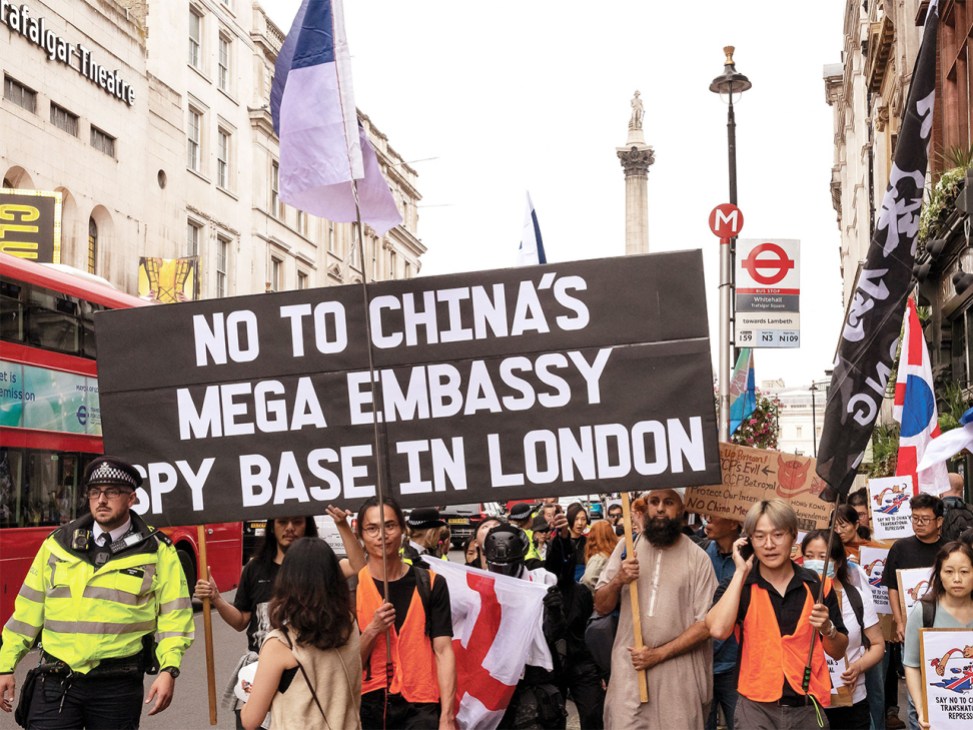
Yet there are important differences from the Cold War era. Today’s embassies are nodes in a data-dense, commercially connected world. Investment, telecommunications, science and technology officers sit alongside those with a political brief. Chancelleries increasingly matter for economic statecraft, overseeing everything from investment screening to sanctions enforcement and technological diplomacy.
At the opposite end of the spectrum to Royal Mint Court are the small resident missions (or “mini-embassies”) central to contemporary competition in the Indo-Pacific region. Under the Biden administration, the US opened embassies in several Pacific Island states, such as Tonga and the Solomon Islands, as part of its outreach efforts with regard to Chinese competition.
Leveraging its Indo-Pacific overseas territories, France has also re-established or expanded its diplomatic footprint, including a new embassy in Samoa last year and a defence mission at its embassy in Fiji in 2023. These modest posts, often led by a resident ambassador supported by a handful of diplomats and local staff, typically manage development programmes and political reporting. While such missions are relatively inexpensive, they signal commitment in ways that non-resident accreditation can’t, anchoring relationships and building trust. The effect is reminiscent of the Cold War scramble for recognition among newly independent states but today the currency is coastguard support, infrastructure finance and climate adaptation funds.
Embassies are again theatres for domestic politics. Reporting on US diplomats’ involvement in fundraising linked to the country’s 250th-anniversary celebrations this year reveals that ambassadors are being encouraged to seek corporate backing for commemorative events, blurring the line between public diplomacy and partisan spectacle. When embassies seem to serve domestic political branding as much as foreign policy, it contradicts statesman Arthur Vandenberg’s maxim, “Politics stops at the water’s edge.” In this new era, the embassy is not fading. It reveals how states understand power, legitimacy and competition in the 21st century.
THE BEST EMBASSIES IN THE WORLD
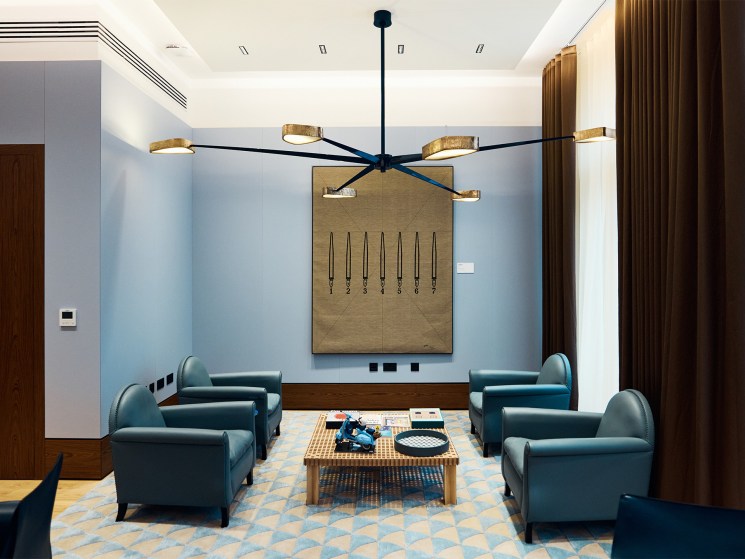
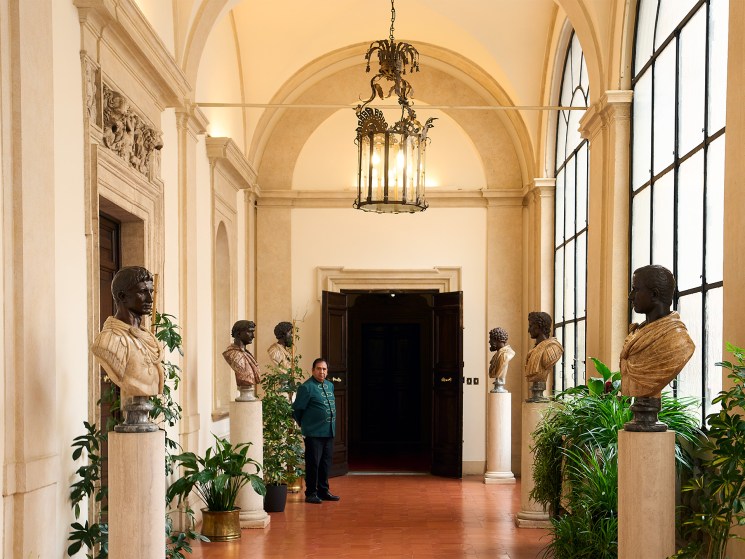

The most beautiful business school in Barcelona: Sunny MBA studies for aspiring entrepreneurs
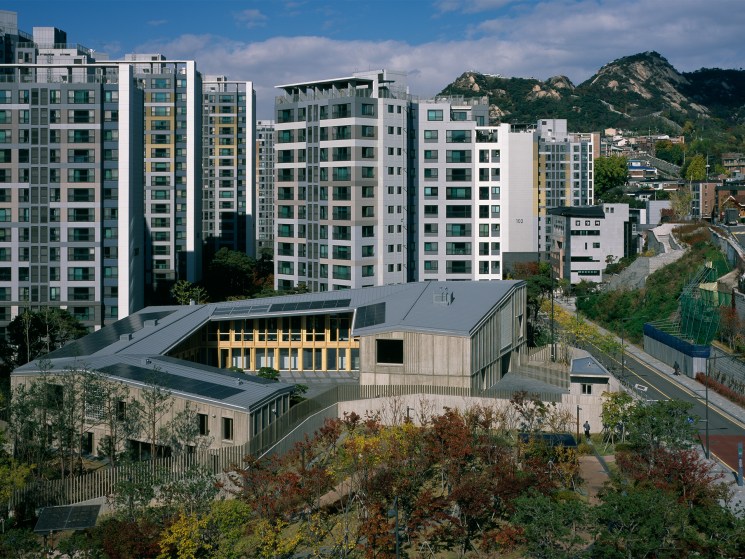
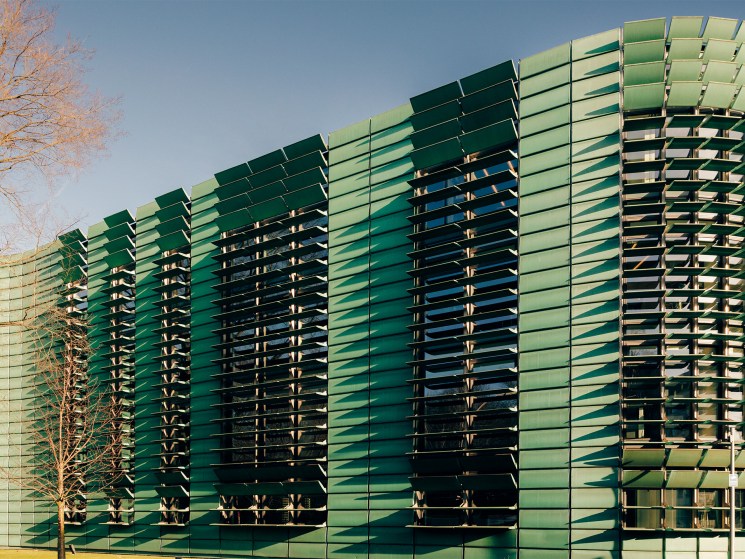
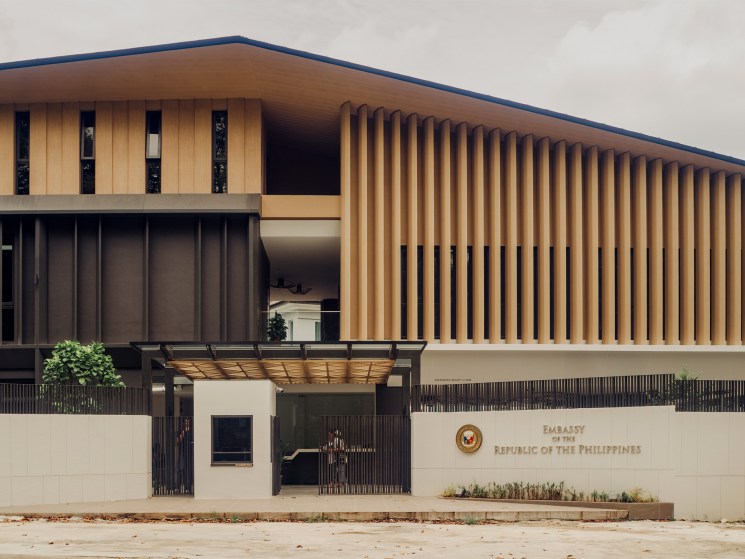
Studying for an MBA often involves racking up mountains of debt and gambling on the promise of faraway future success. It’s a bitter pill for many students to swallow, especially if the lectures and libraries they’re expected to frequent are in a cold, rainy city. But that’s exactly why so many wily prospective business leaders are turning to institutions that marry academic prestige with a prime, sunny location – something that Barcelona’s IESE Business School has in spades.
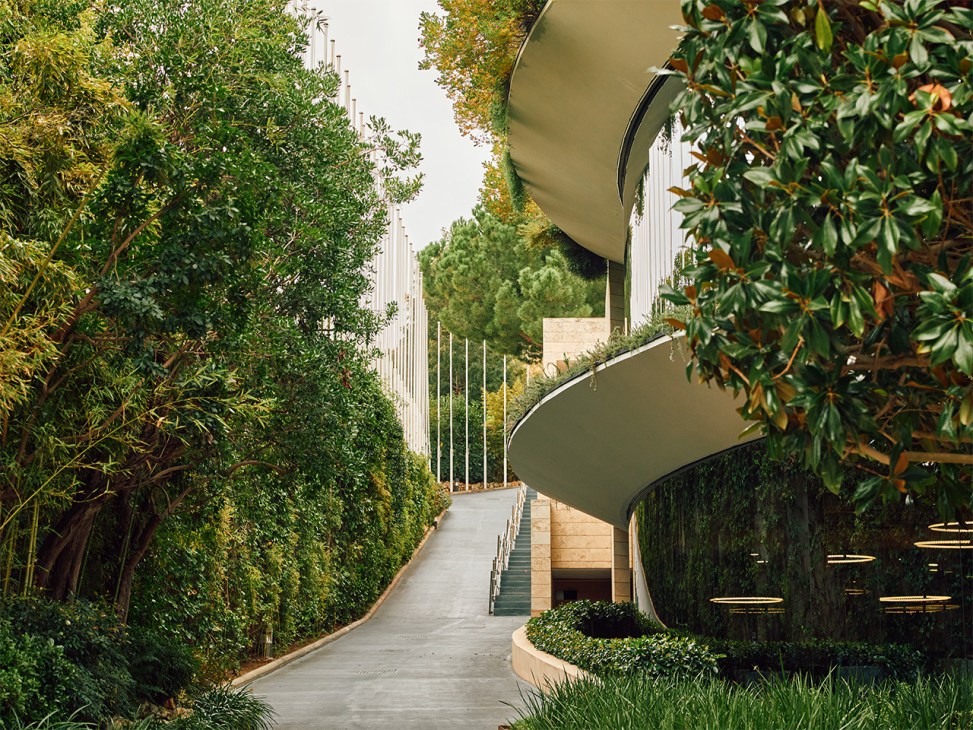
High in the hills of the well-heeled Pedralbes district, IESE’s impeccably maintained campus offers sweeping views of the city below and out towards the glittering waves of the Mediterranean. “Few cities combine this level of economic vitality with such an attractive living environment, from the climate to the richness of the cultural and social life,” says the school’s dean, Franz Heukamp.
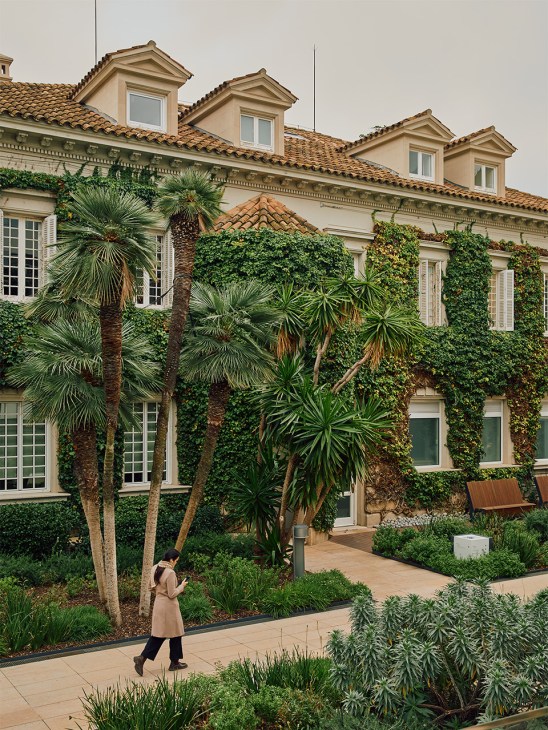
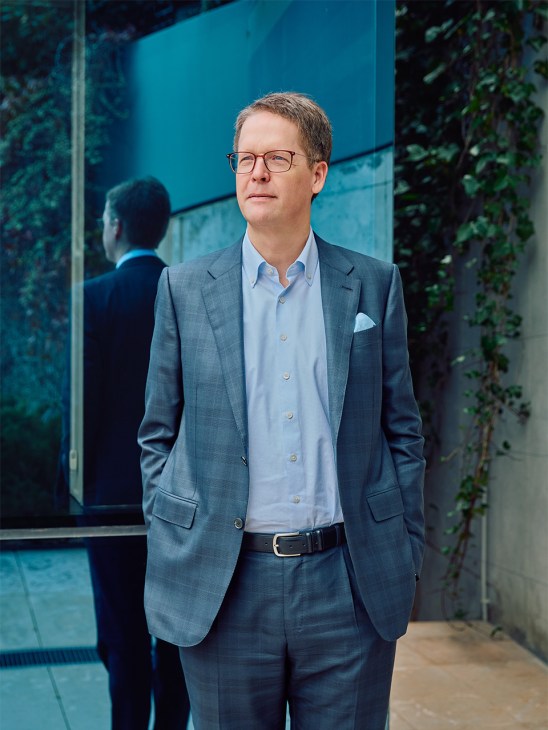
“Barcelona stands out as one of Europe’s most dynamic business hubs. The climate, the human scale of the city and the richness of its cultural and social life make it the ideal place not just to study but to truly live. Students want a setting that supports ambition without sacrificing balance.”
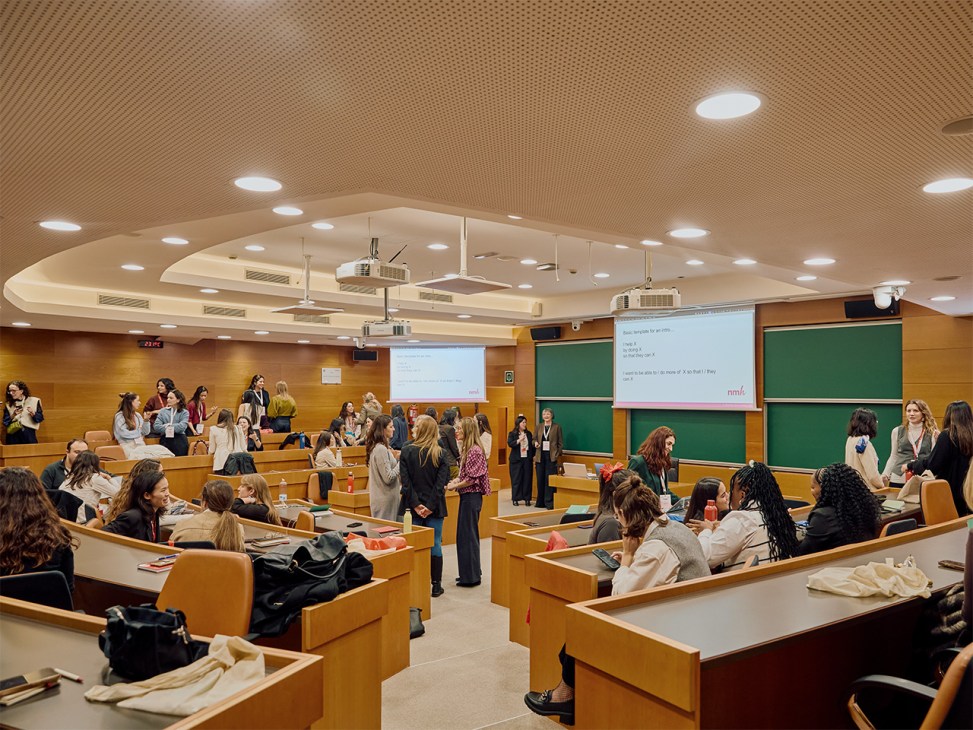
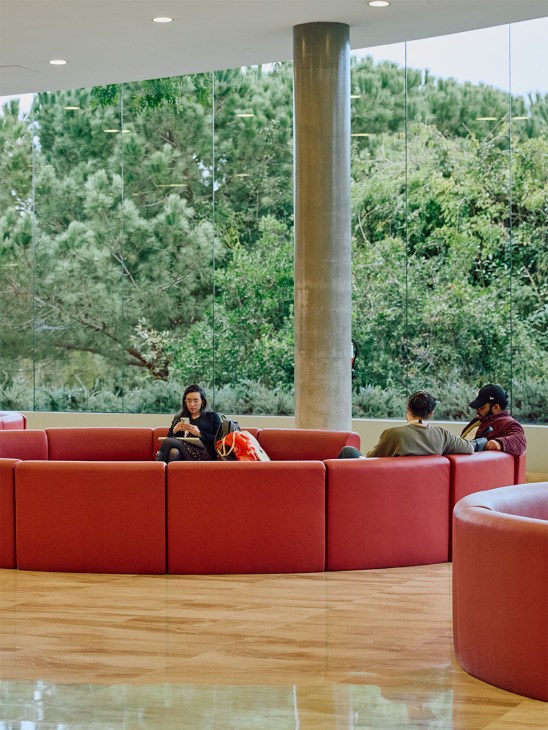
The school also has sister campuses in cities including Munich, New York and São Paulo. Yet the institution remains close-knit, with only 700 currently studying for their MBA here. “We see the social dimension as crucial,” says professor Alejandro Lago. More than 80 per cent of students hail from 66 countries and weekly lunches with teachers are encouraged.

IESE also goes to lengths to prepare students for the harsh realities of the business world. “Graduates are increasingly founding their own companies rather than jumping into consultancy-firm positions,” says Beatriz Camacho, an associate director at IESE’s entrepreneurship and innovation centre. Monocle speaks with Camacho inside the Venture Hub, an on-site entrepreneurial consulting suite that includes access to one of Spain’s most active business networks. “30 per cent of IESE graduates go on to create their own company within the first five years,” she says.
There are many winds rocking the business world. Graduates must contend with the rise of AI eating away at the number of entry-level positions at big firms. But at IESE’s Barcelona campus, a clear focus on old-fashioned entrepreneurial skills, coupled with a tempting location, is standing many a student in good stead.
At Norway’s chic Stockholm Embassy, modernist design meets Nordic diplomacy
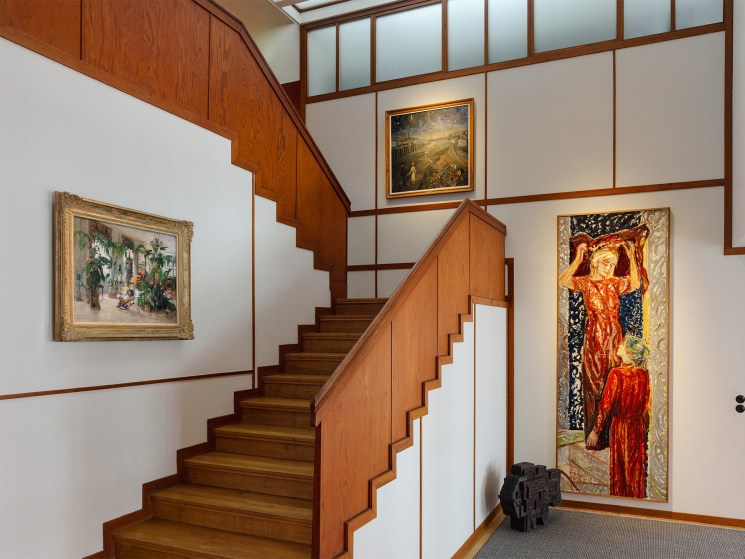
The Norwegian embassy stands apart from the grand façades that characterise Stockholm’s diplomatic quarter. Its red-brick walls and long, horizontal windows hug the landscape, while its lush garden slopes gently towards Djurgårdsbrunnsviken bay. It looks as much like a chic lakeside home as a government building. Completed in 1952 by architect Knut Knutsen, the embassy is one of the finest examples of postwar Norwegian modernism. “Compared with many other embassies, this feels almost domestic in how unassuming it is,” ambassador Niels Engelschiøn tells Monocle in his residence in the embassy. “In many ways, this is the image that Norway wants to project internationally: approachable, trustworthy and functional.”
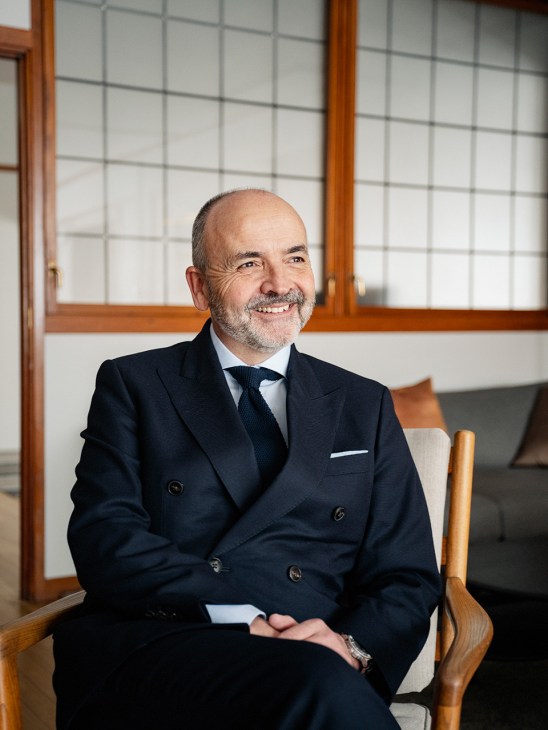
The building took shape just as Norway was emerging from wartime hardship and wanted to build a modern, democratic identity – a vision shared by Knutsen, an avowed internationalist and social democrat. Many of the artists involved moved in the same circles, helping to give this idea a sense of unity. The embassy’s interiors are resplendent with natural materials, such as wood, brass and fabrics. Handwoven woollen rugs designed by the architect’s wife, textile artist Hjørdis Knutsen, mute visitors’ footsteps, while her soft curtains adorn the tall windows. Modernist elements such as the fireplace, bare pine floors and panelled walls add warmth and accentuate the domestic feel.
Much of the furniture was designed by Knutsen, while built-in cabinets display Norwegian glass art and ceramics, fulfilling the architect’s wish to make the embassy a stage for national craft. Yet it is the Norwegian art collection that steals the show. Monumental paintings by Henrik Sørensen fill key rooms, while Jean Heiberg’s “Regatta” catches the fleeting brightness of a Nordic summer. In the dining room, a series of images by Edvard Munch is on display. The whole collection forms a layered portrait of Norwegian cultural life. “Art is a great diplomatic tool,” says Engelschiøn. “Not a visit goes by without someone asking me about the collection here.”
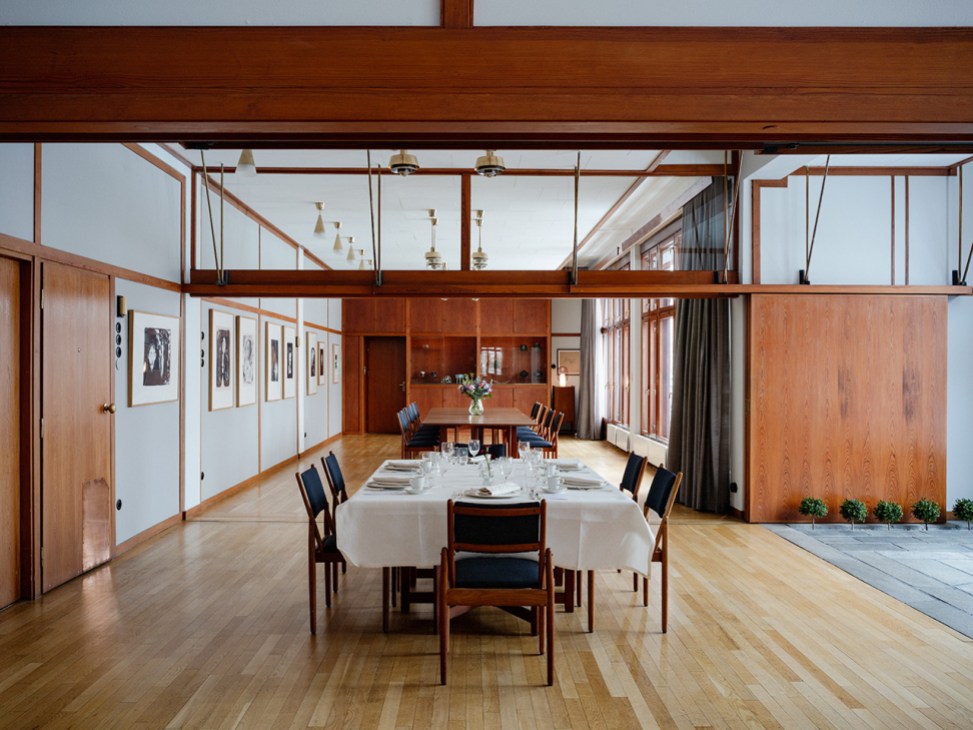
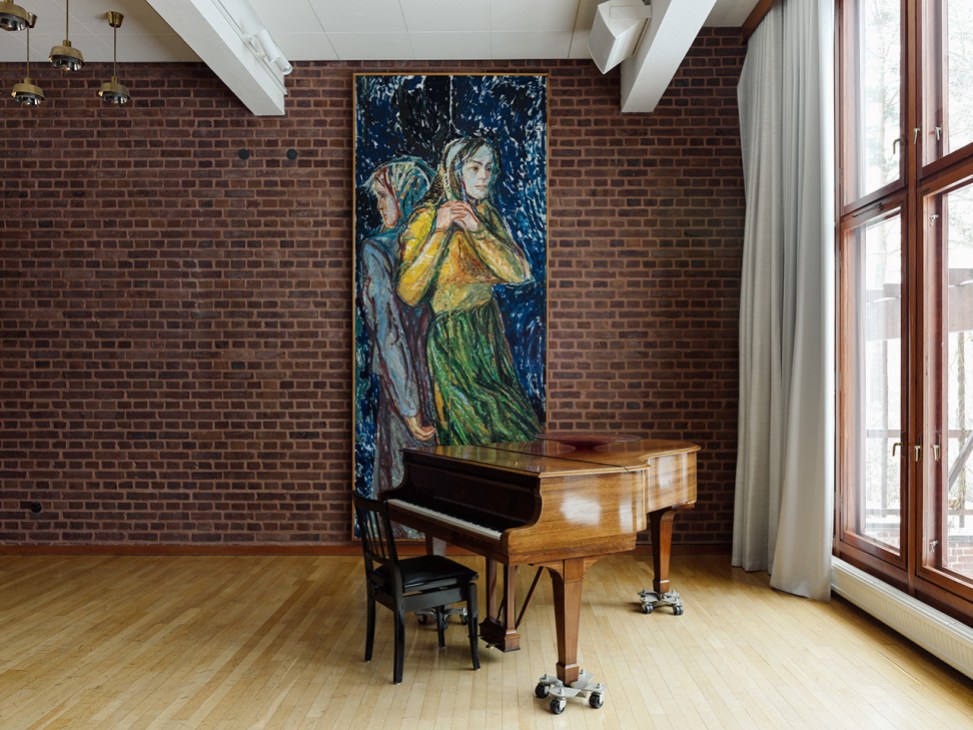
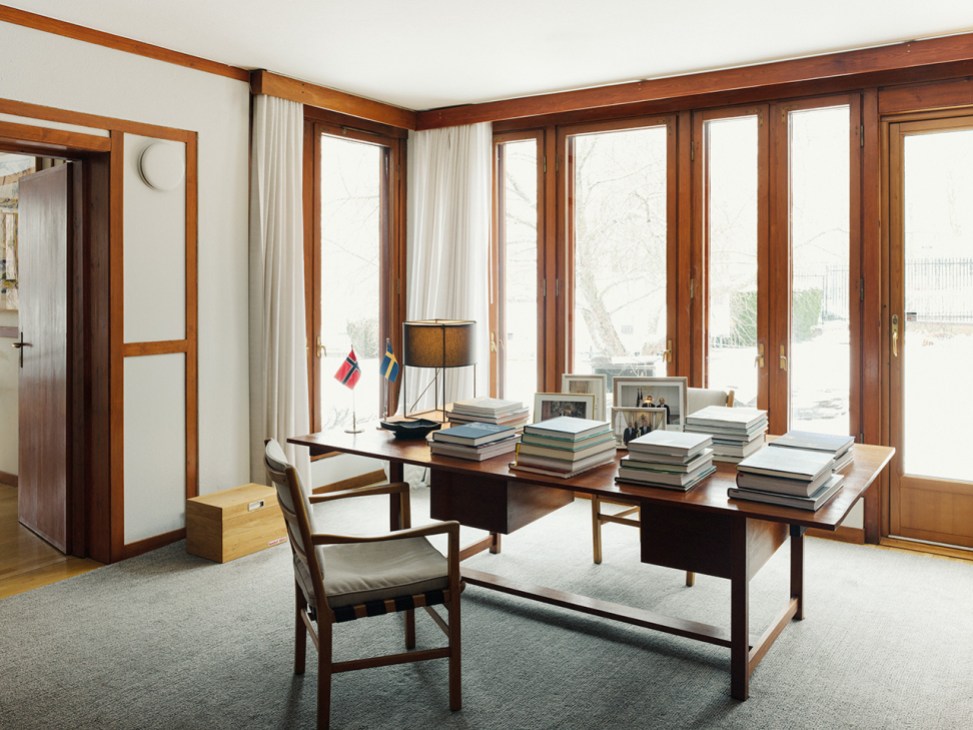
These interiors hold lessons that reach beyond diplomacy. Well-designed spaces wordlessly communicate institutional character. Design influences actions, clarifies values and fosters credibility. Engelschiøn describes the embassy as both “a working tool for diplomatic work” and “a window into Norway”. This diplomatic space, built with natural materials, creates an approachable arena that invites genuine interaction and acts as a stellar advertisement for Norway in a key bilateral outpost.
Three design picks from the Norwegian embassy in Stockholm
Henrik Sørensen’s paintings
Commissioned for the embassy, Sørensen’s three large-scale canvases command its most prominent rooms. Known for his expressive brushwork and socially engaged themes, Sørensen, a student of Henri Matisse in Paris, was central to Norway’s postwar artistic boom. He was also a friend of the embassy’s architect, Knut Knutsen. Installed in close dialogue with the architecture, the paintings were scaled to match the building’s size. Sørensen had to enlarge the figures to correspond with Knutsen’s vision.


Jonas Hidle’s brass lamps
Norway’s foremost lighting designer of the 20th century, Hidle worked with Knutsen to create the unique lamps inside and outside the embassy building. Suspended above dining tables and seating areas, they diffuse a soft, even light. The lamps were removed and replaced by more modern Danish ones for a period but were reinstated during a refurbishment that restored the original interiors.


Knut Knutsen’s pine chairs
As well as the dining-room chairs, Knutsen designed two types of larger seating, both with armrests. All are still used daily. Knutsen didn’t want to imitate expensive types of wood by staining the pine furniture; instead, he ensured that it looked simple and natural. Originally conceived to be moved and recombined as rooms were reconfigured, they reflect the embassy’s protean nature.


Ambassador: Niels Engelschiøn
Number of diplomats: 5
Year formal relations began: 1905, after the Swedish-Norwegian union was dissolved
Key bilateral issues: Defence and security, economic and trade relations, border co-operation and mobility
In Monocle’s April issue, we profile our selection of the best foreign embassies in the world — this is just one of the establishments featured. See the rest of our favourites here.
The Netherlands’ diplomatic ideology finds form in the architecture of its Addis Ababa embassy
The Dutch mission to Addis Ababa is a striking low-rise, terracotta-hued structure that is built into – as well as on top of – the ground. “There is a moment of awe when people enter it for the first time,” says Christine Pirenne, the Netherlands’ ambassador to Ethiopia, in her sun-soaked office. “This is the most beautiful of our embassy buildings.”
Completed in 2005, the embassy – designed by Dutch architects Bjarne Mastenbroek and Dick van Gameren, in collaboration with Ethiopian architect Rahel Shawl – is an example of how diplomatic architecture can reflect and influence the host country and how a statement embassy can be the manifestation of a key trade relationship. The building blends so completely into the lush compound that, from certain angles, one can only just make it out. Inside, however, visitors are engulfed in clean geometry and earthy colours, complemented by well-chosen artworks and sparse fittings in a nod to Dutch minimalism.


Design inspiration came from both the Netherlands and Ethiopia. The former is reflected in canal-like irrigation channels on the roof and the hint of gabling in its jagged protuberance. The latter’s influence can be seen in the form of its nod to the monolithic 13th century rock churches of Lalibela in northern Ethiopia, which are hewn into the landscape.
Van Gameren designed the structure to disappear into the embassy compound’s topography. Rather than flattening the site for the construction, its undulations were used to separate and hide the working buildings from the residences. Existing trees were factored into the plans. The mission was built by workers from the area who used only locally sourced materials. Wood and bricks are in short supply in Ethiopia but concrete is ubiquitous. Here, it was poured into forms made using wooden planks that left imprints of their texture on the surface; it was also pigmented to turn it the same reddish-brown colour as the Lalibela churches. The result is raw, unclad concrete that resembles organic material. The building’s long, straight wings run through and under the soil, merging with the greenery as though part of the earth. On top, pools reference the waterlogged landscape of the Netherlands.
The way that the building is changing as it ages and the concrete weathers is a neat reflection of diplomacy itself. “Life is never perfect – we have to deal with imperfections,” says Pirenne. “Diplomacy is about developing and learning. It isn’t a static thing.”
Ambassador: Christine Pirenne
Number of diplomats: 19
Year trading relations began: 1926
Key bilateral issues: Trade (the Netherlands is the largest EU investor in Ethiopia and 10 per cent of Ethiopian exports go to the Netherlands)
In Monocle’s April issue, we profile our selection of the best foreign embassies in the world — this is just one of the establishments featured. See the rest of our favourites here.