Issues
All aboard
Ouigo knows about competition. In 2013, when the subsidiary of French national rail carrier sncf was launched, carpooling and buses were leading to a dip in high-speed tgv travel. Something needed to be done. “Oui was the first to say to itself, rather than having competitors that steal customers, let’s try to come up with an offer that is less expensive,” says CEO Stéphane Rapebach from a room off a long corridor running above Paris’s Gare de Lyon.
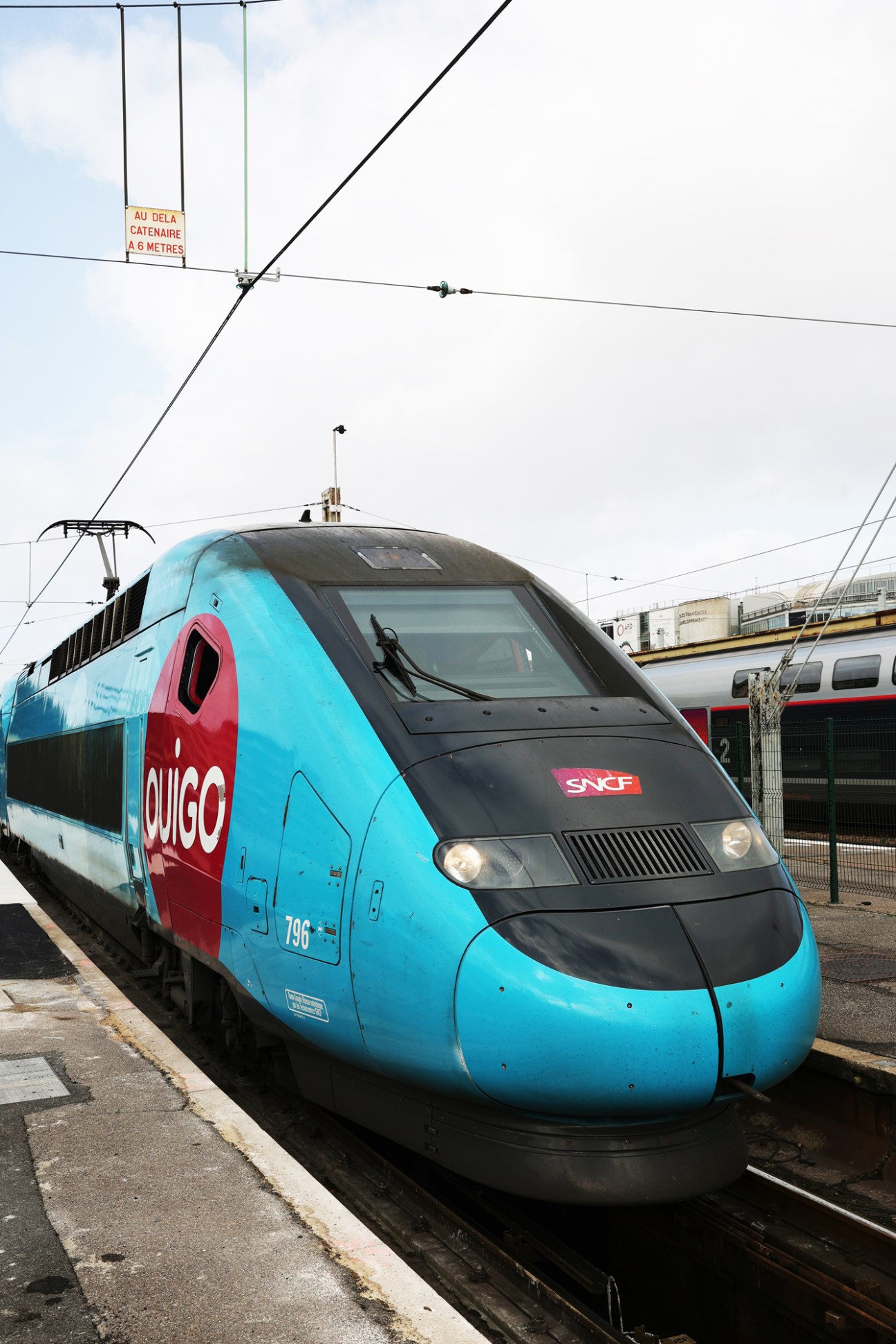
Ouigo’s national tgv service is unashamedly modelled on low-cost airlines. Ticket sales open up to nine months in advance and are exclusively online; baggage, seat selection and wi-fi are paid extras; and First Class doesn’t exist. With its pink and sky-blue colour scheme extending from the train body to seats, it’s also clearly aimed at youth, with Rapebach saying that 40 per cent of customers are under the age of 30. As part of the sncf’s two-tier offer, a separate Inoui-branded tgv picks up the premium customers who don’t want the cheap seats, offering them seasonal food menus and a Business Première coach.
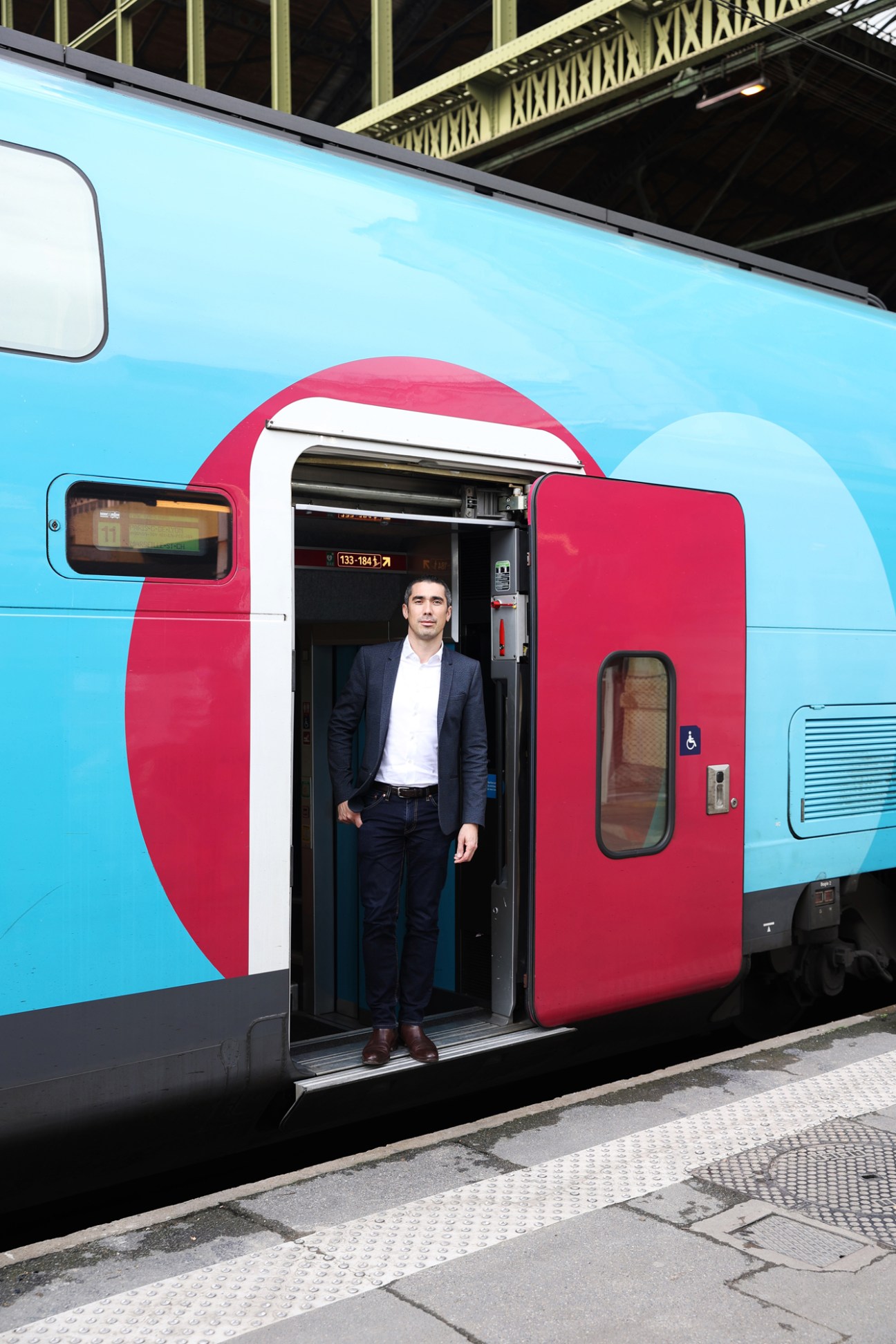
Rapebach, 42, knows that budget travel gets a bad rap. “Some people say ‘I don’t want low cost’,” he says. “But the reality is that today the trains are full. After the [economic] crisis, low-cost resisted better than other forms of mobility.” He says that although there was an obvious revenue hit during the pandemic, traffic has increased fivefold since 2013 and Ouigo predicts carrying 24 million passengers this year.
“Ouigo is interesting because it’s competing with itself and recognising it caters to different markets,” says British train historian Christian Wolmar, who will take his first Ouigo from Paris to Lyon in April. “It shows some nous.”
While the state-owned operator’s business model arguably brings a more democratic approach to high-speed travel, SNCF also finds itself facing one of the most challenging moments in its history. Winds of change are blowing through France as the holy cow of France’s public sector finds itself confronted by private and foreign competitors for the first time since its inception. A longstanding EU directive ordering member states to open up their rail networks to competition has been adopted at different paces within the bloc. And though France has been a late adopter (neighbouring Italy has had private carrier Italo since 2012), the decree is now starting to bite.
On France’s grandes lignes, open-access rules mean anyone with a business plan and funds can potentially run a rail company. And with everything from Midnight Trains, a sleeper hotel train featuring new rolling stock, to private high-speed competitor Le Train potentially on their way, sncf and Ouigo will need plenty of the nous that Wolmar is referring to. In December, Trenitalia also launched a high-speed service from Milan to Paris via Lyon. And although the current service of two trains a day is dwarfed by the sncf’s 24 tgvs on the French leg of the route, Trenitalia has already said that it wants to up its number to five in the second quarter. sncf’s monopoly is also being challenged on regional routes. In the coming years, regions will be able to decide which company – sncf or a competitor – they want to run their train services for set periods.
Alongside Trenitalia, Germany’s Flixtrain and Spain’s Renfe are also thought to be interested in France’s network. But there are also plenty of nascent French companies who want in on the train game. One of them is Railcoop, hailing from the southwest of the country. It has already started a freight service and is due to commence a decidedly non-high-speed, stopping passenger service between Bordeaux and Lyon before the end of the year.
Railcoop is a member-owned business – for profit but with 60 per cent of those profits put back into a “mission” to extend railways across France – and company CEO Nicolas Debaisieux tells Monocle that it was born from a need to get people out of cars and meet markets “not addressed by sncf”. Even if trains are forced to run on diesel as the track isn’t electrified, Debaisieux argues that there is still a sizeable cut to emissions.
New competition is also making Ouigo consider life beyond fast trains. In April, Ouigo will launch what Rapebach calls “a classic train in low-cost mode”, which will initially be two stopping services: Paris to Lyon and Paris to Nantes. The aim, according to the Ouigo boss, is to “find people the closest possible to where they live”.
Nor has Ouigo just looked within its national borders. Rapebach argues that if foreign competitors can come to France and take market share, they should be able to do the same elsewhere. In May 2021, Ouigo headed to Spain, launching a low-cost, high-speed service between Madrid and Barcelona. There are plans to add a route to Valencia this year and, later, Seville. “It’s a sprint,” says Rapebach. “You have to be the first to show up and the first to deploy.”
Shifting gears
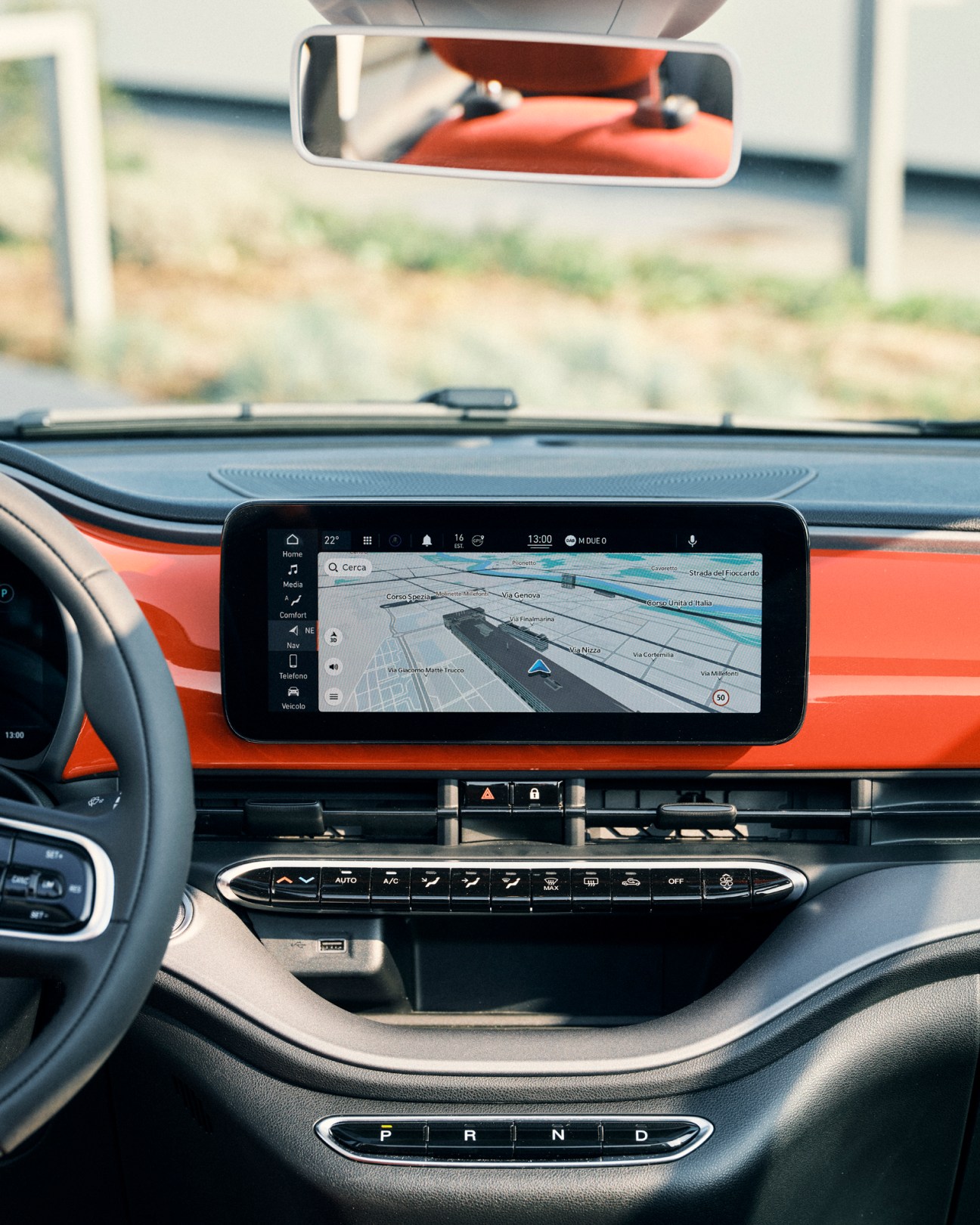
“It used to snow more often in Turin 30 or 40 years ago,” says our taxi driver as we slip through the city under a lid of white fog. It’s a cold morning and the air quality is poor. Monocle is on its way to meet Fiat CEO Olivier François and see the production of the 500e – the Italian car-maker’s first step in its plan for a fully electric fleet in Europe by 2030.
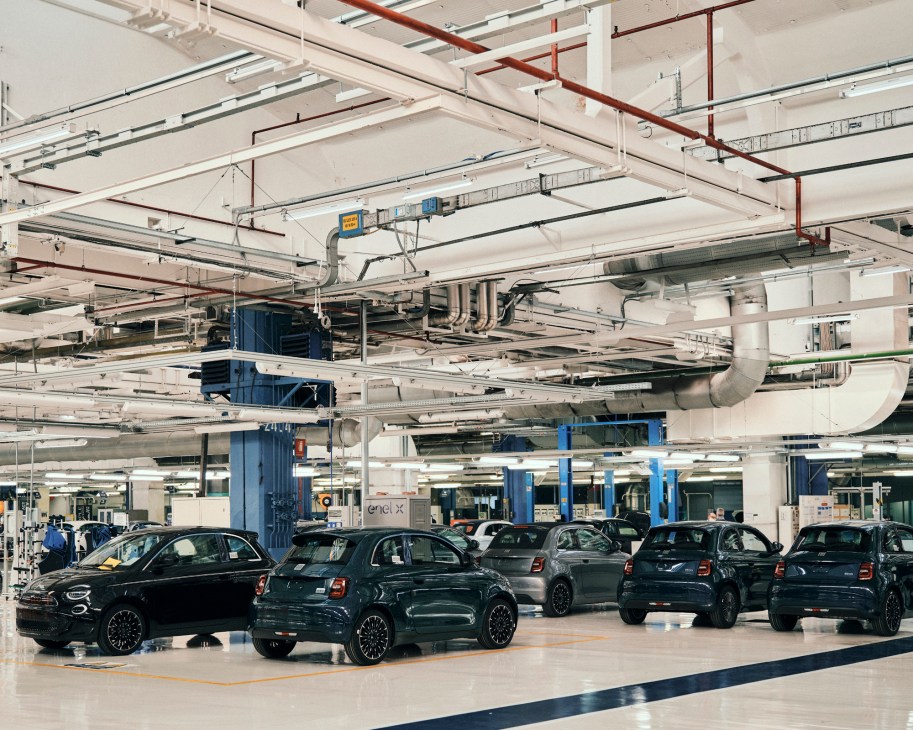
Even though Turin has largely deindustrialised in recent decades, the Piedmont region remains a key Italian industrial hub. Inside Fiat’s sprawling Mirafiori building, one of Europe’s oldest car factories, robotic and human arms now work in tandem to produce a version of Fiat’s beloved little car that’s fit for the low-emissions age.
As the world readies its ever-growing cities for electric vehicles (EVs), the load on city streets might yet be lightened by better public transportation, shared ownership and car-subscription plans, including the one Fiat is developing. But for now, as global car ownership and emissions continue to rise, Fiat’s 500e and its retro-futuristic styling have brought the automotive world a step closer to a brightly coloured and eco-friendly dolce vita.
Fiat has poured €700m into developing and producing the 500e, betting big on an electric heir to its storied model. The move is part of a €2bn investment into Turin that parent company Stellantis (formed in 2021 when Fiat Chrysler, the owner of Fiat, merged with France’s psa Group) is making to slash emissions by turning Mirafiori into an EV hub. Those investments seem to be paying off. Launched in 2020, the 500e was the top-selling electric city car in Europe last year.
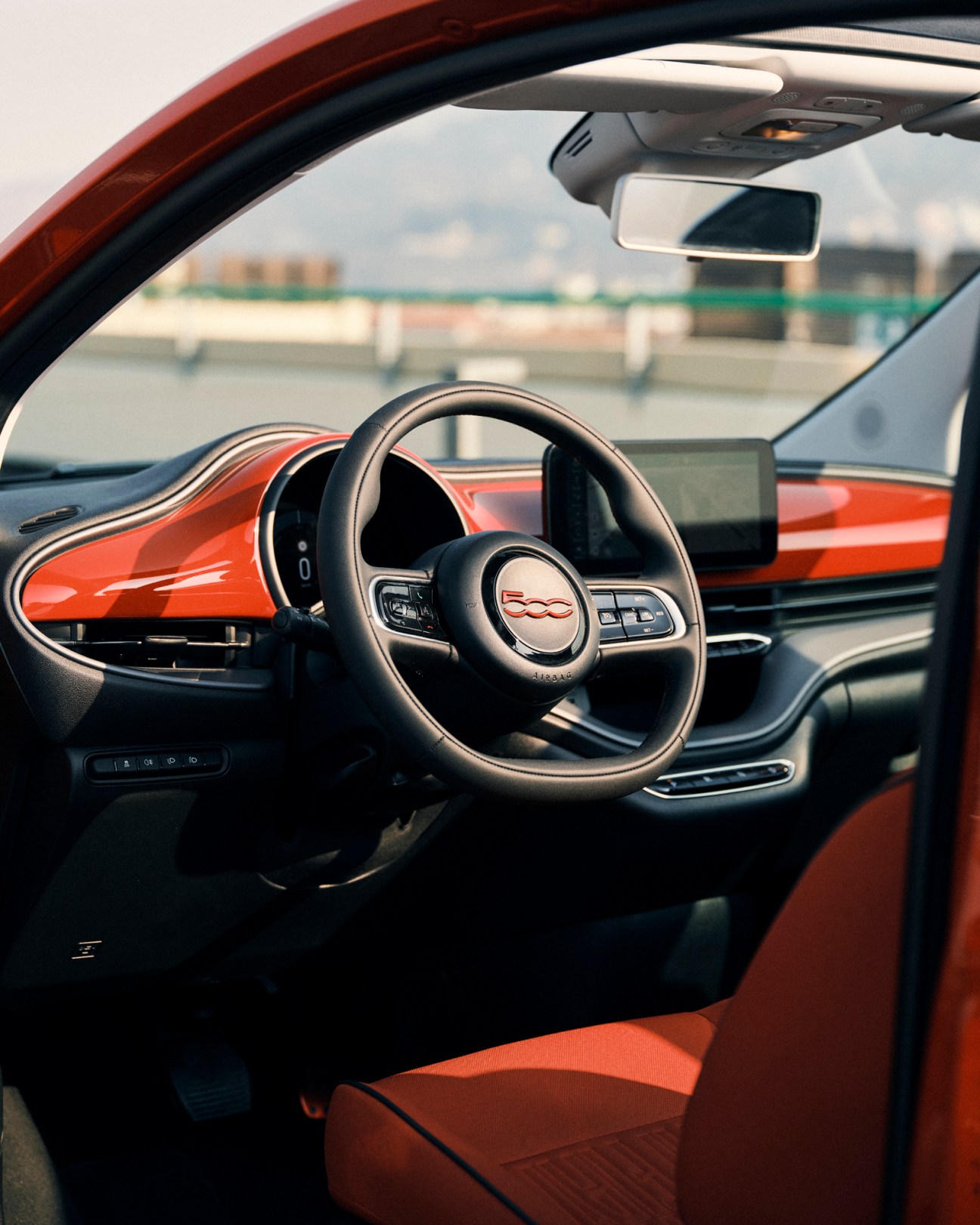
Fiat’s electric car and its predecessor might look alike but the similarities are superficial: the 500e shares only 4 per cent of its parts with its carbon-emitting predecessor. The decision to roll out a radically different electric model was risky from both a reputational point of view and a financial one. But the result is a car that’s highly responsive, like a tiny, battery-powered rocket ship. “We put our most iconic asset at stake; we gambled with all we have,” says François. “Any other boss would have fired me.”
But far from being fired, François was instead asked to take the wheel at Fiat in January 2021, after 20 years with the company, covering various senior roles including a decade as chief marketing officer with pre-Stellantis Fiat Chrysler Automobiles (FCA). François’s ascendancy came after a period of numerous corporate restructures, and a three-year spell when Michael Manley had been FCA CEO – he had stepped in to take over from the industry titan Sergio Marchionne, who died unexpectedly in 2018. The blunt, numbers-driven Marchionne was credited with bringing FCA back from the brink of collapse and, for many in the industry, François is his heir – a leader with similar paradigm-shifting potential.
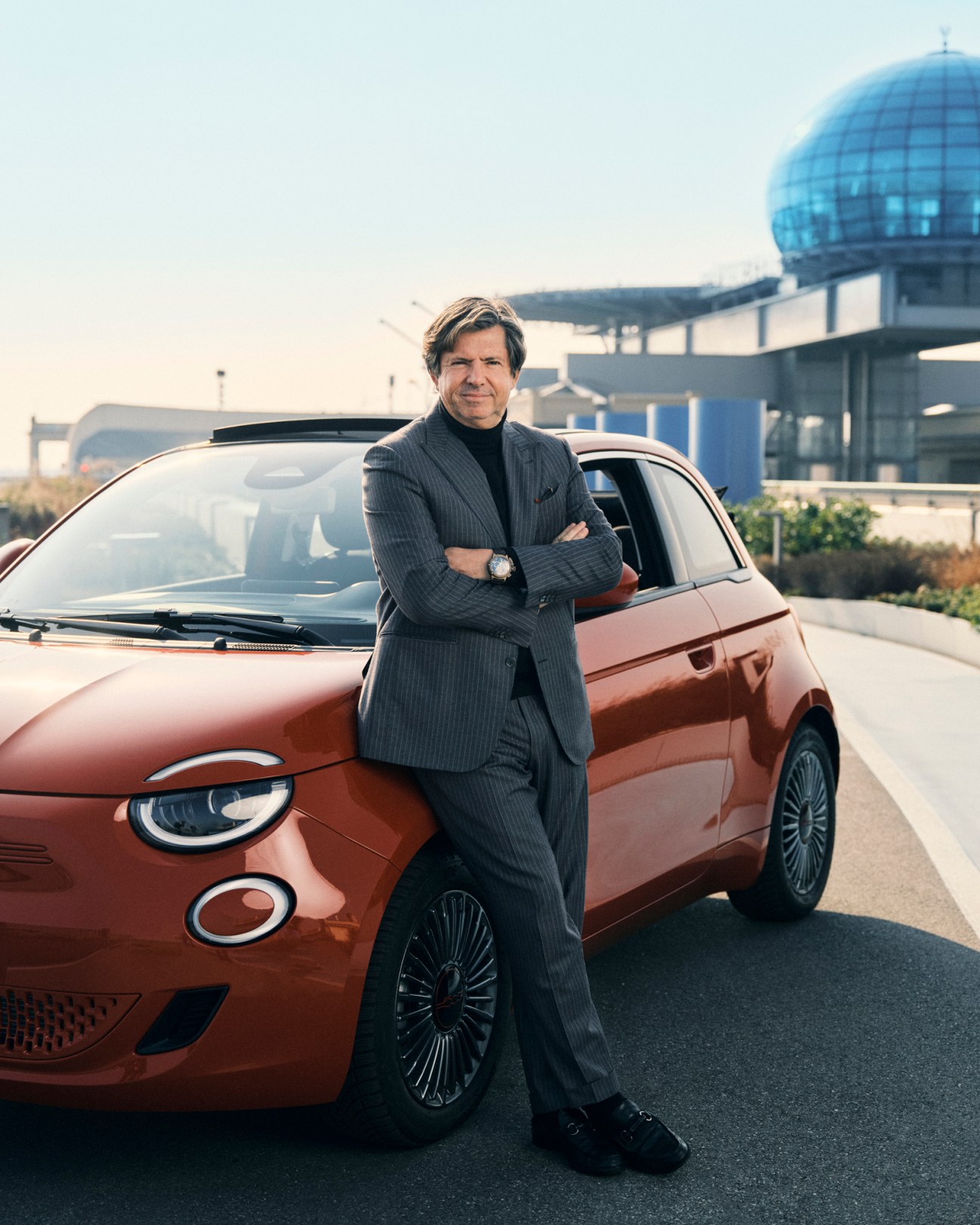
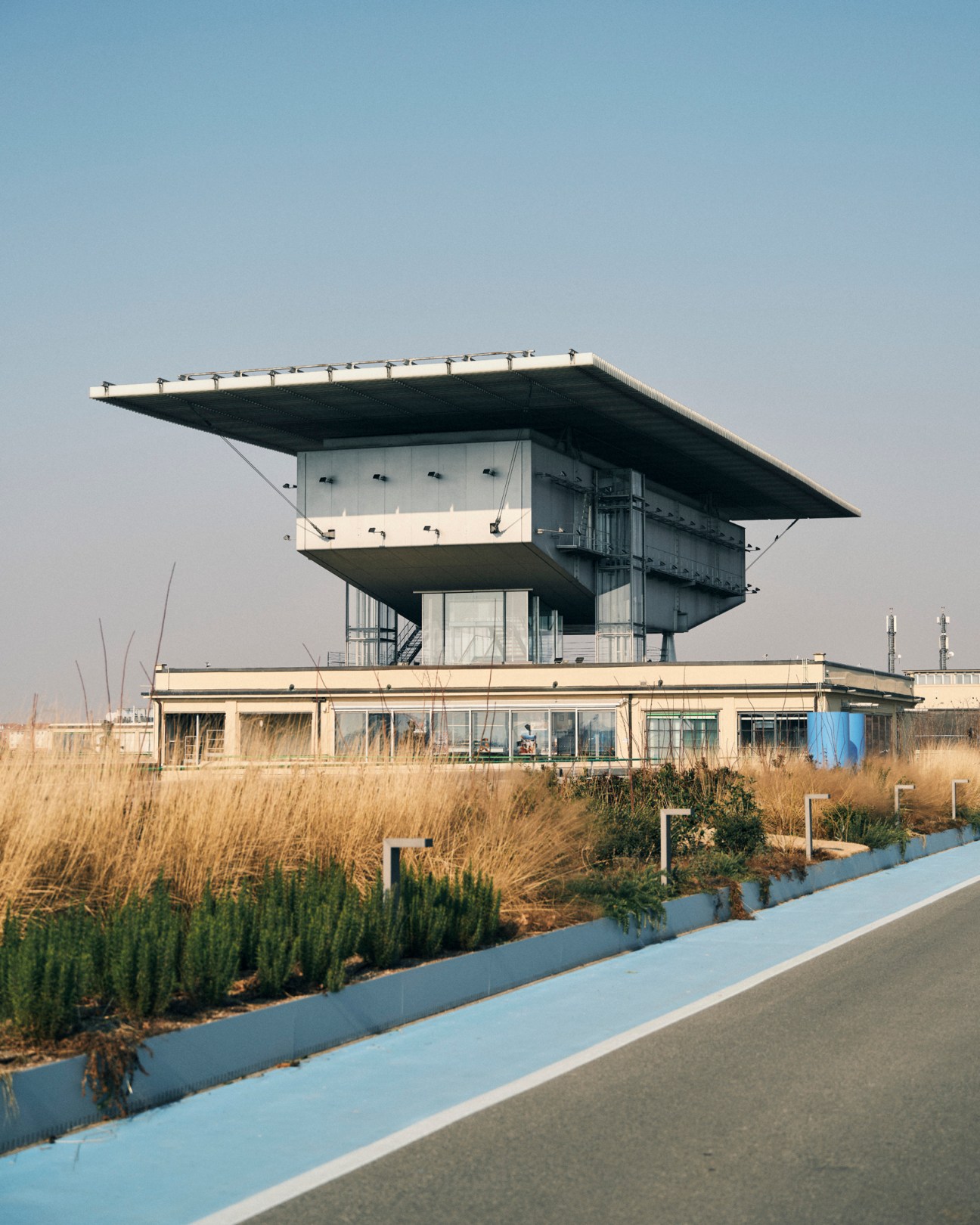
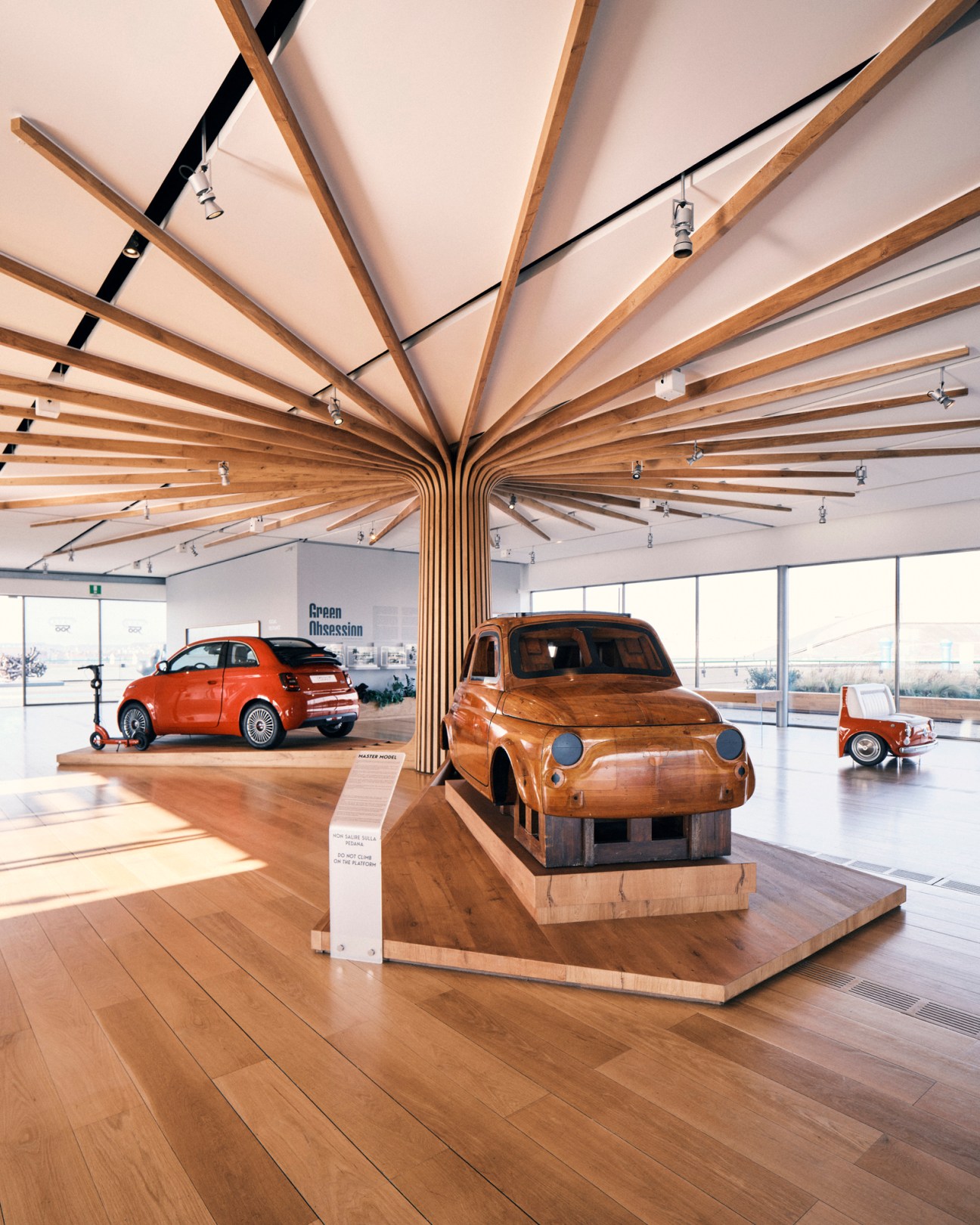
Dressed in a charcoal pinstripe suit and black rollneck, François sits as poised as an ambassador in La Casa 500, a new wood and glass exhibition venue atop the historic Lingotto building. Parked next to François is a special-edition 500e, recently launched in partnership with the Project Red health charity. The special edition costs more than the least expensive 500e model, which starts at about €24,000. François smiles as he talks about the long-term aim, “to propel Fiat into a sustainable future without betraying its original mission, which is mobility for the masses”.
About 1 per cent of the cars on the world’s roads are electric. The Organisation for Economic Co-operation and Development’s energy watchdog says that to avert the worst effects of climate change, emissions-free cars will need to comprise almost two thirds of sales by the end of the decade. EV sales are rising rapidly, albeit from a low base, and climbed 43 per cent in 2020, thanks to a combination of consumers’ growing environmental concerns and tax incentives. To capitalise on this shift, François plans to take Fiat fully electric in Europe by 2027 and globally soon after.
To offset the huge costs needed to electrify its production, François says that Fiat’s place among Stellantis’s 14 car brands – Chrysler, Peugeot and Dodge among them – allow it to take advantage of economies of scale and cut costs when developing new models. “There is no future if it’s not shared,” says François in a nod to the group’s efficiency.
Fiat has proven itself a successful part of Stellantis, selling more cars than any of the group’s other brands last year – almost all of them small. That’s in a year when almost half of the cars sold globally were gas-guzzling sport-utility vehicles.
Fiat’s top-speed transition is also a race against often larger competitors in the EV market, such as Hyundai, Renault and Tesla. In order to gain the inside track, and wary of trying to out-engineer and out-spend them, the CEO concedes that he needs to focus on “more than drive trains” (meaning the components that deliver power to the wheels) and tap into the company’s 123-year history.
“I’m not smarter than other car-makers, that’s a fact,” says François. “I’m not wealthier than them, that’s another. There’s only one thing I have that they don’t have: legacy, icons, heritage. Italian heritage.” Fiat’s next new car will be released in 2023. “From next year, we’ll have a new car every year,” he adds. Although he’s cagey on specifics, François hints that some of the new offerings might echo Fiat’s bubble-ended 600 Multipla from the 1950s and its angular 1980s Panda, among others.
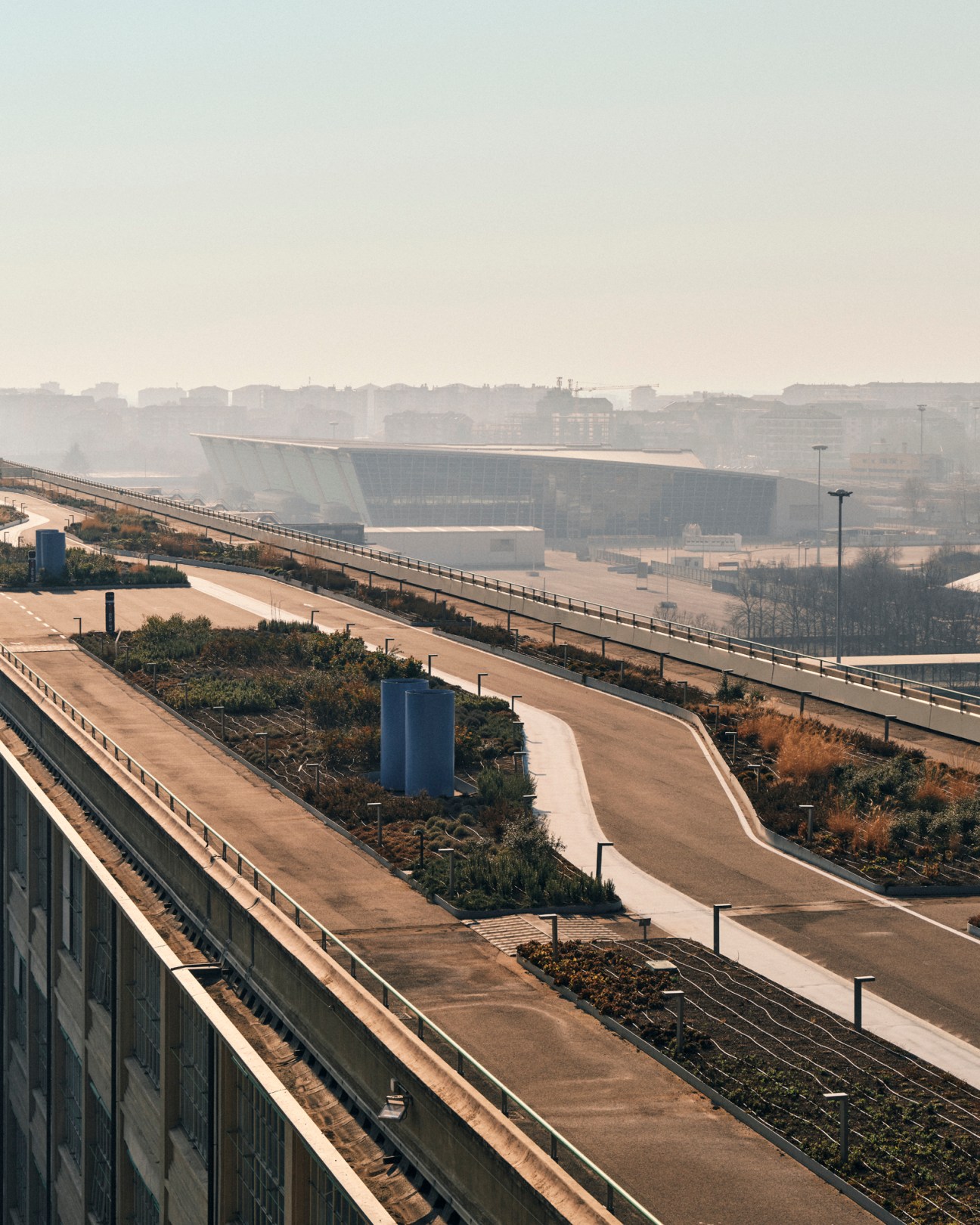
Fiat’s design heritage is also clear from its two modernist landmarks in Turin: its 1939 Mirafiori plant and the Lingotto building, built in 1923 and revamped in 1989 by architect Renzo Piano. Each of them houses a part of the world-renowned Politecnico di Torino’s automotive design and engineering faculty. The Italian futurist-style Lingotto building, where François sits during our interview, was designed to celebrate machine-age speed and is famous for its rooftop test track.
Made in Italy
Italy has a proud industrial heritage with many factories in its northern and central provinces.
Leonardo: The global aerospace and defence giant employs nearly 50,000 people worldwide, with more than 31,000 based in Italy. Leonardo is headquartered in Rome with 38 manufacturing sites in Italy and revenue of €13.4bn in 2020.
Rivolta Carmignani: Founded in 1867 and now in its sixth generation of family control under Filippo Rivolta, the linen-maker’s crisp percale and lush terrycloth are made near Milan and distributed to more than 90 countries.
Barilla: With sales of €3.9bn, family-owned Barilla is the world’s largest pasta producer and its Parma plant has a capacity of 1,000 tonnes per day.
Lavazza: Lavazza was founded in 1895 in Turin and still processes its coffee for global distribution in the region. It has plants in India, France and Brazil, and the brand is present in more than 140 countries with revenue of over €2bn in 2020.
Luxottica: Founded in 1961, Milan-based Luxottica is the world’s largest eyewear manufacturer. Owned by EssilorLuxottica since 2018, it had group revenues of €14.4bn in 2020. The firm makes more than 40 per cent of its frames in Italy and its brands include Oliver Peoples and Ray-Ban.
Brunello Cucinelli: The quintessential Italian luxury company does more than manufacture in Solomeo, Umbria; it has completely restored the village where its founder started the firm in 1978. Some €544m of global revenue in 2020 came from goods made exclusively in Italy.
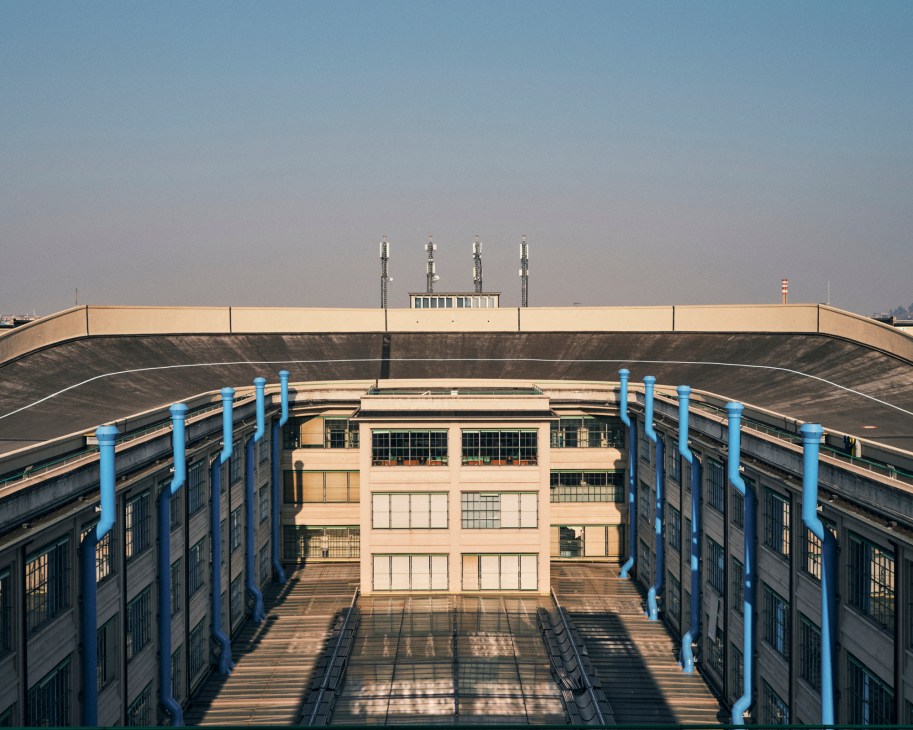
Out on the asphalt and strapped into his creation, François pushes the accelerator to the floor as he takes Monocle on a blistering lap of the track. The car may look like a toy but it packs 118 horsepower and a 320km range to soothe the “range anxiety” of prospective EV buyers.
High above Turin, the little red 500e zips around the oval track. François laughs in delight as he races past the 40,000 plants that populate La Pista 500’s green roof, designed by Italian architect Benedetto Camerana and landscape designer Il Giardino Segreto.
Across town is the Mirafiori factory, which, for a 2,000,000 sq m industrial plant, is remarkably quiet. There are some 2,000 people now working at the plant but it once employed more than 50,000. Due to Fiat’s globalised production model – cars are also made in Brazil and Poland – much of the factory is now dormant.
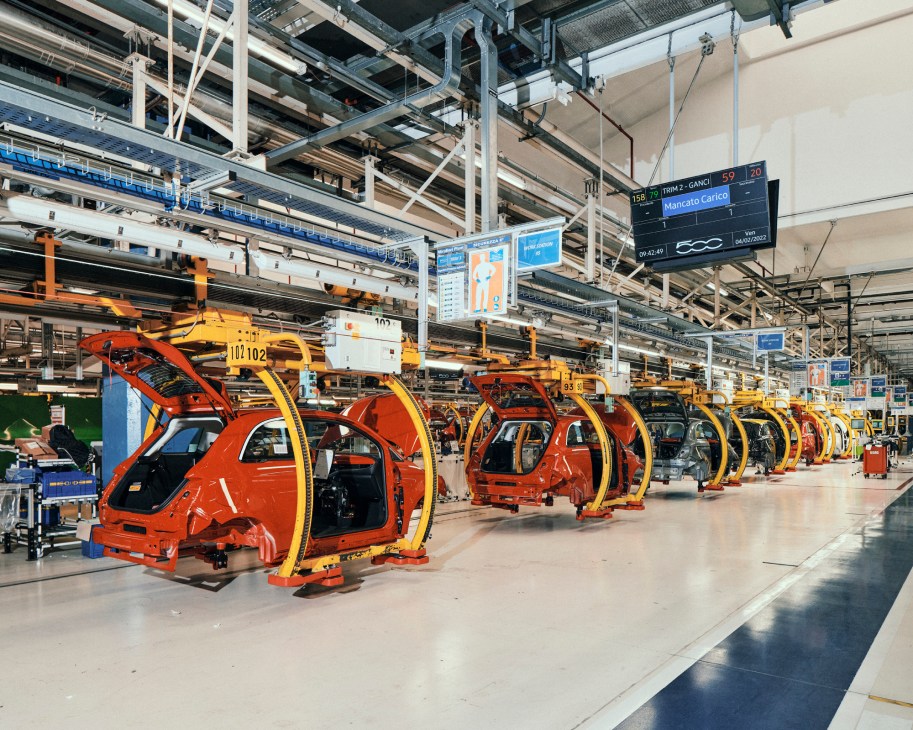
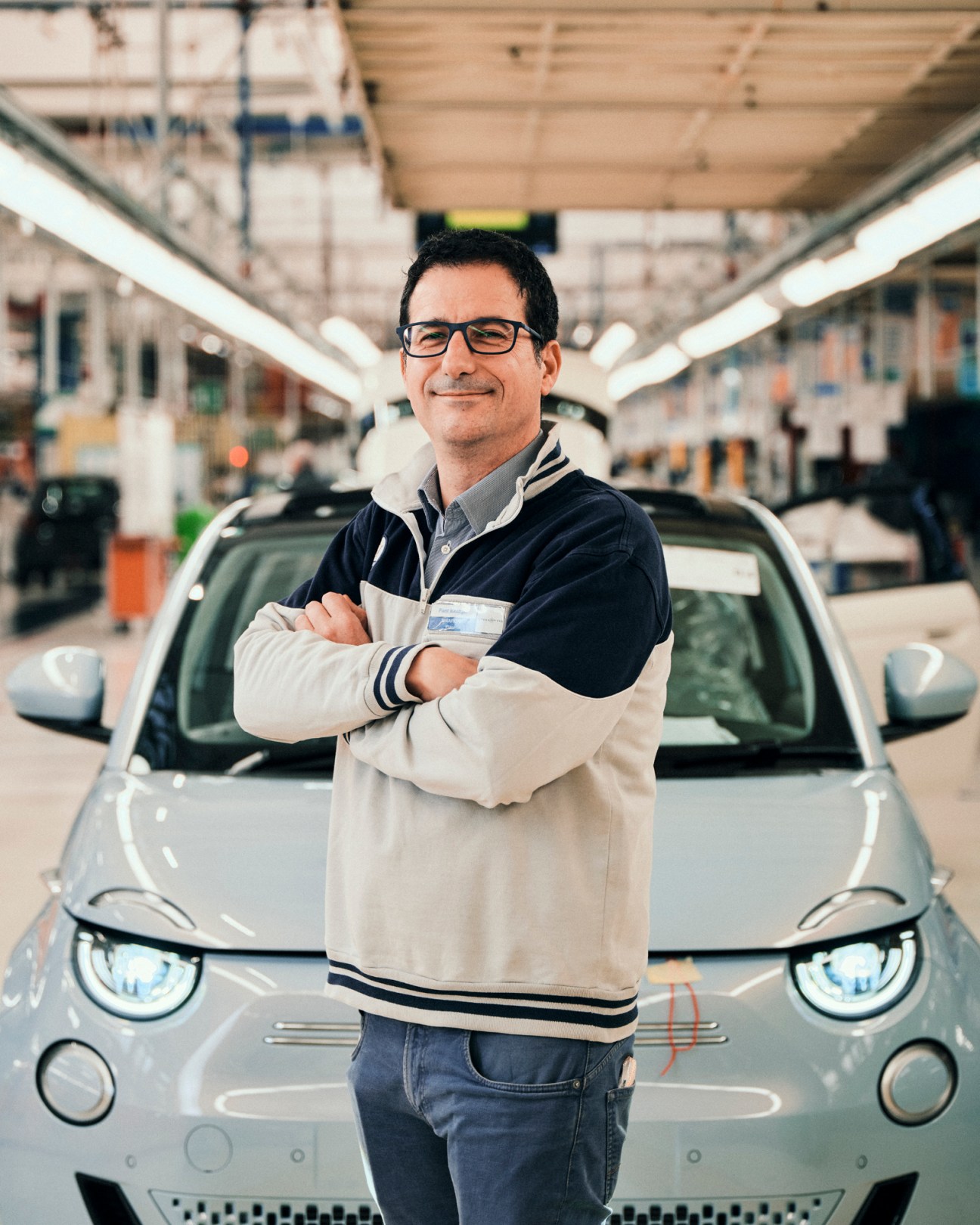
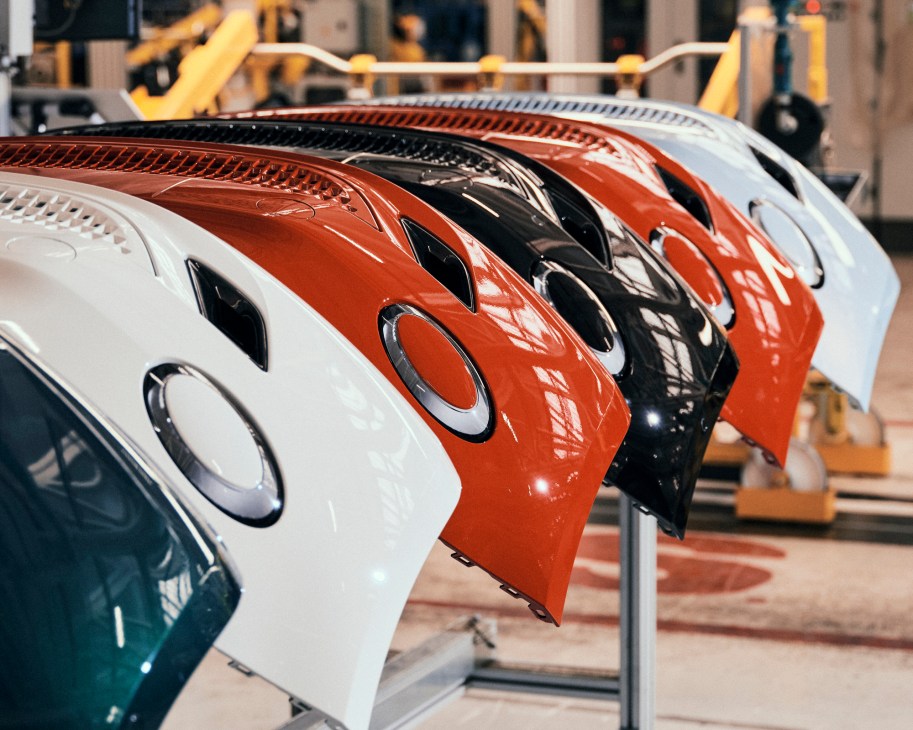
The specialised 500e workers are split into two shifts of 300. Every shift completes 158 cars on the assembly line, which is punctuated by digital screens showing a count of completed cars. Last year, Mirafiori sold about 44,000 Fiat 500e cars but there are plans to increase that number. “Our target is 80,000 or more per year,” says plant manager Luigi Barbieri.
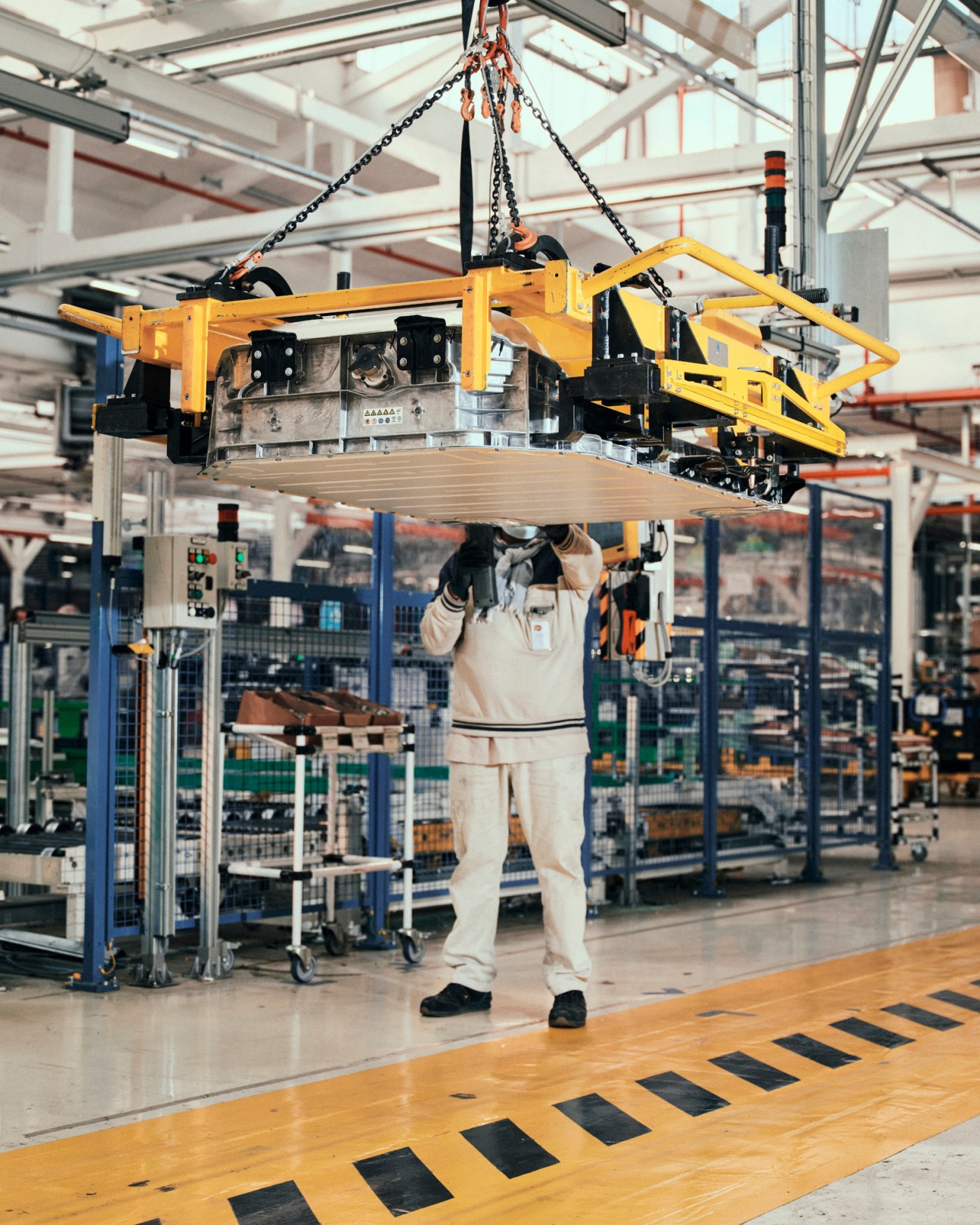
As they move down the line, every car is suspended from overhead tracks in a yellow cradle, fluorescent entrails exposed as assembly progresses. They pitch and tilt as they meet robotic arms placing windshields and the hands of human workers specially trained for high-voltage assembly and testing. “We built the process from zero,” says Barbieri. When cars roll off the production line, Fiat charges their batteries with renewable power supplied by the 150,000 sq m of solar panels that line the roof of Mirafiori. While the vehicles sit idle waiting to be shipped, their batteries store that solar power and can pass it back out into Turin’s electrical grid.

In building Mirafiori’s EV expertise, Fiat is also laying the groundwork for the next phase of Stellantis’s multibillion-euro investment in the city of Turin. The parent company said late last year that Maserati’s new electric models will also be built at Mirafiori, a step toward making it a global EV-manufacturing hub for multiple brands. Yet there is some scepticism about the transformation to green manufacturing. The loss in the 1970s of Turin’s traditional industries was a painful time for the city. In the 1990s, Turin began to reinvent itself as a city of culture, backed by state and EU funding. So this new era of corporate investment is treated with caution by some. And, now, “It’s like a marriage that gets broken?” says Chiara Lucchini, regional development manager at Torino Urban Lab, which promotes debate about the city. “How much of this investment is really benefiting the territory? Or is it just benefitting the factory and the company?” She adds that many don’t yet see Stellantis as an engaged player but believe that “it could be”.
François is optimistic and eager to win back hearts and minds. The green roof of Lingotto is set to open to the public for free this spring as part of the CEO’s mission to recast Fiat as a leader in sustainability. “I wanted to make the statement that we are with the city, every time it looks ahead, every time it is green,” he says. There might be those that still need convincing but François’s intention is to put his brand’s hometown front and centre in the move away from fossil fuels – in Turin and around the world.
Artistic licence
Books
Paradais
Fernanda Melchor
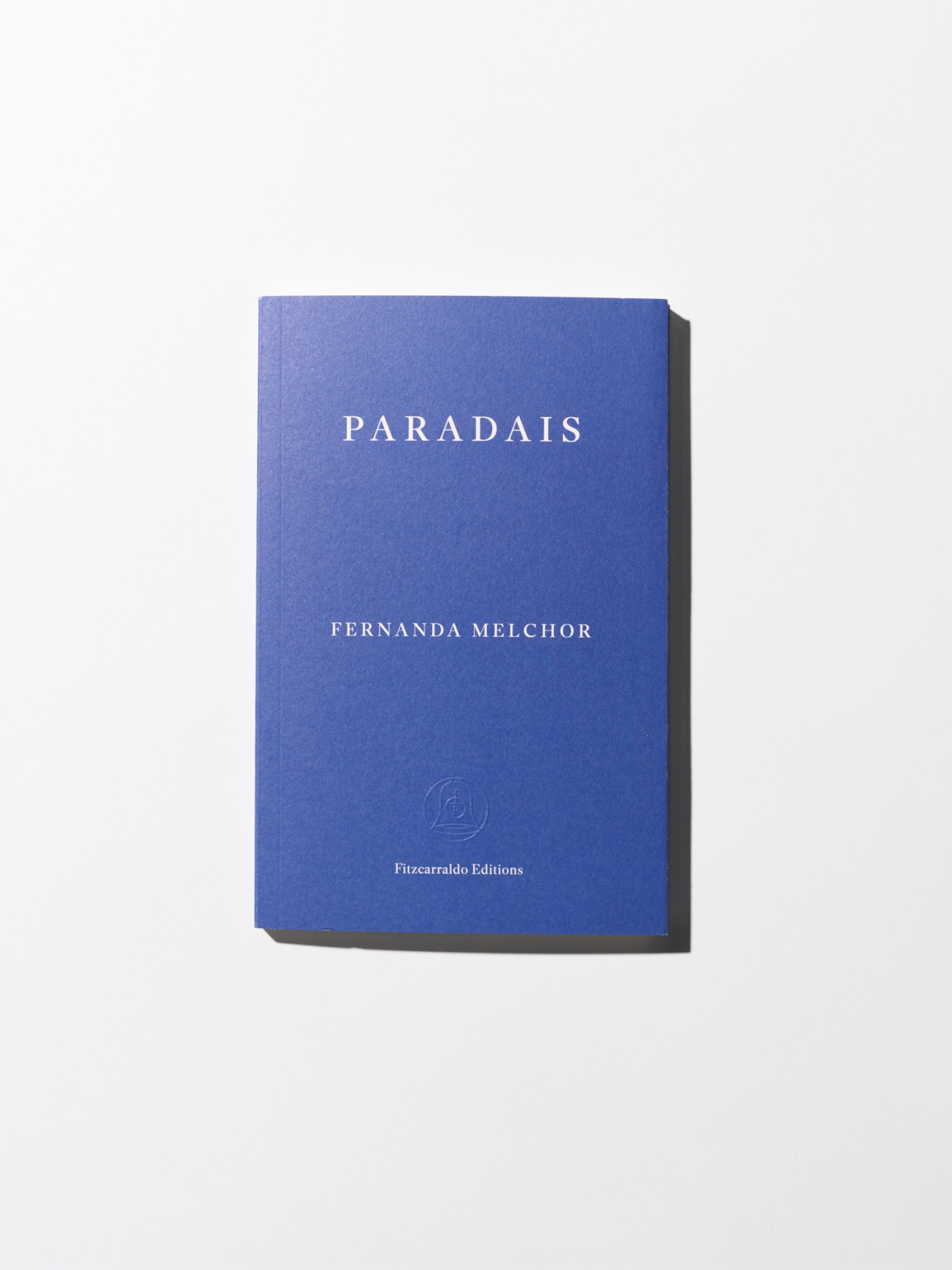
Two bored teenagers – one who fantasises about seducing his neighbour; the other a dejected` gardener – hatch a plan to target the residents of the luxury housing complex where the former lives and the latter works. In Paradais, Fernanda Melchor has written a mesmerising yet unforgiving portrait of the underbelly of contemporary Mexico.
‘Paradais’ is published on 26 April
The Trouble with Happiness
Tove Ditlevsen
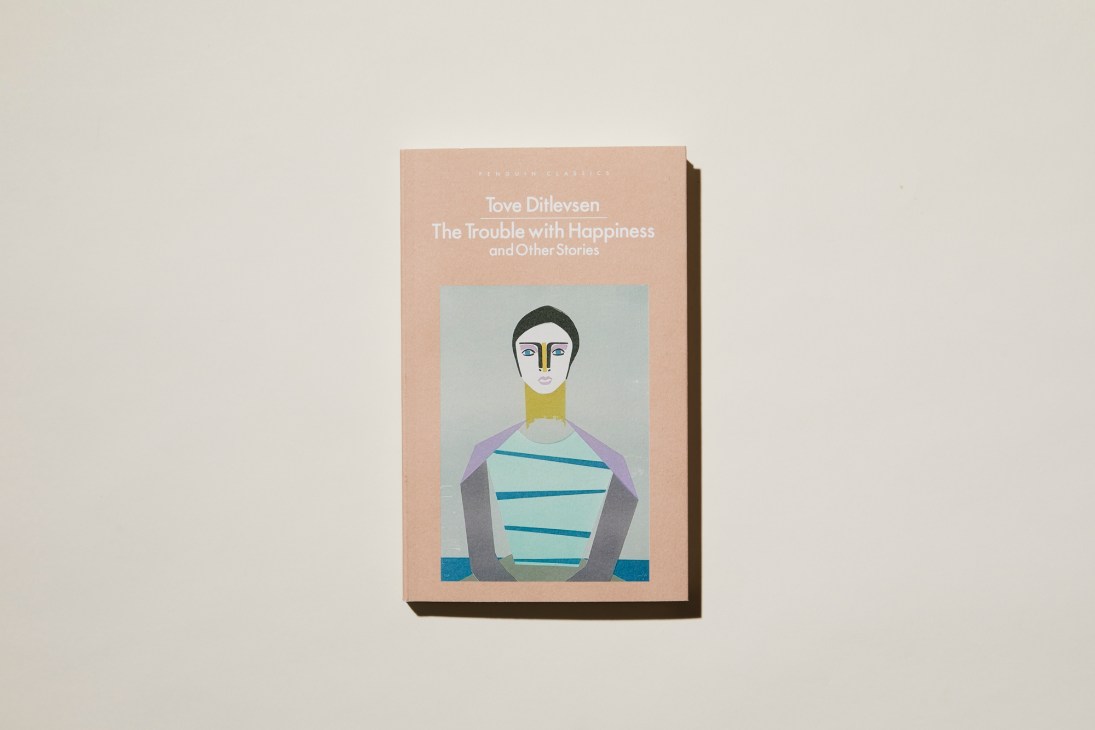
Fans of Danish writer Tove Ditlevsen’s The Copenhagen Trilogy won’t be surprised to learn that, despite the title, there isn’t much happiness in this collection of newly translated stories. Instead, there are troubled marriages, musings on mortality and a woman who longs for nothing more than a silk umbrella. The depths of desire and despair are Ditlevsen’s subject and illuminating them is her talent.
‘The Trouble with Happiness’ is out now
Music
Tilt
Confidence Man

Looking for an uplifting album? Then reach for Tilt by Australian electro-pop band Confidence Man. The follow-up to their 2018 debut, Confident Music for Confident People, is a dancefloor spectacular that channels the hedonism of the early 1990s. Single “Holiday” is tailor-made for non-stop ravers; “Break It Bought It” is an ecstatic electro-house anthem. The final song, “Relieve the Pressure”, combines French vocals with a pounding drumbeat.
‘Tilt’ is released on 1 April
Profound Mysteries
Röyksopp
Tromsø-based duo Röyksopp are back with their sixth album, for which they have assembled a cast of collaborators including fellow Norwegians Astrid S and Susanne Sundfør. “Impossible”, featuring Alison Goldfrapp, is a bewitching explosion of synths, while songs such as “(Nothing but) Ashes…” and “The Ladder” showcase a gentler brand of electronica.
‘Profound Mysteries’ is released on 29 April
Métamorphose
Vendredi sur Mer
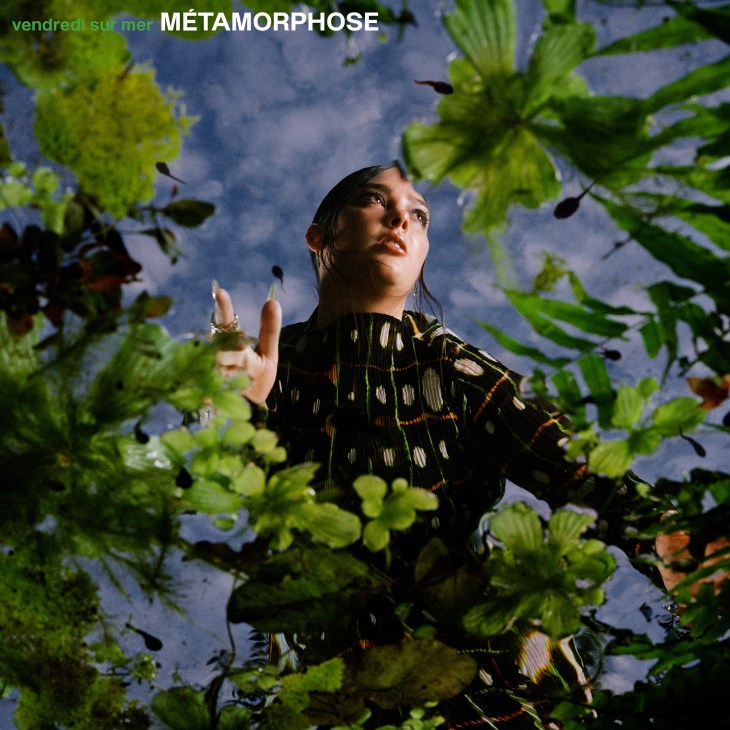
With Métamorphose, Geneva-born singer-songwriter Vendredi sur Mer finally gives us more of her excellent electro pop. This is a strong follow-up to her debut, Premiers Émois, some of which she performed on The Monocle Summer Series podcast. She is pure lust on “Comment tu vas finir”, in which her vocals are propped up by piercing beats. “Monochrome” is delightfully groovy, while “Le lac” shows the singer at her most vulnerable.
‘Métamorphose’ is out now
TV
Trom
Torfinnur Jákupsson
Before Trom, the Faroe Islands were one of the few Nordic locations not to have played host to a prestige noir drama. No longer: the North Atlantic archipelago is now the setting of this new crime series, which was originally commissioned by Scandinavian streaming service Viaplay. Based on Jógvan Isaksen’s crime novels, the series follows journalist Hannis (Ulrich Thomsen from The New Pope) as he attempts to discover the truth about his estranged daughter’s unexpected death. Unconvinced by the efforts of the police, he takes matters into his own hands. Secrets and conspiracies play out against the islands’ stunning terrain.
Writing with Fire
Rintu Thomas and Sushmit Ghosh
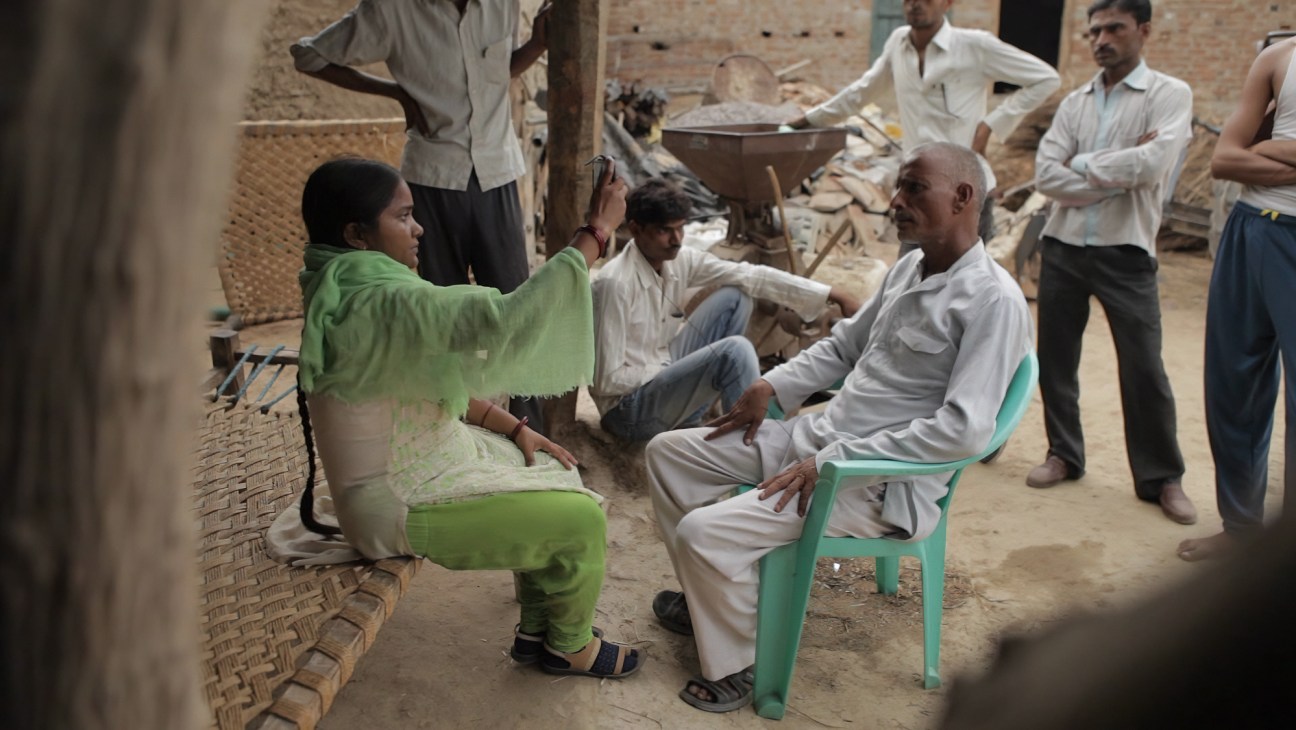
Nominated for an Academy Award for best documentary, this feature-length production by Rintu Thomas and Sushmit Ghosh focuses on the journalism of Khabar Lahariya, an independent news outlet in India where all of the staff are Dalit women. Five years in the making, the documentary follows the reporters’ fearless determination in the face of discrimination and their tireless pursuit of the truth as they grapple with the opportunities and challenges posed by the transition to digital news in India.
Film
Compartment No 6
Juho Kuosmanen
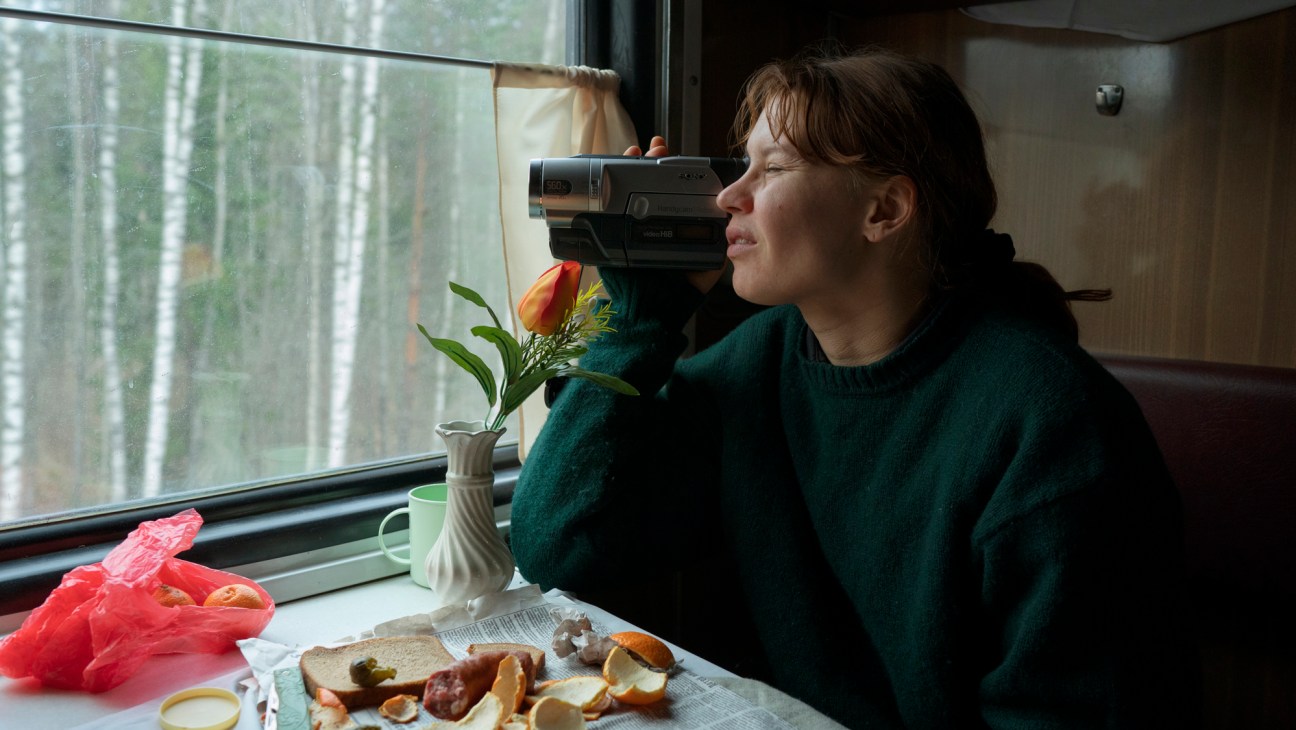
The Arctic hinterland of Murmansk Oblast is a desolate, unexpectedly romantic setting for Juho Kuosmanen’s muted love story Compartment No 6. The Cannes Grand Prix-winning film follows two cabinmates on a train journey to the fringes of the world. Claustrophobia turns to intimacy as this odd couple – a sensitive academic woman and a boorish construction worker – find solace in each other’s company. The set-up is handled beautifully by the Finnish writer-director, who understands that felicitous moments can be tinged with melancholy and that a meaningful relationship can be the most fleeting of things.
‘Compartment No 6’ is released on 8 April
Los Fuertes
Omar Zúñiga Hidalgo
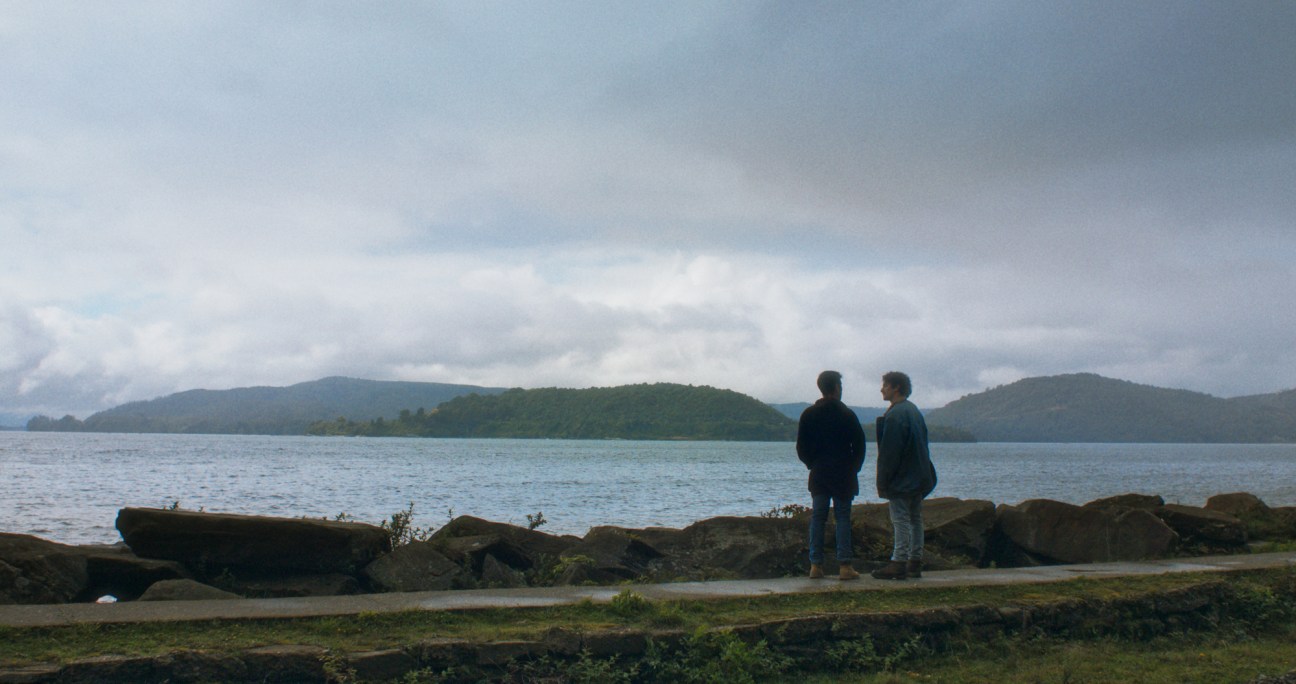
More than two years since its premiere at the Valdivia International Film Festival, Chilean drama Los Fuertes finally receives a wider international distribution. For admirers of incisive character studies and bittersweet romances in the vein of Francis Lee’s work, it will have been worth the wait. It tells the story of an architect, Lucas, who visits his sister in a remote town on the coast of Chile and falls for a sailor called Antonio. Rigid social norms strain the relationship but the film is at its most intense when it explores the lovers’ contrasting approaches to life.
‘Los Fuertes’ is released on 30 March
Azuro
Matthieu Rozé
Based on a lesser-known work by French novelist Marguerite Duras, Matthieu Rozé’s debut feature, Azuro, follows a group of friends whose holiday in southern France is turned upside down by the arrival of a stranger. Set in a village between the mountains and the sea, the film interrogates love, friendship and attraction by zooming in on seemingly ordinary, everyday challenges. The result is equal parts funny and suspenseful. An international cast featuring the likes of Portuguese actor Nuno Lopes, La Belle Époque‘s Thomas Scimeca and Italian actor Maya Sansa brings panache to this sun-soaked drama.
‘Azuro’ is released on 30 March
Art
Steve McQueen: Sunshine State
Milan

Steve McQueen already has a Turner prize and an Oscar to his name but he’s not resting on his laurels. His new show at Milan’s Pirelli HangarBicocca will feature works from throughout his career alongside new commission “Sunshine State”, an exploration of early Hollywood and its influence on our sense of identity. “Western Deep”, his dizzying dive into a South African mine, is also on show, as well as “Charlotte”, an extreme close-up of actress Charlotte Rampling’s eye.
‘Steve McQueen: Sunshine State’ runs from 31 March to 31 July
ICAAF
Ilorin
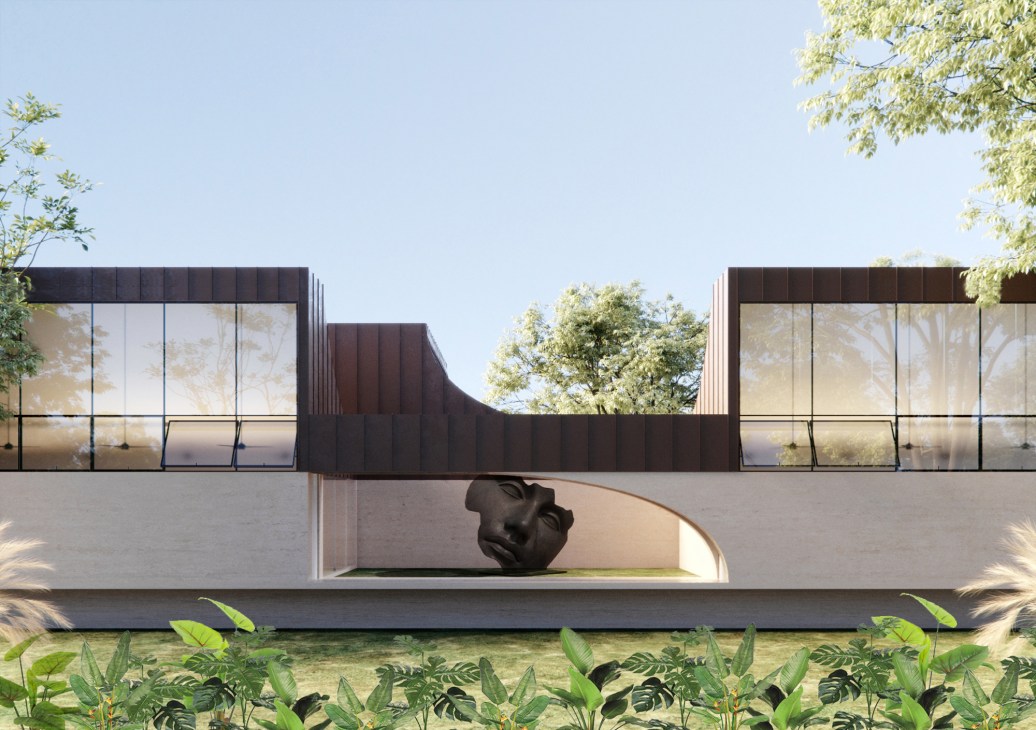
The Institute of Contemporary African Art and Film (ICAAF) in Ilorin, Nigeria’s first major visual arts museum, will house everything from galleries and film studios to a co-working space. Its founders view it not only as a space to showcase Nigerian talent but also to nurture the region’s creative industries. “Though Lagos serves as the nation’s epicentre for the arts, its location has deterred the wider northern region from participating in contemporary art culture,” says Dolly Kola-Balogun, the founder of Abuja’s Retro Africa gallery, who advises the project. “We are transforming the city into a new centre of creative development.”
ICAAF opens this spring
On my screen
Ricardo Waddington
Entertainment Director, Globo
Having joined Brazilian broadcaster Globo in 1983, Ricardo Waddington worked for years as an artistic director on many of its productions, until he landed his current position as entertainment director in 2020. Here he explains why, though his company has developed into a multi-platform player with a diverse range of new projects, it’s the old-school telenovela that still keeps Brazilians glued to their screens.
What genres are performing well for Globo?
We’re a cross-platform company, reaching more than 100 million people a day. The highlight of our productions is undoubtedly the telenovelas, a true passion of Brazilians. No wonder big international players look to Brazil for the know-how to produce them. We’re experts in the genre; we have been awarded the international Emmy award eight times. We have five soap operas on broadcast TV, a cable channel dedicated to the genre and a portfolio of more than 160 productions. We recently launched Verdades Secretas 2 [Secret Truths 2], which features elements of mystery and eroticism, revealing the underbelly of fashion, luxury and power. It’s a hit on our streaming platform.
What new dramas do you have planned for the next few months?
We have just debuted with Além da Ilusão [Beyond Illusion], a story of redemption and love set in the 1930s, with a touch of magic. Our biggest bet of the year is Pantanal, a series shot mostly in the middle of a forest. It’s a remake of a story that had a profound effect on Brazilian dramaturgy, a family saga that has nature as its protagonist. We will also launch in-house production Ilha de Ferro 2 [Iron Island 2], for which we recreated an oil platform in our studios, and Filhas de Eva [Daughters of Eve], exploring contemporary female dilemmas.
What series are you most excited to have commissioned?
Our national culture is the biggest source of inspiration for our stories. We are betting on new seasons for Cine Holliúdy [about a cinema-owner in a provincial town], the fifth season of medical drama Sob Pressão [Under Pressure], As Five [The Five, about friends who reunite after years apart] and the series Rio Connection, produced in partnership with Sony Pictures Television, which tells the story of European criminals who use Brazil as a base for heroin trafficking.
globo.com
Still Life: Michael Bodian.
Images: Jamie Heath, Black Ticket Films, Cinestación, Sami Kuokkanen/Aamu Film Company, Steve McQueen, Sony Music, Studio Contra
League of its own
Many of those who visit New York’s Museum of Modern Art (Moma) don’t realise that just a few blocks away, hiding behind an ornate 19th-century façade, lies another institution that has also been hugely influential in the country’s art history – only, it’s been a lot quieter about it. Established in 1875, the Art Students League of New York is the oldest independent art school in the US. The League, as it is known, might not be a household name to those outside the art world but to those who know it, it is close to hallowed ground. Mark Rothko, Louise Bourgeois, Man Ray, Frank Stella and Alexander Calder all studied here. “We have always been here but we haven’t always tooted our own horn,” says artistic and executive director Michael Hall. “We are really focused on just doing what we do best.”
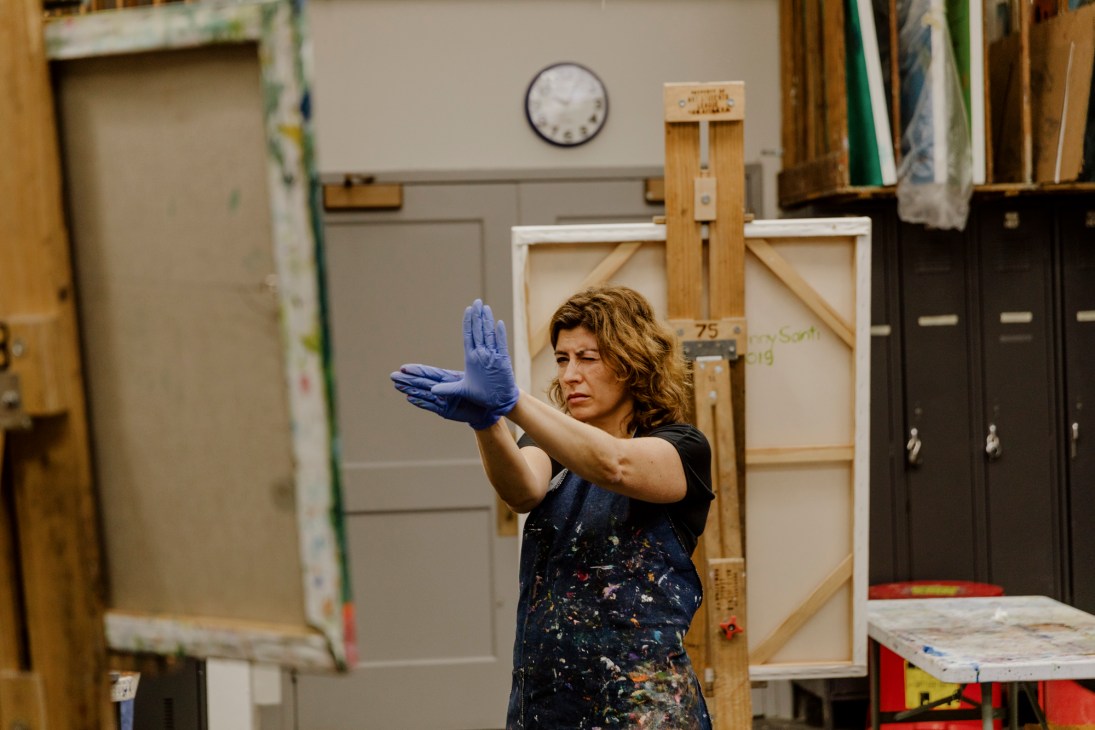
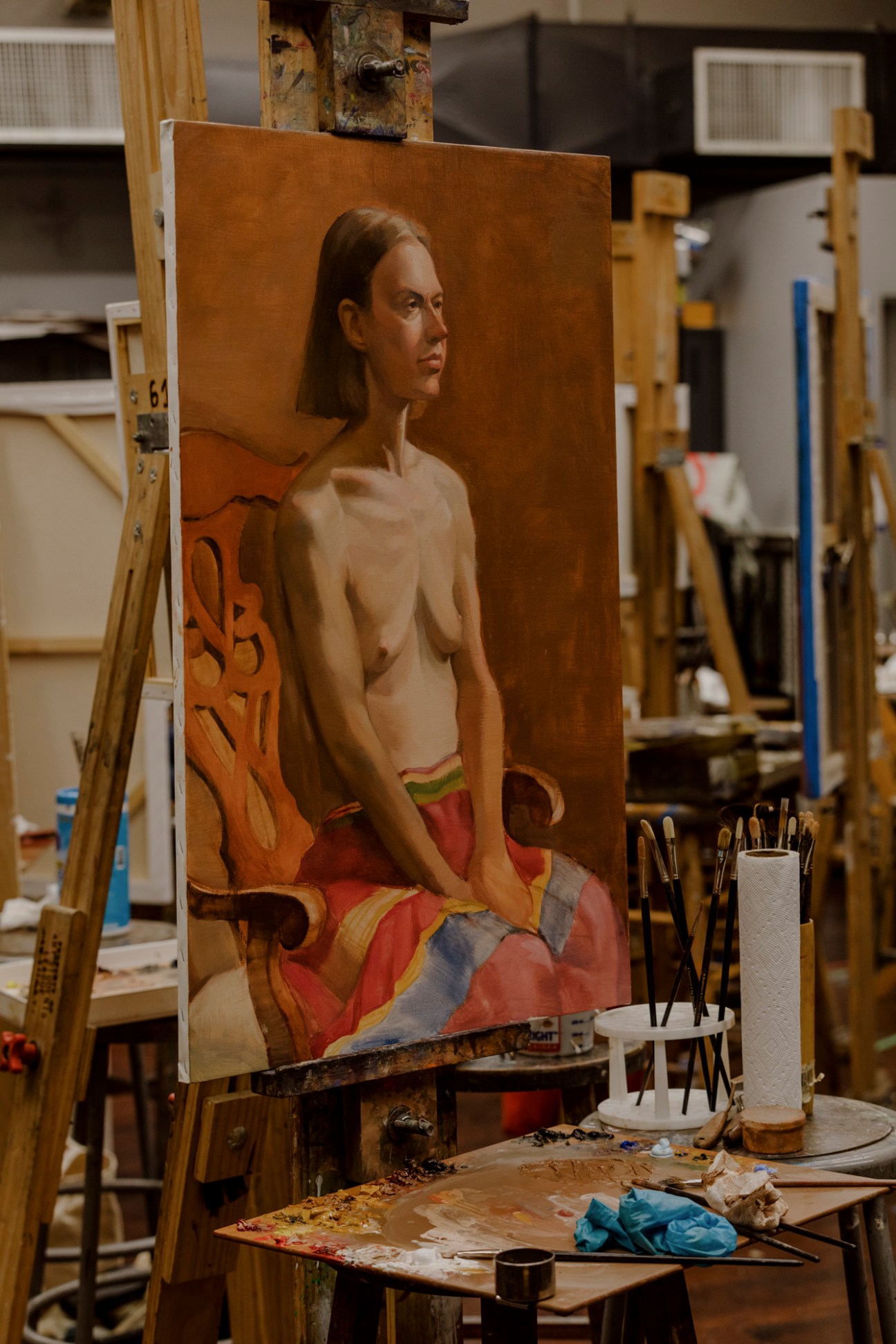
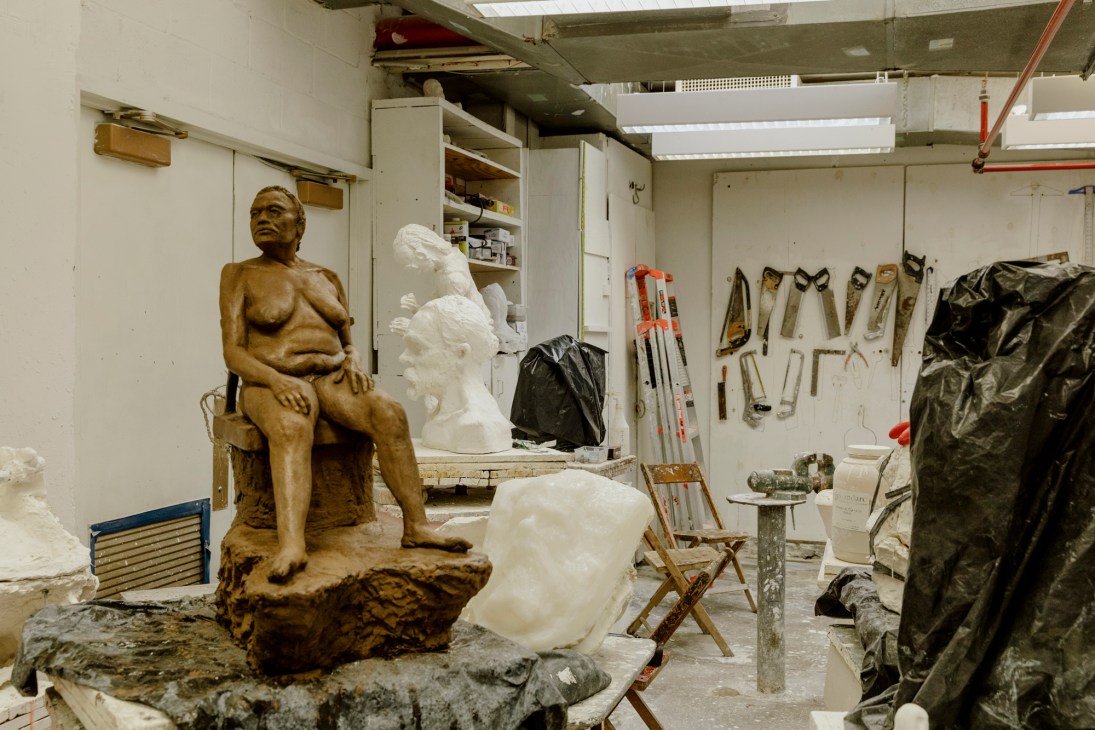
The League’s big, airy studio spaces aren’t just a shrine to past artistic achievements. They thrum with students whose training is close to unique in the ecosystem of art education in the US. The focus here is on artistic skill, rather than academic knowledge, which traditionally dominates in master of fine arts (MFA) programmes at prestigious art schools and universities across the country.
“The effect that the League has had on New York over the past 150 years is vast,” says Hall. With its French Renaissance flourishes, the building that still houses the school was designed by Henry Hardenbergh (who built New York’s Plaza Hotel) and was conceived as the headquarters of a new kind of artistic education in the US. The League was established as a protest against the straight-laced, curriculum-driven schools that dominated art education in New York at the time. The result was a series of courses in the “atelier” style, meaning that students were taught in the studio, often one-on-one, by a practising artist. That same system remains in place today.
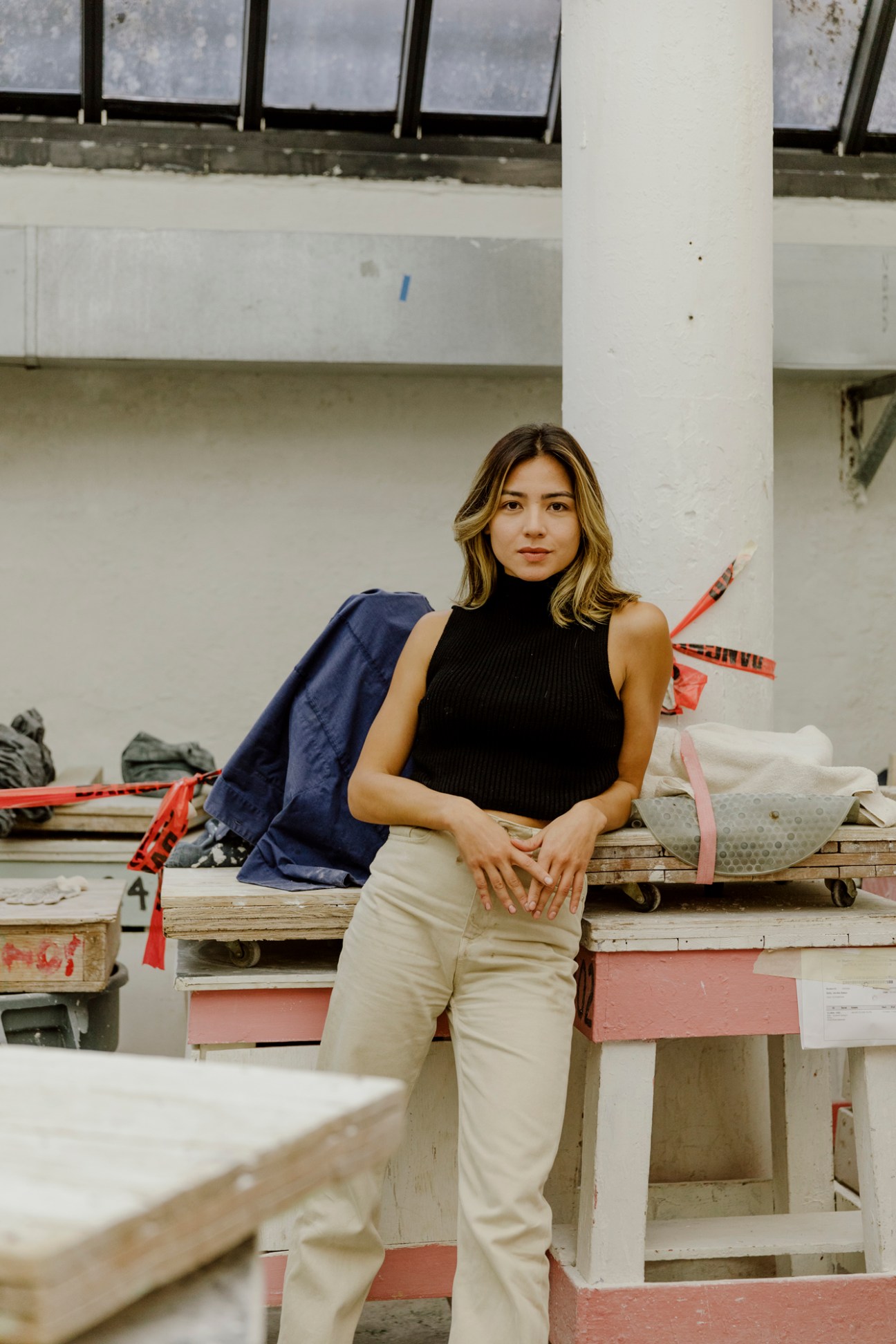
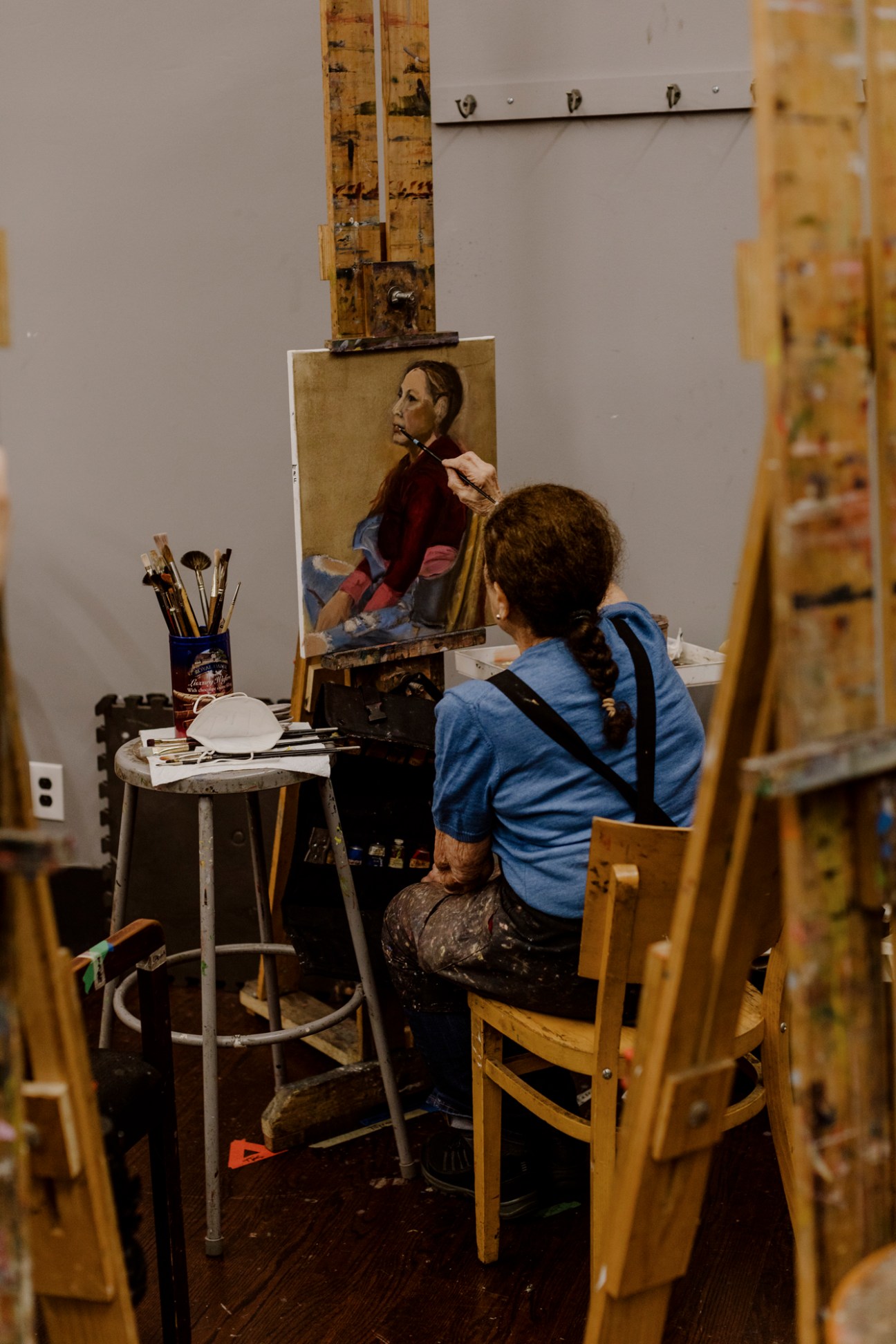
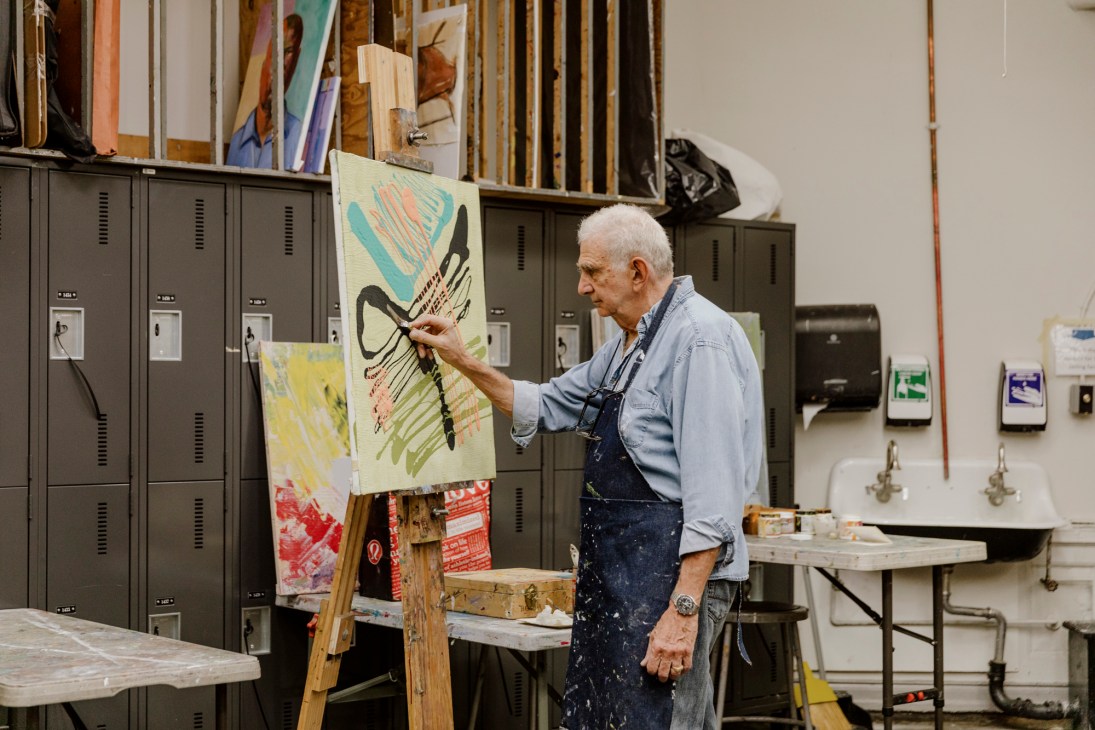
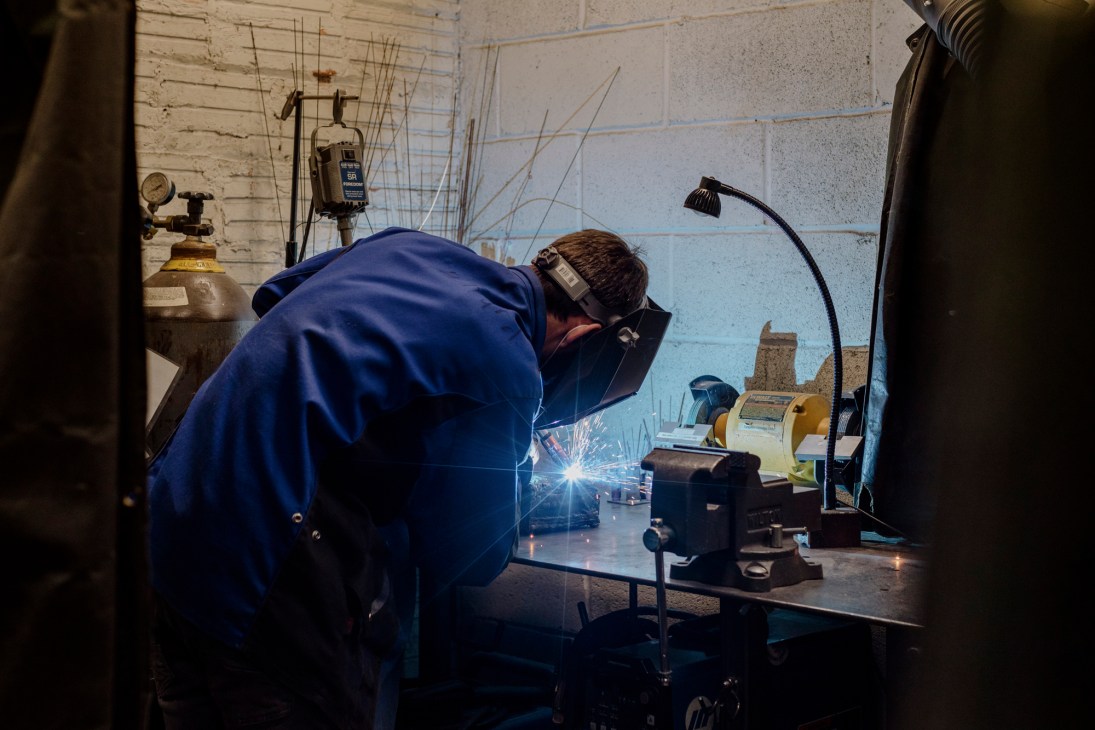
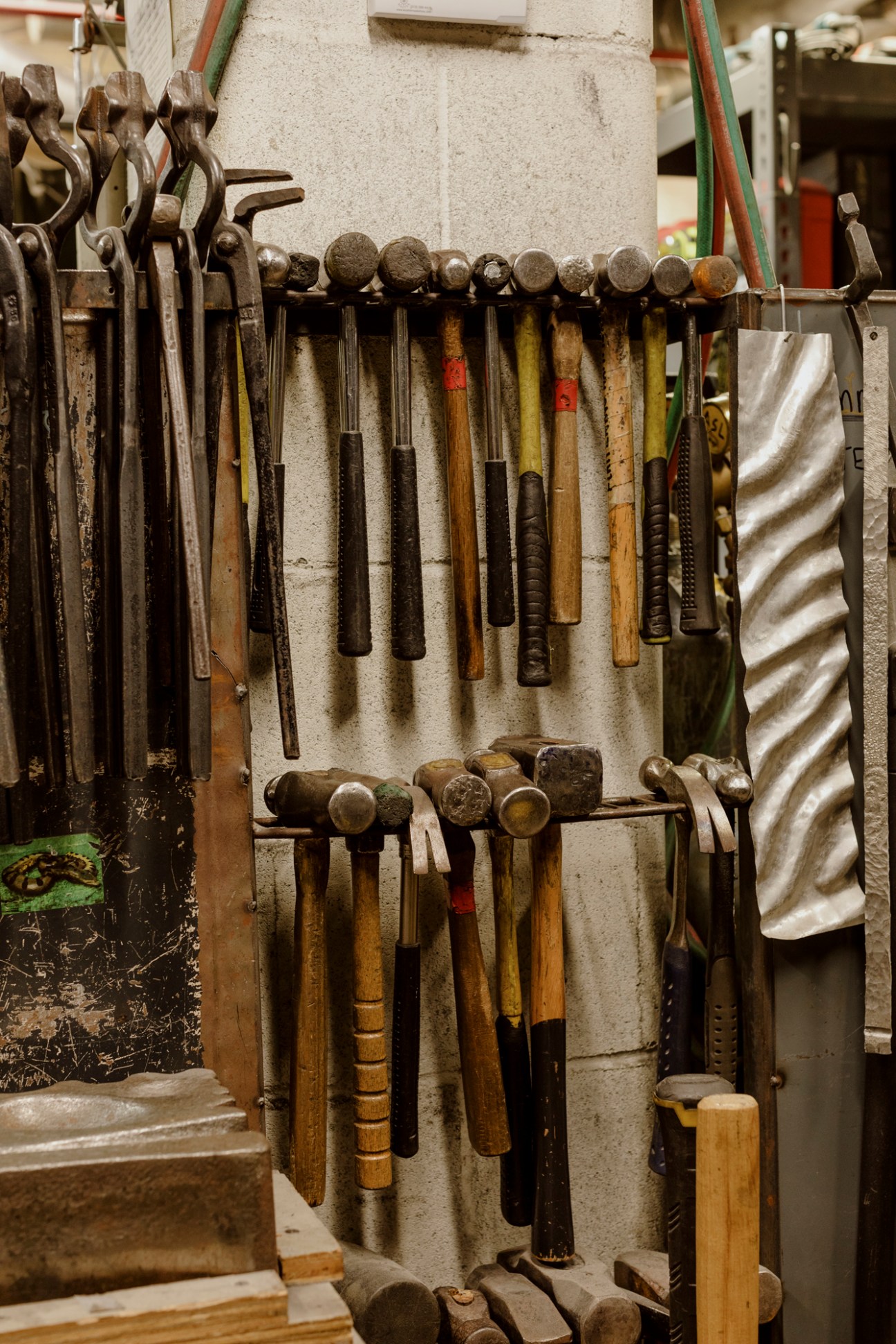
“Our instructors are not really bound by a set curriculum and students can choose their own artistic path,” says Hall, standing in one of the League’s studios. Stacks of wooden stools line the walls, their legs marked with a muddle of dried paint smudges – the colourful leftovers of painting classes over the years. “That’s what’s wonderful; there’s no pretence. You come in with the desire to learn, you tell us what your interests are, how you’d like to study, and we’ll find you an instructor who’s teaching in that manner.” All teachers are masters in their fields, from drawing and painting to printmaking and metal and ceramic sculpting. “They live the life that they practise in their own studios,” adds Hall. “They show you how to be an artist as a whole; that’s what’s special. It’s that knowledge of the experience of being an artist.”
This approach still feels rare in this field. “mfas offer a different trajectory,” says Hall. “You’ll make a lot of connections; you’ll discuss art theory. But we offer artistic instruction that we find people can afford; you don’t have the onus of falling into debt,” he says. While mfa tuition can cost between $20,000 (€18,000) and $50,000 (€44,000) for a year-long course, here a month-long syllabus in anything from figure drawing to expressive watercolour costs between $130 (€114) and $290 (€255), plus an annual $40 (€35) membership fee. Scholarships are also available. “And you can study here for much longer,” adds Hall. “We have people who have been here for years.” There is no fixed term for how long a student attends classes. Abstract expressionist Jackson Pollock was a student at the League intermittently for 10 years. “They use the League a bit like their own studio. And that’s not to say that they’re not accomplished; they just continue to press and grow and collaborate.”
The barriers to entry are far lower here than at any other US art school, where factors other than cost can also be hurdles. The League doesn’t have an application process; the key requirement is a serious approach to devoting time, effort and energy to learning, no matter what the student’s age or level of experience. “You can be a total beginner,” says Hall. Courses are also subsidised, funded by endowments and donations from supporters. “It’s a beloved place,” says Hall, who moved to helm the League from global fair Art Basel, where he spent seven years as head of operations and logistics. “Our classes are subsidised from 50 to 60 per cent,” he adds. “It allows us to make offers to anyone.”
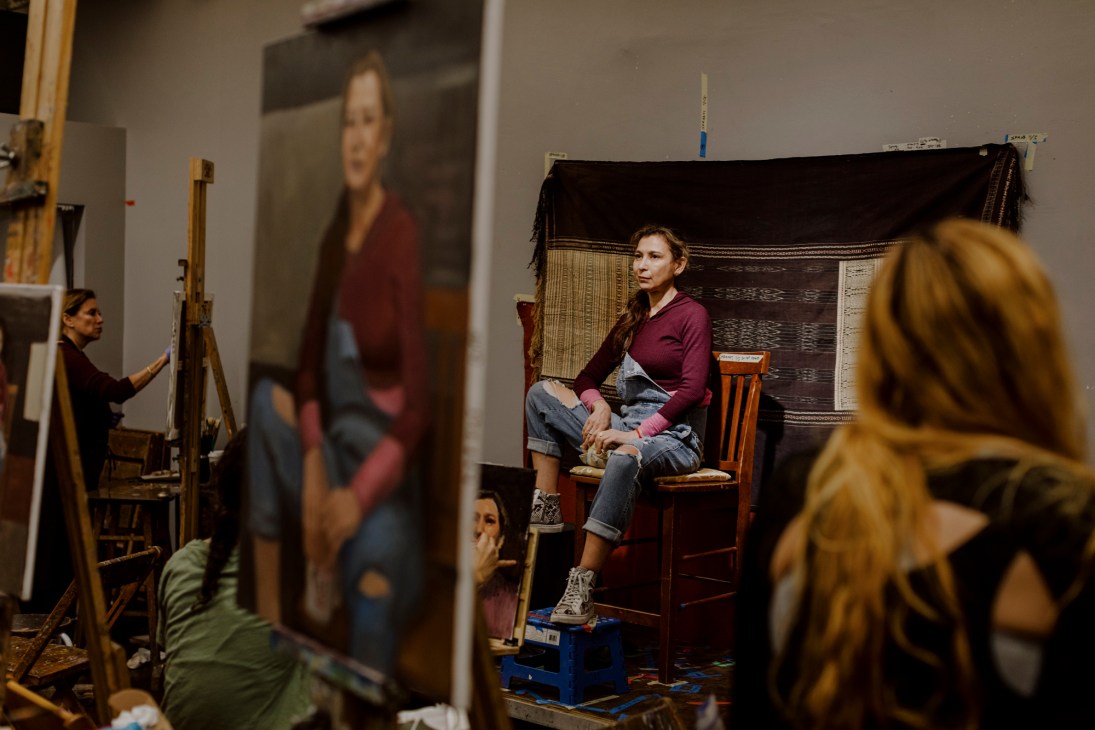
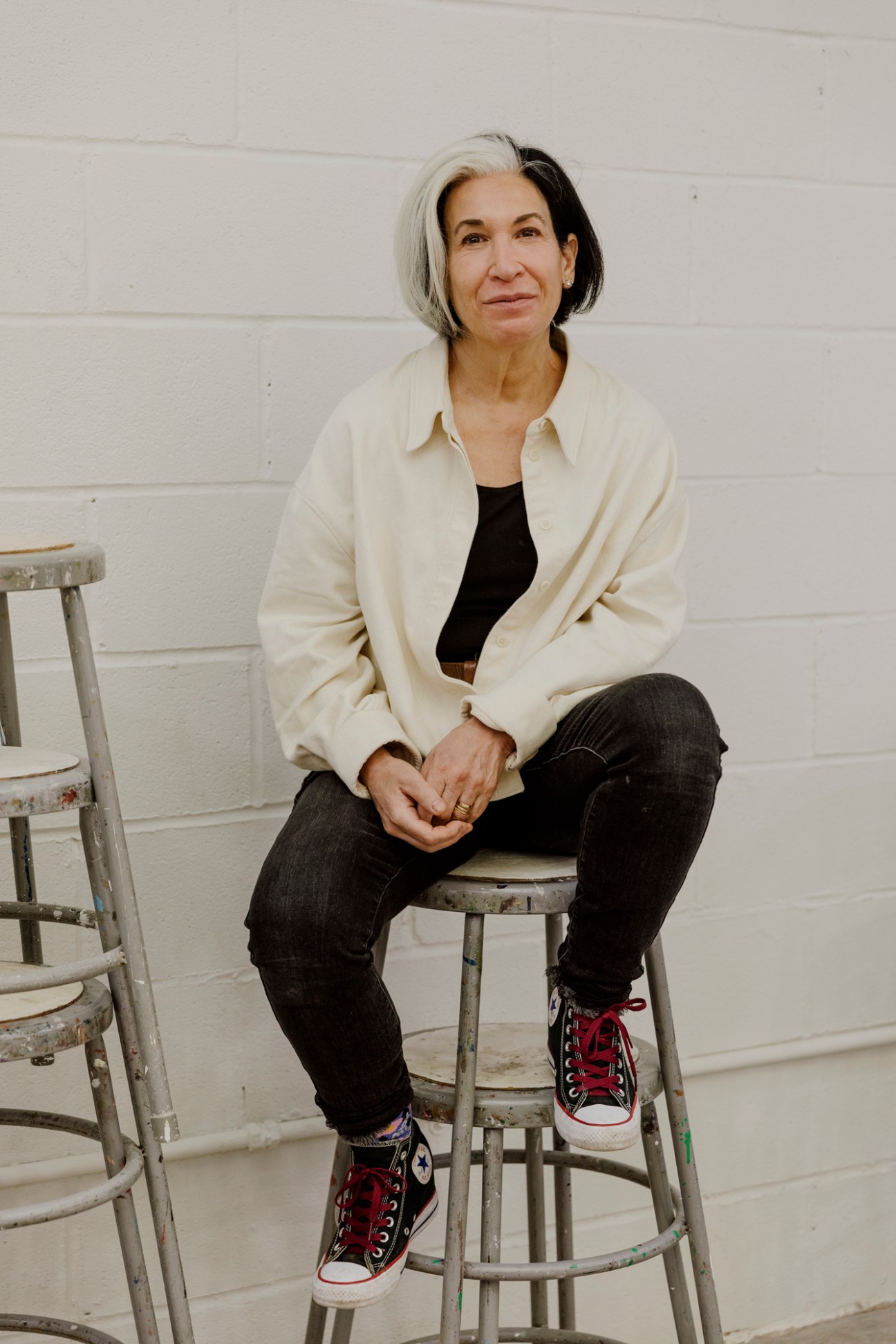
In one of the League’s studios, portraitist Sharon Sprung is reviewing her students’ work, a study in paint of a life model. She has been teaching here for more than 15 years. “You get a degree at a college; you get the skills at the Art Students League,” she says, a bright white streak lighting up her black bob. “Many people who go to college to learn art have very spotty skills because they’re taught by people who are teachers predominantly and not artists. What’s taught is concepts, which is great and interesting, but it means that you have a very limited education.”
Sprung was 16 years old when she first visited the League. “Jimi Hendrix was in the lobby, picking up women,” she says. “That was my first introduction to the League – just wonderful. Although I did not go home with him, which I still regret to this day.” Sprung’s style of portraiture was regarded as unconventional when she was a student but that did not matter at the League. “When I first started, my portraits were not traditional enough. They were too modern because of the colours and because of the approach.” Challenging accepted artistic tropes filters into her teaching, she says, as does instilling art’s less tangible qualities into her students. That can feel as important as teaching core skills and techniques. “Most people really don’t have the language of seeing,” she says. “The way the light might fall on something, the colour variation, what gives something form. It’s very special for me to help them develop how to see, what to look for. That’s my goal when I teach.”
The League’s full-time students often take eight hours of classes in the studio a day and are expected to hone their skills after hours too. While pupils run the gamut of technical artistic ability, from amateurs to professionals, this isn’t the place for casual hobbyists. “Everybody that walks through my studio door knows that they better be full-on with this,” says Sprung. “This is not just a class that you take and then you go out with your friends. This is serious. I expect work to be done independently. And most people are very responsive to that, no matter their craft level.”
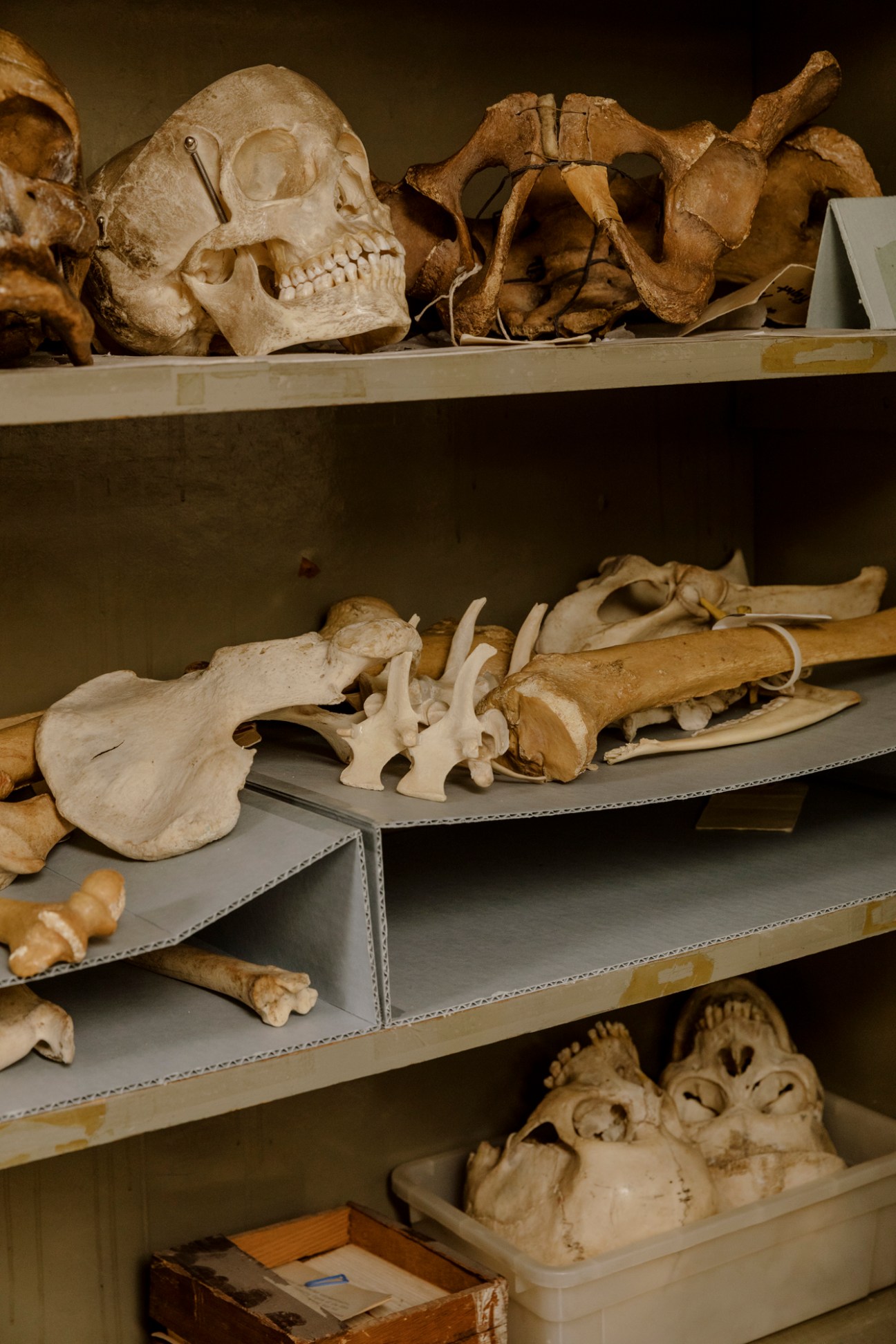
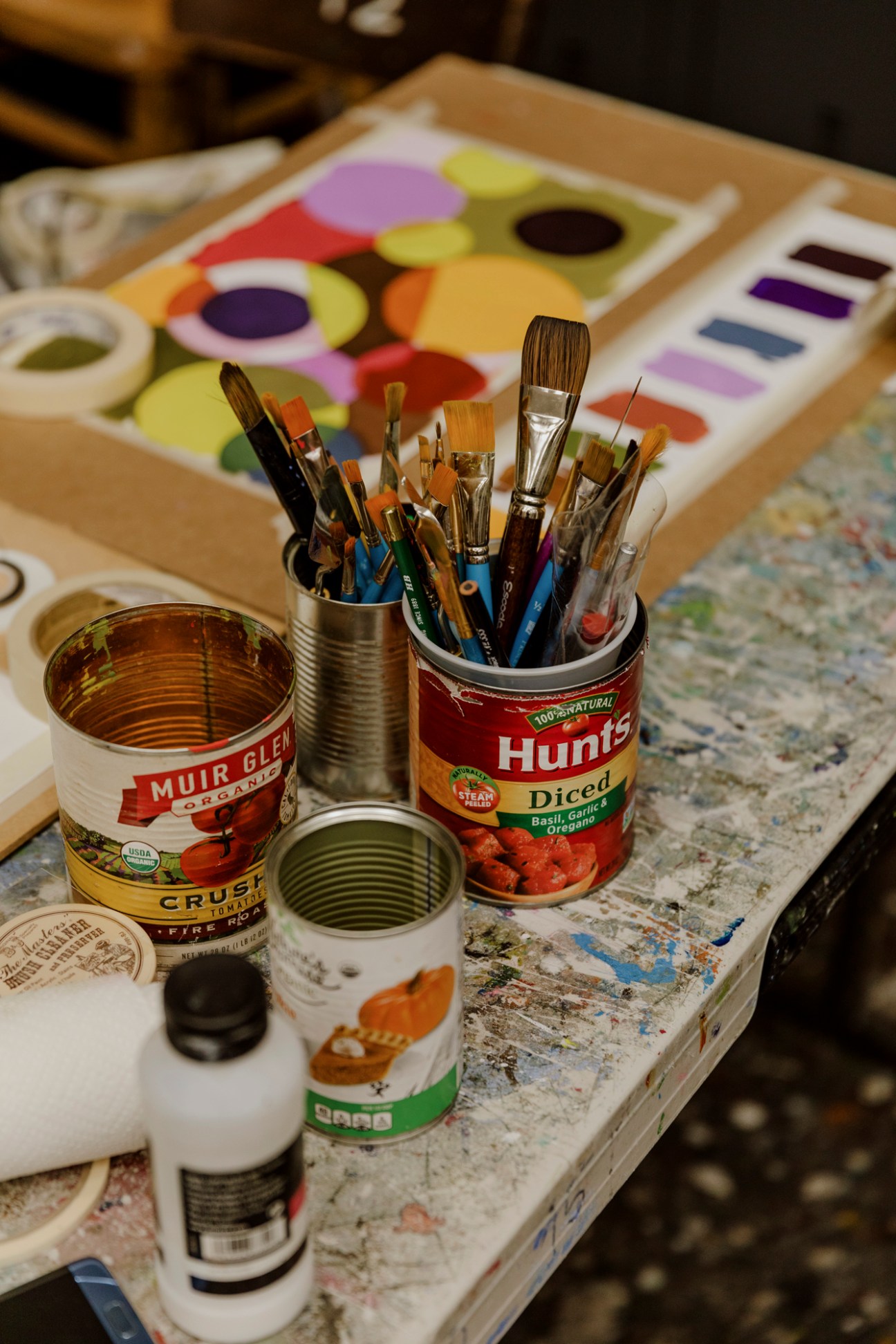
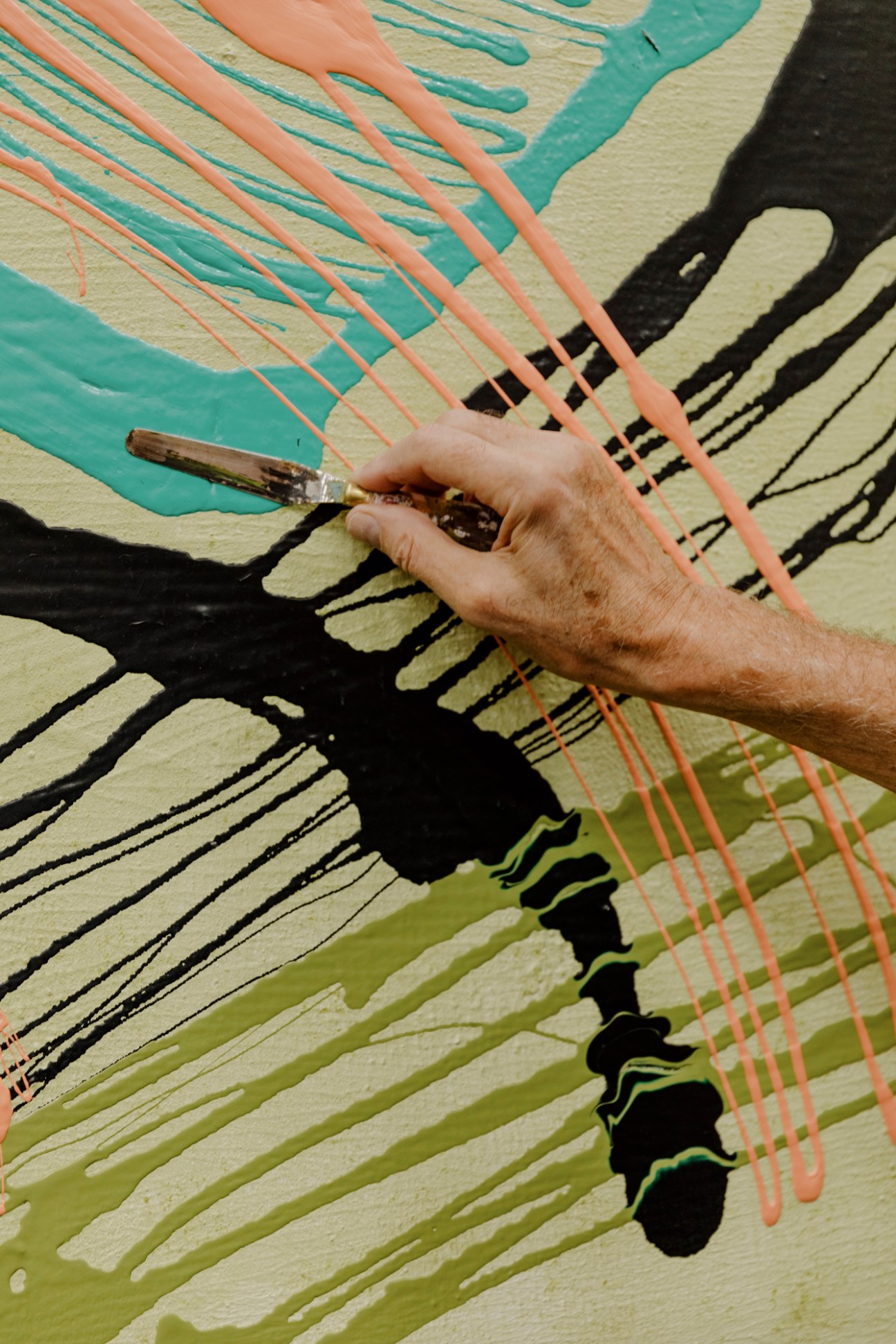
You can pick up the effect of the League’s teaching methods in the work of one of its former students, Brazilian abstract expressionist Mariana Oushiro, who graduated last year. “I like things that I don’t understand; things that I can be fascinated by,” says Oushiro. She was inspired to enrol at the League after encountering Pollock’s work for the first time at Moma in 2014. “Later on I found out that he had studied at the League and that’s when I decided to stay.” Oushiro works on expansive, room-sized canvases. “The League is fascinating,” she says. “It was the food I needed for my thoughts. It’s a place that you can’t believe still exists. It’s classic. Maybe it’s because of the history of this place, because of all the artists that have been here before. It changed me profoundly. But the place itself has never changed, which I love.”
The League’s roll of former students and teachers reads like a chronicle of recent art history in the US and further afield: Norman Rockwell, Helen Frankenthaler, Cy Twombly, James Rosenquist and Ai Weiwei are among the notable names who have passed through these ateliers. “It really helped me to see art in a different light,” says 28-year-old painter Ezra Cohen, who studied under influential American-Colombian artist Knox Martin for 10 years. Martin, who is now 99, is renowned for his symbolic, colour-block work. His 12-storey mural “Venus”, which he painted in 1970 on the outer wall of a prison near the West Side Highway, remains a familiar landmark in Lower Manhattan. “He’s the reason I didn’t go to a conventional art college,” says Cohen from his studio in the Hell’s Kitchen neighbourhood. His energetic, abstract canvases evoke the textures, the tempo and the grittier qualities of life in the city – and are clearly informed by his time with Martin. “I was lucky enough to find someone that I really clicked with,” he says. “The League is so vast; there is someone for everyone there. It gives you the freedom to come and find yourself, to be different and to make a mess.”
The League’s influence has long been woven into the city itself. Sculptor Stirling Calder (Alexander’s father) taught at the school in the early 1900s – and made one of the George Washington statues on the Washington Square Arch in 1918. Public artwork by the League’s artists graces some of the city’s subway stations and the beloved bronze statue of Alice in Wonderland in Central Park was created in 1959 by José de Creeft, who became a teacher when he immigrated from Spain. Works by the League’s artists are fixtures of the permanent collections in New York’s major museums: Moma alone has pieces by more than 150 of them.
“I feel as though everybody who went to the League, we’re all outcasts of the art world,” says Devon Rodríguez, a 25-year-old painter who attended the school on a scholarship in his teens. He is best known for his hyper-realist portraits of passengers on the New York subway. “None of us did it for fame or to become a successful artist. It’s just what we love – whether it was hip or not. You have to be very self-motivated: you have to work every day. You have no professors giving you assignments; you have to do it for the love of it.” Rodriguez is among the League’s more high-profile recent graduates; he was signed to the prestigious United Talent Agency artists’ agency last year. But successful careers as professional artists aren’t a rarity. “Everyone told me for years, ‘How are you going to sell your work? Nobody in New York has space for this’,” Oushiro says of her large, expressive canvasses. “But I kept going.” She is now represented by Vito Schnabel Gallery, where her first solo show runs until the end of April.
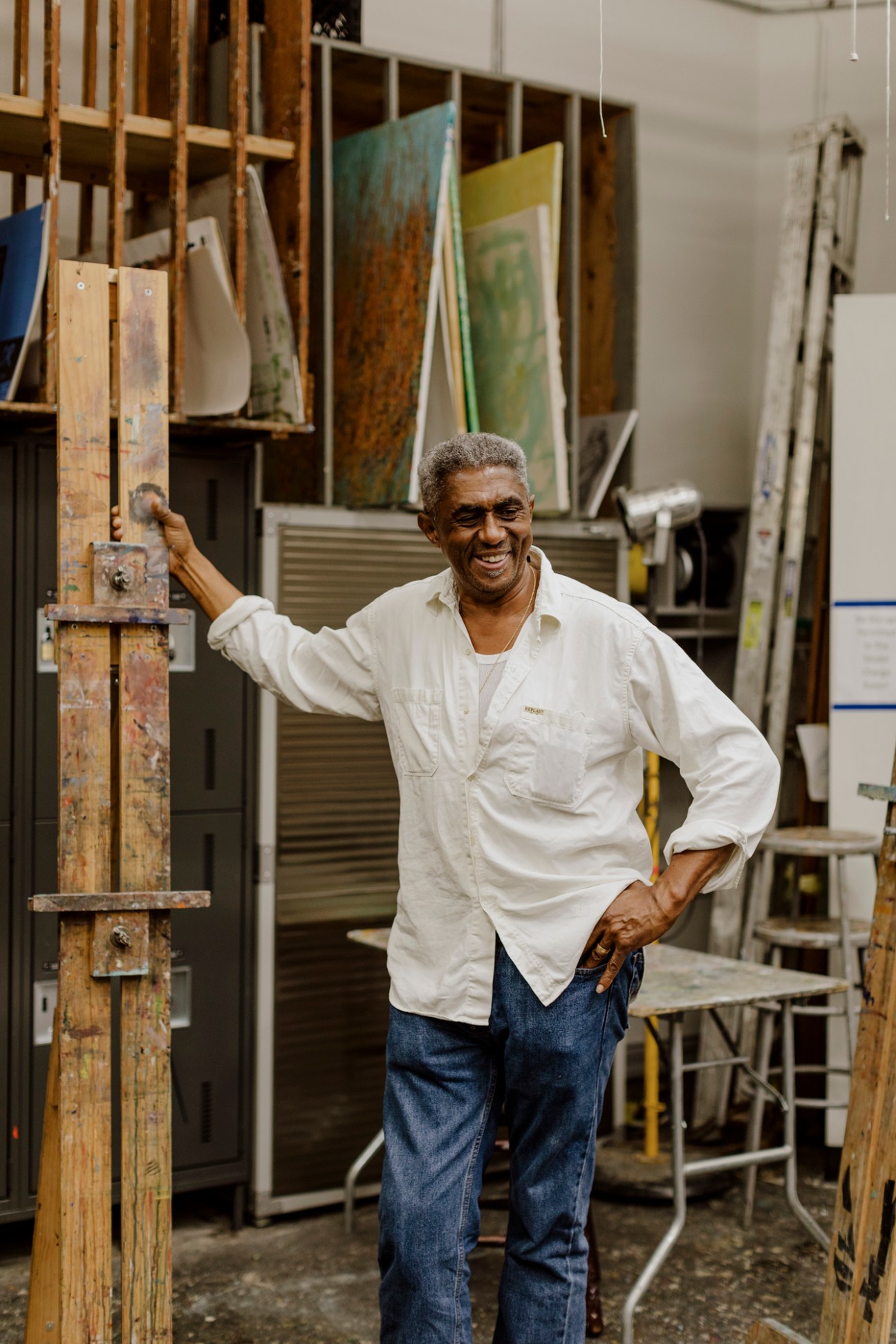
For some of the artists who join the League with established careers, teaching here is about contributing to a storied part of the US’s artistic pedigree. “I like to say that the legacy of the Art Students League is, to me, where American art was born,” says James Little, an abstract painter and collector who was invited to teach non-objective painting here five years ago. “You can’t turn down the League – it’s that kind of place. If they ask you to teach, you go and teach,” he says between reviews of some of his students’ brightly coloured canvases, one painted in sharp tapering angles of orange and white; another in bright, multicoloured free form. “If it was good enough for Georgia O’Keeffe or Jackson Pollock or Roy Lichtenstein,” he adds, smiling, “then it’s got to be good enough for you.”
Setting the scene
When Renzo Piano designed The Shard in London, he didn’t intend for the city’s tallest skyscraper to house a state-of-the-art television studio. Between the tower’s glass windows and numerous building regulations, putting together a functioning news set seemed like a big ask when Al Jazeera first entertained the idea. Luckily, Stuart Veech and Mascha Veech-Kosmatschof were eager to take up the challenge: the couple, who designed the broadcaster’s new UK outpost on the tower’s 16th floor, have never shied away from difficult proposals. “That project was tricky in a number of fundamental ways,” says Veech.
Over the past 20 years, their Vienna-based practice Veech x Veech has planned and built complex news studios around the world, from Prague to Doha. Every project is a fresh challenge, which is why the couple like to refer to their work not as simple set building but as broadcast architecture – a discipline bringing together insights from design, light engineering and psychology.
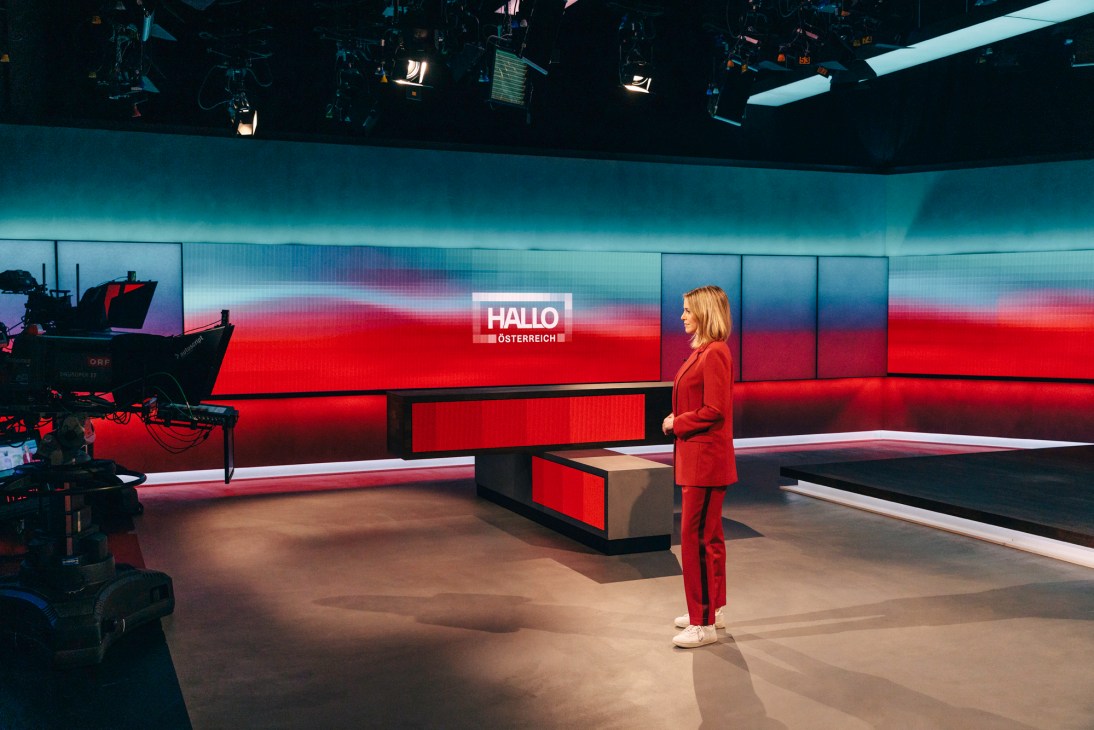
Every TV show needs a set but the demands associated with a news bulletin are unique: the space must be functional while conveying trustworthiness, neutrality and a future-forward attitude. Certain set-ups, such as the current fashion for curved, glowing desks surrounded by a wrap-around screen, have ended up becoming the industry standard. But as one of the few companies operating in this field, Veech x Veech has a fundamental role in shaping what the next trend will be.
“Broadcast projects are more complex than any typical gallery, conference room or office,” says Veech from the couple’s studio – a bright, sleek space that looks at odds with the dimly lit, old-world Viennese building it sits in. “Newsrooms are different: every day you have different scenarios taking place but every day they also have to perform the same function.”
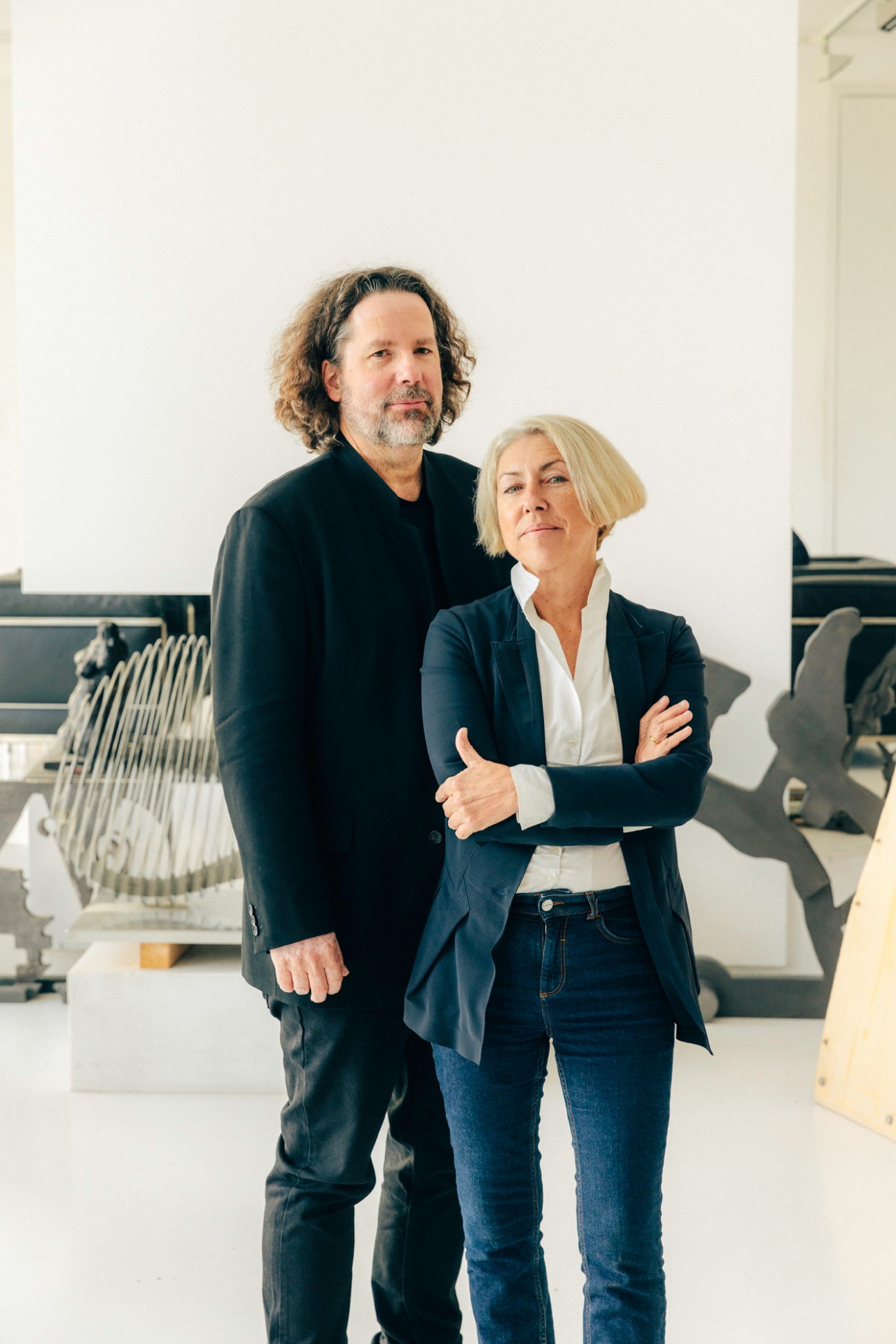
That’s why the design duo bring a variety of influences to the task: Veech-Kosmatschof, the daughter of a sculptor and a painter, was born in Moscow and remains inspired by the Russian avant garde, its clean geometric lines and colours. Even her haircut – an angular blonde bob – is razor-sharp. “My parents’ pragmatic approach [to art] was always fascinating to me,” she says. Chicago-born Veech – a straight-talking man who has dropped his American accent in favour of a German twang – draws on his background in urban design. His understanding of what makes big cities tick informs the couple’s knack for creating designs that combine many functions in a simple whole.
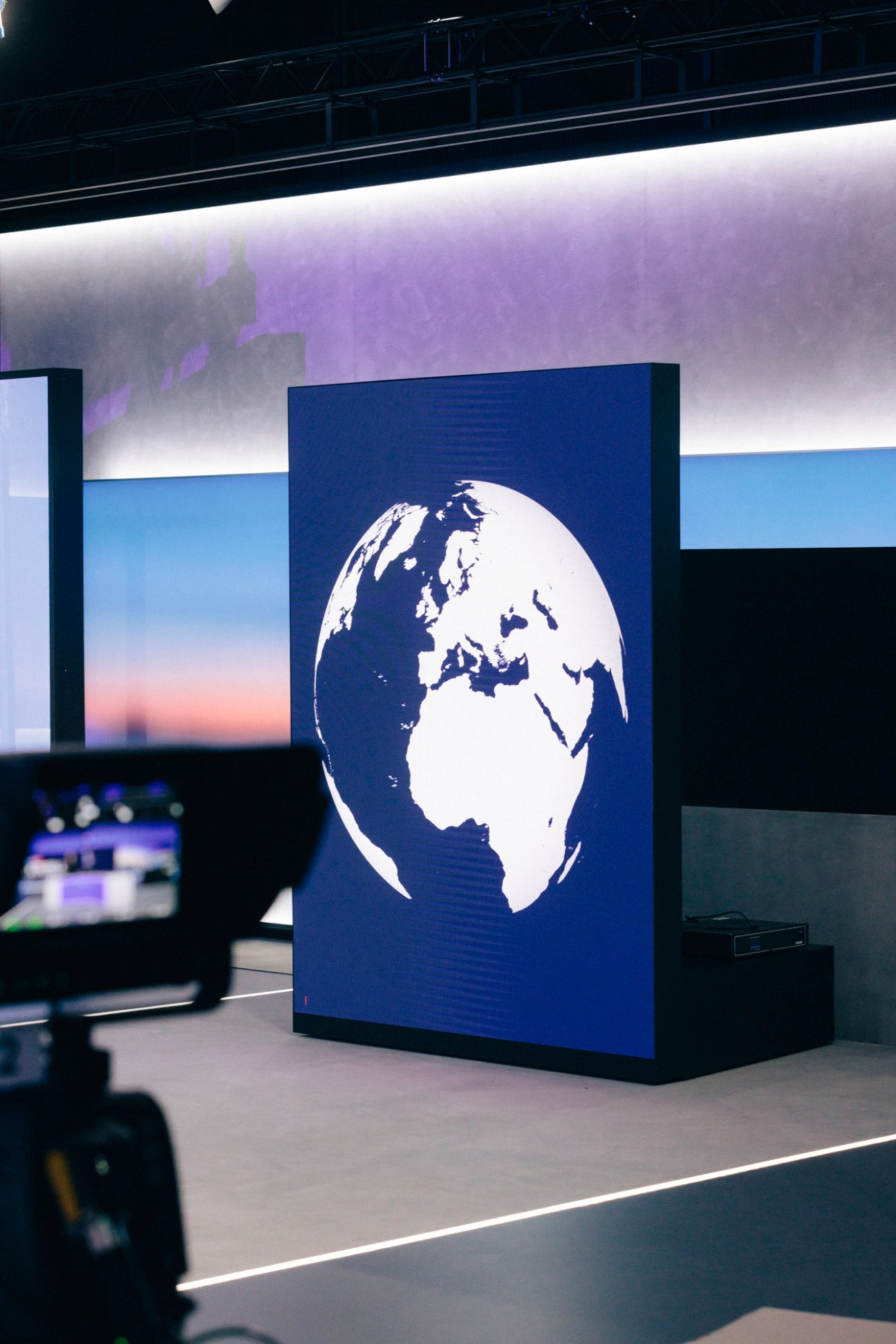
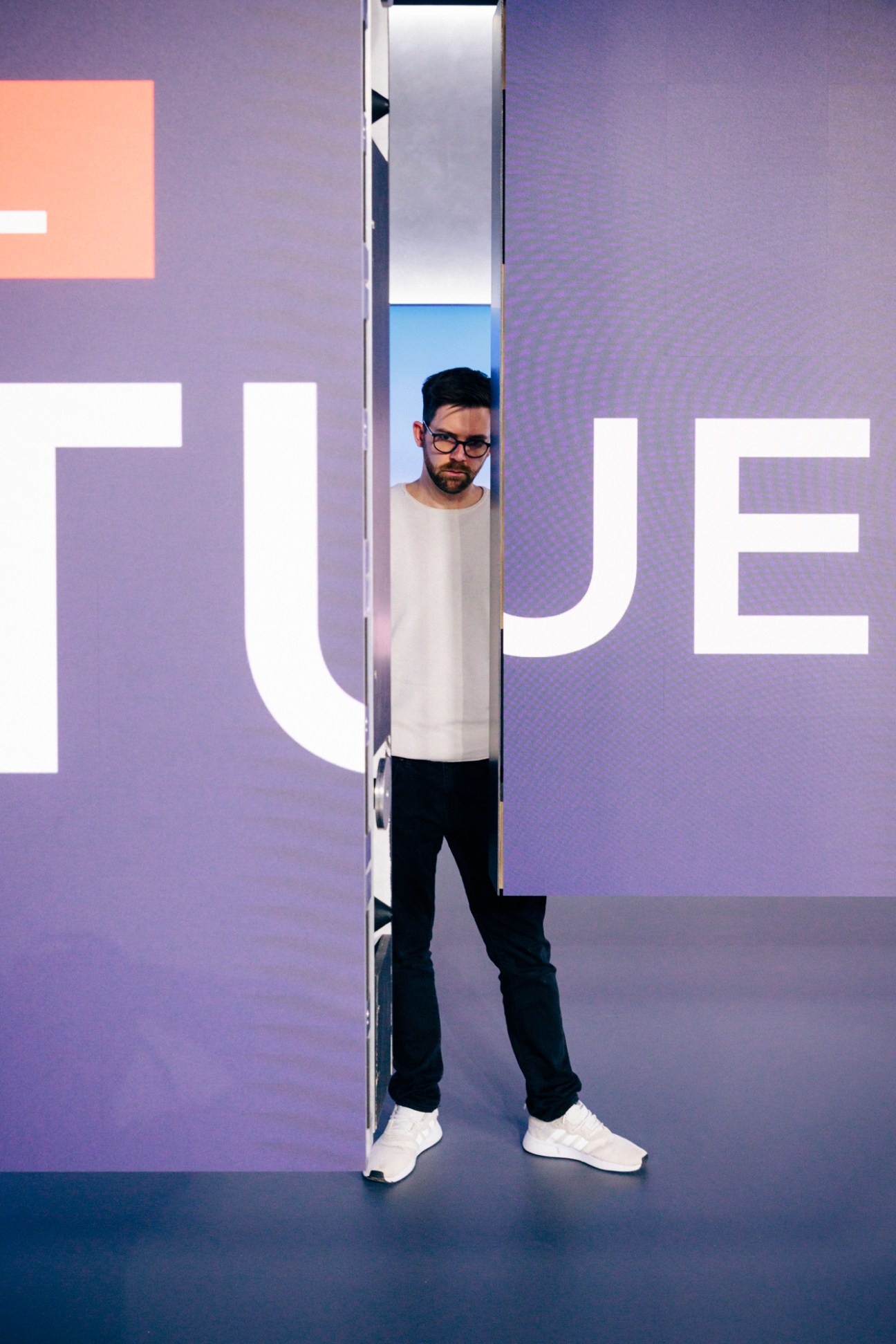

Veech and Veech-Kosmatschof met while studying at the Architectural Association in London, where they were brought together by an appreciation of streamlined design. “Our work is grounded in aerodynamics,” says Veech. Automotive design was a key influence: the pair believe that news desks should be sculptural, much like 1930s cars. “Everything should fit perfectly; every line should be set in a certain way.” After Veech-Kosmatschof graduated, the couple thought that they might settle down in London, where she studied with Zaha Hadid, but instead they opted for Vienna. There, Veech started working with broadcaster orf and graphic designer Neville Brody on a series of current-affairs programmes. “We were fresh out of school so it was a huge responsibility,” says Veech-Kosmatschof.
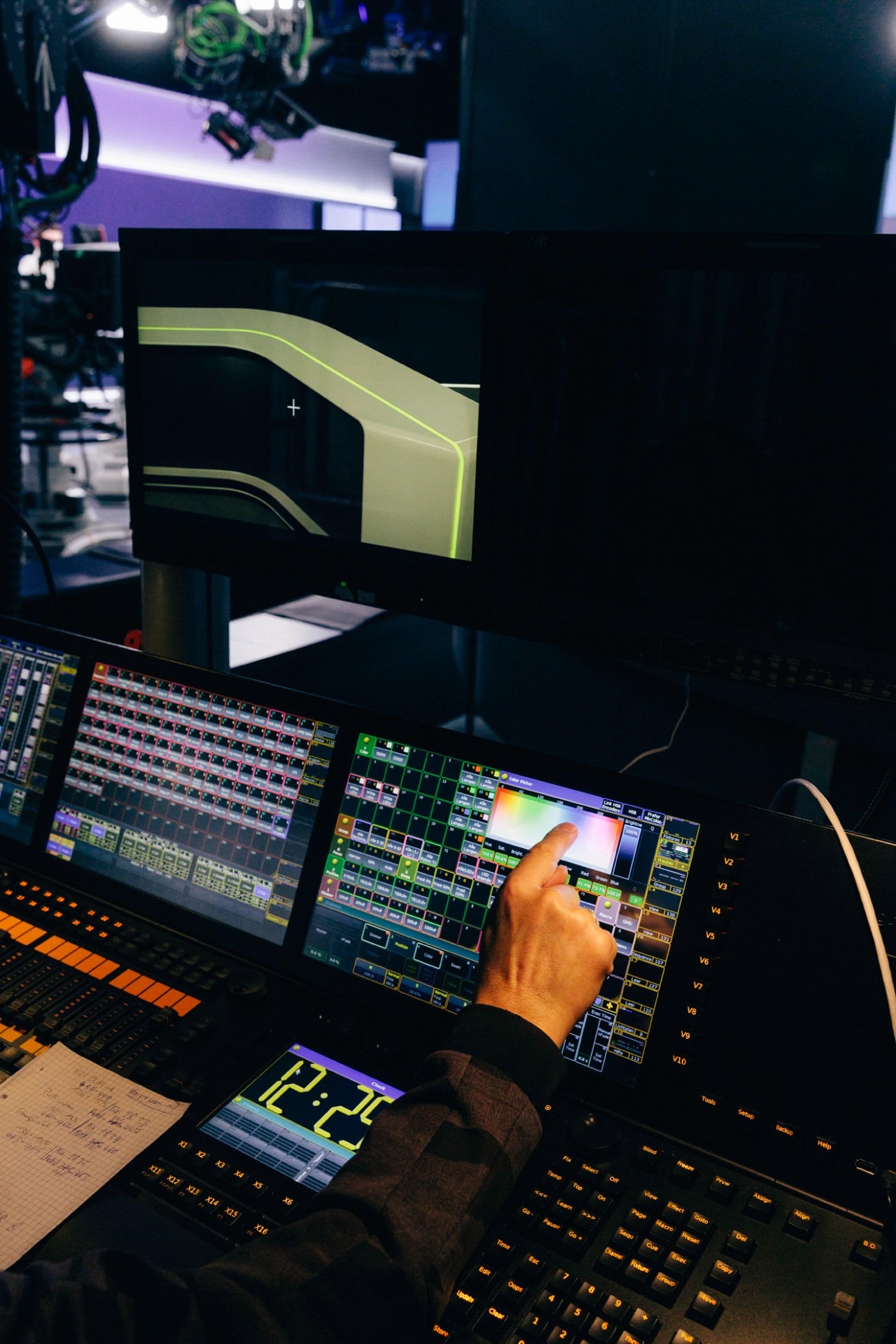
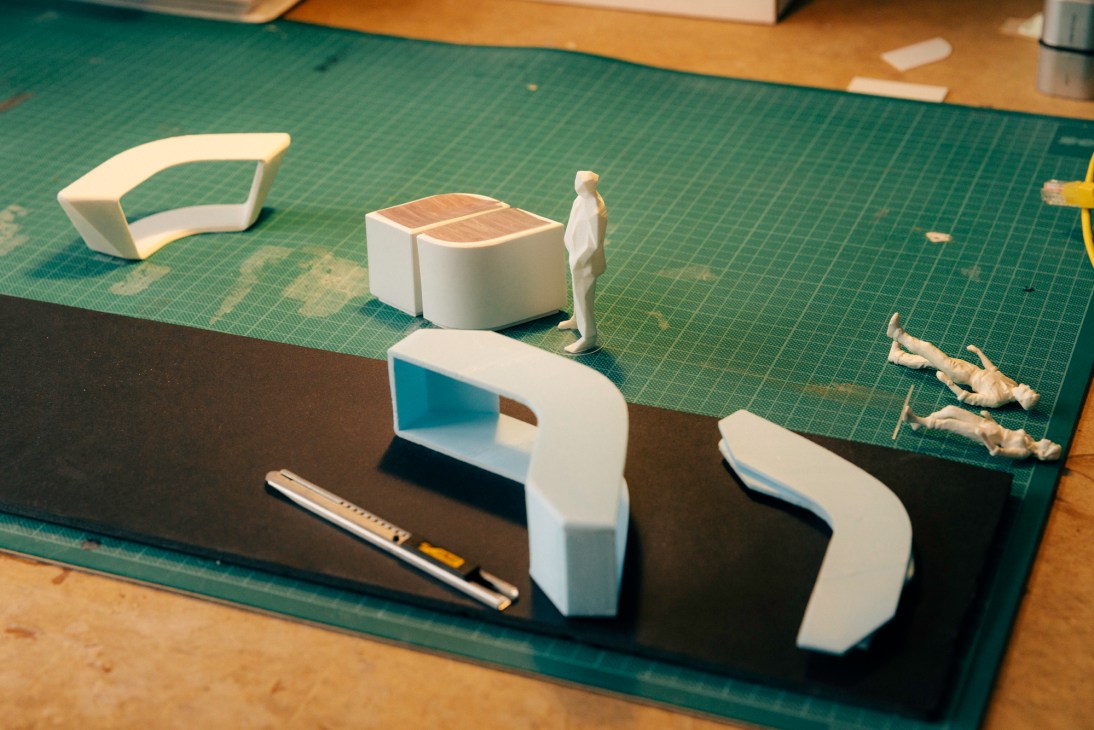
More large-scale projects followed but much of their creative process has stayed the same. A tall pile of black notebooks lies on the side of Veech’s desk, full of his drawings. As he flicks through the pages, Veech-Kosmatschof explains that the couple’s work always begins on paper before moving on to modelling software. “We work with sketches a lot,” she says. Despite their projects’ signature futuristic, minimalist look, tactility is fundamental to their work. In another room, production designer Michel Mathis is creating models using a 3D printer. These make it easier for Veech x Veech to show both commissioners and engineers what their vision for a design is. But they also help get people excited. “It doesn’t matter how old they are; if you give someone a model they’ll love it,” says Mathis, as he picks up a miniature desk.
Veech x Veech may have developed its own ultra-sleek aesthetic but as they work with a range of broadcasters around the globe, they have to adapt to each brief’s particular needs. Some projects, such as Al Jazeera’s two studios, in London and Doha, force the couple to think more critically about lighting; others require them to choose colours and details that reflect the anchor’s personality. But despite all these differences, their designs always make sure that people feel at ease in the space. “If an anchor is uncomfortable, that will come across on TV,” says Veech-Kosmatschof. Ensuring that these studios feel timeless is another key concern: when it comes to investing in new spaces, companies want to know that they will last. Veech x Veech’s pared-back designs have a neutral, futuristic look that shouldn’t age quickly. “Some people say they look too spacey,” says Veech. “But when they actually experience being there, they realise that they’re really comfortable places to be.”
Luxembourg-based media group rtl is one of the clients that has recently opted for a spruce-up. When Monocle visits the broadcaster’s new Veech x Veech-designed studio in Köln, Veech is still adding the finishing touches to the set. But there’s already an air of anticipation among rtl’s anchors and producers. “The large, open design will give presenters more scope to convey the complex information we deliver in an even more vivid way,” says Peter Kloeppel, who presents the broadcaster’s flagship daily news programme, rtl Aktuell. “That means that we’re able to offer a fresher, more attractive and more varied news experience for viewers.” Drawing inspiration from Mies van der Rohe’s Barcelona Pavilion, the open-plan studio’s rotating screens create spaces within spaces, adding depth to the location’s modern, multi- purpose design. “It means that our viewers can get the sense that there’s a foreground, middle ground and background,” he says.
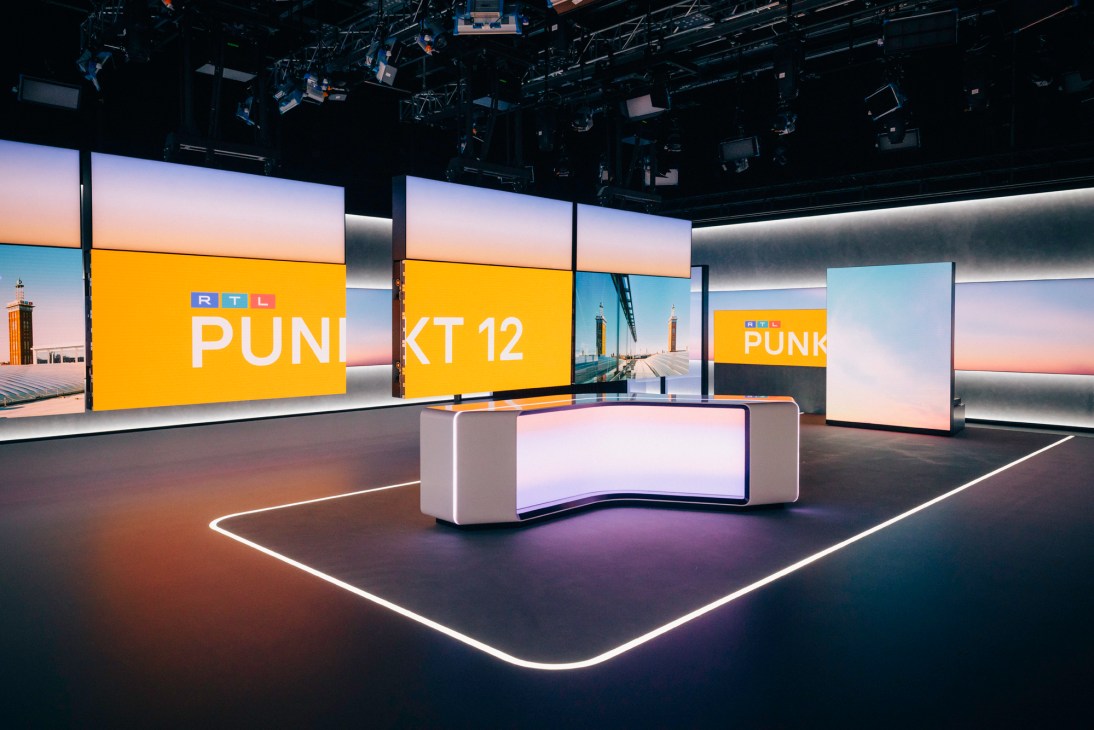
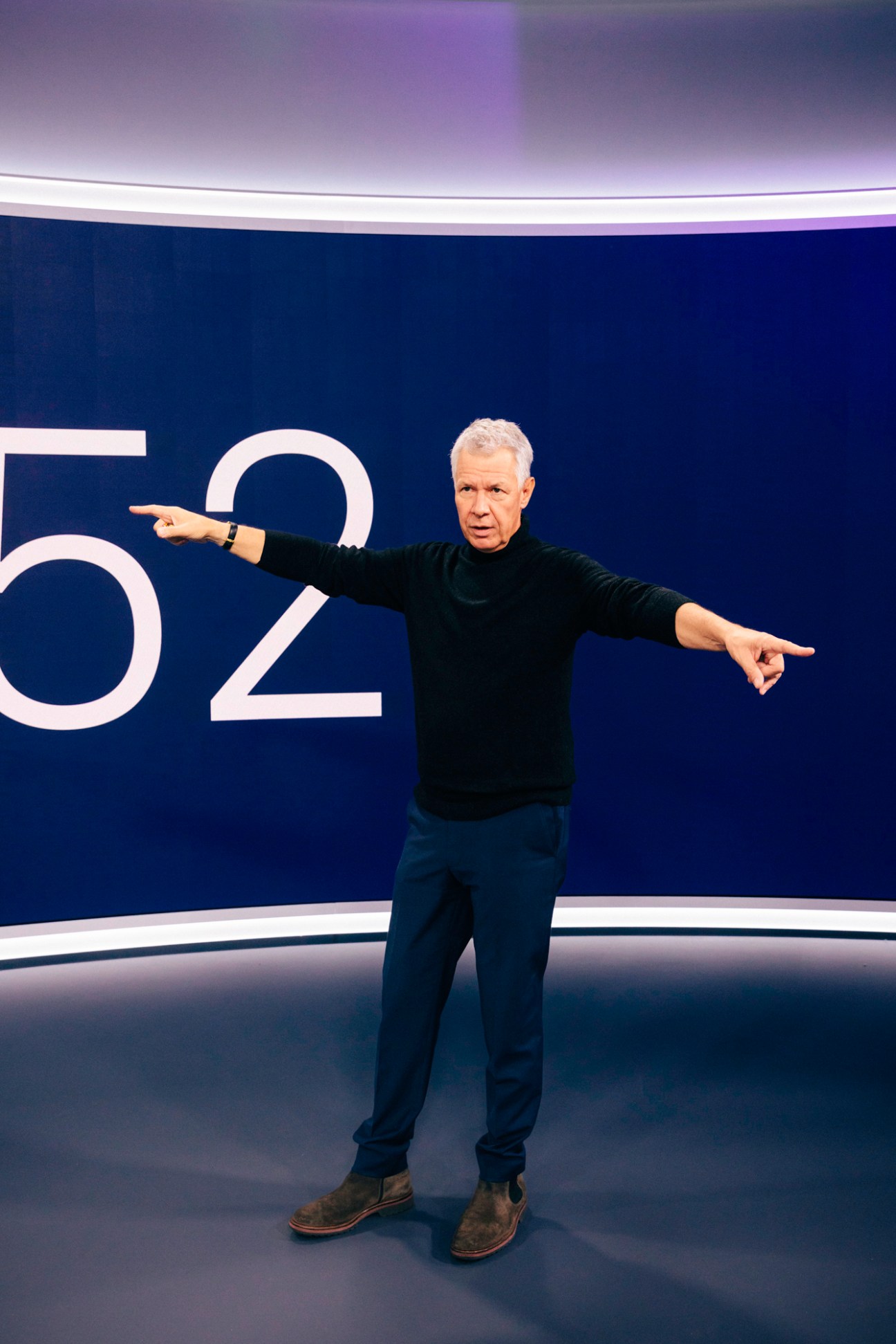

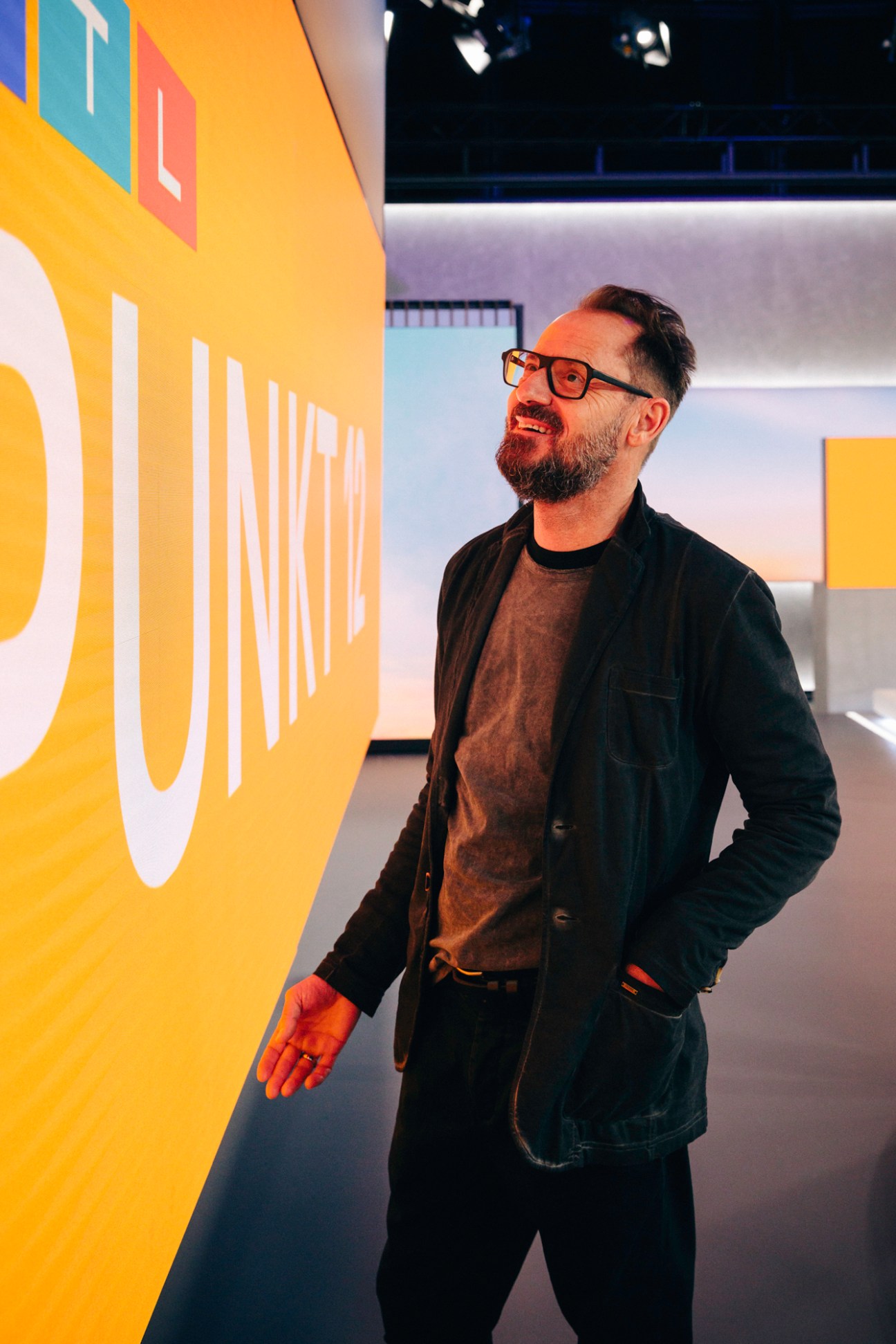
Veech x Veech believe that this location represents the way in which their field is evolving. Most studios nowadays are “killing the black box”: for years, broadcasters favoured dark, windowless studios because their lighting and sound technology could not cope with anything else. These days, however, the best architects are going for open-plan, light-filled environments. “It’s not about sealing off a studio anymore,” says Veech. “The new designs are fluid spaces, where you can have people walking around.” It’s a way of improving journalists’ working environments as well as fostering transparency in the newsroom.
Creating enjoyable studios also helps anchors to convey messages in a clearer, more dynamic way. “Our credibility is our greatest asset and that’s also partly down to design,” says Stephan Schmitter, head of rtl News, who helped to steer the studio’s refresh. Before this new set was built, presenters used to stand in front of a green screen: Schmitter and his team soon realised that an investment in a physical space would bring returns in trustworthiness. “We knew it was time to start presenting all news formats from a real studio set,” he says. “The new project creates a flexible communication space where presenters take viewers with them as they physically move together through the topics covered on the show.”
As more media companies – including newspapers, radio and technology companies that don’t have a TV background – consider experimenting with broadcast, the demand for well-appointed studios is only set to grow. These companies know that in order to establish authority in the sector, they need to look the part. For Veech x Veech, this is, of course, good news and not just because it means more business. It’s a promising sign that people still see the value of investing in physical spaces. The duo are bracing for a busy period ahead but that doesn’t scare Veech-Kosmatschof. “Luckily,” she says, “we’ve always liked challenges.”
How they did it:
Over the course of its 29-year career, Veech x Veech has completed more than 100 projects. But its work on rtl’s Köln studio features some of its most cutting-edge designs. The four hanging led screens cover a surface area of 20 sq m; they have been mounted on a central spine truss and suspended from the ceiling using bespoke steel supports. All screens are fully automated so they can transform from one set-up to another and interlock with absolute precision to become one larger screen. As for the desks and other set furniture, Veech x Veech’s designs are made from a solid, non-porous surfacing material using a 3D thermoforming vacuum process. This ensures that all objects have a “seamless sculptural form”.
Well furnished
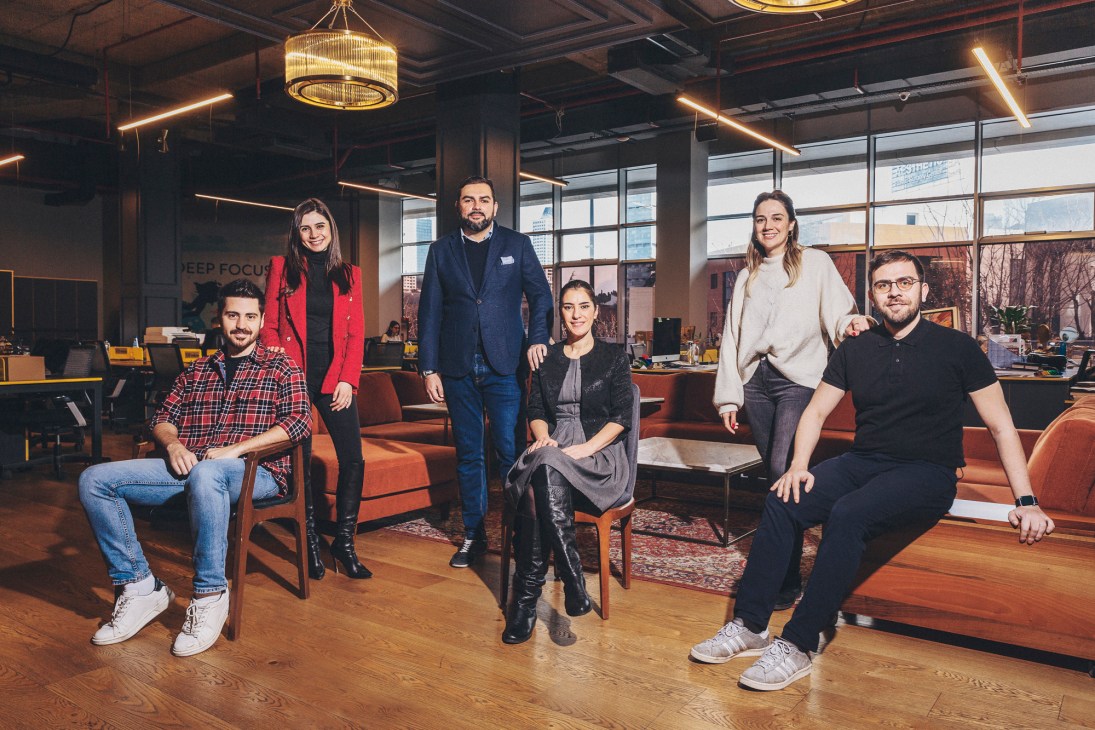
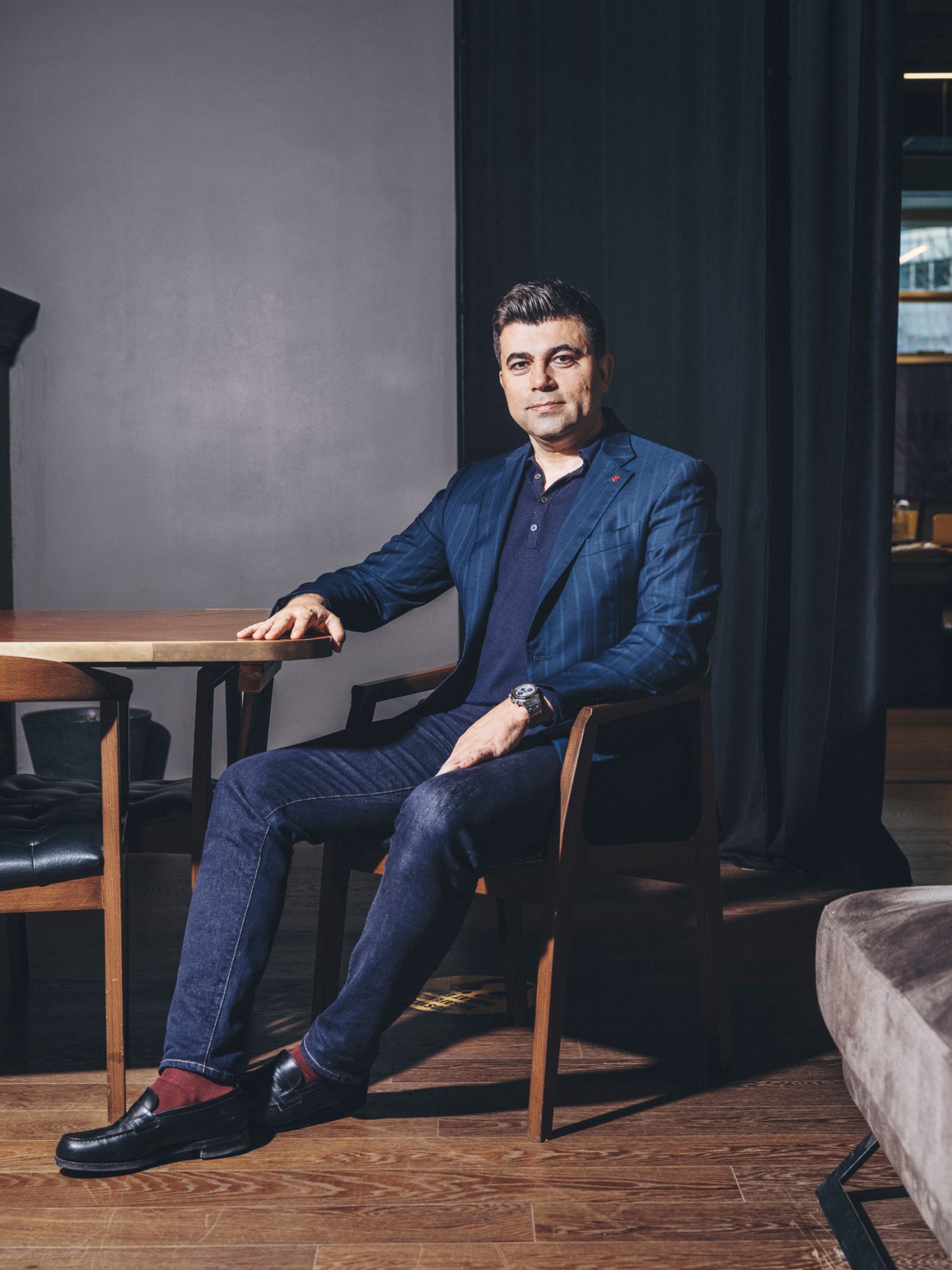
The small Turkish city of Inegöl has seen its image change significantly over the past few decades. “When I was a kid, I remember passing through the city and eating its famous meatballs – that was what it was known for,” says Kemal Erol. “But in recent years furniture has started to dominate Inegöl’s identity.”
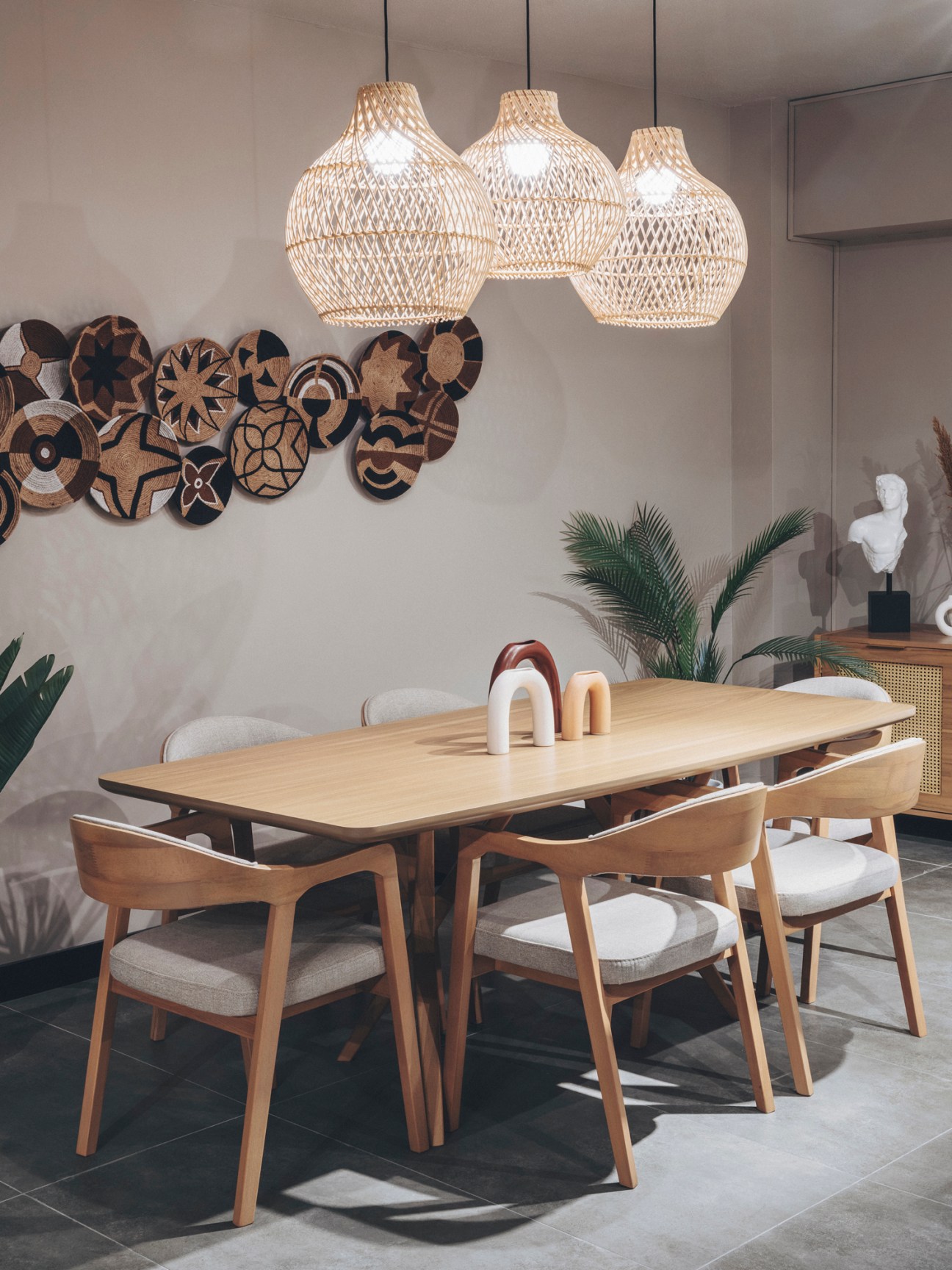
It’s this modern identity that drew Erol back to the city of 180,000 people some 20 years later as founder of Vivense, one of Turkey’s leading furniture retailers and homeware brands. The company, which was established in 2013 and now has more than 100 showrooms, started out selling select pieces by furniture manufacturers and now collaborates with bigger makers to create its own timber-framed collections, 80 per cent of which are made in Inegöl. It means that if you’re sitting on one of Vivense’s mid-century-style armchairs, sleek sofas or dining chairs, it’s likely that they were made in this small Turkish city.
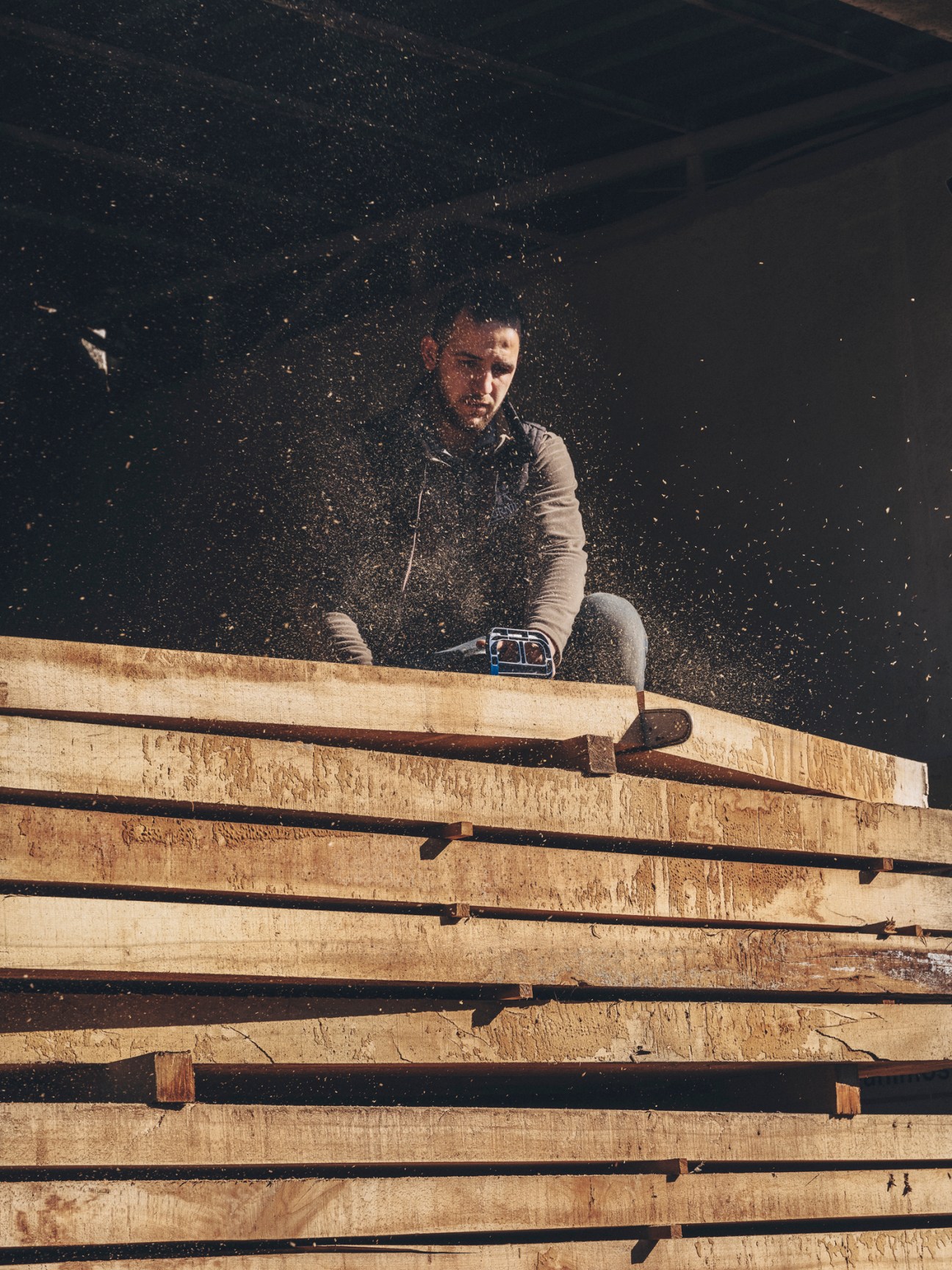
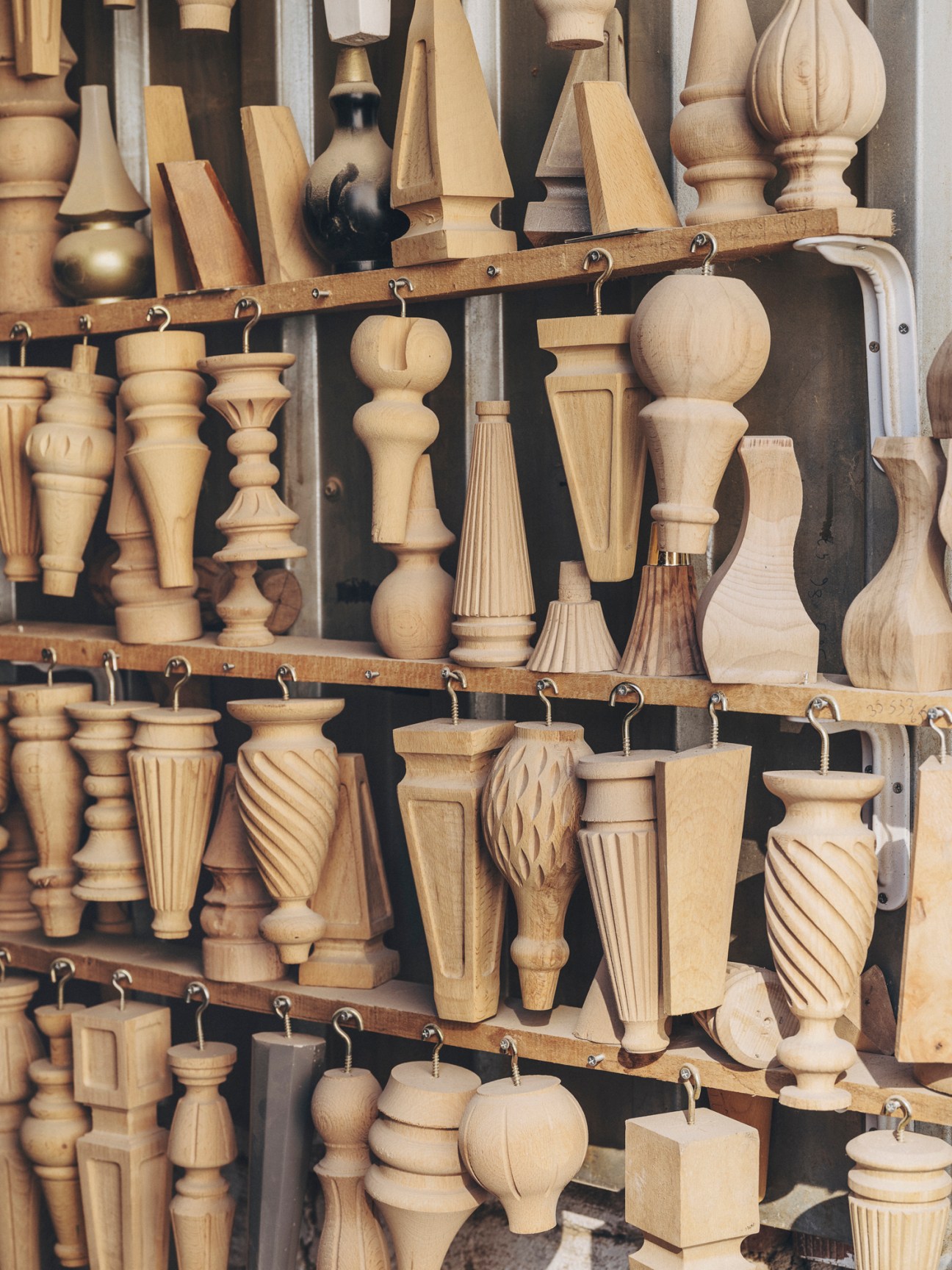
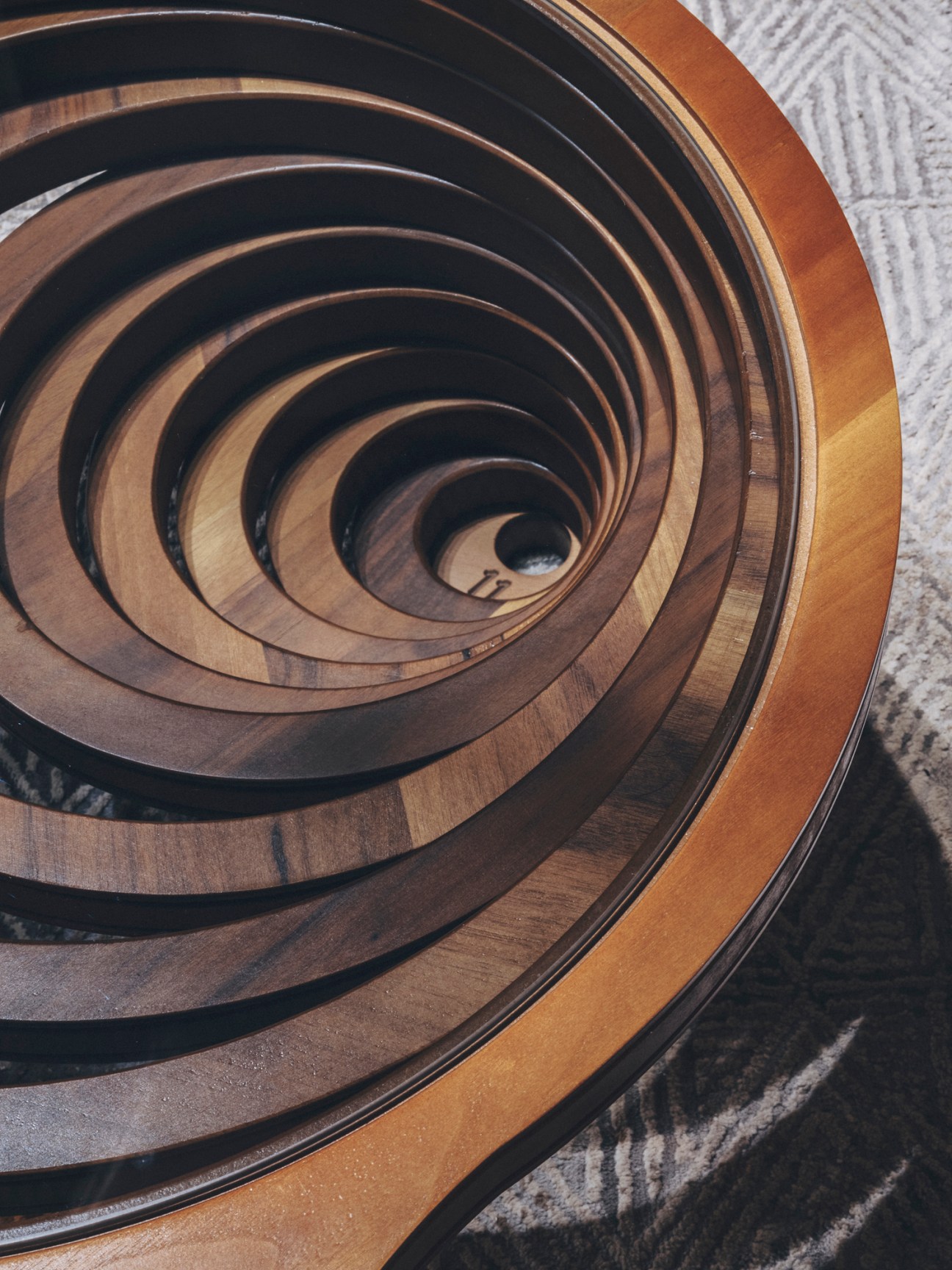
Located in the western province of Bursa, 45km from the namesake regional capital, Inegöl is surrounded by mountains covered in beech, pine and oak trees. Nearly 50 per cent of the land within the city’s municipal boundaries is forest and the heritage of the timber industry runs deep here. Five hundred years ago, Inegöl supplied the wood for the Ottoman Empire’s naval vessels and for paddles (called peels) commonly used in woodfired pizza ovens.
Today these forests are managed by the state, which oversees the felling and delivery of timber to the city’s furniture manufacturers, which first emerged in the 1940s. These businesses prospered before booming in the 2010s thanks to the likes of Vivense. Now some 2,000 manufacturers and 40,000 people work in the furniture industry here, making timber-framed sofas, armchairs, dining and side tables and – yes – ottomans. Collectively, these companies have helped Turkey to become a global furniture player; the country’s furniture exports increased from €170m in 2001 to almost €2.6bn last year. And, despite its relatively small size (the other Turkish furniture hubs of Ankara, Izmir and Kayseri all have populations of more than a million), Inegöl has contributed 20 per cent of the total figure.
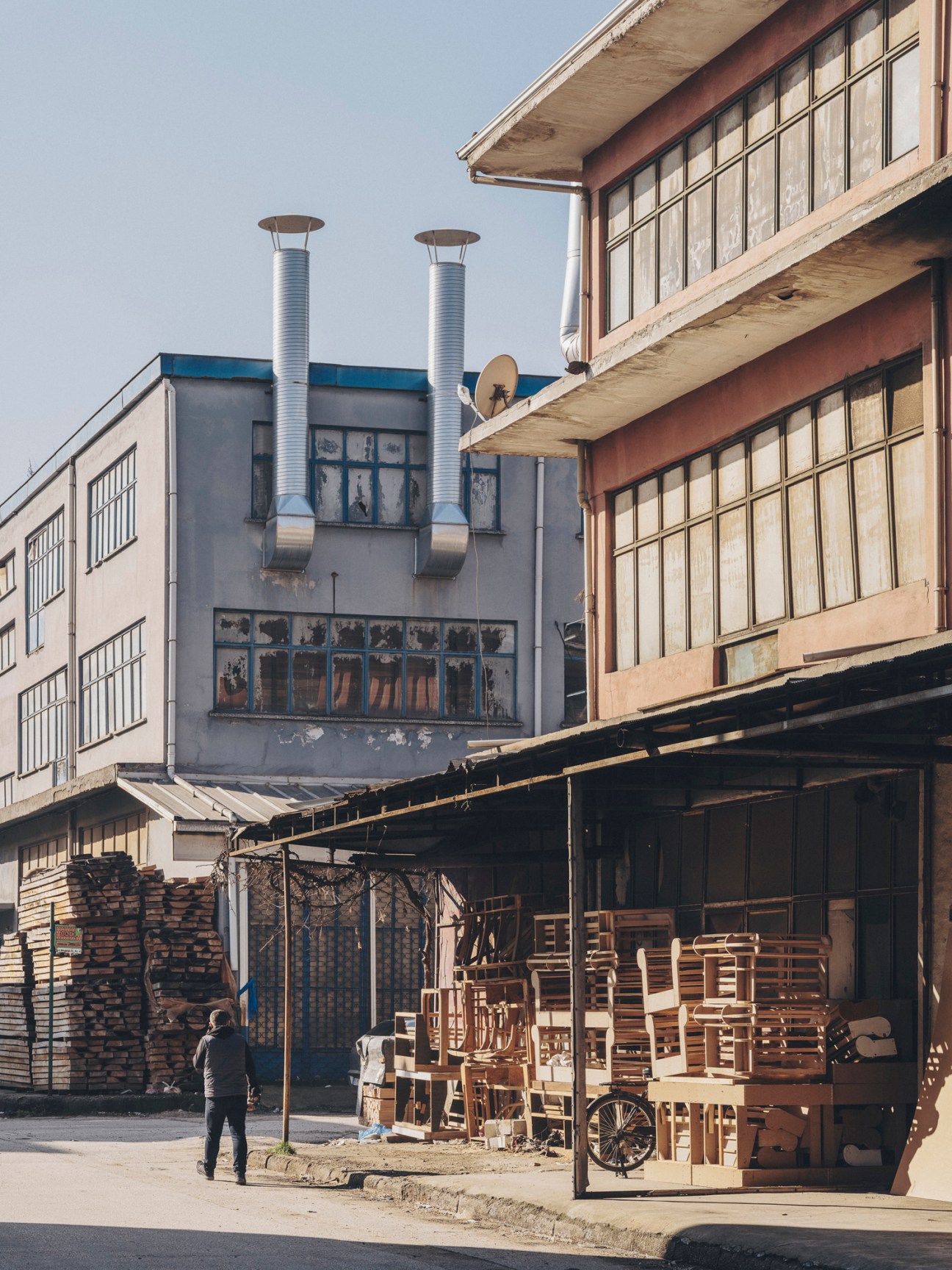
This, Erol says, is largely thanks to the development of the city’s cohesive furniture ecosystem. More than just a manufacturing hub near to its raw materials, the city has many logistics companies that deliver furniture to all parts of Turkey and Europe. It’s also home to Starwood, the region’s biggest plywood factory and Serra, one of Turkey’s largest foam-makers; both are complemented by the presence of wholesalers making hardware and glass, and an emerging design scene. And, if you’re looking for proof of the thriving “ecosystem”, then Serra’s factory production manager Esat Oyan has it. “Last week, two entrepreneurs from England came to me and told me they were planning on producing sofas in Inegöl to ship back to the UK,” he tells Monocle. “I asked them why they chose Inegöl and they said that it was simple: they can find any material they want for furniture production within 10km of the city centre.”
Mustafa Balci, chairman of furniture brand Weltew and head of the Turkish Furniture Manufacturers Association, also credits this cohesive offering of logistics, materials and makers for Inegöl’s success – but says it’s also aided by the town’s heritage. “If you are from Inegöl you have the skills to build furniture; you are born into it. It’s the culture of the town. Everyone respects furniture here. Even the trucks in the city are of a different size to specifically accommodate furniture.”
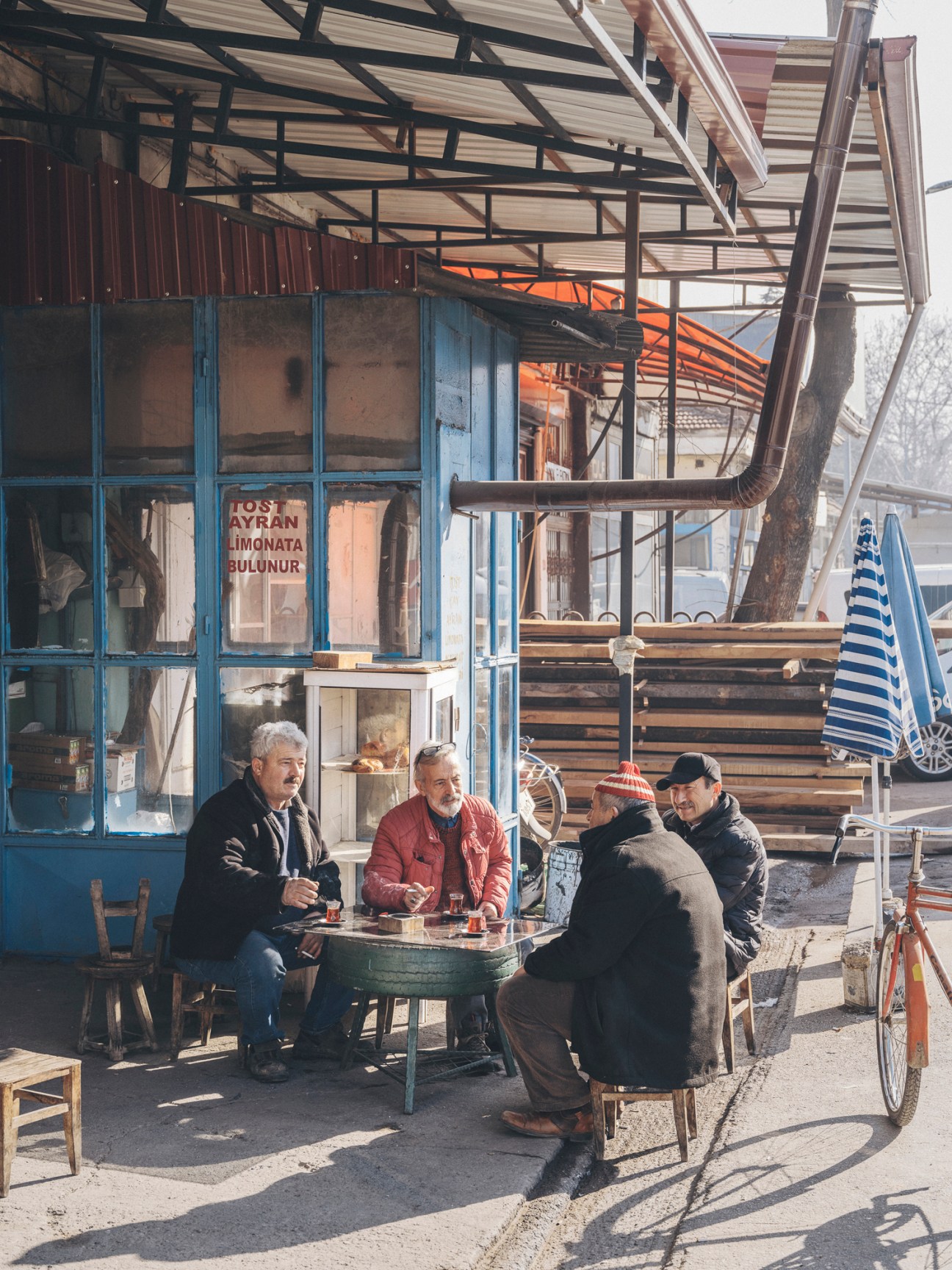

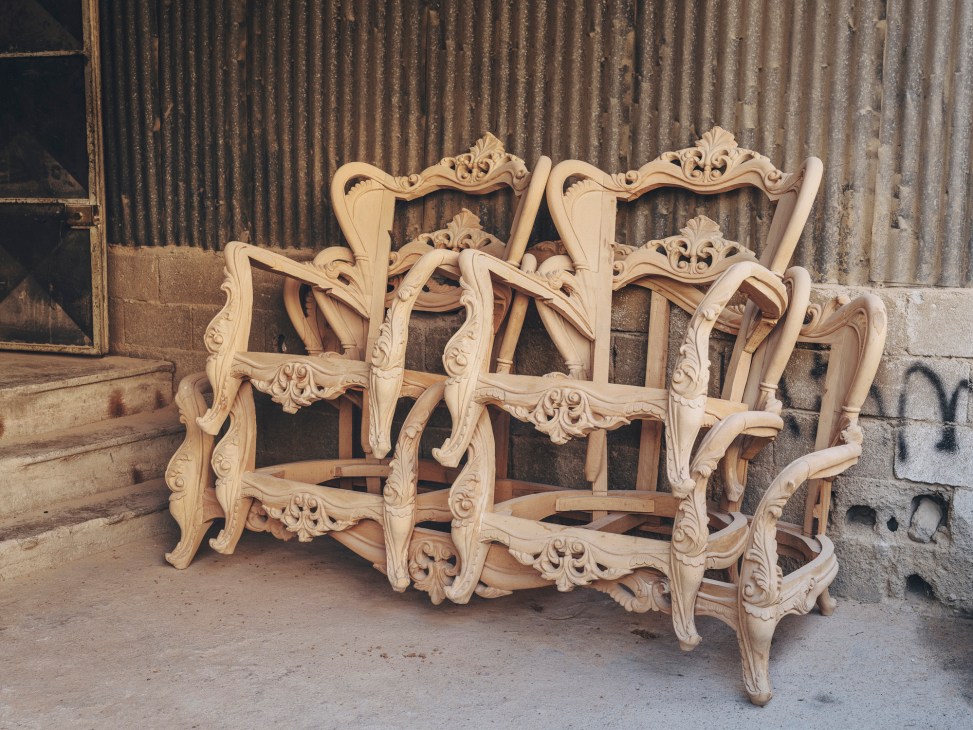
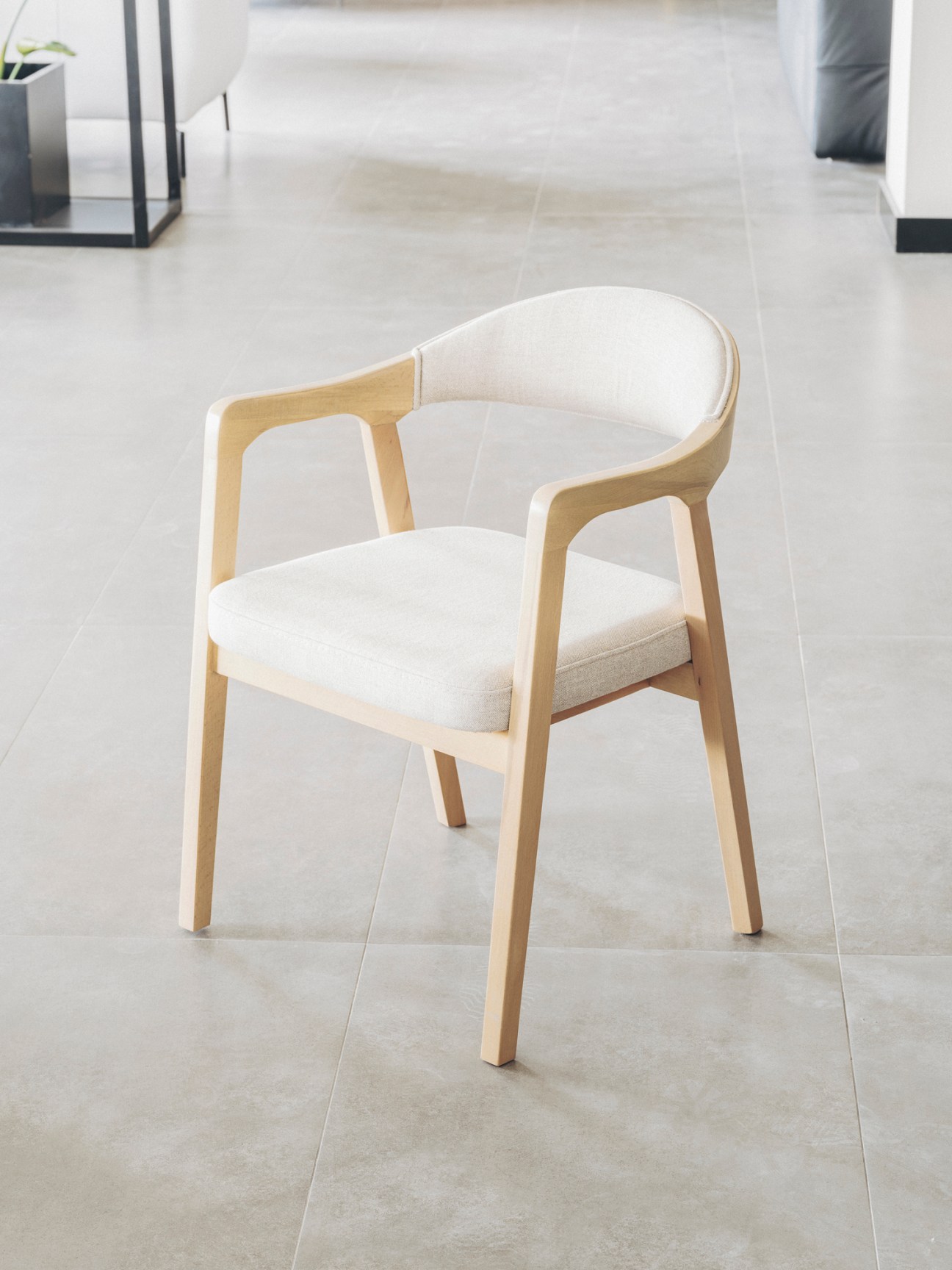
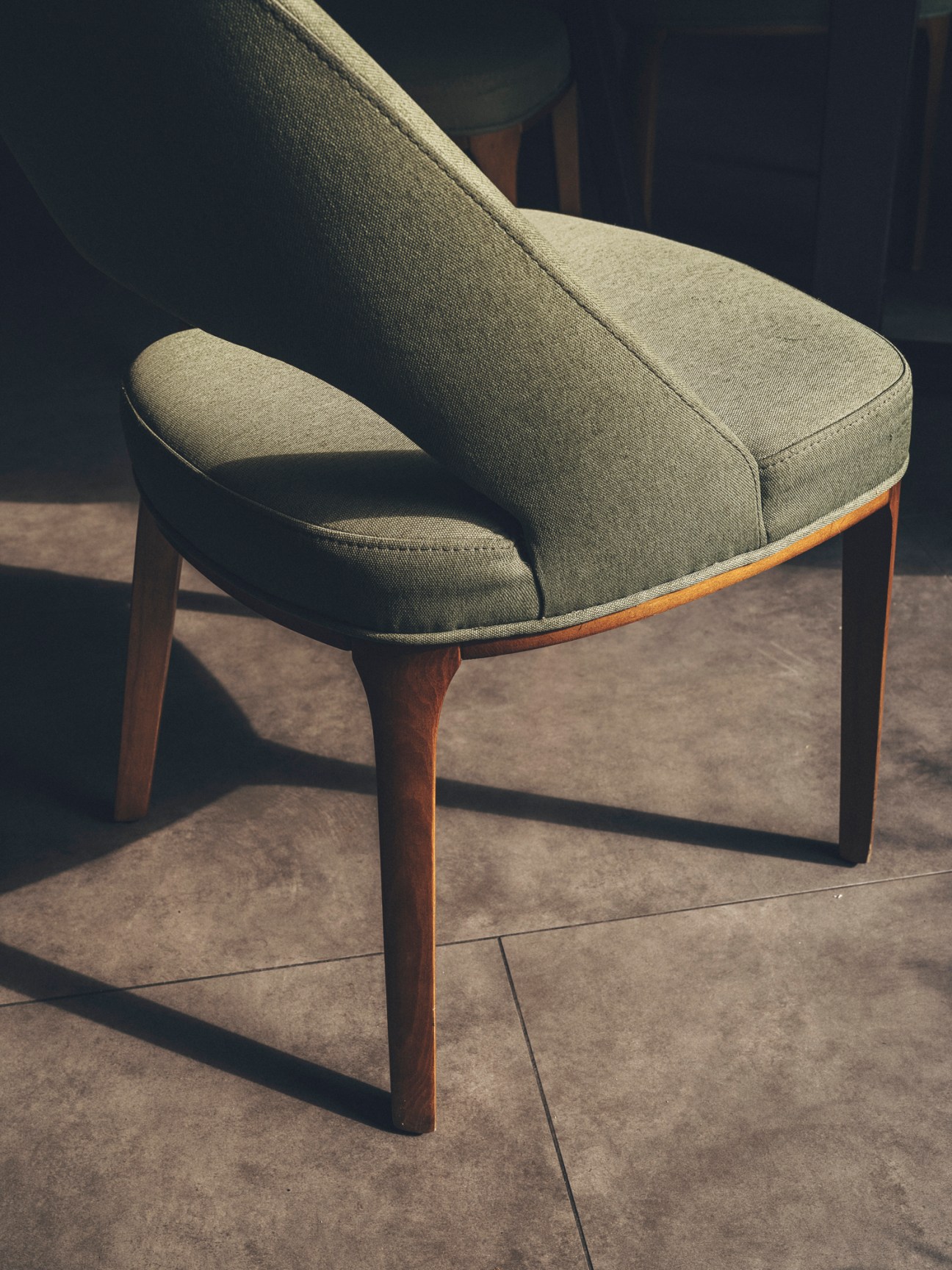
Balci is sure that the other furniture hubs in Turkey don’t have this sort of culture, explaining that they’re typically insular and secretive. But in Inegöl people lend money to competitors who have fallen on hard times so that their businesses stay afloat – all in the name of keeping the supply chain humming. “When we have a coffee and socialise, the main subject of discussion is furniture,” says Balci. “We’ll ask, ‘What are you designing? How are you making it?’ We’re always working and thinking about furniture – even in our spare time.”
While the camaraderie is integral to the success of Inegöl, the furniture industry’s biggest strength here is its scale. There are both large, commercial furniture operations and smaller, boutique workshops all feeding into the industry’s success. Hundreds of artisan workshops are scattered about the city, with a large cluster on the aptly named Mobilya Sokaks (“furniture streets”), which peel off one of the city’s main traffic arteries.
Nestling among these lanes are workshops where makers are skilfully crafting furniture (if you’re an adept negotiator, you might even be able to have your own piece made). Here, raw lumber dries in the sun on street corners and completed pieces sit by the kerb waiting to be collected by delivery companies. Larger operators, meanwhile, are scattered throughout the city, with a cluster of sizeable factories in a newly zoned industrial area a 20-minute drive from the urban centre.
This variety of operational scales means that every potential buyer – from architects seeking one-off pieces to multinational furniture brands in need of large-scale production by big manufacturers – can find a partner in Inegöl. Such a set-up is also a boon for the makers and for people wanting to set up their own business. Here, with only a small amount of capital, you can establish a workshop and, quite literally, build up.
So what’s Inegöl’s weakness? The quality of the furniture, perhaps. But Vivense’s Erol says that it’s getting better. “Inegöl furniture has really stepped up in terms of design and standard. In the past 10 years, many brands have matured and employed designers to help them manufacturer quality furniture,” he says. “It’s profitable and they’re investing in their businesses, visiting and exhibiting at international fairs such as Salone del Mobile, which means that their vision expands and the quality grows.”
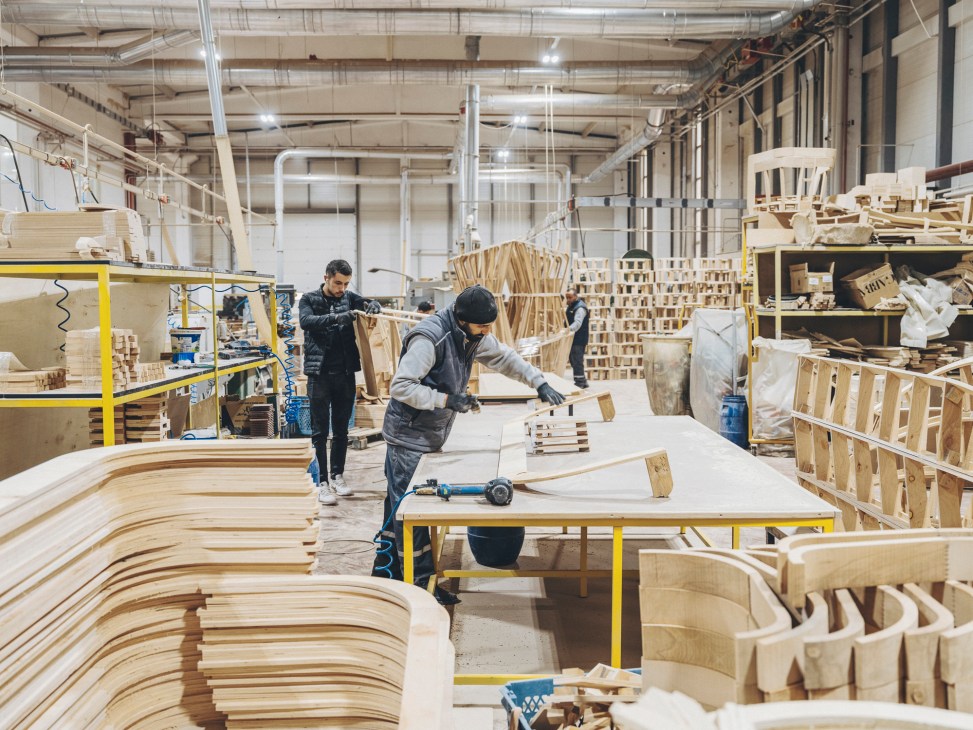
Playing a key part in reshaping this narrative are companies such as Saloni, which is well regarded for its sofas and dining sets. “We craft our products as if the customer was going to pull them apart and look inside,” says Tamer Degirmenci, Saloni’s plant manager while carefully observing a worker stapling fabric over a foam-covered timber chair frame. “All the details are very important.”
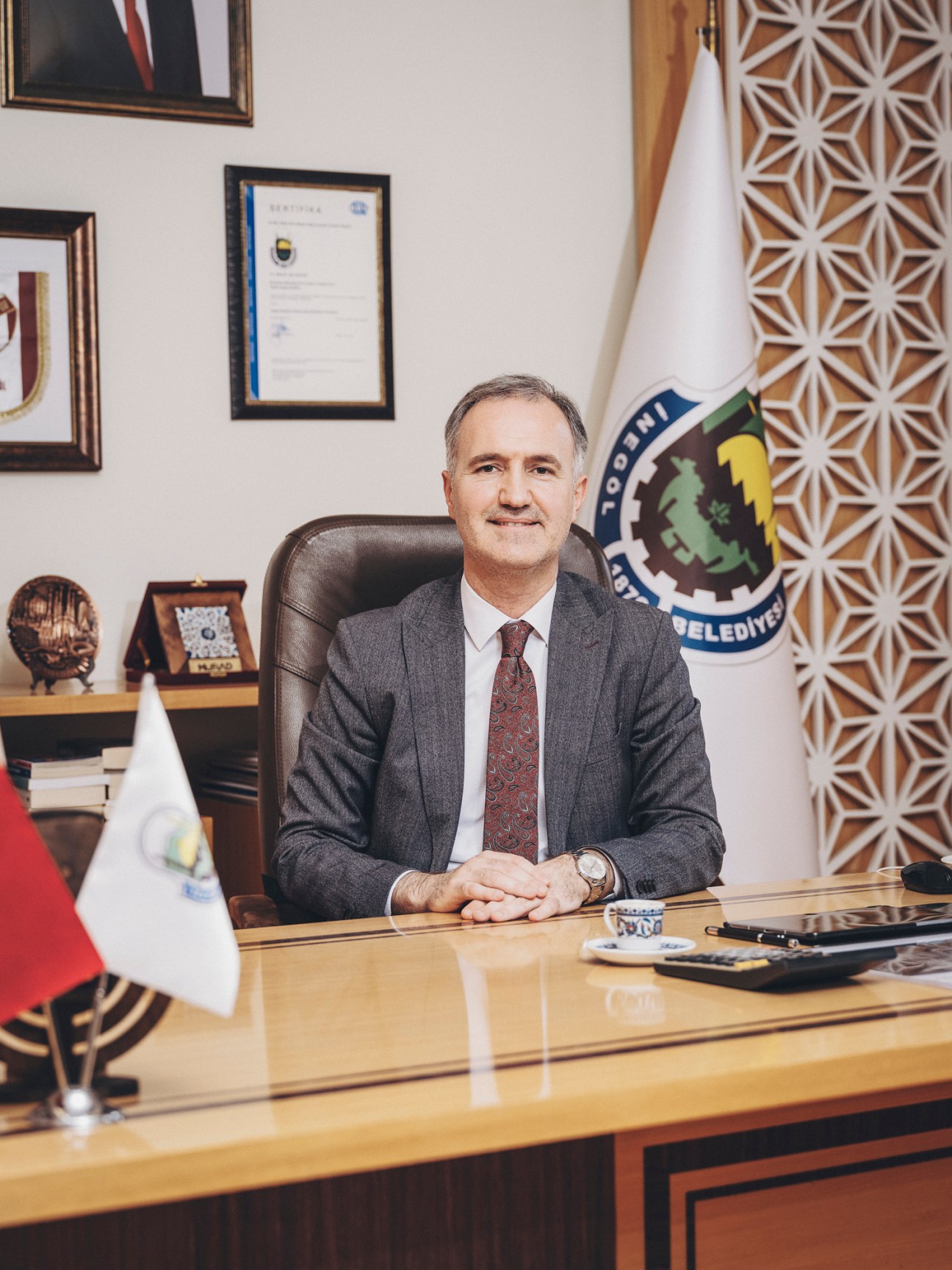
Saloni’s success is due to improvements in the city’s talent pool too: the company hires students from the two, newly opened design schools. “We have the furniture high schools, are establishing a design centre and building new industrial zones to host more manufacturers,” says mayor Alper Taban, who is aiming to give the furniture industry here an edge over its competitors by providing it with state-of-the-art infrastructure and resources. “We are working with [regional partners] to establish a fast train to reach key ports, such as Bursa and Istanbul, more quickly,” he says. “Our furniture industry is embracing all kinds of innovation and technology.”
It’s hoped – by Taban and companies such as Vivense, Saloni and Weltew – that this will create an industry of workers who are both makers and creatives, who can quickly and easily share their work with buyers in the US, Europe and the Middle East.
All of this will help Inegöl continue to play a role in Turkey’s quickly growing furniture industry. And it means that Inegöl is set to become more than just a furniture-making hub but a design city too. Soon, when a young child is driven through Inegöl, they’ll think of chairs, sofas and dining tables first – with tasty meatballs, no doubt, a close second.
Banking on it
Fresh isn’t a term typically used to describe the interiors of a bank, particularly one occupying a building from 1916. Yet this is the best word to illustrate the updated interiors of Pictet’s new Zürich office. Located on the city’s historic Bahnhofstrasse, the Swiss private bank occupies a sizeable chunk of the former Leu Bank building, refurbished in partnership with Zürich-based architect Tilla Theus.

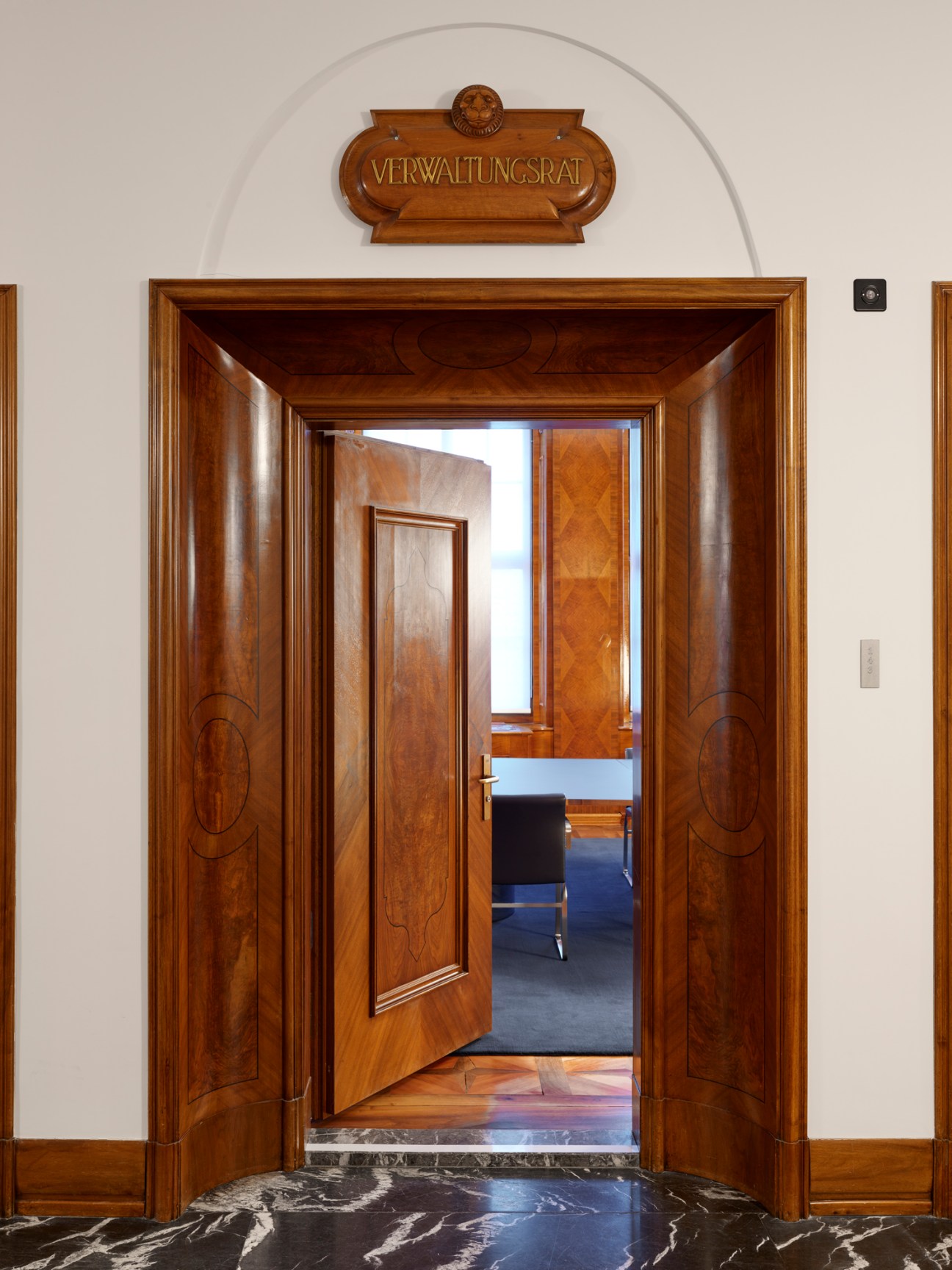
Pictet’s head of arts and chief curator Loa Haagen Pictet, who was handed the keys amid pandemic lockdowns, was responsible for bringing the interiors of what she lovingly calls her “confinement baby” to life. “The building was beautiful and full of symbols but it could also weigh you down a bit,” she says as she takes Monocle on a tour. “If you weren’t careful with how you adapted it, it might feel imposing. The whole aim was to bring in lightness and freshness while conveying the timelessness of this incredible building.”
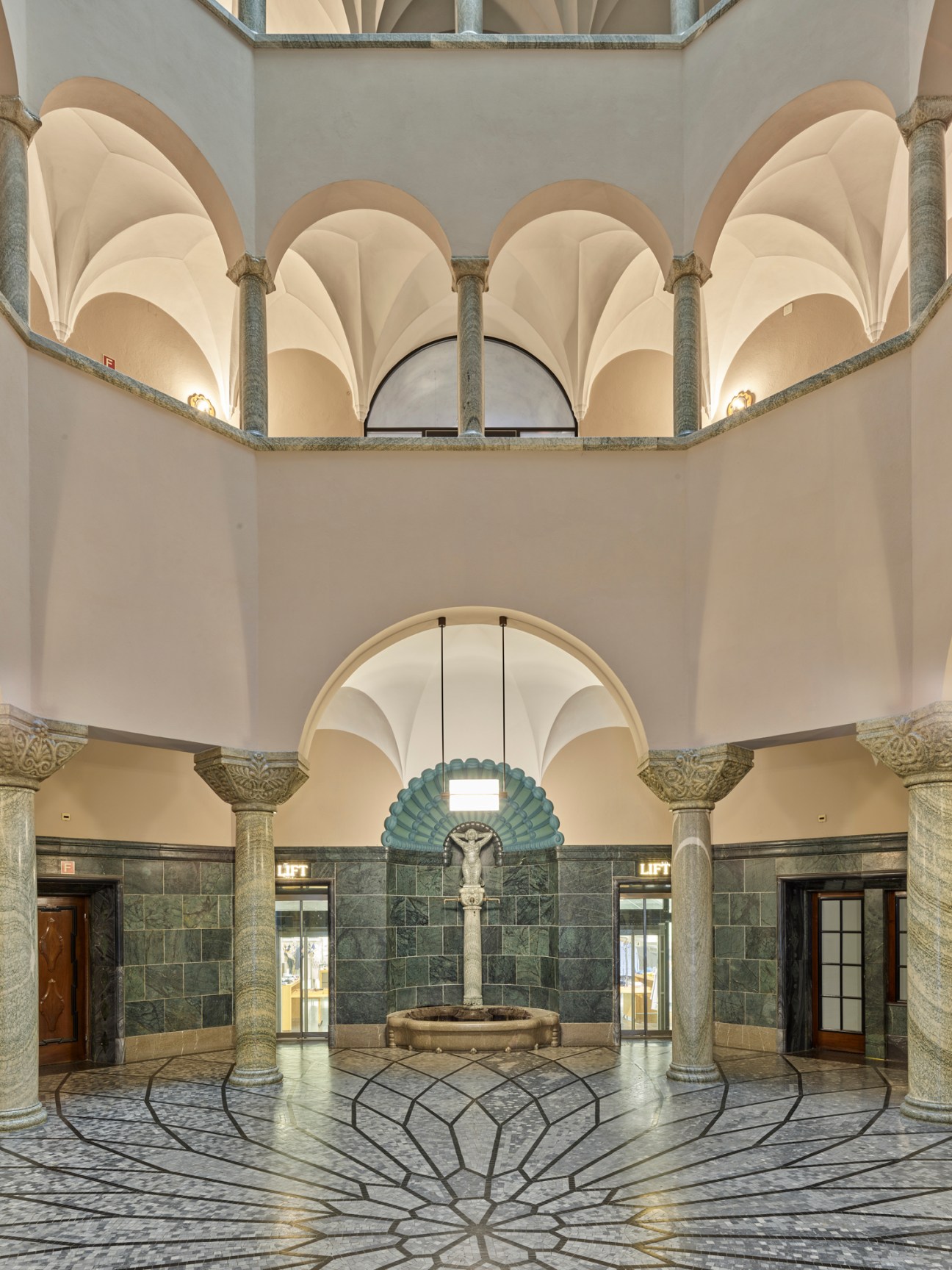
The original architecture, designed by brothers Otto and Werner Pfister, aided this mission, blessing the site with wide windows, unusual in buildings from this era. “It was actually one of Zürich’s first reinforced-concrete buildings,” Haagen Pictet says of the material innovation that allowed for the larger openings. Theus’s sensitive renovation showcases the best of the Pfisters’ classic design, which features beautiful marble tiling, parquet floors and fine marquetry. But for the all-important “freshness” that Pictet needed, it called upon Turkish-British architect Sevil Peach and Berlin’s Atheorem.
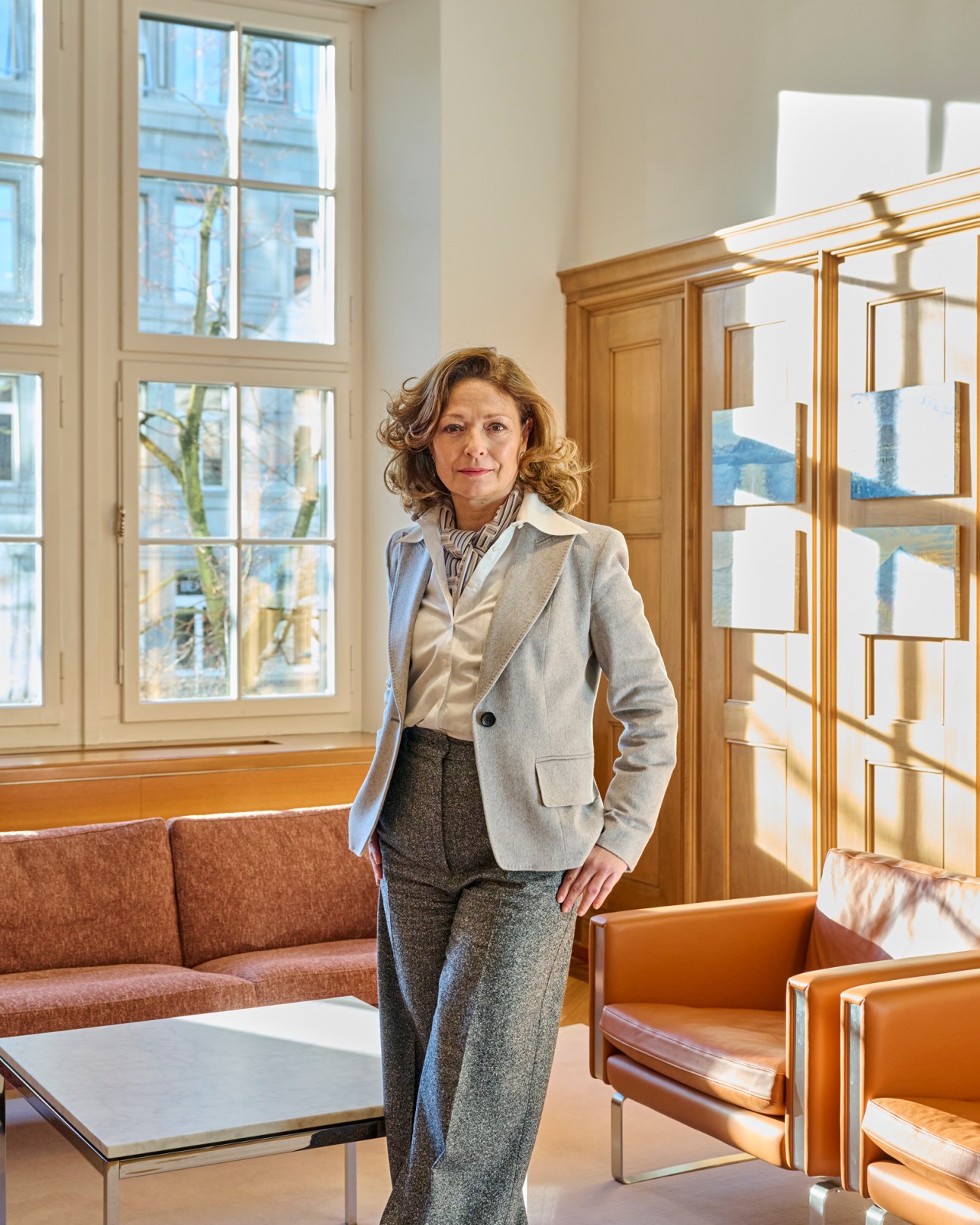
A key challenge for the team was to elevate client and banker interactions by rethinking the meeting rooms. The aim was to take what potentially could be drab environments and transform them into areas for productive and enjoyable conversations and negotiations, no matter how lengthy they might be. “The ambition, particularly in meeting rooms without a view, was to make the people working in them feel valued and supported,” says Peach. She adds that to create constantly inspiring areas, for both clients and staff, a colour-coding scheme keeps things interesting. “It means that people are not forever going into the same old rooms that all look the same,” she says.
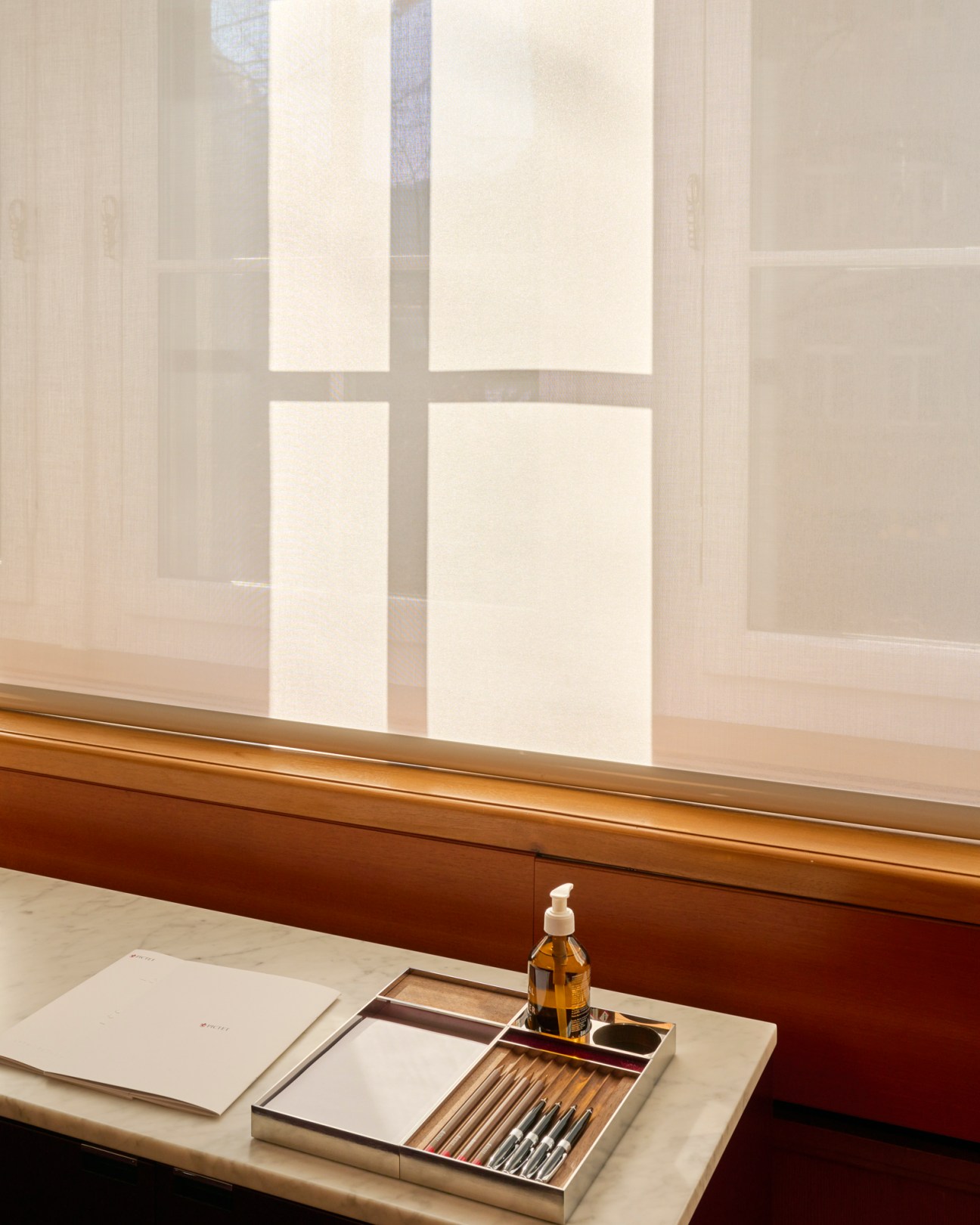
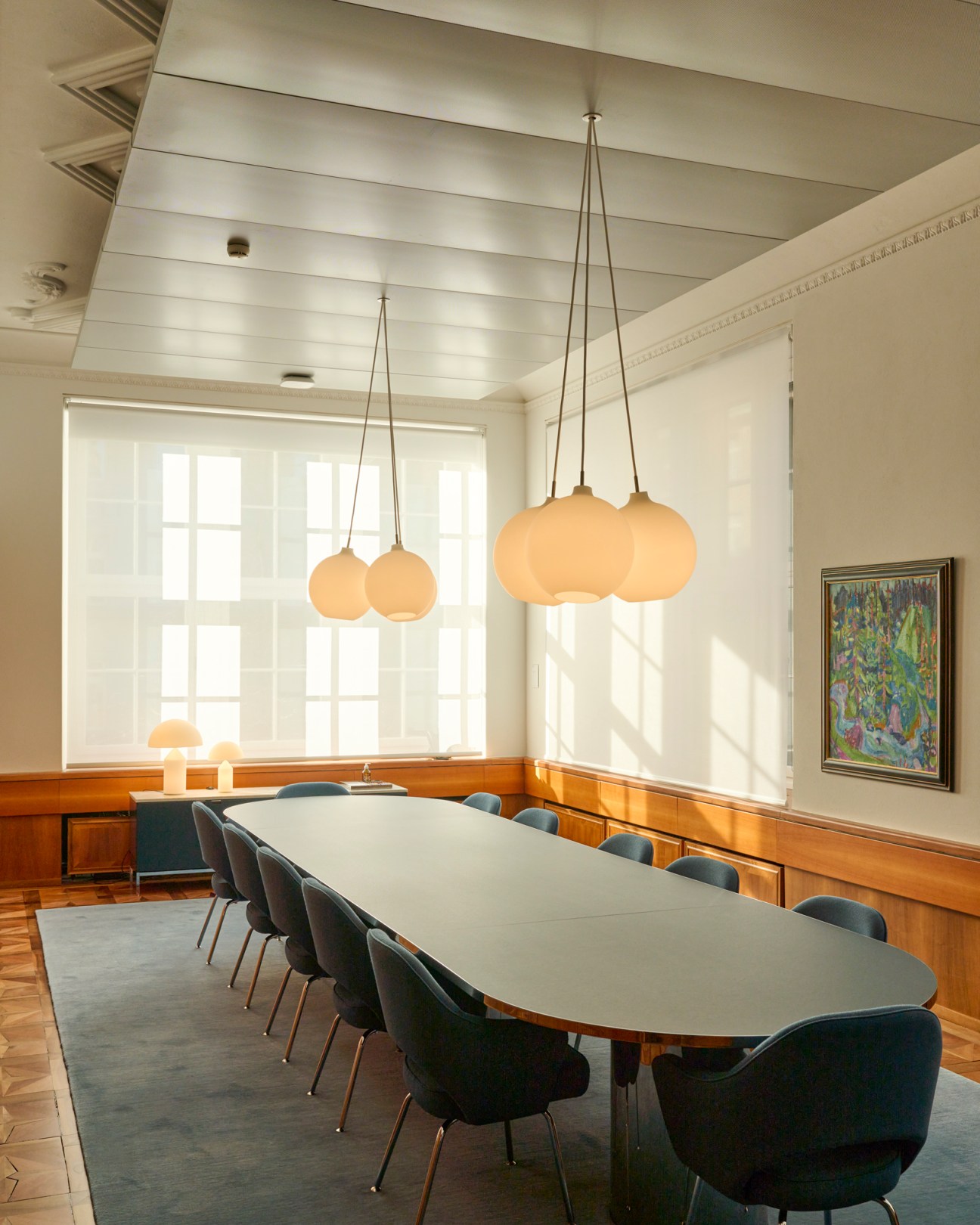
The team took care to reflect each room’s original purpose. A former stately boardroom, for example, was left feeling opulent, which makes it a perfect setting for major, multi-company negotiations. But a sunny space adjoining it – formerly a secretary’s room – received minimalist touches, its sheer white walls and relaxed set-up creating the ideal break-out spot for clients after long talks.
In terms of the bank’s furnishings, the brief was to strive for quality pieces that would work harmoniously within the unique setting. That was met with Danish mid-century designs from the likes of Louis Poulsen and Carl Hansen & Søn. This had “nothing to do with the fact that the curator is Danish”, says Peach, with a smile. She does note, however, that Haagen Pictet’s background did help her to see how designs from the likes of Arne Jacobsen and Hans J Wegner – some 70 years old and still looking incredibly modern – could add a sense of warmth and well-placed refinement to what could have become too grand a setting.

Swiss-made custom furniture played a part too, with Peach and Atheorem co-founder Carla Loewenberg working with art foundry St Gallen Kunstgiesserei on handsome new elements. One major commission was the addition of a floating stainless-steel counter for the regal entrance area. It provides a touch of lightness in an otherwise grandiose, marble-floored space. “It would have been easy for the furniture interventions to get lost in the strong presence of the historic building,” says Loewenberg, noting how the sleek counter offsets the heaviness of a neighbouring marble statute of Hercules. “But we worked hard to create a three-part harmonious equilibrium, where you have this historic fabric, the added furniture and Pictet’s wonderful art collection.”
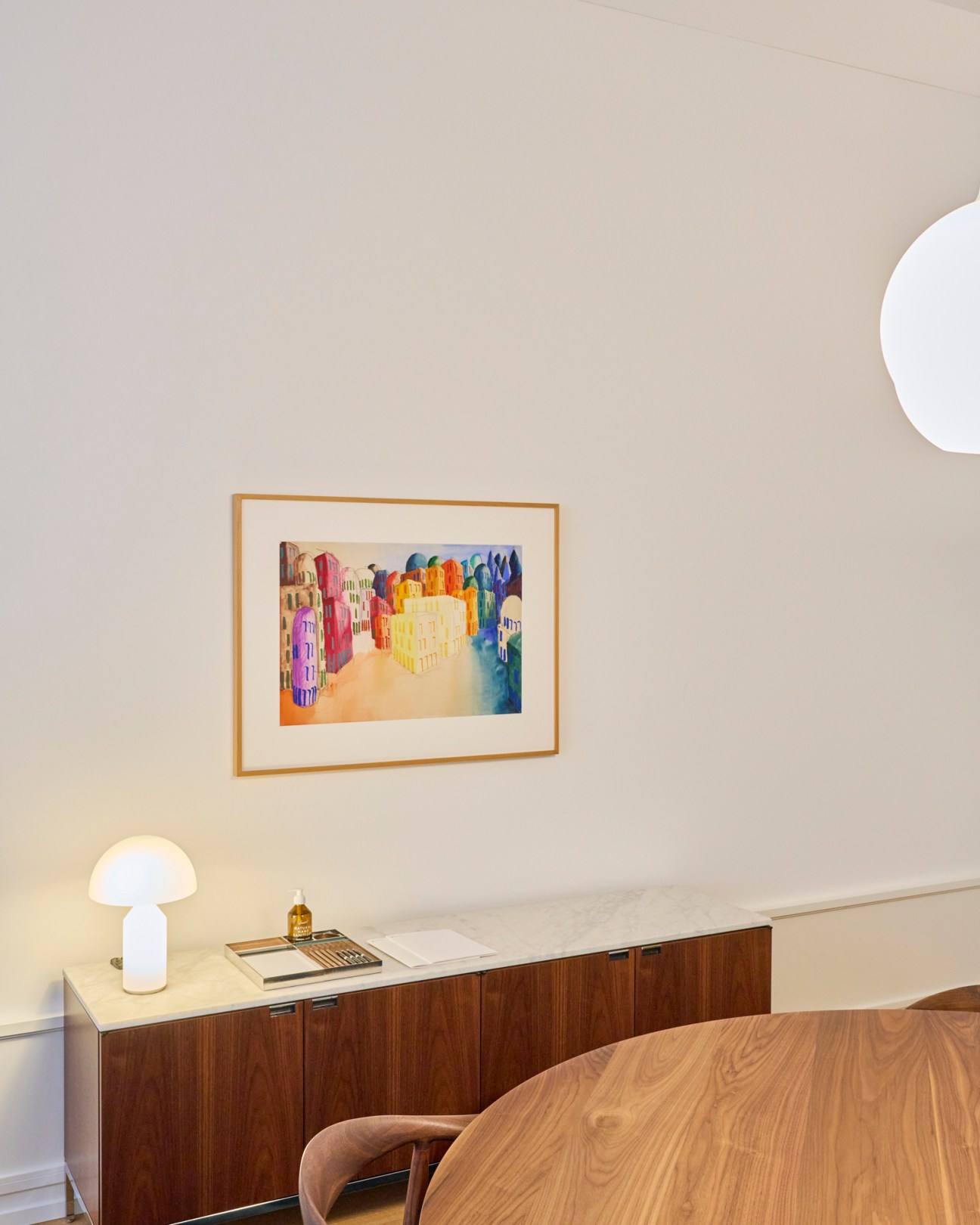
Installed to harmonise with the various interior schemes is a fascinating collection of Swiss modern art, which is overseen by curator Haagen Pictet. “We’ve mainly included paintings and works from the time when the building was built up until today,” she says of the collection. All of the client meeting rooms are paired with one specific artist from the collection, whose work is placed in dialogue with the colours of the design. For example, the calm, contemplative nature of the printed ink clouds on late Bern artist Markus Raetz’s Ohne Title, which hangs in one of the client meeting rooms, is complemented by a dusty-pink colour scheme.
Other works, such as metal paint and fibreglass mushrooms by Geneva’s Sylvie Fleury, scattered playfully across one of the building’s public spaces, have more direct interactions with the architecture. “We do have challenging work,” says Haagen Pictet, noting that the shiny fungi were a reference to society’s consumerism. “It’s important that we push people a bit with what we’re doing here.”


The most striking artworks are found along the length of two corridors. Here, site-specific pieces by Gerda Steiner & Jörg Lenzlinger are seen exploding with vibrant colours: one shows a collage of cactus flowers woven onto a jet-black backdrop. “It’s more than just nice pictures on the wall here,” says Haagen Pictet. And she’s right. With daring commissions such as these, alongside displaying Swiss works that chime with the sophisticated interior, Pictet’s brand values have been artfully brought to the fore.
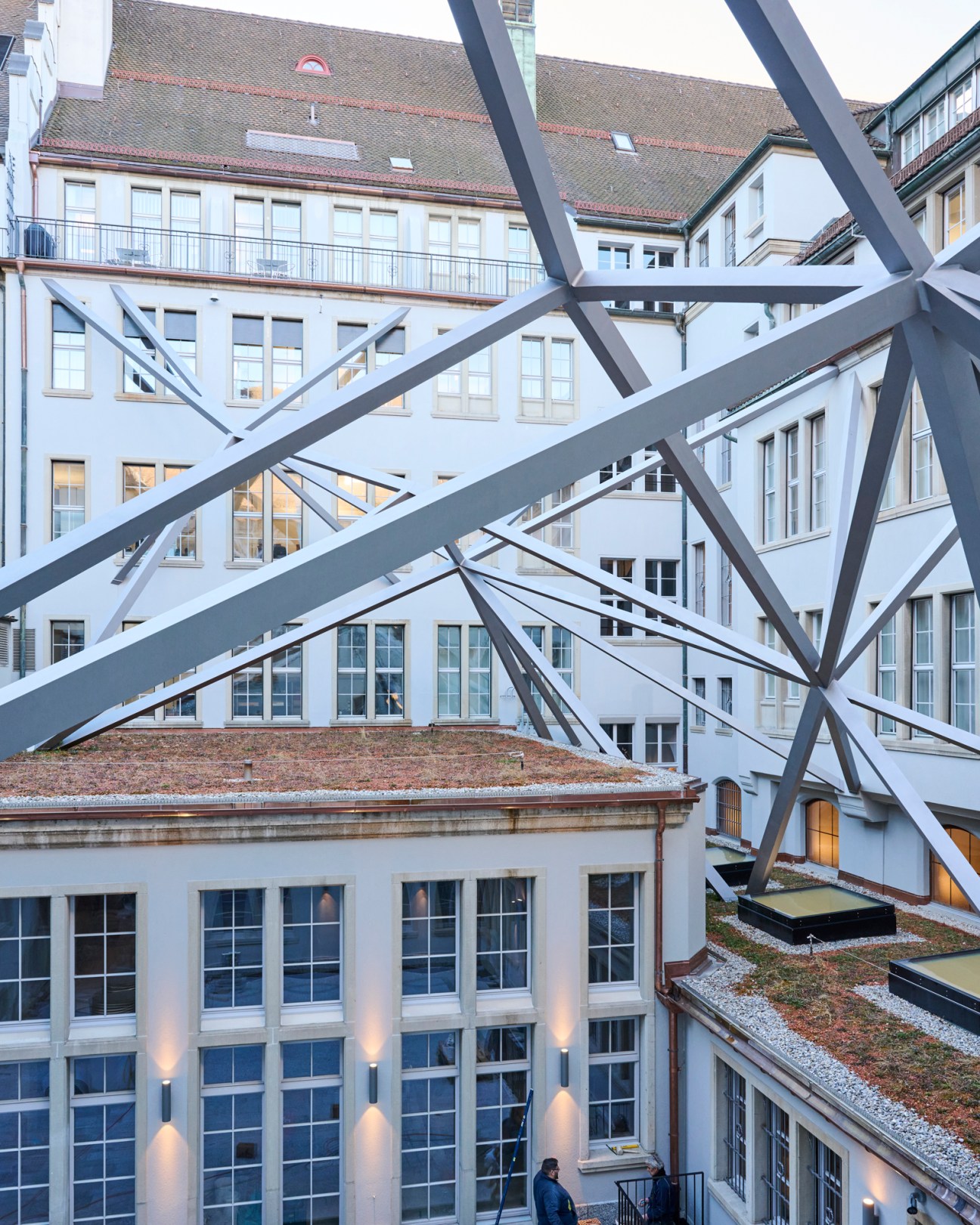
Nothing is simply for show, with every element – from design to art – serving a purpose, which is largely to inspire clients while simultaneously putting them at ease. “Through colour and materiality we’re aiming to provide a sense of belonging,” says Haagen Pictet. “We wanted to create something that works with the architecture, which can be spectacular at times,” she adds, peering out of a window into the building’s inner courtyard dominated by the criss-crossing steel of a massive spiderweb-like artwork by Theus (also doubling as support for the building in case of an earthquake).
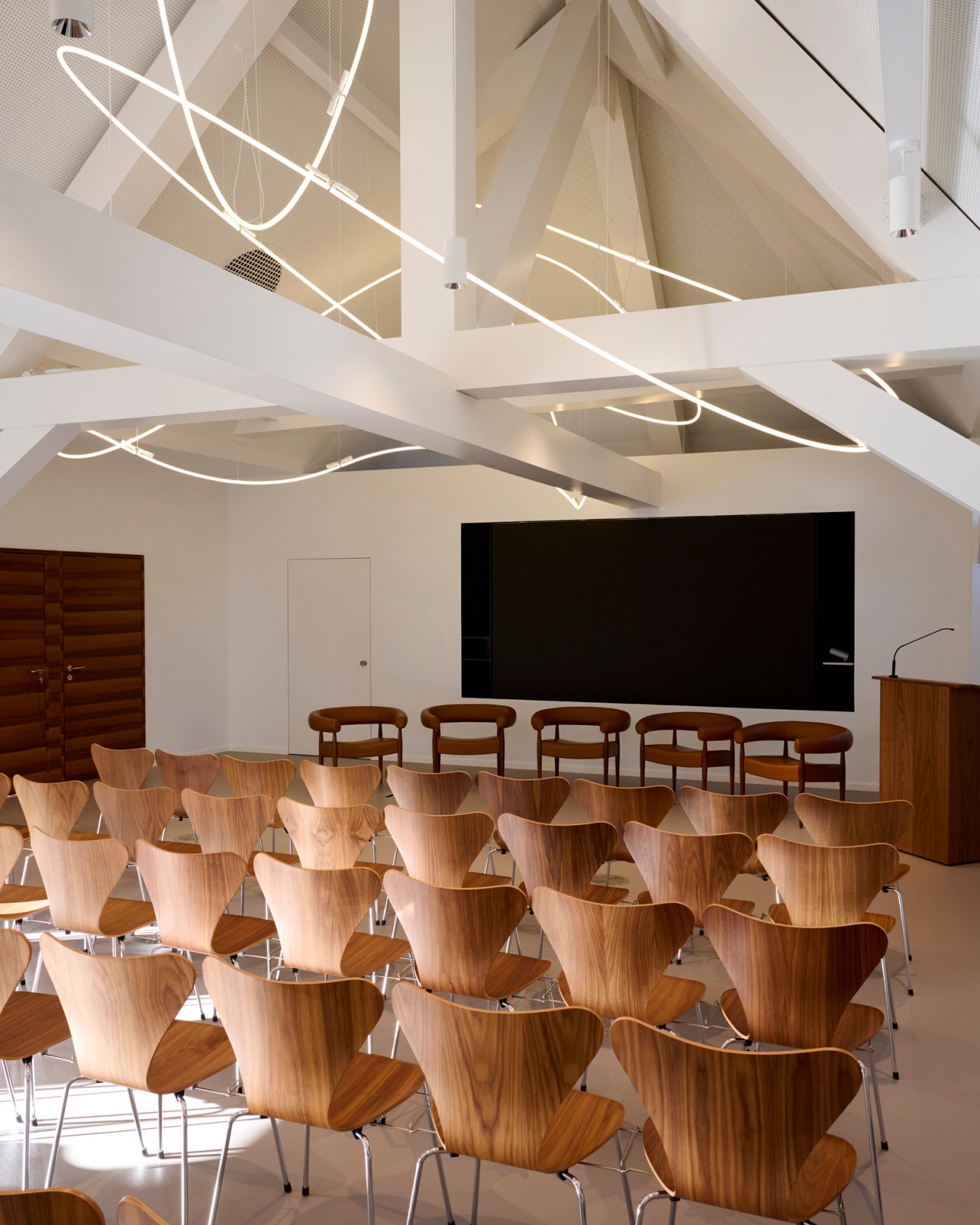
On the top floor, Haagen Pictet leads Monocle into a handsome converted loft that offers views of the city, Lake Zürich and the snow-capped Alps beyond. Inside there’s a sun-filled conference room and a lounge-like workspace for staff, the design of which puts most co-working spaces to shame.
“The first thing I do is head to this room, throw my bag down and sit down to work,” says Haagen Pictet. The curator describes the convivial environment here as a combination of “rootedness and elegance”, which have been deftly deployed by the creatives behind the building’s rebirth. And for those fortunate enough to spend time here, it’s a design that – like the building and the Swiss bank occupying it – is here for the long haul. “This is the result we were aiming for: a site crossing classic and contemporary, all enhanced by the artwork,” says Haagen Pictet.
The Pfister brothers
Practising architecture from their family firm in Zürich, brothers Otto and Werner’s work spans various movements of the first half of the 20th century. Beginning with a romantic take on art nouveau, they moved into the more rational style of modernism in the 1930s. The siblings are responsible for some of Zürich’s best-known architecture, including the Enge train station, as well as infrastructure further afield, such as the Ryburg-Schwörstadt Rhine power plant near Basel, which still operates today.
The vault
One element of the building that didn’t need too much of a touch-up was the majestic vault, which sits in the basement. The two-storey room features brass, marble and gold trimmings, with 3,500 individual safes for Pictet clients to stow away their most precious possessions.
Fashion statement
1.
Cristina Betts
CEO, Iguatemi
Brazil’s pioneering retailer
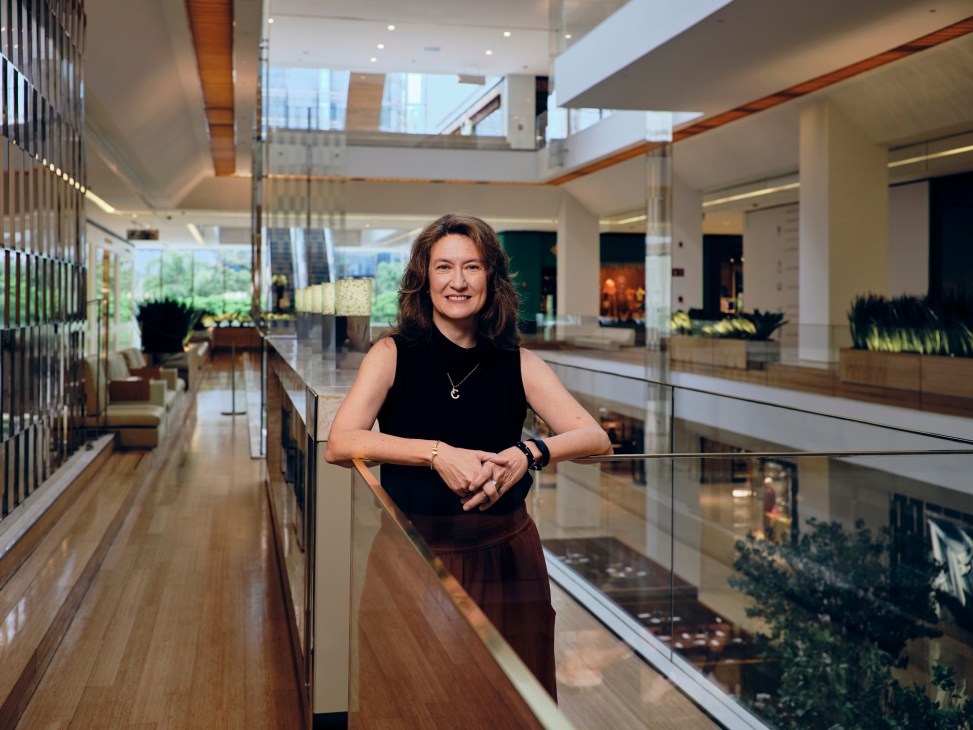
Iguatemi CEO Cristina Betts says that Brazilians have a unique bond with their nation’s major luxury mall group. For people who live in crowded cities such as São Paulo (where Iguatemi has 19 outlets), malls are safe, secure centres amid the urban bustle, providing space for both shopping and socialising. They’re also places with a sense of discovery and Iguatemi says that it plays a role in offering the world’s most interesting fashion, design and lifestyle labels to Brazilians.
Betts joined Iguatemi in 2008, ascending to the top job in January when former CEO Carlos Jereissati stepped back and onto the board after rapidly expanding the brand over the past decade and a half. The new CEO has her sights set on more growth, bolstering bricks and mortar alongside an ambitious digital retail strategy. Betts believes that quality curation, enhanced by a keen eye for buying, is what will define future success across both channels. From São Paulo, where the publicly traded company is based, she talks monocle through the ins and outs of Brazilian retail and shares advice for fashion and luxury brands beyond its shores.
Mall culture is different in Brazil compared to the rest of the world. Can you describe this retail landscape?
The first thing to note is that our malls are very urban compared to those in the US, which are often out in the suburbs. It’s a result of how Brazil grew: our cities are dense and vertical and Iguatemi malls are smack in the middle of urban centres, meaning that they become part of everyday life for citizens. People lunch with us, have dinner with us, watch films with us; they don’t just shop here. Therefore many Brazilians have emotional ties with our shopping malls. For those who grew up in São Paulo, we have memories of our first dates at an Iguatemi mall or buying our debutante dress.
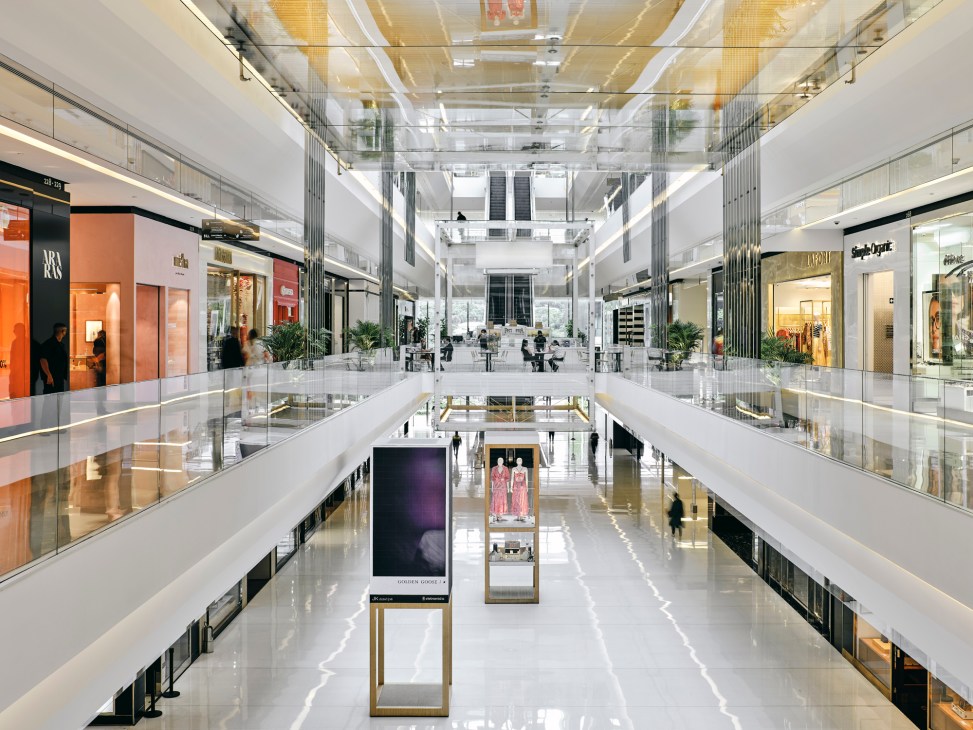
Iguatemi plays an important role in introducing foreign brands to Brazilians. Who is your typical customer?
Our target clientele in Brazil are mid-to-high-end consumers. They are, like all Brazilians, very fashion-oriented. In Brazil we like things that are new and different, we have a well-oiled fashion world here, which includes the important São Paulo Fashion Week. While there is space for the more traditional, newness is most interesting to us. This doesn’t mean super-high luxury either; it’s about exciting, daring designs and interesting cuts and textures. And we really like different colours. Brazilians are always asking, “What is the next colour?”
The passion for newness does pose difficulties for Iguatemi. The challenge for us, in terms of bringing a new brand into the country, is knowing whether it is going to be sustainable for them to be in Brazil long-term. It’s a big commitment to come here, you need volume and you need market awareness.
With this in mind, how do you create a home – and business success – for them?
It’s in our DNA to be in tune with what is happening both inside and outside Brazil, so we have people liaising with brands everywhere for us. We don’t sit here and wait for brands to come to us; we’re actively scouting them and trying to understand how they fit into different trends.
Brazil, however, is a complex place for retail. First, we’re in the southern hemisphere so we’re counter-cyclical in terms of fashion seasons. It’s also complicated in terms of taxation and imports, which can be quite scary for a foreign brand, especially a smaller one. To counter this we encourage labels to join us either with a franchise agreement or a joint-venture agreement. The first brand we did it with many years ago was Christian Louboutin. Louboutin was our pioneer and this collaboration laid the ground for many, many more.
Today we’re leveraging our online platform to help brands lay down roots here. For a physical shop [in an Iguatemi mall], you need to have full inventory and space, which is complicated and expensive. With our online platform, Iguatemi 365, we have a selection of brands that we bring in and because we can deliver to 3,000 municipalities across the whole country we can see whether the brand works with the Brazilian consumer. From here we can progress into building a physical shop. This is not just how we work with international brands but also how we collaborate with interesting and emerging Brazilian labels. This way we help them and encourage them to grow and eventually have a physical shop with us.
Where else are you bridging the gap between digital and physical retail?
We have concepts such as an Iguatemi 365 shop in a high-end condominium in the countryside outside São Paulo. It’s a touchpoint with customers who we know are under our umbrella. These physical spaces really work for us. We’re looking at more temporary outlets in places where our customers go to celebrate the end of the year.
With 365 there is a lot of appetite for us to travel around and do pop-up shops, which can also be within our existing malls. We can create market-style set-ups where we show brands that we have on our digital channel that do not have a physical presence with us. This means the consumer can touch and feel products they’re not used to. We’ve had success with brands such as Jonathan Adler and Los Angeles denim label Citizens of Humanity. Customers found them fantastic, of course, and we saw a boost in sales.
You make it sound fun but it’s also a very expensive business. How are you being smart about where you’re spending?
To build a reasonably sized mall, we’re talking about B$500bn (€85m). And I might be a little outdated, as it’s been a while since we’ve done a mall from scratch. Digital is far cheaper and it is very targeted. So we use digital to reach out to potential Iguatemi consumers who do not have access to our physical malls on a day-to-day basis. This way we service an entire country with a guarantee of Iguatemi curation.
When it comes to physical assets, it’s about consolidating what is working in the geographies that fit our customer portfolio and reaching everyone else with 365. When we see a city with a demand online for mid-to-high-end products, where we don’t have a physical presence, then maybe it’s time for us to build something there. Digital retail can be a fantastic thermometer for the future of physical retail.
When it comes to physical retail, how do you stand apart from your competitors?
We take a lot of our ideas and references from the hospitality market. The hospitality industry is all about making connections and we want to make profound connections with the brands that work with us and the people who shop with us.
We have beautifully designed spaces within our malls that can be used by customers for social events – birthdays and dinners – and also by brands to connect with clients. The same ideas apply to Casa Higenópolis, a colonial building we own in São Paulo’s famous Higenópolis district. After renovating it, we inaugurated it in November 2021 by hosting an event with Gucci. They brought special-edition jewellery and gowns from different designers. They also had homewares, men’s tailors on-site and custom handbags – and all of this was showcased across a 10-day event. We worked with Gucci to bring in who we thought was appropriate in terms of client profiling and helped them market the event. Everyone left this collaboration with Gucci enchanted by the brand, which also did very good sales over these 10 days. The whole experience provides a different kind of connection. It’s great for us and it’s great for them, and for our customers it’s about loyalty and education. The more of this we can do, the better for everyone.
How excited are you about the future?
Things are picking up. How people shop has changed; “shop local” is important for us and we’re excited about creating an omni-channel experience with online and loyalty platforms to bind the physical and digital worlds.
2.
Norbert Stumpfl
Design Director, Brioni
Making a progressive Italian brand
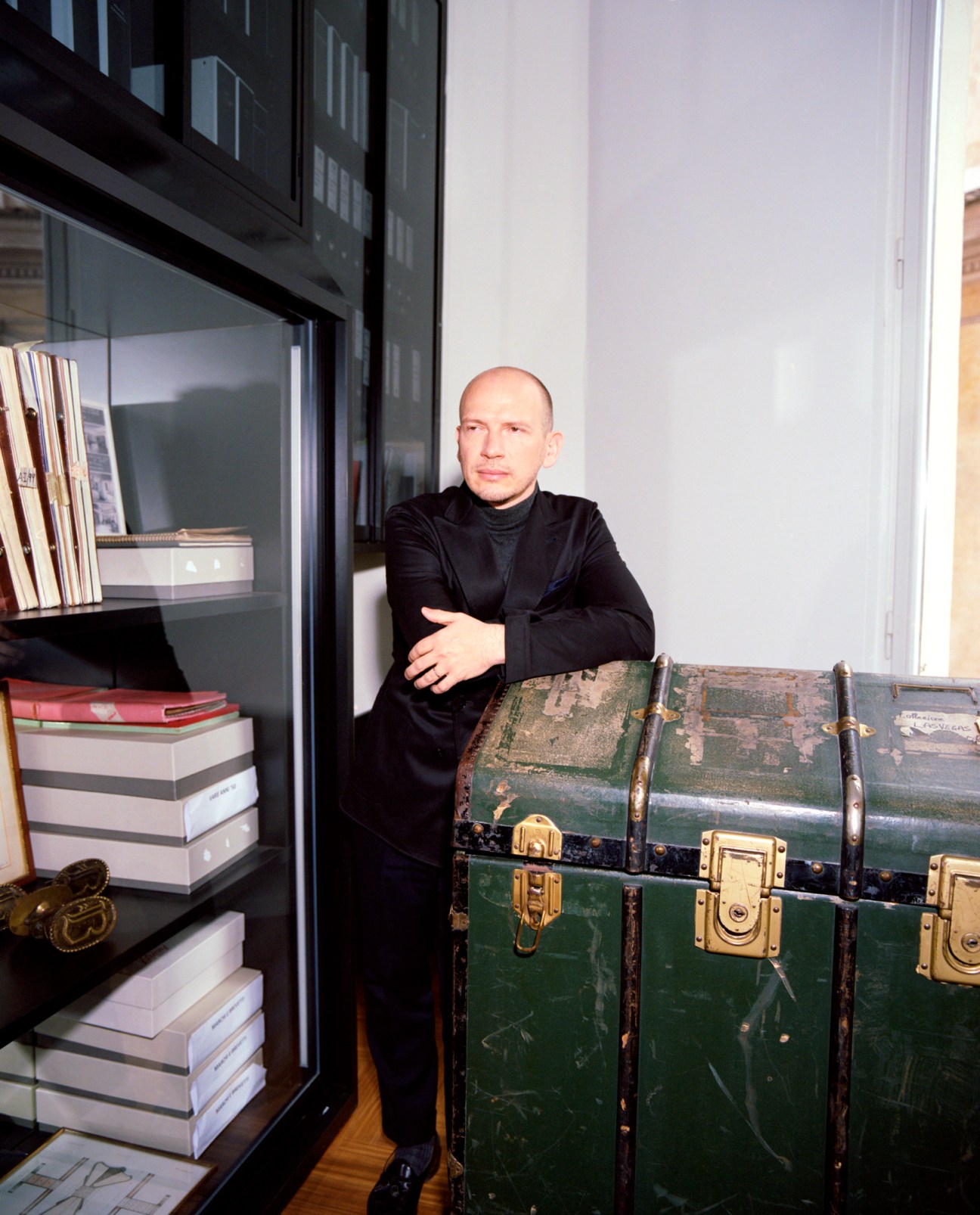
After a turbulent few years, luxury Italian tailoring house Brioni has finally found its stride – largely thanks to the vision of its Austrian design director, Norbert Stumpfl. Prior to Stumpfl’s arrival in 2018, Brioni had been through two creative directors in three years, both with very different ideas as to what the brand could be. Justin O’Shea was judged too outrageous, leaning into a shouty, grungy style, while his successor, Nina-Maria Nitsche, was considered too safe.
Stumpfl has steadied the ship, designing beautiful suiting and luxurious casualwear that feels relevant but not too fashionable, and in doing so he’s demonstrated an intuitive understanding of what makes Brioni great. The brand has always been a quiet innovator; in 1952, Brioni hosted the first ever men’s runway show and went one better in 1958, staging a fashion show on a transatlantic flight, travelling from Rome to New York. Brioni’s co-founders, Nazareno Fonticoli and Gaetano Savini, were also early adopters of celebrity endorsements. In the 1950s and 1960s the pair dressed just about every Hollywood star in the business.
This last point is timely, because alongside refocusing on elegant products, Stumpfl has given Brioni’s marketing a shot in the arm. In 2020, Brad Pitt was revealed as the brand’s global ambassador and featured in campaigns throughout 2021. This year, Jude Law and his son Raff are the house ambassadors. “Perhaps it’s an old-fashioned way of advertising but it works,” says Stumpfl. “They make wearing our clothes look effortless and that’s what I want for the brand.”
Let’s start at the beginning. What is your vision for Brioni?
I was brought in to give Brioni a modern touch, to make it relevant for the 21st century. Brioni is known for exceptional workmanship and my goal is to give this an up-to-date feel. I also want to innovate, to dare and to try new things. We’re here to dress the modern man with clothes that really work for him. I spend a huge amount of time looking at the lightness and construction of our clothes. I always tell the design team that it’s really important that we think about the customer here and now.
Who is the Brioni man?
He’s someone who is accomplished, worldly and open to what’s going on right now. I don’t think it’s very modern to be a stereotypically masculine man, either. It’s just not interesting any more. I want Brioni to be for men who appreciate a balanced outlook, who understand what it is to be progressive.
How do your brand ambassadors represent this philosophy?
We’ve been extremely lucky. Jude Law and his son Raff are masters at what they do, and the son is already following in the footsteps of his father. They’re very accomplished people, with a natural elegance, and they’re very grounded and approachable; they’re truly men of the times. It’s the same with our first ambassador, Brad Pitt. He’s an extremely kind, generous, talented person. I always identify with actors who approach their work as a craft.
Female clients are now choosing to have men’s pieces tailored to fit them. How are you responding to this?
We have some incredible female customers who are attracted to the quality of our tailoring. Some are the partners of male clients who connect with the fabrics and our craftsmanship. So we’ve designed a capsule collection for women, with six looks that will be available to order through our bespoke service and that will represent the female Brioni wardrobe. Sample pieces will also be available in our five most important shops worldwide.
Does the suit still have a place in our society today?
I love the suit. Men just need to understand how to wear it well. We’re working on different ways to make tailoring interesting and that’s why we’re experimenting with more materials and colours than we have done before. It’s true that there’s this “casualisation” happening in the world but a lot of our clients still need to wear suits. And the younger generation is looking for things that have a sense of purpose. True craftsmanship will always be important to a certain kind of clientele. It’s my job to keep the suit interesting and to show a younger client how relevant it can be.
And what does it mean to you to innovate as a designer?
Innovation at Brioni comes back to this idea of understanding modernity. We work with unusual fabrics for tailoring that have lots of unique characteristics, such as super lightweight fabrics, fabrics with natural stretch, fabrics that breathe. This summer we’re introducing a lot of linen and linen-silk blends, which we’ve not really used before. We’re playing with more textures to achieve a relaxed look.
So what can we expect from the forthcoming spring/summer collection?
There’s a good mix of tailoring and casualwear and lots of distinctive fabrics. We’ll show the suit in a new way but only as a continuation of what we’ve done before. It’s important that you can wear clothes from my first season with clothes from my third or fifth season. Wearing Brioni should be an ongoing conversation.
3.
Mi-Kyong Yeom
Creative Director, Alphatauri
Building the next luxury player in Austria
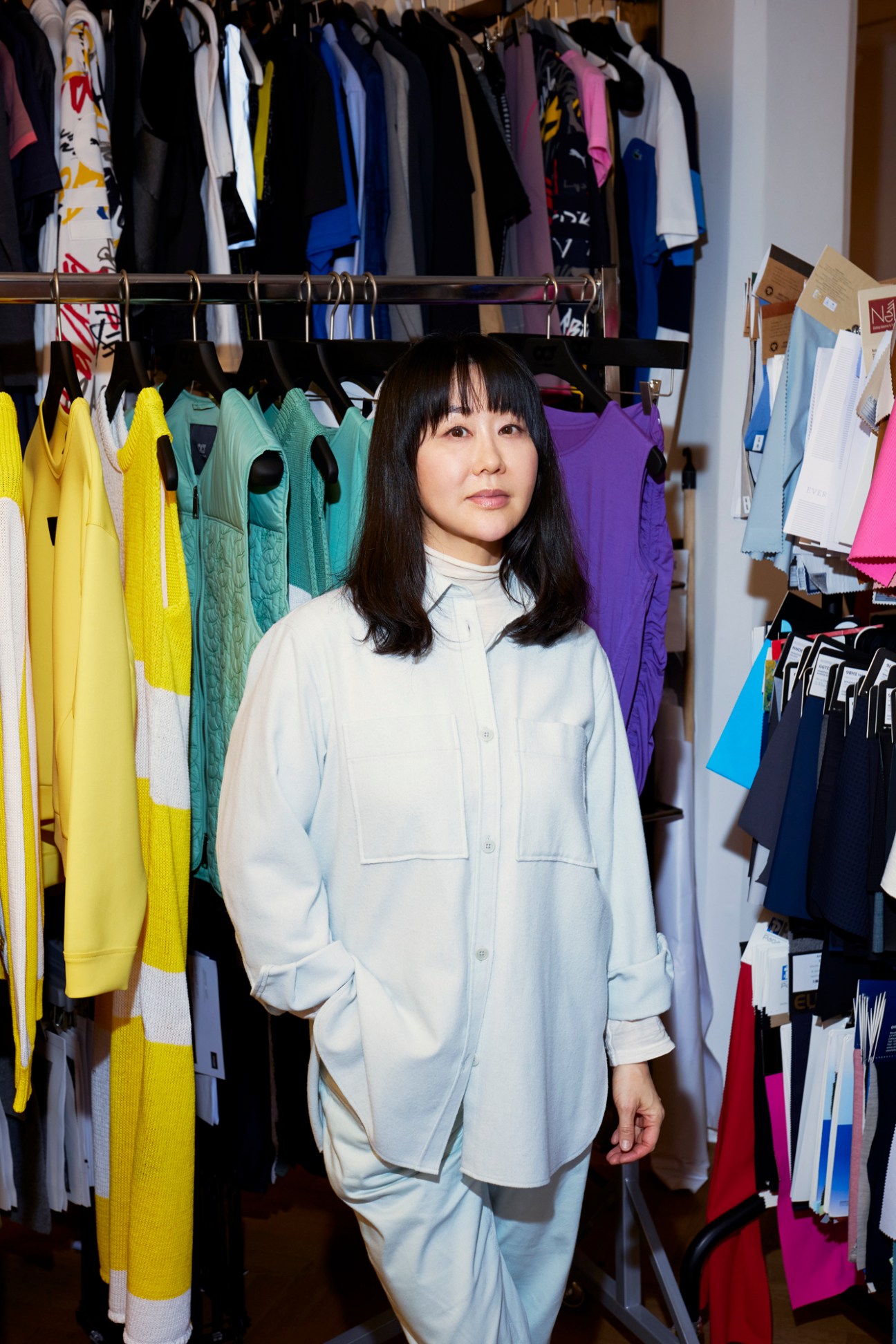
A former army barracks on the fringes of Salzburg is now home to Alphatauri’s HQ. The Red Bull-owned clothing label shares a name with the energy drink’s Formula One racing team but it’s not an affiliation that defines its designs. Creative director Mi-Kyong Yeom has made it her mission to navigate the brand to fashion greatness. She began her career designing in her native South Korea before taking on roles at Hugo Boss and Swiss fashion brand Akris.
In 2019 she took over at Alphatauri, where she has been working tirelessly to push it beyond its origins as a high-performance outerwear brand. For her latest collection, Yeom produced a particularly playful range that brings together bold colours and sophisticated cuts inspired by the work of Finnish mid-century master Alvar Aalto. Here, she talks about her creative vision for the brand and the path that led her from Seoul to become one of Europe’s most interesting talents.
How has Alphatauri changed since you took over?
Before I arrived, it was quite technical. I’ve tried to take the label to a more artistic place. The theme for my first collection was “beyond” because I wanted to take everything to the next level. Alphatauri’s focus used to be outerwear and I was trying to move beyond this while keeping the same DNA.
What exactly is Alphatauri’s DNA?
It’s functionality meets fashion. But it’s not a collaboration like Stella McCartney for Adidas, for example. It’s not two different things stuck together; it’s a unified vision. Staying true to your DNA is really important for a brand. That’s what I loved about 1990s fashion: every brand had its own signature. You could tell immediately if something was Jil Sander or Versace.
What are your aspirations for the brand?
We’ve already grown so much over the past two years and I really believe that Alphatauri can be the next Louis Vuitton or Hermès. I always say to my team, “We can be legendary in fashion; don’t forget it.”
Where do you find inspiration?
I go to museums and galleries not just to see things but to feel the energy. It’s like meditation. I go to libraries too; I love being surrounded by books. Listening to music, particularly David Bowie, also always inspires me.
In which ways did the work of Alvar Aalto inspire your new collection?
I was particularly inspired by his glassware, particularly the Aalto vase. I tried to use simple lines and interesting colours, like he always did in his work. We also share a philosophy of wanting to make the customer happy. When I was working on the collection, the pandemic was still raging and everyone was depressed. I wanted to create something fun and colourful that could cheer people up.
How has Europe influenced you?
From 2003 to 2007, I did a master’s at the Berlin University of the Arts. I had already been working as a designer in South Korea for 10 years. Berlin was so different back then, it was crazy. It was filled with creative people and I’d work with artists to make costumes for performances and installations. It was fun.
Spring forward
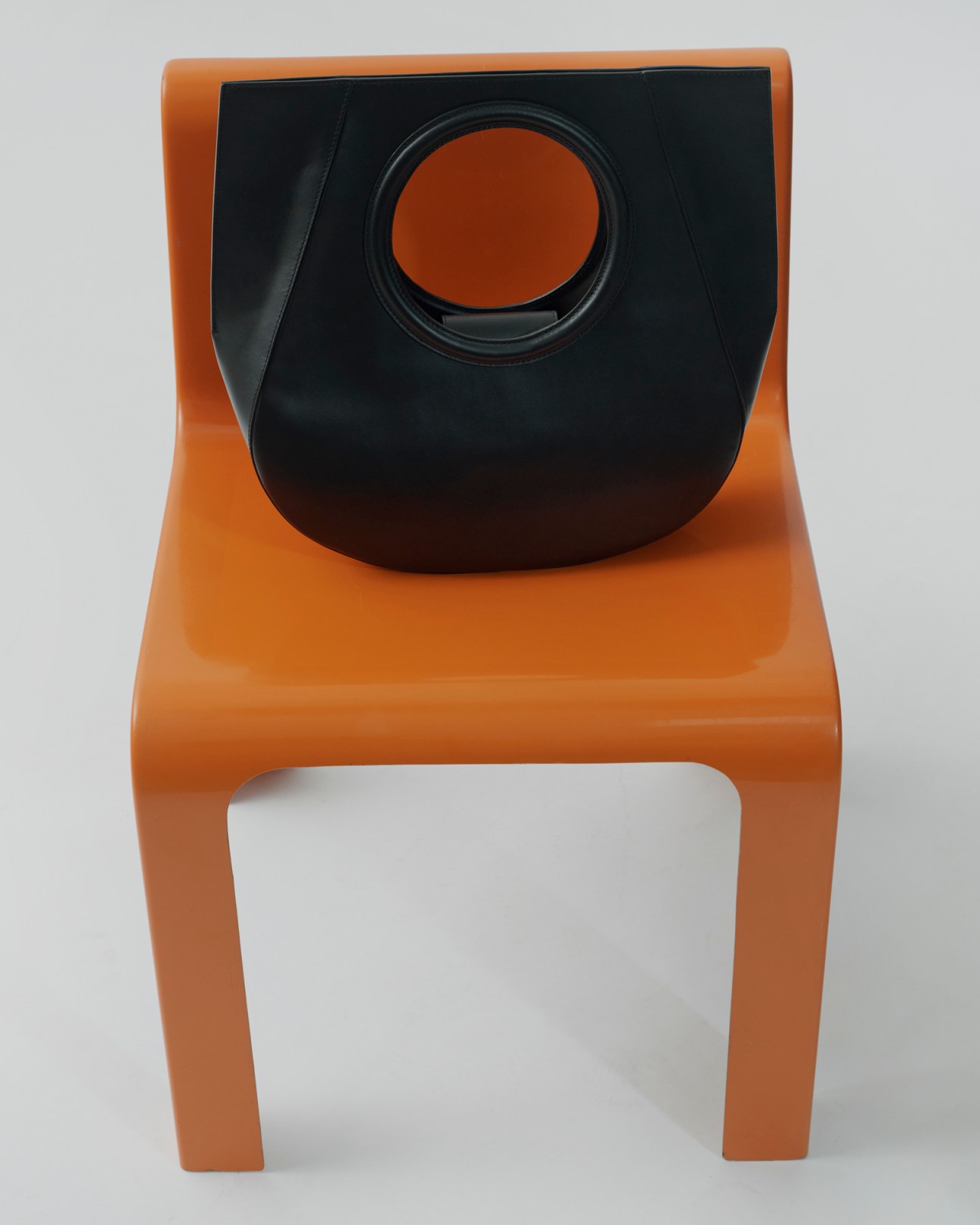
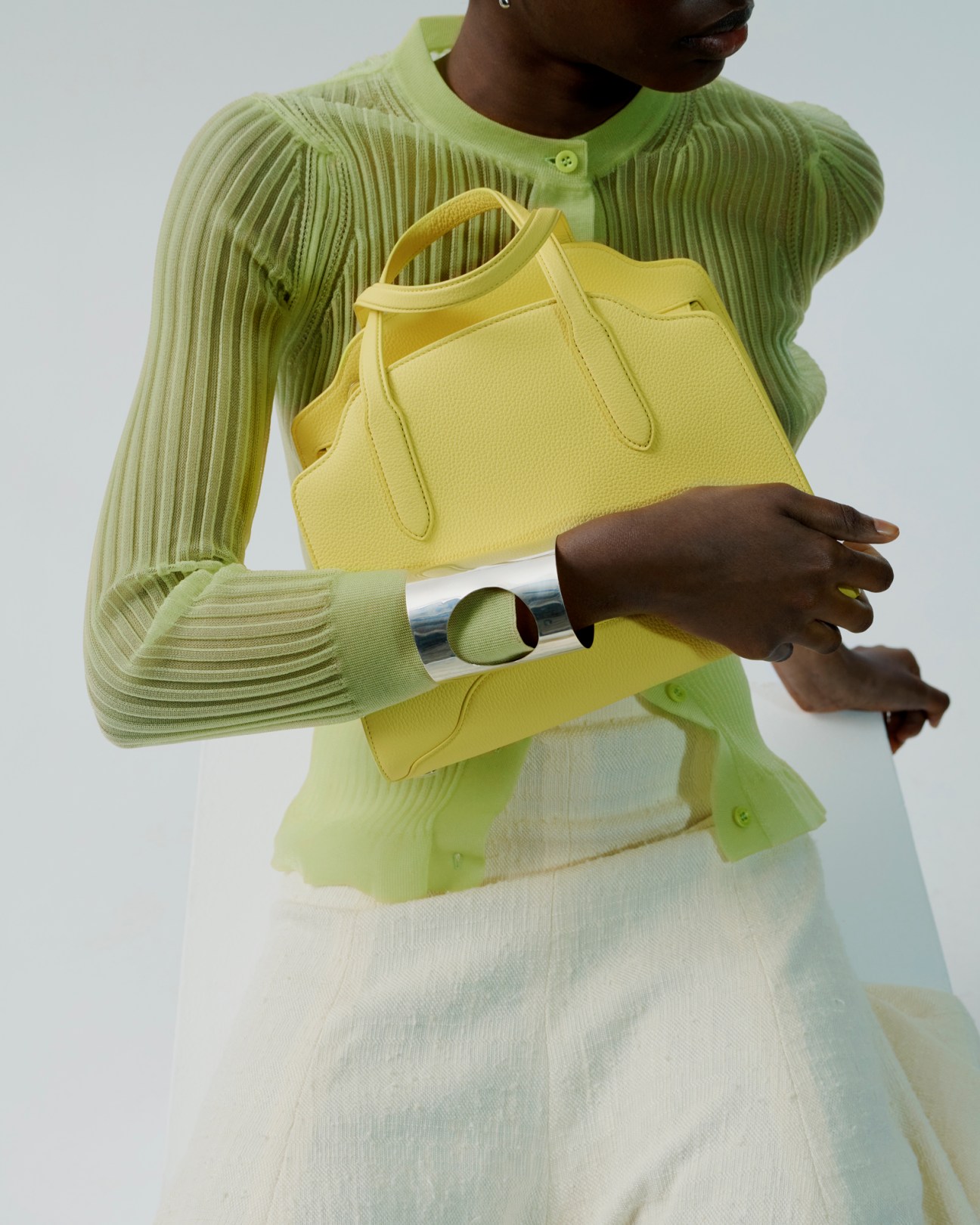
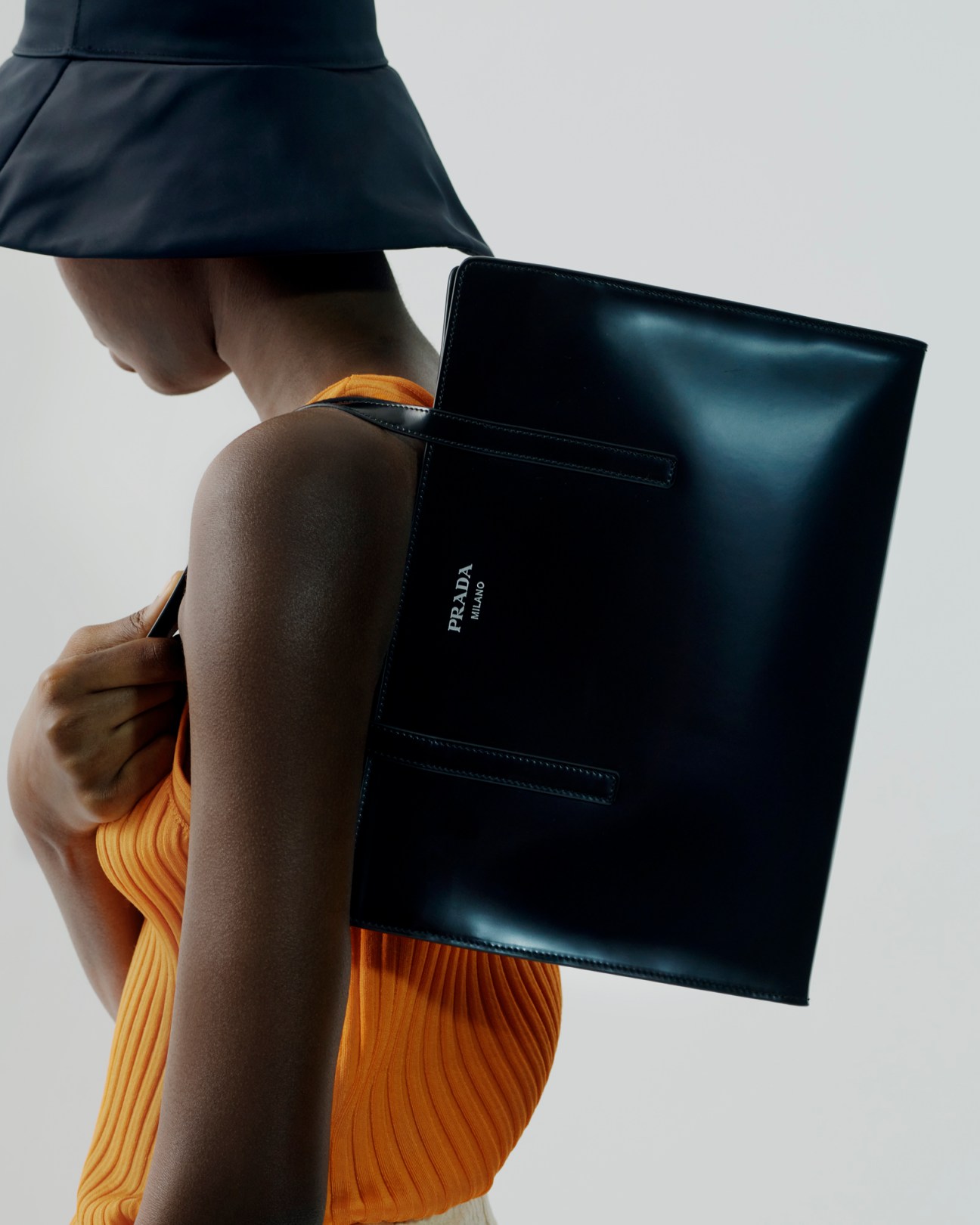


For more information about Konfekt – and to subscribe – head to konfektmagazine.com
On the button
1.
Best canny curators
8Division
Seoul
Behind a pared-back concrete shopfront in Seoul’s central Myeong-dong district lies menswear retailer 8Division. Here a loyal local audience comes to discover an immaculate – and frequently updated – range of South Korean and international brands, as well as 8Division’s in-house label.
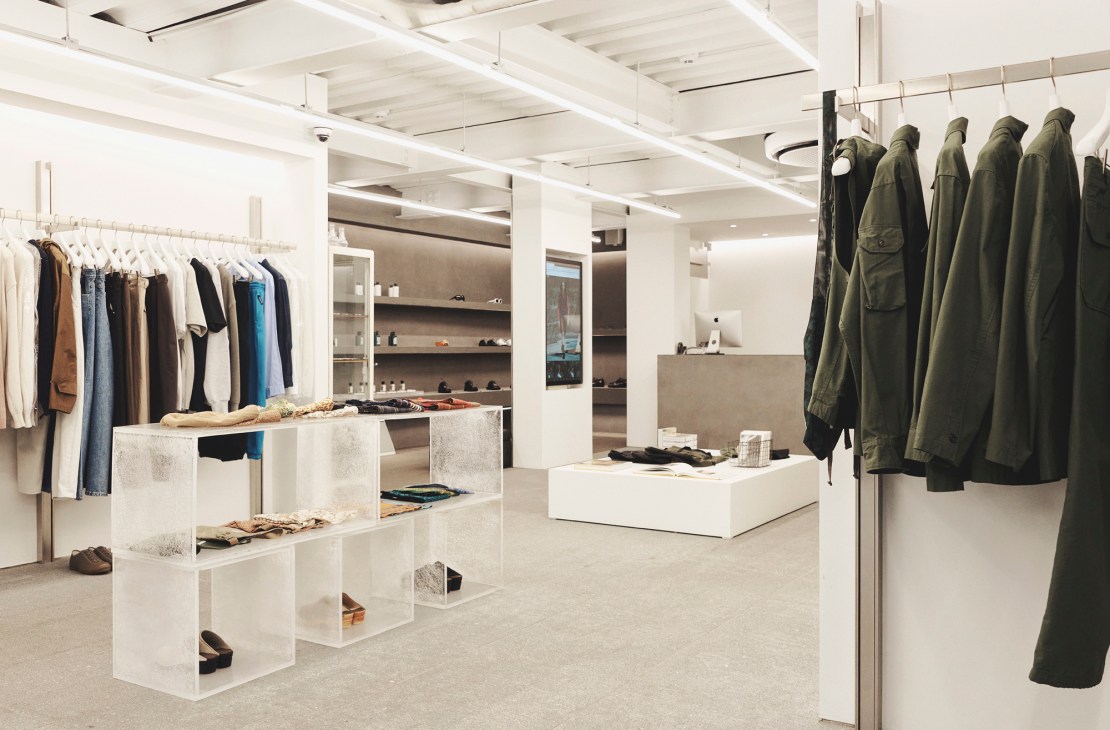
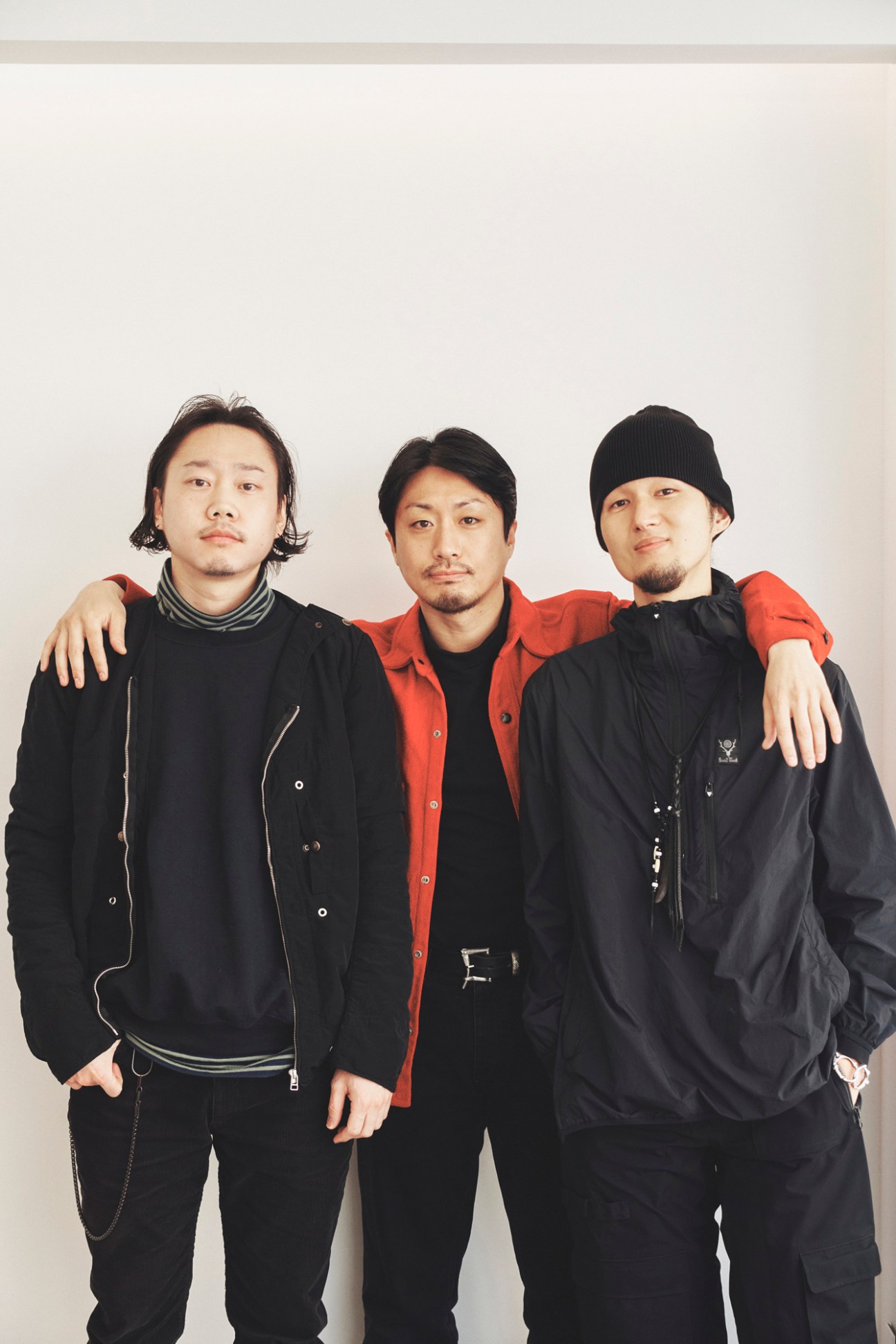
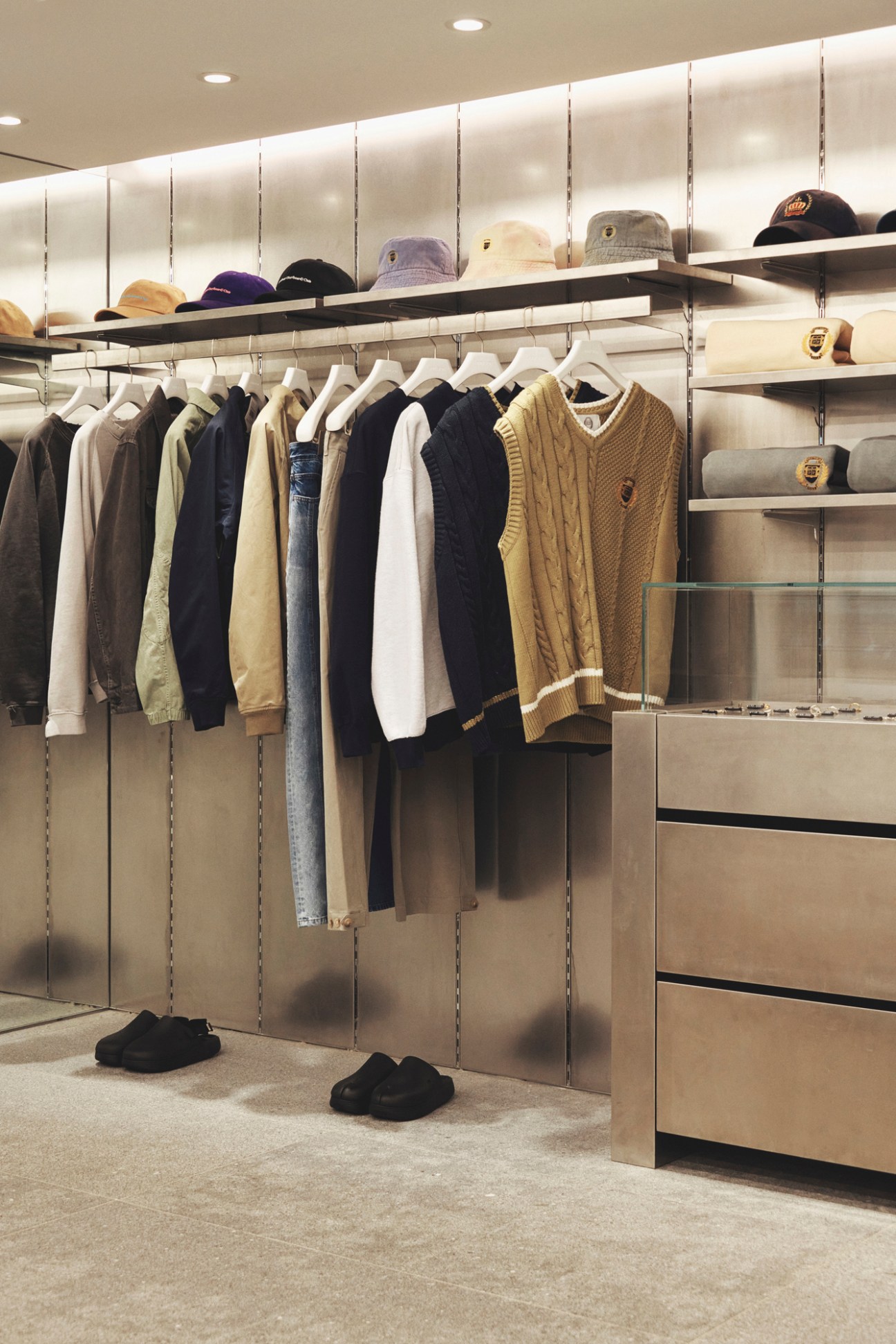
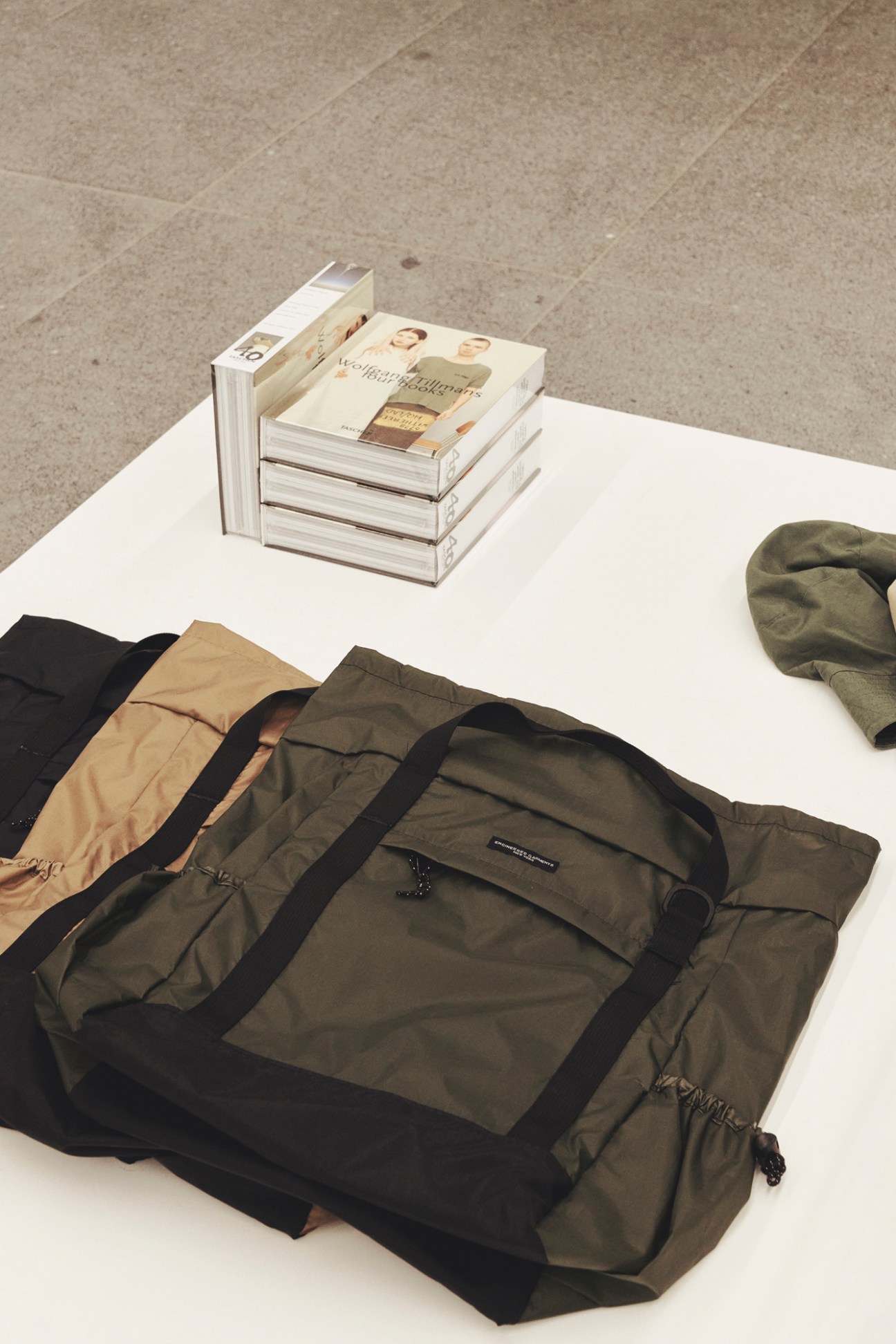
Strolling through the slick setup, it’s hard to believe that when the business was born in 2011, it was a slapdash website for secondhand fashion, run by three students in their twenties. “We travelled around the country to find vintage pieces from American and European designers,” says Shingu Heo, who founded 8Division with Inchan Oh and Sangho Park. “We didn’t make any money but it was a fun way to share favourite clothes, culture and music.”

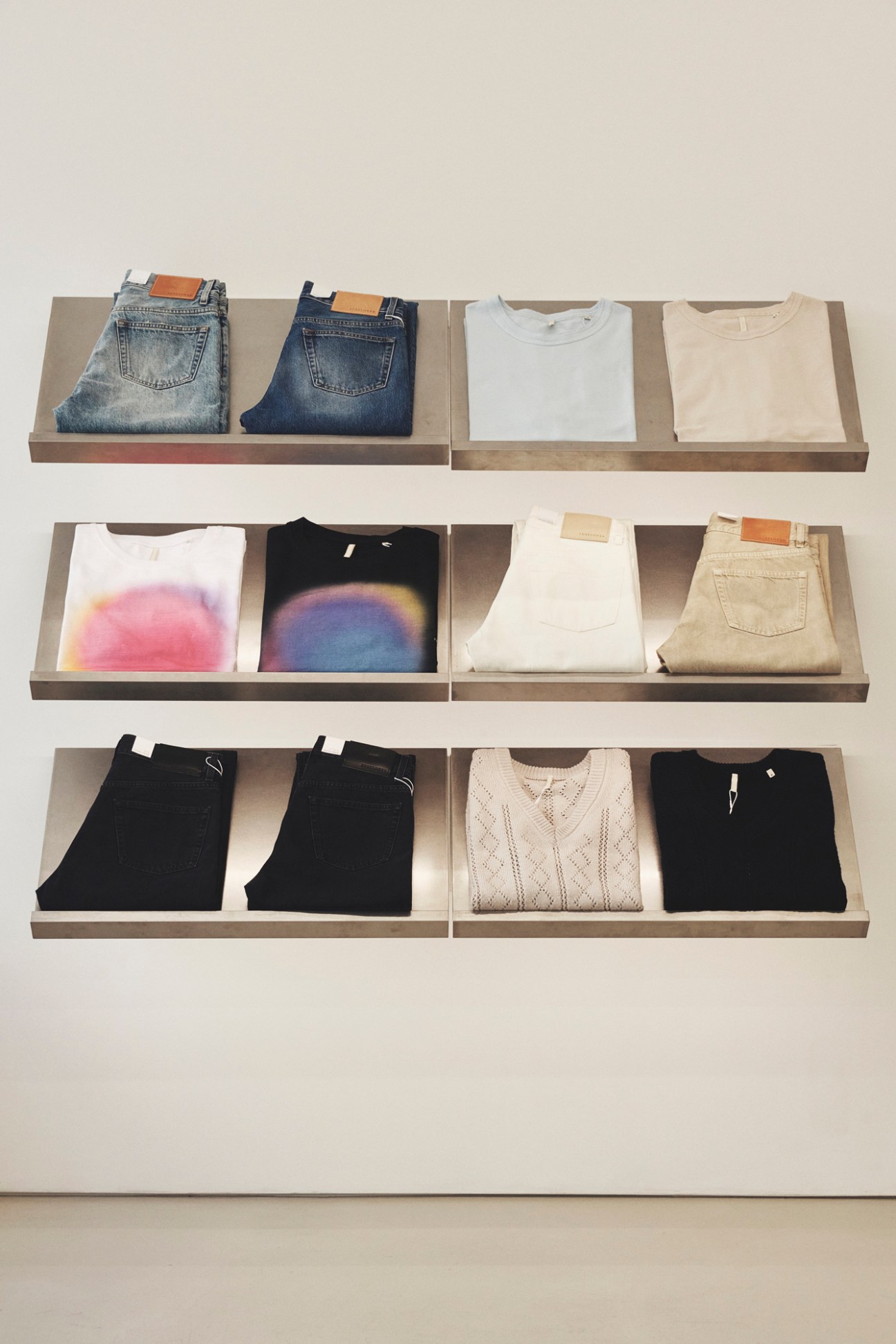

Today, 8Division stocks more than 100 high-fashion brands, but the spirit remains the same. The trio’s focus is on finding the best craftsmanship from around the world, whether that is a performance-fabric suit from Japanese brand Nanamica or wooden clogs from Swedish shoe-maker Troentorp. Meanwhile, the namesake collection consists of menswear staples inspired by the vintage garments the friends used to look for at flea markets.
8division.com
2.
Best reimagined tailoring
Brioni
Italy
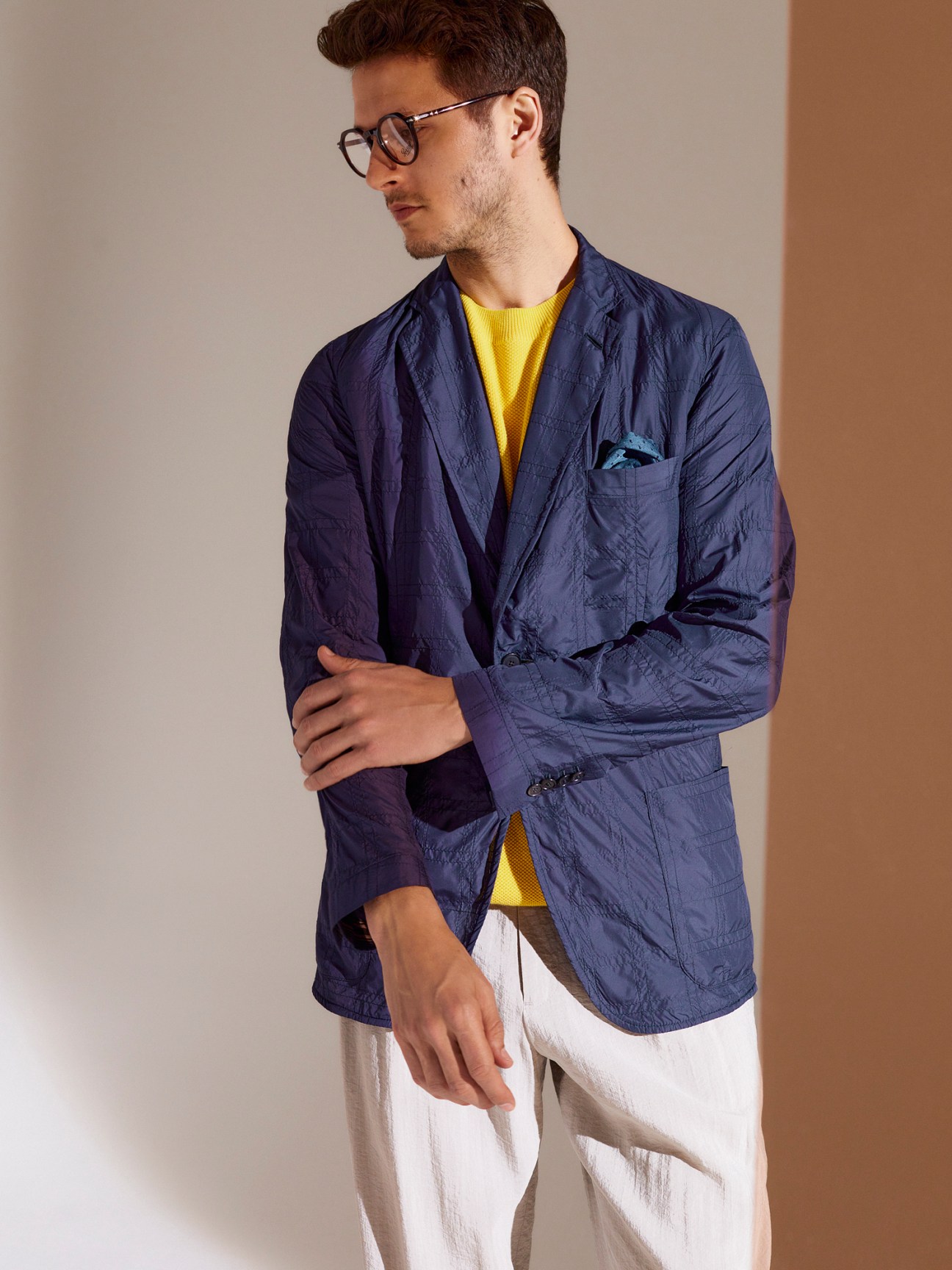
Brioni has been evolving its tailoring know-how and adding a fresh, smart-casual flair to the classic suit. This navy blazer, updated with a more technical, crinkled fabric, feels as easygoing as sportswear but adds a more refined touch to relaxed daywear looks.
brioni.com
Jacket and pocket square by Brioni,
Jumper by Richard James,
Trousers by Emporio Armani,
Glasses by Persol
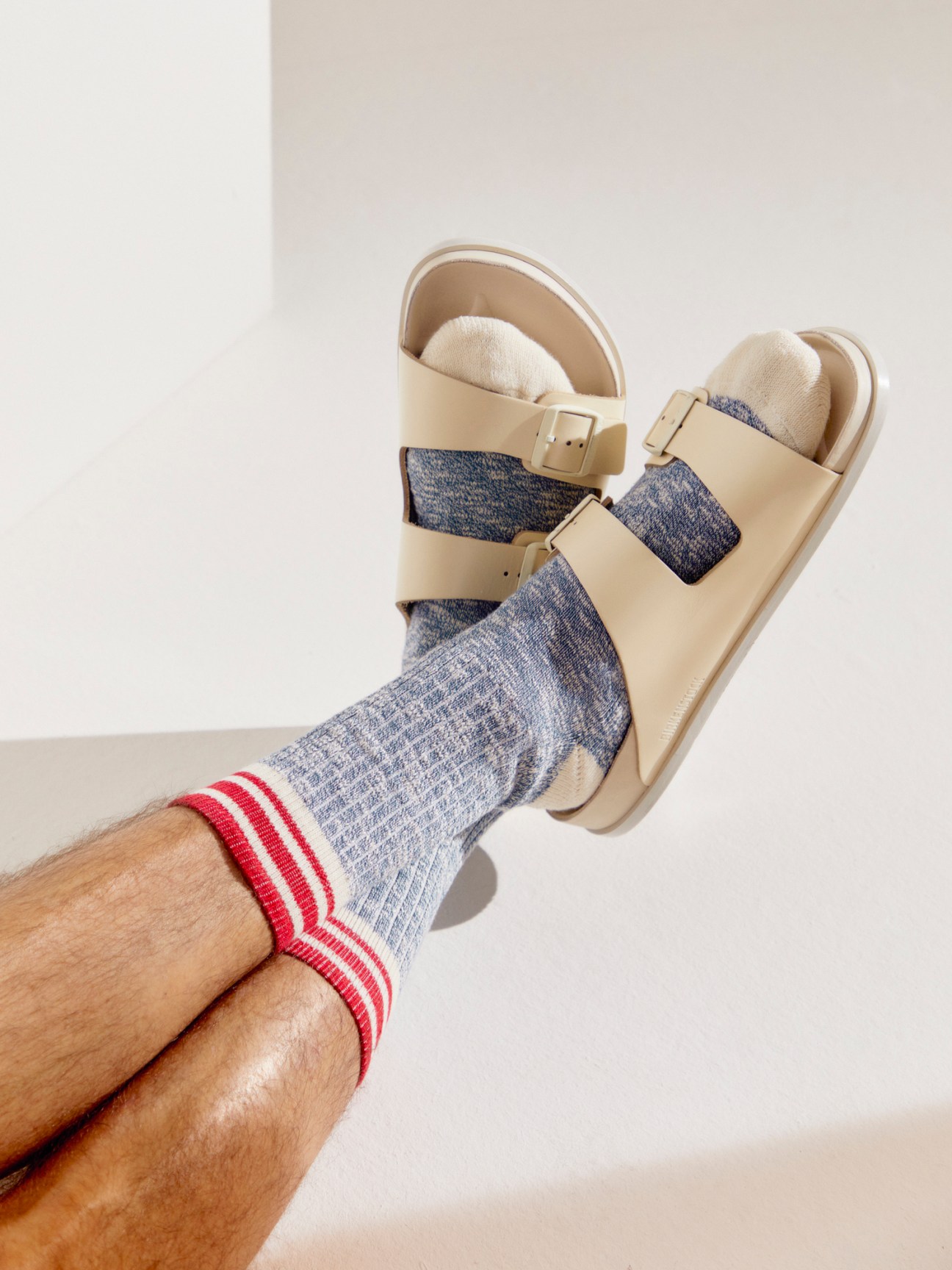
3.
Best socks
Ivy Ellis
UK
Ivy Ellis socks combine Ivy League and vintage sportswear references with colourful stripes and subtle colour-block patterns that look good peeking out below the hems of chinos or paired with Birkenstocks.
ivy-ellis.co.uk
Socks by Ivy Ellis,
Sandals by Birkenstock
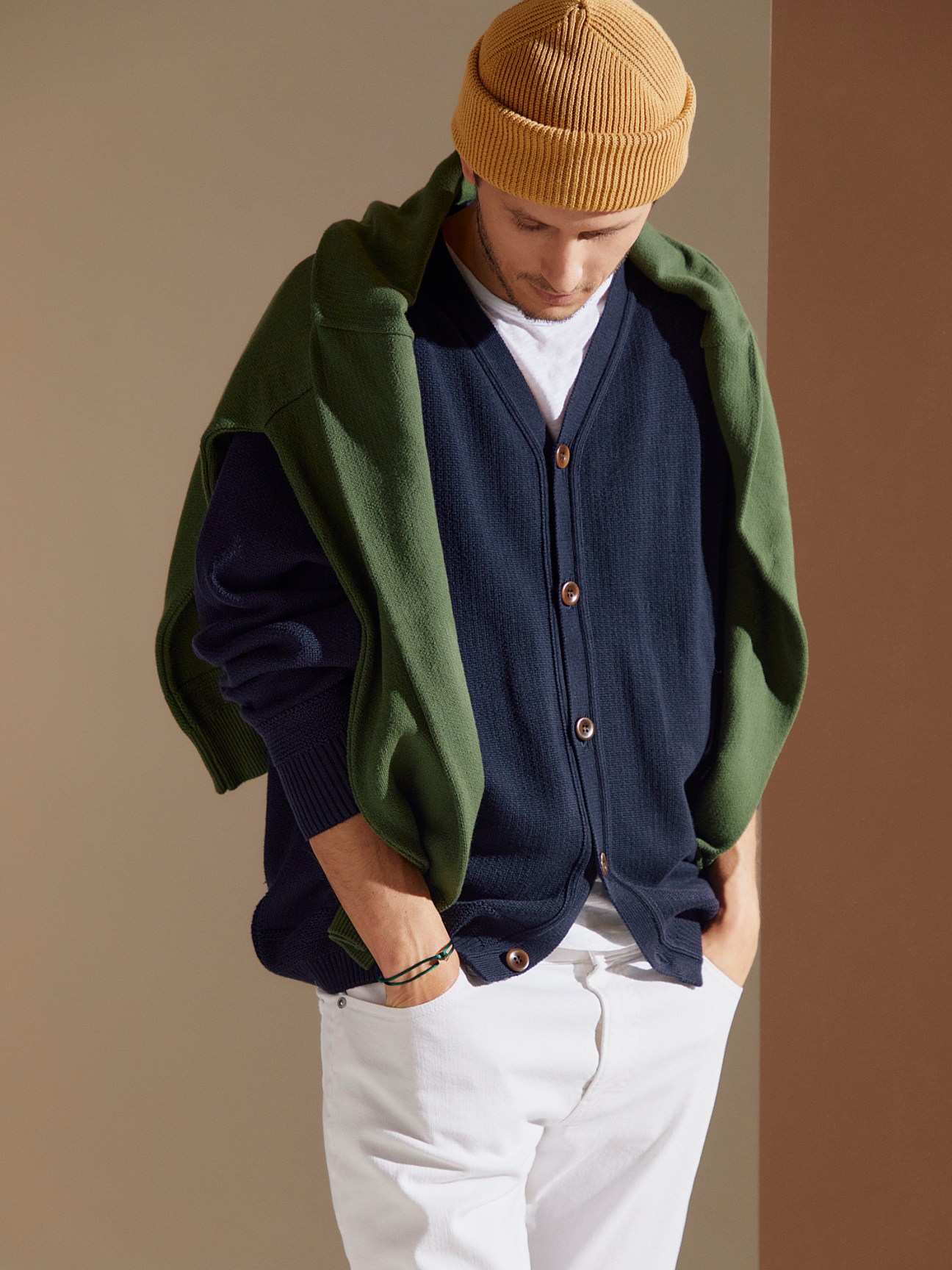
4.
Best knitwear
The English Difference
UK
As the name suggests, The English Difference, founded by London concept shop Garbstore, is dedicated to celebrating all things British and “Made in England”. Its Beacon cardigan references vintage military knitwear, reworked for today with an oversized silhouette and ribbed trims.
Cardigan, jumper and beanie by The English Difference from Couverture & The Garbstore,
T-shirt by Sunspel,
Jeans by Brooksfield,
Bracelet by The Mechanists
5.
Best diy trainer repair
VYN Switzerland
Basel
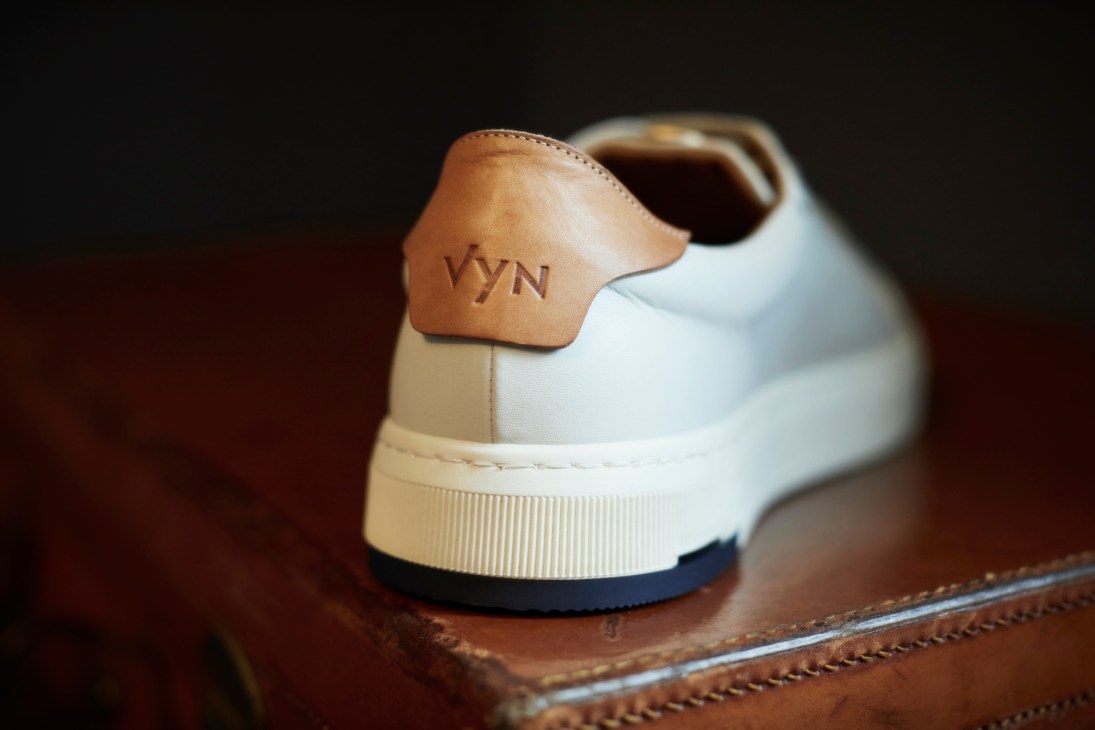
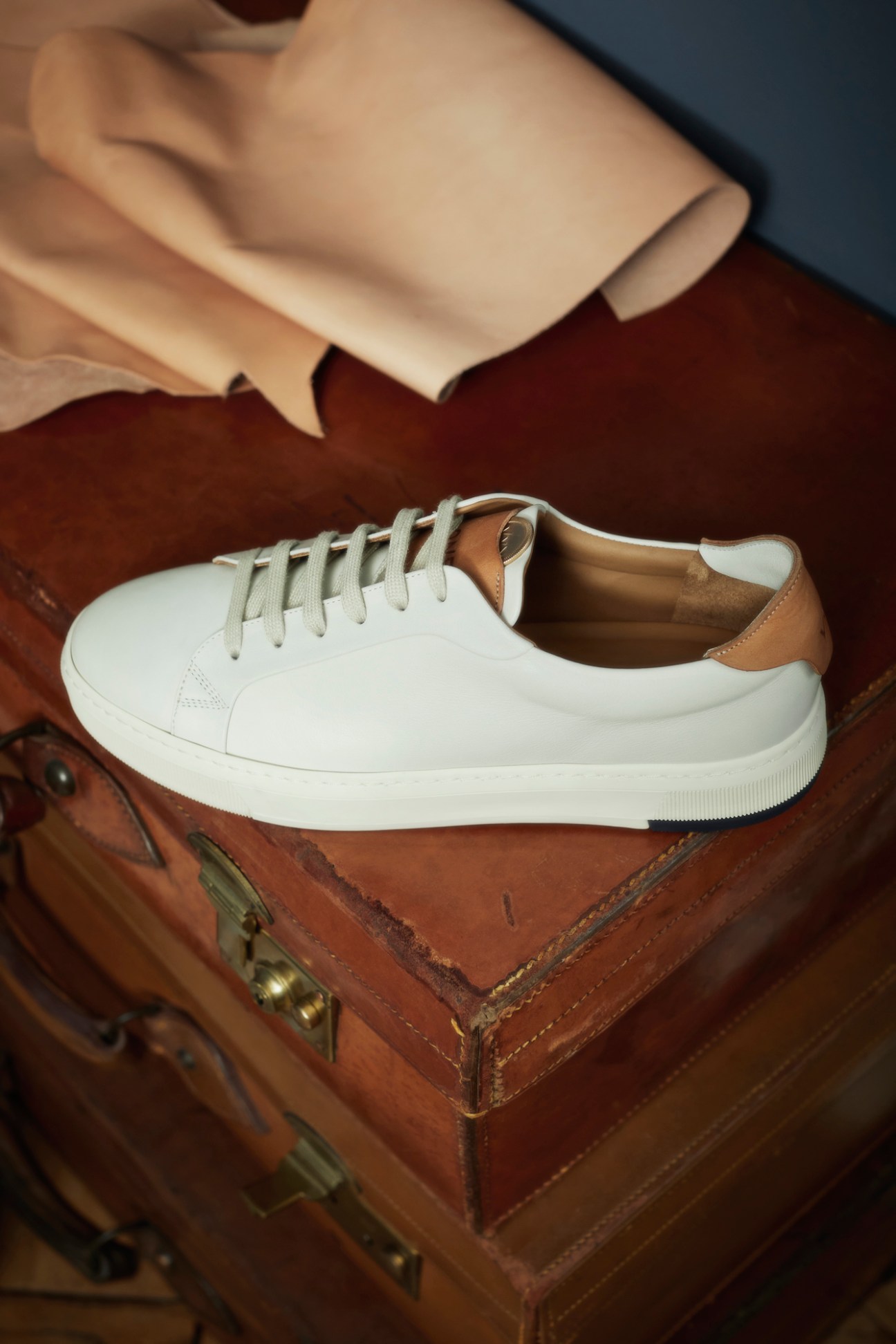
VYN is the Swiss name behind the world’s first “repairable” sneaker. “We designed and re-engineered the sneaker’s vulnerable parts in a way that you can change them yourself,” explains Catherine Meuter, co-founder and Creative Director of VYN. Indeed, all you need is a coin to help pop out the worn-out heel piece and insert a new one. The other frequently worn-out spot at the back of the leather trainer, known as the heel counter, is also replaceable. The heel sets come in different colours and are available through the vyn online store.
“VYN is a combination of Swiss innovative spirit, Scandinavian minimalist design, Japanese wabi-sabi, which means beauty in imperfection, and an appreciation for Italian craftsmanship,” says Meuter. After spearheading Giorgio Armani’s shoe collections for years, Meuter decided that it was time to disrupt the trainer industry – one of the most polluting in the fashion world. “The problem is the annual overproduction of sneakers that become obsolete after just one season and end up in a landfill.” Handcrafted in northern Italy, the VYN Classic model is unisex and comes in off-white, taupe and chocolate brown.
vyn.one
6.
Best independent shop
Stoy
Aarhus
From the outside, Stoy appears to be the modest-sized fashion boutique you would expect to find in Aarhus, Denmark’s second city. But follow the staircase downstairs, into what was previously a hotel basement bar, and you will discover a sprawling selection of clothing and accessories to rival that of the best retailers in Copenhagen.
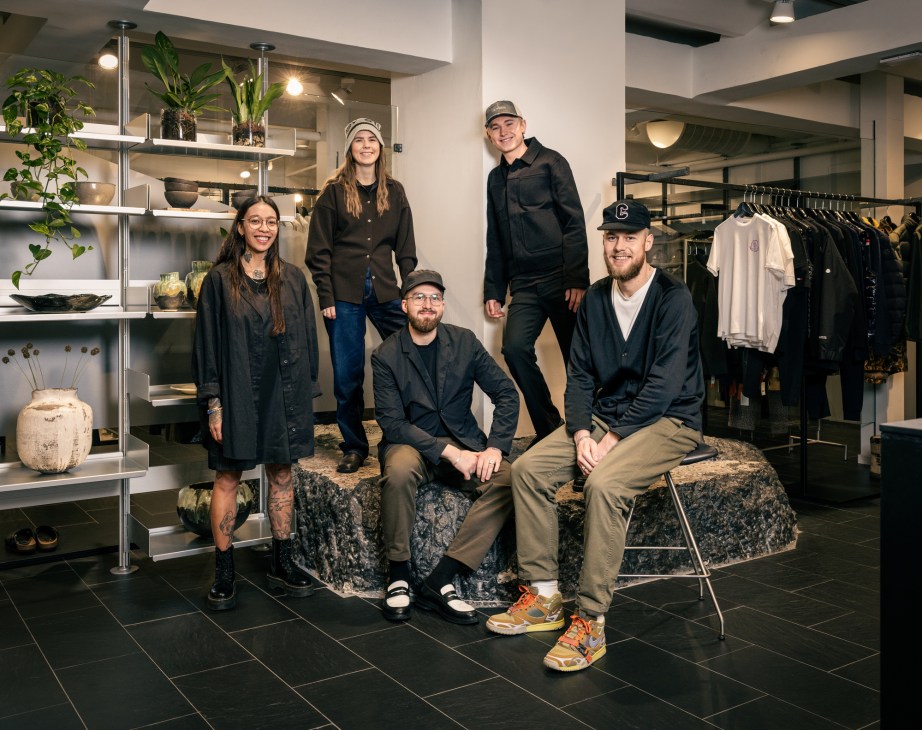
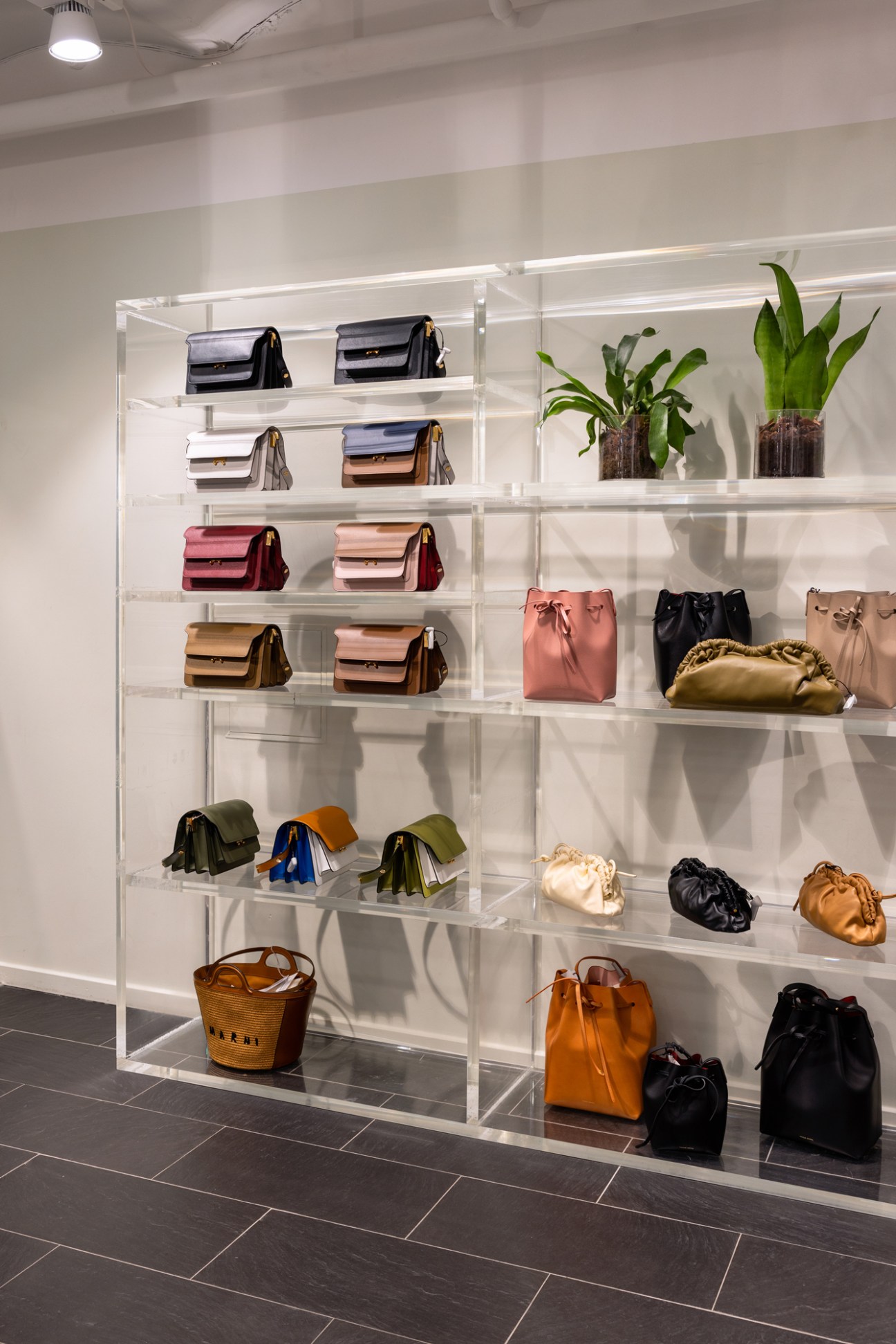
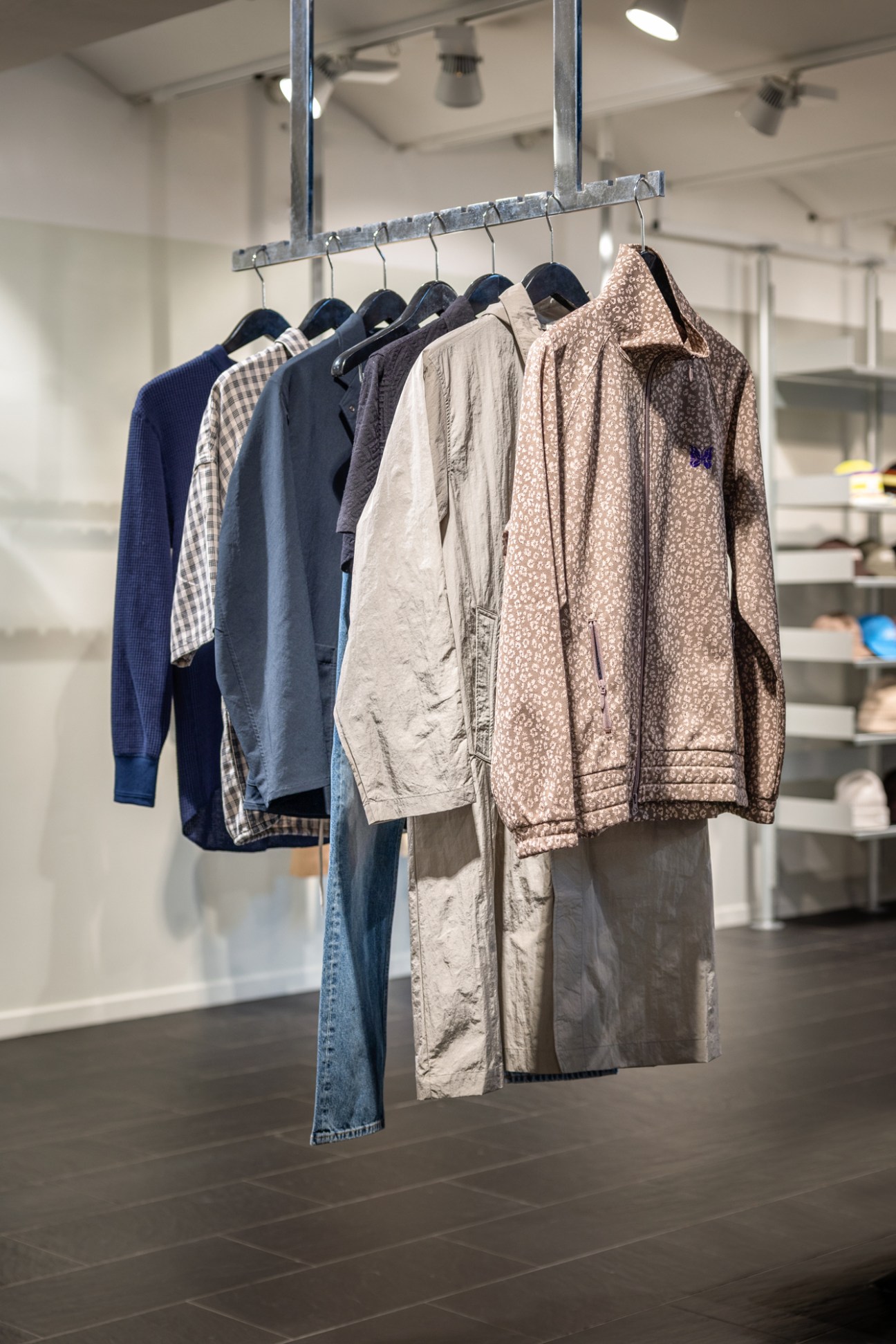
“It has taken a while to grow this,” says Aarhus native Jakob Støy, who founded the shop with his father Torben 15 years ago. “But we’re now exactly where we want to be.” Stoy stocks about 60 brands, from big names such as Jil Sander and Issey Miyake to up-and-coming Danish labels such as Division, which makes casualwear from deadstock fabrics.
Støy doesn’t set aesthetic boundaries when buying for the shop but craftsmanship and a sense of exclusivity are top of his agenda. “We always go with our gut,” says the founder. “But the brand has to have the right strategy for us: they should be selling in only a select few stores.”
Online retailing is another key part of the business. Curiously, its site has amassed a cult following in South Korea, where small, cutting-edge Danish fashion brands are coveted.
For Støy, this reflects a broader trend where shoppers, tired of multinationals with never-ending catalogues, are turning to local shops. “It’s a big moment for stores like ours that have small but perfect selections,” says Støy. “Our concept is quality.”
stoy.com
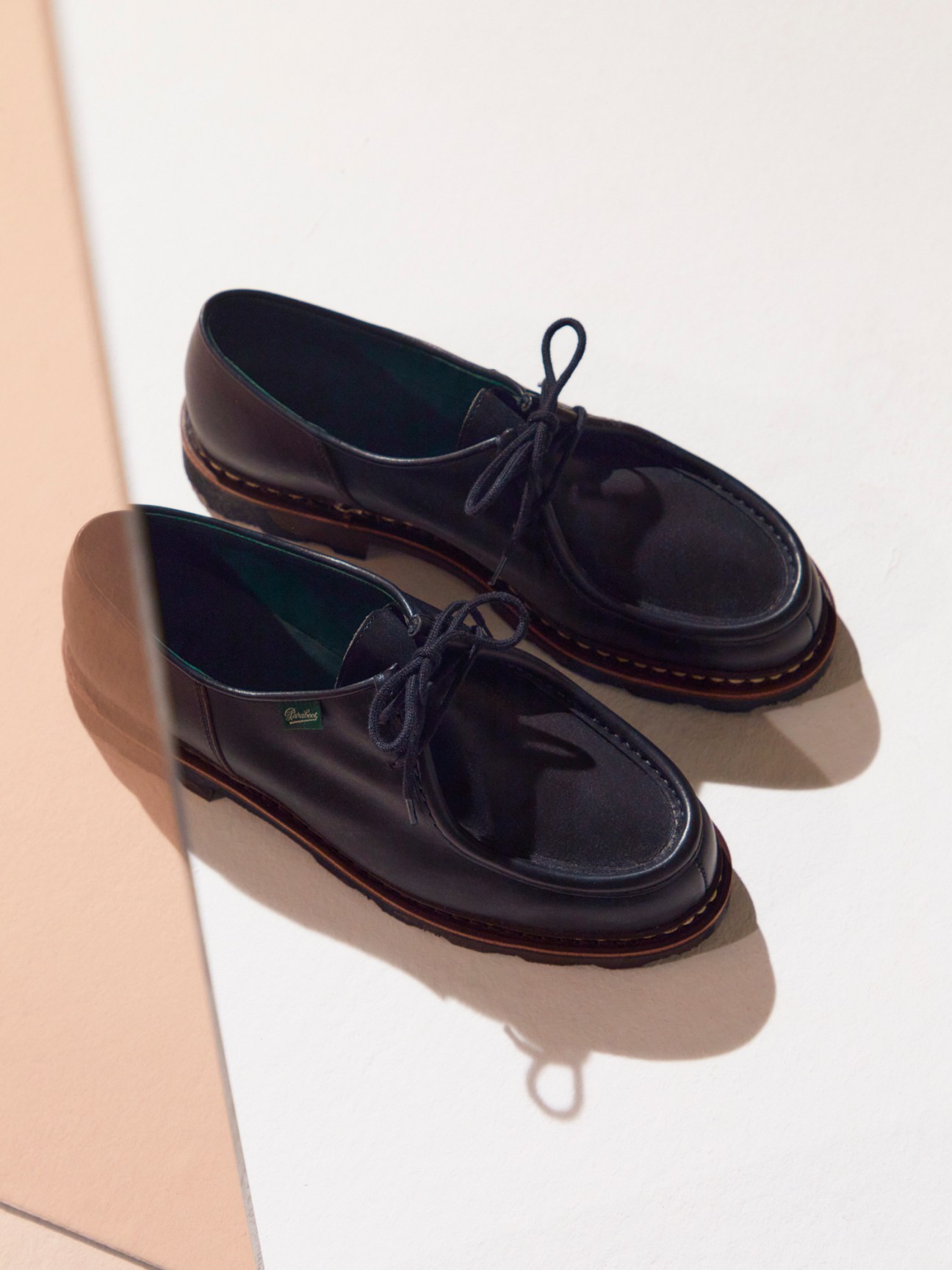
7.
Best no-waste footwear
Paraboot
France
Paraboot, a French label known for creating beautiful products with fastidious attention to detail, has pushed its manufacturing team to make a handsome new shoe that draws upon recycled rubber and off-cut leather strips. Debuted at Pitti Uomo in January, the shoe will be in shops in September – be sure to reserve yours.
paraboot.com
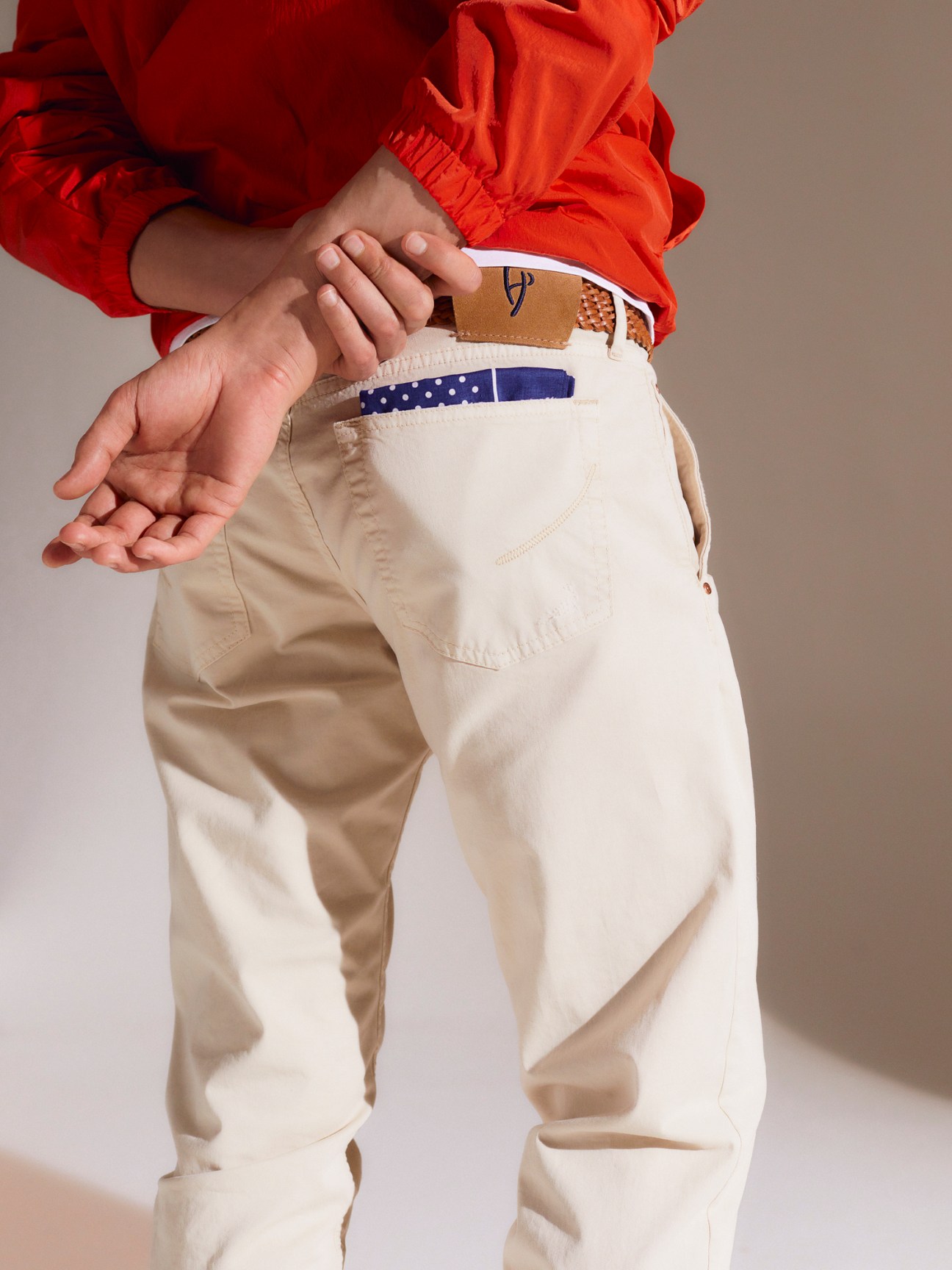
8.
Best denim
HandPicked
Italy
Located in Adria, Europe’s region for denim production, HandPicked adds Italian craft with handmade details, low-impact materials and a modern fit. This white pair, with a subtle swirl on the back pocket, is a spring treat.
handpicked.it
Jacket by Brooksfield,
T-shirt by Sunspel,
Jeans by HandPicked,
Belt by Tod’s,
Bandana by Labour and Wait
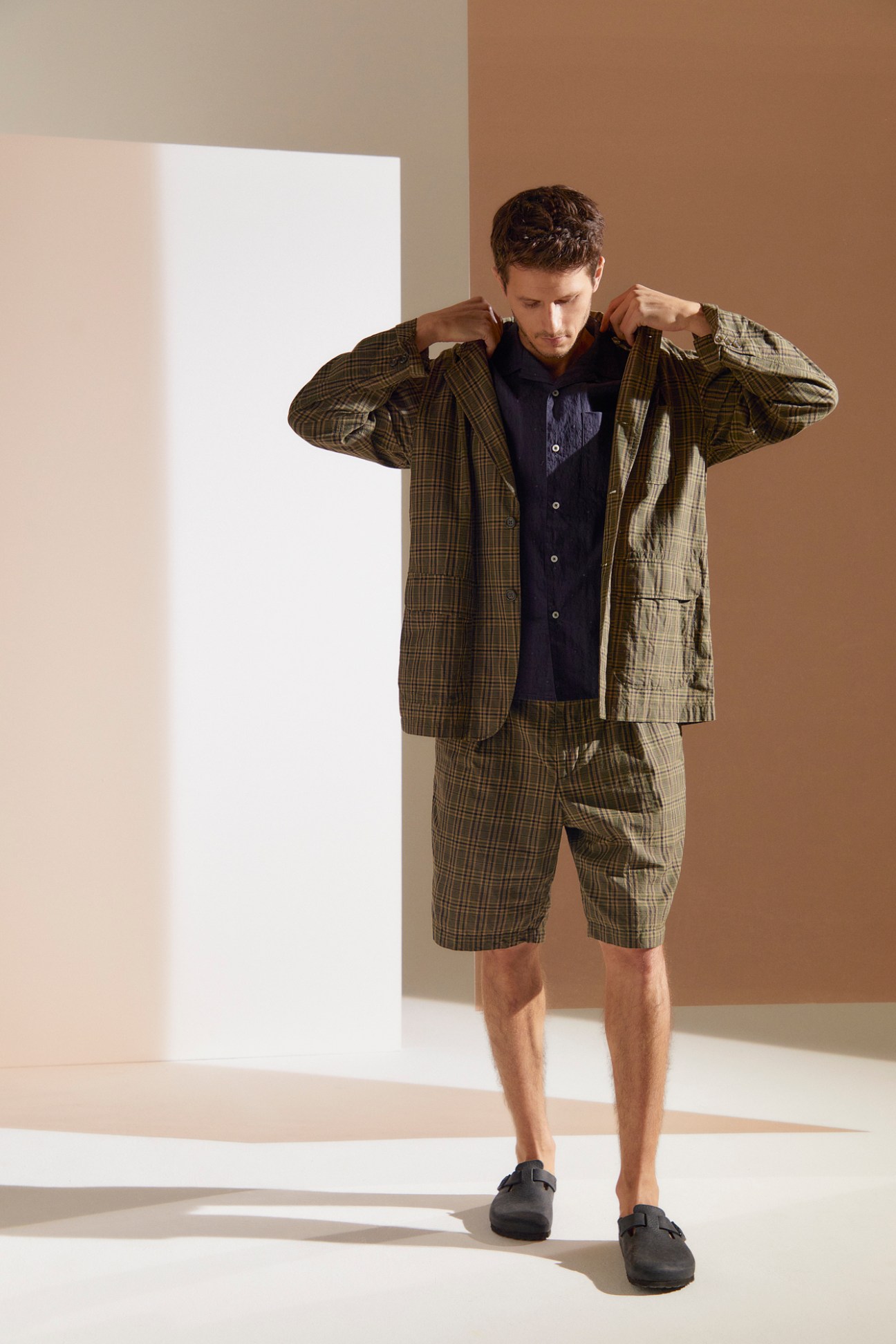
9.
Best check ensemble
Engineered Garments
New York
Relaxed tailoring is ubiquitous this spring and Engineered Garments, the New York-based label founded by Daiki Suzuki, is offering its own playful take with this check shorts- suit. Cut in a relaxed, oversized shape and featuring large, utilitarian front pockets, it strikes a fine balance between smart and casual.
engineeredgarments.com
Jacket and shorts by Engineered Garments,
Shirt by A Kind of Guise sandals by Birkenstock
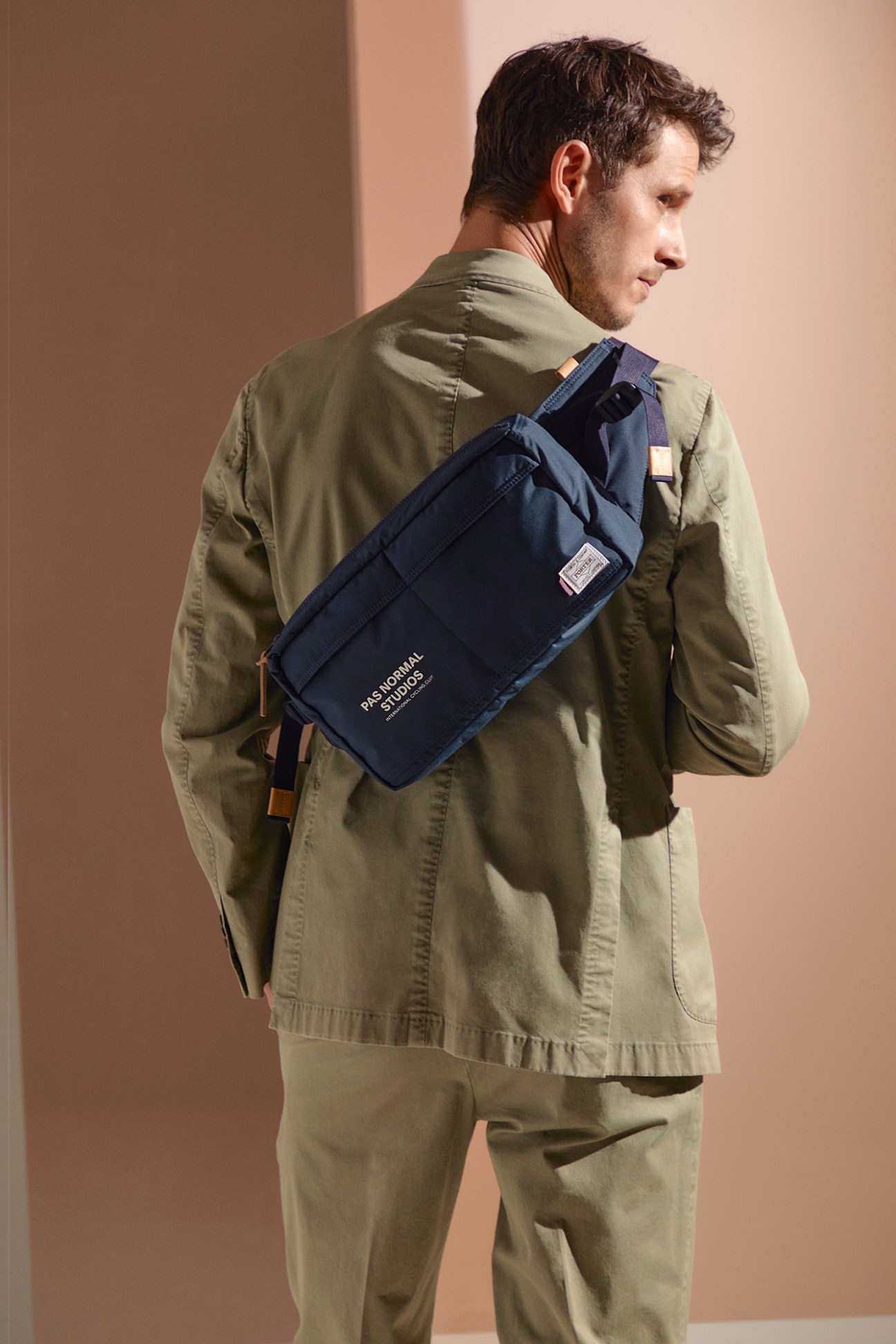
10.
Best day bag
Pas Normal Studios
Copenhagen
Copenhagen-based Pas Normal Studios strives for perfection when it comes to its technical performance wear and accessories. Its Porter waist bag considers even the smallest of details: plenty of external and internal pockets, adjustable straps and an oversized buckle. The matte navy finish and minimalist logo add a design edge.
pasnormalstudios.com
Jacket and trousers by Boglioli,
Waist bag by Porter for Pas Normal Studios
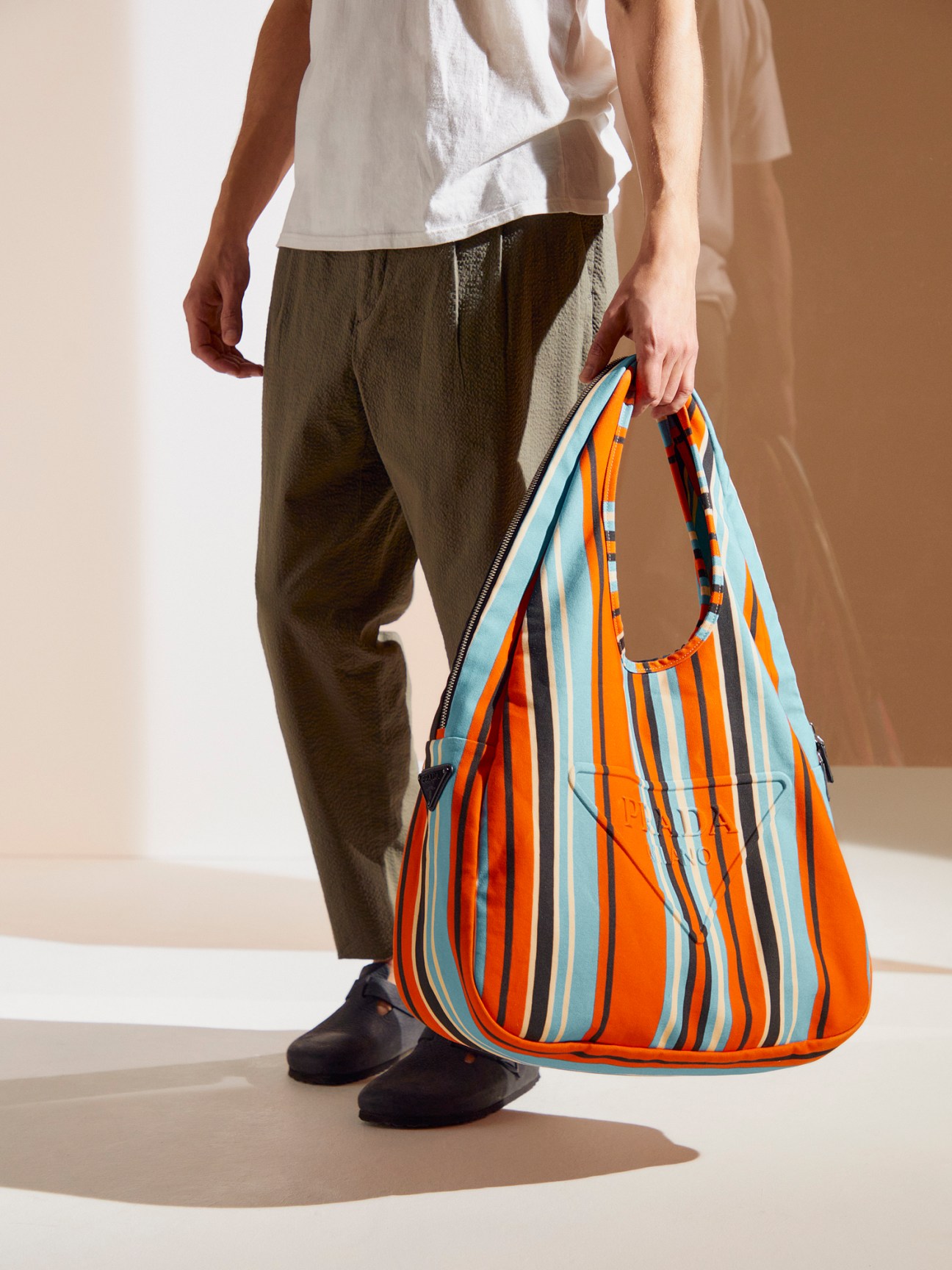
11.
Best beach gear
Prada
Italy
In the spirit of optimism, Prada is embracing summer. Referencing “archetypes of beach imagery”, co-creative directors Miuccia Prada and Raf Simons offer their twist on the classic beach tote with this bright striped canvas version.
prada.com
T-shirt by Meta Campania Collective,
Trousers by Brooksfield,
Sandals by Birkenstock, bag by Prada
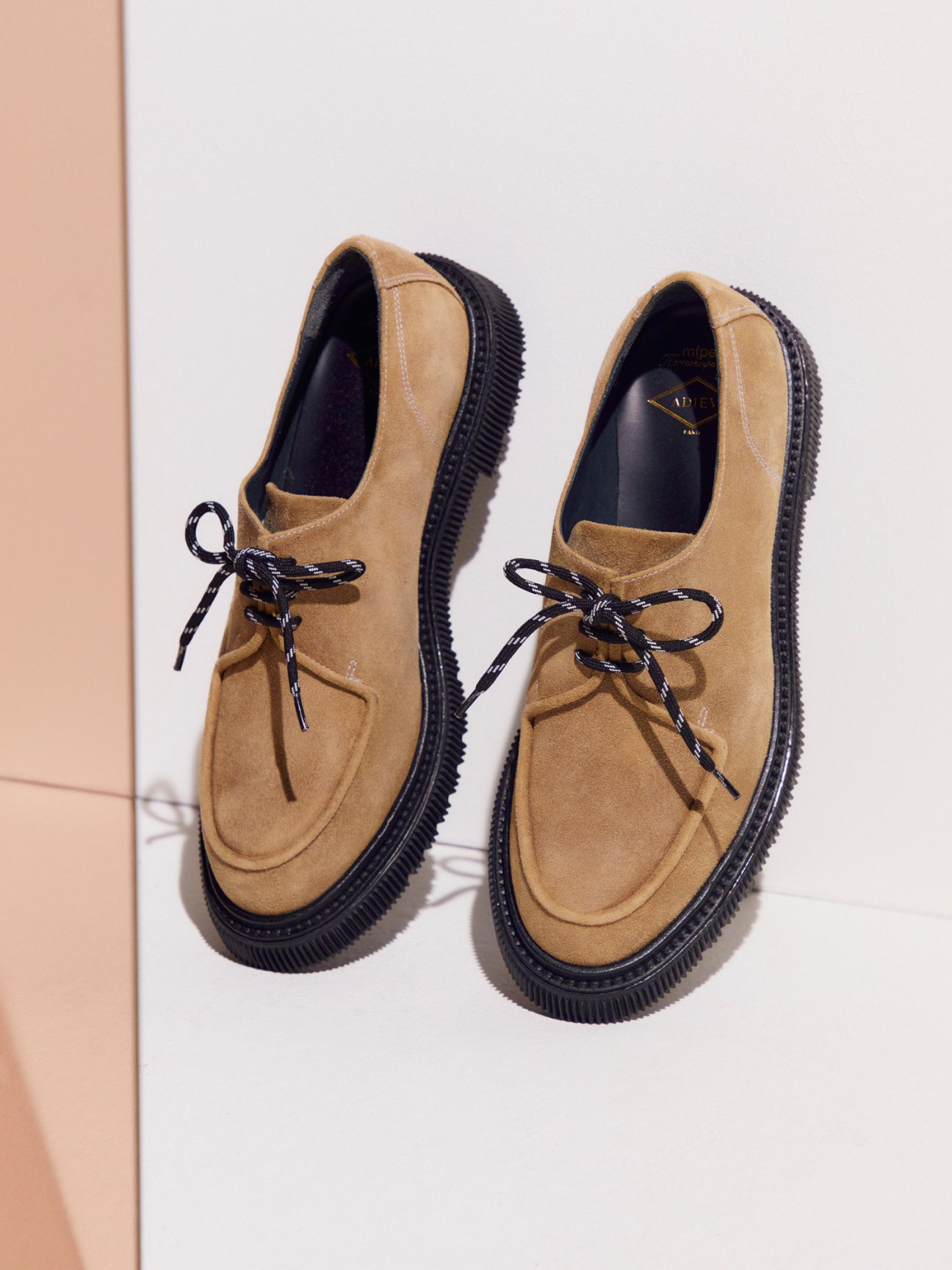
12.
Best shoe that thinks it’s a trainer
Adieu x Mfpen
Copenhagen
Danish label Mfpen joined forces with footwear brand Adieu to create its own take on the derby shoe. The result is Type 179, a modernist reinterpretation, updated with contrast stitching, front piping and rugged rubber soles, to offer the wearer the same comfort levels as trainers.
mfpen.com
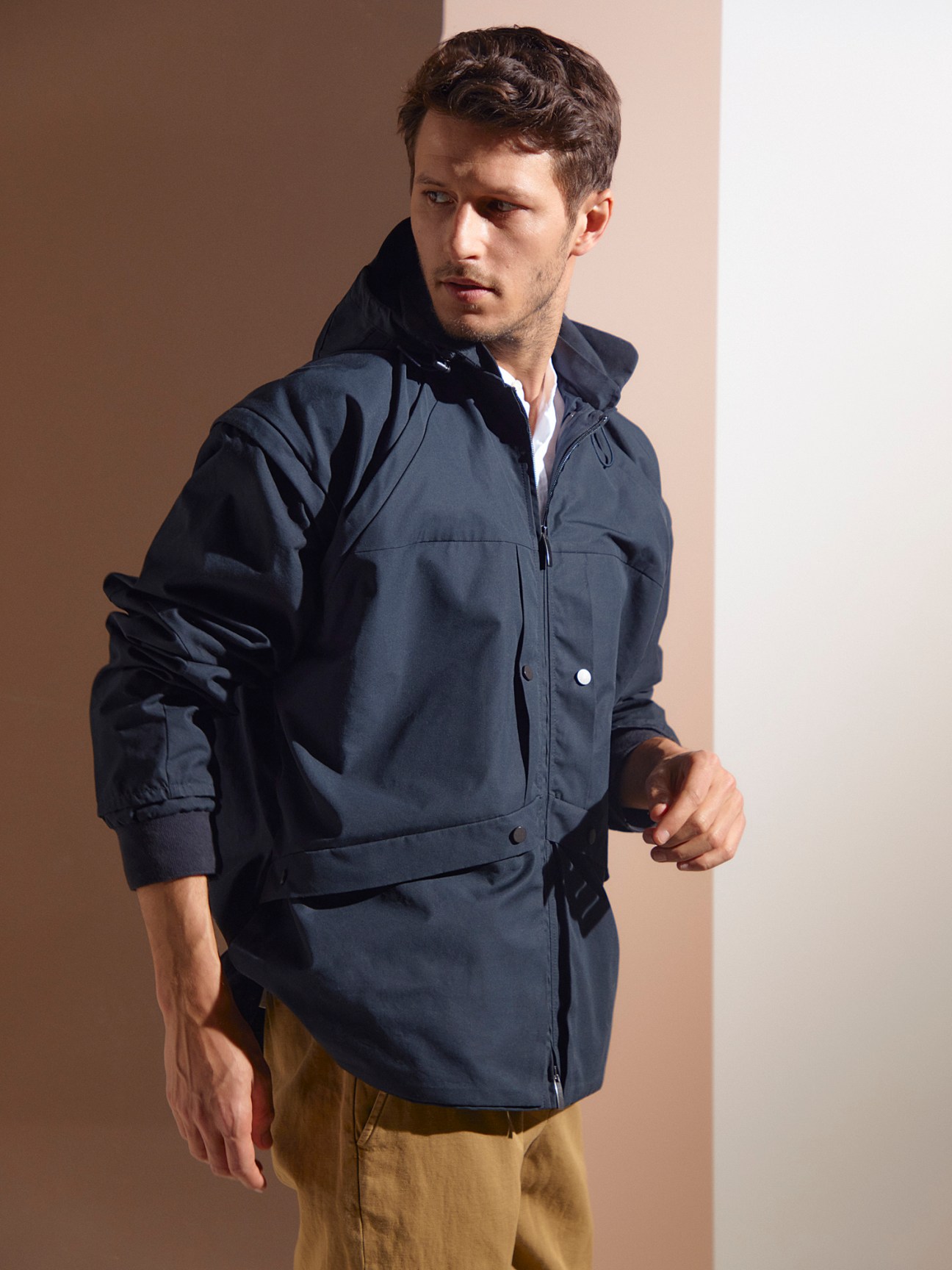
13.
Best urban staple
Konundrum
Frankfurt
Konundrum’s Quarzit jacket combines a hood and collar to transcend dress codes.
konundrum.de
Jacket by Konundrum,
Shirt by Officine Générale,
Trousers by Loro Piana
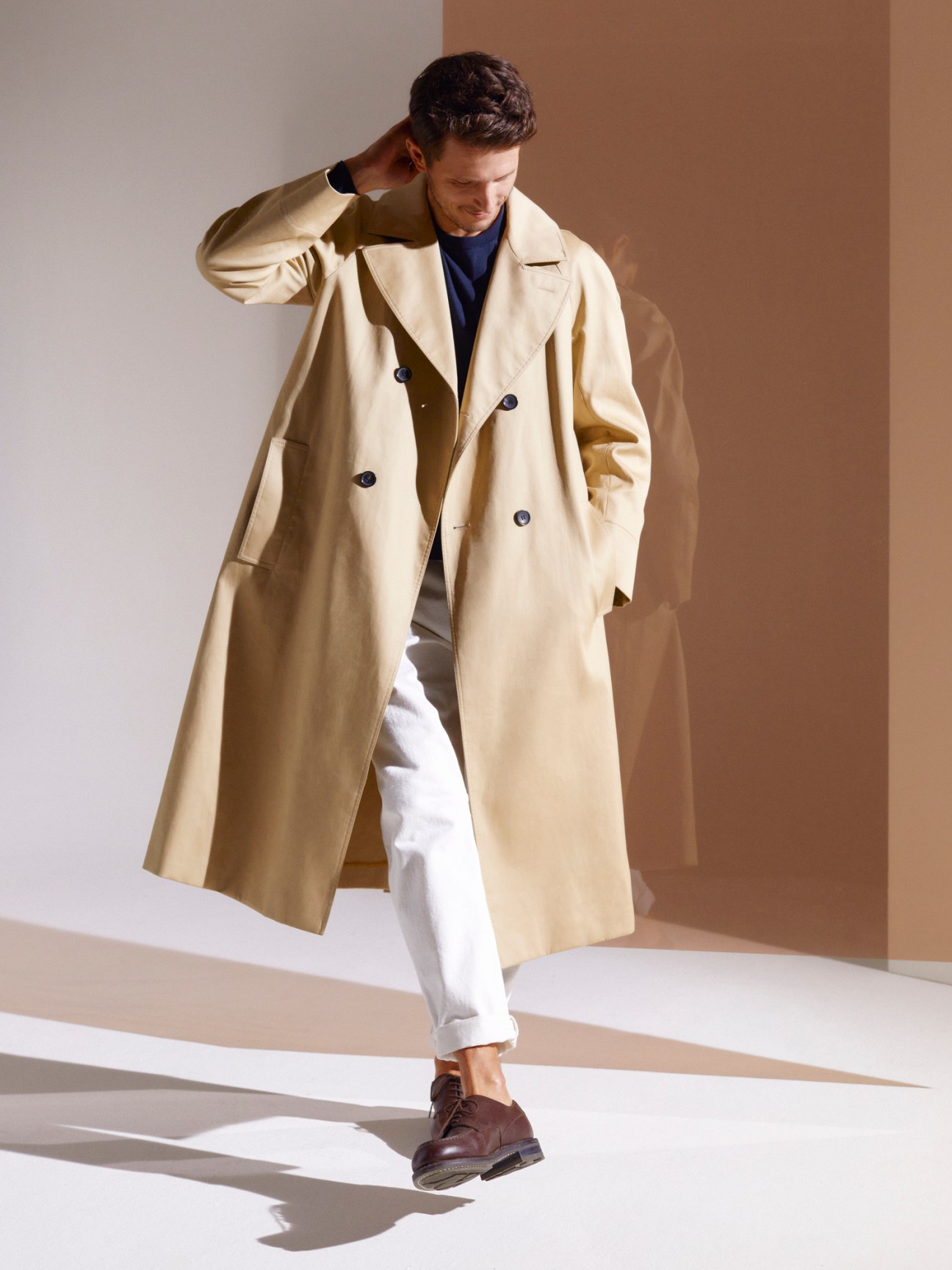
14.
Best modern classics
Connolly
London
Connolly blends pragmatism and a British sensibility in its signature raincoat – one of the main building blocks in the brand’s wardrobe of modern classics. Like everything Connolly, the beauty is in the details.
connollyengland.com
Coat by Connolly,
Jumper by Boglioli,
Jeans by Brunello Cucinelli,
Shoes by JM Weston
15.
Best reinvented shirts
Camisas Manolo
Madrid
For Manuel Molina, the designer behind shirting label Camisas Manolo, his hometown of Madrid is a rich source of inspiration. “The brand is an ode to my city,” he says. “Everything from the colour palettes to the cuts.” Launched in 2020, the company creates made-to-measure shirts and off-the-rack designs, all handmade in Spain.
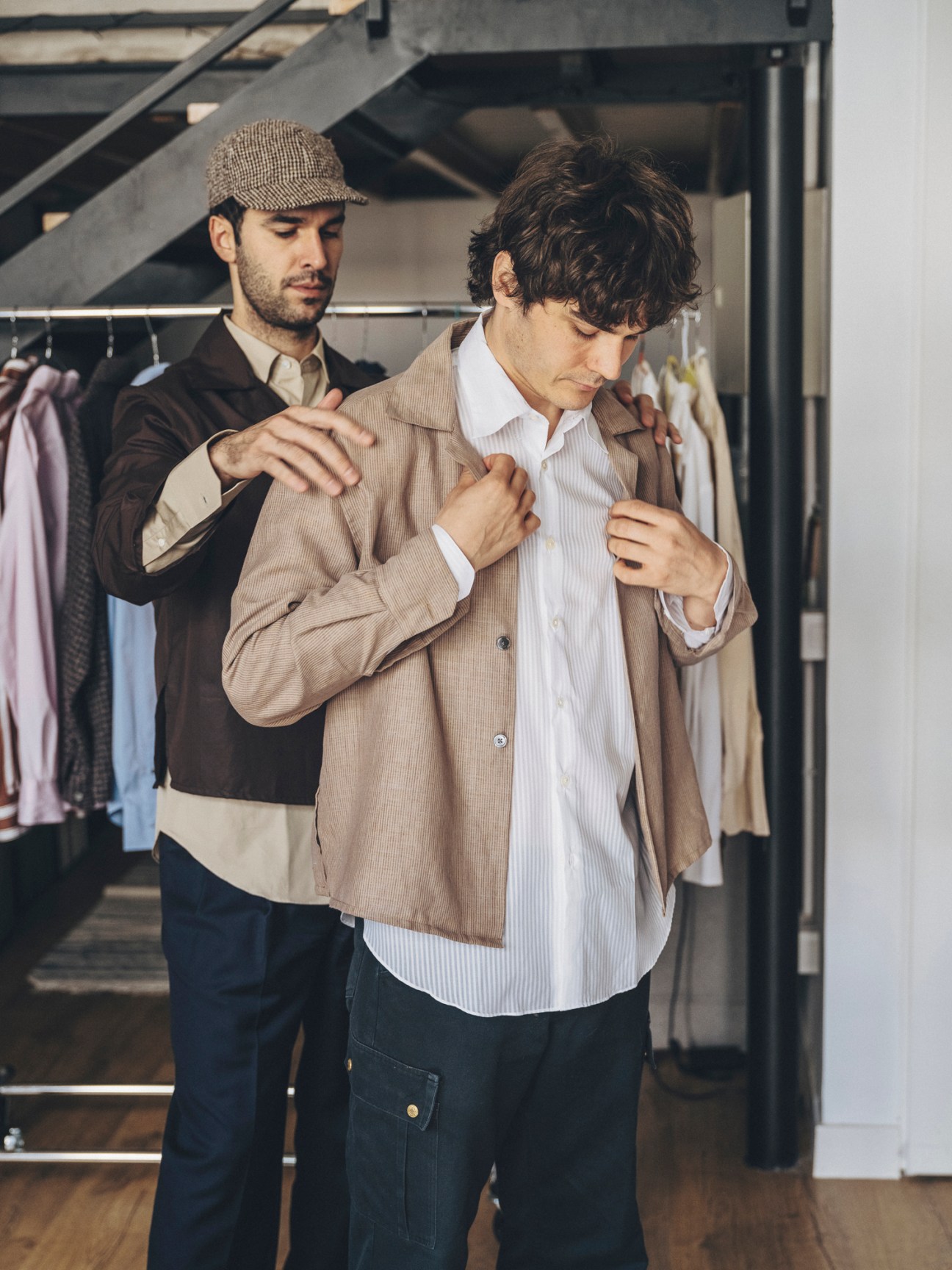
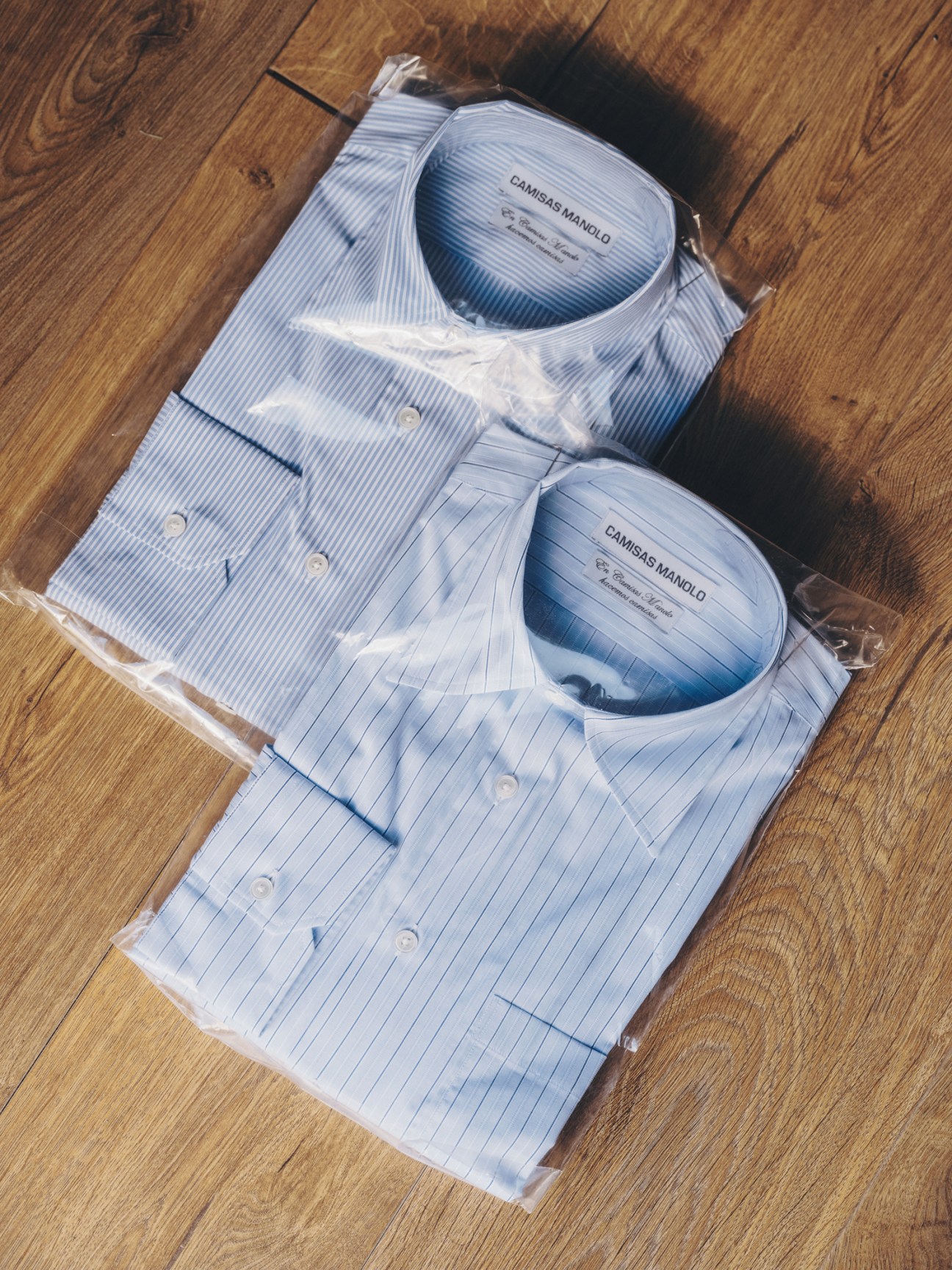
Camisas Manolo has also attracted clients in New York, Amsterdam and Tokyo. Buyers come to the label for its fresh tailoring, which takes classic cuts and updates them with subtle touches such as raw hems, double sleeves and pleats. “We offer a seemingly traditional style, but refined and reworked in a contemporary way,” says Molina.
In May, he will open a new workshop-cum-shop in the Madrid neighbourhood of Salamanca (the city’s tailoring hub), where customers will be able to drop by for fittings. — hu
camisasmanolo.com
16.
Best preppy style
The Brooklyn Circus
New York City
Ouigi Theodore is a fixture in New York’s menswear scene. His brand, The Brooklyn Circus, is best known for experimenting with preppy wardrobe staples. “We’re really about refining the classics,” he says.
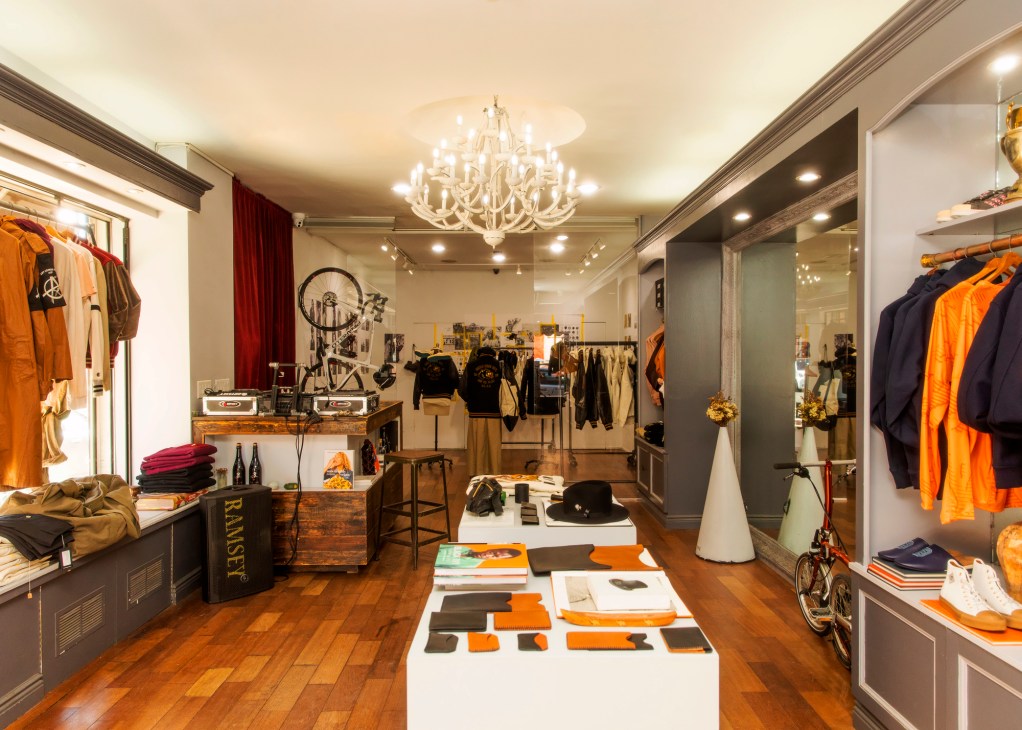
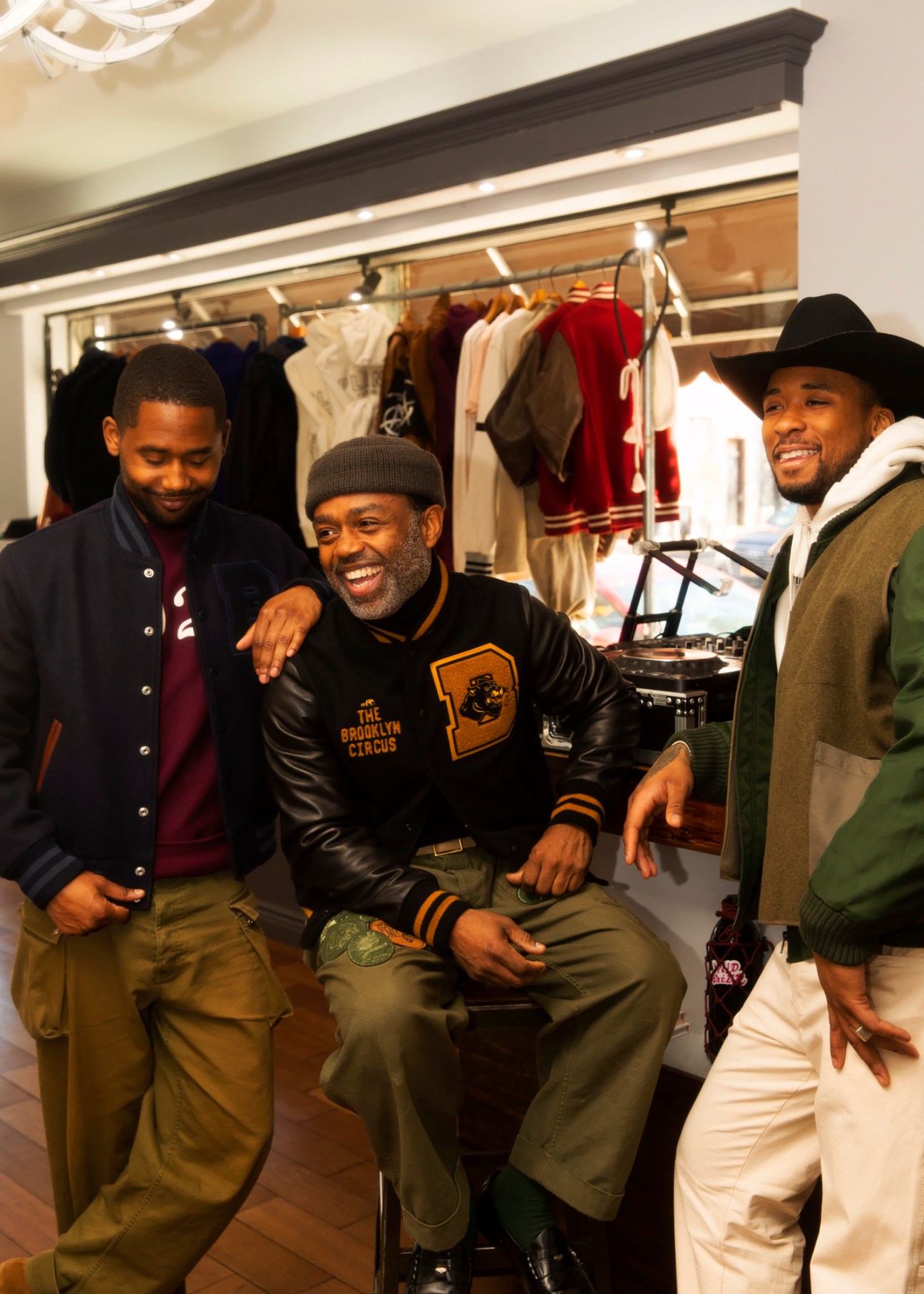
The longer-term vision is to emphasise serving the black community in New York, while creating clothes with lasting appeal for everyone. “We want our contribution to the fashion industry and the wider world to be about more depth,” says Theodore. This includes a focus on clothes that celebrate black identity. “Think of the ‘Black Ivy’ look that jazz musicians wore to navigate Jim Crow-era America,” he says. “Flash forward to today and we’re still fighting racism while the world watches. We have to continue to refine how and why we show up.”
thebkcircus.com
17.
Best new nostalgia
Rubato
Stockholm
Stockholm menswear label Rubato pulls off a clever trick: its clothes can feel both nostalgic and contemporary at once. “We’re about making comfortable clothing by looking to the past in terms of style, cut and quality,” says co-founder Oliver Dannefalk. “There’s an elegance in much of the clothing from the early 20th century up to the 1950s and 1960s that has been lost today. And we want to take this as inspiration and make clothes that are relevant for today.”
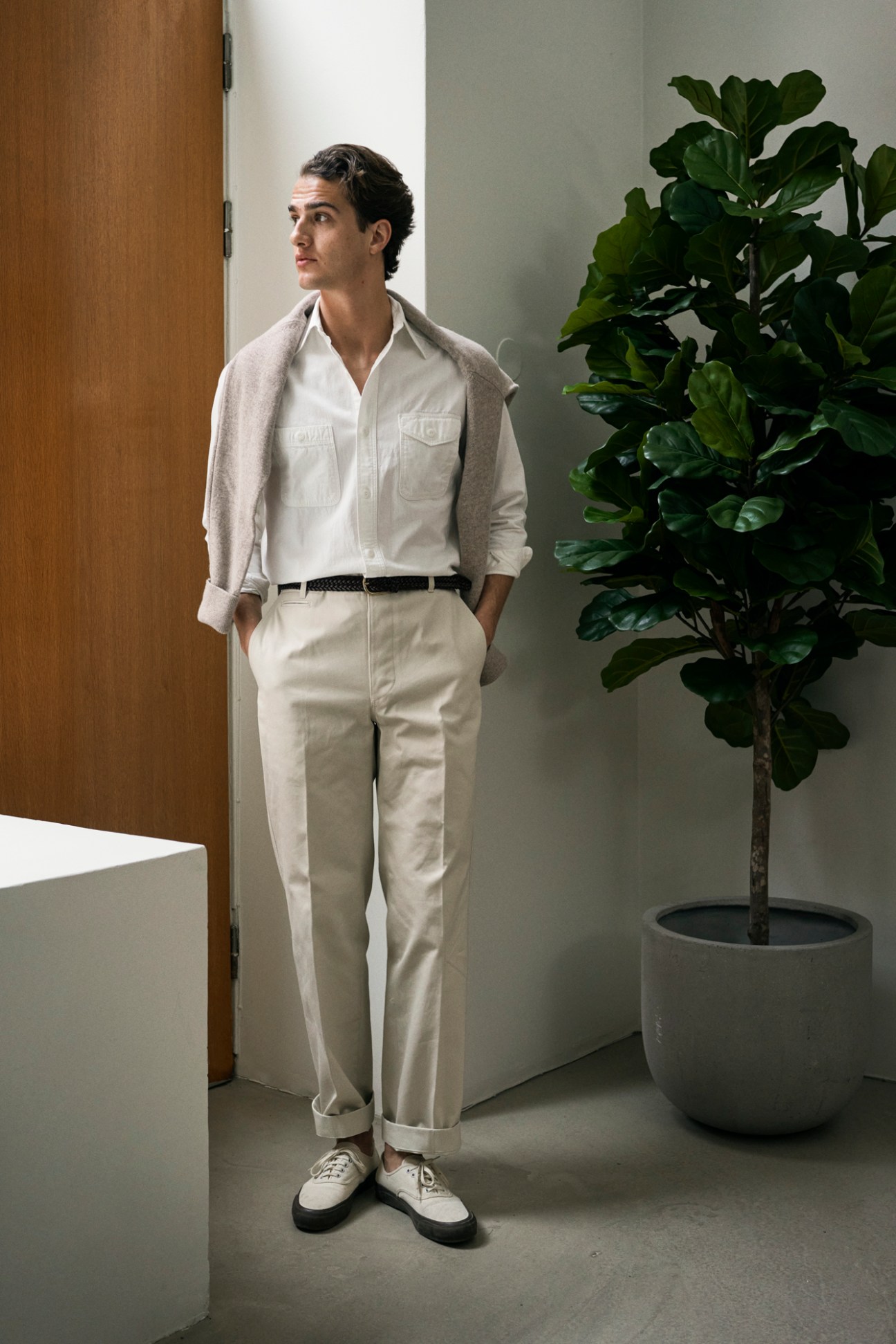
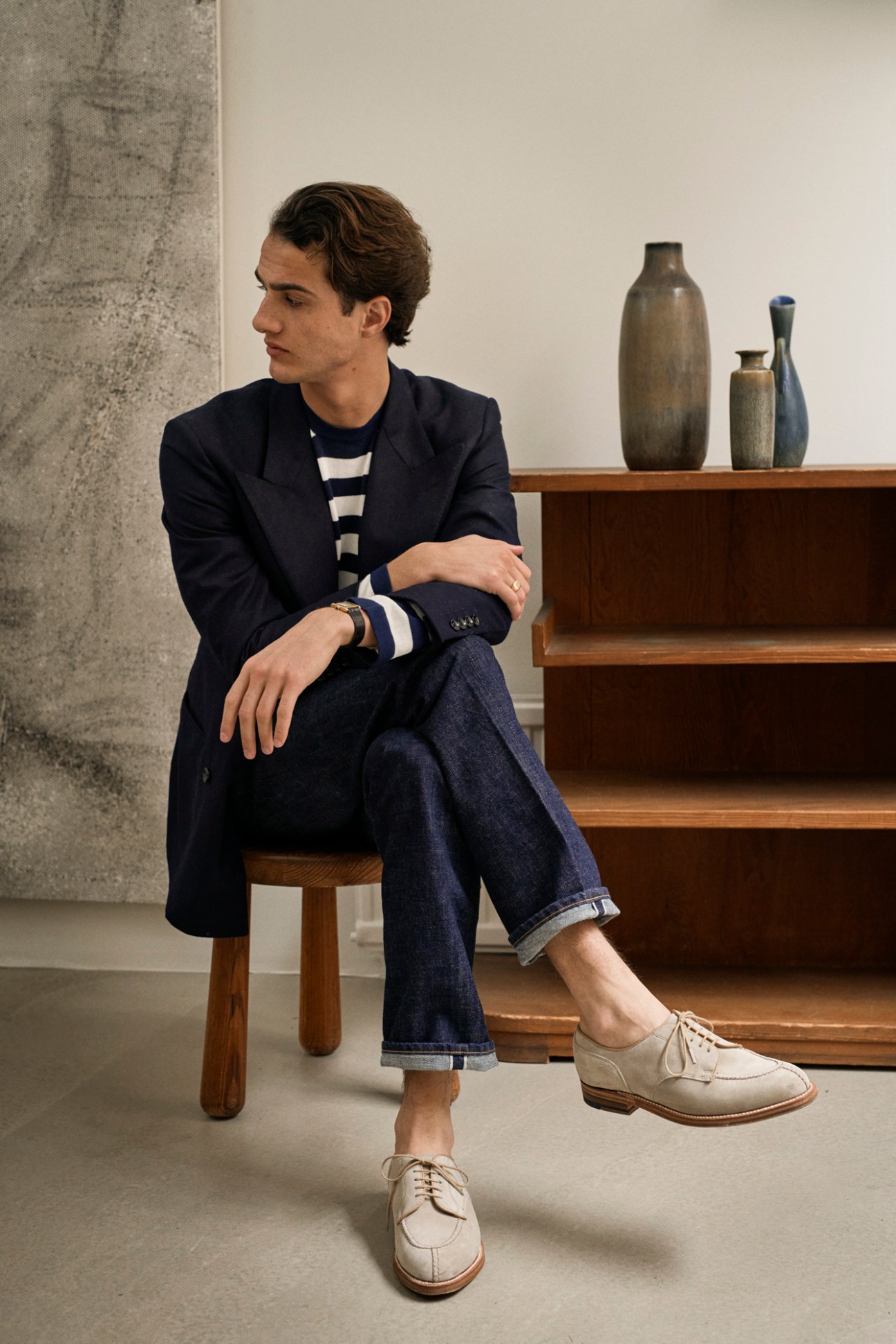
Dannefalk and his co-founder, Carl Pers, achieve this through timeless designs – think the perfect polo shirt or pleated trouser – updated with subtle design details and playfulness with proportions. The brand’s sweaters have become cult favourites with Scandinavian men, with their shortened hemlines and extra-deep V-necks.
atemporubato.com
18.
Best bespoke trousers
Neat
Tokyo
“Whatever you wear – be it an old T-shirt or beach sandals – the idea is that you’ll always look ‘neat’ if you style it with our trousers,” says Daishi Nishino, founder of Tokyo-based brand Neat. Nishino started working as a primary school teacher after university but his love of fashion led him to a stint at US brand Brooks Brothers.
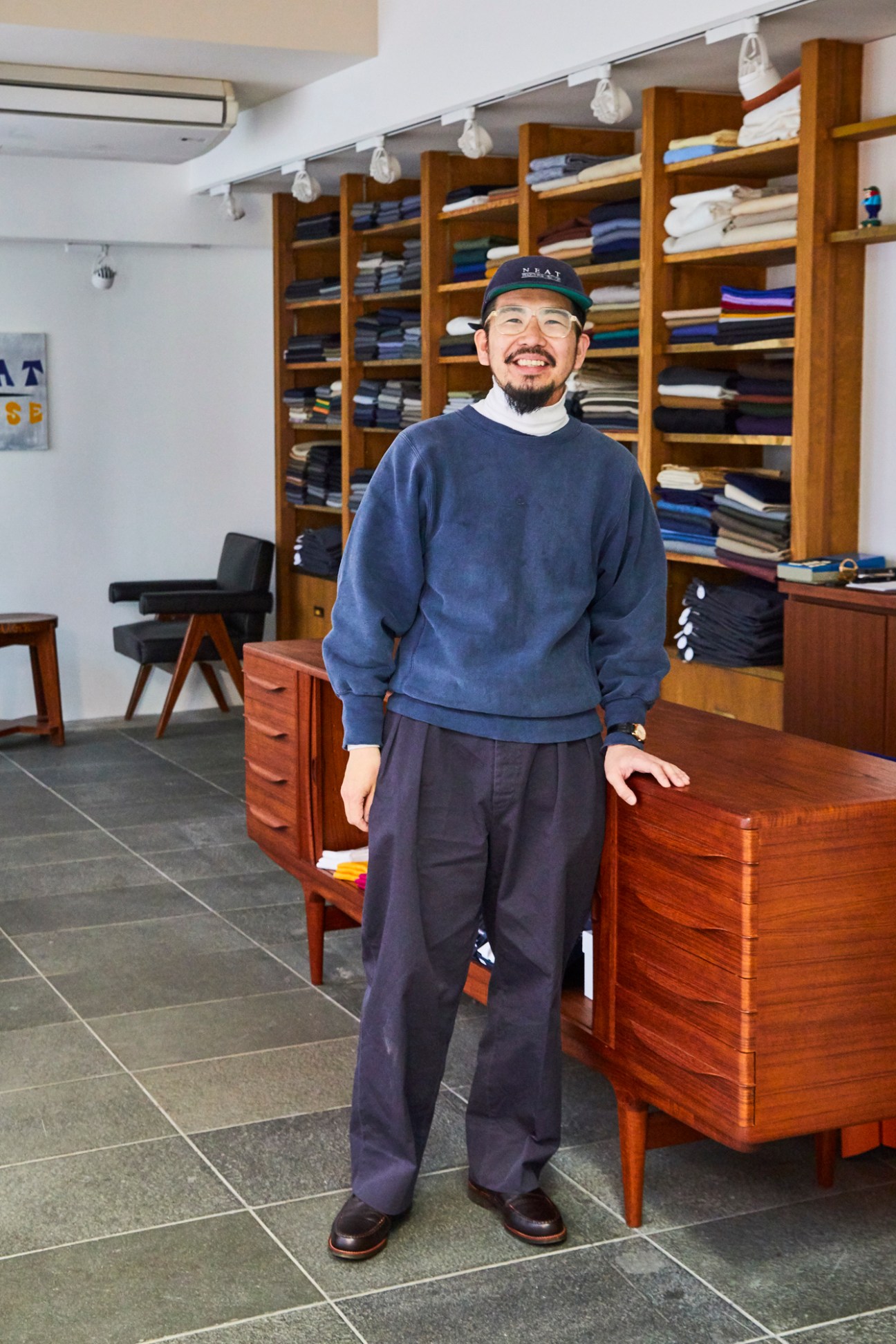
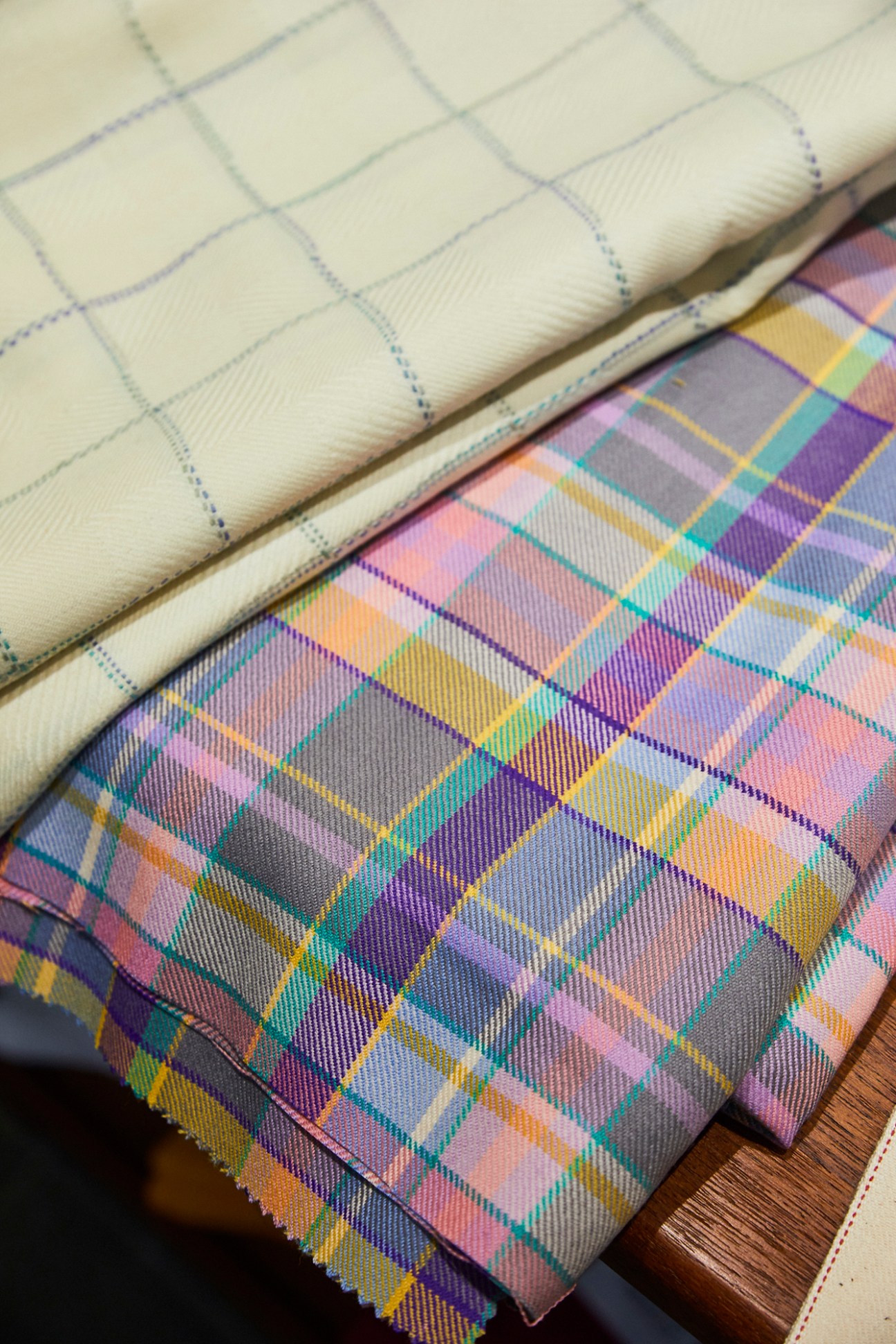
In 2015 he started Neat, which specialises in trousers. His following has been growing since and in 2020 he opened his first appointment-only shop in Tokyo. “We dedicate up to two hours to every customer,” he says. Nishino works with about 200 fabrics, ranging from denim to cashmere and wool, and offers 11 patterns for clients to choose from and adjust small details. “Tonik from Dormeuil is the rarest of them all,” he says. “It’s a reproduction of what they used for the suit in the first James Bond film.”
neathouse.store
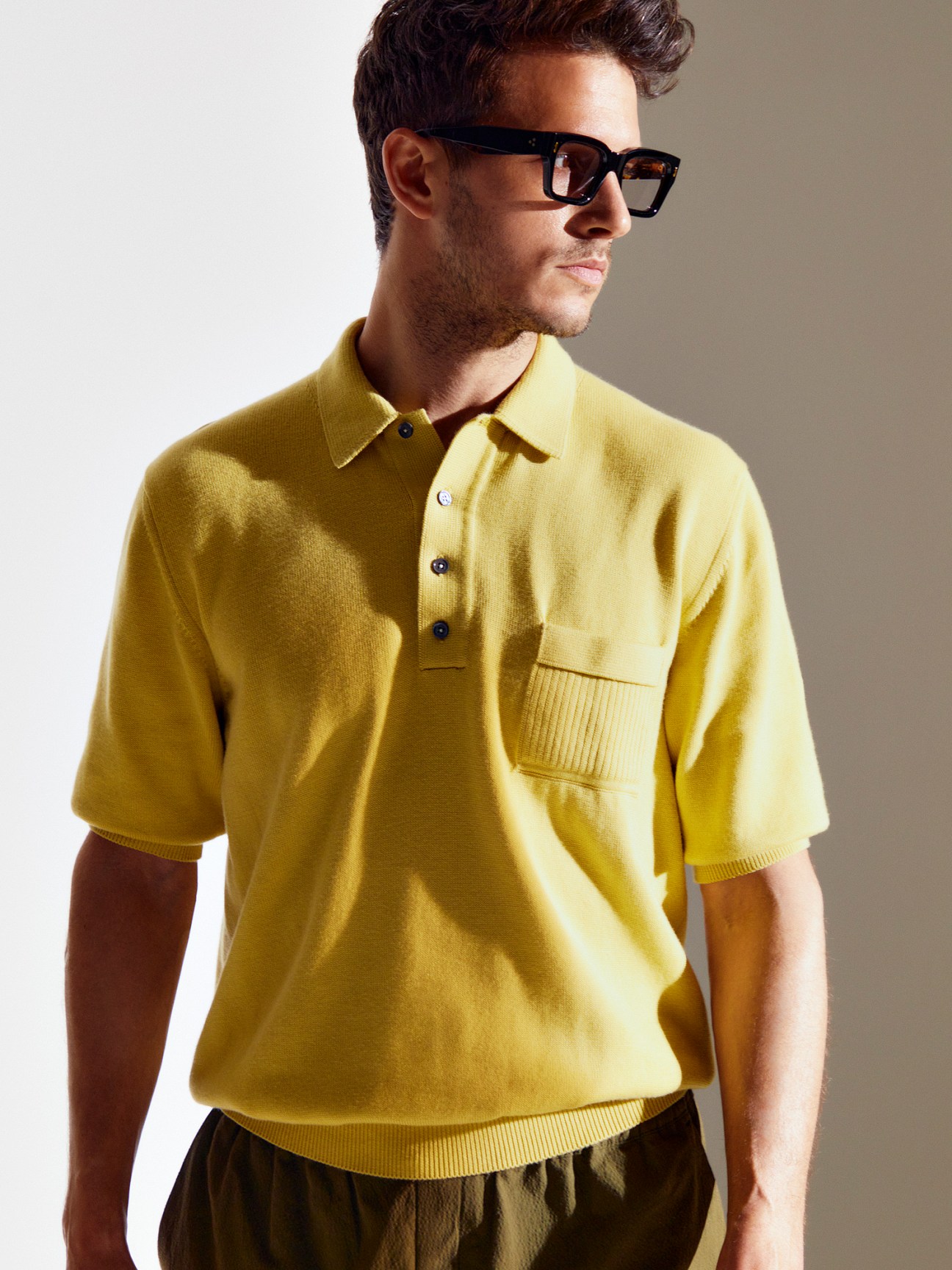
19.
Best classic polo
De Bonne Facture
Paris
Hermès alumnus Déborah Neuberg started De Bonne Facture to offer utilitarian-inspired classics, such as this knitted polo shirt made from organic cotton. Look out for the tag inside, detailing the name, location and history of the atelier that produced it.
debonnefacture.fr
Polo shirt by De Bonne Facture,
Trousers by A Kind of Guise,
Glasses by Jacques Marie Mage
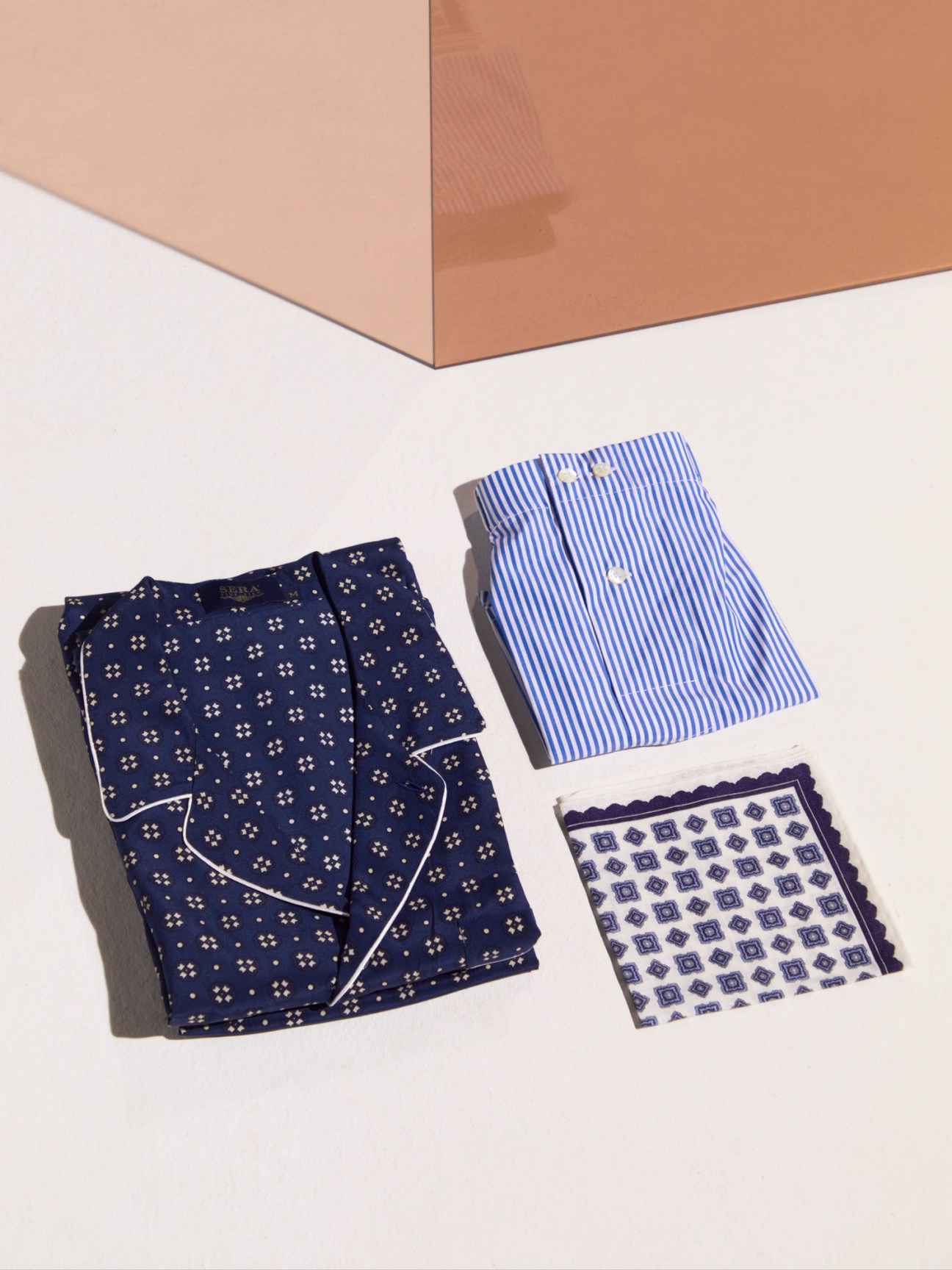
20.
Best gentlemen’s accessories
Serà Fine Silk
Italy
Serà Fine Silk was born out of founder Francesca Serafin’s love of vintage silk. A single pocket-square design quickly developed into a fully fledged collection of silk pyjamas, accessories and undergarments. Produced in Italy’s Como region, every piece celebrates the country’s heritage with graphic patterns inspired by everything from wine to landscapes.
serafinesilk.com
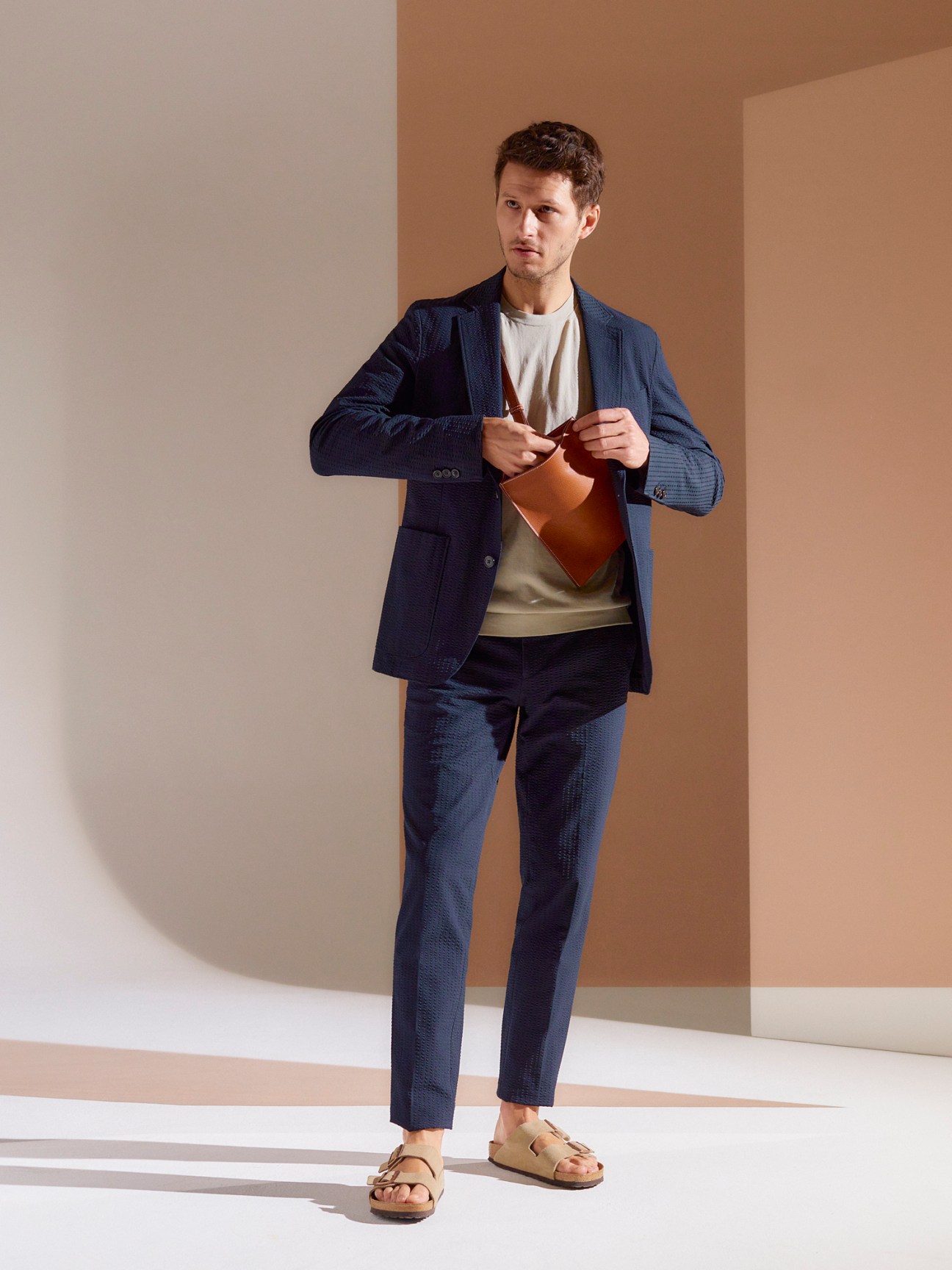
21.
Best smartly priced suit
Fursac
Paris
French label Fursac’s tailoring heritage dates to the 1970s. Its navy suit, updated with a relaxed silhouette for spring, is made from premium wool, sourced before it’s been spun or felted and containing less than 0.3 per cent impurities. monocle suggests dressing it down with Birkenstocks and a shoulder bag.
fursac.com
Jacket and trousers by Fursac,
Jumper by Circolo 1901,
Sandals by Birkenstock,
Bag by Hermès
22.
Best cold-weather gear
Haven
Vancouver
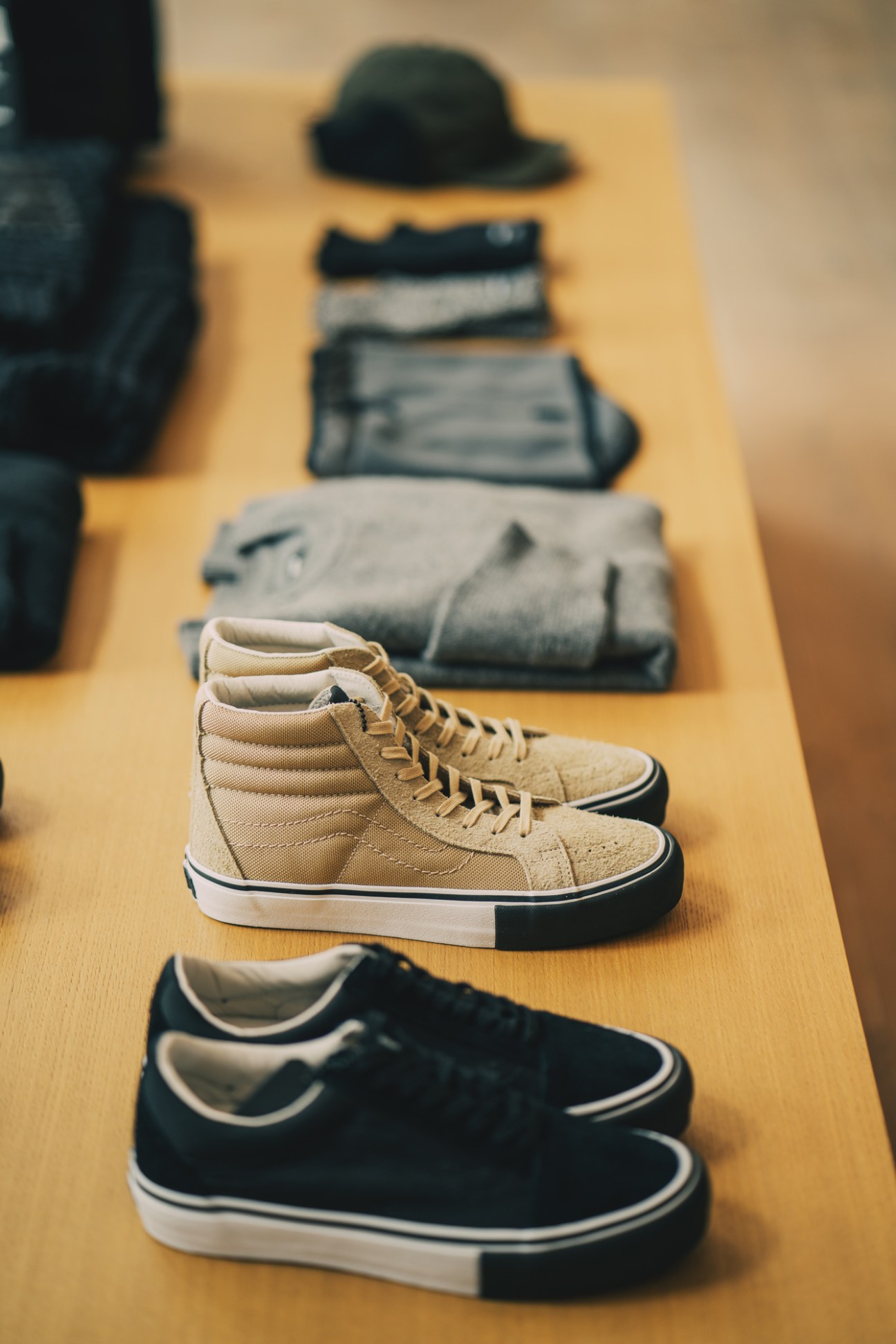
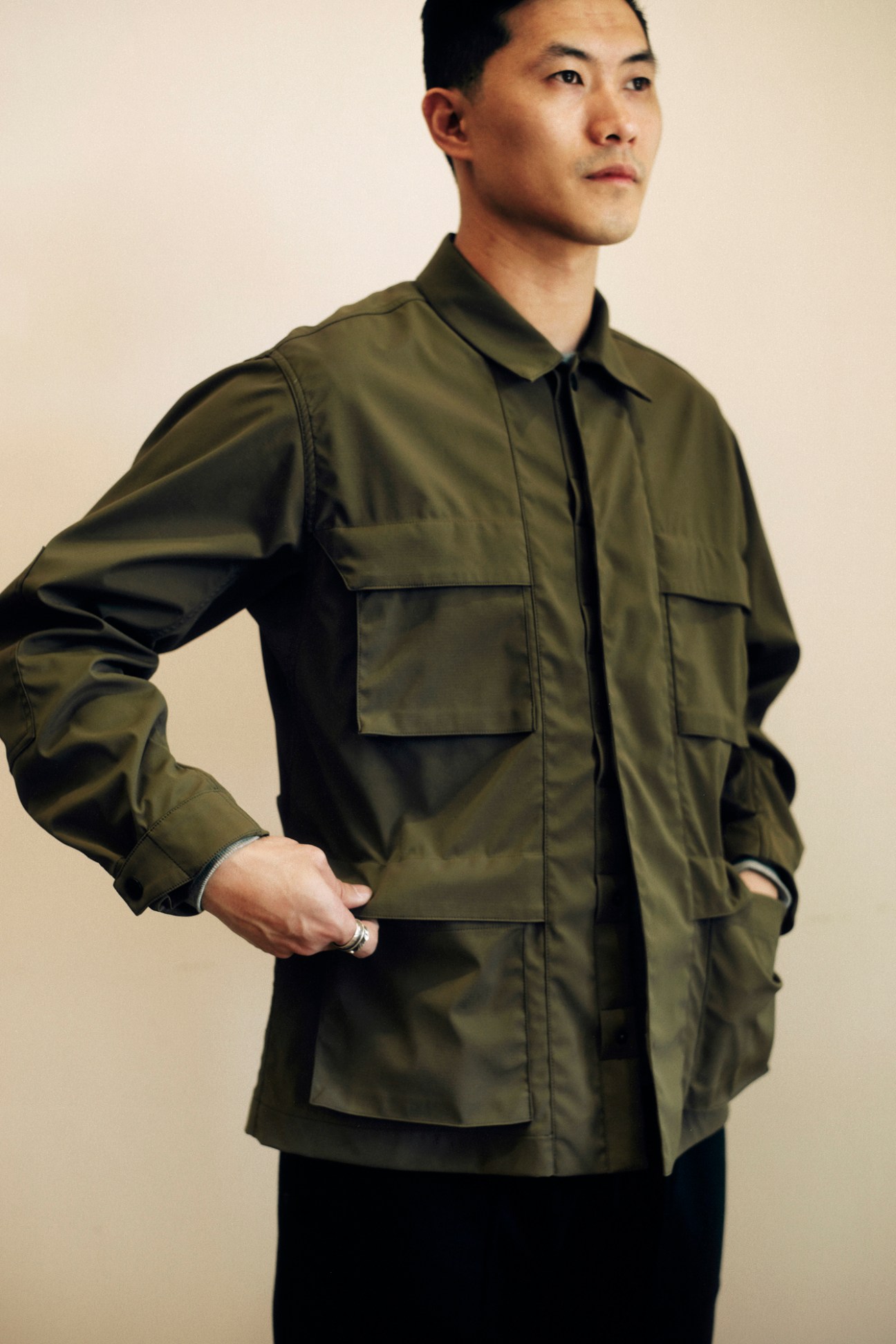
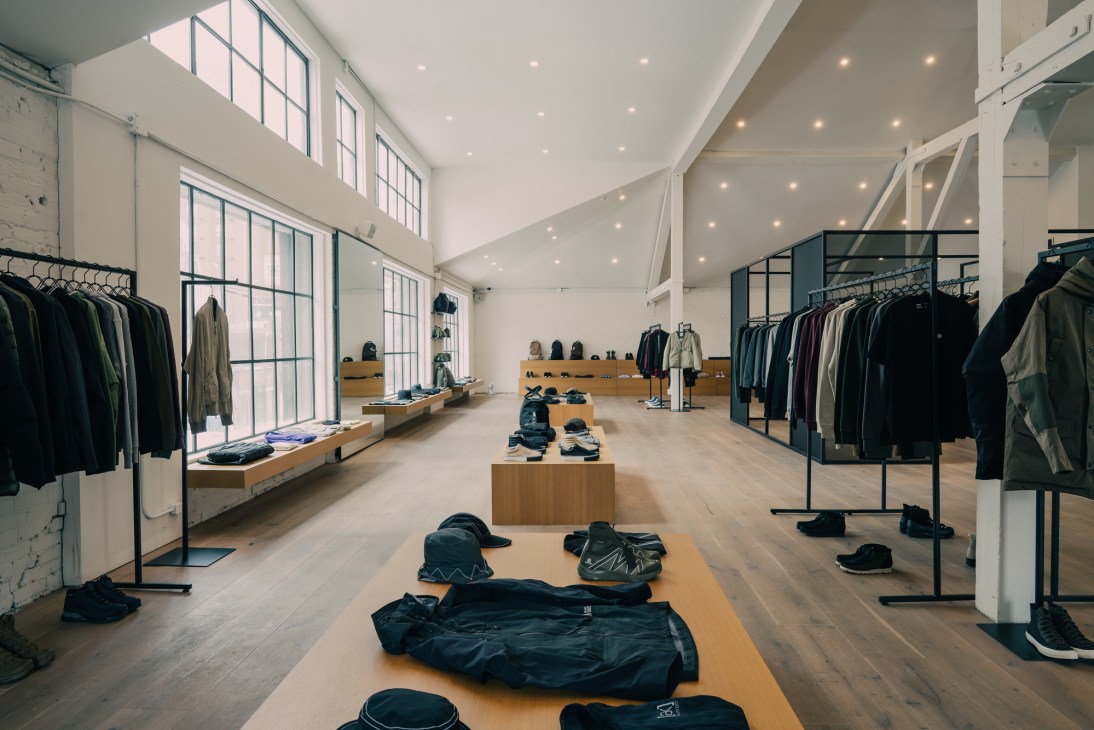
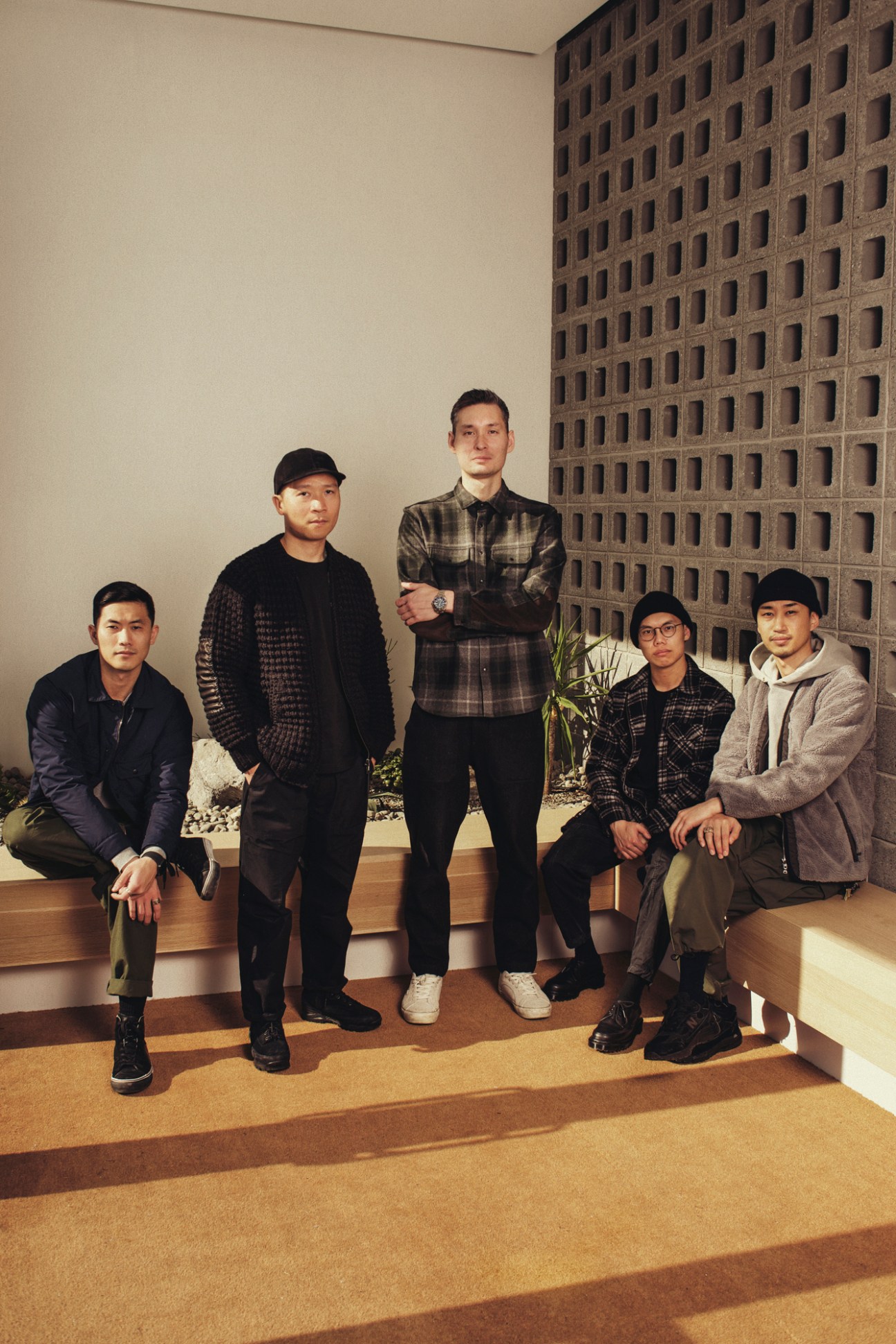
Brothers Arthur and Daniel Chmielewski first introduced the Canadian market to high-end Japanese streetwear in 2006 with their shop Haven. Today, across its outposts in Vancouver, Toronto and its global e-commerce business, the top-selling brand isn’t Japan’s Visvim or Needles; it’s Haven, the brother’s own label. This line of technical outerwear has grown rapidly over the past three years. “Our focus was always on craftsmanship and innovation and performance,” says Arthur. Haven is manufactured in Canada and Japan using tough materials designed to withstand Canada’s harsh winters. The garments are set only to improve in 2022 thanks to a new, long-term partnership with Gore-Tex. “Our approach is to inject a lot of technical and performance attributes to modern, everyday clothing,” he says, of its new collection, which debuts this spring.
havenshop.com
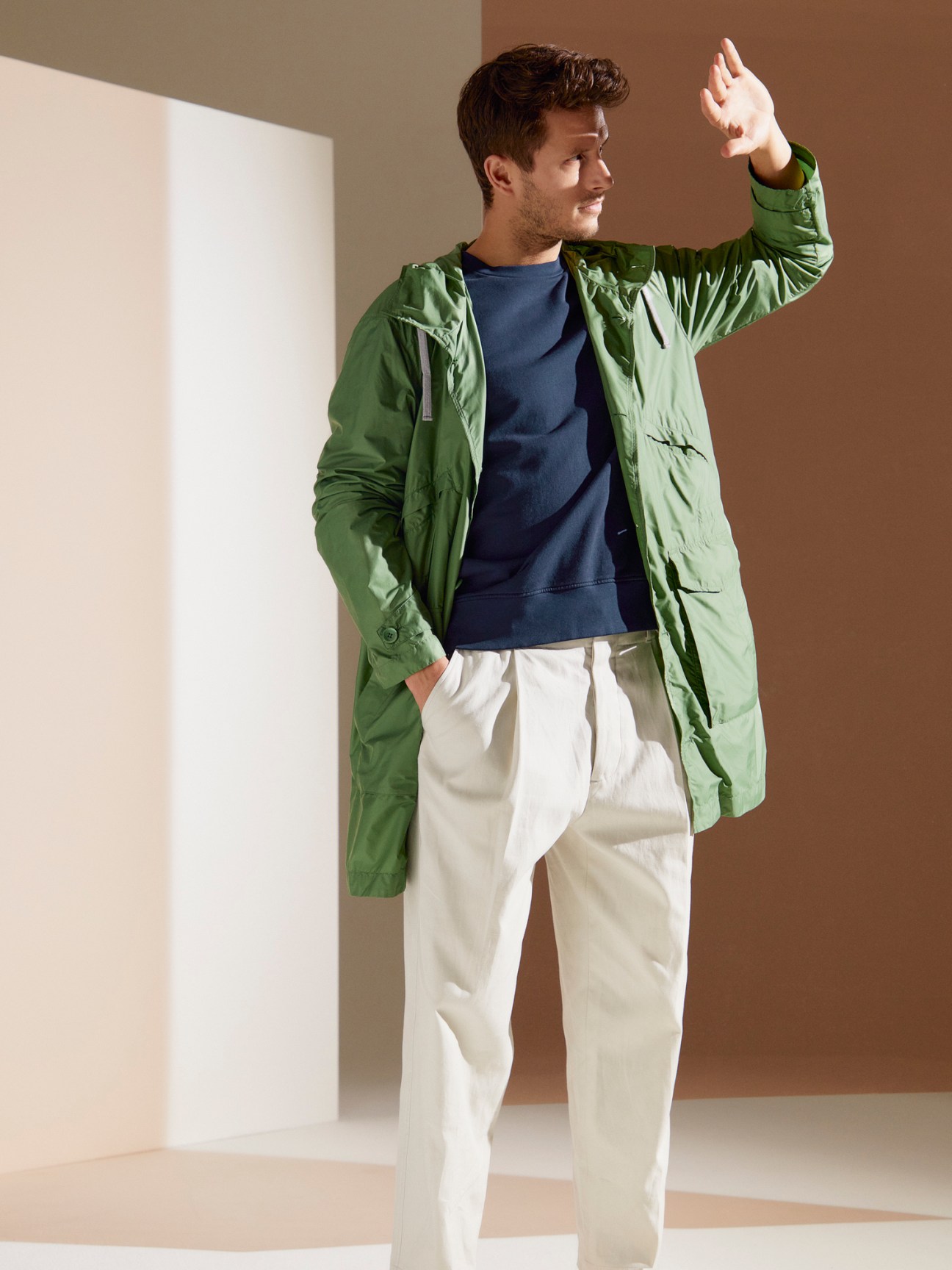
23.
Best waterproof essentials
Herno Globe
Lesa, Italy
Herno Globe has a distinguished history in performance wear. With water as its ultimate inspiration, founder Giuseppe Marenzi put technical raincoats at the heart of his Italian business from the get-go. Today, Claudio Marenzi continues his family’s legacy with sportswear that blends luxury with technical fabrics.
herno.com
Coat by Herno Globe,
Sweatshirt by Herno,
Trousers by Tod’s
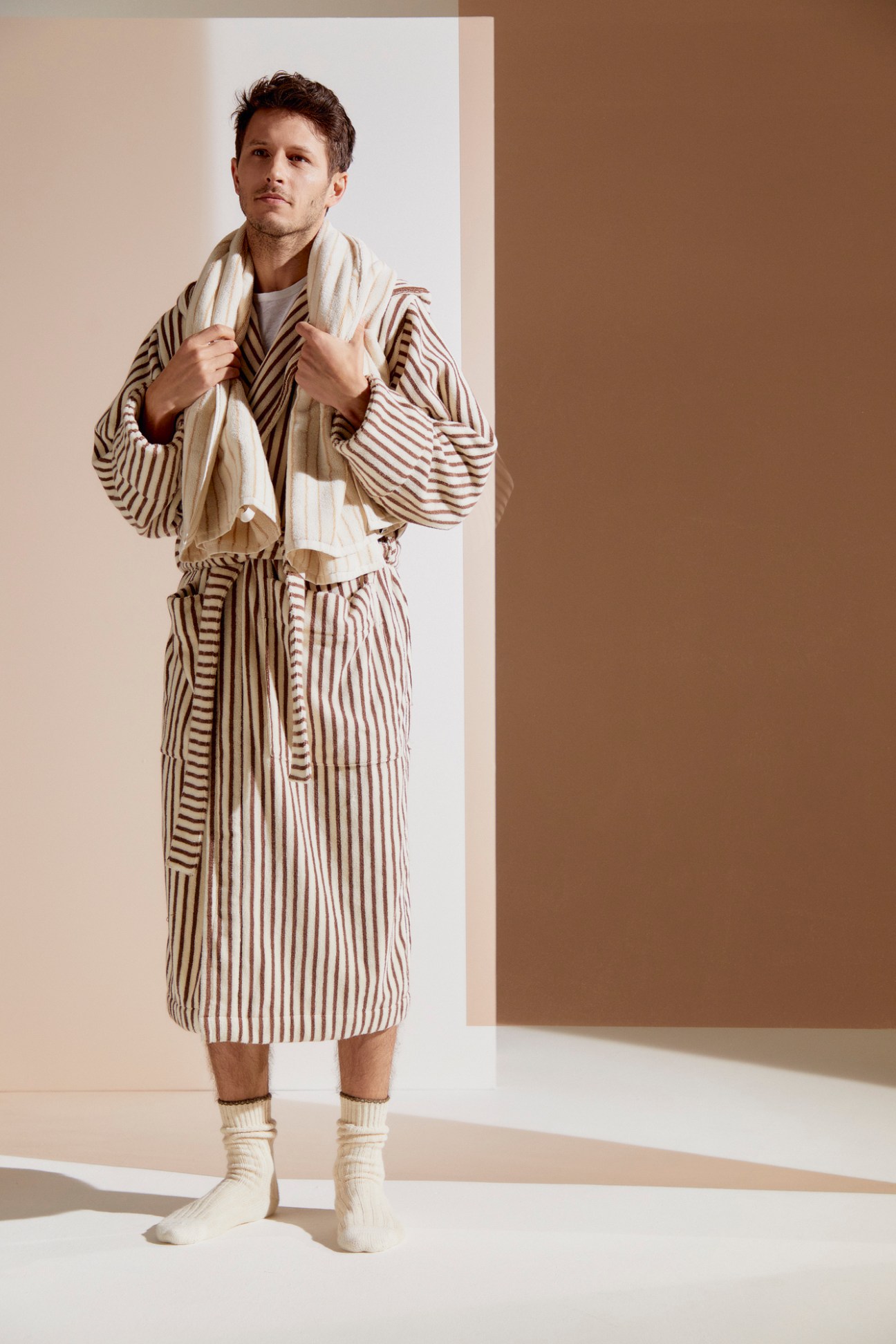
24.
Best jump-in-the-lake ensemble
Tekla
Copenhagen
Copenhagen-based Tekla designs its bathrobes to be the most indulgent item in your wardrobe. They’re cut large for comfort and made from organic terry cotton, which is extra soft and absorbent. The stripes add an upbeat touch.
teklafabrics.com
Bathrobe and towel by Tekla,
T-shirt by Sunspel
Socks by Anonymous Ism from Trunk
25.
Best outerwear brand
Adsum
New York
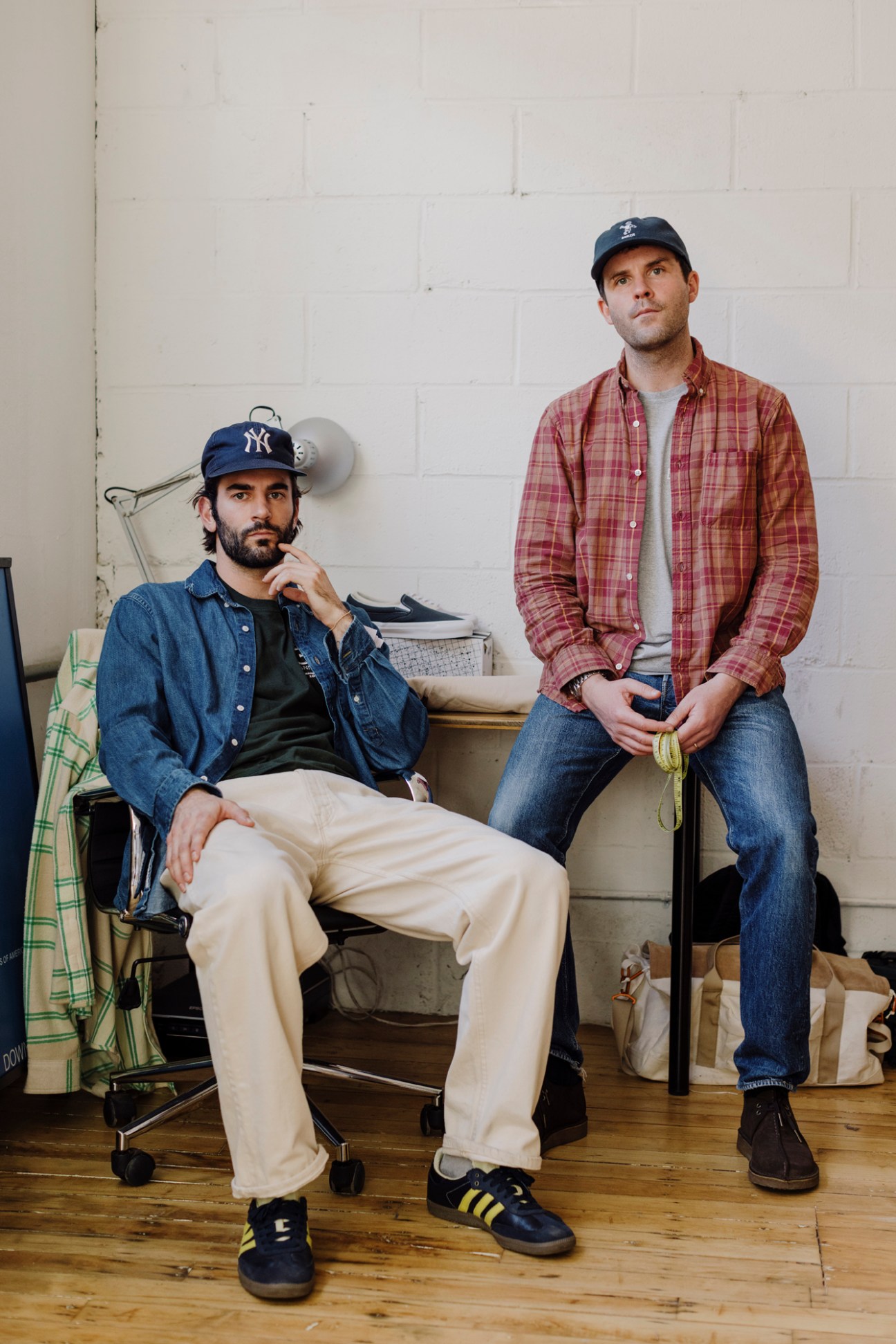
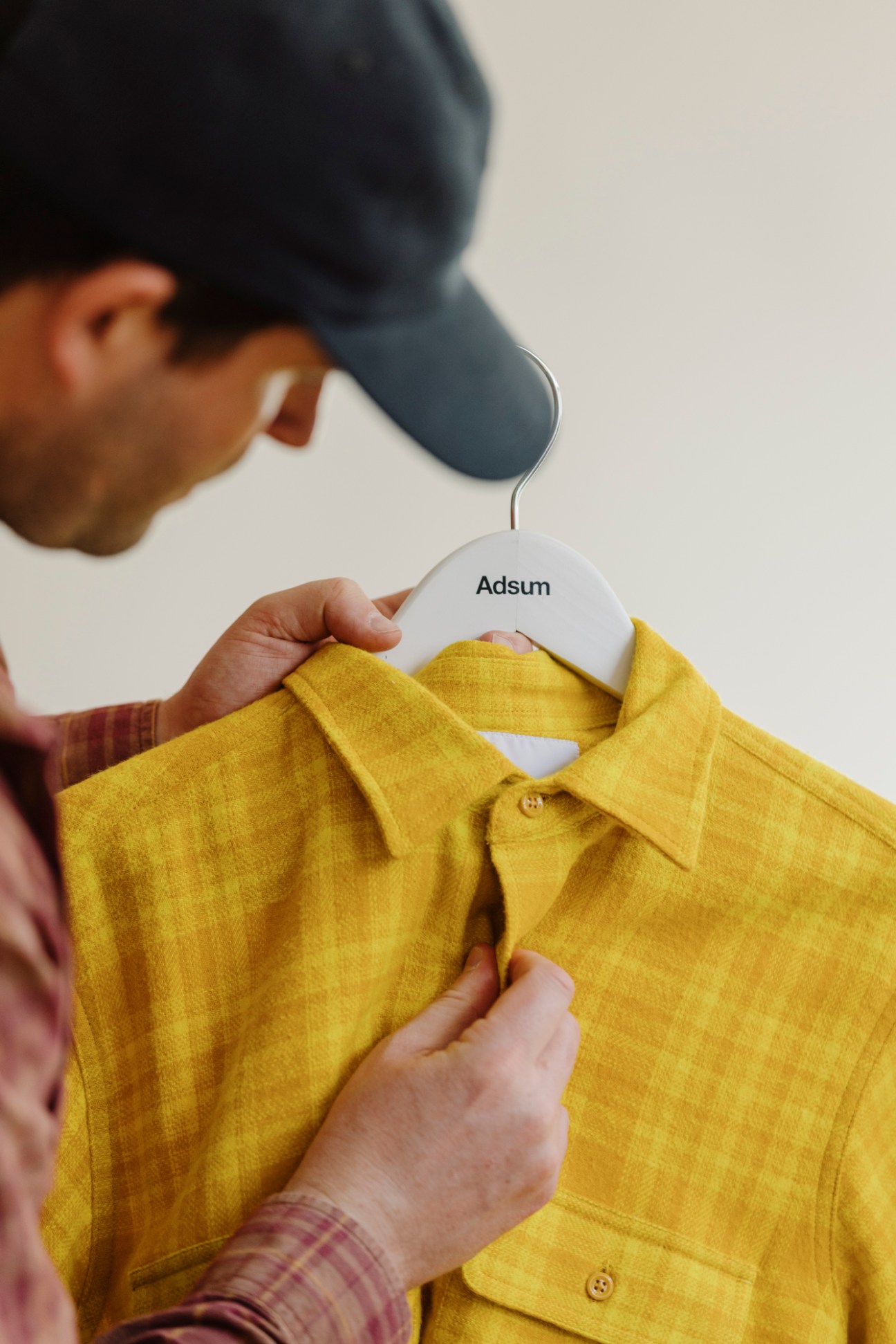
Pete Macnee started Adsum in 2015 to do things his way. “I wanted to design men’s clothing that makes sense to me,” he says. “We bring together athletics, the outdoors and classic American menswear.” These elements create Adsum’s practical look, which suits the brand’s New York roots. Macnee is determined not to overcomplicate things. “Being honest is a huge part of how we design, merchandise and art direct,” he says. “Pricing is something we’re constantly judged on and a large portion of our customers don’t want to overspend on clothing.”
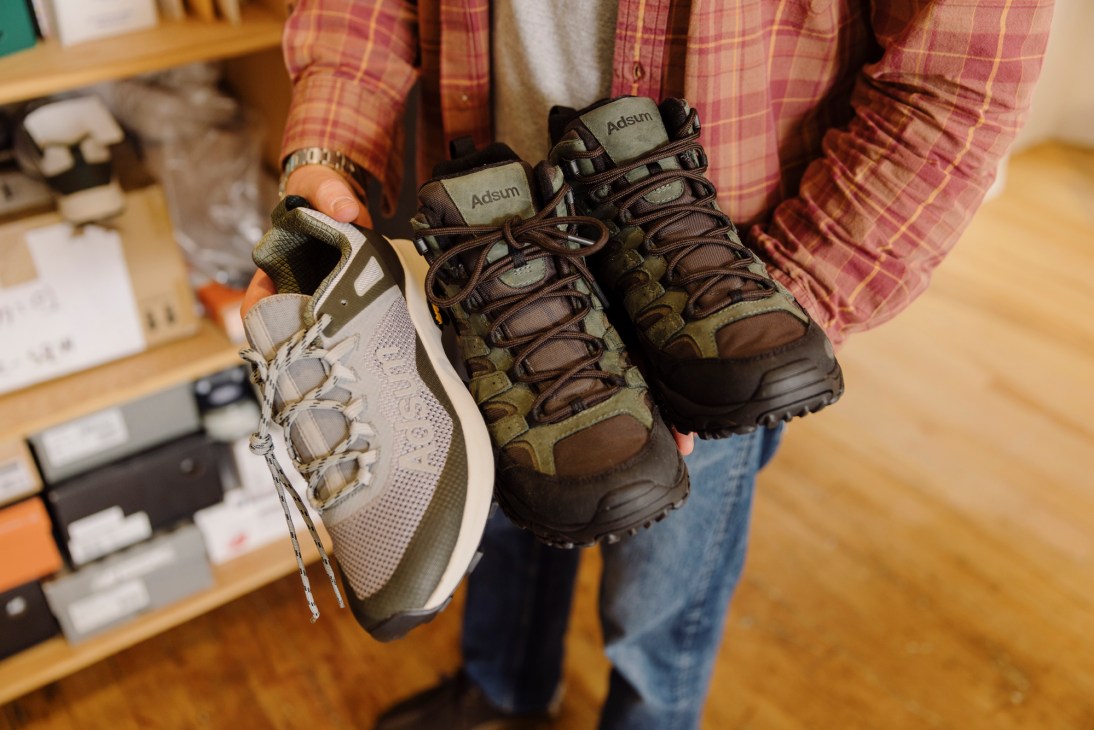
The brand – the name means “I am present” in Latin – has a series of major collaborations lined up later in the year with the likes of Vans, Timex and high-end Japanese outerwear brand Nanga. Macnee’s aim? To reach a larger audience while continuing a detail-oriented approach.
adsumnyc.com