Issues
Timeless craft
Catherine Rénier
CEO
Jaeger-LeCoultre
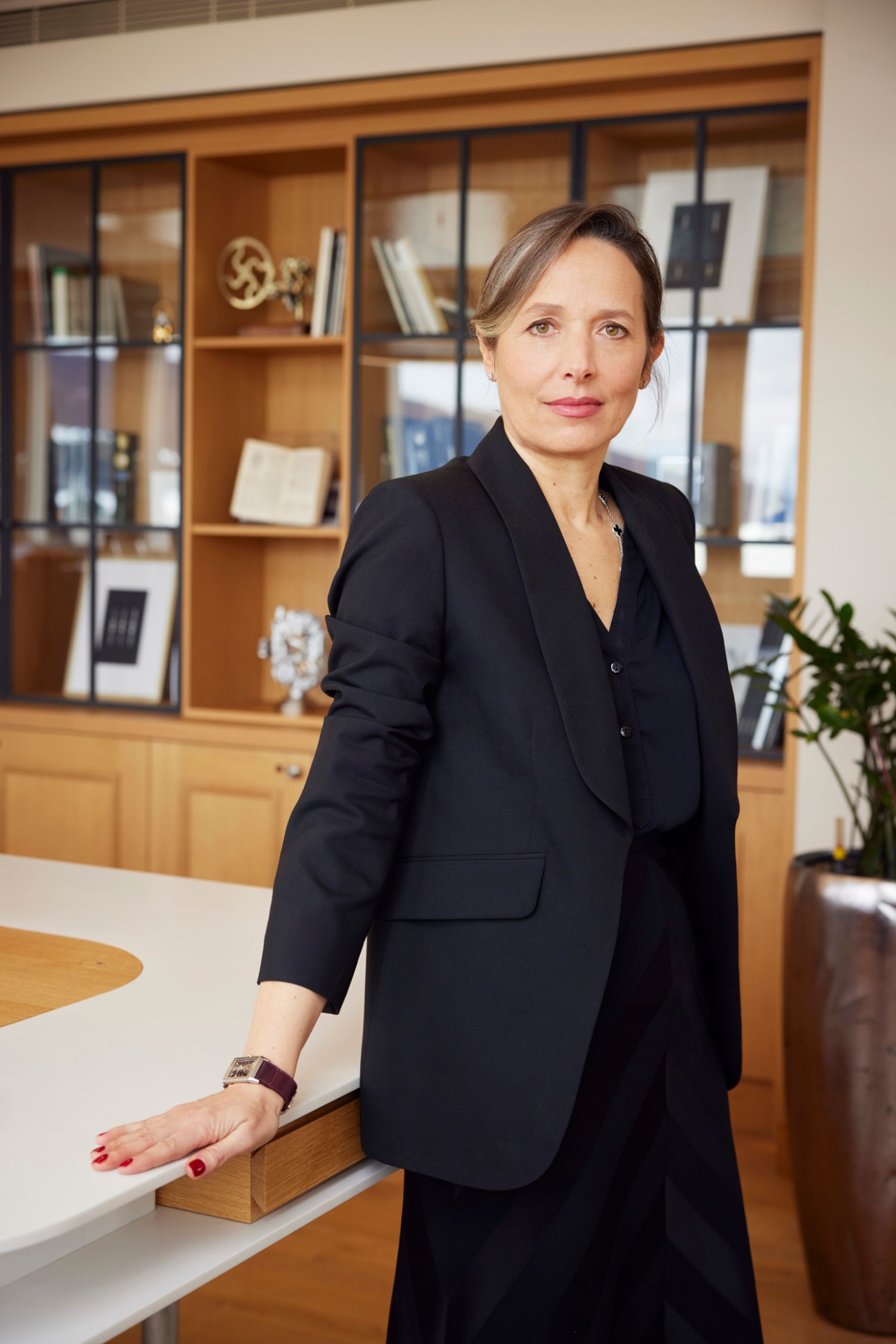
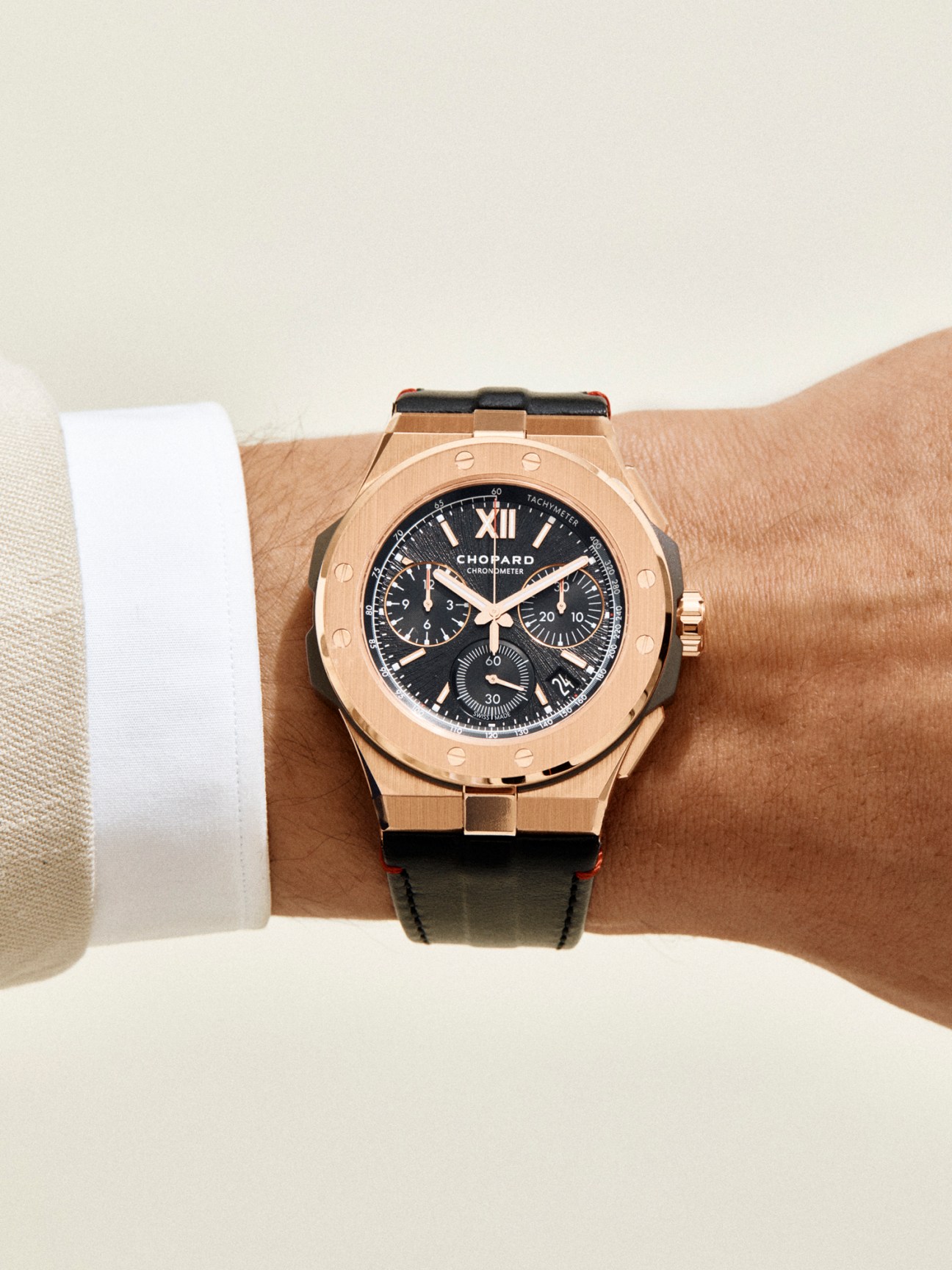
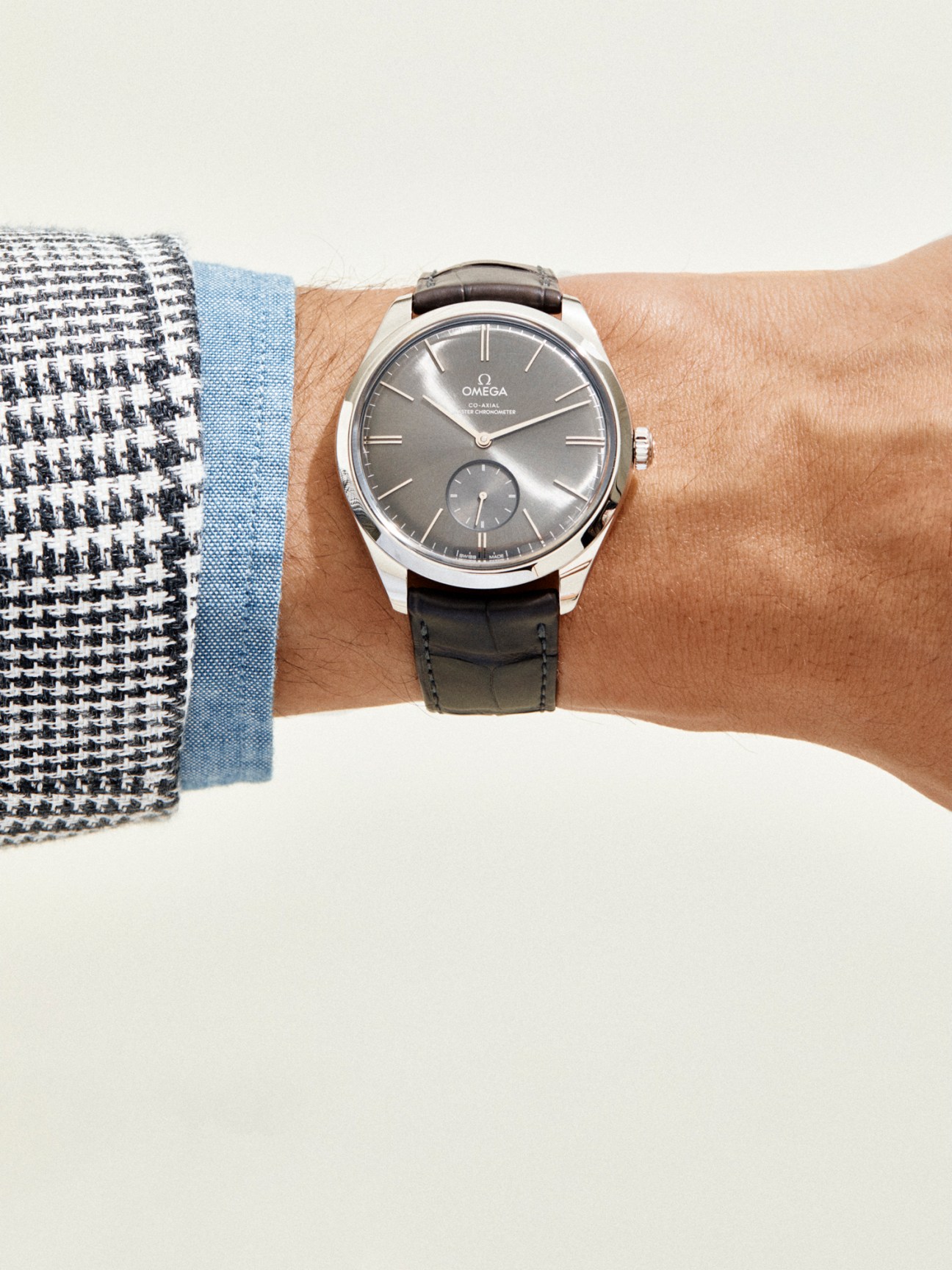
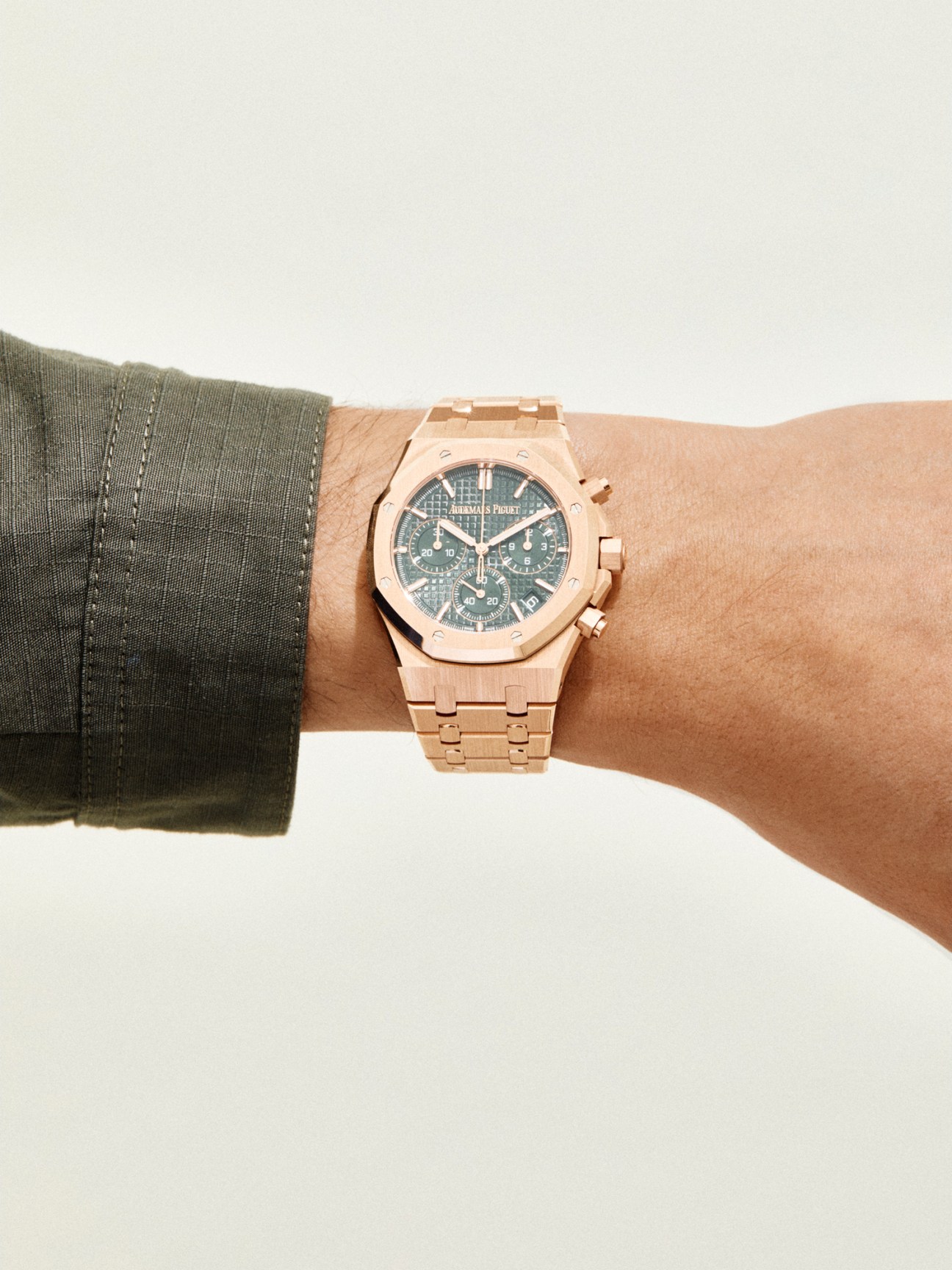
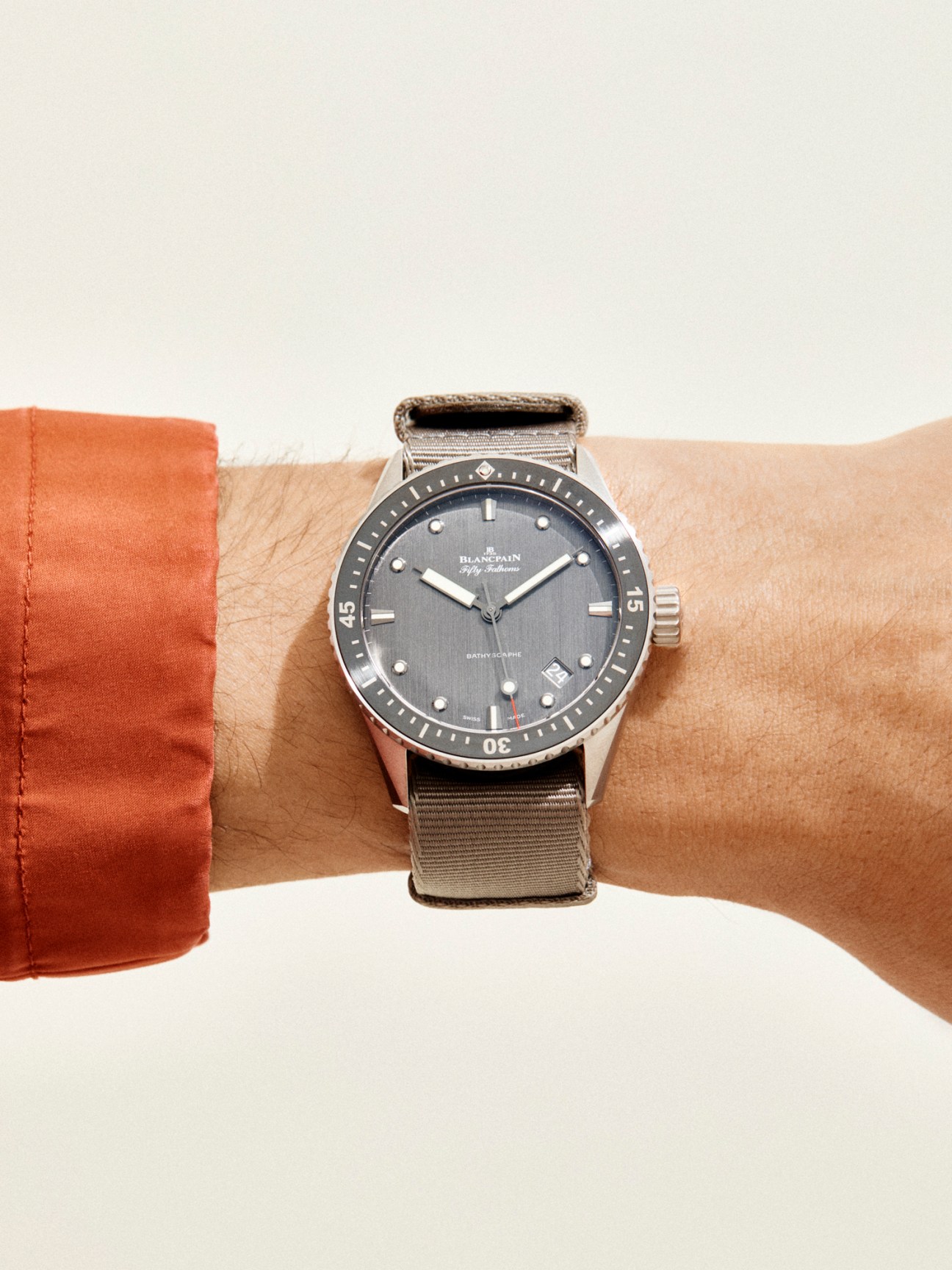
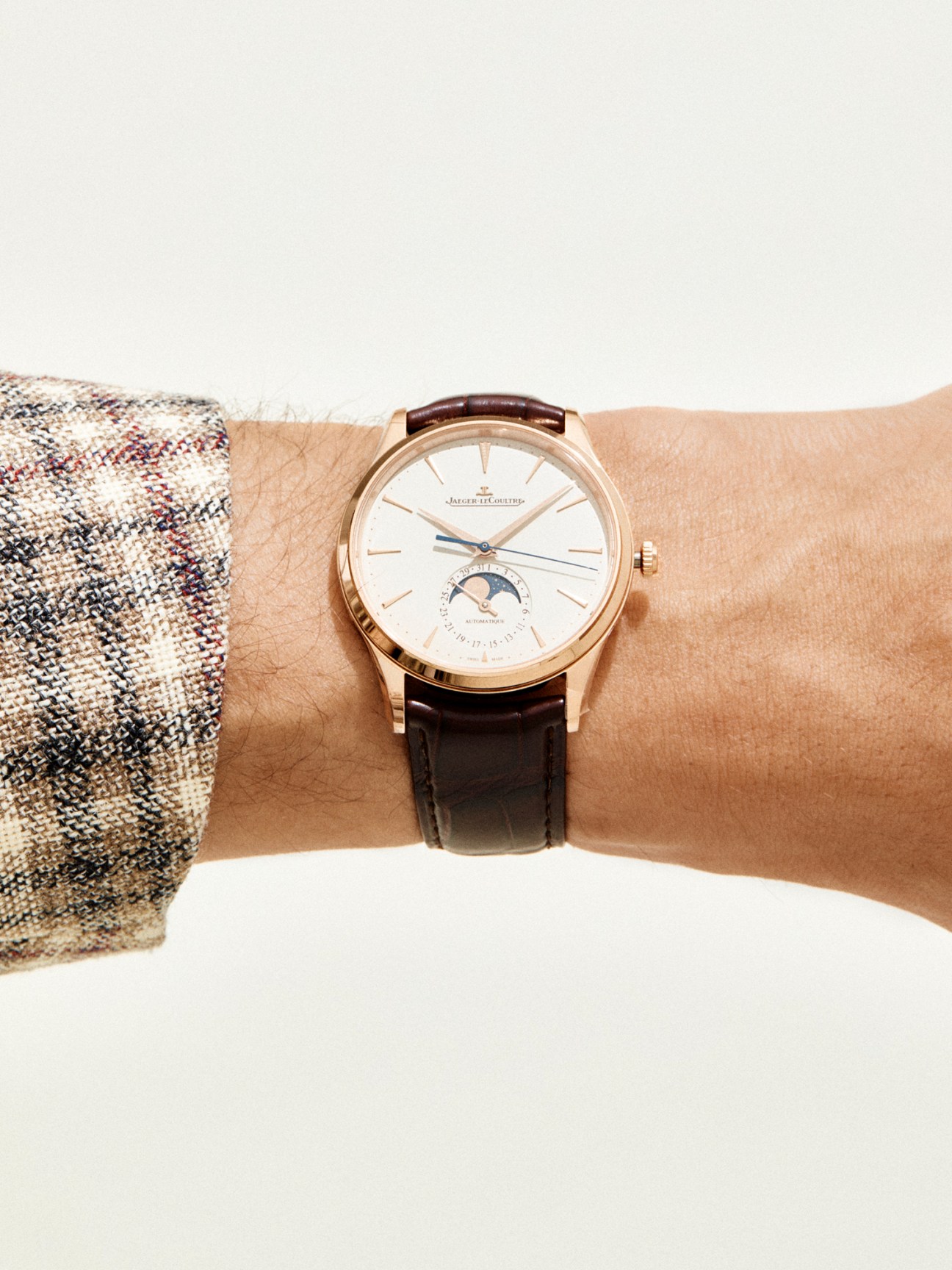
CEO Catherine Rénier came to the helm of prestigious Swiss watch-maker Jaeger-LeCoultre in 2018. A veteran of the luxury space, Rénier is a powerful figure in an industry that is only now, finally, seeing fit to place women in the C-suite. jlc, as it’s referred to by devotees, is a top player in the industry, beloved as the maker of such diverse horological creations as the Reverso watch and the Atmos clock. While the pandemic may have put a damper on global trade, the effects certainly seem to have been temporary: Jaeger-LeCoultre is going all-in on in-person events, such as their Atelier d’Antoine watch-making experience, named after the company’s founder. “The authenticity and expertise of Jaeger-LeCoultre are important factors to keep sharing with our customers,” says Rénier.
In terms of audience interest it’s Reverso – a rectangular watch designed in the 1930s with a reversible case – that is proving more popular than ever. “We did notice a renewed interest for rectangular-shaped watches and Reverso has been extremely well received,” she says. “Great design is timeless, and Reverso is the perfect illustration of this: an icon of style and elegance.”
That doesn’t mean the maison can afford to rest on its laurels, however, and Rénier has no plans to do so. “Today’s r&d department is a team of more than 40 people, all dedicated to further exploring modern watch-making.”
Pricing for Jaeger-LeCoultre’s most beloved watch begins under €5,000: a relative bargain in the luxury-watch marketplace. Demand for models like the Reverso, Memovox and more complicated pieces is high, and new boutiques are coming to the US, Middle East and Asia. “Timeless watches have demonstrated their resilience during the pandemic,” says Rénier. “As symbols of craft, creativity and innovation, timepieces resonate.”
Christian Selmoni
Style & Heritage Director
Vacheron Constantin
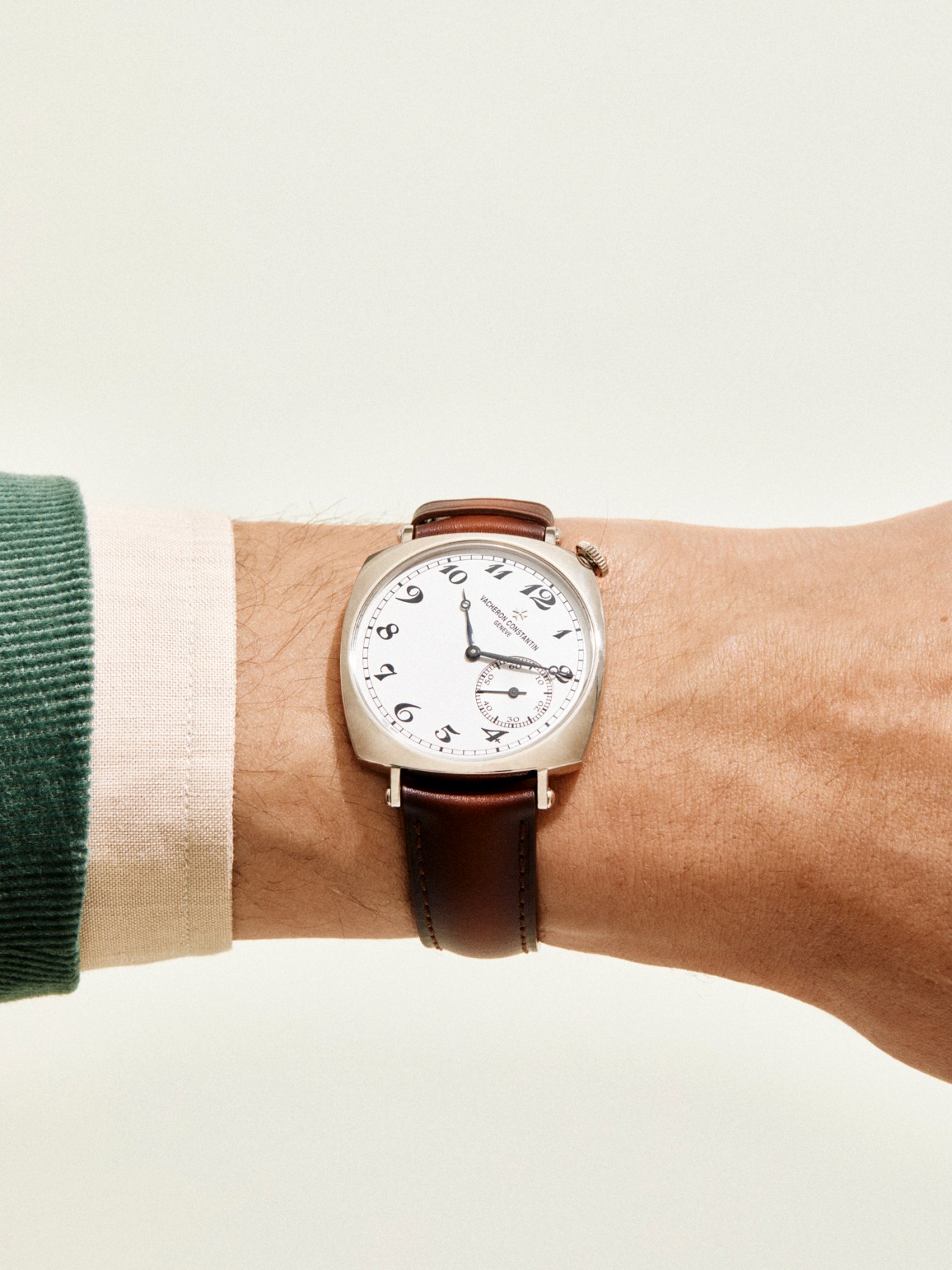
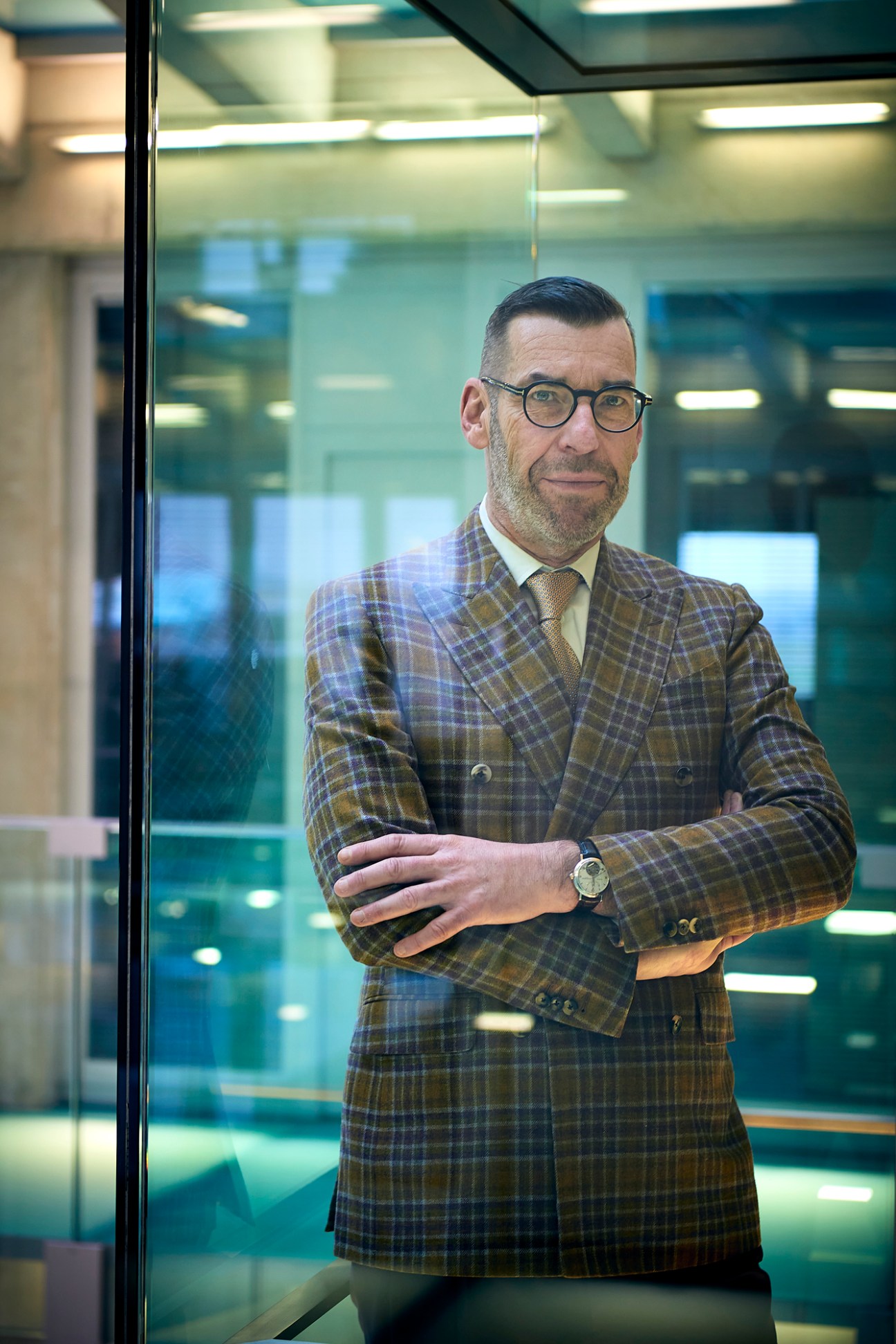
Christian Selmoni’s unique job title sees the Swiss-watch industry veteran act as heritage director for Genevan watch brand Vacheron Constantin, as well as working closely with its archive to make sure that new products honour the centuries-old company’s values.
How does a heritage brand attract younger clientele in 2022?
Our clientele is already quite young. It’s true that in several markets – Europe, for example, which is quite conservative – the average age is probably older than 40. But in Asia we have clients who are in their twenties. And younger clients are not only attracted to modern timepieces but also to vintage watches. Most of them already have a good knowledge of high watch-making, and this is why they are driven to our maison.
The Historiques collection offers updated versions of your watches from the 1920s, but you also offer refurbished vintage timepieces. Why have both?
We’ve had Historiques for years now. It’s difficult to redesign a piece from the past without losing its essential qualities, which is why we have so few models in the collection. In 2017 we decided to create a concept based on restored vintage Vacheron watches. It’s a great way to talk about our legitimacy, history, design and technical achievements. We also make sure all the watches are restored in our workshop and come with a certificate of authenticity.
What is your biggest design challenge?
We have more than 265 years of watch-making experience and we’re one of the benchmarks for classic, high watch-making. So for the designers, it is crucial to balance the designs of our watches with this important history and tradition while being contemporary and modern.
Matthieu Humair
CEO
Fondation de la Haute Horlogerie
Tell us about your foundation.
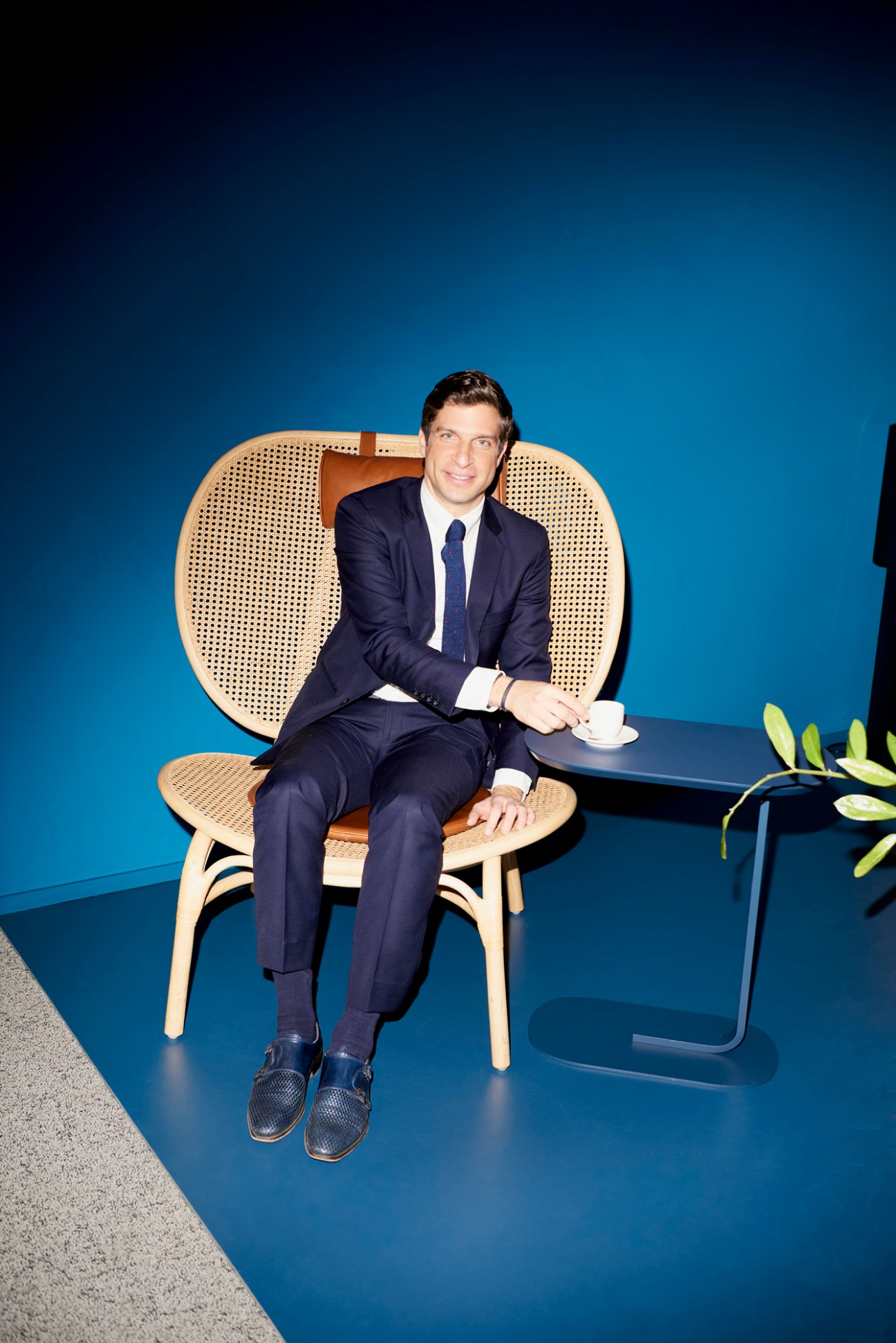
It’s a private non-profit founded in 2005, which celebrates watch-making excellence through two centres. Watches and Culture promotes its artistic and cultural value, while Watches and Wonders organises major events where professionals and lovers of fine watch-making can discover the latest trends. While Geneva is the anchor salon, events are also organised abroad in other formats.
What will Watches and Wonders Geneva 2022 look like?
After two years of fully digital editions, we are excited to bring the watch-making industry together in one place. It will offer a hybrid format to enable international guests to attend the show in person or abroad. It’s been designed like a fashion week for the press, retailers and clients of our brands, and for the public at large.
How has the salon evolved?
We’ve extended it to seven days to accommodate the 38 exhibiting maisons. Visitors will be able to discover the content in the common areas. Everything is now happening in a single place, making Geneva the prime destination for watch aficionados.
What is the importance of the high-end, mechanical watch in an increasingly digital world?
We believe that high-end watches and smartwatches are complementary as they serve different purposes. Depending on the activity and time of day, you can wear either. A high-end watch is like a piece of art. There will always be a desire for products that embody the best of craftsmanship.
Fashion: Watches
Face value
Germany
Connoisseurs of horology and design aficionados alike are turning to Nomos Glashütte for understated precision.
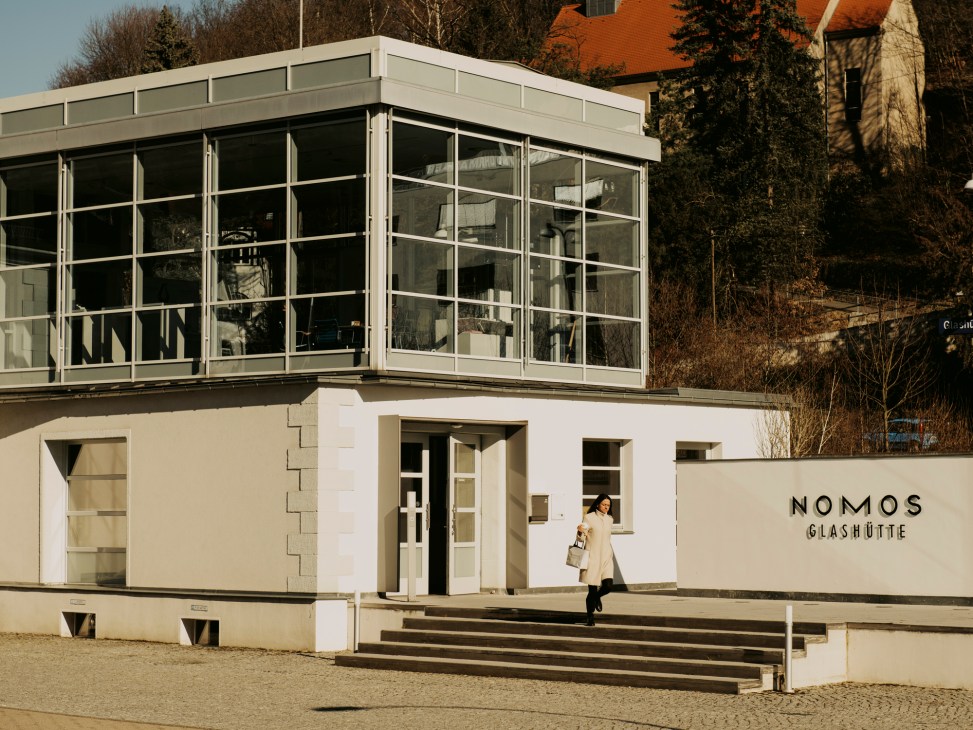
“Champagne has its wine, Parma has its ham and Glashütte has its watches,” says Judith Borowski, chief business officer of Nomos Glashütte. She’s discussing the protected status that the German watch-making town was awarded in February by the national government. It means that any timepiece bearing the Glashütte name must now be made there. “It’s good for the Nomos Glashütte name and it’s good for the place,” she adds, outlining Nomos’s history within this small town of some 1,700 people, considered by many to be luxury watch-making’s most important hub beyond Switzerland.
Nomos is young in the world of watch firms: a sprightly 32 years old. The brand was born in 1990, shortly after the reunification of Germany, with founder Roland Schwertner looking deep into the East German town’s 175-year watch-making history for inspiration. His first commercial success was the Tangente watch, which launched in 1992. Loosely based on a 1920s Bauhaus-style watch, the design oozes function-led sophistication. It remains popular to this day. Most recently, Nomos has launched the Tangente Platinum Grey, a quiet triumph that the brand’s senior watch designer Thomas Höhnel says subscribes to Nomos’s watch-making philosophy.
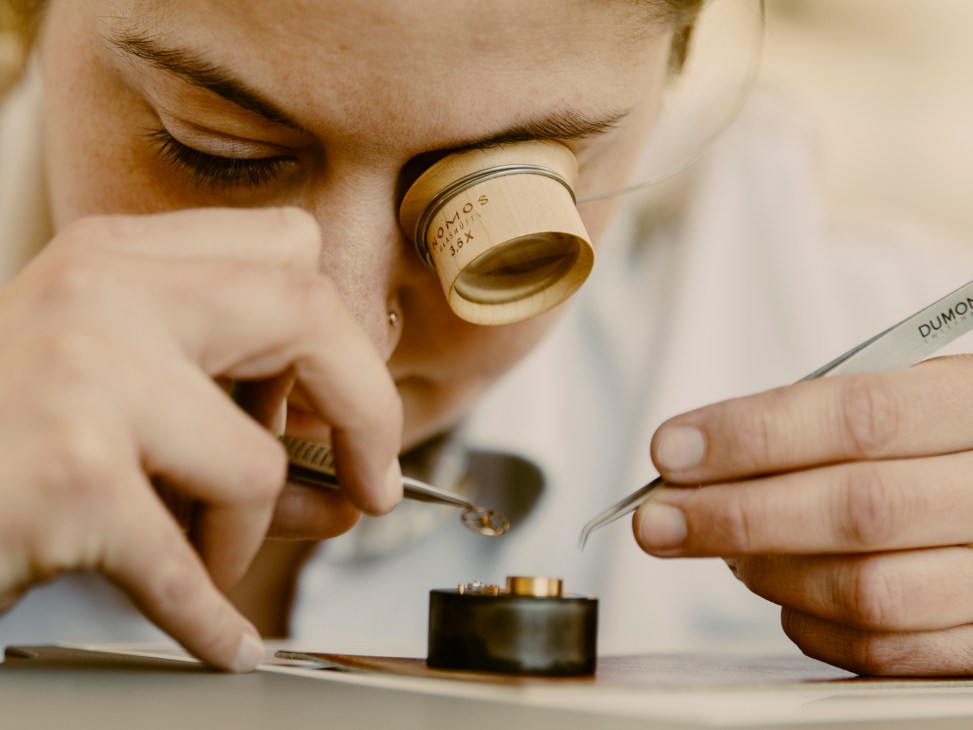
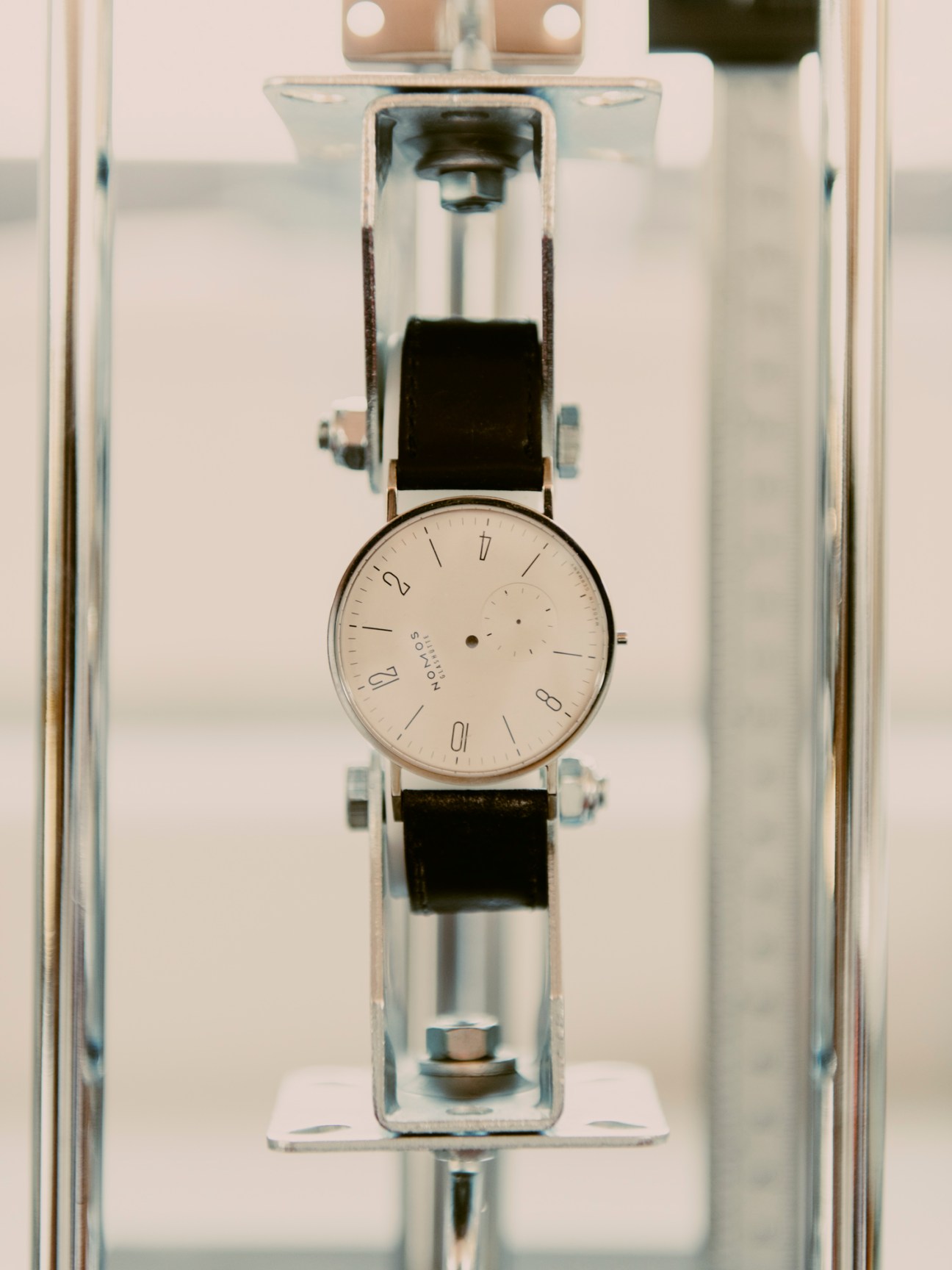
“Nothing ages as quickly as technology, so for us it is important that you always see and feel the craftsmanship behind a product,” he says, flipping the timepiece over to reveal the ultra-thin caliber, which is seen through the glass back panel. The handsomely crafted inner mechanism and its individual parts were developed, manufactured, hand-assembled and rigorously tested here in Glashütte. “It’s easy to make a watch look minimalistic,” says Höhnel. “But often you lose quality and detail in the process. This is what we work very hard here to prevent.”
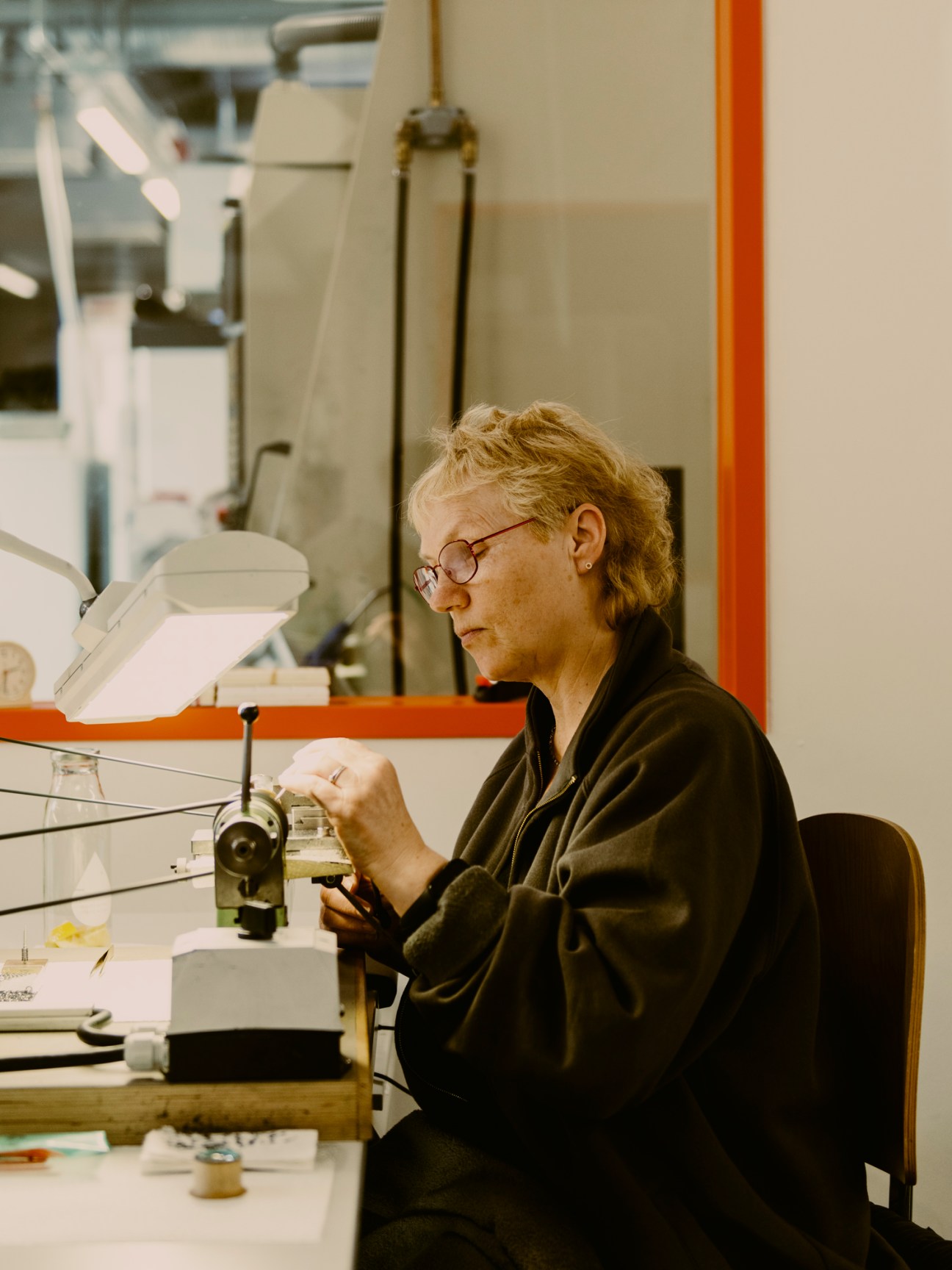
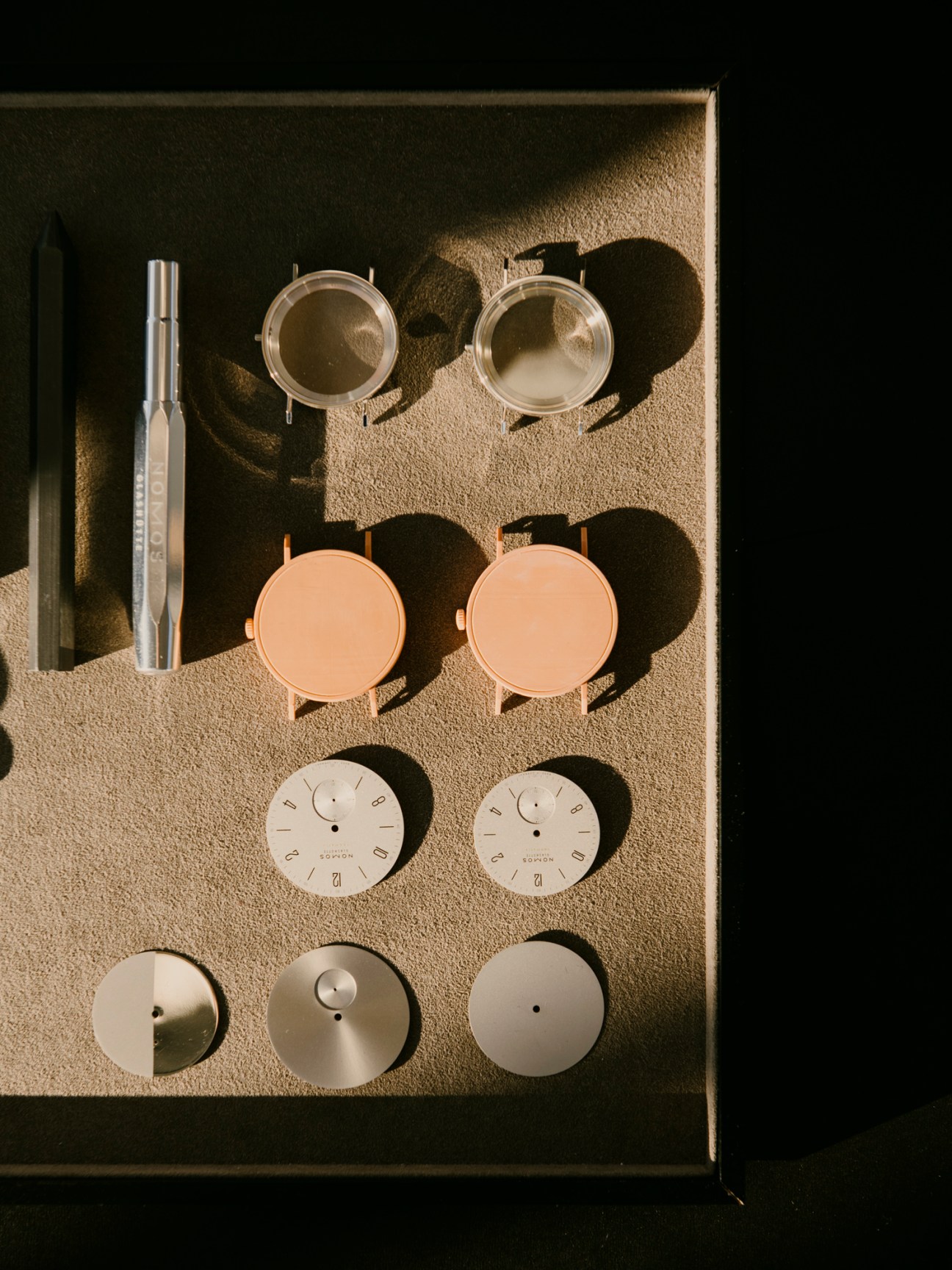
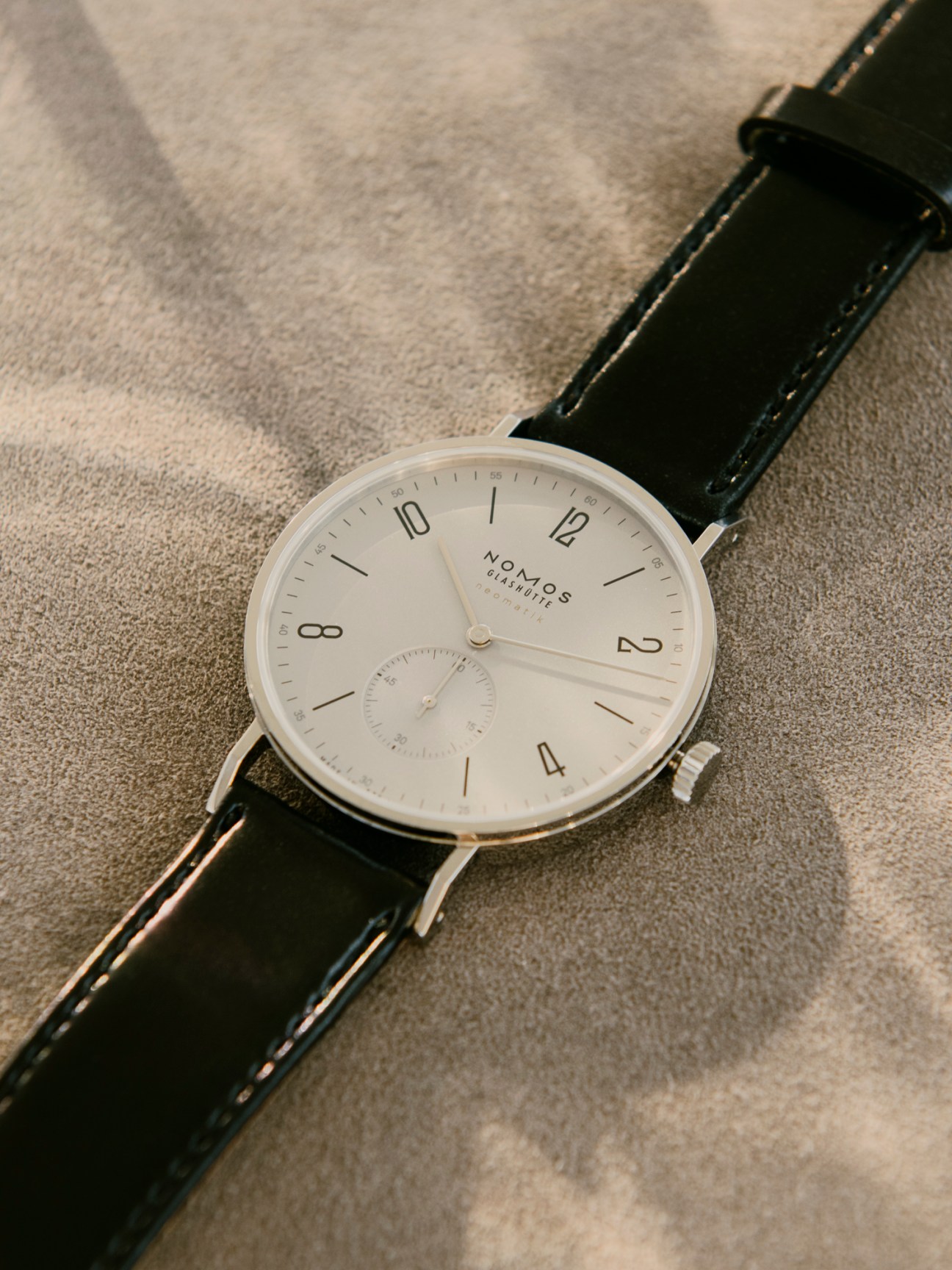
Without going too much into the complexities of watch-making, what Nomos creates in Glashütte is unique well beyond Germany’s borders. Its products are rarely sold for more than €4,500, meaning that they sit at the more affordable end of the luxury price ladder. However, their inner workings pack enough engineering punch to please most watch connoisseurs. Nomos’s design team shy away from ostentatiousness in form meaning that the pure aesthetics of the pieces they create have to work hard to excite customers. It’s a unique proposition in an industry that often gets caught up in developing gadgetry for gadgetry’s sake and one which Borowski calls a “subdued approach”.
Clearly it’s working; there’s a waiting list of some 8,000 customers hoping to buy Nomos products as the company springs forward from the pandemic. “We simply try to concentrate on the essentials of watches; the dial is pure and tidy and easy to read,” says Borowski. “These are watches that are made to last a lifetime, both in the quality of their movements and also in terms of design.”
Clear the air
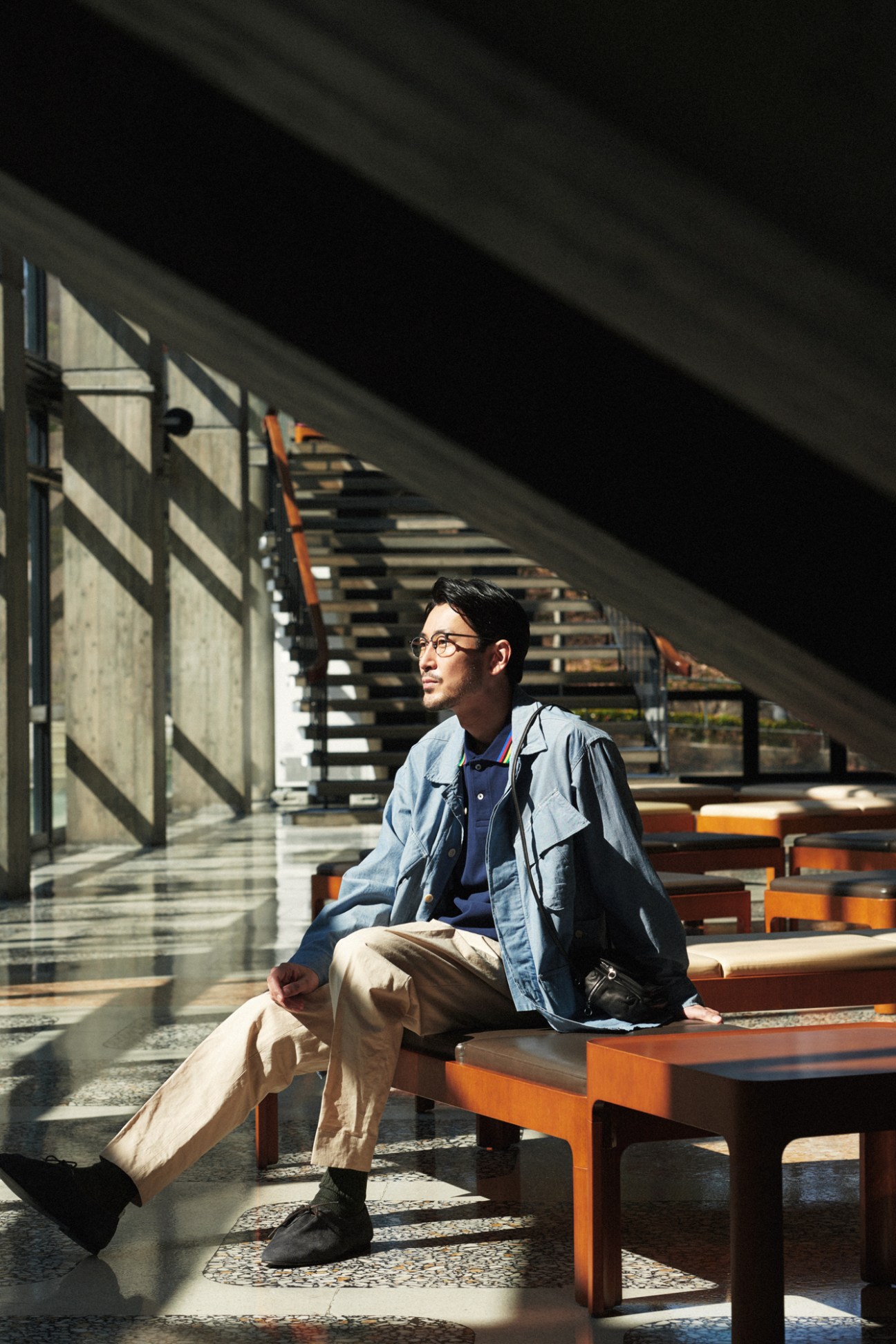
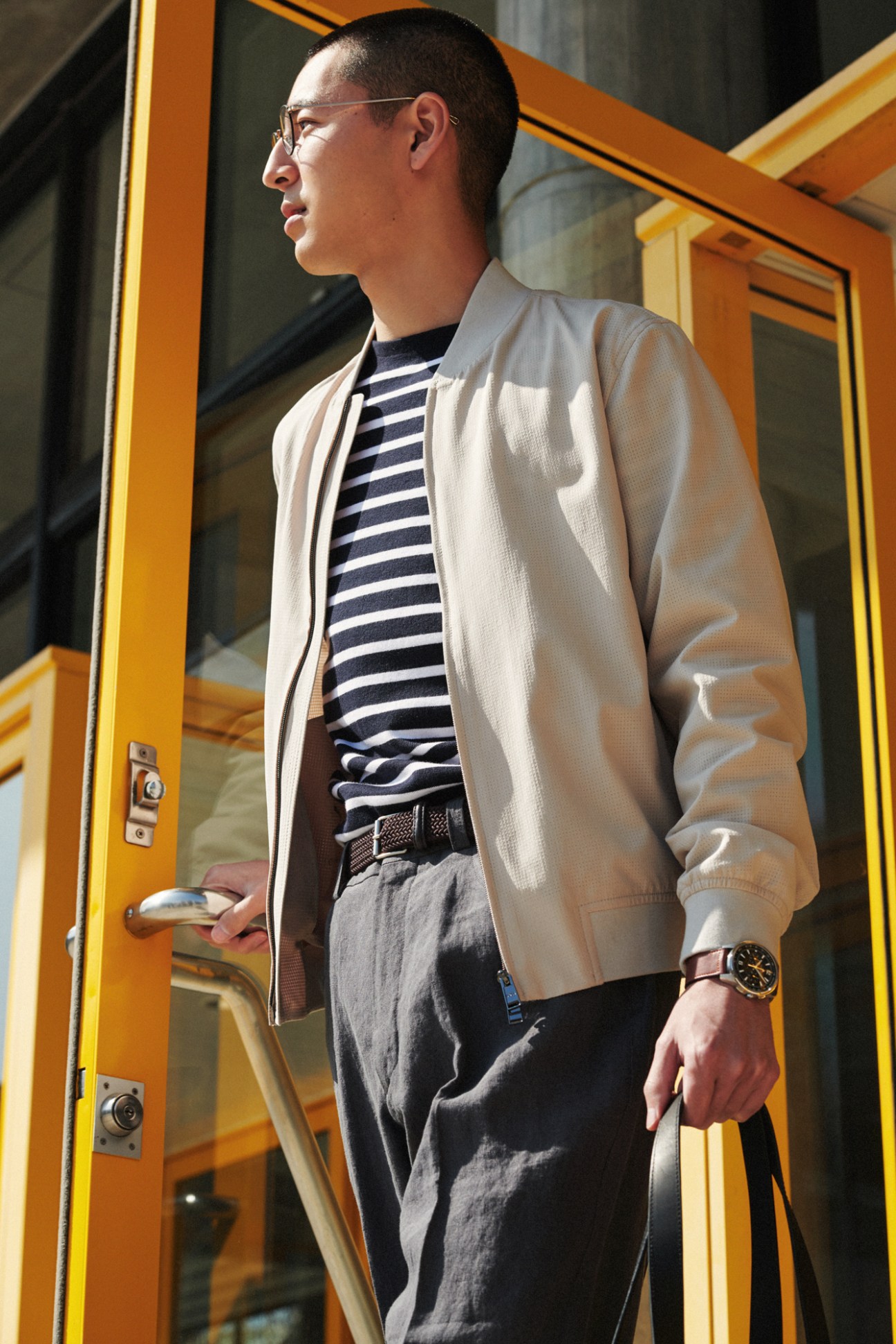
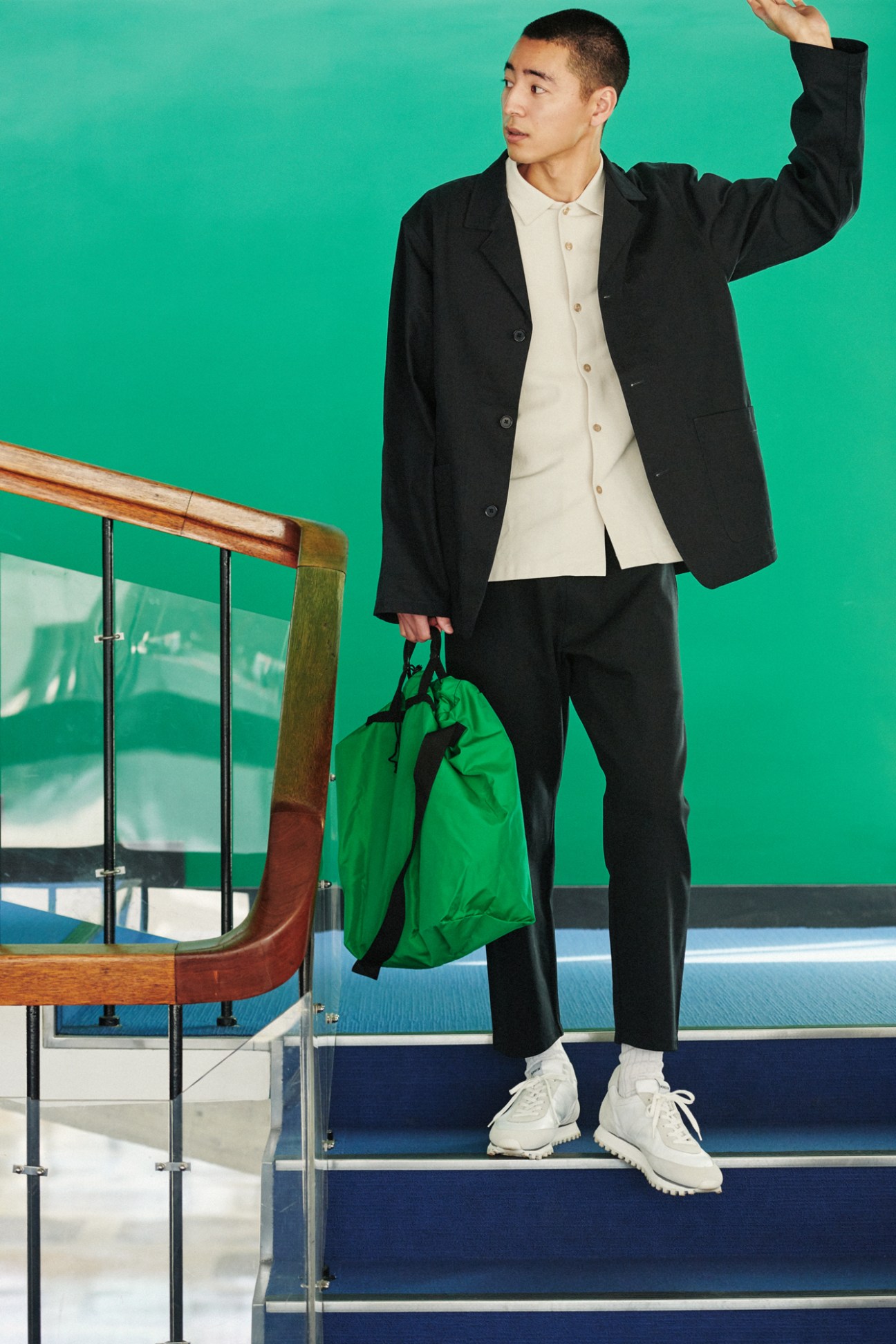
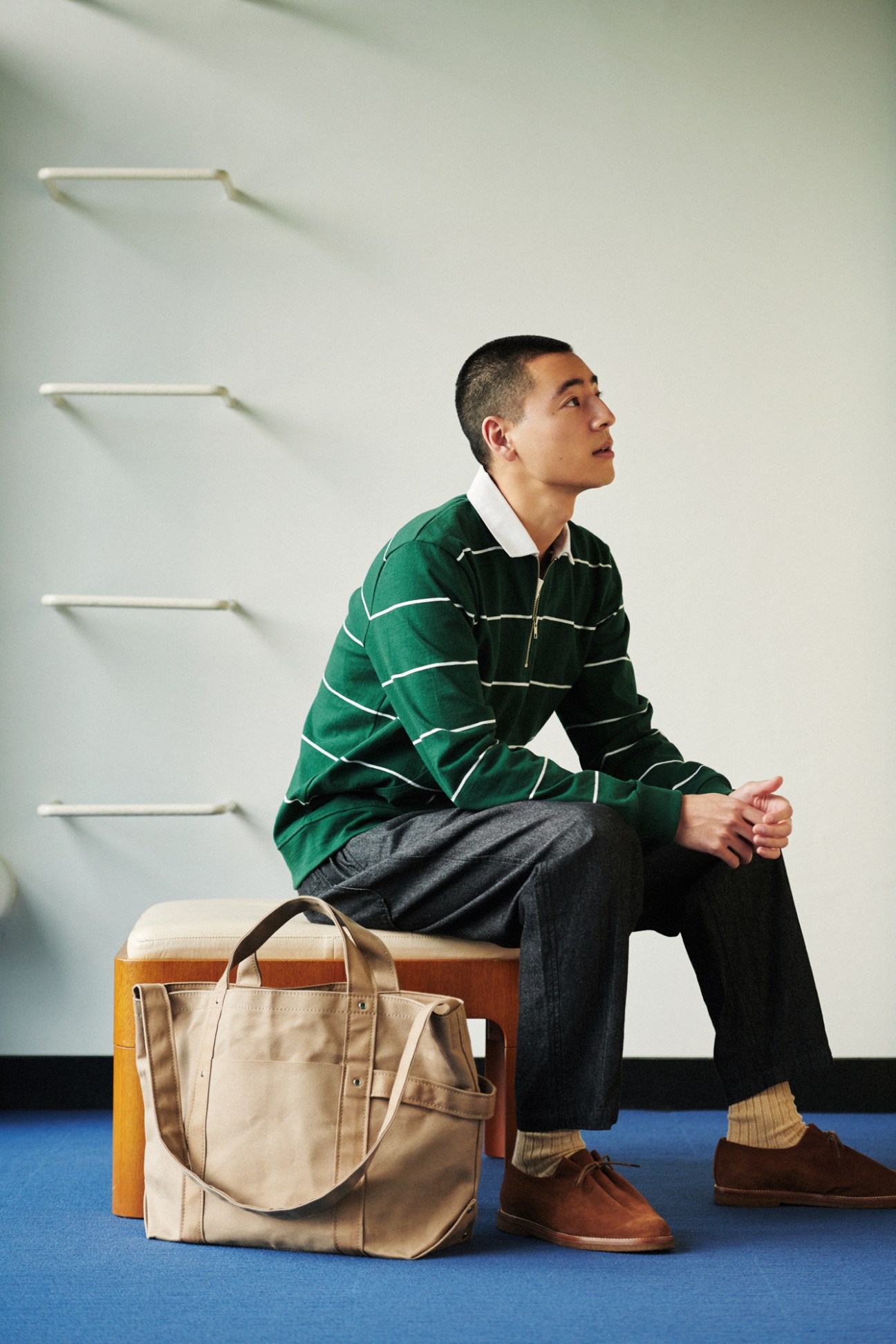
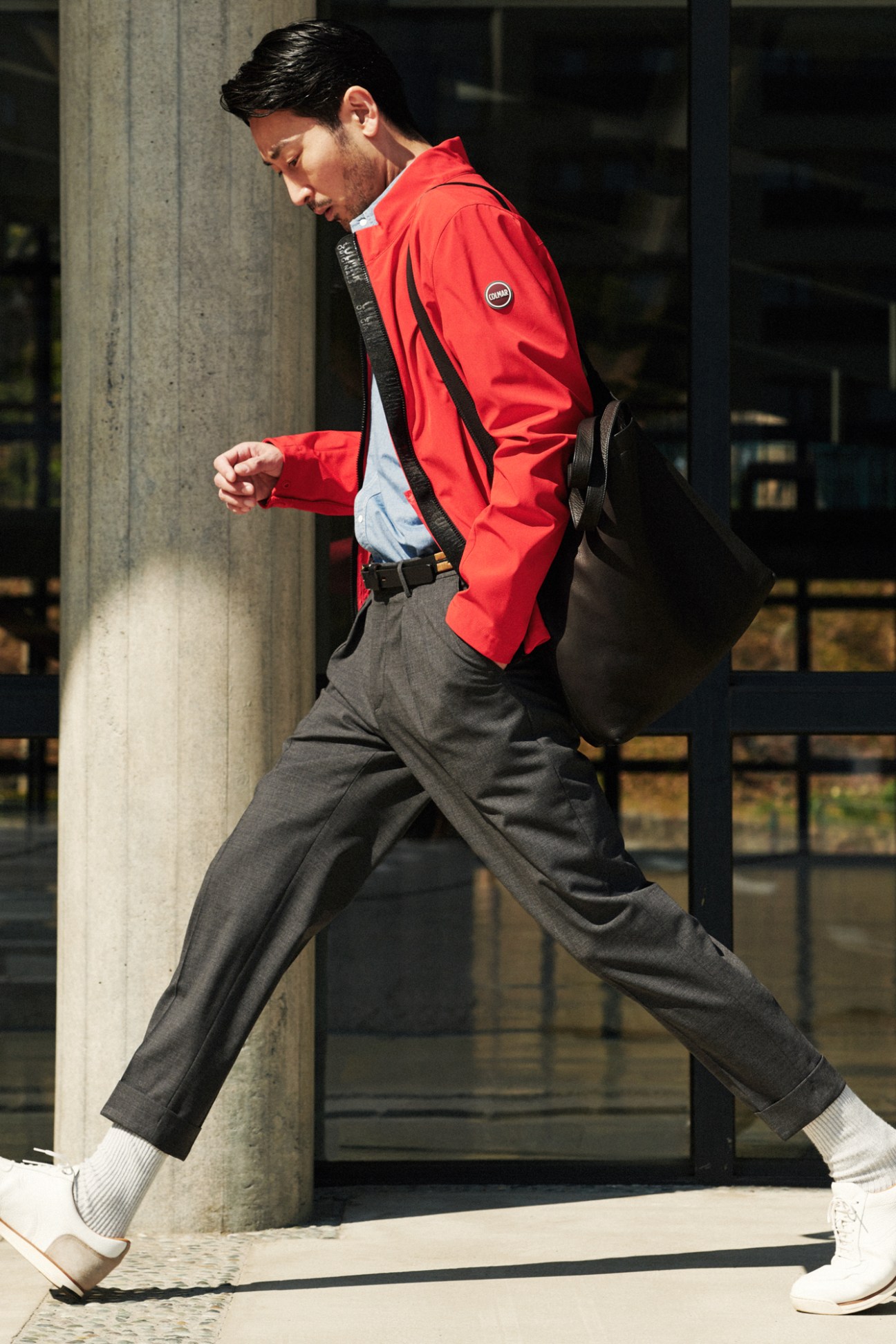
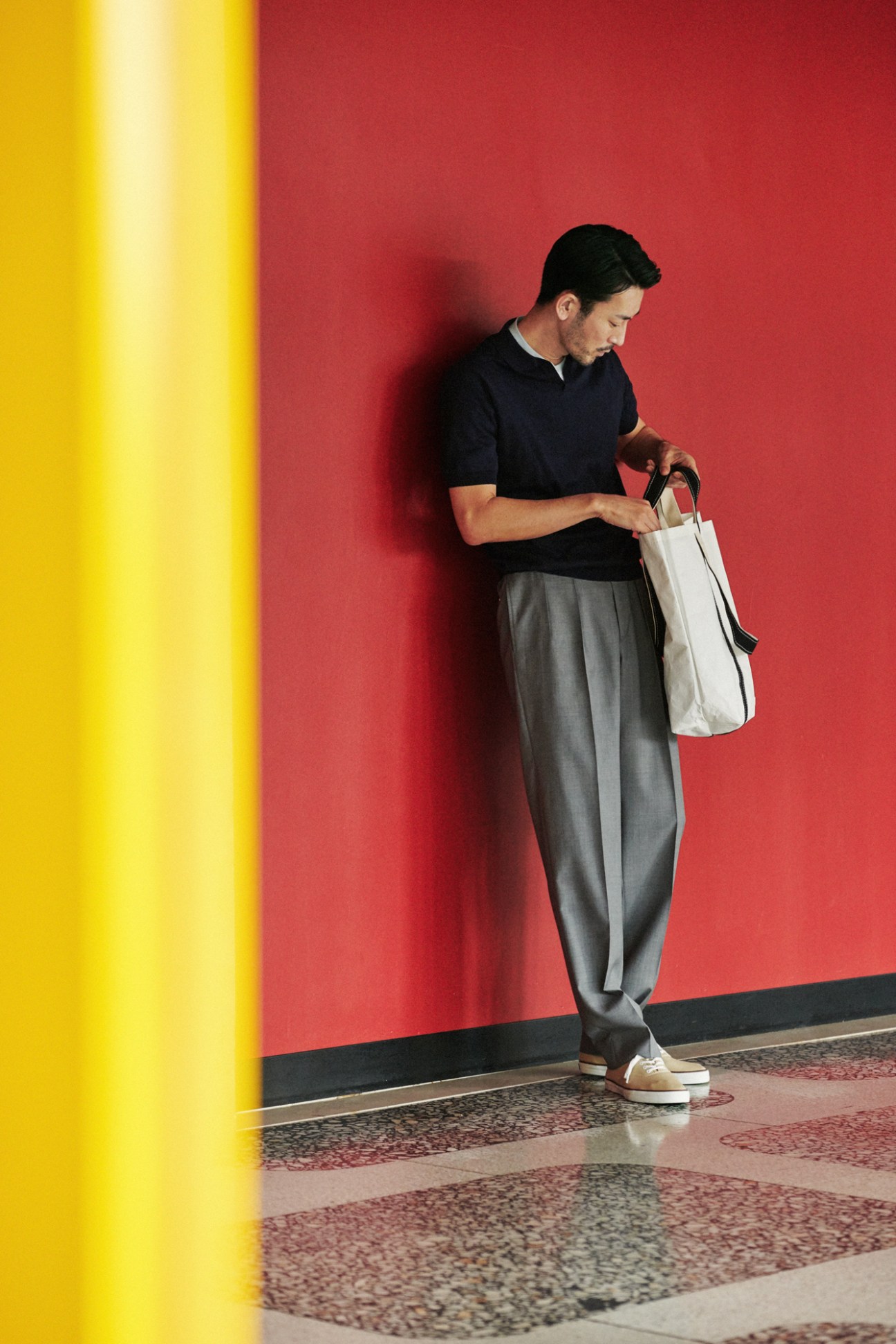
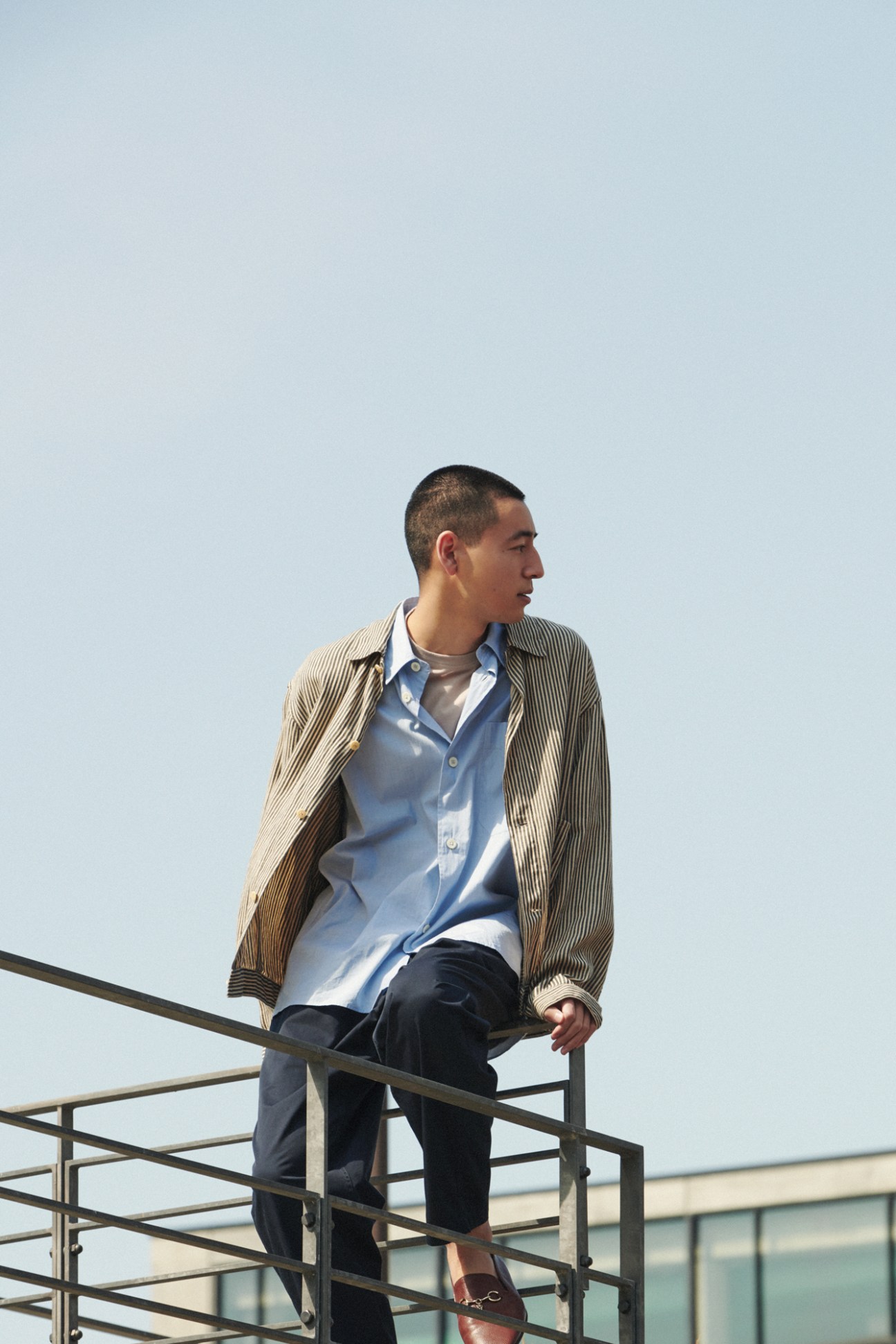
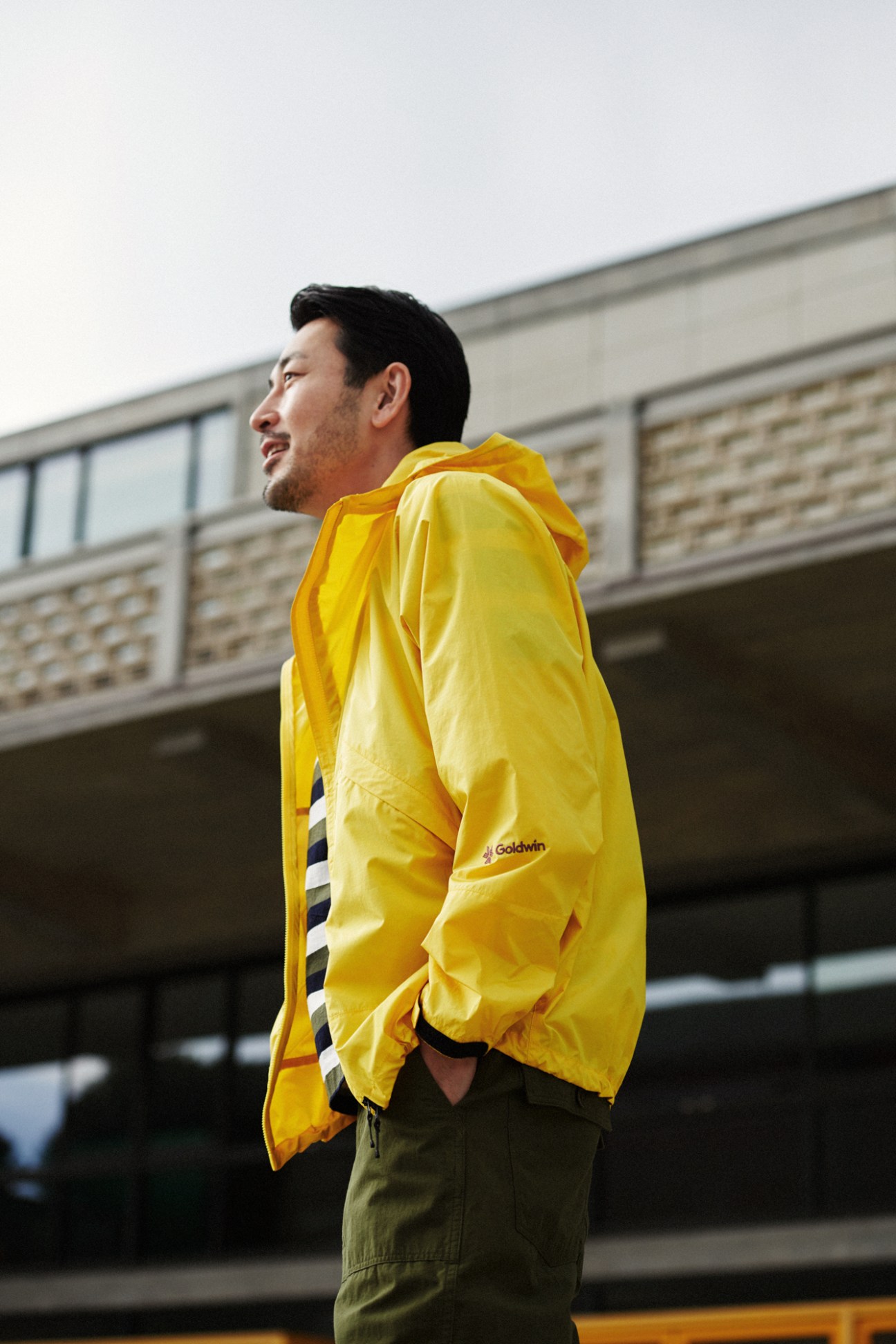
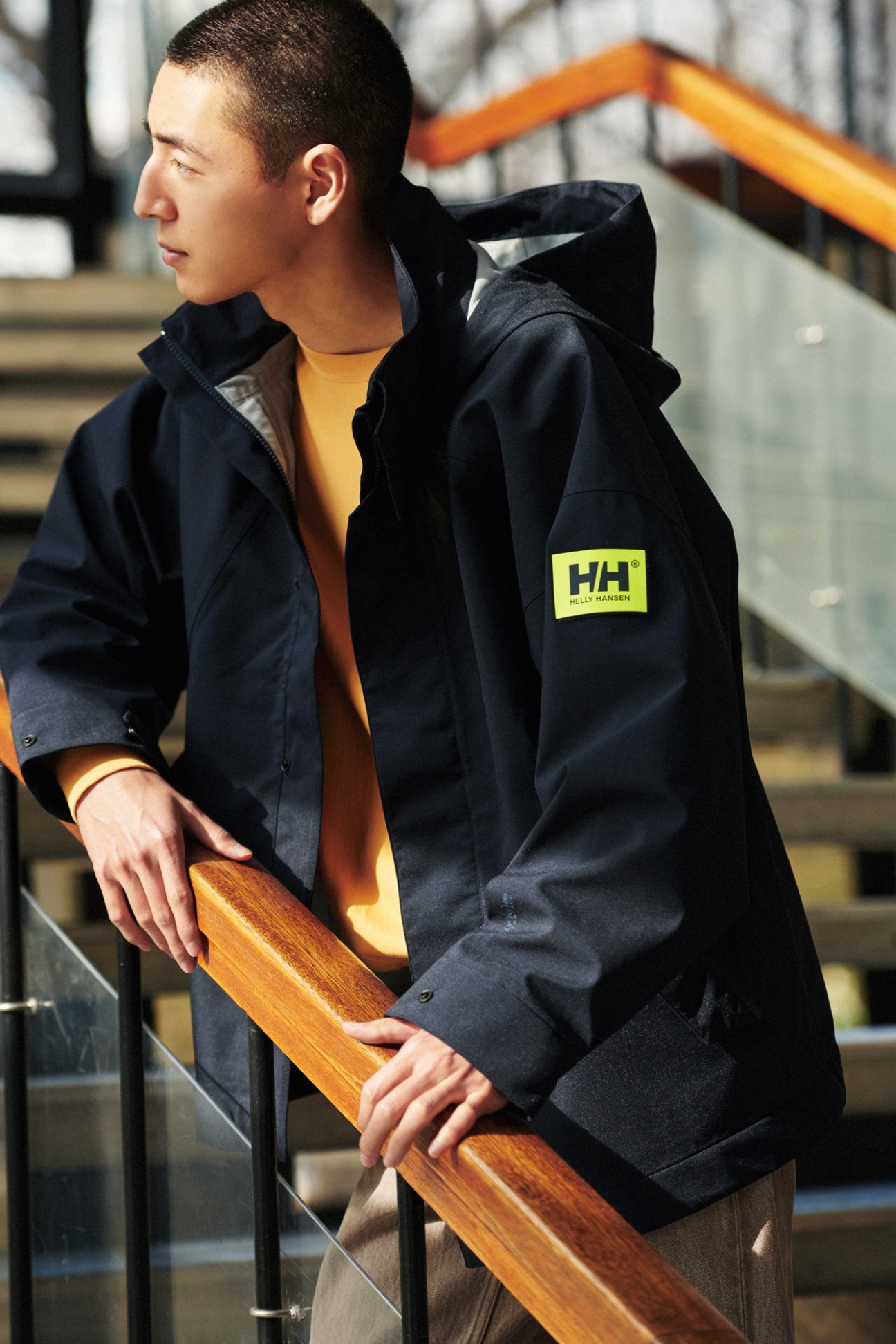
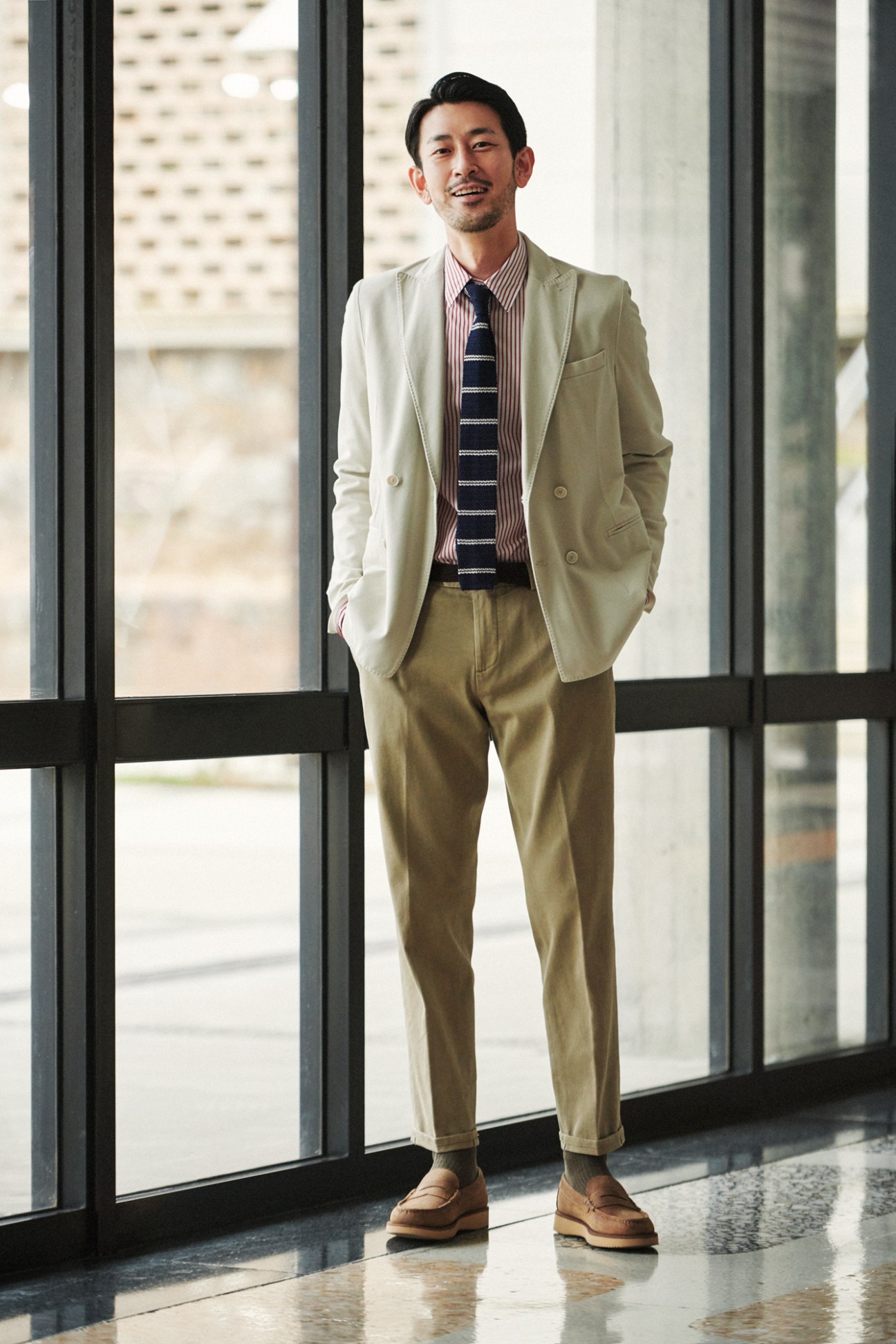
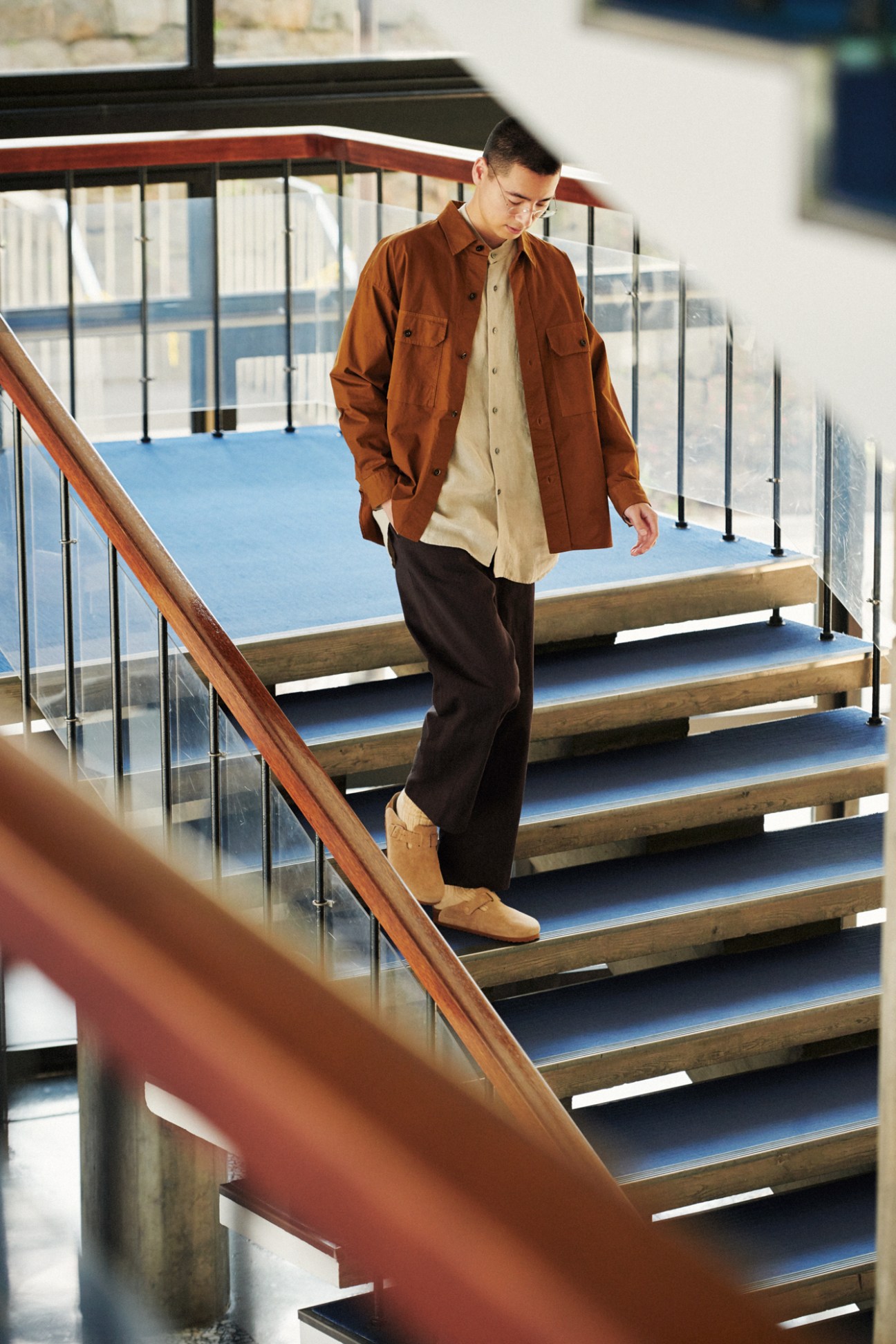
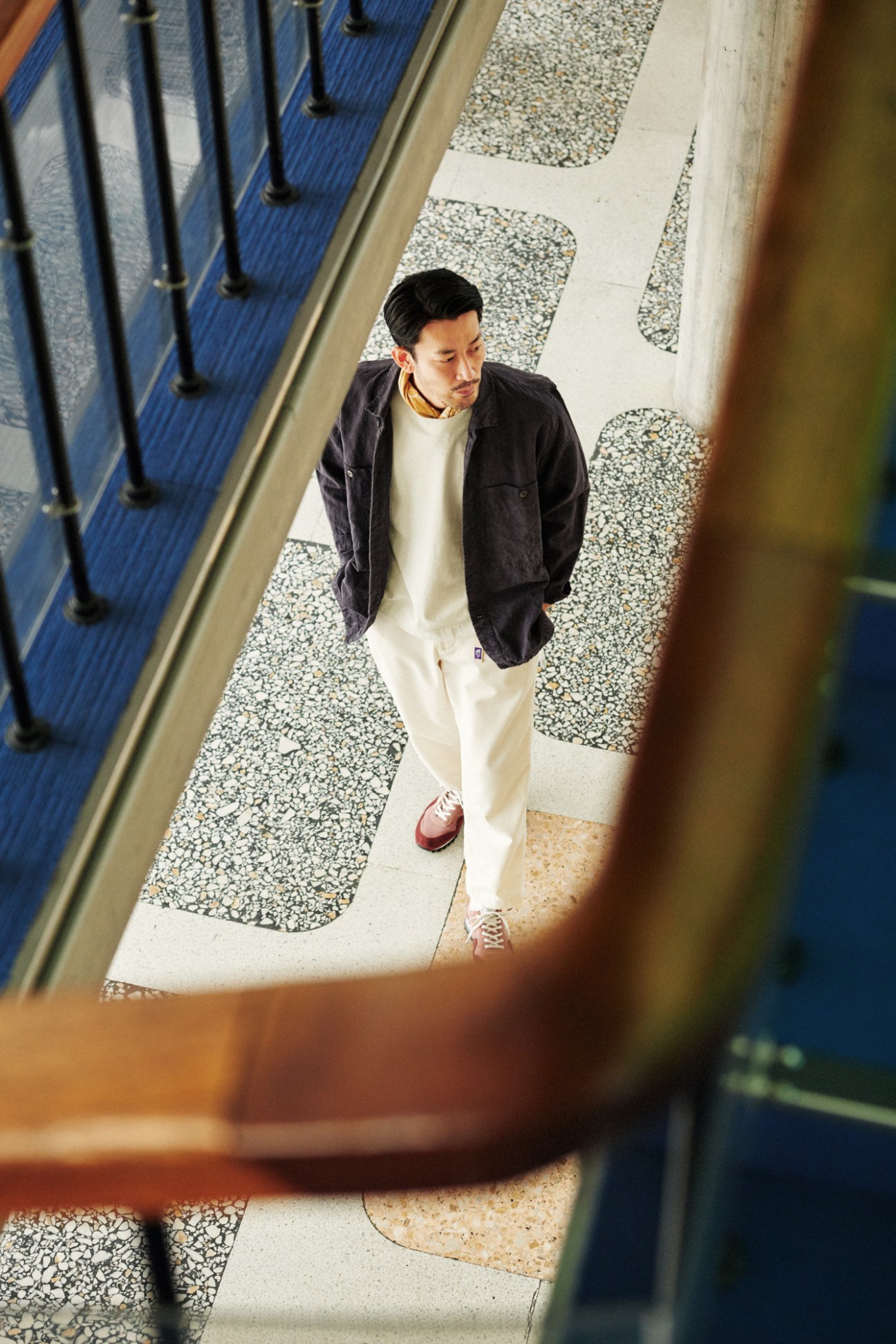
Models: Kou, Takeshi Watanabe
Grooming: Amano
Local Producer: Shinri Kobayashi
Stylist: Naoki Ikeda
Table talk
Meet the guests
Lucho Martínez
Originally from Veracruz, rising culinary talent Martínez began his career working under chefs including Eduardo García at Maximo Bistrot. He opened his first restaurant, Emilia, in 2018, before relocating and rebranding it as Em. In 2021 he opened 686 Bar above the restaurant.
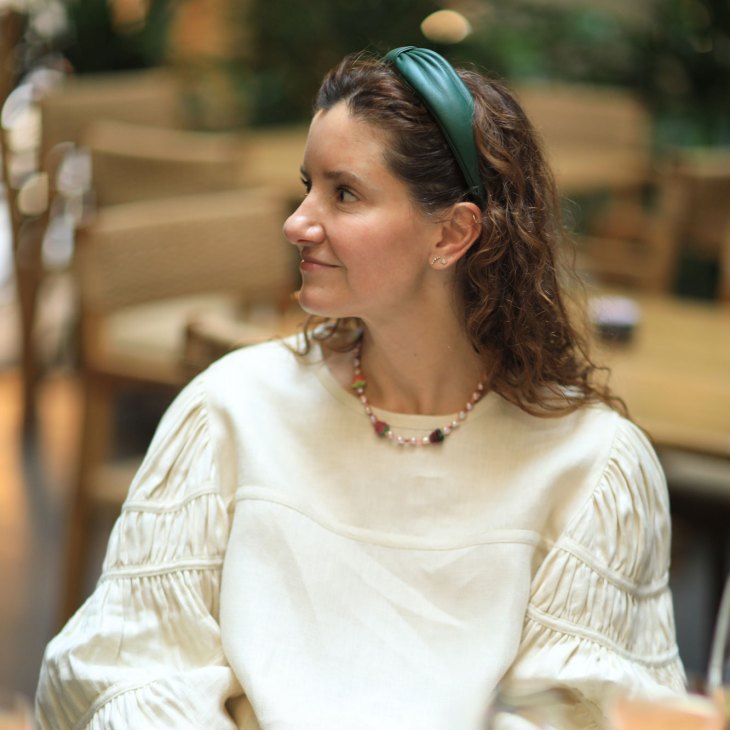
Elena Reygadas
Opened in 2010, Reygadas’s restaurant Rosetta highlights Mexican and Italian techniques and ingredients. She has since opened another restaurant, Lardo; a bakery called Panadería Rosetta; and a bar, Salon Rosetta, in Mexico City. Central to her mission is using food to understand and solve social issues in rural areas, as well as education about nutrition and the environment.
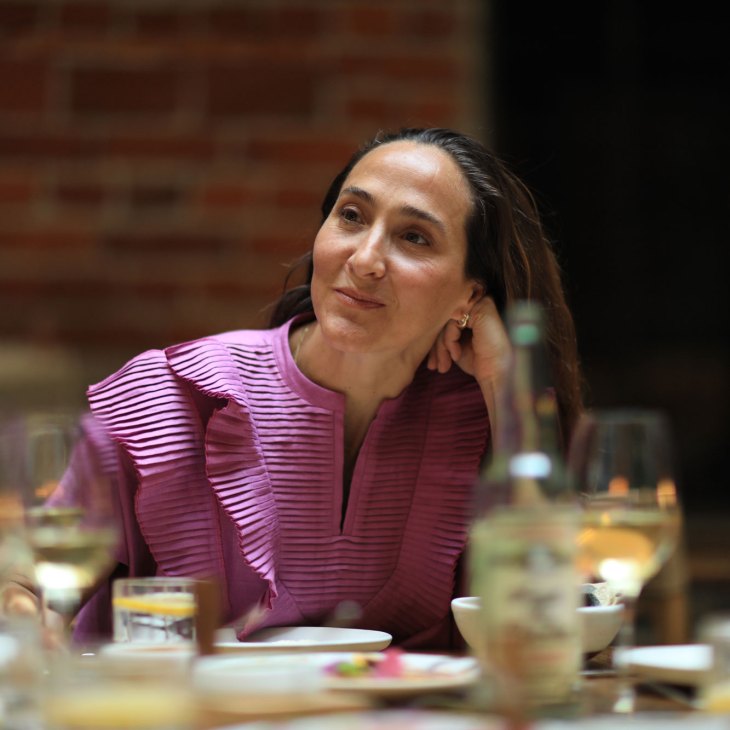
Gabriela Cámara
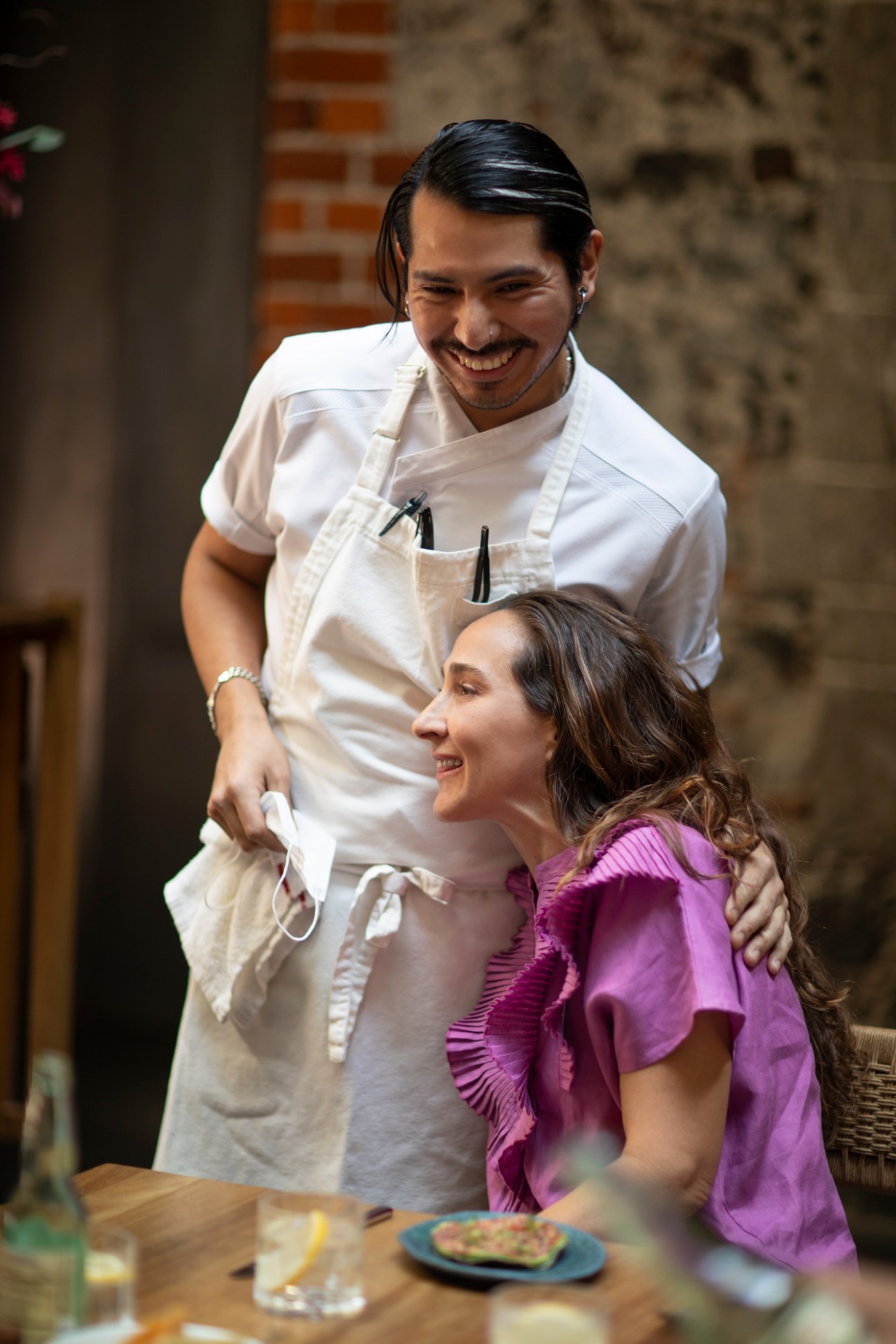
The chef and restaurateur is behind Mexico City’s beloved seafood-focused staple Contramar. Her most recent restaurants include Itacate del Mar and Caracol de Mar, which she opened in 2021 and at which she generously hosts our round-table. Cámara has a keen interest in the politics of food security and organises food events for the Mexican government.
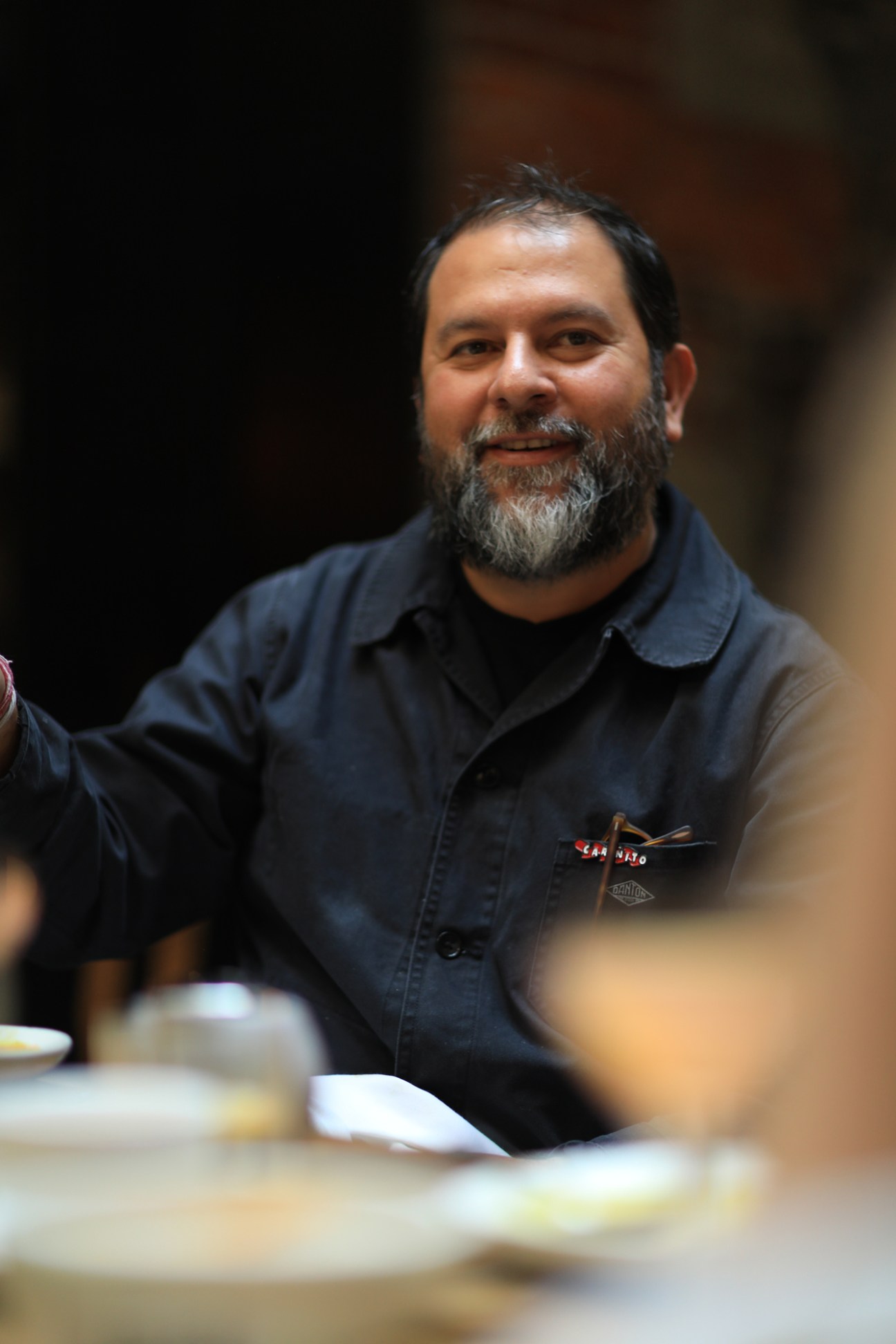
Enrique Olvera
Pujol, which Olvera opened in 2000, has consistently been ranked in the top flight of global restaurants. His other restaurants include Casa Teo and Molino el Pujol in Mexico City, Cosmé and Atla in New York and Damian in Los Angeles. Olvera is also a cookbook author and has written extensively about food, sustainability and social responsibility.
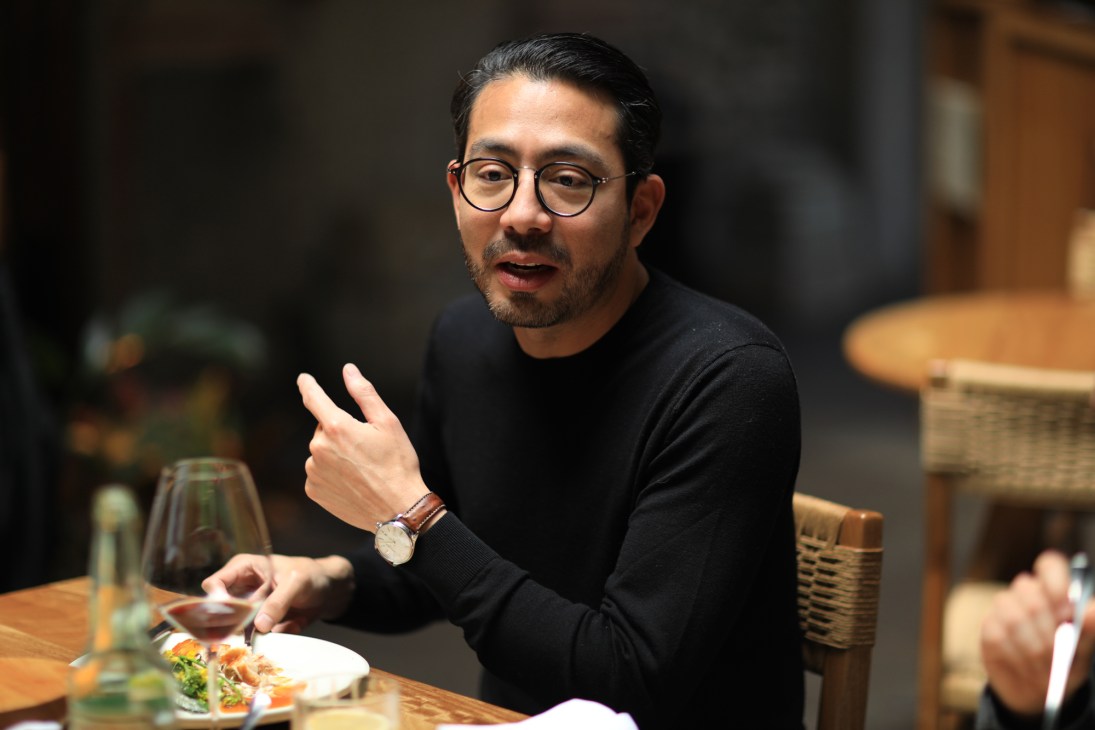
Edo Kobayashi
Born in Tijuana, Kobayashi spent time exploring his heritage in Japan. In 2013 he launched the Edo Kobayashi Group, which specialises in Japanese cuisine and has rolled out numerous acclaimed restaurants across Mexico City, as well as in the US and Japan. His 23 popular spots range from ramen joints to saké bars and even a slick sushi counter at the capital’s airport.
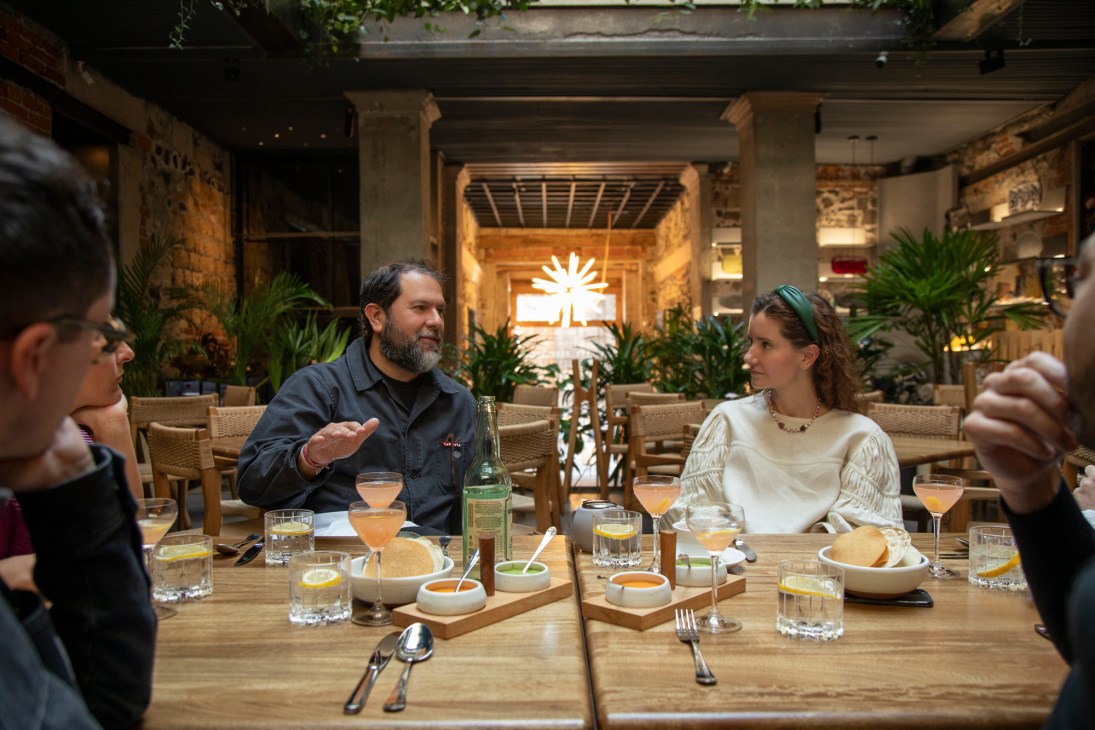
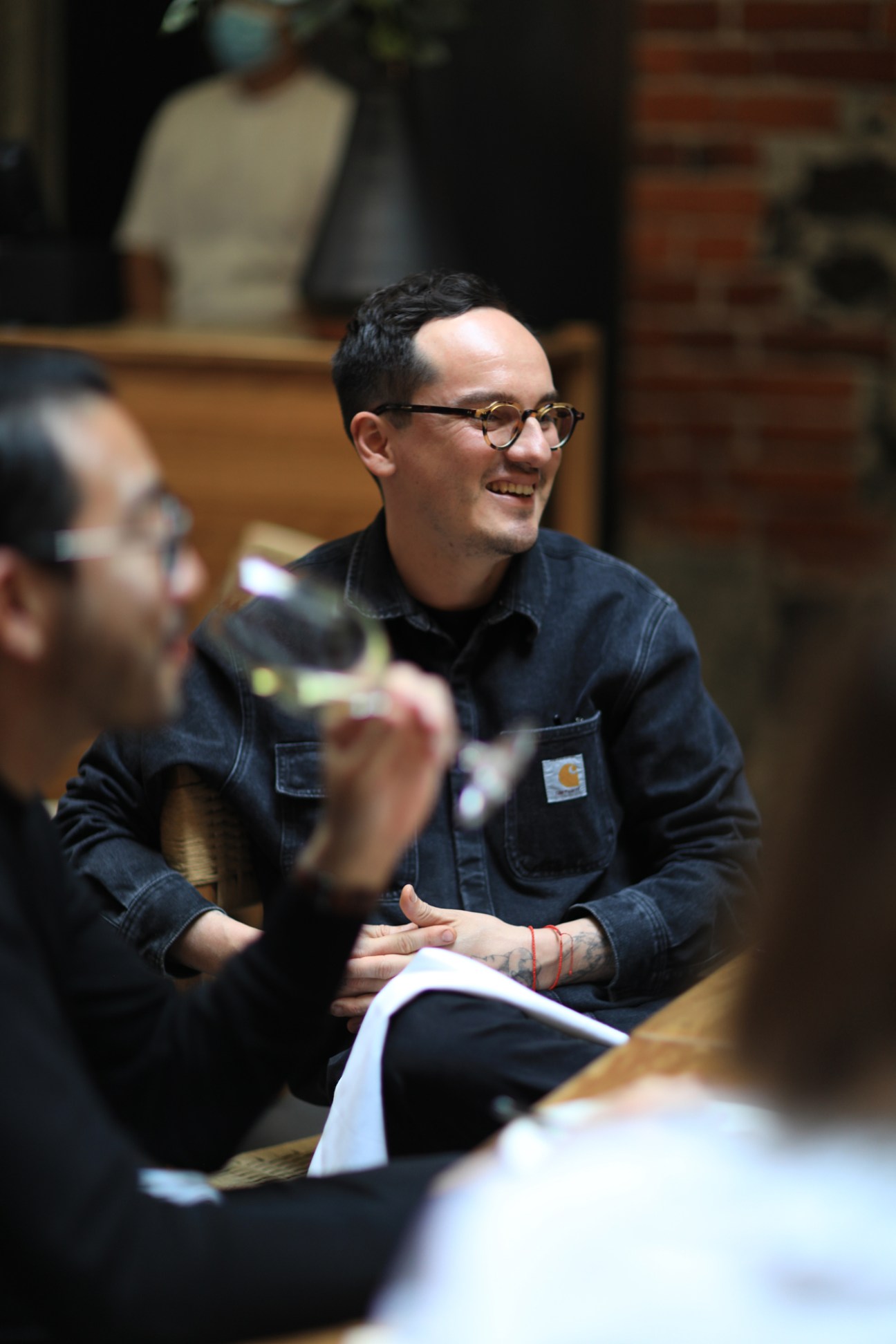
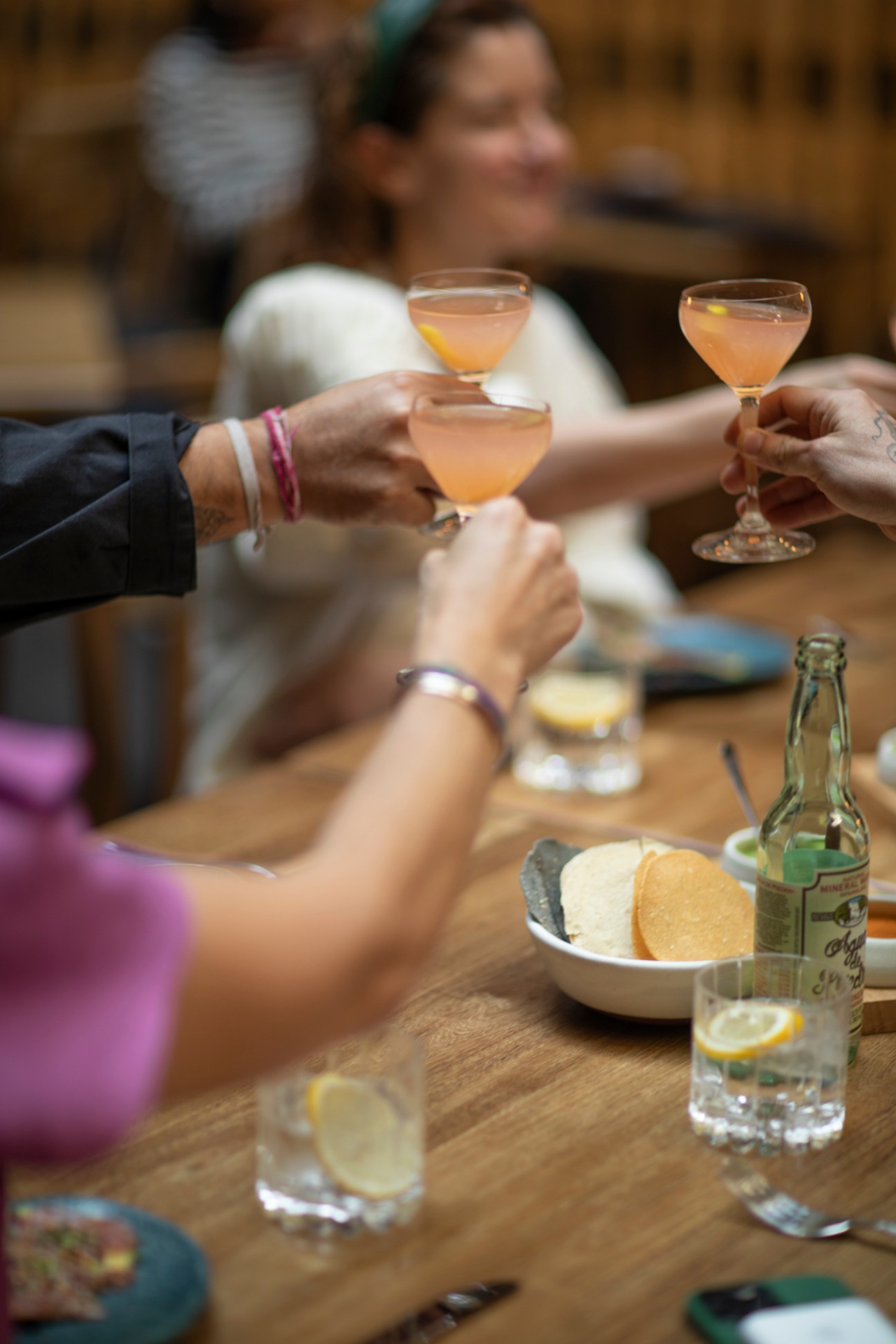
Mexico city’s cuisine has always fizzed but it’s only recently that the world has started to take notice. In part this is thanks to a crop of talented chefs, who are putting modern Mexican food on the map. Monocle convened a panel of food folk and experts (armed with tostadas and tequila cocktails) to chew over the fast-changing culinary landscape, ask who’s stepping up to the plate and wonder, ‘What’s next?’ for the city’s fiery food scene.
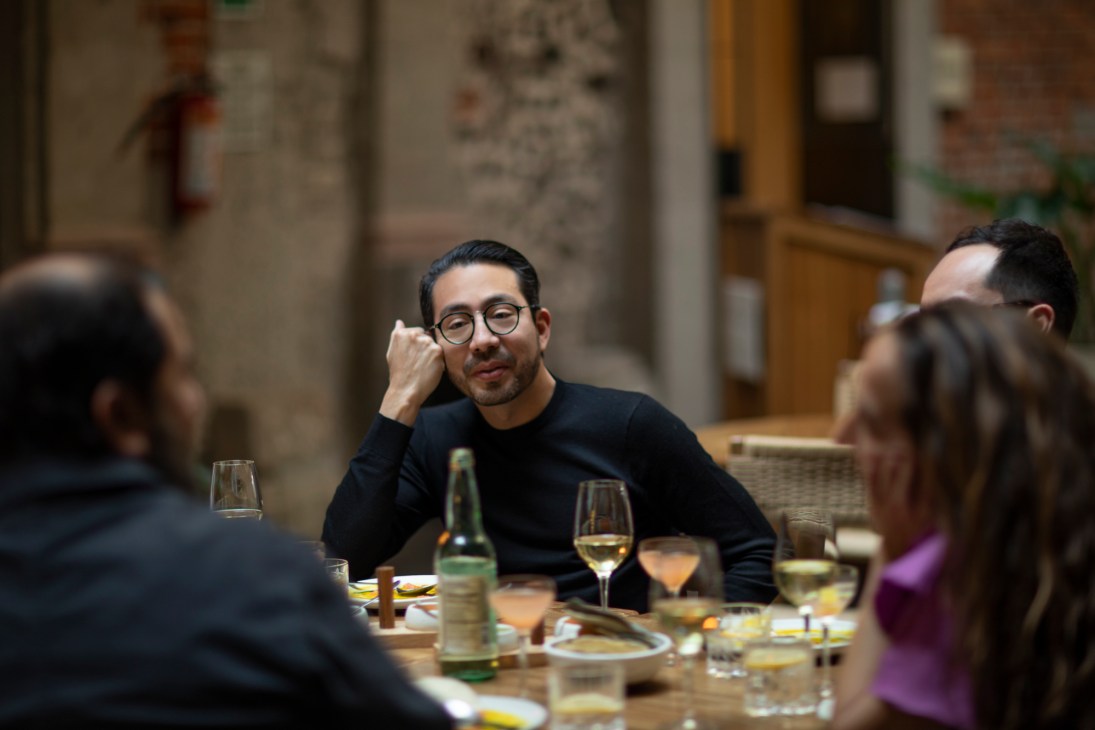
Monocle: Welcome everyone. We’re delighted to have you all around the table. Let’s start by talking about the ingredients for the success of Mexico City’s food scene. And how has the scene shifted in recent years?
Elena Reygadas: Fifteen years ago the Mexican elite would never have gone to a Mexican restaurant to celebrate; we used to go to French or Japanese restaurants for special meals.
Enrique Olvera: It’s also shifted in terms of ownership. Now the most celebrated restaurants in Mexico are personal projects, often by Mexican chefs. You know who the owner is. Also everything starts with the ingredients and that’s another key to the success of Mexico; we have a long tradition of using beautiful ingredients.
Lucho Martínez: And social media. Fifty years ago we couldn’t see anything from elsewhere. Now people are coming here hoping to see places, ingredients and landscapes from Instagram. Plus, being the capital of the country, we are a point of trade reaching elsewhere in Mexico. You come to Mexico City and you can go anywhere.
Monocle: Social media has shifted things. Lucho mentioned that people come to the restaurant, pull out their phones and say ‘I want this’. Is this a good thing?
LM: A decade or two ago, you went to a restaurant to be surprised by what you were eating. Today some people show up because you posted a picture of sea urchins a week ago and are disappointed if we don’t have any left.
Gabriela Cámara: Yes, but mostly those are the people who don’t care about the food. Or they’re ticking a box. But that’s the point of a good restaurant, it still surprises you even if you know what you’re going to eat.
Edo Kobayashi: Restaurants are a business too. What Lucho was saying [about social media] sells right now.
ER: The strength of the food scene here is that it’s diverse and you have a panorama. That’s not very common; maybe it happens in Tokyo but not in many cities in the world.
Monocle: Now that everyone has their tostadas and cocktails, I want to ask a question. Is there an international appetite for what Mexico City is serving these days? I hear so many more foreign accents here now.
GC: Mexico City has always been cosmopolitan. Now there are more people coming from, say, New York because they’re aware of what’s cool and well-known. Contramar has been open for so long and it’s always attracted foreigners and expats.
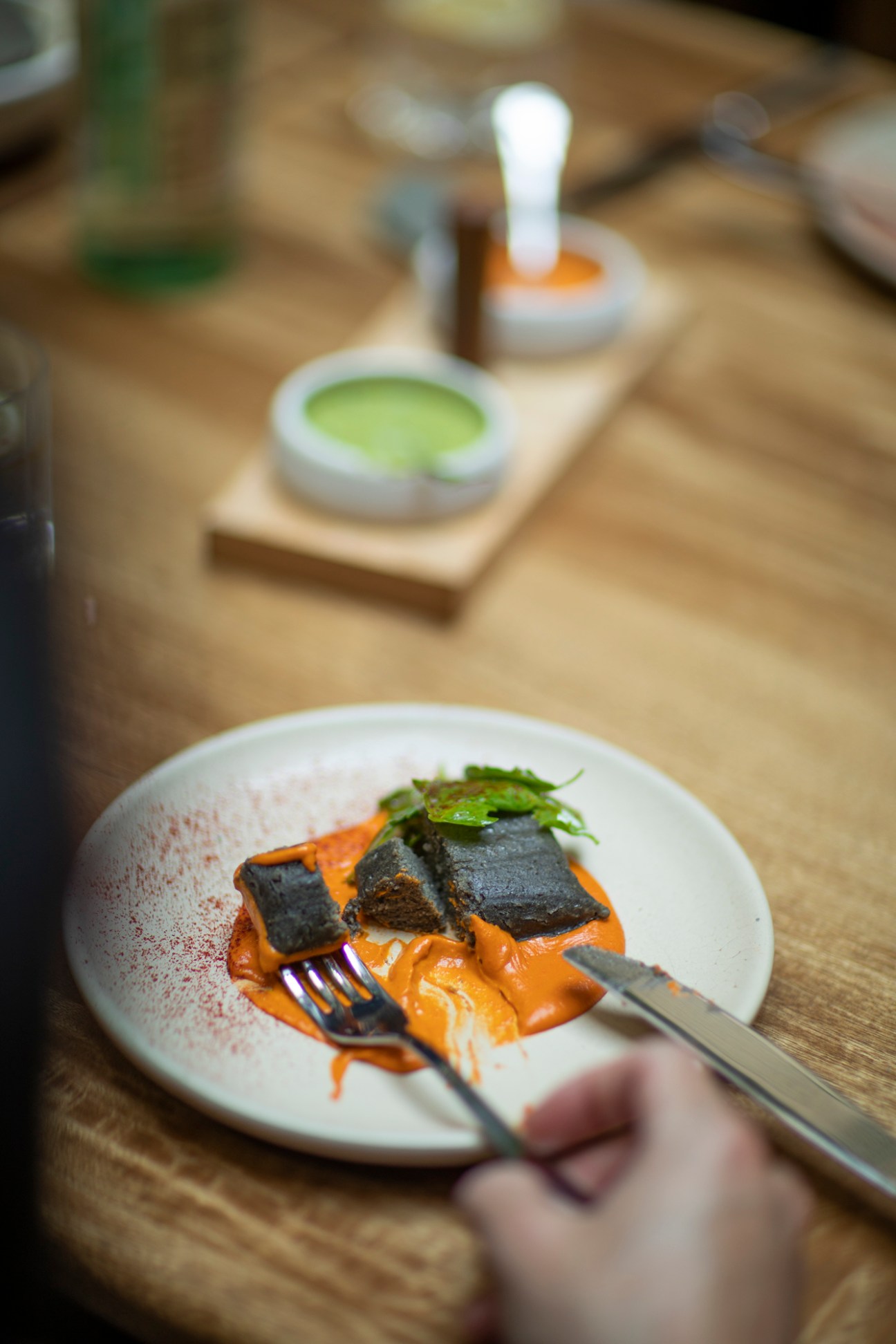
Monocle: Let’s talk about ingredients, how have they changed?
GC: For me, the industrialisation of food has been a tragedy. Corn is now genetically modified and it’s also transgenic [a modification that makes it pest-resistant] and we have huge companies selling it that also control farming rights.
ER: But for restaurants, there is a small change we can all make: helping people to be more conscious about what they’re eating and the quality – particularly with native ingredients.
EO: Ingredient-wise what has changed is society’s knowledge of the seasons. When we were children we knew mango season and where things came from. People have lost track of that. Some varieties are also more difficult to get. Before, you went to the markets and found many varieties of beans and apples; now everything is more uniform.
ER: And we import about 50 per cent of our food, which is crazy to me.
LM: We have collectively lost the ritual of just going to the market. Commercial trading brings in everything from everywhere, whenever we want it.
GM: There are so many products that are Mexican, some organic or grown in Mexico, that are then sold by US companies. You’d never know they’re from here. The footprint food leaves is a huge issue to me. As mentioned, it has to do with making everything available all the time. To me the idea of having more than you think people need is very US.
EO: Something that Mexico City traditionally always had that was great: you could eat really well at any price level. So if you were eating a quesadilla bought from a street-corner vendor, it was tasty, a beautiful product. Now some vendors are buying processed flour and the “cheese” that’s being used isn’t even cheese. That’s the biggest risk [to our collective health].
LM: Yes, today people don’t always even know what they’re eating. They just need to eat before going to work.
GC: We’re a culture that’s had a lot of training in really enjoying food. That’s the beauty of Mexico; you go to Oaxaca and Michoacán and it’s mind blowing.
EO: That’s why there are so many four-hour lunches at Contramar, which you don’t really see elsewhere in the world.
EK: [Laughs] I spent four hours there myself last Thursday.
GC: But I find it fascinating that there are some food stalls that do so much better than others. They must be doing something that adds to the flavour.
LM: The salsa?
EK: MSG? [Everyone laughs]
Monocle: Now for a controversial question. Is food the one field in which appropriation is allowed, or even encouraged?
EK: Mexico is starting to attract and generate a lot of new cultures now. Exchange is really good.
GC: Taco Tuesday, a US idea of Mexican food; now that’s cultural appropriation. It’s less common now and we’ve shown people that Mexico has so much more to offer than that but culinary appropriation has always existed in ways that are good and bad.
ER: Mexican food is so amazing because throughout history we have incorporated so many other things.
GC: Mexican food isn’t static, it’s evolving.
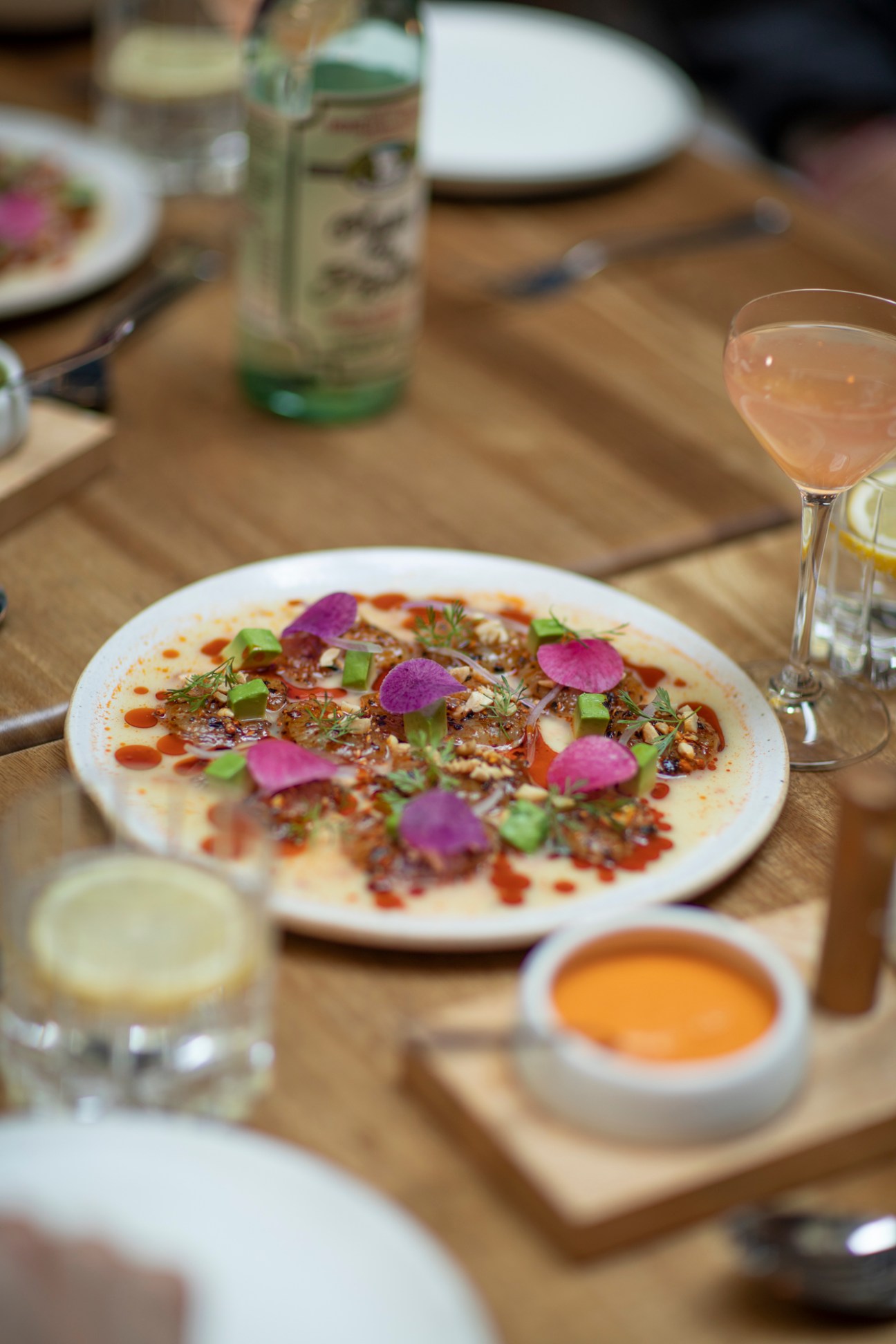
EK: We’re in a Mexican restaurant but look at this dish [shrimp aguachile].
ER: In certain areas, cultural appropriation is a very delicate subject but in food we keep breaking traditions and then it gets bigger, and that’s Mexico – and that’s why it’s so rich. Even a quesadilla could be called appropriation.
GC: Recipes and food have always come from some tradition or another. And innovating is a fine line; every time you cook a recipe, you’re discovering different ways to do it or adding ingredients. If we always had to eat the same things, life would be so boring.
EK: We’re not purists. Elena, your restaurant is one of the best in the world but it has a lot of colours and influences from your travels.
LM: I can’t explain what I’m doing. A guest asks: what kind of food do you do? What’s your speciality? And I’m like, “I don’t know, I just cook.”
EK (to LM): Like when we went to Japan and you were so influenced by it but were also so hungry to understand French food. And you’re from Veracruz!
ER: Yes, it’s your personal expression but people always want to categorise.
EO: It’s funny because when we started in 2000 we were criticised because we weren’t “Mexican” enough and now we get criticised because we are too “Mexican”, like now you’re “appropriating” tortillas [points to the food].
EK (to GC): Like your famous tostada, today you can see it in Dubai! That’s amazing.
GC: But it’s such an easy combination. I took my inspiration from sushi and chipotle mayonnaise and a wonton. So many people order the tostadas and it’s “their” version. I love it.
Monocle: When did the Mexican food scene start to take off?
EO: I think there was a big shift in the early 2000s and then another big shift two or three years ago. The latest was with younger, fresher projects. When we opened the restaurant, doing good food was still a rather serious thing. You wanted to be more gastronomic, it wasn’t small restaurants doing casual dining, which is what’s happening now.
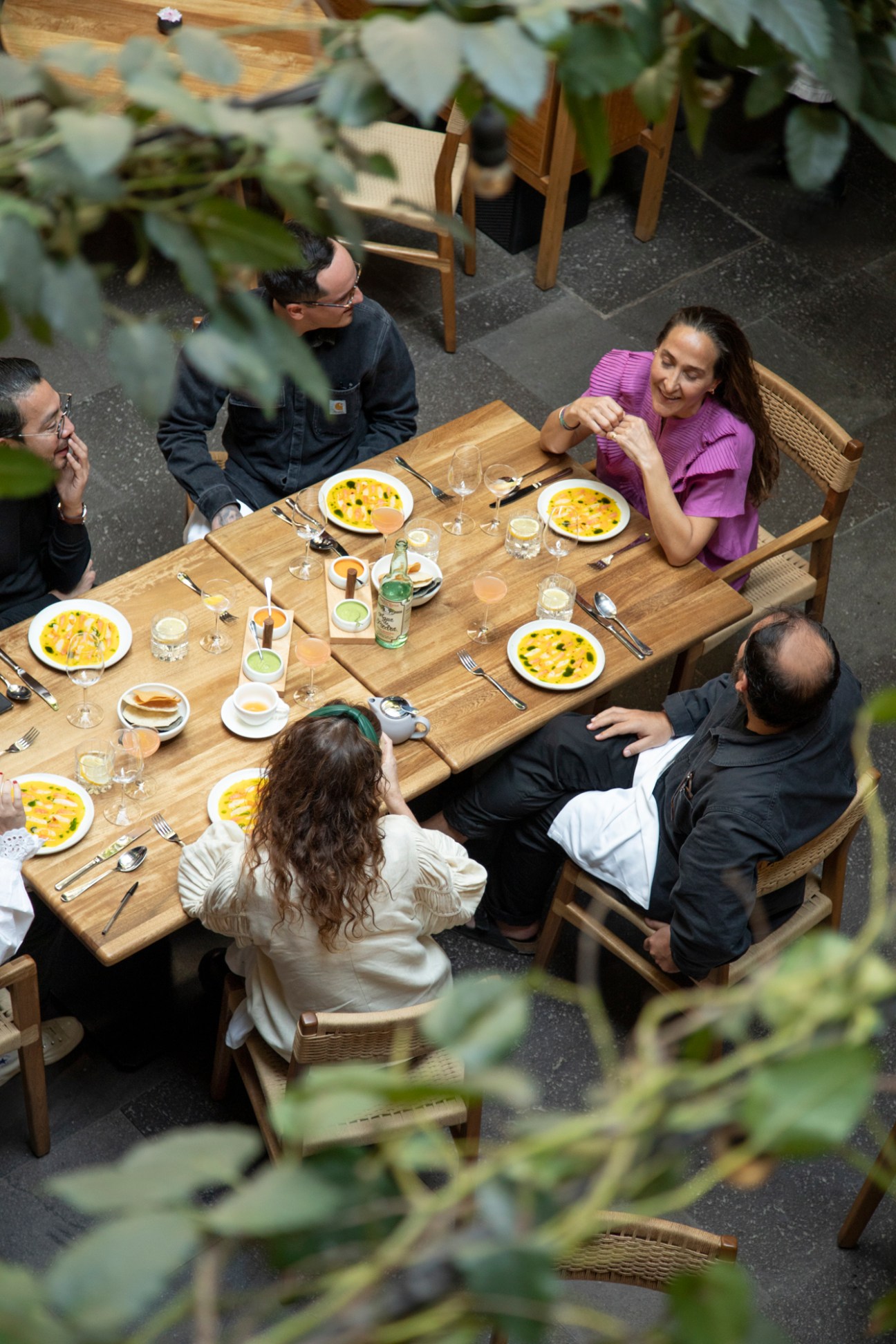
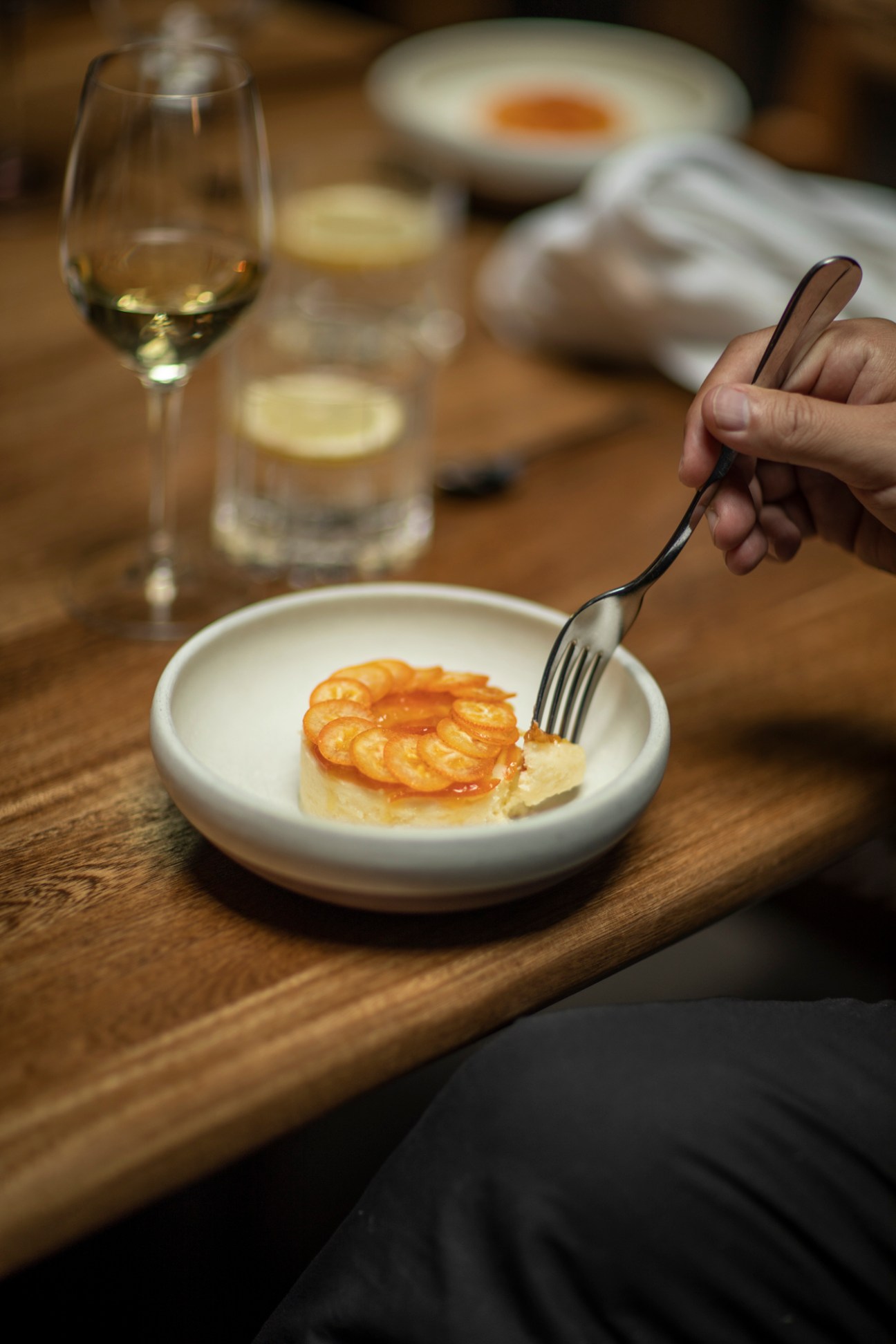
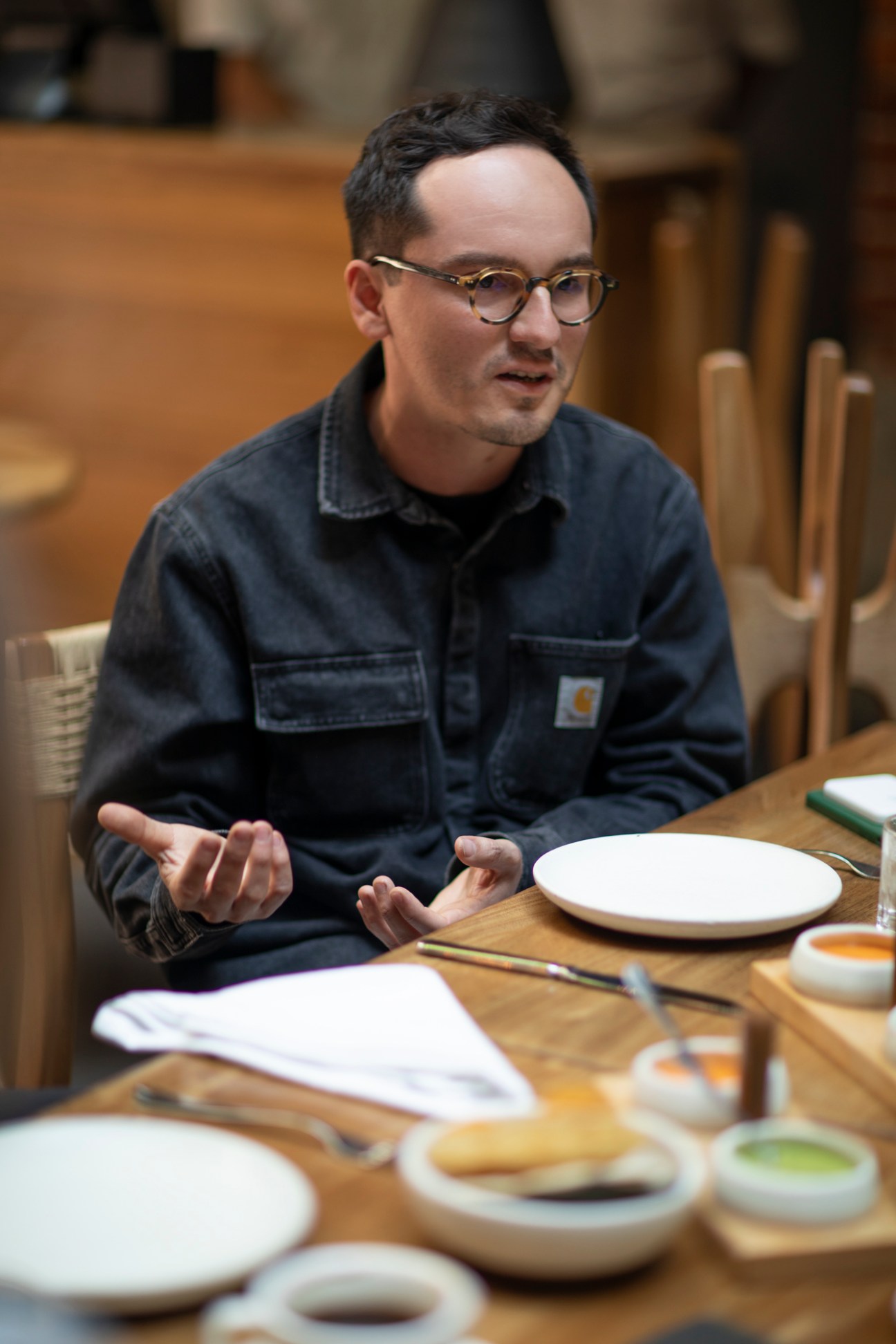
LM: We now have a restaurant culture, back then we did not.
GC: Or was the restaurant culture simply different?
EO: Now people go to the market and see a comal [a food stall where people eat simple dishes prepared on a griddle of the same name] and think it’s really sophisticated. That’s a huge shift.
GC: We’ve always had masa [dough made from maize flour] and tortillas but we were never looking at them because we were looking to Europe and the US. Now we’re all looking at what we have and we have so much. That’s the beauty of Mexico; traditions are still deeply rooted, even if they’re changing. But we are a very small group of people. Most people aren’t able to eat freshly made tortillas and a salad picked in their garden. And many people are more excited by McDonald’s or Subway.
ER: …and Maruchan instant noodles. Which can be the sad side.
GC: Or the challenge?
Monocle: But is affordable, nutritious food a realistic possibility for everyone?
LM: It’s a cultural thing…
ER: A structural thing…
GC: It has to do with so many things that have been the issues of humanity forever: the distribution of goods, mobility, how things travel and who gets what. It’s so complex.
EO: For instance, right now lemons are crazy expensive.
Monocle: That’s a global problem. Supply chains are snarled up and food is so much more expensive all over the world.
GC: But we need to remember that it is expensive to produce good food. If you pay people well, wait for fruit and vegetables to ripen and then eat it near where it’s grown, that’s a luxury. Transporting it, that’s an added cost. It’s expensive to eat well. Or to eat the way we like to eat. We like to eat a tortilla freshly made in a milpa [a traditional way to cultivate corn] but how many people have that opportunity?
EO: You want the farmers to get paid well; if they get paid well then they have more money and can buy more corn. But if you’re aiming to lower the price of everything, then everyone does badly.
GC: But the real question is: is it a possibility for everybody to eat well?
ER: Most people don’t see the possibility.
EO: But that’s what we should aim for.
GC: Working the land is really difficult and if it’s not paid well, who wants to do it?
EK: I think everyone around the table here is aiming to do better.
LM: But this is bigger than that, it’s a political and cultural thing.
EK: That said, conversations like this are a stepping stone to a better place. If you set a precedent of paying people well and using good ingredients, others can follow; it’s already starting to change.
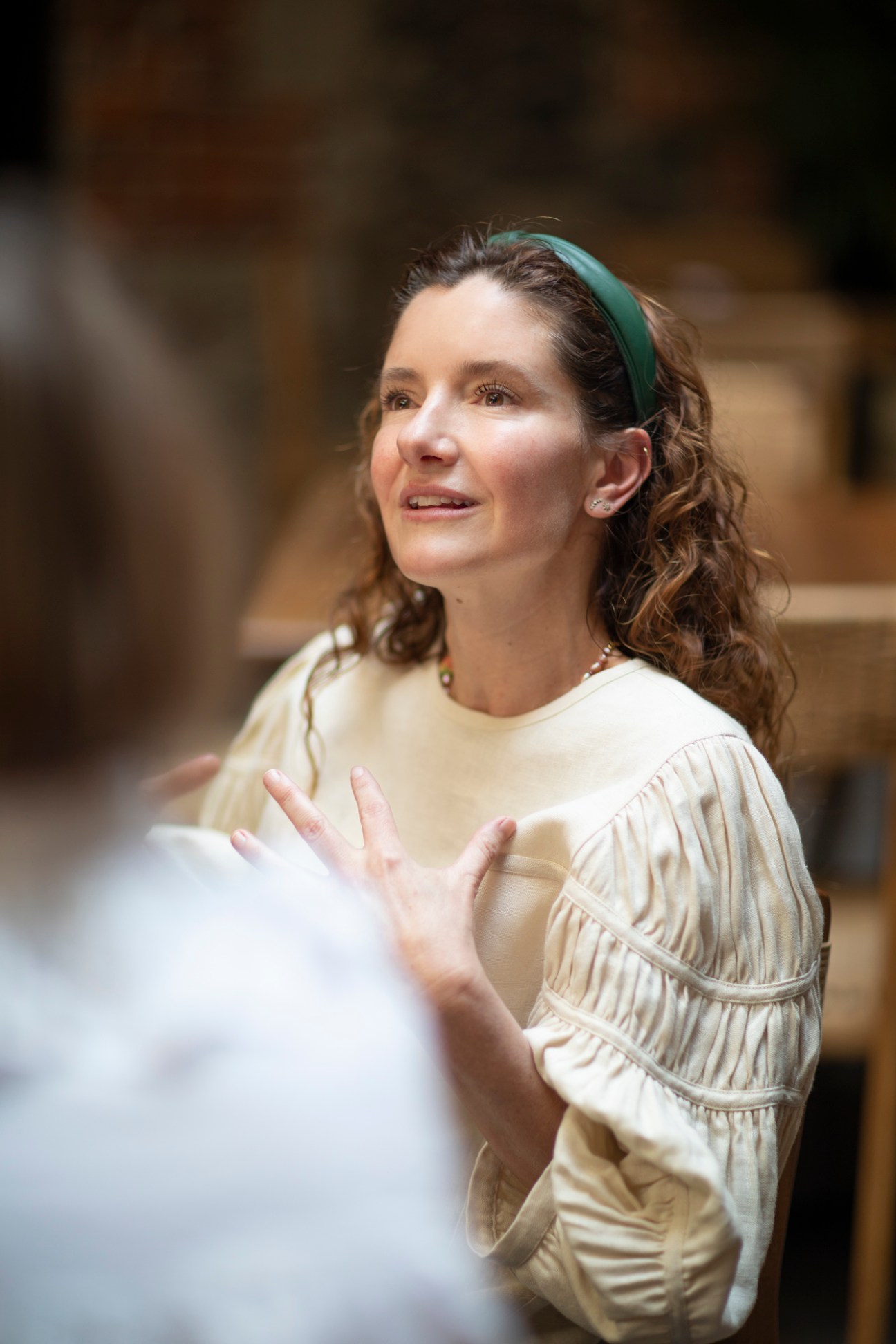
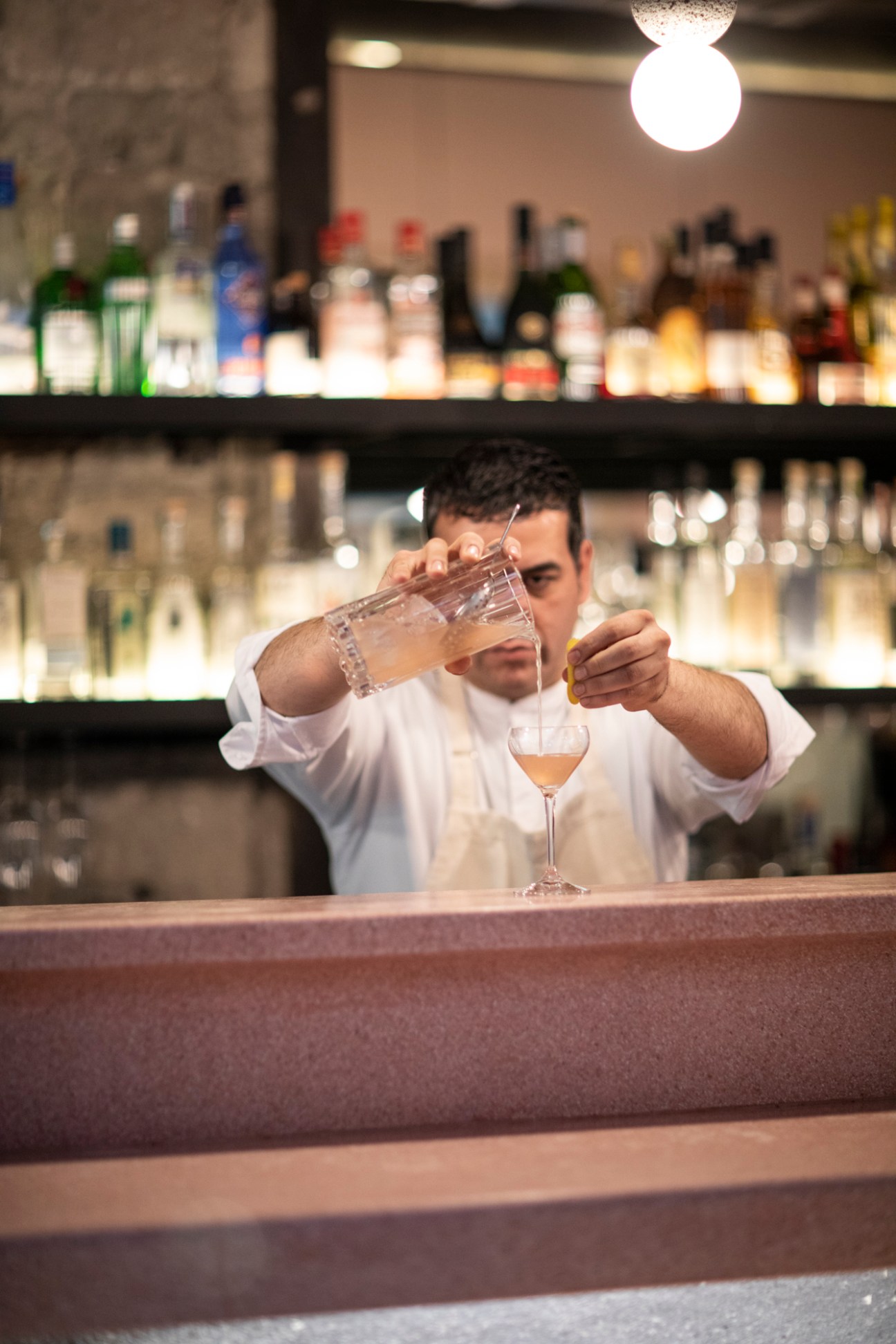
Mexico City address book
Five places to try our chefs’ finest.
Em
Inside this slick, inky space, Lucho Martínez’s menu riffs on French, Mexican and Japanese fare.
itsemilia.rest
Restaurante Rosetta
Elena Reygadas’ pastas are served inside a beautiful light-filled townhouse.
rosetta.com.mx
Pujol
A seat inside Enrique Olvera’s glass-fronted restaurant is one of the most coveted in the city. Snag a seat at the bar for the taco omakase.
pujol.com.mx
Contramar
There is no better place for a long lunch than Gabriela Cámara’s classic seafood joint.
contramar.com.mx
Le Tachinomi Desu
Edo Kobayashi’s standing-only saké and natural-wine bar, is ideal for a late toastie and a nightcap.
edokobayashi.com
Tour de forks
Café Compagnon
Paris
Unlike other restaurateurs who use their weekends to recover from the busy work week, Charles Compagnon spends Sundays roasting coffee for his three Parisian cafés, albeit in the pleasant surroundings of his country house in Courances. On occasion he heads down to the Beaujolais region to tend his small vineyard, Domaine Charmetemps, or stays in Paris to hone the art of cocoa roasting with chocolatier Nicolas Berger.
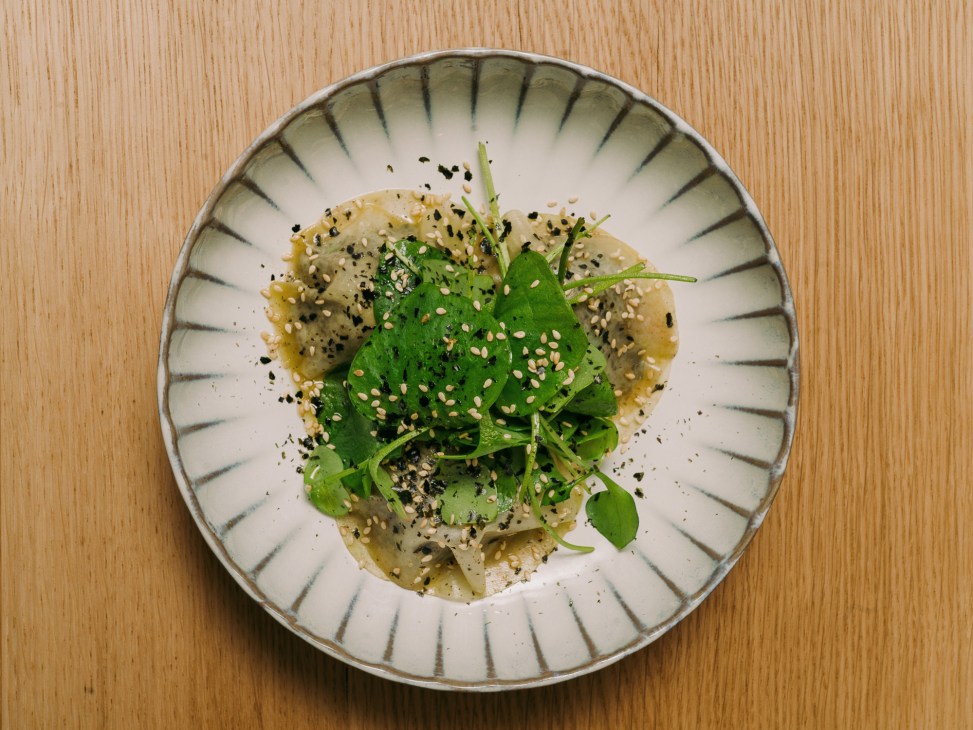
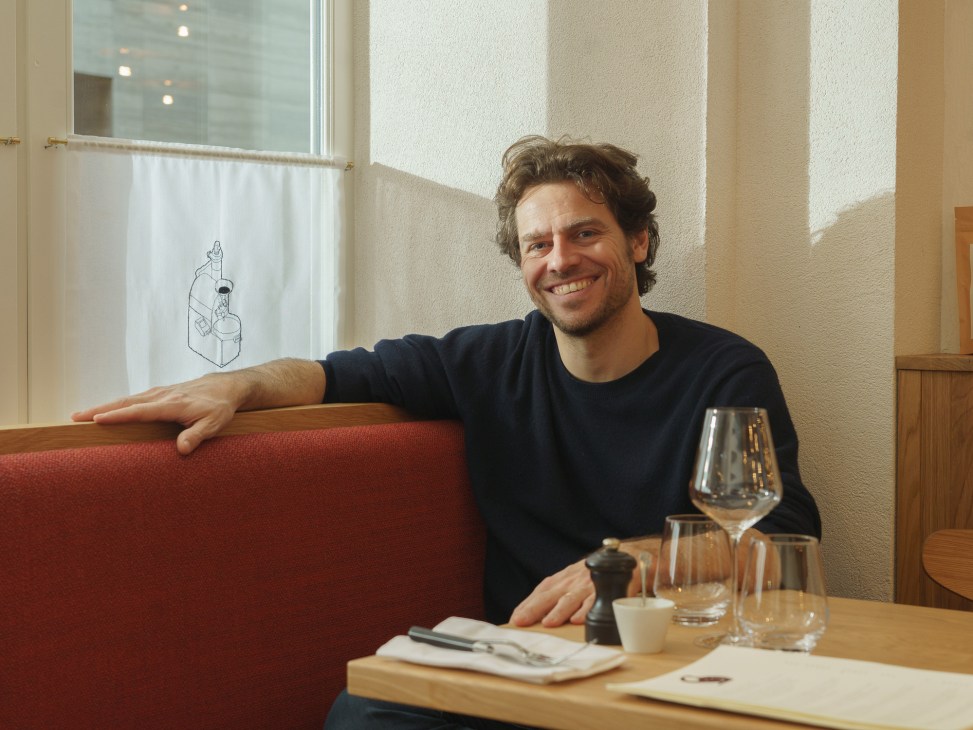
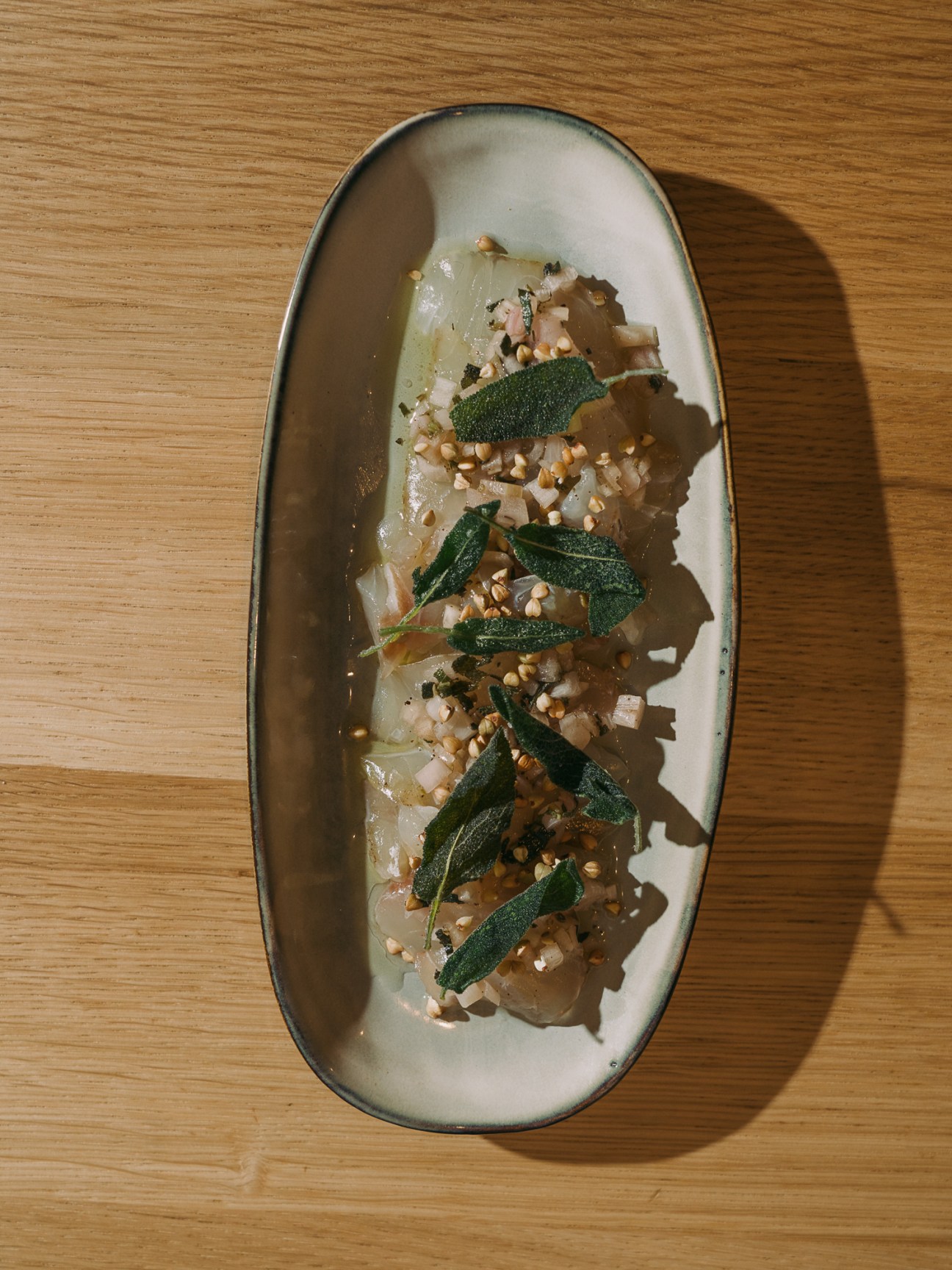
His latest venue, Café Compagnon in the French capital’s 2nd arrondissement, connects the dots between his many pursuits. Open every day from 08.00 to midnight and combining café-bar, restaurant and an in-house chocolatérie, it’s as much a place for an early-morning cappuccino with a chocolate spread tartine as it is for a business lunch or crisp muscat on the sunny, south-facing terrace. “I wanted Café Compagnon to be rooted in the life of the neighbourhood,” says Compagnon. “Being open to all sorts of guests and functions was key.” While the ever-changing lunch and dinner menu is full of crowd pleasers – duck terrine, burrata and the signature Venezuelan chocolate tart – chef Geoffrey Lengage’s food is inventive enough to impress clients with the likes of seaweed and kohlrabi ravioli and roasted octopus with kumquat-infused black rice.
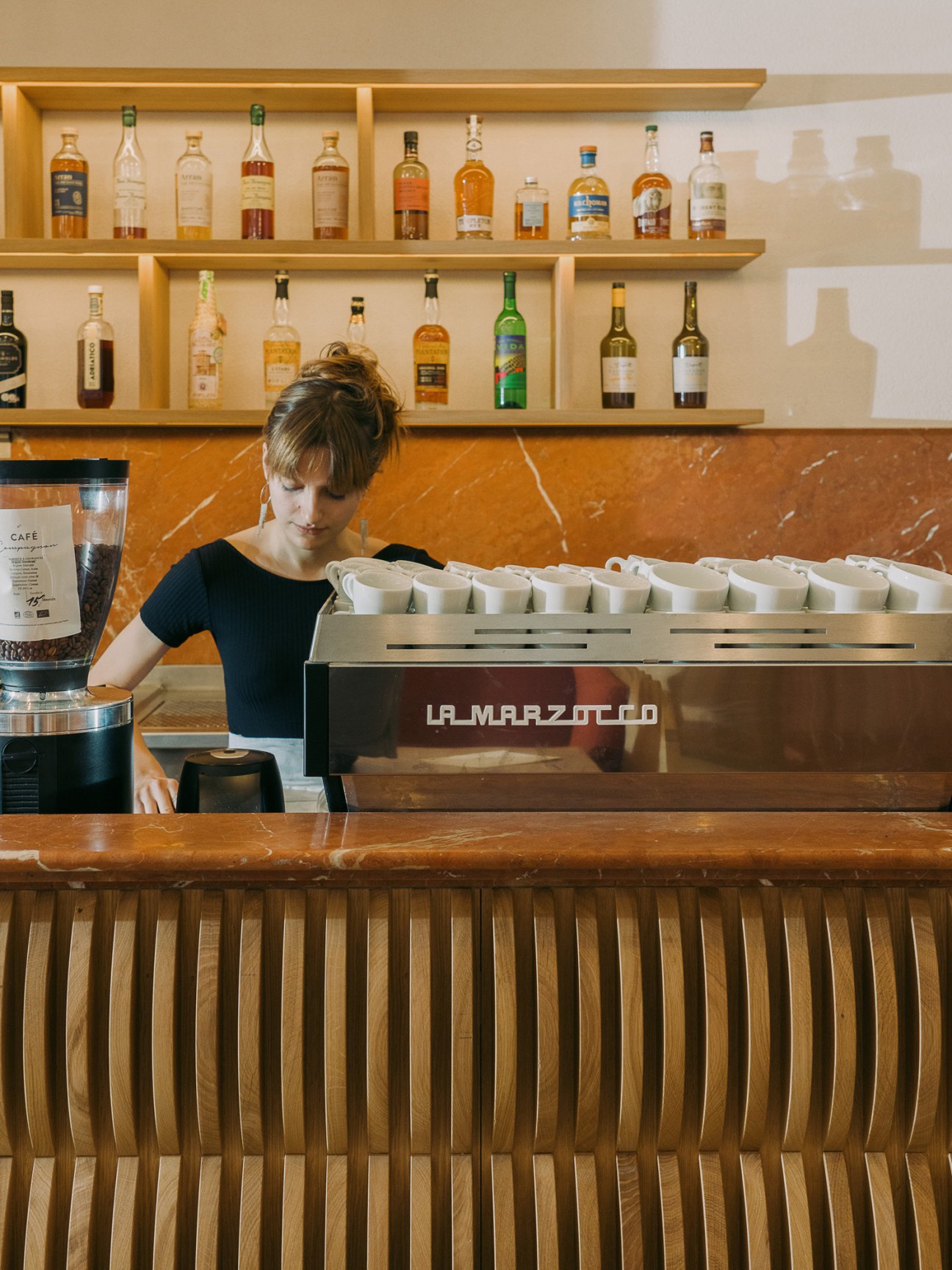
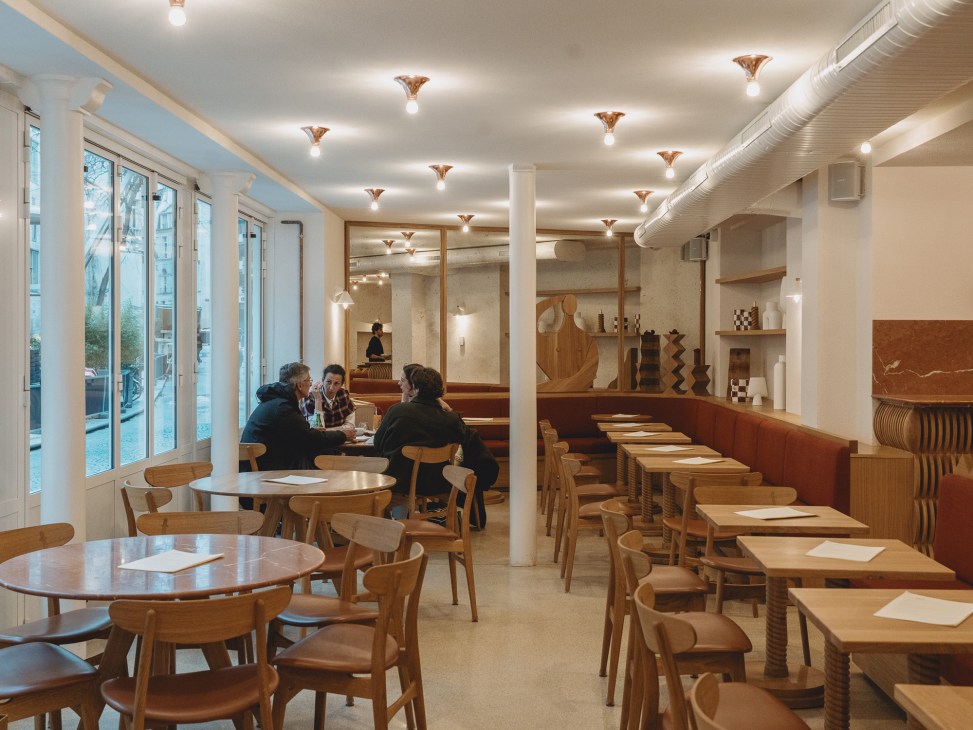
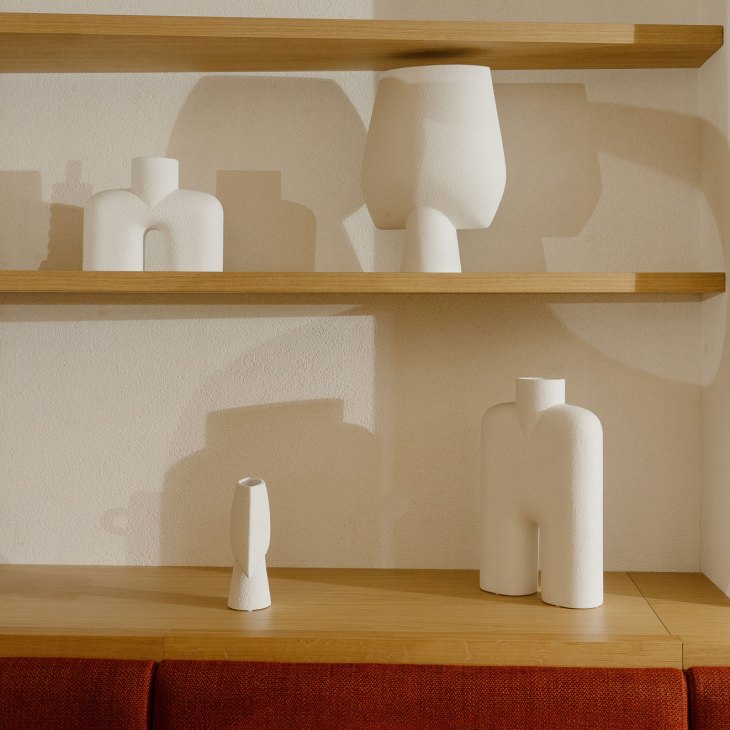
The founder’s hands-on approach comes through in the design of the place. Rather than going for nondescript interiors by a faceless firm, he tasked his wife, furniture and interior designer Gesa Hansen, to kit out the sprawling space with custom-designed corkscrew-legged tables, burgundy Pierre Frey banquettes and oak-hued sculptures, inspired by the work of Compagnon’s artist grandfather, Carlos Ferreira de la Torre. Given his desire to keep things in the family where possible, it’s no surprise that this is the first of Compagnon’s establishments to bear his surname.
groupe-compagnon.com
White Mausu Black Bean Ketchup
Dublin
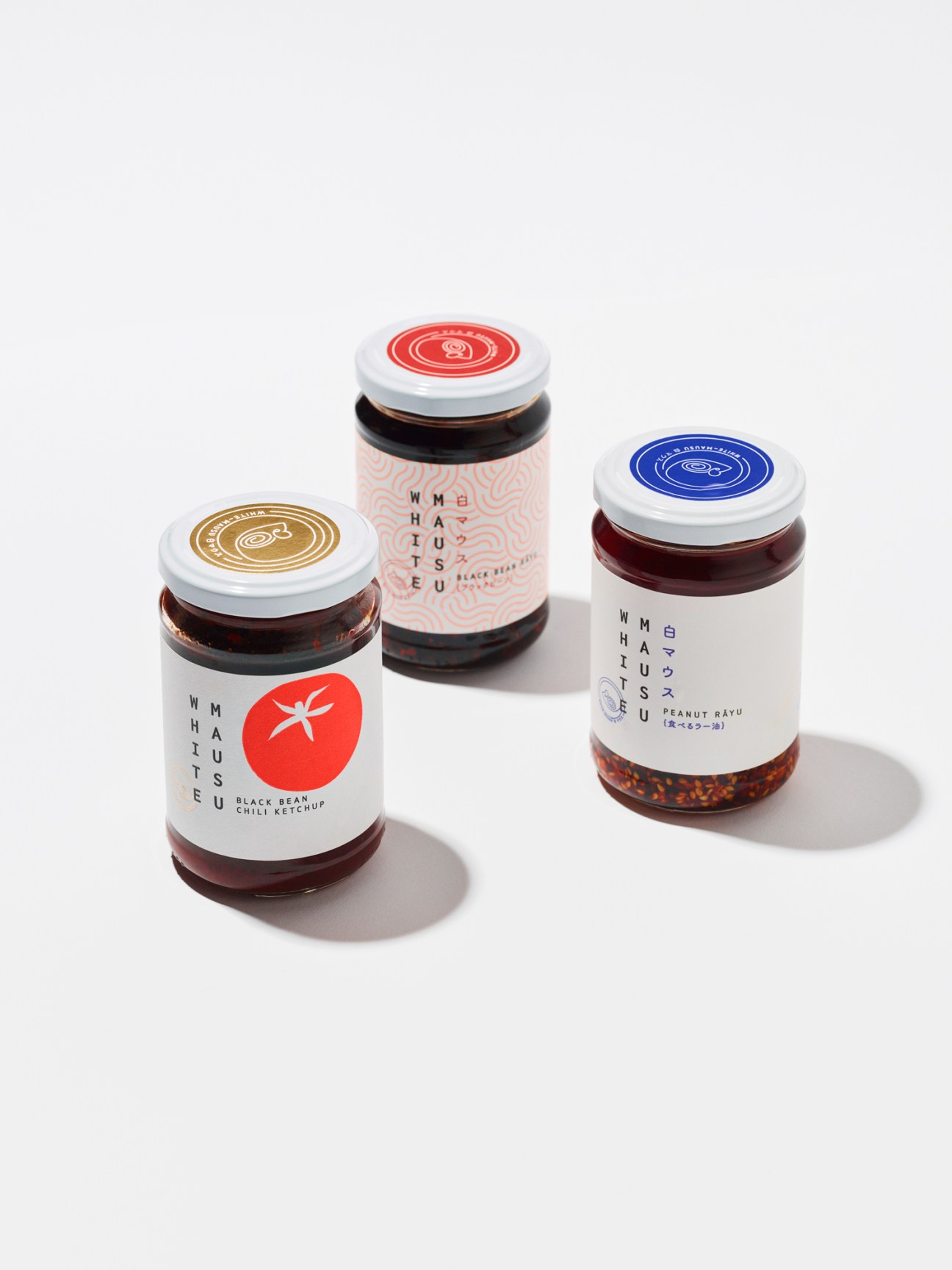
Genius comes in many forms, and is a title all too lightly bestowed on anyone from physicists to footballers. But please do believe us when we tell you that in the (ever-so slightly less lofty) pantheon of condiments, White Mausu’s achievements are positively Pythagorean in their smarts. Dublin-based Jasper O’Connor, with partner and company co-founder Katie Sanderson, has grown a business making nutty, spicy rayu (a chilli sauce that goes on eggs and almost anything else) from a market stall into a sensation now stocked in more than 1,000 shops in 12 countries. It’s forthcoming addition to the pantry shelf is a thick, umami-rich Black Bean Chili Ketchup with a very spicy kick.
whitemausu.com
Maison François
London
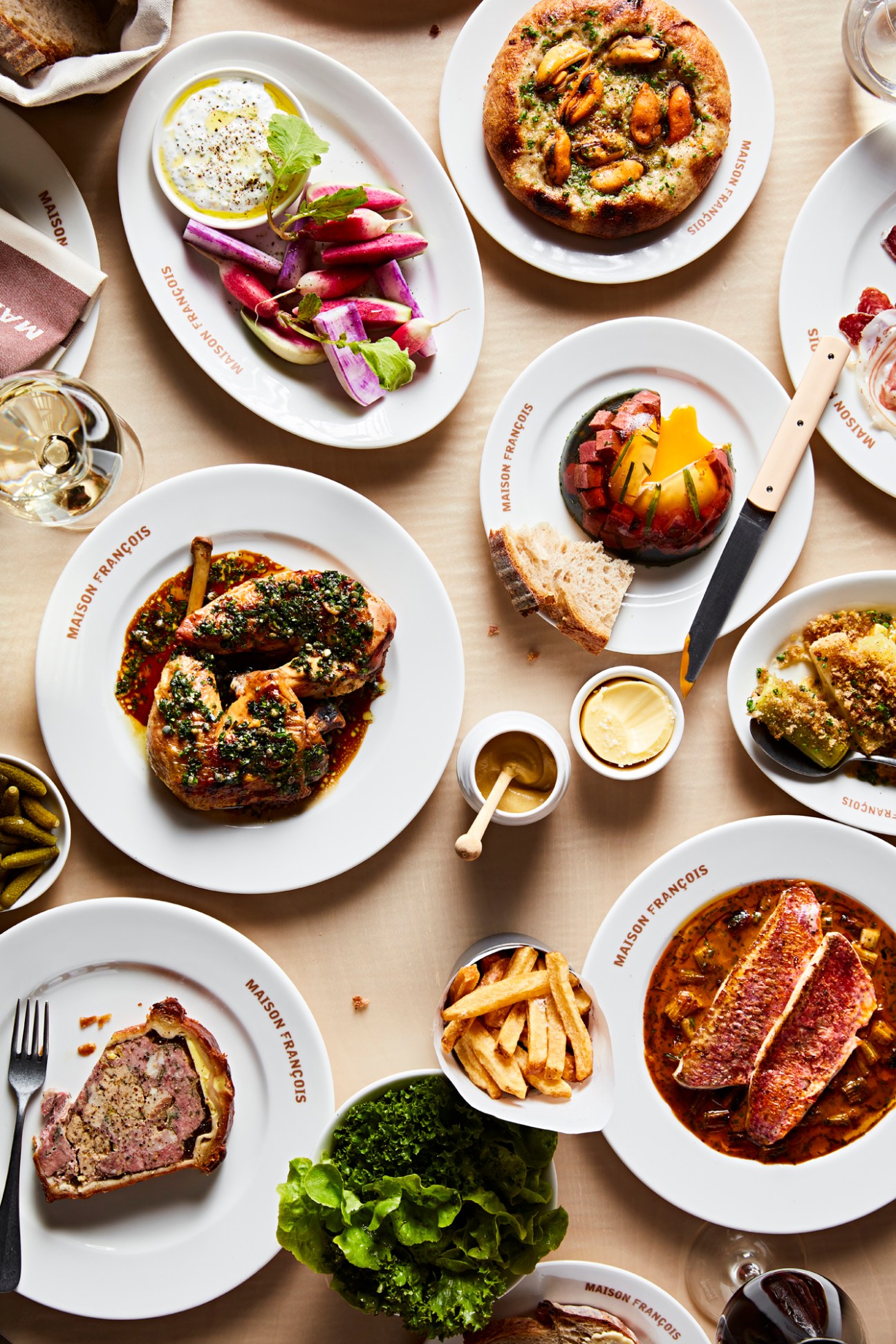
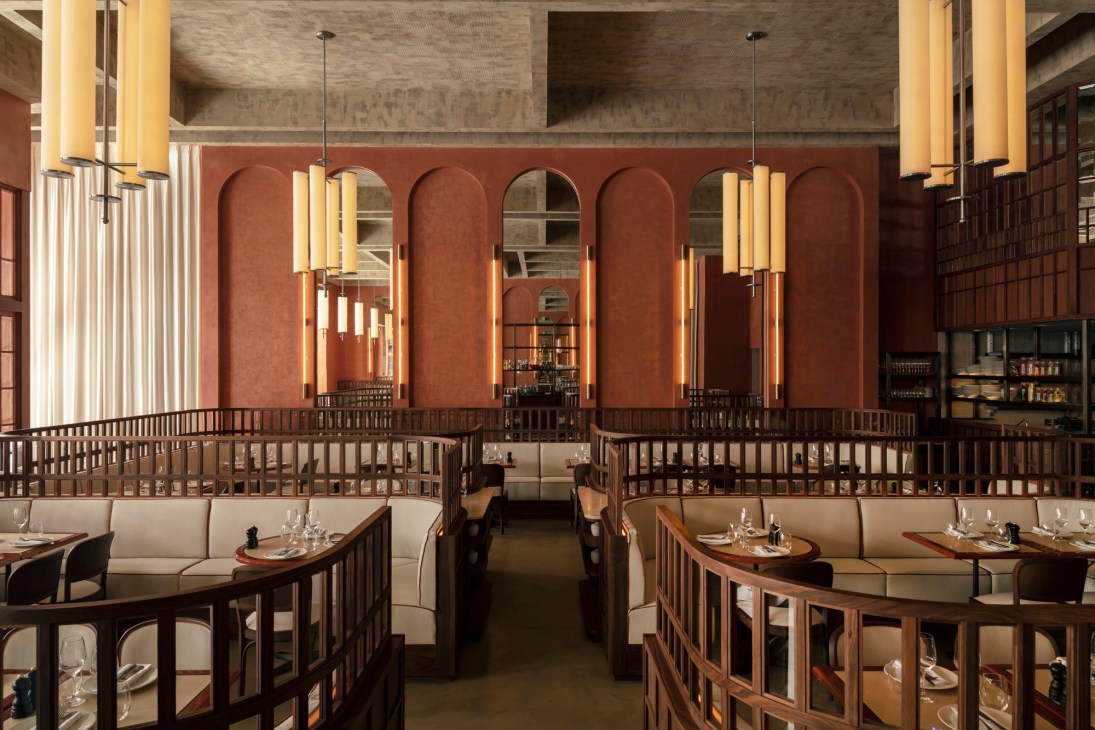
Maison François, just off central London’s Jermyn Street, is a classically elegant brasserie that refreshingly avoids so many recent annoying restaurant ticks. Its clarity of approach is clearer than an Escoffier consommé: modern French food made perfectly, attended by smart, charming staff and a menu that requires neither solving nor much explanation. The wine cellar is quite something too. A local constituency of art dealers and shirt-makers provide an attractive crowd, seated neatly in cosy banquettes within a wood-panelled interior designed by John Whelan of architecture collective The Guild of St Luke. Classic starters of charcuterie, celeriac remoulade and oeuf en gelée are followed with fish of the day, entrecôte, roast chicken and a final act from a scene-stealing dessert trolley. And there’s a basement bar for a deal-sealing armagnac.
maisonfrancois.london
1.
Recipe
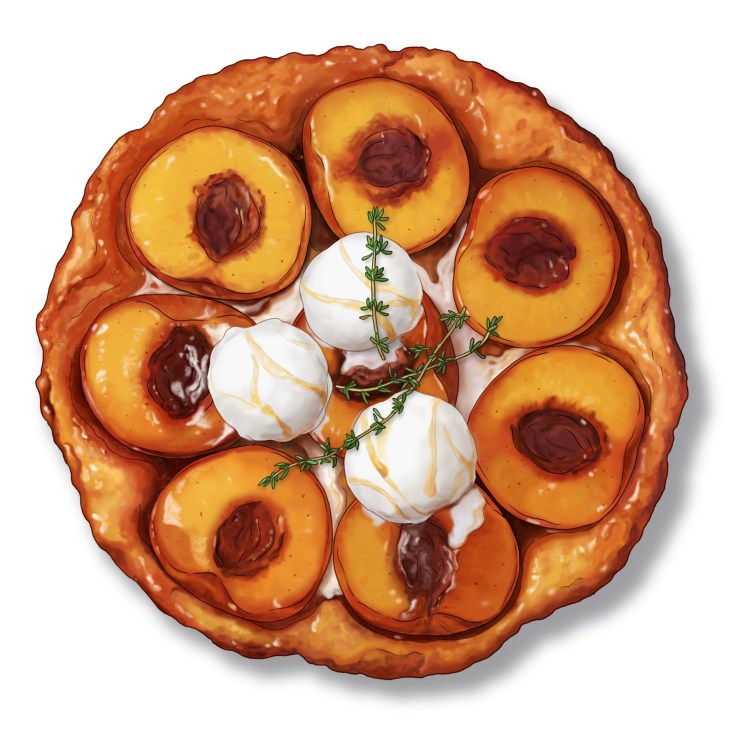
Peach tarte tatin with thyme
Ingredients
Dessert for 4 (hungry) people
1 vanilla pod, cut open
100g sugar
100ml water
50g butter
6 peaches
1 sprig of thyme
280g shortcrust pastry
Method
1.
Cut peaches into halves, removing the pits.
2.
Preheat oven to 220C.
3.
Caramelise sugar with 2 tablespoons of water in a medium pan on a medium heat. Add remaining water and the split vanilla pod.
4.
Simmer caramel for 2 minutes until a syrupy consistency. Add butter in cubes and melt in caramel.
5.
Use a 25cm diameter quiche tin, or oven-ready skillet or cake tin.
6.
Pour the caramel into the tin and add thyme sprigs.
7.
Place peaches (cut side down) in baking pan, being careful not to burn yourself.
8.
Roll out short pastry to a thickness of 30mm, to cover the baking tin.
9.
Lift with the help of the rolling pin and cover with the peaches. Press down the edge while making sure the tarte is sealed and removing excess pastry from the sides. Prick the dough with a fork.
10.
Bake the tart in the oven for 20 minutes. Remove and let it stand for five minutes.
11.
Cover tray with a larger dish and turn out the tart using a plate. Serve warm.
For weekly recipes and food scoops sign up to our Sunday Weekend Edition newsletter for free at Monocle.com/newsletter.
2.
Recipe
‘Capuns’
Ingredients
Serves 4 as a main or 8 as a starter. Makes 40 capuns
400g plain white flour
3 large eggs
100ml whole milk
Salt, pepper and nutmeg to taste
100g dried sausage, such as Landjäger or similar (cut into 5mm cubes)
100g raw ham, such as Bündnerfleisch or similar (cut into 5mm cubes)
10g parsley, finely chopped
10g chives, finely chopped
10g mint, finely chopped 40 chard leaves
400ml good quality beef stock
400ml single cream 100g of semi-hard cheese (ideally of the Grisons mountain variety)
Method
1.
Mix flour, eggs, milk, sausage, raw ham, herbs and spices in a large bowl until they form a dough.
2.
Put a spoonful of dough into every leaf, forming them into watertight parcels that keep their form (you can blanche larger, tougher leaves first to make them easier to fold).
3.
Preheat the oven to 200C. In a pan, bring the stock and cream to the boil then add the sealed capuns in batches and simmer for about 8 minutes each.
4.
Remove the capuns with a slotted spoon and place them side by side, but not touching, on a baking tray.
5.
Reduce the cooking liquid by half and pour the remainder over the capuns in the dish, then sprinkle with cheese. Bake in the oven for 25 minutes. Serve warm.
ralphschelling.com
Images: Steven Joyce, Oskar Proctor
Sea change
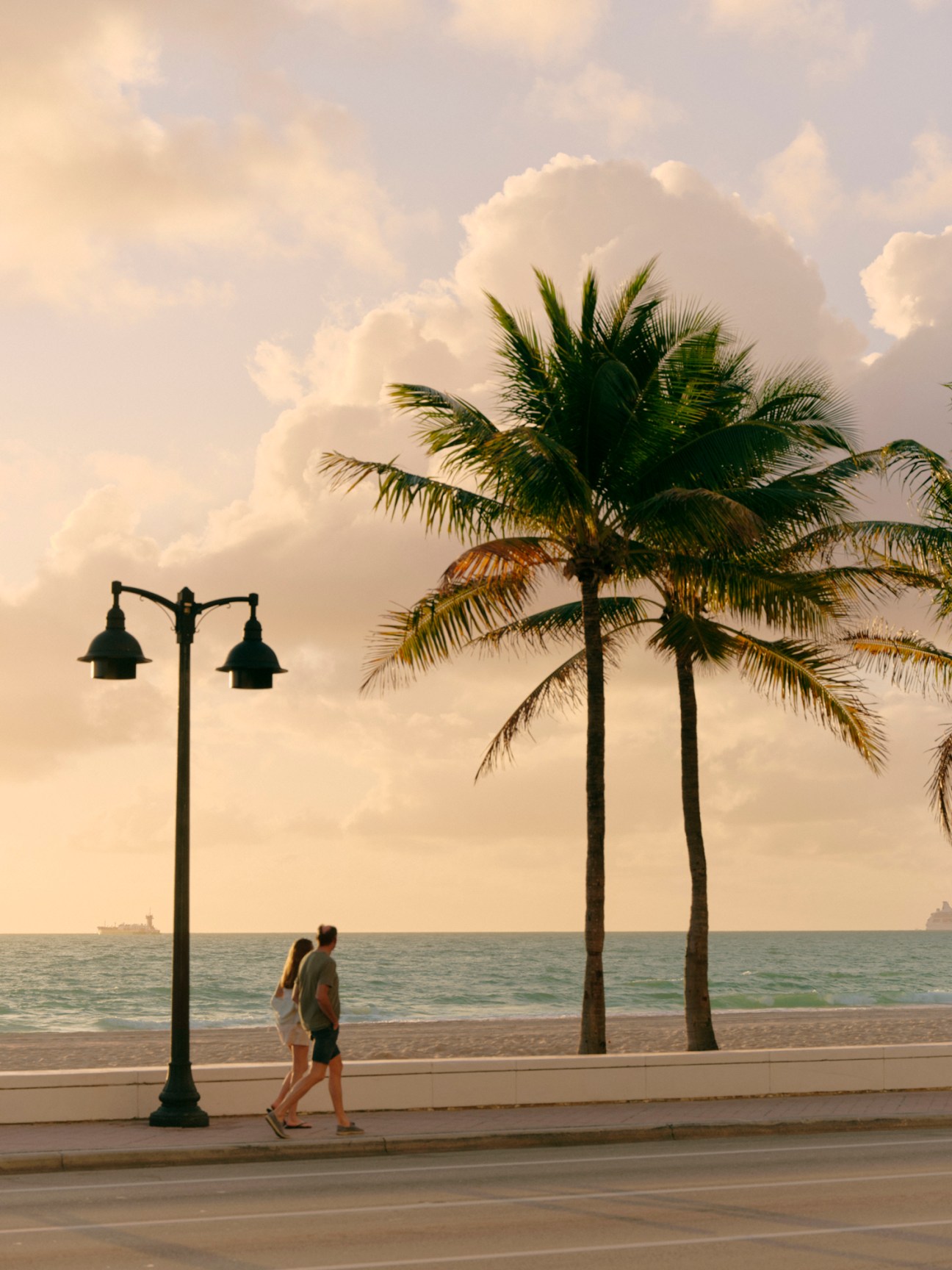
For decades, Fort Lauderdale has been known as an infamous “spring break” destination for students keen to party. Lately the Florida beach city has been quietly cleaning up its act and today it offers family-friendly fun with a gleam of old-world glamour, courtesy not just of its miles-long beach but the warren of canals and inland waterways that have made the city a global yachting stop-off.
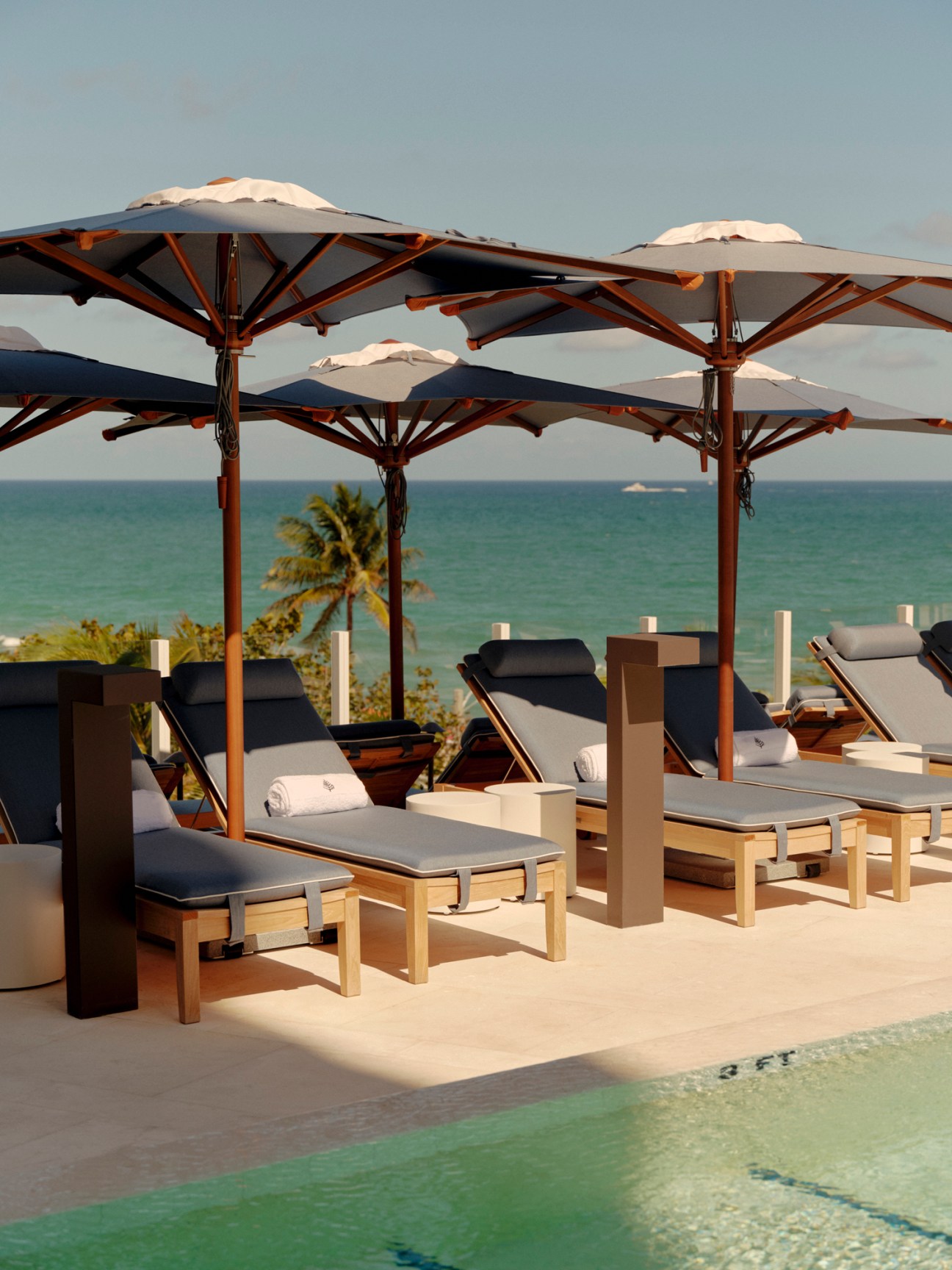
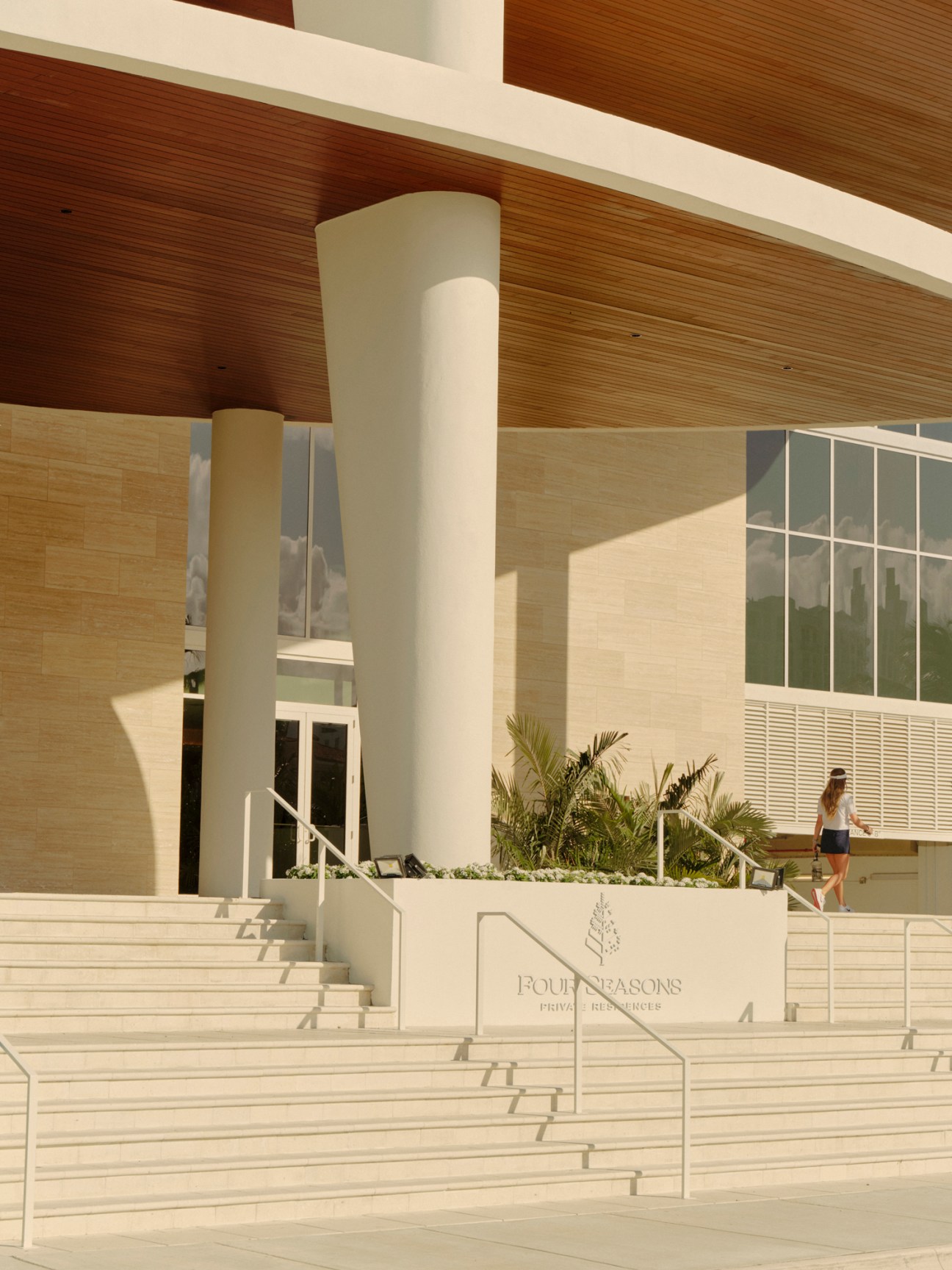
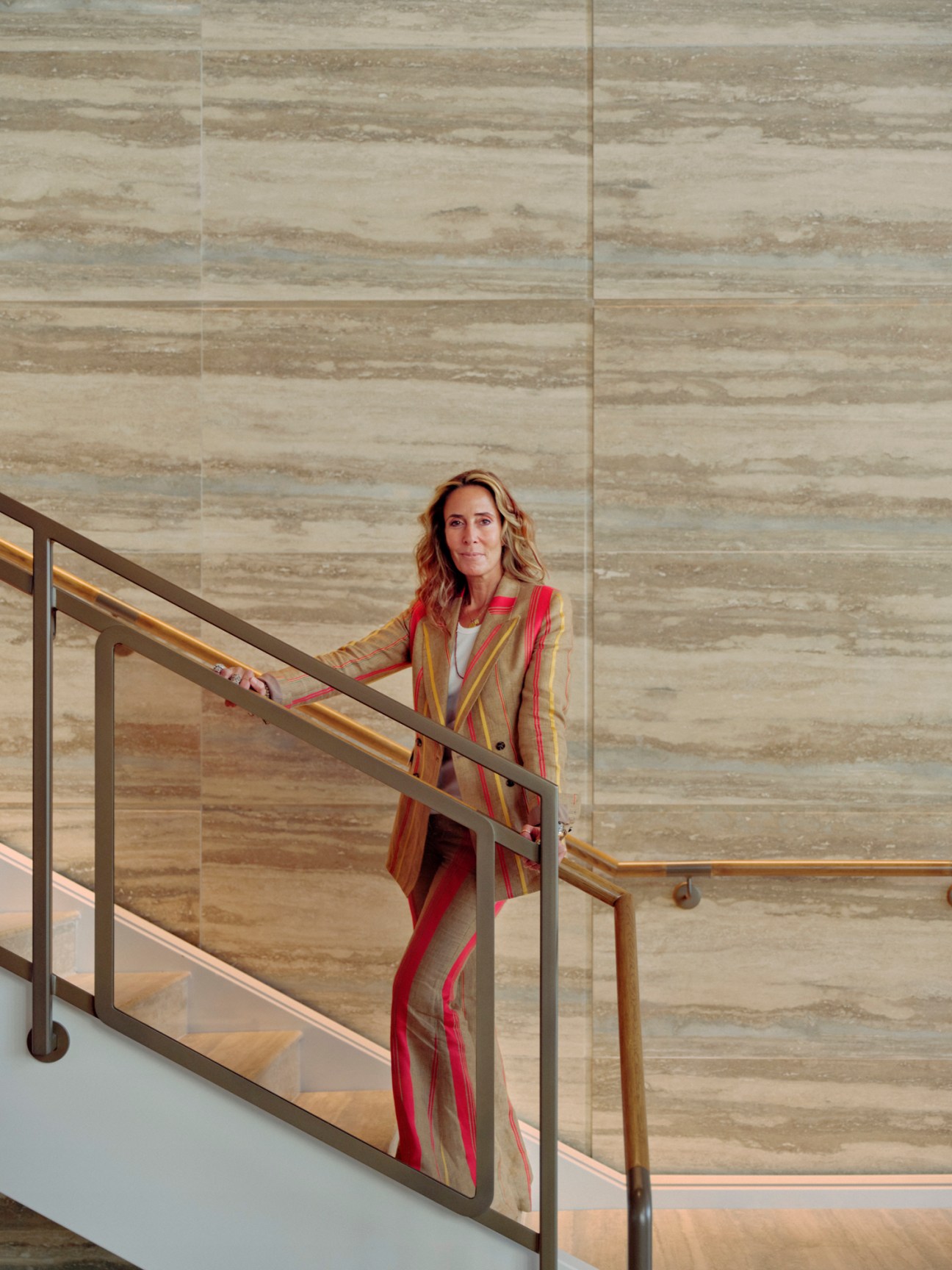
Taking advantage of the change in the current is the Four Seasons, which opened in a prime waterfront location overlooking the Atlantic Ocean this March. “The Four Seasons will be a gamechanger here,” says British designer Tara Bernerd, who outfitted much of the hotel’s interior. “It adds a gravitas to the area.”
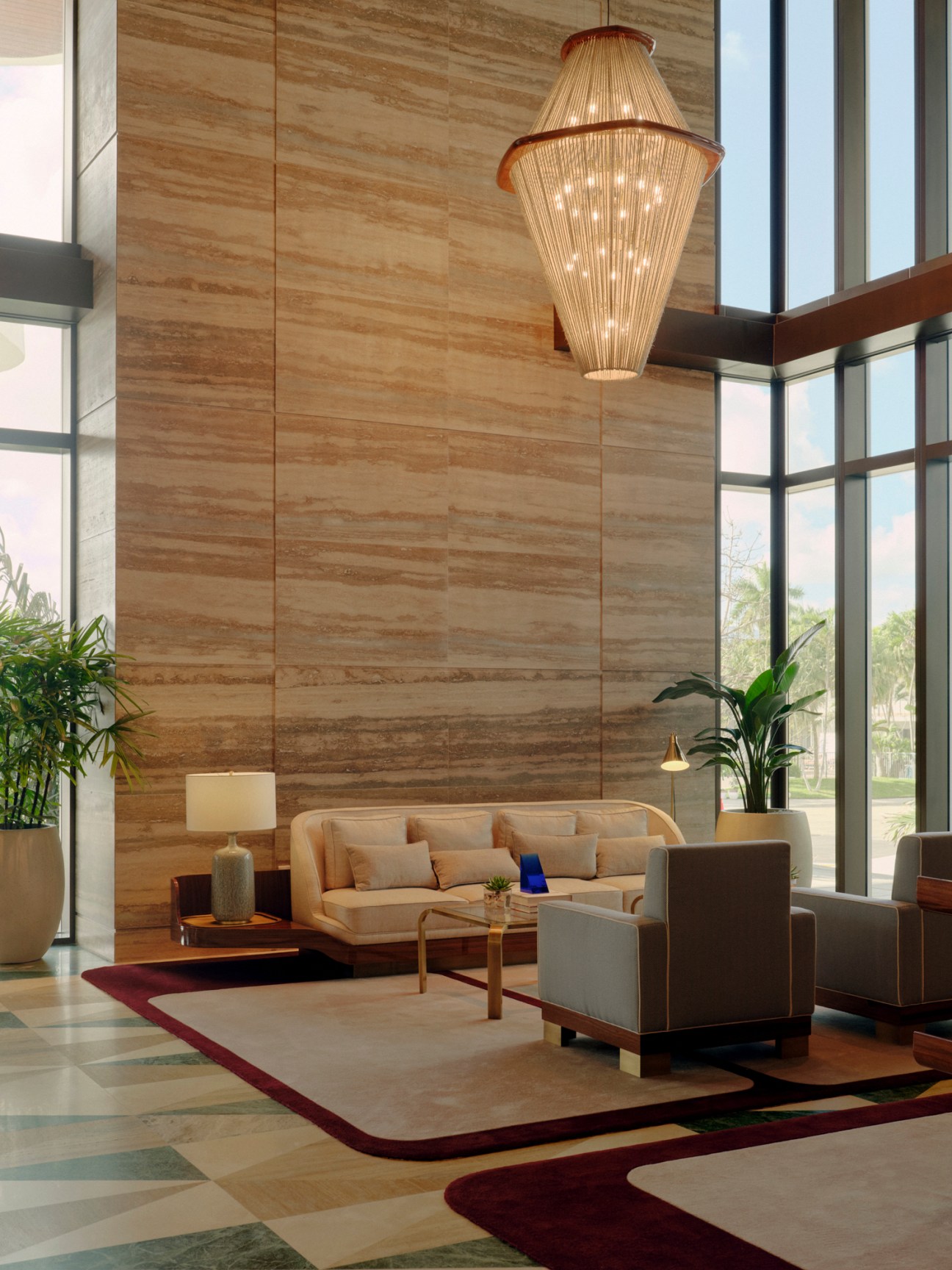
At 525 North Fort Lauderdale Beach Boulevard, the 189-room hotel and the private residences next door both play on the city’s nautical past, with a transatlantic design crew at the helm. The building’s curves, courtesy of Miami architect Kobi Karp, are reminiscent of sails, while Miami-based Fernando Wong Outdoor Living Design has created an ocean sundeck, complete with an infinity pool and plenty of greenery. The hotel’s café and champagne bar, Honey Fitz, is named after the presidential yacht used by John F Kennedy.
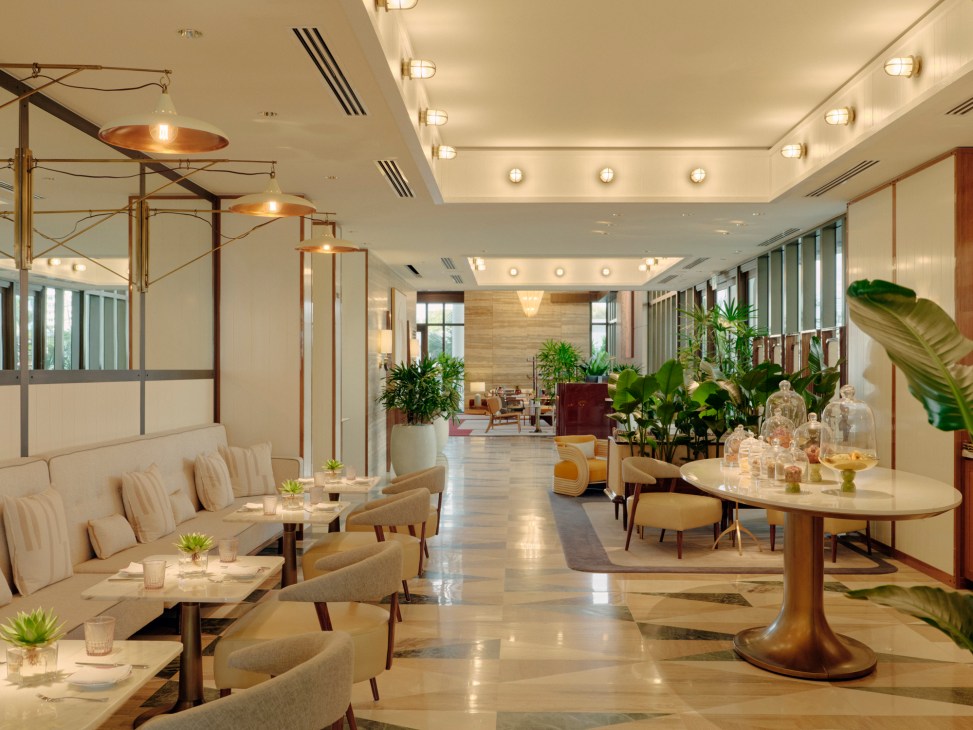
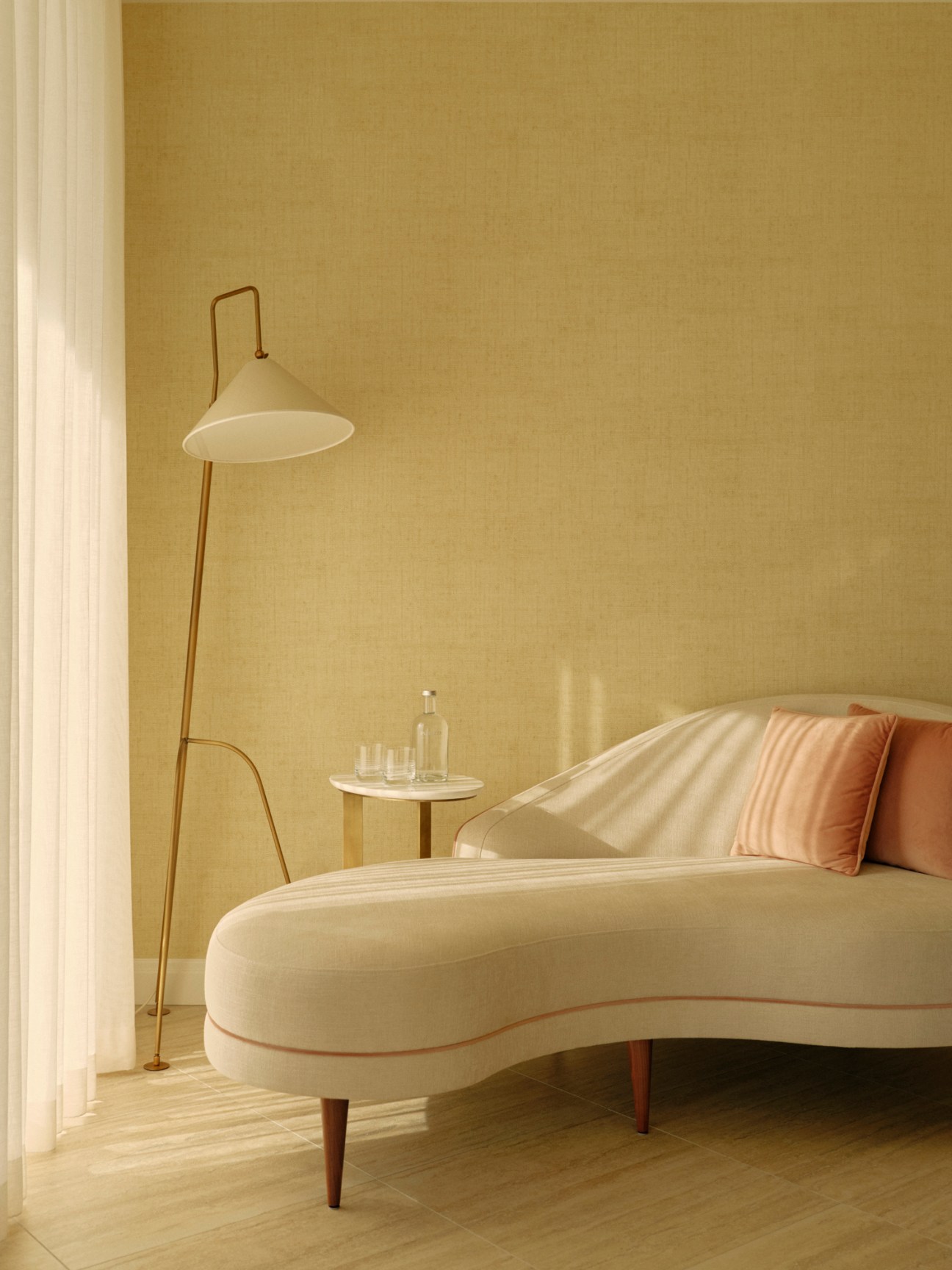
Bernerd’s interiors draw on what she calls the “palmy Floridian river lifestyle”; for her, Fort Lauderdale has something of the French Riviera about it, albeit with a more upfront, tropical twist. Varnished wooden accents take their cue from classic yachts designed by heritage US boatbuilder Chris-Craft. Added to the mix are mid-century-inspired furniture and windows framed in antique brass.
The bespoke pieces were created by Tara Bernerd & Partners for the hotel, including an oversized credenza in the lobby, based on a vintage 1950s Italian piece in Bernerd’s own London home. “We do not cut and paste,” she says. “Every project is a character of its own. I don’t theme things. But it’s a little homage to where we are.”
If the interior design of the hotel harks back to the elegance of times gone by, its restaurant, Evelyn’s, is firmly future-focused. Up-and-coming chef Brandon Salomon serves coastal classics (lobster rolls, oysters, a freshly netted seafood platter), alongside experimental Mediterranean flavours inspired by Salomon’s Moroccan grandmother. The Lebanese kibbeh is made with tuna (rather than lamb); homemade chocolate ice cream is mixed with Urfa biber (Turkish pepper). The cocktails also utilise ingredients from the Levant: date molasses, cardamom, za’atar, pomegranate and rosewater.
And while Bernerd is keen to emphasise that the coastal touches are just that – touches – she describes opening a hotel as a piece of theatre. “We draw back our curtains and it’s daytime,” she says. “But as the evening comes, the whole colour scheme changes.” Like the ocean, which the Four Seasons overlooks, “it’s a living organism, a moving vessel”.
fourseasons.com
Hearth of the matter
For all its beauty, Shiraoi, a forest-fringed village in Japan’s northernmost prefecture of Hokkaido, wasn’t always an obvious holiday spot. But the opening of the National Ainu Museum and Park (known as Upopoy) in July 2020 has shed a light on the coastal settlement and the indigenous Ainu people of northern Japan. Now there’s a new place to stay, which may tip the balance of the area’s desirability.
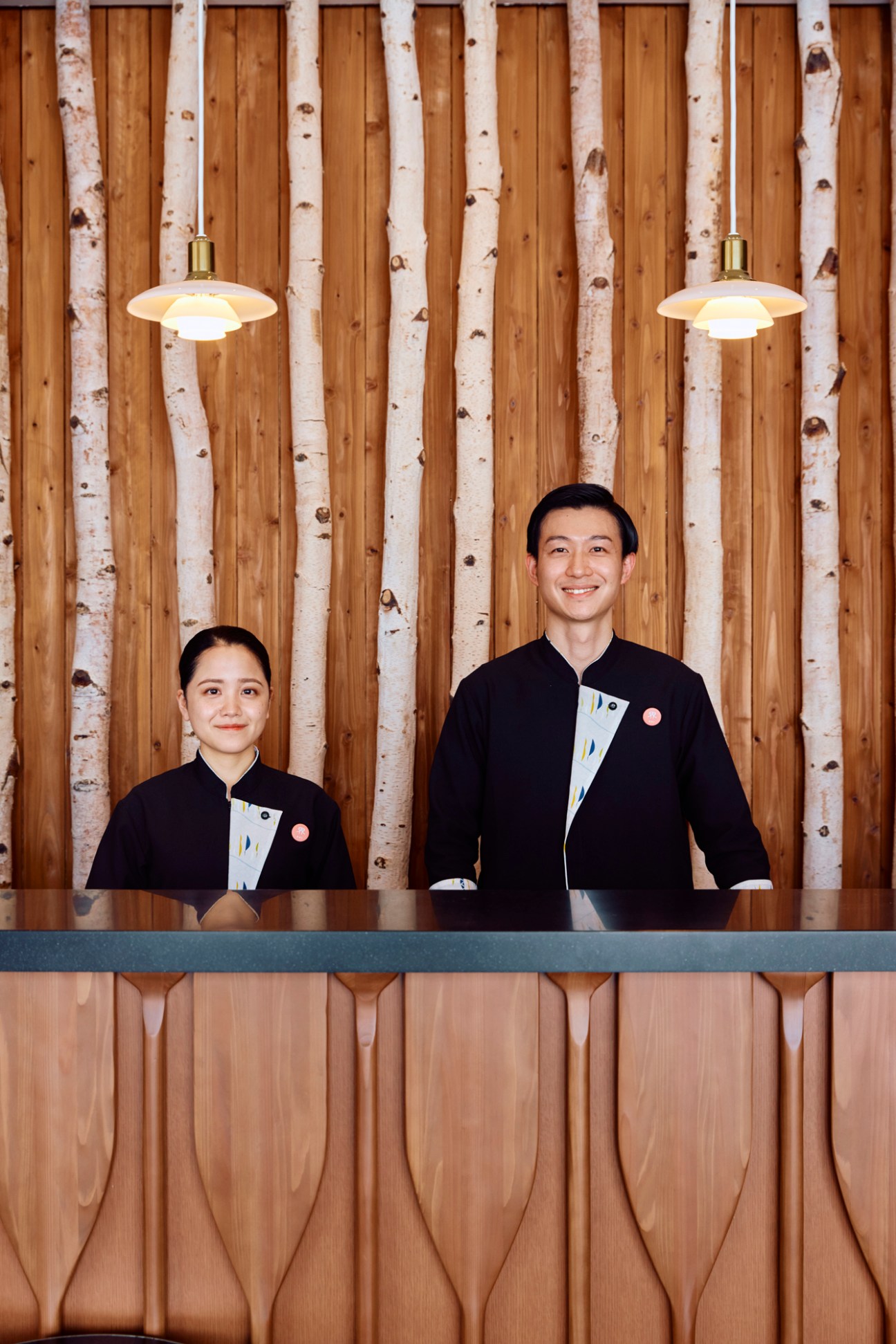
Kai is Hoshino Resorts’ hot spring-centred hotel brand and its latest venture, Kai Poroto, opened in Shiraoi in January. The 42-key hotel, situated by Lake Poroto and the museum, is a partnership with the local government. “The idea was to create an onsen facility for the locals,” says general manager Misato Endo.
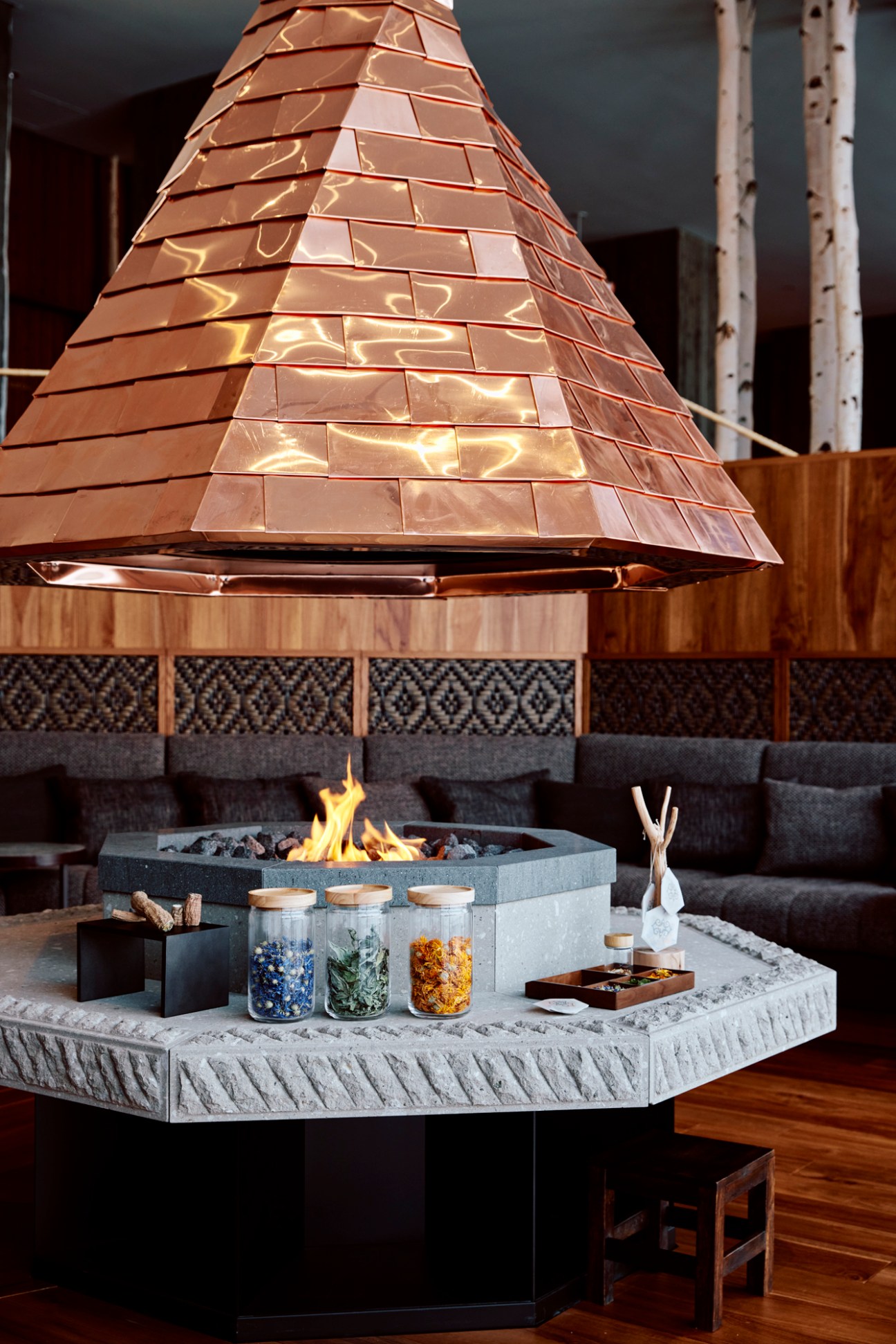
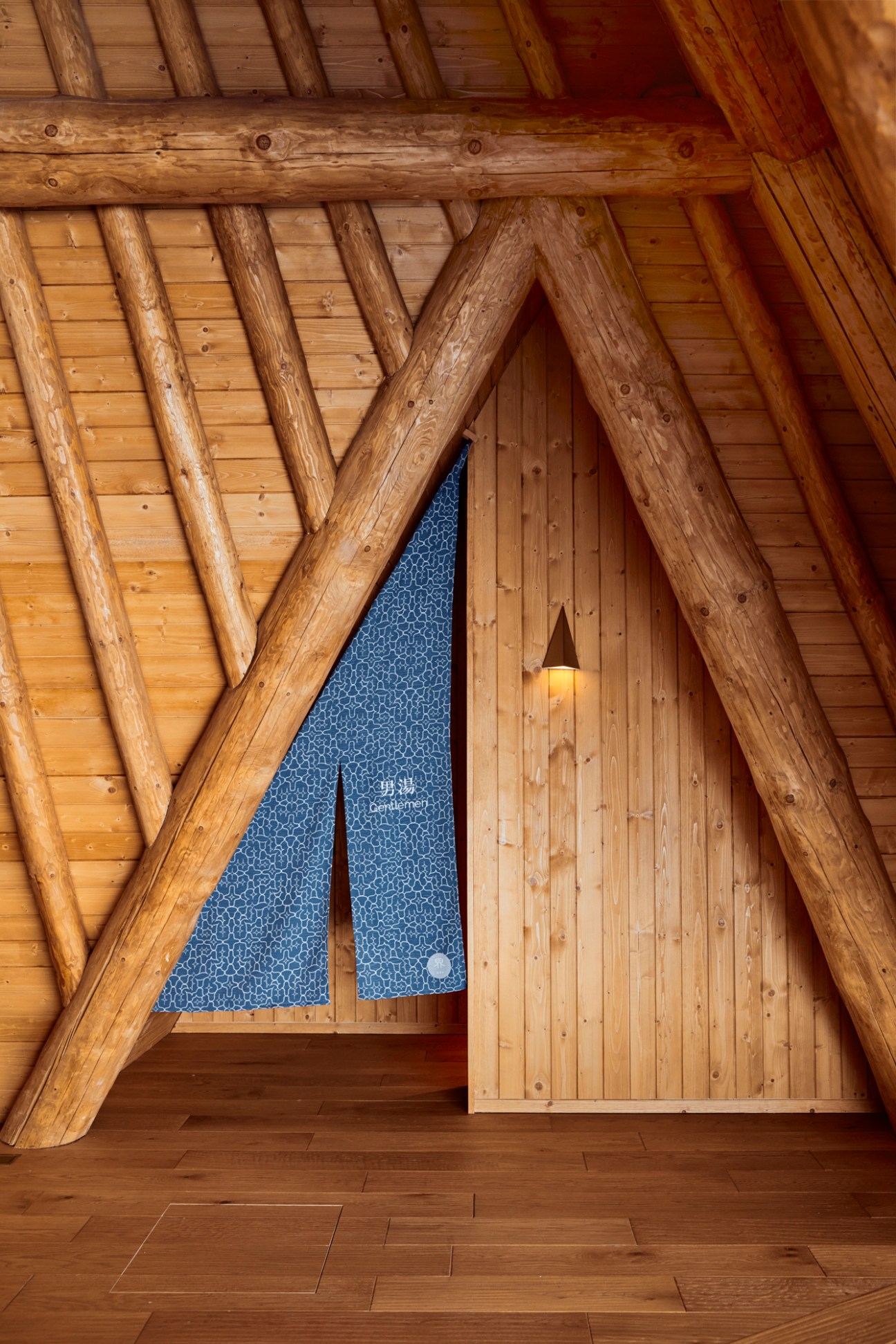
The hotel’s design nods to the Ainu people’s culture and heritage. Architect Hiroshi Nakamura placed the fireplace at the centre of the building as in traditional village life. The lobby and rooms are decked out with intricate embroidery and patterns by designer Nobuko Tsuda. There are modern touches too: the restaurant and guest rooms are kitted out with pieces made in Hokkaido by Japanese furniture-maker Time & Style.
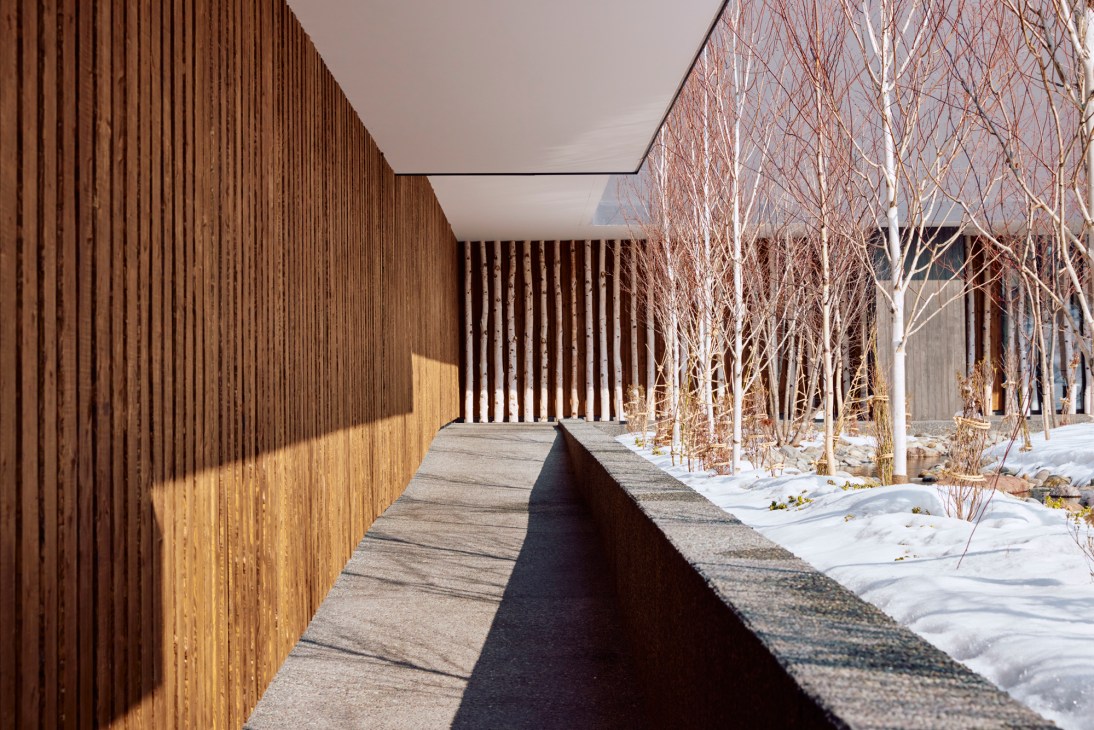
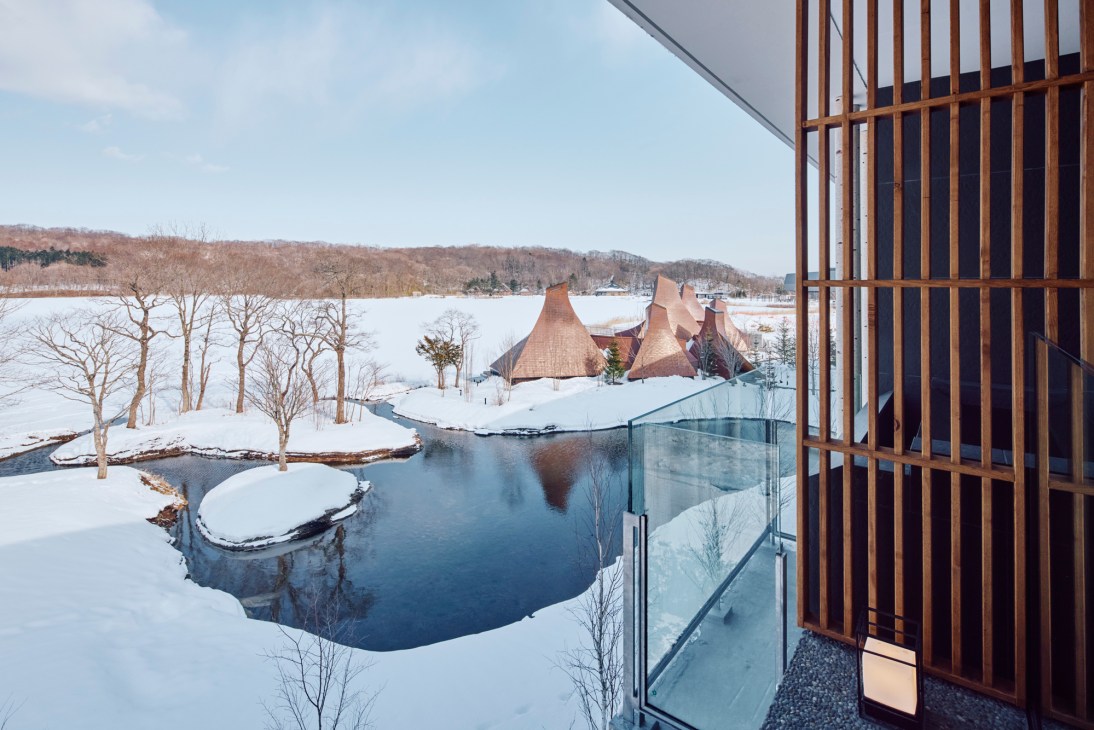
The biggest attraction is the moor hot springs. These plant-derived geothermal baths are much rarer than regular hot springs and promise to leave bathers’ skin silky smooth. The triangular bath – sankaku no yu – is inspired by ketuni, a hut the Ainu used while hunting. Finished with copper plates on the outside, the wooden structure is made from solid todomatsu (fir timber). Guests stretch their legs in the cosily dim indoor bath, then pop out to the outdoor area for some fresher air and lake views. When Monocle visits in frosty February, many people are ice-fishing for wakasagi from small tents on the frozen lake. The cave-like domed bath, which is open for locals as well as guests, is equally well attended.
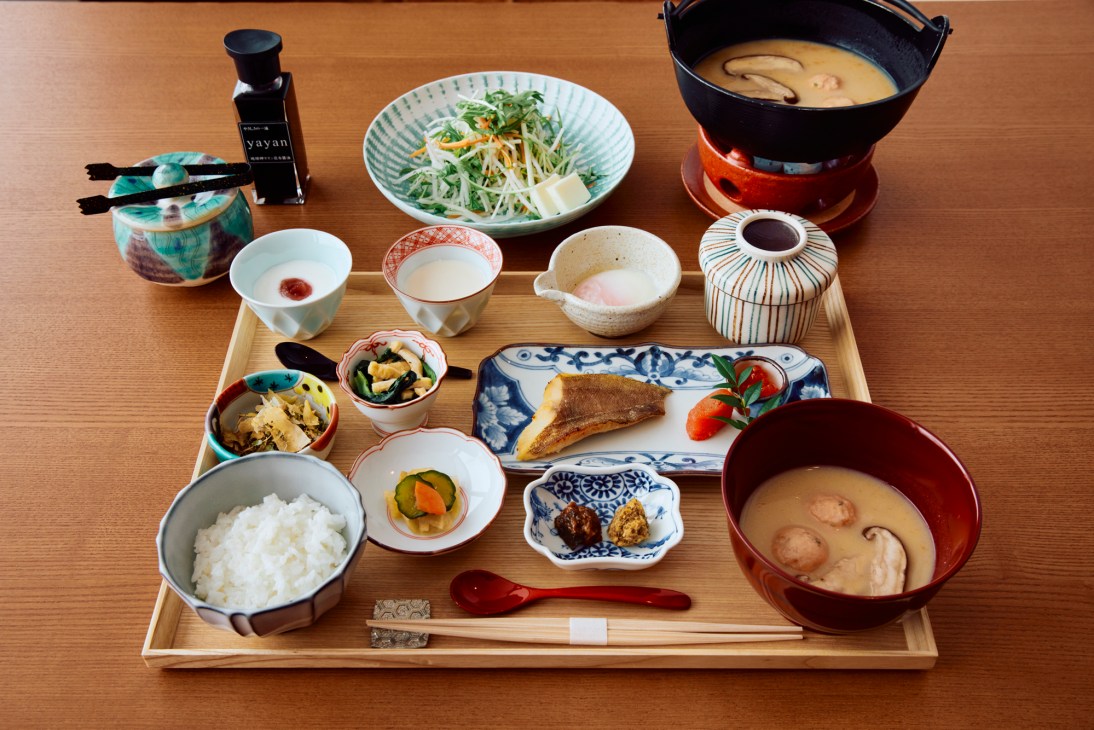
Every guest room has a lake view, while some come with an outdoor bath on the terrace. As dinner comes around, guests are treated with seasonal Hokkaido feasts that might feature crab, Shiraoi beef and colourful vegetables. While not bathing, eating, walking or enjoying another dip, guests gather around the fireplace and take in the spectacular scenery.
When the thaw arrives, guests will be able to walk by the lake and canoe on the water. The Poroto recreation forest near the hotel is also home to a rich variety of plants and animals, such as the Ezo squirrel, deer, foxes and Ojiro-washi (white-tailed eagles), while the adjacent Ainu Museum offers a rich collection of crafts, clothing and rigorous research of the people’s history and culture. There are also live performances of songs and dances by the Ainu people.
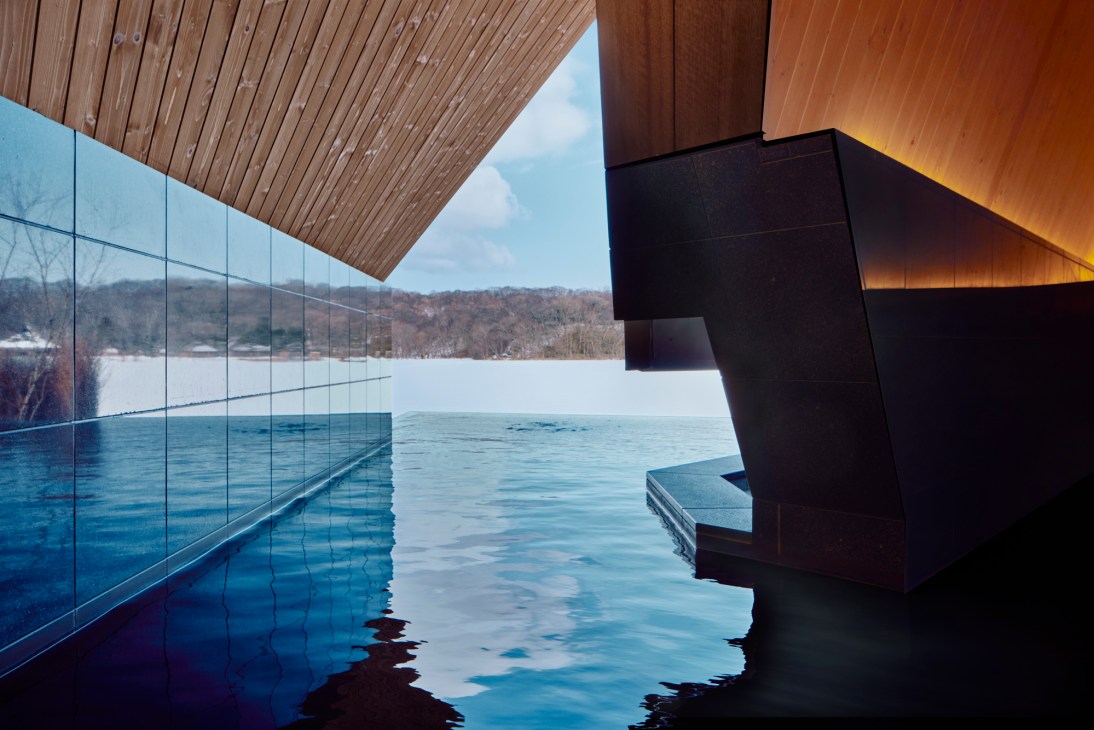
All this is a mere 45-minute drive from the main airport in Hokkaido. “Shiraoi has long been a day-trip destination,” says Endo. “We built a hotel to attract people to come and discover more of the area.” If this doesn’t convince people, we’re not sure what will.
hoshinoresorts.com
Home comforts
Towering fennel plants line the freeway south of Sydney. A turn from the main road brings you to a canopy of eucalypt that snakes through Exeter, a village with a stone church and antique shops lining a blink-and-you’ll-miss-it high street. After a few more bends, you reach Bundanoon (an Aboriginal name that means “place of deep gullies”) and on its edge a new hotel, Osborn House. Built in 1892 as the residence of British settlers George and Dinah Osborn, the property offers striking views of the gullies and a gumtree forest that seems to stretch to the horizon. The Osborns ran the home as a guesthouse and it housed Dutch interns after the Second World War; until recently it operated as a spa and retreat.


On a pilgrimage to the forest about a decade ago, Sydney-based restaurateur Adam Abrams decided that the area would be perfect for his move into hotels. “On a map I drew a circle around Sydney that stretched to just two hours by car,” he says. “I wouldn’t drive more than two hours for a weekend trip so why would a guest?” Over the following two years, Abrams stayed in every hotel, motel and guesthouse within that radius until he found Osborn House.
Abrams knew right away that he wanted to work with Linda Boronkay, Soho House’s former design director. “I’d stayed in hotels that she designed and a mutual friend put us in touch,” he says. “Her first question was, ‘What’s your style?’” His answer was: “Boronkay.”
The designer brought in Alan McMahon of Mac Design Studio as her partner. “Having worked together at Woods Bagot studio in Sydney, we understood how our skills complement each other,” she says. Despite border closures and lockdowns, which limited opportunities for Boronkay to be on site, the pair ploughed on via video calls and post. “I sent paint samples to Linda in London,” says McMahon. “And I posted back fabric samples,” says Boronkay.
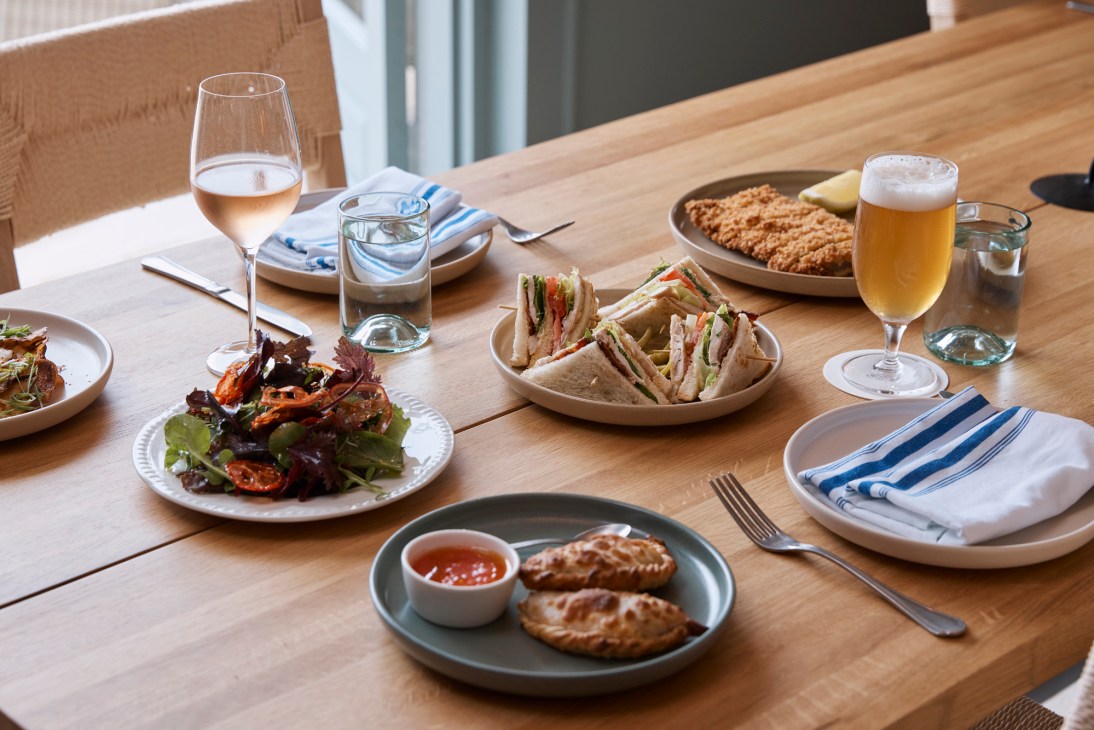
Throughout the property the work of artists Jai Vasicek and Vicki Lee adorns the walls. “We were so lucky to have a client who let us commission artists and design furniture and lighting,” says Boronkay. With 15 guest rooms and seven cabins, the hotel offers a unique interior behind every door. “I want guests to feel that each room is different,” she says. “Some are masculine, others feminine. Colour, art and lighting are important tools in achieving that.”
The combination of masculine and feminine extends to the public areas, including George’s Bar and dining room Dinah’s, named after the founding couple. Executive chef Segundo Farrell’s menus draw on produce from nearby farms and techniques that he learned while working alongside his mentor Francis Mallmann. “The landscape is perfect for us to use fire and Francis’s techniques,” he says. “We couldn’t do what we do here in a city.”
osbornhouse.com.au
Inventory
Travel
Unknown pleasures
Global
Three unexpected delights, from smart hospitality to retail.
1.
The Londoner
London
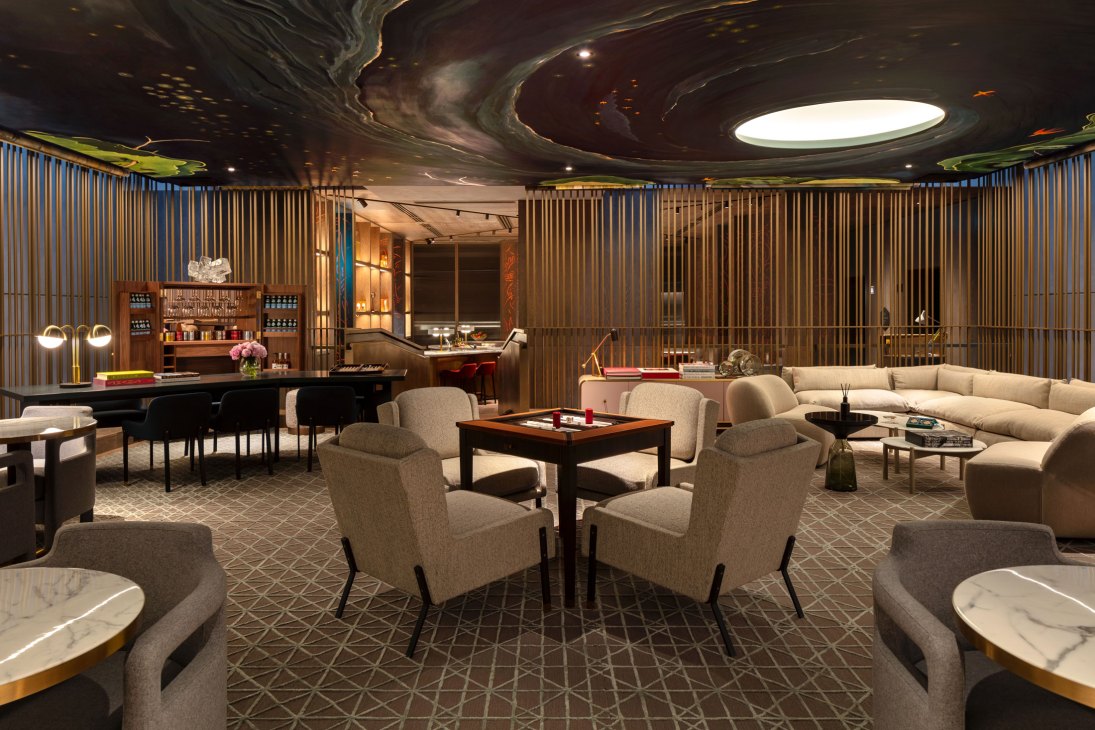
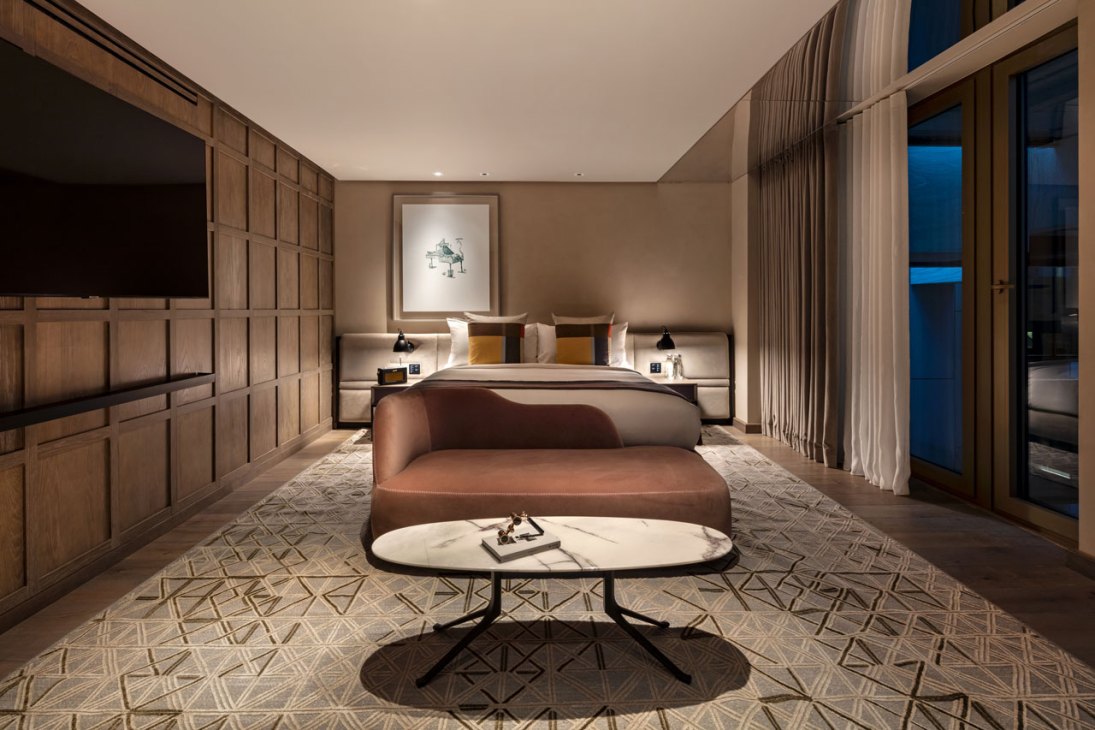
The word “resort” might evoke faraway destinations but for the team behind The Londoner, the Edwardian Hotel Group’s 250-key, 16-storey new-build at the heart of the UK capital, city resorts are the next frontier. Designed by New York-based Yabu Pushelberg, it is home to an art gallery, champagne bar and five restaurants, from Whitcombs for French Mediterranean fare to a tavern named after artist Joshua Reynolds. “The hotel embraces the heritage of the area,” says director Charles Oak.
thelondoner.com
2.
Dining in style
Seoul
Shopping can be hungry work but retailers in the South Korean capital are serving up a solution. Watch specialist IWC Schaffhausen has a high-end coffee shop in the Euljiro area, while Breitling has opened its first restaurant in its flagship shop in Hannam-dong. Nearby, Gucci is cooking up an osteria, expected to open later this year. These aren’t the first luxury names to drift into hospitality: just look at Bulgari’s fleet of hotels. But the new pairings of fashion and food suggest an appetite among shoppers to make a day of it and, perhaps, of brands to entice customers back into physical shops.
So how does hunger chime with horology, or cuisine with couture? On the first floor of Breitling Townhouse Hannam, the seating areas are themed by land, air and sea in a nod to the brand’s nautical and aeronautical heritage; a private dining room and terrace offer the ideal settings to seal a deal. Enhancing a retail experience with alluring food is a savvy move. After all, a gourmet tease guarantees that there’ll be more eyes on products, as well as more time spent in shops. Though perhaps it would be prudent to order a size up.
iwc.com; breitling.com; gucci.com
3.
Orient Express La Dolce Vita
Italy
Recognised for its strides in high-speed train travel, Italy is preparing to slow things down with a new service that builds on the Orient Express brand. Spearheaded by Italian hospitality firm Arsenale with French hotel group Accor, the Orient Express La Dolce Vita is expected to launch in 2023, when its first two trains will depart Rome for Paris, Istanbul and Split, as well as running journeys on long-forgotten lines in the bel paese. The rolling stock will consist of 1980s Trenitalia Intercity models, with interiors given a 1970s-inspired revamp by Milan-based Dimorestudio. Each train will hold 31 premium sleeper cabins and have carriages for a restaurant and a lounge bar. You know where we’ll be.
orient-express.com
Inventory
Technology
Upping tools
Global
We survey the best new gadgets that fuse innovation with life-enhancing function and elegant design, and push the right buttons.

Samsung
Galaxy S22 Ultra
Early every year, Samsung unveils the latest iterations of its flagship smartphone series, the Galaxy S. The S22 is just out, along with the larger S221 and this phone, the S22 Ultra. The leader of the pack has a spacious high-resolution display that looks glorious whether you’re checking out photographs or watching video, thanks to the rapid “refresh rate” that makes playback butter smooth. It also has multiple cameras, including a 108-megapixel sensor. If that sounds like overkill, it’s mostly used to combine data from individual pixels into bigger blocks to enhance images, especially in dimmer conditions. It also means that you can zoom in by a factor of 100, capturing details that you might otherwise have missed.
For the first time in an S-range phone, there’s a stylus on the base of the unit, which lets you scribble down notes that get turned into editable text. Samsung has discovered colour in recent years; this season’s matte-green finish (pictured) is subtle and attractive.
samsung.com

Anker
622 Magnetic Battery
Battery anxiety is a 21st-century malady. Even if you have a top-of-the-range smartphone, you still might see the dreaded red-battery icon by the end of the day. Plugging a phone into the wall or a portable power supply isn’t always convenient either. But now you can avoid the faff with batteries that charge your device wirelessly, especially if you have an iPhone with Magsafe capabilities, such as the iPhone 12 or iPhone 13.
Magsafe is a ring of magnets at the back of the phone that ensures a snug contact between your phone and charger. It allows a battery with corresponding magnets to snap on to the back of your iPhone. Apple makes its own Magsafe battery but this one from Anker offers more charge and comes in a range of cute colours, from “misty blue” to “buds green” (pictured). And it has a neat extra feature: the back folds down to form a stand, which is handy for video calls or propping up the phone in landscape orientation.
anker.com
Bang & Olufsen
Beosound Explore
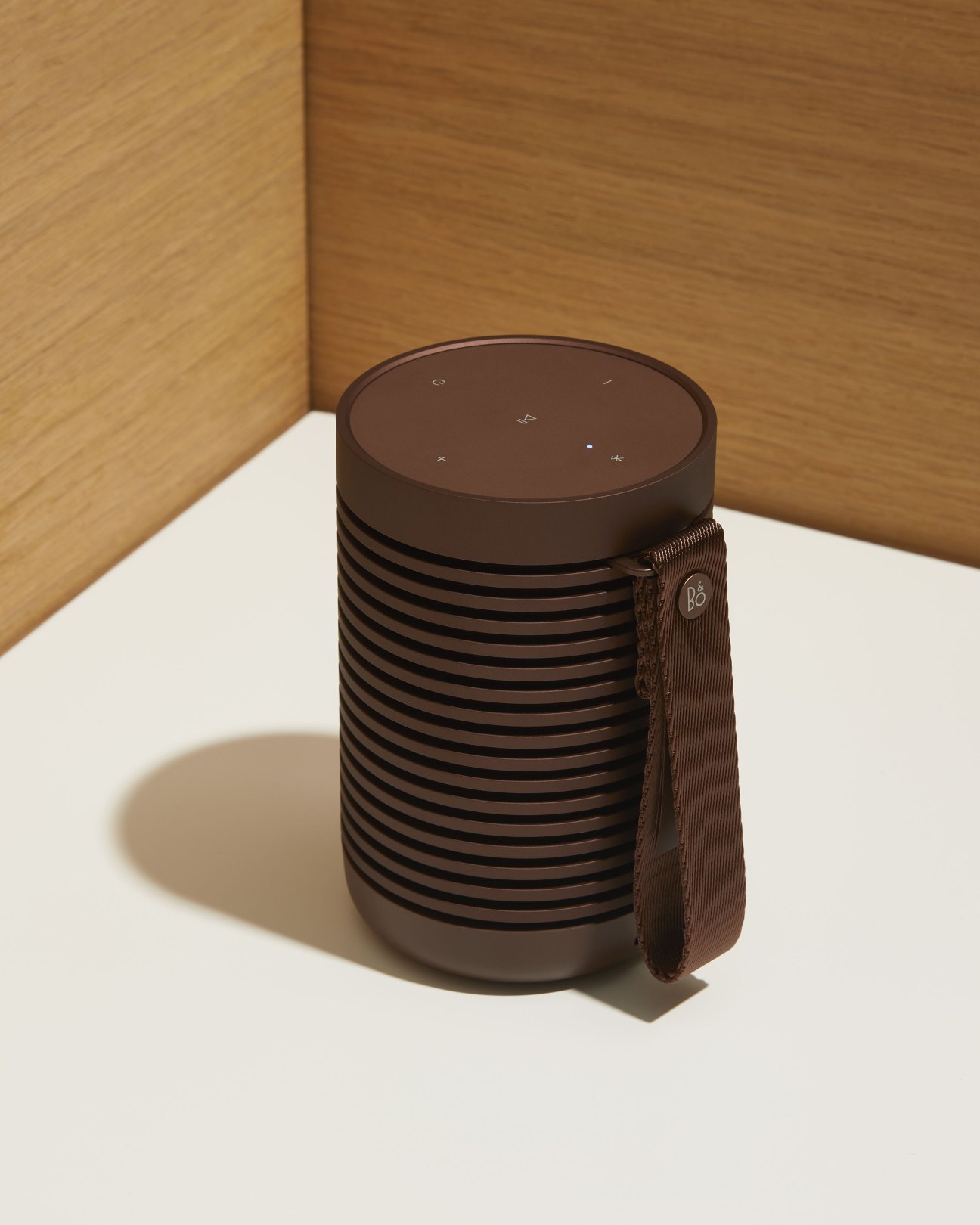
Robust enough to offer high-quality audio in the great outdoors and with enough battery life to last for more than a day, this Bluetooth speaker is aptly called Explore. It has punchy bass and a lively mid-range that sound impressive even in open spaces. There’s a grille that delivers 360-degree sound, which means that you can put it anywhere. At about 12cm in height, it’s compact and has a grippable shape, making it ideal for taking on the move. It’s dust- and water-resistant too, giving you peace of mind if you’re sitting on the beach or next to the pool.
The design is classy enough to look elegant indoors, especially in the discreet but eye-catching navy blue or chestnut (pictured). As you’d expect from Bang & Olufsen, the build quality is excellent; made from anodised aluminium with a rubberised base, it’s scratch-resistant, lightweight and durable. You can also turn it up to 11 by pairing it with a second speaker.
bang-olufsen.com
Invoxia
Smart Dog Collar
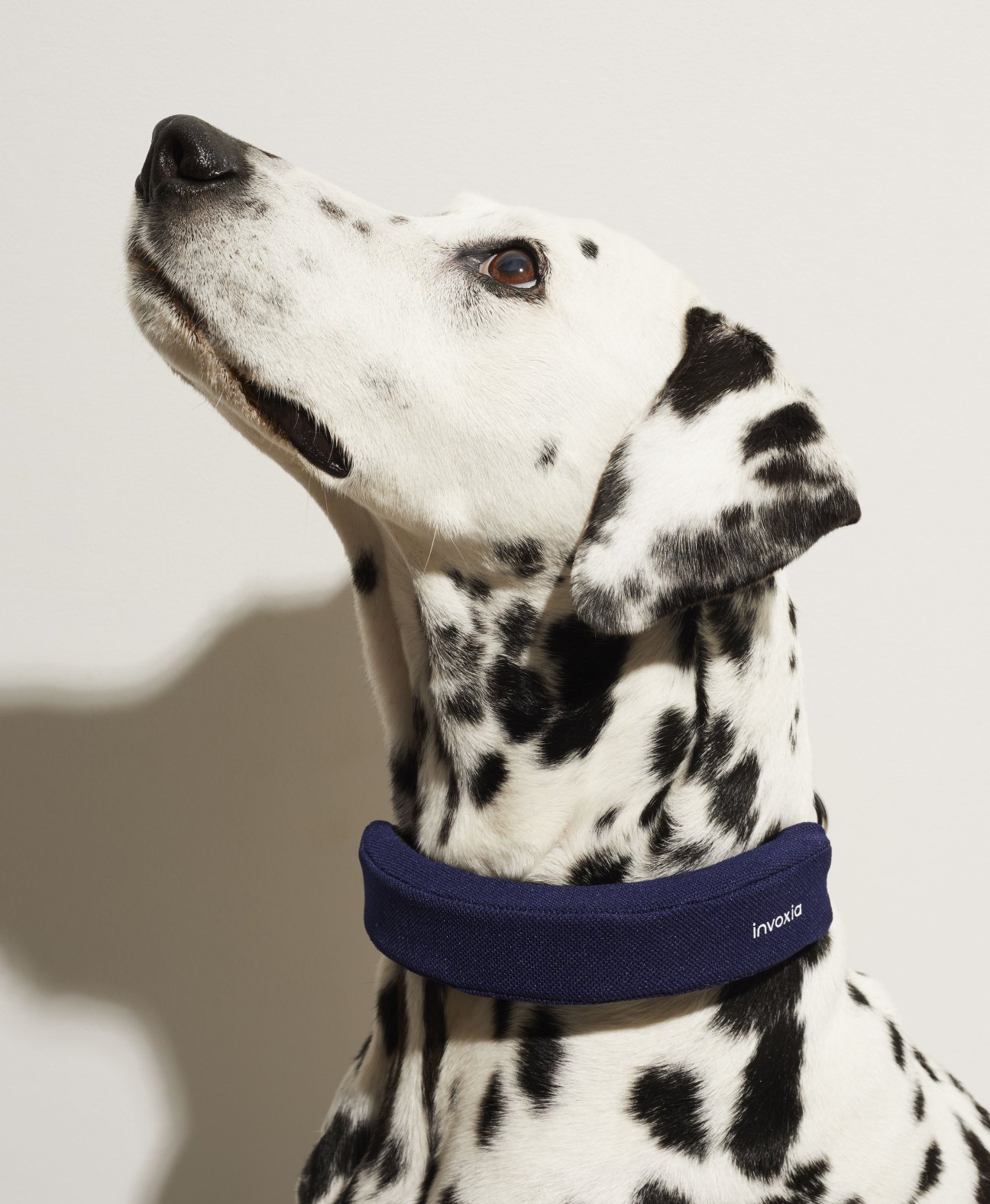
Pet technology is increasingly big business and several manufacturers have already released GPS-based dog gadgets (though the sight of pooches sporting them is still rarer than a well-behaved puppy). But what makes French firm Invoxia’s Smart Dog Collar unique is that it comes with sensors that take biometric measurements and can give early warning of illness in the wearer, especially heart-related conditions. Helpfully, it monitors the dog’s respiratory and heart rates without the need for electrodes. A persistently high resting respiratory rate can indicate heart issues, so the collar’s capacity to spot anomalies is potentially life-saving, not least because the monitoring is continuous.
Invoxia worked with vets to ensure that the software can detect disease early. It can also measure the dog’s response to medication or its rate of recovery following surgery. The collar recognises regular activities and can differentiate between walking and running. It also tracks how often your dog is eating or drinking. It can even tell how much it is scratching. There’s an accelerometer, GPS tracker and buzzer too, so you can locate your dog when you can’t see it – though that rather defeats the point of a game of hide and seek, doesn’t it?
invoxia.com
Model: Molly
Blazing a trail
Jamie Heiam flies planes over wildfires for a living and insists that she is never scared. “But there was one fire I flew over, the Snake River Complex,” she says, referring to a blaze that raged across Idaho, Washington and Oregon last year. “The assets [planes and helicopters] weren’t where we needed them to be. There was a lot of lightning, a lot of fire. Then the visibility became really bad. The sky was orange, with scorched earth underneath. I looked down and thought, ‘This is the apocalypse.’”


Aerial firefighting isn’t for rookies. These pilots, many of them ex-military, have typically notched up about 10,000 hours in the air; they say that if you’re scared, you’re out of your depth. In the next breath, however, most add that there’s no work like it. It’s lucrative and attracts self-proclaimed nomads such as Heiam, who spends as many as eight hours in the cockpit at a time during fire season, sometimes for weeks on end, then spends the rest of the year sailing across the Atlantic or roaming the US in a converted school bus. “I always tell people that I have the dream job,” she says.
And it’s very much a growth industry, however worrying that might be. As fire seasons in the US grow longer and blazes become more intense, the old methods of tackling the problem using crews with shovels – “ground pounders” in pilot parlance – are proving less effective. Even in the air the risks are enormous, not least for the “smoke jumpers”, a daredevil bunch of firefighters who parachute into otherwise inaccessible parts of the inferno.

Montana’s aerial firefighting firms are scaling up to meet the challenge. They’re signing agreements with state authorities and securing prized federal contracts with the US Department of Agriculture’s Forest Service to bolster regional capacity; they’re making use of $30m (€27m) Canadian-built “Super Scooper” planes, which suck up and dump lake water onto fires, and retrofitted passenger jets that drop powdered retardant.
The industry’s Wild West spirit is perhaps a factor in why it has taken root in Montana. In keeping with the freewheeling lifestyle of the pilots whom it employs, investment and growth are always a gamble on there being bigger fires to chase year after year. But the state is also geographically ideal for sending crews, planes and helicopters to some of the most reliable fire hot spots in the western US.
“We have more aerial firefighting aircraft in our state than any other in the US,” says Tim Sheehy, who co-founded Bridger Aerospace in Belgrade, just outside Bozeman, Montana, in 2014 and has Jamie Heiam on his pilot roster. “Bridger now has 24 aircraft but I honestly think that we’ll be coming up to 40 in a few years, the way our contracts are going.”
Sheehy is an ex-Navy Seal who began to plan his second life after being wounded in action in Afghanistan. He started his business with a single plane and a $200 (€180) contract to track the movements of cattle; this first cheque is now framed in the lobby. Bridger developed its own sensors and software for surveying ranches and found that the technology could be modified to map wildfires. “There are a lot more downs than ups when you’re building a business from scratch,” he says. “But in about 2018 it became clear that our enterprise was on to something.”


The surveillance and imaging-systems business grew in tandem with Bridger’s fleet of firefighting aircraft so Sheehy spun off the sensor technology into its own company, Ascent Vision Technologies, which defence giant caci International bought for about $350m (€313m) in 2020. The US navy now uses its systems in the Middle East to counter drone strikes. Off the back of the sale, Sheehy significantly expanded Bridger’s fleet, adding capacity to an already burgeoning market; a third hangar is currently under construction.
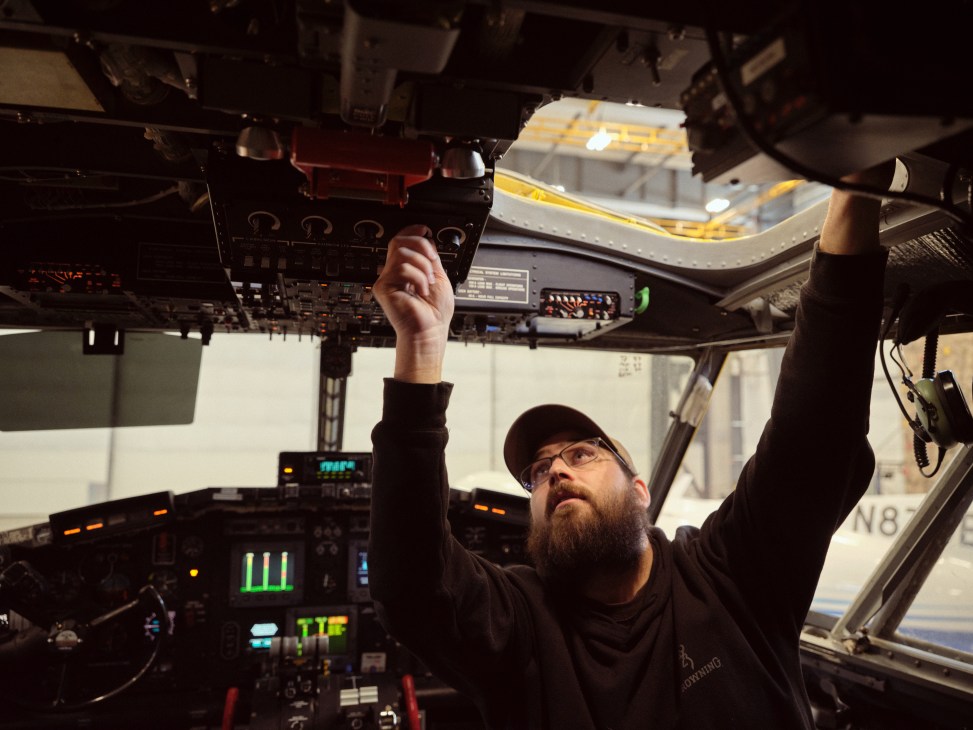
There is something all-American about this industry. In one of Bridger’s vast hangars, members of maintenance crews, many of them ex-military, work under a huge Old Glory flag that’s pinned to the wall, with the chug of heartland rock in the background. It is currently off-season and frigid air blows in as teams tinker with “air-attack” fixed-wing planes that will, typically by May, be buzzing over wildfires to co-ordinate the ground crews and Super Scoopers responding to where the flames are moving. According to Lucas Wenzinger, who will manage air-attack deployments this summer, if every plane in the fleet is flying, Bridger can be fighting as many as eight fires across the US at any one time, from Oregon to Kansas.
“I was looking for something with more purpose and meaning, and to serve the community,” says avionics technician Coryn Porter, who used to work on private jets and now maintains Bridger’s avionic systems.
This will be her first wildfire season and field-maintenance crews will work through the night during a blaze to prepare planes so that they can be back in the air by dawn. “I’ve been told that I need to be able to go anywhere at any time,” says Porter. “I’m ready for that. There’ll be a lot of adrenaline but there’s a real family atmosphere here too.”

Bridger has added as many as 40 staff over the past eight months and now employs 148 people. In a departure from the seasonal work of old, the company can now keep its pilots on the books all year, even when there are no fires to fight. Sheehy is looking to add more planes to his fleet of four Super Scoopers and has been scouting in the southern US for a potential second operating base.
Montana’s firefighting firms are also securing work beyond the US. Neptune Aviation Services in Missoula, a few hours’ drive from Bridger’s base in Belgrade, signed a call-when-needed contract last year with the National Aerial Firefighting Centre in Australia and has already been helping with emergency response in Chile.
Neptune converts BAE 146 passenger planes into tankers that drop retardant and typically charges $30,000 (€26,750) a day, plus $10,000 (€8,900) for every hour that each of its nine planes are in use. The firm already has exclusivity agreements with a number of US states, not least California, where its pilots have been called in to fight some of the country’s fiercest wildfires. “It’s becoming less of a fire season and more of a fire year in the US,” says Nic Lynn, Neptune’s director of operations. “It’s not uncommon for our planes to be flying well into November and then be back out again as early as February.”
As well as the bigger players, Montana is home to several established firefighting firms, each with a handful of utility aircraft. Central Copters in Belgrade has used choppers to fight fires since the early 1960s and now runs missions across the country. Meanwhile, at Bozeman Yellowstone International Airport is Northern Wings Aviation; founder Jim Ortman calls it “the mom-and-pop shop of aerial firefighting”. Northern Wings has four air-attack planes that are contracted out for detection jobs, travelling with the fire season as it drifts eastwards from Alaska and the southwest toward the northern Rocky Mountains, seeking the telltale smoke above the treetops. “Fire season is getting longer,” says Ortman, who first came to Montana for 40 years and set up shop in 2014. He makes no bones about the effect of climate change, which he has observed first-hand, especially after Montana’s wildfires in recent years. “I don’t ever remember smoky summers here,” he says.

Smaller firms can make plenty of money from limited assets, says Ortman. “You could easily earn over a million bucks in a big fire year with a Rockwell Commander 690,” he says. “But it’s a balancing act. You never know what’s going to break and these are not cheap to repair.” He concedes that larger players with more planes and bigger crews are crowding out smaller operations as the industry grows. “There is simply an economy of scale that they can realise,” he says. “The Forest Service is looking for big outfits with deep pockets.”
Drew Alexander, who flies for Northern Wings Aviation after a long service with US forces in the Middle East, says that the best pilots learn to “read” the fire, just as sailors do with the ocean. It’s an intuition, he says, for predicting what will happen next. Ortman seconds that. “It’s very much a squadron feel out there,” he says, meaning his airborne crew. “A bunch of guys with a common purpose.”
Frontier spirit
An expanding row of private jet hangars at Bozeman Yellowstone International Airport indicates how Bozeman is changing. The city’s proximity to the Yellowstone Club, one of the world’s few private mountain ski resorts, has made it a crossroads for celebrities and ceos in search of fresher climes, some of whom occasionally venture downtown to decorate their new chalets. Last year, Bozeman was among America’s fastest-growing small cities, driven by relocations from the coast which earned it the nickname “Boz Angeles”. Almost two million passengers passed through its airport, which has open fireplaces in the departure lounge.
“There’s so much wealth from the ski resorts that’s trickling into the city and a lot of high-end apartments being built downtown,” says former professional skier and entrepreneur Kina Pickett, who moved to Bozeman in 2007, seeking a bucolic lifestyle.
Innovation Campus, a mixed-use technology park, is opening next to Montana State University, with firms such as Snowflake relocating from California. “You just have company after company looking at this market,” says Dan Zelson, a developer investing in the new hub. “The property market is on fire.”
Do we need royal families?
The debate
Though the idea of hereditary power now seems archaic, it has lasted remarkably well. Beyond the 15 countries of which the British monarch is head of state, there are about a couple of dozen more crowned heads, mostly in Europe and the Middle East. They might, however, be among the last of their kind. The past 30 years or so has seen the former monarchy of Nepal become a republic, while both Mauritius and Barbados have removed the British monarchy as their head of state. In that same period, only one monarchy has been restored – Cambodia’s, in 1993. There are a number of royal families in exile but there is little serious restorationist sentiment for any of them, though there was the quirky case of Tsar Simeon II of Bulgaria, overthrown in 1946 at the age of nine, then elected prime minister of his country in 2001.
Nevertheless, monarchy retains an appeal. The Middle Eastern monarchies all survived the 2011 Arab uprisings. Europe’s constitutional monarchies are broadly popular. In 2022, the UK and the wider Commonwealth are ungrudgingly observing the platinum jubilee – 70 years of steady service – of Queen Elizabeth II. Monarchies are old-fashioned. But then, that’s kind of the point of them. The question is whether the connection they provide to the past is akin to an anchor that prevents their country from drifting too far off course, or a ball and chain that stops their people from making any progress.
Meet the panel
Peter FitzSimons
The republican

Peter FitzSimons is chair of the Australian Republic Movement. He is also a columnist for The Sydney Morning Herald and a prolific author, mostly on Australian subjects: his latest book is The Opera House, a history of one of Sydney’s most famous buildings. He is a former rugby union player, who represented Australia seven times between 1989 and 1990.
Crown Prince Leka II
The royal

Crown Prince Leka II is the head of Albania’s unofficial royal family, the House of Zogu, and lives in Tirana. His grandfather, King Zog I, crowned himself in 1928 after serving as prime minister and president. He reigned until he was exiled by Italy’s invasion in 1939. Prince Leka’s father, Crown Prince Leka Zog I, returned to Albania after communism collapsed; a 1997 vote on restoring the monarchy was defeated.

Emman El-Badawy
The analyst
Emman El-Badawy is the Director of the Extremism Policy Unit at the Tony Blair Institute for Global Change, and a Middle East expert who appears regularly on the BBC and Sky News. She is a fellow at the British Academy and of the Department of War Studies at King’s College London.
Let’s start with the idea that a monarchy can represent a pillar of stability and continuity. Does that still apply in 2022?
Crown Prince Leka II: Monarchies play a very important role in different regions. In the Middle East, monarchies have been very proactive in keeping stability and not allowing extremist groups to take control. In the Balkans, my family and other royal families engage with the republics. I work with the Albanian president, assisting with connecting with other governments and other royal families, and promoting Albania abroad. I have Australian blood. My mother was Australian. She was a relative of Banjo Paterson, the famous Australian poet. Her family felt very connected to, and proud of, the heritage of the British royal family. That stability has allowed Australia to be independent and have a strong Australian vibe but it has that sense of security because of the royal family.
Peter, have you heard anything there that has changed your mind?
Peter Fitzsimons: Well, if Prince Leka is descended from Banjo Paterson, that does make him royalty in my view. But to his point about the security provided by the connection to the UK – earlier this year we commemorated the 80th anniversary of the fall of Singapore. The notion in 1939 was that we’ve got to go with the UK, because they’ll defend us. And they didn’t: when Singapore fell in 1942 [to imperial Japan], Australia felt alone.
But look, the very notion that Australia can do no better with our head of state than a family of English aristocrats living in a palace in London is simply ludicrous. And with the greatest respect to Prince Leka, the premise of monarchy is that there are families who are better than the rest of us, that their blood is bluer than ours, that they’re wiser, that they have more integrity. I have two simple words: Prince Andrew. I rest my case.

If we look past the hereditary lottery, is there a case for monarchies nevertheless? The Middle Eastern monarchies all survived the Arab uprisings – and those countries, while far from perfect, have since been much less chaotic than Libya, Syria or Egypt.
Emman El-Badawy: The wealthier Gulf monarchies were in a position to throw around cash handouts as the uprisings spread across the region. But even the relatively poorer monarchies, Morocco and Jordan, could draw on important patronage relationships – strong loyalty bonds with tribes that have been deeply developed for generations. They’re also careful in managing the relationship with the Islamic clerical establishment.
It often surprises people, especially after years of Western democracy promotion, that there hasn’t been a civil-society pushback against monarchies, especially when many of their neighbours experienced revolutions that led to the republics we know today. You could argue that the monarchies in today’s Middle East are waving the rod of modernisation much more than a country such as Egypt, which is very much resisting reform.
PF: I obviously defer to Emman in expertise in the Middle East but can I raise Saudi Arabia? People who claim royal blood sitting atop a seriously repressed people. “We’re royal, we’re better than anyone else, therefore we control the police, the army, the oil, and you little people, you peasants – how dare you?”
EE: I don’t disagree. The human rights record is not great anywhere in the Middle East. But there’s an important point to make about why people don’t rise against the monarchies. The Arab uprisings were a symptom of the failed republican project in the Middle East; people were sick and tired of the corruption of the military regimes that replaced the monarchies. The other reason that the reputation of republics in the Middle East is not great is Iran – a monarchy deposed and replaced with a theocracy. That really scarred the region.

Let’s take a look at Peter’s point about the idea that royal families believe themselves inherently better than their subjects. Prince Leka, does it feel like that when you’re raised in a royal house?
PL: If we’re talking about entitlement… I was brought up in exile. I was not allowed to return to my country. When I was born the leadership of Albania declared a death sentence on royalists in the country. To me, it’s not privilege; it’s duty. I’ve spent my life working. When the government offered my father and me free guard protection, we refused. So the entitlement argument can be easily made when you have a few beers with your friends, Peter, and start rambling…
PF: You didn’t answer Andrew’s question, though. Are you better blood than anybody else? It’s nonsense to say that one family is better than anybody else. No doubt throughout history there have been good kings and good queens – and Queen Elizabeth II is obviously an example of somebody who has genuinely devoted her life to public service. But in a sophisticated society, the idea that one family is better than any other is absurd.
PL: I don’t see myself as different to any other person. I was taught by my father to respect everyone and to work, and I’ve dedicated my life to my people. I’ve spoken to Albanians who spent 25 years in jail under communism and the only thing that kept them going was their belief in the monarchy. I believe in a democratic constitutional monarchy, based on the principles of Napoleon III, where a president becomes king and provides the legal format for change; and if you don’t like the king, you can fire him. And as a counter-argument, which I’m sure Emman would be able to build upon, what is the alternative?

According to Transparency International, six of the 10 least corrupt countries are constitutional monarchies. So can running a monarchy alongside a democracy mean good governance?
EE: In the region I know best, the Middle East, I just don’t see the issue Peter has with the idea of a family or figure who considers themselves worthy of ruling. It’s a fair argument in principle but in practice, the republics I’ve witnessed and lived under… in Egypt we had a dictator who in 30 years never once held a fair election. In Iran, in 43 years of the Islamic Republic’s existence, it has had two leaders – both known as Supreme Leaders. When Prince Leka says he sees himself as a servant to his people, that to me is very similar to how we understand democratically elected leaders: if people aren’t happy with them, they’ll say so. My experience of republics in the Middle East is that they haven’t solved that problem.
Peter, we should address the fact that Australia was given the choice, in the 1999 republic referendum, and opted to keep the monarchy. Why was that?
PF: Some polls suggest that 50 per cent of people are for the republic, 25 per cent are monarchists and 25 per cent don’t care. The problem is not whether we should be a republic but what type. There’s a schism between those who want direct election for a president and those who want minimalism, which is more or less how it works at the moment: every five years, our elected leader selects a governor-general [nominal representative of the crown] and then asks an unelected lady in England if it’s alright.
PL: In republics you have presidents who, because of the way that they are chosen, are part of a conflicted situation. There is no perfect system. No matter how we play with Plato’s ideas of democracy, a monarchy with a pluralistic political system is one of the best options. Australia has this, with a governor-general who does not affect the internal affairs but is able to represent Australia. In Albania, my family stays away from party politics but focuses on initiatives that serve the people.
PF: Can we not agree that an ideal system is something like what the Irish have? You have a head of state elected by the people, whose authority doesn’t rest on being appointed by God or having better blood than anyone else. You have someone who is among our brightest and best, and enjoys the confidence of a free people. Prince Leka mentioned our governor-general; we’ve had a lot of good governors-general. But when Mike Pence, then vice-president of the US, visited Australia, he tweeted about his wonderful afternoon meeting with Queen Elizabeth II’s representative to Australia, Peter Cosgrove [rather than an Australian counterpart].
Albania also had a referendum on its monarchy in 1997. Prince Leka, the vote went against your father, Leka I, though he claimed otherwise. Would it have been better for Albania if it had gone the other way?
PL: Albania in 1997 was utter anarchy, there was no way to monitor votes. Currently, our family is not working for a change of system. Instead, it’s important to look at how we integrate the royal family, which has a historical importance, and is a role model, into Albanian society. That’s why, every week, we sit down with anyone who wants to meet with us. The connection with people, with clan leaders, is why we still exist. This year they put up a statue of my grandmother, Queen Geraldine, in Tirana. There is a statue of my grandfather and the monarchy is a point of unity and stability in the country, which has very harsh and intense political debates that are ongoing.
There’s also the monarch as diplomat, operating above the political fray. And here we think of Queen Elizabeth II and her handshake with former IRA commander Martin McGuinness.
EE: Monarchies do have a soft-power edge over other countries because of the allure of a royal family. Peter will hate this but people are attracted to princes and princesses. It is a massive tourist attraction, which brings economic benefits, but there are diplomatic benefits too. In the Middle East there are many examples of monarchs as diplomats. The Jordanian royal family has been really important to the Middle East peace process as a relatively neutral broker and a consistent ally to the West in an otherwise unstable region.

Does it just boil down to a question of what works? That maybe there are times and places where some sort of monarchical system is the best available option?
PL: Each country has to look at its own situation.
EE: The reason for my agnostic position on this is that in the last century we’ve really obsessed over political systems and got very little out of it. The reputation of liberal democracies is not great these days, which is not to say that we shouldn’t be promoting and protecting them. But there’s a general fatigue around liberal democracies – the sense that political leaders are just trying to get re-elected. They don’t have a long-term vision and strategy, which a constitutional monarchy can bring – that sense of wanting to be proud of the history and legacy of the nation.
PF: In the end, it’s absurd. These are not special people. These are not people who are better than the rest of us. The ideal is what they have in Ireland or France, or the US in a good year.

Conclusion
If one were starting a country from scratch, it would be a struggle to make a case that any given family should be endowed with the privileges and burdens of royalty – even for purely ceremonial purposes. But not all societies, and not all countries, want the same things. Perhaps there is value in an impartial-ish figure with a link to history and an eye on eternity. And before installing or abolishing anything, it is prudent to have a think about the alternatives.
On the edge
We cross into Romania from southeastern Hungary and immediately there’s a hint of things to come. We are travelling by car; because Romania is not part of the Schengen Area, our passports are taken for inspection and our vehicle is waved to one side, leaving us feeling temporarily stateless. On our journey we will often find ourselves in this no man’s land between two countries. Such situations make you think about the arbitrary nature of demarcation and how time stretches as you wait for your right to enter.
The first Romanian city that we come to is Arad. Its factory yards lie empty in the early-morning fog; its streets are filled with round-the-clock amusement arcades. You see these gaudy distractions all over the country. When I mention them to a Romanian friend, they roll their eyes and say that they are like coronavirus, a disease, but one that mostly plagues middle-aged men with little money to spare.
But this isn’t Romania’s biggest problem. Its real scourge is chronic corruption, which has persisted despite its accession to the EU in 2007. A deadly nightclub fire in Bucharest sparked a wave of protests across the country in 2015; the protesters said that government corruption had led to the disaster and the ineptitude of the emergency services had increased the death toll. Romania is poor by European standards. This invites the uncomfortable question: with the country in such dire straits, will Romanians bridle at the stream of refugees coming from Ukraine?
There’s no one to ask on the streets of Arad at this time of day so the answer comes when we reach Romania’s mountainous northern frontier with Ukraine, where residents are usually more concerned with problems such as illegal logging or cigarette smuggling (though people in the area tell me that the conflict has put an end to the latter, at least for now).
Satu Mare has a population of about 112,500. It has a magnificent brutalist city hall and brightly coloured villas that hark back to when it was part of the Austro-Hungarian empire. Though it sits closer to Hungary than Ukraine, the effects of the invasion are being acutely felt. “It’s as though everybody forgot about the pandemic and economic problems,” says Florin Muresan, a presenter at a regional television station. “Everything has changed. The only thing that we’re talking about now is Ukraine and how we can help.”
The closer you get to the Ukrainian border, the more evident the scale of the crisis becomes. About eight out of 10 cars that I see on the road into Romania have cheerful blue-and-yellow Ukrainian registration plates. These convoys tell a story of displacement, of a world set violently in motion since Russian troops invaded Ukraine on 24 February. It’s poignant to see the expensive Audis and bmws of the well-to-do overtaking their fellow citizens’ budget cars, crammed with luggage.
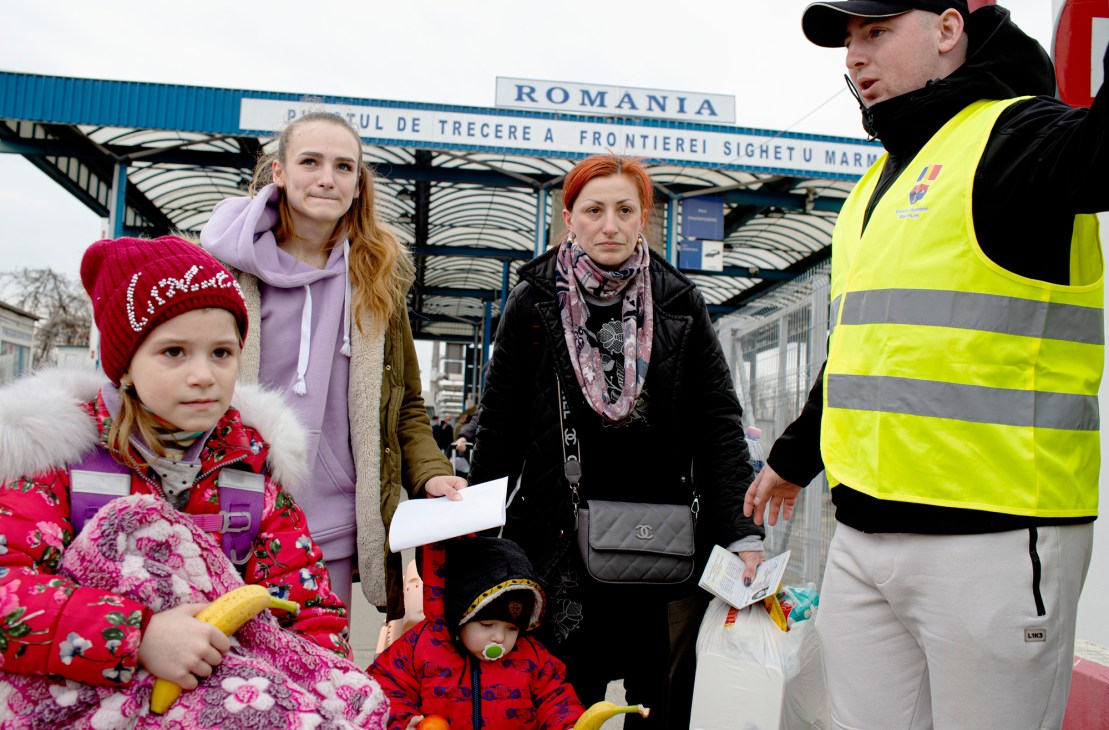
Romania has few motorways so the road to freedom runs through winding mountain passes and quiet villages whose inhabitants, with their horse-drawn carts and shaggy Carpathian shepherd dogs, might look oblivious to the conflict but they are not. In Remeti, a village commune that is separated from Ukraine by only by a narrow brook, we stop to speak to three elderly women sitting by the side of the road. When I ask what they make of the conflict they throw up their arms. “We cry every day and we pray,” says one. “People in Romania pray for Ukraine. We just wish it would return back to normal.”
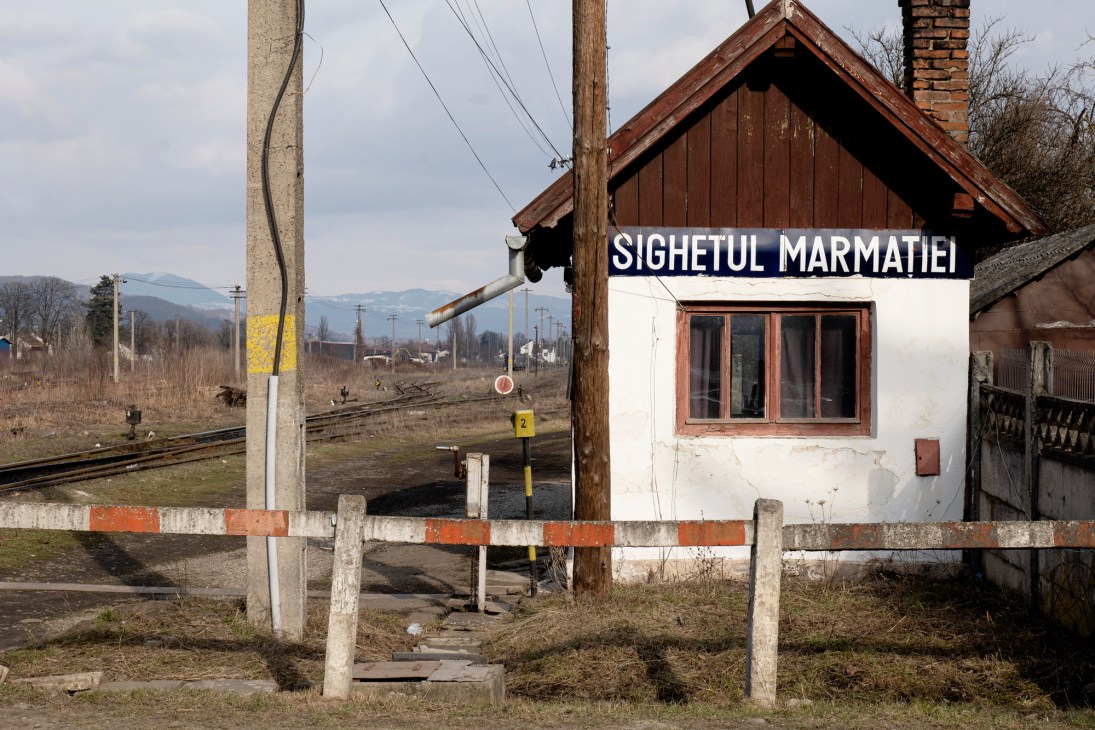
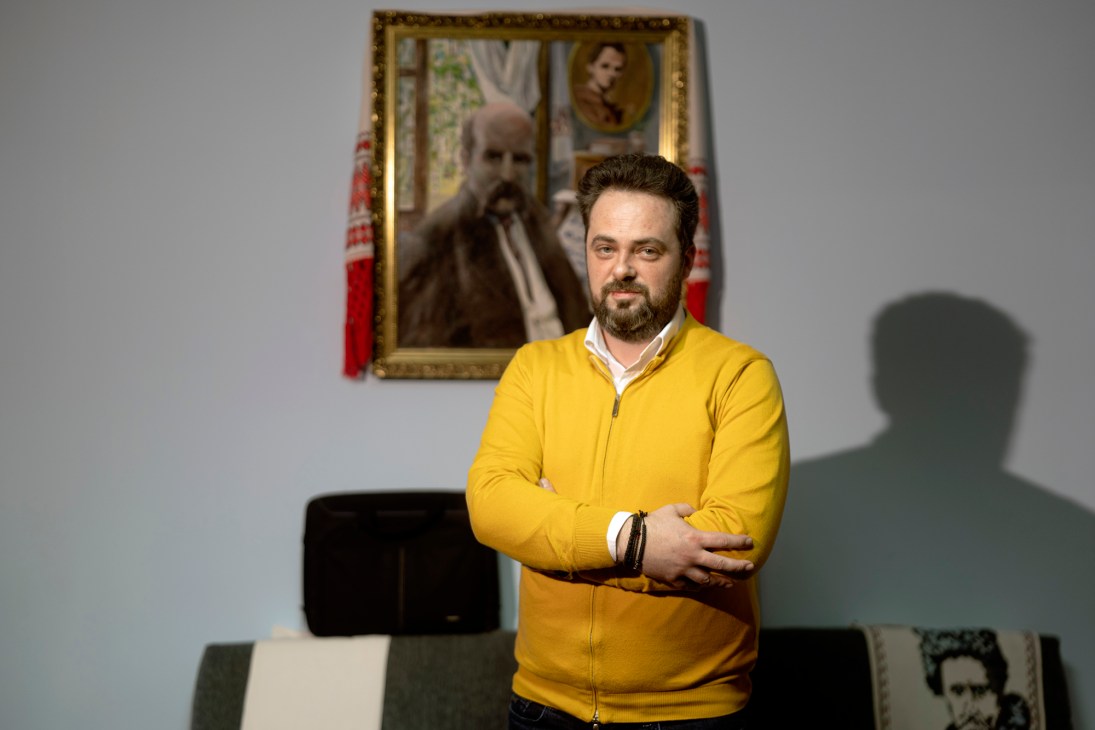
Romania is home to a sizeable Ukrainian minority, mostly in the north, and the Hutsuls, a highlander people who live in the border county of Bukovina and are Ukrainian in heritage. For all of them this conflict feels personal. In Sighetu Marmatiei, another town on the border with Ukraine and one of the entry points for the exodus of refugees, Nicolae-Miroslav Petretchi heads the local chapter of the Union of Ukrainians in Romania (UUR). “We share a lot of the same traditions and culture so we are alarmed by what’s happening in Ukraine,” he says, with a large portrait of the Ukrainian national poet, Taras Shevchenko, hanging behind him. Petretchi compares the Russian invasion to Ukraine’s Stalin-era famine, the Holodomor. “We never expected that Russia would do such a thing or that the attack would be so vicious,” he says.
The uur, along with government and local authorities, as well as ngos, volunteer organisations and the Romanian Orthodox Church, is providing support, transportation and accommodation to the new arrivals. Its headquarters in the region is in a state of chaos due to bags of donated clothes and ready-made meals. Petretchi hasn’t had much sleep. I ask him how he is managing. “Are the Ukrainian soldiers sleeping now?” he says.
Border crossings in a time of crisis are messy. No matter how streamlined the process, there’s always litter, dirt and exhaustion. But both at Sighetu Marmatiei and Siret, which is further east and another important gateway for fleeing Ukrainians, the authorities are doing their best with limited means to offer a warm welcome. Those walking across the border on foot are embraced by volunteers or crying relatives and friends, who give them food, clothes and, most importantly, hope. At the time of writing, about 2,000 people are crossing by foot every day at Sighetu Marmatiei and many more were coming through Siret, sometimes as many as 600 people an hour.
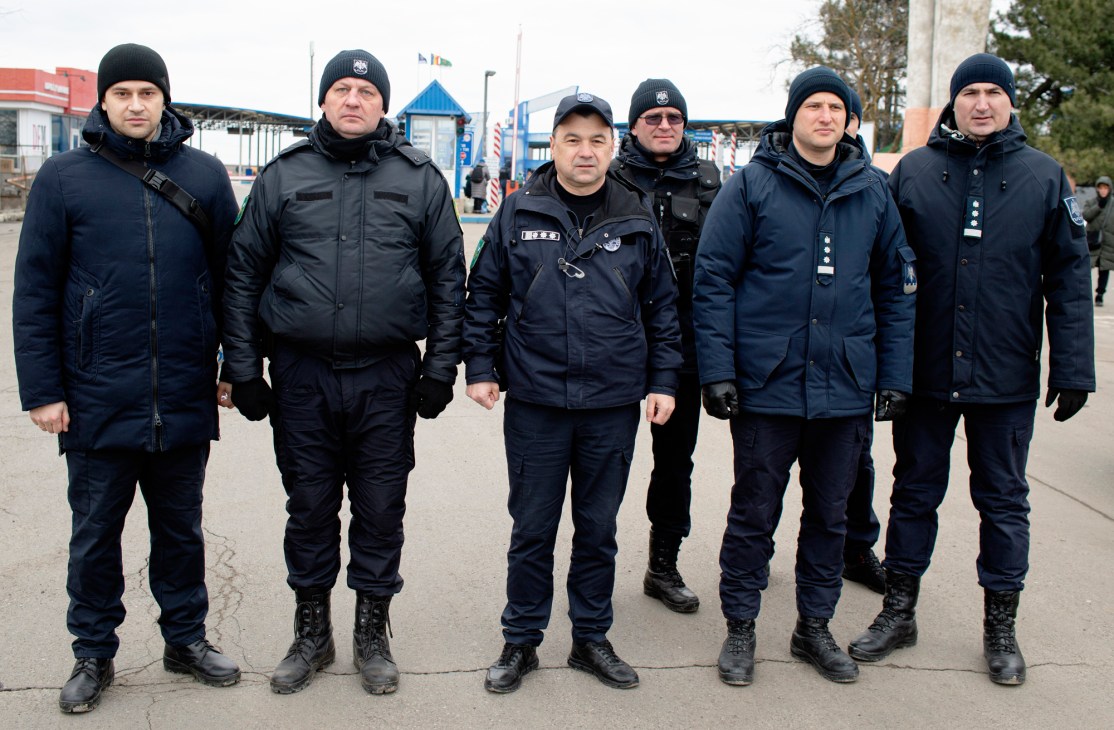
“No one has been sent back,” says Ilie Poroch-Seritan, chief commissioner of the border police at Siret, his well-pressed grey uniform exuding a sense of order and calm organisation. “We have found a solution for everyone.” The numbers vary wildly, depending on the time of day, he says, but the stream of people normally eases towards evening as the curfew across Ukraine comes into effect and civilian movement ceases. “It’s our job to process them but we also feel compassionate and have empathy for these people.”
National sentiments run high in times of conflict. Many of the Ukrainians whom we meet recoil when they hear my Moscow accent (I was born and grew up in the Russian capital; then I moved to Vienna 10 years ago as Vladimir Putin returned to the presidency after a four-year respite under Dmitry Medvedev). Some become tense and others mildly standoffish but most just wave me away, perhaps as much because of their exhaustion as anything else.
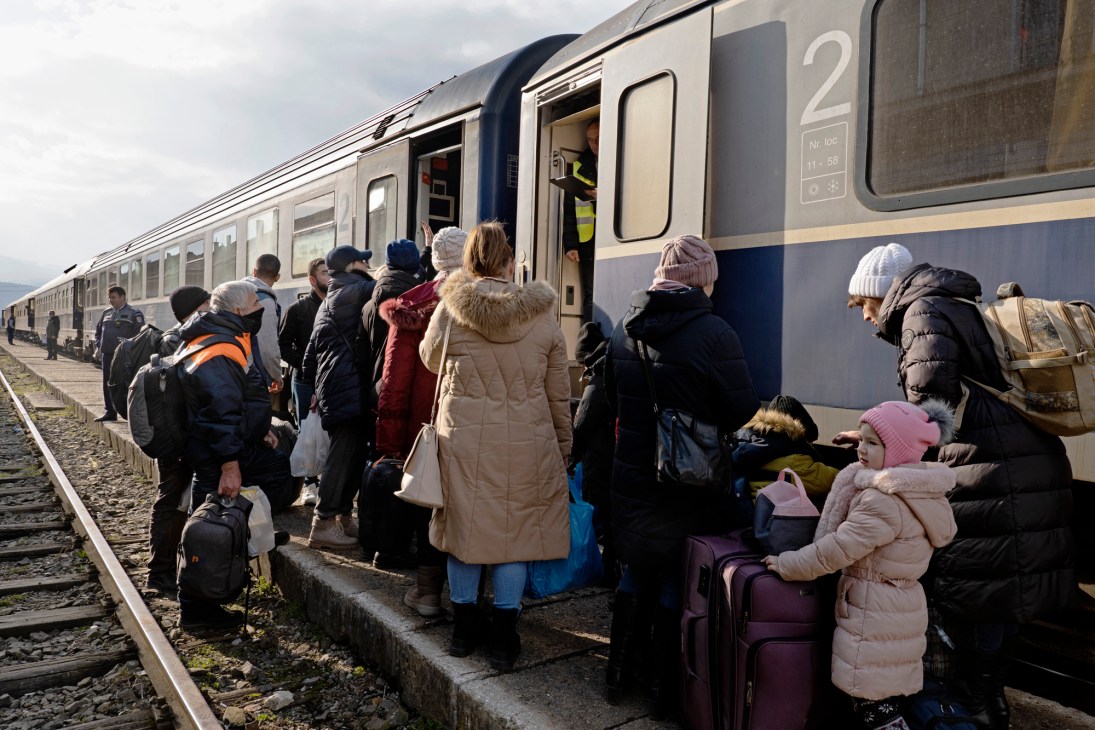
But many are keen to share their stories and opinions, though they are often wary of giving their full names. Irina from Poltava, a central Ukrainian city some 140km from Kharkiv, is at the crossing with her two teenage children but her husband has stayed behind, a pattern that repeats itself over and over with the families whom we meet. With martial law in force, men between the ages of 18 and 60 are forbidden from leaving the country but many – most even – have willingly stayed to fight.
“I cannot believe that a nation that produced such great literature could also produce such ignorant, gullible, unthinking people who are blind to our plight,” says Irina, who trained as a teacher of Russian literature. Tears streaming down her face, she quotes Russian poet Marina Tsvetaeva, “Dis-tance: versts, miles… We’re dis-severed, dis-persed.”
“I want to call on all the democratic powers of the world to intervene and stop this war,” says Irina. “If the world doesn’t help, our men and children will die.” Yelena has come with her daughter-in-law, Veronika, and her three small children. They spent several nights in a bomb shelter in Kharkiv after Yelena’s block of flats was hit by an airstrike. It took them three days to get to Romania. “We didn’t want to leave,” says Yelena. “We love Ukraine too much and we want to be among our people. But we were too afraid to stay any longer.”
We enter Moldova at its northern tip and everything changes: the quality of the roads, the people, the surroundings. Here dilapidation is the norm. The poor former Soviet republic seems frozen in time. In Moldova, as in Romania, many road signs say, “Drum bun“, or “Have a good ride”, which is exquisitely ironic given the volcanic enormity of the potholes. The empty villages on the road are quiet and “for sale” notices in many windows look faded and forlorn.
Moldova has its own troubles with Russia. In 1990 a region called Transdniestria declared independence from Moldova, becoming a self-declared nation. Mainly Russian-speaking, it is recognised only by Abkhazia, Nagorno-Karabakh and South Ossetia, all of which are breakaway regions with strong Russian ties and frozen conflicts. Russia freezes everything it touches.
As elsewhere in the world, the war in Ukraine has sparked a backlash of resentment in Moldova. In the days before our visit, the Russian embassy in the capital, Chisinau, complained of “blasphemous acts of vandalism” towards Soviet Red Army monuments in the country. The monuments dot this tiny country like a disorganised army, often accompanied by the gilded busts and statues of Vladimir Lenin. Like Ukraine, Moldova has now applied for EU membership but its prospects aren’t good. The conflict in Transdniestria, for one, will hamper its chances of accession.
Otaci is on Moldova’s northern border with Ukraine, it’s a grimy town that sits on the Dniester river. The first thing that we hear as we arrive is an air-raid siren sounding in Mohyliv-Podilskyi, a Ukrainian town on the other side of the water. No one seems fazed and nobody heads for cover; there’s a man peeing in the direction of the border as though he owns the place. But here too, as in Romania, there is a sense of purpose and unity against a common enemy.
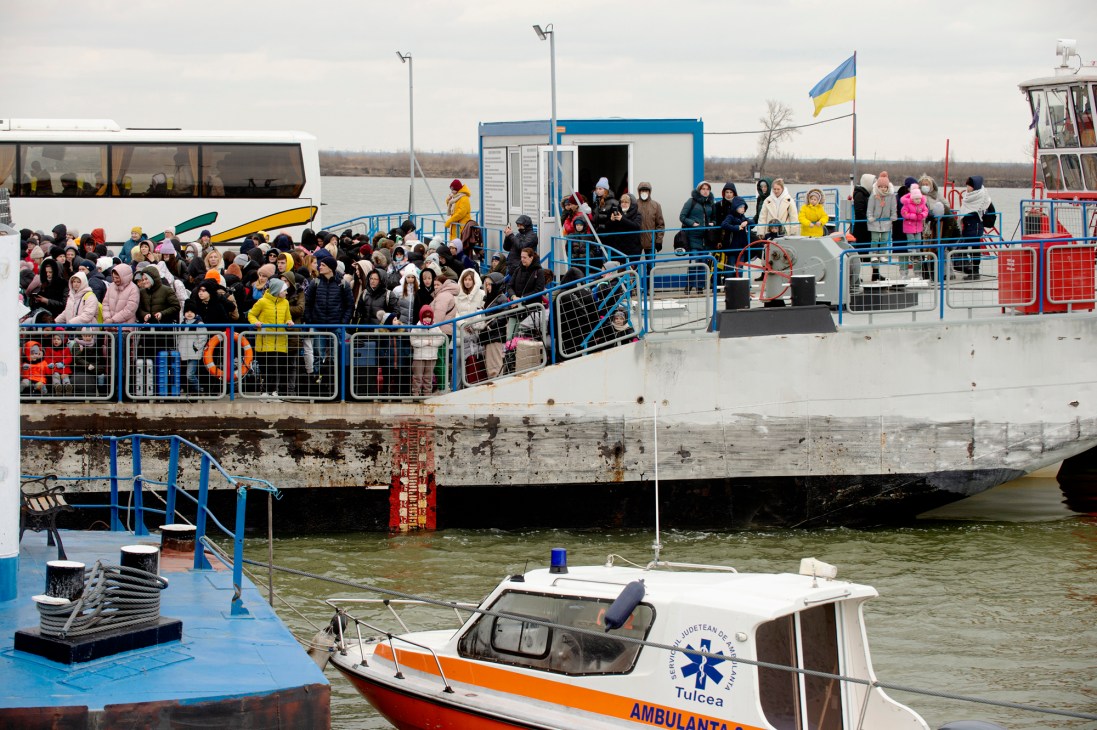
The French embassy in Bucharest has sent a two-person team to greet and help French nationals who are fleeing the conflict. In the first week, there were only 20 French passport holders. There are other diplomats here: Chinese, Germans, Israelis. The carabinieri, Moldova’s paramilitary force, have also joined the general assistance effort. We are taken to see a refugee centre that has been established in a former retirement home near Otaci. Here the young carabinieri are providing security and food. In the back garden there is a mobile Soviet military wood-burning stove. Out of it comes tea, baked potatoes and placinta, a traditional Moldovan pie made with cheese and parsley. There are only 17 people at the centre, many of whom have travelled there with elderly relatives.
Sergei Sidorov, an official in the Ukrainian customs service and his wife, Svetlana, are originally from the Donbas region but moved away in 2014 as Russia made its first advance. They settled in Mariupol on the Sea of Azov before relocating to Kyiv. Now they are on the move again, with Svetlana’s blind 90-year-old mother, Nadya, who has no documents but thankfully has been allowed through. Despite all of this they are optimistic. “We feel safe here but we wish it would end soon,” says Sergei. “We want to go back to Ukraine.”
At Palanca in the south of Moldova, there are similar scenes of desolation and poverty but there is also something new: a sense of urgency and desperation. We come on the day when Russia announced a brief ceasefire in the south of Ukraine to allow civilians to escape from the worst of the fighting (Ukraine says that no ceasefire happened) and cars are backed up on the Ukrainian side of the border. At one point, the queue stretches for 23km.
In the neutral zone between the two borders, pedestrians, many of them from Odesa, are huddled together against the cold. Unlike at the other border crossings, most people here don’t know where they will go, what they will do. Yelena, a tourism specialist from Odesa, tells me that she packed and left in one day; her only hope was to get away before the Russians came. She is travelling with her sister, her daughter and her boyfriend, and their two dogs, Willy and Josya. “I just can’t understand it when Russia says that it’s saving us,” says Yelena. “Who are they saving us from? Odesa is a friendly, kind, international city. What do they want from us? Who are the fascists here? Why should I flee from my home and my loved ones? I don’t understand why I’m here.”
Rosian Vasiloi, chief of the Moldovan border police, takes us in a three-suv convoy to lunch at a refugee camp near Palanca. Like everything and everyone around us, he is always moving and speaks with military precision. In the previous 24 hours 10,300 people have entered Moldova from Ukraine with 9,000 continuing straight on to EU countries. After lunch, he takes us to the border. There are two posts sticking out of a grassy ditch; the border line runs between them. A jittery Ukrainian soldier brandishes a machine gun 20 metres away. Behind him there’s a military vehicle with bullet holes. Two of Vasiloi’s policemen, Andrei and Oleg, say that it’s best not to aggravate him; tensions are high. We wave to indicate that we understand and retreat. On the way back, Andrei and Oleg tell us that a long-abandoned Soviet anti-aircraft installation some 8km from the border into Ukraine was bombed by the Russians a few days before. “What did they want with it?” says Oleg. Another time, they tell us, during a friendly cross-border cigarette break with the Ukrainians, they saw a missile flying past. The Ukrainians didn’t finish their cigarettes and ran back to their positions.
We leave Moldova and head back towards the safety of Romania, in the EU. The Romanian police scan my Russian passport suspiciously and once again tell us to wait. I have a brief moment of panic and understand some of what Ukrainian refugees must feel crossing the border out of their nation. Fortunately I am let in. My hope is that others, both Ukrainians and Russians fleeing the chaos, will be allowed in too.