Issues
Secrets out
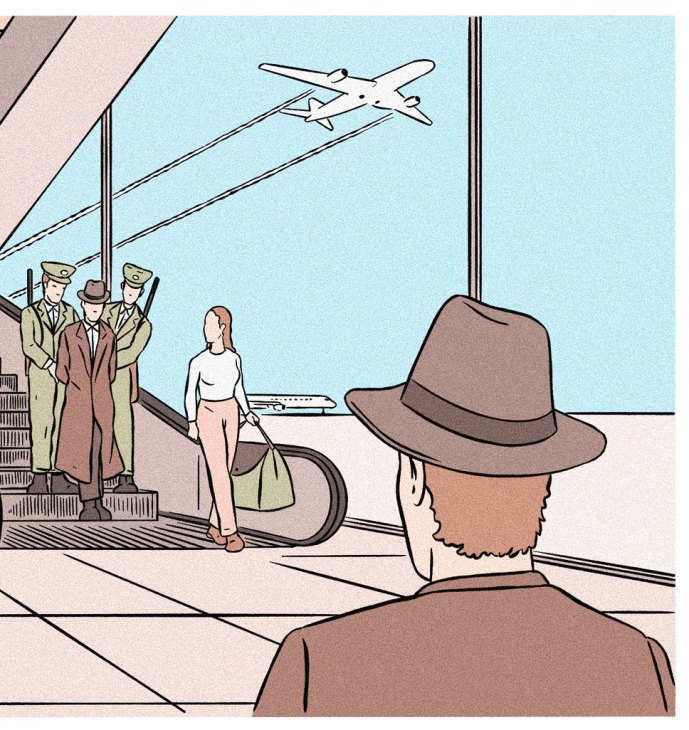
On 8 December 2021, Lars Findsen landed at Copenhagen Airport following a work trip to North Macedonia. Findsen, a craggy but trim 57-year-old, was the head of Denmark’s foreign intelligence agency, Forsvarets Efterretningstjeneste (FE), and as such the most senior figure in the Danish security services. Perhaps he had expected a driver to be waiting in arrivals to whisk him to his next destination. Instead, at 09.52, Findsen was greeted by a team of agents from Politiets Efterretningstjeneste (PET), FE’s domestic counterpart, there to arrest him on charges of disclosing state secrets, a crime that amounts to treason.
“It’s a disaster,” says Jacob Kaarsbo, who worked as a senior analyst at FE between 2002 and 2018, and also under Findsen. “Findsen’s arrest will have massive consequences. Our international partners must be asking themselves, ‘What’s going on? We’ve known this guy for years and now he’s accused of this.’”
Findsen’s arrest shocked Denmark and the global intelligence community, inadvertently shedding light on the functioning – some say dysfunction – of security services throughout Scandinavia. Denmark, Norway and Sweden have all recently experienced seismic spy scandals. The fact that they are relatively small countries attempting to punch above their weight in international security matters has led to political tensions, including thorny questions about democracy and openness.
As Monocle goes to print, Denmark’s chief spymaster for five years, and prior to that the head of pet, is awaiting trial – although no specific charges have been made public. What’s more, Findsen was held in pre-trial detention for an extraordinary 71 days, released only after his lawyers won an appeal on 17 February at Denmark’s High Court. What we do know about the case is that pet has told the Danish broadcaster, DR, that it believes the man who was privy to the most classified state secrets for almost 20 years leaked information with “the potential to cause serious damage to Denmark, EU countries or Nato”. The security agency has charged him under an obscure paragraph of a law passed in 1866, last used in 1979 for an East German Stasi agent. If found guilty, Findsen faces a maximum sentence of 12 years.
Among other things, the leaks concerned FE’s longstanding partnership with the US’s National Security Agency (NSA) in surveillance of allies including Sweden and Germany via undersea communications cables that happen to connect in Danish territory. This was first revealed by US intelligence whistle-blower Edward Snowden in 2014 but further details have been leaked from FE since.
The decision to arrest Findsen will have crossed the desks of – or, some allege, was ordered by – Trine Bramsen, defence minister at the time, and the prime minister, Mette Frederiksen. Many believe that they have overreacted. “They are using cannon to shoot sparrows,” says Hans Jørgen Bonnichsen, a former head of pet and a veteran commentator on security issues. “The government and its security committee have handled this catastrophically badly. There will be tragic results for individuals, agencies like FE and pet, the nation’s security and Denmark’s reputation.”
Bonnichsen, who worked under Findsen for five years in the 2000s, adds: “His profile is about as far removed from that of a traitor as possible.” He considers the case to be the most extraordinary spy scandal in Europe, not least because, in the wake of Findsen’s arrest, an even more high-profile security insider – former defence minister Claus Hjort Frederiksen (no relation to Denmark’s prime minister) – was also charged under the same law.
The stout 74-year-old Frederiksen, who spent 14 years as a government minister in various departments, including three years in defence during the previous centre-right government, was due to step down from parliament at the next election, by 2023. Frederiksen did not reveal anything that was not already in the public domain but he had confirmed to the media the content of leaked, classified information during several interviews. That was enough, in the eyes of the current authorities, to justify criminal charges. (“Well, maybe I will end up in prison for three months,” Frederiksen had prophesied during one of those interviews. “But I don’t have a big political career ahead of me and I don’t have any honours they can strip me of.”)
Meanwhile, Danish media has been leaned on by the security agencies. Just before Christmas, Svend Larsen, the acting director of FE, summoned several top newspaper editors to his office. One of them was Martin Krasnik, of the weekly broadsheet Weekendavisen. On arrival at FE’s base in the historic fortress Kastellet, a stone’s throw from the iconic Little Mermaid statue, Krasnik was instructed to deposit his mobile phone in a box before meeting Larsen. He advised Krasnik that he also risked being charged if he published leaked information that put the country’s security at risk.
“It is utterly impossible to imagine that the authorities would ever jail a journalist for explaining the background of a political crisis,” says Krasnik. Nevertheless, he calls the Findsen saga “the most crazy political situation in Denmark in many years” because it has shone a light on extreme tensions between the Frederiksen-led centre-left government and the security services.
“There has been a real change in the way this government sees itself in terms of the lengths they can go to using their power within democratic boundaries, pushing it to the limit,” says Krasnik. “They have been extremely angry about those leaks – and they are right to be angry. But not all leaks are bad. They have highlighted some very important information. And, I mean, for weeks the country’s spy chief disappeared and no one was allowed to know where he was…”
Back in 2014, the Snowden revelations had prompted FE to launch Operation Dunhammer (“bulrush”), an investigation into its own conduct. The investigation revealed that Denmark’s equivalent of mi6 had been collaborating with its US counterpart, the NSA. Dunhammer’s conclusions remained secret until May 2021, when they were exposed by European media outlets, including the three Scandinavian public broadcasters. They confirmed that German chancellor Angela Merkel’s phone had been tapped by the Americans, as well as those of Swedish government ministers.
Long before that point, Tilsynet med Efterretningstjenesterne (TET), the body that oversees FE, had already commenced its own investigation, publishing its conclusions in an unprecedented press release in August 2020. This represented an extraordinary public airing of the agency’s dirty laundry, including the allegation that FE was surveilling Danish citizens (only pet may do this, and within a strict legal framework).
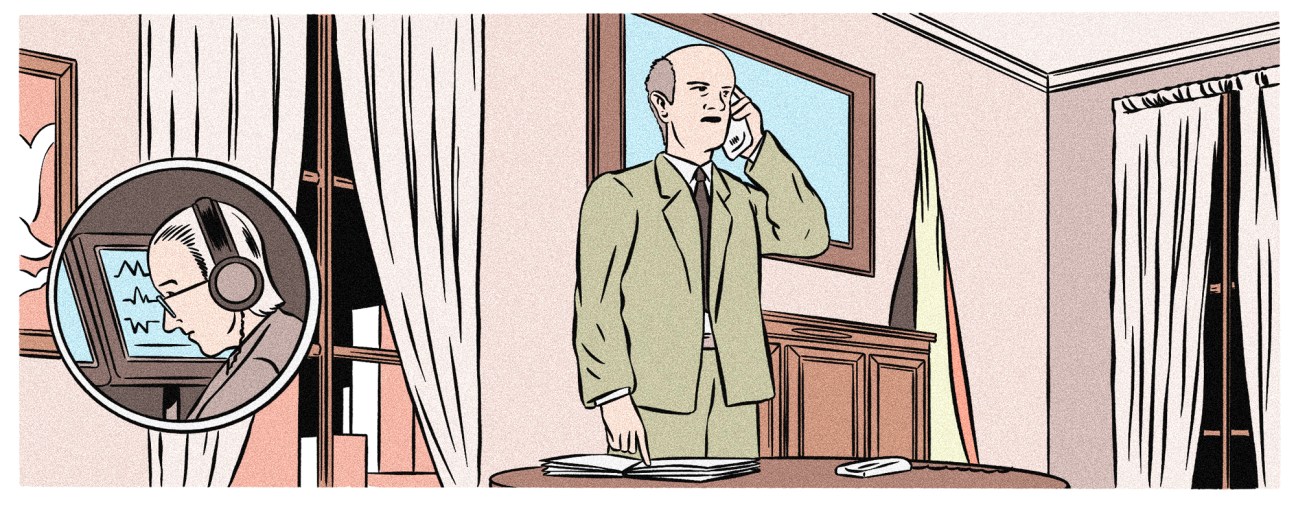
The then-defence minister Bramsen called the surveillance of allies “unacceptable”, suspended Findsen and other FE operatives, and launched another enquiry headed by three judges. That prompted further leaks from FE, which led pet to launch its own secret investigation of Findsen and a handful of other FE employees. But then came another unexpected twist: on 13 December 2021 the three judges heading Bramsen’s FE investigation published their findings. Findsen and his colleagues were completely exonerated. But by this point Findsen had already spent five days in custody following his arrest at Copenhagen Airport.
As with other spy agencies, FE has modernised and opened up to greater public scrutiny in recent years, largely thanks to Findsen. “He initiated a new way of management in FE and at pet, where he was actually talking to journalists, briefing with a much more open profile,” says Krasnik. “Internally he was a popular guy. He really wanted to change how the service worked in relation to the public.”
Though this might imply that Denmark’s spy culture is more transparent than elsewhere, including the US, it lags behind its neighbour Sweden. “We [Sweden] are more liberal in our view of what’s acceptable in terms of [security] agencies speaking to the media than in other Scandinavian countries,” says Henrik Häggström, senior analyst at the Swedish Defence University. He says that Sweden’s surveillance agency is far more heavily regulated than Denmark’s, which likely enabled the Danes’ covert co-operation with the NSA. “Denmark is the weakest when it comes to legislation regarding signal intelligence,” says Häggström, referring to the countries’ respective surveillance agencies.
Sweden, Denmark and Norway also differ significantly when it comes to their respective security landscapes. Denmark and Norway are founding members of Nato, while Sweden – as an officially neutral, non-aligned nation – is not. The Danish and Norwegian security services both have closer ties to their US counterparts.
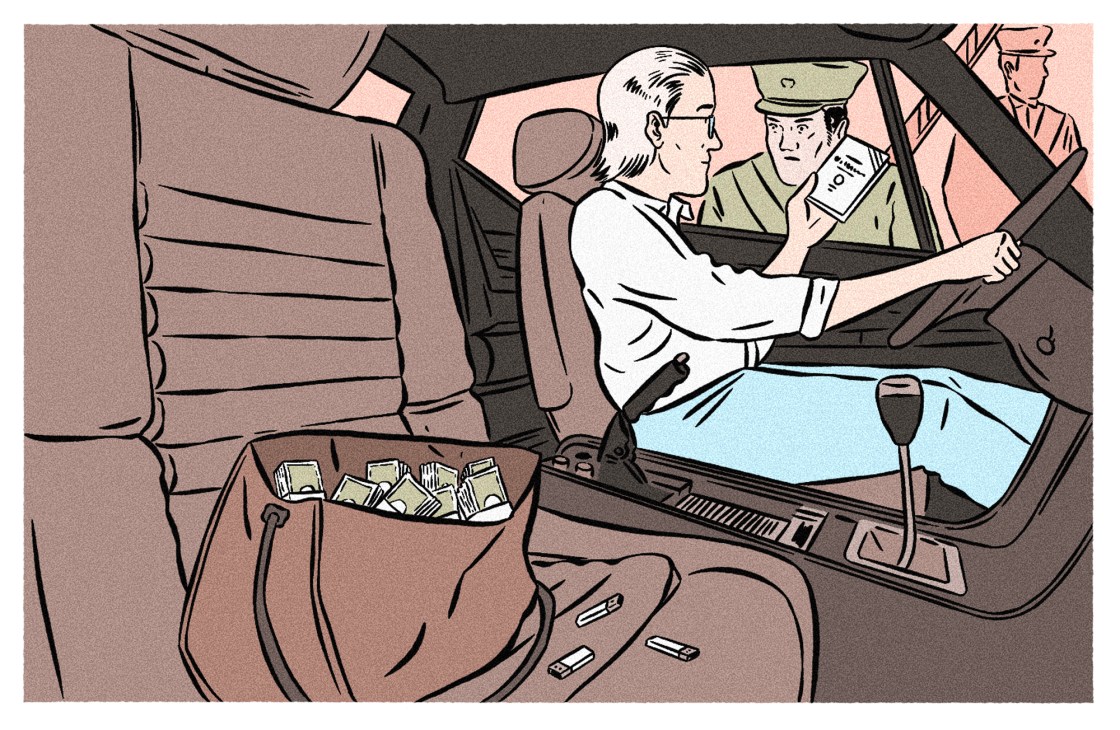
And Norway, like Denmark, has its own recent spying scandal that appears to confirm those historic transatlantic ties. In 2015, Frode Berg, a border official from the Arctic port of Kirkenes, close to the home of one of Russia’s main nuclear arsenals, couriered money and usb sticks on behalf of Norwegian secret services to one of their operatives in Moscow. Berg, who has been described by The New York Times as “a small-time player in a botched intelligence operation”, made at least five trips to the Russian capital over the following two years, until he was picked up by Russian Federal Security Service agents outside the city’s Metropol Hotel in December 2017.
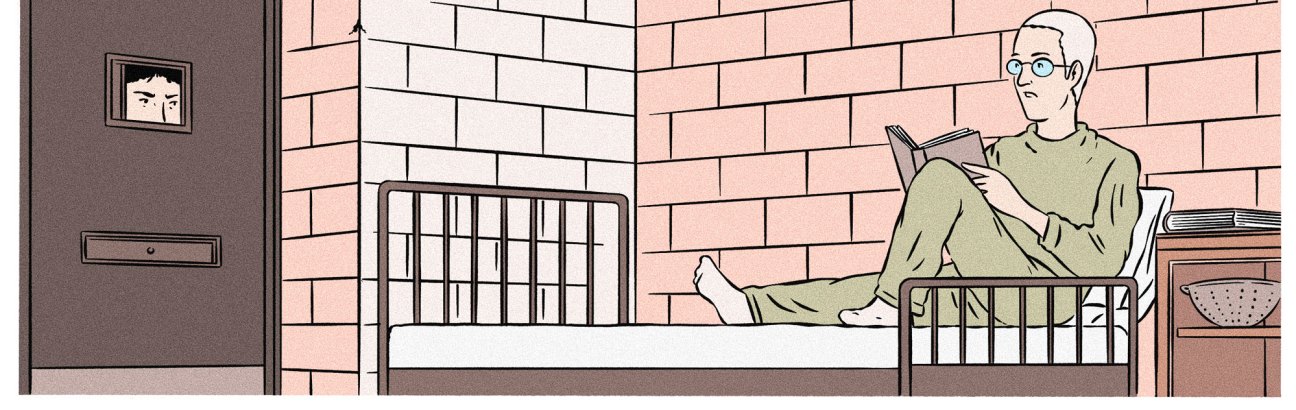
Berg claims to have confessed everything he knew to the Russian agents and was sentenced to 14 years in prison, some of which he served before being released in a spy swap involving the Lithuanians. Rumours abound in Norway’s border towns of other past attempts by the intelligence authorities to recruit those who frequently cross into Russia. But Berg later claimed that he believes the CIA was behind his operation, perhaps offering yet another glimpse of US meddling in Scandinavian intelligence.
None of this is to say that Sweden has been immune to its own spying scandals, ranging in recent years from the common-or-garden industrial variety, to full John Le Carré-style spy plots. Swedish companies have been a regular target of Russian industrial espionage and the country appears to be riddled with Russian secret agents. “The presence of state actors inside our countries, at the embassies, is increasing, there is no doubt,” says Häggström. “Today, basically, about 30 per cent of the diplomats working at the Russian embassy in Stockholm are intelligence officers or linked to the intelligence services.”
In September last year, Kristian Dimitrievski (the Swedes do not disclose nationality or ethnicity in criminal cases) was sentenced to three years for passing industrial secrets concerning lorry-builder Scania, for whom he worked as a consultant, to the Russians via embassy worker Yevgeny Umerenko in exchange for money. The two men were arrested together in Stockholm. Umerenko claimed diplomatic immunity and left Sweden soon after.
In November, news broke of what could yet develop into Sweden’s own cataclysmic spy scandal. Two brothers – one of them reportedly a Swedish secret service agent who, according to the Dagens Nyheter newspaper, has served in the Office for Special Acquisition, the top-secret heart of Swedish intelligence – were arrested on “aggravated espionage” charges encompassing activities over the past 10 years.
“Because the brothers were so deeply embedded in security-service activities, this has the potential to be one of the biggest espionage scandals,” says Häggström. The Swedish public is still waiting for further disclosures regarding their case.
It’s likely that more will become clear about Findsen’s fate soon, certainly if the man himself gets his way. At his first hearing in January, the press were present long enough for Findsen to yell this message: “I want the charges known and declare myself innocent. This is totally crazy,” he said, before betraying his familiarity with journalistic practises: “And you can quote me!”
In yet another twist to this intriguing and murky tale, on 4 February, the day of Findsen’s second hearing, defence minister Bramsen was shuffled to head the Ministry of Transport. Whether this was a coincidence or not, the reputational harm already inflicted on Denmark by the Findsen case, and the scandals concerning Norway’s Berg and the Swedish brothers, point to vulnerabilities within Scandinavian nations.
As the Danish prime minister’s recent, unprecedented offer to host US military personnel on Danish soil and Sweden’s deployment of troops to Gotland also suggest, anxiety about Russia’s intentions in the Baltics is making Scandinavia twitchy – and that was before Russia’s full-scale invasion of Ukraine. Security-service observers tend to agree: further missteps and revelations surely await. And in the wake of growing fears of Russian military expansionism, the Scandinavian security landscape looks set for further seismic shifts.
Lay of the land
As names of France’s administrative regions go, Provence-Alpes-Côte d’Azur captures the imagination more than most. It summons images of palm-lined beaches, quaint Provençal villages and the glamour of Saint-Tropez and Cannes. But the region known to political pollsters by its acronym Paca has one of France’s starkest income disparities and unique demographics that have long made it (with a few exceptions, notably Marseille) tilt right or far-right when it comes to politics. In the first round of France’s 2017 presidential election, Paca stood out as the only region where Emmanuel Macron trailed behind both Marine Le Pen, leader of the Rassemblement National (RN), the party formerly known as the Front National (FN), and François Fillon of the conservative Les Républicains (LR).
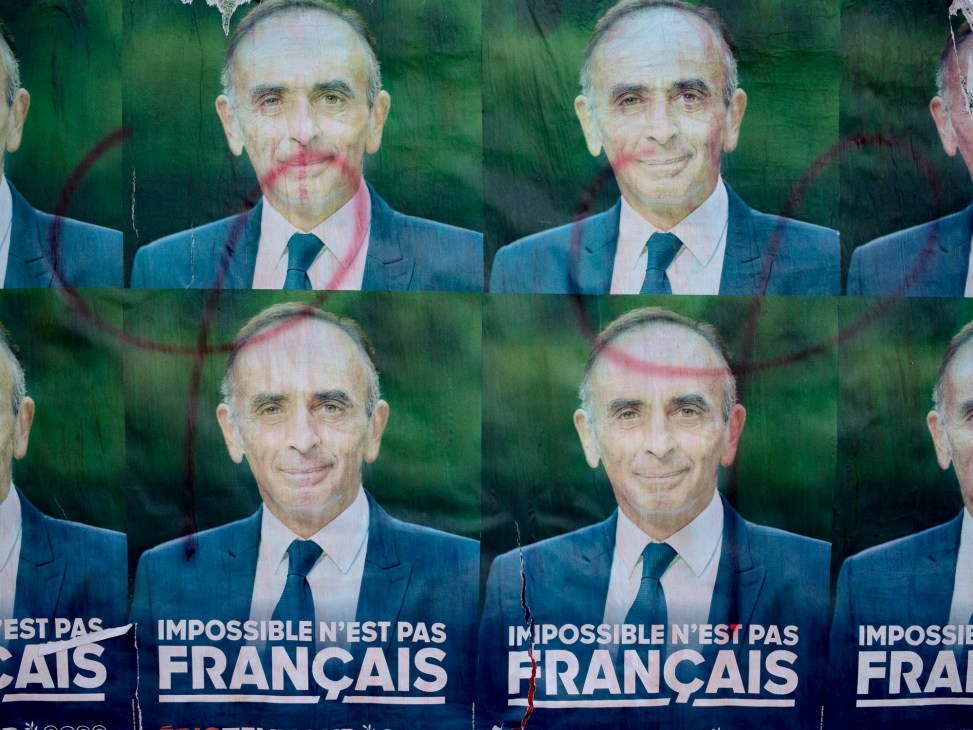
Paca’s history and distinctive political flavour make it the perfect place to begin a Monocle roadtrip to look at this unpredictable election, which takes place on 10 April, with a run-off expected on 24 April, and could see the French electorate shift markedly right. The centrist Macron, whose approval rating sits at about 40 per cent as Monocle goes to print, is seeking a second term but no incumbent has pulled that off since Jacques Chirac in 2002. Le Pen appears well placed for another run-off against Macron after losing to him five years ago, when last-minute tactical voting kept her out of power. The combined extreme right is polling at historic highs and the rise of polemicist Éric Zemmour, who has called for “immigration zero” and a ban on foreign names, has thrown a wrench into the contest.
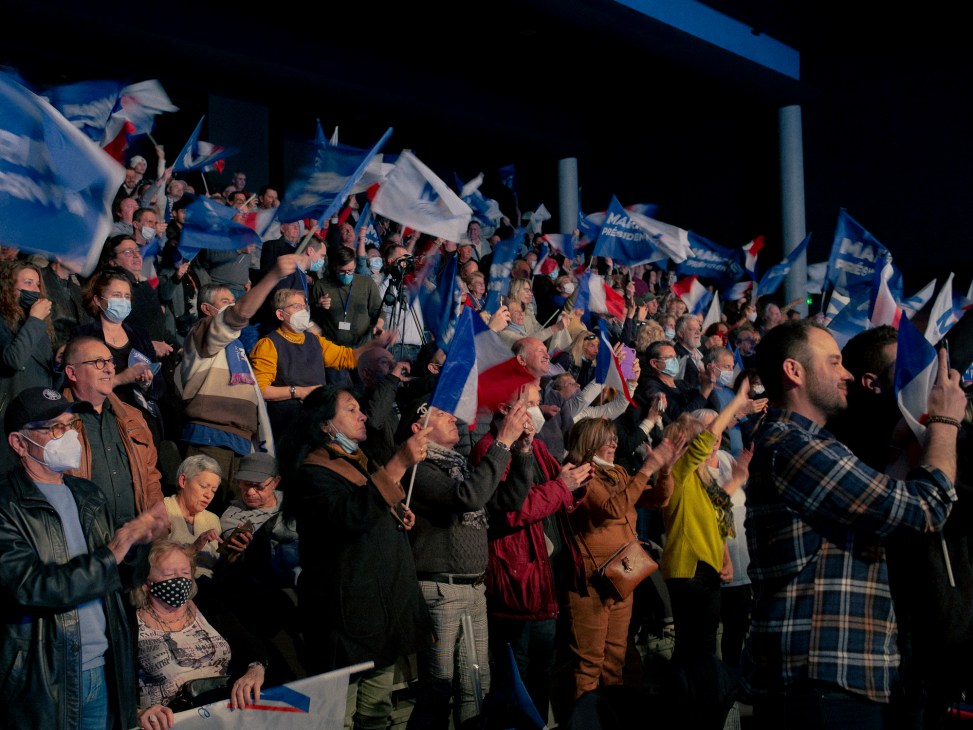
Polls place Zemmour, a TV pundit of North African Jewish descent with convictions for inciting racial hatred, not so far behind Macron and within striking distance of Le Pen. Few believe that he could make it to the Élysée Palace but the effect of his often incendiary rhetoric is already being felt in the wider public conversation, with other presidential candidates, including Le Pen and LR’s Valérie Pécresse, co-opting some of his dangerous style of messaging.
Day one
Marseille to Vallauris
France’s second city, Marseille, which is Paca’s main population centre and my adopted hometown, is a good starting point for this trip through the south, not least because political dynamics here are more textured than in the rest of the region. Since 2020, the city hall has been dominated by a Green-left coalition, following the retirement after 25 years in the post of the previous mayor, an octogenarian from LR called Jean-Claude Gaudin. Among the region’s parliamentarians is hard-left presidential candidate Jean-Luc Mélenchon of La France Insoumise (LFI), who, at the time of writing, is polling at about 11 per cent in the first round.
In 2017, Macron won about 65 per cent of Marseille’s vote in the second round. Le Pen has some support here but it’s not a solid base. A senator for her party defected to the Zemmour camp in February. In my quartier, RN posters tend to be defaced or torn down soon after they go up.
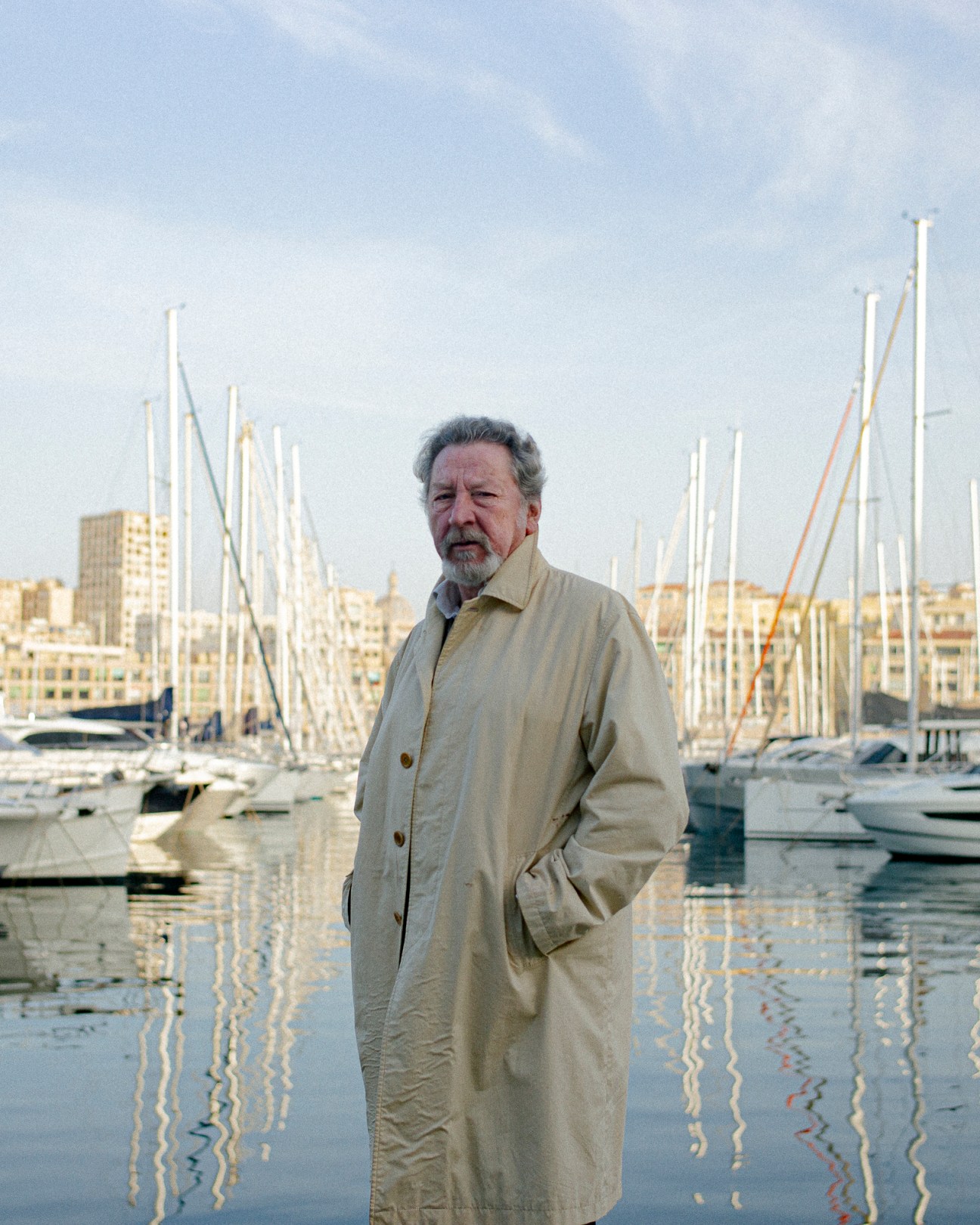
I discuss the political mood with Marseille-born director Robert Guédiguian, whose films depicting the city’s working class have brought him international acclaim. He is in town prepping for his next project. The son of an Armenian migrant father, he is a lifelong leftist who deplores the French left’s current disarray and resents what he calls “Macronism”. As we stroll along Marseille’s Vieux-Port area, I raise the prospect of either a Macron-Pécresse or a Macron-Le Pen run-off. Guédiguian grimaces and uses a French expression referring to the choice between “the plague and cholera”. It’s a no-win choice that we will hear discussed frequently once we hit the road.
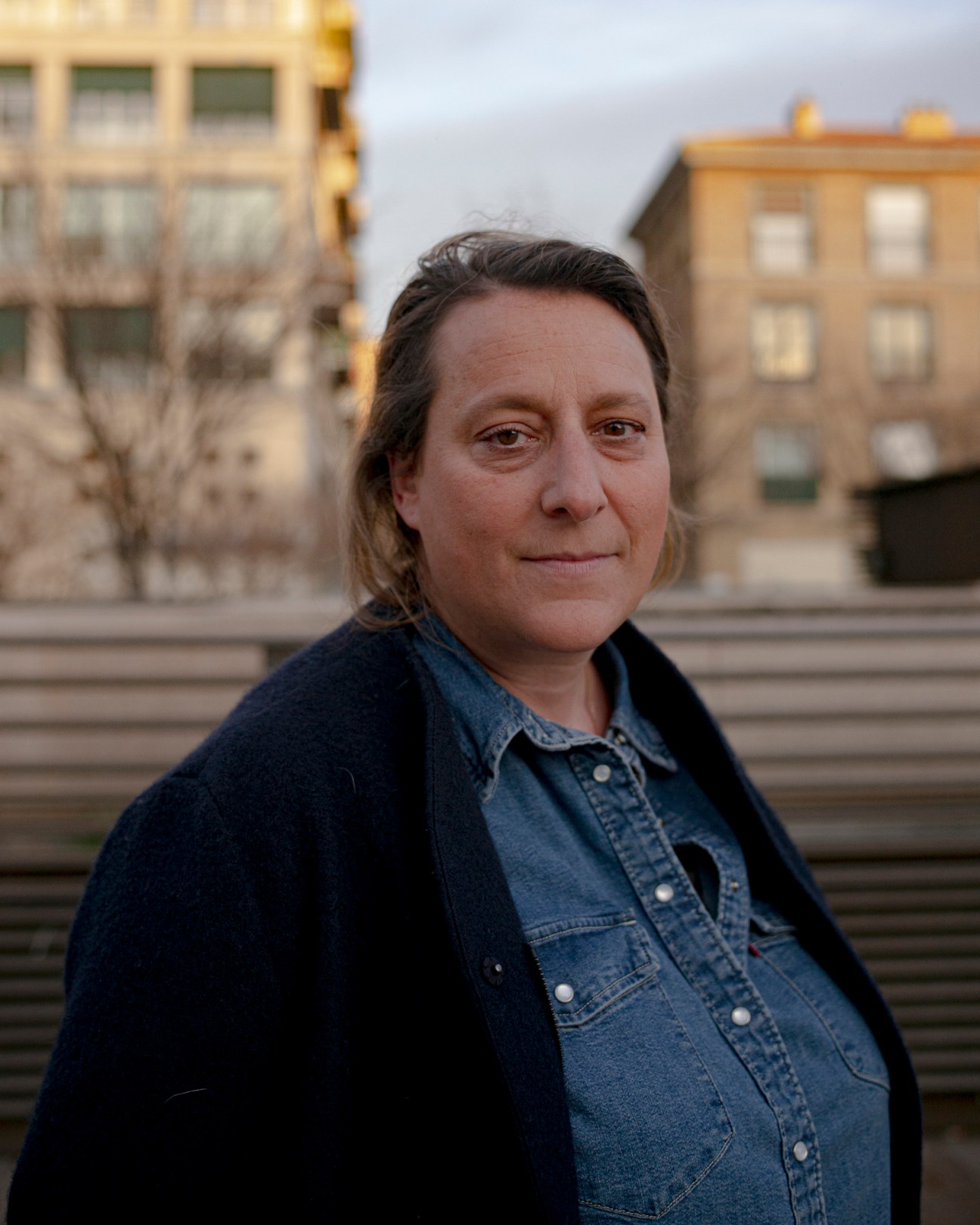
Before leaving Marseille, I talk to Isabelle Wesselingh, the Agence France-Presse (AFP) bureau chief for southeast France. She was born and raised in Arles, one of Paca’s cultural hubs. There is much debate within the French media about how to cover this election, given the emergence of Zemmour, who some have dubbed a French Donald Trump. Zemmour has a fractious relationship with the press. After he was heckled by protesters during a visit to Marseille in January, an AFP photographer captured him on camera giving the middle finger. The image went viral.
“Polemics and divisive language are taking a bigger space in the public debate, perhaps amplified by social-media algorithms,” says Wesselingh over coffee at her home. “There is a lot being said about identity and immigration but the main concerns that we hear in the field relate to growing difficulties with low salaries, small pensions and the disappearance of public services.”
Joined by photographer William Keo, we set off in our car from Marseille’s crowded downtown streets towards the road heading east along the Mediterranean. In an hour we reach Toulon; with a population of about 180,000, it is Paca’s third-largest city. We park and walk along its waterfront, where we meet septuagenarian Paul Torra, who is arranging merchandise at his souvenir shop, La Cigale.
Joined by photographer William Keo, we set off in our car from Marseille’s crowded downtown streets towards the road heading east along the Mediterranean. In an hour we reach Toulon; with a population of about 180,000, it is Paca’s third-largest city. We park and walk along its waterfront, where we meet septuagenarian Paul Torra, who is arranging merchandise at his souvenir shop, La Cigale.
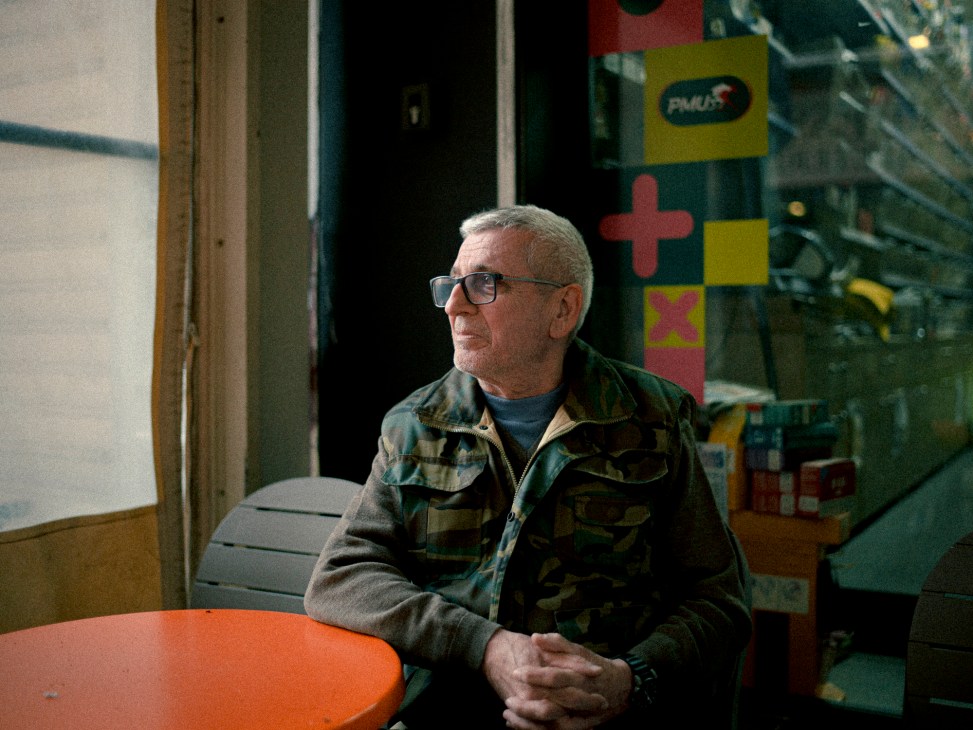
Torra, who stocks an impressive collection of antique maritime paraphernalia, declares that he is so fed up with France’s political class that he won’t be voting. “They’re all the same to me,” he says. “My politics are on the right but I don’t like Pécresse.” He finds LR’s candidate unconvincing and questions her suitability for the presidency. “People like me feel that no one speaks to us,” he says.
Home to France’s largest naval base, Toulon is where the then FN won a landmark mayoral victory in 1995. A Lonely Planet guide cited this as a “good reason to avoid this unfortunate city”. The current mayor, conservative Hubert Falco, wrested control from the far-right in 2001 and has since served as a bulwark against it. One of several prominent figures of the mainstream right in the southern region who back Macron, Falco is credited with overseeing an urban-renewal programme that has helped the city to improve its image and attract investment.
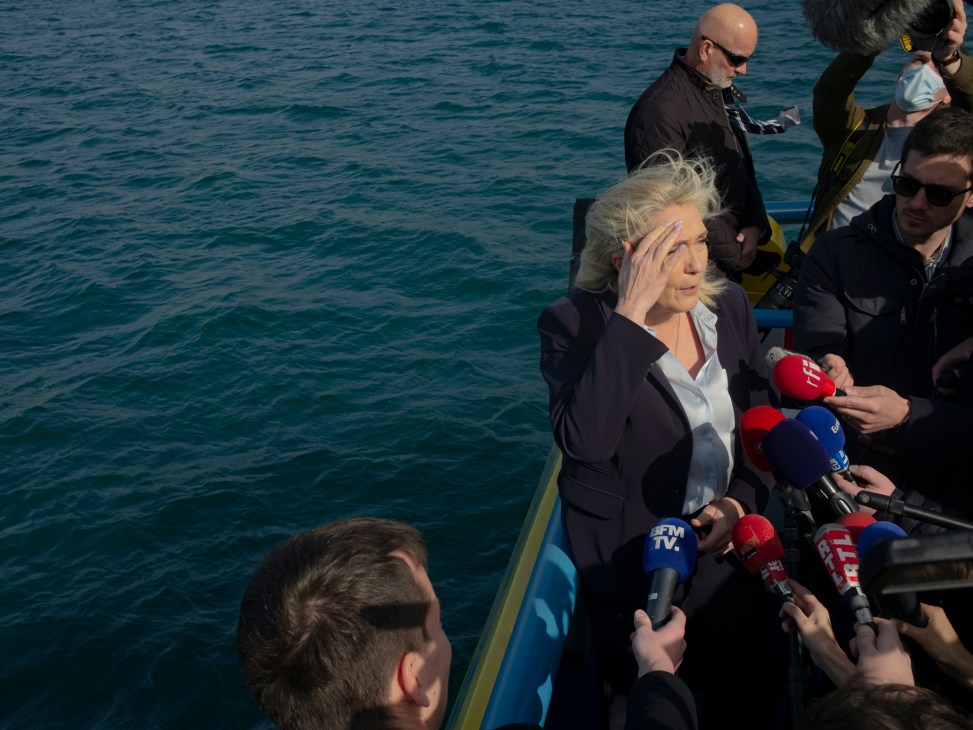
We planned our itinerary to coincide with Le Pen’s arrival here for a press conference about her defence strategy. Her campaign team has chosen as its venue a bright yellow boat on the bay, ringed with French navy vessels. We join the media scrum onboard and Le Pen, in a trouser suit, arrives after stopping for selfies with passers-by.
Later, against the backdrop of warships, the RN leader laughs when I ask her if she fears Zemmour politically. She takes a drag on her vape, looks at me and says, “Not at all,” before going on to argue that divisions and defections (Zemmour has peeled away some of her former party stalwarts) are part of the rough and tumble of politics.
Monocle drives an hour east from Toulon’s waterfront to Fréjus, a seaside town nestled between Saint-Tropez and Cannes. It became a symbol of the RN’s local-election breakthroughs in 2014 when the then 26-year-old David Rachline was elected the party’s youngest-ever mayor, a post that he still holds. There is a typical southern mix of pieds-noirs, or French colonialists who left Algeria after it won independence in 1962, and Muslims with North African roots, plus retirees, including former military. Relations between residents can be testy.
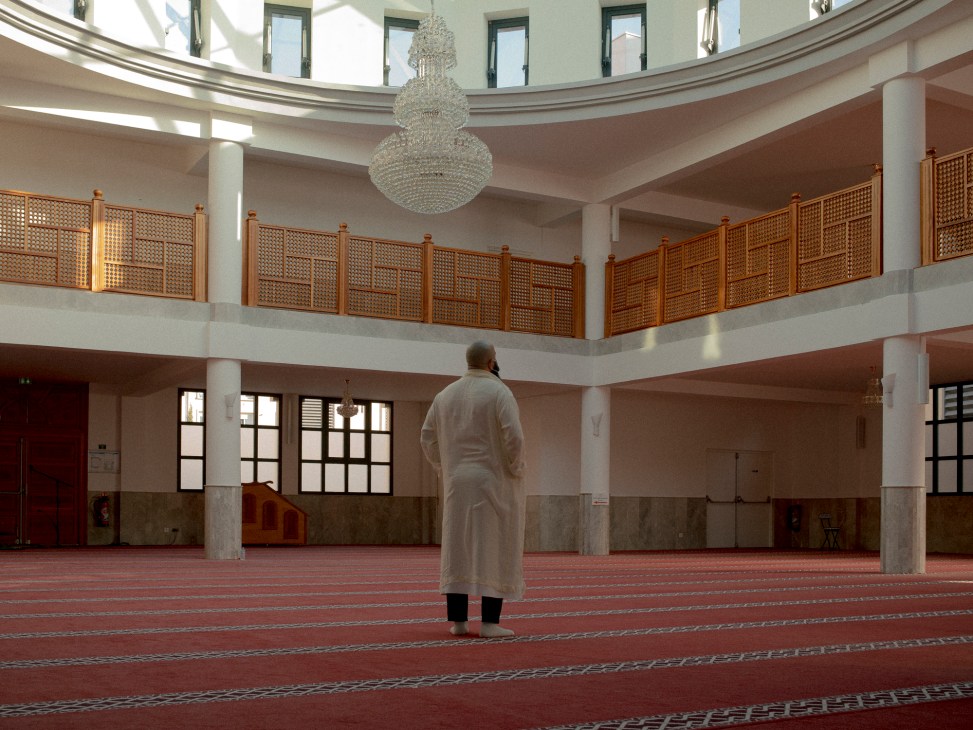
Riots erupted here in 2009 after a young Muslim man died in a road accident while being pursued by police. Several legal battles have also overshadowed the construction of the al-Fath mosque; despite Paca’s large Muslim population, this is one of the few purpose-built mosques in the region. Rachline was among the Côte d’Azur mayors to outlaw the full-body swimwear known as the “burkini” in 2016, before the ban was lifted, following a national court ruling. Though rights groups blasted the ban, it was popular among many voters here.
I meet 33-year-old Walid Afras, who helps to run the mosque, as he finishes Friday afternoon prayers. Born in Morocco, he was a baby when he moved with his parents to France. Without naming Zemmour, Afras acknowledges that the rhetoric of this presidential election cycle is worrying. “In my view the main priority is how we all live together,” he says. Zemmour has been playing on anxieties about Muslim radicals that have been brought to the fore again by the ongoing trial of men accused of taking part in the November 2015 Paris terrorist attacks (see issue 151).
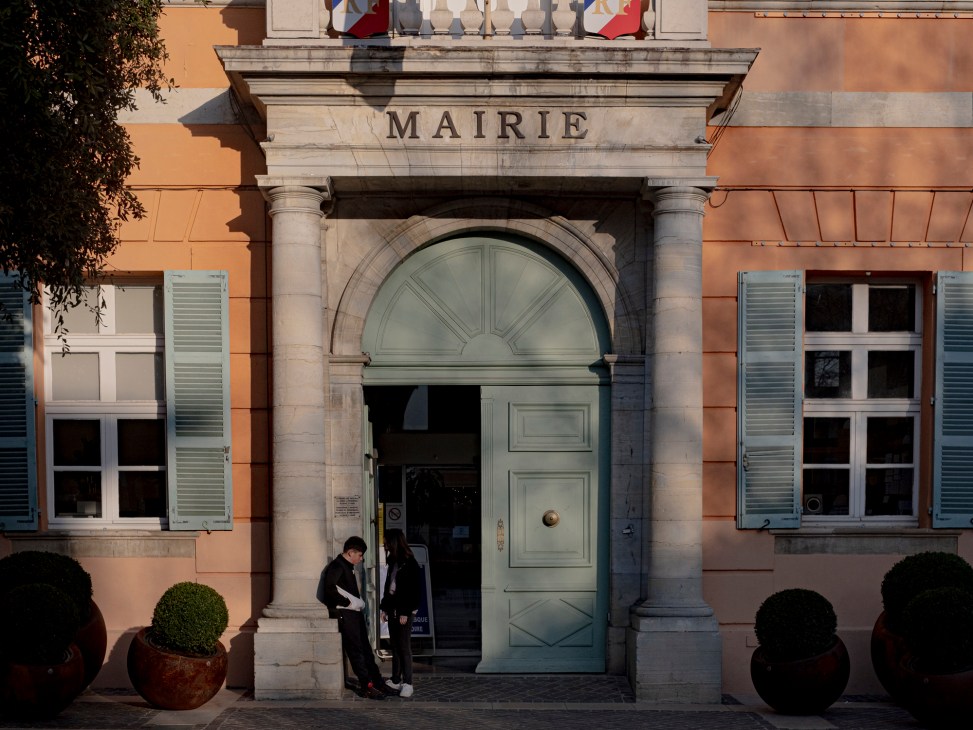
We hit the road again and drive a few kilometres to the Bar Tabac de la Mairie, around the corner from Fréjus town hall, its 19th-century façade resplendent in the sunshine. Owner Yves Grandamme, a cheerful man in his late fifties, serves pastis to his regulars. Grandamme wants Macron to be re-elected but several of his customers belong to the far-right. Among them is Christian Macario, a retiree who plans to vote for Zemmour but says that he supports the RN at a municipal level. “Immigration is the big problem,” he says, while speaking proudly of his Italian heritage. The proportion of immigrants in France, at 13 per cent, is lower than in many European countries.
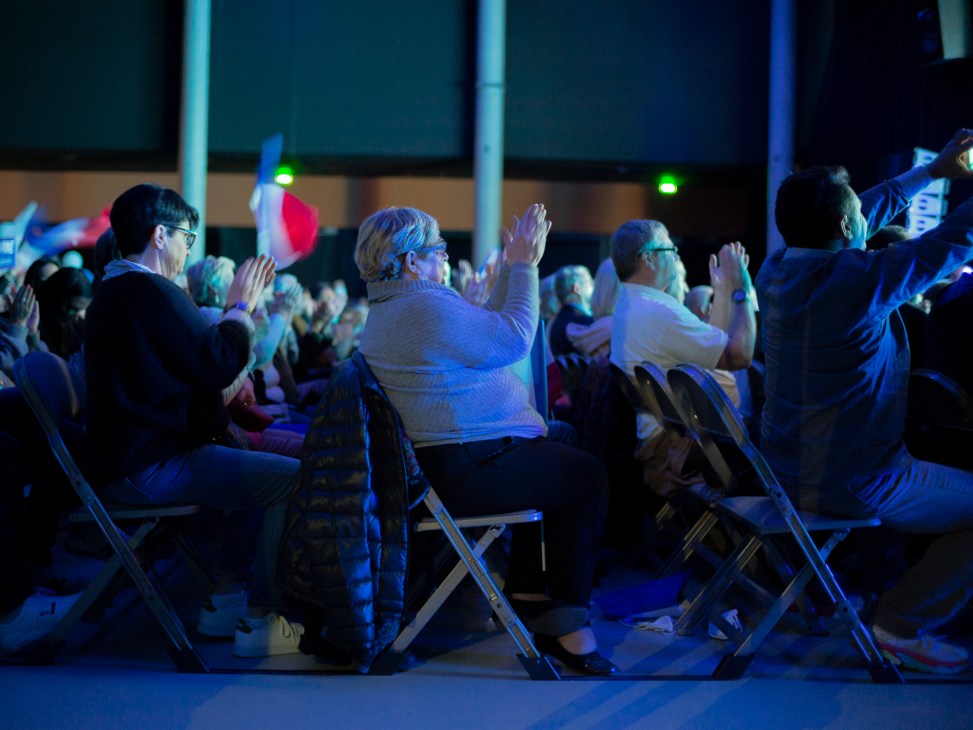
That evening we drive north and then east to the town of Vallauris, where Le Pen is holding a rally. Despite what she claimed to me earlier in the day, it’s evident that the RN leader is unsettled by the Zemmour effect. In recent years she has focused more on economic issues but her 50-minute speech in Vallauris is mostly a rant against migrants. “France, land of immigration – c’est fini,” she says. It is punctuated by chants and cheers from hundreds of loyalists. There’s a lot of talk from both Le Pen and her supporters about the French no longer recognising their country, echoing the Zemmour campaign’s key themes.
A merchandise stand sells champagne labelled “Marine Présidente 2022” for €30 a bottle and T-shirts with a slogan exhorting the French to “wake up”. Outside, the atmosphere is tense. Police move in when Molotov cocktails are thrown from a housing complex nextdoor. The following day’s French media reports on the rally note that Le Pen is going back to basics, a reference to an earlier, more explicitly xenophobic version of the party, which her father founded as FN in 1972. Here in Paca, where Le Pen père exploited the often uneasy coexistence between pieds noirs and North African migrants to build his original base, his daughter doesn’t want to lose ground to Zemmour.
Day two
Cannes to Nice
It’s a busy Saturday morning at the Forville covered market in Cannes, a 15-minute jaunt west of Vallauris, and the political views of those streaming through its terracotta-coloured arches are as varied as the regional produce on offer. Shoppers load their baskets with bottles of Provençal olive oil, cheese and bunches of yellow mimosa. Many traders complain about the effect of the pandemic; some are critical of Macron’s measures to control it. Several of their customers predict that the presidential election will yet again be a Macron-Le Pen contest; most say that they will vote for the incumbent, if only to keep the far-right out. Others remain undecided. “I voted for Macron last time but I’m not sure this year,” says Serge, a Cannes-born man in his fifties who declines to supply his surname. “I have never liked the extreme right but I’m worried about the direction in which France is going,” he says.
When Zemmour visited Forville in January, he said that he was giving voice to the “silent France”. Among those who were unhappy to see him at the market was 43-year-old hotel chef Momo Boulad, who now banters with customers queuing for the Moroccan specialities that he sells here at weekends, including pigeon pastilla and honey-drenched baklava. “Zemmour seems to have so much hate in him and that’s a real shame,” he says. “There are many foreigners who are glad to live in France. Look around this market: it’s a mix of several nationalities, from Lebanese and Ivorian to Chinese and Italian. The important thing is that everyone respects each other.”
At the next stall, 58-year-old baker Cathy Borries, who voted for Le Pen in the 2017 election, pauses between taking orders for her homemade quiche to criticise Zemmour. “He’s an extremist,” she says. “I’m afraid of him. Immigration is an issue, yes, but there are many other challenges, like the state of our education system and the future of our pensions.” The views of Borries and others like her suggest that the question of why so many French have lurched towards the far-right goes beyond immigration, even if Zemmour’s rhetoric conflates it with other concerns, particularly economic ones.
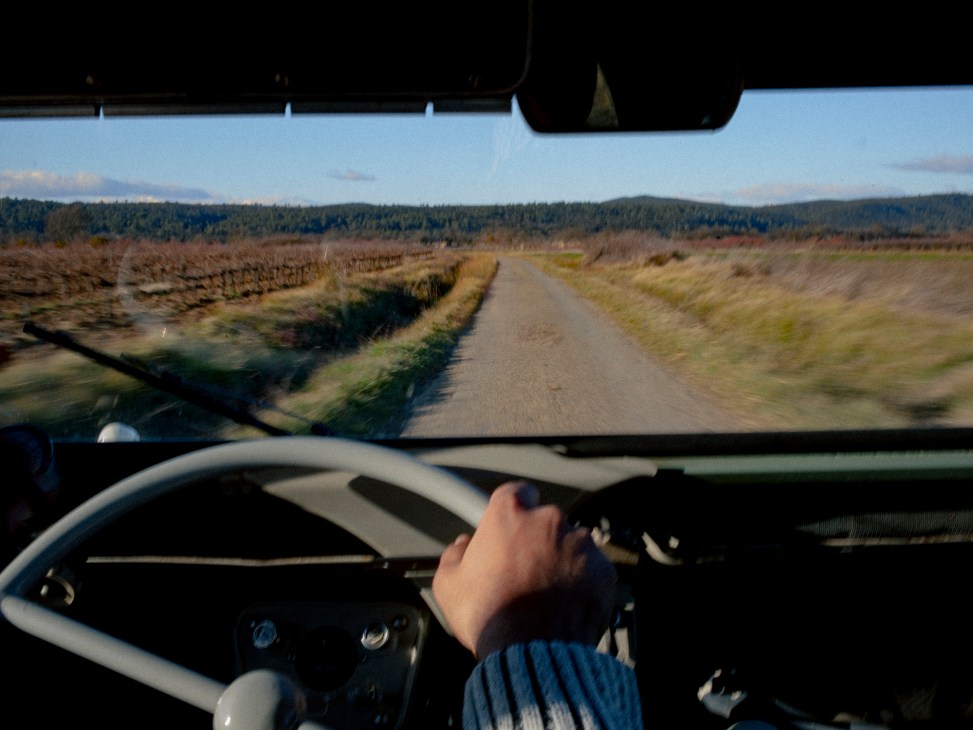
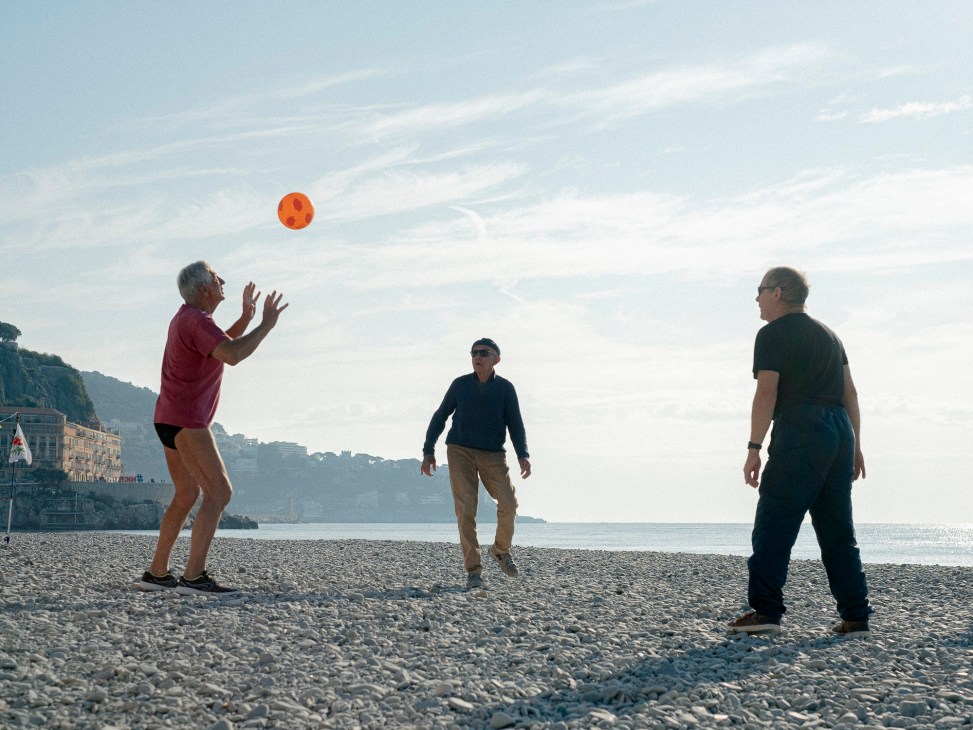
Later we head east along the A8 motorway, winding past the international airport before reaching Nice. We don’t see any campaign posters on the way but arrive in Paca’s second-largest city as it prepares for the second day of its annual carnival. A highlight is les grosses têtes – giant, colourful papier-mâché puppets that parade through the streets. As it’s an election year, they include presidential contenders; Zemmour makes an appearance this time.
Many residents are angry because authorities have erected large metal barriers along the parade route and introduced a steeply priced ticketing system as part of pandemic-related crowd-control measures. Frustrations over this transformation of a Niçoise tradition quickly become political, with many criticising the city’s mayor, Christian Estrosi, who left LR to become a Macron ally and often warns about the threat of the far-right.
Despite Le Pen’s attempts to gain support by linking insecurity to immigration, Macron won in Nice with about 60 per cent of the vote in 2017, a year after 86 people were killed when a Tunisian migrant ploughed a truck into Bastille Day revellers on the city’s Promenade des Anglais. I discuss the pre-election atmosphere with Feïza Ben Mohamed, a 36-year-old activist who has campaigned against anti-Muslim prejudice in the southern region and regularly appears on French television. She lost a friend, a fellow Muslim Niçoise, in the attack. Ben Mohamed notes that five years since Le Pen’s defeat, the themes of this election are “much more radical”, particularly when it comes to the fraught questions of identity that underpin France’s political debate over immigration. Zemmour harps on constantly about what he perceives as French identity and has called Islam “incompatible with the principles” of the country. “The identity bloc is very powerful and there are a lot of tensions, especially on the issue of migrants,” says Ben Mohamed.
We walk along the Promenade des Anglais as the sun dips below the Mediterranean. In the gardens of the Villa Masséna, evening strollers pay their respects at a memorial to those who died in the 2016 terror attack. Faded photographs of the dead surround the sombre marble-and-granite edifice that is engraved with their names. They include many names of Italian, Arab and Russian origin, a testament to the city’s diversity. Nearby, a retired couple, who declined to be identified, say that they voted for Macron last time and will do so again this year. “We have many criticisms of Macron but there’s no other choice if the other candidate is Le Pen,” they say. Their main concerns are the economy and security; they add that they trust Le Pen with neither and say that she lacks experience.
Day three
Antibes to Arles
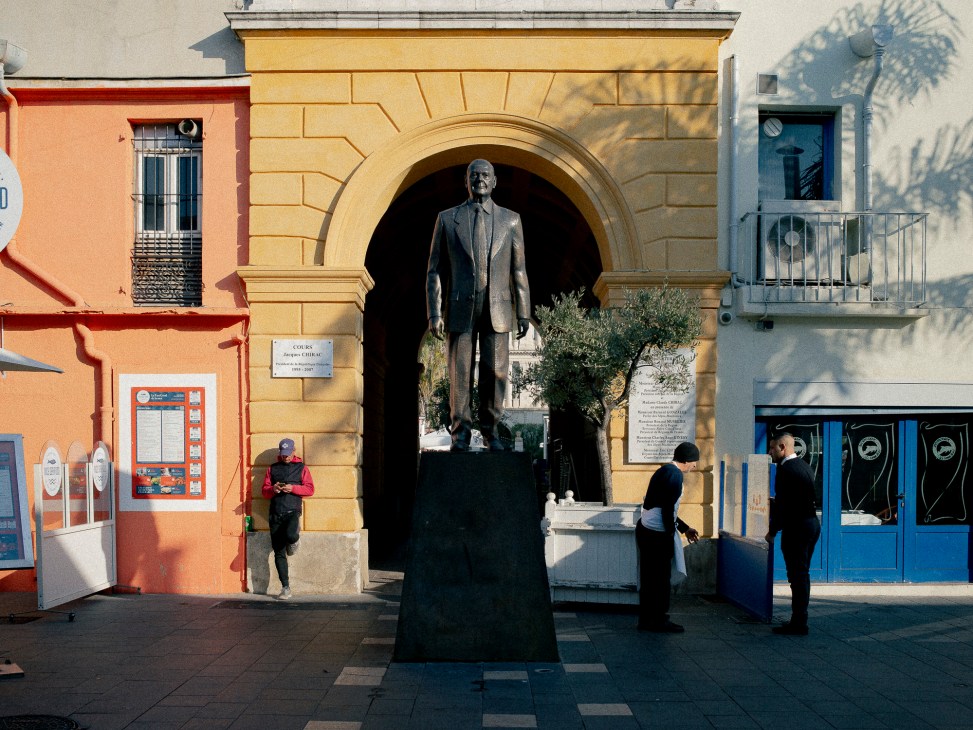
Monocle hits the road again in the morning, looping back westwards along the sea, before stopping at the coastal town of Antibes for lunch. Macron won affluent Antibes, known for its handsome marina, by 59 per cent in 2017. It’s one of the Paca towns that demonstrate that the far-right vote is not always an economically deprived one. Zemmour, who visited in January, is trying to eat into Le Pen’s base here, engaging with its population of well-heeled retirees who, as is the case elsewhere in France, are more likely to turn out to vote.
Then we drive for several hours across the rolling hills of interior Provence until we reach Istres, a town next to Étang de Berre, one of Europe’s largest lagoons. On the way, we pass economically stagnant hamlets that seem several worlds apart from the Côte d’Azur. It has started to rain, making their neglected buildings and neon-lit fast-food outlets look particularly bleak.
With its plane trees and cobbled medieval streets, however, downtown Istres is postcard pretty, even if frustrations are building here too. In December residents took to the streets to protest about the dwindling number of doctors and thrust the town into a national debate over so-called “medical deserts”. If there’s one issue that unites French voters across the political spectrum, it’s the future of the country’s much-vaunted yet increasingly pressured healthcare system.
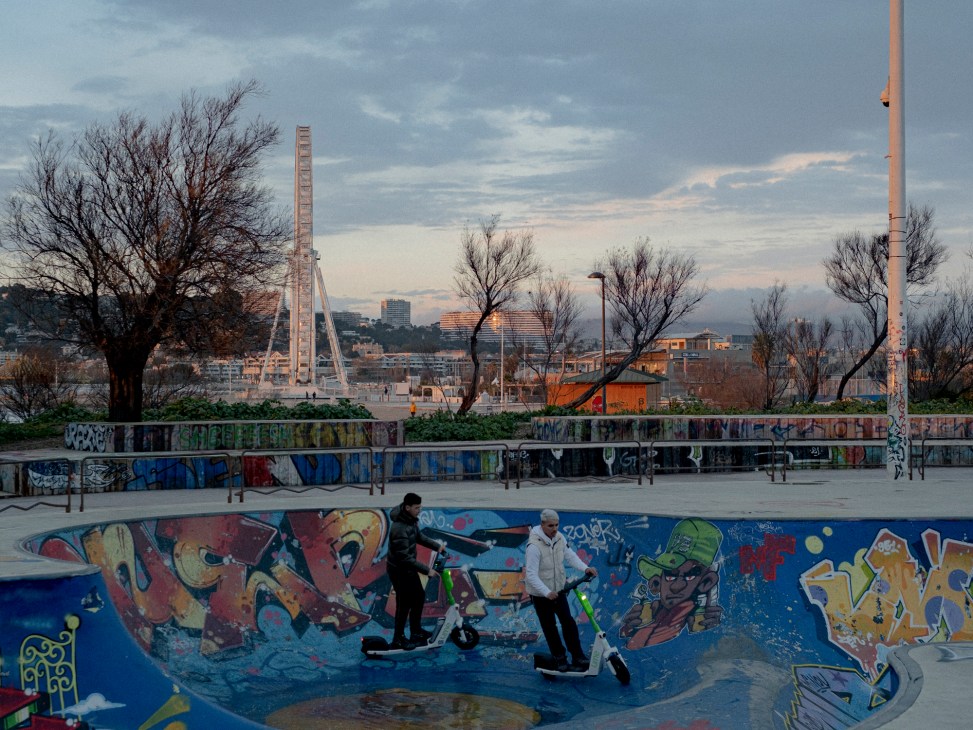
Magali Gast and her partner, Anthony, both in their thirties, are supporters of Mélenchon, even though they bemoan the general state of the French left. I meet them in their home, a converted mill in the old town. Fierce critics of what they call Macron’s neoliberal agenda, they also worry about the far-right’s scapegoating of minorities. “Blaming foreigners for all of our problems helps [the right] win support,” says Gast. “It’s a very dangerous form of populism.” If it comes to a Macron-Le Pen run-off, they say that they will abstain.
We part ways with Magali and Anthony and drive 45 minutes northwest of Istres. We arrive in Arles just in time to catch Pécresse’s first major campaign rally on the hotel TV. The head of the Paris region won LR’s nomination on a platform that she described as “one-third Margaret Thatcher and two-thirds Angela Merkel”. But despite initial speculation that she could prove to be a serious rival to Macron by swaying centrists who voted for him last time, she has struggled to energise conservative voters.
It is notable how few people whom we meet on our roadtrip mention Pécresse’s name. Current polls suggest that she is unlikely to make it to the second round. Her campaign-rally speeches and delivery do not help her cause; they are widely panned even by LR figures. In particular, her ambiguous reference to the “great replacement” – a conspiracy theory that is key to Zemmour’s campaign and that claims that a white, Christian majority in France is being replaced by non-white migrants – has raised eyebrows, even if Pécresse later insisted that her intention had been to refute it.
Day four
Arles to Aix-en-Provence
Visiting Arles in February reminds you of how much it, like so many other places across the Paca region, relies on seasonal trade. During the summer months, this Unesco World Heritage city thrums with visitors drawn by its cultural foundations and events such as the Rencontres d’Arles photography festival. At this time of year, however, its streets are eerily quiet.
Patrick de Carolis, Arles’s well-coiffed mayor, is well aware of the challenges. Before he was elected as an independent in 2020, De Carolis was president of public-service broadcaster France Télévisions. He wants Arles to move beyond seasonal dependency by developing an “economic ecosystem” around the cultural and creative industries. The 68-year-old also talks about “de-seasonalising” the city’s events calendar.
Joblessness in Arles has dropped from 15 per cent in 2018 to just under 10 per cent, still higher than the national rate of 8 per cent, the lowest in 15 years. The far-right is trying to expand here. France might have recorded its highest growth in half a century (7 per cent) last year but such numbers mean little in communities where unemployment remains high. The rising cost of living helped to spark the gilets jaunes protests across France in 2018 and is likely to haunt Macron’s bid for a second term. Yet his rivals have presented no big ideas to tackle what national polls show to be the most important issue for voters (immigration and national identity come further down the list of priorities).
As in Istres, residents of Arles complain about a shortage of doctors. Macron’s margin against Le Pen was slim here in 2017: he won 56 per cent of the vote. “The residents of Arles, like the French in general, know perfectly well what is at stake in this election,” says De Carolis, a somewhat upbeat take on Macron’s prospects of keeping the far-right at bay.
We drive across the foothills of Les Alpilles, before reaching Aix-en-Provence, one of France’s wealthiest towns, half an hour later. In January, its centre-right mayor, Sophie Joissains, declared her support for Pécresse. Aix gave Macron a resounding 74 per cent of the vote against Le Pen in 2017. Pro-Zemmour activists sometimes canvass the weekend market but residents say that he has little chance of upending long-standing political allegiances.
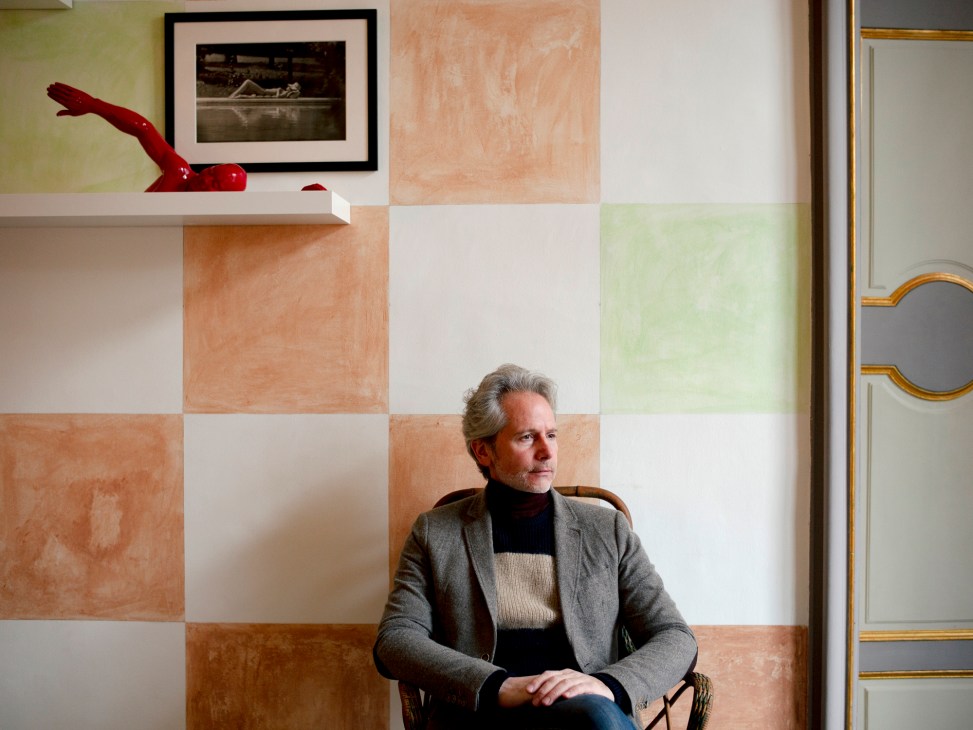
“The right is so well established in Aix, it has left little room for the far-right,” says Nicolas Mazet, the affable owner of Gallifet, a contemporary-art space and restaurant housed in an 18th-century townhouse in the historic Mazarin district. “The quality of life here is excellent and residents live a relatively untroubled existence. There is a sense politically that business as usual is fine.” It’s a town that is expected to go to Macron once again.
Beyond what some call the “Aix bubble”, Pécresse clearly now believes that tougher rhetoric, particularly relating to security, chimes with prospective voters in the wider region. During a visit to the nearby town of Salon-de-Provence earlier this year, she vowed to “bring out the Kärcher” and “clean the neighbourhoods”. It’s a reference to a brand of high-pressure washers, though she did not specify which areas that she had in mind when it came to going after “thugs, criminals and dealers”. The crime rate in Salon-de-Provence is not considered particularly high. Another sign of l’effet Zemmour?
Day five
Marseille
Having arrived back in Marseille from Aix the evening before, we have a full day in this boisterous port city, which is one of the country’s most diverse as a result of centuries of immigration. When financial newspaper Les Echos analysed Macron’s enthusiasm for Marseille, referring to a €3.6bn regeneration plan that he announced during an unprecedented three-day visit in September, it concluded that the president was seeking to make the city a “laboratoire de la Macronie“.
Philippe Stéfanini, the bespectacled chief executive of economic development agency Provence Promotion, greets us at his office with a view of the redeveloped Marseille quartier known as Euroméditerranée. He says that there is a feeling of momentum following Macron’s investment push. “This is the ideal playground to experiment with new ideas,” he says. “There is a need to respond to local challenges of living together better and deploying innovation for a more sustainable and inclusive future.”
We wind through Marseille’s busy streets, parking near the 17th-century city hall to meet Olivia Fortin, a deputy mayor who helped to spearhead Printemps Marseille, the city’s governing Green-left alliance. No fan of Macron, she is part of the campaign behind Christiane Taubira, a former justice minister seeking to be the left’s presidential candidate at the time (she has since dropped out). Fortin believes that the Printemps Marseille experience, anchored in grass-roots activism and wider civil-society efforts, can be a template for broader coalition-building in national politics, particularly among the atomised left, even as this presidential race is shaping up to be a contest between the centre, right, far-right and even-further-right.
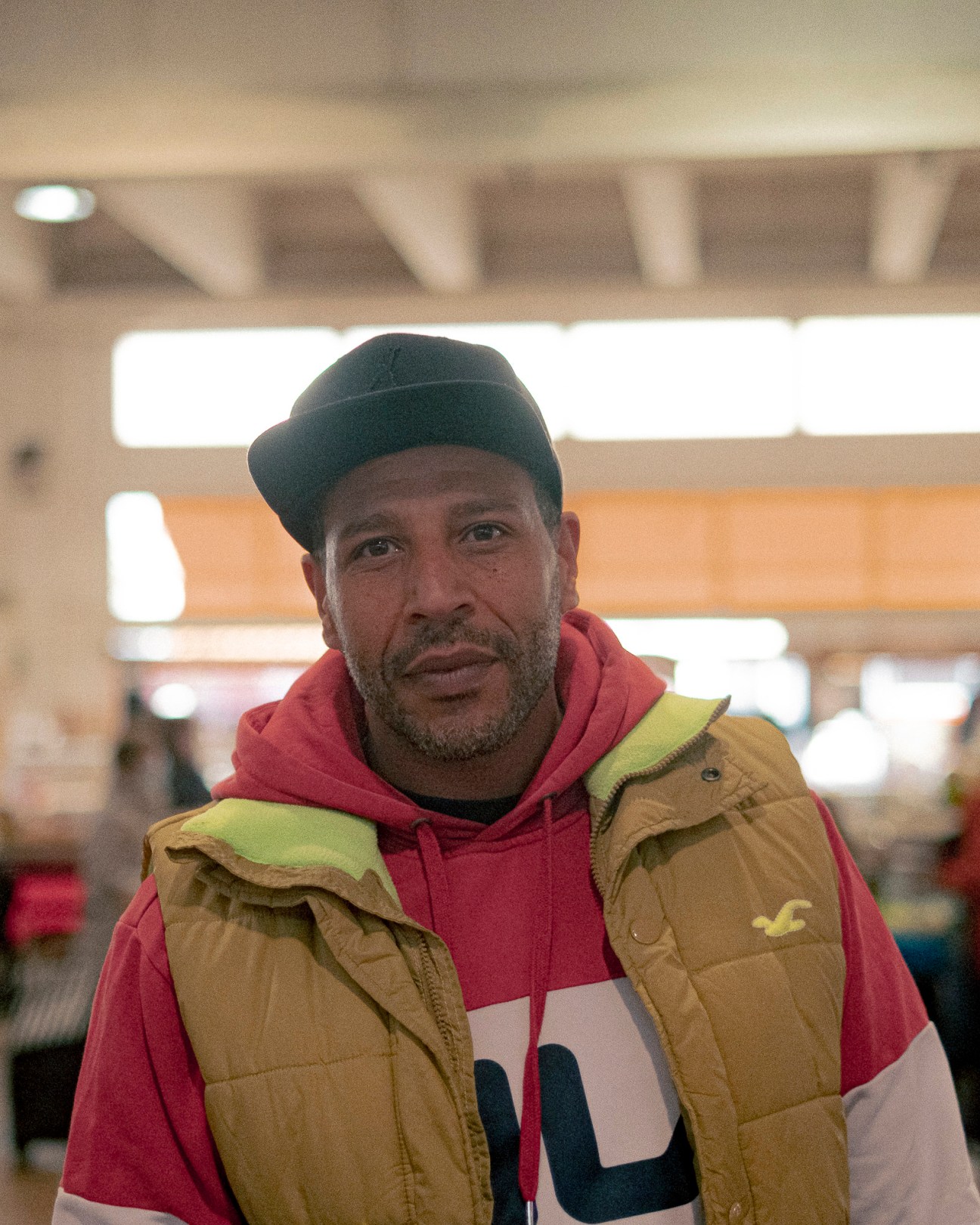
Next we head to the city’s hardscrabble quartiers nord to meet social entrepreneur Naïm Zriouel, co-founder of educational project L’Épopée. Some neighbourhoods in Marseille have struggled with high unemployment and drug-related crime, and media portrayals can give the impression that many of the anxieties driving this election converge here. But Zriouel sees a great deal to be optimistic about; indeed, as he points out, the far-right is polling relatively poorly in this diverse city.
After a busy day and hundreds of kilometres travelled across Paca, I get home and check in with Christèle Lagier, a political scientist at the University of Avignon. The latest polls show that Macron is the favourite and since the roadtrip he has been given high marks for his response to Russia’s invasion of Ukraine. The crisis has also put Le Pen’s relationship with Moscow under the spotlight; not only did her party take a loan from a Russian-based bank but she also backed the Kremlin’s 2014 annexation of Crimea.
I tell Lagier that at every stop along our five-day trip across Paca, we met people who said that they were so disillusioned with the presidential candidates on offer (or politics more generally) that they were not planning to vote.
Lagier is not surprised. Over the past decade, fewer and fewer French people have been turning out to vote in national, regional and municipal ballots. “Abstention remains the big unknown in this election,” she says. “That makes any forecast very risky.”
Runners and riders
Emmanuel Macron
La République En Marche!
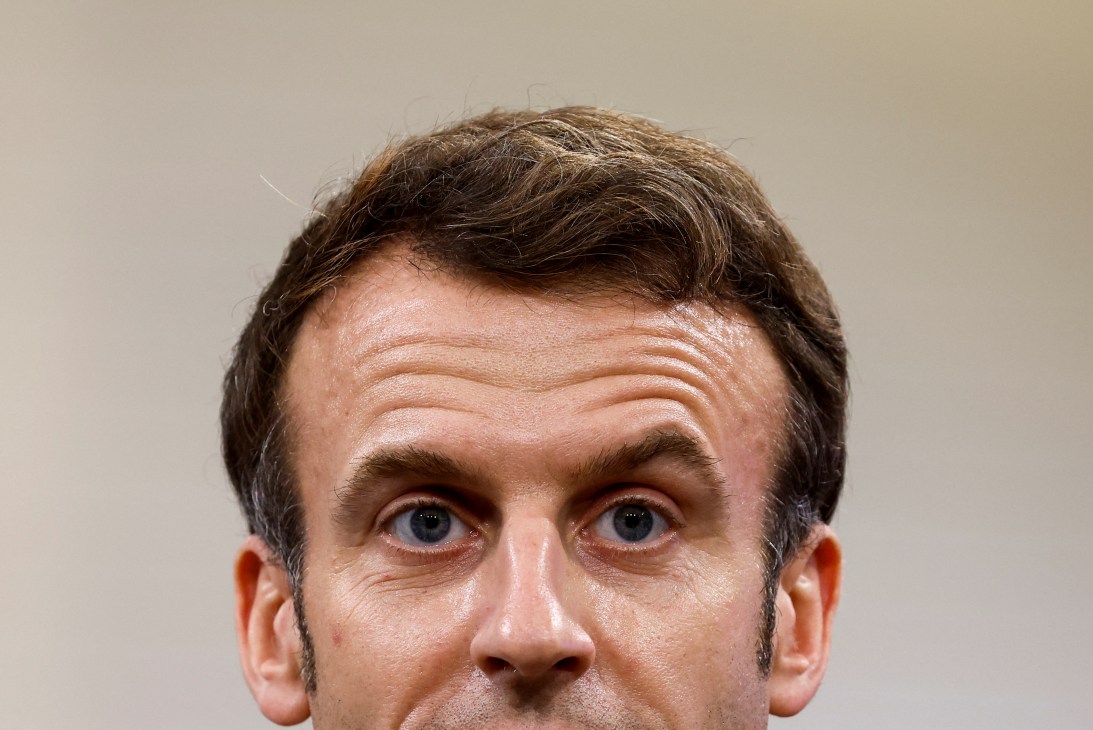
Macron, who served under the Socialist François Hollande as economy minister, vowed to be “neither right nor left” before becoming president. His push to liberalise the economy has faced stiff resistance from unions. His prospects of winning remain bright, despite his reputation of being the president of the rich.
Marine Le Pen
Rassemblement National (RN)
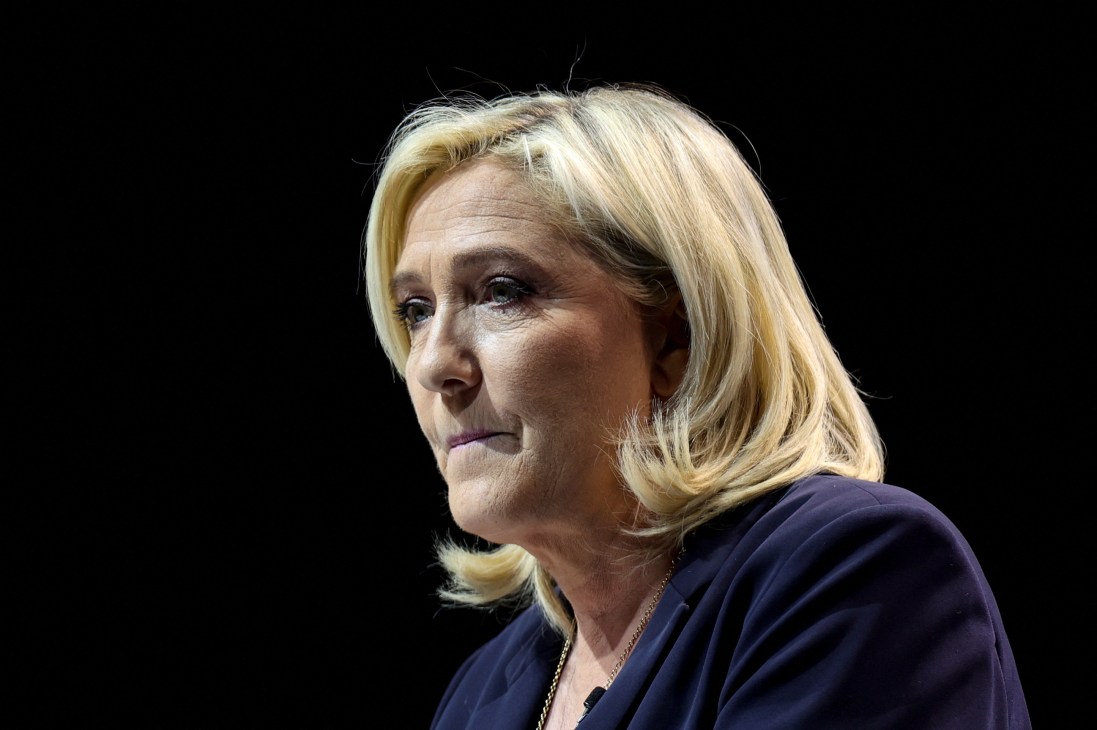
Le Pen has spent years trying to “detoxify” the racist image of the RN, founded by her father as FN in 1972, by focusing on “economic nationalism”. She trails Macron in the polls. With some of her base defecting to Éric Zemmour, she is talking tougher on immigration and crime.
Éric Zemmour
Reconquête!
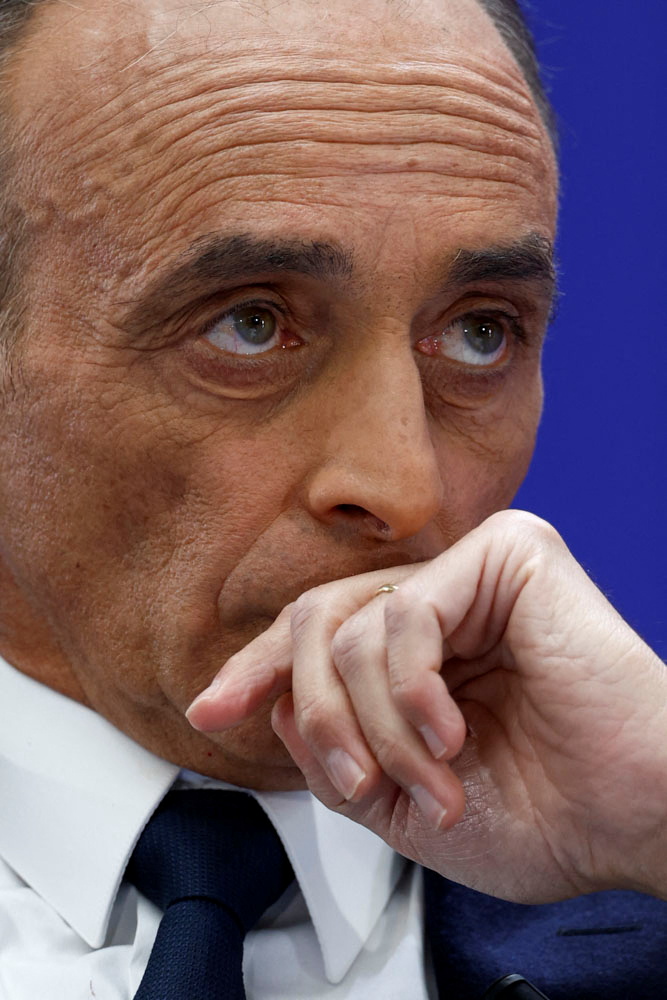
A far-right TV pundit with convictions for inciting racial hatred, Zemmour rose to second place in the polls late last year. But that support has since dipped. The son of North African Jews, he made his name with anti-immigration diatribes and his 2014 book Le Suicide français is a bestseller.
Valérie Pécresse
Les Républicains (LR)
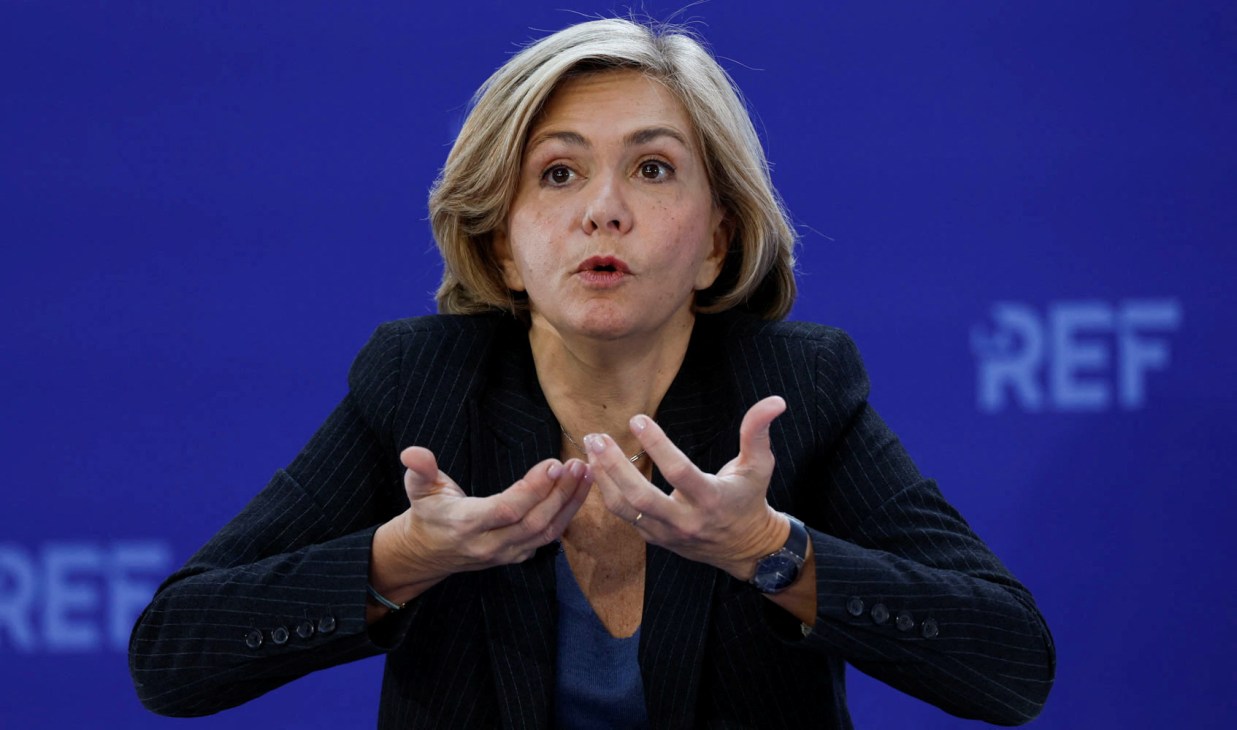
The president of the Île-de-France region served as budget minister under Nicolas Sarkozy. Socially conservative but economically liberal, she has taken a hard line on immigration and public spending. Her chances depend on preventing conservatives from drifting to the far-right.
Jean-Luc Mélenchon
La France Insoumise (LFI)
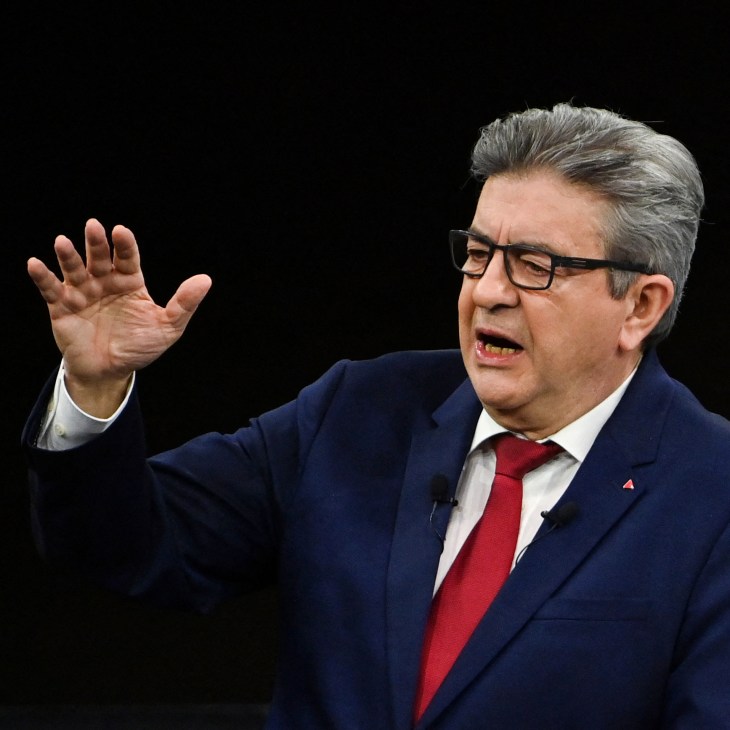
Mélenchon founded lfi after defecting from the Socialists. He has campaigned for a shorter working week, lower retirement age and higher minimum wage. In 2017 he polled at almost 20 per cent but with France’s left increasingly divided, his chances of reaching the second round look slim.
Yannick Jadot
Europe Ecologie Les Verts (EELV)
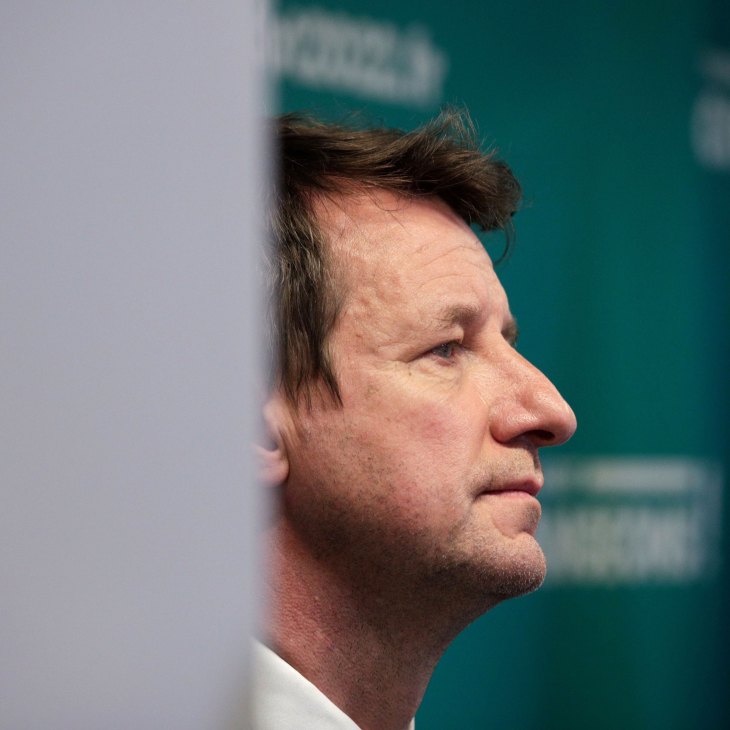
Jadot is the leader of France’s Greens and a member of the European Parliament. Like Macron he refuses to be categorised as left or right, calling himself a “pragmatic environmentalist”. He hopes to build national momentum from eelv’s local-election success two years ago. It remains a tall order.
Images: Reuters, Getty Images
For what it’s worth
Like beauty, value is in the eye of the beholder (or often the highest bidder). So what is it that makes one item worthless and another priceless? How can the story behind an object – be it an imperfection, a previous owner or a quirk of its production – add to its bottom line, while a seemingly identical stamp, book or banknote is worth less than the paper it’s printed on? It’s a puzzle that auction houses, speculators and aficionados have long attempted to solve and in which unexpected results are not uncommon come auction time. In some circles a hand-crafted mahogany Georgian sideboard might sell for less than a mass-produced Ikea model, while a print that has been signed by the artist might be worth a thousand times more than one that hasn’t. In an age when companies that deal in zeros and ones (sometimes without ever turning a profit) gain exorbitant valuations and digital art can be worth more than the work of old masters, what does value mean? Here, we take snapshots across industries and ask the experts for their two cents.
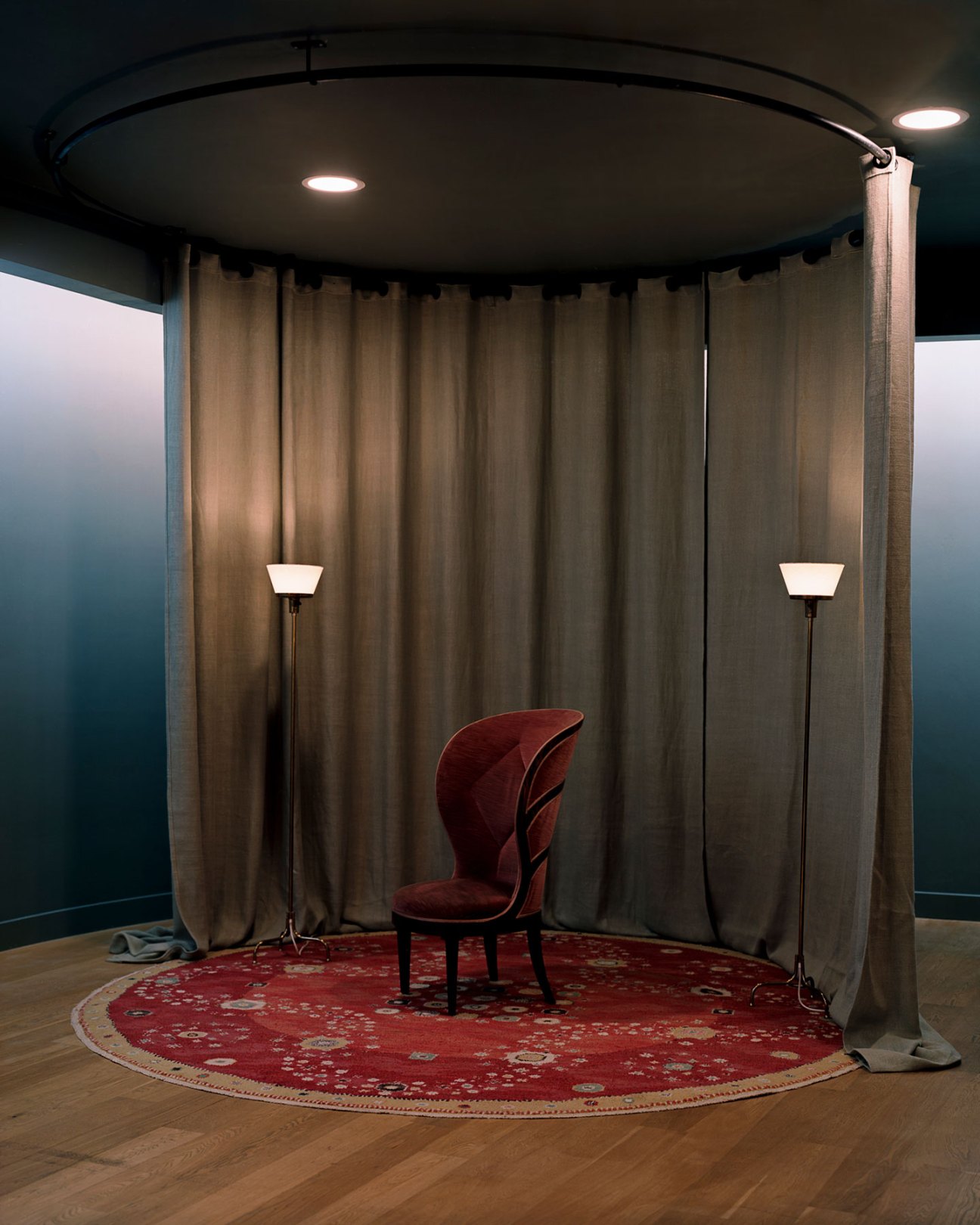
Uno Åhrén armchair
£127,000 (€152,000)
Architect and urban planner Uno Åhrén’s sculptural rosewood and velvet armchair is proof that even the best designs can benefit from a good backstory. Shown as part of a pair in the ladies’ room at the 1925 World’s Fair in Paris, alongside a cabinet and coffee table, the chair helped Sweden to win 100 gold medals and 36 grands prix. “Swedish design really made its breakthrough at that exhibition,” says Andrew Duncanson, founder of Stockholm-based Nordic design gallery Modernity. “It went from nowhere to being second only to the host nation, France.” Åhrén’s chairs played a significant role in making that happen. Today only one of the pair has its original upholstery, increasing its worth. According to Duncanson, its value of about £127,000 lies in its historical context, rarity and condition. “You’re not going to see another one of these,” he says.
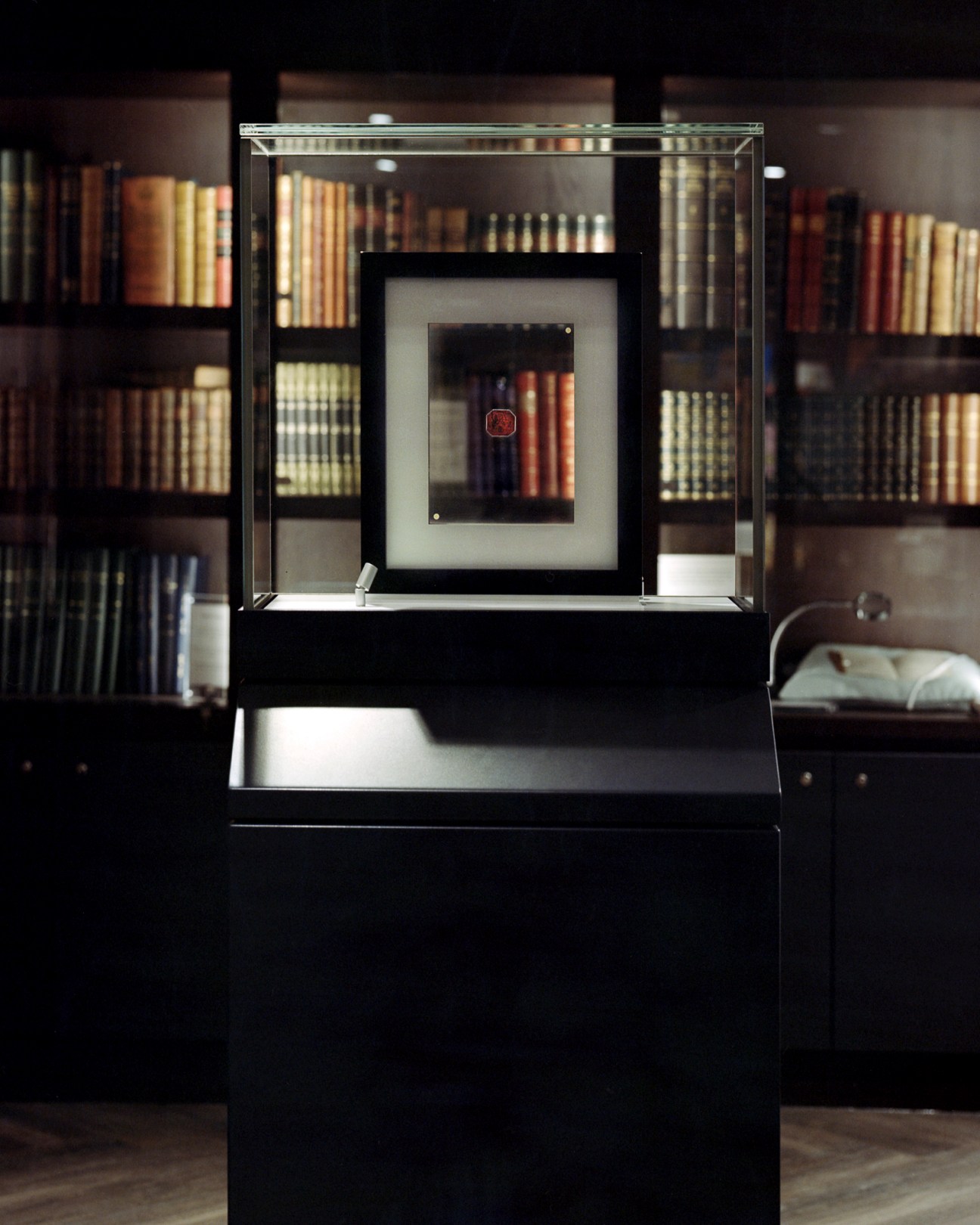
British Guiana 1c Magenta stamp
£6.1m (€7.3m)
“Three factors determine the value of a stamp: its condition, its rarity and its desirability,” says George James, an expert on Commonwealth stamps at London-based auction house Stanley Gibbons. Stamp printers for the British empire had such high standards of quality control that mistakes were extremely rare. That’s why in philately there is often value in error, imperfection and modification. A storied past also helps. Previously owned by master collector Philip Ferrary de La Renotière, convicted murderer John du Pont and designer Stuart Weitzman, each of whom have marked the back of the stamp, the rare 1856 British Guiana 1c Magenta is considered the holy grail of collectors. Last year, Stanley Gibbons acquired it for £6.1m, making it the world’s most valuable object by weight.
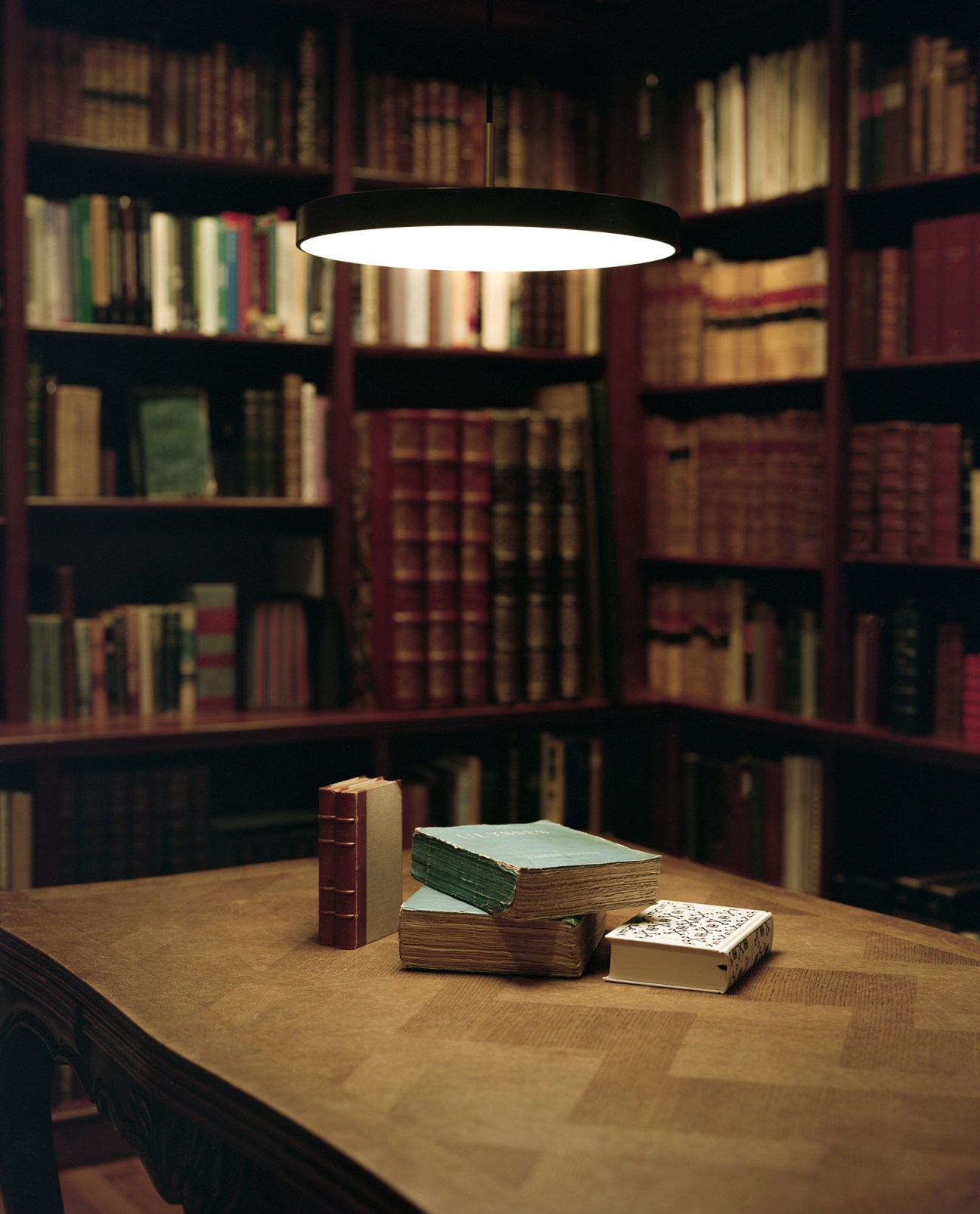
‘Ulysses’
£300,000 (€360,000)… or £3 (€3.60)
First published in book form in 1922, James Joyce’s Ulysses is considered the definitive modernist novel. A first-edition copy signed by its author now costs £300,000 at Peter Harrington bookshop in London. According to bookseller Luke Basford, the price of a rare book depends on its condition, edition, scarcity, desirability and inscription. “If the historical integrity of the book is compromised, be it through restoration, rebinding or damage, the value decreases,” he says. Another first edition without an inscription and in less pristine condition is valued at £55,000 (€66,000). In recent years, Ulysses has remained desirable, not least due to its initial censorship in the UK and US, which forced some booksellers to smuggle copies disguised as bibles. This first edition is in excellent condition, hence its price, but you can pick up the same text as a new paperback for just €3.60.
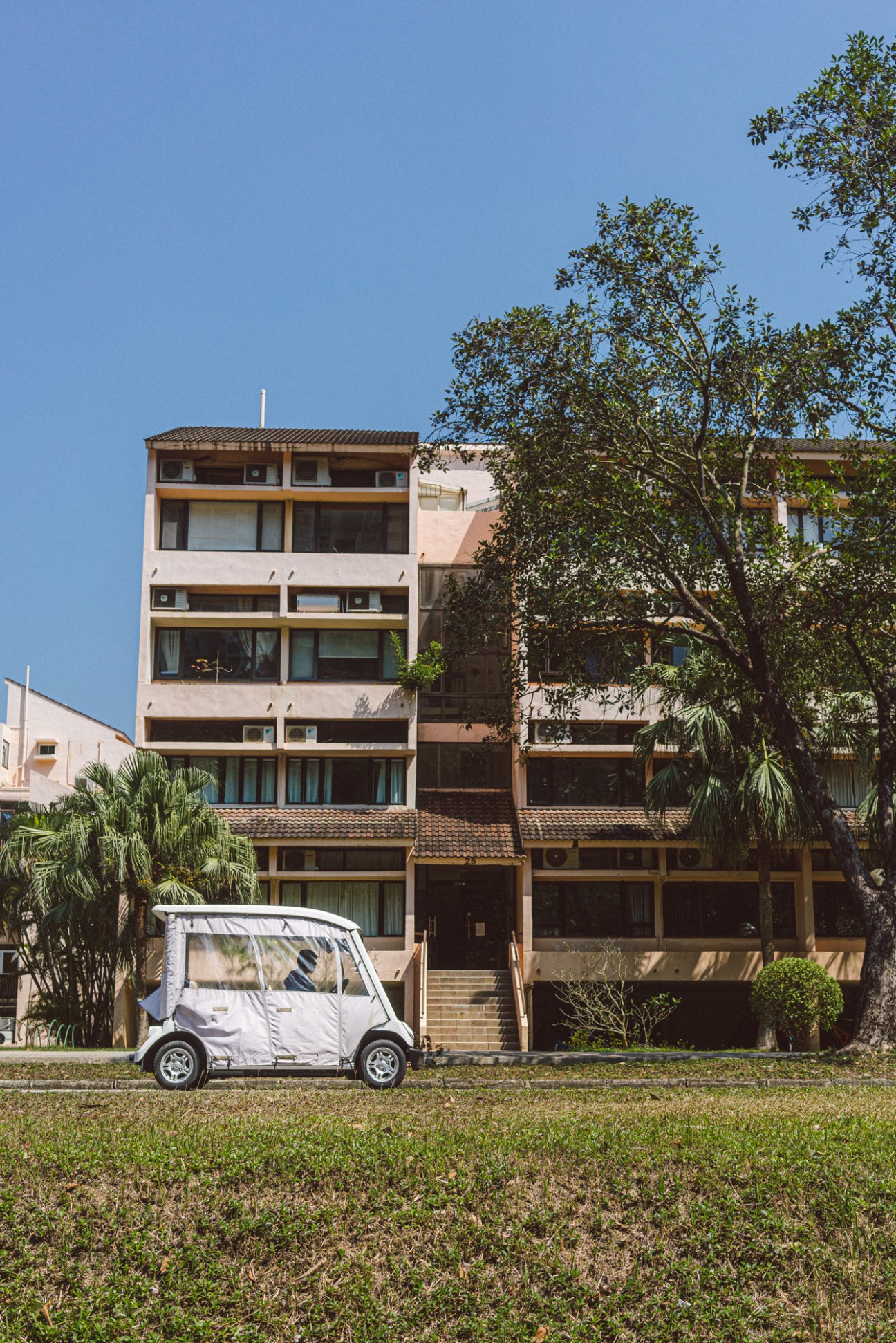
Golf carts
hk$2m (€226,300)
If you’re riding around in a golf cart, you’ve probably done alright for yourself. But in Discovery Bay on Hong Kong’s Lantau Island, being behind the wheel of a zippy five-seater Yamaha is a true status symbol. Private cars are banned inside the sprawling residential development so most people in the 20,000-strong community either walk everywhere or are shuttled around on quiet roads by a bus network. A lucky few, however, can get around town by golf buggy if they are willing to pay Lamborghini prices for the privilege. The Hong Kong government has limited the number of golf carts in Discovery Bay to 500; as a result of the limited supply, a pre-owned Yamaha or Ezgo can go on sale for upwards of hk$2m – considerably more than the €18,000 or so that a golfer in the US would have to spend on a top-end model.
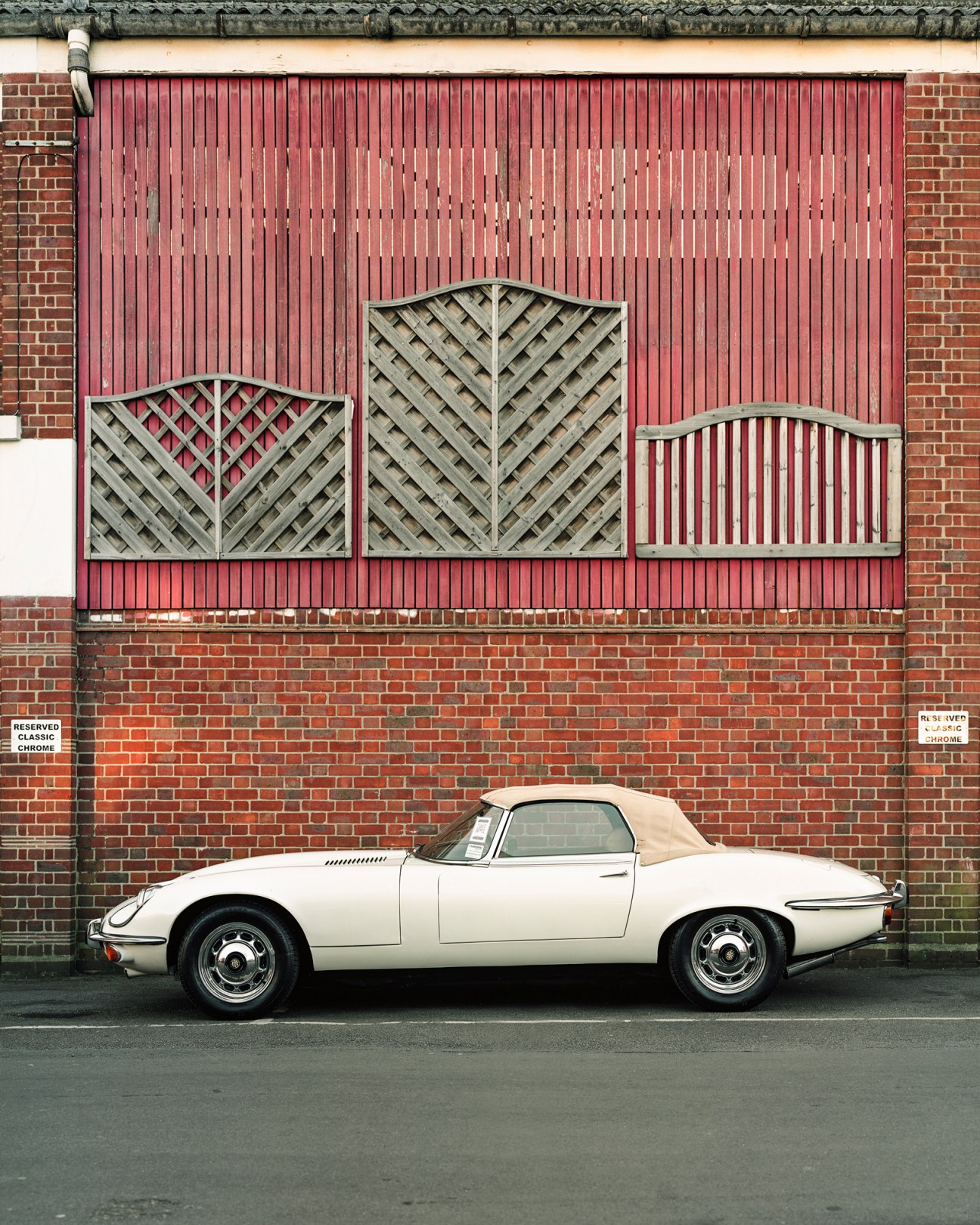
Jaguar E-Type Series 3
£80,000 (€95,300)
Car enthusiasts have long admired the Jaguar E-Type. Even Enzo Ferrari called it “the most beautiful car ever made”. But not all E-Types were created equal. Once deemed too clunky and too American for the UK’s narrow country roads, the Jaguar E-Type Series 3, introduced in 1971, has garnered a new generation of fans. Gary Shortt, managing director of Classic Chrome car dealership in London, says that he can sell a 1972 model for as much as £80,000. That’s partly the result of a renewed interest in classic cars. “The biggest spike in the market has happened in the past 10 years and most of it has been fuelled by investors,” says Shortt. Real motor enthusiasts seeking to buy these vehicles with the intention of actually driving them, rather than selling them in a year or two, might soon find themselves priced out of the market.
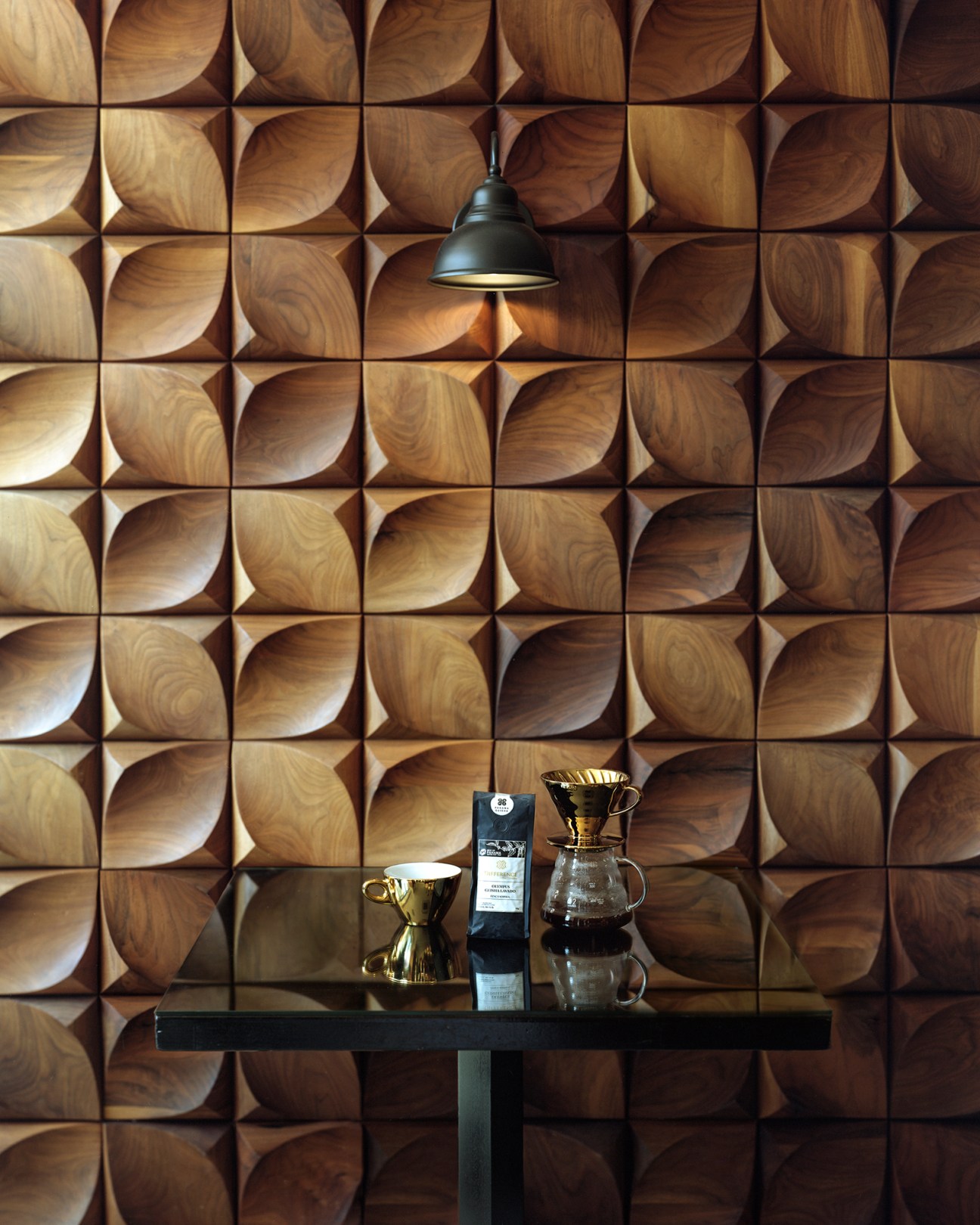
Coffee beans (450g)
£1,300 (€1,560)
How much would you pay for a cup of coffee? Taro Suzuki sees no problem with charging ¥3,000 for a cup made with Panama Geisha beans. Perhaps the world’s most sought-after variety, it’s a favourite of the president of Saza Coffee, a speciality coffee shop with several locations around Tokyo. Every year, judges evaluate beans for the Best of Panama online auction, which attracts bidders from around the globe. Amir Gehl, CEO of London’s Difference Coffee Co, has paid as much as £1,300 (€1,560) for 450g of Geisha, which he now supplies to Michelin-starred restaurants and five-star hotels. Last August a Geisha variety from Finca Nuguo won the highest score. The hammer price? A whopping $256,800 (€226,836) for 45.4kg. “I’ll never forget the sensation I had when I first tasted it,” says Suzuki. “It’s so fruity, aromatic and delicious. It was love at first sight.”
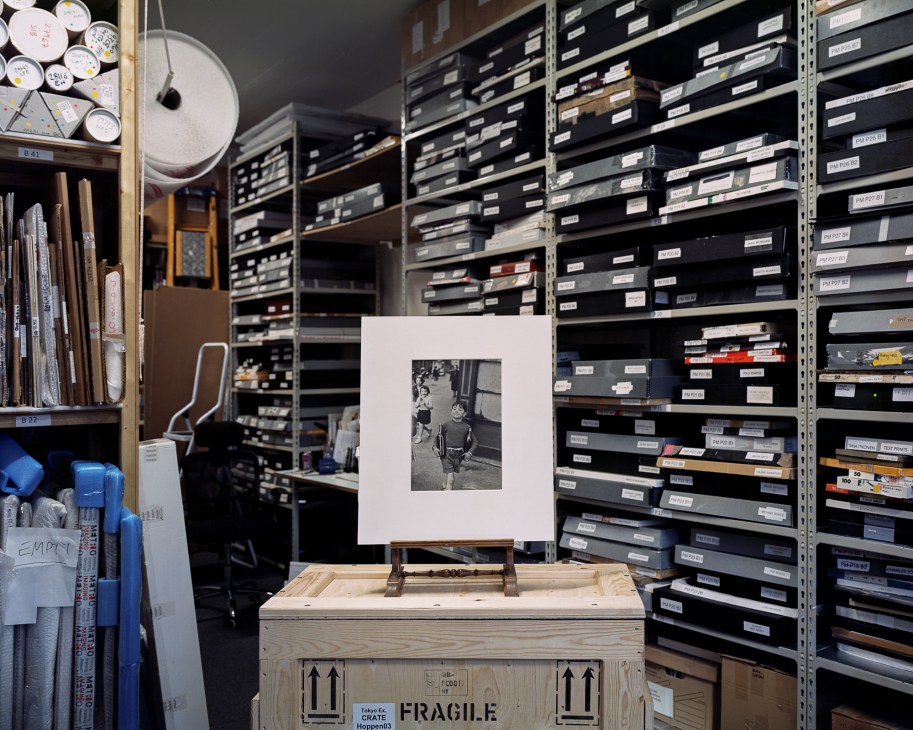
‘Rue Mouffetard, Paris’
Up to £100,000 (€120,000)
While Henri Cartier-Bresson’s “Rue Mouffetard, Paris” is one of the photographer’s most recognisable images, the only existing vintage exhibition print belongs to London-based gallerist Michael Hoppen. “Elton John has a small print but that’s it,” he says. Originally a gift to US photographer Slim Aarons, the image – inscribed with a note from Cartier-Bresson – was then worth about £50 (€60). With the French photographer now revered as a pioneering master, it would easily sell for 2,000 times that amount. “Early prints are special because they show the connection with the photographer at its sharpest point,” says Hoppen, who received the print as a gift from Aarons. While the image has been reproduced countless times, the personal connection is what makes the print so valuable, says the gallerist. “I can’t give you the price until I decide to sell it but it would probably be close to a six-figure sum.”

Georgian rummer
£50 (€60)
Some items stand the test of time better than others. Retired surveyor Chris Currell is an avid collector of antiques from the Georgian era and has never understood why they are often so cheap. “These rummers [drinking vessels] are probably worth about £50 each,” he says, flicking the side of a glass and letting it ring. Many years since he bought it, Currell is certain that it was a good deal. After all, a new goblet by French luxury brand Baccarat costs more than £180 (€216). Shrewsbury-based antique dealer Marcus Moore, from whom Currell frequently buys items, is also baffled by how these original objects are often less expensive than the equivalent modern reproduction piece. “The quality of these items is second to none,” he says. “They were made to be used in homes all over the UK and the fact that they are still here in good condition some 200 to 300 years later is a testament to that.”
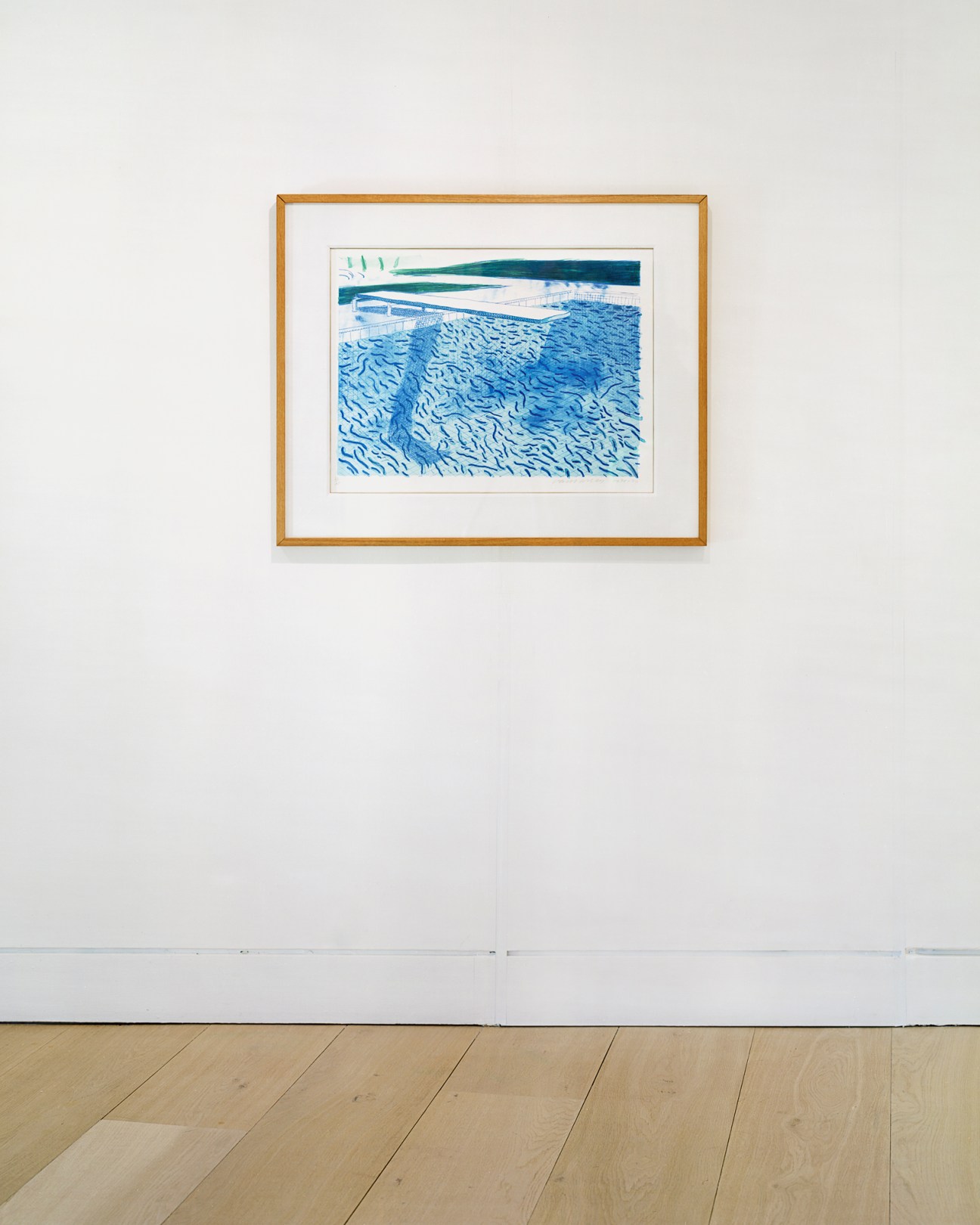
David Hockney ‘Water’ print
£128,520 (€154,000)
The copy of David Hockney’s “Lithograph of Water Made of Thick and Thin Lines and Two Light Blue Washes” at auction house Phillips in London was one of 40 prints. But that didn’t make it any less desirable when it went under the hammer in January. It sold for more than double its estimate at £128,520. “When we’re pricing works, we look at historical auction and retail values, alongside factors such as rarity and size,” says Louisa Earl, a specialist at Phillips. Prices for editions usually fall in a lower range, allowing people to “purchase works by recognisable artists without breaking the bank”. But this doesn’t mean that these come cheap. “Demand follows popular taste,” says Earl. While this Hockney print is one of many, owning a piece by him, even if it’s not unique, still counts for something.
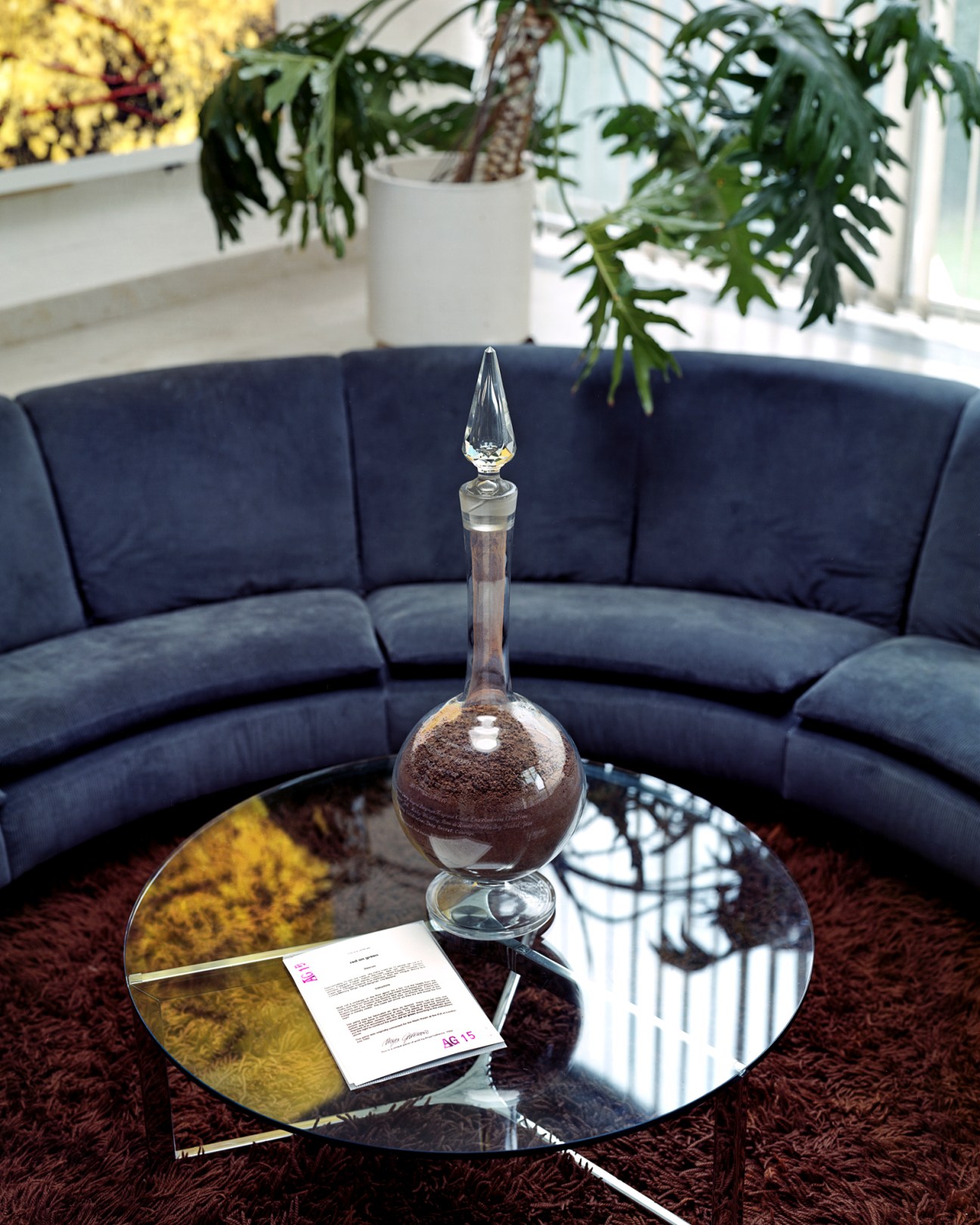
‘Red on Green’
Up to £5,000 (€6,030)
In her 1992 installation “Red on Green”, Anya Gallaccio traced the life and death of 10,000 roses at London’s Institute of Contemporary Arts. “It was a spectacle,” says gallerist James Hyman. He knew that he wanted to own it – but how do you buy a piece that isn’t designed to last? “What you’re buying is a certificate,” he says. It allows him to grant people the right to recreate and show the work. So, though he can’t display it in his home, he owns what he considers to be one of the “great British artworks” of his lifetime. An auction house familiar with Gallaccio’s work estimates that such projects can be worth up to £5,000 (€6,030). Hyman keeps the ashes of the roses from the first show in an urn that Gallaccio selected. “We had a conversation [about the urn] in 1996 or 1997 but it only arrived before last Christmas,” says Hyman.
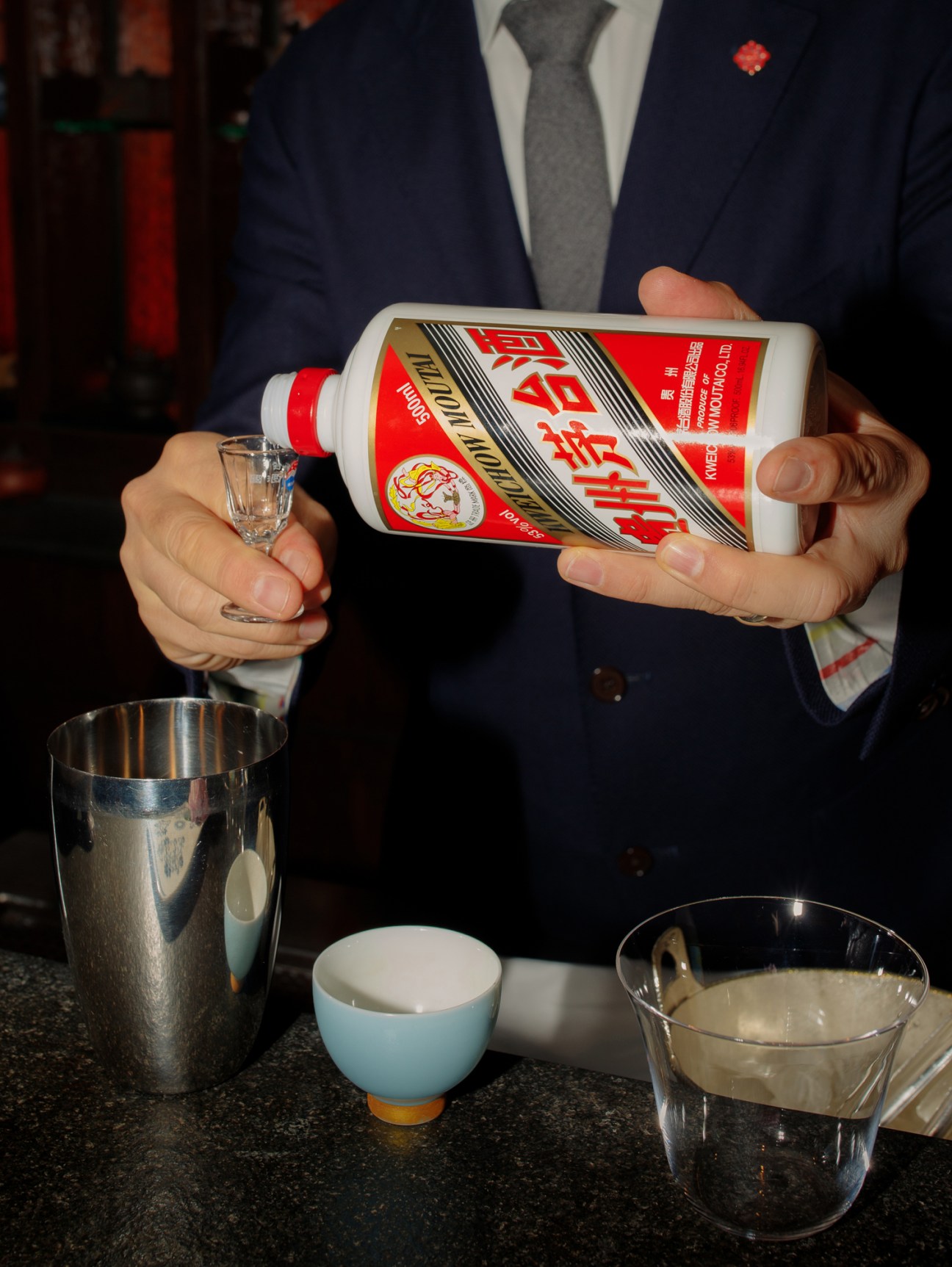
Kweichow Moutai
hk$7,000 (€790)
Based in Guizhou province, Kweichow Moutai is China’s most storied producer of baijiu, a spirit distilled from sorghum with a 53 per cent abv. If baijiu is China’s national drink, Moutai is its banner brand. Richard Nixon clinked glasses of it with premier Zhou Enlai when he visited Beijing in 1972; any Chinese businessman worth his salt can knock back an alarming amount. Last June a 24-bottle case of 1974 Moutai sold for £1m (€1.2m) at Sotheby’s in London. Unlike wine, Moutai doesn’t really change with age after it’s bottled, so the taste doesn’t develop over time. Instead, scarcity sets the price. “There is more affordable baijiu but Kweichow Moutai is very specific,” says Peninsula Hong Kong hotel’s head mixologist, François Cavelier, as he adds a shot of it to a tipple. “The Communist Party made this brand very famous, very iconic.” The bottle that he’s holding retails at hk$7,000 (€790).
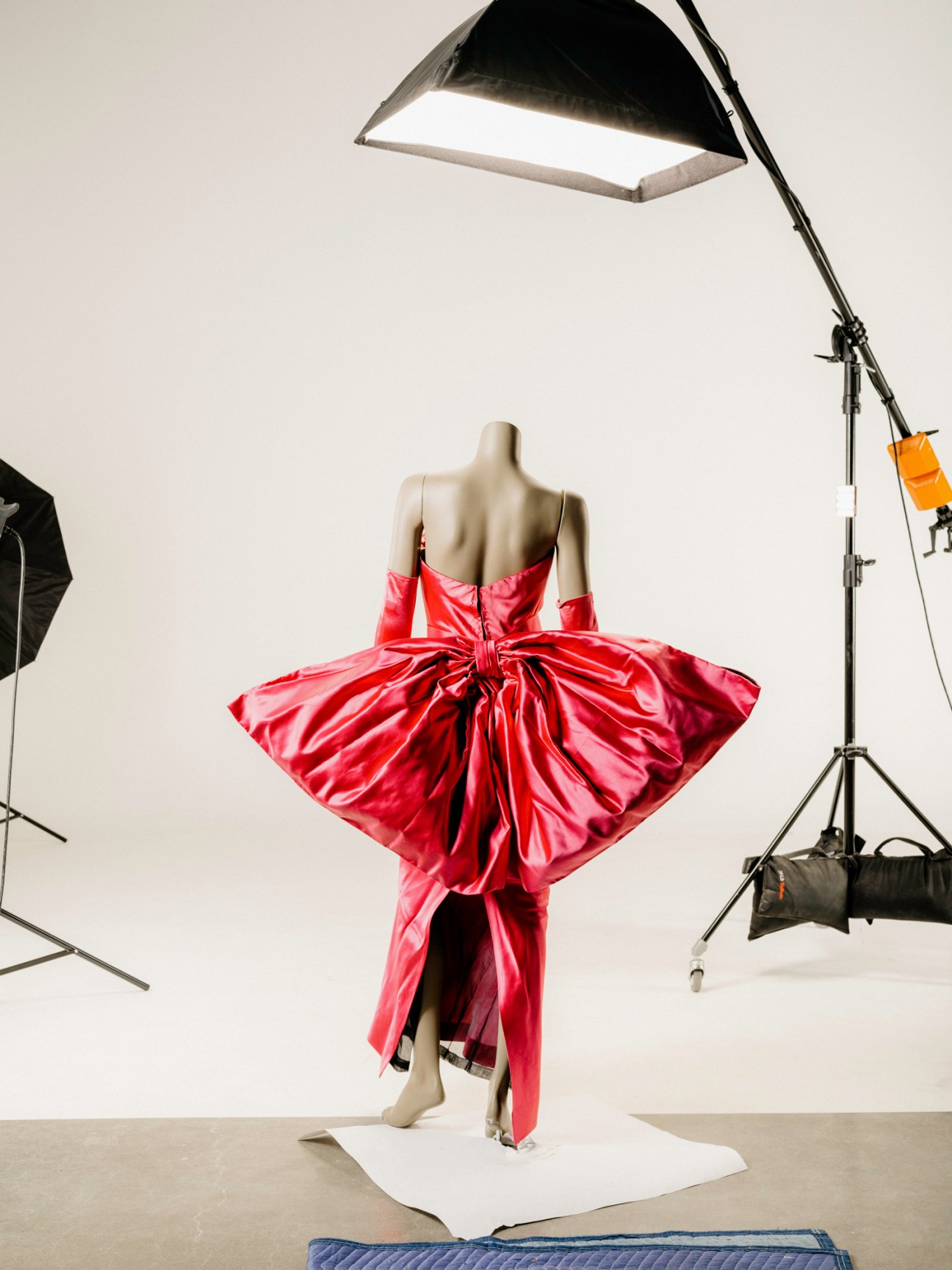
Madonna’s ‘Material Girl’ dress
More than $200,000 (€179,000)
In the music video for her 1985 single “Material Girl”, Madonna plays a woman who craves life’s finer things. Sporting a hot-pink gown, she dismisses a cast of suitors who don’t make the cut. Thirty-seven years later, Julien’s Auctions in California will put the outfit that she wore up for auction. According to CEO Darren Julien, the dress should sell for hundreds of thousands of dollars. “A lot of collectors buy memorabilia because it reminds them of their past,” he says. “But what has really helped this market is that people are looking at memorabilia as an alternative investment.” In many cases they buy these items assuming that they will increase in value, so it isn’t always just about nostalgia. Not that any of this comes as a surprise to Julien – after all, we are living in a material world.
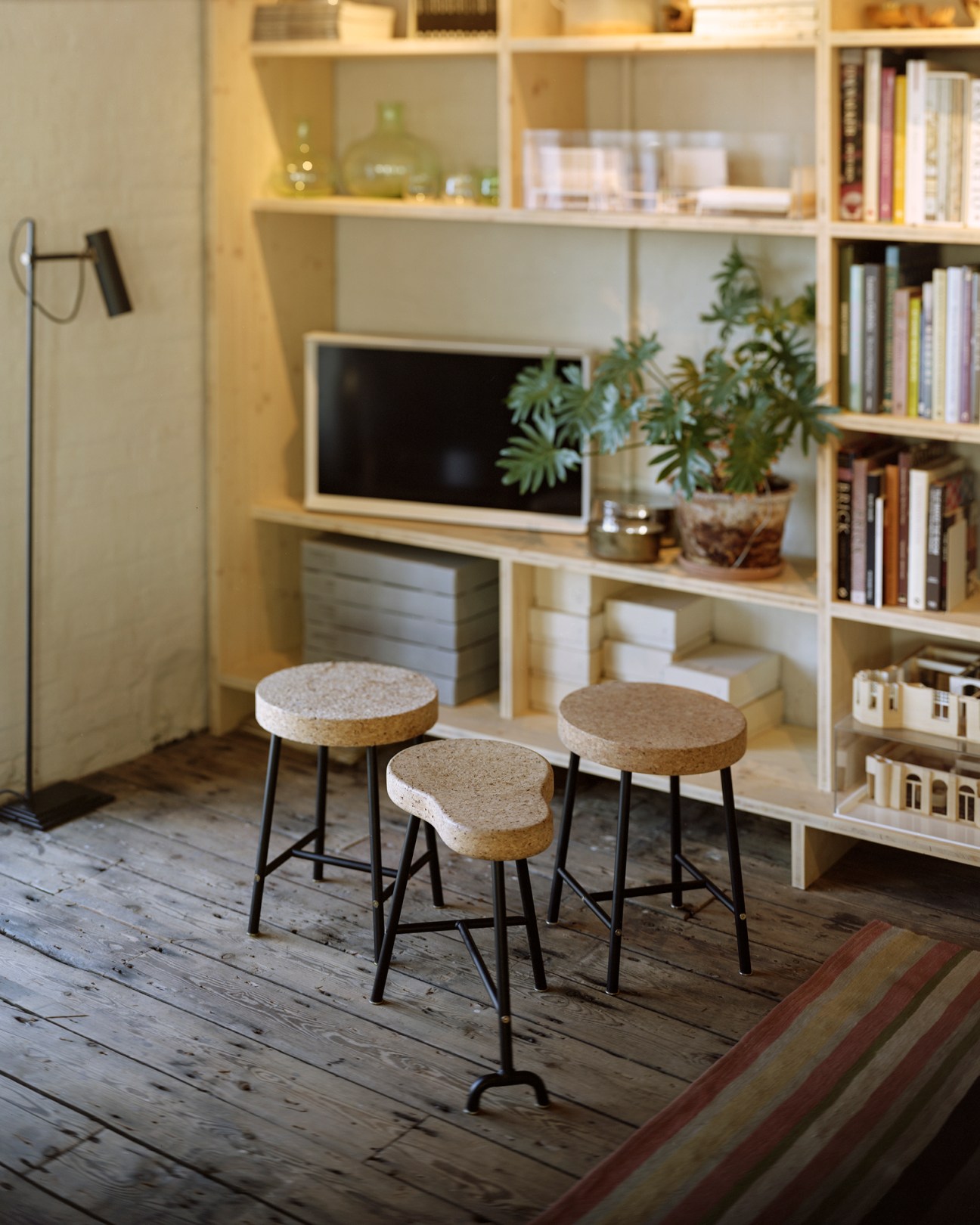
Ikea cork stools
sek2,500 (€235)
In 2015, British designer Ilse Crawford created a pair of £50 (€60) cork stools for Ikea, hoping to make sustainable manufacturing more accessible. The product run was soon discontinued but they recently caught the eye of Swedish auction house Bukowskis, which valued a pair at sek2,500 (€235) – double the original price. Why the sudden interest? According to Crawford, it’s partly because sustainability has become a bigger part of the conversation. “People are surprised that big companies can be good,” she says. Indeed, the stools and other products in that Ikea line prove that it’s possible to mass-produce products without being wasteful. “From a sustainability perspective, it’s also satisfying that we were able to design something that people will pay good money for second-hand,” she says.
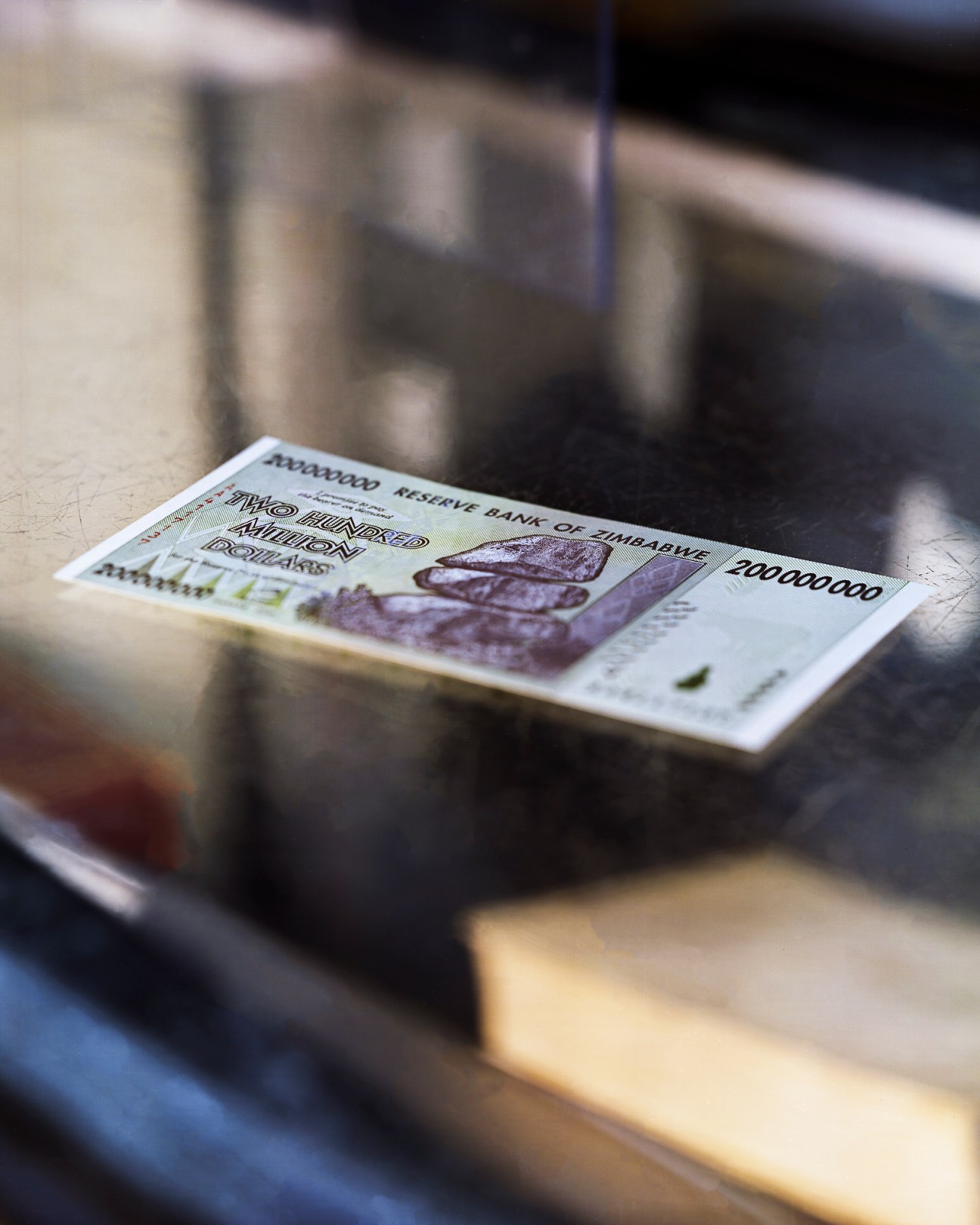
Zimbabwean dollar note (2008)
zw$200m (€0)
At the height of Zimbabwe’s hyperinflation crisis in the 2000s, you could buy a four-bedroom house in an upmarket suburb of Harare for just €350. In Zimbabwean dollars, the same house would have cost trillions. As a result of financial mismanagement, month-on-month inflation in the country reached 79.6 billion per cent. Today the currency has been adjusted and inflation is closer to 60 per cent but the consequences remain severe. Businesses can’t budget, planning ahead is impossible and invoices must be paid on the day they’re issued. Those who can do so mostly use the US dollar. Zimbabwe-based artist Prudence Chimutuwah is turning Mugabe-era banknotes into canvases for politically charged paintings. Devoid of purchasing power, the bills’ value has fallen to that of the paper they’re printed on.
Urbanism
Architecture
USA
Vision for the future
Despite his fame, architect Ludwig Mies van der Rohe was not known for his prolificacy. Which makes the addition of a new building to his portfolio, more than 50 years after his death, all the more exciting.
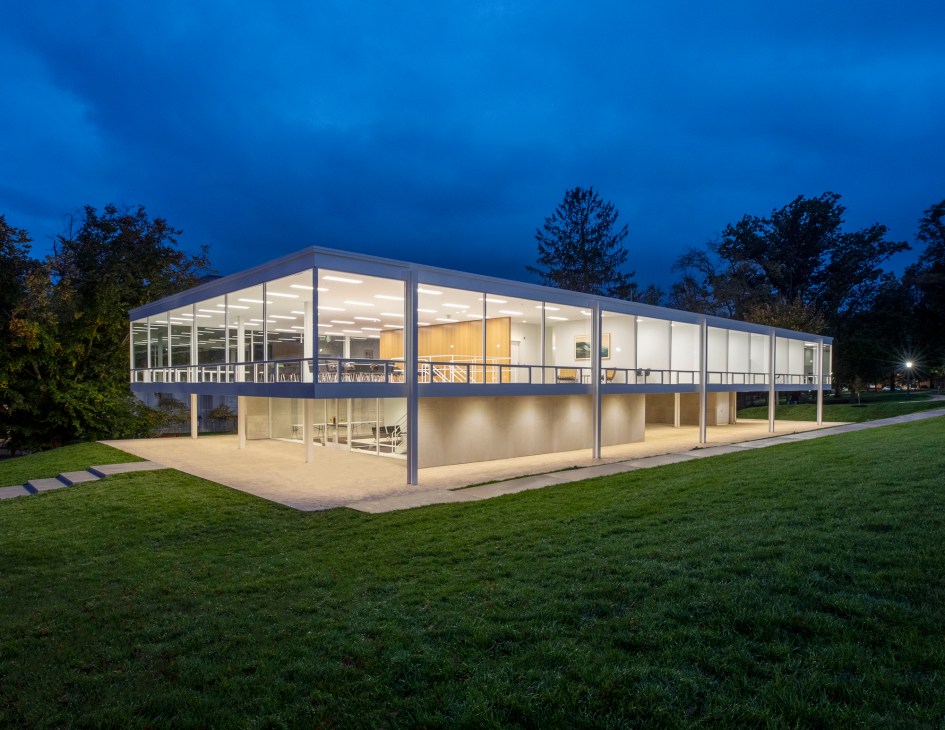
The recently completed Eskenazi School of Art, Architecture and Design at Indiana University was designed by the German modernist master in 1952, though financial constraints meant that construction never started. Now, with the help of New York-based architects Thomas Phifer and Partners, Mies van der Rohe’s vision has finally achieved form. “To rediscover his drawings and then see them realised seems like nothing short of a miracle,” says founding director Thomas Phifer.
Initially designed as a fraternity house, Phifer repurposed and modernised the structure with as little aesthetic disturbance as possible; many Mies van der Rohe hallmarks, including his customary thin steel pillars and vast panes of glass, have been maintained.
Considering that it will house students eager to learn the exact craft Mies van der Rohe practised, pupils might struggle to imagine a more useful backdrop. “You literally see the relationship between what you’re studying and the world all around,” says Phifer.
On Design
Nolan Giles on…
Disney toying with urbanism
I was almost a quarter of the way through Disney’s promotional video for its headline-grabbing Storyliving brand extension before I learned what the offer was. “All new Disney-branded, master-planned residential communities, designed to be the perfect setting for Disney fans to write the next exciting chapter of their lives,” is the Storyliving vision of Josh D’Amaro, chairman for Disney’s parks, experiences and products. This idea, he says, will come to fruition across a series of towns in the US, kicking off with a planned community set, amazingly, around an artificial lagoon on the outskirts of Palm Springs.
It’s a shame that I had to sit through so much brand hyperbole about the wonders of the Walt Disney’s multi-billion-dollar empire of parks and “experiences” before getting to the concept because it actually offers some good ideas. While I’m certainly not within the demographic for Cotino, the first of Storyliving’s communities (the audience appears to be young American families and the elderly), I was interested to learn that the development will be “drawing inspiration from the local landscape, the history and the culture”. Palm Springs is a haven of Californian modernism and early Cotino renderings certainly show a nod to this optimistic style of architecture.
The sense of idealism extracted from the area where mid-century modernism was – in part – pioneered, marries well with Disney’s ambitious plans here. Cotino will be a place where, supposedly, families will engage in wholesome lakeside activities together (away from their screens), markets will brim with the creative offerings of Californian designers – and everything is delivered with the guaranteed stamp of Disney quality. It will come at a cost, of course, but it will also provide a safe, well-managed way of life for those who can afford it.
While the whole concept could all go very wrong (I’m envisioning a The Lego Movie-like, capitalist-minded failed utopia descending into chaos), at least it prompts the American public to consider questions about how they want to live. “Why is good master-planning important? Why should I want to live around design that pays tribute to history? How does one integrate a creative community into a city and why is this important?” At the same time, it’s also offered up plenty of fodder for the media to get stuck into: “What is environmentally considerate property development? How can luxury housing better blend with social housing?”
It’s extremely rare for residential development to receive this much airtime. So while the jury is definitely still out on whether this will work, I’m personally glad that Disney has sprinkled some of its fairy dust on this topic to truly elevate the debate around it.
Sign of the times
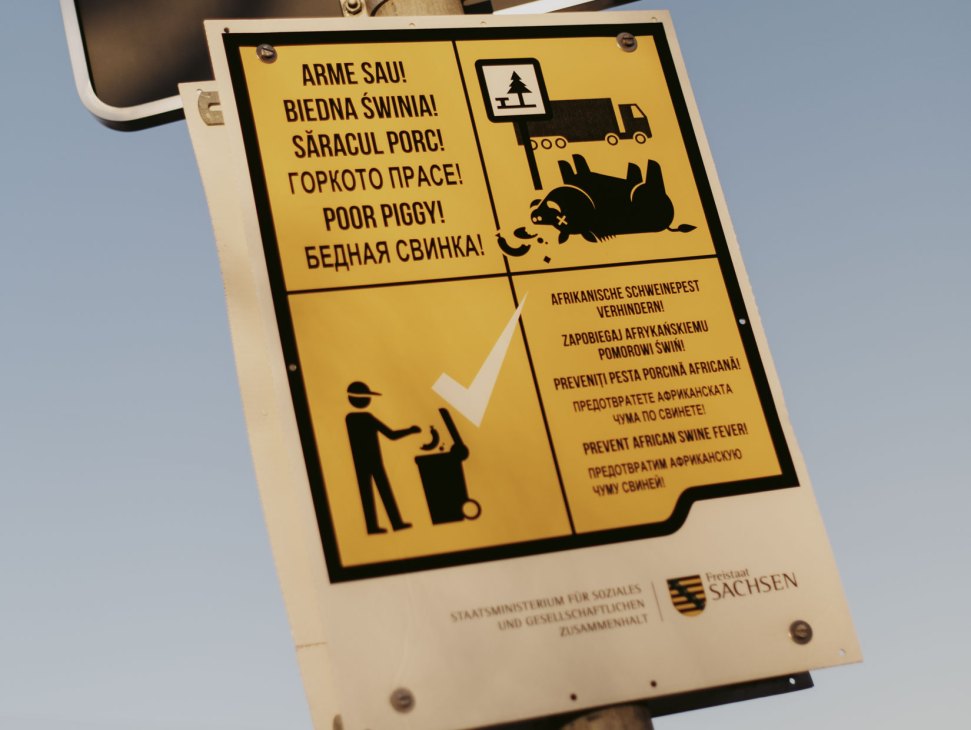
Good graphic design – the sort that informs, entertains and leaves an impression – is hard to do. So imagine our editors’ surprise when they stumbled across this pinpoint example of serious-but-silly signage on a recent trip through Saxony. The faintly ridiculous image of a man tossing away his sausage, combined with the fallen, cross-eyed hog above it, create perhaps the perfect piggy insignia. Bin your Bratwurst people, you’ve seen the sign.
Comment
Hospitality – São Paulo
Holding the fort
Sam Cowie on why São Paulo’s celebrated doormen are being, well, shown the door.
Edgar dos Anjos Rosa is having a hectic Friday morning. As he welcomes me into his office on the ground floor of the Copan building in downtown São Paulo, he takes phone calls and handles requests from visiting workmen, all the while maintaining an eye on footage from dozens of security cameras. “Here is like a city within a city,” he says.

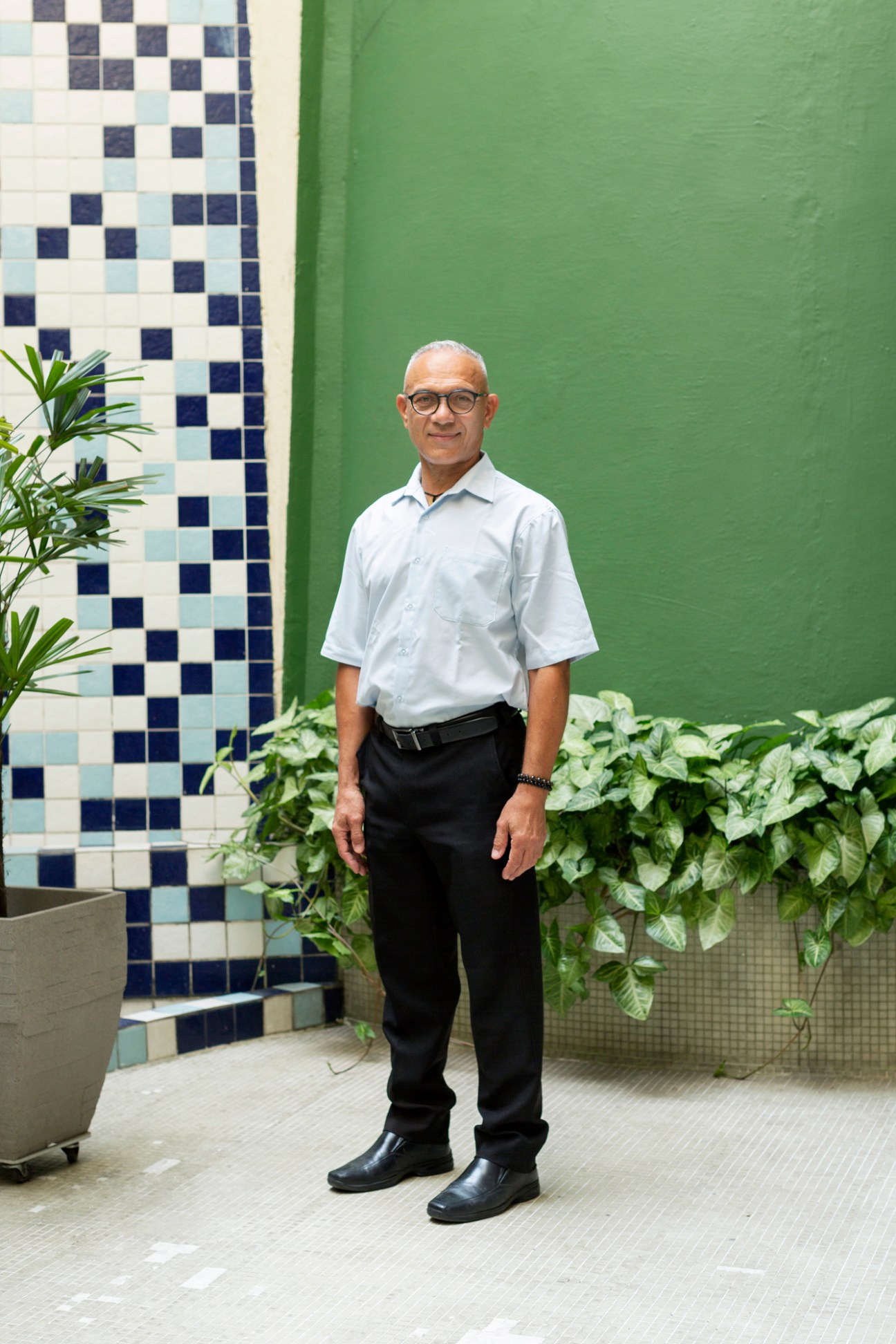
Doormen have been a common fixture of São Paulo since the 1930s when the city – South America’s largest by population and GDP – began to go vertical. Today, however, their ascendancy is reversing as apartment buildings in the city cut costs by adopting technology over doormen. A 2021 survey of 957 São Paulo building managers found that 15.4 per cent had fired their doormen and replaced them with a remote electronic system to open the front door. Anjos Rosa considers this not just disappointing but dangerous. “The chances of a serious problem happening are reduced with a physical doorman present,” he says.
Sat behind a desk, Anjos Rosa, an affable 41-year-old speaks proudly of his 18 years of service in São Paulo’s most famous apartment complex, designed by Oscar Niemeyer. He is one of the chief porteiros, or doormen, of the Copan, a building with 1,160 apartments and some 5,000 residents. He started out as a cleaner; today alongside his doorman duties, he is studying for a degree in civil engineering. “It never gets tiring, with the number of people…
One day is never the same as the next,” he says. As he speaks, scores of people – residents, Airbnb guests, customers of the building’s ground-level shops and cafés – wander in and out of the Copan’s wide, open entrance. Outside, homeless people beg for change or lie sleeping under blankets. Anjos Rosa’s job, along with the other doormen, is to monitor and control this flow of people and deliveries. He speaks of the “multiple” times he has prevented street robberies – characteristic of this city that is replete with iconic architecture and vibrant nightlife but also high rates of poverty and crime.
Reinaldo Garcia is head doorman and caretaker at the Racy apartment complex, which is a 15-minute walk from the Copan. “It’s short-sighted in my opinion,” he says of the savings made by cutting back on door staff. As an elderly woman walks past with her dog, Garcia, who has worked at Racy for 24 years, asks whether she is feeling better after her recent chest pains. “This is a key point for us,” he says of his relationships with the residents.
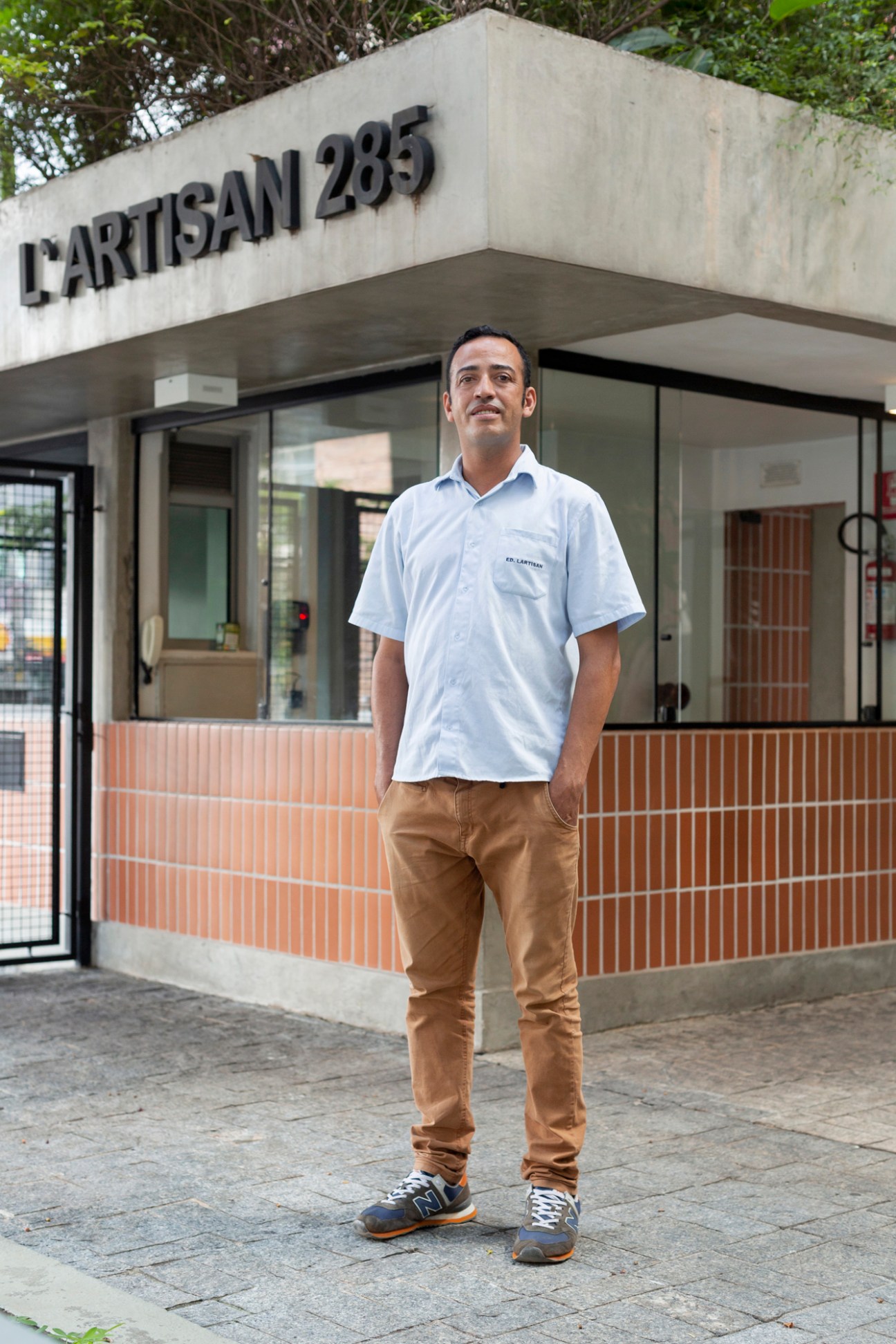
For José Nilton Mendonça Cardoso, a doorman of the Planalto building with many elderly residents, the job combines aspects of being a care worker. Gilson Antonio de Macena, meanwhile, has worked the Santa Elisa building for the past 25 years and is now head caretaker and doorman, having started out as a cleaner. He migrated from a small town in Brazil’s northeastern state of Paraíba in search of work. “I love what I do,” he says.
“It’s really bad,” he says when asked about substituting doormen with technology. “First for the unemployment and secondly for the security, it’s not the same. I know of buildings that don’t have doormen and they have suffered robberies.” The hope is that the city’s building administrators recognise that these lobby-dwelling heroes’ roles are multitudinous and irreplaceable.
Culture
Art – Berlin
Q&A
Marek Claassen
Co-founder, Limna
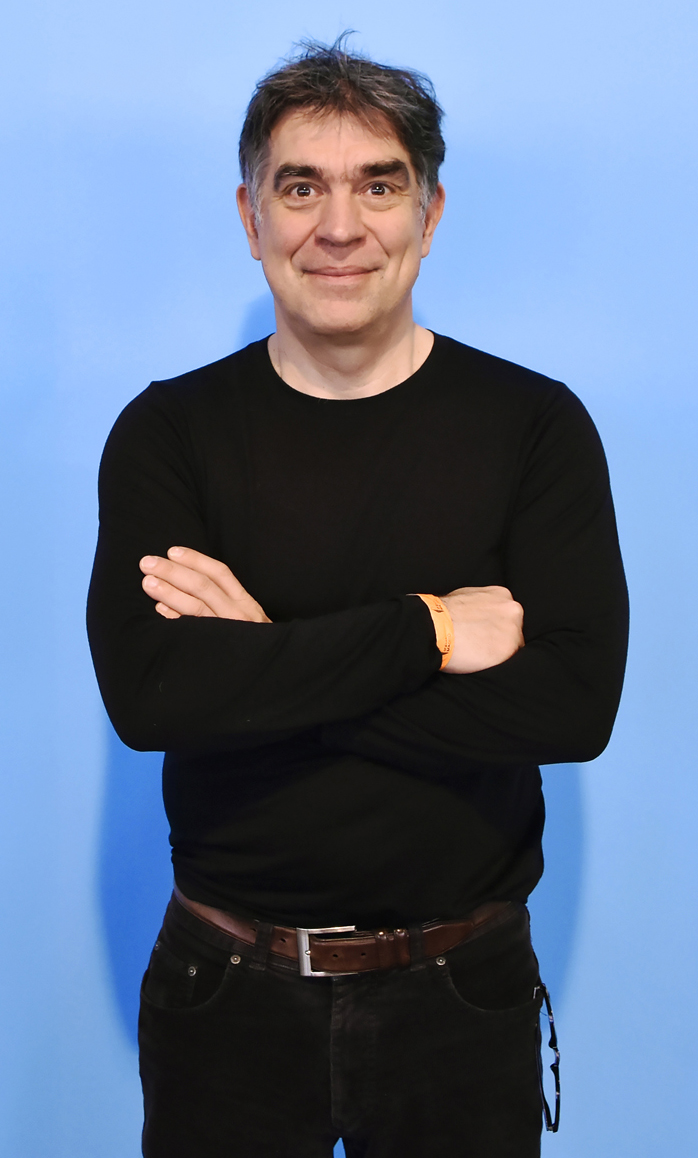
When the free-to-use Limna app, which estimates the value of an artwork based on the artist’s exhibition history, launched last year, many viewed it with suspicion. For Berlin-based co-founder Marek Claassen, the idea was to make the field more accessible to buyers. As Limna prepares to debut new paid-for services, Claassen explains how valuing an artwork can be turned into a science.
What inspired Limna?
When I was a student in the 1990s, I discovered that there’s a correlation between exhibition success and auction prices. We’ve created an algorithm that translates cultural significance into a price. It’s something that every professional in the art world already did in their head.
How do you go about this?
The data goes back to the Salon des Refusés in 1863 [the impressionists show in Paris], the birthplace of the modern art market. We have a team of more than 20 people, mostly art historians, who verify each show and apply a value to it.
How has this been received?
There was some reluctance. Galleries need control because it’s a small market of buyers and stock, and they put a lot into building artists’ careers. But it’s not scalable. People hire art advisors to navigate the art world; we’re trying to give everybody an advisor.
limna.ai
Media – Ukraine
Reporting a crisis
Illia Ponomarenko is used to covering conflict, first for the Kyiv Post and now as defence reporter for news website Kyiv Independent. However, even though he grew up in the Donbas region of eastern Ukraine, where fighting has been taking place for more than eight years, covering a war that has reached his adopted hometown of Kyiv is different. “Donbas came to Kyiv with the snap of a finger in all its details – the atmosphere, the routine, this heaviness in the air,” he says. “It’s stressful because it’s not something happening 500km away; it’s happening right here and you’ve got nowhere else to go.”
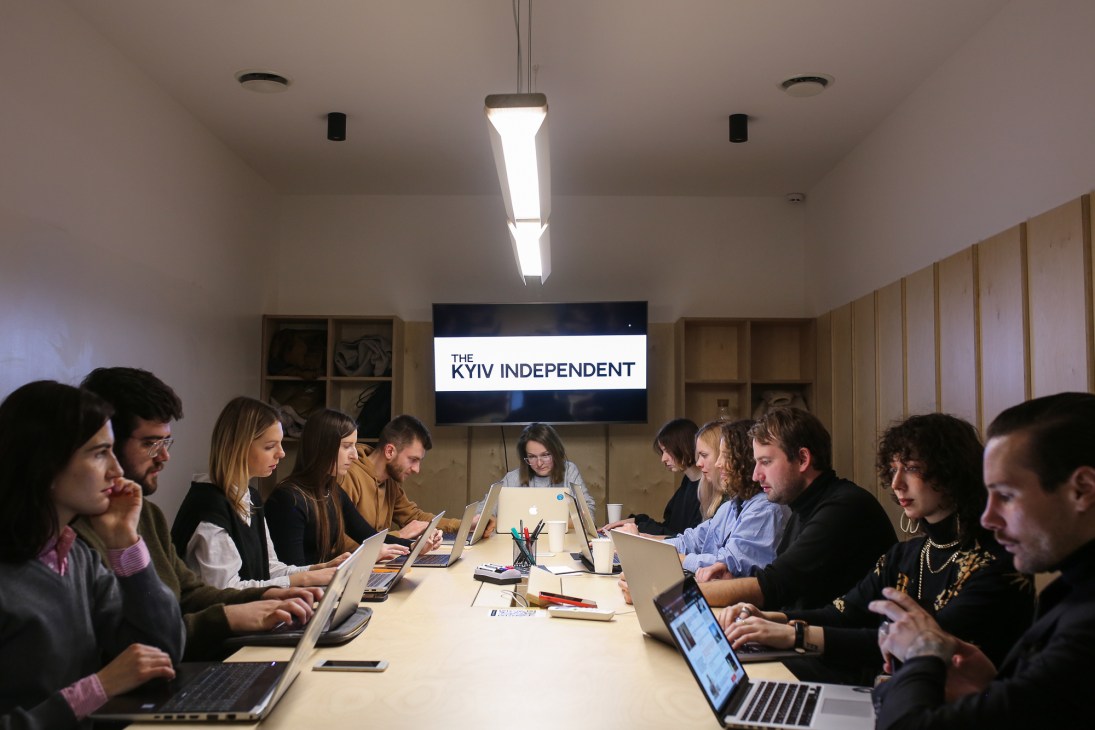
The Kyiv Independent was launched just four months before the war began by a group of reporters who had been fired by the Kyiv Post. Once the country’s primary English-language outlet, the Post’s owner sought to restrict the paper’s editorial independence. Since then, the Independent has become the largest of several English-language publications operating in Ukraine; it was a key source of information in the first weeks of Russia’s invasion. As monocle goes to print, its Twitter account has some 1.9 million followers. “It’s a huge responsibility,” says Ponomarenko. “I’m a regular guy, just an average journalist; and because of these events, you end up in the world’s spotlight. Millions of people listen to and trust you so you can’t let them down.”
The website’s staff were spread across Kyiv and safer parts of Ukraine in the days after the invasion. CEO Daryna Shevchenko said that they were in talks with outlets in European capitals should the team need to relocate. “It’s hard to make long-term plans,” she says. “I hear explosions all the time; I try to focus on what’s going on right now.”
That said, the Kyiv Independent does have dreams – and the means to fulfil them. Financial support has poured in from abroad and the newspaper had raised more than €1m through a Gofundme page. But for now, the focus remains on the present. “It’s too late for contingency plans, the war has already happened,” says Shevchenko. “We just know we have to survive.”
kyivindependent.com
Music – Syria
Measuring tape
There was a time – after vinyl, before CDs – when the cassette tape was king of musical formats. In Syria, relaxed copyright laws, a growing economy and a vibrant music scene all contributed to a flourishing of the medium from the late 1970s to 2010, turning the country into one of the Middle East’s most important producers of mixtapes. But the conflict and tyranny of the ensuing war endangered this important part of the country’s cultural history.

That’s why, in 2018, Iraqi-US producer and musician Mark Gergis decided to create the Syrian Cassette Archives; they were joined the following year by Syrian researcher and DJ Yamen Mekdad.
“Cassettes really democratised everything,” says Gergis. “They allowed people to record their music easily and cheaply, and to share it across Syria and the region.” The London-based collection of some 700 tapes features everything from seasoned musicians to wedding performances and is a reminder of what life was once like in the country. The tapes aren’t just meant to gather dust though. “We want people to have access to them,” says Mekdad. The project has hosted DJ sets, exhibitions and events in Berlin and London. And with funding from prominent arts organisations, it looks like the tapes will get plenty more spins.
syriancassettearchives.org
Business
Aviation – Global
Return journeys
By adapting quickly, some of the smartest airlines emerged relatively unscathed from the dark clouds of pandemic-induced disruption. But just as the worst seemed to be over, war broke out in Ukraine. Europe and Russia have banned each other’s airlines from their airspace and, because of sanctions, Airbus and Boeing are suspending shipments of replacement parts to Russia. As a result, the country’s carriers, which have largely switched to flying Western aircraft, will soon find even more planes grounded.
Airlines travelling between Europe and Asia face the choice of cancelling services or flying hours out of the way. This is likely to hurt airlines focusing on routes between Europe and Asia. Yet, despite higher oil prices (and notwithstanding an aerial war in Europe), airlines’ pandemic-emergence strategies will remain largely intact as the world’s concourses begin to bustle again. Happily, many of the more extreme recent cuts to onboard services have been reversed. Passengers have shown that they are willing to pay extra for comfort. Whether or not this represents a long-term shift, airlines are in a race to the top, investing in more space and rejigging their route maps.
Beach destinations have shown strong demand, partly because many sun-soaked spots have kept their borders open throughout the pandemic. Mexico welcomed 31 million visitors in 2021, pushing it several spots up the tourism rankings. Also popular was Dubai, which opened up early and encouraged remote workers to decamp there. This helped home carrier Emirates, which is steadily reintroducing its fleet of 120-plus superjumbo A380s.
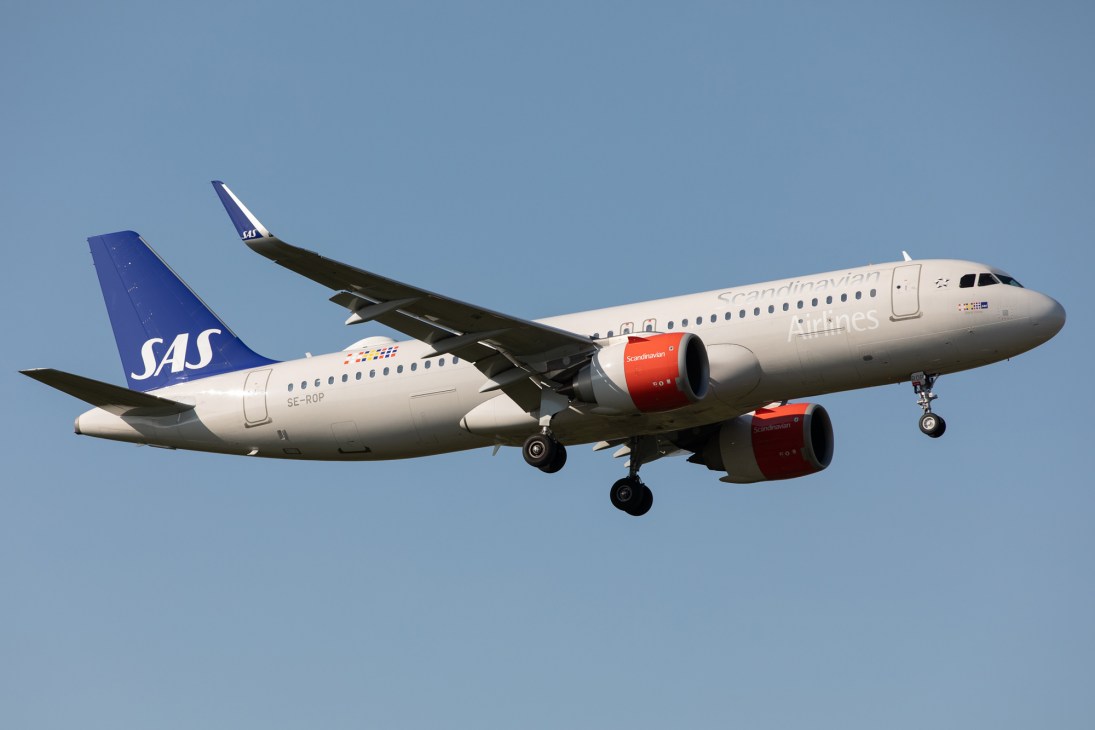
At the height of the pandemic several airlines took drastic action to stem losses. Lufthansa, for example, cut 22,000 full-time jobs in 2020. The big low-cost European carriers, however, nimbly jumped onto underserved routes. For example, Ryanair muscled in on Stockholm Arlanda Airport as Scandinavian Airlines (SAS) moved the bulk of its operations to Copenhagen. Finnair also scented opportunity in SAS’s dust, launching a long-haul operation out of Arlanda, flying to white-sanded spots such as Miami. Fortune favours the bold – and the bronzed.
The number of start-up airlines offering recherché routes is also rising. Serial founder David Neeleman’s new venture Breeze Airways is receiving positive reviews for its connections between smaller US cities. This spring it will introduce to its fleet the A220, a nimble, fuel-sipping aircraft with a long range and attractive premium seats. Northern Pacific Airways is another one to watch; it has just unveiled its first plane, a 757, and plans to connect passengers between North America and Asia using Anchorage as an aptly named hub. Others might imitate its focus on the Alaskan airport as European airlines look for ways to reach parts of Asia without entering Russian airspace.
Elsewhere, Norse Atlantic is trying to dispel any association with Norwegian Airlines, which dropped its long-haul operation during the pandemic, by rebranding former Norwegian Dreamliners as “longships”. Its CEO has stressed the differences in strategy, including quite un-Viking-like plans for cautious growth, no low-margin short-haul and good hiring practices.
Airlines down under have had a tough time of late but Qantas is cautiously optimistic. Australia is beginning to open up and Qantas now faces fewer competitors: Virgin Australia has ceased its long-haul service and dropped its Tigerair domestic offering.
Momentum is building in the African industry too. Nigeria now has a handful of new regional carriers, including United Nigeria and Green Africa, while Zambia Airways has been reborn with financing from continental heavyweight Ethiopian Airlines.

face the choice of cancelling services
or flying hours out of the way
East Asia is the one region with little optimism. Hong Kong’s entry requirements are so strict – including for crew members who, at the time of writing, have to wear gps trackers and quarantine for 14 days after flights from countries with high levels of coronavirus – that it has become near-impossible for Cathay Pacific to operate much of a schedule. There’s more hope elsewhere in Asia. Korean Air and Asiana turned a profit last year, thanks to strong cargo demand. Before the pandemic, Seoul to Jeju was the world’s busiest air route and Australia’s reopening will be a huge boon to Southeast Asian carriers.
In a perverse way, the past two years might prove to have been more instructive than destructive to the industry. The move towards more fuel-efficient aircraft has accelerated. And though it’s a good time to be a buyer of used planes, orders for the latest, greenest models are stacked up for years ahead. Meanwhile, the trend of airline consolidation is likely to continue. In February two US low-cost airlines, Frontier and Spirit, announced plans to merge. This kind of frontier spirit sends a positive signal: there’s sunshine on the runway ahead, cowboy.
The Comment
Energy – Global
Power politics
David Hodari on Europe’s reliance on Russian gas and whether there’s a Plan B.
After Russia invaded Ukraine, the US, EU and UK pummelled Moscow with sanctions. But Russia’s energy sector and the banks that allow it to function were absent from censure. The hesitancy of Western leaders to halt purchases in this critical hour begs the question of whether Europe can ever wean itself off Russian energy. The answer? Not easily.
For the next few months at least it will be difficult for Europe to go cold turkey unless it wants to face blackouts and worsen the inflation that’s already squeezing its restive electorates. Vladimir Putin will know this and the timing of his invasion – during the northern hemisphere’s winter and with a gas crisis already in full swing – shouldn’t escape notice.
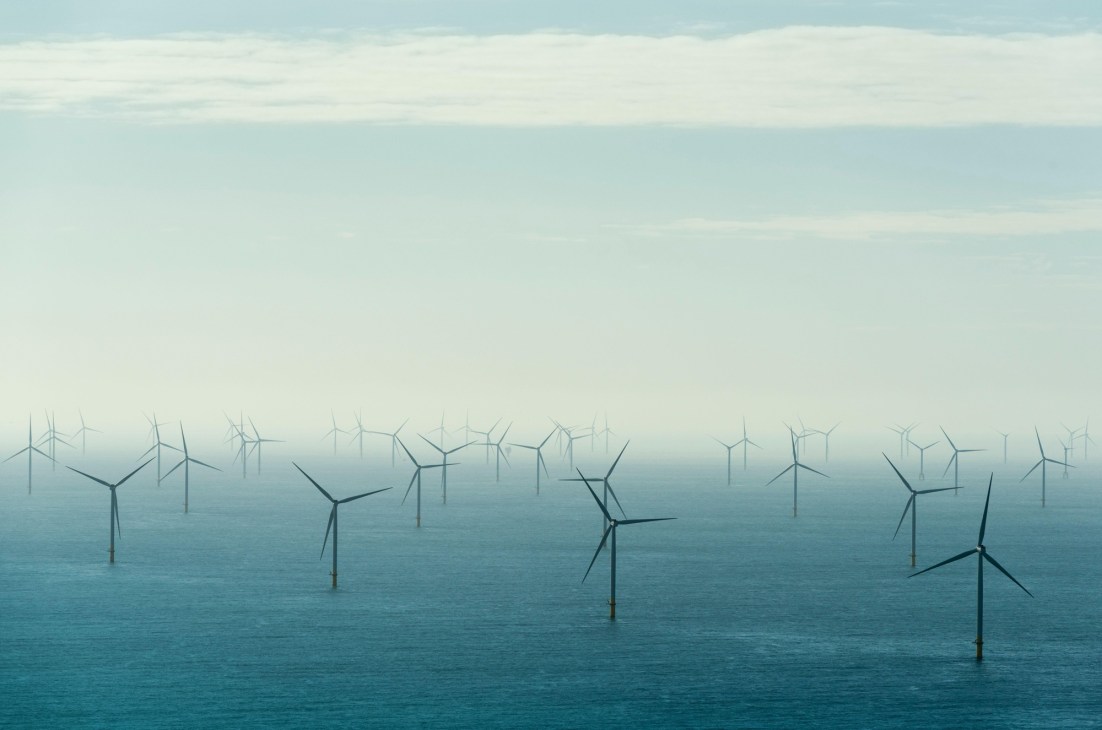
Europe’s governments have for years eliminated other energy sources. Germany committed to power down its nuclear plants after the Fukushima disaster. Much of the continent has moved away from carbon-intensive coal; oil and its products are following. But Western leaders have viewed natural gas – with its lower emissions, its abundance in the North Sea and its reliability versus intermittent renewable energy – as a “bridge” between the dirty fuels of the past and a future of majestic wind farms and clean energy storage. The governments of Europe can ease their dependence on Russian energy but the options are limited.
First is to accelerate new renewable energy projects to lower their dependence on fossil fuels. That will take time. Second, as the CEO of a major global pipeline company recently told me, would be adding more gas storage. Whether for natural gas or the hydrogen we may use in the future, this is a viable choice that would allow Europe more breathing space. For now, though, trying to cobble together a patchwork of other sources of gas looks like one of the few policies open to the continent’s hamstrung governments.
Energy infrastructure has been a key bellwether of Europe’s shifting geopolitical sands since Putin sent in the tanks. The first days of the invasion saw a seismic shift in Germany’s economy-first relationship with Russia, as Berlin called a halt to the development of Nord Stream 2, a 1,230km pipeline that would allow Gazprom to deliver 110 billion cubic metres of natural gas a year under the Baltic Sea. By doing so, the recently inaugurated chancellor Olaf Scholz chose the sovereignty of Ukraine over Germany’s economic growth and his citizens’ purses.
A few days later, in the time it took to deliver a speech to the Bundestag, Scholz tore up decades of his country’s defence and foreign policies, announcing a massive increase in military spending that marked a shift from the caution shown to that point.
Will Europe choose cheap Russian gas or solidarity with Ukraine? If Germany, a country whose postwar direction has been founded on growth and pacifism, can make such a shift away from its own interests in the face of Russian aggression, maybe anyone can.
Wine – Turkey
Grape lengths
Umay Ceviker’s hunt for Turkey’s ancient grape varieties takes him to every corner of the country’s diverse landscape. “There are 185 wineries in Turkey, most of them working with just one or two non-native grape varieties,” says Ceviker who, in his spare time, founded the Yaban project to bring native grapes back into use.
Turkey boasts the world’s fifth-largest area under vine. At the turn of the 20th century, it produced 340 million litres of wine a year. But after the collapse of the Ottoman Empire in 1922, the Greeks of Anatolia, the region’s vintners, were deported and replaced with Muslims coming the other way. By 1924, Turkey produced just two million litres.
Many old vineyards were replaced with fruit trees, whose yields fetched higher prices. In the past 20 years, Turkey has lost the equivalent of the entire vineyard area of Australia. The country’s low wine consumption, coupled with high alcohol taxes, doesn’t help.
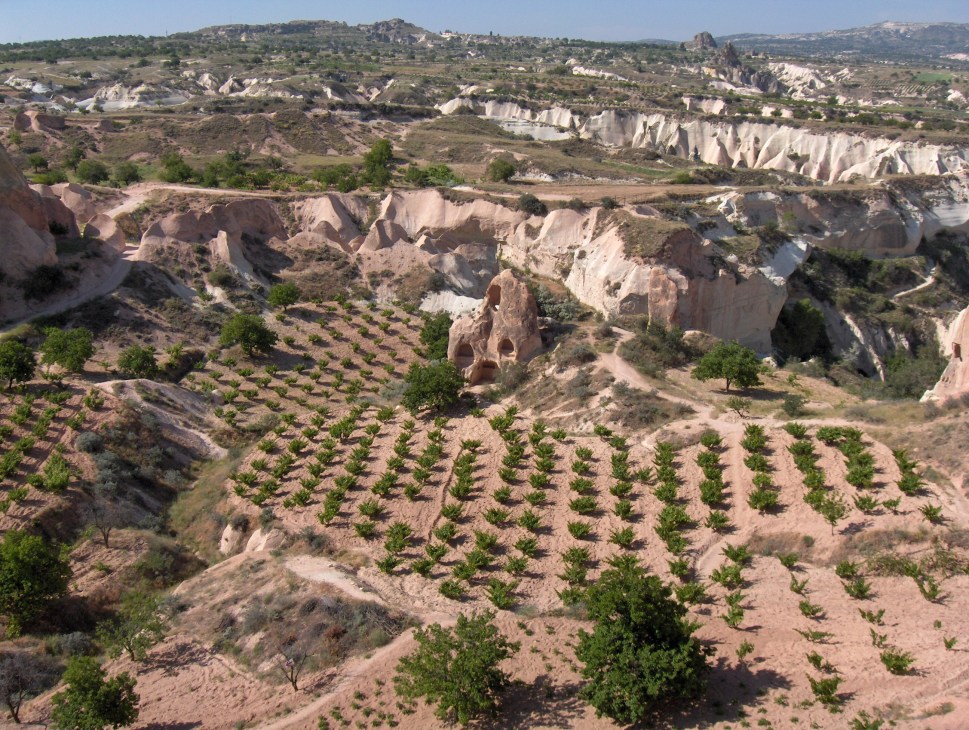
In conservative Anatolia, Ceviker persuaded a farmer to sell his sungurlu grape crop by offering him a higher price than the raisin factories. Close to Gallipoli, Ceviker bought a vineyard that was about to be destroyed to make way for apple trees. Production is small-scale: 2,000 bottles in 2019, rising to 5,000 last year. This year, Ceviker hopes to turn a profit for the first time.
Levon Bagis, Ceviker’s partner in the Yaban project, sells their produce to Foxy, a food and wine bar he runs in Istanbul. “For a long time we forgot our wine culture, but we did not lose it,” he says.
Images: Getty Images, Shutterstock, Alamy, Mura Yanki
Affairs
Security – Munich
The world’s safety net
In February the Munich Security Conference took place just days before Russia attacked Ukraine (writes Richard Heydarian). Although the international order would be turned upside down almost as soon as the last diplomat left the venue, the Hotel Bayerischer Hof, much of what was discussed still seems significant – perhaps even more so. Here are three takeaways from the world’s largest security conference.
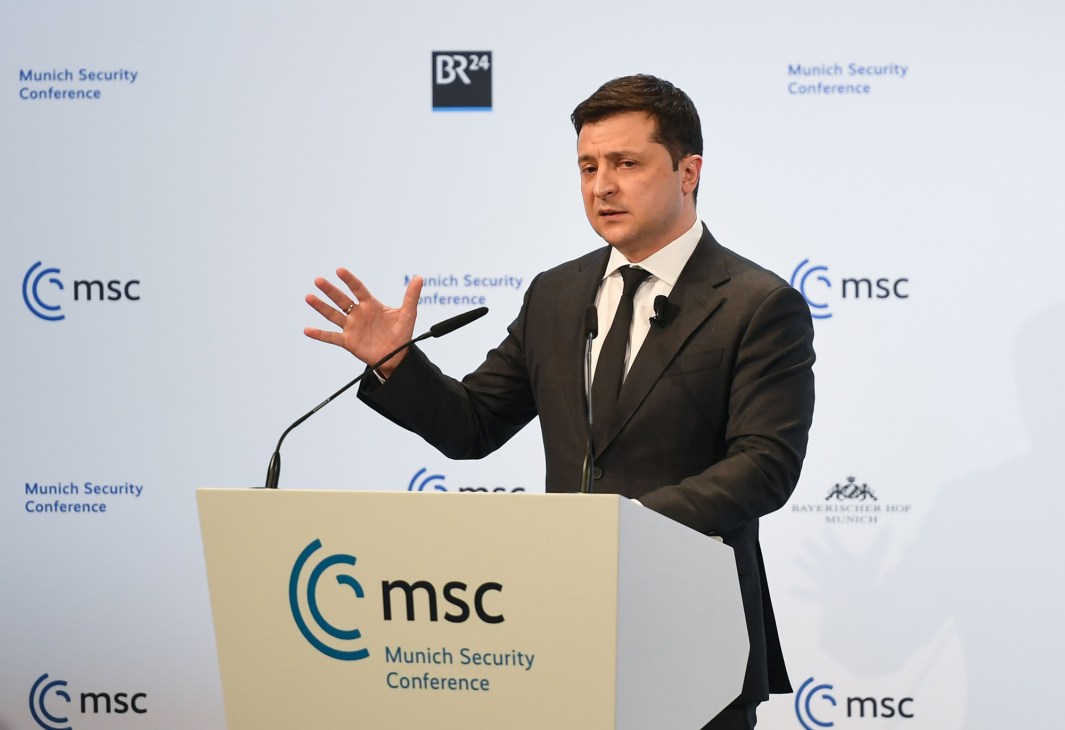
The road to Kyiv
The most gripping speech was delivered by Ukrain’s president Volodymyr Zelensky, whose composure and resolve would set the tone for his response to the Russian invasion. Despite the rhetoric on stage, participants still believed that political sanity would prevail. Just days later, they faced a rude awakening as Moscow eviscerated Europe’s post-cold war security architecture.
China’s olive branch
Wang Yi, China’s foreign minister, dialled in to strike a surprisingly conciliatory tone, given that Xi Jinping and Vladimir Putin have signed an agreement codifying a new anti-Western axis. Crucially, he maintained that the territorial integrity of all nations should be respected – and that “Ukraine is no exception”.
Optimism over Iran
Talk of the West’s relationship with Iran was more sanguine, a recognition that they had bigger fish to fry. Amid optimism over the impending restoration of the 2015 nuclear deal, Iran’s foreign minister Hossein Amirabdollahian said that Tehran is looking for a “good deal”.
Politics – Global
News in brief
1.
In for a penny…
East Africa
The East African Community, made up of Burundi, Kenya, Rwanda, South Sudan, Tanzania and Uganda, has voted in favour of a currency union. This will bring their fiscal policy, payment systems and accounting practices into line, which will benefit the economy and decrease conflict. The name of the currency has yet to be chosen; one of the candidates is the shilling, giving this modern proposal an old-world flavour.
2.
Forty years on
Falkland Islands
Saturday 2 April marks 40 years since the start of the Falklands War. The 74-day conflict was fought between Argentina and the UK in 1982 after the former invaded the Falkland Islands (known as Las Islas Malvinas by the Argentinians), an archipelago in the South Atlantic Ocean 480km east of Patagonia. The anniversary will be commemorated with a number of events in the UK and on the islands, though the latter will be difficult to attend as Argentina has pressured its South American neighbours to ban all flights from the continent.
Comment
Hong Kong
Expat exodus
James Chambers, Monocle’s Hong Kong bureau chief, on the expat exodus from the pandemic-frozen island.
Amazon is currently filming a series about expats, starring Nicole Kidman as an American in Hong Kong. Expats is set in 2016, a gilded age of unbridled press freedom and non-violent protests. Many viewers will be eager to see how the show tackles the political landscape at that time, before the city changed beyond recognition. The same can also be said about the depiction of expat lifestyle in Hong Kong, which has gone from regular travel around the region to panic-buying hummus at Marks & Spencer.
The pandemic has upended everything about being a foreigner in Hong Kong, where visitors continue to be locked out and returning residents are still subject to lengthy hotel quarantines. Being away from home is, of course, a part of the job but resilience has worn thin as extended families are kept apart. Last September the mask of stoicism slipped completely when Kidman was granted a special exemption to film on location and ended up fleeing the city after drawing the wrath of angry residents.
As successful as Hong Kong’s “zero-Covid” strategy has been in the past, its future as an international hub is now in doubt. The intransigence of the government – despite vaccines, a milder variant and the rest of Asia starting to reopen – is pushing the city’s expat community towards the door far sooner than any fears or reservations they may have about Beijing’s ongoing political crackdown.
Business sentiment is “desperate”, according to Frederik Gollum, chairman of the European Chamber of Commerce in Hong Kong, whose membership is mostly made up of regional head offices. “Companies have moved beyond consideration and we are seeing top executives relocating to other places,” he says, singling out travel as a major pain point. “As much as we try to see the positive elements in Hong Kong, a lot of this is overshadowed by the pure fact that we are stuck.”
Summer is usually a time when Hong Kong’s expats return to Europe or the US for an extended holiday. After two years of flight bans, this season’s annual migration could see a large proportion of departures end up being permanent. Headhunters are preparing for a mass exodus, just as soon as bankers get their bonuses and senior executives get their children out of international schools. By the time Expats hits the screens, a large chunk of Hong Kong’s international community may well be watching the drama from Singapore, reminiscing about the good old days and reaching for a box of tissues. Any eventual return will depend on what is left of the city they leave behind.
Writing off Hong Kong in the past has proven to be a mistake. Still, there is a feeling that life after the pandemic will be a lot less international. Foreign companies will keep offices here but staff will primarily serve the Chinese market; mainland talent will flow in and speaking Mandarin, rather than English, will become even more important. Fewer opportunities for the next generation of foreigners means that it’s unlikely that Expats will enjoy a second season.
Defence – Global
Patron saint
In the basket: FGM-148 Javelin anti-tank missile launchers
Who’s receiving: Ukraine
Who’s sending: USA and others
Price: Donated
Delivery date: Ongoing
The US-made Javelin is a potent tank destroyer with a “fire and forget” infrared guidance system that buys its operator time to seek cover after launch. A delivery of 300 Javelins from the US shortly after Russia’s invasion of Ukraine began has been backed up by further donations from the UK, Estonia and Germany, among others. The Javelin has become the emblematic weapon of Ukraine’s resistance. A cartoon image of a khaki-clad Mary Magdalene cradling one of the weapons has become a popular icon and fundraising merchandise motif, colloquially known as St Javelin of Ukraine.
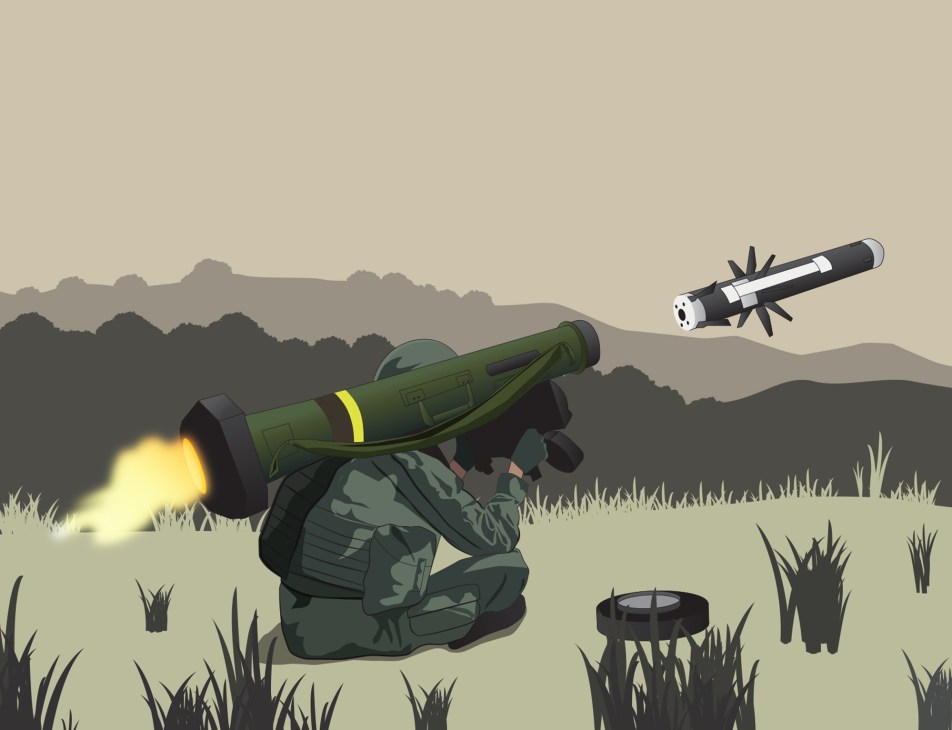
Soft Power Icon
Tank Man
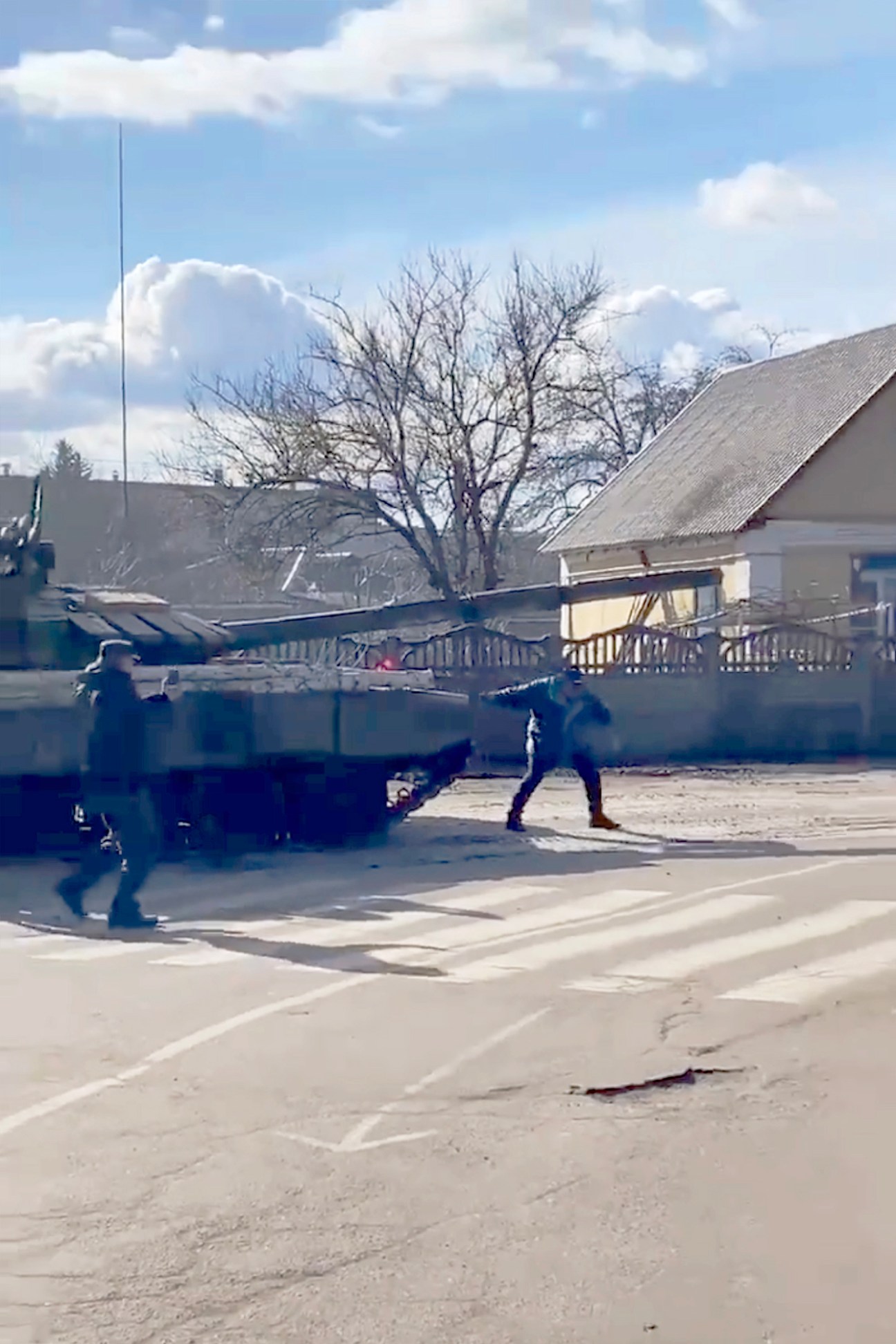
National images are often forged in war: the British “Blitz spirit” and the French resistance fighter are continually evoked to signify their countries’ stoicism and audacity. Running corollary to this, a single image sometimes comes to define a conflict. The napalm-spattered child fleeing an airstrike symbolises the folly of the US war in Vietnam; concentration camp prisoners huddled behind barbed wire provide an enduring record of Nazi brutality.
Now that images can be produced and disseminated almost instantly, their power is more salient. On the third day of Russia’s invasion of Ukraine, a man tried to block tanks outside the town of Bakhmach by standing in their way. Video of this act went viral, with the figure dubbed “Tank Man”, a reference to a similar scene in Tiananmen Square in 1989.
As with the Tiananmen Tank Man, Ukrainian Tank Man remains anonymous. But even if he is unmasked, his name is inconsequential. Like the Unknown Soldier, he is everyone, anyone and no one. He is how Ukraine wants to be seen and how it is being seen.
The sight of Russians rolling into the country calls to mind a sketch by UK comedians Mitchell and Webb, in which an SS officer asks another, “Are we the baddies?” It’s funny because the Second World War was perhaps history’s most Manichean conflict, with the Nazis serving as the ultimate bad guys. Today, Russia is irrefutably on the wrong side. Meanwhile, Ukrainian identity is being reaffirmed by its people’s bravery, embodied in Tank Man. In the end his image might prove a more potent weapon than any number of armoured vehicles.
The Foreign Desk
Andrew Mueller on…
Learning from history
In 1965 the Soviet Union declared Kyiv a “Hero City”, an honour bestowed in recognition of its valour while defending the USSR from Nazi Germany. Early in the current invasion of Ukraine, the country’s unlikely president, Volodymyr Zelensky, invoked the Hero City title in an address to the Russian people. It was both a plea for solidarity and a vow of Ukraine’s determination to defend itself.
In the past few weeks, as in all wars, combatants have deployed history as a weapon. Russia has espoused an interpretation of it that denies Ukrainian nationhood. All onlookers will refer to history, attempting to make sense of what has occurred and figure out what will happen next.
None of the portents is encouraging, at least in the short-term. Russia’s seizure of Crimea and parts of the Donbas region in 2014 was broadly comparable to Germany’s annexation of the Sudetenland from Czechoslovakia in 1938, a purported reintegration of beleaguered ethnic brethren stranded on the wrong side of a border. The recent expedition further into Ukraine could be more akin to Iraq’s invasion of Kuwait in 1990: hubristic overreach by an isolated tyrant who underestimated the consequences and overestimated his nation’s military.
We might witness at least one repeat of the mid-1990s siege of Sarajevo, a monstrosity perpetrated by aggressors with a fraction of Russia’s strength, which nevertheless smouldered in the heart of Europe for four years. If we refer to more recent Russian internal affairs, we are forced to recall the demolition of the Chechen capital, Grozny, and its rebuilding in the image of a Kremlin-friendly warlord. And we can only hope that we don’t get a sequel to the Cuban missile crisis of 1962.
The swift, cohesive diplomatic response from the EU and wider world suggests a pent-up frustration with Russia’s refusal to become an affable European nation. But if history should have taught us anything, it is the folly of indulging tyrants and their regimes – as Putin’s Russia has been indulged, through both misguided pragmatism and outright greed. Much of what is being done to repudiate Russia would have been a reasonable response to its 2018 distribution of a nerve agent around a small city in Wiltshire in a chaotic attempt to kill former Russian intelligence officer and UK double agent Sergei Skripal. When tyrants get away with something, they don’t stop there.
Kyiv’s Hero City designation was commemorated with a 43 metre-tall obelisk. It’s still there in Victory Square. The optimal outcome now is that there is cause to erect a companion monument sooner rather than later.
Mueller hosts ‘The Foreign Desk’ on Monocle 24.
The Agenda
Comment – Ukraine
Shifting sands
Mark Galeotti on how Putin’s invasion of Ukraine and the world’s response to it are reshaping the world order.
As far as Vladimir Putin is concerned, strong nations dictate terms to weaker ones, while truly great powers have spheres of influence and as much freedom of manoeuvre as they can assert. Putin’s policies are not driven by any overarching ideology, just personal and national interest.
His decision to invade Ukraine has generated frantic commentary as to whether the international order has been irreparably broken. But the truth is that it is constantly being broken and then reassembled in a slightly different shape. If anything, one could argue that this invasion is actually the geopolitics of the 19th century clashing with those of the late 20th. And from it a proper 21st-century order may begin to emerge.
Putin’s attack was a further and even more flagrant breach of the 1994 Budapest memorandum – a deal Ukraine, Belarus and Kazakhstan signed with Russia, the US and UK (pictured). They surrendered Soviet nuclear weapons still on their soil in return for assurances against any threat, use of force or infringement of their sovereignty. Ukraine wasn’t really giving anything up; although in theory it had the world’s third-largest nuclear weapons stockpile, it could not afford to maintain them. Nonetheless, the memorandum was hailed as a step forward in global nuclear-arms control. However, the agreement was arguably the product of a disappearing age, in which threats were of a materiel nature and a handful of nuclear powers could determine the fates of nations. In the 21st century, military force remains one of the key indices of national power but it is far less dominant than before. This is not simply a question of whether it has the same effect in an era in which national wealth is measured more by ingenuity and intangible services than territory and physical resources; it is also about whether even authoritarian rulers can afford to spend blood and money quite so recklessly.
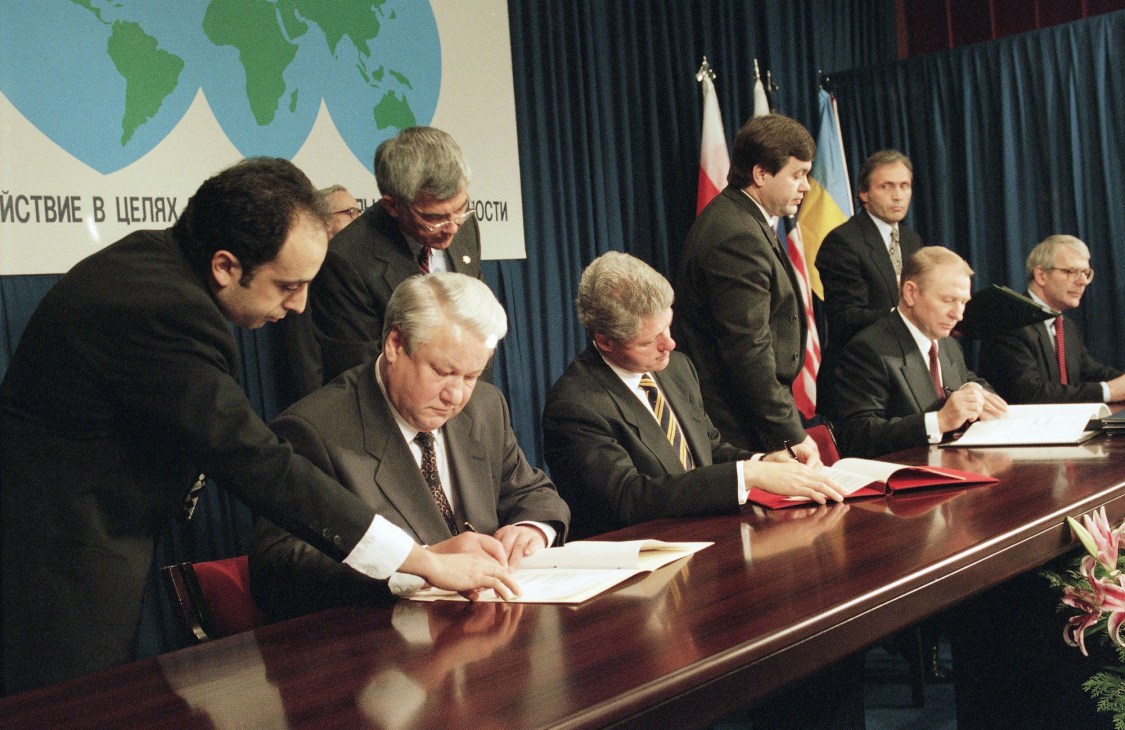
The unfolding array of Western sanctions has demonstrated the power of economic warfare, just as Kyiv is showing the value of soft power forged the hard way. The spectacle of Ukrainian women preparing Molotov cocktails and the country’s president, Volodymyr Zelensky, rejecting the American offer of evacuation with the eminently meme-able reply, “I need ammunition, not a ride,” have all helped galvanise the international response.
Power is also more diffuse. Whatever the strength of the US economy, for example, the efficacy of the Western response is that it united not just London, New York and Frankfurt but Taipei, Tokyo and Canberra too.
Many of the new threats do not lend themselves to the 20th-century instruments of treaties and formal blocs. When you can’t prove a cyber attack’s origins, how can you enforce a ban? When security partners such as France and the UK can unite against Russian aggression, even while one threatens to cut off power to the other, how can we rely on blocs for anything but the most existential of threats?
The response to the invasion of Ukraine points to a new, postmodern approach to security, in which alliances will be supplemented by ad-hoc coalitions in response to specific threats, broad-spectrum asymmetric responses, and a renewed emphasis on what could be called the etiquette of international relations.
The 19th century was an era of raw geopolitics and alliances of convenience. The First World War revealed its limitations. The Second World War and cold war were framed by blocs and treaties. But Putin’s willingness to ignore the Budapest memorandum and assume the collective West would be indecisive and fragmented is ushering in a new world order. While the UK and US have a legal obligation to support Ukraine, other nations are joining in because of a moral obligation. This could be the start of something new.
Galeotti is the Principal Director of Mayak Intelligence and author of ‘The Weaponisation of Everything: A Field Guide to the New Way of War’.
Image: Shutterstock