Issues
Growing pains
1.
Reasons to be cheerful
Social values

Writer
Ben Page
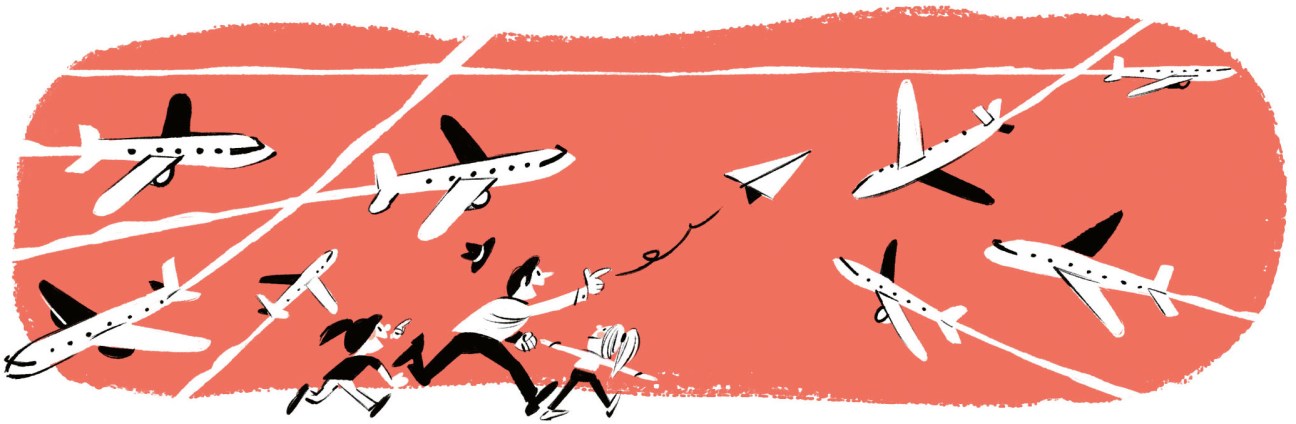
The world has become a much smaller place over the course of Monocle’s lifetime. Air travel boomed: passenger flights rose from 2.4 billion in 2007 to 4.5 billion in 2019. In other ways, though, the planet has become more divided and disconnected.
The past 15 years have witnessed the decline of the “Weird” (Western, educated, industrialised, rich and democratic) countries driving the global economy. The number of liberal democratic countries fell from a peak of 45 in 2010 to 37 in 2019. Autocracies are, for the first time since 2001, in the majority.
Optimism has also become a dividing line between East and West. Europeans and Americans have generally become more pessimistic. Only 12 per cent of the British expected their children to be poorer than them in 2003; by 2019 this had risen to 45 per cent. Stagnant incomes and growing property prices are to thank for this massive psychological shift, which is the case in much of the West. In 2021 some 47 per cent of young people under 25 said they would prefer to have been growing up when their parents were young.
In contrast, Asians see the future very differently, with dramatic improvements in living standards this century. More than 407 million people across China and India moved out of poverty between 2010 and 2021, and the growth of the global middle class has been more concentrated in Asia than elsewhere.
But there are some things that unite us, including a global desire to slow down the pace of our lives. In France this has risen from 46 per cent to 66 per cent since 2007, and in China from 73 per cent to 89 per cent. There has also been a growing awareness of climate change: in 2007 it was supported by science but there was only the beginning of concerted action. The past decade has seen public opinion wake up to the threat, with its catastrophic risk being one of the few things that more than 80 per cent agree on. This has driven a push to decarbonisation in energy production and travel, and towards more sustainability in what we eat: plant-based substitutes for milk have shot up and even McDonald’s introduced plant-based burgers in 2021. Four out of 10 of the rising number of vegans say that they are avoiding animal products because of climate change.
And, wherever we live, we have plenty of reasons to be cheerful. Global life expectancy has generally risen: for example, from 57 to 64 in Africa over this period. The world has become more tolerant in its social values overall, despite political instability. It is better to be an ethnic minority, gay or female at the end of this period than the start. Many countries have introduced gay marriage, and businesses and governments have moved to act on gender pay gaps, even though, at current progress, real gender equality will take 136 years to be fully realised globally.
Finally, the youth of 2022 are simply “better” than previous generations. They drink and smoke less, are better educated, work harder and are less violent overall. So while uncertainty abounds, the world in 2022 is a better place than in 2007. —
About the writer:
Page is chief executive of research company Ipsos Mori.
2.
Shocks and scares
Shifts in the global economy
Writer
Vicky Pryce
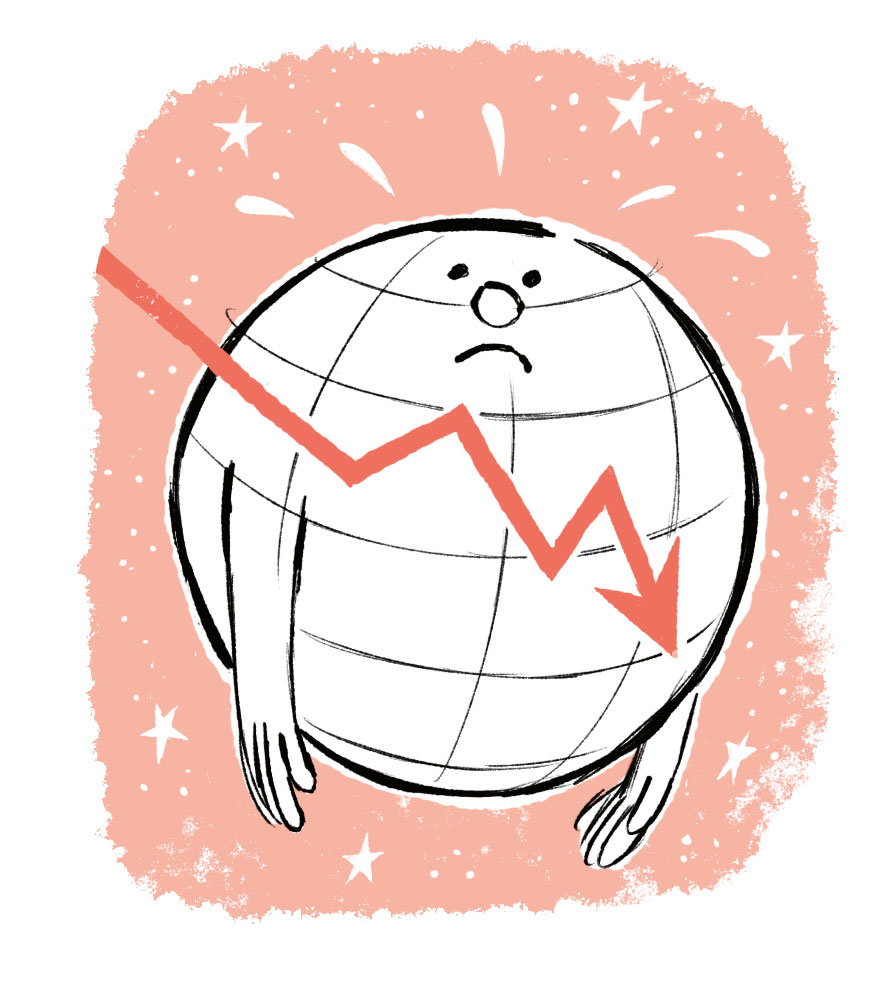
Where we were economically in early 2020, before the pandemic, was still being shaped by the 2008 financial crisis. When coronavirus emerged, Italy’s economy was still below pre-financial crisis levels, average wages in the UK had only just got back to 2010 levels after years of austerity and Greece’s big annual drops in GDP and employment levels were only just being reversed. Many global health systems were already under stress from a lack of investment. However painful the pandemic has been, at least it has reversed economic thinking.
Sometimes I wonder how much easier things would have been for many countries steeped in austerity if the pandemic had come first. But, before getting to that, it is worth remembering that 2007 was another good year of growth and, generally speaking, all was well with the world. Most former Eastern European countries had joined the EU, Russia’s Crimean inroads had not yet happened, the euro was becoming a new reserve currency and globalisation was doing its job: deepening China’s integration into the world capitalist system, helping move people out of poverty and keeping prices low.
The financial crisis changed all that. As the world economy almost came crashing down, central banks and the world supervisory authorities sprang into co-ordinated action, restoring order but at a huge loss. While interest rates were slashed and money pumped into the economy through quantitative easing (QE), state spending was cut and the lending needed for growth was constrained. The years of austerity that followed left a deep mark.
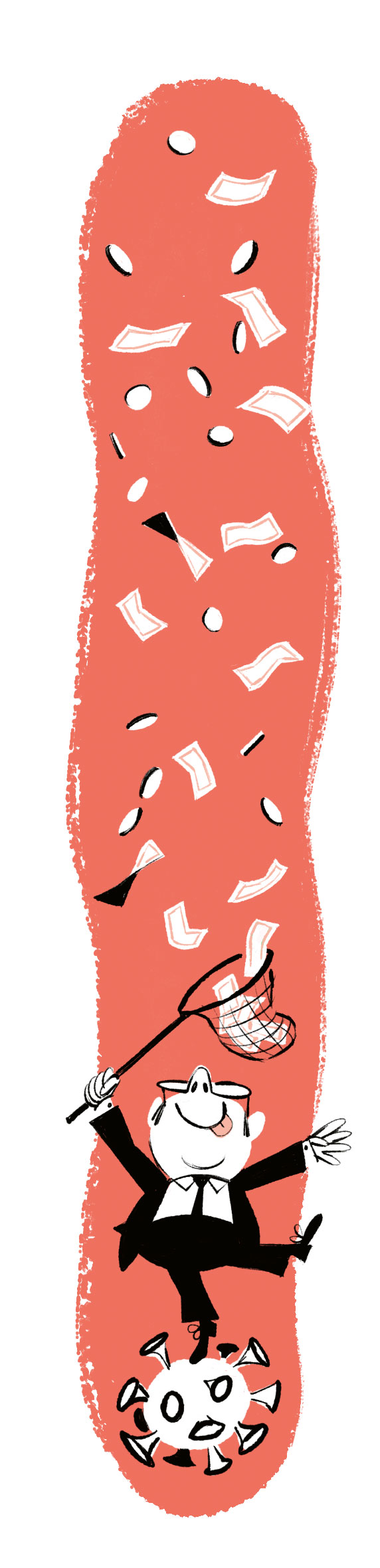
Even the survival of the euro came under threat. Countries such as Greece, Portugal, Ireland and Cyprus had to be bailed out while meeting the requirements of the eurozone’s stringent Stability and Growth Pact (SGP). Italy and Spain also faced problems borrowing in the capital markets and had to be supported by the intervention of the then-head of the European Central Bank (ECB), Mario Draghi, who said he would do whatever was needed to save the euro. One of the ECB‘s main interest rates was cut to below zero in 2014 in an attempt to encourage banks to lend and deal with what looked like entrenched deflation in some countries. It remains negative today.
So what about now? Interest rates are down to even lower levels than before, there has been massive new QE and national debt levels have risen steeply again. But capital markets seem to be more relaxed this time, having rethought what sustainable debt levels might be. Global financial institutions, like the World Bank and International Monetary Fund, are lending their support and encouraging countries to not withdraw their stimulus too soon. The eurozone has suspended the sgp. Despite inflation picking up sharply to 30-year highs, developed countries’ interest rates have so far hardly budged. And extra fiscal stimulus is coming into the system rather than being withdrawn just as economies are bouncing back. It is now accepted that much rebuilding needs to be done.
The post-pandemic period is unlikely to be marked by the austerity of the previous decade. But the future is not all rosy: low interest rates are increasing inequality, favouring the asset-rich at the expense of the asset-poor; a lot rests on how work will be done in the future and the effect of automation; geopolitical tensions are adding to the rise in gas and oil prices; and the transition to net-zero carbon emissions is likely to be tumultuous and expensive. The world is now even more interconnected. I wonder what the rise in fintech and the mega cross-border M&A deals may mean for economic stability ahead.
About the writer:
Pryce is chief economic adviser and board member at the Centre for Economics and Business Research, and former joint head of the UK Government Economic Service.
3.
Genre benders
Music industry
Writer
Robert Bound
As the first issues of Monocle went to press 15 years ago, the music industry was reshaping itself quicker than Beyonce’s outfit changes at the 2016 Super Bowl. Madonna quit Warner Music to sign with concert promoter Live Nation and Radiohead bypassed EMI to self-release a “pay-what-you-like” album online. CDs went from accounting for 90 per cent of sales in 1999 to just 4 per cent last year.

Live music was to become the musical money-spinner and mega-touring became the norm. Festivals grew like mushrooms, magic or otherwise, in a summer glade.
While execs fretted about formats, pop did what pop does and shot like lava down a hillside. Hip-hop grew back its political balls: Beyonce’s “Formation” was a rousing chorus to racial injustice, crowned by that Super Bowl show where her backing dancers dressed as Black Panthers before forming Malcolm’s “X”. Meaning was back and the world was proud to shed real tears for David Bowie and Prince.
Pure-pop reached its apogee in South Korea. BTS broke hearts and records, Blackpink became an international brand and Psy got the world to dance “Gangnam Style” – just ask Barack Obama. You felt that even Adele and J Balvin, despite really ruling the world, were missing a trick by shunning choreography.
Indie-pop was embodied by Ed Sheeran, who might have gone to prep school in Suffolk but sang for his own supper in railway stations and – vitally – on Youtube. He was also genre-agnostic, collaborating with hip-hop artists like Example and Wiley. Millions followed, who liked songs but were perplexed by genres. Lil Nas X released “Old Town Road” in 2018, a country-rap earworm with a video that featured Billy Ray Cyrus in a pink suit on guest vocals and the young, black, gay Nas as a rapping cowboy. It spent a record-breaking 19 weeks at the top of the Billboard Hot 100. Execs stopped making notes and just switched on the radio again, happy for someone else to do the choosing.
About the writer:
Bound presents ‘Monocle on Culture’ and edited Monocle’s culture pages for more than a decade.
4.
Tangled web
The rise of social media
Writer
Josh Cowls
In early 2007, Google had just purchased nascent video-sharing site Youtube for the sizeable sum of $1.65bn, non-students had finally been allowed to join a hip college social network called Facebook and, unless you lived in northern California, tweeting was something done by birds not people. Several billion tweets, likes and views later, these and a handful of other social media platforms now hold a commanding position in the social lives of at least half of humanity. The sense of social media’s omnipresence was reinforced by other technological advances sparked 15 years ago. The release of Apple’s first iPhone and Google’s rival phone-operating system, Android, in 2007 would eventually put a camera, a media player and a location tracker in billions of pockets and purses.
The story of social media over the past 15 years is not simply one of staggering growth, soaring profits, or aggressive acquisitions such as those that brought younger start-ups such as Instagram and Whatsapp under the Facebook umbrella (now called Meta). Social media has ushered in a phenomenal flourishing of sociality, unmatched in human history. Keeping in touch with distant friends used to mean expensive phone calls or onerous letter-writing; no longer. The average person’s views on politics used to be confined to the dinner table or the bar, not to a potential audience of millions. Social media platforms have served as lifelines for victims of natural disasters and as organising tools for dissidents in oppressive regimes. And that’s before mentioning the coronavirus pandemic, during which social media has helped to soothe social distancing. Yet while social media’s incredible growth has fostered extraordinary new possibilities for human connection and creativity, it has also enabled – and even unwittingly incentivised – a 21st-century resurgence of extremism, disinformation, surveillance and many other ills. All these changes have brought with them new social norms, and even a new lexicon (from “tagging” and “trending” to “ghosting” and “unfriending”), to help make sense of it all. But for all the many changes wrought by 15 years of social media, it’s possible to boil much of it down to a few words: personalisation, permanence and politics.
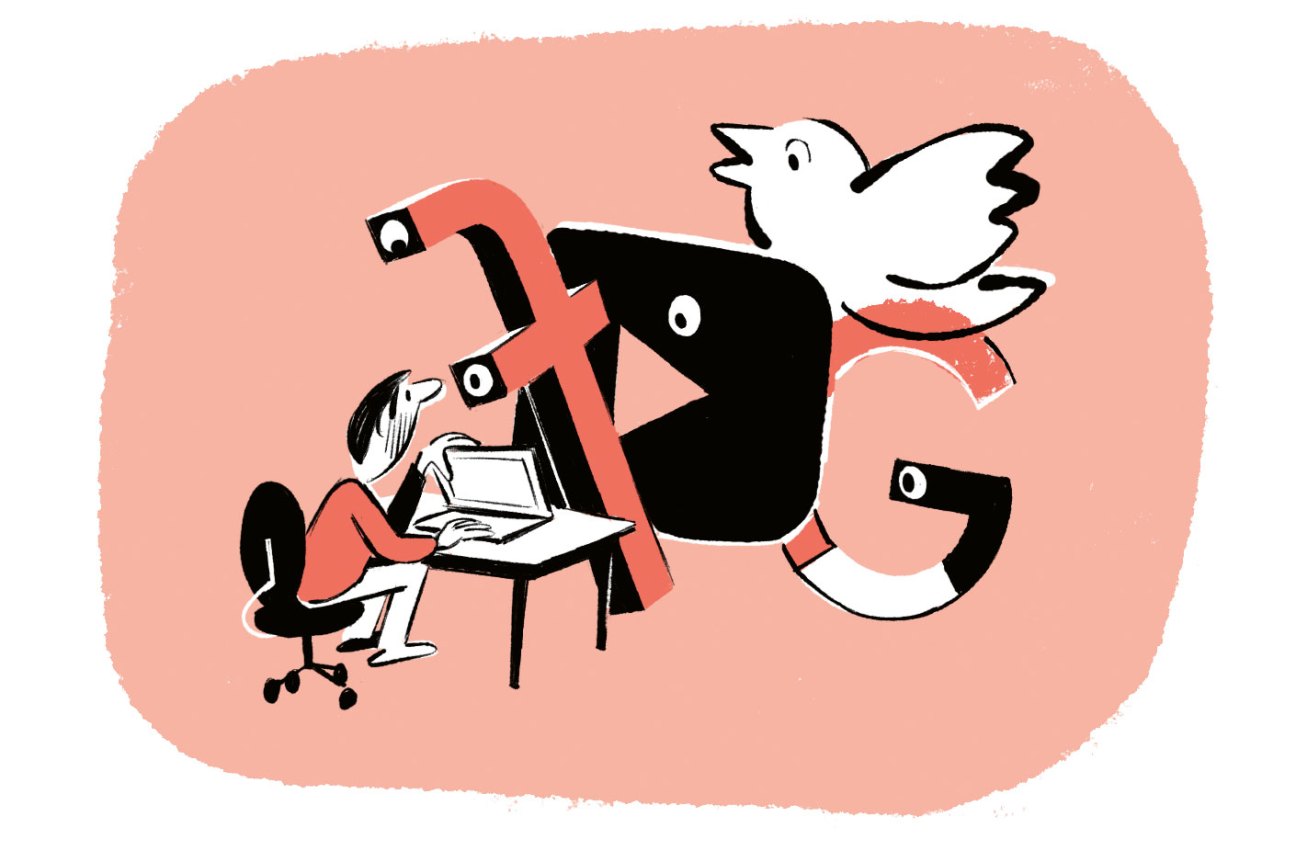
Helping people to connect, create and collaborate drew a stampede of early users to social media but not, initially, much profit. Social media companies had to make money somehow, both to cover the costs of ever-growing data storage and futuristic office facilities, and to recoup enormous venture-capital investment. The answer was to act as a middleman between a company looking to sell its product and a user who, between sharing a status update and commenting on a friend’s photo, might consider buying it. Compared with advertising hoardings or the classifieds section of a newspaper, the significant edge that social media companies exploited was personalisation; increasingly intimate knowledge of users’ preferences, beliefs and activities enabled incredibly fine-grained matching of product to person. Add to this the development of complex algorithmic recommendation systems, which harnessed cutting-edge machine-learning techniques to anticipate what users might want to see next, and social media companies had stumbled on the formula for the most potent advertising model ever created. The proof was in the profits, which were used to fund even more data crunching, further acquisitions and no small amount of marketing and lobbying.

However, this personalisation model has brought with it steep social costs. The huge stores of personal data collected by social media sites aren’t just a prime target for hackers but stymie prospective competitors, who lack such a wealth of data. Vulnerable users are put at risk of exploitation, exclusion or extremism. The sheer volume of content and communication – some of it abusive, misleading or outright dangerous – overwhelms the contract workers tasked with “moderating” it. Perhaps most significant of all, the overriding corporate necessity of keeping people on platforms, and maximising the amount of time they spend on them each day, has led social media companies to adopt increasingly aggressive, often invasive tactics. Companies such as Facebook cast an ever-wider net to construct “shadow profiles” detailing the browsing habits of its users and even of non-users. Meanwhile, the recommendation algorithms deployed to retain users’ attention have “learned” to nudge individuals in the direction of increasingly extreme content, often optimising for the shocking, the frightening, the politically polarising or whatever else keeps a particular person tuned in. And the frictional “Fomo” (fear of missing out) that discourages users from switching platforms and losing friends further helps keep people logged on.
As well as exacerbating privacy risks, the shift of platforms like Facebook and Youtube from desktop sites to smartphone apps, as well as the creation of mobile-only apps such as Snapchat, Whatsapp and Instagram, meant it was now possible to never entirely log off. The expectation, only strengthened during the pandemic, that someone is “always on” and reachable whether they are at home, in school, at work or in transit might be a source of reassurance for some but it is burdensome for others. And giving everyone the ability to speak their mind to the whole world at any time might generate more heat than light, intensify ideological views and fuel so-called “cancel culture”.
Over the past five years the societal impact of the personal-data-driven profit model has finally caught up with social media companies, thrusting upon them the kind of political scrutiny that they managed to avoid in the previous decade. Competition agencies have taken a renewed interest in the control that a few companies exercise over the entire social media landscape. Events like the Cambridge Analytica scandal and the eventual removal of Donald Trump from Twitter and Facebook have meant that social media companies are no longer seen as neutral conduits for communication, but rather as self-interested profit maximisers and inherently political actors. A global “tech-lash” has inspired more muscular data protection in Europe, a Chinese government crackdown on its domestic technology sector, and bans on platforms like Tiktok and Twitter in countries including India and Nigeria. Even as their profits swell, today’s social media companies face a hostile regulatory landscape, user boycotts and sustained protests from their own employees. The next 15 years may feature far fewer likes and many more pokes.
About the writer:
Cowls is a technology writer and researcher based at the Oxford Internet Institute and a regular on Monocle 24’s ‘The Globalist’.
Class of its own
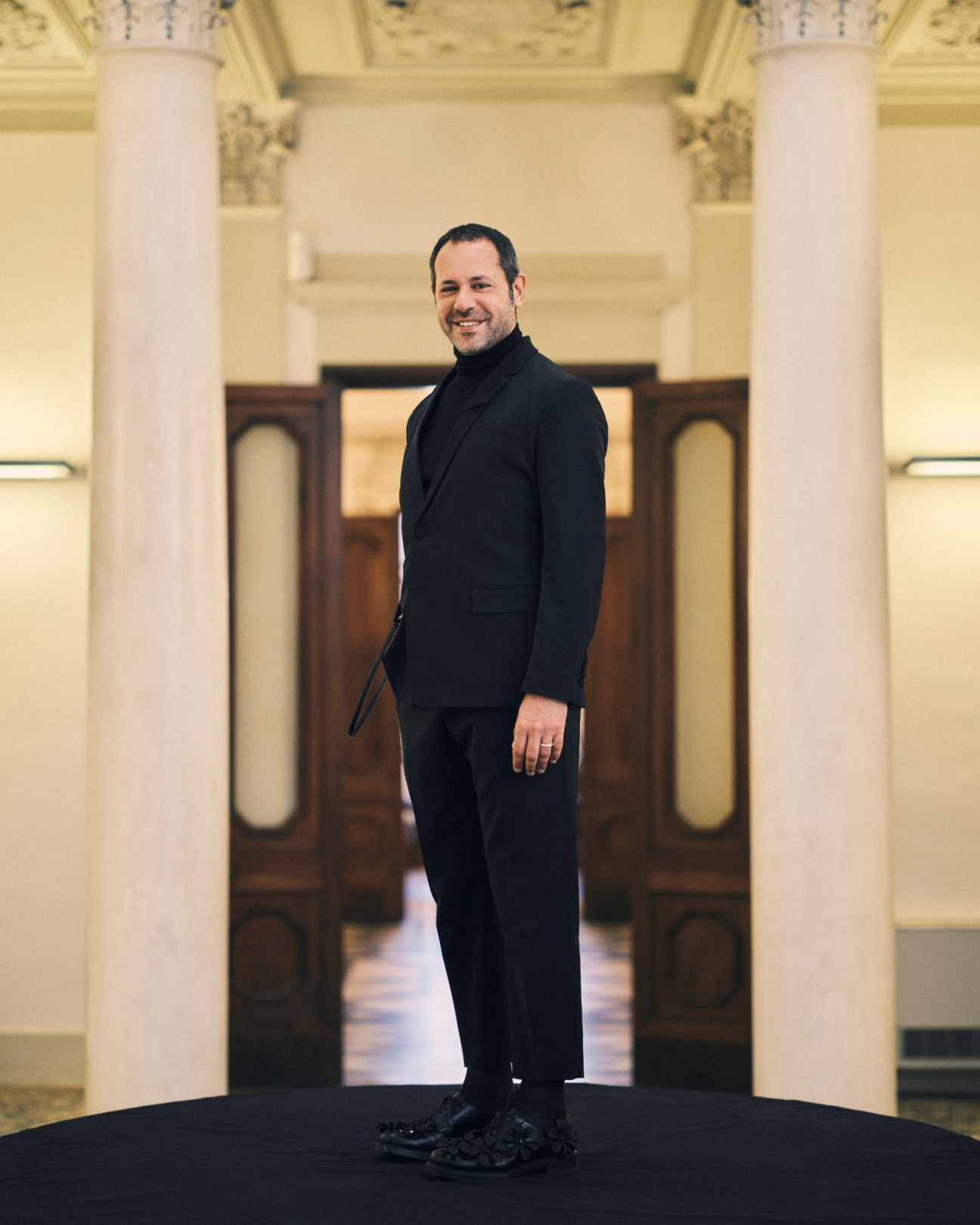
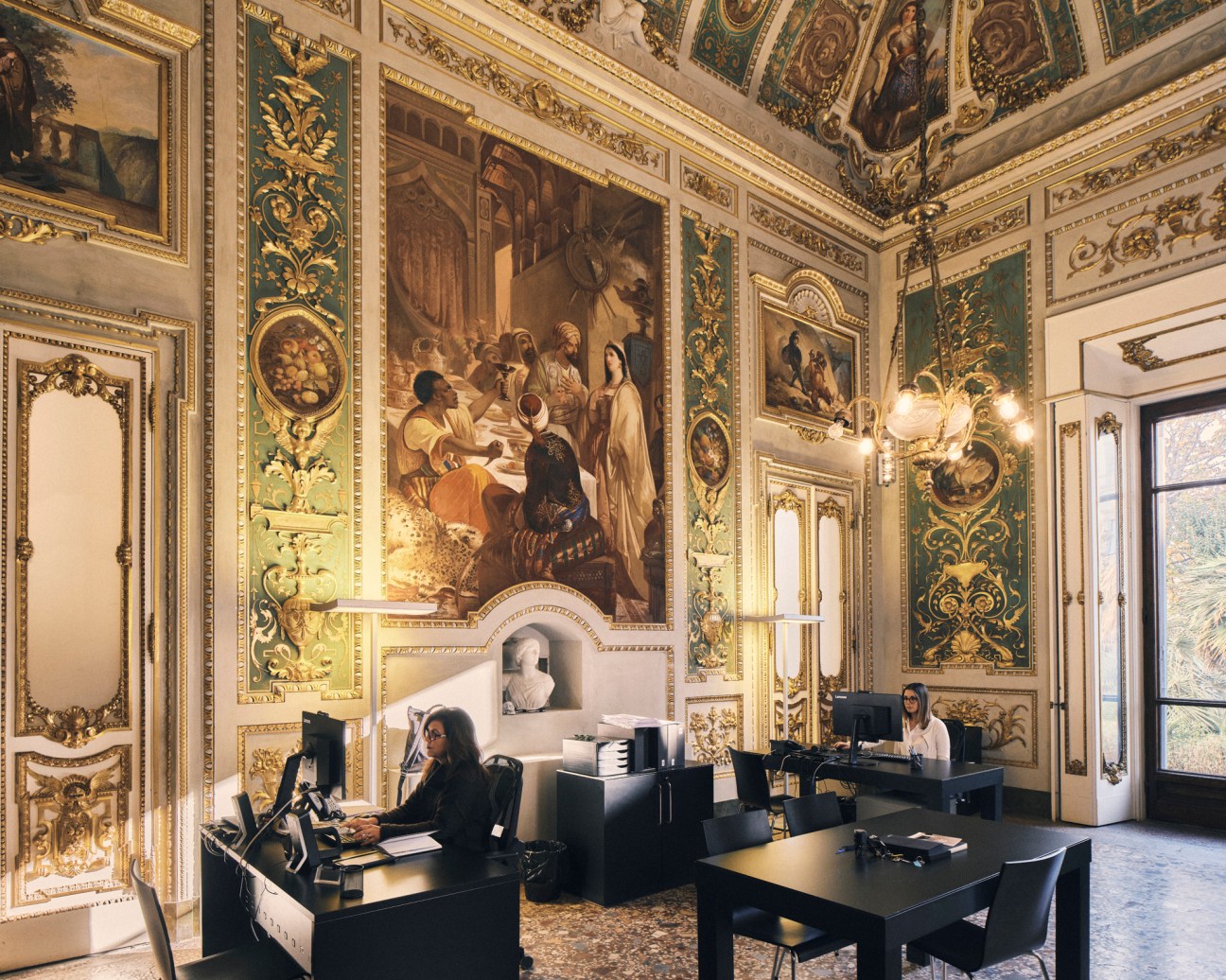
“Fashion school is the space where creative minds can run free,” says Massimiliano Giornetti, director of Florence’s Polimoda fashion college. “It’s where new ideas are spared the demands of the market and where mistakes can be made.” Dressed head-to-toe in Prada with a pair of oxfords sprouting leather flowers at the toes, his flamboyant style is somewhat outdone by his surroundings. His office is distinguished by a soaring ceiling exuberantly decorated with frescoed cherubs and gilded cornices. This location, Villa Favard, a 19th-century pleasure palace commissioned in Florence by a woman thought to have been a paramour of Napoleon iii, today serves as the heart of Polimoda. This is fashion school, Italian-style.
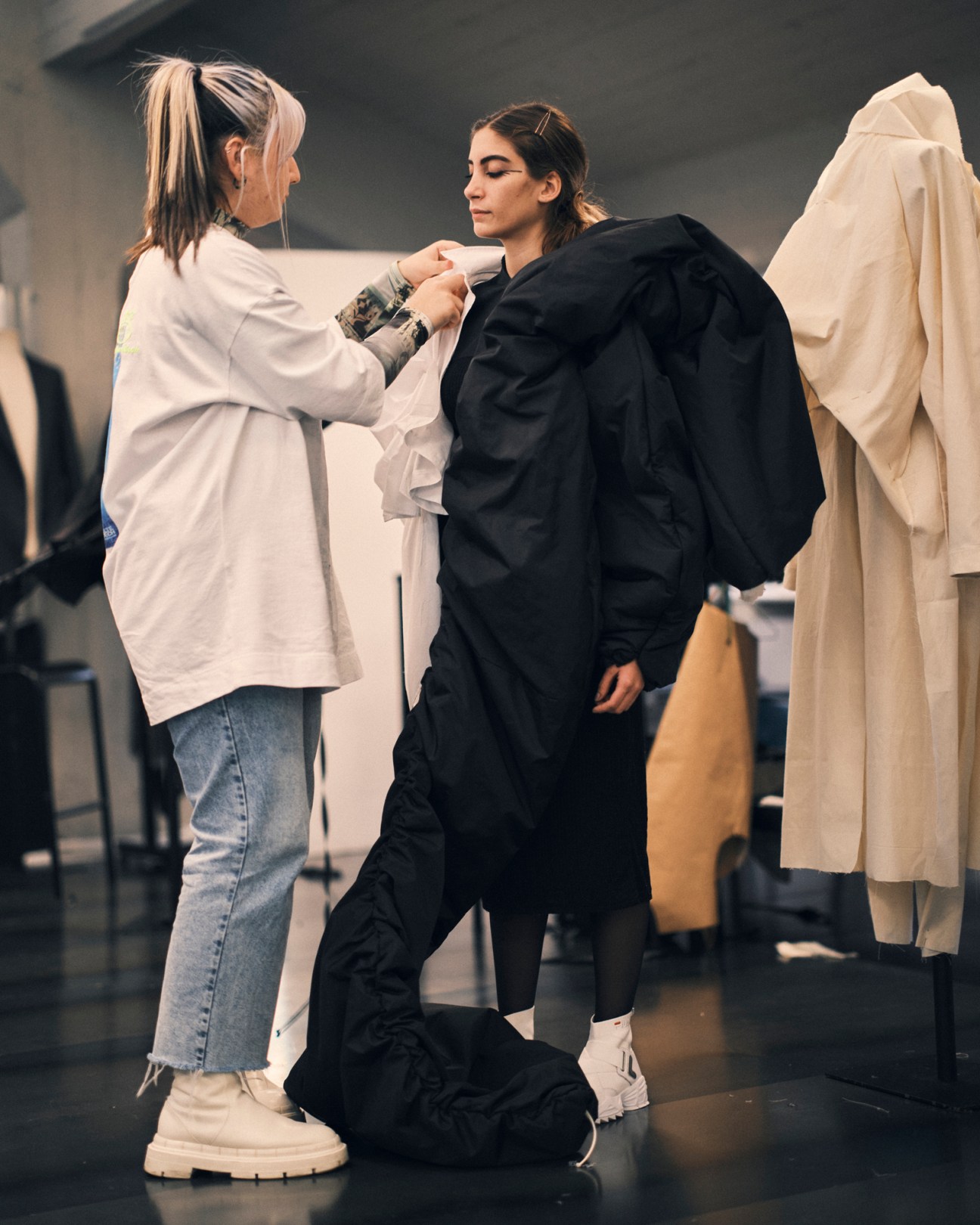
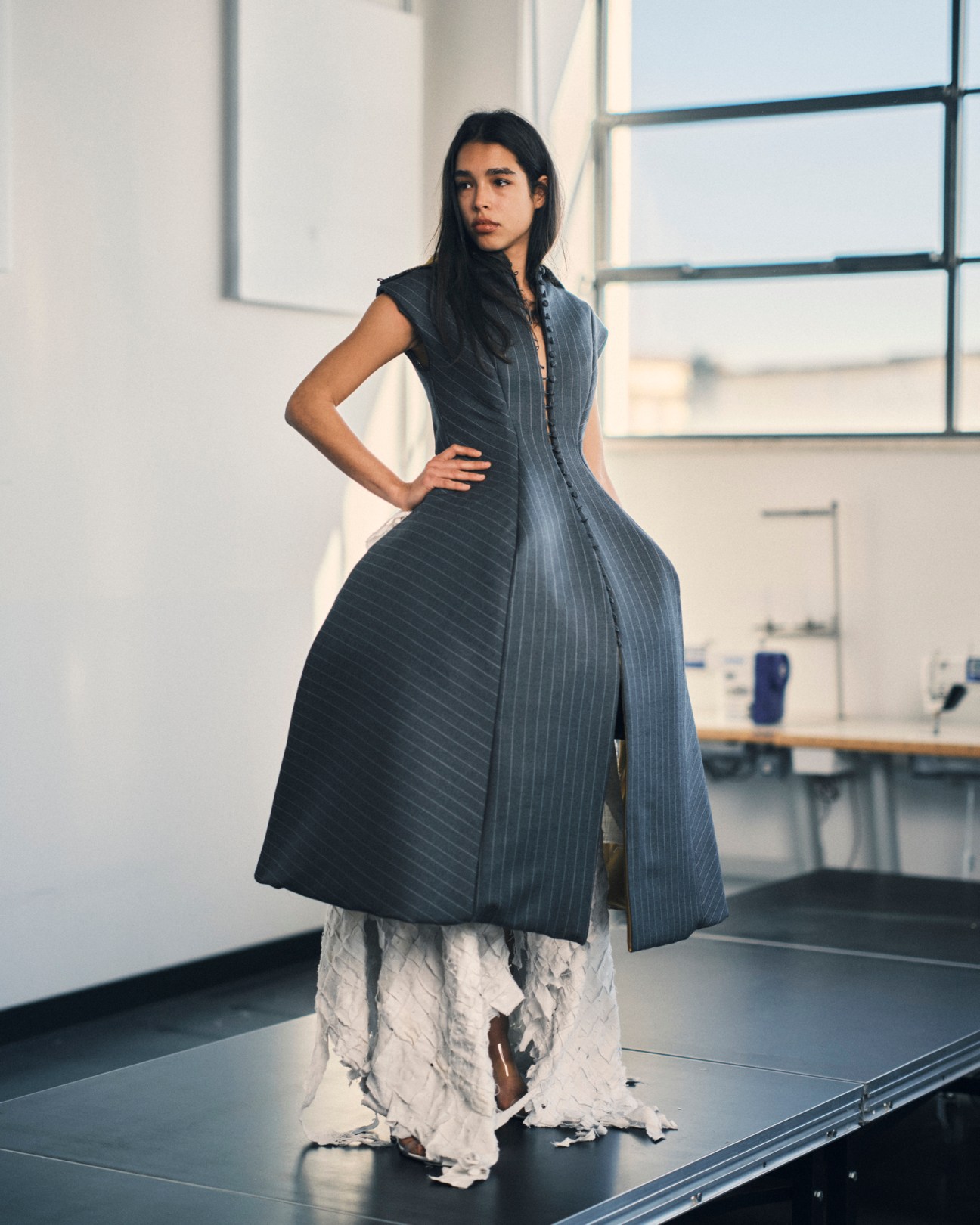
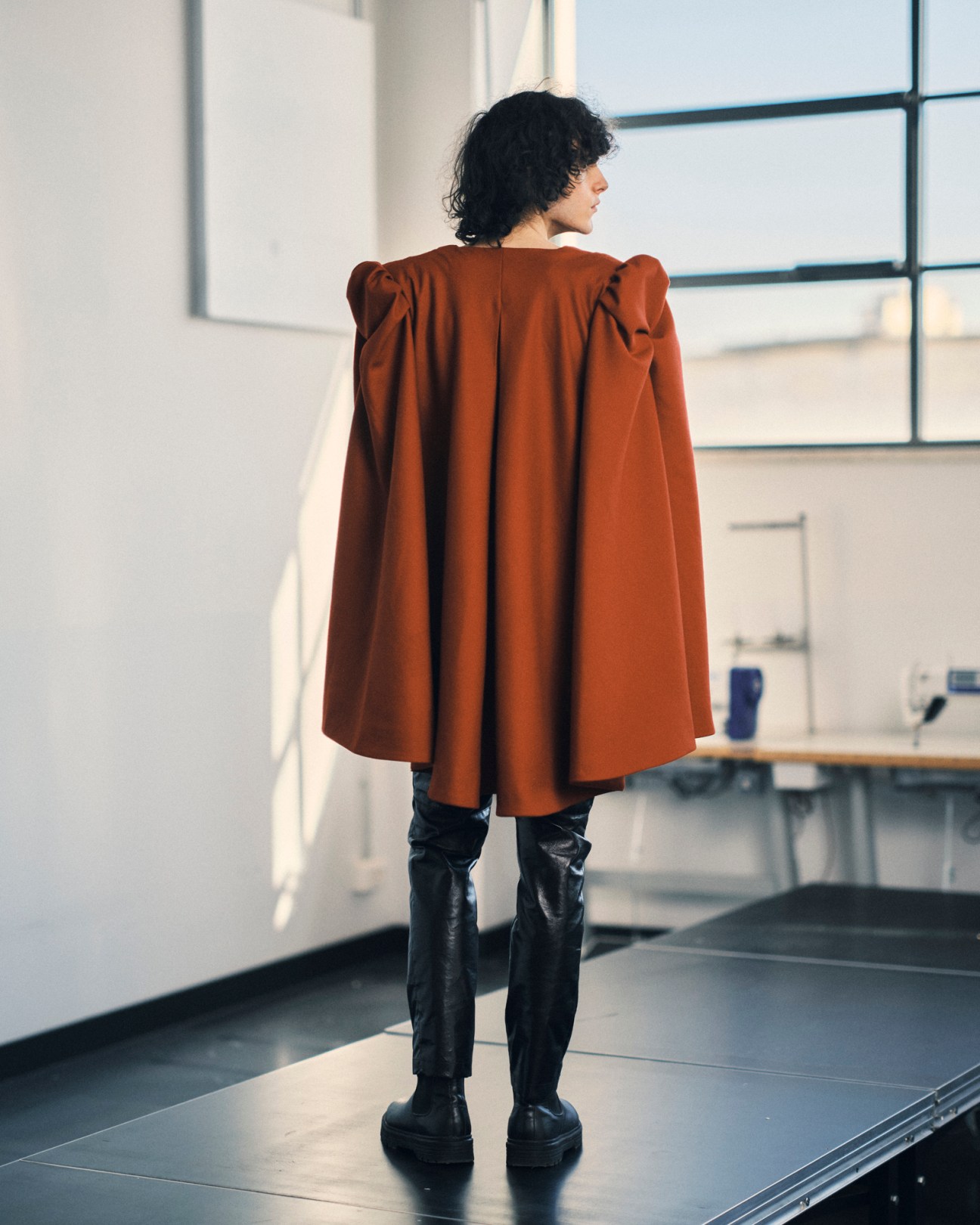
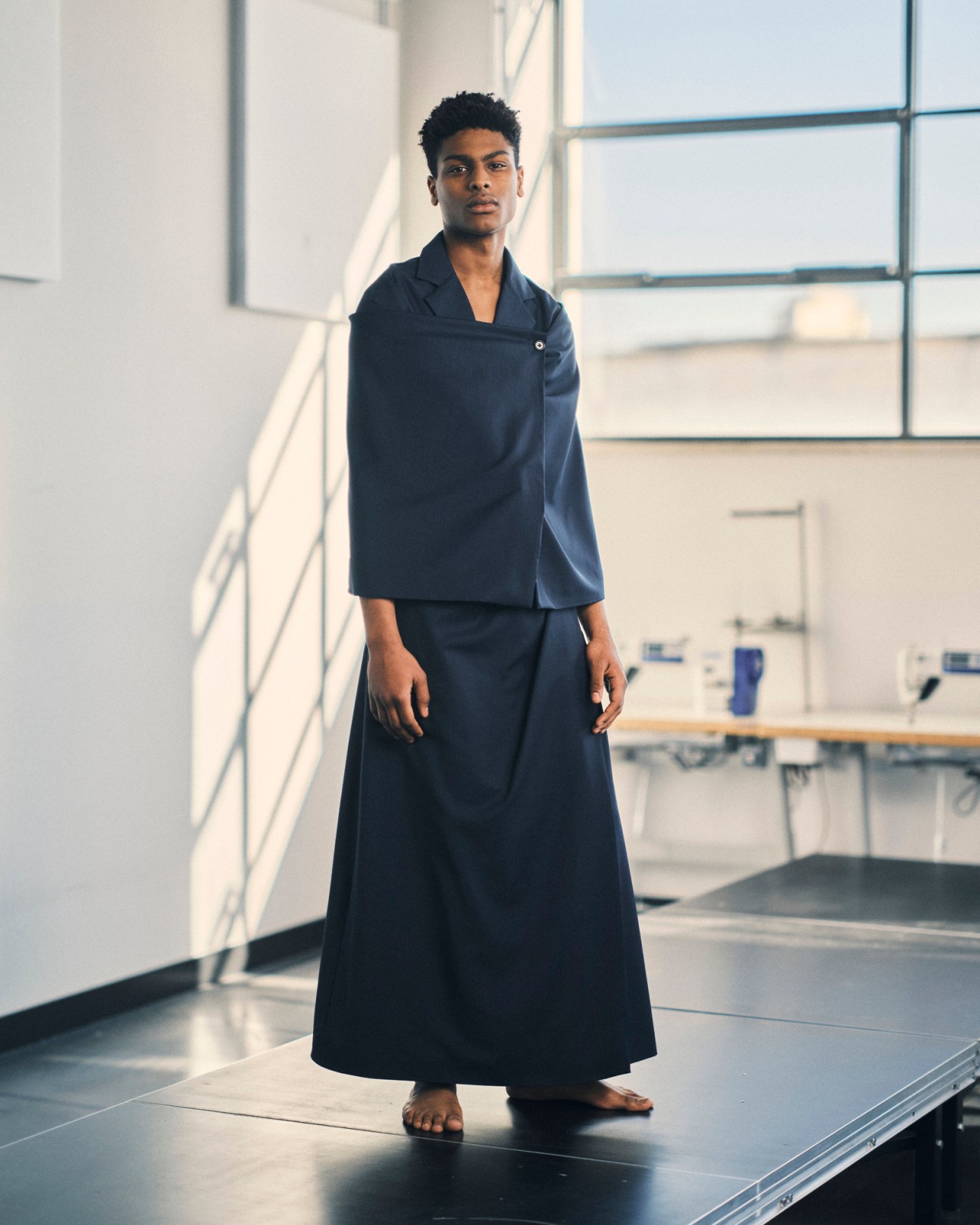
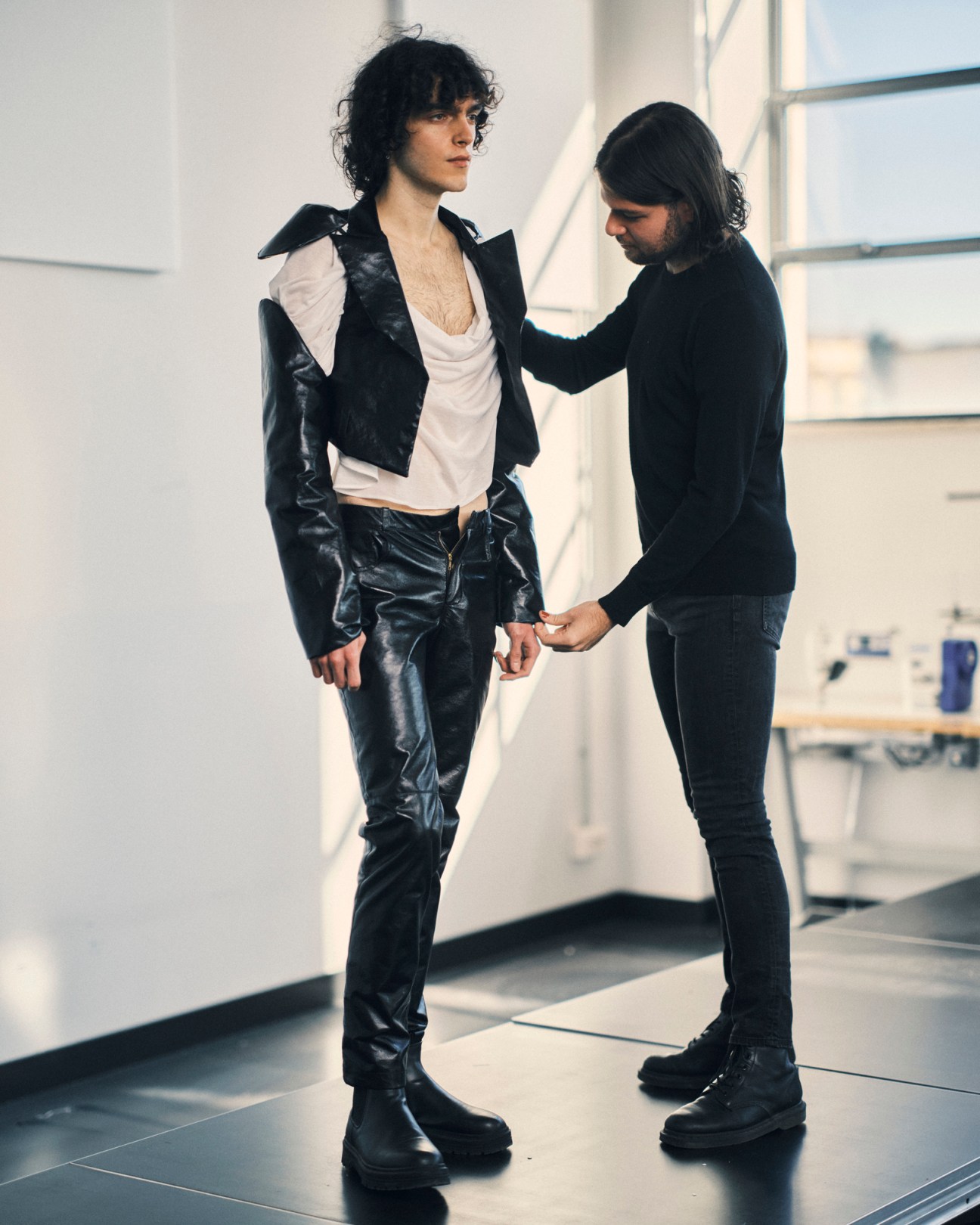
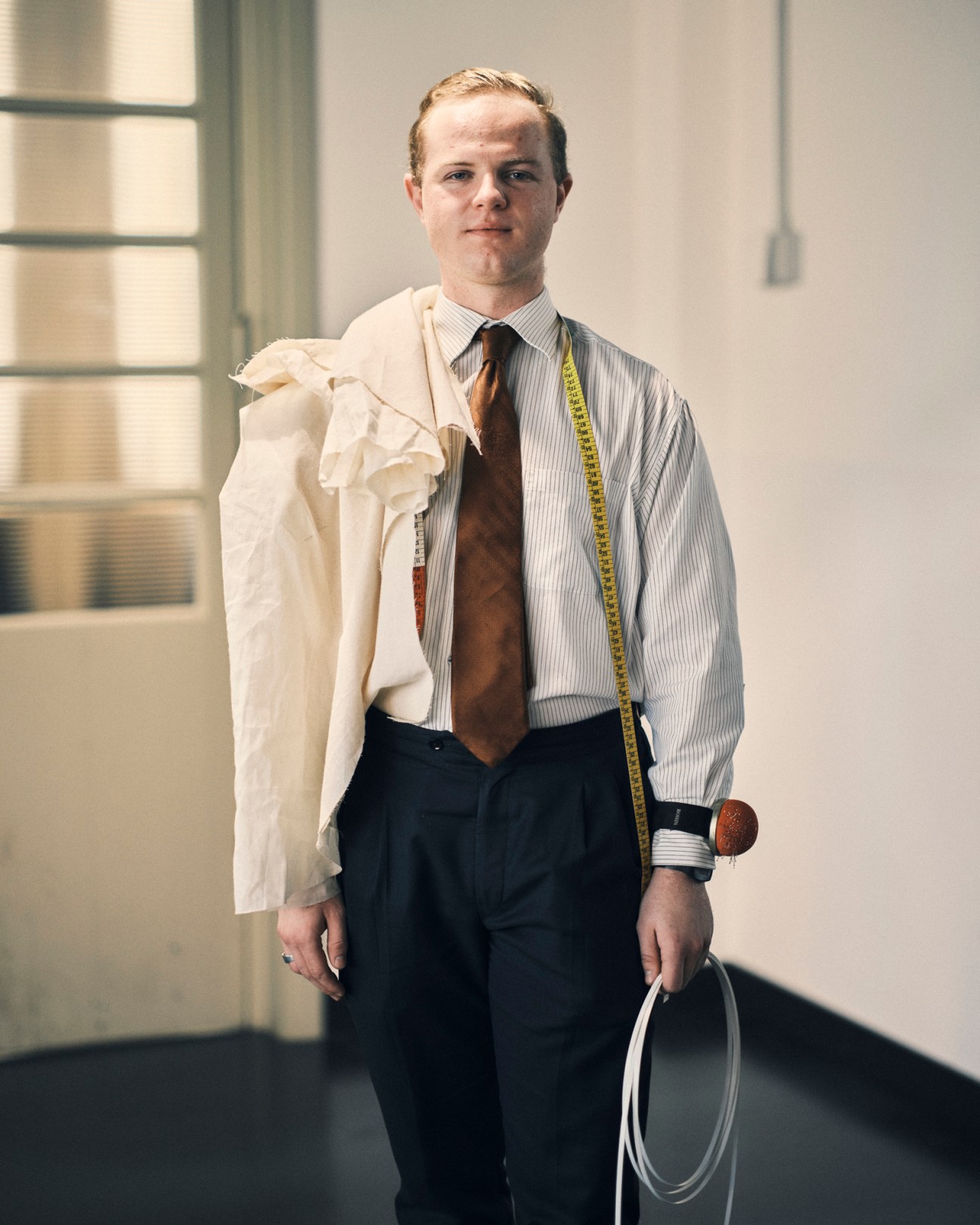
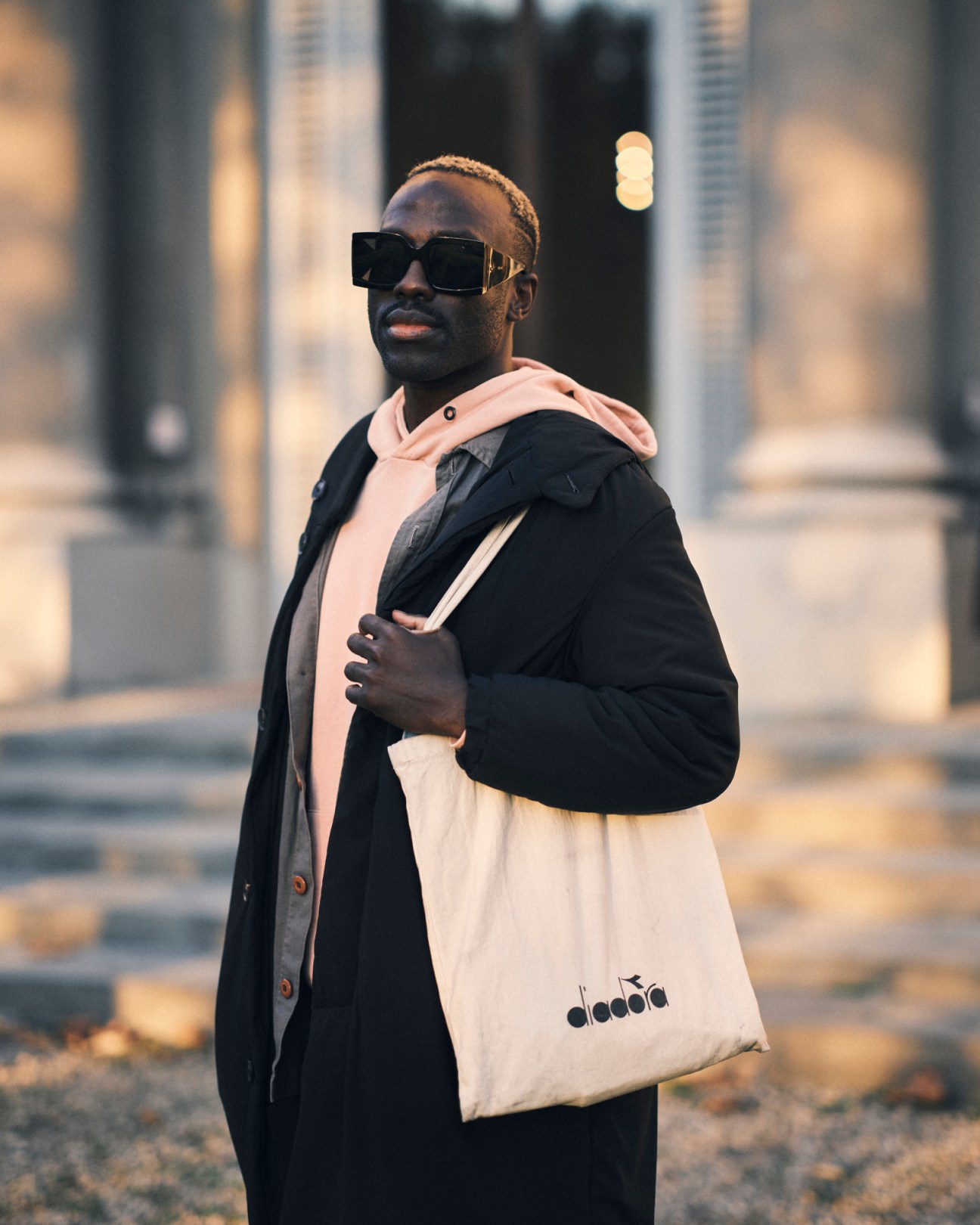
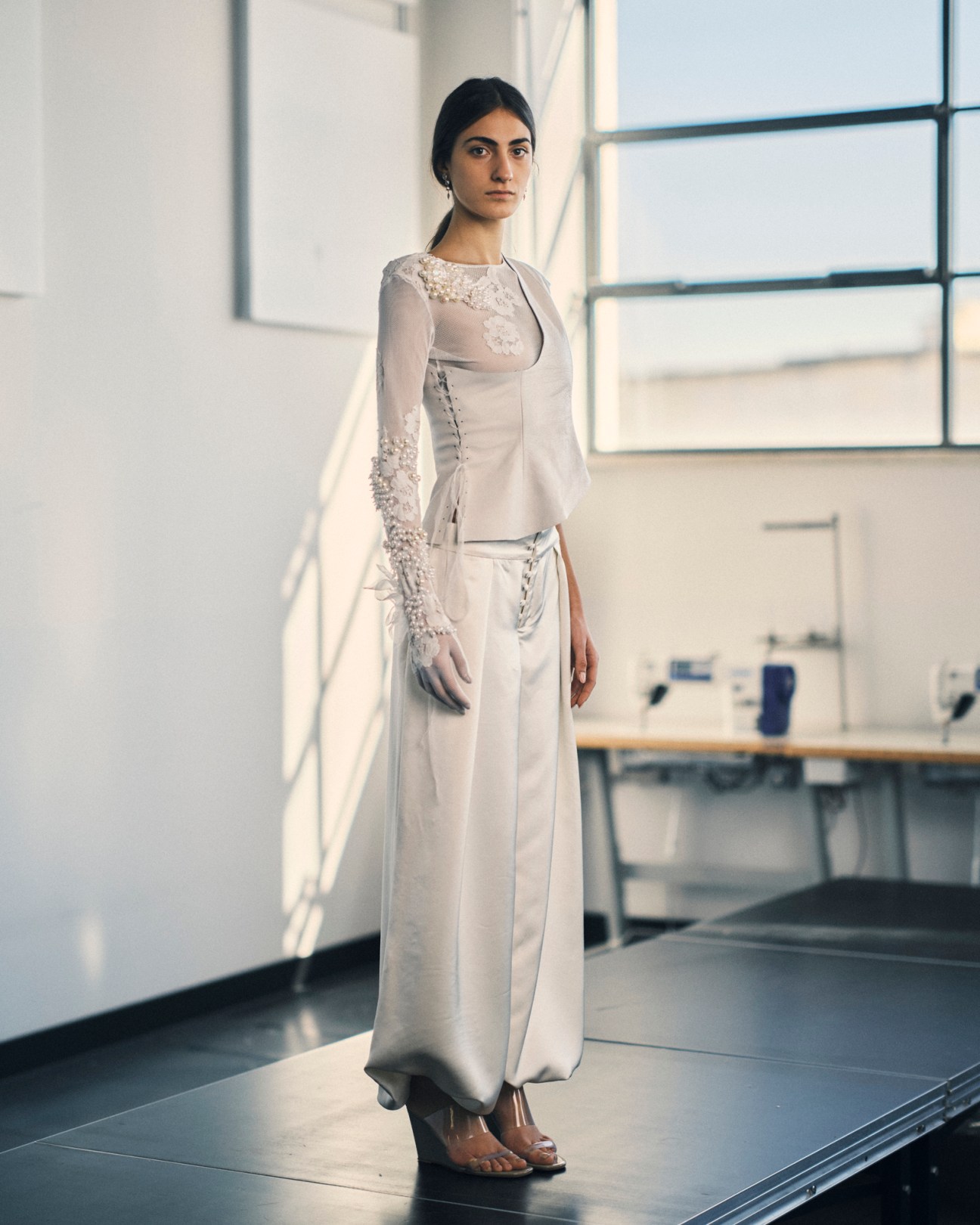
Giornetti, the creative director who made Salvatore Ferragamo a fashion headliner in the 2000s, took over the top job at Polimoda last year. An alumnus himself – and most recently its head of design – he has spearheaded an internal push towards creativity with appreciable results. “Fashion requires intuition and ability but also the nerve to break rules,” he says. His approach is quickly paying off. At Polimoda’s end-of-year runway show in 2021 the fashion industry reaction was highly positive. As one Vogue correspondent was overheard saying, “That was way better than [London’s] Central Saint Martins”, the ultimate accolade in style-school status.
Giornetti’s ascension is just one of the signals of a new age at Polimoda. While doubling down on the value of time-honoured craftsmanship, the curriculum is expanding to support an industry shifting its focus towards sustainability and material innovation. Last year Giornetti was joined by another pair of big international fashion names, An Vandevorst and Kris Van Assche. An interesting choice for the school, the Belgian designers’ work tends to represent a meditative and pared-down modernity that’s scarce in Italy’s lively and commercially driven design aesthetics.
So what attracts this kind of talent to these academic halls? “It was a good moment in my life to share my knowledge,” says Vandevorst, who closed her label AF Vandevorst in 2020. “It’s nice to see how these young designers are approaching things. Fashion is a bit upside down right now but they will be the ones to change it.” Not your average head of department – she is dressed in her own striking designs – she adds that she has confidence that Polimoda graduates will be part of an industry shake-up. “You can already see that after the glut of clothes and brands we’ve had, things are starting to become more focused,” she says.
Like Van Assche, Vandevorst is one of the marquee names to have come out of Antwerp and its Royal Academy of Fine Arts fashion school, along with the acclaimed Antwerp Six, which included Dries Van Noten and Ann Demeulemeester. Although Florence and Antwerp are similarly small cities with rich histories, fashion-wise they couldn’t be further apart. Florence remains staked to its past glories; Antwerp embodies postmodern cosmopolitanism. Traditionally their fashion institutions have diverged: Polimoda prioritised teaching students to sew and understand fashion from a maker’s and manufacturer’s point of view; the Royal Academy taught budding designers to think poetically. Yet the Polimoda education taking shape today offers a more balanced approach. A slew of new vocational and business courses (fashion writing, consumer behaviour, trend forecasting, e-commerce and more) that were added under previous leadership have rendered the institution wholly practical for future fashion professionals. Meanwhile, the school’s reputation for creativity has flourished.

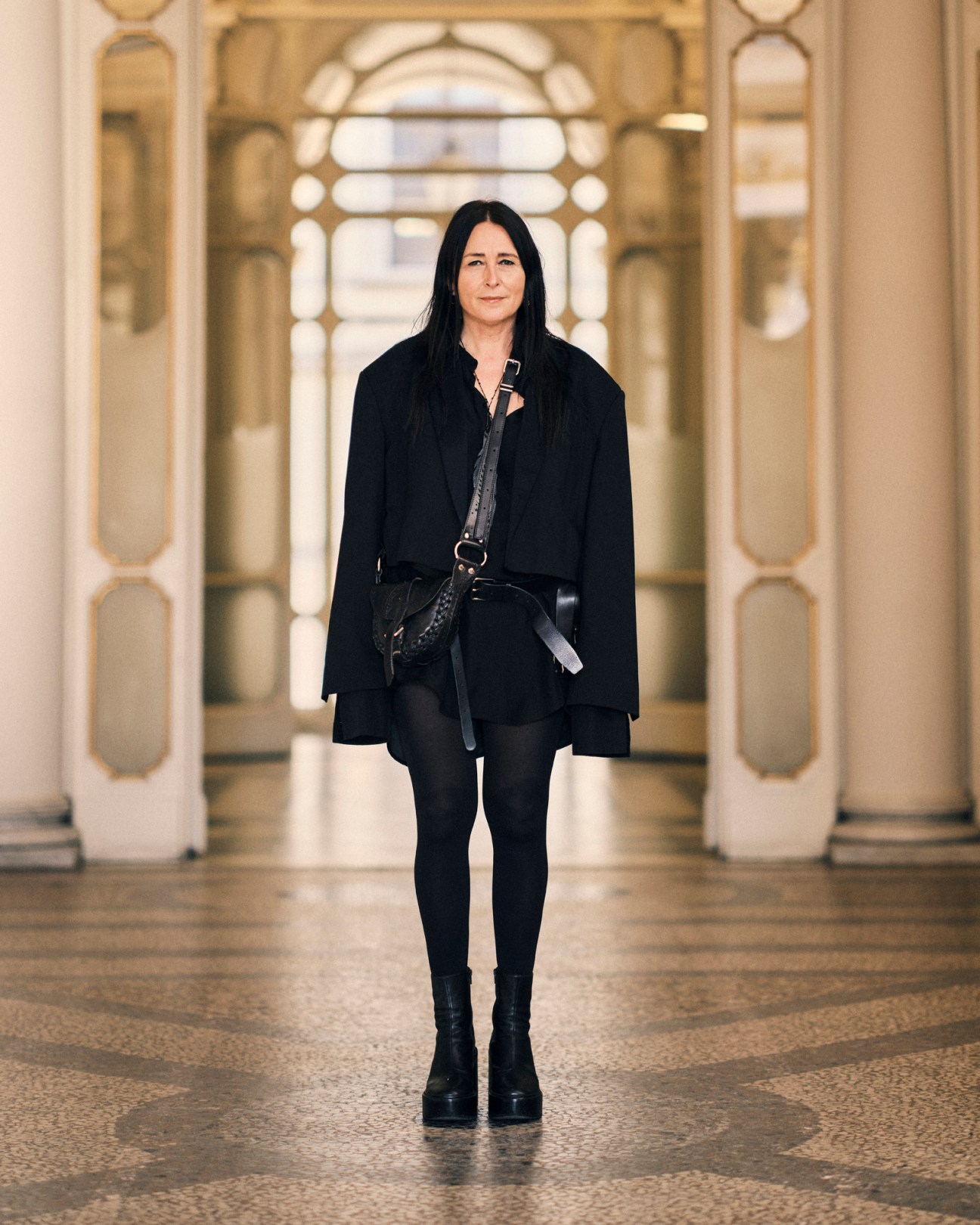
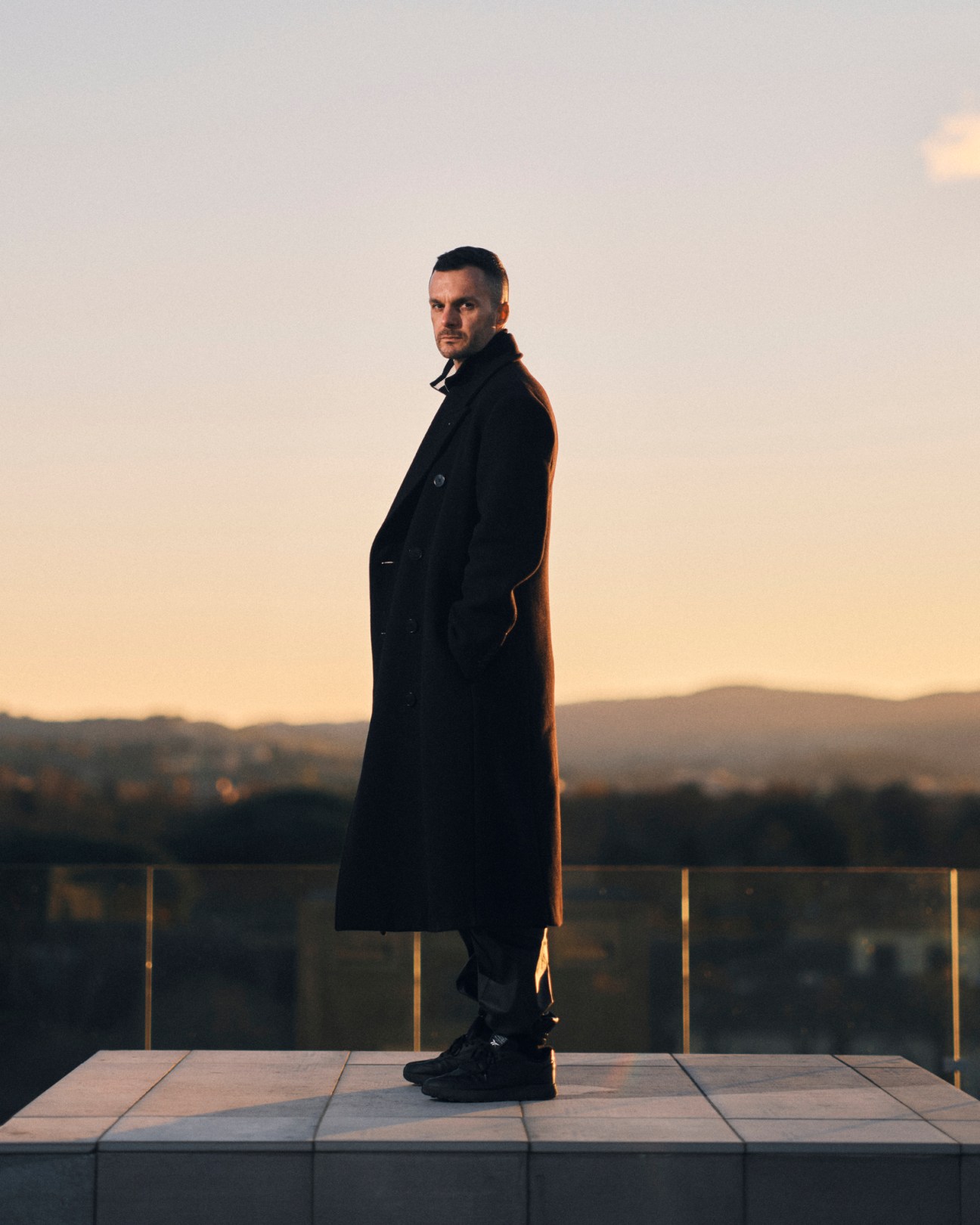
“What I like about Polimoda are the opportunities in the variety of courses that students have on offer,” says Vandevorst. “Antwerp’s Royal Academy has remained focused on creativity alone, while Polimoda has the facilities that the industry demands. And you’re in the midst of all the greatest artisans and factories of Italy.” Vandevorst wasn’t taught about fabrics in her own education, she adds, but she has intensified textiles education at the Florence school, bringing in specialists. “Polimoda makes you more prepared for the industry,” she says. “Fashion is, after all, an applied profession; it isn’t art.”
Manifattura Tabacchi Design Lab
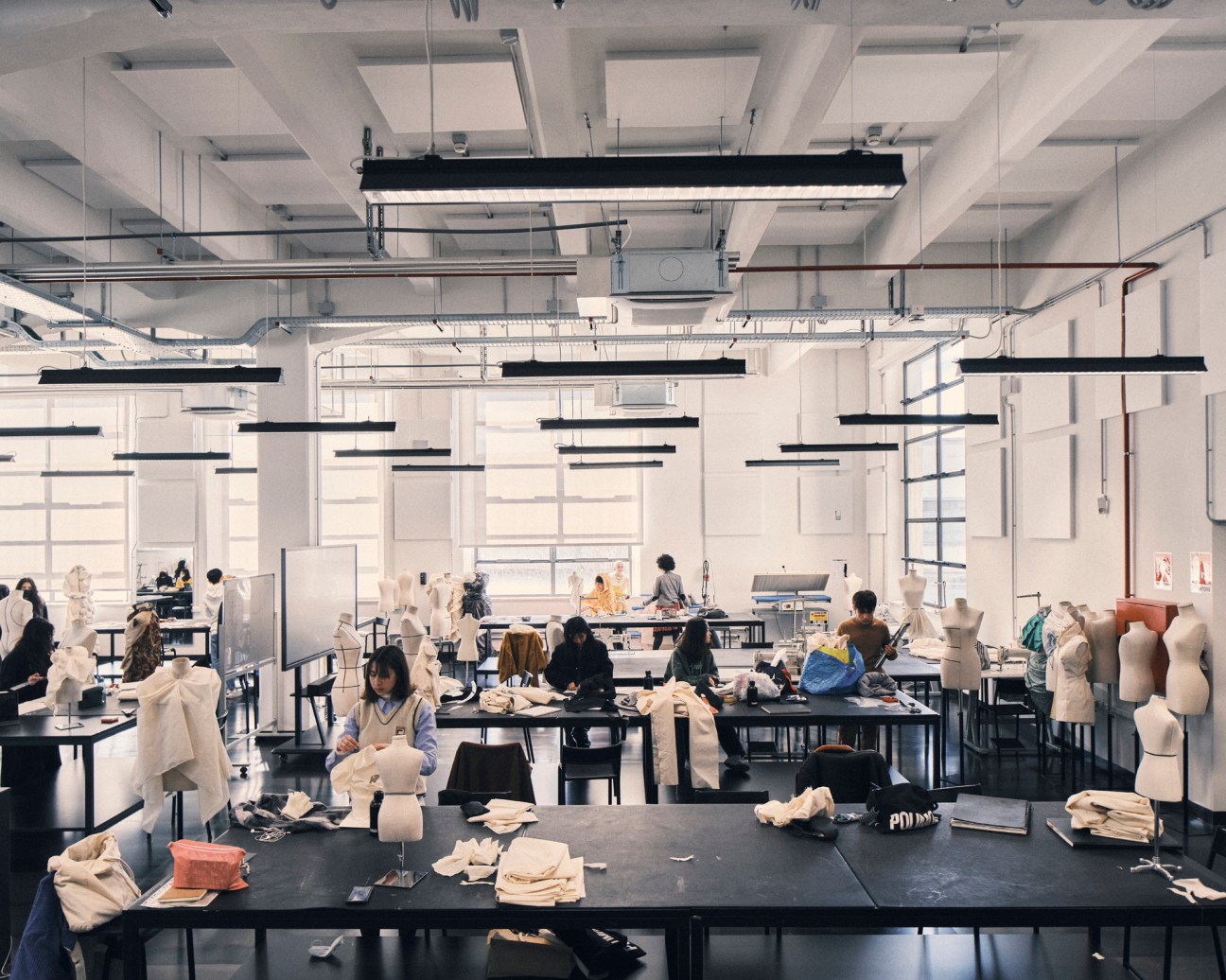
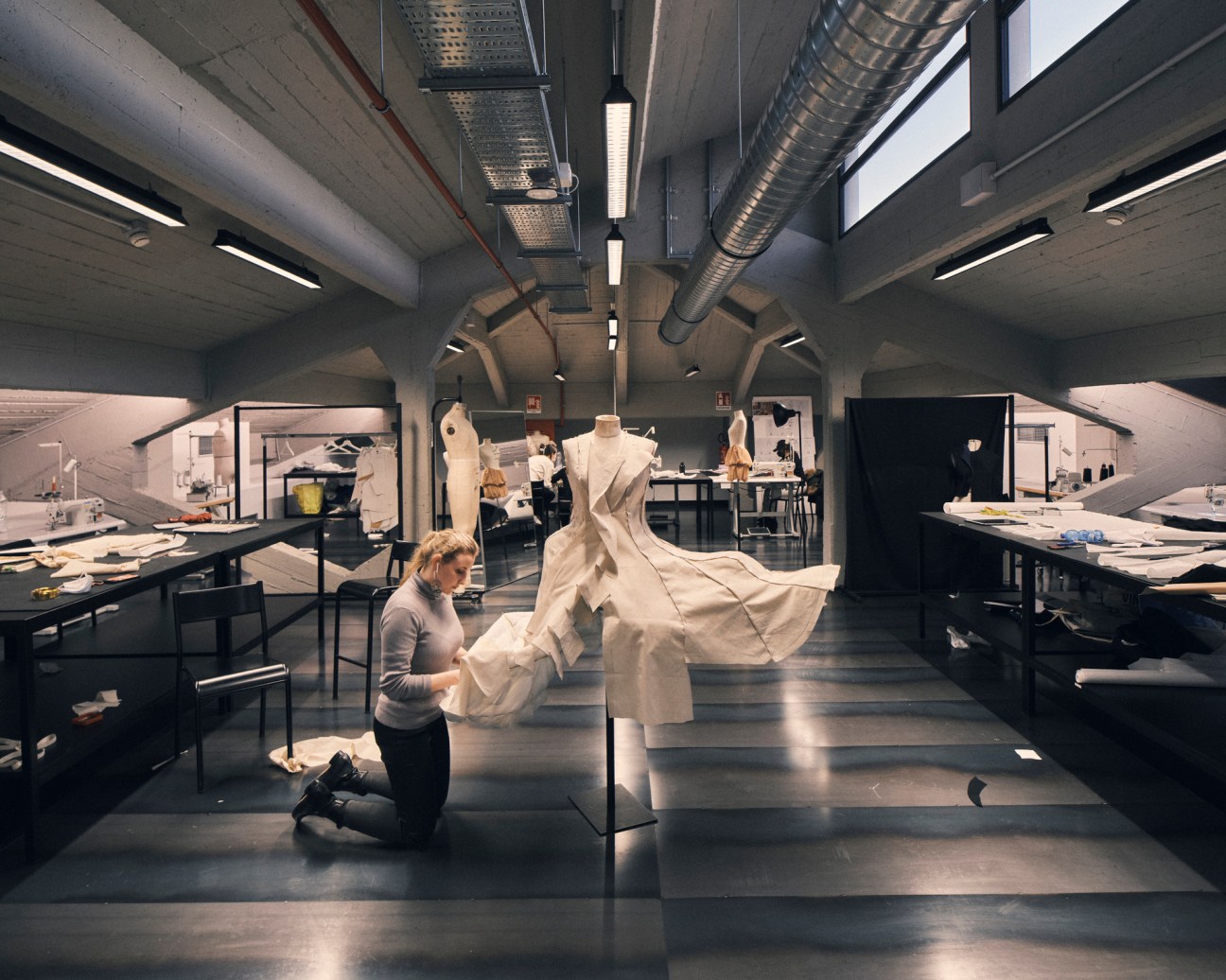
When it opened in 1940, Manifattura Tabacchi (pictured above), a cigar factory, was a rationalist masterpiece of industrial architecture. Sadly, it closed, plunging an entire neighbourhood on the western edge of Florence into near ruin. A recent partnership between the city, Polimoda and private developers is turning the dilapidated factory buildings into a cultural complex that will eventually include apartments, a hotel and the extension of a tram line to the area. Already, the resuscitated Manifattura houses a hive of Polimoda fashion students in its grand central building. The former factory space is now a marvel of four floors of classrooms and labs with state-of-the-art Juki sewing machines, two photo studios and one of the largest academic knitwear labs in Europe, filled with both electric and hand-powered looms.
Van Assche, who helmed Dior Homme for 11 years, led a celebrated eponymous line and helped to transform Italian shoe-maker Berluti into a fully fledged menswear brand, says that his current job is narrower in reach but no less exciting. Today he oversees a masterclass in creative direction at Polimoda. Here students present projects showing the vision they would implement at a real-life brand to one of the industry’s pre-eminent figures in the field. “I hope that my career as a creative director can give answers to their questions,” says Van Assche. “The idea is that it’s an equal exchange, a win-win situation for everyone. On my side, I’m hoping to get their enthusiasm, their point of view and their ideas on how the fashion industry will evolve.”
In turn, Van Assche illuminates some of the facts that students must understand in an industry that feels increasingly dominated by amateurs. Where today they might envy social-media stars who head fashion lines despite a lack of formal preparation, he points out that influencers devote considerable time to building their online presence and usually lean on trained designers to translate their ideas into products. He also promotes the fact that education – and working for seasoned designers after graduation – is the most reliable route into the industry. There’s a bit of Belgian pragmatism thrown into his dealings with students who occasionally need a reality check. For example, he says that while students feel that some collections should be “genderless”, certain concepts pushed to their extremes can restrict the creative palette. “If everything needs to fit all body types, you’ll have to make everything out of stretchy materials,” he says. “To be creatively free, we should not impose too many rules on ourselves.”
Polimoda was founded in 1986 as part of a collaboration between the cities of Florence and Prato, various fashion trade associations, Florentine designer Emilio Pucci and New York’s Fashion Institute of Technology – a school long associated with trade jobs rather than design. Almost 40 years later, Polimoda is ranked as one of the best fashion schools in Italy, a triumph in a country that produces much of the world’s luxury clothing and leather goods. But this comes at a cost. With an annual tuition price of €18,000 for undergraduates and €28,000 at the graduate level, education here is a steep investment compared to much cheaper public institutions, such as Antwerp’s Royal Academy or the Politecnico di Milano. But Polimoda offers students an increasingly diversified curriculum and access to supreme levels of traditional and hi-tech equipment, as well as immersion in the Italian network of top-end manufacturers, artisans and brands.
Alongside Giornetti, several notable fashion names have emerged from Polimoda. They include Francesco Risso, who heads Marni, Aquazzura’s Edgardo Osorio and Lucie and Luke Meier, the married creative directors of Jil Sander, who met while studying at the school. As a location for design education, Florence, itself a centre of premium clothing manufacturing, is flanked by Tuscany’s speciality hubs. Italy’s textile-weaving capital of Prato is nearby, as are the bag-crafting workshops of Scandicci, the tanneries of Santa Croce and more. Students are encouraged to participate in three to six-month internships at fashion companies and a number of industry heavyweights have partnered with Polimoda on courses at the school. This includes Gucci (fashion retail management), Salvatore Ferragamo (shoe design), Tod’s (bag design) and Vogue Italia (fashion art direction), all aiming to usher new talents from Polimoda into their professional ranks.
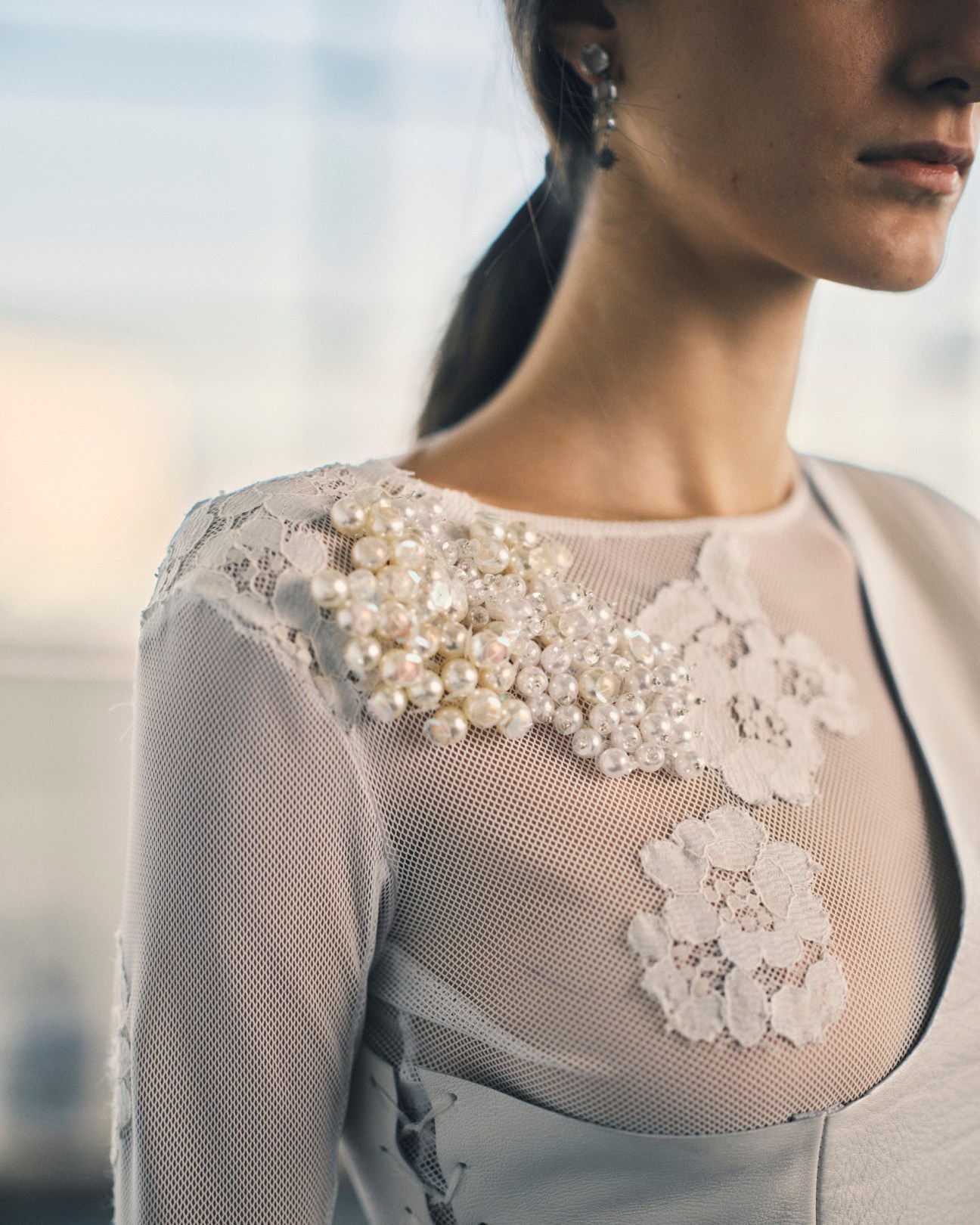
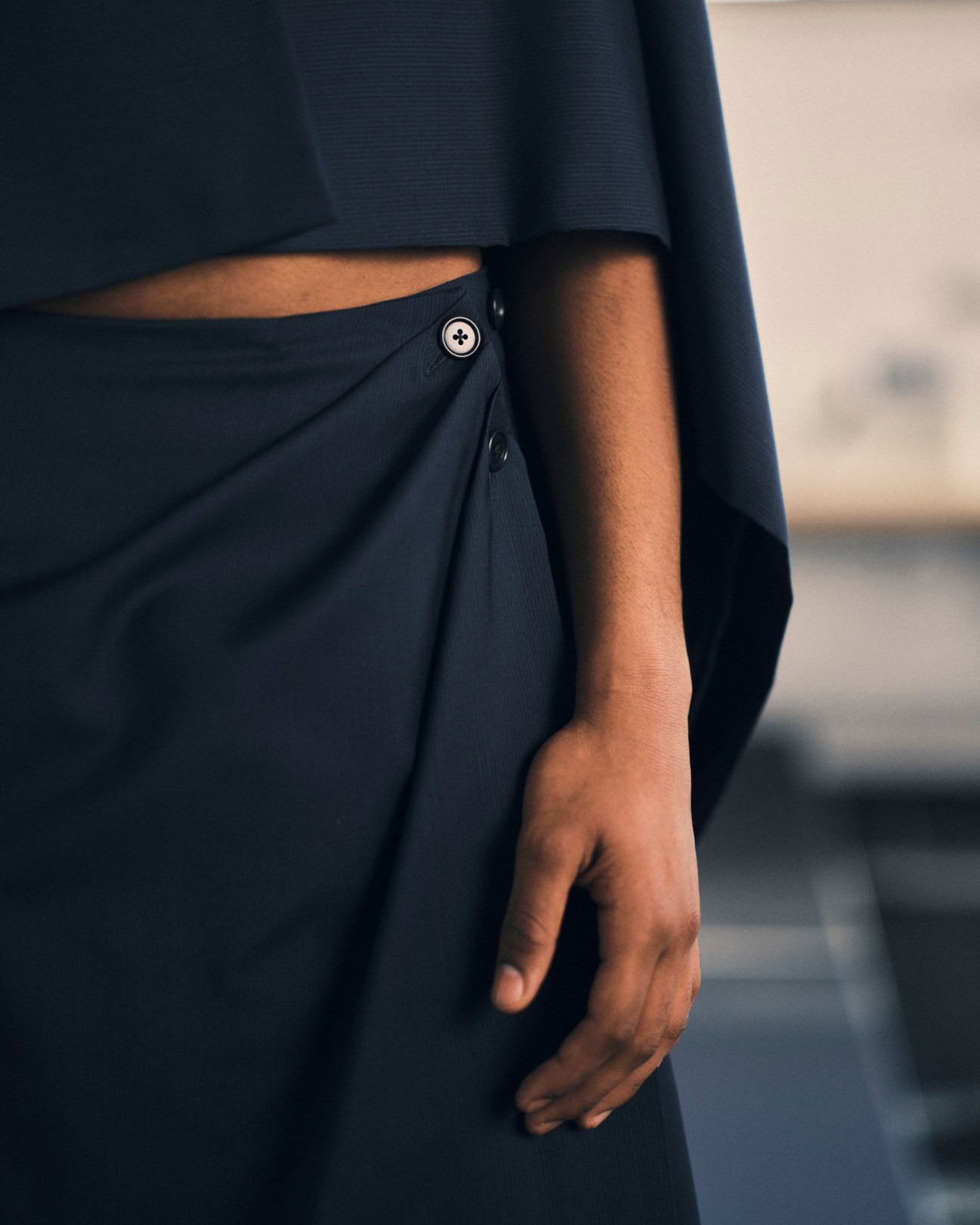
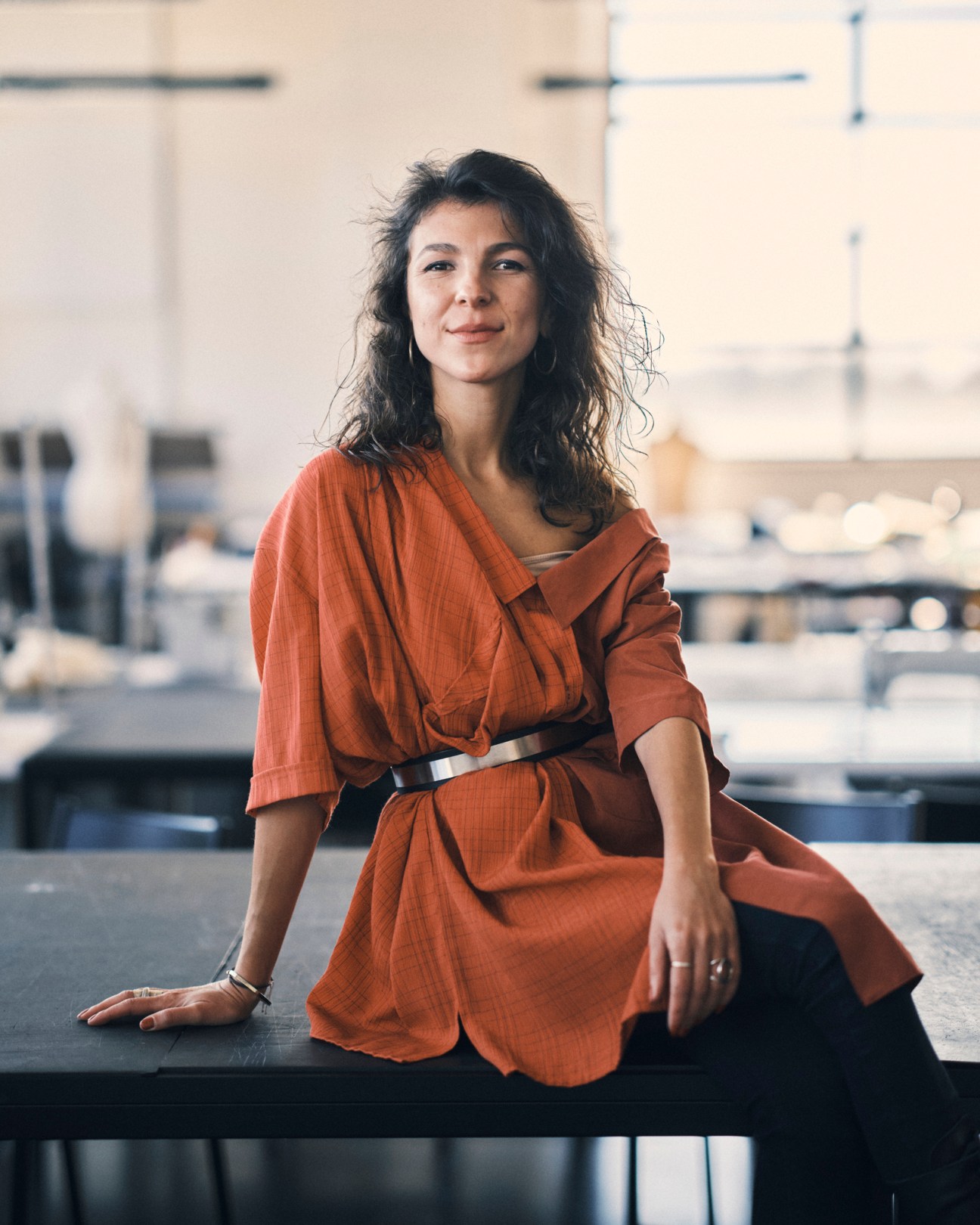
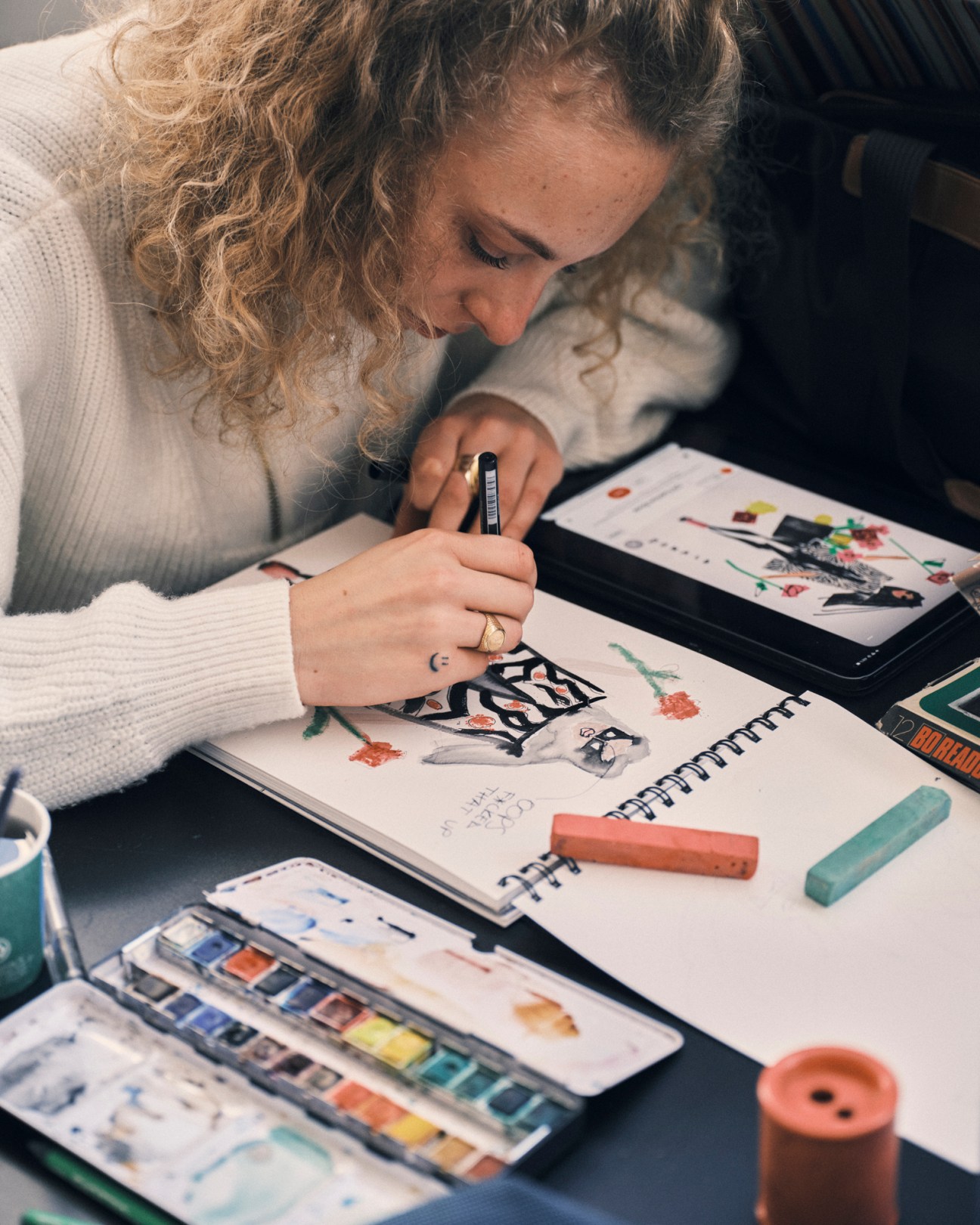
“The professors are more than teachers – they all work in fashion, which means they have contacts and can open doors for you,” says Leonardo Brini, a fashion design management student from Bologna. “They have real experience and can tell you where to get things made, connecting us with tailors and fabric companies, for example.”
The school is also in flux, responding to the ever-changing and increasingly pressing needs of the industry. Linda Loppa was formerly the longtime head of Antwerp’s Royal Academy and a one-time director of Polimoda; she now serves as a strategy adviser at the Florence school. “The world is in confrontation with this industry and its impact,” says Loppa. “Today we’re talking about sustainability, circularity, gender fluidity, inequality and scientific advances. We’re in a big transition.”
Moldovan designer Cristina Neagu, who decided to pause her career to study at Polimoda, reflects this transition. She made the decision after 15 years in the fashion industry in Paris and London. This was motivated by the problems she had seen, from workers exploited through punishing hours to pregnant women hustled out of their positions and people forced to work illegally during lockdowns. “It was all about profit,” she says. “But I don’t want to burn out and leave the industry because I still love it. I have enough experience that I don’t need another diploma but I wanted to deepen my learning and get a degree from a prestigious school so that my next employer will have to listen to me.” Her projects at Polimoda focus on creative upcycling of the piles of deadstock men’s shirts stored in the recycling hubs of nearby warehouses. “There is no way out but to become sustainable and a school, especially an international school like this one, is the right environment to begin the process. The world is changing and so should education.”
While there is important work to be done, fashion school in Florence is still about having fun and this is felt in the hallways of Polimoda. In jaunty contrast to the buttoned-up aesthetic of Florence’s residents, the young aspirants traipse to class in fake-fur jackets and fingerless gloves, vintage lederhosen with rhinestone-studded tights and combat boots.“Polimoda is the most creative school in Italy but you’re also in touch with all the manufacturers and craftspeople here,” says Bruna Giordano, a Brazilian student, who has already launched her own brand, Lilith, reworking bridal-wear tropes into easygoing pieces that extol female liberation. “The school combines technique with conceptualism,” says another student, Federico Toscano. Camille Elaine Burkhardt, an American who used to work in luxury retail and calls her design studies “a pandemic decision”, chose Polimoda “to be in Tuscany, where there’s a real connection to leather and textiles.”
Because of its workshops, Polimoda never completely closed during the pandemic, maintaining special “artisan” status, as students had to be present to sew, drape and construct their projects. “Classes had to be in person or I would not have come,” says Alvaro Barrera Lozano, a fashion design student from Mexico, who dropped out of New York University when his business classes moved online. His collection, with traditional suiting reimagined to wrap and twist around the body, was made in collaboration with a Florence tailor. “Here everything we’re doing, from technical drawing to draping, is hands on.”
“Polimoda is a key cultural intermediary in the contemporary boom of Florence,” says Giornetti, back at his frescoed director’s office. He adds that this school is a springboard for students, nurturing the creativity and values that will forge the future. But it is also an engine of vitality for the surrounding community. “Florence is a classical city but students coexist with that classicism and regenerate Florence with culture,” he says. “It’s what Polimoda is here for: to create a cultural bridge between the past and the future.”
Ensemble cast
For the biggest players on the world stage, presentation matters: the sartorial choices of the presidents and prime ministers of the 21st century are rigorously scrutinised, interpreted and critiqued by eagle-eyed social media as well as more traditional news outlets. The first issue of Monocle introduced a column called Style Leaders, a feature analysing the semiotics of political leaders’ sartorial armour.

The debut Style Leader looked at Iran’s then-president Mahmoud Ahmadinejad and his Chinese-made blazers – the, if you will, Ahmadinejacket, a signifier of “everyman anonymity”.
Monocle has now surveyed a fresh crop of young heads of state and we can confidently confirm that Ahmadinejad was not the last to have sought to be judged – favourably – by appearances. Now, allow us to introduce you to the new style leaders.
1.
Gabriel Boric
President, Chile
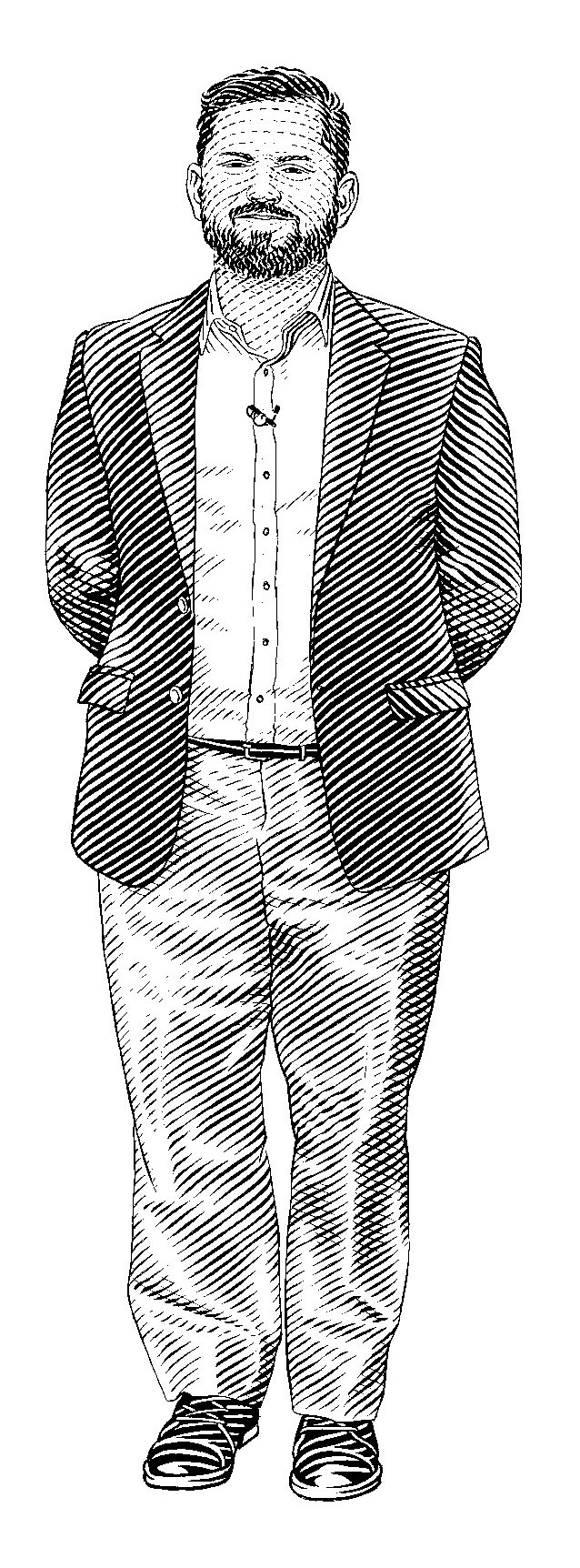
Chile’s new thirtysomething president is not the world’s first hipster head of state. That honour belongs to his Salvadorean counterpart Nayib Bukele, a bearded, backwards-baseball-capped bitcoin aficionado. Boric nevertheless affects the same nerdish machismo that has become a default for young men: meticulously tended beard, carefully chosen rock-band T-shirts and plaid western wear, intricate tattoos on forearms (in Boric’s case, an image of a lighthouse overlooking the Strait of Magellan by Santiago artist Yumbel Gongora). It remains to be seen whether high office will tame Boric’s look: he has grown out the mohawk he had early in his career. Yet his appearance has helped him connect with the nation’s younger voters, who want less buttoned-up governance.
2.
Jacinda Ardern
Prime minister, New Zealand

For male national leaders, dressing remains undaunting: put on a suit, tuck your shirt in and do your trousers up, and you’ll attract little criticism. For female leaders, the rules are less forgiving. Ardern, however, has embraced the opportunity to express herself and to put her home country’s designers in front of a global audience that pays Ardern an amount of attention historically unusual for leaders of her nation. Ardern has worn Auckland brand Maaike on her past two election nights and at her first swearing in chose a blue and red dress by Kiwi designer Kate Sylvester. She was also photographed in a Harman Grubisa trench coat, which made her look like she was about to solve a murder in Stavanger. But in tougher political environments, voters may be less charmed by playful dress codes.
3.
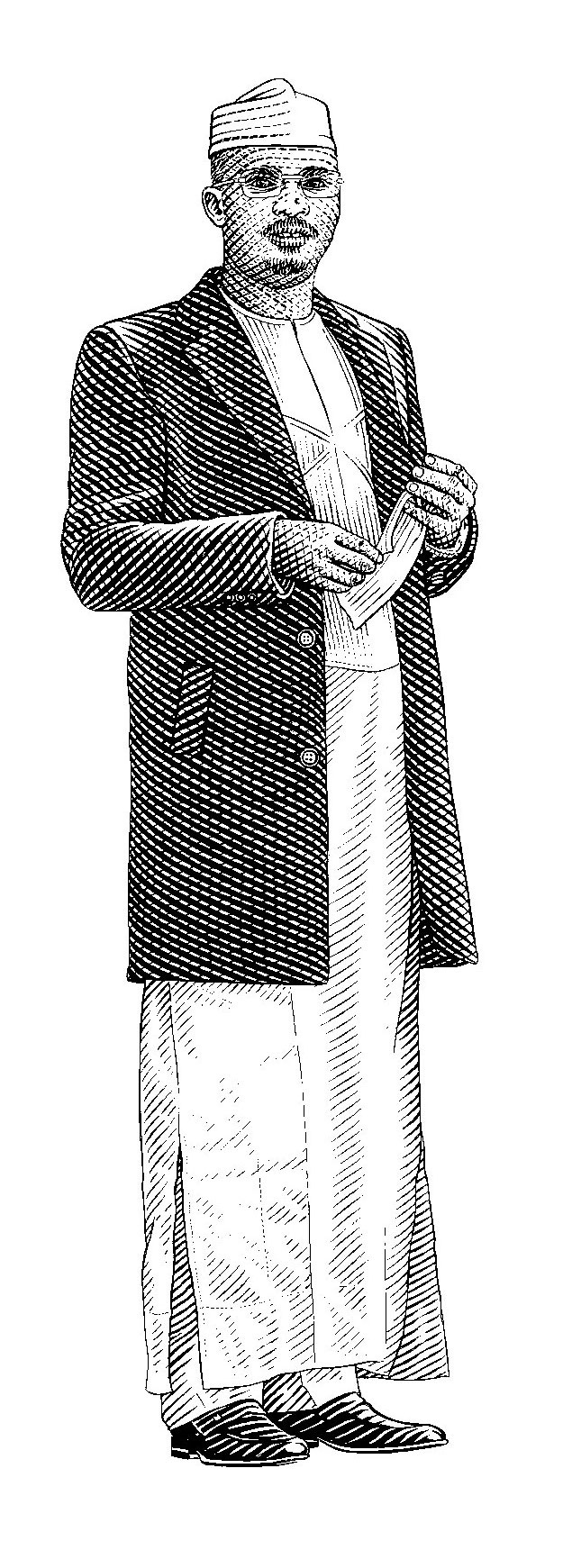
Mahamat Déby
Chairman of transitional military council, Chad
Déby inherited his position as Chad’s de facto president from his father, Idriss Déby, who was killed in battle in April 2021. At that time the fresh-faced Mahamat Déby held the rank of general in Chad’s army – ascent through the ranks perhaps aided by having a long-serving autocrat as a father. Since taking charge of Chad, Déby has largely hung up the gold-braided khaki fatigues in favour of a simple white jalabiya ensemble with matching tagiya hat – sensible for Chad’s scorching climate and equally so for appearing more like a man of peace and faith than a military dictator. His eyewear helps to add a certain steely veneer.
4.
Ana Brnabic
Prime minister, Serbia
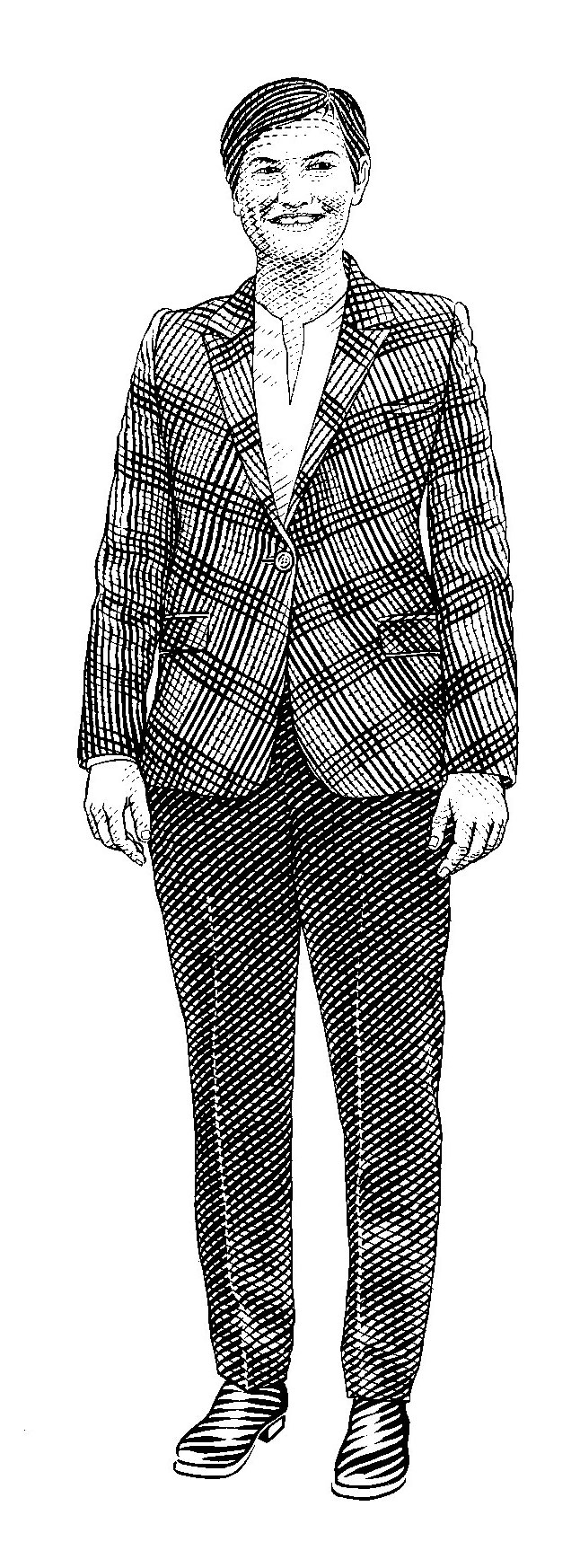
Brnabic is Serbia’s first female prime minister and its first lesbian one, in both regards an anomaly amid a Serbian political establishment not widely heralded as pathfinders for women’s or LGBTQ rights. In many other respects, Brnabic fits right in. Were she not at heart a populist nationalist, she would not occupy the position she does. Brnabic wears trousers with suit jackets and enjoys clashing colours and patterns. The results, inevitably, are mixed. On some occasions, Brnabic cuts an undeniably idiosyncratic dash, elegantly emphasising that she is not your usual Balkan politician. On others she looks like a sportscaster on television news in Belgrade introducing the highlights of the Red Star vs Partizan derby in about 1974. But this is, perhaps, not an arena for fashion statements.
5.
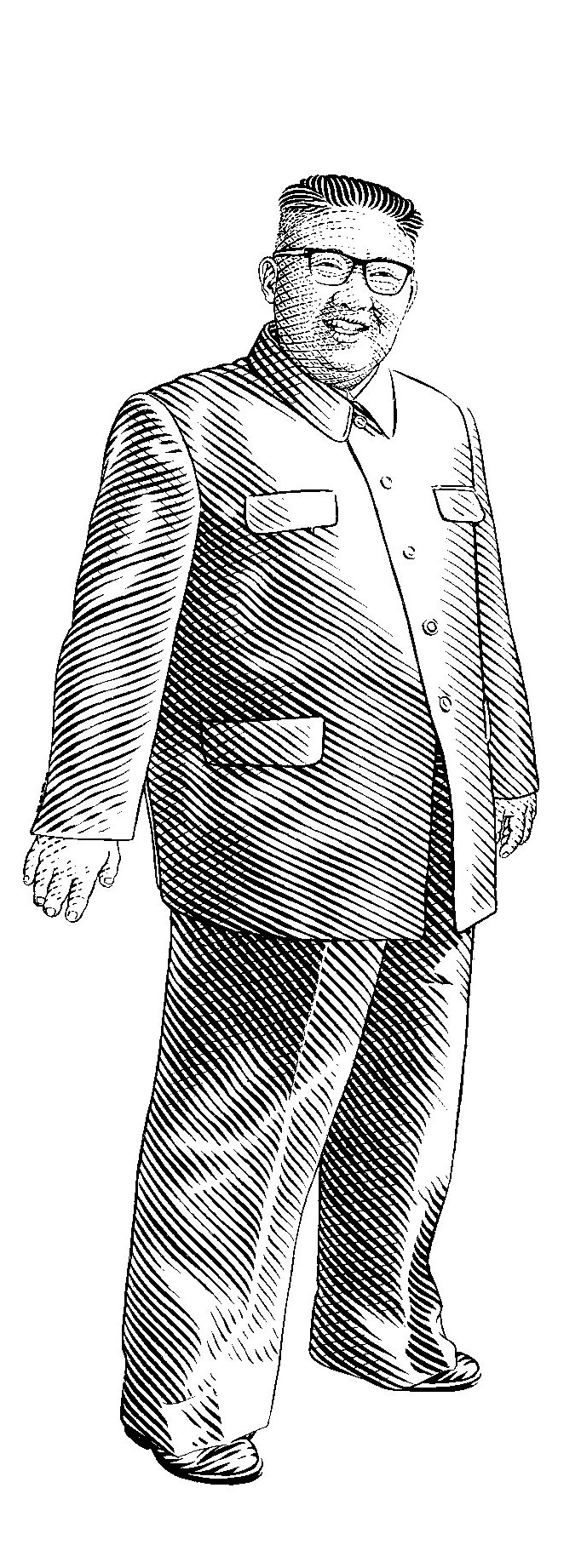
Kim Jong-un
Supreme leader of North Korea
In deportment as in most other regards, Kim Jong-un has not deviated significantly from the example of his father, Kim Jong-il, or his grandfather, Kim Il-sung. Like his ghastly predecessors, Kim III often sports a plain, high-buttoned monochrome suit of the type first made famous by former Chinese leader Mao Zedong, an early patron and protector of the Democratic People’s Republic of Korea. As sported by Kim, the modern North Korean iteration of the Mao suit emphasises his descent from a line of God-emperors, while also declaring his otherwise dubious credentials as a humble foot soldier in the proletarian revolution. Hard to say what the deal is with his hair, however.
Tracking changes
Anchor in a storm
Ann Curry

Then: News anchor at nbc’s Today programme; journalist specialising in reporting from crisis-hit nations.
Now: Journalist and documentary-maker for US broadcasters such as pbs.
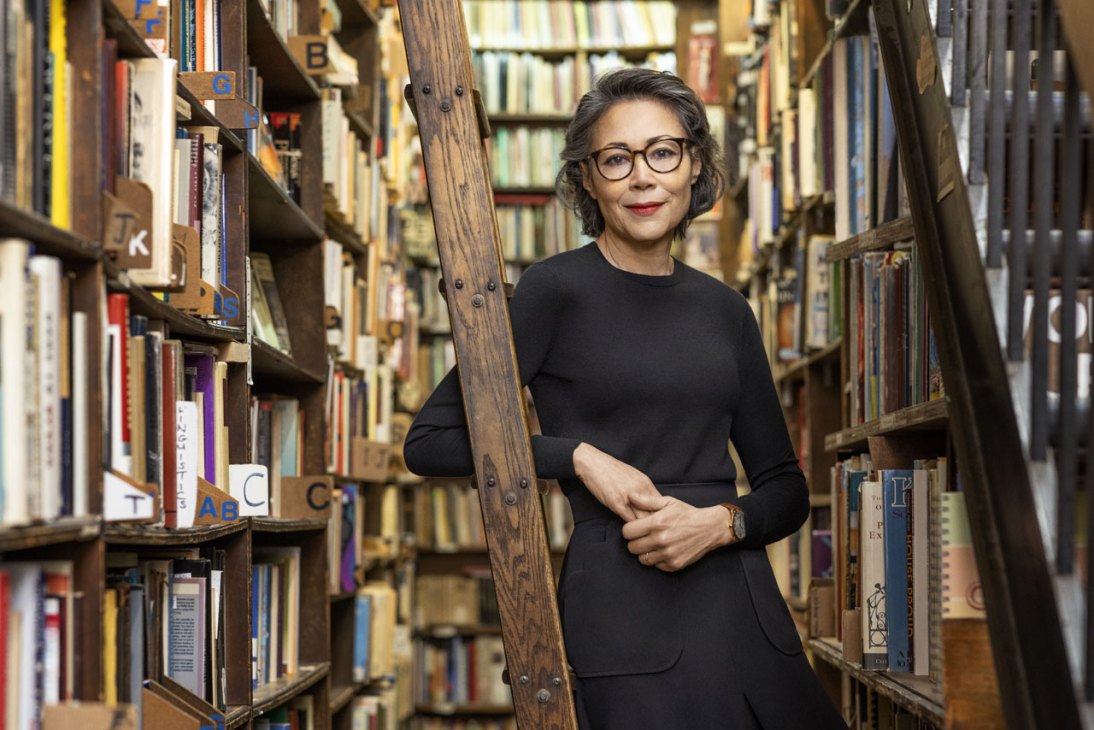

When Monocle sat down for an imaginary last meal with Ann Curry at the UN Delegates Dining Room in New York 15 years ago, the US journalist was the news anchor of nbc’s Today programme and had made a name for herself as a roving foreign correspondent, reporting from the toughest corners of the world, from Darfur to Rwanda and Iraq. Much has changed in her career in the years since but very little has shifted in her journalistic ethos or her values, despite the media industry transforming around her.
After joining nbc News in 1990, Curry rose through the ranks to become co-anchor of Today in 2011. But she didn’t last long in the position: a year later, Curry was deposed and given a role as anchor at large in circumstances about which she has expressed confusion. In 2015 she left nbc.
It was a tumultuous time for the station. Two years later, Today‘s co-host Matt Lauer would be fired from the programme after being accused of sexual harassment.
Ever a journalist with a global perspective and an eye for humanitarian stories, when asked about how the world has changed in the past 15 years, Curry takes a wide, if disillusioned, view. “People are more afraid, more interested in protecting themselves, more fearful of change,” she says. “That’s a hand-and-glove story with what’s happened to journalism. Fifteen years ago, newsrooms were panicking about the future and how new technology would challenge old models. The iceberg was right in front of them but many turned too late. The biggest wounds were self-inflicted; to survive in terms of ratings, they increasingly gave people what they wanted and not what they needed.”
Having spent years reporting on conflict, human tragedy and natural disasters, Curry is not one to settle for stories that are written to please or outrage an audience for clicks. “Great journalism is still being accomplished but it’s spottier even at the best papers or broadcasters.”
Curry has recently been working on documentaries on subjects such as reunions between people who have lived through major events in modern history, or linking people who are in search of a cure for mysterious health conditions with doctors. “I care about the stories that made us bigger, that allowed us to recognise ourselves in each other, which is something that we have pulled away from now,” she says. “Politics has limited who we are and what part we play in the world. We don’t see ourselves as part of a bigger humanity.”
A lot of her time is also spent mentoring and giving talks, which is where her more optimistic views about the media industry come to the fore. “People have been left with a yearning for verifiable fact, for trustworthiness,” she says. “This need will have to be met. I find hope when I meet young people in the US. There has been a big jump in applications for journalism school. It’s my obligation to step up, talk to them about the work and contribute to rebuilding this thing that I have risked my life for.”
Despite the effect of Donald Trump’s presidency on tarnishing the media, Curry remains adamant that journalism should never be mixed with campaigning. “To find truth, you can’t be motivated by opinion and activism,” she says. “When I was anchoring on a daily basis I saw it as a tremendous obligation to be someone who speaks the truth. People wonder whether the truth even exists. Of course it does, if you’re willing to pay attention to nuance. ‘Both-sides-ism’ is lazy journalism but objectivity is possible. And the truth is not always fair. Not to make the effort to find it is doom. I’ll always be looking to do work that does good in my own way.”
It’s in this conviction that Curry seems to have changed the least. Without realising, she goes on to recount the same anecdote that she told Monocle 15 years ago. “My father has been a major influence in my life,” she says. “The greatest thing that he said to me when I was really young – and repeated over and over as I grew up – is something that has influenced all of the choices that I have made since. He said, ‘Ann, whatever you choose to do, do something that is of some service to someone else. Only then will you know that it mattered that you were born.’ As I breathe my last breath, I want to feel that I have done my part.”
High in the sky
All-Business Class flights
Then: During the brief boom in all-Business Class services, new airlines jostled to meet the demand for exclusive premium flights.
Now: Following a period of rapid decline, a new generation of aircraft and the evolving habits of leisure travellers are poised to give all-Business Class services a new lift.
In the mid-2000s there was a burst of airline launches offering All-Business Class services on transatlantic runs. Eos and Silverjet led the pack but there were others too. Within a few years, however, most had ceased operations.
The 2008 financial crisis didn’t help matters but it wasn’t necessarily the main culprit of their decline. For a start, it’s difficult to run a reliable operation with small fleets of generally older aircraft. But even an upstart airline that has its act together faces several other reasons why it will probably fail. With just one or two flights a day, how can you compete with an airline such as British Airways (BA), which typically offers a near-hourly service to New York? Start-ups also tend to lack other key offerings, such as options for connecting flights or high-quality airport lounges.
What’s more, the major airlines have more tools in their arsenal – including deeper pockets – to lure back travellers even if a new competitor offers a better experience. Flag carriers will get nasty in this type of fight, slashing fares or dangling frequent-flyer promotions and then waiting it out. Or they can simply buy the upstart, as BA did with L’Avion, a French attempt at a similar model.
Even BA’s own all-Business Class service, an a318 between London City and jfk International Airport in New York, has been scrapped; after suspending the service as the pandemic emerged, the airline confirmed in August 2020 that it will not return. All of that presents a daunting picture. Yet the major airlines on a route such as London to New York could do with some improvement and added competition.
But the landscape has changed of late and all-premium is far from dead. There are many more leisure travellers shelling out for Business Class on their getaways. They are in some ways the ideal customer for a small, all-premium airline with just a flight or two a day. There are also different kinds of aircraft now that can fly further, burn less fuel and turn a profit with fewer people onboard. These developments are creating new options. French all-premium airline La Compagnie has even been expanding. Armed with the new economical Airbus a321Neo, it’s starting up routes such as New York to Milan and Paris to Tel Aviv.
So don’t be surprised to see more airlines try out all-premium services in the coming years, using aircraft such as the smaller a220. Perhaps one or more of those will eventually find their niche and manage to defend it.
India’s financial daily
Mint
Then: Reporting on an economy that was fuelled by heady optimism, opportunities at every turn and foreign capital pouring in.
Now: Publishing in print and digitally for an audience thirsty for news of the hottest start-ups and investment opportunities.
When Mint entered the scene in early 2007, India’s economy was in full swing. The new financial daily proudly promised to serve as the “unbiased and clear-minded chronicler of the Indian dream” for “free economies, free people and free societies”. Then came the global financial crisis, massive anti-corruption protests, rising nationalism, the disintegration of a credible opposition, demonetisation and, later, the pandemic. And yet both India and its chronicler continue to grow.
While India’s GDP growth never reached the anticipated dizzying double digits, it has maintained a solid 6 to 8 per cent over the past 10 years (until the pandemic hit). And the country has developed a $3.1trn (€2.7trn) economy.
In 2007 most big companies were either family owned, multinationals or IT services whereas now there are 90 much-lauded unicorns in India – a staggering 46 of which have cropped up in 2021 alone. “India has always had the entrepreneurial energy but not the access to capital,” says Sruthijith Kurupichankandy (known as SK), who became editor in chief of Mint in 2020. “That all changed when the venture capitalists came in.”
India’s middle class traditionally invested in gold and property or, in the past few decades, parked their money at banks in fixed-rate deposits. But with the expansion of smartphones and access to faster data came an explosion of online financial services and money moving into equity mutual funds and stocks. “So with more retail investors comes more demand for information about business and personal finance,” says SK.
India’s traditionally strong newspaper market suffered during the pandemic, due in part to fear of contracting coronavirus from its hand-delivered pages. Mint’s daily circulation of 120,000 copies took a hit but its digital platforms have continued to grow. It has 40 million unique users every month and is the top-ranking digital business publication for India’s mobile phone users.
And like India, which dreams of being a $5trn (€4.4trn) economy by 2025, Mint wants a bigger piece of the pie. “Our single obsession is to be the platform of choice in digital,” says SK.
Chile’s economist politician
Andrés Velasco
Then: As Chile’s finance minister, preaching that countries with volatile incomes be prudent with their surpluses.
Now: Advocating for diversified economies, as dean of lse’s School of Public Policy and member of the World Bank-International Monetary Fund high-level advisory group.
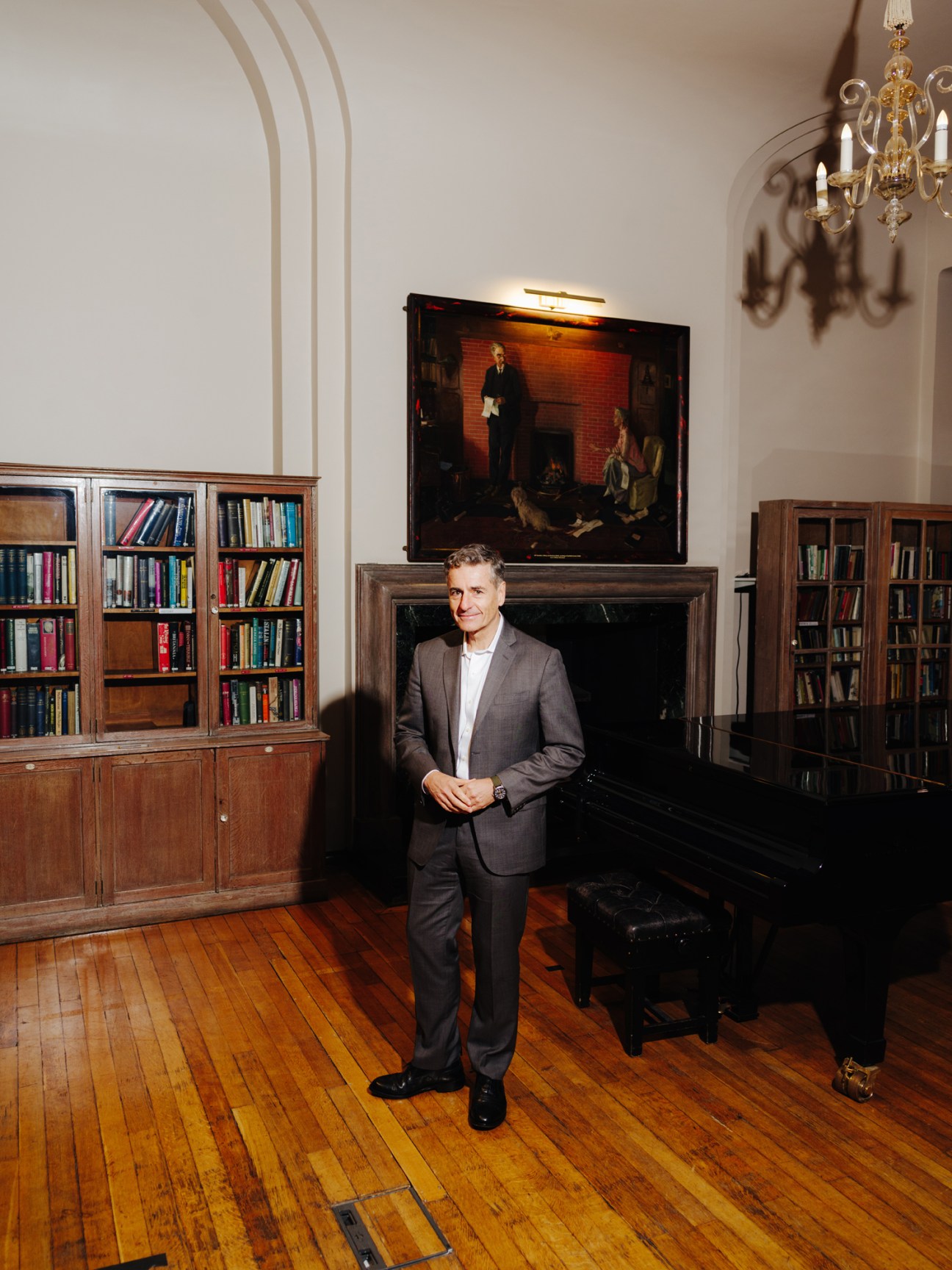

In Monocle’s inaugural issue, Andrés Velasco argued that governments should hold extra revenue in reserve for a rainy day. As finance minister in Chile’s centre-left government led by Michelle Bachelet, he was able to implement such a policy. When the 2008 financial crisis hit, he tells Monocle (this time in the present day), “it found Chile in good shape”. He adds that while Spain’s economic downturn lasted six years, Chile bounced back in six months.
His stint in the cabinet ended with Bachelet’s government in 2010 but Velasco wasn’t done with politics. With the right back in power, he eyed Chile’s 2013 presidential election. He didn’t pick an easy primary battle, going against Bachelet, who wanted to win back the presidency. “It was like playing against Brazil in São Paulo,” he says of his loss. “It was a four-person race and I came second.”
Velasco, who is also a novelist, has now swapped the political pulpit for the teacher’s lectern in London. He’s still an economist but since 2018 he has been the inaugural dean at the London School of Economics (LSE) School of Public Policy. “I’ve spent half my life in academia and half my life in politics,” he says. “I’ve gone back and forth a number of times; I don’t necessarily see them as different things.”
The dean, whose name invariably crops up during Chilean election cycles, still speaks like a politician, measuring his responses and being careful not to give too much of himself away. He is still a regular commentator on what’s happening in his country, from the groundbreaking re-writing of the constitution to the recent presidential victory of former student leader Gabriel Boric. While society might not have changed as much as Velasco would have liked since that 2007 interview, he sees reasons to be optimistic for Chile’s future, highlighting its potential to become a solar-technology exporter.
While not ruling out a return to the political fold, Velasco says that he’s more than happy at lse. “I went to an English school [in Chile] so I grew up playing rugby and singing ‘God Save the Queen’,” he says. Now living in the UK, his son has shown an interest in the sport. “I’m glad to see he is a lot more talented than I ever was.”
Life and sole
Russell Moccasin
Then: Producing its signature Zephyr boot, popular in Japan, with prices for custom-made pairs soaring.
Now: Business is still booming but with ever fewer skilled craftspeople able to take on the task of handmaking moccasins.
When Monocle first caught up with Wisconsin-based shoemaker Russell Moccasin in 2007, the brand’s signature Zephyr boot, which owner Ralph ‘Lefty’ Fabricius deemed “ideal for the dog trainer and upland hunter”, was all the rage in Tokyo. At the time, a custom-made pair that sold for $240 in the US was fetching $500 in Japan.
Business is still booming. But according to Ralph’s daughter, co-owner Suzie Fabricius, producing custom-made, handcrafted shoes is even harder than it used to be. While the family-owned brand has prided itself on making its shoes in its Wisconsin workshop for more than a century, the younger Fabricius is well aware that it isn’t always the easiest approach. “We have a lot of business,” she says. “But just like everyone else in this climate, we’re short on employees to get the product out the door in a timely manner.”
Suzie, who now manages Russell Moccasin with her brother, Joe Gonyo, believes that part of the challenge is finding staff to learn how to make moccasins by hand. “The younger generation isn’t keen on sitting on a cobbler’s bench day in, day out,” she says. “The trade industry is a dying art.” Even so, it’s an art that the Fabricius clan clearly sees as indispensable. “We’re an old-world American company that hasn’t lost its values to outsourcing,” says Suzie. “We know that to keep the brand intact and to give our customers the best footwear their money can buy, we have to keep everything in-house and make them one pair at a time, just like we always have.” Here’s hoping this continues to be the case, and that the company keeps putting its best moccasin-shod foot forward.
No place like home
Genoa, Italy
Then: An attractive option for those seeking a second home or a decent property investment.
Now: A city transforming its architecture and attracting tourists, investors and new residents alike.


Fifteen years on from Monocle’s visit to the Ligurian capital of Genoa in search of second-home options, the observations made in our property prospectus still ring true. The seaside city remains an attractive investment for those seeking a spacious apartment, especially in city-centre palazzos within the Unesco-protected heritage site.
Large flats with terrazzo flooring and high ceilings are affordable: homes on average go for €1,600 per sq m versus €4,900 per sq m in Milan. Businesses such as clothier Pescetto, shirt-maker Finollo and confectioner Romanengo attract discerning clients and there are a few upscale hotels – Palazzo Grillo being the standout.
One shopkeeper doing brisk business is Lorenzo Bagnara (pictured), whose interiors emporium Via Garibaldi 12, is an anchor of the commercial district.
“Much of what makes Genoa a great city to live in remains,” he says. “You have the proximity to the sea, a city centre designed for pedestrians and a rich assortment of shops that you won’t find elsewhere.”
This sunny Riviera outpost has also had to heal a terrible wound, following the 2018 Morandi Bridge collapse. Native and architect Renzo Piano stepped in with a design echoing the hull of a ship in a nod to the importance of the sea to the city’s fortunes. The waterfront will see a Piano-led development that reduces the area’s concrete footprint by razing old pavilions to make way for a navigable canal with berths for yachts, an urban park and apartments.
In 2024 a completed tunnel project should make Milan reachable in an hour by high-speed train, making many no doubt ponder a move to the seaside once they get a glimpse of Genoa up close.
Staying power
China in Africa
Then: A growing presence looking to expand further, with expatriates establishing themselves across the continent.
Now: A powerful political, diplomatic and economic force, offering African countries investment in infrastructure.
When Monocle traversed Africa back in 2007, China’s growing presence was evident from the signs written in Chinese and shops run by new arrivals from the country. It was clear that China was set to become a powerful force across the continent.
The activity cranked up in 2013 with the launch of the Chinese government’s Belt and Road Initiative, an ambitious infrastructure plan to link the nation with developing and established markets. The country began a lending spree to build roads, ports, stadiums and warehouses, which many African countries accepted. Not only is Chinese-built infrastructure now everywhere but so is its political influence.
Nowhere is this clearer than in the Horn of Africa. In January, China’s foreign minister Wang Yi began his annual overseas trip in Eritrea, a country that recently signed on to the Belt and Road Initiative, just weeks after US secretary of state Antony Blinken had visited Kenya. Eritrea’s decision to sign a memorandum of understanding with China has contrasted with the US’s string of diplomatic setbacks in the region. In January, Washington removed Ethiopia from its African trade pact to exert pressure on its government to end the civil war in the Tigray region, having already sanctioned Eritrea for its alleged involvement in the fighting. The decisions have failed to secure the US friends or influence, while China announced that it would appoint a special envoy to the Horn of Africa to convene a peace conference.
Of course, these decisions aren’t without self-interest, says Stephen Chan, professor of world politics at the School of Oriental and African Studies in London. “There is a diplomatic struggle [between the US and China] for leverage and opinion in the Horn,” he says. “If China can pull off becoming the olive-branch brokers in the region, this can only add to the kind of reputation they want to have.”
Meanwhile, African countries’ desire for economic development and infrastructure mean that China will continue building greater regional influence than either the EU or US, says Hassan Khannenje, director of the Horn International Institute for Strategic Studies in Nairobi.
While many critics have voiced concerns about the potential debt-traps associated with Chinese infrastructure loans Khannenje believes that, “the desperation for investment is stronger than that of fear”. In the absence of any real alternative, China will continue to play a powerful role across Africa.
Plenty of bottle
Happy Cat
Then: A novelty wine from the Mosel Valley in a cat-shaped bottle that was popular with Scandinavian consumers.
Now: A global sensation with a cult following and a firm foothold in the North American market.
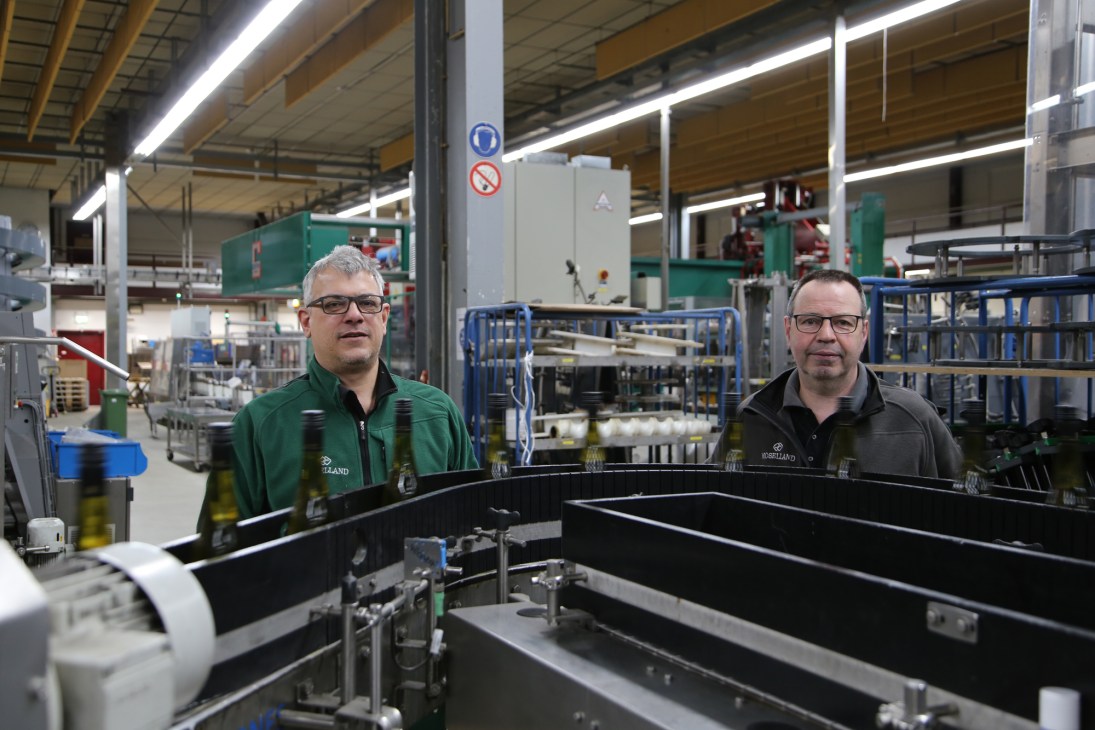

To a master sommelier, the idea of novelty wine might be toe-curling. The success of Happy Cat, however, is not to be sniffed at. The semi-sweet German riesling comes in a cat-shaped glass bottle that has established a global cult following since Monocle’s first visit to the Bernkastel-Kues winery in 2007.
According to Chris Braun, export manager for the US, this marketing strategy has prevented flash-in-the-pan success. “We create new bottle colours every year and there are people out there who will collect the entire range,” says Braun. They’ll see an uptick in sales of a specific colour when there is an important sporting match. “American football teams have their own colour scheme so people will buy the purple bottle if, say, the Baltimore Ravens have a big match coming up,” says Braun. “There’s also more demand for the black and orange bottles over Halloween.”
On Monocle’s first visit, their biggest market was Scandinavia. Today it’s the US and Canada. “There are a lot of consumers who find European wines quite daunting,” says Braun. “They have complicated labels with names they can’t pronounce. And then there’s this cat. It’s distinctive and kind of friendly and once someone picks up a bottle, they’re three times more likely to buy it.” The taste makes Happy Cat approachable too. “German rieslings are sweet and very easy to enjoy, particularly for someone who doesn’t know much about wine.”
No clear option
East Asian geopolitics
Then: An area where Japan’s Shinzo Abe wanted to revise its pacifism, and China sought to increase its power.
Now: A region where China is stronger, North Korea is testing weapons, and Japan’s leaders are still worried by its constitution.
Much has changed in East Asian geopolitics in the 15 years since we ran our first cover story. But two narratives have been constant: the spectacular rise of China and North Korea’s pursuit of nuclear weapons.
China is a far more muscular presence than it was in 2007. Since then it has been building military outposts on disputed Pacific territories, nudged up against Japan’s airspace, and has become more and more strident about its ownership of the Senkaku Islands, a group of rocky islets controlled by Japan in the East China Sea.
In response, Japan’s military budget, although dwarfed by China’s, has increased to record levels. Shinzo Abe was in office from 2012 to 2020, making him Japan’s longest-serving prime minister. But he did not manage to achieve his longstanding ambition of revising Japan’s pacifist constitution. The Self-Defence Forces (SDF) we met back in 2007 are still fundamentally just as they were then: an army that cannot instigate aggression but serves to keep peace. One important change came in 2015, which now allows the sdf to come to the aid of allies under attack. And just as it was in 2007, the US remains the cornerstone of Japan’s defence strategy. The Donald Trump years certainly tested the relationship. Former US national security adviser John Bolton revealed that Trump tried to stiff Japan for an eye-watering increase in the amount it pays to host US troops on his soil, while the president’s bro-style diplomacy with the North Korean leader Kim Jong-un (“We have fantastic chemistry,” Trump once said) had no effect; Kim is now testing all shades of missiles on a regular basis.
Things are on a more even keel with the US these days under the new presidency but what will happen on Japan’s doorstep is still uncertain: the prospect of conflict in Taiwan, about 100km from the Japanese island of Yonaguni, leaves Japan in a vulnerable position. And as Kim’s missiles grow in distance covered and precision, the threat of North Korea will continue to be a headache for pacifist Japan.
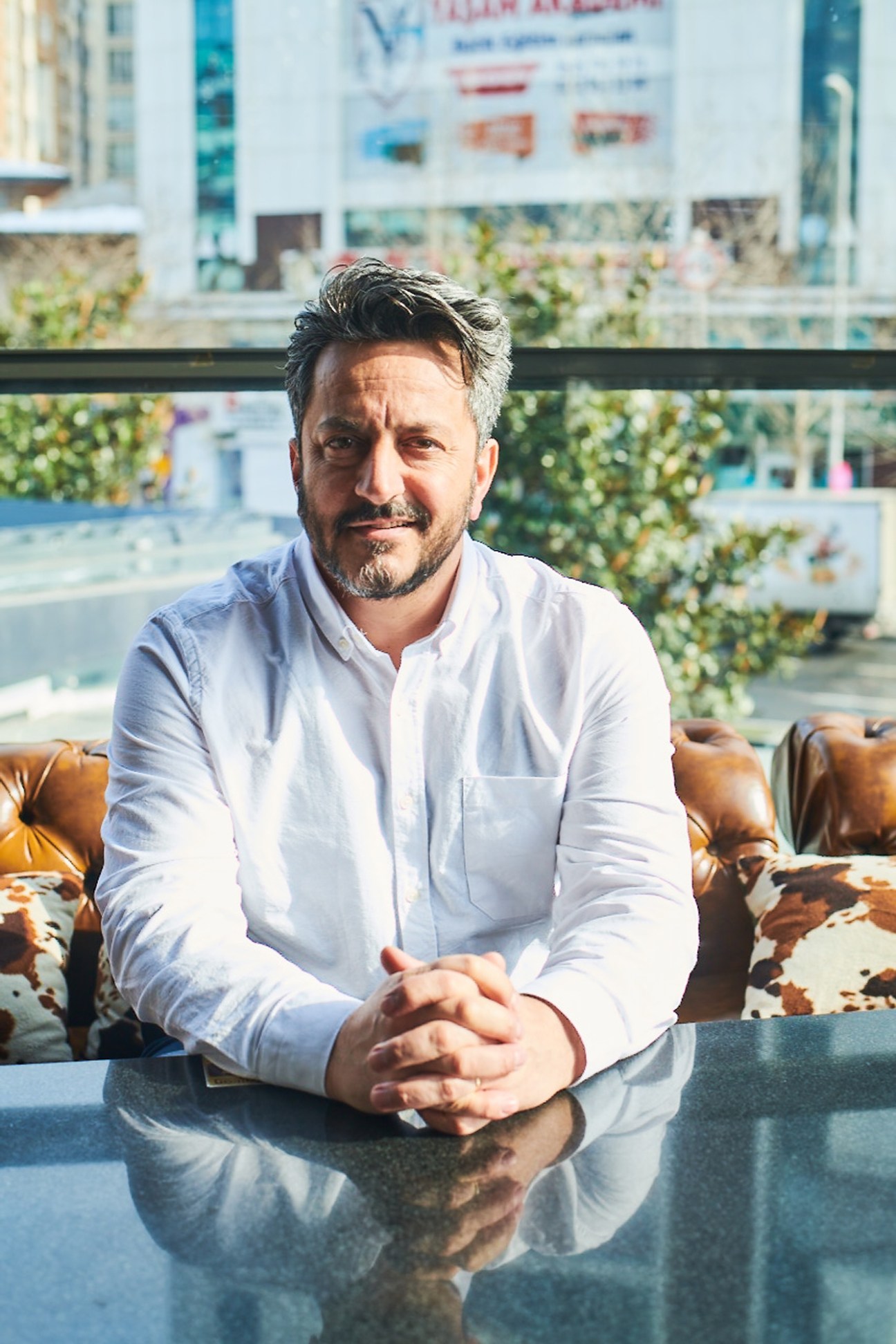
Radio star in exile
Massood Sanjer
Then: The Kabul-based presenter of the most popular radio show in Afghanistan, Arman FM’s breakfast programme Safaye Shahar.
Now: Exiled in Istanbul and off the airwaves since the Taliban’s rise to power but still working as Moby Group’s channel director.
Sunday 15 August 2021 would turn out to be the last time that Massood Sanjer’s cherished breakfast programme, Safaye Shahar, would air as he knew it. Just hours after the veteran host finished his broadcast of Afghanistan’s most popular radio show, the station, Arman FM, went quiet as the Islamic republic government collapsed and the Taliban swept into power. The Kabul-based station’s programming was replaced with news bulletins amid the uncertainty that engulfed the country.

Having spent almost 20 years nurturing the country’s leading music station, starting out as the first employee when Dubai-based media group Moby Group launched it in 2003, the efforts of Sanjer and co-hosts Humayoon Danishyar and Sima Safa now lie in tatters. Though its slogan is “Music never ends”, the station no longer plays music from around the world. Instead, religious Islamic tunes fill the airwaves.
Fearing for his safety, Sanjer fled Afghanistan on a military flight to Turkey a few days after Kabul fell, weeping throughout the journey. From here he continues to work as Moby Group’s channel director. Istanbul was already home to his wife and two sons; he moved them there after he began receiving death threats due to his involvement with the radio station – but he had remained in Kabul.
Sanjer looks back with painful nostalgia to his much-loved mornings broadcasting the show. “There’s no way of measuring ratings in Afghanistan but I can tell that you if you opened any car door in the morning you’d see so many people were listening to the show,” he says. “It was a show for the people from the people. It was a call-in show, so people would call up with problems and we the presenters would speak to officials live to get their response. It wasn’t just a very serious talk show, we made jokes and poked fun at politicians.”
Since Sanjer left, the show has been relaunched with two new hosts, stripped of its vibrancy and cheekiness.
“The problem is the censorship at the moment in Afghanistan,” he says. “When Ashraf Ghani was in power, we used to make fun of the president, but can you do it right now? Talk about [acting prime minister] Mullah Hasan Akhund? You can’t, you’d be jailed for it.”
“I spent all of my life in Afghanistan, I never wanted to leave,” he adds. “Sometimes I’m just so hopeless. We can’t do anything for our country right now. My son said to me the other day in relation to the Turkish lira losing value: ‘Dad, when [the Turkish] have a problem, they stand up and they take to the streets. The Afghans just run away.’ He’s 13 years old. He doesn’t know how difficult it is to face the Taliban and face the realities in Afghanistan.”
Spring awakening
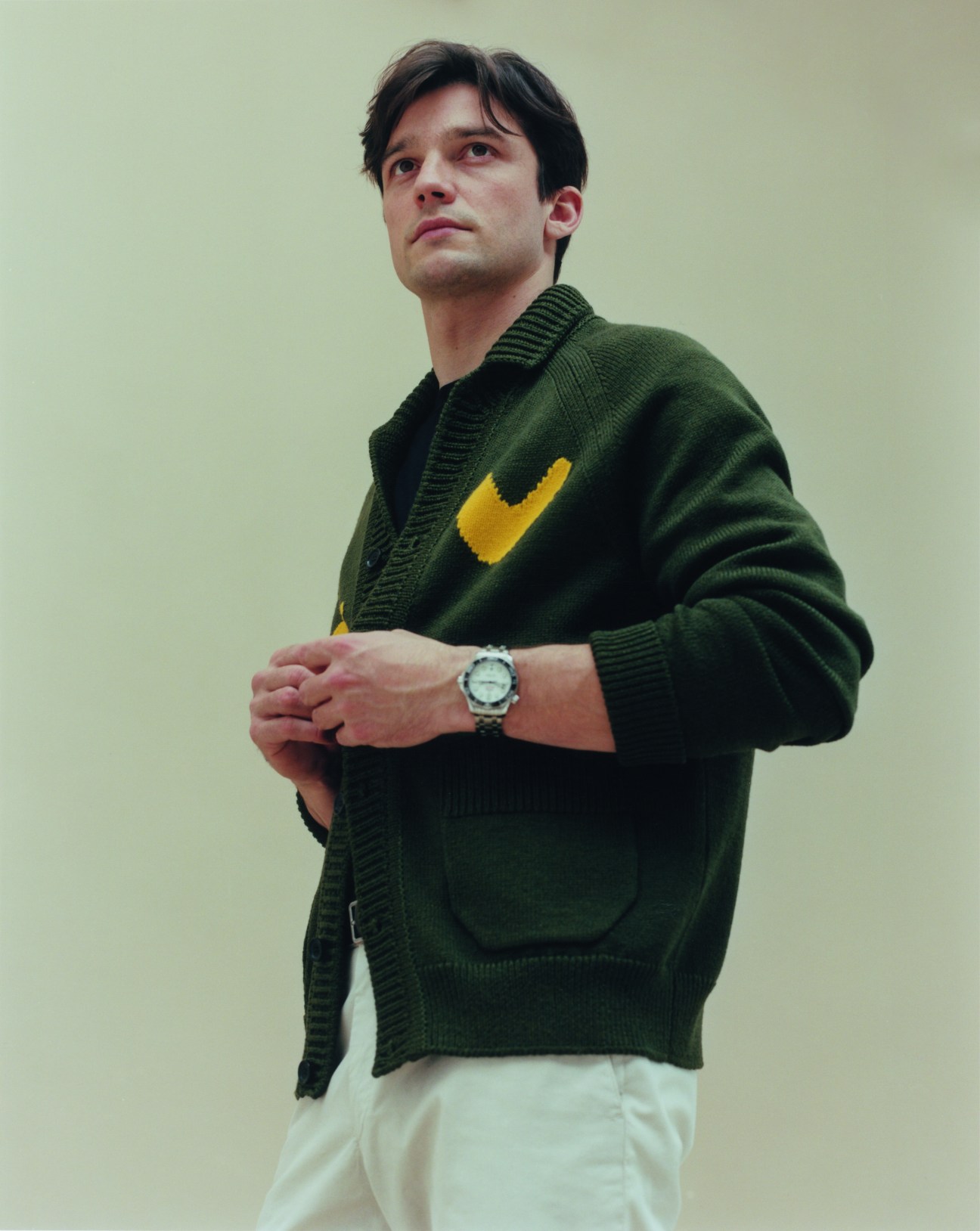
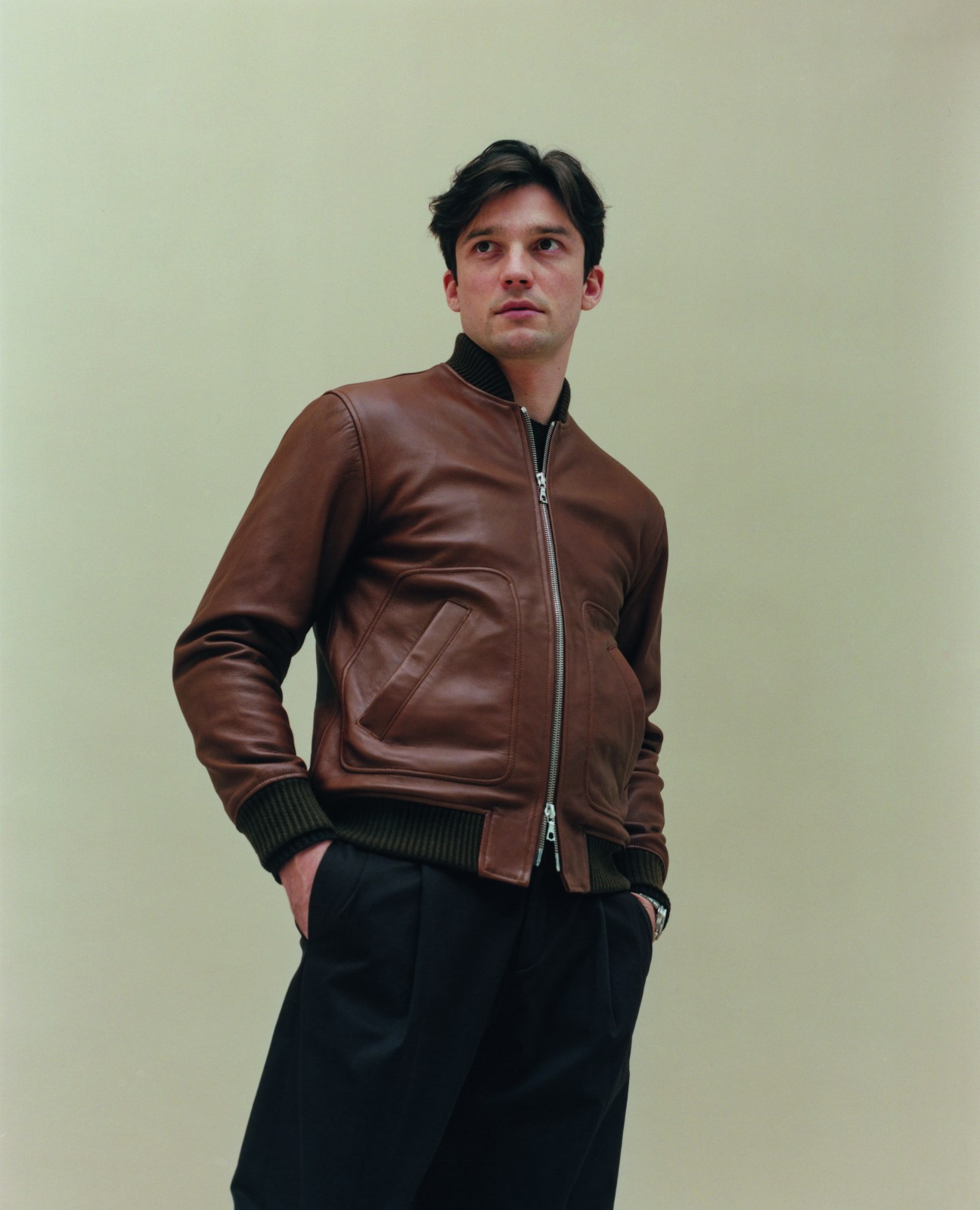
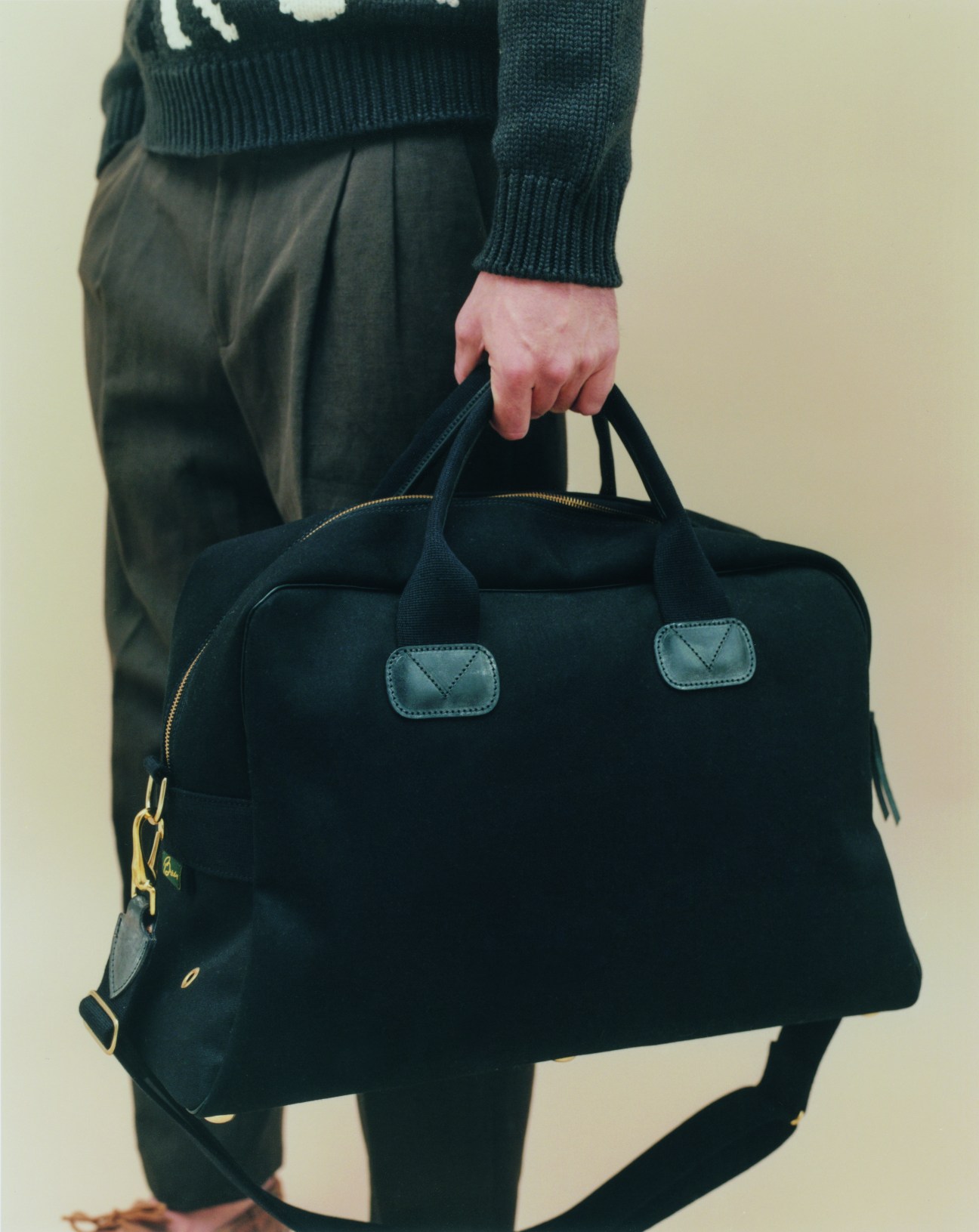

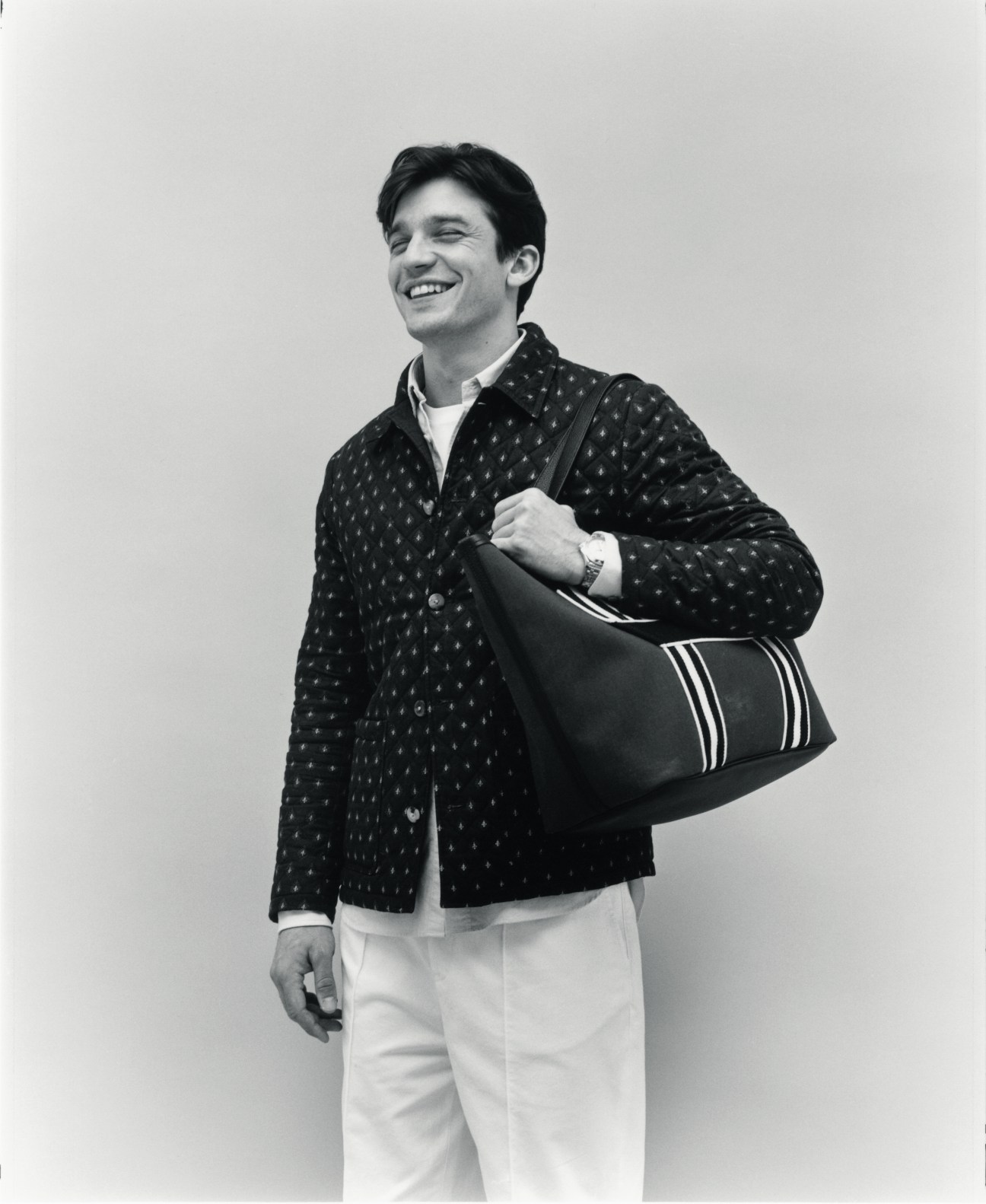
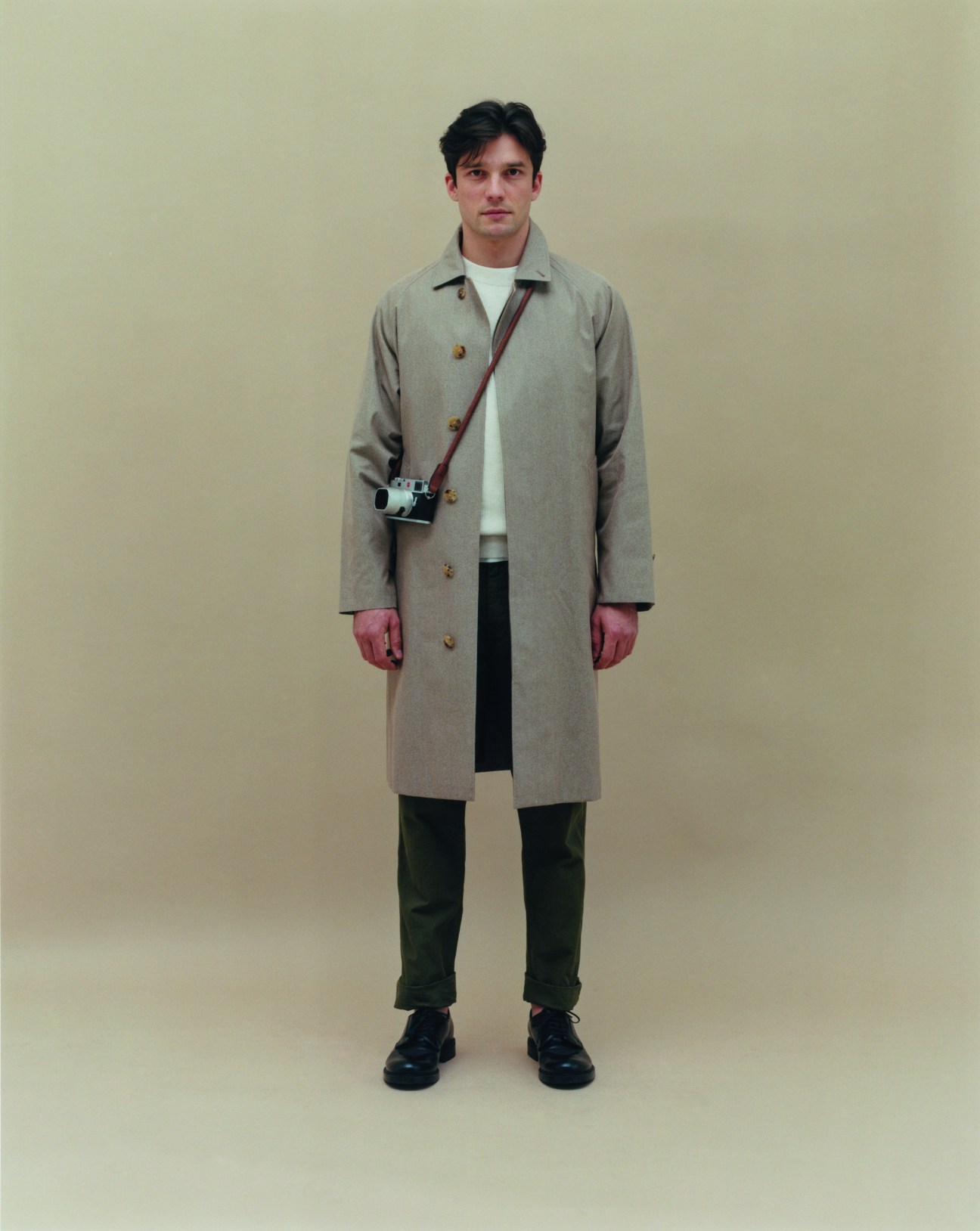
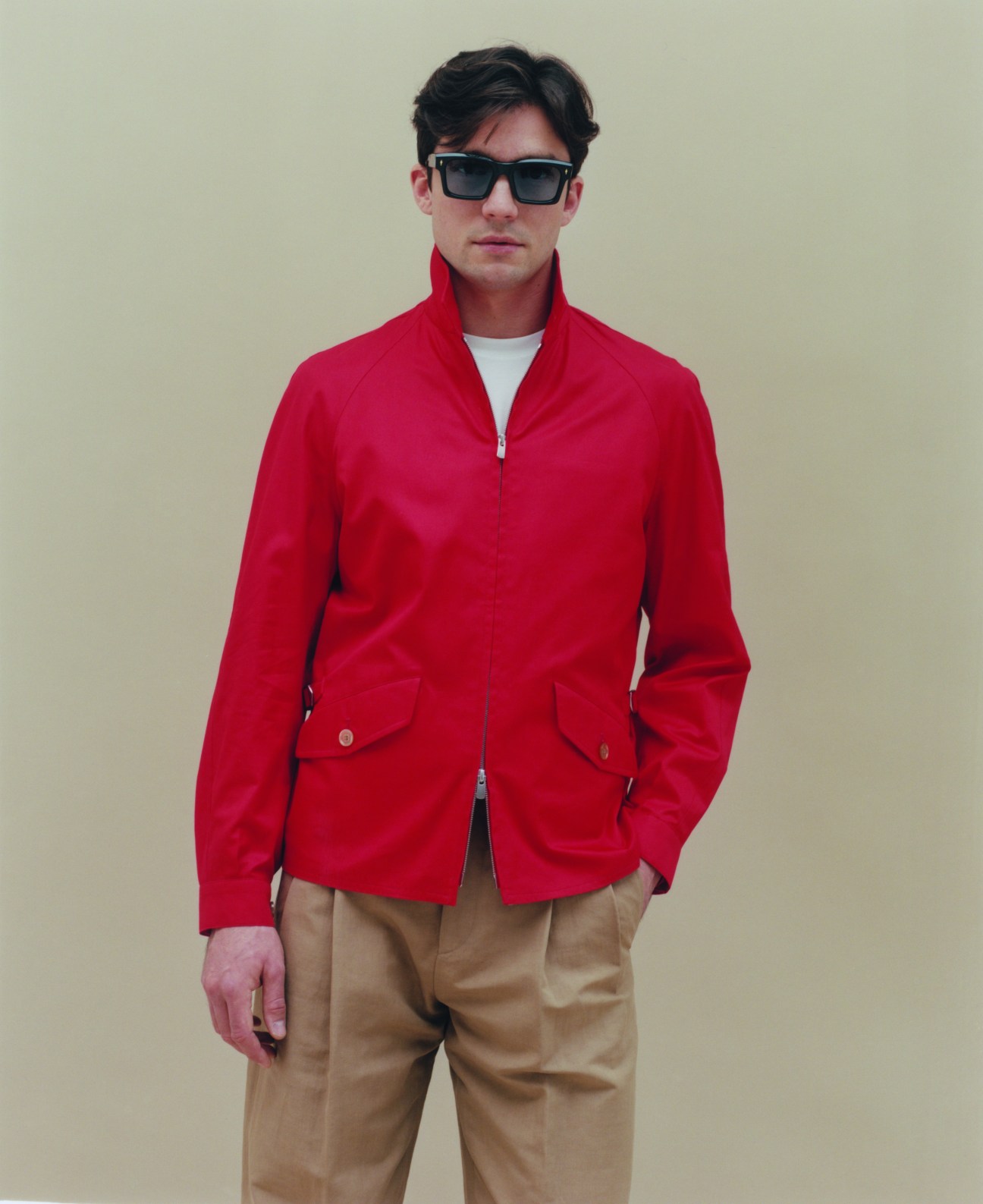
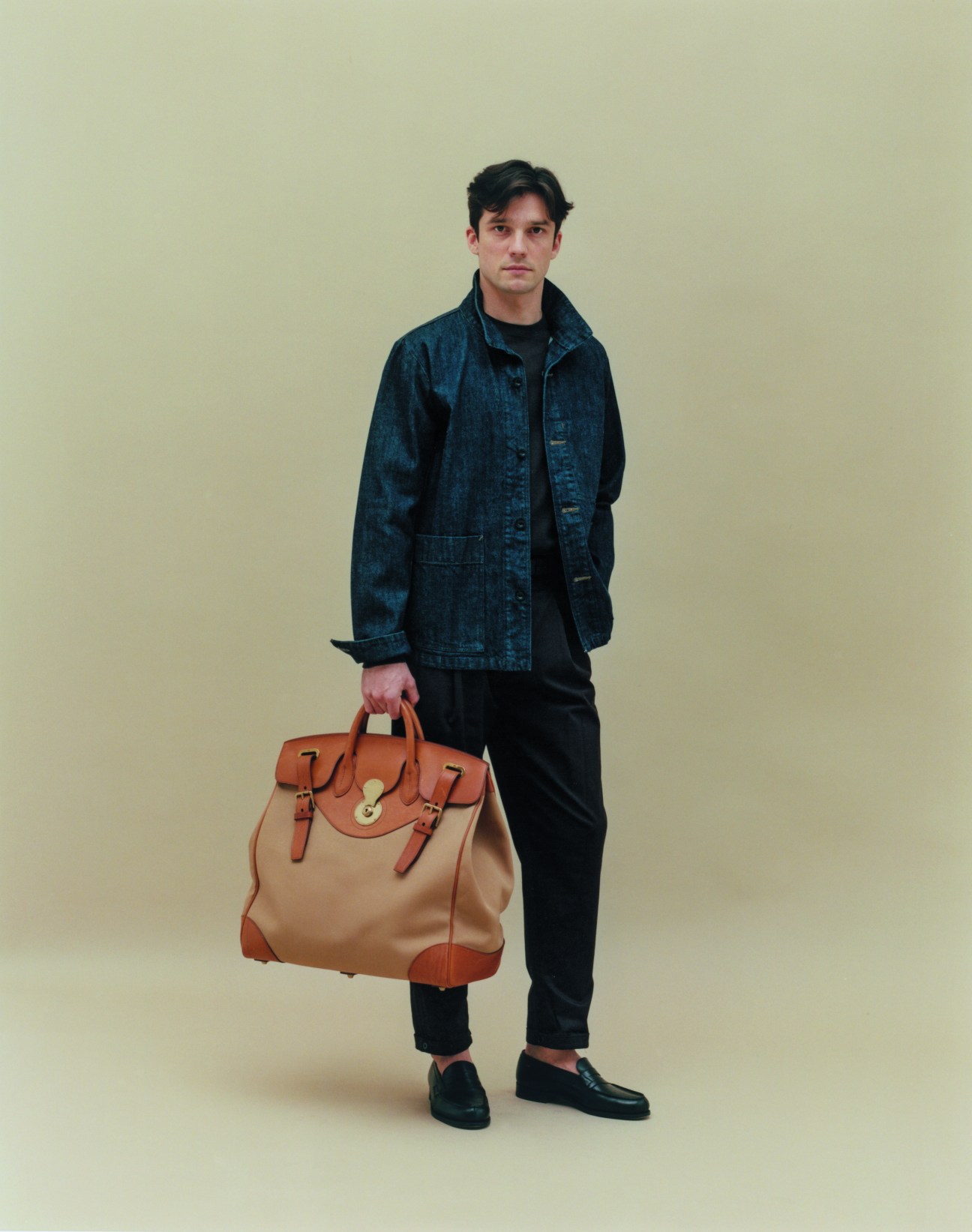
Grooming: Charlotte Dubreuil
Model: Alexis Petit
All aboard
I’ll start by laying down a marker. It’s approaching mid-February and I’m sitting on the upper deck of a Swiss railway dining car bound for Zürich, surrounded by fellow early-morning commuters sipping their capps and buttering their Gipfeli. It’s gently snowing outside but every now and then the sun peeks through the flurries to brighten the carriage. As we hurtle along the valley floor, the spirit in the dining car is reflective of the general mood, not just in this stretch of Mitteleuropa but across much of the world: protective measures scaled back, masks off, shoulders lowered and the promise of sunnier days.

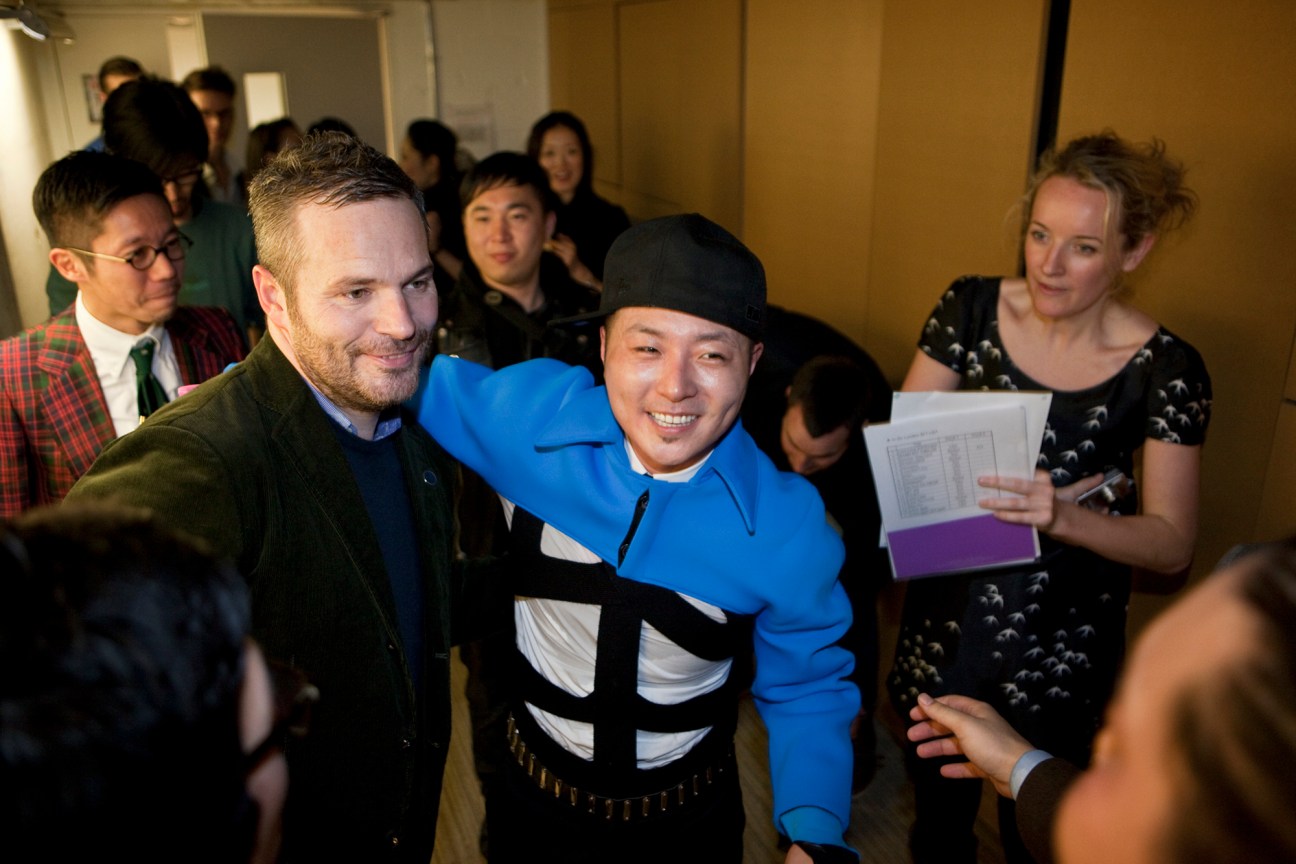
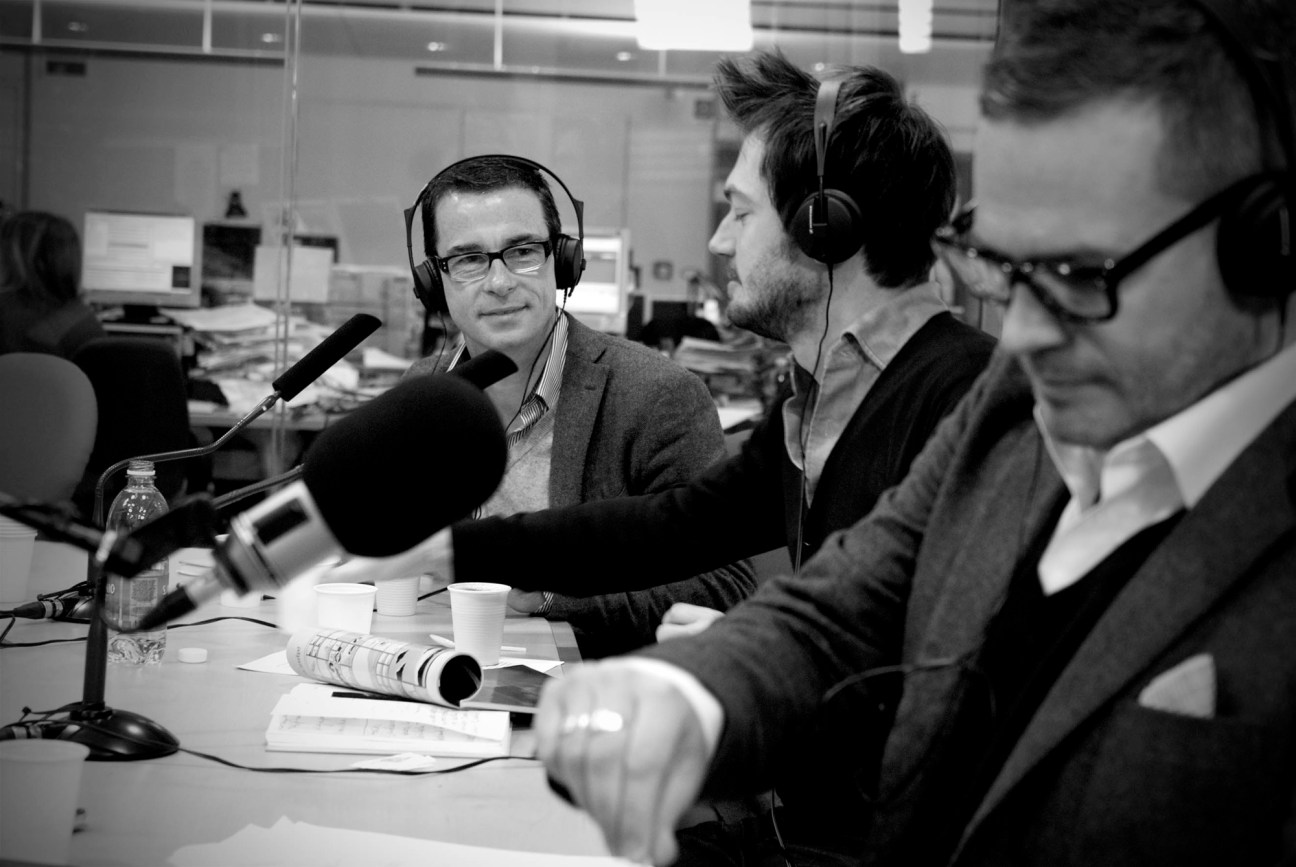
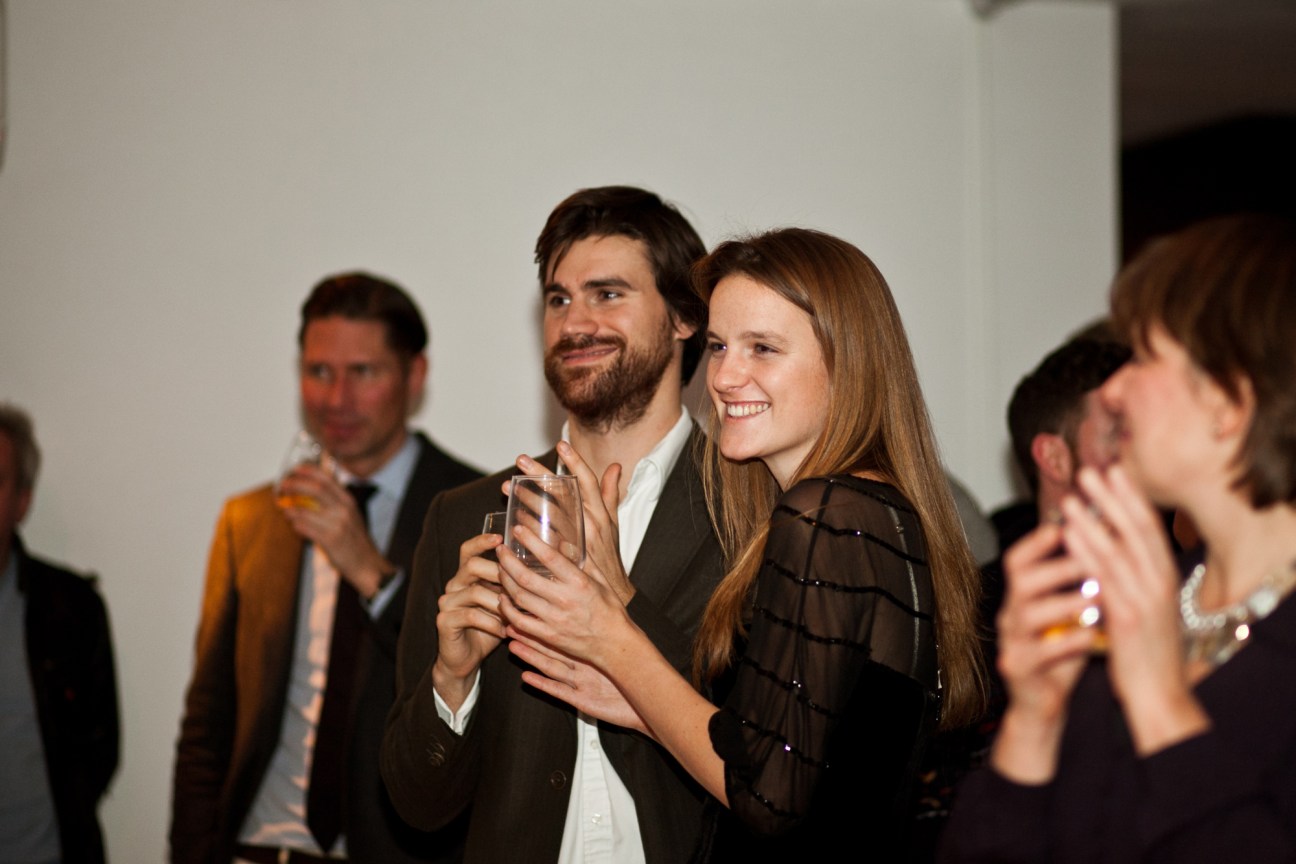
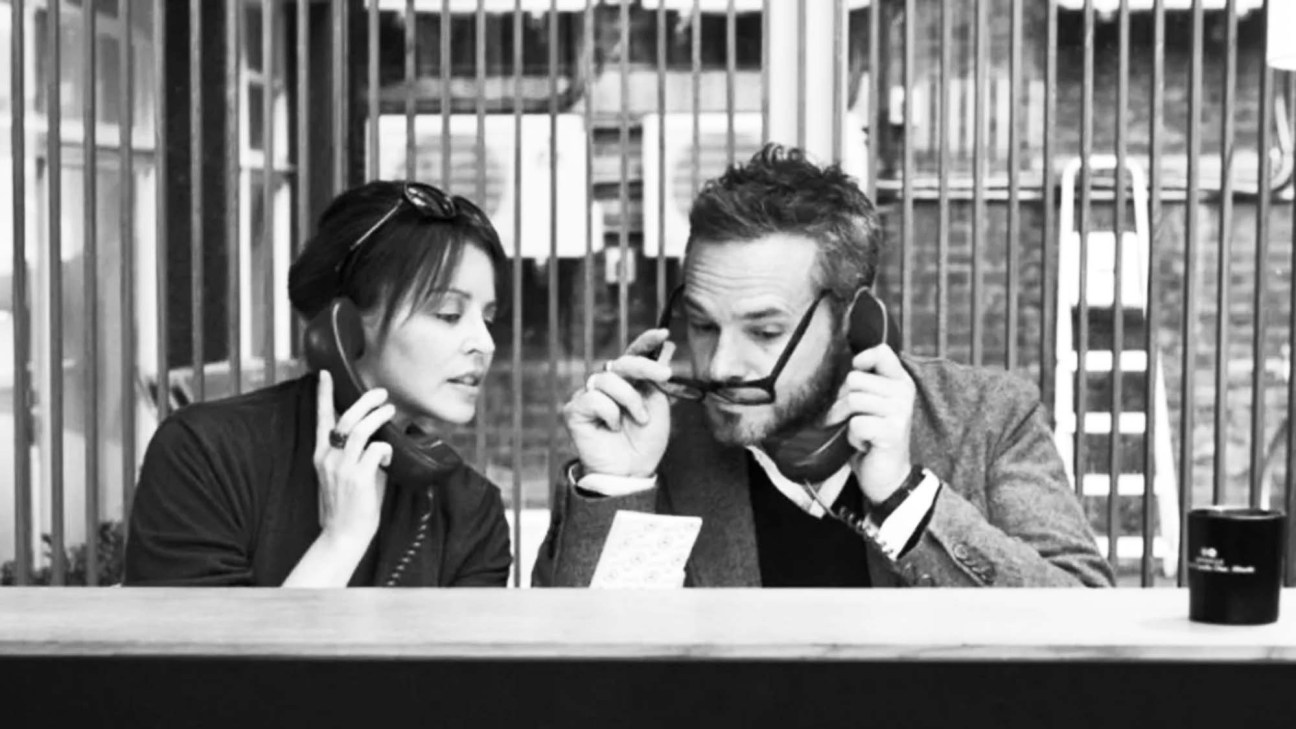
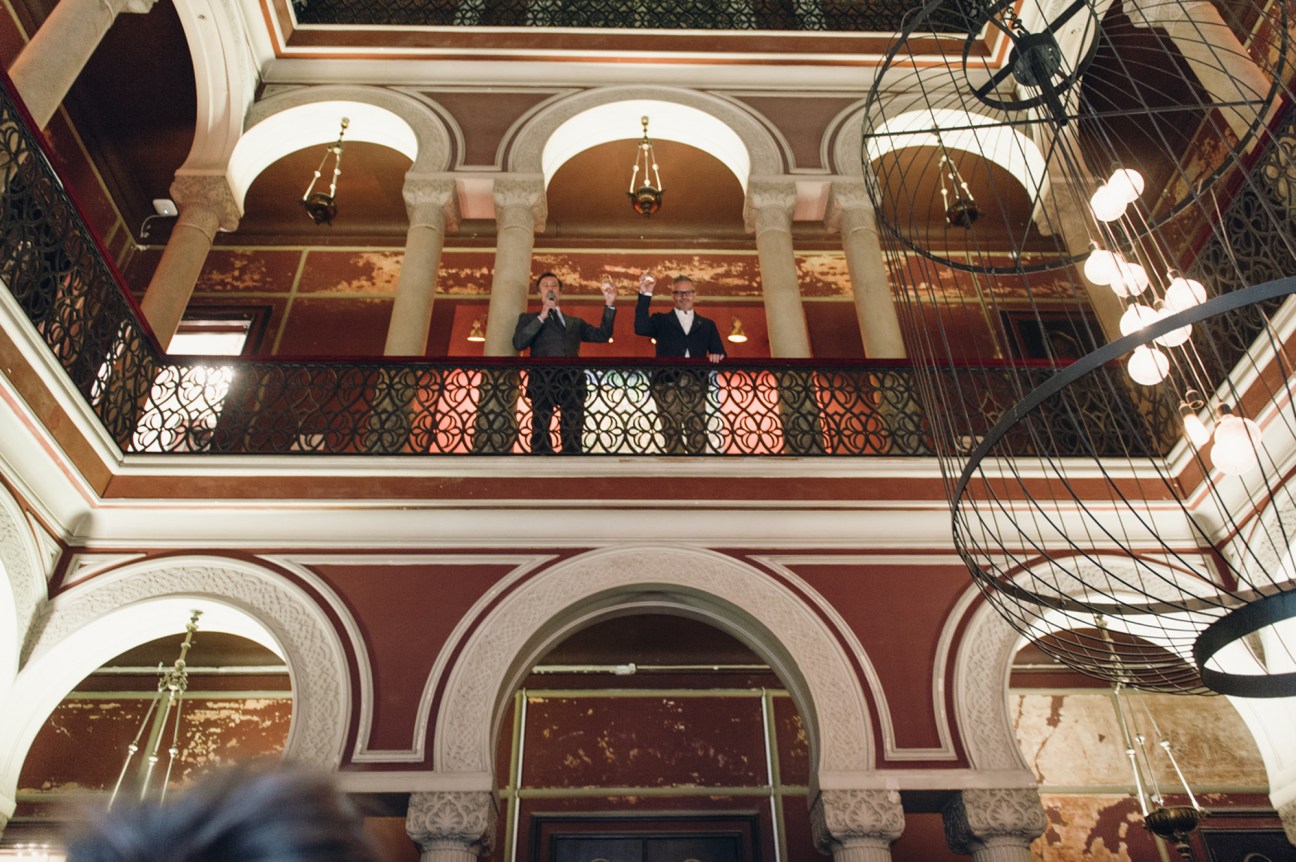
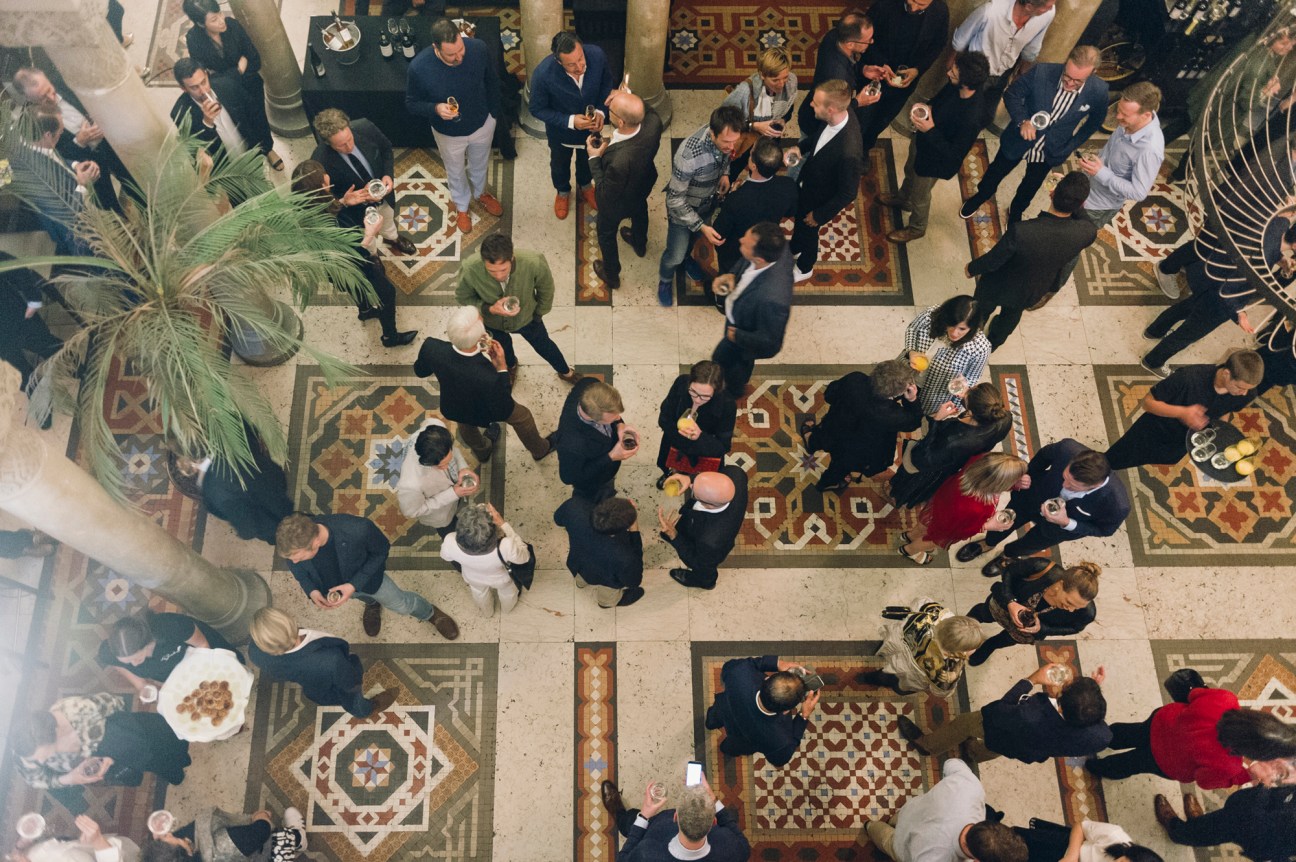
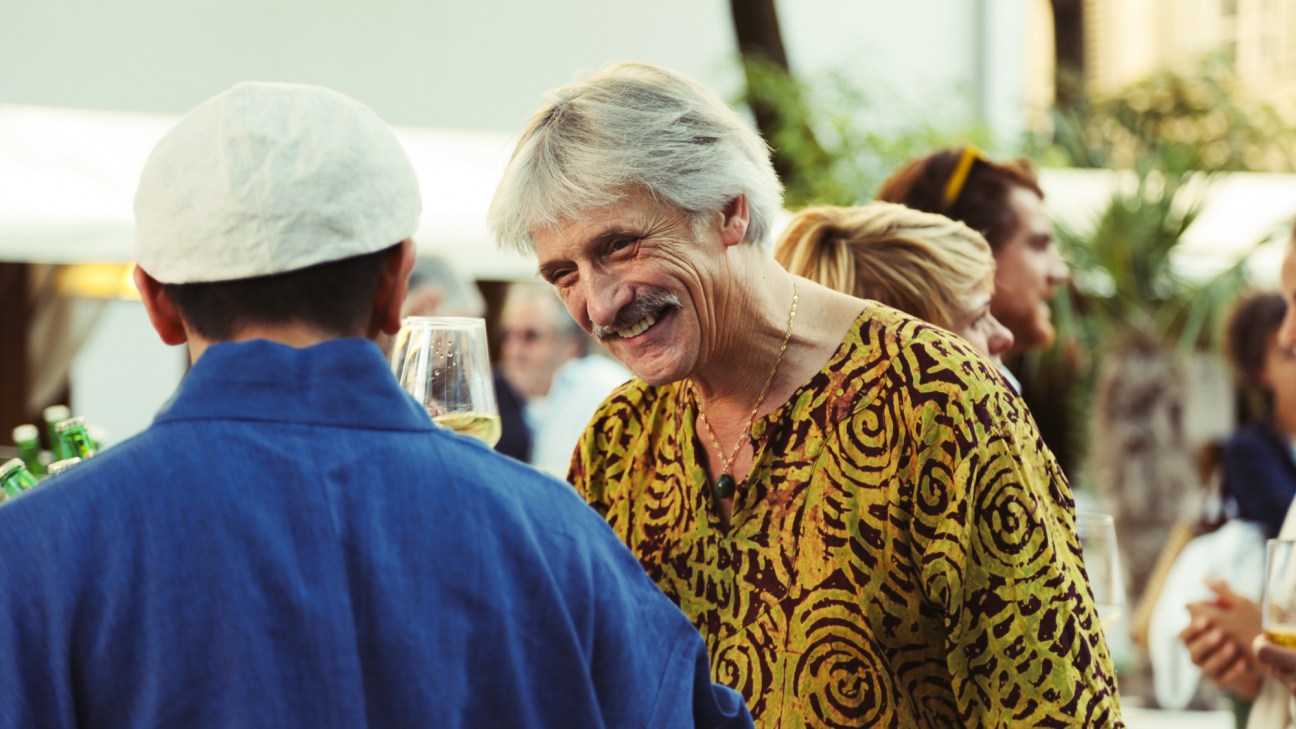
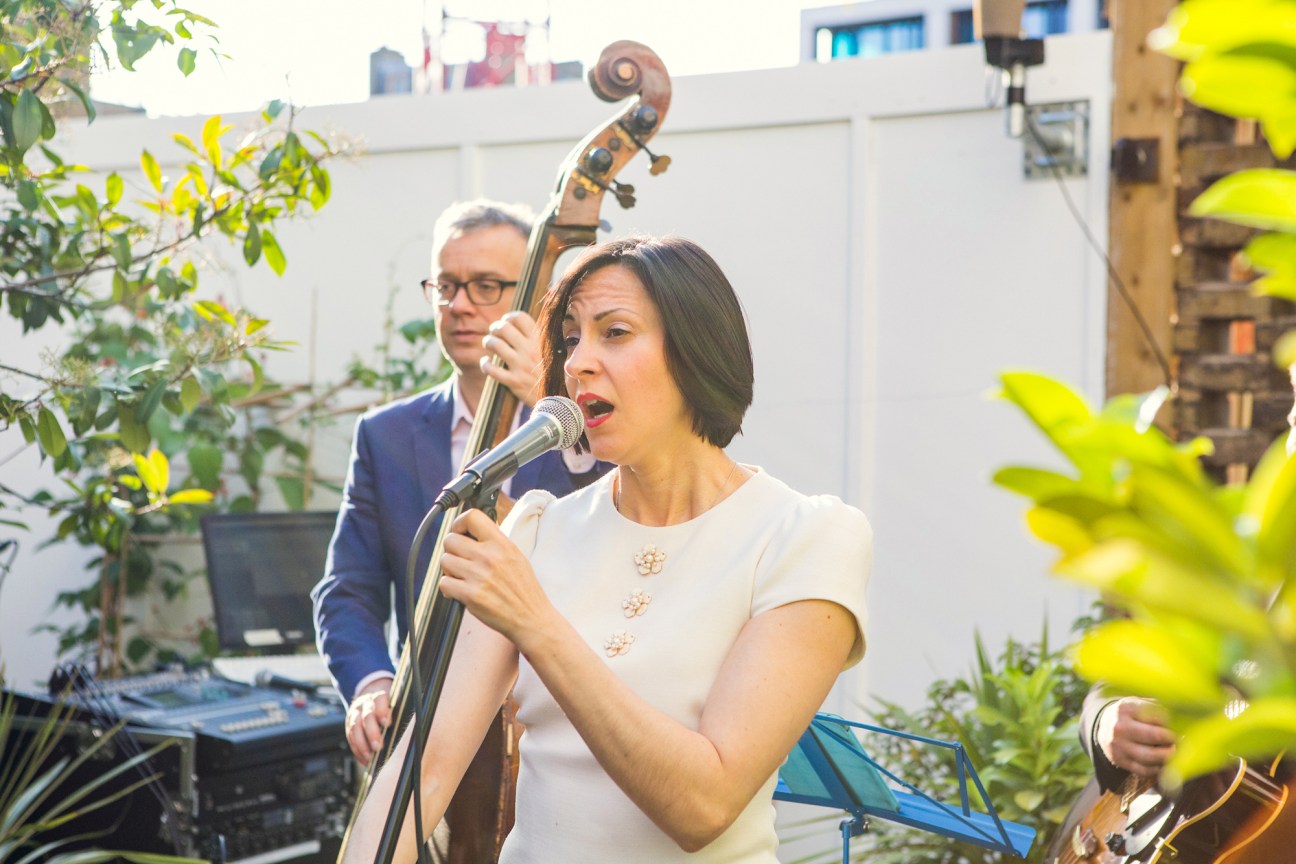
The same mood can be felt in Monocle’s Los Angeles outpost (isn’t it always sunny there?), on the editorial floor at Midori House in London and at my final destination, our HQ in Zürich’s Seefeld. For the past 24 months we have done our best to keep our tone level and determined. And whenever possible we’ve thrown open our doors to keep spirits high among readers and staff. While it has not been the easiest of endeavours, we are also hurtling along at speed to kick off the celebrations for our 15th anniversary – more on these later.
When I look back to the moment when we had finally rounded up the funding to launch this whole venture, we weren’t in a substantially different place. Traditional media houses were in crisis as editors tried to grapple with consultants who were talking about “digital transformation”; retail was being upended by new business models; the book trade was in crisis because of the arrival of tablets; and, just as we were getting started, the financial and property markets collapsed. For a brief moment in 2008, we weren’t sure if there would be enough money to see us through but, thanks to the support of patient investors, loyal readers and dedicated advertisers, we didn’t just muddle through – we started to thrive. As the world dusted itself off from the crisis and markets regained confidence, so too did our readers, who looked to Monocle for a fresh narrative and new opportunities.
It was towards the end of 2008 and early 2009 that we started to find our editorial niche and had the numbers and feedback to prove that our message was just as relevant in Boston and Munich as it was in Jakarta and Taipei. Since then Monocle has upped its tempo from 10 issues a year to the near round-the-clock operation that it’s become today, thanks to the addition of our radio service, newsletters and bureaux scattered across the world. Along the way, we decided that retail was a good way to engage directly with our audience and we now have 10 shops, as well as a book imprint and a growing conference business. At the heart of all of this is a dedicated team of editors, correspondents, researchers and designers who bring unique perspectives to how we cover the world.
Early on, baffled media chroniclers and readers asked why we were bypassing the big (obvious) stories and why we weren’t doing glowing profiles of the technology start-ups that were hoodwinking the market out of billions. Our answer was simple: “Because you can already find those stories elsewhere.”
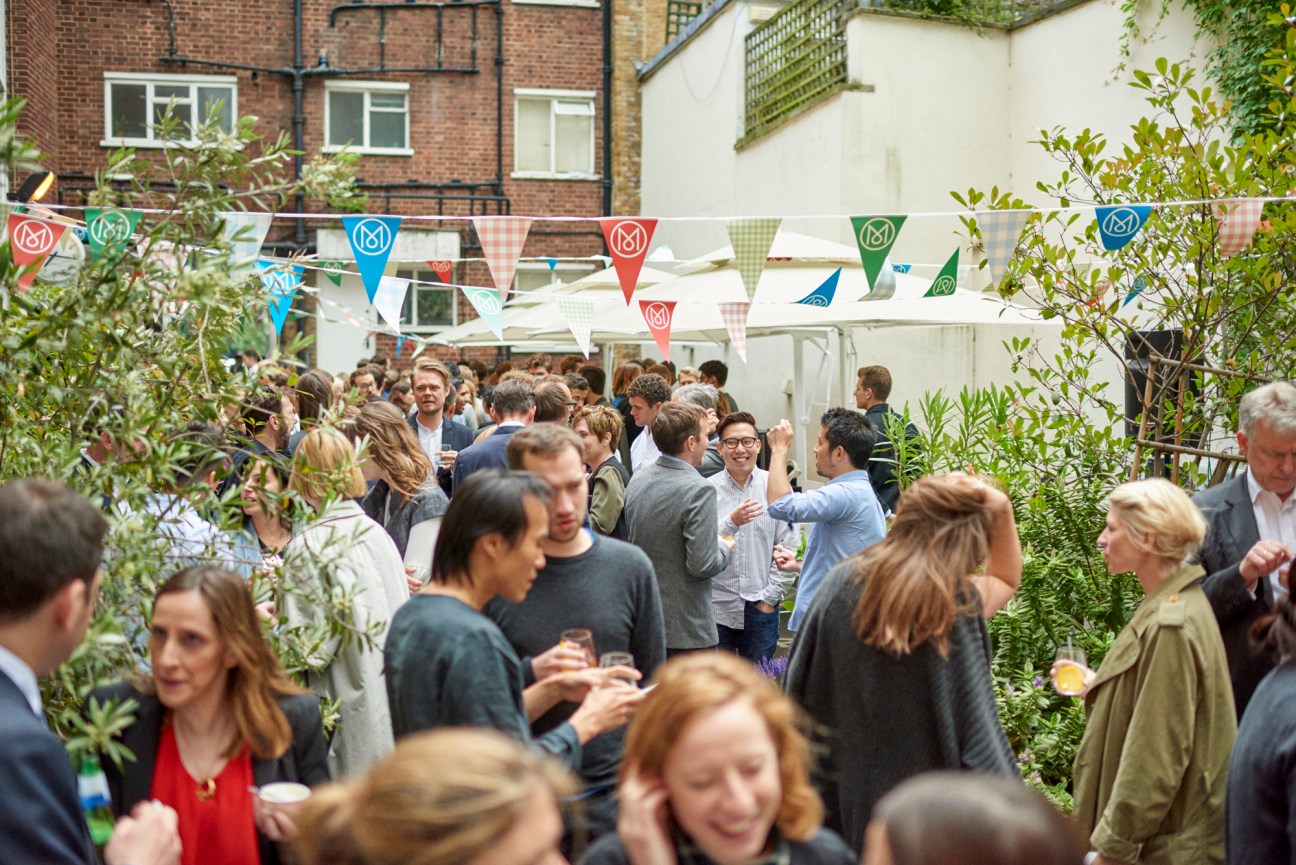
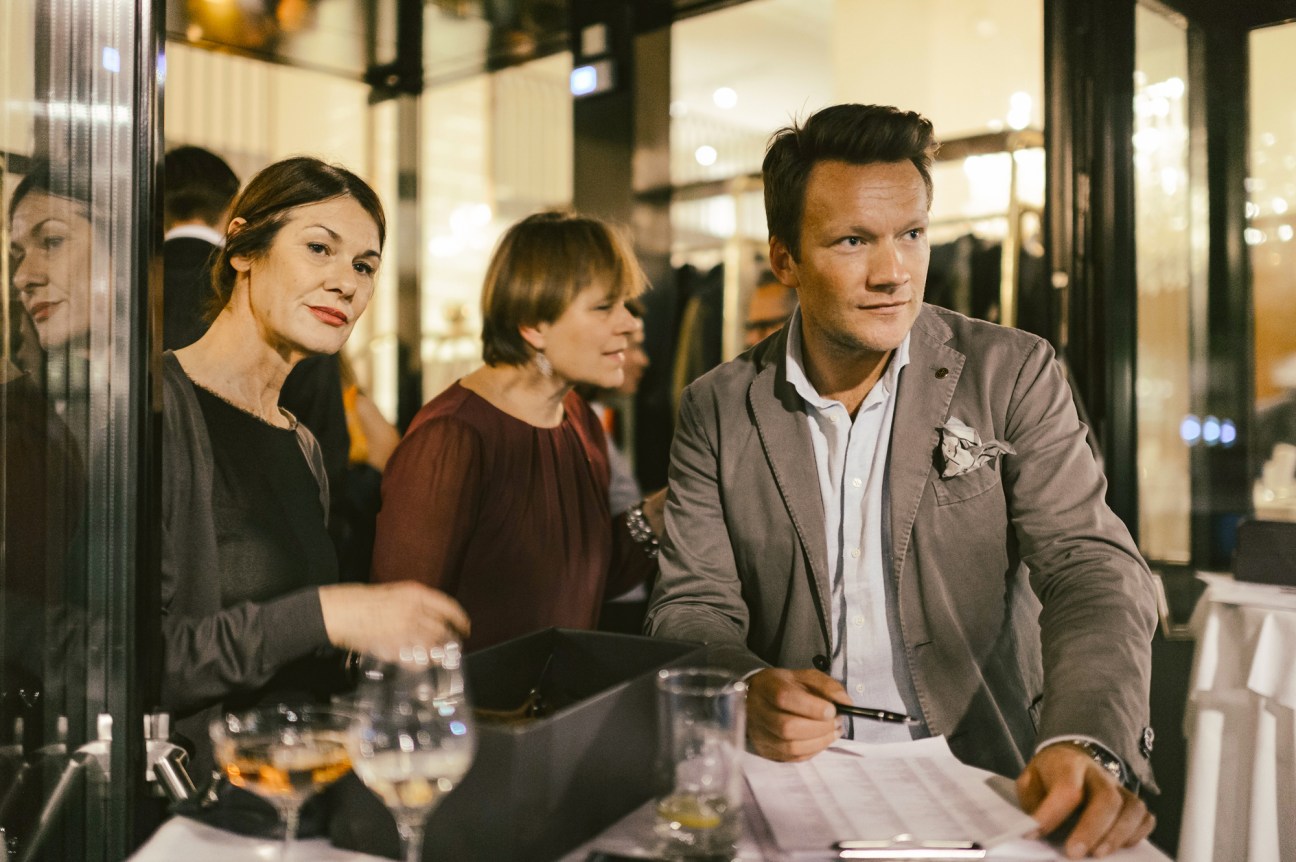
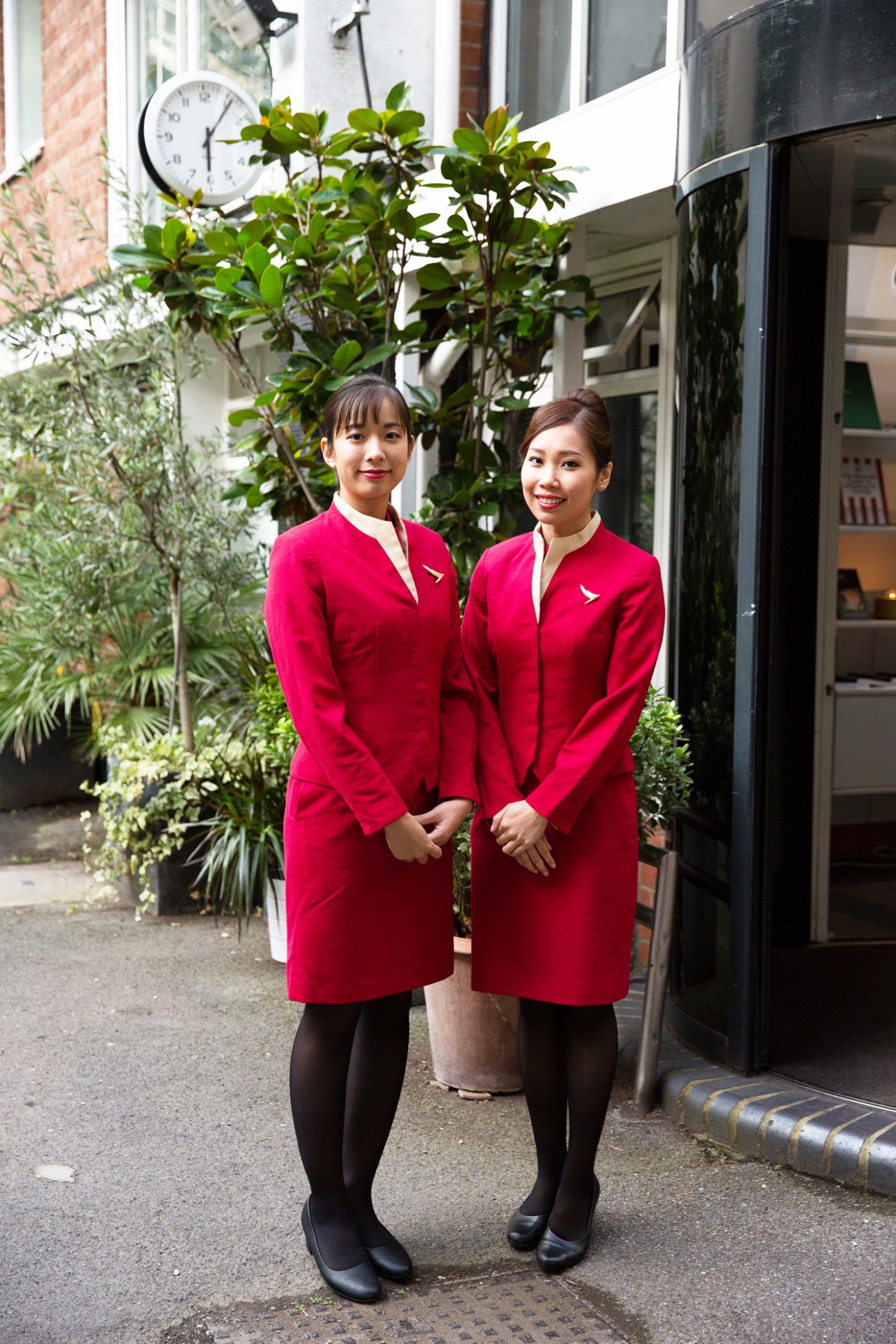
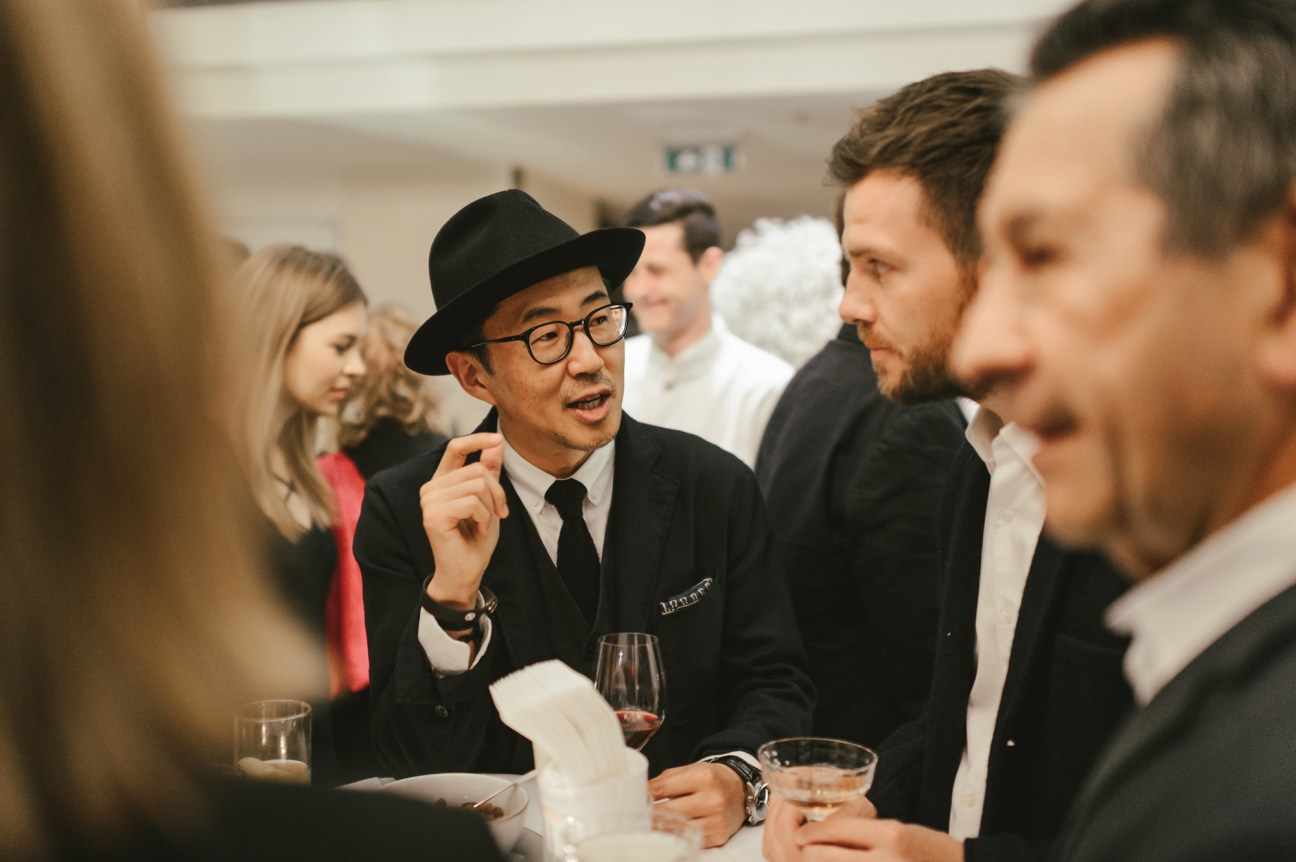
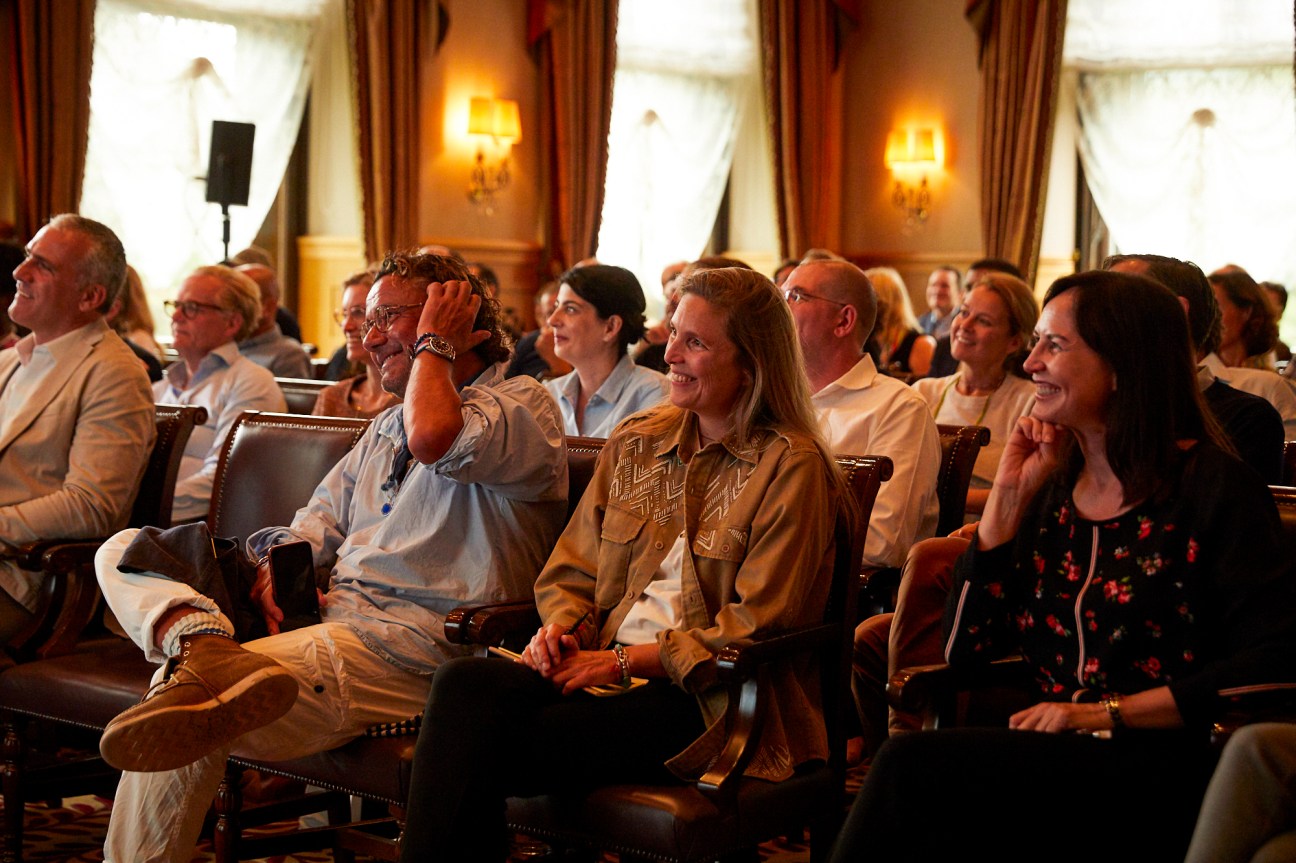
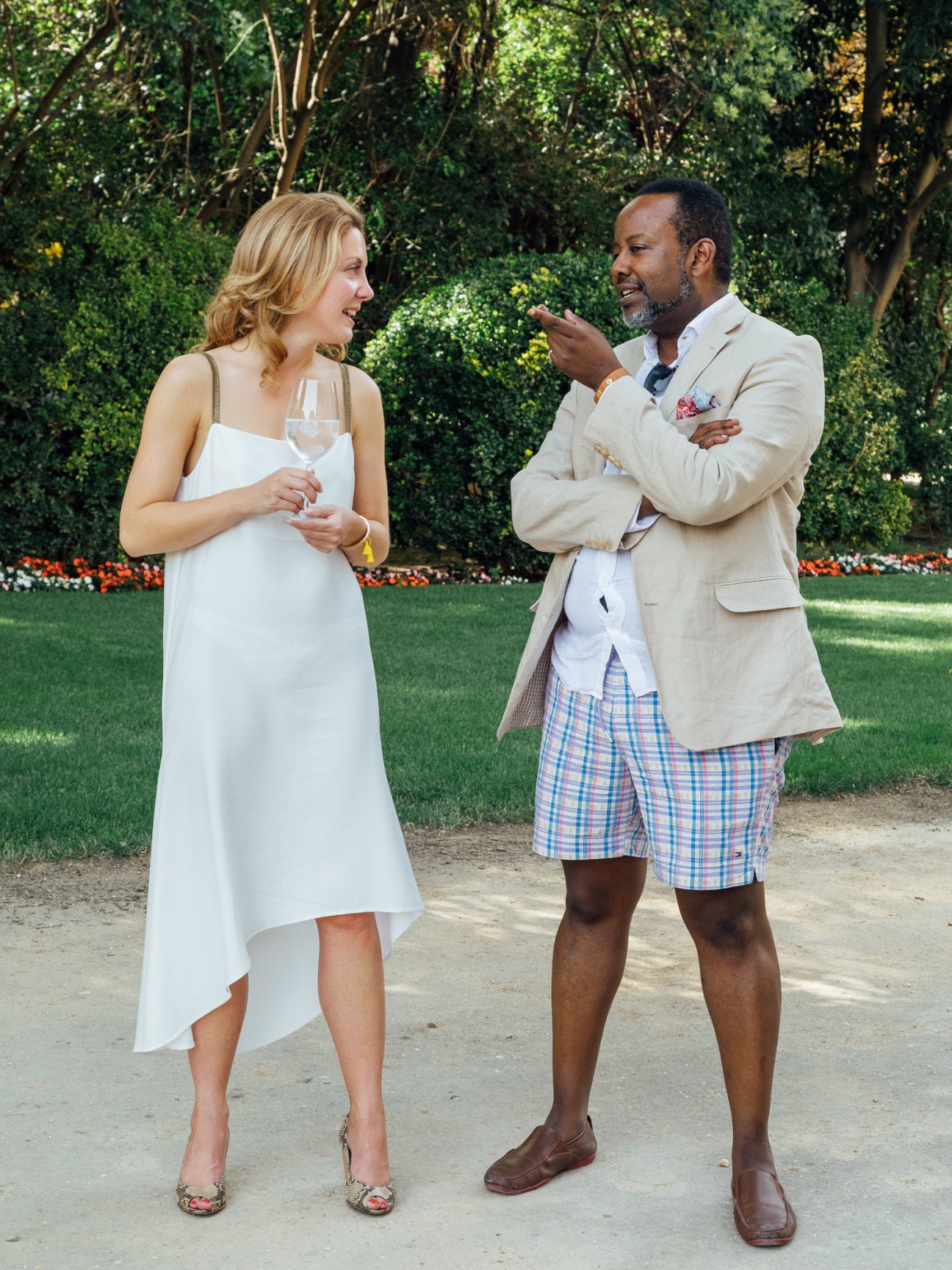
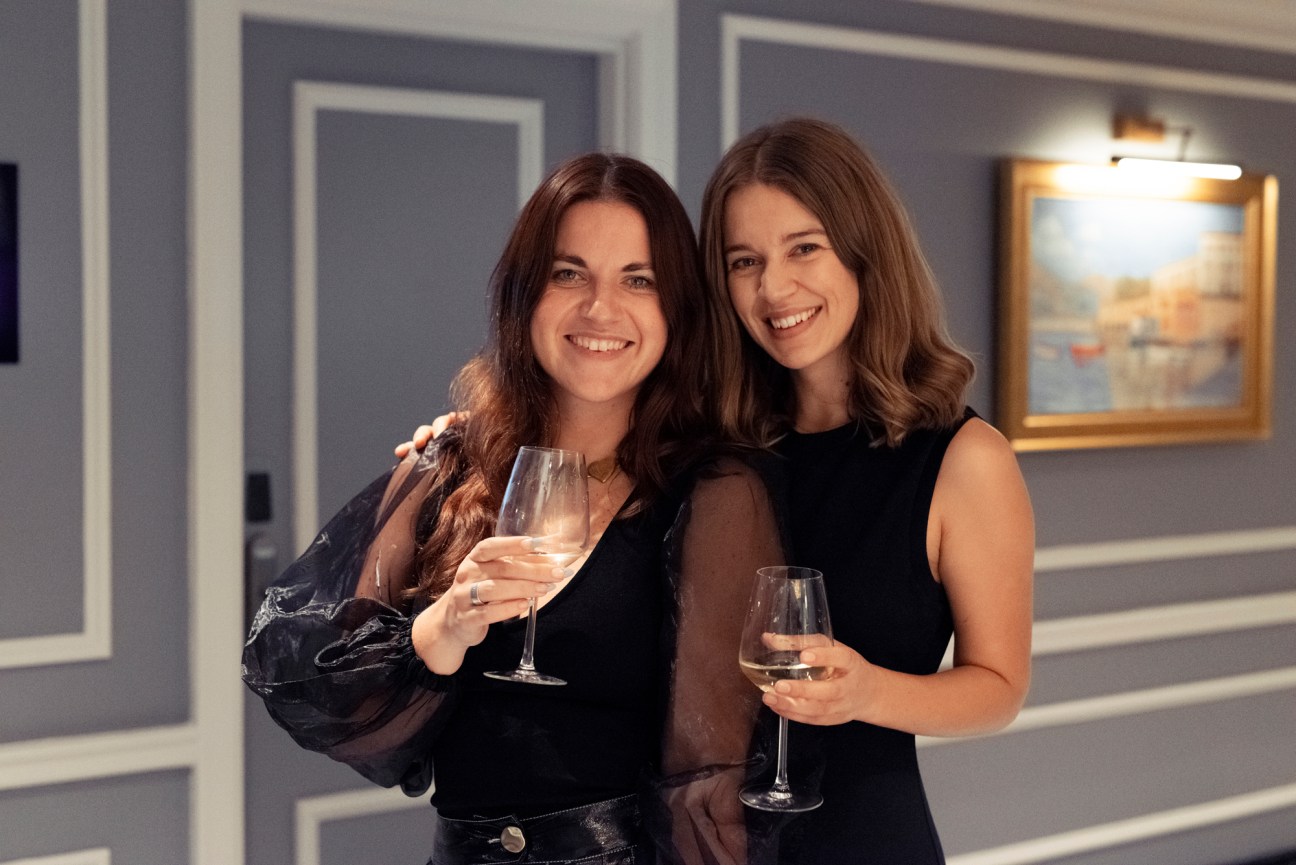
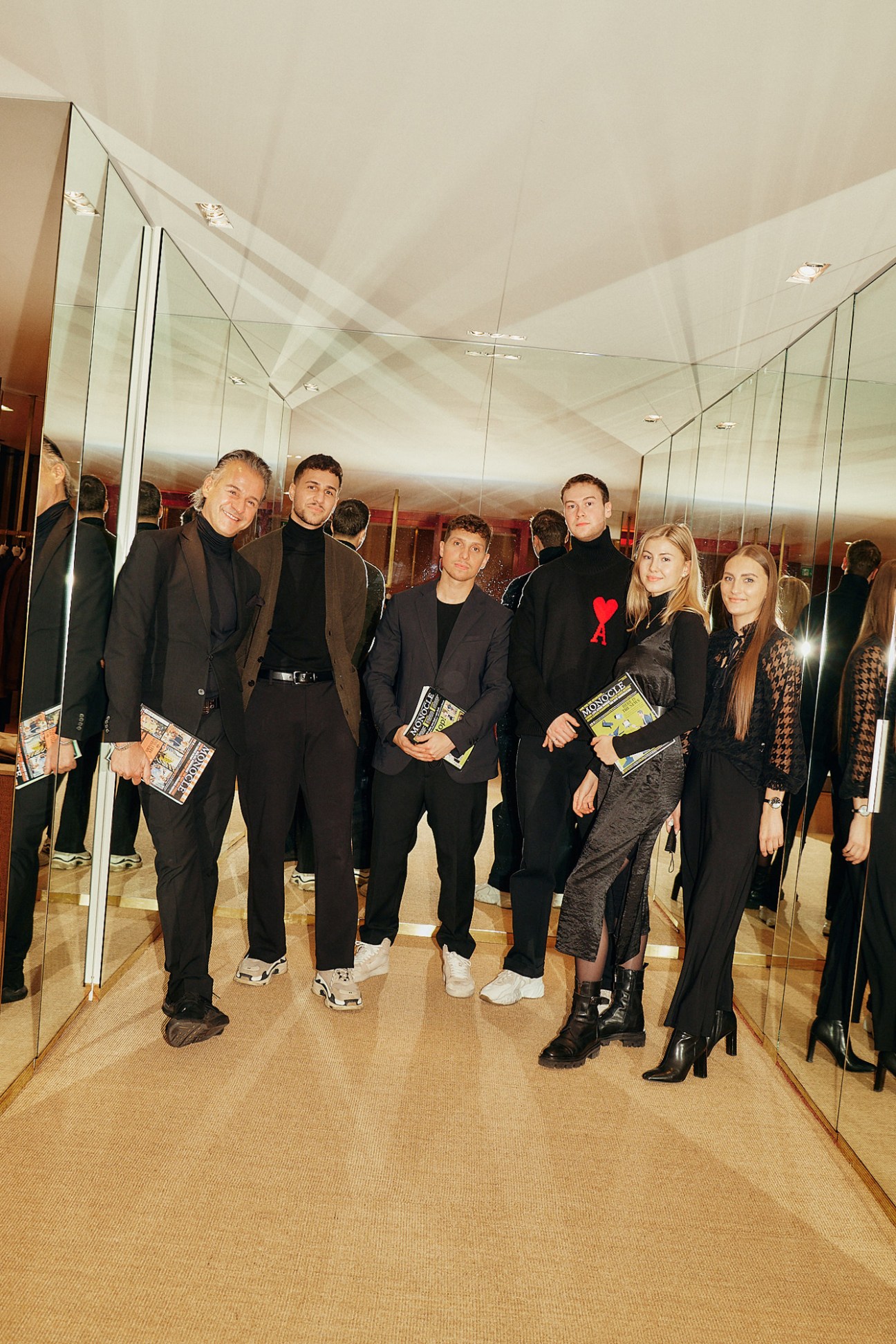
Our response is the same 15 years later: we want to send our correspondents to cities less explored, to interview leaders and cultural figures on the up, and to profile designers and brands that have no interest in going global – instead they want to focus on quality and keeping manufacturing close to home. As some corners of the world have veered into ugly and pointless culture wars, we’ve found ourselves being asked where we sit regarding various debates about deleting artists, re-editing masterpieces and covering up works of art. In some instances, our responses are branded as being too lefty or too far to the right. When we receive correspondence over the course of a week from both those who feel we’re too liberal and others who consider us too conservative, we know that we’re doing something right as we want to be a voice of reason and common sense, which chooses to say things that others don’t dare utter. In the future, we want to ensure that we continue to play this role for our global audience because we don’t believe that the issues and history of one nation should become the concerns of the day for another.
This is the problem with a narrowing news agenda and the lack of backbone in the boardrooms of media companies that choose not to stick up for journalists or commentators who present a different point of view: we end up with a bland, global news cycle that doesn’t challenge, is focused on the loudest interest groups and ends up doing little for discussion or freedom of speech. You’ll notice that I’ve been encouraging our audience to read newspapers outside their home markets; it does wonders for improving your general knowledge and also offers refreshing points of view.
My train is now pulling into the station, the snow has stopped, the sun is out and shortly I’ll be striding towards our office on Dufourstrasse. My mission is to send this issue off to our presses in the north of Germany while also plotting how we continue to cover the world, where to base ourselves (Hong Kong is not the easiest place for a correspondent these days) and figuring out how to mark 15 years at just the moment when the world (and certainly our readers) is up for a proper party. Hope to see you in London, Zürich, St Moritz, Oslo, Stockholm, Copenhagen, Helsinki and Los Angeles soon. Cheers!
15 years of media
Global
In the years since our debut, the digital world has grown exponentially and now dominates our media landscape. Yet, though much has changed, innovation and pluck have helped the boldest in print to survive – and flourish.
2007
Amazon debuts the Kindle, intended to spark a revolution in publishing. It can store about 200 books. The rise of the ebook initially seems unstoppable: in 2010, Amazon sells more digital books than hardcover titles. But by 2015 ebook sales are in decline, while those of physical copies pick up again. In 2021, the American Association of Publishers estimates that ebooks constitute just 12 per cent of sales. Meanwhile a new generation of readers, retailers and designers is adding new life to the culture of reading books.
2007
While local newspapers are folding in the US and beyond, an outlier, the Waterbury Record, launches in Vermont. Sadly in 2020 it publishes its last edition, along with many other titles that fall victim to the pandemic, including The California Sunday Magazine. Since 2004, the US has lost about 1,800 papers, with California losing the most dailies of any state. Elsewhere in the country, fresh blood is re-energising titles such as The Big Bend Sentinel and, as seen in Outpost News, a feature in our Monocle Weekend Edition newsletter, there are still champions of local news who run successful businesses.
2009
Facebook becomes the biggest digital platform after hitting 350 million registered users. What follows is a tale of growth and hubris, with Mark Zuckerberg’s business increasingly seen as a threat to privacy. Its recent rebranding as Meta can’t quite undo the damage of the 2018 Cambridge Analytica scandal.
2009
UK men’s magazines Arena and Maxim close. In the following years, FHM, Nuts, Loaded and Zoo also disappear from newsstands. The sector faces challenges in other countries too. Can men’s titles adapt and reinvent themselves or have websites stolen their function?
2011
Minimalist magazine Kinfolk launches in Portland, Oregon, a year after the birth of Instagram, which helps to spawn countless copycats of its aesthetic.
2012
Short-form video platform Vine, designed to capture diminishing attention spans, is launched. It ends up having a short life of its own, closing in 2016. Messaging app Snapchat will also come and go from most people’s phones. In 2020, Clubhouse becomes the latest app sensation that never was.
2014
Podcast This American Life launches new production Serial. Within four years, the first two seasons are downloaded 340 million times. By 2021, Spotify would rather lose the entirety of Neil Young’s back catalogue than drop star podcaster Joe Rogan, and few people have never listened to a podcast (or guested on their mate’s one).
2015
Germany’s beloved supplement Zeit Magazin launches an international edition, while French newspaper Les Echos starts a magazine of its own. Newspapers are struggling but weekend supplements can boost sales and advertising revenue.
2018
Music magazine NME ceases its print publication but Rolling Stone relaunches. Spotify becomes the go-to for discovering new tunes but there’s room for one more encore from the music press.
2020
A new daily newspaper, Domani, hits newsstands in Italy. Without cheery edicole on squares and streets around the country, how could a print title ever have made it out of the blocks?
2021
The California Sunday Magazine wins a Pulitzer, eight months after closing. It’s a bittersweet moment but its fans can take hope from the story of The Village Voice. The New York weekly closed in 2018 but after LA Weekly publisher Brian Calle acquired its rights in 2021, it has come back into print.
2022
Nordic streaming platform Viaplay plans to launch in several markets beyond Scandinavia and officially enter the streaming fray. It’s a tough, Netflix-centric world out there: since the US platform launched its streaming service in 2007, it has amassed 222 million viewers. But with Apple TV+ and Disney+ hot on its heels and niche players popping up in its blind spots, its reign might not last for ever.
2022
The New York Times snaps up vocabulary game Wordle for a “low seven-figure” sum. It’s not the only newspaper that has figured out the value of puzzles. After all, sudoku had already proved a publishing success story. In the UK, The Sunday Telegraph invests in the country’s “biggest weekly puzzles section”; 22 new puzzle titles debuted in 2021 alone. And long-running magazines such as Italy’s La Settimana Enigmistica show that playing is nicer with paper and pencil in hand – especially on a beach.
Into the woods
When entrepreneur Taavo Somer moved from New York City to upstate New York five years ago, he was confronted with the realities of living in the countryside. “There isn’t much to do during the week; it was isolating,” says Somer, whose previous ventures include Manhattan restaurant Freemans and a clothing line called Freemans Sporting Club. Most places, he noticed, only opened from Thursday to Sunday.

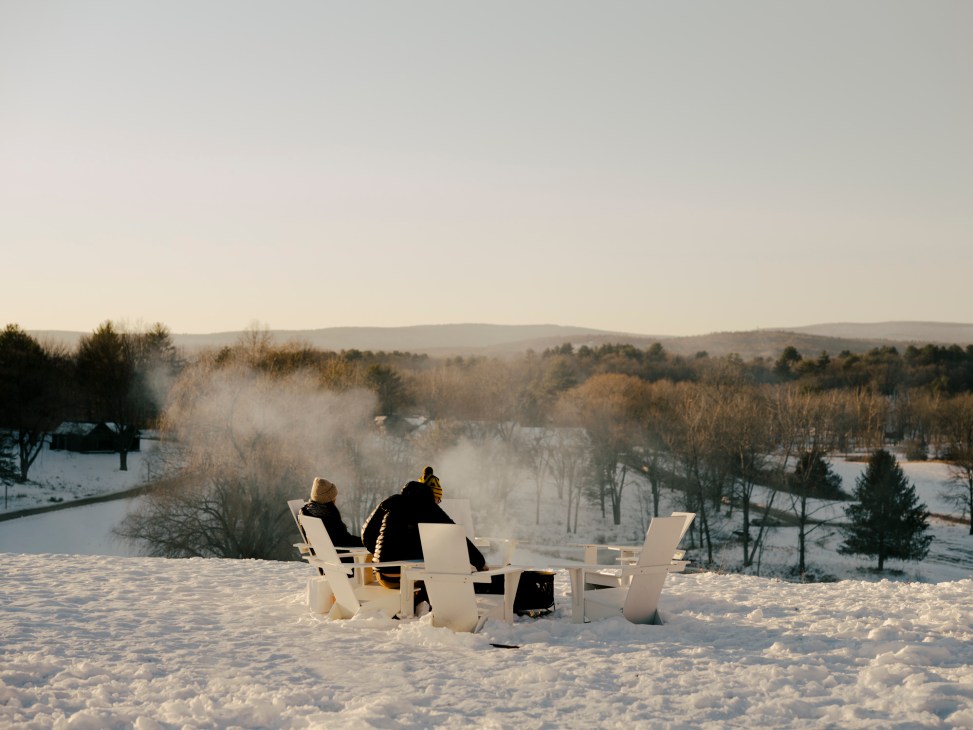
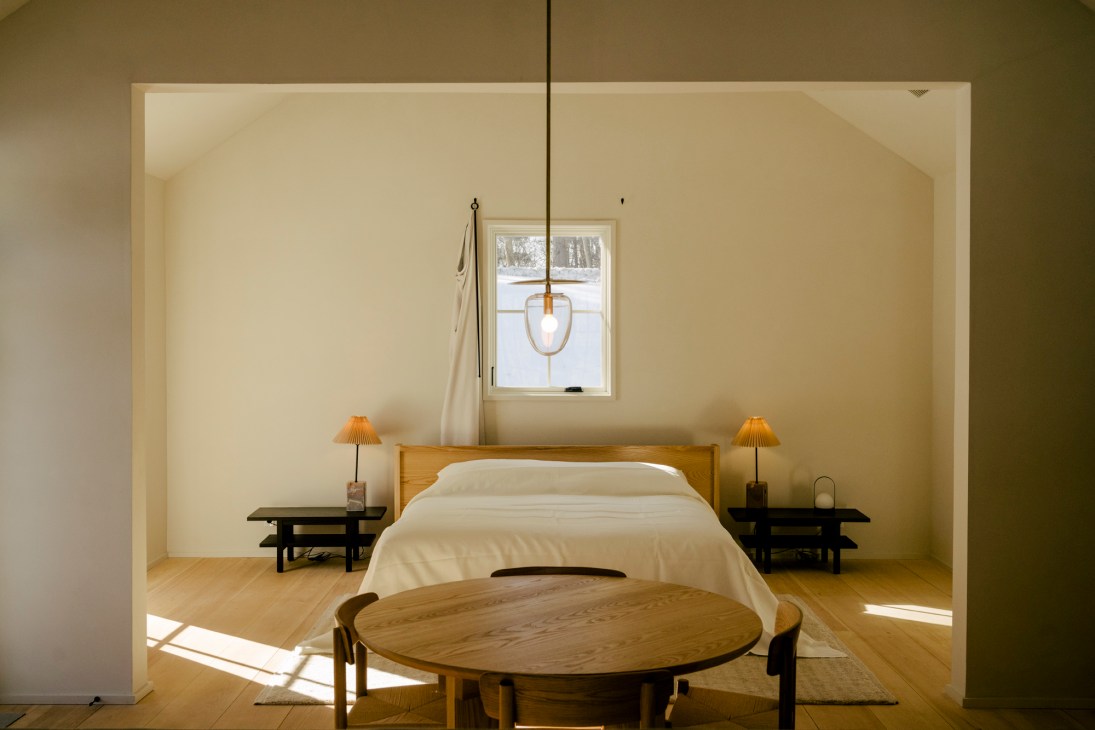
Today we are standing in the Catskills on a ridge overlooking his latest project, Inness, which is a members’ club, restaurant, 40-room hotel, golf course and farm shop in the town of Accord, 90 miles (144km) north of New York City. It’s the answer to the weekday doldrums. The property, set on 220 acres (about 90 hectares) of undulating woodland, is dotted with various buildings and 28 cabins designed with Brooklyn studio Post Company. From our vantage point we can see the slick black Japanese-style cabins, as well as a circular swimming pool next to a white-slatted farmhouse. “There’s a lot of colonial Dutch-style architecture around here so we wanted there to be an element of that,” says Somer, who is wearing a flannel shirt and denim jeans.
While he has dabbled in the hotel business and is involved in the Hotel Kinsley in nearby Kingston, Somer is best known as the founder of Lower East Side institution Freemans. The restaurant was and remains one of the most loved gathering spots in the city. Inness might very well be on track to become the upstate equivalent.
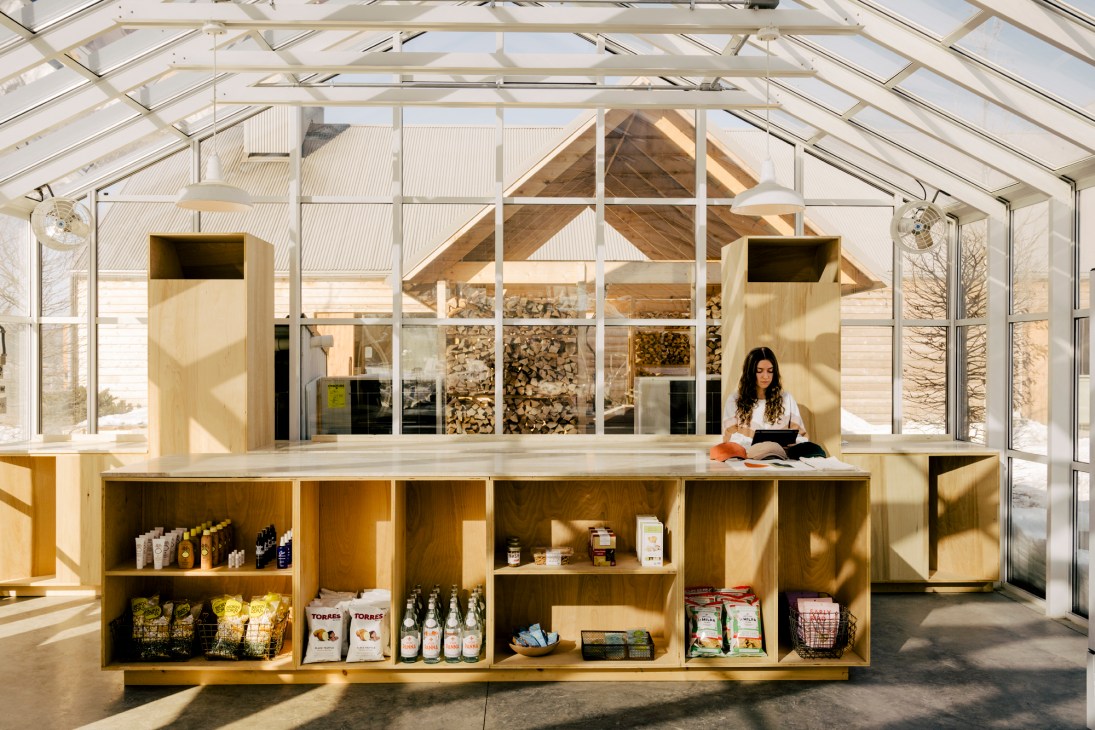
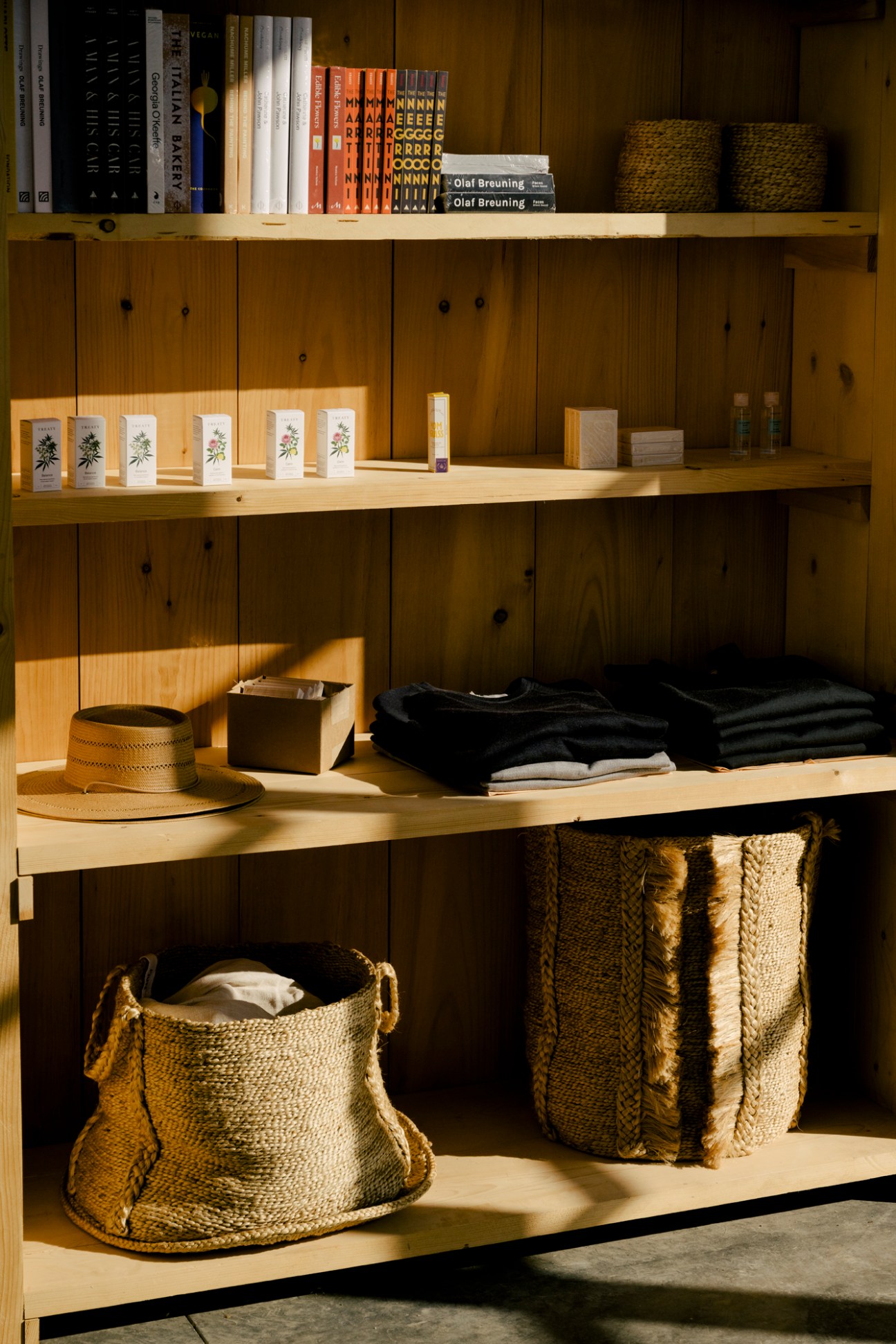
“There’s a new clientele, who came upstate during the pandemic,” says Somer. “They were used to living in Brooklyn or Manhattan. Now they’re here and wondering where to get dinner on a Tuesday night.” As well as weeknight grub, there’s a glass-panelled shop, which is designed to mimic the area’s farm stands and stocks local and international lifestyle products, including Eleven Six alpaca-wool shawls and fragrances by Somer’s wife Courtney’s brand Lake & Skye.
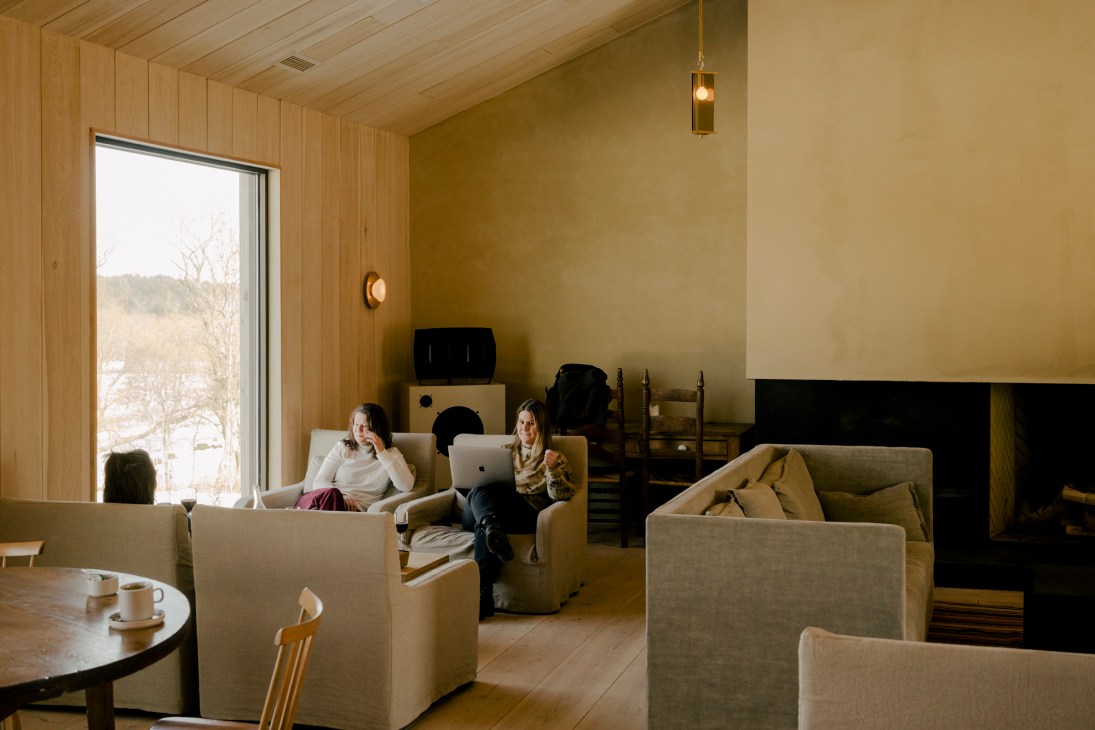
Even before the pandemic, a steady influx of city slickers had headed upstate in search of space, nature and a more rural life. Most people live within 30 minutes to an hour’s drive from one another, which presented Somer with an opportunity to provide a focal point for the scattered settlers. “If you didn’t go to someone’s house you wouldn’t really see them,” says Somer. “Inness is a way of gathering them together.” In the winter, visitors mass in the members’ lounge set inside a barn-like space filled with a vast grey sofa and an impossibly inviting fireplace. For the summer, there are the pools, as well as a golf course, a pastime that Somer is determined to bring to a broader audience.

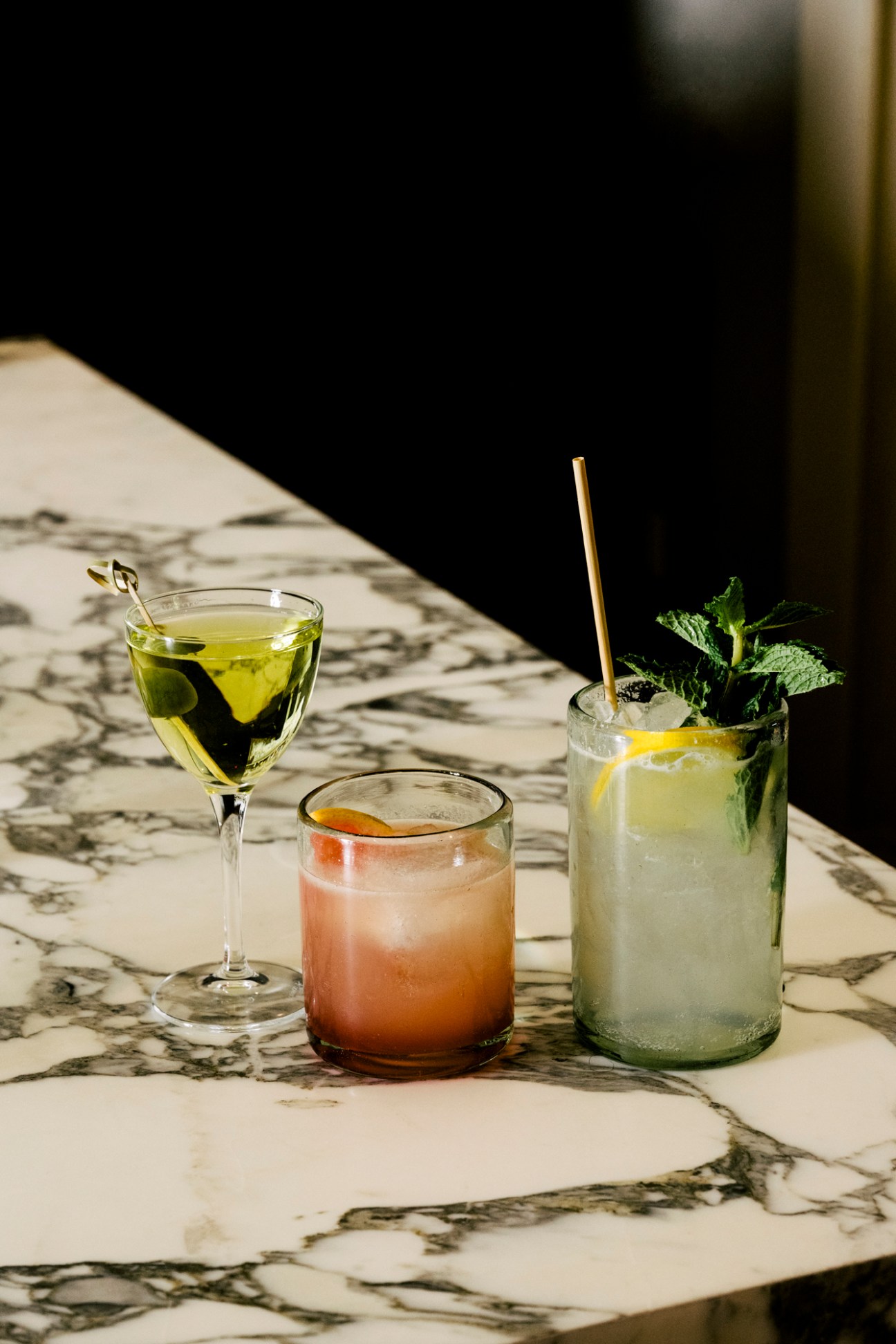
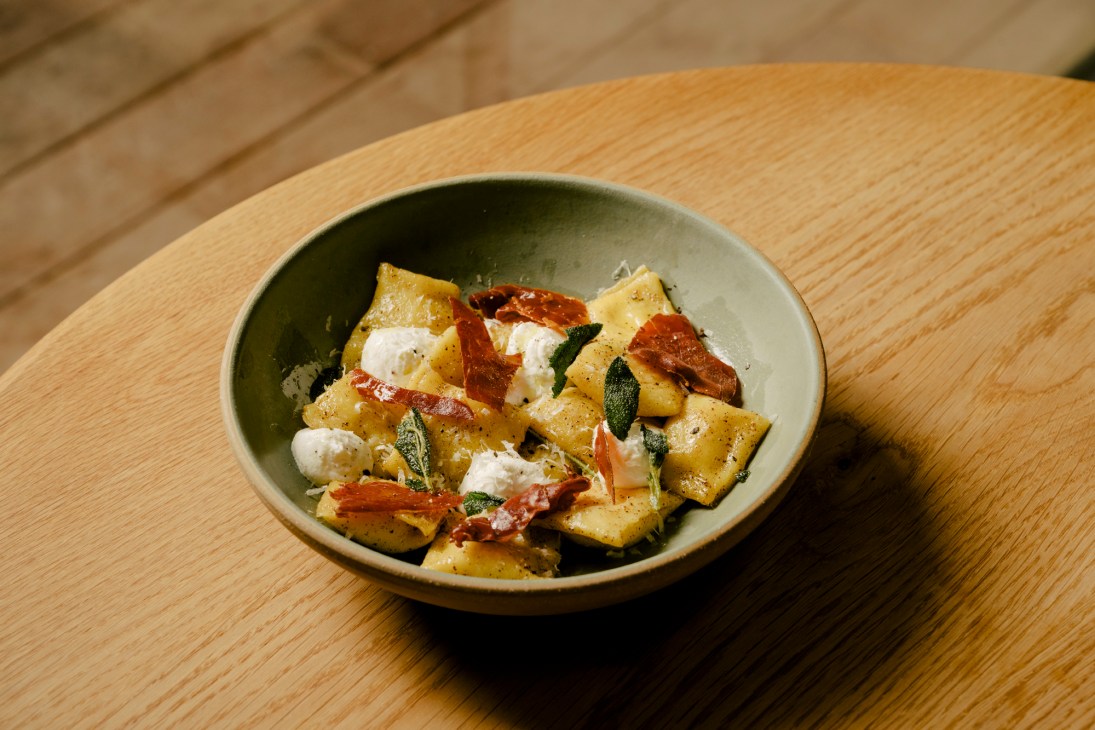
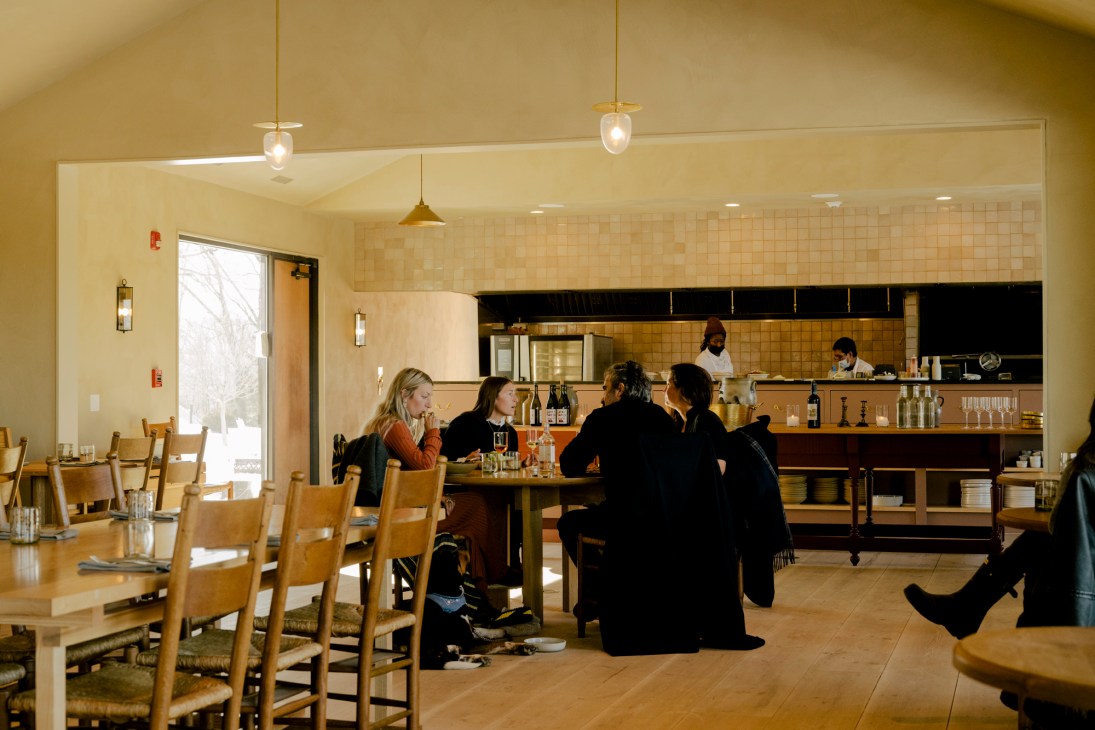
But the property isn’t just for members. Anyone can book a hotel room, swing by the farm shop or eat at the restaurant, where dishes such as charred beets and ribeye with turnips are cooked over an open fire. This, the burning logs inside and braziers outside remind Somer of his childhood. “My dad was always making fires,” says Somer, whose parents emigrated to the US from Estonia. “For me, there’s an association with hospitality and warmth and always having a fire going.”
On a recent Thursday the place was packed with people dressed in flannel and puffer jackets. In the main bar area a mezcal, Campari and persimmon cocktail is shaken to the beat of music that sounds more Lower East Side than upstate. It’s the mix of urban comforts and rural charm that seems to be hitting the right note with punters.
inness.co
Accord address book
Accord Market
A polished grocer with cheese, vegetables and all the usual urban conveniences (organic cleaning products anyone?).
accordmkt.com
Westwind Orchard
Founded by an Italian and former New Yorker, Westwind makes seasonal pizzas, often served on a sprawling lawn where groups spread out on blankets in the summer.
westwindorchard.com
Arrowood Farms
Here, the farmhouse-style beer is brewed from ingredients grown on the property. There’s also a laid-back restaurant, The Apiary, which highlights nearby growers and producers.
arrowoodfarms.com
Ollie’s Pizza
Another new pizza place in High Falls, which whips up old-school, Roman-style pizzas in a simple, wood-clad space.
ollies.pizza
Mill & Main Provisions
In the neighbouring town of Kerhonkson, this one-stop shop stocks delicious items from pastries to salumi.
millandmainstreet.com
Taking on the world
Film
Europa
Haider Rashid
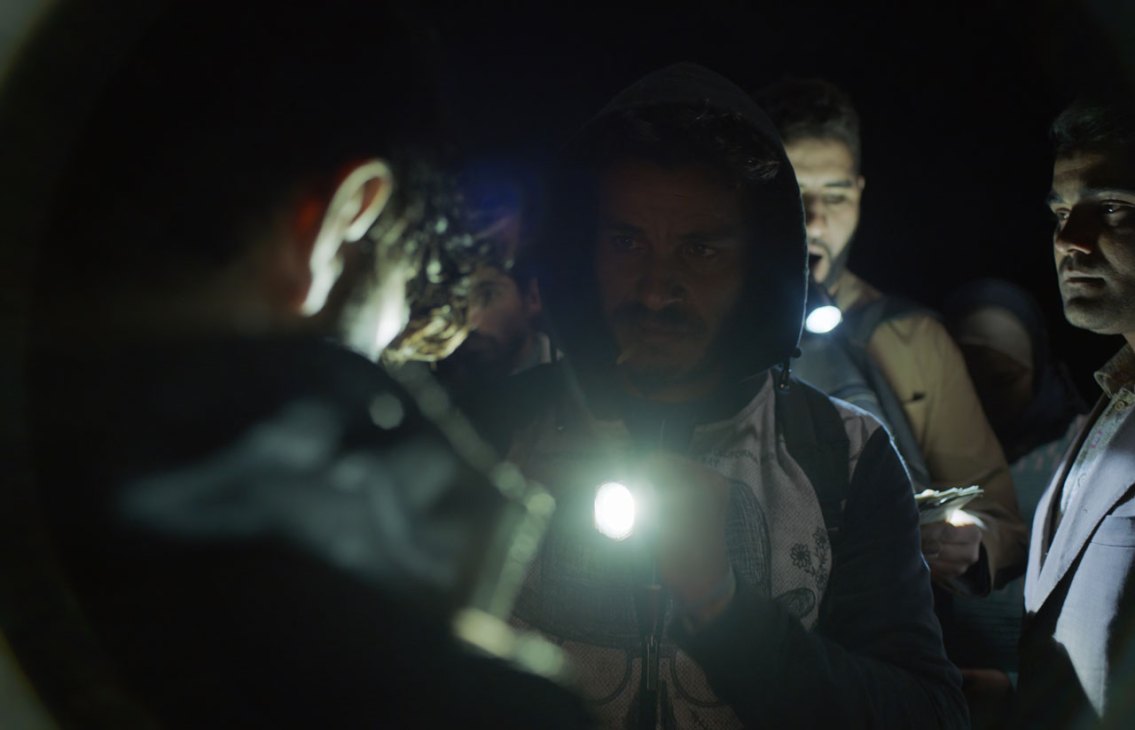
Though scarcely over an hour long, Haider Rashid’s gripping, deeply moving film about a refugee trying to survive in a wild European borderland has an intensity rarely found in features twice its length. After escaping brutal guards at a Bulgarian checkpoint, Kamal is hunted in the nearby woods. By positioning the camera rarely more than inches from the young man’s face, Rashid accentuates his humanity and individuality at every moment.
‘Europa’ is released on 18 March.
Red Rocket
Sean Baker
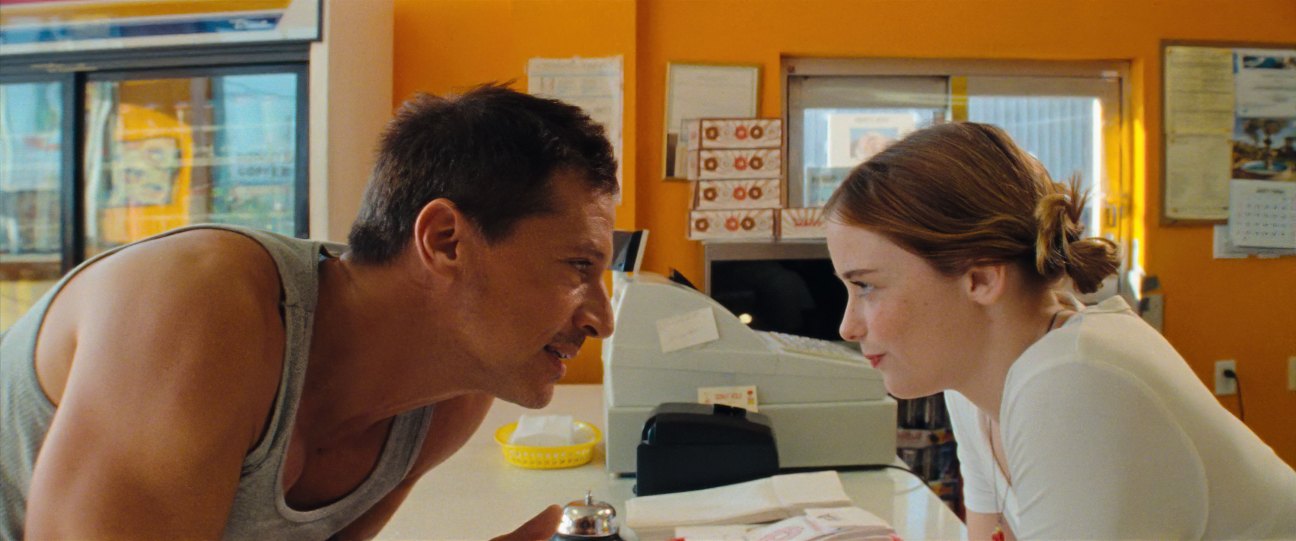
A comedy drama about an ageing adult film actor’s inappropriate relationship with a 17-year-old girl might sound out of step with today’s mores. But director Sean Baker, best known for 2017’s The Florida Project, challenges his audience to spend time in the company of a character who is immoral, selfish and sordid – and even enjoy it. His skilful direction and Simon Rex’s magnetic lead performance give Red Rocket an irreverent charm and fidelity to a downtrodden, rural America.
‘Red Rocket’ is released on 11 March.
The Worst Person in the World
Joachim Trier
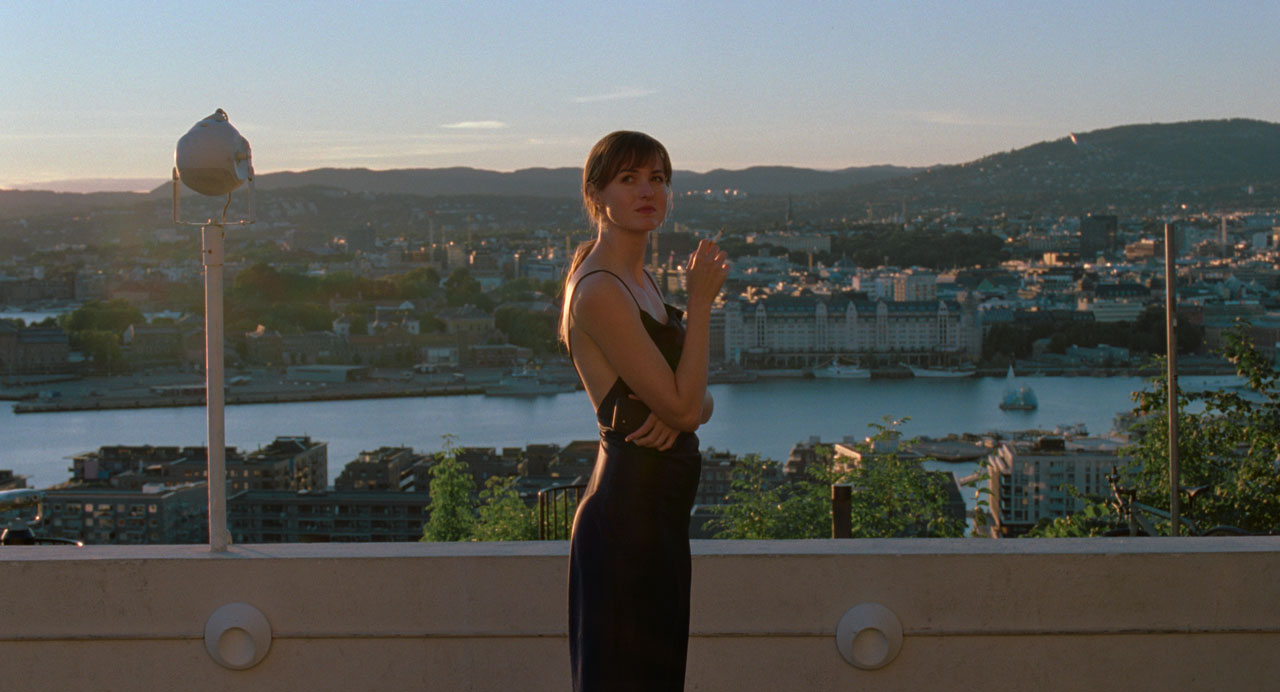
“Art has to be messy and free,” says a character in Norwegian director Joachim Trier’s latest feature. It’s a line that neatly summarises The Worst Person in the World, which, though structured as 12 chapters in the life of its 30-year-old protagonist Julie, unfolds in a way that is gleefully loose, rambling and unconstrained by genre conventions. A story about romance that dares to show the inadequacy of love, it’s also a comedy that is never better than in its aching meditations on death. Amid all of the messiness is Renate Reinsve’s immaculate lead performance.
‘The Worst Person in the World’ is released on 25 March.
Music
Sad Cities
Sally Shapiro
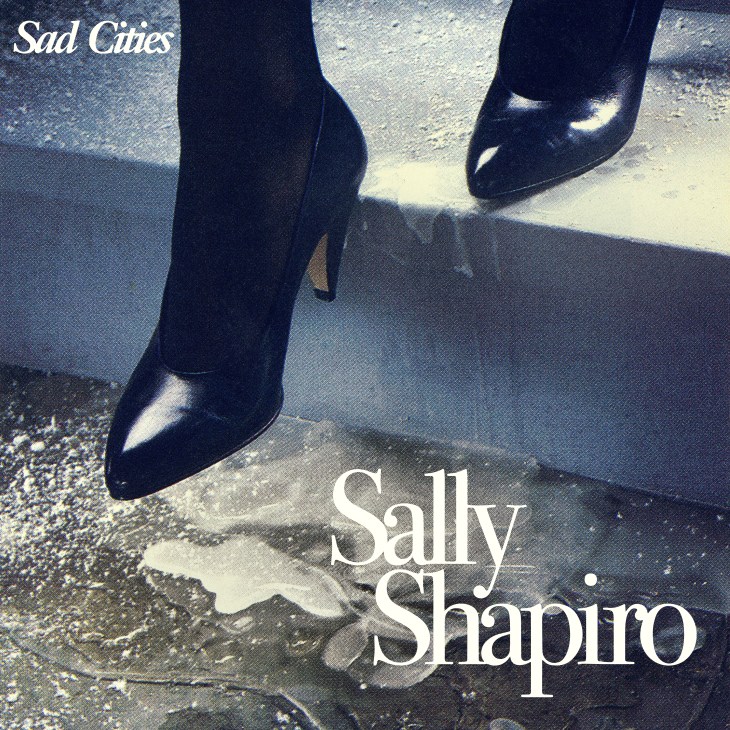
Since the release of their debut album in 2006, Swedish electronic duo Sally Shapiro have charmed listeners with their melancholic washes of synths and plume-soft vocals. Now they’ve returned with a new album, despite announcing the end of their career in 2016. Expect more shimmering disco tinged with sadness; highlights include “Down This Road” and the dancefloor-ready “Million Ways”.
‘Sad Cities’ is released on 18 February.
Multitude
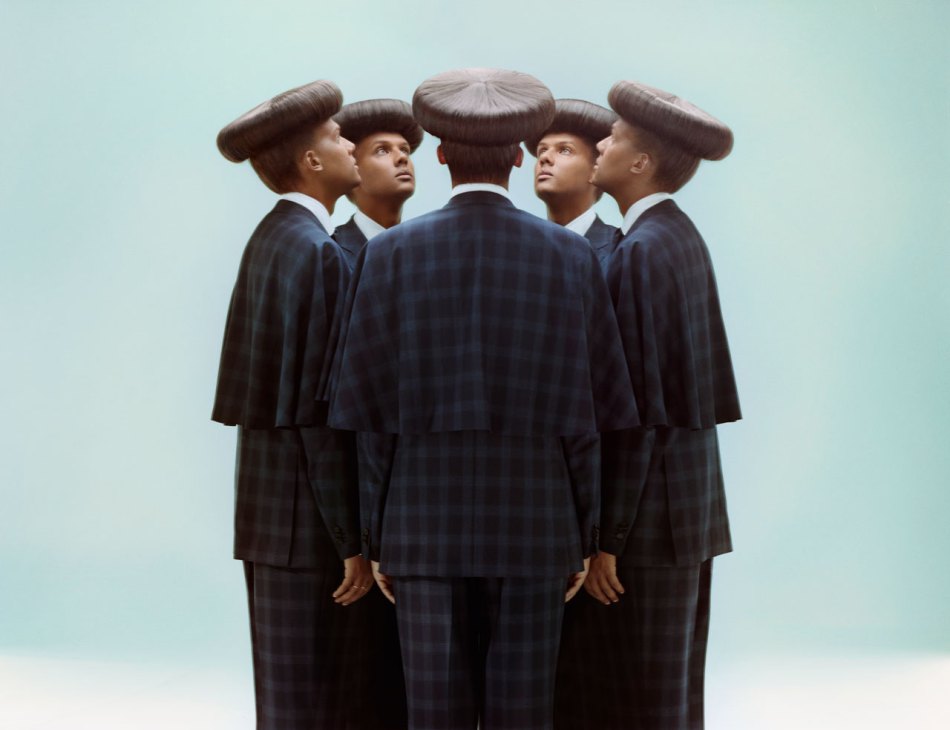
Stromae
Belgian popstar Stromae became a hit across Europe with singles such as 2009’s “Alors on Danse”. After an eight-year hiatus he’s back with Multitude. Though still uplifting, his songs are now more personal; “L’enfer” explores his battle with suicidal thoughts. Yet there’s space for light: “Santé” is dedicated to workers who have helped us through the pandemic, from bakers to doctors. A splendid return from one of Belgium’s most exciting voices.
‘Multitude’ is released on 4 March.
Painless
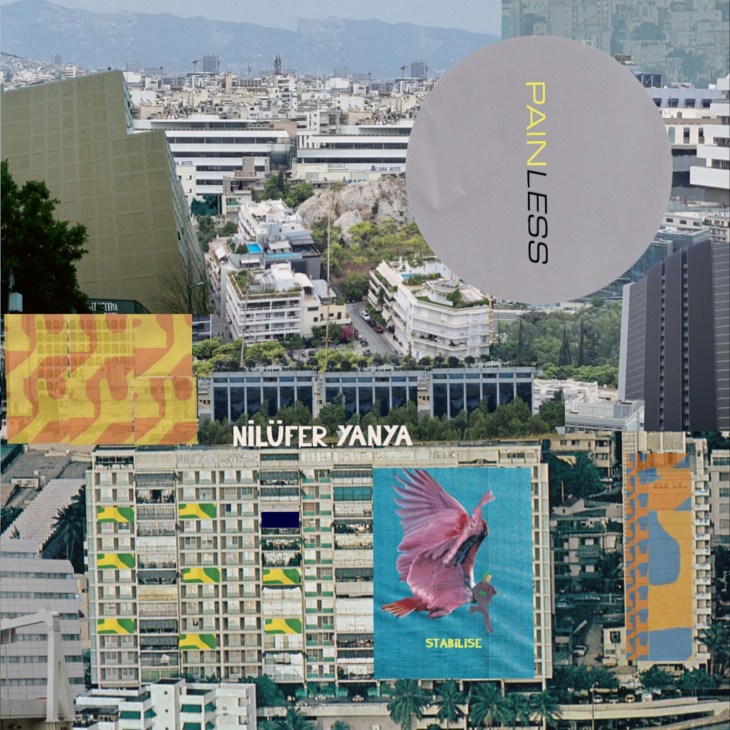
Nilüfer Yanya
Born in the UK to an Irish-Barbadian textile designer mother and a Turkish artist father, Nilüfer Yanya serves up a satisfying combination of 2000s r&b and alt-rock, enhanced by her relaxed but muscular vocals. It’s a heady mix that also evokes Sade or Massive Attack. On this new record, Yanya goes a little louder and bolder, while still delivering incisive, tender lyrics.
‘Painless’ is released on 4 March.
Art
18th Tallinn Print Triennial
Tallinn
Launched in 1968, the Tallinn Print Triennial is a celebration of reproducible images and radical political aesthetics. Its 18th edition, which takes as its theme “Warm: Checking Temperature in Three Acts”, interrogates the rise of the right in eastern Europe, with artists in the main exhibition tackling ideas such as the collapse of democracy and the loss of free`dom. Among the participants are artists’ rights group Artleaks, veteran Hungarian minimalist Dóra Maurer, and Slavs and Tatars, whose Venice Biennale installation in 2019 featured bubbling green fountains and pickle juice.
The 18th Tallinn Print Triennial runs until 27 March.
Photo
A Trillion Sunsets
International Center of Photography, New York
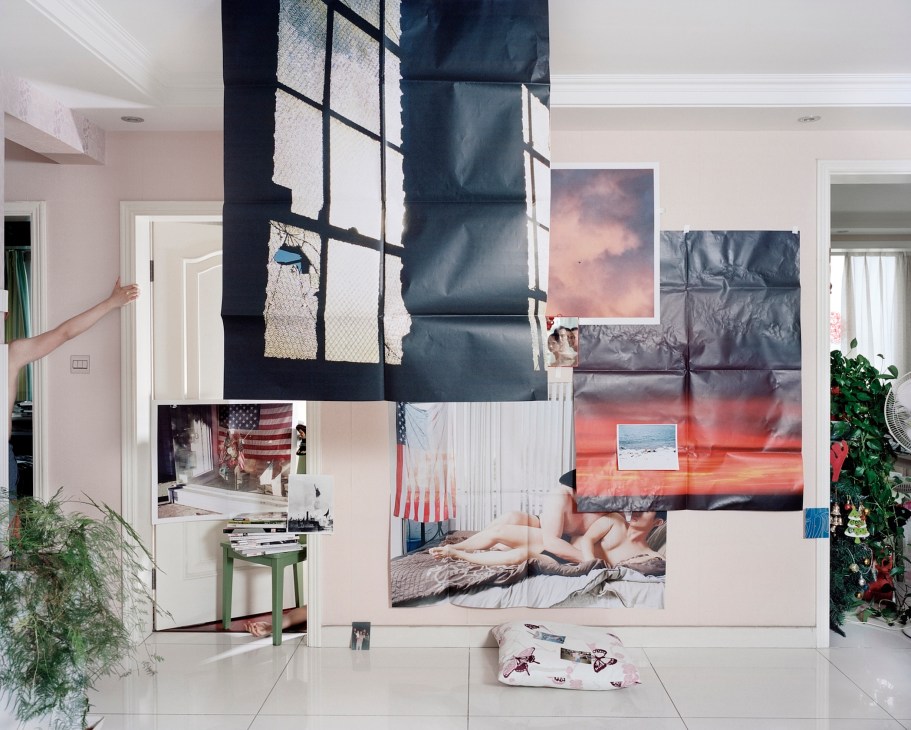
Our camera rolls are filled with an endless stream of photos that we will probably never look at again, taking up space for no reason. But this isn’t just a contemporary problem. A Trillion Sunsets: A Century of Image Overload explores our compulsion to document the world ceaselessly. Featuring artists from across the decades, including Robert Capa, Louise Lawler and Hank Willis Thomas, this exhibition looks at the clichés and narratives that have emerged over more than 100 years of photography and pointedly asks if you really need to take another picture of a plate of food.
‘A Trillion Sunsets’ runs until 2 May.
Books
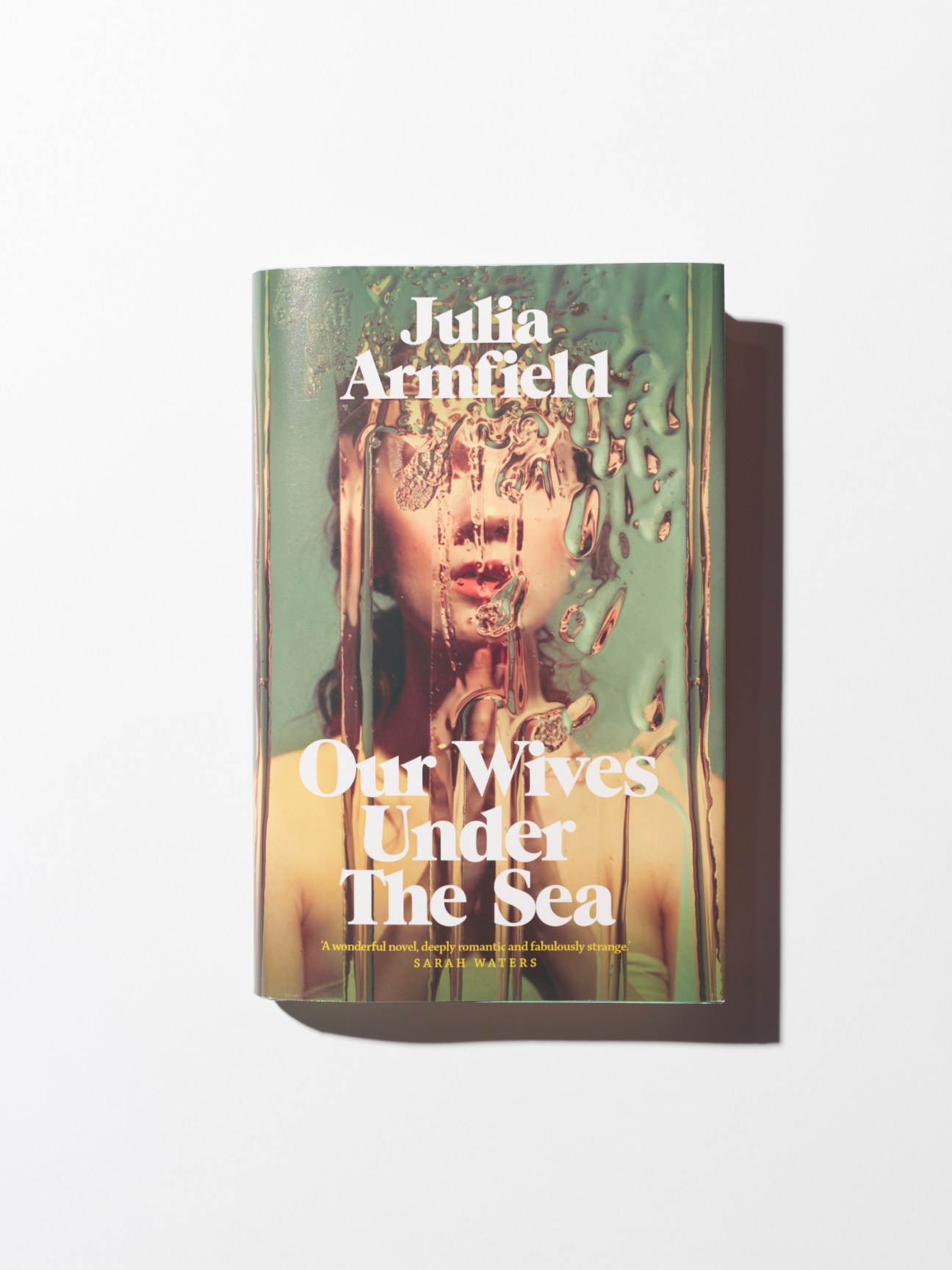
Our Wives Under the Sea
Julia Armfield
The debut novel from the author of the strange and wonderful short-story collection Salt Slow charts the changing relationship between two women. When Leah returns to her wife, Miri, after a disastrous deep-sea voyage, it soon becomes clear that the underwater mission isn’t the only thing that has gone wrong. Miri clings to memories of their past together as she watches the life they had unravel. It’s a modern-day myth about love, grief and the depths of the ocean that moves fluidly between romance and horror.
‘Our Wives Under the Sea’ is published on 3 March.
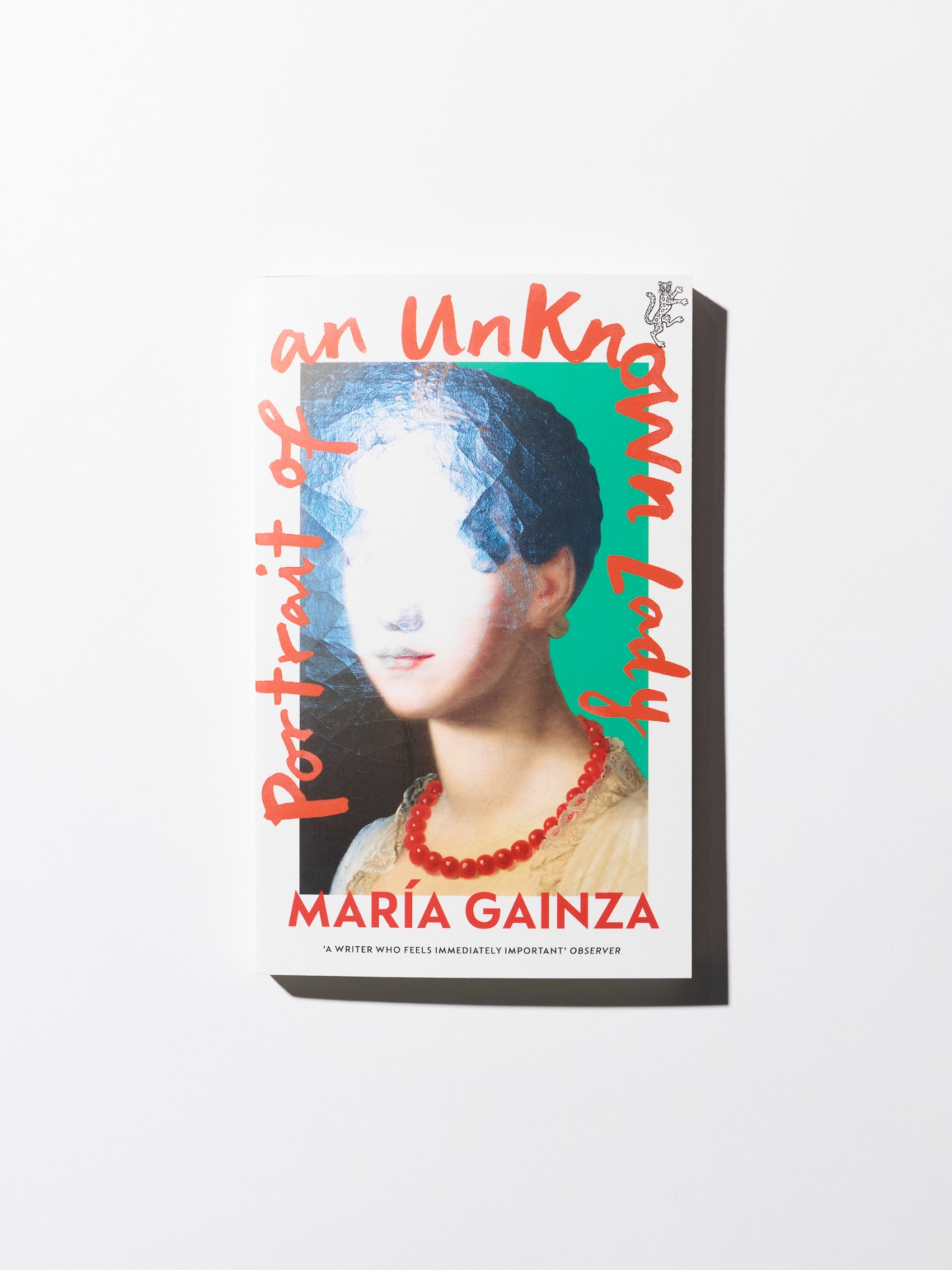
Portrait of an Unknown Lady
María Gainza
Argentinian writer María Gainza dazzled readers with Optic Nerve, an impressive debut about a woman who is obsessed with art. Now she’s back with another captivating story set in the art world that follows an auction-house employee trying to uncover the identity of a forger who has gone to ground in Buenos Aires. The result is a richly detailed detective novel of sorts that explores authenticity and the distance between the way things appear and the way they really are.
‘Portrait of an Unknown Lady’ is published on 22 March.
On my screen
Petri Jauhiainen
Head of content, Yle
In this new Q&A series, we speak to the commissioners, heads of content and producers across the world who will be shaping what we’ll see on the small screen in the coming months. First up is Petri Jauhiainen, Finnish broadcaster Yle’s head of media. Having worked as a journalist for decades, he was appointed to this role in 2020 and is taking a broad look at all of Yle’s TV, radio and streaming programming. Here he reveals what’s in the pipeline and what’s keeping Finns glued to their screens.
What genres are doing well for Yle?
Drama is by far the most popular. Younger Finnish audiences prefer domestic series; over-45s also enjoy foreign drama. Documentaries are attracting larger audiences too. Last year younger audiences for this genre increased by 20 per cent on [streaming platform] Yle Areena; the figure for over-45s rose by more than 30 per cent. Children’s programming has always been important to us and our audiences; they can watch their favourite episode of Paw Patrol over and over again.
What kind of drama resonates most with Finnish audiences?
There’s demand right now for quite serious stuff, deep-end drama that tells stories that might have happened to someone you know. It’s no longer “futuristic” Nordic noir. For example, Mieheni Vaimo [“My Husband’s Wife”, a series about two women who find out that they are married to the same man] was launched in January and has been a huge success.
What new drama shows do you have planned for the next few months?
A good example of what we are offering younger audiences is Zone B [a series about friends who decide to take part in a music competition before things turn sour]. You might know its writer-director, Juho Kuosmanen, from the award-winning film Compartment No 6.
What series are you most excited to have commissioned?
Yle is taking big steps to develop drama for international audiences with our partners. You can see this in the new kinds of stories that we are working on and the increasing production values. Crime series Transport is a case in point: we’ll show it in Finland later this year. And we are proud of the second season of The Paradise [a series about a Finnish family disappearing while in Spain], which is coming at the end of 2022.
yle.fi
Still Life: Michael Bodian
Image: Bulldog Film Distribution, Drew Daniels, Michael Ferire, John McGrall, International Center of Photography, Oslo Pictures, Red Light Management, Stereo Sanctity, Tallinn Print Triennial
Born again
Built in the early 20th century, the Matarazzo maternity ward was where life began for more than half a million residents of São Paulo. Once meant to serve the Italian diaspora’s poorest, the hospital fell into disrepair and closed in the 1990s. Now, after a 10-year-long refurbishment, the building has opened its doors once again as the Rosewood Hotel Group’s much-anticipated South American debut.
“It was a challenge to work within the original design,” says Edouard Grosmangin, managing director of the hotel. “But the history wasn’t erased. This renovation is the rebirth of the building.” The bright rooms in which babies were once delivered have been transformed into suites, which are furnished with sleek dark-wood armchairs and subtle touches by renowned Brazilian artists such as Tarsila do Amaral. The former hospital entrance now leads into Le Jardin, one of the hotel’s six restaurants, where a sculpted bust of the institution’s founder over one dining table is the only reminder of the room’s former purpose. Elsewhere, there’s fine French fare at Blaise and South American specialities at Taraz, not to mention spaces to refuel on the rooftop and poolside.

For Saiko Izawa, the hotel’s executive pastry chef, the hospital’s revival has been especially meaningful. “This is a building with so much history, for me and many others,” Izawa tells Monocle. “My son was born here in 1987. It was a sad sight, to see the place crumbling, so it’s been really moving to witness the transformation.”
Perhaps the hotel’s most striking feature is a newly constructed tower, with a vertical garden woven into its sleek modern façade. The foliage and trees, all of which are native to the Atlantic forest, are a nod to the jungle swallowed up by the urban sprawl.

Inside, Brazilian art is in almost every nook and cranny, including 450 works by 57 Brazilian artists. Elaborate rugs designed by Regina Silveira run through the lobby and delicate hand-painted murals adorn the walls of the lounge. On the rooftop there’s intricate tiling by artist Sandra Cinto that covers the outdoor terrace and infinity pool overlooking São Paulo’s skyline. “We wanted to go beyond exhibiting art,” says Grosmangin. “The artists were part of this project from day one. Most of the art is not something we’ve hung on the wall, that we’ll take down tomorrow. It’s built into the hotel.”


Though the design keeps in mind an international eye, designer Philippe Starck and architect Jean Nouvel opted to highlight Brazilian materials, including native stone and wood. Regional craft techniques can also be spotted throughout the communal areas.


The hotel also has two pools, a spa, cinema, music studio and events venue. In all, it will offer 160 rooms and 100 suites. Guests can also unwind in dimly lit jazz bar Rabo di Galo, which offers a taste of São Paulo’s lively nightlife and is a seamless link between an old maternity hospital and a new hotel. Rarely has a newborn looked so calm and composed in its new surroundings.
rosewoodhotels.com
Moving pictures
South Korea’s cultural exports had been on the rise for some time when, late last year, CJ ENM announced its $785m (€686m) acquisition of a majority stake in Endeavor Content, the Hollywood studios behind La La Land and Killing Eve. As one of South Korea’s biggest entertainment conglomerates, CJ ENM deals with everything from film to music production; the idea was to secure a global studio and distribution pipeline so that it could ramp up the provision of its nation’s content to the global market. It’s becoming increasingly clear that South Korea’s cultural play is entering a new stage.
Making many of the strategic decisions behind this move is CJ ENM’s CEO, Kang Ho-Sung. The 57-year-old has an unusual CV for a media mogul. Kang began his professional life as a prosecutor but left his job to pursue entertainment and media law. He became one of the most sought-after attorneys in South Korean show business, representing A-listers such as singer Psy before joining CJ ENM in 2013 to lead its legal team.
When Kang was named CEO in late 2020, South Korean entertainment was enjoying its biggest moment in the sun, from the best picture Oscar win for the critically acclaimed Parasite (a CJ ENM production), to K-pop superstars BTS scoring their first No 1 in the US Billboard Hot 100 chart. Kang wasted no time building upon this buzz, with a slew of ambitious moves beyond the Endeavor deal. Back home the company opened an enormous studio and has relaunched an online streaming service focused on Korean content, which will be pitted against Netflix in the domestic market and abroad. It has inked a production and distribution partnership with mass-media corporation Viacomcbs, providing CJ ENM content on CBS-owned streaming channels and paving the way for joint productions. Last year it also revealed that it is considering a bid for a controlling stake in SM Entertainment, one of K-pop’s biggest agencies, in order to ramp up its music content business.
In his first interview as CEO, Kang speaks to Monocle about how the company has helped to build South Korean entertainment’s worldwide appeal – and why its popularity is likely not only to last but to keep on growing.
You have observed first-hand the dramatic transformation of the South Korean entertainment industry over the past three decades. What’s behind its success?
Koreans have this innate storyteller DNA – that’s the source of our competitiveness in production. There used to be limits to what stories we could tell but those taboos are disappearing. From the 2000s, with large corporations funding high-quality content, we began attracting top-notch talent behind the camera. Recruiting used to be the most difficult aspect as this used to be a field that young people joined out of passion but against their parents’ wishes. Now this isn’t the case. If there is room for improvement, it’s in our technical abilities. When we look at Hollywood as the global standard, our CGI and visual effects aren’t quite there yet. But we’ve achieved significant growth in the past 10 years. In animation, too, we’re not far behind.
In practical terms, what’s helped the rise of the industry?
The quality of South Korean entertainment made a giant leap in the mid-1990s – and that’s when CJ ENM entered the industry. By that point just two films, Seopyonje and Two Cops, had attracted more than a million moviegoers each. Ten years later, tenfold that figure went to see Silmido and Taegukgi: Brotherhood of War [two films often cited as leading the renaissance of South Korean cinema].
The industry had been predominantly about import and distribution of Hollywood or Hong Kong films, meaning few people here made money from making movies. In 1995, CJ ENM invested in then-upstart Dreamworks SKG and adopted the Hollywood film-making system. CJ ENM was the first to bring multiplex cinemas to the country, and parts of ticket sales were reinvested in making local films, creating a cycle. More screens meant more screening opportunities for South Korean films, which led to more investors from venture capital and other financial institutions. A fully fledged structure involving professional production and investors had taken root. Fast-forward to 2020 and Parasite won the best picture Oscar.
Do you think that there’s an X factor that has helped a global audience to embrace entertainment from South Korea?
As a phenomenon it can seem sudden but there were signs of success all along. South Korean content has been popular in East Asian markets such as Japan and China for a long time. Based on that confidence, we kept knocking on the door of the US mainstream market. We couldn’t have participated as lead investors in Snowpiercer [a 2013 dystopian film by Parasite director Bong Joon-ho] if we didn’t have that confidence. We decided we had a shot. South Korean content has been targeting the US market for a long time and there were similar attempts in other fields. K-pop, which tends to create the loudest buzz, penetrated the US market and raised South Korean entertainment’s profile. The successes today are founded upon more than 10 years of consistent effort and grit. We had faith that it wasn’t just a pipe dream.
Observers often mention the role that government support has had in growing South Korea’s international cultural clout. Do you agree that the state has played an important part?
It’s understandable that some people in the West may have a hard time explaining a wave of unfamiliar content gaining popularity. I’m not sure if they are right to link Asia’s state-driven economic development model to culture. The role of government should be letting us compete on an even playing field. I believe the important thing is for the state to lower the barrier of regulations in line with the standards of mainstream markets.
Where and how do you think audiences will watch films and TV in the future – and how will CJ ENM adapt to that?
One of Netflix’s key consequences is that it’s revolutionised our watching habits. Consumers are very smart. They migrate towards a service that’s the most convenient to them. For the foreseeable future, more people will subscribe to streaming services. I also anticipate that the way we create content will see many innovations as we embrace the user-created model, like on Youtube, and fuse it with the studio system, paving the way for more related content and sequels. The definition of the metaverse is still fluid but I think [its application] will play out similarly. Consumers can expand on the storytelling structure set by creators and give birth to something new. The volume of intellectual property will jump exponentially and so will the opportunity for revenue.
Most people have viewed CJ ENM as a broadcaster, a film studio and distributor in a mainly B2B space. But CJ ENM’s bread and butter is creating content. Our main goal going forward is to expand that creation capacity and invest heavily in the infrastructure and the pool of creators. Our business strategy is following that philosophy. Take our acquisition of Endeavor Content. Through that we have secured not only a global creator base in the US but also a further capacity to plan, produce and distribute.
Where do you see the future of pop music going?
There are two dimensions to the public interest in pop music: in the body of work and in the performer. In pop music the level of interest in the performer is higher than in other disciplines, meaning that the body of work and the performer are often viewed as one entity. Our biggest area of interest is how we can translate powerful fandom into revenue generation.
Until now fans have been a base of support but didn’t get a chance to share the profits. Now the infrastructure and platforms for profit-sharing are opening up. Going forward fans will be able to reap the benefit from the success of their favourite artists. There is also an increasing sense among artists that fans are more than just supporters. Fans need to be closely involved and need to be given certain benefits [for their loyalty]. There will soon be a new business model that links artists and fans this way. Using the metaverse and NFTs are some of the novel ways they’re exploring this area.
Initially, the South Korean reaction to Netflix’s hit ‘Squid Game’ wasn’t phenomenal but the series blew up globally. Does entertainment created for a global market tap into a universal ethos that doesn’t need translation?
How we judge content as good or bad is not universal. But if we think about the popularity of Parasite or Squid Game, and why they moved so many people, it comes down to the way that these works explored our aspirations of making it big. We all have a side that makes us feel like we don’t belong in the mainstream and we have pride in being an outsider. But we also have the wish to work hard and make our dreams come true, to feel that sense of achievement. The success of these works can be attributed to touching upon that sensibility.