Issues
Scene stealers
Masters of puppets
Manual Cinema, Chicago
The producers of last year’s big-budget sequel to 1992 horror classic Candyman had a stylistic problem to solve as they sought to revive the franchise. In picking up where the original story left off, the new narrative needed a way of referring to the first film through flashbacks but without lifting scenes directly from the original reels, which the producers thought would jar with the style of the new movie.
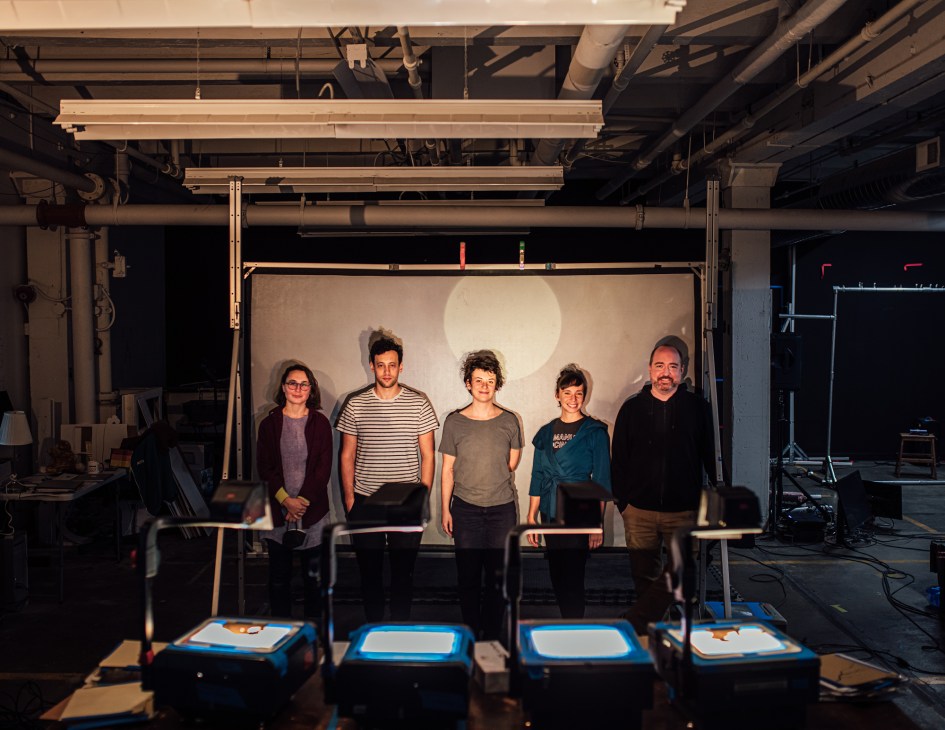
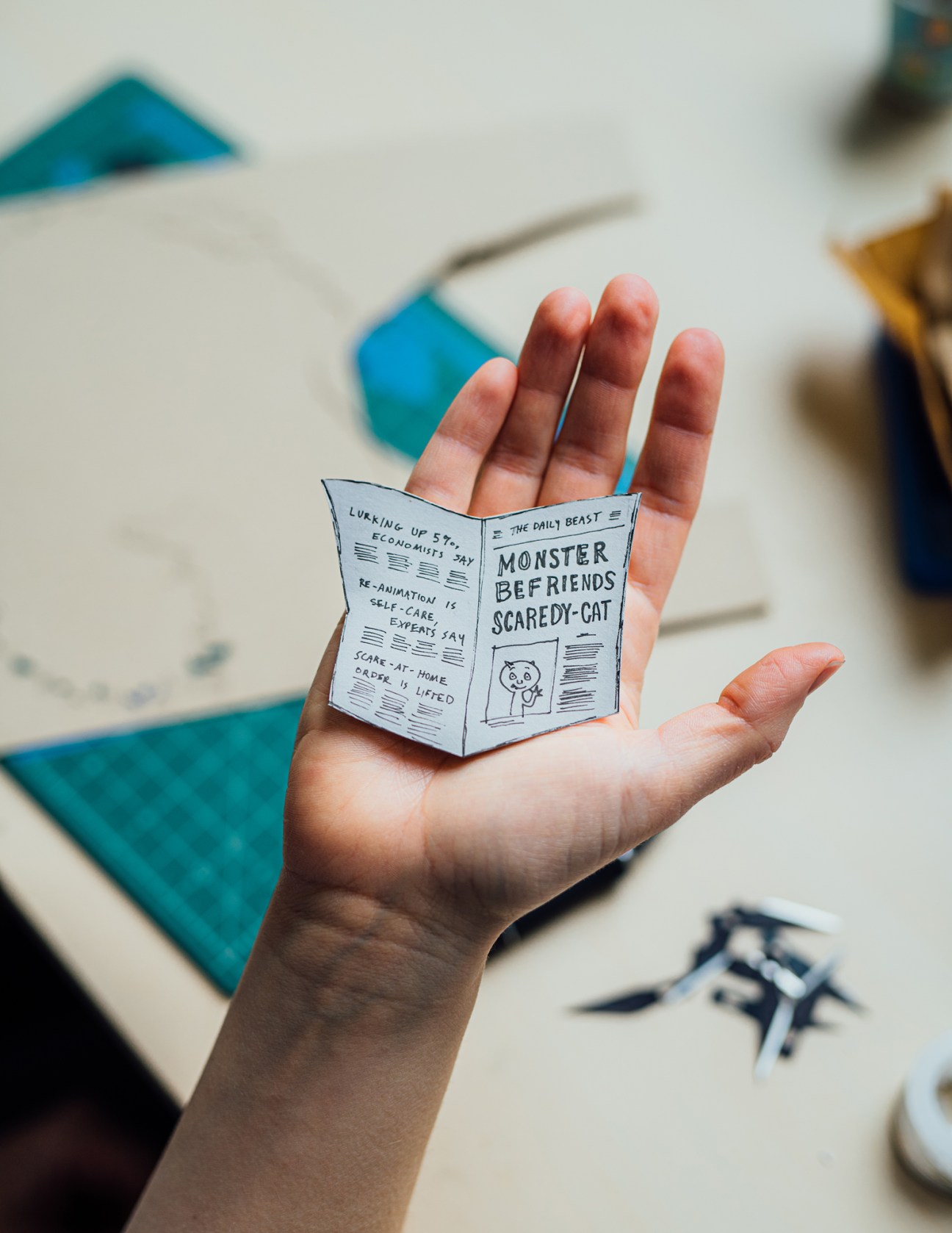
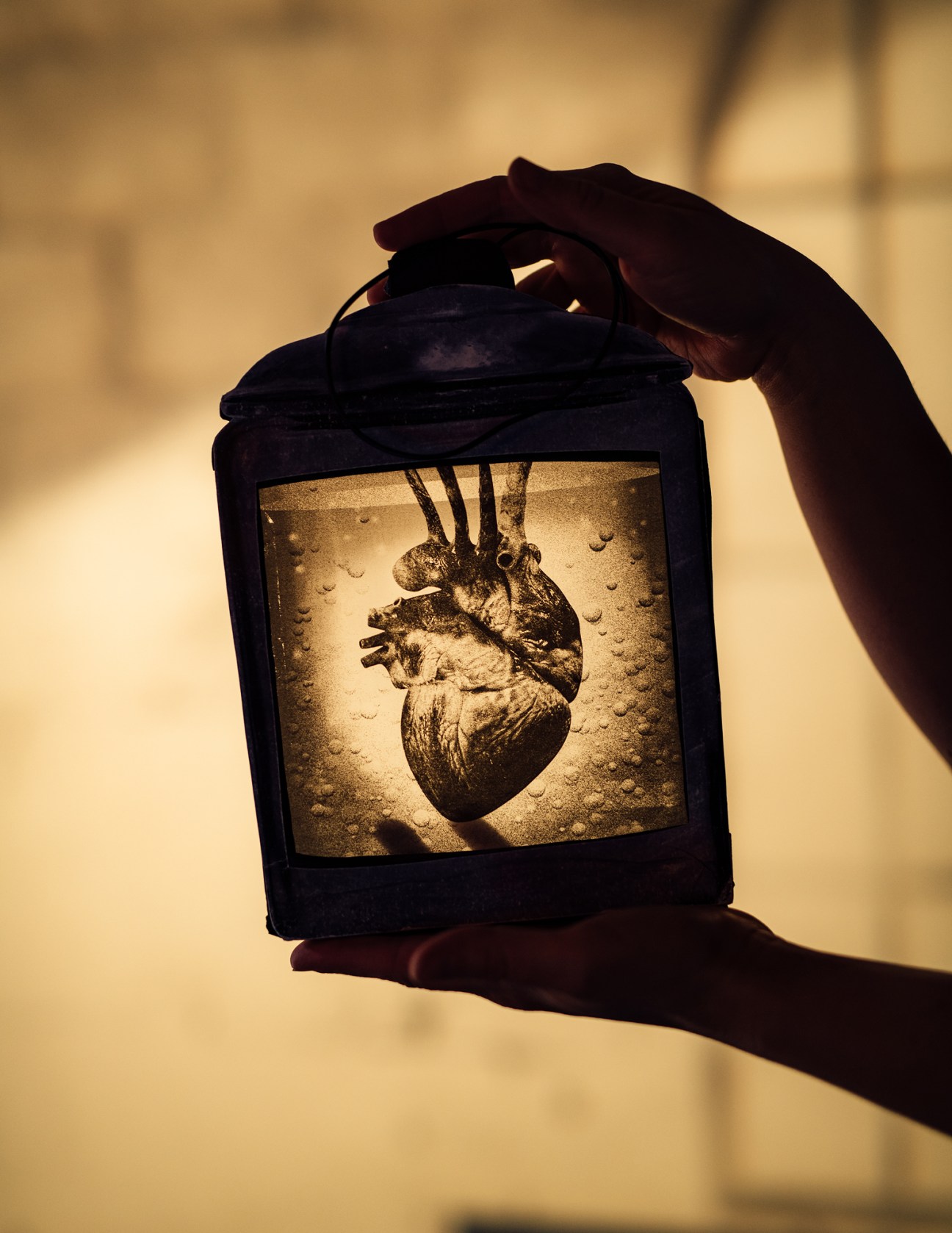
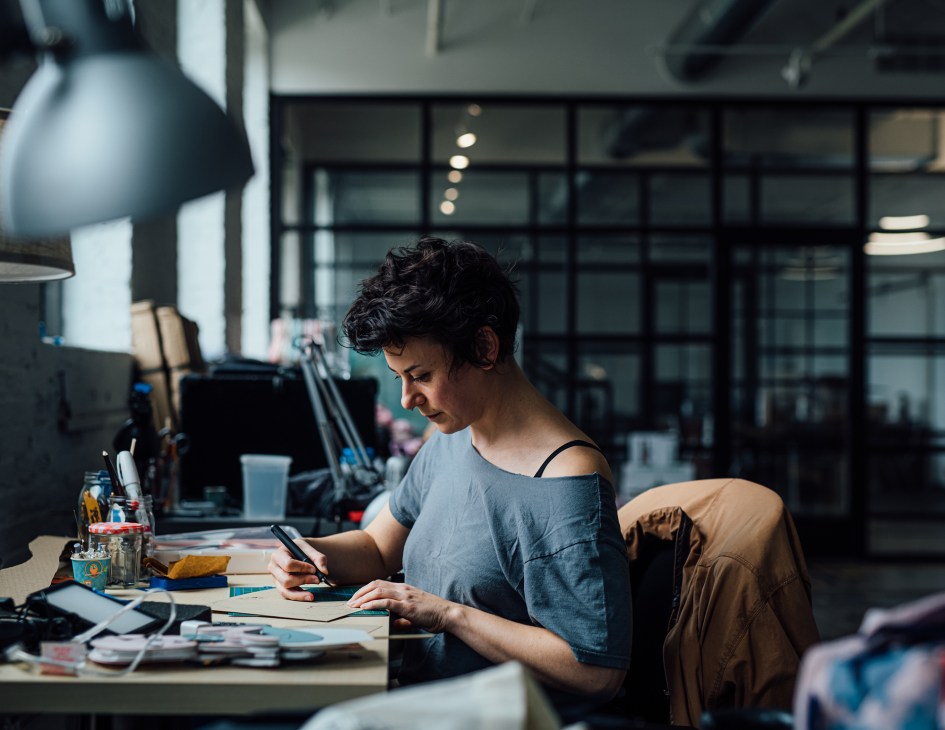
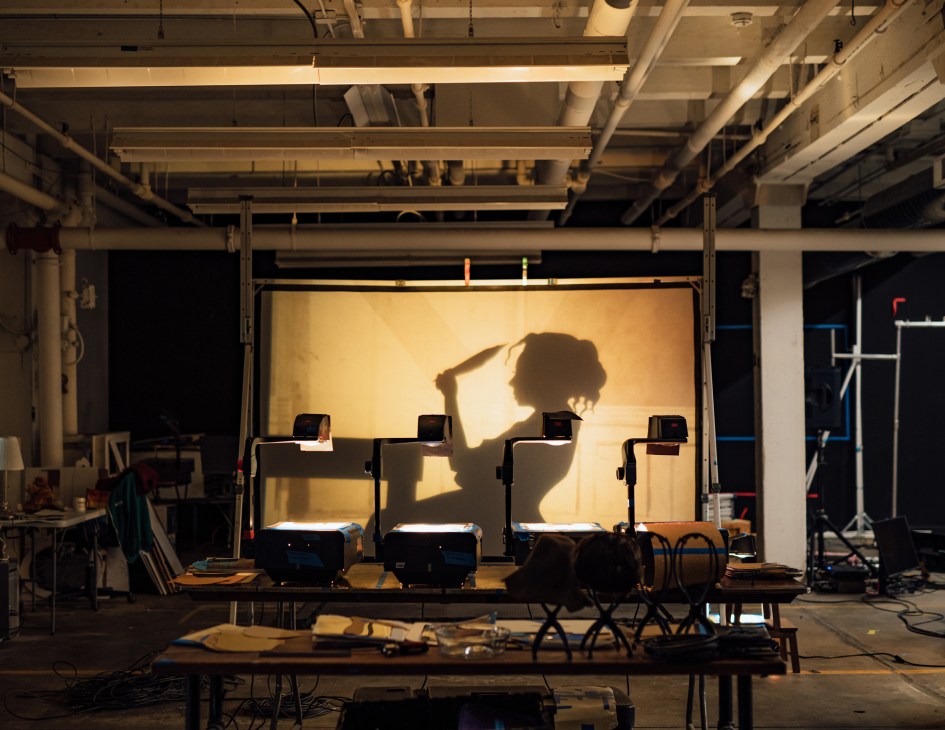
The cinematic solution for the backstory came from Oscar-winning screenwriter Jordan Peele: those famous original sequences would be retold in a stylised way through the use of live-action shadow puppets, created by award-winning production and design studio Manual Cinema.
“It began with a really cool screenwriting idea,” says Drew Dir, one of Manual Cinema’s five co-founders and co-artistic directors. “It was an aesthetic choice, because storytelling and myth are a big theme of the movie.”
The original narrative revolves around the tale of the ghost of a black man who was lynched in the 1800s and returns to wreak havoc on anyone who summons him. During the flashbacks, backlit papercut figures recount the Candyman’s grim fate. In their simplicity, they are chilling: these sequences ended up becoming some of the most evocative in the film, which has grossed more than $77m (€68m) worldwide.
“Initially, it was just one or two moments in the script that [the producers] had asked us for,” says Dir. “Then, over the next year, during post-production, they kept coming back to us and asking for more. By the time the film was complete, the shadow puppets turned out to be a major visual motif.”
Manual Cinema’s work in Candyman is just one hint at a flourishing appetite for hand-created techniques in an expanding variety of media. Ten of the 15 nominees on the shortlist for this year’s Oscar for best animated short film, for example, are either based on or fully produced using handmade techniques. Dir believes that a certain intimacy is created by the little imperfections that come from many of these methods – and that CGI cannot capture or evoke it in the same way.
“Often the response to our work is, ‘This is such a breath of fresh air,’” he says. “We live in a world where every image now is created digitally but audiences are very hungry to watch something that feels like it was created by hand.”
Founded in Chicago in 2010, Manual Cinema has made its name in live theatre; this is the first big Hollywood production that it has been tasked with. But new work is coming, both in film and on stage. The coronavirus pandemic has pushed Manual Cinema into more productions made directly for the screen: the team’s first, standalone short film project is currently in production and the storyboarding process for a new series for television is under way too. Leonardo! A Wonderful Show About a Terrible Monster, a theatre production for young audiences, premiered at Chicago Children’s Theatre in February.
The company’s five founders – Dir, designer Julia Miller, composers Ben Kauffman and Kyle Vegter, and choreographer and narrative designer Sarah Fornace – first joined forces at a puppetry festival, experimenting with an original piece that was performed in front of an old-school projector and accompanied by live music.
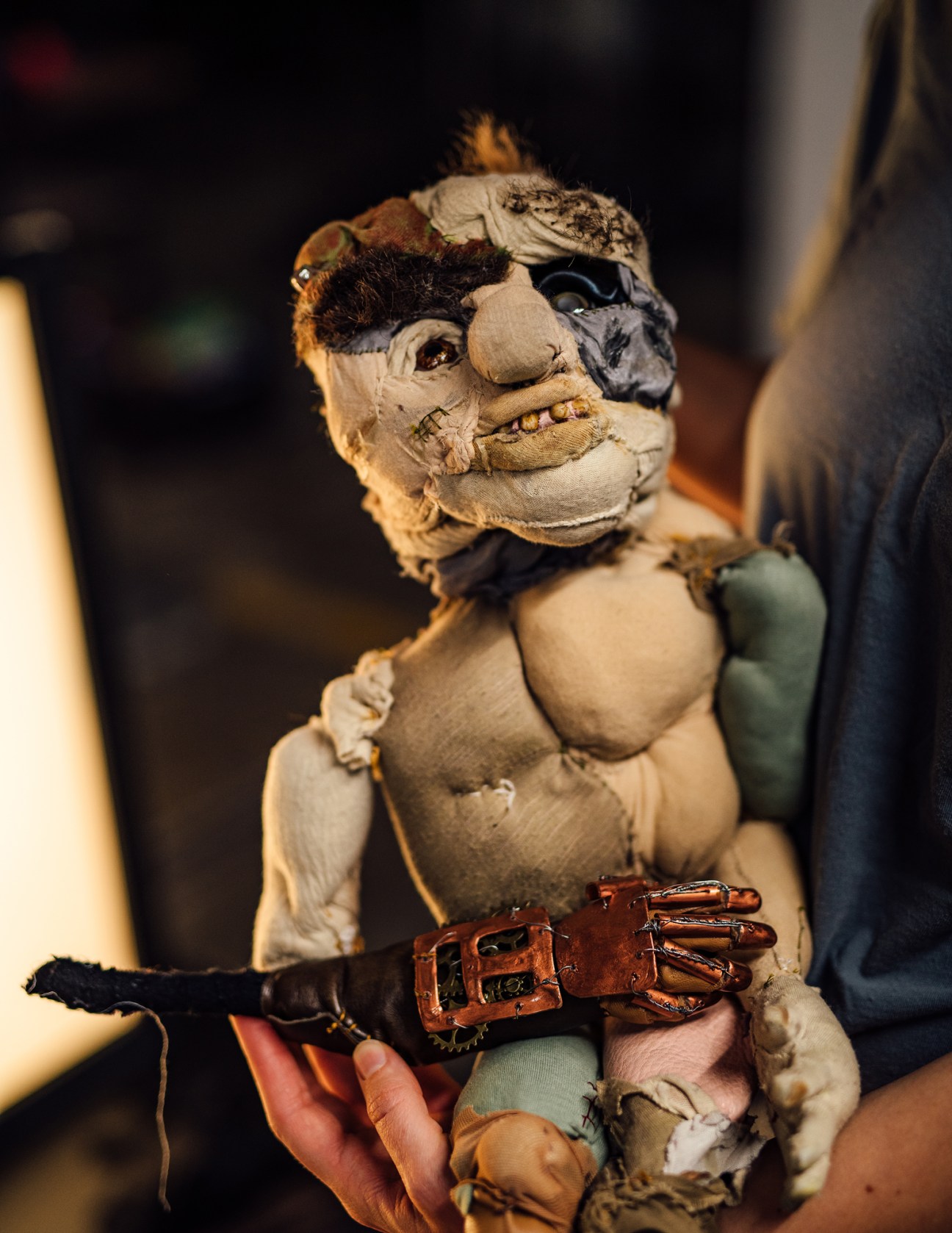
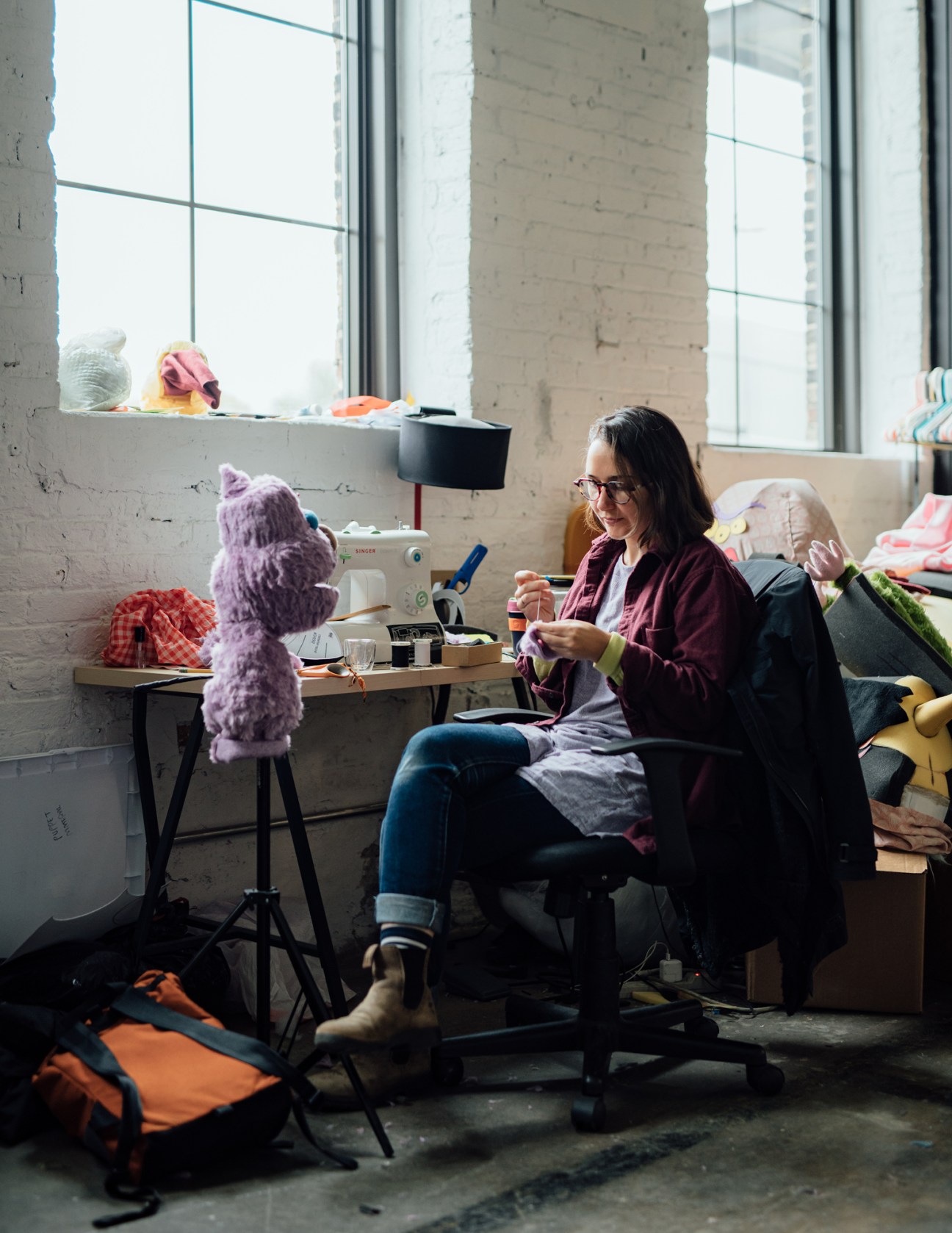
“The first five years of the company was mostly about figuring out what this work was,” says Dir. The team tried their hands at various older, traditional methods of puppet-making. “Every show we did was a little bit different. We were truly teaching ourselves; it was an aesthetic exploration. If we made any money from it, that was purely a byproduct. But we realised that this could actually be a viable company, where we could all strive to do this full-time.”
Manual Cinema’s theatrical productions blend the older feel of early cinema screenings with live theatre. The nuts and bolts of the performance itself – the puppeteers, the miniature moving scenery and the cast of musicians who accompany the action – are all visible on stage.
“For us, the goal is doing something cinematic and sophisticated, that can go up against any contemporary film-making,” says Kauffman, the composer and co-artistic director. “It puts manual work in a different light. People are drawn to that.”
Still, despite its foray into the world of the silver screen, the team at Manual Cinema remains keen to keep one foot on stage.
“There is something special about live performance and the stakes that are involved in that,” says Kauffman. “That will be a part of the company for years to come.”
Props forward
Izabel Rainer, Brazil
Film sets are notoriously complex: they require a large revolving cast of characters to make everything tick. But while most people are familiar with the headliners of behind-the-scenes – from costume designers to make-up artists – not everyone realises that coming up with every bit of packaging, signage and printed material that ends up on screen is down to a graphic designer. No detail in a scene is too small, brief or irrelevant to be painstakingly devised: the likes of Wes Anderson have accustomed audiences to elaborate set-ups filled with intricate detail, and the work of film graphic designers is increasingly coming into the spotlight.
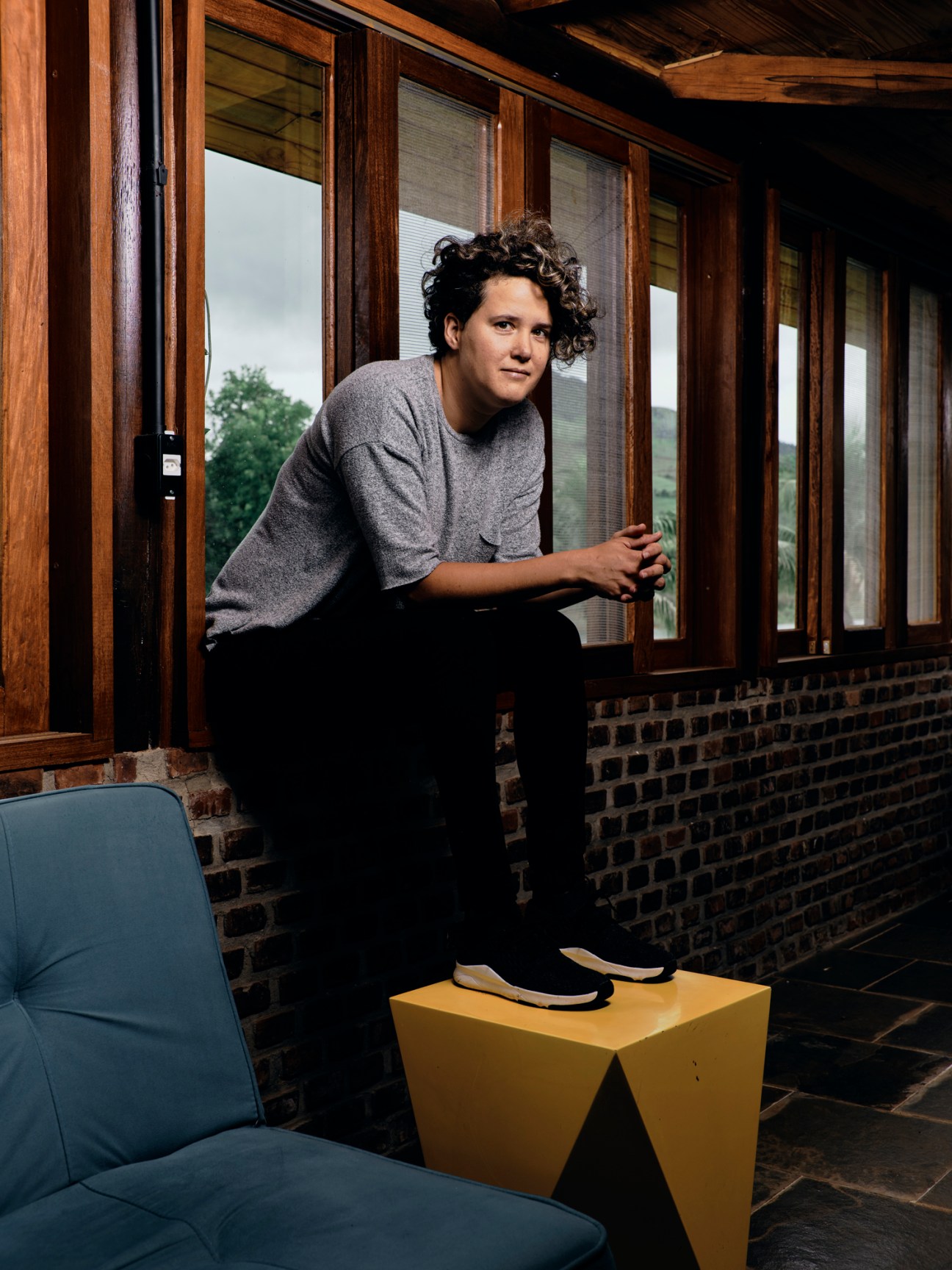
Izabel Rainer is one of them. In her workshop deep in the Brazilian countryside, she designs everything from matchboxes to licence plates and beer-bottle labels for use in some of the country’s leading productions.
“When people watch a movie, they look at a scene set in a hospital and assume all the signs and patient bracelets they see were just in there to begin with,” she says. “But in reality, someone had to make all of those things.”
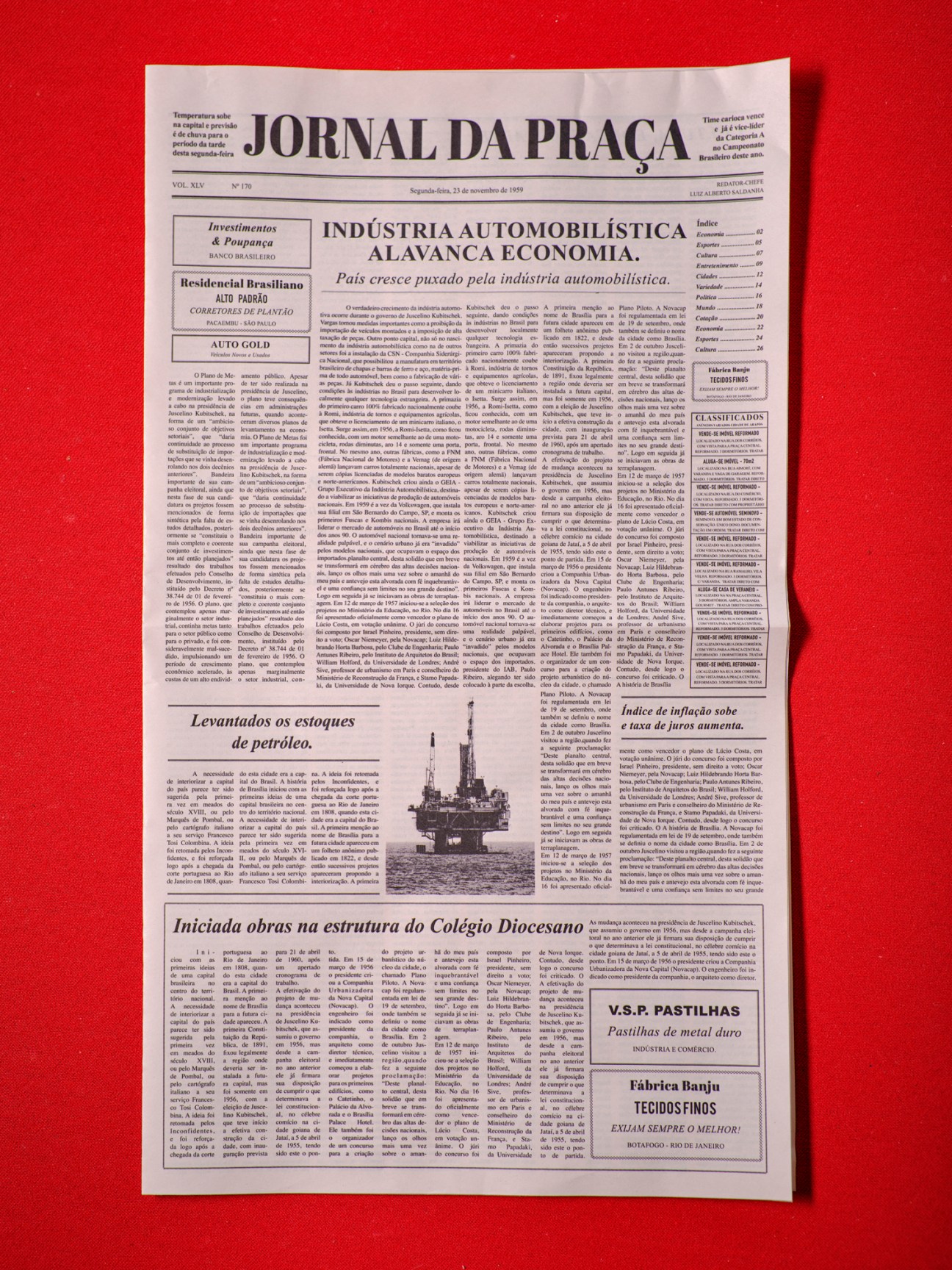
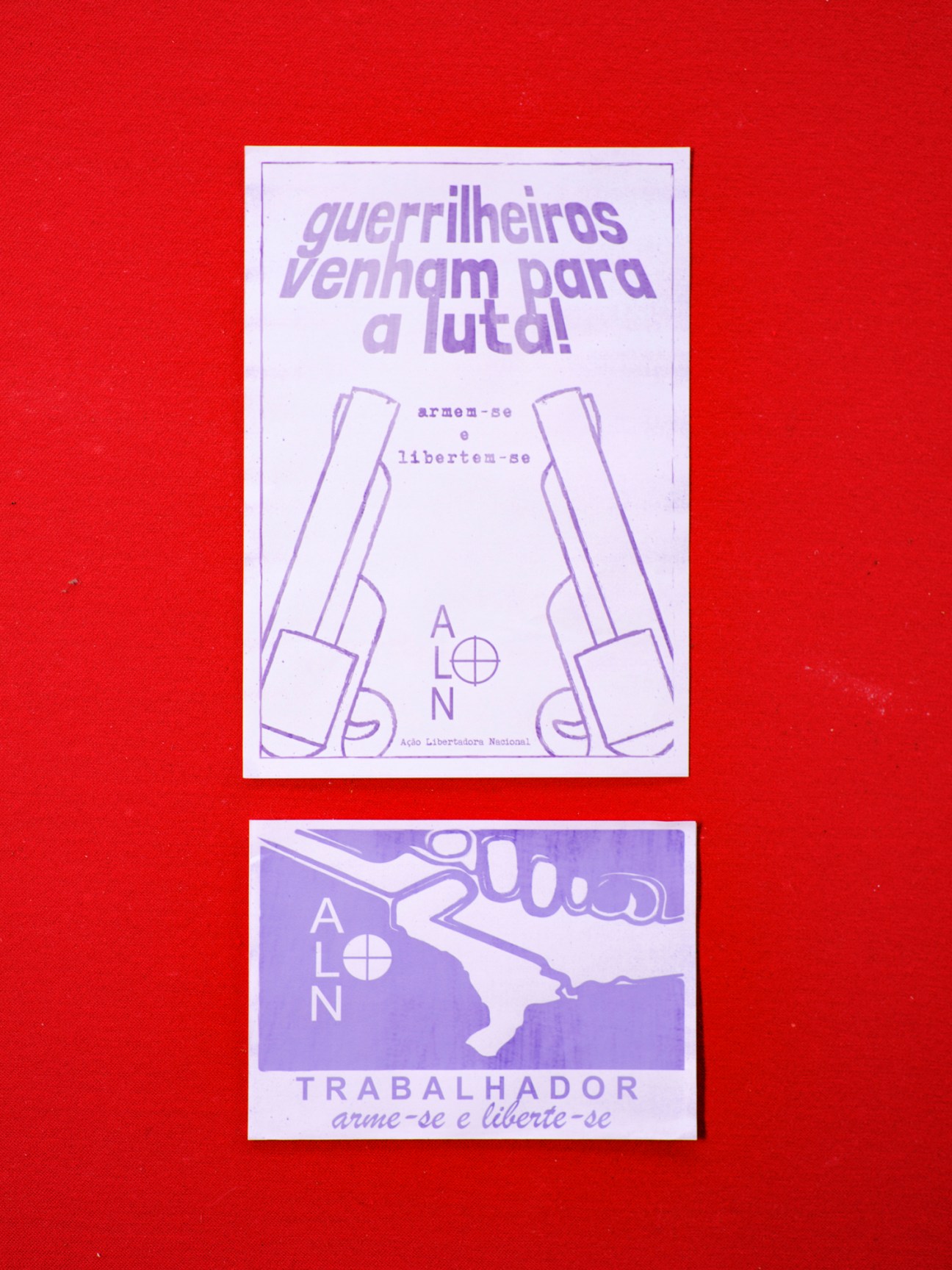
Rainer studied marketing at university and had no plans to work as a graphic designer, let alone as a designer in the film industry. In fact, like many people, she hadn’t even heard of the profession until her sister, who is also in the industry, told her about it.
Now she’s worked on some of the country’s biggest homegrown titles, including Coisa Mais Linda, a Netflix show set in 1960s Rio de Janeiro during the birth of bossa nova, and Marighella, Wagner Moura’s film about a dictatorship-era leftist guerrilla fighter. Her job is made especially complicated and demanding because of the amount of research required but, despite it being hard work, Rainer wouldn’t have it any other way.
“I love being able to create objects that already look as though they’ve lived different lives,” she says.
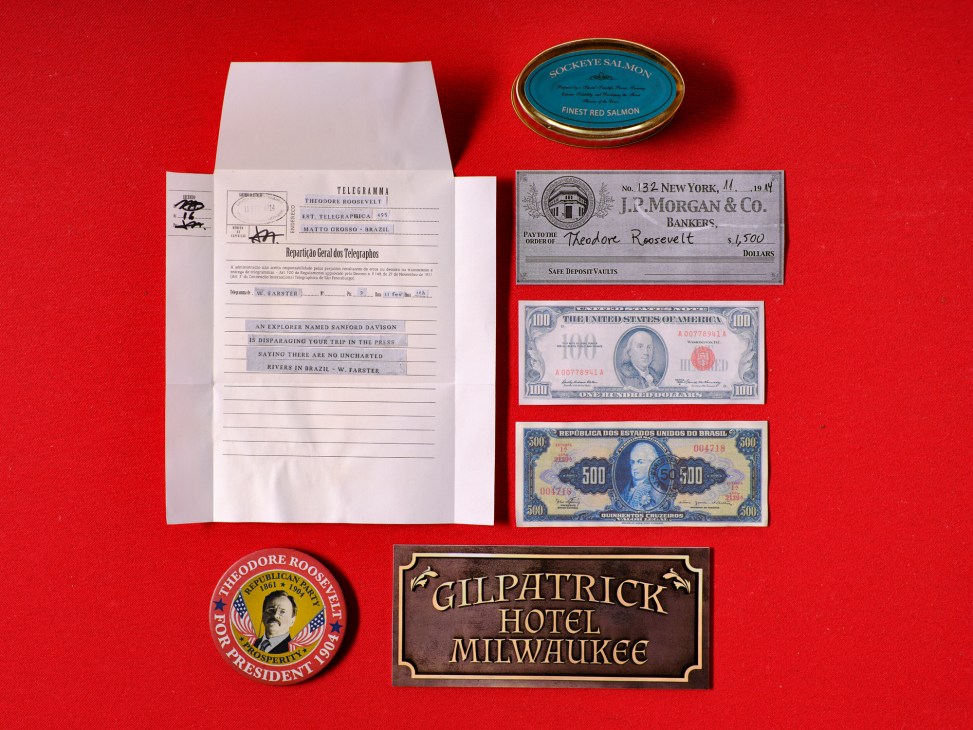

Making things that don’t look brand new is one of the many ways in which her work differs from that of a traditional graphic designer’s – and it is her favourite part of the job.
“I really like ageing paper, for one,” she says. “Sticking it in the oven and seeing it turn into a different colour.”
While the Brazilian film industry is still “fragile”, Rainer thinks that new routes into her profession will become more common. She also believes that the services of graphic designers will become increasingly in demand on sets that used to skimp on budgets and worry less about prop detail.
“Once the process starts, there’s no going back,” says Rainer. “Once people start bringing more assistants in, more designers in, and a graphic designer that works closely with the rest of the team, art directors won’t want to go back to the way it was.”
Sounds spectacular
Foley Farmers, Germany
It’s a frosty evening deep in the north German countryside and Pete Burgis is hard at work in his studio. Against one wall, a large screen is playing a scene from a children’s television series where a girl in a tutu is practising her steps. Burgis, a slight 60-year-old, is wearing thick woollen socks beneath a pair of black ballet pumps. He has his eyes focused intently on the screen and is chasséing and pirouetting in sync with the girl’s every movement.
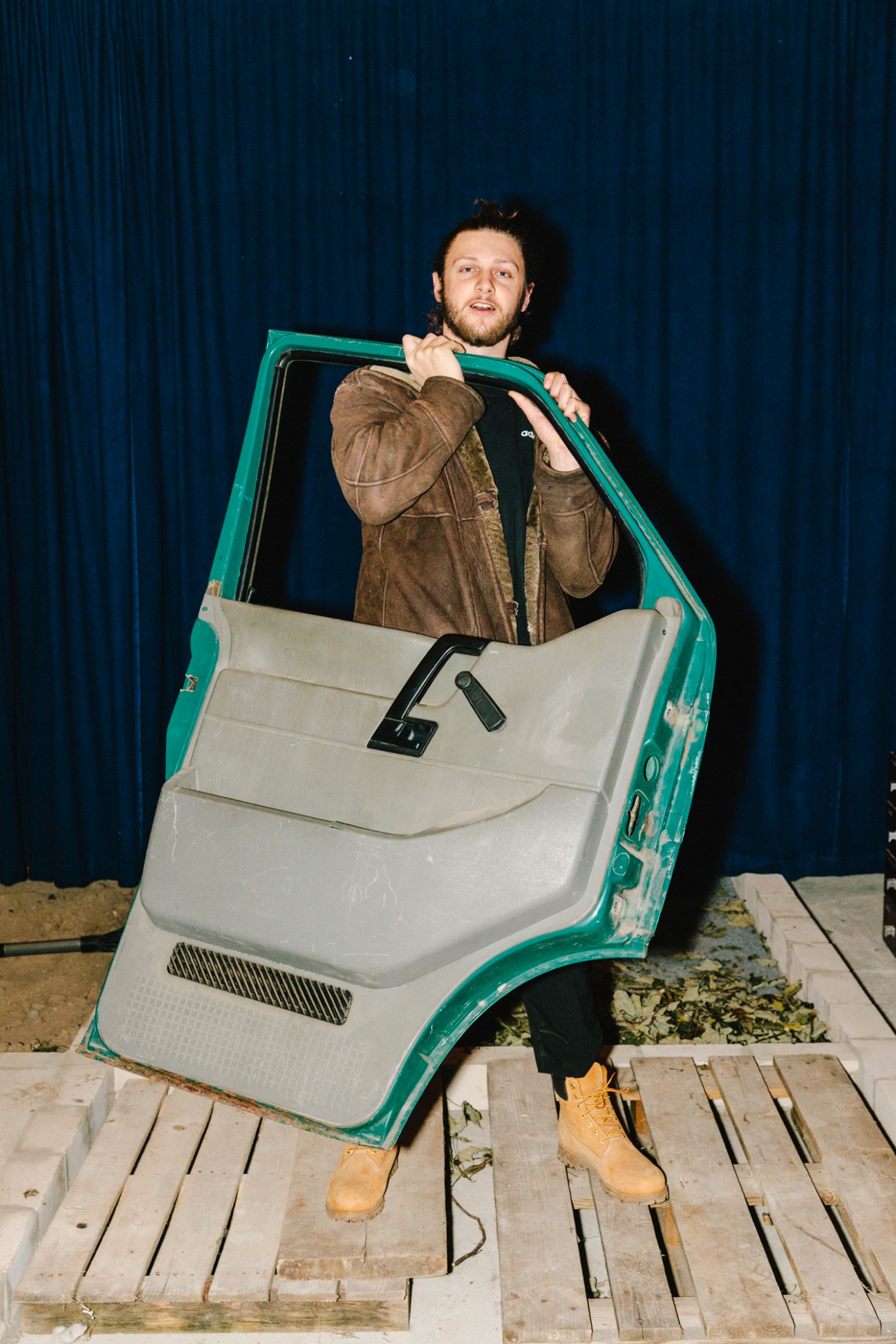
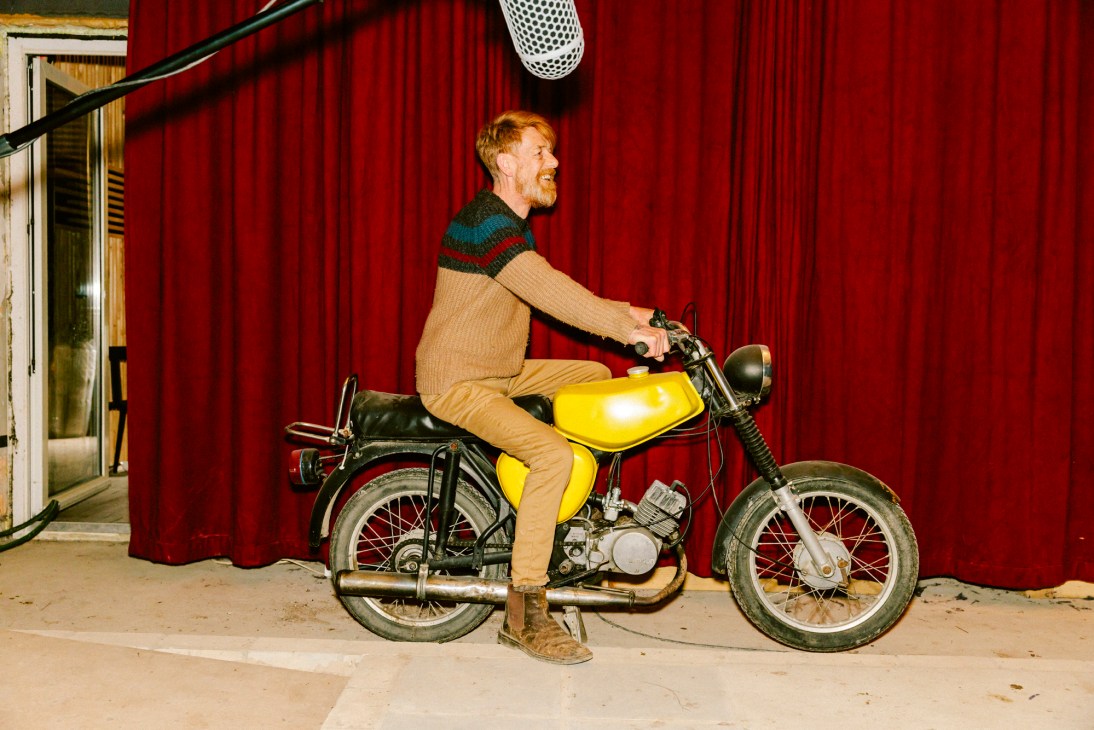
“Can you tell I’ve been practising my pas de chat?” he says to sound technician Albi Ihlenburg, who has positioned a microphone to pick up the soft shuffling sound of his feet against the wooden boards. As the lead foley artist for Foley Farmers, a production studio housed in a 19th-century red-brick barn, Burgis recreates sounds for film, television and video games using an array of props, surfaces and materials. These recordings of his feet, for example, will be pasted together to form a noise track that will run in the background of the show’s final edit.
“We’ve been working incredibly hard recently,” says Burgis. “But even after decades in the job I still enjoy doing it. It’s a lot of fun.”
His profession is an art that stretches back almost a century to the early days of Hollywood, when it was pioneered by its namesake Jack Foley. Many parts of the filmmaking process have since been digitised, but foley remains a strictly hands-on process that requires the utmost ingenuity. A sputtering old motorbike engine? That’s Burgis running a feather through the spokes of a bicycle wheel. A gushing waterfall involves the artful use of a hose and a ladder, and a gory dismembering can be recreated with a knife and a watermelon. It’s an integral part of the post-production process that Burgis has perfected over his 30-year career, with credits on everything from the Harry Potter films to James Bond – and he has picked up a couple of Emmys.
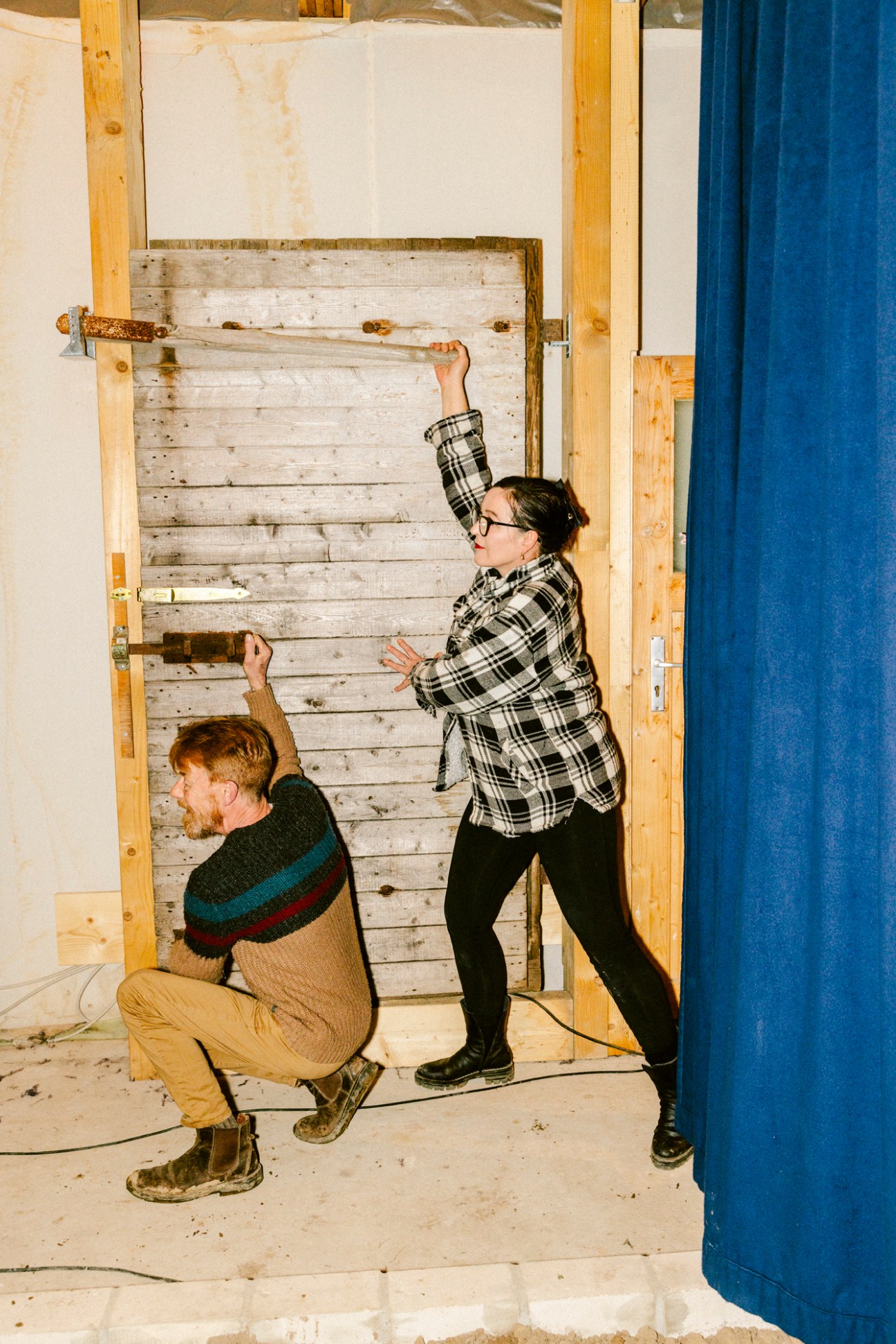
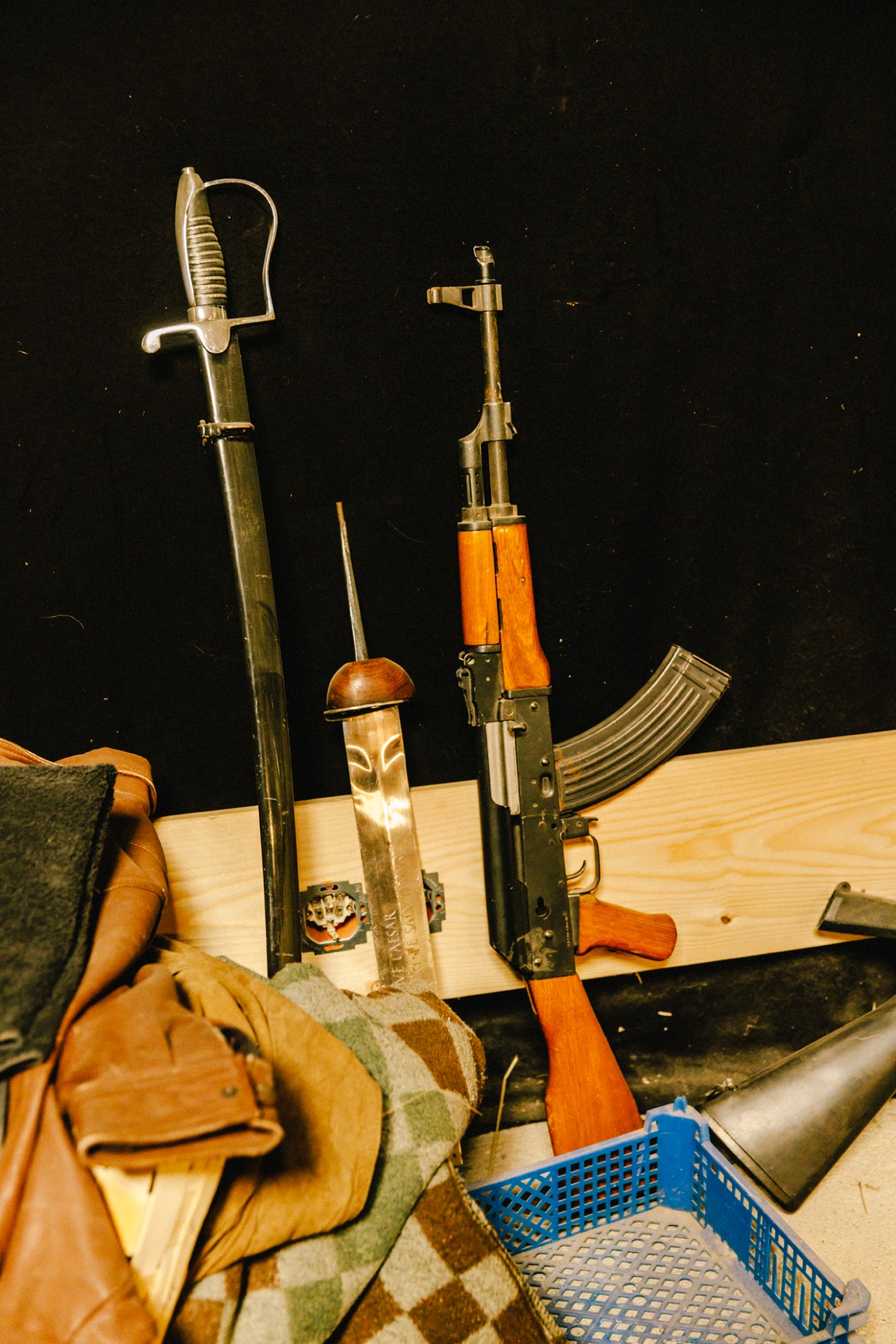
“The thing about films like Harry Potter is that new generations keep watching them,” says Burgis. “I’m always getting emails from children who have seen my name in the credits saying they want to be a foley artist and asking how they go about it. It’s very sweet. I always answer them.”
Burgis, former head of foley at London’s Pinewood studios, left the UK in late 2020 to help launch this new venture in the heart of the Mecklenburg-Vorpommern countryside between Hamburg and Berlin. Fellow foley artist Franziska Treutler bought a derelict barn and stables in 2018 and has spent the past four years transforming it into a home and state-of-the-art studio with her engineer husband, Matti. Burgis was initially invited to advise on how to set up the recording facilities.
“As soon as I arrived I thought, ‘I’m ready to sign,’” he says. “We hadn’t even talked about exactly what we were going to do but I just thought, ‘I want to be here.’”
German-born Treutler established her career as a foley artist in the UK and used to run her own studio in East London. When she and her husband decided they wanted to slow down and live in the countryside, they couldn’t find a suitable space in the UK, so they turned to rural Germany. Here they have recorded tracks for anything from Netflix’s hit series Narcos to Tom Waller’s The Cave.
“In London, it was a constant struggle to keep the studio quiet,” says Treutler. “A foley studio has to be on a ground floor with no basement beneath because you need the solidness of the floor. High ceilings also make the sound really beautiful. But finding somewhere in a city with high ceilings and no basement is really hard.”
Treutler began her career as a sound editor, mostly working with musicians, but became increasingly intrigued by the foley tracks that came her way. Since then she has developed a hyper-awareness for sounds.
“I’m always paying attention to the noises around me. The footsteps, the clinking cutlery in a restaurant. What’s the sound of someone reading a book on the Underground? What does it sound like when they turn the page?”
Treutler is constantly scouring flea markets and occasionally skips for useful objects. The resulting prop store is an Aladdin’s cave of everyday objects, catalogued neatly into boxes labelled things like “cranks”, “wind-up toys” and “whistles”. Burgis also contributes his own items to the pile – and those he uses the most have both sentimental and practical value.
“When my grandmother passed away, I took her purse,” he says. “It has a lovely click to it, so whenever I have to make the sound of an old woman’s purse, I use that.”
Being in a rural location has recording-related benefits. Last winter, when the pond in front of the barn froze over, the team jumped at the chance of recording skates on the ice. A vegetable patch provides them with opportunities to record violent gourd stabbings. The five acres of land around the barn can be used for explosions and firearms recordings. Local farmers are more than happy to help out with livestock should a project call for a moo, grunt or bleat. The Treutlers’ four dogs and five cats have been known to lend a paw. It might sound like a lot of improvised fun but foley is an accurate discipline that can only be mastered with gruelling work.
“I’ve done so many courses because I wanted to be super proficient at anything that might come my way: stunts, sword-fighting, dancing,” says Burgis. “Foley is a science and the details have to be authentic.”
Burgis is on his feet for most of his eight-hour shifts, recording footsteps in sunken pits filled with different materials, including a cobbled pavement made using stones, twigs and leaves from nearby forests. The studio also houses a large, free-standing swimming pool, which was used recently when Burgis and Treutler were recording sounds for a film about the first woman to swim from England to France. A new, purpose-built water stage is currently under construction. The 2.5 metre-deep pool has been designed specifically for the purposes of foley, with a bank of sand at one end to mimic a beach and different levels to allow the artists to wade to varying depths.
“It’ll be big enough to fit an entire rowing boat,” says Burgis. He remains as enthusiastic about his job as he was 30 years ago but if there is one downside to his trade, he admits, it’s that he can’t watch films or television series for enjoyment.
“It’s really hard for me to disconnect,” he says. “Films are all about the suspension of disbelief. You need to commit yourself mentally. I can’t do that any more. I’m too busy listening to the background noises.”
Head of steam
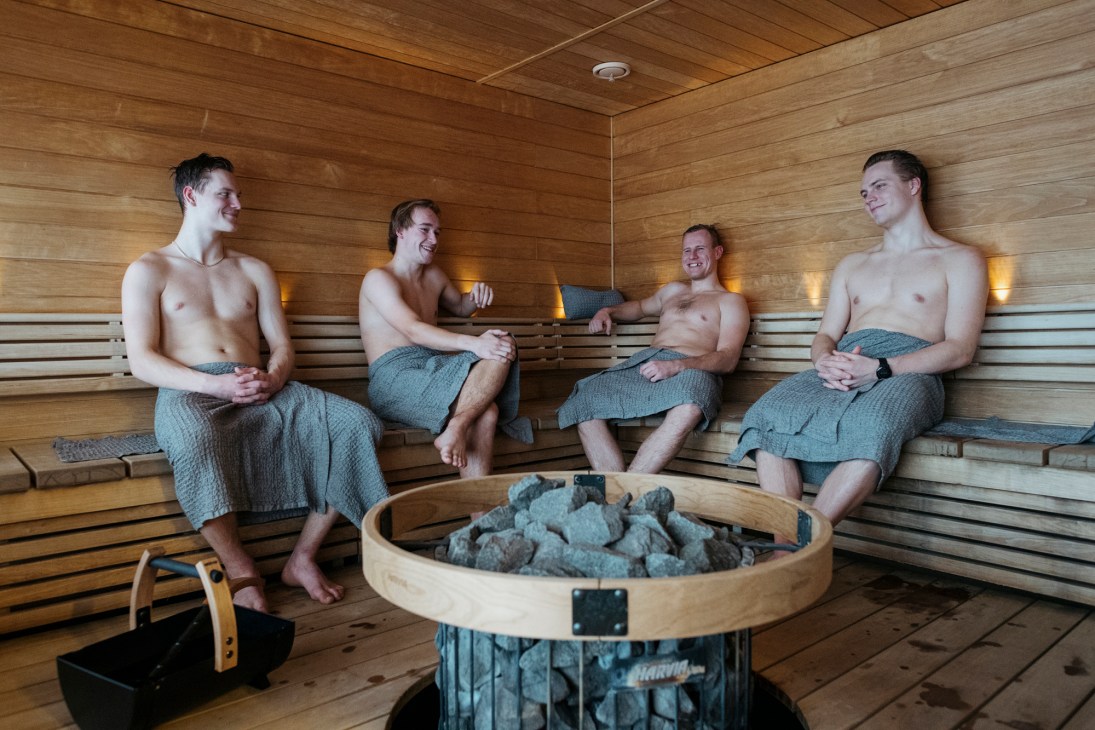
Water hisses as it hits 120kg of hot stones in the Harvia Legend sauna heater, placed in the middle of the wood-panelled room to dissipate the heat evenly. Things are getting steamy in the city of Jyväskylä, the spiritual home of the Finnish sauna. There are saunas almost everywhere; this one, for instance, is on the top floor of a nondescript high-rise building. It’s 85c inside but jyp Jyväskylä ice-hockey player Patrik Siikanen wants it hotter. He grabs a bucket of water and starts dousing the heater. Siikanen and his team-mates Joakim Kemell, Jerry Turkulainen and Aleksi Salonen (pictured, from left, with Siikanen) do this several times a week, often coming to this public sauna for the views over Lake Jyväsjärvi. The tradition helps them to recover from matches and training sessions, they say. “We have a few foreign players in the team and they have fallen in love with the sauna too,” says Turkulainen.
They’re not alone in their passion for the Finnish sauna. The maker of the heater, Harvia, is based in the municipality of Muurame, about 15km from where the ice-hockey players are sitting. Despite being headquartered in this unassuming rural setting, Harvia is an ambitious national and international brand, selling between 230,000 and 300,000 sauna heaters a year, as well as about 20,000 sauna units.
Founded in 1950, Harvia is now one of the world’s biggest sauna companies. Its portfolio includes 20 different product families of sauna heaters, both electric and wood-burning. Harvia also makes various types of saunas for both indoor and outdoor use.
“We have seen more and more individuals committed to taking responsibility for their health. As individuals embrace preventative care, interest in saunas has soared”
“These are products for which the build quality is the decisive factor,” says Arto Harvia, the company’s product group manager. “In addition to the extremely high temperatures, they need to withstand constant high humidity and water being thrown on them.”
Harvia has worked in the R&D team of the company that his relatives founded for most of his career. “We have more than 70 years of experience in optimising elements such as the quality and type of the stones used, as well as the correct ventilation and design that ensure an even heat dissipation,” he says. Take, for example, Legend 300, Harvia’s flagship wood-burning heater. It needs to be able to hold as much as 260kg of hot stones that can reach temperatures exceeding 300c. The brand’s electric heaters, such as the Harvia Globe, are complicated machines that have more than 100 components.
The heaters are manufactured at the company’s Muurame facility. When Monocle visits, Harvia has just opened a state-of-the-art extension to its factory that houses a Prima Power laser cutter to make steel parts for its heaters. Much of the assembly work is still done by hand by the more than 150 staff on the factory floor. The company’s CEO, Tapio Pajuharju, takes us to a showroom displaying Harvia’s latest innovations. Sitting on the upper deck of an unheated electric sauna, he details the company’s growth. “We have nearly quadrupled our turnover since 2014,” he says. Much of this is the result of strategic acquisitions, entering new markets, offering both complete saunas and components, and revamping the company’s brand message.
More than 70 per cent of Harvia’s turnover still comes from European countries, such as Finland and Germany, where sauna bathing is a longstanding tradition. But the company is gaining a foothold in North America, where it grew by 80 per cent in 2020. “We’ve seen more and more individuals committed to taking responsibility for their health,” says Don Genders, CEO of UK-based Design for Leisure and chair of the Florida-based Global Wellness Institute’s Hydrothermal Initiative. “As individuals embrace preventative care, interest in saunas has soared.” According to Genders, there is now a sauna boom in the US. “A recent study predicted that the US market has the potential to be valued at $500m [€440m] by 2027,” he says. Under Pajuharju’s leadership, Harvia has changed its slogan to “Healing with heat” to underscore the health benefits of using a sauna.
The boom is not limited to the US. “We’re talking about a €3bn global market that’s growing between 5 and 10 per cent a year,” says Petri Kajaani, who analyses consumer goods companies at the Helsinki-based firm Inderes. “As a Finnish heritage company Harvia has a strong brand and roots in sauna culture. More importantly, it has a wide portfolio of high-quality products that are easy to assemble and affordable for the average consumer. More than 60 per cent of the global sauna market’s revenues come from replacement demand, which makes it a resilient sector, and Harvia is the top brand here.”
It’s tempting to think that Harvia can just sit back and enjoy the boom. But Pajuharju insists that innovation is crucial. “We have more saunas per capita in Finland than anywhere else in the world so it’s a good yardstick to see how saunas develop,” he says. “In 10 years, Finnish saunas have changed a lot. Mood lighting and better safety have been introduced; pillar-shaped heaters have replaced wall heaters.” Adapting to demand, Harvia has introduced electric heaters that can be remotely controlled with a smartphone, while its Greenflame wood-burning heaters produce 70 per cent less carbon monoxide emissions than other similarly sized heaters.
As the market grows, cultural differences are becoming more apparent. “You only need to travel to Germany to see that its sauna culture is very different from ours in Finland,” says Pajuharju. “Germans lie down and control the temperature and time meticulously, whereas Finns are more nonchalant.” The Finnish way to enjoy the sauna, says Pajuharju, is in high temperatures, for periods of an hour or more, which can feel extreme to many. “We’re proud to have Finland as our place of origin but we want to make saunas for all cultures.”
But the four hockey players in their high-rise sauna are convinced that the only way is Finnish. “I’ve been to some saunas abroad where you can’t even throw water onto the hot stones,” says Salonen. “That’s the whole point of the sauna, what we Finns call löyly.” The friends agree that a wood-burning sauna offers the best löyly, due to the combination of humidity and heat. “And the sauna needs to be by a lake so you can take a dip to cool off,” adds Siikanen. “The sauna is about more than just physical relaxation; it’s for the mind too. And it’s about enjoying something together.”
For the ice-hockey players, life without a sauna isn’t fathomable. But not just any sauna. In Jyväskylä, nothing but the pride of the town will do. It has to be a Harvia.
Harvia by numbers
Company founded:
1950
Number of employees:
810
Average cost of a Harvia sauna:
Entire unit €6,000 Heater €500
Components in average electric heater:
More than 100
Turnover:
€109m (2020)
Key markets:
Finland 22%
Germany 20%
North America 14%
Other European countries 28%
Russia 6%
At 40, Schumann’s remains a fixture of Munich nightlife and conversation
Walking into Schumann’s in Munich is like stepping onto a theatre set. Once you make it through that heavy glass door (that takes a boxer’s biceps to open) and part the thick, red, draft-excluding curtain, you’ll be immersed in a wave of chatter, clinking glassware, laughter and Miles Davis. When Monocle visited on the bar and restaurant’s 40th birthday, everybody who arrived had one thing in common: they smiled as they entered. They seemed to know they were set for a great night.
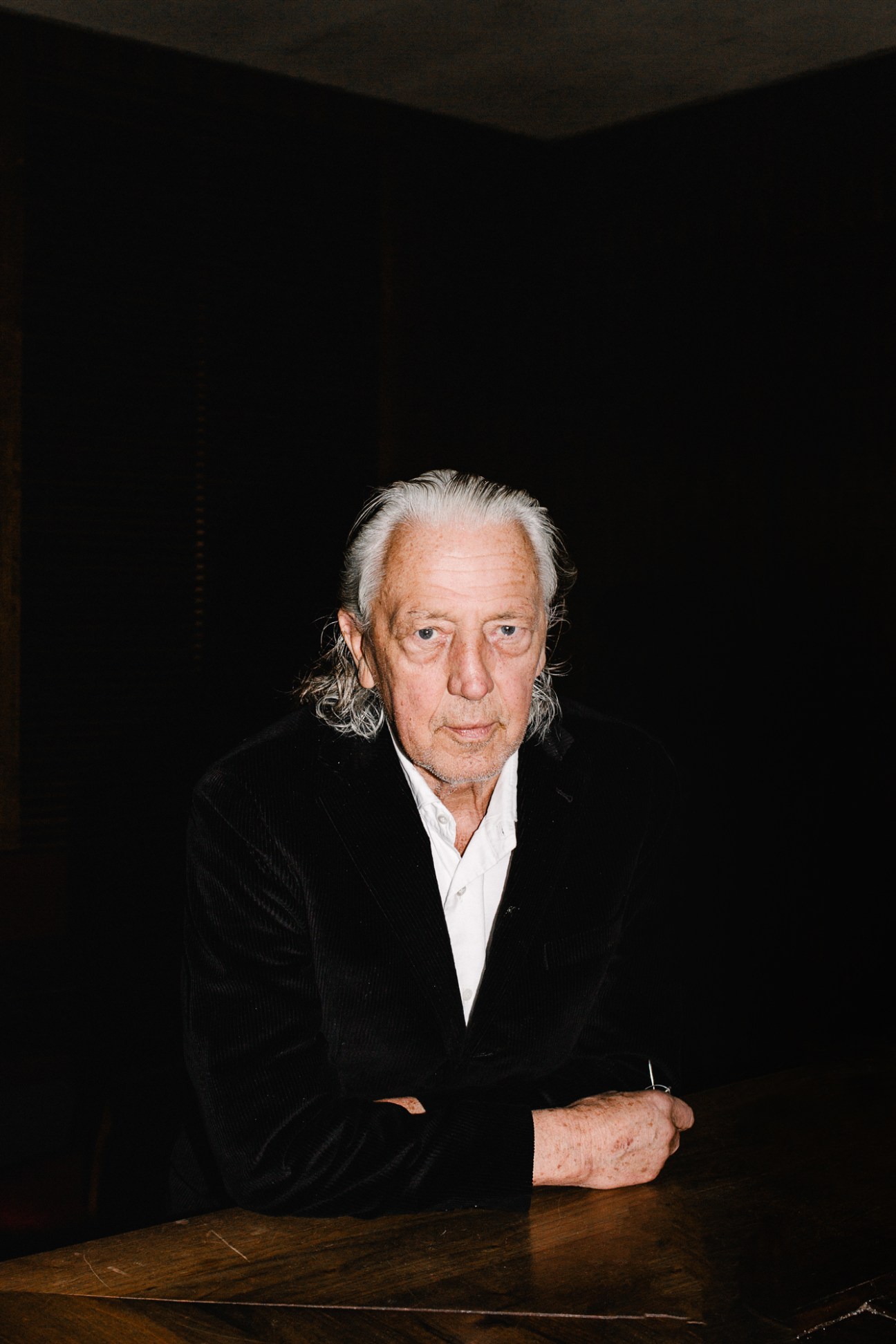
Charles Schumann opened his bar in 1982 and it has been packed most nights ever since, including when he moved to the current premises on Odeonsplatz in 2003. His long, white hair is streaked with grey and his frame is slender, thanks to a vigorous boxing and running routine. He’s wearing a black velvet suit and a white shirt. At 80 years old, he is handsome, kind and direct. He joins us at our table. “What do you want to know?” he asks. “There’s nothing unusual here tonight; nothing special.” Before long, he’s disappeared to don a white waiter’s outfit and blue apron.
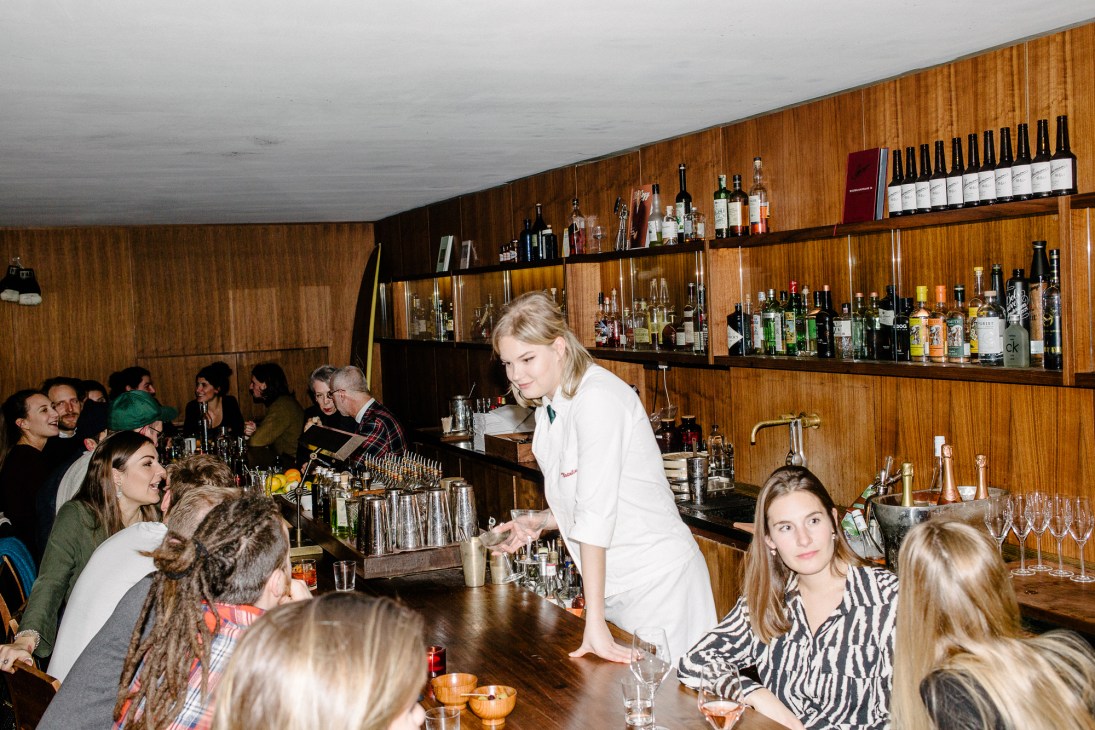
In a way he’s right. But in some sense, that doesn’t sum up his achievement. Actually, the evenings here have been rather special for the past four decades. For lunch, dinner and after hours, it has attracted an A-list of Munich’s pundits, journalists, socialites and thinkers. Many may have heard of the awards that the bar has won, while others might have read one of Schumann’s several published cocktail books. Few are disappointed by what they find.
“Charles is responsible for the appreciation that cocktails have gained over the past decades,” says Schumann’s long-time former bartender Stefan Gabányi, who published several books, including one about whisky, before setting up Bar Gabányi on Munich’s Beethovenplatz.
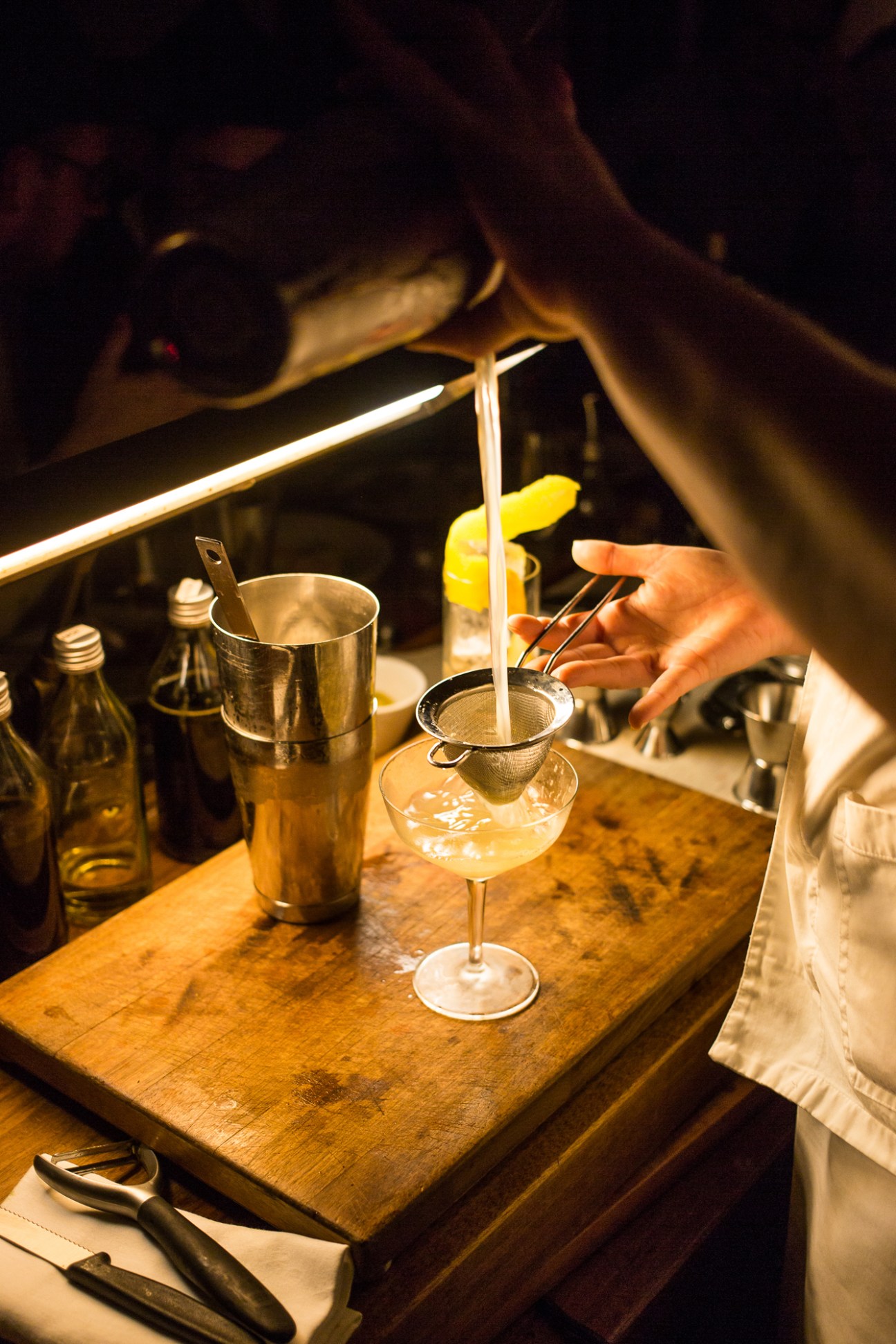
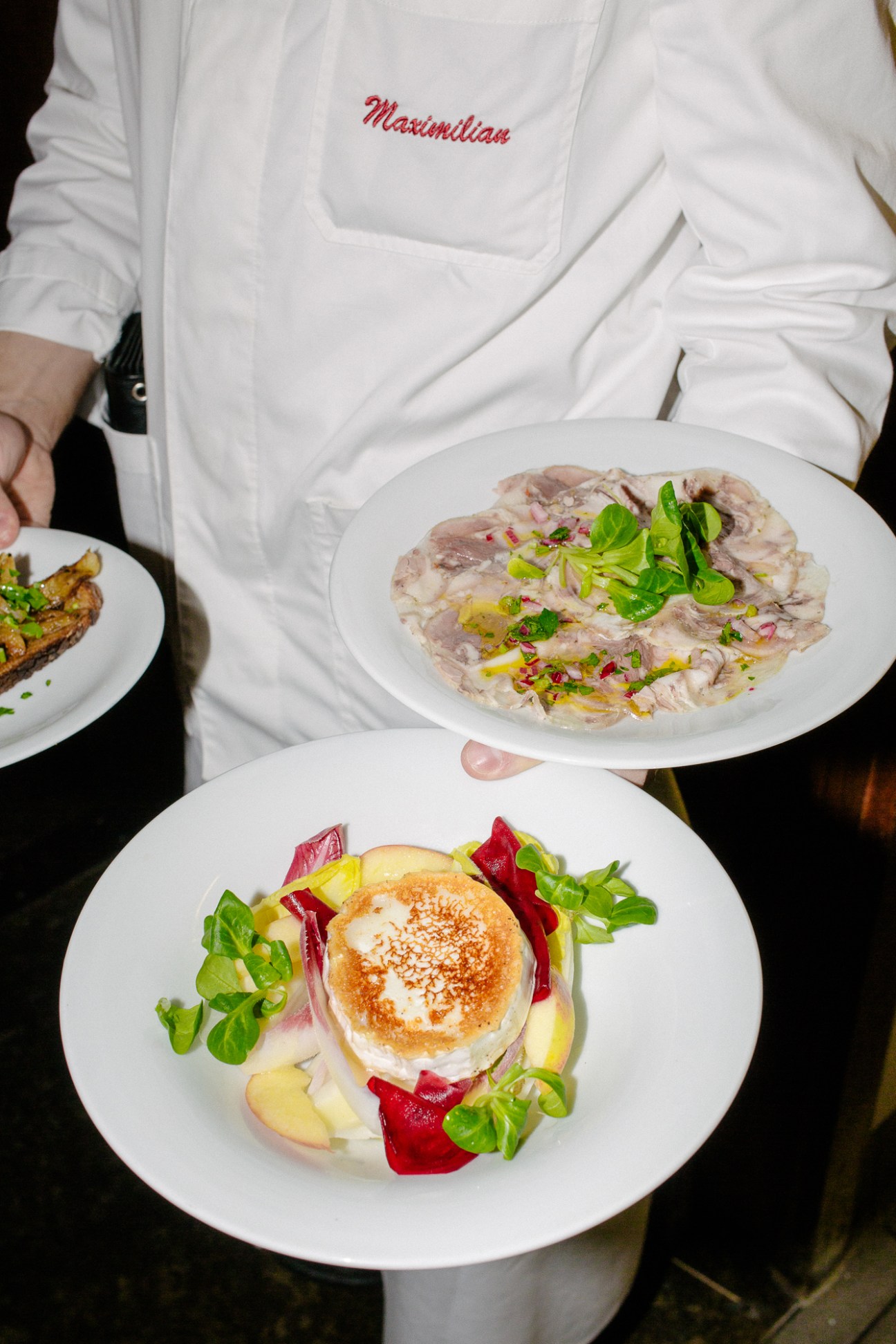
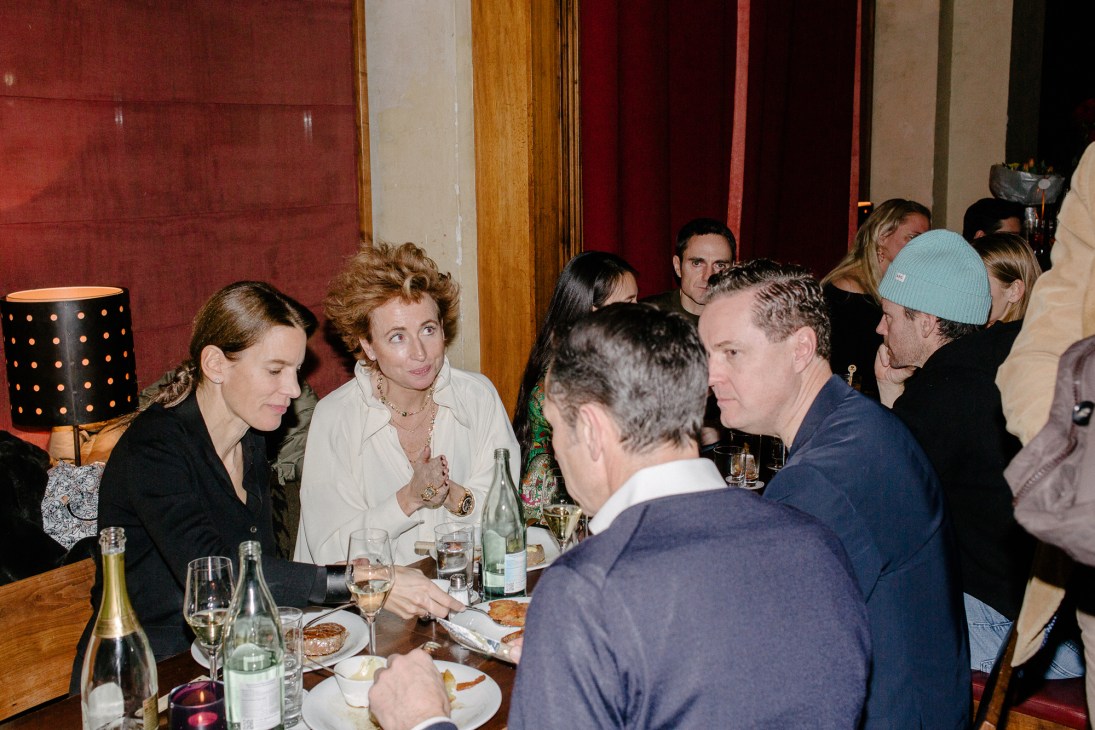
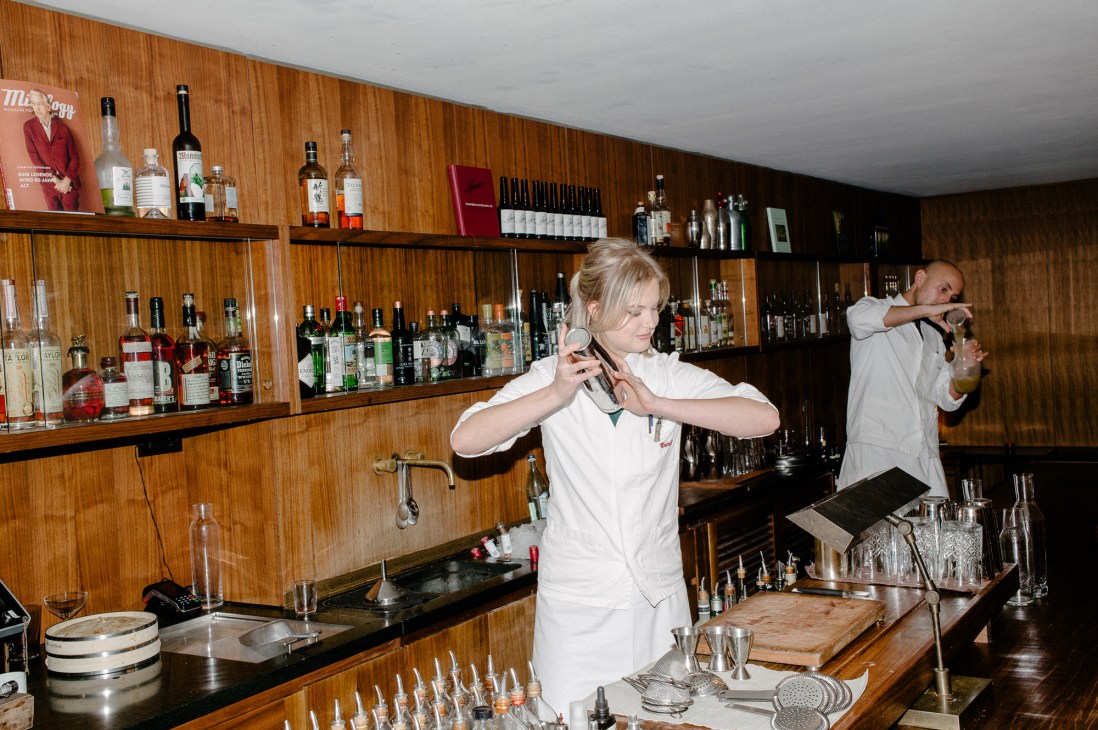
Legendary status in the industry and international recognition is quite something for a smallish bar in Munich’s old town. The wooden, mid-century interiors have been maintained immaculately but never revamped. The stage was set early and simply: red leather seats, a long bar, low flattering light. White-jacketed waiters whisk orders from behind the green-marble-backed bar to the low tables. But a mix of the atmosphere, Schumann’s uncompromising standards and curiosity about his guests is what seems to make the bar tick. As the guests continue to shuffle in, Schumann continues to deny the significance of the anniversary; all the while his phone pinging with the messages of well-wishers. “Of course, we come to celebrate him, whether he wants it or not,” says a regular named Gerhard. “We come here every Friday for lunch. Today we decided to stay on.”
Next through the door is bartender Cirhan Ansdologlu, bearing a vast bouquet of flowers while embracing his former boss. “I learned everything from Charles,” says Ansdologlu, who now owns a craft kebab restaurant. “I even adopted his passion for all things Japanese and am wearing only Japanese clothes now. Last year, I named my son after him.”
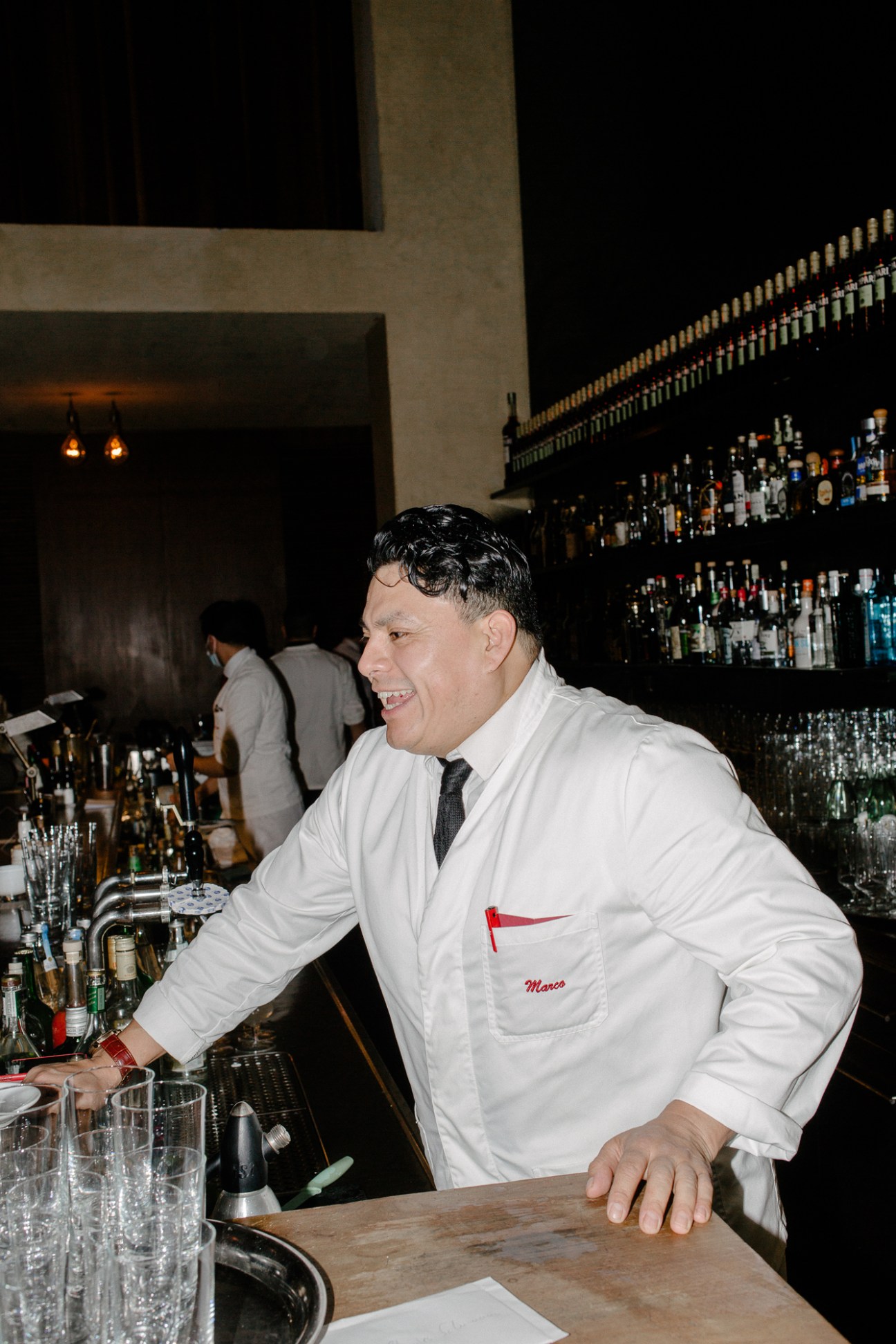
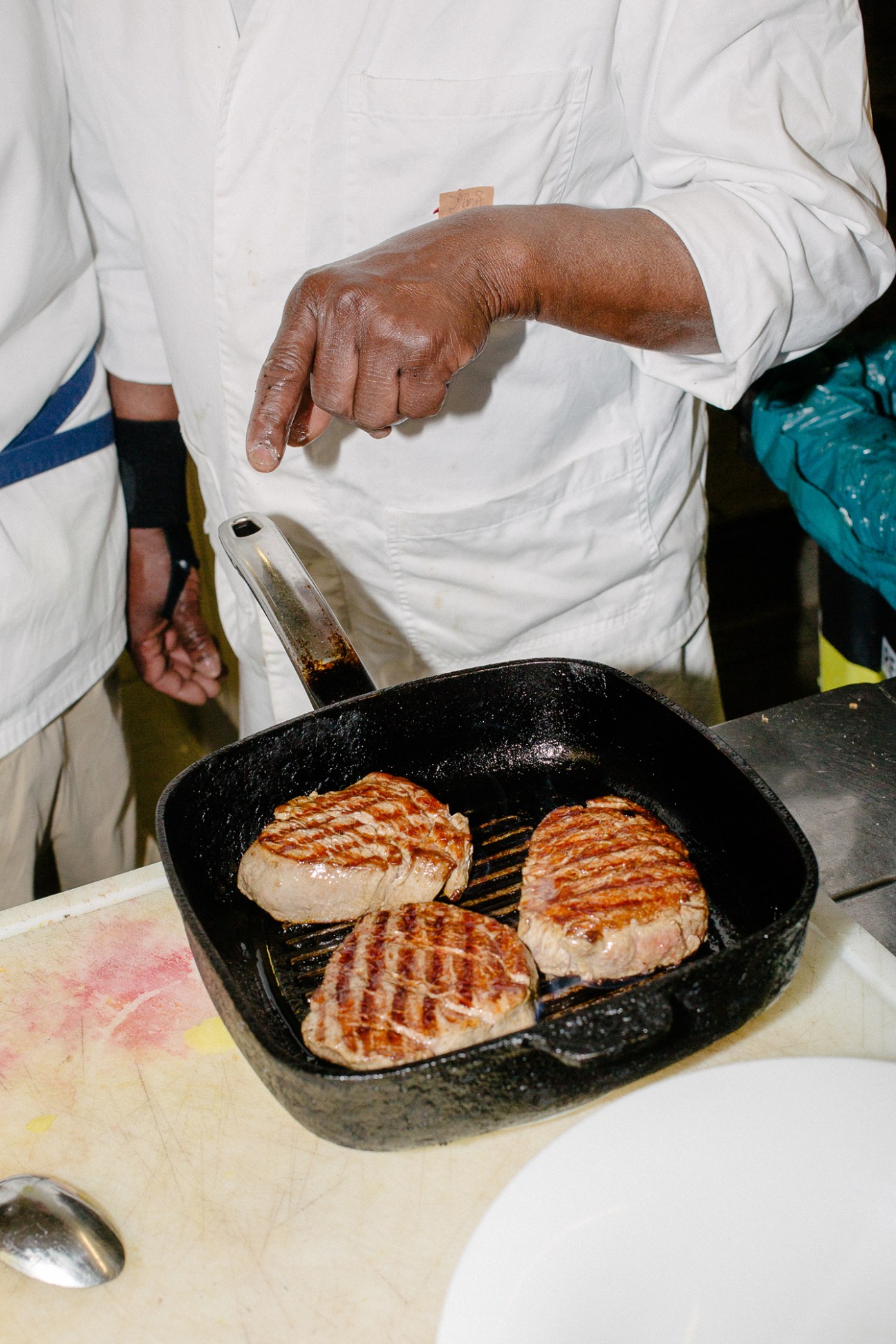
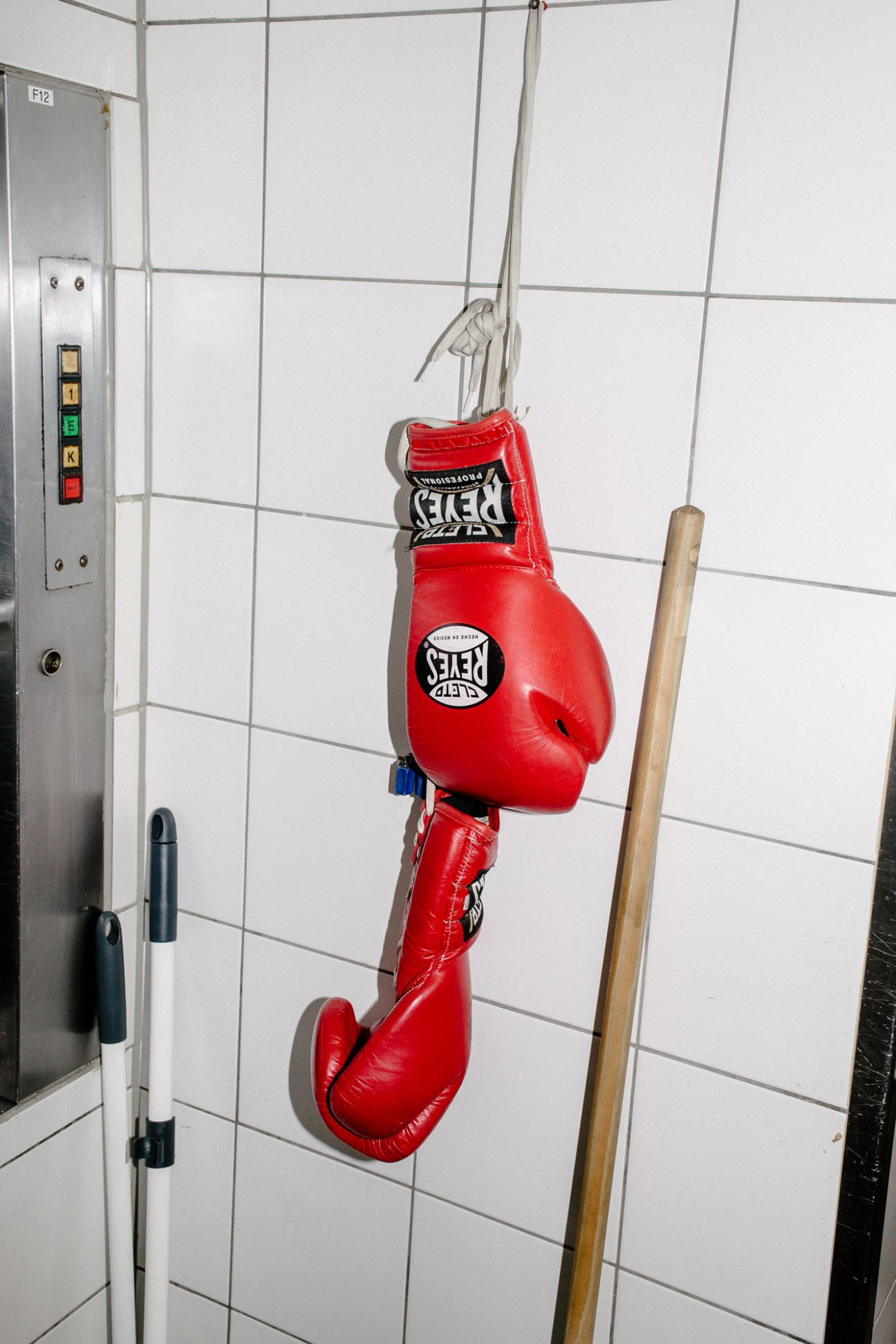
A few minutes later yet another barkeeper (this time retired) called Roman Laga shows up. A fixture for decades in Schumann’s, the normally grumpy Laga is sporting an enormous grin. “I could not have missed it,” he says. Next, three girls in their early twenties are chivvying for a table without a reservation. “It is our first time here,” they say, almost pleadingly. “We always wanted to come.”
While he won’t take praise for his contribution to the hospitality sector, Schumann does admit that it has changed rather a lot over the past 40 years. “When we started, there was just one bar in Munich outside of a hotel,” he says, before marvelling that there are now dozens. One is Les Fleurs du Mal upstairs, at which Schumann is chef.
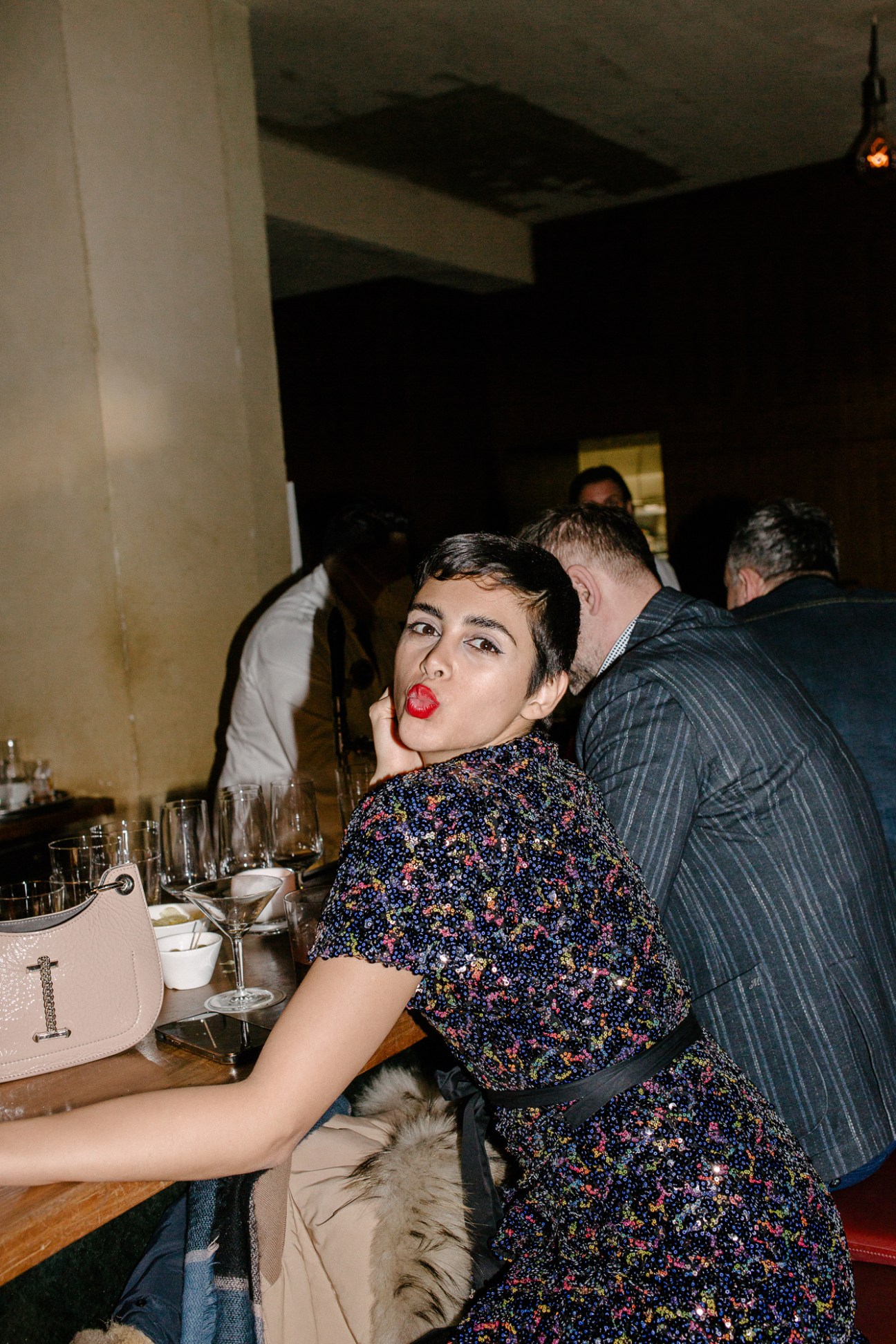
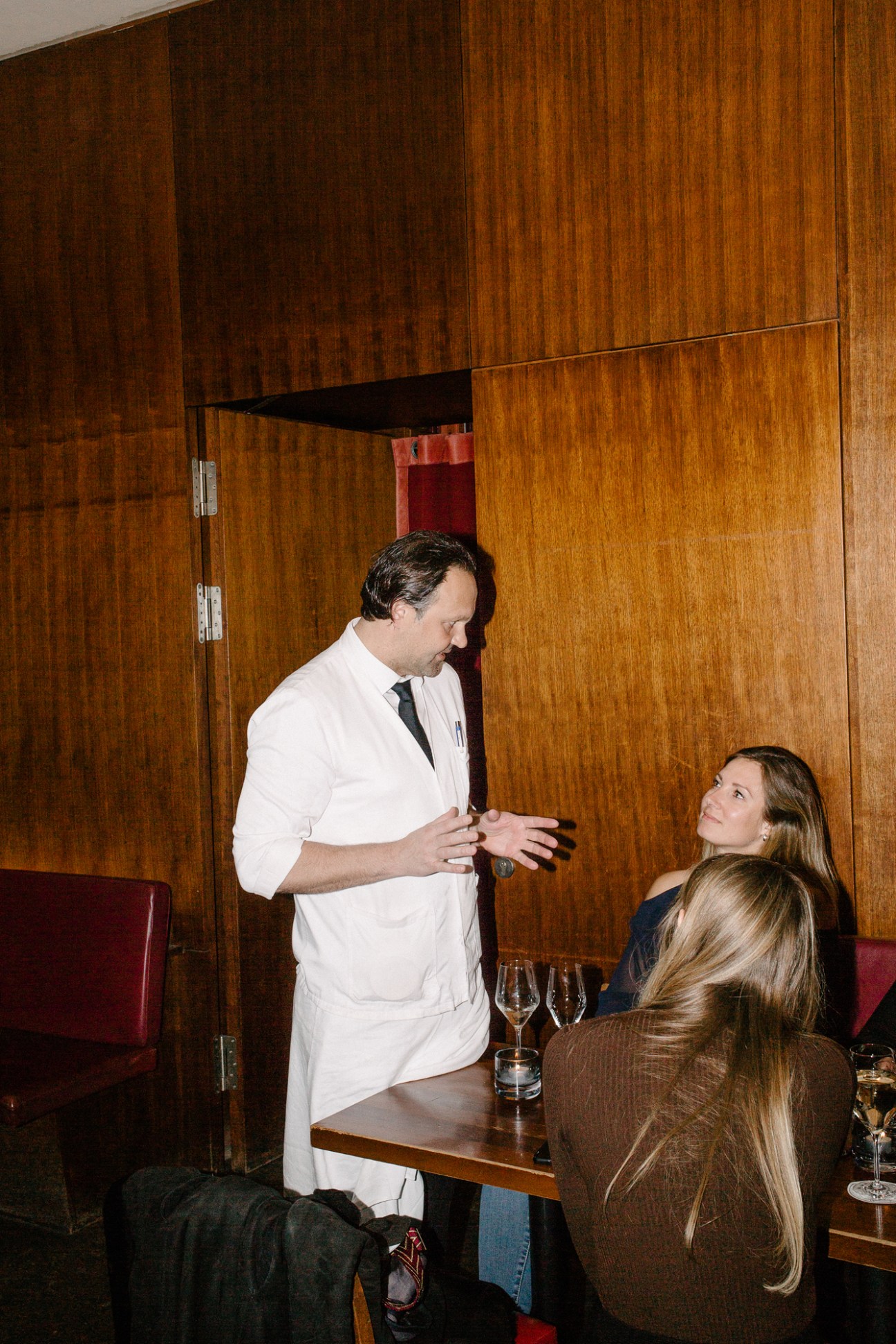
Most things change rather slowly here though, if at all – that’s part of the appeal of the bar. The roast beef and potatoes on the menu have never altered, for example. Newbies still vie to be recognised by Schumann and regulars take pleasure in being chided by him. “It still the same way we set the tables and welcome the guests,” says Doreen Ciuces, now in her 13th year at the bar. The night always starts with Miles Davis. “Most of the time it is ‘Blue in Green’,” says barkeeper Natalie van Wyck.
“You do your best for the people you like, so you get to see them again,” says Schumann. “For me that’s writers, authors, journalists, for example. I’ve always been an avid reader and I had the insight that writers might make good customers – conversation is what a bar is all about, not just drinking.”
Jail breakers
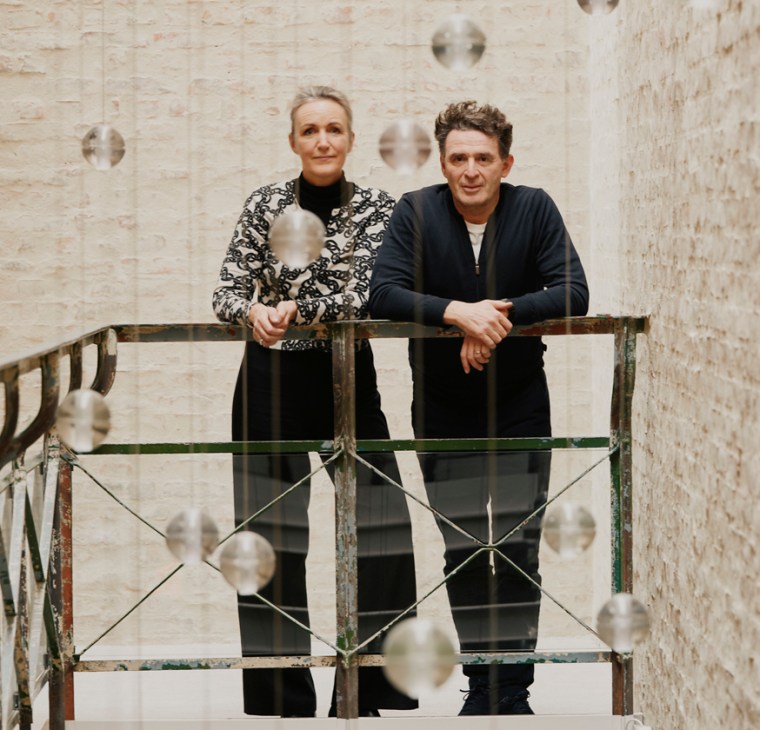
Architects Armand Grüntuch and Almut Grüntuch-Ernst are daring to do the seemingly impossible by opening the Wilmina hotel in west Berlin’s Kantstrasse area. This will involve converting an unloved, one-time prison into an intimate hotel.
Visitors enter through the ornate façade of the former Charlottenburg Criminal Court, a Wilhelminian-style building from the late 19th century that now hosts the Amtsalon exhibition space. The hotel itself is located in an L-shaped building clad in red bricks just through a courtyard. During the Second World War, the Nazi secret police locked up opponents of the regime here. After 1945 the block was converted into a prison and then served a sentence as a storage facility for the land registry. The architects were approached by an investor planning to develop the structure, which has been used as film sets for The Reader and Alone in Berlin. “He thought about using the building as storage,” says Grüntuch-Ernst. “And we thought, ‘Wow, that can’t be it.’”
The prison site was in limbo: it had no economic value but had been protected from being torn down. The site itself was large but there was little space to use; the walls were thick and the windows too high to be of much use. “The builder soon lost interest,” says Grüntuch. “But our curiosity just grew.”
In 2011, Grüntuch and Grüntuch-Ernst took the plunge and bought the space. “When we visited the property, we sensed this ambivalence,” says Grüntuch-Ernst. “There was a feeling of trepidation but the plot also had something enchanted, hidden, almost fairy tale-like about it.” The courtyard had been left untouched for decades and, despite the bustling traffic beyond, you can really hear the birds chirping. The building was so out of sight that even people from the immediate neighbourhood didn’t know that it existed. But converting the prison into a retreat posed ethical and cultural questions too. How would they transform a historical building into a retreat without bulldozing or downplaying the past?
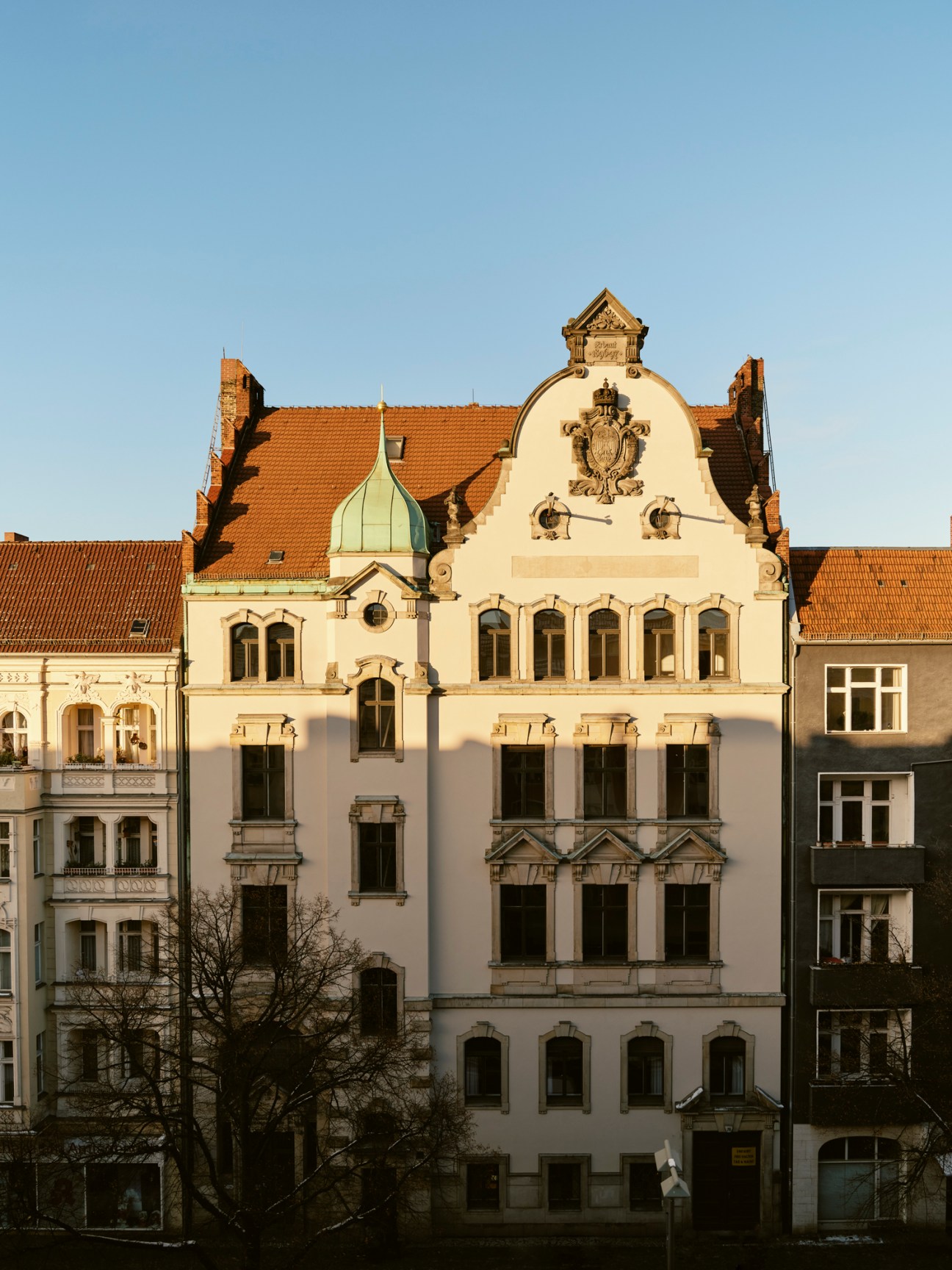
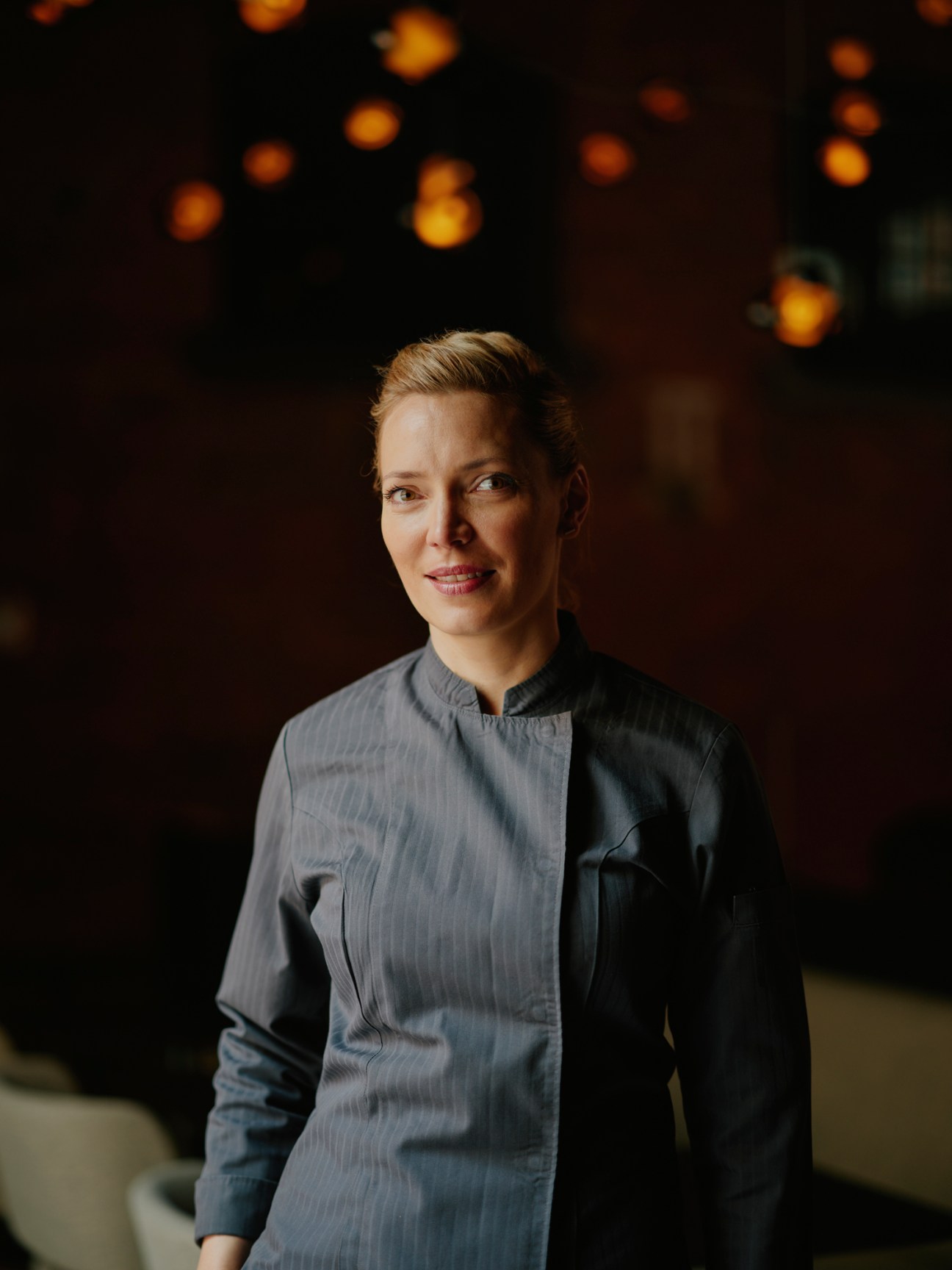
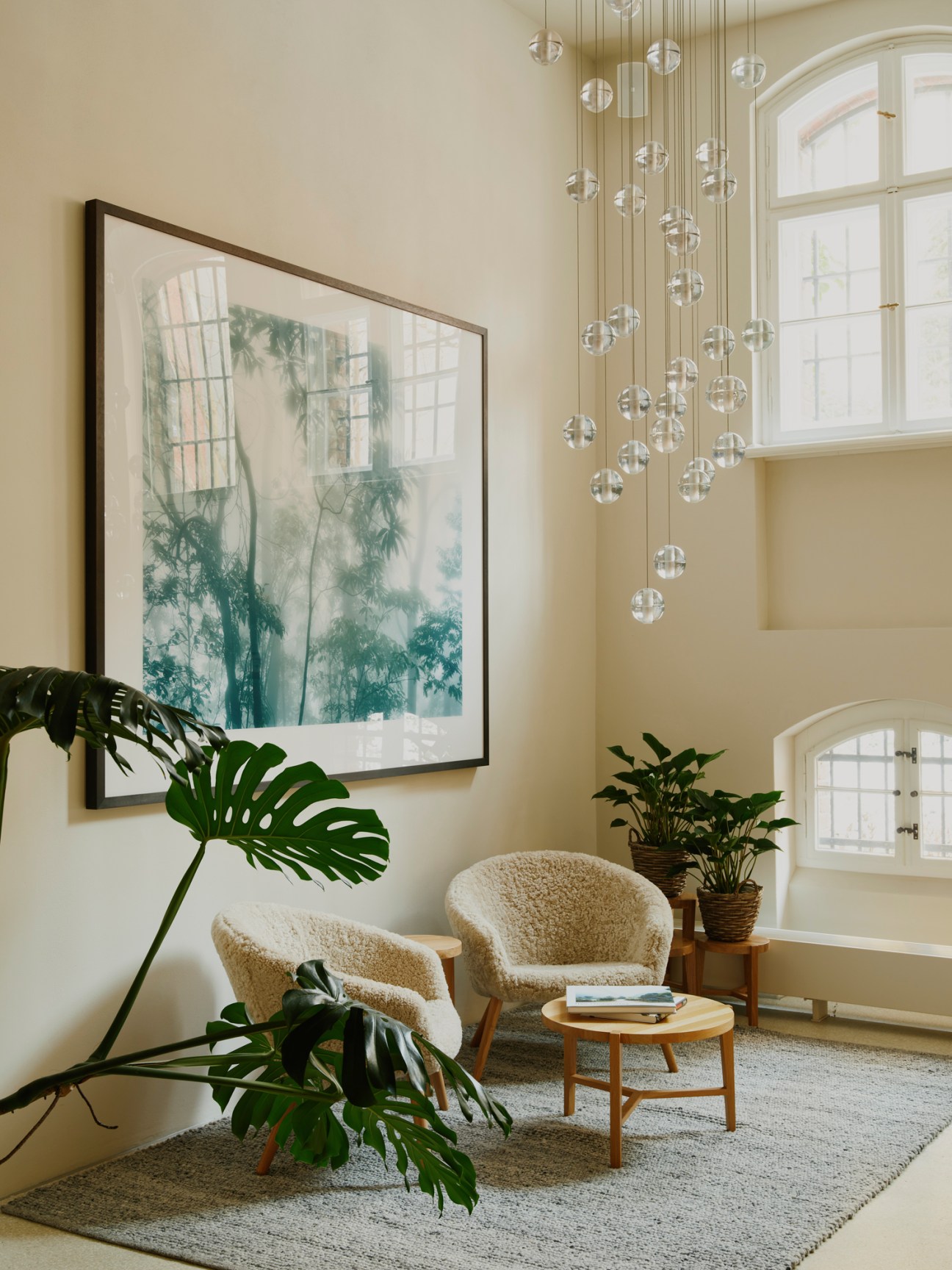
Luckily, Grüntuch and Grüntuch-Ernst were experienced in dealing with Berlin’s history. One of their most notable interventions was at Jüdische Mädchenschule, a former Jewish girls school in a gallery-laden part of Berlin’s Mitte borough. They transformed it into a memorial that hosts cafés, restaurants and galleries. “If we hadn’t done that, we probably wouldn’t have even dared to work on Wilmina,” says Grüntuch as he shows Monocle around.
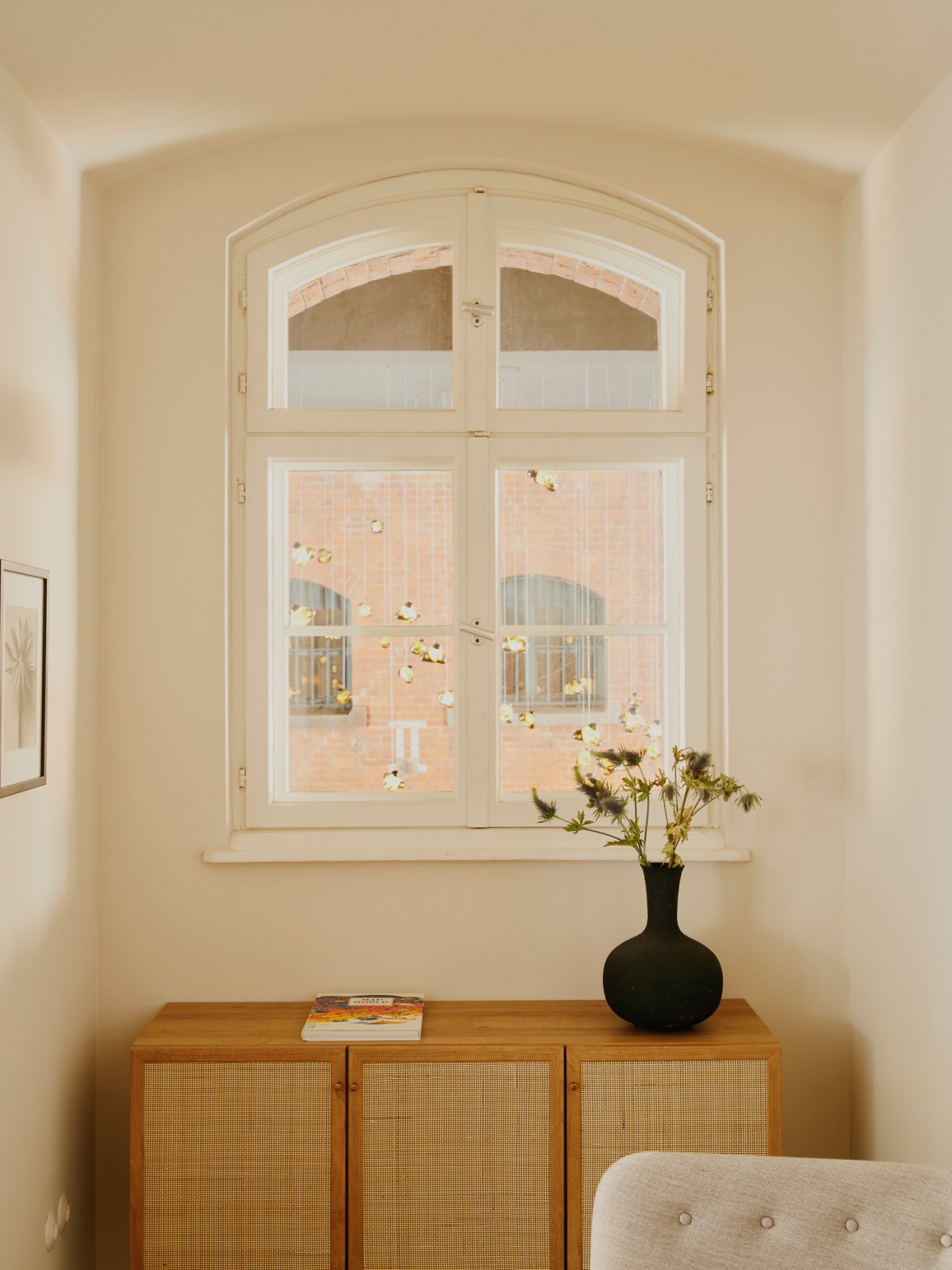
One of the challenges in transforming the prison was reversing the antisocial architectural features. “First we had to create spaces where people could gather,” says Grüntuch. “Then we had to open the rooms to the light.” The architects merged 72 cell units into 44 generous guest rooms, also enlarging the windows but leaving the bars in place. The rooms are airy, bright and off-white, as the architects tried to hold back with colours to avoid “over-perfuming” the place with their own ideas.
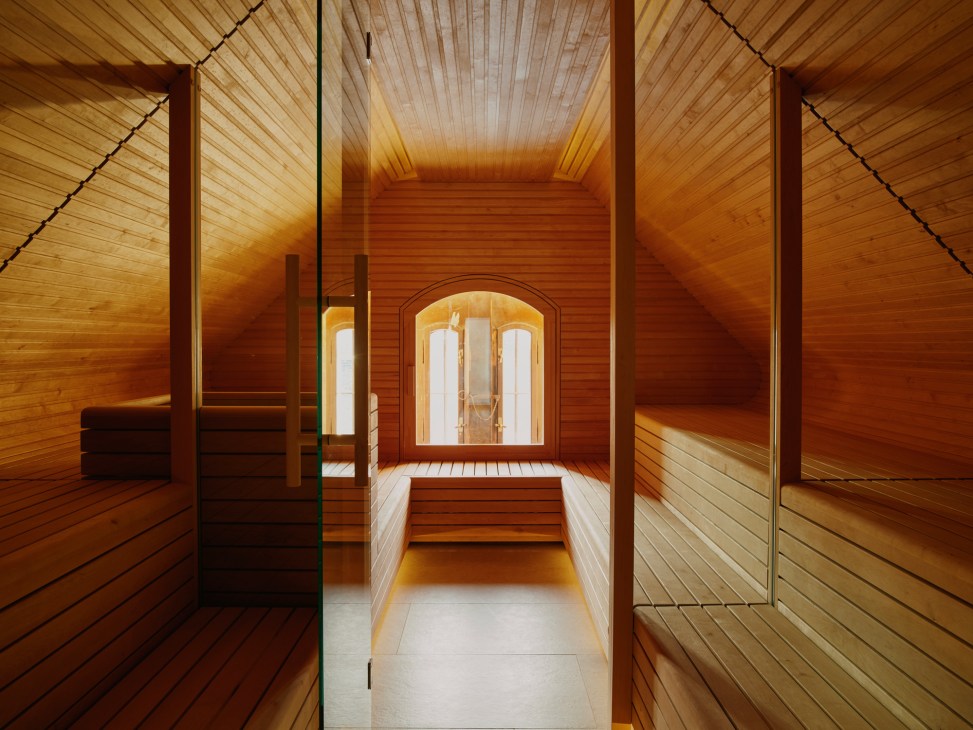
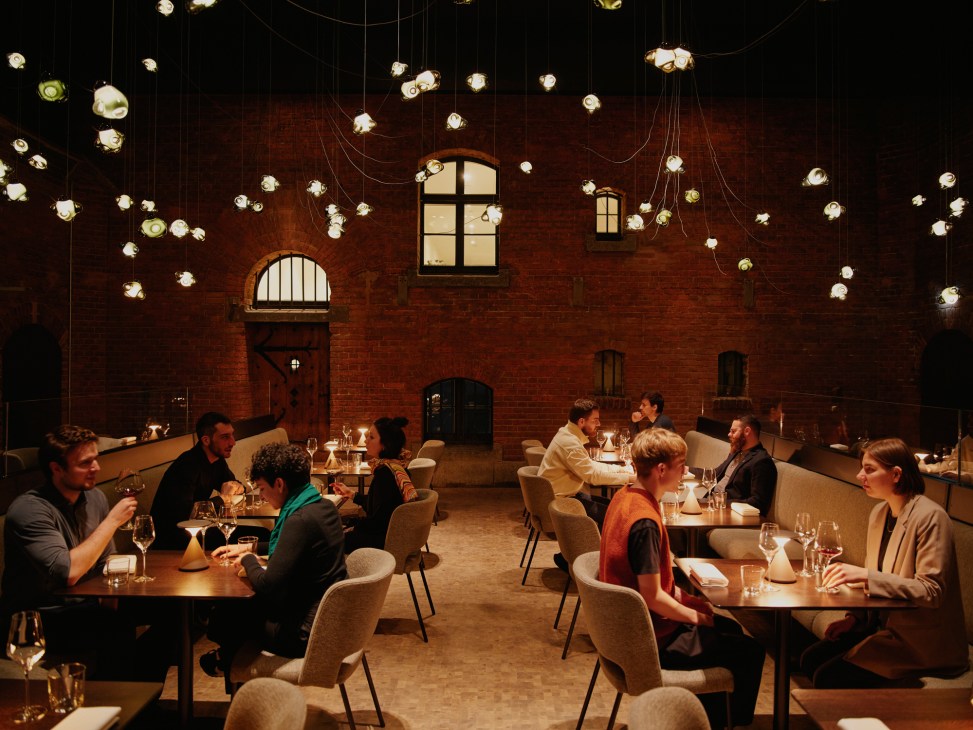
The atrium has been retained, as have the massive cell doors, while hundreds of tiny glass ball pendants have been suspended like soap bubbles from a glass ceiling. “Rediscovering the sky and re-establishing a visual connection to the outside world played a vital part in the transformation,” says Grüntuch-Ernst. “Whenever we heard potential operators talking about marketing the ‘creepy effect’ of sleeping in a prison, we thought, ‘That’s exactly what we don’t want.’” Instead, they created a quiet retreat with a rooftop spa and sauna. In the wing connecting the courthouse to the prison is a restaurant, Lovis, featuring a cosmopolitan menu from Sophia Rudolph, an ambitious chef.
“Rediscovering the sky and re-establishing a visual connection to the outside world played a vital part in the transformation”
“This part of Charlottenburg lay dormant for a long time,” says Grüntuch-Ernst. “Although it’s within walking distance of shopping avenue Kurfürstendamm, it has a mix of small shops and is not yet overrun by international brands.” Kantstrasse is known as Berlin’s Chinatown, boasting Prussian sweet shops and Asian cuisine. Grüntuch calls it “a place for pioneers”.
After all that’s changed, the duo are keen to keep certain things the same. They left past traces to be discovered, including a hidden staircase in a wardrobe. One cell was also preserved as a resting place for the building’s delicate history. But both architects are very much looking to the future. “We have learned that the best thing that can happen to a heavily charged place is not to make it a museum, like a piece of dead history,” says Grüntuch. “It’s to make it habitable for the future by integrating it into everyday life.”
wilmina.com
Nostalgic neon
It was a Frenchman who first developed neon tube lighting in 1910 – and the illuminating idea quickly spread from Parisian opera houses to New York cinemas, before arriving in Hong Kong in the 1920s. After the Second World War, Hong Kong’s population boomed and business flourished. Soon, signs popped up hawking jewellery, tailor-made suits and fishball noodles. By the 1980s, the city was aglow. Smouldering signs jostled for attention down thoroughfares including Nathan Road, jutting over shopfronts in shining, serried rows.
Today, though, about 90 per cent of Hong Kong’s neon signs have disappeared since the technology’s heyday. The remainder are clustered in neighbourhoods such as Sham Shui Po or nightlife hubs such as Wanchai, though a few can still be found as far afield as the sleepy beach town of Sai Kung. In the past 20 years, the government has tightened safety regulations and removed signs that are deemed too big or hang too far over the pavement. That, combined with the advent of cheaper, mass-produced LED technology, has led to the disappearance of neon signs from Hong Kong’s streets.
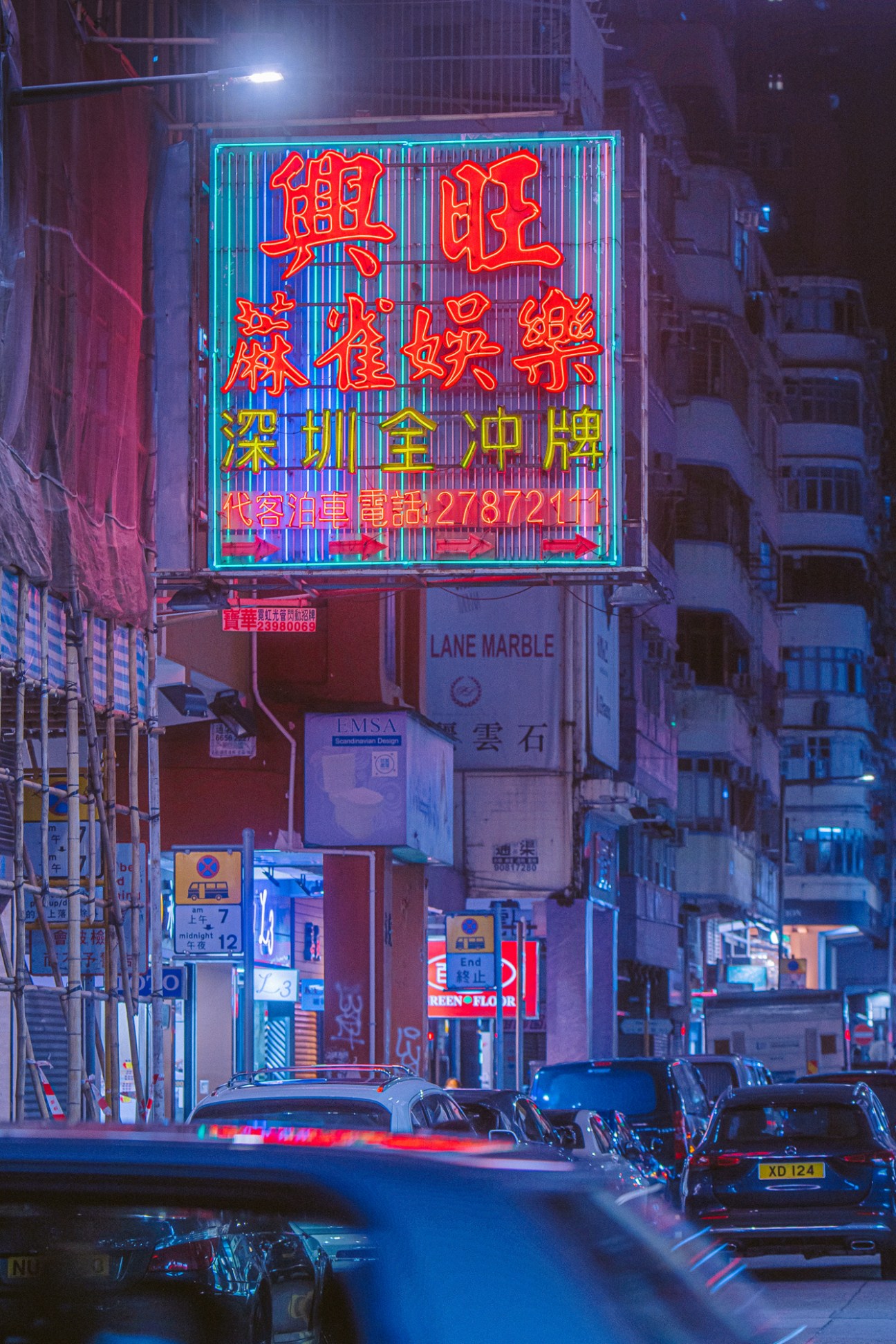
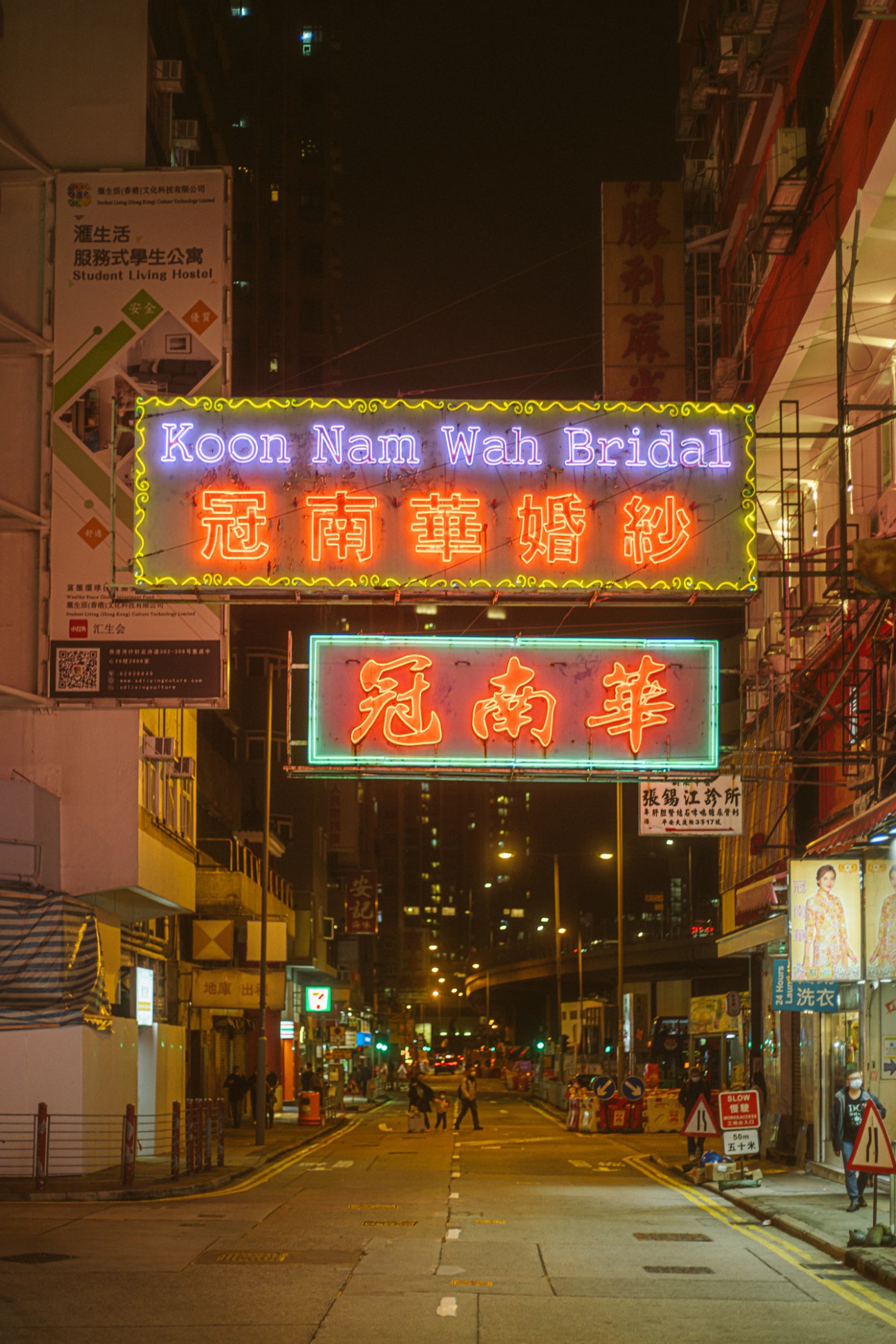
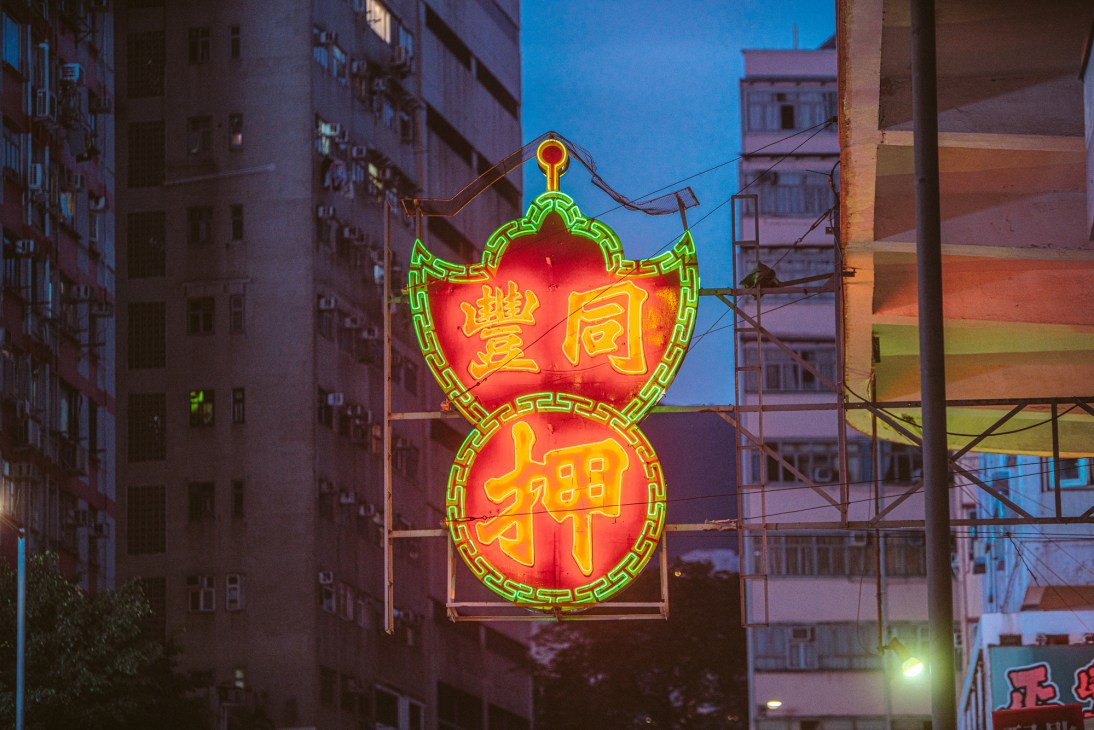
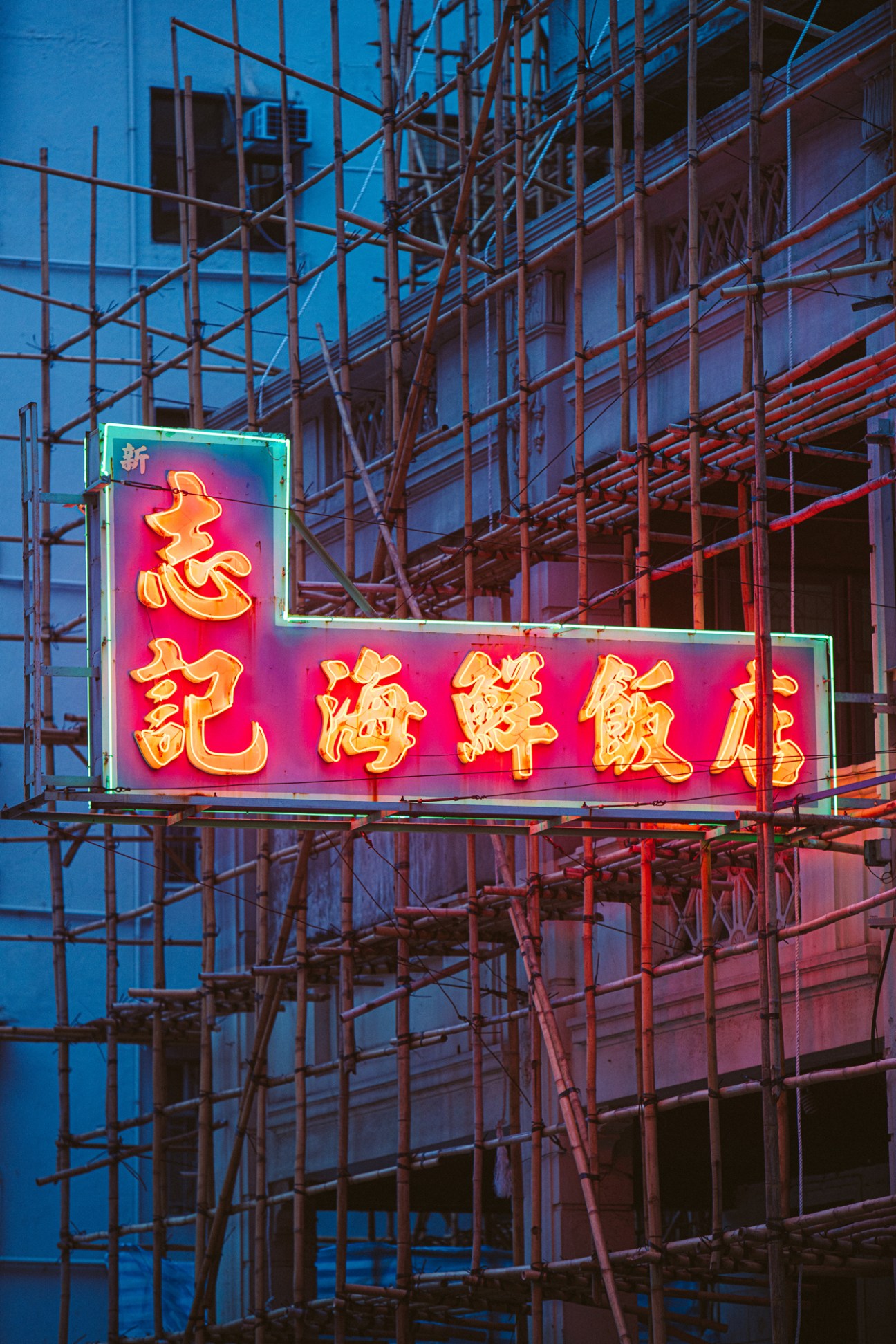
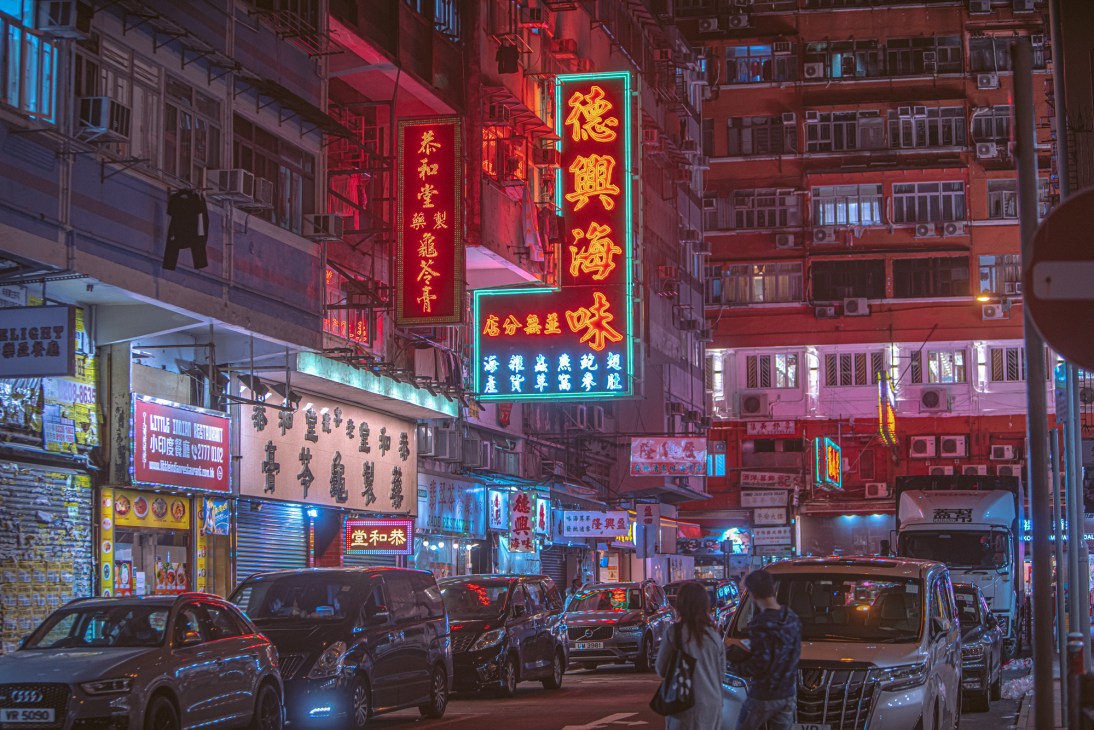
Postcards, photographs and the films of director Wong Kar-wai have immortalised the colour-drenched cityscape and symbolise to the rest of the world the glamour and bustle of the city. For Hong Kongers, neon is nostalgic. “Wherever I went, I was greeted by neon,” says Cardin Chan, who grew up in Tsim Sha Tsui in the 1980s and 1990s, and is now the general manager of neon heritage group Tetra Neon Exchange (TNX). “That glow from the illuminated signs made me feel very warm and like I was home. These days, when I walk down the street, it’s so gloomy and dark; it’s not the Hong Kong I’m familiar with.”
TNX focuses on preserving the neon signs, as well as the knowledge and cultural memories around them. The group has lobbied shop owners to keep their signs up; those who can’t afford to do so donate their signage to TNX for storage and restoration. Chan also collects stories from neon artisans, sign installers, business owners and the retired artists who once sketched the drawings and calligraphy that tube benders then followed to create their colourful calling cards.
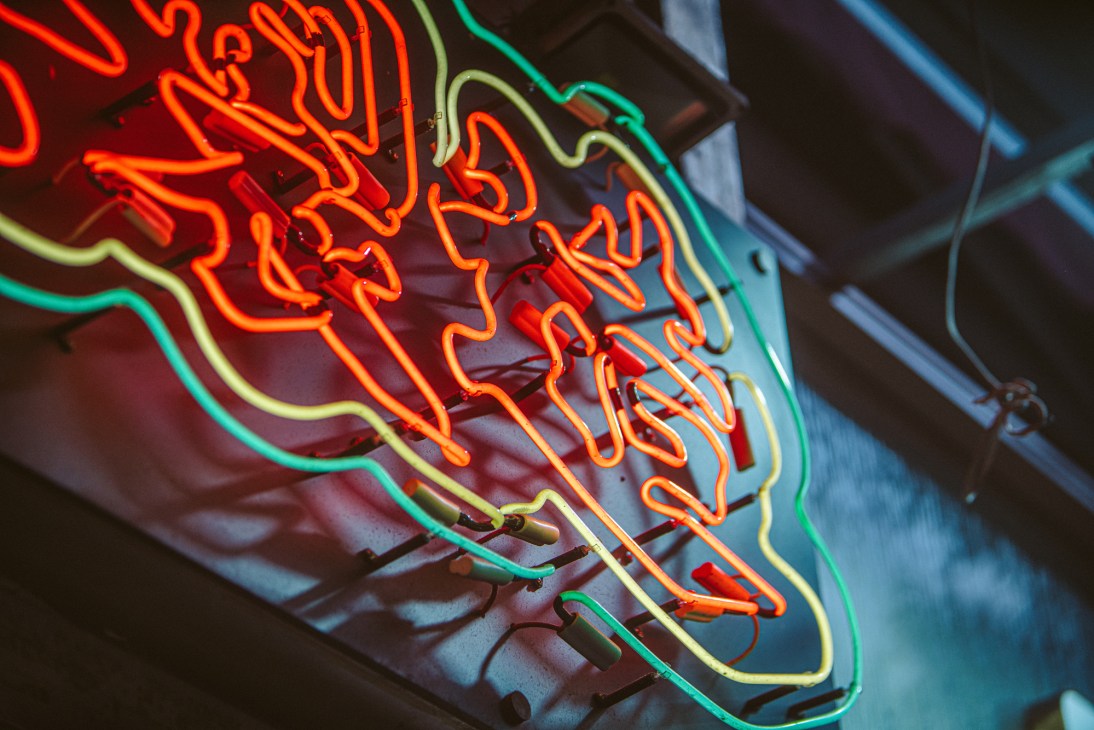
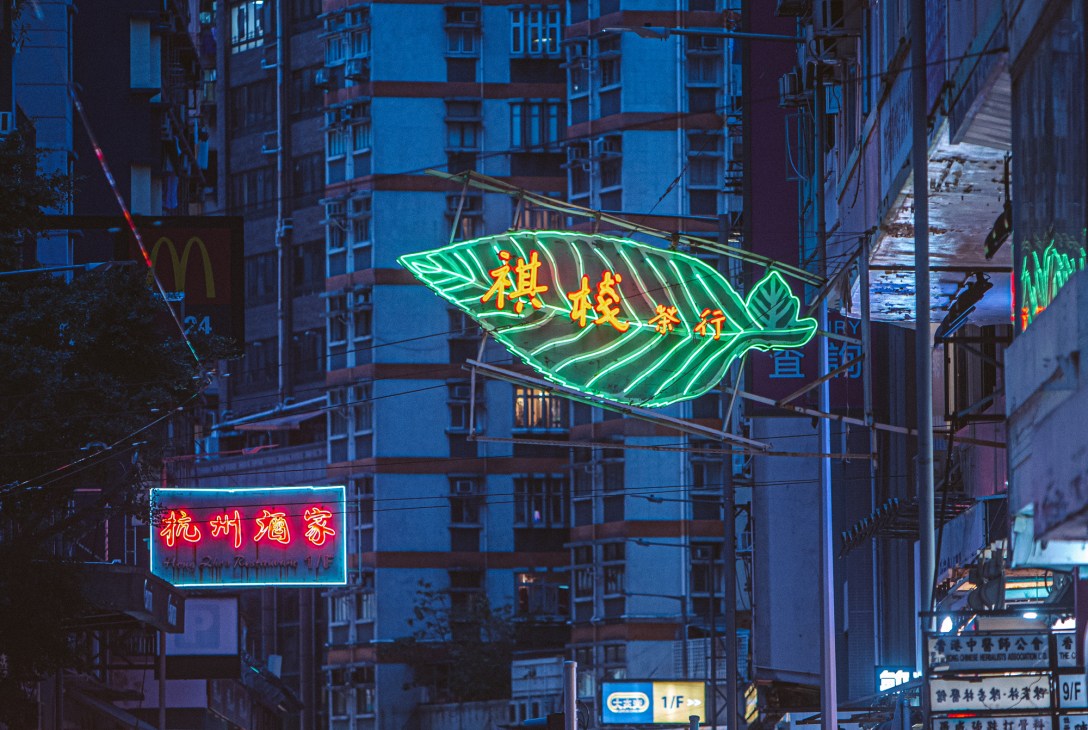
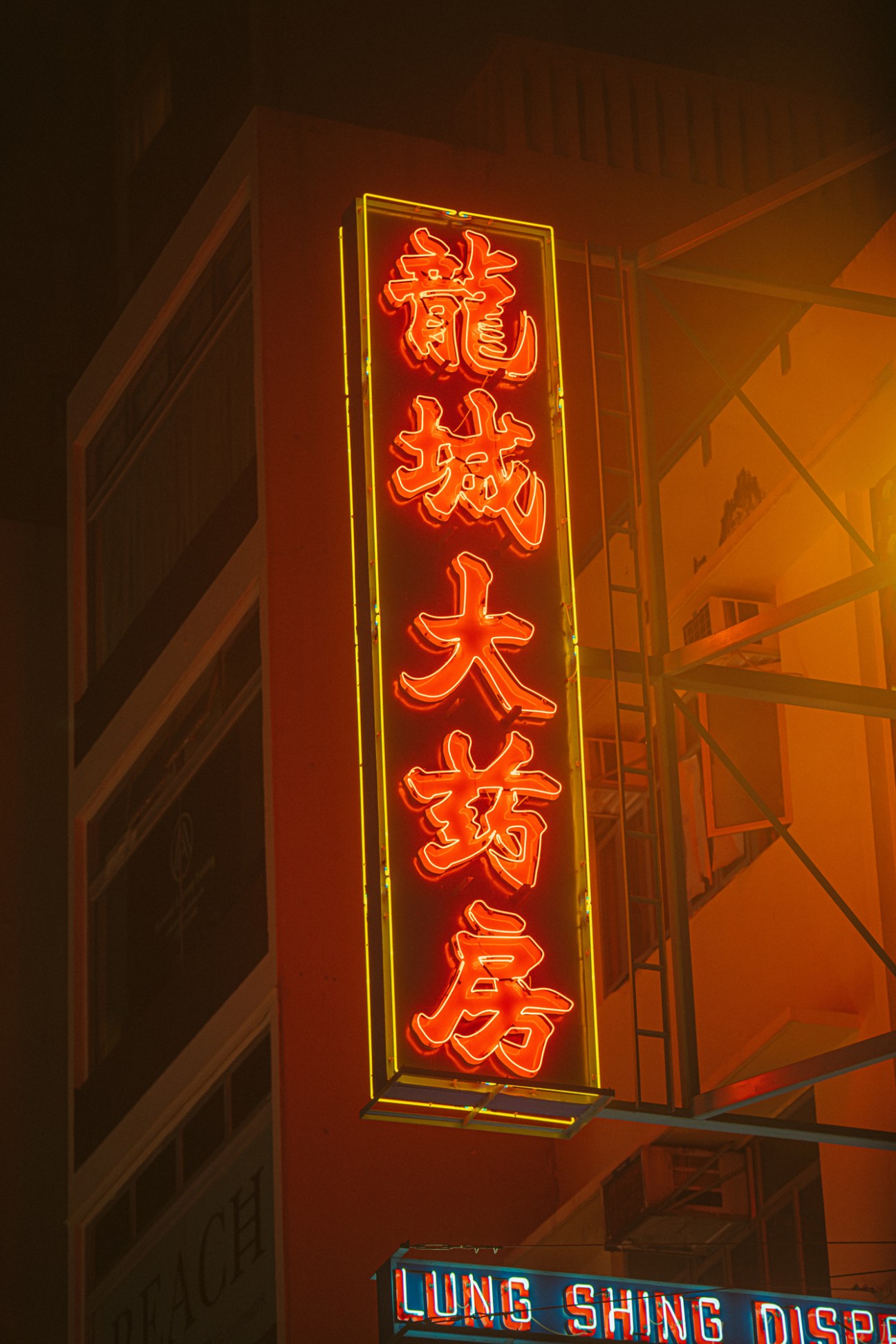

M1, Hong Kong’s museum of visual culture, has also amassed a significant collection of signs and a younger generation of neon artists is keeping the tradition alive. Some have apprenticed under the few remaining “sifu” or neon masters. “When I was a child, the dim sum shop had a really big neon sign; the classic green and red,” says designer Jive Lau, who teaches neon workshops at his small Kwun Tong studio, which he opened in 2020. “It was remarkable.”
Chan hopes to one day stage an exhibition of all the neon signs that TNX is storing. “People, especially the youngsters who didn’t have the chance to experience the magical streetscapes that I grew up with, will be able to appreciate them.”
Slice things up
La Casera
Lake Maggiore
Eros Buratti has a nose for business, specifically the cheese business. For 31 years the Italian has run La Casera, a speciality food and wine shop on the western shore of Lake Maggiore, where he sells more than 250 cheeses.
As an affineur, Buratti works with artisan cheese-makers in Italy and abroad to mature their produce until it is just right. “They bring them to me when they are still young and I ‘raise’ them until they are ripe for ‘graduation’,” says the bespectacled Buratti, who keeps the cheese in a cellar close to his shop.
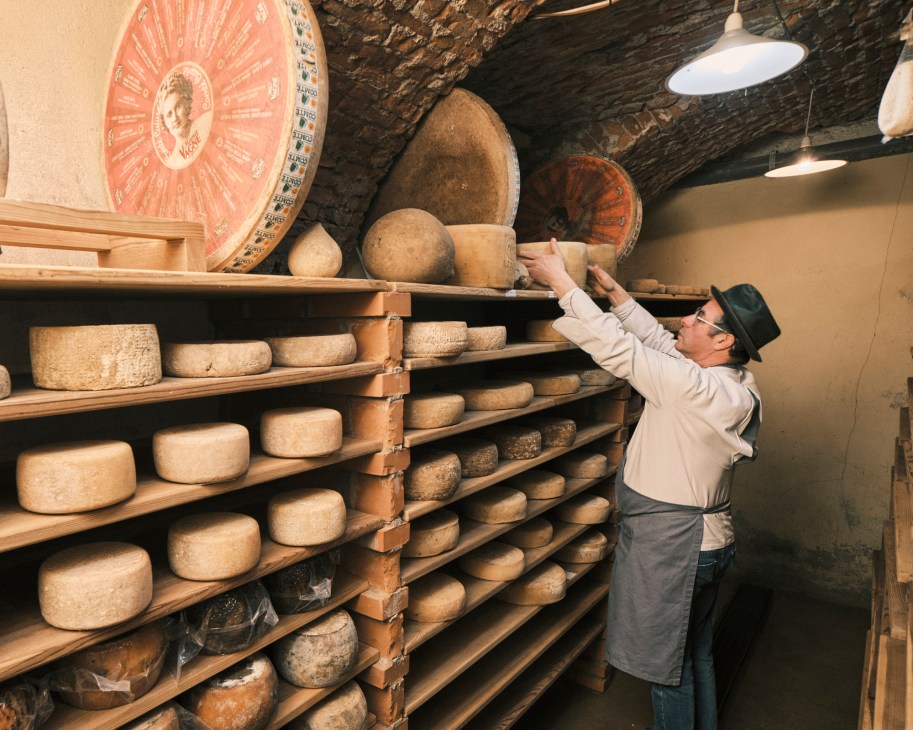
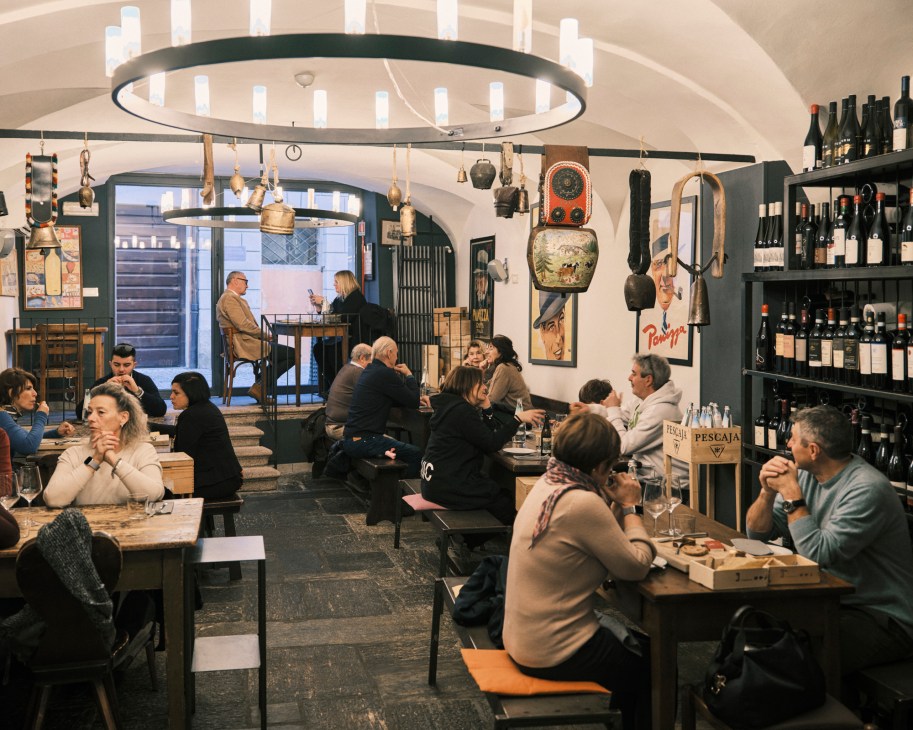
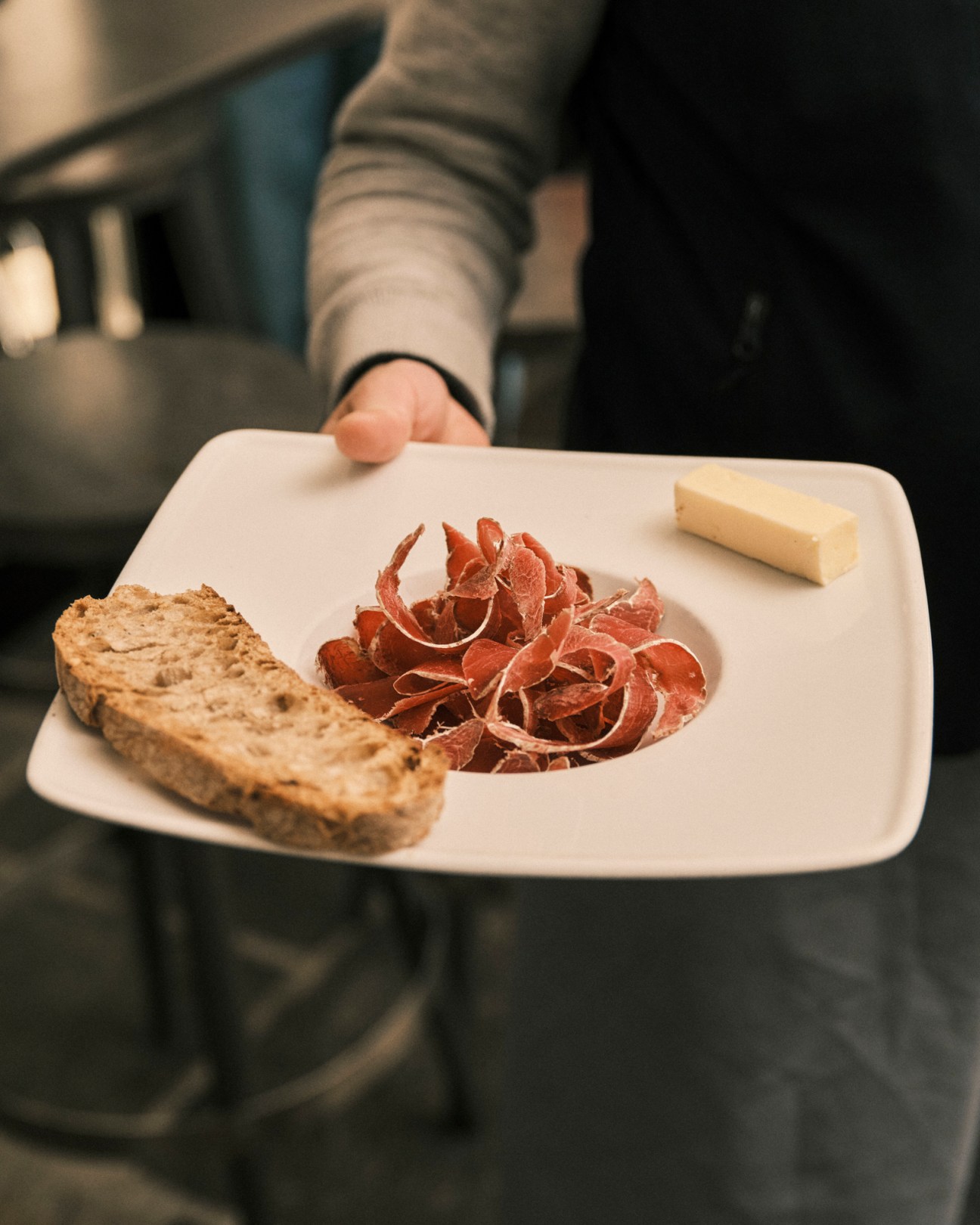
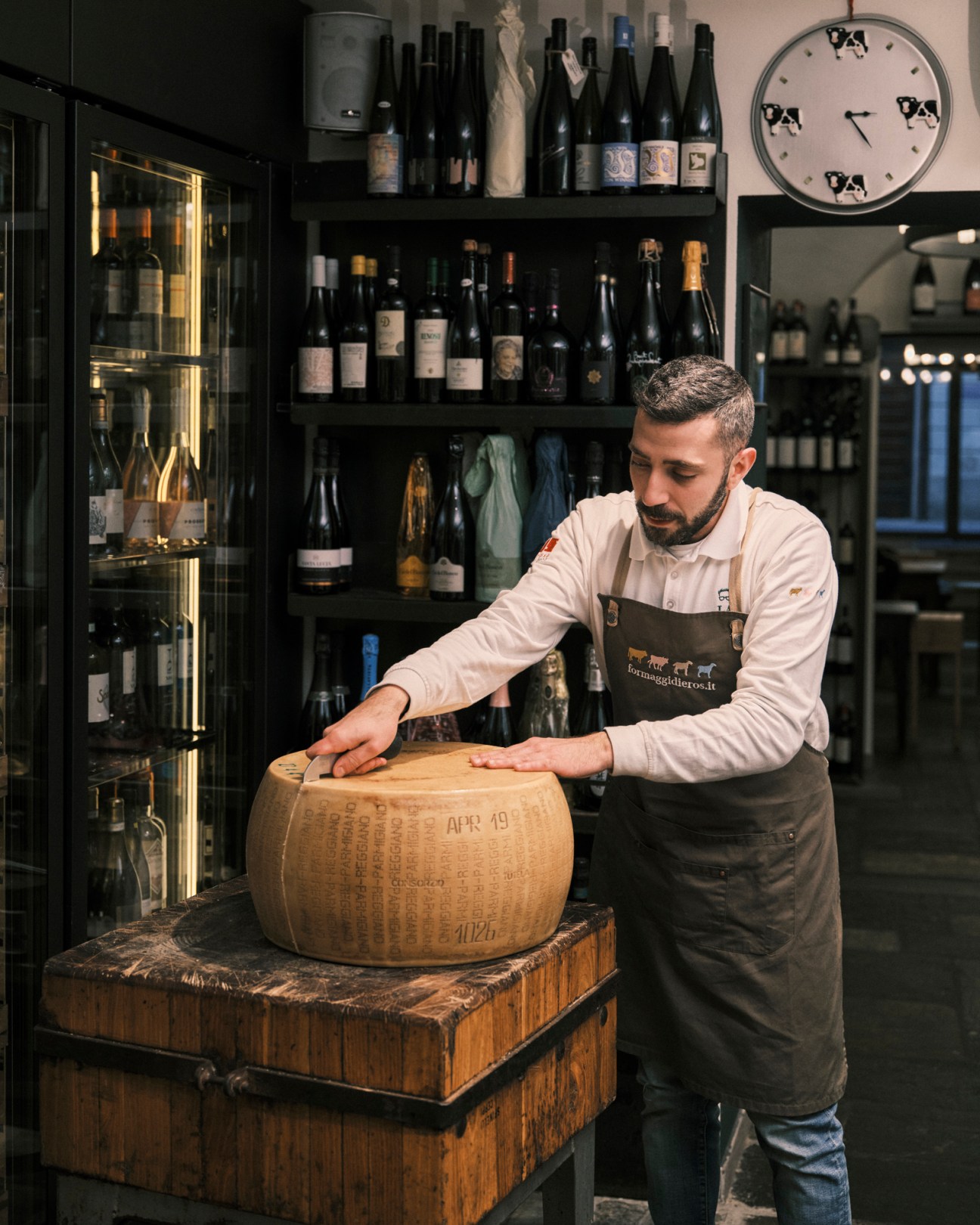
He is a strong proponent of cheese made with raw milk. “Pasteurisation kills the flavour,” he says. “These foods are unique, made in micro-climates. The grass and herbs that a certain breed of cow or sheep grazes on in an Alpine meadow in summer results in a particular taste. You can’t just replicate parmigiano reggiano somewhere else. There’s a specific locality of taste.”
Cheese from the local Piedmont region, such as castelmagno and bettelmatt, has pride of place but you’ll also find varieties such as holzhofer, a raw cow-milk cheese from the Swiss canton of Thurgau, which Buratti keeps for an extra six months, and a taleggio from Valsassina in Lombardy that is aged for more than 100 days.
Paired with these dairy delicacies are cured meats from northern Italy (prosciutto crudo, coppa, speck et al) served in the shop’s all-day dining room. To wash them down, Buratti carries some 1,400 wine labels, including a crisp sparkling nebbiolo from producer Parusso. “I want to surprise and educate people’s palates with truly distinct flavours,” he says. “It’s that simple.”
formaggidieros.it
Fuglen
Tokyo
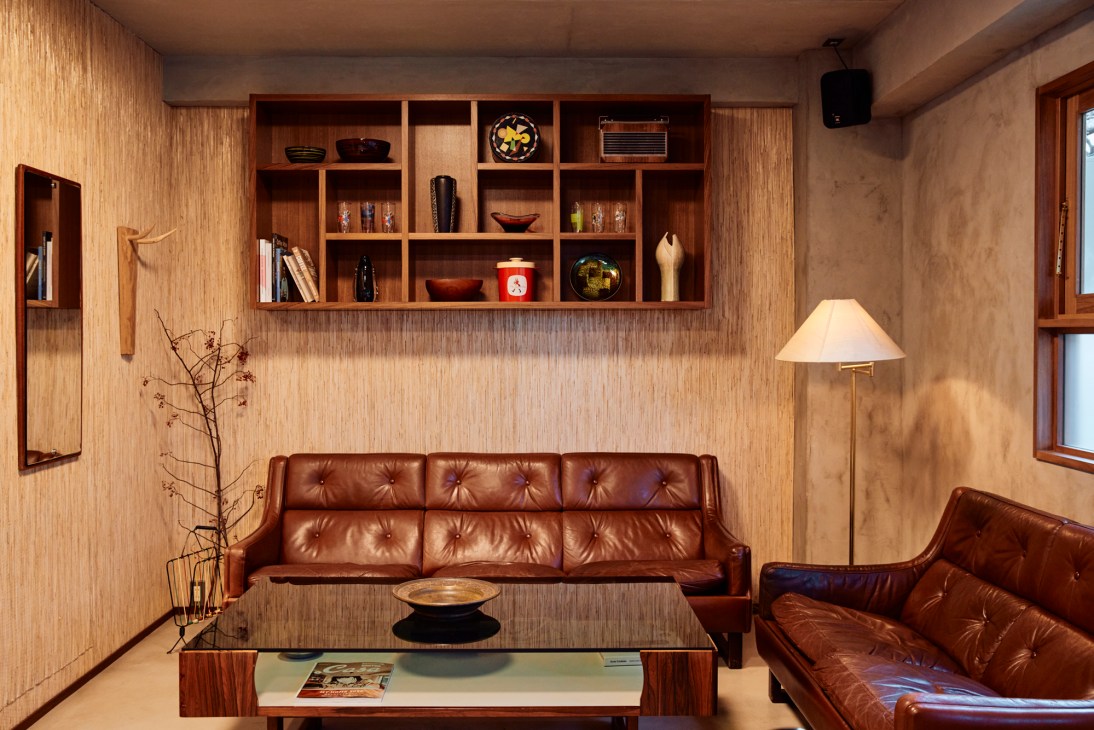
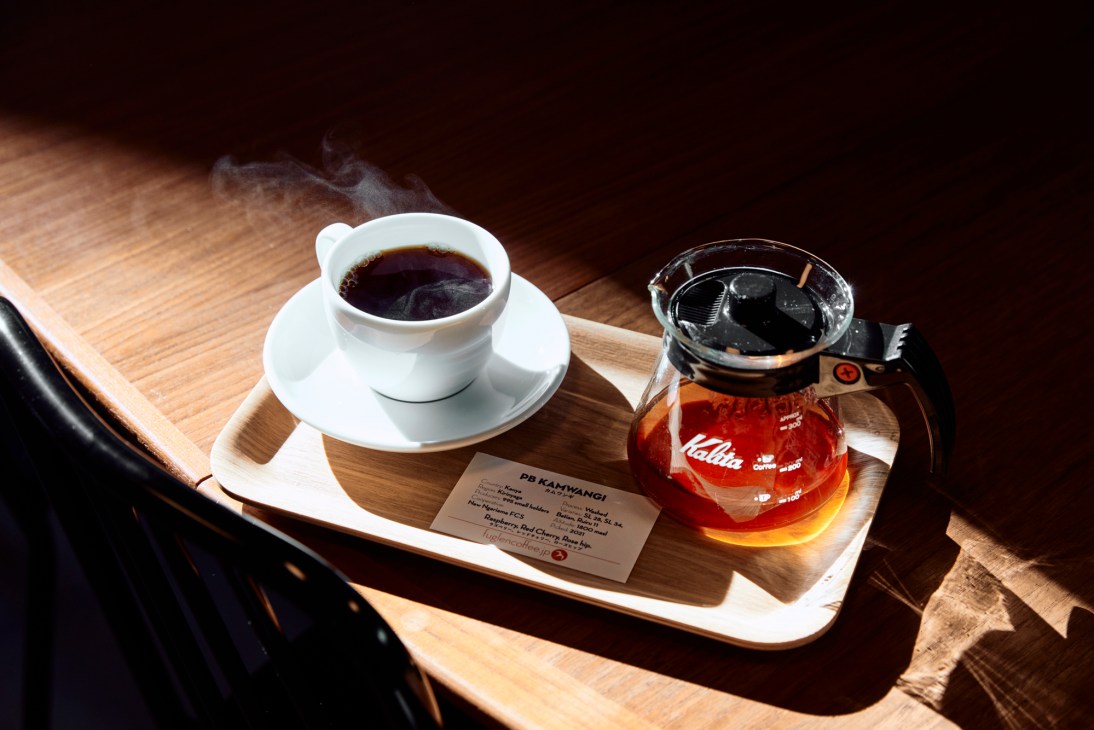
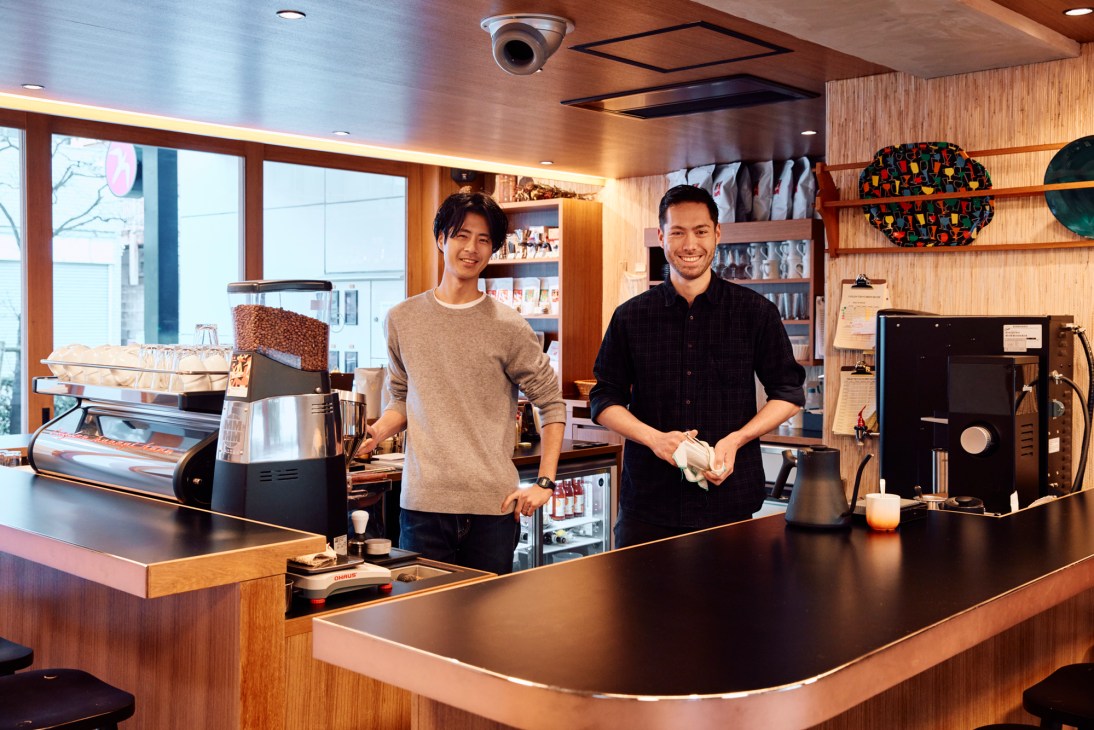
The fourth Tokyo outpost of popular Norwegian café Fuglen opened recently in Umegaoka, a residential neighbourhood near Hanegi Park. “We wanted to create a place where locals can enjoy our coffee daily,” says Kenji Kojima, director of Fuglen Japan. “We like slightly quieter locations off the beaten track. And, especially in the pandemic, we wanted to offer a space for people to relax.” With its warm wooden interior and cosy furniture, the café has quickly found a thirsty audience. “We have many familiar faces already,” says manager Kai Koto (pictured, on right). “Some stop on their way to work while others come after dropping their kids at nursery.” The outdoor seat is a great pit stop for dog walkers too. “The Hanegi Park outlet strengthened our confidence,” says Kojima, who is planning Fuglen’s first site outside Tokyo in Fukuoka.
fuglen.com
Horses
Los Angeles
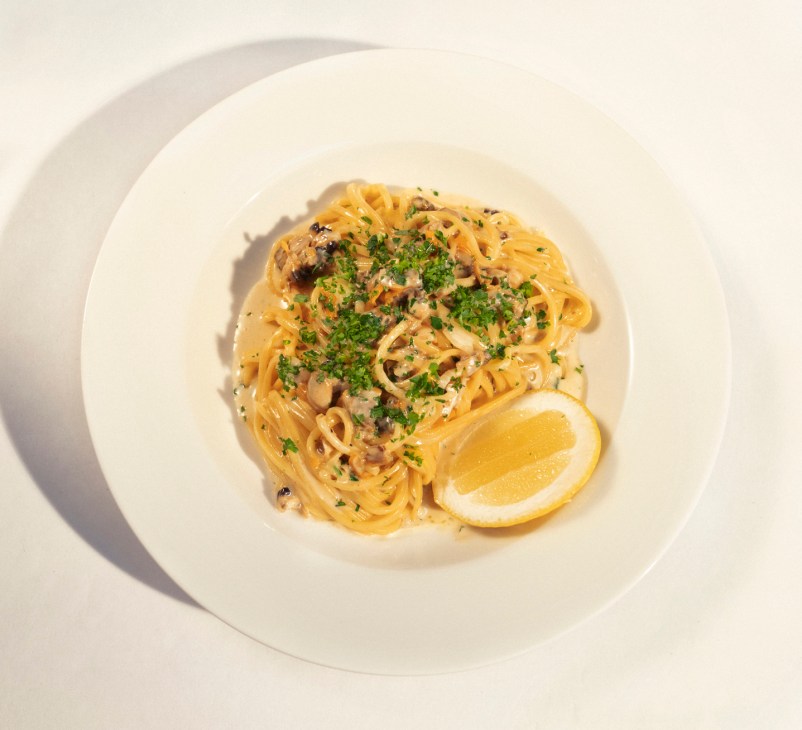
Horses on Sunset Boulevard is the latest opening by Noma alumni Liz Johnson and Will Aghajanian (also chefs at Nashville’s The Catbird Seat). The bolthole itself still resembles Ye Coach and Horses, a legendary bar that stood here before but Johnson and Aghajanian have done away with both the kitsch and the traditional kitchen hierarchies, instead encouraging their six chefs to collaborate. “There are no egos here,” says Aghajanian. Dishes tend to have several iterations before the team decides that “the simplest way is the best”. The chocolate tart, overseen by pastry chef Hannah Grubba, contains just four ingredients and the roasted Cornish hen with warm panzanella is a nod to one of Aghajanian’s childhood favourites. The menu changes seasonally but the burger will remain as a nod to the building’s roots. Guests can sit in either the Drinkery, the Sunshine room or Kacper’s gallery, which is named for artist Kacper Abolik, who put murals on the walls to complement the elegant blue banquettes.
horsesla.com
Allta Winterhouse
Dublin
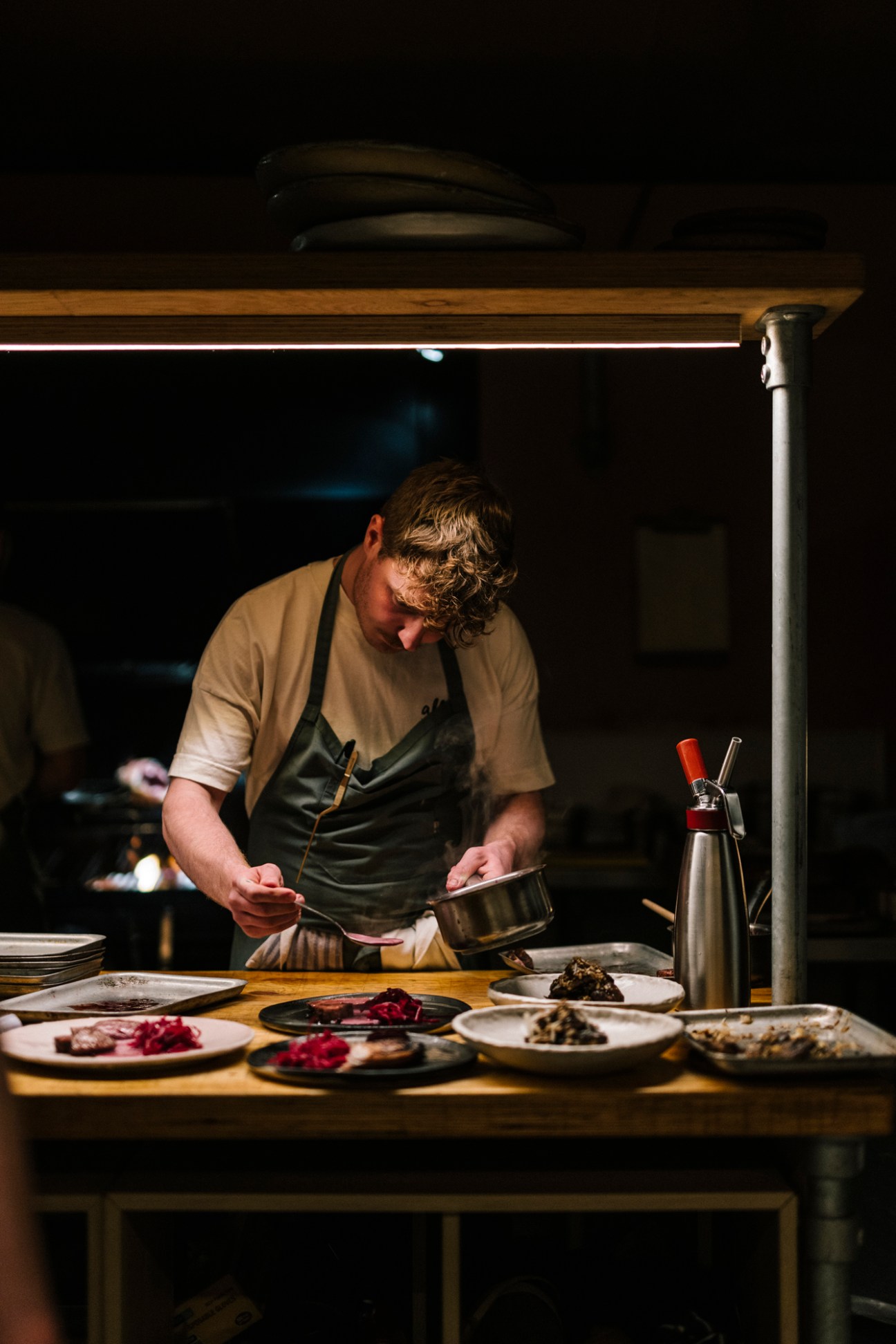
Dublin restaurant Allta has been on the road since a lot since the pandemic began. By last summer, chefs Niall Davidson and Hugh Higgins’ team (and their wood-fired oven) held the fort at Slane Castle, an hour’s drive north of the capital. But as the weather cooled they relocated to the fifth floor of the Trinity Street Car Park, turning the site into a restaurant, rooftop bar and gallery. The cosy venue is all sheepskin throws, dim lighting and warm finishes by designer Toby Hatchett. The menu’s highlights include toasted artichoke with sheep’s cheese, Skeaghanore West Cork farm duck with red cabbage and lavender honey, and ocean trout with goat’s whey and sea herbs. The team is parked here until summer, when the pair will seek out a more permanent space.
alltawinterhouse.ie
Recipe
Sichuan-style chicken
Serves 2 as a starter or side
Ingredients
2 chicken legs (skin on)
1 spring onion
3 slices of ginger
For the sauce:
1 tsp ginger, finely grated
½ tsp garlic, finely grated
1½ tbsps light soy sauce
1½ tbsps black rice vinegar
60ml chicken stock
1 tsp Chinese chilli oil
1 tsp maple syrup or sugar
½ tsp toasted sesame oil
¼ tsp Sichuan peppers
To serve:
2 spring onions, finely sliced
15g coriander, leaves picked, stem finely chopped
1.
Place the chicken legs, spring onions and ginger in a medium pot, cover with water, bring to a boil and then turn down the heat. Simmer for 15 minutes. Allow to cool in the cooking water.
2.
Tip the Sichuan peppers into a small dry pan and toast them for a couple of minutes. Then crush them finely using a pestle and mortar.
3.
Mix all the ingredients for the sauce in a bowl, except the Sichuan peppers.
4.
When the chicken is cool, remove it and keep the cooking stock for the sauce. Make incisions around the bones and lift them out without breaking meat. Try to keep the shape whole; the bones should come out easily if it’s fully cooked.
5.
Place the chicken skin-side up on a chopping board and slice it into 1.5cm pieces, maintaining the shape, then place on a serving plate. Pour the sauce over the chicken and top with the Sichuan peppers, spring onion and coriander.
ayanishimura.com
Images: Native, Anton Rodriguez, Lucky Tennyson
Upper crust
Midtown Manhattan is always buzzing with people but ask them to recommend a place to eat there and plenty will be stumped. “Many New Yorkers find themselves navigating this part of town and not having a place to go,” says Uruguayan chef Ignacio Mattos. His latest restaurant, Lodi on Rockefeller Plaza, will surely change that.
Inspired by Milan’s aperitivo bars and cafés, Lodi isn’t the only new resident in the fêted plaza, which is expanding its dining options – notably, the selection will soon include a sister restaurant of Korean favourite Atoboy. But who better to attract New Yorkers back to Midtown than Mattos, chef and owner of hit Manhattan restaurants Estela and Altro Paradiso? Far from simply offering fans of his food another venue in which to enjoy it, he hopes that Lodi will help him to win new customers. “There are so many New Yorks,” he says. “I have been in the city for 15 years so it’s nice to discover different areas.”
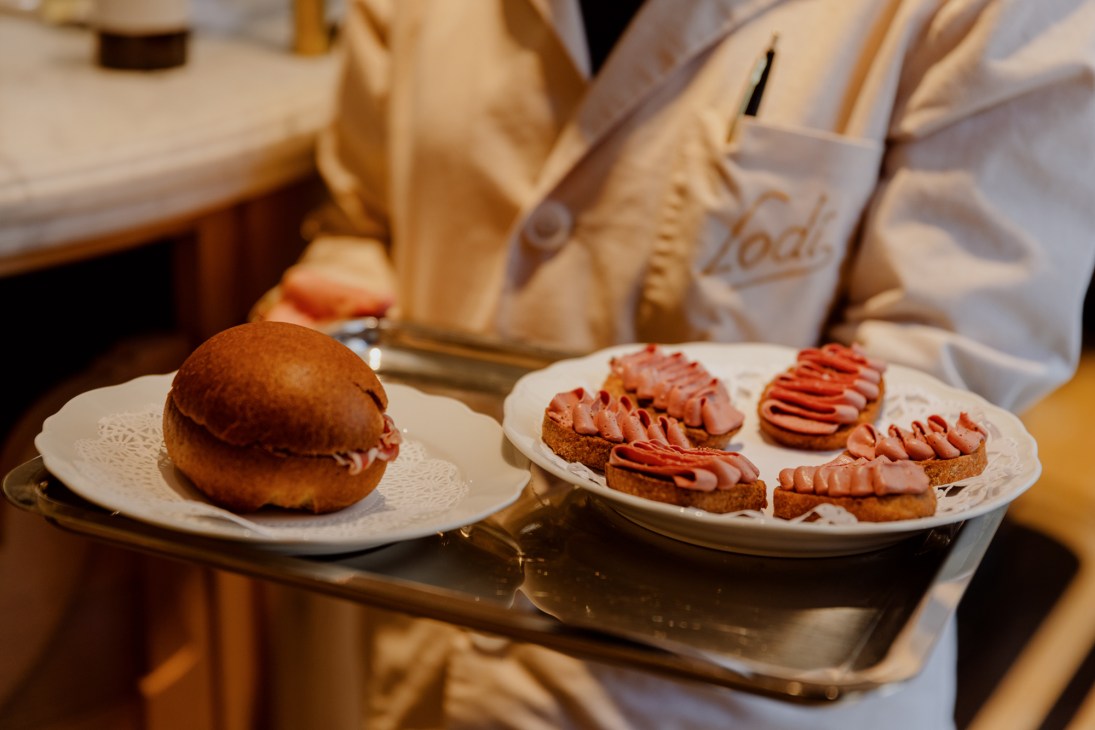
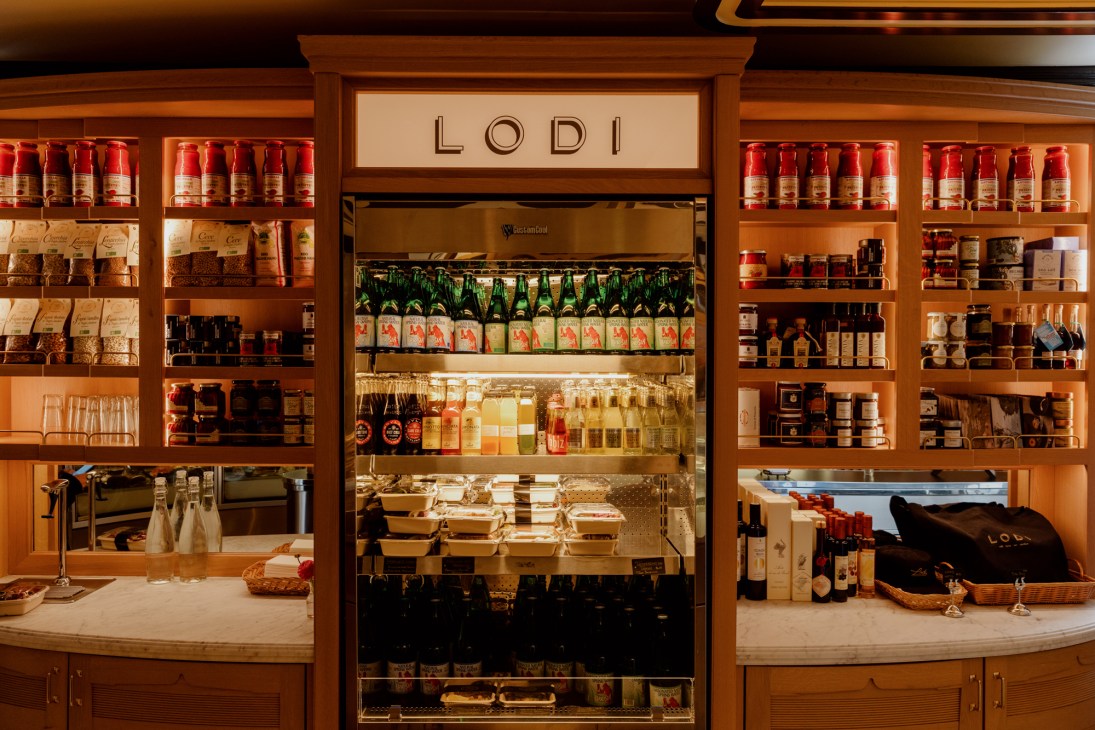
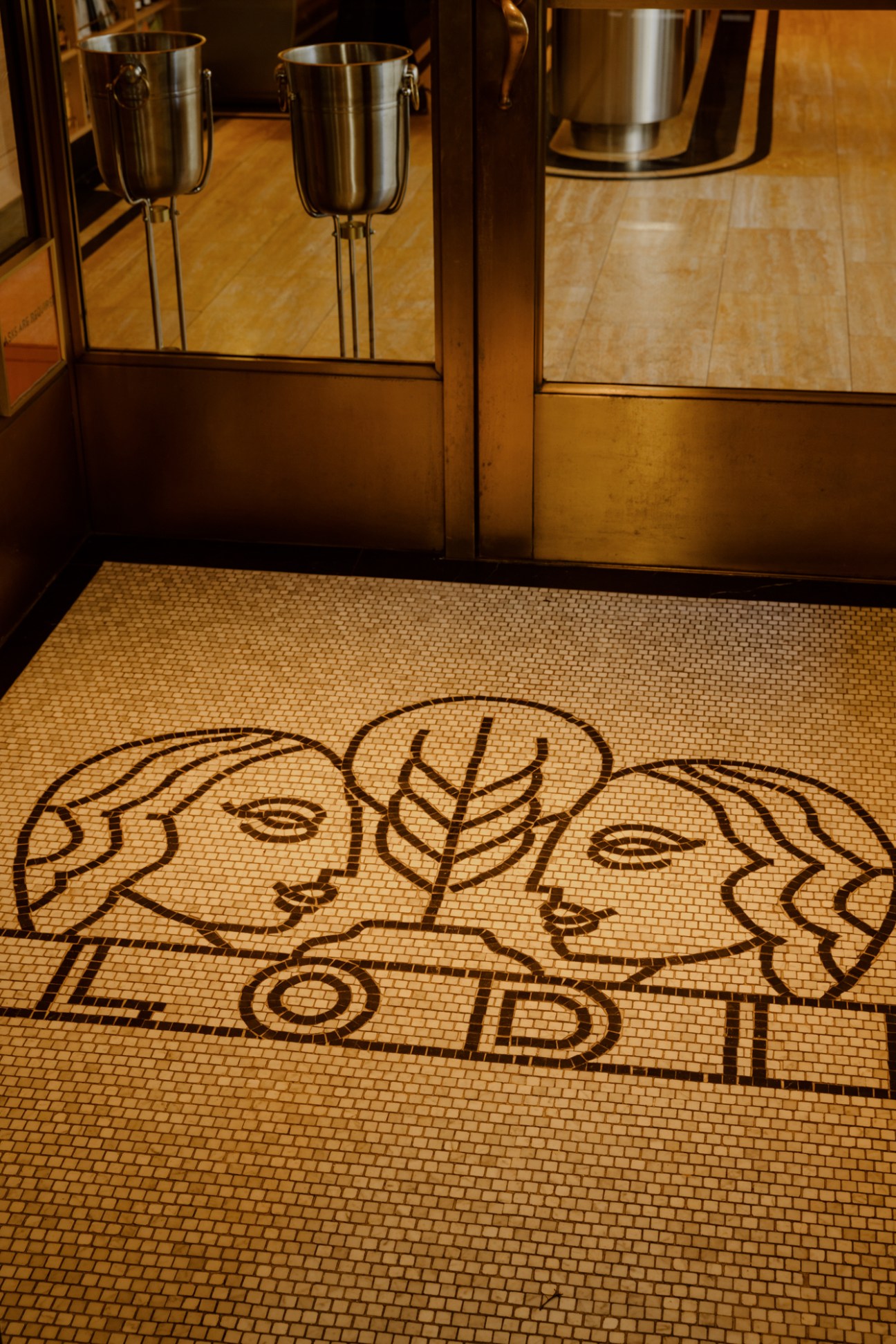
If Lodi can’t tempt the bougie Brooklyn crowd back to Manhattan, then nothing will. The gilded interior is lined with marble counters, leather stools and cabinets displaying a decadent assortment of pastries and cakes. The only time you’ll remember that you’re in New York and not Lombardy is when the odd tourist wanders in wearing an “I love NY” cap to ask for directions – or when you catch a glimpse of the Rockefeller Center from a counter seat.
The design team, led by Richard H Lewis, Zachary Lewis and Ian McPheely of Paisley Design NYC (who also worked on New York institutions Balthazar and Pastis), took cues from the building, adding elements such as textured walls and a cut-glass chandelier. “Milan was a reference point but we wanted to make it fit in with the Rockefeller Center buildings and create our own language within that style,” says Mattos.
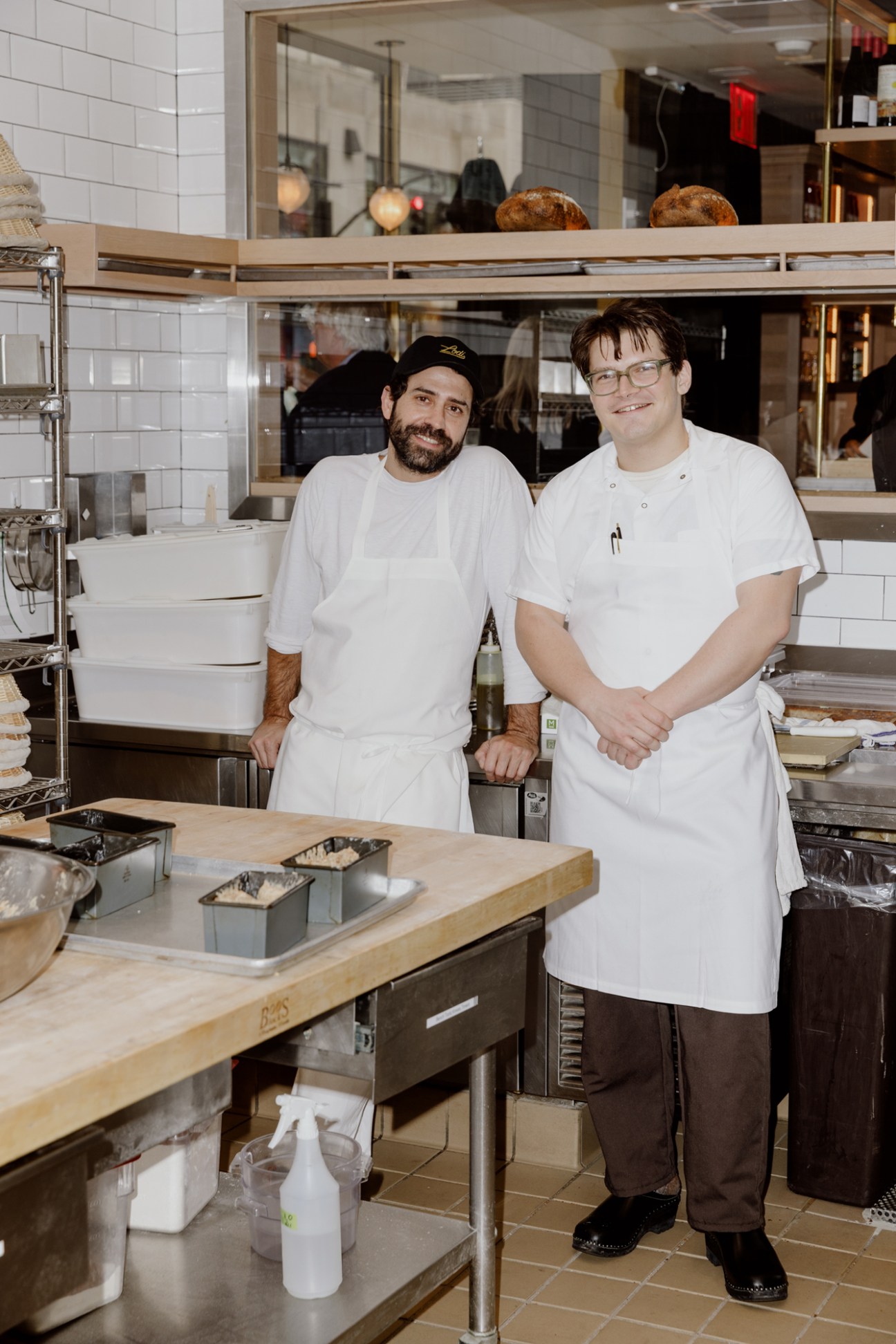
Unlike at his other restaurants, Lodi’s menu places bread and pastries front and centre. “It was meaningful to me to create a bakery, a place where people can gather,” he says amid the clatter of cutlery. “There’s nothing more noble than bread.”
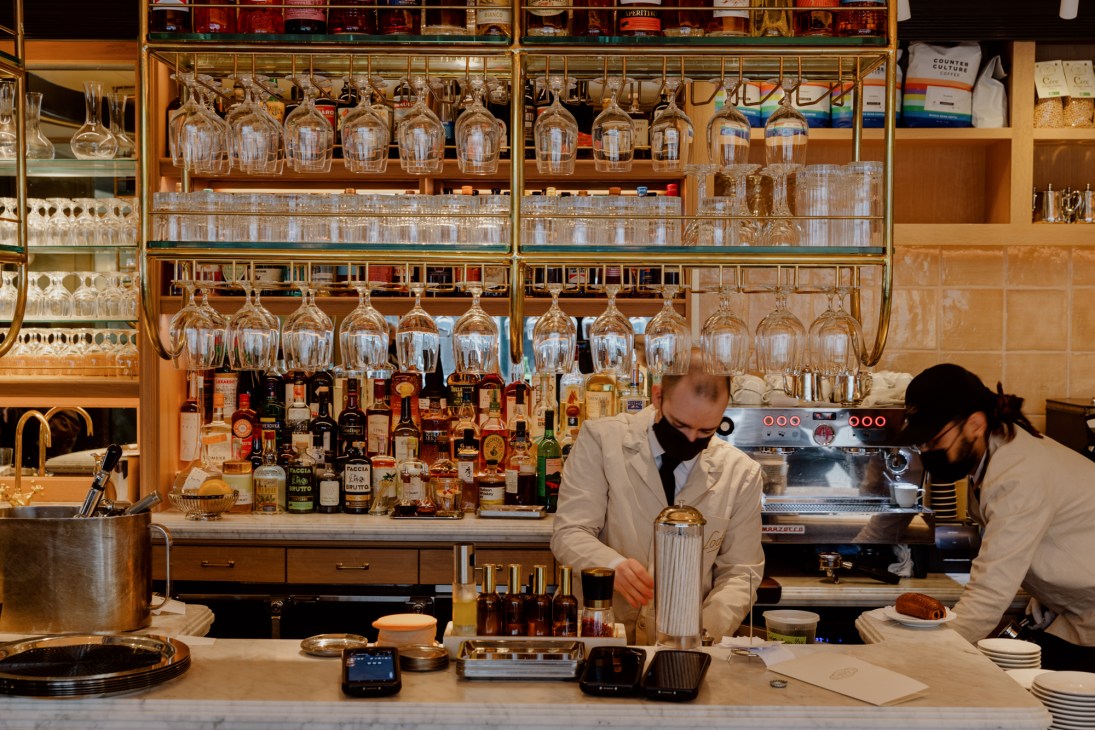
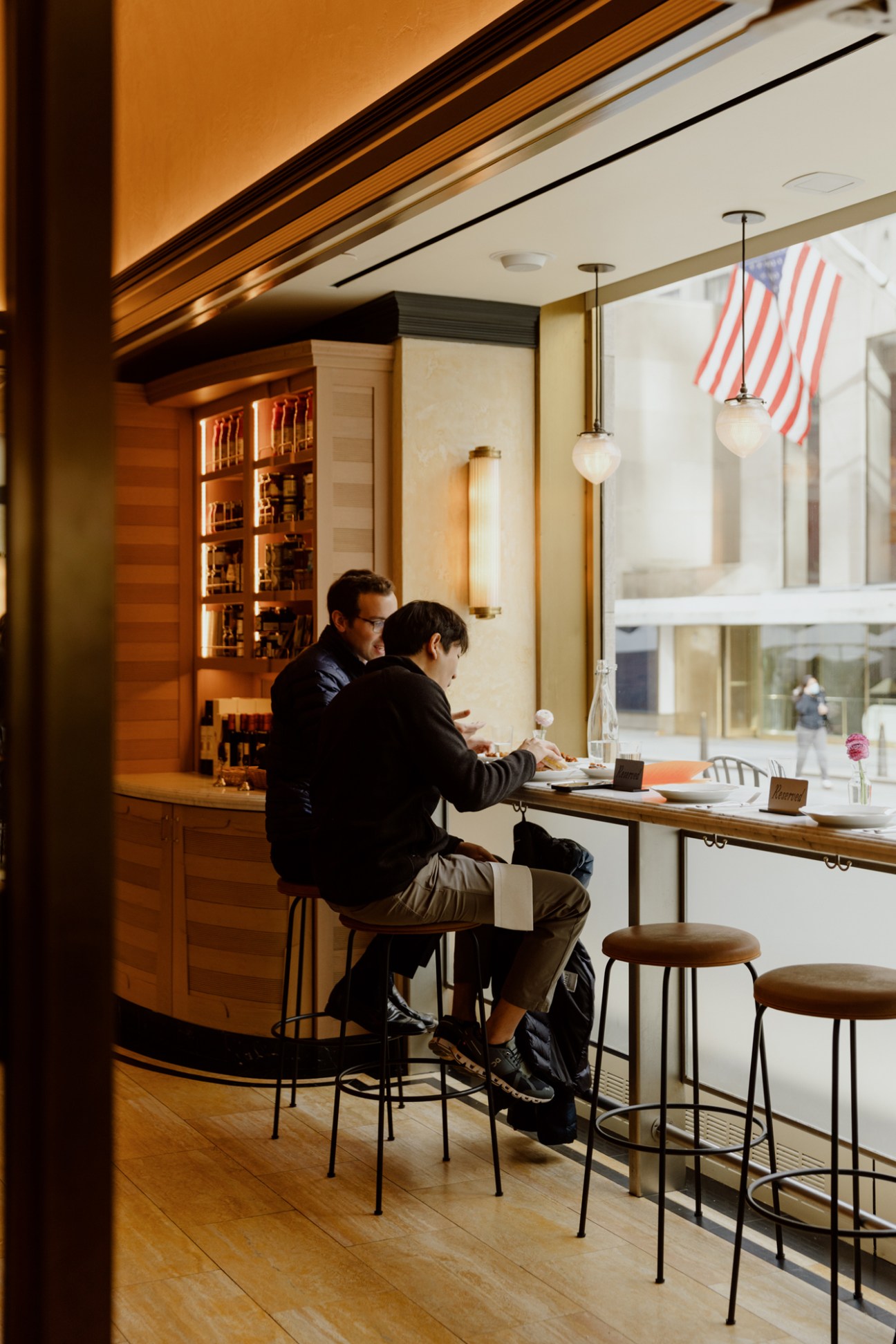
Lodi celebrates the craft of baking and mills grain on site. Head baker and pastry chef Louis Volle, formerly of Blue Hill at Stone Barns and Tartine, has created the most decadent selection of pasticcini, pear crostatas, croissants and glistening chocolate-and-praline cakes.
On the main menu you will find Italian staples, such as panini with prosciutto, vitello tonnato (veal and tuna) and caponata (marinated aubergine). “The most exciting places are the ones that are reliable, somewhere you can walk into and find something,” says Mattos. “You don’t want to be overwhelmed by a prix-fixe menu.” Whatever you do, make sure you save room for dessert.
1.
Recipe
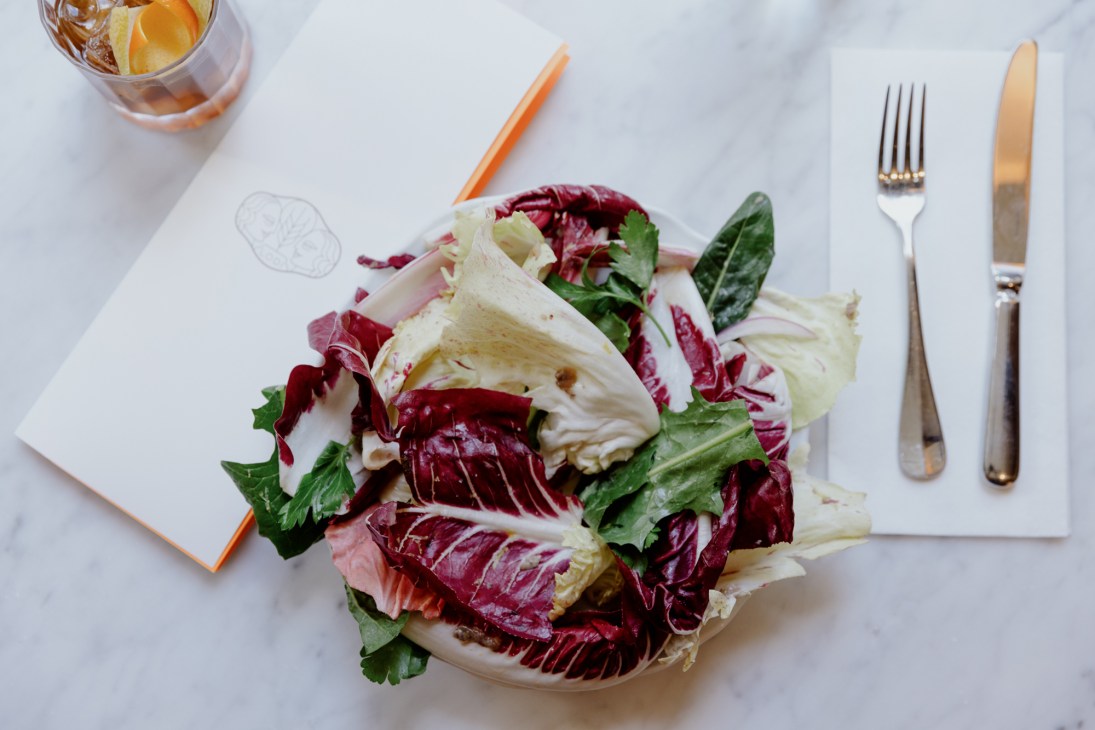
Cicoria alla romana
For Lodi’s variation on the classic puntarelle alla romana, you’ll need a pestle and mortar. Alternatively, use a food processor or chop the anchovies and garlic with a knife into a paste-like consistency. The chicory mix can be supplemented with lettuce in spring or summer; use a zester for the lemon.
Serves 2
Ingredients
For the salad:
2 heads red chicory
2 heads white chicory
1 head radicchio
200g dandelion greens (or spring greens)
For the dressing:
1 clove of garlic, peeled
90g oil-packed anchovies
15ml red wine vinegar
100ml olive oil
To season:
1 tsp kosher salt
1 tsp flaky sea salt
1 lemon, zest and juice
2 tsps red wine vinegar
Method
1.
Cut off the root end of the chicory and radicchio, then remove leaves and remaining core. Wash all of the greens and spin-dry in a salad mixer.
2.
For the dressing, grind the garlic to a paste using the pestle and mortar, add the anchovies, then repeat. Pour the paste into a bowl. Add the vinegar and oil and mix.
3.
Place the salad vegetables in a bowl. Zest half a lemon on top; season with kosher salt and sea salt, then toss. Add 2 tablespoons of anchovy dressing and toss again.
4.
Season with extra lemon juice or red wine vinegar to taste, then serve.
2.
Recipe
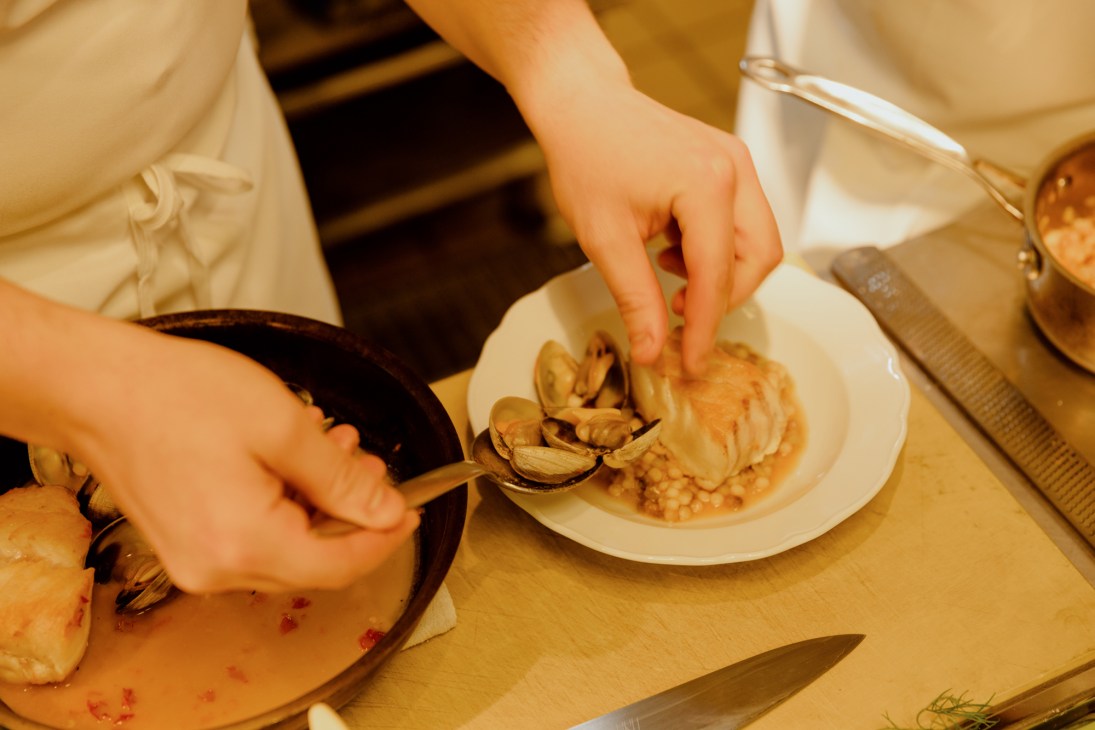
Spicy fregola with cod and carabineros
Fregola is a Sardinian pasta variety made from toasted semolina dough.
Serves 4
Ingredients
500g littleneck clams
450g kosher salt
450g cod, cut into 4 portions
80ml olive oil
500g onion, diced
500g fennel, diced
400g tomato paste
1 tsp chilli flakes
500g fregola
2.7 litres fish stock
Method
1.
First cover the clams with 3 litres of water in a large bowl. Add the kosher salt and mix. Allow the clams to sit in the brine refrigerated for about 3 hours to purge them of sand. Give them another rinse before cooking.
2.
Season the cod 30 minutes before cooking.
3.
Heat a large, wide pot with the olive oil, then add the onion and fennel. Cook until translucent and the onion starts to caramelise; this should take about 5 minutes.
4.
Add the tomato paste and cook until it deepens in colour. Add the chilli flakes.
5.
Add the fregola and sauté for 1 minute until most of the oil has been soaked up and has combined with the tomato paste.
6.
Add the fish stock and bring to a boil, stirring constantly. Allow to boil for 10 minutes, or until the fregola is al dente.
7.
Add the fish and clams and cover. Allow to sit for 15 minutes. Check that the fish is cooked through.
8.
Cover and leave off the heat for 10 minutes. Season to taste and serve.
Sleeper hits
Yalo Urban Boutique Hotel
Ghent
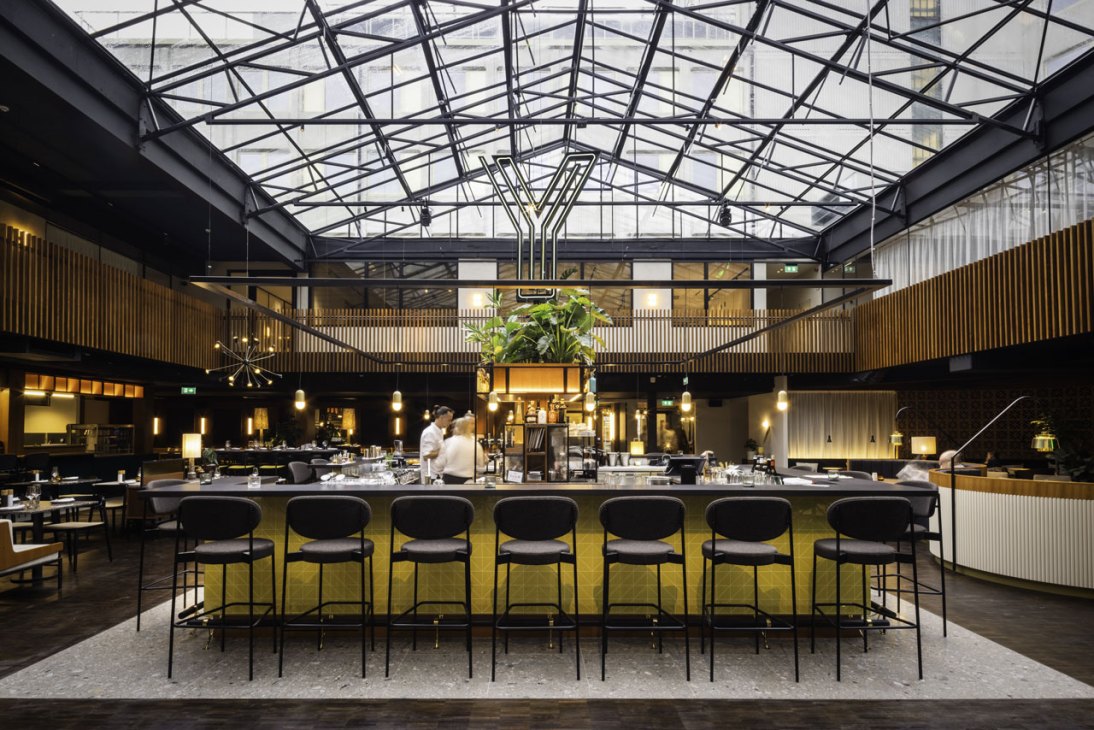
Decent hotels in big cities often attract just as many diners and drop-ins as they do overnight guests – but that’s not the case everywhere. “In Belgium we don’t have that culture yet,” says Nicolas Block, creative director of the Sint-Niklaas-based agency King George, which recently opened the Yalo Urban Boutique Hotel in Ghent. “We have very nice hotels but none welcomes a nice mix of locals, tourists and businesspeople.” The biggest pull – beyond the 92 tasteful guest rooms – is the glass-roofed restaurant, headed up by Belgian chef Sam D’Huyvetter. Along with the view of the city, this is the real reason to visit. After all, a great hotel is much more than just a bed for the night.
yalohotel.com
The Ivens
Lisbon
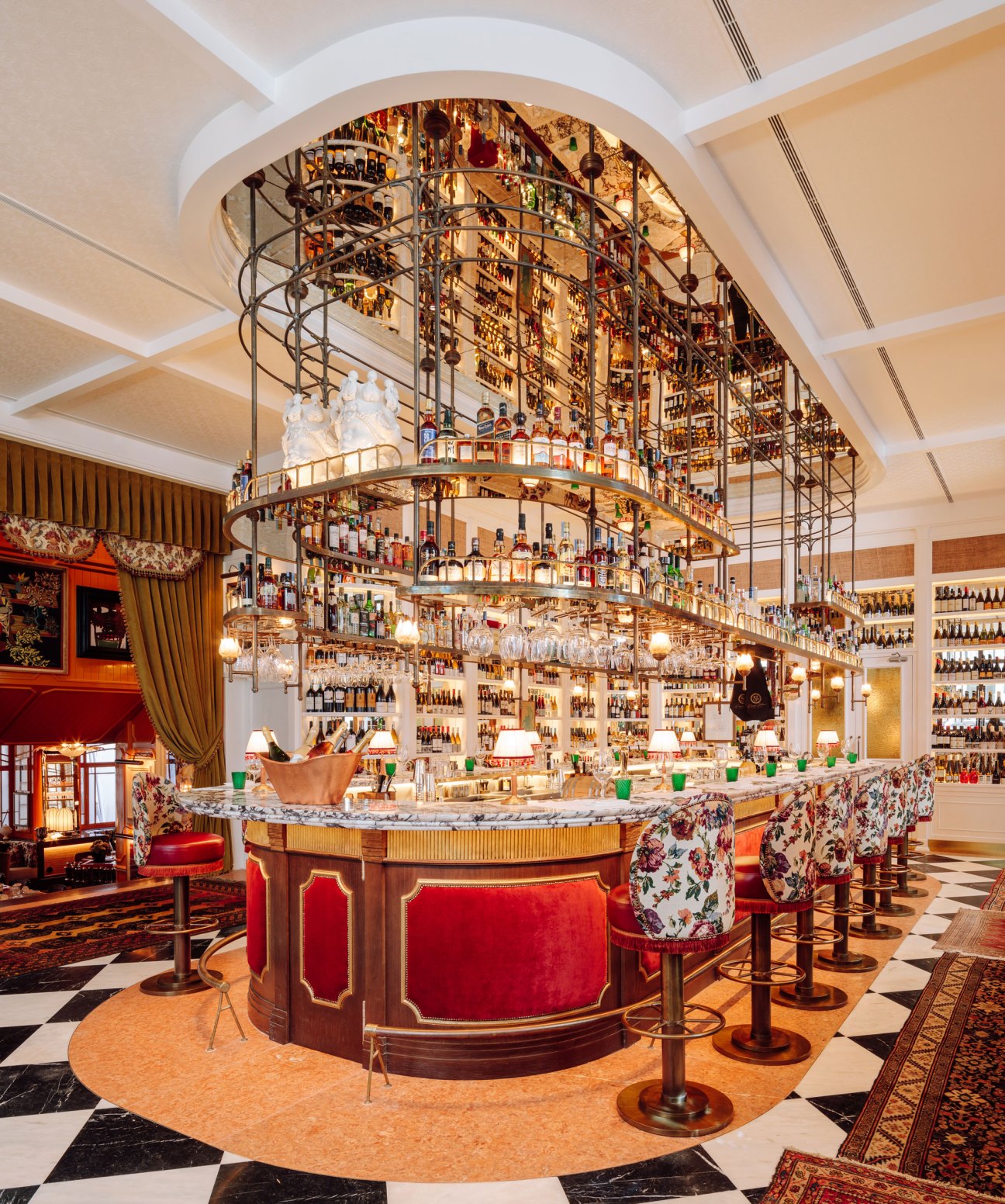
Until 2016 this grand building was occupied by radio stations Renascença, RFM and Mega Hits. Now the tranquil Rua Capelo hosts The Ivens, a hotel tribute to Portuguese explorers. From the outside it’s stately but inside, designer Lázaro Rosa-Violán created a style that nods to the nation’s swashbuckling past. There are snug spaces and a few suites with terraces overlooking the city’s terracotta roof tiles. Downstairs is Rocco, a homely bar and restaurant. The dining room is filled with comfy sofas, dim lights and a kitchen serving mainly Italian mainstays. Elsewhere is Crudo Bar, which serves seafood and champagne. You know where you’ll find us, anyway.
theivenshotel.com
Orso
Paris
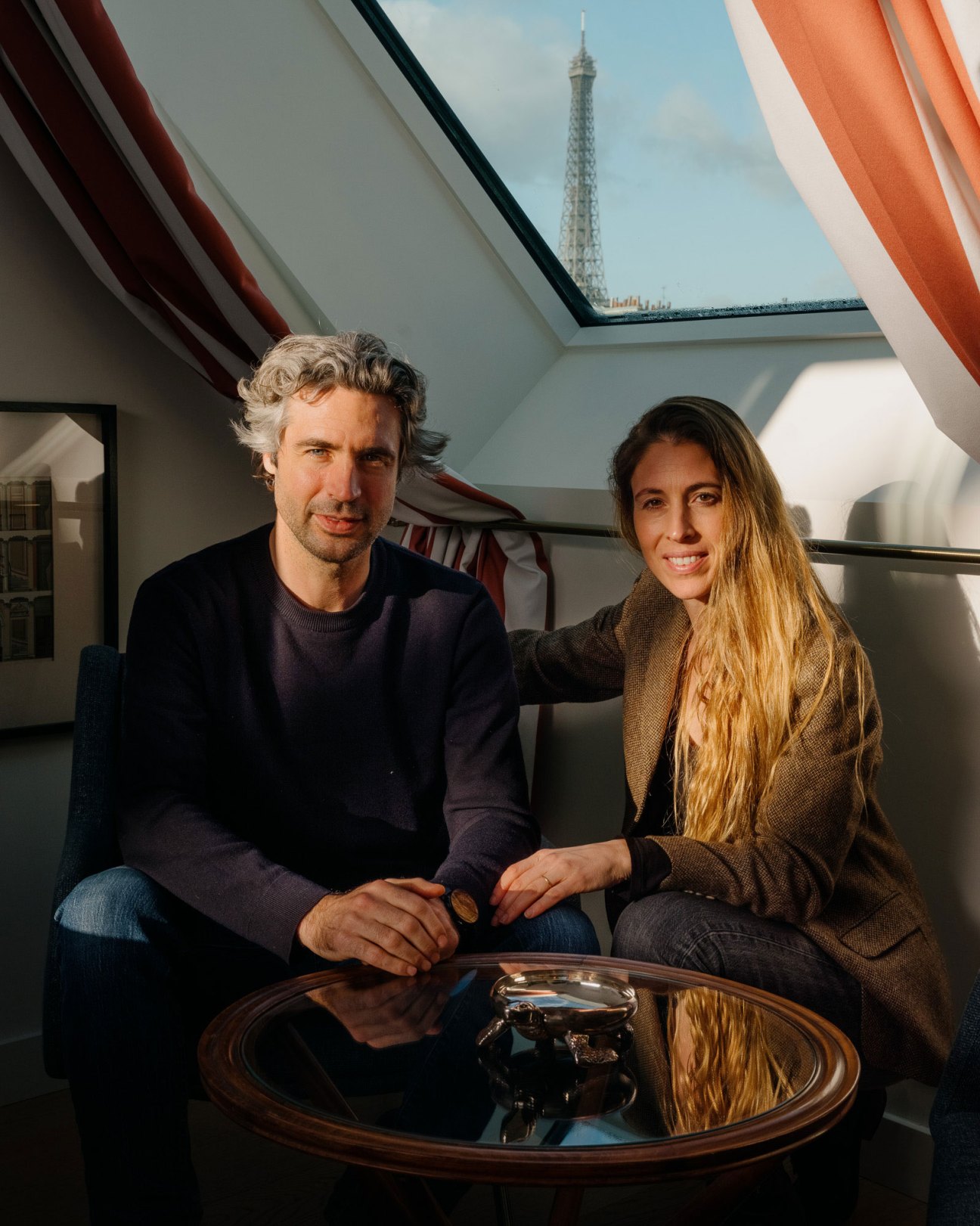
Louis and Anouk Solanet (pictured) – the founders of Orso, a new Parisian hotel brand – were all too aware of the competition when opening their first six hotels. They had a hunch that many of these hotels are geared to look good on Instagram and often lack high standards.
“Decoration is important but it’s not the goal,” says Louis. The couple’s vast hotel experience includes running Groupe Solanet, a franchise managing Accor and Marriott properties, so they understand high standards of service. It’s also why they want to do the basics well. “If you’re an American and you travel to Europe, you don’t have many choices,” says Louis, noting that US travellers tend to stick to brands that they’re familiar with back home. “We want to be that choice.”
“We had bad experiences in hotels that were supposed to be super cool,” says Anouk, a Dutch law graduate. The bigger brands, though, tended to be generic and stick to the same spiel. The pair quickly spotted a niche for affordable hotels offering good design and high standards.
This can be seen at their six properties around Paris, with the quality linen and breakfast tables laden with French jam and homemade granola. “Our properties are all different but have the same DNA,” says Anouk. Each hotel is designed by different teams, some from outside the hotel world. At Hotel Rochechouart, for example, there’s a gleaming white brasserie-style restaurant with antique tiles and burgundy booths, and a soon-to-open oyster bar and underground bar. Newest opening Hotel Wallace has a glass-roofed breakfast room and an outdoor terrace with a sauna and heated Nordic-style bath.
Anouk and Louis hope to grow the Orso family and open places beyond the capital – hinting that the countryside could be the next stop.
orsohotels.com
Inventory
Technology
Sound and vision Global
Time for an upgrade: Monocle plugs into new gadgets that push the right buttons.
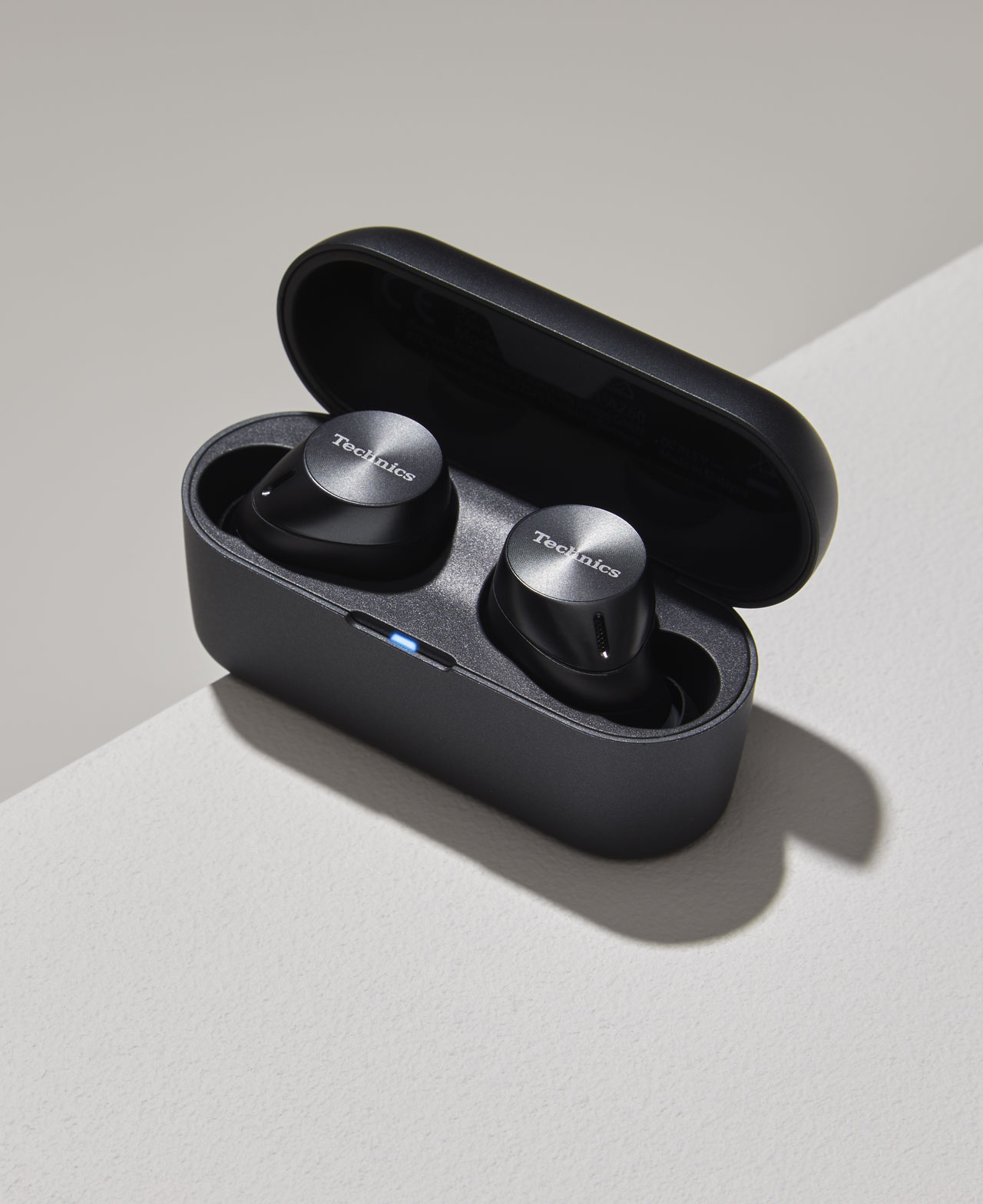
Technics EAH-AZ60 earphones
Japan
When Apple launched its Airpods in 2016, the world of in-ear audio changed its tune. Being truly wireless now meant having no cables, even between the buds. Airpods’ design was striking and they were also the first to offer easy pairing with smartphones. But rival companies, such as Japanese brand Technics, sought to do something different. Its EAH-AZ60 earbuds have a neat design that allows them to twist into place and hold firm even when you’re on the move. They’re water resistant to handle the elements too.
A snug fit is crucial, so the buds come with seven ear-tip sizes. Meanwhile, an array of built-in microphones listens to the surrounding noise and uses it to cancel out unwanted sound; impressively, the system can filter out an aeroplane’s roar while you’re airborne. On the ground the call quality is excellent and the audio is exceptional: it’s powerful and bright with plenty of bass that is present without being overpowering.
technics.com
Apple Homepod Mini
USA
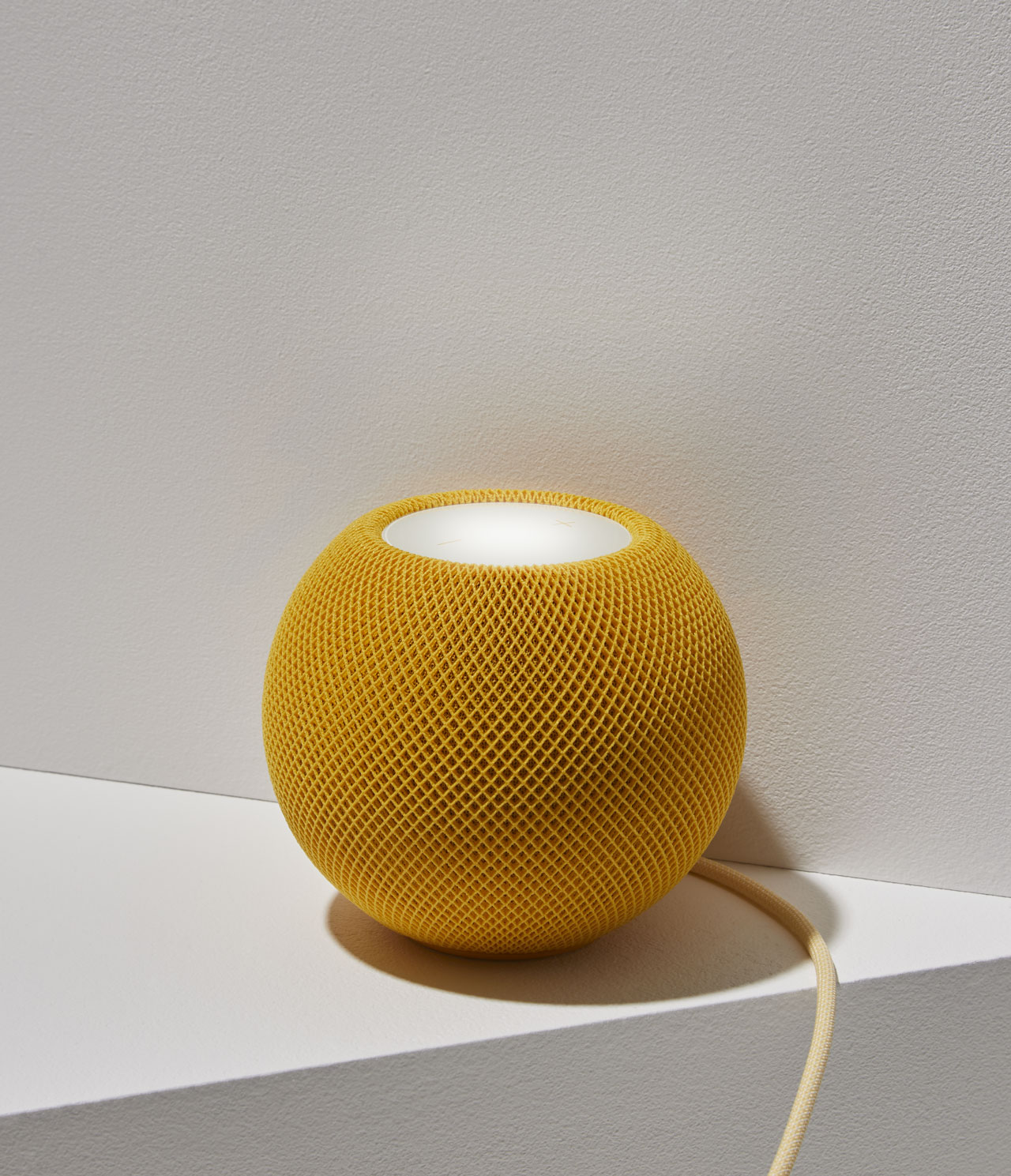
When Apple released the compact version of its smart speaker, the €99 price tag was a pleasant surprise. But this was Apple, a company known for its premium pricing. So how good could it be?
It turns out that while it doesn’t quite match the audio quality of the original Homepod, which has been discontinued, the Homepod Mini offers a strong, clear sound with a decent tone. Playing music is as simple as activating the device with your smartphone. Its size, comparable to that of a flattened baseball, gives no indication of how big it can sound. Put two together in a stereo pair and the music will easily fill a large room.
Smart speakers do far more than just play music, so with the magic words “Hey, Siri” you can set a timer or ask for the weather forecast. The Homepod Mini originally came in just grey and white. Now, however, Apple has decided to add some colour and the discreet blue, fiery orange and jovial yellow options are delightful.
apple.com
Leica M11
Germany
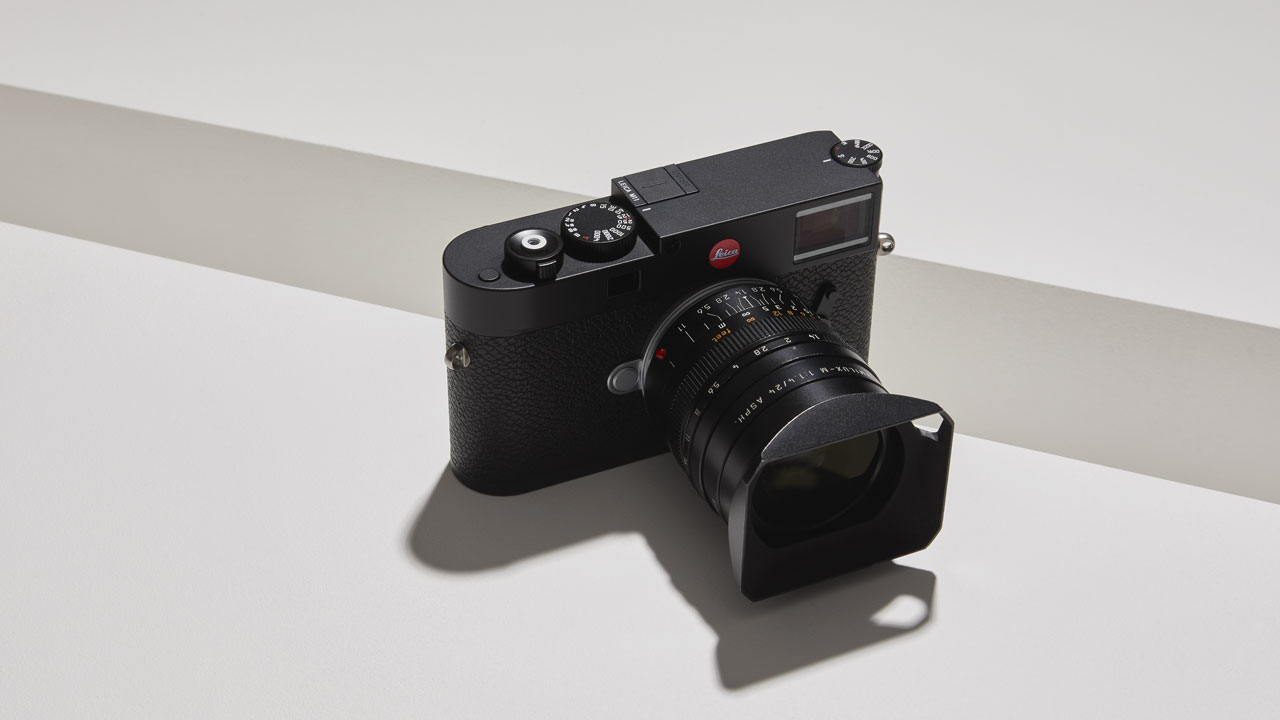
On the surface, Leica’s latest rangefinder camera looks rather similar to the previous model, the M10. But things have changed radically inside. The M10’s 40-megapixel sensor has been upgraded to a 60-megapixel one. High pixel counts on small sensors are pointless; here, however, light falls on a sensor that is the size of a 35mm film frame. You can also shoot at lower resolutions. This allows you to take shots in rapid bursts for longer.
The M11 has both a mechanical and an electronic shutter. The latter is faster and silent, making it ideal for street photography à la Vivian Maier. It’s a significantly improved camera that maintains the looks and solid handling that Leica fans expect. It’s well worth snapping up.
leica-camera.com
Ruark R5 audio system
UK
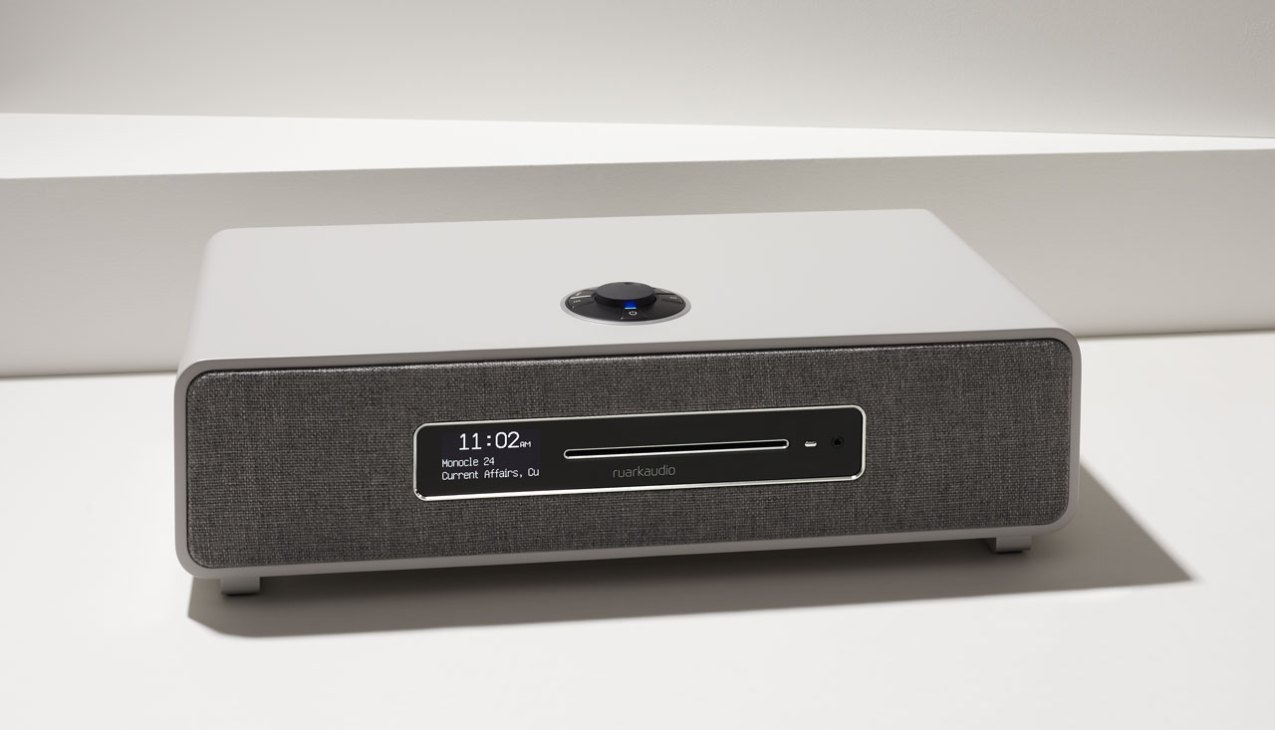
British audio-maker Ruark is already admired for its radios and wireless speakers. Now it has created something in its R5 system that’s becoming increasingly rare: a CD player. The R5 has the brand’s usual circular control panel, complete with a tactile volume dial. There’s also a round remote control that’s small enough to use comfortably but big enough to be difficult to lose. Though the R5 is a single unit, there’s a decent amount of stereo separation and the audio is superb, as is the build quality. In terms of connectivity the R5 offers DAB1 and FM radio (as well as online stations) and it works as a Bluetooth speaker. It lets you easily tap into music services such as Spotify or Tidal via an app. The audio system is an all-rounder with big-room sound but small-room dimensions.
Ruark has launched a special Made in England edition of the R5 with a walnut cabinet. The components are hand-assembled and tested at the company’s headquarters. Just 35 of these special-edition models will be released to mark Ruark’s 35th anniversary.
ruarkaudio.com
Still Life: Tony Hay
Hello trolley
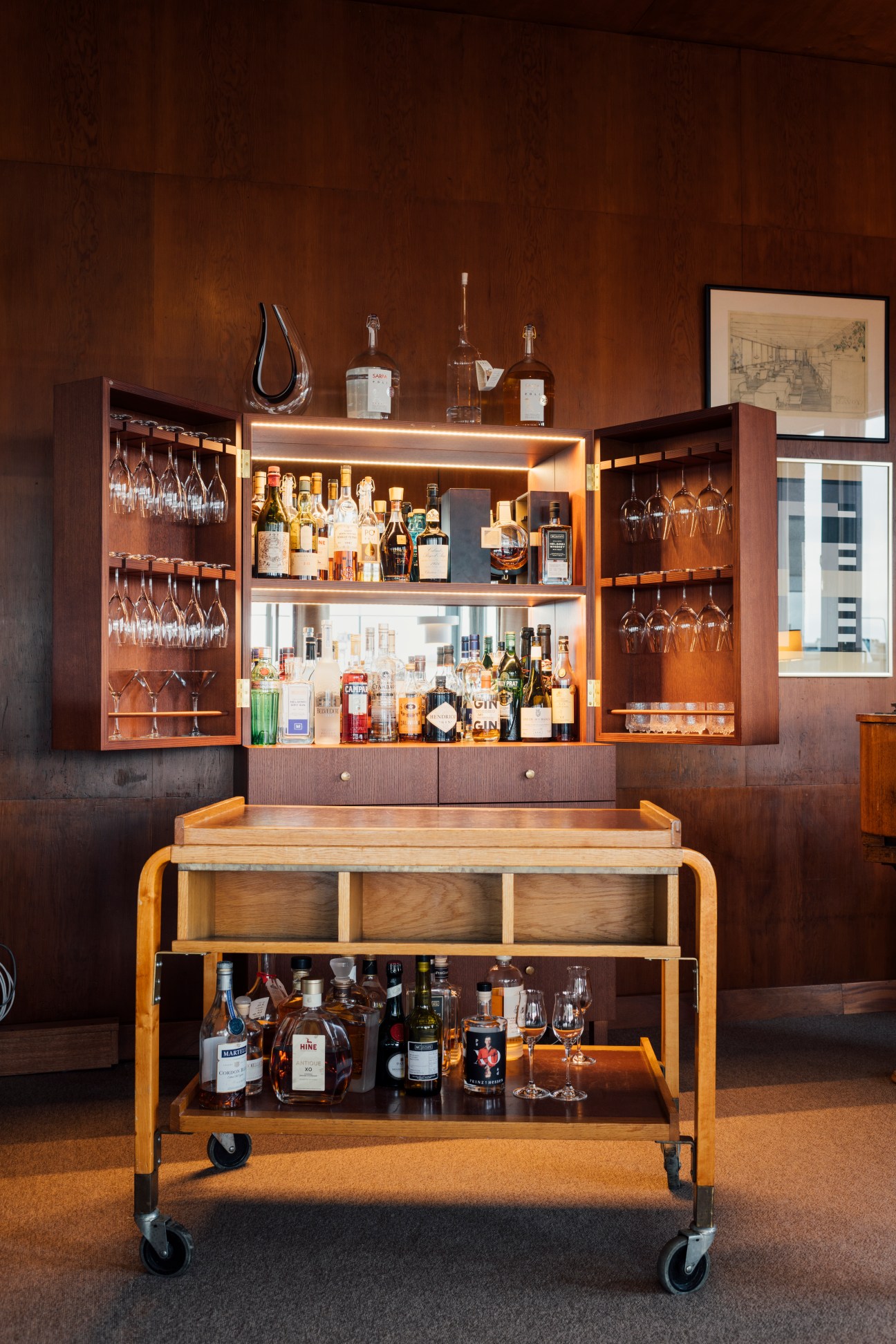
This bentwood birch bar trolley from 1936 is a key part of Alvar and Aino Aalto’s original design for the recently revamped Savoy restaurant in Helsinki. There are now two of the original trolleys under chef-patron Helena Puolakka’s roof. The first can be found beside barman Aleksi Mehtonen and the second is wheeled out to tables – a finishing touch to the spot-on service.
savoyhelsinki.fi
Snappers’ delight
Hansaviertel
Berlin
Felix Brüggemann
Shot by Robert Rieger on a Plaubel Makina 67
“You’re going to hate what I’m telling you,” Monocle’s creative director Richard Spencer Powell said to Felix Brüggemann more than a decade ago. “But I think you’re best when you shoot boring things.” What Powell meant is that the self-taught photographer has the unique capacity to capture the beauty of the everyday. “I go somewhere with the camera,” says Brüggemann. “And then see what is there at that moment.” Simple, eh?
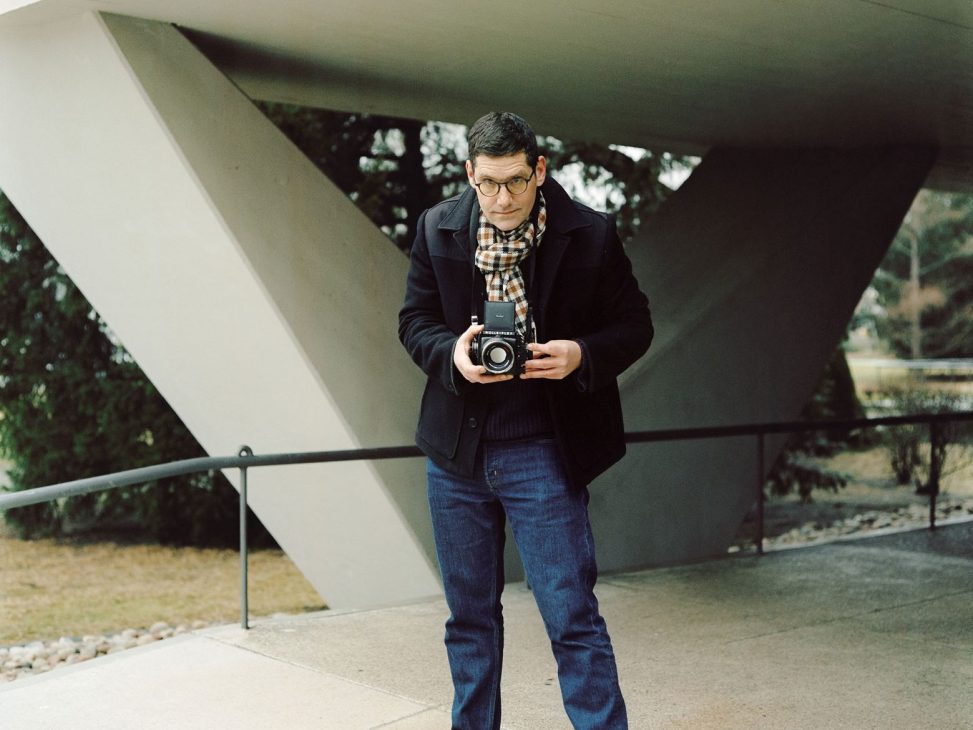
For his first assignment in 2010, Monocle dispatched him to Istanbul to shoot an Expo on the Princes’ Islands in the Bosphorus, a job he still remembers fondly. “It was one of the most beautiful stories I did. I was completely taken by the place, capturing everything with my Pentax.”
Since then he has shot countless stories for Monocle. “There aren’t many media outlets that produce everything for themselves with this clear visual language and vision,” he says. “And contributing to that is a huge privilege.”
Nowadays, everyone can take a snap with their phone so the creative decision-making process is more important than ever. “I’ve always looked at Felix’s pictures and thought, ‘Wow, that’s where I want to go,’” says Robert Rieger (below). Despite a 21-year age difference, the two became close friends after attending a photographers’ meet-up in Berlin. “As a photographer, you’re often a lone fighter. So to have someone else to talk to about it, that’s great,” says Brüggemann.
Robert Rieger
Shot by Felix Brüggemann on a Rolleiflex SL66E
There are few people in the world who are able to bring to life portraits of people as easily as images of buildings and interiors but Robert Rieger is one of them. “It’s a combination that is hard to come by these days,” he says. “Either you shoot architecture or portraits. It was important to me that both get the same attention.”
Rieger initially studied graphic design before becoming a picture editor and then a photographer. “Robert has a fantastic eye,” says Felix Brüggemann (above). “With simple means such as framing and light, he produces exquisite shots.” Rieger shot his first story for Monocle in 2017 about Berlin’s newly opened Orania hotel. “But the coolest assignment was definitely shooting Air Baltic’s Airbus A220 fleet,” says Rieger. “Because the airport was so small, we were granted access everywhere, even in the cockpits – and I got to fly the simulator afterwards.”
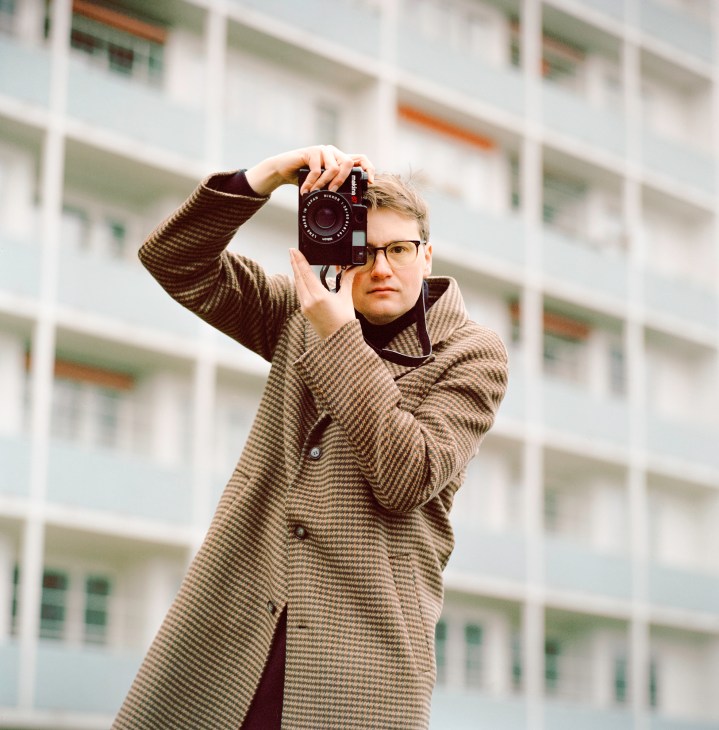
Rieger is an avid plane and trainspotter. He says he’d most likely be a train conductor at Deutsche Bahn if he weren’t a photographer. But for now he’s happy with the profession. Today, Rieger is one of the most sought-after photographers for hospitality projects in Germany, Austria and Switzerland. But no matter how challenging the shoot, he says nothing beats flicking through a freshly printed magazine. “I rarely shoot analogue so I never have photographs in my hands. It’s great to see my photos in print as the paper brings in a whole different level.”
Hackney Marshes
London
Trisha Ward
Shot by Zed Nelson on a Mamiya RZ Pro
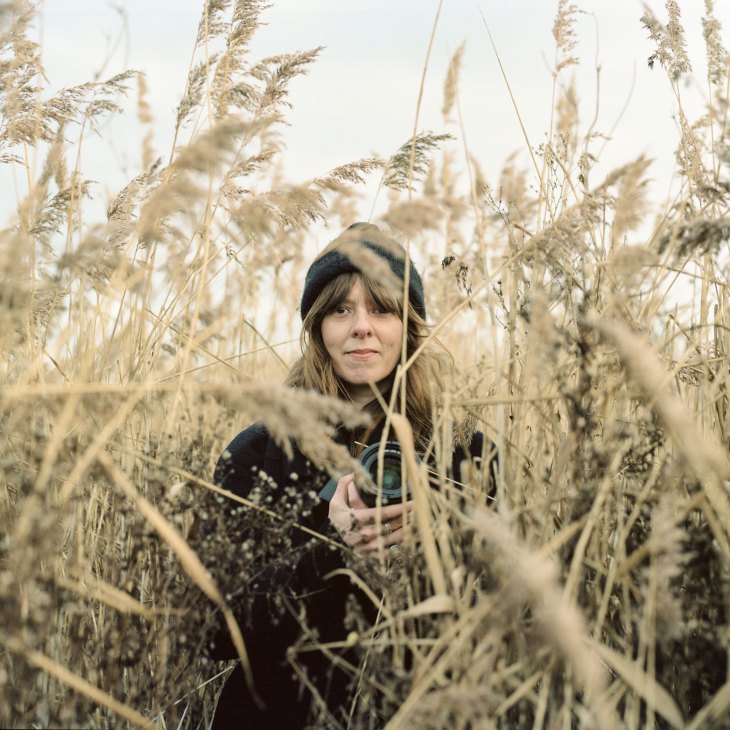
“It’s an honour to be able to make pictures of people you admire, so Monocle having me shoot Rachel Whiteread and Christine and the Queens was wonderful – and it was certainly a lot of fun to shoot a piano bar on a cruise ship in Monaco. Whatever the picture, I want to take myself out of it, get the viewer close to the subject and shoot the environment. I shot the painter Celia Hempton and was mesmerised by the pink paint spattered all over her floor and shoes. I want to take pictures of all of it. My dad bought me a Canon eos-300 when I was a teenager because I was always stealing his – probably taking pictures of my friend’s heavy metal bands – and it became something I’d always leave the house with. At art school I got interested in mark-making – the traces people leave behind. Scratches on bus shelters? Take a picture; take a few. It sounds like an Instagram account, doesn’t it? I don’t have a problem with that. Searching for ‘likes’ is exhausting but it’s a great way to show clients work and meet art directors, stylists, people you might work with.
You often don’t get a lot of time for portraits so I like to get in close with a wide-angle lens that takes longer to focus; the subject either relaxes or gets a bit bored. It gives you something different to a digital camera on “sport mode”. Maybe something more honest. My work has been described as gentle and I like that.”
Zed Nelson
Shot by Trisha Ward on a Canon 5D Mark IV
“Putting people at ease is more important than technicalities but you have to know what you’re doing. I mostly shoot on film: it imposes a mindset. It’s slower but the pictures are better. With a medium-format camera on a tripod, you can’t just snap away and that relaxes people for a portrait. Somehow it’s all less frightening than a slick, rubberised digital camera with all its noises.
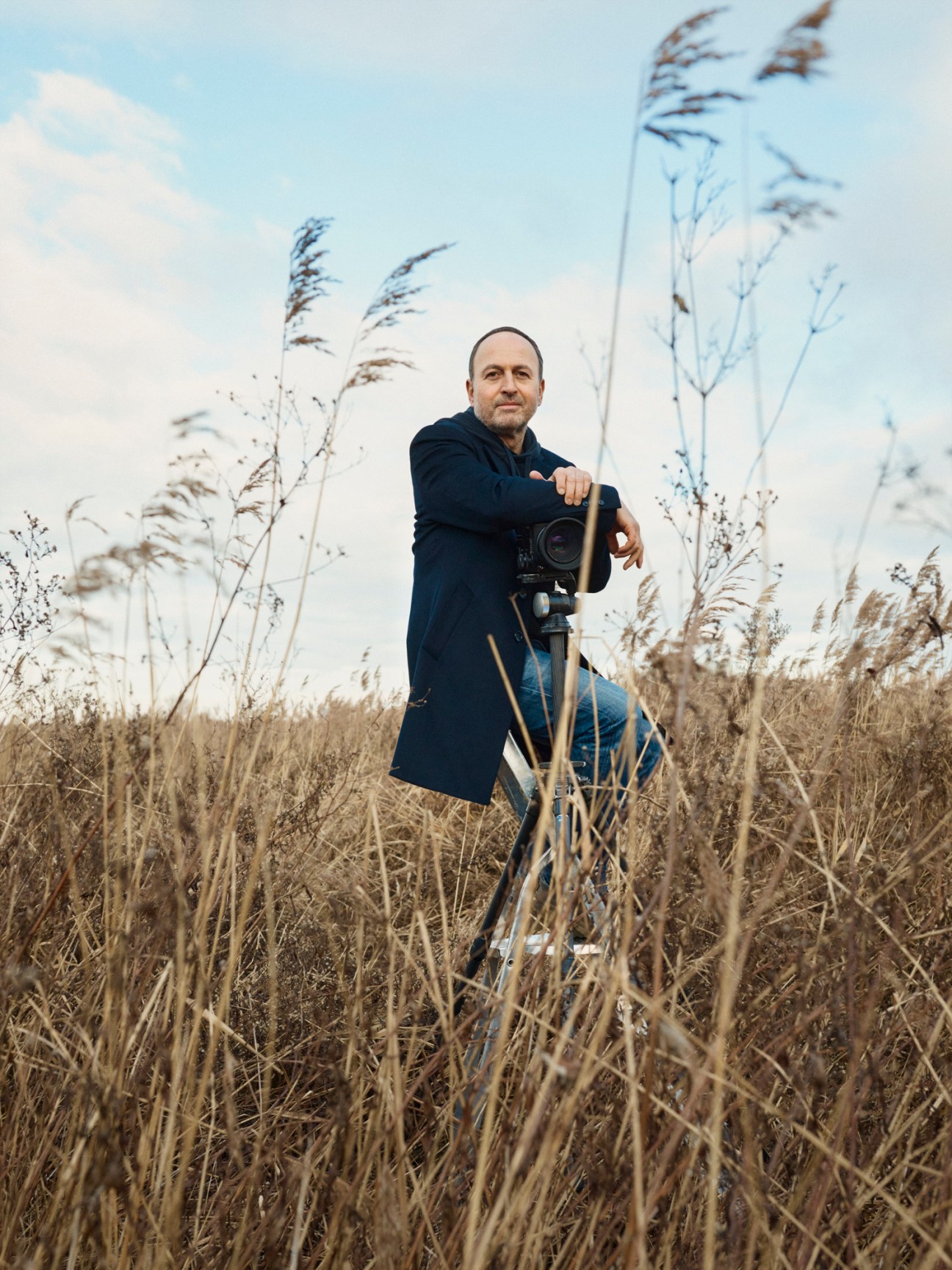
My first Monocle commission was shooting Miss Atom, the Russian nuclear industry’s very own beauty pageant. Then São Tomé off Equatorial Guinea – I mean, who’s going unless it’s for work? Then I pitched a tour around the Israeli border because I wanted to know why I thought I didn’t want to go there. It’s fascinating so I’ve been back many times. It begged the question, ‘How not to take a clichéd photograph?’ The young Palestinian throwing a rock; the Israeli settler with a huge gun. You always have to wonder, ‘What fresh idea am I offering?’
My first camera was an old 35mm Pentax slr, borrowed from my mum when I was nine years old on holiday in Somerset. I photographed a cow and got closer and closer until it was just a close-up of its gentle eye. I haven’t eaten beef since. Of course, if I wanted to take a picture of my dinner now I’d use my phone like everyone else but most of these images end up in the cloud, never to be seen again. Photography about something rather than simply of something takes time and a bit of thought.”
Galant Café
Tokyo
Masanori Akao
Shot by Kentaro Ito on a Fujifilm GFX 50R
“I tend to use Nikon cameras,” says Masanori Akao. “I’m used to the mechanics. But I also own Fujifilm and Canon cameras and privately shoot with a Hasselblad and a Pentax 6×7 – that’s probably my favourite.”

Akao, now a renowned fashion photographer, was once a young enthusiast. “I grew up in the countryside in Oita,” he says. “I wanted to find a way to capture the beautiful scenery and sunsets. I wasn’t any good at drawing so I settled on photography.” He worked in studios and built up a reputation within the business. One assignment sent him to Okayama to shoot a 90-year-old glass-maker. “I was fascinated,” he says. “I kept going back to photograph him and his work.” Another job required him to shoot a different flower in central Tokyo every month for a year.
Akao, who now has a studio in the city’s Ebisu neighbourhood, has shot for many magazines and fashion brands. “I’m known for fashion but I also love reportage and portraits. I always try to bring out the models’ personalities. In Japan, editorial shoots are less about the photographer’s vision and more of a team effort. I enjoy working with an editor and a stylist to create an image.”
Akao chose the location for this particular shoot [Galant café in Tokyo]. “Japanese coffee has its own distinct culture,” he says. “I thought it would be fun to show a place like this to a global audience.”
Kentaro Ito
Shot by Masanori Akao on a Nikon D6
Ito has two of the same camera bodies and always carries one as a spare. “For me the lens comes first,” he says. “This one strikes the perfect balance between overall softness and sharp detail.” Ito has shot some memorable stories for Monocle, including an assignment to follow Kumamon, Japan’s most popular ursine mascot, for a day. “I also loved the story I did about the small town of Unzen. I met so many interesting people. It was inspiring and I learnt a lot.”
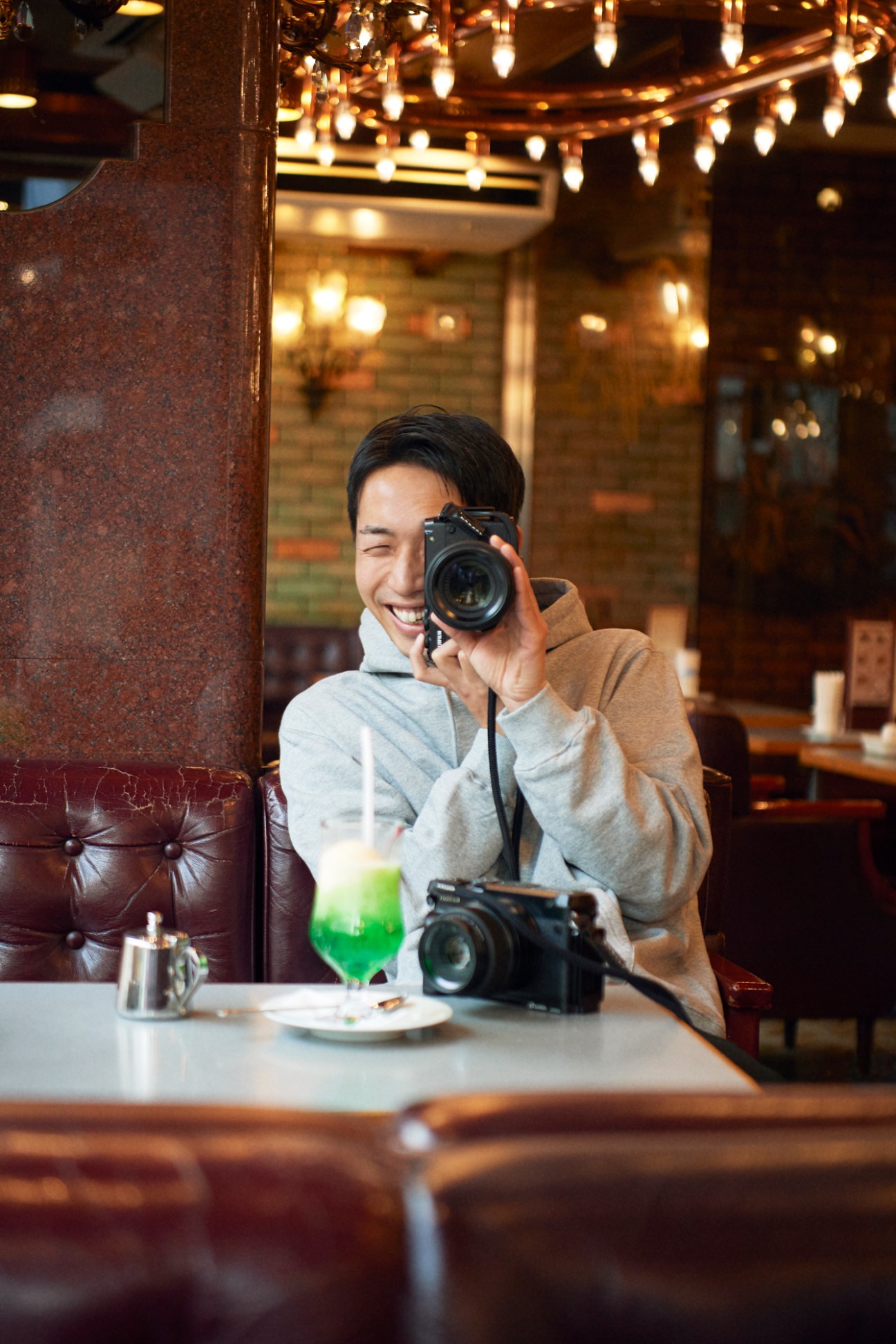
Ito started shooting in earnest in high school and set out on his own at 25. “I never did an apprenticeship but I knew early on that I didn’t mind even the tough parts about the job – working in the cold or walking for miles.” He now has his own studio in his home city, Kumamoto, in Kyushu. “I thought about moving to Fukuoka or even Tokyo but after the Kumamoto earthquake in 2016 I knew how important it was to be close to my family.”
Ito is meticulous in his preparation. He visited the café the day before shooting Masanori Akao. “I came to look at the seating and work out where the light would fall,” he says. “An assignment like this is a collaboration between the subject and myself. The ‘moment’ is when the subject, say, gives a great smile and I’m there to capture it.”
He enjoys seeing the finished product. “I’m so thrilled when I see my work in print. I’m grateful that I can show my work to my family and even to the next generation.”
Galata port
Istanbul
Rena Effendi
Shot by Maria Klenner on Canon EOS 6D Mark II
“The Rolleiflex is the second camera I ever owned. Not long after September 11, I went to New York and visited a Richard Avedon exhibition at the Met. His portraiture is one of a kind and when I saw his auto-portrait with his camera, a Rolleiflex, I made a note of it and bought it the next day. It has been my companion ever since.
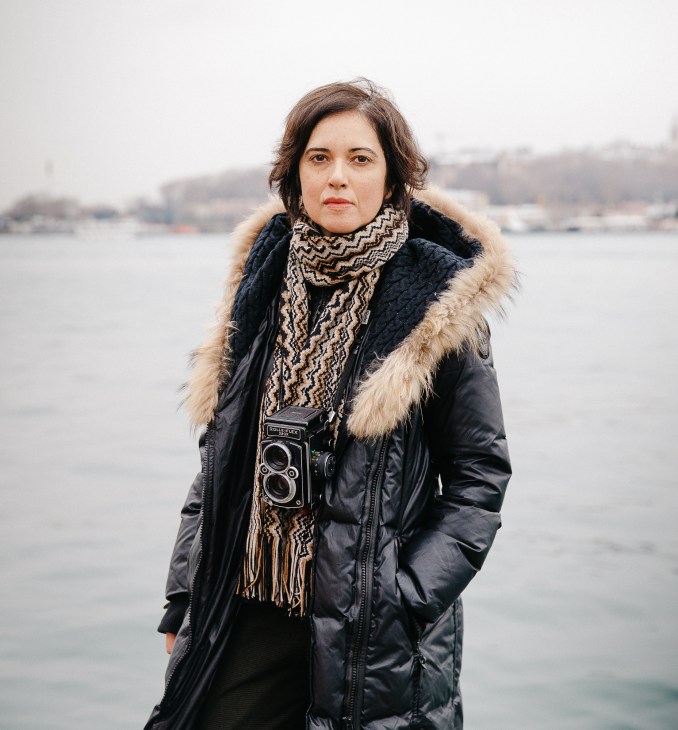
I am a neurotic but analogue forces me to surrender. I know that I have only 12 frames in a roll so I take my time. There is also this beautiful mystery of not knowing the result. Every place, whether it is Libya, Turkey or the DRC, has its own colour palette so there is always an element of surprise, something to look forward to when the photographs arrive.
I’ve been drawn to portraiture from the moment I set eyes on Magnum’s exhibition on life after the Soviet Union. I dropped painting, which I thought was what I wanted to do, and picked up a camera. Baku [the capital of Azerbaijan] was undergoing a lot of change and I became enthralled with this one neighbourhood. I would go back to photograph the same people. Street portraiture drew me in. Those photographs won the Fifty Crow award in the US. I thought to myself, ‘Maybe I can become a full-time photographer.’ Four years later, I was. My first assignment for Monocle was an Expo on Levantines living in Izmir. The most memorable portrait I took there was of Alfred Simes, who had just turned 101.”
Maria Klenner
Shot by Rena Effendi on 2.8 planar Rolleiflex 75mm
“No matter who is standing in front of the camera, the more you pay attention to them, the more beauty you will find. Not in the conventional sense but as the uniqueness of the individual. Nobody else will be able to stir something in you or touch you the way this person does. That’s why I adore taking portraits. I find people’s faces fascinating.
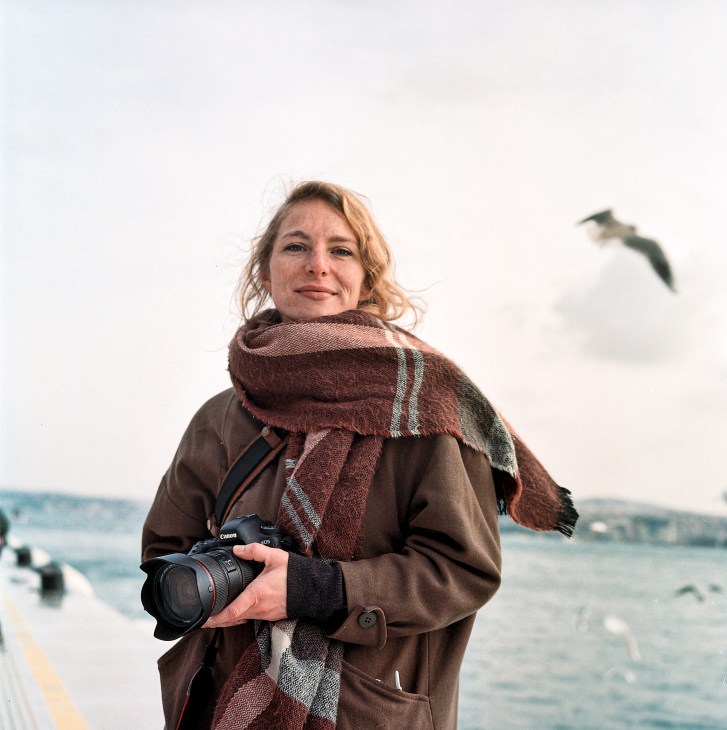
I love to work with analogue but it is not always possible. Because sometimes things need to go faster and that is what digital provides: speed. The main thing for me is that it gets the job done. After I studied photojournalism in Hanover, I worked for a while at Frankfurter Allgemeine Zeitung in the photographic department. It taught me how to get the assignment done no matter what, whether it is a weather photo or a portrait of an old lady at a church.
I was first commissioned by Monocle to photograph Lebanese fashion designer Rabih Kayrouz at his atelier in Gemmayze. Later, the aftermath of the Beirut blast was a hard one to capture because the lines of reality were blurred. The night of the explosion, Monocle’s photography director Matthew Beaman emailed me to check in if I was fine and if I was OK to shoot. It was healing to photograph the cleaning up of the streets. I couldn’t run away. I had to look at it and to face it made it better.”
By the Borso Italiana building
Milan
Elisabetta Claudio
Shot by Luigi Fiano on a Pentax 645Z
A native of Puglia, Claudio moved to Milan when she was 19 to study design and was drawn in by the wealth of visual imagery on the Italian newsstand. “There was no social media then. You had magazines: Vogue Italia, the French and Italian editions of Photo, The Face. Back then there was still a clear boundary between high-end photography and commercial work.”
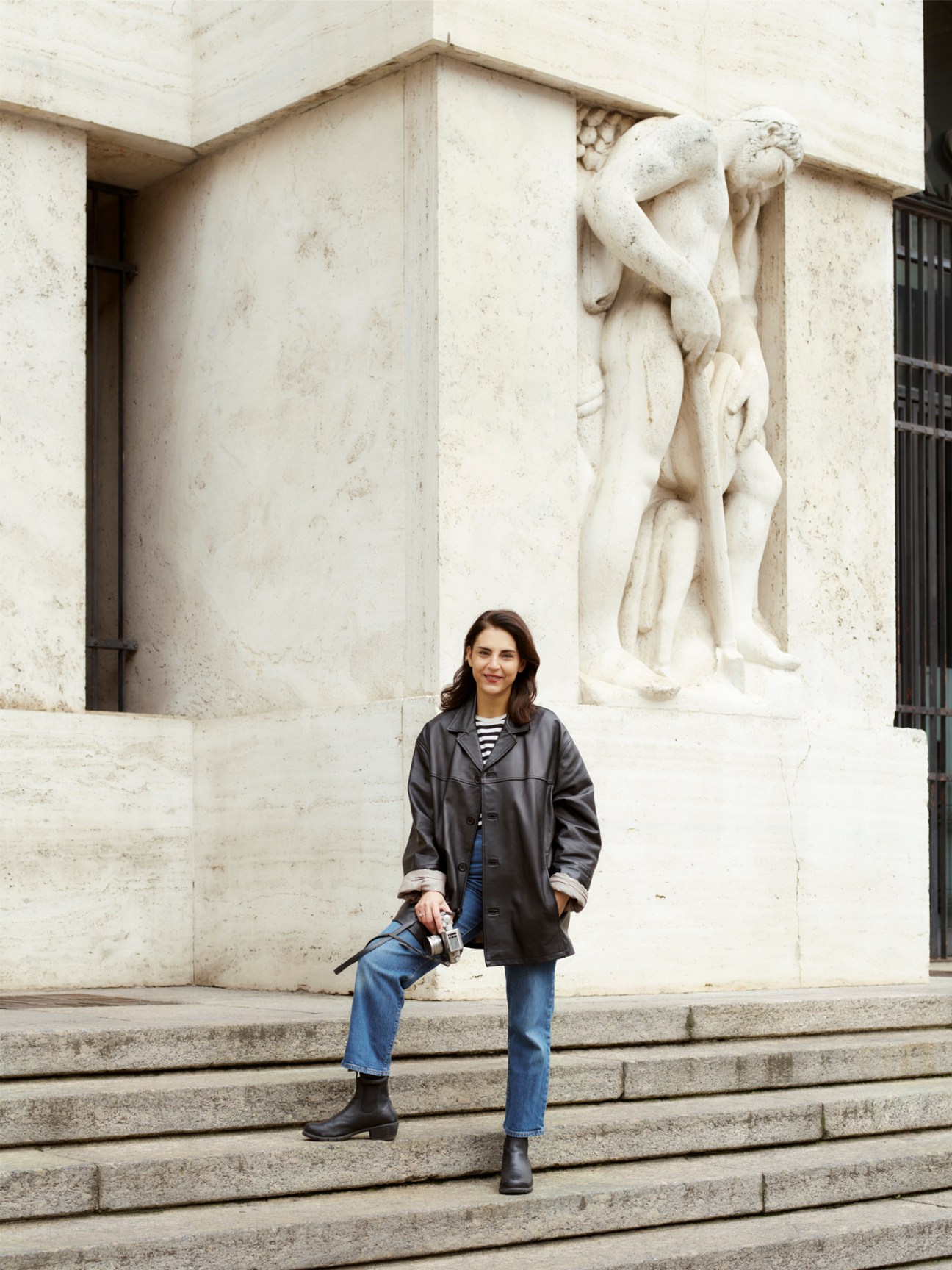
Claudio soon delved into the medium and began work as a portrait photographer for titles such as L’Uomo Vogue. She’s an admirer of Juergen Teller and even uses the same Contax G2 camera as he does. She likes to blur the lines between art and fashion, and is never a fan of set-ups that feel too manufactured or posed.
She recalls a Monocle assignment at the Palazzo Farnese in Rome, which serves as France’s embassy to Italy. She was given free rein to photograph guests at a function to celebrate Bastille Day, shooting with a flash in an overexposed style. “I think I was the only accredited photographer,” she says. “There were dignitaries, clergy, officers, aristocrats. It was something out of a Fellini film. I looked for those ironic moments – barefoot socialites, people with two melting ice-cream cones in hand, going behind the scenes with the caterers. We are obsessed with beauty – and everyone has a smartphone to record themselves looking perfect. I wanted to find moments where I could tell a different kind of story.”
Luigi Fiano
Shot by Elisabetta Claudio on Contax 645
Luigi Fiano’s exposure to photography came after a stint working at an advertising agency. “Magazines such as Monocle were on my radar as this was the world I was surrounded by. At that point I was already passionate about photography and reportage.” Fiano is very precise in how he works behind the lens, carefully observing his surroundings and waiting patiently for that perfect instant when things fall into place.
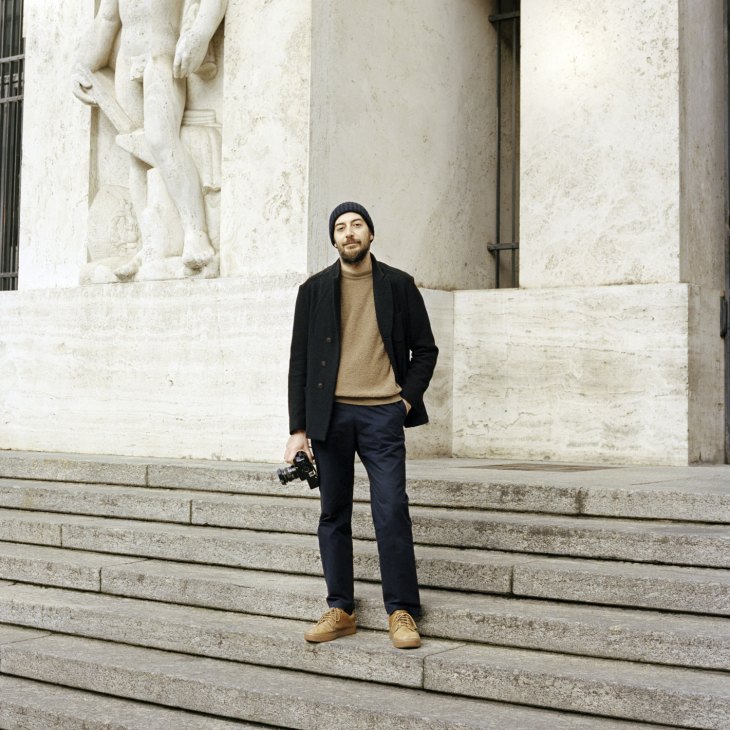
One recent assignment for Monocle found him in Valletta. He sized up a park in the Maltese capital that was bathed in a gorgeous morning light that brought out the yellow hue of a stone archway. And then he waited. As if on cue, a gentleman stepped into view. “It’s that perfect alchemy when things enter into the frame and everything just clicks.” He snapped a photo of the individual, who stands with his back to the camera, to create a memorable shot. “That’s the challenge we face now. Many spots that we visit for work have been captured a million times by people armed with mobile phones. The challenge is to find your point of view. Photography is not linked to the instrument. It comes down to your particular gaze.”
Fiano is adept at helping strangers to relax. “I am quite timid so when I have a stranger before me we are on equal terms. I try to get them to reveal a side of themselves that is intimate and that engages the viewer.”
By the Eiffel Tower
Paris
Alexis Armanet
Shot by Stephanie Füssenich on Canon EOS R6 mirrorless
“When I got called up to shoot a story about Al-Jazeera in Dubai for the first issue of Monocle 15 years ago, I was immediately up for it. I was already working in fashion photography at the time but I was always interested in getting into reportage, probably because I initially wanted to be a writer. I love telling stories; a single image can be interesting but a series of photos has a narrative and that’s what I feel most comfortable doing.
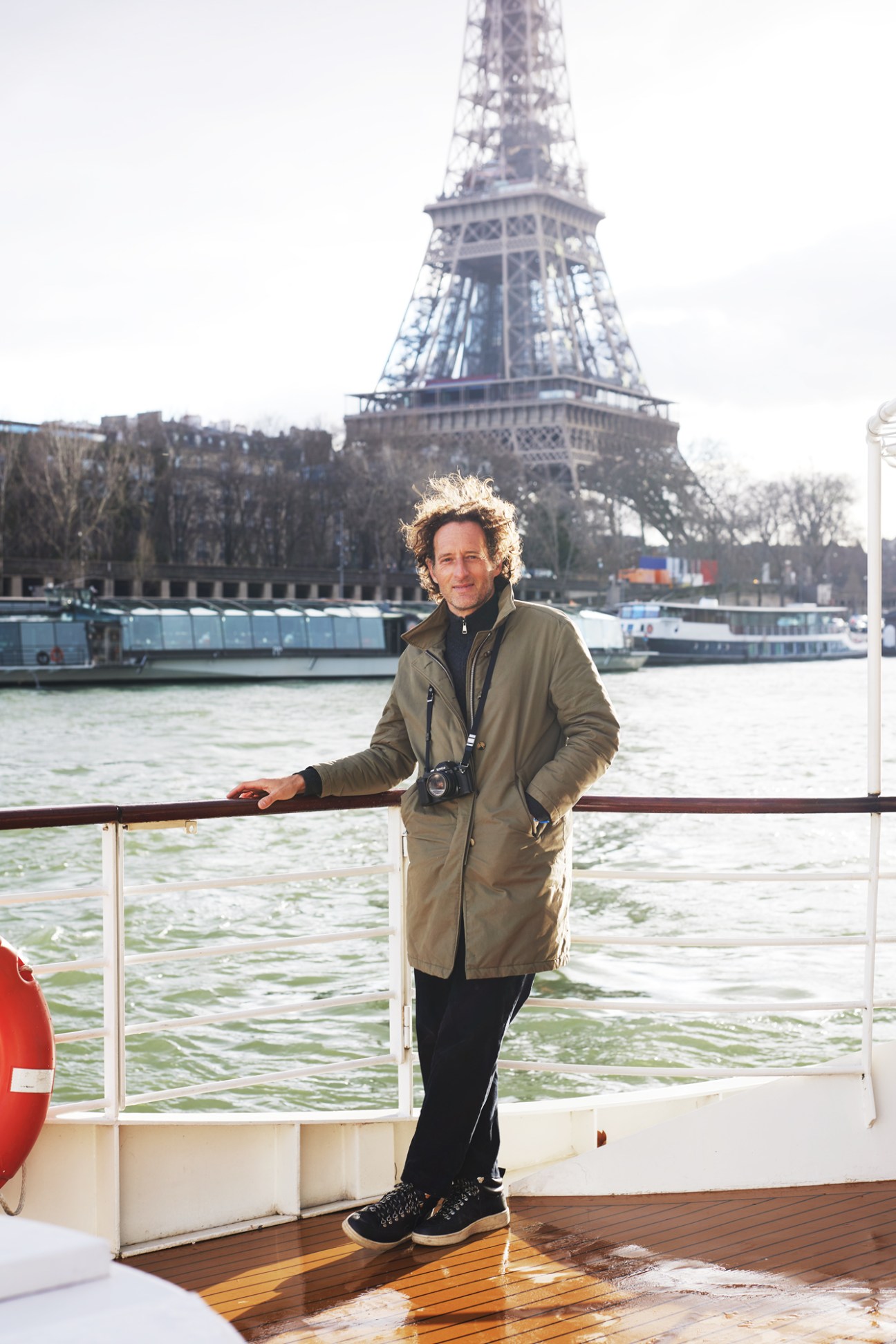
The other day I found a strip of Polaroids from a Monocle shoot that we did at Italy’s Hotel Il Pellicano many years ago. It allowed us to plan the composition of the shots and get a sense of how they would flow on the page. It’s a very cinematic way of working.
After 30 years in the field I’ve learnt that the layout is often more important than the photos; it’s what brings them to life. That’s why I find it more exhilarating to see my work printed in a publication than hung on a wall. I like that there’s a utilitarian purpose to magazines: they are designed to be seen and read. Maybe that’s why I like to shoot on film. It forces you to really look before you snap, which we don’t do much any more in the age of digital.
I’ve done a lot of fashion shoots for Monocle, from Bangkok to Marseille. The highlights are the reportage shoots. I loved following Tokyo’s sumo fighters for three days. It’s very difficult to get access to their quarters but my job allowed me to get in.”
Stephanie Füssenich
Shot by Alexis Armanet on Konika Hexar analog
“The beautiful thing with photography is that if you asked 30 people to take an image of the same object, you would have 30 completely different results. Everyone sees something else. It’s a good exercise in keeping your eyes open to what’s around you.
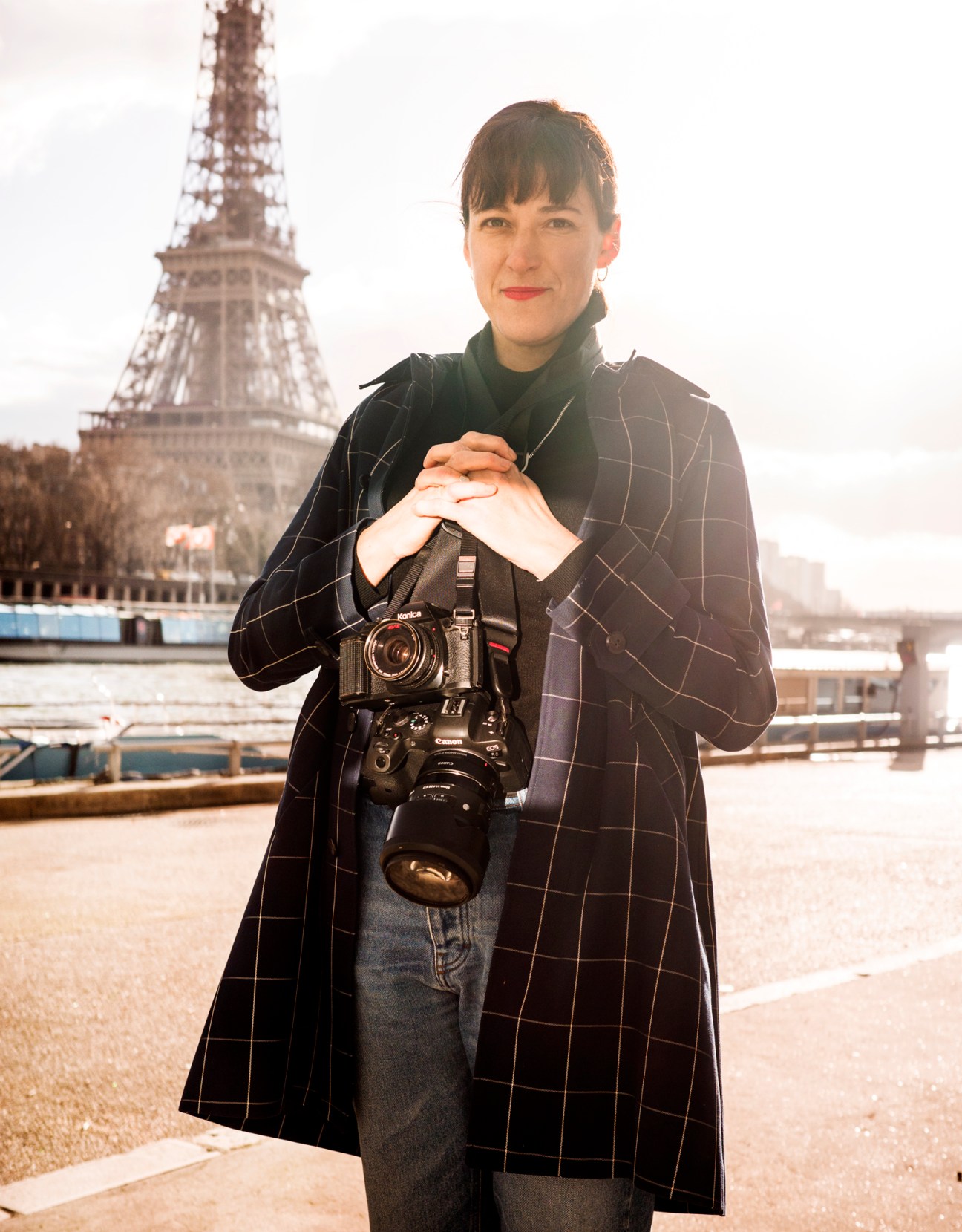
Perhaps that’s also why I hardly retouch my photos. I want to show things the way they are. Smartphones have made photography more accessible, which is great, but it’s a shame that we’re now constantly snapping away. We’re all the time trying to capture moments on camera, rather than fully living them. It also means that people in the streets have become more suspicious of having their photo taken. They’re worried about their privacy, which makes the task of the photographer more difficult. There’s something very intimate about taking someone’s portrait and I don’t want that to be lost.
What I like most in my job is that it allows me to dive into many layers of society. We’re very privileged to see behind doors that are usually closed. For my first job for Monocle, in 2017, I got to take the last night train from Paris to Nice before the service was stopped completely. It was very emotional; there were railway geeks, couples and people demonstrating against the abolition of the train.
I’m happy that print still exists. Seeing an image on beautiful paper stock really does something to it.”
Brooklyn
New York
Ike Edeani
Shot by Thomas Prior on a Sony A7RIV
Ike Edeani trained and worked as an architect before turning to photography. “I’m interested in place, gesture, detail, bodies at rest and in motion, and in-between moments,” he says. “Photography was the practice I felt most at home with so it wasn’t much of a choice.”
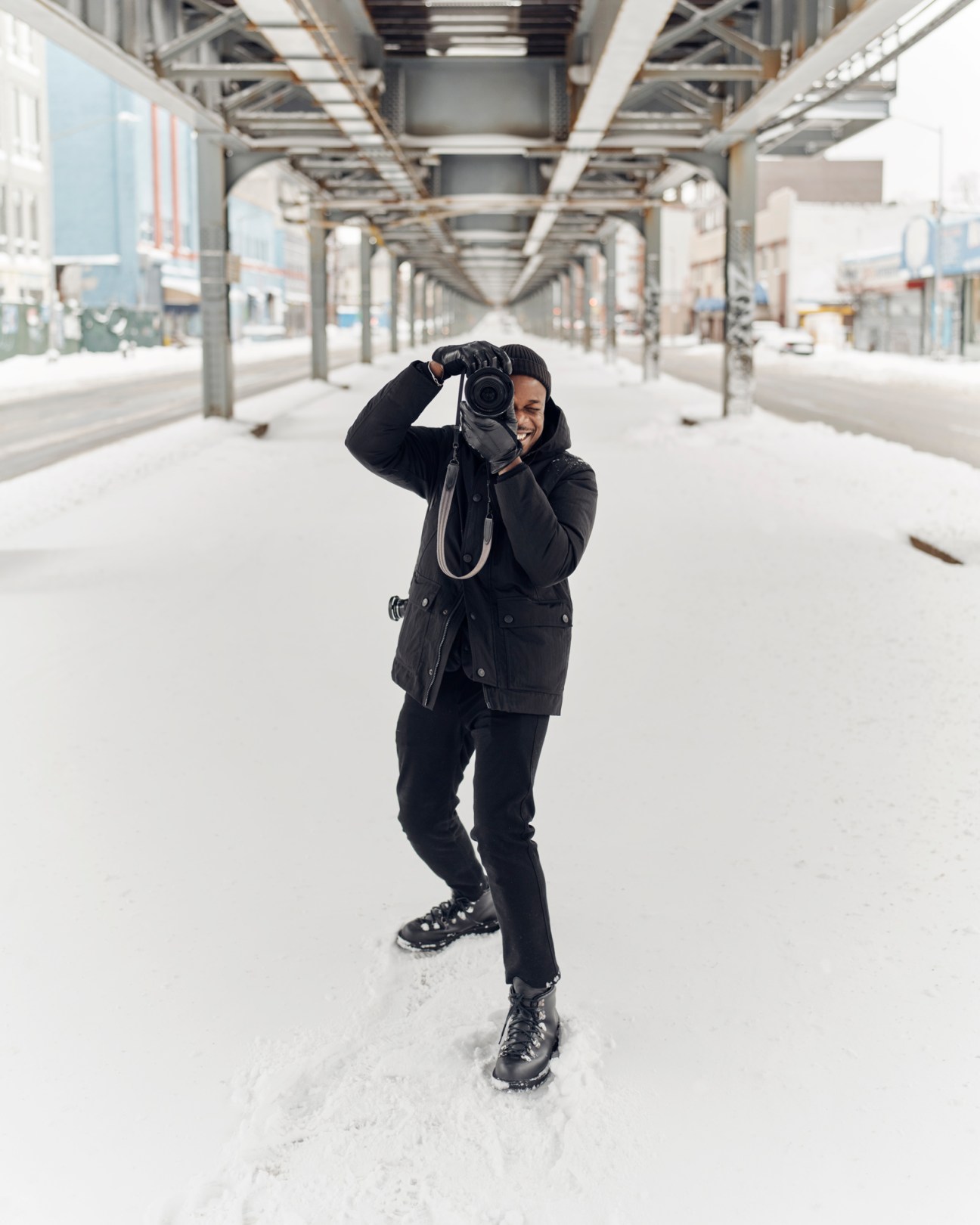
The Nigeria-born photographer, who moved to the US aged 16, now lives in Brooklyn. He currently shoots with a Canon 5D Mark IV, a Pentax 67ii, and a Mamiya 7 II. “The Mamiya is my favourite: small and lightweight but capable of incredible quality and contrast.”
Edeani’s first assignment for Monocle was covering the inaugural Silicon Valley Contemporary Art Fair in 2014. “It involved six different locations in three cities across the San Francisco Bay Area, so I was probably just trying to stay awake,” he says.
His commercial clients range from technology firms to sporting giants and he also shoots for magazines and newspapers. Edeani finds social media useful for sharing his work with a massive audience: a recent series included a poetic look at small moments in Paris, from a dog staring at a vase of flowers to a shaft of light falling on a wall. He believes that his ability to find things that others might miss is “instinctive”. “I’ve never really thought about it or tried to understand it,” he says. As for where photography goes in the age of the smartphone? “It continues to evolve.”
Thomas Prior
Shot by Ike Edeani on a Fuji GFX 100S
Prior shot his first assignment for Monocle in 2017 at the PBs NewsHour. “Trump had just been elected and the mood in Washington was a little sombre,” says Prior. While many of the images portray the frenetic workings of a newsroom – the production team crammed around a table; anchors live on air; a tangle of wires – others are quieter and more contemplative. One shows a large tree standing against a blank sky. Another a white easel pad with the word “Help!” scrawled on it in black ink.
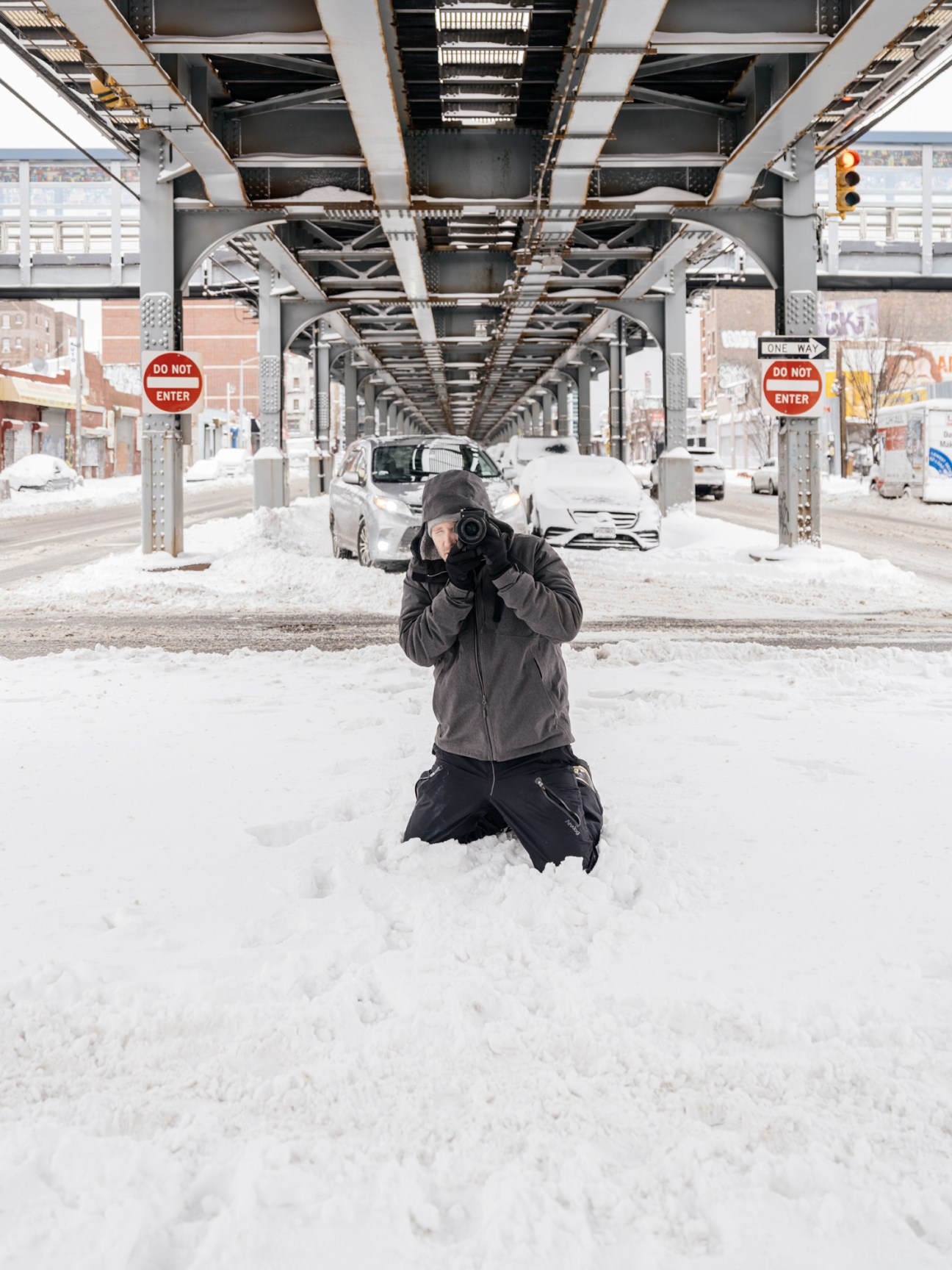
Since buying his first camera at the age of 13, Prior has seen the world through his lens. “I like simple images and colour,” says the Brooklyn-based snapper. “I don’t know what else I would’ve done.” Today he uses the Fuji GFX100s and the Sony A7R IV. “They have the biggest output and best colour.”
Prior has travelled across the US shooting for magazines but “things have been a little more local” since the pandemic. But he hasn’t been any less busy. In the spring and summer of 2020, he photographed New York for his book Amen Break, covering everything from eerily empty shops to the protests in the wake of the killing of George Floyd. As for having his own photo taken, he is “mostly OK” about it but with caveats. “I’m a control freak,” he says. “I overthink the post-process, so it’s not a naturally happy place for me.” That happy place, instead, is holding the camera firmly in his own hands.