Issues
New frontier
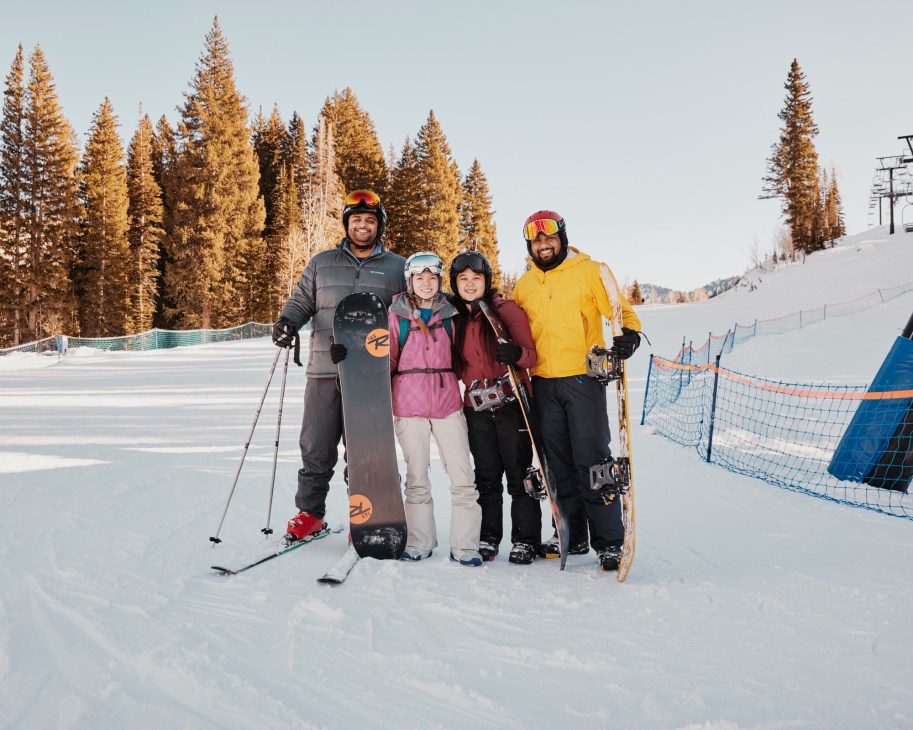
Spend a bit of time in Salt Lake City and you’ll soon hear people say that this is the new Denver – a reference to the rapidly growing Coloradan capital. Or the new Boulder, perhaps. No one can quite decide. They’ll also say that, just like the surf for Californians, every CEO in Salt Lake likes to get an hour in on the slopes before work. Pressing up against the silver-streaked peaks of the Wasatch Range, part of the Rocky Mountains, this is one of the fastest-growing – and most surprising – business hubs in the US.
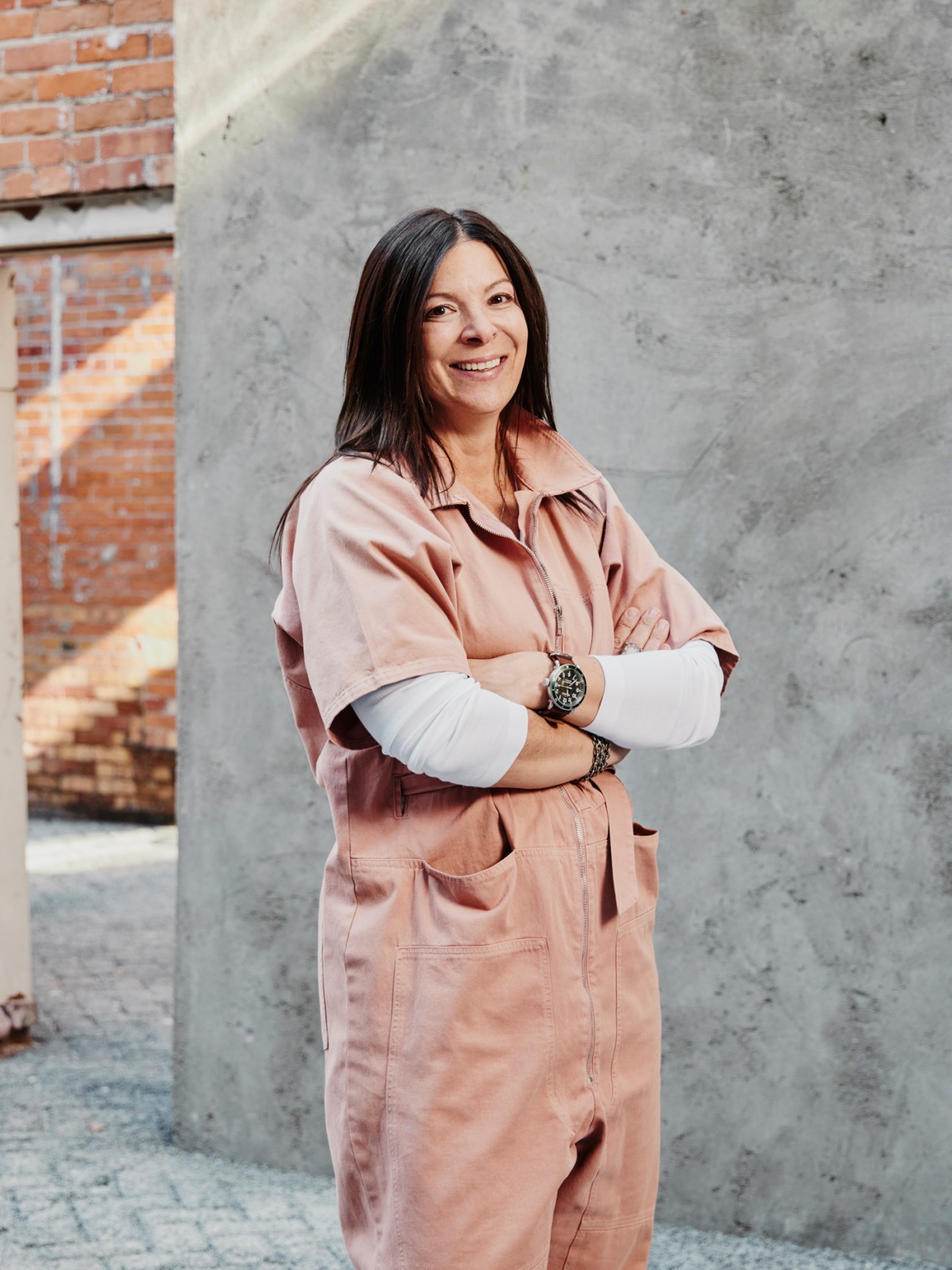
“When I moved here four years ago, there was a big ‘guns and gold’ sign at the entrance to the city,” says Ellen Winkler, a Wyoming export. “One of the first things we did was buy that building and take down that sign.” Winkler’s firm, Q Factor, is developing almost 15 hectares of Salt Lake into a mix of offices, retail, residential and hospitality. She takes Monocle around the Granary and Post districts, enclaves of worn-out mills and the nearest thing to a seedy side of town. “That will be a brewery; that will be a food hall,” she says, gesturing enthusiastically through the window of her Tesla as we weave between building sites.
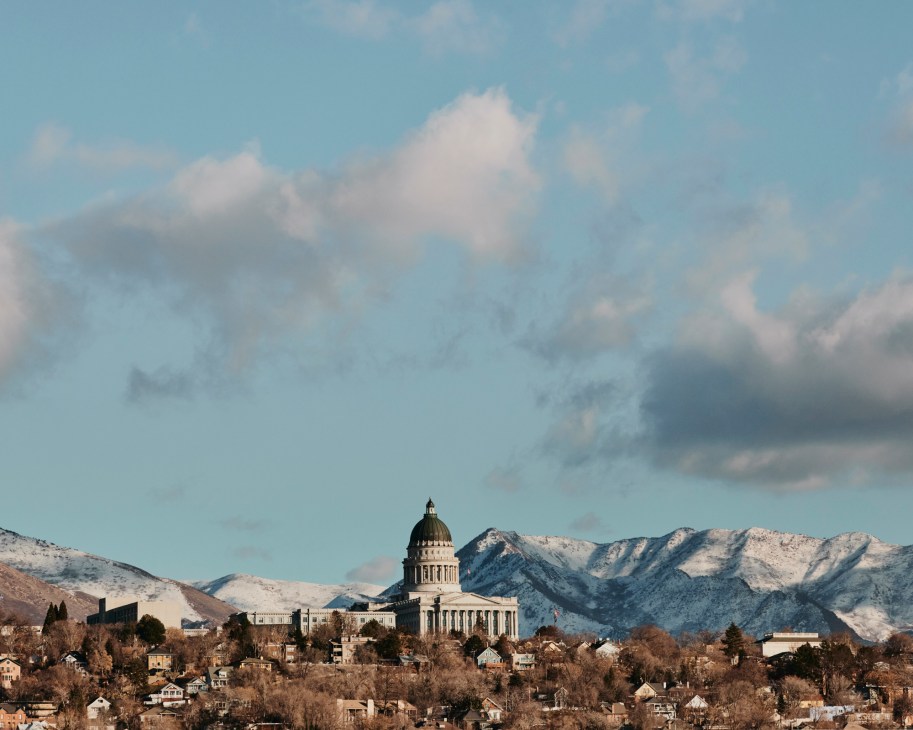
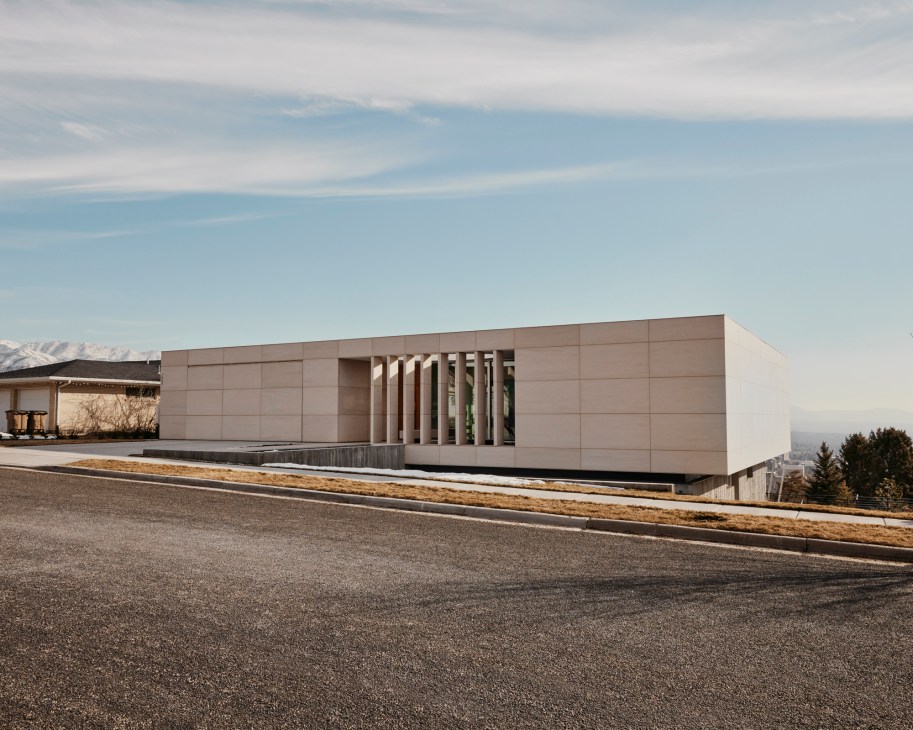
What’s spurring all this is a combination of new arrivals and industries. Utah has been the fastest-growing US state over the past decade as Americans go in search of cheaper rents, lower taxes and new opportunity. State capital Salt Lake City is a 90-minute flight from California’s Bay Area and is projected to be America’s strongest property market in 2022, according to listings company Realtor.
The latest population surge isn’t driven by a Zoom boom, either. On the eve of the pandemic, Q Factor opened a vast complex in the Granary district called Industry, which provides ready-made spaces for businesses inside the cavernous shell of an old pipe foundry. In less than a year it was full. “We can’t build offices quickly enough,” says Winkler and points to firms from California, Florida and elsewhere in Utah – making everything from bicycles to robots and dog leads – that have opened a satellite in Industry or shifted their business there entirely. Just down the street, Campus Salt Lake has recently opened in a former masonry warehouse, where Seattle-based entrepreneur Bryce Phillips, founder of outdoor retailer Evo, has launched his first hotel, a skatepark and a shop. An art gallery and other retailers are soon to follow.
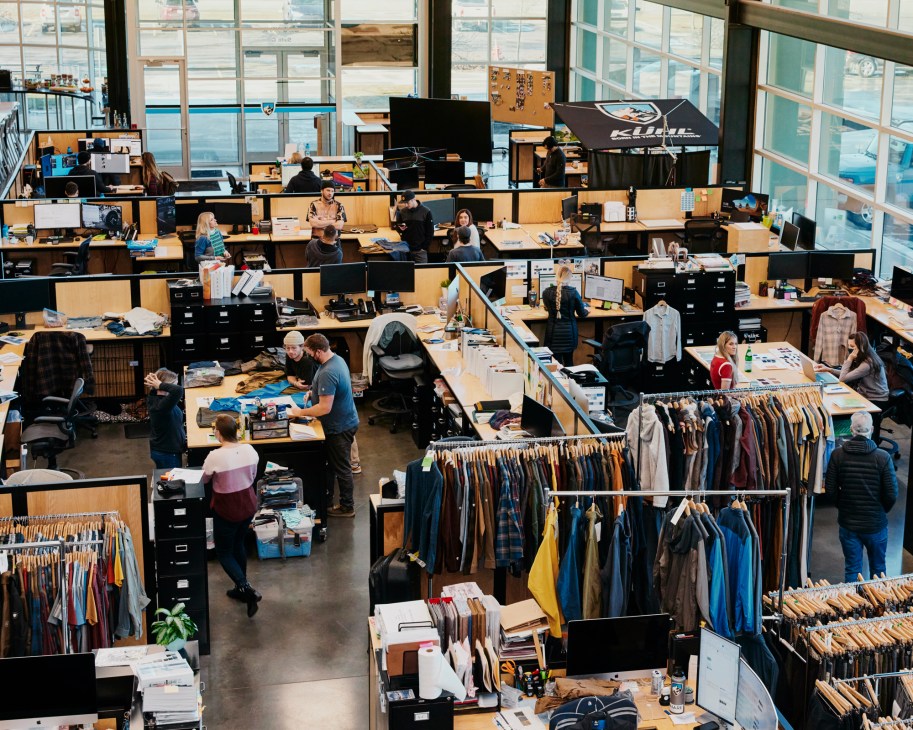
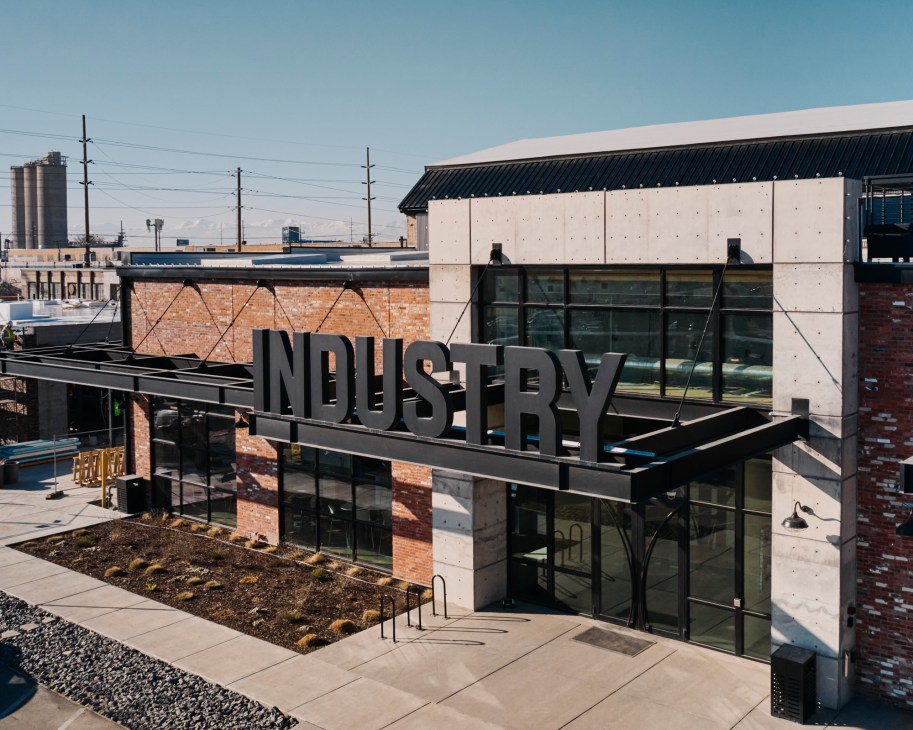

Elsewhere, biotech firm Denali Therapeutics, a transplant from California, is poaching talent from around the country, while Recursion, a start-up using Artificial Intelligence to accelerate drug discovery, is doubling its footprint with a huge facility. “We’re scrappy and pioneering and really tried to think differently,” says Tina Larson, Recursion’s president and COO, who moved from South San Francisco in 2018 to grow the company. “Salt Lake City provides a pretty incredible environment, outside the traditional hubs, if you want to build something truly different.”
Unlike many US cities that ballooned in recent years, Salt Lake has built new infrastructure: there’s a new international airport terminal, a Delta hub with non-stop flights to Paris. Architect Anne Mooney, an early adopter, opened a Salt Lake office for her Los Angeles-based practice in 2004. “It’s a great base for tapping into the American West,” she says. “It’s an easy commute to projects we have ongoing in Sun Valley, Idaho, and as a city is more accessible than Denver. From my office, I’m 10 minutes from the airport and 40 minutes from world-class skiing.”
Most newcomers – mainly arriving from the coasts – are genuinely surprised at the life they’ve found in Salt Lake. For a long time, the city struggled with a reputation for being dour and insular, and dominated by the Church of Latter-day Saints. Settled in the 1840s by Mormon pioneers fleeing religious persecution, the city streets were built wide enough for a cart and oxen to make a U-turn, and around Salt Lake Temple in the city centre is pristine if rather austere.
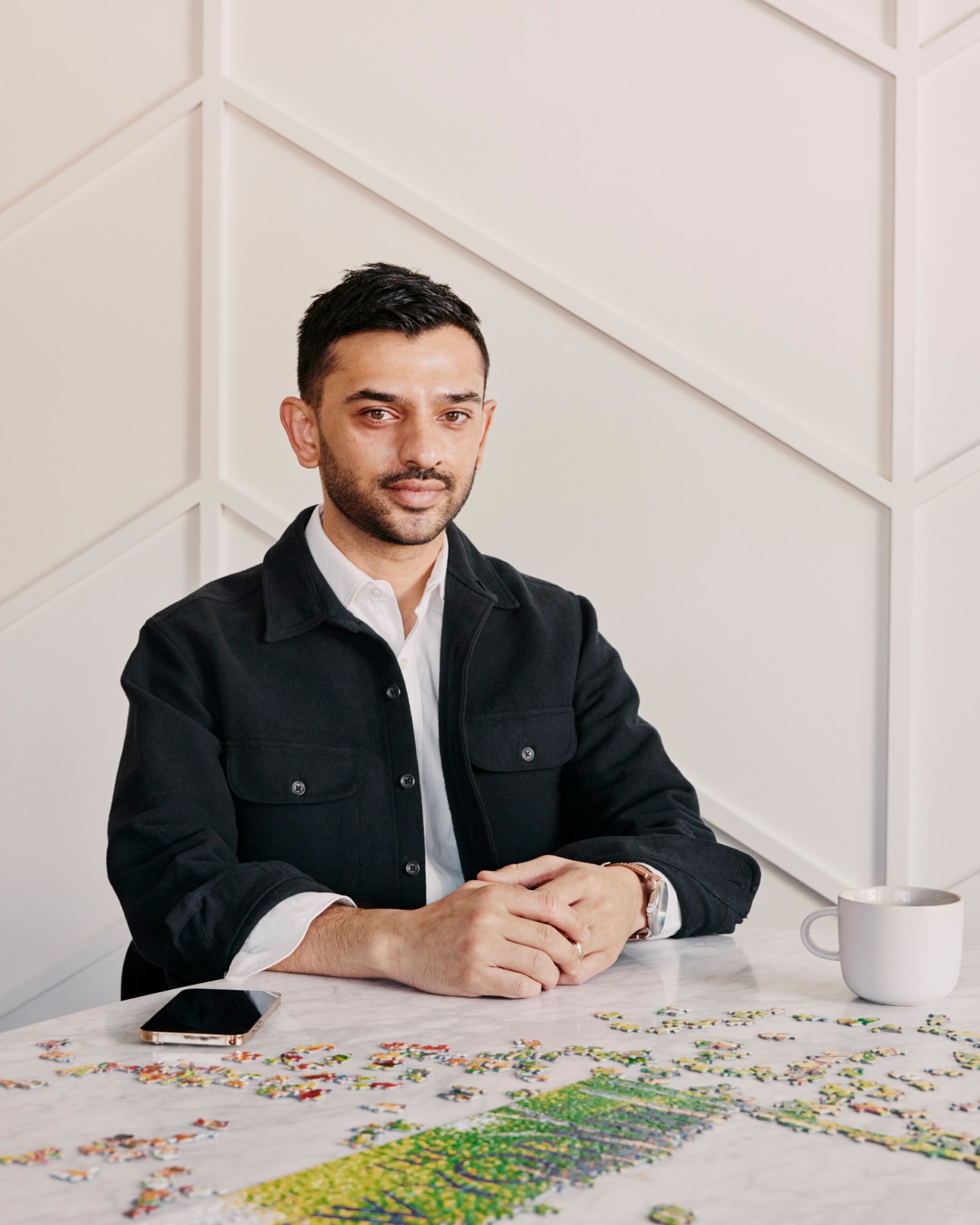
Insider knowledge
Who lives here?
Ski bums with start-ups, venture capitalists looking for fresher climes, families seeking the good life. Oh, and quite a lot of Mormons.
What businesses are booming?
Outdoor-clothing companies such as Kühl and Cotopaxi have found a natural home. Salt Lake is also a growing cluster for biotech.
Where could I find the proverbial gap?
Hotels. Even the mayor, Erin Mendenhall, says that Salt Lake needs more boutique options.
How welcoming is the city to entrepreneurs?
There are tax breaks for investment in “opportunity zones” and investors have deep pockets for those with fresh ideas.
Will my quality of life improve?
Salt Lake is safe and walkable but air quality falters after midday.
And what about the cost of living?
The average rent is $1,850. Income tax is a flat rate of 4.85 per cent and it’s free to ride public transport in much of the city centre.
Can I escape the city at weekends?
Utah has five national parks, including the forested trails of Zion. Failing that, there’s an international airport with flights to Europe.
What about a fun night out to finish the week?
Alibi serves great cocktails; The Ruin Bar has a new-kid-on-Main-Street swagger; Casot has an excellent cellar.
Tell me honestly: should I move here?
If you want to keep a lifeline to the world but need a change of scene, this is it. Pack your skis.
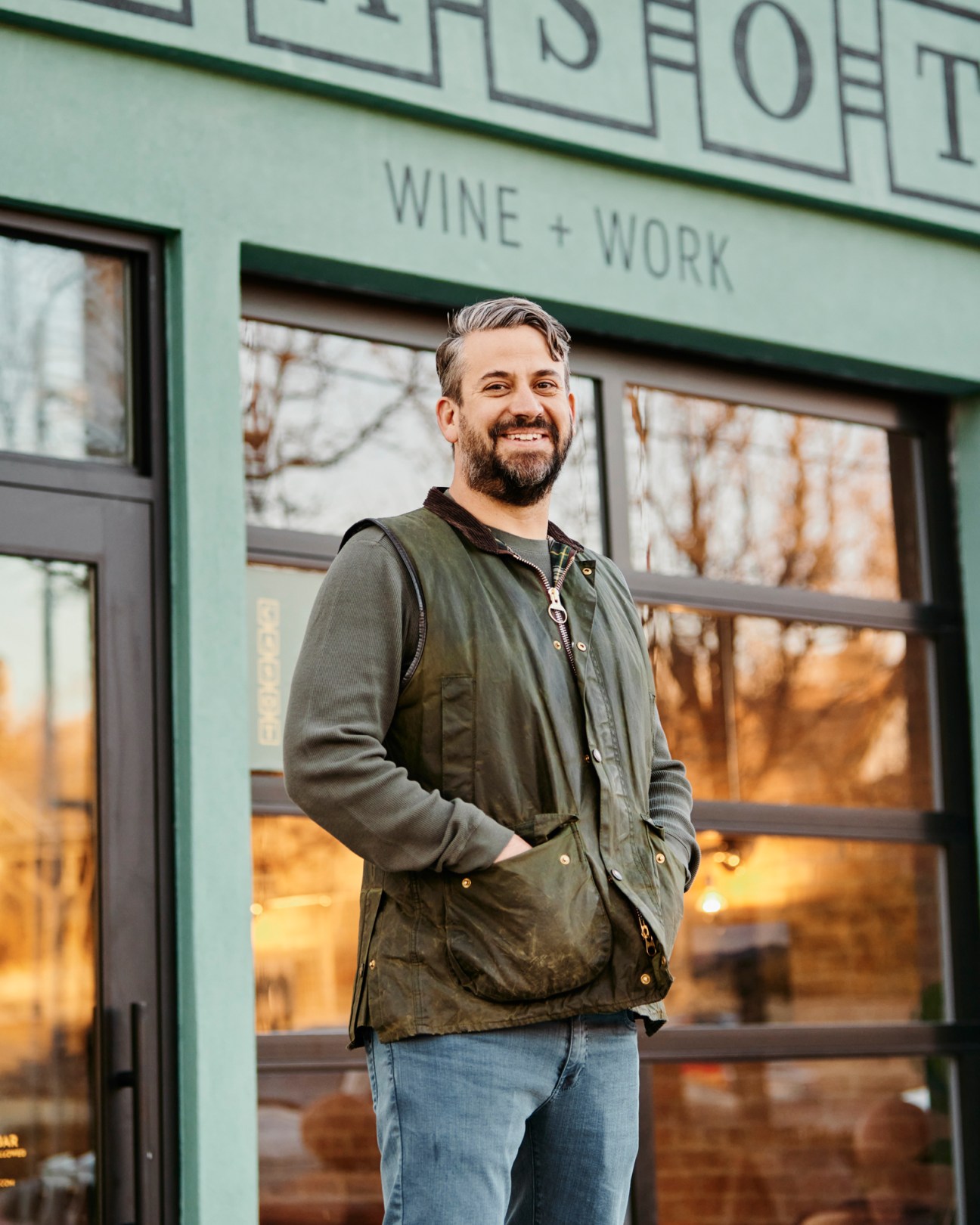
The church’s holdings include malls and high-rises all over downtown and there’s long been a perception that investment stays within this community. But Jim Sorenson, the scion of one of the richest Mormon families in Utah, says that investors know that the influx of good, smart people to Salt Lake needs to continue and his fund Catalyst has so far poured $100m (€90m) into the redevelopment of the Granary District. The Mormon grip on Utah law has also relaxed. For instance, until 2017 restaurants had to keep the mixing of drink out of sight of their punters, fearing that the seductive shimmer of a well-slung cocktail shaker could entice impressionable youth. This required a so-called “Zion Curtain”. “We had to add a giant opaque box to the bar where we made cocktails,” says food entrepreneur Scott Evans, who founded the popular tapas restaurant Finca that occupies a bustling little cottage in the 15th & 15th neighbourhood. “It was not the experience we were going for.” When the law changed, one restaurateur unbolted his Zion Curtain and smashed it in the street, while Evans put his out in the cold Utahan night, where it remains to this day as a patio bar.
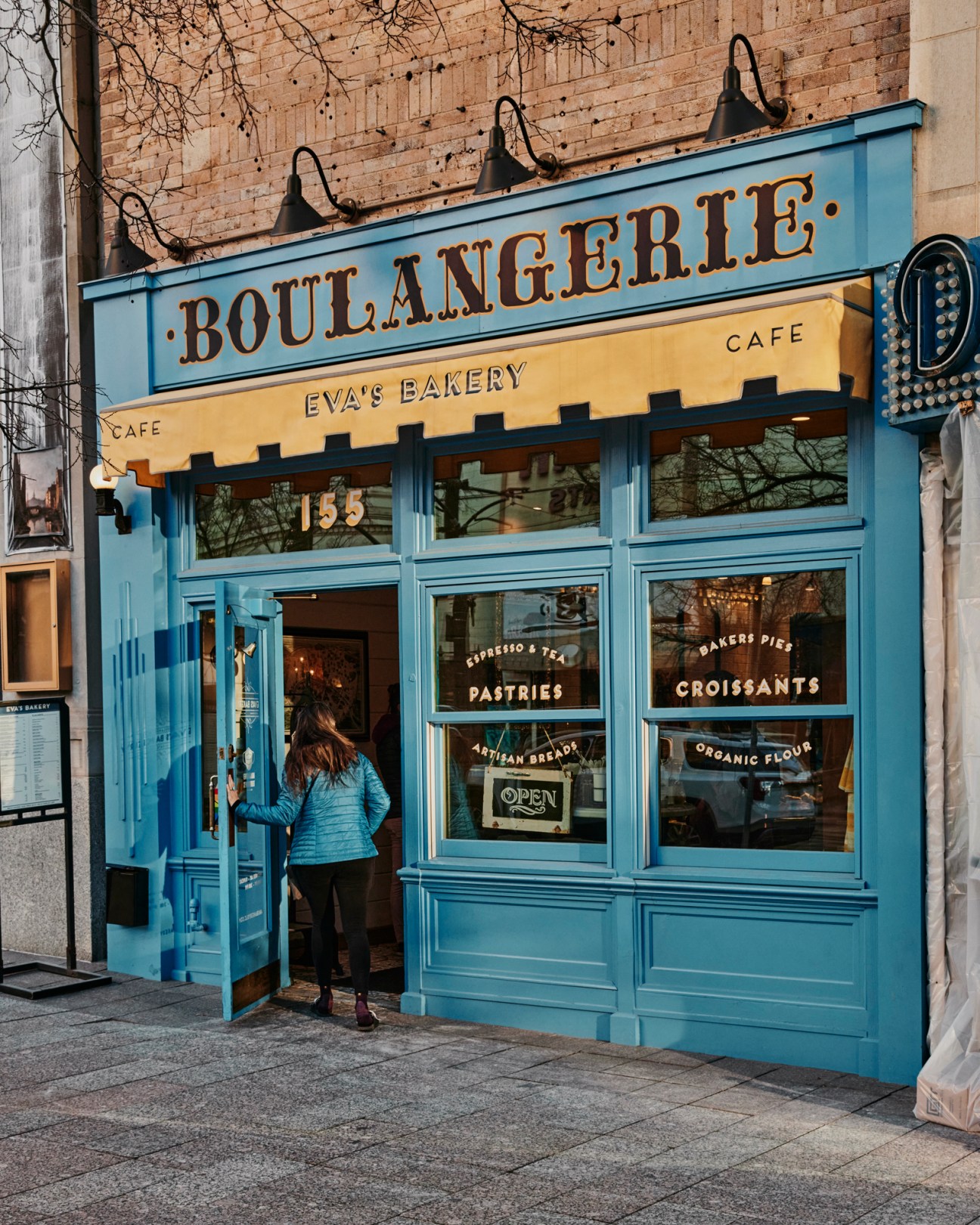

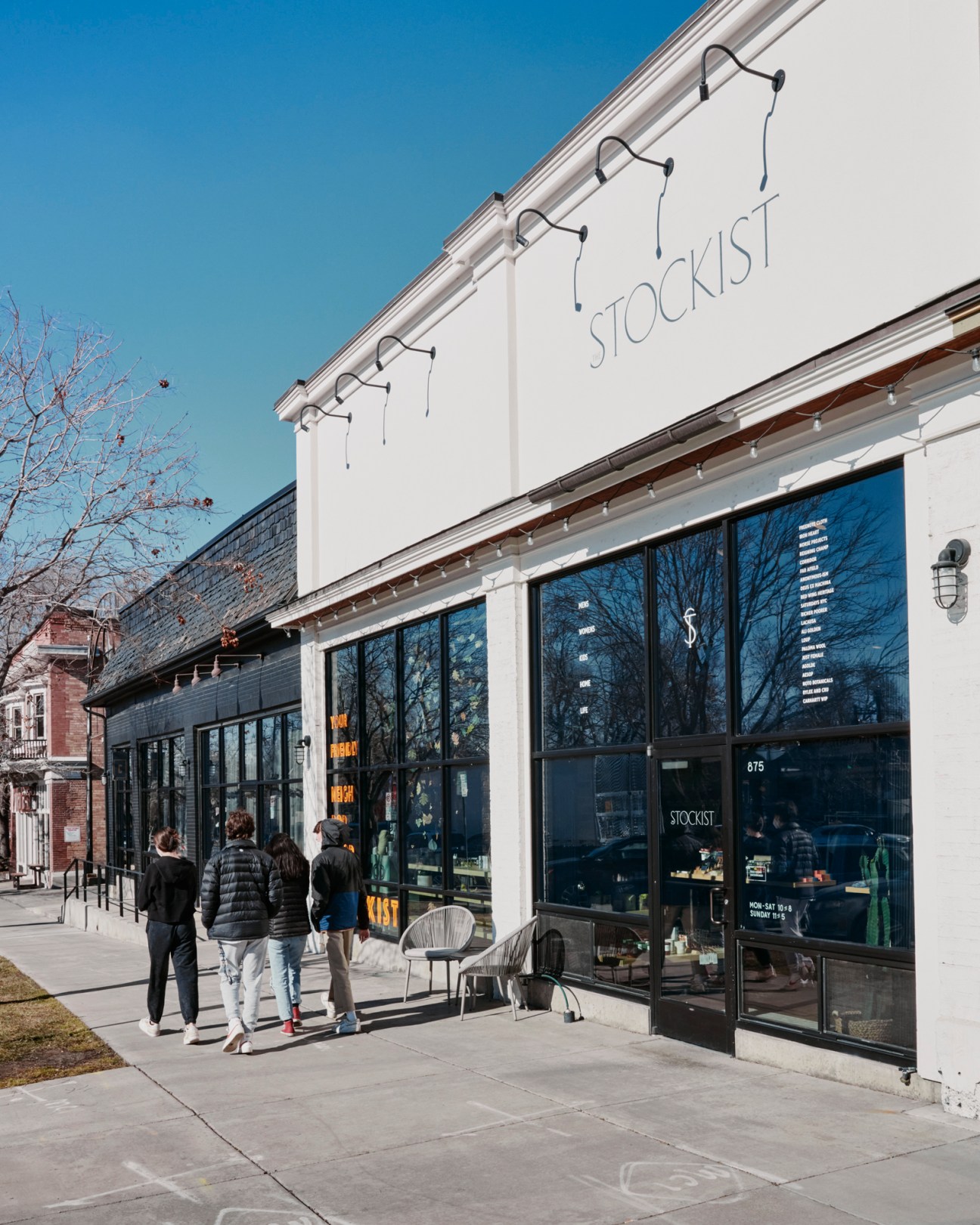
The debacle hasn’t scarred business in the long-term. Almost every bartender and restaurateur Monocle spoke to had just started a new venture or was about to launch one: Evans opened a wine bar called Casot in December and is at work on a project mining Utah’s culinary history; The Ruin Bar recently moved into a bigger location on Main Street; and state senator Derek Kitchen will soon open a second branch of his Lebanese restaurant Laziz. “We have people saying, ‘I’m surprised this exists here; I came from the Bay Area and this feels like home,’” says Kitchen.
The seeds of today’s population boom were planted in 2016 when a generation of young Mormon CEOs clustered their software start-ups in a farmland town called Lehi, 30 minutes south of Salt Lake, and dubbed their enclave Silicon Slopes. The sector has since snowballed, with new talent and venture capitalists jetting in, with billion-dollar valuations and many of the high-roller auspices of San Jose – albeit with soft-serve ice cream rather than beer kegs.
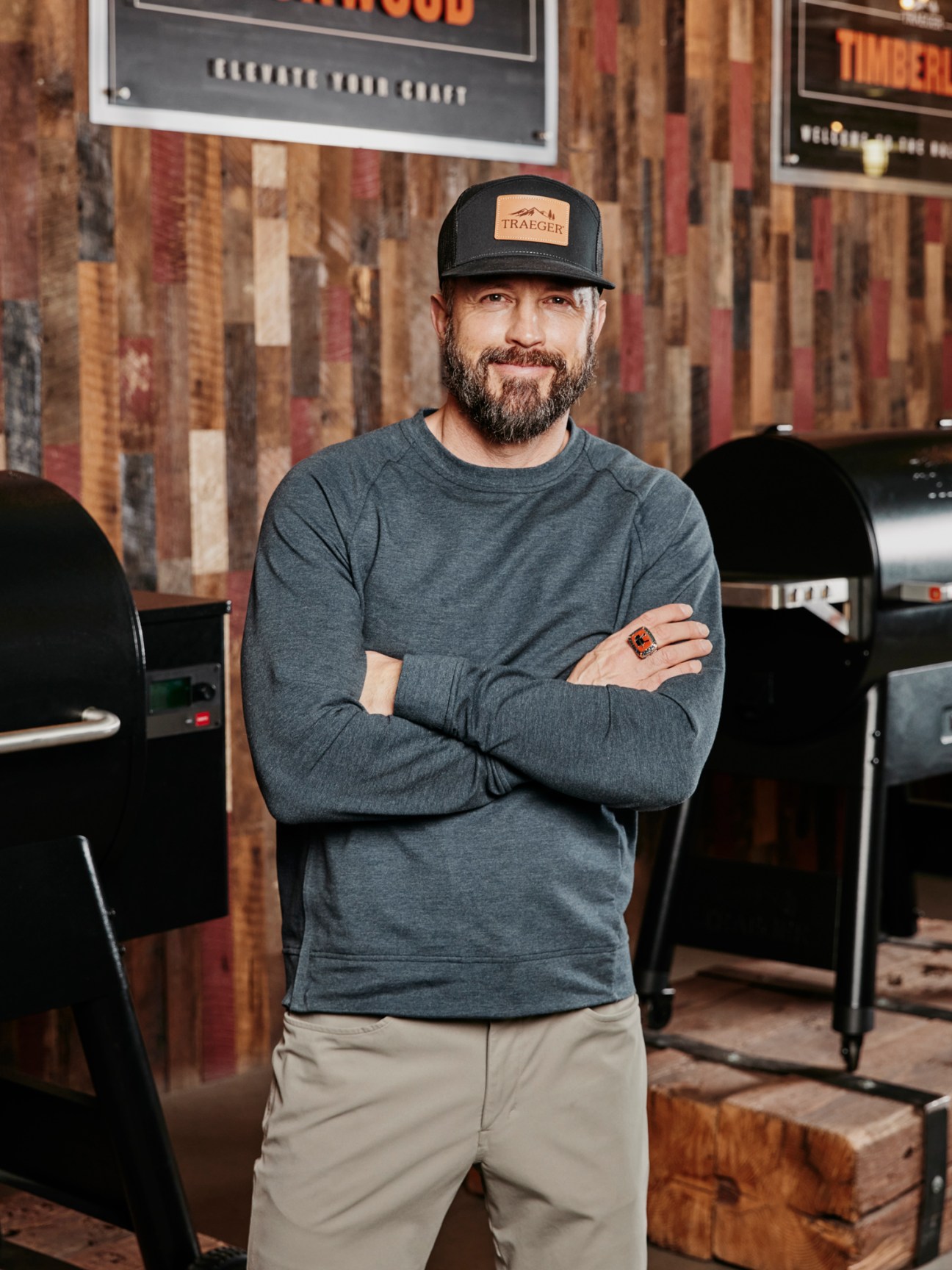
A fixture at Silicon Slopes’ annual summit is Jeremy Andrus, who left the Bay Area for Utah to be an entrepreneur. In 2014 he acquired Traeger Grills, a manufacturer of high-end outdoor grills, and after two years moved the business from Oregon to Salt Lake. Last year, Traeger Grills filed to go public. “I believe in building a culture that is entrepreneurial because we’re building a disruptive brand and you really sense that in Utah; it’s a mindset that’s great for a growth-focused business,” says Andrus. “And work- life balance is possible here. Monday mornings I’m up at 05.00, rain or shine or snow, with a headlamp, trekking up a mountain that’s 10 minutes away.”
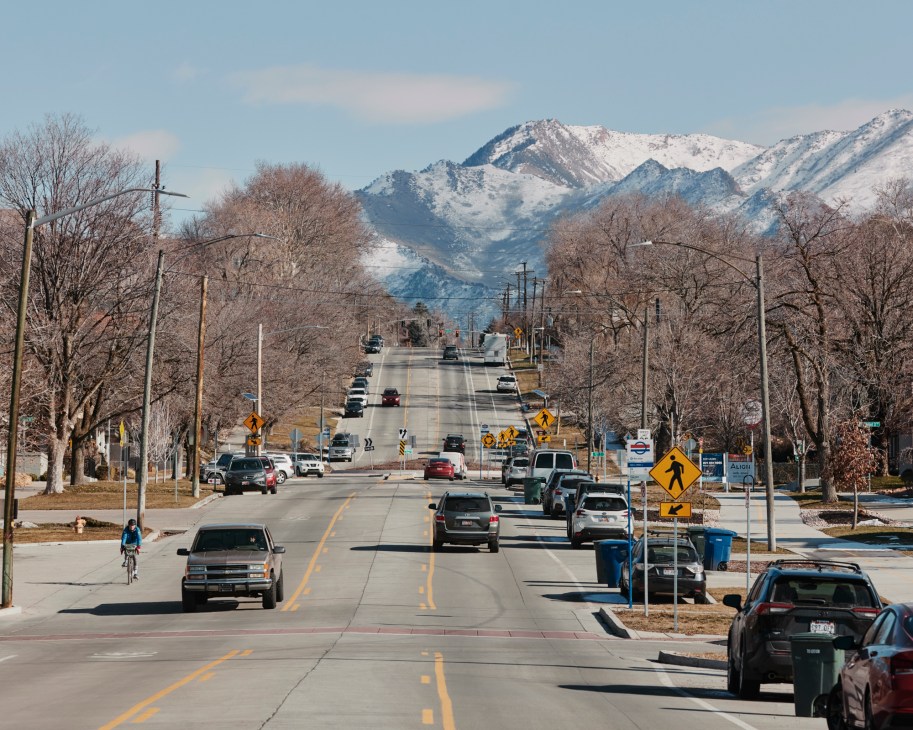
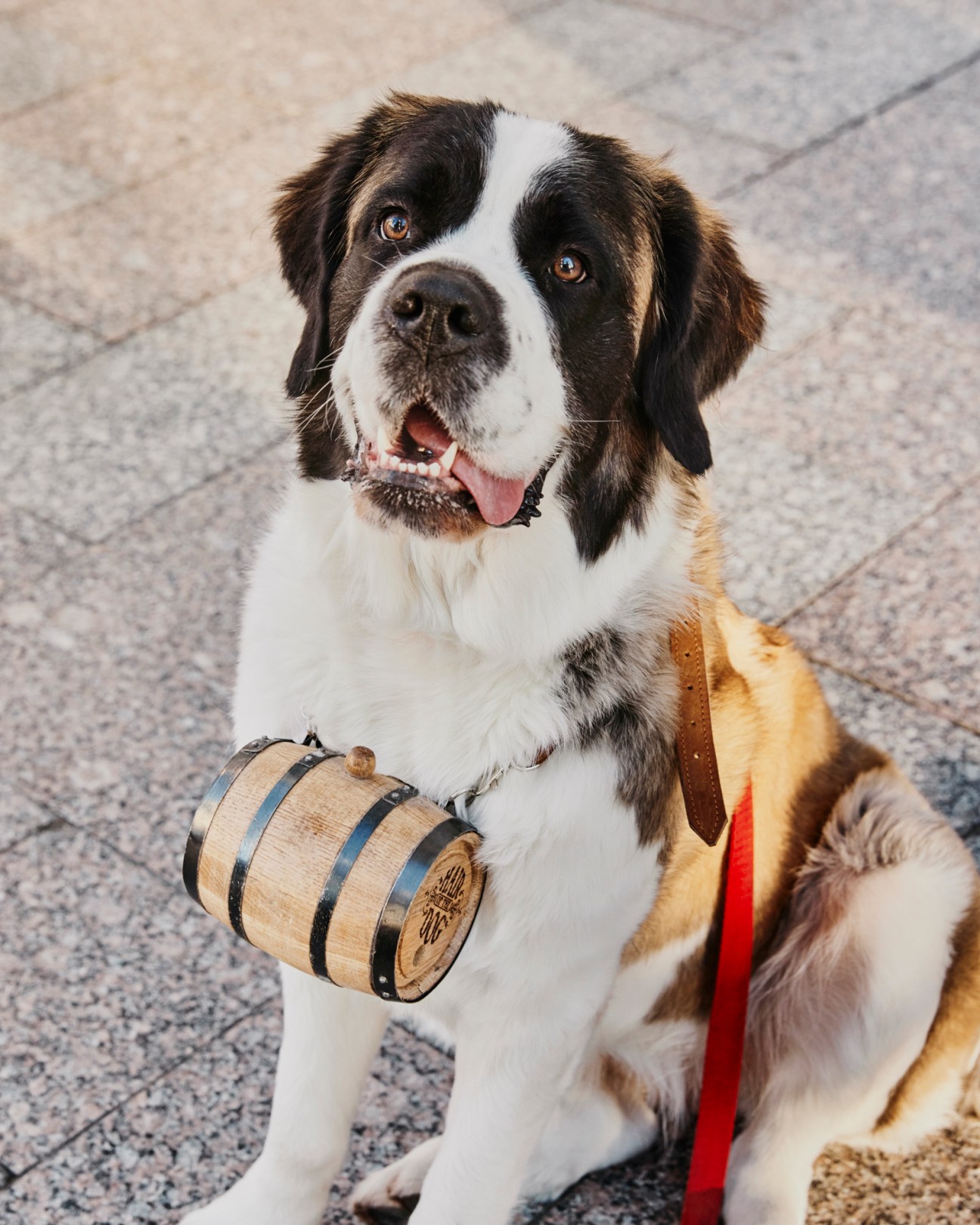
All this growth is not without its challenges, of course. Rents, for one, are soaring. Not that it’s made self-professed ski bum Kevin Boyle think about being anywhere else. He co-launched outdoor brand Alfwear from his truck in the early 1980s, selling flapped fleece caps that were briefly a cult item in Japan. The brand evolved into Kühl in the 1990s and is now, by some estimates, the second-largest independently owned outdoor-clothing company in the US, with shops in Park City, Seattle and San Francisco. His workforce of 150 has remained in Salt Lake City.
“It’s a great crossroads,” says Boyle. “And it’s easy to ship around the world; the rails come in right from the coasts. This is truly the heart of the Rockies.”
Can the Republicans take the centre ground?
The debate
Campaigning is afoot for the US midterm elections in November. Though both parties are gearing up for the fight, with hundreds of billions of dollars already raised, it is widely expected that the Republican Party will reclaim the House of Representatives and very possibly the Senate. If so, the party would find itself able substantially to dictate the domestic agenda for the remainder of Joe Biden’s term.
It therefore matters what kind of party it wants to be. After Donald Trump lost the 2020 election, there was some hope among his critics that his defeat might break the fever of delusion and grievance that had consumed the Grand Old Party (GOP), as it is colloquially known. There has been little indication of any such respite. The party has become dominated by a Trumpist faction and its hero might well make a second bid for the presidency in 2024.
No political party has a divine right to exist. Indeed, American parties that once seemed to be inexorable fixtures have faded and expired: the ninth, 10th, 12th and 13th presidents were all Whigs, a party that disbanded in the 1850s. But no sensible citizen wants to live in a one-party state, even if it’s the party they vote for, and any grown-up democracy should include a party that represents the conservative case, ideally with phlegmatic common sense.
Can the gop be returned to its upright and serious founding principles? If so, how? And if it can’t, or won’t, then what?
Meet the panel

Peter Meijer
The congressman
Meijer is the member of the US House of Representatives for Michigan’s third district and one of only 10 Republican congresspeople who voted to impeach Donald Trump after last year’s Capitol riot. Prior to his election in November 2020, Congressman Meijer worked in conflict analysis in Afghanistan and disaster response in South Sudan and elsewhere. He also served in Iraq as a US army reservist.

Kathryn Cramer Brownell
The historian
Cramer Brownell is an associate professor at Purdue University, where she teaches 20th-century US history. She specialises in the intersections of American politics, media and popular culture, and is the author of Showbiz Politics: Hollywood in American Political Life. Her forthcoming book documents the political history of US cable television.

Tom Nichols
The pundit
Nichols is a contributing writer at The Atlantic and the author of several books, including The Death of Expertise: The Campaign Against Established Knowledge and Why It Matters and Our Own Worst Enemy: The Assault from Within on Modern Democracy.
Congressman, you’re running for re-election. Let’s imagine that I’m an open-minded constituent of Michigan’s third district. What’s your pitch to me?
peter meijer: If you look at what has gone right in this country, it has been things that have focused on more regional governance. What we’ve seen in Washington, in less than a year, has been a strong consolidation of power not only by the federal government but also within the federal government, by the executive.
Is the Republican Party still capable of delivering those, though?
PM: Right now it’s the only party that has at least a pretence of the ideological underpinnings that could.
Tom, you’ve been a very vocal ex-Republican in recent years. Would you still consider yourself such?
tom nichols: Oh, yes. Today more than ever. I just disagree with the congressman. There is no ideological underpinning to the Republican Party. There is no policy more important than the constitutional integrity of the government. And that’s under attack from the Republican Party – my former party, of which I had been a member since 1978, which has become an authoritarian vehicle. I’m no longer a Republican but I’m a conservative. I have plenty of issues with the Democratic Party but I’m standing with a pro-democracy coalition against authoritarianism. To me, that’s the only issue.
Is what has happened to the Republican Party in the past five to 10 years unique in US history?
kathryn cramer brownell: Over the course of the 20th century there was political realignment in both parties but what is new is this emphasis that began under Donald Trump’s presidency on conspiracy theories and misinformation as a way to govern. That’s different. Politicians frequently try to manipulate and spin information but this invention of an alternative reality is now very much the crisis of the Republican Party.

“Politicians frequently try to manipulate information but this invention of an alternative reality is now the crisis of the Republicans”
We shouldn’t spend too much time on the problem – but to find a possible way out of it, it’s worth considering whether this was inevitable. Was it?
TN: No. If I had to put my finger on when I began to feel unease, it was when I worked in the Senate in the 1990s for John Heinz, who today would have been hounded from the party. It was Newt Gingrich’s revolution, where winning became more important than believing in anything and making other people mad became more satisfying than governing. Now is the first time that a major party hates and fears its own constituents. That’s partly why I don’t hold out any hope for the Republicans.

“Fox exists for the same reason that junk food exists: it’s bad for you but people like it”
Congressman, does the Michigan third frighten you?
I’m wondering whether there’s a conversation among Republicans about a fear of confronting the manias of their voters who might be very angry – and armed.
PM: On the margins. But the broader trend is just a lack of conviction, or lack of leadership. I talk to plenty of constituents who vehemently disagree with some of my stances but are desperate for somebody whom they can look up to. This is part of the reason why you saw a reversion to a Trumpian mode after [the Capitol riot]: this window opened and nothing filled it.
Is there any hope that things might correct themselves if Trump were no longer involved?
KCB: He’s not the first politician to have created this celebrity persona: you saw it in Franklin Roosevelt, John F Kennedy and Ronald Reagan. He’s the culmination of many shifts in media and politics, the fusion of entertainment and politics, over the past century. But the party leaders’ dedication to him as an individual, not standing up to him when he does egregious things – not just flouting norms but potentially the law – that’s different with his presidency and post-presidency.
TN: I want to push back on a couple of things. We’re talking about Donald Trump as if he is in a tradition of outsized presidential figures and not what he is, which is a mentally unstable, sociopathic autocrat. I also want to push back on congressman Meijer’s narrative that, well, what can you do? That’s a rationalisation for having to deal with the fact that those voters just want to trust someone. The reason that they don’t is that they won’t turn off their televisions, won’t read a newspaper and gorge themselves on a steady diet of insanity that they love. Fox, the internet and these podcasts don’t exist because they’re trying to get the truth to people. They exist for the same reason that junk food exists: it’s bad for you but people like it. And they eat it by the tonne.
Is there a chance that we could see that appetite starting to ebb, if it becomes more obvious that the falsehoods reported by conservative media and the online realm simply aren’t happening?
KCB: This has developed over time; it has strength and has become embedded in conservatism. It’s also about what sells. Today if you look at some of the financial structures around subscription television or podcasts, they don’t necessarily have to be dependent on advertisers; they just need the loyalty of their viewers. So there’s an emphasis on getting a very loyal viewership. That outrage drives the programming and cultivating it helps to do that.
“I talk to plenty of constituents who disagree with some of my stances but are desperate for somebody whom they can look up to”
PM: In order to exploit something, you can fabricate it – and there certainly have been fabrications – but it’s a lot easier if there is a modicum of truth. We are, for now, the sole global superpower and yet the amount of mediocrity and incompetence that we seem to tolerate in any number of areas is what gives rise to that impulse, which is exploited by the extreme media.
TN: And this is where a responsible conservative party would throw some of this back onto the citizens of the US and say: “You have to take some responsibility here. You have to be stoic. You have to be an adult.”
“Certainly one of the lessons that we can take from the 2016 election is the importance of calling out misinformation”

Would it help if the media was more rigorous in how it reported the Trump phenomenon? How do you cover someone who thrives on attention?
KCB: One of the lessons that we can take from the 2016 election and the Trump presidency is the importance of calling out lies and misinformation. But another issue that is not talked about enough is the need to teach media literacy: how to understand information and evaluate sources and biases.
Congressman, do you have any worries that maybe you’re not the future of the Republican Party?
PM: To be clear, the likes of [Georgia representative and Trump ally] Marjorie Taylor Greene are exponentially more powerful and influential within the gop today than they were a year ago. But we were missing the forest for the trees a little with the role of Trump in the existential dilemma. In my view, the threat is the person sitting there taking notes and saying that we can do this in a smarter, sharper, more disciplined, more strategic way, so that in our quest to accumulate and exert absolute power, we don’t make the same mistakes that Trump did.
TN: I don’t think that rescuing this Republican Party from extremists is going to happen. Marjorie Taylor Greene scares [House minority leader] Kevin McCarthy and if McCarthy becomes speaker, you’ll have a Congress run by kooks. There is no path back from this, other than to defeat the Republican Party as an institution, to prevent it from holding those levers of power.
Is there a way of working around the extremists? Is there a viable centre ground in the Republican Party that can be reclaimed – and if so, how?
TN: No. The Republican Party I knew died at least four or five years ago. I wish the congressman all the best but the moderate Republican Party can’t just be him, me, Liz Cheney and three other guys in Rhode Island.
PM: There are normal people planning for what comes next. And there are also some very crazy people doing the same. Our thoughts should be on both: supporting and buttressing institutions, keeping people who are thinking about the long term in office, getting people who have that orientation into office and not just succumbing to accelerationism. I mean, you either stay or you go. I’m going to stay and fight. Not screaming from a mountaintop but in a quiet, persistent way. But as a freshman member of Congress, I’m under no illusion about my degree of power or agency.
Let’s try to be a bit optimistic. If we’re all agreed that a sensible and serious conservative party is a necessary component of a great democracy, who would we choose as a unifying, stabilising figure to be the Republican nominee for president in 2024? Congressman Meijer might just be old enough by then…
TN: I wouldn’t nominate the congressman because I wouldn’t do that to him; that’s just unkind. I would love to see a bipartisan government of national trust. There are centre-right figures who could be part of such an administration. But until the madness passes, I don’t think the answer lies there.

“The party has become one of complaint, grievance, victimhood and misery about how they’re the most put-upon people in the world”
PM: I have who I would like it to be and then I have who could actually win – and the centre of that Venn diagram is challenging. The challenge for a moderate, which I do not define myself as, is that it becomes squishy. You can wind up with the worst of all worlds if it’s someone who doesn’t really stand for anything. I share Tom’s concern that I taint anyone I endorse but perhaps Chris Sununu, governor of New Hampshire. I love the fact that he held a press conference at which everybody wanted him to run for the Senate and effectively just said, “Yeah, Washington looks like it sucks.” You need someone who’s going to be a bit pugnacious but who only does that when they need to, who isn’t waking up every morning thinking, “Who can I swing at?” But the idea that the president is going to be a saviour is part of our problem. We’re always looking for that salvation.
KCB: As a historian, I do not predict the future. But what would be most important is someone who is rooted in reality, respects the democratic process and institutions and has done something to actually defend democracy at this particular moment, when it is being threatened. We need someone who navigates in facts, rather than conspiracy theories and misinformation.
“The idea that the president is going to be a saviour is part of our problem. We’re always looking for that salvation”

TN: With the honourable exception of the Republican congressman in this conversation, the party has become one of complaint, grievance, victimhood and misery about how they’re the most put-upon people in the world. That is not the conservatism that brought me into the Republican Party. That was not the party of Ronald Reagan, which won 49 states in 1984. This is a party that has a vested interest in terms such as “American carnage”. Until that ends, there’s no way out of this.
Conclusion
The US, like every democracy, needs a party making the conservative case – and in the US the case for individual liberty and responsibility should, in theory, be easy to make. The Republican Party remains fond of pitching itself as that of Lincoln, Theodore Roosevelt, Eisenhower and Reagan. It would be something to see the gop conduct an honest and open conversation about why it would not now nominate for president anyone resembling any of those leaders.
Can an obscure UN agency control the coming scramble for resources on the deepest seabed?
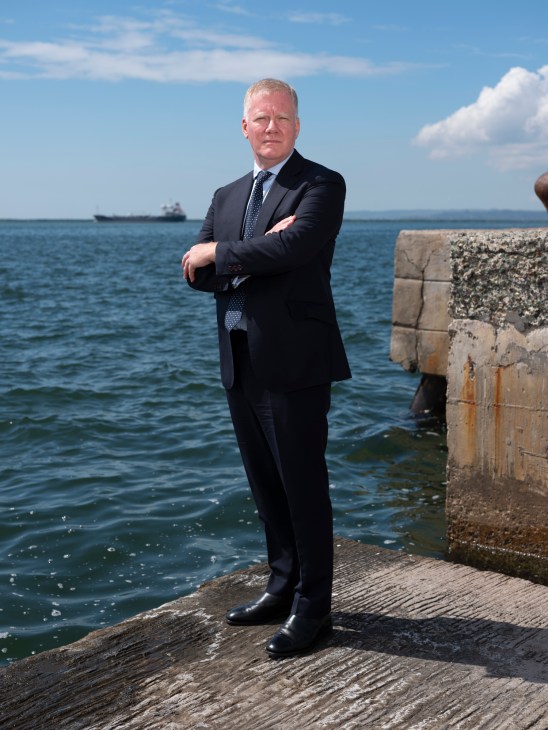
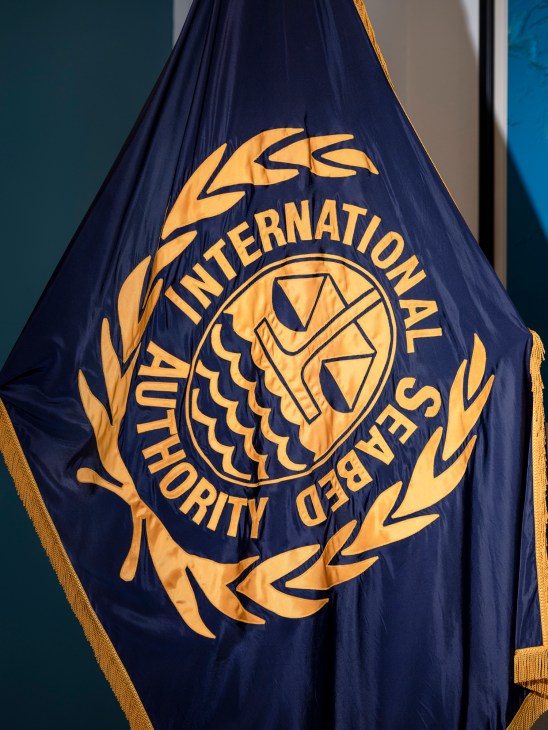
In his sea-facing reception room in downtown Kingston, Jamaica, Michael Lodge is running out of space. As secretary-general of the International Seabed Authority (ISA), Lodge receives diplomatic gifts from all over the world: a commemorative plaque from Mauritius, tapestries from China, Tongan woodcuts. There are so many trinkets that they’ve now filled the shelves and are lining the corridors.
It’s not surprising. The organisation Lodge heads up grants contracts to nations to explore and, some day, extract the wealth of precious metals found in the seabed in international waters. It is perhaps the most important multilateral body that almost no one has heard of.
Deep-sea mining – exploration at a depth of 200 metres or more – is currently forbidden until a set of regulations for the industry can be agreed on by the 167 member states, and the EU, who send representatives to the ISA. They’ve been at it for 30 years. But in July 2021, tiny island nation Nauru fired the starting gun: it informed members that it would apply for a contract to extract metals from a patch of seabed in the eastern Pacific. This in turn triggered a clause inscribed in the UN’s Convention on the Law of the Sea, which means that negotiations on the rules for deep-sea mining, so as to assess Nauru’s application, must be finalised within two years.
The next meeting of ISA member states is in August and the representatives have entrenched differences to unpick; the pressure is on to find agreement by summer 2023. If there’s a glisten on Lodge’s brow, then it’s probably not just the mid-morning sun filtering in between the blinds.
“You know, we’re not all coming to Jamaica just to go to the beach and to continue discussing something that will never happen,” says Lodge, a Brit who doesn’t mince his words. “In a way, that clause is doing us a favour; it’s concentrating minds.” One thing that irks the team at the ISA is the line that we know more about the surface of the moon than the deepest parts of the ocean. No doubt the deepest seabeds are among the world’s last great untouched wildernesses, where almost every expedition uncovers new species and new facets of life at extreme depths. But, Lodge and his colleagues say, we know much more about the deep than is commonly thought – and that knowledge is accelerating quicker than ever before.
There are vast fields of so-called polymetallic nodules – tightly compacted clumps of copper, nickel, manganese and cobalt, fused over millions of years – that form like cobbles in the seabed. These rare metals are crucial for making the batteries that go into electric cars and smartphones, and have been found at a sunless, otherworldly depth of several kilometres called, rather poetically, the abyssal plains. The majority of the world’s cobalt currently comes from the Democratic Republic of Congo, which is rife with child labour scandals and reports of environmental catastrophe.
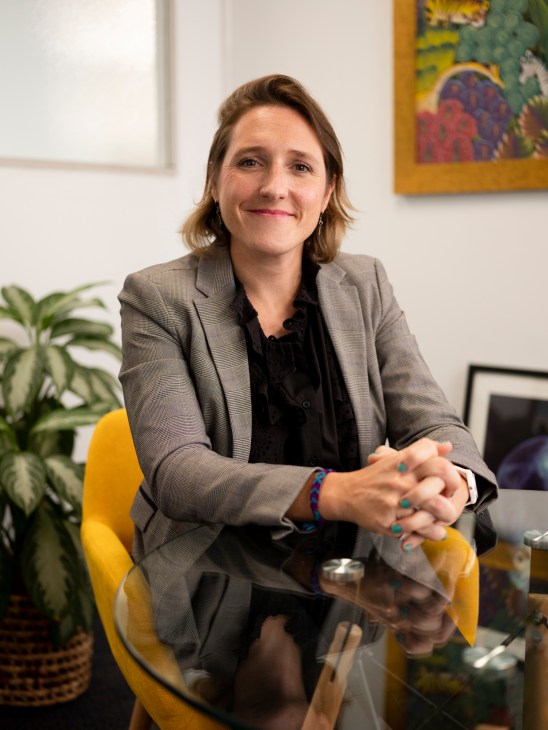
“Consumers were horrified to learn that their Teslas or their iPhones could potentially have had this cobalt in it,” says Corey McLachlan, head of stakeholder engagement at The Metals Company, a Canadian start-up that has partnered with the Nauru government. His company has designed a mollusc-shaped vehicle capable of sucking nodules off the seabed, and touts its method as a less wasteful, less polluting alternative to any mining that happens on land. In September, a union of environmental campaigners demanded a moratorium on future deep-sea mining, noting the Nauru case and arguing that we don’t know anywhere near enough about the ecosystem of the seabed to start hoovering it. The concern is particularly about the plumes of sediment it will kick up. BMW, Google, and Samsung have all added their voices to the call. McLachlan counters that this industry, unlike any other, is being tightly regulated before any activity has ever taken place: “If we’re going to get to a zero- or low-carbon world, it’ll require a significant injection of new metals,” he says.
Mining the seabed is expensive – a fact that has stymied the industry in the past. But the growing demand for electric vehicles has the potential to spur a gold rush. The job of the ISA, then, is to prevent a destructive scramble for resources. Founded in 1982, the ISA was modelled on a consensus system like a mini-UN: representatives of 167 countries and the EU gather in Kingston every year (the US never signed up but sends observers) to work out how to manage deep-sea mining outside national jurisdictions, while ensuring that it doesn’t cost us the Earth.
“I don’t report to António Guterres,” says Lodge, as we pass a photograph of him with the current secretary-general of the UN. Indeed, the ISA was established as a wholly autonomous body, mandated under the UN’s Convention on the Law of the Sea, the rules governing the use of all oceans and their resources.
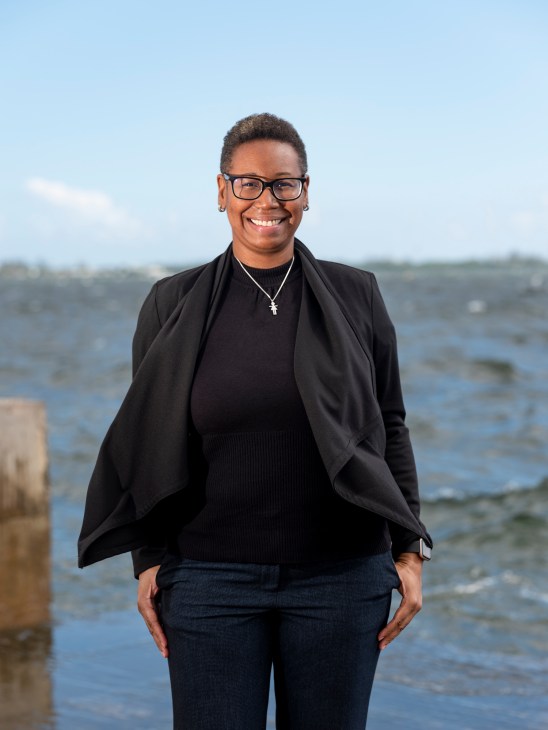
“The negotiators [of the convention] had a vision for what was needed so that these minerals do not become a source of war or political instability, at a global scale,” says Marie Bourrel-McKinnon, a French expert on the legalities of the ocean and Lodge’s senior policy advisor. “There was an understanding that if we want to live together, we will need to agree on a regime for deep-sea mining that would one day come alive.”
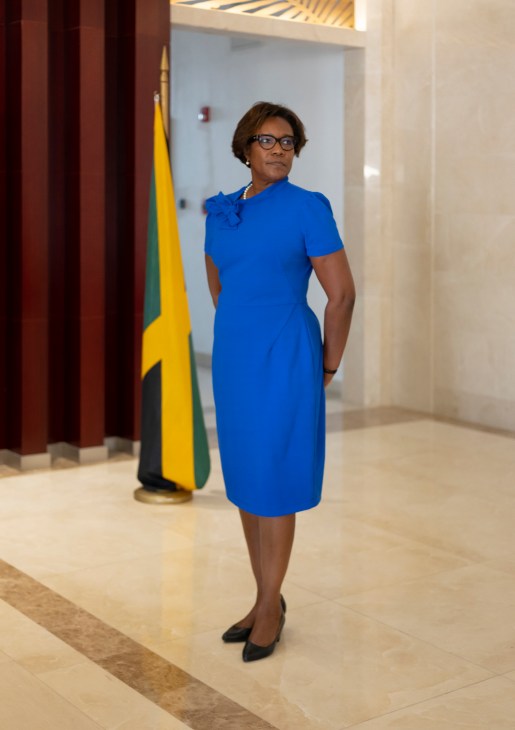
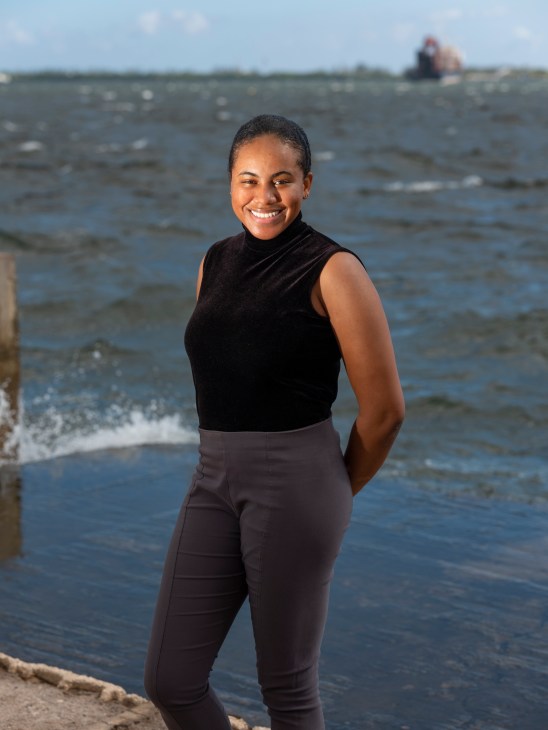
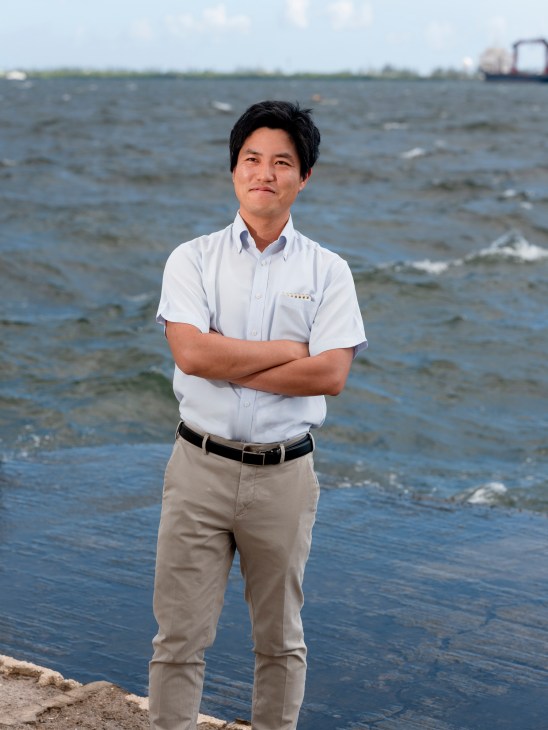
That day may be closer than we think. The ISA’s 50-strong team, representing 20 nationalities in all, are working flat out ahead of the next meeting. Japanese researcher Kioshi Mishiro is just back from seven weeks on a boat in the eastern Pacific, crunching vast amounts of raw data gleaned from the abyss. He enthuses about the importance of the work, “although I did spend the first week totally seasick,” he says with a smile.
Ulrich Schwarz-Schampera holds up a two million-year-old shark’s tooth encrusted with precious metals. “You get a completely different view of light down there,” says the German geologist about his deepest 1,500 metre dive. “Especially with the bioluminescence; you see nothing for miles and then – pow! – a creature flashes and disappears into the darkness.”
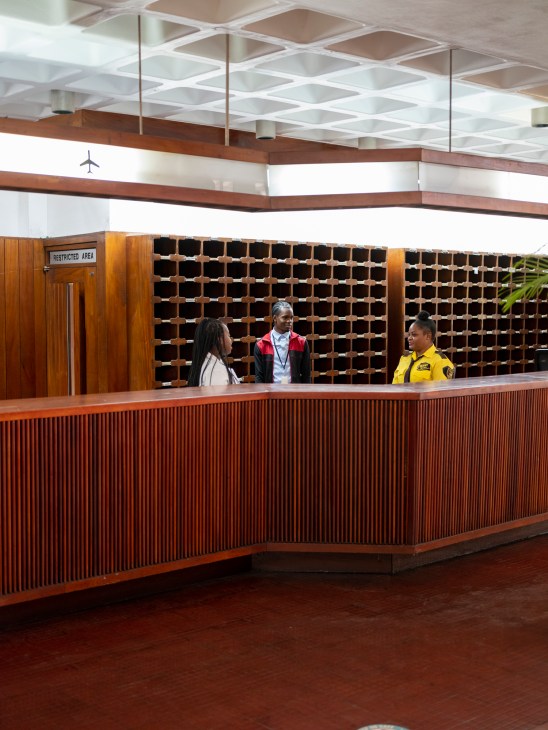
We’re taken around the ISA’s well-thumbed library of ocean law, and its fastidiously-kept records of every meeting in Kingston since 1994. “It’s good that we’re the ones bringing everyone together to get the job done,” says Jamaican administrative assistant Camelia Campbell. Her colleague and compatriot Sheldon Carter agrees. “It gives me a lot of pride that this is the host country,” he says.
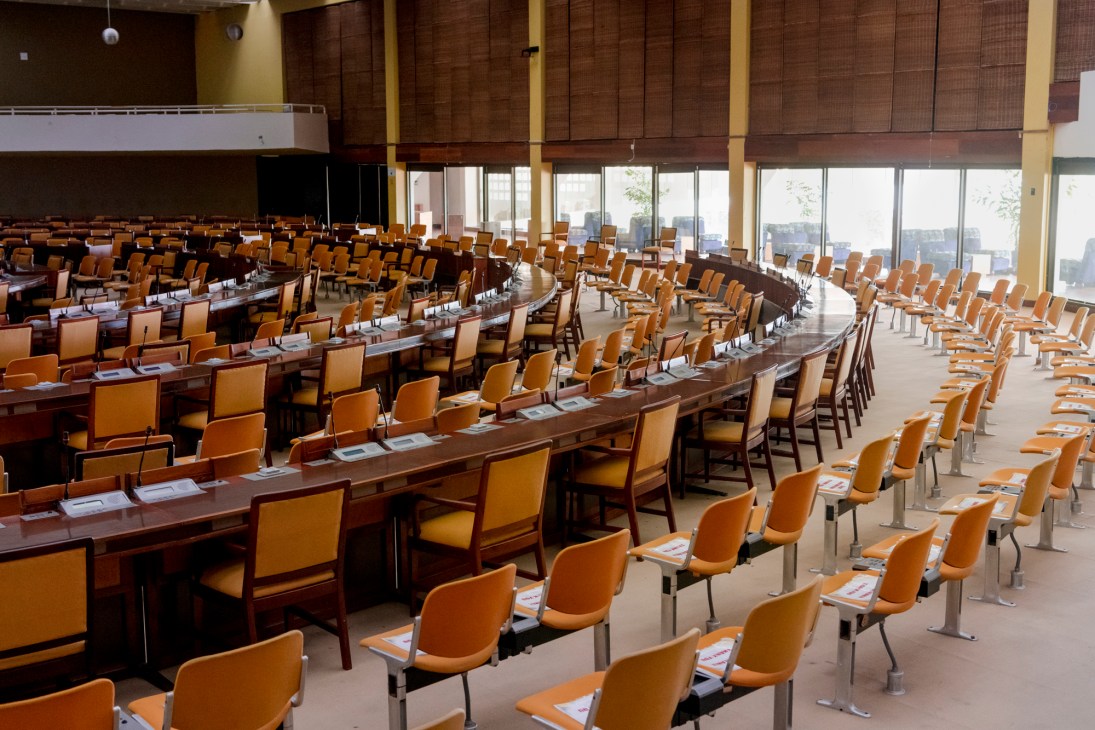
How the ISA ended up in Kingston goes to the core of its mission. According to Lodge, the UN wanted global institutions outside of the typical diplomatic centres of London, New York and Geneva; Fiji and Malta were also contenders. Even the tropical modernism of the conference hall, purpose-built in 1982 by a Jamaican architect, harks back to an age of confidence, with locally-woven baskets in the ceiling for acoustics and vast windows that allow light to pour in off the Caribbean Sea outside.
In the same spirit, the Law of the Sea states that international waters and their mineral wealth belong to no one – it is the “common heritage of mankind”. This means that any seabed spoils must be distributed between all nations; rich and poor, landlocked or maritime.
That principled stance, however, has become a sticking point. Economists at MIT have been trying to work out how the considerable bounty from deep-sea mining could be divvied up fairly. Previous efforts to find an equation have come up with trivial if equitable amounts, or had countries with vast populations, such as India, taking the lion’s share. Another option, says Lodge, is to set up a sovereign wealth fund for the ocean “to generate more scientific knowledge, to fund international exploration and development projects that would assist least-developed countries”.
Every application to explore for minerals must include a provision of seabed reserved for developing nations. Many small island states with limited resources, such as Nauru, regard this industry as one they might call their own. “We have actually just now started sponsoring exploration,” says Alison Stone Roofe, Jamaica’s permanent representative to the ISA, who came to the post after being her country’s first ambassador to Brazil. Jamaica has partnered with a UK-Danish firm, Blue Minerals Jamaica Ltd, to explore for nodules in the eastern Pacific; Tonga, Kiribati and the Cook Islands have their own sponsorship deals.
“I’m very confident that the next few years will be progressive,” she says, referring to the revved-up pace of negotiations at the ISA. “We don’t want it rushed. It needs to be rule-driven and with regulations that make sense and really contribute to the protection of the marine environment.”
The clock is ticking. If negotiations aren’t finalised by next July, then Nauru’s application to begin mining would be considered according to what’s been agreed so far – even if the regulations are still in the draft stage. A number of ISA member states have criticised the fast-tracked talks, while conservationists insist that it’ll rush through rules at the expense of our oceans. Marie Bourrel-McKinnon at the ISA believes that we should have faith in countries’ sense of responsibility. “Trust the governance,” she says. “Trust the fact that multilateralism has been able to save us and protect us for more than 70 years. This is the only way for us as human beings to live together.”
Yet this optimism sounds like a throwback to a more collegial age, when the world had more faith in multilateral bodies and the rules-based order, which nowadays seems permanently on its sickbed. If deep-sea mining proves to be workable and lucrative, what is there to stop powerful or belligerent powers from going down to the most obscure parts of the ocean and taking its riches for themselves? Lodge scoffs at the question. “Who is going to do that, knowing that this is contrary to international law – a rogue state, North Korea? It doesn’t make sense.”
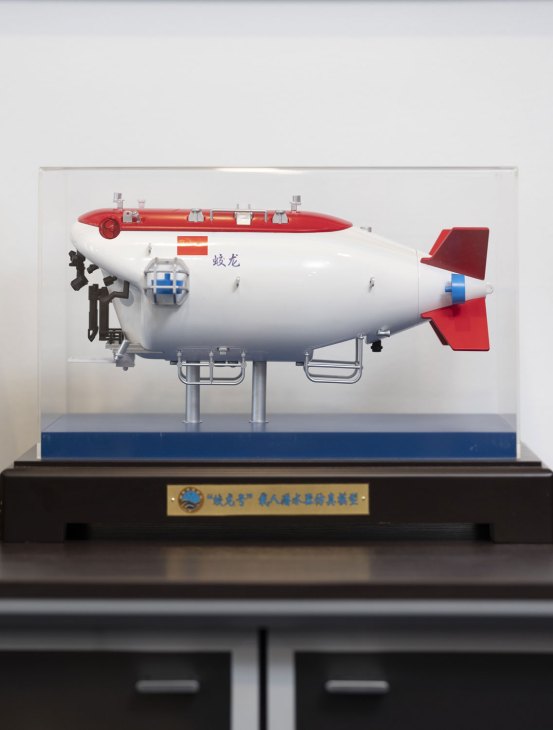
There may be, in Lodge’s office, a ceremonial plate in cyrillic and a Chinese-made model of a fish-shaped submarine but it’s not too hard to think of a situation in which a country has run roughshod over UN rules.
“You need to operate within the regime,” says Lodge. “It’s just such a difficult enterprise to take part in. This needs a high level of investment [and] co-operation.”
Perhaps it’s the vastness of scale in which the ISA operates – the great blue beyond all borders – which gives this sense of perspective. As we walk down to Kingston’s waterfront for photographs, Lodge tries to explain one of the great misconceptions about deep-sea mining.
“People think it’s working just out here,” he says, pointing to the calm natural harbour in front of Port Royal. “But no.” Lodge pauses, shielding his eyes and gazing into the hazy, choppy horizon. “It’s sailing for eight days – into all that.”
Defending the impossible
It’s 21.16 on Friday 13 November 2015 in the Saint-Denis suburb of Paris. A friendly match between France and Germany has been under way for about 15 minutes when a huge explosion is heard outside the Stade de France. Neither the players nor the 80,000 spectators realise it yet but a suicide bomber has just activated his explosive belt. He has killed himself and a passer-by and seriously injured dozens more. At about 21.20, a second blast echoes through the stadium. Another suicide bomber has detonated his explosives, this time without causing any loss of life apart from his own. At this moment, Patrice Evra, left-back for Les Bleus, has possession of the ball. He pauses and then looks towards the sky. This image will become engraved in people’s minds.
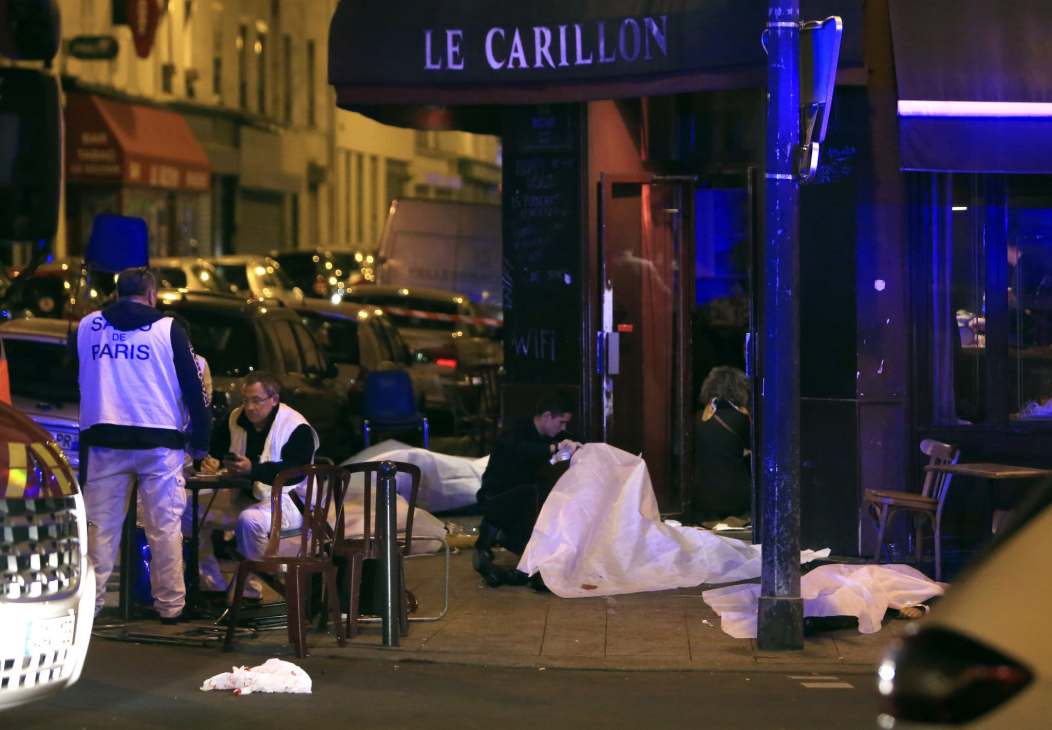
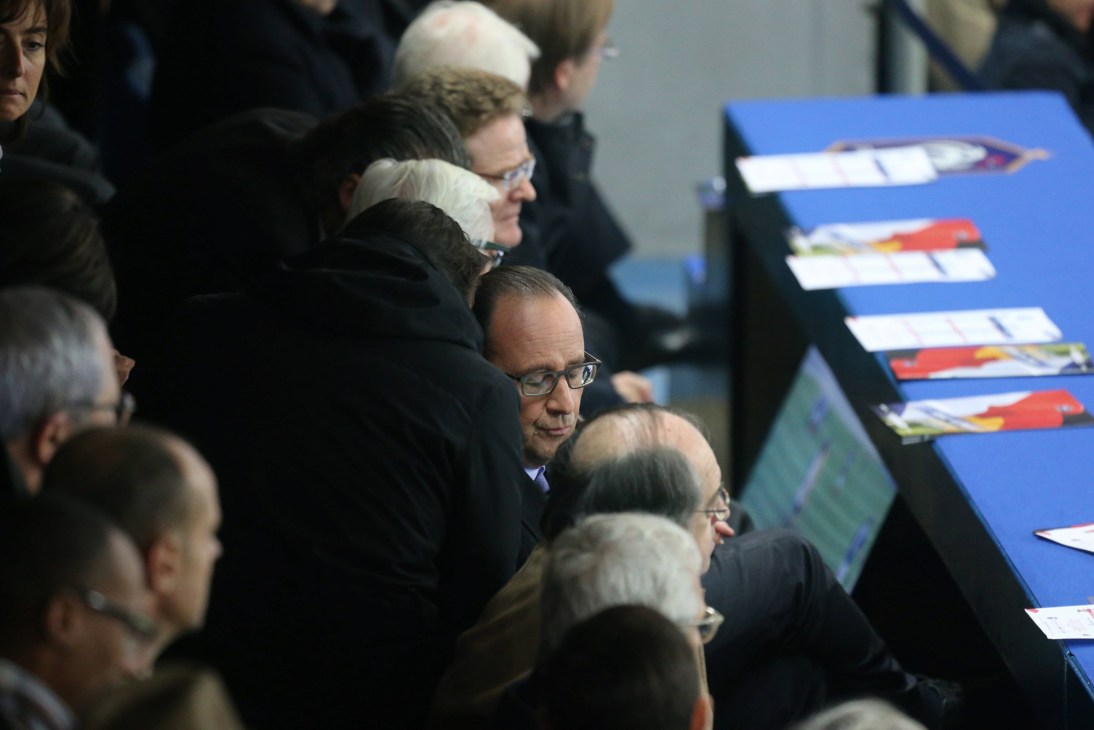
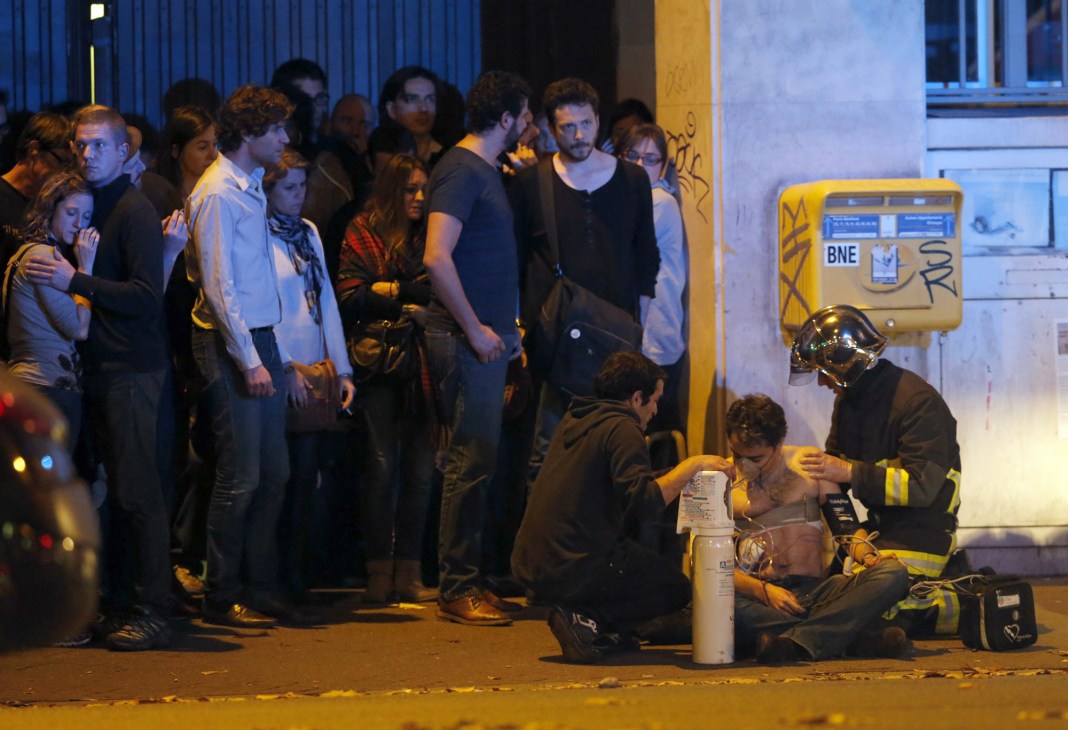
President François Hollande, who is at the match, is informed that France is under attack. He hurriedly leaves the stadium and heads for Paris, where at 21.24 a black Seat León brakes in front of Le Carillon, a café in the northeast of the capital. Three men armed with Kalashnikovs get out of the car and fire a hail of bullets at the dozens of customers who are drinking on its terrace and at people dining at Le Petit Cambodge, a restaurant across the street. Thirteen people are killed and many more are severely injured.
The attackers continue their deadly assaults, targeting customers on two further restaurant terraces in the same area. The gunmen kill 26 people here. Two of the attackers then flee, abandoning their vehicle. At 21.41, the third man in the team detonates his belt inside the Comptoir Voltaire café. He fails to kill anyone apart from himself but injures eight diners.
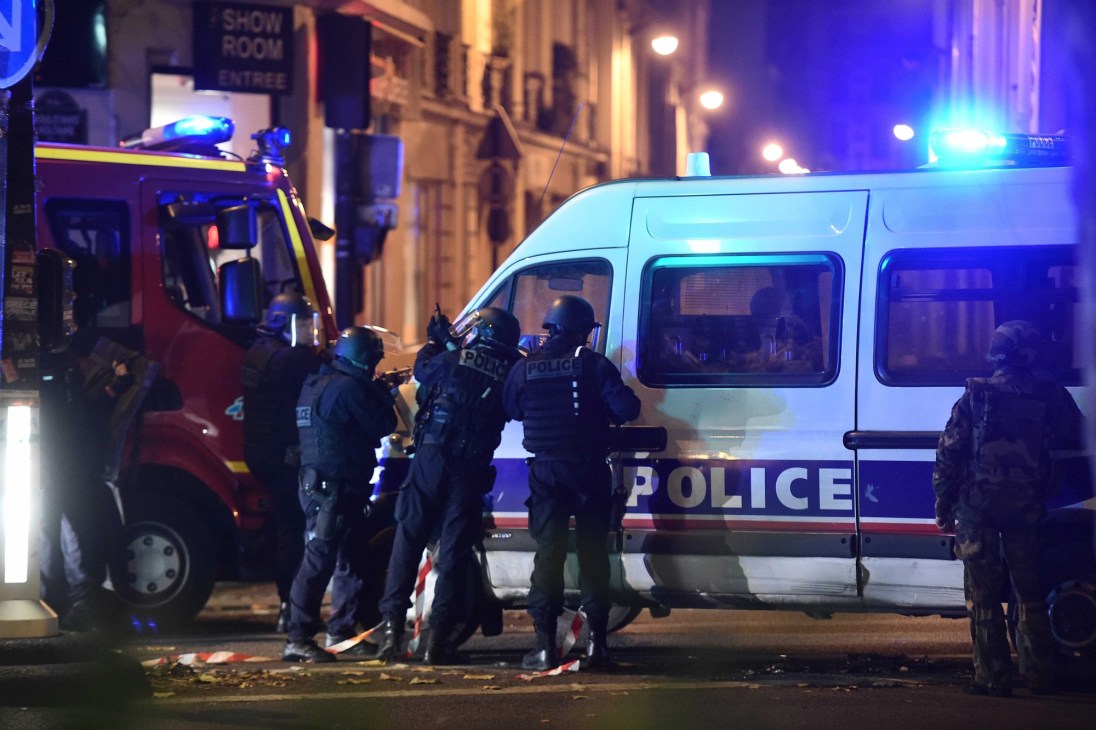
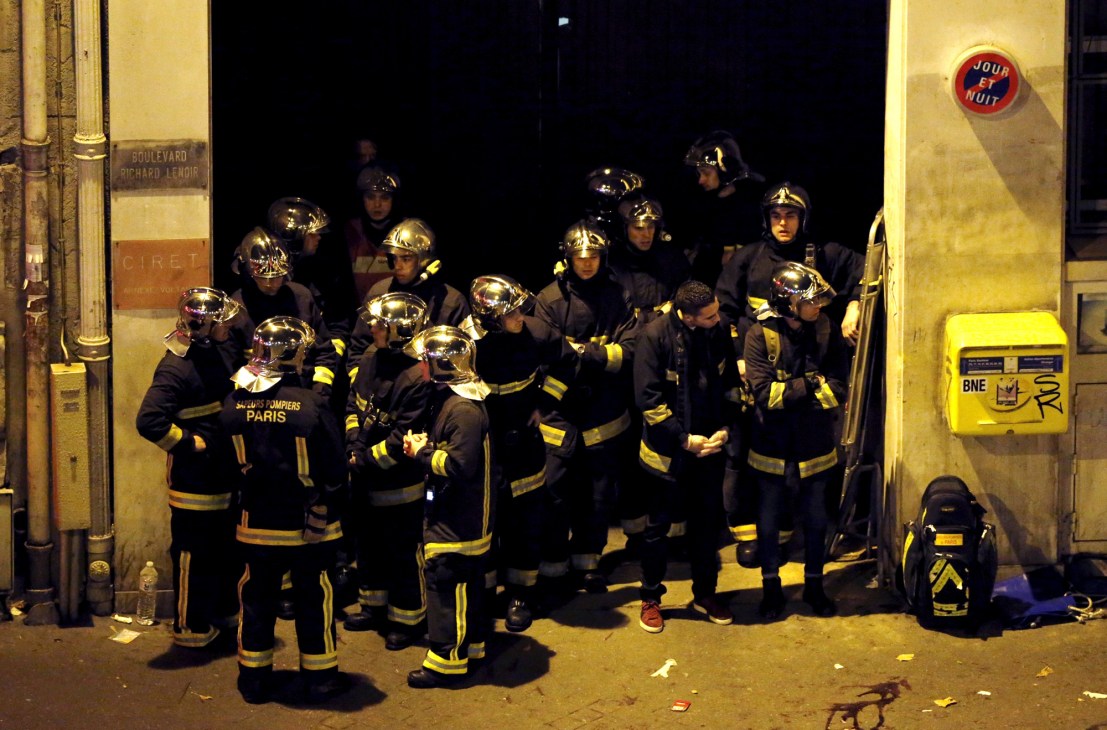
Six minutes later, at 21.47, three other assailants armed with assault rifles enter the Bataclan concert hall, where some 1,500 people are watching a performance by US rock band Eagles of Death Metal. For about half an hour, the terrorists shoot into the crowd and engage in gunfire with the first two policemen who enter the hall. The officers hit one terrorist, who then blows himself up. The two remaining Bataclan terrorists, who are now holding a dozen people in a tiny room at the venue, are shot dead at 00.18 by an elite unit of the French police. No hostages are killed during the rescue but 90 people have been massacred in the theatre and several hundred more injured.
Meanwhile, a final suicide bomber blows himself up at the Stade de France.
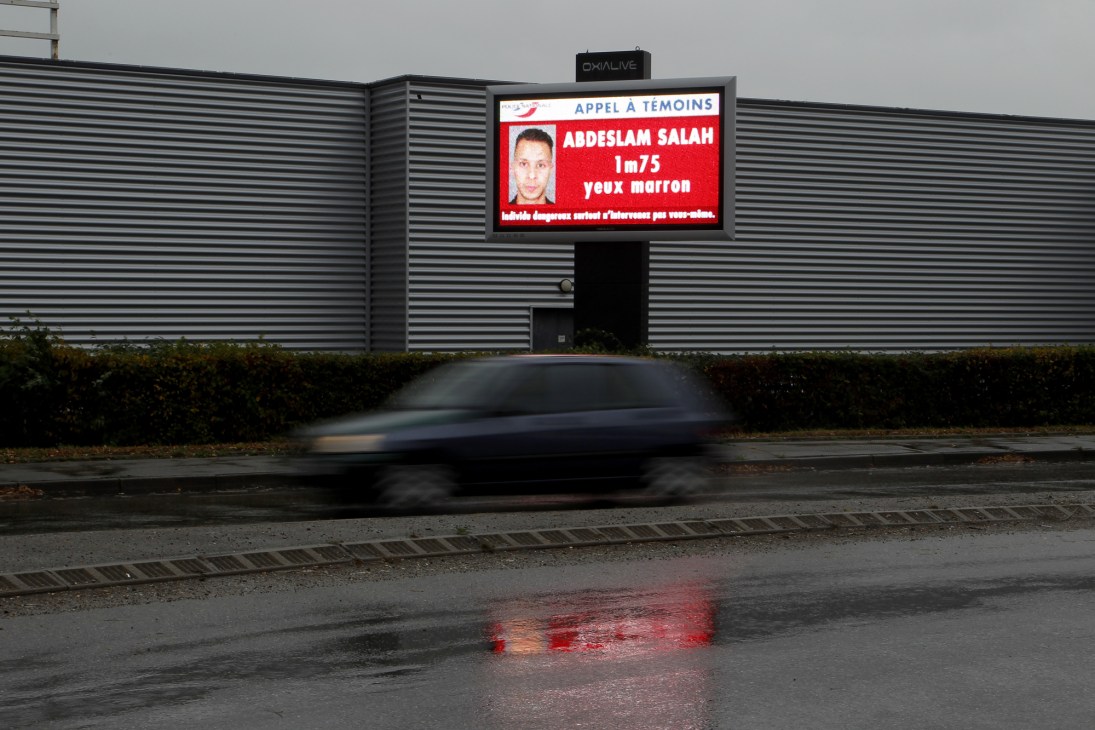
In total these nine men (four French, three Belgian and two Iraqi) have killed 131 people and injured 875. Seven are dead; the remaining two will be killed by police five days later during a raid in Saint-Denis. But still at large are several other associates who have allegedly been key players in the attacks: driving the killers to the targets, making the explosive devices. These include Salah Abdeslam, whose brother, Brahim, was one of the men who attacked the restaurants and bars, and Mohamed Abrini, who is alleged to have driven the attackers to Paris. Both men will eventually be arrested.
The terrorist attacks, the deadliest postwar atrocity in France, were reportedly planned in Syria several months earlier. They are claimed by Islamic State.
The trial begins
After years of investigations – and with case files now running to more than a million pages – the trial of the men accused of involvement in the Paris attacks began on 8 September 2021. It is scheduled to run until June. The numbers associated with the prosecution are staggering. There are about 2,500 civil parties (people who survived the attacks and the families and partners of those who were slain), 330 lawyers and 20 defendants, including five who are presumed dead in Syria and are being tried posthumously (under French law, where there is no proof of death, suspects are included in proceedings in case they resurface) and one held in prison in Turkey. But keeping the trial on schedule is already proving difficult.
On 27 December it was announced that the main defendant, Salah Abdeslam, had tested positive for coronavirus. Abdeslam spends his time in court inside a 40 sq m box made from armoured glass, where he sits shoulder to shoulder with 10 more accused men (three others are out on bail) and a team of elite military police. This means that more than 30 people are squeezed into this space at the back of the huge courtroom, which has been specially designed for the trial inside the sumptuous Palais de Justice de Paris.
Abdeslam probably contracted coronavirus in Fleury-Mérogis, Europe’s largest prison, where he has been locked indoors for 22 hours a day for the past five years (after being arrested in Brussels in March 2016, he spent several months in a Belgian prison). And he is being filmed 24 hours a day while incarcerated, even when he goes to the bathroom – an unprecedented measure in French legal history.
After taking the advice of various medical experts and a hearing held to decide whether he could appear at the trial despite testing positive, the court decided that it was wisest to delay the proceedings. Abdeslam eventually returned to court on 11 January but another defendant has since caught coronavirus, causing even more delays.
The proceedings are overseen by the president of the court, Jean-Louis Périès, a judge with 40 years of experience, who is expected to retire when the case ends. However, it seems that the virus, not Périès, will determine when that will be. The judge is assisted by two court officers, who are entitled to ask the witnesses questions and deputise in his absence, and a panel of six more judges.
The trial has been gruelling, tense and emotional. In the first weeks of the hearings the court heard from a police commissioner who explained that the case had involved the mobilisation of 1,000 investigators, logging more than 4,000 pieces of evidence and taking statements from 8,000 people.
The court has also had to view the crime scenes. “Scenes of war,” said a police officer, his voice trembling six years after that night’s bloody events. He described to the court the shredded flesh, the debris, the tangles of dead bodies, the bullet shells and the Kalashnikov magazines found on the ground. Other officers recounted the intensity of the police assault against the terrorists in the Bataclan, where the smell of death, blood and gunpowder filled the air.
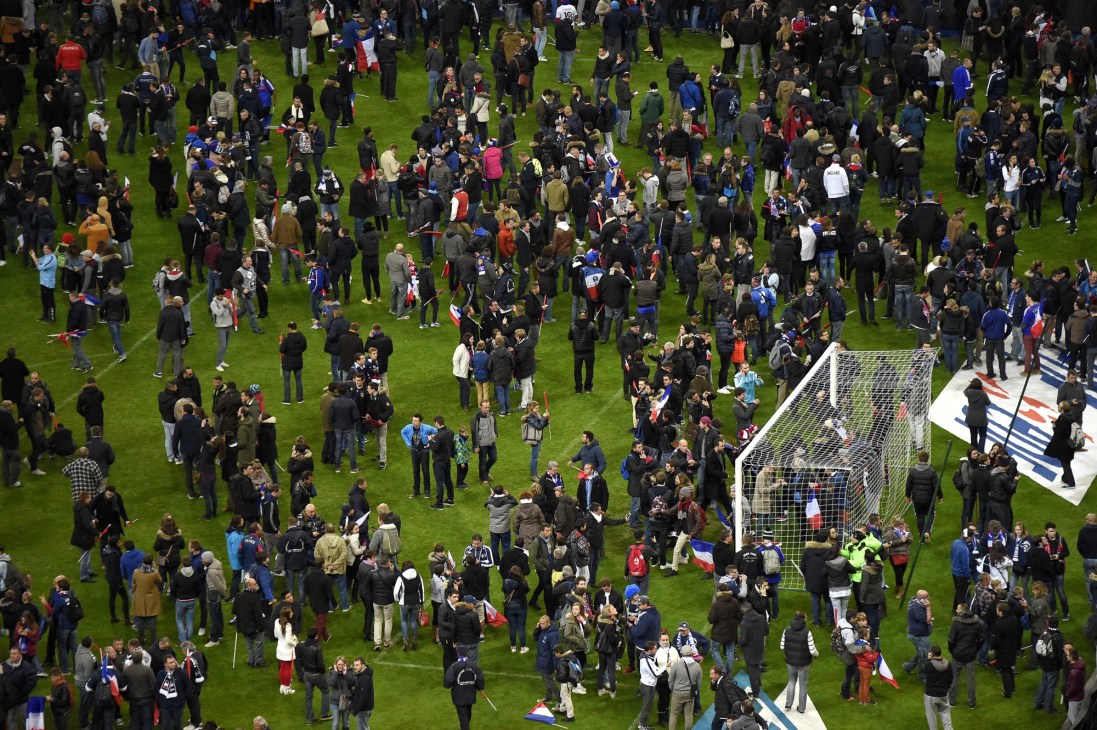
Christophe Molmy, former head of the bri (the French elite police squad), talked about standing “in the middle of bodies that were pulling on our trousers to be saved”. In the end there were some 123 bodies and many fragments of bone and flesh that had to be autopsied back to back for more than a week. The forensic scientists logged every exploded skull and every perforated organ, according to the clinical details given by Bertrand Ludes, former head of the Paris Forensic Institute.
But there is more on trial here than a small group of men. This is also proving to be a test of what France stands for as a nation, especially when much of it is being played out during a presidential election cycle with polarising candidates expressing brutal views on migrants but also on how they believe justice should be delivered. Right-wing pundit and presidential candidate Éric Zemmour says that he wants to modify the French law to give citizens the right to “excusable defence”, so that a shopkeeper who is being robbed, for example, can use any means to protect themselves. And the trial has another focus: how a generation of people who grew up with more or less the same social codes ended up taking such opposing paths through life. The terrorists and the terrorised, the defenders and the prosecutors, are all caught up in a spectacle that is simultaneously gripping and troubling France.
The victims
Last October, some 370 survivors and relatives of the victims started telling their stories to the court, describing the attacks and how they have continued to affect their lives. They spoke at a rate of about 15 people a day; this part of the trial alone ran for five weeks.
The accounts were terrifying and poignant, an ocean of distress. “There are as many 13 November [stories] as there are victims,” a young woman told the judges. Every witness had their own perspective on the attacks; these were young men and women who bore physical scars or psychological wounds, often both. Many wondered aloud why they were still alive and not their friends, their companions, their brothers or their partners, who had died in front of them.
Sometimes their survival was simply down to luck – they had popped outside for a cigarette, gone to order a drink or stepped away to make a phone call. And then a bullet just grazed them but hit the person next to them. The smallest things saved lives.
I think about 29-year-old Juliette (for their future security, civil plaintiffs did not publicly reveal their surnames). In just a few words, she seemed to capture the time that we live in, her generation and the harsh realities of contemporary terrorism. “That evening I was with a boy I didn’t know, in a neighbourhood I didn’t know, in a café I didn’t know,” she said. “We had met thanks to a dating app. He had chosen the place. It was our first date. All of a sudden there was a burst of gunfire. Bullets, chaos, debris. I was wounded in the arm. Cédric was shot next to me. He died in front of my eyes. We did not know each other,” she concluded, tears falling.
“It was our first date. All of a sudden there was a burst of gunfire. Bullets, chaos, debris. I was wounded in the arm. Cédric was shot. He died in front of my eyes”
Or Lydia. “My parents are Algerian,” she said, standing just 10 metres away from the defendants. “My three brothers are Muslims. In the Qu’ran, killing is one of the greatest sins.” At the time of the Bataclan attack, she was in the pit of the theatre. That she got out of there alive was, she believed, a miracle.
“Boom, boom, boom, boom, boom, boom, boom – that’s the sound of seven Kalashnikov bullets,” said Olivier, as he mimed holding a gun in his hand, which he then pointed at the defendants. He had been at Le Carillon, one of the cafés that the terrorists targeted.
As the terrorists were firing their bullets inside another bistro, La Belle Équipe, a young man called Khaled “asked God for help, in Arabic and out loud, because I am a Muslim”. In the courtroom, he turned to the defendants and said, “The same God as yours in fact… but the right God, the right one.”
Sophie recalled that at the Bataclan, among the dozens of dying people and those who were pretending to be dead, she spotted someone she didn’t know dying next to her. “This boy, I used him as a bag to protect me from the bullets,” she said.
This is terrorism. It is people who go out to murder, who shoot people in the back while they are dancing or sharing a bottle of wine. Terrorism is about men and women who, years later, are still scarred, angry and broken. Terrorism is about people saying that their lives can never be the same again: a generation robbed of its youth.
Most of these testimonies were given without a shadow of anger, though some victims wished it was possible that the defendants, if convicted, could be sentenced to death so they never have to hear of them again. This divide is seen outside the court in the presidential election campaign, where Zemmour is seeking to use the trial to further his views on migration and the threat of the other. This narrative is likely to become even more pronounced because a further 70 victims are currently scheduled to give their testimonies to the court before the first round of voting.
The fanatics
The second major phase of the trial began in January with the interrogation of the accused. The prosecution lawyers and judges attempted to get inside the heads of these young men, many of whom grew up in the Molenbeek district of Brussels, an area with a large Muslim population. These were young men who had become involved in gambling and drugs, who had spells in prison and who were small-time thugs until fanaticism called. This stage, which will run until at least April, is the heart of the trial. It interrogates religious fanaticism and Islamic State, the terrorist organisation for which the defendants are accused of working. The judges want to understand when and how they were radicalised – and how they prepared for the attacks.
Mohamed Abrini is a 37-year-old Belgian-Moroccan with a wispy beard. When questioned on the stand, he alternates between evasiveness, if the questions are too precise for his liking, and spouting bad-boy punchlines. “What do you think – that we came out of our mothers’ wombs with Kalashnikovs?” he said. These words, spoken in November, offer an insight into a man who was nicknamed “Brinks” by his friends, after the notorious Brink’s-Mat gold bullion robbery, because of his skills as a burglar. He often sounds a little distressed when questioned but he was calm when he told the judges in January, “Sharia is the divine law above the law of men. I would go and live in a country that applies it if I were still free.”
It was during a spell in prison in 2014 that Abrini is alleged to have been radicalised. That year his younger brother, Souleymane, died in the ranks of Islamic State. Suddenly gone from Mohamed’s life were beer and nightclubs; instead, like many of his friends from Molenbeek, he started following in the footsteps of jihadists.
First he went to Syria for 10 days at the end of June 2015; he claims that this was to pray at his brother’s grave. The following month he travelled to Birmingham in the UK to collect cash from an alleged jihadist who was linked to Islamic State, then headed on to Manchester, where he took pictures of Old Trafford football stadium. That was just tourism, he has said. On 12 November that year, Abrini was on the “death convoy”, as he calls it. He was in one of the three vehicles linked to the Paris terrorists that was en route from Brussels to the French capital. He left the cell in the city, before returning to Brussels that evening for reasons that are yet to be fully explained.
Four months later, on 22 March 2016, Abrini accompanied two suicide bombers, Najim Laachraoui and Ibrahim el-Bakraoui, to Brussels airport. While these men used their suicide nail bombs, Abrini fled without detonating the explosives that he had packed on to a luggage trolley. But he was caught on the airport’s cctv sporting a distinctive dark bucket hat. The hunt was now on for “the man in the hat”. An hour later there was another explosion in a train carriage at the city’s Maalbeek station. Abrini was arrested in Brussels on 8 April.
His childhood friend Abdeslam, who had been on the run since the 13 November Paris attacks, had been arrested a few days earlier in Molenbeek after a shoot-out with the police. Was it the sense that the net was closing in that prompted the Brussels bombing spree that killed 35 people, including three terrorists?
The court has also heard from Abdeslam. On the first day of the trial, he appeared in court dressed entirely in black, his thin face sporting a full beard and trimmed moustache. He recited the shahada, the Muslim profession of faith – “There is no God but Allah and Muhammad is his messenger” – before answering Périès’s questions in a tone of defiance.
“Profession, Mr Abdeslam?”
“I gave up any profession to become a fighter for the Islamic State.”
“Is that so? I have noted ‘casual worker’,” replied the stoical Périès.
From the outset, Abdeslam has said that he will not submit to the court’s justice and he uses every chance to justify his acts, improvising at will if his microphone is switched on. “These ‘terrorists’ you speak of, they are my brothers,” he has said. Yet at other times he also comes across as a polite, pleasant 32-year-old and addresses Périès as “Mr President” and sits or stands as required.
The lawyers
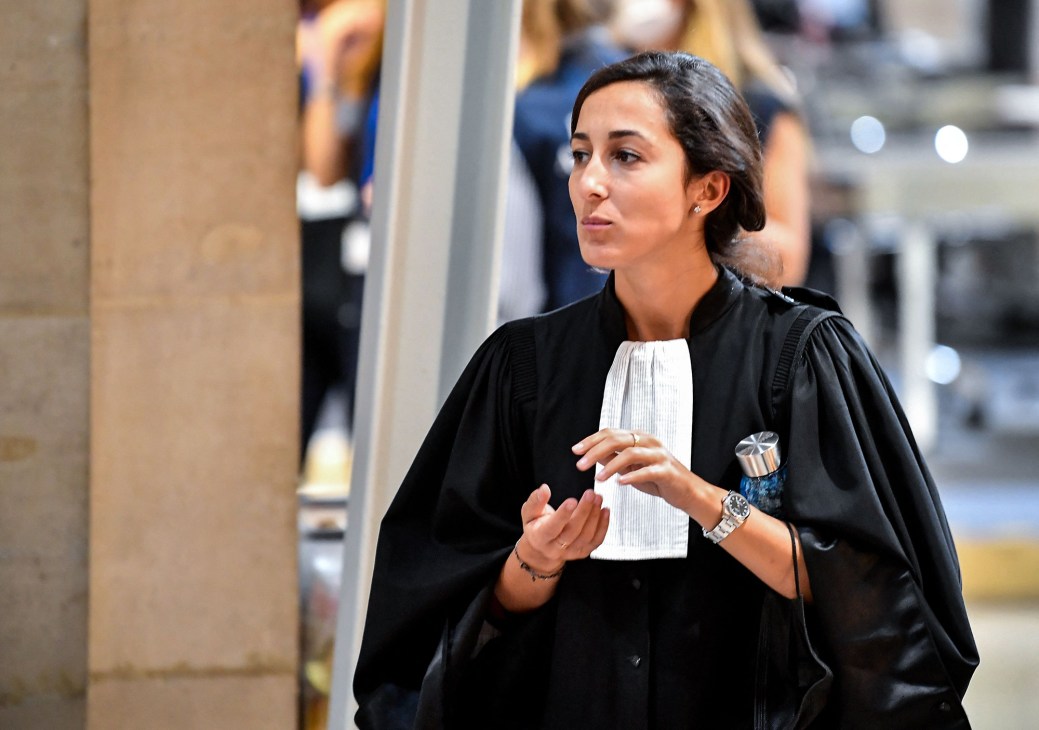
Abdeslam’s lawyer is Olivia Ronen, who was not well known before he appointed her. Like her client, she is 32 years old. Ronen and her colleagues on the defence benches (there are about 30 of them) are among the most eloquent lawyers of their generation. They are promising young professionals who practise law with a deep humanistic conviction that everyone, even a terrorist, has the right to be heard and defended for what he or she is and protected from society’s clamour for revenge.
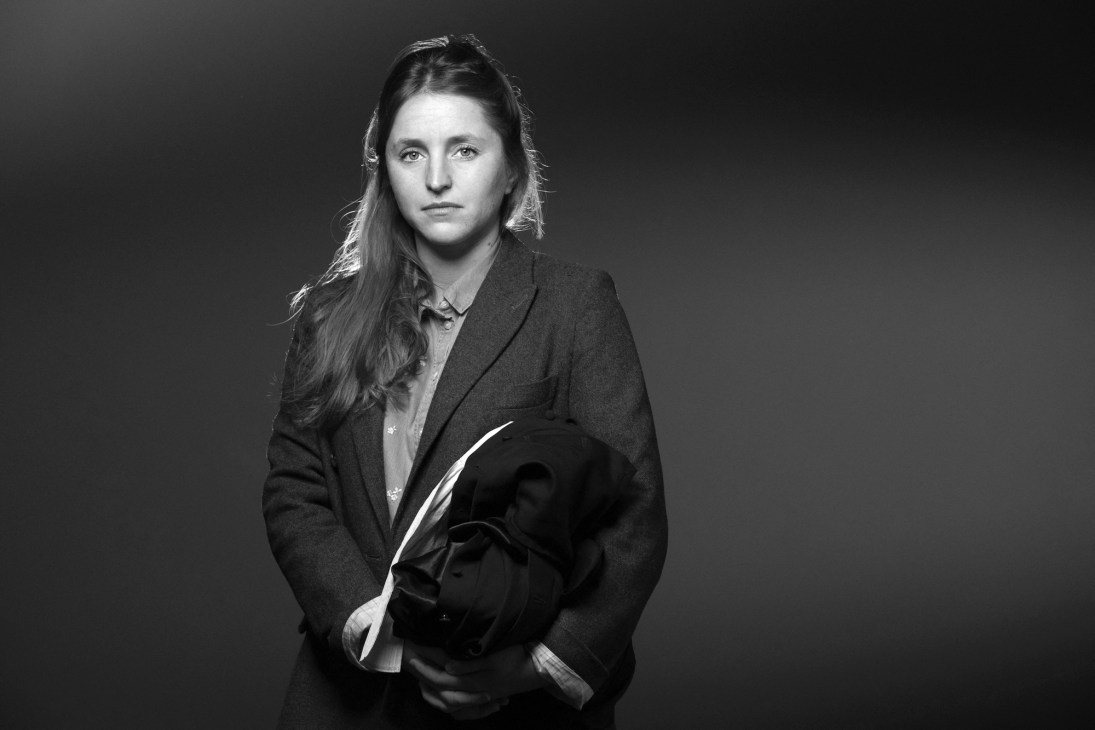
“We realise in this courtroom that our main principles of criminal justice are being threatened, precisely because this trial is highly publicised and society is adding pressure,” says Abrini’s lawyer, Marie Violleau. “This needs constant vigilance.” Violleau highlights how some of the victims’ lawyers have tried to use the trial to promote their own political agendas, such as giving off-duty police officers the right to carry guns. “I had to raise my voice to remind people that this trial was taking place in a court of law and not on a television set,” she tells Monocle.
These criminal lawyers have set themselves up as a bulwark for the rule of law by “defending the impossible”. In their eyes, under all circumstances, the law must prevail over emotion and fear.
But perhaps the words that best explain what is happening are those of Aurélie Silvestre. On the night of the Paris attacks, she was 34 years old with a three-year-old child and pregnant. Matthieu, her partner of 15 years, was murdered at the Bataclan. This is how she concluded her testimony, explaining her version of justice being done.
“When I tell my children about the trial, I tell them that one day the victims passed food to the defendants,” she said. “And that the [defence] lawyers chipped in to pay for a good defence for the ‘bad guys’. I can explain to my children that justice is only what is fair. Once a friend of mine told me that this courtroom is the country we want to live in. I think she’s right.”


About the writer
Journalist, TV reporter and documentary-maker Auda has reported on conflicts and crises in Iraq, Libya, Lebanon, the Central African Republic and Haiti. He spent four years in Jerusalem as Israel and Palestine correspondent for France 24 and, in 2021, made a film about the assassination of teacher Samuel Paty by a jihadist. He is attending, and preparing to write a book about, the 13 November trials.
Images: Associated Press, Getty Images, Reuters
Architecture
Retail
Capital asset
Ayutthaya
Thailand’s newest shopping centre, in the city of Ayutthaya, follows a building formula that has proved successful for the nation’s retail developers. In short: invest in quality architecture. However, Central Ayutthaya takes a humbler approach to its design than Bangkok’s shopping meccas created by the likes of Tokyo architect Oki Sato and London’s Amanda Levete. “The location of the mall is in the old town of Ayutthaya, which was once the capital of Siam,” says Siriyot Chaiamnuay, a principal architect at Bangkok firm Onion. The firm completed the project for Central Group in 2021. Siriyot adds that because of the building’s dual purpose as a retail provider and a sprawling public space in the historic city, the architecture is all about approachability. “The old city was mainly built with Thai bricks,” he says. “White plaster walls were a feature of the buildings and gold was present in temples. All of this was referenced in the design.”
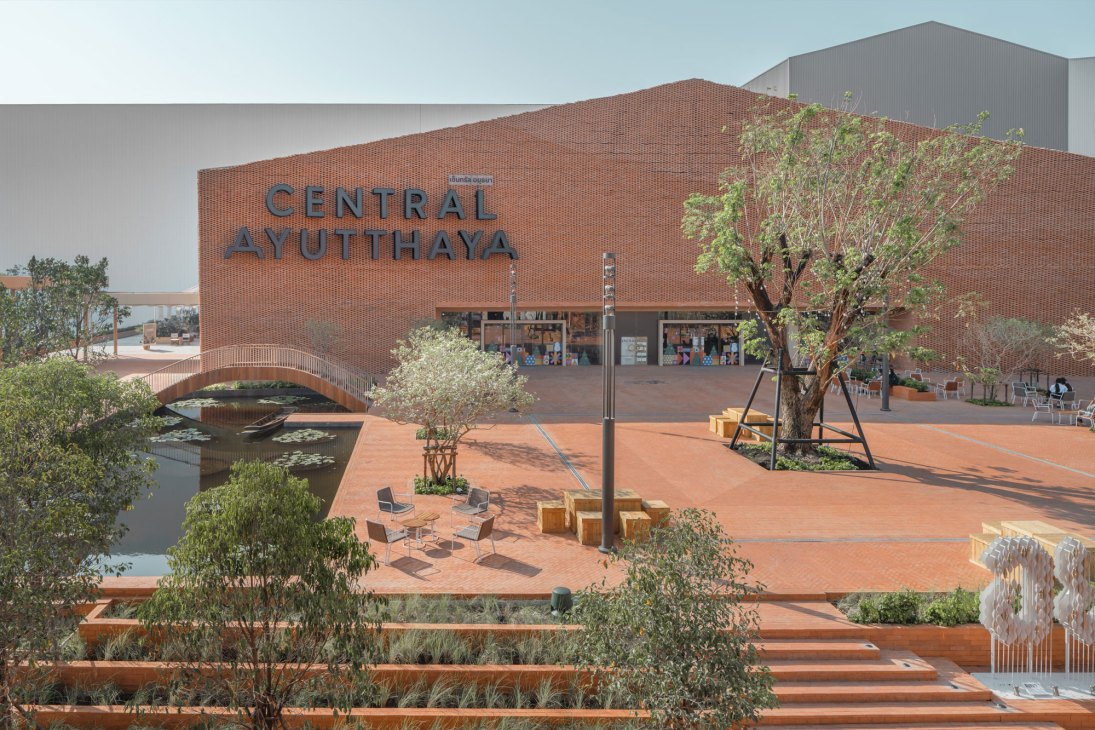
“The latticed brickwork benefits both the interior and exterior energies of the building”
The result sees an eye-catching, gold-coloured aluminium used on one façade; meanwhile, the building’s public-facing opposite side draws upon orange bricks, providing warmth and welcoming those arriving on foot.
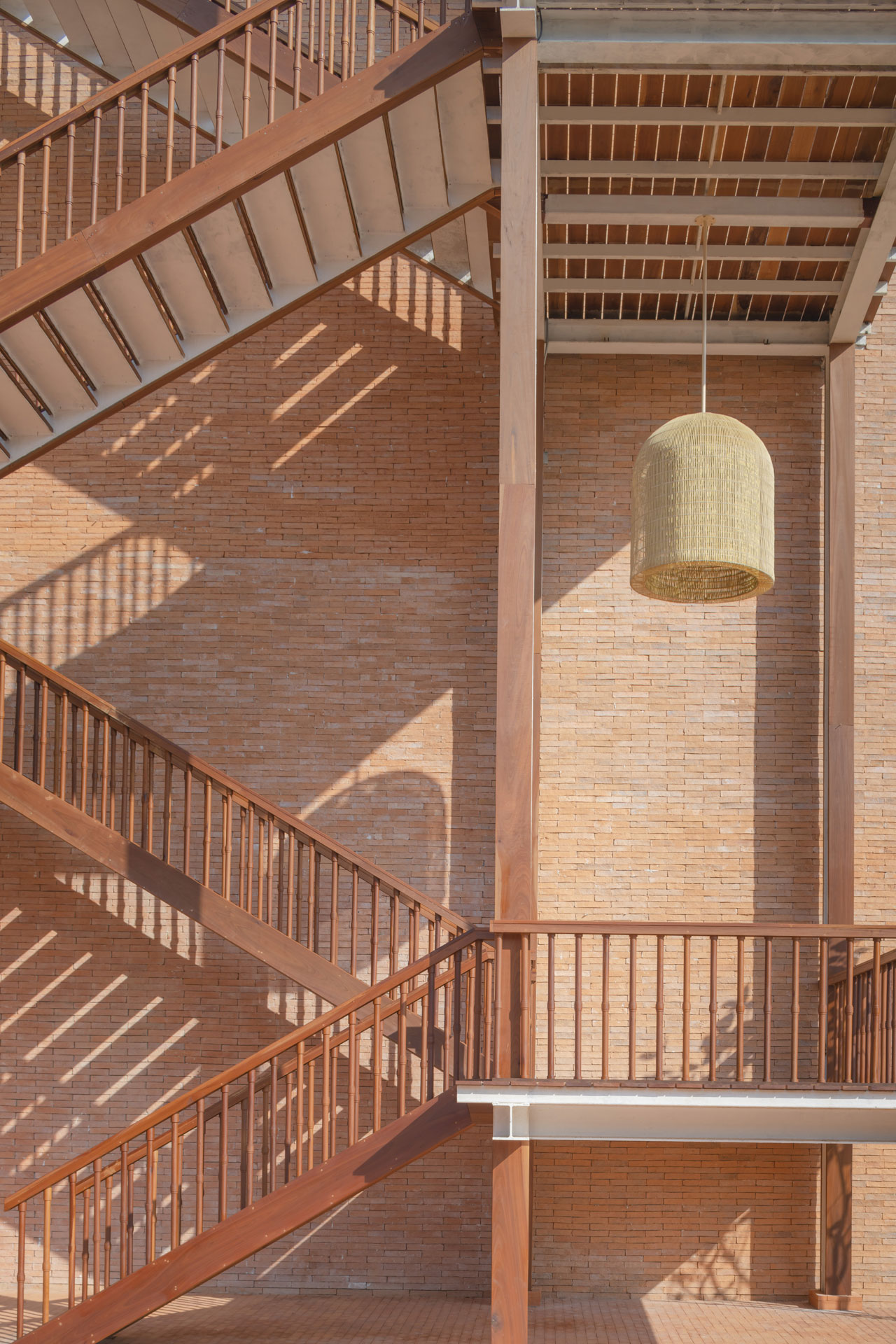
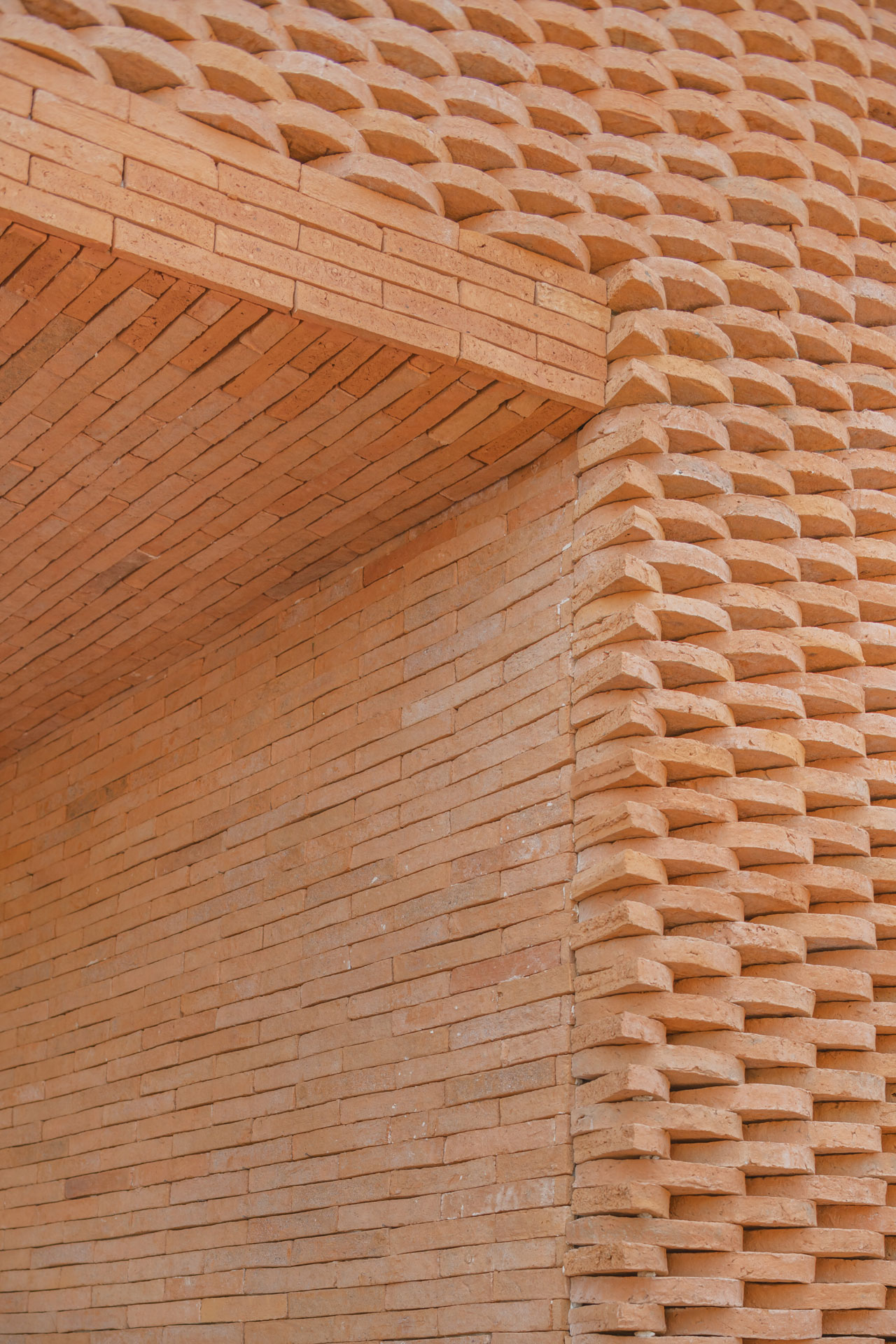
“We used latticed brickwork on the façade to make it appear as if it was woven – as you approach it, you will see it dip inwards,” Siriyot tells Monocle, explaining how this benefits both the interior and exterior energies of the building. “It increases the amount of public space outside the mall and invites visitors inside.”
On Design
Designs on summer
Nolan Giles on…
After early 2022 cancellations, date changes and a shuffle from the international design community to swap any early summer plans for a trip to Milan’s Salone del Mobile, the dust has settled. June will provide anyone whose business relates to the commissioning or purchasing of furniture with an excuse to tour Europe. Here the world’s most interesting emerging studios will highlight new concepts, alongside releases from the continent’s better-established international furniture companies, across multiple events.
The annual 3 Days of Design event in Copenhagen (an increasingly important showcase of Scandinavian creativity) will follow Salone del Mobile. Meanwhile, a top collectable furniture event, the Basel edition of Design Miami, will be sandwiched in the middle. The weather is likely to be fantastic and if organisers play it smart they can piggyback off one another to up their attendance numbers as journalists, designers, buyers, architects and others move from one event to the next. It’s a win for the world of design, although it was certainly not devised this way, with the pandemic playing a major role in event pushbacks and date swaps. Regardless, it could set an interesting new arrangement for the coming years that makes event attendance more manageable for design professionals.
“June will provide anyone whose business relates to the purchasing of furniture with an excuse to tour Europe”
While I look forward to comparing tans with all joining the June jamboree, I’d like to point toward a few other events. Köln’s Orgatec event in October is a must for professionals refreshing an office. It focuses on workplace furniture and design ideas that can improve productivity. For those looking to recruit talent, October also offers Dutch Design Week, where the world’s best industrial design graduation show – courtesy of the Design Academy Eindhoven – will no doubt impress.
While Basel in June is appealing, and is strategically positioned between Milan and Copenhagen, an early December sojourn to the original Design Miami is a fine way to wrap things up.
Culture
Auctions
Asia
Hammer it home
Auctioneering is a rare growth industry in Hong Kong. Wealth management is another. Both share a common goal: tapping rich Chinese and their maturing investment habits. Eminent auctioneers Christie’s, founded in London in 1766, signed a deal last summer to move into a new Zaha Hadid-designed skyscraper, The Henderson, in the Central area of the city – quadrupling the size of its existing floorspace to 50,000 sq ft. This might seem grandiose, until you consider that the auction house made record-breaking sales of HK$3.8bn ($495m) in its one-month autumn 2021 season. Upstart rival Phillips, which only dates back to 1796, followed suit in December. It will move into a new address later this year, conveniently next door to Hong Kong’s new contemporary art museum, M+.
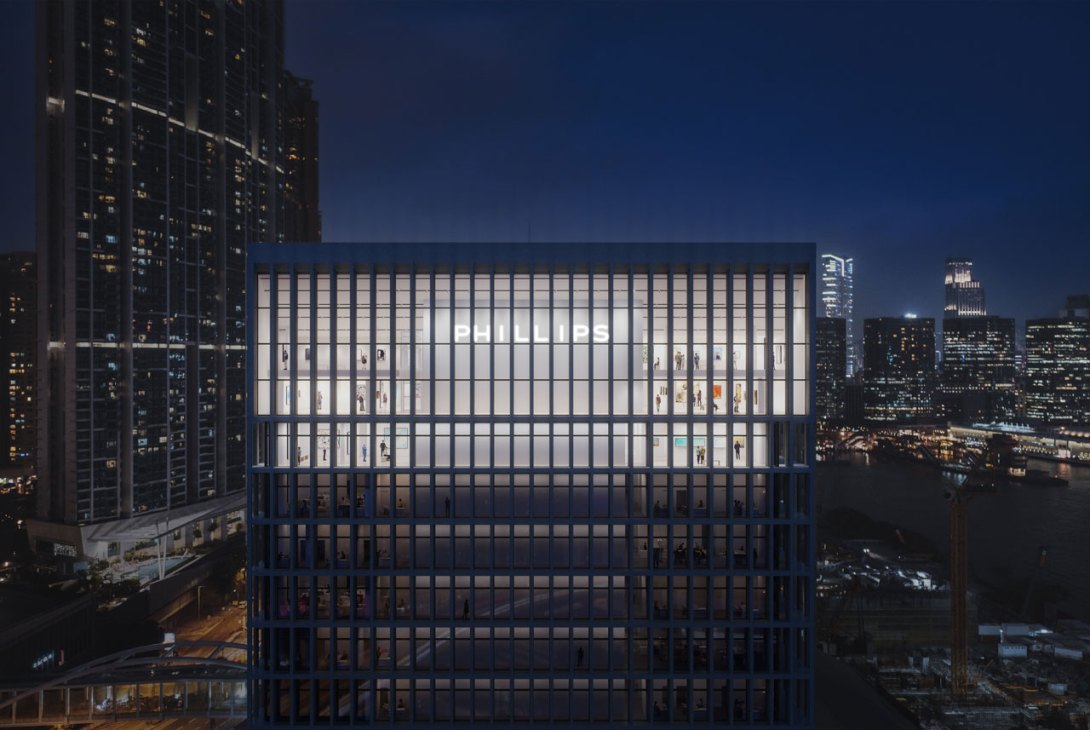
The motivation for the two houses is to be able to hold sales throughout the year (just as they do in London and New York) rather than having to hire a convention centre hall or hotel ballroom, while working around a calendar of competing trade fairs and other events. Most of Asia may still be stuck at home but there is a belief, born from recent experience in the Big Apple and the UK’s capital, that demand to be physically present in the auction room will bounce back strongly once cities reopen.
Bonhams took its Hong Kong auctions in-house in 2014 and since then sales in the city have grown exponentially. Asian demand for Western art is rising quickly, as wealthy Chinese come back from overseas education or work experience with a taste for the works of Jean-Michel Basquiat and Gerhard Richter. Western collectors are seizing on this selling opportunity and the auction houses take a commission at both ends.
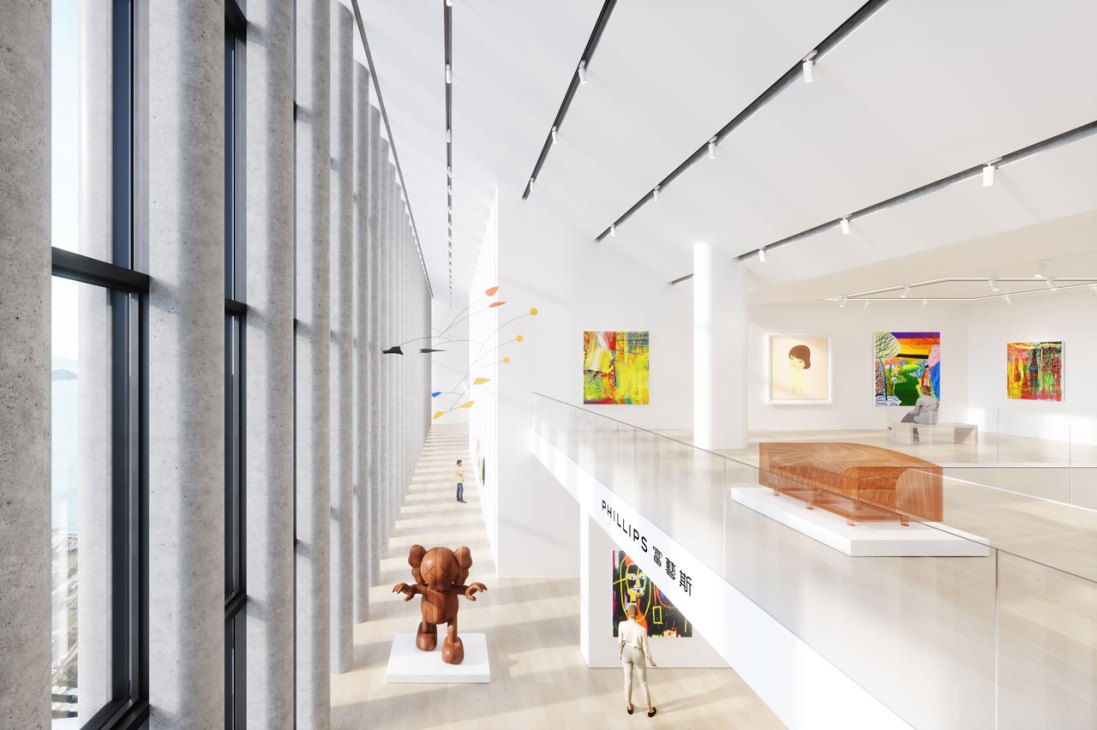
During the pandemic, Hong Kong has replaced London as the world’s second-largest art market. And while New York is still a long way out in front, accounting for almost half of all auction sales by value, Asia-based buyers make up a growing chunk of winning bids there too.
While the gavel may eventually go down in Manhattan, big-ticket artworks now go on a preview tour of Asia. In the past few years collectors have become used to buying works online during so-called hybrid auctions but many still want to see the art up close before clicking the bid button – another reason why Christie’s and Phillips wanted their own gallery space in Hong Kong.
So why isn’t this happening in Singapore? After all, international businesses in other industries, fed up with the government’s “zero-Covid” strategy and repressive politics, are eyeing an exit from Hong Kong. Well, the truth is that Singapore is no match for Hong Kong when it comes to flogging art to China. The territory is ahead on everything from geography to taxes to talent, even when you factor in the ongoing political upheaval and the national security law.
The decision by M+ not to show Ai Weiwei’s “Study of Perspective: Tian’anmen” highlighted the risks for cultural organisations in exhibiting politically sensitive art. But auction houses are not in the business of putting a middle finger up at Beijing: Chinese collectors have the deepest pockets and they’re not buying works by dissident countrymen. At a museum, this may be called censorship; at an auction house it’s commercial reality.
Hong Kong’s art market will continue to thrive under Beijing’s hand, even if the city never becomes the “East-meets-West Centre for International Cultural Exchange” envisaged by China’s latest five-year plan.
Gallery
Mexico City
Artful lodger
Perhaps it’s because of Mexico’s generous border policy, or the fact it was one of the first countries to stage a major art fair this year (Zona Maco), that this feels like a great time to open a gallery in Mexico City. Danish curator Elisabeth Johs knows this. Since launching upstart space JO-HS in late 2021, she has garnered praise for her roster of emerging artists. “It’s a contrast to the New York scene,” says Johs, who previously worked as an art dealer in the Big Apple. “The artists, audiences and buyers are younger here, and the works are more affordable.” Most of her pieces sell for less than $10,000 (€8,850), which means her gallery can operate in a less formal way than others. In fact, the venue is also where Johs lives.
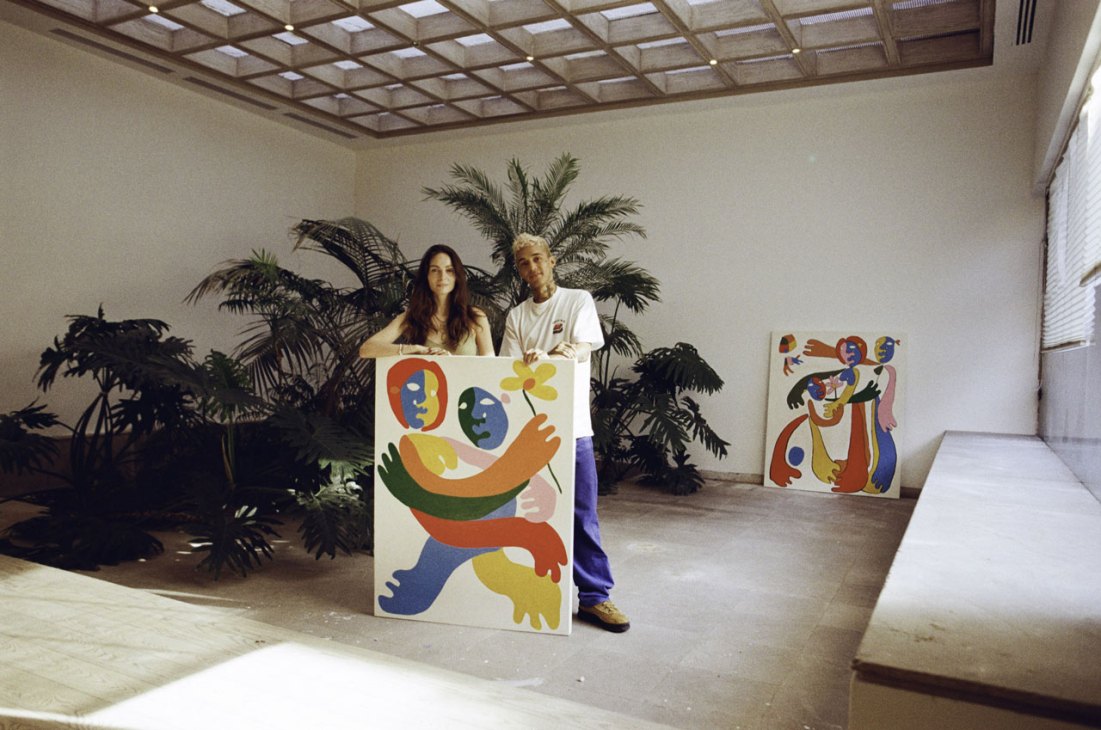
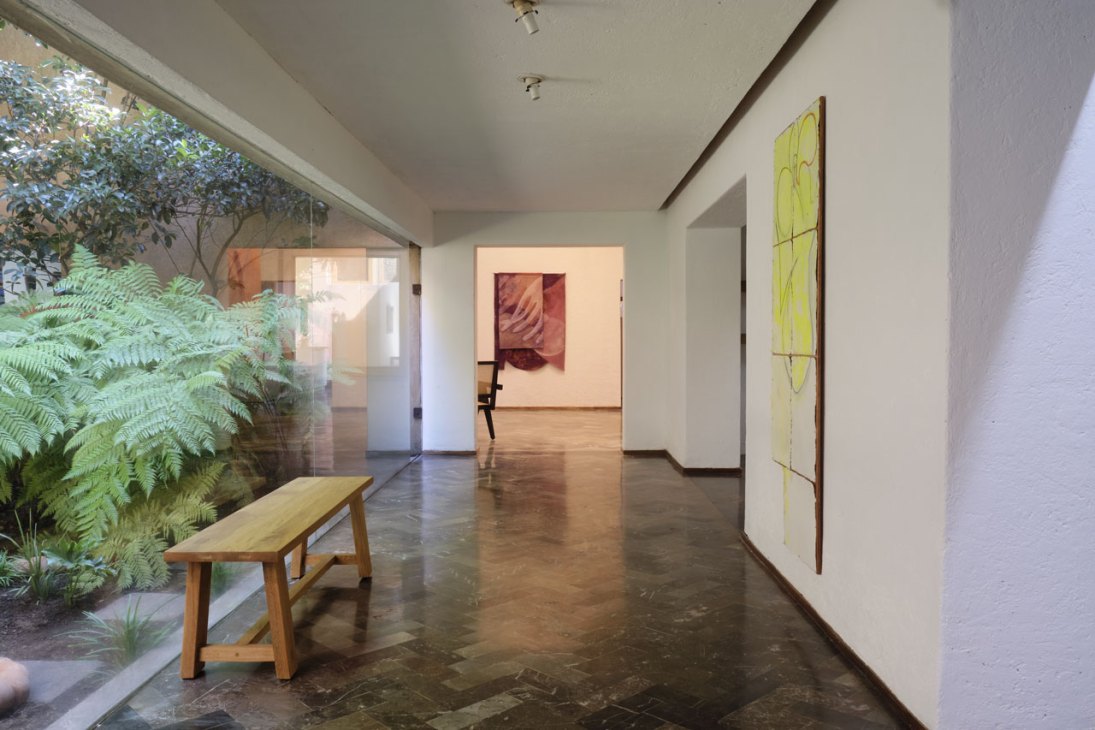
A former architectural studio, her home bears the hallmarks of Mexican modernism: warm wooden accents, skylights and a verdant courtyard. “Better art lives in a house than dies in a museum,” she says, sitting in an office chair positioned between the gallery’s entrance and her bedroom.
With more art being bought digitally, the market has attracted a younger generation of collectors – all the while renewing interest in locations that go beyond banal white cubes. The gallery combines an artists’ residency and design shop, and there are plans for a library. Though, as Johs admits, “I’m still getting used to strangers walking into my home.”
jo-hs.com
The Comment
Fernando Pacheco on…
Song contests
As Monocle’s Eurovision correspondent, I’m all for its expansion. But the launch of the American Song Contest took me by surprise: I always thought that an Asia-wide competition would come first. The stateside premiere will take place on 21 March and be broadcast live by NBC as a two-hour special. The grand finale will then take place on 9 May – close to its mother contest’s main event on 14 May in Turin.
I will keep a cautiously optimistic eye on proceedings, although it will be impossible to replicate the cultural significance of Eurovision across the pond. So far information is limited: we know that all 50 states will compete, plus the US’s five overseas territories and the capital. It will be interesting to see whether the states will stick to stereotypes or if there will be surprises: a Texan electro-pop track or a genteel ballad from Florida perhaps?
The US producers will have to make sure that its tone remains fun and extravagant. The worst that can happen is for it to be yet another dull talent show.
esc2usa.com
Museum
Australia
Safe haven
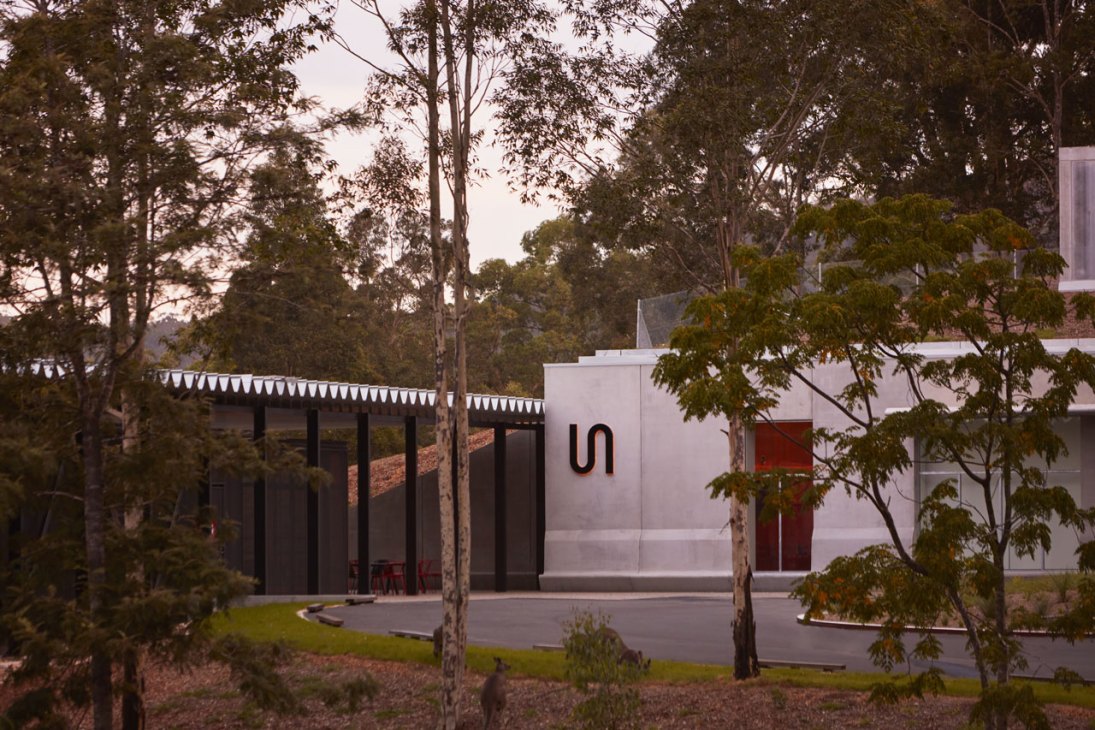
Preservation has gone to new lengths in New South Wales, with museum storage now resembling bunker-like safes that protect artworks not just from thieves but also from the unpredictable consequences of climate change. The Bundanon museum, which is surrounded by breathtaking landscapes, has been built to withstand floods and fires. Bushfires already threatened the previous facility, which hosted a large collection of painter Arthur Boyd’s works (saved from the flames by trucks at the last minute).
Melbourne-based studio Kerstin Thompson designed the new structure in the shape of a bridge leaning out of a hillside so it can stand tall above rising waters. There is an underground gallery too and the whole thing is powered by solar panels.
bundanon.com.au
Images: Phillips, Art Museum, Bundanon, 2022/ Zan Wimberley
Business
F&B
Seattle
Strength in numbers
The line greeting the January grand opening of pcc Community Markets’ 16th Seattle-area location was more than just a vote of confidence in the city’s beleaguered cbd. It also marked the evolution of co-operative grocery stores in the US. With more than 100,000 members and $383m (€340m) in annual revenue, pcc is the country’s largest co-operative grocer.

Such things may once have been the purview of hippies searching for tofu and granola. pcc, however, has gone a different route. Founded as Puget Consumers Co-op in the 1950s by 15 families pooling their purchasing power to buy bulk food at lower prices, it has paved the way for an upscale version with a fresh fish counter and wine stewards stocking the cellar, while still upholding those liberal co-op values. A one-time $60 (€53) membership fee gives the customer a vote in board elections and the right to an annual dividend. “pcc doesn’t use private equity, venture capital or the stock market to fund its business, which allows the co-op to remain committed to a triple bottom line: the economic, social and environmental responsibilities that shape the co-op from the ground up,” says pcc’s communications director Kristen Woody. For example, the co-op funds a farmland preservation trust and has led a national lobby against gmos.
With about 150 nationally, mostly clustered along the west coast and in northern states, co-op grocers are dwarfed by the 500 locations of the Amazon-owned Whole Foods. Yet in metropolitan areas with affluent, conscientious consumers, such as greater Seattle, pcc proves that co-operatives can take on corporately owned rivals. The postcard-perfect display of winter citrus greeting customers on a cold, dreary morning doesn’t hurt either.
Health
France
The right medicine
Nathan Cohen comes from a family of healthcare professionals, so it may be unsurprising that he would co-found an online platform designed to help them. Launched last summer, French start-up Doctrio has raised $3.4m (€3m) in early-stage “seed” money with the aim of providing online training to health professionals to make sure they keep their knowledge up to date. Or, as Cohen puts it, “empower health professionals to make the best health decisions for their patients”.
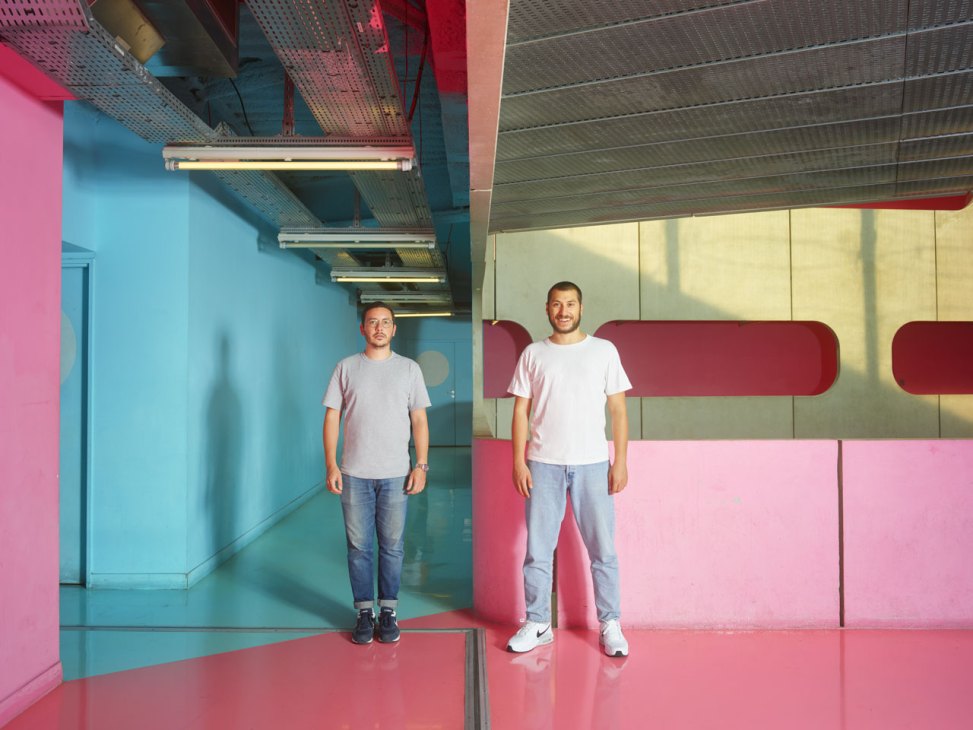
The pandemic highlighted how essential health professionals are and the necessity of digital resources and adoption. And in a country where medical professionals have to complete set hours of training every year to retain their credentials, the French government’s clarification of rules about online learning (and how they can count towards that training) has been, in Cohen’s words, “definitely a gamechanger”. “Coronavirus accelerated different trends that are making Doctrio even more important today,” says Cohen.
Doctrio isn’t telemedicine, where patients receive online consultations that boomed during the pandemic. But its training for health professionals to deal with specific conundrums came along at the right time. Doctrio offers limited-place courses assessed by experts that include instructional videos and clinical case-studies to which trainees respond. Although you have a deadline to complete the course, students can take the lessons at a time that suits them – an alternative to the traditional, non-negotiable evening class. Courses can be on anything from diagnosing eczema to how best to help female victims of sexual violence. Coronavirus, you may be pleased to hear, is off the curriculum as it’s “evolving really fast”.
There have been several regulatory hoops to jump through but Doctrio is eyeing 2022 for scaling up its user base (currently about 1,000 professionals) and content. For now the focus is France but Cohen sees potential to take the concept on the road. “The problem we are solving is the same for other health professionals in other countries,” he says.
doctrio.com
Urbanism
Kyiv
Streets ahead
“My friend sums up summer in Kyiv as a battle to get a table on Zigzag’s terrace,” says co-owner Liuba Tsybulska, proudly surveying the café she opened with her husband Nikita in 2016 on Kyiv’s hip Reitarska Street. Right now the freezing cold is tempering the usual hustle and bustle. “Zigzag is for artists and creatives but also diplomats, NGO workers and journalists. And dogs.”
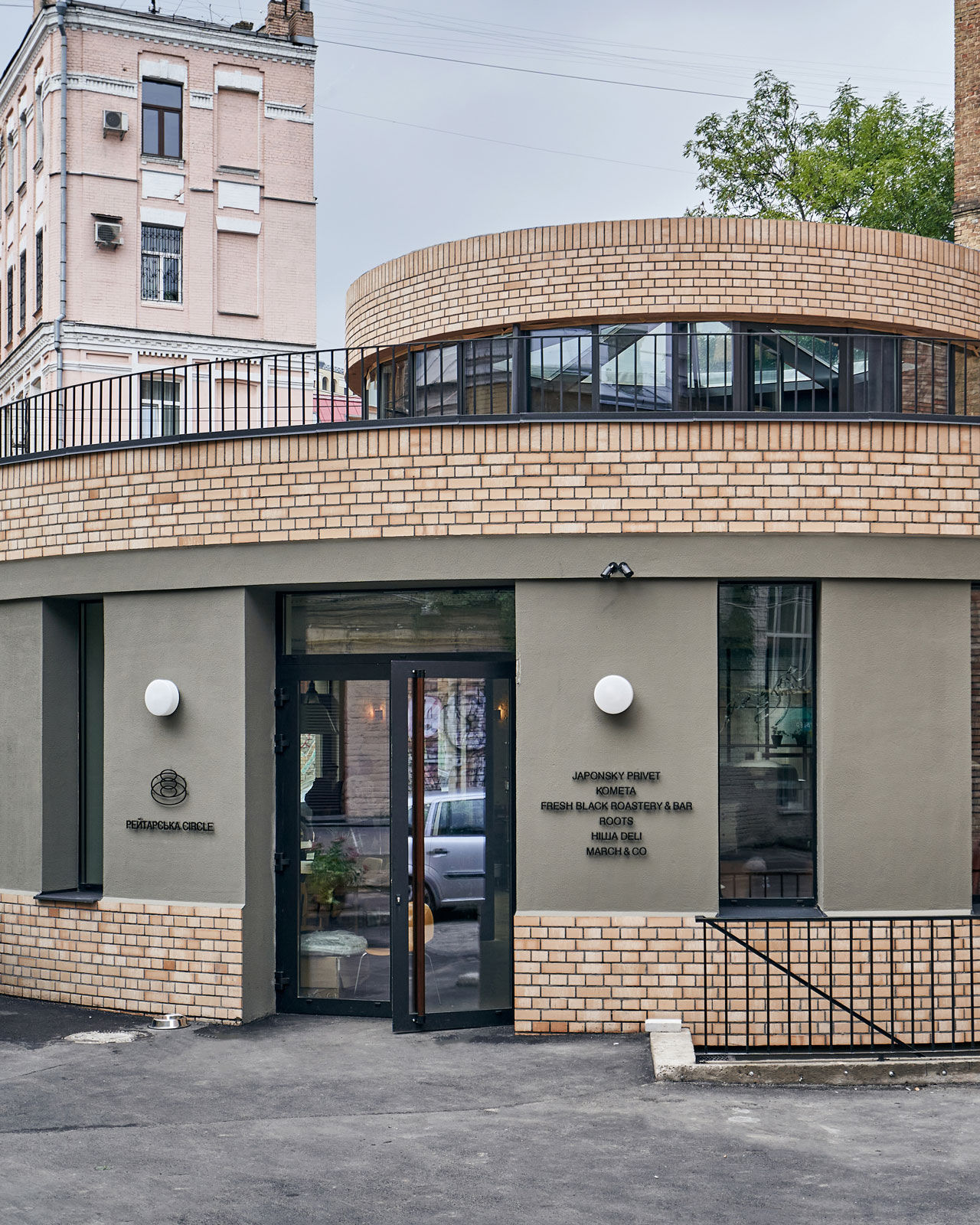
It’s not just long-time Kyiv residents who have realised Reytarska Street’s potential. Swiss film-maker Marc Wilkins had long felt an affinity with Ukraine’s capital. After moving here in 2017, he co-founded art gallery The Naked Room. Since then he has helped to open Reytarska Circle, a restaurant. Its unusual, circular structure operated as the physiotherapy room for a hospital during the Soviet era. Unfortunately, a renovation in the early 2000s butchered the modernist building but together with Ukrainian architect Emil Dervish, he has restored the original façade.
Wilkins explains why a burst of entrepreneurship has extended across the city in the past decade. “Ten years ago Kyiv was owned by [ousted president Viktor] Yanukovych and his elite. After the Maidan Square protests [in 2014], people gained the confidence that if you create your own place, you can keep it.”
Where there are bars and restaurants, soon there will be a top-quality hotel too. A seven-storey building outside Reytarska Circle that is being renovated by boutique hoteliers First Line Group attests to the street’s own ascent.
Images: Kristen Woody, PCC Community Markets, Sorbonne University/Marie Curie campus.
Comment
Fashion
Russia
Dressing to impress
Anna Nemtsova on Putin Team Russia, a new fashion line sanctioned by the state – and endorsed by the president himself.
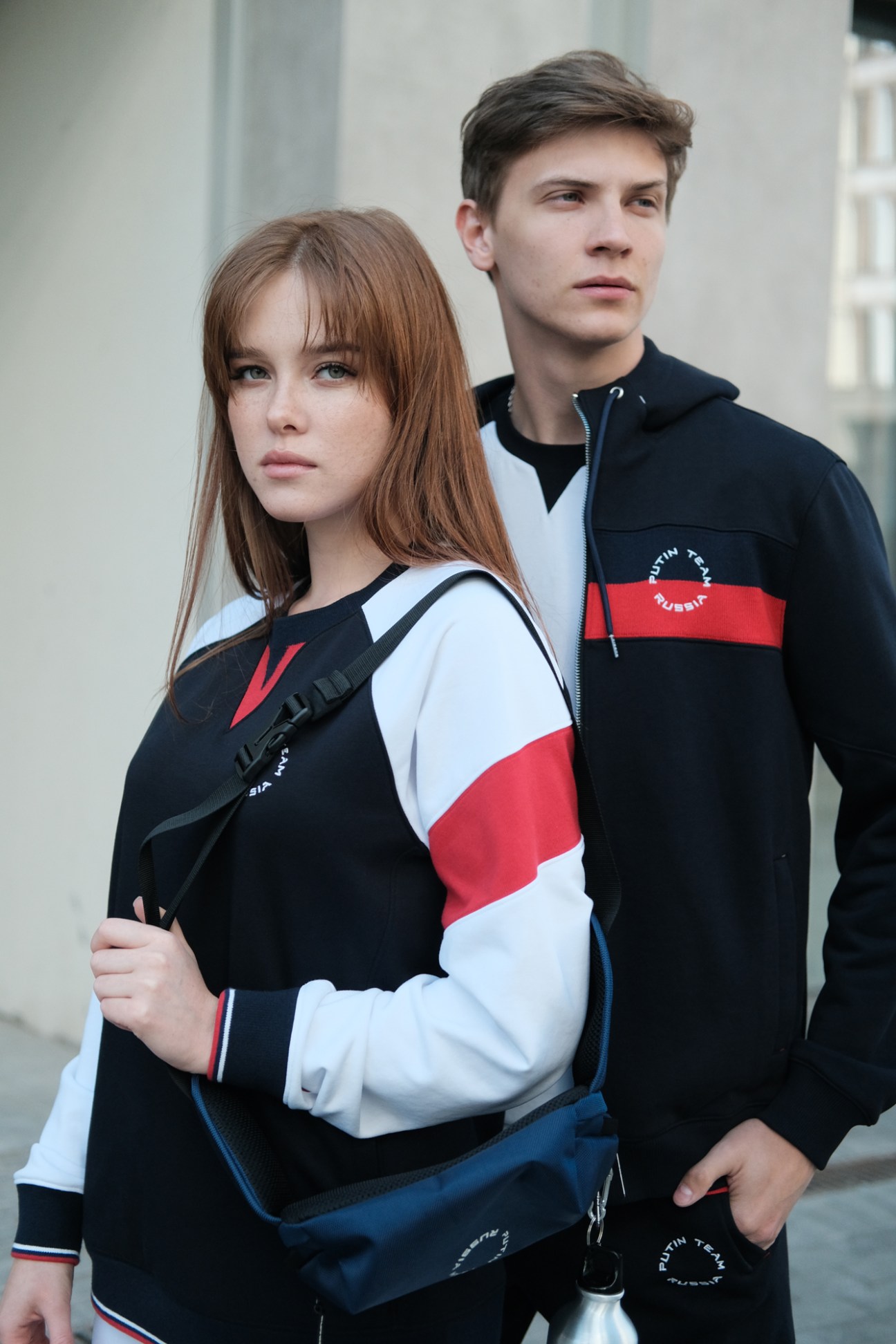
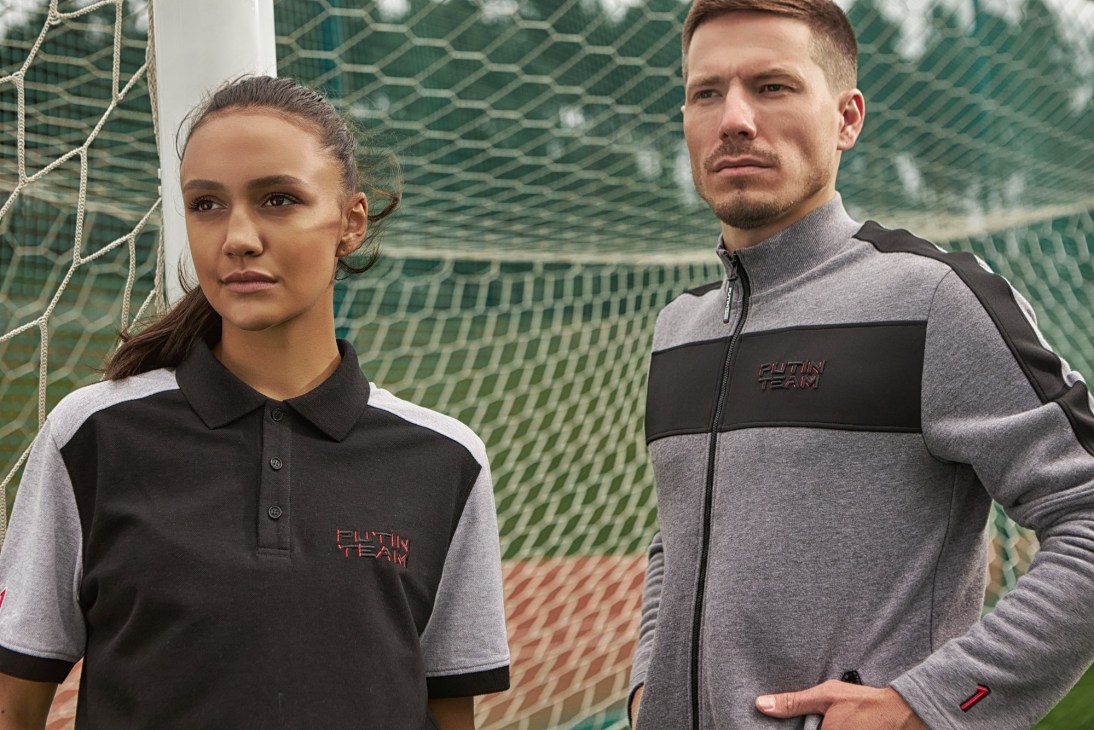
Fans of the Russian president like to say, “Russia is Putin.” Now one of them has turned that mantra into a brand. Putin Team Russia is the clothing label for the modern apparatchik: sleek, black polo shirts that wouldn’t look out of place at a Moscow rally or an oligarch’s barbecue.
The collection, given the name “Time of the First”, was showcased in the Russia pavilion at the Dubai World Expo in October. It was created by Dmitry Shishkin, a 34-year-old designer and businessman from the Ural Federal District, though Vladimir Putin has reportedly personally approved the project’s tracksuit tops, baseball caps and other items.
Having made his fortune producing clothes for state-controlled corporations such as Gazprom, Rosneft and Rosatom, Shishkin approached the Russian Ministry of Economic Development with a proposal to create a sportswear line inspired by the country’s greatest sportsman of all. It was an offer that it could hardly refuse.
The name Putin Team is taken from a movement founded by NHL player Alexander Ovechkin, the president’s friend and captain of the Washington Capitals. Since founding the movement, via a social media post in 2017, it has grown to include many of Russia’s brightest young things: Olympians, popstars, even chess players.
Like Ovechkin, Shishkin promotes the Putin Team Russia clothing line as a patriotic enterprise. He owns a textile factory in the Ural city of Yekaterinburg, where the clothes are sewn. He makes much of the fact that the fabrics and materials that the brand uses are mostly sourced in Russia.
In an online advert, a young, attractive couple pose and pout in a selection of trendy sportswear that wouldn’t look out of place in New York or London. Baseball caps, long-sleeve T-shirts, windbreakers and sweatshirts are all branded with three words: Putin Team Russia.
As is the way in modern Russia, matters of taste are ultimately decided by government edict. The national quality-control agency, Roskachestvo, evaluated the quality of Putin Team Russia sportswear, awarding it top marks for style and panache. Since then, the clothes have been featured in reports on national television and one state channel, Rossiya 24, made a point of noting that the Kremlin had approved the clothing line. On Christmas Eve, Putin Team Russia opened a boutique in Moscow’s Sheremetyevo Airport.
Shishkin isn’t the only businessman to smell potential success wafting off brand Putin. A few years ago, perfumer Vladislav Rikunov created a fragrance called Leaders Number One. It is advertised as having a “warm, woody scent” and sells in 100ml bottles, encased in black boxes adorned with Putin’s profile.
Given the present conflation of celebrity and politics around the world, it’s unsurprising that Putin – who is, after all, the most famous man in Russia and styles himself as the personification of the nation – should inspire a clothing collection.
Eye to eye
The Ukrainian crisis has pushed into the global spotlight the nation’s foreign minister. Dmytro Kuleba is a youthful 40 years old and, while he may have the weight of his nation’s future on his shoulders, he also always has a dapper jacket on his back, a colourful pocket square, good ties and great glasses. There’s something a bit retro about them. Kuleba cool is what it is.
His focus on good spectacles also places him among an interesting history of eastern European politicos with covetable eyewear – although Kuleba is a good guy, many of the other men in this line-up are rather dubious. How about Polish meanster General Jaruzelski, who led his nation from 1981 to 1989? While he can be condemned for many things, the specs were flawless – think big, think sun-reactive. East Germany’s final leader Erich Honecker, meanwhile, seemed to have more chunky framed numbers at his disposal than your local opticians.
For further inspiration, have a look at the face furniture belonging to former Russian leader Leonid Brezhnev, from wire-framed to sunnies for the seaside and glasses bigger than patio doors, he had this aspect of life sorted. On balance, though, we’ll stick with Kuleba’s vision of the future.
This story first appeared in our free newsletter, The Monocle Weekend Edition. Subscribe at monocle.com/newsletters
Affairs
Politics
South Korea
Crowning glory
James Chambers assesses the hair-raising pledges of the two frontrunners in March’s South Korean presidential election.
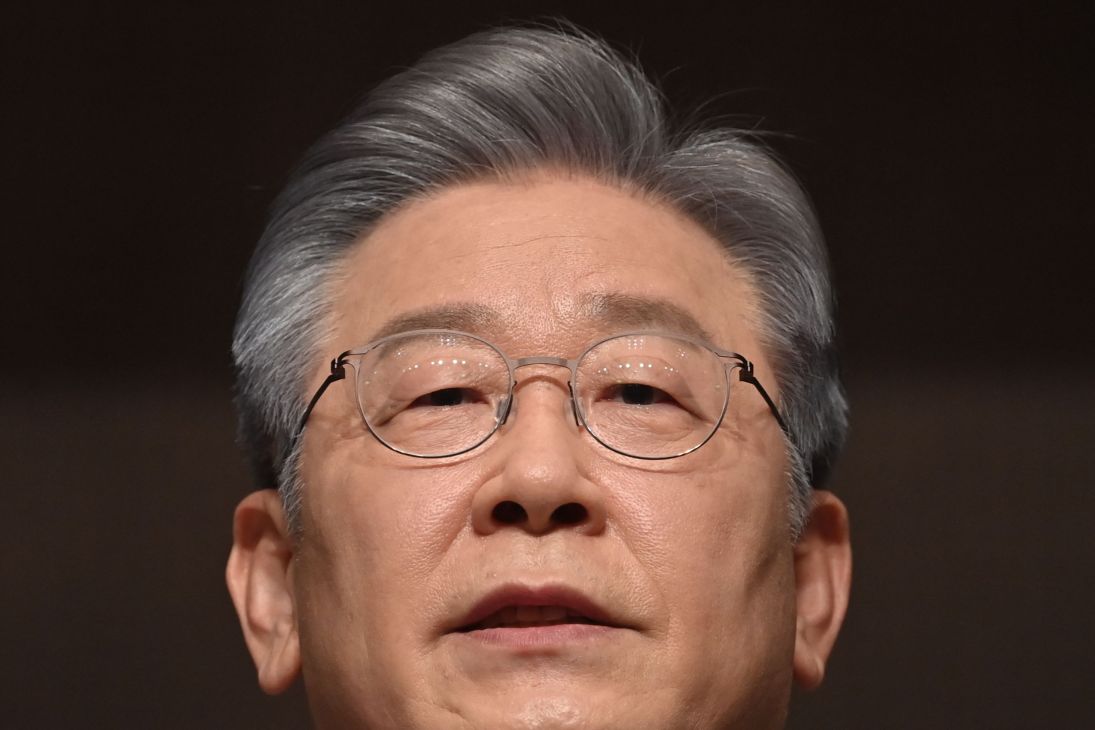
South Korea, which elects a new president on 9 March, has not escaped the populism that is rife in many democracies. The two frontrunners have both been accused of baldly pandering to voters. Lee Jae-myung, of the liberal Democratic party of Korea, is wooing older male voters with an unusual pledge to have the government fund hair-loss treatment for seniors. His closest rival, Yoon Seok-youl, of the conservative People Power party, is trying to win over the other end of the age spectrum with a costly promise to double soldiers’ pay in a country with mandatory military service.
Though the campaign has seen more scandal than serious debate, not all of the proposed policies are harebrained. Lee has supported moves to amend the constitution so that the president can serve up to two consecutive four-year terms, rather than the single five-year term that will see incumbent Moon Jae-in leave office in May. Moon has made similar calls during his presidency.
But, Lee is the first candidate to call for such constitutional reform on the campaign trail. According to him, having to seek re-election would improve the accountability of South Korea’s highest office.
But, given how divided public opinion is on this longstanding issue, a Lee presidency would probably delay any decisions until after the pandemic subsides and focus instead on more pressing issues, such as economic recovery, a belligerent North Korea and whether or not to break up BTS. That’s right: whoever becomes the country’s 13th president must decide later this year whether the seven members of the boy band are exempt from military service. If the answer is no, K-Pop’s biggest export will be forced to soldier on as a downsized outfit while its older members take a pay cut in order to learn how to fight. That decision, perhaps more than any other, might leave both mop-topped frontrunners pulling out their hair.
Soft power icon
On pointe
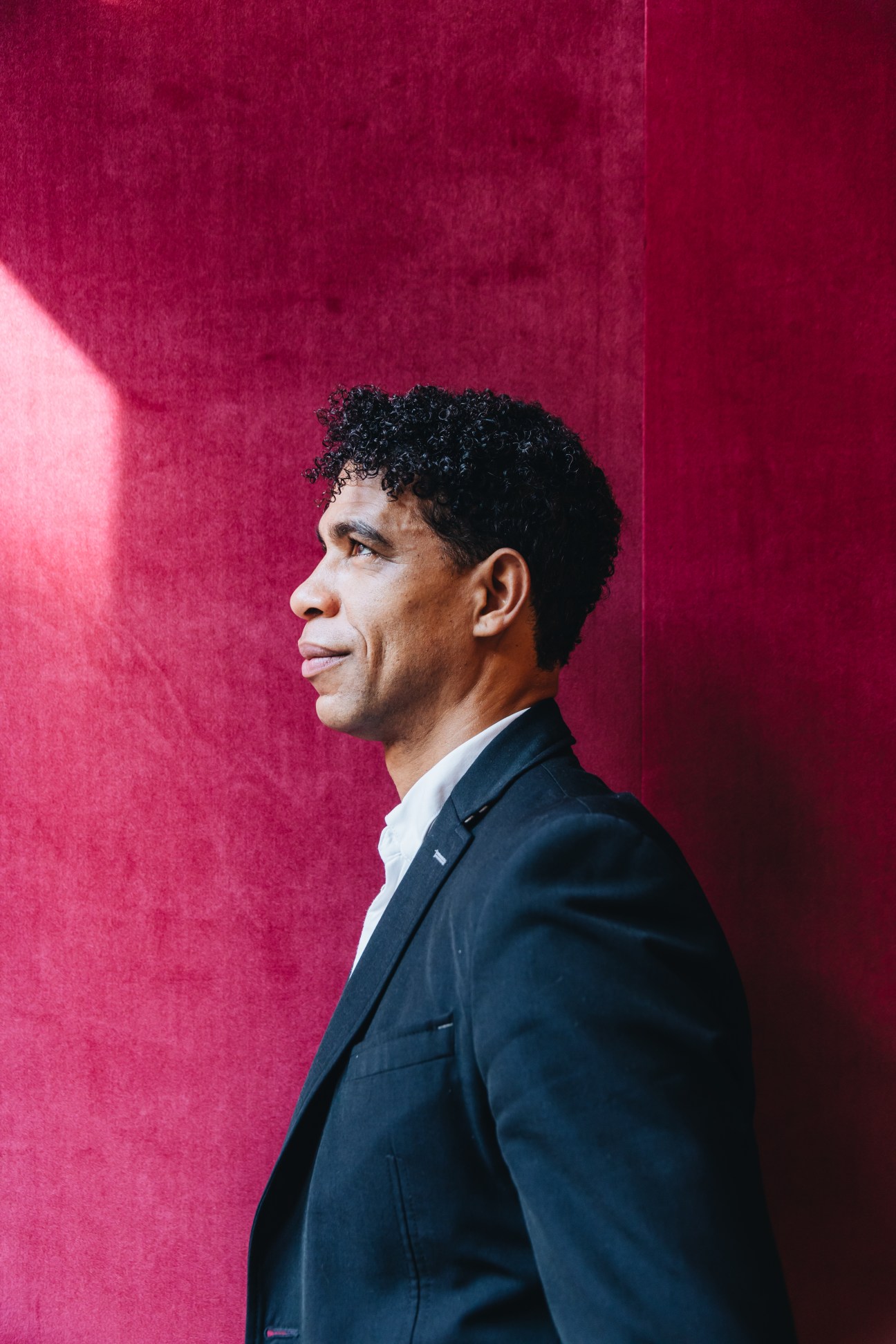
Decades of authoritarian rule and crippling economic sanctions don’t usually produce much joy but Cubans are famed for things that connote fun and good living: rum, cigars, danzón. This is testament to the country’s rich diversity and its attendant spirit. Ballet dancer Carlos Acosta symbolises this symbiosis more than any other.
After bursting onto the world stage in the late 1980s, his speed, athleticism and warmth made him a huge box-office draw. Since then, Acosta has transformed the often-staid world of classical dance, bringing a new exuberant energy to the choreography of George Balanchine and Rudolf Nureyev.
While cold war-era dancers such as Nureyev defected to the West, Acosta has maintained strong ties with his homeland. In 2009, he organised the Royal Ballet’s first tour to Havana and in 2017 opened the Carlos Acosta Dance Academy there. “Acosta conveys beauty, pain and joy so convincingly on stage, embodying the passion and resilience of his people,” says Damarys Farres Toyo, founder of the London-based Cuban School of Arts. Given his impoverished upbringing, she describes his achievements as “nothing short of a miracle”.
Cubans are infinitely proud of their miracle man but he has also become a powerful icon in the UK. Acosta was a principal guest artist with the Royal Ballet for 13 years and chose London’s Sadler’s Wells to debut his own production, Tocororo – A Cuban Tale. Finally, he became director of the Birmingham Royal Ballet in 2020, solidifying the Transatlantic bond.
Acosta has subverted the image of ballet as an elite Western pastime and, second only to mojitos, has become Cuba’s most successful (and refreshing) export.
Elections
Global
News in brief
1.
Friend or foe?
Serbia
Can anyone – or anything – stop Aleksandar Vucic and his Progressive Party? They have dominated Serbian politics since 2012, with Vucic serving as first deputy prime minister, and minister of defence. Elections on 3 April look set to extend that streak. Vucic’s campaign can point to Serbia’s progress in EU membership talks and the maintenance of ties with Russia. Steady economic growth and his appointment of the continent’s first openly gay female prime minister, Ana Brnabic (see here), help him claim that “progressive” is not just the name of his party.
But Serbia’s been slipping down the rankings of the Freedom House rights and liberties monitor for some time. With an atomised opposition, voters lack an alternative to the current president.
2.
Race to the top
France
President Emmanuel Macron is expected to ask French citizens to give him a second stint in the Élysée Palace. But pandemic fatigue, divisions over national identity and a hobbling economy have kept his approval ratings at a modest 37 per cent.
The first round of voting is on 10 April, with the run-off two weeks later. Polls suggest that Macron will then run against either the centre-right Valérie Pécresse, Marine Le Pen of the far-right Rassemblement National or Éric Zemmour of the even further right Reconquête!.
Defence
Global
In the basket
In the basket: 75 Abrams M1A2 tanks, plus 52 armoured vehicles
Who’s buying: Australia
Who’s selling: USA
Price: $2.5bn (€2.2bn)
Delivery date: From 2024

This is a rather curious purchase. The M1A2s will replace the secondhand Abrams M1A1s that Australia bought from the US as recently as 2007. Also, no Australian tank has fired a shell in anger since the Vietnam War. However, defence chiefs sound enthused about the M1A2, despite concerns that this mighty tank is too heavy even for Australia’s infrastructure. Nonetheless, they have emphasised its utility for possible future regional operations. “This system is the only part of the Australian Defence Force that can successfully operate in medium to high-threat land environments,” said Lieutenant General Rick Burr, chief of the army. They’ll have to schlep them there first.
The foreign desk
Andrew Mueller on…
The efficacy of sanctions
In January, the UK Foreign Office published its first annual report detailing which sanctions Britain now imposes independently of the EU. Of the 160 individuals and 13 countries detailed, some seem pretty straightforward – asset freezes and travel bans on the ghastly regime in Myanmar – while others are more quaint: vice-president Teodoro Obiang Mangue of Equatorial Guinea (by astonishing coincidence, the son of president Teodoro Obiang Nguema Mbasogo of Equatorial Guinea) is on the naughty list for spending the contents of his impoverished country’s treasury on Ferraris and a crystal-embroidered glove once worn by Michael Jackson.
However, the question is whether they (and every other sanction) do any good, – whether they demonstrably improve the behaviour of their targets or merely allow the imposer of the sanctions to claim that they have done something.
It is worth at least considering if those regimes most regularly targeted (Russia, Venezuela, North Korea, et al) fear sanctions, and the associated isolation, more than they fear the opposite. The engagement and relationships fostered by trade and cultural exchange might be a space in which the UK (newly Brexited and still in possession of considerable cultural clout) could exercise its independence and make use of a formidable soft-power capability.
I’ve visited a few places that were, at the time, under sanction by much of the world: Saddam Hussein’s Iraq, Slobodan Milosevic’s Serbia, Iran. The people hardest hit were not the criminals whose behaviour had attracted this collective punishment. In fact, it felt like the sanctions were working pretty well for the regimes: despots thrive on the idea that they are heroically defending a beleaguered nation against a hostile world.
The fall of Milosevic in late 2000 has been claimed as a success for sanctions. Certainly, by then, a critical mass of Serbs was fed up with the privations that nearly a decade of strictures had caused – or worsened. But it’s a heavy penalty to impose on largely blameless people and there is no guarantee that they’ll eventually thank you for it. Serbia, for example, is yet to develop into a model of pro-Western liberalism.
I was in Belgrade during the twilight years of Milosevic’s misrule. I’ve since recalled the exasperated words of a Serb contact at the time – one of those whose efforts to oppose Milosevic were not abetted by the disruption to everyday life that sanctions were causing. “What good,” she wondered, “does anyone think will come of locking us in a cage with a maniac?”
Diplomatic spat
Little for large
Who vs who: Taiwan vs Nicaragua
What it’s about: Nicaragua exchanging its diplomatic relationship with Taiwan for a diplomatic relationship with China. Unsurprising, perhaps, but the Central American country has been exceptionally graceless about the transition: giving Taiwan’s diplomats just two weeks to leave, then seizing their premises in Managua and presenting them to the incoming Chinese embassy. Taiwan condemned this behaviour as “gravely illegal”. Intriguingly, Nicaragua also bestowed citizenship upon Taiwan’s former ambassador, Jaime Wu, prompting furious demands from Taipei that he come home and explain himself.
What it’s really about: China’s whittling away at Taiwan’s global legitimacy. Nicaragua’s defection leaves Taiwan with just 14 full diplomatic partners and will be perceived by Taipei as a menacing development. Of those 14, eight are in the Central American/Caribbean region and one of those, Honduras, has a new president, Xiomara Castro, who campaigned on making the switch (though she has backtracked somewhat). Guatemala’s president, Alejandro Giammattei, has reaffirmed his nation’s amity towards Taiwan but he might just have been trying to push up the price that China is willing to pay.
Likely resolution: There will be more of this: China has picked off nine Taiwanese allies within the past decade. Taiwan can still take heart, however. There are nations that have ditched it for China and then returned upon receipt of a better offer.
Images: Getty Images
What’s in a name? Why Turkey wants to be called Türkiye
Comment
Turkey
Türkiye? Stuff it
Hannah Lucinda Smith explores the meaty matter of Turkey’s new name – and asks whether it will take off.
Turkey has long been a gift to headline writers. ‘What a carve up!’ screamed the Daily Mirror, a British tabloid newspaper, following the Turkish national football team’s 8-0 defeat to England in November 1984. The journalists might have congratulated themselves on their wit but nobody was laughing in Turkey.
Or Türkiye, as it is now called. In one of his final decrees of 2021, president Recep Tayyip Erdogan, who has already reshaped the politics and global image of his country, went one step further and renamed it. According to his order, the name of the country as it is spelt and pronounced in Turkish will replace its foreign-language equivalents, with the intent of boosting the country’s global standing. Exports will be labelled “Made in Türkiye”. International organisations will switch to the new name.
Or perhaps not. Name-changing is a tricky business, as Czechia – up until 2016 the Czech Republic – can confirm.
“The main aim was to get a one-word designation of our country,” says Pavel Kocis, the CEO of emc Public Relations in Prague. “Czechia wasn’t really successful since many people, even in Europe, still call it Czechoslovakia, or they confuse Czechia with Chechnya. But I still believe it’s better to have the option to say Czechia than to have to keep repeating Czech Republic.”
On the international stage, countries don’t always get to self-identify.
“There is a huge cost to the international system of identifying and amending every single instance where the name of the place is used – the whole global system of trade, travel, communications, transport, international law, finance and statistics has to adapt,” says Simon Anholt, an international-policy adviser and founder of the Good Country Index, a tally of nations’ global contributions. “It can take decades, if not generations, before people finally learn to call countries by new names. Very often it just doesn’t happen at all.”
Erdogan has made previous attempts to “Turkify” words borrowed from other languages. Yet Türkiye is itself a foreign import. “Türk” was a derogatory term in Ottoman times, applied only to peasants and provincials. Ottoman Muslims referred to themselves as Müslüman. The name Turquie has been used in Western Europe since the 13th century but its first recorded usage in Ottoman Turkish was by dissidents in the Hürriyet newspaper in 1868. The word was suppressed by Sultan Abdülhamid II, who ruled until 1909, and then re-emerged during the First World War. In 1922, Kemal Atatürk assigned it as the name of the homogenised nation-state that he founded in the ashes of the Ottoman empire.
There are examples where renaming has worked, of course. Formerly occupied countries including Sri Lanka and Myanmar have successfully shed their colonial names. India has renamed many of its cities and states since independence in 1947. In 2019 the Netherlands dropped Holland as its alternative moniker.
How many of us will be able to pronounce Türkiye properly is another matter. In a phonetically simple language, ü is one of two Turkish letters that are hard for non-natives to get their tongues around (the other being ö). Making the correct sound involves trumpeting the lips and forcing out a sharpened “uh”, distinct from the un-umlauted “uu”, and quite unlike any English phoneme.
“Accents are a nightmare,” Anholt said. “Do Turkish people call Germany ‘Deutschland’? No, they call it Almanya.” The headline writers probably won’t need to think up new jokes any time soon.