Issues
Hack attackers
Livorno possesses a unique lineage in Italy. “We hail from outlaws, dangerous intellectuals, persecuted religious minorities, immigrants and radicals,” says Mario Cardinali, the 85-year-old godfather of Il Vernacoliere, a now-satirical newspaper he has steered since 1982. In the 16th century the Medici family chose Livorno as Tuscany’s free port and declared that whoever chose to live there would be nearly immune to the law. Today it’s where Il Vernacoliere is based.
Infamous across Italy for the headlines on its posters at every newsstand, Il Vernacoliere proudly speaks a profanity-laced Livornese. But don’t take its writers and cartoonists for an uneducated bunch: among them are university professors and even a Grammy-nominated conductor. “We created a new journalism in Italy that reappropriates the language of the people to use their own voice against the powers that be,” says Cardinali. “The ‘high’ language of newspapers is a classist choice. We are ennobling ‘low’ language here.”
Il Vernacoliere‘s tagline is, “A monthly of satire, humour and lack of respect.” When Catholic and right-wing figures crushed an anti-homophobia bill in Italy, Il Vernacoliere responded with the headline, “The Church Concedes: Boys OK to Go to Bed with Priests (but only after evening prayers).”
The approach has earned Il Vernacoliere more than its fair share of lawsuits but Cardinali fights them off good-naturedly. “This paper is an instrument of freedom,” he says. Throughout its 60-year history he has refused to accept any advertising. “No one’s going to tell me that I should cover my mouth.”
Circulation has fallen from a peak of 80,000 in the 1990s to 20,000 today and Cardinali disdains online publishing. But the framed awards on his office wall show that the paper’s irreverence has won plaudits.
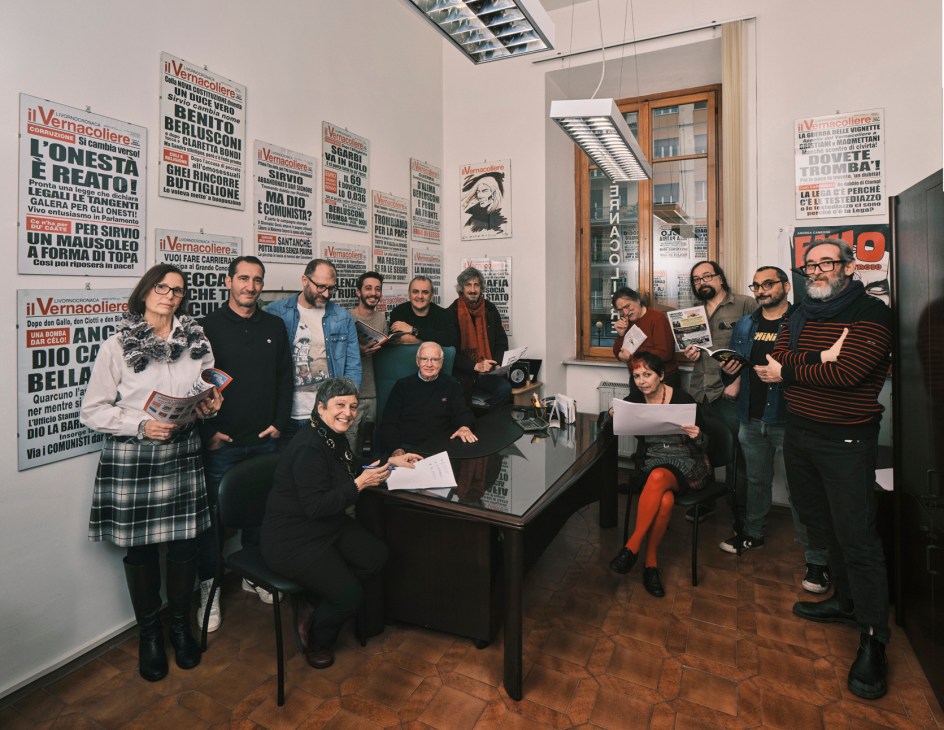
The Cabinet
(From left to right)
Daniela Mazzoni, Newsroom secretary, “Accounting, shipping, customer service – a jack-of-all-trades.”
Valter Cardinali, Graphic layout artist, “The founder’s right hand – and nephew.”
Fabio Nocchi, Columnist, “Maker of ‘Devoti con Brio’, a fake first page of a clerical magazine.”
Patrizia Salutij, Columnist, “Ridicules school from a teacher’s point of view.”
Mario Cardinali
Founder, owner and editor Cardinali established Livornocronaca as a “regular” newspaper but reshaped it as the satirical Il Vernacoliere in 1982, in response to other papers using literary voices that many Italians couldn’t understand. The content is his team’s method of knocking the establishment. “We’re Livornese and we respect neither popes nor kings,” says Cardinali. “We make fun of everyone.”
Giacomo Cardinali, Administrator, “Valter’s son. Takes care of the website and subscribers.”
Andrea Camerini, Author, artist, “Has drawn ‘Il Troio’, a racy political and satirical cartoon, for 30 years.”
Federico Sardelli, Cartoonist and writer, “The polymath mastermind behind countless cartoons, fake newspaper covers, columns and more in a decades-long collaboration.”
Pardo Fornaciari, The newspaper’s self-described theologian, “Investigates the phenomenology of the revealed religions by asking important.
Off the cuff
It’s a Saturday night in Toronto and I’m standing in a circle of 11 strangers in a spot-lit basement. To be clear, it’s the basement of a comedy club; I’ve come to an improvisation class at the underground training centre of The Second City comedy theatre. For someone whose attempts at comedy are usually more “funny funny” than “funny, ha ha”, it’s an unnerving prospect.
“The thing about improvisation is that it’s play,” says our tutor for the evening, a rapper-turned-comedian who goes by the stage name Phatt Al. “When we’re children, we’re allowed to be silly. Then you grow up and playtime stops.” He assures us that tonight’s class will rectify this.
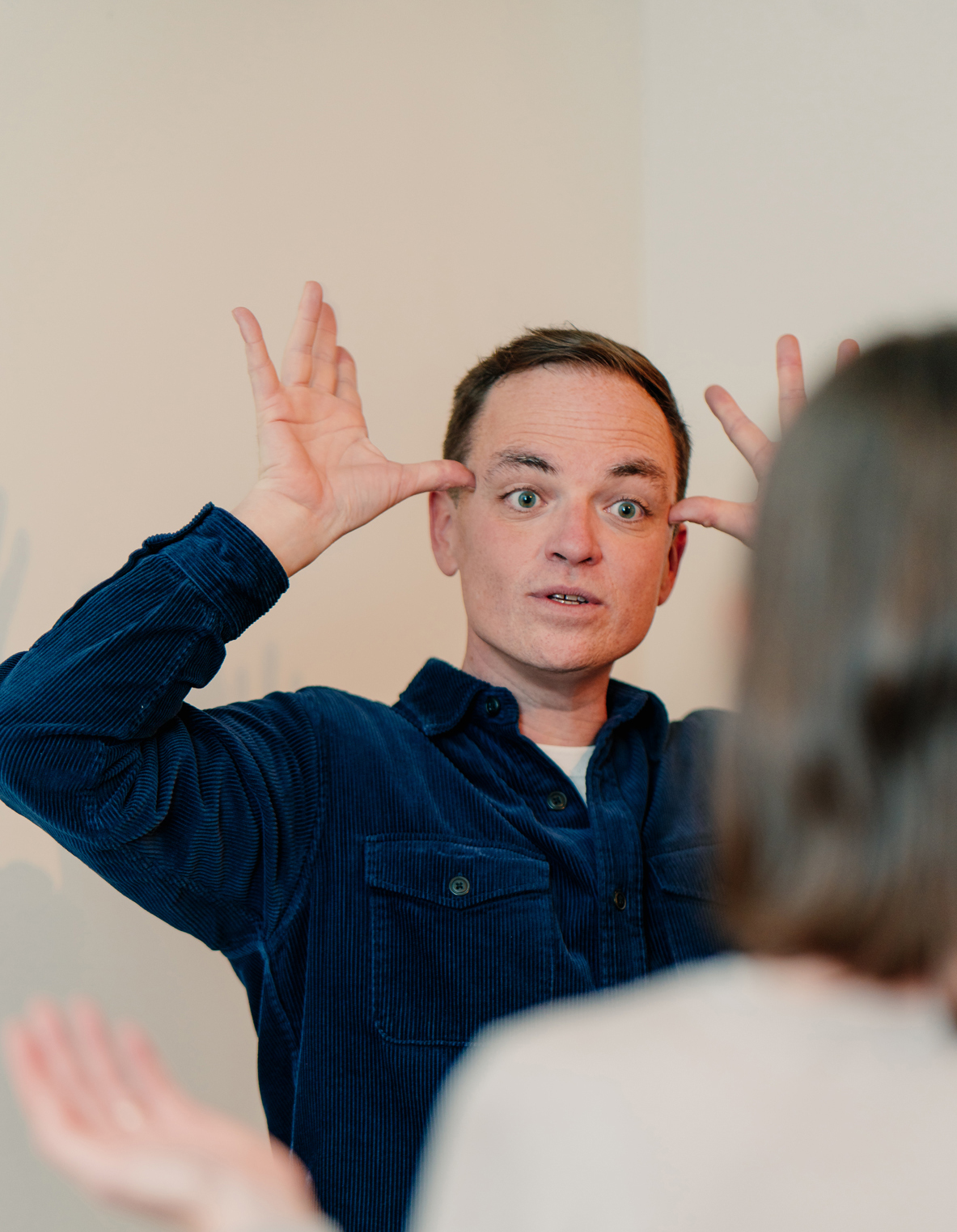

The Second City opened its doors in Chicago in 1959 and was founded on improvisation techniques pioneered by actress Viola Spolin, whose games and routines remain part of the comedy curriculum. “The difference between improv and stand-up is that the latter is very adversarial,” Al says. “You walk into a room and the audience says, ‘Make me laugh!’ With improv everybody knows that you’re making it up. They’re rooting for you. That energy is wonderful and it can become addictive.”
After a few vocal warm-ups, our games begin. First we are tasked with telling a story while going around the circle, one person at a time, one word at a time. By the end of our first tale, someone called Stacey has devoured a bowl of haunted chicken soup and has misplaced her eyeballs, a pizza and her grandmother.
“When we perform we’re just telling stories,” says Al, commending us for how absurd we were willing to be on our first attempt. “It will never be the same story twice. We’re making up scenes as we go. We do that in our lives anyway so we’re just going with the flow.”
The Second City’s alumni are a who’s who of US comedy: Joan Rivers, Bill Murray, Alan Arkin, Tina Fey, Stephen Colbert and Amy Sedaris were all full-time troupe members. Its outpost in Toronto opened in 1973 and has honed the comedy chops of some of Canada’s great comics, including Catherine O’Hara, Mike Myers, John Candy, Eugene Levy and Dan Aykroyd. Lorne Michaels, the Canadian creator of Saturday Night Live, often scouted at Second City shows in the programme’s early days.
That pedigree slips from my mind as our next activity begins. “Imagine your favourite animal,” says Al, as we wander in silence around the room. Gradually, at Al’s command, we start to mimic our chosen animal. I quickly ditch mine, a hedgehog; I am not sure how long I could sustain rolling in a ball around the floor. I opt instead for a flamingo and, with a stance that vaguely resembles that of a one-legged turkey, I saunter around the room.
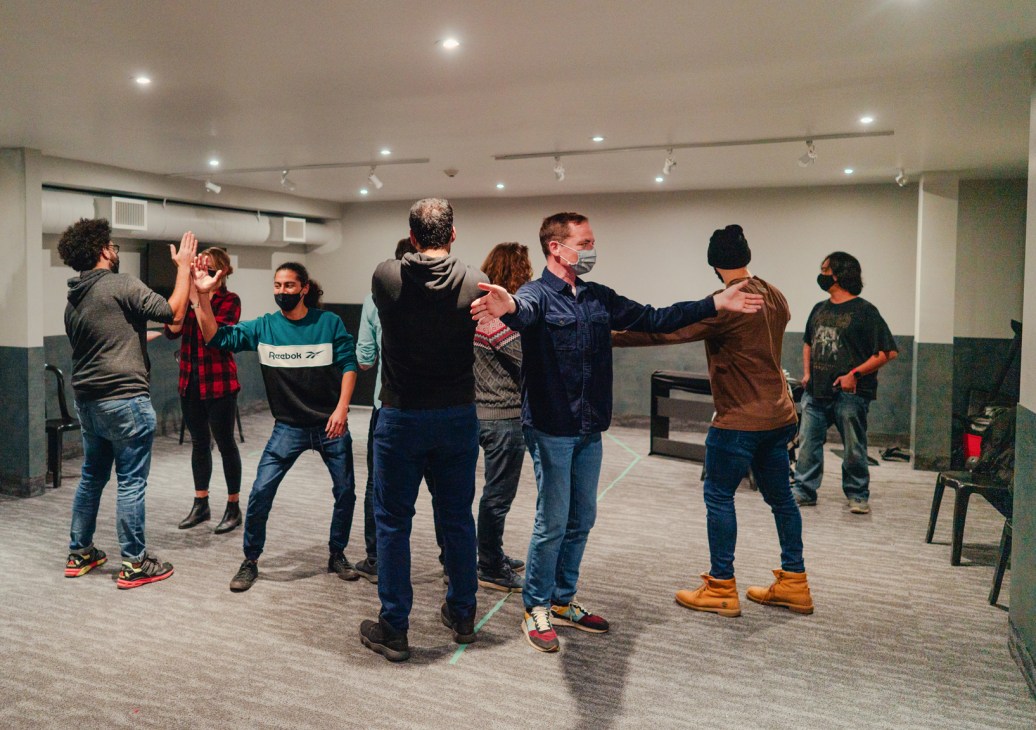
“I wasn’t sure if everyone would be open to being silly,” says my classmate Alejandro, a 22-year-old actor who moved to Canada from Mexico a few years ago. “But people here are all in a collaborative mindset and willing to make fools of themselves.” He isn’t wrong. It’s freeing to stand on the precipice of comedy oblivion in the company of strangers. “I’m a bit of an introvert and want to get out of my shell,” says 29-year-old software engineer Siddiq. “I’m using this to train myself to express myself more.”
Improvisation’s core principle is to say “yes” to unexpected scenarios. Rejecting the unknown, in comedy as in life, might seem like the safer bet but, says Al, “Not saying yes means that you’ll miss out on so many chances. We keep ourselves bottled up a lot of the time so it’s interesting when you walk into a room with people and they say, ‘We are going to have a good time together.’ When you do it, you think, ‘This is fun. I want to do it again.’”
If my flamingo routine hasn’t completely destroyed my improv credibility, sign me up for a second go.
The Opener
How to live
Back to business
The list
It’s time to fill your calendar with the coming year’s Monocle events, writes Tyler Brûlé.
The original plan was that this issue would make its debut at a cocktail party in Davos – but the World Economic Forum lost its nerve and it’s now expected to return in the summer. Meanwhile, we have been planning our own gatherings, so block out a few rough dates for the year ahead.
1.
At press time, Salone del Mobile in Milan was still scheduled to go ahead in April. Hopefully the organisers will stick to the dates; it seems that Omicron will have infected much of the world by then and we’ll be able to get back to business. We’re planning a number of events with various partners across the week.
2.
We haven’t held a large-scale event in North America in some time, so we have our eyes on a city in the US southeast for April. This will likely take place over a weekend with authors, entrepreneurs, chefs and intelligence officers. Look out for updates in our newsletters, which you can sign up to on our website.
3.
Our Quality of Life Conference will head to Paris in June, taking on a new structure. The venue is secured; we’re just finalising the dates and line-up.
4.
The Chiefs Conference will return to St Moritz in September. We aim to keep it as cosy and contained as edition one. Yes, we’ll be chartering train carriages for the journey up the mountains.
5.
Finally, our media conference will move from London to an Asian capital, with an expanded format to make it worth the journey for those travelling in from across the region and around the world. See you in 2022.
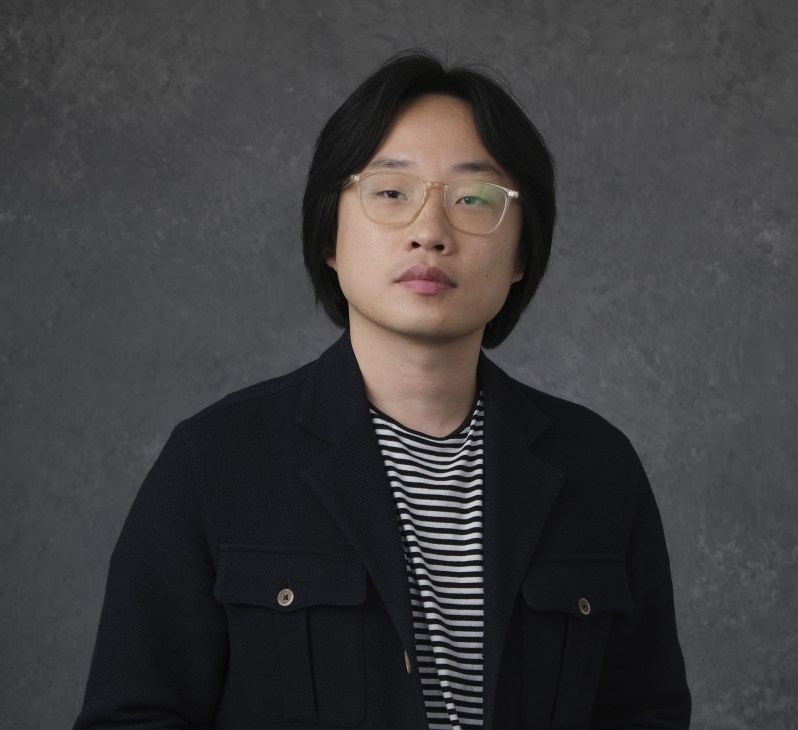
The interrogator
Jimmy O Yang
USA
Despite holding a degree in economics, Jimmy O Yang has emerged as a leading light in comedy on both small and silver screens. The Hong Kong-born actor began performing stand-up in Los Angeles in 2008, before going on to star in HBO’s Silicon Valley and Jon M Chu’s blockbuster Crazy Rich Asians. This year is likely to be his busiest yet, with a second season of Space Force and Netflix film Me Time on the cards.
What can we expect from the second season of ‘Space Force’?
It has an incredible cast, including Steve Carell, John Malkovich, Ben Schwartz and Lisa Kudrow. I could go on and on about them. After we wrapped on Silicon Valley, the show I did before this, I thought that I’d never find a project as good as that – and then along came Space Force.
What makes you say yes to a project?
The script, first and foremost. It has to be entertaining, something interesting that I want to see and take my friends to. But it also needs to be meaningful and have people in it whom you want to work with, learn from and collaborate with. The film business is a team sport.
You’re known as a stand-up comedian but now you’re also acting and writing. How have you found juggling it all?
Stand-up is my first love but I’m very fortunate to be able to get paid to do all these different “sports”. I find enjoyment in all of them. Ultimately it comes down to storytelling, truth and honesty. One discipline helps to inform and improve the others.
Your current projects encourage us to think but also to have a laugh in the process. Is that how you’ve approached your stand-up too?
A comedian’s job is to say stuff that everybody is thinking but nobody can talk about. Having a laugh about it is part of that. Comedy, especially stand-up, is quite personal for me. When I moved to the US, I first had to master the language as I didn’t speak English very well. So I watched a lot of television and when I found stand-up comedy, I became obsessed. Not only was I learning about the language but I was learning about the most up-to-date trends, cultural references, how one sees the other and how nuances work in a country like America.
How did you get involved in stand-up comedy as a practitioner?
I started aged 21. I was about to graduate from college with an economics degree and I just didn’t want to go into that. So I started doing stand-up, trying to find myself.
Our man in…
We take the pulse of Monocle’s HQ and bureaux across the world to find out what’s new this month, from grassroots urbanism in Zürich to feline-inspired fashion in Hong Kong.
Zürich
Crowd-sourcing
Zürchers with a dream to make their city better could see it become reality thanks to the City Ideas campaign. In the coming months, 61 citizen-led projects, such as a library for everyday items, will be installed by the city. Now that’s hands-on urbanism.
London
Creature comforts
A big draw for many urbanites is quick and easy access to nature, and London’s mayor, Sadiq Khan, has plans to bring flora and fauna closer to Londoners. His £600,000 (€718,000) “rewilding” fund could see long-lost species, including beavers, return to the city’s parks.
Toronto
Spaced out
Toronto is making an effort to ensure that its condominium boom doesn’t also become a parking nightmare, by ditching minimum parking requirements for new residential developments. In a walkable city, it should mean streets filled with residents not cars.
Los Angeles
Safe haven
Beverly Hills residents are beefing up their home security; orders for armoured cars, safe rooms and private patrols to accompany pet walkers are on the rise. Are they a barometer for wider Los Angeles? Perhaps, but the mayor says that crime has been down for 10 years.
Hong Kong
Roar materials
As we enter the year of the tiger, orange-and-black outfits are in vogue and Chinese New Year collections are big business for European luxury houses. Designers will no doubt enjoy the fact that such looks fit the catwalk much better than those referencing the mouse, cow or pig.
Tokyo
Getting on board
Though Japan dominated skateboarding at the Olympic Games, the sport remains banned in most parks in the country. However, the Tokyo government might be about to change that after a group of skaters, including gold medalist Yuto Horigome, called for progress.
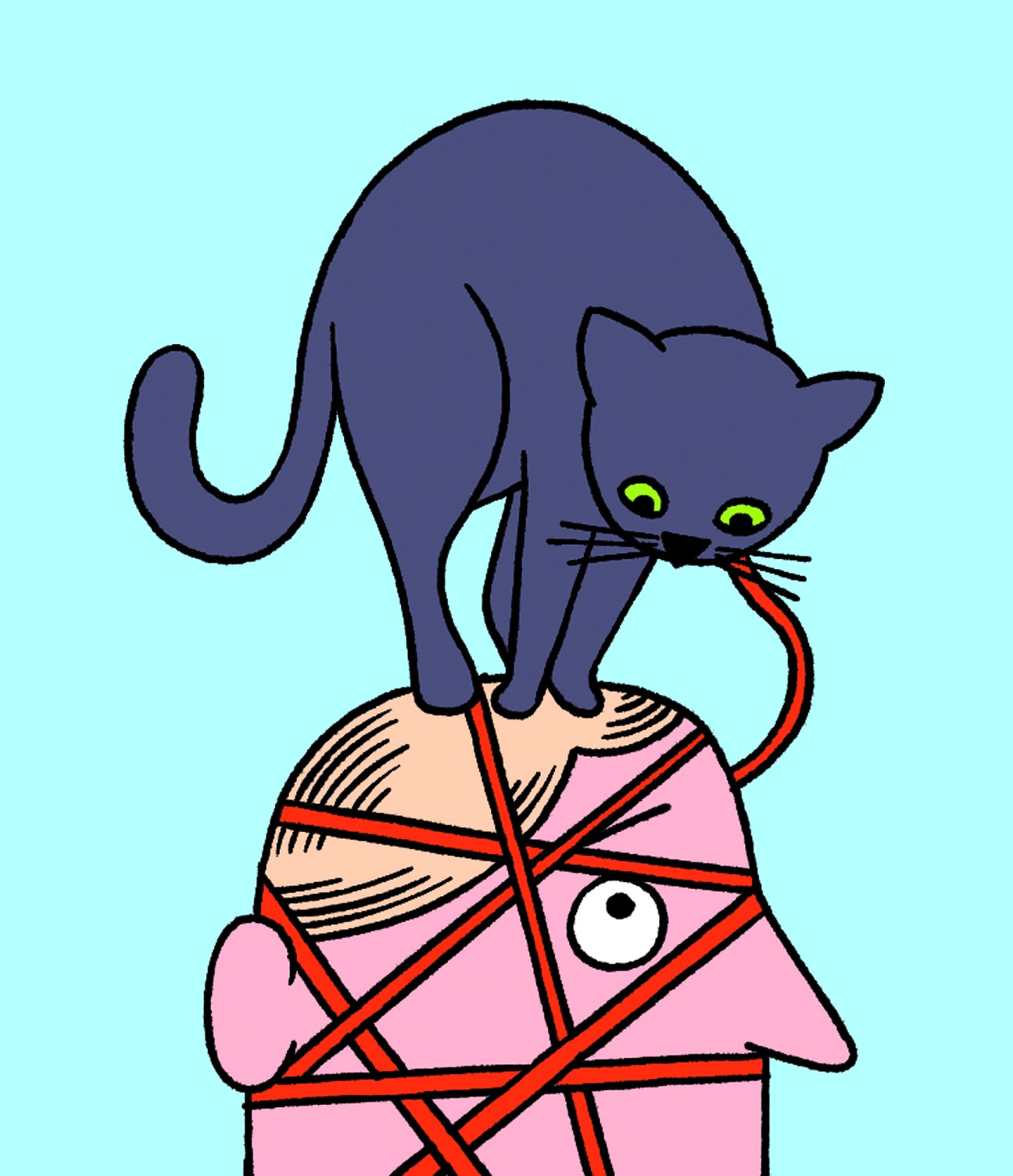
Taking a lead
Cats have long been a menace to Australian fauna, none of which has evolved toevade imported felines. The Western Australian city of Fremantle is considering taking action by banning cats from roads and parks unless they are on leads. While it wouldn’t be the first place in Australia to pass such a law, Fremantle has a reputation for foppish eccentricity. Soon, at least, when you see a resident walking a cat, you’ll know it’s because they have to, not because they want to.
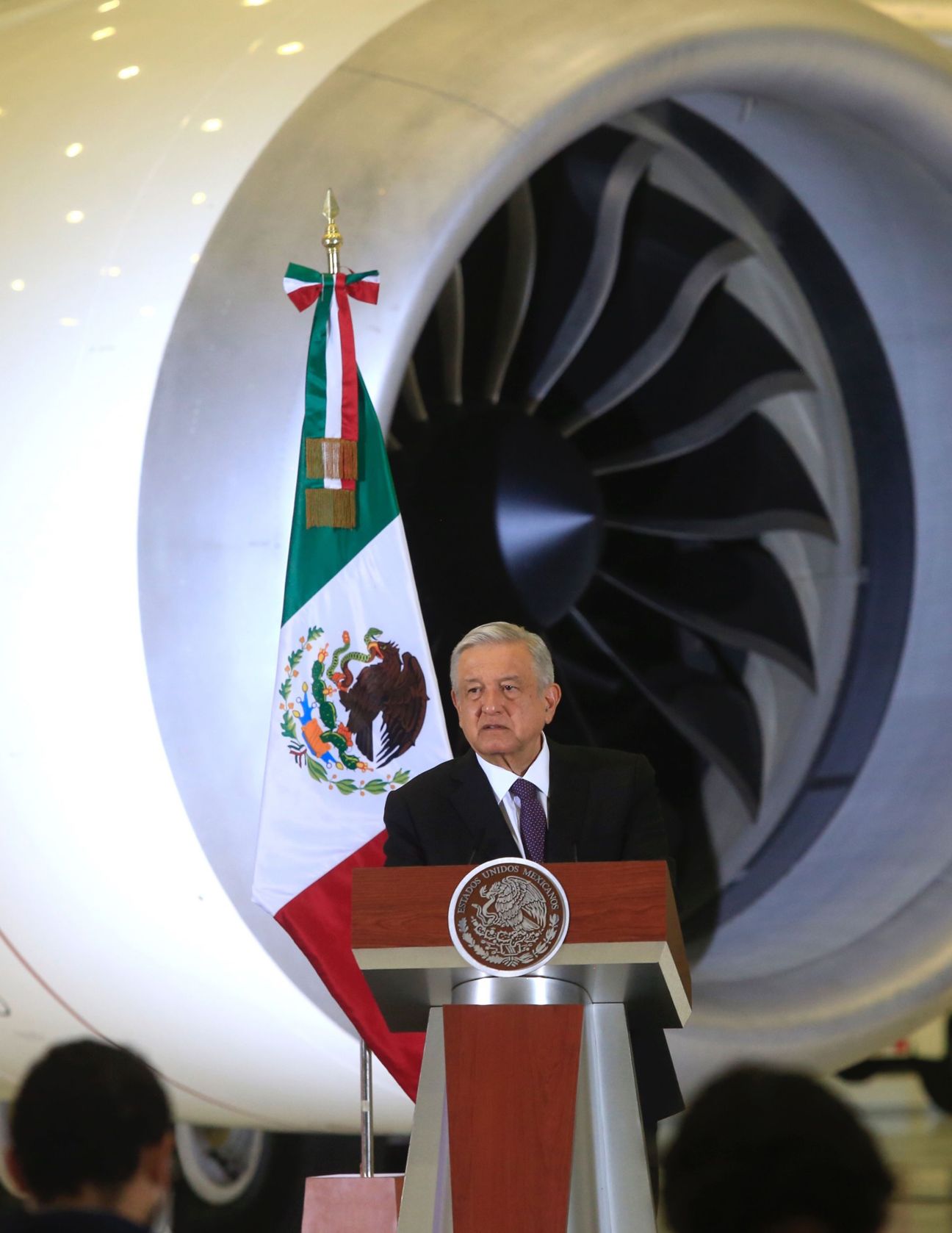
Hot air rises
Doing away with official aircraft is an easy way for politicians to bolster their popularity. Take Peruvian president Pedro Castillo, who has announced plans to sell the country’s presidential aircraft, an ageing Boeing 737 that’s yours for €16.4m. This follows hairshirtery by Mexican president Andrés Manuel López Obrador, who has been flying economy for three years while seeking a reasonable offer for a sumptuously appointed Boeing 787. Any voter seduced by such gestures of solidarity should think of how they feel when they step off a long-haul flight in a middle seat in row 47 and ask themselves, “Would I want someone in that state conducting negotiations?”
Joking aside
There’s a saying in comedy circles: if you can’t joke about one thing, you can’t joke about anything. In some places, however, laws force comedians to watch what they say. Here are three countries where certain topics are considered no laughing matter
1.
Thailand
Want to be gonged off the stage (read: arrested)? Then crack a joke at the expense of the king.
2.
India
Tread lightly around religion. Poking fun at Hindu gods has landed comics in prison.
3.
Russia
If you’re a foreign comedian touring Russia, skewering your host country will likely result in your tour coming to an abrupt end.
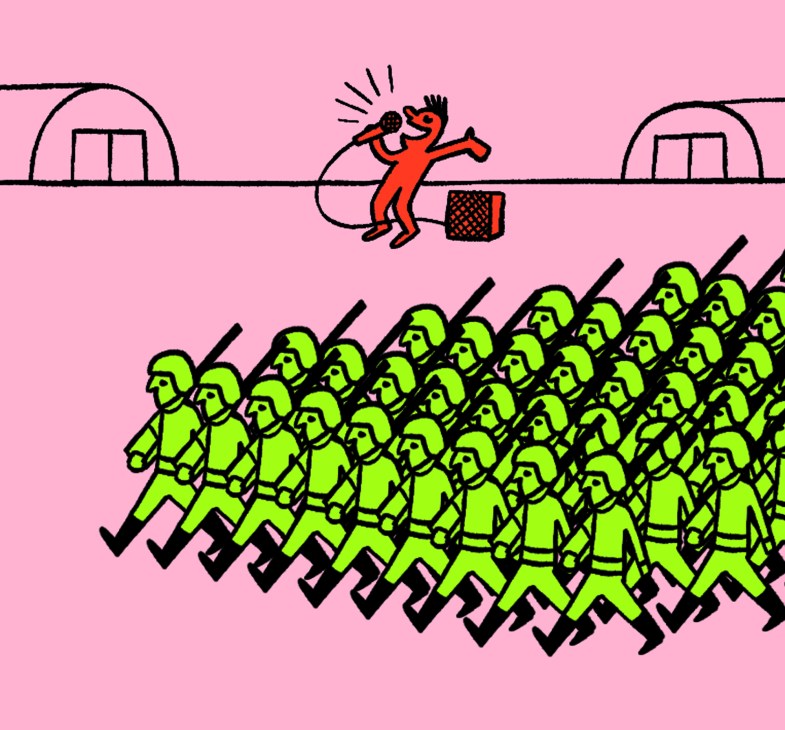
Air-force jollity
At the end of 2021, Polish generals tried to lift troop morale by hosting a concert at an air-force base. But one wonders how high they hoped spirits would rise: looking at the line-up, it would not require much snobbery to conclude that the engagement appealed largely to artists who have recently spent much of their time gazing at a silent phone. On the bill were German singer Lou Bega, for whom every mambo from No 6 onwards has been a disappointment, and Jenny Berggren, of whom mercifully little has been heard since the mid-1990s. This dismal line-up could have been worse. Spanish novelty act Las Ketchup, approaching the 20th anniversary of their only hit, were set to appear but were quarantined – on public-health rather than aesthetic grounds.
Correspondent’s view
Outside chance
New York
When pop-up structures for alfresco eating first appeared on New York’s footpaths to facilitate pandemic dining, many assumed that they would be temporary. Or, at least, some hoped so. The huts and tents that line the streets have offered New Yorkers solace from the cold but they’re also a source of tension, blocking bike lanes, creating noise and attracting rodents. Whether the residents like it or not, however, they’ve become dining staples and many establishments have made spaces that are more creative than the restaurants themselves.
In Stuyvesant Heights, Peaches Kitchen & Bar has created “friendship cabins” made from recycled plastic bottles. On the rooftop of Arlo Soho, heated wooden cabins with antler chandeliers and cushions make diners feel almost like they’re atop a ski slope in Verbier. Some, like Burmese restaurant Rangoon in Prospect Place, are working with established designers; it engaged Saw Earth studio and Outpost Architecture to create a white outdoor hut with nifty panels that work like Venetian blinds and regulate ventilation. GRT Architects has also created slick black booths for Cote restaurant in the Flatiron and red huts with curtains and dangling lights for Michelin-starred restaurant Don Angie in the West Village.
While there’s no denying that some of these can be hazardous, especially ahead of snowplough season, one can’t help but admire their ingenuity.
Images: Sela Shiloni, Shutterstock
Sight and sound
Exhibitions
Cloud Seven
Brussels
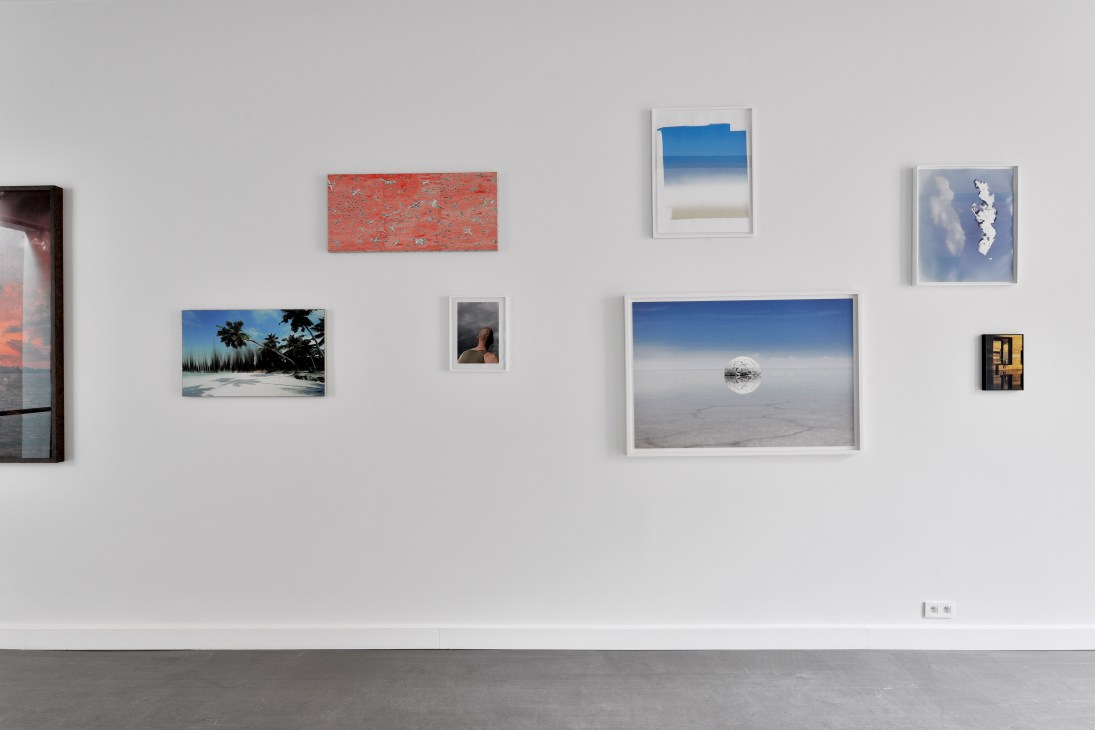
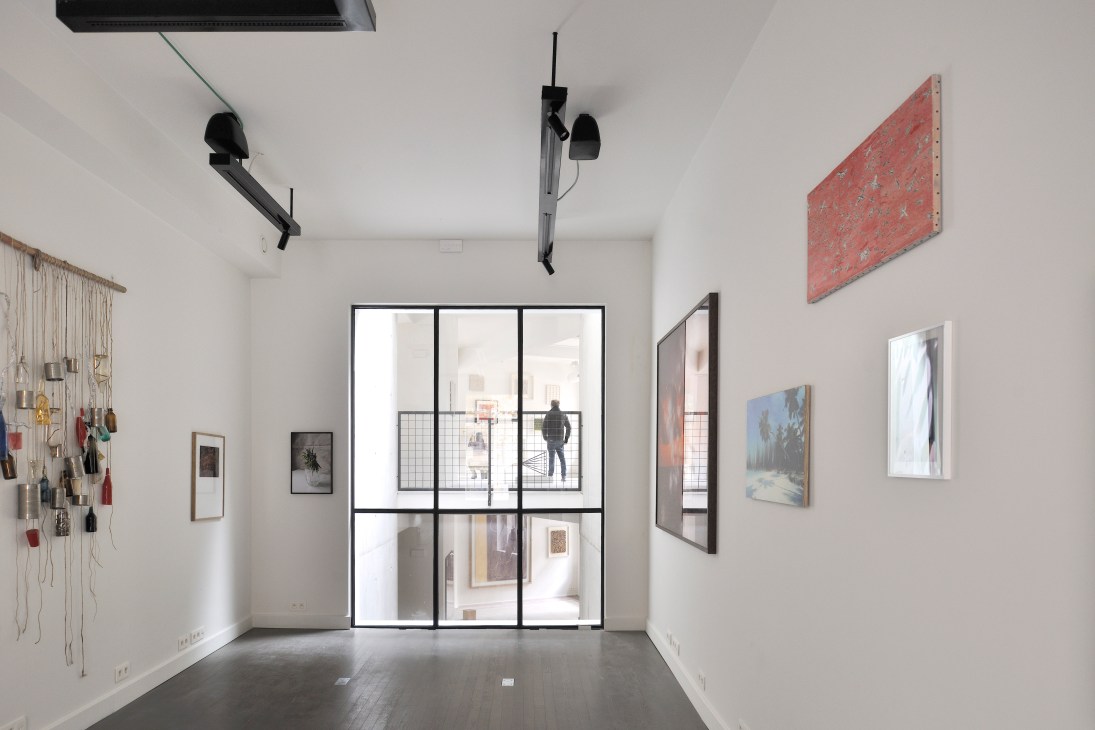
This newly renovated space is expected to become Belgium’s latest major art gallery. It’s an experiment in what a cultural venue can be; consisting of two buildings, it includes a co-working space with integrated artist studios, as well as a bar and a gym. It also features a more conventional white-cube space, which will serve as the home of the Frédéric de Goldschmidt collection. This includes work by major international artists such as French-Algerian Neïl Beloufa, US painter Christopher Wool and Iranian Shirin Neshat, alongside that of younger emerging creatives and historical pieces sourced from the arte povera and Zero Group movements. Ahead of Cloud Seven’s official unveiling in February, the space is hosting a group show of 250 artists inspired by Turin-born master Alighiero Boetti.
Cloud Seven opens in February
‘Shooting Down Babylon’ at Zeitz Mocaa
Cape Town
South African artist Tracey Rose has been exploring issues of identity, race, gender and colonialism through her installations, performances and photography since the 1990s. In her largest-ever show, Rose will present ambitious installations, photographs and video works, including the titular “Shooting Down Babylon (The Art of War)”, a film about non-Western rituals of exorcism and cleansing.
‘Shooting Down Babylon’ runs from 17 February
‘What Is the Object?’ at Bard Graduate Center
New York
Throughout his long career much of US minimalist artist Richard Tuttle’s practice has been based around collecting objects and creating work in response to them. This exhibition focuses entirely on those projects. Made up of 75 items taken from his collection, each accompanied by an index card detailing its origins and the artist’s relationship to it, the show asks viewers to consider teacups, textiles and antiques. Tuttle’s eclectic, mesmerising work also invites them to question the line between inspiration and artwork.
‘What Is the Object?’ runs from 25 February
Books
The Swimmers
Julie Otsuka
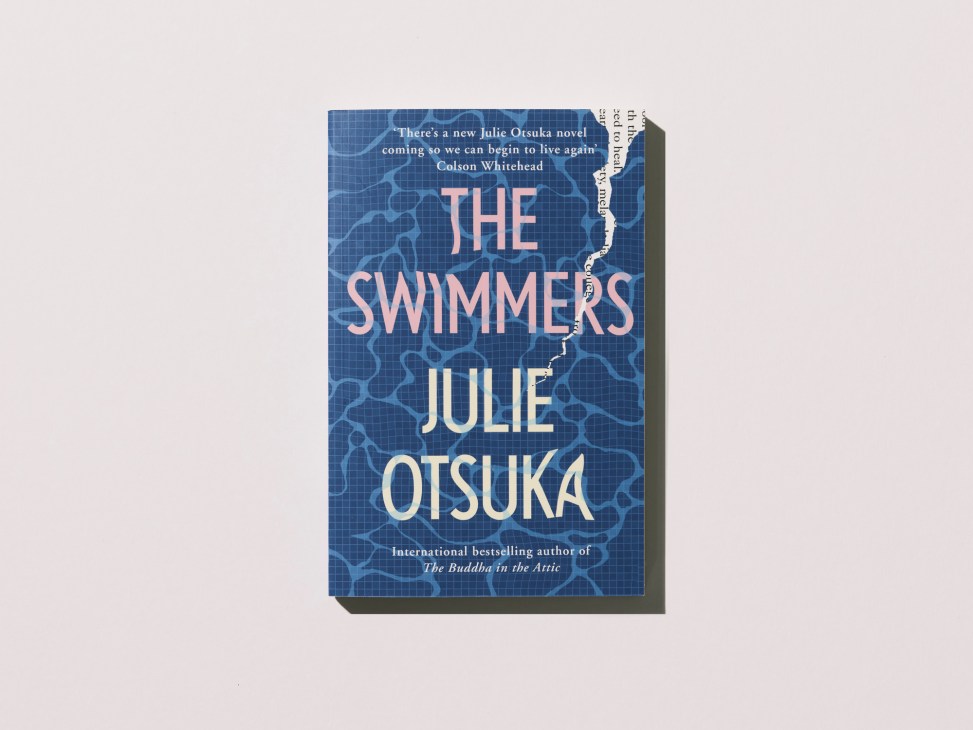
The latest novel from the author of The Buddha in the Attic takes as its setting a public pool. What begins as a group portrait of the swimmers who find comfort there becomes the story of Alice, whose daily laps have helped her to keep dementia at bay. When a crack appears in the pool, forcing it to close, her memories start to drift. Following the effect of her deterioration on her relationship with her estranged daughter, Julie Otsuka spins a tale of community, grief and love.
‘The Swimmers’ is published on 24 February
Please Miss
Grace Lavery
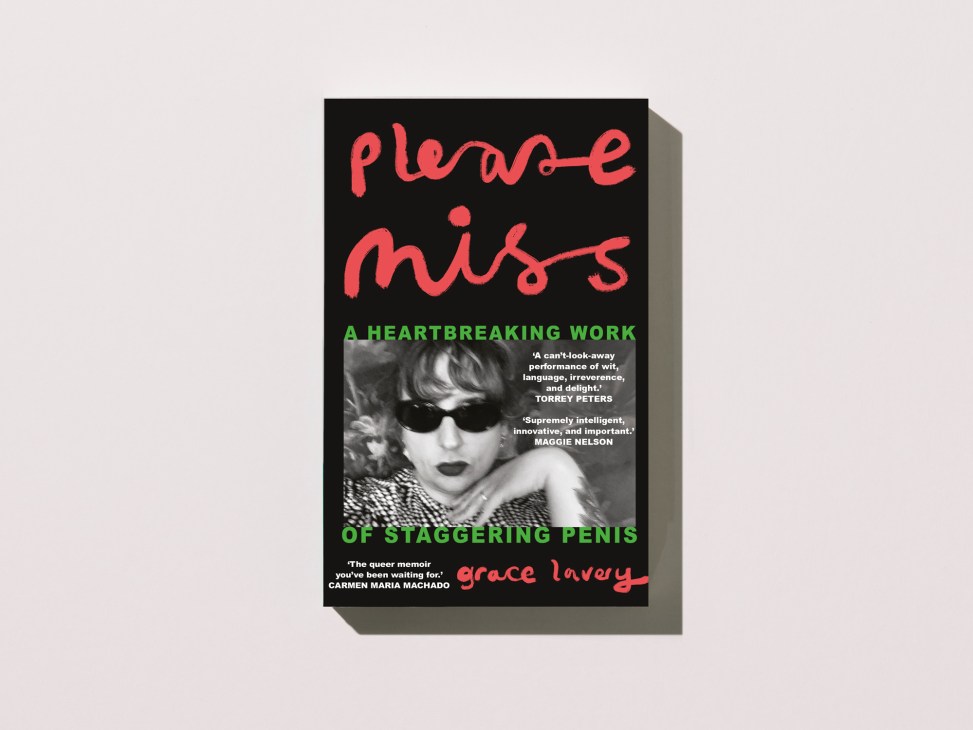
Tossing out the idea of transition as a straightforward journey, writer, editor and Berkeley scholar Grace Lavery explores literature, pop culture and queer theory in a memoir that touches on subjects ranging from performance, addiction and sex to our relationship with our bodies.
‘Please Miss’ is published on 8 February
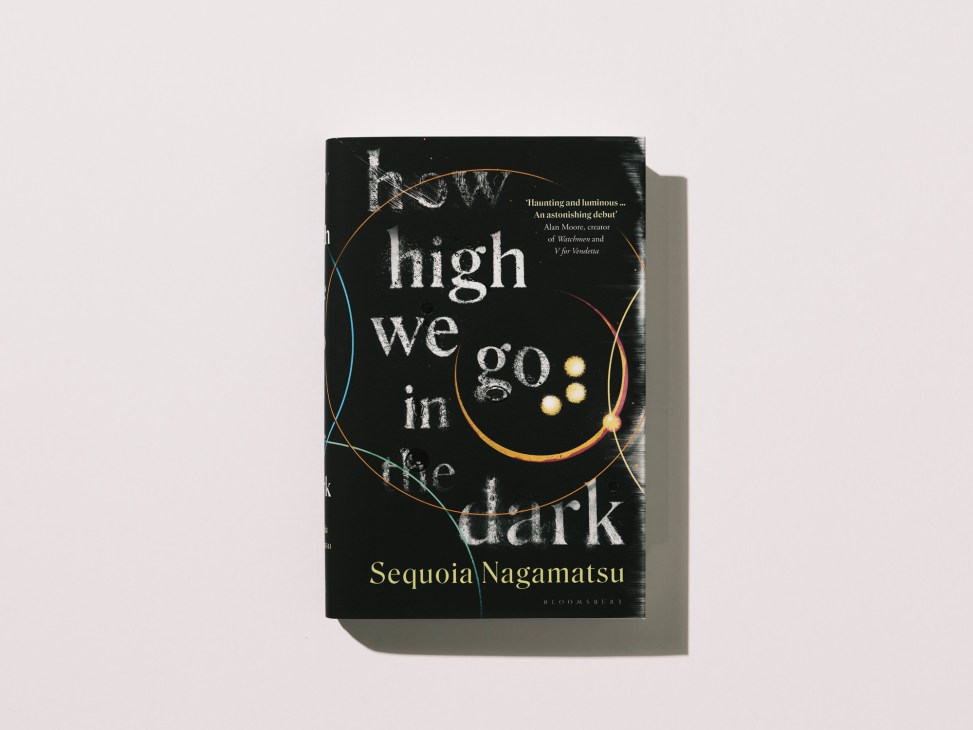
How High We Go in the Dark
Sequoia Nagamatsu
Japanese-American writer Sequoia Nagamatsu’s debut can be read either as a series of short stories or as a single epic tale. It follows loosely connected characters spanning generations as they adjust to life after a plague is released by the melting Arctic ice. With unbridled imagination, Nagamatsu conjures a world that is at once unrecognisable and frighteningly close to our own. It’s an ambitious and timely piece of speculative fiction that is both harrowing and hopeful.
‘How High We Go in the Dark’ is out now
Music
The Gods We Can Touch
Aurora
Norwegian singer Aurora Aksnes’s ethereal vocals will be catnip to fans of the Cocteau Twins or Björk. She often works on multiple records at once, referring to them as “steps” rather than albums; her next step, a soaring spook-fest, could be her best yet.
‘The Gods We Can Touch’ is released on 21 January

Life on Earth
Hurray for the Riff Raff
When Bronx-born Puerto Rican musician Alynda Segarra was 17, she ran away from home and had to busk for a living. Her life story has worked its way into the lyrics of her past five albums, which were musically inspired by folk singers such as Woody Guthrie. On her latest record her band’s sound and subject matter have evolved, now focusing on the beauty of the world in a bid to make people take better care of it. With songs as good as “Rhododendron”, it might just catch on.
‘Life on Earth’ is released on 18 February
Pompeii
Cate Le Bon

Welsh artist Cate Le Bon took self-isolation one step further when she decided to lock herself away in a house to record a new album alone. There she created Pompeii, a collection of songs that question human existence, faith and the mundane surreality of life, deftly juxtaposing dark lyrics with deliciously tight instrumentation that largely consists of synths, saxophone and drums. It’s a peculiar combination of soothing yet intriguing sounds.
‘Pompeii’ is released on 4 February
TV
Mr A & Mr M: The Story of A&M Records
Ryan Suffern

What links Carole King, Sting and Janet Jackson? The answer is their record label, A&M Records, which was renowned for nurturing its artists rather than pushing for a disposable hit. This two-part documentary, rich in archive footage, looks back at the label’s history since its beginnings in 1962, when it was founded by Herb Alpert and Jerry Moss in a garage. Their ability to adapt to rapidly changing tastes turned A&M into the world’s biggest independent record label. This documentary pays homage to their achievements.
Katrina Babies
Edward Buckles Jr
The devastating effect of Hurricane Katrina on New Orleans is well documented but more than 15 years later its consequences are still being felt. This new documentary by Louisiana-based film-maker Edward Buckles Jr reminds us of the ramifications of the hurricane on those who were children when it happened. Now adults, they are still grappling with the trauma of their city’s destruction. — sbr
The Blue House Family
Lee Cheol-ha
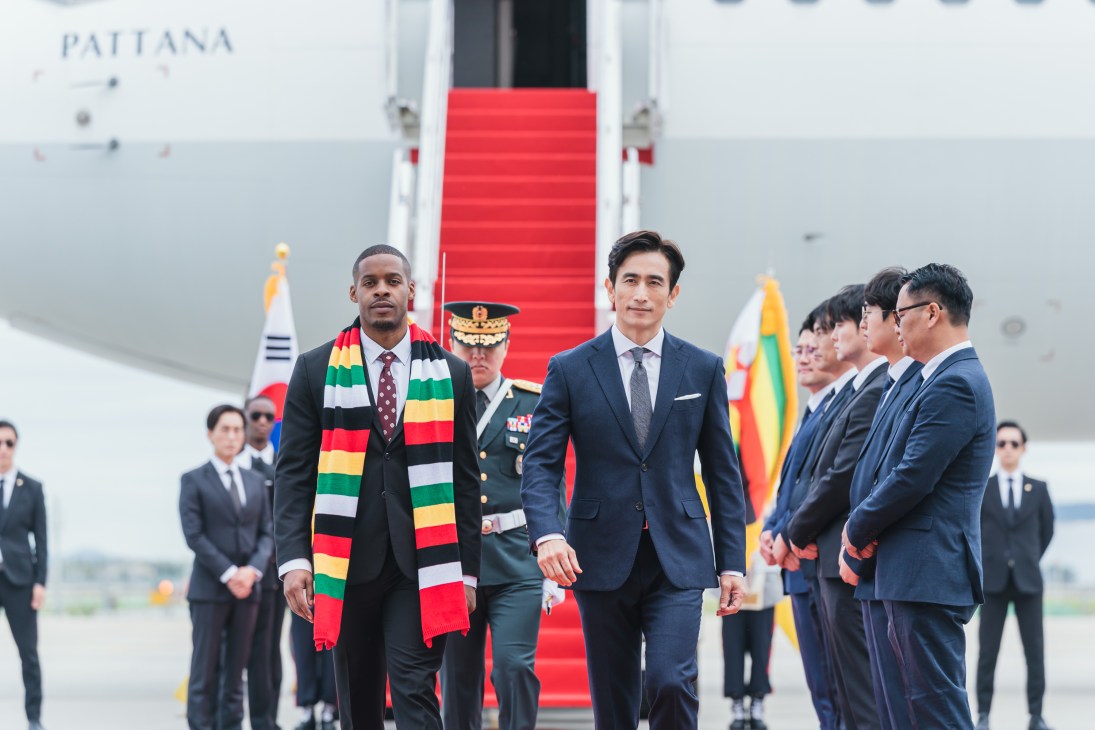
South Korean drama has enjoyed huge international acclaim recently. This sitcom could become the latest success back on home ground. Starring Cha In-pyo as the country’s president Ko Han-pyo, this political comedy paints an intimate picture of the people inside the “Blue House”, the executive office of the head of state, and shows the president as a man who is desperately trying to balance work and family life. The 10-episode series is being released just in time for the forthcoming presidential election, which will no doubt attract viewers ready to laugh at the absurdity of campaigning.
Film
Parallel Mothers
Pedro Almodóvar
If you had to think of the most quintessential Pedro Almodóvar film, you would most likely imagine a movie about motherhood or an unusual friendship starring Penélope Cruz. All of the auteur’s signatures are found in Parallel Mothers. An artful piece of high melodrama with sinuous plotting, the film follows two women from disparate backgrounds whose lives become intertwined when they give birth on the same night. Cruz delivers a stunning turn, which won her the best actress award at the Venice International Film Festival.
‘Parallel Mothers’ is released on 28 January

Memory Box
Joana Hadjithomas and Khalil Joreige
Lebanese duo Joana Hadjithomas and Khalil Joreige blur the lines between film and video art, fiction and documentary, in their latest film. It follows a teenager in Canada who tries to access her mother’s little-discussed earlier life by immersing herself in a time capsule of recordings, photos and diaries from her youth during the civil war in 1980s Lebanon (in reality the mementos belong to the film-makers). The result is a multilayered collage that provides a look at how and why we remember.
‘Memory Box’ is released on 21 January
Wheel of Fortune and Fantasy
Ryûsuke Hamaguchi
Though the title of this film by Japanese director Ryûsuke Hamaguchi might evoke a mid-afternoon game show, worry not. This mature drama offers considered meditations on fate, the choices we make and the delusions of everyday life. Hamaguchi presents his feature as three separate vignettes, each linked only by the centrality of chance to the narrative and their focus on female protagonists. That means we’re treated to three expertly crafted films in one.
‘Wheel of Fortune and Fantasy’ is released on 11 February
Images: Astory, El Deseo de Slu/Nico Bustos, Isak Okkenhaug
Heard the one about…?
…we think not. And to prove it, we asked a host of them, from ambassadors to virology specialists, to tickle our funny bones with the most hilarious joke they could muster. Prepare for the punchline.
“A sense of humour,” as the critic and poet Clive James once said, “is just common sense dancing.” Nowhere is this sense more universally (some might say crudely) demonstrated than through what are known affectionately (or not) as “dad jokes”. These corny one-liners – usually punny, sometimes funny – go something like, “Why did the scarecrow win an award? Because he was out standing in his field.” Or perhaps: ‘What’s long, brown and sticky? A stick.’ Ahem…
It pains me to write these and I feel compelled to apologise for doing so. But why? Maybe it’s because an English teacher once told me that puns were the lowest form of wit, lower even than sarcasm (yeah, right). And yet, despite the groans that frequently follow such unsophisticated gags, they are an easy way to find common ground even with people with whom we share very little (a common language, for example). These are the jokes we remember and keep on telling. In lieu of memorised poetry or prayer, they are often the only formulations passed down through generations.
But we’ve hit a brick wall, and not in a funny way. Telling jokes, especially in a professional setting, has become frowned upon. I’m not talking about offensive jokes – those that play on stereotype or prejudice – which are, besides all else, unfunny and therefore doubly inappropriate. I’m referring to a simple attempt to bring levity to a situation.
By drawing a straight line between humour and common sense, Clive James was recognising that life is inherently absurd. These days, when so much of what a leader or public figure says is decided by advisors, making a spontaneous joke is an act of rebellion.
In the interests of providing a platform for people who might not have much of an opportunity to show their humorous side, we asked politicians, economists and Nobel laureates for their favourite jokes. Unfortunately, many of them demurred – probably due to those aforementioned committees. But the good ones decided to rebel. So here is some endearing (and enduring) proof that, on page as in life, it’s important not to take oneself too seriously.
1.
Max Foster
CNN anchor:
How many news anchors does it take to change a light bulb?
One – they hold it up and wait for the room to rotate around them.
2.
Mark Lowcock
Former UN humanitarian chief and a fellow at the Center for Global Development in Washington:
Hedgehogs. Why can’t they share the hedge?
3.
Chris Smith
Medical consultant specialising in clinical microbiology and virology at Cambridge University:
A neutron goes into a bar and orders a beer. “For you,” says the barman, “no charge!”
4.
Jan Egeland
Secretary-general of the Norwegian Refugee Council:
There are days when I sympathise with the hypochondriac who put on his headstone: “Do you believe me now?”
5.
Malcolm Rifkind
Former UK defence secretary:
A Catholic priest and a rabbi are on the train together. The priest asks the rabbi if he can ask him a very personal question. The rabbi agrees. The priest asks if the rabbi has ever had bacon. The rabbi admits that he once did. The rabbi asks the priest if he has ever had sex. The Catholic priest admits that he once did, to which the rabbi says, “It’s better than bacon, isn’t it?”
6.
Richard Fidler
Host of ‘Conversations’ on Australia’s ABC Radio:
A member of parliament has a town hall meeting with the voters in his rural electorate. He asks them what the two biggest issues are for them right now. One voter says, “Well, first, there’s too many feral pigs attacking the livestock.” So the politician whips out his mobile phone, has a short, tense conversation, then announces that the problem is fixed: he’s arranged for some shooters to come out to cull the pigs. “What’s the second problem?” he asks. The voter says, “There’s no mobile phone coverage.”
7.
Isabel Hilton
Founder of non-profit organisation China Dialogue:
It is the second day of the Soviet Party congress and there is a rumour that an enemy of the people has got into the hall. Ivan, the policeman, is sent to find the enemy of the people among the 6,000 delegates. After half an hour he identifies a man in the fifth row. “Great work,” says the commissar. “But how do you know he is the enemy of the people?” “Easy,” says Ivan. “Didn’t Lenin tell us that the enemy of the people never sleeps?”
8.
John Everard
Former British ambassador to North Korea:
Presidents Bolsonaro of Brazil, Piñera of Chile and Fernández of Argentina are discussing whose economy will return to normal soonest and are overheard by the local papal nuncio. He points out that he has a hotline to God in the next room and invites them to put their questions to Him.
President Piñera is first up and says, “Please tell me when the Chilean economy will come right.” God replies, “Not in your time but in the time of your successor.” Piñera returns satisfied.
President Bolsonaro is next. He asks,“When will the Brazilian economy come right?” God replies, “Not in your time, nor in the time of your successor but in the time of your successor’s successor.” Bolsonaro emerges satisfied.
President Fernández finally enters the room and asks, “When will the Argentine economy come right?” God pauses for a moment then replies, “Not in my time.”
9.
Françoise Boucek
Associate of the Centre for European Research at Queen Mary University:
A policeman stops a woman for speeding and asks to see her licence. He says, “Lady, it says here that you should be wearing glasses.” The woman says “Well, I have contacts.” The policeman replies, “I don’t care who you know! You’re still getting a ticket!”
10.
Scott Lucas
Professor Emeritus of American studies at the University of Birmingham:
How many psychiatrists does it take to change a light bulb?
Only one. But the light bulb has to really want to change.
11.
Maxine Bailey
Executive director of the Canadian Film Centre:
Why do the French only eat one egg? Because in France, one egg is un oeuf.
12.
Xenia Kounalaki
Foreign editor of Greek daily ‘Kathimerini’:
Moscow, 1939. Stalin welcomes to his office a delegation of industrial workers from the Urals. As soon as they leave, he reaches for his pipe to have a smoke. It’s nowhere to be found. “Lavredi,” Stalin shouts out the door to Beria. “The workers from the Urals were just here. Only now they’ve left and I can’t find my pipe.” Beria rushes after the delegation while Stalin searches his desk a bit more. He opens a drawer, lifts some documents, finds his pipe underneath. He picks up the phone. “Lavredi, you fool, I finally found the pipe. It was at the bottom of my drawer.” “Oh? How strange. Everyone here has already confessed to taking it.”
13.
Linda Chavez
Chairman of the Center for Equal Opportunity and former director of the Office for Public Liason under Ronald Reagan:
My old boss Ronald Reagan was fond of saying that politics was said to be the second oldest profession in the world. “What I’ve learned,” he’d add without missing a beat, “is how closely it resembles the oldest.”
14.
Sally Kohn
Media strategist and founder of think-tank Movement Vision Lab:
What do you call a bear without an ear? B.
15.
Paul Rogers
Emeritus Professor of peace studies at Bradford University:
A group of engineers are discussing what kind of engineer God is, given the complexity of the human body. Each speaks in turn:
Structural: “He must be a structural engineer, because of the marvel of the skeleton.”
Mechanical: “But it would be static without the wonder of the joints.”
Electrical: “Both are useless without those incredible nerves.”
Chemical: “In any case, it all needs energy from digesting food.”
Civil engineer: Silent throughout but then speaks up: “God must be a civil engineer because only a civil engineer would run a toxic waste pipe through a recreational facility.”
Beyond a joke
When did the business of laughter become so serious? Political satire was never an endeavour to be taken lightly – medieval court jesters had their work cut out – but the stakes remain as high as ever. These may no longer be the Dark Ages but, in certain parts of the world, being a satirist can still land you in prison and recent history sadly proves that being a cartoonist can get you killed. The powerful know that humour is a potent weapon, that a mocking guffaw can have more power than a long exposé. That, perhaps, has always been the case. Yet in a society with a short attention span, where entertainment is king, delivering critiques wrapped in amusing one-liners has become an increasingly fundamental tool to make issues matter.
Even away from authoritarian regimes, comedy is often pernicious territory on which different world views clash and both the offenders and offended fiercely stand their ground. In a world polarised by incompatible versions of the truth, irony is an uncomfortable grey area, where intentions are not so easy to decipher. Under the shadow of “cancel culture”, many comedians are either shying away from what they fear might be risky punchlines or feeling emboldened in unsavoury crusades against “political correctness”. But comedy, as with debate, suffers when complexity is lacking and it can’t be improved by simply avoiding the issue. Smart comedy, like smart debate, doesn’t punch down – but in order to be relevant and meaningful, it has to engage.
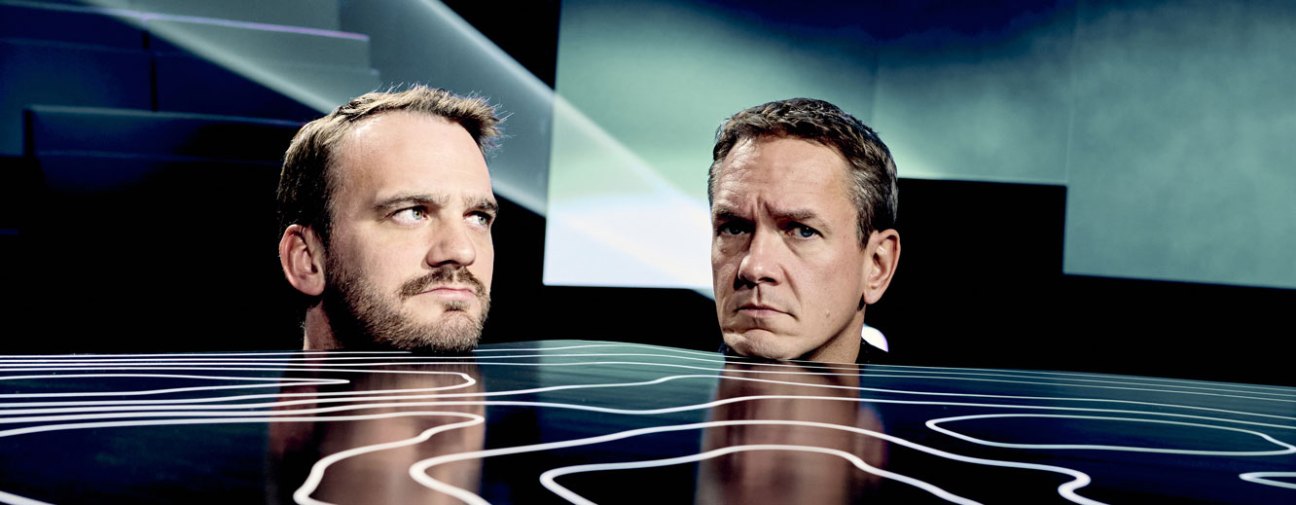
Vincent Veillon and Vincent Kucholl
Switzerland
The civic-minded provocateurs: In a well-functioning democracy where political personality cults are almost unheard of, a duo is finding absurdity in the ordinary.
Can stable, neutral Switzerland ever be funny? Vincent Kucholl and Vincent Veillon (pictured, Veillon on left) think so. “Switzerland might seem functional and it mostly is,” says Kucholl. “But problems arise.” They met in 2009 and later launched current affairs show 120 secondes on radio station Couleur 3. Since then, TV and stand-up slots have followed, with a format that’s always the same: Veillon plays host to Kucholl, who takes on a fictional character, giving his opinion on everything from Art Basel to Swiss trains. The pair have used an array of stereotypes to shine a light on political issues; characters include a big pharma executive and a Swiss-German lieutenant explaining why the army is unavailable during lunch hours.
Their focus on “ordinary” people is fitting in a nation where politicians tend to fly under the radar. “People who work in Swiss politics take themselves less seriously,” says Kucholl. The duo steer clear of political allegiances; instead they try to make social issues interesting – or at least more appealing. “We’re always in pursuit of intelligent laughter or a knowing smile,” says Kucholl.
Ali Al Sayed and Mina Liccione
Dubai
The comedy power couple: Seeking to use humour to bring people of different cultures together, Al Sayed and Liccione reinvented Dubai’s comedy landscape.
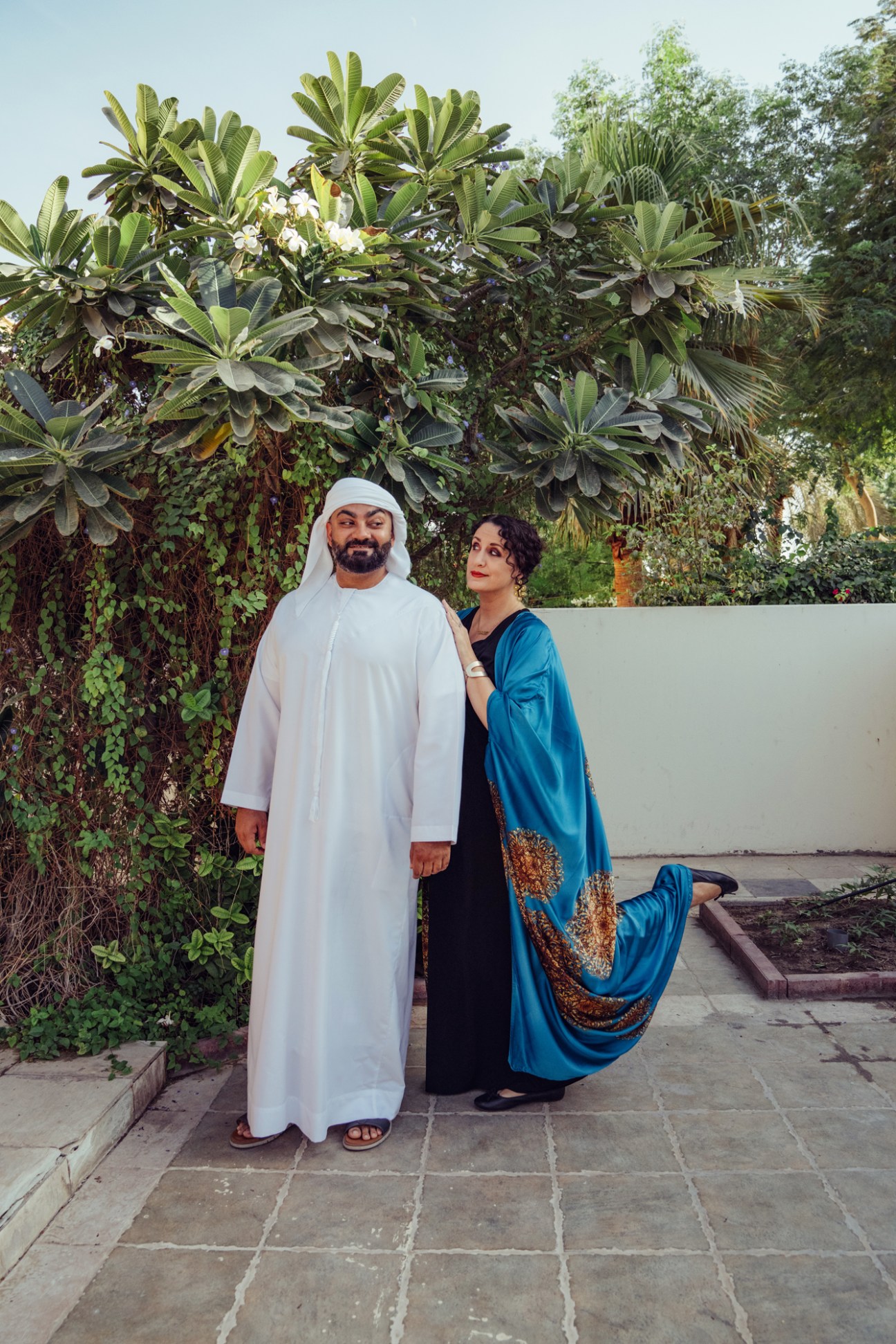
Ali Al Sayed and Mina Liccione tied the knot in 2012 but founded Dubomedy, the Middle East’s first comedy school, have been business partners since 2008. Al Sayed is an Emirati Muslim and Liccione is an Italian-American Catholic. Their interfaith marriage is emblematic of a city that people of more than 200 nationalities call home. “Dubai is a place of various identities and ideas,” says Al Sayed. “As comedians, we’re observing. We’re absorbing.”
The audience, he says, is what makes this comedy scene unique. “You won’t find a more diverse and well-informed crowd. You can talk about US and UK pop culture or Bollywood and the audience will get it. People from outside think, ‘What can you say?’ But we can say everything!” Yet there are things that, in reality, cannot be said. Politics, religion and indecency remain off-limits. “Comedians in the uae have a responsibility,” says Al Sayed. “It’s a sensitive region. Steering clear of people’s soft spot, their belief system, is necessary.”
Cancel culture is inevitably creeping in. “Young comedians are overcorrecting their positions,” says Al Sayed, who believes that cancel culture can be both beneficial and dangerous. “Most cultures come from old ways of thinking, believing things that might be racist or misogynistic. I know that because, outside of a small parameter on this planet, my culture is considered ‘bad’. I feel the need to justify myself to white audiences who have decided they know me before I’ve stepped on stage. I’m glad that we’re more conscious about what we say but the idea that we’re unable to evolve endangers everyone.”
As a Muslim comedian in an often Islamophobic world, Al Sayed frequently faces an “answer for your people” mentality when abroad. He points out the absurdity of being “expected to represent everybody, when the Arab world spans several languages and continents”.
New York-born Liccione has used her fish-out-of-water lens to defuse stereotypes about Muslims, with TV specials and short films such as The Shocking Truth About Muslims offering observations that make people both laugh and think. Citing the US’s “Muslim ban” and France’s proscription of the hijab, Liccione says that it’s vital for her to engage in conversations to shift misconceptions. “Sometimes, it makes a stronger impact when [an international] audience hears about this region from someone they can relate to more than, say, Ali,” she says, nudging her husband. “Truth in jest goes a long way. Besides, I’ve been Arabised very quickly. It’s unbelievable how similar our cultures are.”
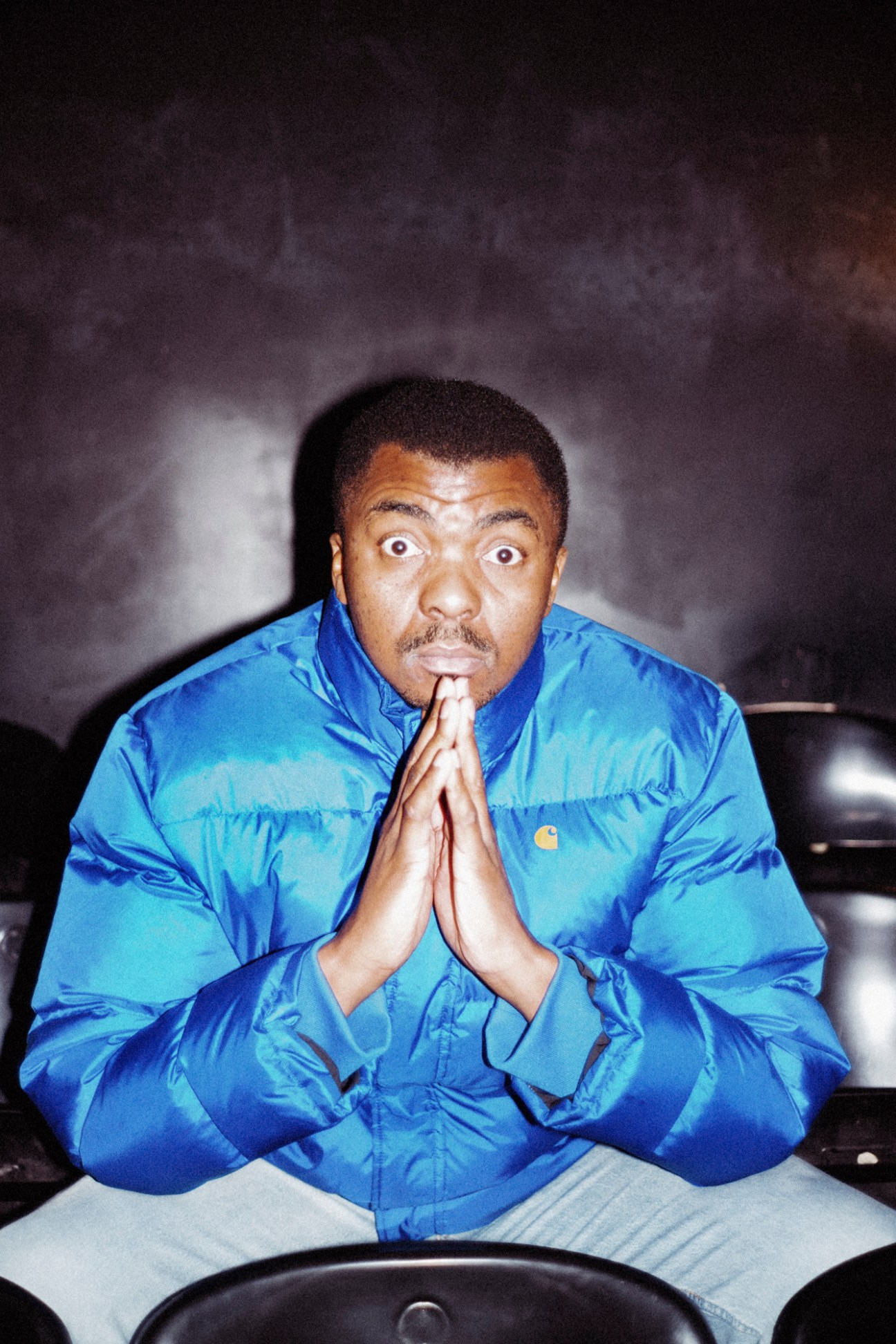
Loyiso Gola
South Africa & UK
The breakout controversialist: The first African comedian to have a one-hour Netflix special, Gola is proving that there’s no subject that is strictly off limits.
Cape Town-born Loyiso Gola might have earned fame across South Africa as the host of the hugely popular satirical talk show Late Nite News, which aired weekly from 2010 to 2015 and was twice nominated for an International Emmy award – but the comedian’s heart lies in stand-up. The format is how he first made a name for himself and where he believes that he does his best work. “I’m a really good stand-up comedian,” says Gola.
If you have watched his Netflix special Unlearning, which was released in spring 2021, you will know that he isn’t just bragging. In the show, while guiding his lanky frame across the stage at contemporary art museum Zeitz Mocaa in Cape Town, he moves seamlessly between controversial, heated topics, ranging from Donald Trump to apartheid in his home country. For Gola, there is almost no subject that is off-limits. Indeed, the more awkward, the better. “A lot of people are scared of discomfort but I relish it,” he says.
Having grown up in South Africa, a country that has had to have more than its fair share of uncomfortable conversations, Gola is fearless but also keenly aware of the weight of his words. “You have the choice of saying whatever you want to say,” he explains. “No one is stopping you but there will be consequences. I enjoy the idea of having to explain every word of my show. Any idea that I put out there, I’ll be able to articulate. I am accountable for what I put out there.”
Gola is the first African comedian to be given a one-hour comedy special on Netflix. With the notable exception of Trevor Noah, who became a household name in the US after taking over from Jon Stewart as the host of The Daily Show, the continent’s comedians remain lesser known on the international stage and opportunities for big deals are still few and far between. “You can’t be a niche comic in South Africa because there’s no niche money,” says Gola.
A desire to move closer to a larger anglophone audience and to find a more connected base for international touring led Gola to relocate to London in 2017. South Africa and its political problems still make frequent appearances in his sketches but Gola’s references have become more universal.
“I use the same words for everybody, whether it’s in East Africa or Europe,” says Gola. “I am indifferent to who is in front of me.” Judging by the amount of hysterical laughter at his shows, his audiences are anything but indifferent to him.
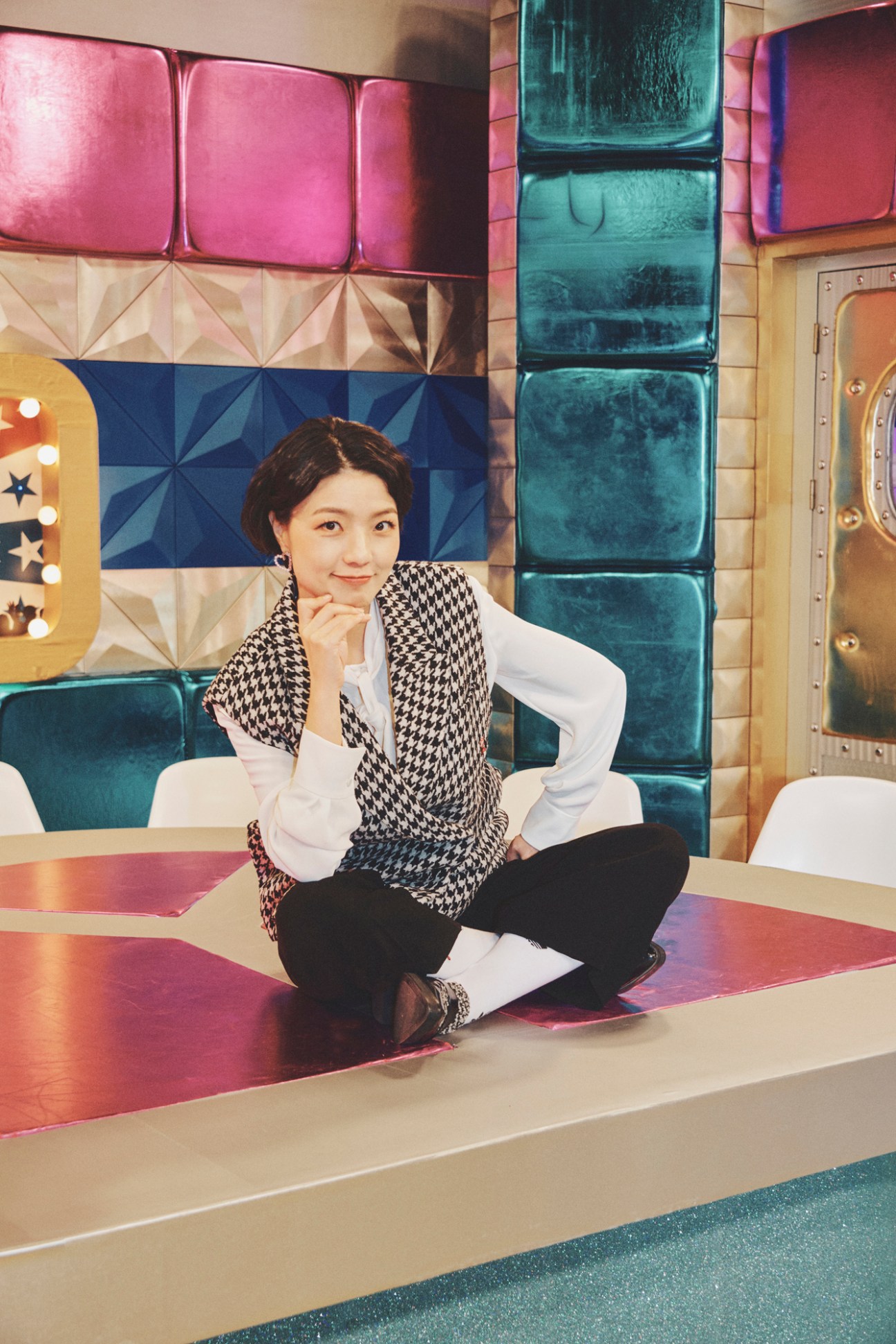
Ahn Young-mi
South Korea
The irreverent trailblazer: In a comedy scene known for its speedy turnover of talent, Ahn has spent years at the top of her game – and her star is still rising.
In a socially conservative country with unspoken rules about what is acceptable on the airwaves, Ahn Young-mi is an unabashed rule breaker. She usually appears glamorously attired but is also beloved for her skit dressed in a Gollum costume; she is as well versed in slapstick as in satire. Above all, however, her fans appreciate her refusal to tiptoe around issues. “Shin Dong-yup once told me, ‘If you’re going to shoot, you’d better make it a bullseye,’” says Ahn, quoting a South Korean comedy veteran. “If you’re spoofing politics, you have to make it crystal clear who you’re gunning for. If you try to sidestep certain things, the audience won’t find it funny.”
Ahn has been at the top for more than 10 years. As well as headlining a popular radio programme, she is the first female co-host on one of South Korea’s highest-rated TV talk shows. Last year she also made a triumphant return as a cast member of Saturday Night Live Korea. Within weeks of its premiere, Ahn was on everyone’s lips for a sketch poking fun at the ruling party’s presidential candidate’s alleged affair with an actress, whom she played.
Ahn became a household name in 2009 when she starred in a TV sketch called “Ms Kang in the Dressing Room”, which lampooned the rigid hierarchy in the entertainment industry. She played a two-faced yet loveable lieutenant who toadied to doyenne Ms Kang but ruled over her juniors with an iron fist. She and her fellow cast members were surprised by the segment’s popularity. “We thought that it was a story that only people in our industry would understand but the audience burst out laughing after practically every line,” she recalls. “The skit really resonated with the public.”
Ahn describes her high-school self as an “extreme introvert” but after getting a taste of the stage through a stint in drama club, she found her calling. “You feel this ecstasy when spectators give you their undivided attention,” she says. But recognition has also attracted viciousness online. “Sometimes you want people to leave you alone but then you start looking for comments to see whether you are relevant,” she says.
Criticism doesn’t deter her, however. Even if programmes such as Saturday Night Live Korea were temporarily cancelled because of the release of controversial online content, she believes that the public has a thirst for parody. “They used to say that young people don’t like political satire but seeing the studio audience, I don’t think we have anything to worry about,” she says. “If there is politics, we will always have satire.”
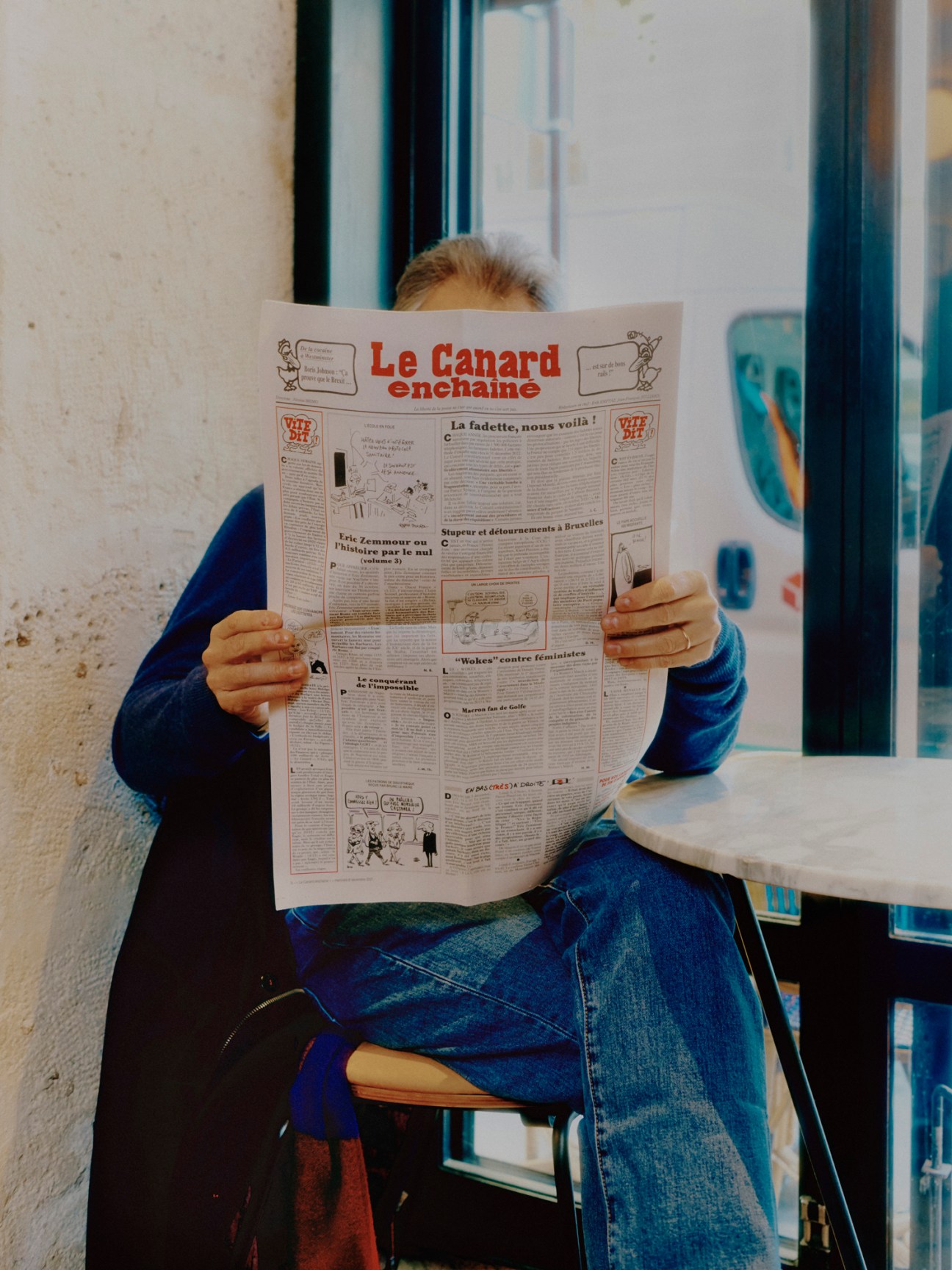
Jean-François Julliard
France
The truth teller: The editor of a storied Parisian newspaper is fighting to keep the long-established French satirical tradition alive and quacking.
For more than a century, Le Canard Enchaîné has been holding power to account. “Investigation is the basis and satire is the form,” says its editor in chief, Jean-François Julliard, who shares the role with Éric Emptaz. “The newspaper strives to tell the truth without taking itself seriously.”
Founded in 1915 as a satirical publication with an anticlerical, antimilitarist angle, Le Canard now employs about 50 staffers, plus a dozen illustrators, covering topics from defence to the environment. Some things have changed since Julliard joined the newspaper in 1985; notably, the team now includes more women. Other things have stayed the same, including the newspaper’s dedication to print and its concise nature: every issue is eight pages.
Le Canard is part of a satirical tradition that Julliard traces back to 17th-century playwright Molière. “Humour has always been a way to resolve conflict and to protest,” he says. Cartoons are integral to the paper. “There’s a French saying: a small drawing often says more than a long speech.”
Complete independence enables Le Canard to hold the French authorities in check. It is owned by staffers and all of its revenue comes from sales or subscriptions, with no advertising or state assistance. “We don’t have to worry about criticising someone who supports us,” says Julliard.
Journalists’ safety is an important consideration, which is why Julliard doesn’t want his face shown in the above portrait. France was shaken by the shooting at the offices of another satirical weekly, Charlie Hebdo, in 2015, when 12 people were killed, including renowned cartoonist Cabu, who had also been working for Le Canard. “[What happened at] Charlie Hebdo was a traumatic event but we said to ourselves, ‘The terrorists aren’t going to change how we work,’” says Julliard. “We have remained loyal to our DNA.” That said, security was already being taken seriously before the attack. “There have often been threats.”
As France’s presidential election in April approaches, Le Canard has been screening candidates from both the left and right. During the previous race in 2017, its allegations that Republican candidate François Fillon had hired his wife and children for parliamentary jobs materially affected his campaign.
This time, amid concerns about nationalist candidates Marine Le Pen and Éric Zemmour, Le Canard journalists have been keeping tabs on the far right. “It’s about defending democracy, republicanism, rule of law and civility,” says Julliard of the newspaper’s role. “Some people dream of waging war on other countries or communities. That’s not what Le Canard stands for.”
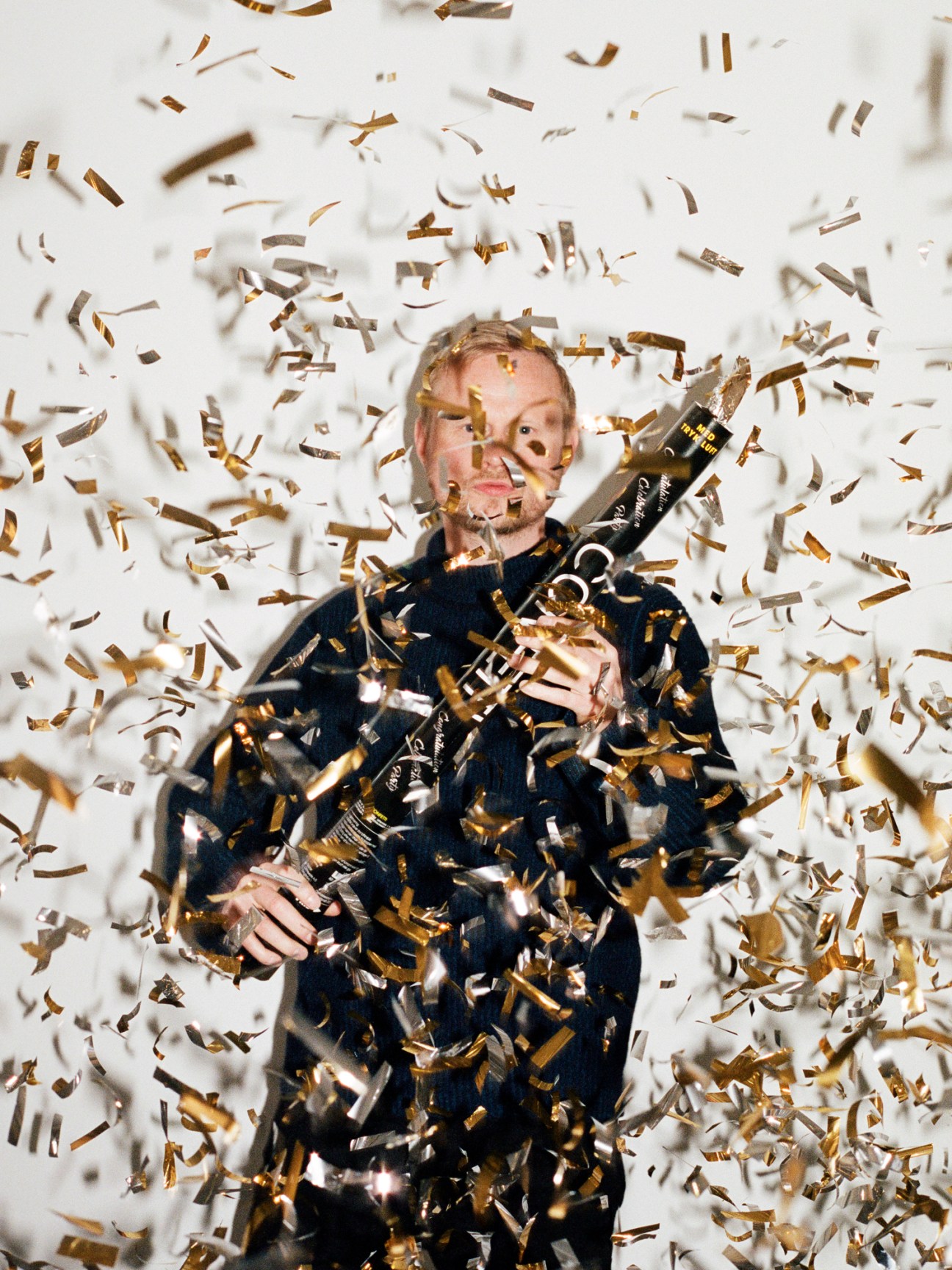
Jonatan Spang
Denmark
The cross-party offender: Taking aim at politicians across the spectrum, a Danish TV host is exposing the hypocrisies of a seemingly ideal society.
Life in one of the world’s least corrupt, most democratic countries might seem like barren terrain for a satirist but the host of Denmark’s weekly programme Taet på sandheden med Jonatan Spang (“Close to the Truth with Jonatan Spang”) insists otherwise. “We have this idea about ourselves as a model society,” says Spang in the Copenhagen offices of his production company, Small Shoes. “Politicians have to pretend that they are just like everyone else. We like to point out that hypocrisy.”
As the Muhammad cartoon crisis of 2005 showed, Danes passionately value freedom of speech; it is guaranteed in the 1849 constitution. “We can say a lot of things without being sued,” says Spang. He describes himself and his team as equal-opportunity offenders. “It’s not so interesting watching American satire because it’s clear what the political angle is,” he says. “You could edit my show to make me look left-wing, right-wing, racist or sexist. Every week someone is happy and someone is angry with me. I don’t enjoy a shitstorm but I do enjoy that the programme makes people think and feel.”
Taet på sandheden has been embroiled in many controversies. A 2018 sketch in which Spang French-kissed Pernille Vermund, the anti-Islamist leader of the New Right party, was criticised for giving her screen time. She was elected soon after. Since then, along with appearances from politicians on the left, the show has featured guests from even further right, not to mention the head of a crime family – but Spang is unrepentant. “I don’t think I have any power in that way,” he says. “For years comedians made fun of Pia Kjærsgaard [leader of the nationalist Danish People’s party] but she ended up being speaker of parliament.”
In contrast to his boisterous screen persona, Spang is thoughtful in person. “For years I struggled to find meaning in my work,” he says. “But there are many people making things sound complicated so it’s meaningful to wrap the news in humour. I still find it frustrating when I do a story about something that needs to change and then, cycling home, I feel as though there should be people in the streets with torches. Why doesn’t anything change?”
Still, Spang can be proud of his ability to galvanise an enthusiastic public. At a taping of his show, the audience welcomes him onto the set with rapturous applause. As he jokes about the poor performance of the ruling party in the local elections, it’s hard not to wonder whether he played a role after all. Eventually, Spang will probably push the boundaries of even the most tolerant Danes. Until then, he’ll keep edging closer and closer to the truth.
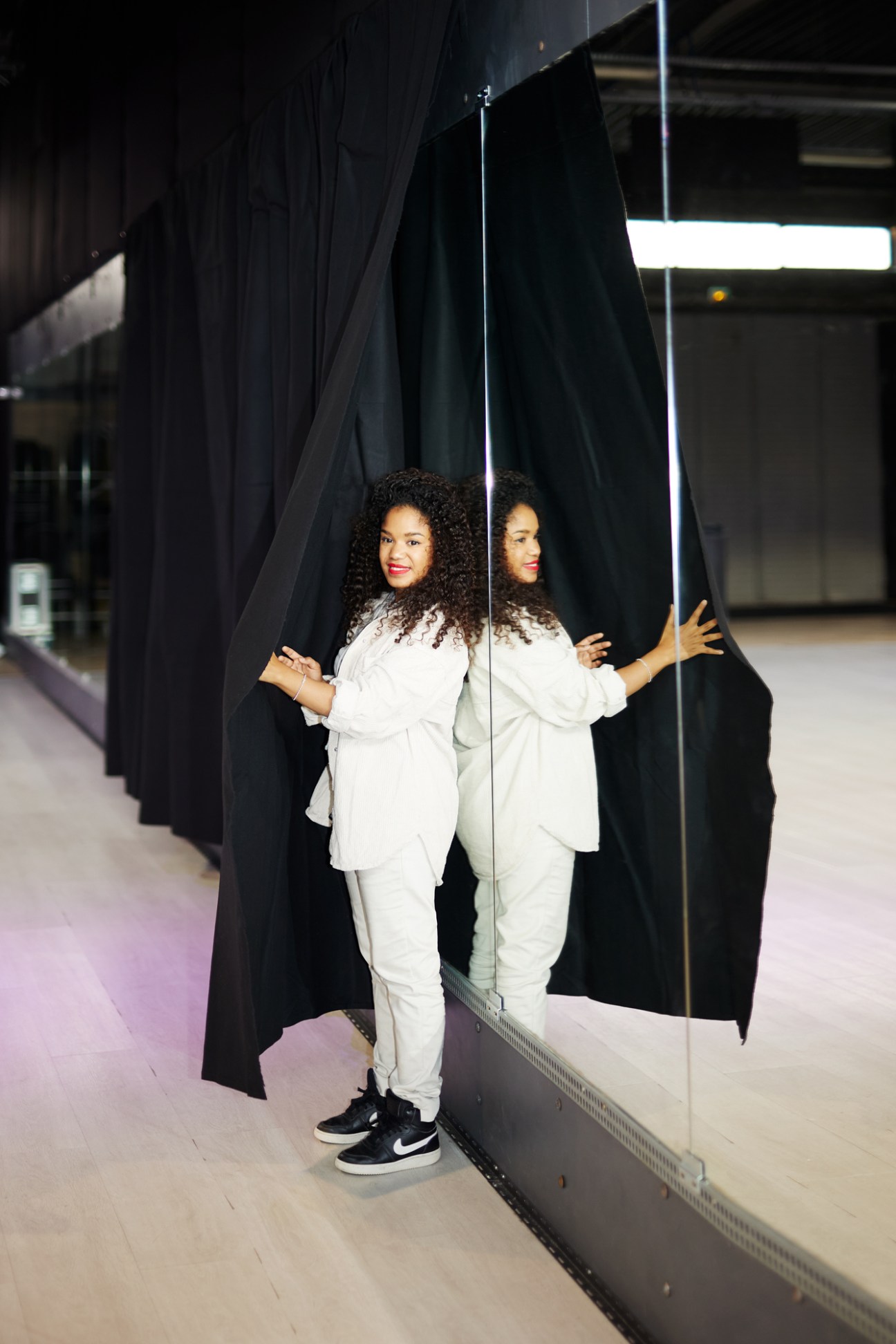
Élodie Arnould
France
The new-generation voice: A comedian of Malagasy heritage is redefining what comedy means and what it can do to change opinions in a divided world.
US-style stand-up comedy, which only appeared in France in the early 2000s, has truly taken off in the past few years. With the country increasingly polarised around identity issues, Élodie Arnould is one of a new generation of comedians challenging popular notions of what is funny.
“Just a few years ago you could still tell a sexist joke and expect the crowd to laugh,” says Arnould. Though still at the start of her career, she has attracted a considerable buzz with her first show, Future Grande, which launched in Lyon before moving to Paris’s Apollo Théâtre. The show, in which the 34-year-old wears a sequined jacket and a headband with cat ears, centres mostly on adulthood. But it also draws on her experiences growing up as a woman of Malagasy heritage. Her young, light-skinned son is often the butt of her jokes; at one point she riffs on the irony of a black feminist giving birth to a white male. “If the audience is very white, people sometimes don’t laugh,” she says. “But if it’s more diverse I get a good response.”
With a presidential election looming and French political debate largely dominated by the sexist, anti-migrant rhetoric of TV pundit and election candidate Éric Zemmour, many feel that jokes about stereotypes are no longer funny. “We’re at a tipping point,” says Arnould. “Some still complain, ‘We can’t say anything anymore,’ and argue that we should be able to laugh about anything, especially minorities. And then there are those who are trying to evolve. It’s always possible to joke about groups other than those who have been marginalised.”
Before discovering comedy, Arnould had a conventional career. She initially trained as an engineer in Grenoble, then worked for a utility company in Marseille. “I didn’t know anyone so I signed up for improvisational theatre classes,” she says. “I thought that it would be a fun way to meet people. I never dreamed that I would make a career of it.”
Her style of comedy combines light-hearted observations with perceptive riffs on issues that are close to her heart. In one sketch, for example, she gives her audience members advice on how to deal with climate- science deniers. “Humour brings things into the collective consciousness,” she says. “The more that we talk about these issues, the more that people will realise that some things are not OK. Humour is an enjoyable way of getting a message across.”
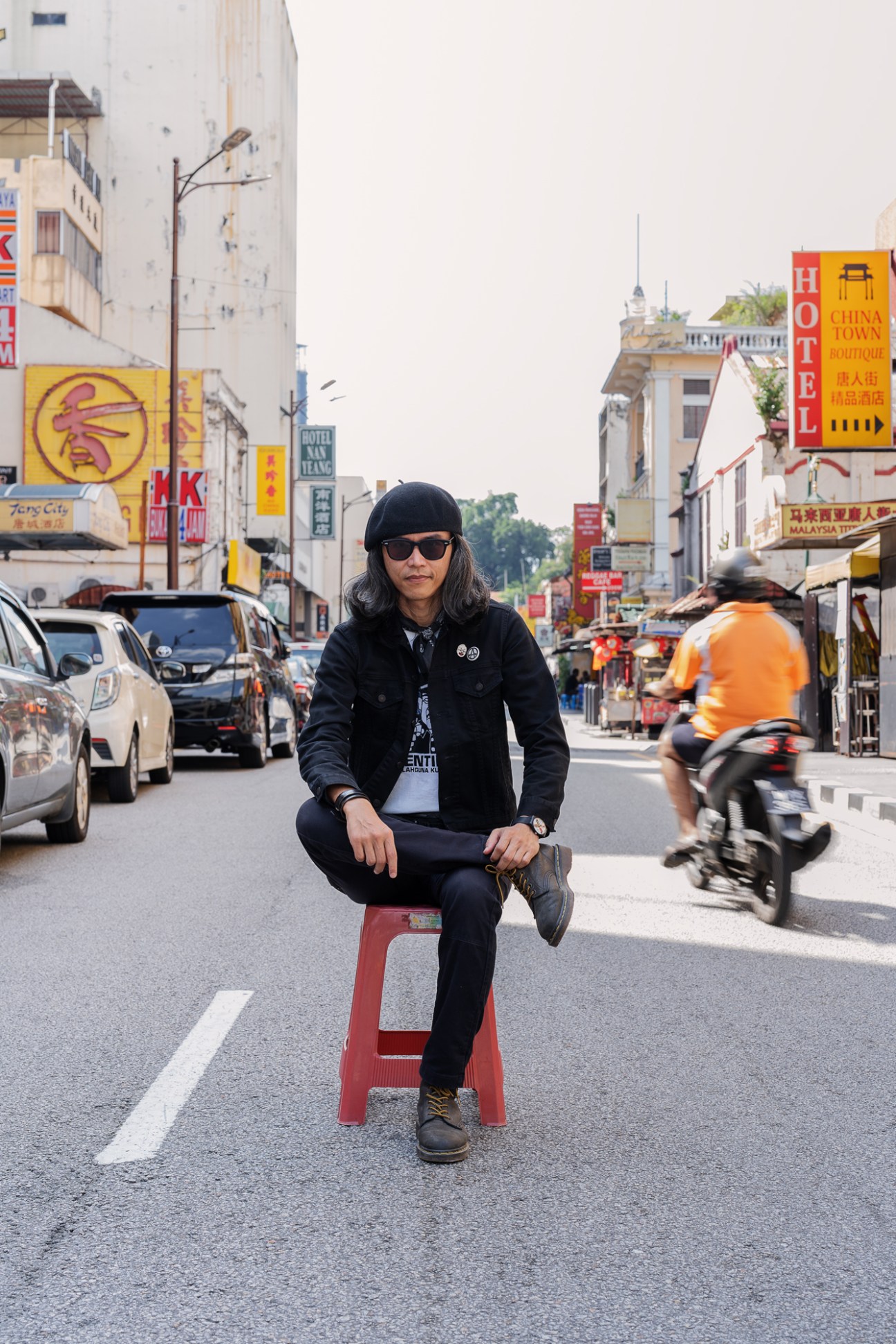
Fahmi Reza
Malaysia
The activist designer: Despite being thrown into prison, assaulted and fined, graphic designer Reza is undeterred in his mission to challenge the powerful.
When Fahmi Reza published a caricature online depicting Malaysia’s then prime minister Najib Razak as a clown in 2016 he couldn’t have predicted how far it would travel. Paired with the slogan “Kita Semua Penghasut” (“We Are All Instigators”), it became a protest symbol against corruption, in particular a money-laundering scandal in which billions went missing from the country’s state fund. It travelled abroad too, appearing as cover art for UK documentary The Kleptocrats and making a cameo in a K-pop video.
Two years later, Barisan Nasional, Razak’s party, lost the general election, ending its 60-year rule. “I played a small role in that,” says Reza, wearing a black beret and sunglasses. “One way to measure the effect my drawings have is the fact that the authorities are going after me. If they weren’t effective, they would just be ignored.”
Initially, Reza was given a one-month prison sentence and a fine of RM30,000 (€6,300) for the drawing. He crowd-funded the amount in less than a day by selling merchandise of that very artwork. He still publishes online every day and his cartoons regularly trigger legal actions, made possible by repressive laws supposedly intended to stop fake news and sedition.
In 2021 alone he was arrested twice: once for allegedly insulting the Malaysian queen by posting a satirical music playlist; the other for a Spongebob Squarepants-inspired caricature of prime minister Ismail Sabri Yaakob. The authorities might have little tolerance of his sense of humour but Reza remains undeterred. “To laugh at the people in power is how you can overcome fear,” he says.
Reza became interested in drawing and activism when he started listening to punk rock as a teenager. “It’s where I found my political consciousness,” he says. Inspired by punk’s diy spirit, he designed posters for his friends’ gigs. Eventually he branched out by volunteering for non-profits and social movements after noticing that the designs of their campaign materials weren’t up to scratch. “People didn’t even want to take the brochures home,” he says. “So I thought that maybe I could help them out.” Soon, Reza was using design as a way to share his views. In 2004 he was assaulted by the police and spent his first night in custody because of protest banners that he had made for a demonstration against police brutality. “It taught me that graphic design can be a threat to those in power,” he says.
A sense of injustice continues to motivate Reza’s work. “Everyone should be doing this in their own way to keep the powerful in check,” he says. “I just happen to be using my craft to speak out.”

Nakkiah Lui
Australia
The myth buster: In a country where the indigenous population has long been marginalised in the media, an Aboriginal comedian is rewriting the rules.
After conquest and subjugation, the original inhabitants of a territory are often recast as figures of fun. Australia is no exception, which might be why a sketch show in which indigenous people laugh at themselves, and at the mockery and derision they have endured, has caused befuddlement.
ABC began broadcasting Black Comedy in 2014 and Nakkiah Lui was one of the show’s regular cast members, writers and co-producer. “Non-indigenous people didn’t know when they had permission to laugh,” she says. “I have a lot of woke progressives in my circle of friends who were very uncomfortable engaging with some of it.”
The final season of Black Comedy aired in 2020. It was a very funny but difficult watch for non-indigenous viewers. Its sketches performed a deft jujitsu with stereotypes that are still at large. In one, a white Australian decides to see what benefits might accrue when he whimsically ticks the “Are you of Aboriginal or Torres Strait Islander descent?” box on a job application; it quickly gets extremely bleak.
“What are some of the questions we can be asking?” says Lui. “What are some of the provocations that we can throw out there that maybe can’t be discussed anywhere else without there being some huge political divide?”
Lui came to fame as a playwright, attracting acclaim and awards for 2013’s This Heaven, a depiction of the struggles of an indigenous family in Mount Druitt, the Sydney suburb where she grew up. “It was a portrayal of those tropes of black trauma that are so commodified in our entertainment industry,” she says. When articles about it started to appear, she noticed that photographers often stood her in front of graffiti-spattered walls and asked her to gaze dreamily upwards. Eventually she made a stand by turning up at one shoot wearing a faux-fur cape, “looking like the daughter of a Russian oligarch”.
As a deadpan response to attempts to enlist her as a role model or spokesperson, Lui describes herself as an “advocate for Aboriginal mediocrity”. “Oppression tends to operate in one of two ways: either you’re put on a pedestal or you’re put in the gutter,” she says. “As an Aboriginal person, as soon as you achieve any kind of success, you’re celebrated for that. You always have to go above and beyond to justify your worth.”
Lui’s latest project is Preppers, an abc sitcom that premiered in November. “It’s about a group of First Nations doomsday preppers, who figure that colonisation was an apocalypse of sorts and it would be silly not to prepare for another,” says Lui. “Colonise me once, shame on you; colonise me twice, shame on me.”
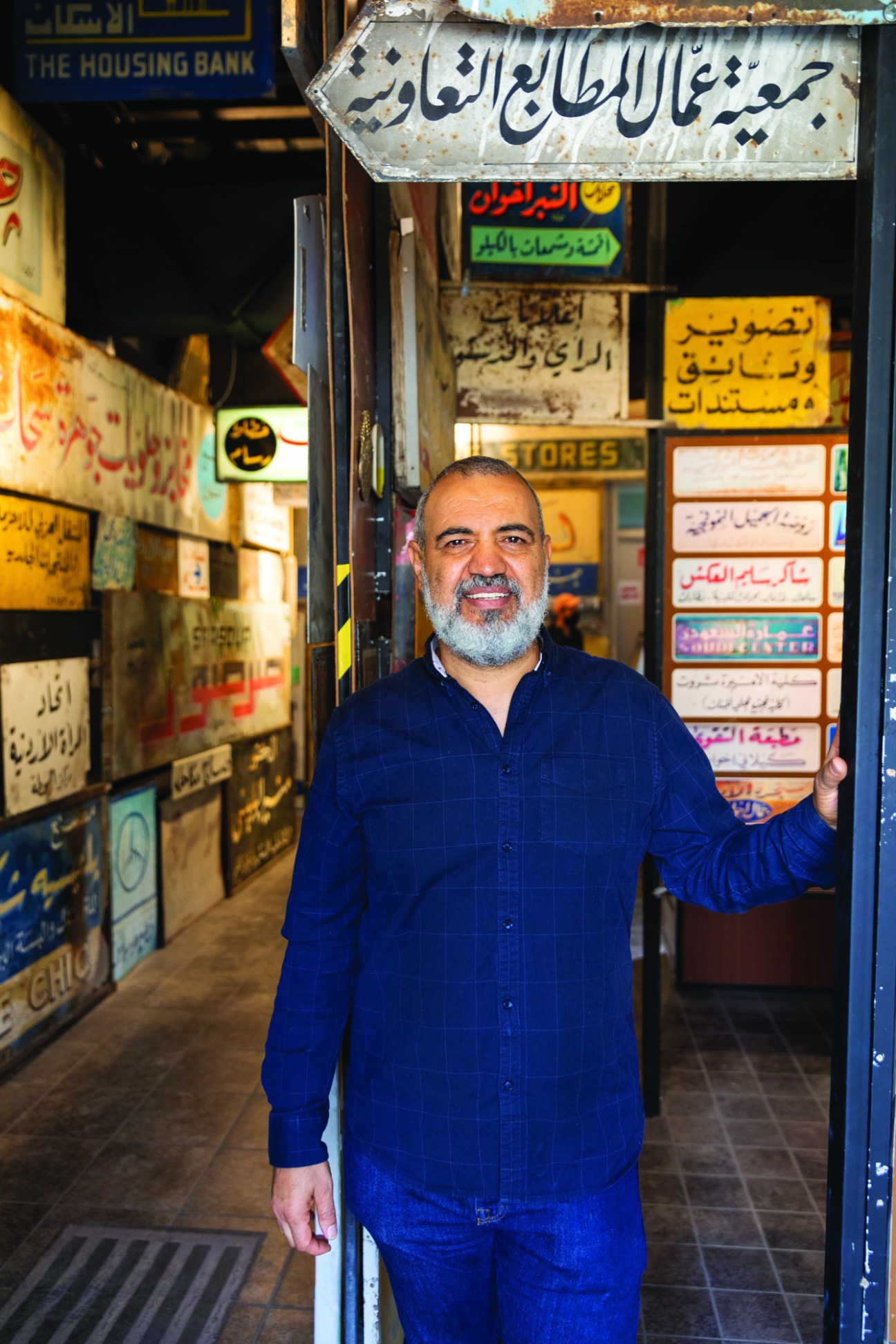
Emad Hajjaj
Jordan
The change-maker: The threat of legal action and receiving death threats from terrorist groups is part of satirical cartoonist Hajjaj’s job description.
Jordan’s best-known cartoonist ended up in his career almost by accident. In the 1980s, as a physics student enrolled at Yarmouk University in the city of Irbid, Emad Hajjaj discovered a passion for art. By the 1990s he was drawing his own vignettes and receiving national acclaim. “It was the first time that people recognised my signature,” he says.
Though that decade was marked by political tension, as a satirist Hajjaj was usually freer to criticise the country’s social issues. However, in 2000 he was dismissed from the leading al-Rai newspaper because of a controversial cartoon that he had drawn. Since then he has been freelancing for pan-Arab newspapers and publishing on social media channels. “Being a cartoonist in a country like Jordan is not an easy job,” he says.
The rise of social media has been accompanied in Jordan by state controls that effectively criminalise free speech. Hajjaj was arrested in 2020 for a cartoon about the Abraham Accords, signed between Israel and the United Arab Emirates; he was charged with “jeopardising relations with a friendly country”. The experience has made him more cautious. “I now send my cartoons to a lawyer before publishing them,” he says.
Denouncing extremism can also be a risky endeavour. Hajjaj received death threats after publishing a cartoon that condemned the Amman suicide bombings of 2005, which killed more than 50 people in the Jordanian capital. Radical groups such as al-Qaeda and Isis evidently perceived cartoons as a threat. “They are more afraid of cartoons than government statements,” says Hajjaj. The assassination of Jordanian writer Nahed Hattar in 2016, who shared a cartoon on social media, seems to confirm this – and it had a chilling effect on Hajjaj’s work. “I believe in what I do but I started to avoid cartooning about issues in Jordan. I count to 10 first.”
Still, Hajjaj believes that clear-sighted self-criticism is crucial to reforming Arab society. Slowly, traditional anti-American and anti-Israeli cartoons are making room for those tackling issues that are closer to home. “People are becoming more sarcastic,” he says. “They have a better sense of humour now and make jokes even during the saddest moments.”
If anything, the rise of misinformation and censorship has endowed cartoonists with an even greater responsibility. Hajjaj believes that most Arabic cartoonists are committed to progressive change. “As a human being, I feel more balanced when I draw about these issues,” he says.
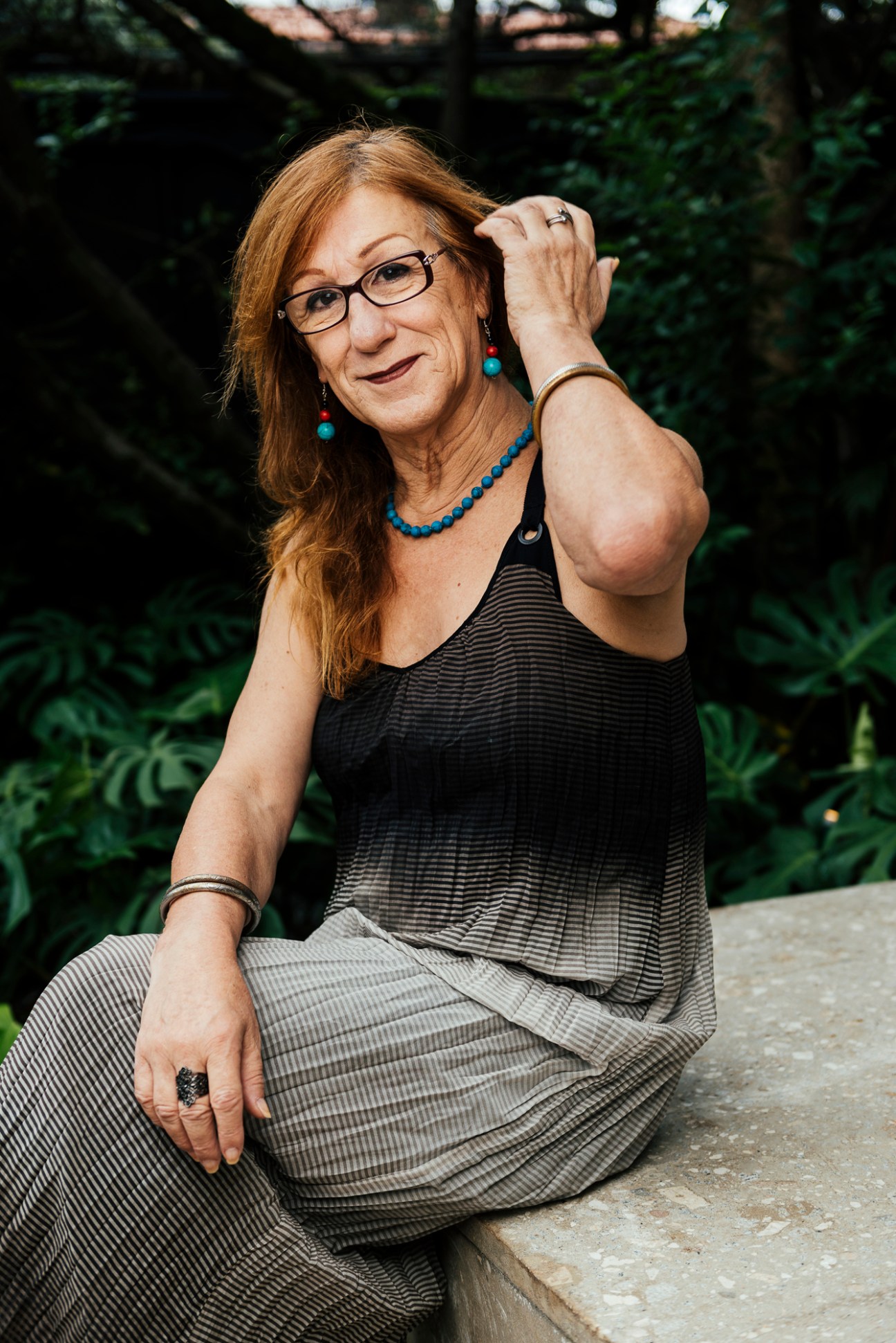
Laerte
Brazil
The national treasure: Having chronicled Brazil’s rocky path towards democracy, veteran cartoonist Laerte remains a sharp and perceptive opponent of injustice.
From superheroes to politicians, cartoonist Laerte can draw anything. Famous for her witty strips, she started out freelancing for O Pasquim, a weekly known for its criticism of Brazil’s dictatorship in the 1970s. “I didn’t think of it as a profession at first,” she says. But before long she was a household name; by the 1980s she had secured her current gig, drawing cartoons for newspaper Folha de São Paulo. Her reflections on gender, politics and the business of being alive are a part of many Brazilians’ daily routines.
Laerte has long poked fun at Brazil’s most powerful figures, including those who were part of the repressive military regime. Her work illustrated every stage of the country’s path to democracy. Yet finding the right punchline never gets easier. “I have a complicated relationship with what I do,” she says. “I constantly ask myself: what purpose does my work serve? Will people get it?” For Laerte understanding what makes others tick is a matter of civic duty. “It’s about unmasking people and situations,” she adds.
But what happens when people and situations are already shamelessly, openly absurd? Brazilian president Jair Bolsonaro has built a career out of making inflammatory comments that verge on the grotesque. As a trans woman who was recently hospitalised with coronavirus, Laerte has been personally affected by his bigotry and mishandling of the pandemic. Is there anything left to satirise? “I’ve been struggling with this,” says Laerte. “One of the country’s top comedians recently said that he thinks we should get paid moral damages for doing the work that we do,” she says, chuckling. Her savage cartoons about Bolsonaro (one of which depicts him suffocating a coronavirus patient with a pillow) are funny but leave a bitter aftertaste. “I haven’t been targeted for being critical of the current administration but others have and that possibility is always looming in the background,” she says.
Some of her other work, such as comic strip Os Piratas do Tietê (“The Pirates of the Tietê”), take a more fictional approach. Following a group of adventurers as they sail on São Paulo’s main river, the series, which debuted in the 1980s and was adapted into an animated film in 2019, remains a firm fan favourite, beloved by Brazilians of all ages.
While finding lighthearted reasons to laugh today might be tough, Laerte believes that comedy remains worthwhile. She doesn’t seem to think that there are limits to tackling Bolsonaro’s antics with humour, either. “I don’t think of humour in terms of limits, only possibilities,” she says. In this spirited fight with the president, she might well have the last laugh.
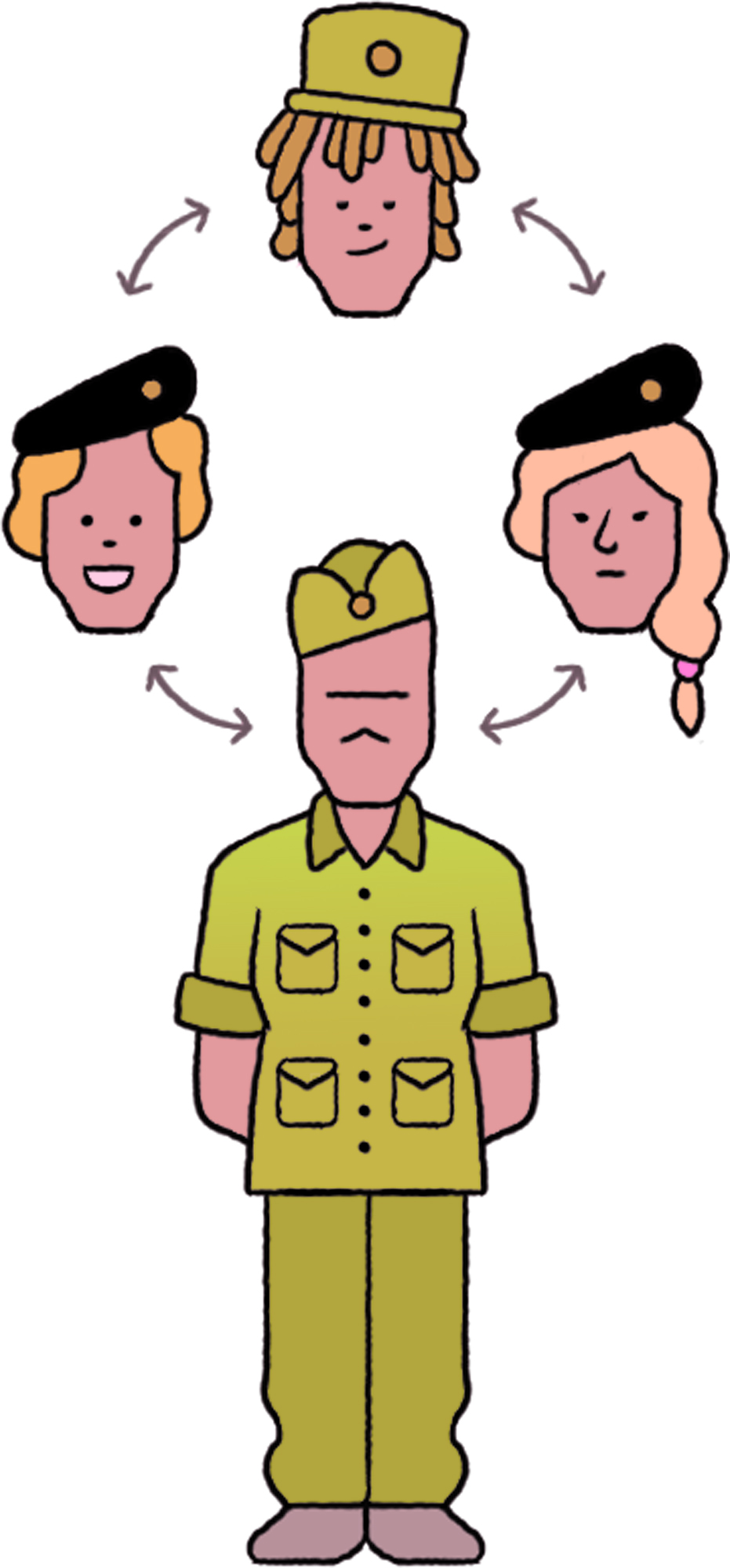
What’s funny in…
Norway
Shared experiences make for great comedy fodder, which might be why young comic Herman Flesvig’s latest project, the TV series Førstegangstjenesten (“The Military Service”) is such a hit in Norway. Conscription is compulsory in the country, so the series’ concept resonates with most age groups and recent episodes have been drawing in about 1.7 million viewers – that’s about one in every three Norwegians. On screen, Flesvig plays four of the main characters – a group of hapless conscripts who include a confused war enthusiast and a predatory female chauvinist. Hilarity ensues, yet Flesvig’s talent lies in going beyond mere caricature; he gives true depth to his characters as well as visibility to people with disabilities. One of the series’ main figures has Down syndrome and Flesvig himself has been open about his challenges with adhd, which he now treats as a creative source. Norwegians are, by and large, self-deprecating and have always laughed at characters who remind them of their less-than-perfect selves. But that humour doesn’t need to be crass and Flesvig’s talent lies in being outrageous while keeping a profound human touch.
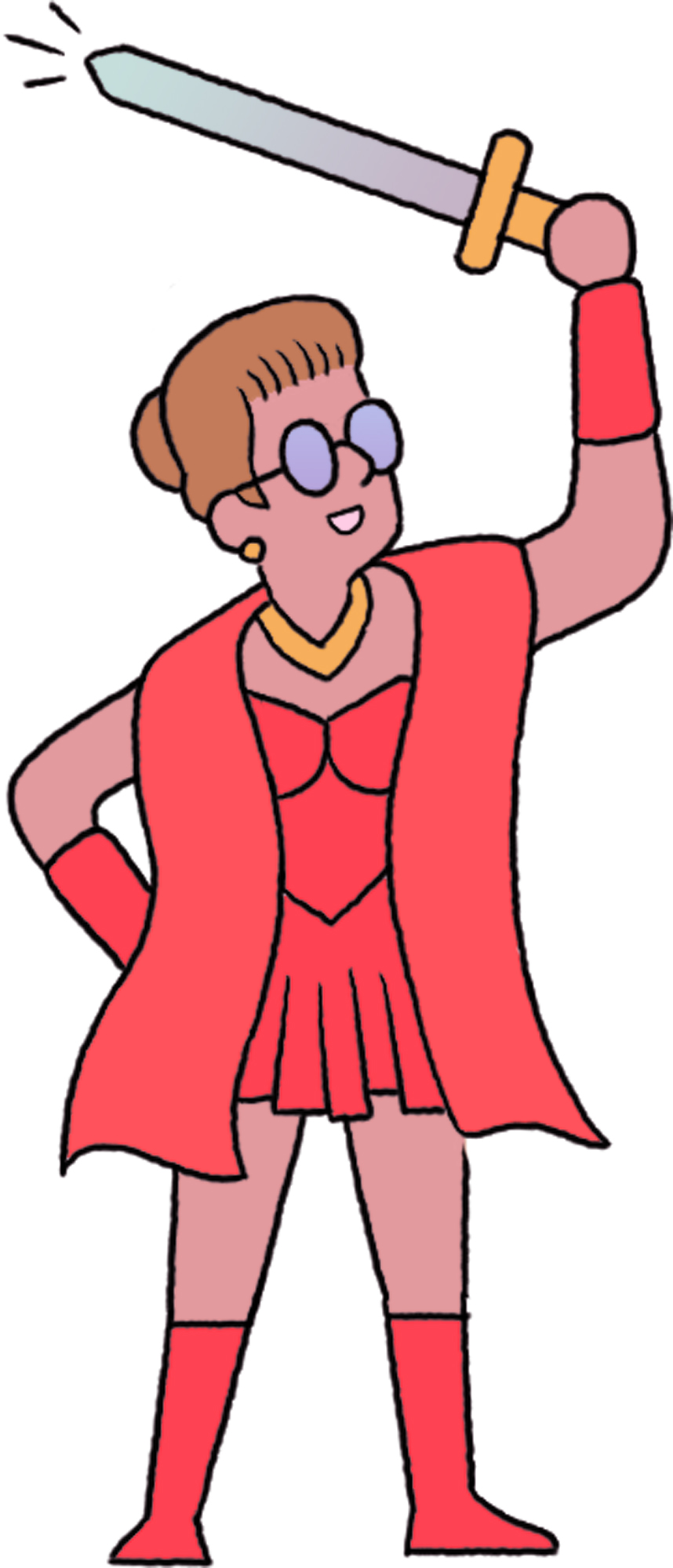
What’s funny in…
Canada
It might be tempting to assume that Canada’s often-stereotyped national tropes – gentleness, courtesy, kindness – extend to its rich comedy pedigree. Not quite, says Mary Walsh, the treasured Canadian actress and comedian who in 1993 created the country’s longest-running TV comedy programme, This Hour Has 22 Minutes, a weekly satirical spoof of a nightly newscast that’s still produced by national broadcaster CBC. Walsh is best known for pioneering one sharp-edged comic device: the ambush. She would show up at press conferences and volley her own questions at the official at the lectern and watch their responses unfold. Her targets have included prime ministers, mayors, celebrities and even royalty: the Duke of Edinburgh once declined the offer of a kiss from Walsh during an official engagement. “We have a very dark sense of humour here,” says Walsh. Canada’s vast and relatively sparsely populated national territory also plays a part in what makes the country laugh. “There’s a mystery, a darkness, an unknown quality to large parts of Canada,” she says. “We’re allowed to be more open because we have more space.”
Divine comedy
Humour and faith should go hand in hand, argues an Anglican priest and author.
By Fergus Butler-Gallie
While the merest furrowing of Ivan the Terrible’s brow was enough to instil fear in hardened warriors, one figure dared to chastise the tsar. St Basil the Holy Fool was something of a freelance comedian. As well as being the only individual able to challenge the all-powerful tsar – one prank involved Basil throwing raw beef at him – he indulged his passions for shoplifting and wandering the snowy streets of Moscow, wearing nothing but a chain.
Times have changed. As a clergyman, were I to indulge in naked shoplifting, I would be out of a job before you could say, “That’s probably a blessing.” Yet the fracture in the church’s once healthy funny bone goes deeper. The church, once home to humourists of every type – from satirists like Jonathan Swift to masters of the scatological, such as Rabelais – seems to have lost its sense of humour. Clergy today are associated with either stern, stentorian moralism or a po-faced pseudo-niceness.
That’s a shame. A sense of humour is one of the only things that keep me going in my ministry. Not taking everything deadly seriously is an essential part of what I hold to be the work of a priest. And the reputation for humourlessness is unearned. Some of the funniest people I know are clerics; these include experts in filthy jokes, joyful celebrators of the human condition and purveyors of dark gallows humour.
Part of the dynamic of clerical humour is the fact that it is the job of a priest to see and engage with the full panoply of human nature. That is often heart-warming and sometimes deeply tragic. But more often than not, it is joyously ridiculous. Seeing the preposterousness of humanity up close so regularly makes it impossible to take one’s own personality too seriously.
At the heart of Christianity is a message of liberation and there is nothing more liberating than laughing. Seeing humour in the ups and downs of existence is not only a coping mechanism for members of the clergy but also a theological statement. By laughing at ourselves, we make clear the imperfection of humanity and proclaim the possibility of its redemption.
Laughter is neither a judgement of irredeemable shortcomings, nor an endorsement of perfection. It is the most authentically Christian response to the human condition. A belief in divine providence is the perfect set-up for the knowing smile; there are times when I have blustered or cursed at a particular state of affairs, only for a reminder of the beauty of creation to raise a smile.
That I know myself to be laughable makes my priesthood a greater privilege than if I thought otherwise. A sense of humour brings me closer to what I recognise as the divine. An acceptance of the ridiculous deepens my faith. After all, a faith that could only find glory in the cold and logical would soon grow stale and, as St Basil the Holy Fool knew, there is great prophetic power in the proper deployment of the absurd.
It is my hope that the church might rediscover its talent to amuse and resurrect the spirits of St Basil, Swift, Rabelais et al. Humour, after all, is a gift from God. We would be positively ungrateful not to make use of it.
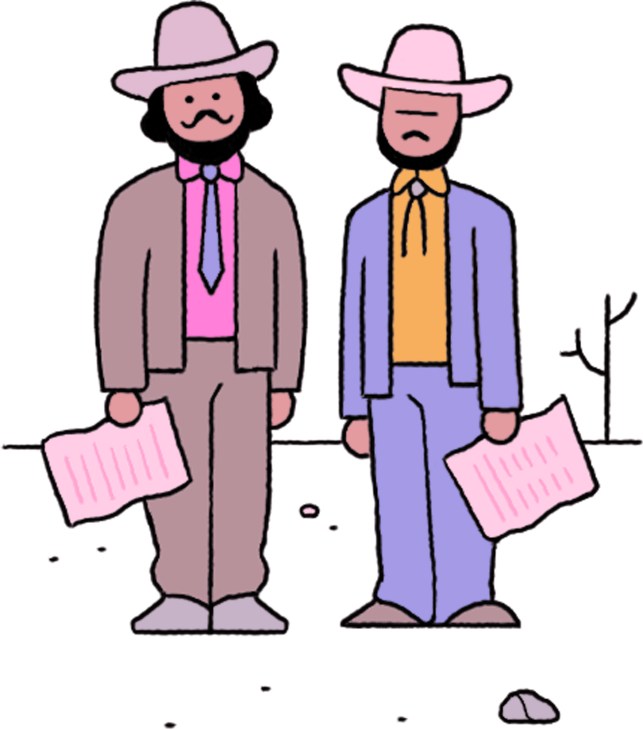
What’s funny in…
Australia
Irreverent and dry. These are words that describe the Australian sense of humour and are key tenets of the country’s national identity. They’re also words that can be used to describe The Betoota Advocate, Australia’s most popular satirical website, which takes aim at national leaders with headlines and stories that cut through political noise (“Christian Porter MP Resigns From Federal Politics to Spend More Time With His Lawyers”), while also satirising daily life down under (“Relative With Pool Selfishly Refuses to Host Christmas”). Founded by two former journalists who work under pseudonyms and in character as reporters in the fictitious city of Betoota, which is named after an actual outback ghost town in the state of Queensland, the publication is quick to respond to breaking news with its own satirical take. In doing so, The Betoota Advocate has become an integral part of the media landscape in Australia, with readers turning to it not for news but because it keeps its finger on the pulse of Australian politics and life while also keeping alive the nation’s comedic sense of self.
A brief history of the death(s) of satire
Over the years, surreal developments in current affairs have periodically inspired experts to announce that satire was no longer able to outdo reality. Andy Borowitz of ‘The New Yorker’ provides a brief review of several times when satire was declared dead – and why it’s anything but.
By Andy Borowitz
Year: 1973
Status of satire: Dead
Death declared by: Tom Lehrer
In the 1960s, Tom Lehrer, a US writer and performer of satirical songs, was popular on both sides of the Atlantic: the BBC banned 10 of the 12 songs on his first album, thus guaranteeing huge UK record sales. In 1973, however, Lehrer announced that the genre he was famous for was finished. “Political satire became obsolete when Henry Kissinger was awarded the Nobel peace prize,” he said. Lehrer never wrote another song and Kissinger never won another Nobel, though he was nominated many times for a war crimes trial in The Hague.
Year: 1980
Status of satire: Dead again
Death declared by: People who noticed that Ronald Reagan was US president
The election of Reagan, a widely mocked former B-movie star who was out-acted by a chimp in 1951’s Bedtime for Bonzo, impelled many observers to declare satire dead again. Robin Williams, however, was unwilling to sign its death certificate. “People say satire is dead,” he told Rolling Stone. “It’s not dead; it’s alive and living in the White House.”
Year: 2001
Status of satire: Really dead
Death declared by: Graydon Carter
After September 11, Graydon Carter, co-founder of satirical magazine Spy, announced, “It’s the end of the age of irony.” A little while later, however, when it became clear that irony hadn’t gone anywhere, Carter tried to backtrack. “Only a fool would declare the end of irony,” he said. “I said it was the end of the age of ironing.” Good news: satire was alive. Bad news: so were puns.
Year: 2016
Status of satire: Incredibly dead
Death declared by: Google
The election of Donald Trump in November 2016 finally killed satire forever. Proof: if you google “Trump” and “satire is dead” you get about 1,490,000 results. By comparison, “Reagan” and “satire is dead” yields only 16,700, while “Kissinger” gets a paltry 2,200. Clearly, when so many people utter the same journalistic cliché it has to be true. But wait! In 2019, CNN’s Christiane Amanpour asked British satirist Chris Morris if satire was dead. “Anyone who says that is basically handing in their cards,” said Morris. “They have given up. They have essentially told the world that their imagination has ceased to function properly.” With these words, Morris settled the matter. The death of satire is officially dead.
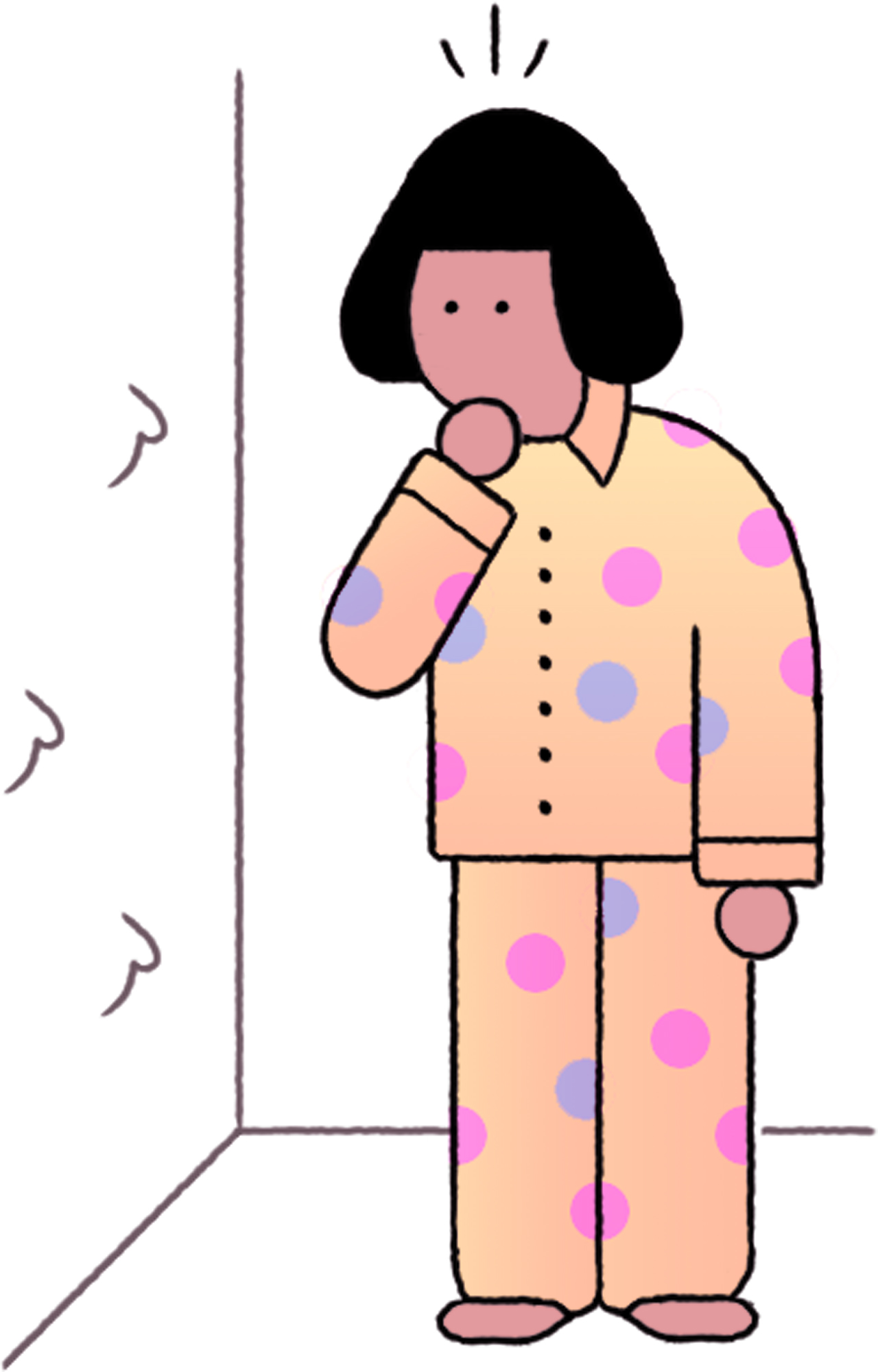
What’s funny in…
Japan
Respect matters in Japan’s hierarchical society. People rarely challenge its spoken or unspoken rules, no matter how ridiculous; neither do they make fun of their bosses, elders or strangers. But to cope with these strictures you occasionally need to let loose and comedy is key. Hitoshi Matsumoto of legendary duo Downtown has become a national icon by providing that relief. The 58-year-old subverts and skewers social norms and rages at daily annoyances that most wouldn’t dare to verbalise, from robotic customer service to elderly women causing delays at the airport. Matsumoto also talks about his own cringe-inducing experiences, making his audience confront sensitivities around the prized ideal of dignity. His sketches deliver anecdotes that are so embarrassing that they generate empathy; after all, Japanese audiences wouldn’t enjoy a ruthless roast. Matsumoto has also made films with an altogether wackier kind of humour. In one of his comedies, Symbol, he plays a pyjama-clad man who wakes up in a white room whose walls are covered in buttons. When pressed they elicit peculiar events, such as unleashing a flock of floating Kewpie dolls.
What’s funny in…
Brazil
When global audiences think of Brazilian cinema, they might picture crime thrillers such as City of God. But Brazilians themselves are fond of comedy: the most successful film at the country’s box office is 2019’s Minha Mãe é uma Peça 3 (“My Mum is a Character 3”). It stars late comedian Paulo Gustavo, who died of coronavirus last year, playing Dona Hermínia, a sweary but loving mother to Marcelina and Juliano, who is gay and soon to be married. The character was inspired by Gustavo’s own mother and the plot relates to the comedian’s experiences as a gay man. In a political context that has been openly discriminatory towards homosexuality, Gustavo captivated an audience that spanned all sectors of Brazilian society, from conservatives to liberals. There’s no controversy to the film, only warm, easy comedy that united a nation. Gustavo encapsulated Brazilian humour in how he combined slapstick with astute observations on Brazilian society – cue the scene when Dona Hermínia is stopped at security in a US airport for carrying too many painkillers, poking fun at the stereotype of Brazilians as incurable hypochondriacs.
The essence of satire
Here, a Tehran-born British stand-up comic, actor and writer explores the difference between comedy and satire, and draws a line between the genuine stifling of free speech and the failure of unfunny material that’s just provocative for its own sake.
By Shaparak Khorsandi
“The comedian tries to distract the crowd and make people look at him or her, while the satirist makes them look at themselves.” That’s the best way that I’ve heard the difference between satire and comedy described.
My comedy career began when I was eight years old. I performed impersonations of politicians. In the 1980s my parents – who, like many Iranians in London, had been exiled after the revolution of 1979 – were glued to the news. I wasn’t interested in politics but learned that comedy was the best way to get the attention of the adults in my life. I still want to make people laugh, regardless of whether I have a point to make. I am a comedian.
My father, however, is a satirist. His lampooning of the ayatollahs was what led to our exile. In 1984, Scotland Yard foiled an attempt by the Islamic Republic of Iran to assassinate him outside our London home. After the fuss died down, my father went straight back to work, which in his case meant writing jokes that made powerful people want him dead.
When I was upset by a few internet trolls early in my career, he chuckled and said, “Just trolls? You must work harder. None of them wants to kill you yet!”
Yet there are people who believe that satire consists of anything that some might find offensive and that their abrasive remarks should therefore be considered intrinsically comedic. Social media has given voice to “free-speech” warriors who loudly blame “cancel culture” for the fact that their jokes aren’t landing and for the supposed injustice that they’re not being invited onto comedy panel shows or the latest unmissable series of Celebrity Sock Darning.
The reality is that if you insist on doing or saying things that audiences find unpalatable, you won’t endear yourself to television or radio producers, either. Demand is what drives supply, after all, and that is nothing new. It’s not cancel culture; it’s just show business. A plumber wouldn’t moan, “I’m not getting any work because I keep flooding houses. I’m not a bad plumber; I’m controversial and too edgy for mainstream plumbing.”
Comedians who blame “cancel culture” for their failure to get career breaks are not the same animal as those satirists who risk their lives by exercising their freedom to speak. Real satire humiliates the powerful but speaks the language of the public.
What’s funny in…
Italy
The intricacies of party politics and coalition dramas have given plenty of material to Italy’s satirists over the years. But what’s making the country laugh of late is away from Rome’s parliamentary chambers and closer to the city’s northern suburbs. Cartoonist Zerocalcare grew up in the district of Rebibbia and started publishing his work online in 2011, mocking details of daily life in strips where a furry-browed version of himself would try to teach his overbearing mother how to use a computer, while also tackling tougher topics such as anti-fascist protests and the G8 conference. Since then, Zerocalcare’s work has become more confessional but no less funny. But one theme has remained constant for Italy’s bestselling cartoonist: chronicling the confused lives of a generation without a “conventional” sense of purpose, jumping between temporary jobs. His recent animated Netflix special, Strappare Lungo i Bordi (“Tear Along the Dotted Line”), finds him, as usual, anxiously sat on his sofa discussing responsibility and friendship with his own conscience (personified as a judgemental armadillo) and having the nation in stitches – and sometimes tears – in the process.
Going native
British comic James Mullinger explains why moving to a tiny Canadian town with no comedy club was the best thing he ever did for his stand-up career.
By James Mullinger
After 16 years as a journalist and stand-up comedian in London (don’t worry, I haven’t heard of me either), I moved to a town with a population of 10,000 on the east coast of Canada. On paper, I had an enviable life in the UK, interviewing celebrities and performing stand-up in clubs most nights. But other than a very small, loyal following, I was unknown. Some of my friends had gone from gigs in pubs to playing arenas but that ship had sailed for me. I needed a change.
Tony Soprano once said, “There isn’t a geographical solution to an emotional problem.” But like so many of Soprano’s life lessons, this is grossly incorrect. Moving to a smaller place made me happy and gave me a whole new act. It also, against all odds, made me far better known in Canada than I had been at home.
In the UK I was just another white, middle-class male comic joking about drinking, sex and my wife and children. But if you move to a place where there aren’t many people like you, you become a novelty with something fresh to say. Our job as comedians is to notice things, so to be a fish out of water is the dream.
To others, moving to one of the only places in North America without a comedy club seemed insane but to me it made sense. It afforded me the opportunity to forge my own path: I simply had to go out and perform anywhere that would have me – churches, schools, dive bars, vineyards, basements, gardens – and if people liked it, they would tell their friends. I arrived in Canada in 2014 with no contacts and no following whatsoever. By 2016 I had performed to a sold-out crowd of 5,000 at a hockey arena. The show was filmed for an Amazon Prime Video special and led to a TV show.
Now, I have no idea if this would work everywhere. Canadians are intrinsically celebratory; they are scarily nice; they really like people emigrating to their country; and when they enjoy something, they tell people. To this day I spend very little on advertising. In their kindness, Canadians do the work for me.
Canadians can also take a joke. I have never felt that I have to hold back in my ribbing of their strange ways. If I put Brits through what I put Canadians through in my act, they would have forcibly sped up my own personal Brexit. Because of the country’s smaller population, I rely on people coming to see me four or five times a year, which has forced me to become prolific in my writing. But I’m really just a glorified ventriloquist; repeating things they have said that I find strange or weird or funny. In any other country, that would be deemed rude. But in smalltown Canada, they love you for it.
What’s funny in…
Argentina
Anyone who has lived in Argentina will tell you that getting your head around even the simplest financial transaction requires skill. Inflation, price controls, separate exchange rates, the “blue” black-market dollar – lost you yet? Understanding money after successive economic meltdowns has become almost an inside joke and comedians are increasingly incorporating finance into their punchlines. Buenos Aires-based Andy Olivera co-produces videos to convey this shared sense of economic despair. His latest, “The Dollar Goes to the Moon”, has been viewed two million times. Using footage of mission control from the film Apollo 13, the video features a Spanish voiceover running through a pre-launch checklist ahead of lift-off: “Investment?” “Zero.” “Country risk?” “Through the roof.” “Small businesses?” “Bankrupt.” “Inflation?” “Rising.” And so it goes on until the dollar is ready for departure. Olivera thinks that part of the success of his comedy is down to culture. “We’re big criers and big laughers,” he says. “Like laughing out loud at a funeral, comedy serves to distract from the reality that things are actually pretty bad.”
What’s funny in…
Singapore
Singaporeans might live in quite a rule-abiding society but they still know how to laugh at themselves. Musician-actors Benjamin Kheng and Annette Lee have recently struck a chord with their new comedy video series The Ann & Ben Show. In it they rib idiosyncratic Singaporean traits, from people’s obsession with bubble tea to an Asian parent’s way of showing “affection” through corporal punishment, or the anxiety that strikes when ordering cai fan (economy rice) from a hawker stall that serves a wide array of dishes. Kheng and Lee have turned mundane moments into songs punctuated with pop-cultural references, pairing their wit with an unbridled use of Singlish, the city-state’s unofficial tongue (a creole that draws from languages and dialects including Malay, Tamil and Hokkien). The Singaporean government has traditionally taken a dim view of the vernacular, in the belief that using “proper” English is crucial to the country’s position as a global economic hub – but the success of The Ann & Ben Show underscores Singlish’s staying power. An audience keen not to take themselves too seriously awaits a second season with bated breath.
Greater expectations
For a second city, Maribor boasts a remarkable collection of firsts. The first Slovenian-language daily newspaper, Slovenski narod, started printing here in 1868. Electric light came to Slovenia in 1883, when the switch was flipped in Maribor’s Castle Square. And the Austrian Southern Railway arrived in 1846, a full three years before the connection to Slovenia’s capital, Ljubljana.
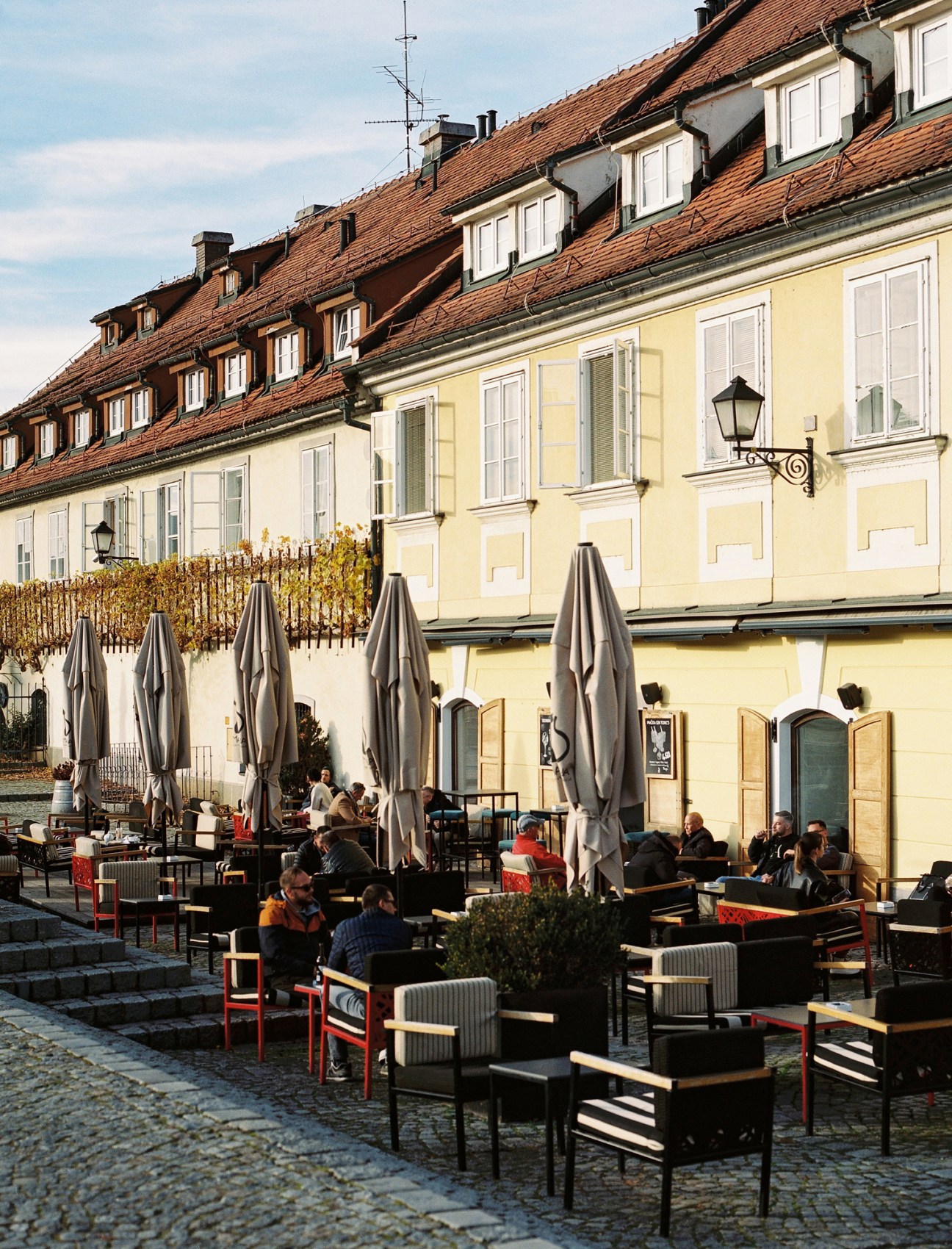
Culture, innovation and international transport all remain features of Maribor today, though the city has had a few reversals of fortune since it shook off Habsburg domination in 1918. Nazi occupation during the Second World War was followed by decades as the undisputed powerhouse of Yugoslav industry, dominant in textiles, metal processing and the automotive sector. But Slovenia’s independence in 1991 sounded the death knell for many factories in Maribor.
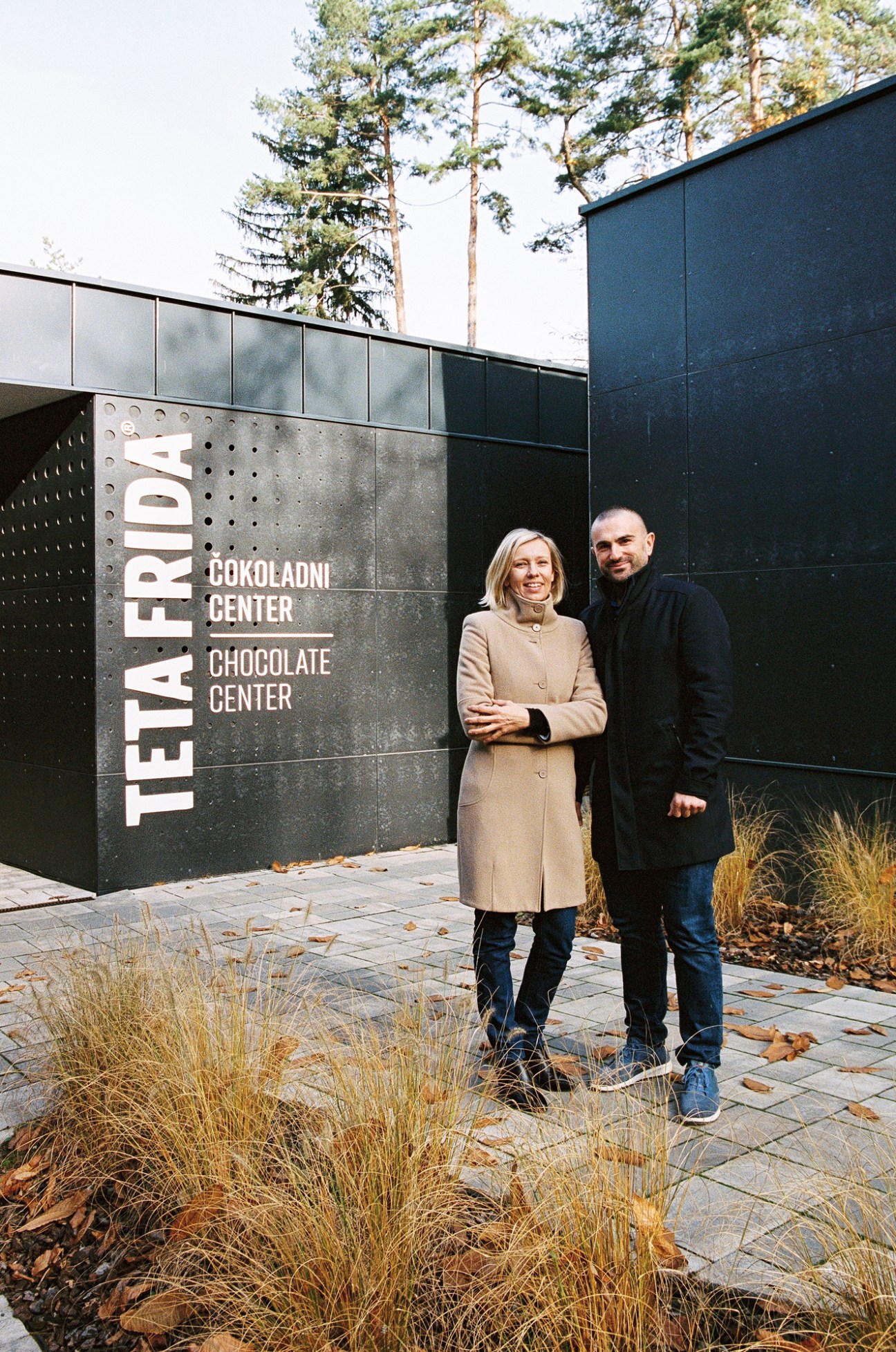
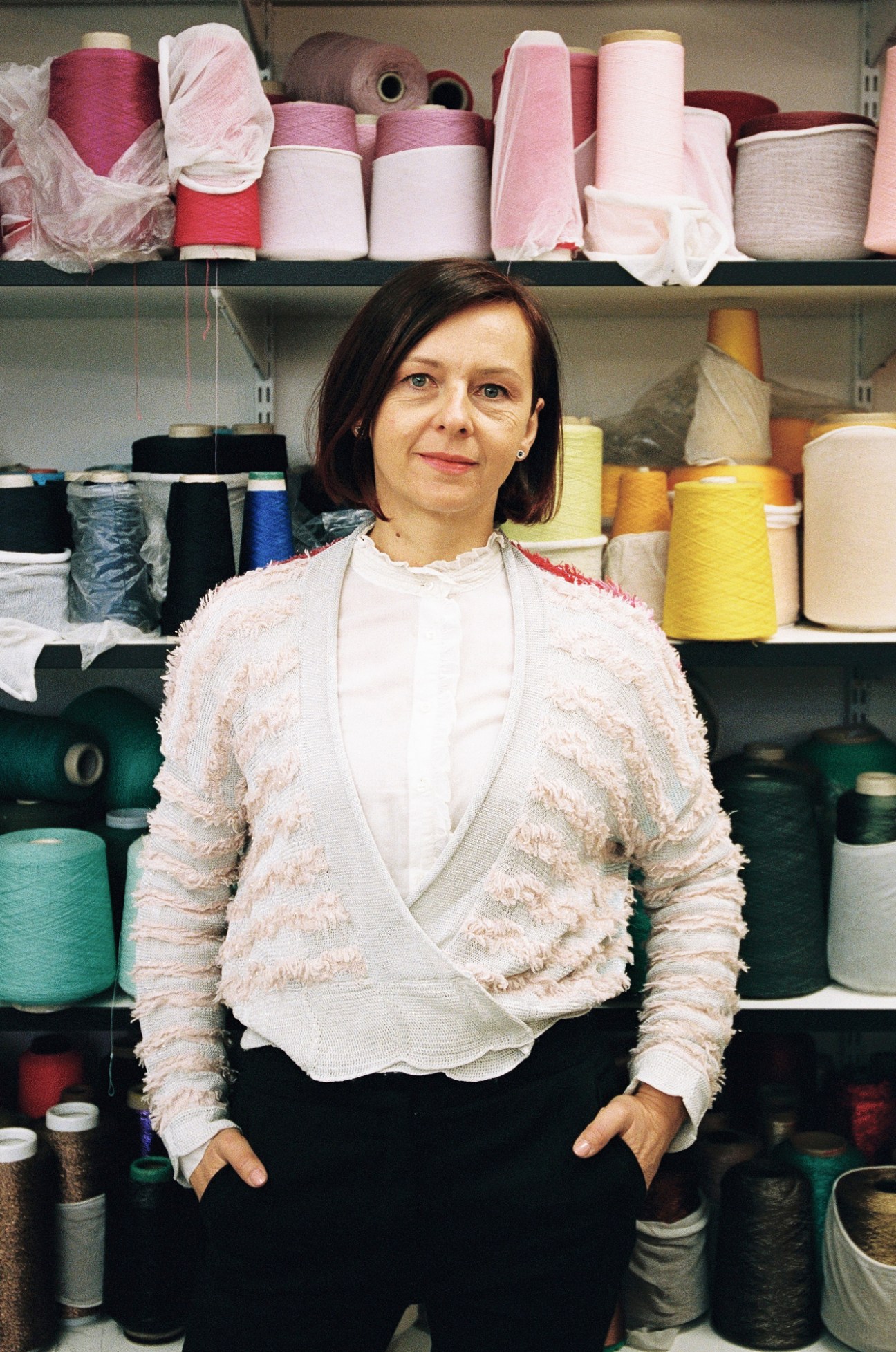
Recovery has not been easy but now there is a clear sense that good things are happening in Maribor again. The population has been rising steadily over the past three years as word of the city’s enviable quality of life spreads to people who are fed up of cramped quarters and soaring property prices in Ljubljana and beyond.
“The cost of living is more than 20 per cent lower than Ljubljana,” says Urban Lapajne, project manager at business incubator Venture Factory and programme manager of start-up conference Podim – both of which help new businesses to make personal and professional connections in Maribor. “As a city, we’re still in the process of finding our new identity. But the technology ecosystem is starting to bloom and the creative industries are on the rise.”
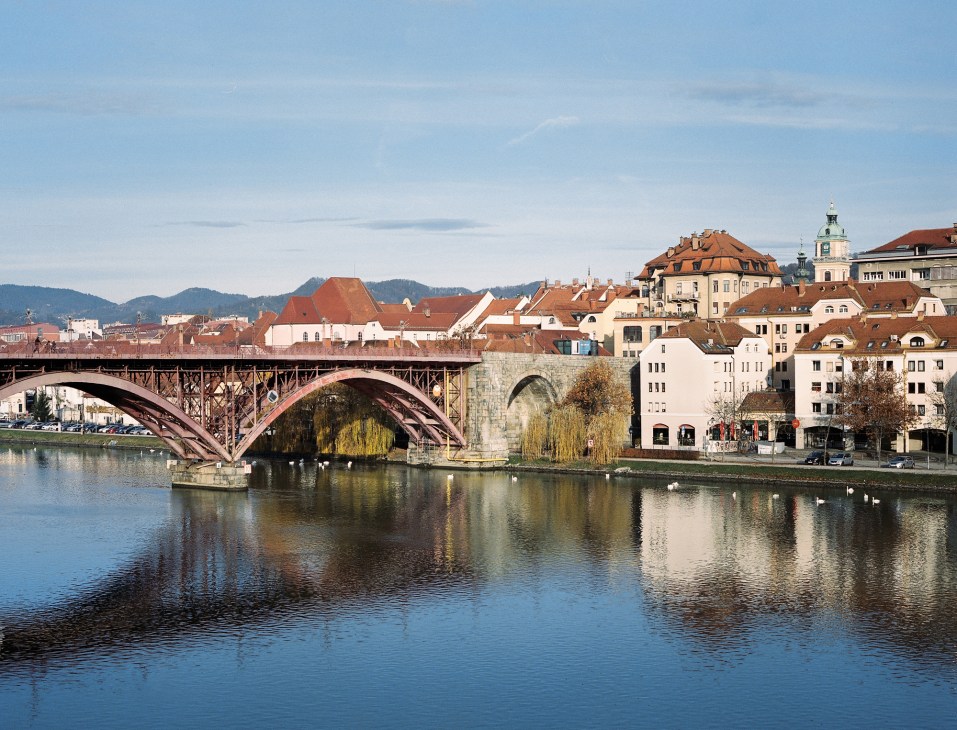
This sense of a place in positive transition is strong from the moment you arrive in Maribor. The election of Sasa Arsenovic as mayor in 2018 has given the city momentum, with the tasteful renovation of the main square and Koroska Street the most visible evidence of an ambitious programme to attract talent and tourists. “We lost a lot of brains to Ljubljana, Graz and elsewhere because there weren’t enough ambitious people thinking creatively and positively,” says Arsenovic over coffee in Hotel Maribor, an 18th-century former brewery on the main square that he repurposed as stylish accommodation in his former incarnation as a hospitality entrepreneur. “We want people to be dreamers and for the city to be a place where you can come to fulfil your dreams.”
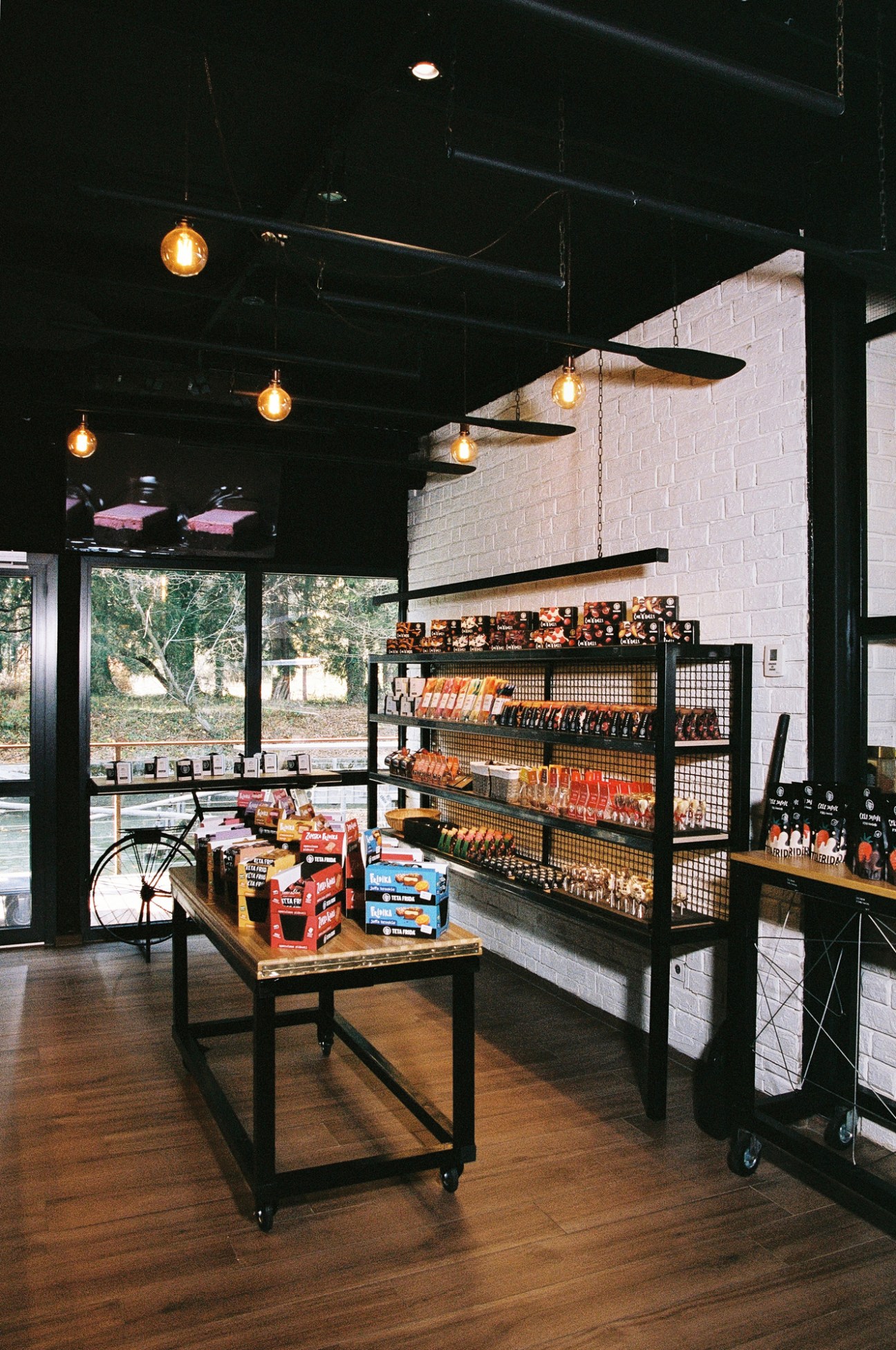
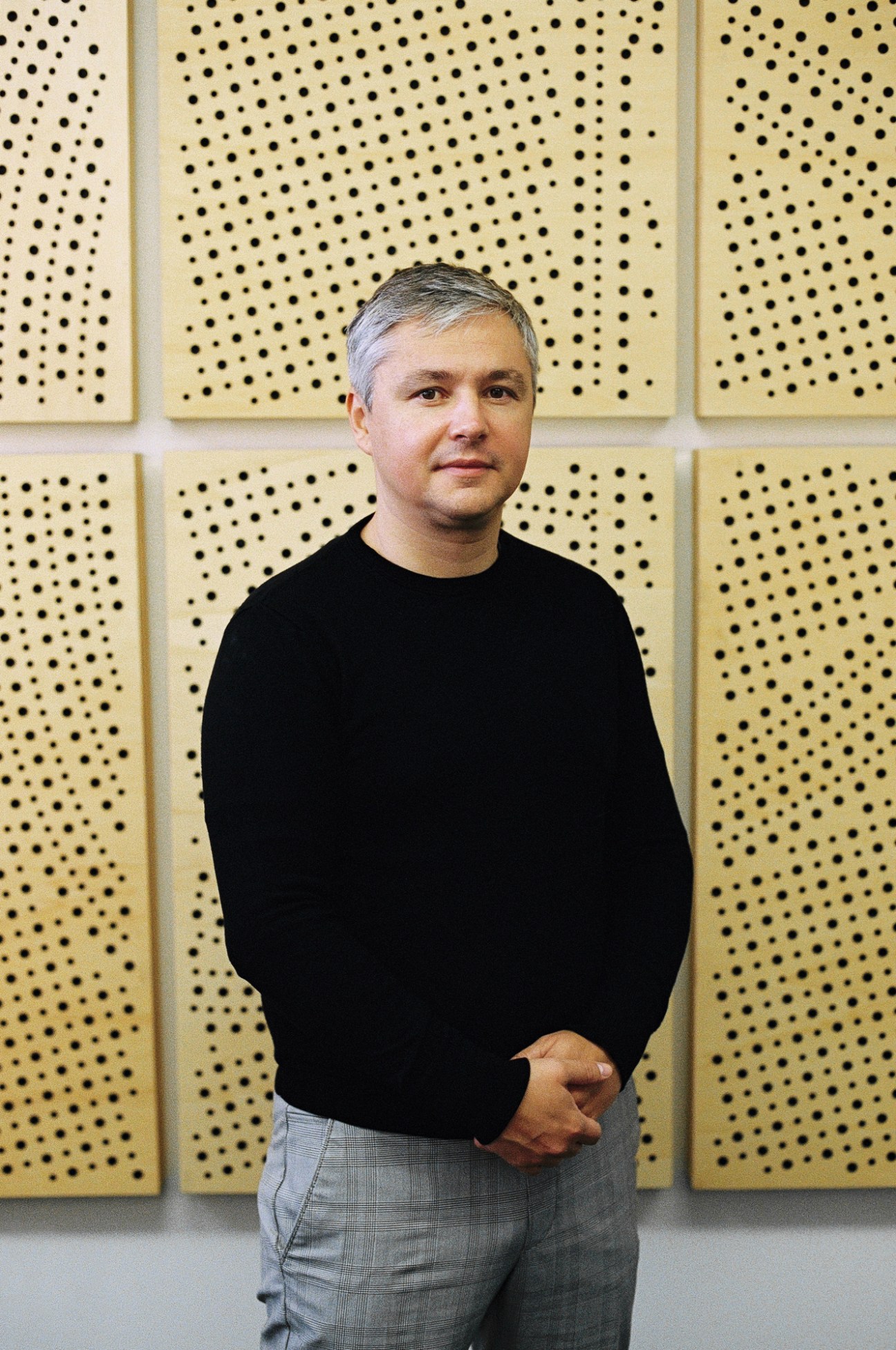
And once they come, they often stay, as Maribor’s most famous import can confirm. Brazilian striker Marcos Tavares is captain of Slovenia’s most successful football club, NK Maribor. Since arriving in 2008 he has set the country’s all-time goal-scoring record. Along the way, he has taken up Slovenian citizenship, opened a restaurant and set up dnk Sportna Akademija, which trains young people in the fundamentals of Brazilian football. “I thought I would just stay for one or two years but this place is amazing,” he says. “The people of Maribor accepted me and treat me with a lot of respect.” Tavares says that the quality of family life was a major factor in his decision and his children now speak “loads of languages”, reflecting the city’s proximity to Austria, Hungary and Croatia.
Indeed, everyone in Maribor raves about its connectivity. The city’s airport has lacked a passenger carrier since vlm Airlines collapsed in 2018 but Graz airport in Austria is a mere 45-minute drive. Zagreb can be reached in 90 minutes, while Vienna is less than three hours by road. Not that residents need to leave to get a culture fix. For a city of not quite 100,000 people, Maribor punches above its weight in that respect. It was European Capital of Culture in 2012 and has some of Slovenia’s finest institutions.
“I really feel like I’m part of the city,” says Simona Vidmar, curator of contemporary art at Maribor Art Gallery. Vidmar’s architect husband, Matevz Celik, spent a decade commuting to Ljubljana, where he was director of the Museum of Architecture and Design. Now he is excited to be based full-time in Maribor as it enters a new phase in its development. “Maribor had to find its own way,” he says. “Things have happened in a very spontaneous way because of enthusiastic individuals.”
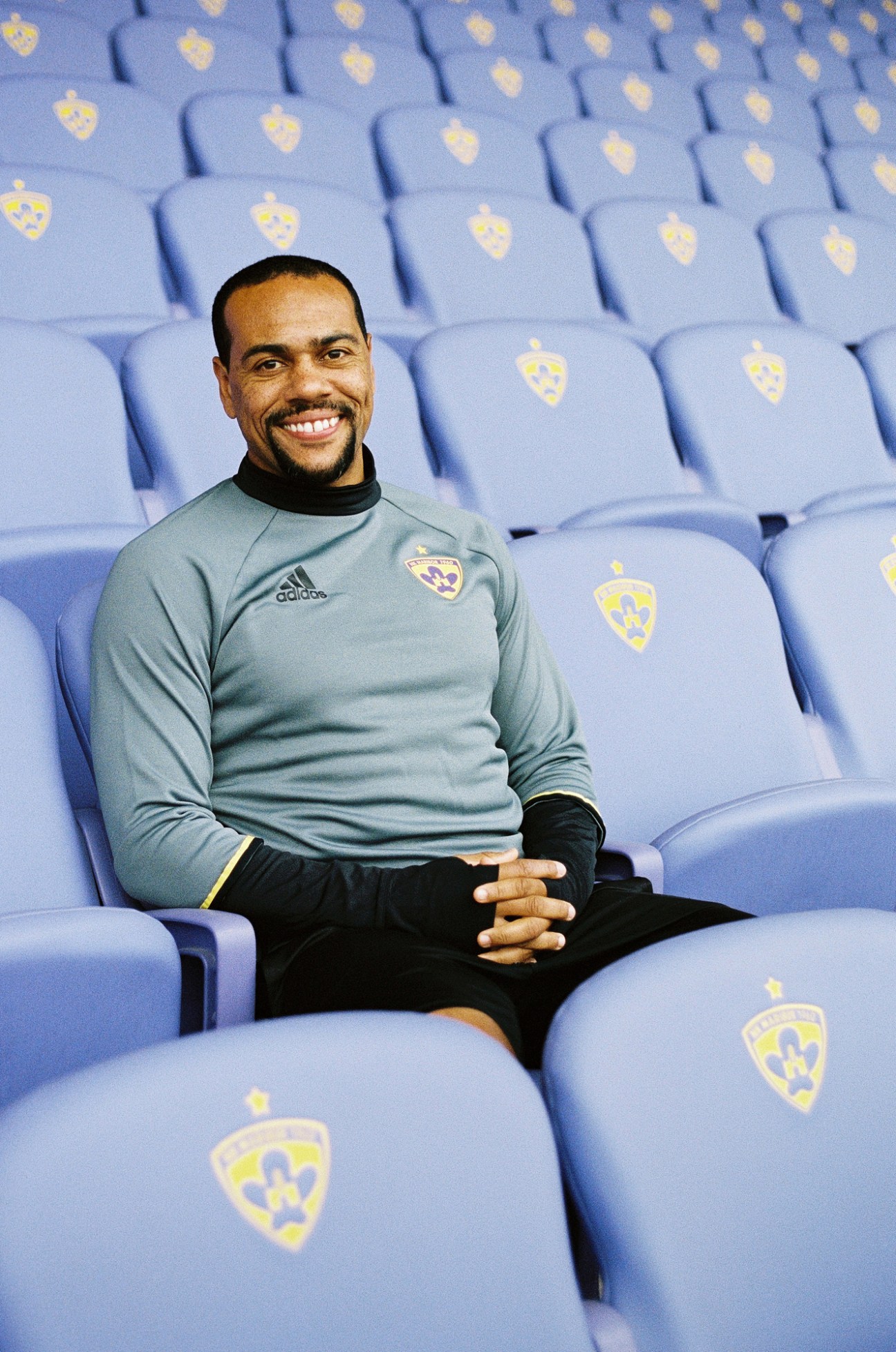
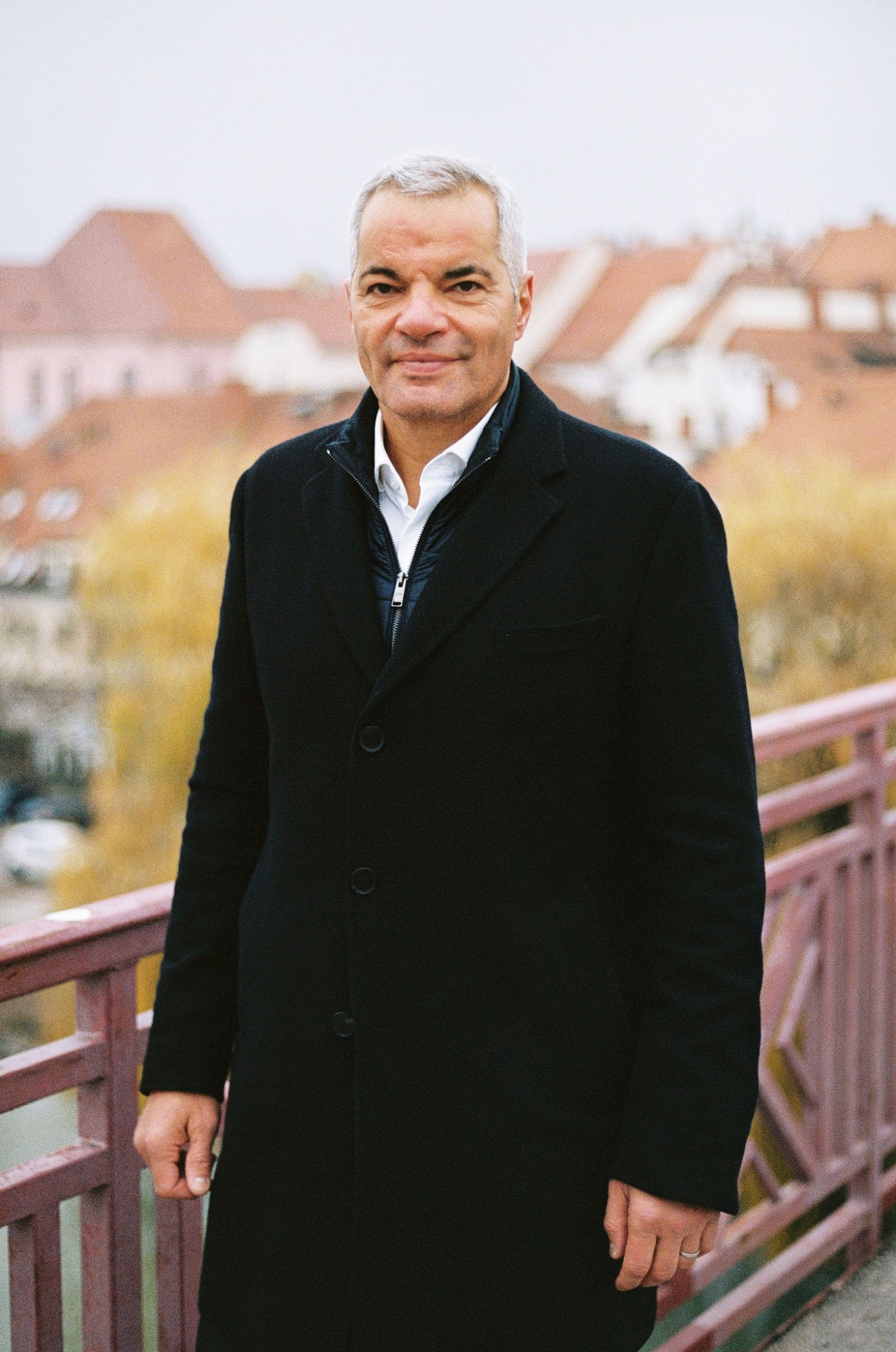
This sort of atmosphere makes Maribor fertile ground for creative start-ups founded by people who do not see any sacrifice in basing their business in Slovenia’s second city. Matej Hotko studied at New York’s Manhattan School of Music and worked in Ljubljana before starting the Base music school chain in what he calls the prettiest city in the world. “The whole infrastructure of the city is beautiful,” he says. “And it’s safe, a great place to raise children.”
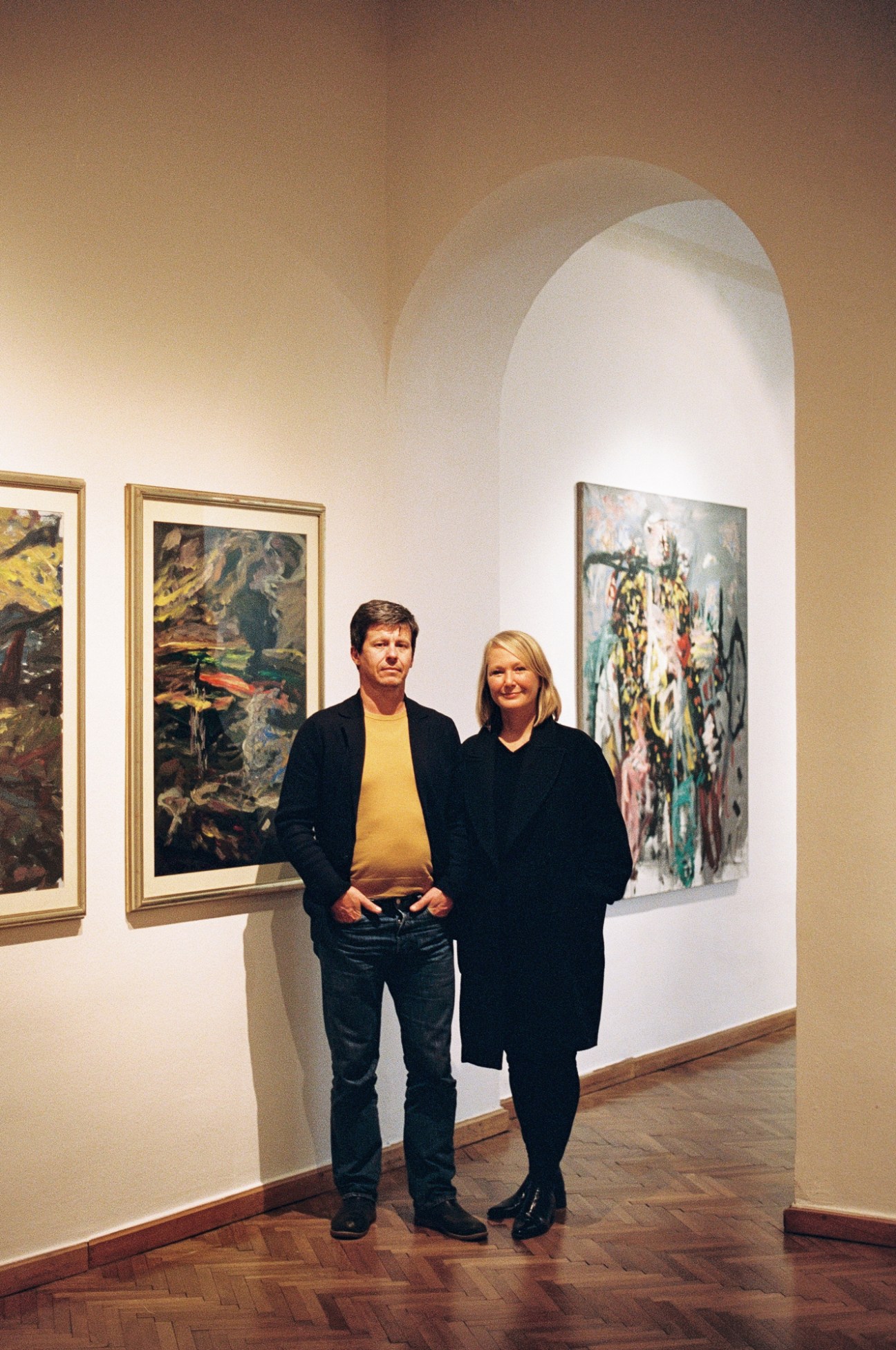
A new generation of creative talent is also flowering. Tea Goric, who trades under the name Cup of Tea, honours the area’s industrial past by restoring classic Yugoslav-era furniture designed by the likes of Niko Kralj.
Insider knowledge
Who lives here?
People seeking a sensible work-life balance, be they outdoor enthusiasts, wine connoisseurs or scientists running Slovenia’s nano-satellite programme.
What businesses are booming?
The University of Maribor’s engineering, computer science and physics faculties turn out a flow of talent, feeding start-ups and established firms. Creative activity is also on the up.
Where can I find a gap?
The 2016 closure of Kino Udarnik deprived Maribor of its arthouse cinema, while Gramofonoteka is the only record shop in town.
How welcoming is the city to entrepreneurs?
The Centre for Creativity supports the cultural sector. And technology types can network at the Podim conference.
Will my quality of life improve?
Yes, if you like being able to walk to work within 15 minutes, few traffic jams and being close to both rivers and mountains.
What’s the average salary?
About €21,500.
And the cost of living?
Apartments are close to €1,800 per sq m to buy.
A fun night out?
Postna is a street of bars and eateries. The riverside buzzes in summer.
Should I move here?
If you want more space and nature, and the chance to contribute to a well-connected city’s reinvention, Maribor could be for you.
Customers can bring their own chairs to be “reloved”, or choose from a line that has already been restored by Goric. “Ninety per cent of my products are sold outside Slovenia, mostly to countries such as the US, the UK, Germany and France,” she says. “We all see some opportunities in Maribor’s development and we want to be part of it. We want to be on that train with our city.”
It’s a similar story for illustrator Alja Horvat, who has collaborated with Goric on a collection of chairs but also works with an impressive range of clients, from Disney to Urban Outfitters. “The community makes it so much easier to do business here because we are always helping each other out,” says Horvat, who also has her own fashion line. “It’s great to have friends who are willing to share contacts and advice about suppliers.”
Whereas Horvat’s creations favour bold, 1970s-inspired prints, Tanja Uvera’s hand-made women’s knitwear is all about texture, panels of colour and customisation. Her atelier is tucked into a steep passageway just off the riverfront. “I have a lot of clients from Ljubljana and the rest of the country,” she says. “There has been a big change here in recent years. People used to say that Maribor was a football city, not a fashion city, but we have taken big steps over the past 20 years.”
Tanja Golob and Uros Mlakar have also come a long way over the past two decades. The Maribor natives originally developed their Teta Frida (“Aunt Frida”) range of chocolates when they were running a restaurant in the city. It’s now a full-time business employing more than 100 people. Teta Frida treats are available in supermarkets and its own “chocolate cafés” across the country.
Golob and Mlakar are now linking their business to Maribor’s impressive natural assets by opening a small resort called Chocolate Village on the banks of the Drava river. It is a short hike from the Pohorje mountain range, a major wine-growing area, which offers mountain biking and shady walks in summer, as well as skiing in winter. “There is a lot of potential on the Drava to put more life on land and boats on the water,” says Golob.
Maribor might already have plenty to offer residents but what excites people here is its potential. Mayor Arsenovic animatedly jabs at maps that show plans for further renovation in the city centre and a revival of the old industrial zone. “We know that we won’t be the most beautiful city or the biggest,” he says. “But we can have the best quality of life.” It’s a worthy goal. And given the city’s history of firsts, it is perhaps only natural that Maribor is once again aiming for the top.
Should Emmanuel Macron stay or go?
The debate
In April, Emmanuel Macron will ask his fellow citizens for a second stint in the Élysée Palace. Any president seeking re-election is a known quantity; for Macron, who seemed to come from nowhere in 2017, aged 39, the contrast with his first campaign will be especially stark. Unlike most recent outsider candidates in the West, Macron wasn’t a know-nothing yahoo with a grudge or a grandstander hoping that voters would mistake celebrity for authority. After a career in finance, he had served as an adviser to then president François Hollande, before being appointed as economy, industry and digital affairs minister in 2014. For a self-styled outsider, he was quite an insider.
Macron’s 2017 manifesto promised not only to reform France but to transform it. That would have been uphill work at the best of times. Alongside the pandemic, the challenges he has faced include France’s sclerotic bureaucracy, its plodding economy and an entrenched tradition of theatrical political dissatisfaction, agitated by populist provocateurs, such as the gilets jaunes (yellow vests).
The question of whether he should be granted a second term will be a simple one to answer if this year’s election becomes a choice between Macron and thuggish nationalist Marine Le Pen, as it did in 2017 – or, worse, between Macron and odious far-right crank Éric Zemmour. But on his own merits, does he deserve another go?
Meet the panel
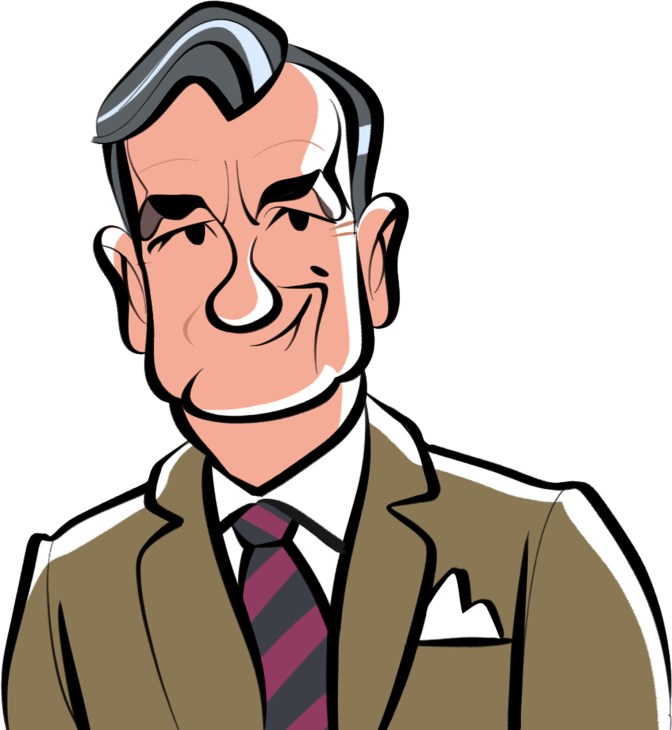
Gérard Araud
The diplomat
Araud was France’s permanent representative to the UN from 2009 to 2014, before serving as the country’s ambassador to the US until 2019. He was also its ambassador to Israel between 2003 and 2006, under the presidency of Jacques Chirac. Araud has held posts at Nato and the French foreign affairs and defence ministries.
Christine Ockrent
The commentator
Belgian journalist, author and broadcaster Ockrent is a former editor in chief of weekly magazine L’Express. She has occupied prominnent positions across the French media, serving as a news anchor on networks Antenne 2 and tf1, and as chief operating officer of France 24 and Radio France Internationale.

Joseph de Weck
The author
De Weck is the author of Emmanuel Macron: Der Revolutionäre Präsident, a German-language essay on Macron’s France. He is Europe director at Greenmantle, a macroeconomic and geopolitical risk consultancy, and a contributor to publications including Foreign Policy and Internationale Politik Quarterly. He has a background in financial and trade diplomacy.
In his 2017 manifesto, Macron claimed that he would transform France. Has he achieved this?
Gérard Araud: In 2017, France faced a populist wave that was coming from both the far right and far left. Many were attacking the establishment; they were ready to toss the table because they believed that they no longer had a place at it. Macron came from nowhere. Before, you typically had to have been around for about 30 years to be a presidential candidate. He only became known in politics in 2014, so it was quite a feat. He was sort of a centrist populist, sweeping away the traditional parties.
He now has a bloc in parliament, La République En Marche!, which he didn’t have in 2017. Is there a Macronist constituency?
Christine Ockrent: Yes. It explains why, despite the gilets jaunes and coronavirus, he has maintained a high level of public support. The paradox is that he might have the constituency but he and his small group of friends have not been able to transform themselves into a political party in the conventional sense.
GA: He was elected as the candidate of the haves against the have-nots. That has had consequences. And he didn’t have political experience; he had never been elected. He comes from the upper-middle class and went to the best schools but he doesn’t really know the French people. It was a lonely victory and he has remained a lonely person.
Macron’s polling numbers are holding up well. He currently has an approval rating of 42 per cent, which is far better than Nicolas Sarkozy’s or François Hollande’s at the same point in their presidencies. Do the French actually like him?
Joseph de Weck: I wouldn’t say that they like him but they do respect him. That’s a big difference between Macron and his two predecessors. Hollande was seen as risible and Sarkozy as “President Bling-Bling”. Macron’s relationship with the French people is very Gaullist. As Christine and Gérard have said, he is quite alone. That was the case with Charles de Gaulle, who also saw himself as a patriot, belonging neither to the left nor right, who had a direct relationship with the nation. In the gilets jaunes crisis, Macron spoke straight to the people. In his 2017 campaign, he won respect for not shying away from difficult debates with, say, the unions.
“I would give him credit for the economic reforms but the political climate has worsened”
GA: This might be a caricature but he was elected by people who feel at ease in the globalised economy. He has never proved that he is also responding to the concerns of people living in small cities, in suburbs – people who feel excluded by globalisation. There’s also something in his style. He is too slim, too elegant. He has a problem relating to the man on the street. His lack of political experience has amplified awkward moments. Take, for example, his speeches in front of the [gilded Élysée Palace] decorations, which could be taken as a provocation by people who are suffering. That makes him look grand bourgeois, even if he’s not particularly.
How well has he done in facing down populism?
GA: What was striking when we had the gilets jaunes crisis was their hatred of Macron. He’s a centrist, a moderate. There is no rational reason to hate him. You can disagree with him but why hate him? There was an incredible level of violence directed at him personally, to the point that he couldn’t freely get out of the presidential palace. So there is this irrational element. Joseph is right; he went out to speak after the most violent moments of the unrest but he basically spoke to the local elite. He has not yet bridged this rift between him and a lot of the public.
CO: Macron was effectively represented by the gilets jaunes as the enemy but the real enemy was THE system, those bourgeois technocrats who had been in power for decades. That system now has Macron’s face on it. In France, the presidential election is meant – and was meant by De Gaulle – to create a link between the person elected and the people at large. Everything is personalised.
Have Macron’s economic reforms helped France through the pandemic? Unemployment is now lower than it was before the crisis, while investment and new company registrations are up.
CO: I think so, though it’s impossible to separate the coronavirus crisis and the economic recovery from the huge injection of public money that no left-wing politician could have dreamt of. But Macron had promised to reform the country and everybody is for reforms – as long as they don’t affect them personally. He managed to reform the railway system but didn’t succeed with the retirement system. The perception of him as the president of the elite has put a haze over many of the changes he has tried to enact, including in the health system. But if you take away the effect of the pandemic and try to make an assessment of Macron’s social and economic performance, you’ll see that he has done the job, more or less. Nobody’s ever satisfied, especially the French.
JDW: I’m currently promoting my book in Germany. When I list what Macron did in the two years before the pandemic, people are impressed because almost nothing has been done in terms of economic reforms in Germany in the past 16 years or so [since Angela Merkel became chancellor]. The problem is that Macron achieved this by centralising power in the Élysée and being confrontational. He didn’t democratise France’s political institutions as he promised and as many wish. I’d give him credit for the economic reforms but the political climate has worsened.
Coronavirus was a major challenge for every government. Macron went in hard, making a coronavirus pass a condition of entry to all sorts of places. Was his approach a success?
JDW: In times of crisis, you see that a centralised system can be a big advantage. Merkel was unable to take decisions that were as bold as Macron’s in July; he basically asked the whole population to get vaccinated. Macron will probably capitalise politically on this but the French system has its own risks. What if you have a bad guy at the top who makes bad decisions? But right now we’re seeing the upside of that system.
Macron has an expansive vision of France’s role on the world stage; maintaining a military presence in West Africa and the Sahel, for example. But has it veered towards the grandiose? I’m thinking of his curious appearance in Beirut just days after the port explosion in August 2020.
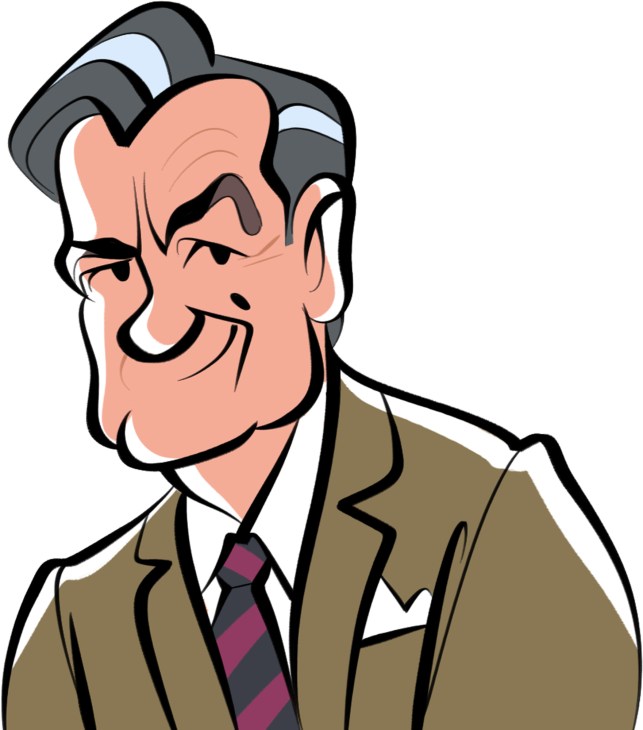
GA: Because he looks like a liberal icon, people don’t realise that Macron is a realist who believes in the balance of power. For instance, he accepts that talking to Vladimir Putin is unavoidable so he tried to open a channel of dialogue, for which some European countries criticised him. He has a grand vision of France’s role on the world stage but he has little experience of foreign policy. That has led to initiatives that went nowhere, like Beirut. But beyond these theatrical episodes, there were some fundamentals that he followed successfully. On the European side, he has worked well with Germany, which is never easy for France, especially since the 2008 financial crisis, because the French economy is much weaker. Another example of his realism was his relationship with Donald Trump. He had no personal sympathy for him. As France’s ambassador to the US at the time, I can say that Macron had no illusions about him. But he knew that he had to maintain a relationship with the most powerful man in the world and he succeeded. The Sahel is another example of his realism. He has reached the conclusion that military intervention, which was not his decision, is a dead end and he is trying to extricate France from it.
What about upholding French values at home? For example, his decision to award a posthumous Légion d’honneur to Samuel Paty, the teacher murdered by an Islamist fanatic in 2020.
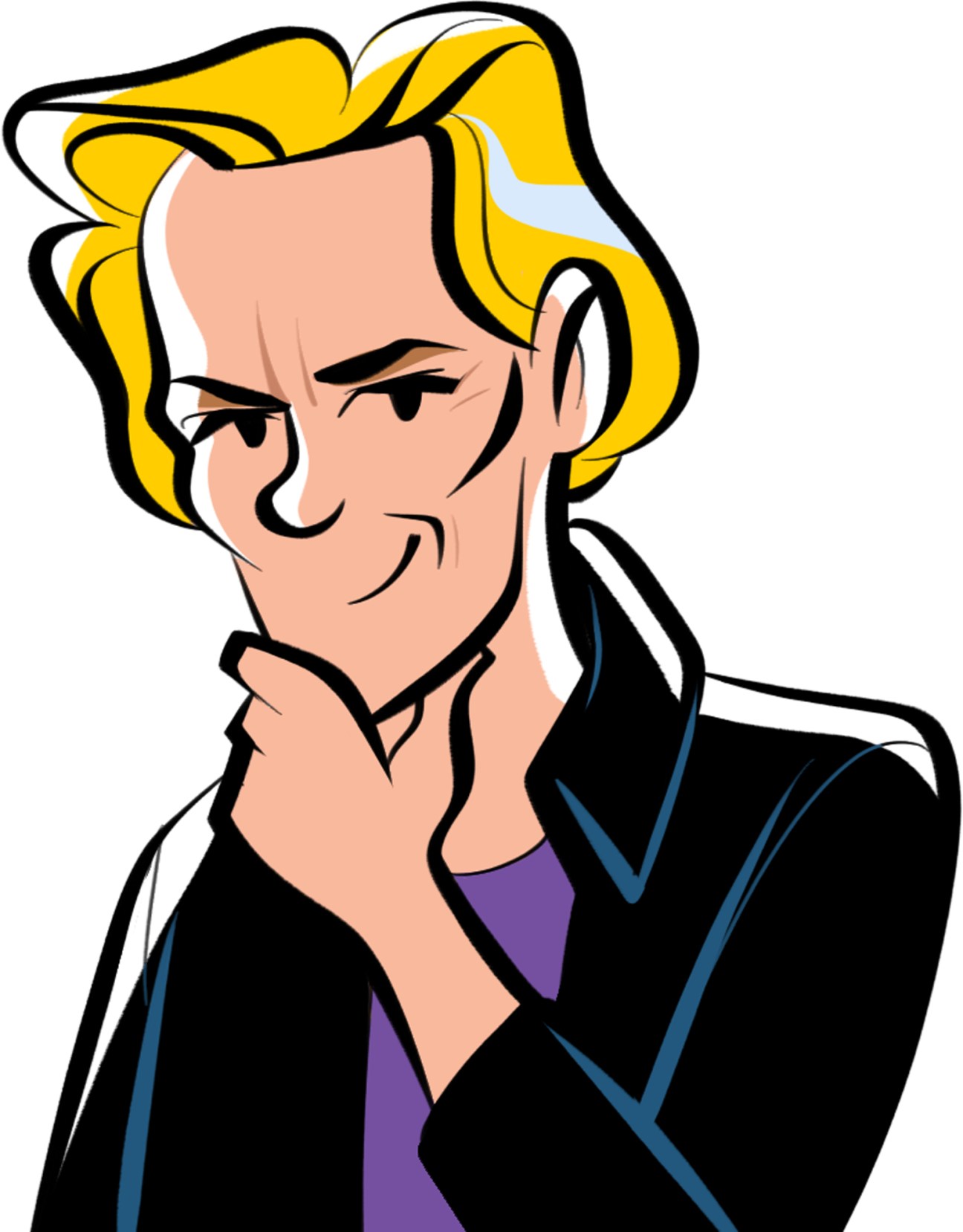
CO: He has a clear vision of this. The problem is that the French are obsessed with what we call the memory question. It’s not so much our history but the various antagonistic memories of what that history is. Macron is trying to move that forward but it’s difficult trying to digest all of the contradictions of our national memories, especially after the terrorist attacks of 2015, which further ignited the quarrel over laïcité, or secularism, a tradition that we are extremely proud of. He has tried his best. And it isn’t just secularism’s fight against jihadist Islam; there’s also the fight of French culture against the US import of wokeness, the cancellation of colonialism, and so on.
Have Macron’s attempts at atonement for aspects of French history been meaningful? He reached out to the Harkis, France’s allies in Algeria, and appeared at a memorial for pro-Algeria protesters massacred by Paris police in 1961. He also asked Rwanda to forgive France for its role in the 1994 genocide.
GA: In Rwanda, there was not one vote to gain by doing that. That was very courageous.
JDW: It was unsatisfactory for a person of my generation. It didn’t go far enough.
As a foreigner in France, you’re still often surprised by how much history weighs on this country, how present it is in today’s politics and how difficult it is for the French to face their recent past. If you have to explain to a foreign public how someone like Éric Zemmour can exist, it’s very difficult. So there’s still a lot of work to be done.
co: It has been a very difficult task and Macron has had the courage to take it on. This has probably helped people such as Zemmour but Macron has been brave. The French are very difficult people.
If Macron wins in April, he’ll be the first French president to be re-elected since Jacques Chirac defeated Jean-Marie Le Pen in 2002. If he does get another term, where will he figure in the pantheon of presidents of the Fifth Republic?
JDW: Macron has achieved the most in terms of domestic politics. He has been far more effective in realising his vision than many of his predecessors, which also explains the strong opposition to him. If he does win again and gains a parliamentary majority, we might see 10 years in which we have one president with a parliament that more or less agrees in terms of economic policy. That kind of stability would be unusual for France and it would place him among the most successful French presidents.
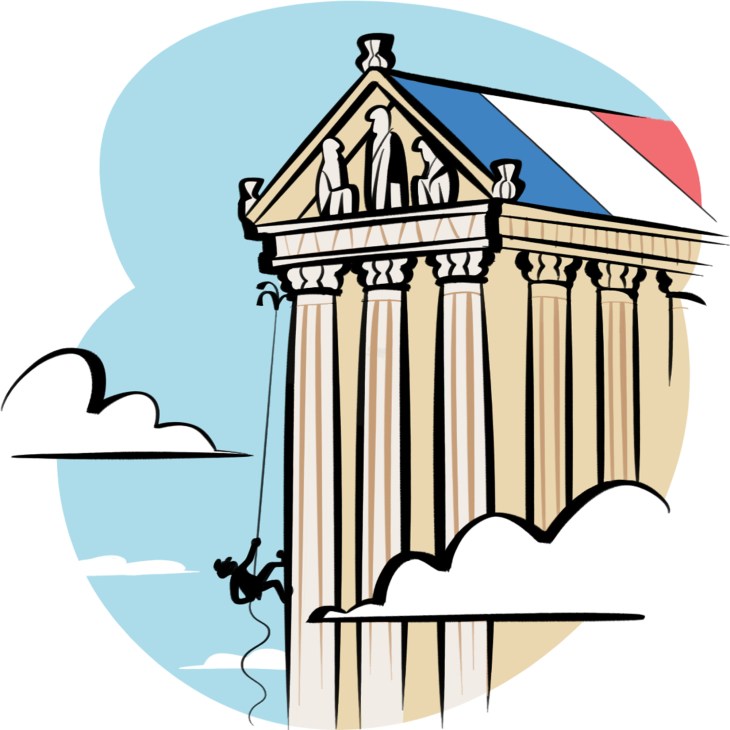
GA: Macron’s re-election would not solve the deep political and social crises that France, like the UK and US, is facing. It would be considered a defeat by the far right and the gilets jaunes but because of our system – and because it is likely that there will be a lot of abstention – we will have a president for whom 25 or 30 per cent of France will have voted. I hope that he will be re-elected but I fear that it would solve nothing, considering the problems that are tearing Western societies apart, especially in France.
CO: As for trying to reform France, all I can say is bon courage.
Conclusion
One of the world’s 10 biggest economies, France is now the only member of both the EU and Nato with a permanent seat on the UN Security Council. If there’s an ideal testing ground for xenophobic populism, France is not it. If Macron ends up in a run-off against Le Pen (or worse) this year, we wish him every success. But even judged solely on his merits, France could do a lot worse than Macron, for whom inexperience won’t be the handicap it once was.
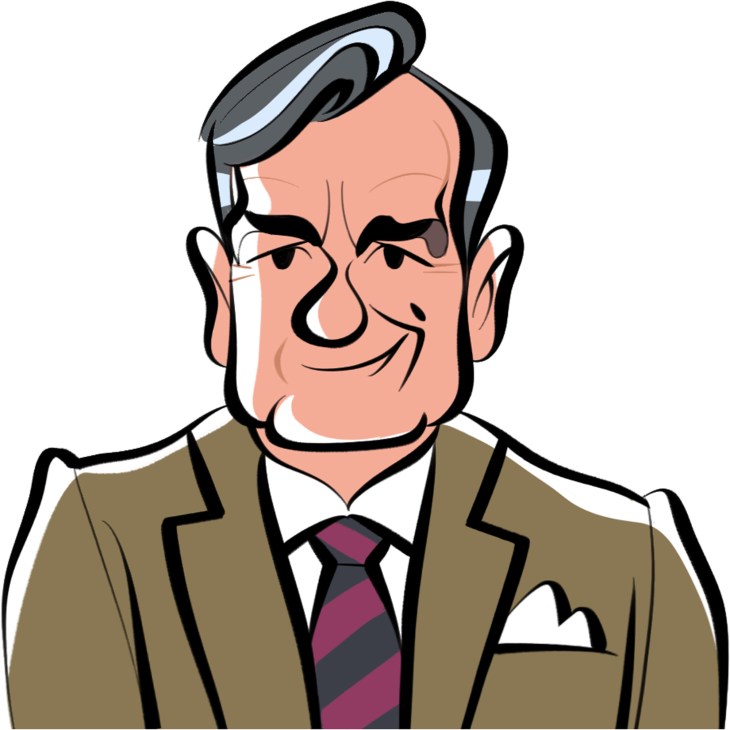
Positive influence
When Sanna Marin took office in 2019 aged 34, the Social Democrat politician became the world’s youngest prime minister. She attracted global attention for forming a coalition of five parties, all led by women. She is the third female prime minister of a country that has also had a female president and that was the first to give women the right both to vote and to stand for parliament, in 1906.

Marin’s centre-left government has set ambitious goals of reforming Finland’s healthcare sector and achieving carbon neutrality by 2035, years before other Western countries. It has won plaudits for its pandemic response, which allowed for a comparatively open economy with less severe lockdowns while maintaining one of the lowest infection and mortality rates in the developed world.
This doesn’t mean that her time in office has been without tumult. Marin has had to grapple with infighting among her coalition government, whose constituent parties don’t agree on precisely how to achieve the country’s climate goal. She has had to fend off attacks from right-wing populists, whose various parties have overtaken the Social Democrats in recent opinion polls. In December, Marin attracted widespread criticism for partying in a nightclub despite having been warned that she had been exposed to coronavirus. Finnish foreign policy continues to be beset by neighbouring Russia and Marin’s government has finalised Finland’s largest-ever military upgrade, namely the purchase of 64 multi-role fighter jets for €10bn.
Monocle meets Marin after a Friday plenary in the Eduskunta, the country’s parliament, to talk about brand Finland, the Arctic region and equality.
Finland tops many international tables – it’s ranked as the world’s happiest country, the least failed state and one of the least corrupt states. Is Finland as successful as it is made out to be? And how can brand Finland up its diplomatic game to reflect that?
We should be proud of how far we have come. Finland has developed in a few decades from a poor, agrarian nation into one of the world’s most affluent and happiest states, where citizens enjoy a high quality of life and excellent education. That doesn’t mean that we don’t have problems. We still have work to do in equality, human rights and ensuring that our economy stays competitive.
In global affairs, Finland’s role is to lead by example. Our nation is proof that focusing on the welfare of citizens also leads to economic success; it’s not either/or. We are contributing to gender equality too. Globally, women are still in the margins when it comes to political leadership. We should hold half of the power in the world.
Another area where we can lead by example is climate change. Finland can show that an ambitious climate policy makes economic sense and doesn’t mean that states need to compromise on bringing welfare to their citizens.
The world order based on US hegemony and interventionism is gradually coming to an end. What shape will the new world order take and what is Finland’s place in it? And what approach does Finland take towards Russia?
Finland’s place is firmly in the EU. I am a strong advocate for the EU taking a more prominent role in world politics and in shaping our future. Geopolitics is playing a bigger role than before in global affairs, with China, the US, Russia and other powerful states often putting their national interests before international co-operation. The EU should not remain naive in this new reality. It should identify its strengths and focus on them.
In this new world order, the EU should be less dependent on other powers, not only in defence and foreign policy but also economically. The pandemic has laid bare just how dependent our economies are on global supply chains. It has taught us that we have to increase production capacity in Europe. We also need to develop energy production, so that Europe doesn’t have to rely on foreign sources.
When it comes to Russia, Finland believes in dialogue. This is an area where the EU needs to improve. We need to be capable of better dialogue. Even if we don’t see eye to eye, we need to be able to discuss difficult issues straightforwardly. We cannot solve problems such as the situation in Crimea and Ukraine, or issues of democracy and the rule of law, if we don’t talk about them first.
The melting of Arctic ice is opening up a northern sea route to Asia, revolutionising world logistics. What does this mean for the Arctic and for Finland?
We should remember that the Arctic is an extremely vulnerable region and climate change is a big threat to it. Our focus should be on combating the melting of the sea ice because studies show that if the Arctic ice sheet melts, it will release gases into the atmosphere that will exacerbate climate change globally. That should be our priority instead of contemplating potential uses for the region. Finland strives to keep the geopolitical tensions in the Arctic to a minimum.
Finland wants to be carbon neutral by 2035, which is the most ambitious goal in the Western world. Are all Finns on board with this plan and are they willing to make the necessary sacrifices, such as cutting down on personal vehicles and flying overseas for holidays?
It’s about more than just individual choices. We have to restructure our economies to make them more sustainable. We should see the big picture and look at how we use the limited resources we have. That said, we need citizens to be on board as well. There will inevitably be those who disagree with my government’s goals. But what ultimately matters is that all of the key institutions and stakeholders in Finland, such as the business lobby, the unions, the scientific community and even large parts of the political opposition, agree that we need ambitious climate policies.

We might disagree on the specifics, which is part of democracy, but there is a wide consensus on the big picture. Finland is a consensus-driven society and I believe that we can meet our ambitious goal by working together. To give you just one example, various Finnish industries have, on their own initiative, already presented road maps for how they can reach the 2035 goal.
This bottom-up approach is something that Finland is very good at. It’s not about the government imposing rules and restrictions but about different sectors coming up with their own solutions. Other countries could learn a thing or two from us.
You have a five-party government with all-female leaders. Has that made governing Finland any different in your experience? Have you been treated differently because you’re a young woman?
Finland has a long-standing tradition of multiparty government. As a result, we are used to negotiating with our rivals and finding compromises. We are consensus-driven by nature and the fact that we are all women doesn’t change this. But, of course, it makes a difference in a symbolic way. That we have a female-led government says a lot about what kind of society we are. It shows that our children are born into a society where they can pursue their dreams regardless of their gender or their background. It is important that we show the world that those in power can look different to what people are used to.
But gender still makes a difference in politics and in society, both in Finland and abroad. One of my government’s priorities has been to make structural reforms to address this. We have, for instance, made parental leave more equal between women and men. To achieve real gender equality we need to change people’s attitudes but also reform those structures that create and maintain it.
As a young, female leader, I have received a lot of attention in the international media. If I look back at my career, yes, I can see that I have been treated differently because of my age and the fact that I am a woman. The same applies to many of my female colleagues. However, in daily politics the prime minister’s position is so strong that I have not felt that I have been treated differently during my premiership.

Has the pandemic dampened your government’s progressive policy programme? Do you think that you will be remembered only as the pandemic prime minister?
The pandemic has been an unprecedented crisis that has hit us hard and it has taken up a lot of our time. I am very proud that we have managed, despite coronavirus, to further many of the goals that we set in our programme. We have completed or are in the process of completing crucial reforms – in health and social care, for example – that will improve the availability and quality of basic public services throughout Finland. We have also extended compulsory education to the age of 18, increased the staffing requirements for caregivers for the elderly and introduced a statutory right for citizens to see a doctor within a specified number of days. It’s clear that this period will be remembered for the pandemic but I would also like this government to be remembered for strengthening the Nordic welfare state in Finland and for bringing more welfare to its citizens. And, of course, for helping them through this difficult time.
What is your advice on how to get young people engaged in politics?
I have seen how interested and engaged the younger generations are in social issues. They are ready to act to change things that they deem important. So the question here is, “Do we need to change politics?” The democracy of the future doesn’t necessarily need to look like what we have had in the past. We need representative democracy and political parties but we also need to find new ways of influencing social issues. When a person becomes engaged in an issue, it is always a very valuable thing, even if it does not happen through party politics. And when young people notice that they can be part of change and influence things, it will often inspire them to get involved in traditional politics too. In a vibrant democracy, there are various channels through which people can act on issues that they deem important. What matters most are the issues and the fact that people are interested in them. That is how I became interested in politics myself; I was worried about equality and climate change, and wanted to act.

The pandemic seems to have halted the advance of populist politicians around the world but we are still seeing a lot of distrust of the media, science and public officials. What needs to be done to bring civility, rationality and a sense of togetherness back into politics?
That is a major challenge to our democracies. Social media and even some parts of the traditional media have been spreading false information and conspiracy theories. It’s clear now that social media, which promised to bring people together and lower the barriers between us, also has a dark side. For example, it has made all opinions seem equally valid. This should not be the case. Scientific facts are more valid than personal feelings or opinions when it comes to scientific issues.
Social media has made it very easy for people to find support for their views, instead of relying on scientific research and fact-based arguments. It is an echo chamber where you can always find someone who agrees with your personal opinion, whatever it might be. The antivax movement is a concerning example of this.
So we need to stand up for science and facts. This means that sometimes you’re proven wrong and you need to change the way you’re doing things. My government has certainly changed course a few times during this pandemic when the experts have presented new findings. That’s the only wise way to act.
The CV
1985: Born in Helsinki
2009: Enters municipal politics in Tampere, Finland’s third-largest city
2013: Heads the city council in Tampere
2015: Elected to the Finnish parliament
2017: Graduates from Tampere University with a master’s degree in administrative sciences
2019: Becomes minister for traffic and communications, then prime minister six months later
Before the shooting stars
Kyiv is full of life. I rarely visit the old town but every time I do I’m surprised at its metamorphosis. It is no longer a post-Soviet area of shabby tower blocks and kitsch advertising but a well-groomed European city with smart squares and illuminated landmarks. Kyiv has many faces, some of them increasingly modern and hip. Light seeps from restaurant windows, music erupts from bars and young people wait for falafel wraps at street-food stalls.
It’s easy to forget that this is the capital of a country that has been fighting a war in Donbas for almost eight years. Beneath the sophisticated veneer are signs of unease. Photos of dead fighters adorn the walls of St Michael’s monastery; there are street memorials made from car tyres featuring the faces of citizens shot dead by snipers during the Revolution of Dignity that overthrew president Viktor Yanukovych in 2014. Meanwhile, the windows of boutiques offer discounts: “Black Friday sales!” Such cognitive dissonance is familiar to Ukrainians.
When I arrive at Pizza Veterano, a restaurant started by veterans of the Russo-Ukrainian War, my wife, film-maker Iryna Tsilyk, greets me with a wave of her phone screen. “I’m looking at flights to Zanzibar,” she says. “Apparently, coronavirus restrictions aren’t a problem there.” “I don’t think that the virus is the problem,” I say.
Kyivans have been increasingly anxious since reports of Russian troops amassing at the Ukrainian border began to filter through in December. I haven’t felt this way since 2014 when Vladimir Putin invaded Crimea and the insurgency in the Donbas region began. The shadow of war now hangs over almost every conversation.
I work part-time as a model-maker and special-effects artist. Sometimes the cinematic worlds that I help to create feel more real than the city outside. On breaks, talk always turns to what we’ll do if – or when – the real war begins. Most people have a bag of essentials (clothes, money, toiletries) packed and ready to go. We discuss the possibility of the EU closing its borders to fleeing Ukrainians; we talk about cash savings and the reliability of the hryvna. Though they don’t say it, I can sense that my colleagues are thinking, “You have military training – will you stay and fight?” Perhaps it’s just paranoia but I don’t think about it and I don’t know the answer. The most important thing is that my wife and son are in a safe place.
But where is that place? My boss’s parents live 10km from the Russian border. “I have nowhere to move them to,” he says, before adding, “As long as we keep shooting commercials for Disney and Pizza Hut, and music videos for Florence + the Machine, I won’t panic. They wouldn’t come here if we were in danger.” Indeed, more Western film-makers are working in Kyiv than ever. Do they know something that we don’t? Or is the city’s proximity to danger part of its allure? Is its citizens’ hedonistic ebullience due to their impending doom?
While my boss goes to the Hyatt Regency to get singer Florence Welch’s costume measurements, I sit in the workshop doom-scrolling the news and social media. Most people are posting about the war and the presence of Russian troops. I approach the views of my bubble with caution. My friends are soldiers, volunteers, writers and artists – but they have a few things in common. They have never accepted Volodymyr Zelensky as president, they are pro-vaccination and they have a strong view of Russia as the enemy and aggressor.
For those who are outside politics, Zelensky is an incomprehensible figure. A trained actor, he says the right things but has shady people feeding him his lines: for example, his deputy chief of staff Oleg Tatarov and judge Pavlo Vovk, both of whom were under investigation for taking bribes, before their cases were mysteriously dropped. Before Zelensky’s ascent to the presidential palace, he was a comedian who lampooned the same people he now embraces. Prior to his election in 2019, he starred in a popular series called Servant of the People, in which he played a history teacher who becomes president after a rant against politicians in front of his students goes viral (now you see where the cognitive dissonance comes from).

The public fell in love with this incorruptible character who served purely out of devotion to his countrymen. The show’s poster shows the schoolteacher cycling to work in front of armoured secret-service cars. In the election campaign, Zelensky delivered his lines with feeling. When asked how he would stop the war in the Donbas, which had by then been raging for five years, he replied, “Just stop shooting.” This populist phrase became a kind of meme; if only it was so simple. In the end, he won the election by a landslide (73 per cent) against the incumbent Petro Poroshenko. I wouldn’t dare impugn on the wisdom of the Ukrainian electorate but it seems as though many thought that they were voting for the schoolteacher rather than Zelensky.
Even as the crisis escalates, the president seems to be winging it, auditioning for the role of a much-loved wartime leader without putting in the hard work. I’m heartened by my friend’s anger at his unseriousness.
Perhaps I’m biased but these are people who not only care about the fate of Ukraine but also confirm their devotion through action. I remind myself, however, that this is only a very small part of the population. What worries the majority? I don’t know the answer any more.
I was in Maidan Square during the protests that brought down Yanukovych. I witnessed massacres by government snipers but my fellow protesters and I were uncowed. It seemed like a chance to change the direction of Ukraine for the better. It felt as though my country was being dragged out of the swamp of impoverished thinking, freed from Russian propaganda and becoming its own nation. But it wasn’t long before our new leaders became embroiled in corruption and Putin and his fellow kleptocrats started to sink their claws into Ukraine once more.
Twenty years ago it was rare to hear the Ukrainian language spoken on the streets. In the city and in most professions, Russian dominated. But now it’s the other way around. It is mostly older people who retain a fondness for Soviet times. In the south and east, pro-Russia views are more pronounced but this is about ethnicity and culture more than political preference. Most people just want better opportunities, a more comfortable life; some see this as more likely under Moscow’s yoke but most believe it is only attainable as a modern European nation, looking west not east.
Such a future will be impossible without standing up to Putin, for whom Kyiv will always be a Russian city. In the Middle Ages, it was the capital of Kyivan Rus’, a federation of peoples from which the first Russian state sprang. At that time, Moscow was a malarial swampland but history has since made its adjustments, or maybe not. Soviet Kyiv was an important, if quiet city – one with government offices, tractor factories and ancient history. To stifle separatist ambitions, the Soviet authorities destroyed medieval temples and built huge Stalinist monstrosities. After independence, in the 1990s, the city’s leaders restored some of these, including St Michael’s, whose golden-domed monastery winks above the old town. The Kremlin wishes to reabsorb the city into its orbit. That’s the root cause of the current crisis.
When it comes to solutions, the suggestions of the active and brave fall into three categories. There are those who, filled with fatalism, call for us to fear the worst and begin preparing bomb shelters. Others declare their intention to fight and defeat the enemy on the frontier. Then there are calls for a “diplomatic solution”. But who will achieve that? Even before one considers Putin, can we really rely on Zelensky’s diplomatic skills? How seriously do our Western allies even take him? Can a man whose entire career before politics was spent telling jokes on TV lead the defence of the largest country in Europe? To the final question, the answer is surely no.
Not even Zelensky’s core supporters take him seriously any more. His poll rating continues to plummet; it has sunk to 24 per cent. Aren’t wars supposed to bolster an incumbent’s popularity? Is this the leader we deserve at our time of greatest postwar peril? Many acquaintances who voted for him in 2019 agree that they made a mistake but cloud it with the assertion that all politicians are the same. As for me, I must admit that the worst fears I had when he was elected have not come to pass. I believed he would plunder the state for its money and assets. But, after failing to take the Russian threat seriously enough, he is now forced to ape Poroshenko, still his closest rival, by going on TV to conduct bellicose rants. In other regards, he is acting out the worst impulses of the pre-revolution kleptocrats. He recently called for Poroshenko’s arrest under the spurious charge of treason.

Even as someone who put on a uniform and fought for Ukraine against Russia, I can’t get on board with this new jingoism. When I went to war in 2015, I believed, at the very least, that this threat would have abated by now. But it has only worsened. My service fell during a relatively quiet period in the Donbas but the only thing I know, definitively, is that I don’t want to go back. After demobilisation, I was assigned to the priority reserve. This means, in case of any significant escalation in the region or full-scale war, I am compelled to dust off my uniform and take up arms. As a child, I imagined the wars of the future, if fought by infantry at all, would involve highly mobile troops using sophisticated weaponry. I never imagined that farmers, journalists and even ceos would be engaged in close combat with Soviet-era guns in the forests of my homeland.
I try not to think about the reality of returning to the front, especially in the middle of winter. Here it is so cold that spit freezes on the pavement in seconds. Imagining having to dig another trench in the rock-hard soil sends me into a stupor. This is the kind of war that Putin favours: why else would he only mobilise 100,000 troops instead of a million? He wants to grind Ukraine down without committing too much blood.
I’m working on a new novel, for which I have high hopes. Last spring my wife and I bought an apartment in a nice part of the city. But it’s impossible to enjoy it without reservation. Our son is 11 years old and traumatised by a war that has lasted two-thirds of his life. He can just about remember when I went to the front. The other day he asked me and my wife, “If the Russians want Kyiv so much, why would they bomb it?” Perhaps we haven’t been as careful as we thought with our late-night conversations.
Desperate for some respite from the latent dread, I meet some friends at the cult establishment Barmandictat. It’s late December; Joe Biden and Putin are trading warnings about red lines. Over drinks we discuss Kyiv’s vibrant cultural scene. Around the table are three writers, a film-maker, an editor, a publisher and two gallerists. The winter is a time of openings, of ballet and theatre.
But within five minutes we’re discussing war and what we want to achieve before the shooting starts. The publisher says that he wishes to put out one more book, then leave the country. He is rebuked by a writer who insists that Putin is bluffing, seeking cast-iron assurances that Ukraine won’t be allowed to join Nato. He mentions an episode of British sitcom Yes, Prime Minister, in which the defence secretary discusses the Soviet tactic of “salami slicing”, whereby long-term strategy is concealed by smaller actions or “slices”. The intention is that the enemy doesn’t realise that all is lost until it’s too late. I say I’m ready for anything – salami or none.
When I speak to fellow veterans and those still serving in the Ukrainian army, we agree that the idea that 100,000 Russian troops are enough for a swift attack on any country, let alone one with a land area of 604,000 sq km and population of more than 40 million, is ridiculous. Ukraine’s army has 250,000 active servicemen and almost a million reservists. In addition to a large cache of Soviet weapons, the country has been receiving sophisticated hardware from the US, including fgm-148 Javelin anti-tank missiles. Negotiations are under way in Washington to provide Kyiv with offensive as well as defensive weapons; in this year’s budget, the US Congress approved an extra $300m (€265m) in military aid. However, until that arrives, my veteran friends and I agree that it is important to prepare for the unexpected. It also goes without saying that our neighbour outnumbers us in armaments and human resources. Even so, Sergey Shoygu, Russia’s defence minister, talks darkly about Ukrainian chemical weapons and far-right nationalists armed with modern American guns planning to attack a defenceless Russia. Everyone knows that this is an attempt to secure a casus belli.
In Crimea the Mejlis and Crimean Tatars, who disagree with the new Russian-backed government, are being repressed. I have heard stories from witnesses about Donbas separatists building torture chambers in makeshift prisons. Surely the people of Europe know about Isolation, a former gallery in Donetsk that has been turned into a prison? Ukrainian journalist and former prisoner of war Stanislav Aseyev wrote a memoir called In Isolation about his terrible time spent there. With this reality so close to home, it is not surprising that many people here are suffering sleepless nights.
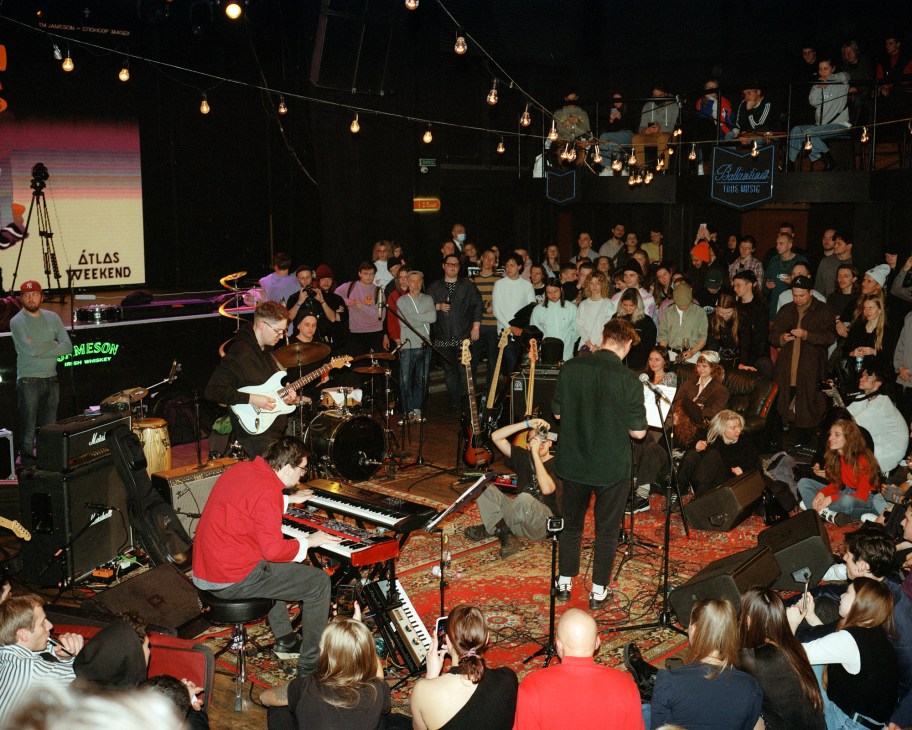
It’s not just soldiers who will suffer but civilians too. Who will protect the women and children of Kyiv? No one wants to fight but, in the event of a big war with Russia, many like me will do so. The Ukrainian forces are no longer the whipping boys they were in 2014. But when European leaders say that Russia will pay dearly for aggression, are they talking about the fighting power of reservists like me? We know that they will act with sanctions but military assistance might be harder to secure. US troops won’t fight Russians in the field and Putin knows this.
Back at Pizza Veterano, my wife asks for the bill. As a scriptwriter, she knows about dramaturgical turning points and plotting. But predicting what 2022 will bring is beyond her or my prowess. Walking along Kyiv’s main commercial street, Khreshchatyk, I find it easy to let my worries melt away. Rounding the corner after Barmandictat, I spot the Tatar restaurant Musafir, whose dumplings draw crowds at this time of year. I make a mental note to visit next week.
Even in the middle of winter, Kyiv’s clubbing scene is in full flow. I don’t remember it being this rowdy in years gone by. Youthful crowds usually gather at the Killer Whale café in the old town. After beer and cocktails, they bounce along to Closer or one of the many other booming lairs of electronic music that have opened in the derelict theatres and warehouses along the river. I’m too old for that, so decide to visit Mystetskyi Arsenal, a wonderful gallery with an exhibition of the 1920s avant garde showing. Outside, posters advertise forthcoming performances by Iggy Pop and Slipknot. There are so many options for forgetting the war.
As I walk across Sofia Square, I admire the beauty of the giant Christmas tree and decorations, ripe and abundant with the ostentation of the Eastern church. Once again, I marvel at how much Kyiv has changed in the past decade: it looks wealthier, more self-confident in its new, restrained European costume. There is more freedom, more opportunity.
Apart from some obvious exceptions, it doesn’t matter what you look like, what you believe, whether you choose to express your opinion on a subject or not. You can go about your life without fear of repression. This is a Ukraine that I dreamed of that has come to fruition. I scold myself for not realising this but then remember something that a fellow soldier said to me at the front: “War is not a reason to forget about normal life; you’ll return home soon and begin worrying about petty things. That is real freedom.”
As we turn the next corner, I notice a group of tourists outside a hotel. Are they holding escape bags, or just suitcases? They can’t be worried because they’re laughing. “I’d better call a taxi,” I say to my wife. “It’s getting cold.”
Artem Chekh is a Ukrainian writer and former soldier. In 2014 he was involved in the Maidan Square protests that brought down the government of Victor Yanukovych; in 2015 he enlisted in the Ukrainian army to fight pro-Russian separatists in the eastern Donbas region. These experiences inspired his book ‘Absolute Zero’, which has been translated into several languages including English. He lives in Kyiv with his wife, the writer and film-maker Iryna Tsilyk, and their 11-year-old son.
Chaos by design
Russia’s strategy in Ukraine
Since the dissolution of the ussr in 1991 some in the Russian government have mourned the loss of its dominions – and what vexes them most is the loss of Ukraine. Vast, rich in resources and home to historic cities such as Kyiv, it commands the Black Sea to the south while jutting into Europe proper in the west. For the ussr, Ukraine was both breadbasket and bulwark.
Since its independence, Russia has worked to thwart any ambitions it might have of following former Warsaw Pact neighbours such as Poland into the EU and/or Nato. Vladimir Putin has seemingly proceeded on the assumption that neither bloc is interested in buying trouble and has therefore sought to make Ukraine unattractively chaotic. A similar strategy has been pursued with Georgia, another ex-Soviet Nato aspirant. In essence, it’s a policy of: if we can’t have her, nobody can.
Moscow has propped up pro-Russian politicians in Ukraine and undermined those it suspects of westward yearnings. It has tinkered with (and in 2006 turned off) the taps supplying gas to Ukraine. Russia overplayed its hand in 2013, leaning on then president Viktor Yanukovych to abandon an association agreement with the EU. Popular fury escalated, forcing Yanukovych into exile in 2014. Shortly afterwards, barely disguised Russian troops seized Crimea and began arming and directing separatists in the eastern regions of Luhansk and Donetsk.
Russian-aligned forces have since held an area of Ukraine roughly the size of Denmark, which looks like a plausible bridgehead for further incursions. Yet Russia appears pleased with the situation as it stands: unresolved and volatile, a constant background din that can be amplified or hushed as the Kremlin pleases.