Issues
The crime reporters
In one respect, crime reporting is easy. Few other journalistic beats furnish such a lavish bounty of heroes and (more often) villains, astonishing and outrageous plotlines, and matters of life and death. By every other measure, crime reporting is incredibly difficult. The people you’re covering are often willing to commit further crime to prevent anyone discovering their previous crimes. With the obvious exception of war reporting, it might be the most dangerous field of journalism – and crime reporters have to live where they work.
In July, Dutch crime reporter Peter de Vries was assassinated in Amsterdam. In April, Greek crime reporter Giorgos Karaivaz was shot dead in Athens. Others who have lost their lives in recent memory have included Daphne Caruana Galizia in Malta, Ján Kuciak and his fiancée Martina Kusnirova in Slovakia and Veronica Guerin in Ireland.
Still, despite the hazards, it’s a vocation that offers the satisfaction of solving puzzles and, every so often, a sense that you might have helped to make the world a safer place. We meet four people who are working to do just that.
1.
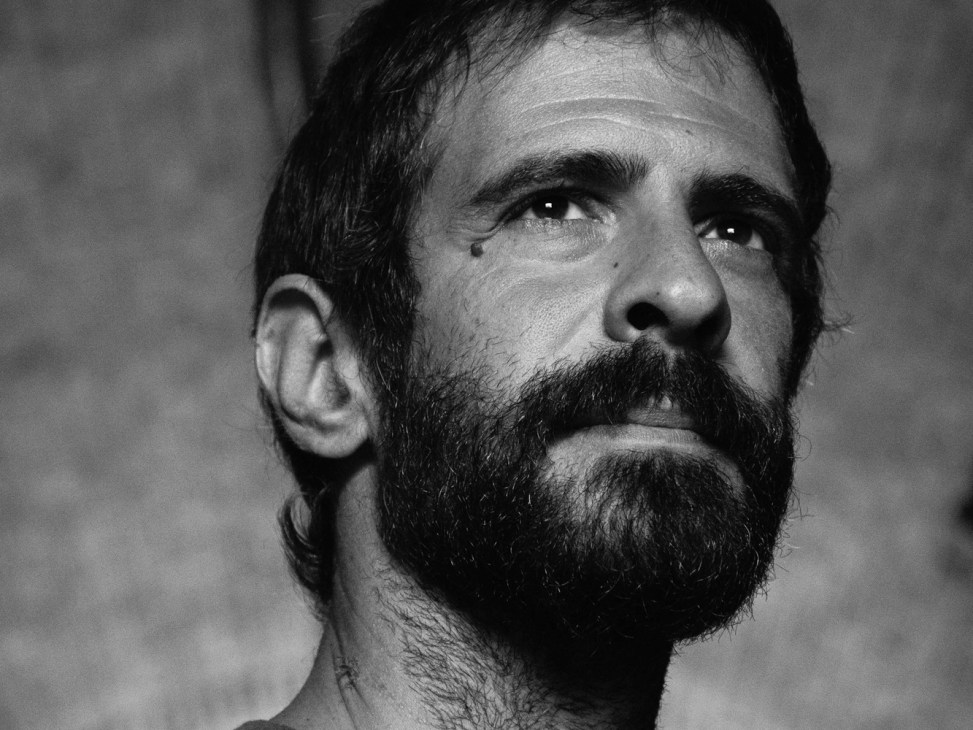
Giulio Rubino
Italy
Published by: Investigative Reporting Project Italy (IRPI)
Famous for: Investigating the international dealings of the ‘Ndrangheta’
“They’re very nuanced,” says Giulio Rubino of the threats his work reporting on the mafia incurs. “But we kind of know the code. Our sources in law enforcement listen to the mafiosi’s conversations and they’ll normally tell us about a serious threat – something like, ‘That journalist crossed a line, we can’t stand him anymore’. But you never know to what extent they know they’re under wiretaps and just want to let you know that you’ve bothered them.”
Rubino, a native of Rome, is co-founder of the Investigative Reporting Project Italy (IRPI). Recent stories published by his news outlet include an exposé of the trans-European cocaine pipeline operated by the powerful Siderno-based ‘Ndrangheta syndicate and the same clan’s use of companies registered in Luxembourg.
Reporting on organised crime is never a trivial undertaking but in Italy it is especially hazardous: Reporters Without Borders estimates that about 20 Italian journalists have round-the-clock police protection. “By focusing on international criminal operations, we’re not as exposed to day-to-day danger as some of our colleagues,” says Rubino. “If you’re reporting on minor to mid-range ‘Ndrangheta members in your small town, you meet them at the bar in the central square every day, whereas I live in Rome and cover their activities in Brazil and Ivory Coast. Yet every now and then we receive warnings from our sources that it’s better if we don’t come to their towns for a few months.”
As well as following the mafia’s money abroad, IRPI diligently tracks the relationships within various families; Rubino mentions a colleague with encyclopaedic recall of “who married whom, and when, and which guys are second cousins and which are first cousins”. A lesson the team have learnt, he says, is that “the sons of great criminal masterminds are rarely as sharp as their fathers” – a rule that often explains the rise and fall of rival mobs. The family ties make Italian organised crime infernally difficult to penetrate but, he says, “Once they make a lot of money they start outsourcing the most dangerous parts of their activities.”
This is what Rubino enjoys reporting on. “I specialise in shipment tracking: I track the containers, the companies, the movements at sea of drugs and so on,” he says. “It’s a puzzle: you really want to crack it once it’s in front of you.”
Rubino admits that he’s constantly making calculations of danger. “You never know what information will trigger a reaction. We’ve had reactions where we didn’t expect one and – incredibly – none when we did expect them,” he says. Still, asked about the reward for the risk, Rubino thinks long-term. “I’m not sure that my personal motivation comes from the idea that what I do will have an immediate impact,” he says. “Fighting organised crime is most of all a cultural battle. Whatever you do is extremely important in the long run. We try to find the best way possible to make people understand how the system works. That’s where my hope lies: when the mechanism is fully exposed, it’s easier to define what kind of change we need.”
2.
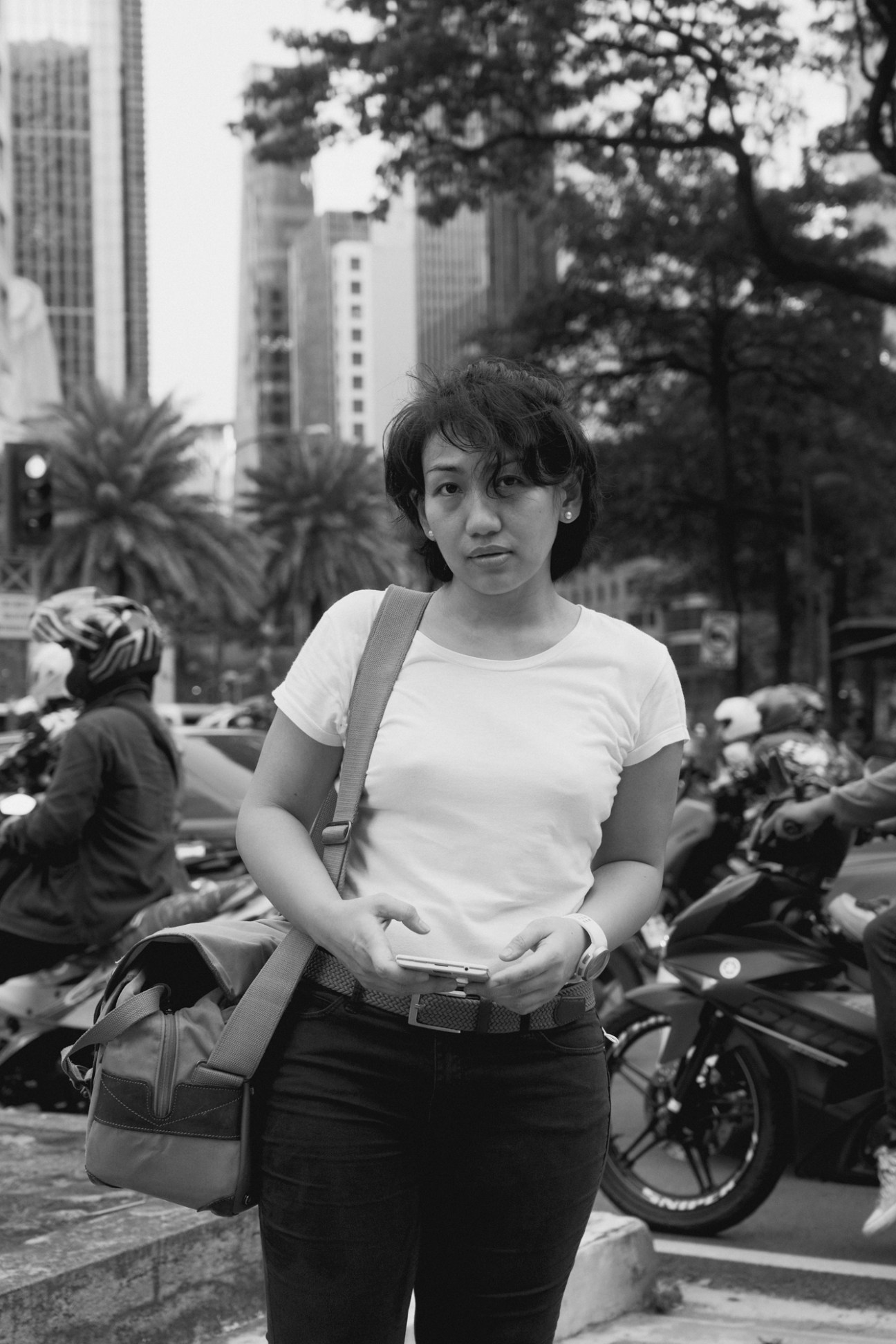
Aie Balagtas See
Philippines
Published by: The Philippine Star, Time, Los Angeles Times
Famous for: Exposing the links between crime, police and politics
The contest between law enforcers and law breakers is played by unusual rules in Manila. Since the combustible populist Rodrigo Duterte became president in 2016, Filipino police have had an implicit licence to behave more or less as they please in their pursuit of drug dealers. While nobody knows how many actual, alleged or imagined drug dealers have died during this campaign, nobody doubts that the number runs into the thousands. As recently as a state of the nation speech in July, Duterte reiterated his threat to kill anyone involved in the narcotics trade.
“When the drug war started, all the journalists were waiting for calls to alert us that they’d ‘found a dead body’,” says Aie Balagtas See. “Eventually you see a pattern. You hear allegations from the families that the cops perpetrated these killings. And that creates a tension between journalists and cops because you have to ask them for their side.”
Balagtas See is now working as a freelancer, after stints at The Philippine Star and The Philippine Daily Inquirer, as well as online outlet gma News; more recently her byline has appeared in Time and the Los Angeles Times. Born and raised in Manila, she learnt how to work on the crime circuit as a cub reporter. One early story was the Maguindanao massacre of 2009: 58 people, including 32 journalists, were kidnapped and killed while covering an election campaign after their convoy was intercepted by gunmen dispatched by a powerful clan. But even that didn’t put her off. “I always wanted to cover that kind of story because it’s not only crime; it’s politics,” she says. “In the Philippines, crime and politics are kissing cousins.”
When asked if she’s been threatened, Balagtas See’s answer is, “Of course.” She remembers one particular police colonel whose invitation to see his gun collection did not strike her as friendly. And the continuing drug war and its consequences are only becoming more difficult to cover. “The families [of the victims] are afraid of speaking out,” she says. “They’re afraid of the police and afraid of the stigma that goes with being accused drug dealers.”
Balagtas See emphasises that the key to covering Manila’s crime is observing the fundamentals: knowing the neighbourhoods and building relationships with the police. “There was a joke going around that if you want contacts in the underground you had better build contacts with the police first because sometimes the line that separates them is very thin,” she says. “It has been a tough choice during the Duterte presidency to decide whether you wanted to keep that friendship or do your work as a journalist. I chose the latter because I think that’s what’s right.”
Despite the risks, she is in little doubt that crime journalism remains worthwhile. “It’s the best training ground for any journalist,” she says. “I’m very old-school about this. But we have to progress from the equally old-school thinking that the police beat is just a training ground: it’s so much more than just the crime, grime and dirt of the city. It’s where you see policies being carried out.”
3.
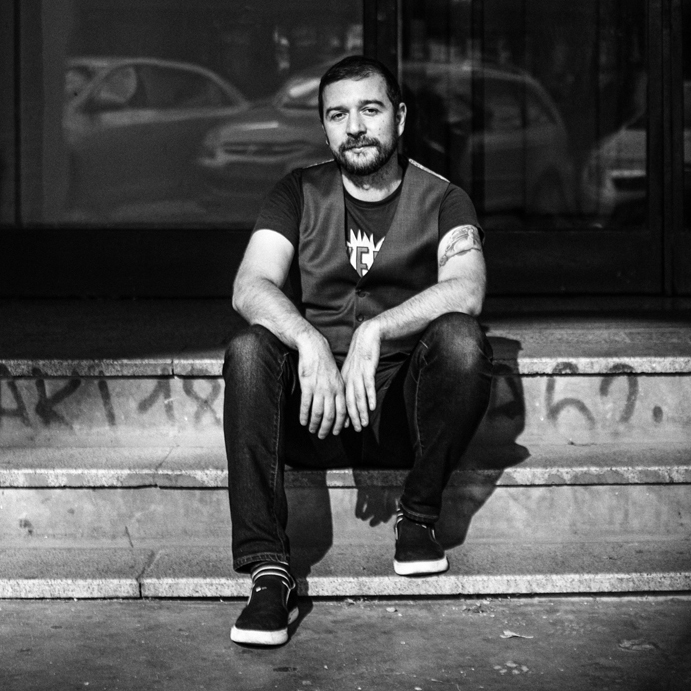
Stevan Dojcinovic
Serbia
Published by: Crime and Corruption Reporting Network (KRIK)
Famous for: Digging into political corruption
Stevan Dojcinovic is one of Serbia’s best-known journalists, if not always in the way he would prefer. He and his colleagues at investigative news site Crime and Corruption Reporting Network (KRIK) often feature in Serbia’s rabidly pro-government tabloid newspapers, accused of various sensational malfeasances up to and including conspiring with enemies of the Serbian government. “They do it with the secret services,” he says. “It’s state intelligence monitoring your life, 24/7. They give the tabloids everything they find. If I read the papers, I can find transcripts of my phone calls, pictures of me drinking coffee. People get really triggered by this; we receive threats almost daily.”
Dojcinovic says that KRIK doesn’t bother reporting these threats to the police. The serious menaces, he says, don’t warn you in advance. Three of KRIK’s 15 reporters have had their homes broken into. On some occasions, Dojcinovic has deemed it sensible to leave Belgrade for a few weeks.
Along with such unwanted notoriety, Dojcinovic, who is also the Serbia editor for the Organized Crime and Corruption Reporting Project global network, has received more traditional acknowledgements of his journalistic chops. In 2019, he won the Knight International journalism award for exposés on senior politicians in the Balkans, including the remarkable yarn of how Serbia’s health minister Zlatibor Loncar, as a young doctor, furnished dubious medical reports which allowed infamous gangster Petar Panic to duck court appearances.
Dojcinovic’s career beginnings were unorthodox; his first foray into print was as the editor of a punk-rock fanzine. His ambitions became focused during months spent recovering from a serious bicycle accident; a key inspiration was reading veteran journalist Milos Vasic’s account of the 2003 assassination of Serbian prime minister Zoran Dindic by a paramilitary with ties to organised crime. “That was the moment when I thought: I want to do this.”
During the misrule of Slobodan Milosevic in the 1990s, Serbia was known as a barely disguised mafia state. Dojcinovic believes that little has changed. “There are some different people in the new government but it’s the same thing,” he says. “Very powerful people, people very close to the president who enrich themselves in a big way. What is different is that they’ve learnt from organised crime how to hide with offshore companies and layers of protected identity.”
Dojcinovic says that KRIK averages about 350,000 readers a month. It pales in terms of reach compared to KRIK’s tabloid tormentors but compensates somewhat in influence – the title reaches a disproportionately young and educated readership, including embassy staff, foreign media and others whose opinion still seems to matter, despite everything, to Serbia’s government. “For that reason, the government gets intrigued and then they have a huge reaction, doing crazy stuff to cover it up,” he says. “We might have quite a small readership but when we publish something, everybody reacts.”
4.
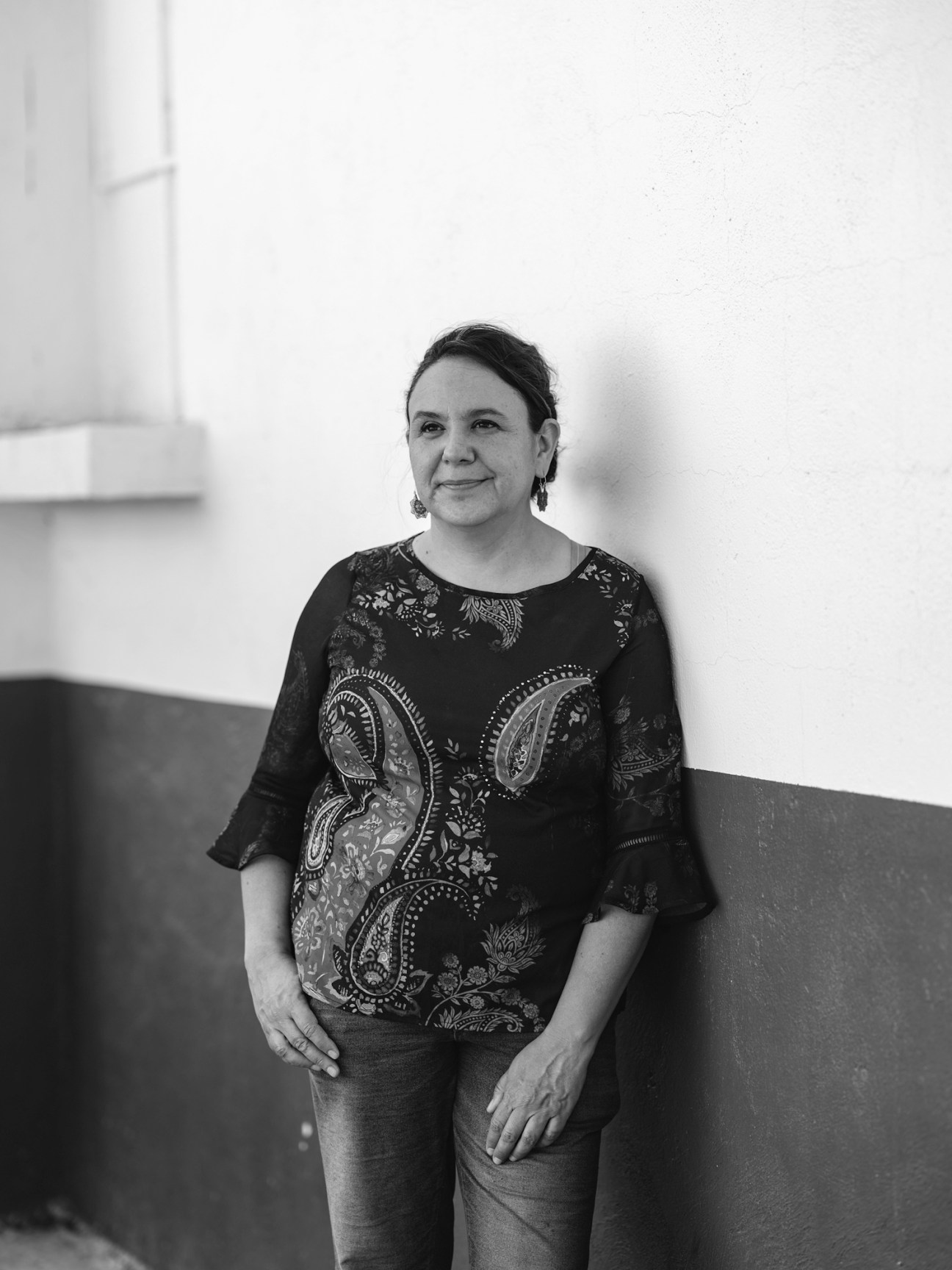
Marcela Turati
Mexico
Published by: Proceso, Reforma, Quinto Elemento Lab
Famous for: Unearthing the stories of Mexico’s ‘disappeared’
Marcela Turati is sure of one thing: “Silence mustn’t win.” Mexico, where she has worked as a journalist for more than 20 years, might not be a warzone but it has the hallmarks of one. Intimidation of witnesses to crimes and journalists reporting them has meant that Turati’s work is a constant struggle to make sure the news gets out. Last year, Mexico was the world’s deadliest place for a journalist, according to the New York-based Committee to Protect Journalists. At least 120 journalists have been killed since 2000.
It’s not just related to narcotics. “Criminal groups are involved in everything,” says Turati, explaining that they’re linked to anything from illegal wood clearing to people-smuggling and theft of natural resources. The most mundane reporting assignments can be fraught with danger. One anecdote comes from a Mexico City journalist, who went to report on a junior league baseball game. A man came up to him, showed him a gun and told him he had to write positively about a child he pointed to, who happened to be the son of a crime boss.
Turati has a passion for narrative journalism but the situation in Mexico led her to specialise in criminal investigations, working at newspaper Reforma and the left-leaning Proceso magazine, and writing or editing several books, often focused on the victims of violence.
The 47-year-old says that it has been several years since she was last threatened. “I’ve experienced everything,” she says. “You’re reporting and a pick-up drives up to you and someone tells you to stop asking questions and leave. Or you’re interviewing someone and they receive a call, turn pale and tell you that you have to leave.”
Although still writing every day (she’s currently working on a book on violence against Mexican migrants in the north of the country), much of Turati’s work has shifted to activism and mentorship. In 2006 she co-founded Periodistas de a Pie (Journalists on Foot), an organisation dedicated to training journalists and creating networks among them. Often, she says, publishing has to be strategic: that can mean anything from writing anonymously to knowing when to sit on information, possibly for years. In 2018 she founded Quinto Elemento Lab, an independent organisation that supports journalists’ work on forbidden topics and Mexico’s in “silenced zones”. She mentors reporters and helps with security. For years she has been plotting a map of Mexico’s mass graves and working on a database containing information about some 39,000 unidentified bodies – fallout from the continued drug violence.
Sometimes this type of work feels overwhelming. In 2017 she became a Nieman fellow at Harvard for a year – much-needed time out. But once back in Mexico, she knew that she had to return to her work, investigating what had happened to the nation’s “disappeared”. “You have to see journalism like a truth commission in real time,” she says. “Everything that we publish goes towards a future in which justice works properly.”
House style
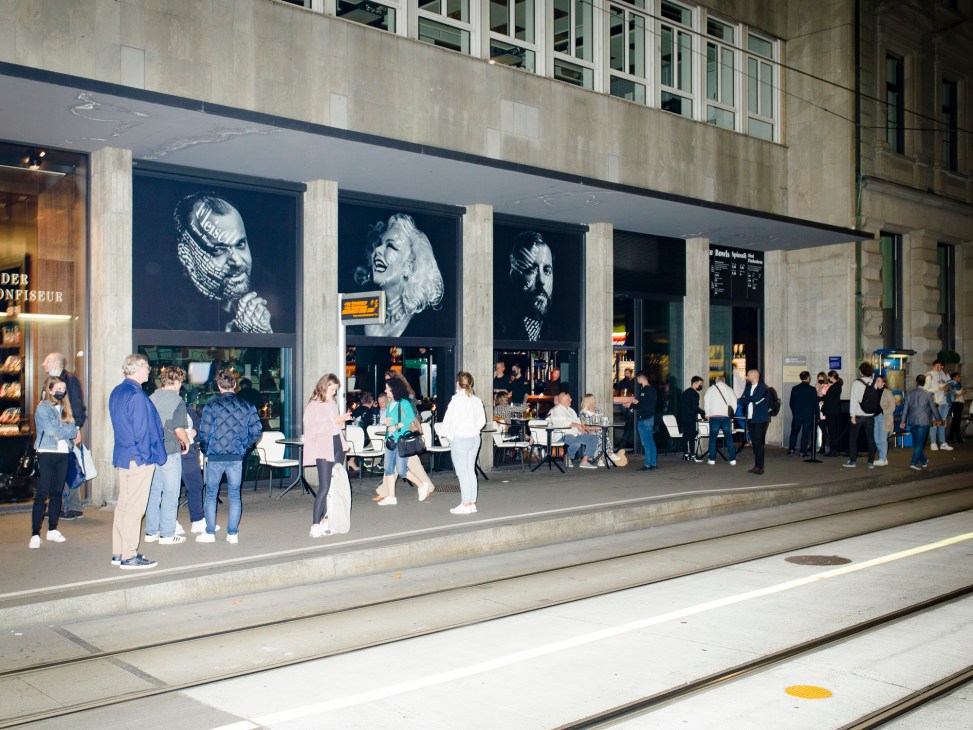
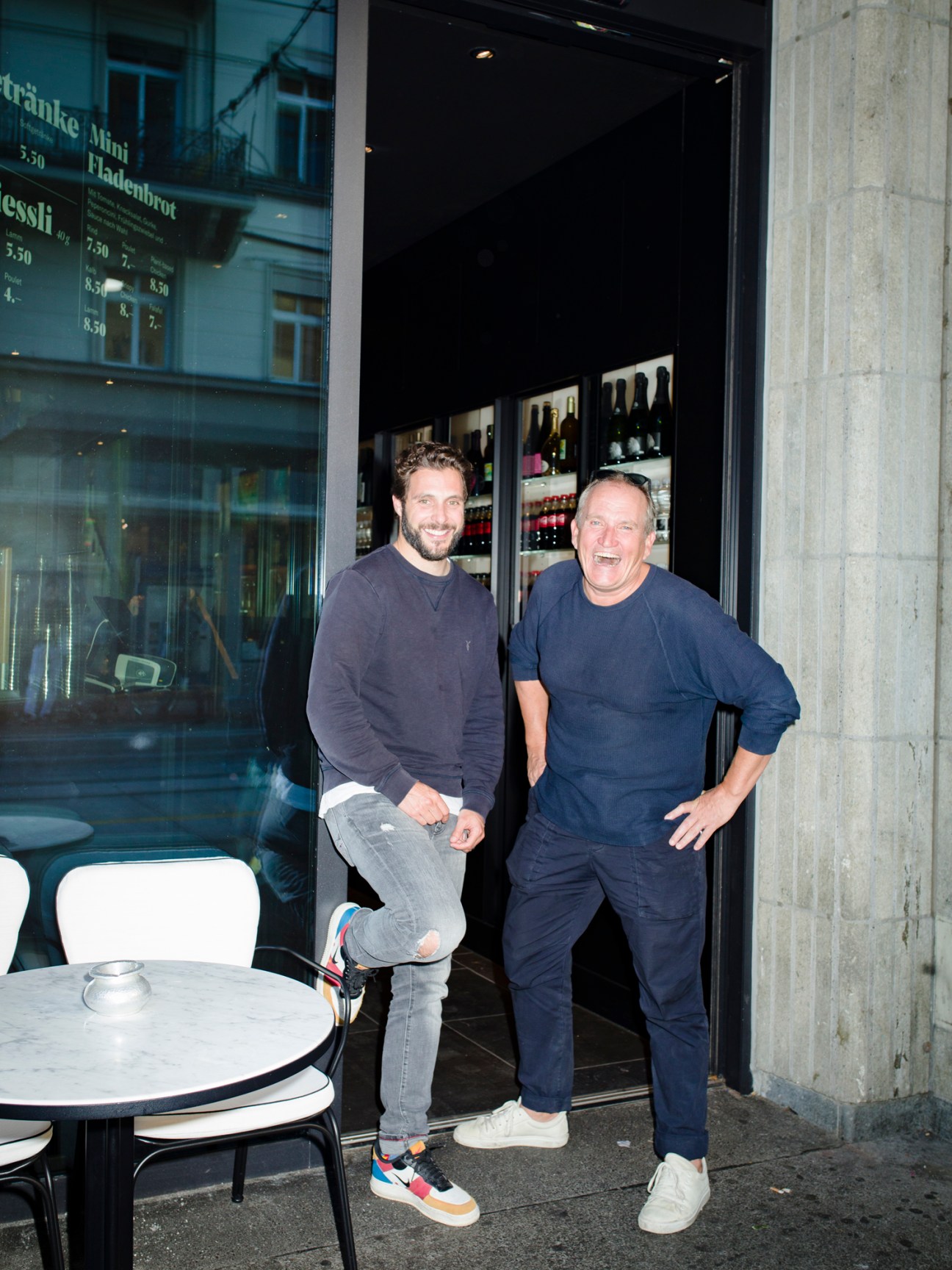
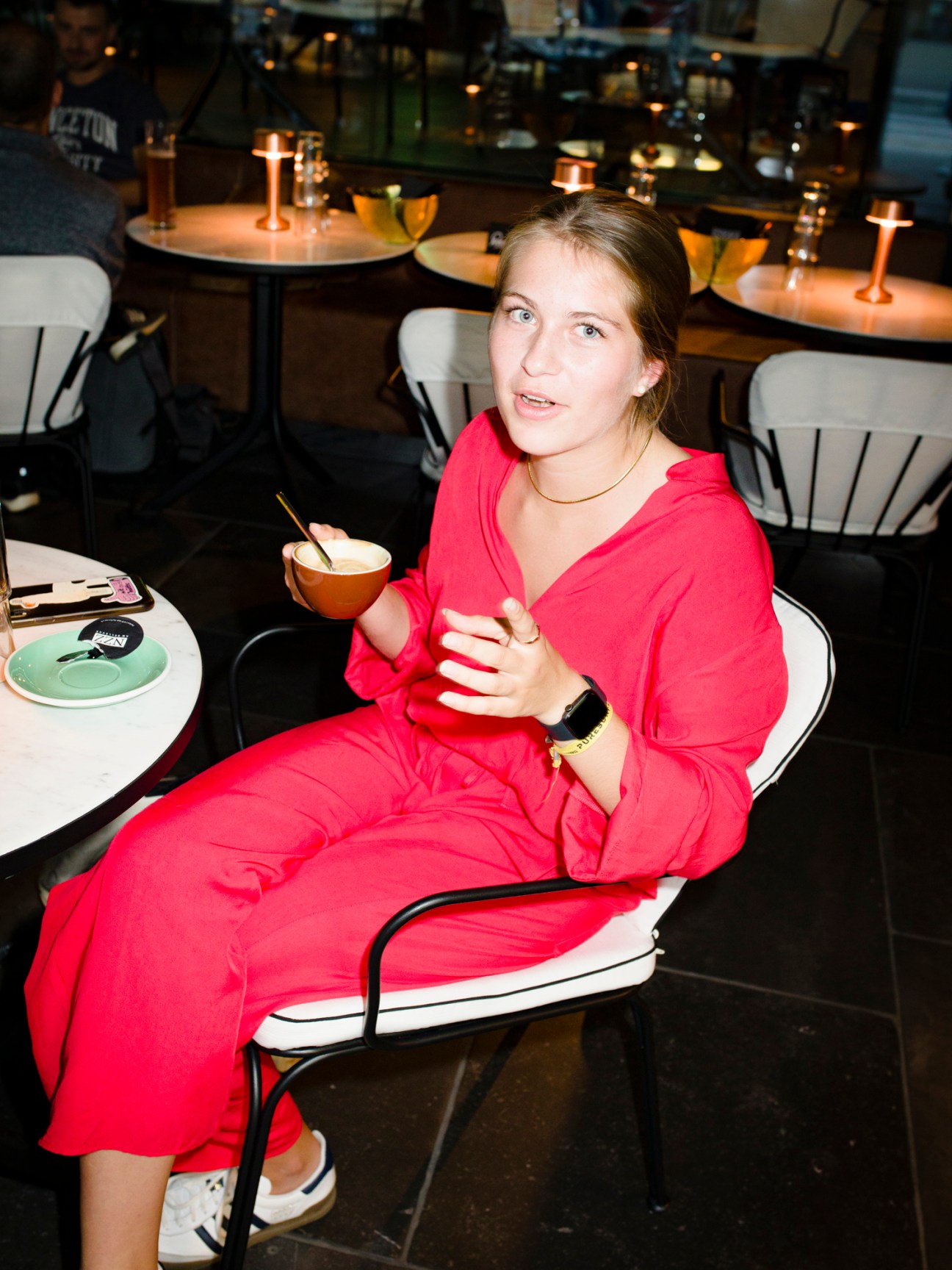
Many newspapers and magazines have experimented with opening spaces where an order of coffee comes with a side serving of print. But Swiss newspaper Neue Zürcher Zeitung (NZZ) has raised the bar with a grand new venue that engages with its readers from morning to evening. On the ground floor of the newspaper’s headquarters, a stone’s throw from central Bellevueplatz, where printing presses once rattled, NZZ am Bellevue is a café-cum-restaurant-cum-lounge bar offering an all-day-dining and all-night-dancing extravaganza. From coffees with the papers in the morning all the way to lunch, dinner and clubbing, the new space functions as a round-the-clock venue. It is also a cultural centre where events take place and a valuable piece of real estate where the newspaper can bring commercial partnerships to life and connect with its audience. “This is a prime location, so our brief was to create a place that brings the NZZ brand to life,” says Felix Graf, the paper’s CEO. As the head of one of Europe’s most respected German-language newspapers, Graf was tasked with thinking which elements of this storied title he wanted this project to embody. That’s why he called in enterprising restaurateurs Michel Péclard and Florian Weber.
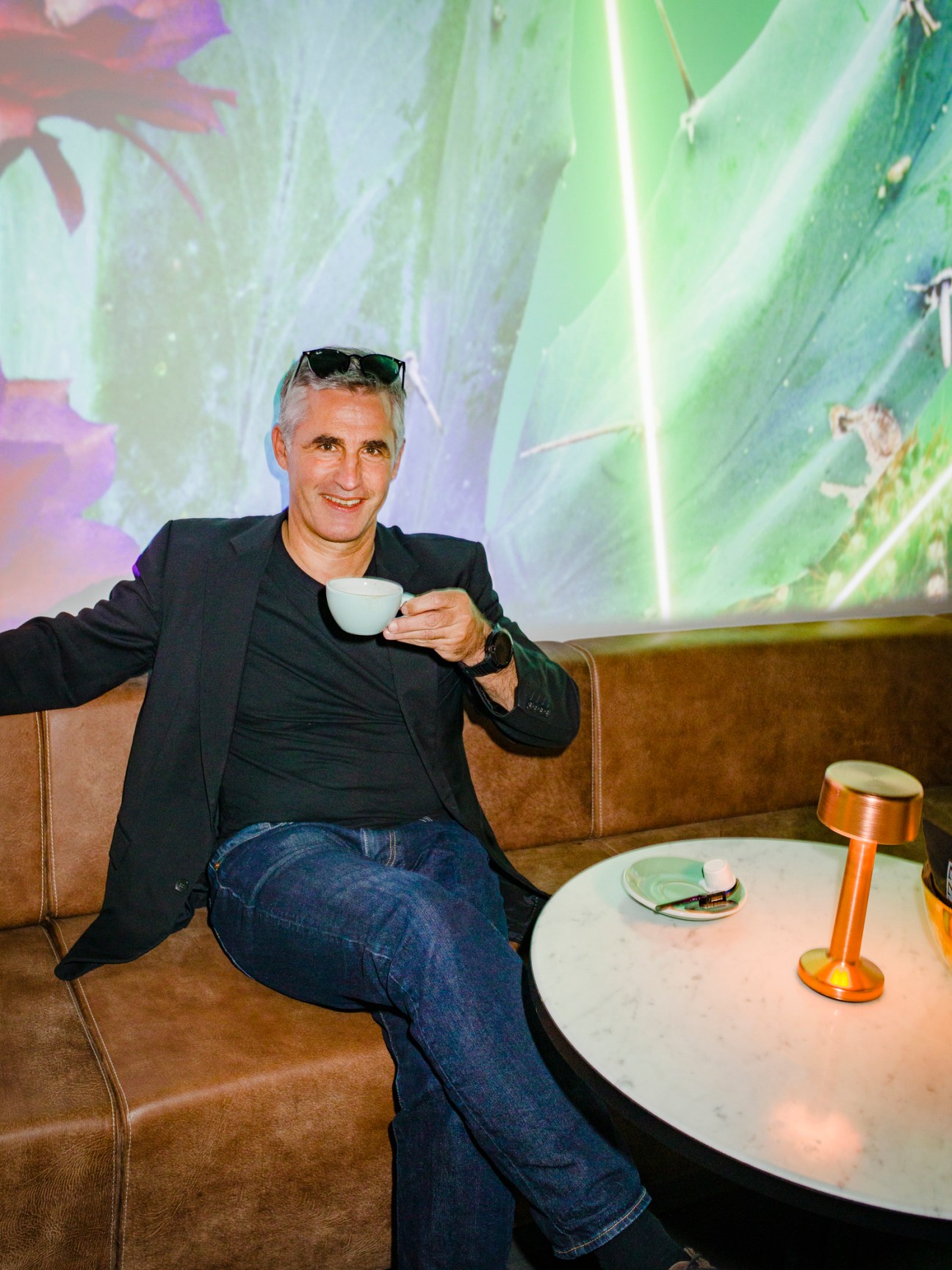
Their plans took shape during a trip to Japan where they saw how smartly arranged projectors were used on wall panels to create an immersive space. That instantly convinced them to create something that would be more than just a restaurant but rather a location that could evolve throughout the day. “It was important to offer a contrast to the traditional and conservative way NZZ is still often perceived,” says Graf. The 241-year-old paper can now avail itself of 16 high-resolution projectors that beam moving graphics onto the walls. “The space allows us to transform into any scenario, from breakfast to panel discussions to club nights,” says Weber who, with Péclard, oversees many other venues in the city, from cosy restaurant Coco to breezy terrasse Fischer’s Fritz. “We can change the location at the touch of a button.”
Still, with this commission the duo created a location unlike any other in Zürich. “This is a place that sparks excitement,” says Péclard. “It goes beyond what we have ever done before and it is a lab where we can test out lots of different things.” The restaurant’s clever, easy-going menu combines brunch classics with yakitori-style skewers and a generous drinks list, complete with fresh cocktails. It’s an intentionally casual offering that lends itself to creating a laid-back atmosphere before the space transforms into a club. “We want our guests to come here, have dinner and then ease into the night and have a good time while the music turns up and the screens get more vibrant,” says Weber. Thanks to the resident DJ Cruz, who is in charge of the music, punters can always expect lively and, crucially, long nights out: NZZ am Bellevue is open until 04.00 on weekends.
“But then again, we’re not just a club,” says Graf. “We’re a destination that works throughout the day: we’re one of the earliest ones in the morning and can offer an excellent location for a morning coffee and check-in with the papers.” On weekdays the doors swing open at 06.00; on Sundays, everybody is afforded a lie-in. The round-the-clock programming features anything from live music and talks to movie screenings. It’s an impressively packed schedule which proves that the team has gone beyond what’s expected of a traditional hospitality business.
Crucially, this space needs to function not only as an F&B venture but as an economically viable extension of NZZ‘s activities. The venue has proved a smart choice for the paper not only in attracting a potential new readership but also when it comes to bringing more advertising partners to the table. Both the space and the projection screens can be customised for media partnerships and allow brands to target an audience of up to 300 on a packed club night. Watch brand Breitling and consultancy firm Accenture have already become partners.
Zürchers like to refer to their city’s newspaper as die alte Tante (the old aunt) – a nickname owed to the charming dryness of their output – so this seems like a radical new chapter for the publisher. But it’s a fundamental step in opening up the brand to a wider audience. “What we can observe is that for previous generations, the NZZ had a physical presence in the childhood home, whether that was on the kitchen table or even in the restaurants,” says Graf. “The latest generation isn’t growing up with that proximity, so making this type of space is very important to help create a brand experience. What we’re doing follows our understanding of how our customers use our products. We are aware that audio-visual and podcasts are high in demand – and we know that there’s a strong desire to experience our product as well.” Graf is adamant that this new venture is not far from the priorities that NZZ has held dear since its beginnings in 1780. “Our primary focus is quality journalism,” he says. “How this is delivered is secondary. It’s about bringing it to our customers, with an incredibly high devotion to delivering the best – and this translates as much to the printed word as to how we approach F&B.” Judging by the refreshingly mixed crowd of customers and journalists thirsty for a nightcap every weekend, their mission seems to be working. After all, old aunties often make the stiffest drinks.

Design & Urbanism: Global
The urbanist
London
Site specific
For the past 25 years, UK developer Knight Dragon has been trying to make something out of nothing on the Greenwich peninsula in London. Its 60-hectare brownfield redevelopment on the site of a former gasworks is home to a number of white elephants, headlined by the Thames-crossing cable car that takes you nowhere in particular.
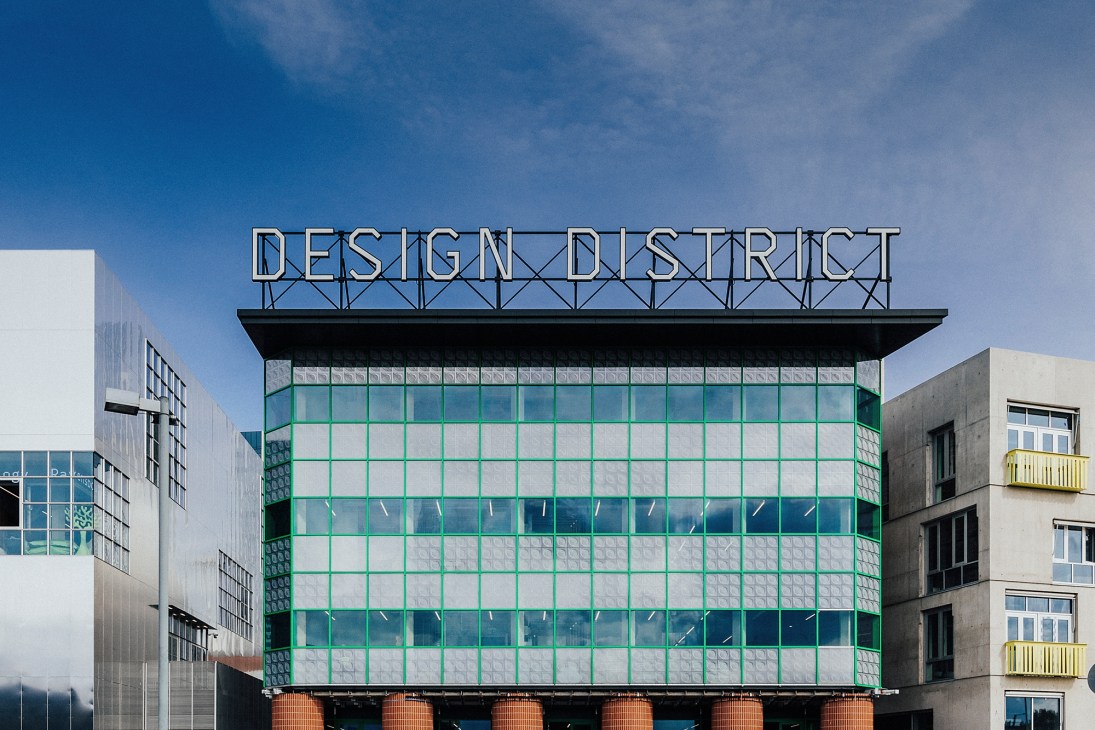
All of this is set to change with the opening of the London Design District: a cluster of low-rise structures that will house 1,800 workers, from furniture designers to music producers, at cut-price rents. The ambition is to use the selected mix of tenants to manufacture a creative community, something that normally develops organically over decades. Although some might think this is forcing the issue, it’s worth remembering that similar approaches have worked in Milan and Dubai in recent years, where design neighbourhoods have been curated, built and are now thriving.
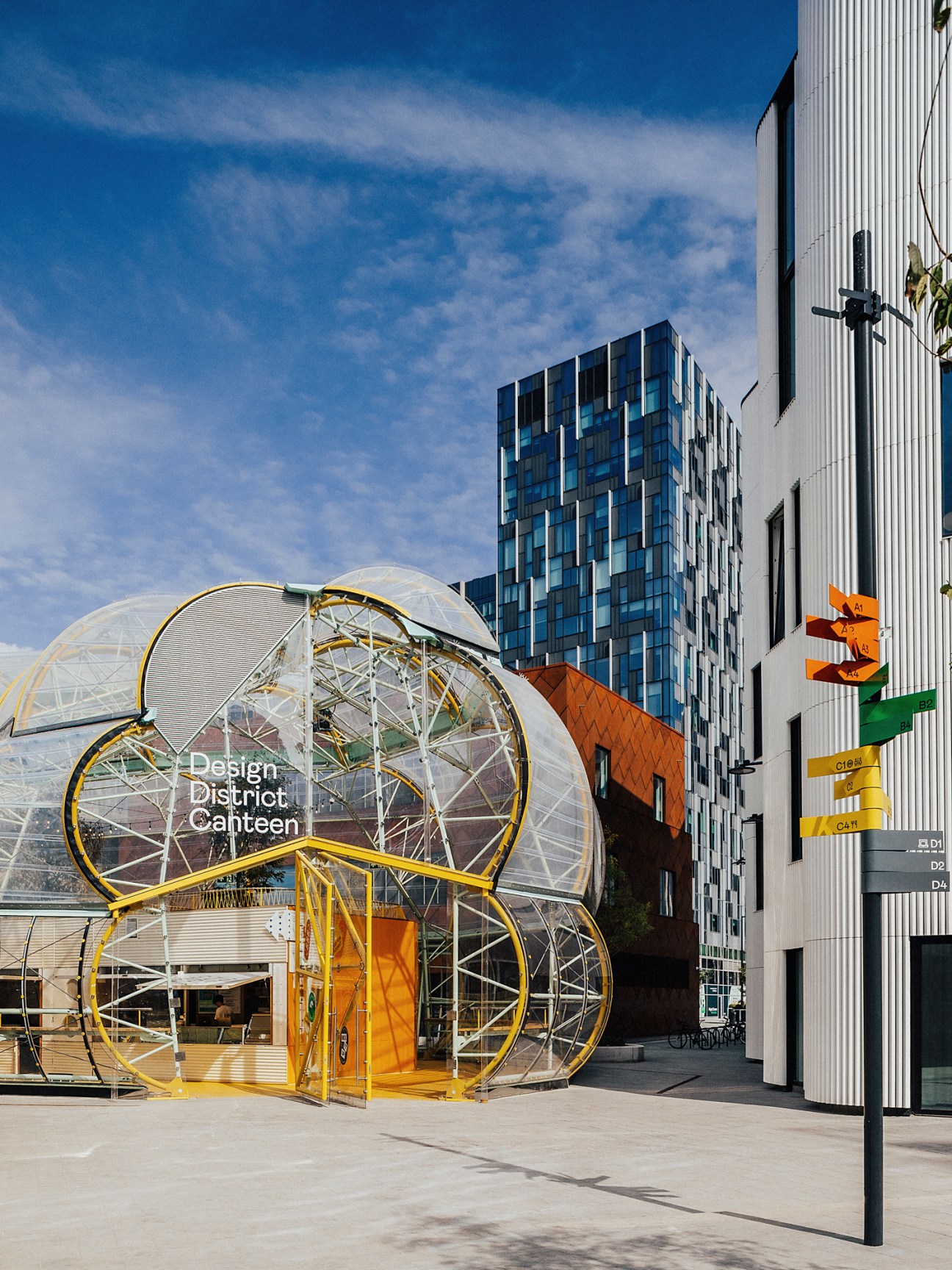
Indeed, the London Design District is setting itself up for success by creating buildings tailored to designers’ needs. “Having a space that is dedicated to creative pursuits allows designers to do their best work,” says Helen Arvanitakis, the District’s director. “As an example, we’ve made sure we have really good natural light that’s not from south-facing windows, so there’s no glare for those in the buildings.”
The 16 structures here, designed by eight different architects to ensure a diverse built vernacular, are packed closely together, creating a warren of lanes and public squares – and a welcoming, human-scale environment. It’s supported by clever programming too: a publicly accessible rooftop basketball court invites spontaneous sporting pursuits; students from Ravensbourne University are already studying on site at all hours; and a smart canteen hosting food vendors from the area draws people in over the course of the day.
All of this has helped to create an urban environment that has set up this pocket of southeast London to be a thriving hub of activity in the long run – whether that’s as a creative community or not.
Denmark
Design
Bees
Get nesting
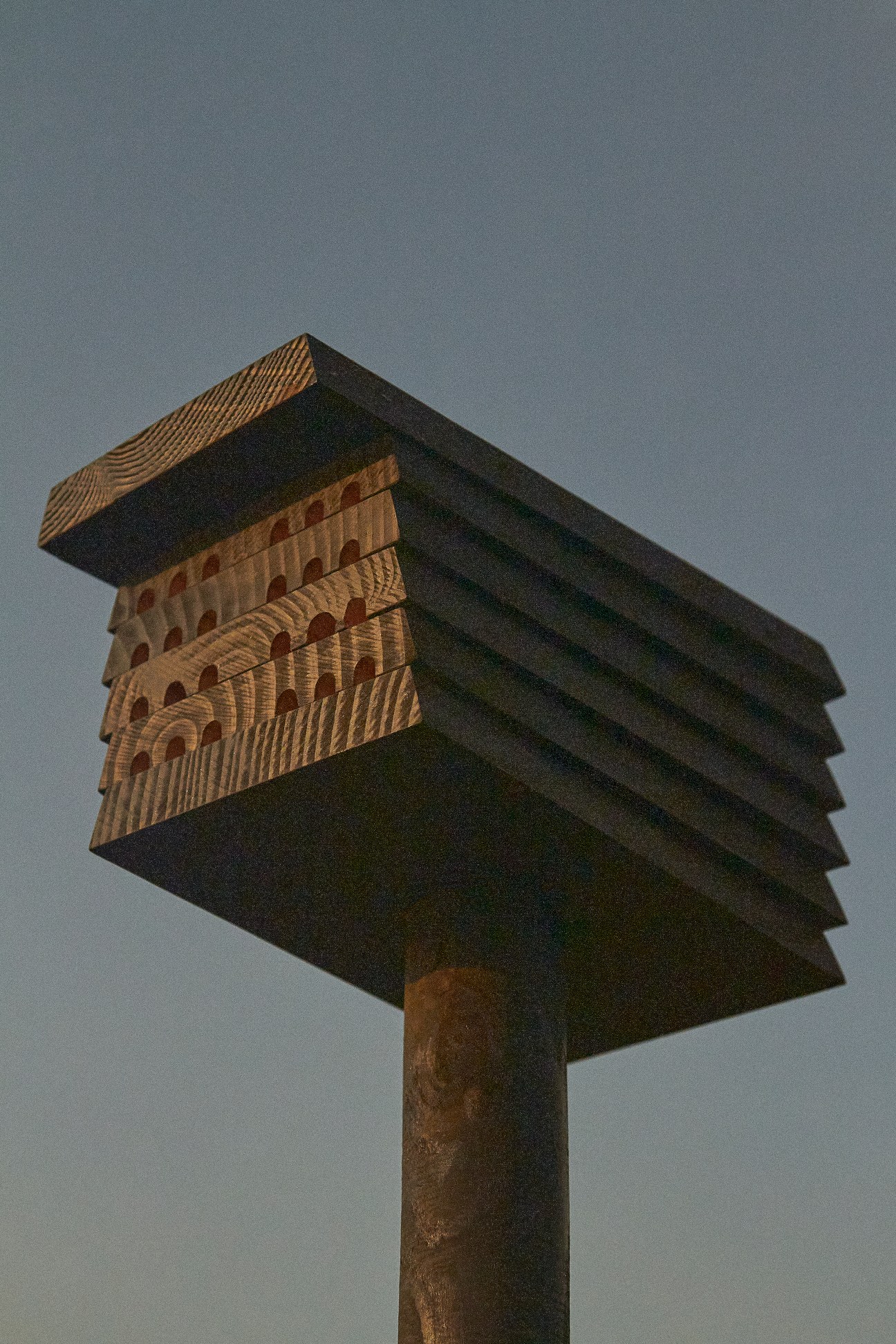
Here’s a smart idea about being kinder to our environment. Beehives have been created from offcuts from Danish timber specialists Dinesen’s factory. And this particular “nesting shelter”, which shares the name of one of architect Jørn Utzon, makes for a fine minimalist piece of garden furniture. It also aids pollination of plants, providing more space for bees, whose habitats in cities are under threat.
habeetats.com
Germany
Museum
New bild
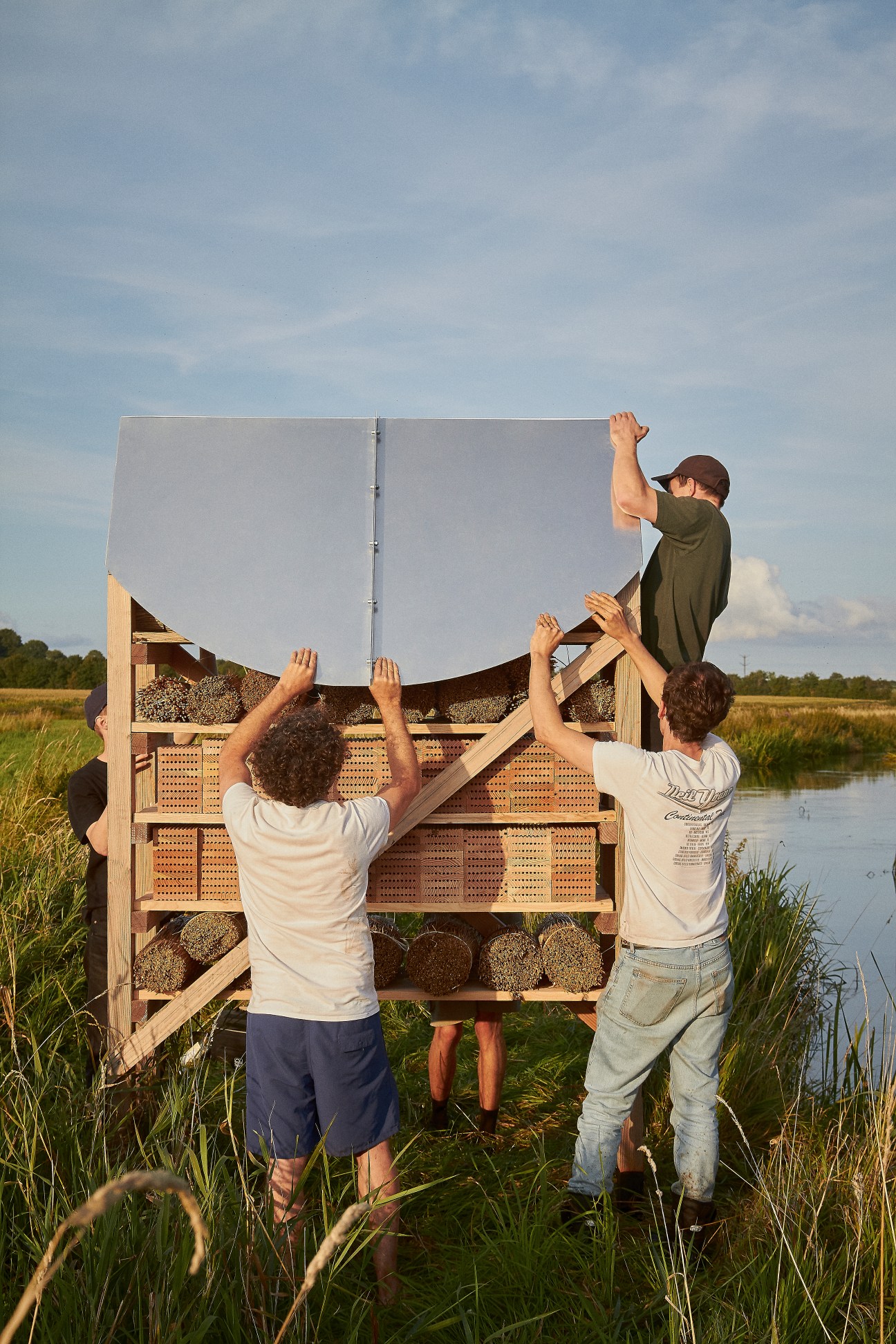
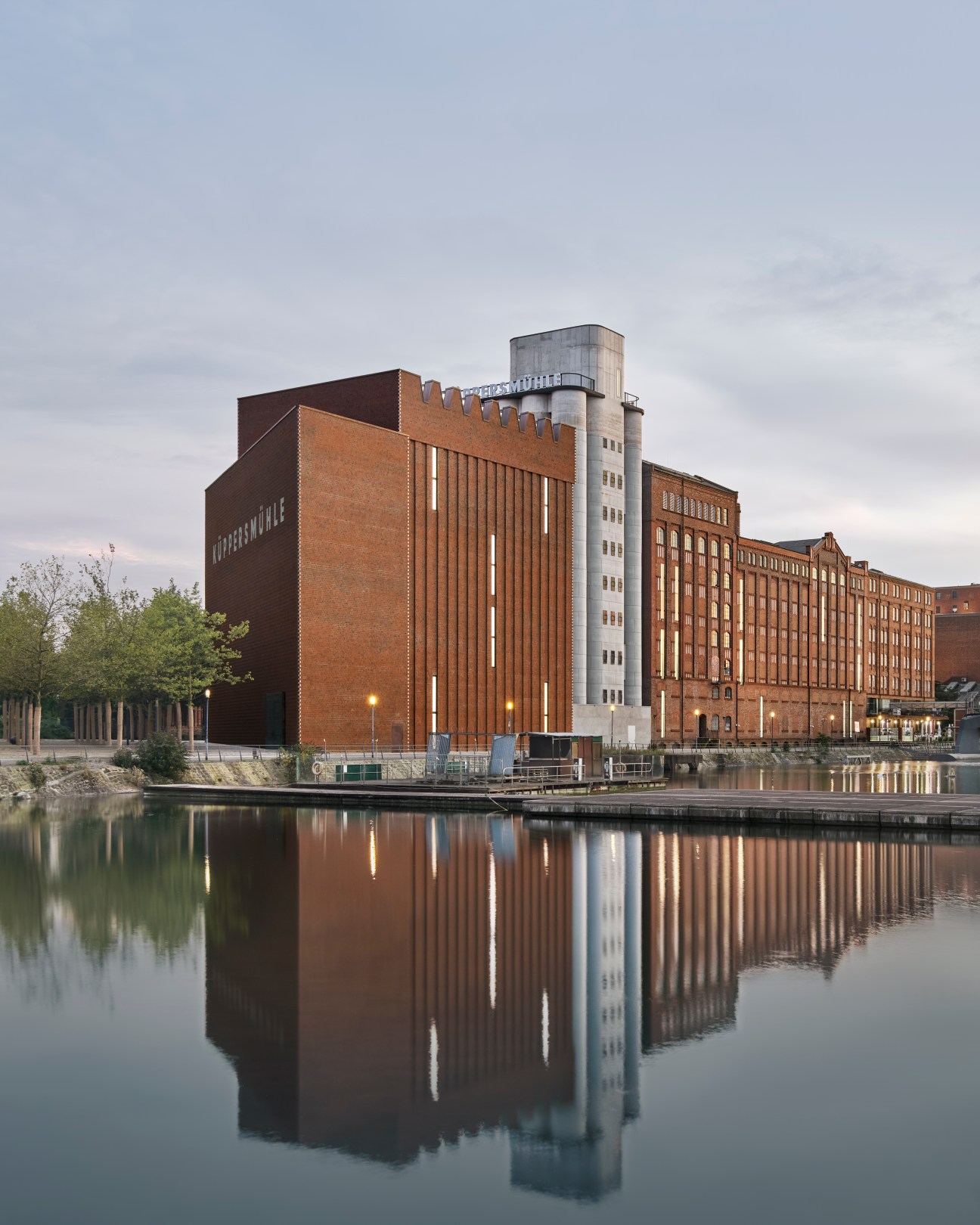
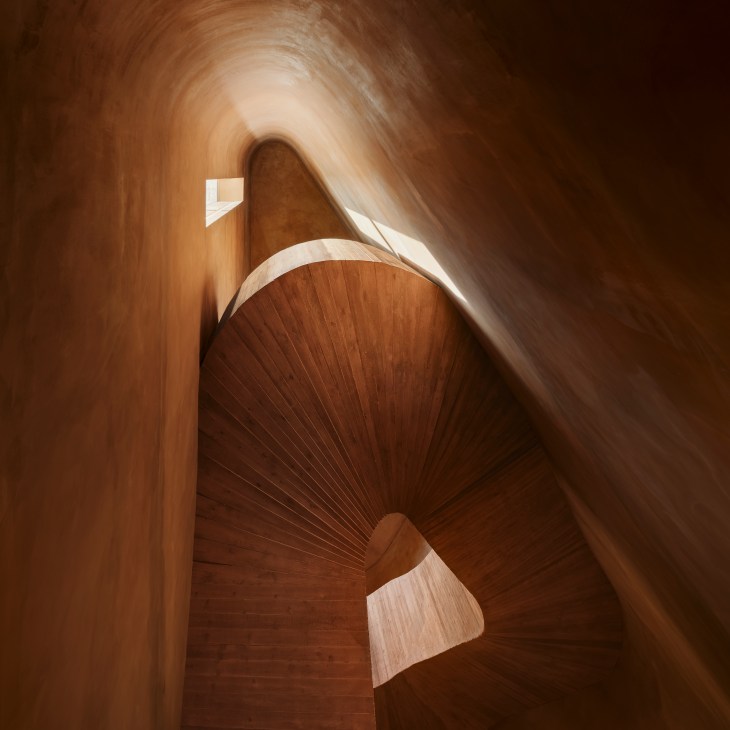
Often in architecture, the polished final photographs of a project don’t do the story of the design process justice. And while the images of this handsome transformation of a former grain mill in the German town of Küppersmühle into a contemporary museum are certainly glorious, the efforts to get this extension off the ground are equally impressive.
Swiss architects Herzog & De Meuron’s first project here was a regeneration of the 1860 building into a cultural space to bring new life to a downtrodden corner of town. It was completed in 1999 when the MKM Museum Küppersmühle for modern art finally swung open its doors to the public. However, a key planned extension, due to finish 13 years ago, was halted by faulty work from the steel company involved, which went on to go bust. Securing backing by the family owners of the project, Herzog & De Meuron had a second crack at it – revising an original plan to pop an illuminated cube on top of the existing silo towers and instead create something more empathetic to the original architecture.
The result is a new section of elegant brick-lined extensions that partially encloses the existing silos and effortlessly allows the galleries, which highlight German and European postwar art, to flow between the old and the new.
On Design
Nolan Giles on
Forward planning
During the pandemic there have been proclamations that in the future all surfaces would be sleek, easily cleanable and germ proof; that offices would see employees spread out widely (if people ever came back to the office); and that the boardroom was likely to be made redundant. Yet surveying offerings from the world’s biggest furniture companies and emerging practices across multiple September design weeks in London, Copenhagen and Milan, this vision has been largely ignored by the design industry. Instead, showrooms were filled with plush new couches and chairs, and conversation at trade fairs about materials and surfaces tended to be focus on warmth and tactility, rather than how they would cope with antimicrobial sprays.
There are several reasons for this – a key one being that bringing a product to market takes time. We’re talking years of experimentation; finding a happy medium between comfort, style and usability; and then tooling up machinery and training employees to make said products at scale. So a quick pivot to wipe-down world was never going to happen. Another reason is that the furniture industry didn’t fare too badly during the pandemic – many brands did well just selling products already in their arsenals. Office-furniture suppliers aimed tried and trusted designs at the domestic market for home workspaces, while the affluent, with no opportunity to go on holiday, spent their money on nice furniture for home renovations.
Producing designs that bring joy is where this industry will remain. There is little delight to be found in design that feels cold, sterile and isolates us from others. Makeshift adaptation has been the key ingredient for designs during the pandemic but they have hardly been fun. Placing pot plants in alternate urinals to separate peeing men at posh pubs was a low point. Even the environmentally unfriendly Plexiglass added to areas with a gut-wrenching sense of abandon wasn’t easy to celebrate.
If we want to look at design’s future – the furniture and the environments where we will live and work – we need to examine the people who will be creating it. And this is where optimism can be drawn. Younger designers and graduates, who the industry will rely upon to innovate, have lived through this short period of pain but have also been born into a warming planet. They’re hungry to innovate and they’ll push manufacturers to do so as well.
My favourite piece of design from a month of shows was a student project for a Muji exhibition in Milan. The Paper Wall Pocket is designed by Ecal student Lucie De Martin and is a simple storage structure made from sturdy laminated paper, which can be easily attached to walls and contains slimline stitched pockets. Space-saving and recyclable, it is affordable design for the masses. Unlike a pot plant in a urinal, it was design born of our times that will actually do us some good.
Images: Taran Wilkhu
Culture: Global
Literature – Japan
Living proof
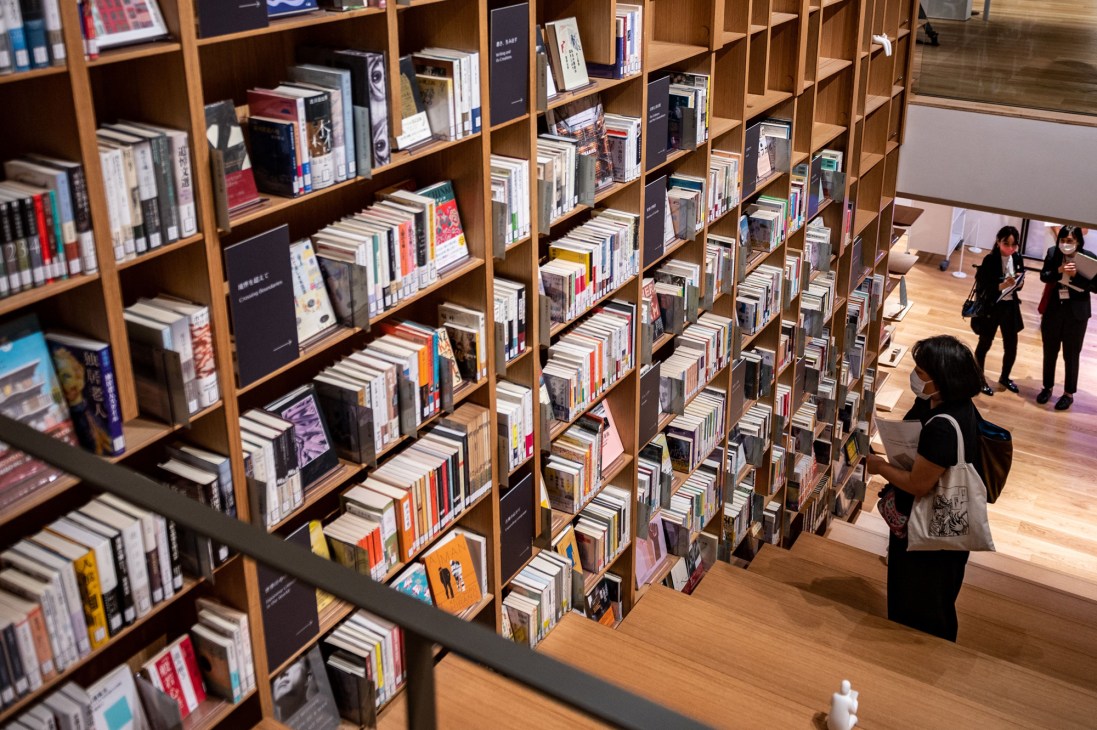
Tokyo’s Waseda International House of Literature doesn’t give much of its focus away with its official name but its nickname, the Haruki Murakami Library, says it all: this new public institution is a haven for fans of the prolific and celebrated Japanese writer. Best known for his magic-realist novels, Murakami donated all of his titles since his debut in 1979, together with their translated editions in about 50 languages and about 15,000 of his own vinyl LPs. There is also an archive of his notes, 600 scrapbooks filled with clippings of interviews and reviews (closed to the public), and a full recreation of his study – as well as a café, radio studio, audio room and the piano from Peter Cat, the jazz bar Murakami used to run in the city.
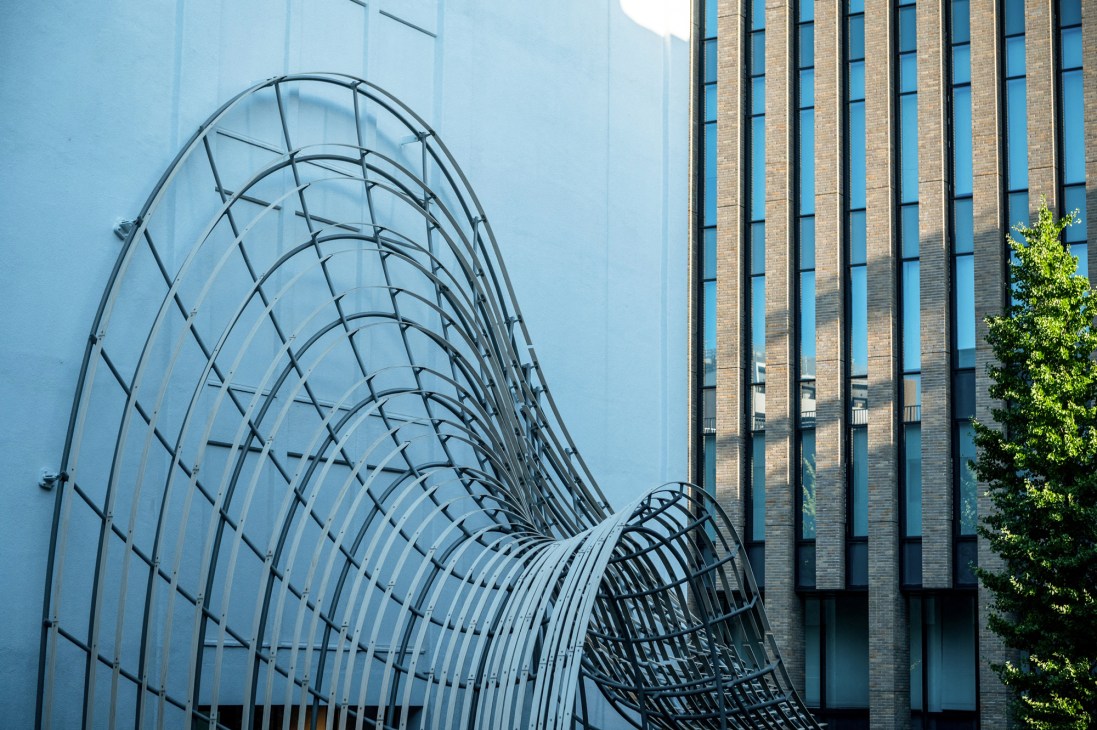
Murakami attended Waseda University from 1969, the same year that Tadashi Yanai, founder of Uniqlo’s parent company Fast Retailing, also enrolled. The latter’s attachment to his alma mater is not the only reason why he decided to foot the entirety of the ¥1.2bn (€9.2m) renovation bill: he also sees the soft-power potential of a project like this, given that he is “concerned that Japan has lost its ability to promote not only its literature but also its culture to the world”. That’s why the university enlisted the services of Kengo Kuma – arguably Japan’s best-known architectural ambassador – for the job.
Many nations wait until after their most famous writers, artists and composers have moved on to what Murakami calls “not the opposite of life, but an innate part of it” before celebrating them as national icons. But in recognising this living writer’s international importance and pull, Waseda University has shown that there’s no time to waste and that libraries need not take the form of mausoleums; they can be living, evolving cultural institutions. Let’s just hope the team has left enough room on the shelves for all the Murakami bestsellers that have yet to come.
waseda.jp
Art
Martin Margiela’s fashion career put him in the artist category for more than his hermetic aura; his work was disruptive, challenging and inspired. Now 40 of his works will be presented this autumn at Paris’s Lafayette Anticipation Foundation.
“Very early in my life I became obsessed with fashion and developed my own vision by presenting it in the most conceptual way possible,” says Margiela. “After many years the human body as my only medium felt too narrow and the system became suffocating. I needed a wider spectrum with total freedom in creative expression.”
Artists used to be the fashion designer’s more mysterious cousins. Could they become their cooler versions too? The faster and bigger the fashion industry becomes, the more art seems to have the edge.
Politics
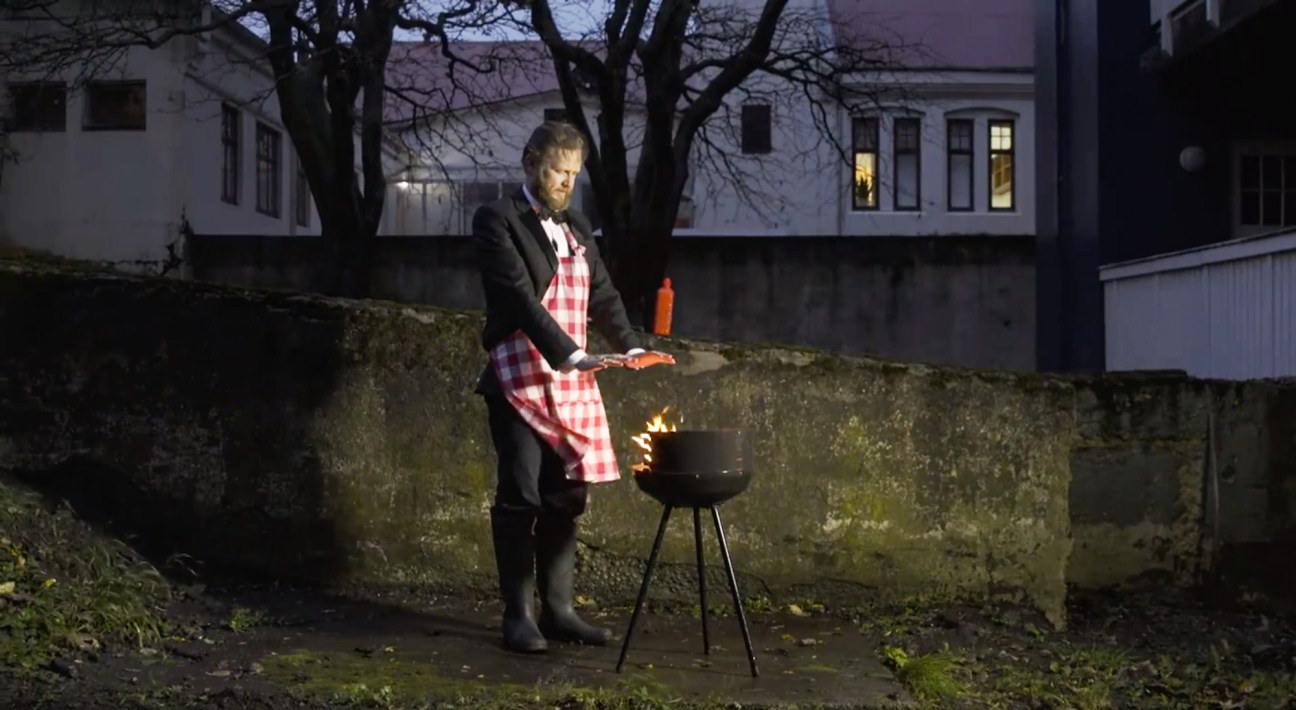
In 2016, fêted artist Ragnar Kjartansson made ads for Iceland’s green party, Vinstri Graen, that saw him posing in front of a hard-to-watch art performance, talking about the party’s support of art. For the latest elections, he filmed himself entering the government building laden with bags from a discount grocery shop to stress the parsimony of Vinstri Graen’s tenure. In another video, set in his studio, he delivered an impassioned political message to camera while painting a male nude. In 2016, Vinstri Graen became Iceland’s second-largest party and its leader headed the winning coalition. This time, not even Kjartansson’s ads could mitigate a decrease of 4 per cent in the party’s result. But the ads did show how subtle the art of great political messaging can be.
Business: Global
F&B
Hong Kong
Busting chops
People like pork in Hong Kong. They really, really like pork. When the UN conducted a study into who eats the most oinkers, Hong Kongers took the bacon with the highest rate of pork consumption per capita in the world – they each eat an average of 59kg a year, while Americans, the second-largest consumers, scoff 30kg. So when US firm Impossible Foods launched its new meat substitute, Impossible Pork, in October, it knew where to head (even though it had first held a marketing amuse-bouche at David Chang’s Momofuku Ssäm bar in New York).

The company has since signed up more than 100 restaurants in Hong Kong, ranging from Michelin-starred dim sum joint Tim Ho Wan to fast-food chains and Japanese katsu outlets. The firm aims to find out whether the city’s pork aficionados will go for its soy-based imitation. And there’s a lot at stake: the international market for these substitutes is now worth $21bn (€18bn).
Getting Hong Kongers on board would be an important step for Impossible Foods, which is reportedly considering going public through an IPO in the near future, aiming for a listing valuing it around $10bn (€8.5bn). It also hopes to expand its vegetable-based offerings into mainland China, which is among the world’s biggest consumers of processed meat per capita. The company has already announced that it intends to launch in Singapore over the coming weeks.
In a bid to win over porkless-pork sceptics in Hong Kong, where many associate so-called mock meat with the strictly vegetarian diet of devout Buddhists, Impossible also established a pop-up to offer free Impossible Pork tacos, fried buns and even scotch eggs (whose fillings came from chickens – the plant-based version hasn’t been cracked yet). But there are some competitors in the region to contend with. These include Hong Kong’s Omnifoods, which launched a now popular plant-based pork back in 2018.
Apart from diners, there should be other winners in all this too. Swapping piggy pork for a vegetarian reproduction could be good news for the climate. According to Impossible Foods, its faux pork produces up to 77 per cent less in greenhouse gas emissions than the animal alternative. And, of course, the hogs of the world will also be breathing a sigh of relief if this all goes to plan.
impossiblefoods.com
Climate change
Glasgow
Seizing the day
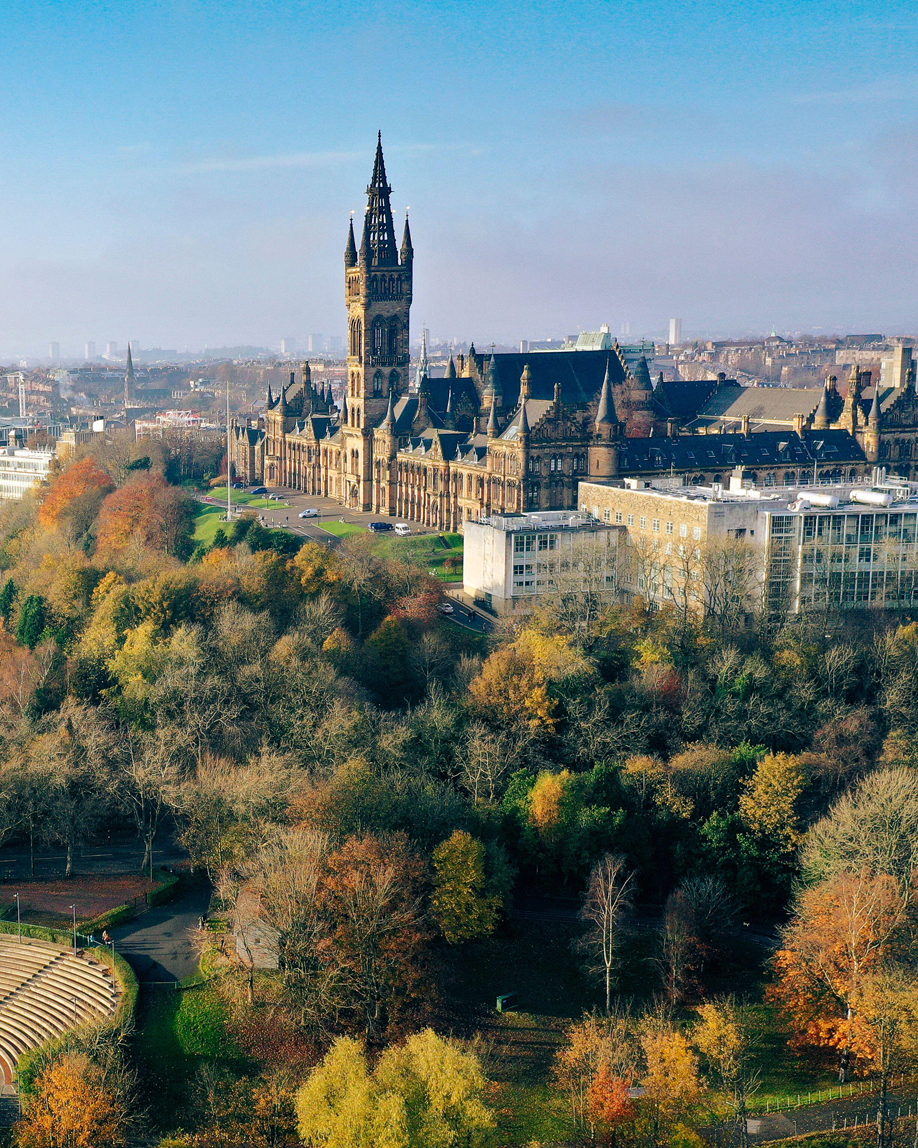
The Scottish city of Glasgow is gearing up to host the cop26 UN climate summit in November. It’s a two-week meeting that’s not only a chance for world leaders to raise their countries’ games in the global effort to confront climate change globally but for Glasgow to showcase how a city can respond to the crisis in its own right. It’s also a time when a host city can appeal for cash; just ahead of the summit, Glasgow released a £30bn (€35bn) “greenprint” plan for investment to help reach its rather ambitious goal of becoming carbon neutral by 2030. Where could this money come from? The city is hoping for a mixture of private and public investment, including, potentially, guilting Westminster into contributing after a parliamentary committee report recently found that institutional foreign investment in the UK is overly geared towards London and the Southeast.
Glasgow also intends to sell private companies on the city’s makeover plans, which include an advanced manufacturing innovation district that has attracted the likes of Boeing, and a micro park to attract clothes-makers by cutting down on the carbon footprint that comes with manufacturing abroad. There are also hopes for a new subway, an experimental waste-to-heating project, money for research institutions and the planting of 18 million new trees. About a third of the funds would go to retrofitting nearly half a million homes.
Many cities around the world have taken the lead in tackling climate change over the past decade but they can’t do it without help. Glasgow’s aim over the month of November will be to shine a light on the huge amount of investment that it takes for major urban centres to become cleaner and greener. Why not grab the international community’s attention while you have the chance?
Homeware
Japan
Bean counter
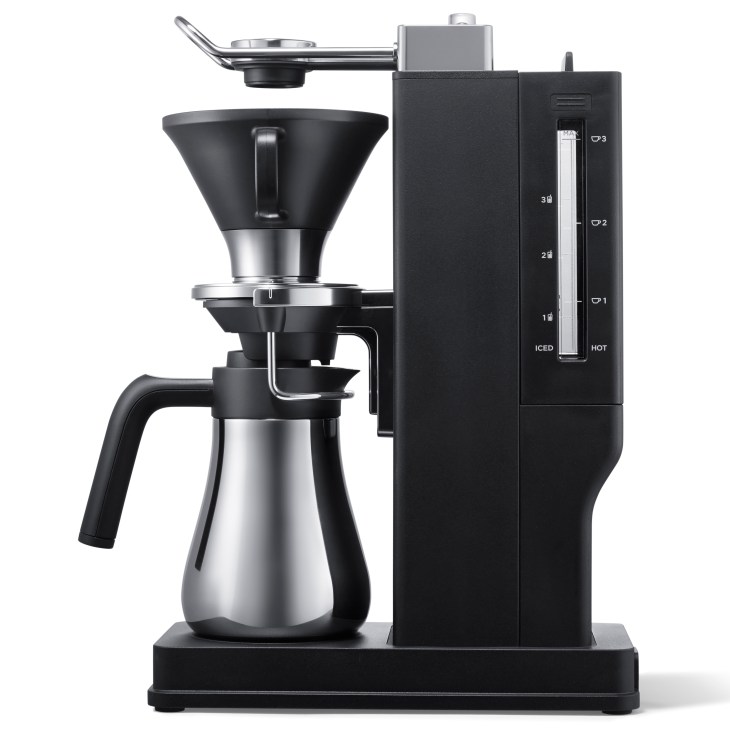
Founded in 2003, innovative Tokyo-based brand Balmuda is causing a revolution in the Japanese kaden (home appliance) market with products that are both functional and desirable. The first big hit by the company’s founder and chief designer Gen Terao was The Toaster. It does its job so well that it has been flying off shelves despite the hefty price tag of more than ¥20,000 (€155).
Now, six years in the making, Balmuda’s latest product is The Brew, a sleek, matte-black drip-coffee maker. Unlike other such devices, there’s no grinding function as Balmuda instead developed new technologies. The machine works out the precise amount of every drip of water required to safeguard the subtle aromas and tastes of the beans. Sensors control both the brewing time and water temperature. Orders for the ¥59,400 (€460) unit rushed in, creating a month-long wait for this contemporary caffeine fix.
balmuda.com
Environment
Paris
Ideas of substance
The issue of ocean plastics has received plenty of public attention lately. In France, one technology company is looking to tackle the issue further up the chain by stopping microplastics getting into the water system – and investors are all ears.
Paris-based Calyxia, founded in 2015, is developing biodegradable microcapsules for use in domestic and agricultural settings and technology to make materials more durable, targeting the electronics and automotive industries. With the EU expected to further clamp down on microplastics in the coming years, the timing is auspicious. Calyxia has raised €15m in its first major funding round, bringing the total to €23m. Co-founder and CEO Jamie Walters stresses that the microplastics fight is a “collective effort” but believes the company can reduce their usage tenfold, saying, “This is just the beginning.”
calyxia.com
Hospitality
Q&A
Kapil Chopra
Founder and CEO, The Postcard Hotels & Resorts
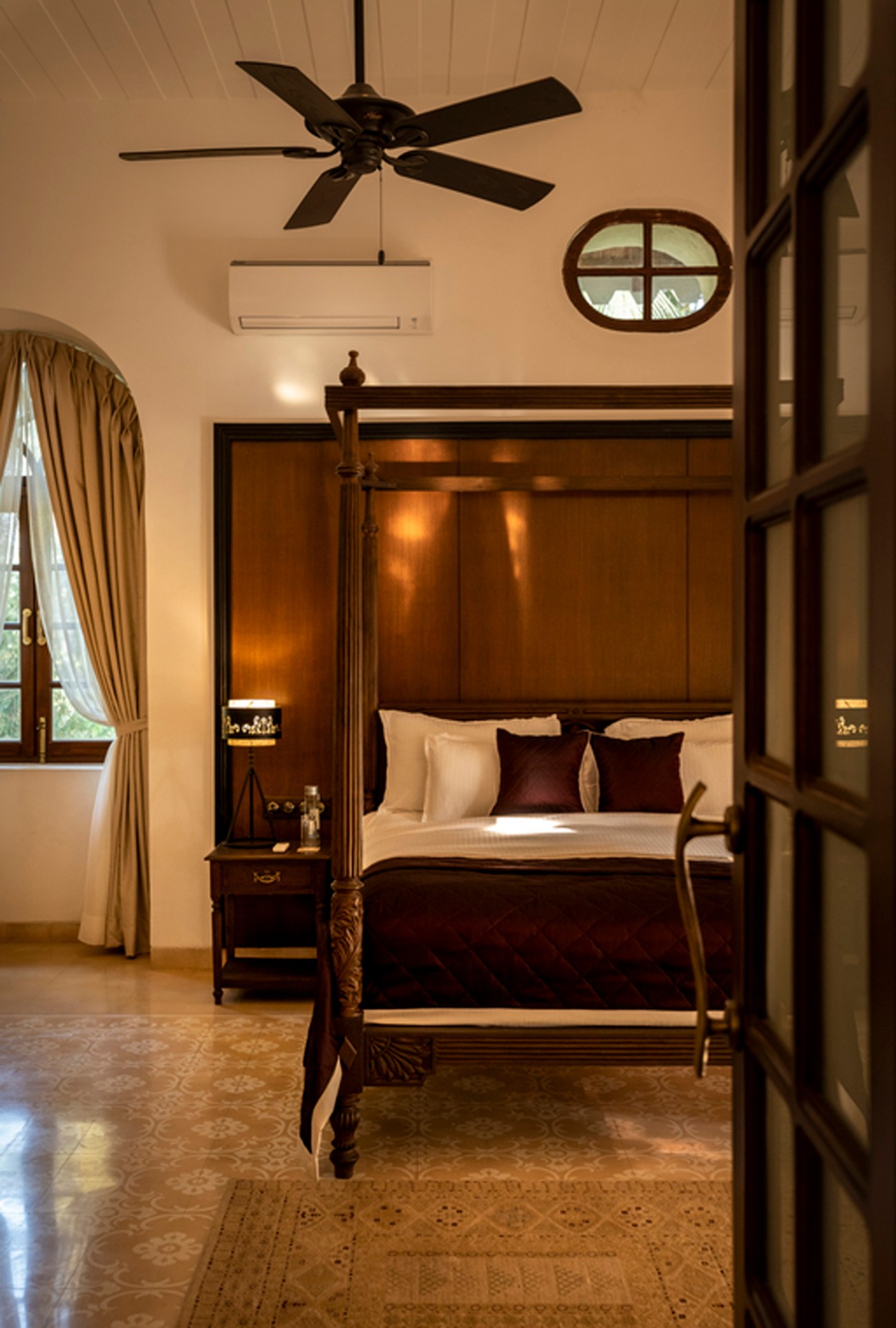
Kapil Chopra is founder of fast-growing Indian boutique hotel brand The Postcard Hotels & Resorts. He wants to build 50 hotels globally, each with 50 rooms or less, by 2023.
What’s your strategy?
Affluent Indians are now spending just as much as foreigners, so why not build for this consumer? Our aim is to open destinations and be cognisant of profitability. We will not open a hotel unless there’s money to be made and we currently have 17 projects in stages of development.
How do you differentiate your brand from others?
By disrupting the norm. We have no standard check-in or check-out times. We support local and artisanal businesses and, where possible, serve organic food and drink. Also, the entire top management owns a part of the company, so we all have skin in the game.
Instead of operators managing hotels, you share the revenue with owners. Isn’t that expensive?
It means we can build quickly, operate efficiently and focus on consumer satisfaction. We don’t want to make money off cancellation fees; we would rather earn your loyalty instead. Our model helped us to avoid layoffs when other hotels were being closed and, despite the lockdowns, revenue grew by 51 per cent in 2020.
postcardresorts.com
The Comment
John Tippins on…
Disrupting disruption
Whether it was a start-up seeking investment or a brand’s annual report, you were pretty much guaranteed to come across the “D” word in any presentation from the past 10 years. “Disruption” was uttered as though the person saying it was casting a strategic magic spell. The audience would nod in a solemn fellowship of communal business understanding but the disruption being touted was often loosely defined. You have to go back to the 1997 book The Innovator’s Dilemma by Clayton M Christensen to understand when the term gained momentum. Christensen coined the phrase “innovative disruption” to describe selling a cheaper or lower-quality product to people already within a category. These products were targeted at less-profitable customer segments, with a hope that they would become popular enough to dominate said category. In time this narrow definition was lost and became shorthand for supposedly paradigm-shifting innovation.
Blame Silicon Valley: its view of disruption promised an unprecedented redefinition of consumer products and services. And when the likes of Uber and Airbnb upended their respective categories, they were the pinnacle of this new definition.
For a period, almost everything was in the midst of full-on disruption. The direct-to-consumer market was an especially big fan of elevating it to near life-changing transcendence. Nothing escaped Big Disruption Energy – your mattress, vitamins, relationships, pet food and sex toys.
Then in 2020 the pandemic brought disruption to work, travel, health care and social interaction. It was not the innovative kind either: this was the less fun version. It was certainly paradigm-shifting but no one wanted these paradigms to shift.
So will we now need a different way to talk about innovation? One that is more clearly defined and less headline-grabbing? As uncertainty lingers in the second half of 2021, what language will resonate with entrepreneurs, investors and customers?
The desire to evolve products and services and create new categories will not go away. The effects of the pandemic might include some positive legacies as many brands learn to think differently. So don’t get too settled just yet: that disruption-speak might yet have a renaissance.
About the writer: Tippins works in brand and advertising strategy.
Images: Balmuda, Alamy
Affairs & Defence
Navy – Taiwan
Minor threat
Any addition to Taiwan’s naval capabilities may appear fruitless. Its likeliest maritime adversary, China’s People’s Liberation Army Navy, certainly dwarfs whatever Taiwan could put to sea. Nevertheless, Taiwan’s navy is a beneficiary of president Tsai Ing-wen’s determination to bolster the island’s defences. It has commissioned a new warship: the catamaran corvette Ta Jiang.
“The media often calls it a carrier-killer,” says Jyh-Shyang Sheu, assistant research fellow at Taiwan’s Institute for National Defence and Security Research. “But its large firepower makes it dangerous for all Chinese surface combatants.”
The 65 metre-long vessel is the first of at least six upgraded Tuo Jiang-class corvettes ordered for Taiwan’s navy. It is equipped with supersonic and subsonic anti-ship missiles and Sky Sword surface-to-air missiles – all made in Taiwan.
“The Taiwanese navy needs new high-speed corvettes,” says Sheu. “They carry large numbers of missiles to offset the People’s Liberation Army Navy’s numerical superiority.”
Latvia’s most recent defence budget topped out at €707.8m. Some of that will be spent on a fleet of the 6×6 apc built by the Finnish defence corporation Patria. The purchase is part of a new joint procurement programme with Finland, adapted for much different terrain but with an eye on a common adversary to the east.

Global – Hotels
The Taliban are here for breakfast
Colin Nagy on the hotel in Kabul where fighters, spies, diplomats and writers check in for a safe night’s sleep.
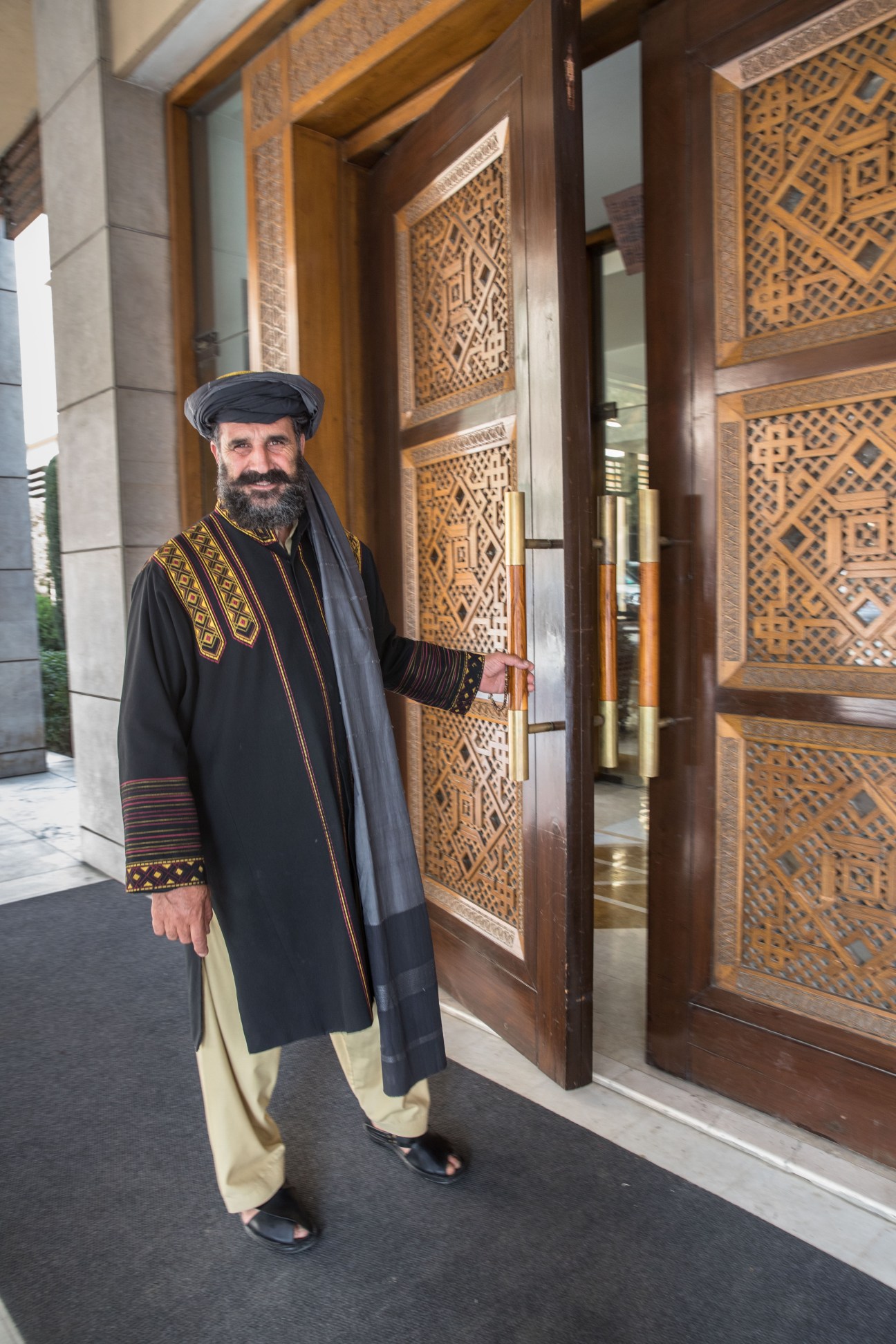
Every conflict has its hotel. In Vietnam journalists drank g&ts while filing stories at the Caravelle Saigon. During Lebanon’s civil war, gathering places in Beirut included the Commodore Hotel, the St Georges and Phoenicia. The early days of the Iraq war saw CNN and others broadcasting and filing from the Palestine Hotel in Baghdad. Kabul has several hotels but the Serena, which opened in 2005 and is about 20 minutes from Hamid Karzai International Airport, has been a gathering place for journalists, diplomats, the military and the elites of Afghan society. It is a protected oasis in a chaotic city, replete with manicured gardens, poolside service and all the comforts of a fine hotel. And it is still taking reservations: “Book now and enjoy the experience”. Those currently arriving include Qatari diplomats, international journalists and NGO workers. Faiz Hameed, head of Pakistan’s isi intelligence agency, is understood to have come here to meet Taliban leaders.
“It doesn’t feel like it belongs here,” says photojournalist Marco Di Lauro, a guest at the Serena. Di Lauro has worked extensively in Afghanistan and other conflict zones but checked in here for the first time in September. “I’m amazed by the beauty of the hotel and how well the gardens are taken care of,” he says. “It’s quite strange to sleep in the same place where [Taliban leader] Sirajuddin Haqqani slept,” says Di Lauro of a recent guest.
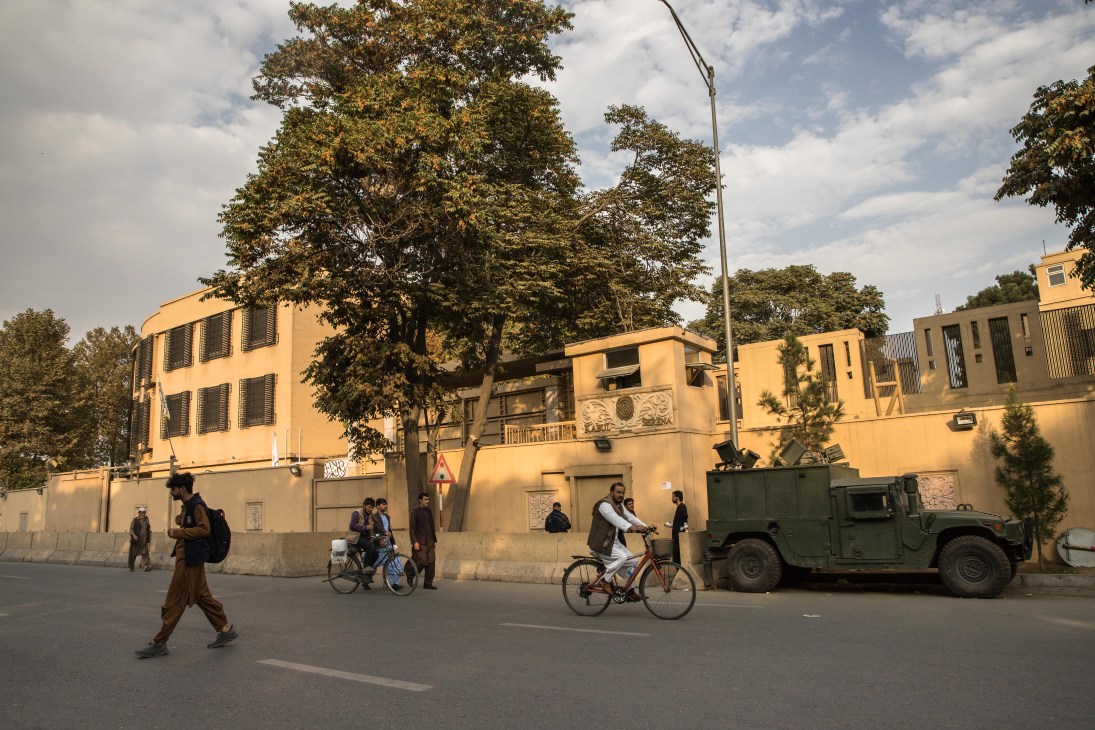
The Serena is part of Tourism Promotion Services, a publicly traded company listed on the Nairobi Stock Exchange. Its largest shareholder is the Aga Khan Fund for Economic Development. The Aga Khan is the leader of an influential sect, the Ismaili branch of Shia Islam, with power and presence in central and northeastern Afghanistan and followers around the world.
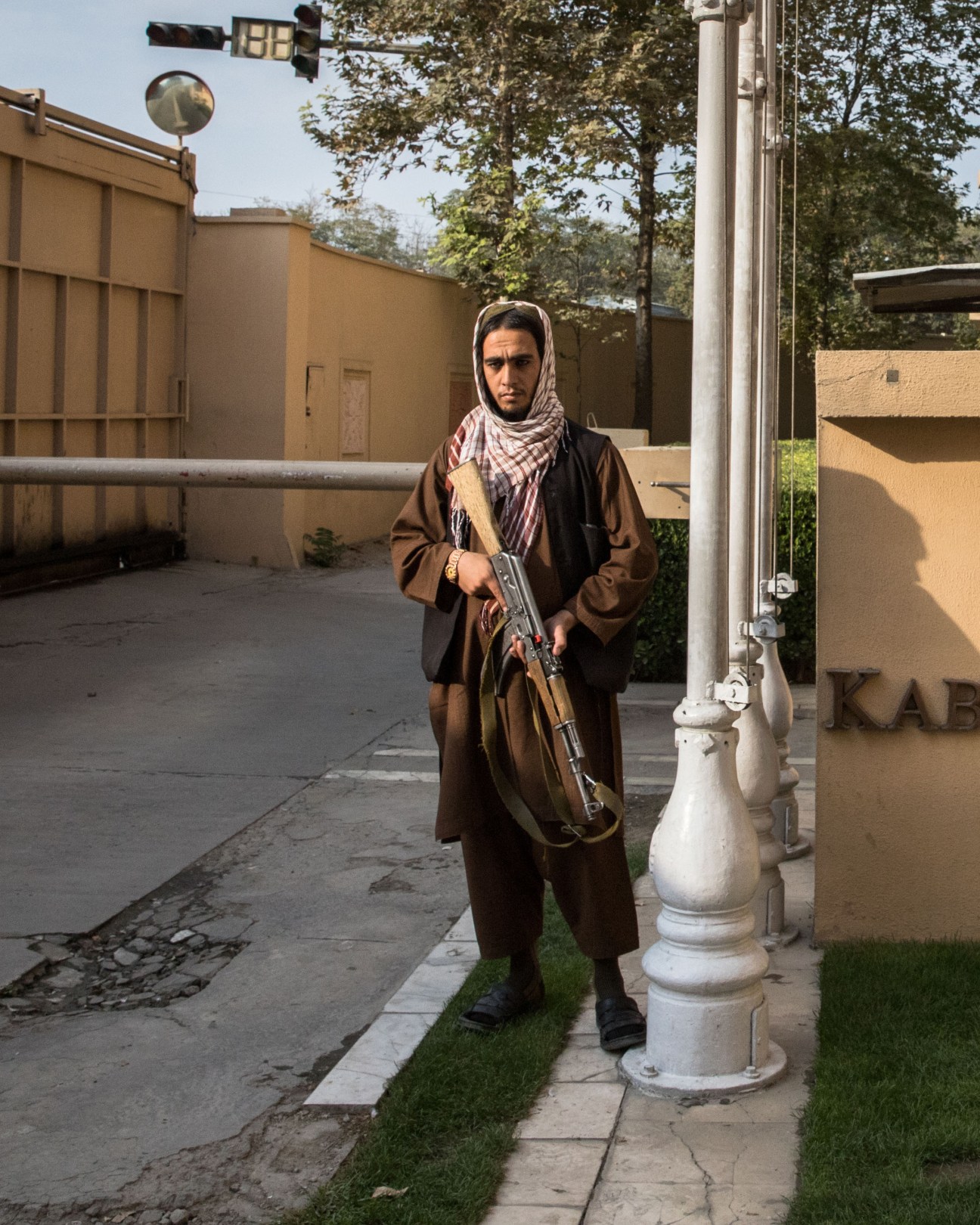
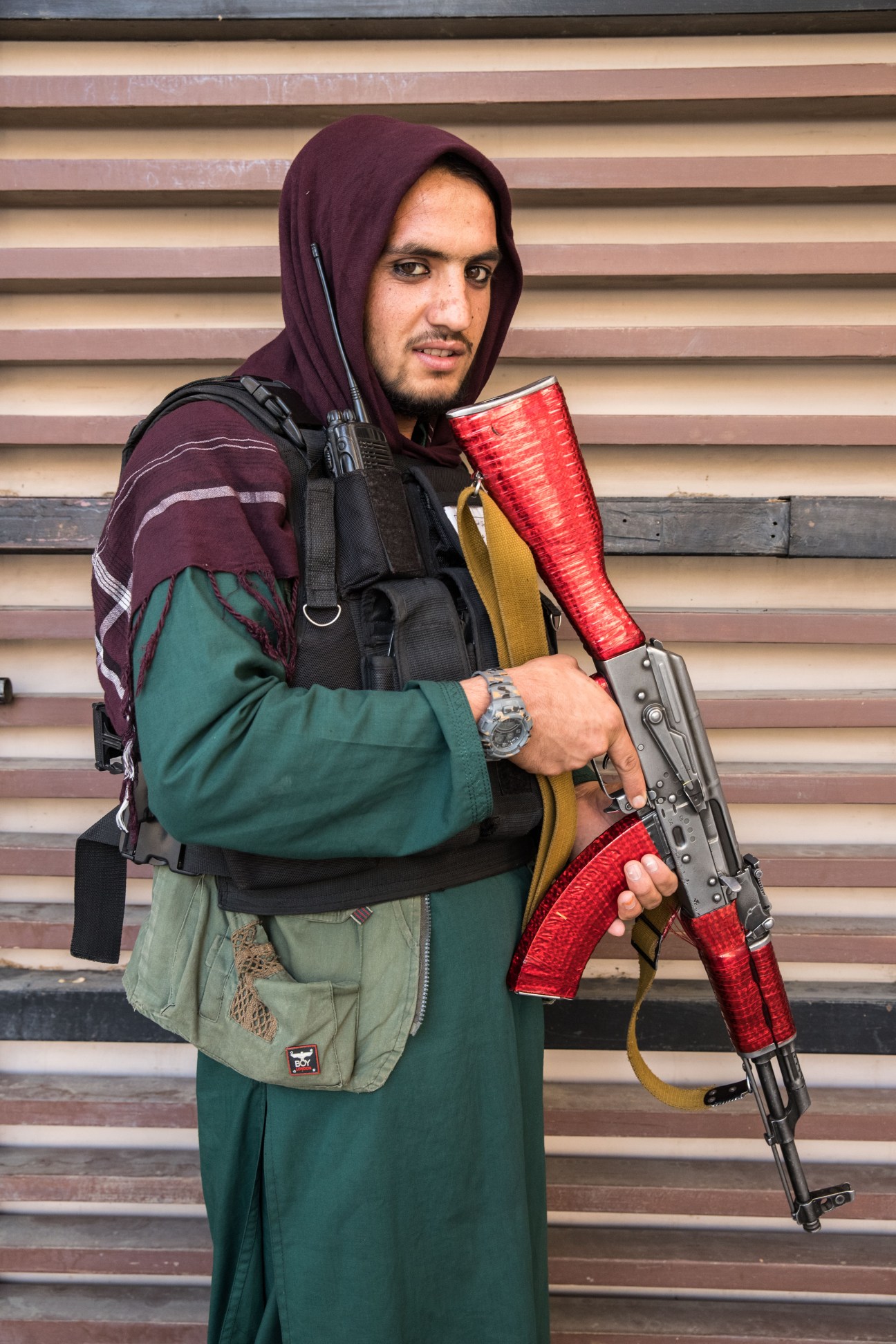
According to the Serena’s owners, their priority is building properties “in regions that are underserved with business and tourist accommodation by other hotel chains”. Put simply, they build nice hotels in places where you wouldn’t expect to find one. With frontier markets, however, come dangers. A car bomb exploded outside the Serena in Quetta, Pakistan, in April, killing four. And the Kabul Serena was bombed by the Taliban in 2006. In 2008 and 2014, Taliban militants stormed the hotel, killing guests, including a Norwegian journalist and a US citizen.
Today the same militant group that attacked the hotel are the ones ensuring its security. “Talibs run the perimeter,” says one photojournalist who has been reporting from Kabul since 2015. “Serena staff are in charge of the
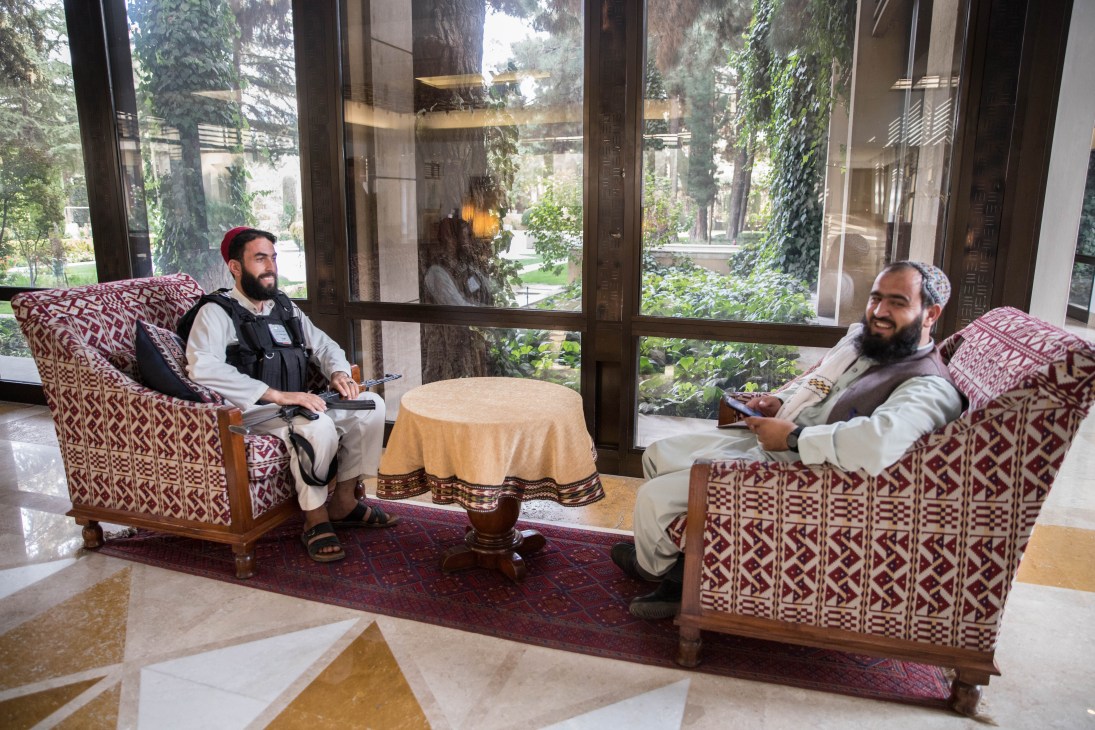
inside and there are various diplomatic security teams on-site.” But having Taliban fighters inside the hotel has been disturbing to some. “It’s not just high-end politicians,” says Barbara Schiavulli, a journalist who has reported in Afghanistan since 2001. “There are dozens of Taliban from the mountains in the lobby with their feet on the furniture.” To her, the shift in a place that was always designed for safety has been a lot to swallow. “Seeing them on the inside and to know that people have died in this lobby is very upsetting.” Schiavulli says that she’s now forced to put on a headscarf when waiters tell her that “The Taliban are coming for breakfast by the pool”.
Despite the politically shifting winds, the hotel has still been providing the safety and service it has tried to deliver since inception. During the evacuation it acted as a humanitarian aid centre. Afghan interpreters, journalists and fixers all sought refuge at the hotel, many eventually making it onto Qatari armoured convoys to the airport.
As more journalist visas are approved and more Qatar Airways flights land at the city’s airport, the role of the Serena looks set to continue. Another seasoned correspondent heading back to the country says that he will be checking in to the Serena. Why? Security, the sense of being in a green haven – and the good cheeseburgers.
About the writer:
Nagy is a writer and strategist based in Los Angeles who has stayed in several Serena hotels.
Affairs: Portugal
Portugal
Immigration
Lisbon calling
Gaia Lutz meets some of the vast diaspora of Brazilians finding security in the Portuguese capital.
On a Thursday evening in Lisbon’s Chiado neighbourhood, a boisterous crowd spills out onto the streets in front of Brisa. It’s the opening night of the gallery’s latest exhibition, a showcase of photographs by Brazilian artist Maritza Caneca.
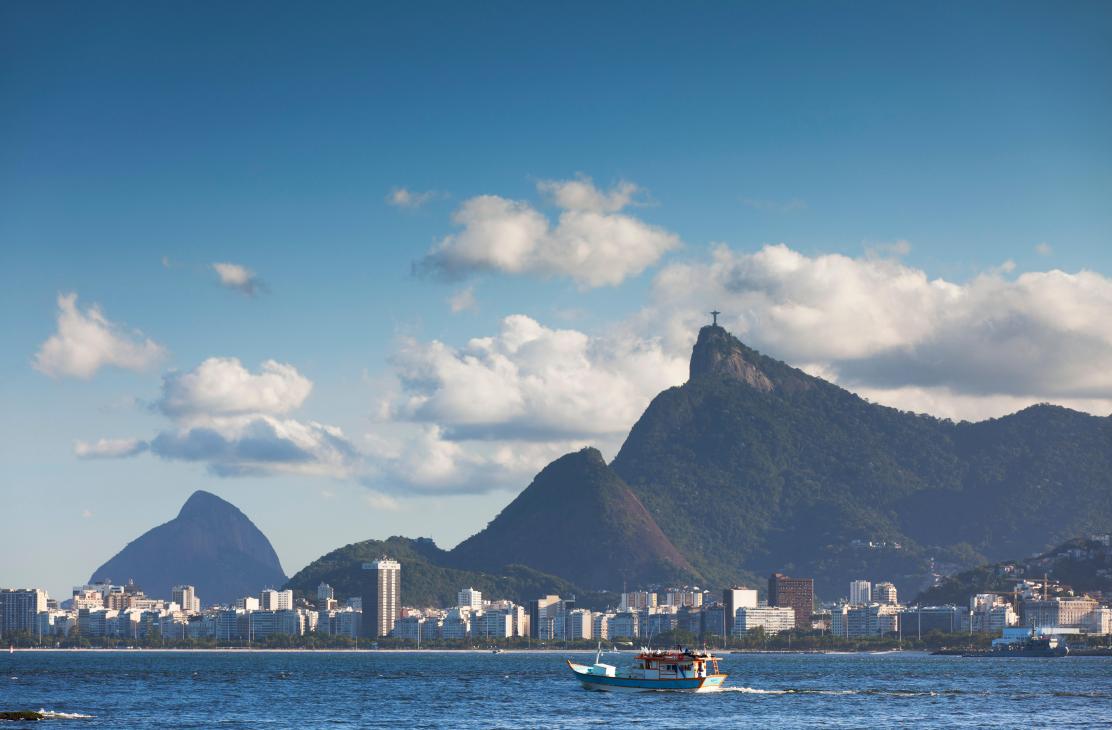
The attendees are a well-dressed line-up of exiles from the South American nation who, like many more of their compatriots, have been propelled by the economic, security and health crisis back home to seek refuge in the Portuguese capital. “Being an immigrant is not easy anywhere but the adaptation here, due to the language and climate, is easier for us than elsewhere,” says Bebel Moraes, co-founder of Brisa.
Moraes, a fashion editor for 30 years in Rio de Janeiro, and her husband, artist Daniel Mattar, had dreamed of focusing on a purely artistic endeavour but it was only in Lisbon that they found the breathing space to take the leap. “It’s hard to live in Brazil with the same simplicity you do here,” says Moraes. As with many Cariocas, the trigger for their move was security: after their house was broken into, they decided to try their luck in Portugal.
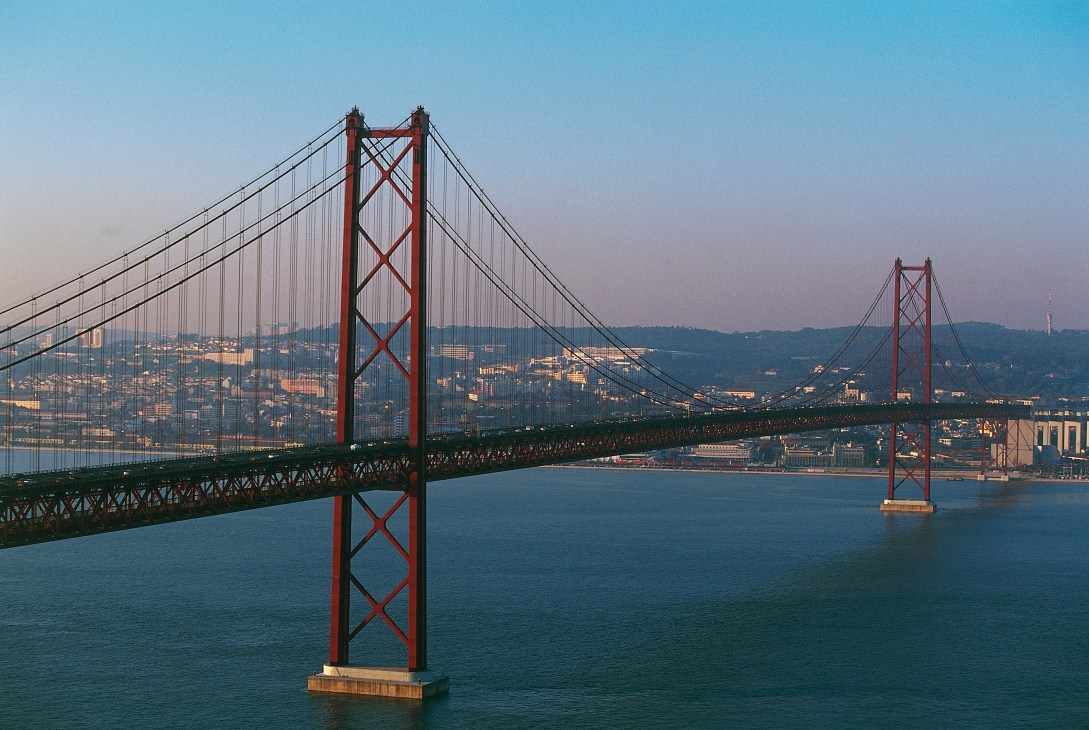
Immigration between Portugal and Brazil is an old tale. A decade ago, Portuguese migration to Brazil reached new highs. Today the story is reversed. There are about 180,000 Brazilians registered as living in Portugal but these numbers don’t include dual-national or illegal citizens. They are by far the country’s largest immigrant community, accounting for about a third of all foreigners.
“Being an immigrant is not easy anywhere but the adaptation in Lisbon, due to the language and climate, is easier for us than elsewhere”
The Portuguese government’s announcement of alterations to its Golden Visa programme has also caused a spike in the number of Brazilians buying property in and around Lisbon in recent months. The programme, which allows real estate investors to acquire residency and citizenship, will no longer be applicable to properties bought in Lisbon, Porto and the Algarve. Golden visas have been controversial for contributing to house prices skyrocketing and for providing Brazilians under investigation at home with an escape from the law. Regardless, since the programme’s start, Brazilians have invested about €800m in Portuguese property and rural areas could benefit further.
Domingas Mascarenhas made the move to Lisbon in 2018. Her family has owned Guimas, one of Rio de Janeiro’s best-known bistros for more than 40 years. She was following in her parents’ footsteps to one day helm the restaurant before she was targeted by the city’s endemic violence. Only a few years after the burglary in which her mother was killed, her home was also broken into. That’s when she decided to leave. “I love Rio and am very much a Carioca but I wouldn’t go back to that mess now,” she says.
Mascarenhas, her husband and two children chose to settle in the coastal suburb of Cascais so as not to compromise on a life by the sea. “My teenage daughter wants to go back to Rio,” says Mascarenhas. “You know how it is: Lisbon can feel like a village but I think that she’ll come around to it.”
But downsizing has its advantages. Duda Ferreira, owner of Lisbon pizzeria Lupita, arrived from São Paulo five years ago. “For me it was about turning the volume down,” says Ferreira, who worked in the city’s restaurant sector for 16 years. “Life in São Paulo doesn’t give you a break.” In Lisbon, Ferreira saw a chance to bring a more sophisticated approach to making pizzas to the capital. Today, not only has his business grown but so has his family. “Since the birth of my daughter, my parents have also decided to come here,” he says. “I can’t think of a better place to be raising a family.”
About the writer: Lutz is Monocle’s Lisbon correspondent – and is another Brazilian at home in the Portuguese capital.
Images: Alamy, Getty Images
Affairs: Global
Soft Power Icon
Smell of success
Dashing 60-year-old Egyptian superstar Amr Diab is one of the Middle East’s best-selling singers, shifting more than 50 million albums over a career that began with the 1983 album Ya Tareeq. Many in the region will know the words to at least one of his songs, from 1996 hit “Nour El Ain”, which charted in countries from Brazil to France, to his 2020 release “Ya Ana Ya La”.

Diab also dabbles in film and is involved in several charities in Egypt. More recently he has launched a clothing line called 34, named after the birth year of his parents. Accompanying it is a scent, Eau de Parfum 34, which has touches of mandarin and patchouli. From earworm tunes to fashion, it seems that Diab can do no wrong. Yet the role of Middle Eastern megastars encompasses something more significant: they provide a joyous, unifying soundtrack in a complicated region. And in Diab, Egypt also has a cultural emissary who serves as a reminder of the country’s traditional role as the creator of the kind of music that resonates in Tunis, Dubai and Damascus. He helps to keep Cairo’s reputation as a creative cradle alive, even if Diab is said to spend much of his time in the UAE.
Diplomatic spat
Naming game
We take a closer look at a case of diplomacy gone wrong.
Who vs who: China vs Lithuania.
What it’s about: Taiwan, as it often is when steam erupts from China’s ears. Taiwan plans to open a representative office in Lithuania and the Baltic nation has signalled that it will allow this to be called the Taiwanese Representative Office, rather than one of the euphemisms – Chinese Taipei Office, and so on – often deployed elsewhere. China has recalled its ambassador from Vilnius; Lithuania has done the same with its ambassador in Beijing and suspended rail freight and much trade. Chinese state media has called Lithuania a “buffoon”.
What it’s really about: Though the Chinese Communist Party has never governed Taiwan, China regards it as a temporarily rogue province and maintains a policy of furious hypersensitivity to the vaguest suggestion of Taiwanese sovereignty.
Likely resolution: There probably isn’t one. But the ruckus has been a boon for some. Lithuania has become one of the 10 most popular countries among Taiwanese online shoppers, who are reportedly especially keen on Lithuanian beer, biscuits and chocolate.
Policy –– Europe
News in brief
Home maintanence
Berlin
Germany’s Social Democrats won top spot in September’s elections and claimed victory in Berlin, which has surging rents and house prices. A referendum demanded expropriating property from major real estate firms to convert into social housing. Incumbent mayor Franziska Giffey, formerly of Merkel’s government, opposed this but has promised to bridge the divide.
Keeping it in the family
Sweden
“Family week” will allow Swedish parents up to six days of paid leave at 80 per cent salary to spend time with their children. The benefit, expected to come into force in April, was one of the main promises by the now governing Social Democrats ahead of the 2018 election. The move has been criticised by businesses, who argue it’s expensive, unnecessary and exacerbates a lack of staff. But the government insists that the policy is a question of fairness and equality, noting that many parents faced additional challenges and couldn’t enjoy the perks of working from home. Parties of the left looking to lure voters, will be watching Sweden’s experiment carefully.
The Foreign Desk
Andrew Mueller on…
Relieving boredom
The Foreign Desk will level with you: on the night of Germany’s federal election, it did not lay in snacks, drinks and equally agog friends to watch the results come in. In fairness, neither did anybody outside Germany. But at the time on election night when most other countries would barely have started counting, Germany’s party leaders were already discussing the exit poll results in the televised Elefantenrunde (Elephants’ round table).
Though we may not know who will be the next chancellor, or what form the coalition they will head will take, for some time, we can assume that the successor to Angela Merkel, Gerhard Schröder, Helmut Kohl and Helmut Schmidt will be stolid and earnest and that we will scarcely feel obliged to entertain another thought about them.
There are few surer indications of a person’s frivolousness than a complaint that their country’s politics, or politicians, are boring. The Foreign Desk, on Saturdays at noon on Monocle 24, or wherever you download your podcasts, more often covers countries where politics are fascinating and politicians compelling. I have reported from dozens of such places myself. Few are serene, secure or prosperous. There is an arguable case, indeed, that dreariness of government is a useful metric of national stability: call it The Foreign Desk Index.
A great many of the self-inflicted problems that have beset the democratic world in recent years have been caused by the bizarre determination that politics and politicians should be entertaining. The US and the UK both chose leaders with CVs of professional buffoonery (the US might have thought better of it now but by an alarmingly narrow margin). Millions of Italians have voted for a movement founded by a comedian and Ukraine has elected one president. In none of these instances have the consequences turned out to be a laughing matter.
I’m aware, of course, that the media is part of the problem, attracted as it is to novelty, eccentricity and dazzle. I have interviewed some terrifically dull politicians in my time but I won’t name them here for fear of discouraging them. Because on every such occasion, while I’ve inwardly fretted about the article I’m writing or the programme I’m making, I’ve felt very glad for their country.
Andrew Mueller hosts ‘The Foreign Desk’ on Monocle 24
Images: Shutterstock
Politics: Belarus
No return tickets
Tomos Lewis speaks to Belarus’s exiled leader, Sviatlana Tsikhanouskaya, about separation from her nation.
The Rada of the Belarusian Democratic Republic was established in 1917 as Belarus’s first elected parliament. Two years later, Soviet occupation of the country forced it into exile. And even when the ussr fell in 1991, the election of Alexander Lukashenko as president in 1994 would ensure that a return to Belarus would be impossible for many of those in exile – even now.
On a snowy January day nearly five years ago, I travelled to Ottawa on assignment for Monocle to have lunch with Ivonka Survilla, a little-known 80-year-old painter who was the president of what was then the longest government-in-exile in the world.
“We have to carry on the fight,” she told me as we ate. Her determination was undimmed even though it had been half a century since she had fled Minsk, leaving for Canada in 1969. “We will occupy this position – we will be a government in exile – until Belarus becomes a truly free, independent, European nation. That would be the happiest moment of my life.”
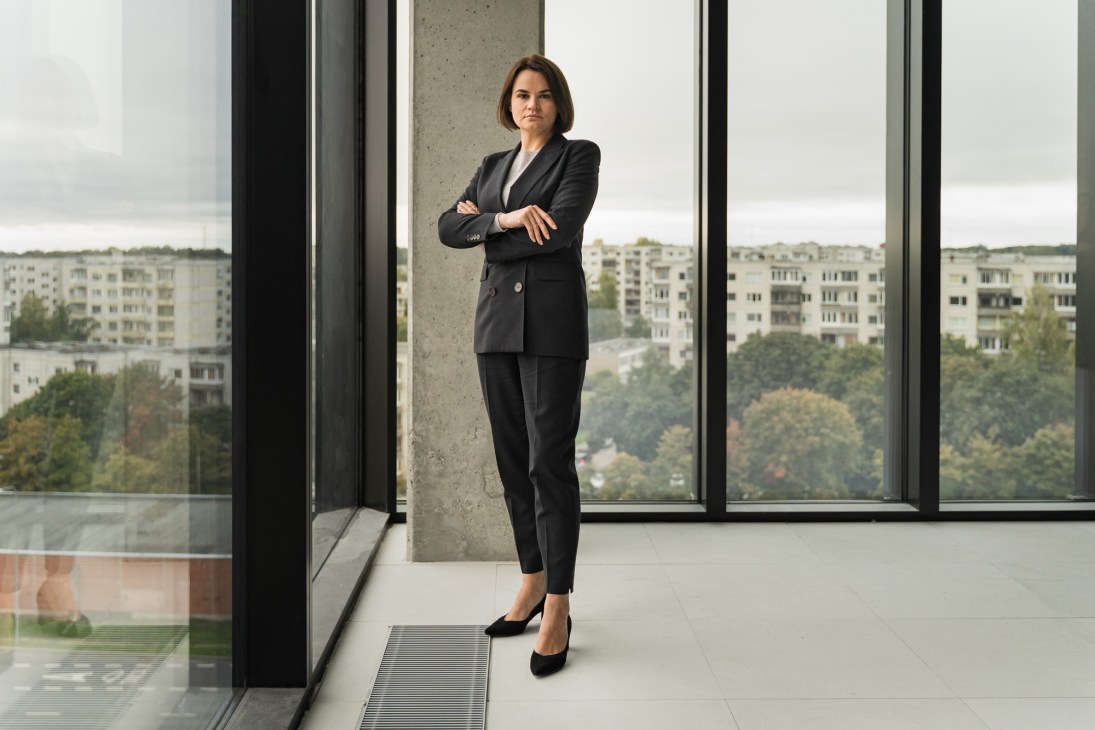
Belarus’s history of exiling its leaders is long. The aspiration firmly held by them, and the activism and diplomatic work done from afar over many decades to fulfil it, can, however, feel as though it is underpinned by a sobering sense that life in exile could become a permanent state. Nearly 25 years after Lukashenko came to power, little has changed to loosen his grasp, or to make a return home for exiles more likely. “I forbid myself even to think that, maybe, I will not be able to return to Belarus for a long time,” says Sviatlana Tsikhanouskaya (pictured), the presidential candidate and current figurehead of Belarus’s official opposition who is now in Lithuania. In August last year, amid the widespread national unrest that followed a presidential election widely acknowledged to have been rigged in Lukashenko’s favour, Tsikhanouskaya was given an ultimatum by the authorities in Minsk. Either stay and face arrest or flee. The police told her that her two young children would be put in an orphanage if she stayed, so she left for Lithuania. “It was a very difficult decision,” she says. “I saw thousands of people at our rallies during the election campaign so I had a feeling that I was betraying them. But, of course, I didn’t want to give up, and we continue to fight from abroad.”
Tsikhanouskaya’s story has anchored much of that campaign. She ran for president after her husband, an activist and host of a popular online video channel that chronicled life in the Belarusian countryside, was jailed to prevent his candidacy. “The authorities registered me as a candidate just to laugh at me,” she says. “They said that nobody would vote for a housewife without any experience.” Voting data collected by activists on election day claimed that she won up to 80 per cent of the vote; the state’s tally gave her 10 per cent. “But it’s not only about me,” she says. “It’s about all Belarusians. It is about change and I am just the representative. I’m not a politician; I’m a person who’s accidentally in this position. So I’m talking from my heart.”
Since January, she has travelled to 30 countries, met presidents, prime ministers, dignitaries and diplomats and held rallies with Belarusian populations in cities from Copenhagen to Washington. In January it was reported that Lithuania’s president, Gitanas Nauseda, had nominated her for this year’s Nobel peace prize.
But the diversion to Minsk of a Ryanair flight from Greece to Lithuania carrying opposition journalist Roman Protasevich in June changed the tone, says Tsikhanouskaya, and raised pressure on European governments to act. “I took the same plane a week before Roman, so I also could have been the target,” she says. “Hijacking the aeroplane – it was unexpected for us, nobody imagined it, and everybody understood that everything had changed.”
“This is about responsibility,” she says of the support that she has received from Europe and the US so far. But she concedes that there is much more to do. “Our desire is so huge, to save the country from dictatorship, from violence. We are doing our job. And small steps are better than no steps at all.” But until then, she remains an exile.
Our cup of tea
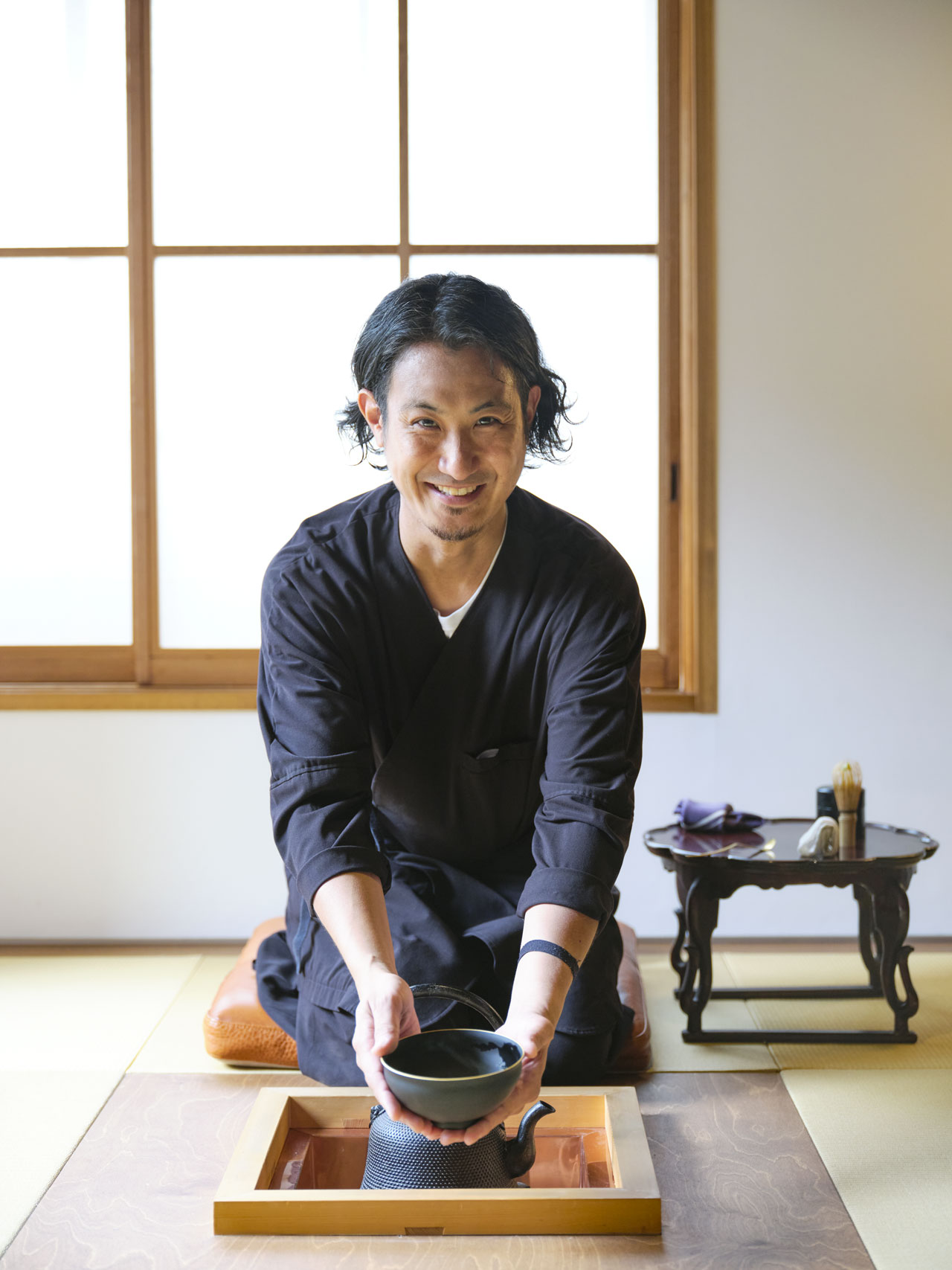
As our horizons widen and diaries fill up, our editors have been hankering after a long-delayed Tokyo stopover and some of the city’s signature hospitality. Few people lay on a better spread than Yusuke Mori; the 39-year-old is the sole butler at the beautiful one-guest-a-night Trunk House inn. He’s charismatic, obliging and liable to second-guess what you’re after before you ask for it. Oh, and as the picture shows, he’s rather partial to tea.