Issues
Cloud and proud
I was in Canterbury when I saw it. My friends and I stopped in our tracks, joining scores of people looking up at the huge blue-and-yellow vessel drifting through the skies. The winged-foot logo of the US rubber and tyres company was visible, bisecting the word Goodyear.

The Goodyear Blimp is among the most distinctive pieces of outdoor advertising that money can buy: a giant airborne publicity-generating spectacle that has been seen by millions. Its presence during the past 100 years or so means that, “When you think of tyres, you think of Goodyear,” says Daniel Smith, Goodyear’s airship PR specialist.
In the past 10 years the brand has doubled down on its commitment, swapping its three-strong US fleet for a trio of newer, more resilient models made by the historic German manufacturer Zeppelin. And in 2020, Goodyear reinstated its European airship presence after a 20-year hiatus, launching the craft I spotted above Canterbury. I didn’t expect that I’d soon be climbing aboard.

“This experience is unique,” says Eckhard Breuer, CEO of Friedrichshafen-based Zeppelin, raising his voice above the whirr of the vehicle’s propellers. We are flying just below cloud-level over the orderly German fields and matchbox houses that border the Bodensee. Our pilot sits in the cockpit before a colourful medley of navigational displays, flashing lights, buttons and gas-valve levers that seem to scream, “Pull me!” I must resist.
Since the 1937 Hindenburg disaster, when a luxury airship crash-landed in flames, the vessels have been out of vogue. Though safety measures have vastly improved, there are fewer than 10 airships in the world that are ready to fly. Goodyear’s fleet of four is quite the haul.
“If you wanted to buy one tomorrow, you’d have to bring about €15m,” says Breuer. That’s about the price of a mid-range private jet. But additional expenses abound. Zeppelin’s model of airship is longer than an Airbus a380, wider than three blue whales and as tall as four double-decker buses stacked on top of one another. And the helium used in airships today, although it’s obviously preferable to the highly flammable hydrogen that was once the norm, costs as much as €222,000 to fill one ship. When touring, Zeppelin ships can require as many as 17 people in their crew. And there are fewer people trained to fly an airship than there are astronauts. Today’s captain, Fritz Günther, explains that these vehicles handle completely differently to ordinary aircraft. For him, though, an airship veteran of more than 20 years, that’s no bad thing. “If the wind is calm, it’s like you’re riding on silk,” he says.
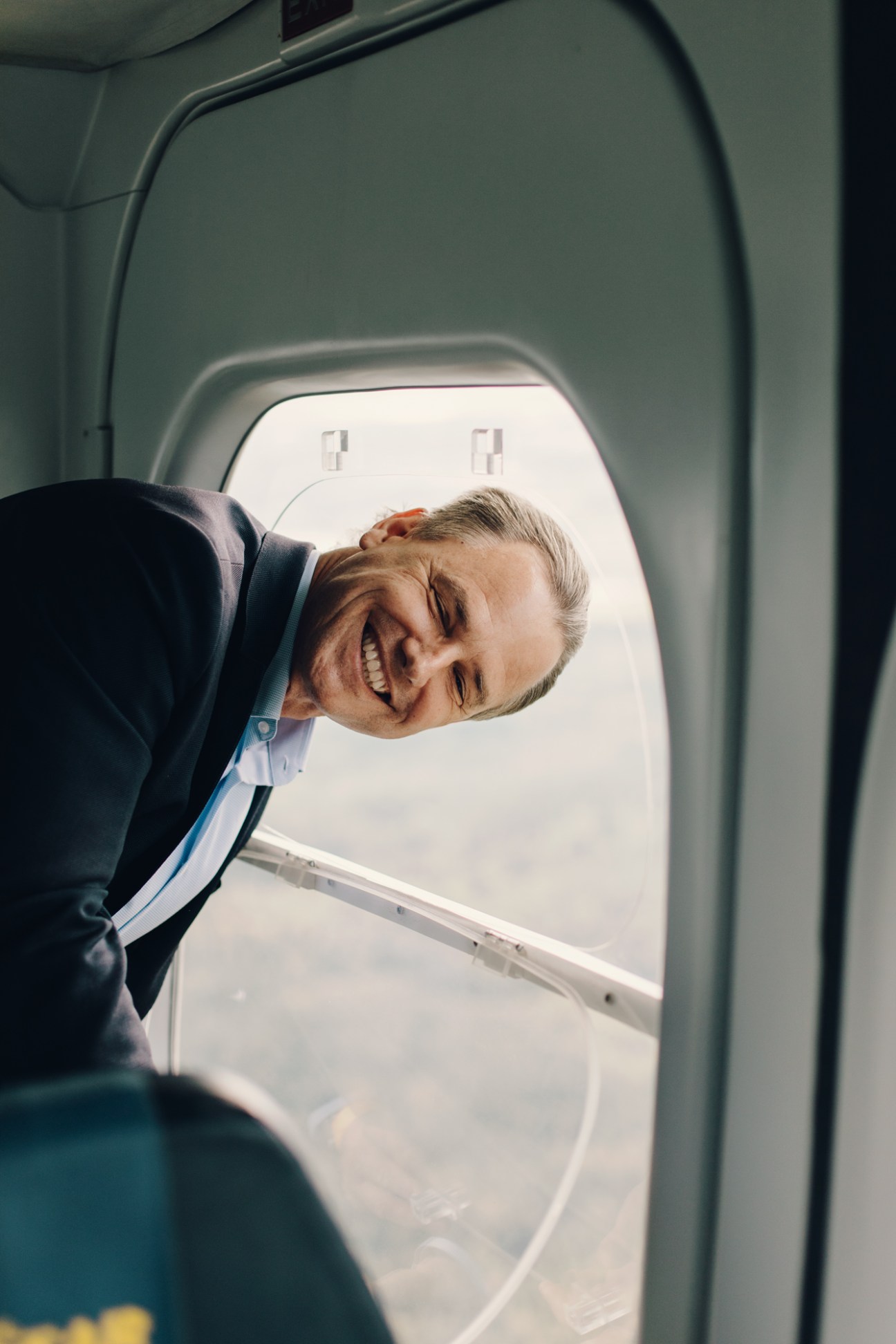
Goodyear is Zeppelin’s biggest client by far. Besides manufacturing the US brand’s aircraft, there are three other ways that the German company remains profitable. “First, I see this as a high-end tourist experience,” says Breuer. Zeppelin’s airships also make money as airborne camera platforms – fans of American football will be familiar with the Blimp’s live coverage of the Super Bowl – and they are used for research purposes.

Günther carefully guides us to the ground. It’s a short walk to the terminal building next to Zeppelin’s offices, which has an on-site steakhouse. After a drink or two over dinner, conversation loosens up. Why did Breuer get involved in a sector with so many challenges? “My wife says that Zeppelin is the Eiffel Tower of Friedrichshafen; it’s a monument,” he says. “When I was offered the job, I considered the proposition carefully. Eventually I asked myself: who wouldn’t want to be a part of this?”
Visit Monocle.com/film to watch our documentary about Zeppelin and the Goodyear Blimp.
Back on form
In September, festivals and exhibitions from Milan to Copenhagen and Basel opened their doors to brands, buyers and the world’s media as the industry’s most interesting companies showcased their newest wares. Here, our design directory introduces the most exciting furniture releases, Europe’s most talked-about fairs and the exceptional cast of talent moving this robust industry forwards.

1.
Real deal
Design Miami, Basel
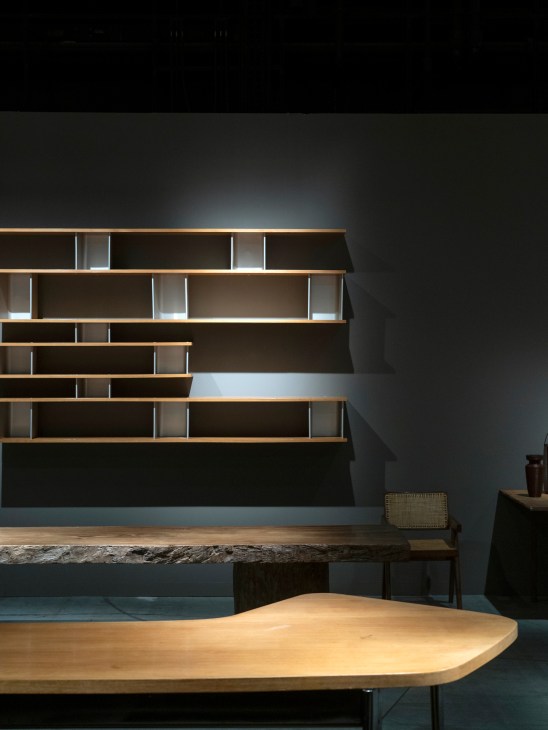
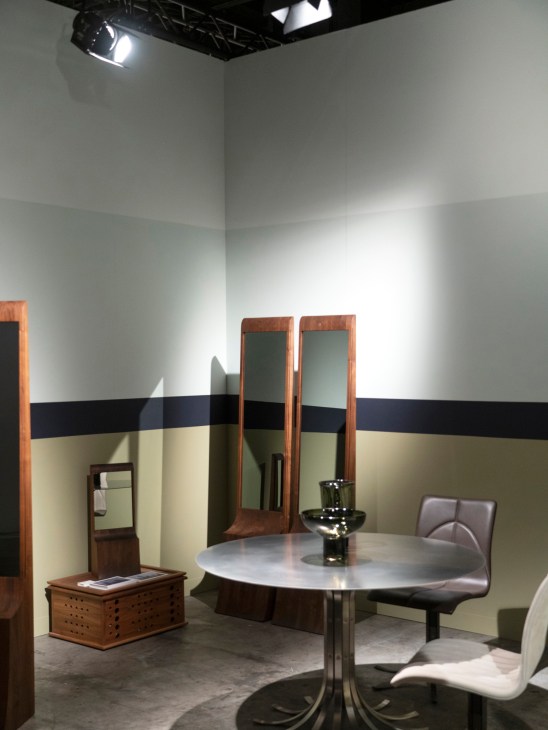
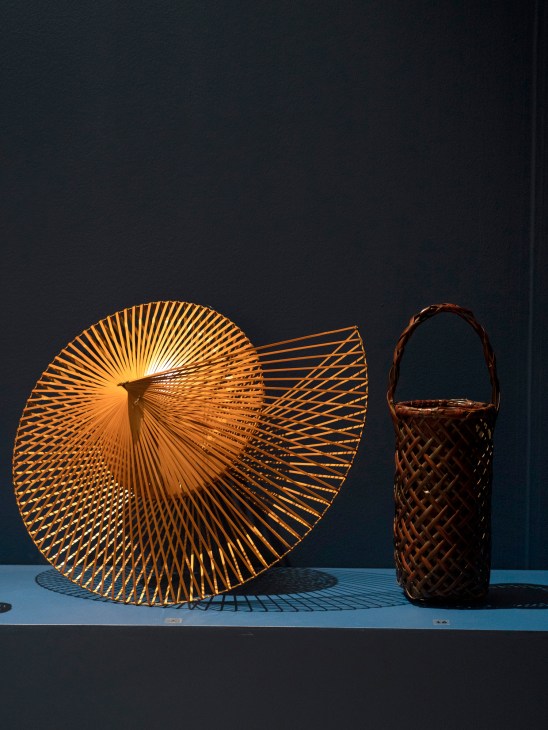
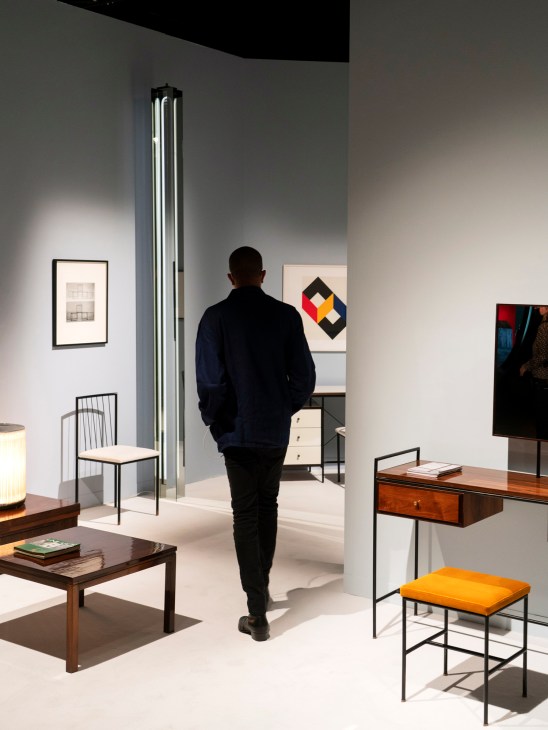
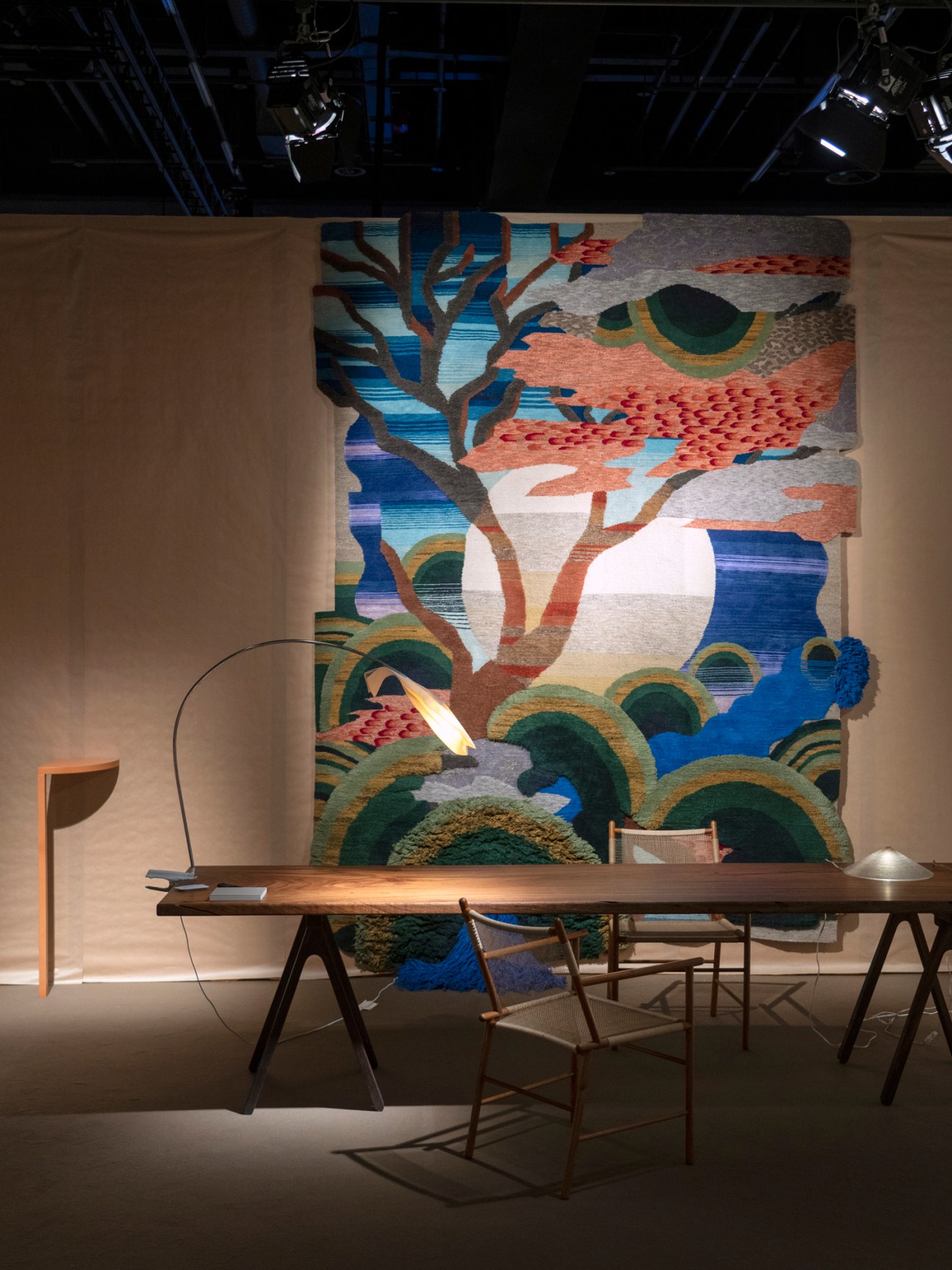
After a two-year break because of the pandemic, gallerists were once again showing off their wares in September at Design Miami’s Basel edition. This year’s event, by curatorial director Aric Chen, brought together galleries from around the world, from ago Projects in Mexico City to Objective Gallery in Shanghai. As ever, it was a mix of old and new, spanning sought-after mid-century furniture and contemporary pieces, while featuring young talent such as New York-based Russian designer Harry Nuriev alongside gallerists who have been in the field for decades.
Excitement at the event was palpable as new connections were made and old ones revived. Despite the launch of a new online sales platform by Design Miami that enables collectors to buy pieces remotely, gallerists agreed that there’s no substitute for the real-life event. “It’s very important for our community to be able to get together and exchange ideas and knowledge,” says Jennifer Roberts, CEO of Design Miami. “There is a sense of generosity and kindness here, even though the stakes are still high for many of the exhibitors present.”
Many of the booths were designed as self-contained rooms, rather than displays of individual pieces. “We wanted ours to look like a space where we would love to live ourselves,” says Amaryllis Jacobs, co-founder of Maniera gallery in Brussels. “In times like these, interiors are very important.”
Anticipating the new Design Miami Podium 3 Shanghai 2021 event in November as well as the fair’s return to Miami Beach in December, the Design Miami team is moving forwards with optimism and a sense of mission. “There’s a schism in the design world between the need to escape and an awareness of environmental and social issues,” says Wava Carpenter, who will soon take over from Chen as curatorial director. “I intend to address these parallel tracks in my new role.”
2.
Palco
Kristalia, Italy
Designers Sam Hecht and Kim Colin, founders of London-based Industrial Facility, have crafted an inviting family of outdoor seating called Palco. Made of a slatted teak platform and padded cushions, it can be mixed and matched to form various configurations. The pads can be removed so the platform can be utilised as a low table.
kristalia.it

3.
PH 2/2 The Question Mark lamp
Louis Poulsen, Denmark
Danish design polymath Poul Henningsen created the original PH 2/2 The Question Mark lamp in 1931. So called due to its elegantly curving stem, the latest reissue has mouth-blown triple-layered opal glass, which gives off a soothing, soft light. The brass frame has been left untreated, just as it was in the original design, allowing it to acquire a beautiful patina over time.
louispoulsen.com
4.
Frame table
Nikari, Finland

John Pawson originally designed this version of the Frame table for his family farmhouse in the Cotswolds, and it certainly feels homely. Made in Finland using traditional joinery methods, it comes in sustainably grown ash or oak and is treated with natural wood-oil, making it easy to maintain and pleasing to the touch.
nikari.fi
5.
Home from home
David/Nicolas, Milan
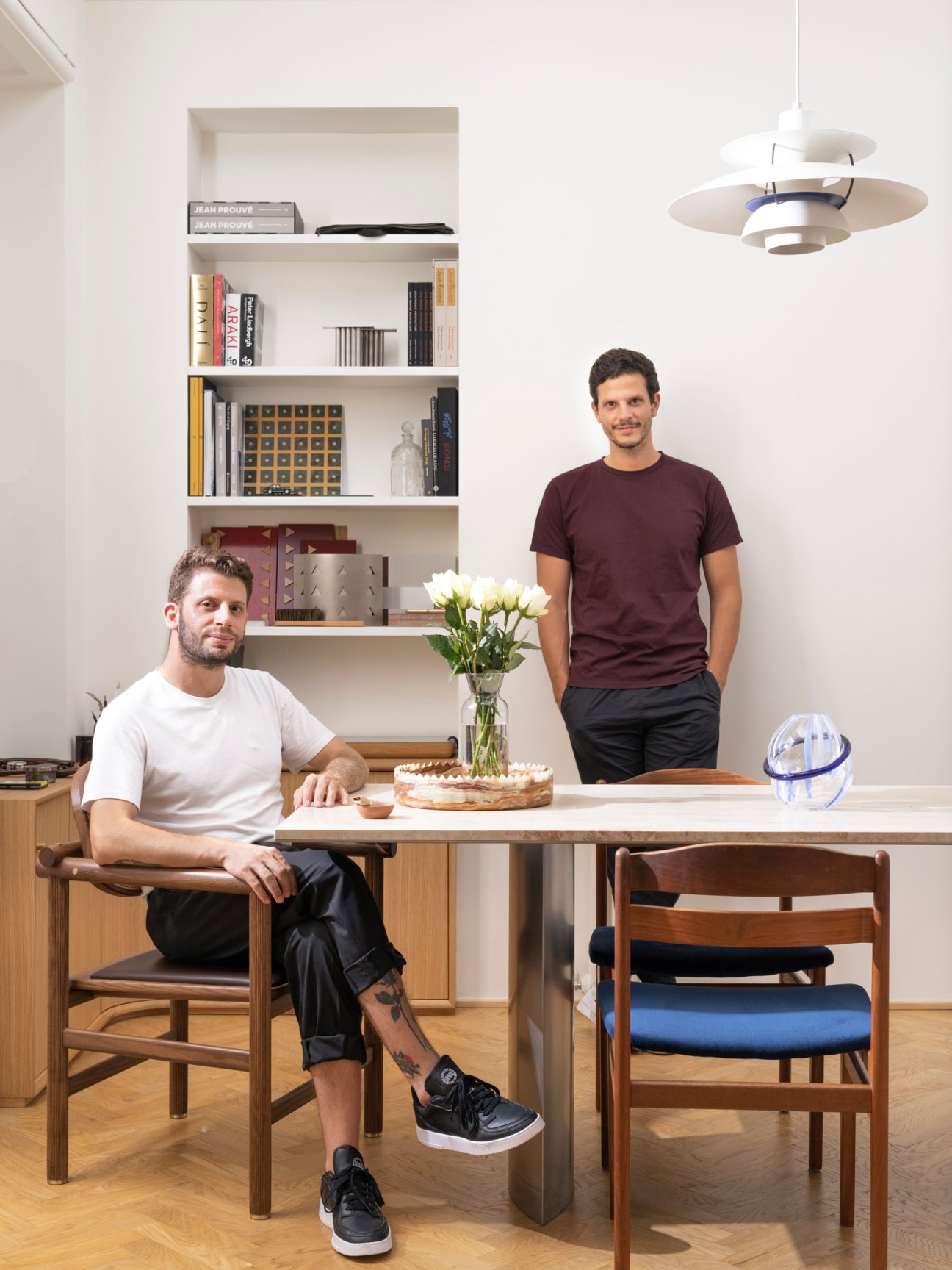
David Raffoul and Nicolas Moussallem (pictured, on left, with Raffoul), who recently celebrated 10 years as design studio David/Nicolas, first collaborated as students in Beirut. Since then, they have brought Levantine warmth to a Milan café, two elevator cabins, solo shows on three continents and many furniture designs. Setbacks have been weathered too – the port explosion in Beirut in 2020 shattered their studio. Monocle speaks to the duo at their second base in Milan.
What design influences do you bring from Beirut to Milan?
Nicolas Moussallem: Milan is a city where design is long-established. In Beirut we’re still asking the questions that Italians were asking themselves in the 1950s. We’re thinking about what our identity is, what design in the Middle East means and how it can grow. Our studio tries to show that we can tell our story even in the context of working with a European or US client.
What creative direction are you taking your studio in now?
NM: We don’t like things to be formal just for the sake of it. We want to make objects that can move, that last and that you can take with you.
How are you keeping your practice connected to Lebanon?
David Raffoul: We couldn’t leave Lebanon forever and we will always have a footprint in Beirut. Even with all its problems, the city is very inspiring. It’s like oxygen for us.
davidandnicolas.com
6.
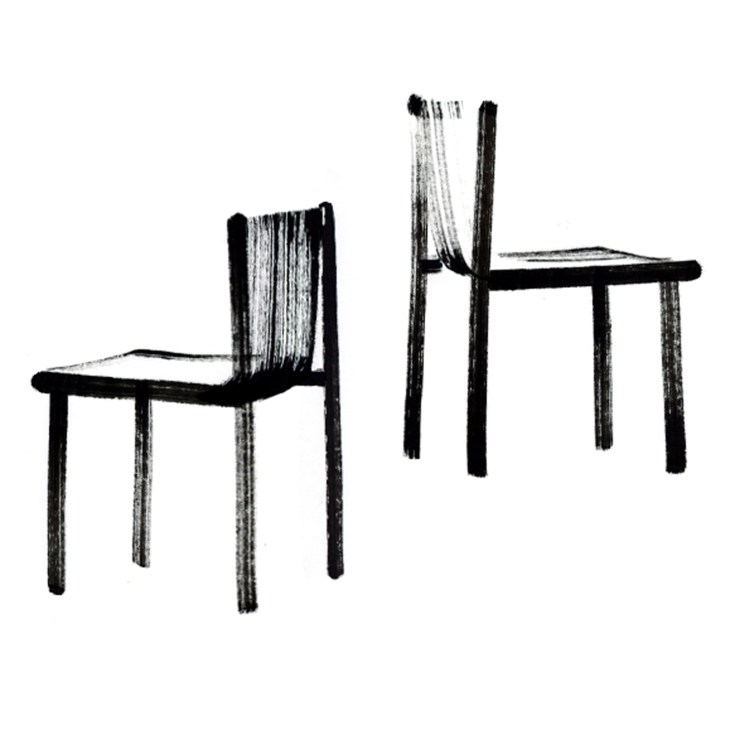
Filo chair
Mattiazzi, Italy
French designers Ronan and Erwan Bouroullec’s new item for Mattiazzi, the Filo, is one ingenious chair. The fabric cord that forms the seat and back reduces the amount of timber needed. “The Filo is well composed its lines, tension and radius,” says Ronan. “There’s a robustness to it.”
mattiazzi.EU
7.
Vipp
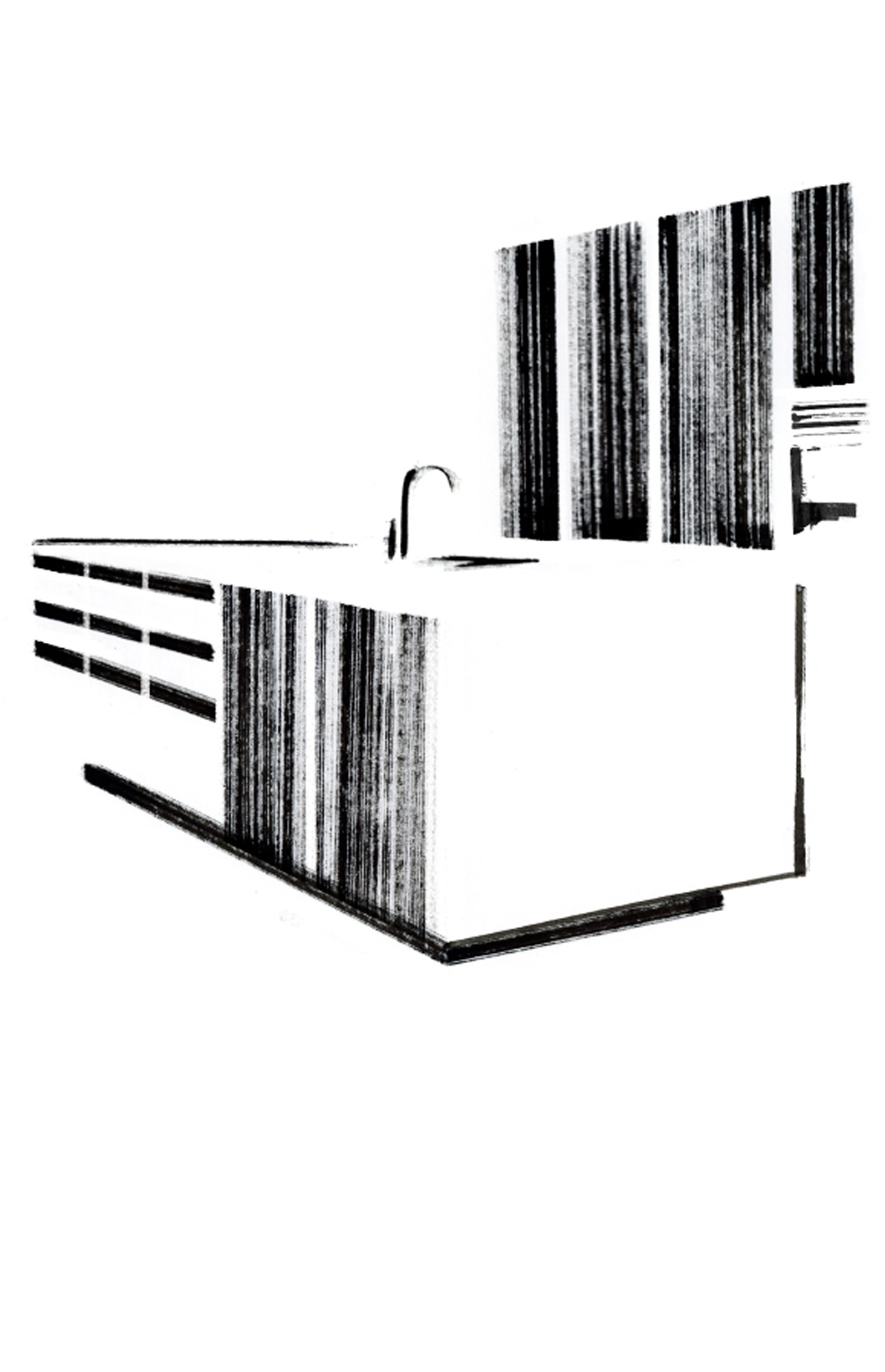
V2 Kitchen, Denmark
Family-owned Danish design company Vipp’s new V2 Kitchen updates its successful stainless-steel countertop and powder-coated modular design. Crafted in Jura marble and dark oak with details of reeded glass and anodised aluminium doors, the V2 is a tactile furniture piece designed for both durability and utility.
vipp.dk
8.
TwentyTwentyOne
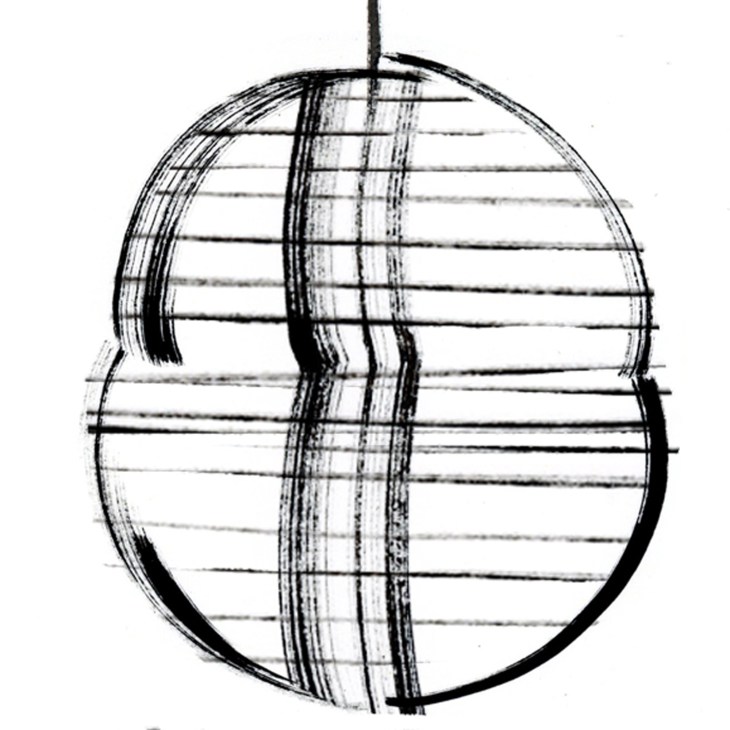
Hotaru Double Bubble, UK
London retailer TwentyTwentyOne and furniture studio Barber Osgerby have teamed up to design 25 hand-painted lanterns to honour the former’s 25th birthday. Traditionally crafted by Japanese atelier Ozeki & Co, the lantern is made by stretching mulberry-bark washi paper over a bamboo frame in a technique used since 1891.
twentytwentyone.com
9.
Beyond expectations
Salone del Mobile, Milan
To the relief of the international furniture industry, Salone del Mobile, the world’s biggest design event, relaunched in a rebooted format after a pause for the pandemic in 2020. The event didn’t disappoint or feel particularly downsized either, despite hosting a delegation that was largely European and recording about a third of its typical visitor numbers.
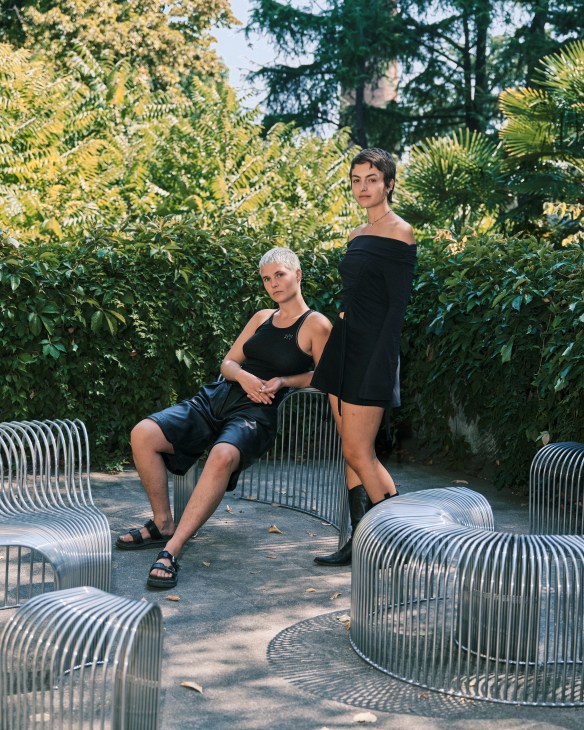
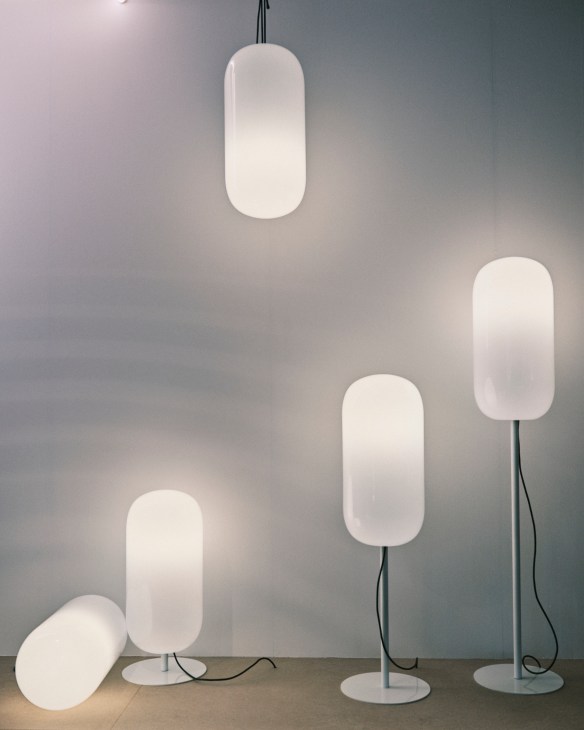
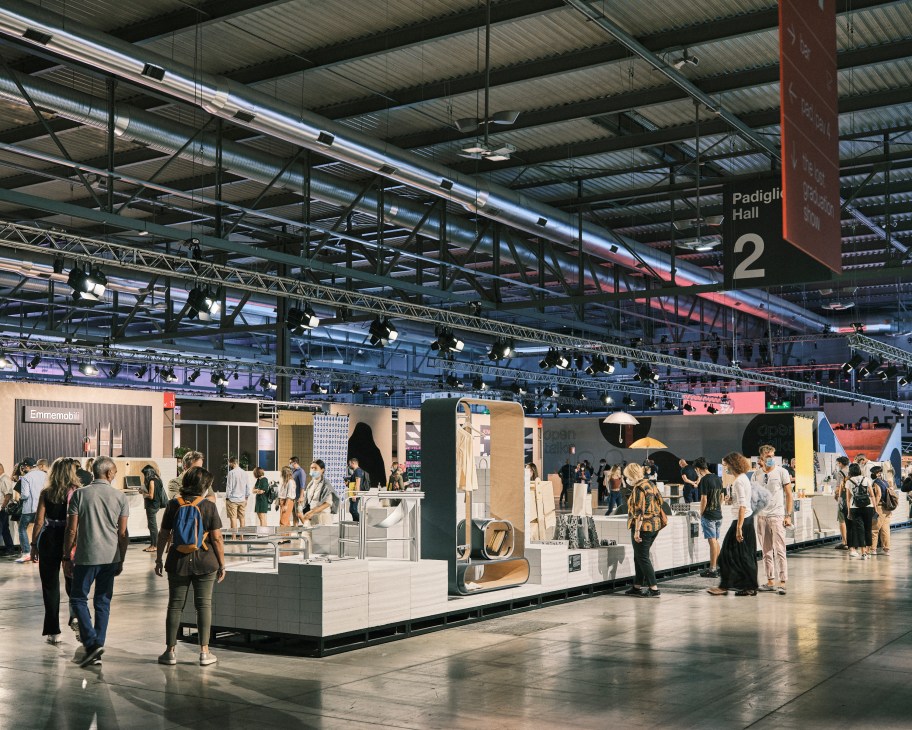
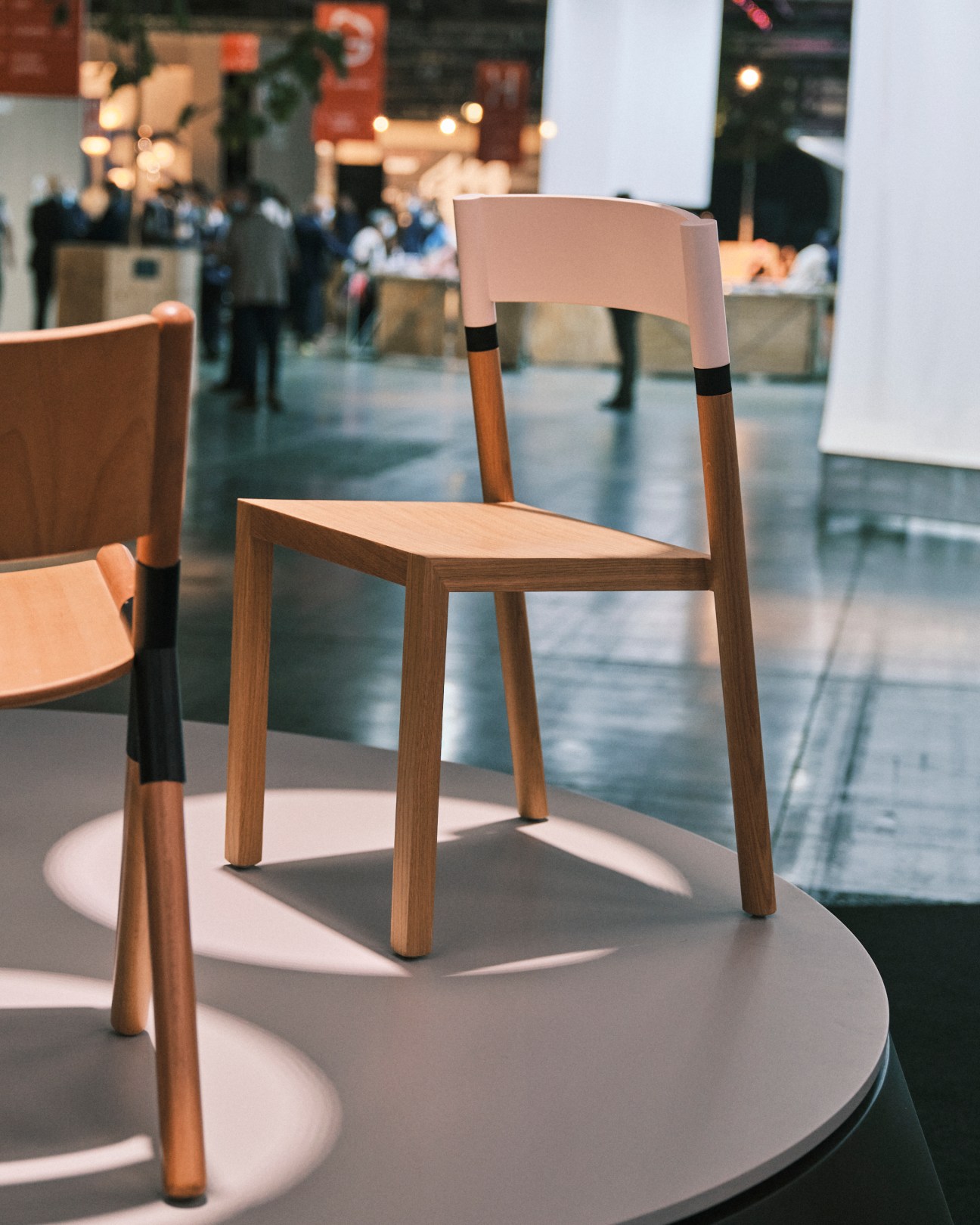
The Fuorisalone component of Milan Design Week, where showrooms and private courtyards open late into the night to host exhibitions, is where the event shone. And those who ventured beyond the design district of Brera and other inner-city event clusters got to appreciate Fuorisalone’s finest happening, where Alcova, a large exhibition championing design’s next generation, took over a series of dilapidated buildings on a Milanese military hospital complex. Here a global cast reinforced the notion that Milan is truly the centre of the design world. “Salone del Mobile can live outside the centre of Milan,” says Valentina Ciuffi, co-curator of Alcova, noting that there were lessons to be learnt by the organisers of the main trade fair. Because of Alcova’s incredible setting, designers didn’t need costly staging and display setups to show their work. “It’s something we’re proud of because a trade fair usually causes a lot of waste materials due to temporary installations.”
Salone del Mobile’s trade fair itself also aimed to lower its carbon footprint in 2021. With downsized canvases to work with, big brands were forced to be creative with their allocated spaces. Italian furniture company Molteni made the best impression, drawing on its newly reissued Gio Ponti Round d.154.5 chair to form a mid-century-style aviation experience. “It was a chair designed for the first Alitalia airline lounge in 1954, so we made the whole space feel like a classic aeroplane cabin,” says Molteni&C CEO, Marco Piscitelli. “When we exhibit, we like to keep our style elegant and low profile but very sophisticated.”
With Salone del Mobile back for a larger edition in April 2022, we hope the organisers will be inspired by Piscitelli’s words. Being low profile and sophisticated were markers of the 2021 event’s success.
10.
Jungle fever
+55design, São Paulo
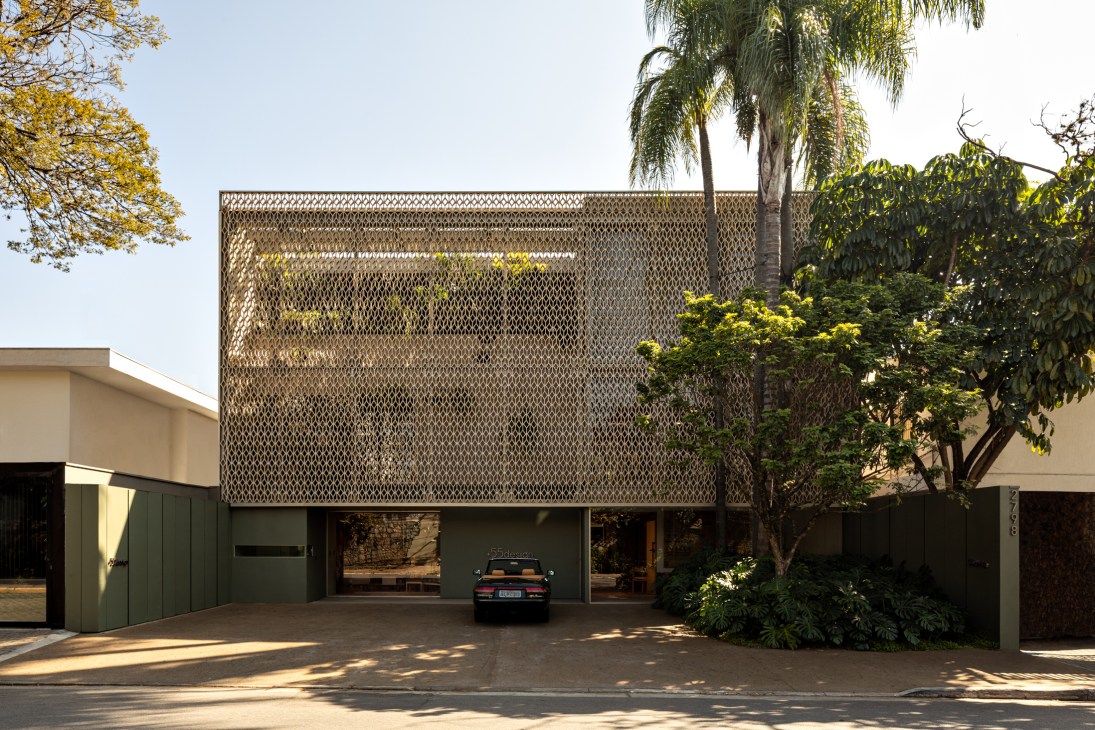
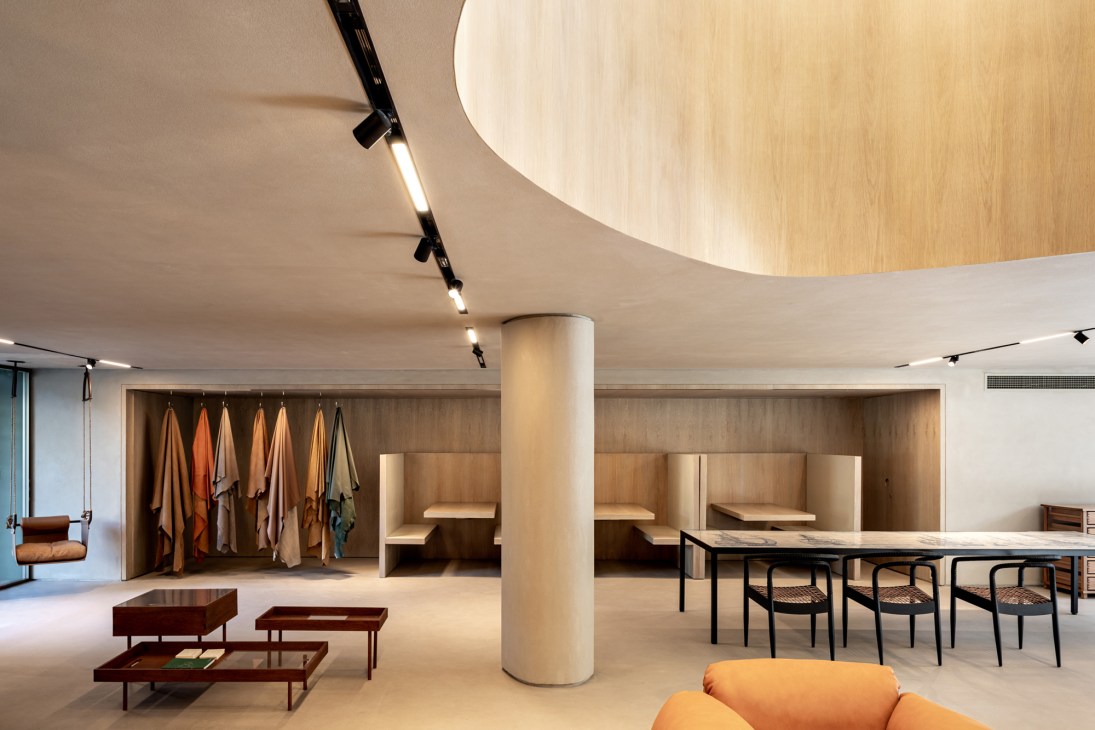
“Bear in mind that before it was a metropolis, São Paulo was a rainforest,” says architect Arthus Casas, taking us through the verdant 155design showroom that he and his firm have created in the city’s Jardim Europa district. “The idea was to bring the rainforest inside as much as we could.”
The interior of the space has been opened up so visitors can appreciate the lushly planted outside area with a tall tree in the centre of the courtyard. The most impressive aspects of this refurbishment of an old home also embrace the elements. Huge screens of cobogó, a type of building lattice that offers internal shade but also allows for breeze, cast rippling shadows across the showroom during the day.
Stocked with furniture, some designed by Casas himself, that’s largely suitable for both indoors and out, the studio is somewhere that one wants to linger while beating the heat on a São Paulo summer day.
55-design.com
11.
History makers
TYP, Vienna, Berlin and Munich
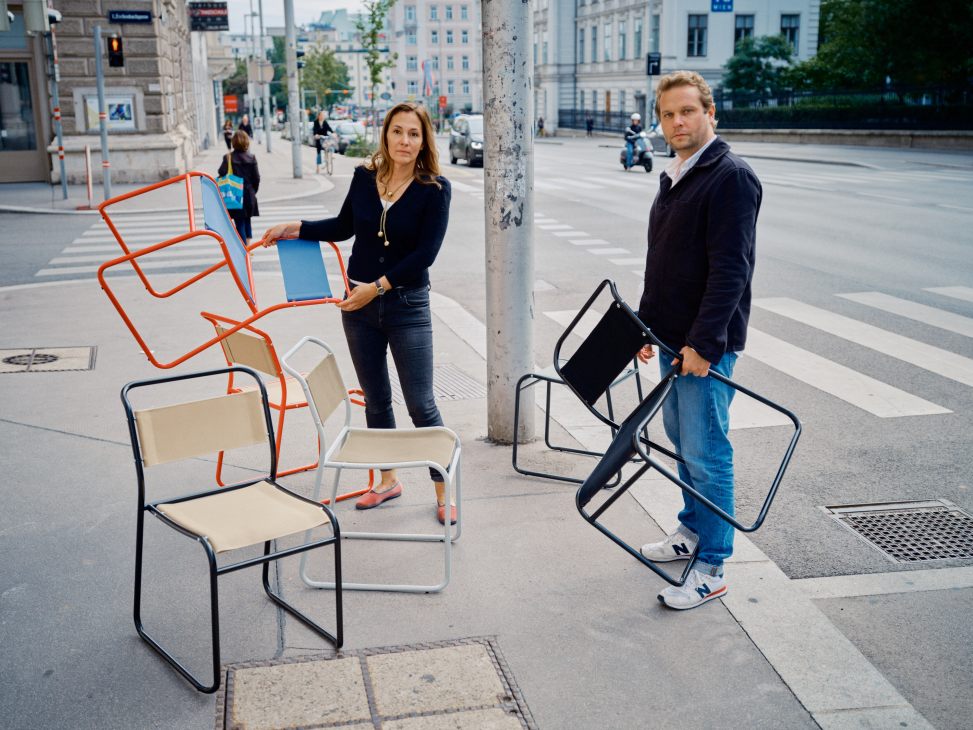

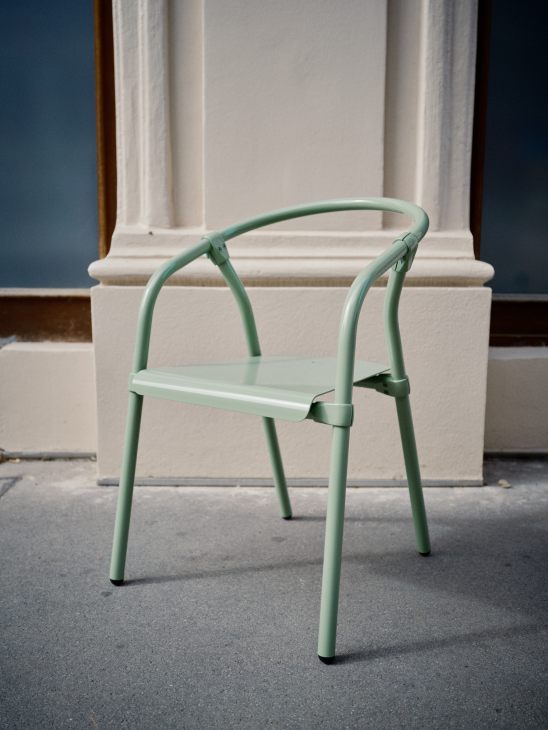
Florian Lambl, co-founder and former creative director of Italian furniture brand Mattiazzi, and Helen Thonet, who verifies the authenticity of vintage Thonet chairs, first bonded over a passion for design. “It was clear that we had to produce our own things,” says Thonet. In October they launched typ, a furniture brand dedicated to reissuing 20th-century pieces as well as producing new items. The launch collection includes adaptations of designs by mid-century European pioneers including Cini Boeri, Josef Albers, Erich Dieckmann and Jasper Morrison, and a riff on the restaurant chair by emerging designer Klemens Schillinger.
How much did Bauhaus luminary Erich Dieckmann influence the launch of TYP?
Florian Lambl: Helen loves design history, especially the Bauhaus period. We discovered Erich Dieckmann and wondered why no one produces his work. That was the starting point of typ. On the one hand, his chairs are simple, beautiful and even radical. On the other, they’re efficient to produce. So we said, “Let’s build a brand around the idea of the highest aesthetics and quality but at a democratic price point.”
Helen Thonet: And typ is so-called because Dieckmann called his chairs Typ One, Typ Two…
Jasper Morrison redesigned the PEL chair for you. How did you make that connection?
FL: The pel was designed by Bruno Pollack in Vienna in the 1930s and was a huge success in the UK in the 1950s. But then the company that made it closed down. I spoke to Konstantin Grcic, who is a friend of ours, and he said, “You must ask Jasper.” When Konstantin was an intern with Jasper he saw him collecting pel chairs. I love that so much.
Are there pieces you’re dreaming of reissuing?
HT: We have some lamps that Cini Boeri designed in the 1970s. But they’re complicated to produce because they’re made of plastic. We’re working on it.
typ.land
12.
Blazing a trail
Eldvarm, Paris
Nothing conjures the feeling of home quite like a roaring fire. “Before people had electricity, they met by the fireplace,” says Louise Varre, founder of Eldvarm, which takes its name from the words for “fire” and “warm” in Swedish. “The fire’s role in the home is symbolic.” The brand sells fireplace tools and other home accessories designed to be functional, durable and aesthetically appealing. In September, Eldvarm opened its first showroom, on Rue Bonaparte in Paris.
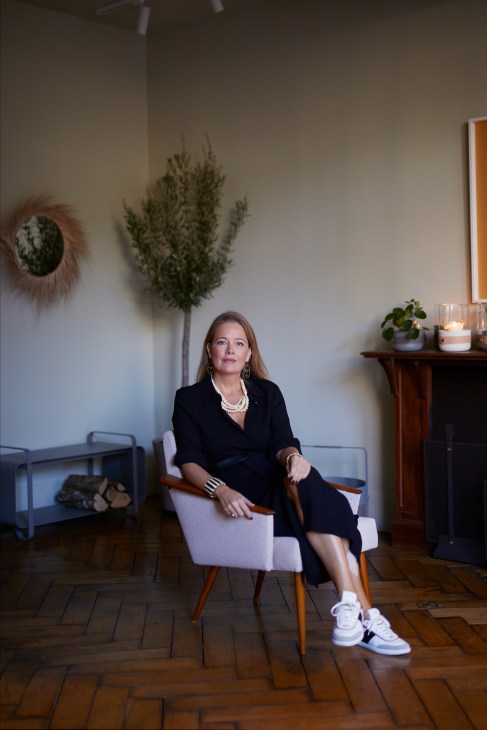
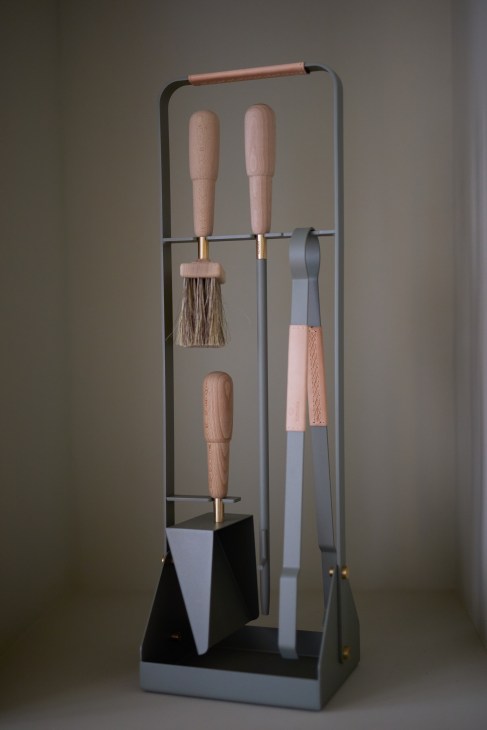
Varre, who had worked in the fireplace sector before, founded the company in Sweden in 2015 after she noticed a gap in the market. “Friends were always asking me where to buy nice fireplace accessories,” she says. Made from traditional materials such as steel, wood and leather, and designed by Swede Emma Olbers, Eldvarm’s products come in a range of muted colours, from forest green to Paris grey. Although the fireplaces draw on Varre’s roots – she grew up between Sweden and Norway – they have a much broader appeal. “It is easy for people to associate fire with Scandinavia but fireplaces are extremely universal,” says Varre, who today works with 200 retailers in 30 countries.
eldvarm.com
13.
Flos
Parentesi at 50, Italy
This special-edition release celebrates the 50th anniversary of the Parentesi suspension lamp by Pio Manzù and Achille Castiglioni. New turquoise and orange finishes add a nostalgic flavour. In the 1970s, Castiglioni used turquoise paint in his flat, while Manzù employed the colour on his car prototypes. The lamp is a study in good-looking functionality.
flos.com
14.
Healthy interest
Maddalena Casedei, Italy
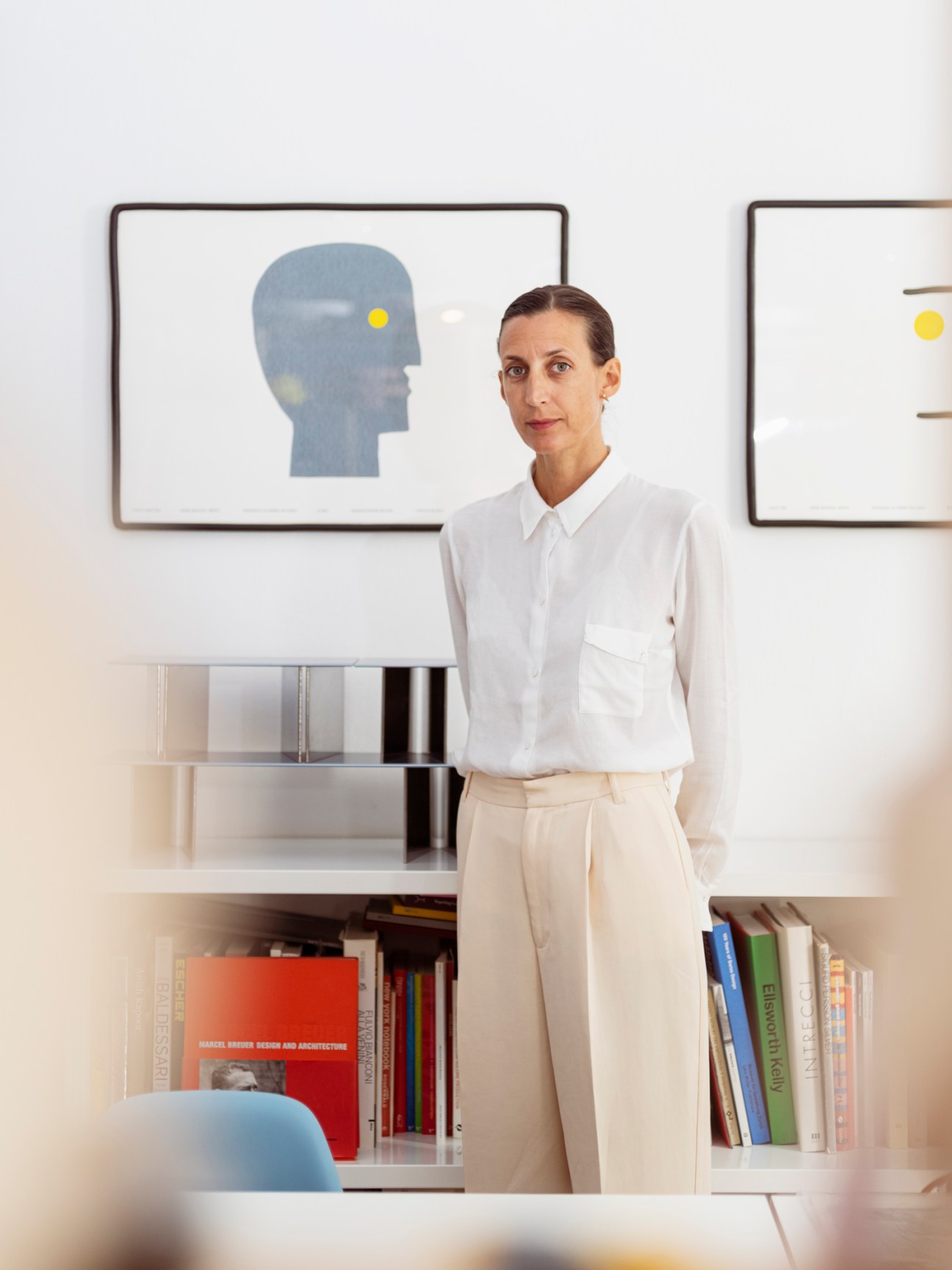
Born into a family of architects, Maddalena Casadei worked for nearly a decade with the late designer James Irvine before founding her own studio in 2017. A veteran furniture and product designer, as well as an interior decorator and art director, she was present in September at Salone del Mobile in Milan – the city in which she’s based – with no less than three different projects. Casadei tells Monocle about the Sardinian influence in her latest design and why she would like to be commissioned by a hospital in the future.
One of your latest works is the Accanta, a side table for Preziada. What was your inspiration behind the design?
I go to Sardinia almost every year to sail and I have become very attached to the area. Preziada’s focus is on Sardinian materials and production, and cork is very important for the island. The name Accanta means “nearby” in Sardinian. You want to keep the table close to you, not only because of the function but because the untreated surface has a beautiful natural scent.
Are there any signature influences that you always bring into a collaboration?
I tend to design together with a brand, not just for them. I don’t go to anyone just pushing my design. I need to deal with the people who are in charge of production, who no doubt know their business better than me. Maybe you can’t call it a signature but this exchange is the most important part for me.
What projects are you looking forward to working on next?
I would honestly love to work on something related to healthcare. Nobody wants to go to a hospital but sometimes you have to go and you face a very unwelcoming environment. Even just the lighting, which is so important, is normally badly conceived. There are so many things that design could improve in a hospital.
maddalenacasadei.com
15.
To the power of three
3 Days of Design, Copenhagen
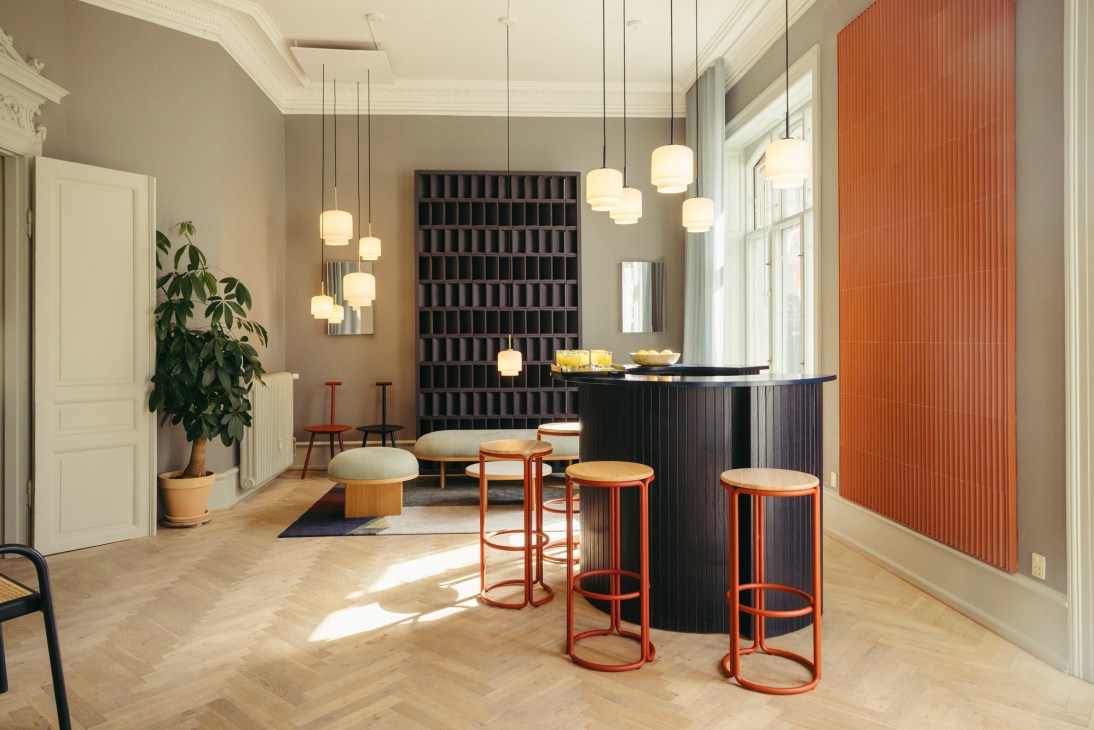
Every September, five months after Salone del Mobile’s usual April slot, the Danish capital hosts the international furniture fair 3 Days of Design. Despite its strong design history, Copenhagen didn’t have its own annual industry event until 2013, when Signe Byrdal Terenziani was inspired by the citywide component of its Italian counterpart. “When I lived in Italy, I would go to Salone del Mobile every year, and enjoyed the Fuorisalone, which takes over Milan,” she says. “I thought it would work in Copenhagen too, with the focus on great Danish design and furniture firms, and show off the buildings of our city.”
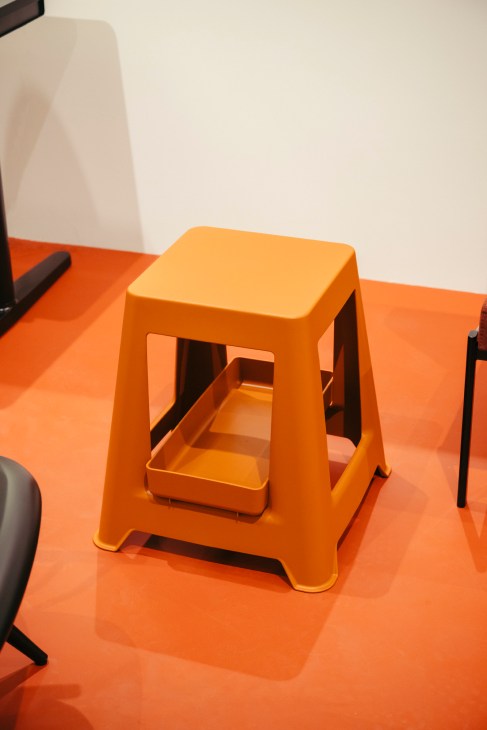
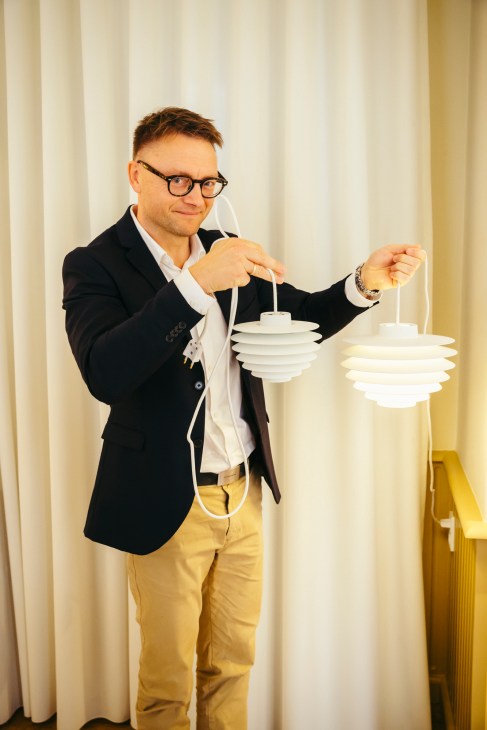
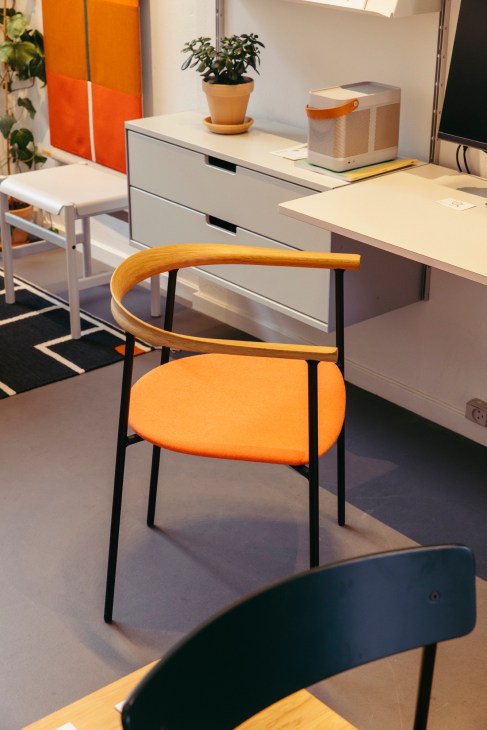
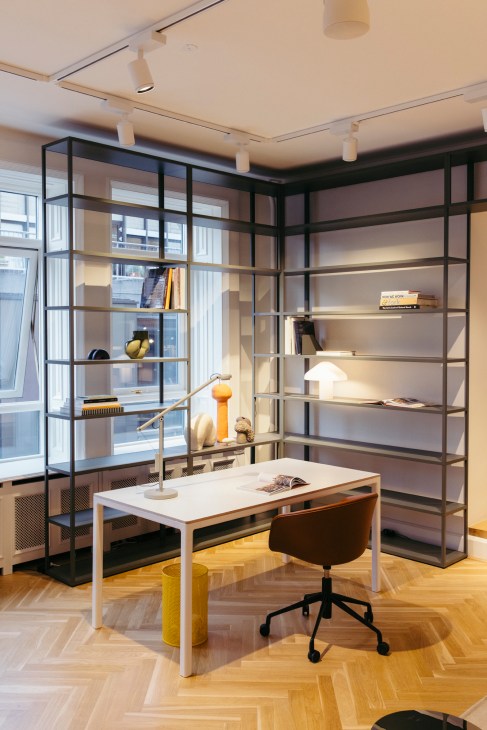
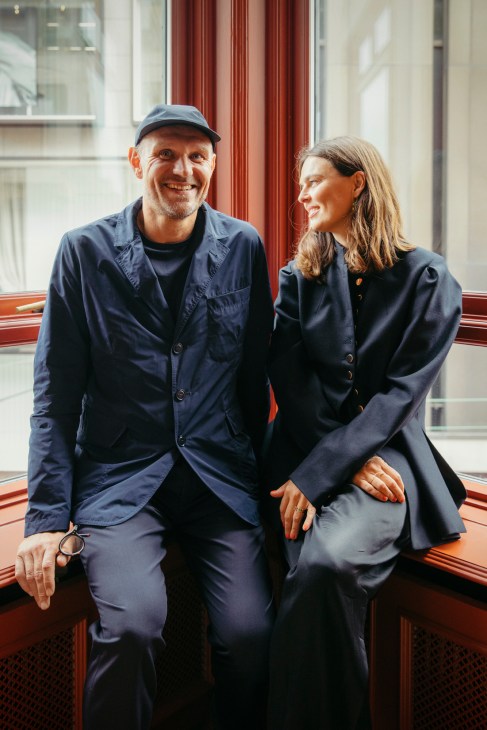
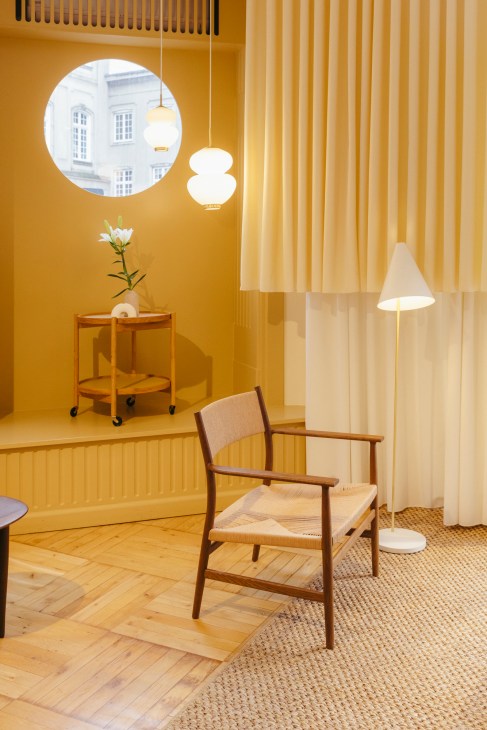
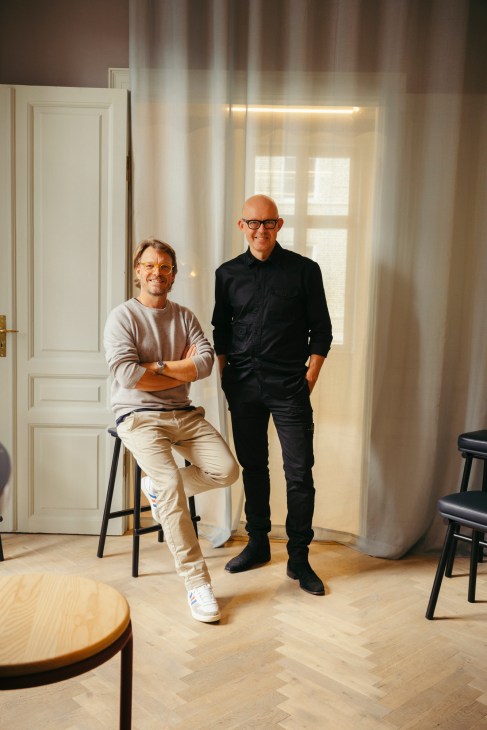
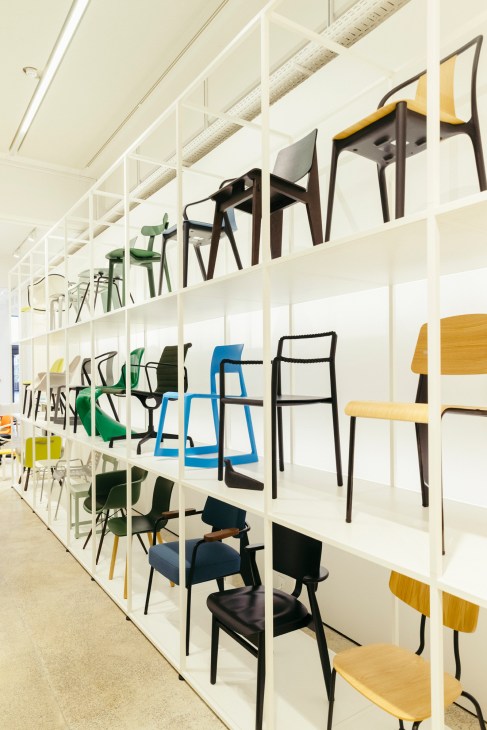
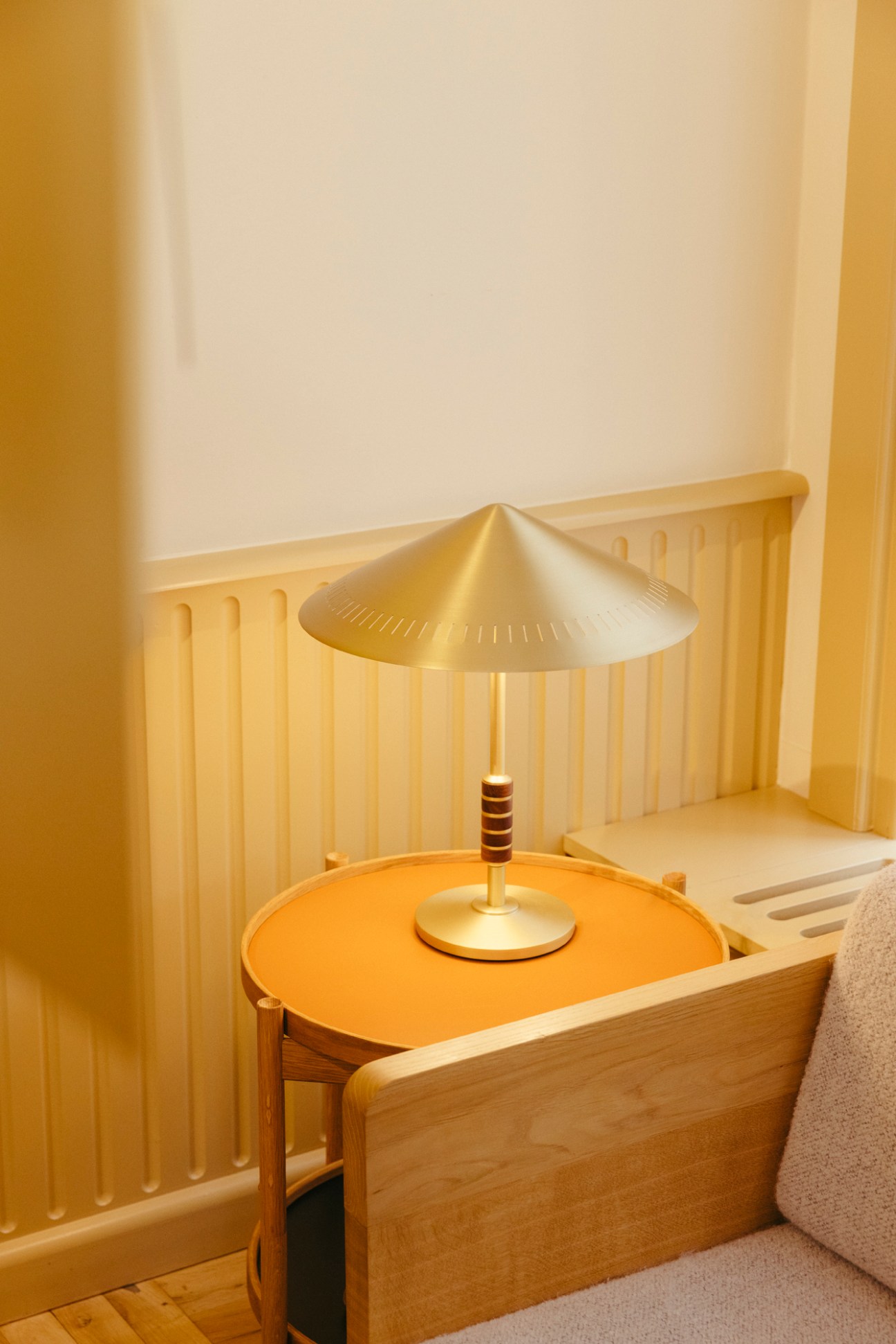
Visitors can drop by the Danish furniture brands’ showrooms, just a short walk away from each other in the city centre, while they enjoy the last warm days in the area before temperatures begin to drop. “It’s nice because it’s not a traditional fair like in Stockholm or imm in Cologne; it’s an opportunity for us to actually show our city,” says Thomas Ibsen, who after a career as a photographer founded his design company Please Wait to Be Seated in 2014. For visitors from abroad, this year it was a welcome return to normal. A few days before the fair began, Denmark became the first European country to lift all coronavirus restrictions. The cobbled streets around Kongens Nytorv square were buzzing with activity as buyers, designers and journalists stepped in and out of showrooms unmasked and welcomed the return of face-to-face meetings.
This kind of citywide format also means that the event is open to the general design-savvy public. Henrik Taudorf Lorensen founded Takt in 2019, a brand that sells flat-packed, sustainably made furniture directly to consumers. For him, 3 Days of Design is more convenient than a traditional fair. “I like that it’s a consumer-oriented setup,” he says. “It’s about opening up and inviting people in, and is in the spirit of what we like to do.”
Due to its plethora of talent, the event attracts many Norwegians, Swedes and Finns but foreign design brands are also choosing Copenhagen to showcase their wares to a global audience. In the former industrial port of Nordhavnen, which is being developed into a new urban district, warehouses have been turned into vast showrooms. Swiss furniture company Vitra just moved into Pakhus 48, which also houses Finnish brand Martela and Danish textiles brand Kvadrat. “Copenhagen is a design hub for Denmark and Scandinavia, thanks to its history and its location,” says Jens Hornbak, market manager for Vitra’s new Danish branch, launched in July. It’s not easy to stand out here, however. “We have so many strong Danish brands, so every foreign brand is having trouble here,” he says. “If you go out on the street and talk to people, they know who Arne Jacobsen is, so expectations are quite high.” With the pandemic causing people to rethink their homes, demand for well-made Danish furniture has boomed. “Having nice things around you and having a nice home is something that has always been our passion,” says Mette Hay, co-founder of Hay, which opened a sprawling retail space – Hay House – on a busy shopping street. “People realised how important that is.” The brand has now expanded over four floors, which includes a new showroom and events spaces.
“There are so many up and coming Danish design companies,” says Ibsen of Please Wait to Be Seated, noting that his firm was the first design brand to move into Frederiksgade 1, a handsome heritage building in the centre of town. “Making something that is lasting is pretty difficult,” adds Taudorf Lorensen whose new Takt showroom is just a short walk away. “Over the past 10 years, there has been a renovation of what Danish design is. Rather than just looking back and being proud about the mid-century designs, it’s more about reinterpreting those values for something that is relevant today. That’s what makes it so vibrant.”
16.
Pine and pioneers
Vaarnii, Finland
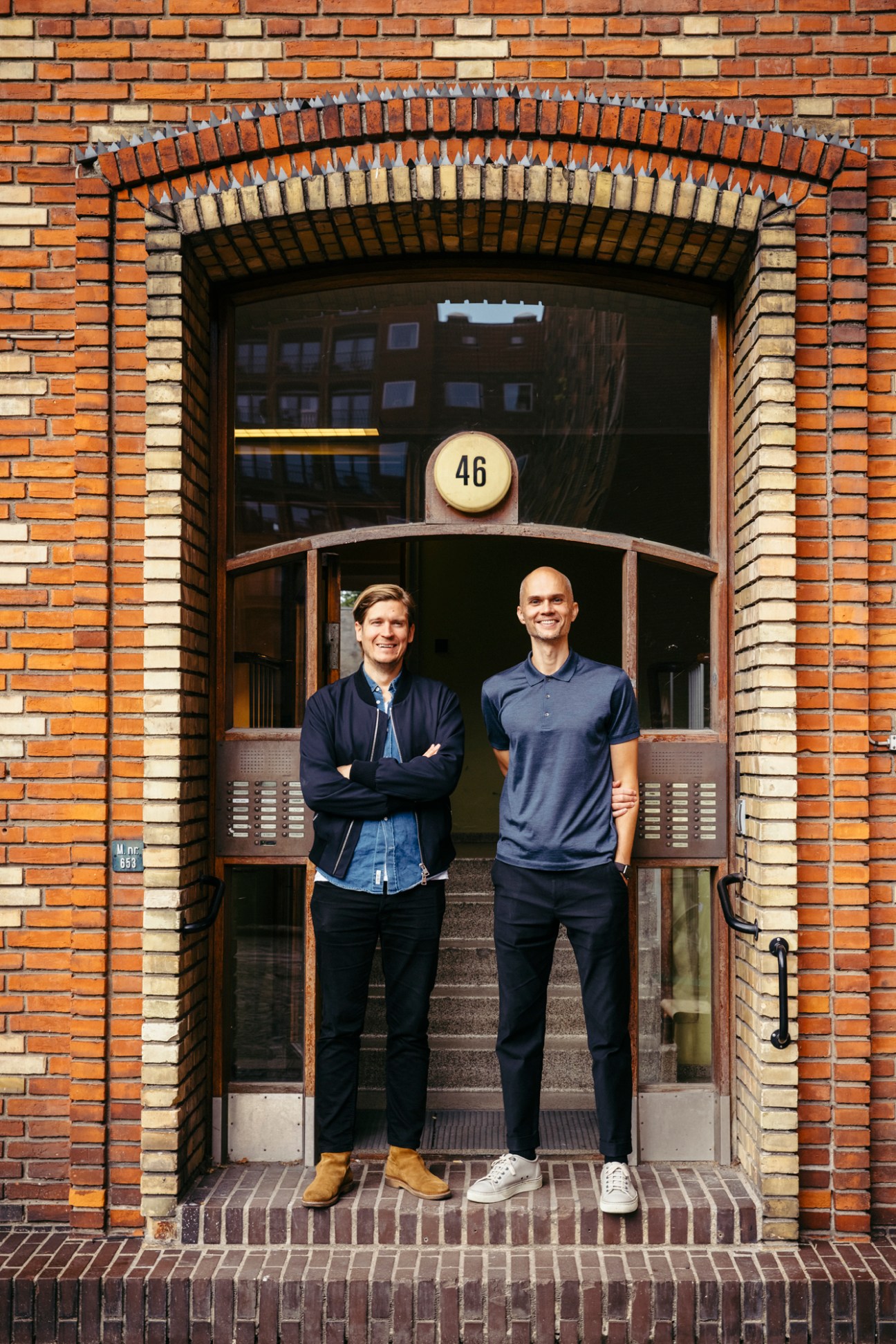
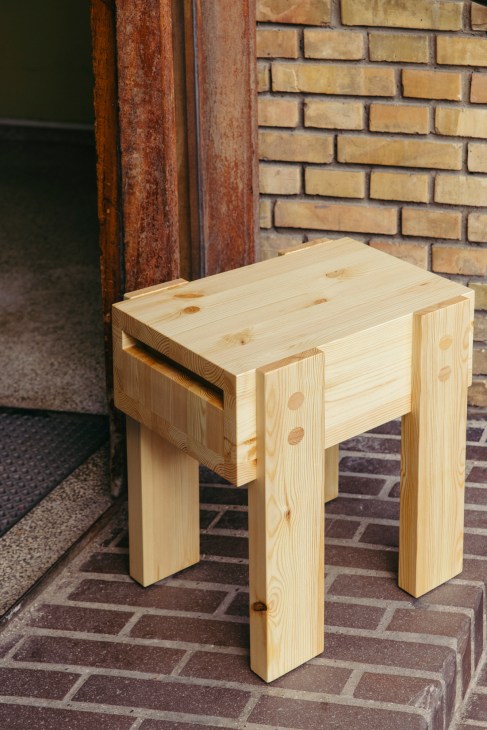
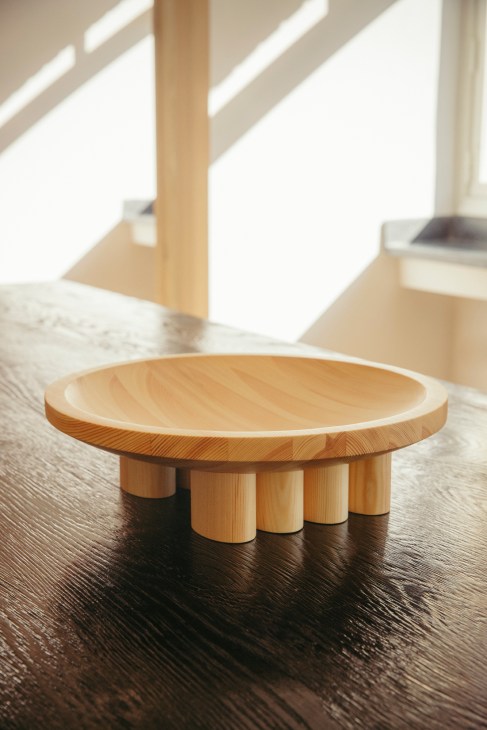
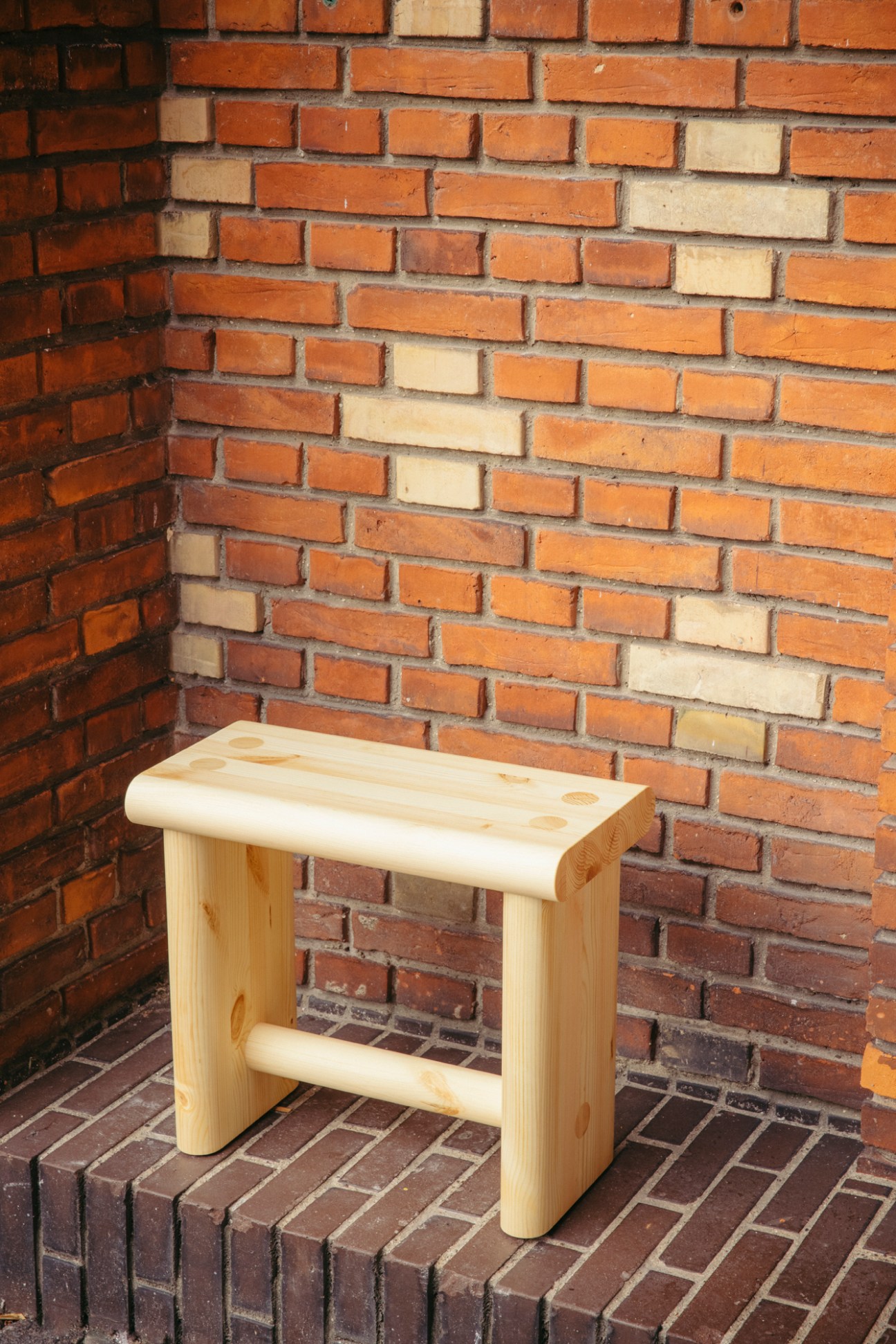
Vaarnii has set out to create a novel Finnish design style. Looking to the architectural movement of brutalism, while honouring the refined carpentry heritage of their home nation, it is wonderfully unconventional in the oversaturated Nordic design market. Founders Antti Hirvonen and Miklu Silvanto have impeccable design credentials: Hirvonen has worked at Finnish heritage brand Artek while Silvanto has gained design experience from Apple and Bang & Olufsen.
You have an instantly recognisable and unique design language. What are your inspirations?
Miklu Silvanto: Central to Vaarnii’s conception is the idea of “brutal and sophisticated”, the tension and contrast built into Finnish culture, and my approach to design. It’s the drive for simplicity and clarity that is nearly brutal in execution, yet made with sophisticated mathematics. Vaarnii’s collection was inspired by vernacular design in which products are made to serve a clear purpose and function, as opposed to being styled.
What made you choose pine as the material?
MS: Pine is a challenging wood long-forgotten in the [furniture] industry but when used right it has unique texture and a colour that changes as the wood ages. It is a softer material that’s full of natural pattern. Pine was also the wood that the Finnish craftspeople originally used and has shaped how old Finnish houses and furniture looked. We want to celebrate that tradition.
Could you highlight some of your new designs and latest news?
Antti Hirvonen: We recently launched the Kolmio dining table by the designer Cecilie Manz, a bar stool by Fredrik Paulsen, as well as a rectangular tray by Livia Lauber. We also announced a new investor, one of Finland’s most beloved and globally successful brands, Moomin Characters Oy.
vaarnii.com
17.
Appeal from the past
Lomm Éditions, Paris
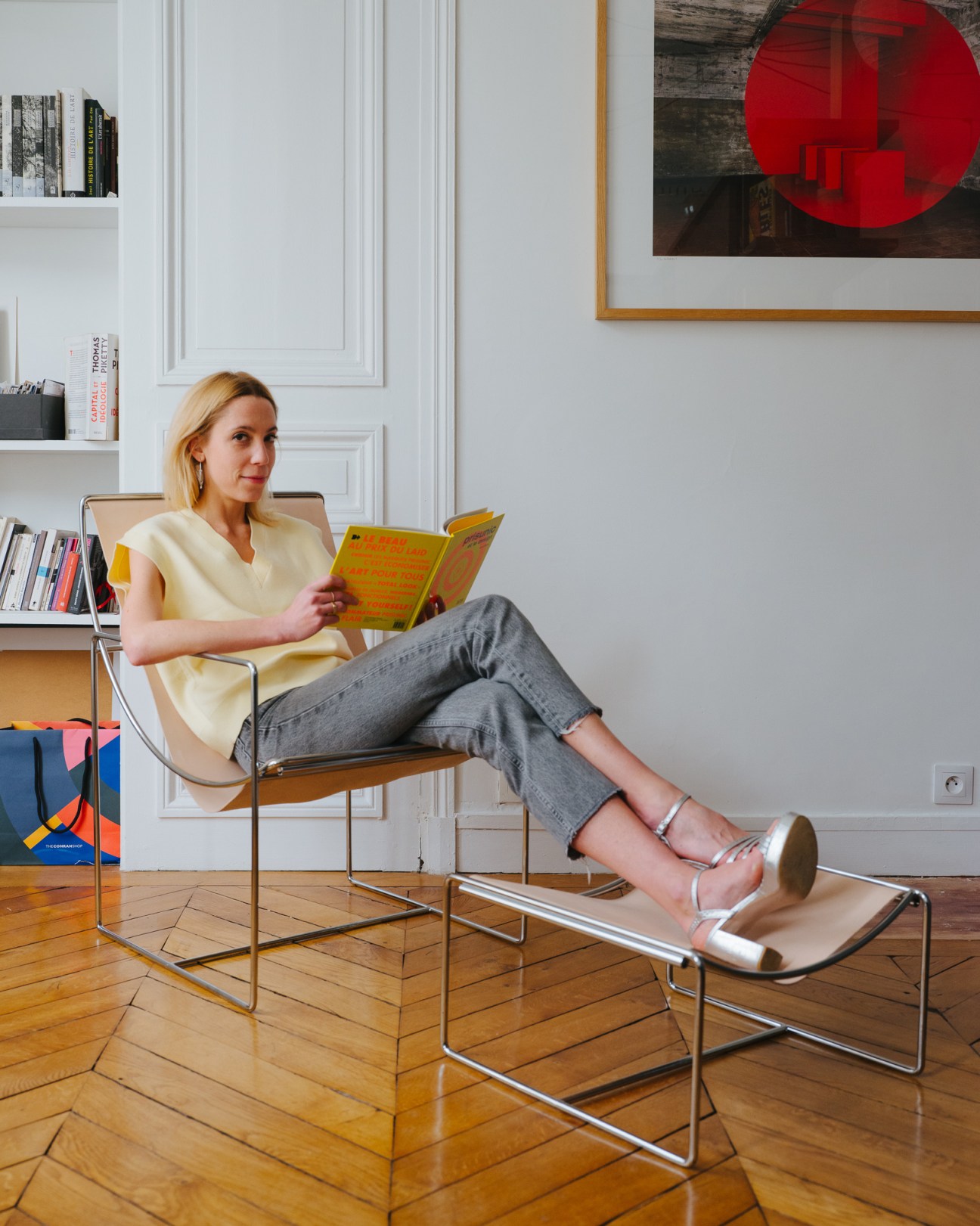
Interior architect Léonie Alma Mason spent many happy days when she was growing up making clay sculptures and drawings with her grandmother, French artist Odile Mir. But it wasn’t until 2017 that Mason discovered her relative’s talent as a designer. When Mir showed Mason her forgotten archives, which included many designs from the 1970s, the interior architect decided to launch a collection of reissued pieces of furniture under the name Lomm Éditions. — jwe
How did you first find out about your grandmother’s designs?
My grandmother said that she wanted to remake a lounge chair she designed called David and had already started looking for artisans who could do it. But since she’s very old, she asked me to help. I started to get curious and then I realised that there wasn’t just one design, there were almost 40. But she had never spoken about this work before. She always considered herself an artist rather than a designer.
How did you pick the pieces from the archives?
Identifying the designs took a few years because the archives of a 95 year-old artist are not exactly organised. First I had to do a bit of archaeology, to try to find as much as I could. One of the first pieces that we are making is the Filo lounge chair, which goes with a footrest and a magazine rack. It’s very modern and fits really well with interiors today. And there are people who recognise it because it used to be produced by French manufacturer Prisunic. Often people recognise the design straight away.
lommeditions.com
18.
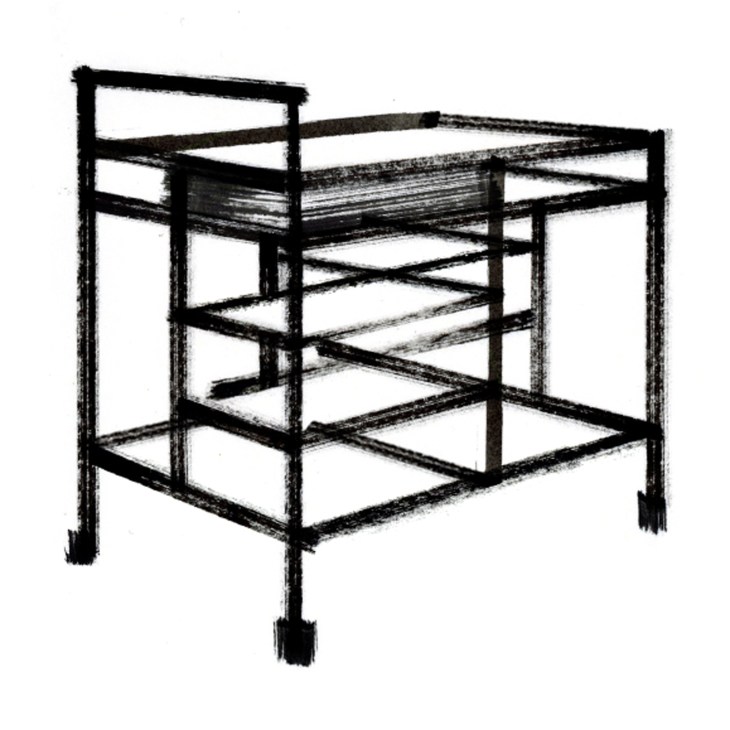
Cassina
657 Serving Cart 2021, Italy
Danish architect and designer Bodil Kjaer found her lively dinner parties challenging because her dining room wasn’t close to the kitchen. It inspired her to design the Serving Cart in 1963. Cassina’s re-release features a brushed-stainless-steel top and laminated partitions, making it handsome and functional.
cassina.com
19.
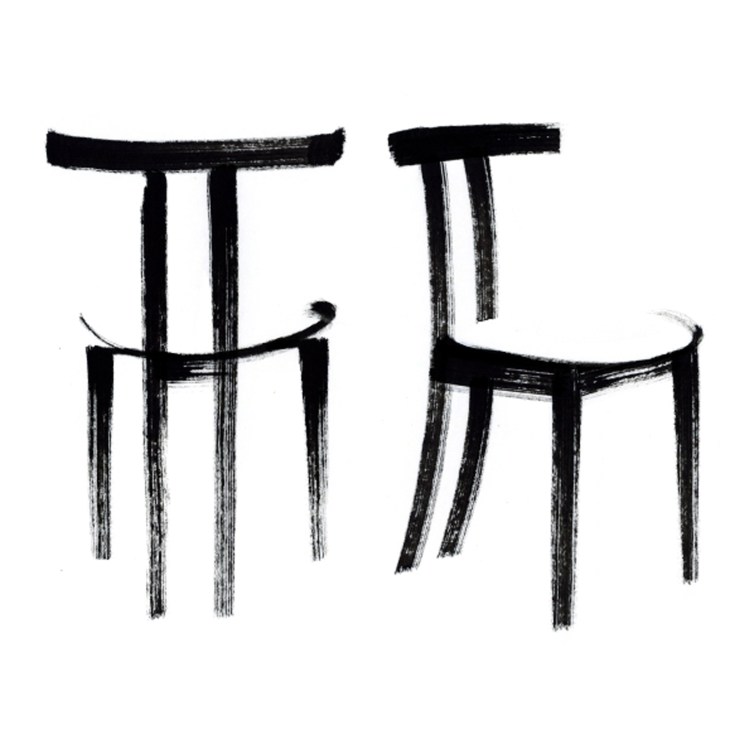
Carl Hansen & Søn
OW58 T-Chair, Denmark
Danish furniture producer Carl Hansen & Søn adds another classic to its collection. The ow58 T-Chair by Danish designer Ole Wanscher, is refined and sculptural, with a T-shaped backrest. Available in walnut and oak finishes, the re-edition stays true to the original design, with clean lines and an emphasis on comfort.
carlhansen.com
20.
Street credibility
Modernity, London
Stockholm gallery Modernity has found success by championing 20th-century Scandinavian designers. After capturing the attention of the London market with a temporary space, Modernity has opened in Notting Hill. The UK outpost is minimal but has a cosy feel. “We’ve always created inspiring spaces in which people can imagine what the items would look like in their own home,” says Sebastien Holt, Modernity Stockholm’s director of UK operations.
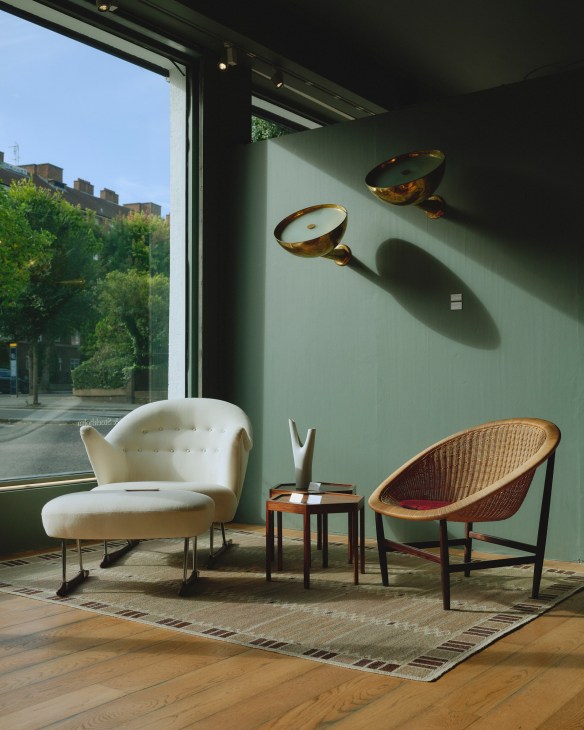
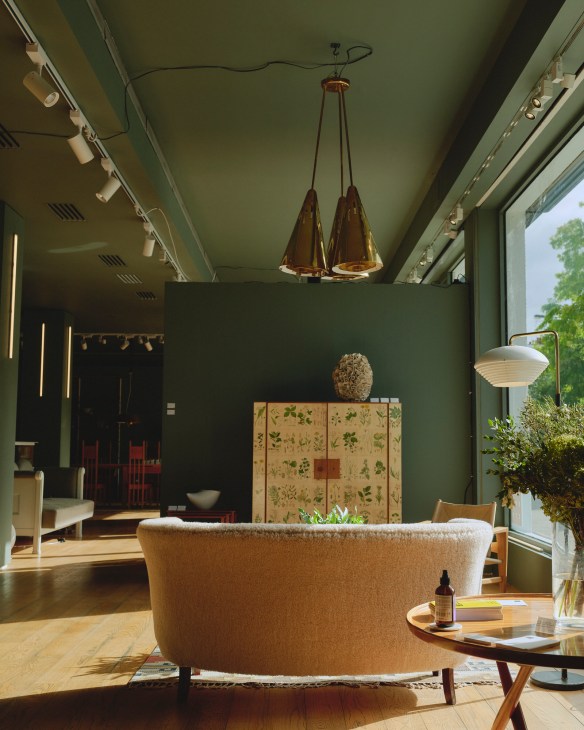
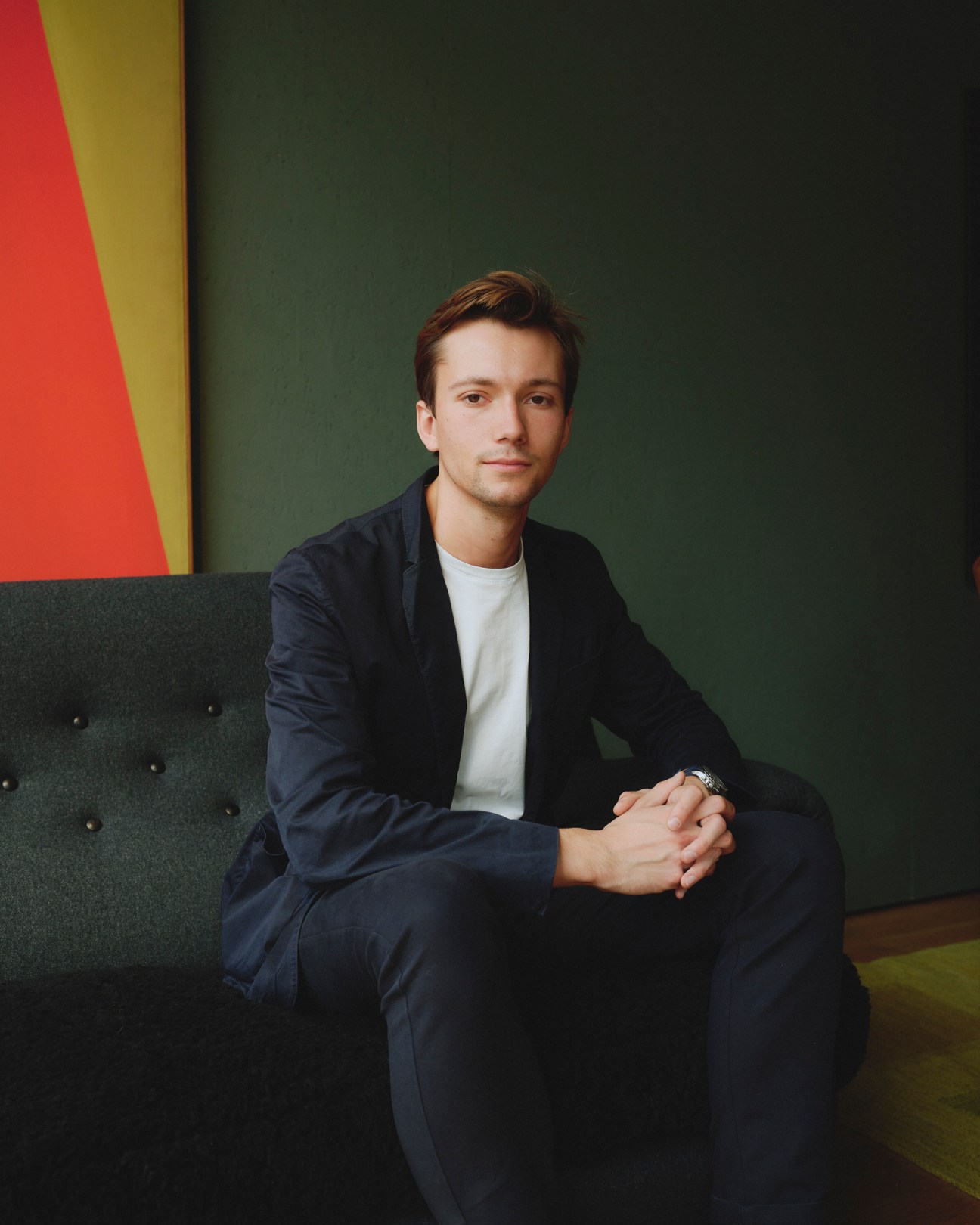
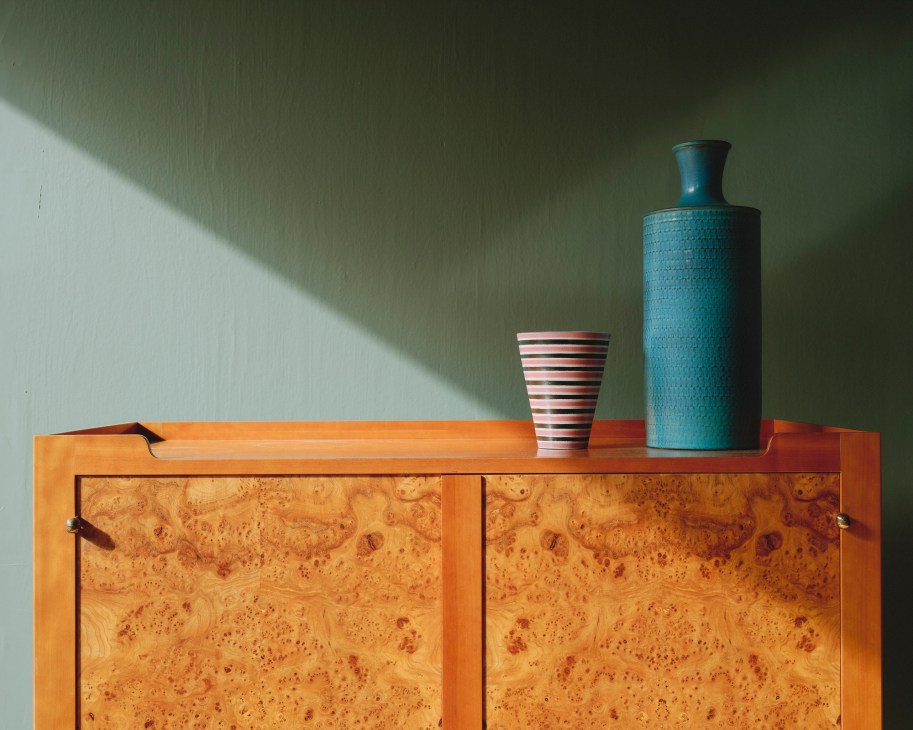
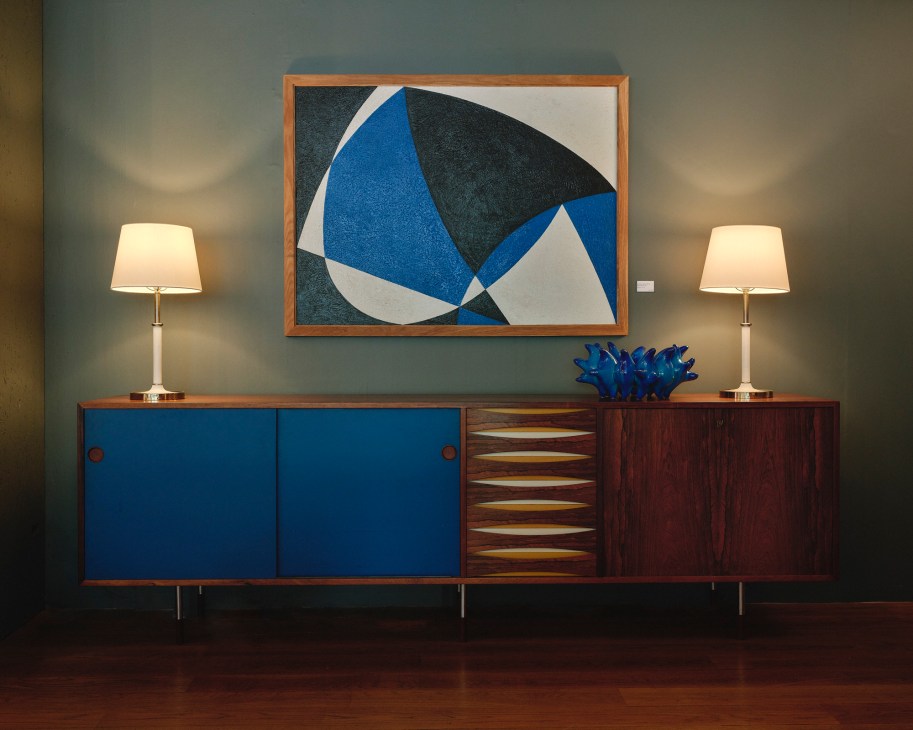
What sets the Notting Hill space apart, says Holt, is its willingness to engage with the wider community. “The gallery has a great street presence,” he says. “The big windows mean that people can walk up and look in.” Reflecting on the future of the gallery, which will sell designs from the likes of Hans Wegner and Alvar Aalto, Holt says that he wants places like this to play a big part on the high street and that Modernity will become a feature of this West London enclave.
modernity.se
Birkenstock bets on growth and German manufacturing after L Catterton deal
For many companies, the pandemic presented a moment in which to reconsider business strategies. But not at Birkenstock. The German footwear brand simply continued to expand in line with the double-digit growth rate that CEO Oliver Reichert has been driving since he stepped into the role in 2012. The numbers are undoubtedly impressive and so too is the company’s history. At some 247 years old, Birkenstock has grown from a humble cobbler’s workshop in rural Germany into an international purveyor of supportive footbeds. Today it’s the world’s best-known sandal brand and pairs are sported by everyone from Aussie beach bums to Seoul street-style icons.
While many people associate the company with its most famous models – the Arizona, the Madrid or the toe-enclosing Boston – these make up only a fraction of its output. From waterproof slip-ons for chefs to orthopaedic-inspired numbers and a range of spine-supporting children’s shoes, the inventory is massive, with every pair still made in Germany. In most cases, what links its sandals is a cork-latex footbed that Reichert says provides an experience “as close to being barefoot as possible”.
When Reichert became CEO he was the first person outside the Birkenstock family to run it. And this year the German brand made its most radical move yet. After almost 250 years operating as a family company, it was acquired for a reported $4.8bn (€4bn) by private equity firm L Catterton – under whose umbrella sits brands such as South Korean eyewear specialist Gentle Monster and Japanese retail district Ginza Six – with support from Financière Agache, a holding company run by lvmh CEO Bernard Arnault. As this new chapter unfolds, Monocle sits down with Reichert for his first major interview following the acquisition, at his executive office in Munich, to hear more.
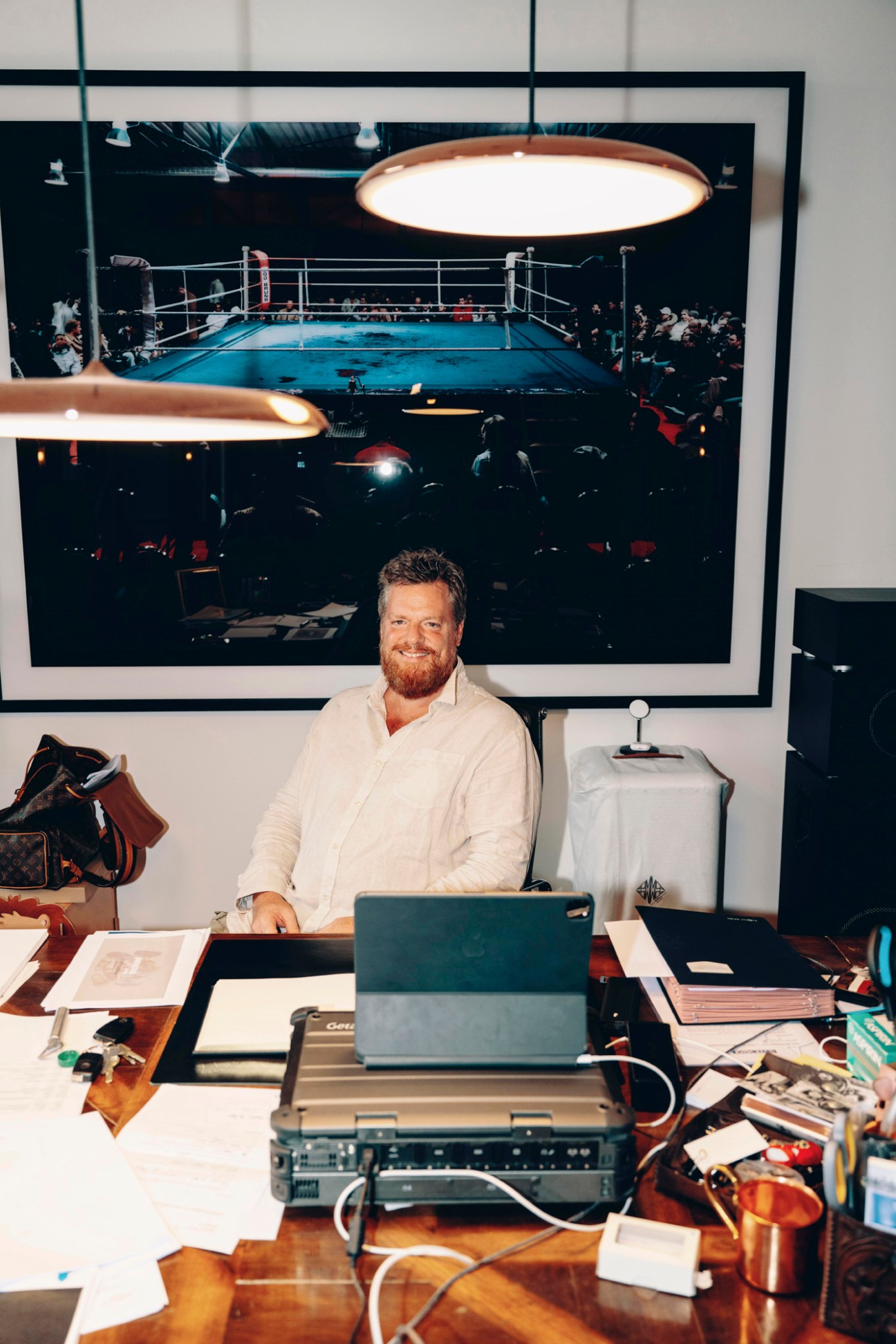
What will the injection of capital from L Catterton help you achieve?
Our focus remains on organic growth. I’m not going on an acquisition trail and buying up other companies, which does happen in the broader fashion industry. We are simply going to continue to push growth at a two-digit rate every year. Which is not easy; we have sold out of products every year since I took over the company. So we’re looking into supply-chain issues: how do we address the demand? How do we allocate products to the right markets?
The next step is to work with our collection, which includes many items that you don’t see in the main segments of the market: therapeutic shoes, children’s shoes and home shoes, for example. We have so many categories within our range that could generate the same total amount of business as we are doing now on their own. This company is filled with sleeping giants, so growth will come from waking them up. Right now I don’t have the people or the capacity to lift them up into the daylight and let their seeds grow. But we are investing in making this happen.
Some people in the fashion industry might find it interesting to know that you’re investing in more capacity to continue manufacturing Birkenstock in Germany, including a new production site, rather than looking offshore.
As a German, I can say that we are very precise about the way we execute things. Sometimes too precise; our perfectionism can become a monster that you have to wrestle down. But this is why it is so important that all of our production operations are in Germany. It is essential for us in order to control the quality and to encourage this kind of perfectionist culture.
The new site will open in Germany later this year with about 300 people and quickly scale to support 1,500 staff. Of course, it is often difficult to find the right kind of workers for manufacturing but in the east of Germany the transformation of the automotive industry has put many people out of work. We can now provide employment for them. I have also seen a strong movement of young families moving back from big cities to the countryside, so I’m not too worried about finding properly skilled and trained people out there.
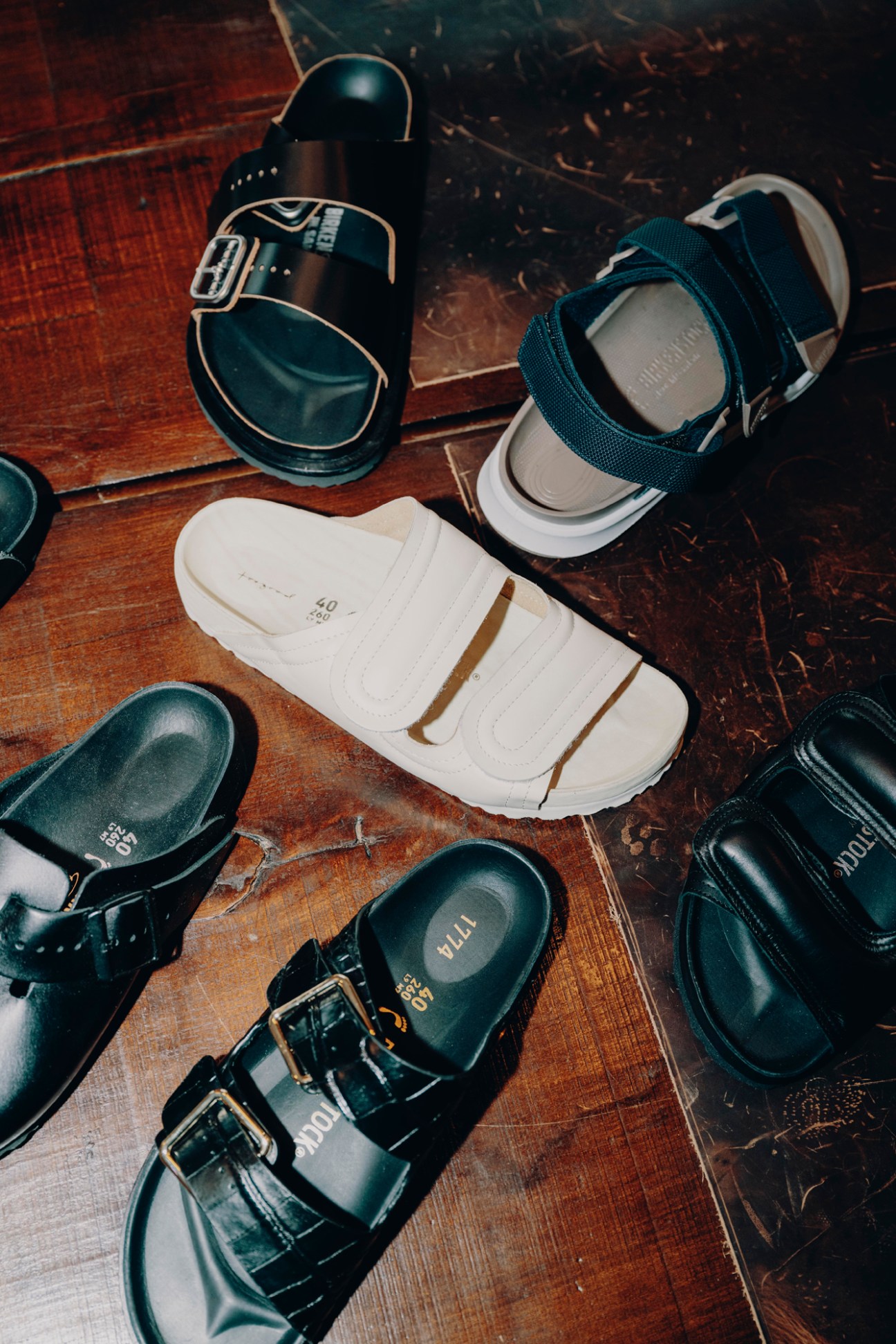
Do the new owners at L Catterton share this vision?
When the new shareholders came in and took over parts of the company, people outside were saying things along the lines of, “OK, now they will move production to China or India.”
If these people knew me well, however, they would know that, as long as I’m here, we will never dilute the brand equity. We will never dilute quality nor functionality. No way. And the conversation about continuing our manufacturing in Germany was an easy one to have with the investors because I chose them.
And why did you choose L Catterton?
Because it is the best investor for growth. There are financial guys out there who will promise you everything but in the end they are just thinking about their exit strategy. In this case I had such a huge commitment from its team. I was able to talk to both Michael Chu [co-chief executive officer of L Catterton] and Nikhil Thukral [its managing partner] in a very honest and straightforward way. They quickly learned that I am like an old bear and you cannot break me.
I’m a very straight person. I was able to say to them, “This is how it is, like it or not. Are you all in, yes or no?” And they said ‘yes’ because they love the brand, our attitude, our energy, how are we moving forward and how honest we are. And they love how successful we are. Maybe this is what they love the most.
A strong brand DNA is at the core of Birkenstock; how valuable is this in the fashion industry?
We’re a dinosaur. If you were to write down the history of Birkenstock on a piece of paper as a business plan and take it to a bank to ask for support they would tell you that it would never work. Yet somehow we are still living and we are very successful.
What makes us very attractive is our very clear, focused business mentality. We are not saving the world; we are making a sandal. But this is what we have poured our energy into for almost 250 years. It has all come out of this very German Birkenstock family, who have spent centuries thinking about every millimetre of this shoe. That was their real purpose.
Yet Birkenstock hasn’t felt as though it has closed itself off from the rest of the world. The brand has increasingly become known for fashion collaborations with the likes of Jil Sander, Rick Owens and, of course, Monocle. Why?
First of all, the collaborations are not big for us as a business. They are really more about creative marketing, public relations and contact with the outside world. We make sure that there’s always a small door open to let the creative energy in. It’s there to help us question ourselves, not only in terms of look and feel but also in terms of materials, sustainability and functionality as well.
You find interesting things out this way. For example, we might work with a brand in Asia that tells us that Asian people tend to have shorter toes and broader feet, so we have to rethink the footbed for that market. We gain plenty of input through these kinds of conversations but we are always committed to our three pillars: quality, functionality and the traditional.
These three pillars are attributes that brands the world over are keen to subscribe to, so you must have many companies wanting to work with you to elevate their image through a collaboration. Have you had to become a careful curator to manage these tie-ups correctly?
Yes, we’re something of a blank canvas. We invite people in and paint a picture together. As I said, this is a small part of our business; if we were only doing this for the money, we’d end up doing strange things. I don’t want to bring specific brand names up but we cancelled some of the commercially driven projects because of this. We didn’t cancel them because we don’t need the money, we did it because we don’t need attention in the wrong places. It’s like music: I don’t want to be in the pop charts; I just want to make good songs. It’s not about finding a formula to constantly be in the top 10 and keep doing the same thing. That’s boring.
It seems as though songs about sustainability are trending well in your industry’s charts but a lot of this is not entirely sincere. You have an argument on your side for longevity of the product but you’re also working with leather. People are increasingly wanting to know about what goes into a product. How are you dealing with this?
It’s true that young target groups in particular really do care about the environment. But for us, we find the broader discussion around sustainability and our involvement in it a bit strange. For example, five years ago we won a Peta award for animal-friendly fashion for a vegan model of our Madrid sandal. But the reality is that more broadly we do work with a lot of leather. My feeling is that if the people decide that they only want vegan products from Birkenstock, I’m ready to do it. But I don’t want to try to convince people to go in this direction; it’s their right to choose.
As a company, our operations are sustainable; Germany has pretty strict rules about manufacturing correctly. But in this broader conversation we’re having at the moment, I would like to know how you characterise sustainability? Our grandmothers are sustainable, because they don’t throw away plastic bags; they fold them up, store them in cupboards and reuse them. It’s not a new idea; it’s old-school. But now grandma will get criticised for using plastic bags. I think – and I hope – that the conversation will rebalance itself, because at the moment it’s a bit too much. For us it’s more about doing our best and being as transparent as possible but never faking it. Greenwashing is a big problem that is running rampant in our industry. It’s embarrassing because it’s being executed at the highest level by massive brands in a very disingenuous way.
Finally, if we do want to state our case on this, you can just look at how our customers use our products. Some wear the same Birkenstock sandals for 20 years and still don’t throw them out. The best way to be sustainable is not to consume as much.
On a slow roll
For many who live beyond the borders of Italy, the Bel Paese is more than merely a geographic designation. It is a place that embodies a better approach to living, where the food is always tastier, the sea bluer and the style of the citizens has the elegance of a Cinecittà movie star cruising along the Amalfi coast in an Alfa Romeo convertible. It’s images such as these that inspire Meta Campania Collective (or Meta), a menswear label launching its first collection of elevated essentials this December. The line includes a three-pocket jacket made from indigo hemp wool, drawstring trousers crafted from Japanese cotton and a calfskin tote, all of which embody the Italian looks that the brand’s founders wanted to wear but were unable to find.
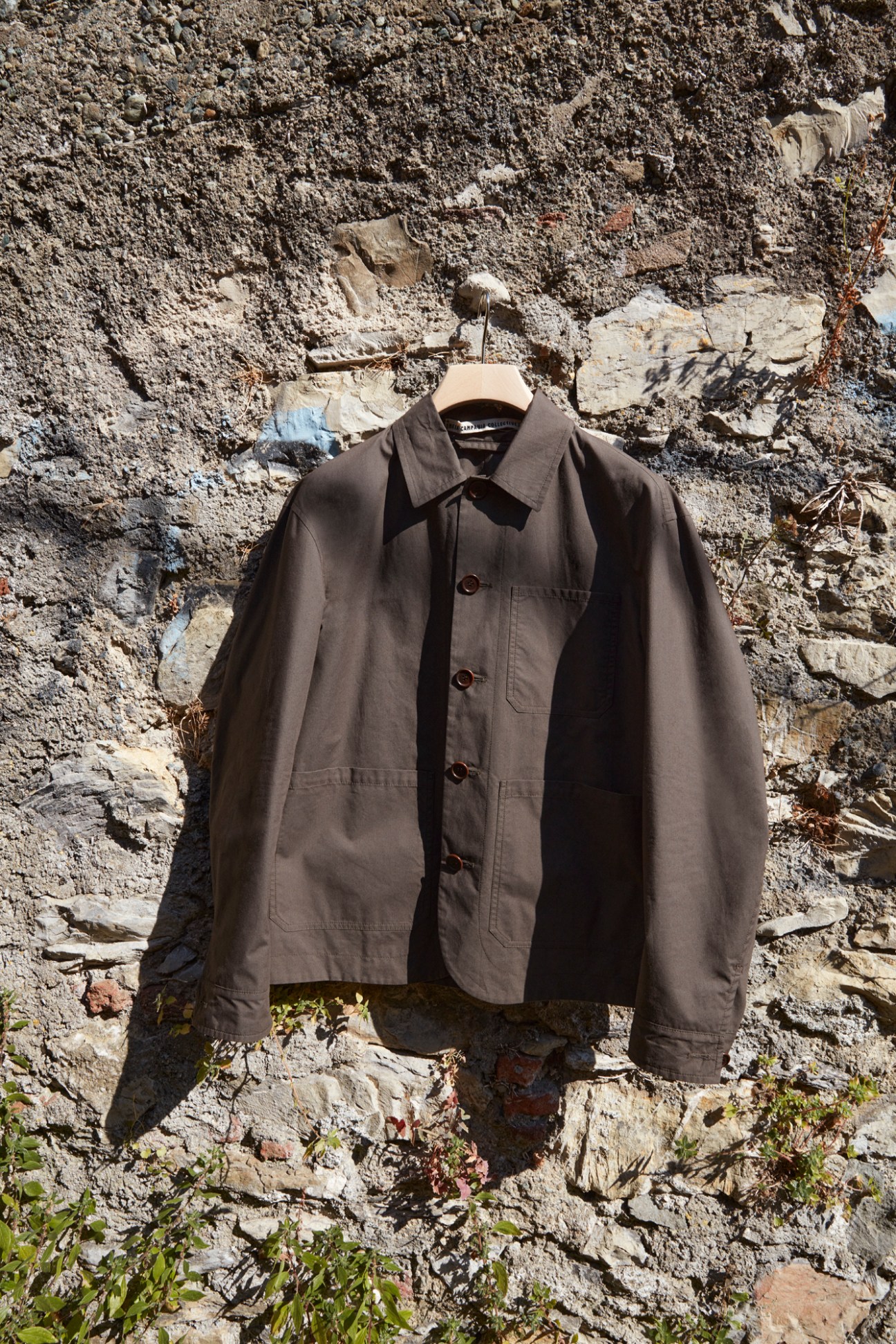
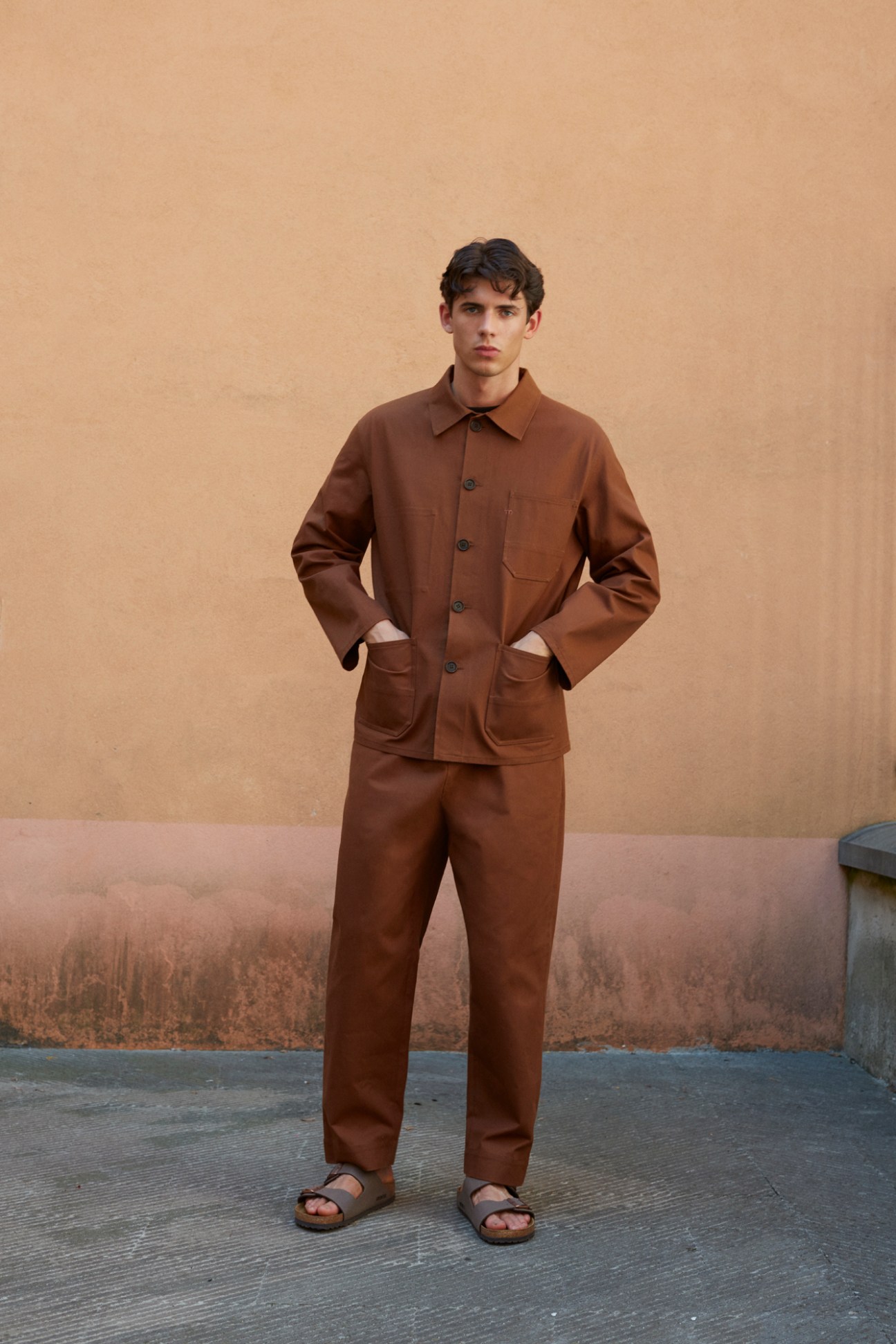
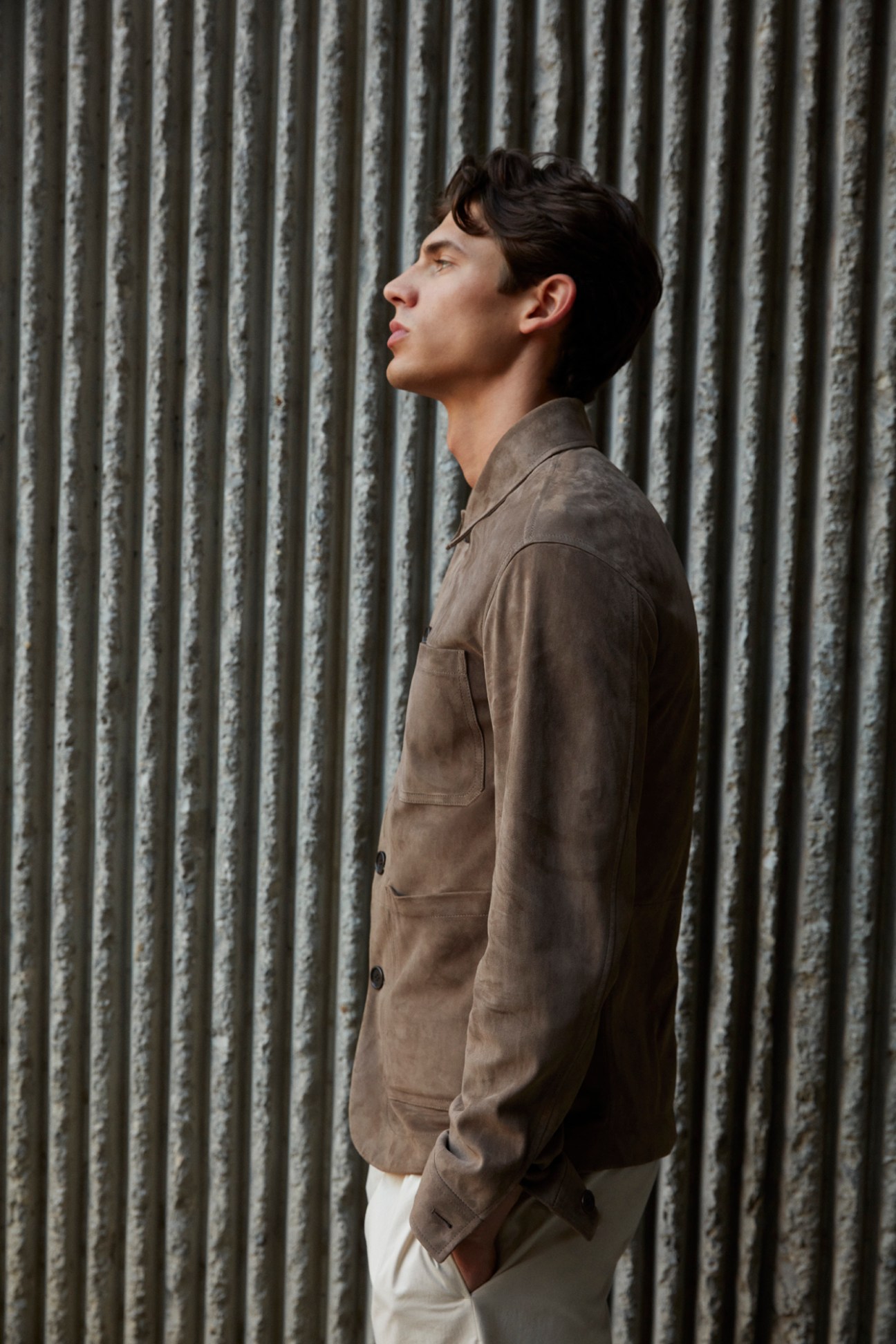
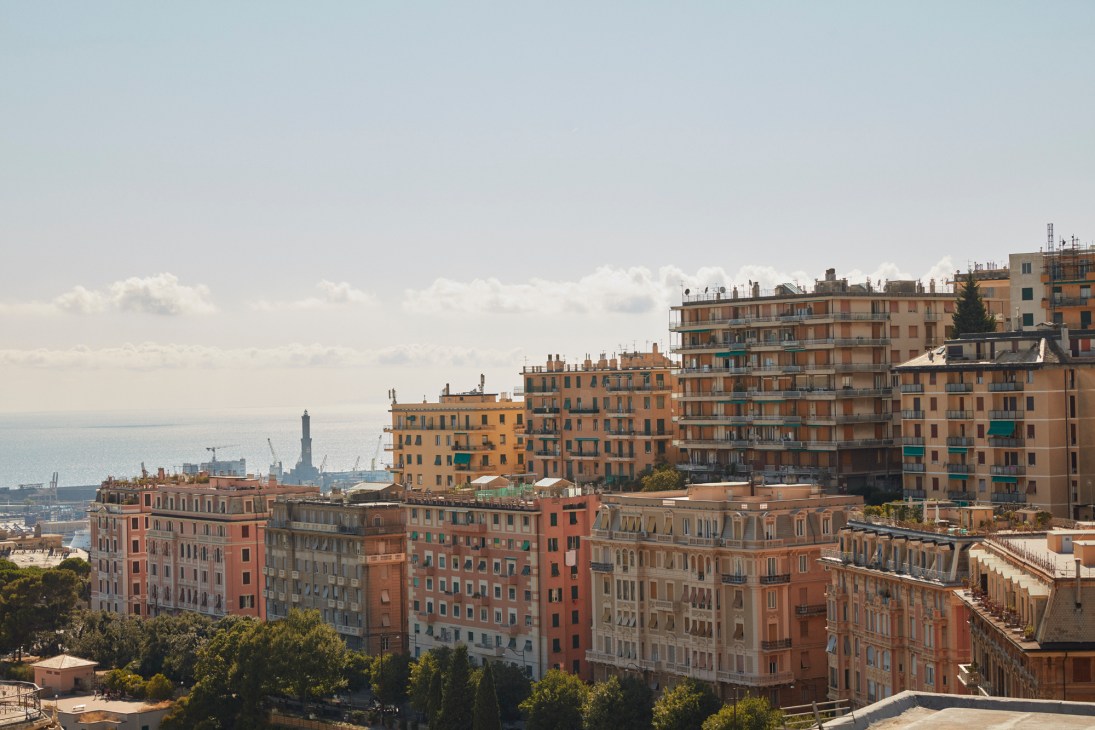
“We’d all rather be in Positano than in Paris, London or New York,” says Jon Strassburg, who is launching Meta with longtime friends Heiko Keinath and Constanze Walcher. “That’s a place you actually dream of.” Though they live in Lugano, Paris and Berlin respectively, they’ve all spent considerable time living in Italy. And their work for top fashion houses, including Burberry, Bottega Veneta and Alexander McQueen, has given them connections with some of Italy’s best producers and fabric mills, as well as speciality Japanese textile-makers. All the clothing made by Meta is fabricated by leading firms from Genoa to Naples. The references to Italy in the name (Campania is the region that is home to Naples and Positano; Meta is the name of a village in the region) are more about a “genius loci”, says Keinath. “It’s about the feeling of a place,” he adds, explaining that this is the same impression of relaxed luxury with which they aim to imbue their pieces.
“We wanted to do something beautiful that doesn’t answer the requests of the market but instead responds to what we and our friends would love,” says Strassburg. “The question is: how many of ‘ourselves’ are out there?” adds Keinath. They are hopeful that demand exists for their niche products, which are made to a level of quality that would be impossible for larger brands to produce at scale. The three friends look towards international markets and feel confident that enough like-minded aesthetes exist for the brand to be a success. Inspired by the wardrobe uniforms of artists as varied as Pablo Picasso and Ed Ruscha, Meta’s collection offers essential items, the sort of pieces that people “live and work in”, according to the brand’s founders.
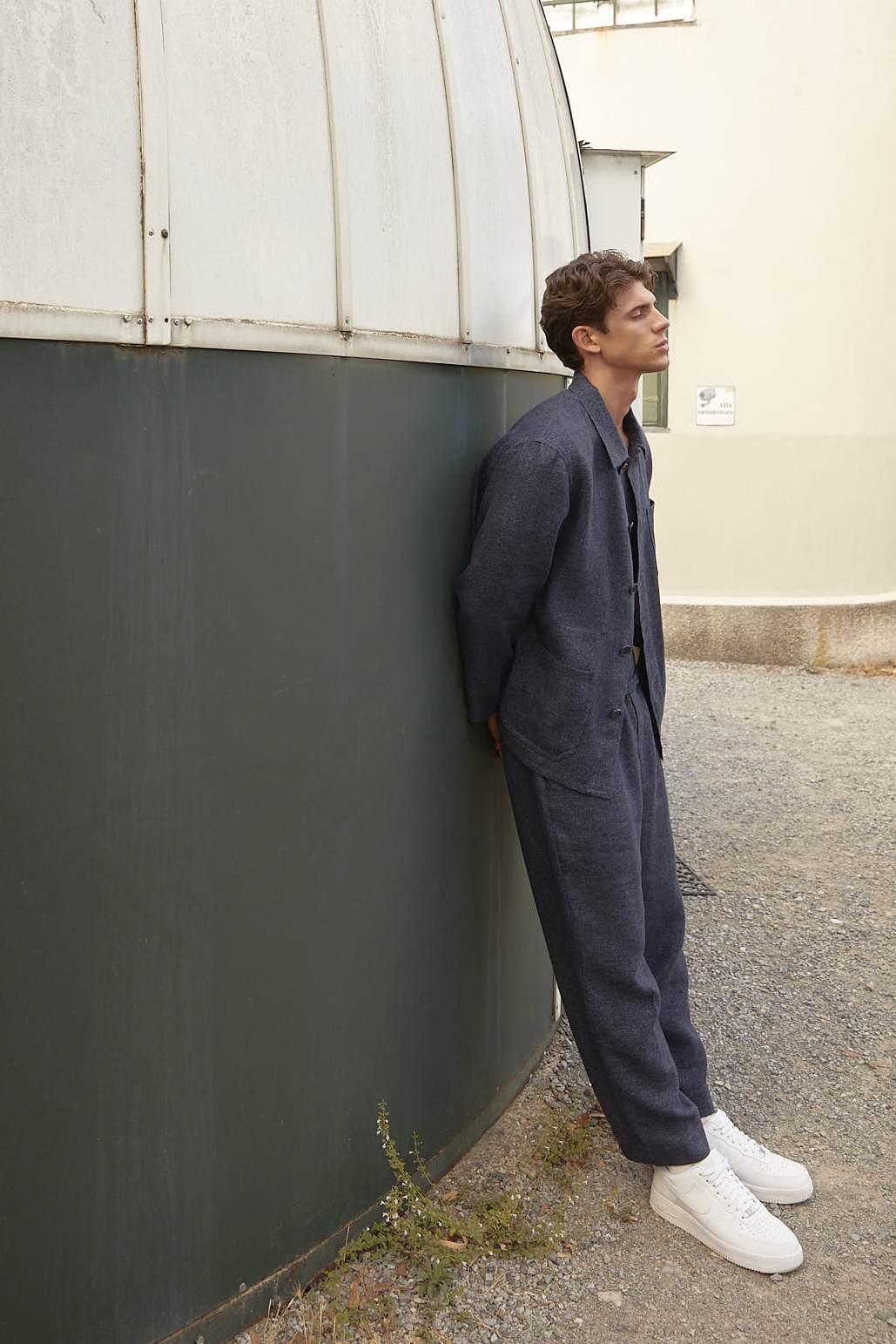
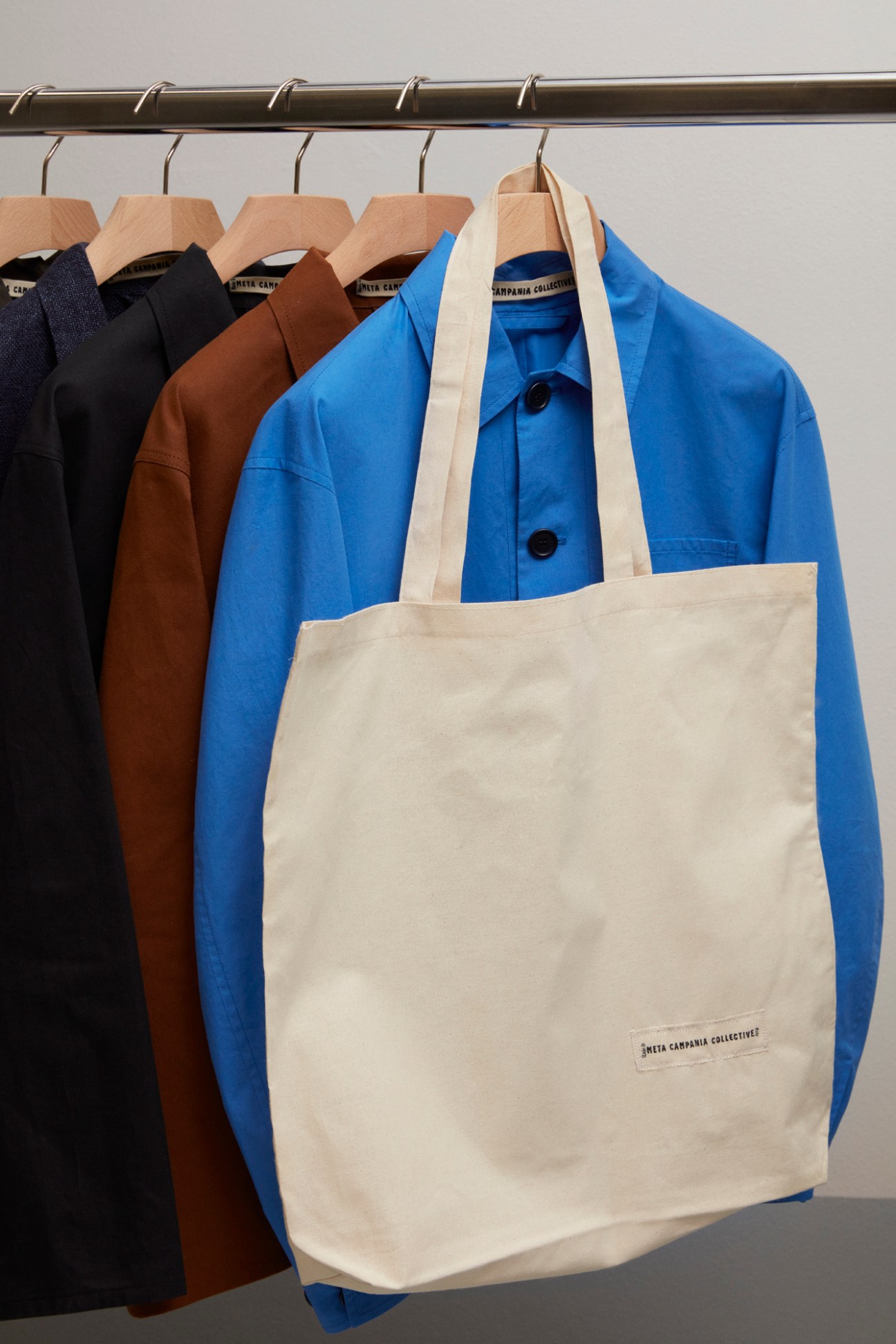
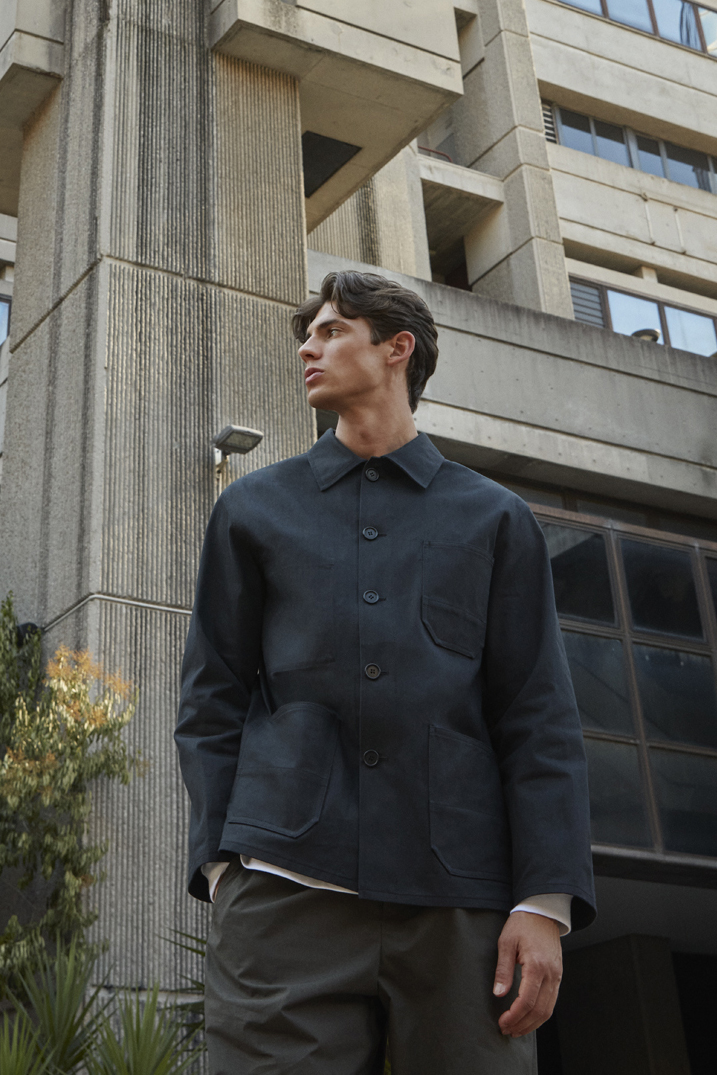
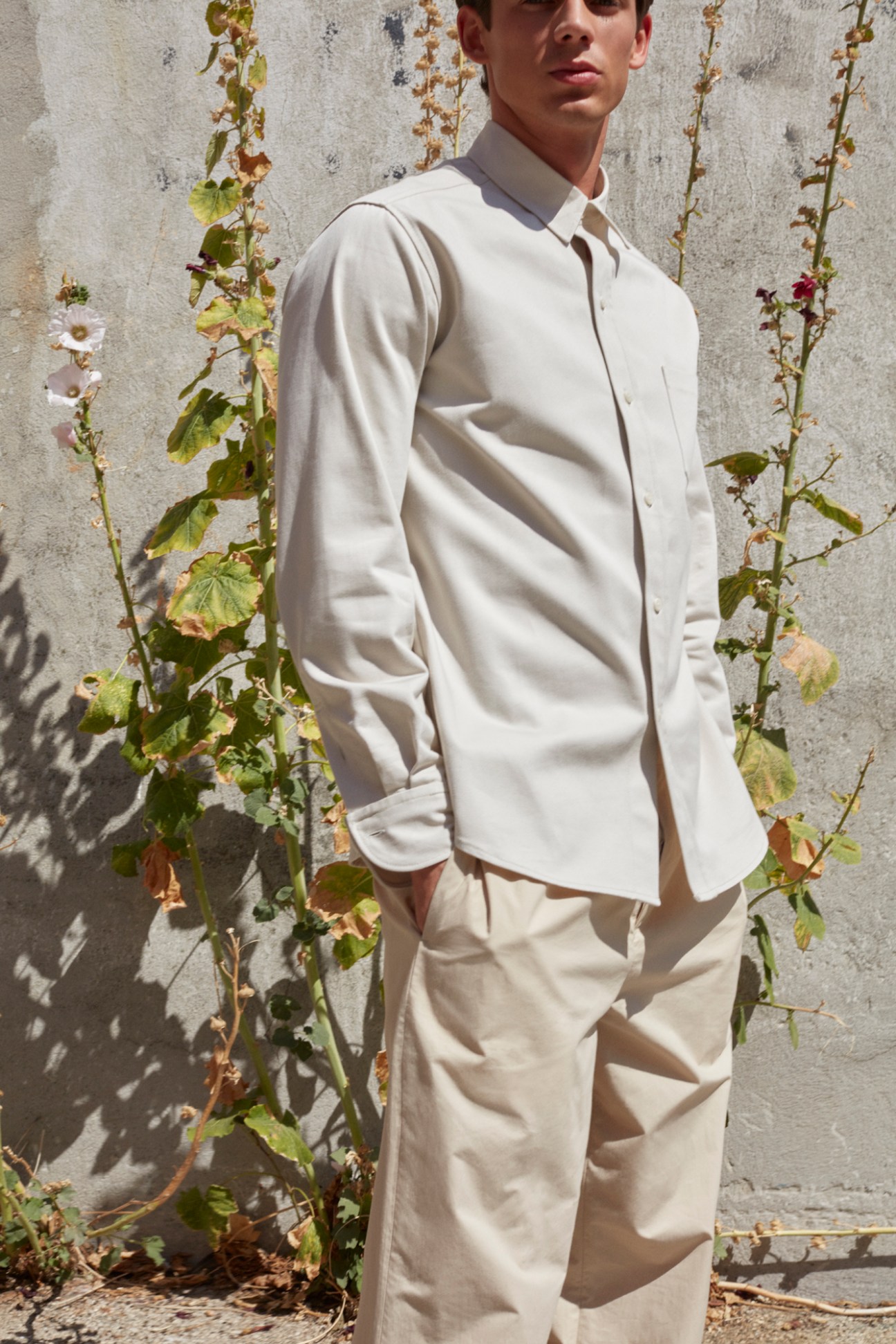
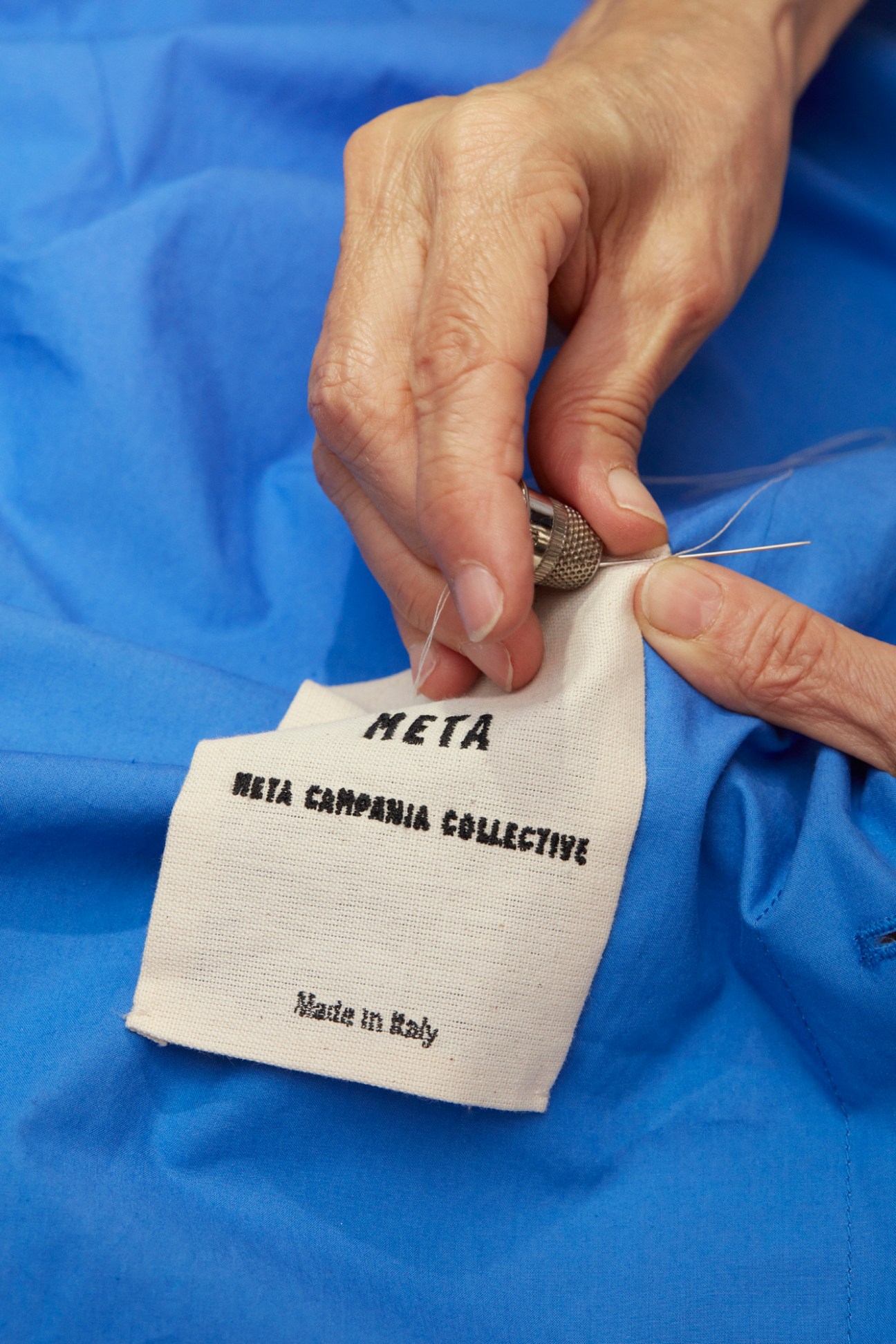
With designs that prioritise quality over flashiness and will carry over from season to season, there’s an implicit rejection of quick turnover and of the disposable nature of much of today’s fashion industry. Instead the focus at Meta is on longevity and garnering from customers the kind of affection that’s grows between an owner and a faithful item of clothing. “Our generation is probably the first to recognise that we need new values, which include a more sustainable idea of clothes where you keep a piece forever,” says Keinath. Shirts by Meta are fabricated without interlining so that they can be washed for years without the fabric degrading. Everything is meticulously stitched without using glue or shortcuts. “The most fundamental aspect of this project for us is that everything will last,” says Strassburg. “We had never been able to find that kind of product ourselves.”
The trio plans to expand, aiming to add womenswear after the first few seasons of menswear. They don’t, however, have plans for fashion shows or extravagant publicity campaigns, choosing to sell only on their website and at select, respected retailers, including London’s lncc and Montréal-based online retailer Ssense. “We’re not the next big designers,” says Strassburg. “We don’t create fashion; we create beautiful products.”
meta-campania-collective.com
Styling: Alice Piemonti
Model: Gioele Patroni (Brave Models)
Grooming: Ilarla Doricchi
All in place
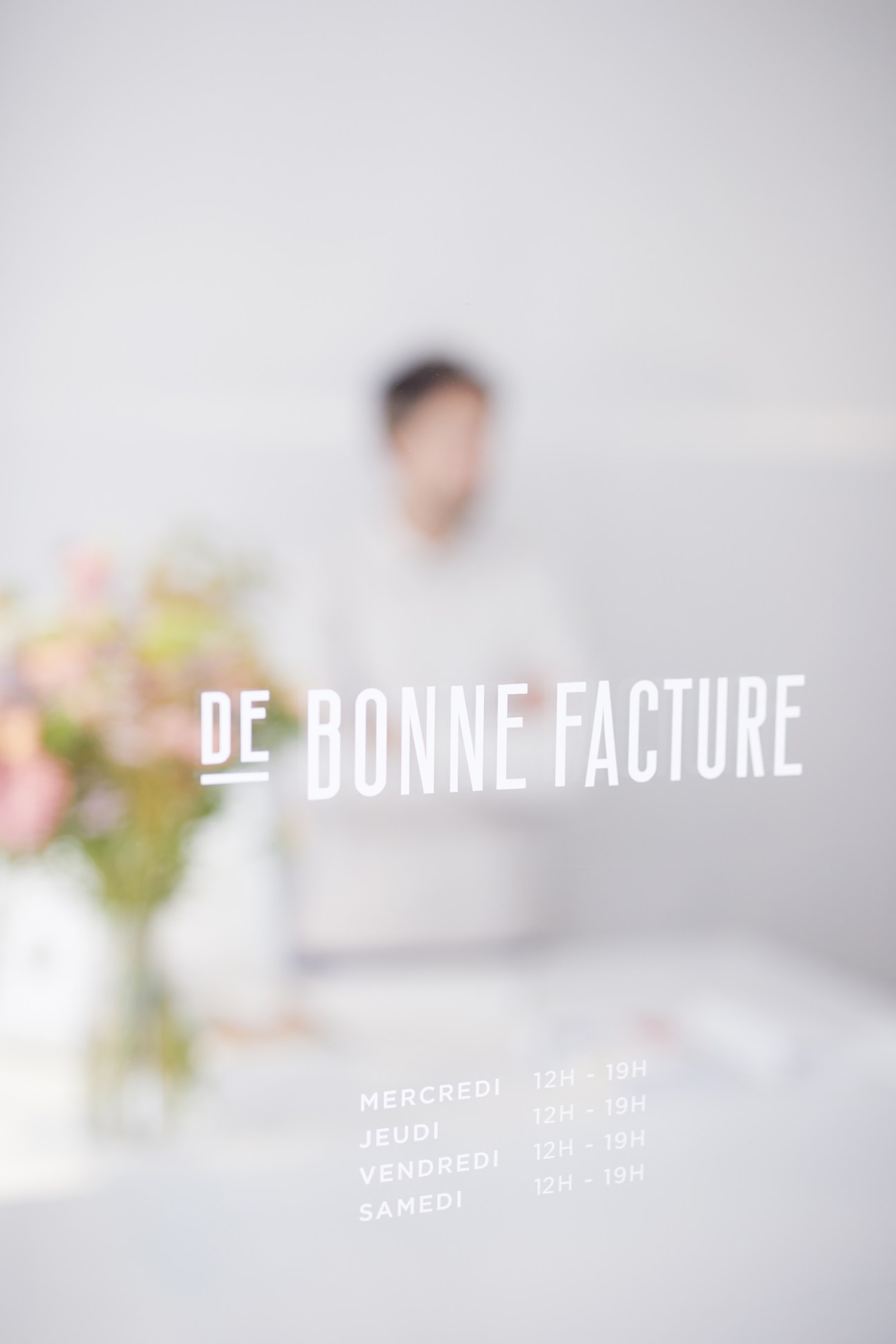
From flannel trousers to linen shirts, De Bonne Facture has built a following for menswear made from natural materials and looks that are slow to date. The brand was selling through various key retailers but now it has a space of its own at 63 Rue Sedaine in Paris’s 11th arrondissement. The concept space comprises shop, showroom and office, all united by a neutral colour palette inspired by the French capital’s stone façades. Waxed concrete floors and a changing room behind a heavy linen curtain add to the design’s sophistication. “The idea was to find a space large enough to have everything in one place, from the shop itself to design and e-commerce,” says founder Déborah Neuberg, who worked with French architecture studio UR to create the set up.
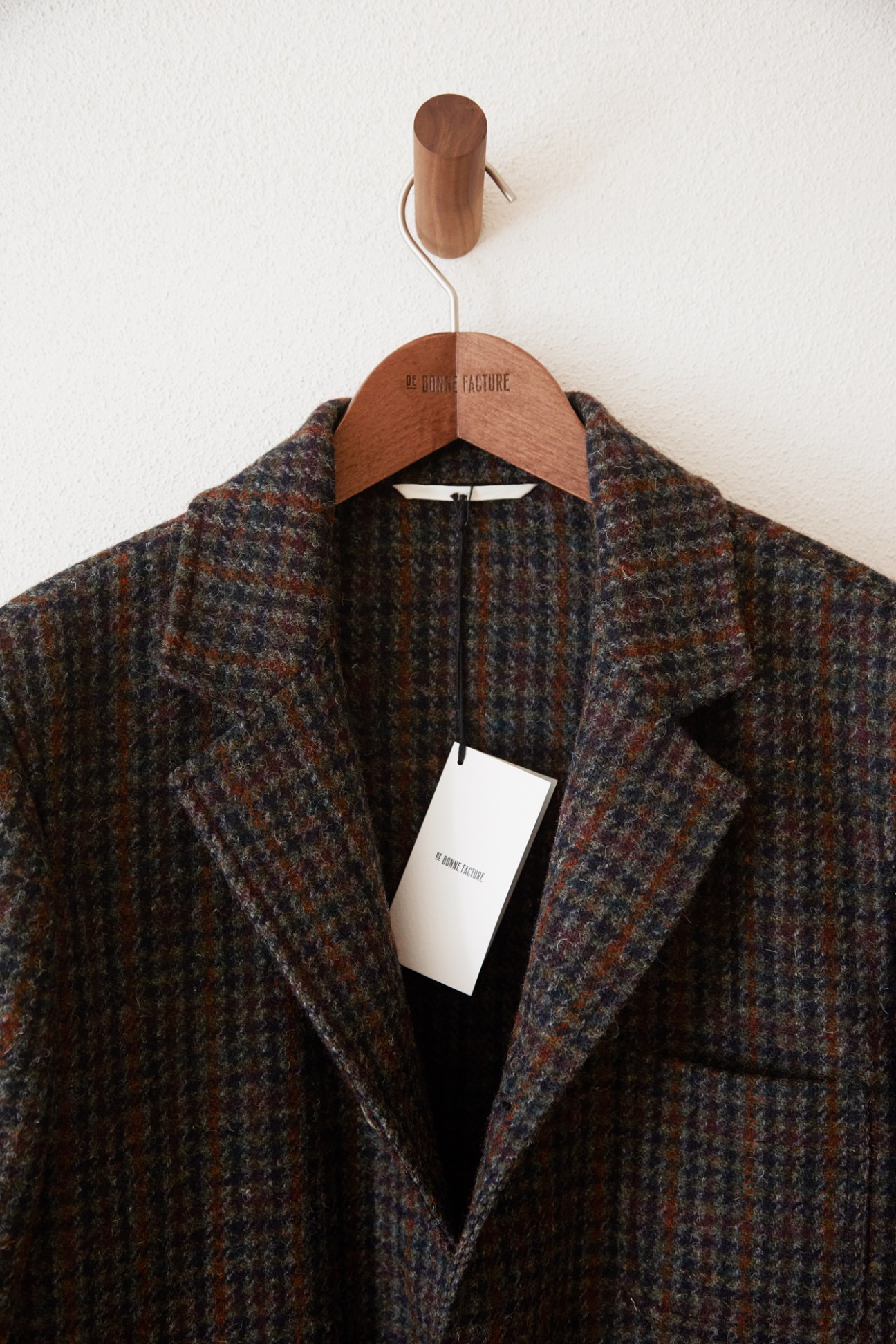
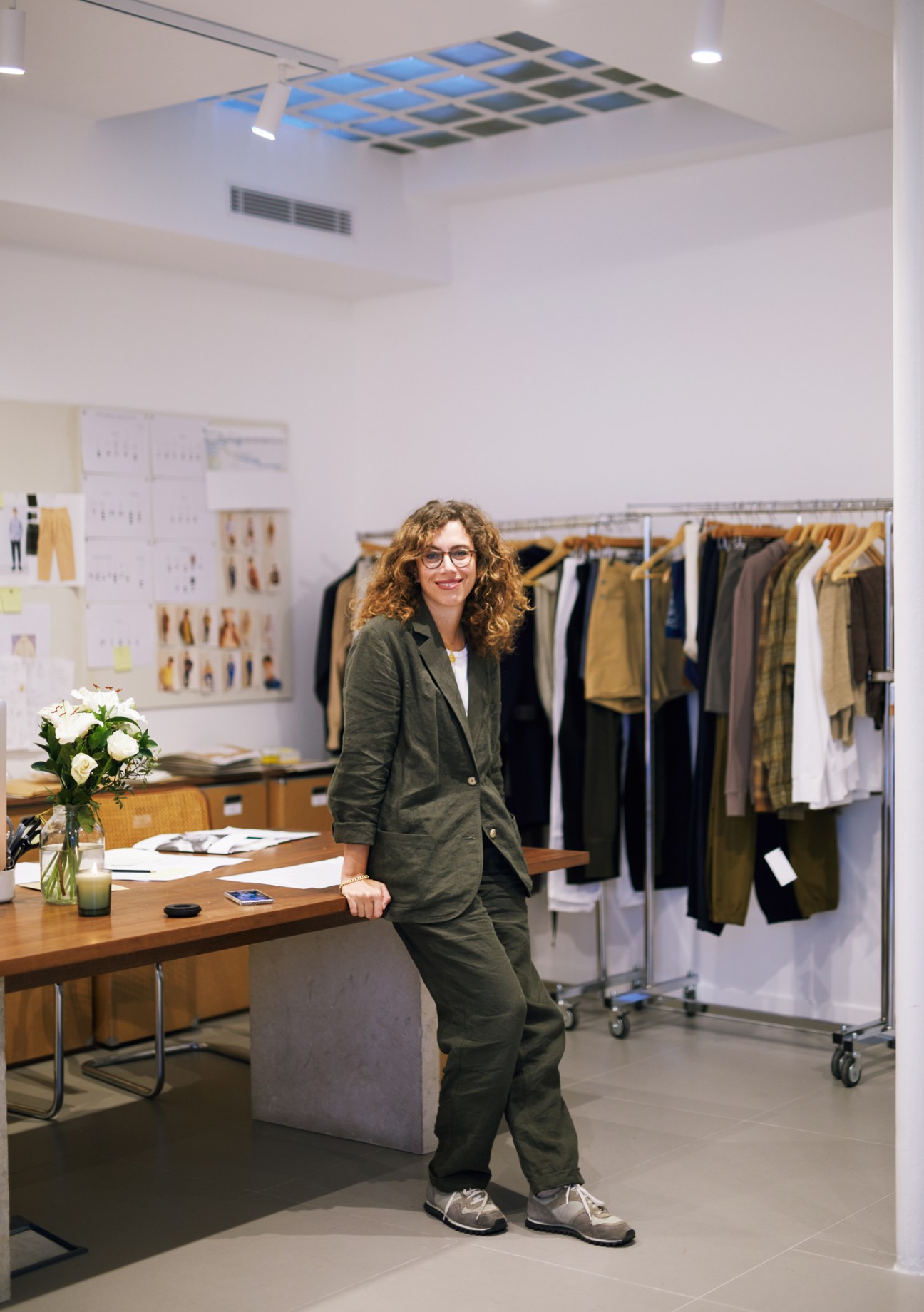
De Bonne Facture’s arrival is part of a neighbourhood retail revival. The company is a member of Le Village Popaincourt, an association of artisans and independent shops on Rue Sedaine and nearby streets. Other brands in Le Village Popaincourt include deli Les Pieds sur Terre, a one-stop shop for French produce and wine, and bookshop L’impromptu. With the lifting of pandemic-related restrictions in France, Neuberg wants to use De Bonne Facture’s new space for hosting events, from pop-up shops to partnerships with ceramicists and talks with writers. “It will be less a boutique where one goes just to shop than a place that is part of the neighbourhood and its fabric,” she says.
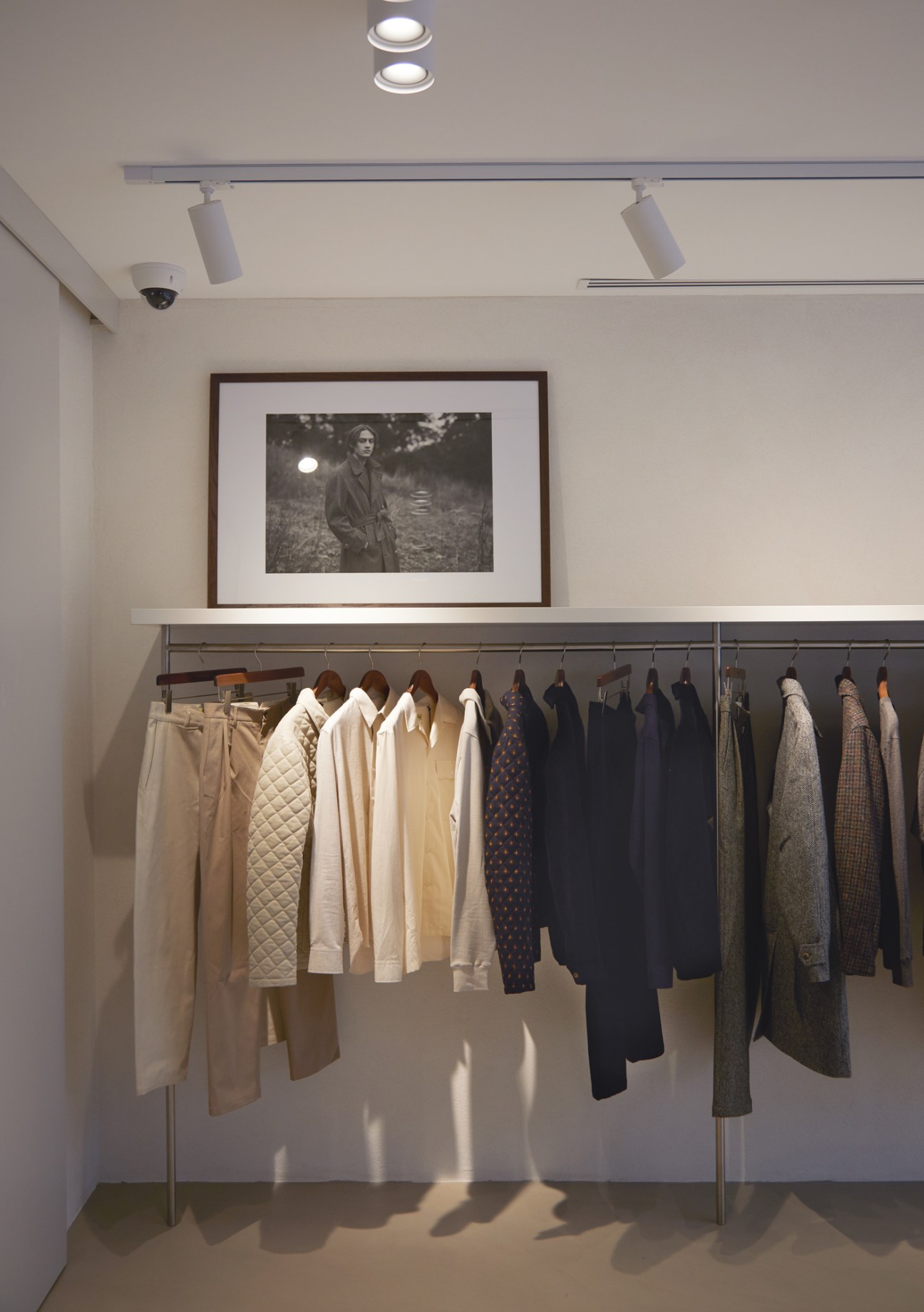
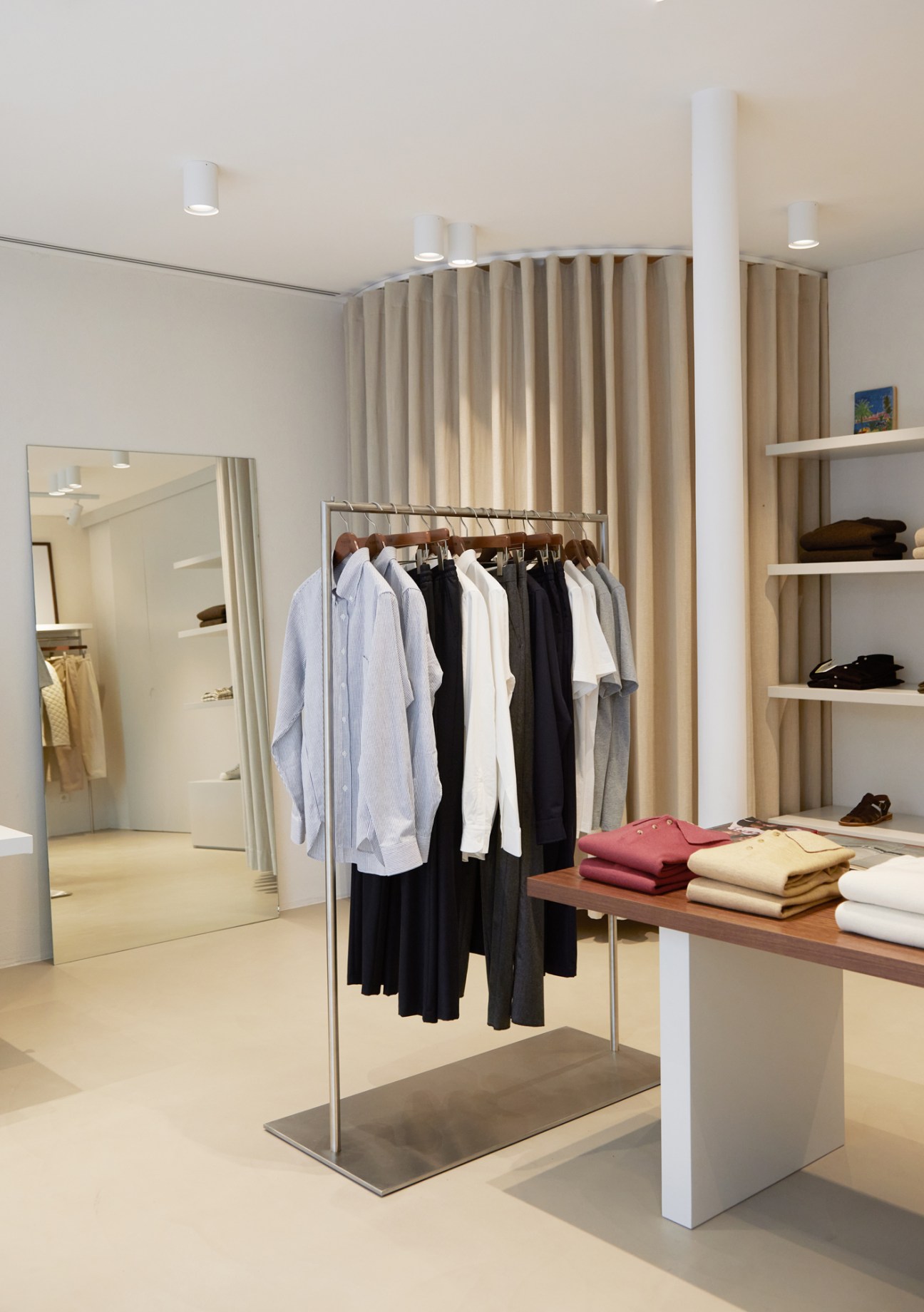
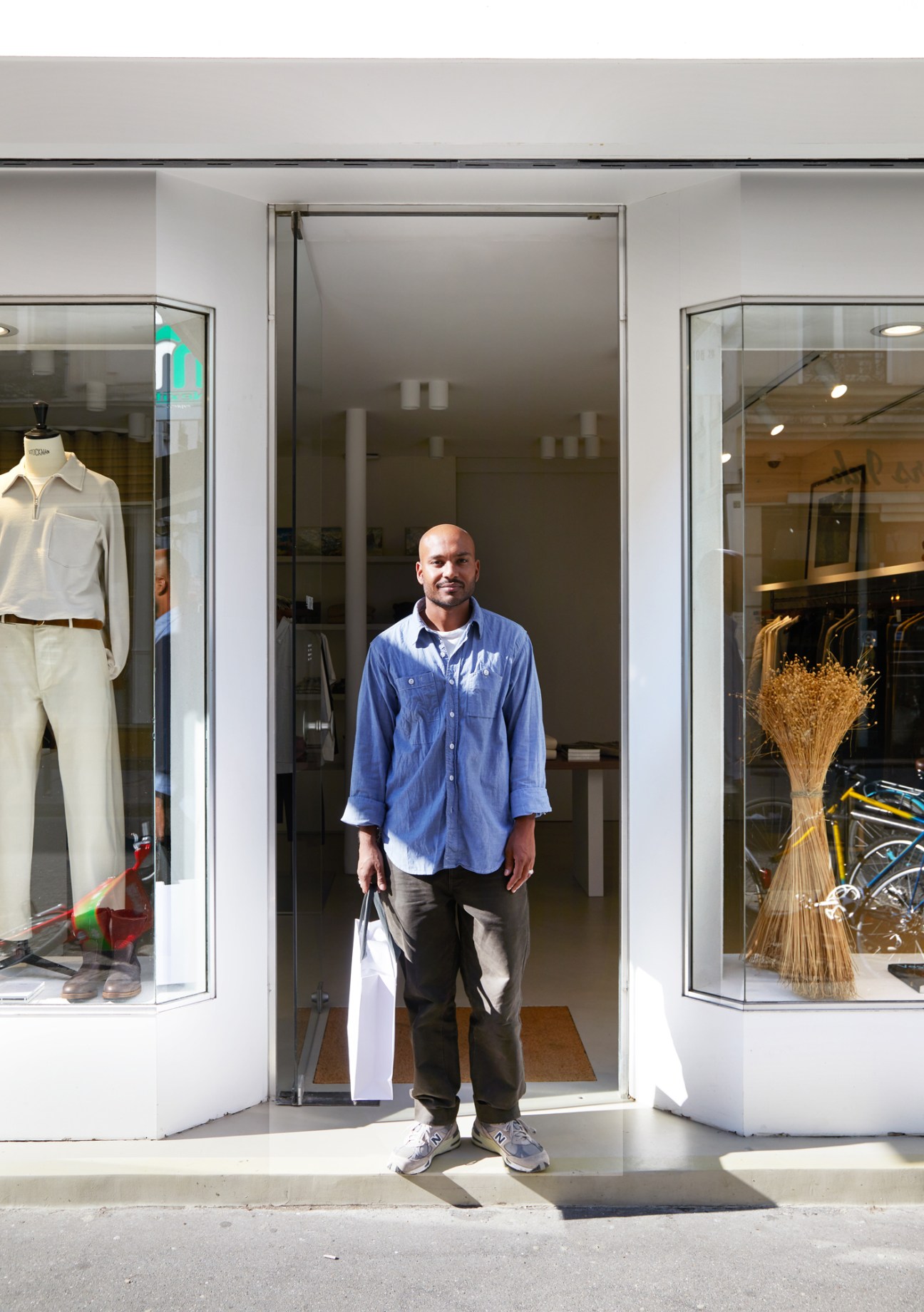
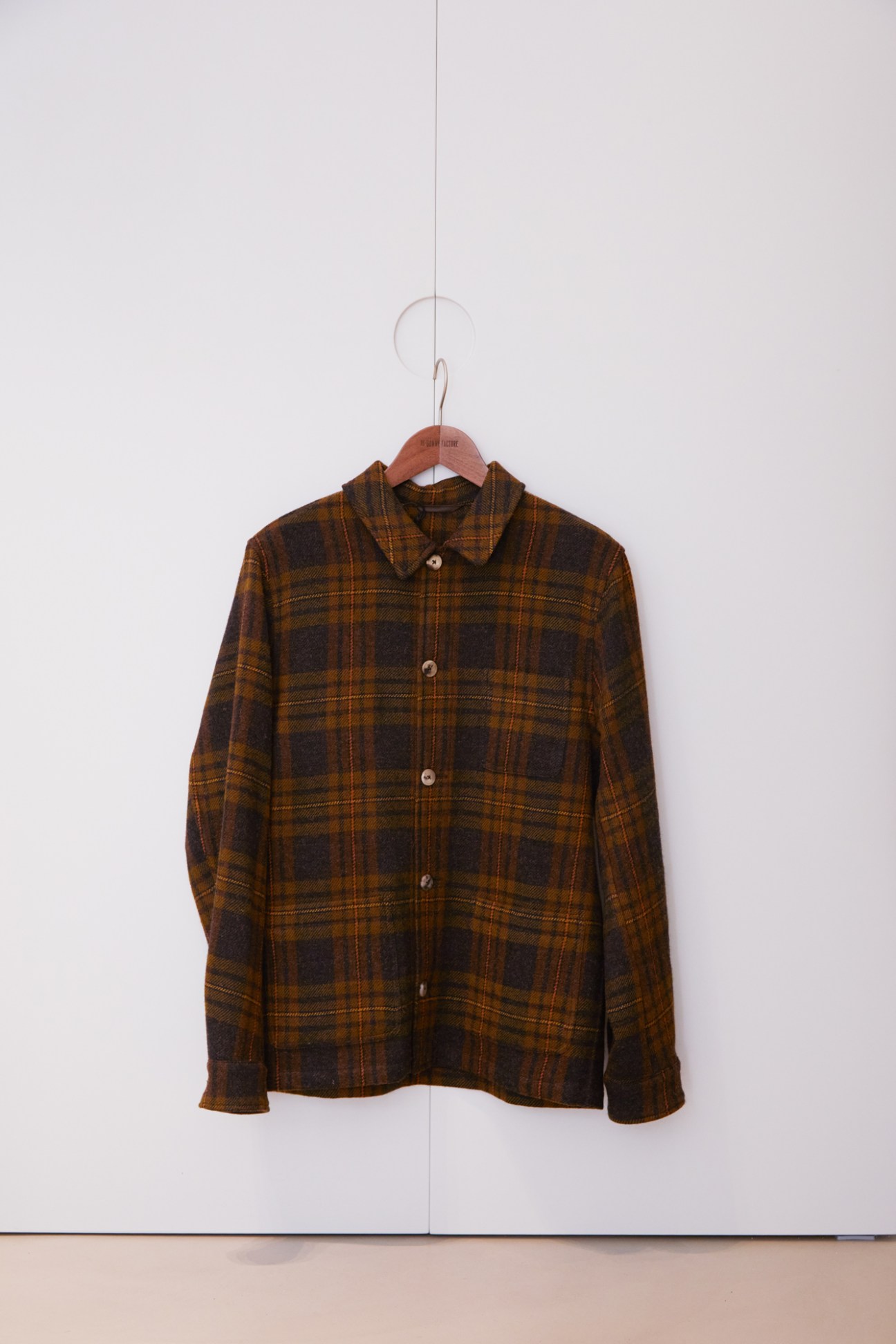
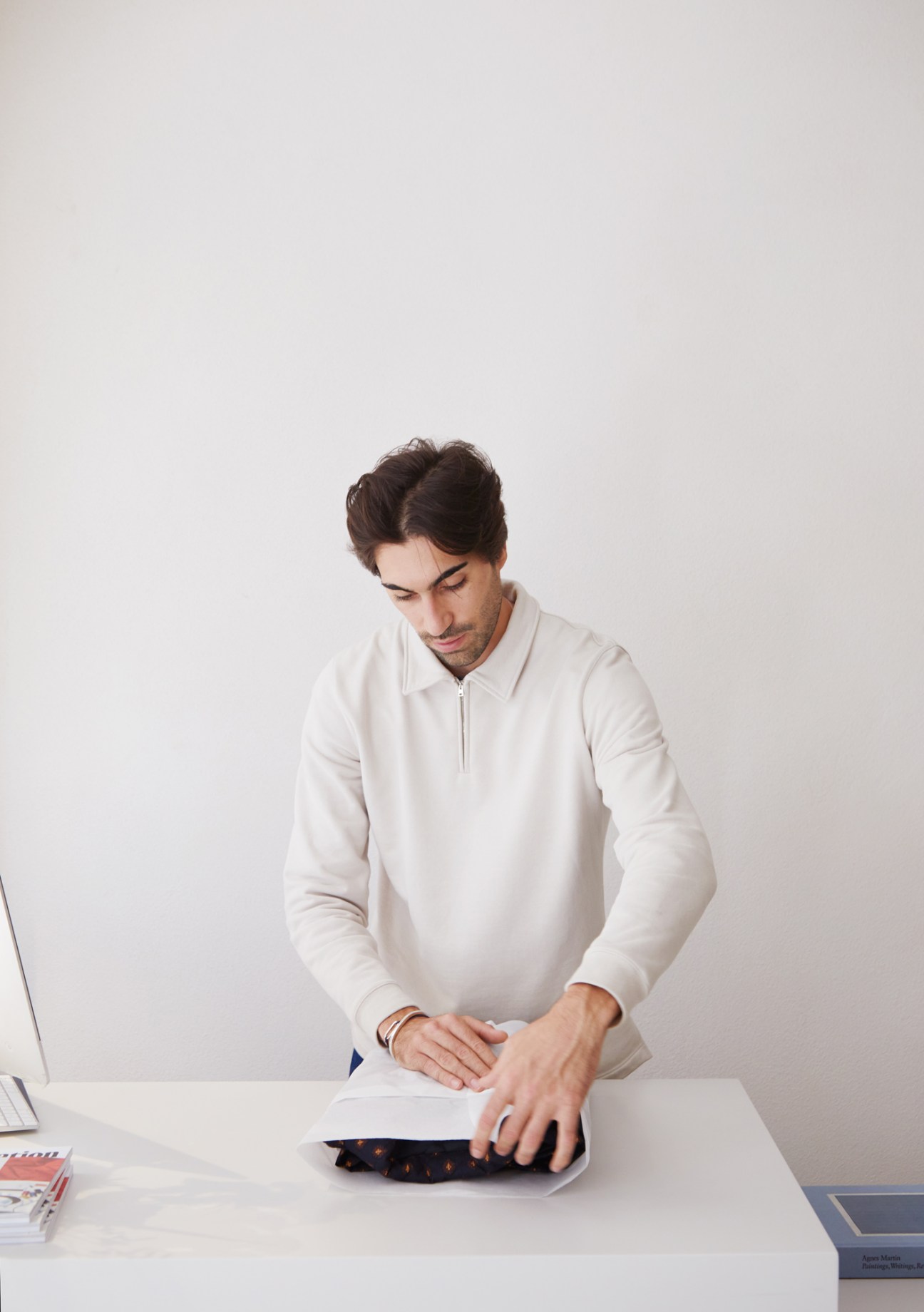
Of course, shopping for clothes is still an option and visitors can choose from a range of pieces in what Neuberg describes as “noble materials”, such as cotton, wool and linen, most of them made in France. Some of them are even made in Paris, at an atelier in the 18th arrondissement. Every item carries two labels: one with the brand’s name and another with the name and location of the workshop where it was made. “I have increasingly brought in this extremely local dimension, not just in terms of the ateliers but also in terms of the materials,” says Neuberg.
Recent examples of clothing of this type include a large plaid of undyed wool from French sheep that has been produced in collaboration with Atelier Passe Trame in Payrin-Augmontel in southwest France. Other highlights for the cooler months include a quilted work jacket made in British cotton moleskin by atelier Hervier Productions in Châtillon-sur-Indre, in central France, and a pair of soft brown boots with the upper part made from sheepskin created with a shoemaker from the south of France.
debonnefacture.fr
Ready and waiting
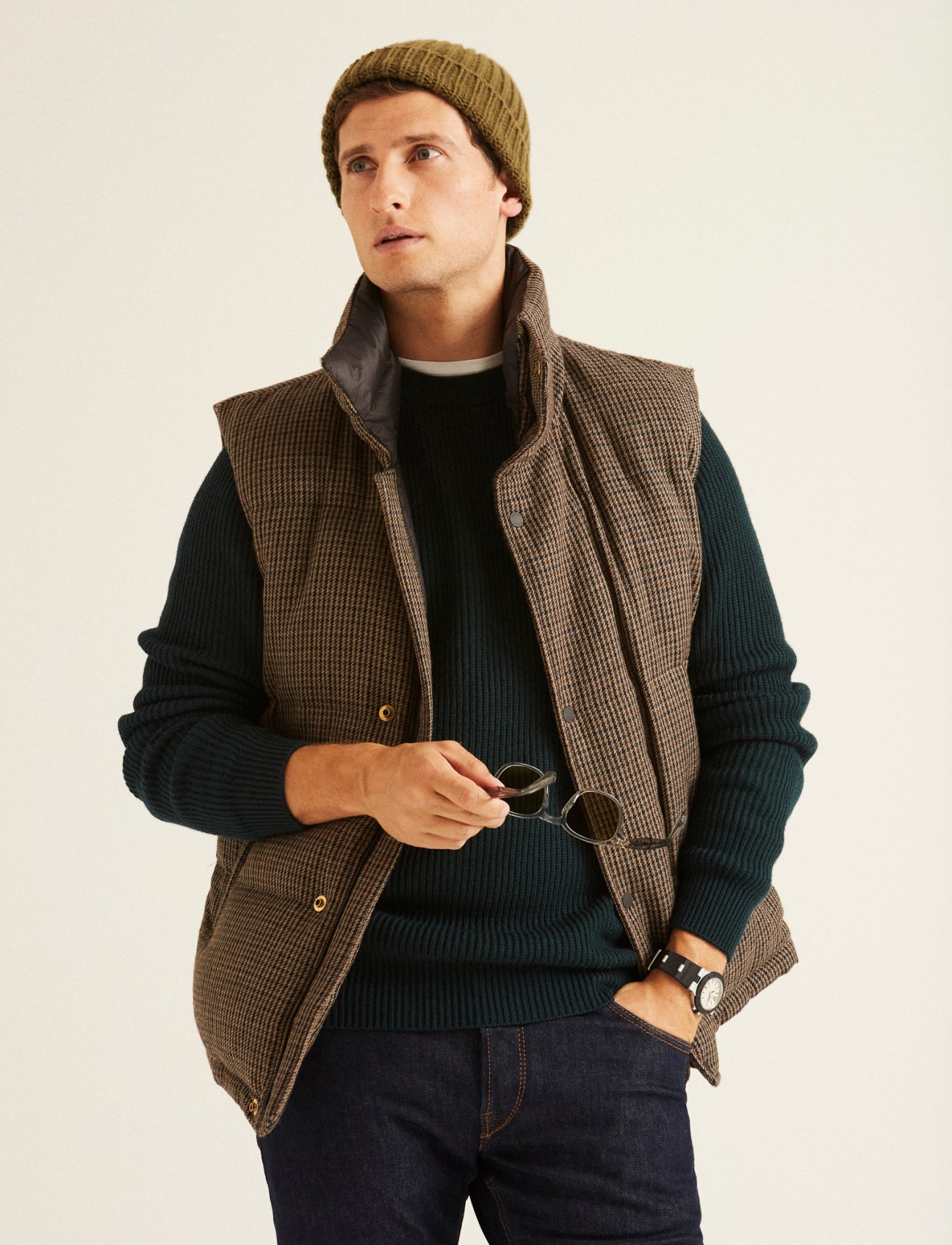
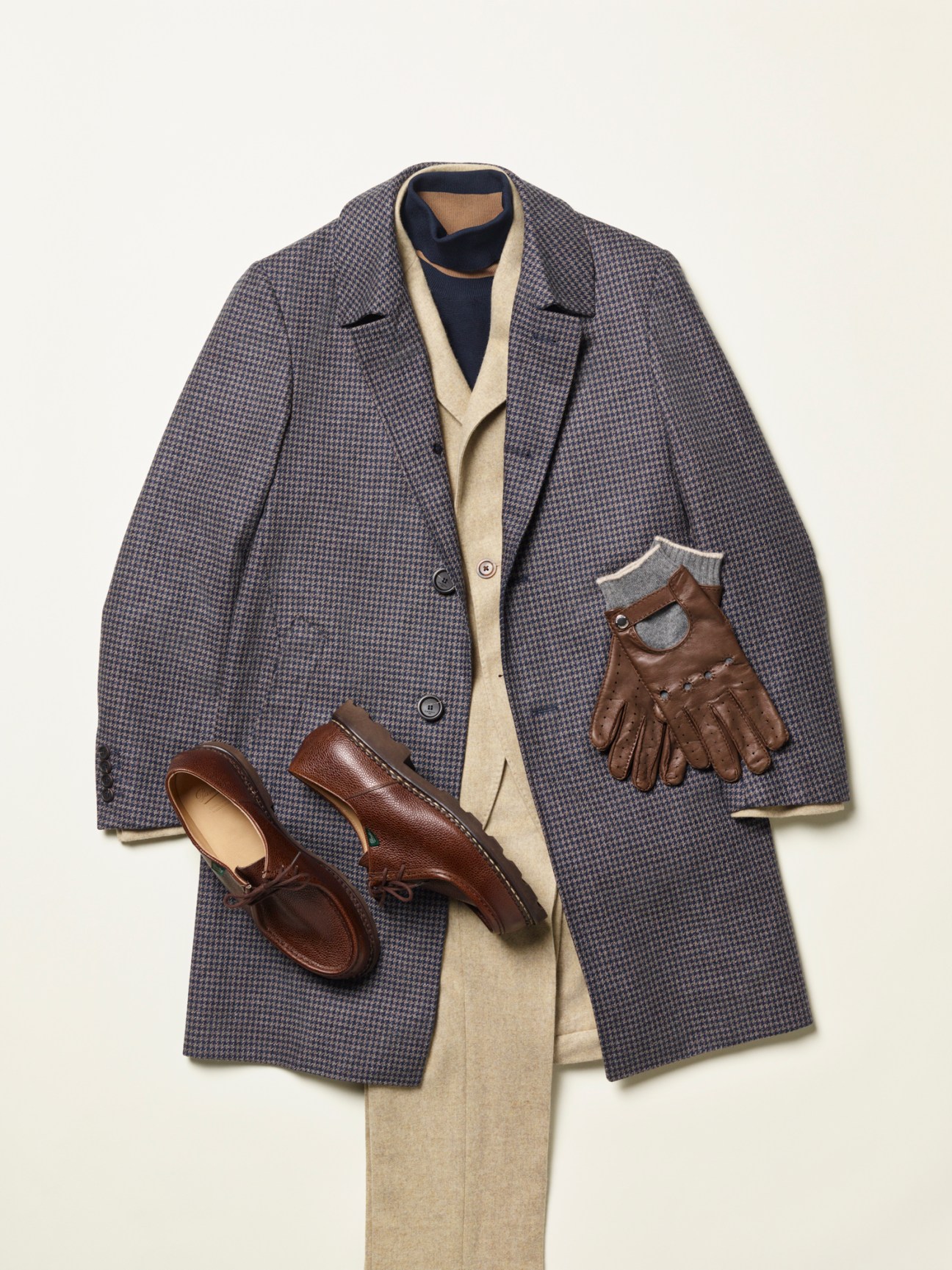
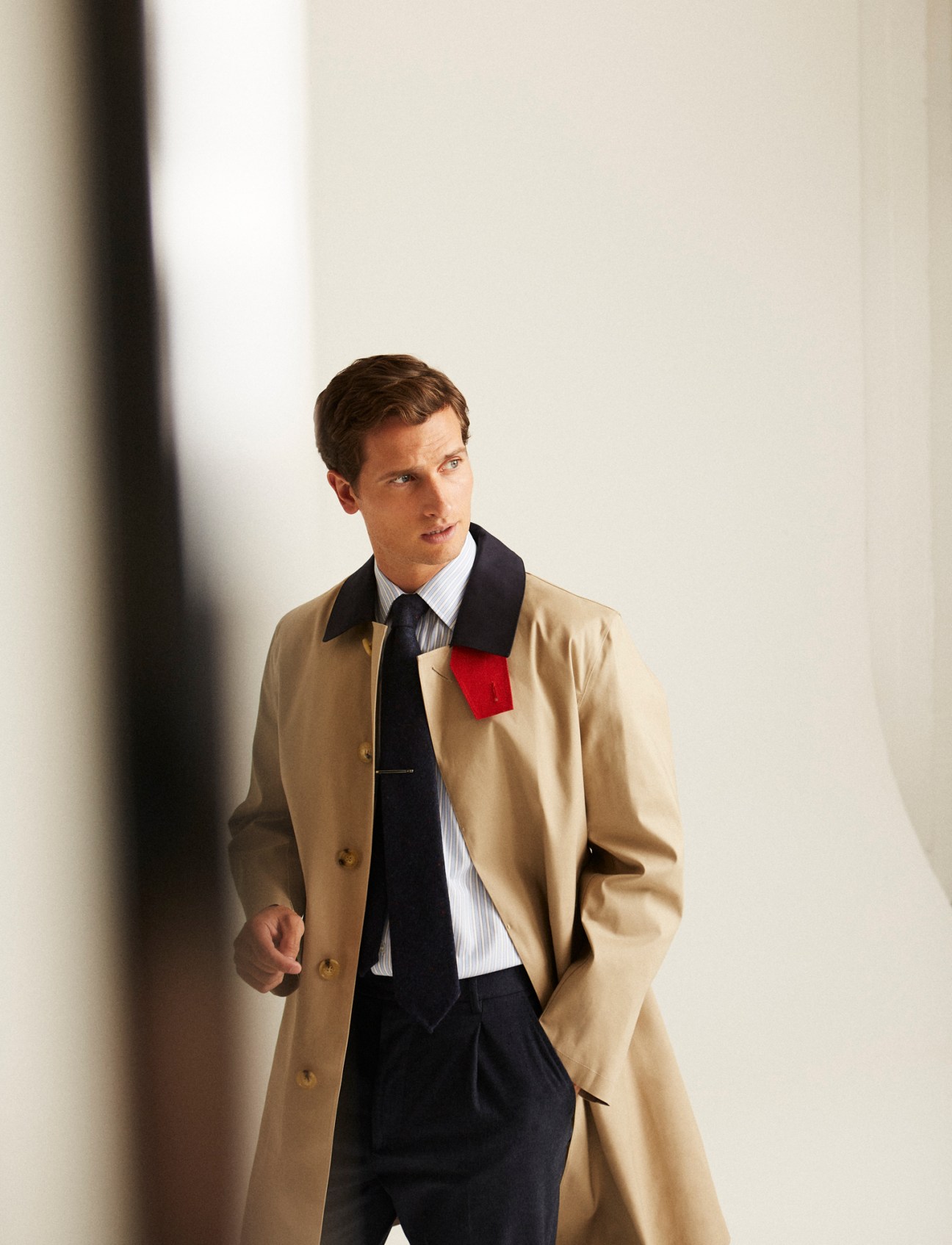
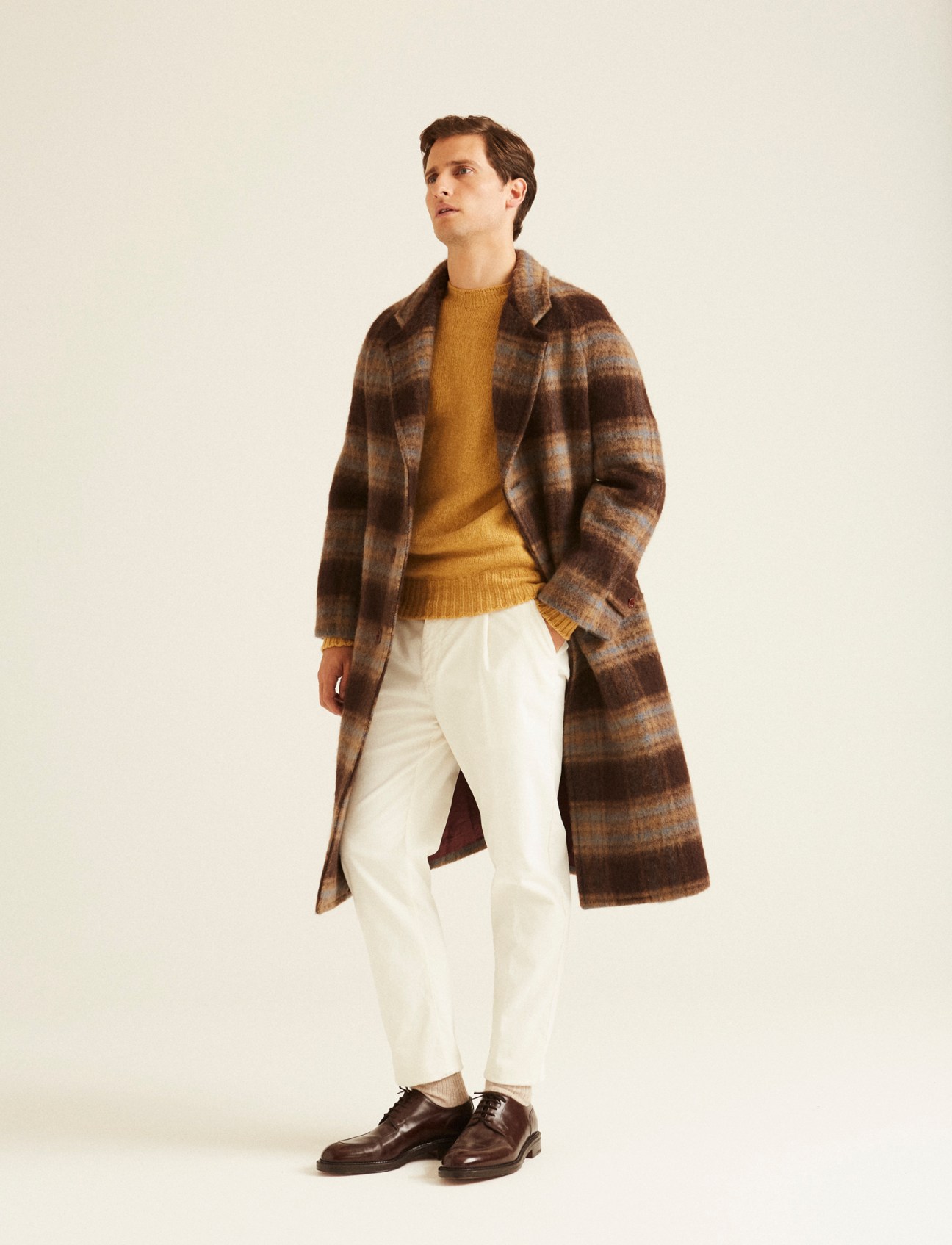
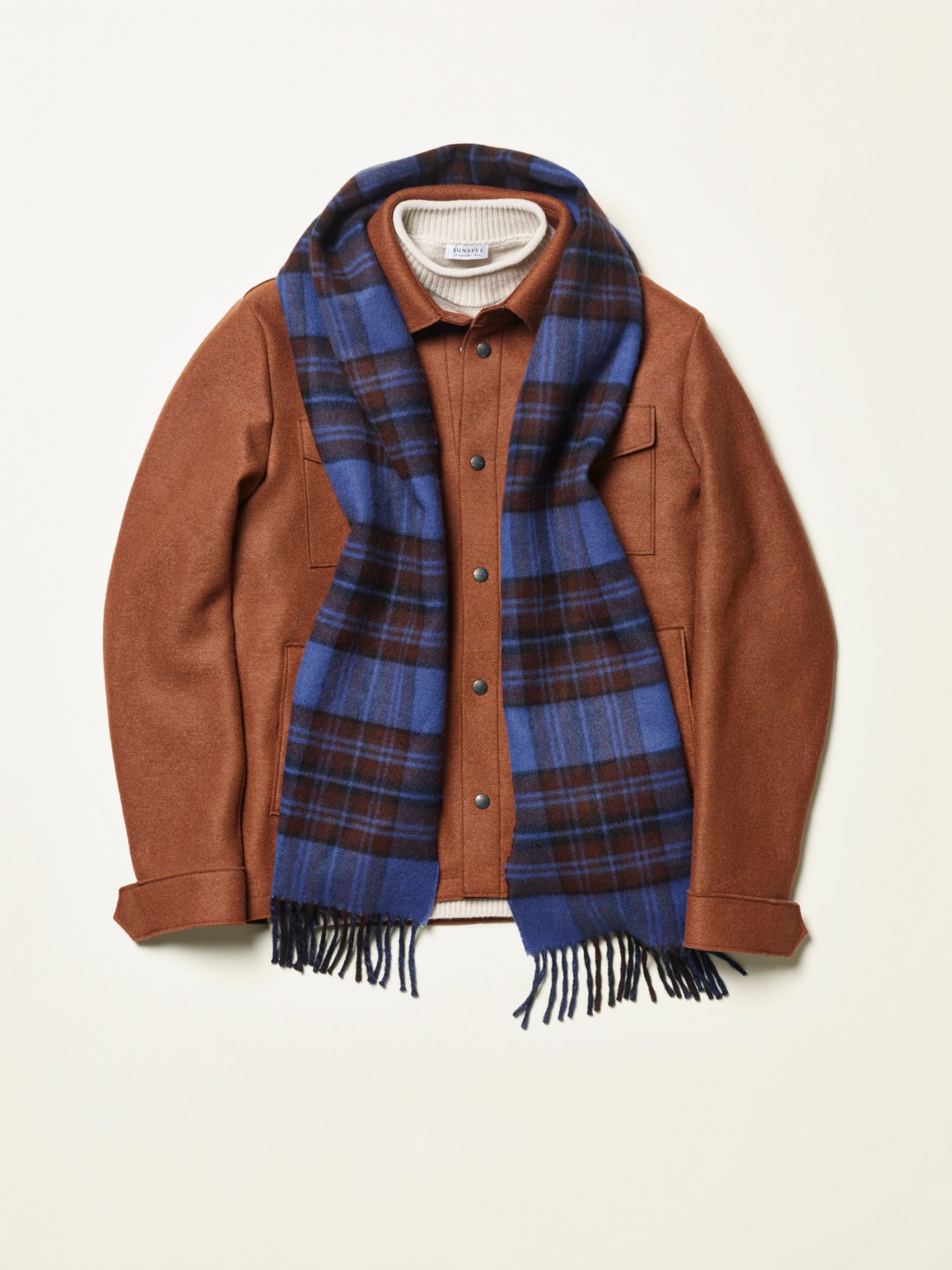
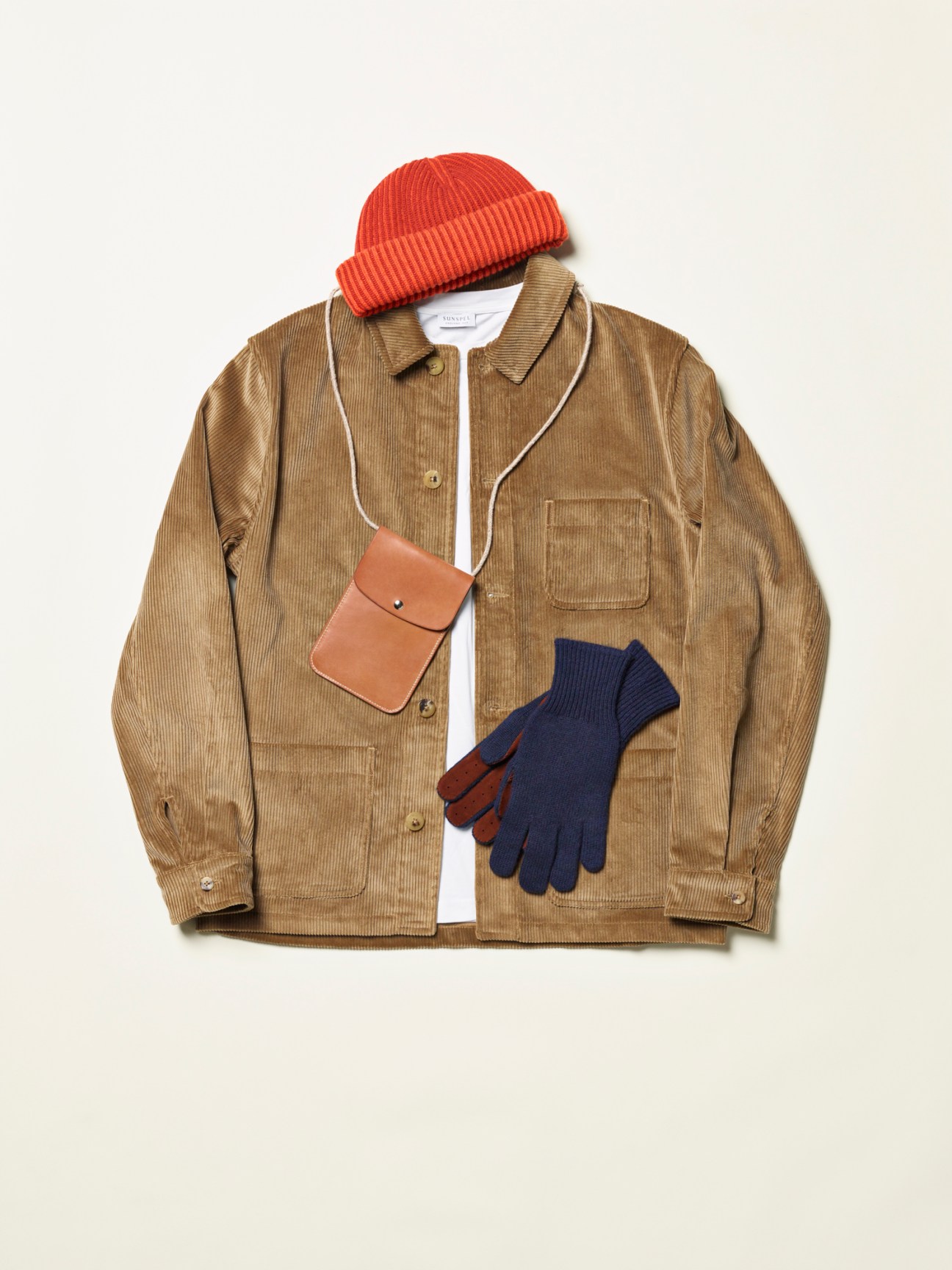
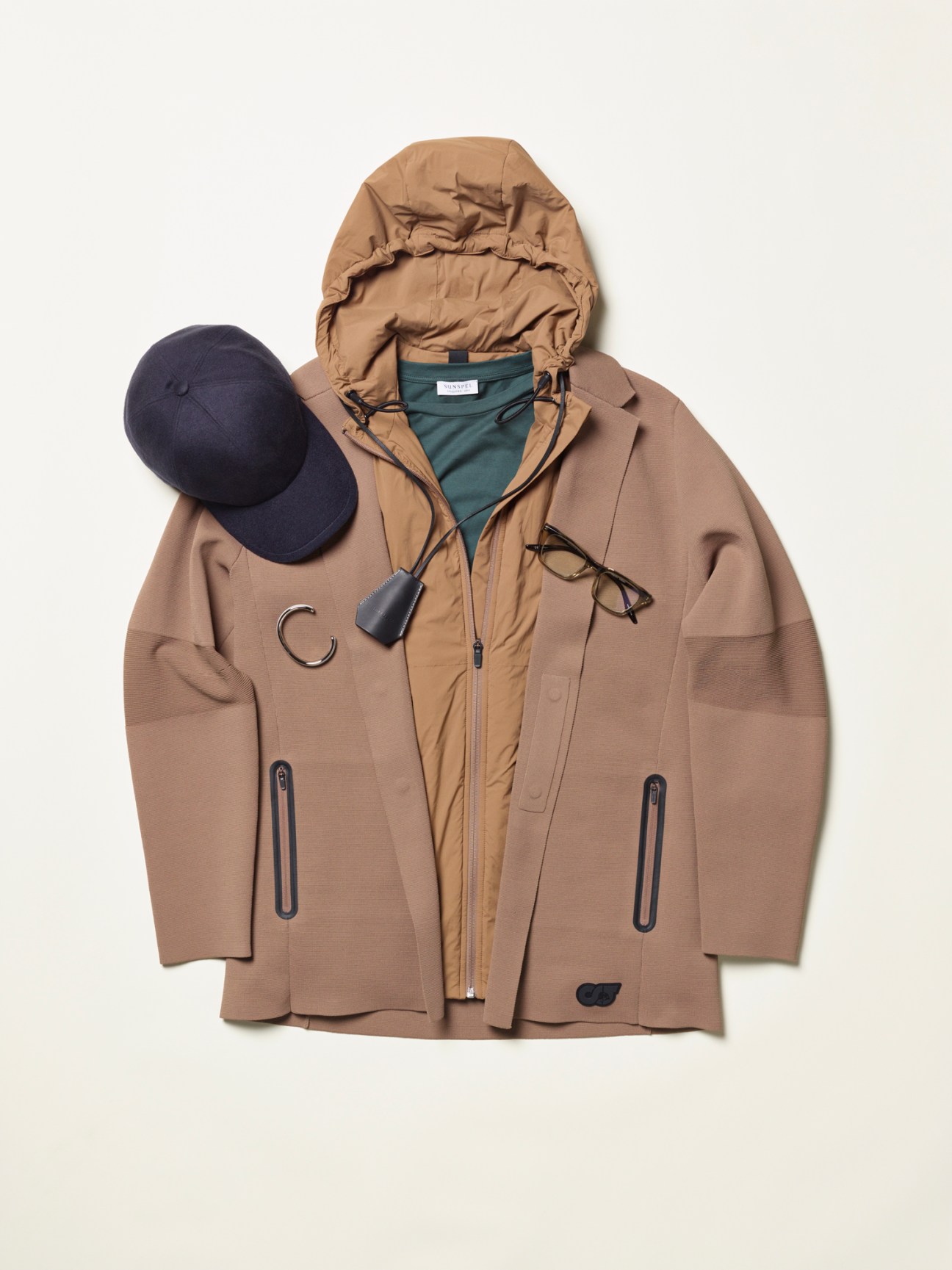
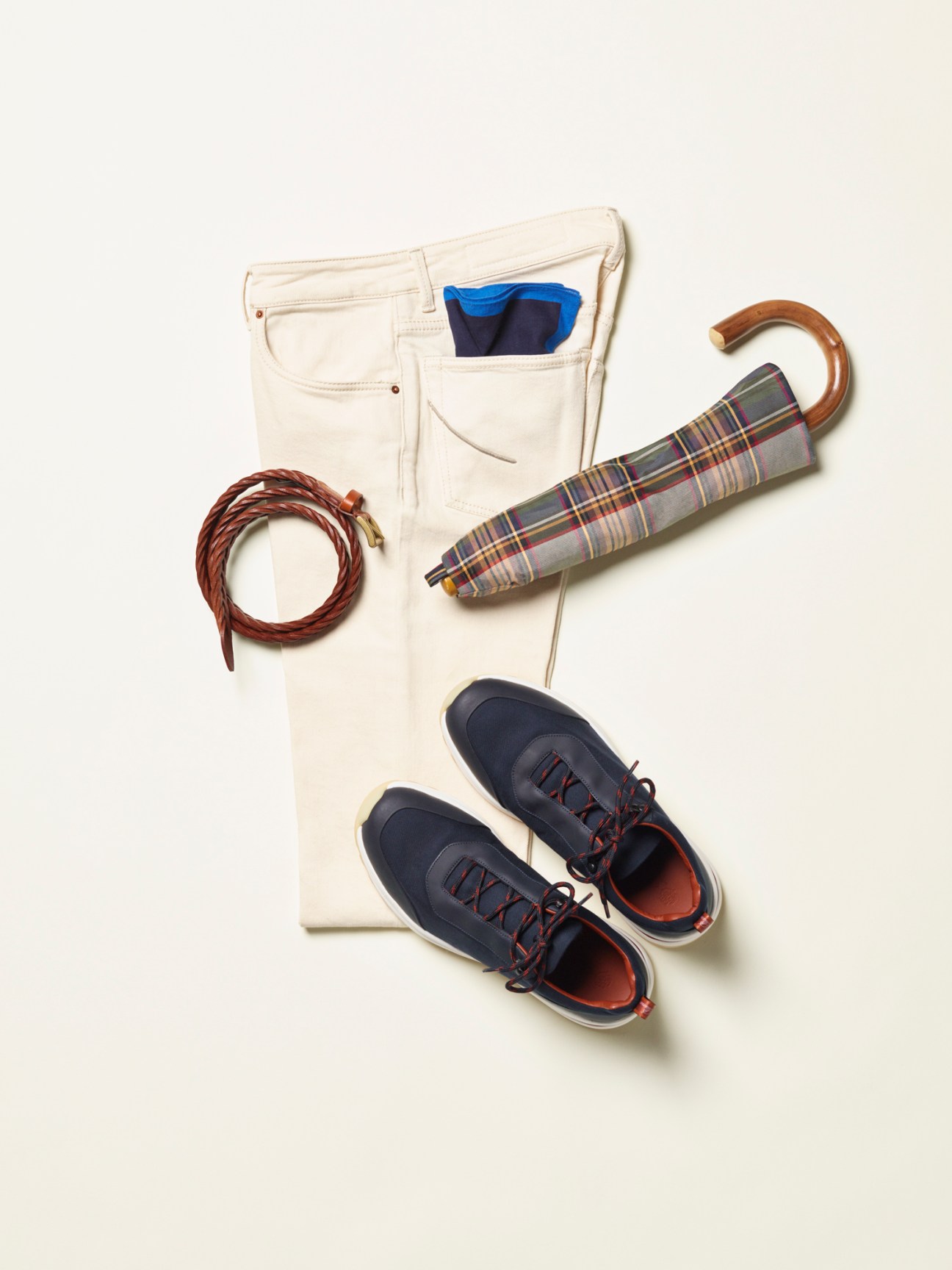
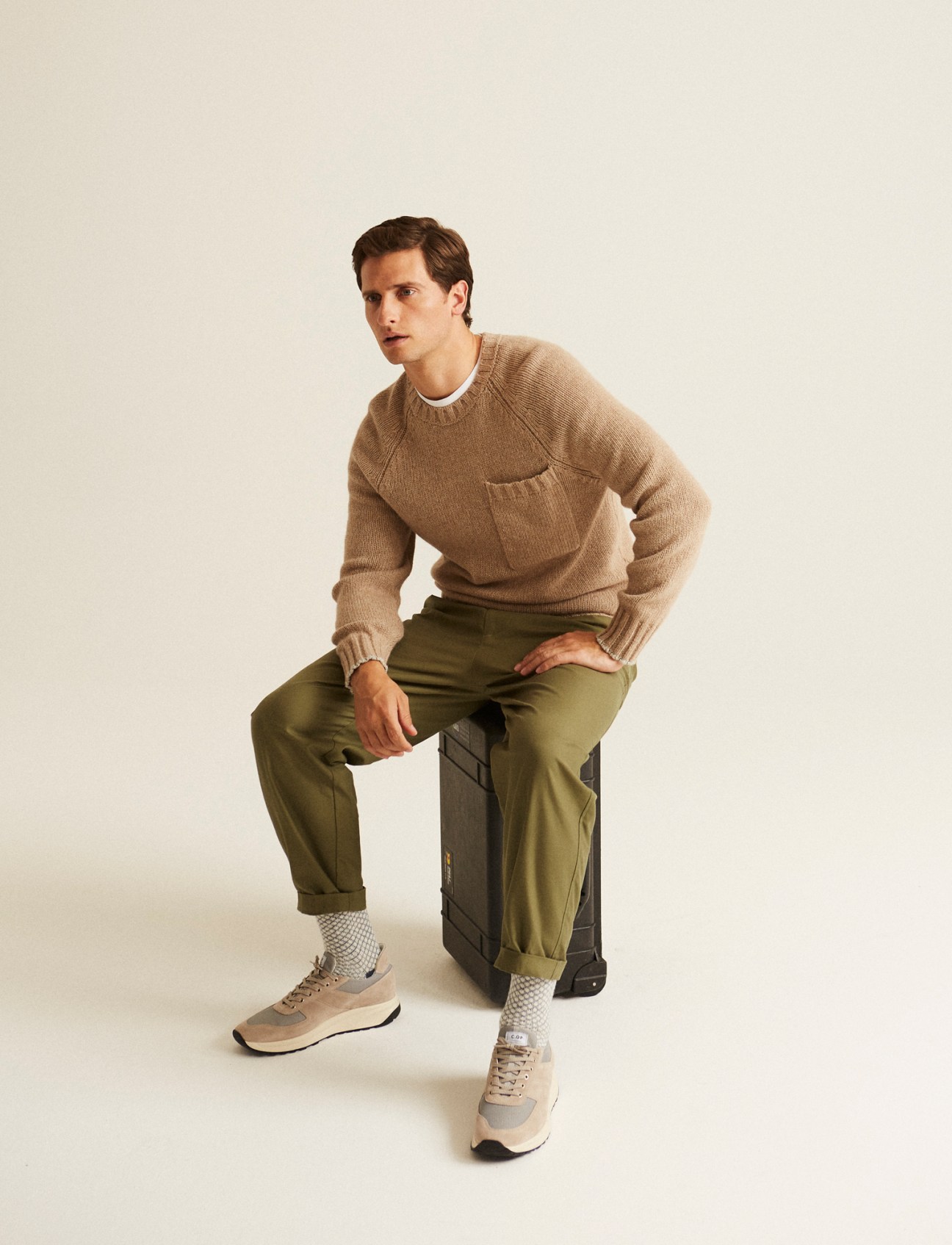
Model: Tom Warren
Hair & Makeup: Sam Basham
Stylist: Kyoko Tamoto
Sea change
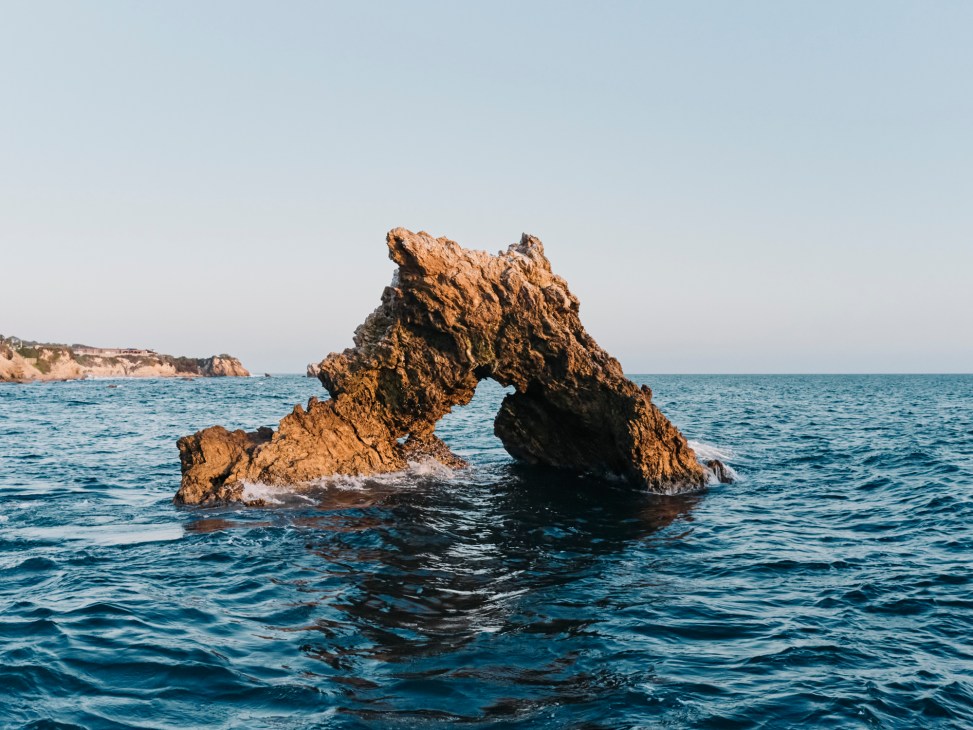
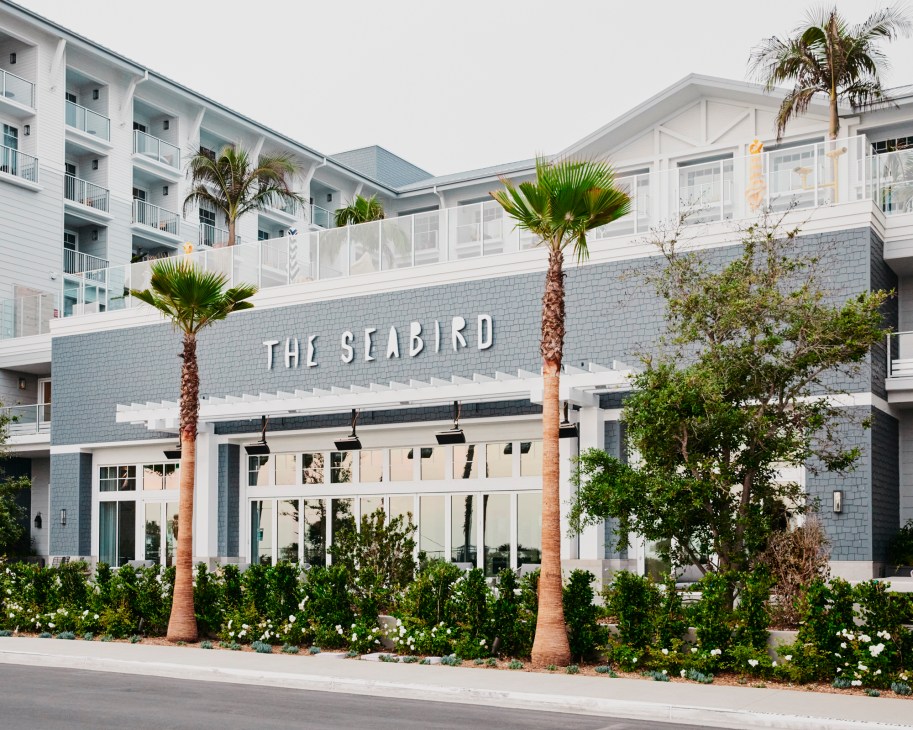
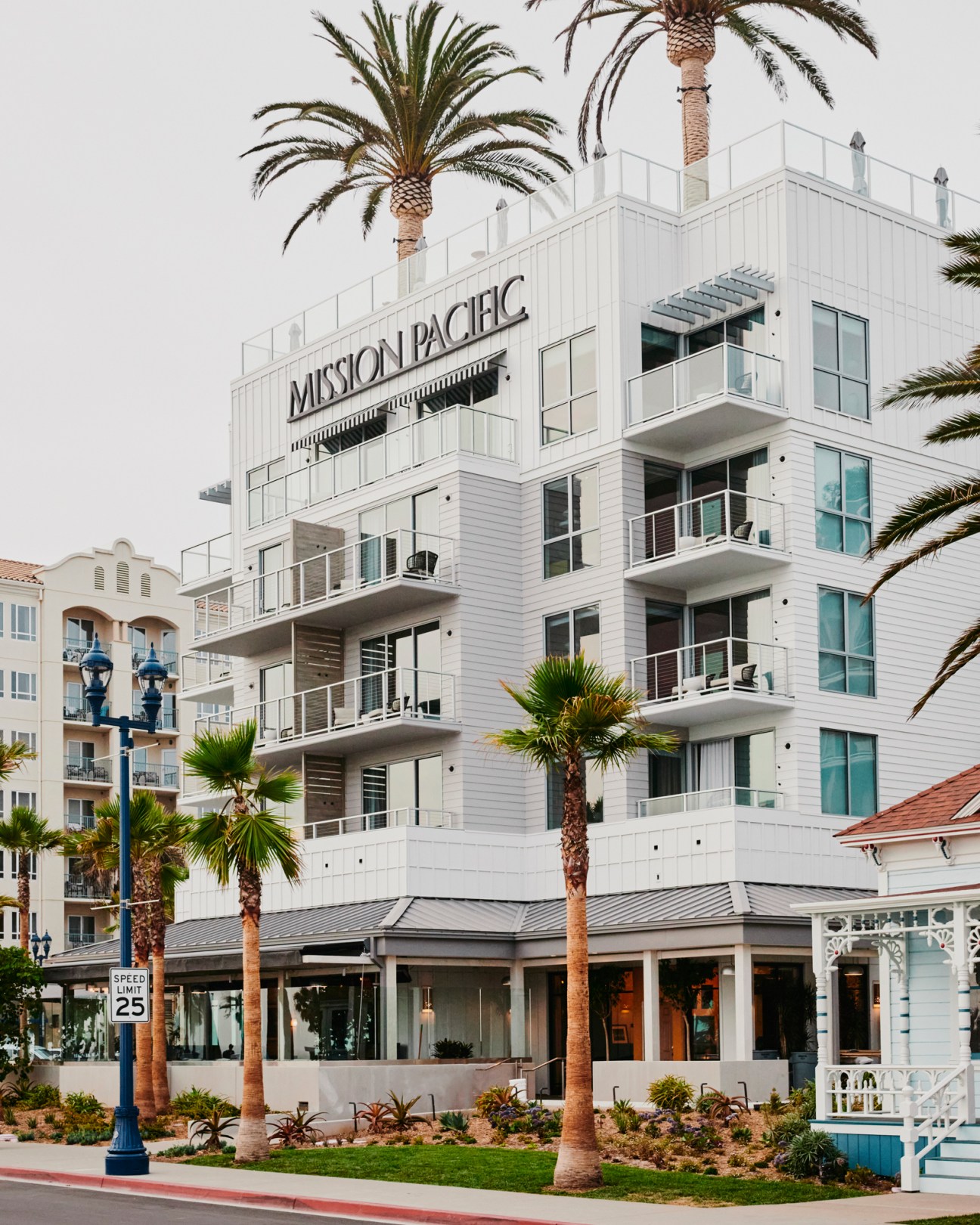
A duo of new hotels in Oceanside, California is forcing many Los Angeles residents to consider a seaside getaway that differs from the well-trodden path to Santa Monica or Malibu. Located an hour and a half south of LA in San Diego County, the quiet beach town is a favourite with surfers, who prize the consistency of the waves. Now, as the 161-room Mission Pacific and larger Seabird Resort make their debut, the coastline is beckoning Angelenos, who can drive or hop on the southbound train after work and check in for an 20.00 dinner.
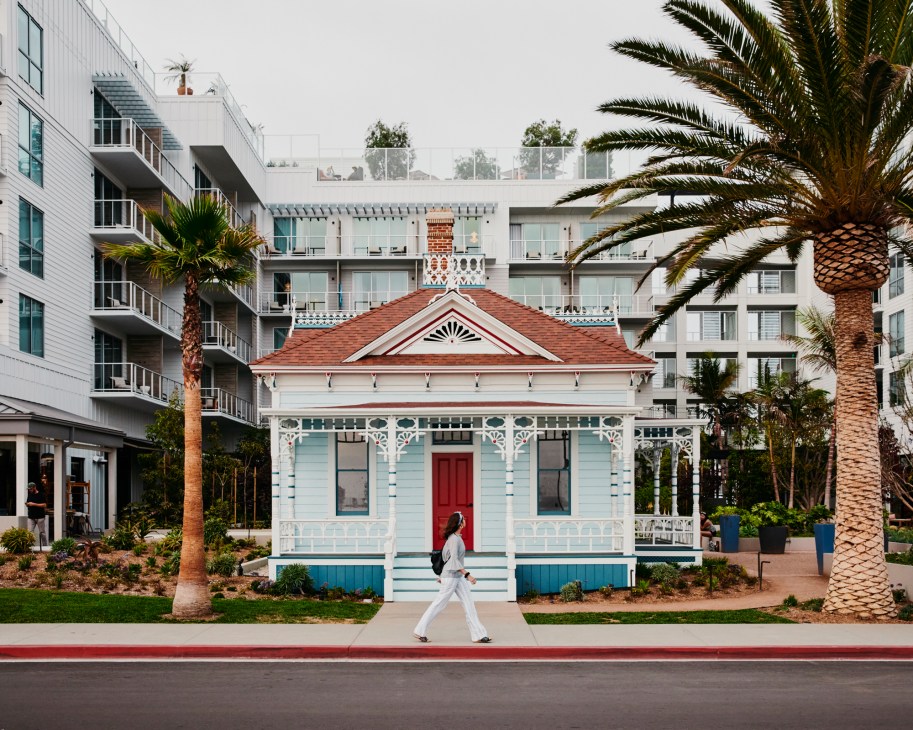
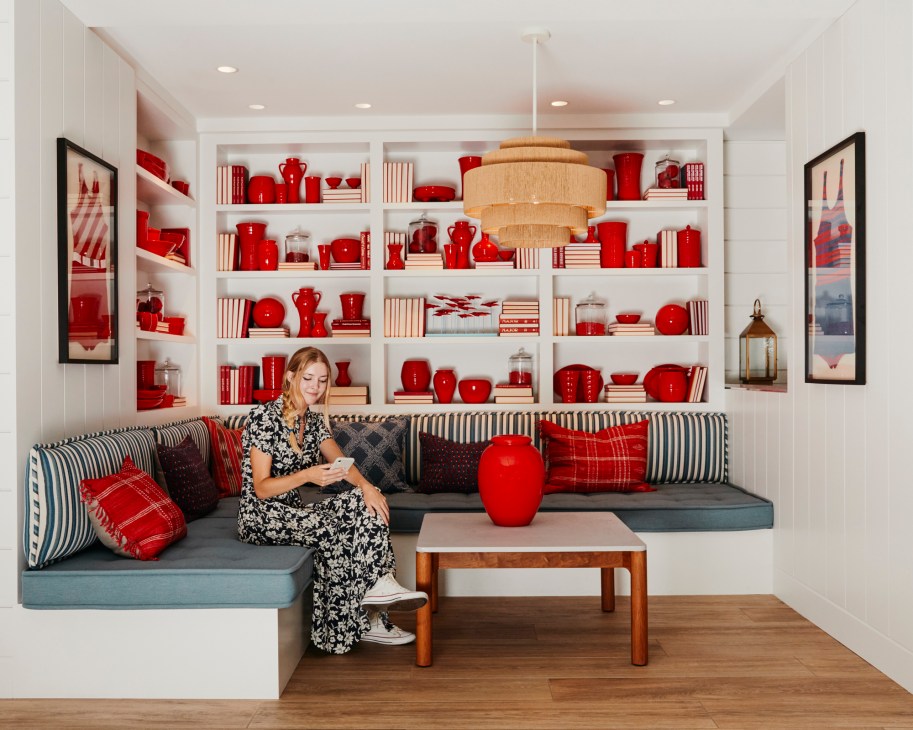
With slatted wooden exteriors reminiscent of California’s Craftsman-style homes, both newly opened hotels offer a relaxed residential feel on a rather grander scale. Of course, there are variations between the neighbouring properties: highlights include the laid-back third-floor pool deck with cabanas at the more family-focused Seabird Resort or the buzzier all-day café at the Mission Pacific, where you can sip a macchiato (or something stronger). What’s consistent throughout are the ocean views: almost every room has one. And for hotels of this size, that is no small feat, says San Diego architect Frank Ternasky, who worked on both properties.
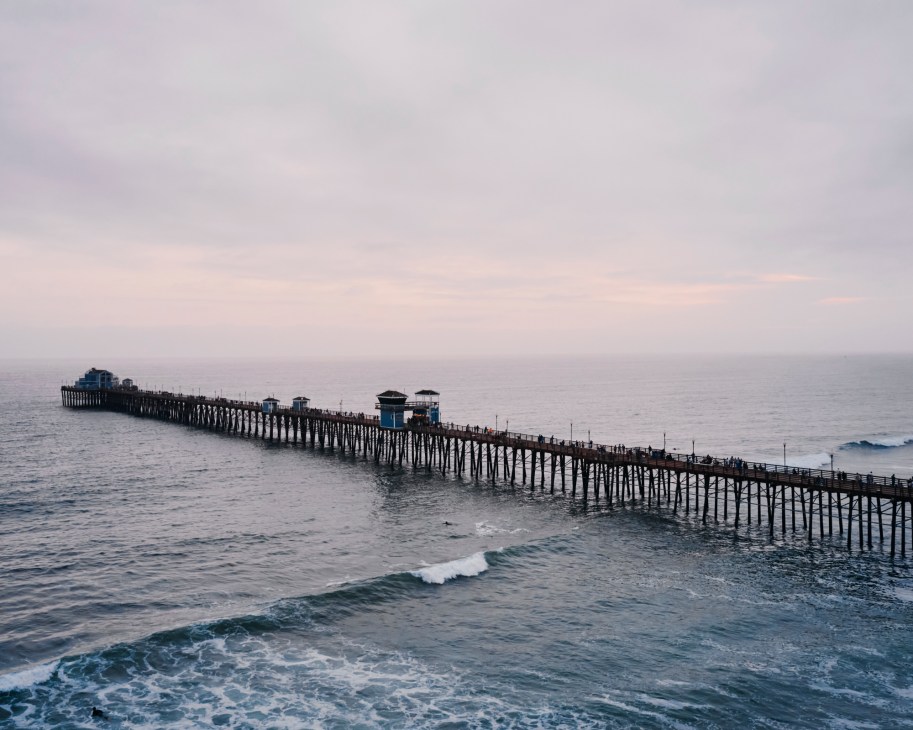
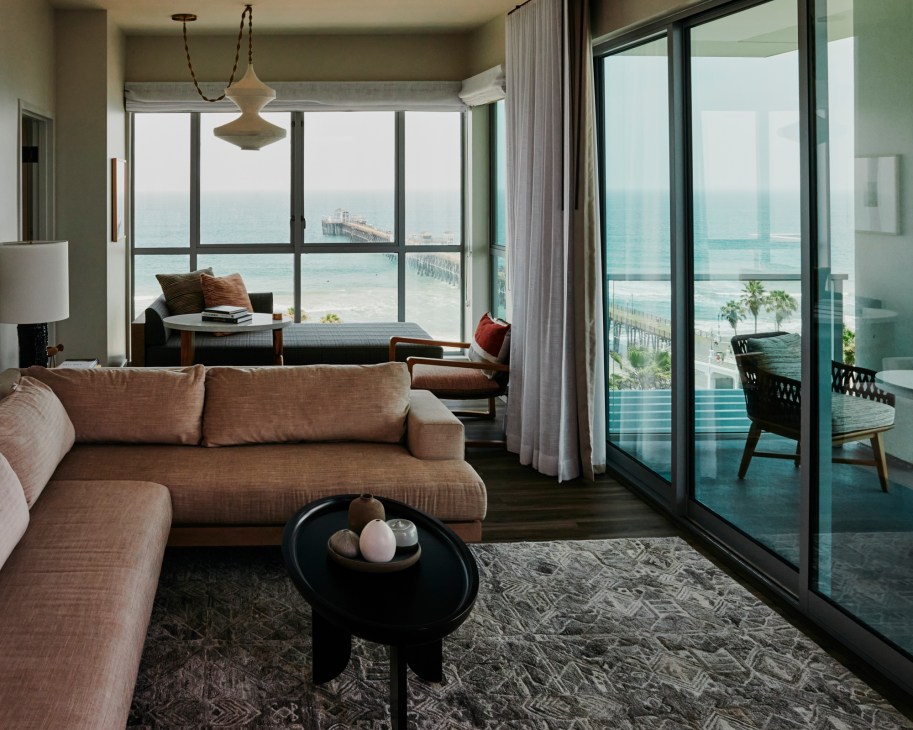
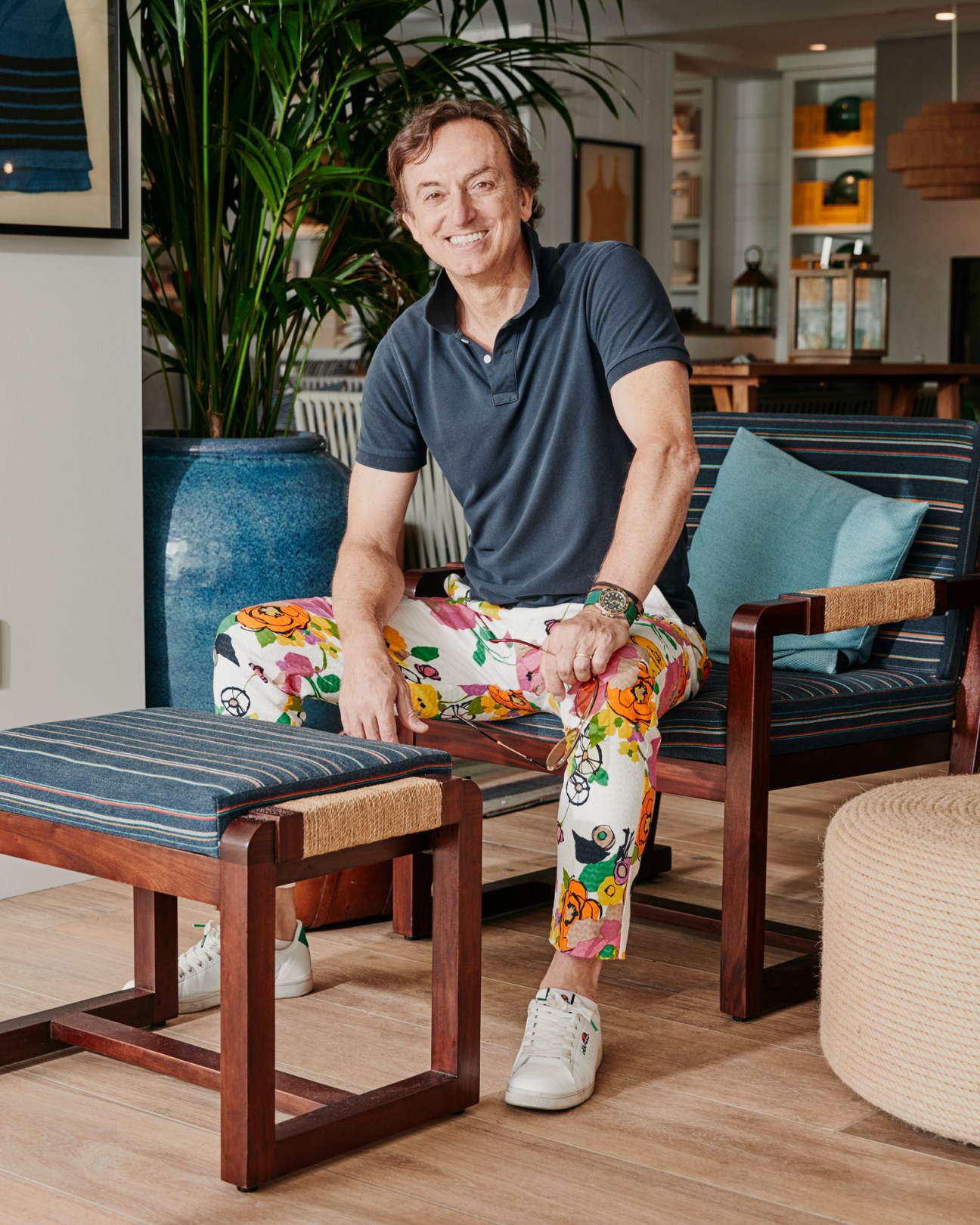
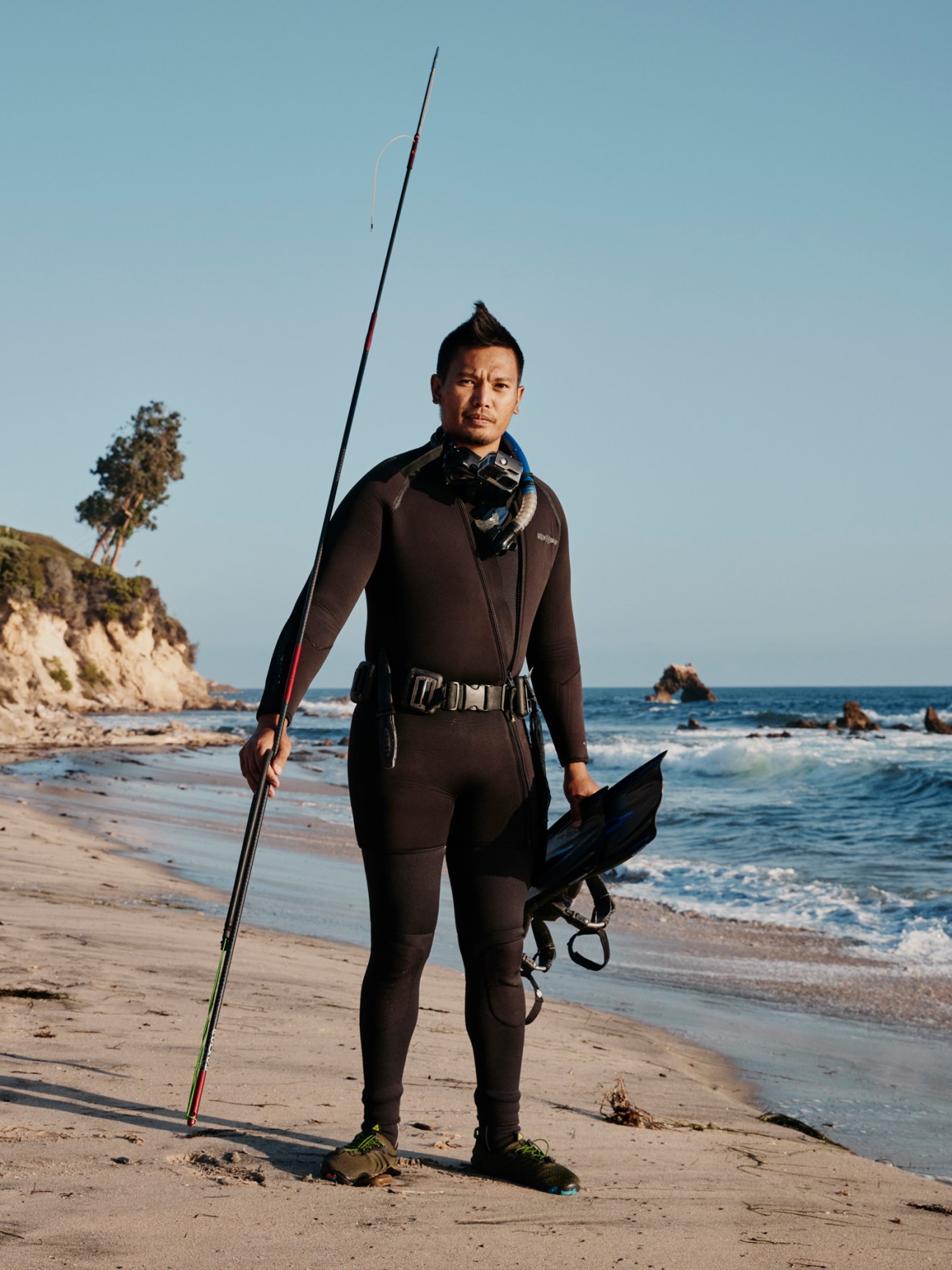
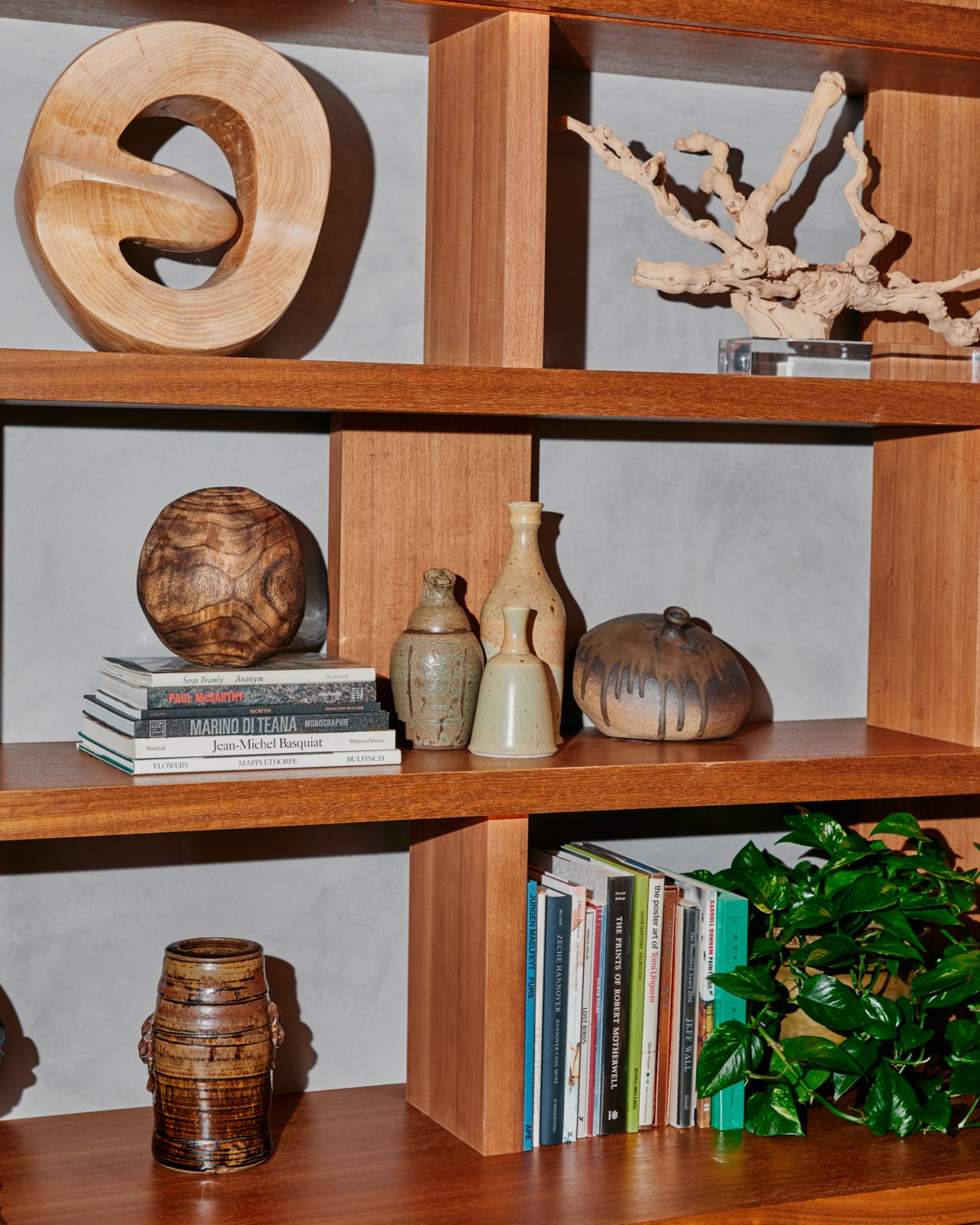
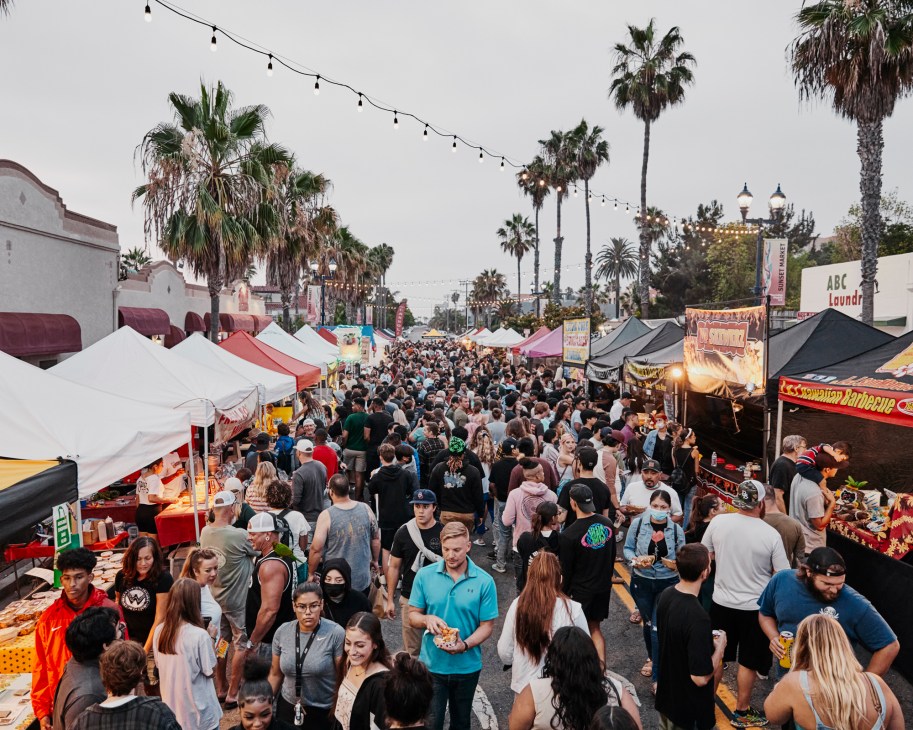
“In California there’s a 30 foot height-limit on anything built along the coast,” he says. It took a bit of smooth talking to get the buildings approved but when it was time to submit plans to the California Coastal Commission, the owners, SD Malkin Properties, led by director Jeremey Cohen, emphasised the potential of both hotels to boost the local economy and bring in some much-needed younger guests. Luckily, Oceanside, a military town with very few pre-existing amenities to attract tourists, agreed. Not only could the hotels create new jobs but there was the allure of rooftop dining and public spaces that residents could enjoy too, which helped to close the deal. “The city wanted to jumpstart this area,” says Ternasky. “We had them on our side, saying, ‘We want this, we need this.’”
Oceanside address book
Eat
Craft Coast Beers & Tacos
Craft beer pairs perfectly with authentic Baja-style tacos and other Mexican fare at this laid-back brewpub.
275 Mission Ave, Oceanside, 92054
Drink
Pacific Coast Spirits
This upbeat distillery highlights organic, small-batch spirits such as bourbon and brandy, with G&Ts on tap.
404 S Coast Highway, Oceanside, 92054
See
Oceanside Museum of Art
A 1929 municipal building houses exhibitions by contemporary artists from LA, San Diego and Tijuana.
704 Pier View Way, Oceanside, 92054
Eat
Parlor Donuts
Locals swear by the layered, croissant-like doughnuts at this all-day bakery; the breakfast tacos are also a must.
331 N Cleveland St, Oceanside, 92054
Eat
Valle
Chef Roberto Alcocer’s specialities from Mexico’s Guadalupe Valley take centre stage at this charmingly upscale hotel restaurant.
201 N Myers St, Oceanside, 92054
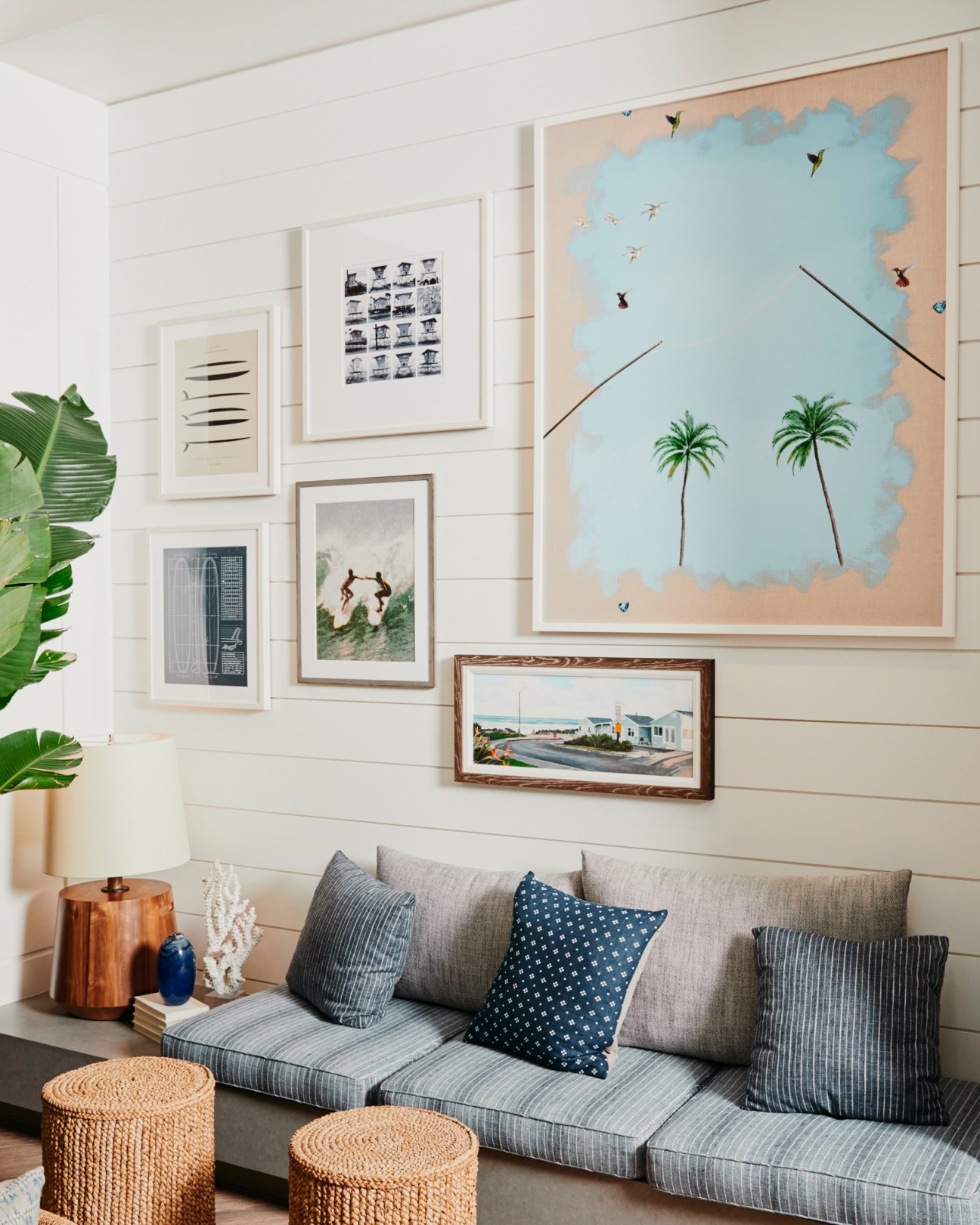
One of the city’s businesses proved particularly helpful during the hotel’s conception. The Oceanside Museum of Art occupies the former city hall, as well as a newer pavilion by Frederick Fisher (of Moma PS1 and Annenberg Beach House), which has spent the past 26 years showcasing work by artists based everywhere from Los Angeles to Tijuana. When the museum opened in 1997, it signalled the first step on a new journey for the city, which largely consisted of dive bars and strip clubs catering to marines on leave. “Back then, Oceanside was a bit run down,” says museum director Maria Mingalone. “It was scary. A lot of people didn’t come downtown.” The museum was a natural choice of ally for the hotels, which have both also sought to highlight the talent of the city’s painters, sculptors, photographers and other creators. “We thought that it was the most important partnership we could have,” says marketing and brand director Jason Katz. The process of selecting artworks took three and a half years but it paid off.
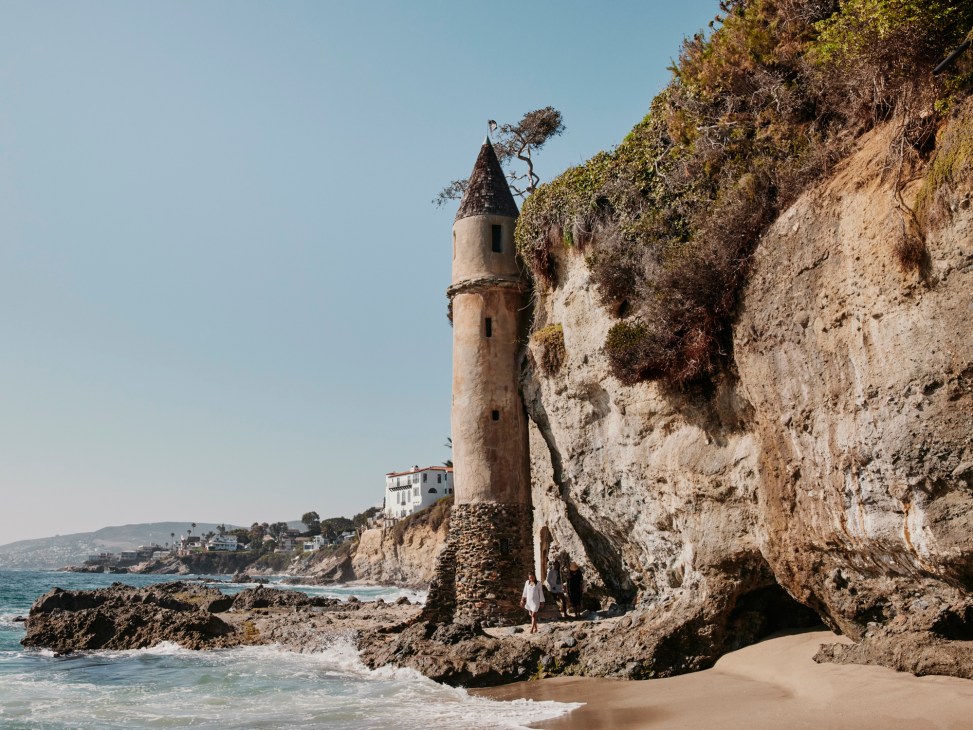
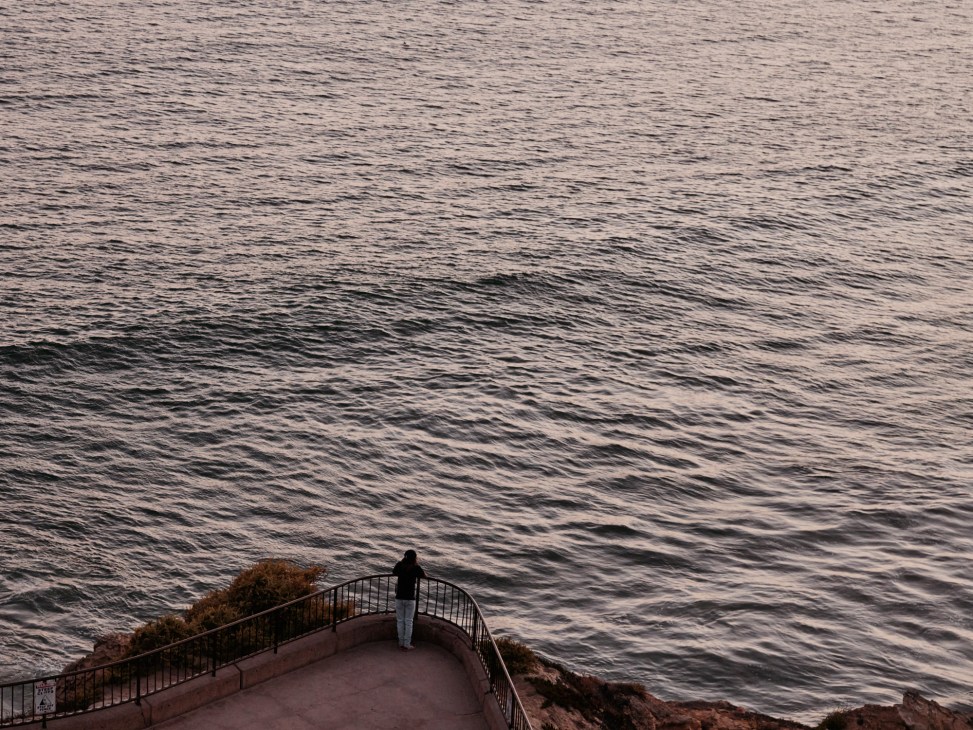
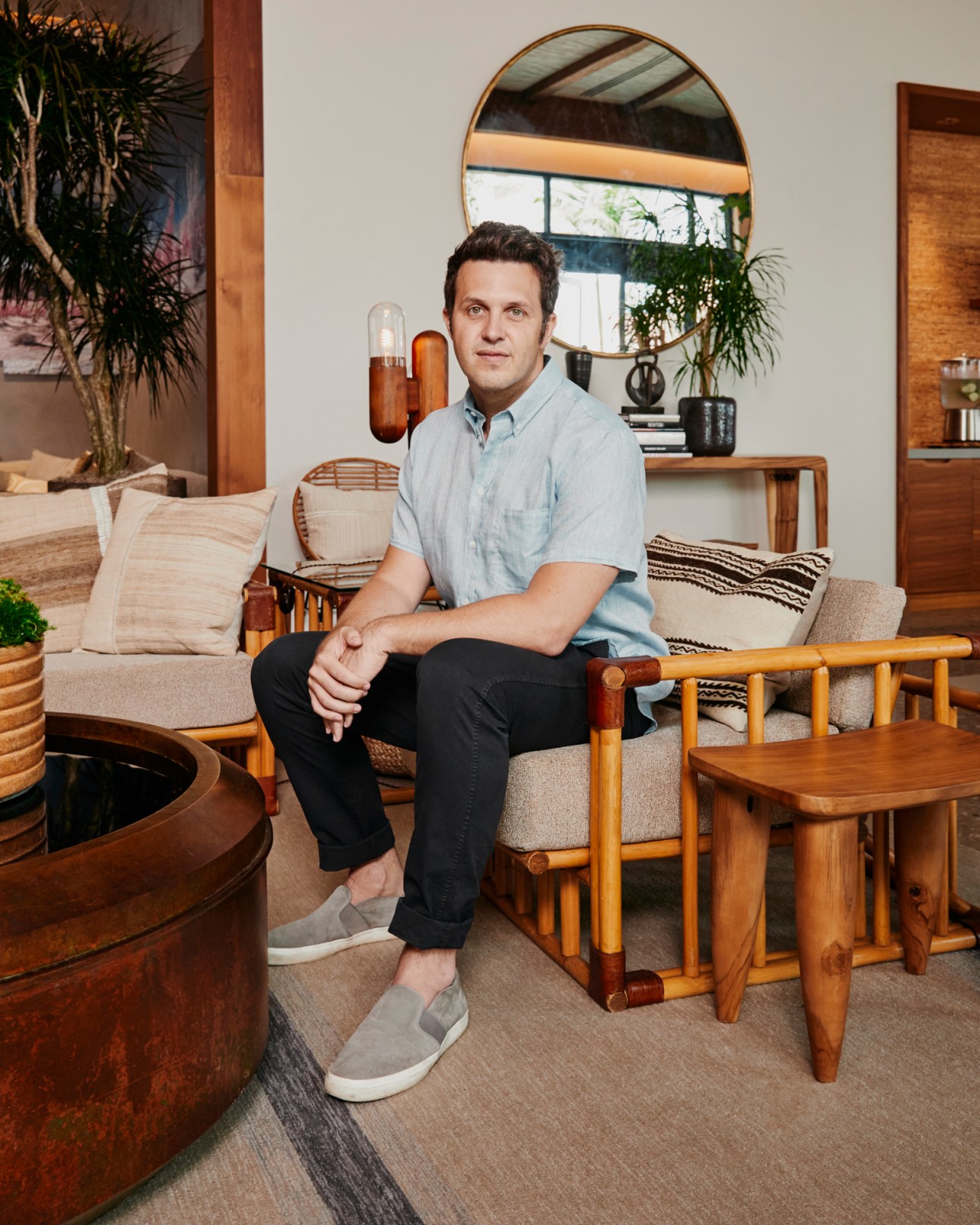
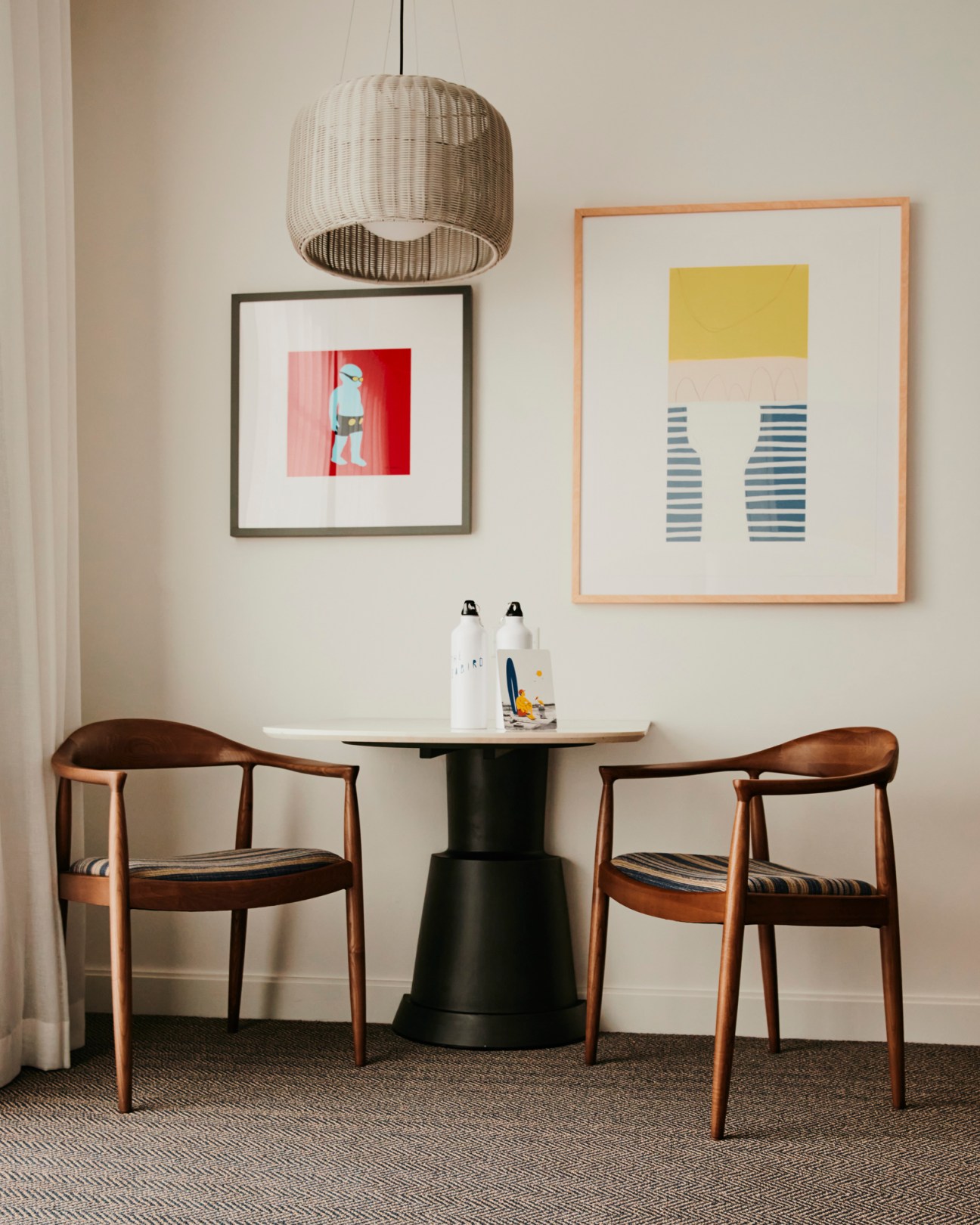
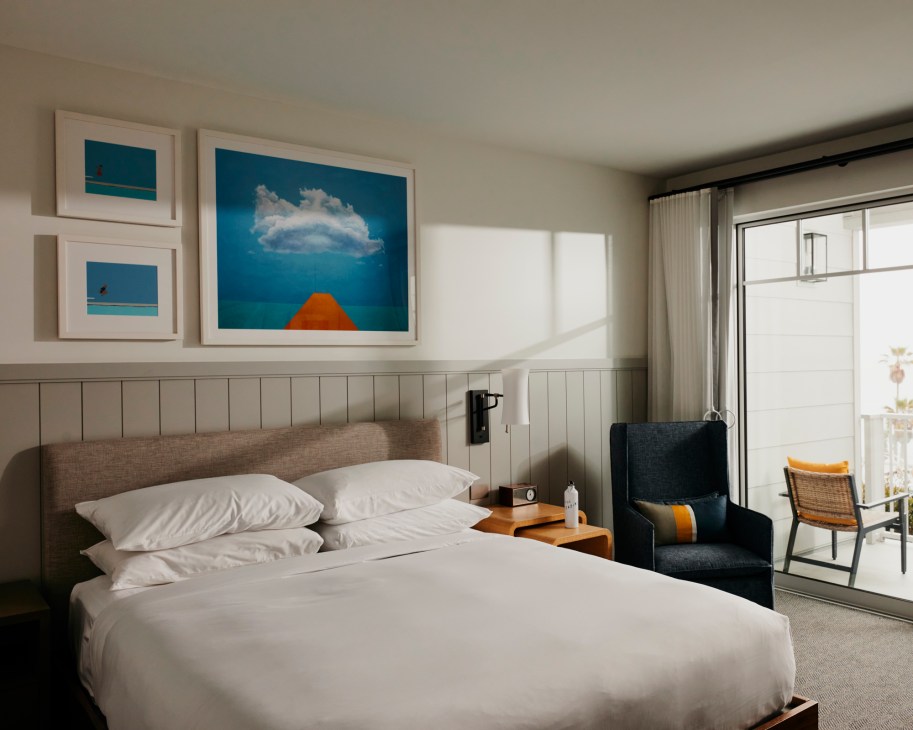
The resulting collection, a museum-worthy trove of 289 pieces, would put most hotel art displays to shame. In the Mission Pacific lifts, a trio of lenticulars – hologram-like panels that shift as you move closer to them – fascinate guests; a piece hanging in the Mission Pacific’s lobby is by a high school teacher. “We agreed we didn’t want to do just photos of people surfing,” says Mingalone.
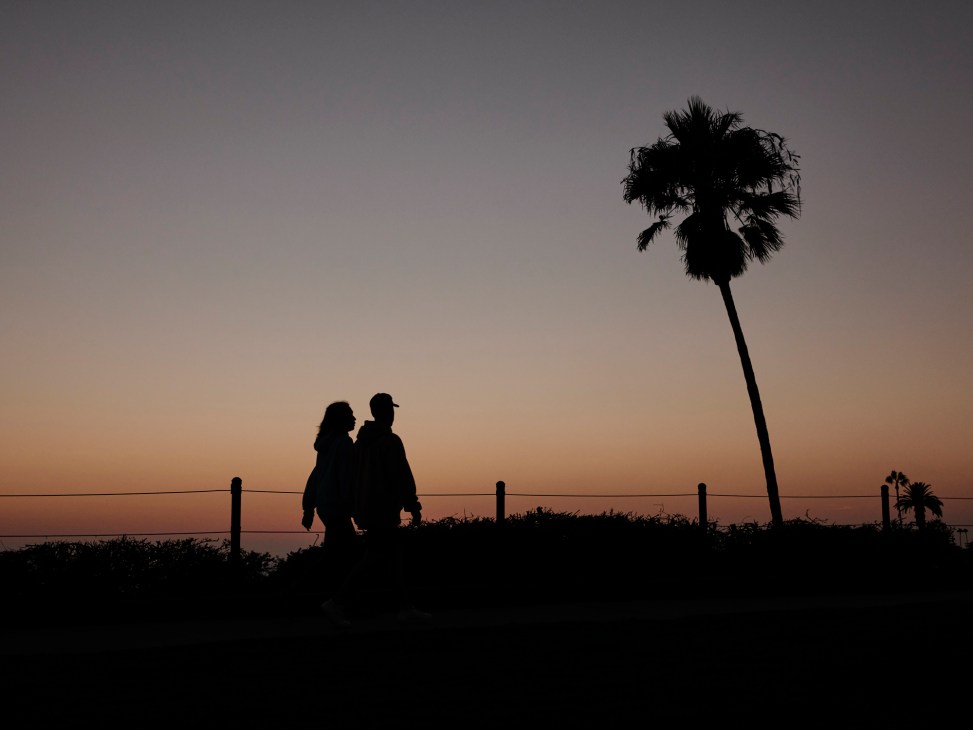
Oceanside was once home to a string of grand seaside hotels and was billed as “a paradise for people with overworked brains or nerves”. In the 1920s the city buzzed with miniature-golf sites and sea bass fishing on the pier. One remnant of Oceanside’s heyday is a sky blue Victorian cottage known as the Graves House, which was built in 1887 and featured in the movie Top Gun. Today the fully restored bungalow brightens up the hotel’s front lawn (it will open as an upmarket dessert bar next year), offering a bridge to the resort town’s colourful past and a taste of what’s to come. Wish you were here?
theseabirdresort.com; missionpacifichotel.com
The Opener
How to live: where next?
The list
A few property pointers from Monocle’s editorial director Tyler Brûlé for November 2021.
Is it time to take a fresh look at your real-estate portfolio? At our Quality of Life Conference in Athens there was much off-stage discussion around the question of “Where next?” While our host city is riding a wave as a potential base for companies seeking an EU foothold but also quick flights to the Middle East and North Africa, you would also have heard Naples, Rome, Izmir, Cairo and Dubai cropping up in conversation as new hubs for creativity, lower costs and year-round dinners on the terrace. You can count on these pages to do some legwork on this topic but, for now, here are a few cities that are worth a second (or even first) look.
1.
Palma is starting to come good as a year-round business base, with many airlines beginning to serve it with increased frequency in the winter months.
2.
Málaga is home to some outstanding modernism and has some of Europe’s best weather. It offers flight connections to key hubs across the continent.
3.
Lisbon continues to be on a roll (see our story on the Brazilians relocating there on page 44) as a magnet for designers and others who want a surfer-friendly bridge to Africa and Latin America.
4.
Asheville, NC makes it a welcome alternative to Atlanta. The gentle pace, well-organised airport and quality of life.
5.
Dubai is rolling out a new visa to allow directors to work between Asia and Europe and benefit from one of the world’s biggest airports. The city has upped its game as a place to live, cover the region and improve your tennis.
The interrogator
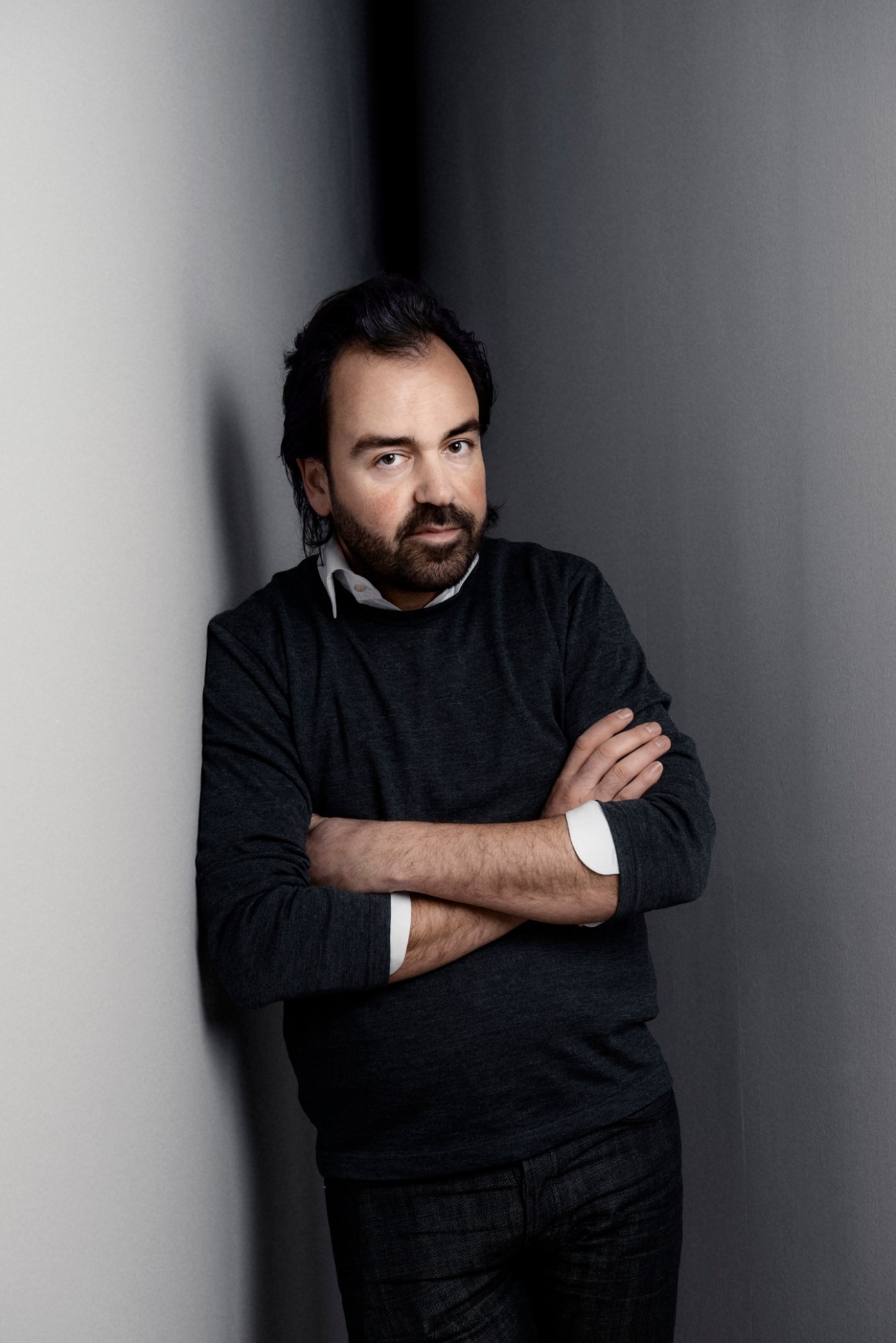
Iwan Baan
Photographer Iwan Baan’s latest project, a book (published by Lars Müller) and exhibition called Momentum of Light, documents village architecture in Burkina Faso. Commissioned by lighting company Zumtobel and in collaboration with
Diébédo Francis Kéré, the exhibition is taking place at the Kunstmuseum in the Swiss town of Olten. Here the Dutch snapper discusses his approach to the craft and why architects are reluctant to show people in photographs of their projects.
Your new exhibition and book are about qualities of light. What drew you to Africa?
Outdoors you have a sun that creates harsh, 90-degree shadows and extreme bright light. Then, inside buildings it’s almost pitch black; when you enter the structures you basically can’t see anything for the first five minutes. I wanted to capture that extreme contrast.
Why Burkina Faso?
I’ve had a longtime desire to visit this very special region in the country’s south. I’m fascinated by their traditional building techniques and vernacular.
And you had your collaborator on the project join you?
Yes. I asked my friend, architect Francis Kéré, who grew up in Burkina Faso, to join me.
A highlight of the trip?
Tiébélé. It’s a village known for its houses that have really intricate patterns and graphic symbols on their exteriors and whose people dress in that way too, with patterned fabrics. Here, people, buildings and the landscape become one.
How did you end up working in the field of architectural photography?
I studied photography at art school but my initial interest was in documentary photography: people and places. In 2005 I met Rem Koolhaas by chance and started working with him. I found I could apply my way of looking at people and places to architecture, urbanism and the built environment.
So much architectural photography features buildings without any people. Your work bucks this trend – why?
Architects are always talking about people and showing renderings and models full of them but then photographs of their works always show super-curated details or empty space. I feel this comes from architects wanting ultimate control over the world they create, something they have in the renderings, drawings and models. But real life is a little bit messier. I find it more interesting to look at how people take over a place, modify it and add layers, which architects cannot plan for.
Tell us about your recent travels beyond Burkina Faso.
I’ve been back and forth between the US and Europe a couple of times. I’ve been fortunate to have good connections at embassies through clients.
Where to next?
South Korea.
Our man in…
From a museum celebrating the best in film to government-funded spending in Hong Kong, find out what’s new in the Monocle bureaux across the world this month.
London
Towering ambition
Architects have been asked to state how they would preserve the Barbican Centre by December, when applications to lead its environmentally friendly renewal close. The original designers were hailed for ambition this generation will be hoping for the same.
Los Angeles
Moving scene
Renzo Piano’s Academy Museum of Motion Pictures has opened, giving Los Angeles an institution befitting its place at the centre of the film industry. As LA reopens, expect its public spaces and 1,000-seat spherical theatre to be packed with fans of the silver screen.
Hong Kong
Electric reams
Hong Kongers are rushing to spend their hk$5,000 (€550) government-distributed digital vouchers, aimed at boosting consumption and going cashless. We expect much splurging on luxury brands and high-end hotels. And paying off phone bills.
Toronto
Niche market
Many of Toronto’s indie cinemas have reopened and upped their offering after the extended closure, transforming lobbies into upscale food and bottle shops. It means that good cheese, a full-bodied shiraz and popcorn is on the menu when watching a new release.
Tokyo
New horizons
Things are looking up in the Japanese capital after its lengthy state of emergency was lifted, giving locals more freedom. Meanwhile, there’s curiosity surrounding new prime minister Fumio Kishida. Will the seasoned politician shake things up?
Zürich
Light on time
Switzerland’s biggest city is, as it is every November, about to be lit up by “Lucy”, the nickname of the Christmas display of 23,100 lights running across Bahnhofstrasse from the lake to the city’s main station. Expect a crowd when the switch is flicked.
Mission creeps
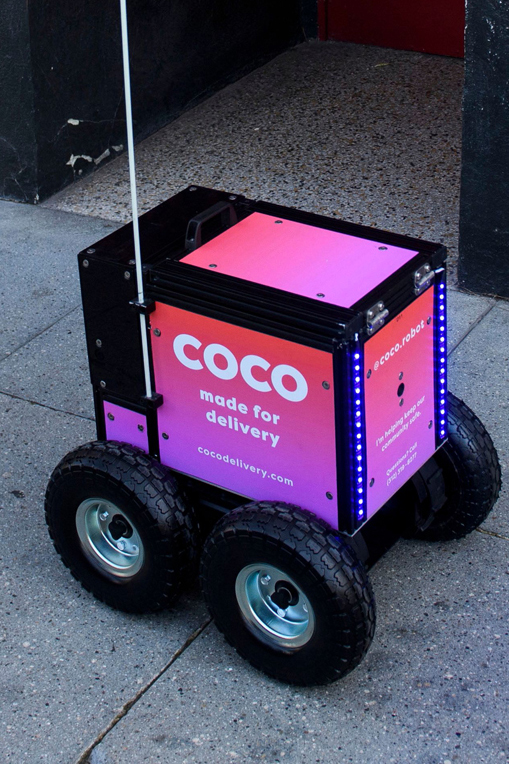
A mechanical whirring sets off the dogs as a pink box on four wheels makes its way up the pavement. Meet Coco, one of a number of semi-autonomous delivery robots operating in Los Angeles. Proponents point to their low carbon footprint but you have to wonder about the lack of a human touch. Restaurants don’t always want to load a vacant black box with their creations. You’ll be impressed the first few times that Coco arrives but the novelty soon wears off, unlike with a human delivery: you won’t get tired of a smile and a chat as your order arrives.
Winged beasts
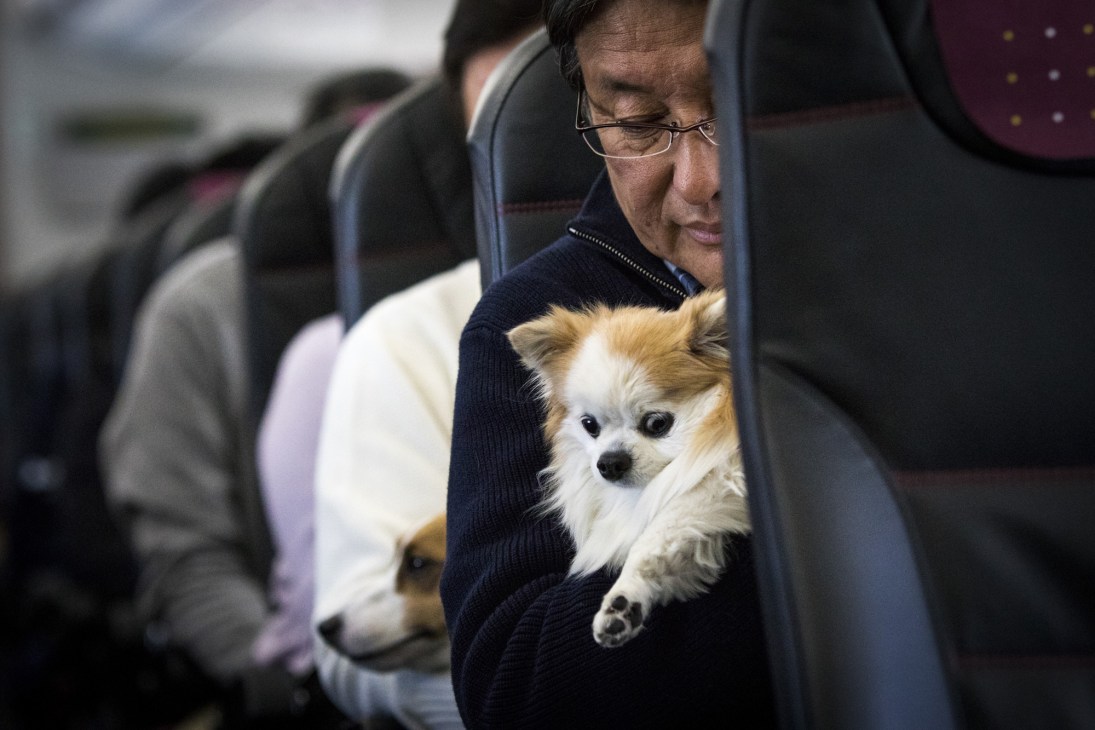
Passengers can turn an aeroplane into a flying zoo – and Australia seems to think that literally unleashing a few animals in the cabin could hardly make things worse. New aviation laws will theoretically offer non-service animals an upgrade from the cargo hold from December. But Australian airlines appear unenthused, perhaps wary of the lessons learned by their American counterparts.
In late 2020, US carriers banned all pets but dogs and cats from airline cabins after attention-seekers boarded with pigs, monkeys and miniature horses under the guise of “emotional support” animals. Where Australia of all countries is concerned, survival until adulthood depends on avoiding confinement with local fauna. Unobtrusive dogs and cats: fine. But Snakes on a Plane doesn’t need to be re-enacted – and the only place for a flying kangaroo is as a picture on the tailfin.
Huge screw-up
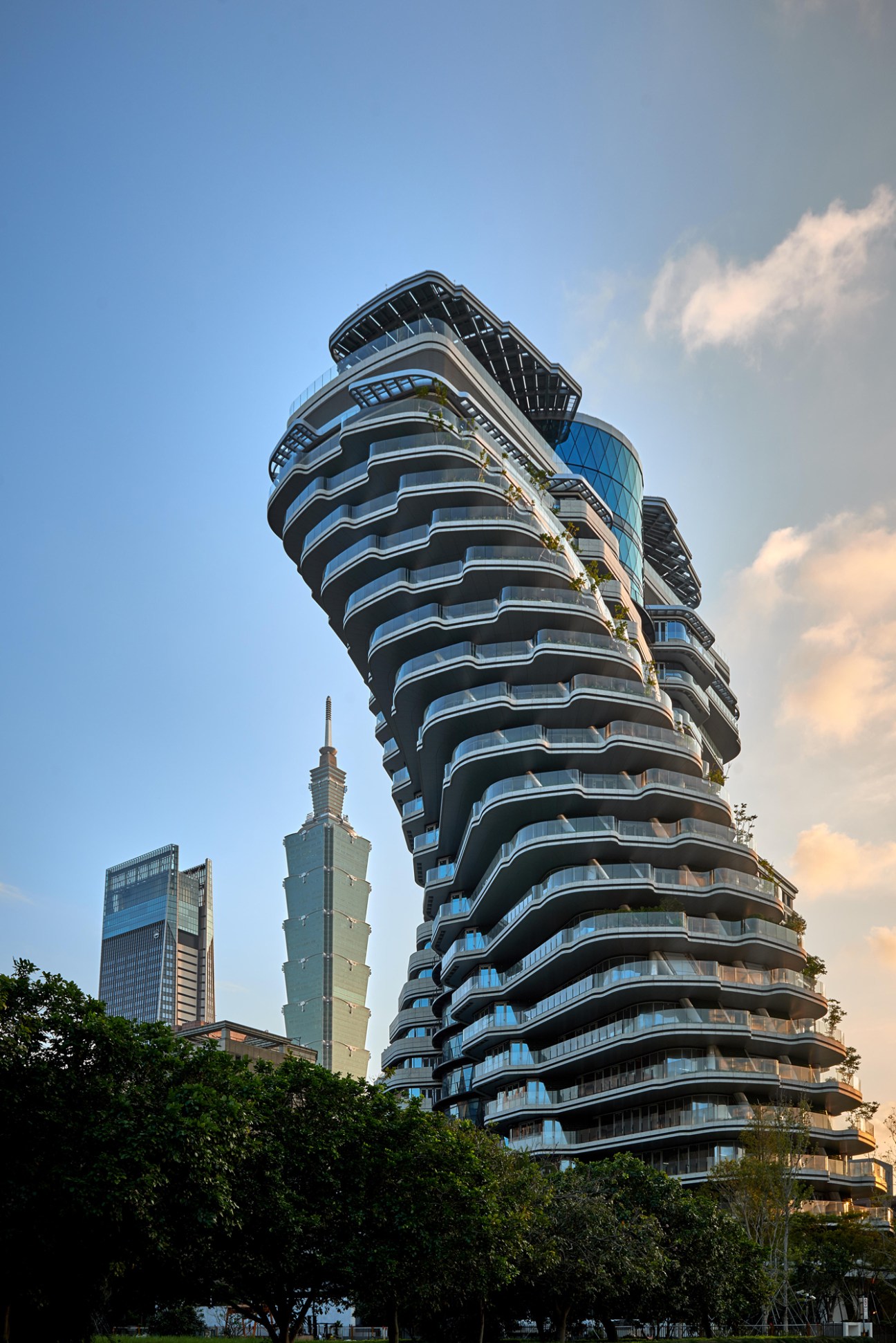
Taipei’s multimillion-dollar Agora Garden Tower is reminiscent of a double helix and advertised as a 21-floor, gorgeous, spiralled building lined with more than 20,000 trees. With a helipad, elevators for luxury cars and vast garden space for every unit, it was a sensation in the international press in 2018 – but only one unit has sold. While there is no shortage of multimillionaires in Taiwan who can afford the steep price tags, locals are wary of its karmic energy. In Feng Shui, spirals are a negative, unsettling omen, symbolising a giant screw that might generate a deep, dark hole in life. No one wants to risk living in a downward spiral.
Correspondent’s view:
Finland
Vote for simplicity
“Who will you vote for in January’s elections?” is a sentence you won’t be hearing uttered anywhere in Finland any time soon. Because while the Nordic nation will be going to the polls in just a few months, it promises to be the most uninspiring vote in living memory. It’s no surprise, therefore, that media outlets are running stories with headlines such as, “What election?” and, “You should really vote in this election”.
But, at a time when political tensions across the globe are high, why is there so little interest in these particular polls? Well, to start with, the vote is for 21 regional bodies that most Finns have never heard of, newly created by the central government in what is allegedly a bureaucratic trick to make governing more efficient.
The tragedy is that these elections are actually really important. The new electoral regions will be in charge of providing healthcare and social services to all citizens, and as such the result will have far-reaching consequences in peoples’ lives.
But the lack of interest means that it’s unlikely that the 1,379 new regional councillors will attract much, if any, star power and political parties are having difficulty in attracting candidates to stand in the elections as a result.
In addition to the national parliament, the parties also have close to 9,000 elected politicians in 309 local councils in cities and municipalities. Lost track already? So have most Finns.
Images: Getty Images, Alamy
Shop around
1.
Papelote
Prague
Much-loved Prague stationery shop Papelote has relocated to a new space across town in Letná. Designed by Vaclav Mlynar from Czech studio Monument Office, it contains a treasure trove of new and notable products. “Paper and creativity go hand in hand because working with paper involves both the mind and the body,” says Katerina Sachova, Papelote’s co-owner and creative director. “Our shop offers more than the opportunity to buy products. It is a place for inspiration.” It’s great for pens and paper too.
papelote.cz
2.
Public House
London
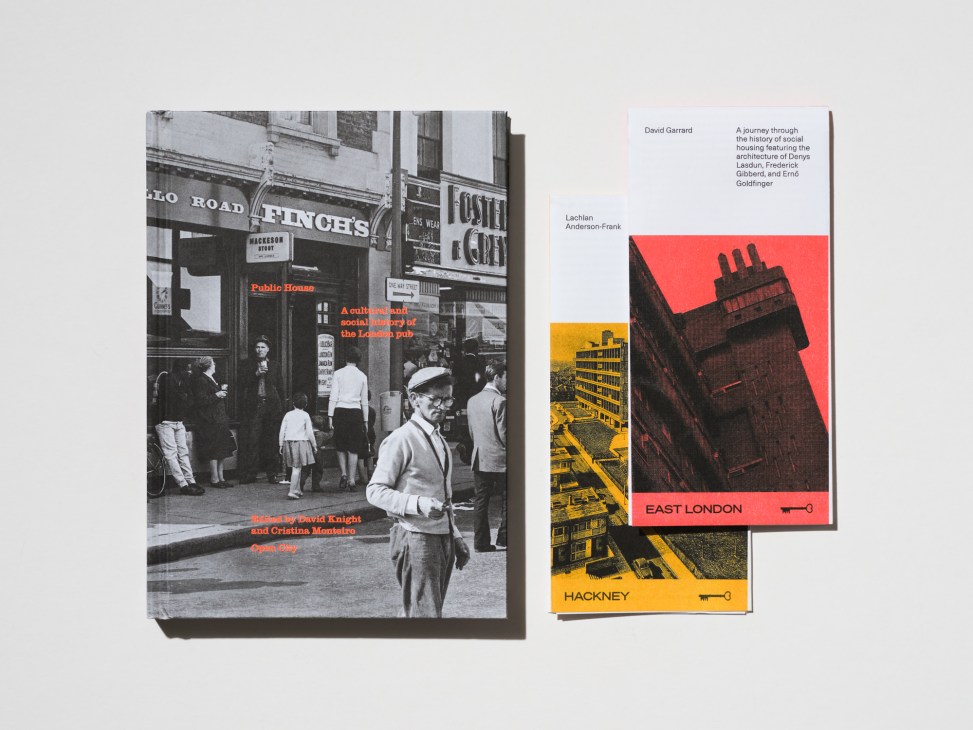
At once meeting places, havens and social levellers, there are an estimated 3,500 pubs dotted around London (though many have sadly closed of late). Public House is a pretty book by Open City, the canny souls behind a series of smart architectural walking tours too, that takes 120 pubs in 33 boroughs and examines their architecture, ambience and design in thoughtful essays, photographs and beautifully boozy biographical portraits. Go on, join the inn crowd.
open-city.org.uk
3.
Wonder Valley
Joshua Tree, California
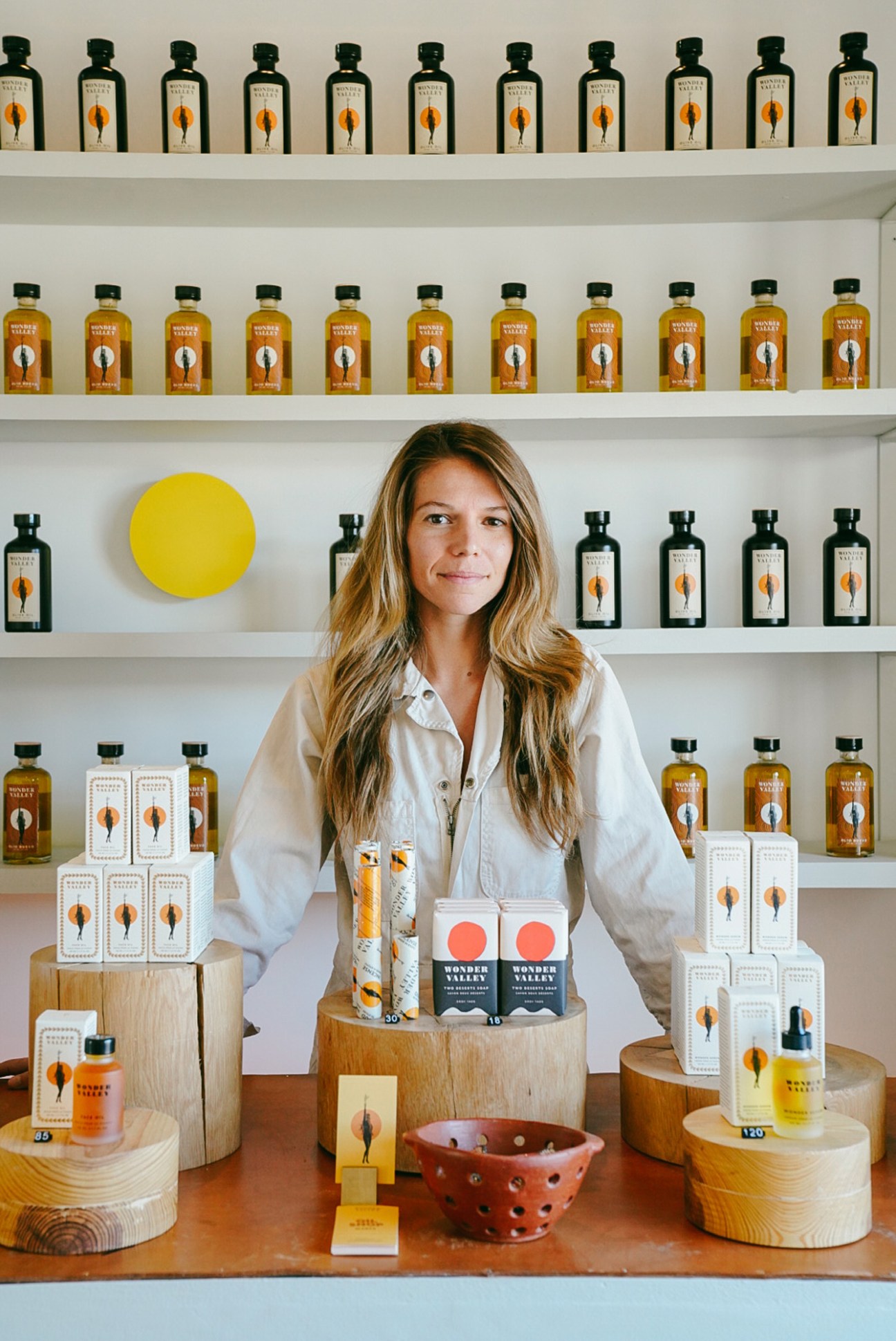
Owned by artist duo Jay and Alison Carroll (pictured), Wonder Valley’s name sets the tone for their shop, a pretty former petrol station in tiny town in the middle of the Mojave desert. The 1940s space stocks oil of another kind: the sort made with olives. Their delicious olive oil is found in an array of face creams, body oils and handmade soaps. “Great olive oil has the power to elevate the everyday,” says Alison, who worked for the California Olive Oil Council before making her own.
welcometowondervalley.com
4.
The Shed
Hafnarfjörður, Iceland
Hidden in the garden of Anthony Bacigalupo and his wife Ýr Káradóttir’s house in Hafnarfjörður on the tranquil outskirts of Reykjavík, The Shed is a slice of Californian warmth. The couple has been working on their product design line RTV for more than 10 years. Transforming their garage into a plant-filled shop gave them a place to sell their own wares as well as anything from woven baskets to leatherware imported from the US and Mexico.
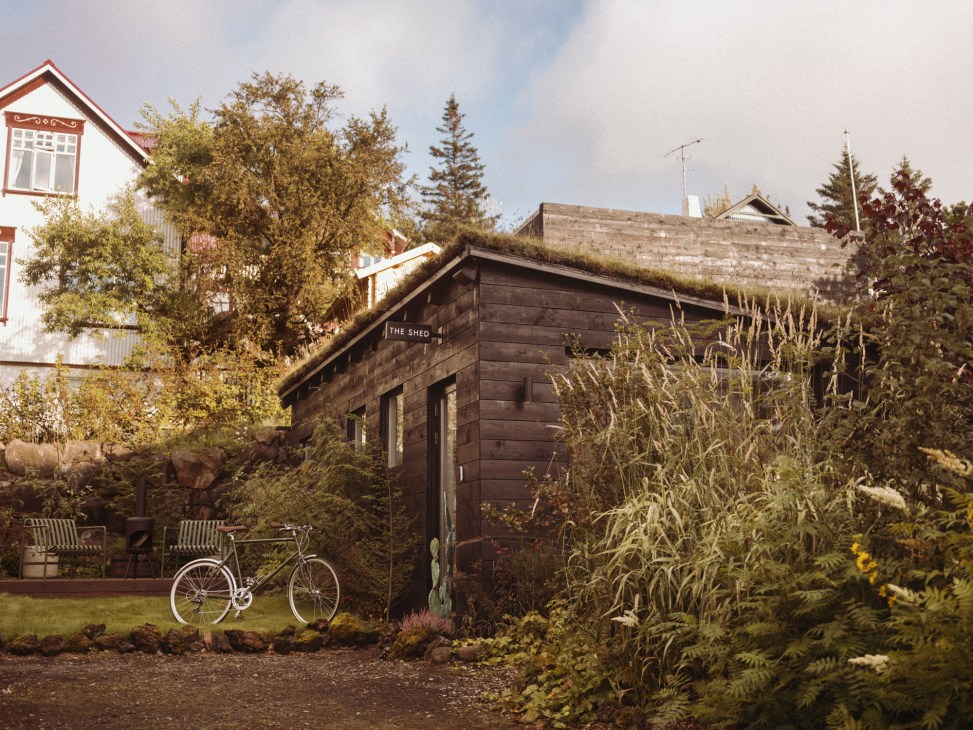
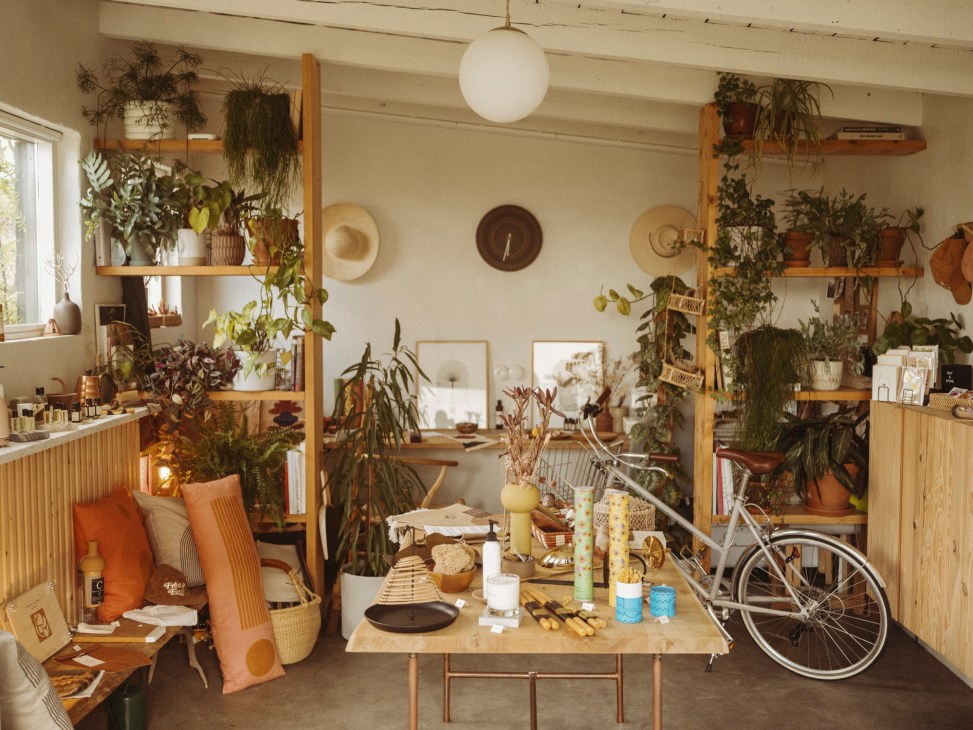
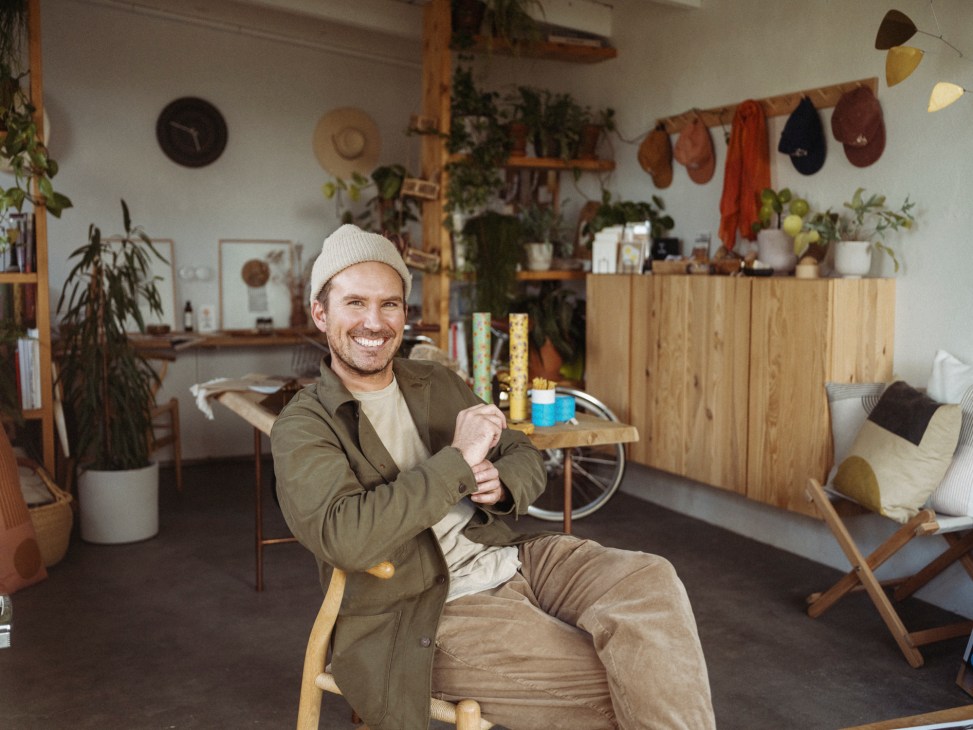
Born in the Californian town of Paso Robles, Bacigalupo came to Iceland on an artist residency in 2009. He met Káradóttir and fell in love with both her and the country, which convinced him to relocate. Having spent years working for Apple’s retail division – checking that all of its global outposts were up to scratch – he had a clear sense of what makes a decent shop: it’s as much about atmosphere as it is about the products.
That’s why, if you want to visit The Shed, you need to make an appointment: “When they come, customers can have the full experience: they can chill and create an intimate connection,” he says. On the shelves you’ll find products made by small, family companies and not stocked elsewhere in Scandinavia, from Salt & Stone’s skincare to candles by Fredericks & Mae and Canyon coffee beans. Sitting in this wild garden drinking coffee, you might forget that you came here to buy something – though it will be difficult to leave without a ceramic vase or two.
Suðurgata 9, Hafnarfjörður
5.
Niwaki
Marylebone
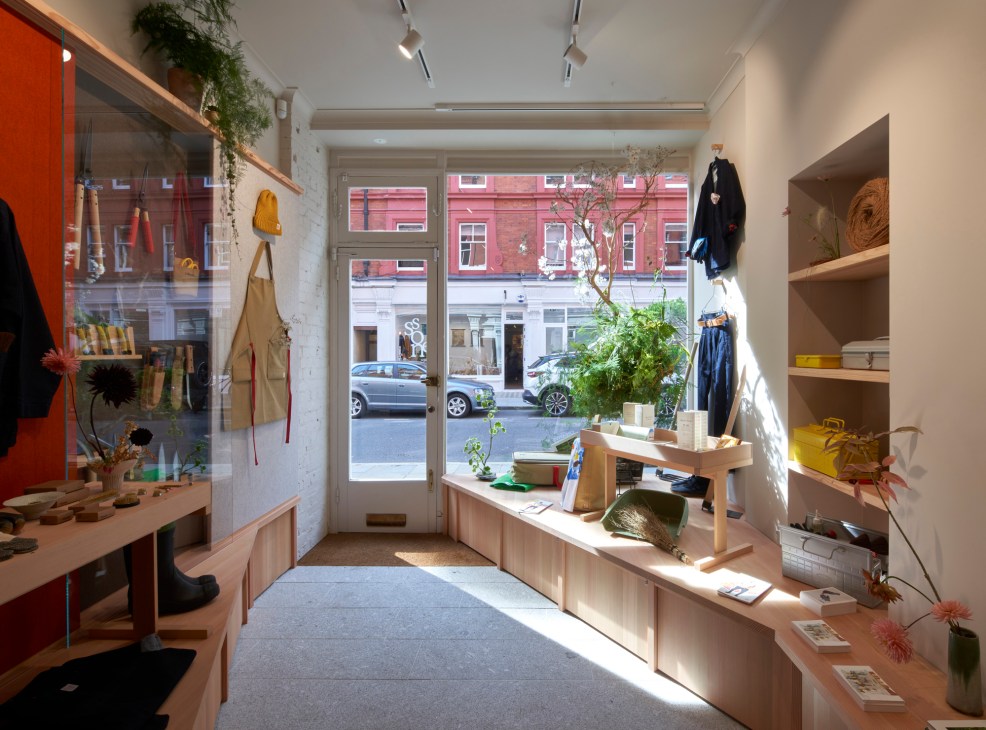
Veteran readers of Monocle’s gift guides over the years will recognise Niwaki’s finely forged gardening products. So imagine our delight when the firm moved into a space on Chiltern Street between our café and London HQ Midori House. The new shop joins Niwaki’s Dorset HQ in Semley and space in Kagurazaka, Tokyo, in displaying handmade artisanal tools – from knives to saws, axes, ladders, holsters and hoes – from Japan. Simon Jones of London studio Jones Neville created the clean fitout adorned with fragrant Douglas fir shelving and textured felt, which echo the care and craft of the products on show. Founder Jake Hobson, a sculptor by training, was inspired to start the brand after a trip to Osaka. The result? A one-stop shop for ikebana tools (for flower-arranging), Kojima denim workwear or seemly secateurs – a snip at any price.
niwaki.com
6.
Concepció by Nobis
Palma, Mallorca
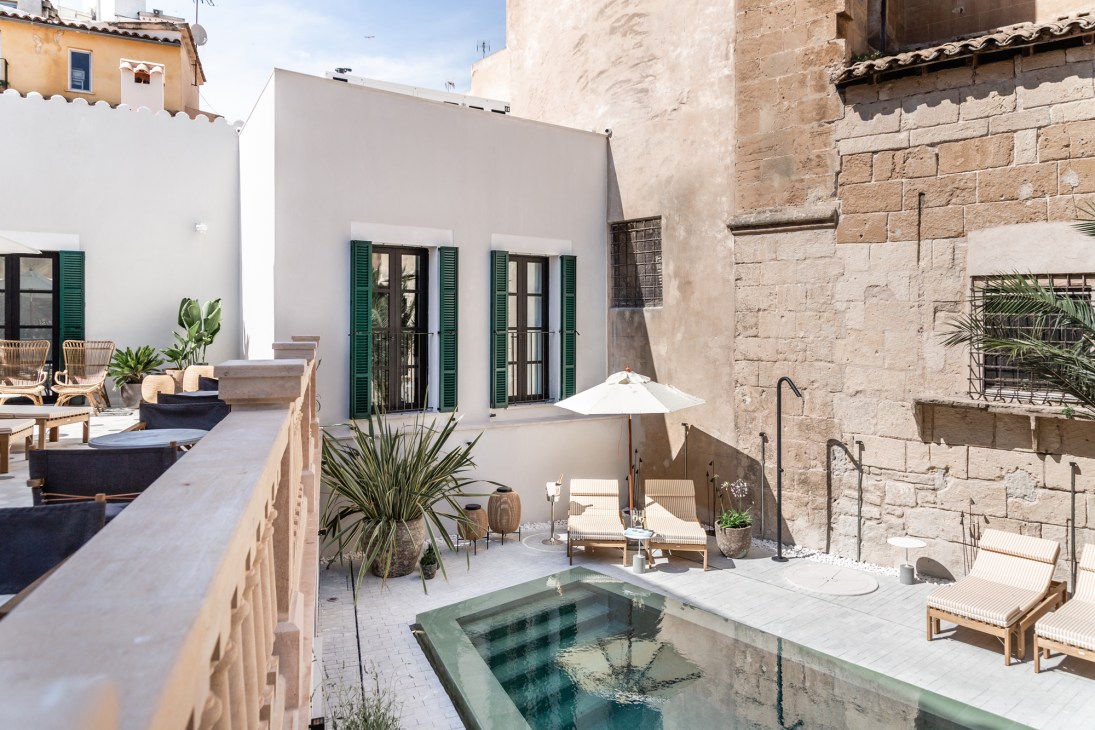
Swedish brand Nobis has chosen the Mallorca capital for its first hotel abroad. The space includes touches from Mallorquín artisans and craft folk plus a pool, restaurant and bar.
concepciobynobis.com
The travel desk
Greek islands: an insider’s guide
Monocle reader: Which are the best islands to visit in autumn?
Travel desk: Greeks are more likely to admit which is their favourite child than volunteer their favourite island escape. Secrecy keeps the crowds thin in summer, you see. But when autumn rolls around, the tourist numbers plummet. There are more than 100 inhabited Greek islands – and thousands more uninhabited. Take Polyaigos (“many goats”), which is a popular stop for a dip among those sailing in the southern Cyclades, a cluster of Aegean islands known for whitewashed houses and windmills. To the east are the Dodecanese, where there are plenty of gems to discover even among well-trodden islands such as Rhodes and Kos, which mellow in the off-season. Whether you’re eyeing up that the last dip of the year on a secluded beach, taking a hike through ancient shepherd’s routes, then we have you covered. Here’s our insider’s guide to autumn on the islands – and no, we’re not telling you our favourite.
1.
Patmos
Close to the Turkish coast, Patmos is an eight-hour ferry from Athens or a flight then ferry from Kos. After a day at Psili Ammos beach, try a cocktail at Astivi before dinner at Benetos on the shore.
2.
Andros
Take the two-hour ferry from Athens, pick one of the ancient routes that wend through the mountains and stop at Pythara waterfalls for a swim. Or drop by the Museum of Contemporary Art.
3.
Crete
Start at Chania’s old harbour, eat at Pallas, before a sunset drink at Chania Sailing Club. The best beaches are to the west and the hike to Samaria Gorge is a treat.
4.
Spetses
The only cars here are taxis, so rent a bike or a horse-drawn carriage to go between the old and new port. Dine at Orloff restaurant in the old harbour, have drinks at Bikini bar and dance at Guzel.
5.
Paxos
Just below Corfu, this Ionian islet has some of the country’s loveliest beaches. Eat in Longos harbour to try traditional Paxiot specialties such as seabass bianco.
6.
Tinos
Tinos’s villages offer as much as the main town. Visit Volax, Pyrgos and Komi, where you should eat at Svoura, a meze spot in the square.
Image: Edmund Sumner
Four-legged friends
It’s hardly a stroke of genius but for ages I have wanted to do an Expo that was simply about people and their favourite chairs. Our senior editor for design, Nolan Giles has a very amiable way of resisting me sometimes but he finally agreed to get this on the story list. His trusty partner-in-pages, Nic Monisse, then said that he would start pursuing a hit list of designers, furniture-brand owners, gallerists and museum heads with handsome perches. And while it might be a modest idea, it has turned out a treat.
There are lots of reasons why I wanted to do this story but perhaps key is that it’s hard to think of another everyday piece of design that has such an impact on how we feel. Good chair designs can put you at ease, be good for your posture, be amusing or austere, and offer places to either socialise or hide away. And these items also often come with a layer of meaning that perhaps you would not guess on first glance – or even on the moment your bottom hits the seat. Lilli Hollein, the director of the mak – Museum of Applied Arts in Vienna, for example, chooses a chair by Friedl Dicker from 1927 – a piece of beauty created in a time of calm by a woman who would go on to perish in the Holocaust. The Neuchâtel-based architect and creative director Ini Archibong, meanwhile, chooses the joyful Togo chair by Michel Ducaroy for Ligne Roset. Archibong’s one now sits in his daughter’s bedroom and is where, of an evening, you can find him reading a bedtime story to his daughter. Just a chair – but look how much meaning design and time can add to something so simple.
When Nolan puts together our design-themed issues, we of course want to show you great new projects but also design and architecture that has already endured many decades. Because as we all grapple with what sustainability really means, one thing is clear: products and places that go on and on being used are good for everyone. So come, as we visit the villa designed by Gio Ponti in the Paris suburb of Garches that is now being opened to the public, or as we walk around the gently aged homes of Montauk. This is architecture made to last (hopefully just like a nicely constructed magazine).
As you know, last month we made some changes to the design of Monocle. It has been great this month to see the changes really bed in and for us to start using the new freedoms this elegant renovation has afforded us. We wanted to carve out space for more expansive reporting and this month sent our transport correspondent Gabriel Leigh to Greenland to see how the country is trying to become the new Iceland for tourism, exploit its mineral-rich soil and protect its strategic significance. Gabriel was even taken with the idea of living in Nuuk, the capital. Read the report (click here) and he’ll explain why. I will be sticking with warmer waters.
We also want our design changes to allow us to do deeper dives into complicated subjects: read our story about concrete (click here) and the attempts to make it less environmentally challenging, and our feature on the men and women whose careers as crime reporters expose them to often terrifying dangers (click here). Then there are our new Agenda pages in which, this issue, we look at how Kabul’s luxury hotel, the Serena, is still checking in an eclectic mix of guests and even welcoming Taliban fighters for breakfast by the pool (click here). Such a rich mix of reporting is why sitting in the editor’s chair of a magazine is one of the best gigs in town – though, sadly, Nolan and Nic didn’t ask me to be in the Expo.
Before we let you explore the pages, a reminder that The Monocle Book of Entrepreneurs, a handbook for anyone wanting to start or improve a business, is now available – head to Monocle.com/shop to find it. Also, look out for signings and events with the team in the weeks ahead, including in the US.
As always, feel free to drop me an email with comments and suggestions to [email protected]. Have a good month.