
Issues
No longer the ugly duckling
Odense, Denmark’s third largest city, has long been overshadowed by Copenhagen and the recent blossoming of Aarhus but a stunning new museum dedicated to its most famous son, fairy-tale writer Hans Christian Andersen, is looking to change that. The museum doesn’t just aim to encourage a new look at the author and his work but hopes to create a knock-on effect for this compact city of about 200,000.
“This is the big reboot,” says creative director Henrik Lübker, on a tour of the DEK400m (€54m) site as it nears completion. “We want something as much for adults as for children, for people to rediscover the Andersen they thought they knew but didn’t.” Much is riding on the new museum. Lübker says that it’s anticipated to bring some 200,000 visitors a year to the city, including – pandemic permitting – more Chinese tourists (Andersen has been big in China since Mao’s time).
The vast complex by architect Kengo Kuma and the firm’s partner Yuki Ikeguchi is as much landscape as building. Most of its exhibition spaces are below ground; above, a garden of meandering paths, hedges and trees undulates rather like the landscape of Funen (Denmark’s third largest island on which Odense sits).
Getting here
Odense is 160km west of Copenhagen on the island of Funen. It’s two hours by car with Great Belt Bridge toll of about DEK325 (€45) return or an hour and 20 minutes by InterCityLyn train, which is DEK138 return (€18). Odense is roughly equidistant from Copenhagen Airport and Billund Airport. Decent accommodation is limited in Odense. The historic First Hotel Grand is the best choice for an overnight stay.
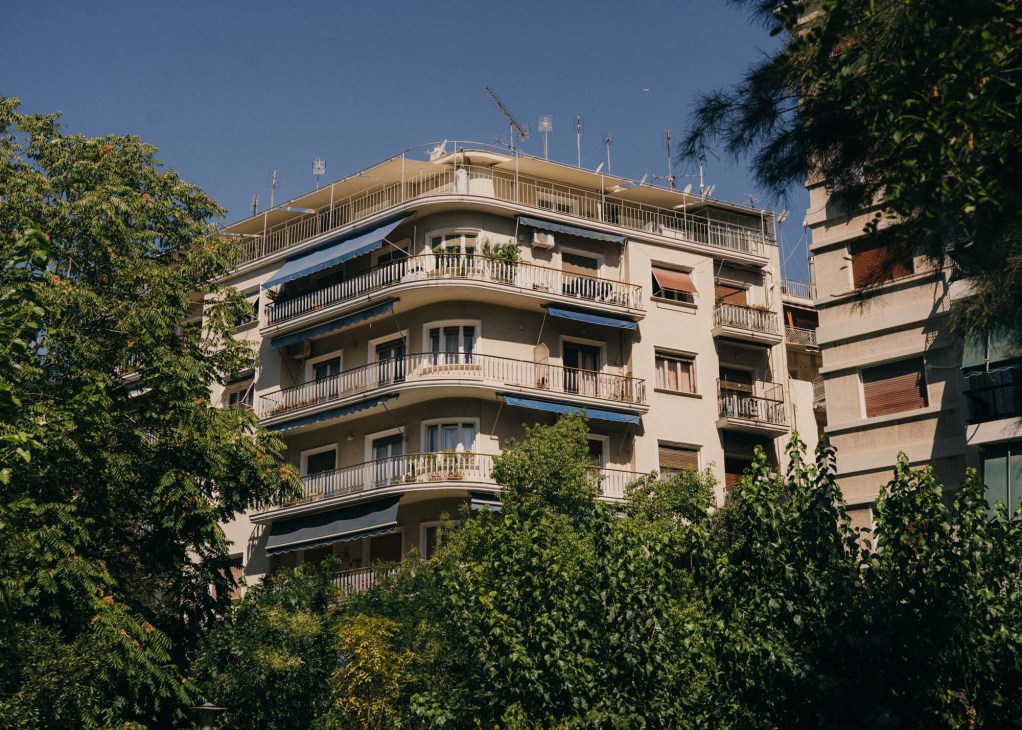
“Andersen’s stories are never just black and white; there is always a duality – natural and artificial, shadow and light,” says Ikeguchi. “That was the key to the architecture. Odense is on a very human scale, so we wanted to minimise the height and footprint of the building. And by opening up the grounds to include a light railway, we connect the old part of the city to the new.”
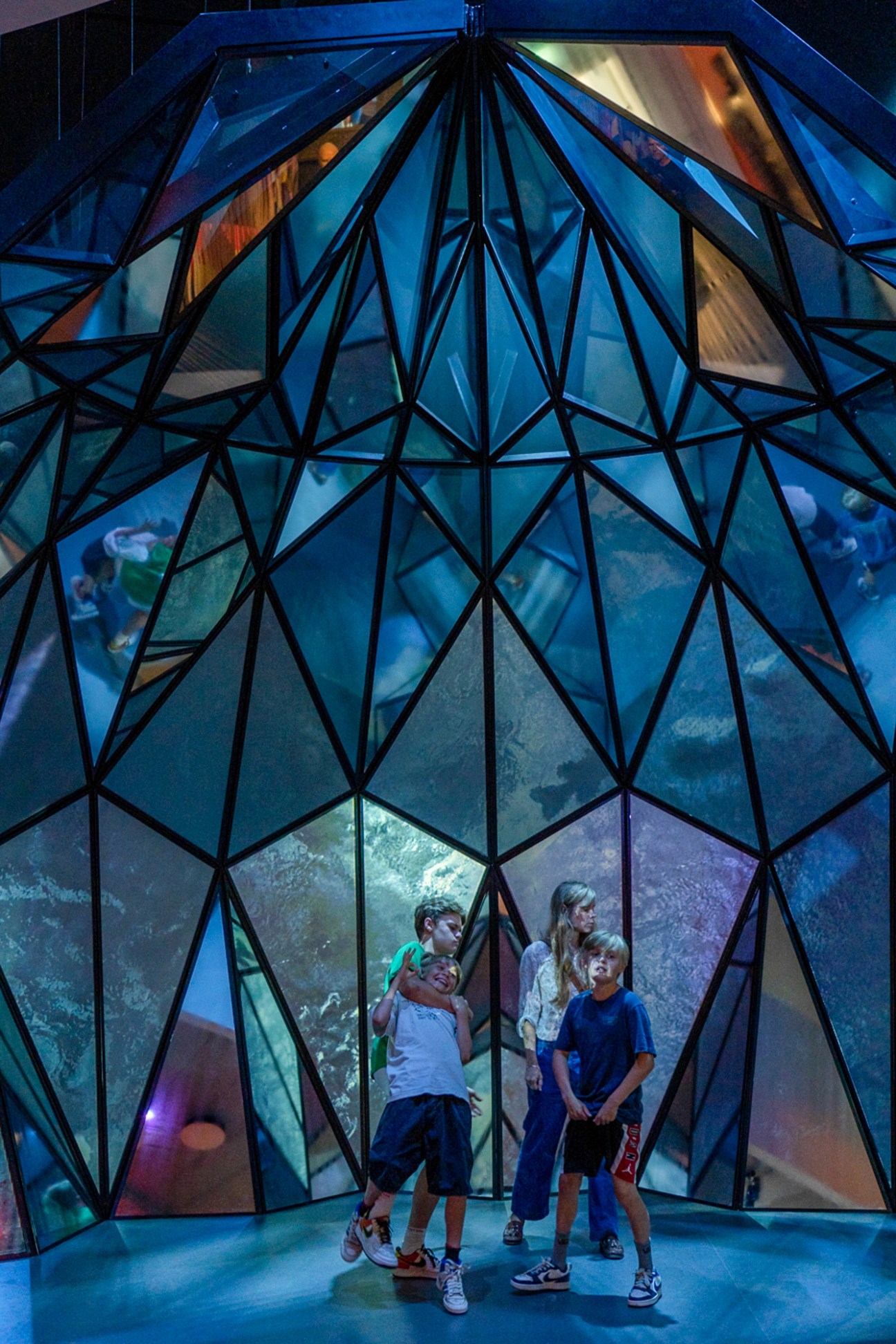
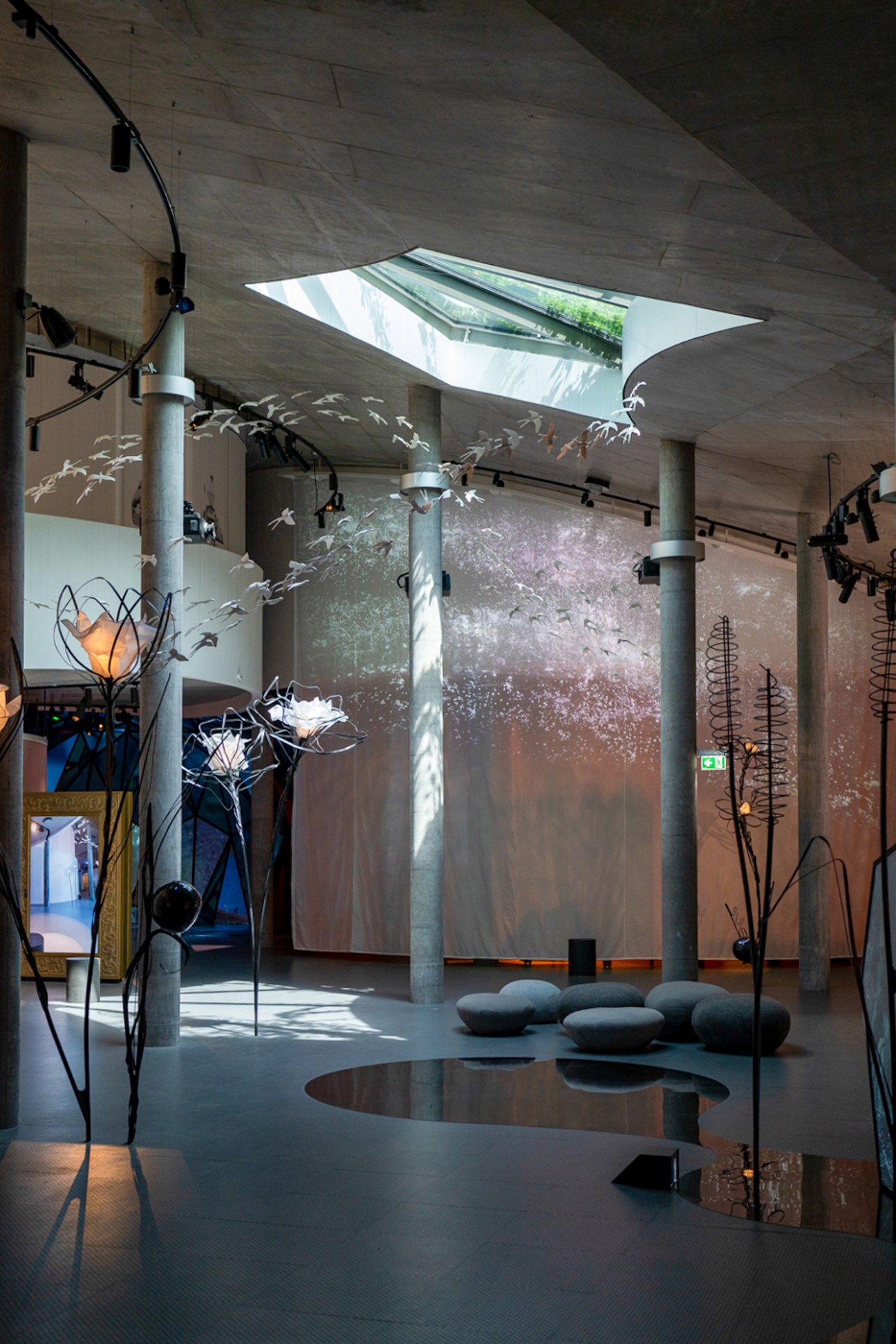
Fittingly for a man whose work expressed his non-conformist, disruptive approach to the world (not to mention his tormented sexuality), the museum avoids a linear retelling of Andersen’s life, instead immersing visitors in his morally ambiguous, frequently dark stories.
In one exhibit the visitor’s shadow is reflected on a screen before taking on a life of its own. The Emperor’s New Clothes is represented by a two-way mirror and screen that superimposes a royal costume onto the main user, who is seen posing in their normal clothes by those looking from the other side. From its vantage point on a velvet cushion, the pea from The Princess and the Pea insists that it is the star of the story.
The interactive exhibits incorporate precision-location-specific technology. They have been written by artists and storytellers including Lemony Snicket author Daniel Handler, animator Noah Harris and Brazilian artist Henrique Oliveira, all overseen by British company, Event Communications.
Today, Odense honours Andersen much as Memphis does Elvis Presley or Liverpool The Beatles. But the awkward truth is that its best-known son simply could not wait to leave. In 1819, aged 14, Andersen slung his knapsack over his shoulder and went off to seek his fortune in Copenhagen.
Within his lifetime he would become one of the most famous people in the world, the inventor of the modern fairytale and a novelist, playwright, poet, travel writer and gifted visual artist – his elaborate paper cuttings feature heavily in the museum’s iconography.
But it was his often macabre, morally ambiguous tales that made his name and served as his calling card on his self-promoting visits to the great and good of Europe – Charles Dickens, Victor Hugo and many kings and queens.
The museum is another of Odense’s attempts to join Copenhagen and Aarhus as an attractive place to visit and live, boosted by its recent rise as a global centre for robotics and other hi-tech industries. The light railway, which now passes through the museum’s grounds, will eventually connect to a new hospital and university buildings.
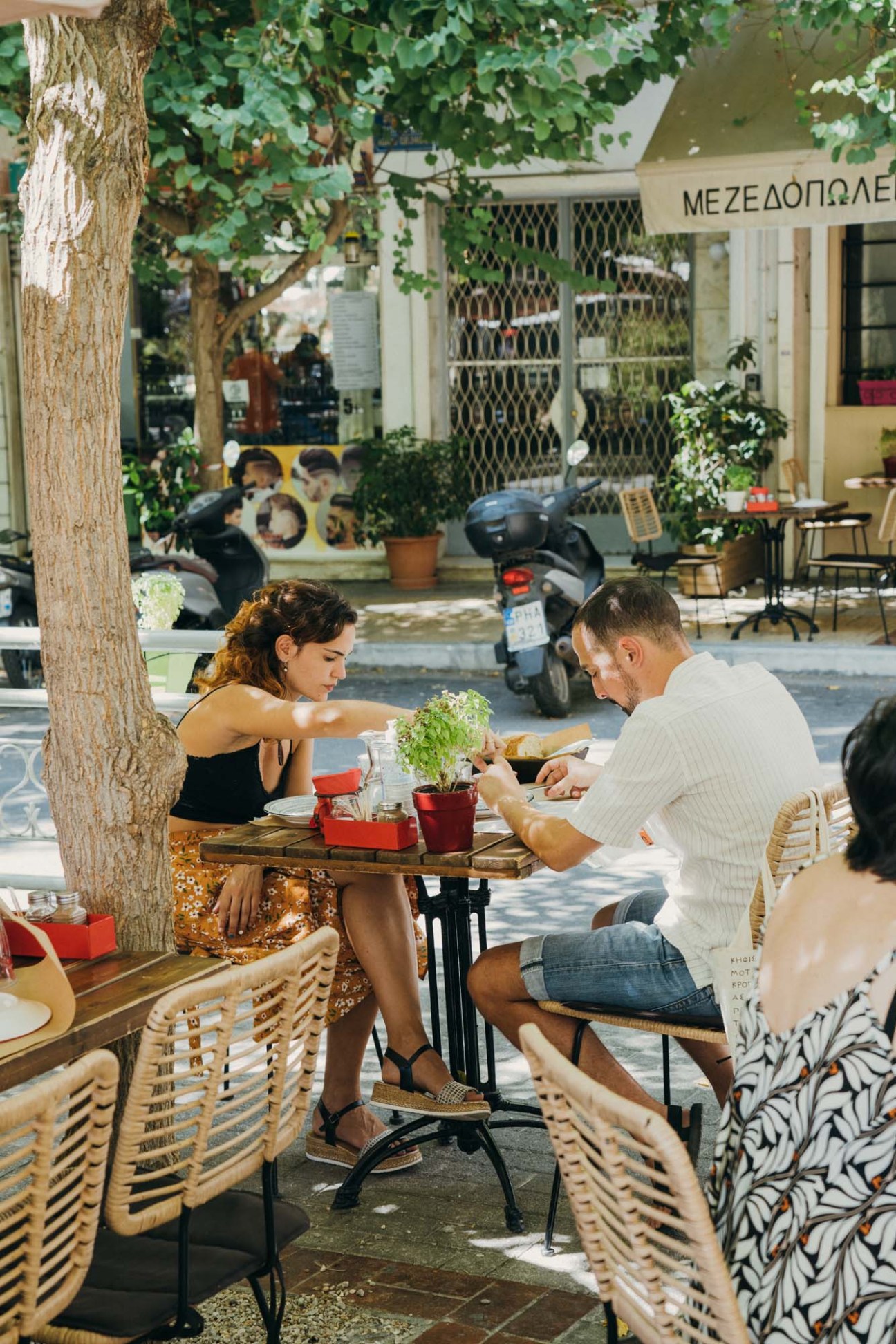
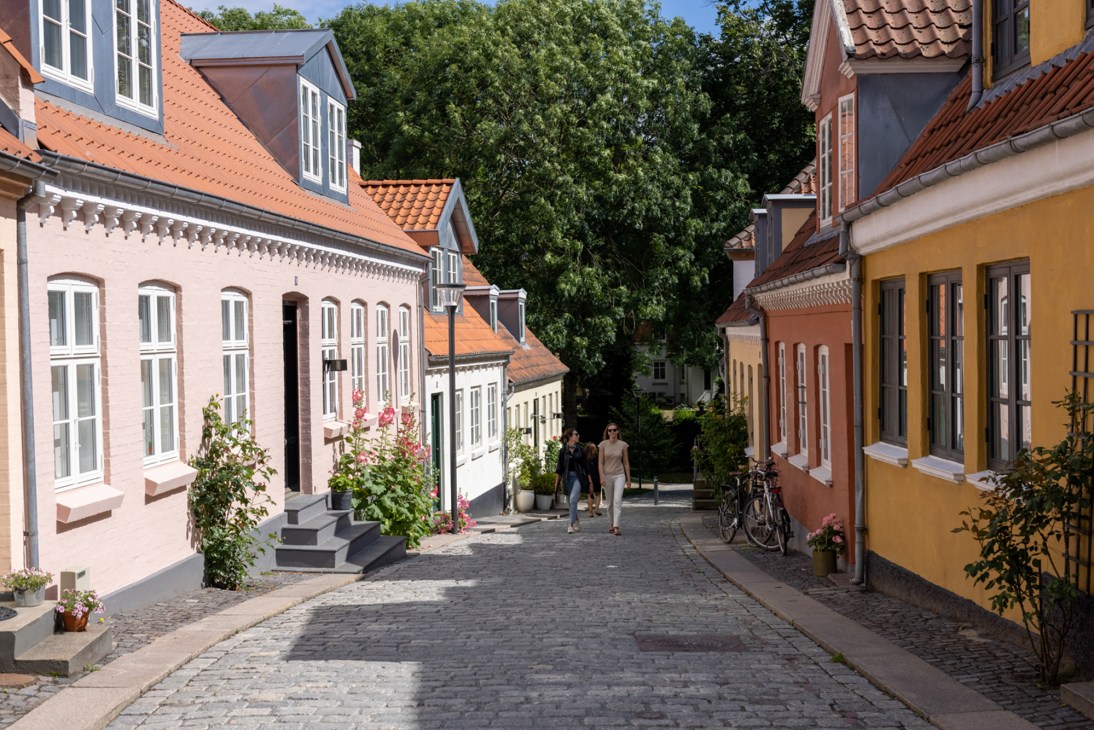
“In the past few years there have been some wonderful changes in Odense. But it has been developed with real care for the old city,” says Dina Vejling, owner of the city’s leading ceramics gallery that represents 70 Danish artists. Vejling’s gallery and event space is nextdoor to part of Brandts Klaedefabrik, a repurposed factory that is now a cultural centre with a contemporary art space and photography museum. Brandts has helped to broaden the appeal of Odense beyond the day-tripping Andersen fans. “In Denmark there used to be a saying – ‘It’s gone all Odense’ – which meant that a place was in a decline,” says Vejling. “But that’s totally changed now.” The historic city centre, with its medieval layout and a significant number of higgledy half-timbered buildings, is being spruced up with new pedestrian zones to end the dominance of cars. The new university hospital complex is adding to the city’s appeal to Danes in a country that has long struggled with the dominance of its capital.
Odense address book
Stay
First Hotel Grand
There’s space for smaller, more interesting hotels in the market but this one works well for now.
grandodense.dk
See
Brandts Klaedefabrik
Opened in 1987, Kunstmuseum Brandts is dedicated to visual culture.
brandts.dk
Eat
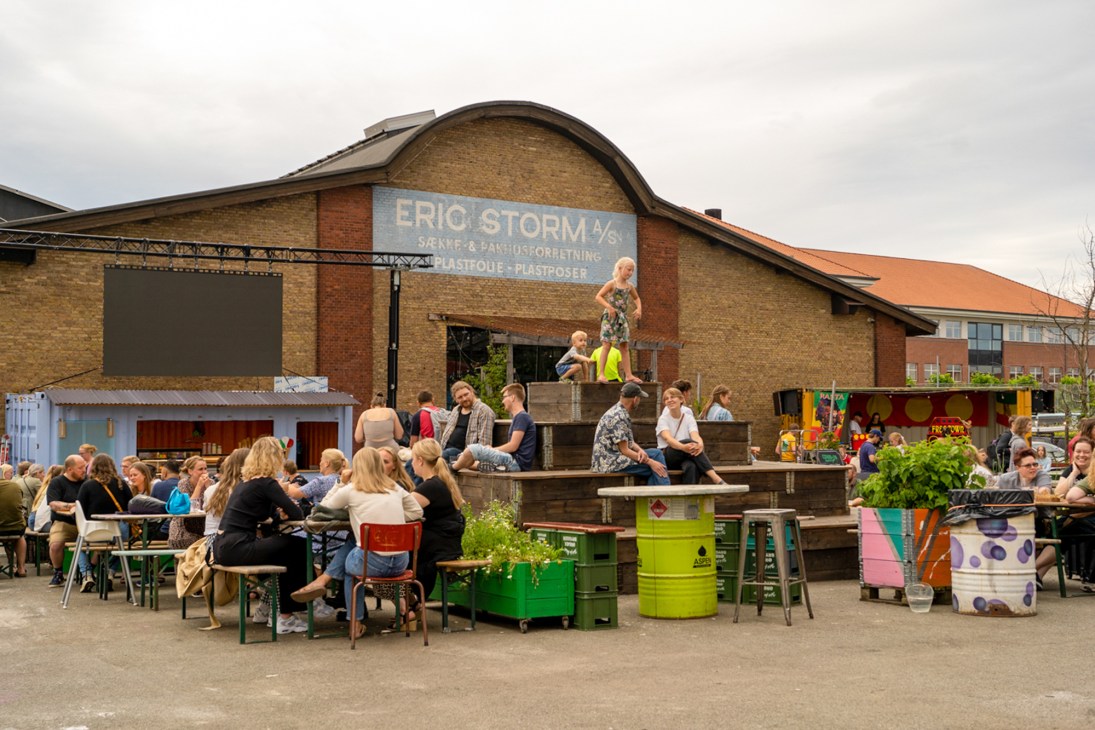
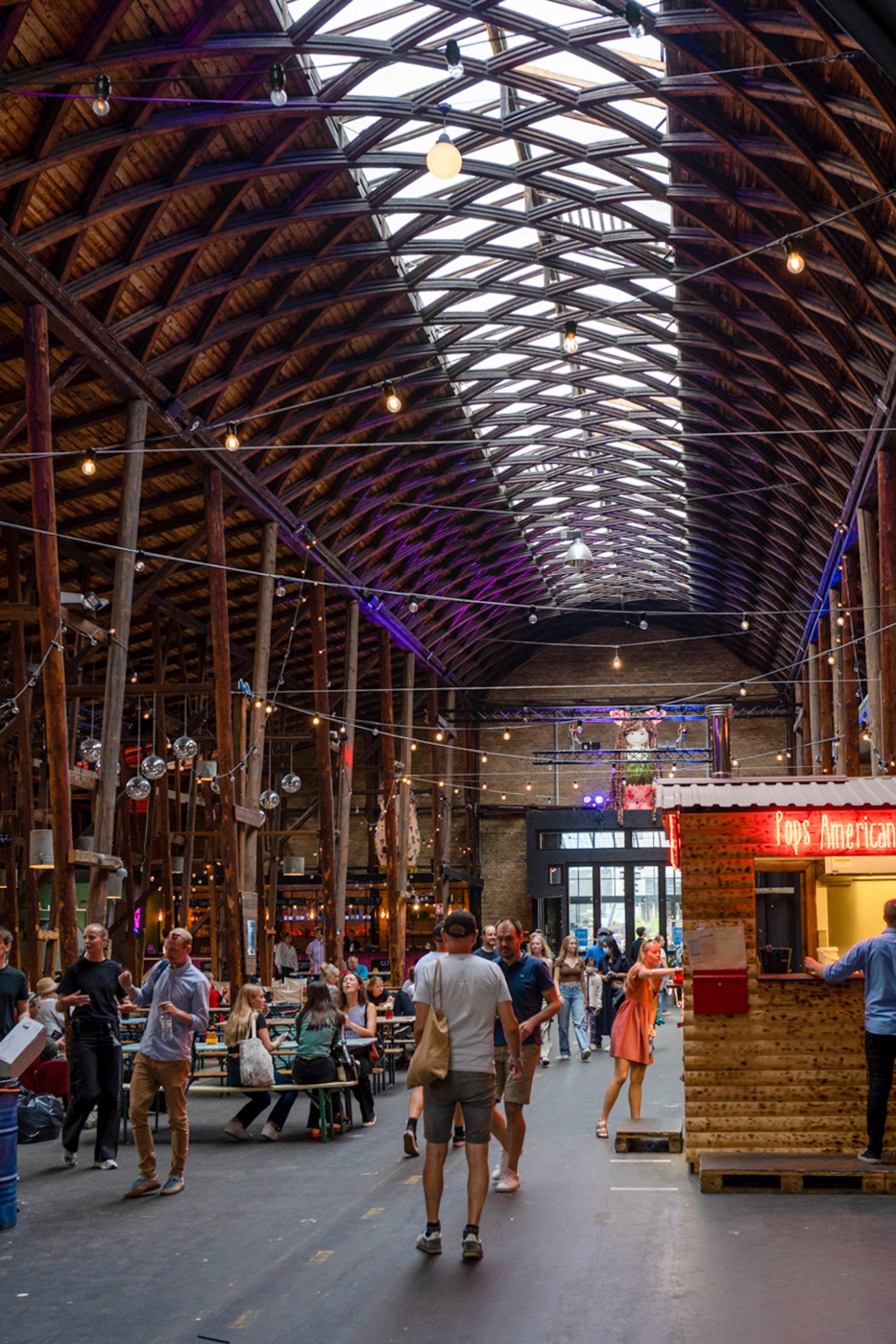
Storms Pakhus
A smart street-food market.
stormspakhus.dk
Buy
Dina Vejling
A craft gallery of Danish ceramics on Brandts Passage.
Dinavejling.dk
Shop
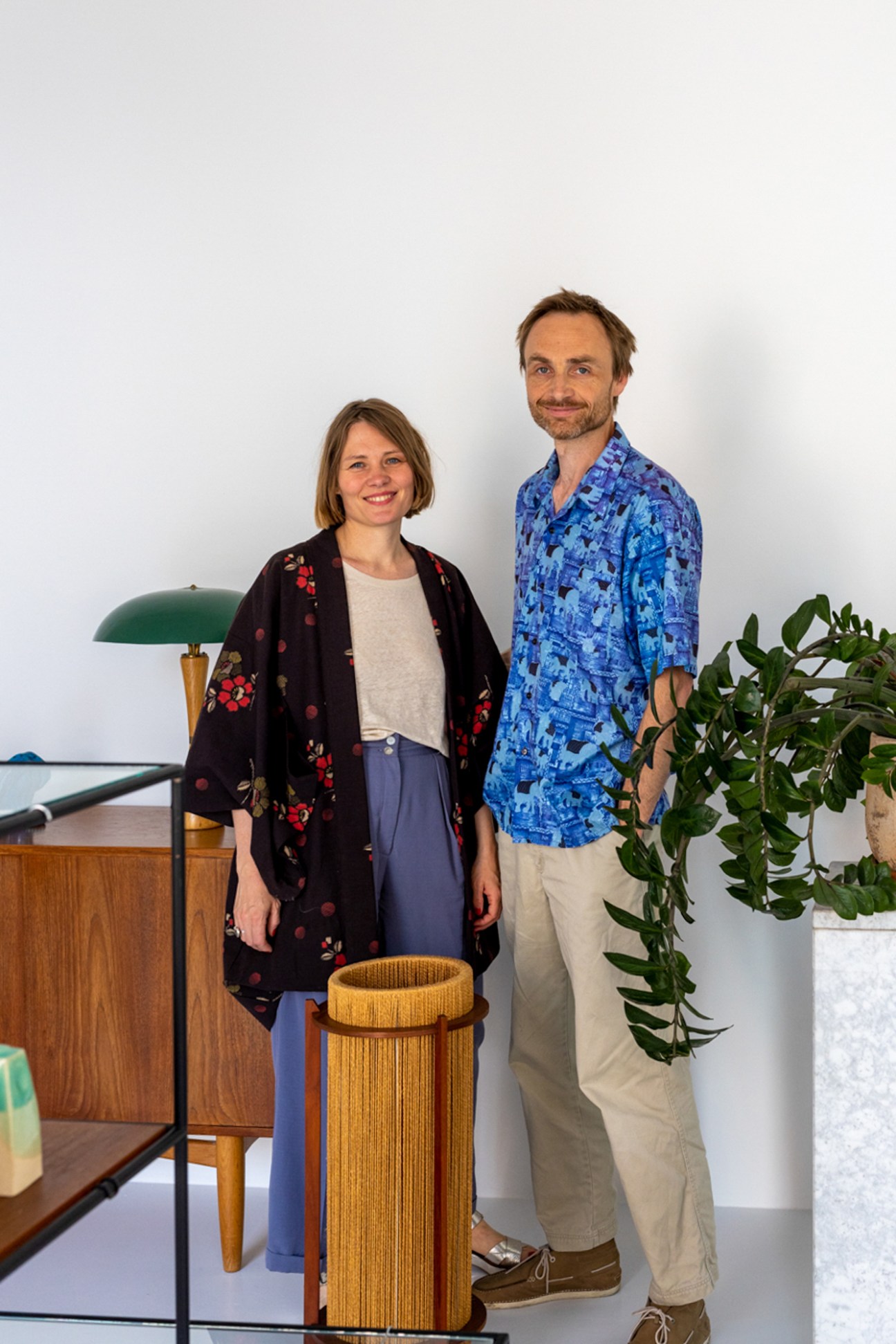
Helmer Design & Antik
Mia Helmer’s city-centre gallery is packed with vintage Danish furniture and lighting.
helmerdesignogantik.com
Eat
Aro
Founded by two Danish chefs with international pedigree after stints in Copenhagen, Sydney and New York. Book ahead.
restaurant-aro.dk
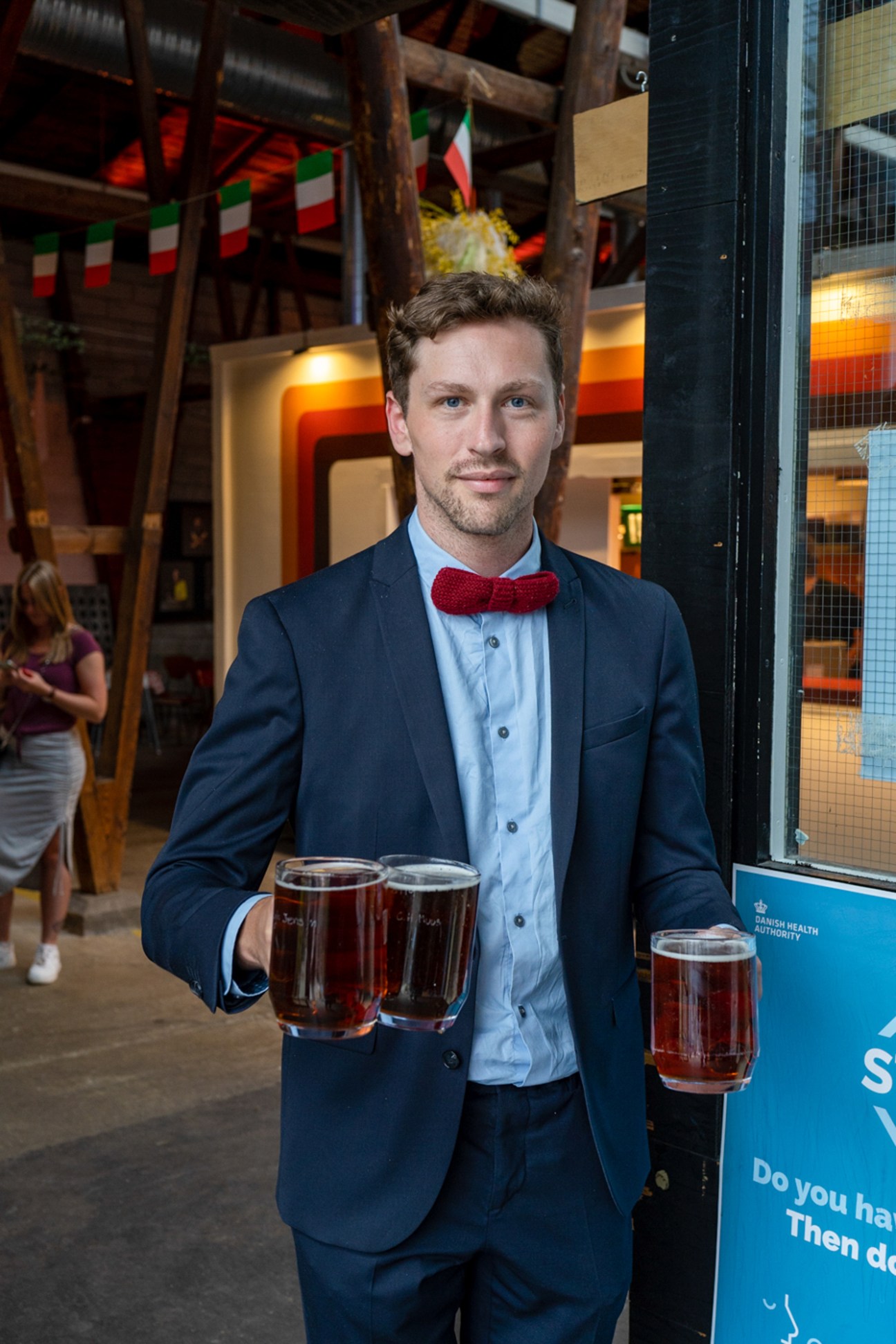
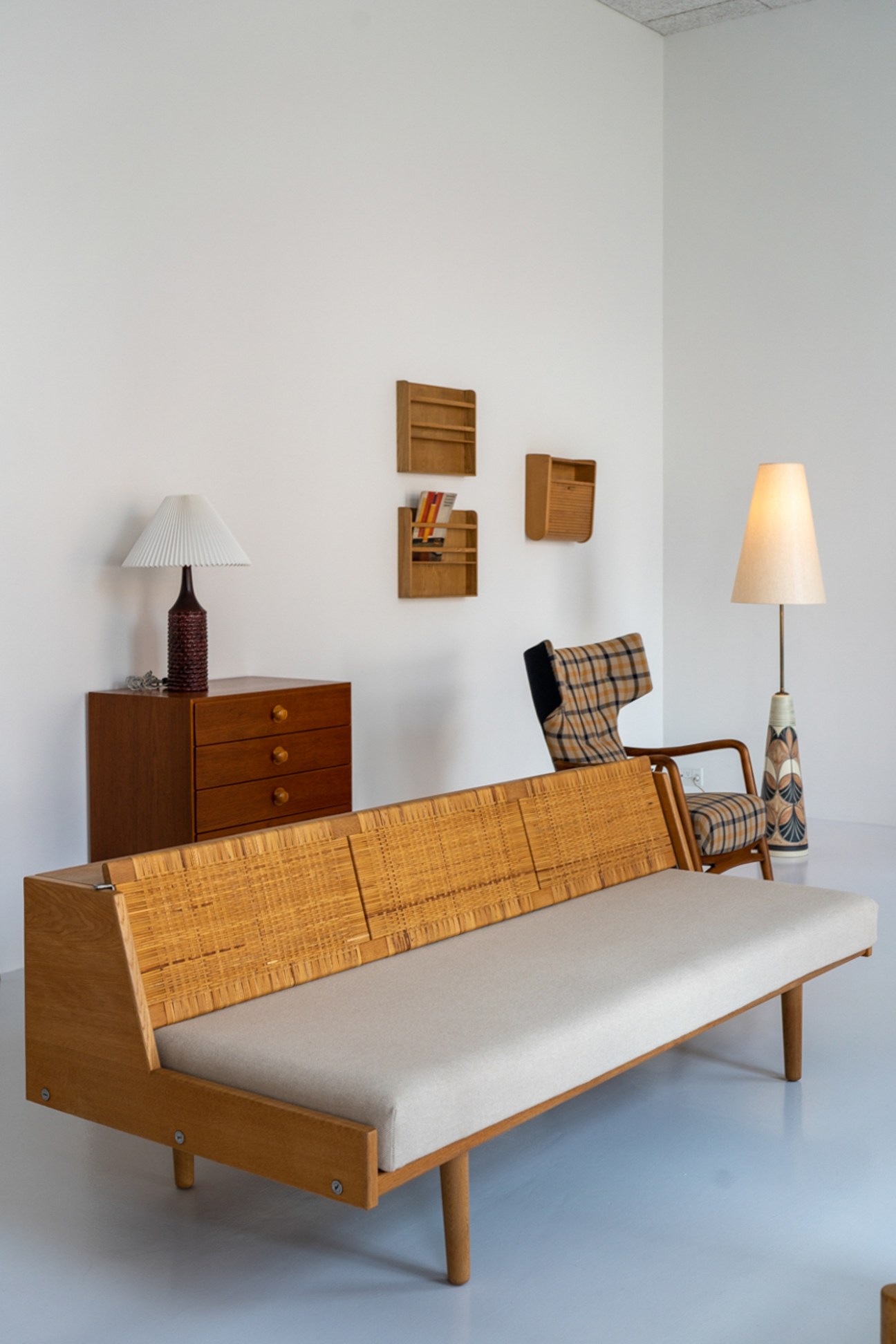
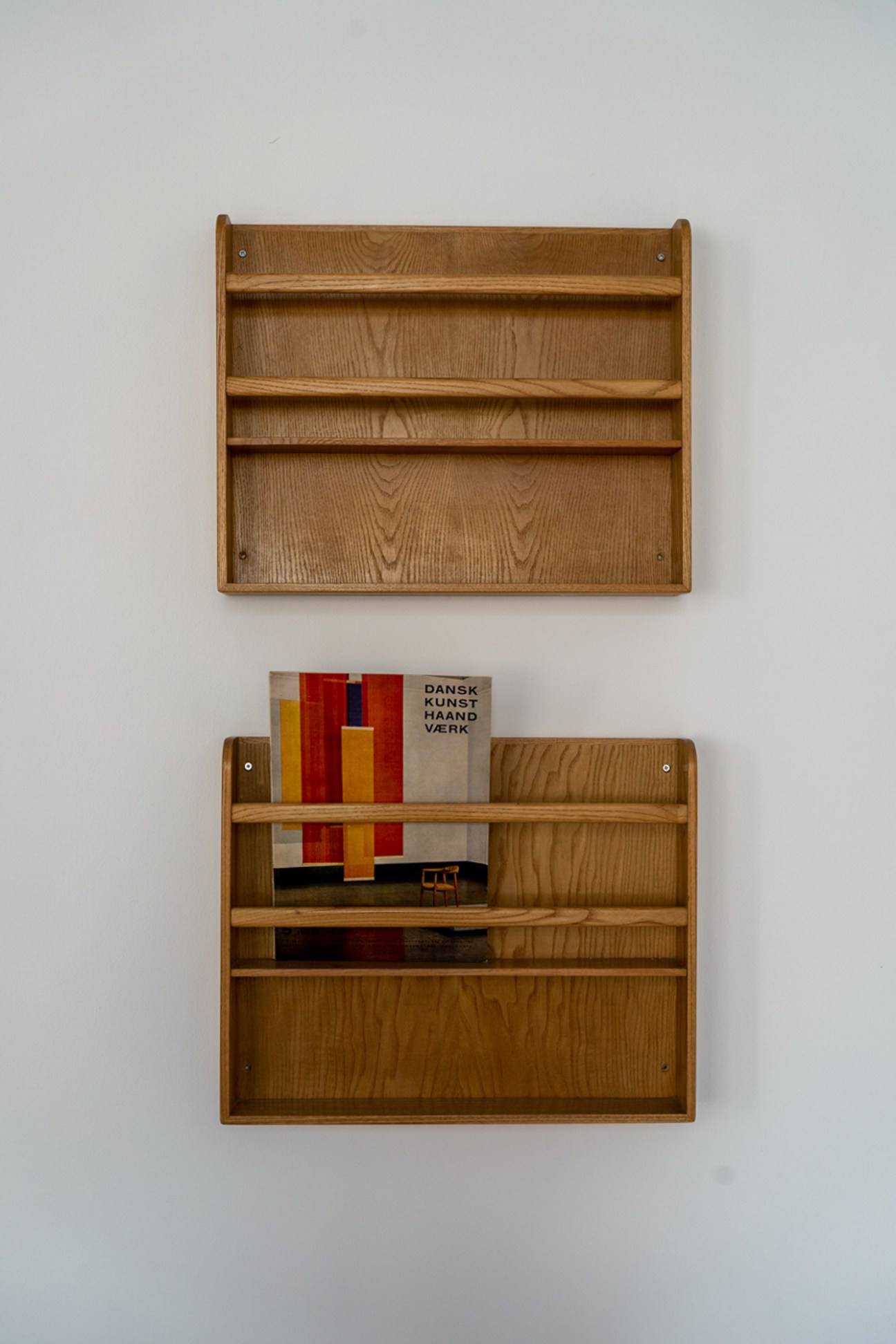
The retail district, centred on Vestergade, has a growing number of interesting independent shops and restaurants. Among them is Helmer Design & Antik, Mia Helmer’s city-centre gallery specialising in museum-quality Danish furniture and lighting from the mid-20th century, with gorgeous Børge Mogensen, Poul Henningsen and De Sede pieces. Meanwhile, restaurant Aro is flying the New Nordic flag in Odense in an old industrial building to the north of the city centre. Chefs Bjørn Jacobsen and Christoffer Schärfe have impressive CVs that include stints at three Michelin-starred Geranium in Copenhagen, Tetsuya’s in Sydney and WD50 in New York. The venerable HJ Hansen Vin, with its beautiful copper-clad shop front, has been supplying locals with gourmet delicacies and wine since Andersen’s time (it opened in 1829) and Storms Pakhus, in a former warehouse, has brought indoor street food to the city with its 19 stalls and bars.
At the end of a tour of the new Hans Christian Andersen’s House museum, you arrive in the room where the man himself was born. It is what Lübker terms a “counter memorial” moment: the room is empty, the audio guide falls silent and, after all the spectacle of the museum and its architecture, there is just a simple plaque with the date of Andersen’s birth.
“The room is the most sacred object in our collection,” says Lübker, before cheerfully admitting that Andersen flatly denied it was his birthplace when he returned to Odense in 1867, aged 62, to be made an honorary citizen of the city he’d turned his back on. As with everything about Andersen, nothing at this museum is quite what it seems.
Prepare for the Wurst
The first thing to note about Currywurst – sausage in spicy ketchup, often flanked by chips – is its utter lack of pretention. In this sense, it’s a fitting emblem for Berlin, the city where it is said to have originated and in which its preparation has become an art. Most German cities are proud of their sausages. They award them prizes and jealously protect their recipes; and they present their own varieties as the best, serving them up as essential parts of their history and culture. But Berliners know that the Currywurst is something far less refined. All you’ll get for pointing this out to them is a shrug – if you’re lucky.
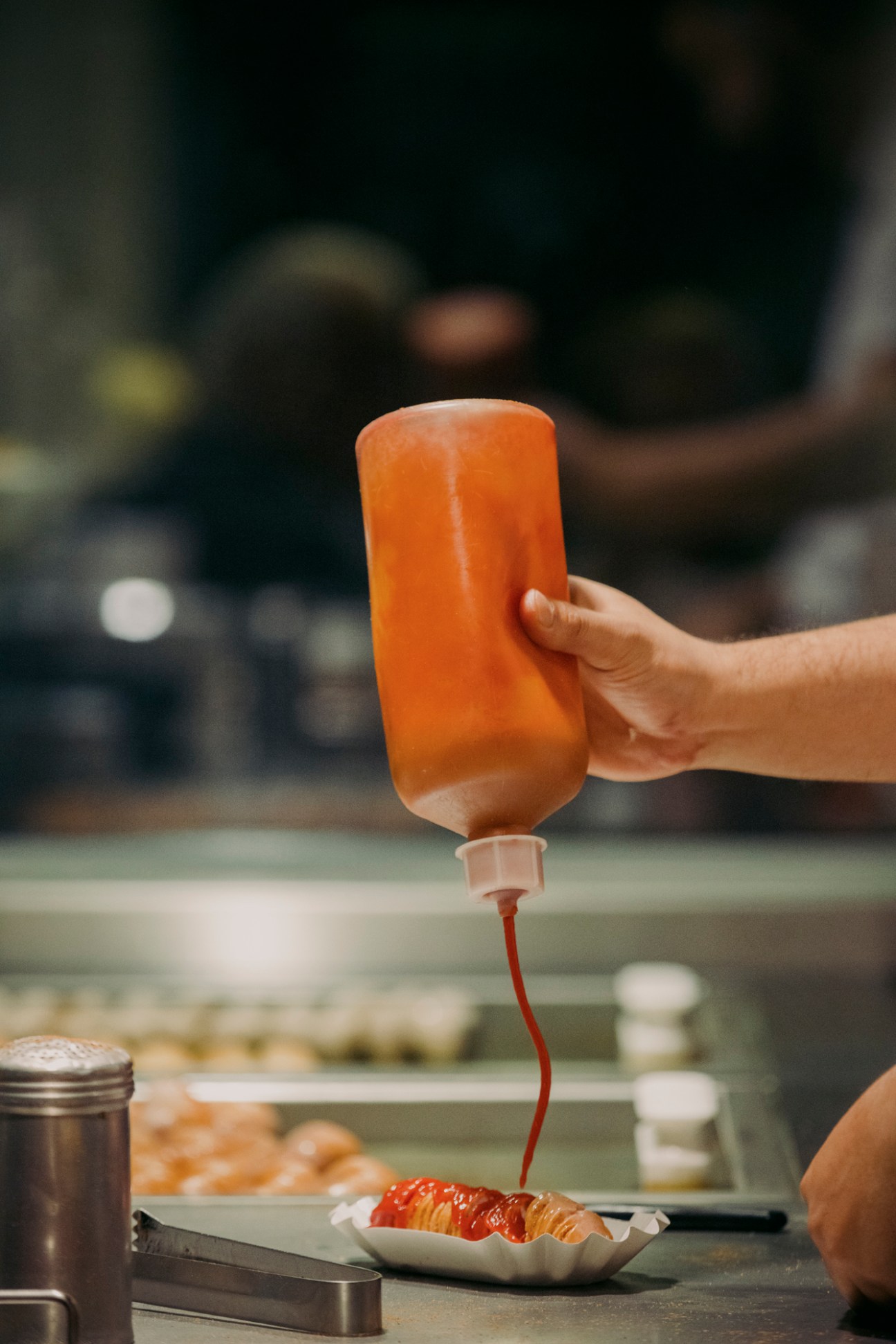
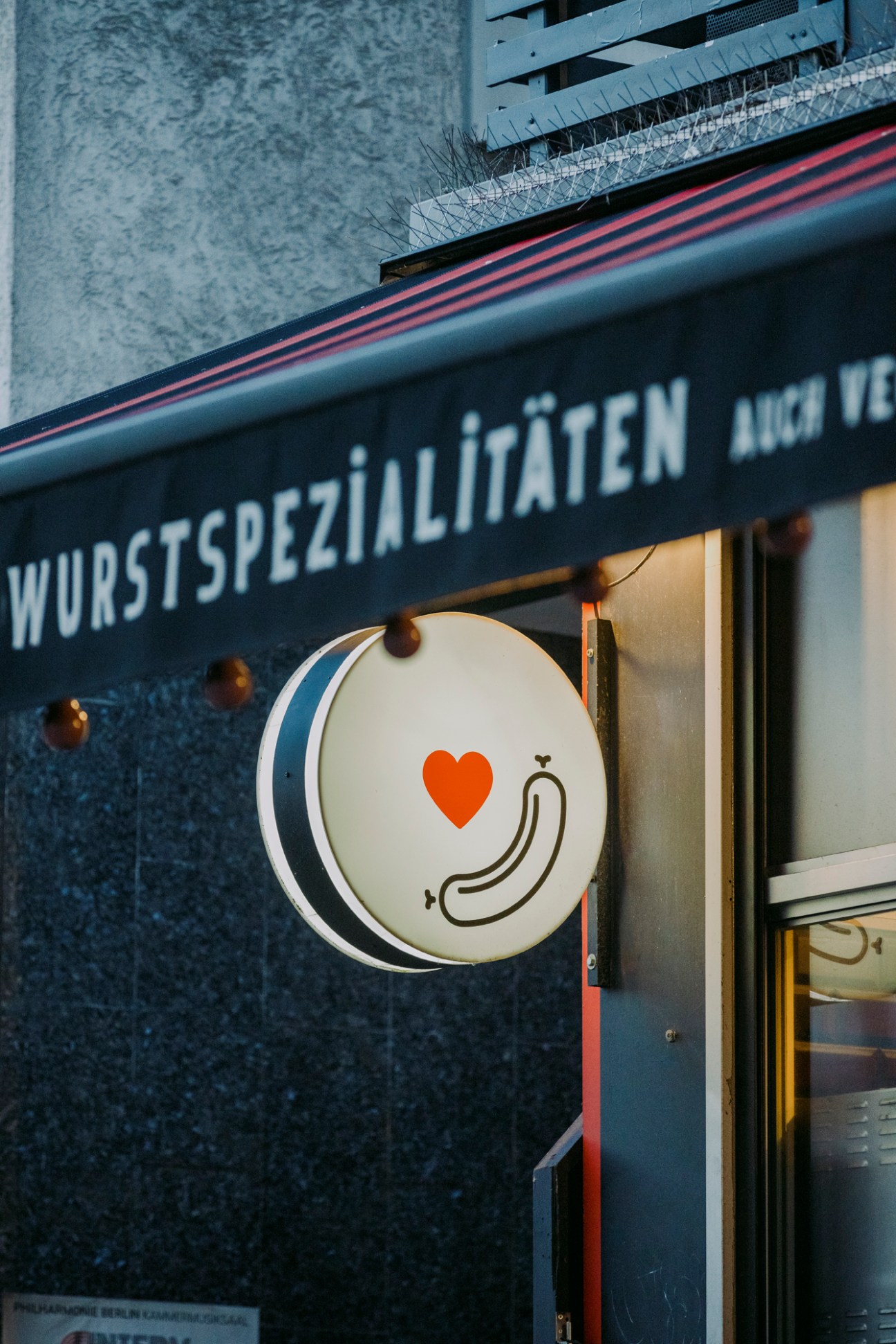
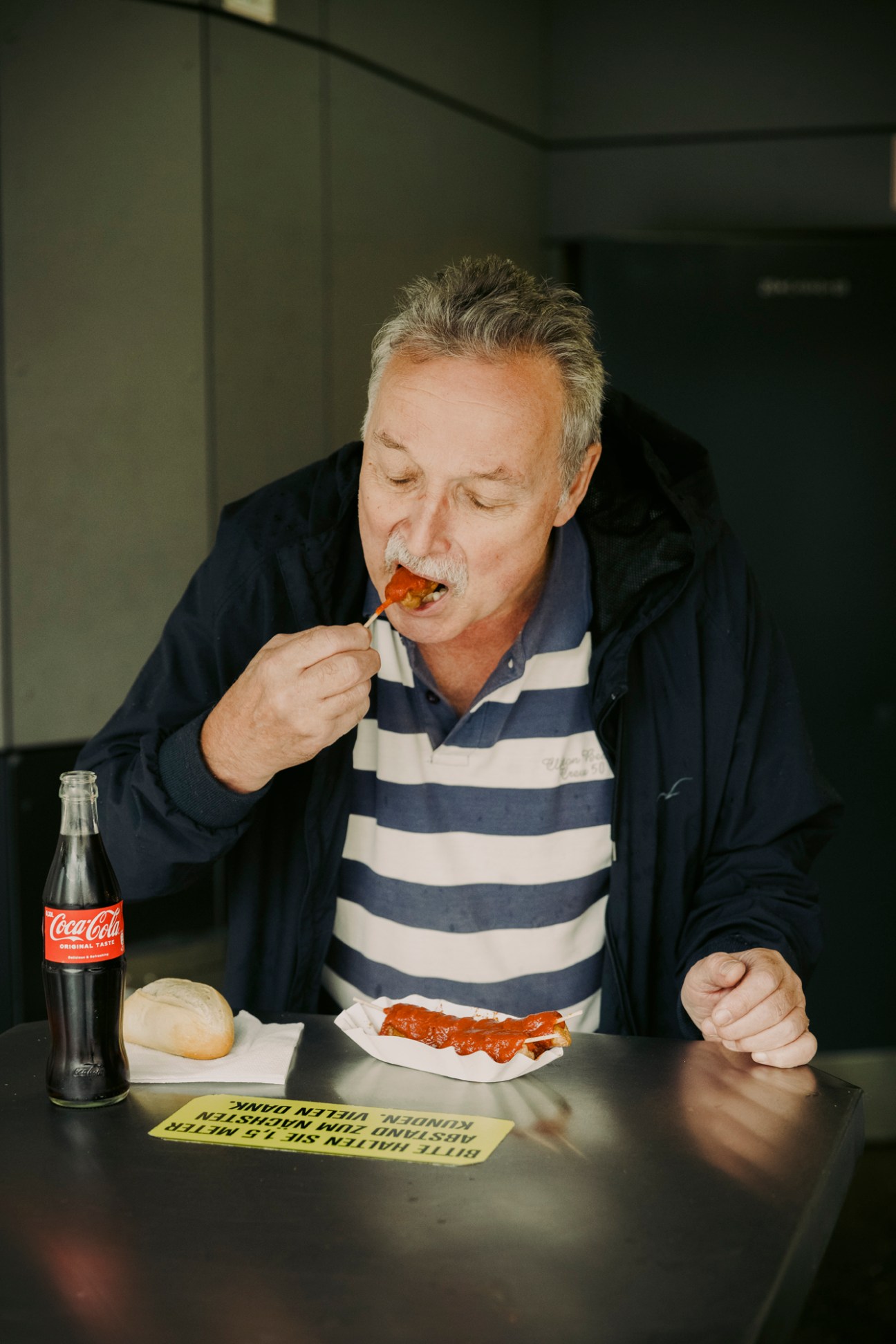
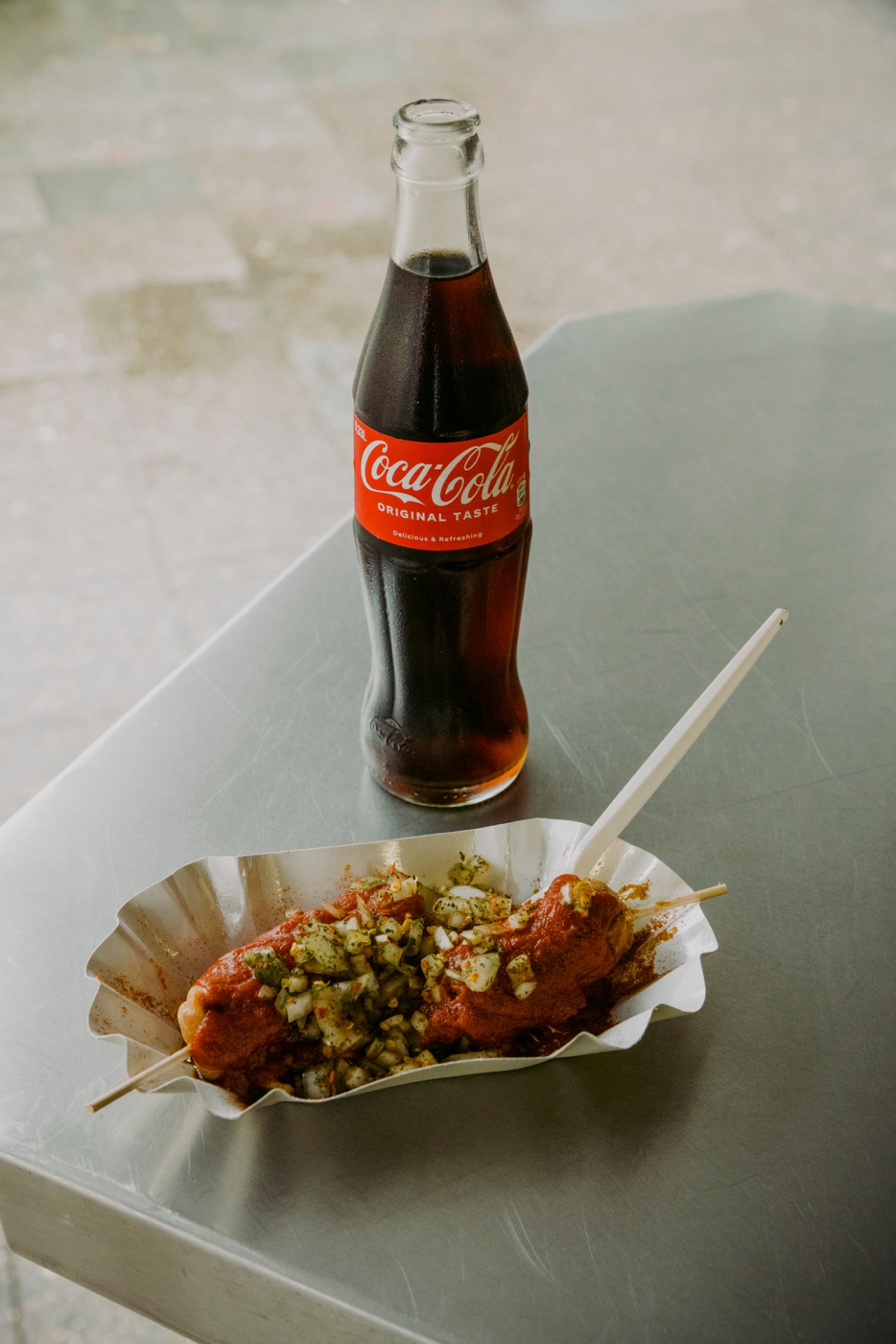
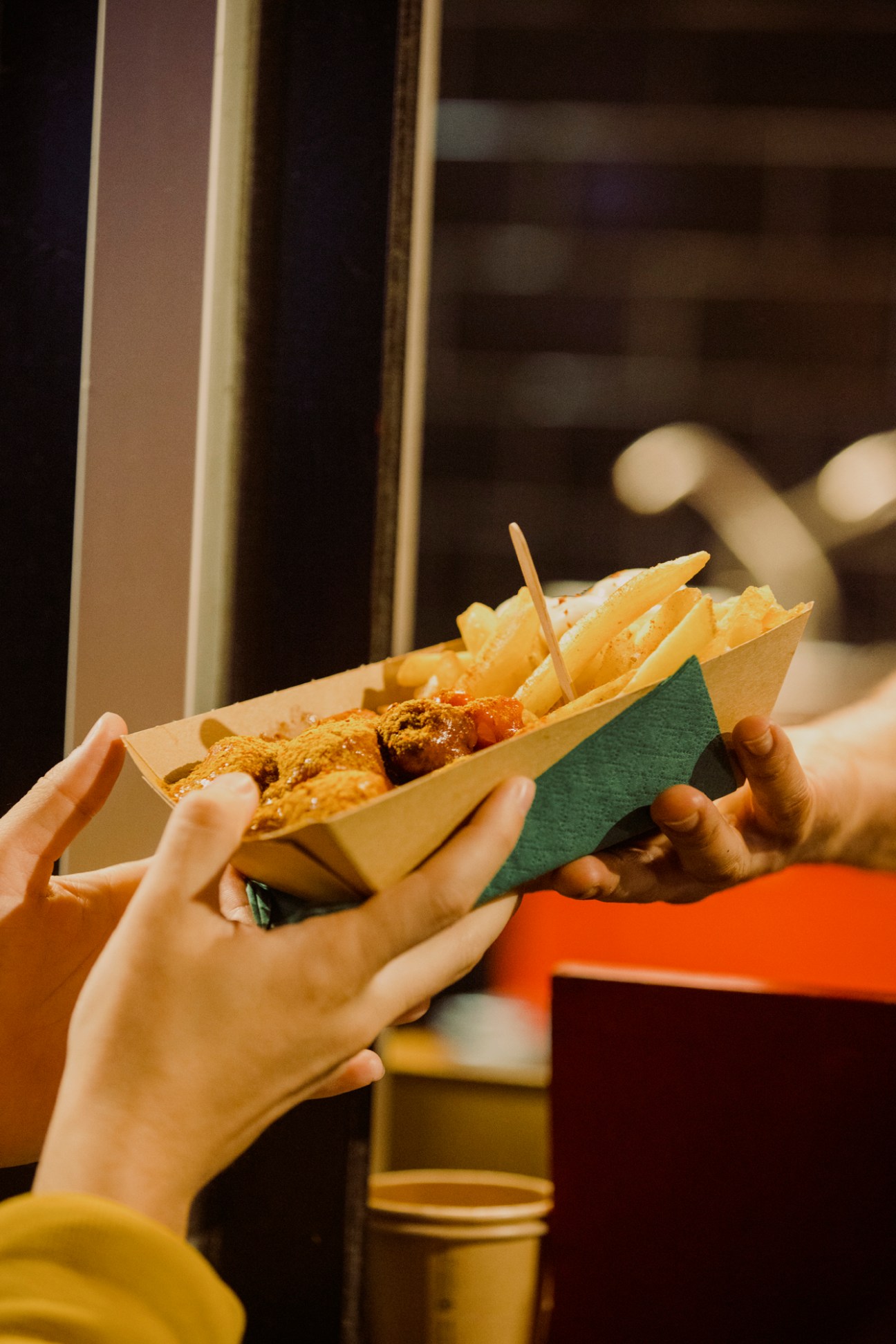
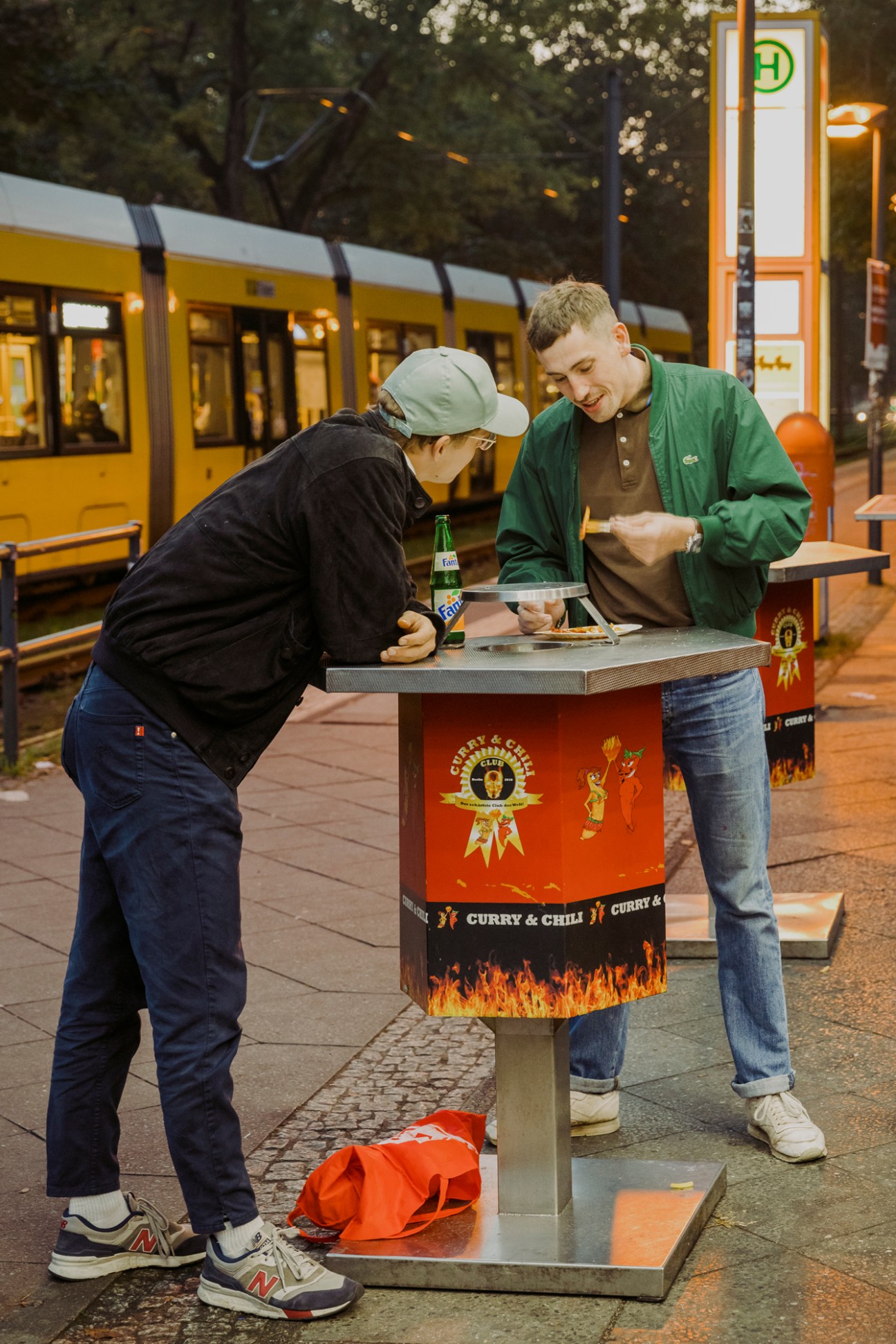
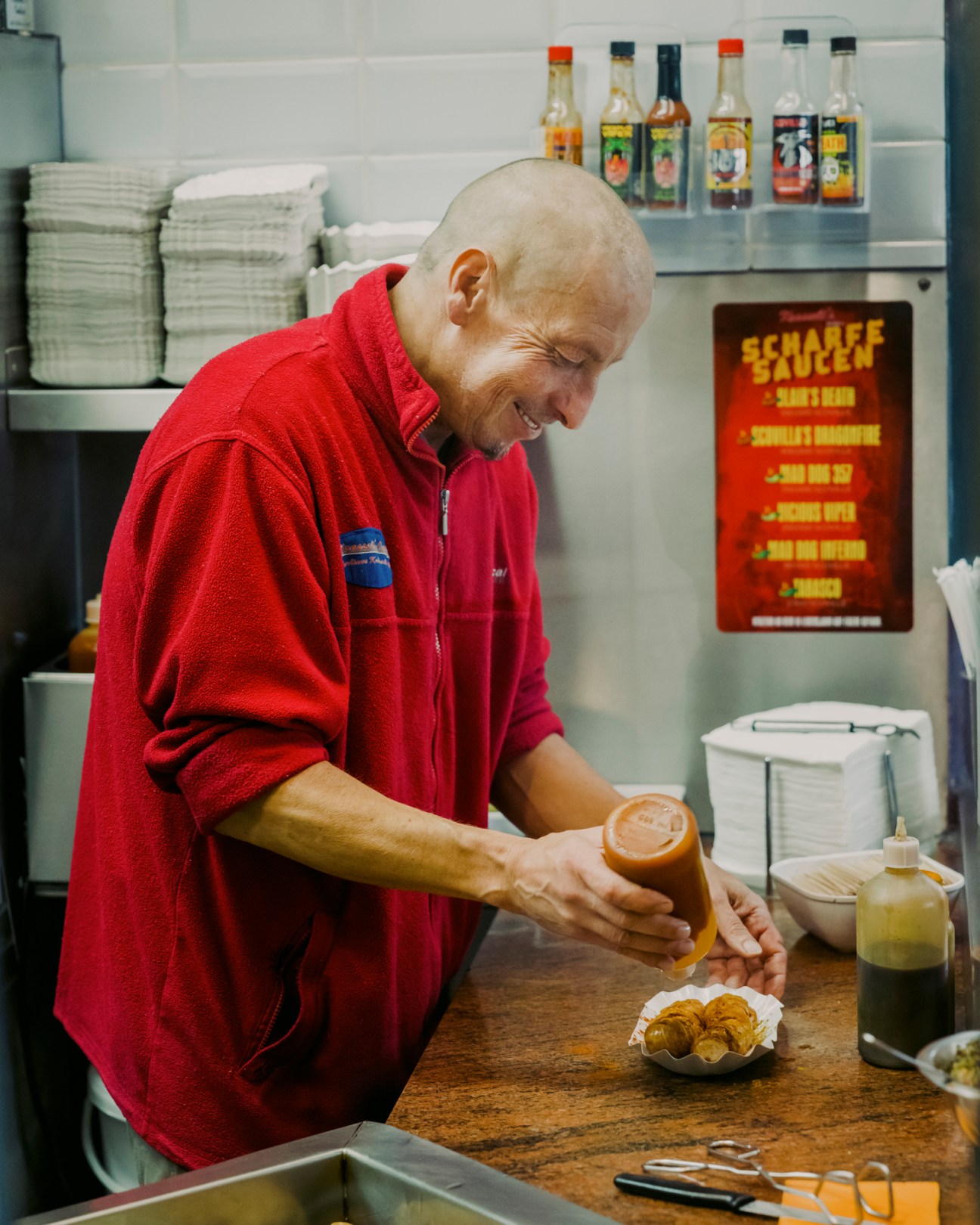
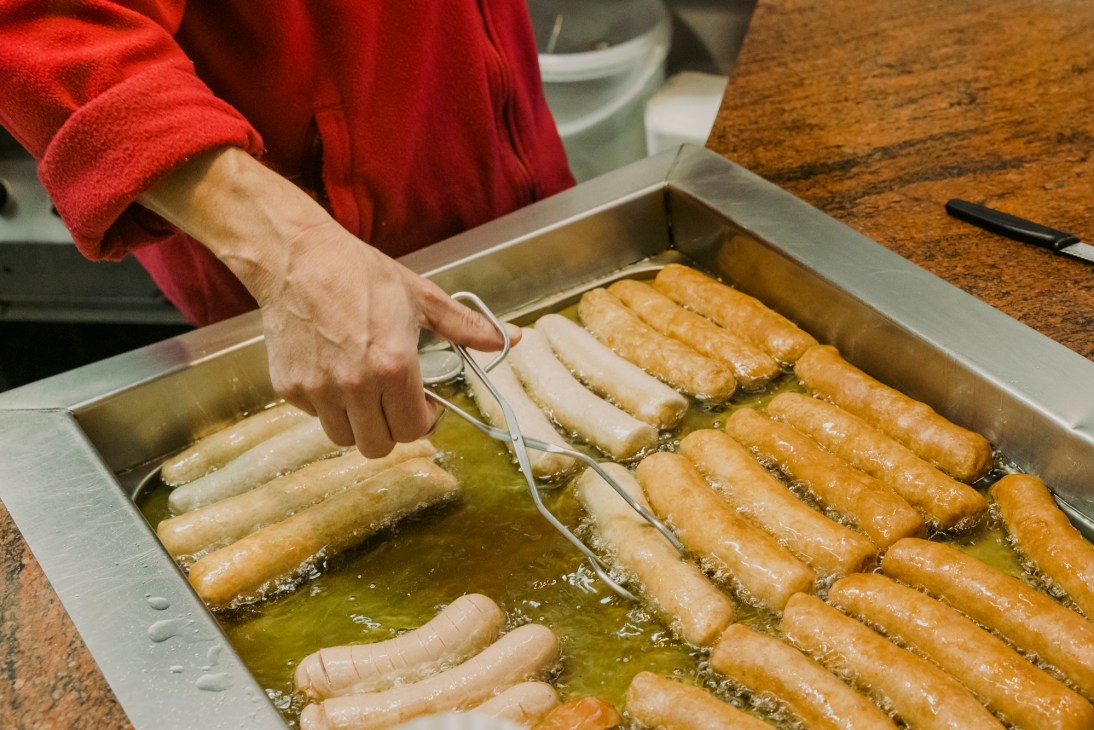

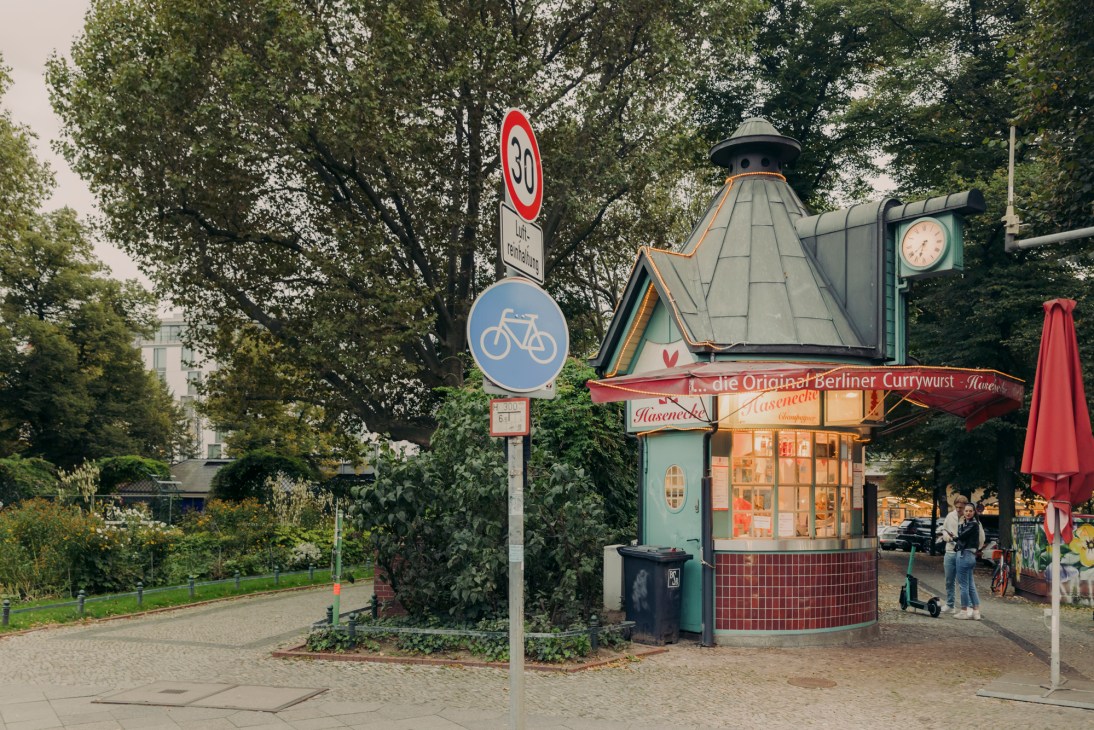
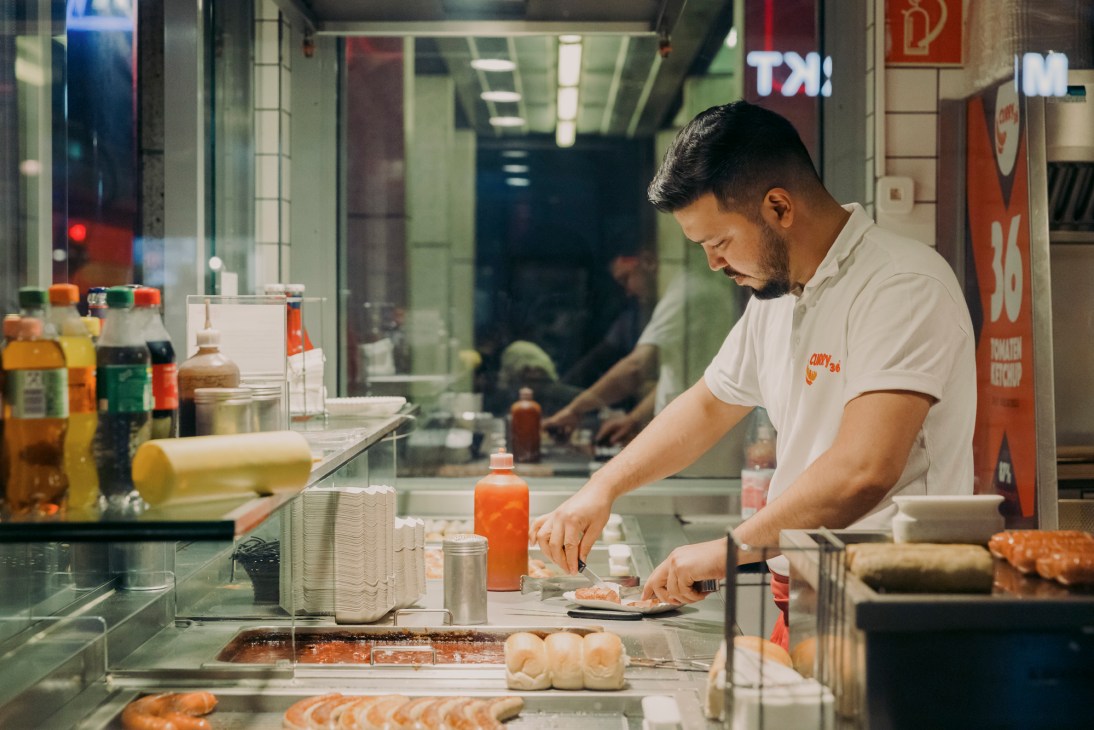
Currywurst, however, has an interesting history of its own. Shortly after the end of the Second World War, Herta Heuwer, a former vendor at the Kadewe department store, opened a snack bar in Charlottenburg. Despite struggling with a lack of supplies, she began to sell a curry bratwurst doused in a spicy sauce, which she patented in 1958. Heuwer is remembered today as the inventor of the Currywurst but the story is likely bigger than one woman. Condiments such as ketchup were hard to come by in postwar Germany, so fast-food vendors experimented with all manner of spices, hoping to turn their sausages into something tasty and moreish. These spiced sausages became popular in their own right and the stands proliferated around the city.
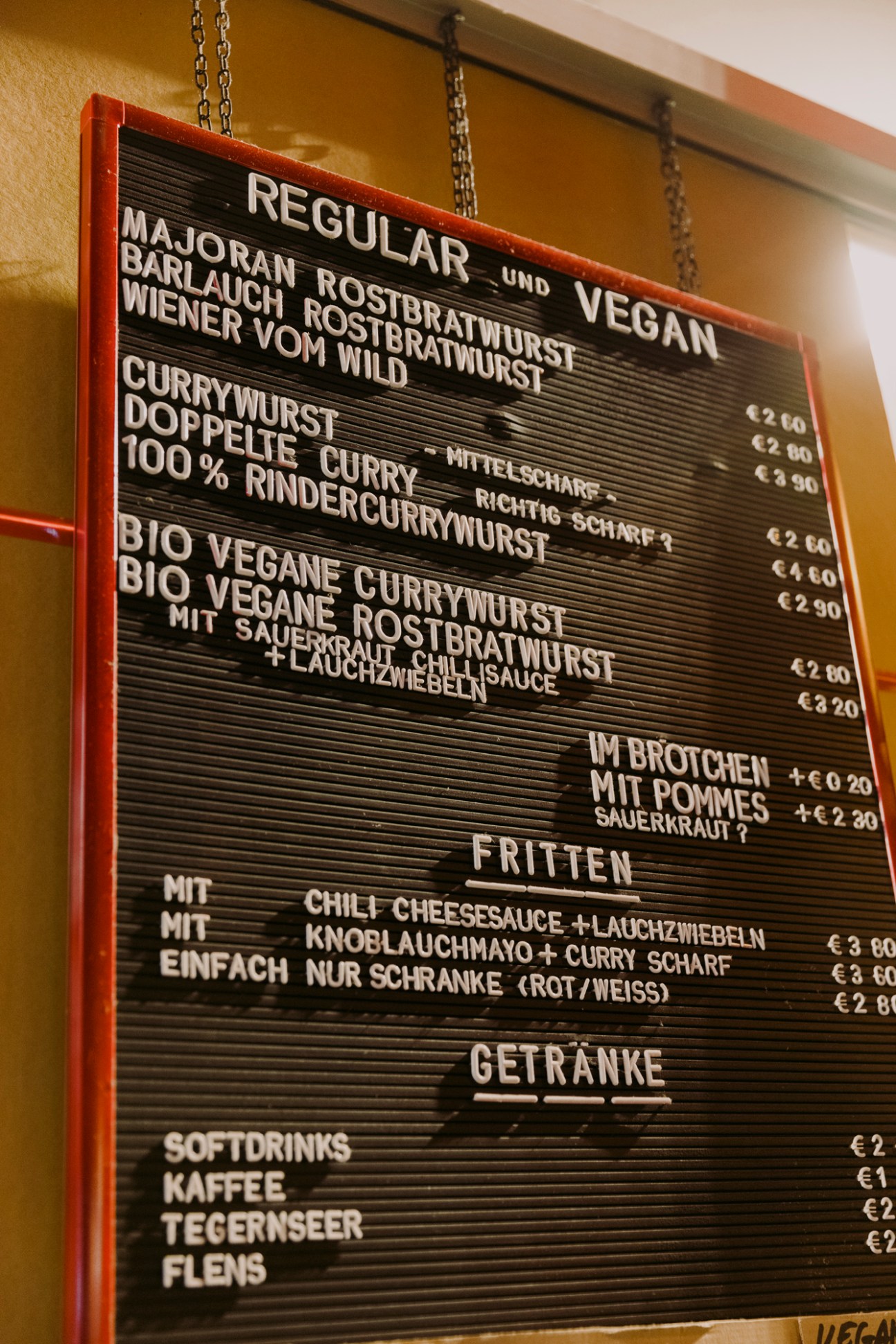
Tellingly, attempts to elevate the Currywurst from a late-night indulgence to something more haute have fallen flat. Some vendors in the city’s more touristy stretches do offer organic or vegan versions but these are for the sort of people who might order an organic or vegan kebab at 02.00.
Today the Currywurst remains the unpolished fare of the people: famished labourers, boozy partygoers and those who simply skipped a meal. And word to the wise, whoever you are, it should never set you back much more than €2. It needs to be slathered in a sweet-and-spicy tomato sauce. Don’t ask questions about the sausage itself except, perhaps, whether it comes with intestine or without. This and the toppings are the only things you’re allowed to quibble over. That said, it tastes pretty much the same whatever option you go for. And remember: if you don’t like it, don’t complain. And don’t expect Berliners to be fussed what you think.
Snack to it
Onda
Singapore
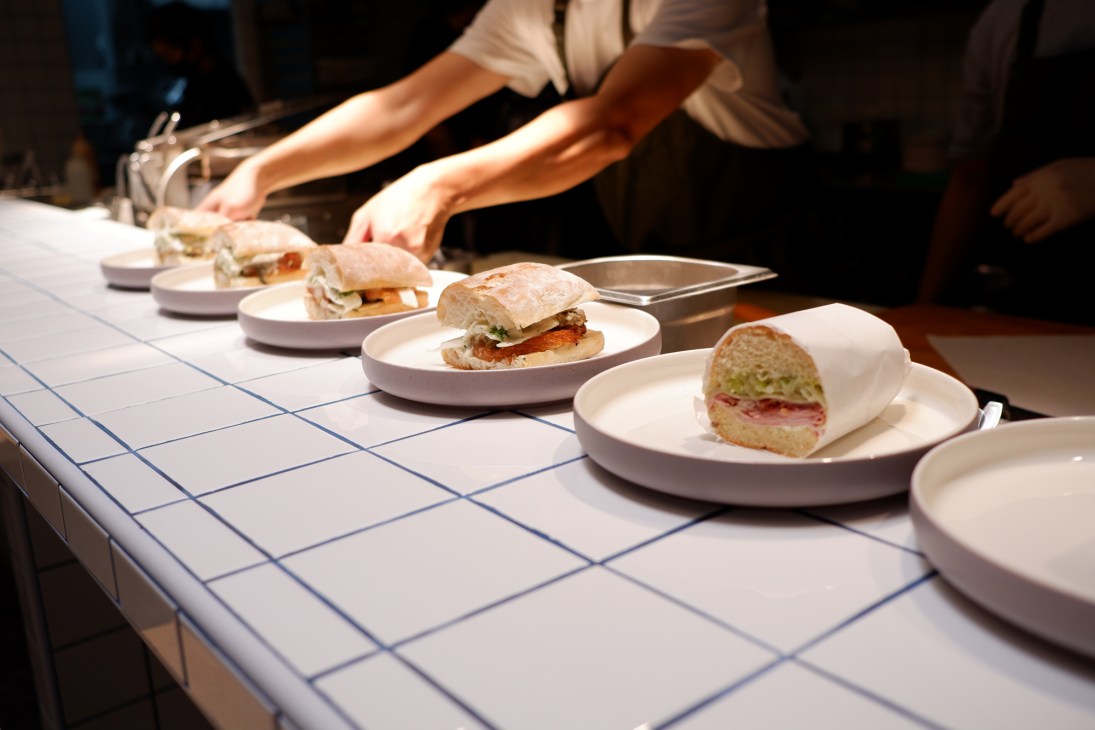
Onda is a new quick-service joint serving Cuba-via-Miami favourites in Singapore’s Boat Quay area. The hole in the wall is an offshoot of the original Park Bench Deli, which is known for its hearty sandwiches. Onda is the first of a series of speciality shops that founder Andrei Soen plans to open. “For Onda we drew up a whole concept around the Cubano sandwich,” says Soen, a Singaporean who grew up in the San Francisco Bay Area. Customers tuck into their Cuban sandwiches with sides such as chicharrón (fried pork rinds). Soen has also reworked Park Bench Deli into a restaurant-bar with breakfast items. Now the CBD outlet has more seating, expanded hours, and a new all-day menu.
parkbenchdeli.com
Javá Rooftop
Lisbon
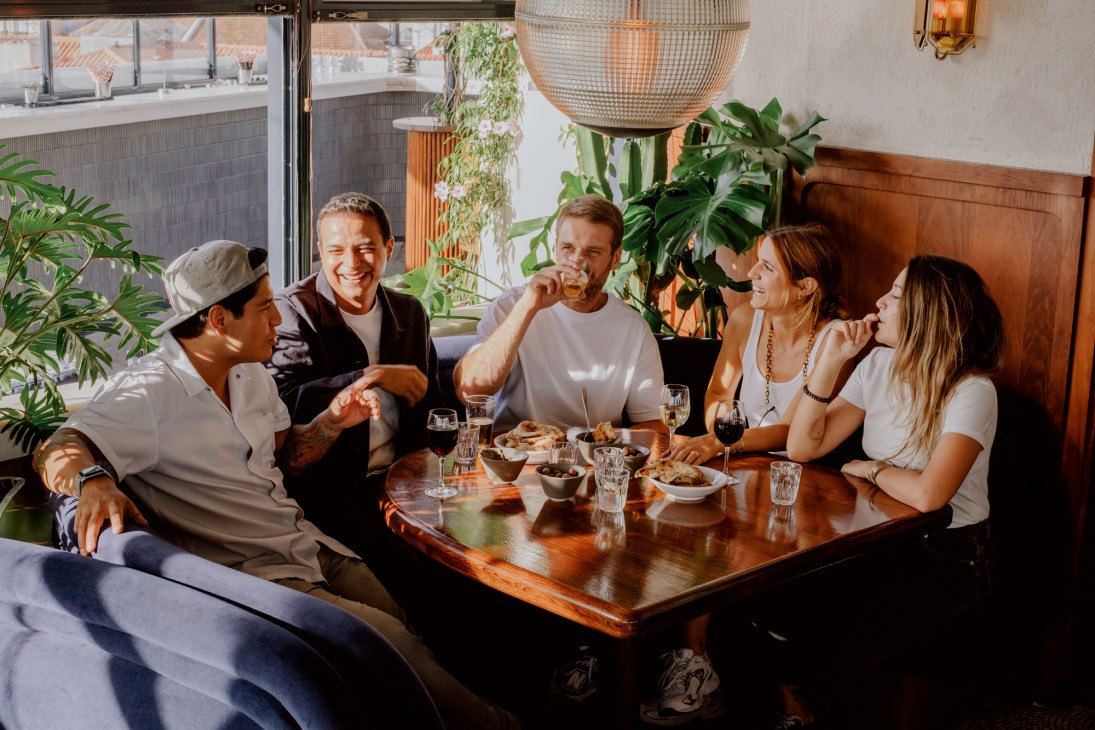
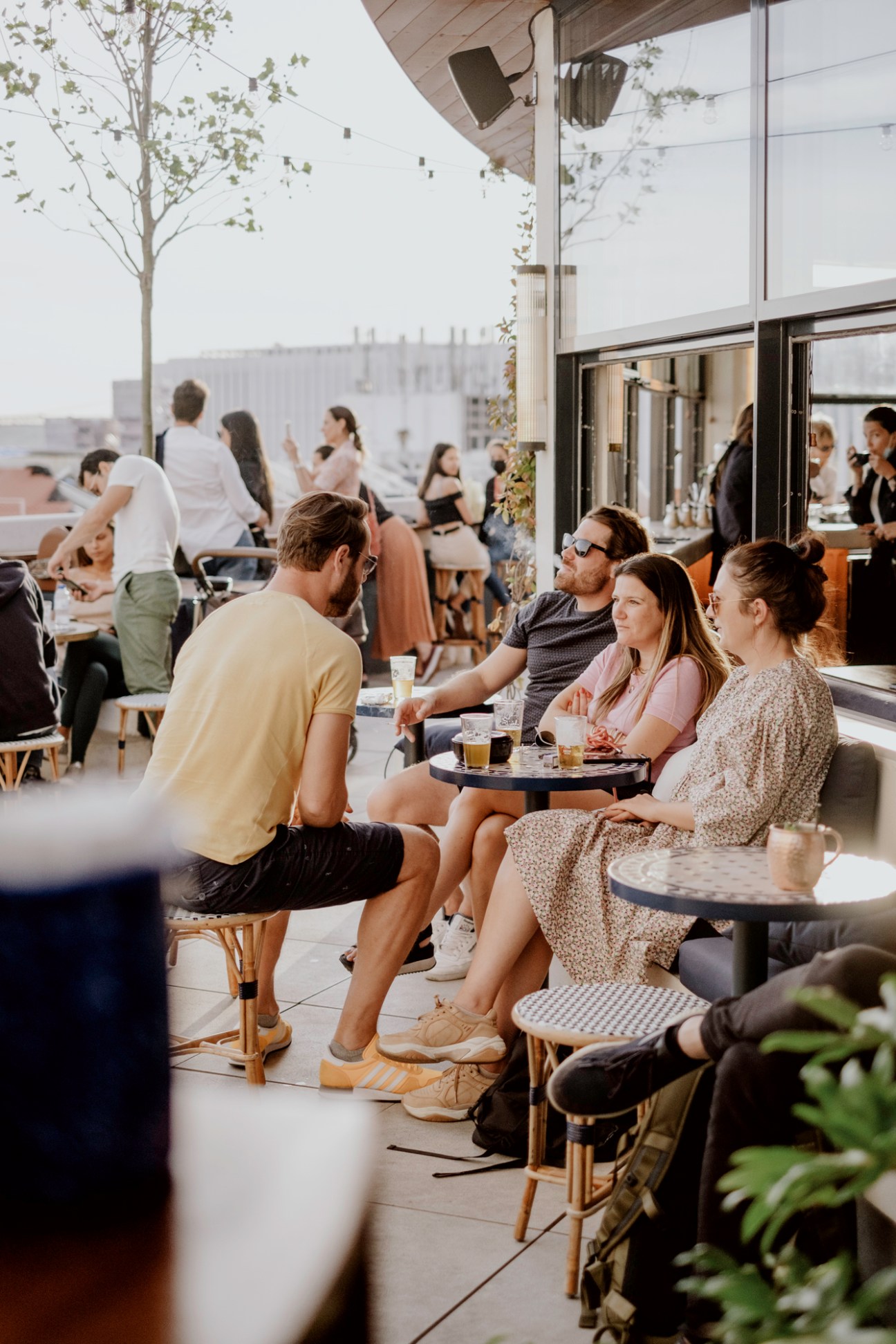
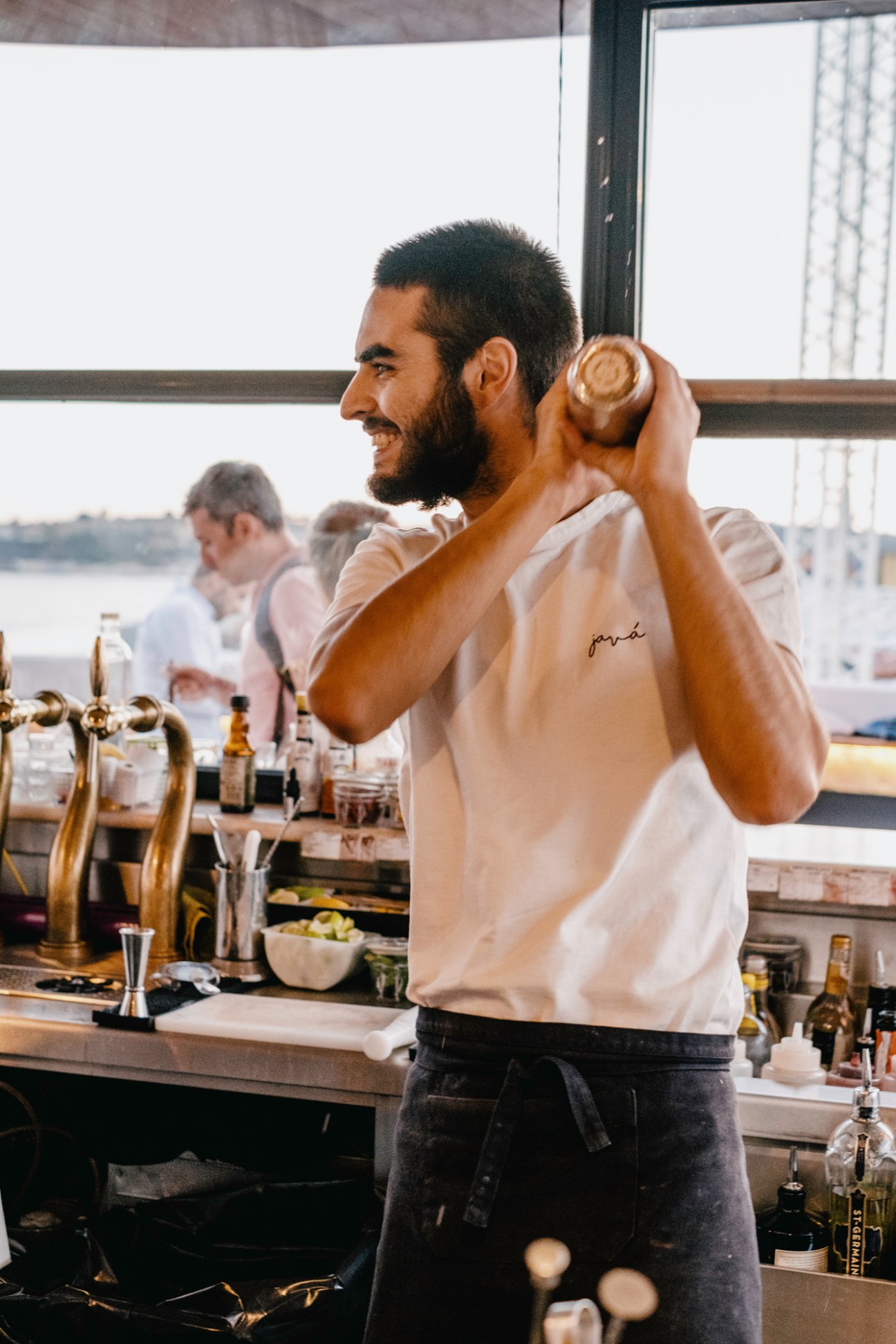
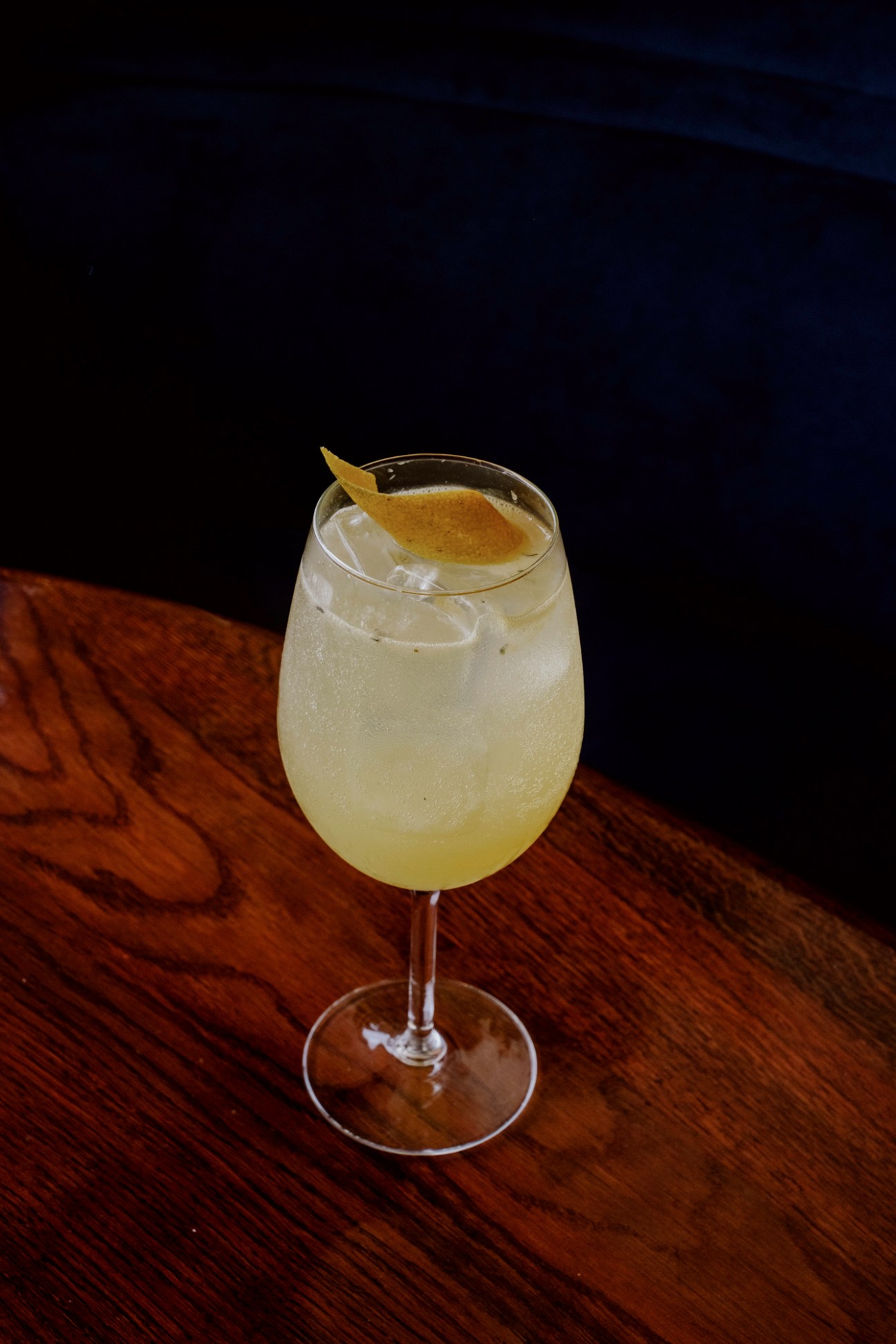
Brussels-born Pierre Em d’Andrimont and his formerly Paris-based partner Margaux Marcy moved to Lisbon in 2018 to pursue a shared passion for hospitality projects. What they hadn’t reckoned on was the work it would take to get it off the ground. “It took hundreds of letters to tenants offering to buy their shops, dozens of hours spent at Lisbon City Hall, a few scams that we escaped, one lawsuit (that we won) to finally find our very first spot on an amazing little corner in Cais do Sodré that he called Café Janis,” says d’Andrimont. The pair’s latest venture, in the same lively neighbourhood, is Javá Rooftop, a laid-back affair with soaring views towards the Tagus. Working with Portuguese design studio PIM, the space perched on top of a former post office serves unpretentious Mediterranean and Middle Eastern-inflected fare: the best mains come from the grill, including octopus served on a bed of buttery polenta. The pancakes – available slathered in chocolate, with fruit or with a savoury twist – are also a major draw (“nothing fancy, just tasty,” says d’Andrimont). The exposed beams, custom tiling and touches of terracotta, cane chairs and blue accents create an airy feel. “The past four years have been the most intense of my life,” says d’Andrimont. “It’s been a roller-coaster but it was also the best four years of my life, and wouldn’t have been possible without my partner, Margaux.”
java.superbexperience.com
Recipe
Japanese coffee jelly

This month our recipe writer Aya Nishimura shares a Japanese pick-me-up that’s ideal for a late-afternoon tipple. This coffee jelly needs to be made the day before and left to set. The Kahlua kick and a good, strong espresso are vital.
Ingredients
Serves 3 as a dessert
- 250ml of fresh espresso
- 35g of light brown sugar
- 2 sheets of gelatin
- 3 tbsps of Kahlua
- 3 tbsps of double cream or vanilla ice cream (your call)
1.
Soak the gelatine in the cold water and set aside for 3 minutes.
2.
Meanwhile, add the brown sugar to the hot espresso and stir until dissolved.
3.
Remove the softened gelatine sheets from the water (you can discard this) and add them to the espresso.
4.
Mix until dissolved, then add the Kahlua and stir.
5.
Pour the mixture evenly into three glasses (with low enough sides for you to eat from), and leave to cool.
6.
Once cooled to room temperature, chill in the fridge for at least 3 hours or ideally overnight if possible.
7.
When the jelly is set, add 1 tablespoon of lightly whipped double cream (or a small scoop of vanilla ice cream) into each one and serve. Enjoy.
ayanishimura.com
Liberté
Paris
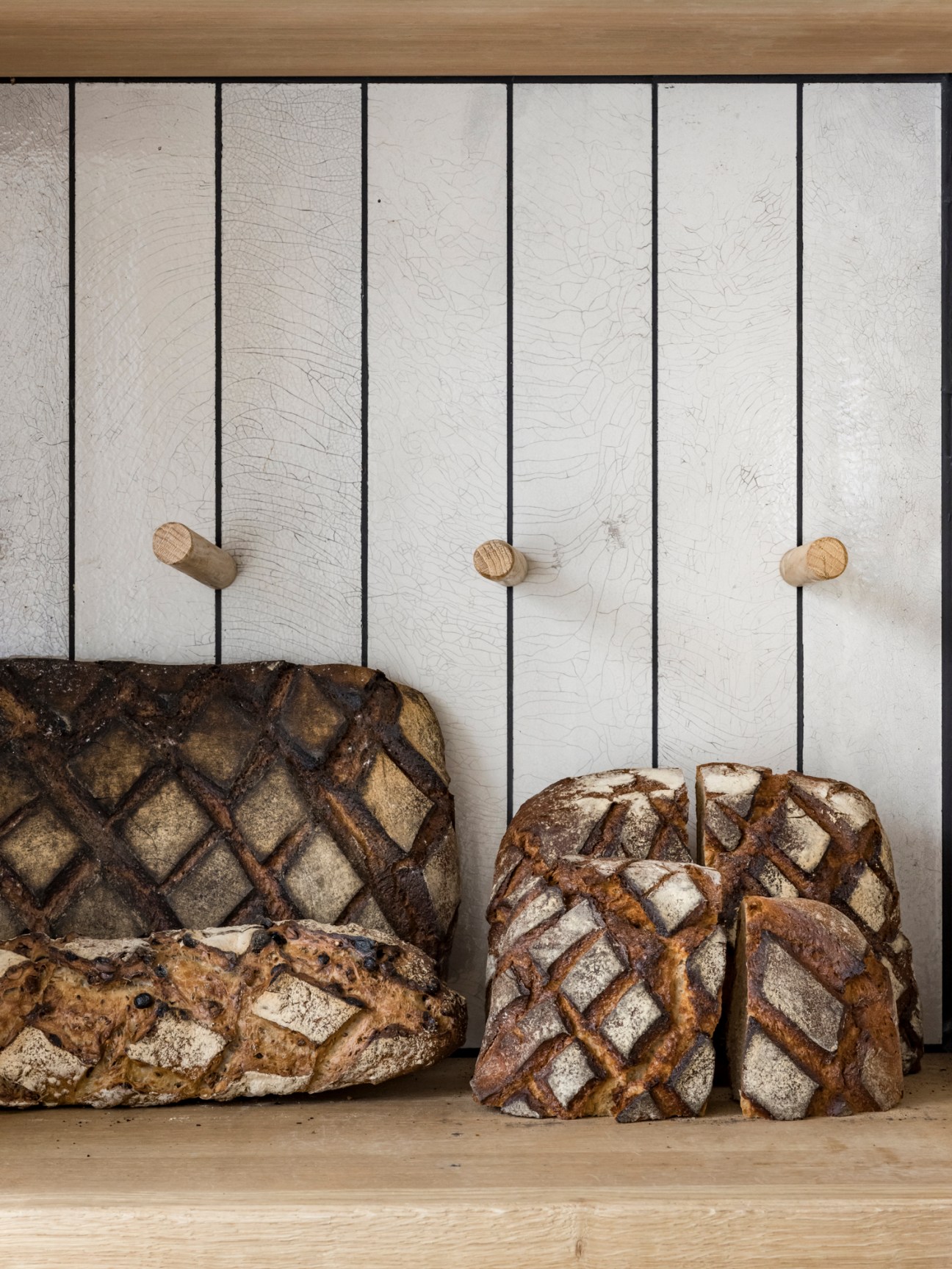
The best bakeries take a few simple ingredients and combine them to create magic. That’s how a small space on Rue Saint-Dominique in Paris’s 7th arrondissement became the capital’s new spot for croissants and crusty loaves. Founder Mickael Benichou, who has four cafés in France and two in Japan, gave Franco-Israeli interior architect Emmanuelle Simon carte blanche to fashion the bijoux bakery. The result? A blue-stone floor that riffs on the Parisian paving beyond and plenty of wooden accents. Food-wise, the alcoves behind the counter are piled high with sourdough loaves and the vitrine heaves with irresistibly rummy canelés, pains aux chocolats and light-as-air choux buns. Bravo.
liberte-paris.com
Koya Ko
London
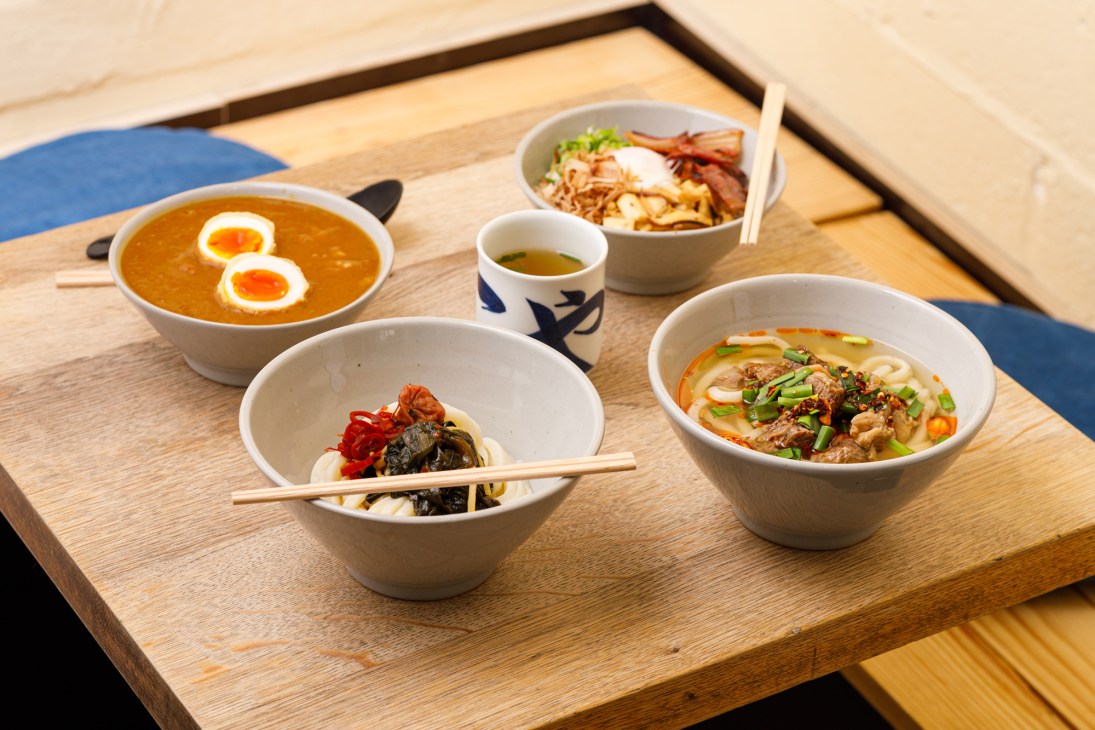
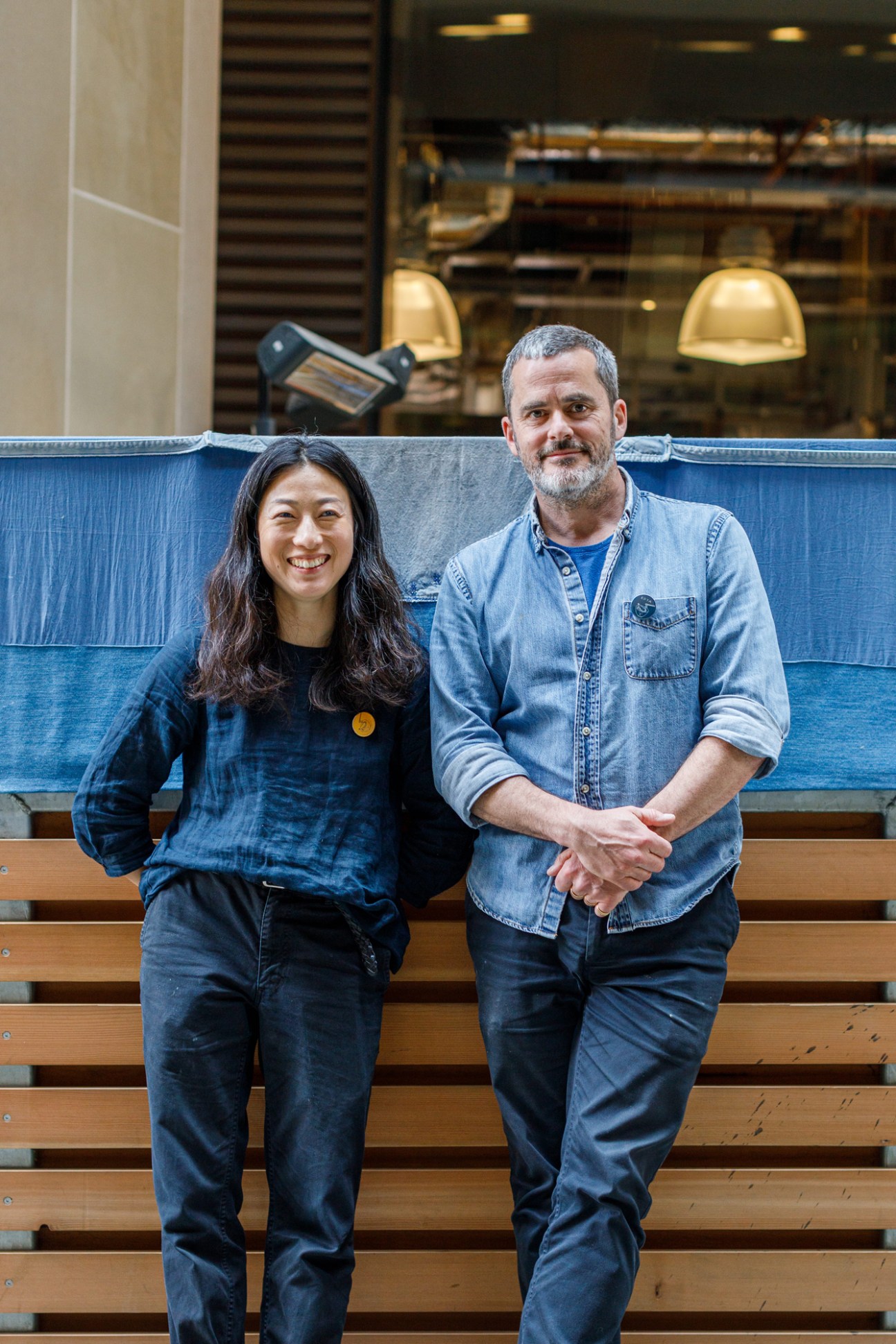
Founded on Soho’s Frith Street in 2010, Koya is a beloved bolthole for Londoners seeking warming bowls of chubby udon noodles and Japanese sharing plates. For their newest space, co-founders Shuko Oda and John Devitt (pictured) took inspiration from the fuss-free noodle bars in Japanese train stations for this space at East London’s Broadway Market. As well as eight spaces in a tachi-gui (standing counter) area, there’s room for a further 40 covers. Diners can enjoy Japanese breakfasts of natto, pickled seaweed, okra, onsen tamago, rice and udon with pickled plum. Lunch and dinner specialities include classics from the original venue, such as miso udon with pork and ginger soup, seasonal greens and newer creations like soft-boiled egg tempura created by head chef Oda.
koya.co.uk
Esmée
Copenhagen
Esmée is the first personal project from former Hotel d’Angleterre chef Andreas Bagh. Located in Copenhagen, the brasserie was transformed into a relaxed, greenery-laden space. The just-opened terrace is busy with punters tucking into Iberico ham in brioche buns and wild sole roasted on the bone from the in-house rotisserie.
esmee.dk
‘Grand Dishes’ and ‘The Female Chef’
Global
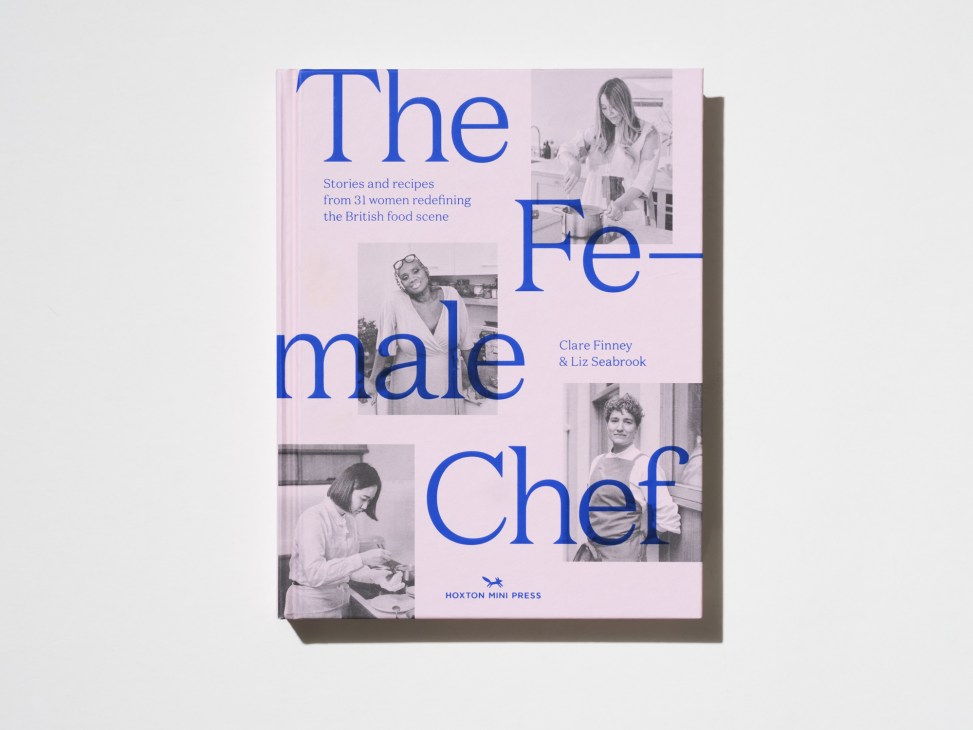
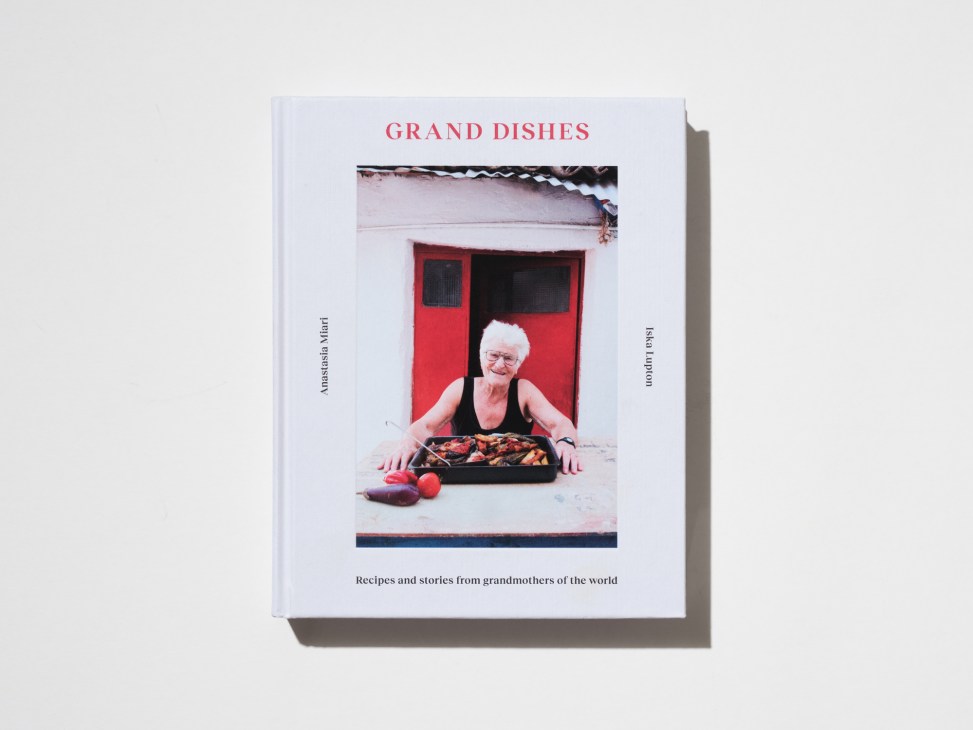
Does nonna really know best in the kitchen? And are those skills learned or passed down? Well, Anastasia Miari and Iska Lupton’s new book, Grand Dishes seems to imply the latter. Featuring stories and joyous portraiture, the 70-recipe-strong affair captures culinary know-how from grandmothers, including the progenitors of notable chefs. The Female Chef, is the latest title by Hoxton Mini Press, and tells the tale of 31 women reshaping the British food scene one dish at a time.
granddishes.com; hoxtonminipress.com
Changing of the tide
The area around the town of Puerto Escondido on Mexico’s Oaxaca coast has long been surfing central. But in recent years entrepreneurs and designers have opened businesses using modern Mexican products and experiences, while the Mexico Design Fair launched here in May. But the fact that this transformation from backwater to design hub isn’t complete makes our pilgrimage particularly promising. The route could be driven in two hours but is best undertaken slowly over three days.
Day one
Distance: 6km
Address book
Stay
Hotel Escondido
A string of 16 cabanas hidden on a slice of sandy beach.
hotelescondido.com
Eat
Kakurega Omakase
Hotel Escondido’s diners enjoy a Mexican meets Japanese menu in an open-air Alberto Kalach-designed pavilion.
Drink
Cobarde
An earthy outdoor bar where customers sip small-batch mezcal late into the night.
Villa de Tututepec de Melchor Ocampo, Puerto Escondido
1.
Puerto Escondido and beyond
Day one
Don’t follow the signs to Puerto Escondido as you pull out of the tiny airport. Instead, veer right and make your way along a narrow road peppered with palm trees and tropical greenery fringing the asphalt. From behind the windshield you’ll see rolling green hills and glimpses of estuaries and the sea, as well as small roadside stalls flogging beer and signs promoting tours to see bioluminescent ocean life after dark. It feels like the middle of nowhere but it’s not. Twenty-five minutes west of Puerto Escondido is a coastline that shows how this part of the world has changed.
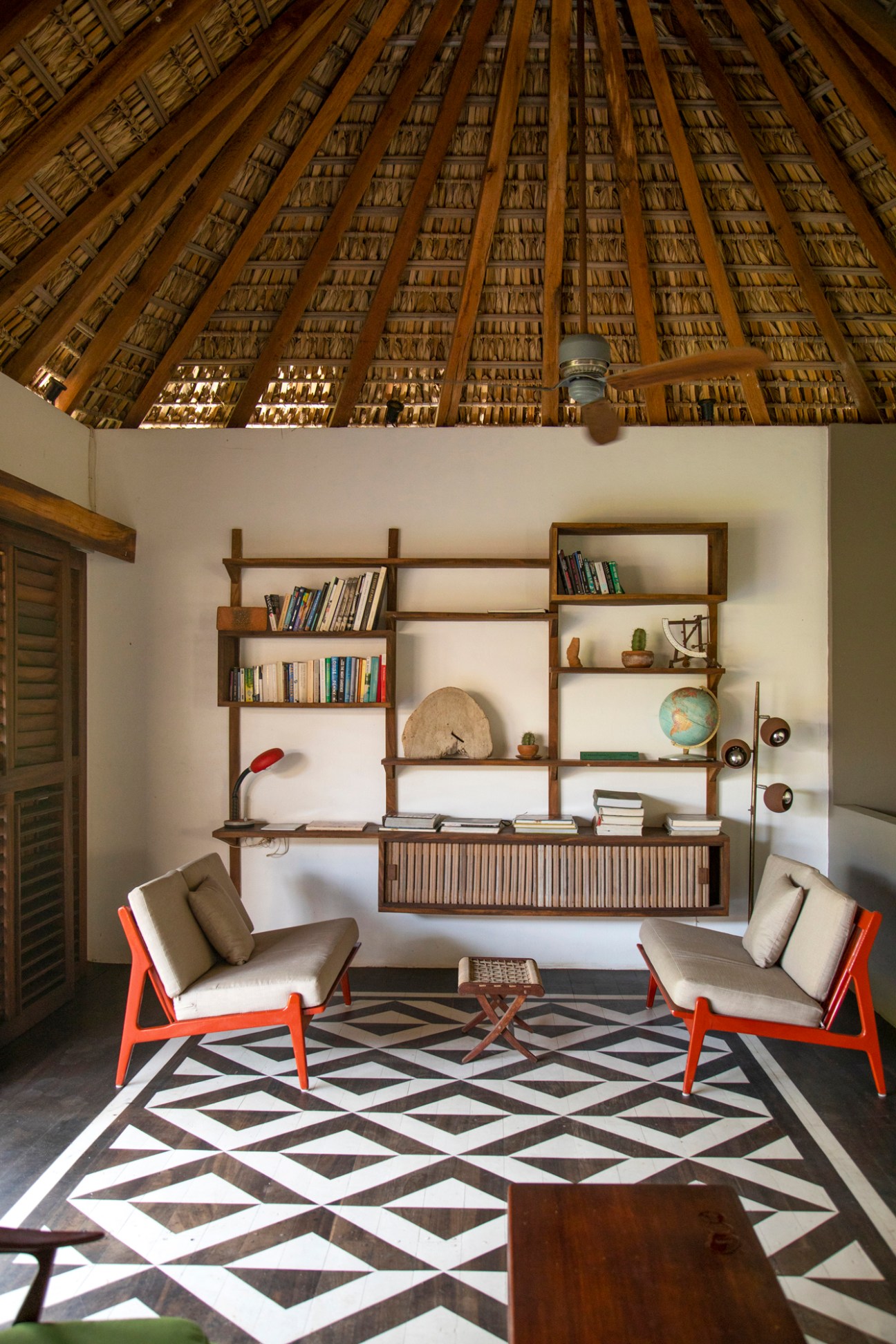
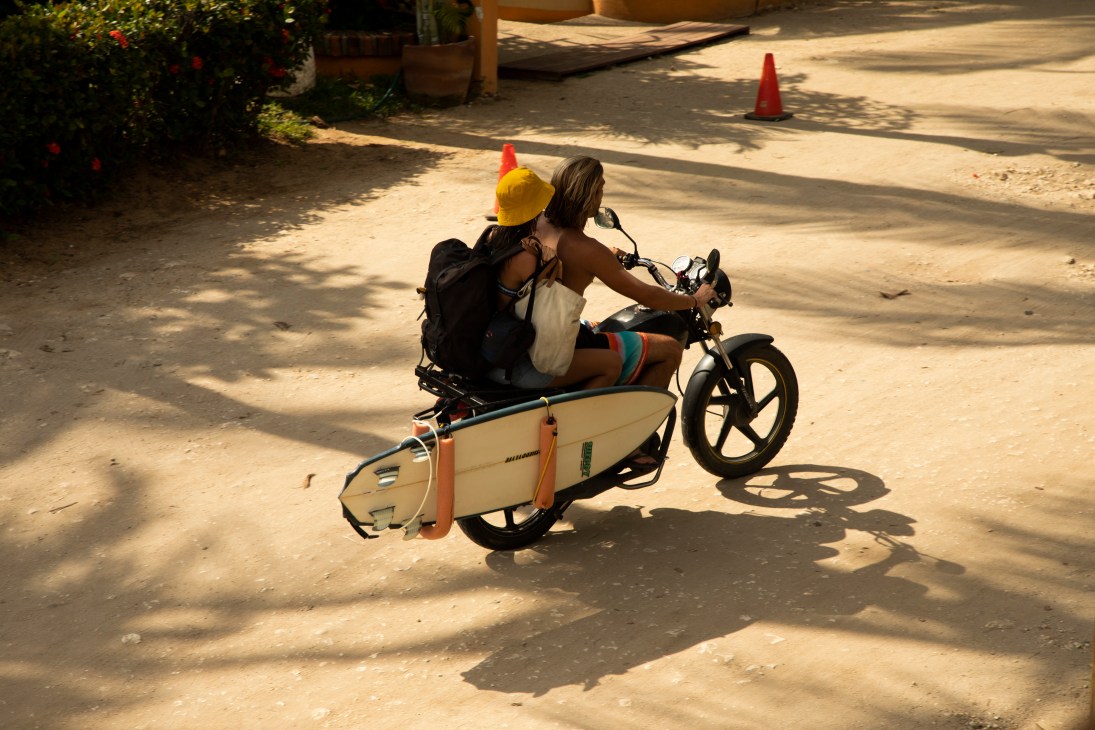
Take a left at a sign that reads “Hotel Escondido” and follow the bumpy road between the ocean and mountains, past papaya fields to a stone-and-thatch hotel tucked within the coastal greenery. In the rainy season an off-road vehicle might be a wise choice. Before you see the ocean, you’ll hear it – there’s a reason it’s a “red flag” beach. “Hotel Escondido was the first thing that happened in the area,” says Armando Quintana of the Mexico Design Fair. “Before that, it was just a piece of land with a beach.”
Day two
Distance: 100km
Address book
See
Casa Wabi
This oceanside Tadao Ando-designed foundation was launched by artist Bosco Sodi.
casawabi.org
Visit
El Papelillo
A temple-like sauna and dipping pool.
hotelescondido.com
Eat
Rancho Las Margaritas
This laid-back family-owned restaurant is set on a wooden deck next to a lagoon.
70938 Santa María Colotepec
Stay
Monte Uzulu
Town-centre hotel with a jungle feel (in a good way). At its restaurant, Temporada, food is served on a sunny terrace.
monteuzulu.com
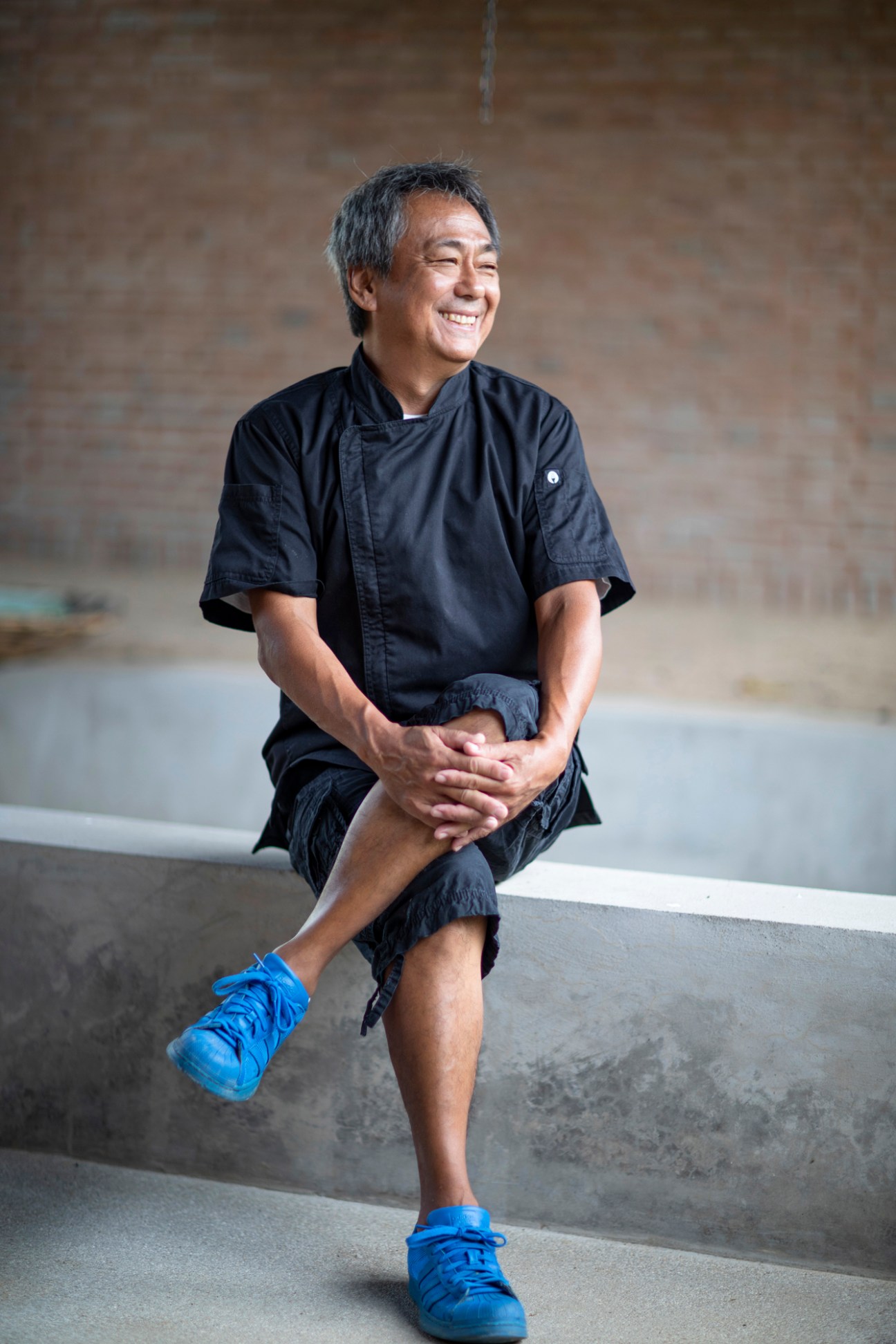
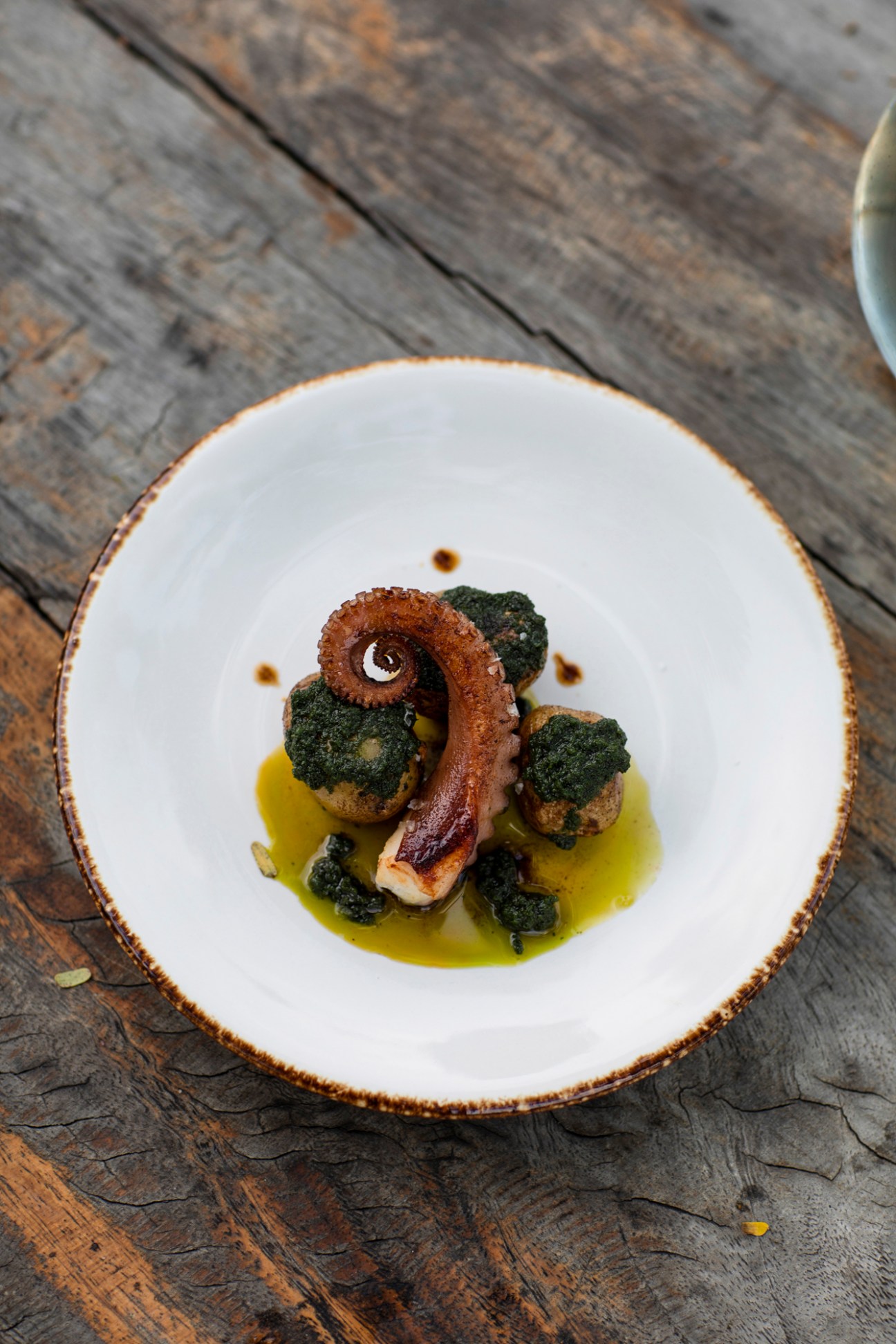
Arrive in time for lunch, when plates of ceviche, fish tacos and margaritas are served in the open-air restaurant or under a palapa (thatched pavilion) on the beach. Then spend the afternoon swimming in the inky-hued beachside lap pool. At sundown, head to Cobarde, an outdoor bar where giant glass globes of small-batch mezcal sit behind the bar like beakers in a science lab. The food here is superb and the chef cooks daily dishes from whatever he finds at the market; on the day that Monocle visits it was octopus and mahi-mahi with leeks. Co-owned by Claudio Sodi – brother of artist Bosco Sodi – Cobarde is the coolest meeting point near the hotel and is a sure sign of where this area is headed. “There used to be no common place to gather where you could chat,” says Claudio, who spent his childhood visiting and has seen the evolution first-hand. “The area is changing wisely.”
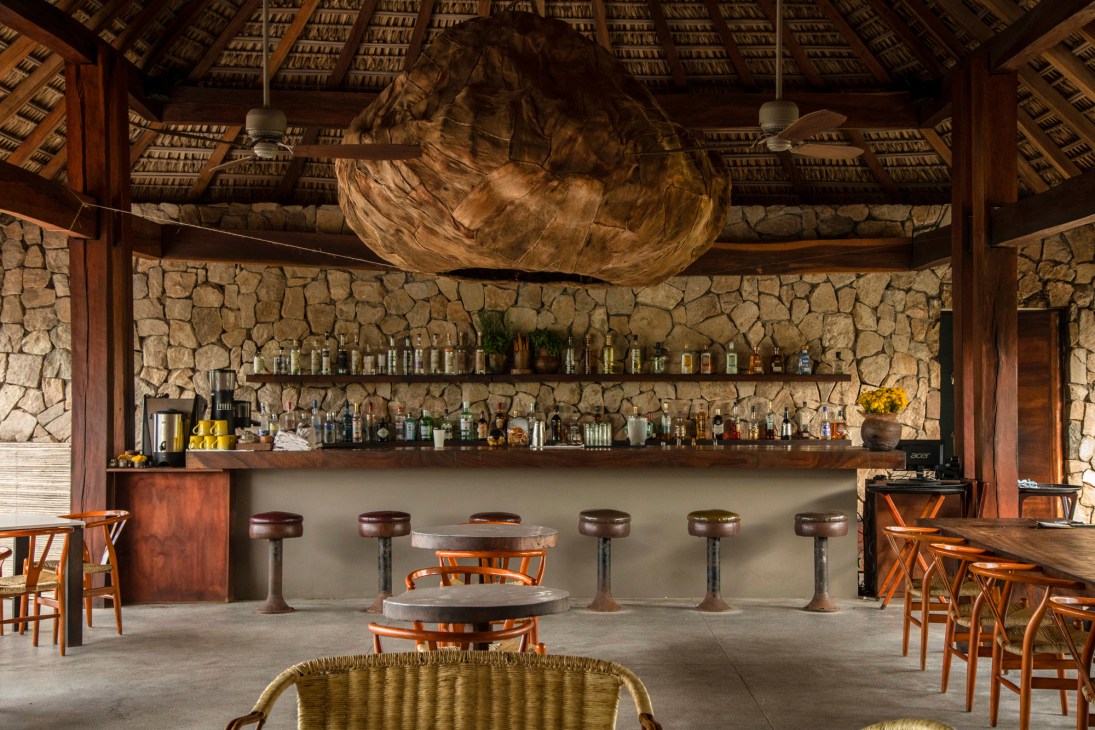
Dinner is conveniently located a few metres away at Kakurega Omakase, a 12-seat omakase experience operated by Mexico City-based Grupo Habita, set in an elevated cement, brick and thatch building designed by Mexican architect Alberto Kalach. The menu, created by chef Keisuke Harada, includes sashimi with jicama, and udon noodles with squash-blossom tempura. The view, overlooking a field that eventually meets the mountains, is hard to beat. Rest up, though, there’s a busy day ahead.
2.
Outer Puerto Escondido to San Agustinillo
Day two
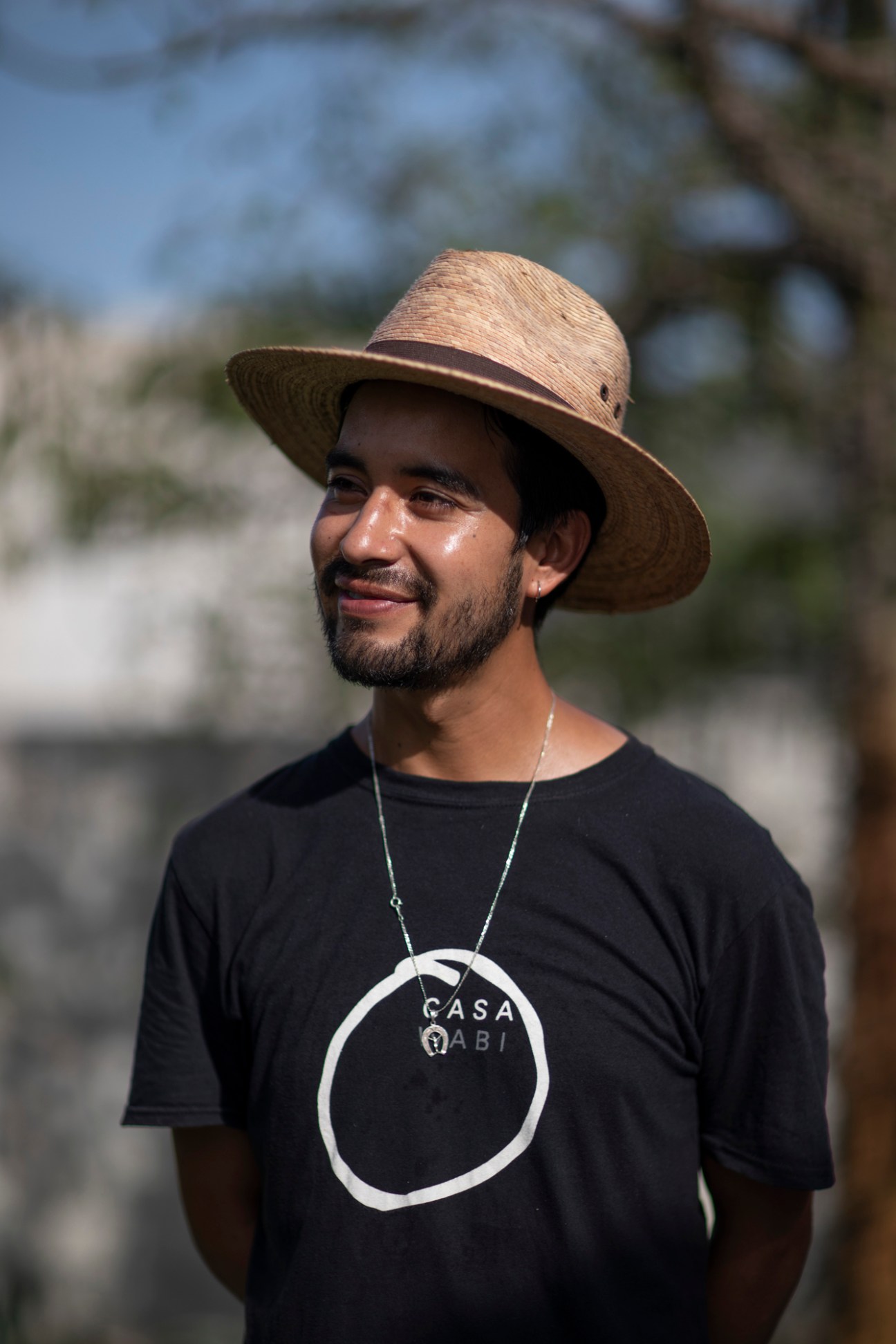
After breakfast at the hotel, it’s time for a morning stroll along the beach, from Hotel Escondido to Casa Wabi. There’s no missing the Tadao Ando-designed foundation and artist’s residency founded by Bosco Sodi in 2014. The magnificent soaring cement building contrasts with the wild vegetation and tawny beach, yet somehow fits in perfectly. Tours need to be booked in advance and don’t forget to ask your guide to take you to see the Kengo Kuma-designed chicken coop (yes, really) and other marvels by the likes of Portugal’s Álvaro Siza.
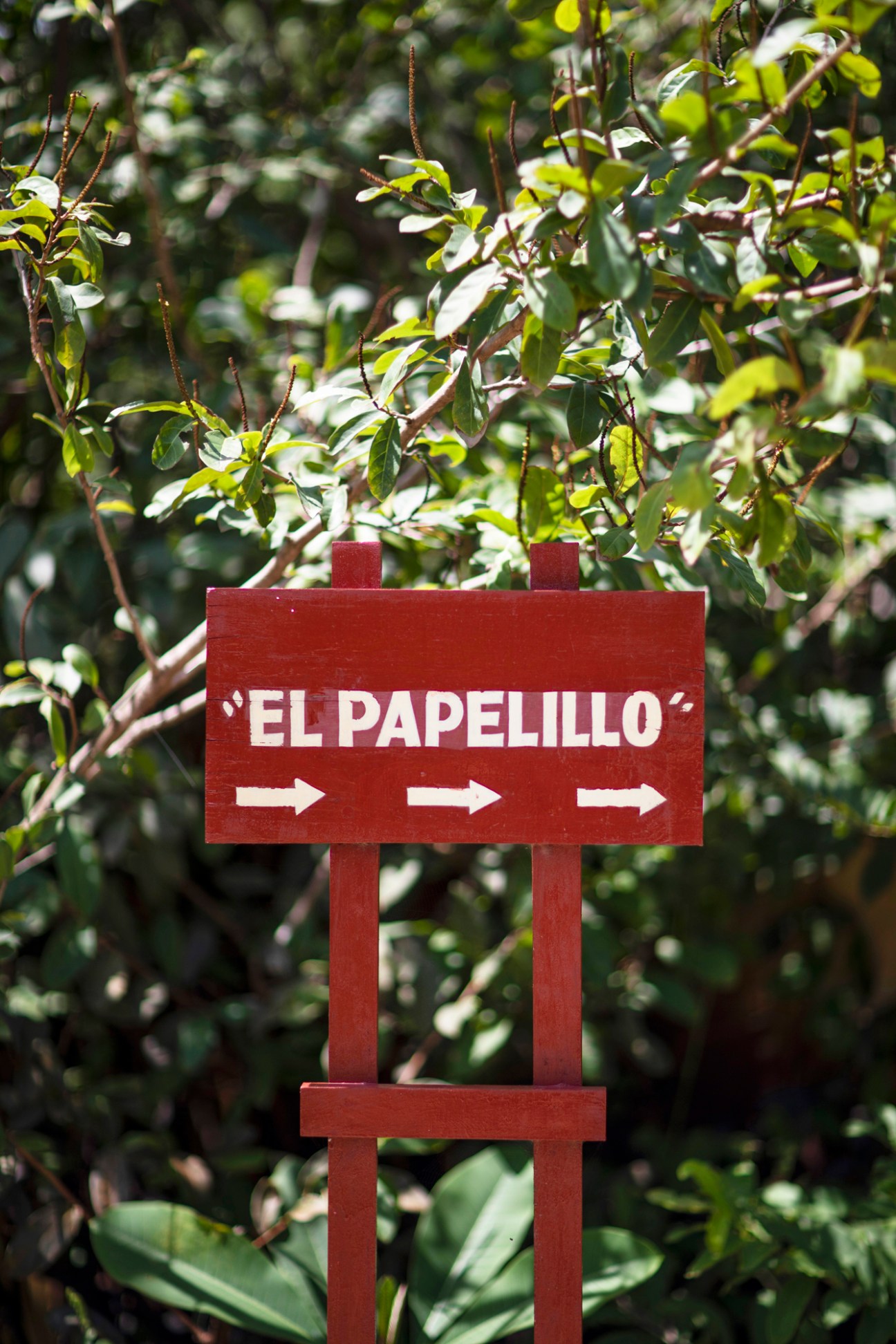
After exploring, you can take a quick bike ride to get to the El Papelillo sauna, 800 metres from the hotel. The temple-like terracotta building, designed by Mexico City-based studio Tezontle, is set back in the jungle, with a small dipping pool in which to cool off.
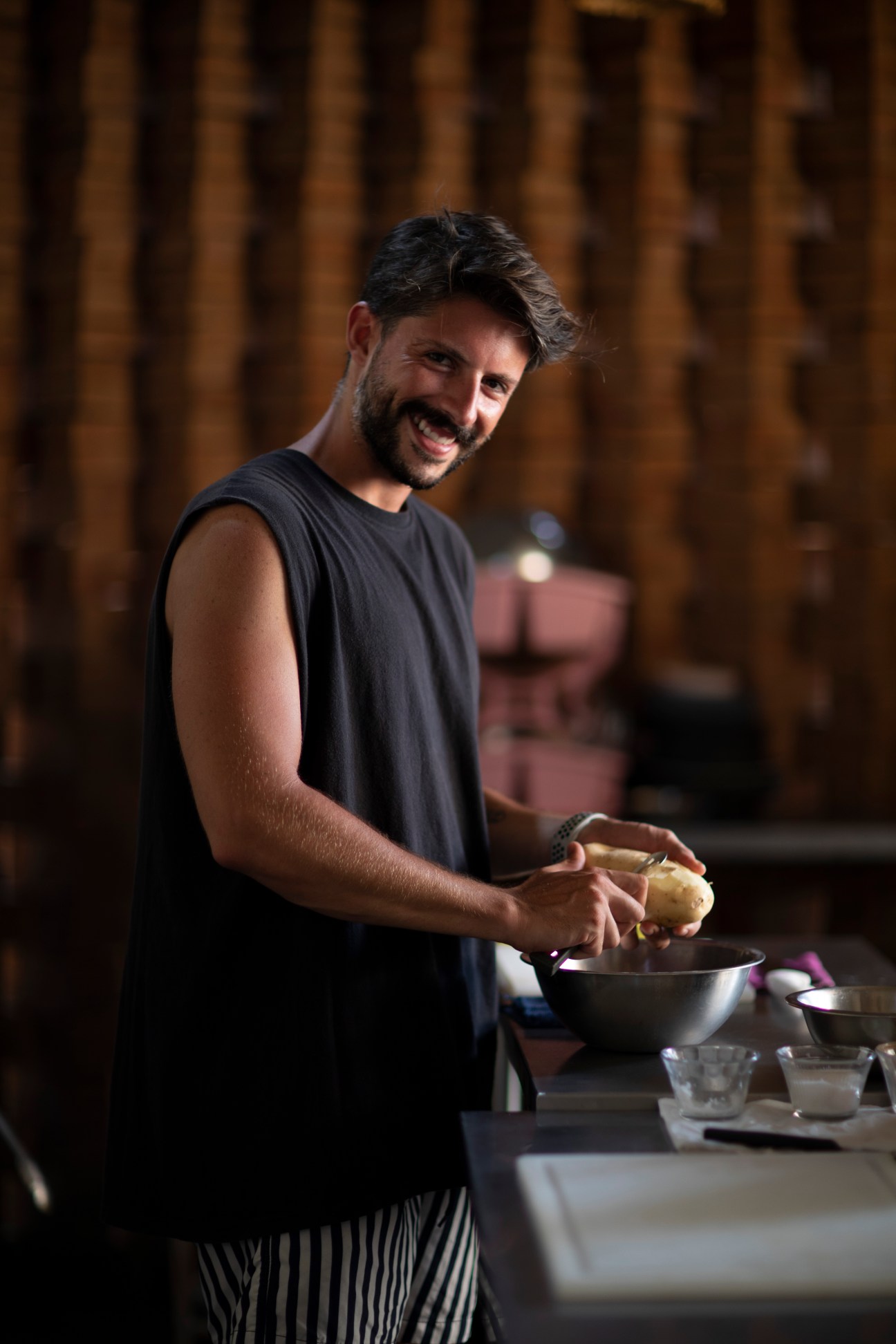
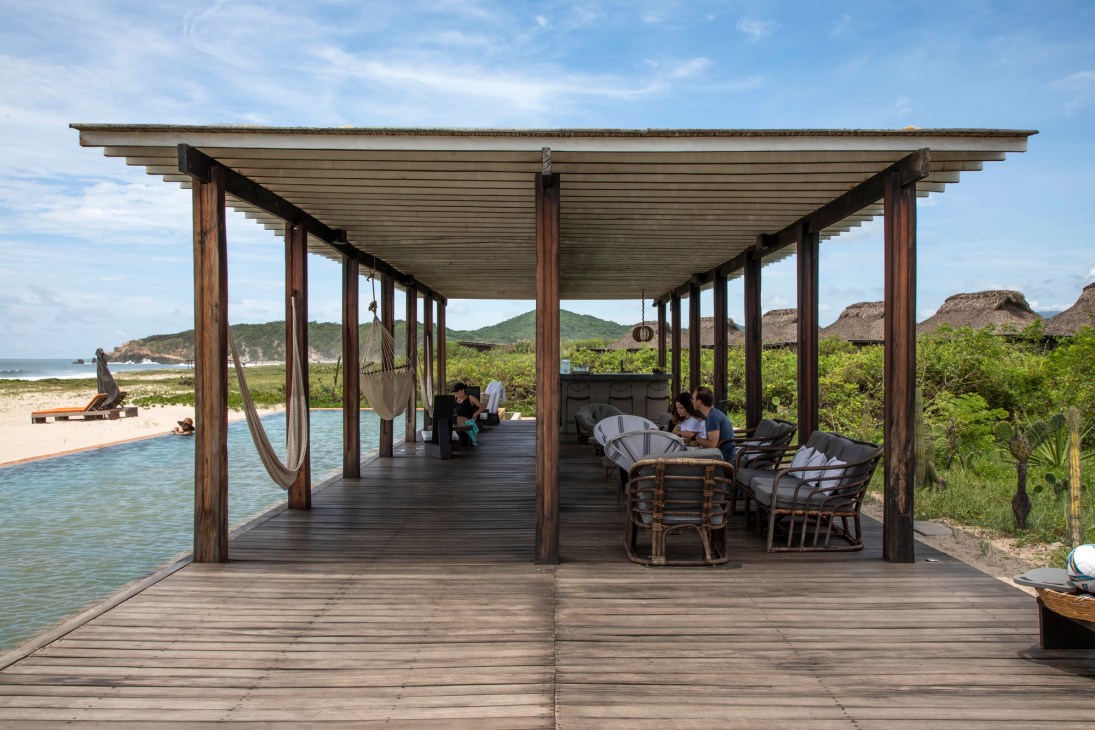
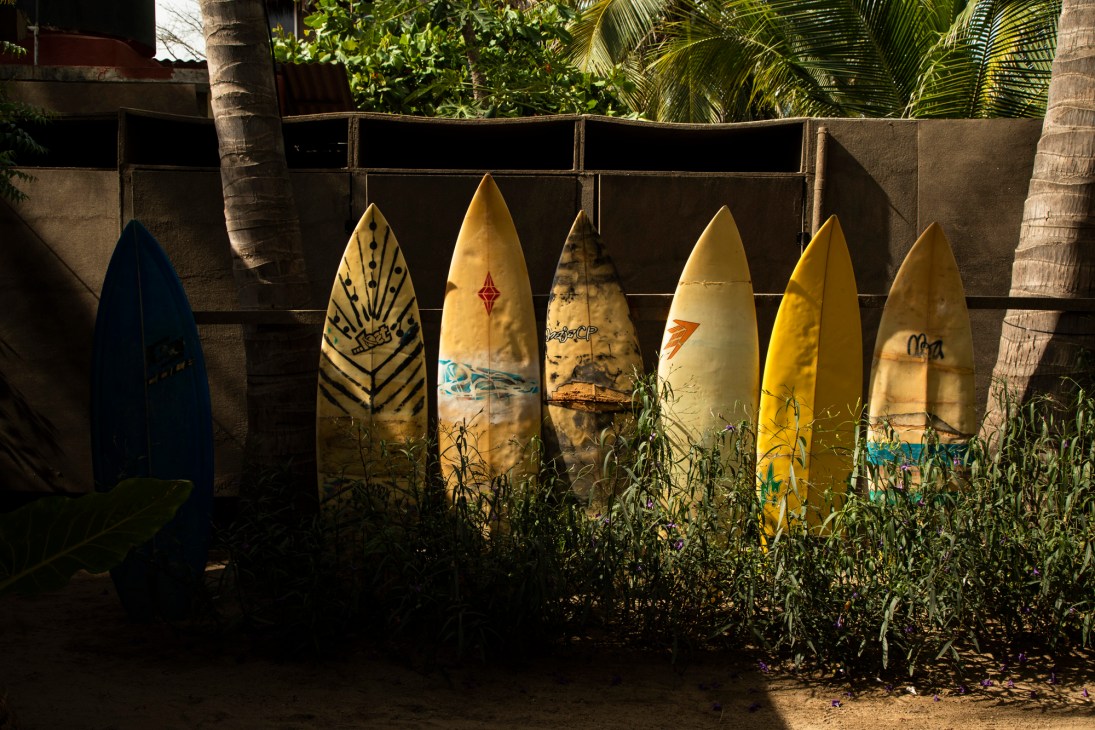
After a quick post-sauna shower, it’s time to hit the road. Head along the dirt road then back onto the R200. Drive east for about an hour, past Puerto Escondido, where the road branches into two lanes from a single track. About 20 minutes after passing the centre of town, take a sharp right off the highway onto a rough road and stop at Rancho Las Margaritas. The family-owned restaurant, on a deck overlooking a lagoon fringed with mangroves, is an unexpected paradise. There is no printed menu and the family only speak Spanish – but whatever you order will be good.
Afterwards, head back east to the highway in the direction of Mazunte, until you reach the tiny beach town of San Agustinillo, about an hour from Rancho Las Margaritas. You’ll stay at Monte Uzulu, a boutique hotel founded by Mexican creative director Alan V Favero. Up a winding alley behind the main street, the hotel is almost swallowed by the jungle and resembles a treehouse.
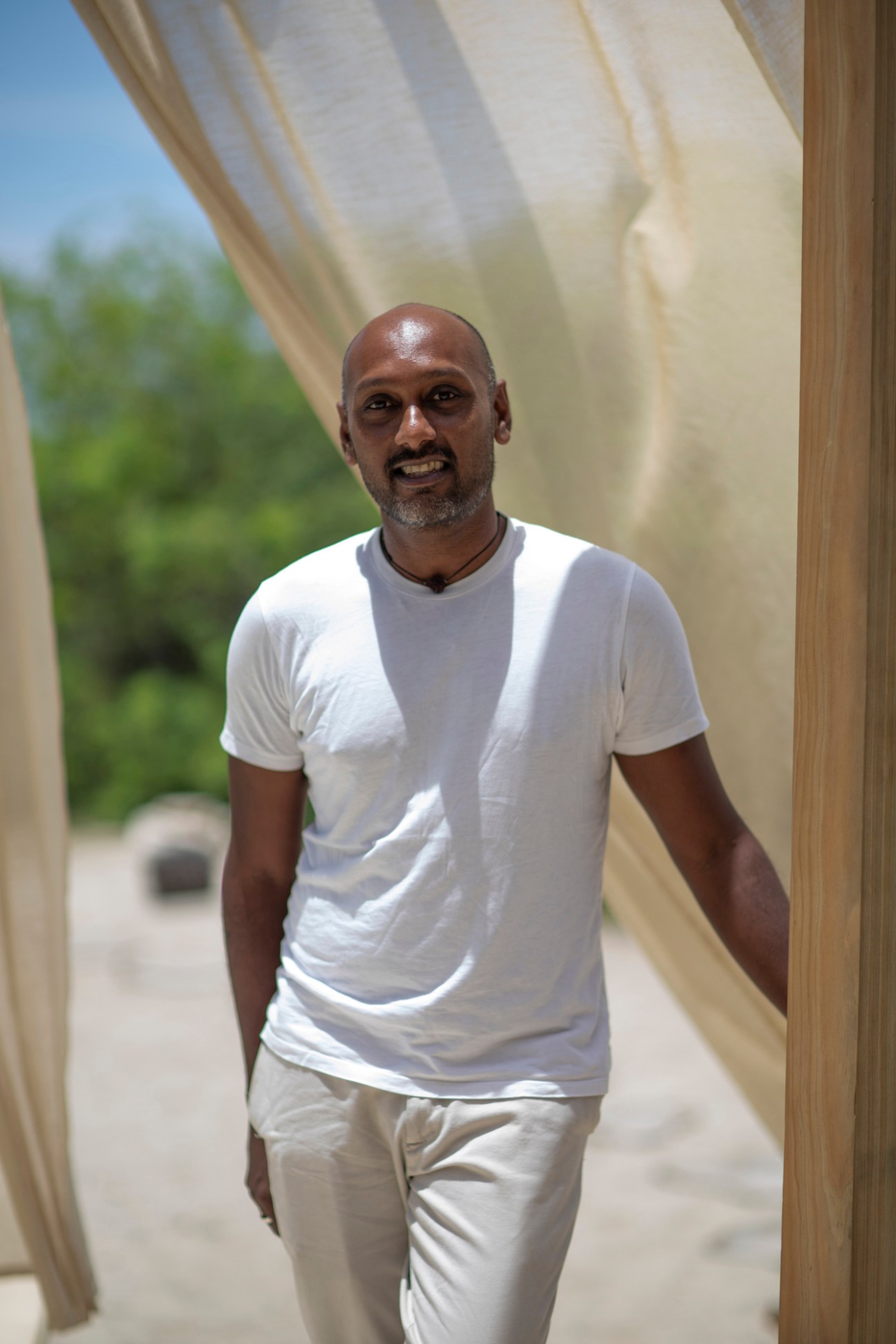
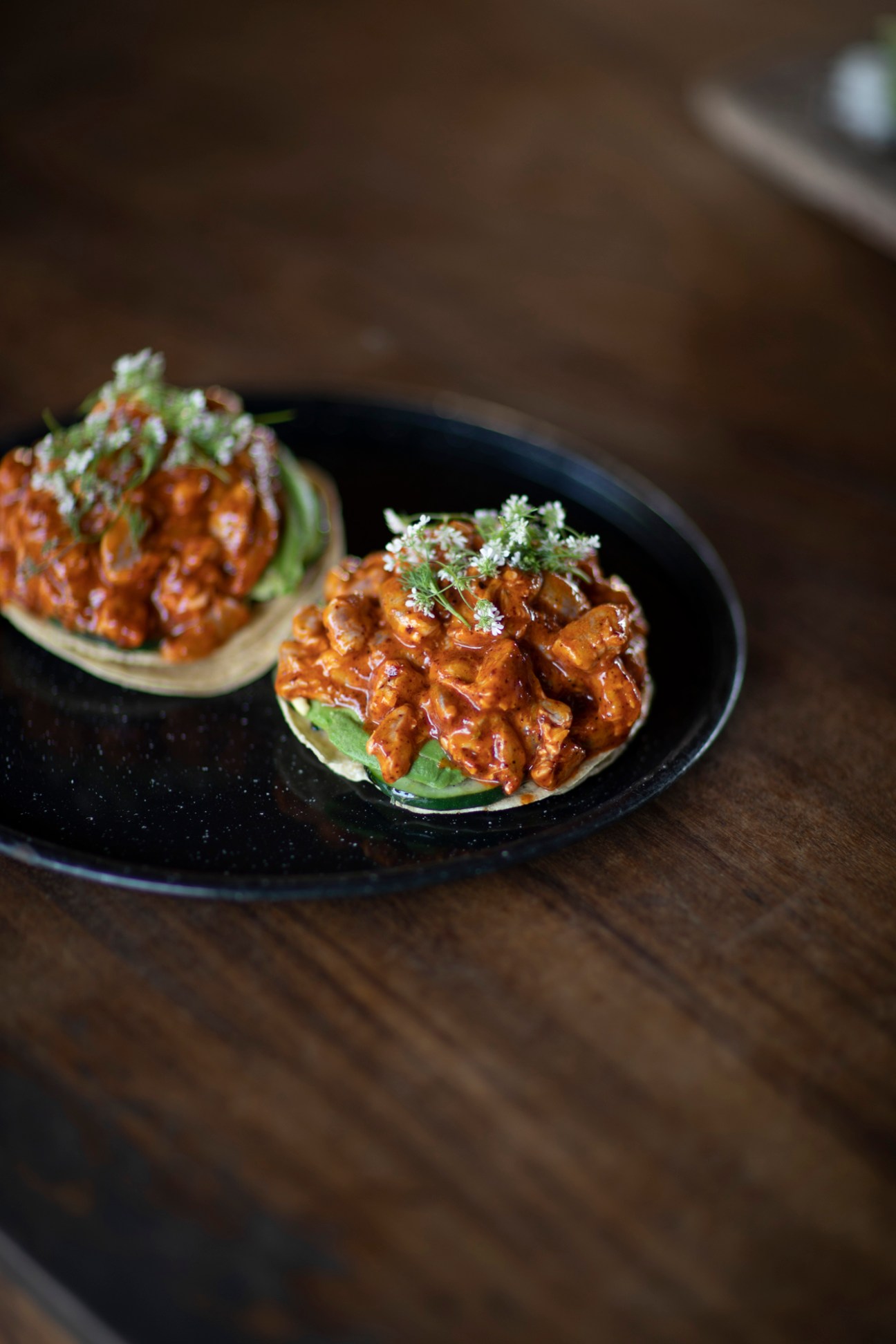
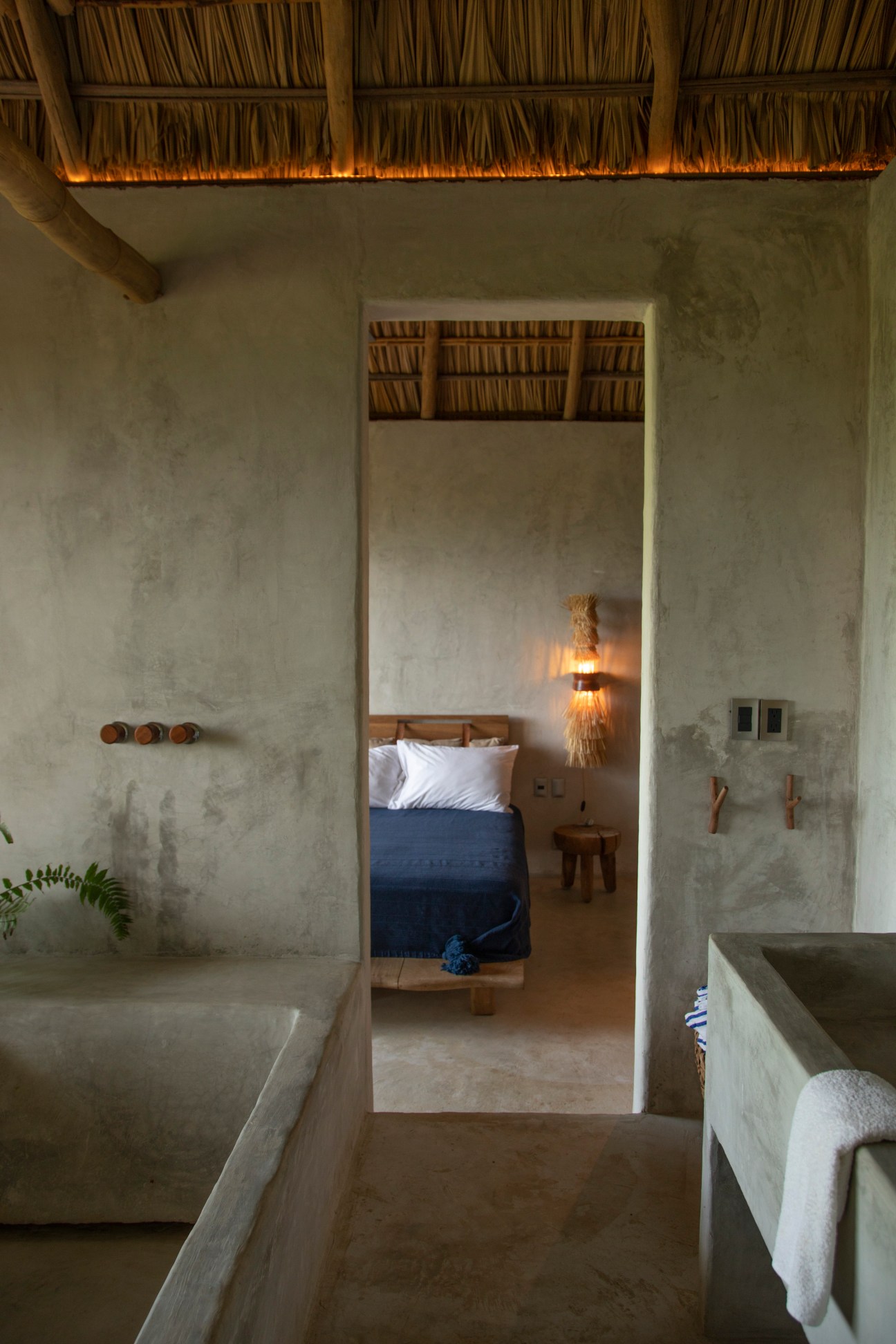
“It’s meant to feel like you didn’t know it was here,” says manager Tatiana Sada. The earthy rooms have distant sea views, giant cement baths, tall wooden shutters and no air conditioning (there are powerful fans), allowing the jungle sounds to drift in.
Take an amble along the beach before grabbing dinner at Temporada, the hotel’s restaurant, which offers a fresh menu featuring whole grilled fish, ceviche and grilled nopales (cactus), with rainbow tortillas and a cool beer. Tomorrow it’s off to Monte Uzulu.
3.
San Agustinillo to La Barra, Puerto Escondido
Day three
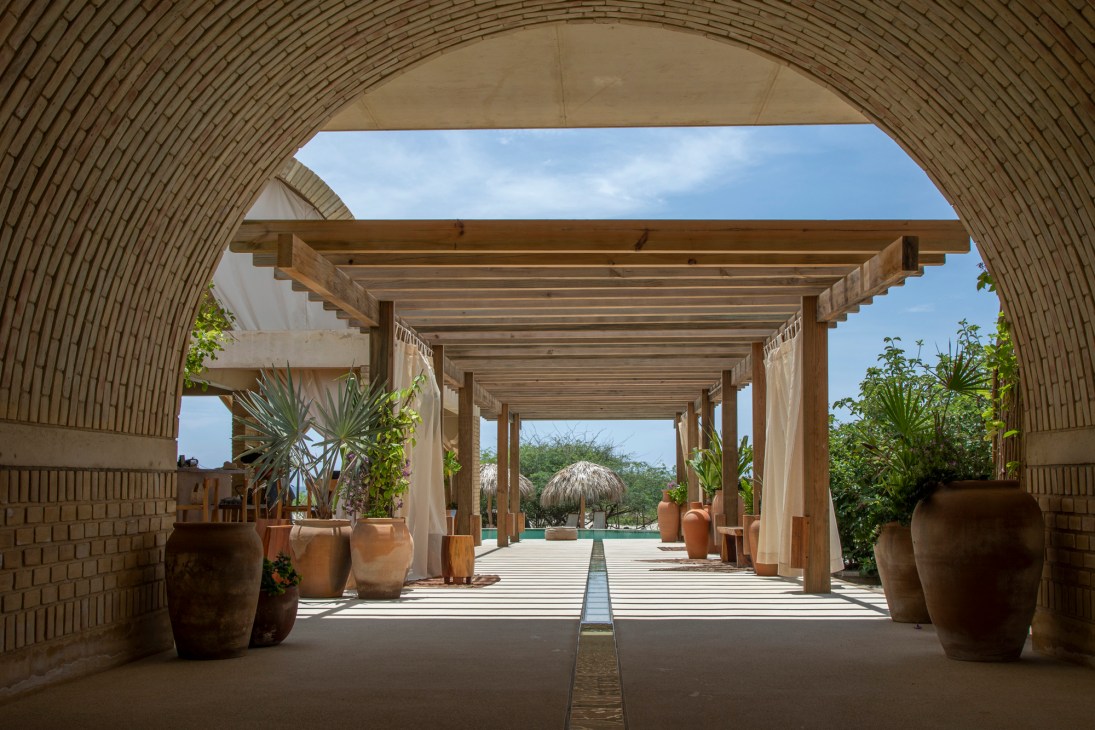
Monte Uzulu is right in town, so you’re as likely to be woken by the sound of a distant mariachi band as the roar of tumbling waves. Grab a breakfast of black coffee and a fresh papaya with a squeeze of lime before heading an hour west in the direction of Puerto Escondido. The Casona Sforza hotel is about 20 minutes west of the town, set off the highway down a string of potholed roads that lead you to an empty strip of beach. The sandy-hued building, which has eye-catching vaulted brick arches, is owned by Mexican entrepreneur Ezequiel Ayarza Sforza and was designed by his friend, the architect Alberto Kalach (who also designed the Kakurega pavilion). “The arches were Sforza’s idea,” says general manager Olivier Janicki. “He likes circular forms for the circulation of energy. It helps wind and energy flow through.” The oceanside property’s profits go to Pueblo Del Sol, Sforza’s nearby community project that invests in honey and coffee production.
Day three
Distance: 60km
Address book
Stay
Casona Sforza
This smart hotel has vaulted ceilings and neutral rooms.
casonasforza.com
Drink
Savanna
A laid-back spot for a late-afternoon drink overlooking a renowned surf beach.
Eat
Almoraduz
At this smart street-side restaurant, chef Zurita creates French and Italian-inspired dishes alongside Mexican wine.
almoraduz.com.mx
Take a dip in the aquamarine circular pool before the 10-minute drive to Punta in Puerto Escondido for a drink at Savanna, a restaurant and bar that often hosts pop-ups featuring food from the likes of Mexico City chefs Gabriela Cámara and Edo Lopez. Order an ice-cold beer or mezcal and watch surfers ride gigantic waves on the point of Playa Zicatela, the town’s surf beach. Then make the 10-minute drive or hop in a cab and head for dinner at Almoraduz on the other side of town. It’s a much-loved restaurant, headed by chef Quetzalcoatl Zurita, serving Oaxacan cuisine.
“When we opened eight years ago people thought we were crazy because no one would come,” says Zurita, who is originally from a town 90 minutes away. “But people are coming here from all over the world.” When you taste the restaurant’s corn puff, stuffed with green chorizo and black mole enchiladas filled with confit duck, it’s easy to see why. Linger into the night and watch as barefoot surfers, boards in hand, head up from the beach, long after the sun has dipped below the horizon.
Care to take a seat?
Amar Lalvani, Hotel owner
Couch at the Boom Boom Room
New York
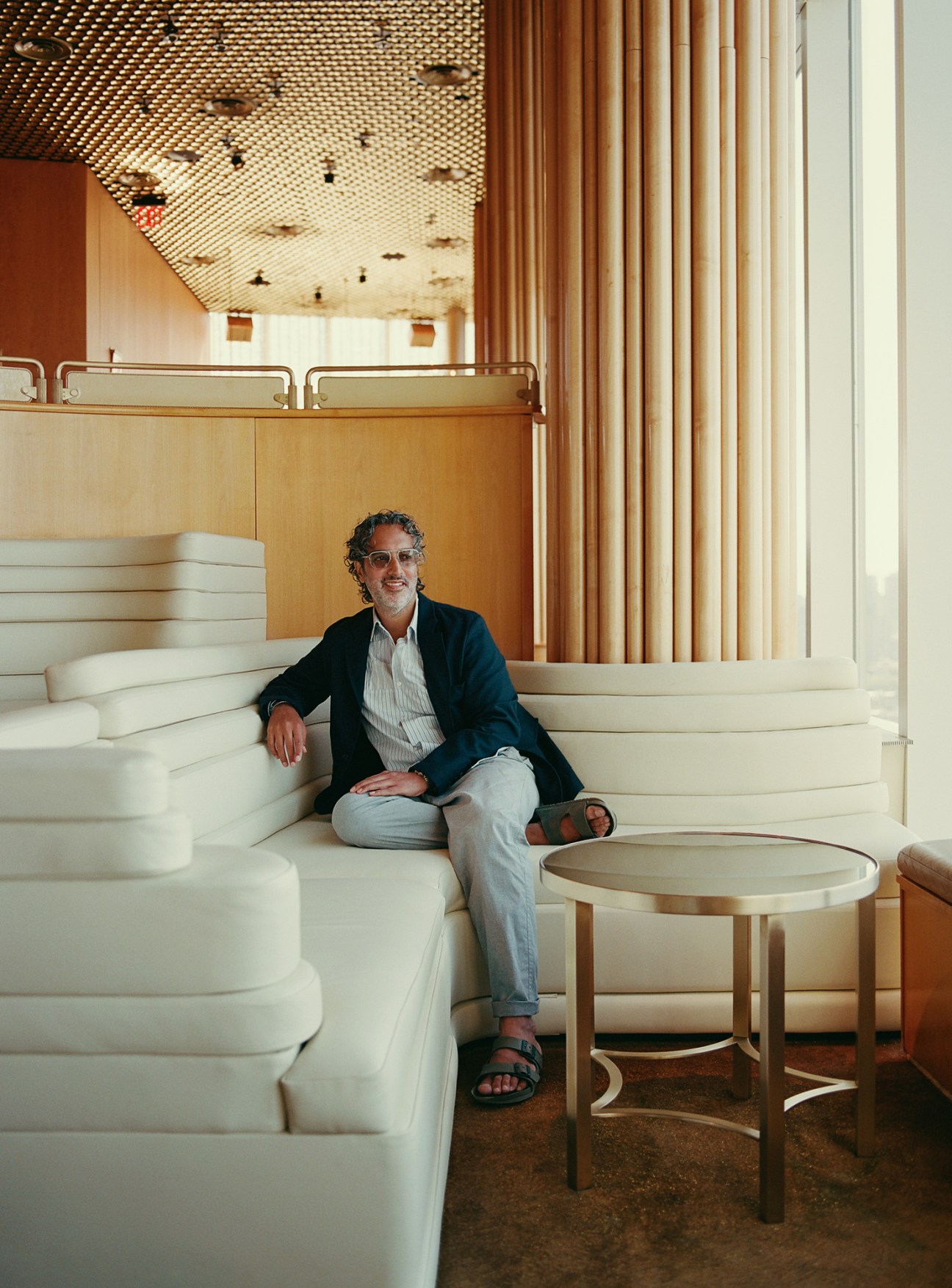
“There is no perfect chair; it’s an endless quest,” says Amar Lalvani, CEO of Standard International Hotel Group, from an Italian suede seat in the corner of the Boom Boom Room, an exclusive club on the 18th floor of the hotel’s High Line property. “It’s endless because context is everything. This seat is perfect for sipping a martini and admiring the skyline but when I’m drinking a beer in a Biergarten I want to be on a bench, shoulder to shoulder with mates.” Lalvani, who is in the midst of expanding his hospitality empire, says that the sector is all about providing joy and that venues can start off by paying attention to the details. “Three things make for a fine perch,” he says. “Beauty, comfort and flexibility.” It is his current seat that Lalvani chose to rest on when the venue hosted the Met Gala afterparty. “I love this sofa because it’s where I can have an intimate conversation but remain a part of the room and the city’s infectious energy,” he says. “For me that’s perfect.”
Alison Brooks, Architect
Kitchen stool
London
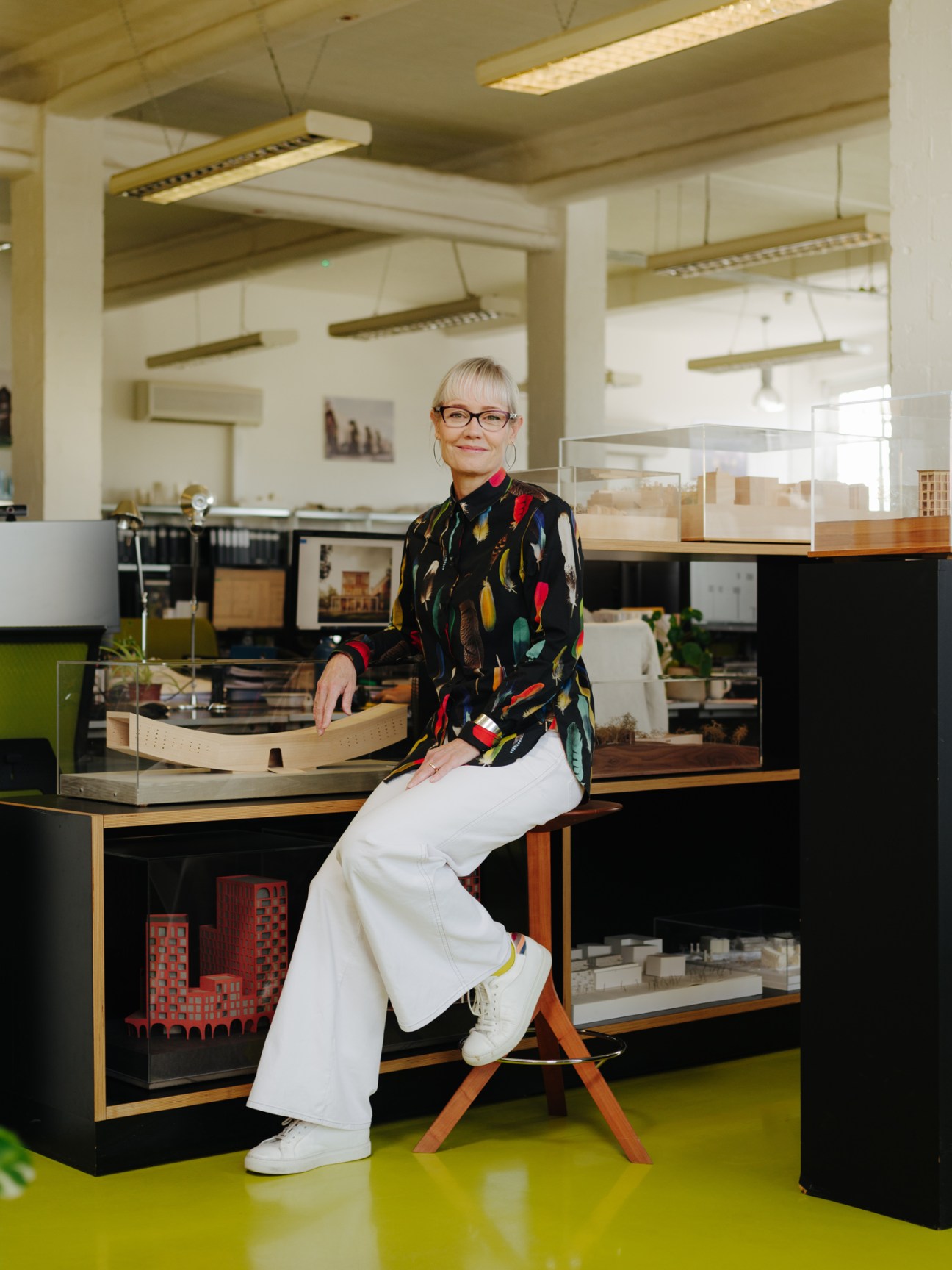
“I’m very picky about furniture,” says Alison Brooks. “Having worked with Ron Arad for seven years, I developed a very different set of criteria and I’ve never found a stool that I really liked.” So, in 2014, the London-based architect teamed up with furniture designer Felix de Pass to make one. Created as part of a collaborative series for the London Design Festival, the seat was made by Benchmark in solid American cherry and partly inspired by Brooks’ childhood in Ontario. “My mother was an antique collector and would go around these strange little towns in search of cherry-wood furniture,” she says. “My love of it comes from youthful indoctrination.” And though it’s been years since De Pass and Brooks came together to work on the project – and even longer since her mother’s antique-shopping days – Brooks says that a number of the stools still hold pride of place in her home. “Stools tend to be over-designed but this one just quietly does its job”.
Paul Thompson, University vice-chancellor
LC1 Armchair
London
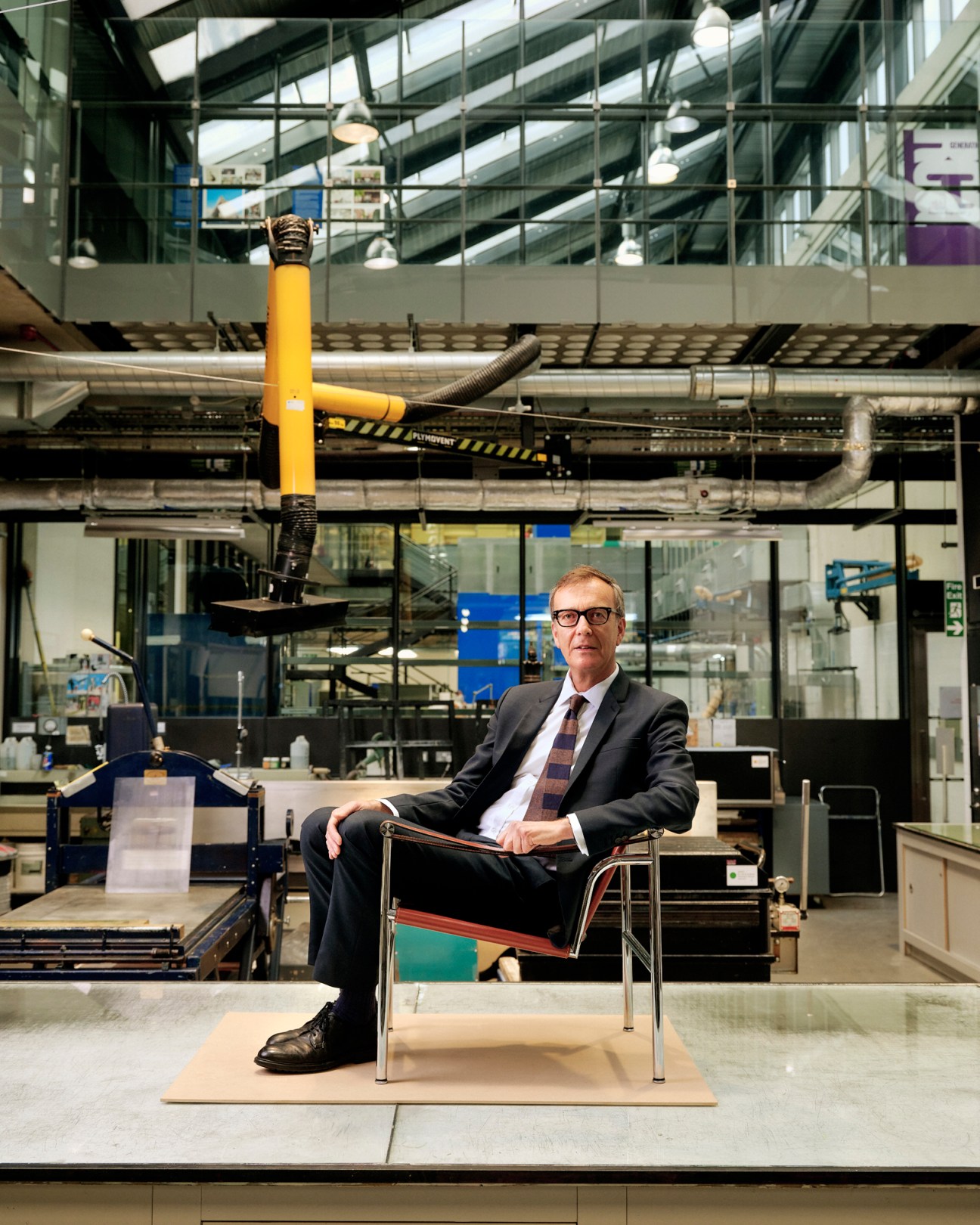
As far as gifts go when leaving a job, Paul Thompson has a good track record. When departing his post as director of London’s Design Museum in 2001, he was given an lc1 chair, produced by Cassina and designed by Charlotte Perriand with Le Corbusier and Pierre Jeanneret. “I curated an exhibition on Perriand,” says Thompson, “and had sat in an lc1 in her flat in Paris, chatting to her about her life and how she designed particular objects.” It’s the sort of conversation that has set Thompson up to educate the next generation of designers, in his new position as vice-chancellor of the Royal College of Art. Pictured here in the Dyson Building’s print-making hall, he says that he won’t be sitting in the lc1 for too long. “It’s a very uncomfortable chair,” says Thompson. So why does he treasure it? “Andrée Putman said that you need to think about visual comfort as well as physical. Despite its stern aesthetic, the lc1 is a clever and whimsical piece of design.”
Nina Yashar, Gallery owner
Cha-cha lounge chair
Milan
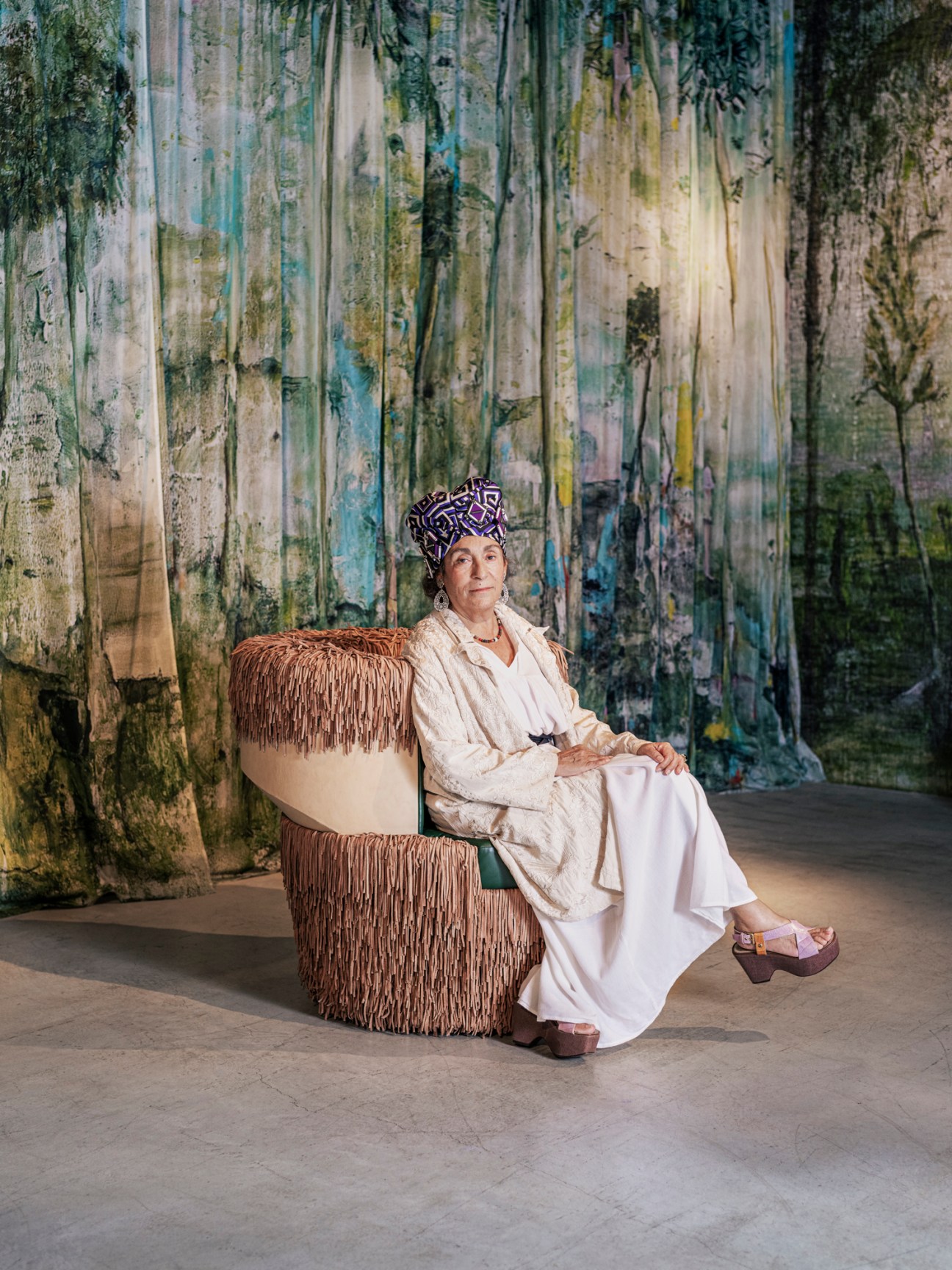
Iranian-born gallerist Nina Yashar has been a staple of the Milan design scene since 1979, when she opened her first gallery, Nilufar, on Via Bigli. Specialising in 20th-century design, she expanded her footprint dramatically in 2015 when she set up Nilufar Depot, a warehouse-like space on the outskirts of the city that’s a treasure trove of unconventional but outstanding pieces. It’s here that you’ll find Yashar’s favourite seat: Khaled El Mays’ Cha-cha lounge chair. “He’s a Lebanese designer,” says Yashar. “We met some years ago in Beirut and I instantly loved his work, narrative and approach.” In Milan, El Mays’ leather chair feels at home against the backdrop of artist Federica Perazzoli’s vivid wallpapers and curtains. It’s a meeting of two worlds that Yashar hopes will transport visitors to warmer climes. “Sitting on it really makes me feel like I’m in a jungle or in the forest,” she says. “And it’s round so I feel like I’m in a little cocoon; it’s like being embraced by nature.”
Lilli Hollein, Museum director
Friedl Dicker armchair
Vienna
“Sometimes you enjoy a chair because it’s comfortable and serves its purpose,” says Lilli Hollein. “But, if you have a background in design, you’re careful with what you surround yourself with, whether that’s something with a story behind it or just because it’s an outstanding piece of design.” And for Hollein, the new director of the mak Museum of Applied Arts in Vienna, this armchair from 1927 is both. “This is an exceptional piece that, again and again, gives me power,” says Hollein. “It was designed by Friedl Dicker, the most courageous and talented woman that you could imagine.” Dicker, who was killed in the Holocaust in 1944, studied under Johannes Itten at the Weimar Bauhaus. In her short career, she established a design legacy and her work sits in the permanent exhibition of the mak. “It’s far too delicate to sit on and I have too much respect to even try,” says Hollein. “There are some things that you simply cannot possess.”
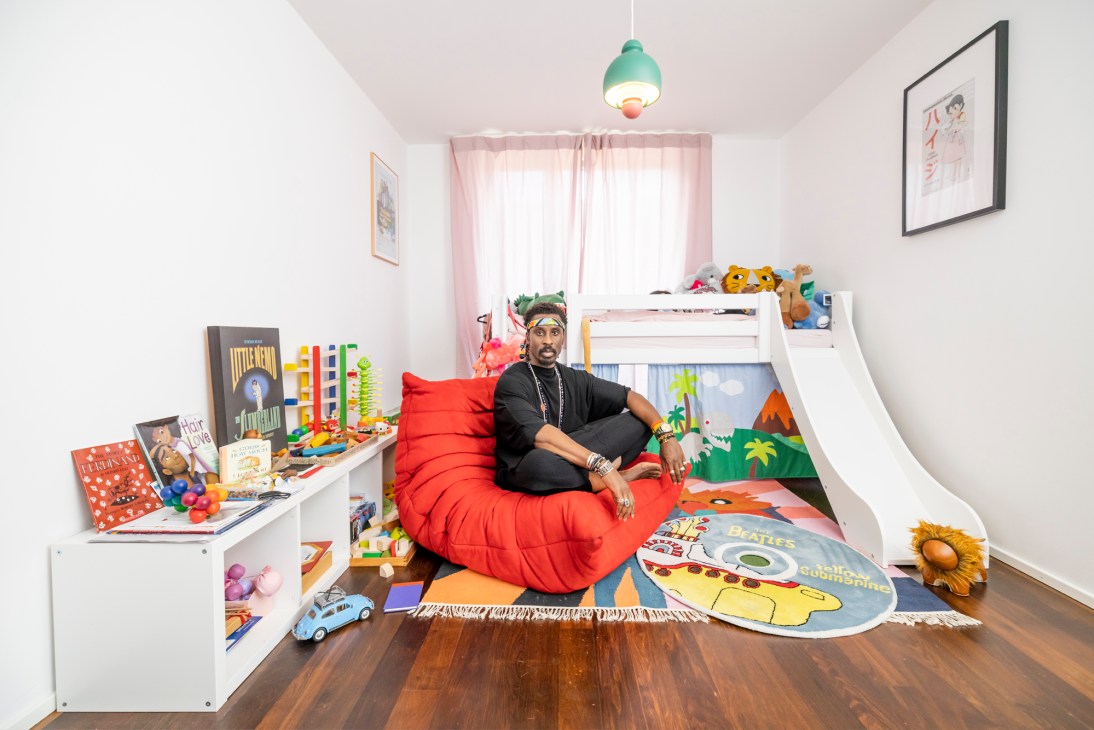
Ini Archibong, Designer
Togo chair
Neuchâtel
Industrial designer and creative director Ini Archibong has long drawn inspiration from the otherworldly. “It’s why I’ve always loved the Togo chairs, even before I could afford one,” says the American-Nigerian designer. The iconic 1973 piece was designed by Michel Ducaroy for French furniture-maker Ligne Roset. “They look like they belong in science fiction, or in a fantasy book.” Archibong explains that he first saw one for himself when a coursemate at Lausanne’s ecal found one abandoned on the street. Then, in 2017, he finally bought one for himself. “I had just moved into a place and though all I had was a mattress, the Togo chair was the first thing I bought.” Now it sits in his daughter’s room and is Archibong’s preferred perch when reading a bedtime story. “I like that people have visceral reactions to it: some people hate it, some people think it’s tacky,” says Archibong. Of course, it’s easy to guess where he lands: “I think it’s super elegant.”
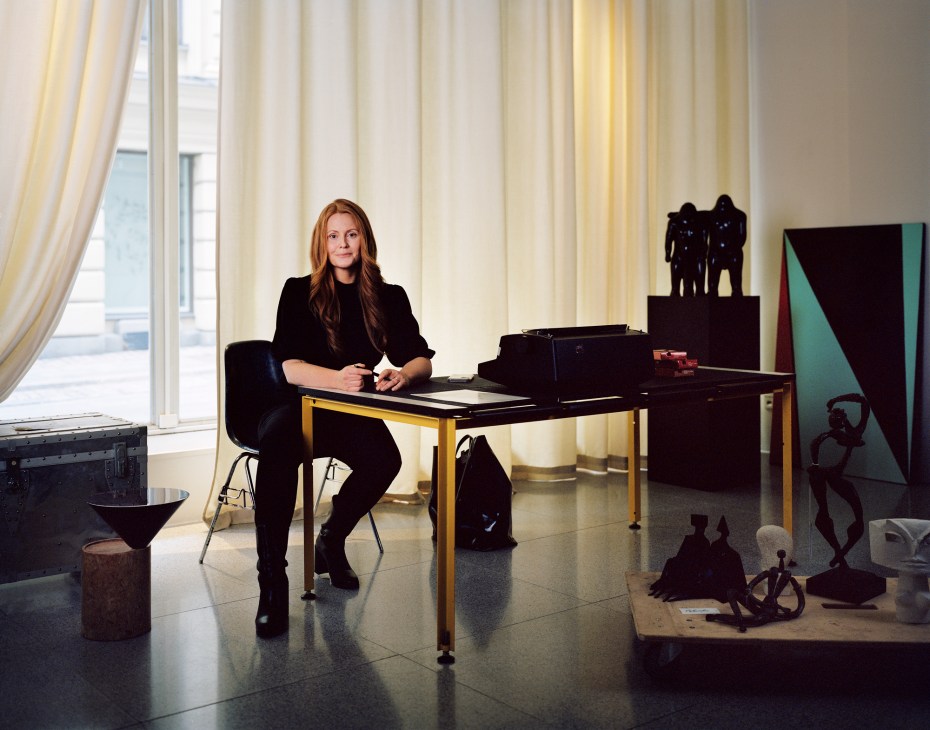
Louise Arén, Auction house CEO
Eames DSS chair
Stockholm
As you might expect from the CEO of Bukowskis, Scandinavia’s leading auction house, Louise Arén knows a well-designed chair when she sees one. And her current favourite perch, tucked in behind a desk at Bukowskis’ HQ in Stockholm, fits that mould: a dark-blue 1950s dss fibreglass chair, designed by iconic American husband-and-wife team Charles and Ray Eames. “I’ve always been drawn to designers who push boundaries, which the Eameses did so many times during their lifetimes,” says Arén. “Looking at this chair, you see how they worked with materials and shapes – I look for that balance of simplicity and brilliance in design.” While Arén’s 150-year-old workplace affords her numerous chances to marvel at beautiful chairs, they’re often out the door before too long. This one was once owned by late Swedish playwright, novelist and poet Lars Norén, and is featured in a forthcoming auction. “Sitting here, I’m reminded of not only this man’s great literature but also his fine taste.”
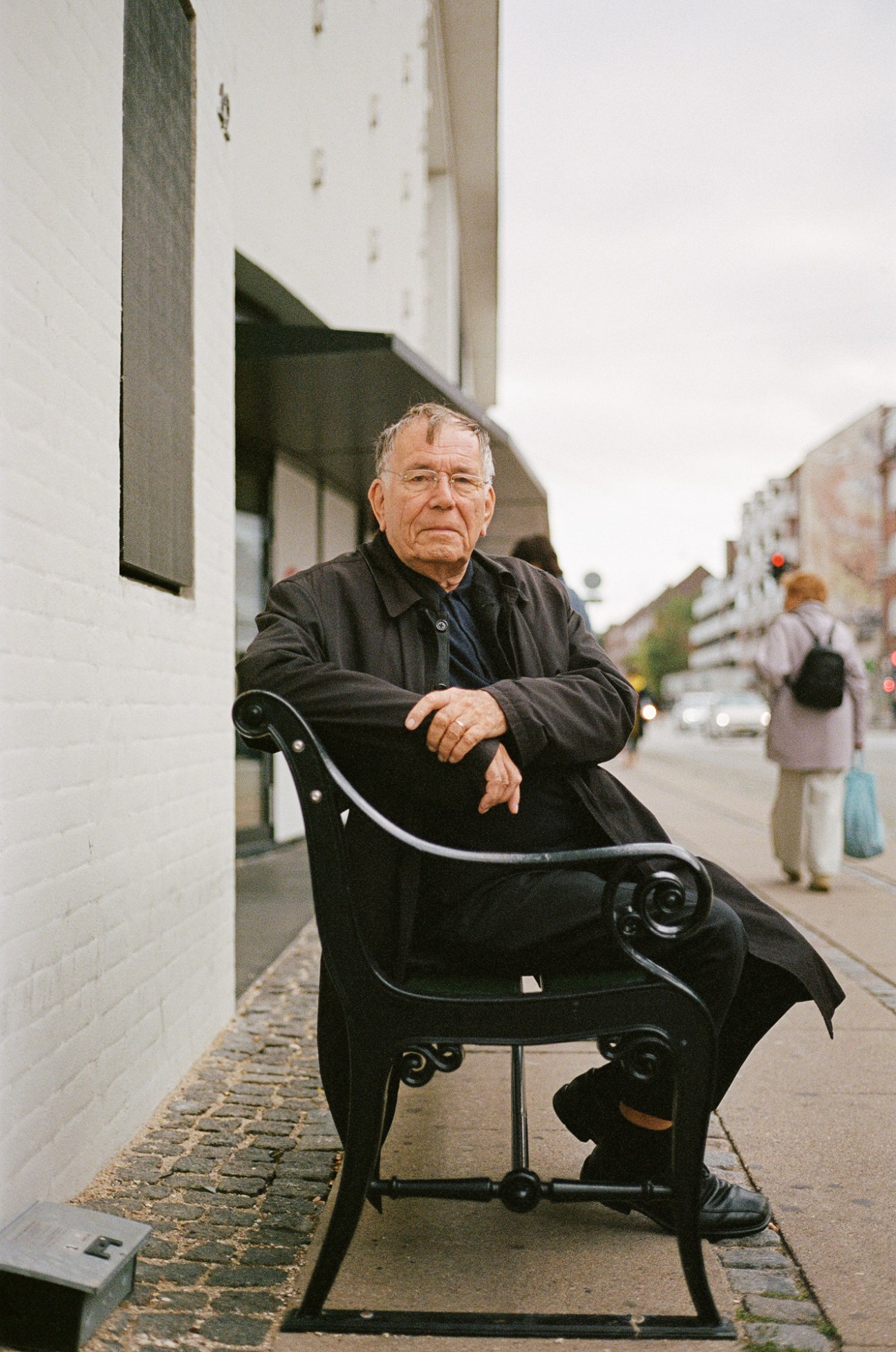
Jan Gehl, Urbanist
Bench near Vanløse station
Copenhagen
Contrary to popular belief, the mark of a good city isn’t in the number of pedestrians, says Jan Gehl. “Rather, it’s when you have people who are not pedestrians, who have decided to stop and enjoy the city and its people.” The revered Danish urbanist explains that this is the case in many neighbourhoods in his native Copenhagen, where benches are in abundance. “There is one type of bench for the whole of the city,” says Gehl. “It holds the place together and gives it an identity.” With a design that dates from 1887, the city’s benches feature handles made from cast iron, a timber backrest and an exceptionally comfortable seating position, according to Gehl. As part of an initiative aimed at making the city more liveable for the elderly, many more have been installed around the city. Gehl, who turned 85 this year and whose work has long focused on the relationship between public space and quality of life, would like to be associated with that story. “I’d like to sit on one of those benches.”
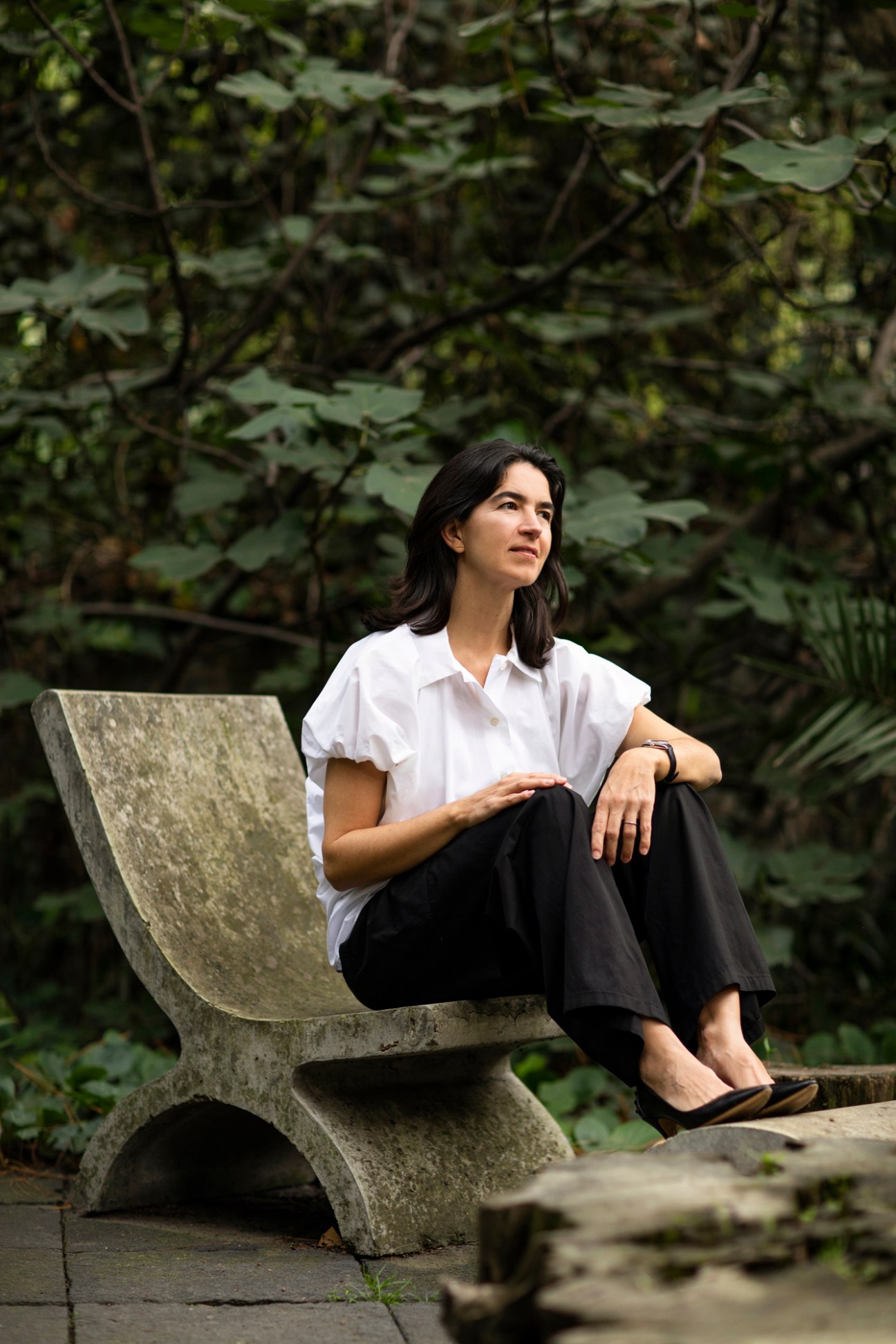
Fernanda Canales, Architect
Porset concrete chair
Mexico City
Fernanda Canales might be one of the most respected talents in contemporary Mexican architecture but it’s her appreciation of the country’s design heritage that informed this piece. “I made it in 2015, after I published a book in which I mapped the major changes in Mexican architecture since 1900,” says Canales. “I looked at chairs that posed a new relationship between bodies, materials and ways of living.” This piece is inspired by the work of Clara Porset, a designer who rose to fame in Mexico in the 20th century for her interpretation of the traditional butaque, a low, curving lounge chair that dates back to Spanish rule. Now Canales’s own take, the “Porset concrete”, sits in her garden. “I often had to rely on imported designs for outdoor furniture because they were usually more resistant to weathering,” says Canales. “But I always felt that they were not part of the place. I was inspired by Porset and used a material that would resist the elements and even change with time.”
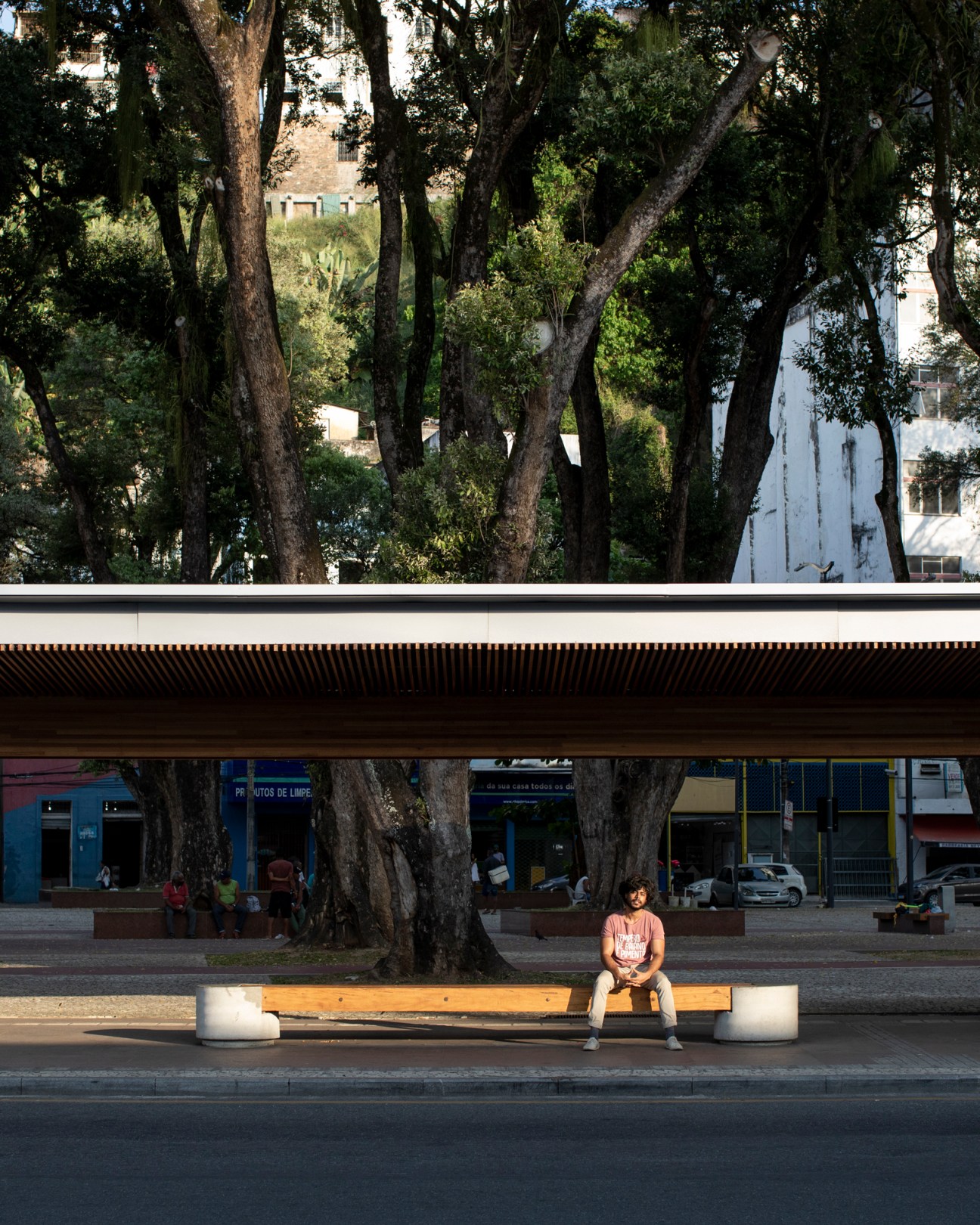
Diego Pinheiro, Architect
Marechal Deodoro Square bus stop
Salvador
Diego Pinheiro is an architect at Sotero Arquitetos, a design studio led by Adriano Mascarenhas that was responsible for revitalising Marechal Deodoro Square in Salvador’s Comércio district. Here, a new modernist bus shelter made from concrete and Brazilian ipê wood fronts onto the square. “People know subconsciously when they’ve entered into a well-designed space,” says Pinheiro, seated at one of the benches. “They breathe a little easier. It is important when it’s a space that you might use often, such as a bus stop.” Indeed, its generous size, breezy openness and ample shade from Salvador’s sun make for a lovely place to wait and ponder. According to Pinheiro, public furniture benefits from two things: “being sturdy” and “having something to say”. In this case, it speaks to the district’s modernist architectural heritage, with the spacing between benches and columns mimicking the gaps between the pillars of a nearby 1960s build. “Everything is considered,” says Pinheiro.
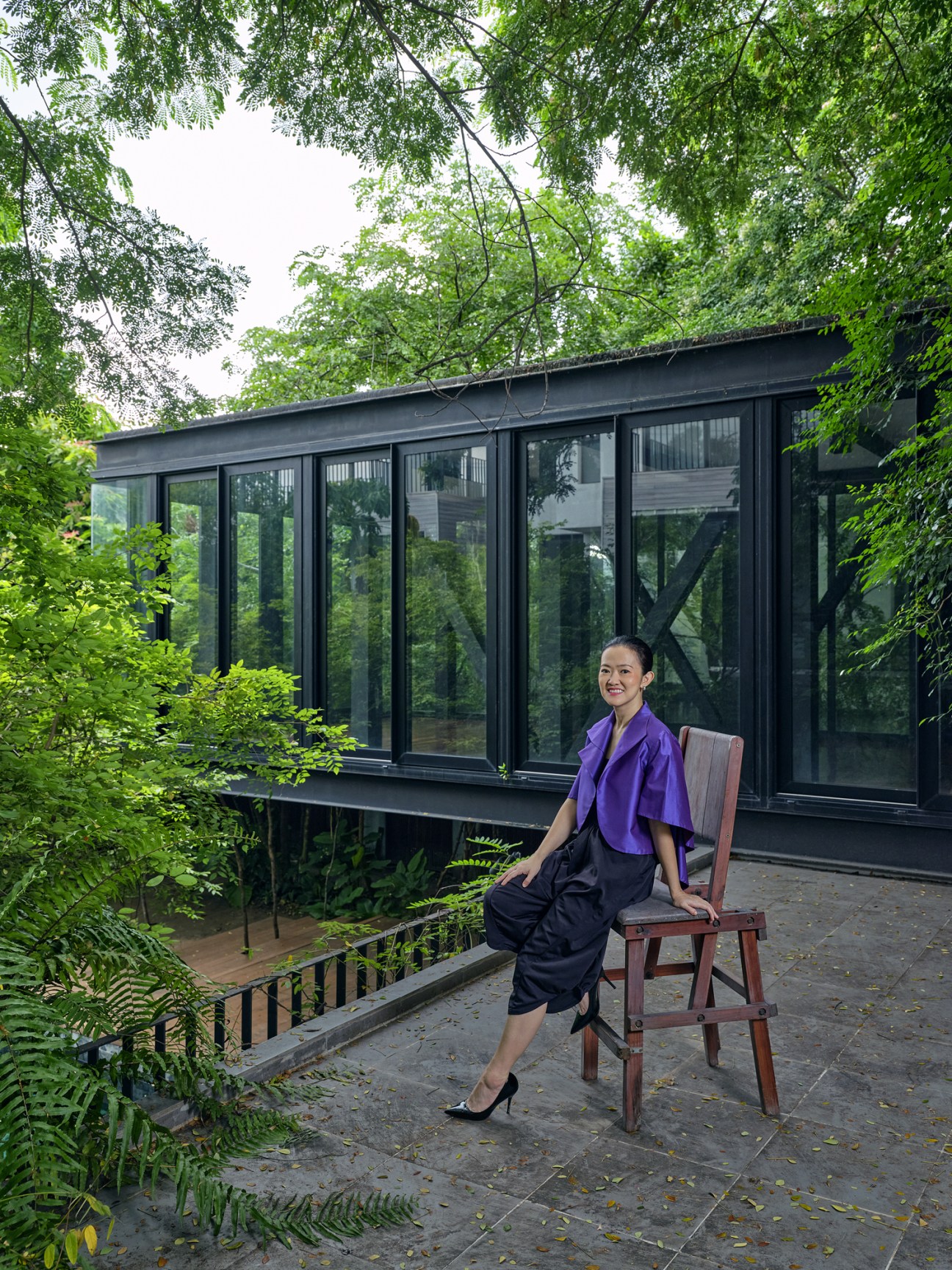
Kotchakorn Voraakhom, Landscape architect
Redwood chair
Bangkok
“In Thailand, we don’t sit on chairs much,” says Kotchakorn Voraakhom. “In Asia, we like to sit on the same level and talk to each other that way.” It’s an approach that the Thai landscape architect brings to her work: when consulting on new designs with communities, she’ll sit on a mat or cushion. But as far as a favourite chair goes, it’s a one-off tropical redwood piece designed by her friend’s mother, Prim Pisolayabutra. Voraakhom has long admired the seat for its raw materiality and smart craftsmanship, as well as the fond memories it brings her. “My friend’s mother is a very artistic person who has always loved painting and making furniture,” says Voraakhom. “So the chair is very meaningful to me because we’re all very close.” Practically, perching atop it is somewhere between sitting and standing. But Voraakhom explains that it’s the physical form she appreciates most. “I love how sculptural it is; you don’t need to sit on it to know that it’s a great chair.”
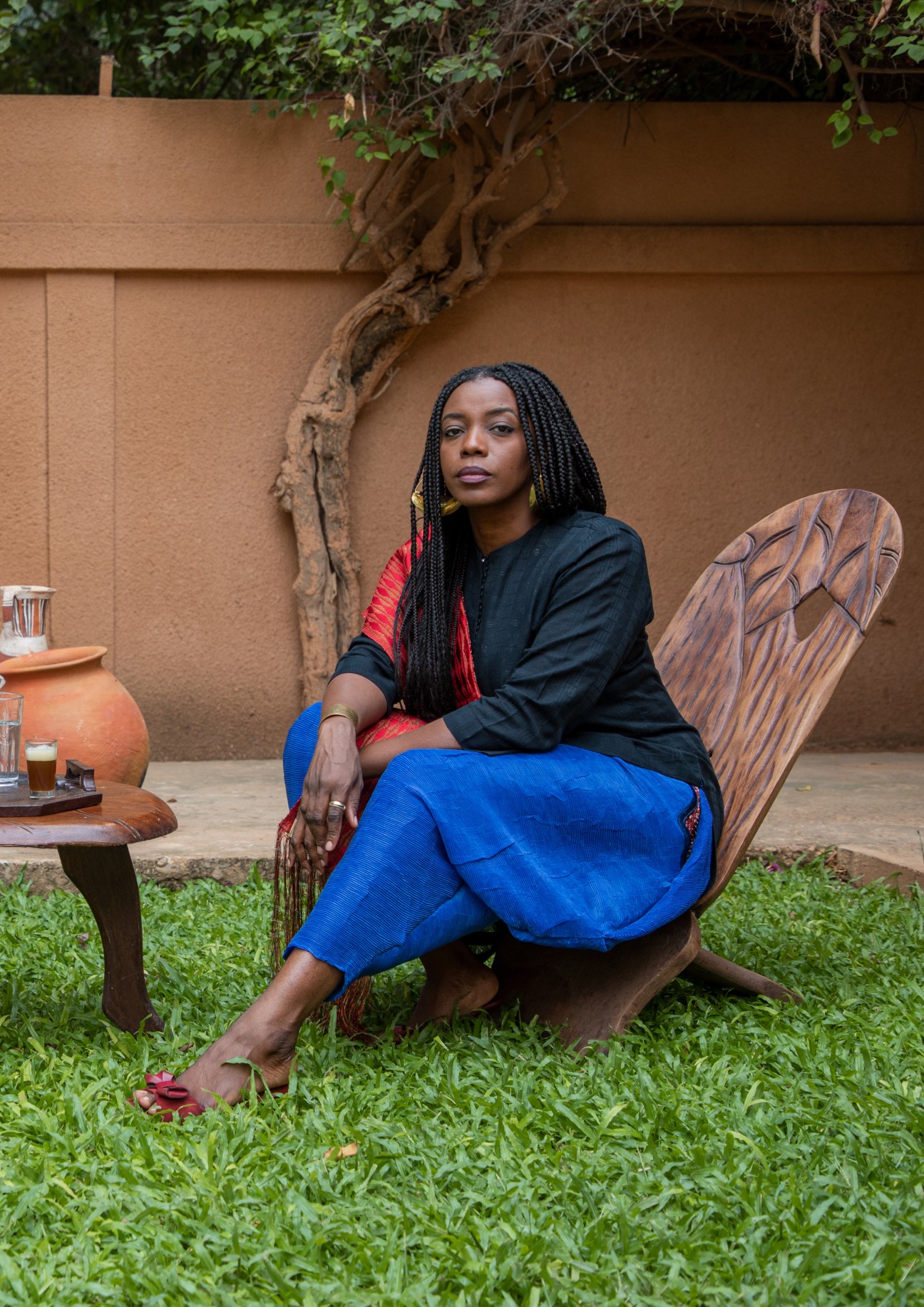
Mariam Kamara, Architect
Birth chair
Niamey, Niger
Niamey-based architect Mariam Kamara designs buildings with people and human relationships in mind. It’s rather fitting, then, that her favourite seat, a reclining chair gifted to her by her brother, also tells a story about community. “It’s the kind of chair that you would see elders in the family sitting on in the courtyard at the end of the day,” says Kamara. This style of seat is common on Africa’s west coast and was traditionally used as a birthing chair. But over the years its use and function has evolved. That evolution reminds Kamara of forgotten histories. In architecture, we often lose track of the past and of the reason why things are the way they are, she says. “That is telling of how we live our lives as ex-colonies; as people whose histories have been co-opted and replaced.” For her, the chair is also a reminder of the ways in which that cycle can be broken. “It makes me think of all the work we need to do to reclaim our history, narratives and heritage.”
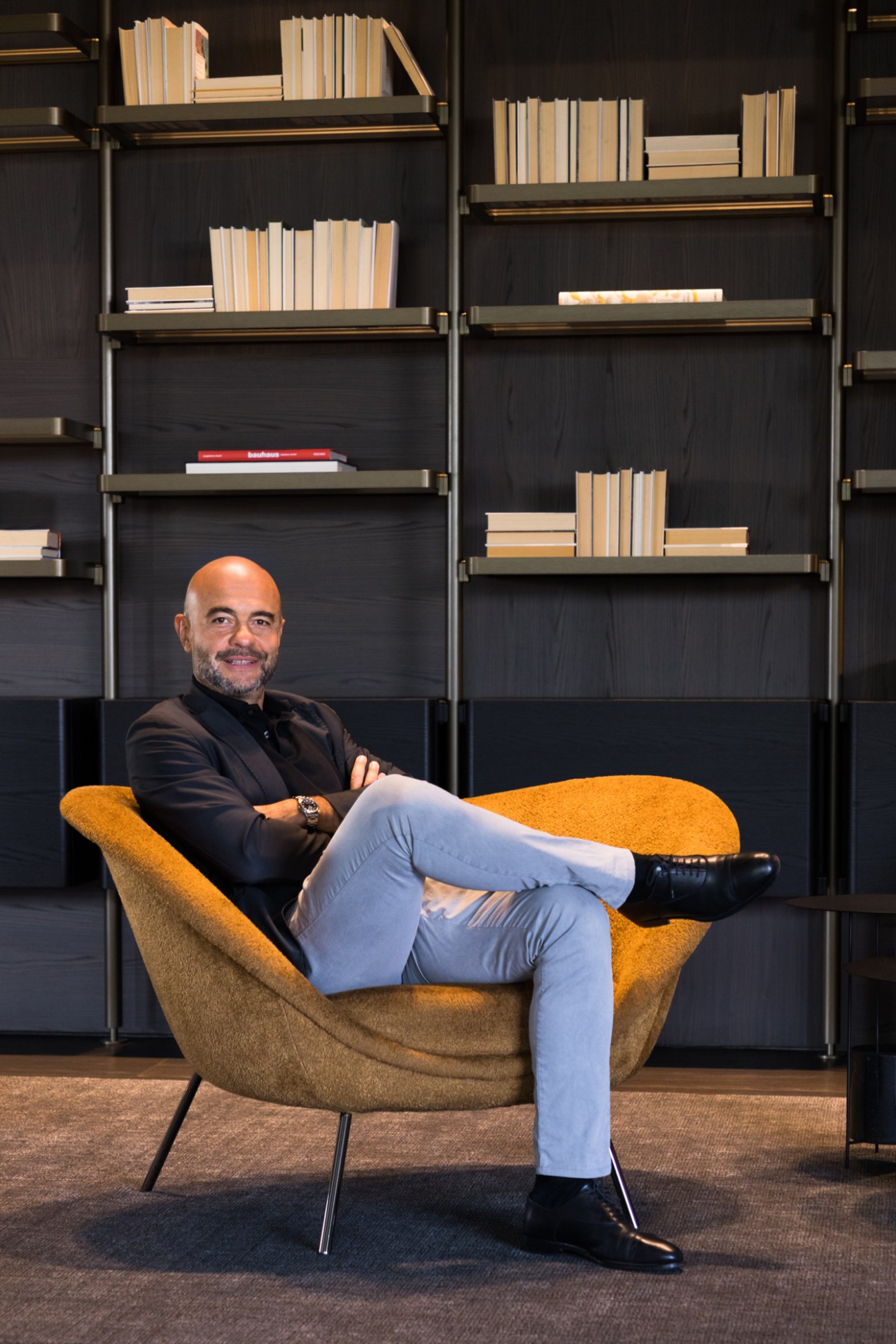
Marco Piscitelli, Furniture brand CEO
D.154.2 armchair
Giussano, Italy
Every year, Marco Piscitelli, CEO of Italian design brand Molteni&C Dada, is tasked with reviving furniture from master architect Gio Ponti’s archive. Choosing a frontrunner, then, is tough. But his standout is the d.154.2 armchair, which the brand relaunched in 2015. It was originally designed by Gio Ponti in the 1950s for a villa in Caracas, Venezuela, and Piscitelli loves the chair’s circular seat cushion and enveloping polyurethane shell – so much so that he reclines on one both at home and at the brand’s Giussano HQ. “It’s unconventionally large, which makes it very comfortable and gives me a sense of protection,” says Piscitelli. “I sit in it after a long day of work and find peace.” One of the brand’s best sellers, part of its appeal is that fact that it feels contemporary despite being designed almost 70 years ago, says Piscitelli. That, and the fact that it’s perfect for canoodling. “You can share it with someone else but you will be close. I consider it a love chair.”
Hello tailor
Nicolas Gabbard
Founder
Husbands, France
Few current designers have done more than Nicolas Gabard to revive the suit’s sexy, youthful image. A former lawyer, Gabard launched Husbands because clothing rather than mergers and acquisitions was what had “always stimulated” him. His goal is to create “the perfect wardrobe for men,” and the brand, headquartered in Paris’s affluent 2nd arrondissement, offers classic pieces, from trench coats and cashmere jumpers to button-down shirts and loafers.
With both a keen eye for fashion and a keen business acumen, Gabard was able to steer his brand through the last 18 months relatively unscathed. Building a strong following online during this period meant that Husbands was able to gain awareness with and sell to a growing international audience.
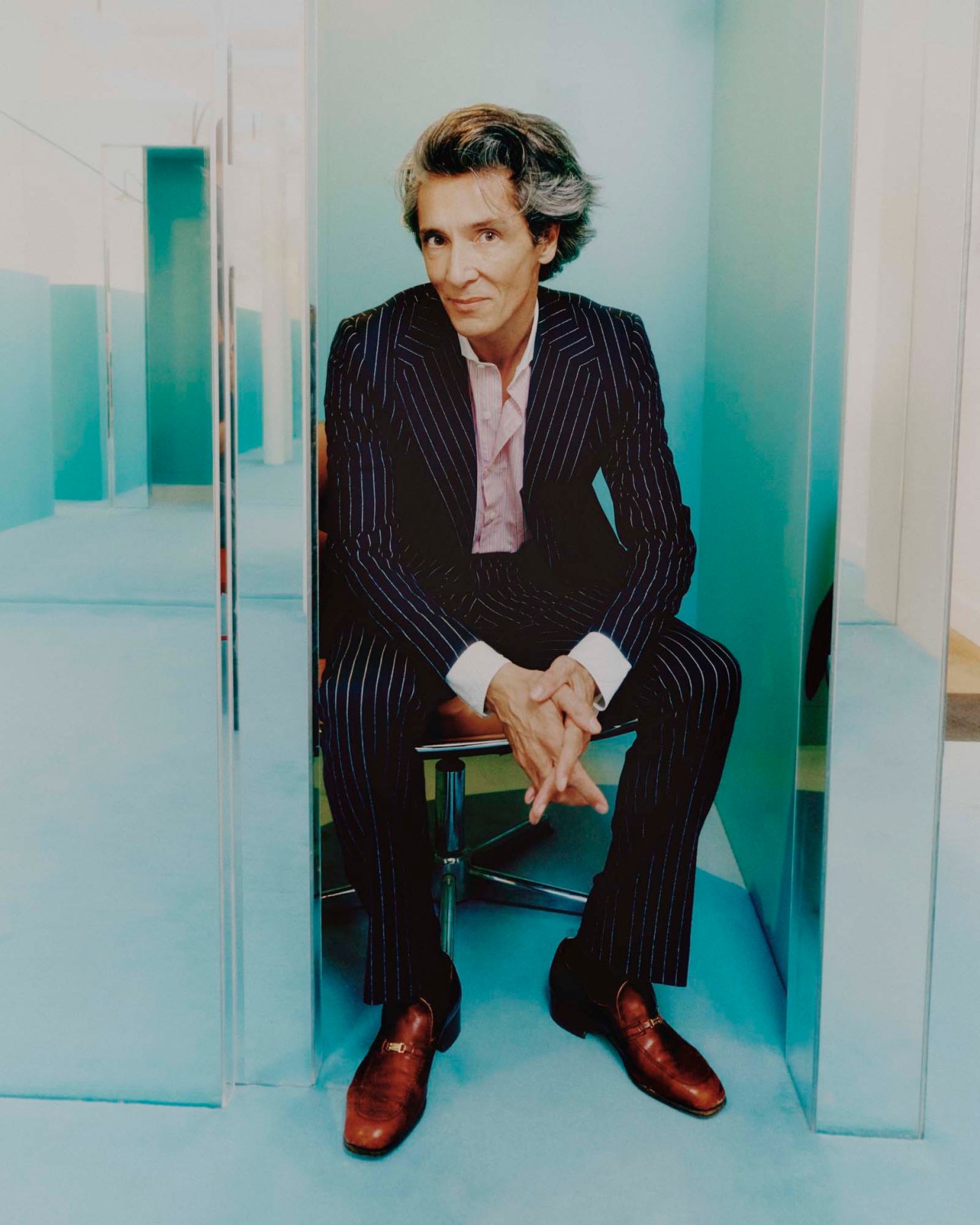
“A suit is a signifier of style in its purest form. It communicates a precise understanding of the body”
In Paris the brand is now gearing up to launch a second shop, which will specialise in ready-to-wear clothing and accessories, including leather goods. Yet the brand identity remains firmly rooted in its sharp suiting, made in Italy using English fabrics. With formal dressing back in force in the French capital, the brand’s reputation has been bolstered with its unique approach to tailoring – edgy, yet somehow still classic.
In Husbands’ campaigns, its signature defined shoulders, high-waisted trousers and heeled boots are styled on models who strike cheeky poses and possess a general swagger. This is tailoring with attitude. Monocle sits down with Gabard in Paris to talk about the power of suits, the meaning of luxury and expanding beyond tailoring.
Why do you like suits?
A suit is a man’s most trustworthy uniform and a signifier of style in its purest form. It communicates a precise understanding of the body.
Husbands is known for its seductive tailoring. Is this a French sensibility?
It’s definitely a sensibility at Husbands but seduction in an outfit originates from a Latin point of view. These components aren’t supposed to be overly noticeable. They’re laced into little details – a slightly larger lapel, a slightly unbuttoned shirt, slight height in a shoe – and are consolidated by the way in which a man carries himself when he wears it. I like to think that a Husbands piece combines two elements: the creativity of fashion and the eternal quality of tailoring. We don’t want to direct ourselves towards one type of customer; we want to propose a tool for personalisation – one that can dress men who wear Helmut Lang or Savile Row.
Does your customer base reflect that range?
Yes, it’s multifaceted. We address the grand bourgeois, the young students, the lawyers, the bankers, the guy who follows the trends, the guy who creates the trends – and that’s because our base is a classic wardrobe. Whether it be a fully canvassed, single-breasted flannel suit with wide peak lapels, flared high-waisted trousers or a double-breasted trench coat, our made-to-order and ready-to-wear pieces are designed to stimulate desire for any type of character.
Do you consider Husbands a luxury brand?
We don’t think about whether we’re making luxury – especially today, because its original definition is gone. The real concept of luxury was killed in the late 1970s; it’s now driven by a price tag rather than by beauty or the investment of time and care. We’re more conscious of quality; this is much more important because it can create real longevity with a garment.
How much of a focus is selling online?
Our e-commerce has really grown; our biggest markets are the UK, US and South Korea. Our social-media audience is also on the younger side – 18 to 40 – which is exciting to us because it proves that the appetite for tailoring isn’t just among older generations. It’s now coming from millennials too, meaning that sons can be just as well dressed as their fathers, if not more so. But physical extension is also vital, which is why we’re opening a second store on the Left Bank soon. It will focus solely on ready-to-wear suits and staples, while our existing store will continue to offer a personalised made-to-order service too.
How has demand changed during the course of the pandemic?
The appetite for great clothes hasn’t changed but we’ve noticed an increase in the desire for separates. We’re selling many more jackets on their own. We’ll be expanding our range of independent pieces for the next collection, particularly to include denim. We hope this will extend people’s perceptions: we don’t just want to be seen as the place for a man to source his suit.
husbands-paris.com
Brendon Babenzien
Men’s creative director
J Crew, USA
Brendon Babenzien has built his career by sticking to his guns. The former design director of streetwear powerhouse Supreme and co-founder of smaller New York brand Noah insists that “your passions and interests should always be the things that inspire your style”. At both Supreme and Noah, Babenzien created well-made, accessible clothes. Beyond that, though, he built brands that spoke to clearly defined tribes rather than mainstream trends. “I talk a lot about surfing, skateboarding and hip-hop because those cultures were truly creative at their origin,” he says. “Early on, people in those communities built their own identities and their own visual language.” At Supreme, Babenzien drew on this idea to shape his own formula for streetwear, before blending it with a fresh take on preppy style at Noah.
Now he’s ready to switch things up as men’s creative director at J Crew, the preppy American icon established in 1983. J Crew has been an embattled brand for several years, struggling to hold its own against the rise of streetwear. The company entered bankruptcy protection during the pandemic and when Babenzien’s appointment was announced in May, J Crew’s CEO Libby Wadle made the brand’s intentions clear when she stated publicly, “We need to disrupt the business.”
Babenzien, whose first J Crew collection will be unveiled in 2022, is a designer with a conscience. Noah has built its global following not only by selling attractive clothing but also by using its platform to educate customers on social issues ranging from modern slavery to gerrymandering. Can he imbue J Crew with a similar sense of purpose? He’s certainly going to try.
What appealed to you about working with J Crew?
I’ve been wearing it my whole life. I remember the J Crew of the 1980s very well. It’s literally one of only two brands that I’ve always said I’d work with if the opportunity ever came along.
What’s your vision for the brand moving forward?
We need people pushing design boundaries: oversized fits, shrunken fits, crazy colours, whatever. But I’m always looking for a genuine expression of who a person is and the fashion machine has convinced lots of people that they always have to participate in the latest thing. I can’t wear half of what’s considered cool right now because it doesn’t express who I am. Our job is to encourage individuals to be themselves and to create clothes that allow them to do that.
How does J Crew’s preppy heritage affect your plans?
One of the problems with the fashion industry is that we have these “all or nothing” attitudes. There’s a tremendous amount of nuance in clothing. The idea of preppy style was hijacked a long time ago; it’s become a cartoon version of itself. In the late 1970s and early 1980s, it was just about really tasteful simple clothes. I want to deliver something that is traditionally thought of as J Crew – but is also kind of new.
Alongside this new role, you’re still running Noah. How has the brand changed during the pandemic?
It’s only now that I’m starting to evaluate the lessons learnt. It has helped me to refocus on what our initial purposes were at Noah: to serve customers in search of great product and a little bit of humour and attitude. The social side of what we do at Noah is important too, commenting on and educating people about what’s happening in the world while also looking after our own staff and community.
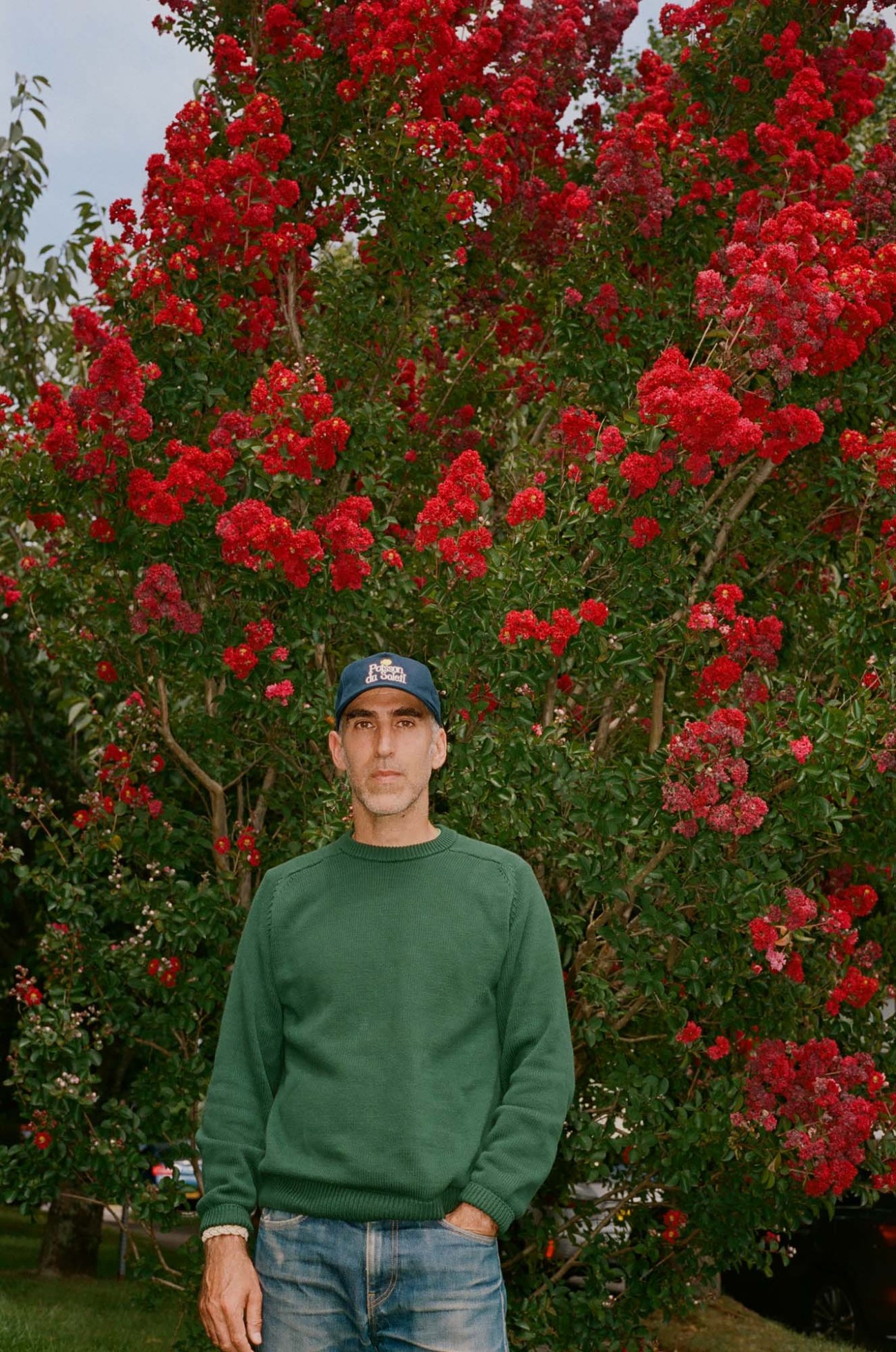
“Our job is to encourage individuals to be themselves and to create clothes that allow them to do that”
What lessons have you learned at Noah that you’ll apply to your work at J Crew?
We’re applying a lot of what we do at Noah here – being able to do that is the main reason I joined. The design process is important to me, of course, but so is the idea that I can talk about responsible business practices. I’m also creating new products for people we haven’t been representing. J Crew has made the Ludlow suit forever and that’s great – but some customers have been left out of the conversation.
Who’s your target customer for J Crew?
I have to take care of our existing customers, bring back some old customers who remember the brand in the way that I do and bring in new customers as well. We’ll do that by letting people be confident in who they are, not by trying to convince them to be something else.
What can we expect from your first collection?
Clothes that are relevant to where we are as a society. This isn’t going to be a great sweeping change; it’s about the nuances of what we make, how we make it, how we present it to you and how we talk about it.
What issues do you think consumers are going to care about most in the next few years?
What I think consumers will want and what I hope they want are two different things. I believe the brand-consumer relationship has to be more of a partnership. Brands can choose to make a better product but if consumers don’t respond to that for whatever reason – social mores, or billions of dollars of marketing encouraging them to buy cheaper products – then brands will stop making the right choices. We need to come at consumption from both sides. Brands need to operate better – then consumers need to respond positively to the companies that do make the right choices.
jcrew.com
noahny.com
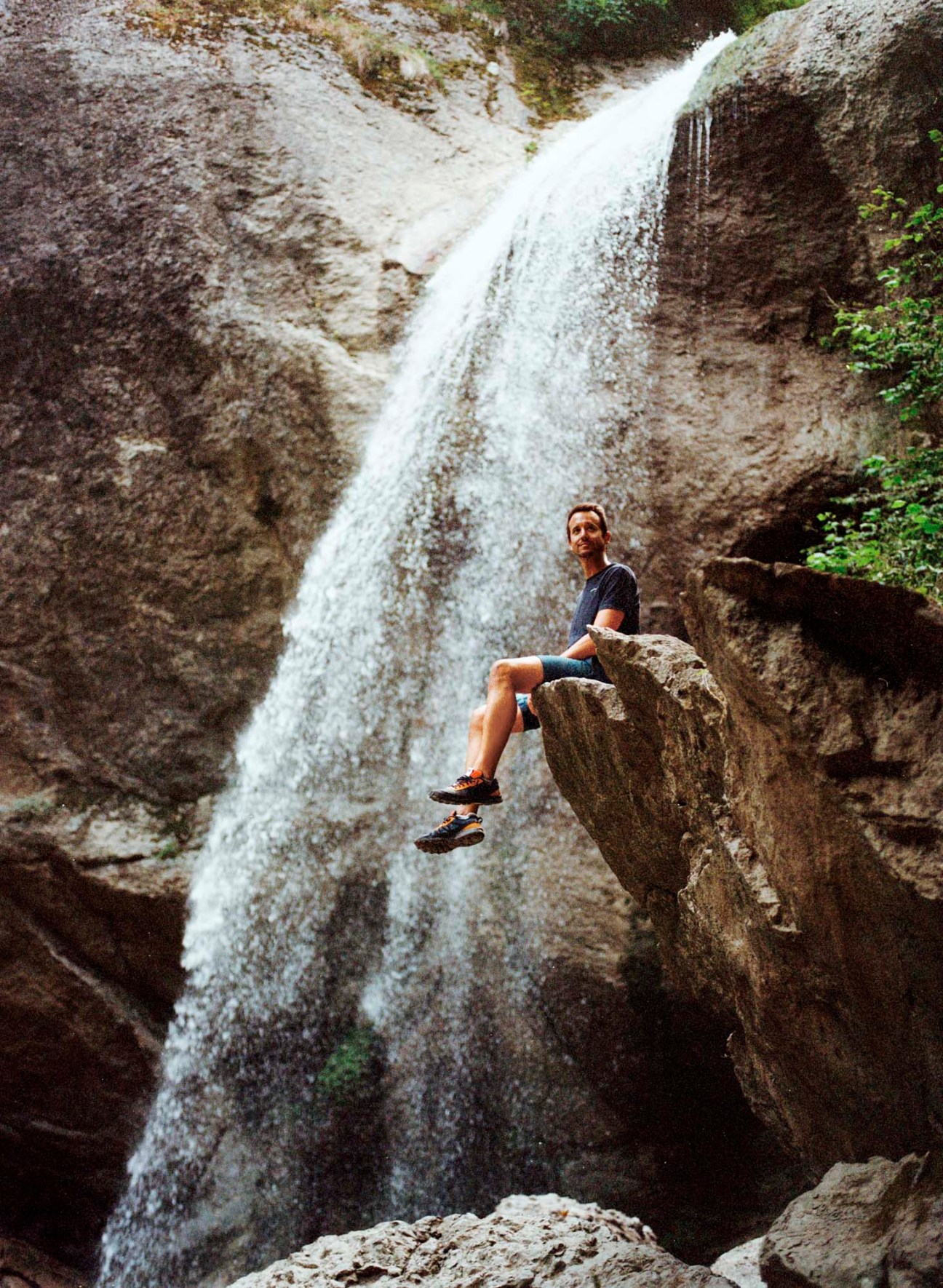
Gonz Ferrero
Co-owner and CEO
Klättermusen, Sweden
Given that Klättermusen is one of the world’s most serious outdoor-clothing brands, with clients including Scandinavian military units, it’s only natural that its HQ can be found not in London or Manhattan but in a mountain village in northern Sweden. The brand was launched in 1975 in Åre by a group of outdoor enthusiasts and while it has been creating premium products ever since, it has recently been selling them with far greater aplomb. That’s because in 2015 Gonz Ferrero, a business-savvy Argentinian with an mba and a love of nature, took over as CEO. Under his reign, annual turnover for Klättermusen – whose products include backpacks, moisture-wicking base layers, and jackets for hiking, trekking and skiing – has tripled to around €20m. While this growth has coincided with a general increased interest in the outdoors – and all the corresponding gear – from urbanites around the world, Ferrero is committed to maintaining a niche and agile brand. Here, the 38-year-old tells Monocle about Klättermusen’s ascent.
Why did you want to get involved in the outdoor industry?
In 2011 I started a media-entertainment company with friends in Shanghai and Tokyo. It was exciting but there was something missing so I left and spent almost a year travelling, without a mobile or computer. I started spending more time in nature and realised that I wasn’t the only one: there was a whole generation feeling that the more you’re connected, the more you need something that rebalances you. I knew that the next thing I did had to be outdoor-related.
I was looking at the outdoor industry from a personal and philosophical point of view but also as a business. Every time I went into an outdoor shop I wondered why it was so difficult to understand why this jacket was better than that jacket. It felt like walking into a niche record label, where the owner didn’t want to talk to me because I wasn’t hardcore enough. The industry was creating products that it was passionate about but had completely forgotten the other part: how do you sell it? How do you explain it to people and educate them? Fashion brands are so much more conscious of the customer; outdoor brands, with the excuse of being busy in our laboratories designing new functions, have been slightly detached from the customer.
How did you get started with Klättermusen?
I came across the brand in a fashion shop in Japan. I reached out to the founder and we hit it off. He’d been running the brand for a long time and was proud of the product development but the business side had always been far from his mindset. We said, “Why don’t we take everything you’ve built and try to find the right way to present it to younger guys like me?”
How has the industry changed in the past five years?
Sustainability really wasn’t a topic five years ago. Now it’s hard not to find ecological thinking embedded in product development. Fundamentally, we’re making stuff, so no outdoor brand is sustainable. There has been more recognition of that right from the product-concept stage, saying, “Do we really need this?” Five years ago, it was, “I’m a brand, I need to offer every kind of jacket with all lengths of zippers, for every different activity.” Now it’s, “Why don’t we educate the customer to understand that you can use the same jacket for different things?” That’s sustainability from a business-process perspective.
How has Klättermusen’s clientele changed?
It’s broadened from only being someone who’s using the products for a functional purpose to people who want their jacket to say something about them. That’s why we’ve seen attention from fashion shops such as Browns, End and Sneakers ‘n’ Stuff. The customer thinks, “This says something: it’s a group of guys in the north of Sweden, making very few products and not discounting.” These customers are researching brands’ values and then wearing them as a statement, whether or not they actually climb in them.
Is it difficult to make products that are eco-friendly and high performance?
Not at all. Our most important criterion for sustainability is durability. There’s also the question: are you using something that’s overly technical for what you need? When you’re hiking in nature in a Gore-tex jacket, you sound like a candy wrapper with that “crr crr crr” sound. Whereas when you walk in cotton, you’re not 100 per cent protected if it starts to pour but it’s totally silent. You’re wearing nature in nature: the experience is more holistic. You have to find the right balance between functionality and sustainability.
What innovations excite you?
We have a jacket made from a fabric we developed called Katla cotton. It’s organic with a cotton ripstop but it’s made using technology typically used when constructing synthetic fibres. For example, the layering of membranes that you use within a three-layer nylon jacket – can you apply that to cotton? We’re basically creating a ripstop fabric from cotton. If you go back to the 1950s, 1960s and 1970s, lots of outdoor brands and mountaineers were using natural materials such as cotton, wool and denim. Then in the 1980s and 1990s, there was a huge push into Gore-tex and synthetics for functionality. Now we’re thinking about whether, from construction to finishes and treatments, organic materials can be just as technical as synthetics. This new love for natural is interesting.
klattermusen.com
Style guides
Tokyo might have the world’s best fashion retail scene. But what makes this city’s shops truly unique are their staff. Running a style marathon from Ebisu to Shinjuku and Aoyama to Daikanyama, we’ve sought out some of the most inspirational men working in fashion retail in Tokyo today.
As clothes shops compete for relevance, it is those on the shop floor who make a brand appealing. In Tokyo the human touch is never lost. Here are the people making the city a global benchmark.
Jun Takahashi
United Arrows
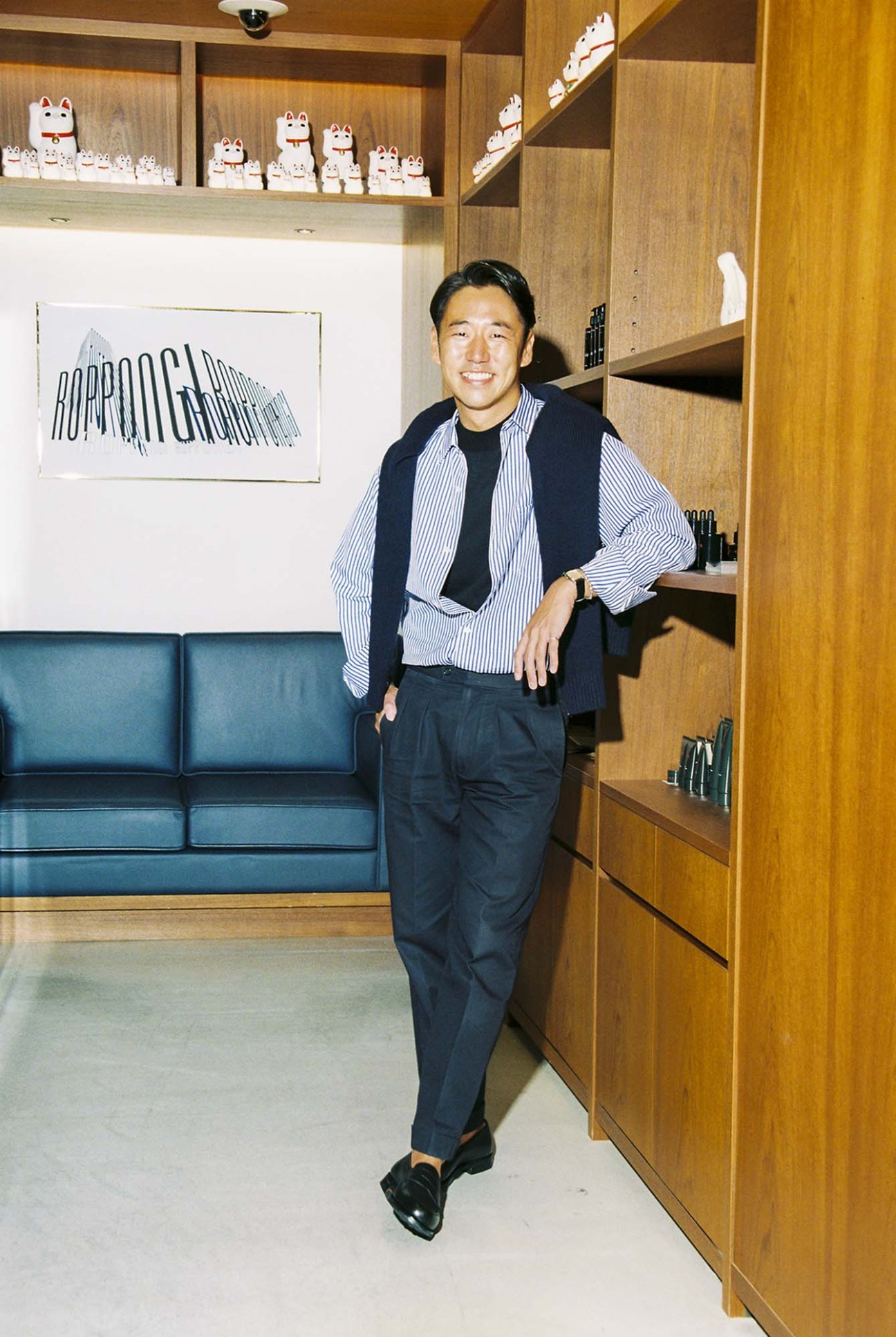
Jun Takahashi is not shy about presenting himself as a style icon. “Today, you have to sell yourself to appeal to customers,” he says. “This cuts across everything, from the clothes I wear to the way I stand and behave and the ambience that I exert in the shop.” When Monocle visits, his outfit offers a sprinkle of British inspiration: he wears a United Arrows (UA) original shirt made from a Thomas Mason fabric and loafers by Northampton’s Crockett & Jones. “Whatever we wear, we want to be elegant; that’s UA style,” he says. The Roppongi outpost is the largest of UA’s shops and attracts all sorts of customers. Takahashi mixes high and low fashion, from tailored jackets to vintage trousers – and his technique is working. “Customers ask me about what I’m wearing and then I can make styling suggestions,” he says. “That’s what you have to do as a pro. We sell clothes but what we really want to sell is style.”
Sorato Takeda
Nanamica
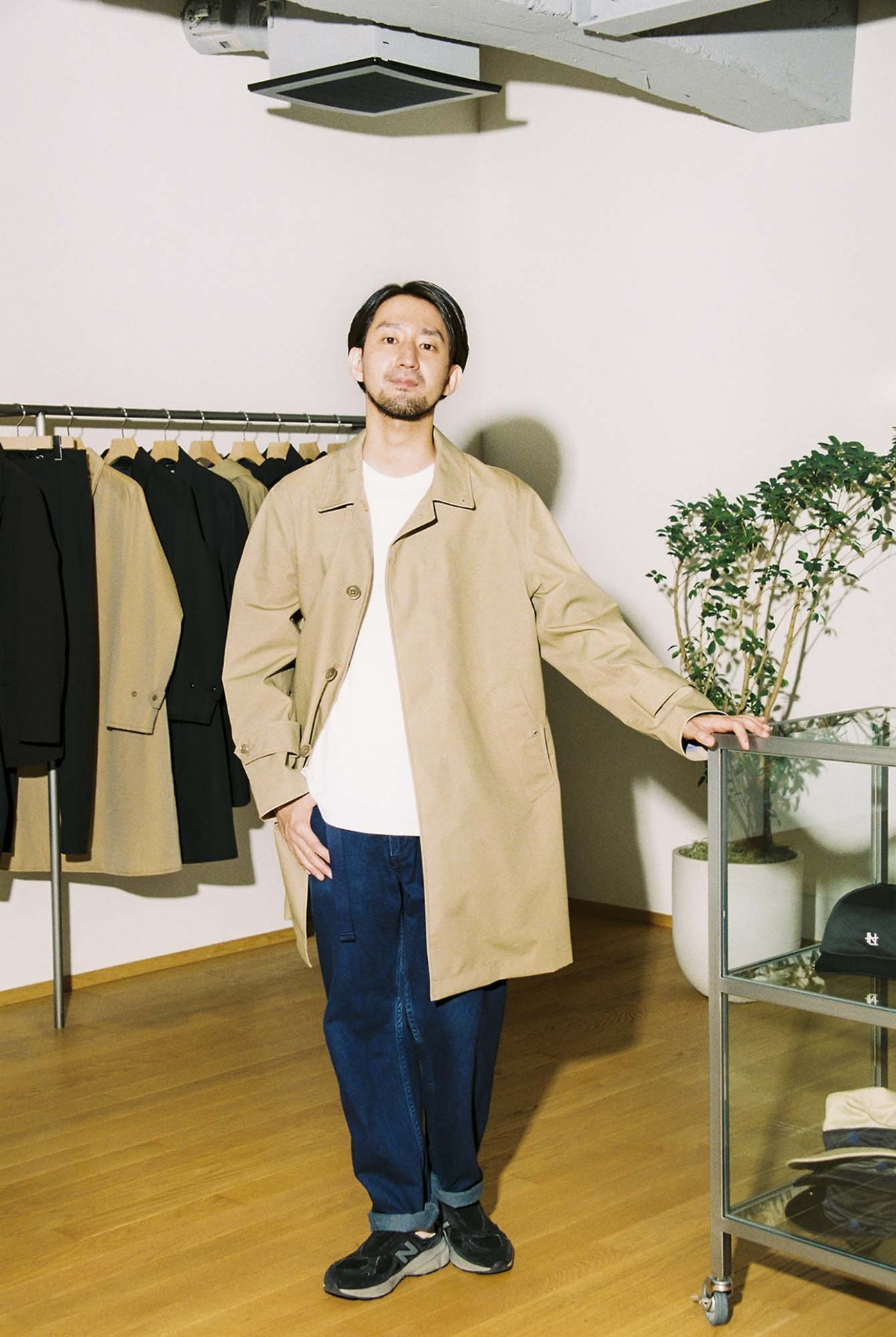
“I’ve always wanted to work for a fashion retailer,” says Sorato Takeda. “I attended Bunka Fashion College to learn customer service.” The friendly Tokyo native joined respected Japanese label Nanamica two years ago and takes a relaxed approach to dressing for his job. Instead of wearing Nanamica from head to toe, he chooses one main garment from the collection and lets his personal wardrobe fill in the rest. This doesn’t mean that he forgets to represent the qualities of the brand. “When I know who is coming in and what he or she is interested in, I bring my own clothes to suggest a styling idea – whether that’s Levi’s denim or anything from other brands really,” he says. “We respect the personality of each individual. That’s what I want to convey.”
Toga Ikeda
Hender Scheme
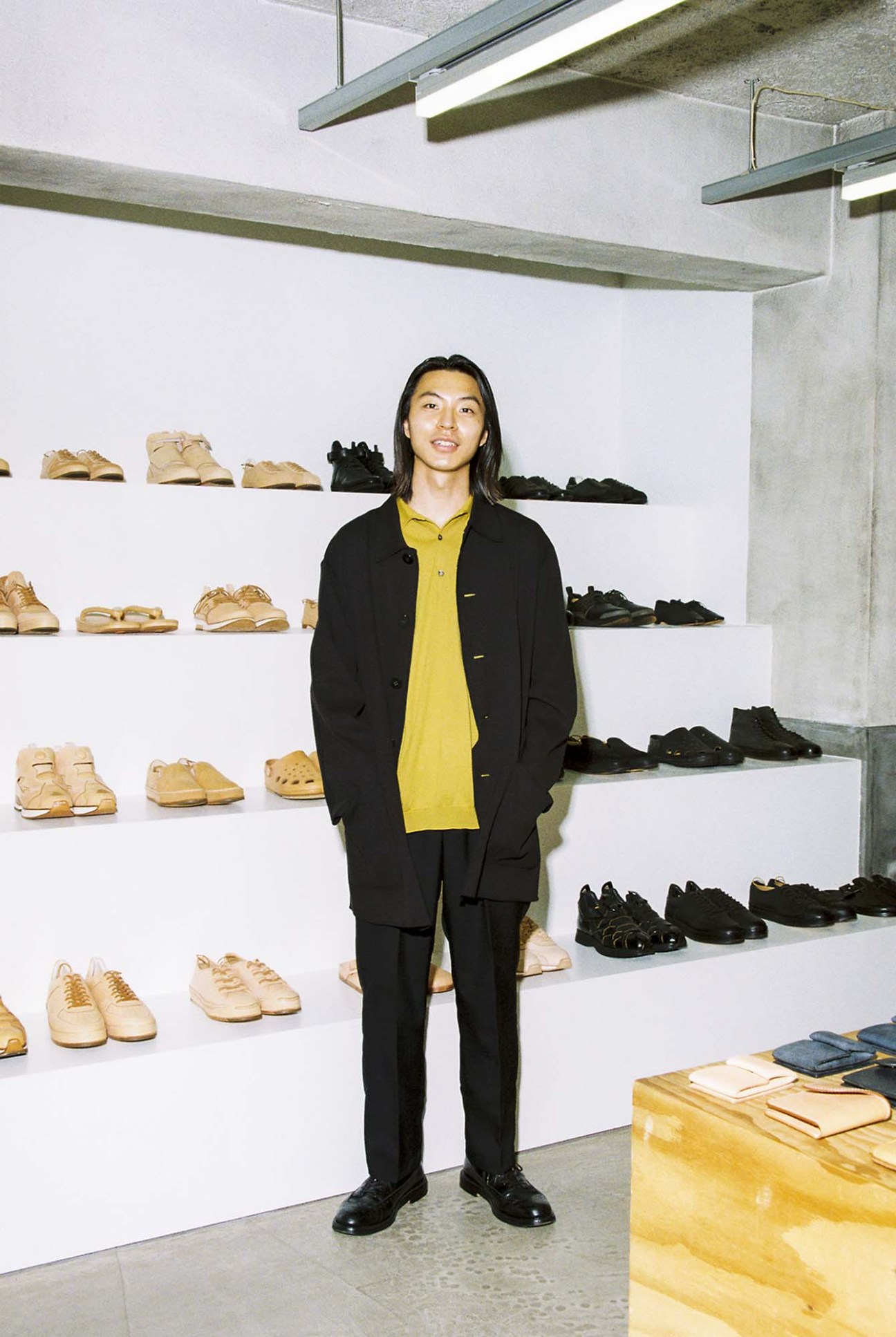
“I think about styling my clothes so that our shoes look the most attractive because we’re a shoe brand,” says retail assistant Toga Ikeda. The 23-year-old joined Hender Scheme (read our interview with founder Ryo Kashiwazaki on page 192) when he was still at university. At Hender Scheme’s Ebisu shop, Ikeda serves men and women, both young and old, with varied tastes. “The balance between shoes and clothes is important. Depending on the customer, I will use myself as a style reference,” says Ikeda, who is wearing vintage American trousers, a John Smedley polo and a jacket from Japanese brand Cale. “Here, our staff wear everything from vintage to Japanese brands such as Auralee,” he says. “It shows that you can style our shoes with all kinds of things.”
Shotaro Wada
L’Échoppe
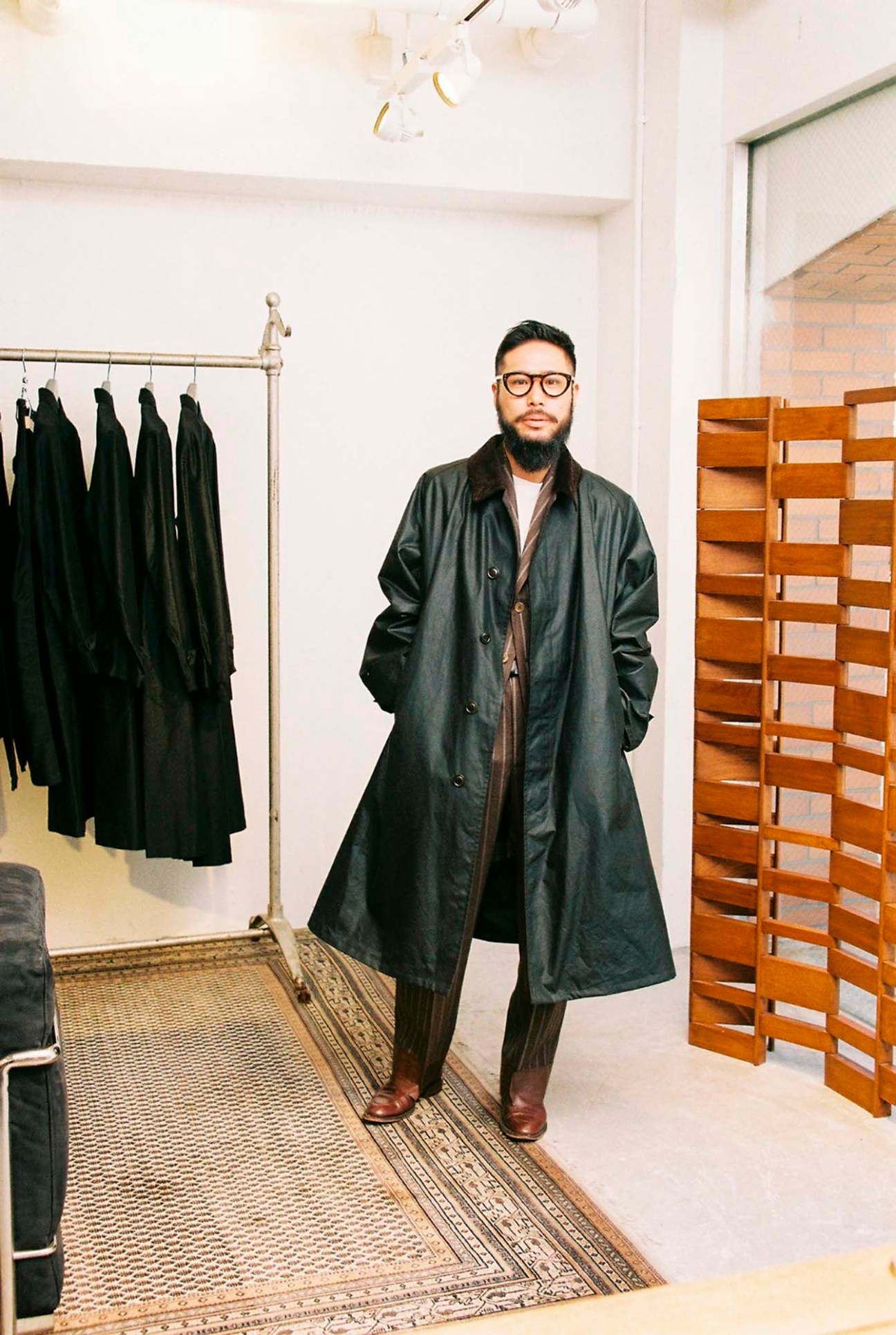
Shotaro Wada is one of the most stylish men in Tokyo’s fashion retail scene. Pay a few visits to the L’Échoppe shop in Aoyama and you’ll learn that there is nothing he can’t pull off. “I like to incorporate things that were not made for fashion, from workwear to souvenir goods,” the 30-year-old shop manager says. “Inspired by our director’s aesthetics, I try to think of subtraction instead of adding more.” Wada’s fashion flair has won him loyal customers – one texts him for style advice several times a week – but people are also attracted to his genuine attitude. “I wear many things that we don’t sell at our shop,” he adds. “We mustn’t forget to enjoy fashion.”
Iori Mano
Auralee
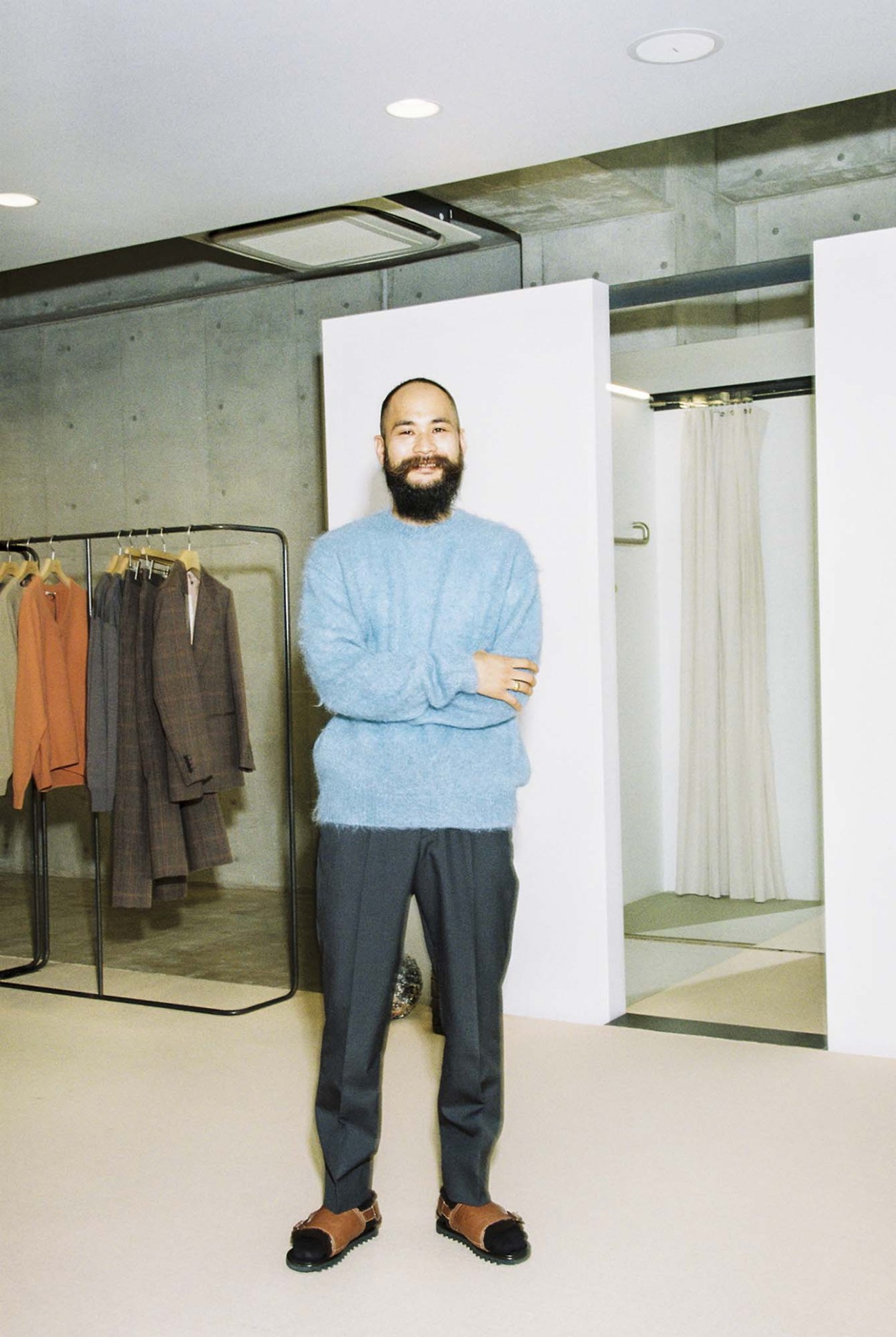
Iori Mano oversees the flagship of Tokyo fashion label Auralee. “I like simple, understated clothes,” says the 30-year-old. When he dresses in Auralee clothing he pays attention to the details. “I choose different sizes, depending on the piece,” he says. “Every item is designed according to the fabric and the expression of the garment is different in different sizes. Also I try to set an example by wearing colours that people might find difficult to pull off.” Mano also mixes pieces from different collections to show how they can be worn across the seasons. He changes the mood by switching between trainers and smart leather shoes but whatever he does, he makes sure his clients can relate to his appearance. “I style myself to show how our collections are wearable in daily life.”
Ryota Yamane
Anatomica
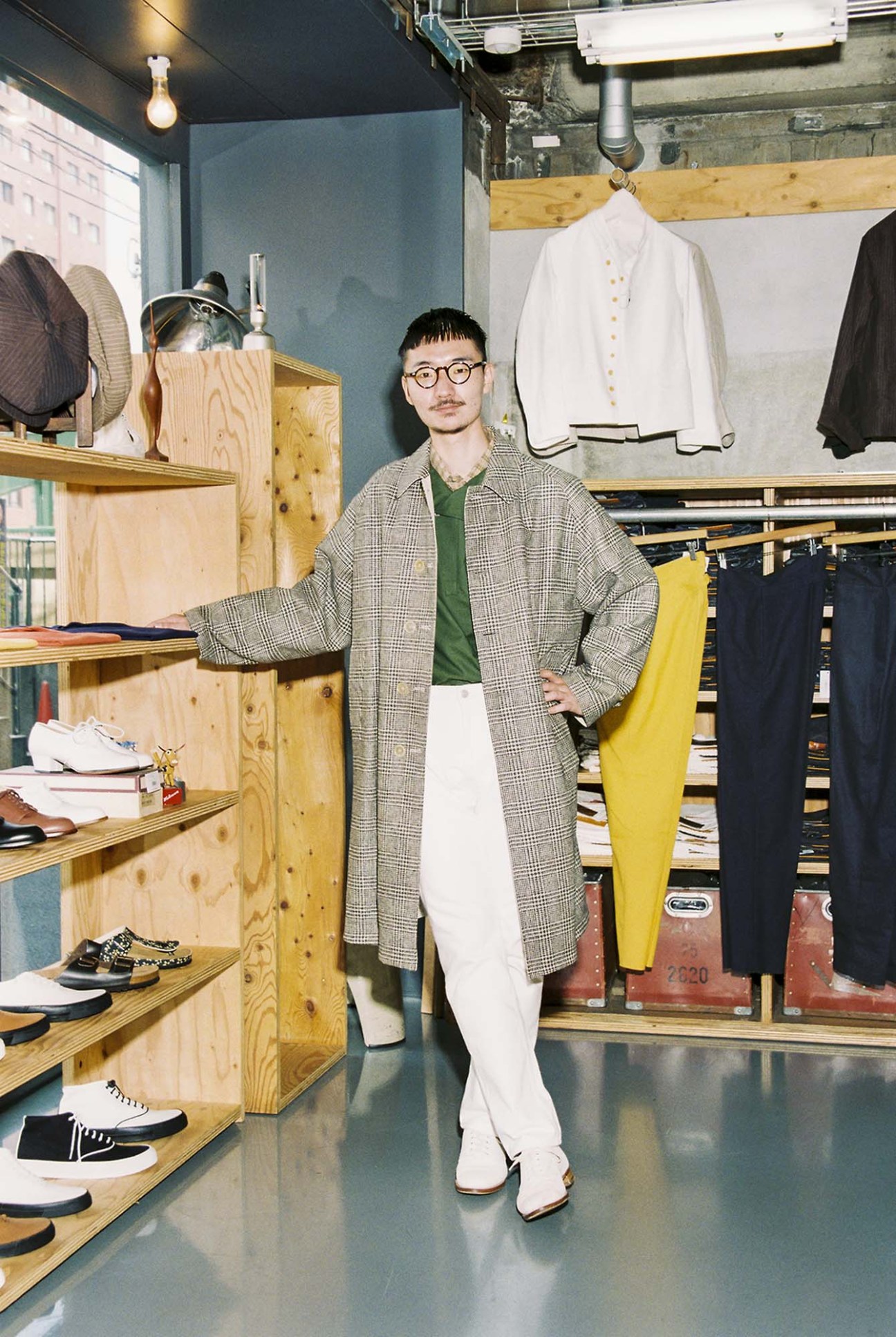
After falling in love with the Anatomica brand at a customer event, Ryota Yamane has worked hard to become one of the most respected team members at its Tokyo shop, which serves everyone from students to gentlemen in their sixties. “Our clothes show attention to detail and take inspiration from vintage clothing,” he says. “I like earthy tones such as beige, olive and brown; luckily our brand offers those.” When he meets Monocle he’s wearing a reversible coat and trousers from Anatomica with a vintage Swedish military shirt. “Anatomica offers basic clothes but we show how different they can look to suit various tastes,” he says. “There are many ways to look stylish. I aspire to be inspiring to our customers in the same way that I felt when I was a customer.”
Kento Tada
And Wander
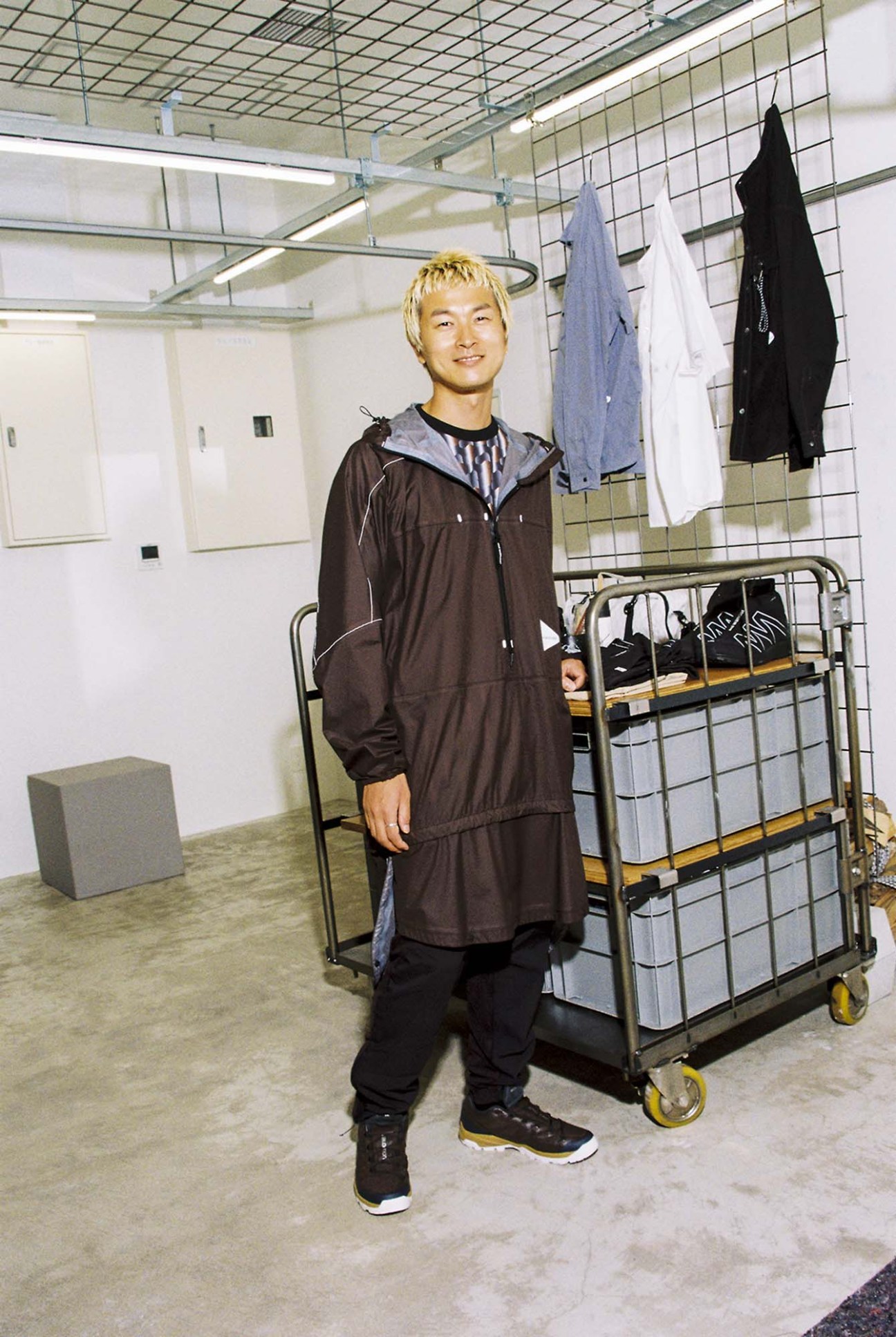
Kento Tada works at the Shibuya shop of Japanese urban mountaineering brand And Wander. “I care about the fashion element of our collections,” he says. “Outdoor gear predominantly focuses on function but I wear slightly oversized garments to show how you can be playful and have fun with our clothes.” This makes sense because the location, at the heart of Shibuya, attracts a young fashion clientele. “Outdoor clothes are often in bright colours but ours use black and beige. They’re versatile.” But Tada also knows a thing or two about climbing. “I test our collections so I can give tips to customers,” he says. “Depending on the mountain they’re climbing, I can give them the right suggestions.”
Yasushi Ito
Bloom & Branch
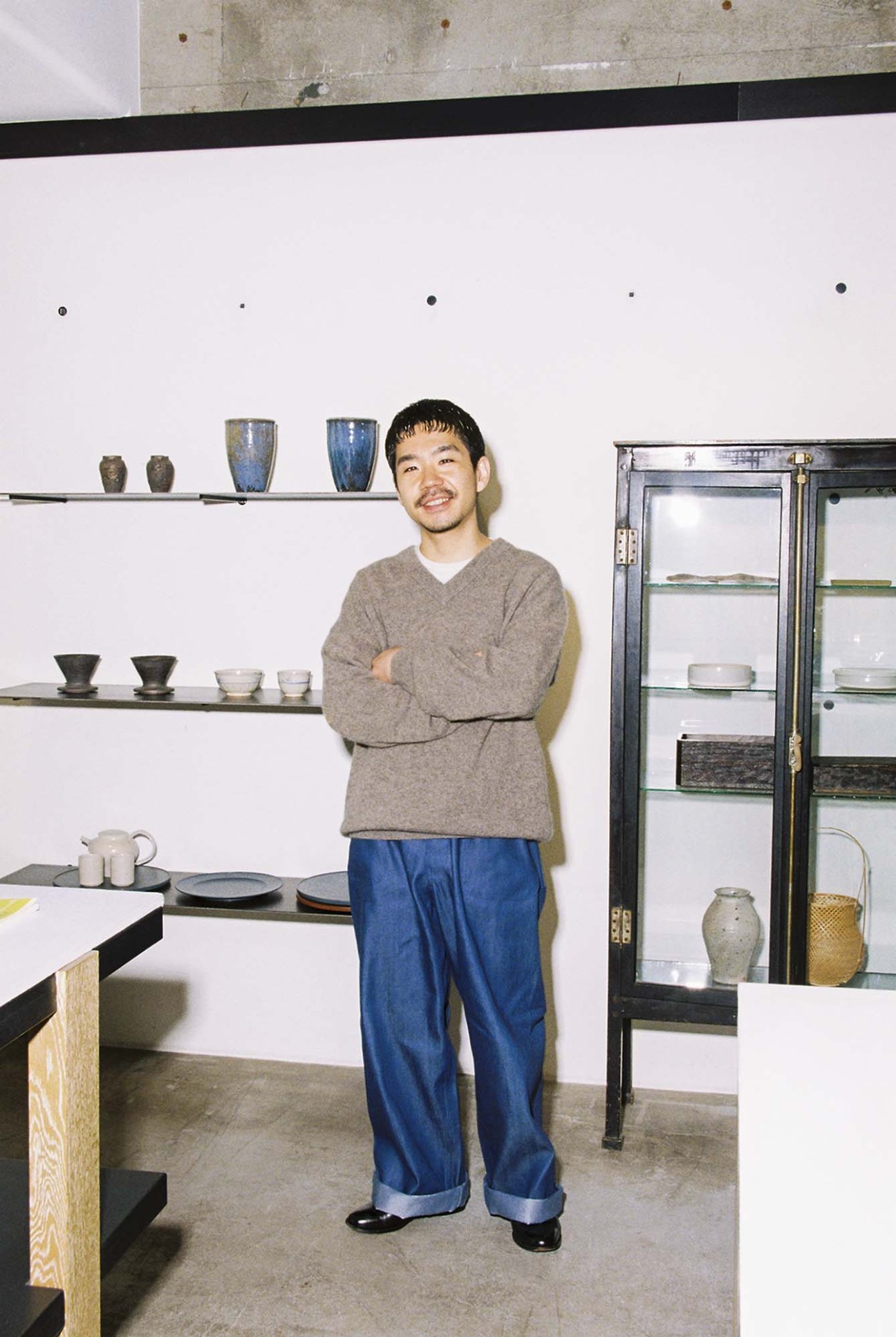
“Fashion is my hobby; my style is consistent at work and away from work,” says Yasushi Ito of multibrand shop Bloom & Branch. “I like comfortable clothes with stress-free silhouettes,” he says, today wearing oversized jeans. “But I’m careful not to look ‘rough’ because this is Aoyama. For me, sizing is not so important. It’s all about how you want to wear it.” Demonstrating this philosophy, he cinches his belt to highlight the shape of the trouser pockets. A smart pair of Italian shoes and a vintage Cartier watch add elegant touches. Ito says that shoppers in Aoyama love fashion and want to talk about it. “I keep up to date with fashion around the world,” Ito says. “Experience and knowledge complement each other and make my style suggestions compelling.”
Noritsugu Yamagata
Isetan Men’s Department
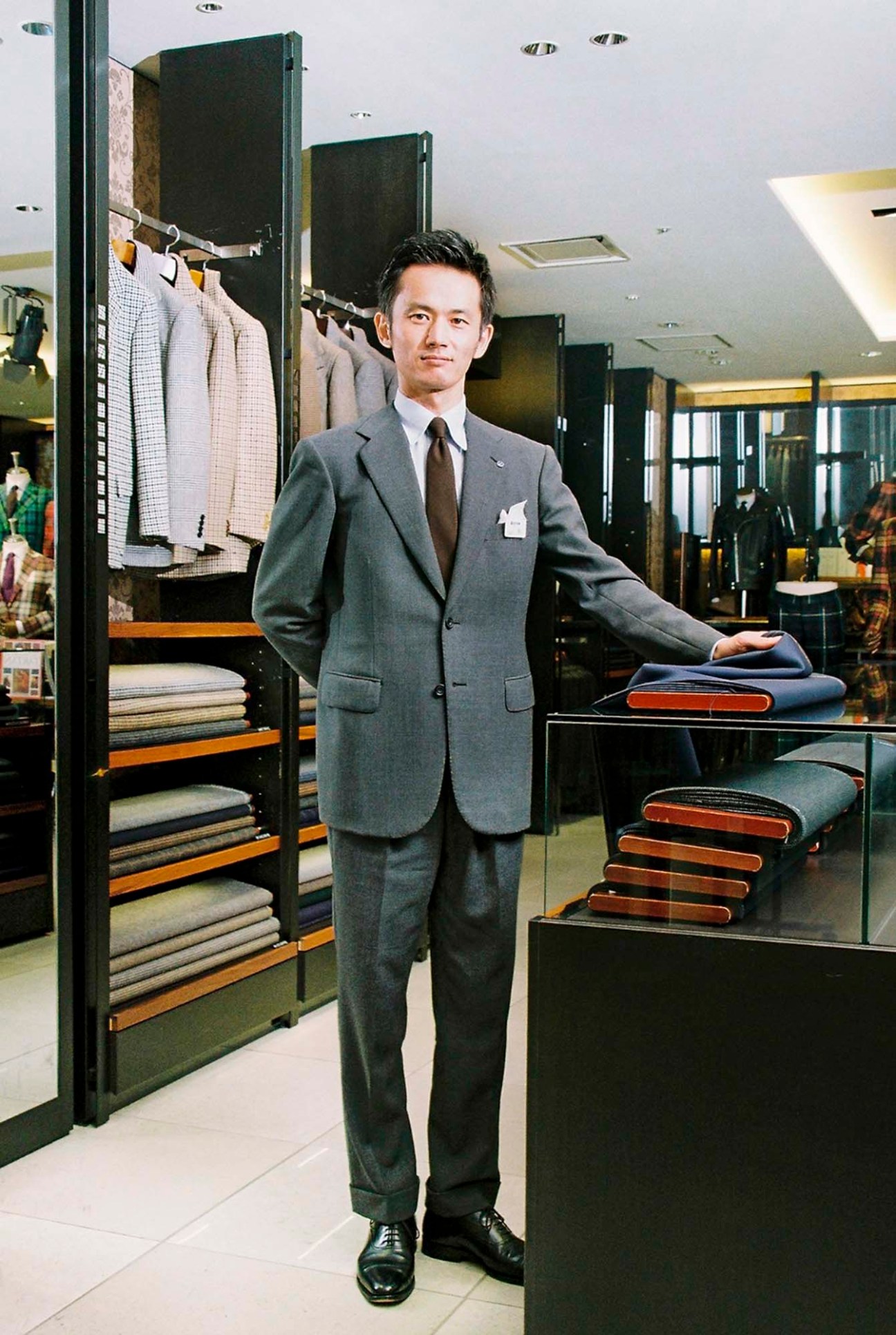
“There are many fashionable staff here,” says Noritsugu Yamagata of the sprawling wonderland of men’s fashion at department store Isetan. “So I try to look futsu [normal].” To meet his customers’ appetite for classic style, Yamagata draws on his knowledge of suit and fabric-makers such as Henry Poole, Lardini and Ring Jacket. “This is a department store so everyone, from fashion enthusiasts to regular customers, comes here,” he says. “I want to be approachable.” Yamagata, who prefers British fabrics, has reduced his wardrobe to suits in navy, grey or glen check, shirts in white or blue, and black shoes. On the job, he is composed and never in a rush. He knows that presentation isn’t just about the clothes you’re wearing. “The way I conduct myself has to look the part too.”
Takashi Takagi
Visvim
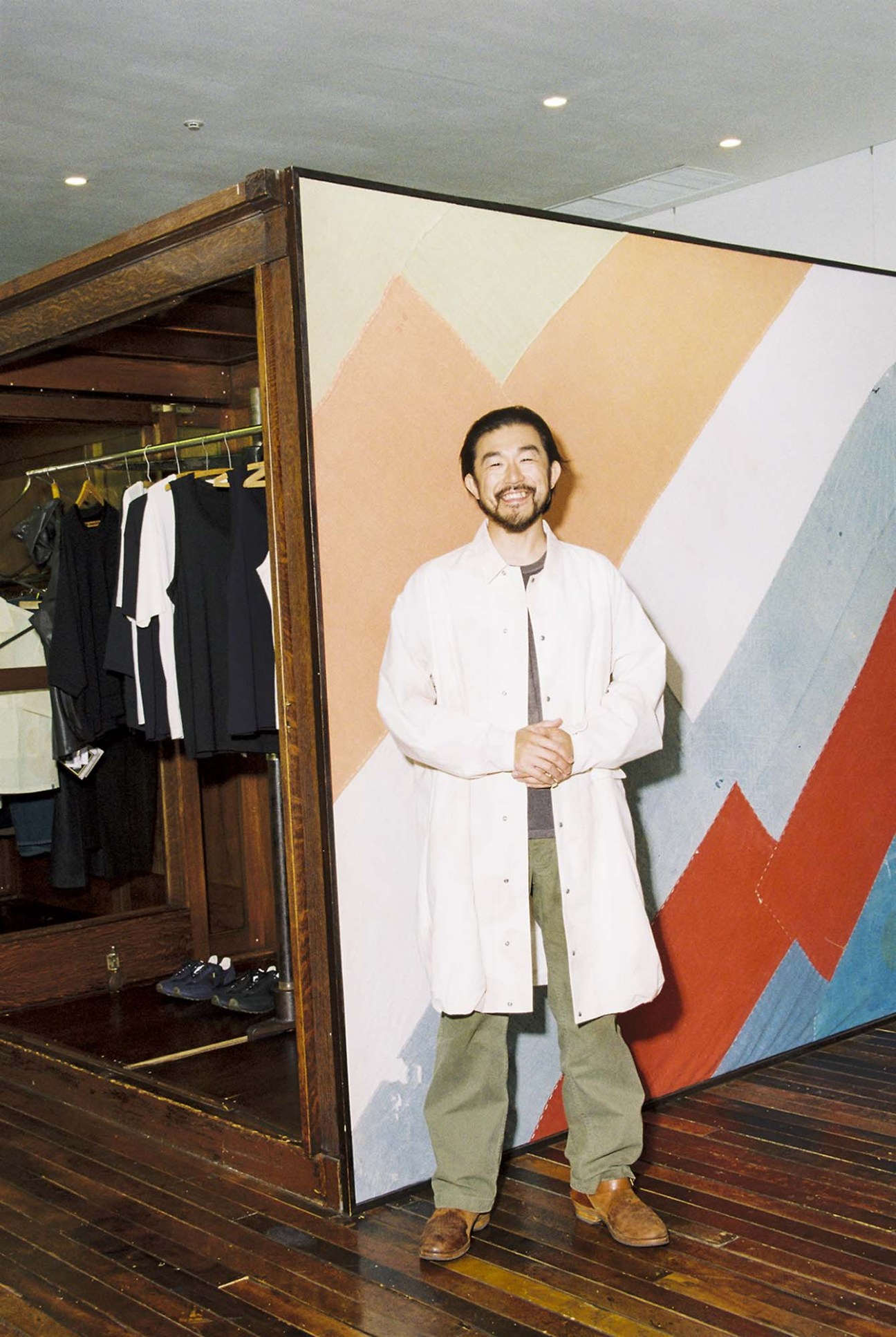
“I don’t have a strong personal style per se,” says Takashi Takagi, a Visvim shop manager. “I buy what I like from my first impressions after I look at our collections. If anything, I try to embody Visvim.” Takagi, who has a background in art management, fell in love with the brand’s artisanal approach to fashion when he discovered it more than 10 years ago. “Whatever I wear, I stay true to myself. It’s important to be honest,” he says. He has become deft in showing how past Visvim collections can be styled with the latest releases and how traditional items can work in a modern wardrobe. “We have authentic kimoni-inspired pieces,” he says. “I make a conscious effort to try them often so I can wear them well.”
Ryosuke Nozaki
Beams
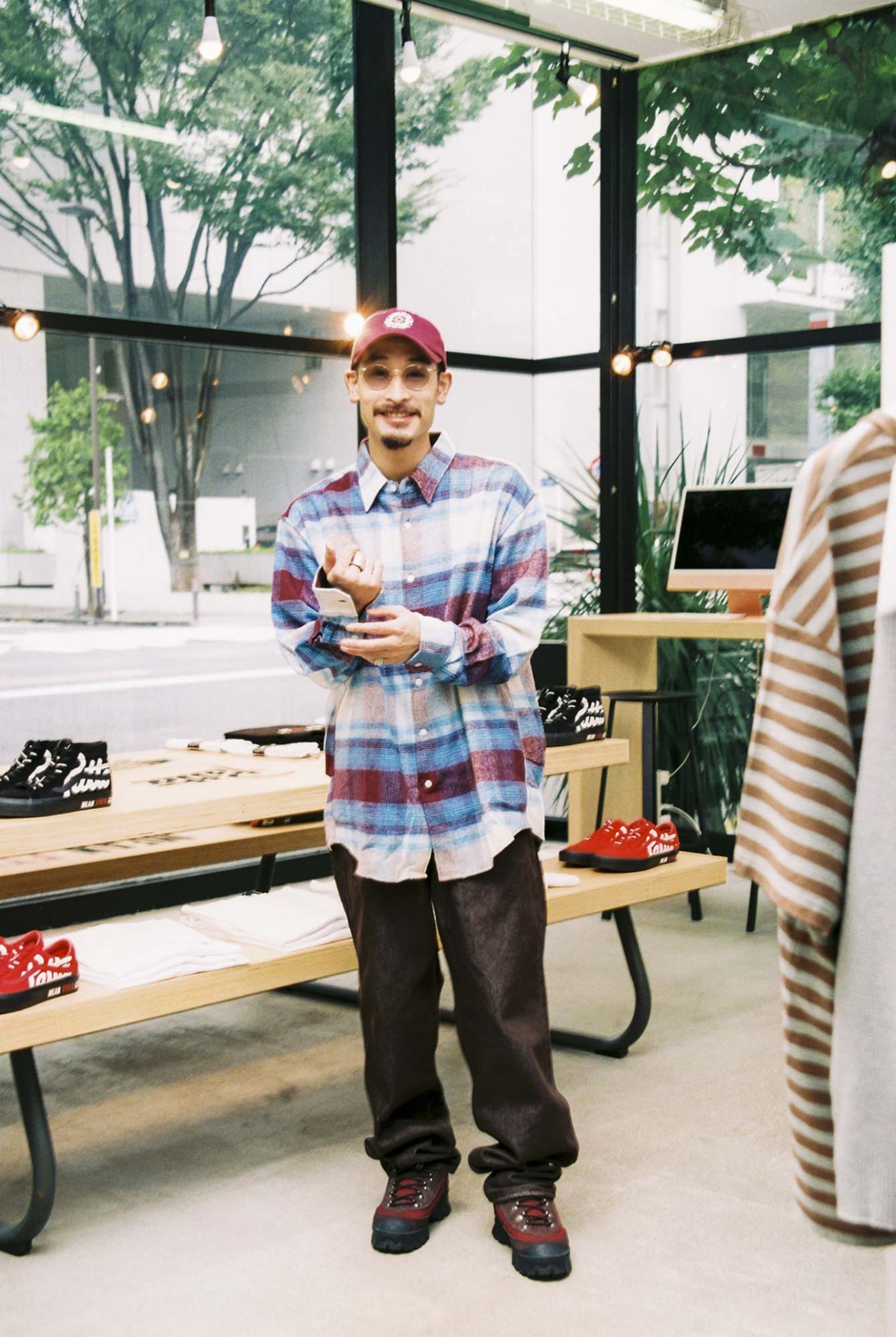
“I draw inspiration from the 1990s New York hip-hop scene,” says Beams’ Ryosuke Nozaki. “But I tone it down in a modern way.” A familiar figure at the multibrand retailer’s main menswear shop in Harajuku, the 29-year-old’s snaps on the Beams website are a popular source of styling inspiration for customers. “This location attracts a young crowd but there are also many customers who have gone full circle to relatively conservative brands, such as Comoli,” he says. “I’d wear them in bigger sizes to deconstruct the brand image in the best possible way.” To meet Monocle, Nozaki chose loose-fitting Auralee trousers and a shirt by Noma TD. “I change my mood every season,” he says. “But I hold onto my roots.”
Measure for measure
1.
Sartoria Ripense
Rome
Looking at the impeccably dressed Andrea Luparelli, it’s hard to believe that he spent the best part of 10 years working for Italian energy company Eni. “It wasn’t the work for me,” he says. “This is my passion.” In 2000, Luparaelli had a radical change of heart, resigning from Eni and starting a passion project “from zero” in tailoring. Sartoria Ripense was born: a compact shop that feels like “how a tailors used to be”, according to Luparelli. His business model? Low production and entirely bespoke. “‘Made in Italy’ is important for tailoring just like it is for pasta, oil – for everything,” he says, adding that his biggest market is France. “The whole world knows Italy as a country of excellence.”
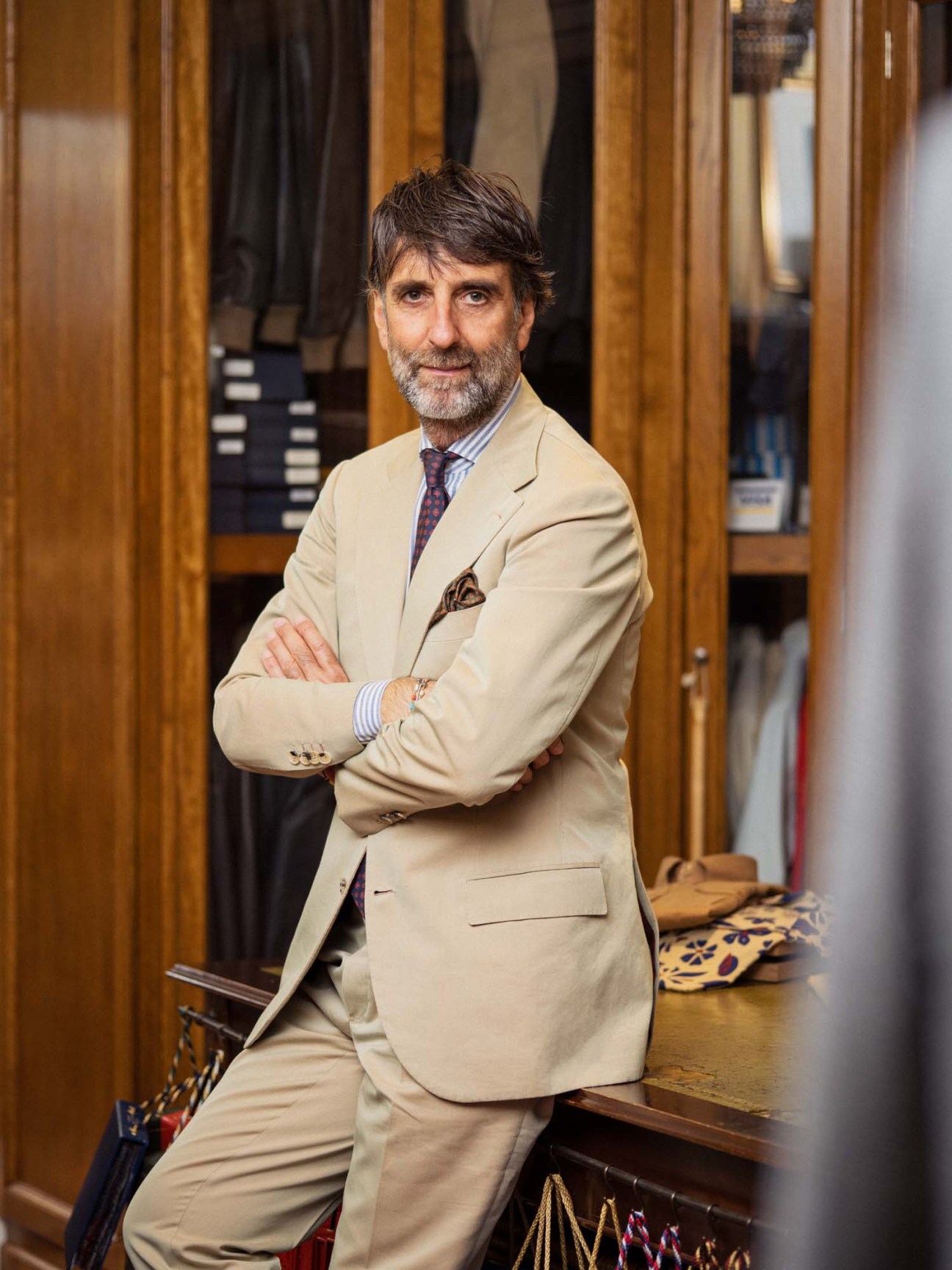
Luparelli, nicknamed “The Wolf” due to his long hair and beard, might have been new to the game when he started but it was in his blood. “My grandfather was a tailor and he worked at home,” he says. “He died when I was 12 years old so I only inherited the passion. But there was some imprint there.” Sartoria Ripense’s team of nine includes several tailors and Luparelli’s sister, who oversees the boutique side of the business that opened in 2006. The Via di Ripetta shop now stocks accessories from belts and socks to scarves, as well as select brands such as Barracuda and Martin Greenfield.
Recently, Luparelli launched an American-style baseball cap inscribed with the words “The Wolf”, something that he said was done very much tongue in cheek. In light of relaxed pandemic dress codes, it took off. And, while hoping that Romans return to their debonair pre-pandemic outfits, Luparelli admits that he’s thinking about launching a ready-to-wear line next year. “Sartoria Ripense is a phenomenon,” he says. “It’s a mood.”
sartoriaripense.ecwid.com
2.
Wythe
New York
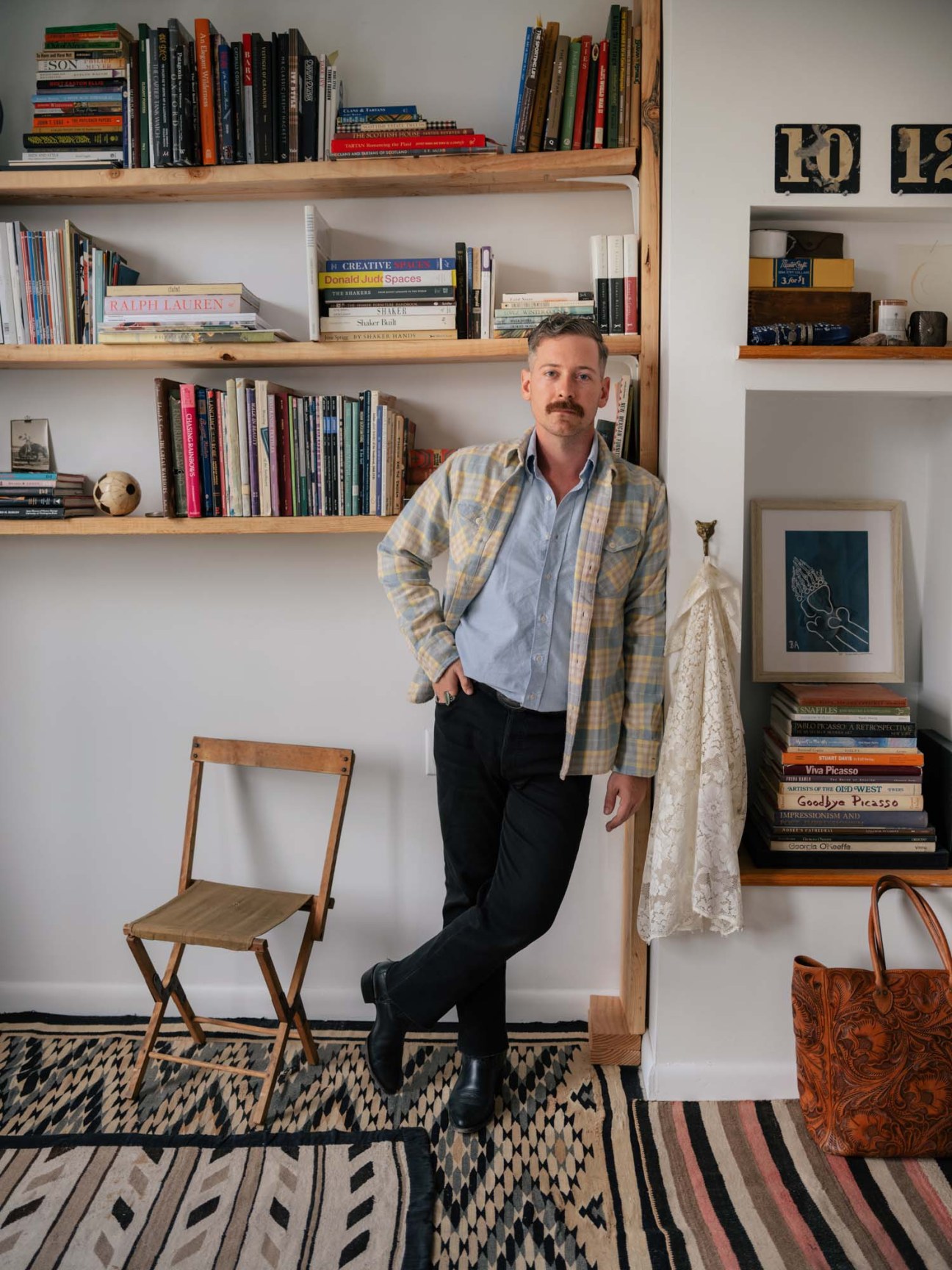
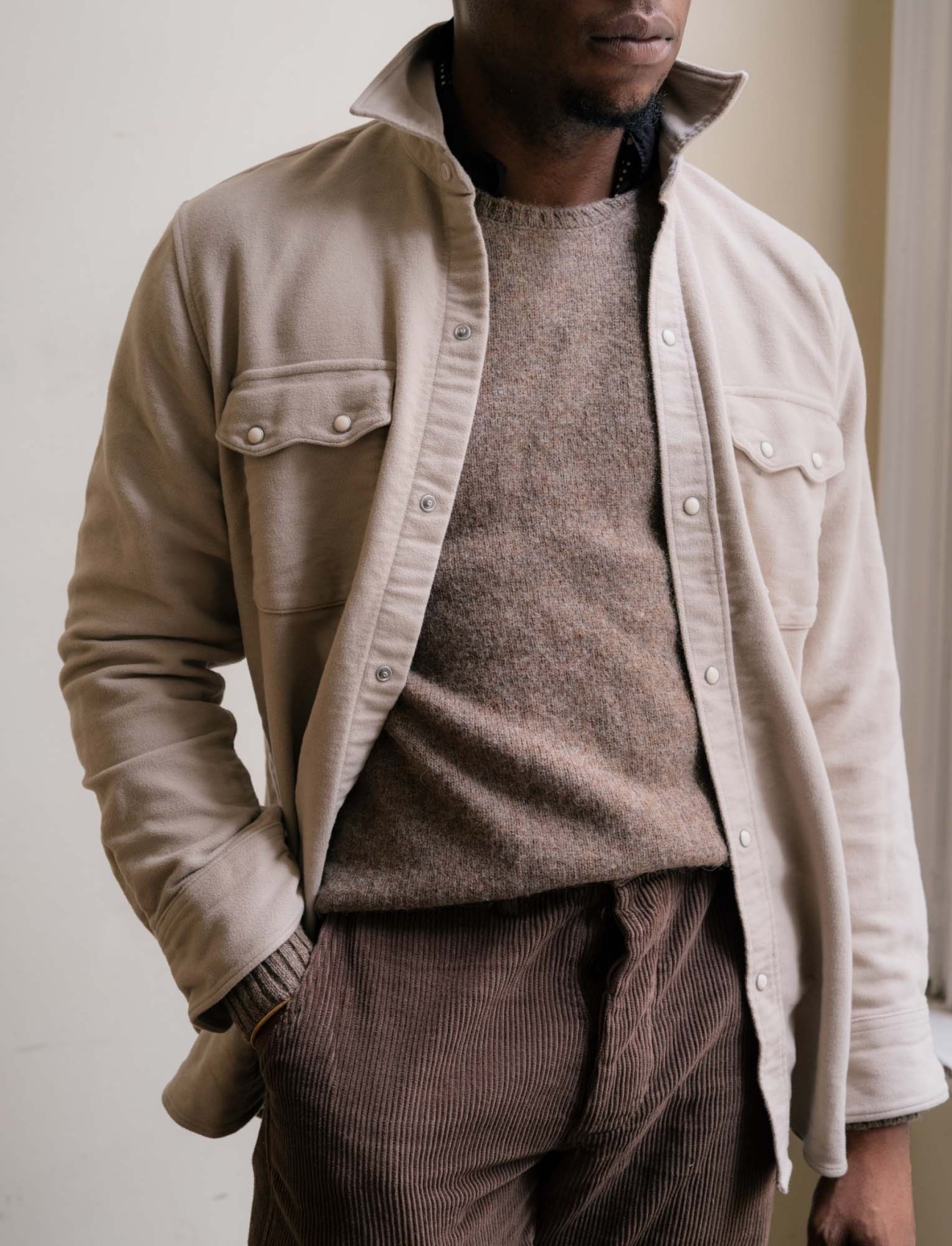
Often, when young brands attempt to follow in the footsteps of the American menswear greats, they fall flat. Two-year-old independent label Wythe, however, has proven to be an exception to the rule. The brainchild of former Ralph Lauren textile designer and Texas native Peter Middleton, the brand takes a considered, nostalgic view of Americana, injecting fresh thinking into staples such as Oxford button-downs, khaki chinos and western shirts. “I didn’t think of the brand as an exercise in Americana when I first started designing Wythe,” says Middleton. “I guess there’s just always going to be a subtle Southern feel because that’s who I am and those are the clothes I like to wear.”
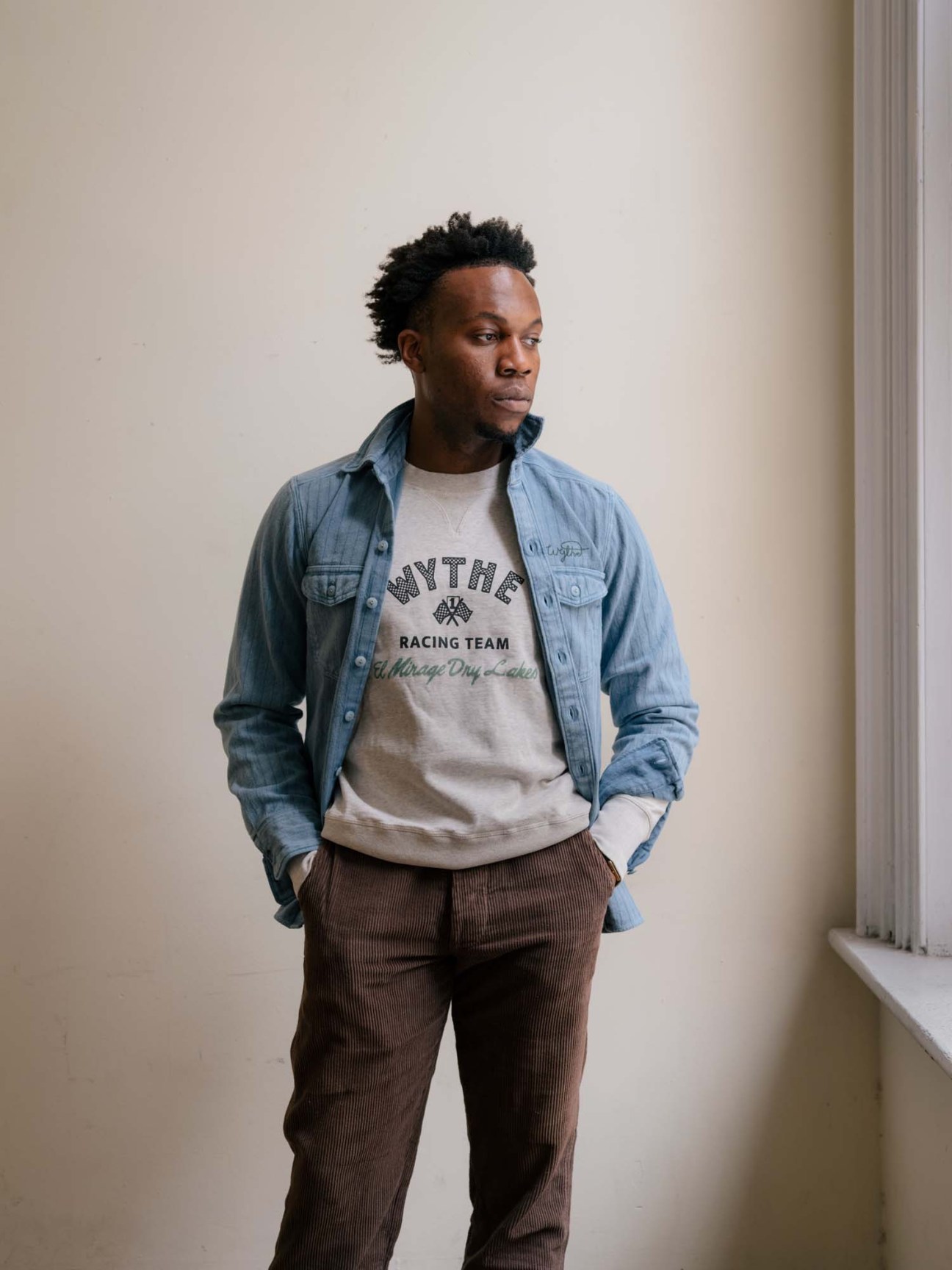
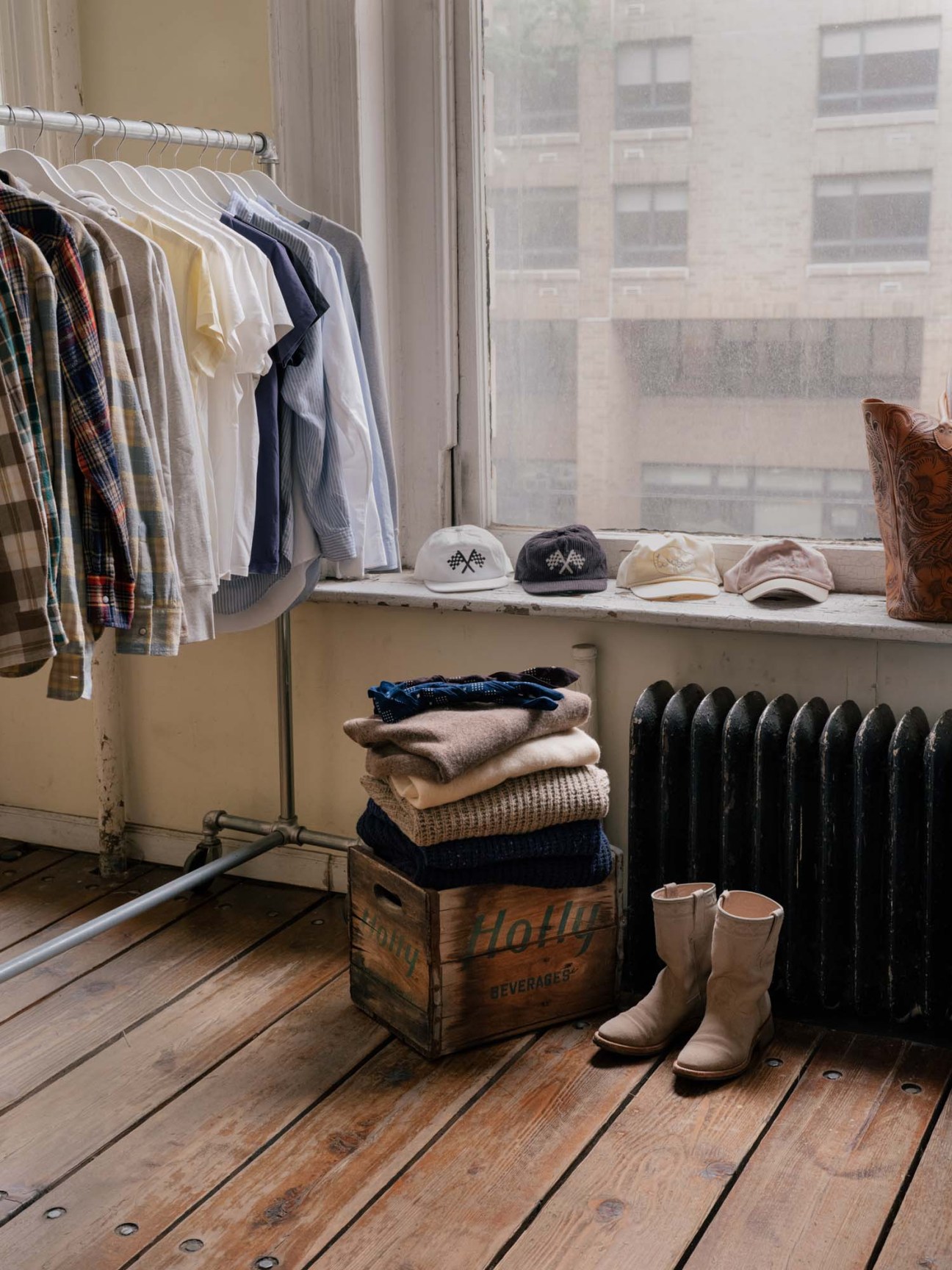
Middleton’s textile expertise also informs his approach: “It always starts with the cloth, then I figure out the kind of story I want to tell in a garment.” Wythe’s signature pearl-snap western shirts are available in plush cotton moleskin for autumn or cooling tencel in spring, and overcoats are cut in mottled Irish tweeds. Middleton decided to run the brand full-time in the middle of last year. Now it has more than 12 wholesale partners and a growing online following. “The goal is simply to provide clothes that speak to men today,” says Middleton. wythenewyork.com
3.
Informale
Melbourne
Steve Calder, c0-founder of Australian menswear brand Informale, began his fashion journey at Ermenegildo Zegna’s Melbourne shop. “I was sent to visit Zegna’s workshops in Switzerland and Italy to study the craft,” says Calder. “Once I saw the process from start to finish, I started thinking, ‘Maybe I could do this myself.’”
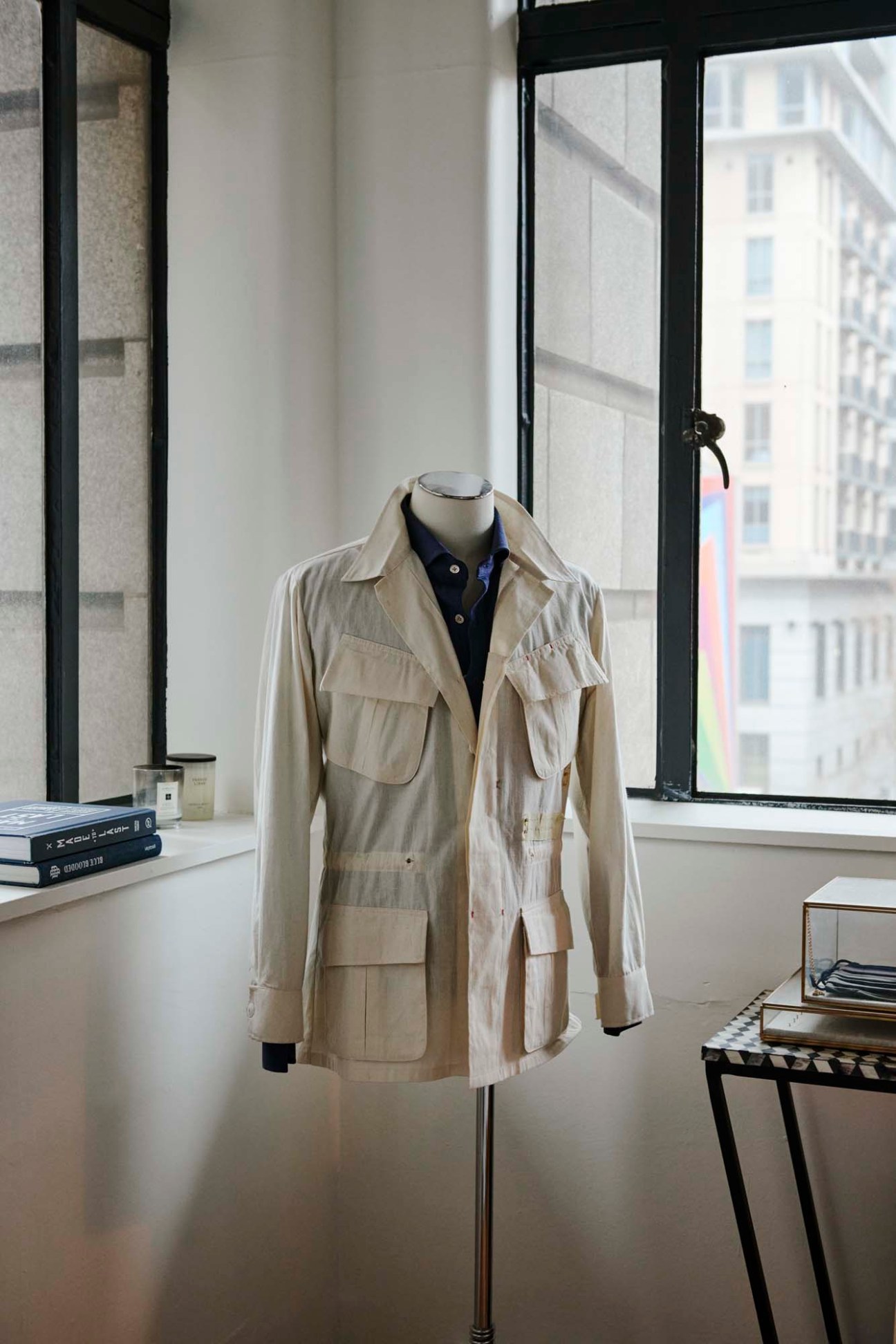
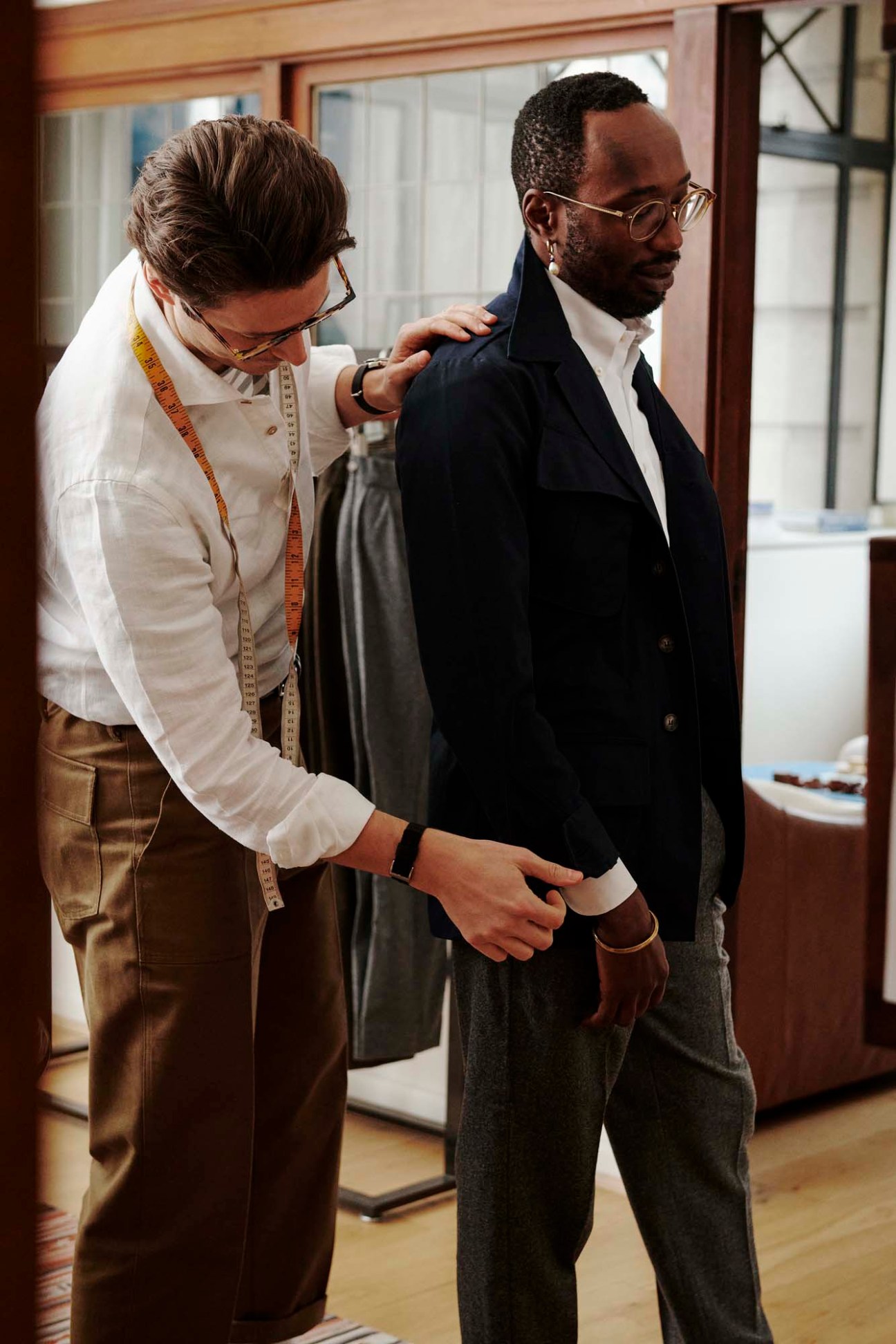
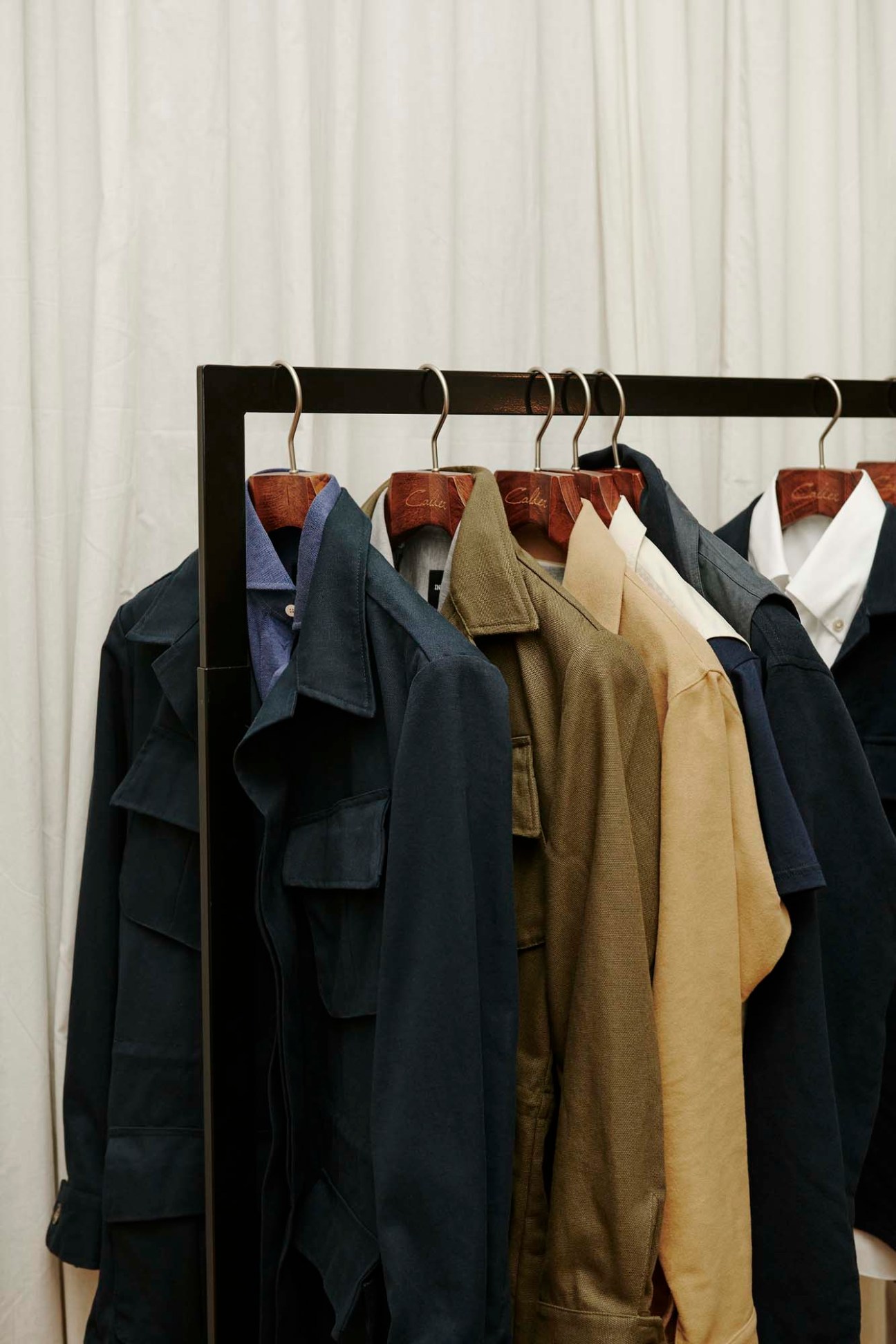
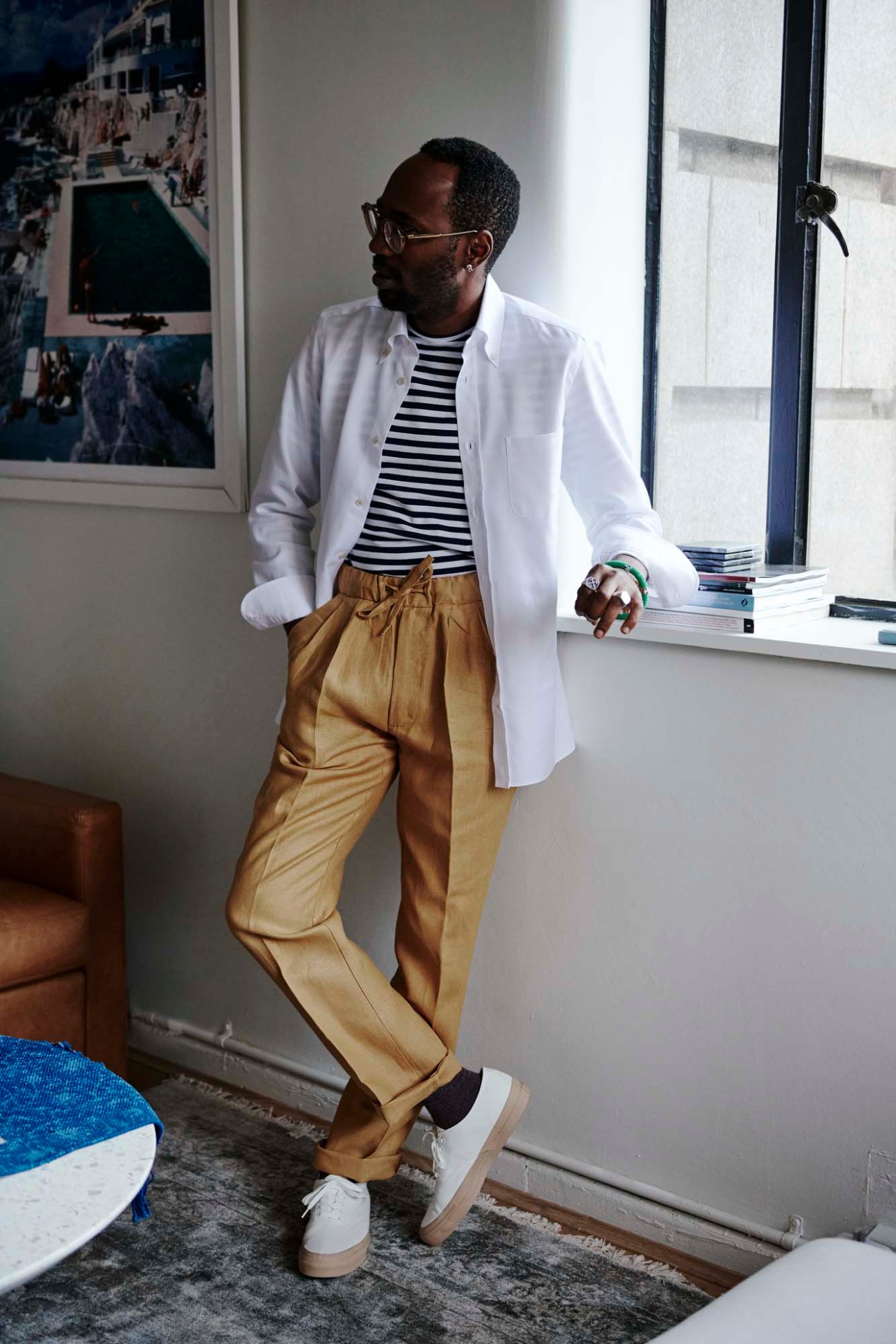
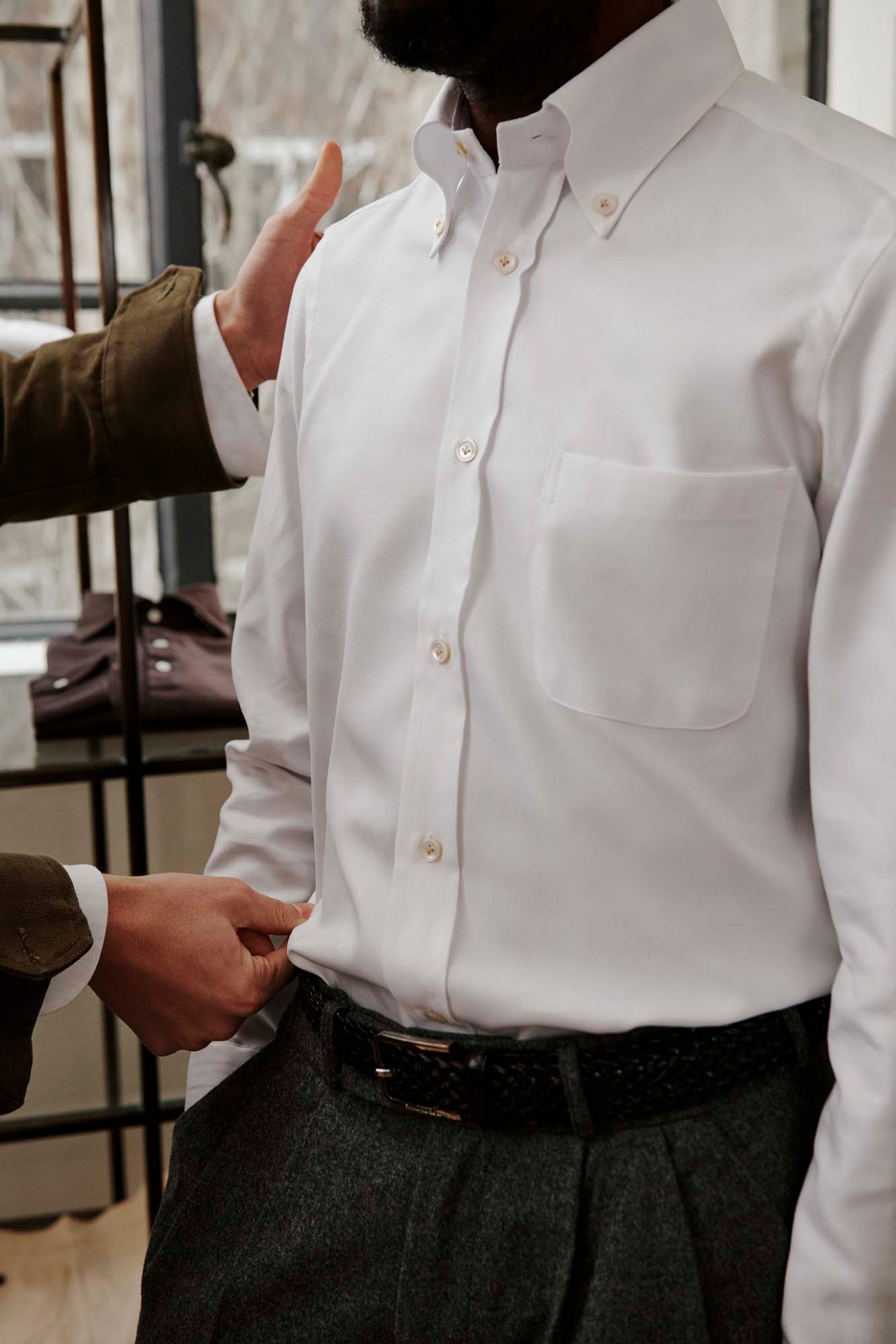
In 2016 he launched Calder Sartoria, a modern, Australian take on Neapolitan tailoring, before moving into ready to wear in 2018 with Informale. The aim was to provide his established customer base with a locally made, more affordable product. “Informale was very much a grassroots operation,” he says. “We launched the brand with one single product: the t005 drawstring trousers in navy, which we put up for pre-order to help fund production. We worked hard to sell out that first batch of 29 pairs but we did it.”
Building on this success, Calder invested all the earnings into more products, new designs and small marketing projects. “It allowed Informale to grow from one design to about 20,” he says. Today, Calder operates a showroom in a handsome building in Melbourne’s cbd where he and his small team are on hand to guide customers. Crowd favourites include Irish-linen drawstring trousers, handmade shirts and military-style jungle jackets, mostly made in Melbourne. “I launched Informale to support the industry I love,” says Calder. “I want to show customers that they can buy clothes that are made by craftsmen without having to pay exorbitant amounts.”
informale.com.au
4.
J Mueser
New York
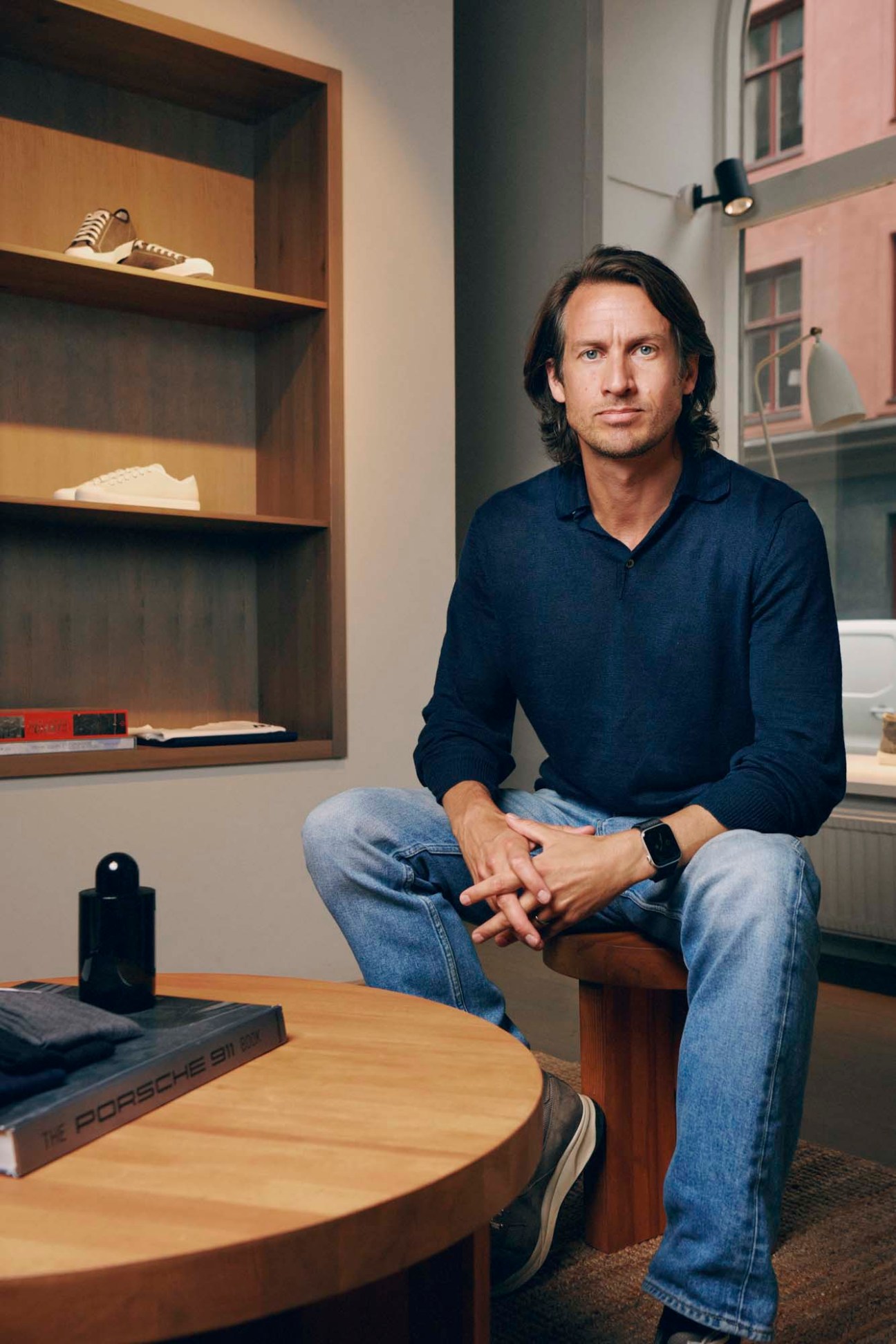
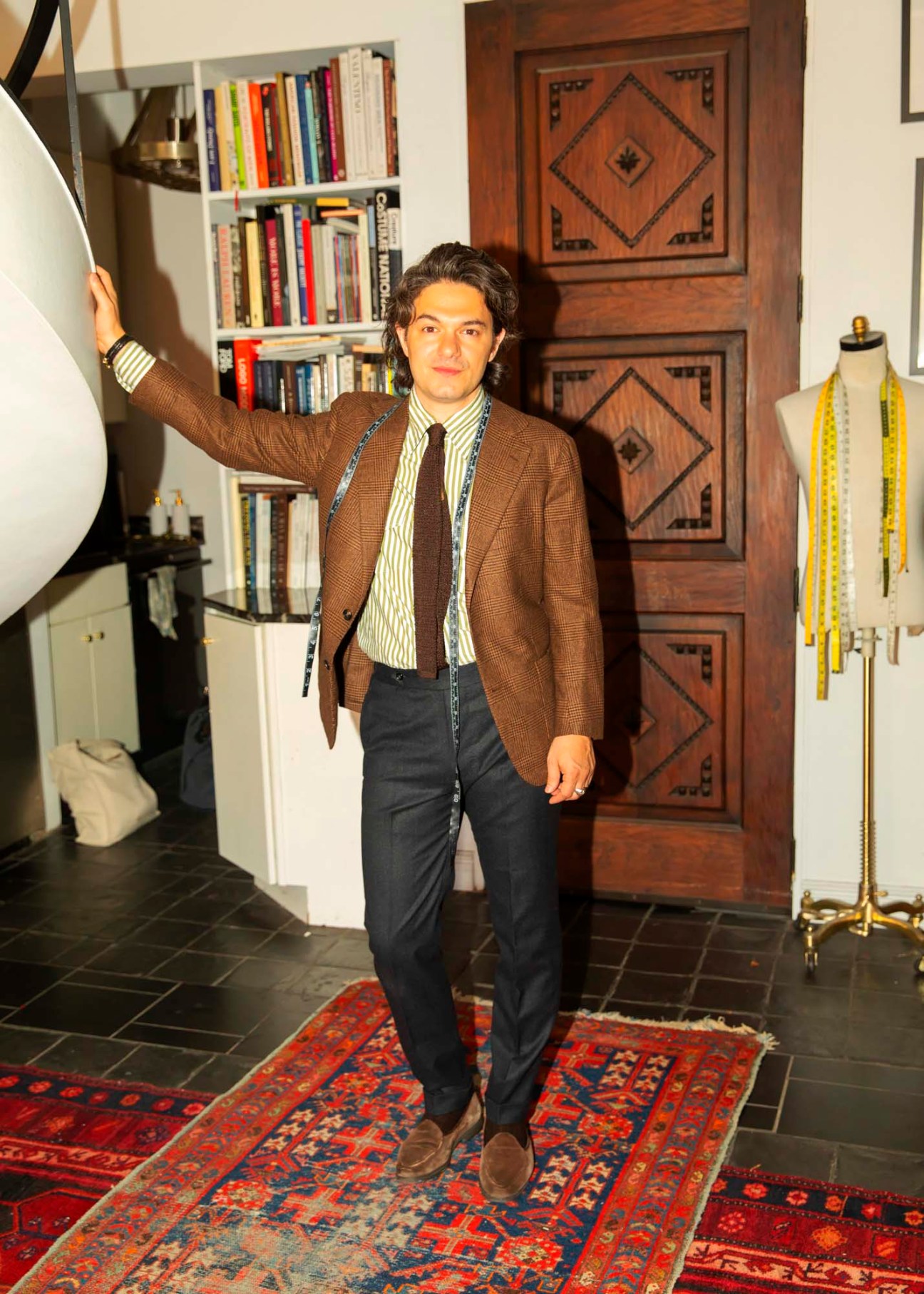
In Manhattan’s West Village, Jake Mueser and Matthew Woodruff operate as creative directors of J Mueser, a bespoke tailoring house founded by the former in 2010. When we meet in New York we find them dressed in single-breasted Campania suits, button-down Oxford shirts, knitted ties and Belgian loafers. The shirts in particular nod to the preppy culture that pulses through America’s history of menswear. But the house does not purely prescribe to the Ivy League. The label’s designs cite both 1970s rock ‘n’ roll and 1980s punk, with a slight throw-back edge. This is visible in the house’s signature offerings: peak-lapel suits, snap-button shirts and knitted watch caps.
jmueser.com
5.
CQP
Stockholm
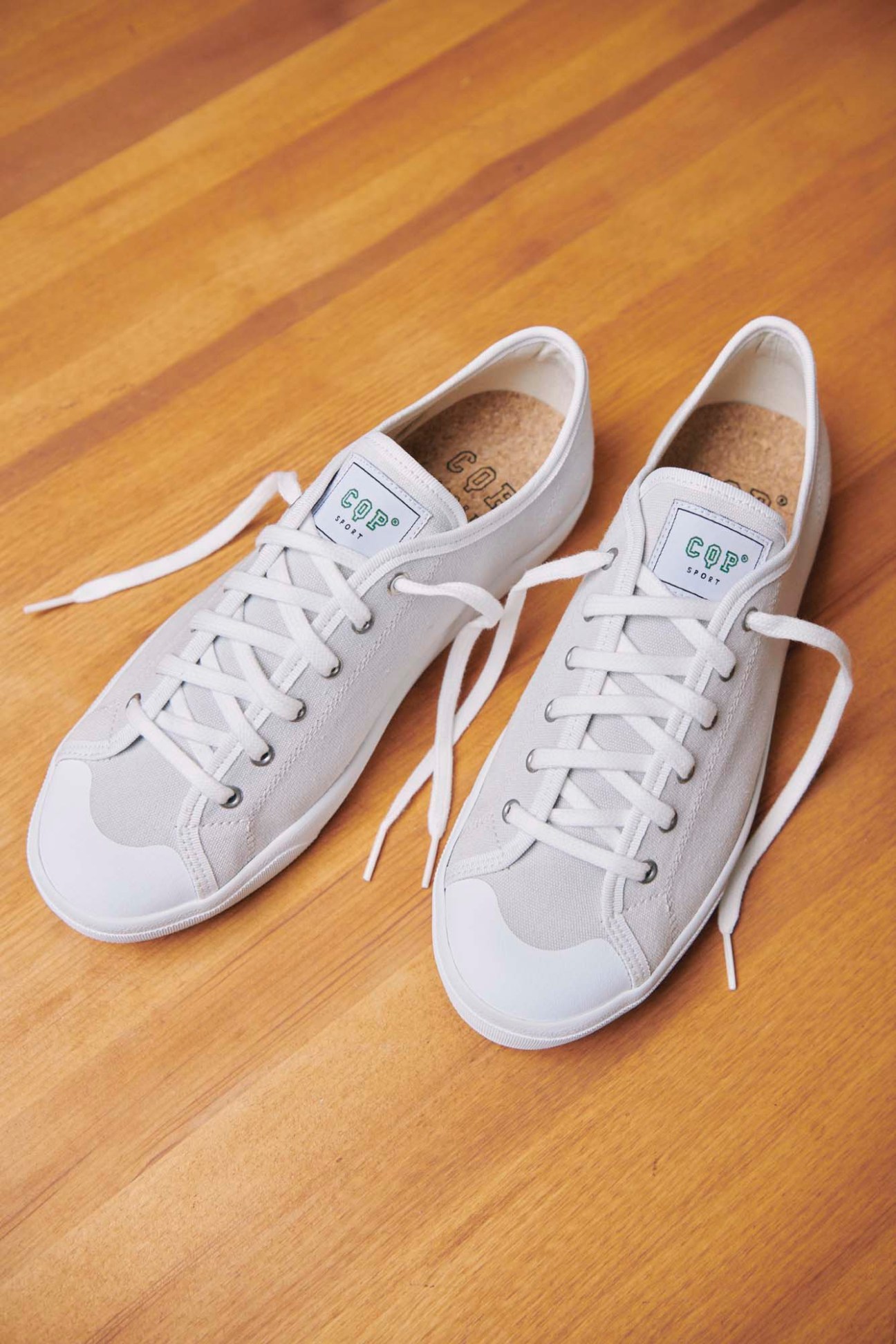
After building a loyal following for its elegant suede trainers, Swedish label cqp has decided to add a more casual, playful line. cqp Sport recently launched with the Clava, a retro-style trainer that comes in faded red, yellow and green with contrasting white stitching. The Clava is vegan and made in Portugal from recycled cotton and viscose derived from wood pulp. “We think of cqp Sport as a bit of a test bench,” says Adam Lewenhaupt, a former banker who founded cqp in 2013. The brand is soon unveiling a hiking boot that Lewenhaupt says it has “been developing for several seasons in our harsh climate”.
c-qp.com
6.
Louise Borsarello de Testa
Head of design, APC
Paris
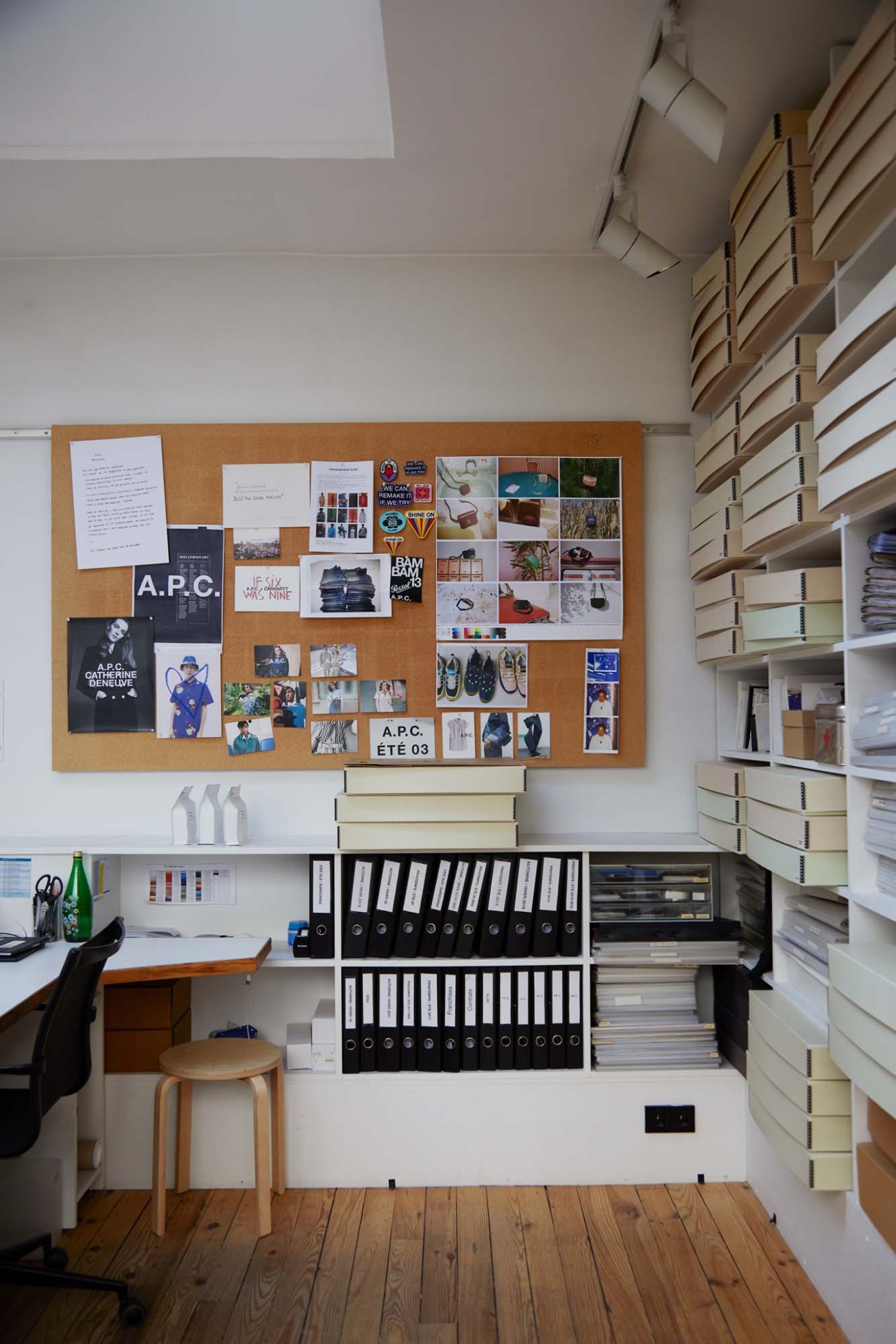
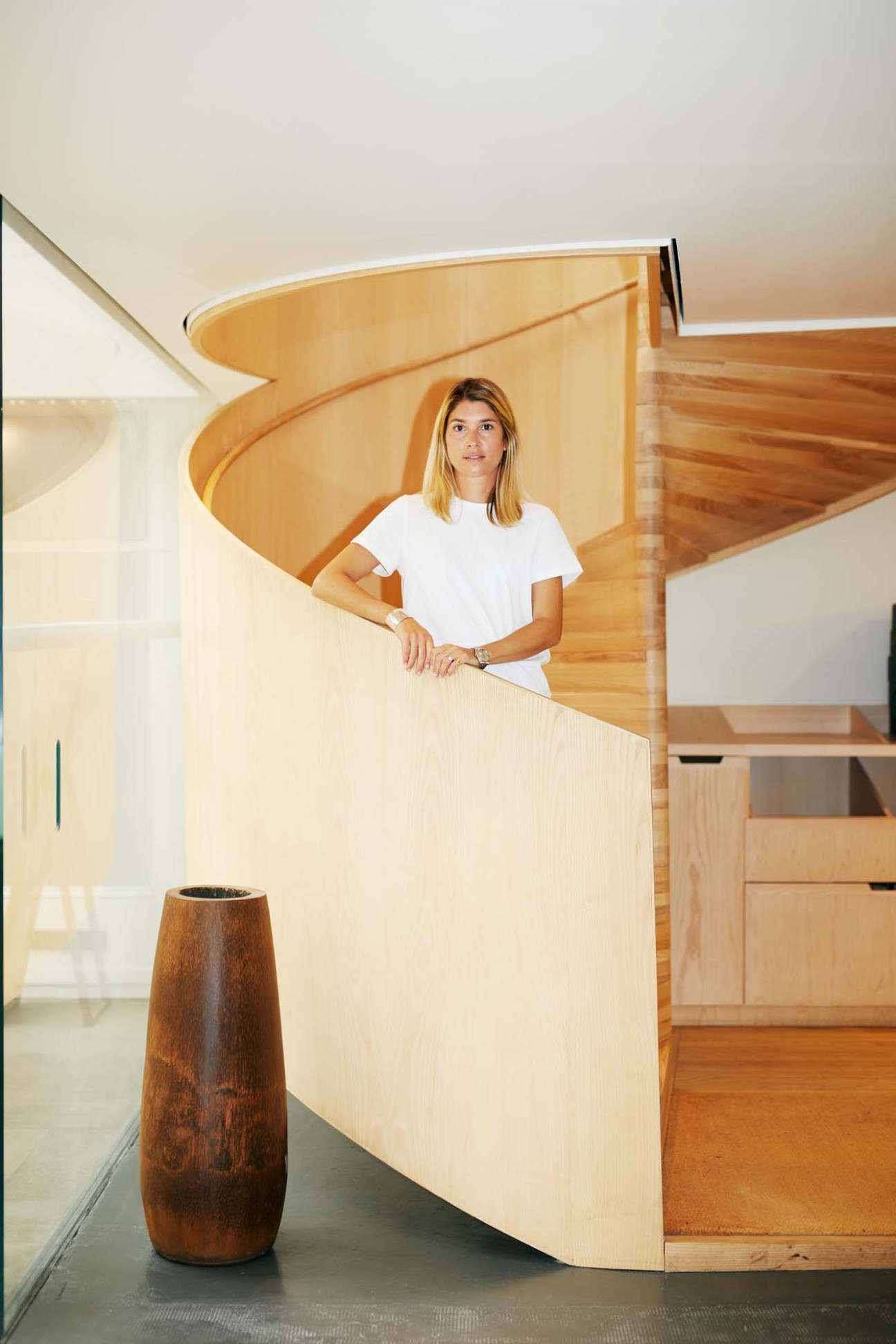
Since it was founded by Jean Touitou in 1987, Parisian brand apc has focused on longevity in terms of both design and manufacturing. Today the brand is under the watchful eye of its head of design, Louise Borsarello de Testa. Monocle sits down with the designer guiding one of the fashion world’s best-loved brands to discuss her creative approach to menswear and the importance of aiming for timelessness.
How did you start at APC?
More than 10 years ago, I created my own womenswear brand that was heavily inspired by menswear. After this I worked in the design team at [Paris label] Holiday Boileau and freelanced for different brands. I always wanted to settle with one label but I hadn’t found one that fully aligned with my perception of design. I’m friends with Jean Touitou’s daughter, Heidi, and last year we started talking about their aspirations at apc. They were interested in bringing in someone who could handle menswear as well as womenswear. As I had a passion for both, I was hired as head of design last year.
What does your role involve?
I design menswear, womenswear, denim, knitwear, jerseys and outerwear for every collection, which is split into three parts: pre-, main and capsule. I do all of the designs by hand – nothing on a computer – which I like because it’s in line with the heritage of apc. So few brands have an atelier today and it’s such a special quality. I love being able to sketch something by hand, then see it a week later on a model in our studio.
What is the usual starting point for your designs?
I start with the fabric and choose the colours, then I think about what to create with this base. apc has always worked this way and it’s a different way of thinking. Unlike a lot of fashion brands, the process doesn’t start with an idea of what the end result should look like. Rather, it begins with a quality canvas that we can later feed things into.
Tell us about the selection of the materials used in APC garments.
We work with Italian weavers for the fabrics, a lot of which are organic and recycled. We are well known for our denim and are conscious of doing it very well and sustainably because it’s a very polluting industry. What I find interesting about apc is that the fabrics and designs are often the same for men and women. I want to deliver a wardrobe of extravagantly classic clothing that can be applied to different scenarios.
How do you feel as a woman designing menswear?
I hadn’t designed much menswear before joining apc but all of my inspirations for womenswear had been rooted in it. This sensibility actually made the transition into menswear very smooth. When I draw and design for men, I find the process so swift and simple. I love working on masculine outerwear in particular because I get to build really heavy, well-crafted pieces and then finish them with carefully considered details.
apcstore.com
7.
Saye
Barcelona
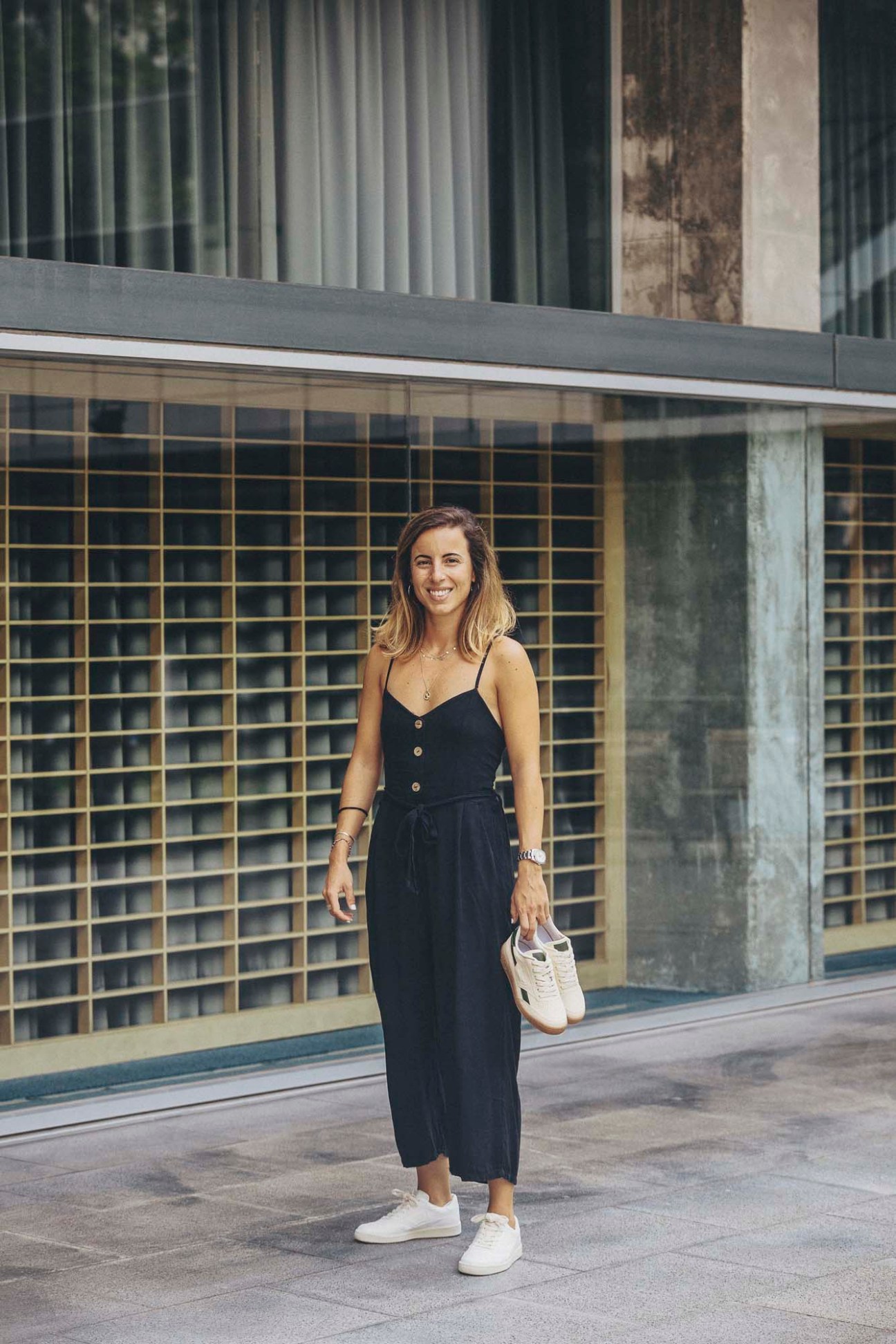
Fashion brands seeking to be more sustainable face several challenges but thanks to ground-breaking developments in biotextiles, new companies are coming up with some creative solutions. Trainer brand Saye was launched in Barcelona three years ago and it has since managed to bring together sustainable materials with reforestation and sleek design.
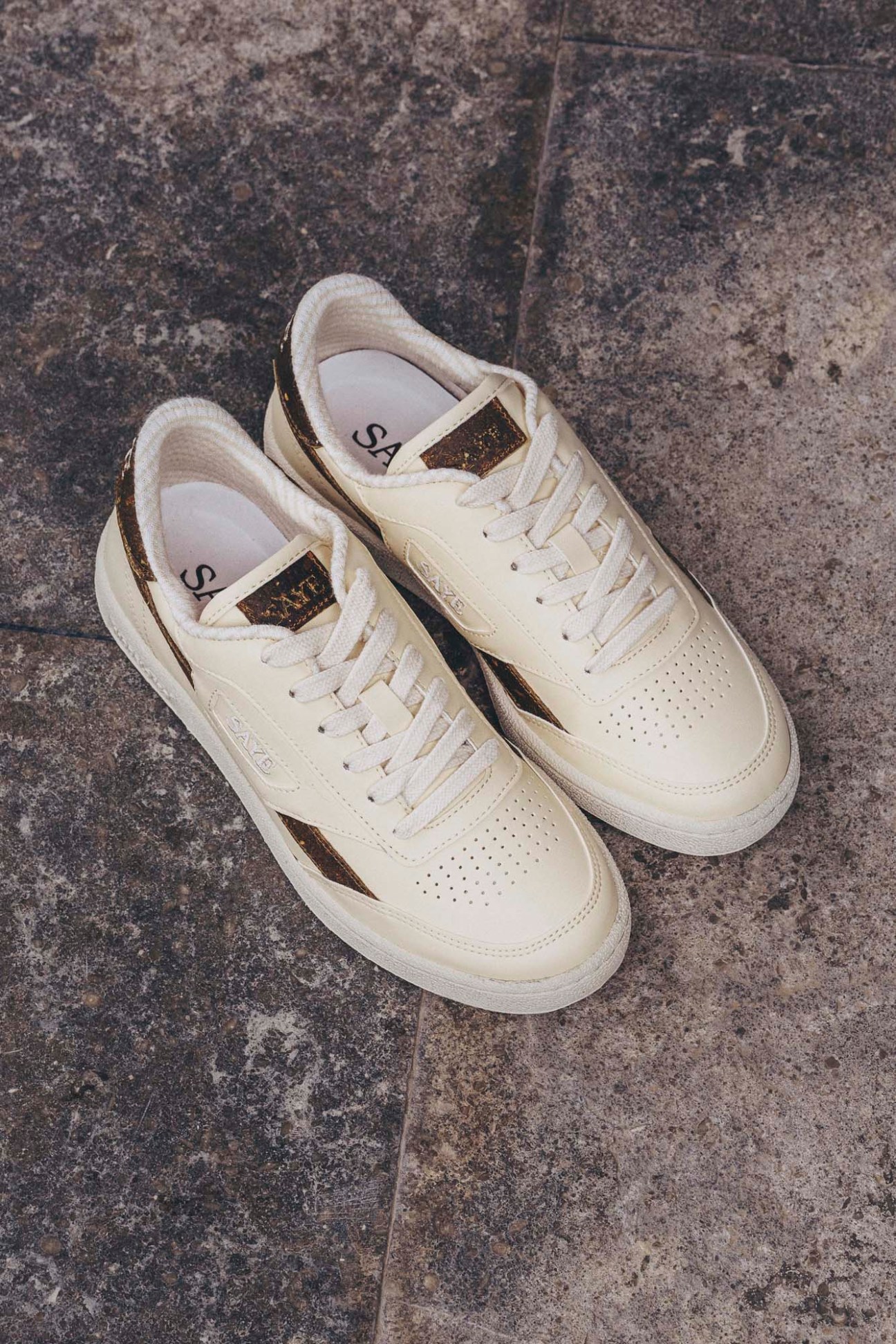
Founded by entrepreneurs Marta Llaquet, Elizabeth Sabin and Damian Augustyniak, the brand started out as a crowdfunding campaign and evolved into a fully fledged e-commerce business. Its trainers are made in Portugal from a mixture of materials including organic cotton and recycled automotive waste and woodchip. For every purchase, Saye plants two trees in collaboration with NGO We Forest; they have planted more than 170,000 so far. But Llaquet says that this needs to go hand in hand with other practices. “More and more fashion brands are doing this kind of reforestation work because it’s often the fastest route to pitching yourself as sustainable,” she says. “But unless you’re addressing the materials and the production, you shouldn’t be talking about sustainable values.”
Saye is taking advantage of innovations in hi-tech materials that are revolutionising the fashion industry. Last year it became the first Spanish company to use a new natural dyeing process created by Portuguese company Eyand. “The dyes are so natural that you can drink them,” says Llaquet. Meanwhile, the brand’s latest design uses a leather-like material made with mango-skin waste. “We’ve noticed a growing interest in [alternative] leather,” she says. “People are increasingly happy to pay more for products that are both sustainable and innovative.” She adds that Saye plans to work with other bio-fabricated materials.
While sustainability is important, Llaquet says that it shouldn’t be at the expense of design. This shows in the brand’s Modelo ‘89, a low-top tennis-style shoe that delivers in both function and aesthetics. “Customers should want it for the design; sustainability is an added bonus,” she says.
sayebrand.com
8.
Forét Studio
Copenhagen
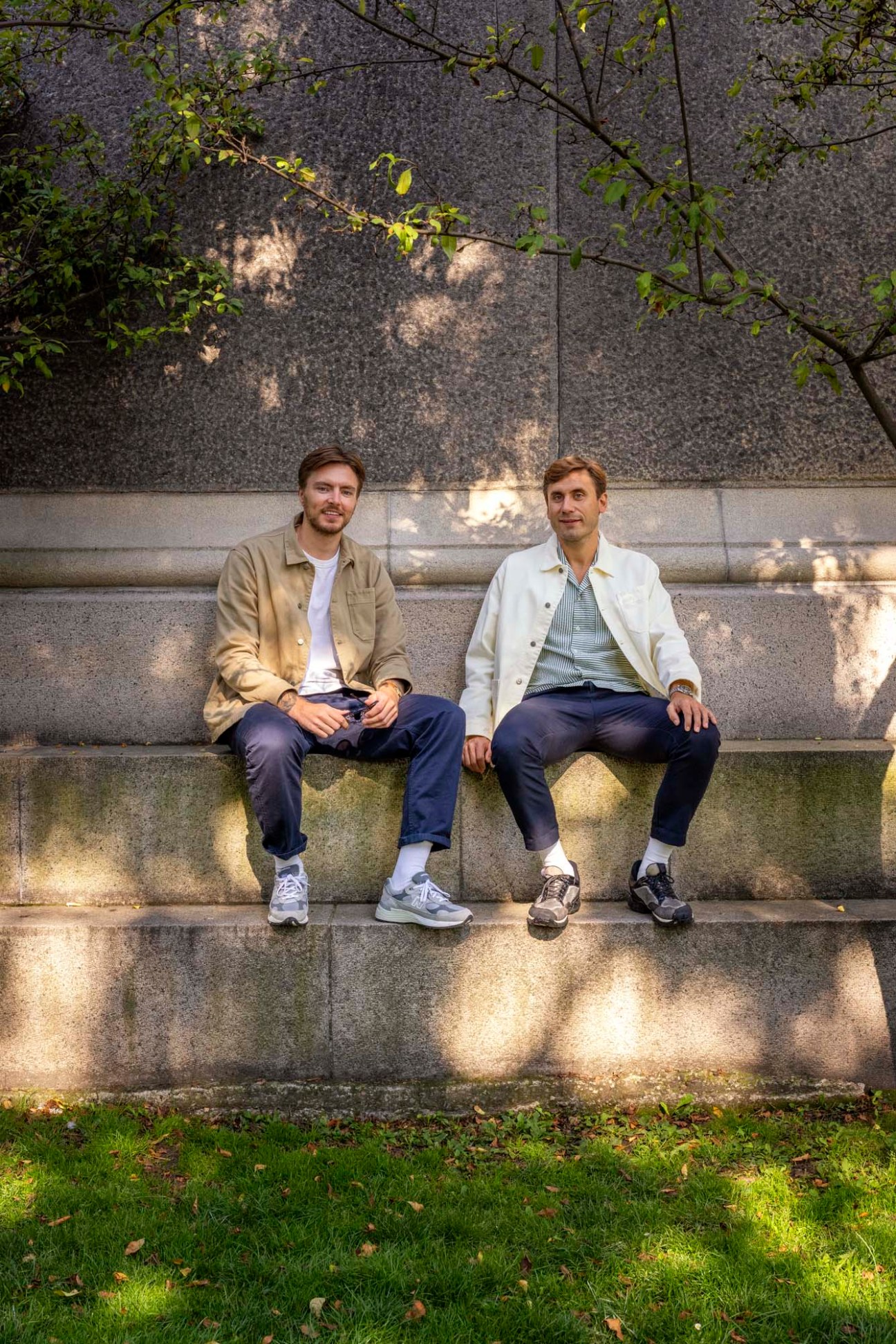
Jesper Finderup and business partner Jeppe Alexander Meier have always been keen outdoor types. Raised in a small city south of Copenhagen, they spent most of their childhood enjoying the surrounding woodlands. So when they set up menswear brand Forét in 2014 (the similarity to the French word for forest, forêt, isn’t by accident) the aim was to design a sturdy and well-designed collection to suit fellow nature-loving urbanites. “The brand perfectly reflects our lifestyle and hobbies,” says Finderup. Built around a palette of natural hues and crafted in Europe from mostly organic and recycled materials, their collection brings together everything from striped cotton shirts and corduroy trousers to raincoats and padded vests. “We combine pieces for the outdoors with casual city wear,” says Finderup. “Our brand is all about inspiring people to slow down.”
foretstudio.dk
9.
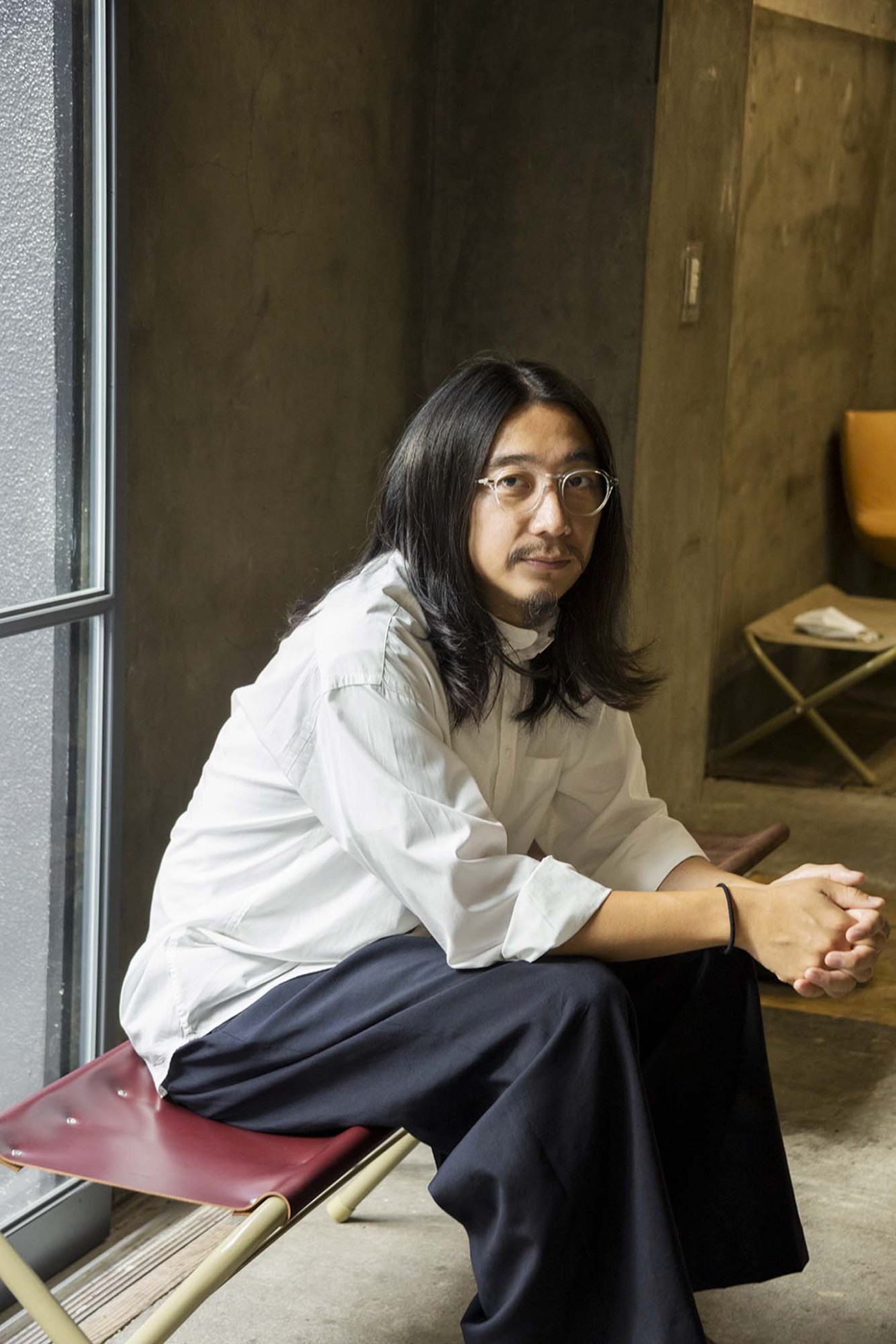
Ryo Kashiwazaki
Founder, Hender Scheme
Japan
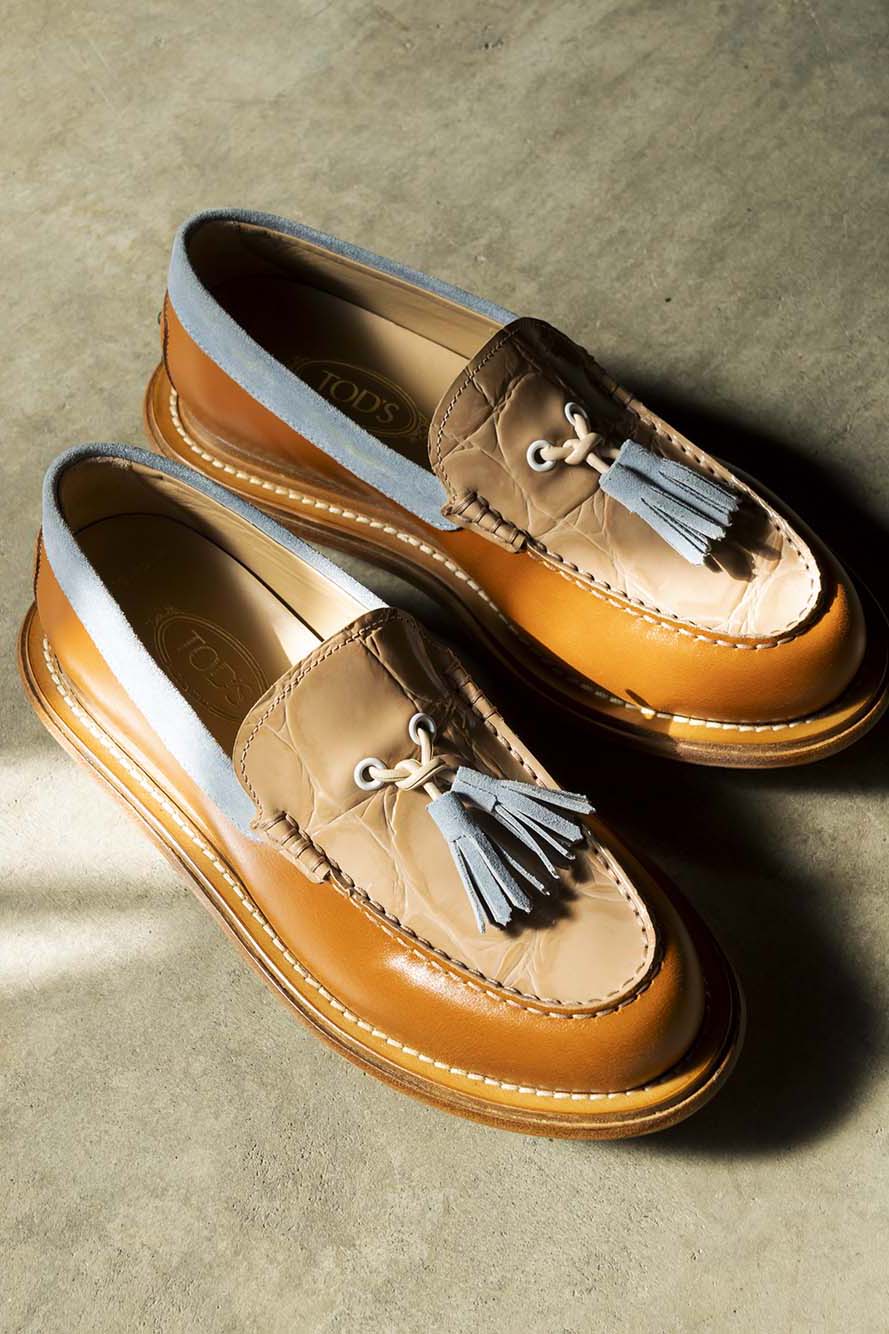
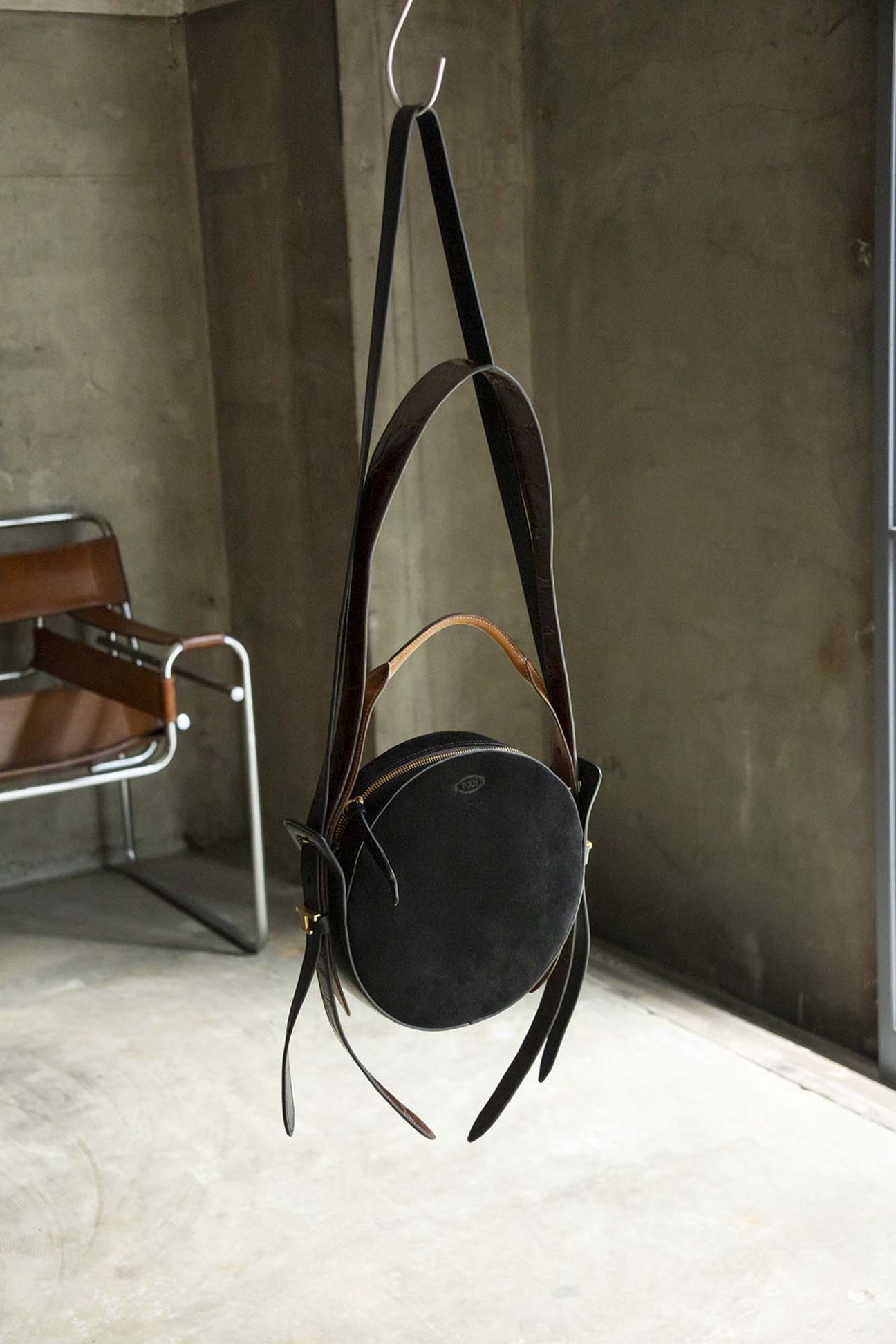
Tod’s Factory is a project in which top international creatives are invited to collaborate with Tod’s to produce a unique collection using the artisanal assets of the Italian label, which is known for footwear and leather goods. For the fourth edition, Tod’s, based in Italy’s eastern Marche region, commissioned Ryo Kashiwazaki, founder and designer of Japanese label Hender Scheme, to create a unisex collection of shoes, bags and clothing. We sat down with the designer at his Tokyo atelier to find out more.
Tell us about the concept.
The underlying concept is “Dot’s”, a play on words with “Tod’s”. The dots represent the pebbles on the outsole of Gommino, a signature product of Tod’s. Since a dot has a circular shape, I designed bags and accessories drawing from that symbolic form. It embodies the idea of a cycle, connecting the dots to create a line.
Did you work between Marche and Tokyo?
When I visited Tod’s in Italy I met people and saw the past collections. Due to the pandemic, we worked remotely rather than face to face. Luckily, both Tod’s and Hender Scheme are shoe-centred brands using leather as the core material, so our products share a common language. We sent prototypes to each other to share ideas, fine-tune the details and communicate.
How did Tod’s elevate what you wanted to achieve?
It was useful to have visited Tod’s beautiful factories. I truly understood why its products are what they are by looking at that environment. Italy is one of the best countries in the world for leatherwork. The creation of the items employed amazing craftsmanship and materials.
Tell us about the key product, the Maxi-pebble tassel loafers.
When I came up with the concept, I already had a clear vision of the pebbles it would incorporate. It helps to strike a balance. Traditional leather shoes are more or less flat but our footwear has more volume. The balance of the outsole and upper is really important in shoe design. The Maxi-pebble tassel loafers we created show our unique Hender Scheme touch but they are undoubtedly Tod’s the second you see the pebbles. They’re quite experimental in design but functional. The surface of the pebbles is slightly flat in an oval shape to make it easy to walk.
tods.com
10.
Wilhelm Schmid
CEO, A Lange & Söhne
Germany
A former bmw executive, Schmid took the reins at A Lange & Söhne 10 years ago. The luxury German watch-maker was founded in 1845 and relaunched in 1990 after Germany’s reunification. “Our watches are heavy on purpose,” says Schmid.
How have the past 18 months been?
Had you asked me two years ago whether we would communicate with our clients via digital platforms, I would not have thought so. We produce about 5,500 watches a year, so we have always been able to provide a personal interaction that many bigger brands can’t. I’m sure we’ll come back to boutiques but I’m also sure that what we established digitally is going to stay. The one thing that you cannot really substitute is the moment where, for the first time, you have that object of desire in your hand, feel the weight and put it around your wrist.
How does the design process work and how do you keep your updates fresh?
Whenever we want to develop a new watch, we do not start with a movement. Instead it starts with the idea. Any design that is perceived as very beautiful from the start usually has no longevity. We were extremely happy that when we launched the Odysseus in 2019, it was perceived as controversial. There’s a lot of energy in that discussion. If you don’t have that, you know that the watch will not survive beyond some time.
How do you try to attract younger customers?
The idea of only being able to purchase a watch after a certain age is a very European approach. It is not shared by Americans or Asian people, who are accumulating wealth at a far earlier stage in life. We also don’t recognise a difference between young and older collectors. If you like collecting, you have that hunter gene that will always force you to go for the next thing. I don’t believe this is age related.
alange-soehne.com
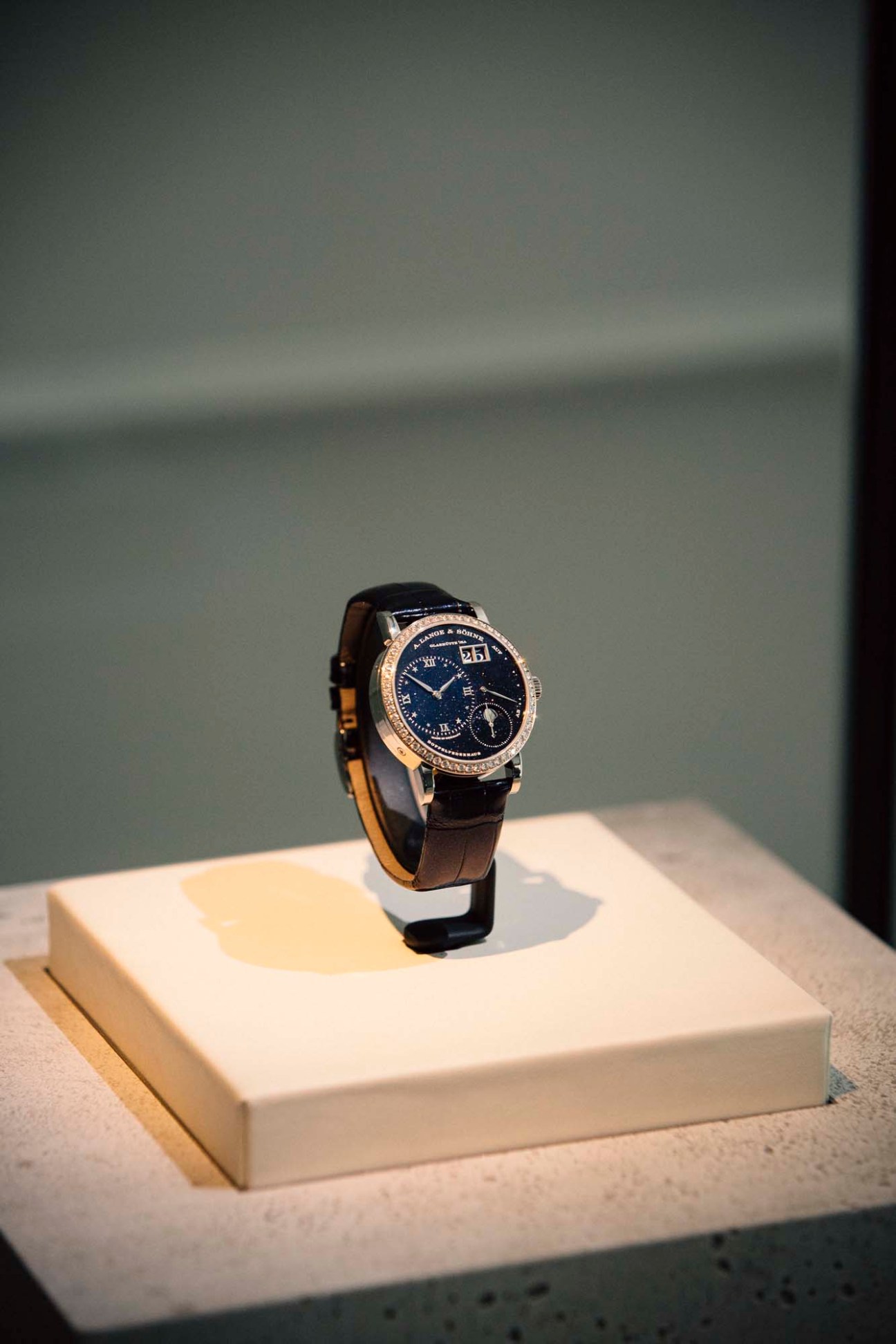
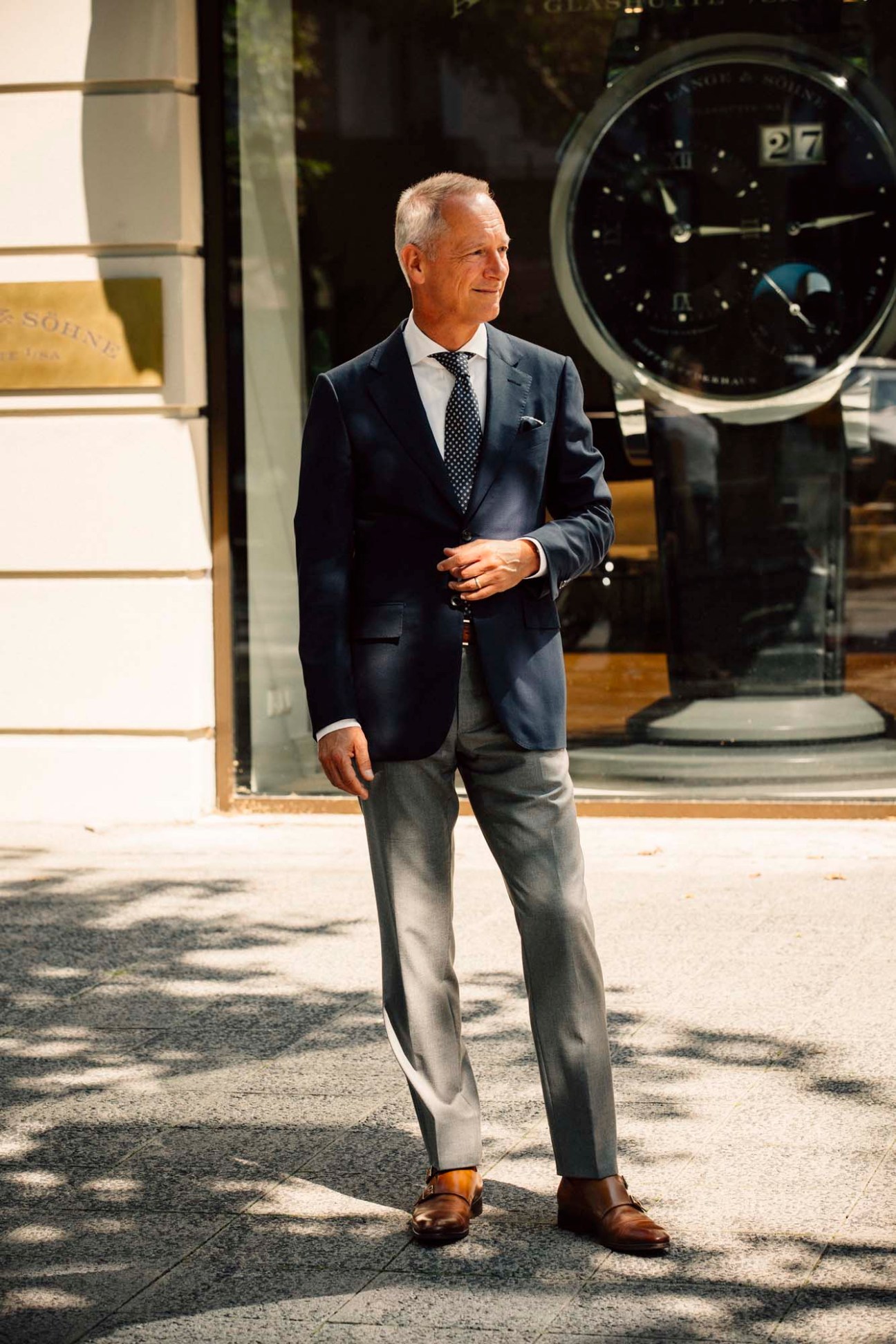
Space lift
1.
Arch Window Mirror
Bower Studios, USA
Good design is rarely applied to mirror styles, which means we’re grateful to Brooklyn-based Bower Studios for launching the Arch Window Mirror. Part of a broader series of comely mirrors, this piece takes inspiration from this most classical architectural element – the window – and is made in the US.
bower-studios.com
2.
Nera tableware
Zanat, Bosnia
Bosnian brand Zanat has gradually grown a global audience for its well-crafted timber wares since it was spun off from a four-generation family firm in 2015. This collection of beautiful maple tableware, stained in black, subtly spotlights Zanat’s hand-carving techniques and is designed by the brand’s own artistic director Monica Förster.
zanat.org
3.
Syd dining chair
Another Country, UK
For those dreaming of the perfect dining chair, UK furniture specialists Another Country have delivered. Designed by Aaron Probyn, Syd has a traditional dining chair appeal with some tweaks of modernist flair, which is mostly inspired by the pared-back, yet striking architecture of Mexico’s Luis Barragán.
anothercountry.com
4.
Sunset armchair
De Padova, Italy
The ultimate armchair designed and made in Japan and launched into the European market via Italian furniture masters De Padova, Sunset is part of a growing collaboration between the Milanese brand and Tokyo’s Time & Style. Originally inspired by the chair design of Danish mid-century maestro Børge Mogensen, this design update will not date.
depadova.com
5.
PK22 chair
Fritz Hansen, Denmark
To celebrate the brand’s 65th anniversary, Fritz Hansen has released a new take on Poul Kjaerholm’s iconic pk22 chair, a minimalist masterpiece, with a soft leather seat replacing the original design’s wicker seat. The piece even scooped an international design prize in Milan a decade after its release, and it still remains a winner a good half century on.
fritzhansen.com
6.
Jac side table
Anden, UK
Manufactured in the UK from sustainably sourced Douglas fir, this side table’s striking pattern is inspired by the trunk rings of the trees that it’s made from. Designed by company co-founder Gavin Coyle, it honours the young British brand’s aspirations to create fine furnishings for the home that aren’t costly for the environment.
madebyanden.co.uk
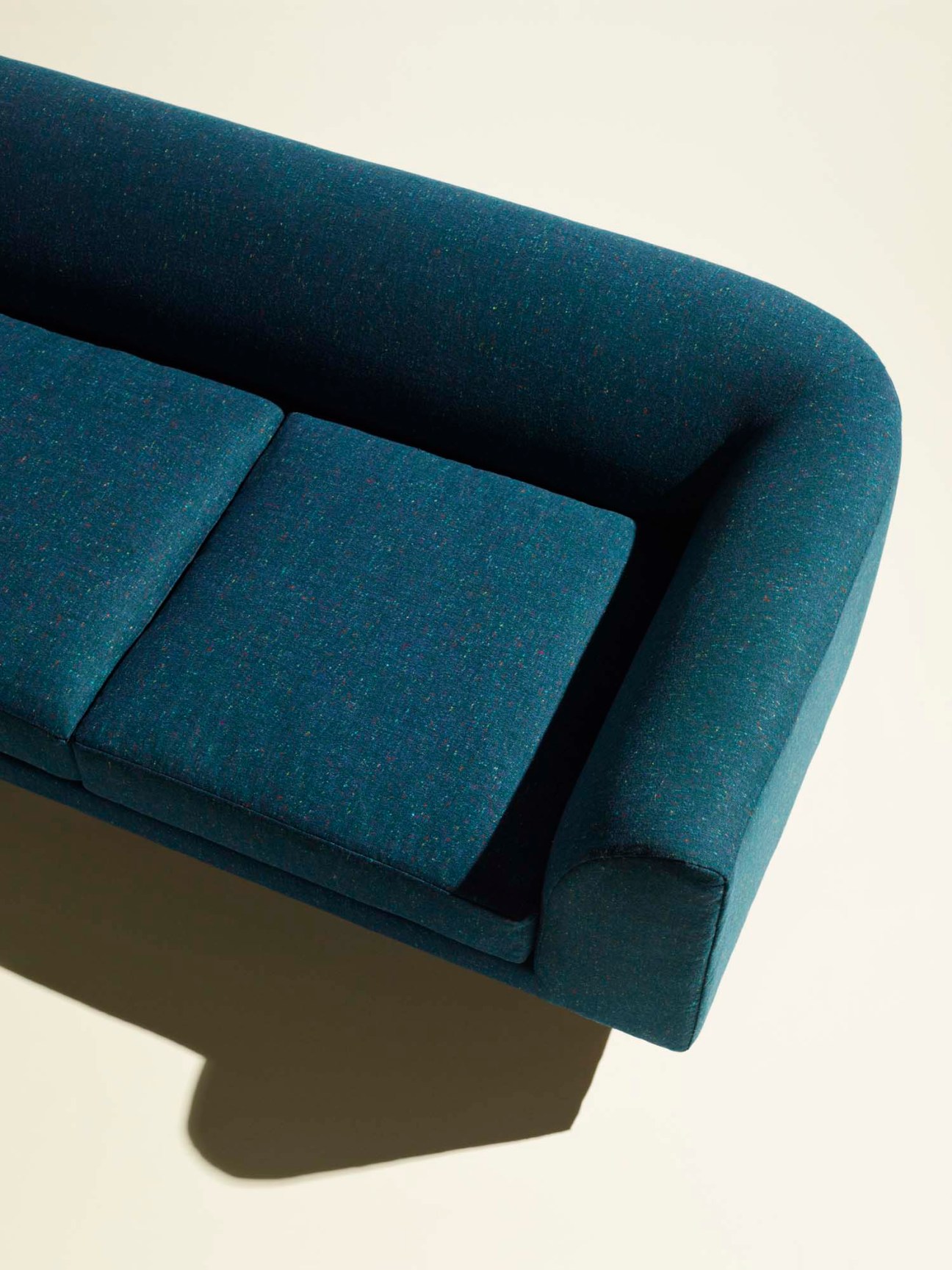
7.
Woodgate three-seat sofa
Terence Woodgate, UK
A comfortable couch in a brave colour scheme that feels classic, this new three seater is set to launch by esteemed British designer Terence Woodgate at the London Design Festival in late September for the city’s much-loved furniture brand SCP. Its low-profile design means that it can slot completely seamlessly into living rooms of various sizes, without feeling overbearing.
studiowoodgate.com
scp.co.uk
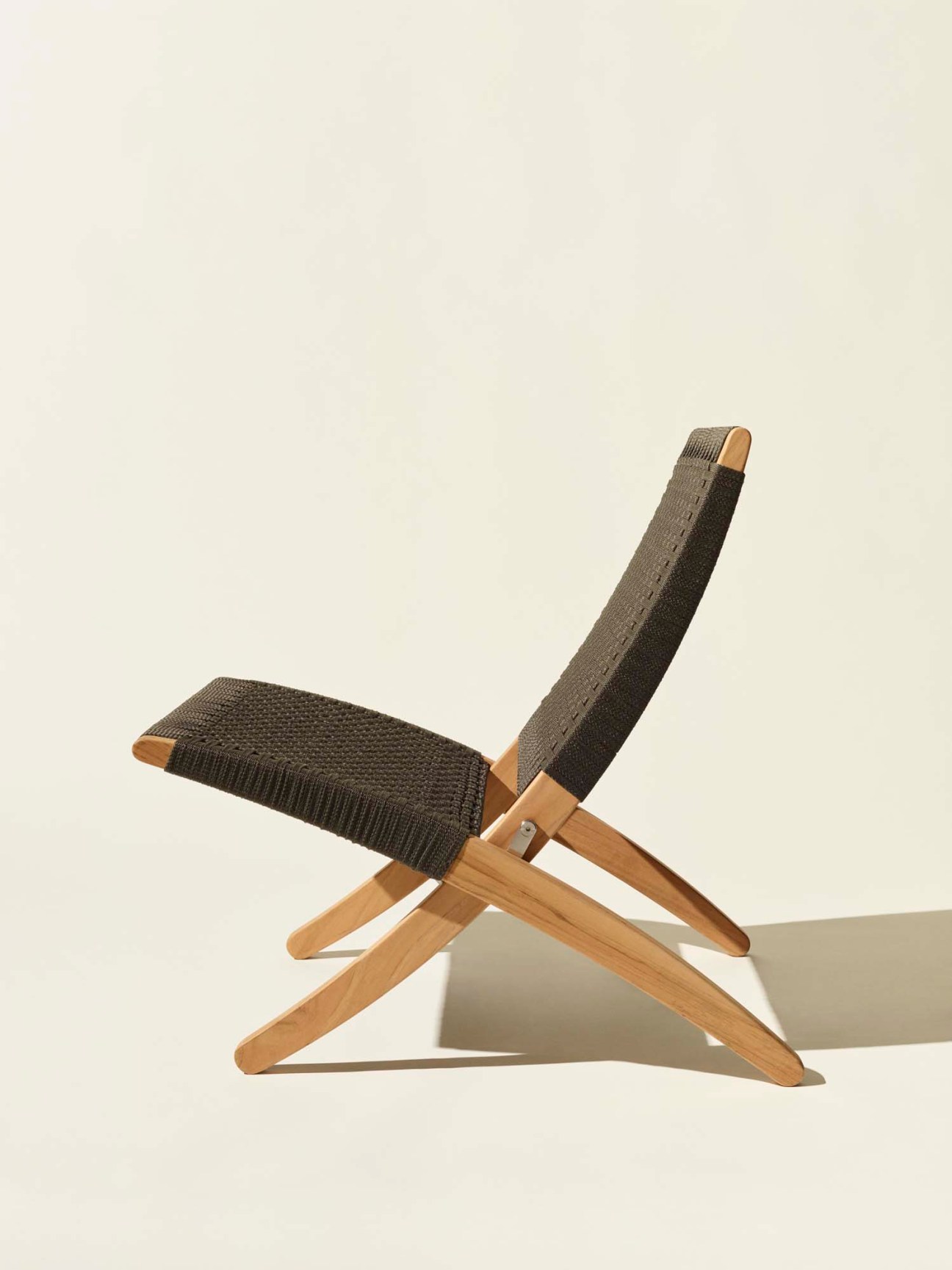
8.
MG501 Cuba Chair
Carl Hansen & Søn, Denmark
With the northern hemisphere heading into autumn and the south heading into spring, the relaunch of Morten Gøttler’s classic versatile chair has arrived at a good time. Its ability to be folded up, moved around and stacked away means that it can live on a balcony on sunny days and sit next to the fireplace when things get chillier.
carlhansen.com
Tales of the city
Born in Australia to Greek parents, Nectar Efkarpidis spent his childhood shuttling between continents. He would spend term time at home in Canberra and the European winter in Greece, often staying with relatives in Thessaloniki. It was here that the future developer was introduced to polykatoikia. Literally translating as “many houses”, these modular apartment blocks began to spring up in Greek cities in the 1950s to cater to an influx of residents from the countryside. “The polykatoikia where my aunt and cousins lived was intensely social,” says Efkarpidis. “Everyone knew each other. It was like a vertical village. As children we were always rushing between floors running errands for our parents.”
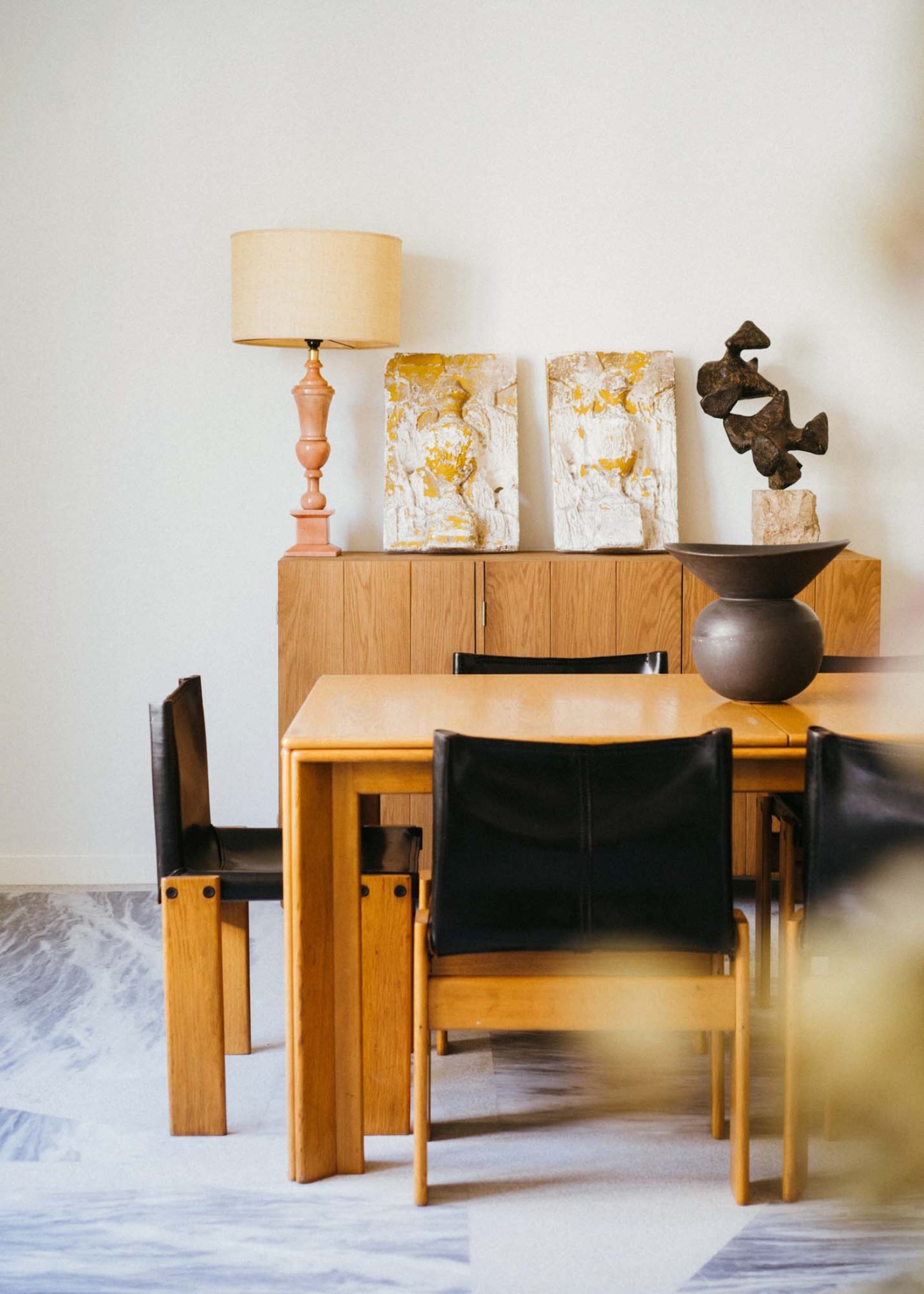
Efkarpidis and his brother Jonathan went on to become directors of their family’s firm Molonglo in 2004, transforming it into one of Australia’s most unconventional property developers. Six years ago, however, Efkarpidis decided to extend Molonglo’s operations beyond the southern hemisphere. He bought several derelict buildings and apartments in Athenian polykatoikia, intending to restore and update them for modern living.
“Growing up I used to look at these buildings and think, ‘God, these are horrible – why are we making these hideous things?’” says Efkarpidis. “But now I think they’re fascinating both architecturally and socially. There are examples where a family would build a house and when their children grew up the parents would add an upper floor for them. They would then go on to build another floor for their own children. These places are representations of multi-generational living with a really strong communal arrangement to them.”
Sadly, the collapse of the Greek economy in 2008 triggered an era of decline for polykatoikia. The porters who manned the doors were laid off, commercial units on the ground floor fell empty and banks foreclosed on thousands of apartments across Greece’s cities. “People suffered,” says Efkarpidis. “There was a lot of economic hardship. But there was also a shift, particularly among young people. If they can’t buy a house or own a car, those things no longer occupy their mind. So they turned to theatre, to poetry and conversations. The crisis has been problematic for our cultural confidence. But as a process, it has really energised Athens.”
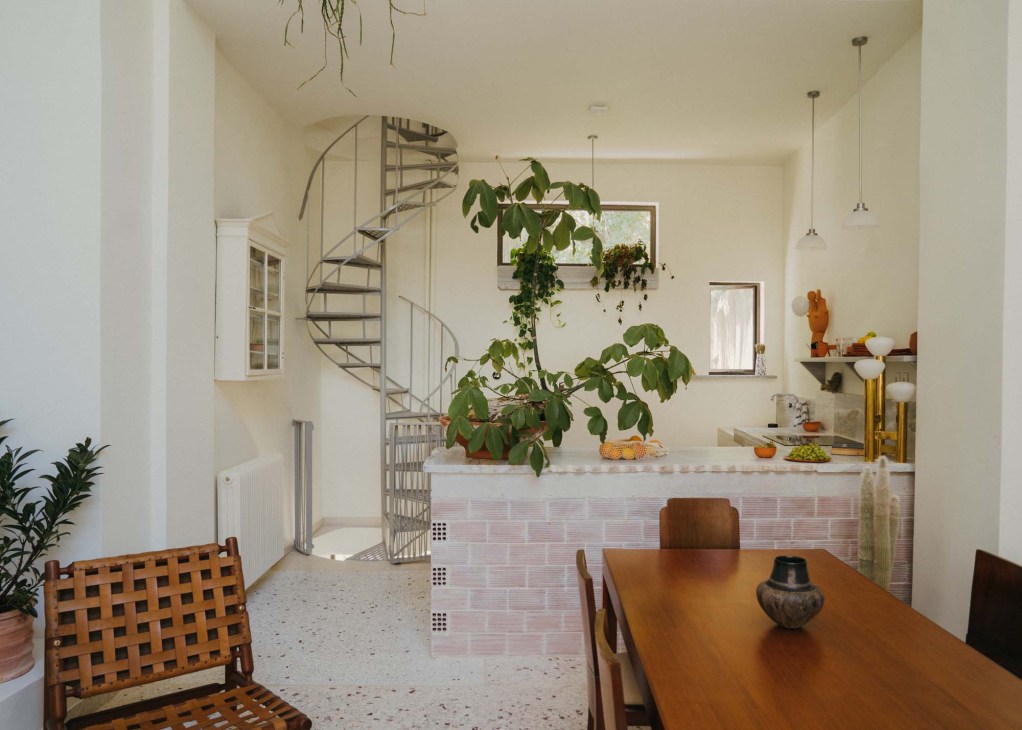
Fascinated by the new cultural identity that was emerging as the dust of the financial crash settled, Efkarpidis decided that the time was right to undertake new projects that would support the city’s regeneration. “Athens has an energy consistent with the Greek spirit,” says Efkarpidis. “It is both anarchic and charming. And there is opportunity in the cracks and the crevices.”
In the past few months Molonglo has completed its first two projects in the Greek capital: a glass-fronted studio apartment in the city’s Koukaki neighbourhood and a two-bedroom flat on the third floor of a polykatoikia in Kypseli. Their luminous, terrazzo-floored interiors are the work of British architects Royffe Flynn. “They weren’t in a great state when we acquired them so we were starting from scratch,” says Luke Royffe, who worked on the project with his wife, Emma Flynn. “We wanted to keep as many original elements as possible, so we began to strip the place while looking at what we could retain.”
The timber flooring at the Kypseli apartment was replaced with their own spin on the traditional Athenian terrazzo, which involved setting large, angular chunks of locally sourced Kokkinarás marble, cut from a single block, into the floor. “We tried to be as sensitive as possible and make subtle interventions,” says Flynn. “We wanted to keep that humble, functional Greek perspective, overlaid with some more playful additions.”
In the Kypseli apartment, they kept most of the original joinery, including the wooden doors and 1950s kitchen units, as well as most of the marble in the bathroom. The process of renovating both spaces involved the architects creating a strong network of Athenian craftspeople and specialists. The pair worked with lamp-makers and carpenters as well as experts at the nearby botanical nurseries, who helped to fill the apartments’ balconies with hardy native plants. But finding collaborators with the right expertise and capabilities wasn’t always easy. “The economic crisis led to a skills drain and a lot of craftspeople went out of business in 2008,” says Royffe. “For example, all of the lights came from a local maker who used to be able to go down the road and get his glass blown there. He can’t do that any more and has to ship in shades from Italy, so it’s a complex process for him.”
One industry that survived the crisis more or less unscathed was the city’s marble yards, which were kept afloat by international trade. Royffe Flynn was so impressed by the patinas and colours that were available at Athenian quarries and reclamation yards that they created designs for the apartments to show off the stone. “In the UK and in other countries, marble is considered to be quite a luxurious material but in Athens it’s absolutely everywhere,” says Flynn. “We would visit reclaimed marble yards where they have piles of sinks made from the material that they would sell you for €30 – and they are the most beautiful, hand-chiselled things.”
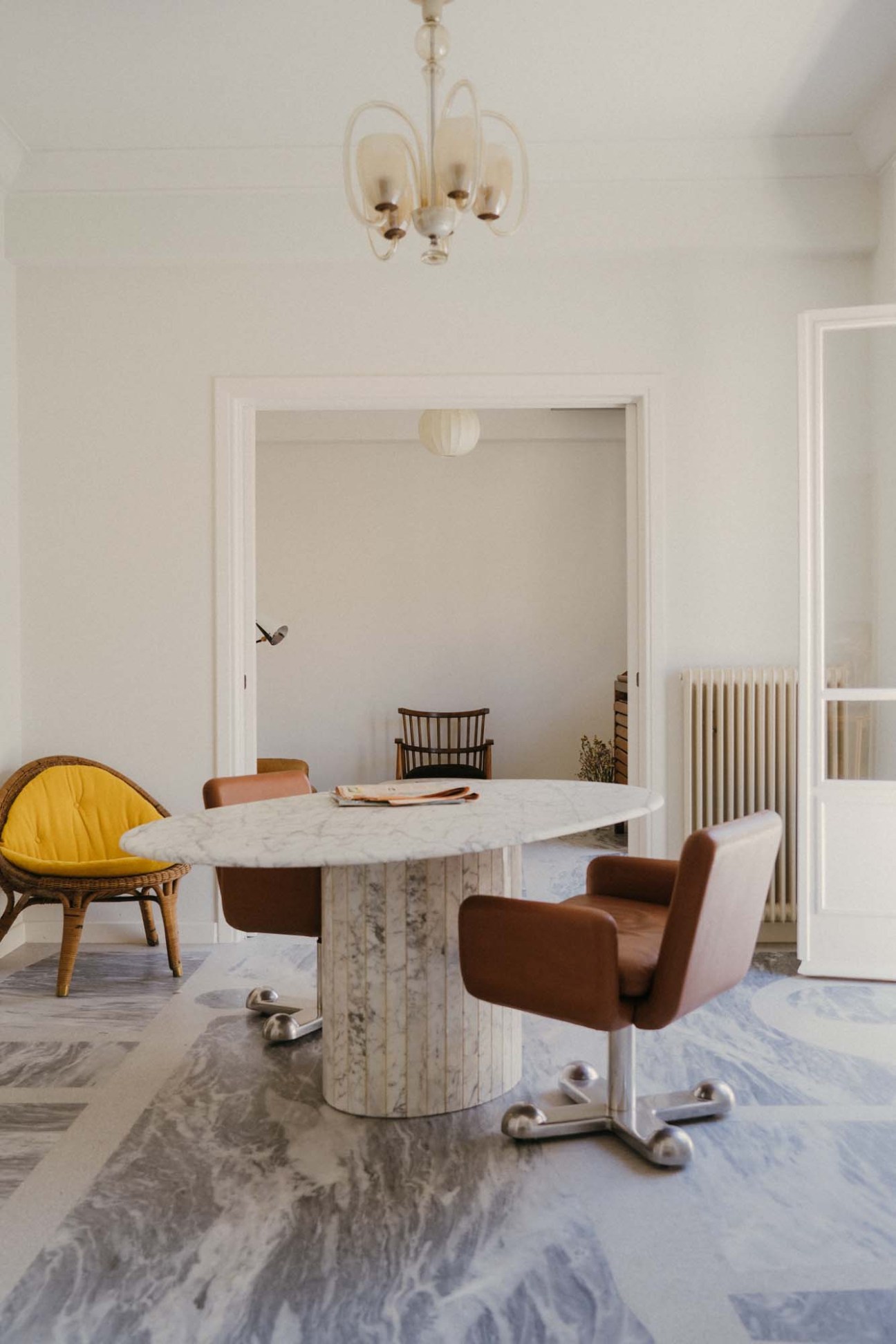
When furnishing the apartments, the architects went with a refined mix of flea market finds and vintage design classics from modernist icons including Afra and Tobia Scarpa and Ettore Sottsass. “For us and for Molonglo, it was important to have some items that reflect Greek origins and style as well as international design,” says Flynn. She adds that the furniture comes from a range of eras. “We like that eclectic nature because every unique piece in the apartments reflects a story,” says Royffe. Among the highlights in the Kypseli residence are a set of metal lamps salvaged from the original Athens Hilton, a hotel that opened in the same era as the polykatoikia in which they stand today.
Overseeing the selection of artworks on display was Athenian artist Theodore Psychoyos, who created bespoke pieces for the apartments along with ceramicist Diane Alexandre. Psychoyos lives down the road from Molonglo’s Koukaki apartment, for which he created a striking painting in his signature handmade deep blue ink, as well as a set of marble shelves inspired by the Doric columns of Greek classical architecture.
“We visited a warehouse where there were big piles of all these cylindrical stone samples that had been extracted from the ground as testers,” says Psychoyos. “They had this Lego-like feel that made me want to create something playful with them.” Efkarpidis also introduced the work of some of the city’s up-and-coming young talent to the spaces, including Savvas Laz, whose bright green Styrofoam mirror hangs above the sofa in the Kypseli apartment.
When it comes to the question of who will be inhabiting these apartments, the plan is to lease them out as rentals for between three and six months. “We’re still trying to work out how to tread lightly in the city,” says Flynn. “Athens has a problem with Airbnb rentals that make it harder for locals to afford to live in the centre. The idea is to make these stays a bit longer, to give people more of a chance to become embedded in the community and give back a little bit.” Another important aspect of the apartments is that they all come with an adjoining workspace. In Kypseli, for example, a space on the lower ground floor is being renovated to become a studio for creatives staying in the apartment above. “It’s exciting because it means that people are invested in the place where they are staying and can contribute to it,” says Flynn.
These two apartments are also just the tip of the iceberg in terms of Molonglo’s operations in Greece. The developers have plans for many more projects here in the future. “The scale of the project is going to drastically increase over the next few years, so that’s really exciting,” says Flynn. “These two apartments have almost been test cases that have allowed us to try out different things, source materials and work with different craftspeople. We’ve learned so much.”
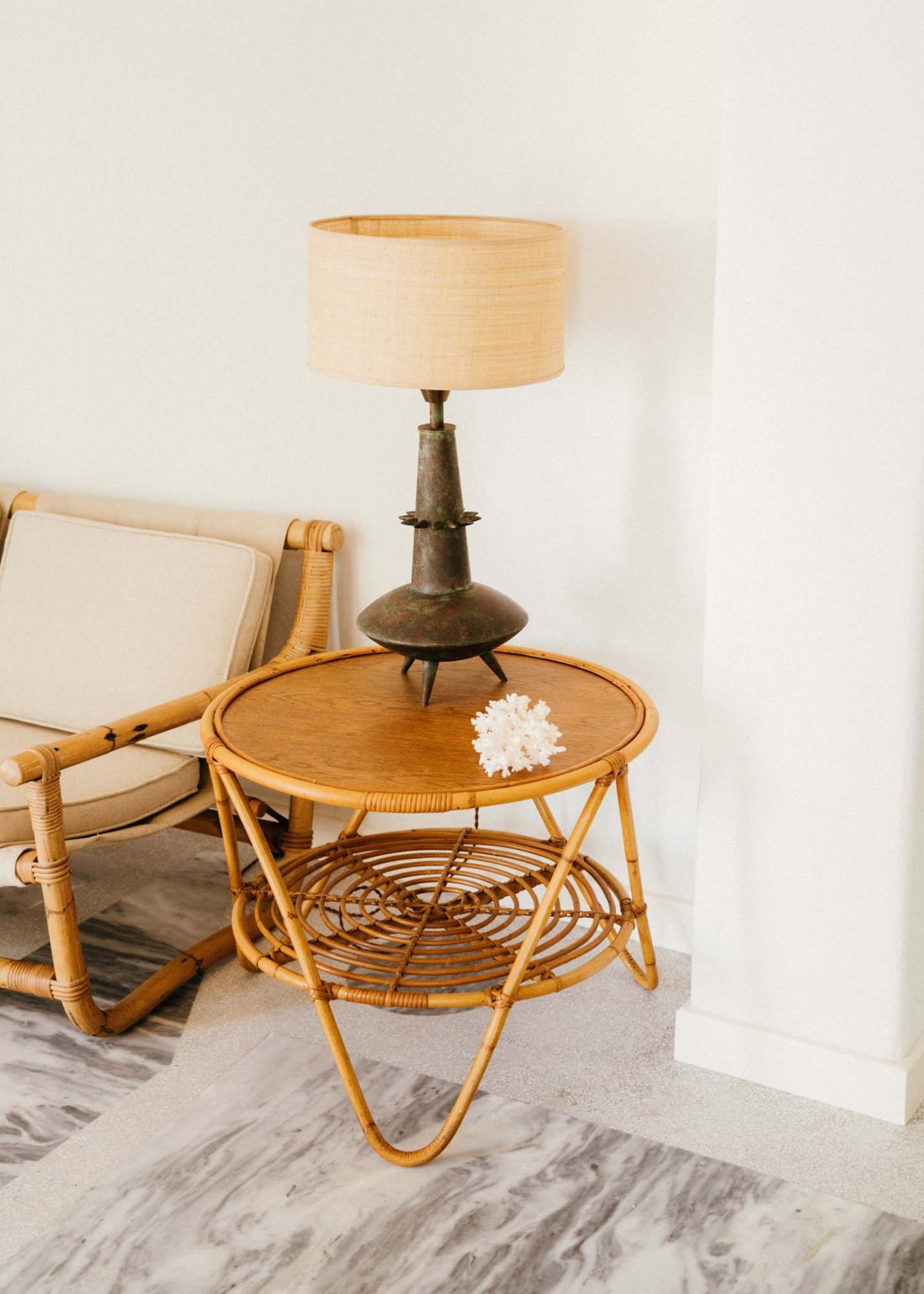
Moving to Athens
With its sunny weather and laid-back vibes, the Greek capital is an easy sell but the process of making a home here can be difficult. In order to buy a house in Athens EU residents only need to procure a Greek bank account and tax number. For those moving from outside the EU there are more hurdles, so contact your country’s embassy or consulate before you arrive. We also recommend the assistance of a Greek immigration lawyer to prevent you from being buried under a mountain of paperwork.
One option is to find a Greek spouse but if romance is off the cards and you can’t conjure up any Greek ancestry, there is always the much-coveted Golden Visa, obtained by those who invest €250,000 in the country’s property or €400,000 in government bonds. Those who possess it are immediately granted a five-year residency. For those who want to open their own business in the country, the Greek government is rolling out a number of incentives to aid start-ups but you will need a lawyer to guide you through the process.