Issues
Rebuilding Beirut
Raising hope
Beirut
Beirut is a multi-faith, multilingual city that has been infused by many cultures passing through its port, including the Ottomans. As a result, its well-educated designers, architects and engineers have long been sought for their refined taste and ability to blend Middle Eastern flair with a rigorous European design sensibility.
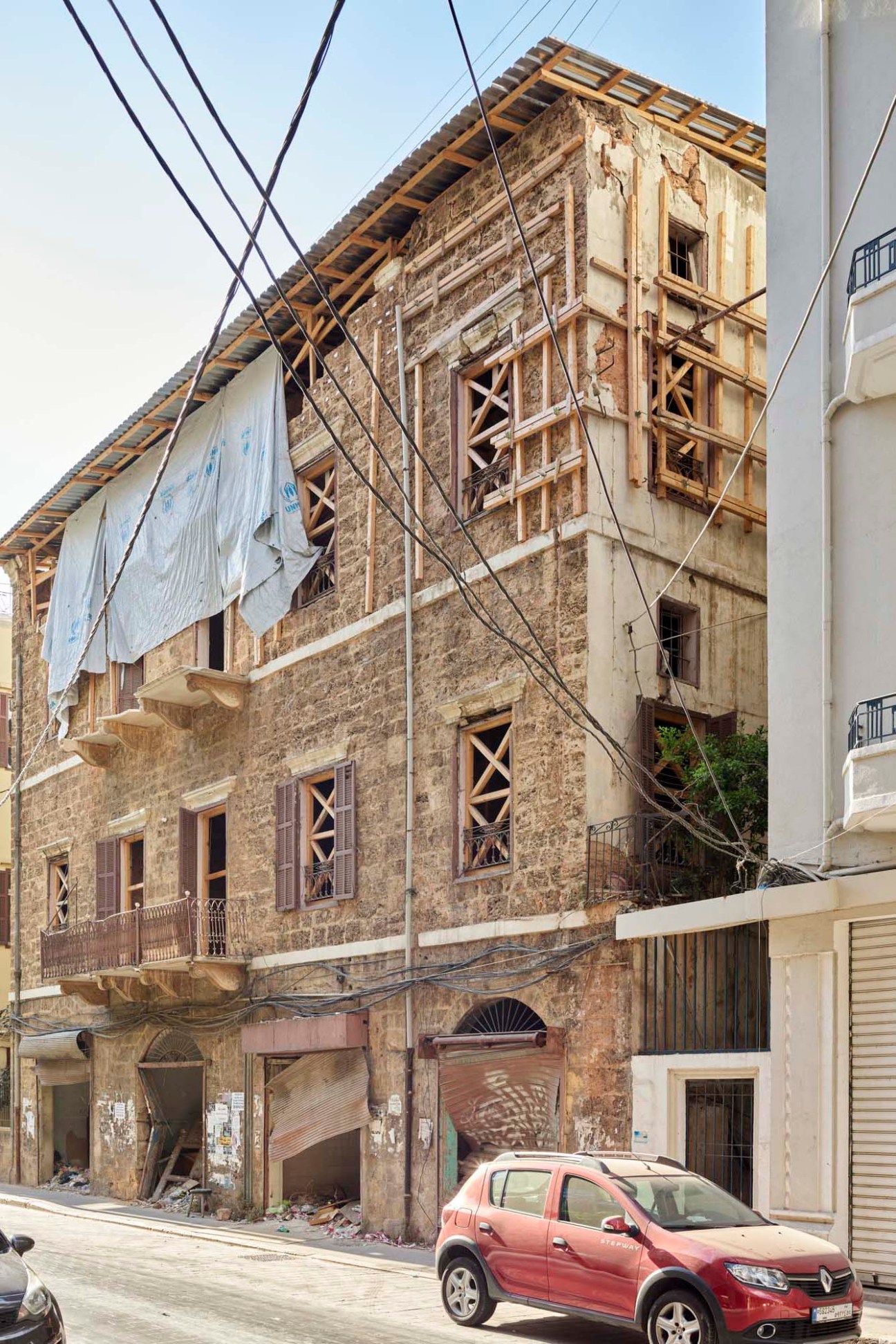
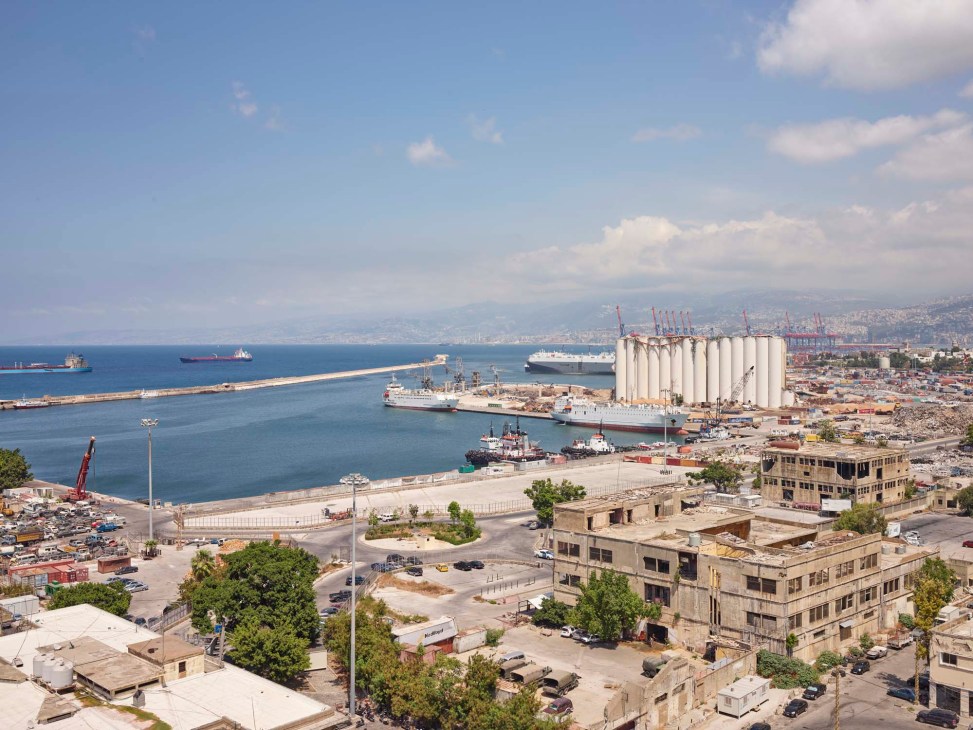
But Beirut is now also associated with a numbing chaos: it’s a place broken by the port explosion in August 2020, a collapsed currency and a failing government facing public outrage and protests. This is all unfolding while Beirut tries to rebuild after the explosion, which killed more than 200 people and decimated some of the city’s storied districts. When Monocle visited a year after the blast, the already troubled Lebanese capital was plunged into darkness due to fuel and energy shortages across the country.
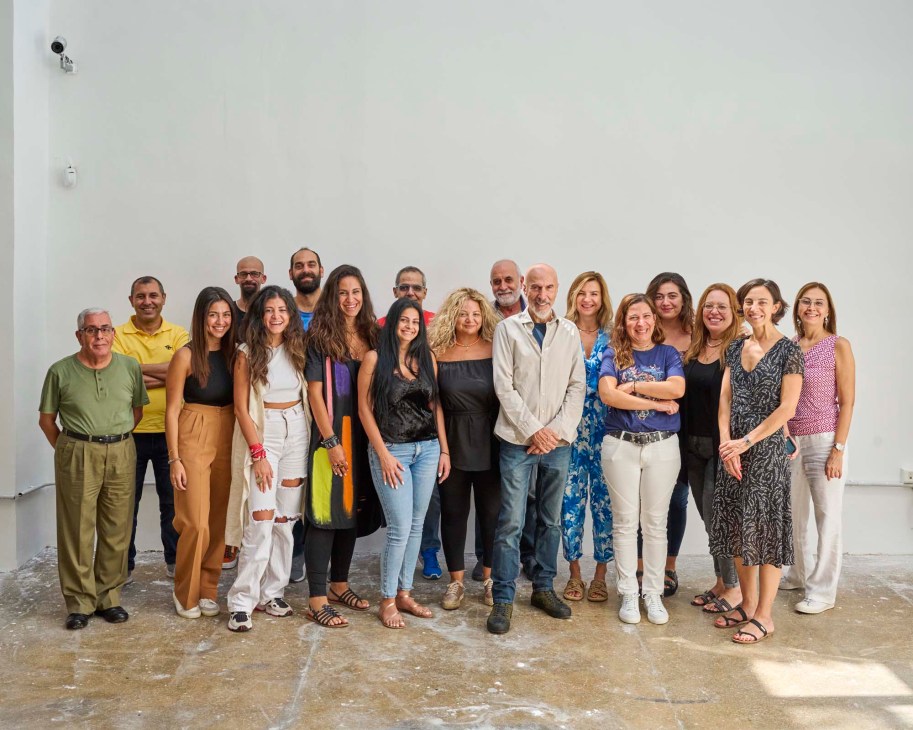
However, there are more words than creativity and chaos to describe this city of 2.2 million people. Resilience is also deeply embedded in Beirut’s culture. Even if some Lebanese have had enough of digging deep just to keep going, many people retain a determination to move forwards despite all the obstacles, the corruption and the social fatigue. Today, Beirut’s creative community, its architects and designers, are ploughing on through power cuts and petrol shortages. A year on from the blast, Monocle joins them on the streets of Beirut to see how they hope to make the city anew.
Saving a showroom
Nada Debs
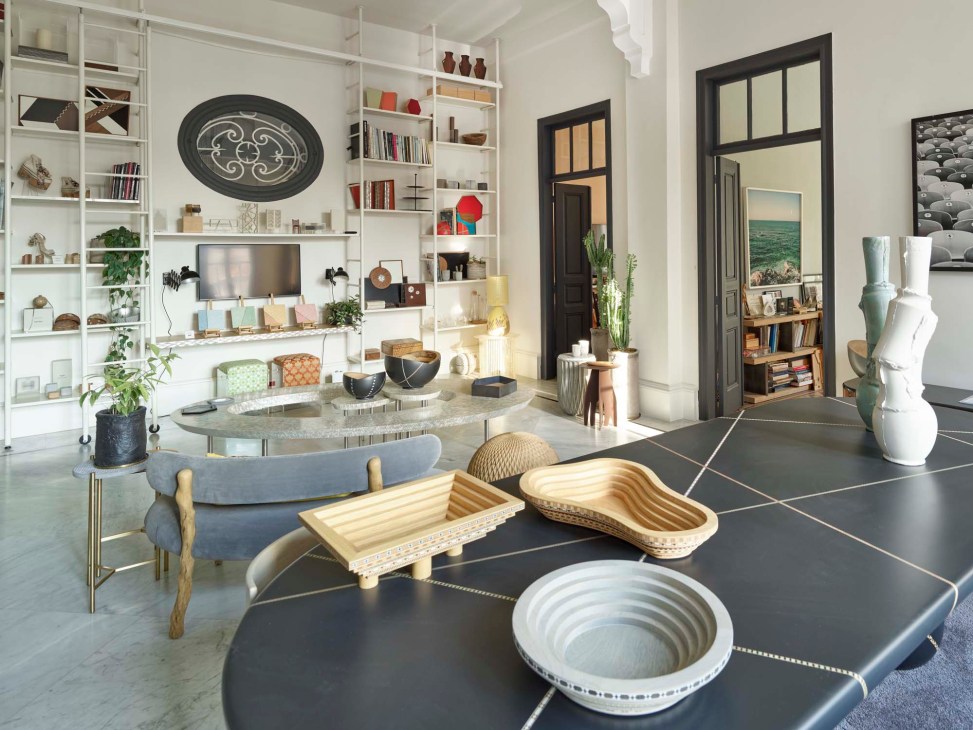
“I don’t know how I’m going to get my carpets out of Afghanistan.” This isn’t a phrase that you often hear in the studios of high-end designers but Nada Debs’s practice is different than most. For 20 years she has worked with artisans in the Middle East and beyond to deliver immaculate furniture and products created with traditional know-how and contemporary looks. These pieces, from wooden furniture to ornate Afghanistan-woven carpets, adorn her large Beirut studio.
Fortunately, like many businesspeople close to the port in the city’s Gemmayze neighbourhood, Debs and her team were working from home because of the pandemic when the blast hit. However, her studio and showroom were destroyed. One year on, operating from a restored space, Debs is weighing up her future. “My biggest fear is leaving behind the craftspeople who I’ve worked with over the past 20 years,” she says. The temptation is to move to a more stable Middle Eastern city, such as Dubai. But Beirut, with its rich manufacturing culture, would be difficult to leave. “I became inspired here, I grew here, I became a better human being here,” says Debs, who hopes to continue to work with skilled Beiruti artisans once they are back in business.
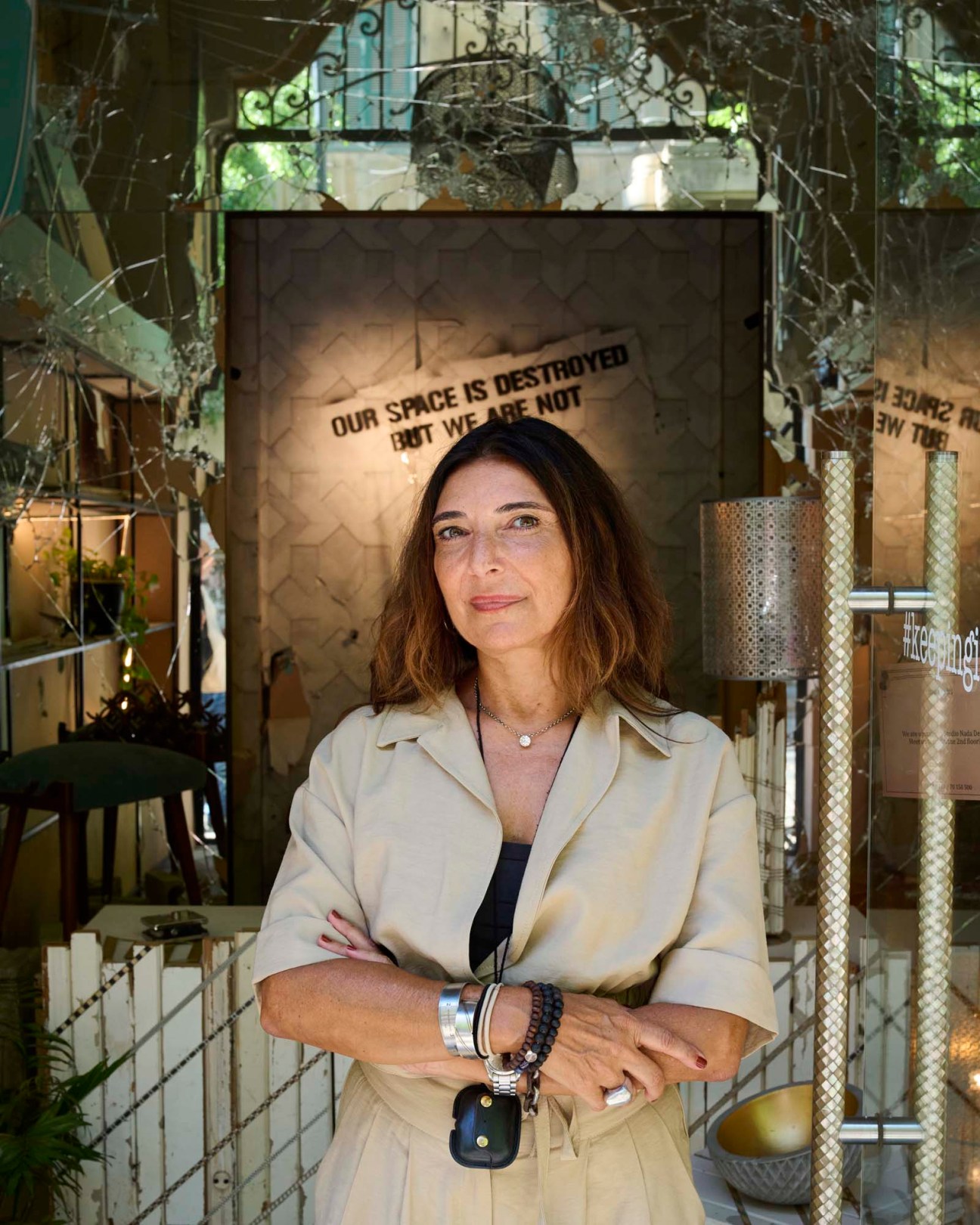
Adored by the city’s young creatives, Debs is a trailblazer who has carved a niche in the design world. Her base in Beirut has been a key part of her creative process. Whether working with talented female embroiderers in Lebanon’s Palestinian refugee camps or launching a Ramadan-inspired furniture collection with Ikea last year, Debs has often wrought positive results from adversity. This can be seen at street level in what was formerly her brand’s showroom. The once-chic space has been left as it was after the blast: ruined apart from some cabinets and bowls that Debs and her team made from the debris of the explosion. Today they are on display for passersby to appreciate. She says that the motivation behind presenting her old showroom like this reflects how she is “keeping it together” as she processes what happened in August 2020.
“We all support each other but right now we have to think about ourselves,” she says of the broader design community and its reaction to recent events. “It’s like when an aeroplane is having problems and the mother should put the oxygen mask on first before her children – it’s hard. I’m worrying about everyone else as much as possible but right now I need to worry firstly about myself, my team and my business if we want to move forwards.”
Forming the new vernacular
Lina Ghotmeh
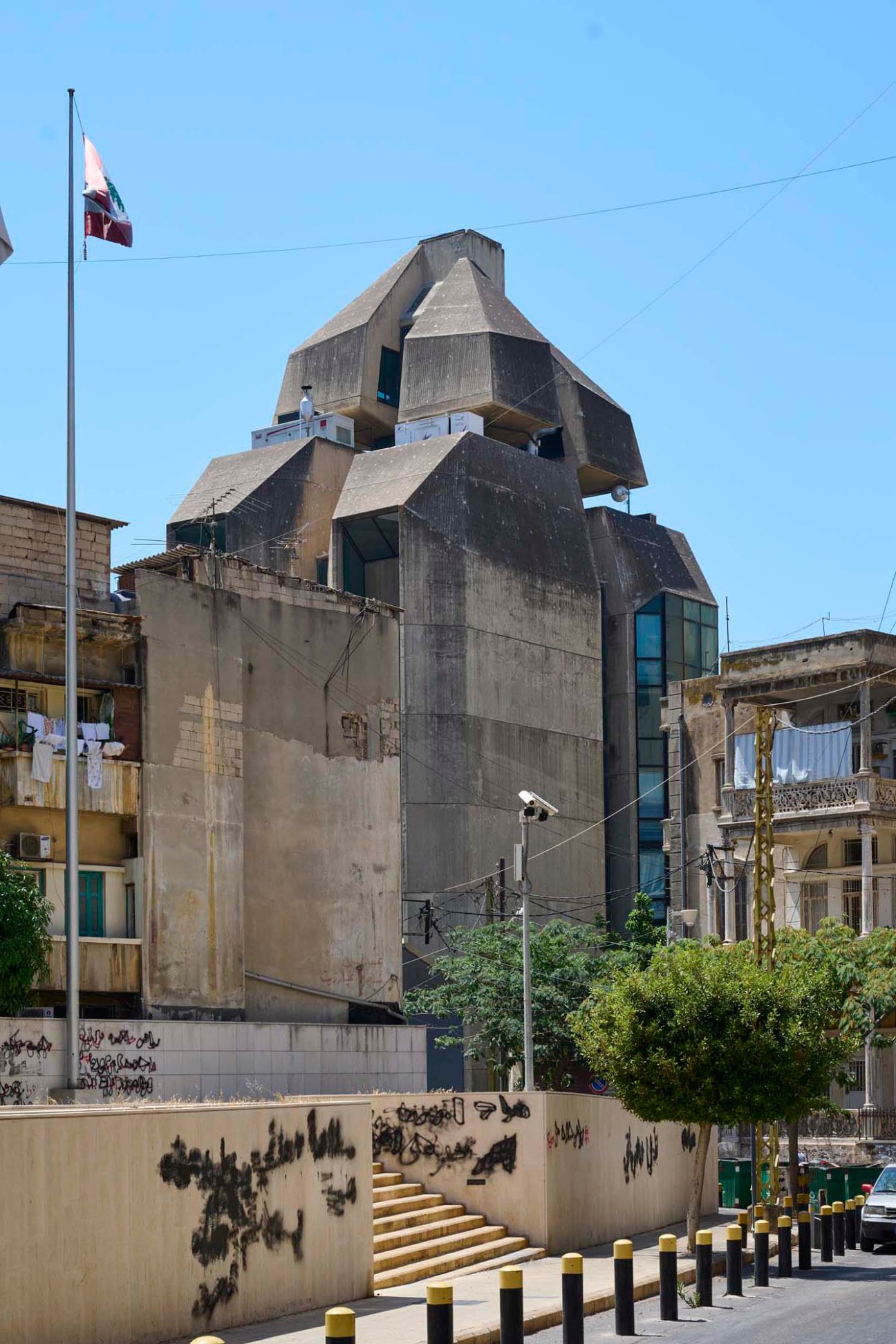
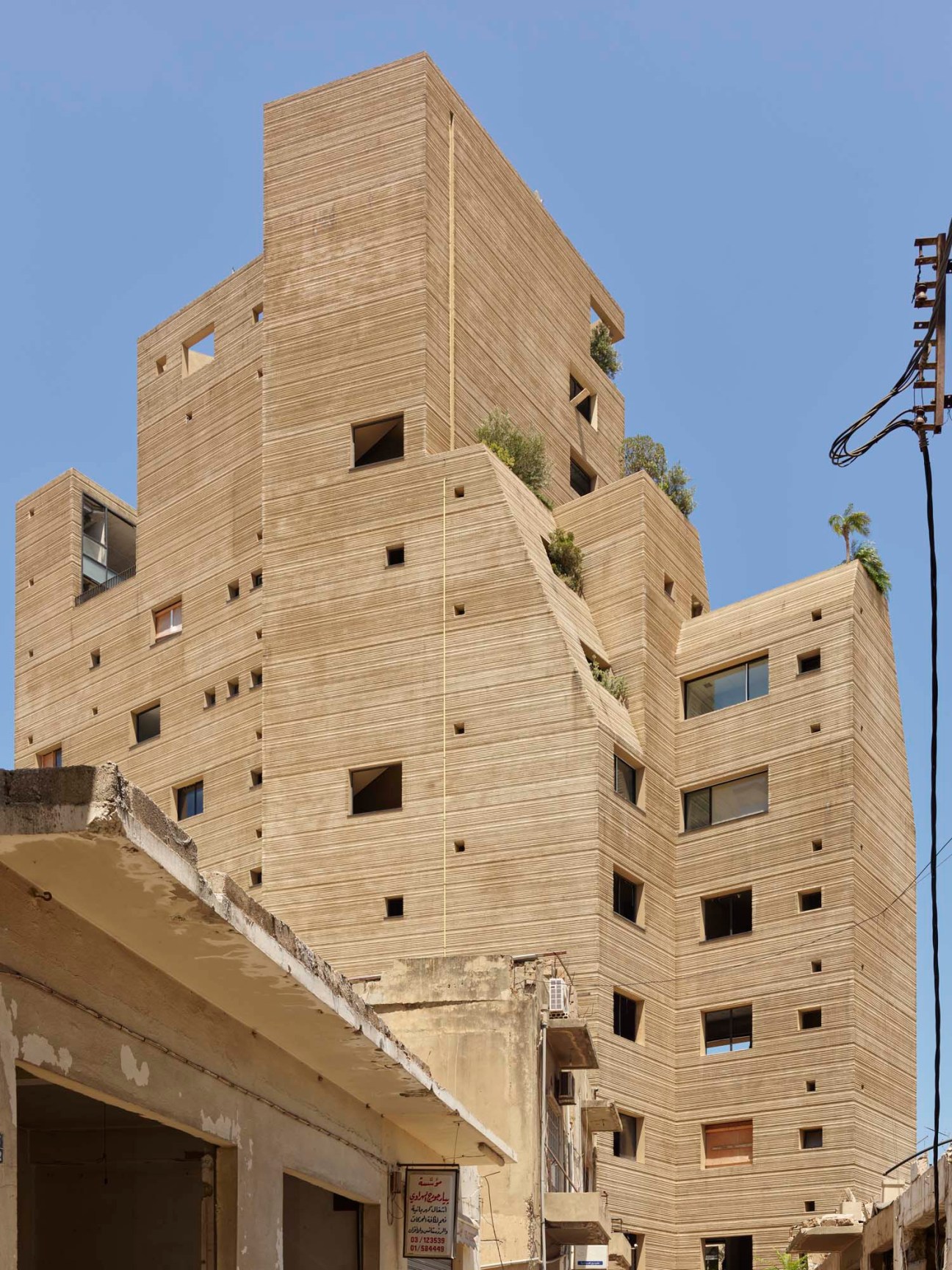
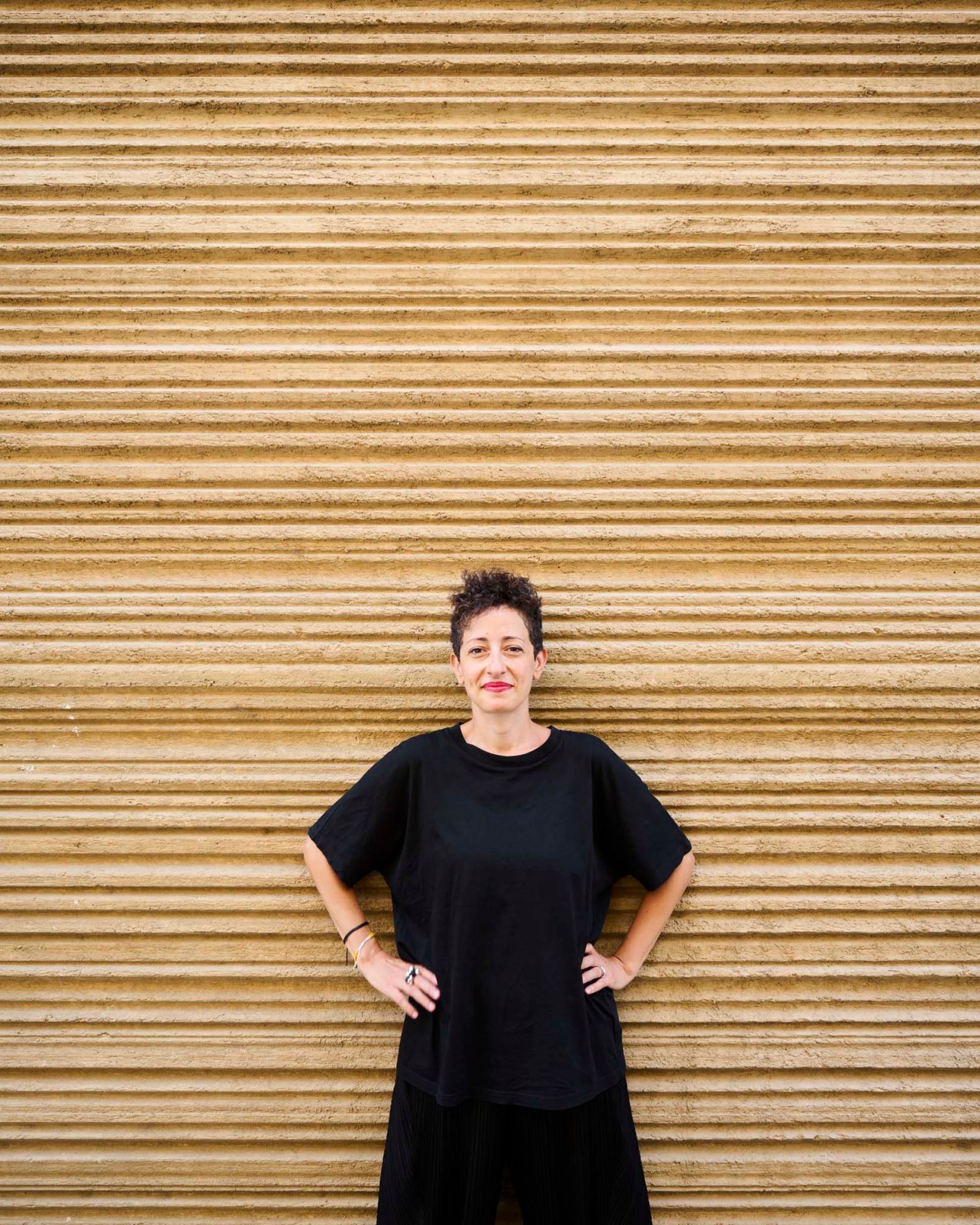
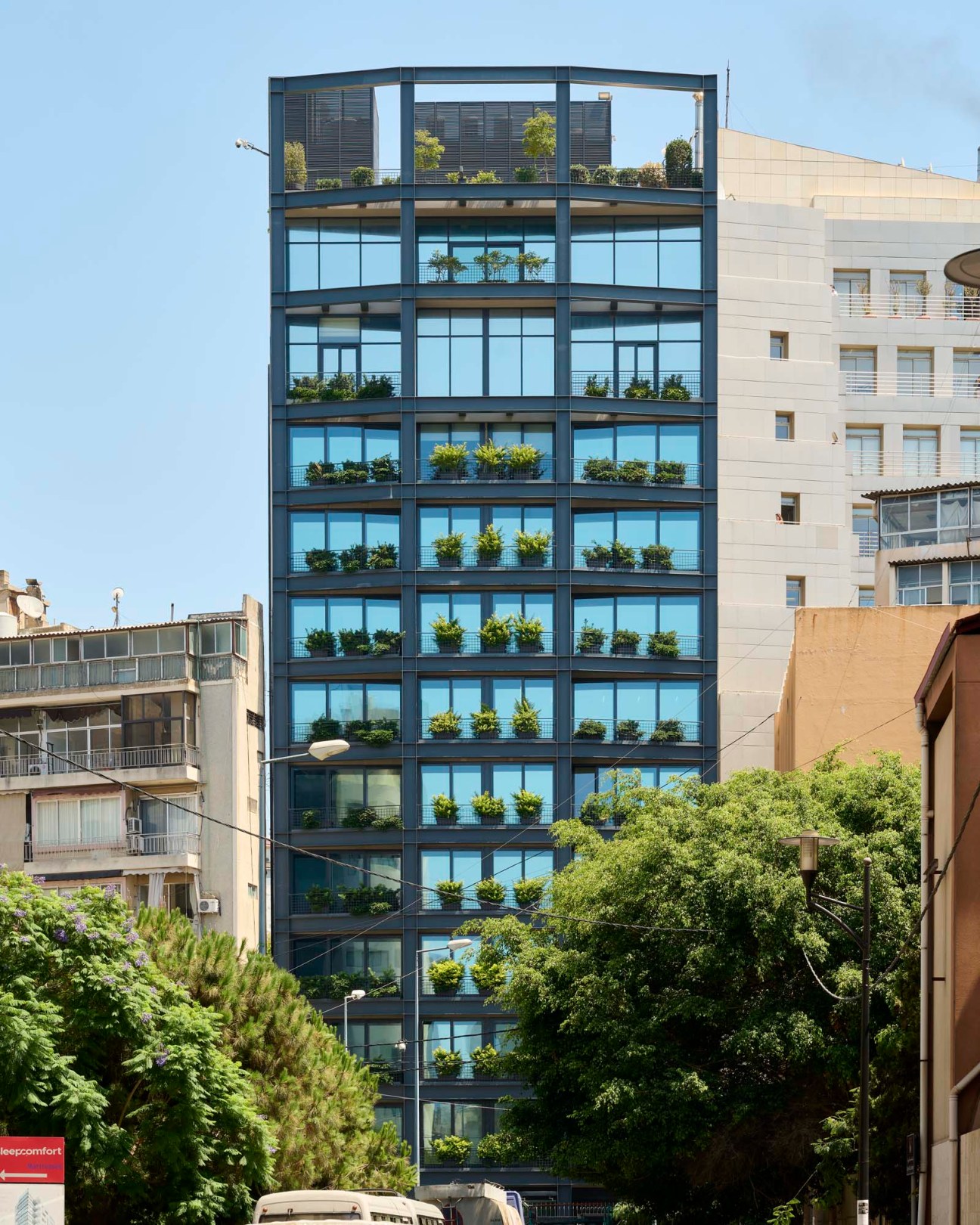
Beirut-born but Paris-based, 41-year-old Lina Ghotmeh has risen through the ranks of “architects to watch” thanks to Stone Garden. On the outskirts of Beirut’s central district, the boulder-like presence of this unique apartment block sets it apart from the monotonous boxy glass high-rises that dominate the area. And unlike its neighbours, which rose with little consideration to their surroundings after the Lebanese civil war ended in 1990, Stone Garden’s design belongs to the city.
“It questions reconstruction after a war and how you talk about a city’s memories,” says Ghotmeh, who meets Monocle at the 17-apartment building that survived last year’s blast mostly unscathed. “With its redevelopment, the heart of the city lost its texture and memory. I had this in mind when I designed Stone Garden. I also channelled my lived experience: I grew up here during the war and I was sensitive to the ruins that it left behind.”
On land owned by photographer Fouad El Khoury and his family, famous for his black-and-white depictions of the war, Stone Garden was designed with the aim of creating architecture that is about the city. “Beirut is very softly brutal,” says Ghotmeh. “It has the incredible sun and light that softens the dense built environment and it has joyful people who somehow add a softness despite living through brutal events.” Transforming these ideas into form, the various window sizes and voids haphazardly popping out of Stone Garden reflect the rich and varied texture of the city’s urban landscape. Here, Ottoman Empire-era villas sit alongside shiny new skyscrapers, while old bullet holes are as common on façades as the green Mediterranean flora that somehow manages to ascend sun-beaten concrete walls. All of this is reflected in Stone Garden’s form.
The city’s personality is also realised in the exterior, a unique “combed” surface that was formed by hand. “We are people of craft; we like to work with our hands,” says Ghotmeh. “To show this, we projected plaster onto the façade and hand-combed it with a three- storey-high device.” Beirutis loved the concept and most of the apartments were sold before the building was completed, while its ground-floor art gallery soon became a neighbourhood gathering point.
This will not be the last Lebanese assignment on Ghotmeh’s Paris-based practice’s global portfolio. “I have three projects that are on hold here and I am eager for the situation to calm down so we can get moving again,” she says. “It is a fascinating place that is very dear to me as an architect.”
Designing for the times
Gregory Gatserelia
Canadian-Lebanese designer Gregory Gatserelia sees Beirut from a different perspective to most of its citizens. He works in the top tier of interior and collectible design where his clients are among the city’s wealthy elite. But the blast and its ramifications have been great levellers. “One beautiful story that I heard after the blast was from a former client who had been able to save his family by sheltering in a concrete tunnel that I’d designed to sit within their apartment,” says Gatserelia, aware of the irony that something purely decorative ended up saving lives.
Gatserelia’s office is only a few hundred metres from where the explosion took place. Had his team not packed up and left for the day at 17.00, he believes many would have died in the blast an hour later. A year on, surveying the freshly renovated studio that’s filled with energetic young Lebanese designers, it is difficult to imagine the disorder of that day, when a mirrored ceiling shattered, destroying design and art pieces that Gatserelia had spent decades collecting. But though his office’s work schedule is quieter than in past years, nothing is deterring the designer, who has collaborated with the likes of Anish Kapoor and Valentin Loellmann, from continuing to grow his studio from Beirut. “I am always pushing to reinvent myself,” he says. “If I didn’t work this way my creativity would perish. Beirut plays a big part in this. The Second World War lasted for six years but we’ve been in the shit for about 40 years.” From this constant upheaval comes a perpetual sense of re-creation from within, as designers continue to dream big against all odds and citizens party at nightclubs amid chaos because “we suffer so much that we need those hours of expression”.
Gatserelia, who was raised in Paris and worked in Toronto before returning to his birthplace of Beirut, is the embodiment of why designers from a small country of six million people punch far above their weight. “There is nothing like the expression of Lebanese designers,” he says of Beirut’s creative talent, which includes architect Bernard Khoury and fashion designer Rabih Kayrouz. “All the great designers here studied abroad,” he says. “They absorb other cultures and then come back and do something great with it here.” It’s why Gatserelia will keep his practice here and continue to train Lebanese talent. “I love the attitude of my clients who want to finish projects here,” he says. “I thought they would stop after the explosion but they’re like me: they just want to keep going, no matter what.”
Responding to emergency
Karim Nader
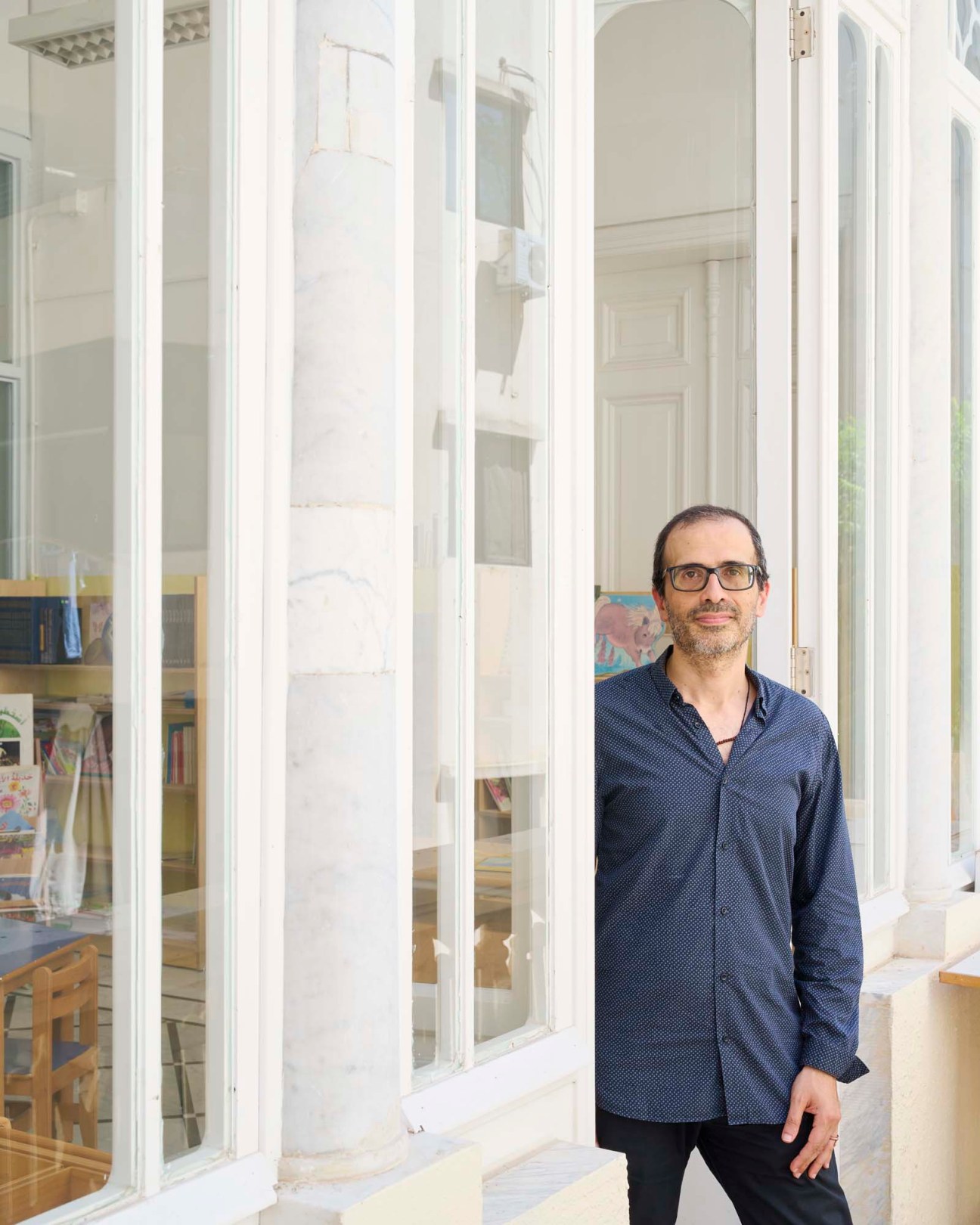
With Lebanon’s currency ailing, rebuilding Beirut hasn’t been easy. Thankfully, aid money has reached the country, with respected architect and teacher Karim Nader receiving a sizeable sum from the Swiss government to restore 10 public schools that were damaged by the explosion. “The Swiss Agency for Development and Cooperation said that it wanted to get the children back to school as soon as possible,” he says. “Our emergency action was to make the schools operational again but soon we asked whether we could intervene further and improve the sites.” The Swiss agreed and educational greenhouses were added to some schools, as well as public art and aesthetic improvements.
Going beyond the brief is a common trait of Nader’s Gemmayze-based practice, which is now working on the restoration and improvement of two heritage buildings. One is a 1949 modernist gem, called La Tour, by Italian-Lebanese engineer Edgard Sisto. The development includes a sensitive regeneration of the curvy coastal apartment block, while at street level a former brothel will become a flower shop and the private apartments above will gain improved views over the city’s famous Corniche and the sea beyond. Energised from being forced to flex his creative muscles in a rapid post-blast response, Nader is forecasting a more action-oriented future for the city’s design community. “We have learned to be quicker decision makers and stopped trying to mastermind every detail,” he says.
Yet forecasting the type of architecture that the city needs now isn’t easy. Nader views the future shaping of the city’s built environment with nuance but also positivity. “It is not just about being optimistic,” he says. “We need to reflect reality through architecture by implementing design that belongs to the present. A classical architect will tell you to repair something exactly as it was built originally. That shouldn’t be the case in Beirut. We need to look at what is around us and reflect it in our work, joyfully. There is no time to linger on the negative.”
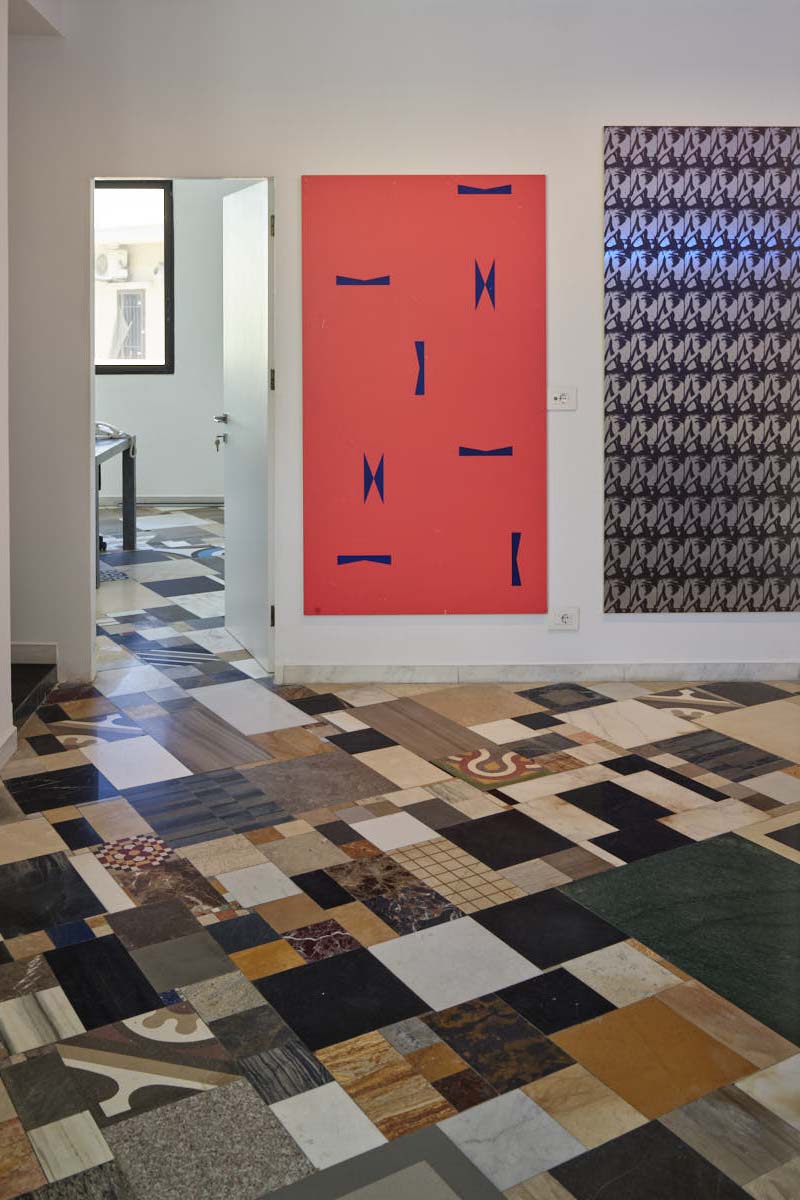
Preserving historic homes
Beirut Heritage Initiative
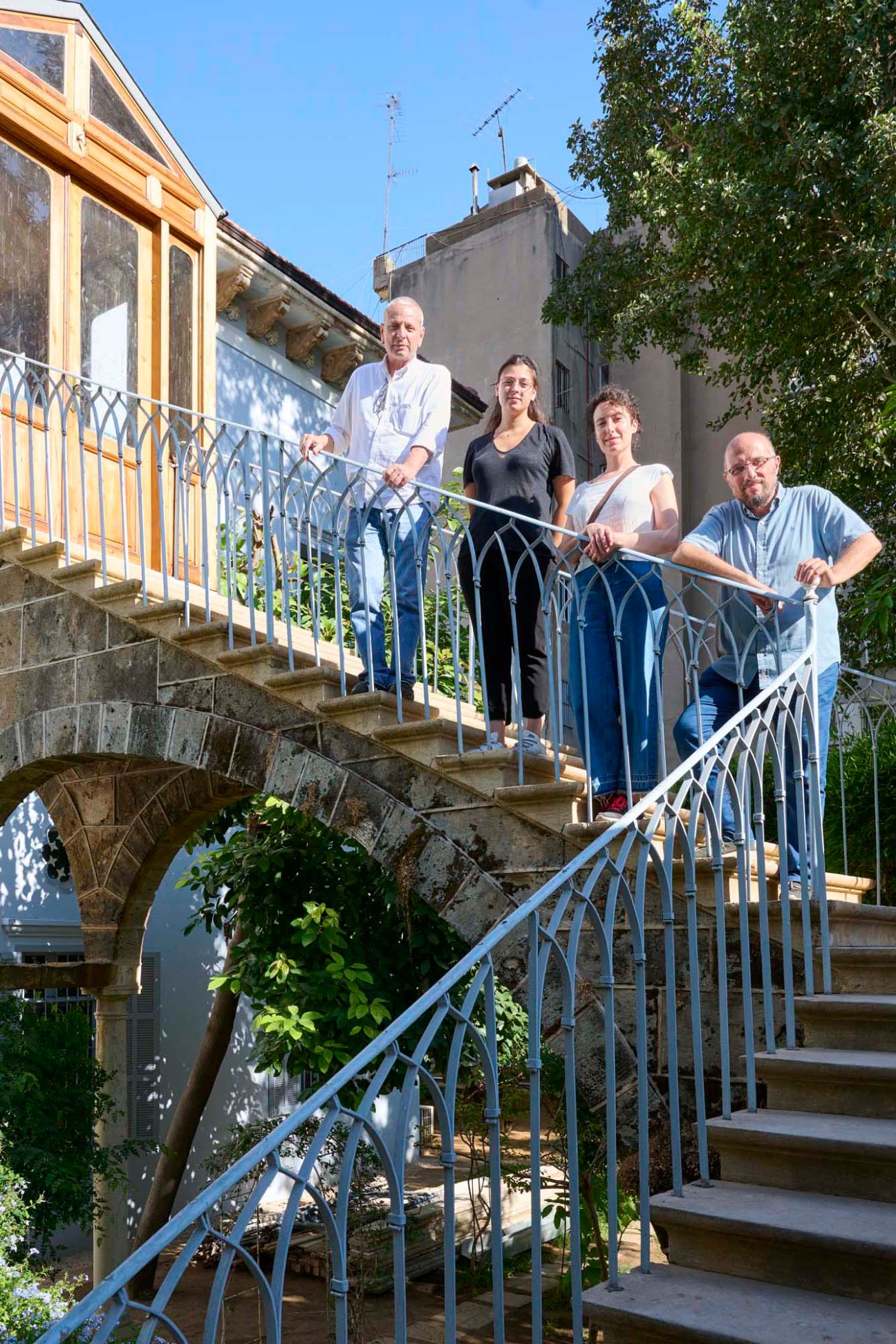
Monocle’s introduction to the work of the architects behind the Beirut Heritage Initiative (BHI) begins at a busy Gemmayze coffeeshop with a map drawn by Fadlallah Dagher. Flanked by his daughter Yasmine, also an architect, as well as Yasmine El Majzoub and Abdul-Halim Jabr (all volunteer members of the group), Dagher scribbles away. What the final lines, squares and dots reveal is a city with a unique architectural character that evolved from the wealth of its port and the many traders who made their way through it.
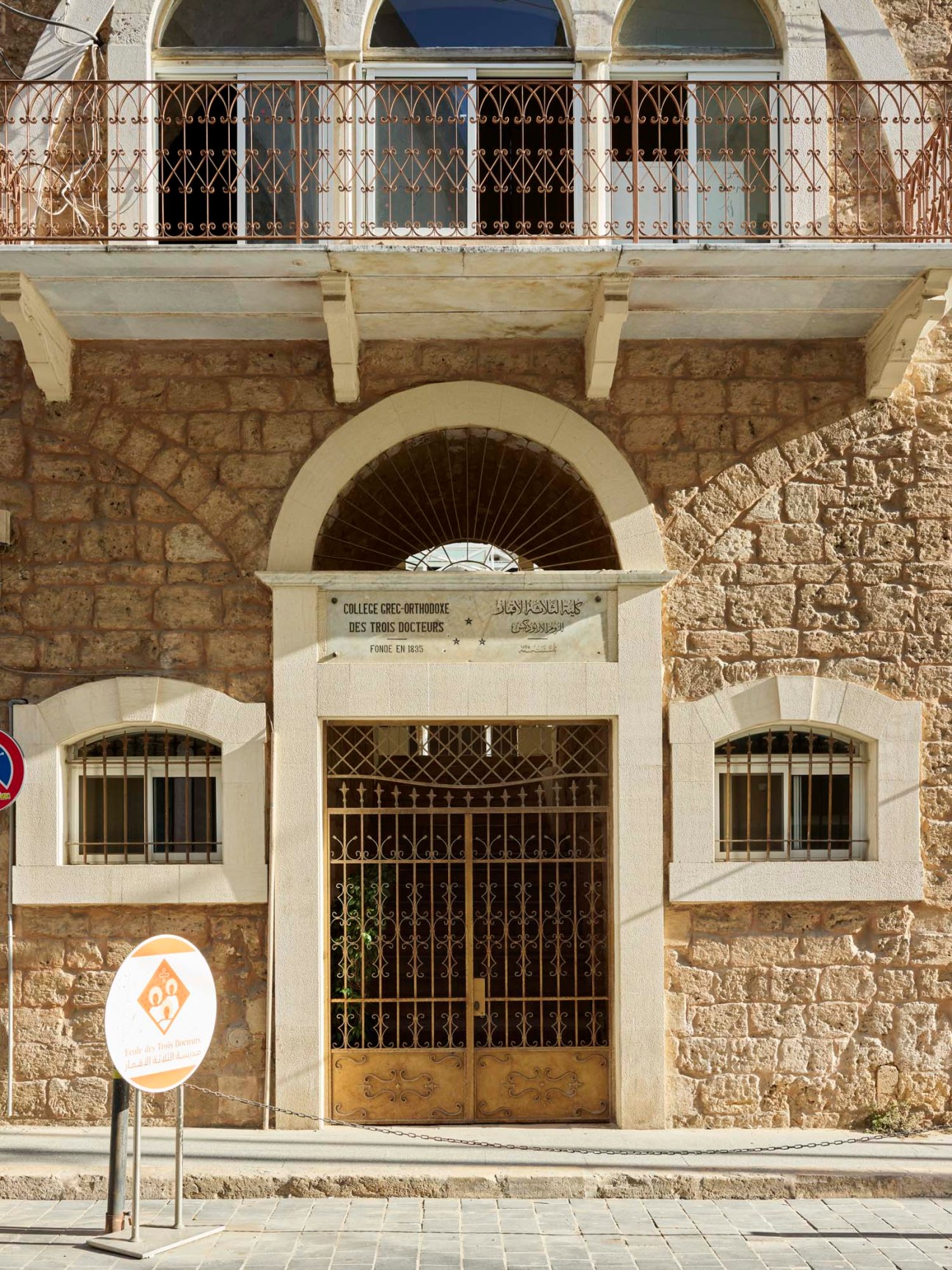
At the heart of the city’s architectural vernacular is the “Liwan house”, a type of sandstone building that’s common to Gemmayze and other districts close to the port. With handsome high-arched openings, they accommodated the middle classes from the 19th century onwards and remain the city’s finest architectural stock. They use design ideas from Middle Eastern architecture for capturing through-breezes, while also drawing on materials taken from Beirut’s European trading partners: marble flooring from Italy and
roof tiles from France. “It was the first time in Middle Eastern history that imported materials were used in architecture,” says Dagher. The burnt-yellow sandstone at the buildings’ core, however, was quarried nearby and it is this that grounds the Liwan houses into their sun-baked Mediterranean setting.
The old buildings were one of the port explosion’s main architectural victims. bhi, formed within days of the blast, has identified at least 10 clusters of these houses to resuscitate. It’s not just because of the buildings’ aesthetic and historical merit that they need to be saved; they’re also vital to the city’s prosperity. “Gemmayze helped Beirut access the new economy – the alternative economy – which is a vital hub of the national economy,” says Jabr of the city’s fashionable, photogenic area, where tourists once flocked and creative entrepreneurs set up shop. “Unlike most of the city, the physical fabric here shows an alternative model to simply pulling down old buildings and replacing them with newer ones.”
In the immediate aftermath of the blast, the bhi team had the foresight to take a long-term view about what they should do to help. While ngos and emergency response groups rushed to aid those suffering in Gemmayze and neighbouring districts with temporary relief, bhi considered the years ahead and then began drumming up financial and governmental support. “Heritage preservation takes a lot of time and money,” says Dagher. “Would you come back to a repaired building if the neighbourhood is empty? That is why we need to bring back life through clusters of buildings and families who know each other. It’s why we have created the cluster strategy.”
“The silver lining of this blast is that it allowed us to look beyond the obvious and venture into the city’s interstitial spaces,” adds Jabr, leading us from the café into a stunning set of Liwan houses on Gemmayze’s main strip that are now close to being completely restored. “It’s like the work of a surgeon: you don’t get the opportunity to open up a body and learn from it first-hand unless something adverse happens,” says Jabr, pointing out the unique timber ceiling features that absorb the hot summer air flowing through the structure into its high, sloping roof.
In a city where heritage architecture is hardly recognised by the government, bhi has put together a compelling case for why this attitude needs to change. “Never in our lifetime would we have imagined being able to gain so much know-how,” says Jabr. “Suddenly we have knowledge of how to build and repair these buildings in a span of a few months – something that 30 years of education and practice before the blast couldn’t muster. It’s intense, on-the-job learning.”
French lessons
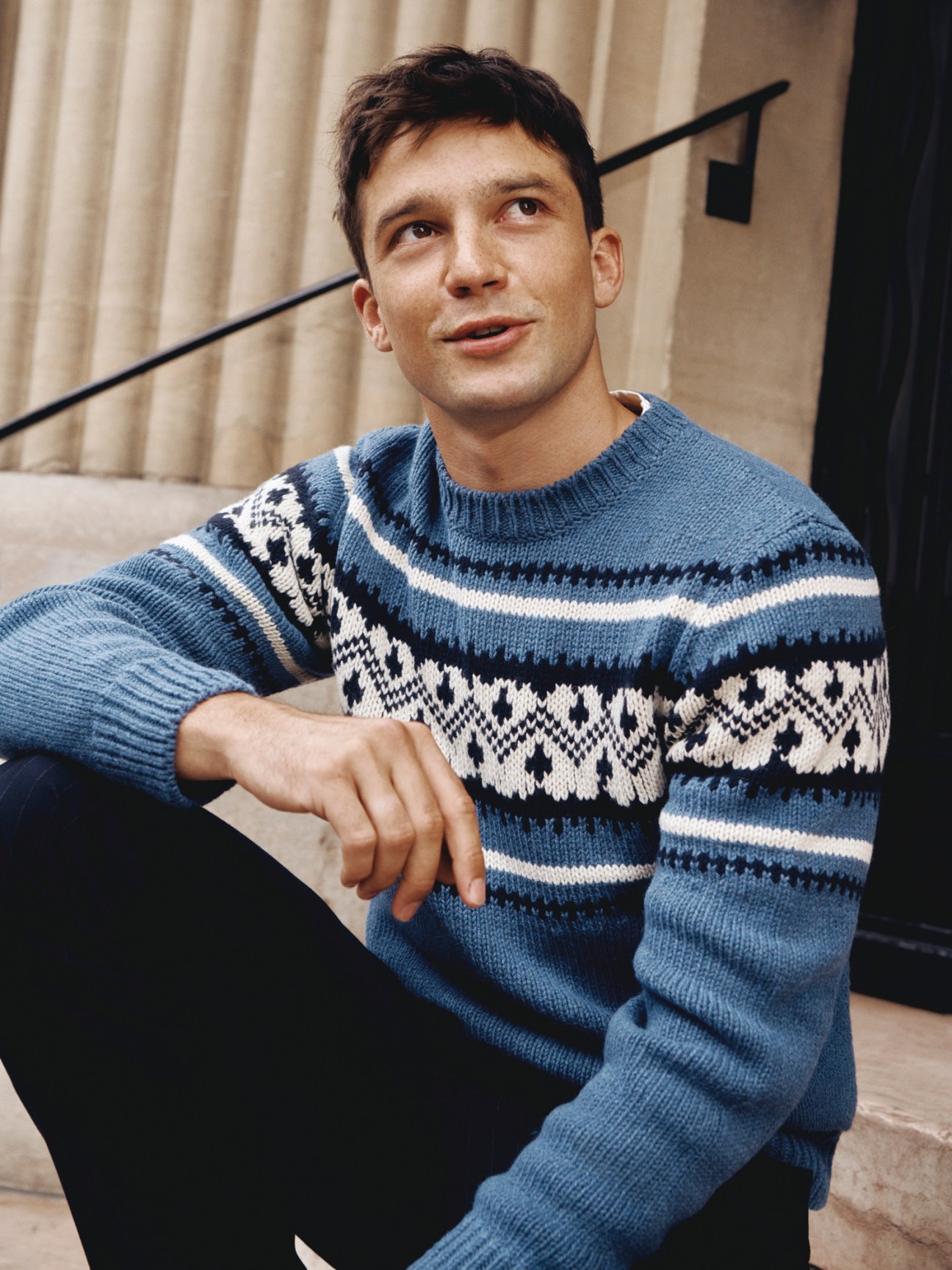
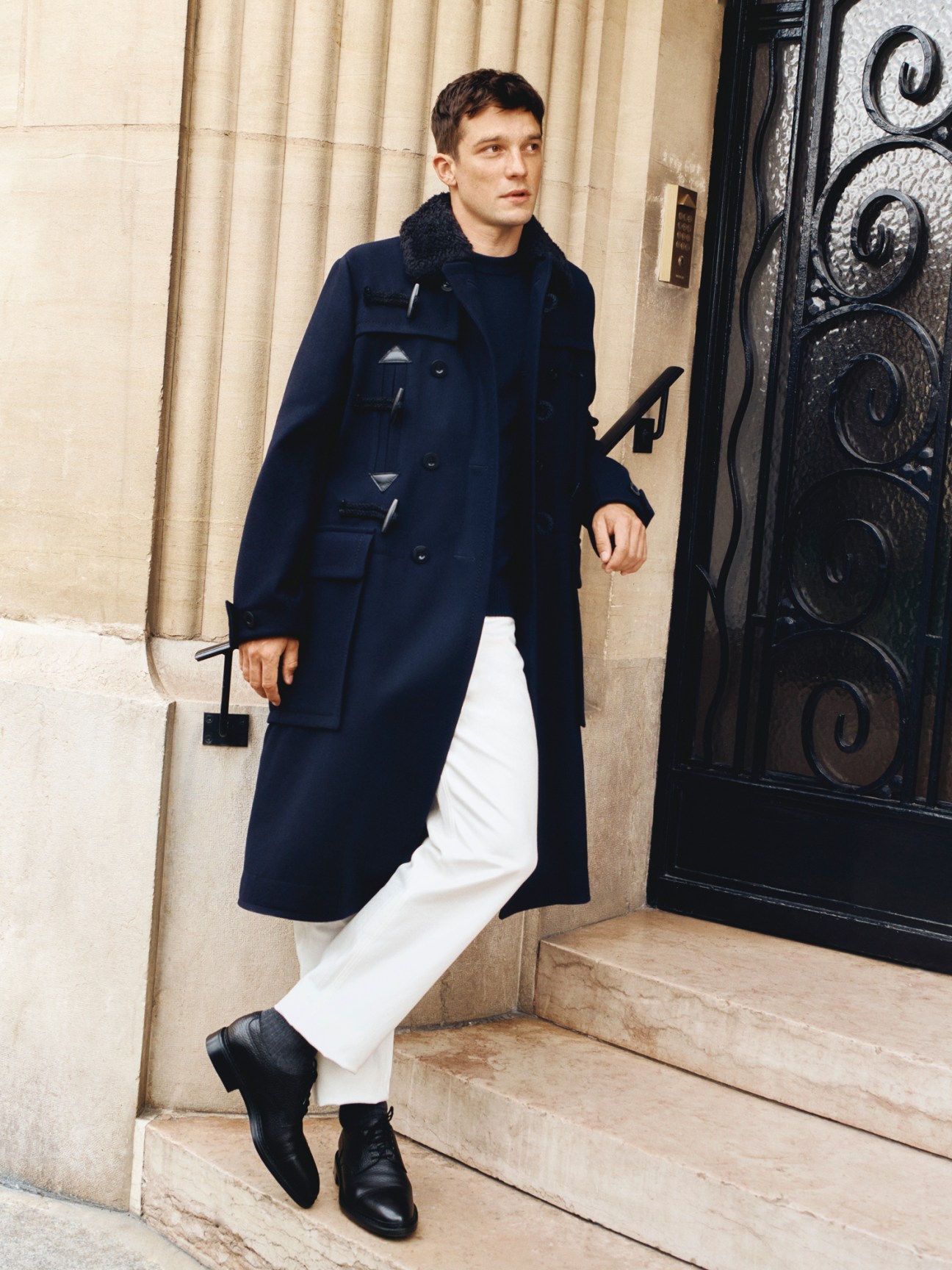
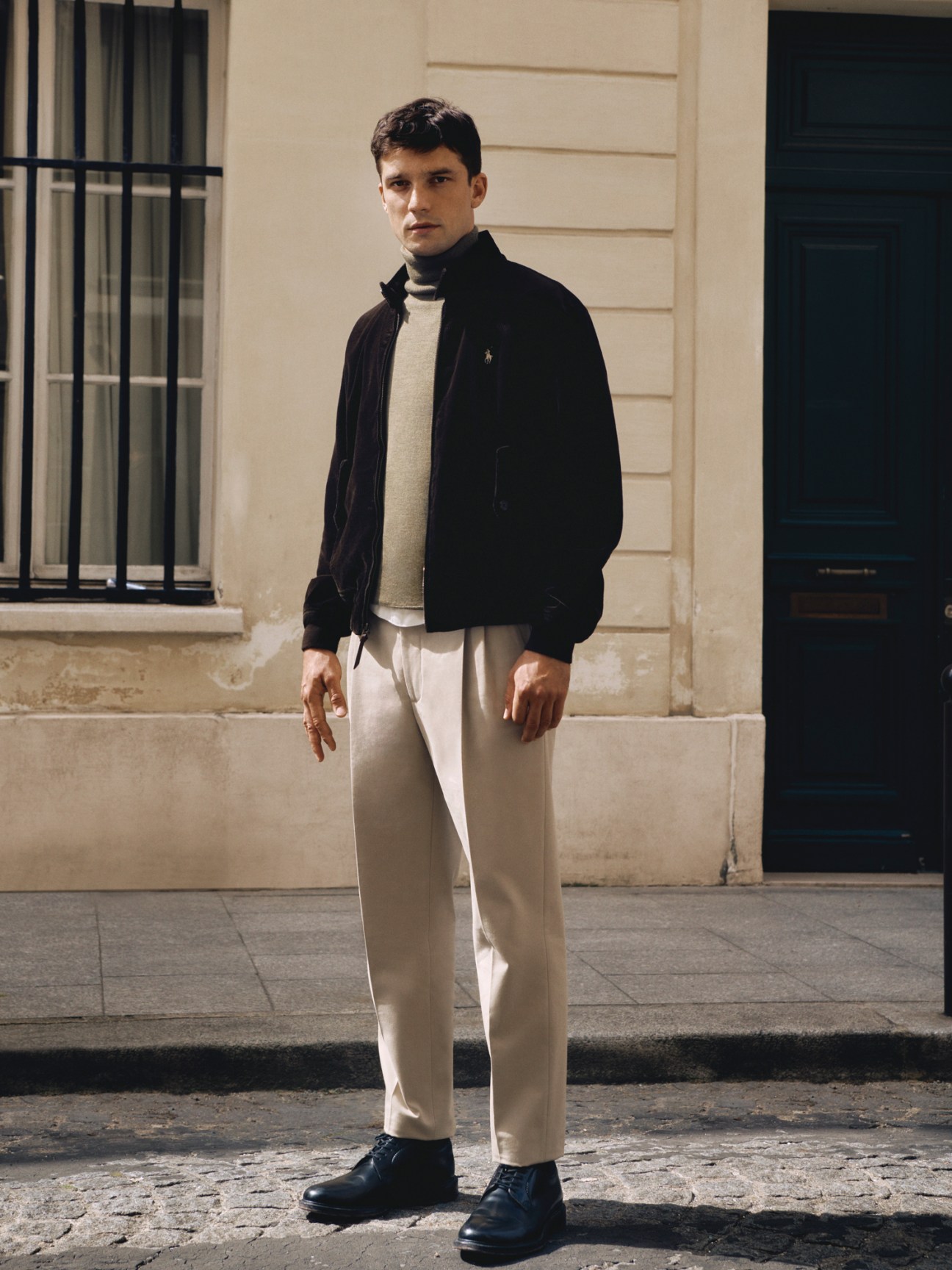
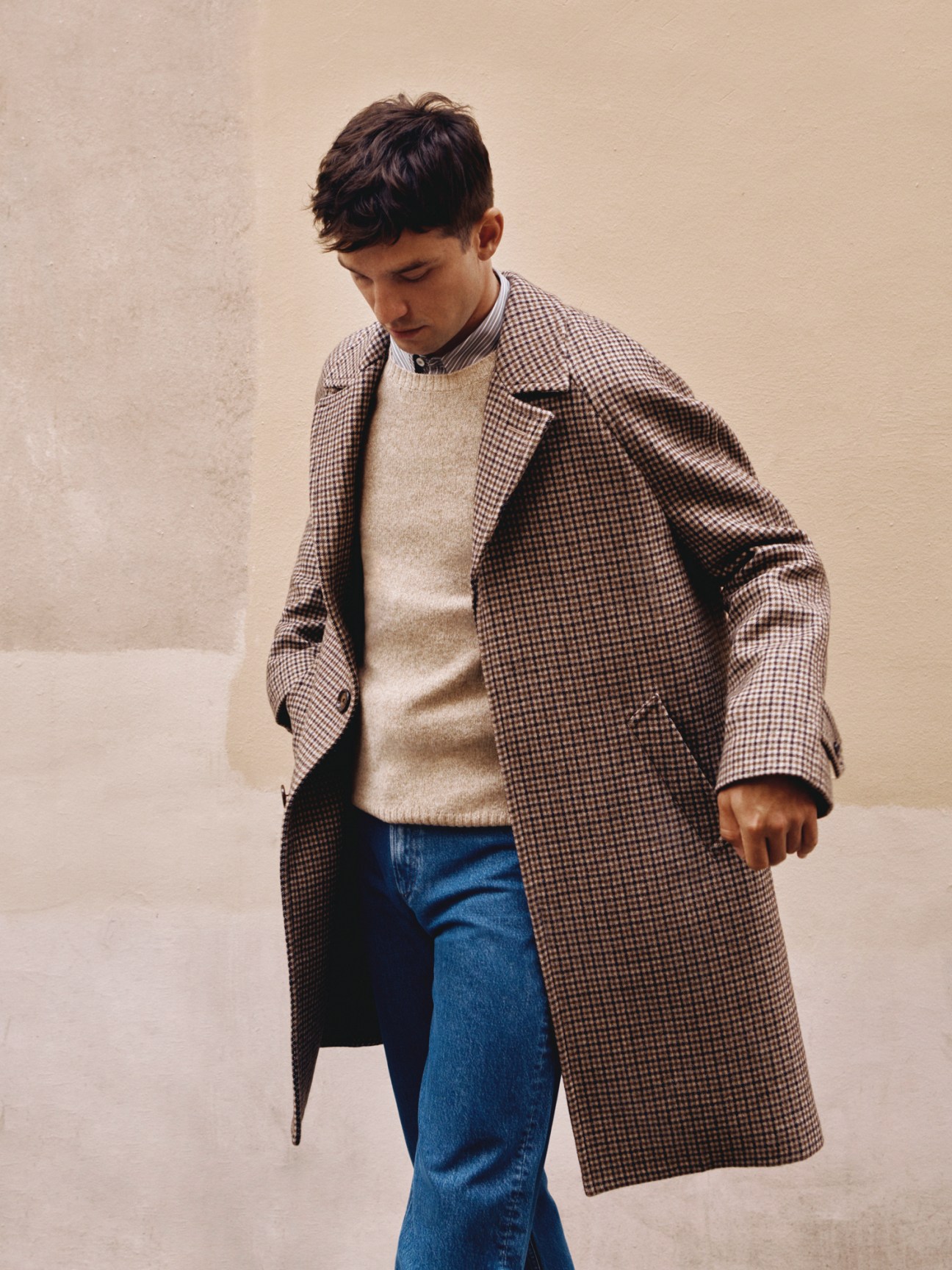
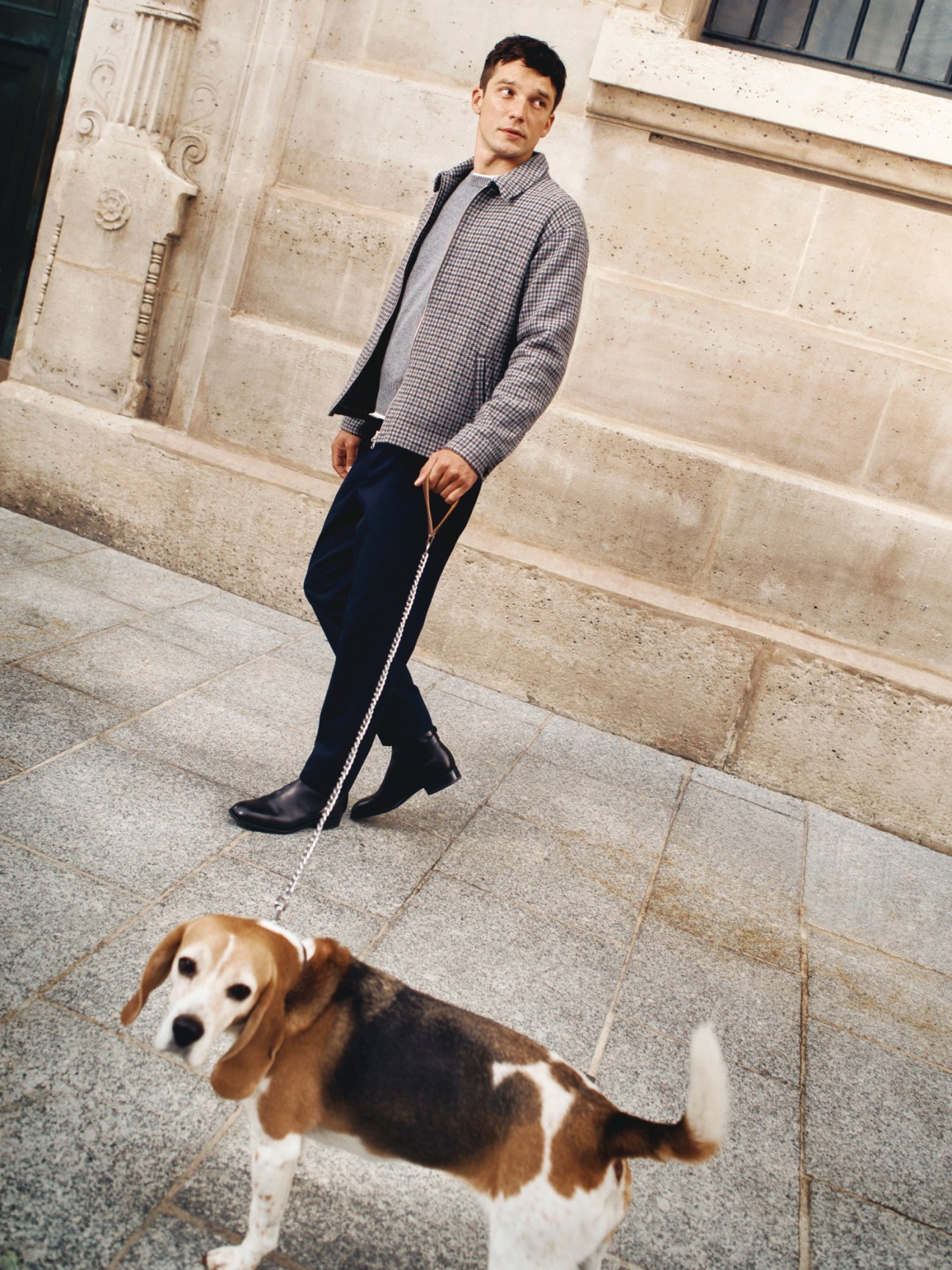
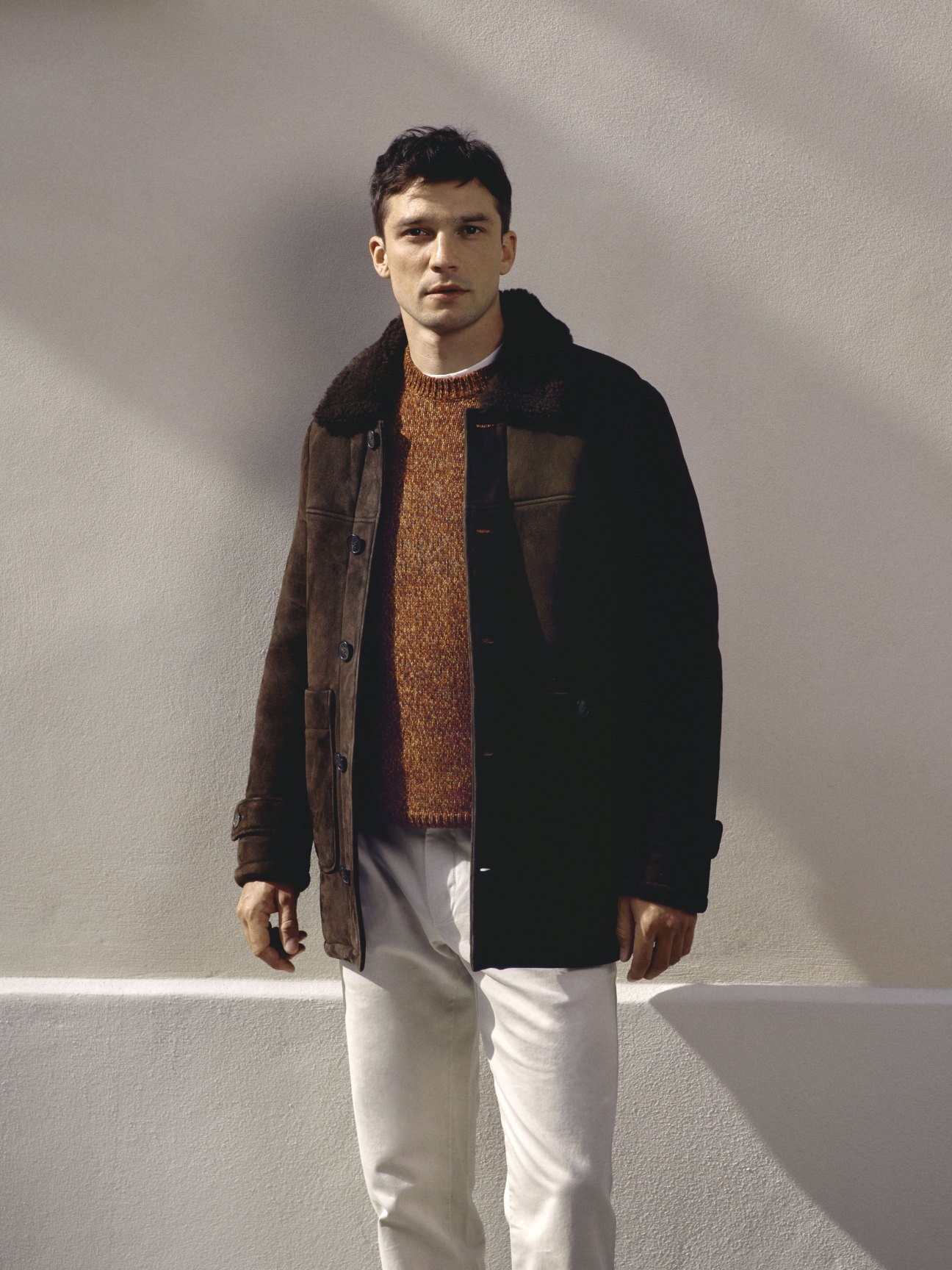
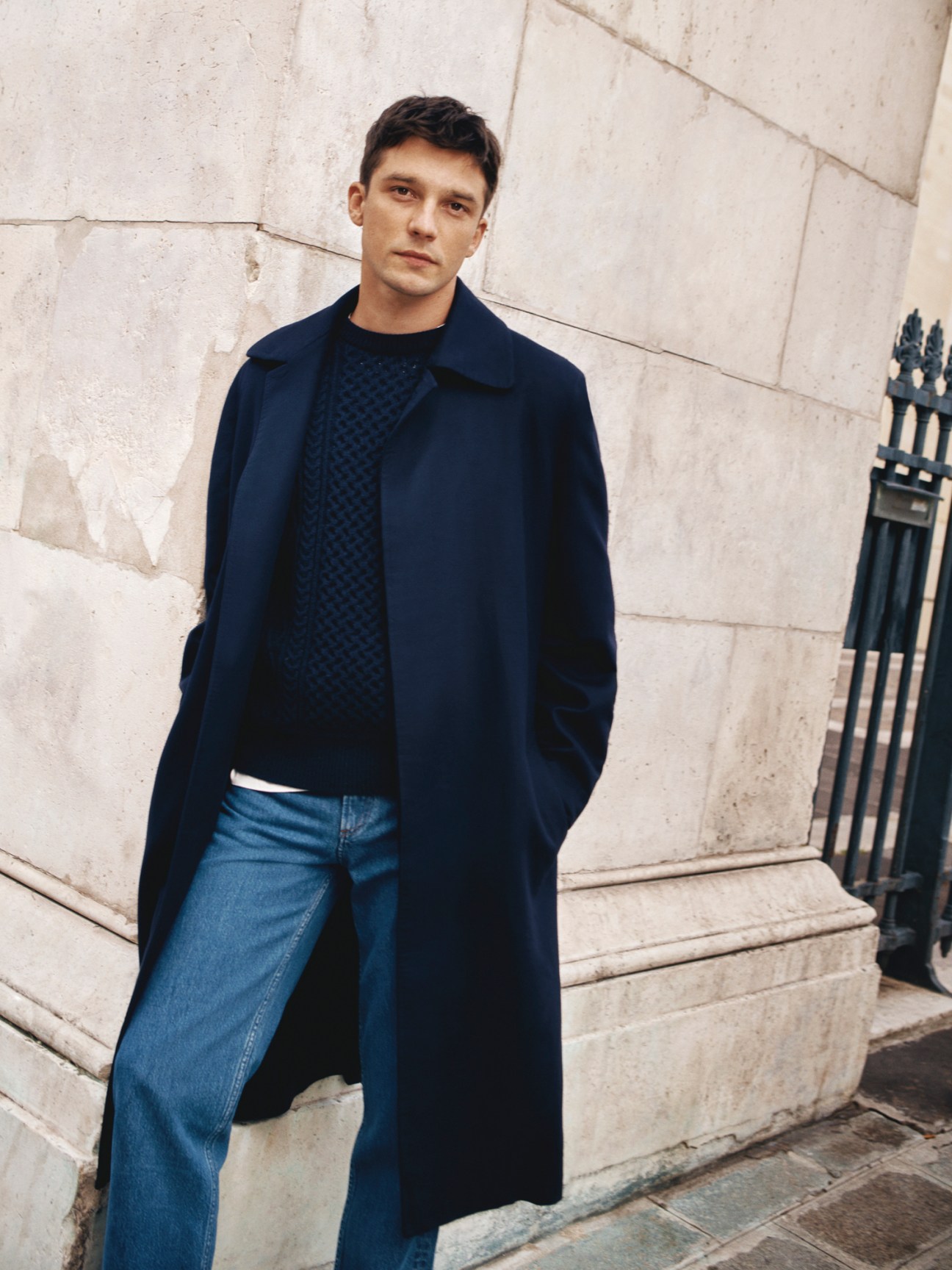
Model: Alexis Petit
Grooming: Charlotte Dubreuil
Photo assistant: Anatole Rassu
Stylist assistant: Laura Sar Bailly
Hidden layers
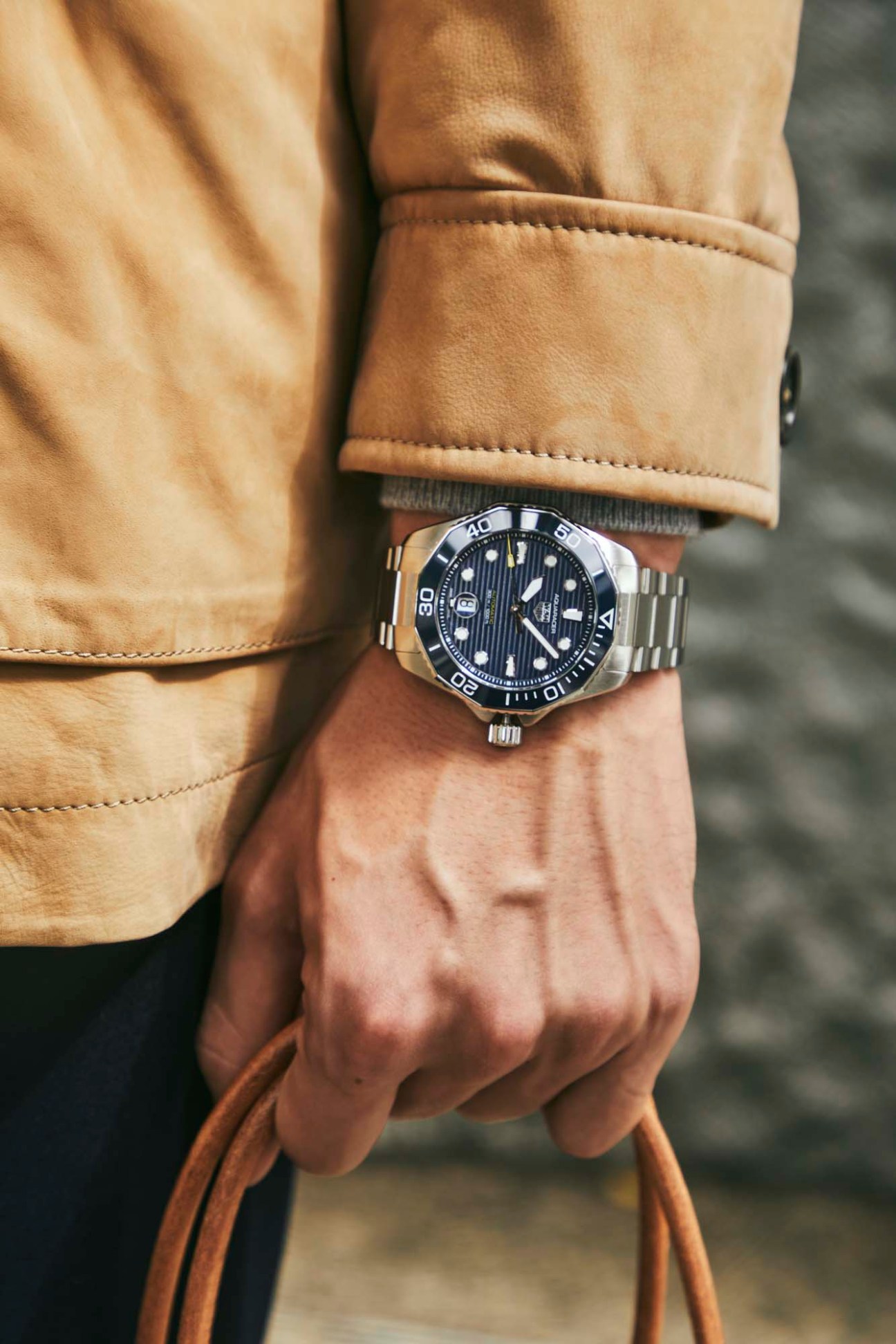
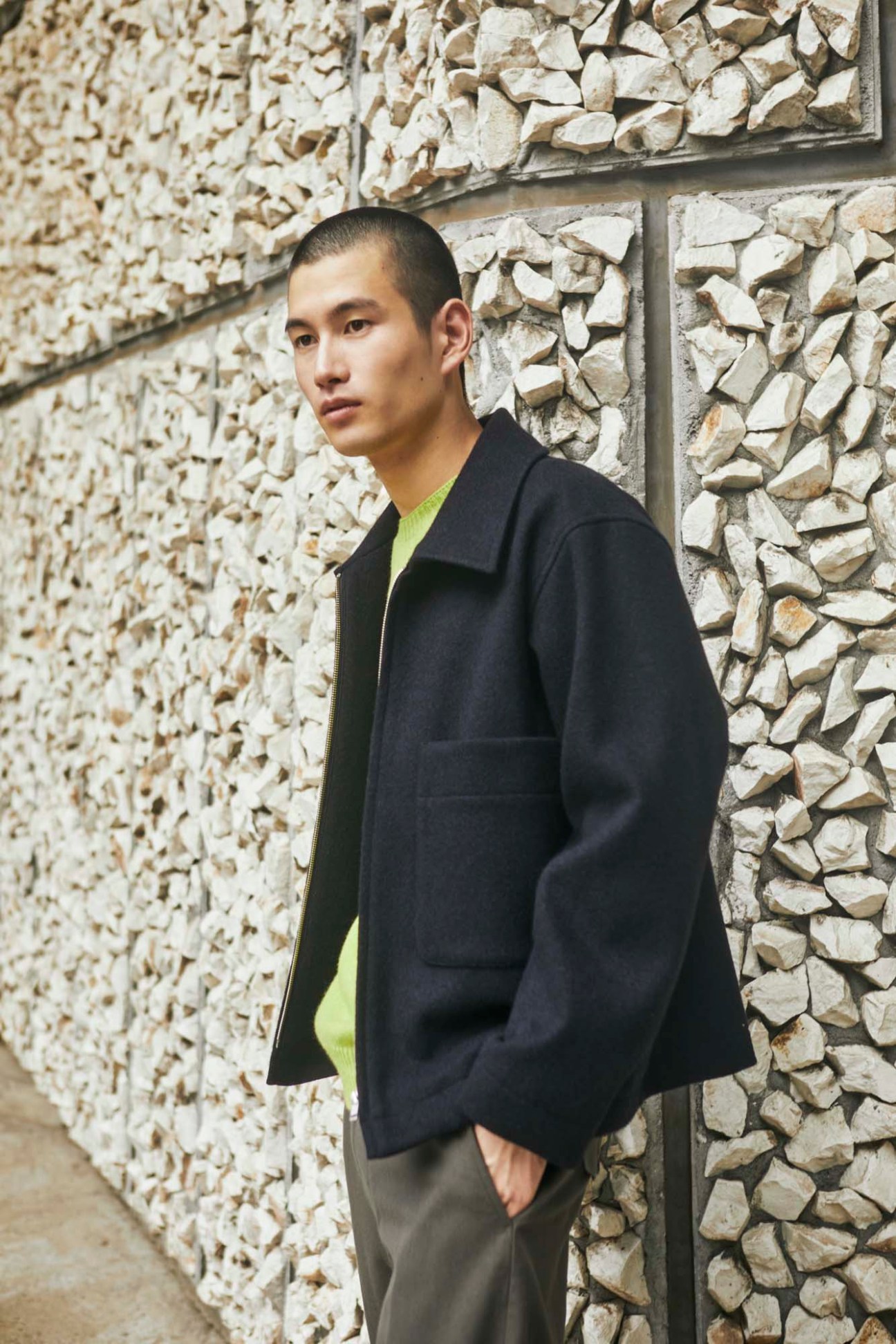
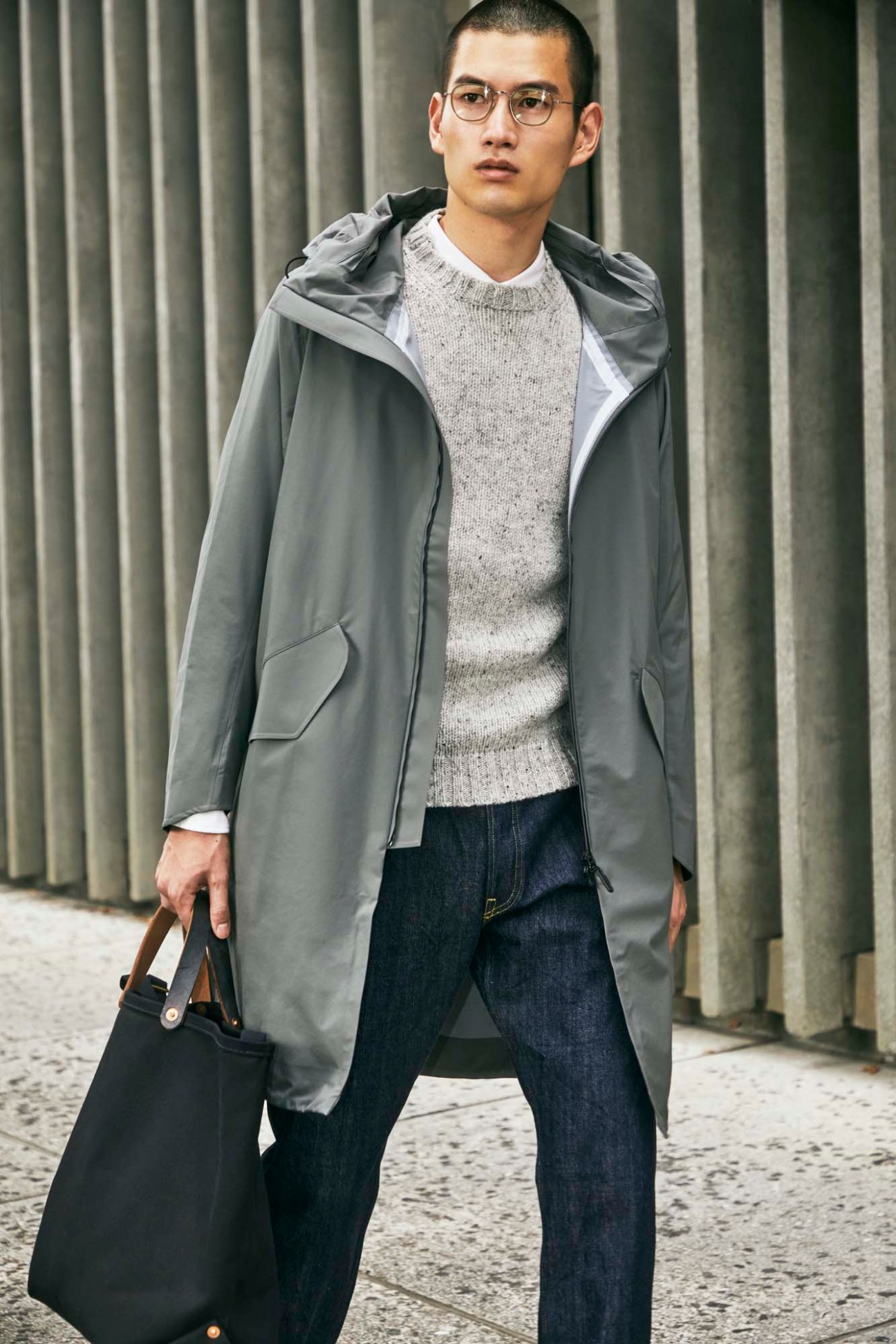
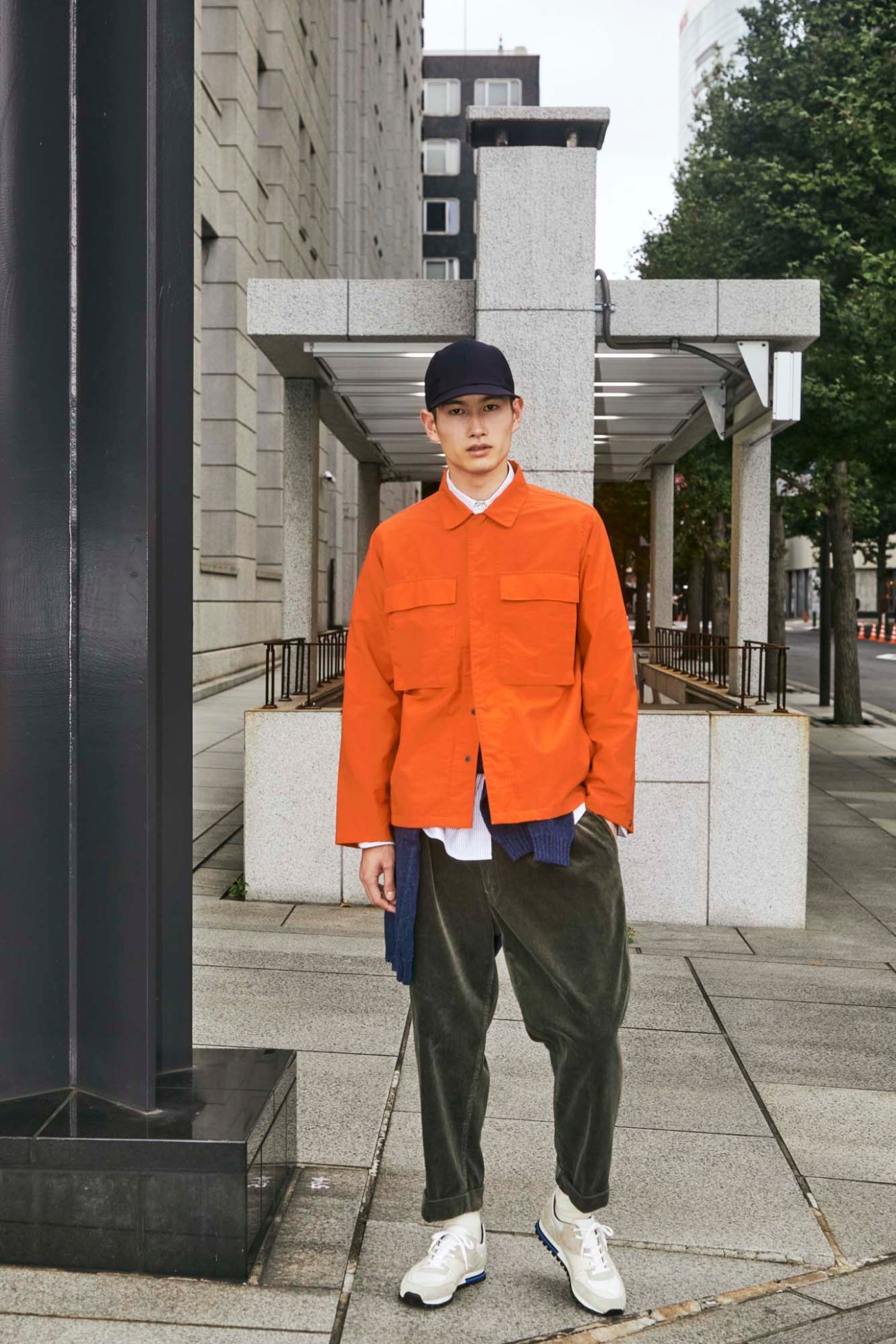
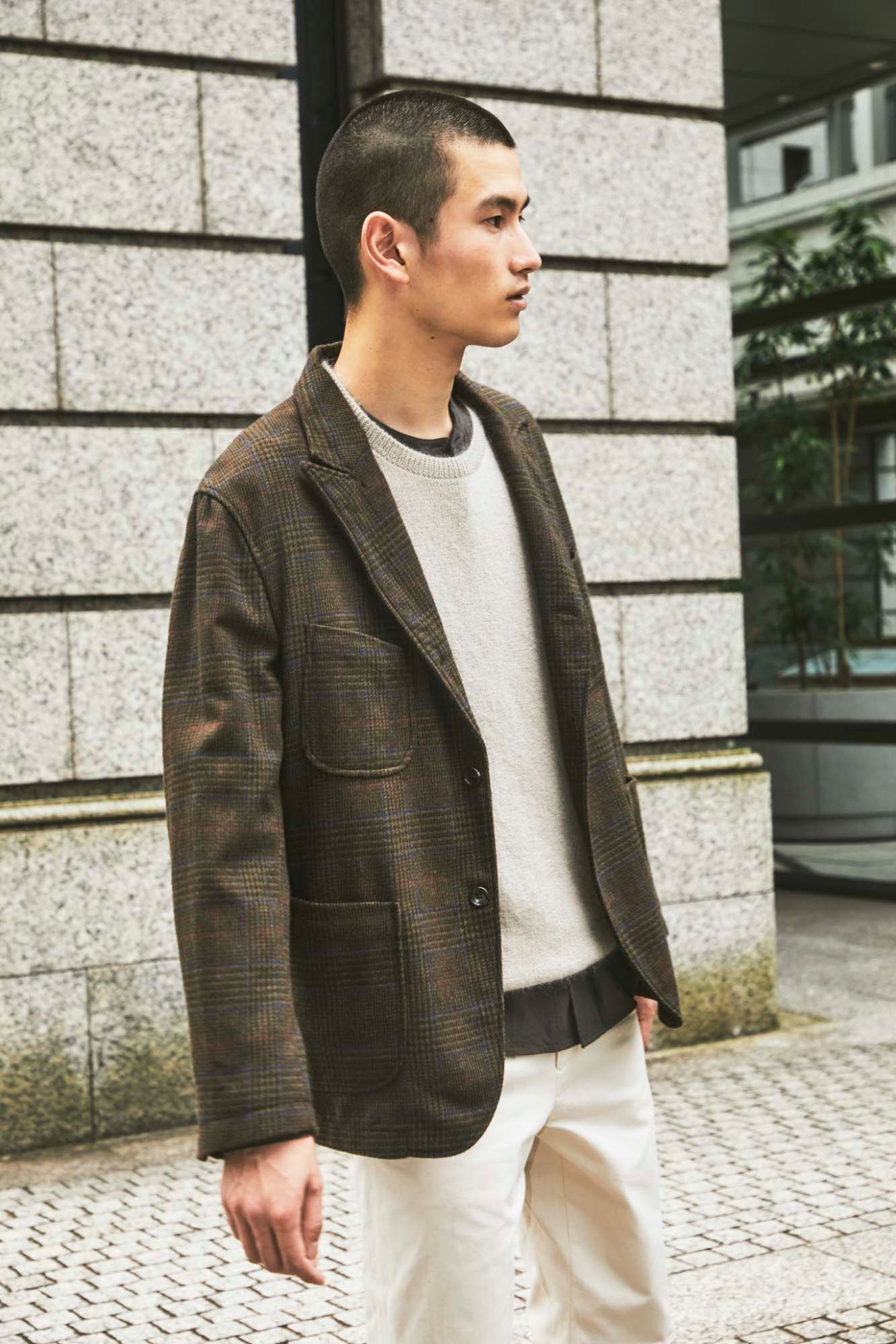
Stylist: Naoki Ikeda
Model: Kohei
Grooming: Eiji Sato
Local production: Shinri Kobayashi
Wake-up call
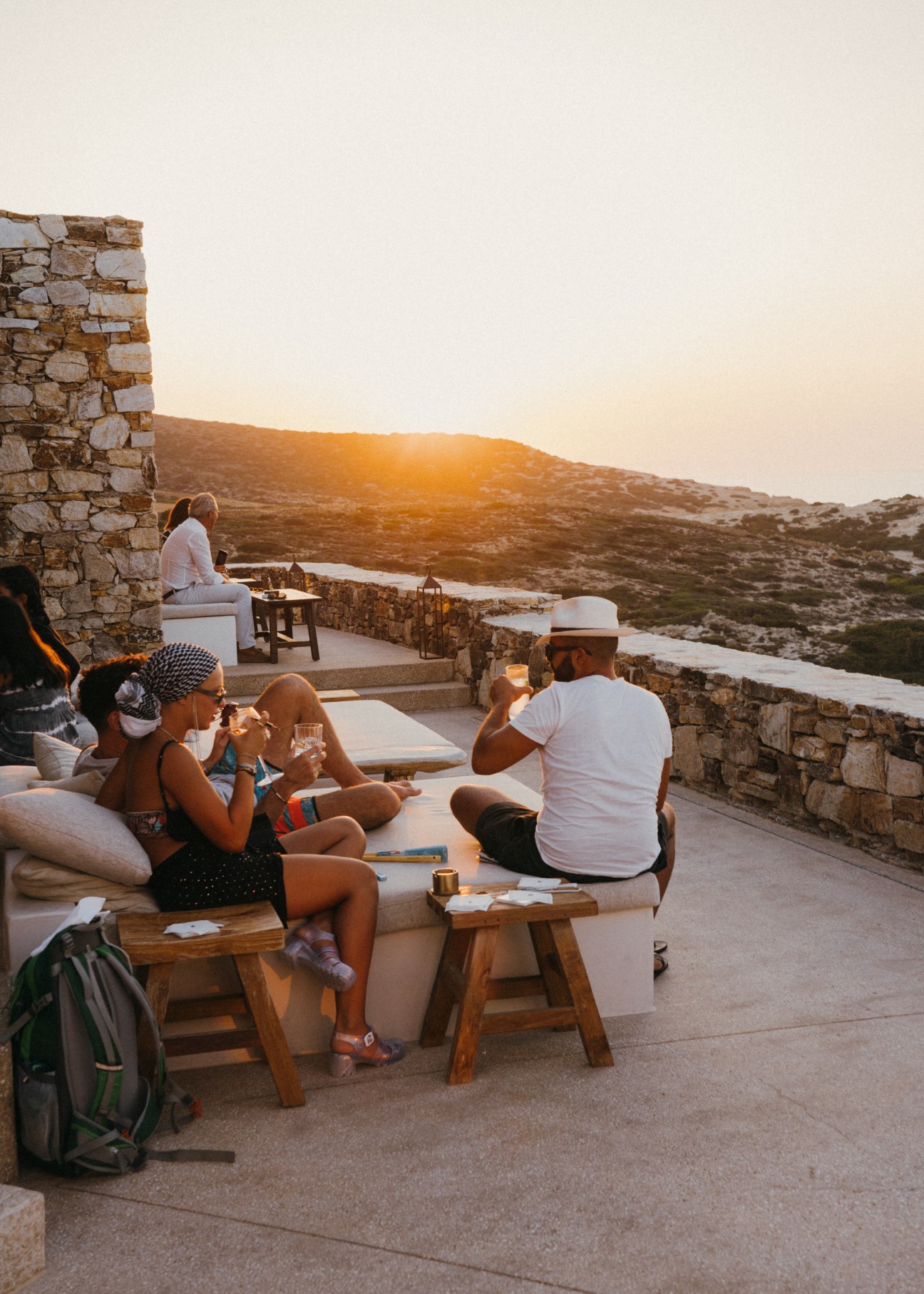
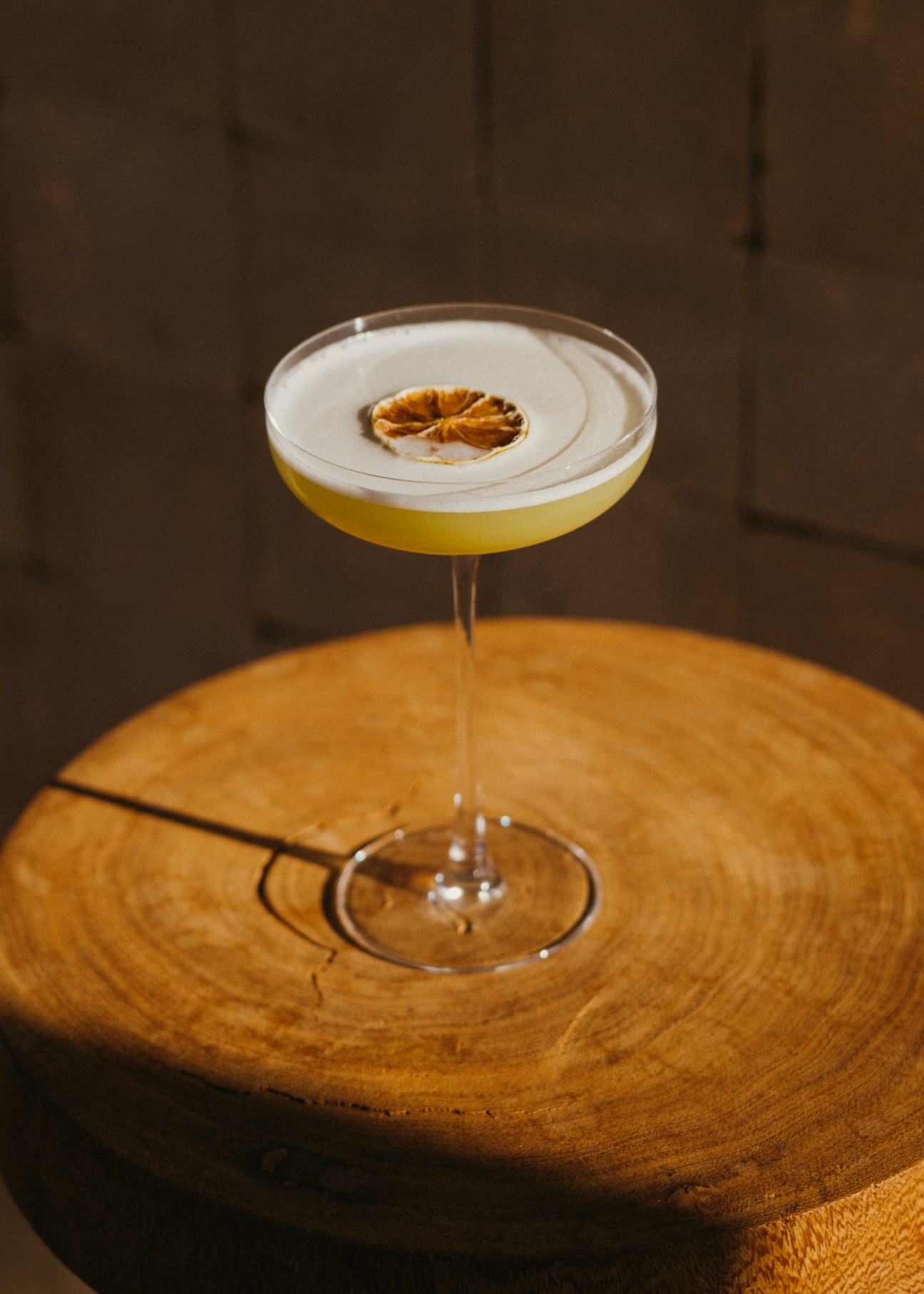
Doused in the light of an orange sunset, guests at The Rooster’s bar sip aromatic herbal martinis made with vodka, vermouth, bergamot, burned orange and thyme, or the soul maté, with cardamon rum, fresh ginger and pink salt. Here on the Cyclades island of Antiparos, guitarist Giorgos Lianopoulos is playing softly to a backdrop of the Aegean and the unspoilt Livadia beach below.
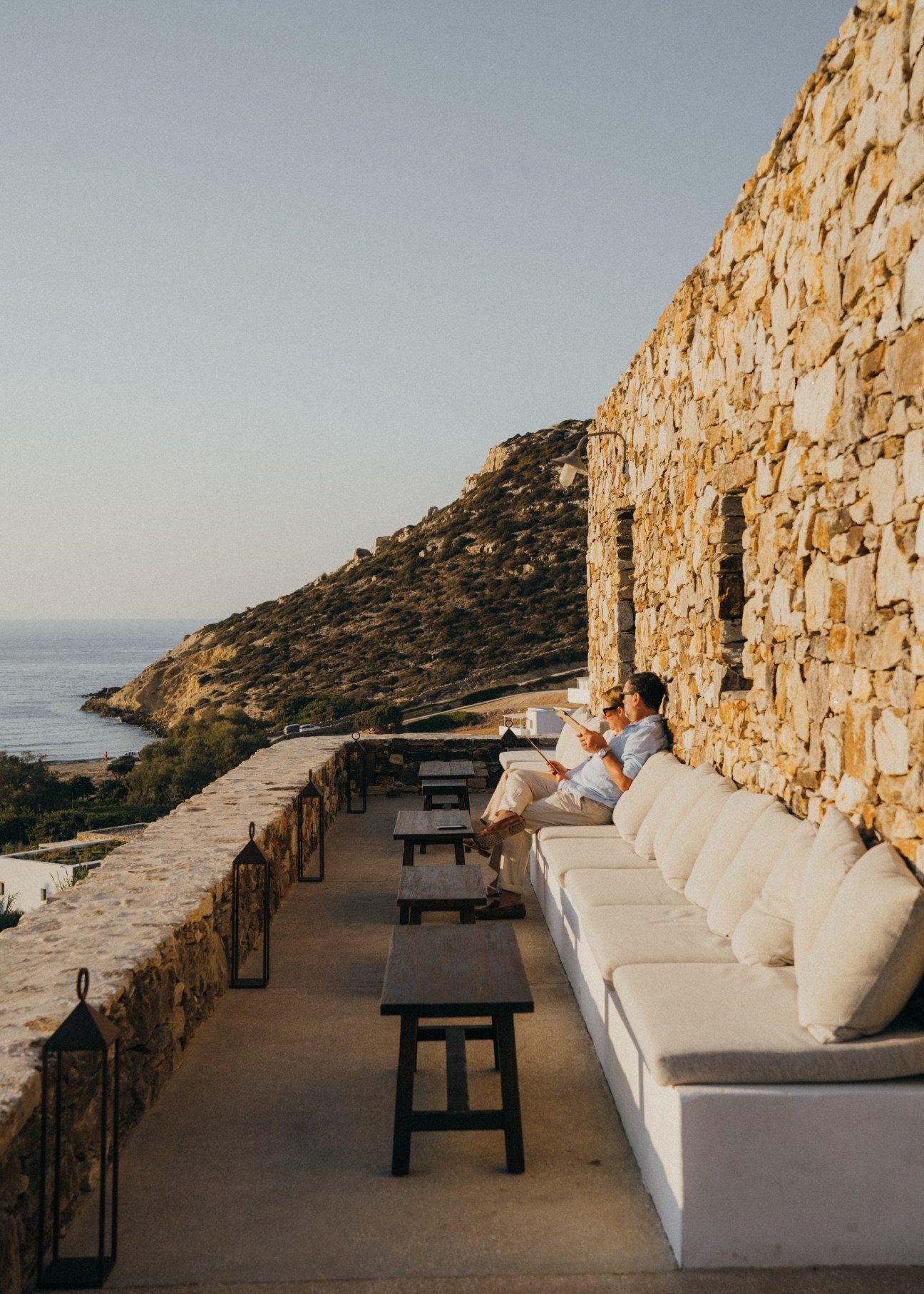
“Antiparos is all about calm and that’s what we’re trying to achieve at The Rooster,” says owner Athanasia Comninos, who opened the resort on the remote, northwestern side of the island earlier this year. “We really want to keep our footprint to a minimum.” The 16 earth-coloured villas, made from island stone, seem to blend into the hilly landscape. It goes without saying that you won’t find any sunbeds, umbrellas or music blaring on the beach.
As the evening sky turns to a pale purple, guests start to trickle from the bar to the outdoor dining area, which serves a seasonal menu by chef Andreas Nikolopoulos that makes tasteful use of produce from The Rooster’s vegetable garden just a few hundred metres away. Think traditional xynomizithra whey cheese with grapefruit, lavender and aniseed; cauliflower steak with herbs; or king-crab risotto delicately scented with saffron. The secluded restaurant, appositely named The Secret Garden, evokes the unfussy, intimate courtyards that are typically found in the region’s houses; diners eat while gazing at the valley.
“People told me that I was crazy not to choose a sea view for the restaurant but there is something special about the hills,” says Comninos, who swapped Mykonos for a summer house here a decade ago and slowly bought up the adjacent land. She now owns the entire valley. “I can’t help but think of Tuscany when I look at the landscape,” she says.
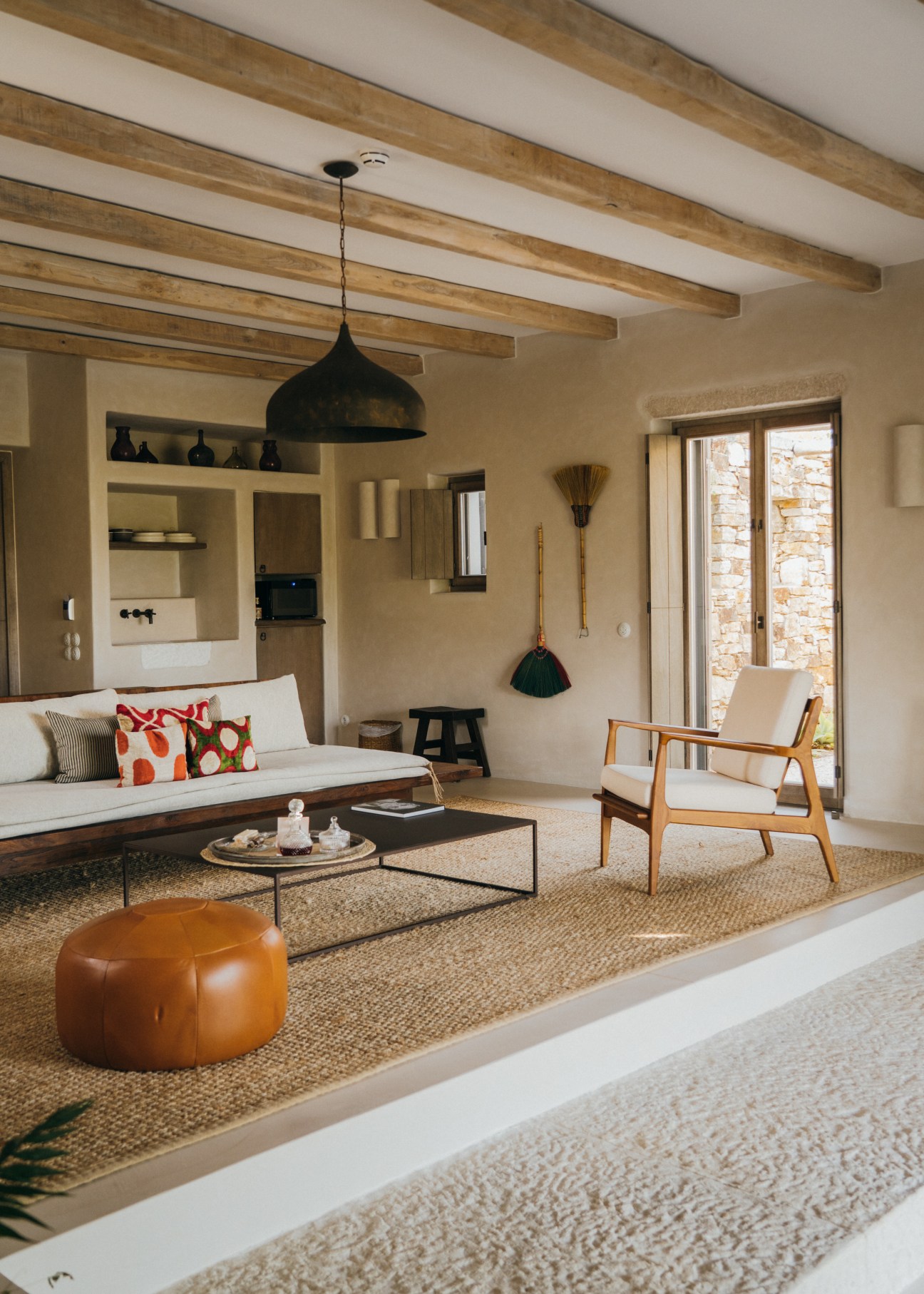
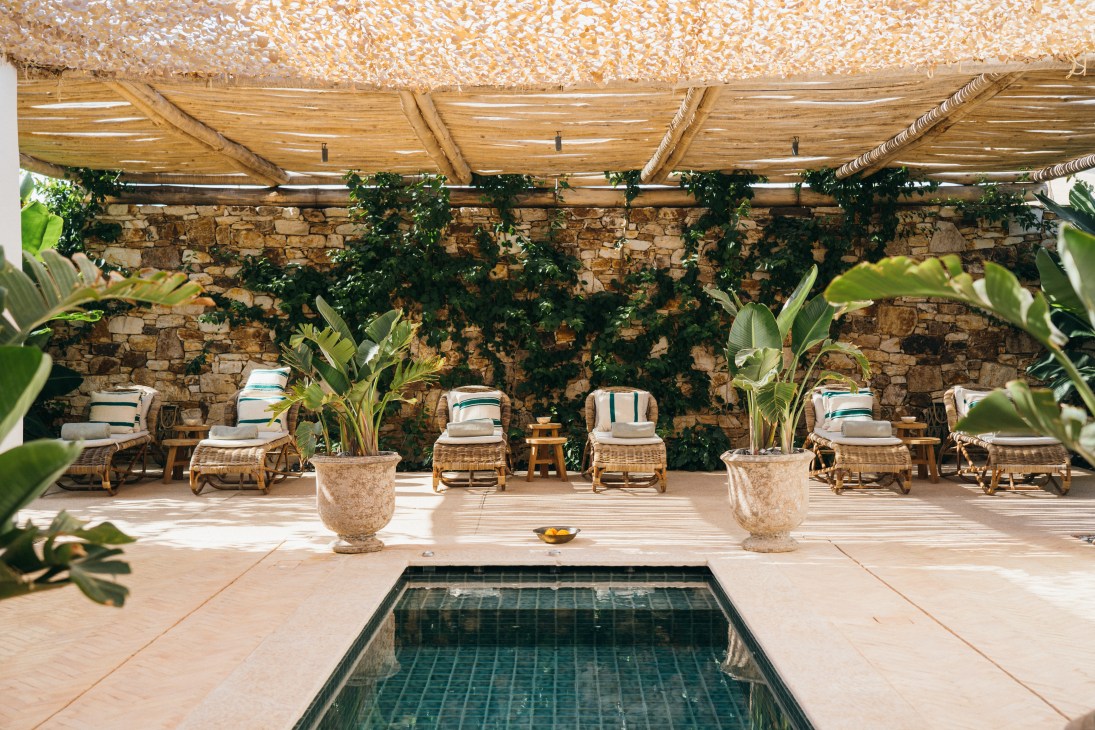
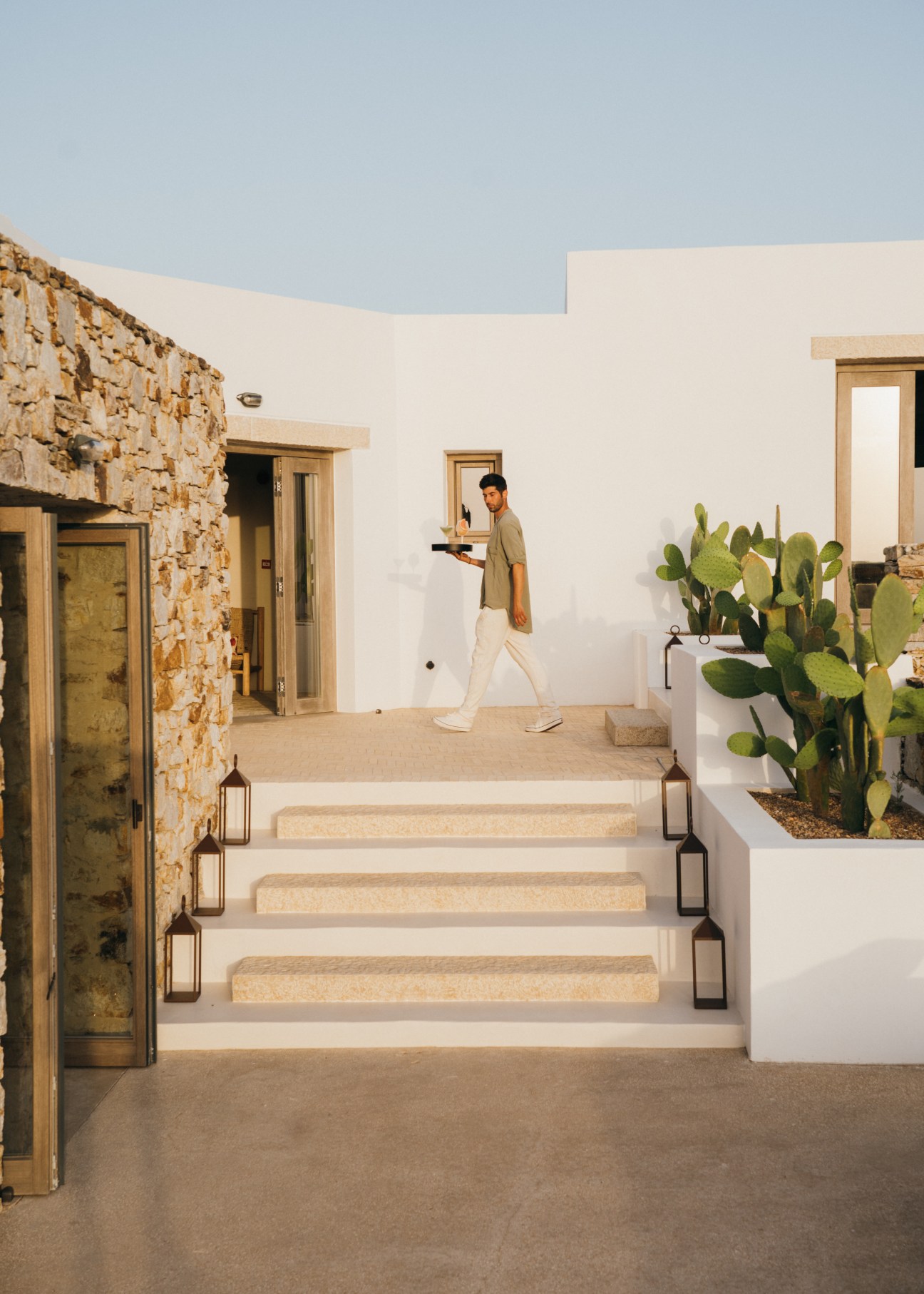
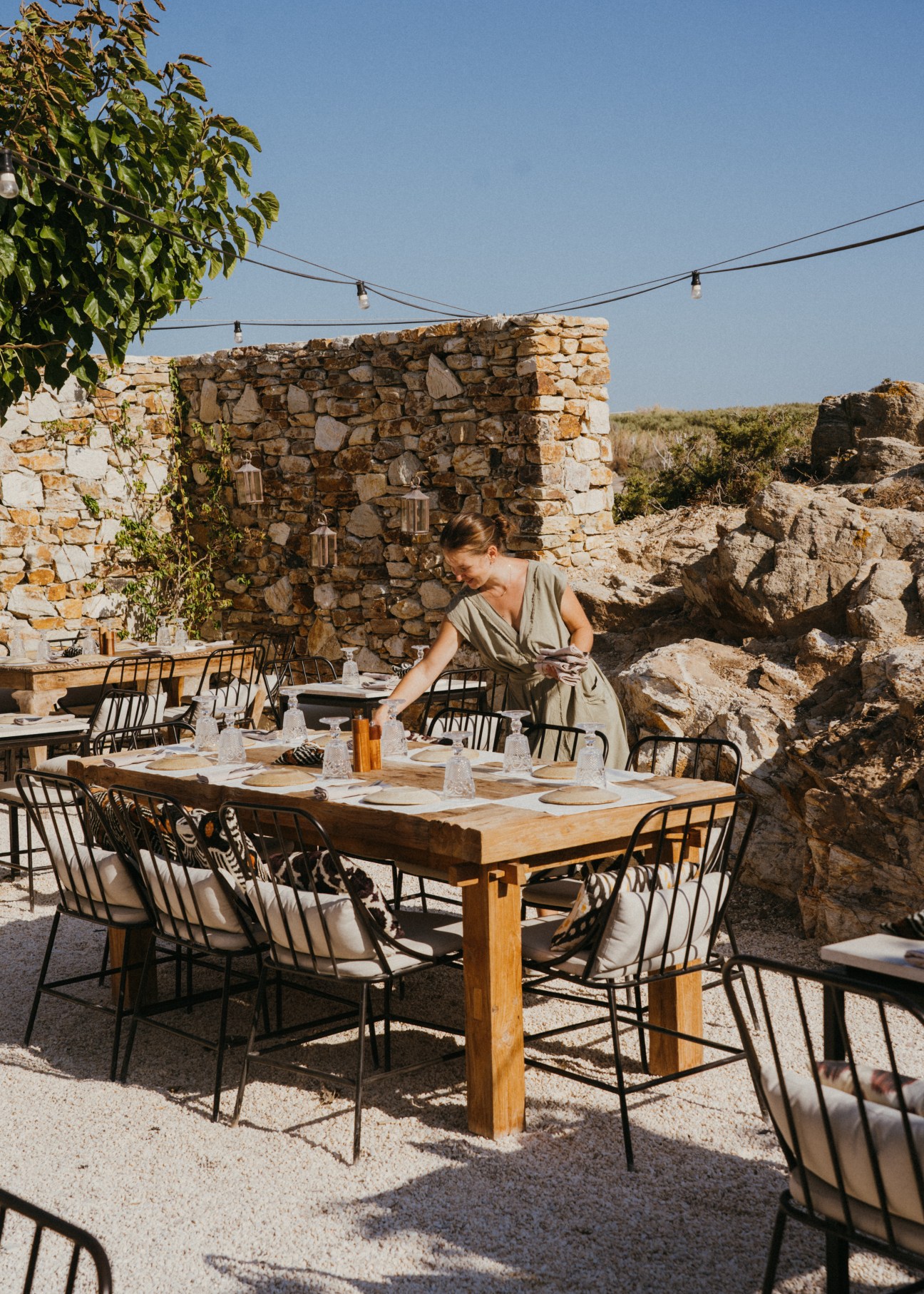
Bending the rules of what is strictly regarded as Greek has also served Comninos well when it comes to The Rooster’s design and architecture. The spacious and elegant villas are designed by Athens-based Vois, led by architect duo Katerina Vordoni and Fania Sinanioti, while Comninos, who previously studied interior design in London, has incorporated ideas from her travels to Brazil, Mexico and beyond.
“I don’t come from a hospitality background but I always used to dream of opening my own hotel,” she says, looking down onto the cedar-covered beach as preparations are made for a private event. “For now I’m just excited to be able to share my happy place with other people.”
theroosterantiparos.com
Design destination
Design destination
Finland
In the first of a new series of journeys, we hit the road and head to the village of Noormarkku, western Finland, in search of superlative Finnish design.
Helsinki is a global design capital but much of Finland’s best art and design can be traced to its rural hinterlands. There’s no place that exemplifies this better than the Ahlström Ironworks in the village of Noormarkku in western Finland, which is why a weekend pilgrimage here will suit design-minded travellers. The area also acts as a window to the Nordic nation’s architectural past, with several buildings by fêted Finn Alvar Aalto. Bags packed? Then we’ll begin.
Helsinki to Salkola, Nuutajärvi and Noormarkku
Day one
As we head out of the capital, it doesn’t take long before the landscape turns into a patchwork of villages and fields of wheat and barley. The motorway becomes a single-lane country road lined with birch trees and pines as we leave Helsinki behind. On the way to Noormarkku, we stop for a dip in Lake Salkola, 96km northwest of the city, and a short amble in Torronsuo National Park. We also buy strawberries from a streetside vendor before visiting the glassworks in the village of Nuutajärvi, a 50-minute drive from Salkola, where Finnish glass-makers such as Kaj Franck and Oiva Toikka once huffed and puffed.
After a clear run for the remaining 135km, we arrive in Noormarkku on a sultry afternoon. The Noormarkunjoki river divides the verdant landscape and the scene has a stately air thanks to the tree-lined paths that lead to manicured gardens and mansions. Along with the grand buildings there’s a red sawmill and a grey-brick ironworks that remind visitors of how the nation’s reputation for design was forged here by the Ahlström family, who once employed some 15,000 people in the region.
Day one
Helsinki to Salkola (96km)
Salkola to Nuutajärvi (65km)
Nuutajärvi to Noormarkku (135km)
Address book
Swim
Beach at Lake Salkola
Valtatie 2, Somerniemi
Walk
Torronsuo National Park
nationalparks.fi
See
The Nuutajärvi Glass Village
nuutajarvi.fi
Stay
Ahlström’s Ruukki
ahlstrominruukit.fi
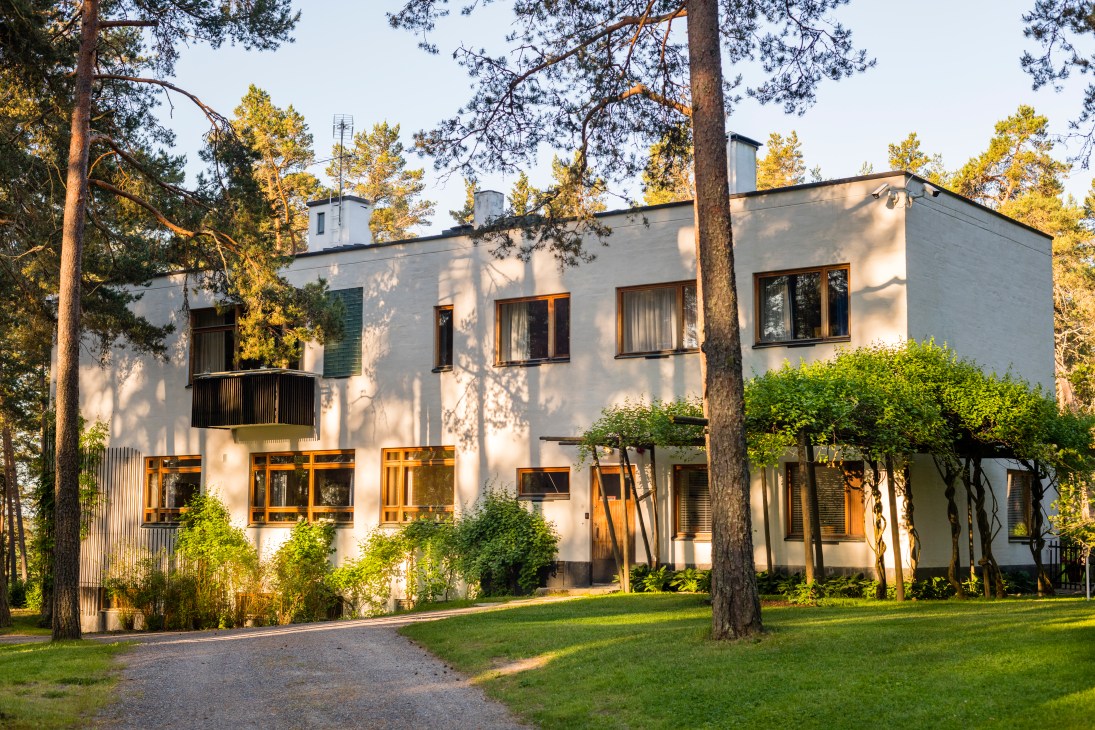
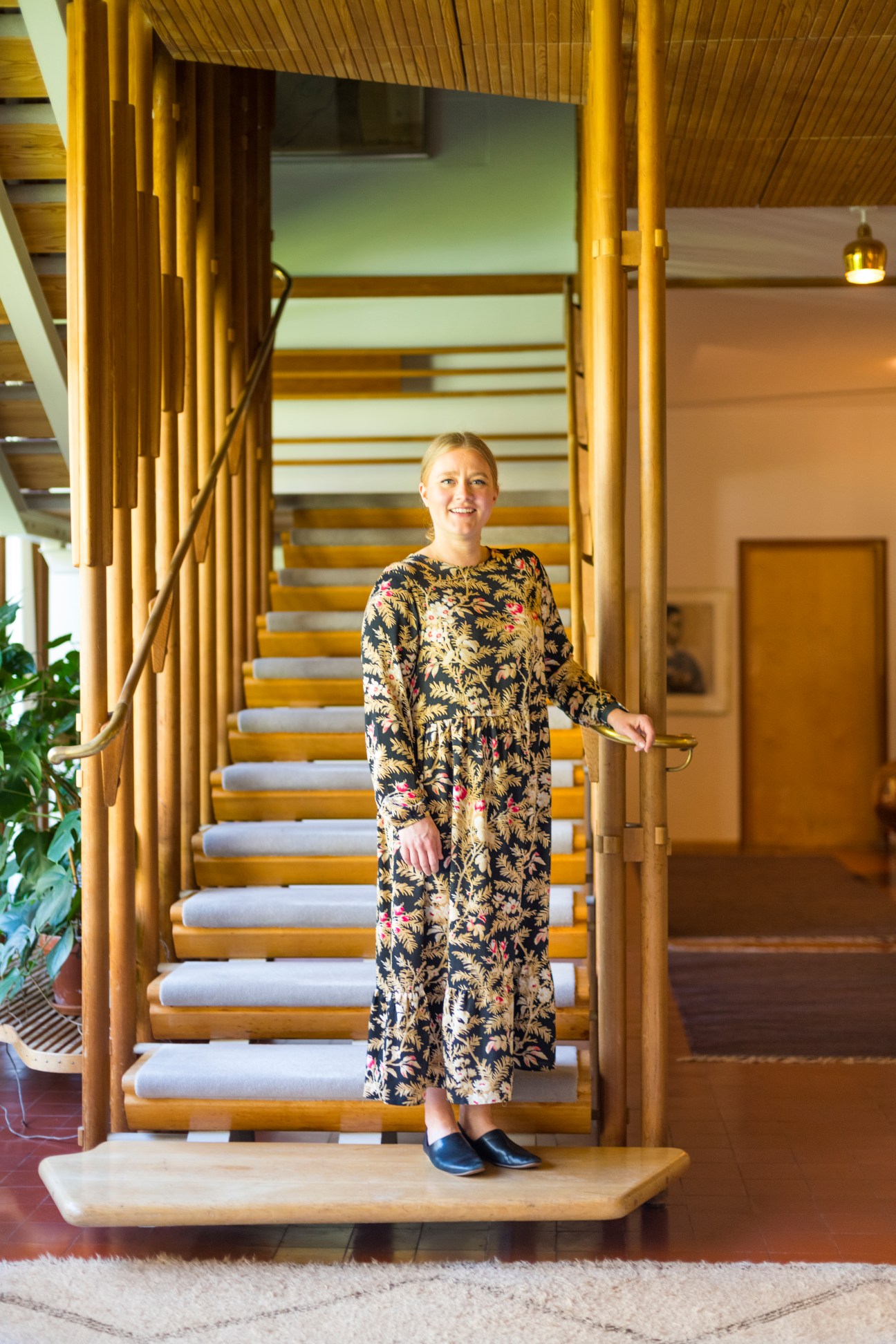
There’s a sloping road leading up to a coniferous forest in which sits a white limestone-and-wood villa that’s smaller than many of the other houses here. This is Villa Mairea, one of the purest examples of 20th-century Finnish architect Alvar Aalto’s style. Its former inhabitants, industrialist couple Harry and Maire Gullichsen, gave him free rein and an almost unlimited budget. “The amount of details to study here is mind-blowing,” says Saida Lindroos, executive director of the Villa Mairea Foundation, which looks after the building.
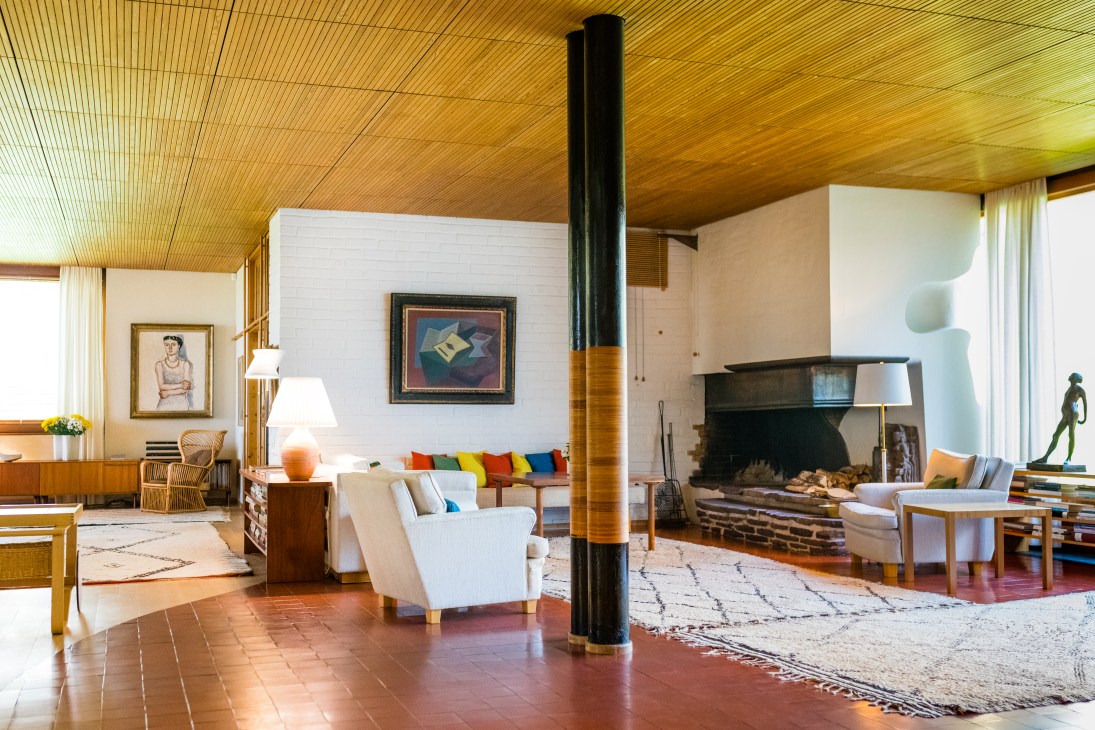
“Almost everything has been designed by Aalto and his wife, Aino,” says Lindroos. Many pieces, such as the oak benches in the music room, are site-specific and unique. Other pieces, such as the birch-legged sofa, were designed for the villa but were later mass-produced by the Aaltos’ furniture brand Artek.
Mairea is also a treasure trove for art lovers. Paintings by the likes of Picasso, Matisse, Modigliani, Warhol and Léger can be found all over the 800 sq m villa in a collection that has few equals in Finland. “This is what surprises our visitors the most,” says Lindroos. “They come expecting to see mainly design and architecture but find themselves marvelling at the art as well.”
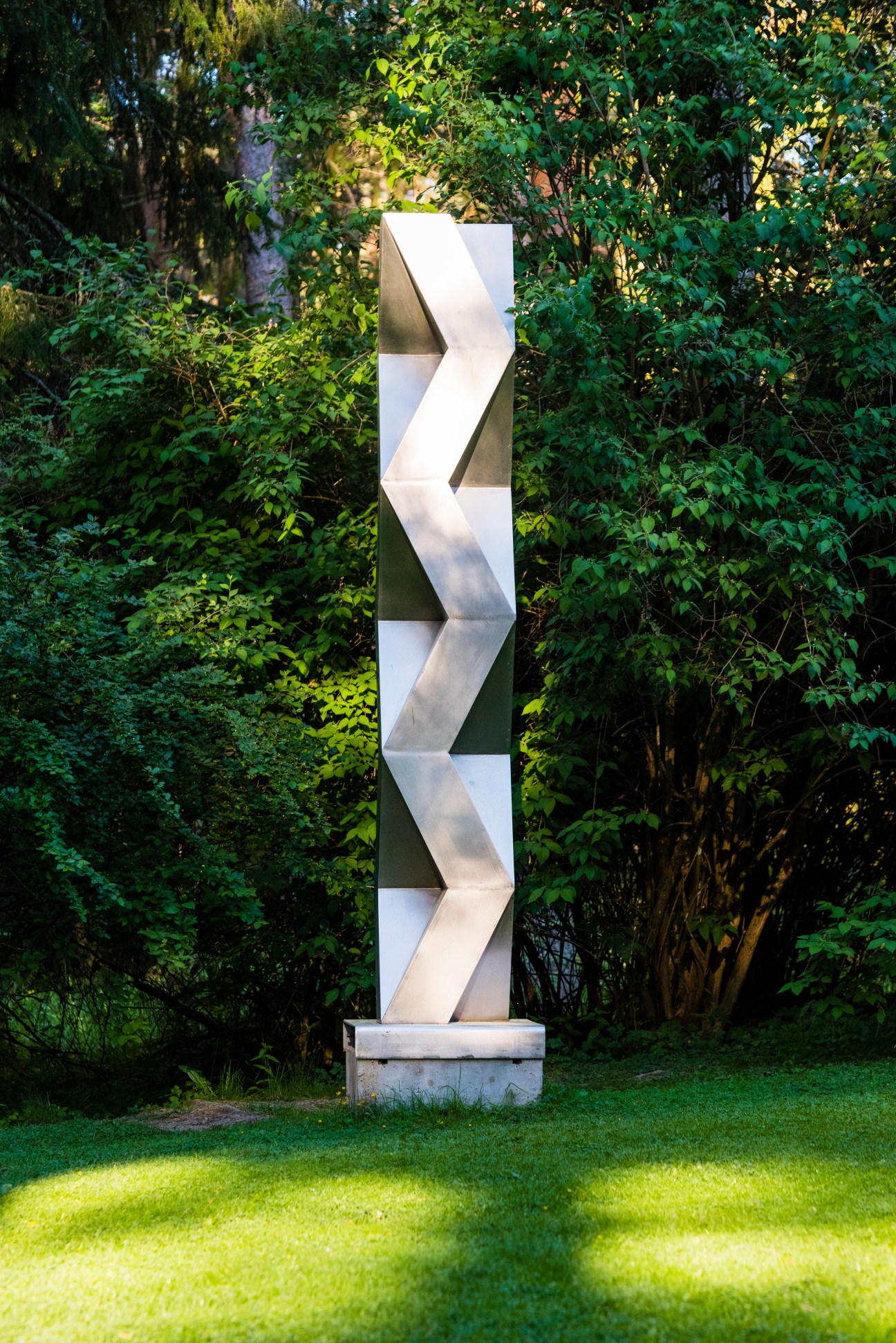
Aalto’s story is linked to this area in other ways. A few years prior to the completion of Villa Mairea in 1939, Gullichsen, the Aaltos and art historian Nils-Gustav Hahl founded Artek to standardise and commercialise the production of the Aaltos’ furniture. Over the years the business grew into the well-known company that it is today. Some of the prototypes for Artek pieces, such as Tea Trolley 901, Stool 60 and the Hall Chair 403, are still in the museum housed in the former ironworks, which also features a vast collection of glass works by prominent Finnish sculptors and designers, such as Timo Sarpaneva and Tapio Wirkkala, as well as by design brand Iittala, which the Ahlströms owned for most of the 20th century.
As the first day of sightseeing draws to a close, we sit down for a dinner of potatoes, Baltic herring and asparagus at the castle-like Havulinna buildings, which are our accommodation for the night. As the sun sets over the river, we retire to the veranda of the 1901-built art nouveau edifice and wonder if its architects might once have stopped in this very spot to marvel at the same stirring views.
Noormarkku to Forssa and Helsinki
Day two
We start our second day with a breakfast of rye bread and coffee at Havulinna. Day two is devoted to exploring the architectural riches and great outdoors that define the estate. It’s still owned by the Ahlström family, who started opening up the area to visitors 10 years ago. “We grew up here and it means a lot to us that it stays the way it is,” says managing director Peter Ahlström.
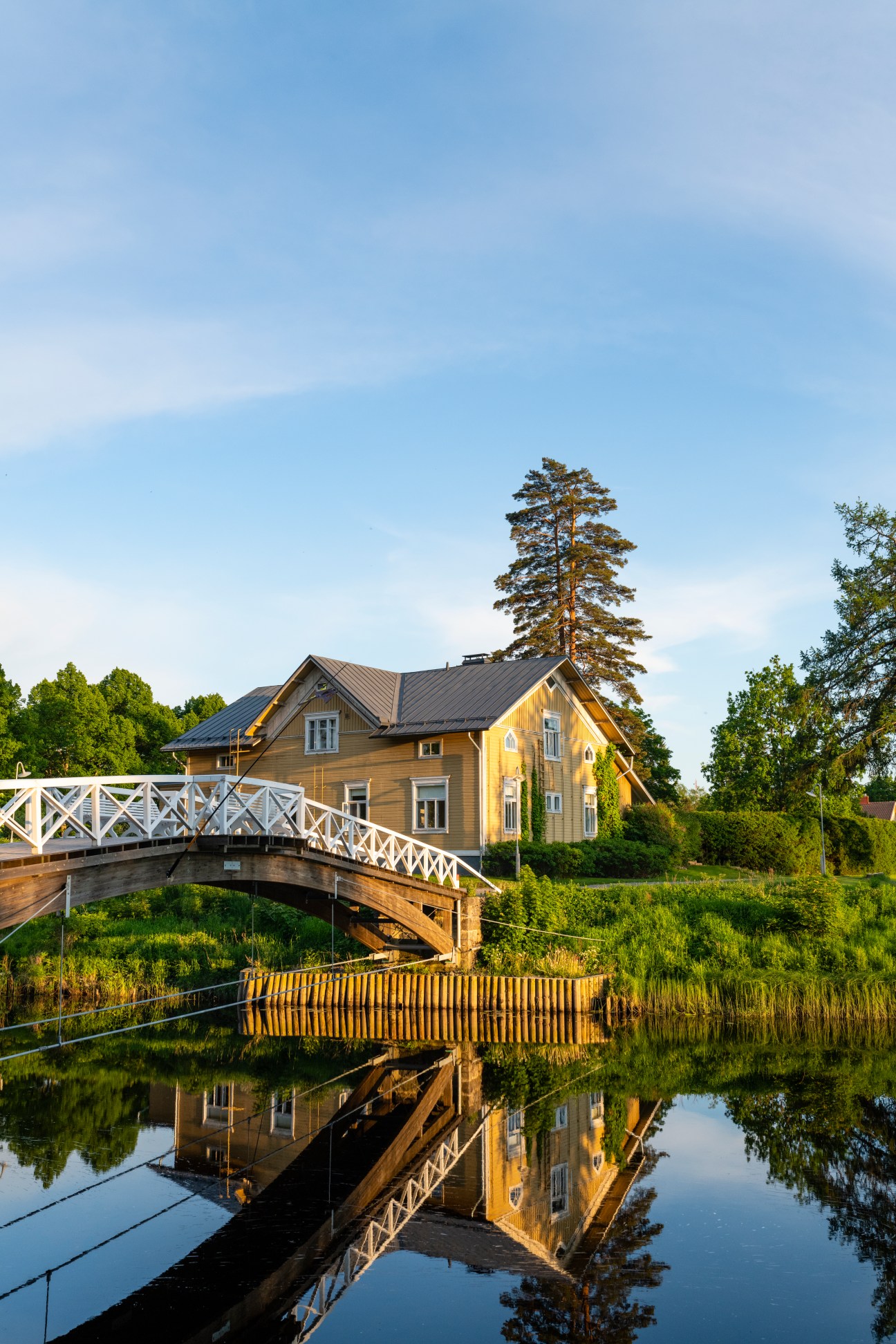
The estate receives just 10,000 or so people a year and some of its buildings remain off-limits. Yet photographs of visits by the king of Sweden and a UN secretary-general underscore the village’s importance to Finnish diplomacy. It’s also a source of inspiration for designers and a great place to spend a weekend. “We’re proud of the art and design but we also want to offer a wholesome experience,” says Ahlström. “You can hike, ride horses, play golf, go kayaking and enjoy our saunas.”
There’s certainly a lot to see here. The Ahlström company’s colossal 1916 headquarters by Finnish architect Emil Fabritius blends classicism and art nouveau. Evert Lagerspetz’s 1881 renaissance-revival villa Isotalo houses a work by turn-of-the-20th-century painter Akseli Gallen-Kallela, a close friend of founder Antti Ahlström. And the stone villa Havulinna, by Swedish architect Gustaf Adolf Lindberg, is a textbook example of Finnish art nouveau.
In the Noormarkku Club restaurant, chef Jukka Luojukoski is working on a new menu that relies on seasonal produce, such as morel mushrooms and chanterelles from nearby forests, and pike. “We source more than 80 per cent of our ingredients from the area,” he says. “A must-try is our elk tournedos from regional hunters, which I once cooked for Ban Ki-moon. He loved it.”
After refuelling we make for the Ahlström Ironworks, a vast estate that would take two days to see in its entirety. “This was once home to Finland’s mightiest business empire, with a passion for art and design,” says guest relations manager Tiina Rajala. “I encourage visitors to go slowly. Take a long walk along the river, breathe the country air and you’ll begin to sense a bygone era.”
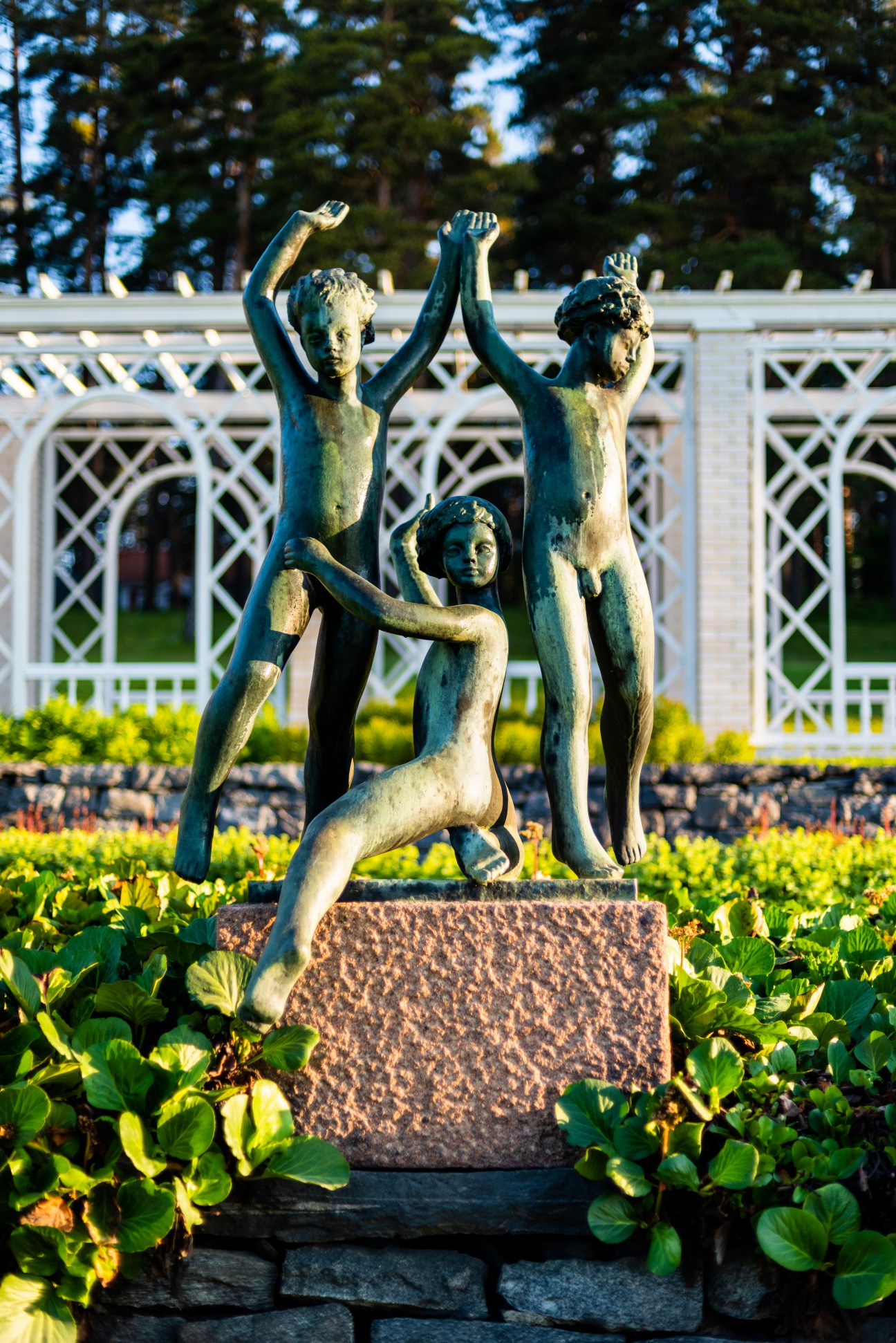
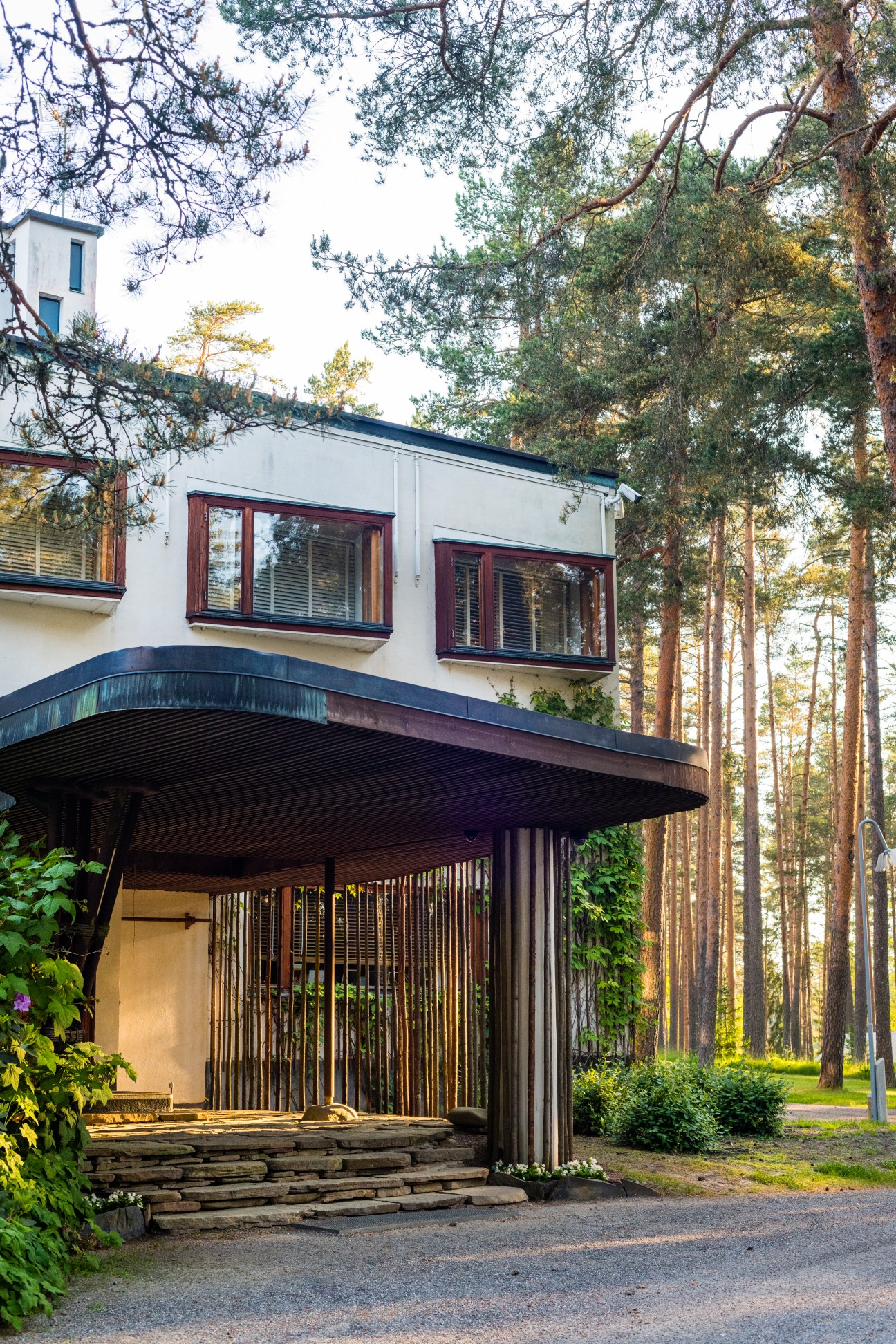
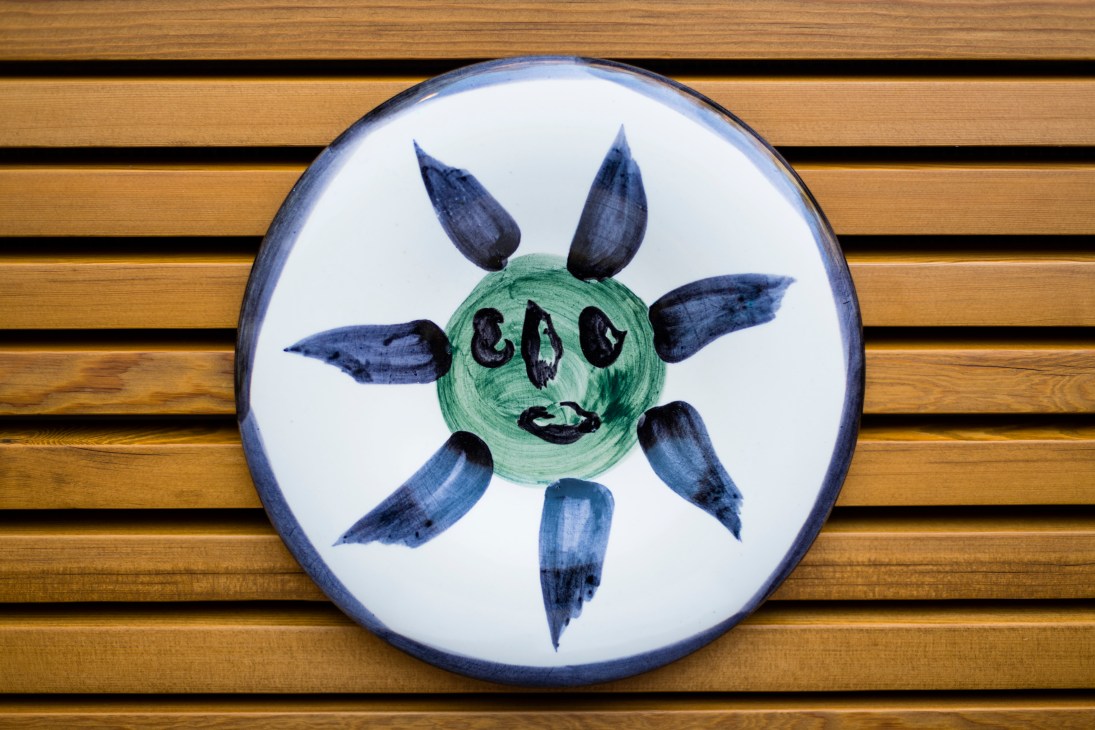
As we head down country roads for the 260km drive back to Helsinki, there is a sense that our trip took us back in time as well as across the country. We stop in the town of Forssa and settle at Ravintola Villa for seared salmon, coffee and a few moments to digest all that we’ve experienced. The Ahlströms’ legacy, overlooked for so long, seems to live on in the ageless designs we’ve seen and the retelling of their stories. This might not be an established design pilgrimage but that’s likely to change, which is why now is the time to visit this under-explored corner of Finland.
Day two
Noormarkku to Forssa (145km)
Forssa to Helsinki (118km)
Address book
See
The Ahlström Ironworks
Laviantie 14, Noormarkku
ahlstrominruukit.fi
Walk
The grounds of the Ironworks
Start at Laviantie 14, Noormarkku
Eat
Restaurant Villa
Hämeentie 7, Forssa
ravintolavilla.fi
Stay
St George Helsinki
Yrjönkatu 13C, 00120 Helsinki
stgeorgehelsinki.com
The travel desk
Northern Italy
Monocle reader: Can you suggest somewhere in northern Italy to strike out for the weekend – and not Milan this time?
Travel desk: Sounds like a case of post-furniture-fair fatigue. Luckily there are several treatment options. First, Portofino is a three-hour drive or two-hour train ride down the Ligurian coast. The new Hotel Splendido here is excellent and beyond the swanky harbour you’ll find many humbler pleasures, such as the 1,000-year-old abbey of San Fruttuoso, a former monastery. If you’re looking to really escape the crowds then head to the quiet fishing village of Portovenere. From its pier, take a small boat to the Locanda Lorena restaurant on the tiny island of Palmaria.
But what we’d really recommend is a trip to the shores of Lake Como, an hour north of Milan by road or a quick hop on the train, where the wind-tousled palms and rows of cypress trees signal your arrival to somewhere rather special. Here are a few other lakeside options.
1.
Do
Hotel Il Sereno spa
Torno
Designed by Patricia Urquiola, the spa here is a uniquely appealing affair, with soothing grey granite interiors, Urquiola’s own playful furniture designs and an infinity pool at the lake’s edge.
serenohotels.com
2.
Eat
Villa Cipressi
Varenna
Grab an outdoor table overlooking the lake amid the antique villa’s lush gardens of iris clusters and trellises of wisteria.
hotelvillacipressi.it
3.
See
Villa Carlotta
Tremezzina
Hop on a ferry to this late 17th-century villa to visit the gardens and to glimpse the lake as it was once experienced by the Romantic-era poets and Grand Tour travellers.
villacarlotta.it
4.
Buy
Agiemme
Como
Opened in 1957 and now run by Adriano Monti and his wife Mariella, this is a one-stop shop for well-cut clothes, from Zanone pullovers to Aspesi blazers and the shop’s own line of jumpers and knitwear.
agiemme.com
5.
Stay
Grand Hotel Tremezzo
Tremezzina
Expect plush rooms in this art deco palazzo and be sure to make the most of aperitivo hour by the pool.
grandhoteltremezzo.com
Runo
Porvoo, Finland
To help him open the Runo hotel in a 1912 art nouveau building in Porvoo, owner Erkka Hirvonen hired interior designer Joanna Laajisto. “The objective was to design a hotel with a warm, modern rustic feel,” says Laajisto. “Every detail was considered.” Natural materials such as wood, leather and stone lend the hotel a serene feel, while classic pieces from the likes of Nikari and Paavo Tynell are found throughout the 56-key property.
runohotel.com
Schwan Locke
Munich
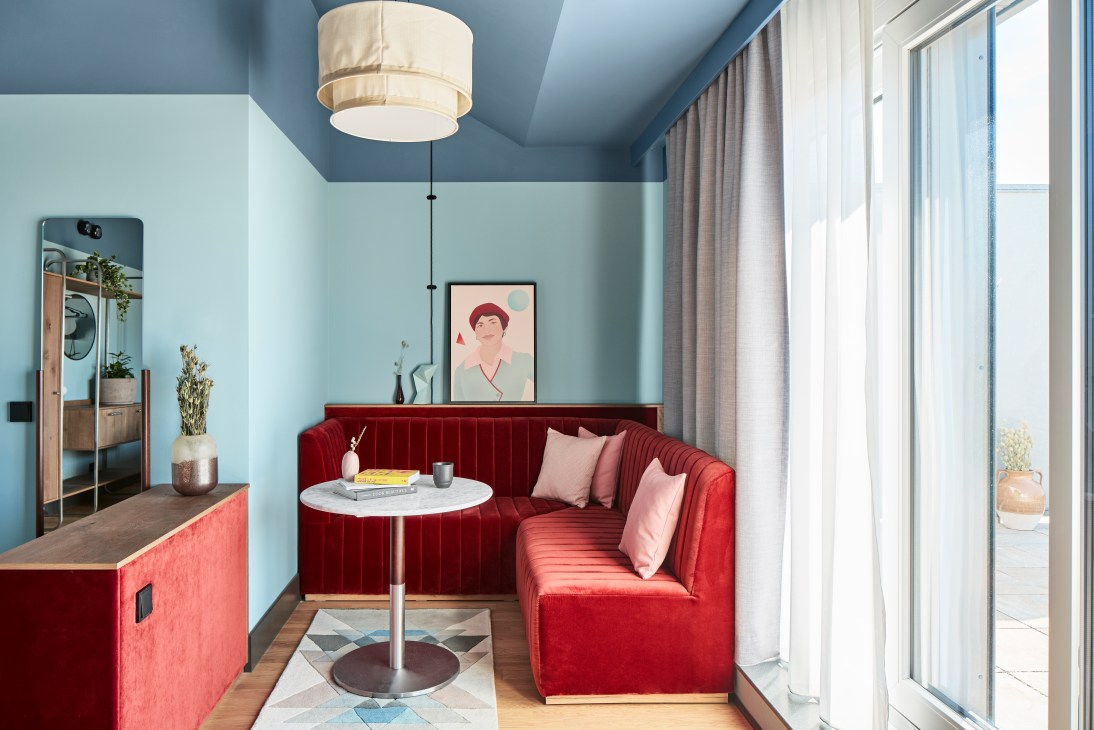
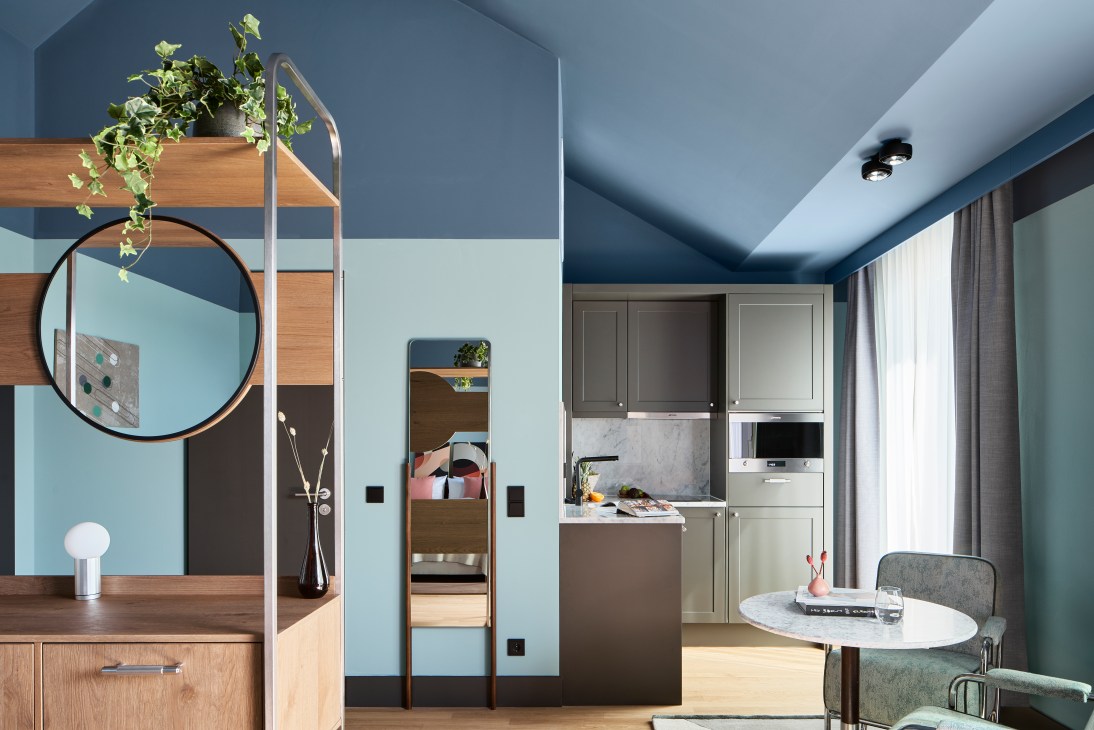
“I wanted a hotel to reflect the culture of the city, where I could stay for a week or more,” says Eric Jafari, co-founder of Schwan Locke, a 151-room apartment-hotel designed by London and Los Angeles interiors studio Fettle. The mid-century colour palette and modernist furniture are enhanced by work from Munich artists. Communal spaces include a bar and restaurant.
lockeliving.com
Cap Karoso
Sumba, Indonesia
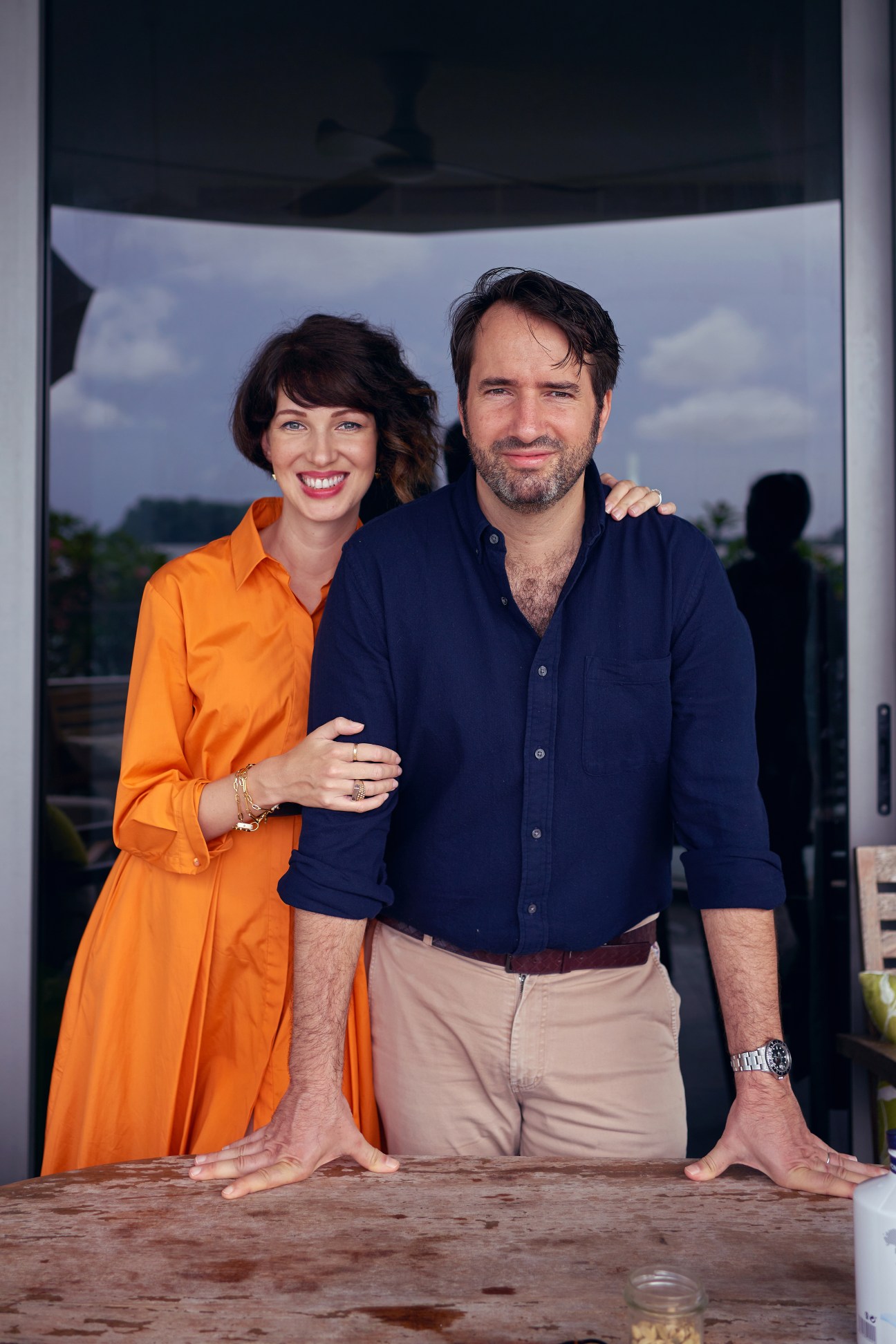
Evguenia and Fabrice Ivara left their life in Paris behind to open a hotel on the Indonesian island of Sumba. Here they tell us more about the Cap Karoso, a 47-room and 20-villa project opening in spring 2022.
Why Sumba?
Fabrice: We were looking for a place with a nice culture and beautiful beaches but still quite accessible. We were heading to Bali but fell in love with Sumba.
Evguenia: It has a culture that you have to cross the world to experience. You can find nice beaches in Corsica or Greece but curiosity is a reason to cross the world. And in that sense Sumba is the perfect destination.
How does Cap Karoso embrace sustainability?
Fabrice: We have louvres on all our windows, an organic roof to decrease electricity consumption, a water treatment system and solar panels. And we’ll grow 90 per cent of our food on our farm.
How would you define luxury?
Evguenia: To me it’s about the effort put into everything. It’s putting in that thought and time to create something that leaves a mark for life.
capkaroso.com
Coco Hotel
Copenhagen
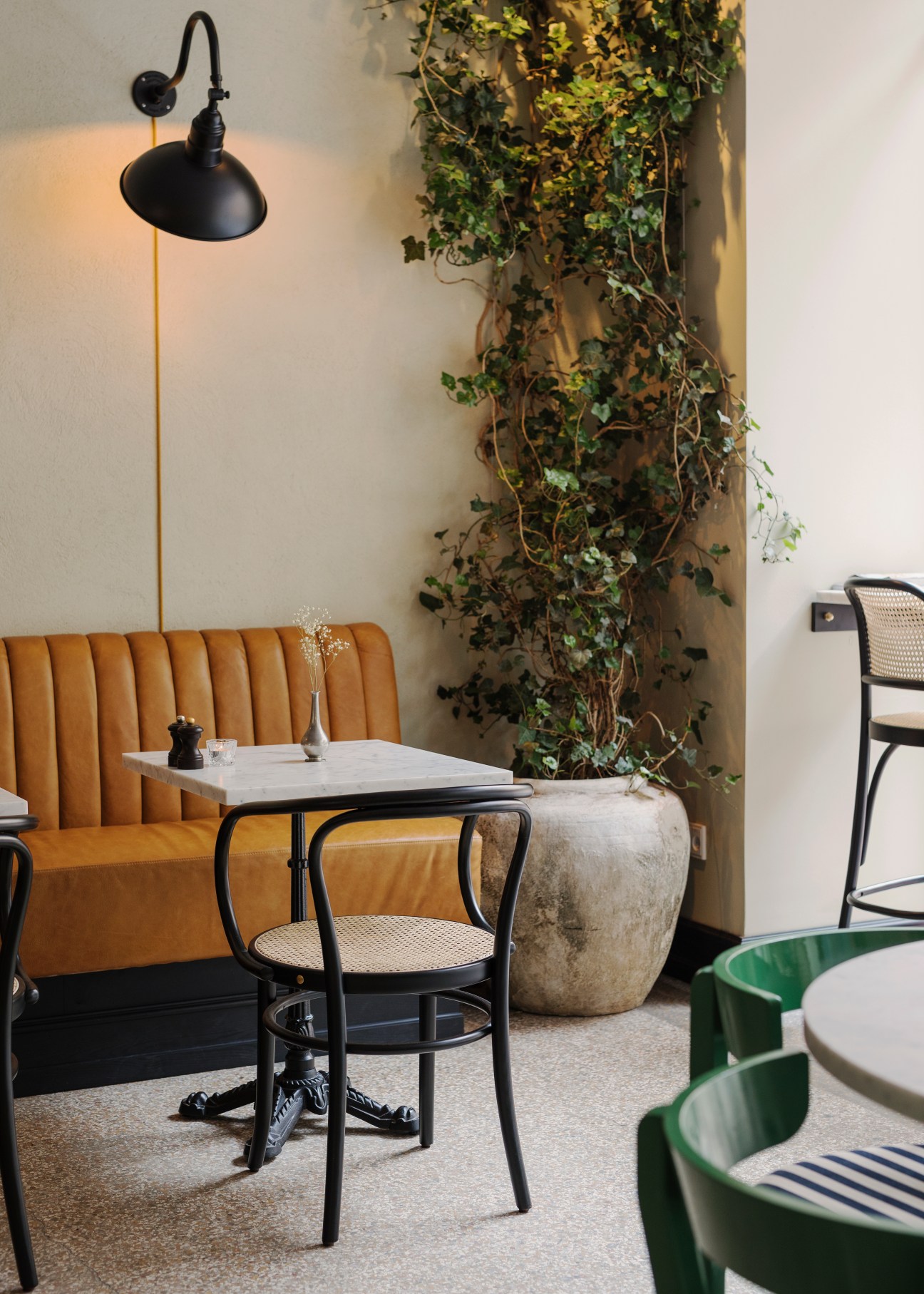
Restaurant group Copenhagen Food Collective (Cofoco) has stepped in to fill a gap by opening a new hotel. Located in buzzing Vesterbro, its 88 well-appointed rooms have artworks, custom furniture and woodwork made by Danish artisans. There’s an inviting café with fresh pastries and organic coffee, and a courtyard where guests tuck in to light meals or pick from an organic wine and cocktail list. “The property is best described as a small Parisian-style hotel with a Copenhagen sense of space and time,” says Cofoco CEO Christian Lytje. The hotel has stayed true to the group’s sustainable message – all the electricity is generated from green sources and by Cofoco’s very own solar field.
coco-hotel.com
Mama Roma
Rome
At Mama Roma, guests can expect all the amenities and services that the Paris-based Mama Shelter group has become famous for, such as a vast selection of films, “including adult only”. The irreverence and playful details of every one of the 217 rooms housed on a workaday street in Prati should work well.
mamashelter.com
House and home
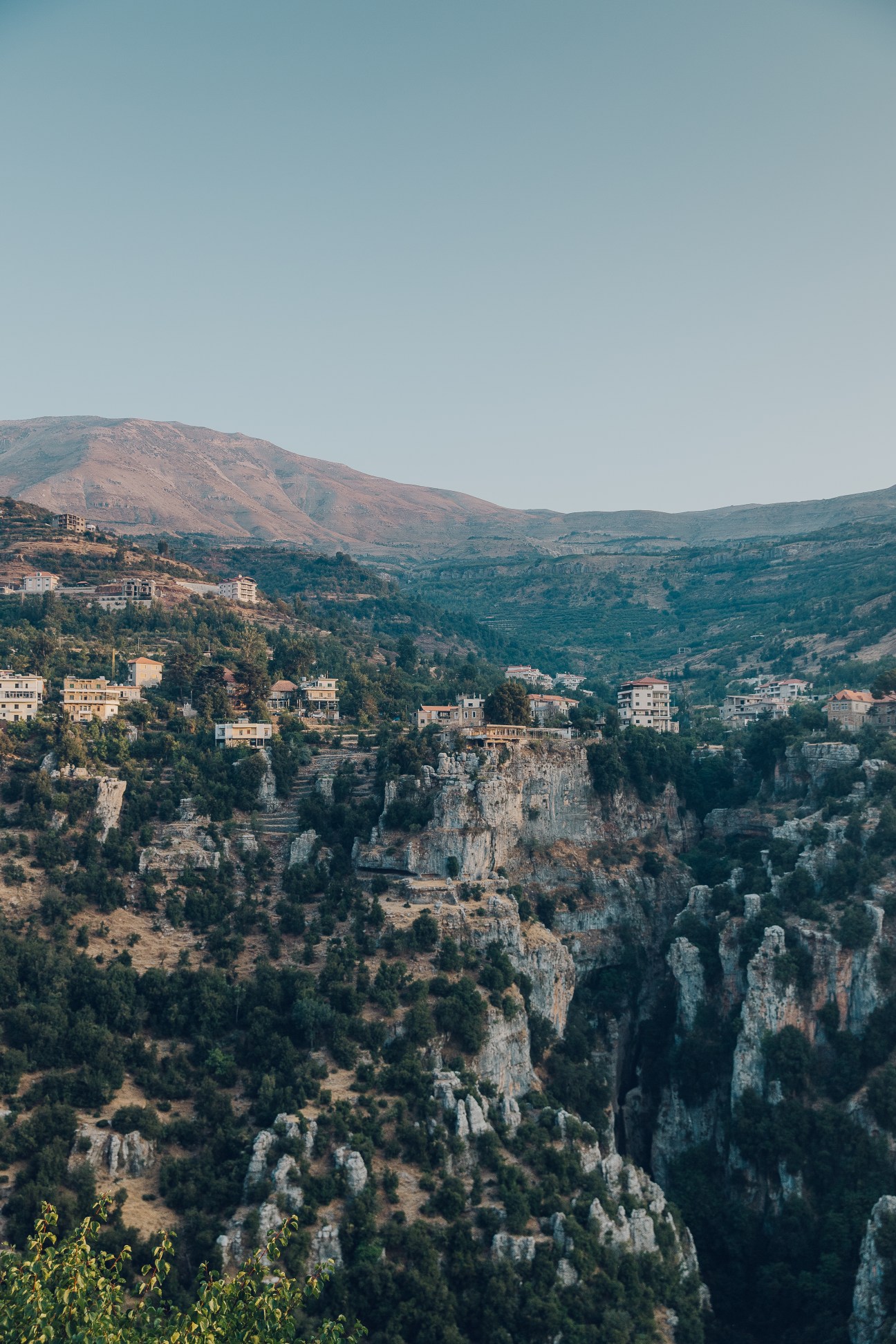
When Maria Bournassar was growing up in the Lebanese mountain village of Hasroun in the 1990s, there was one house on the steep main street that didn’t look like the others. The children never knew who lived there; perhaps it was haunted. The house in question belonged to the Chamoun family. In the 1970s, Lebanese industrialist Toufic Chamoun decided to tear down the building that stood on the site before that house: his family’s palatial Ottoman villa. In its place was built a modernist family home. Chamoun was hailed variously as a visionary and a madman. Home to his wife and eight children, the angular white stone structure became a social hub. Chamoun’s grandson, Rony Zibara, remembers his time growing up there in the 1970s as a “beautiful era, full of glamorous people”.
But in 1978, during the Lebanese civil war, that all changed when Chamoun was kidnapped. He never came home. “It crippled the family in many ways,” says Zibara. “They plunged into mourning for 40 years.” The family never went back to the house and it stood abandoned until a few years ago when Zibara’s mother, Leila, made a request. “She said, ‘Fix up that house for me before I die’,” says Zibara, a branding specialist who was living between Paris and London.
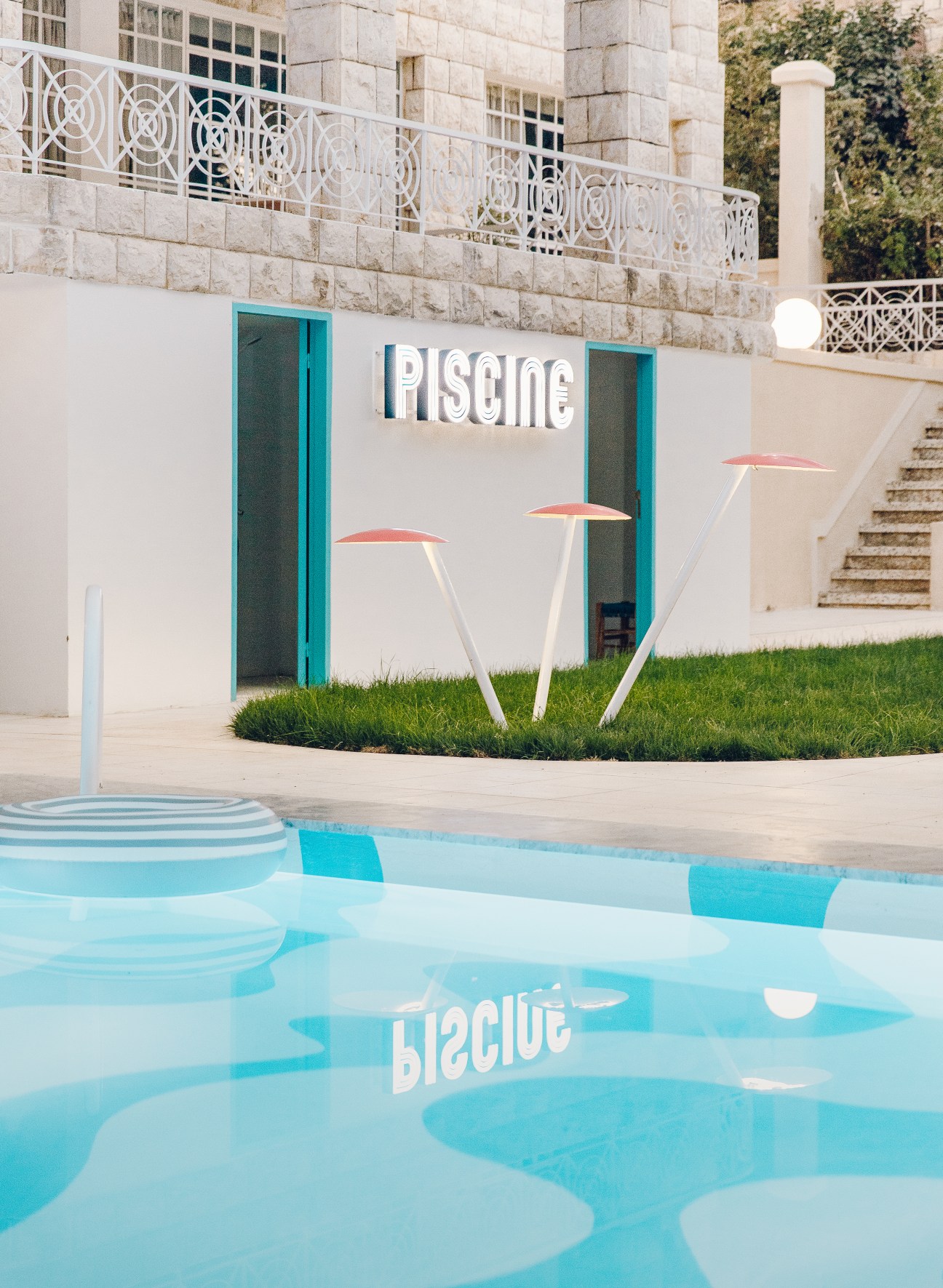
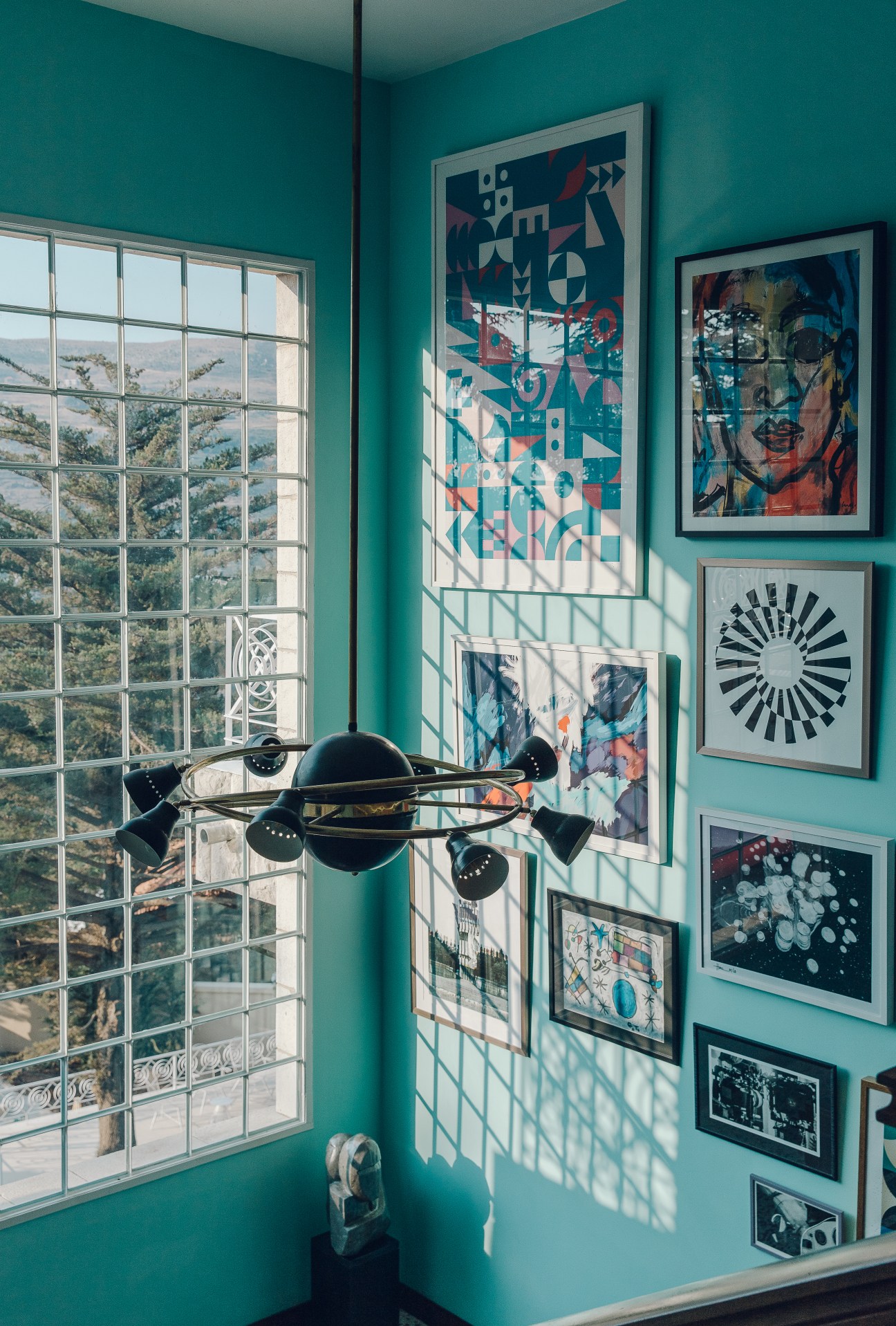
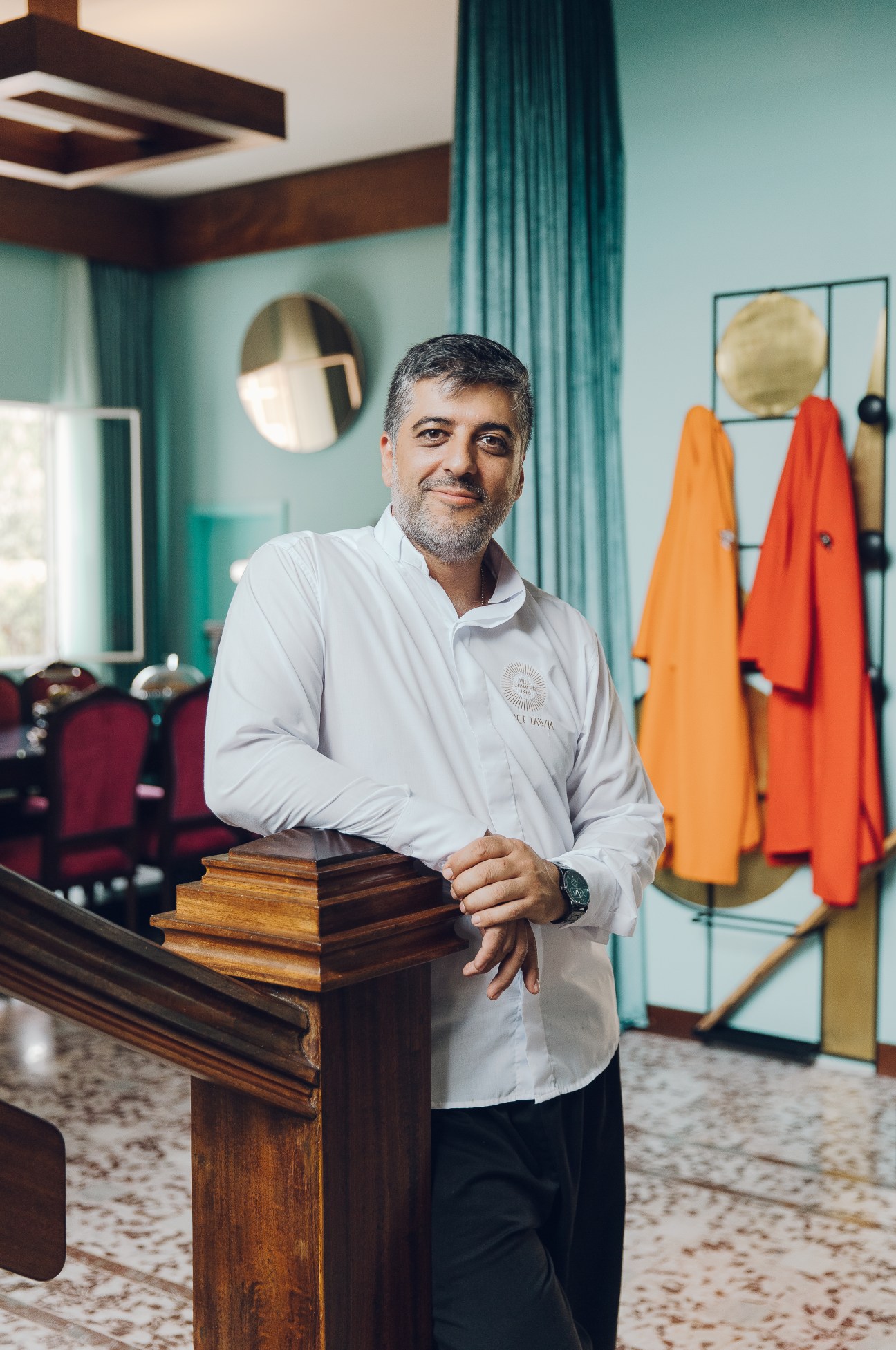
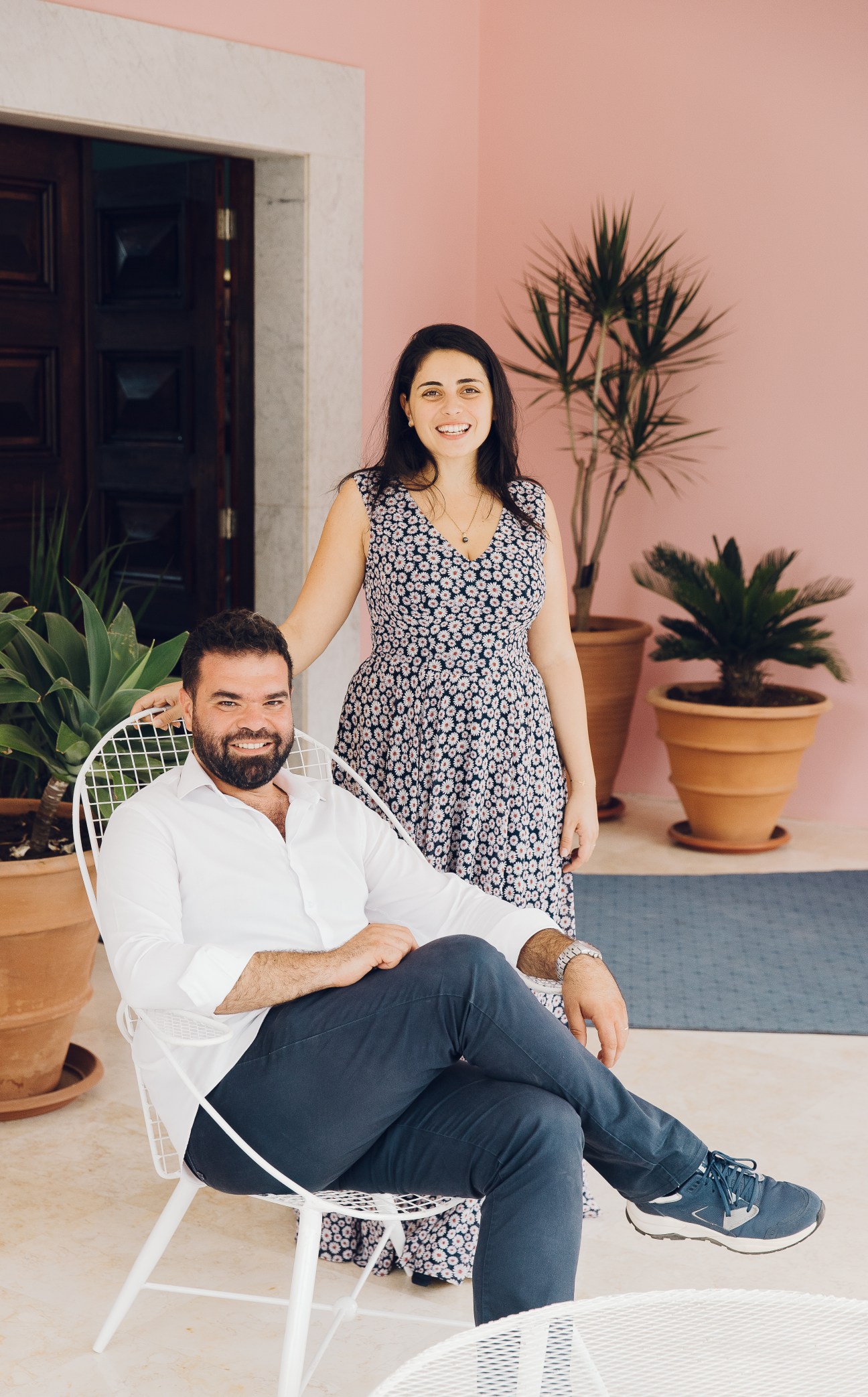
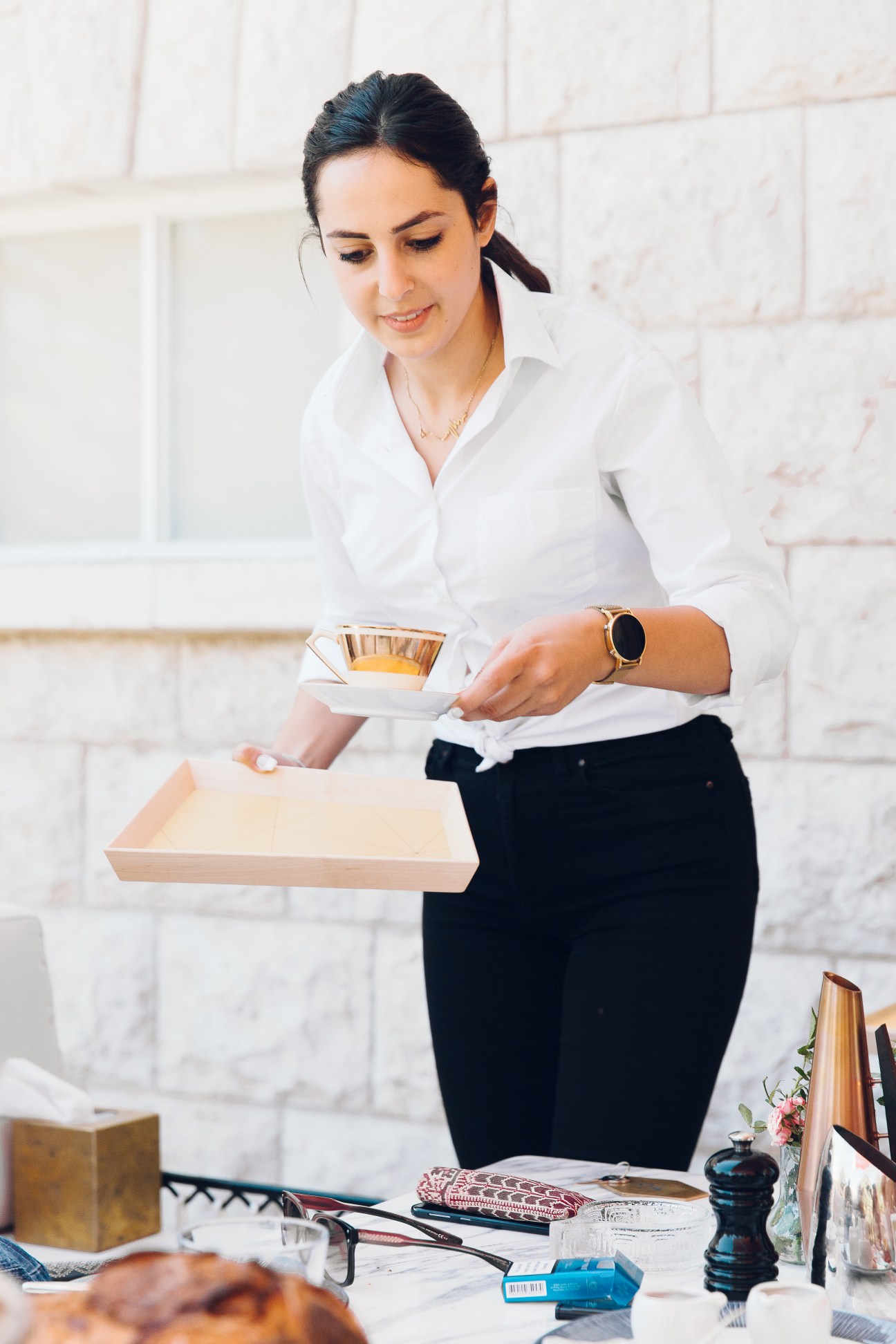
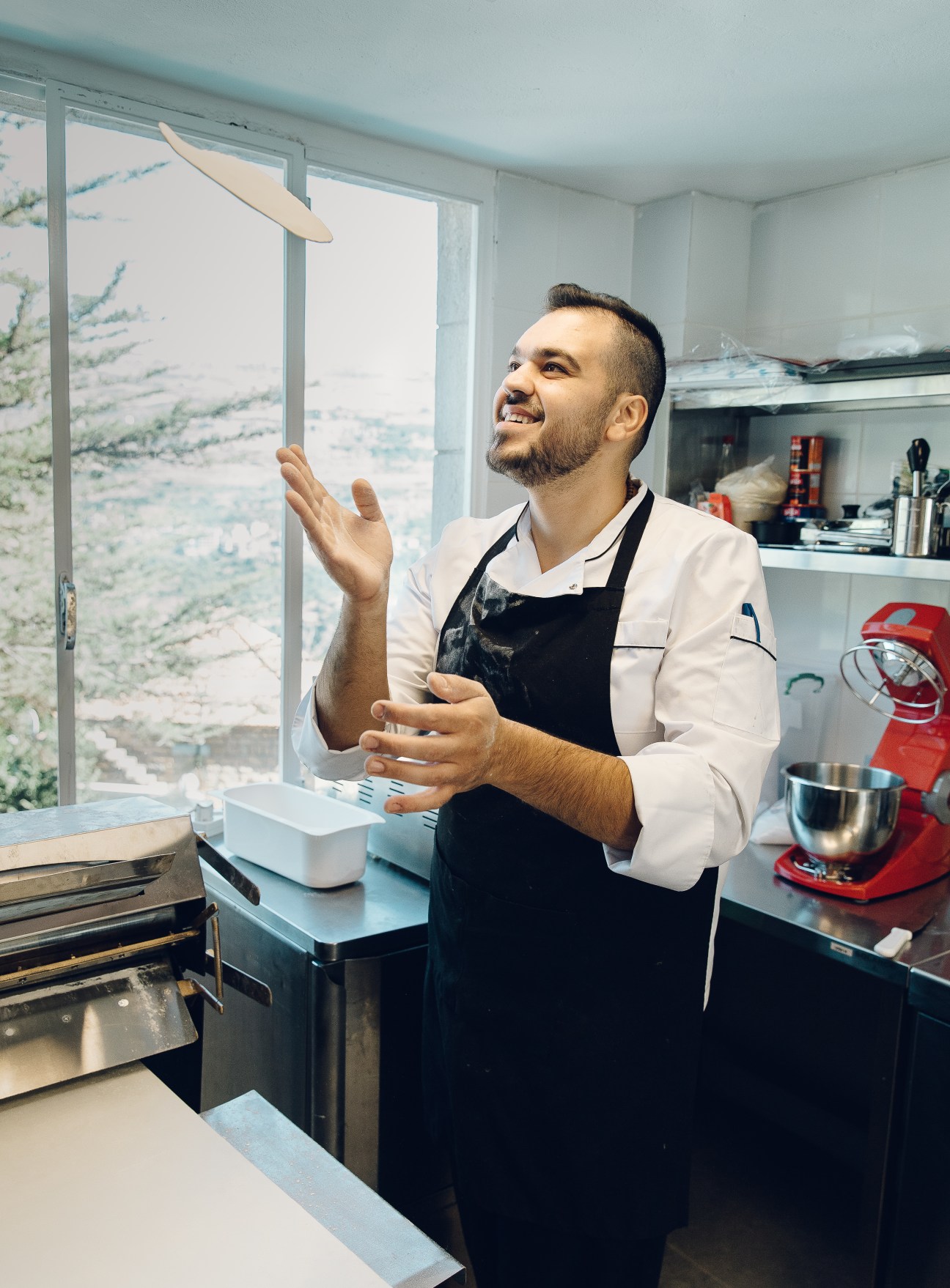
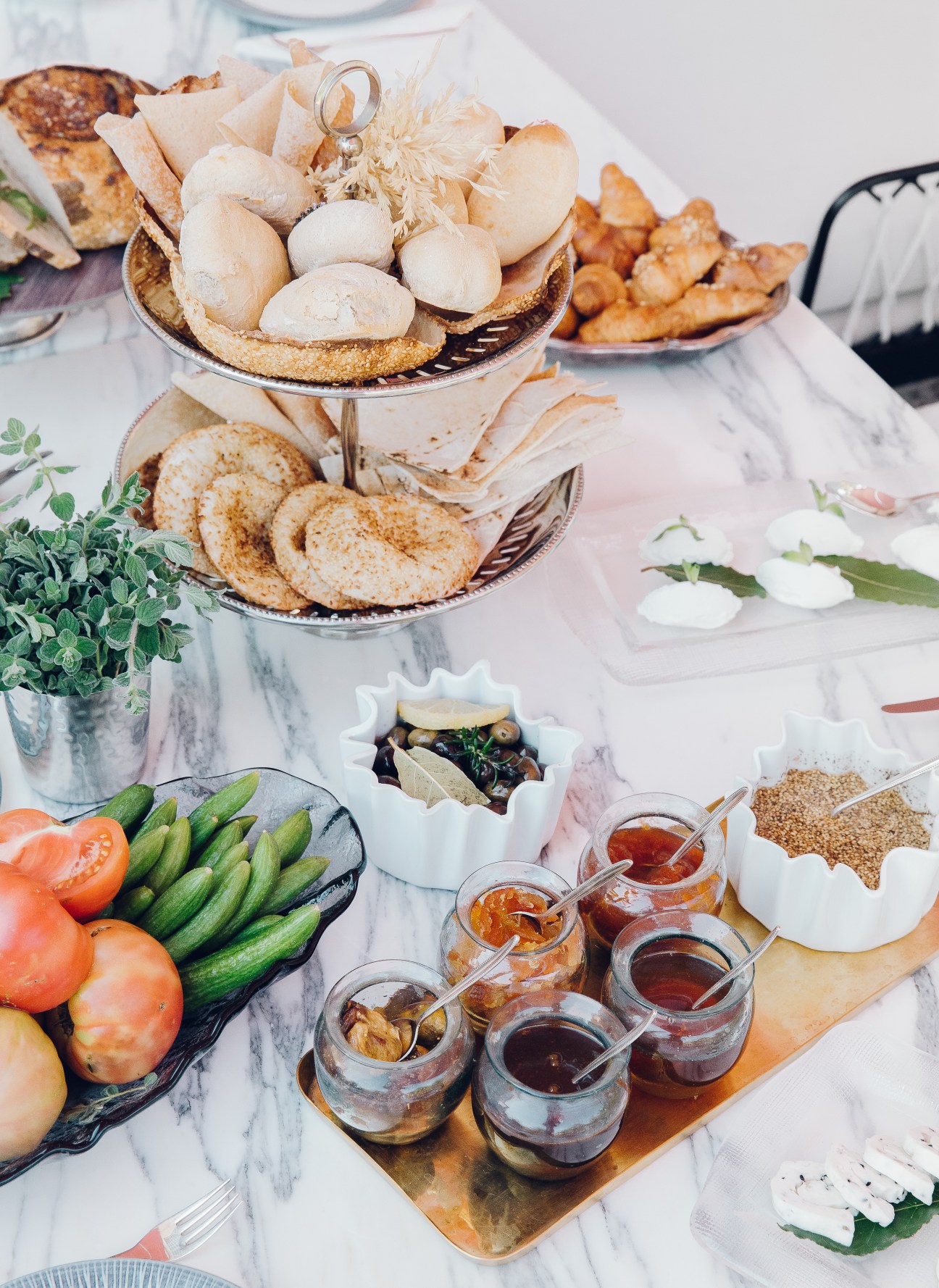
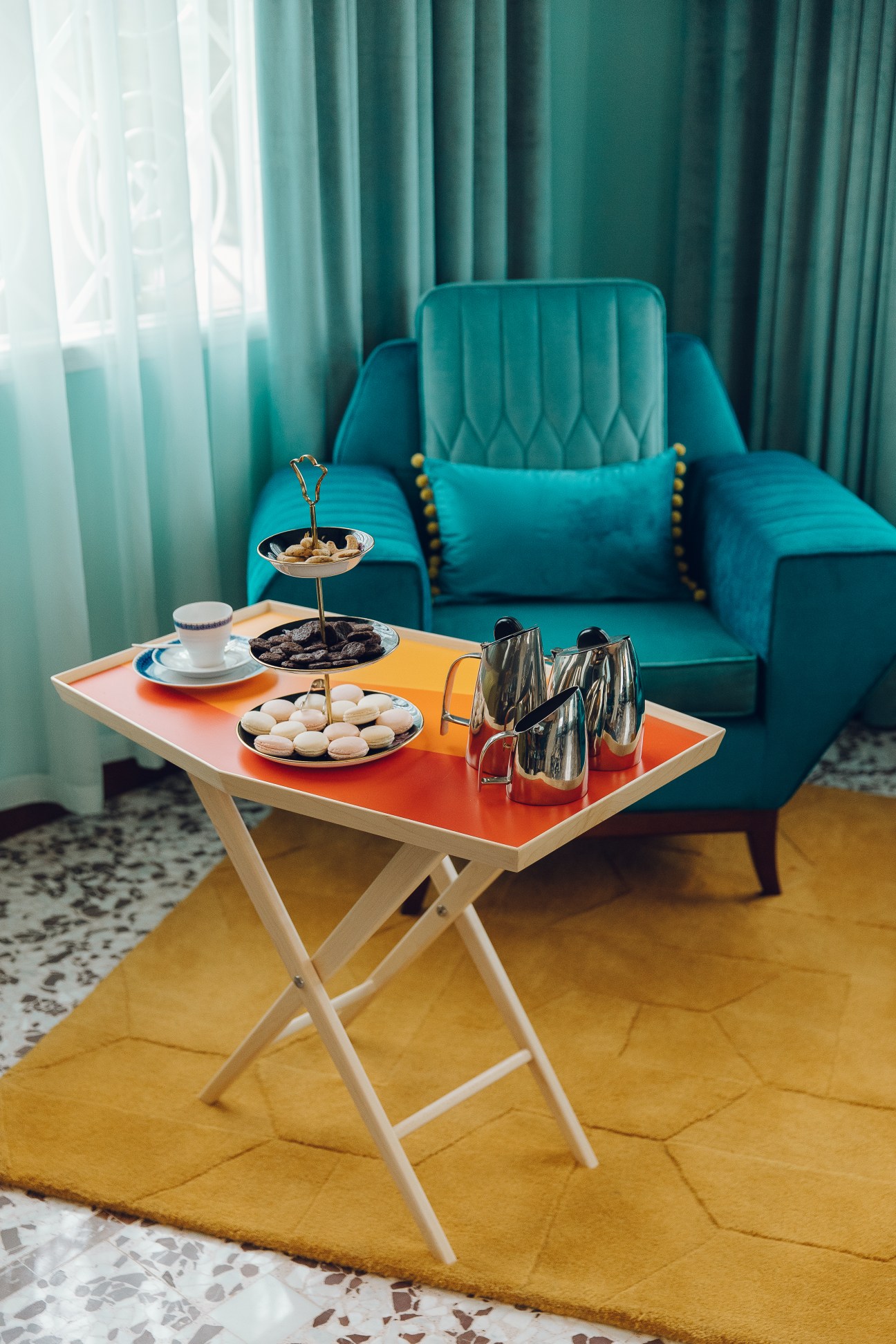
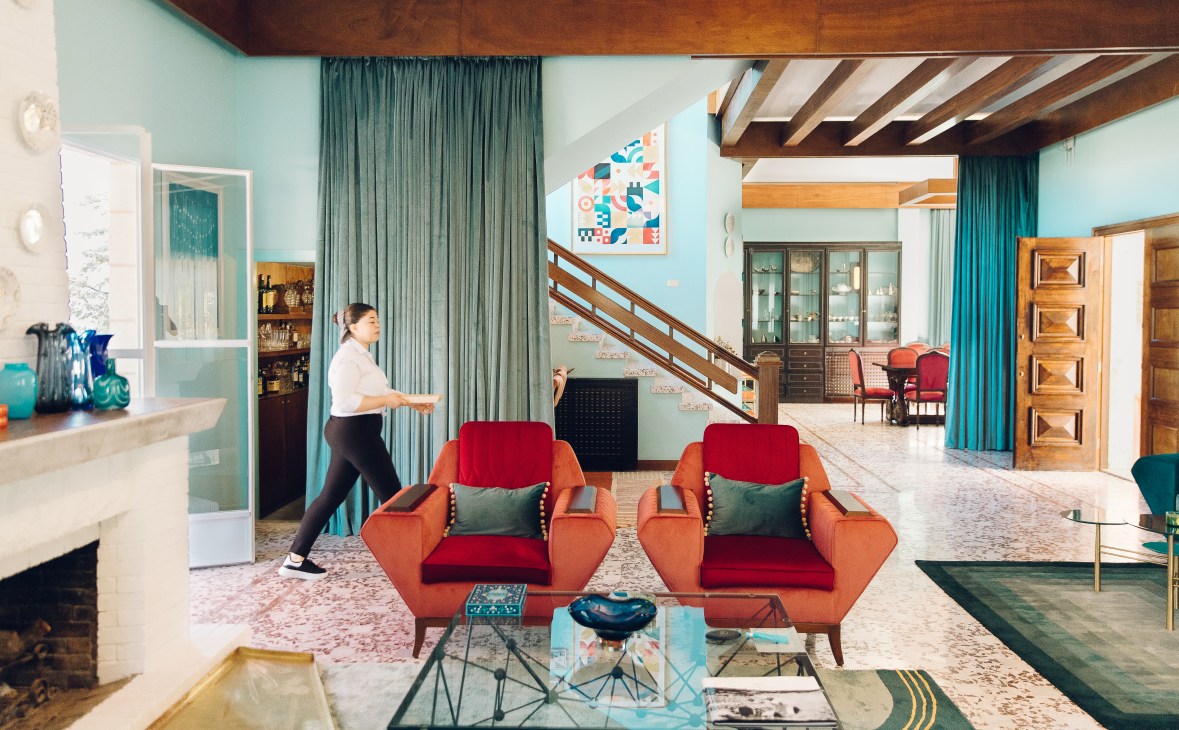
Villa Chamoun has been reborn. Bournassar and her husband Rodrigue Charbel worked with Zibara to overhaul the house into a nine-room hotel in just four months. They employed more than 70 artisans from the village, making the project a social initiative too.
“The irony is that I’ve never liked staying in hotels,” says Zibara. “So I wanted the villa to feel like your own home.” The house was transformed using bright pastels, vivid jewel tones and plush velvet. What was left from the 1960s and 1970s was salvaged, while Zibara designed new furniture in the spirit of the house and its history. In every room is a clothing rack topped with the silhouetted face of a woman with beehive hair, inspired by his memories of his aunt’s hairspray cans. “It was about reimagining the 1960s for me, not making it a cliché,” says Zibara.
villachamoun.com
The important London delis that are a world away from a soulless shopping experience
London has often been described as a big city of small villages and in the past 18 months its independent delis and food shops have become more important than ever. From turning their hands to delivery services to benefit the needy, nervous, elderly or infirm, these spirited shopkeepers nourished their customers with more than just food. They’ve become spaces to share stories and are beacons of hope for a new way of shopping that feels personal, local, honest and interesting again. Landlords, city planners and mayors take note – we need these spaces. While the prevailing narrative nods to the decline of shopping strips – and those we spoke to confirmed that this struggle remains real – these shops have shown that good service and carefully sourced products are still a convincing sell.
Leila’s Shop on Calvert Avenue in Shoreditch has been around since 2002 selling fruit, vegetables, eggs, pulses and charcuterie recently launched a drop-off service for residents who couldn’t get to the shop. “Cooking has become more important and so was a focus on delivery for the older people who couldn’t travel,” says founder Leila McAlister. “This said, we still couldn’t convince most of them to do a weekly shop. ‘How do I know what I’ll feel like eating on Wednesday?’, they’d say.”
This focus on quality food and good ingredients was also felt in southeast London at the Giddy Grocer in Bermondsey. “People are choosing to shop in their own neighbourhoods for convenience and to support local businesses. We certainly felt that here,” says founder Christine Hall who worked in TV before she founded the food shop four years ago. “I’ve noticed that customers seem more concerned about where their food comes from. It has made me grateful that I chose to open a place that champions British producers.” That thankfulness was reciprocated by the shoppers we met. Here’s our homage to some of the city’s unsung food shops keeping the UK capital satisfied.
De Beauvoir Deli Co.
Hackney
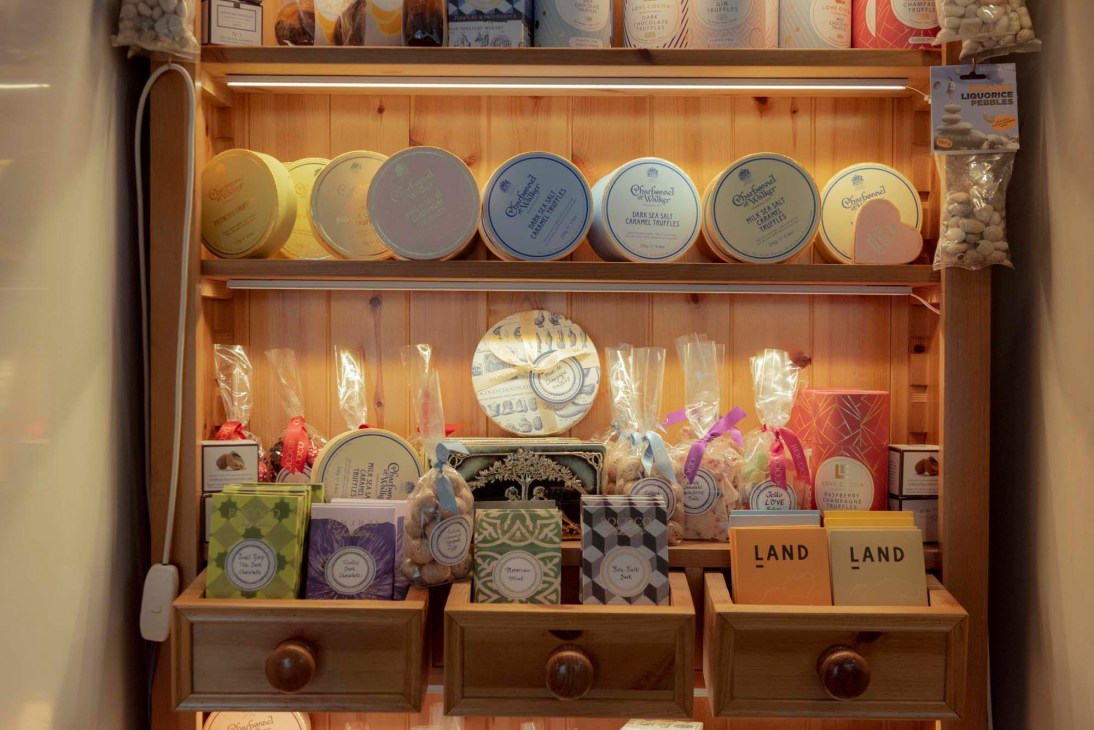
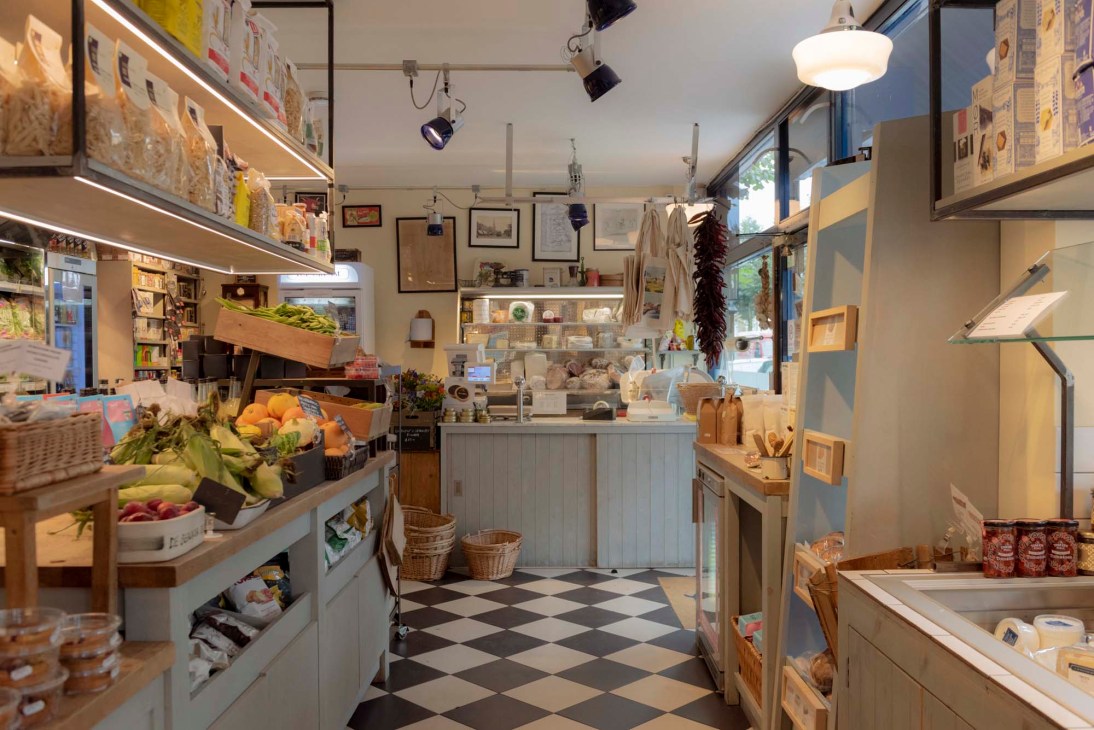
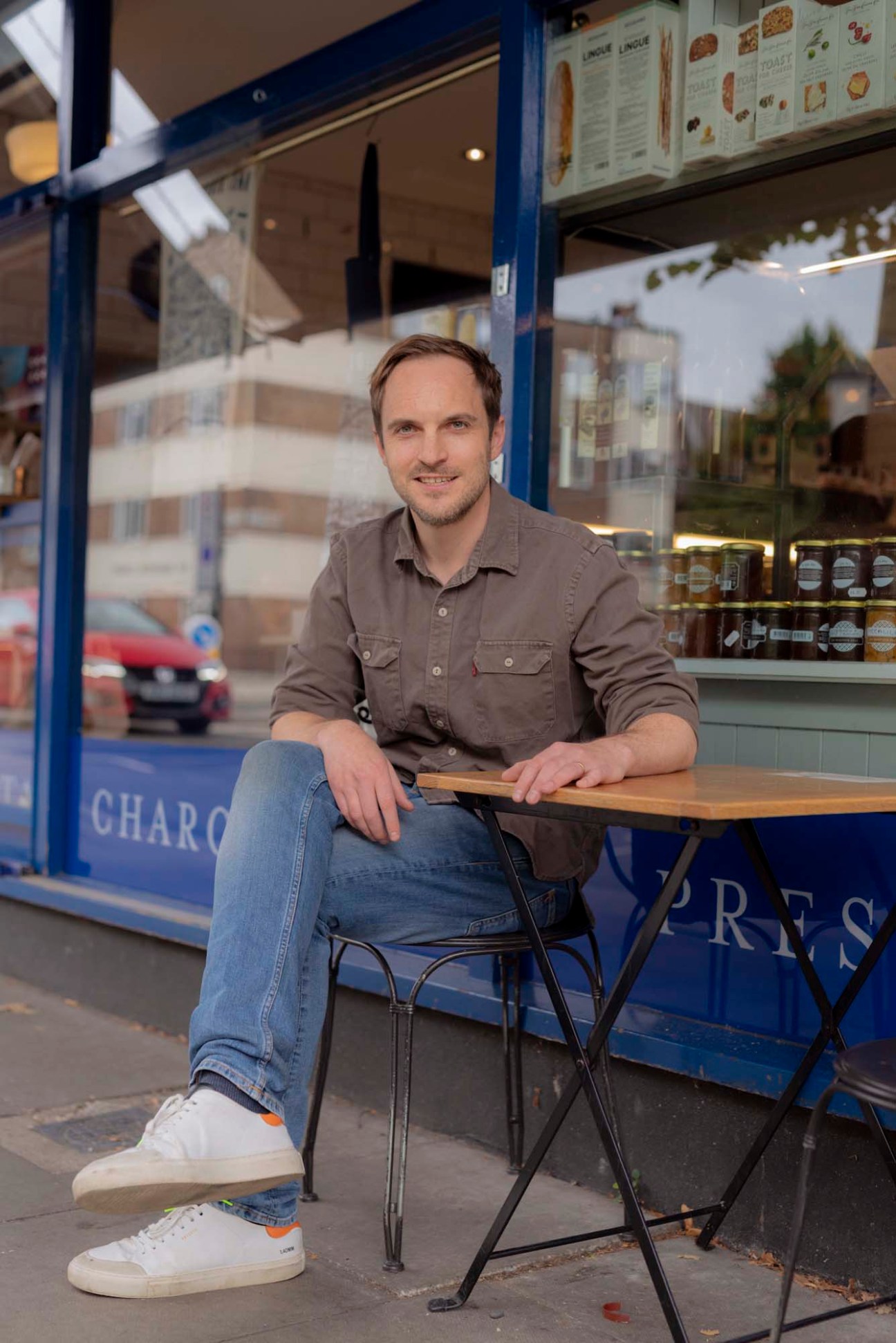
Founded by Harry Davies in 2009, this deli has rightly become a pilgrimage for those in the know seeking anything from fresh loaves and sandwiches to hampers, cheese, olives and coffee.
98 Southgate Road, N1
Leila’s Shop
Bethnal Green
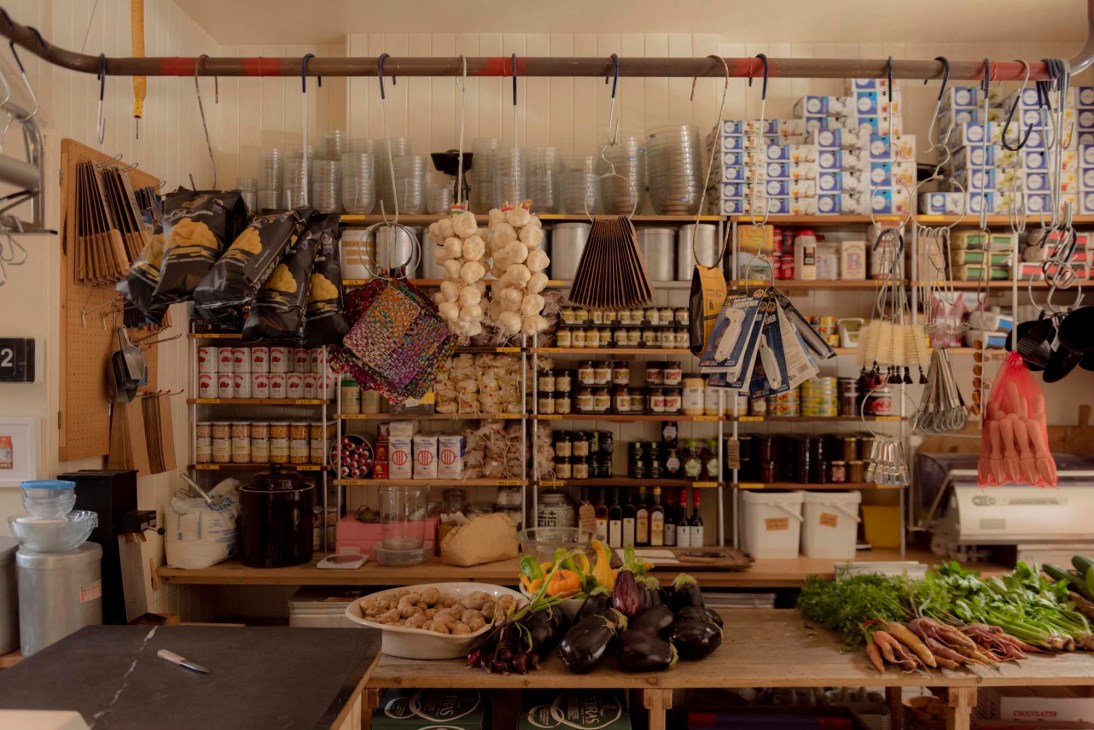
A Shoreditch staple with character aplenty and a freshly revamped café next door that reopens this autumn. Check the online stocklist to see what’s in season and where it came from.
15-17 Calvert Avenue, E2
The Quality Chop House Shop
Farringdon
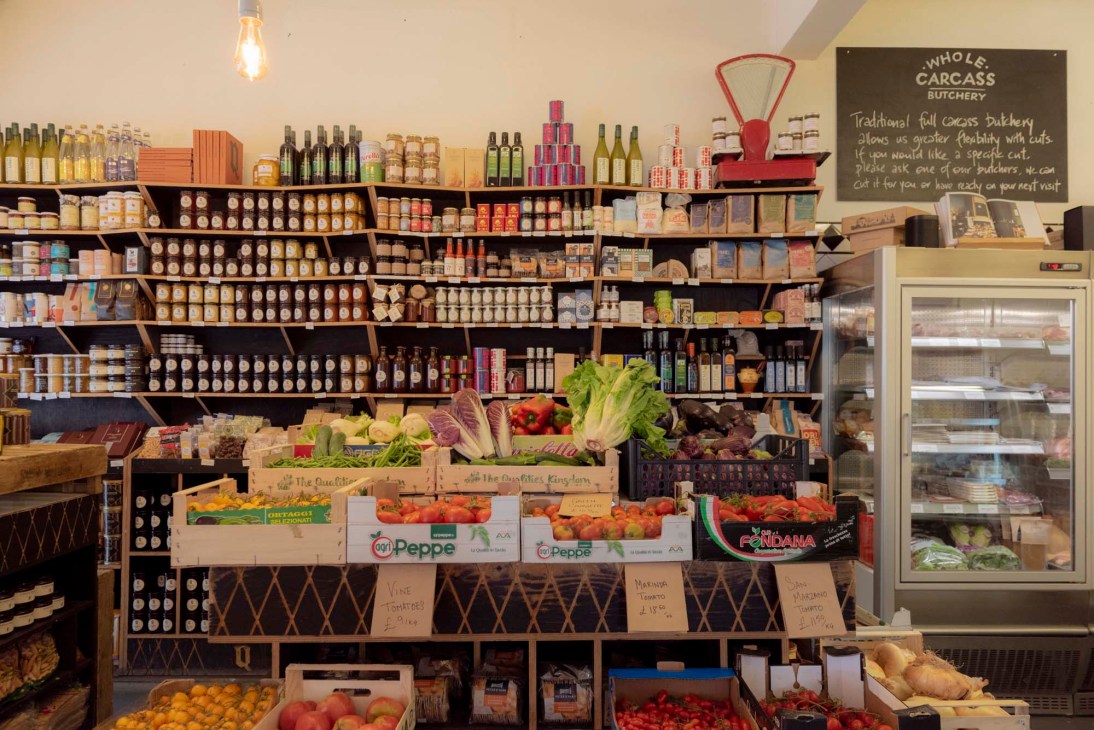
The neighbouring restaurant was a favourite long before it turned its hand to retail and the shop stocks the prettiest preserves, produce and pantry must-haves. The butcher is good too.
89-94 Farringdon Road, EC1
Giddy Grocer
Bermondsey
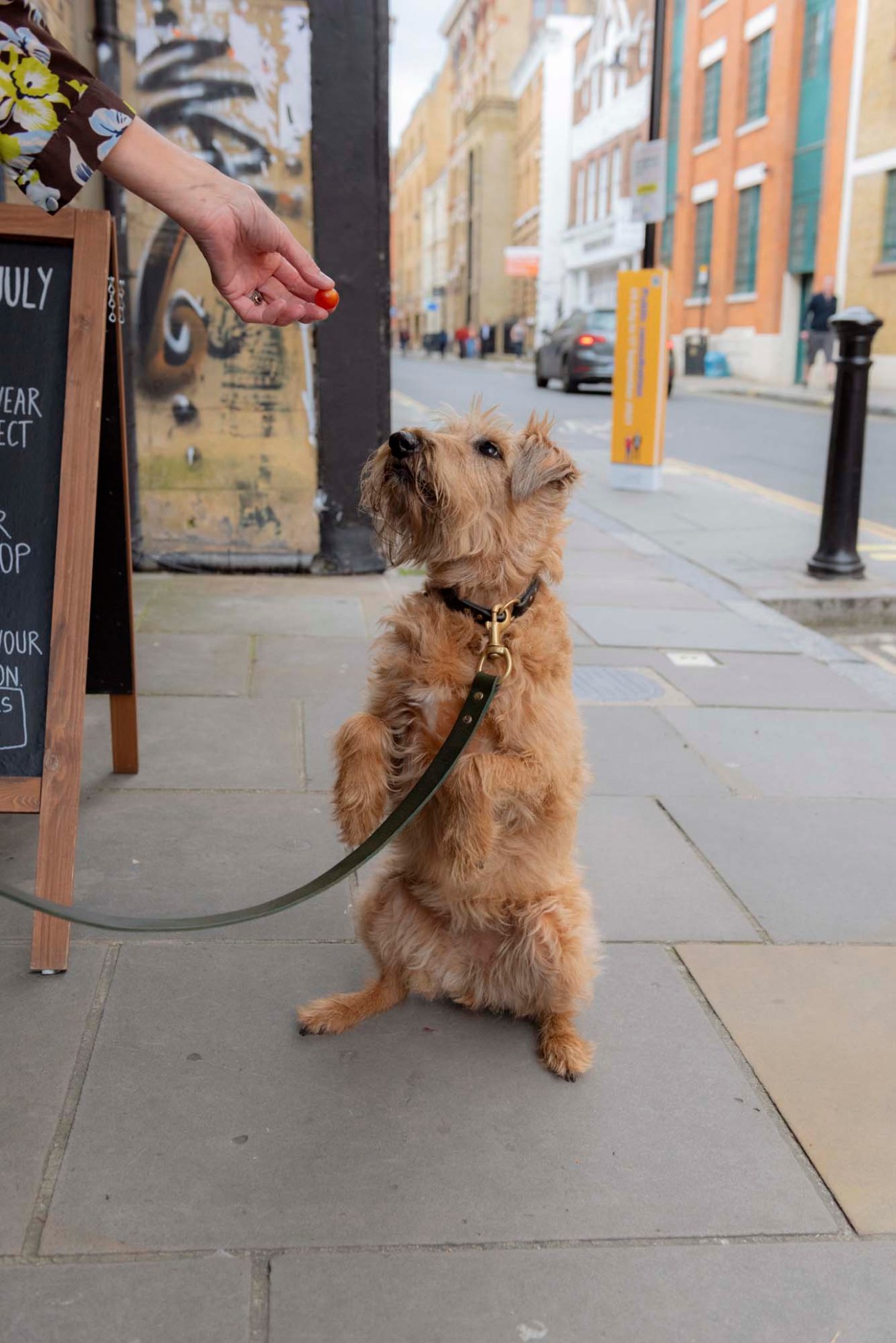
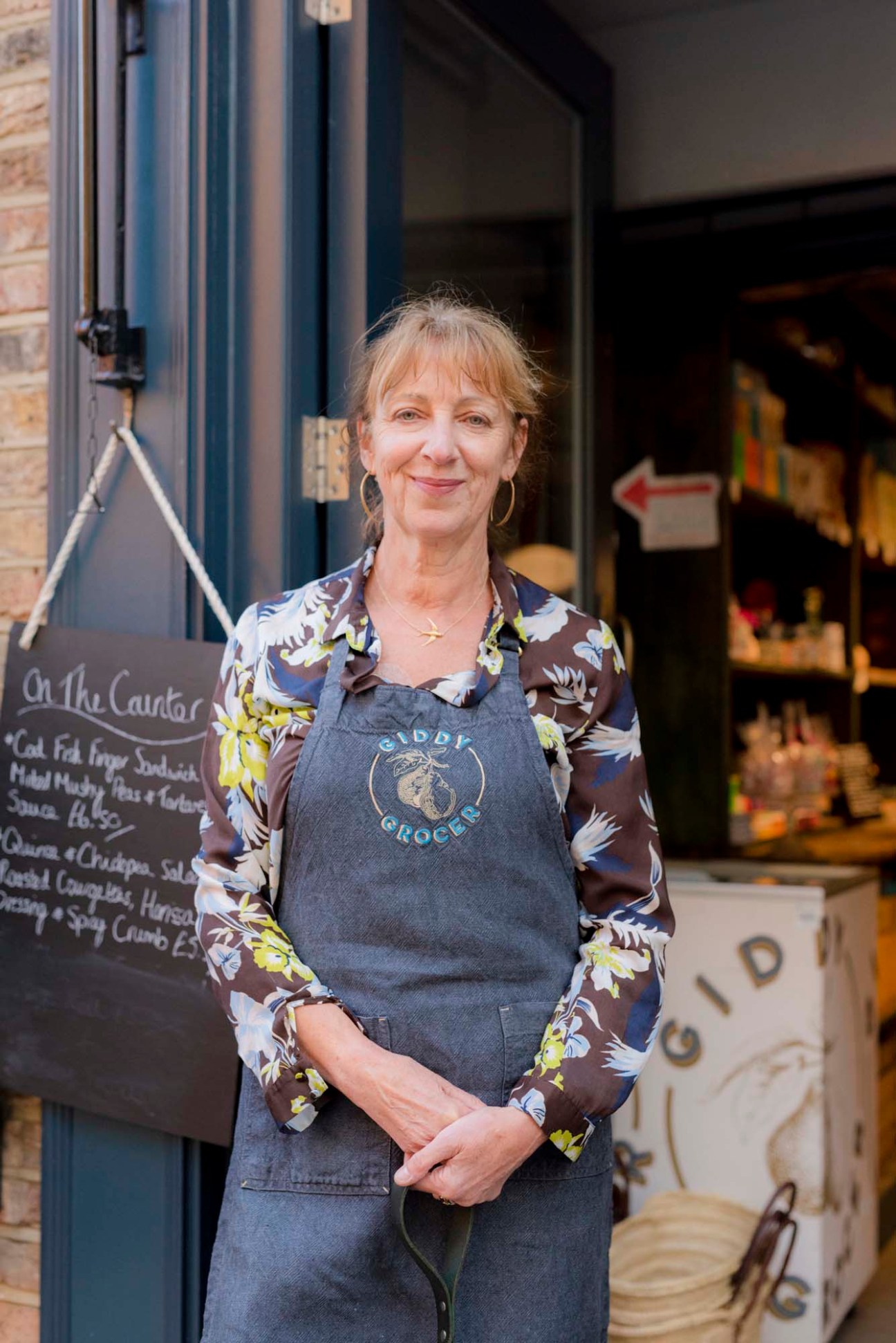
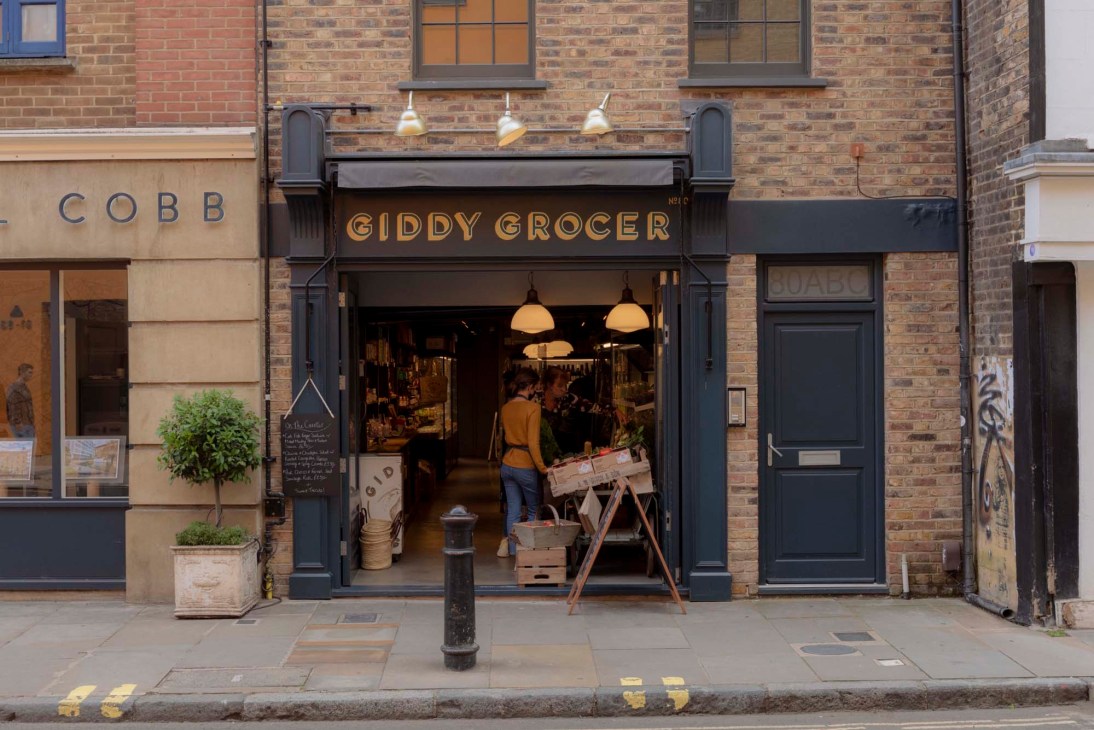
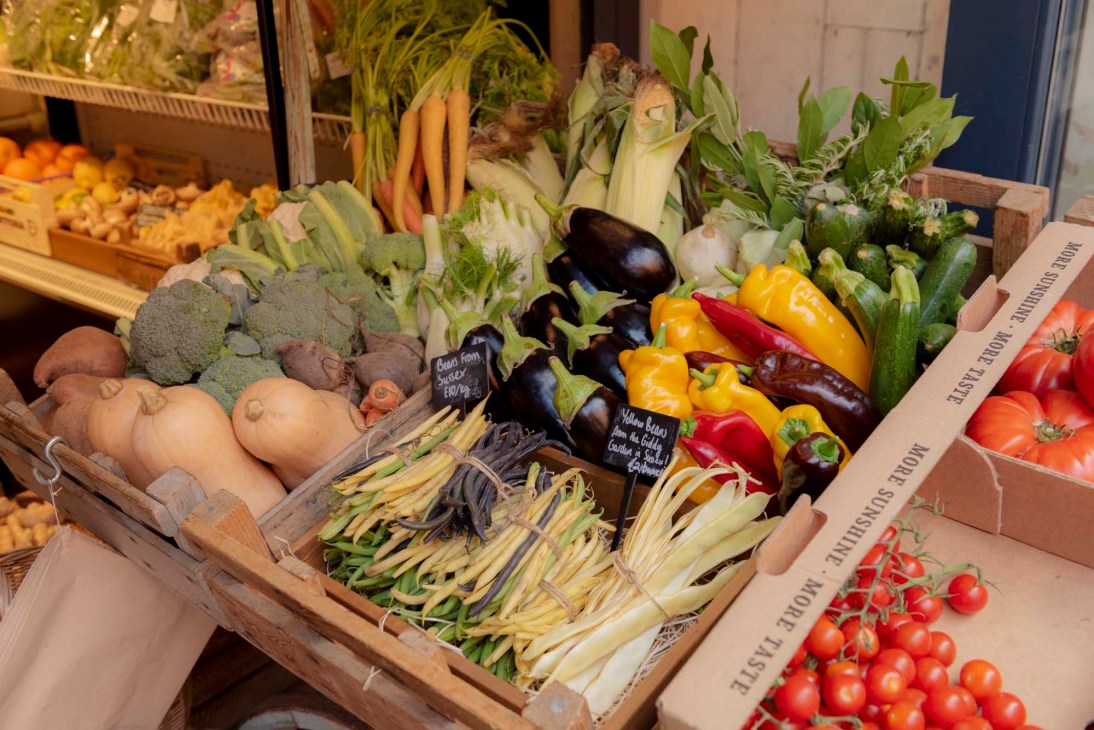
“I was frustrated that the only place to buy food for dinner was a supermarket, an experience I found utterly depressing,” says owner Christine Hall of her choice to open this well-named space.
80 Bermondsey St, SE1
Lina Stores Deli
Soho
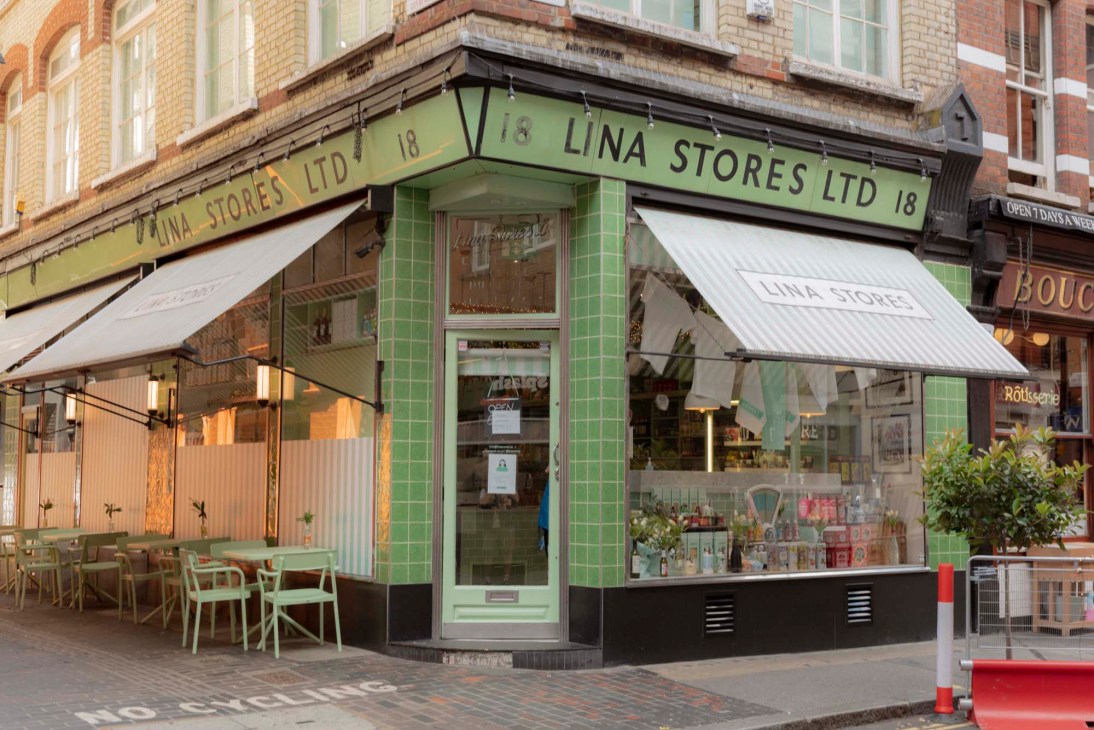
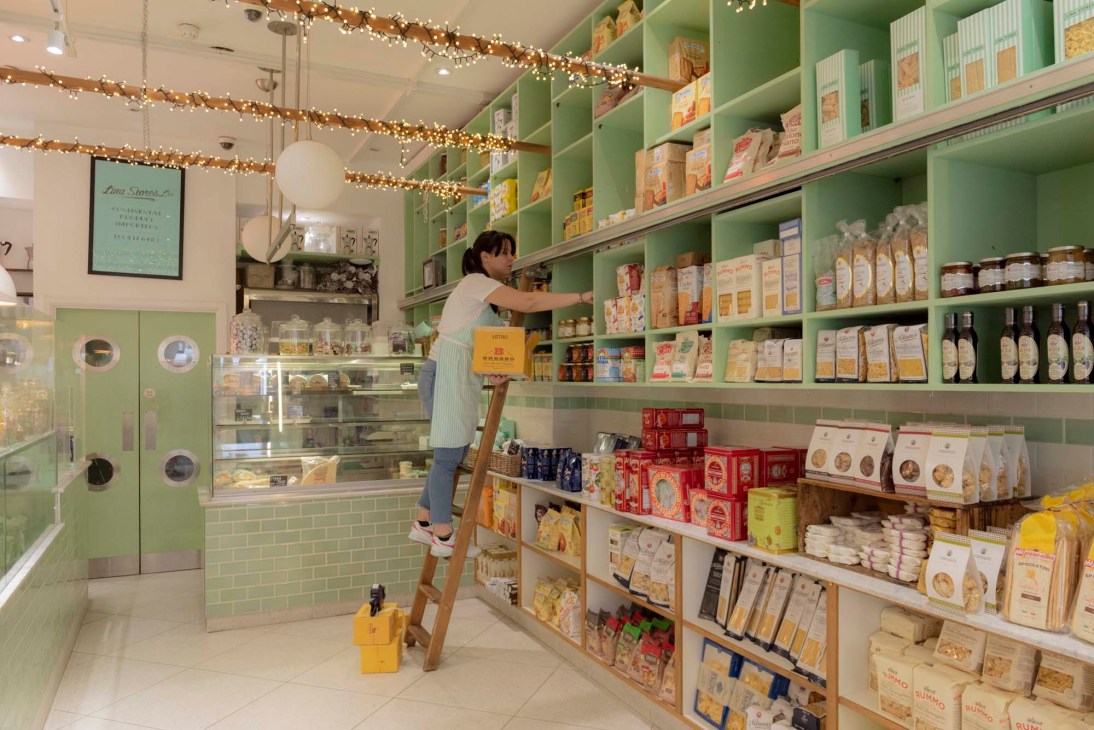
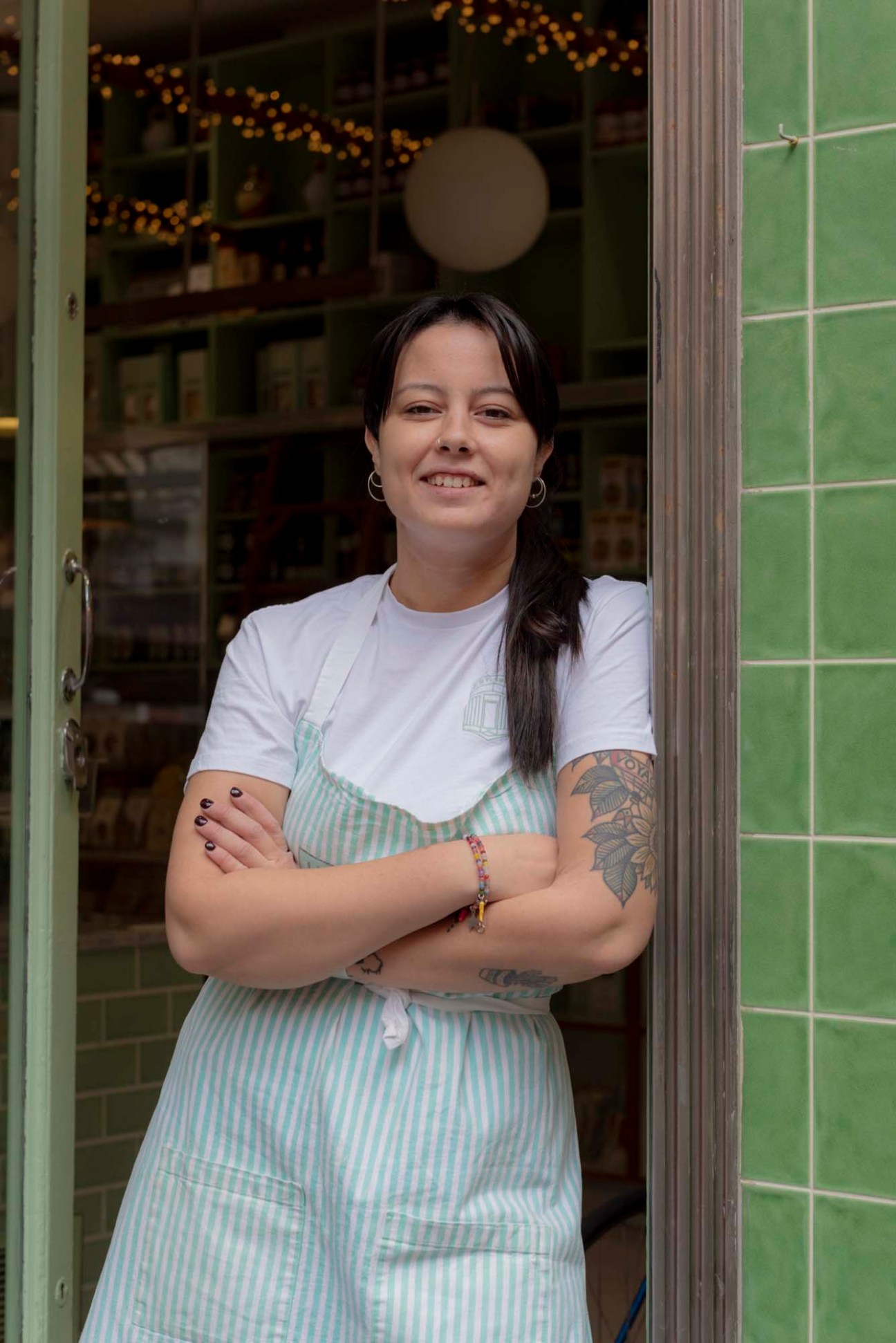
Named after the Genovese proprietor who started the shop in 1944, this remains the best place to sample the Bel Paese. A close second are its pasta restaurant and King’s Cross store.
18 Brewer Street, W1F
Ottolenghi
Marylebone
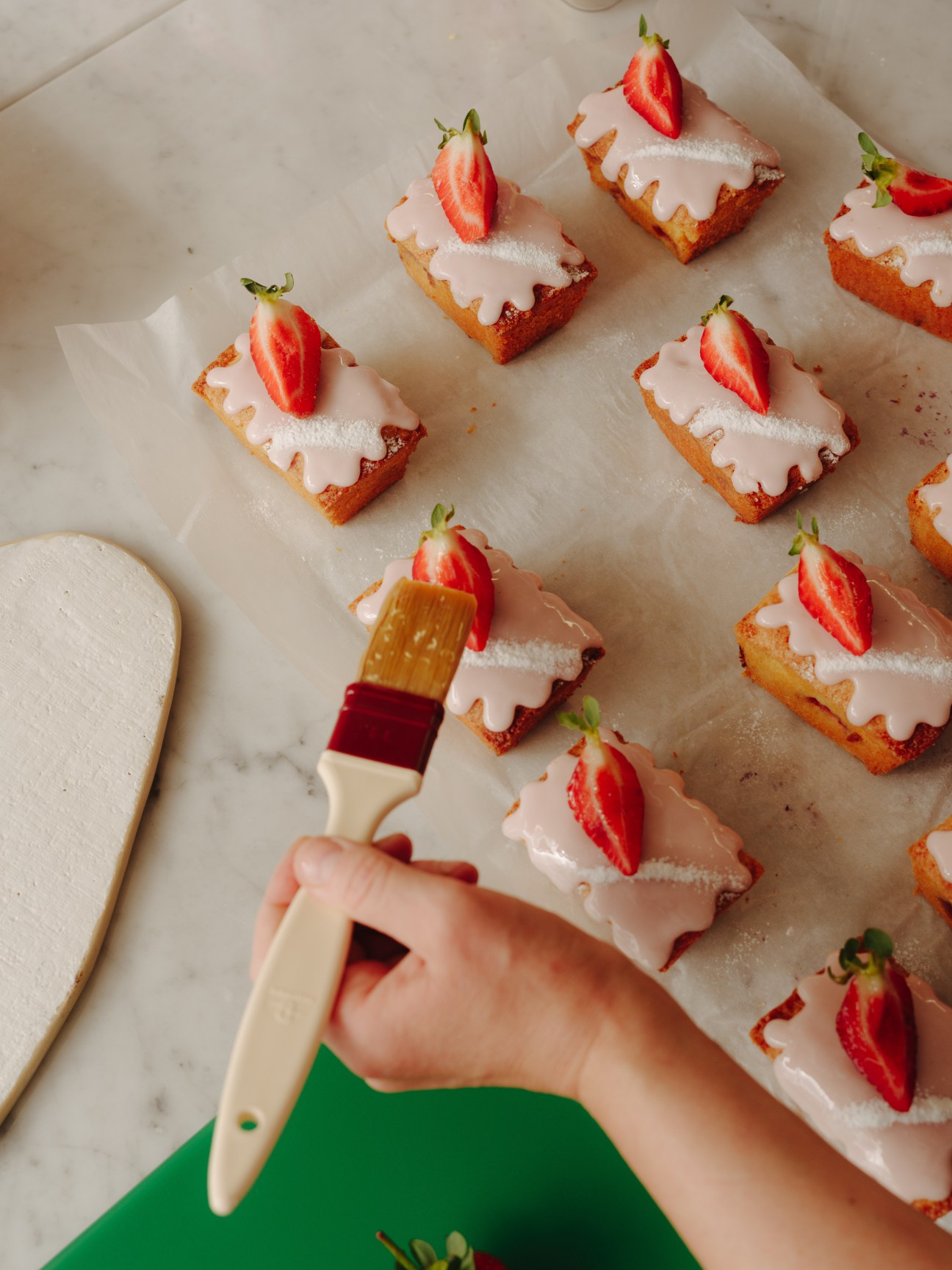
Rightly revered chef Yotam Ottolenghi’s seventh outpost opened earlier this year, a short hop from Monocle’s London base – much to the delight of our editors.
63-65 Marylebone Lane, W1U
Feeling browsy
Kyukyodo
Kyoto
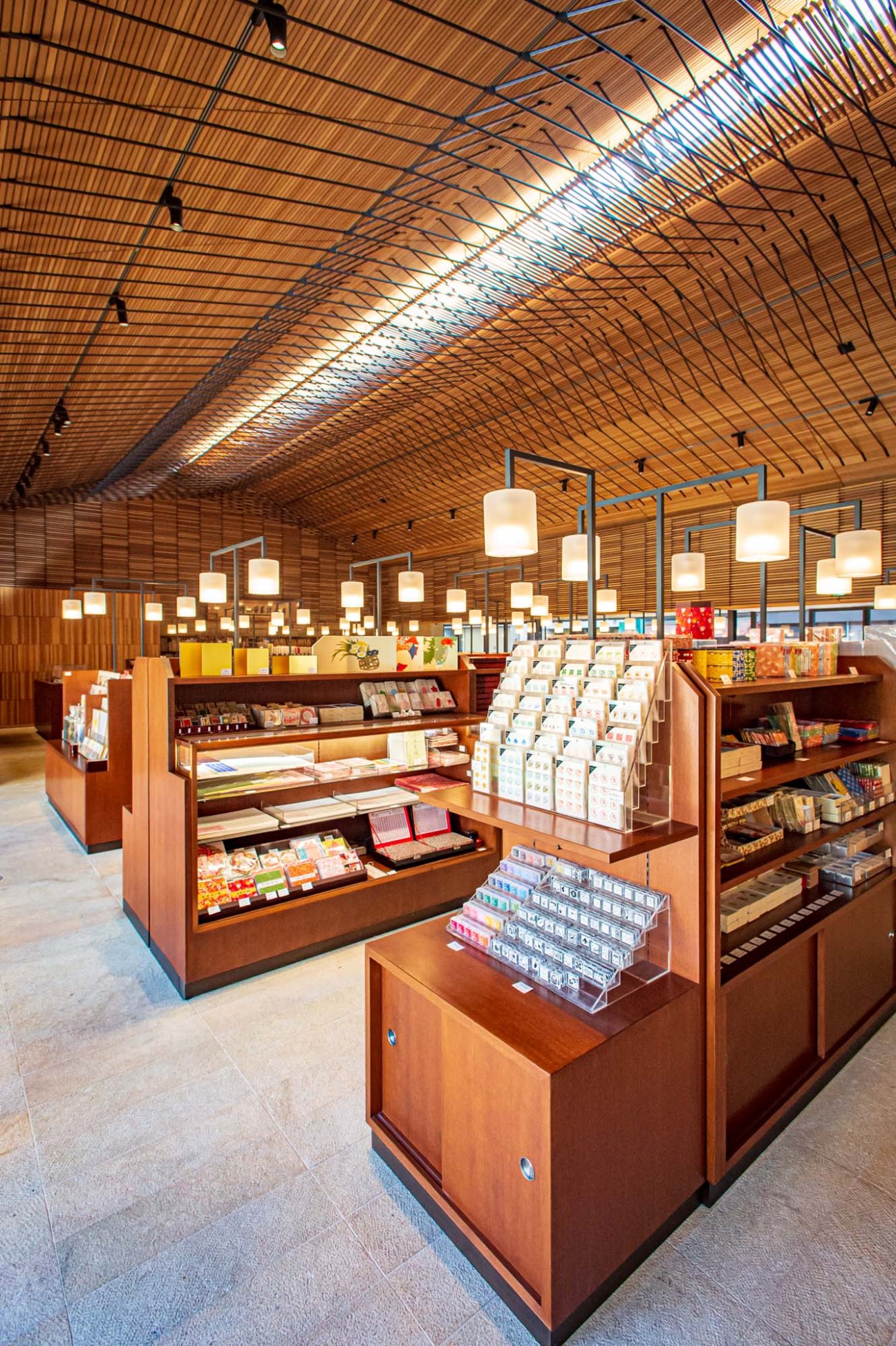
Celebrated stationery, calligraphy supplies and incense shop Kyukyodo has been a fixture in Kyoto since 1663. Twelfth-generation president Naohisa Kumagai, a youthful 46-year-old, is in charge today. It was Kumagai who made the bold decision to rebuild Kyukyodo’s main shop. “I don’t know much about architecture,” he says. “But the construction company took me to see some other buildings – I was very taken by one, which was by Hiroshi Naito.” It was a good choice: Tokyo-based Naito has earned a reputation for designing atmospheric wooden buildings.
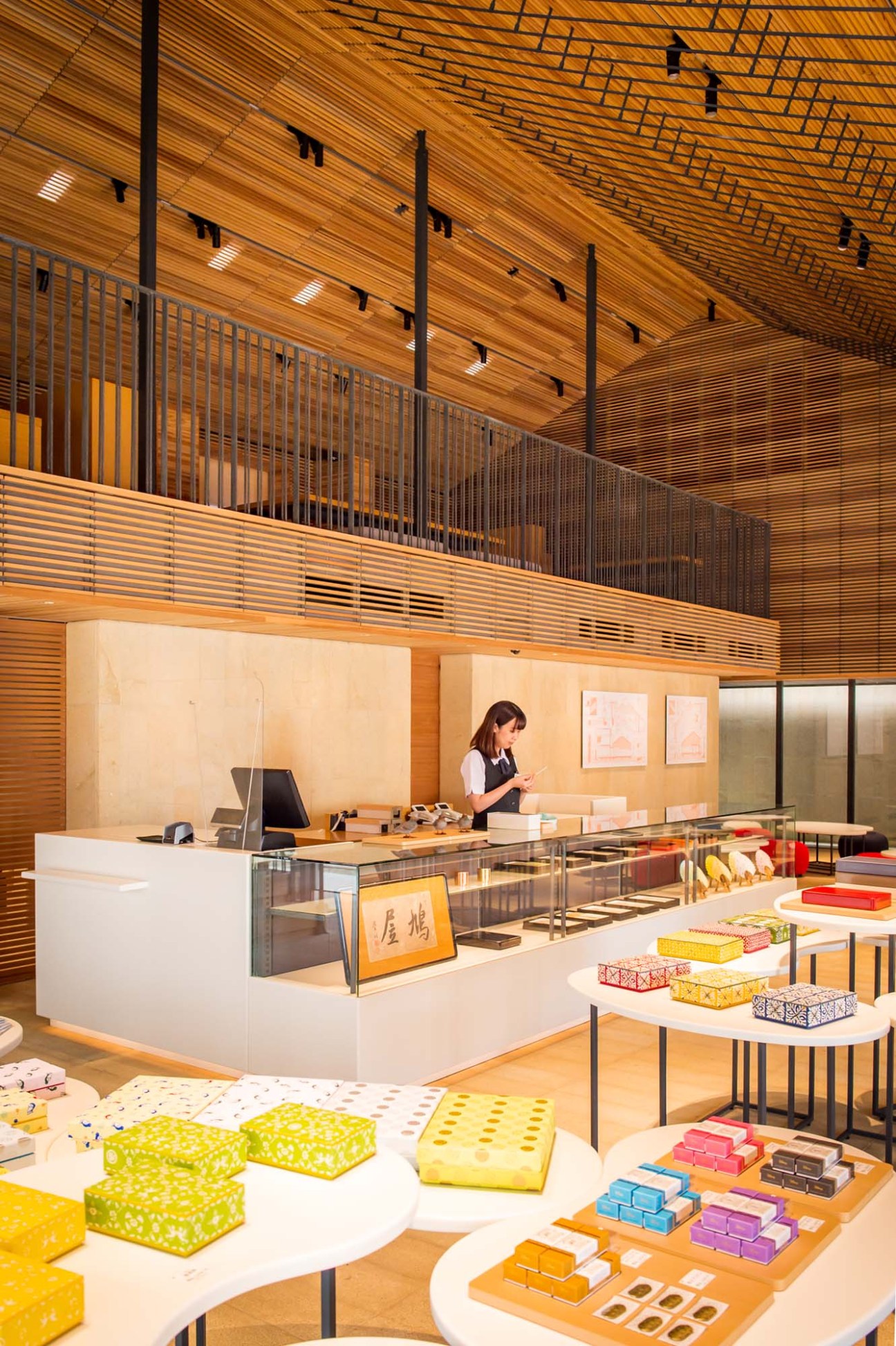
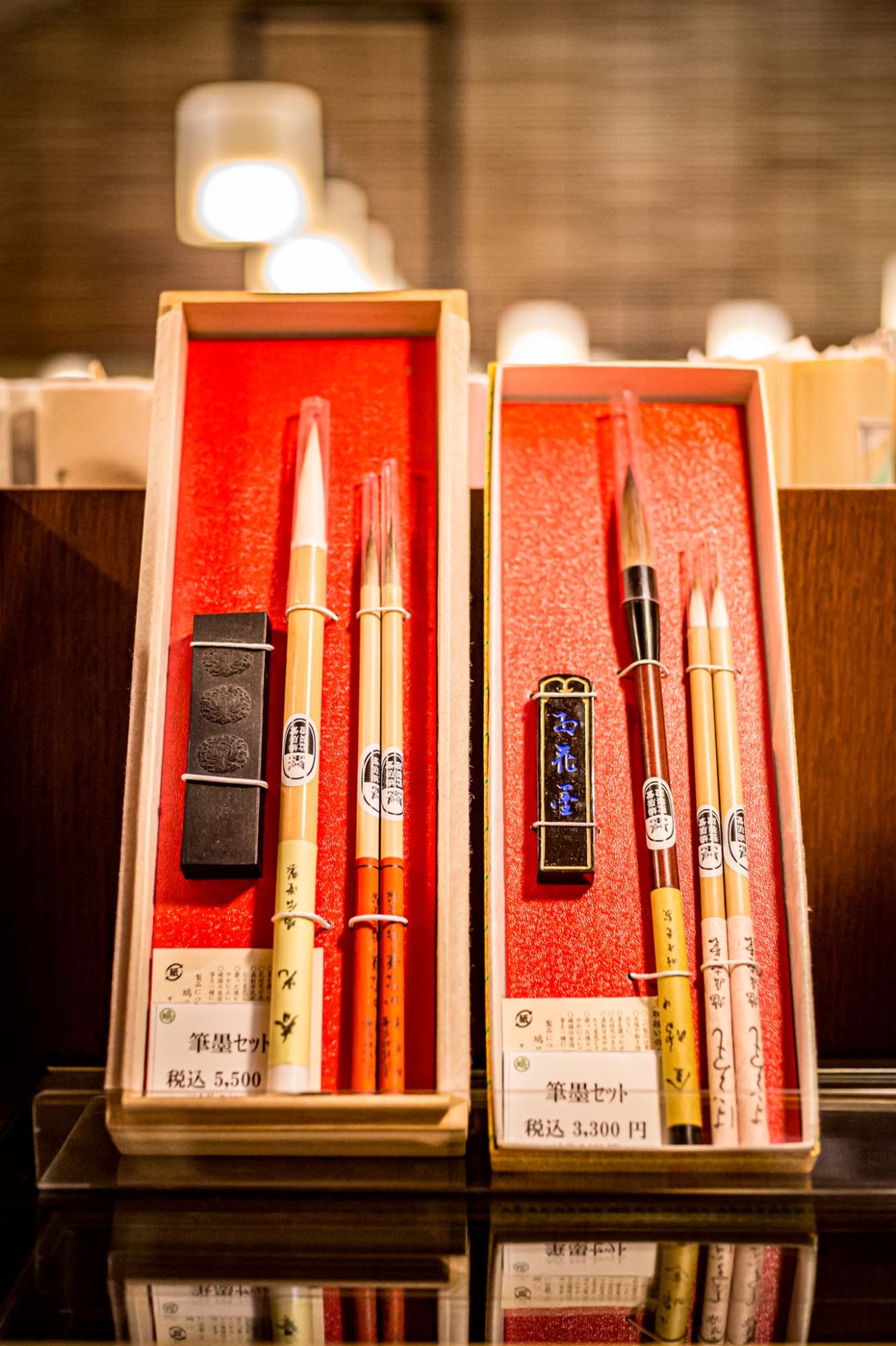
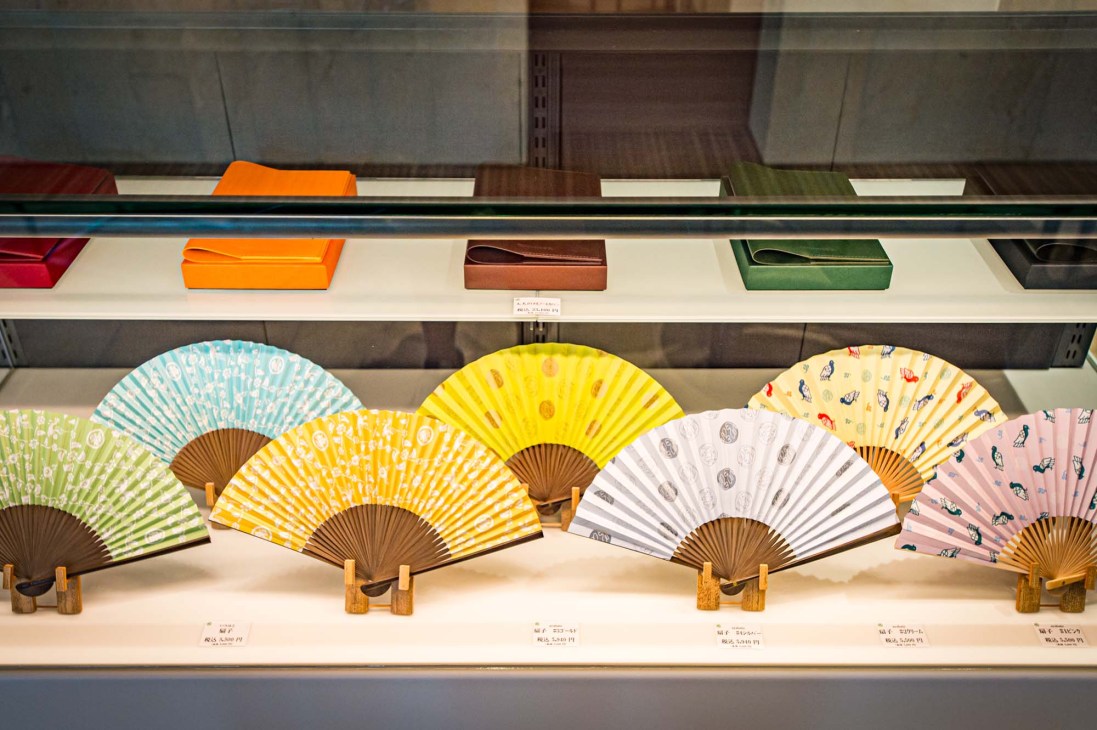
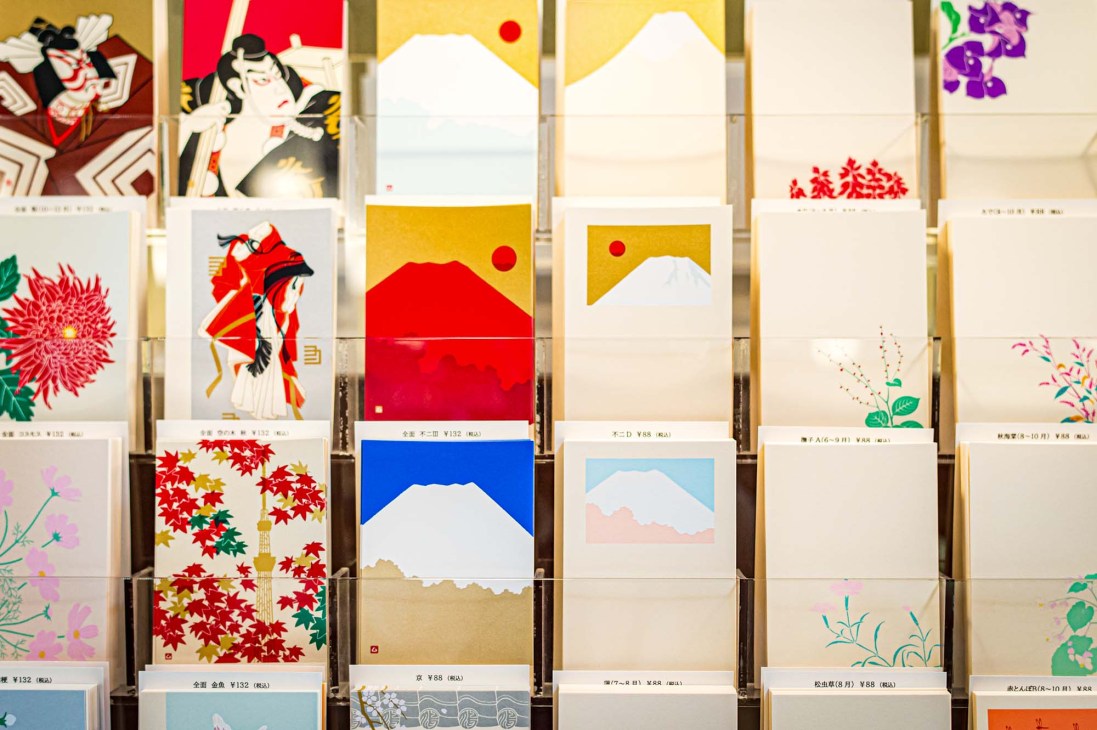
Kyukyodo does brisk business with regulars coming in for the fine array of handmade calligraphy brushes, ink stones, notebooks, silkscreen-printed postcards, fans and incense. “We have more than 1,000 products,” says Kumagai. He feels a responsibility to protect the traditional skills needed for many of Kyukyodo’s products and the livelihoods of those who make them.The new shop has a small garden and a tatami room where customers are invited to sniff (or as the experts say, “listen to”) incense fragrances.
kyukyodo.co.jp
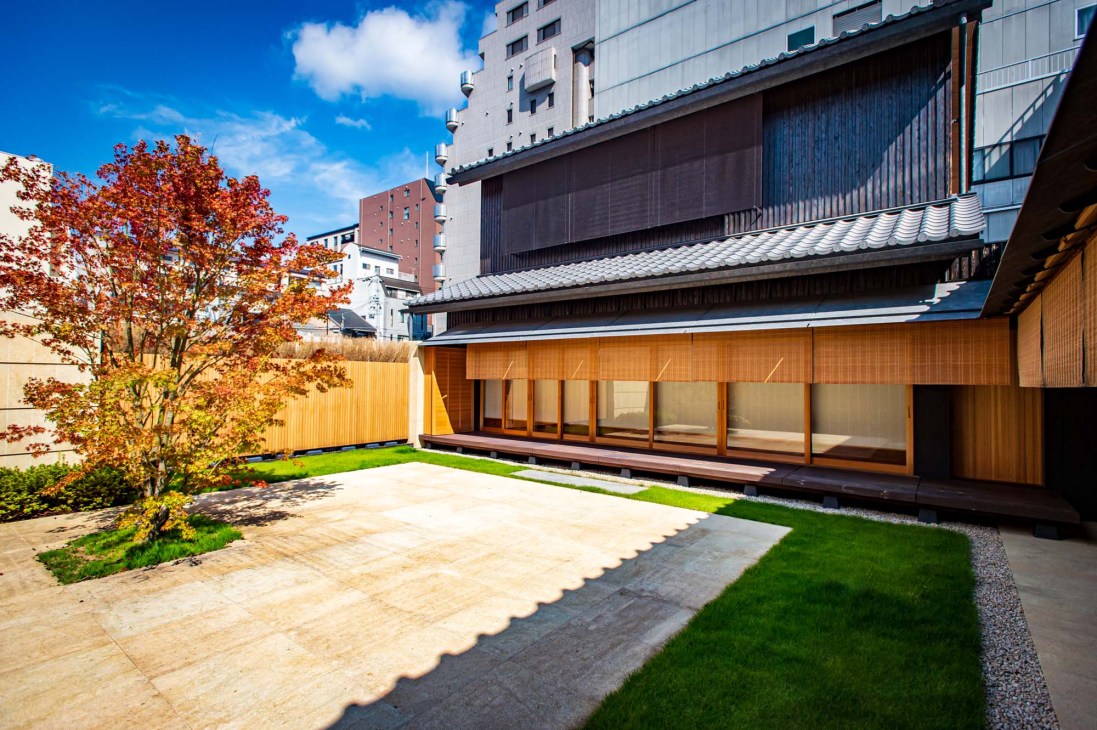
What to buy
Like many family businesses in Kyoto, Kyukyodo has a weighty history but is also innovative, working with designers to create new products.
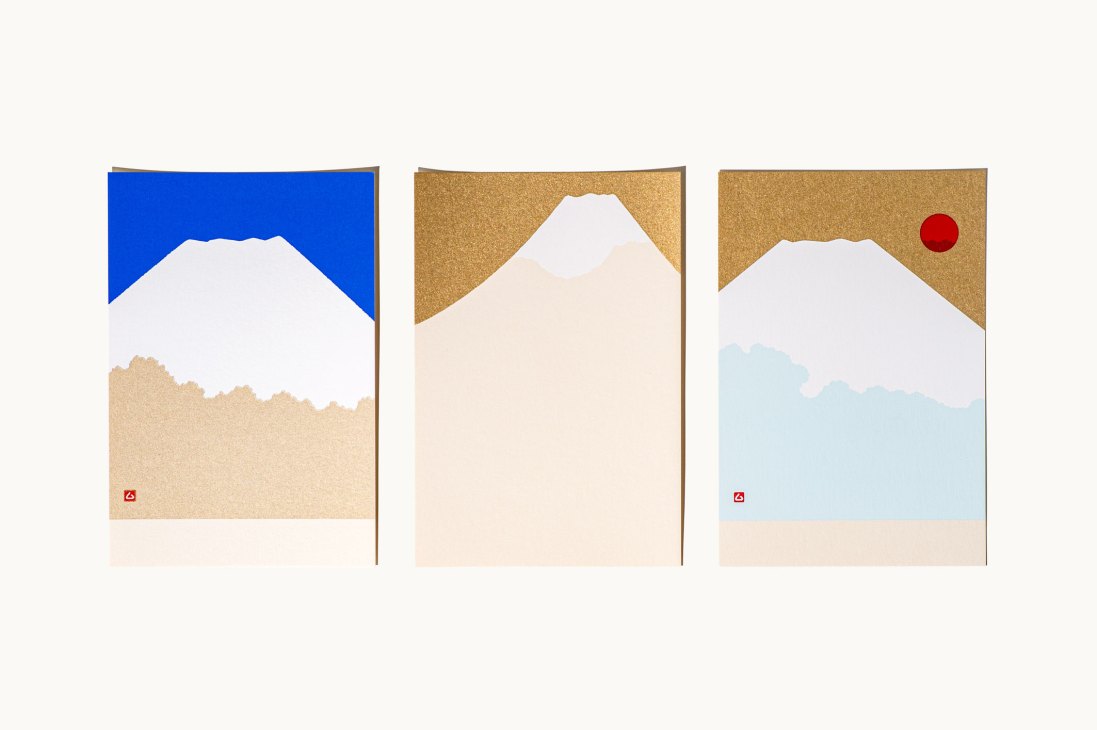
It’s in the post
Silkscreen-printed postcards are among Kyukodo’s bestselling products.These show stylised versions of Japanese landscapes.
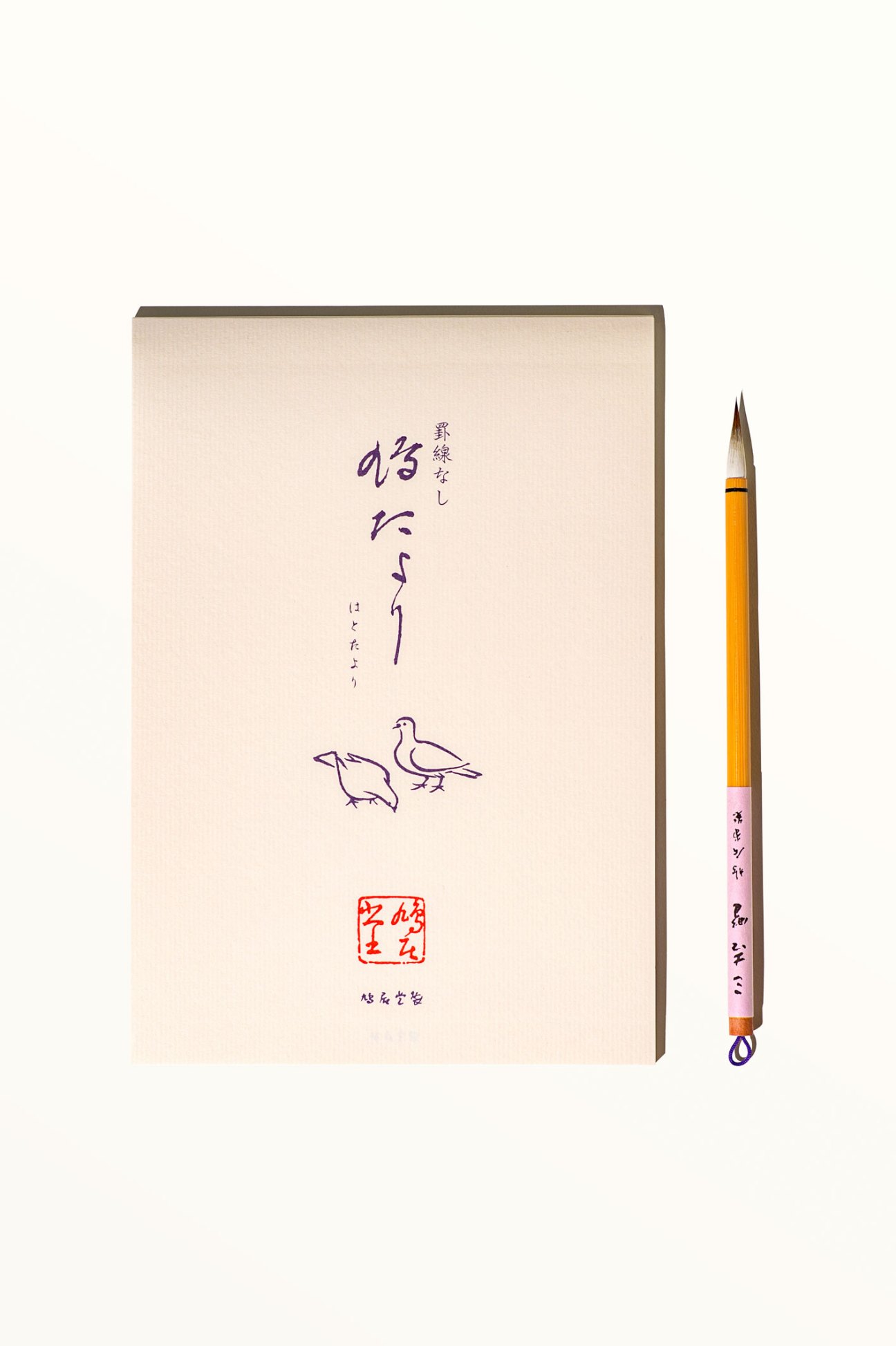
Brush up
Perfect calligraphy using a pad of binsen writing paper and one of Kyukyodo’s many brushes.
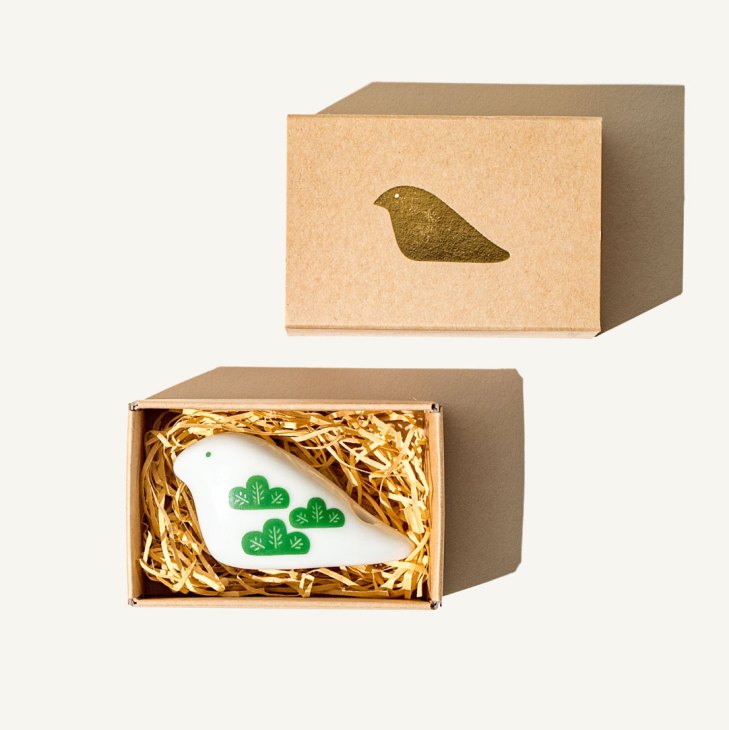
Bird in hand
This ceramic incense holder is formed in the shape of a hato (pigeon) and arrives nestled in straw.
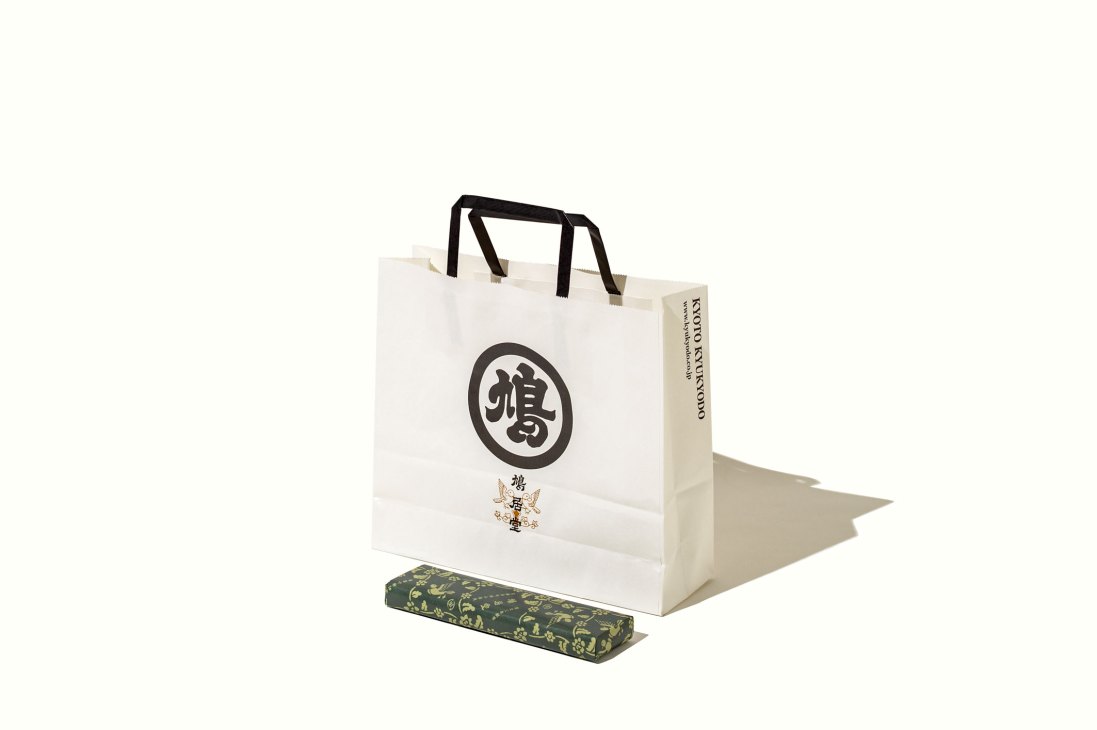
Bags of style
Purchases are wrapped in paper and placed in bags by graphic designer Taku Satoh.
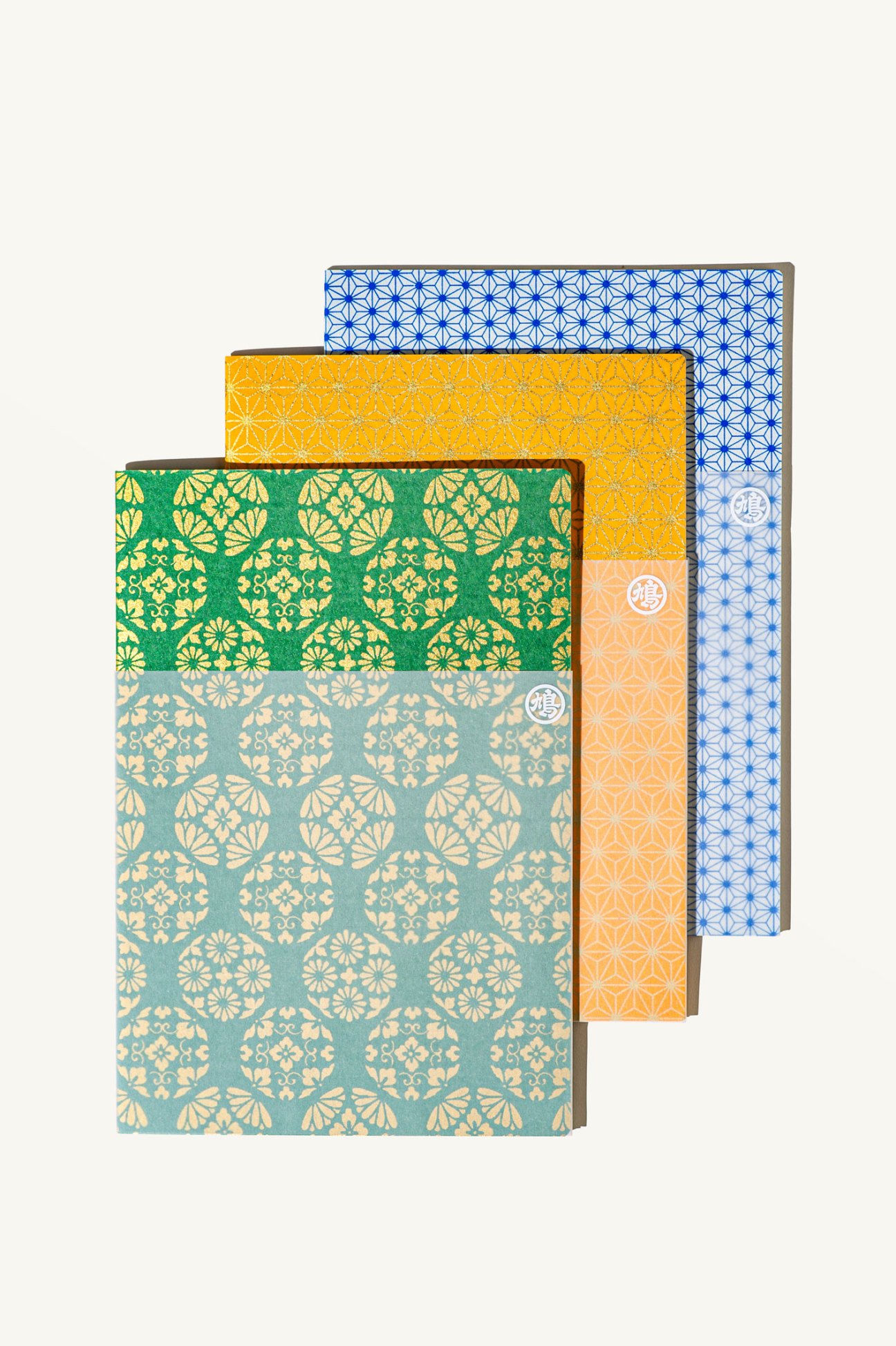
Works of art
Stock up on thin A6 notebooks covered with decorative Kyoto paper, known as Kyochiyo.
Bethge
Munich
Bethge is a stationery shop with its own screen-printing studio, founded by Waltraud Bethge in 1977. The Hamburg-based brand has been an authority on accessories since then and its shop in Munich, in the central Fünf Höfe shopping centre, is a great place for handmade cards, gift wrap and paper. “In our digital, fast-paced world, luxury lies in the analogue,” says managing director Max Stöcker. Besides its own line of high-end products and other top brands, the shop also offers custom printing.
bethge.store
Central: The Original Store
Bangkok
Thailand’s Central Group has reopened its original outpost on Bangkok’s Charoen Krung Road. Popular for its stellar selection of foreign magazines, books and records, the 1950s shop was a favourite among Thais seeking a taste of Western culture. Today, Central: The Original Store is built afresh into a five-storey space reimagined by Belgian architect Vincent Van Duysen. “This project is sentimental because it is where it all began,” says Barom Bhicharnchitr, managing director and fourth-generation member of the family behind it. Thumb through the colourful postwar magazines, books and curiosities in the shop or enjoy a Thai breakfast at the house café.
centraltheoriginalstore.com
Sounds good
Global
Quality sound once meant massive speakers. Now pristine audio comes small packages. Here are a few of the best.
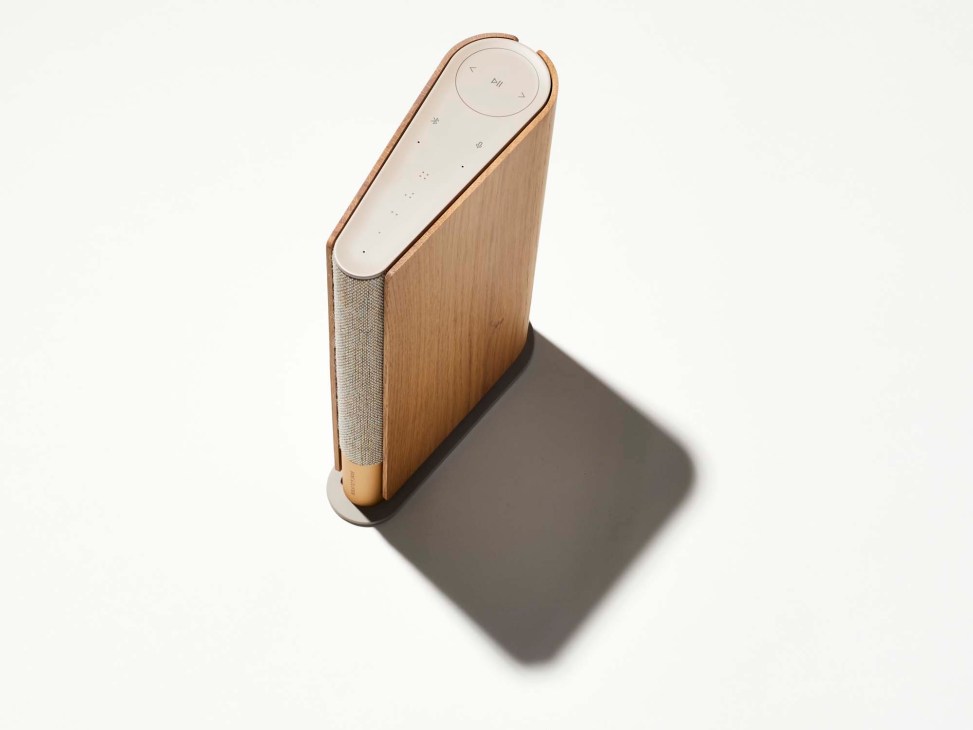
Beosound Emerge
Bang & Olufsen
Svelte smart speaker that’s able to fill a room with music.
bang-olufsen.com
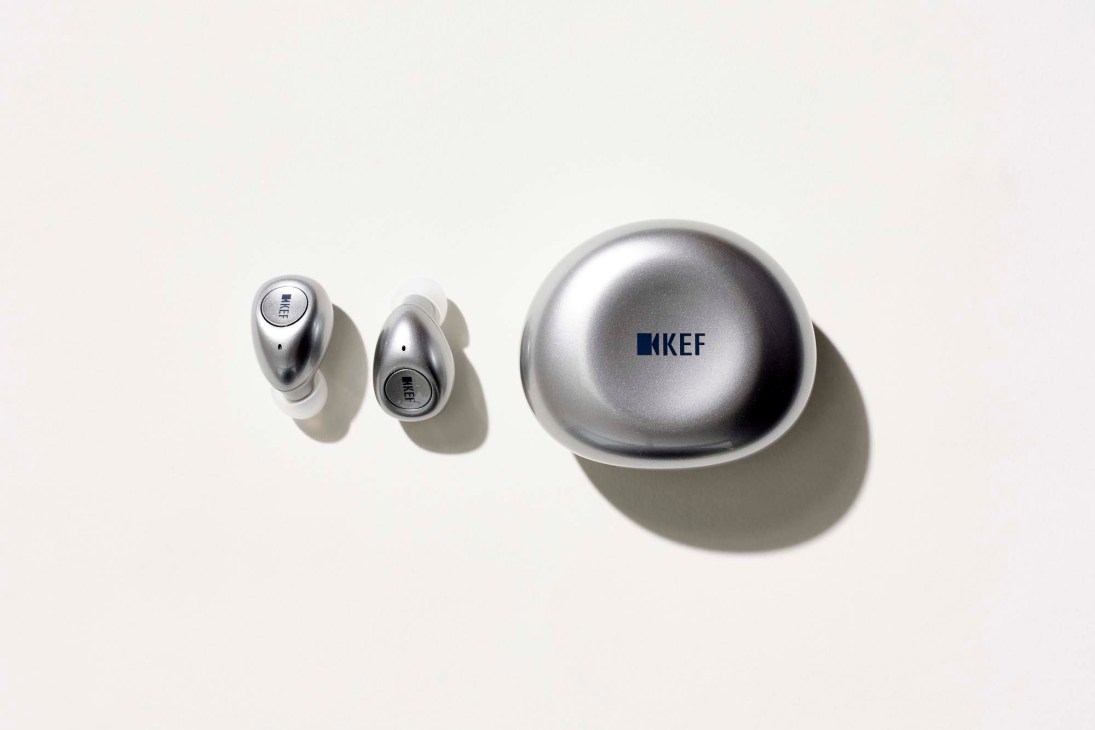
Mu3 earphones
Kef
A collaboration with designer Ross Lovegrove, these look as slick as they sound.
kef.com
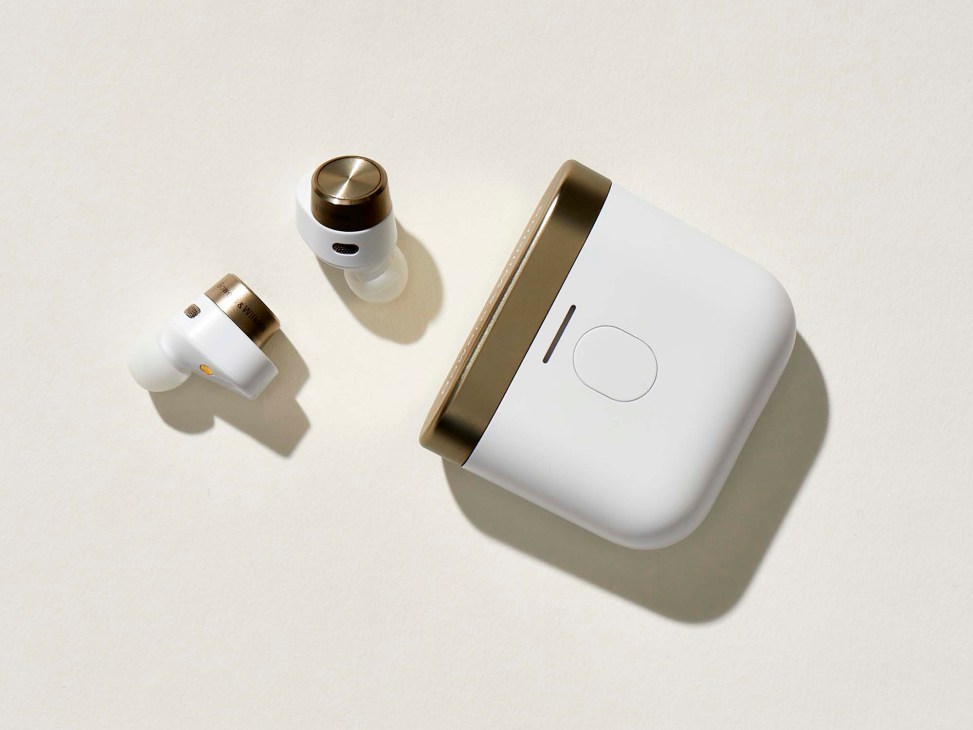
PI7 earphones
Bowers & Wilkins
These headphones offer solace from traffic, sound divine and are made to last.
bowerswilkins.com
Still life: Tony Hay
Feast for the senses
Kona
Copenhagen
Copenhagen’s redeveloped Carlsberg Byen is springing to life, thanks to the completion of a new HQ for the neighbourhood’s namesake brewery – and the opening of a host of galleries, shops and restaurants. Among these is a fresh Japanese-inspired joint: Kona. Started by Philipp Inreiter, the Austrian-born chef and entrepreneur behind Copenhagen ramen restaurant Slurp, Kona’s two-storey space is designed by Danish studio Archival Studies.
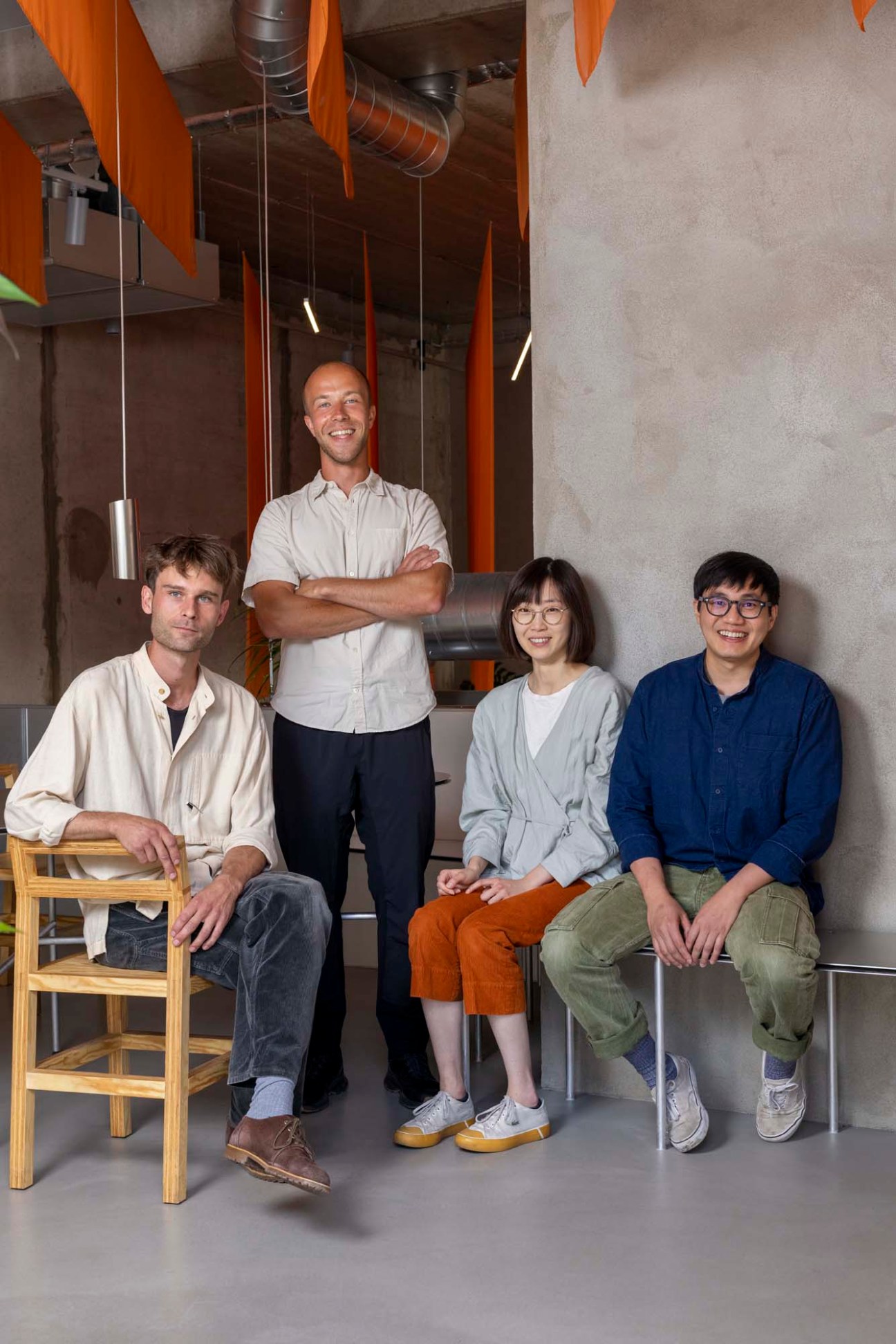
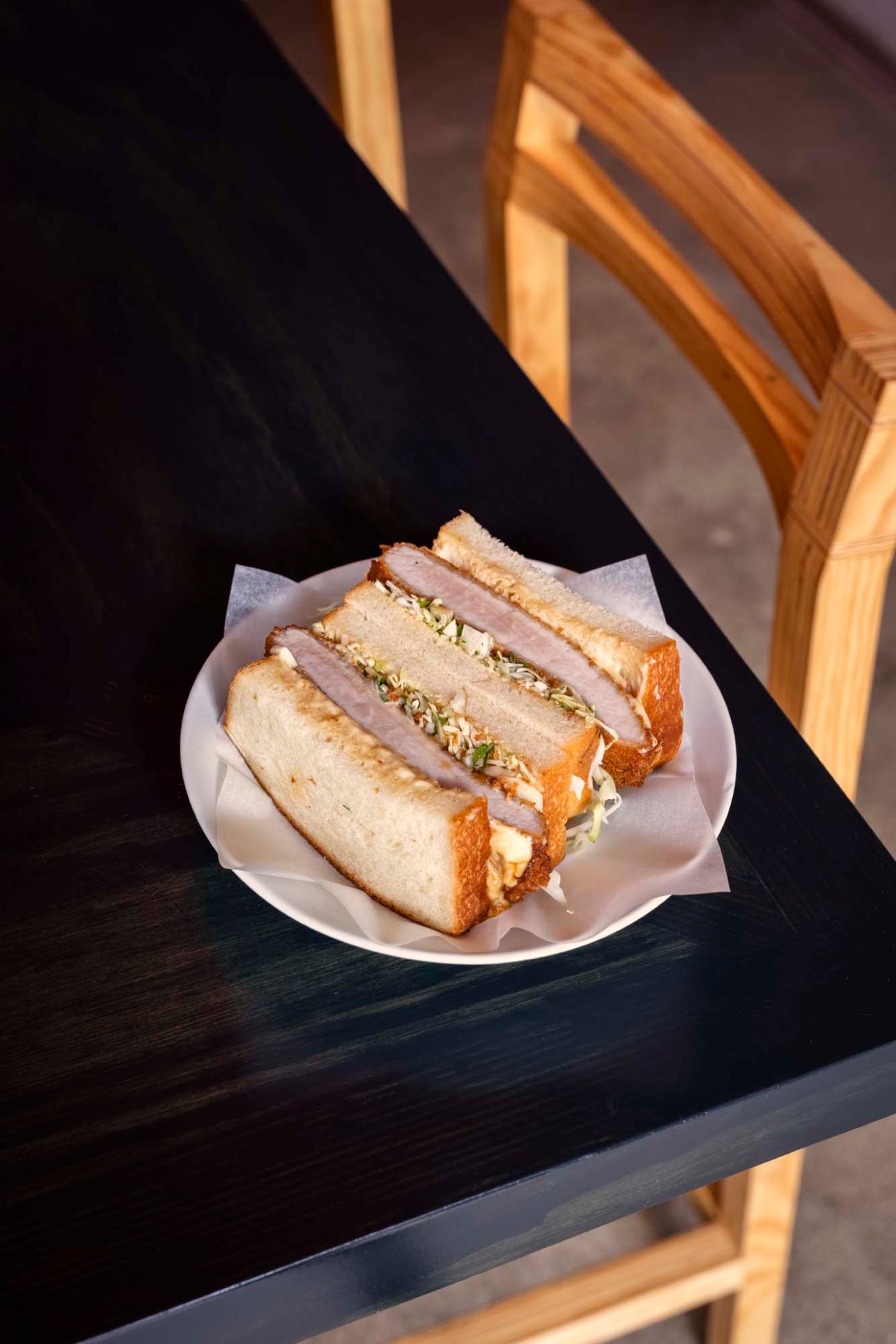
On the entry level is a cosy izakaya serving katsu-sandos, fried chicken karaage and yakitori, with yuzu lemonade or Austrian natural wine to wash it down. As for downstairs? “It’s a more dramatic space,” says Benas Burdulis, partner at Archival Studies. “You have a fixed menu or omakase, which in Japanese means ‘leave it up to the chef’.”
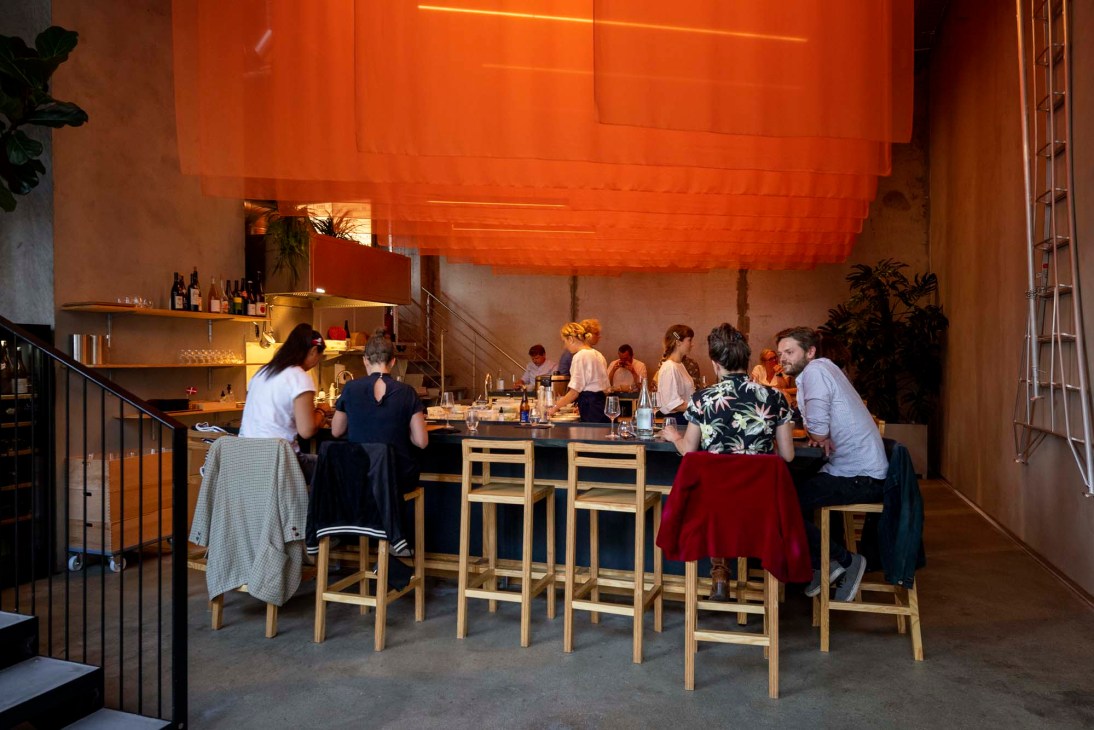
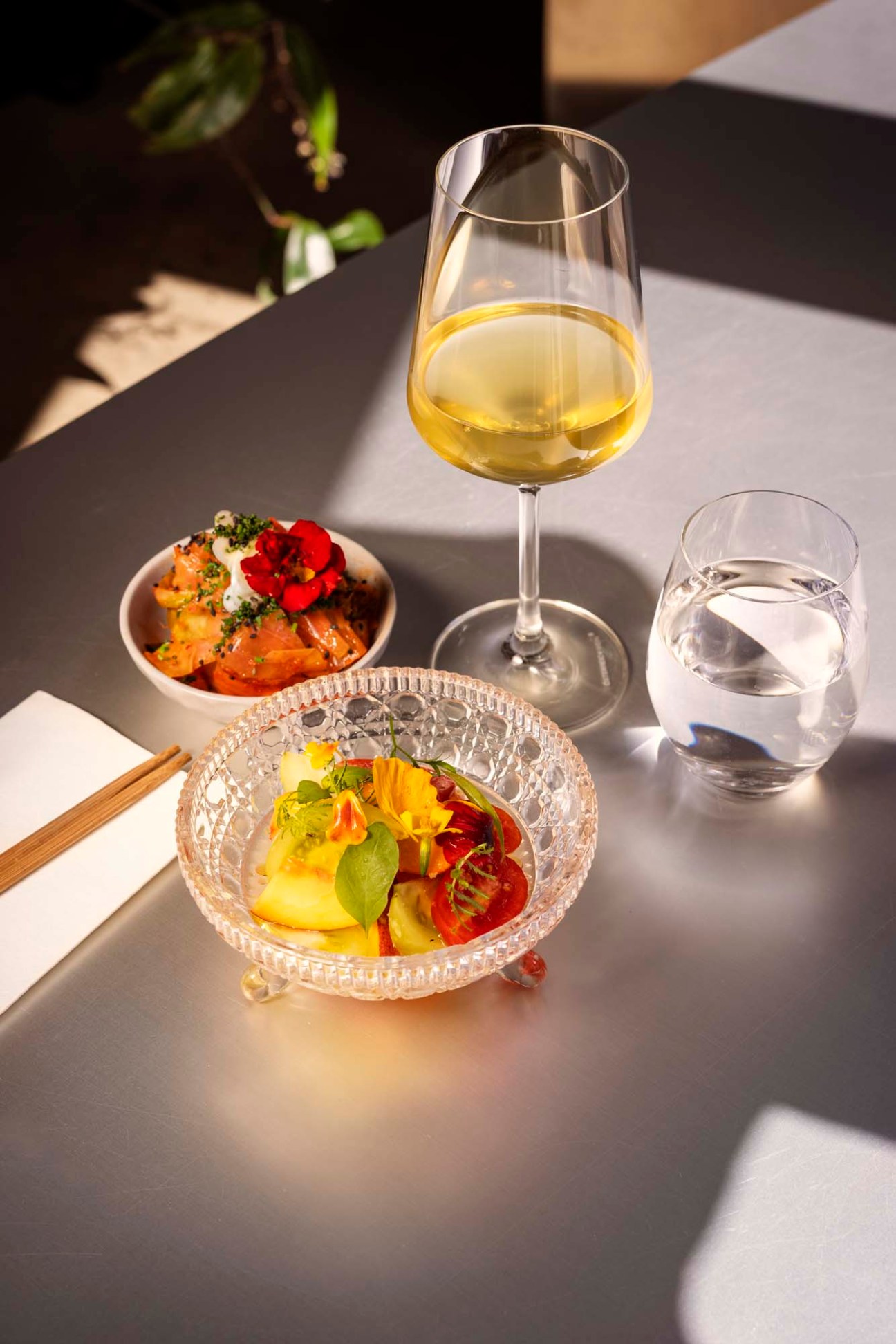
The chef, Jessica Natali, formerly of Noma and Inua in Tokyo, serves seafood and seasonal vegetables around a horseshoe bar overlooking the kitchen. “Everything from the lighting to the shape of the bar creates a performative space,” says Burdulis. If you go for a meal, you’ll also get a show.
behind-the-elephants.com
Abranda
Porto Covo, Portugal
On Alentejo’s coast, 170km south of Lisbon, is this alluring former fishing village. Among whitewashed cottages and cobbled streets, Abranda – meaning “slow down” – lets visitors take in the view with superb drinks and nibbles.
Abranda’s menu focuses on smaller plates including cod or clam pastries, ceviche, watermelon tataki and multiple fresh salads. A small indoor area opens onto a terrace overlooking the main square.
Lisbon-based studio Lado remodelled the historic house, keeping the exposed timber and bamboo-clad ceilings, while injecting fresh touches including the custom-designed cement tiles and terracotta pendant lamps from Muuto.
“We wanted to create an intimate space so you could enjoy a glass of wine and food, and ease in to the evening,” says co-owner Pedro Martins.
abranda.pt
Past and Future wine
Studio Eduardo Aires
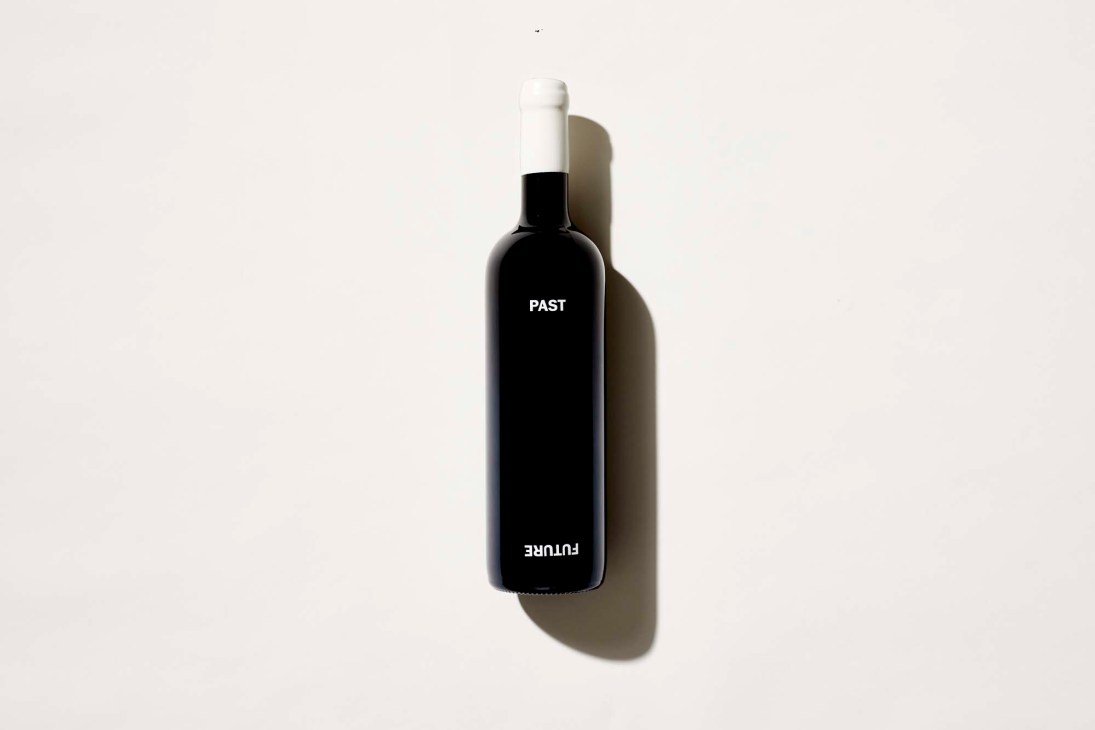
Labels of wine bottles often overflow with information. Not so with this project from Porto-based Studio Eduardo Aires. The project, including this bottle of 2015 from Esporão’s Quinta dos Murças in the Douro valley was first conceived for client gifts. But its stark design became meaningful during the pandemic. “I explored the concept of the past and future through different objects and materials,” says studio founder Eduardo Aires. “A bottle of wine seemed like a pleasurable way to pursue the idea.”
eduardoaires.com
City round-up
Mexico
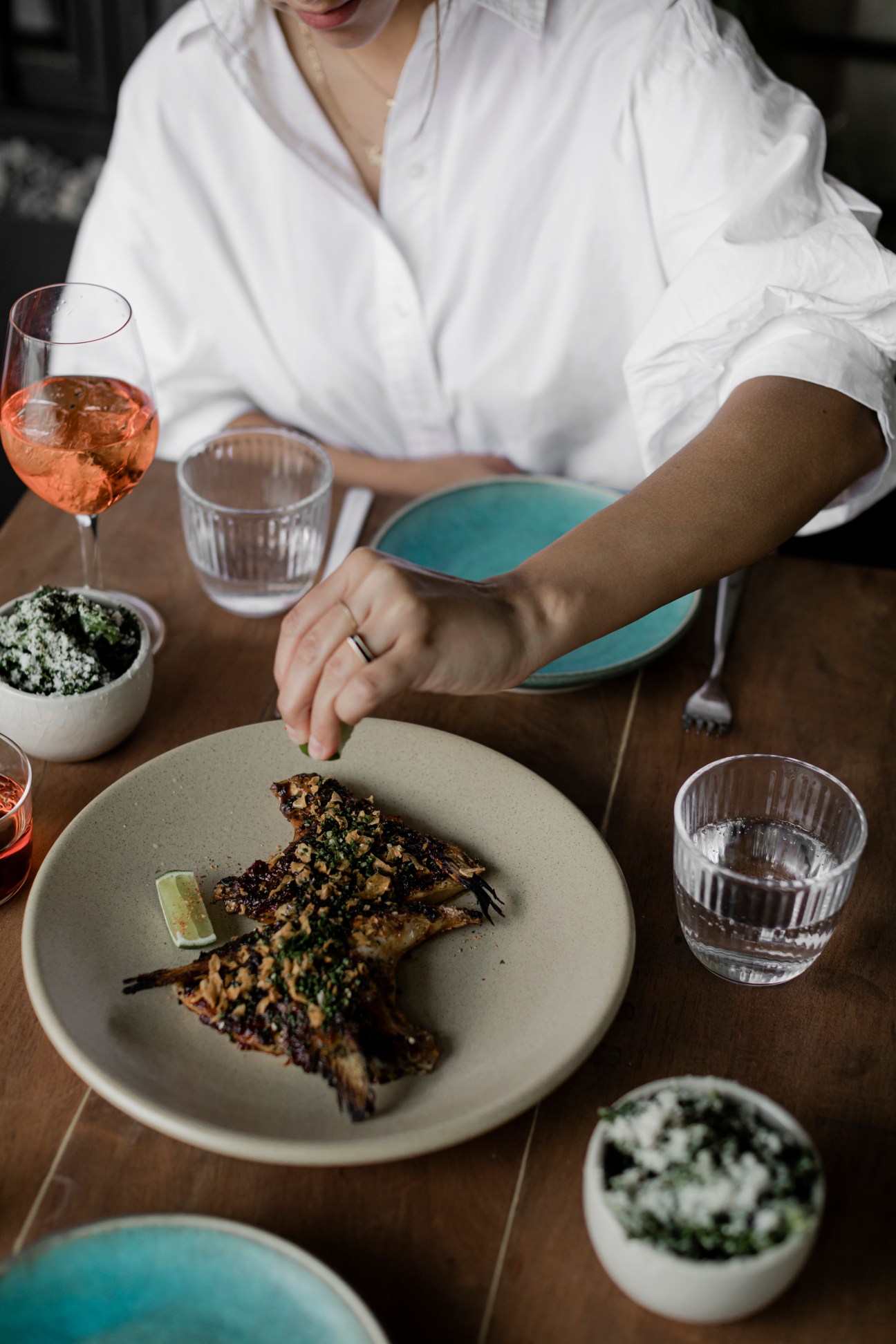
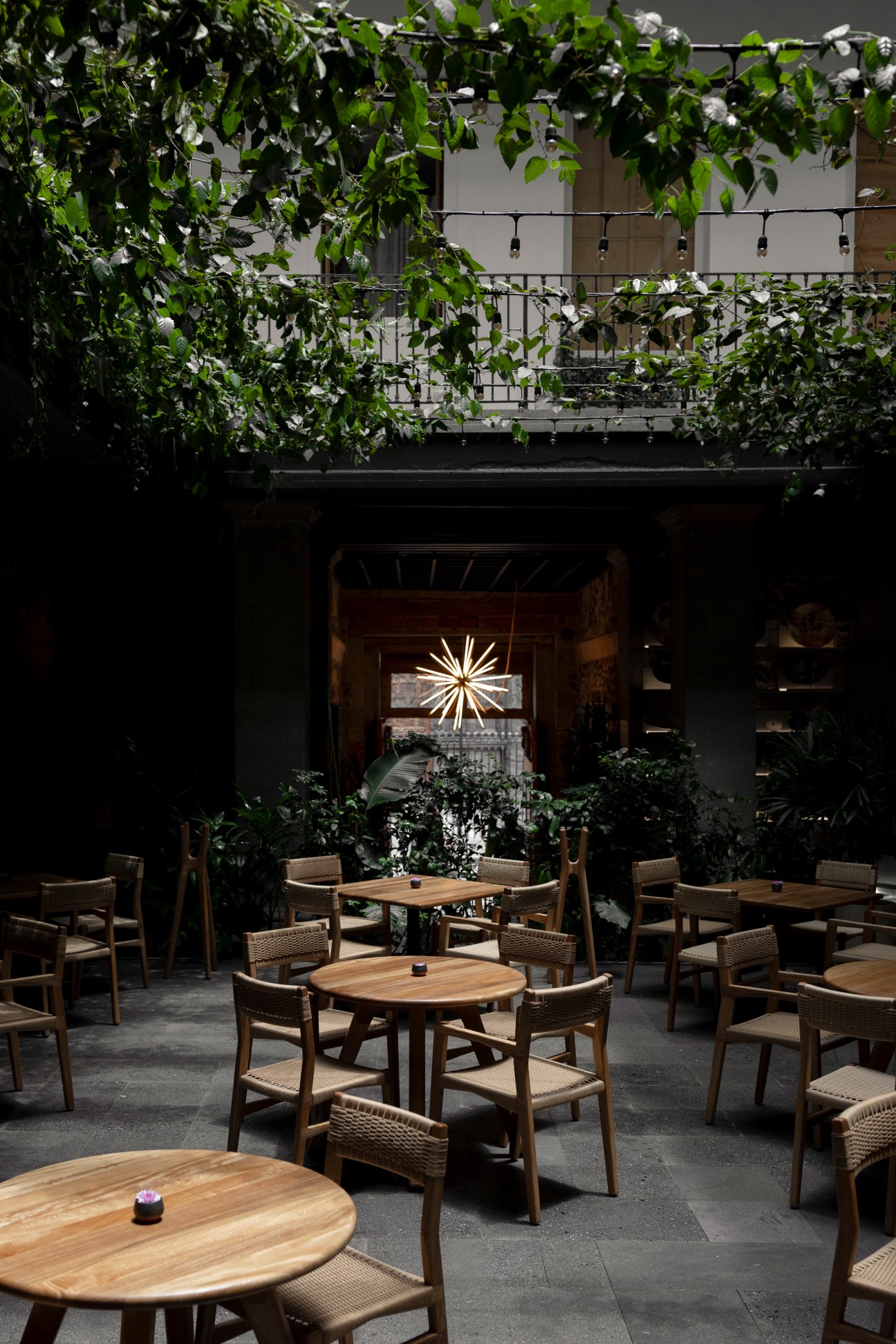
There are exciting openings galore in the Mexican capital. At Grupo Habita’s slick downtown property Circulo Mexicano, chef Gabriela Cámara has opened two new seafood spots. Known for her buzzy restaurant Contramar, where diners are transported to a seaside town on the Pacific coast, Cámara has again brought the ocean to the concrete jungle with Caracol de Mar. This sophisticated restaurant is in the hotel’s courtyard, where guests are served fresh prawn aguachile and Peruvian-Japanese tiradito (like sashimi with spicy sauce), under banana palms and strings of lights. At the unfussy Itacate Del Mar, conchas (sweet buns in the shape of shells) and Cámara’s tuna tostada layered with avocado and chipotle mayo are available to take away. While Caracol is more formal, Cámara says “they have a common thread of simple Mexican food.”
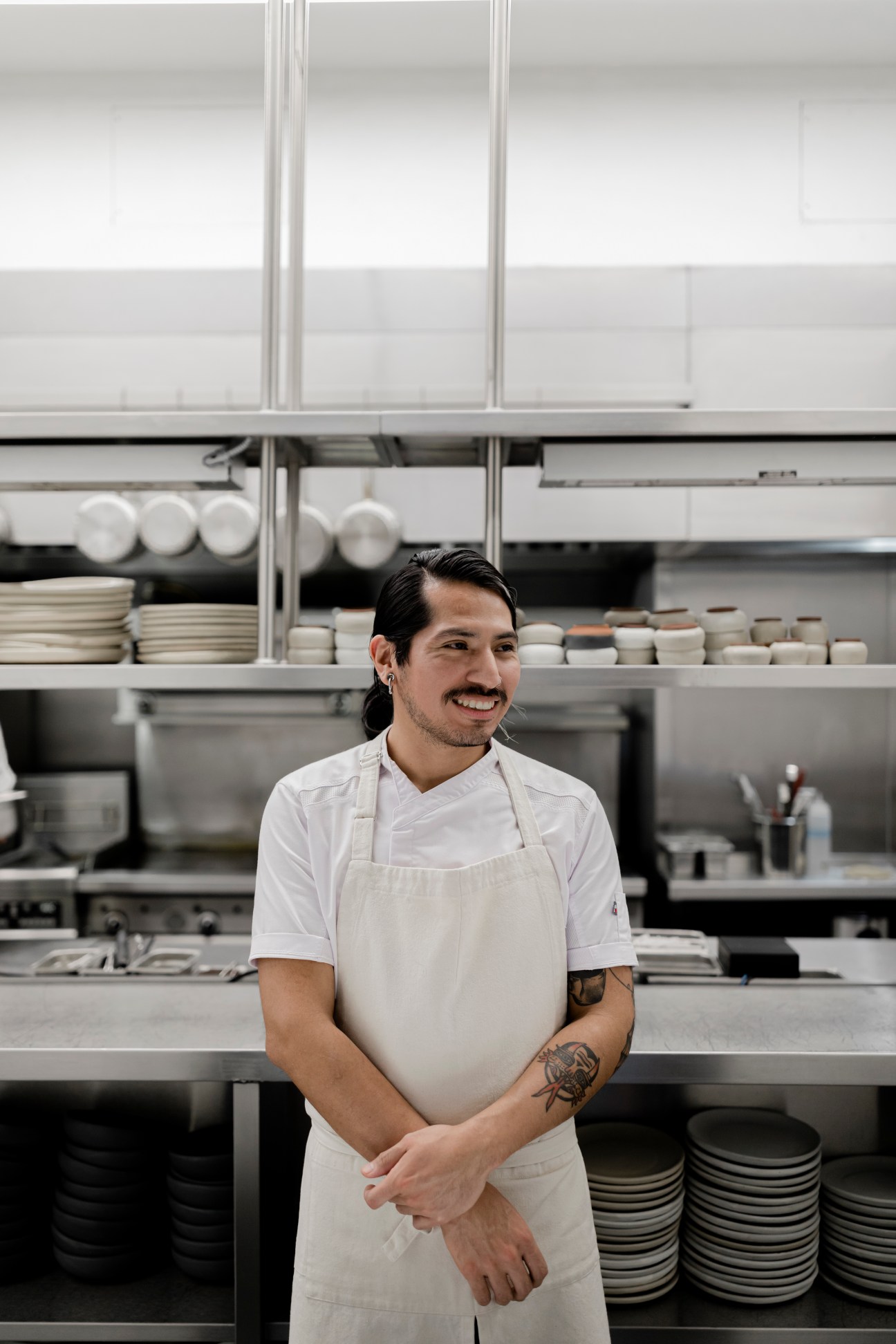
In the Roma district, chef Lucho Martinez has taken over the old Maximo Bistrot space with a new opening called Em. Inside the creamy space lined with slick black chairs, Martinez serves an inspired menu of dishes that put a Japanese spin on Mexican ingredients such as baby corn with yuzu butter and soy. It’s polished and approachable – words that perfectly suit the city’s restaurant scene.
Mary’s Hawke’s Bay
New Zealand
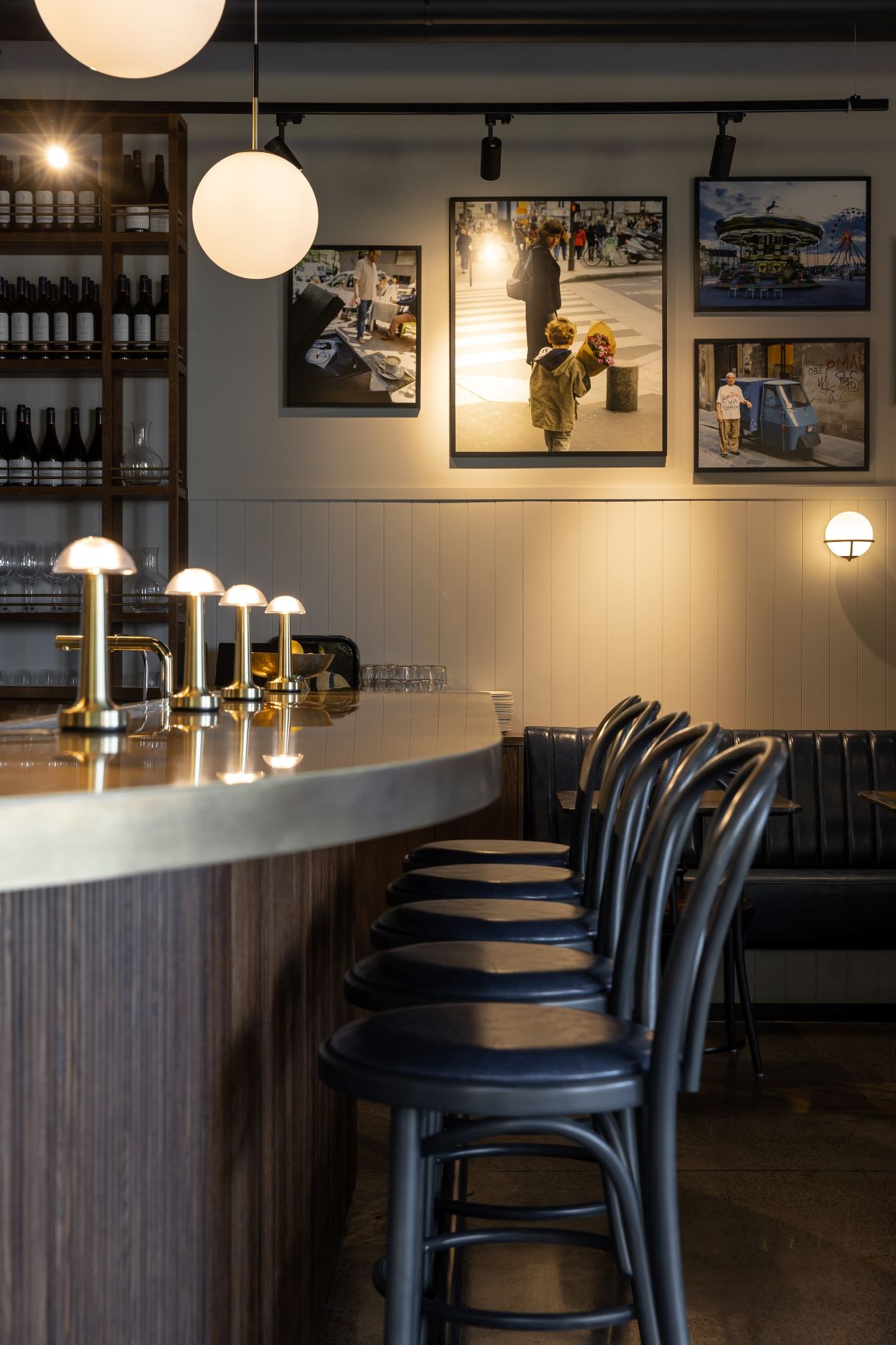
Destination restaurant Mary’s opened in a quiet suburb of Hawke’s Bay on New Zealand’s North Island. “It’s where an elevated diner meets a neighbourhood bistro,” says head chef Casey McDonald. After New Zealand’s first lockdown ended, he opened a pop-up called Casey’s Diner serving hearty American-style diner food at Craggy Range Winery, where he is also head chef. When no one wanted it to close, it morphed into Mary’s. Today the restaurant delivers exceptional fare such as lamb shank, crisped on the Josper grill, with creamy onion sauce and buttery polenta. The often-changing menu might include tacos, Te Matuku oysters or a comforting gnocchi carbonara. One thing that hasn’t changed yet is how good it all is.
marys.co.nz
Bar Bara
Montréal
Chef David Pellizzari and sommelier Catherine Draws return to Montréal’s restaurant scene with Bar Bara, a contemporary Italian wine bar and grocery shop in Saint-Henri. Bar Bara stocks pantry essentials, while the menu is unfussy but treat-filled – think pasta and shareable nibbles including the house- cured gravadlax.
barbaravin.com
‘Fulgurances’
Paris
Parisian culinary group Fulgurances has plenty on its plate. What started as an agency hosting food events for clients ranging from Krug, Google, Volkswagen and Relais & Châteaux has evolved, opening its first chef residency concept in 2015. It also projected its international ambitions by opening a US outpost in Greenpoint, Brooklyn. Now its agency team has cooked up a smart food title for urbane epicureans to chew over.
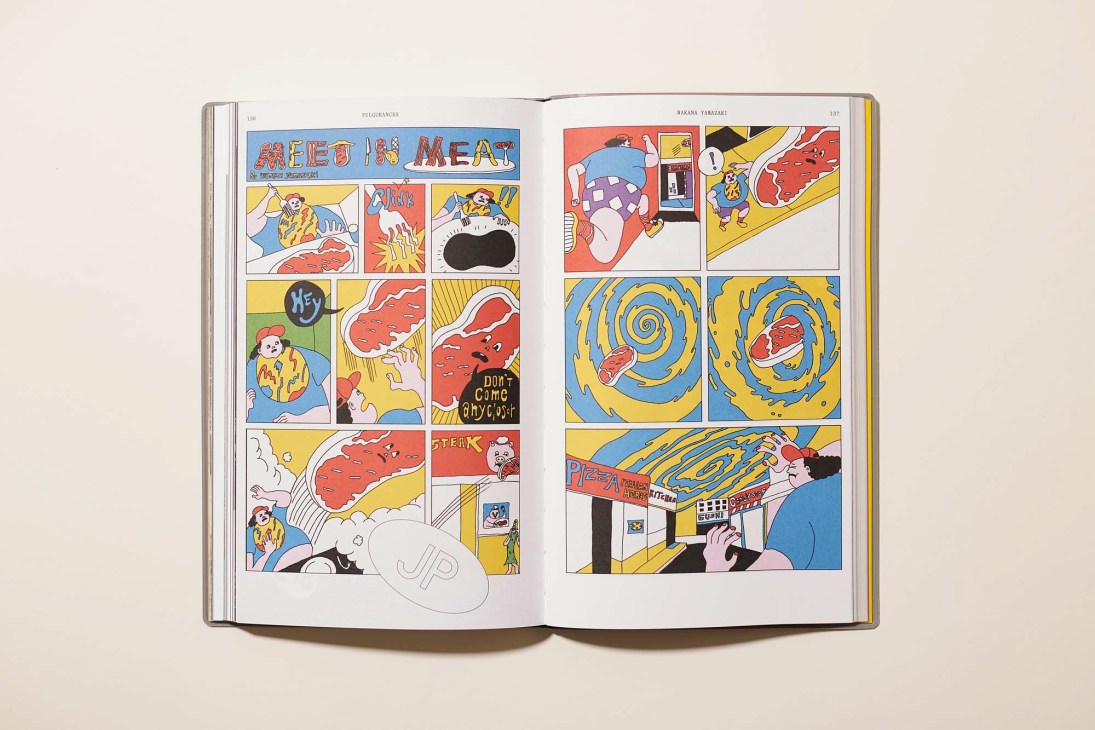
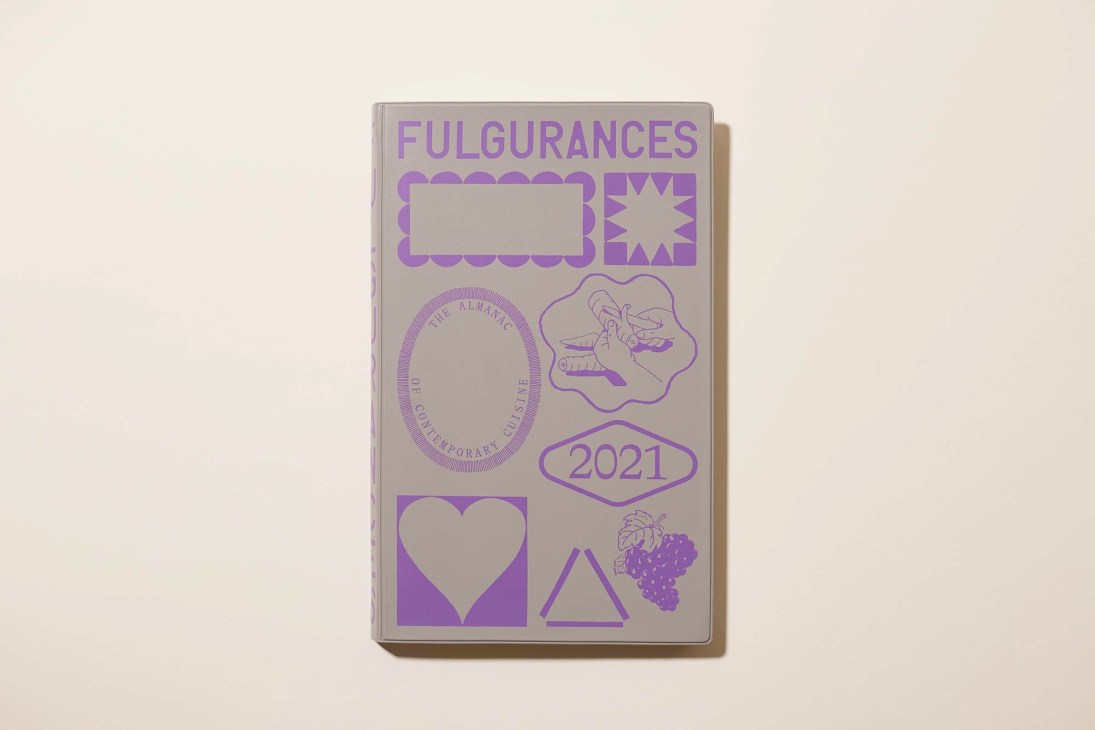
Part cuisine almanac, part travelogue, Fulgurances magazine offers a thoughtful read on contemporary cuisine that’s packed with stories about great producers, chefs and reportage. It’s also charmingly off kilter, veering from a feature on wine-making in upstate New York, to a Wakana Yamazaki comic about a person so meat obsessed that they end up chasing a slice of beef to another dimension. The annual is tastefully put together and, refreshingly, it doesn’t take itself too seriously. While surreal comics might not be to everyone’s taste, the magazine itself is an editorial buffet that is deliciously diverse enough to suit even the most curious of palates. Tuck in.
fulgurances.com
Still Life: Tony Hay, Adrian Volcinski
Images: Diego Padilla Magallares
Anything but ordinary
What “normal” means could spark endless discussion, and the three Roca brothers – restaurateurs, food pioneers and the pride of the northern Catalonian city of Girona – intend to get that conversation going.
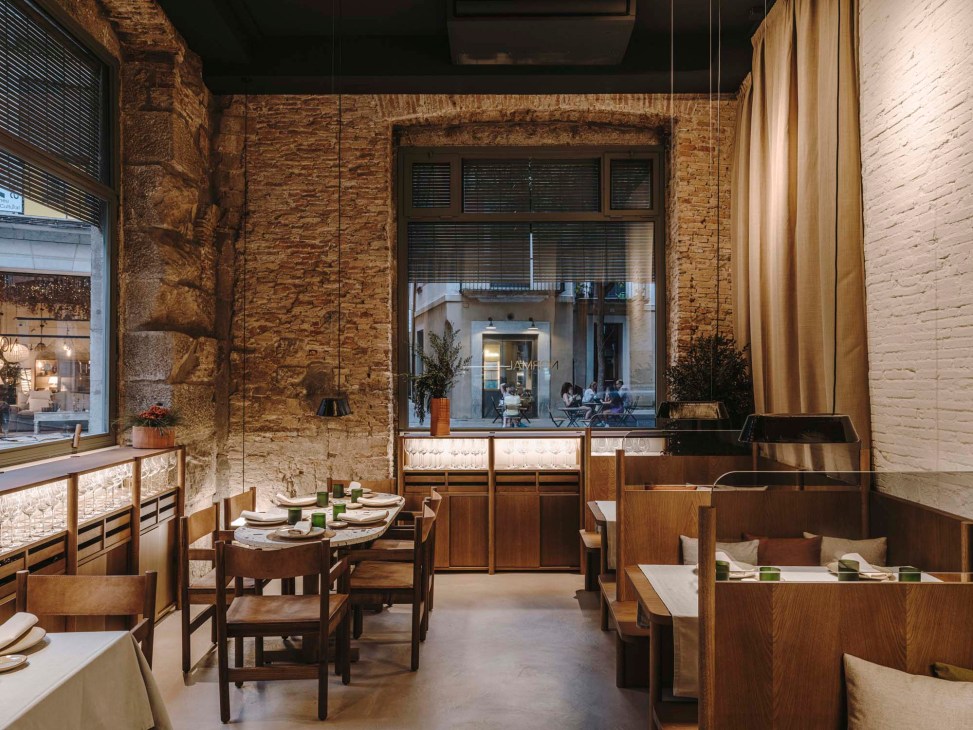
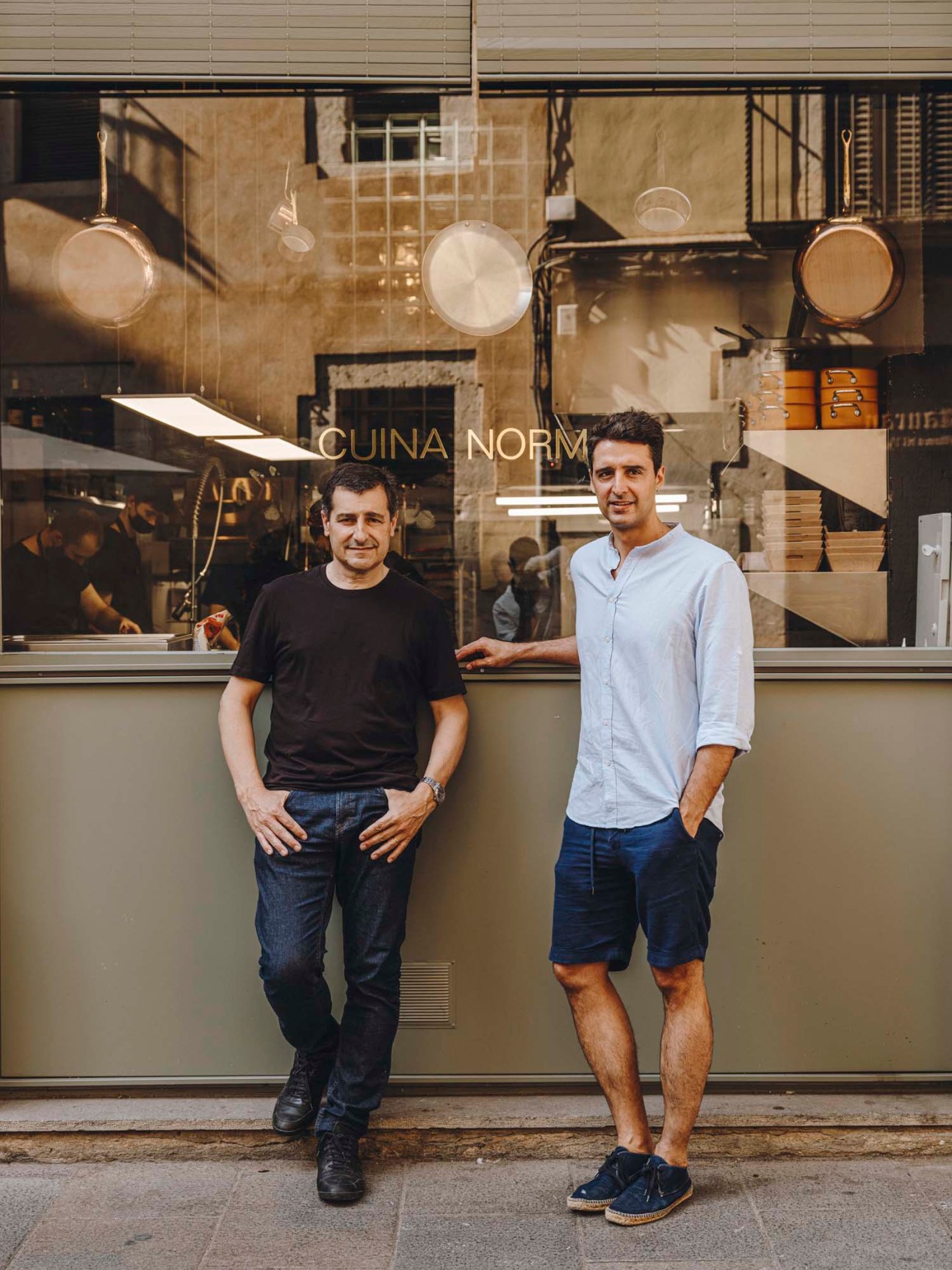
“We’re all a little mad here,” says Jordi Roca. “And when crazy people come together…”, he trails off with a grin but he’s not trying to be coy; he’s explaining how his family’s new restaurant, Normal, inverts the formality and flair of its award-winning El Celler de Can Roca, a short drive from where we are sitting. The new restaurant, he says, is the consequence of what he calls “the great standstill”.
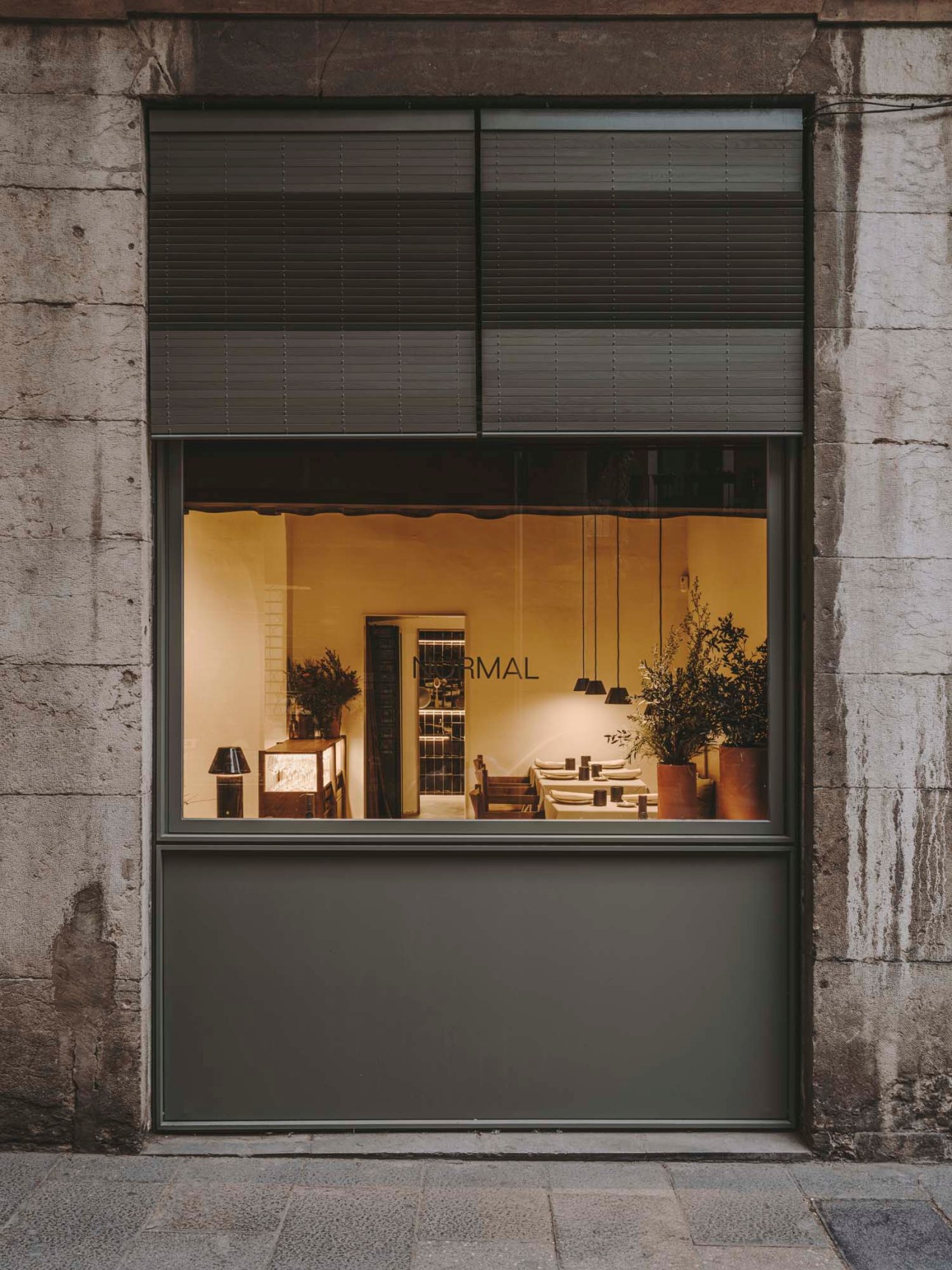
“We’re not conformists, so we weren’t able to sit still during the forced closures of 2020,” says Roca. “We whirred into action to see how we could preserve our entire eco-system – the talent, knowledge, employees and food providers – and keep them thriving.” As well as El Celler, the brothers preside over a successful ice cream parlour, Rocambolesc, and Casa Cacao, a small chocolate factory, shop and hotel in the centre of Girona. Then there’s Mas Marroch, an events space that recently evolved into its own restaurant, without the 11-month waiting list synonymous with their most renowned restaurant.
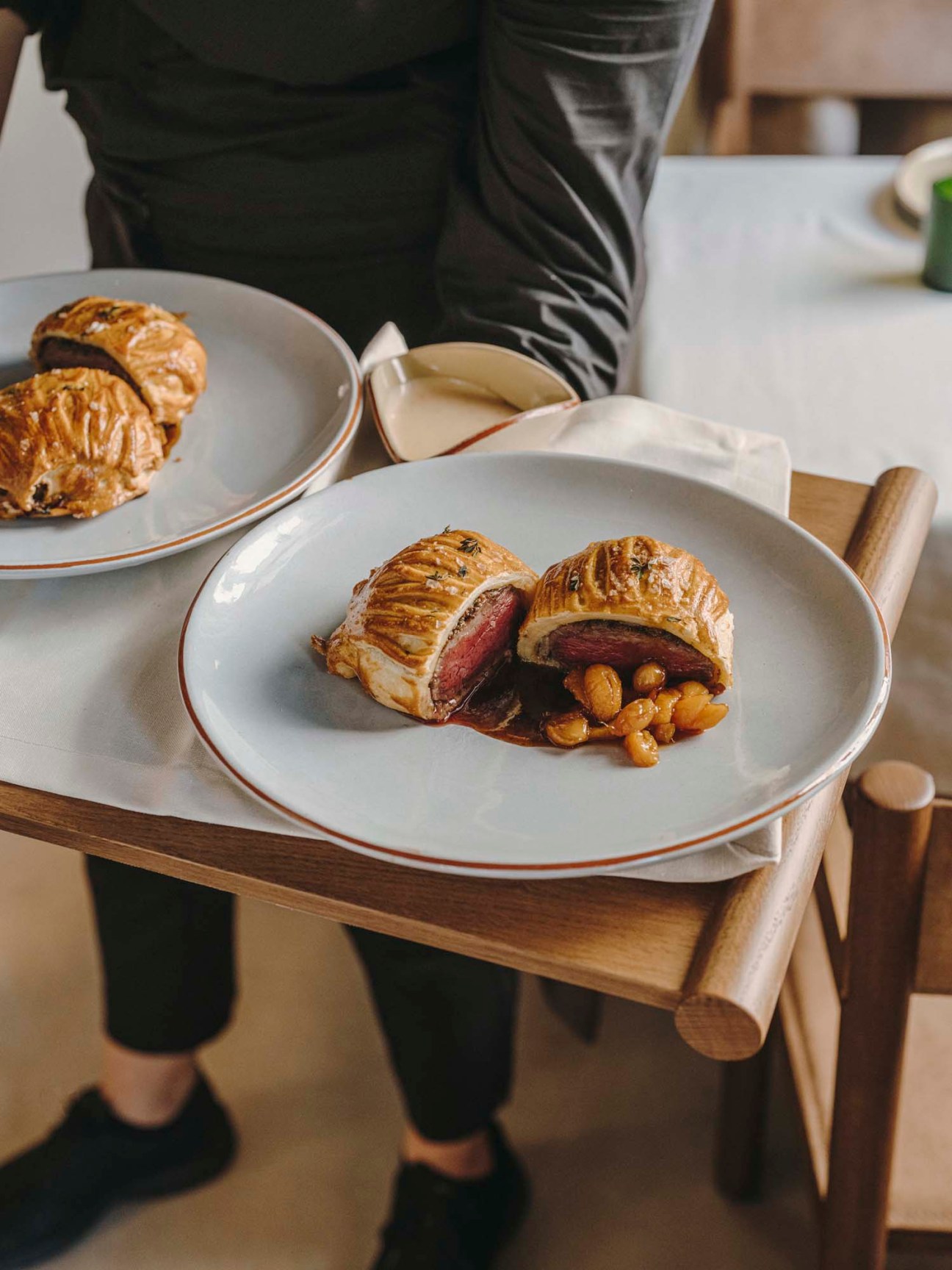
“Normal is an alchemy of who we are,” says Josep Roca, the restaurant’s director and sommelier, who joins us at the table, just as a tortilla layered with fresh Gambetta white mushrooms is served by a friendly-faced waiter. “As we are people of the Mediterranean, restaurants are – and will continue to be – places to socialise.”
There was a pointed effort to prune back the superfluity of fine dining. “If El Celler is jewellery, Normal is artisanal,” says Josep. “We wanted to reiterate the essence of eating out, which should be all about proximity, farm-grown, market-sourced produce and the intuition that harks back to our grandparents’ way of doing things.” Stir in the Roca’s proven professionalism, playfulness, creativity and sophistication, and the result feels downbeat but heartening.
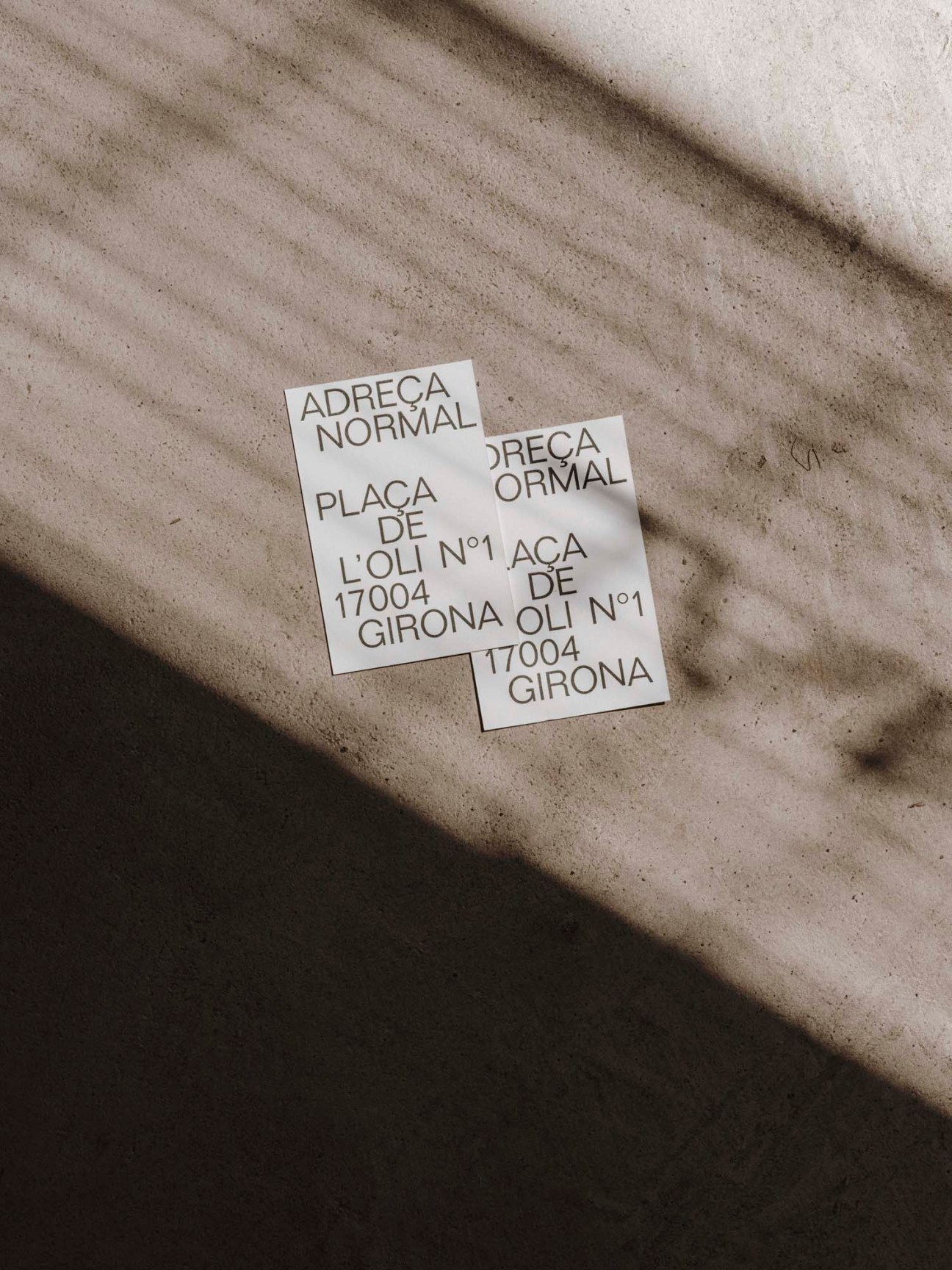
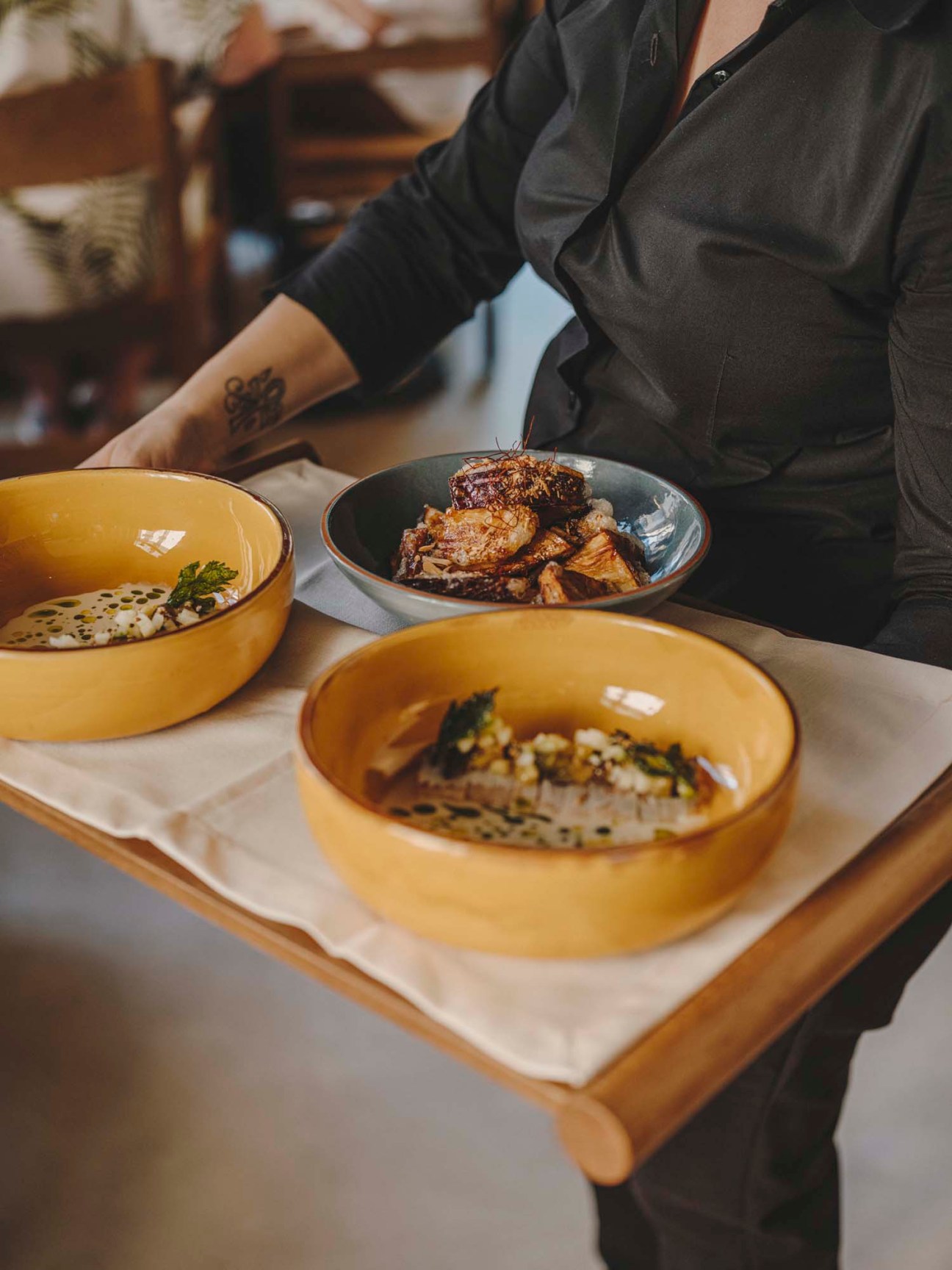
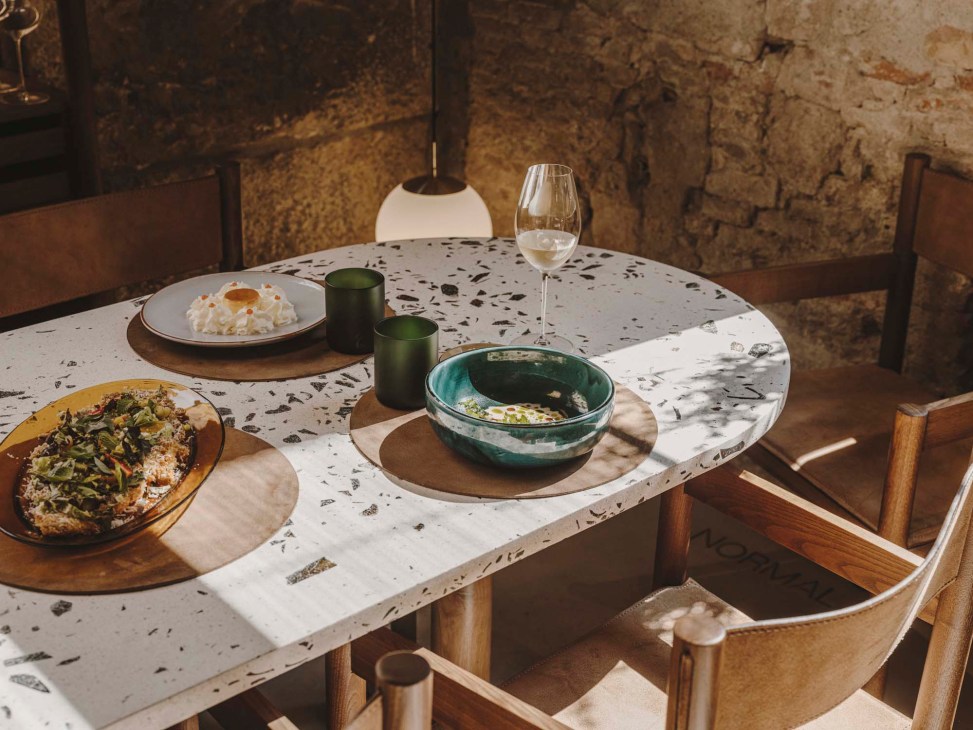
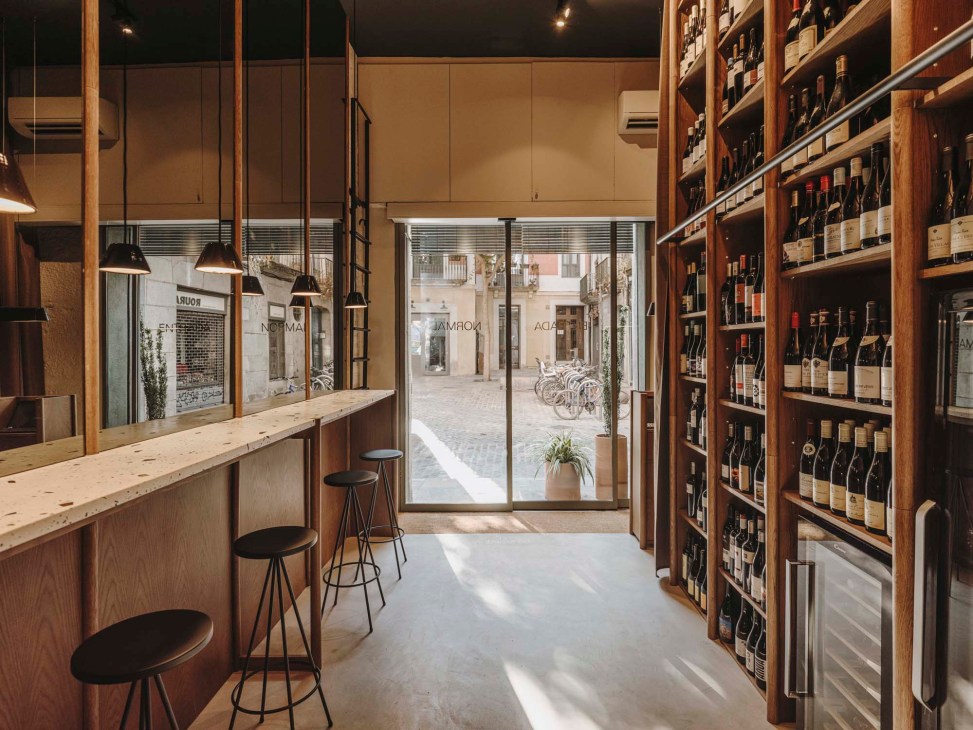
Words have power. “Normal” feels slightly provocative as you listen to servers describing the dishes here or as you read the letters of the word embossed in brass on the floor. “It’s universal but also reductive,” says the restaurant’s designer Andreu Carulla. “The Celler has 60 staff for 50 diners. We wanted to do away with the tension that comes with such orchestrated theatre.”
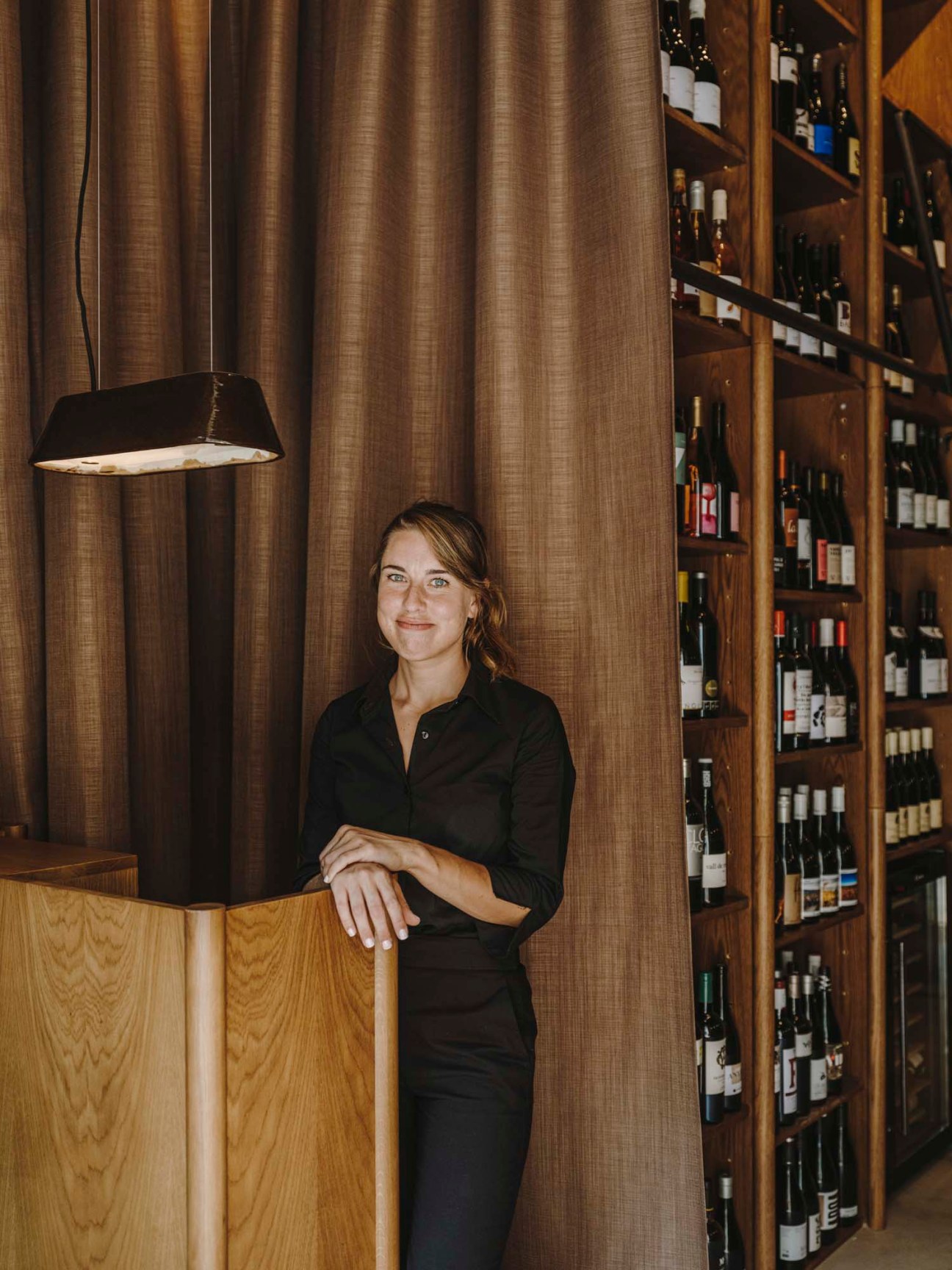
Carulla conceived the entire space, designing nearly every element from windows, chairs, tableware, bathroom tiles and taps to glazed ceramic lamps and even the Iberital coffee machine whirring next to the kitchen –all with a dedication to precision. “Even the most minuscule modification or placement of an object can affect how we feel or the impression that a place might leave on us,” he says. “The mere use of a colour or work of art can assault the senses, so Normal keeps everything functional, focusing on respect for the gastronomy and allowing the pared-back rituals of eating out to flourish instead.” When you peek into the kitchen, you can see the chefs moving and slicing at a more relaxed pace and rhythm than their counterparts at El Celler. This is despite the fact that a small crowd has gathered on the other side of the large footpath-facing window. To judge by the expressions on the faces of those peering in and the comments of the chefs, the gazing is a source of entertainment for both parties.
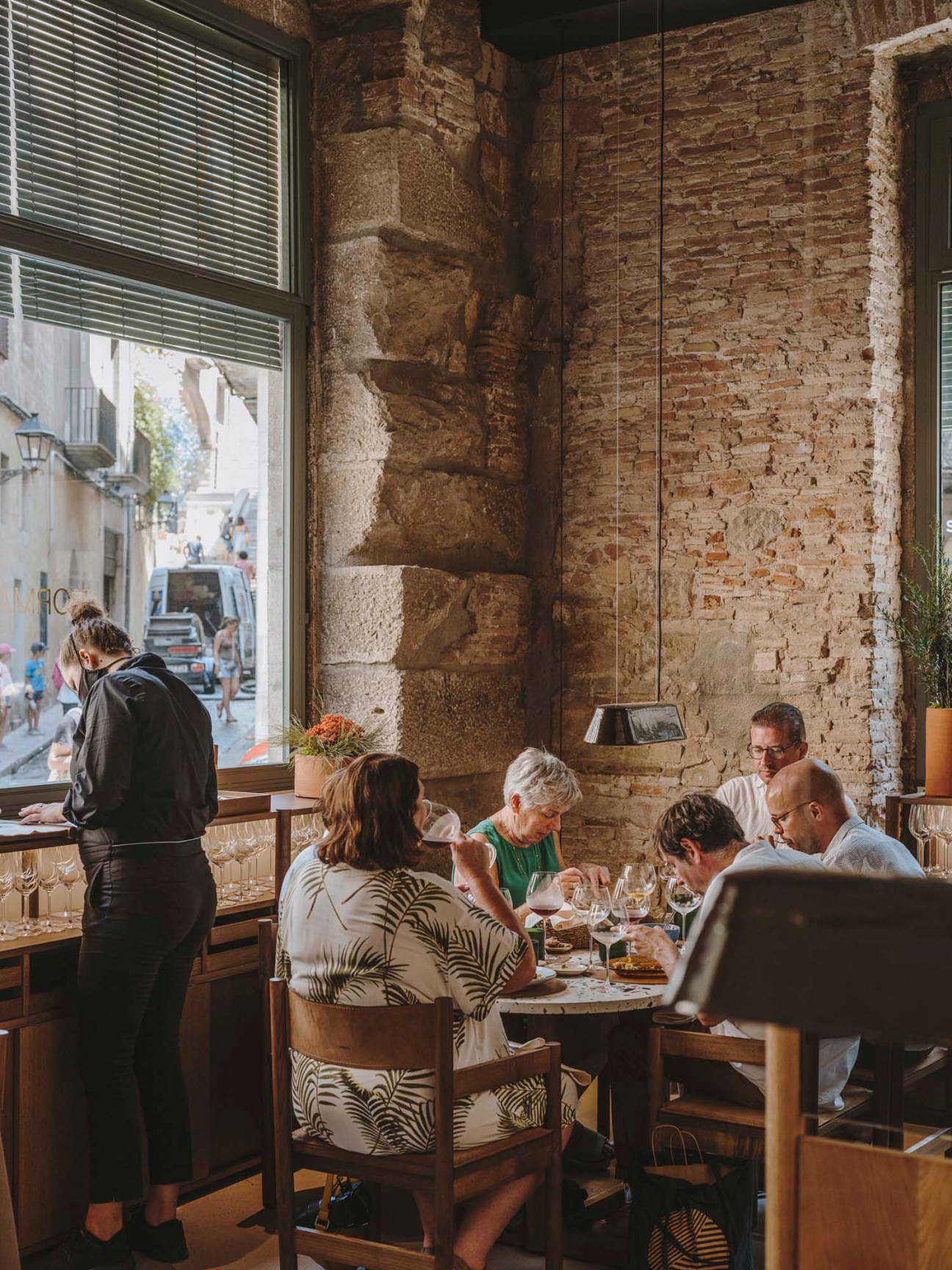
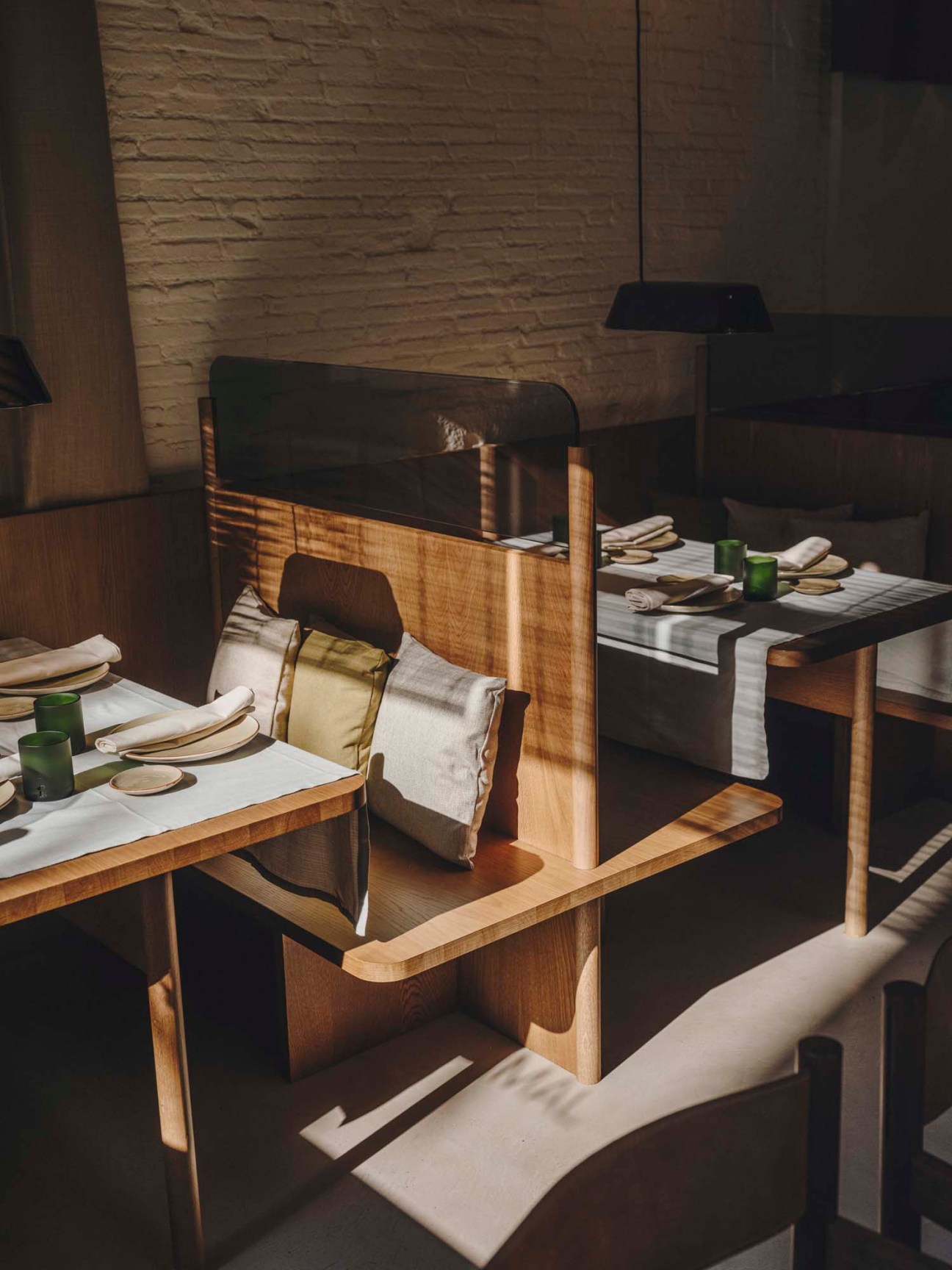
As we sit back on the dining chairs, which were inspired by the popular Catalan nogal seat, another solid metaphor for the restaurant comes to Carulla, who has been collaborating on product design for the Roca Brothers since 2009. He is speaking of how a constellation of smaller elements make an entire product and experience. “The seat is not meant to be too comfortable. It’s functional – designed to keep you alert enough to be aware of where you are. It’s not about relaxing totally. This isn’t a cinema or a sun-lounger; it should just provide a perch for an hour’s meal.” The design itself, which feels familiar but innovative, is what he calls “a short-stay chair”. It was made in collaboration with Isist Atelier and chosen because it wasn’t charged with emotion or the kinds of associations that so many other classic, Spanish-designed chairs bring with them. “Normal is about finding what makes sense without the pressure to go one-up on the past,” says Carulla. “Everything you see here is the expression and elaboration of a concept, rather than the repetition of a trend.”
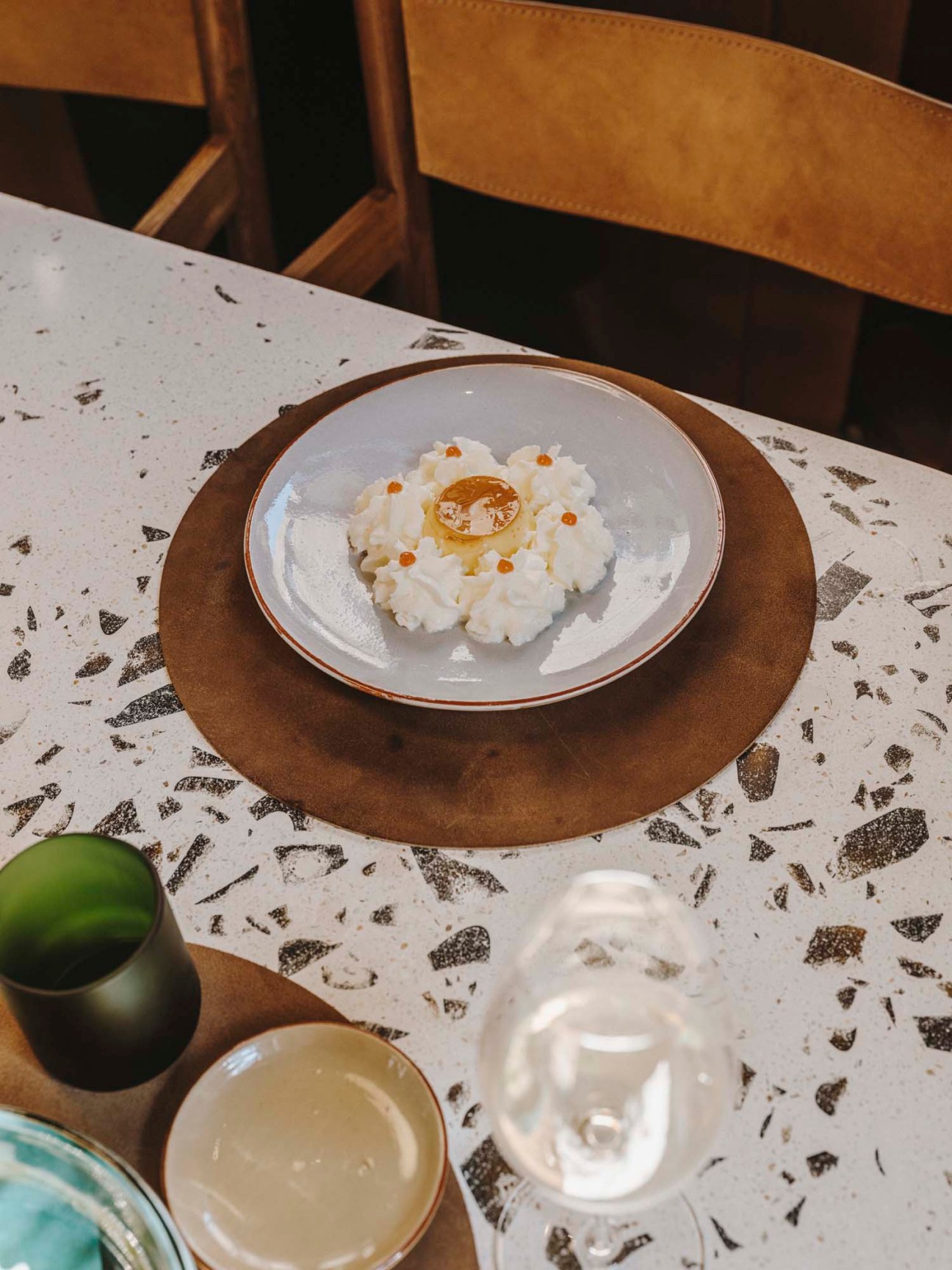
“Designers have always defined how people should or could go about their daily lives,” adds Carulla. “For so long, the push to be different or unique has become a ridiculous pursuit of the extraordinary. The normal – even if we might differ slightly in opinion about what that might be or mean – is suddenly seen as something extraordinary.” It’s a comforting paradox to contemplate as we tuck into our sheep’s-milk flan for dessert. “All we really need is to enjoy, relax and ensure that things are done well,” he says. “Without making a song and dance about it.”
Girona address book
Stay
Casa Cacao
Who wouldn’t want a room at hotel that is part chocolate factory? The rooftop terrace offers views of the old town.
hotelcasacacao.com
Dinner
Mas Marroch
Located in a 15th-century house surrounded by nature, this is where you can indulge in the Roca’s classic recipes.
masmarroc.com
Something Sweet
Rocambolesc
A self-proclaimed fantasy world for adults and children, the Roca’s ice-cream parlour scoops up playful flavours.
rocambolesc.com
Good Coffee
La Fabrica Girona
Frequented by Lycra-clad cyclists, this is where you’ll find the best café con leche.
lafabricagirona.com
Walk
Muralles de Girona
Burn off the calories by circling the old town’s impeccably restored fortified wall. The small city feels even more peaceful from above.