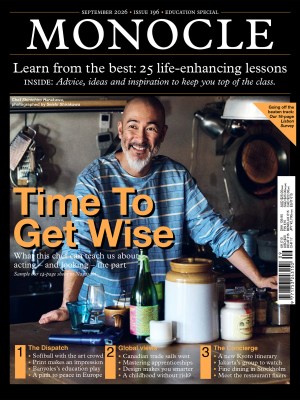
Issues
Top dog
The dog days of summer might be over and that’s why we thought our refreshed October issue needed a friendly endpoint and the start of a series of things that make our day. Enter Linus, a two-year-old eurasier from London, who is never happier than when he’s off to work with owner Johnny Tsevdos, co-founder of visual communications firm TM. “He’s well behaved but hates doorbells,” says Tsevdos. Who fancies a tummy tickle?

Florence: A triumph of style
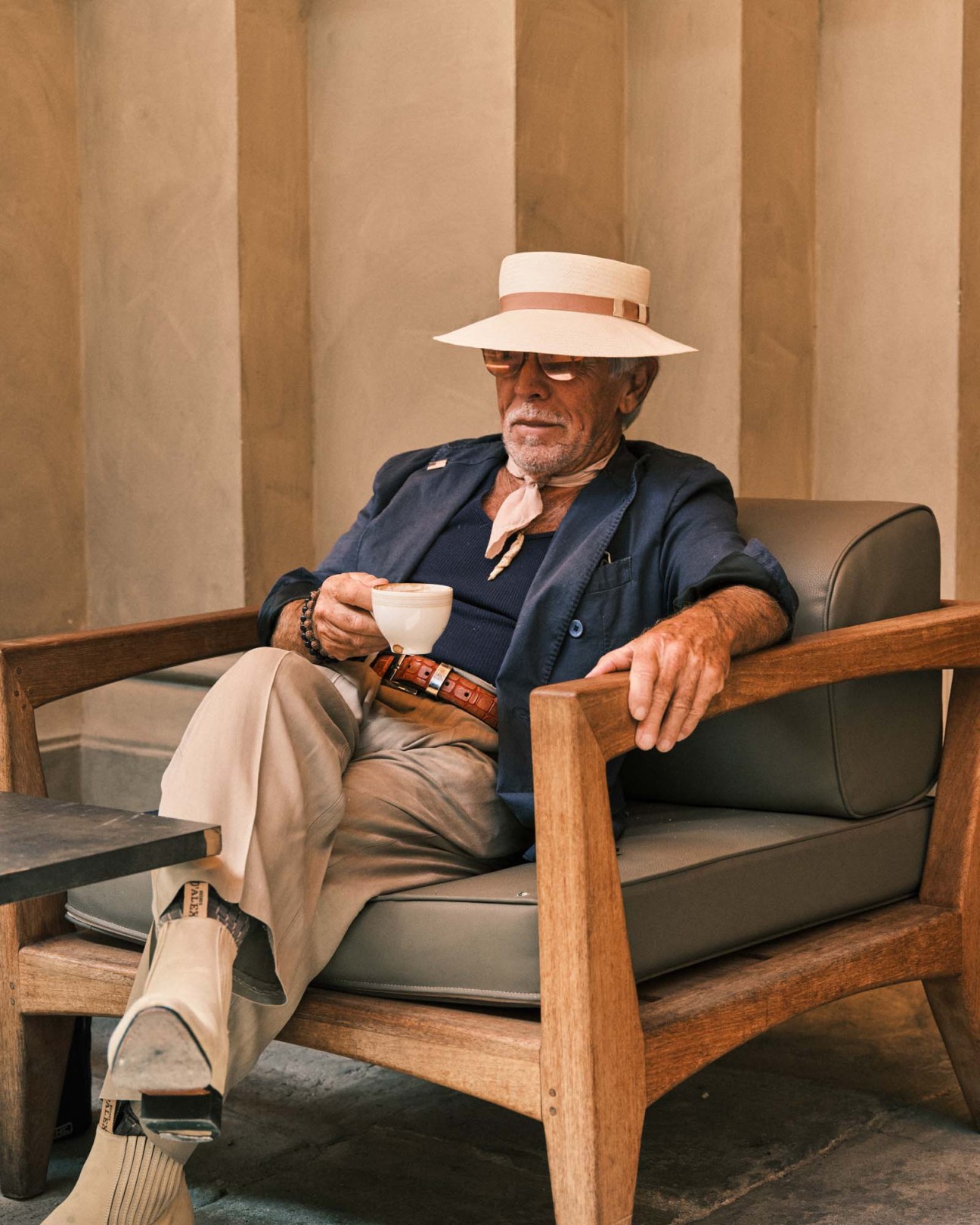
One of the primary joys of Florence is in the appreciation of how well its residents dress. The city’s men are the purest exemplars of Italian style, with all of its flourishes and sartorial craft. “When you come to live in Florence, you can’t help but adapt to the style,” says Sebastian Cabrices, a Venezuelan Vogue México journalist who relocated here two years ago. “It reconfigures how you think about craftsmanship and quality.” Part of the reason for this is the menswear industry’s big presence in the city. First, the biannual men’s fashion trade fair Pitti Immagine Uomo sets an aspirational example that helps to elevate everyday dressing. The event, captured by legions of street-style photographers, underscores the Italian attitude that dressing well is not merely about pleasing yourself; it’s also a publicly appreciated effort that boosts the calibre of a city. Second, the presence of Italy’s most respected fashion school, Polimoda, and other fashion institutions feeds and diversifies the ecosystem of style here.
“Tourists would be more appreciated if they made an effort to dress up, rather than wearing their cargo shorts and sports gear around town,” says Cabrices. Such differences in wardrobe choices delineate them from Florentines as clearly as uniforms. “Here, if you want to show off, instead of a Range Rover you get a tailor-made suit,” he adds. This commitment to style is on full view at Cammillo, which is among the city’s most cherished trattorias and, according to a patron, “one of the best places to watch Florentines besides the supermarket”. You’ll see it too at the tables of Procacci, Caffè Gilli, Cibrèo Caffè and any number of establishments that service residents’ seemingly perpetual consumption of coffee and wine.
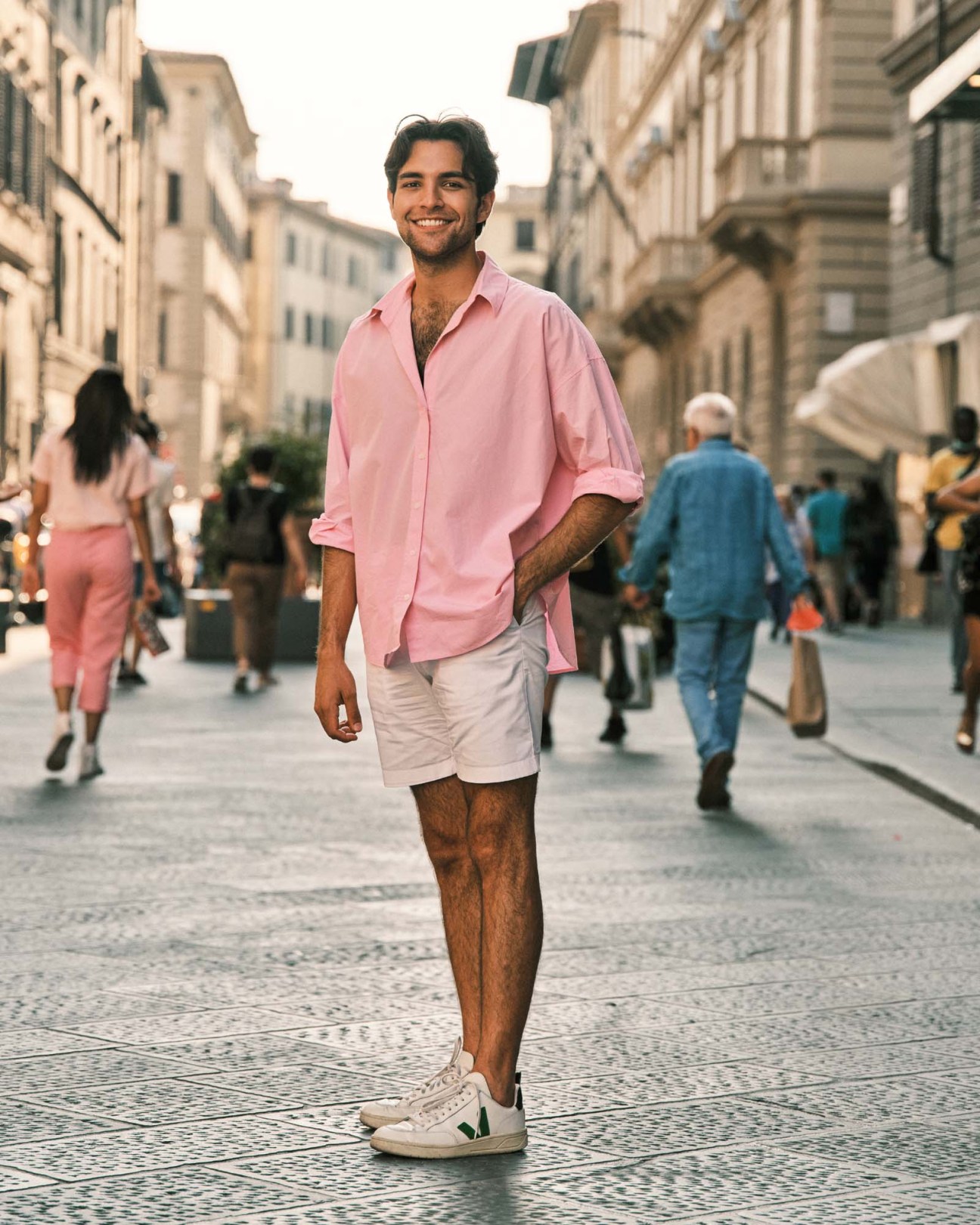
In Florence, as in much of Italy, young and old tend to socialise on an equal footing. Here, however, this way of life extends to clothing: dressing well is an expectation and a pleasure extended to people of all ages. Style and extravagance belong to everyone. And good style is not just the preserve of the genetically blessed or the wealthy elites. Every kind of male body looks better in a well-tailored blazer and a jaunty neckerchief; people celebrate this on the streets in their choice of what to wear.
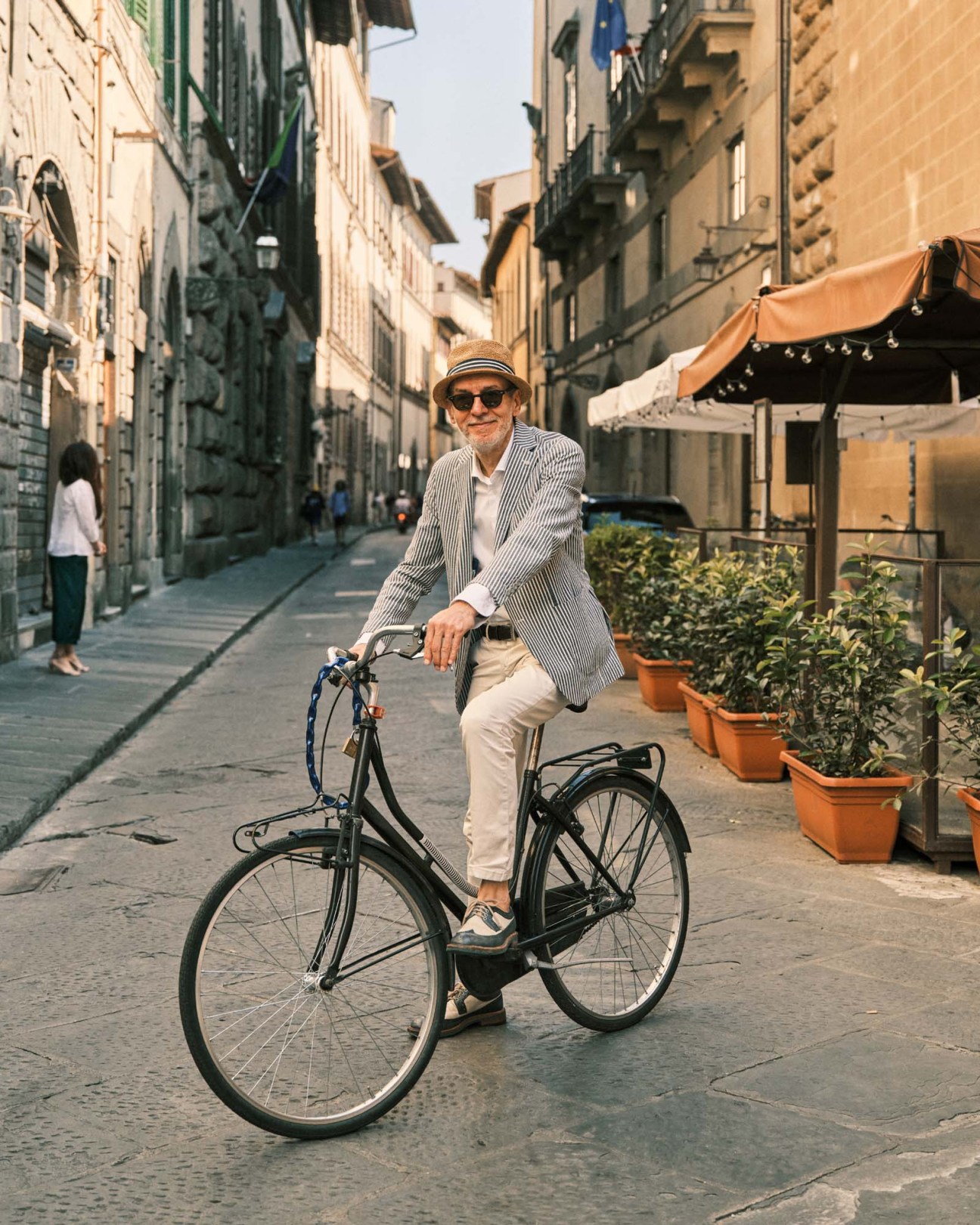
The classic paradigms of the male wardrobe dominate – suits, button-down shirts, Oxford shoes (the best of them custom-made) – uniting young and old in a standard of attire that is always appropriate for a family dinner. Yet rather than a conformist cage of style, these paradigms act as platforms for personal expression. Individuality is in the details: in hats, cravats, lapel pins and other ornaments that conjure taste beyond the blandness of average suit-wearers.
Gucci, Ferragamo, Pucci and Roberto Cavalli were all founded here, yet daily dressing is not defined by the major labels of Italian fashion but rather the small boutiques and ateliers supplying Florentines with their globally admired craft culture. “In any Florentine endeavour, artisanship is obligatory,” says Federico Curradi, a homegrown designer who went international with a stint as creative director of Parisian fashion label Rochas. Curradi is now fully focused on his namesake brand and has a shop and design atelier in the Santo Spirito neighbourhood. Here, in a space filled with finely fabricated clothes and accessories made by the city’s skilful weavers, seamstresses, silversmiths and leatherworkers, he speaks of his passion for his home city. “My brand is a mirror of what Florence is,” he says. “Instead of using marketing, merchandising and influencers, it’s about products and making something special that would be impossible for anyone to create elsewhere.”
Contemporary design boutique Bjørk, located near the Ponte Vecchio, stocks pieces by brands such as Our Legacy and A Kind of Guise. Yet it combines its international brand offering with the Florentine passion for longevity. Owner Filippo Anzalone prizes clothes that are “contemporary without following the trend of the moment. They’re timeless in the quality of fabric and style, so you’ll still be wearing them years from now.”
“We’re carrying on the old system,” says Antonio Liverano of Atelier Liverano & Liverano, the renowned tailoring shop that opened in Florence in 1948. Suits here are made with about 70 hours of labour, using fabrics from Loro Piana, Vitale Barberis Canonico and others. They’re tailored by young suit-makers trained in Liverano’s school to continue this craft. The business exemplifies Florentine luxury and what defines a well-dressed man here – and anywhere else in the world. “I don’t want the art of suit-making to die,” says the 84-year-old Liverano, who has been sewing since he was a child. “We don’t make fashion. We make something far superior to fashion: we make excellence. It’s a way of dressing that Italy has taught the world.”
Made to last
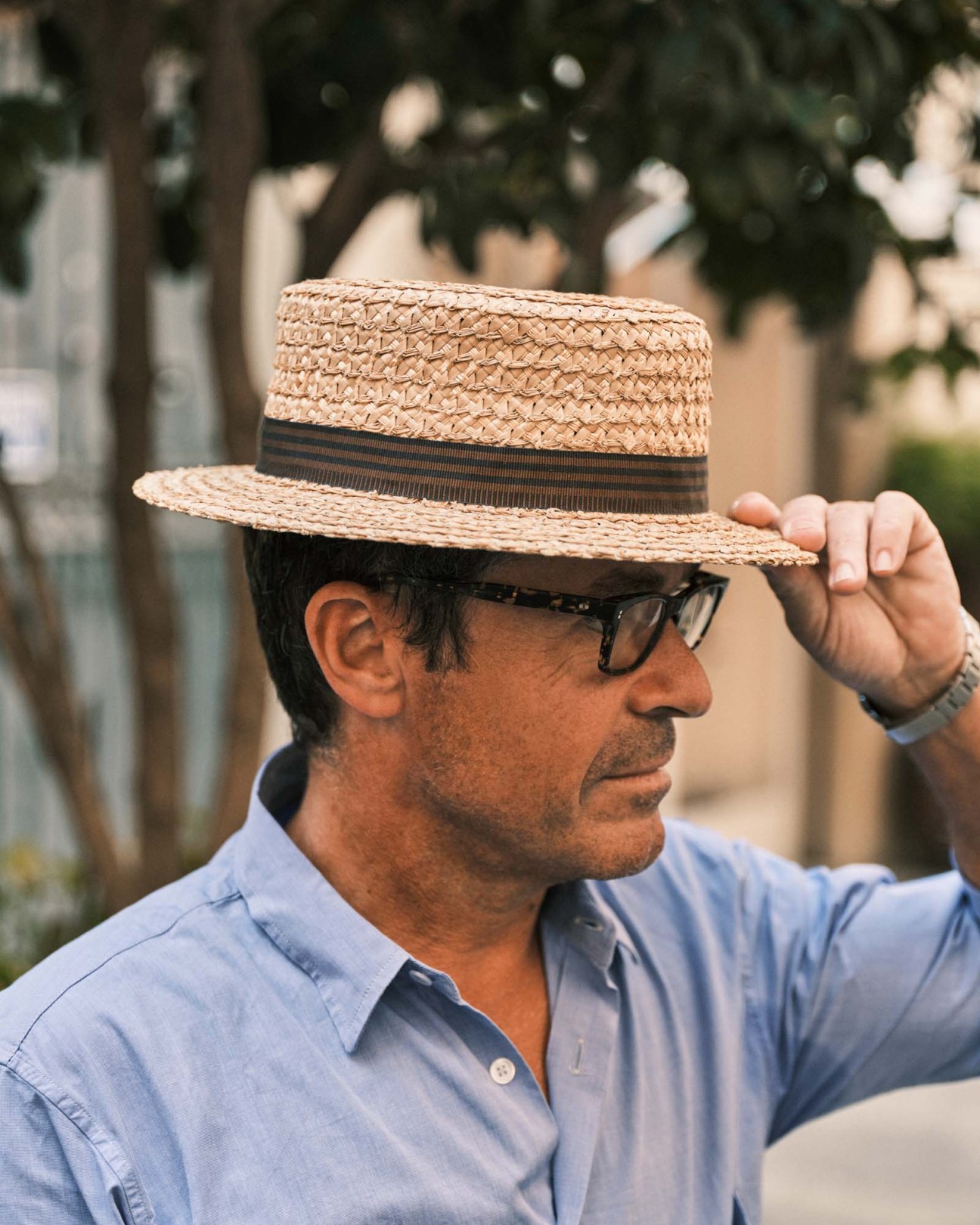
Since 1875 milliners at Grevi have been crafting hats using traditional methods. “A hat is a must for a sophisticated person with a certain level of culture,” says owner Giuseppe Grevi (pictured, below). The Florentine predilection for timeless quality is contagious. Sebastian Cabrices (pictured, right), a Vogue México correspondent from Venezuela, has adopted the city’s sartorial customs. “Style is trend-proof here,” he says.
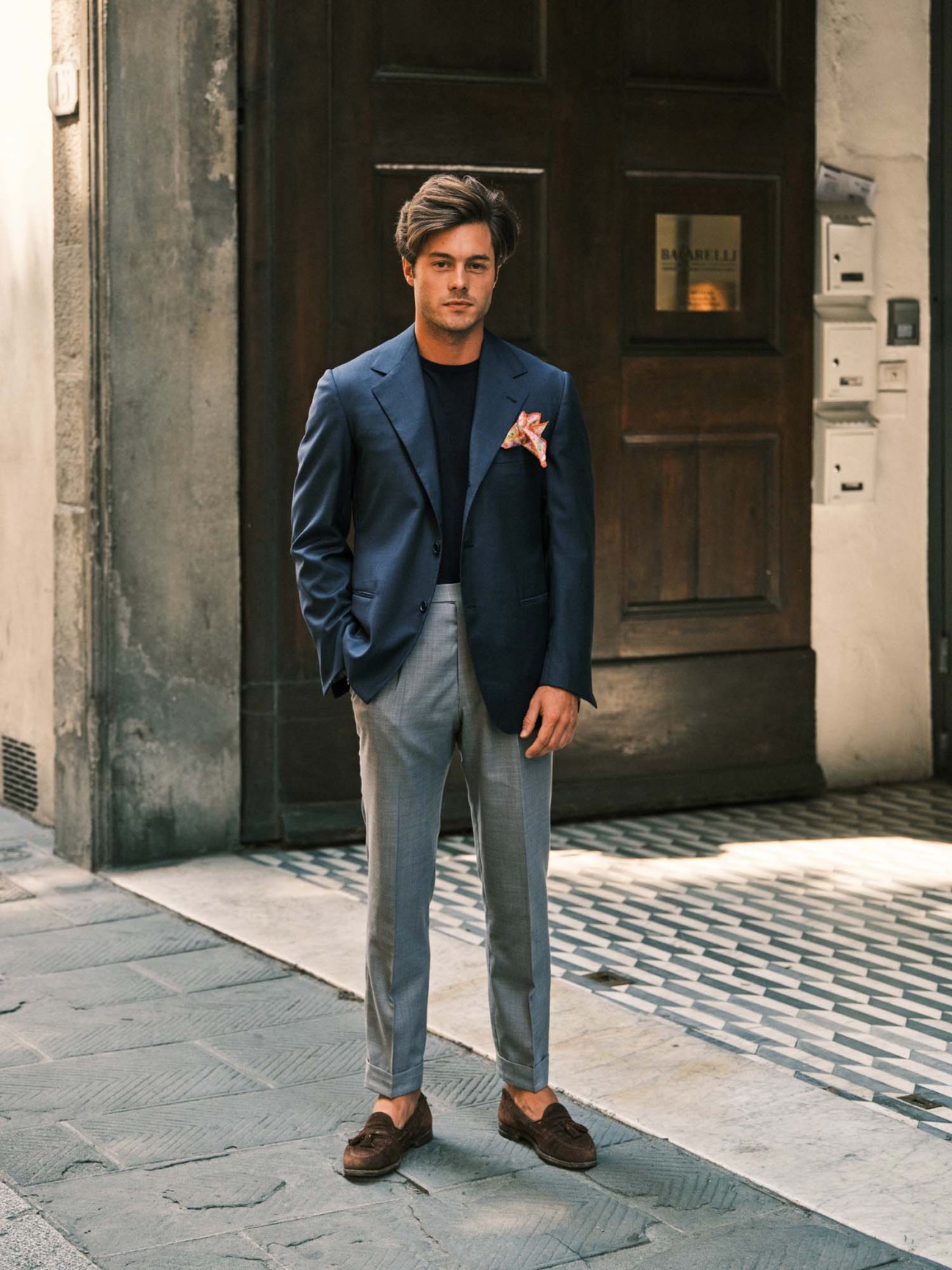
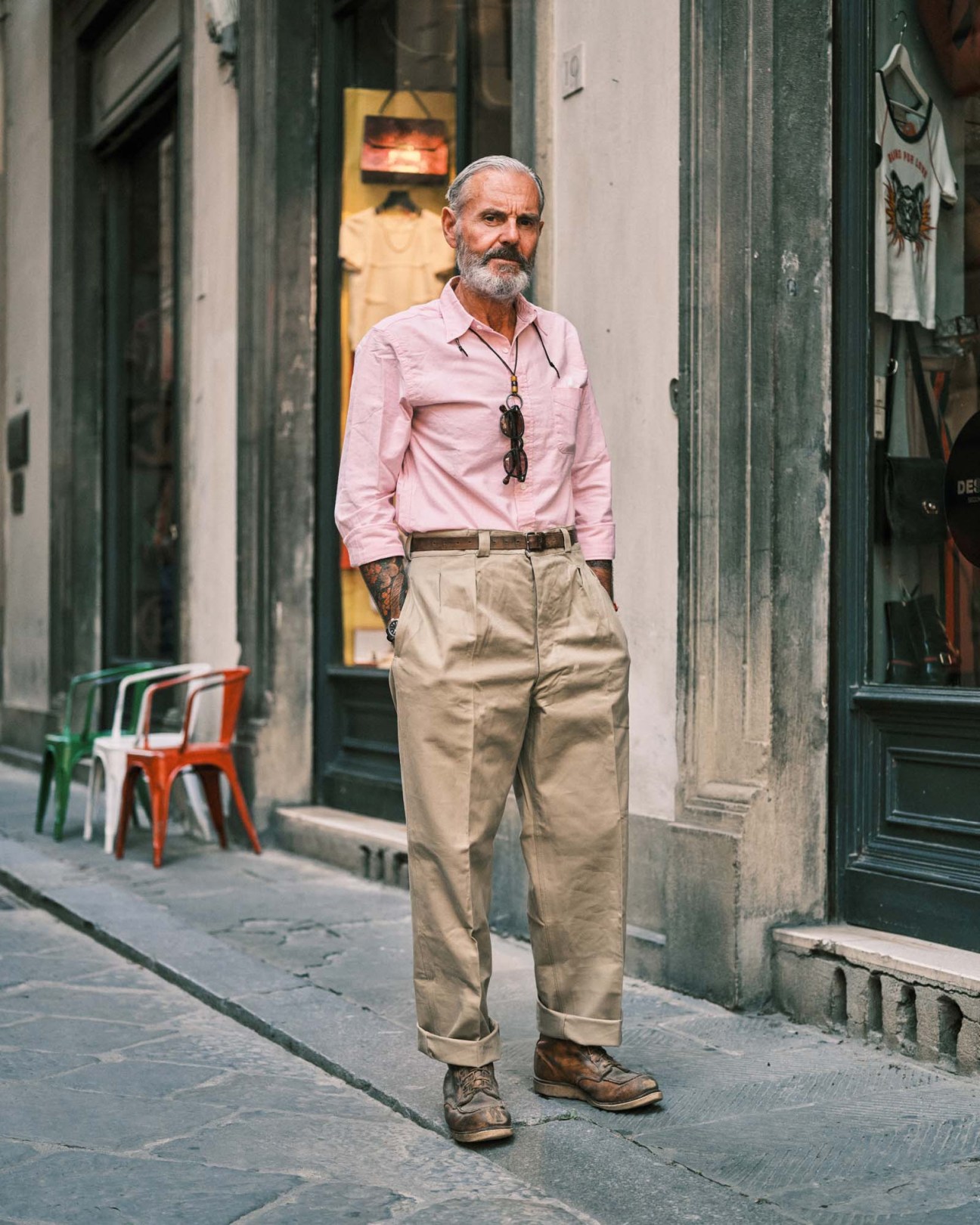
Immortal beloved
At boutique Desii Vintage, just east of the Basilica of Santa Maria Novella, French military chinos (pictured above, right) and other well-preserved garments help to expand the Florentine wardrobe. Good clothes that have lasted deserve a second life. “A beautiful object shouldn’t die among mothballs,” says store manager Carlo Alberto Andreani.
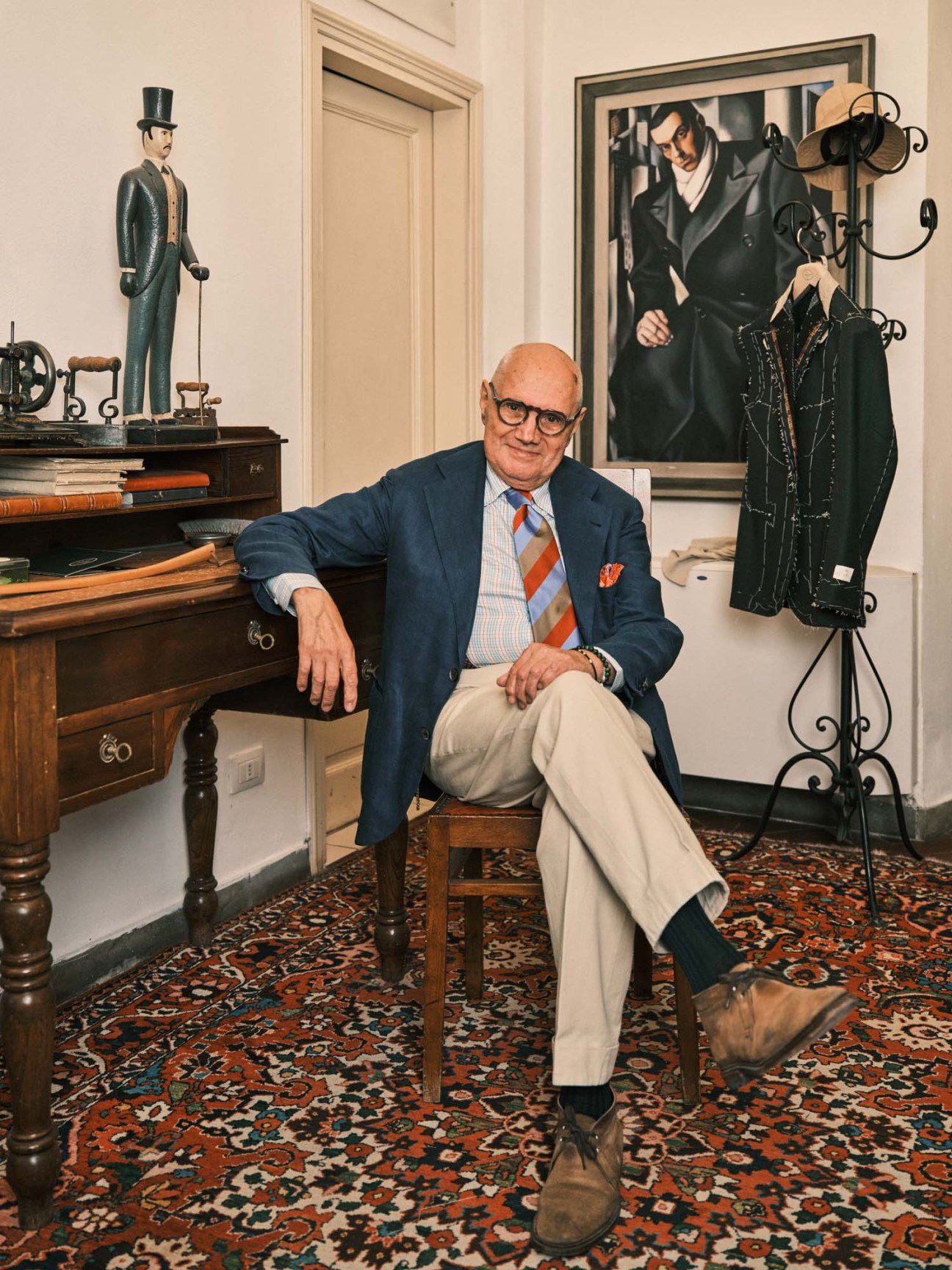
“Where does taste come from?” asks master tailor Antonio Liverano (pictured), owner of Liverano & Liverano. “From the heart, of course.” One of the last remaining Florentine tailoring houses, the family-run business has been trading since the late 1940s. Liverano still spends six days a week at his sartoria, meticulously cutting patterns and overseeing his team.
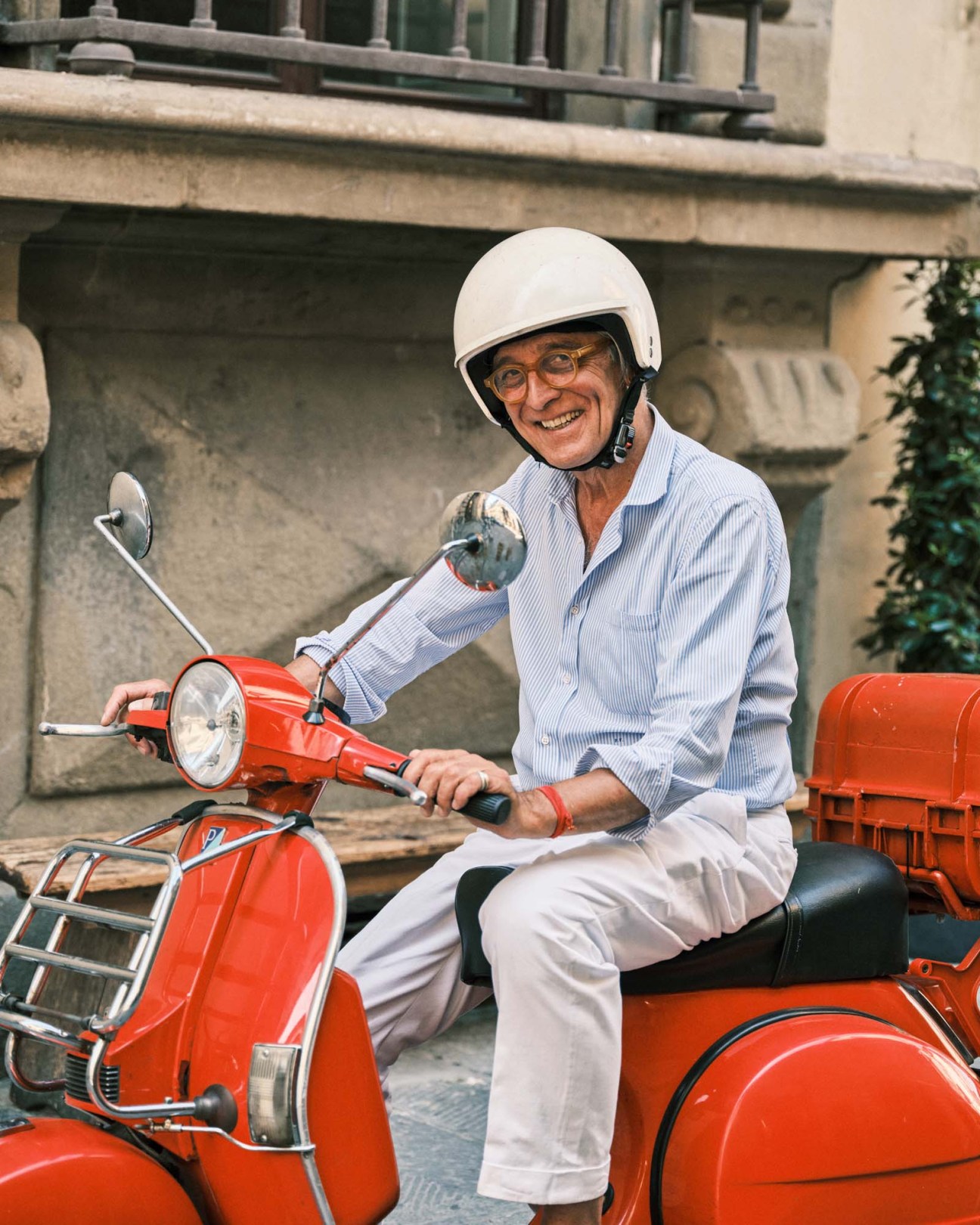
Florentine style shows that a truly contemporary look is often a timeless one that transcends passing trends. Residents understand that “classic” needn’t mean “conservative”; boldness is encouraged. Here architect Piero Funis accessorises with a pomodoro-red Vespa.
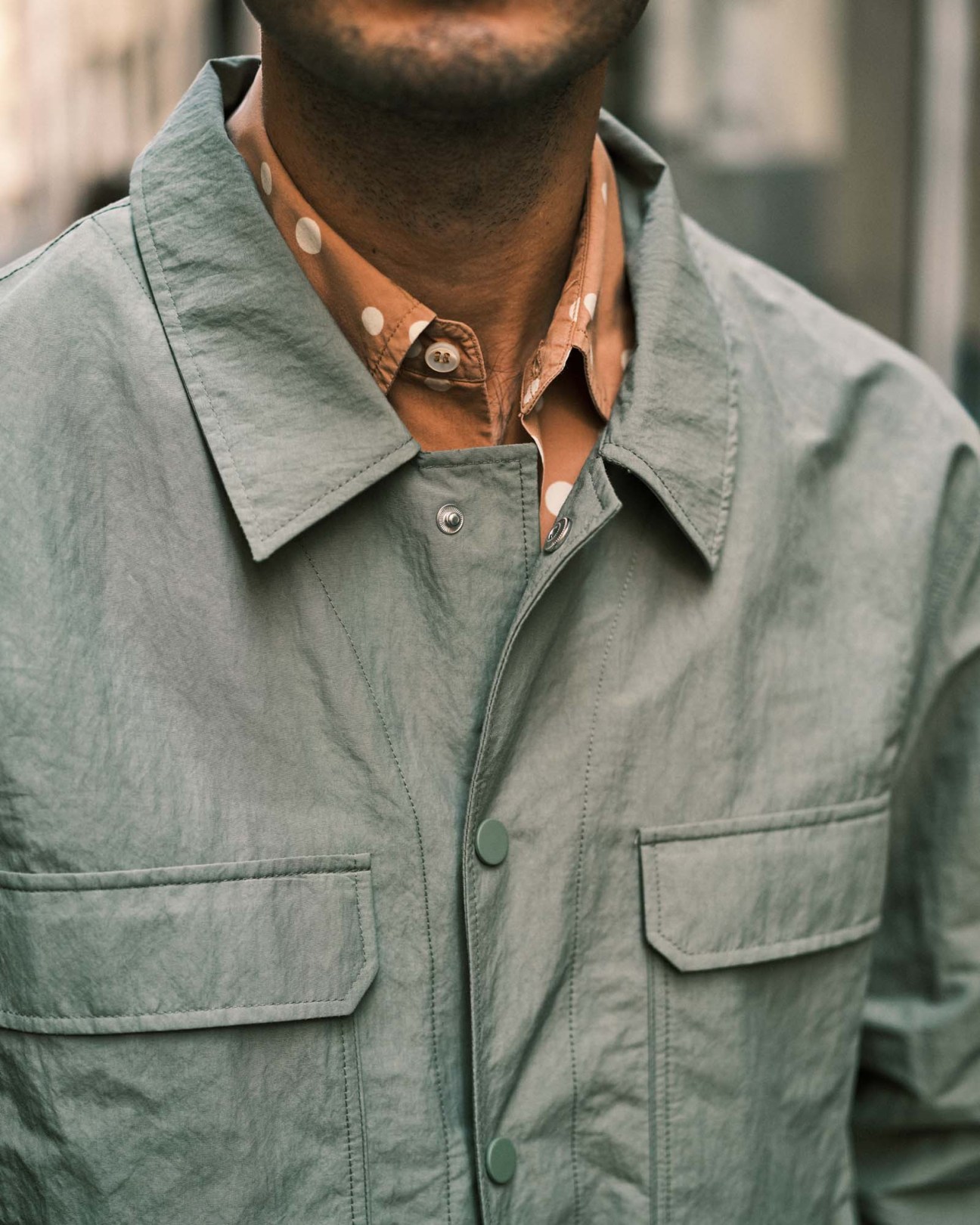
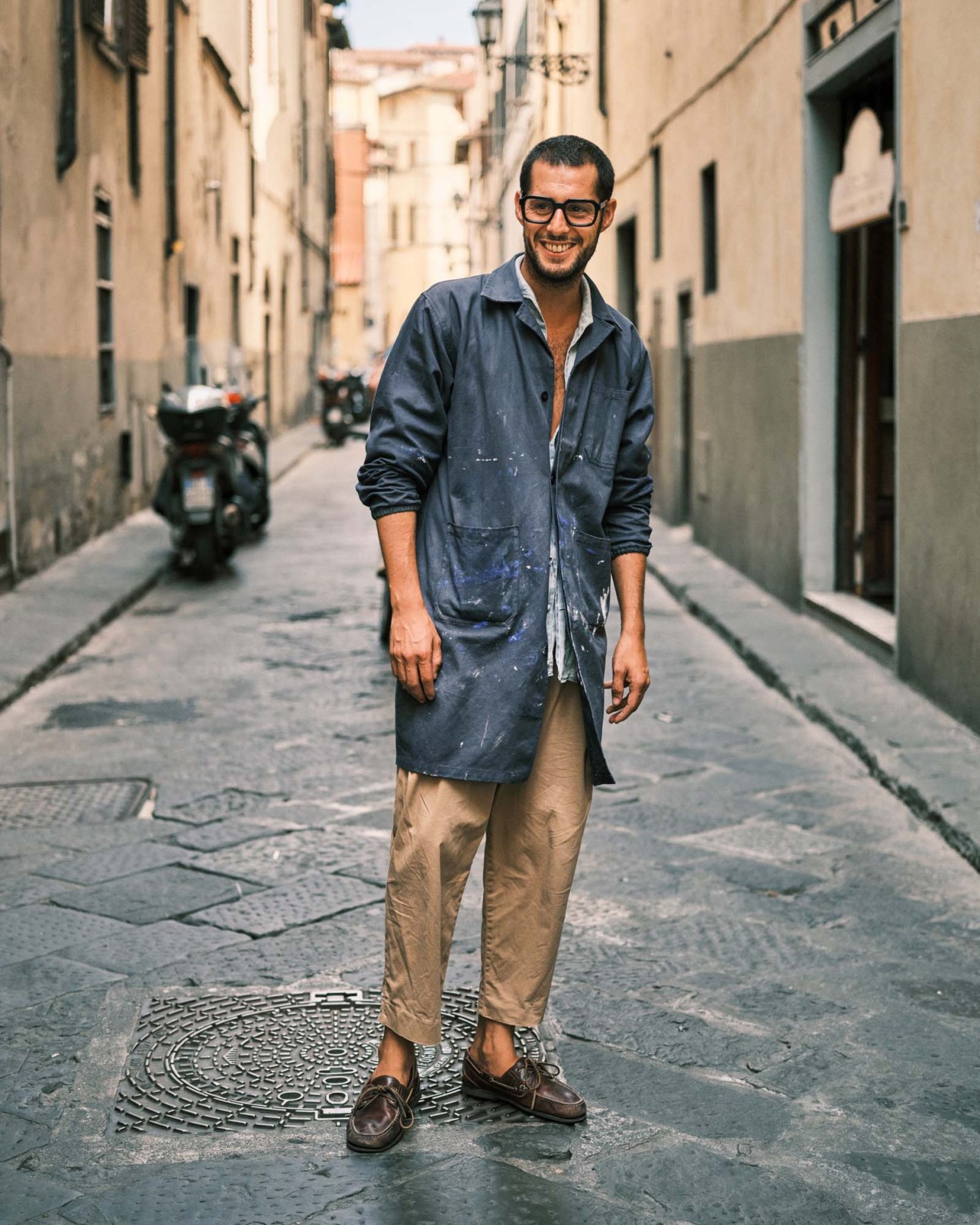
The subtle art
A centre of global commerce and culture during the Renaissance, Florence prizes its heritage. Its history as a city of bankers and merchants lingers in the modesty of its dress codes, which often cleave to classic paradigms of men’s fashion. Yet residents treat tradition as a vehicle for self-expression: look closely and you’ll spot bold collars, colourful braces and other personal flourishes. The fun is in the details.
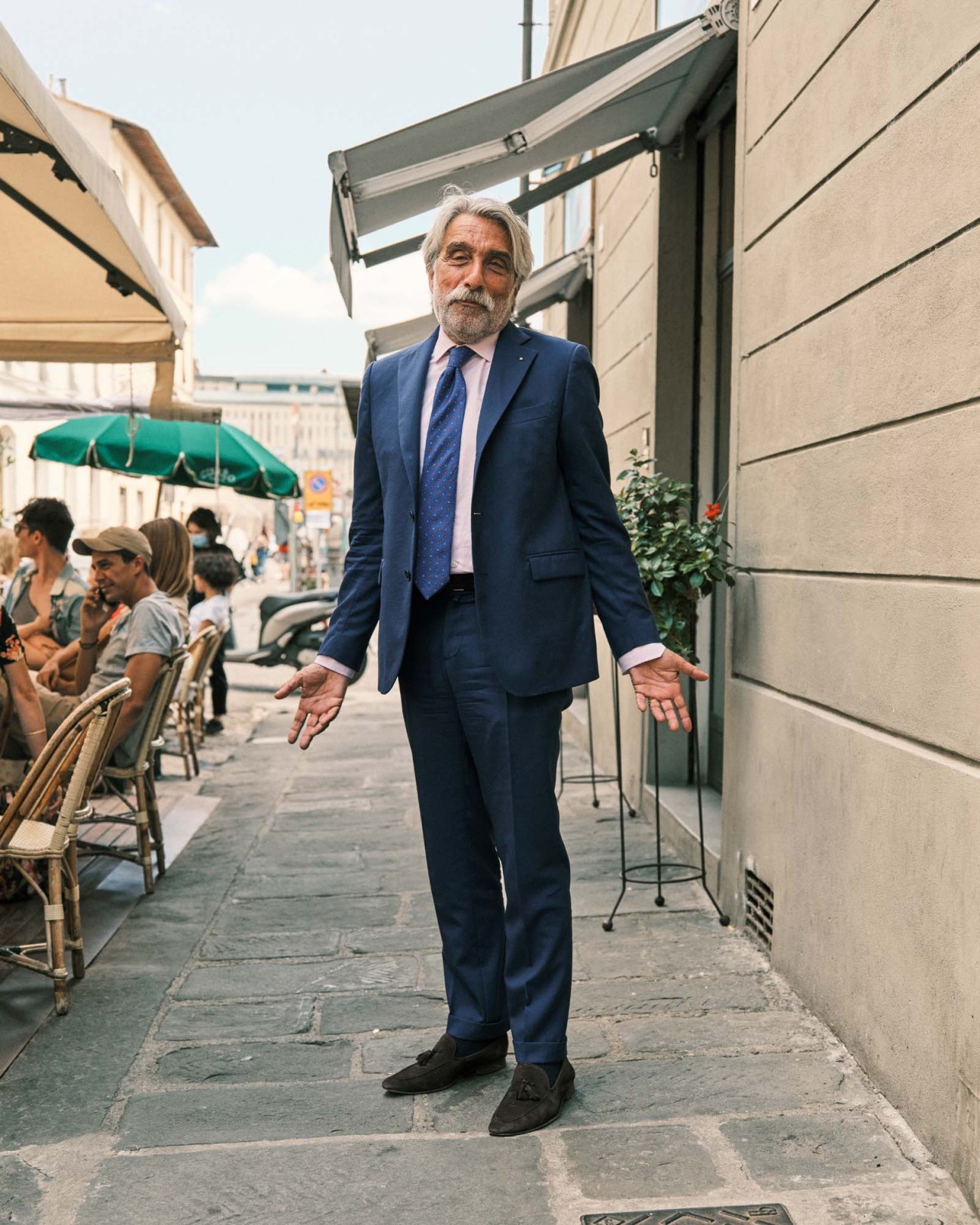
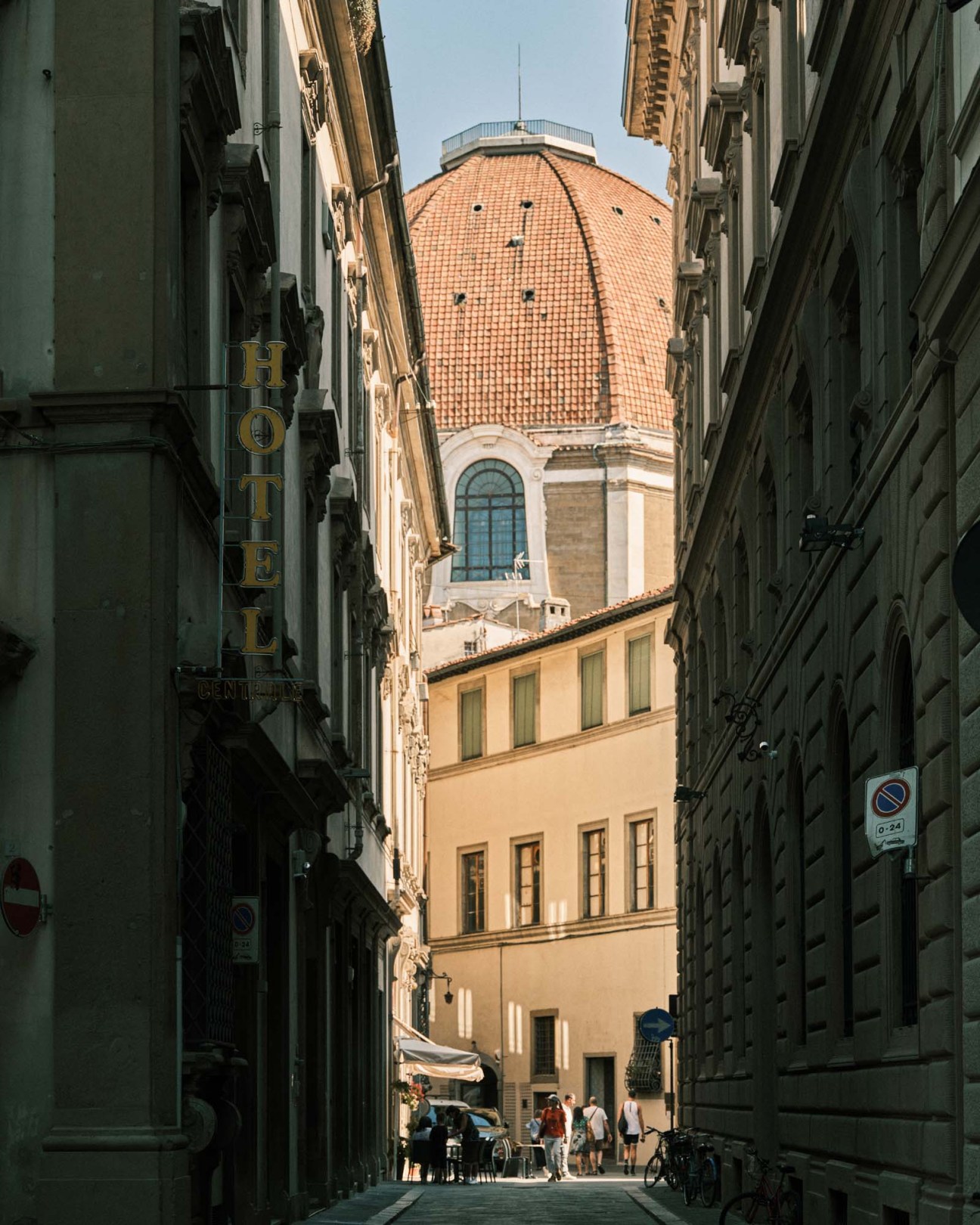
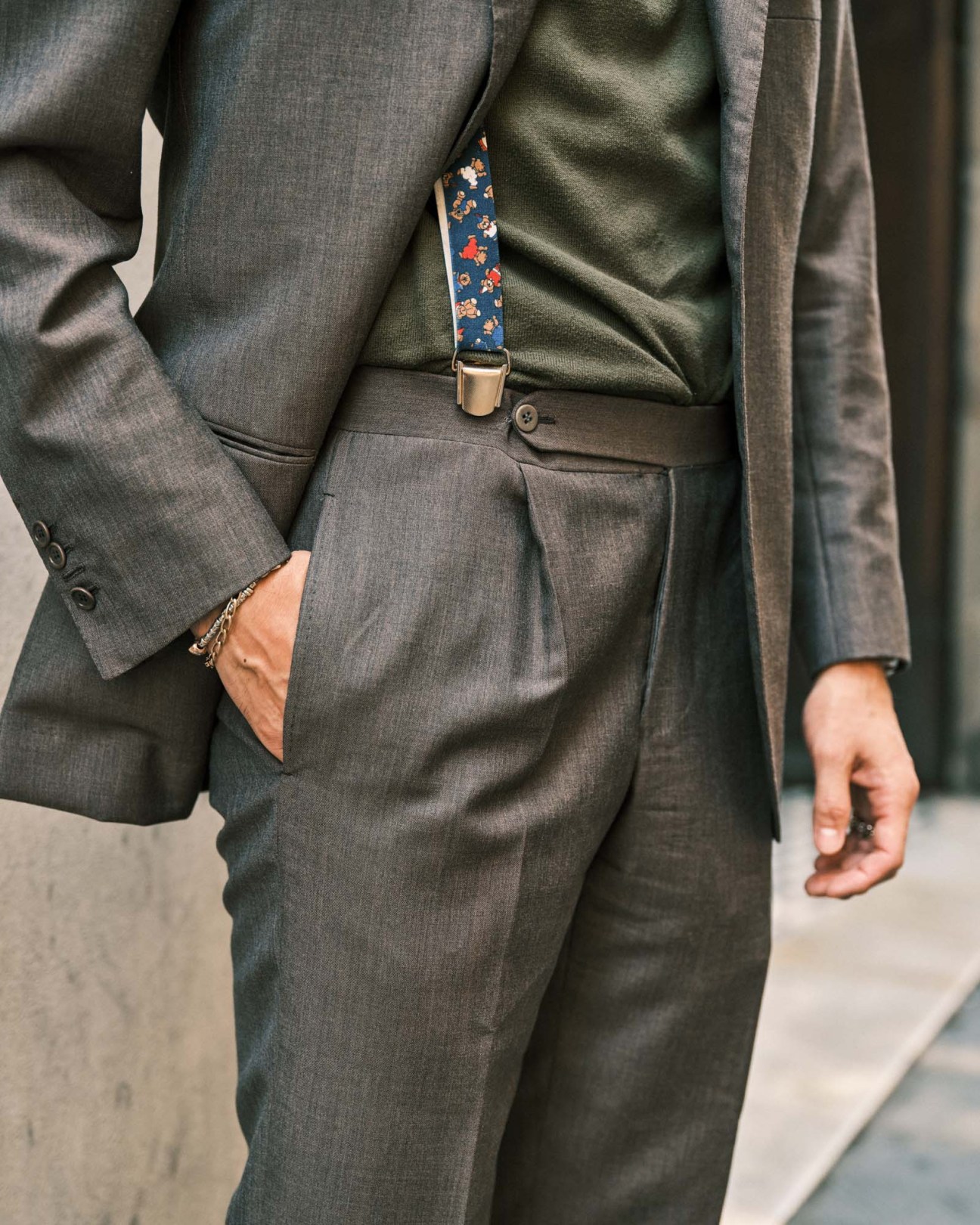
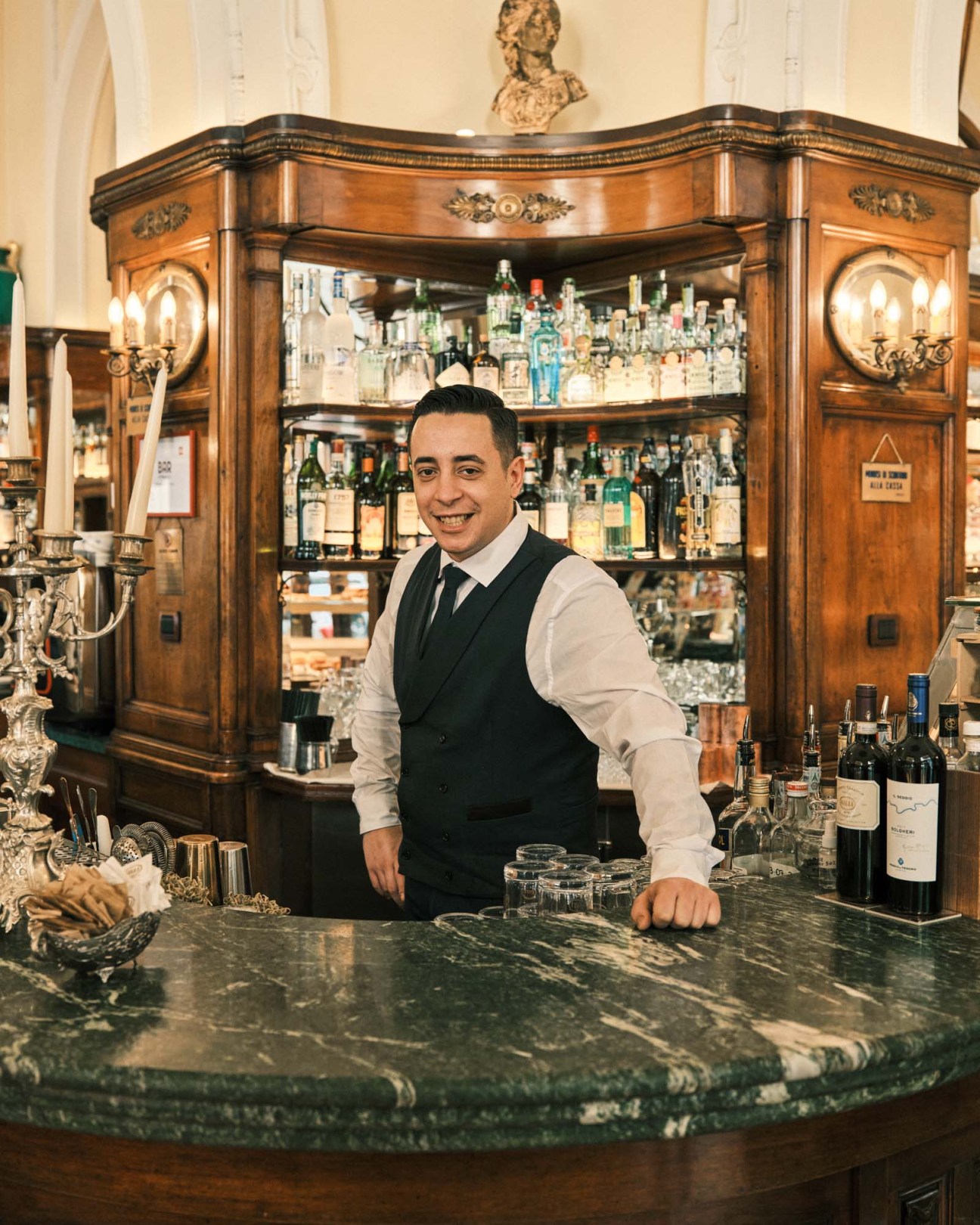
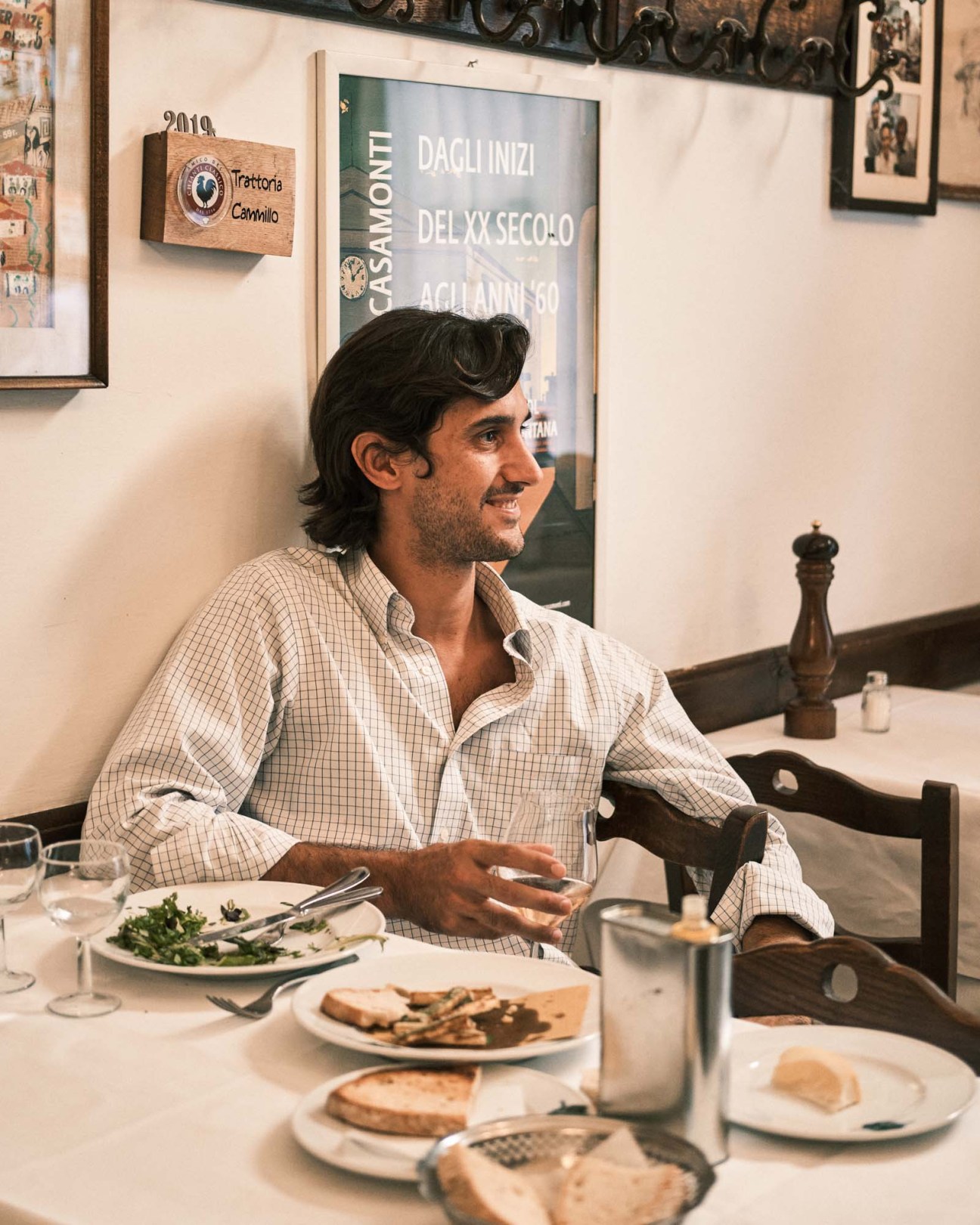
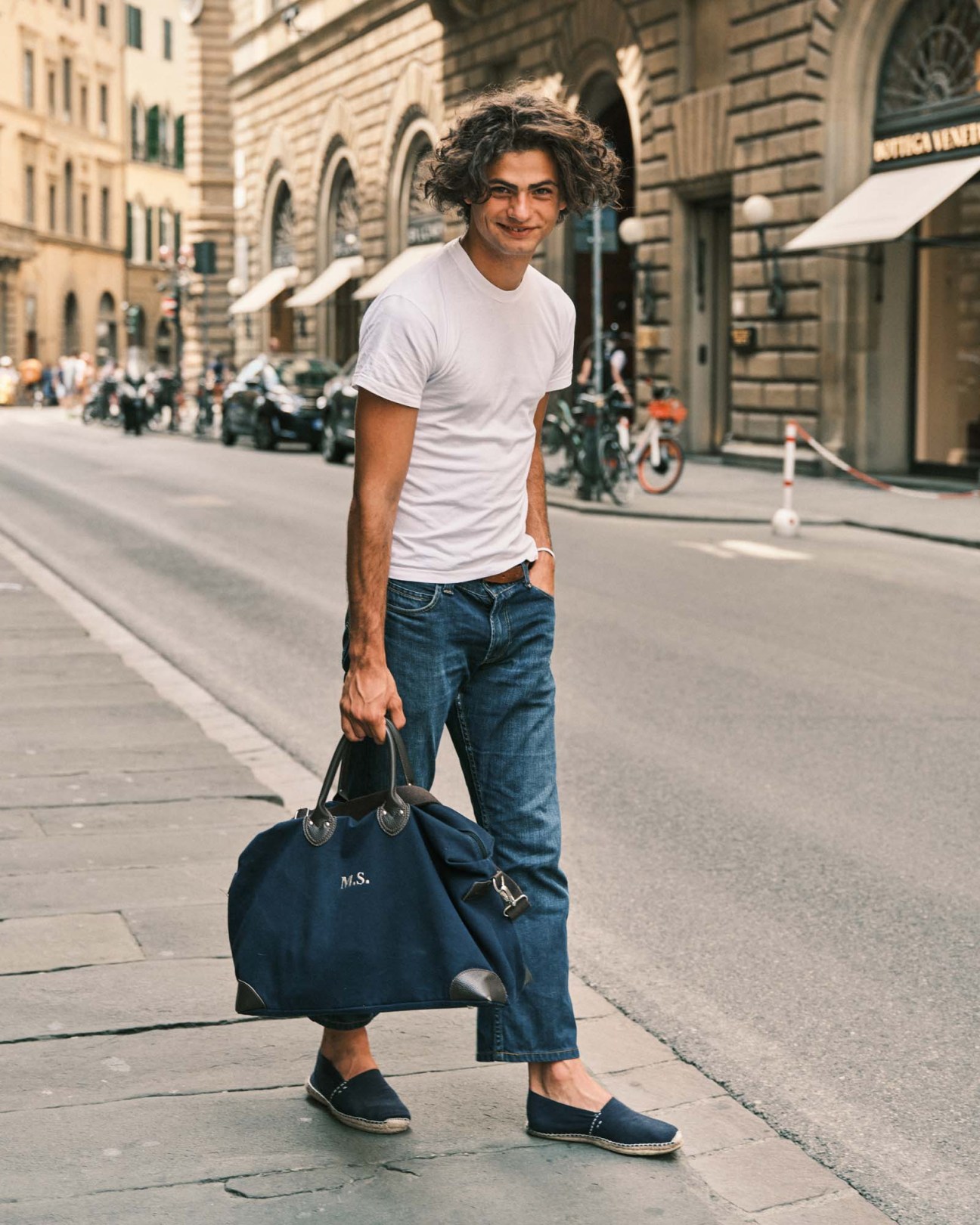
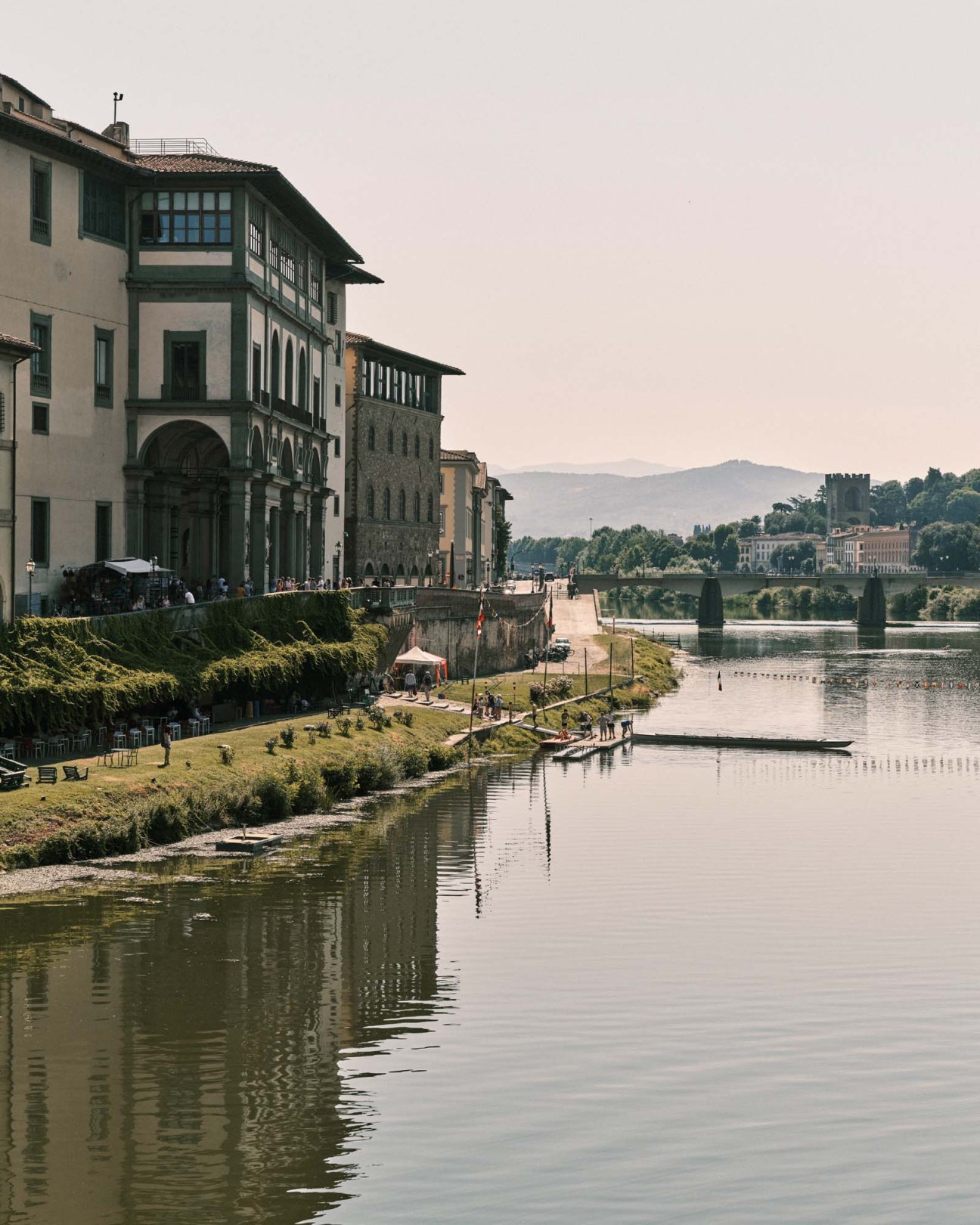

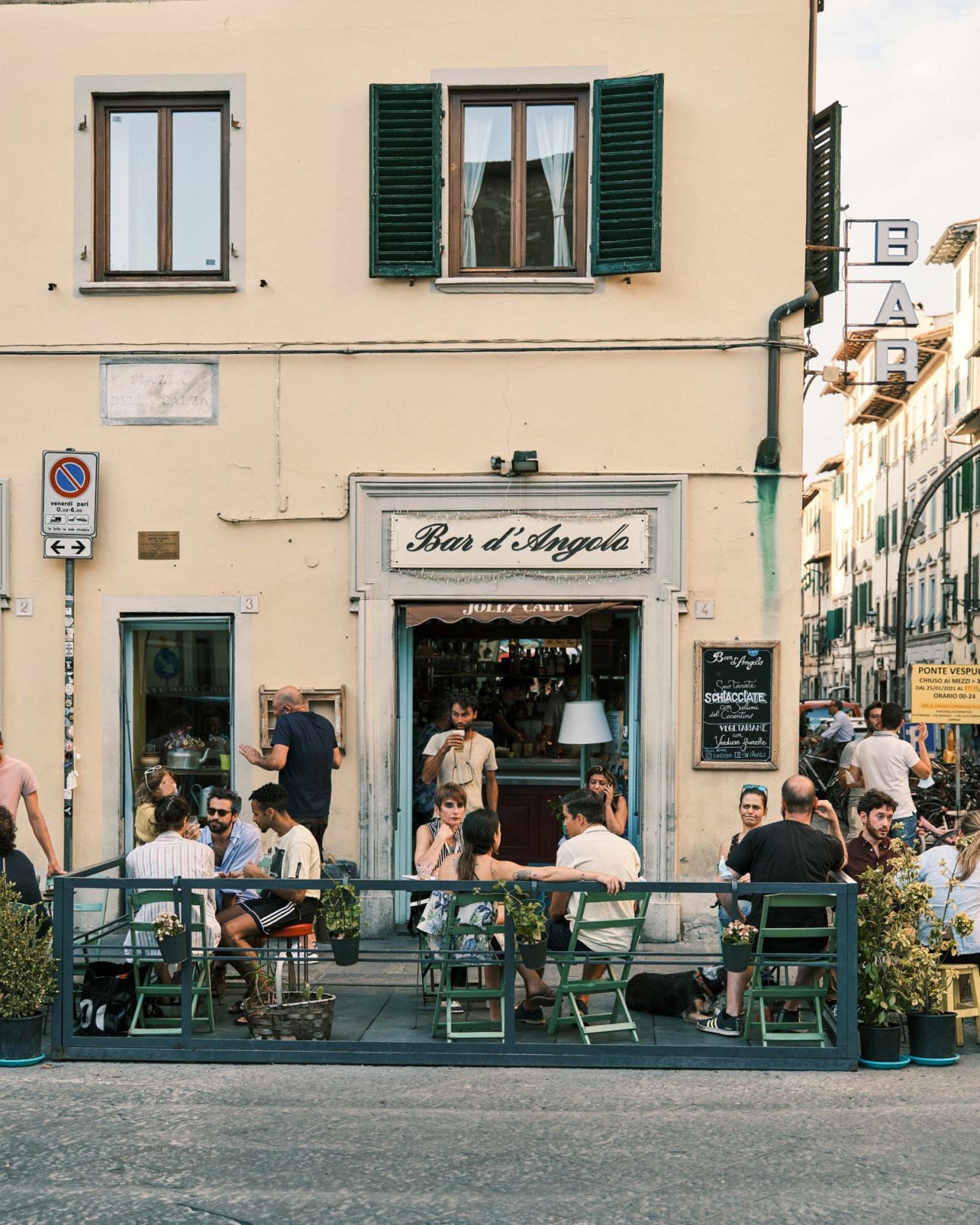
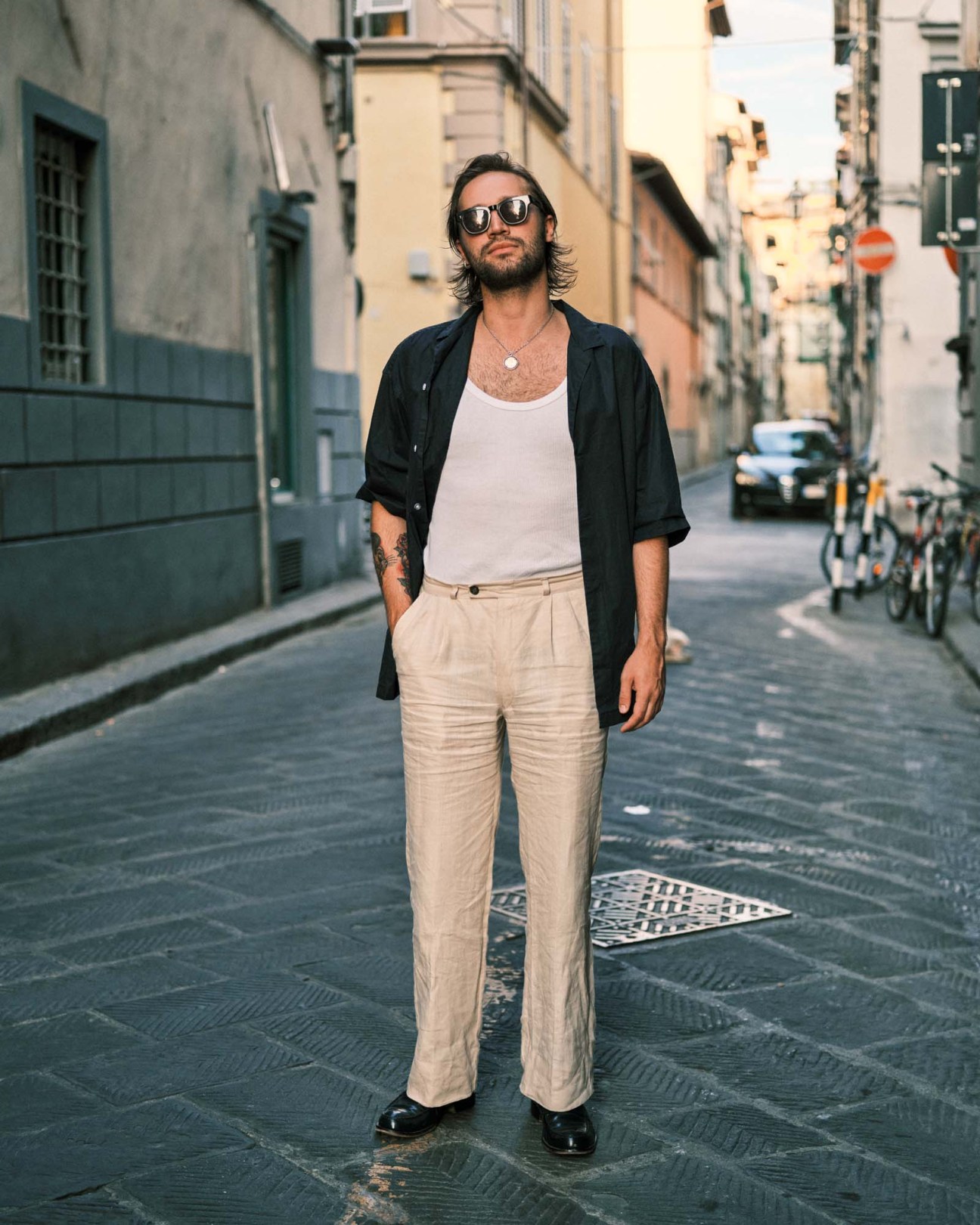
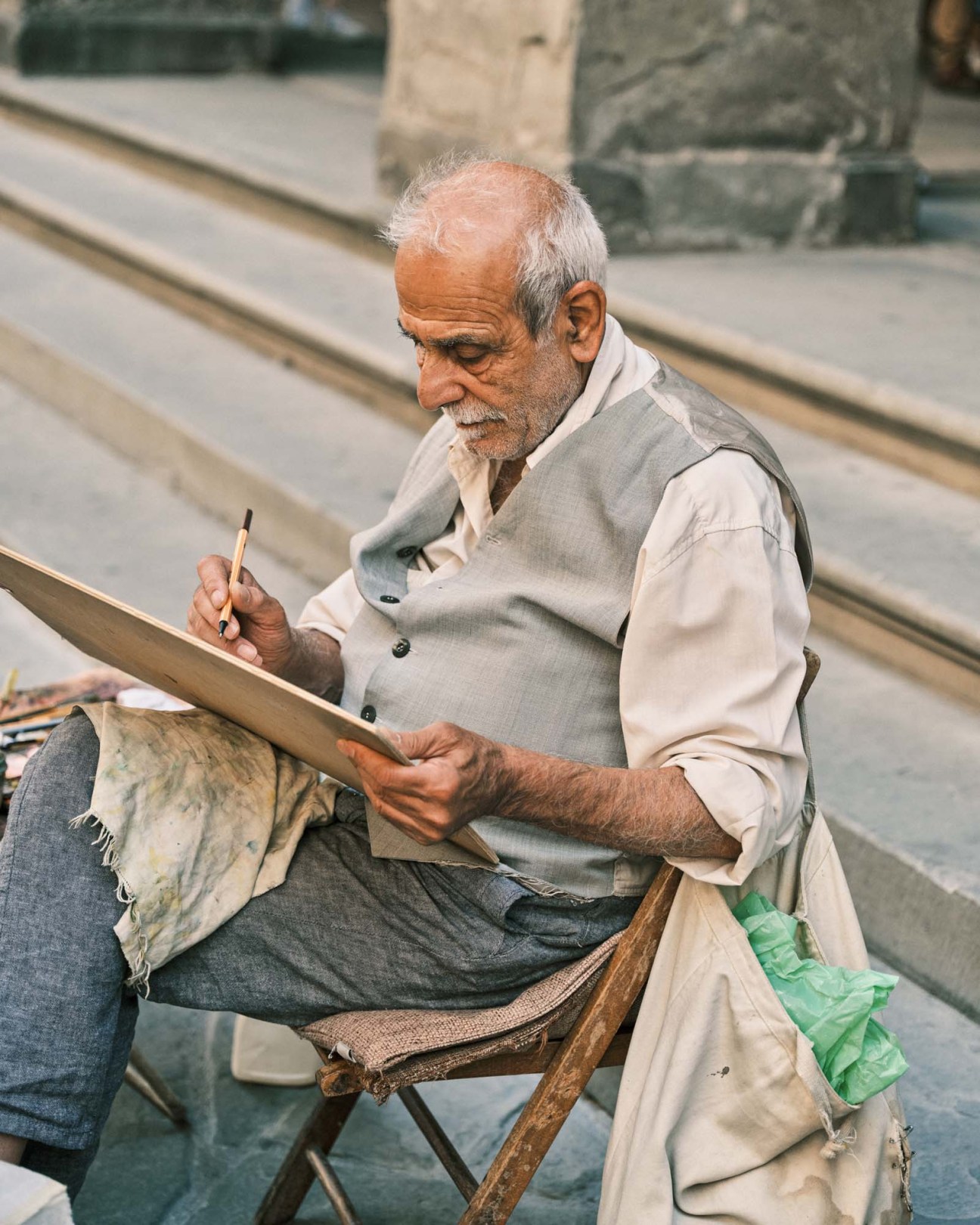
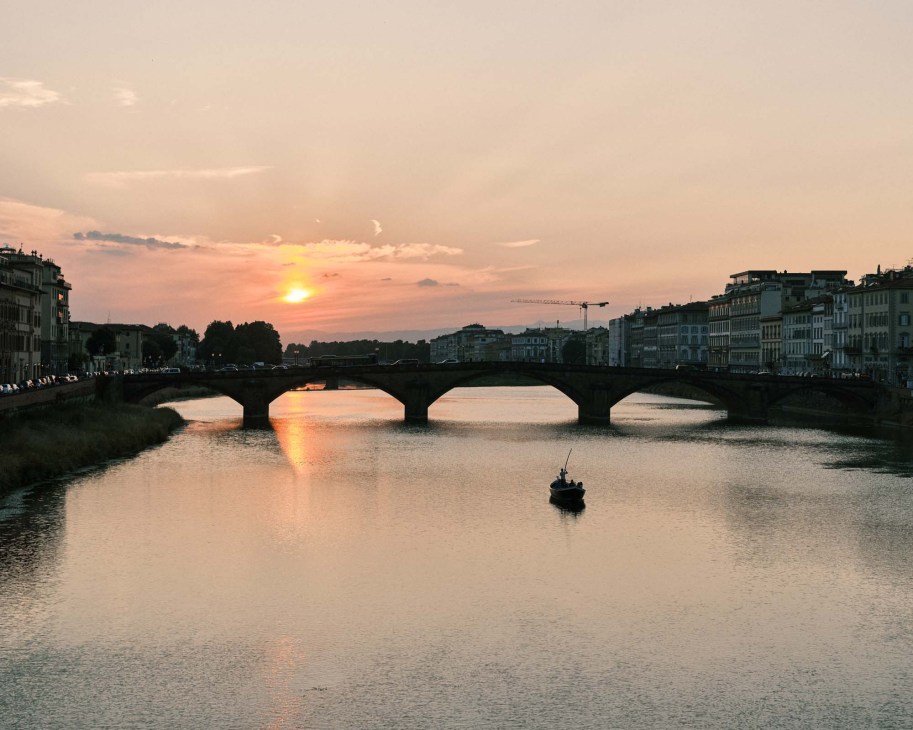
In the shadow of the Cathedral of Santa Maria del Fiore, residents enjoy the laid-back street life of their city. Crossing the Arno, ambling past family- run hat shops and artists in their smocks, and stopping for lunch at a café or trattoria – Florence’s lifestyle embodies the easy-going dream of Italy.
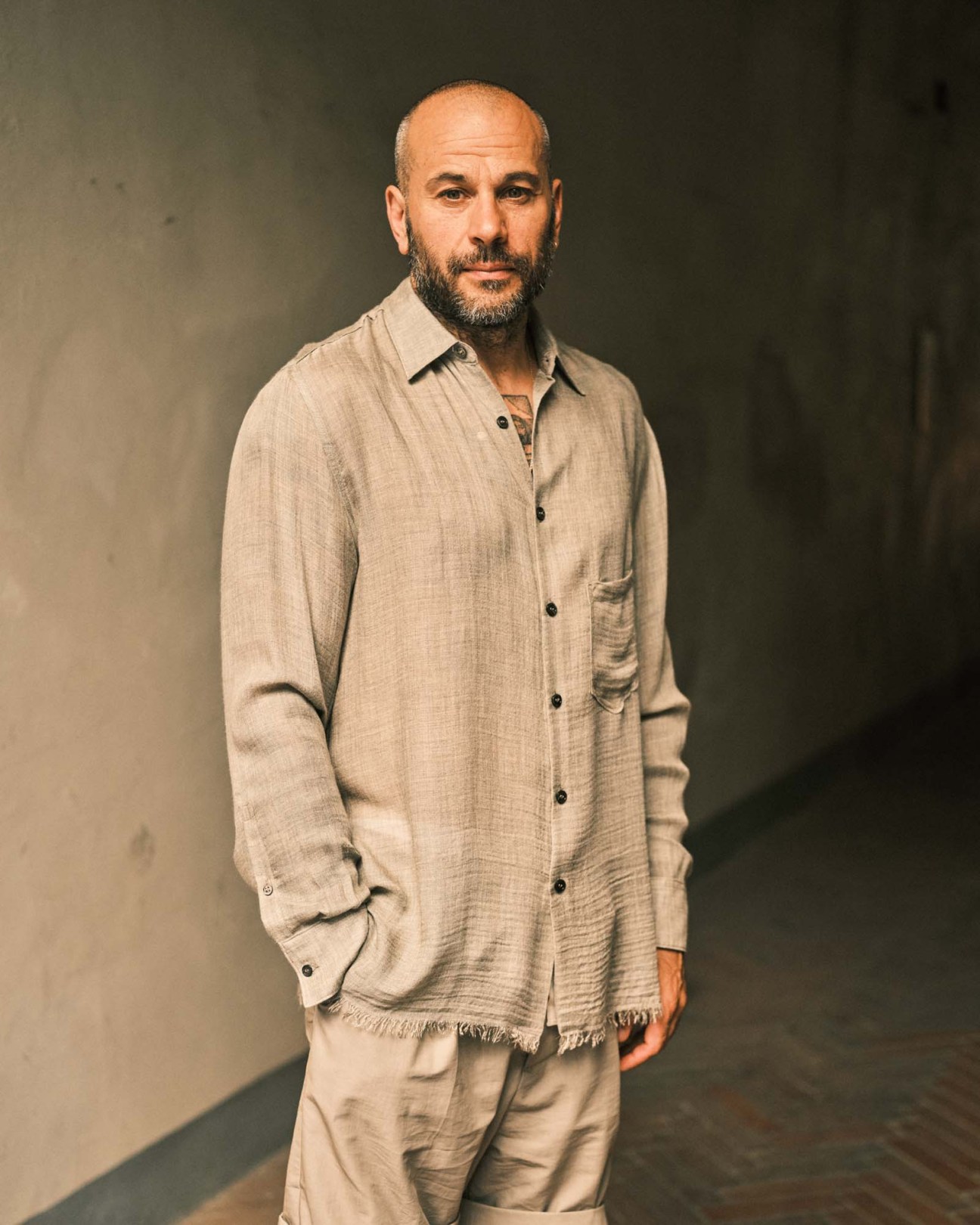
Florentine style is defined by a modest, unfussy attitude to how you wear your clothes. For menswear designer Federico Curradi (pictured in his own creations), what matters is a deep appreciation of quality and craftsmanship. His clothes are made using natural materials and traditional techniques.
Happy Medium
Happy medium
Global
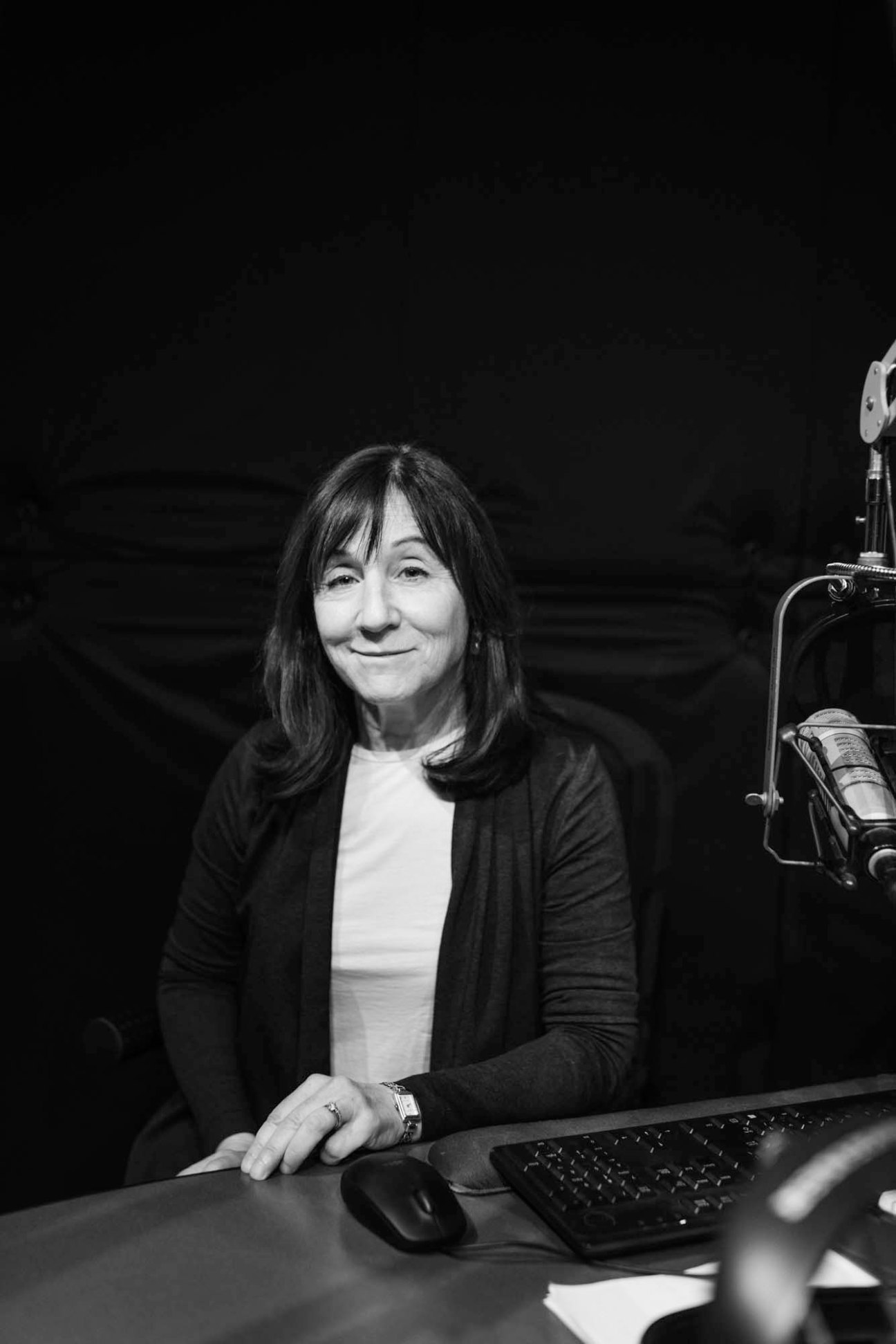
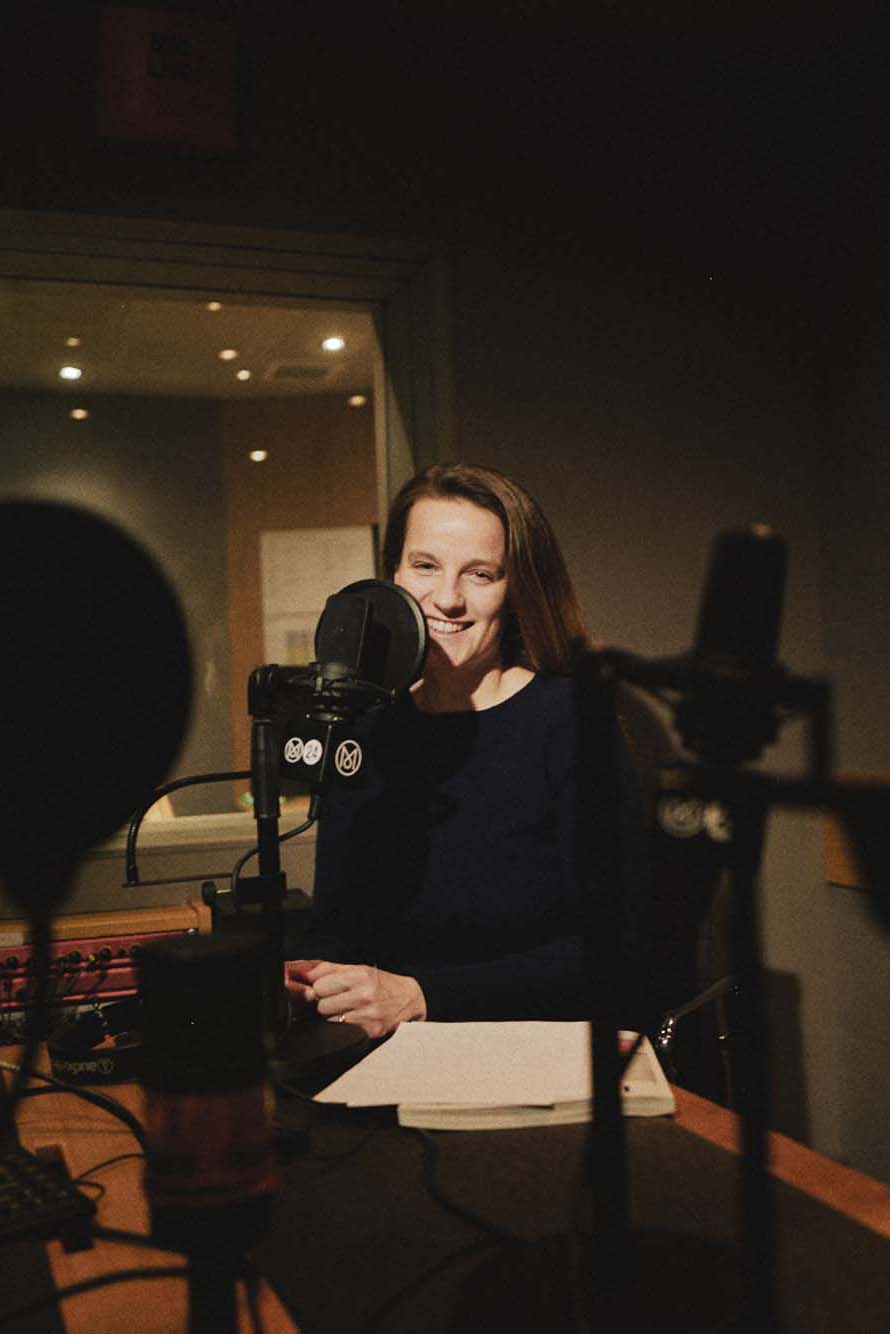
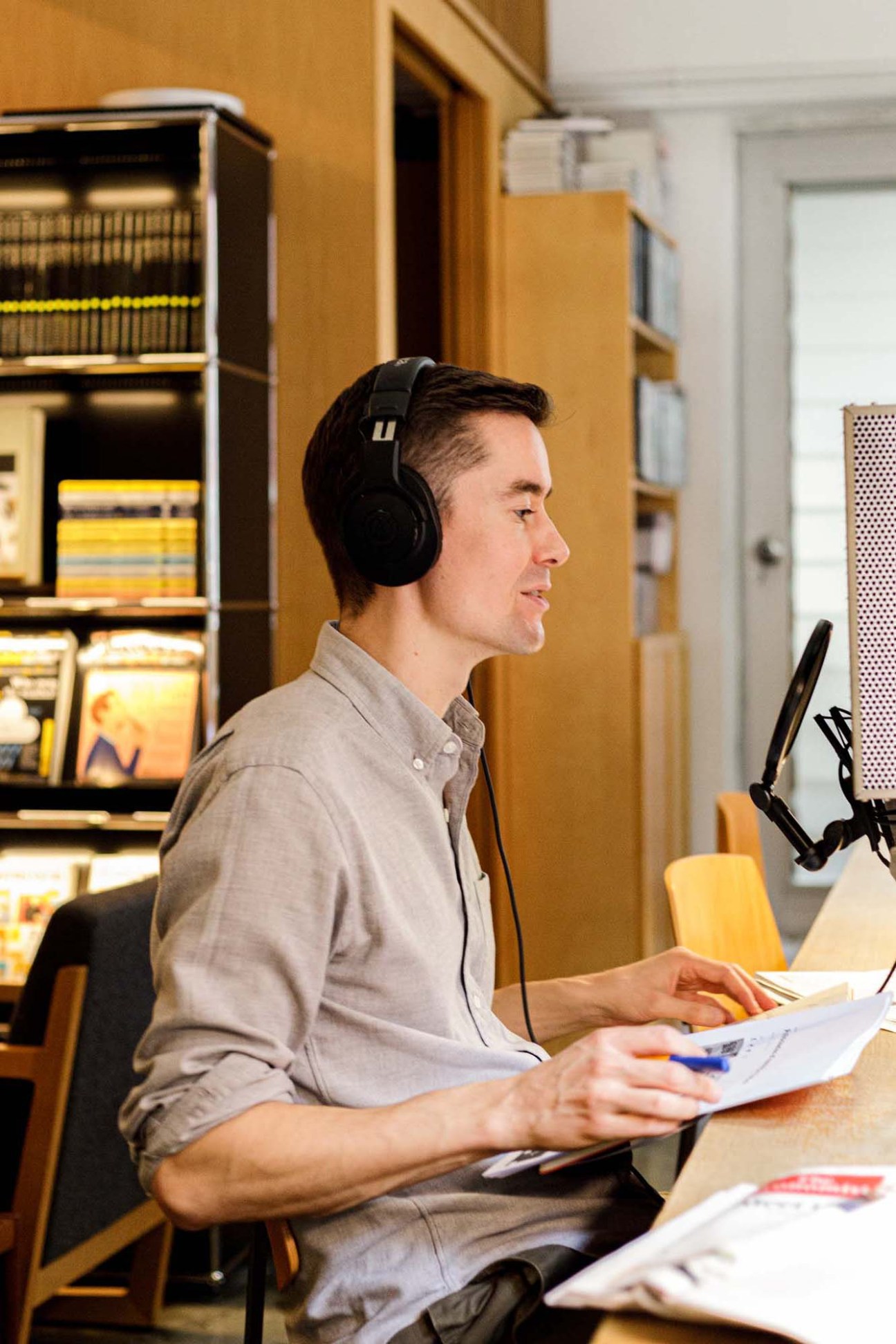
Anniversaries sneak up on you. Monocle 24 turns 10 this month but with a 24/7 schedule, three daily news shows and more than 30 premieres every week, it would be easy to lose track of time. A decade ago, the podcast scene was very different to what it is now. But in the deluge of new audio initiatives, Monocle 24 has kept an authoritative voice that has made it special from day one. Much has changed but this principle will continue to guide the station into an exciting future.
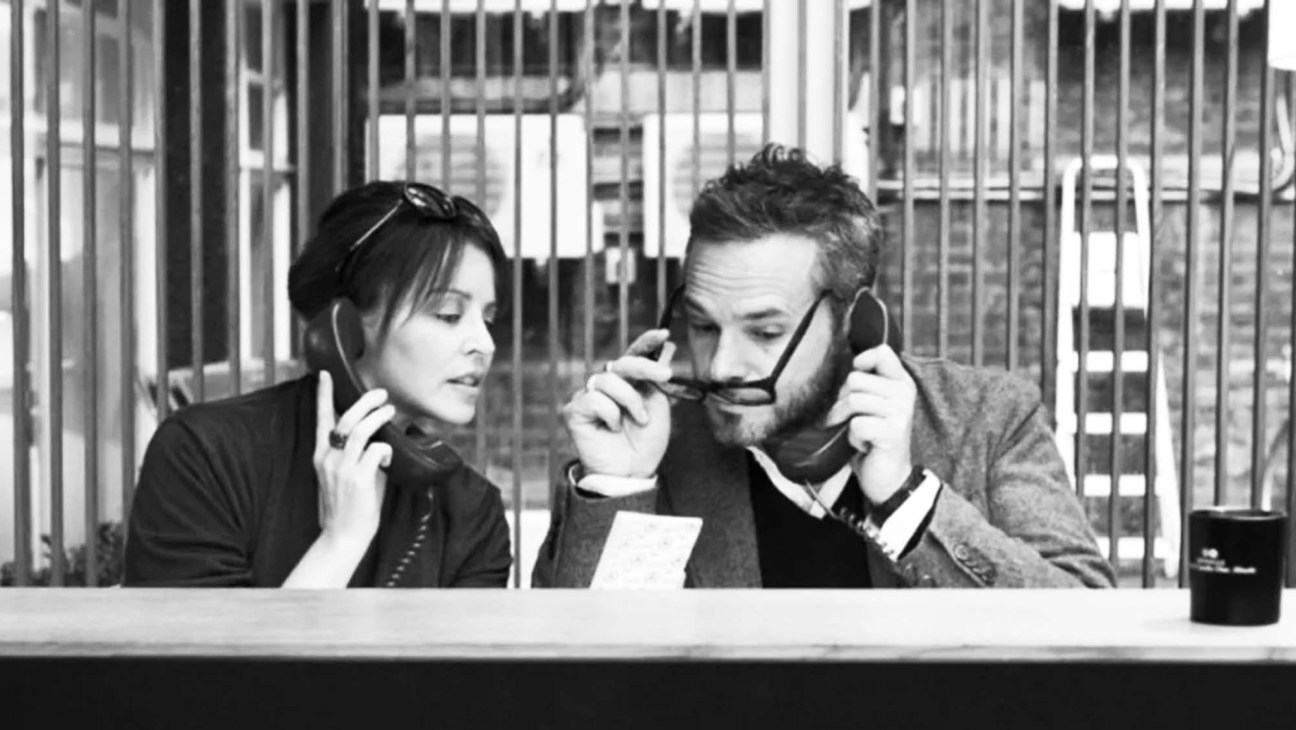
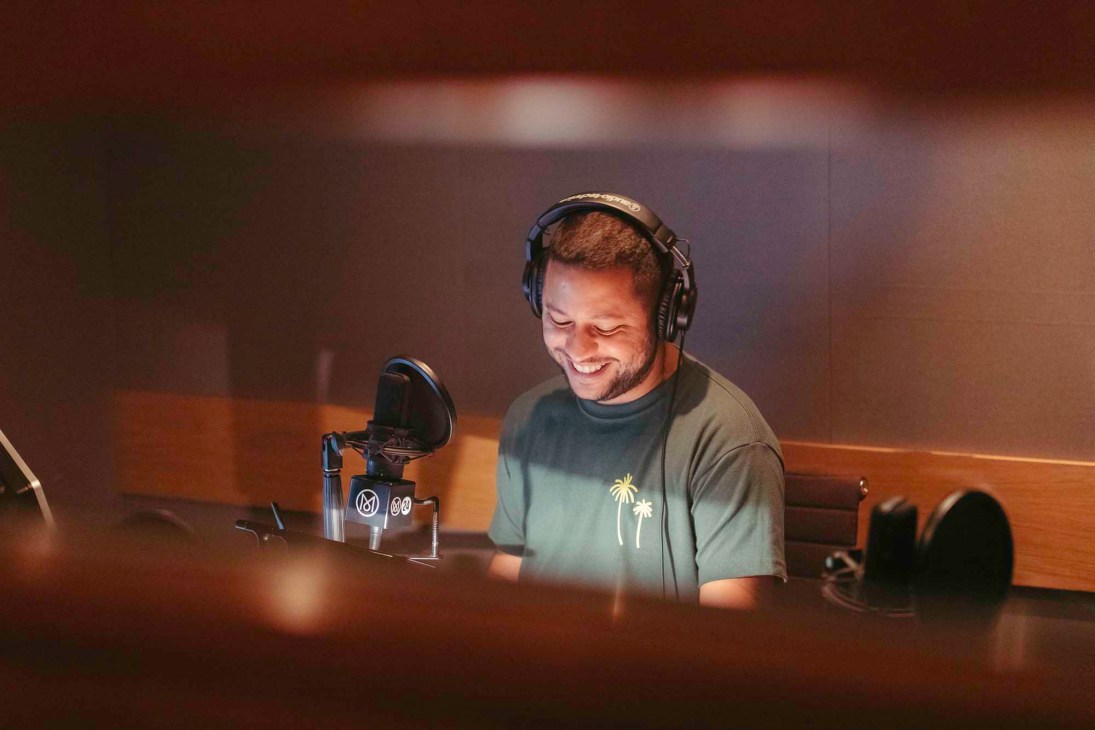
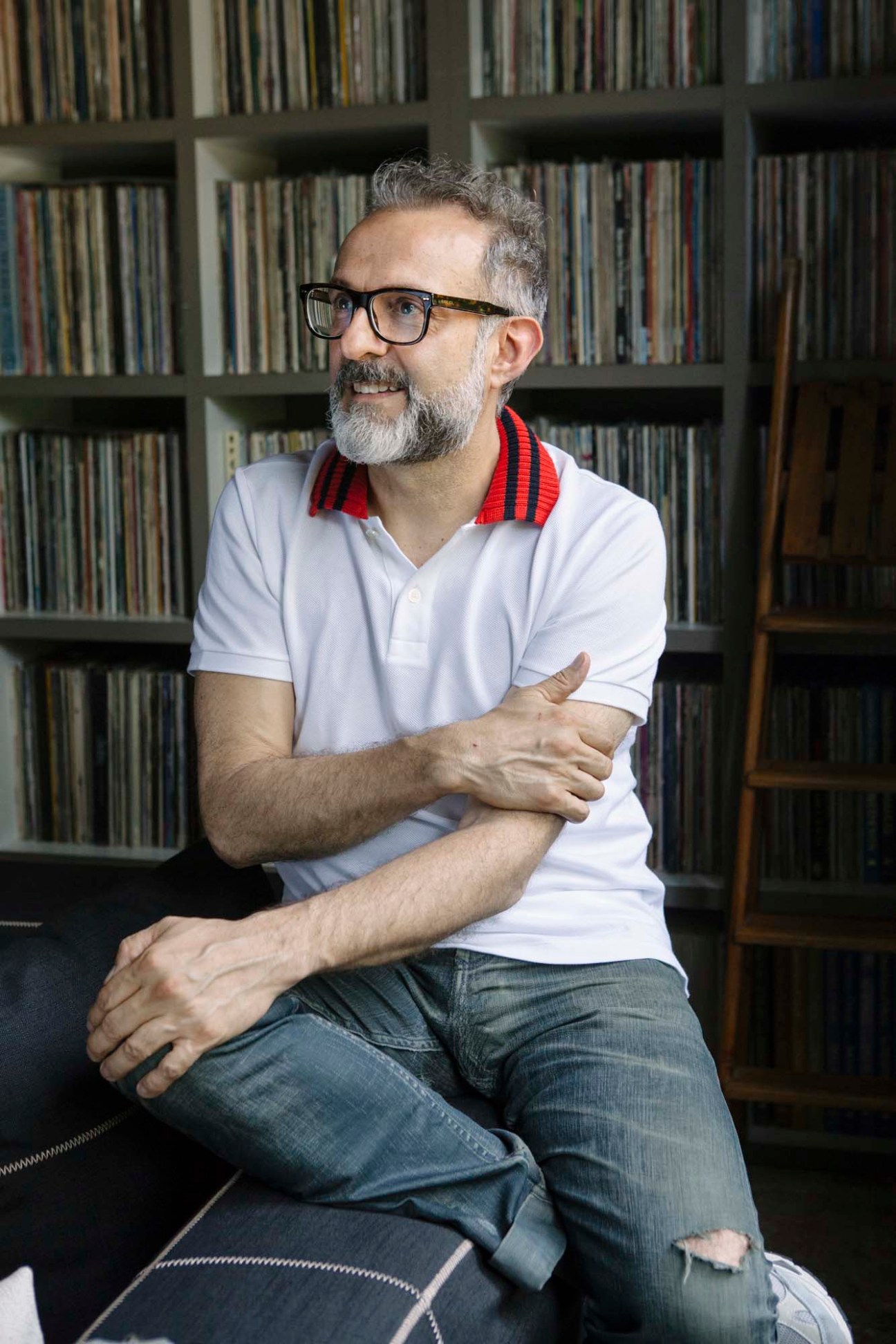

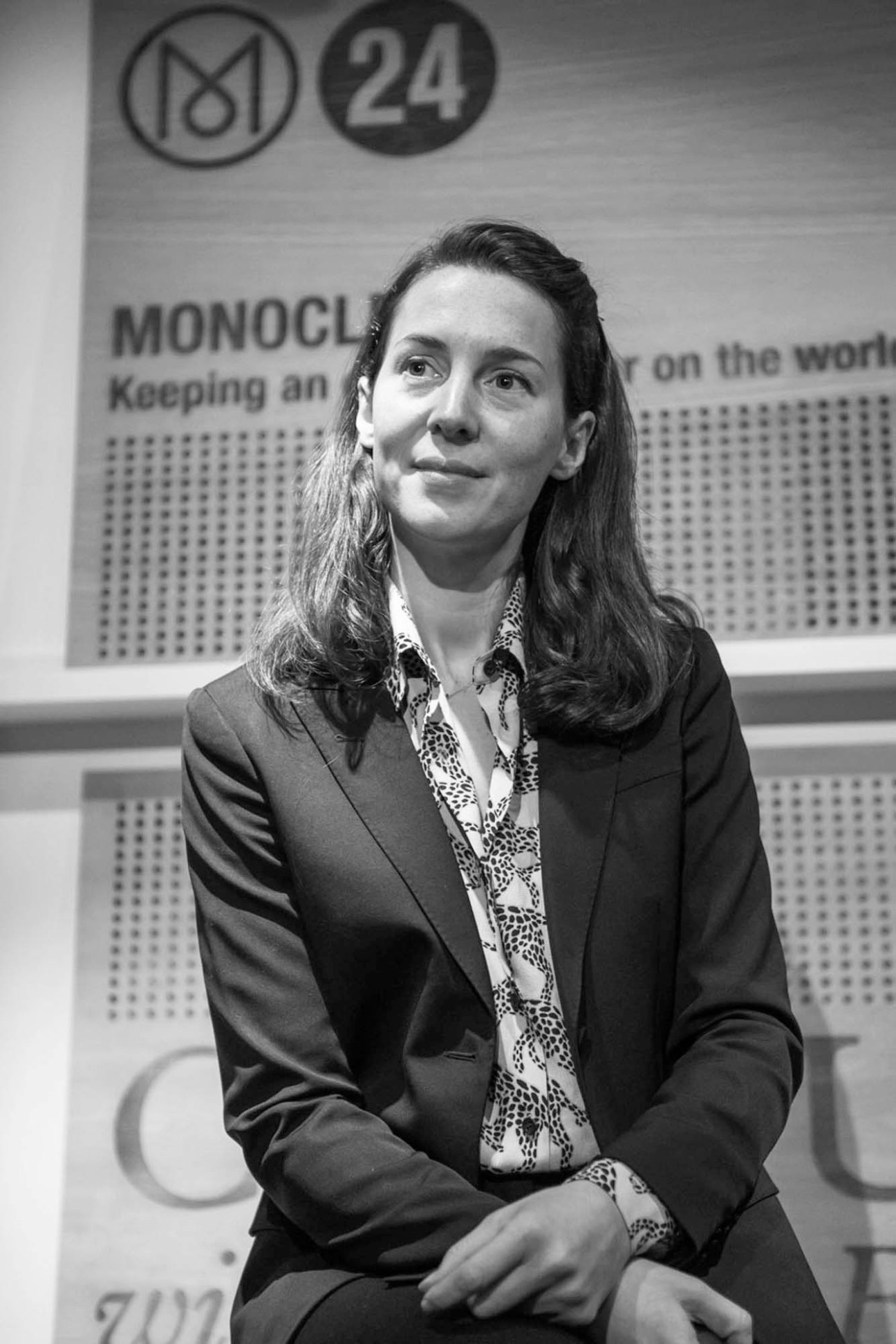
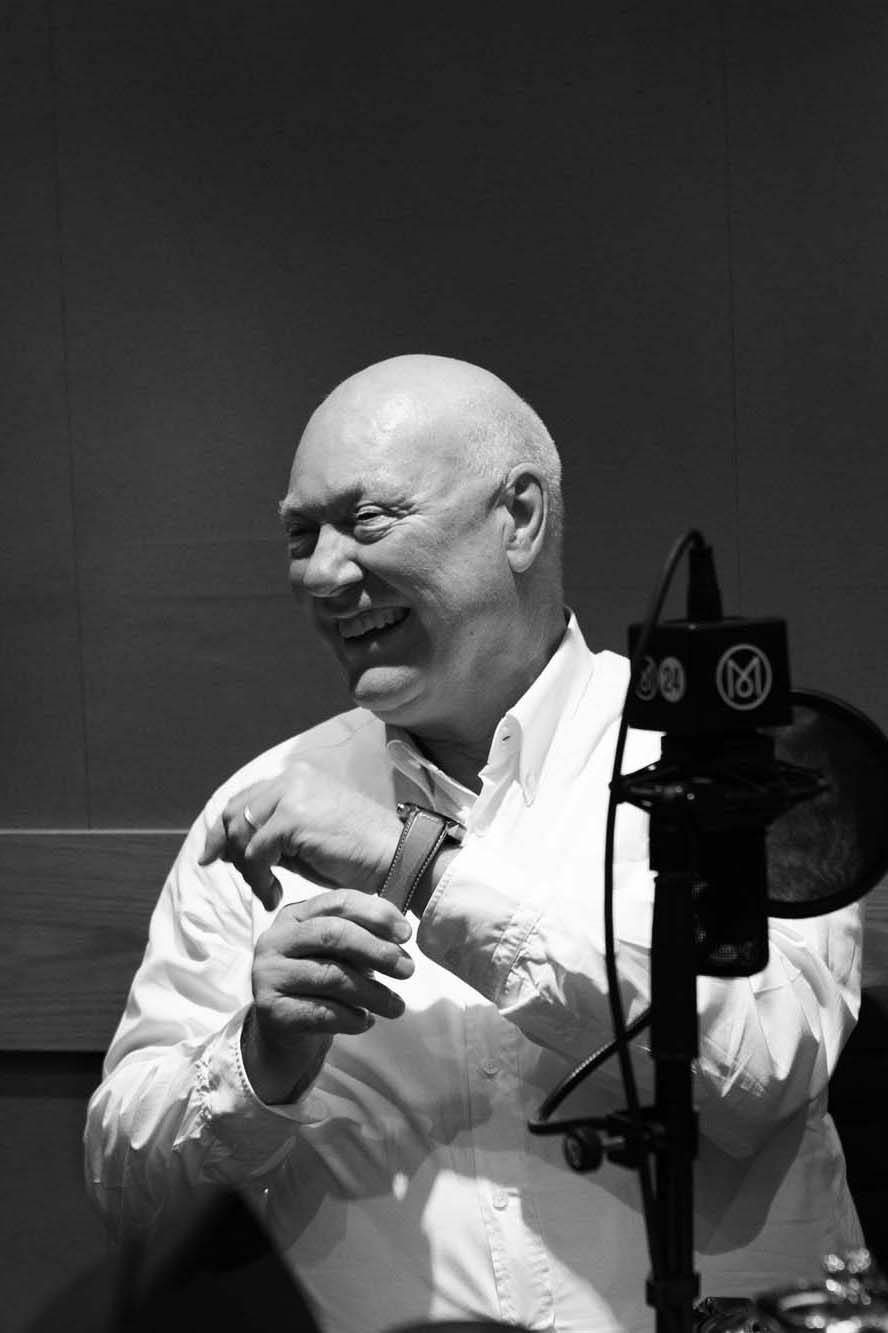
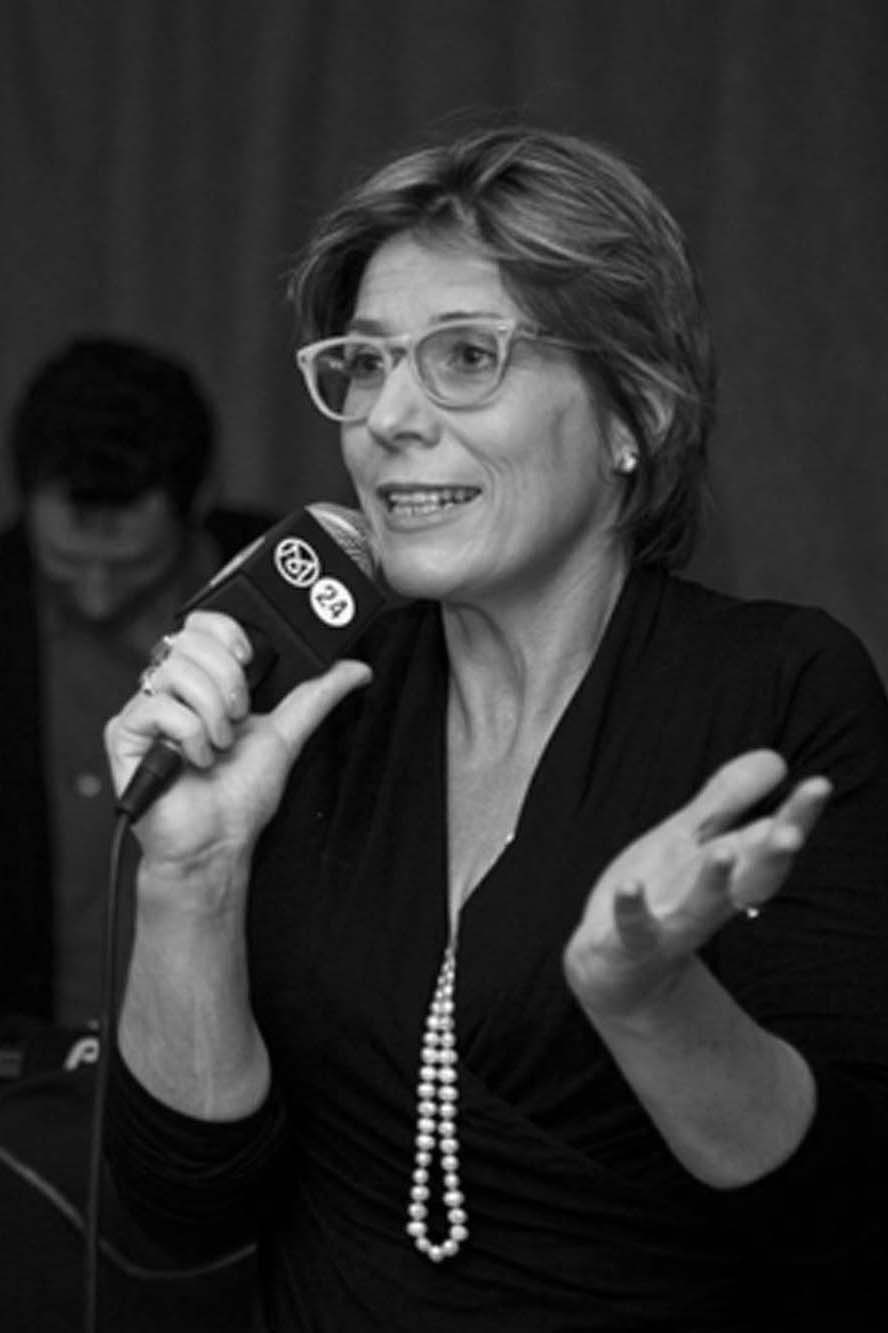
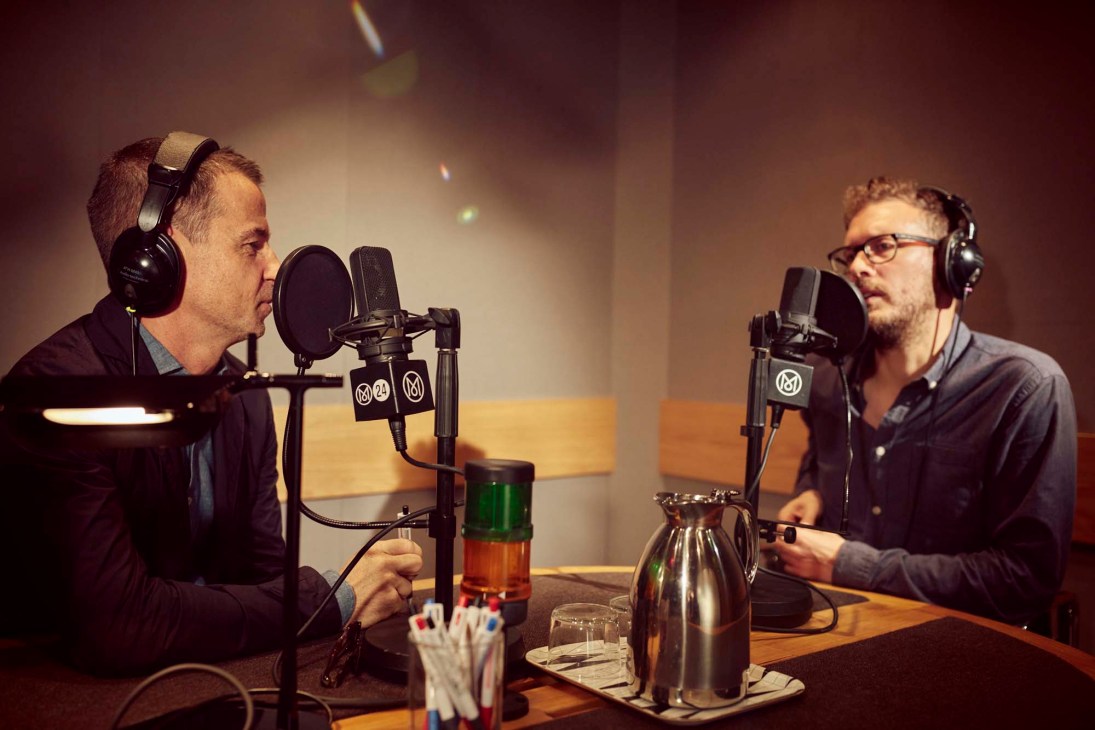
Picture the scene. It’s a summer’s day in London in 2011. A group of editors are deep in conversation about growing the burgeoning media brand that they’ve built – and growing it in a more imaginative way than manipulating a magazine until it fits a screen but loses its lustre. One of their number points out that the team has already been making a whip-smart weekly podcast for the past couple of years. It follows, he suggests, warming to his theme, that they go right ahead and launch a full-service, seven days a week, 24 hours a day radio station before the year is out. After all, could anything amplify the voice of a confident brand better than radio?
“I have spoken to everyone from Amanda Lear to Gilberto Gil but the best thing is our friendly team”
Fine tuning
Fast-forward to later that same year: a smart suite of studios is receiving its finishing touches; the magazine crew has been bolstered by a host of hungry Monocle 24 recruits and a fairly ambitious launch date – 17 October – is heavily ringed in red in diaries and on calendars. The radio dream is becoming a reality. The launch brief was to deliver the authority and smarts of public service broadcasting with a friendlier, more curious and conversational tone. Mission Monocle 24 was accomplished that autumn, albeit with some hair-raising moments, many sleepless nights and a litany of nerve-jangling technical leaps of faith along the way. It was a steep learning curve but at the summit was audio gold.
“Monocle 24 and its audience is a global community.You can’t find an experience like this elsewhere”
Markus Hippi, senior producer/presenter
At the time, Monocle’s editorial director, Tyler Brûlé, explained that radio was “still the most intimate medium in an ever-expanding buffet of choice”. And in the decade since, we are proud of the way that we’ve refined the recipe. Today there’s something for every palate, with long-running news shows such as The Globalist, The Briefing and The Daily, and magazine programmes including The Urbanist and The Entrepreneurs, joined by a steady stream of exciting and innovative additions.
In 2011, the podcast landscape was inchoate, and few could have foreseen the astonishing growth of the sector in the decade ahead. Monocle 24’s blend of radio’s linear discipline and structure with podcasting’s more catholic, pick-and-mix approach is undoubtedly one of the secrets to its success. Another is the way that it brought together the metabolism and intensity of the traditional newsroom with the journalistic rigour and gentle authority that is Monocle’s print signature.
“It’s the only talk-radio station that doesn’t give me a headache. And I’d say that even if I didn’t work here”
Andrew Mueller, presenter
Listening to reason
There have been some amazing milestones. We’ve launched more than 60 new shows and podcasts and have broadcast nearly 88,000 hours of audio. Monocle 24 produces more programmes and podcasts every week than any comparable media house. We’ve broadcast to the world from a radio-equipped bureaux network in Tokyo, Hong Kong, Zürich, Toronto, New York and Los Angeles; we’ve aired dispatches from Monocle’s global correspondents in scores of cities across five continents; and we’ve taken our show on the road, with outside broadcasts from the snowy mountain tops of St Moritz to the sun-kissed seaside of Sydney – and pretty much everywhere else in between.
As well as the best coverage of entrepreneurship, culture, design, media and urbanism, our hugely talented news team has consistently delivered award-winning coverage, reportage and analysis to our international listeners.
“I love how international Monocle 24 is, from the producers and contributors to the places we go”
Sam Impey, head of production
Monocle 24 now has an unrivalled pool of experts on hand to make sense of turbulent times. The coronavirus crisis might have created a more or less captive audience but the fact that discerning listeners came to Monocle 24 in unprecedented numbers speaks volumes for the quality of the fare.
With the programme
Central to the success of Monocle 24, along with the unparalleled editorial offering, has been the relationships that the station has built with its partners. These comprise some particularly far-sighted international companies; a family of premium brands that, right from the start, recognised the importance of great storytelling, setting the right tone and the relentless pursuit of opportunity.
“Radio added greater warmth to Monocle. The intimacy of audio makes powerful connections”
Andrew Tuck, editor in chief
Now hear this
The final piece of the puzzle is, of course, the most important of all: our listeners, worldwide, many of whom have been with us from the very first second on air. Where are we taking them next? Well, you’ll have to stay tuned to find out. Be assured that we are as passionate as ever about continuing a global conversation, delving into more long-form storytelling, expanding our reach and playing to ever bigger audiences, all while cementing our hard-won reputation for the best in news, features, documentaries and smart narratives. Here’s to the next 10 years.
The timeline
Making waves
It all started with a tight but determined crew that was willing to take on a new challenge. Today, Monocle 24 is a round-the-clock radio station with a global network of bureaux and correspondents – and audience. We look back on many milestones.
2008
First edition of The Monocle Weekly podcast, hosted by Tyler Brûlé, Andrew Tuck and Robert Bound. In the launch programme, the team looks at the global landscape for the year ahead, speaks to the director general of Norway’s ministry of finance, and hears from philosopher Alain de Botton, who explains why happiness is more important than watching your salary.
2011
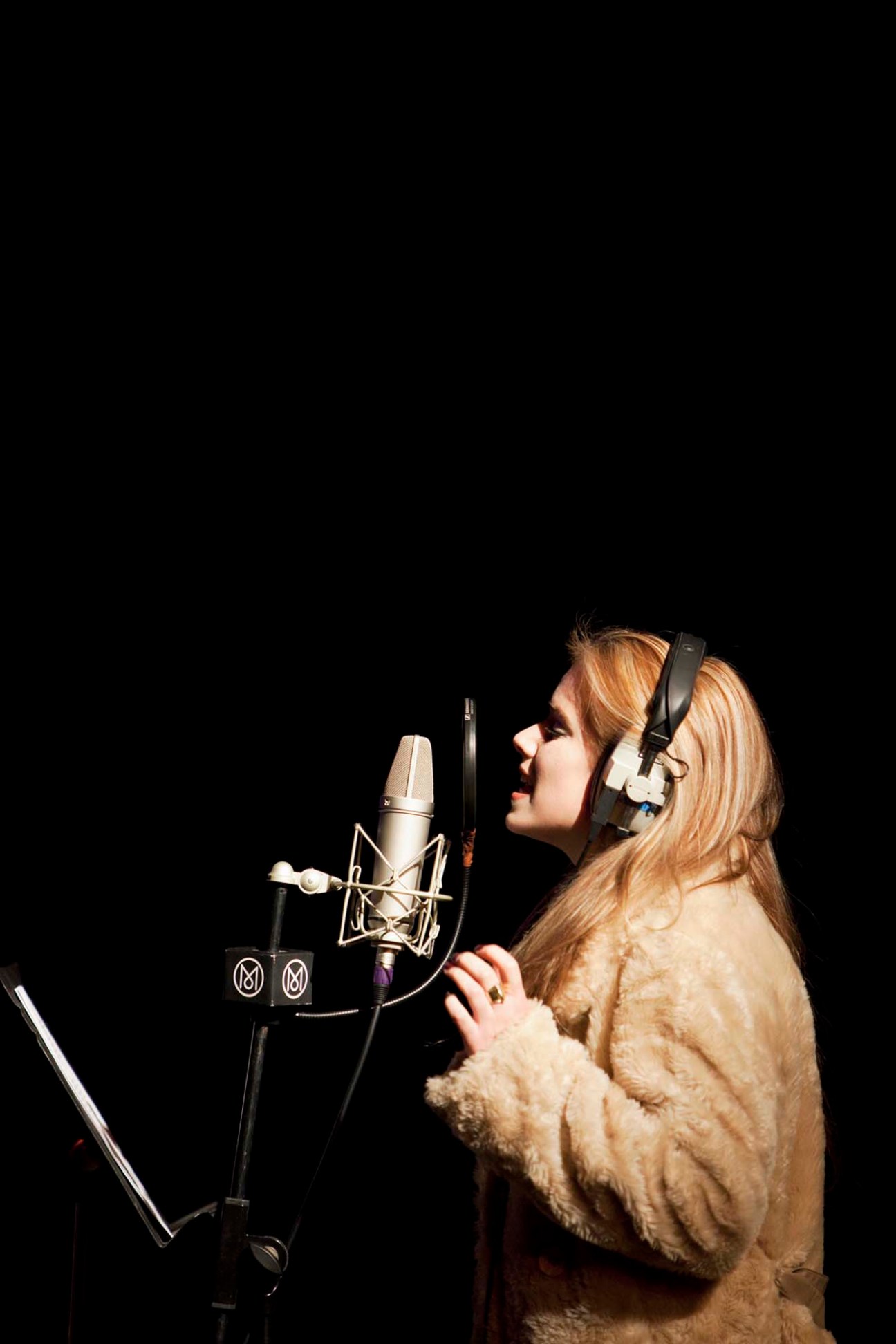
After plenty of sleepless nights, Monocle 24 goes live. Supported by a sponsorship with Rolex, the station debuts with four news shows a day: The Globalist, The Briefing, Midori House and The Monocle Daily. Recording the station’s idents and sweeps is none other than Kylie Minogue, and Scandi-jazz powerhouse The Quiet Nights Orchestra is in charge of the theme music.
The beginning of a syndicating deal with cbc means that the Canadian public broadcaster plays Monocle 24’s programmes overnight. Australia’s abc syndicates our station’s content and provides overnight newsreads with an apac focus in return.
Monocle 24 heads out of the cosy walls of the studio for its first outside broadcast in Washington. Guests include Al Arabiya’s Washington correspondent Hisham Melhem, as well as our long-serving Monocle correspondent Sasha Issenberg.
2012
As the Olympic Games arrive in London, the team heads out to visit the countries’ “houses” in the city, from Denmark to Canada, Jamaica and Russia. Our Canadian foothold strengthens with the opening of our bureau in Toronto’s Little Italy – an office-cum-radio outpost fronted by a shop that quickly becomes a cornerstone of the neighbourhood.
2013
The crew embarks on a Nordic marathon to celebrate the magazine’s Arctic-themed issue. Resident Finn Markus Hippi produces four outside broadcasts in four days across four capitals: Stockholm, Oslo, Copenhagen and Helsinki. The show also gets on the road in North America, jumping between Vancouver, Seattle and Portland in just as many days.
Fernando Augusto Pacheco heads to Malmö to report on the Eurovision Song Contest for the first time, laying the foundations for years of enthusiastic coverage of the event.
2014
Our most-awarded, highest-rated programme makes its debut: The Foreign Desk begins life with an episode on austerity. It goes on to cover issues across the globe, from the Tigray crisis to the fall of Kabul.
Monocle’s Tokyo outpost swaps glitzy Omotesando for leafy Tomigaya, giving the team a roomier set-up for live crosses. ubs comes on board as an anchor partner and to launch finance show The Bulletin with UBS. Monocle 24 underscores its reputation as the home for premium brands in audio and a hub for editorial innovation.
2015
The first ever Monocle Quality of Life Conference brings global experts and delegates to Lisbon to discuss what makes cities and businesses tick. Monocle 24 is on hand to broadcast panels and highlights.
A chat with designer Erik Spiekermann kickstarts our series of The Big Interview. The show goes on to host Norman Foster, Ian McKellen, Marina Abramovic and Chimamanda Ngozi Adichie and more.
In the immediate aftermath of the attack on the Bataclan club in Paris, the team heads to the scene and reports from the ground. The following year it provides the same level of on-the-beat reporting from Brussels.
2016
The Entrepreneurs: Live is the first in a series of podcasts recorded at Midori House’s event space in front of a keen audience. Editions of The Menu, Monocle on Design and The Foreign Desk also follow.
2017
Saint Etienne is one of many artist to record a live session at Midori House. When the set-up is too big for the studio, groups such as Hanson and Bebel Gilberto take over the event space, treating the team to a gig.
2018
The Foreign Desk is crowned best current affairs podcast at the British Podcast Awards.
2019
The design team gets involved in our most ambitious set-up yet: the Zürich HQ is kitted out with a state-of-the-art studio that can be peeked into from the street. It goes on to host round-table discussions every weekend for Monocle on Sunday.
We team up with Chanel for the last-ever interview with Karl Lagerfeld. The team heads to Milan for an all-singing, all-dancing, week-long outside broadcast in partnership with Hyundai for the world’s biggest furniture fair, Salone del Mobile. Designers, experts and journalists take their turns in front of our microphones.
2020
A level-headed, authoritative voice through the pandemic attracts a wider audience.
2021
Monocle 24’s commercial project The Power of Sound is nominated for some of the top audio prizes in the UK, pushing forward the network’s creative efforts.
Many of Monocle 24’s programmes, from The Urbanist to Monocle on Design and Monocle on Culture, celebrate their 500th episodes with special editions.
Key interviews
Figures of speech
A selection of some of the notable voices that have shared their insights on Monocle 24.
Jane Mayer
The investigative journalist became the first female Washington correspondent for The Wall Street Journal in 1984 and has been a staff writer at The New Yorker since 1995. She talked to us about corruption in Washington and her determination to expose the truth.
Barry Jenkins
The director of the Oscar-winning Moonlight talked about the responsibility that comes with having a voice.
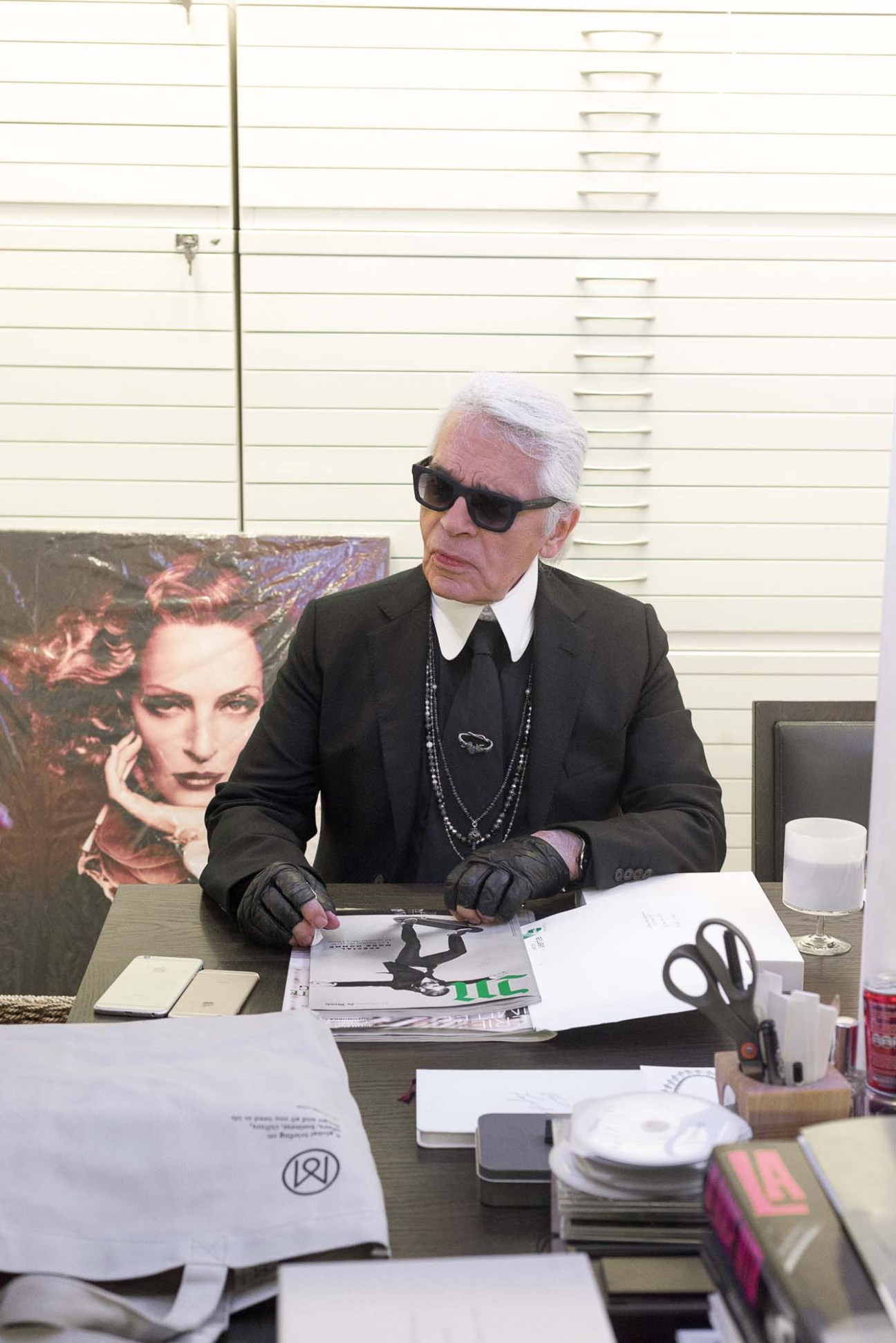
Karl Lagerfeld
On the eve of Chanel’s autumn/winter show at New York’s Moma, the late Karl Lagerfeld spoke to us about his principles of design and shared the secrets of his success.
Ilse Crawford
The creative director sat down to discuss the importance of good design in social projects.
Massimo Bottura
The man behind the three-Michelin-starred Osteria Francescana talked to us about the role of a chef as an agent of change.
Top billing
As music festivals, art fairs and long-awaited films return, could this autumn be the time when the cultural world finds its rhythm again? If the cinema schedule is to be believed, we’re in for a treat. The lead up to the holidays is always the busiest time in the arts calendar and, with a backlog of marvels ready to be unleashed, this season should be more exciting than ever. Be it bigger and better museums, evocative animations, TV thrillers or gentle reads to curl up with, here we bring you the very best on screens, shelves, airwaves, stages and gallery walls this autumn.
Galleries
New art exhibitions and openings set to steal the show this month.
Hauser & Wirth
Menorca
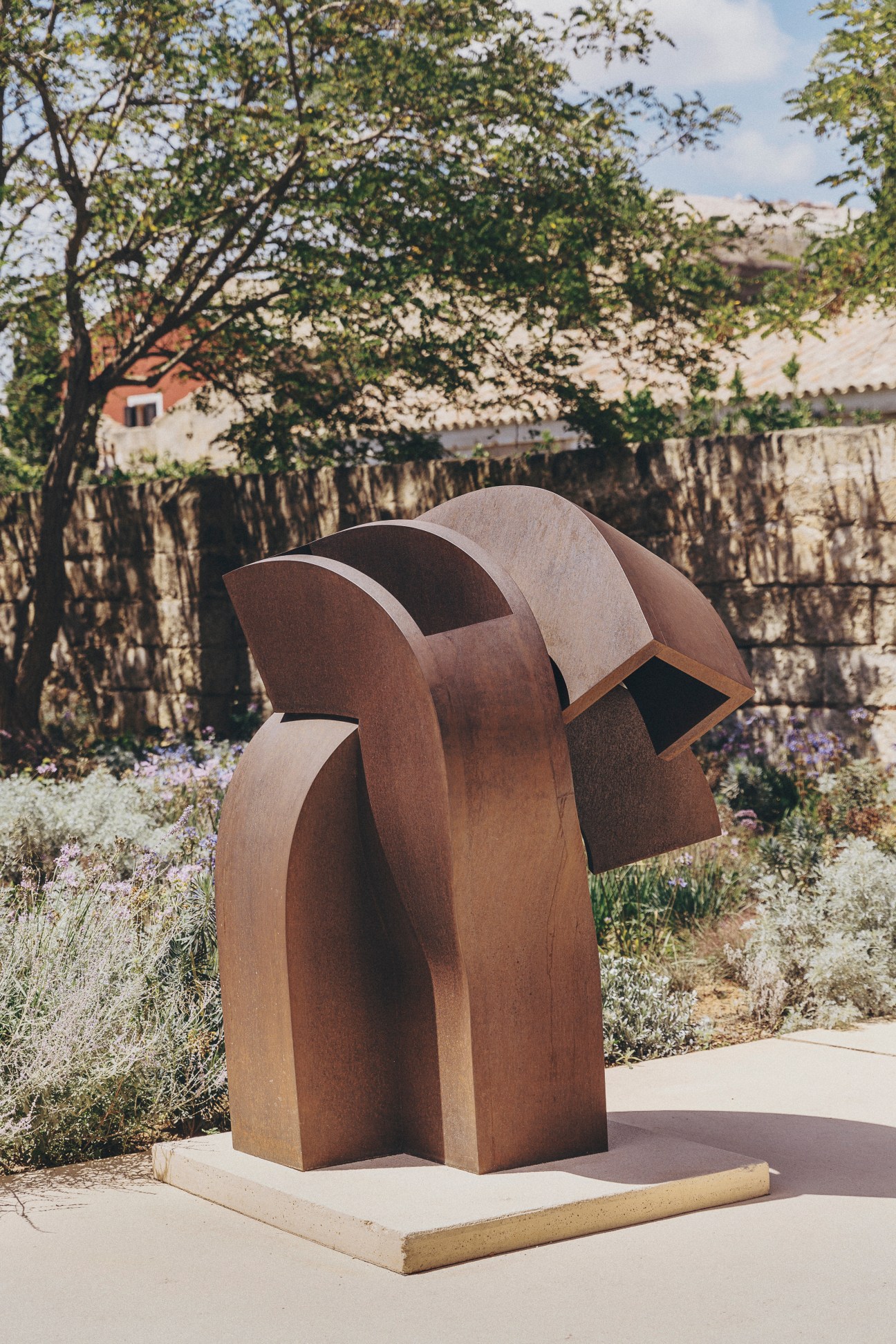
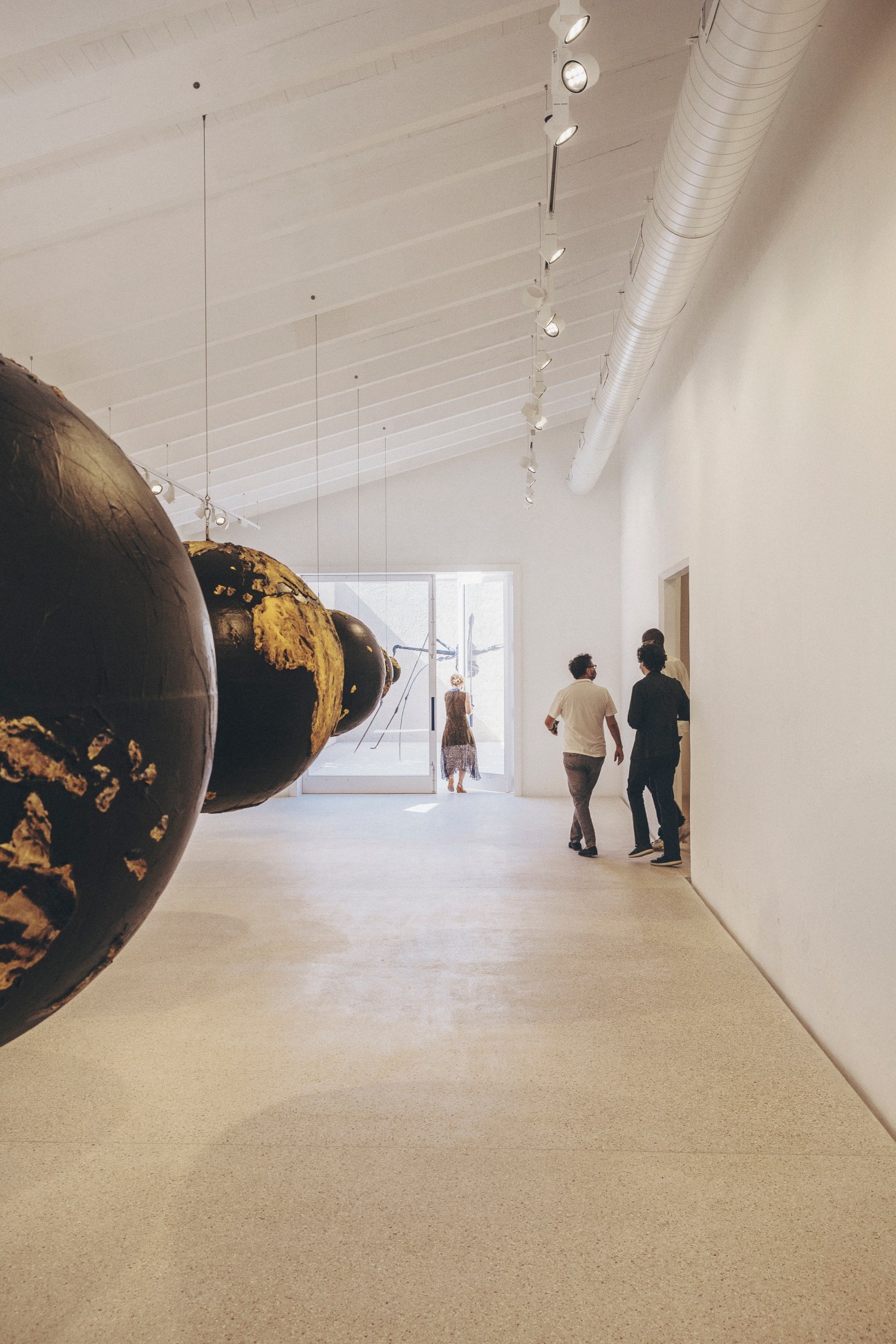
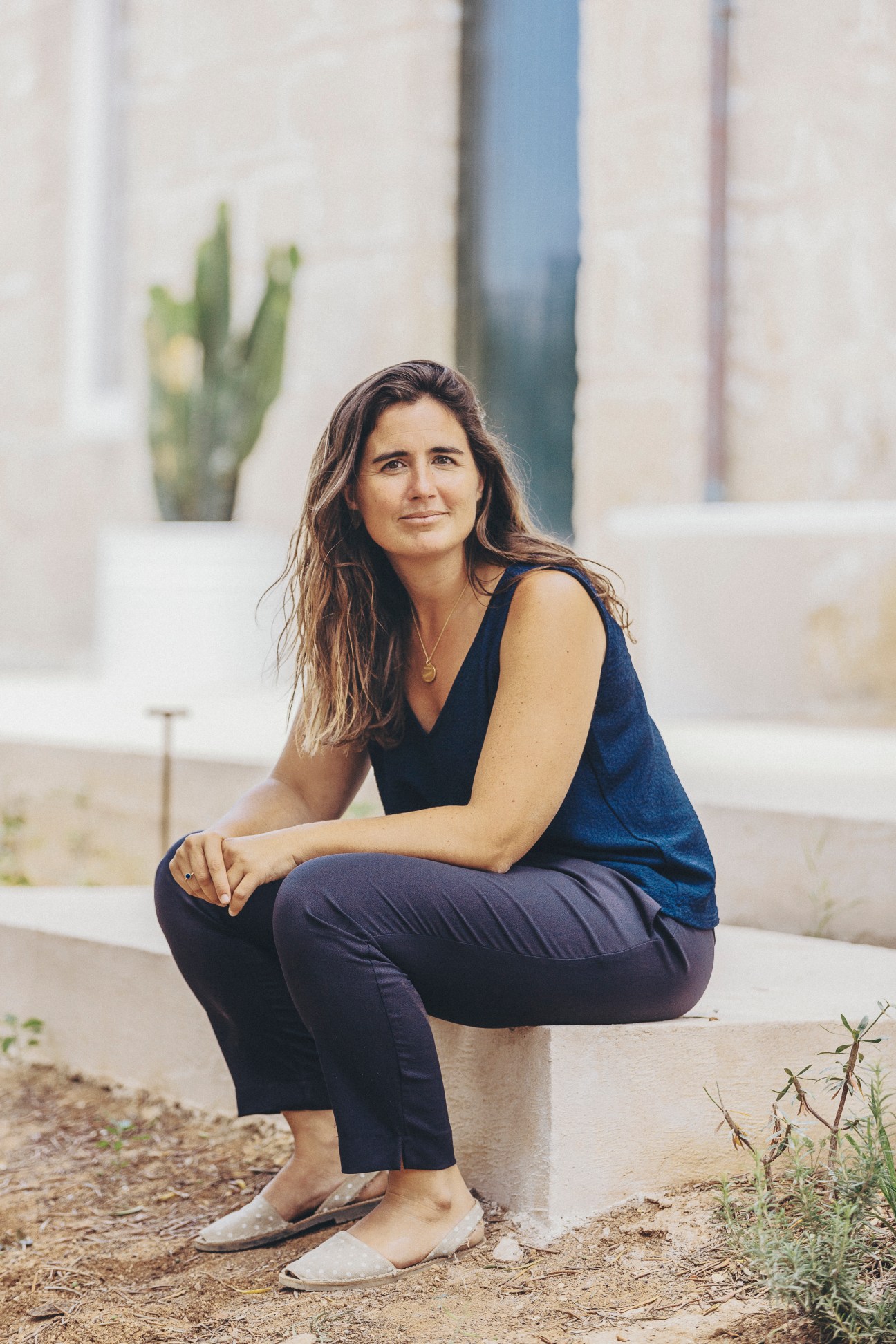
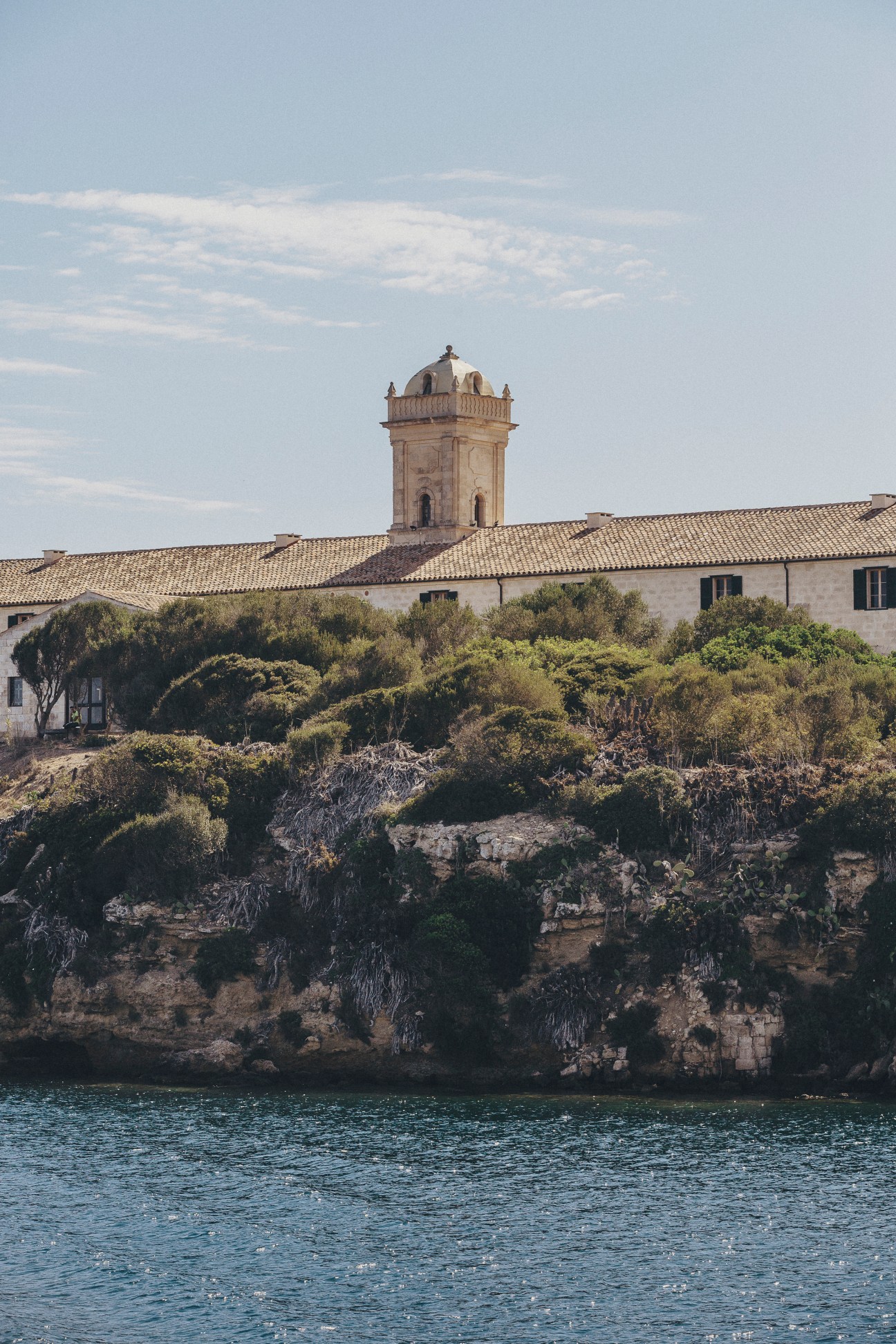
A sense of escapism grips the passengers on board the ferry to the small islet of Illa del Rei off the coast of Menorca. Leaving the world and its noise behind is rather appealing these days, and art behemoth Hauser & Wirth’s latest venture – helmed by gallery director Mar Rescalvo Pons (pictured, above right) – seems to cater precisely to that. But stepping onto the pier and strolling up a cobbled path flanked by huge sculptures by Franz West, Eduardo Chillida and Louise Bourgeois begs a bigger question. Is this artful new outpost part of culture’s global move to the periphery? Plenty of galleries have experimented with locations closer to where collectors like to kick back – but here, remoteness and quiet seem to be the biggest draws. So getting US artist Mark Bradford to helm the opening show from afar wasn’t easy.
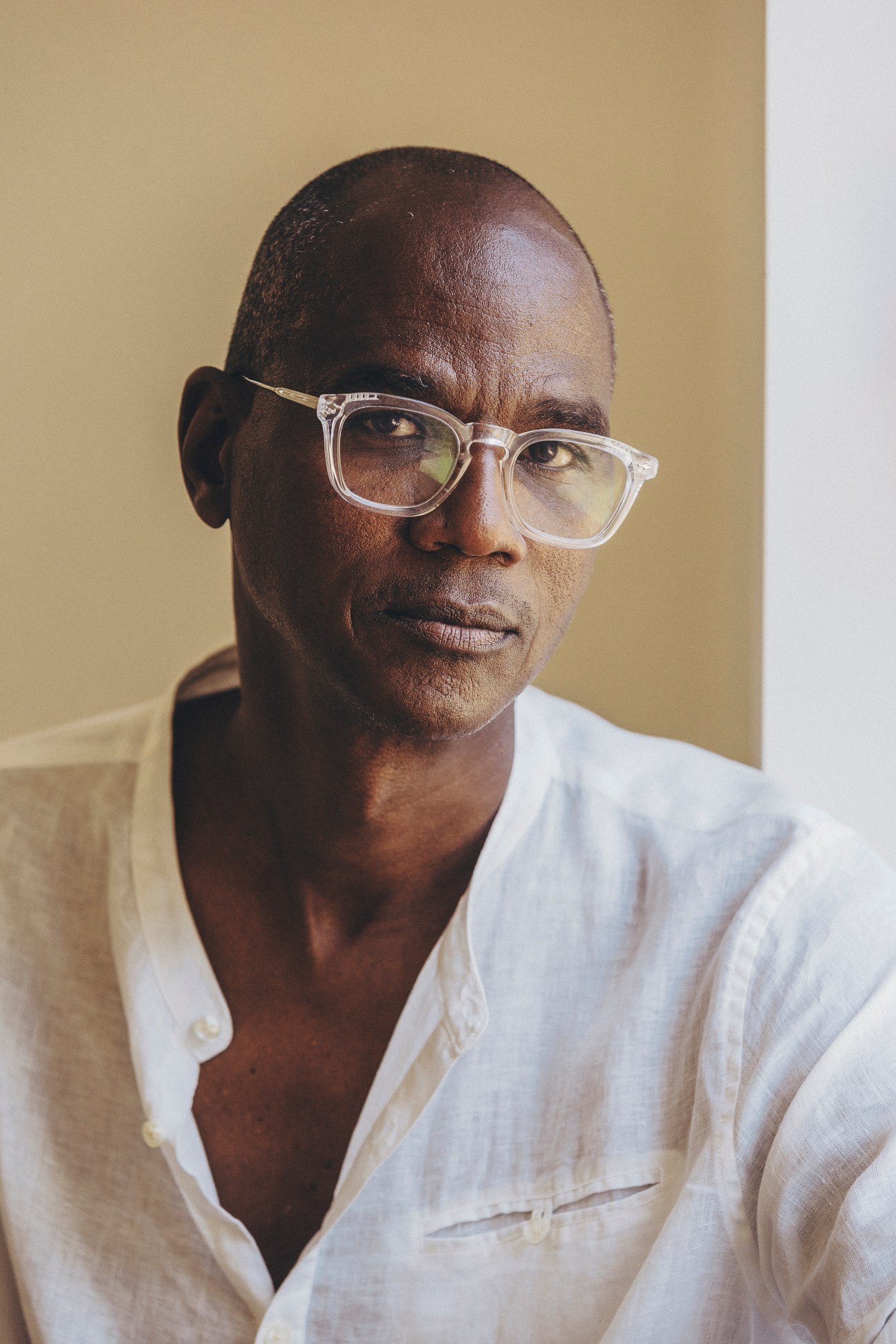
Following a convincing pitch from gallery co-founder Iwan Wirth, Bradford (pictured) was eventually dispatched from Los Angeles to this restored 18th-century naval hospital in order to work on the show on the ground. “This was a more contemplative place to imagine and create, and I’ve never spent so much time on an exhibition,” says Bradford with a refreshing mix of candour and charisma. “But I still wanted to anchor the work in the urgency of today. This is the value of art.” His Masses and Movements exhibition ended up as a textured political musing about migration.
Helping people to zone out from their immediate concerns is the clear intention of Iwan and fellow co-founder Manuela Wirth. “The courage to go off-piste is as much about expanding our own audience as getting artists excited,” says Iwan. It is not the first time that the pair have tried an unorthodox gallery model: they converted an 1700s English farmstead into a cultural compound, and a derelict flour mill in LA into a gallery and restaurant. For Manuela, what links this growing constellation of locations is a focus on building communities – as much with those who live there as with the creatives themselves. “This place allows us to spend more time with artists,” she says.
Beautifully reimagined by Argentine architect Luis Laplace and renaturalised with dry-climate perennials by landscaper Piet Oudolf, the Illa del Rei complex includes a restaurant and shop, and an education lab for Menorcan students. Two new solar-powered ferries will soon turn the 10-minute commute from Menorca’s capital, Mahón, into a more sustainable and accessible journey. After spending several weeks here, Bradford has a clear view on the need for everyone to find more time and space. “Right now, the ground is still moving and we have to learn to move with it,” he says, gesturing towards the exhibition space. “Even monoliths move eventually.”
Masses and Movements’ runs at Hauser & Wirth Menorca until 31 October
Kunsthaus
Zürich
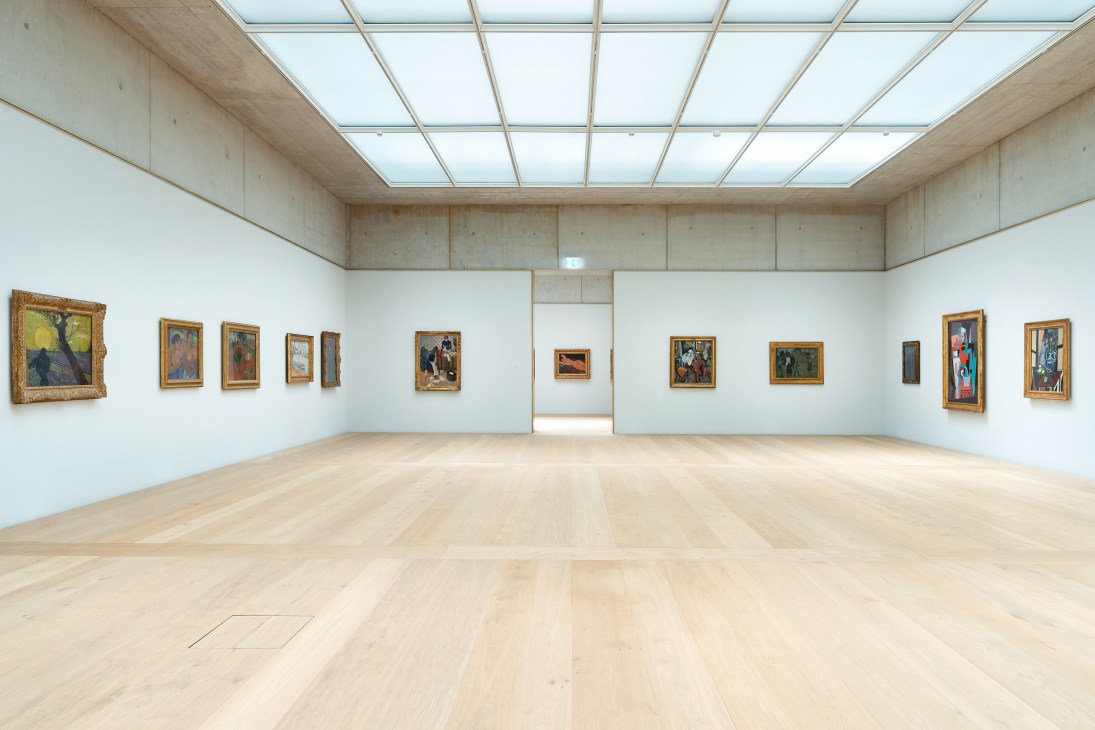
The much-anticipated extension to the Kunsthaus in Zürich is finally opening to the public. The huge David Chipperfield-designed building, which has now been filled with art, almost doubles the size of the original display space and has made it Switzerland’s biggest art museum. The new exhibition rooms will mainly focus on modern and contemporary art, including works from the Hubert Looser Collection of abstract expressionism and arte povera, and the Merzbacher Collection, featuring Pipilotti Rist’s immersive, psychedelic “Pixel Forest” installation. Combined with its stable of 19th-century French masterpieces and a programme of temporary exhibitions – including major shows by Yoko Ono and Niki de Saint Phalle – the Kunsthaus might just help Zürich to steal Basel’s title as Switzerland’s cultural capital.
The Kunsthaus extension opens on 9 October
Magnum Gallery
Paris
Founded by Henri Cartier-Bresson, Robert Capa and others in the 1940s, Magnum Photos still represents some of the biggest names in the camera game, including Alec Soth and Carolyn Drake. Magnum already runs a successful gallery in London and is now about to open its first proper exhibition space in Paris for more than 10 years. The venue in the 11th arrondissement was refitted by London-based studio Johnson Naylor to show a vast range of work from the Magnum archives.
Magnum Gallery in Paris opens in October
Plus points
Essential exhibitions
By Eddy Frankel
‘Mark Rothko 1968: Clearing Away’
Pace Gallery, London
US painter Mark Rothko’s imposing canvases are among the most emotionally effective modernism ever produced. But this exhibition proves that even with small works on paper, Rothko could still pack a punch. The showcase is inaugurating Pace’s new space in London’s Hanover Square.
‘Clearing Away’ runs from 8 October to 13 November
‘Close Up’
Fondation Beyeler, Basel
Focusing on female artists from the 1800s to today who have mainly worked in portraiture, this exhibition starts with impressionist Berthe Morisot’s languid, hazy figures, moving through world-famous names such as Frida Kahlo and Alice Neel, and on to contemporary masters like Marlene Dumas and Cindy Sherman. See for yourself if you’re around for the world’s biggest art fair, which is finally rolling back into town soon after the show’s opening dates.
‘Close Up’ runs from 15 September until January
‘Soft Water, Hard Stone’
New Museum, New York
Celebrating the cutting edge of technology and conceptualism, New Museum is the premier US institution for radical contemporary art. Its 2021 triennial – a platform for new art from across the globe – Soft Water, Hard Stone deals with ideas of resilience and resistance in a changing world. It features more than 40 young international artists.
‘Soft Water, Hard Stone’ runs from 27 October to 23 January 2022
Q&A
Larry Ossei-Mensah
Curator, Athens Biennale
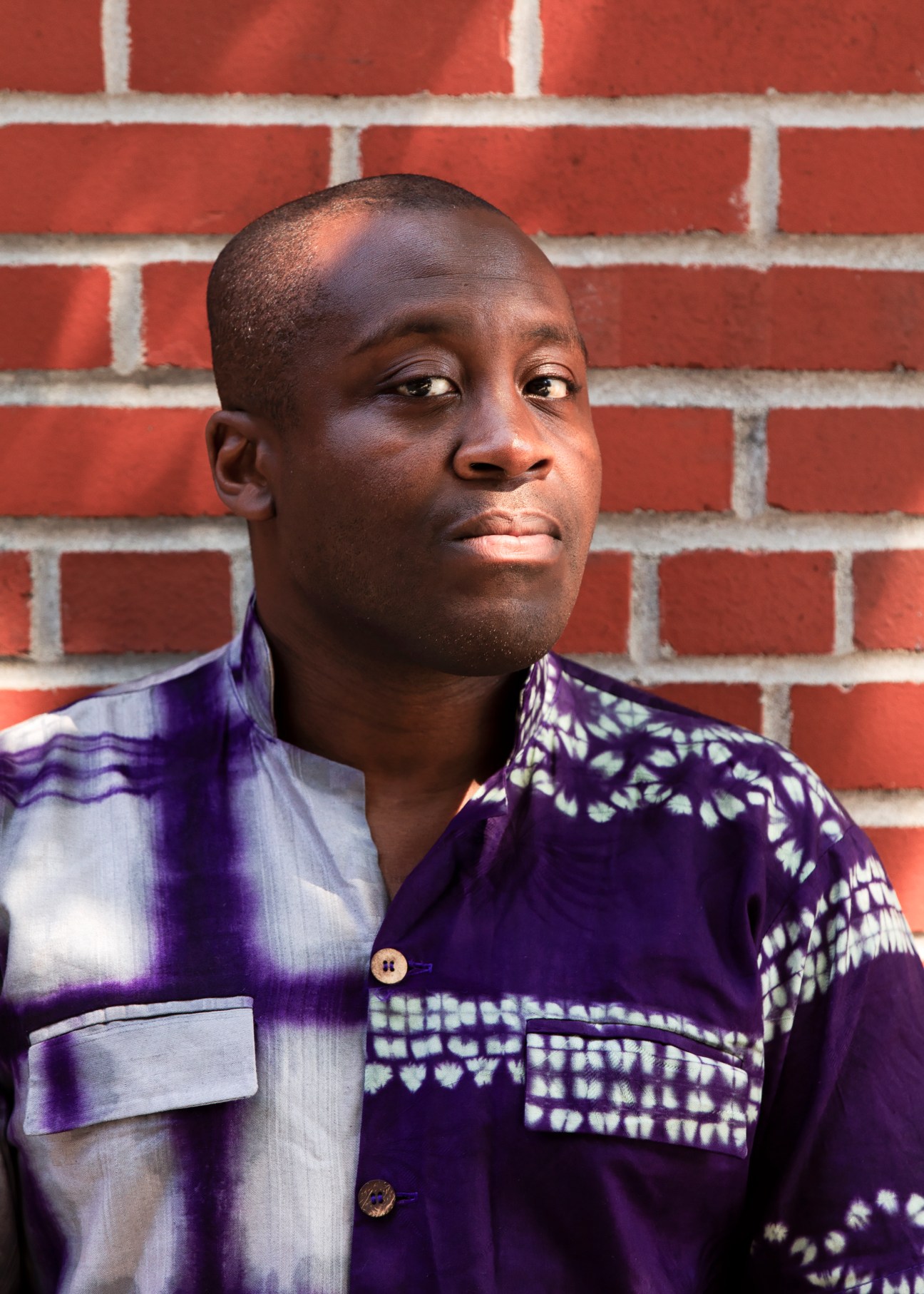
New York-based curator Larry Ossei-Mensah is one of the creatives heading up the seventh edition of the Athens Biennale. Under the guidance of Greek artistic director Poka-Yio, Ossei-Mensah and Berlin-based collective Omsk Social Club will provide a multitude of perspectives on the state of flux in society. Works by more than 80 artists from Greece, Africa and the Americas will be shown across three venues in central Athens.
Athens Biennale runs until 28 November
How did you get involved with the event?
I did a residency in Athens in 2019 through an organisation called Arc Athens. Poka-Yio approached me with this opportunity because of my perspective as a first-generation Ghanaian in the US. Poka-Yio wanted to expand the voices of first-generation communities who might be Afro-Greek or Greek-Thai. Being an outsider allows me to instigate conversations that would be a little bit more difficult if I lived there.
Why the title, ‘Eclipse’?
It’s about the transition happening in our world. We are centring voices that have historically been pushed to the periphery.
What fascinates you about Athens?
Its proximity to Europe, North Africa, Turkey and the Middle East makes for an interesting cultural combination. It’s a city that has many perspectives and histories. I’m interested in the challenges that come with that. How do we rethink the ability of different communities to contribute to a larger discourse?
Film
There’s plenty to lure cinema lovers back to the big screen this autumn.
Azor
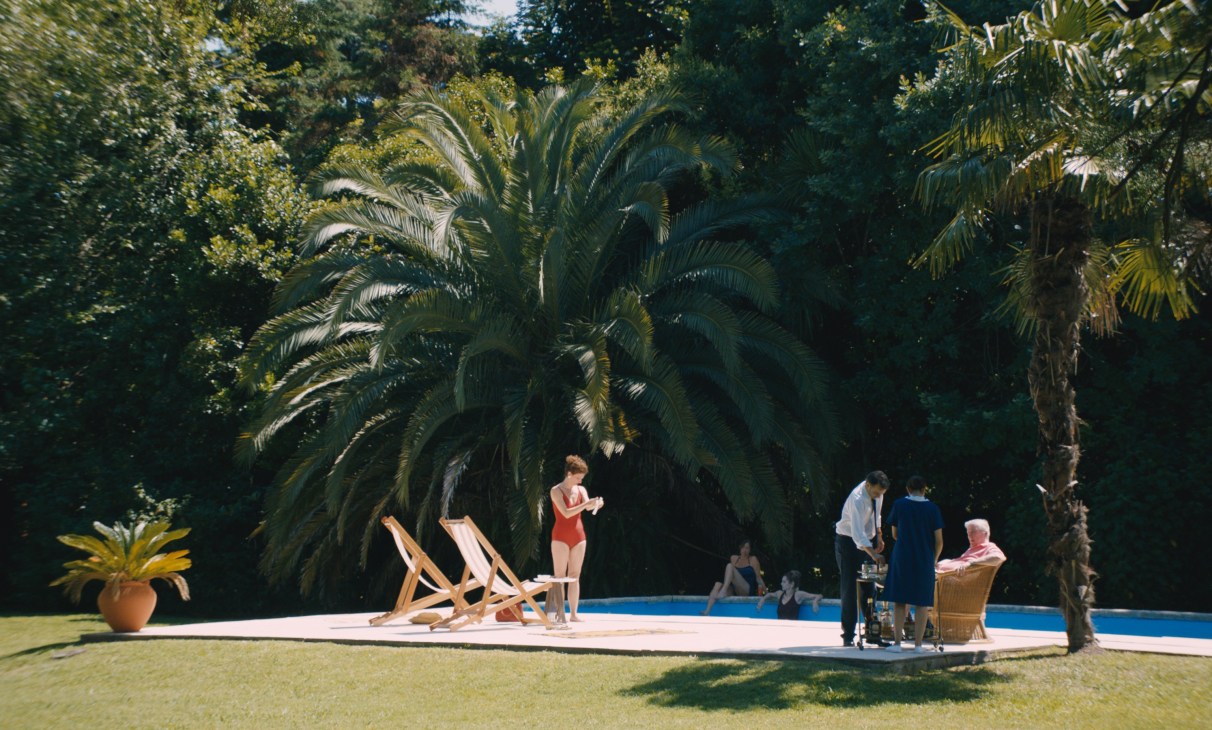
Imagine a version of Apocalypse Now that takes place in the world of private Swiss banking rather than the Vietnam War and you’ll get a sense of the tone of Andreas Fontana’s curious film. His debut feature follows a Genevan financier as he travels to 1980s Argentina to reassure anxious clients after his unscrupulous partner goes full Colonel Kurtz, disappearing without a trace. A story driven by period detail and character rather than suspense, it unfolds at a slow pace as the banker discovers the true cost of prospering in the brutal junta-led era.
‘Azor’ is released on 29 October
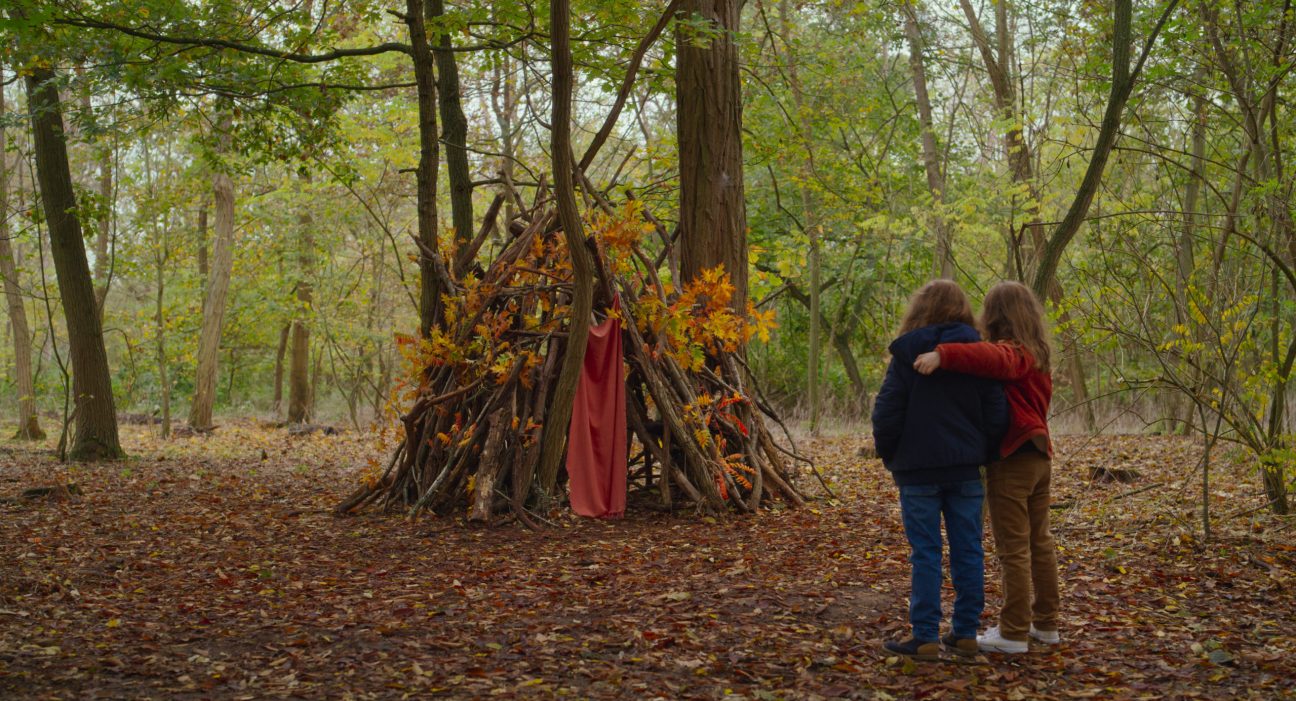
Petite Maman
Not a single shot nor line is wasted in writer-director Céline Sciamma’s beguiling new film. Despite its pithy 72-minute running time, it is suffused with more originality, joy and sadness than most films twice its length. Petite Maman reflects on the unbridgeable divide that separates parents from their children by imagining a world in which a lonely young girl is able to befriend her own mother as an eight-year-old. The film’s enchanting quality stems from the tender way it portrays every child’s wary curiosity and beautifully indulges the fantasy of being able to understand one’s parent – or child.
‘Petite Maman’ is released on 19 November
Drive My Car
In his latest film, director Ryusuke Hamaguchi takes a short story by Haruki Murakami for a cinematic spin. Or rather a long, unhurried ride, as he extends a 38-page tale into a sprawling three-hour film that claimed three major prizes at Cannes, including best screenplay. The running time is a testament to the complexities at the heart of the story. It revolves around a renowned actor and his newly hired chauffeur, who serves almost as a therapist as the actor processes painful memories. But the driver has issues from her own past, which emerge with time. Like any tale conceived by Murakami, the power stems from his ability to synthesise mystery with penetrating insight into the human condition.
‘Drive My Car’ is released on 19 November
Opinion
Rise of the rock doc
By Dan Einav
The mid-1960s might have been modern music’s golden age but with two new releases about bands from that era out this autumn – Peter Jackson’s The Beatles: Get Back and Todd Haynes’s The Velvet Underground – we might now find ourselves in the golden age of music documentaries.
Where they were once aimed at die-hard fans and nostalgia chasers, there’s now a sense that rockumentaries have found their place in the mainstream. Haynes’s artful and comprehensive history of the band that launched a thousand bands will stream on Apple TV1 and is just the latest case of major platforms and studios developing music documentaries by big-name directors. In the past 18 months, Apple has released features such as Spike Jonze’s Beastie Boys Story, RJ Cutler’s account of Billie Eilish’s rise to stardom and Asif Kapadia’s 1971; while Disney+ will follow Questlove’s Summer of Soul with Jackson’s forthcoming Fab Four mini-series. And let’s not forget Edgar Wright’s charming The Sparks Brothers.
Although these films might have been produced prior to the pandemic, their timing has meant that the screen has become a substitute for the inaccessible (back)stage. As globe-spanning tours continue to be hampered by restrictions, music documentaries are only ramping up the volume in terms of their appeal.
‘The Beatles: Get Back’ is released on 25 November; ‘The Velvet Underground’ is released on 15 October
Flee
Among an autumn release schedule littered with blockbuster reboots, Flee stands out as strikingly unique and intimate. It is, unhappily, very timely too. An animated “documentary” in the vein of 2008’s Waltz with Bashir, it centres on Amin, a Copenhagen-based Afghan refugee, as he recounts the ordeal that he and his family had to endure after escaping from their homeland. Beautiful illustrations provide a disarming perspective on the kind of scenes we are more accustomed to seeing on the news, while moments of hope – and humour – illuminate an otherwise dark tale.
‘Flee’ is released this autumn
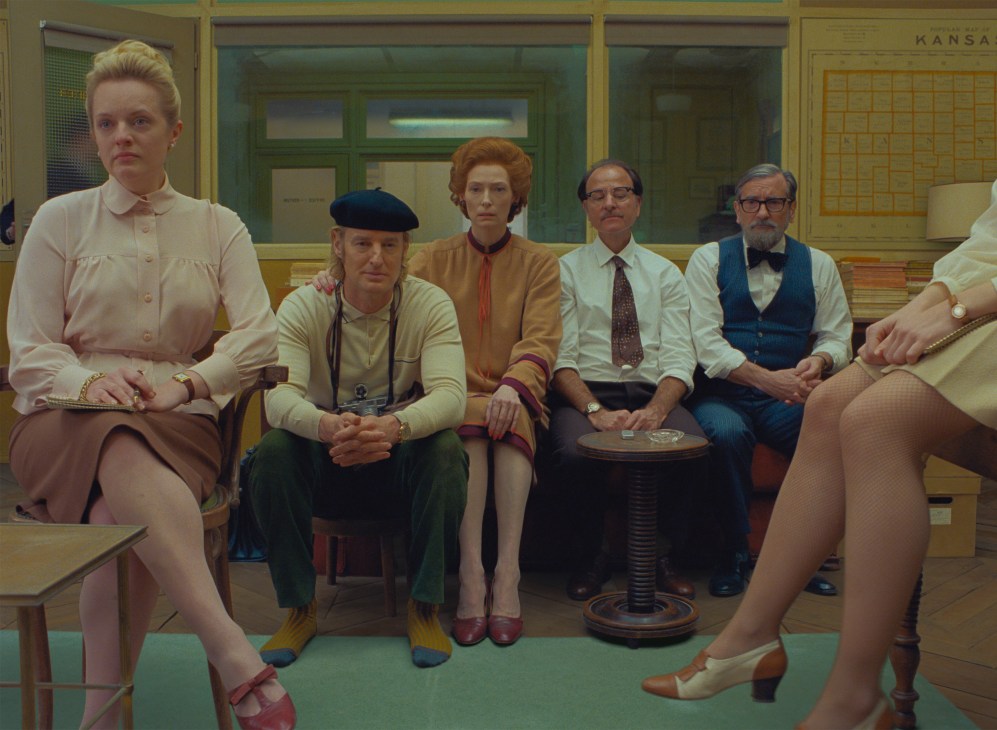
The French Dispatch
An ode to storytellers; a yearning for the romance of 20th-century Europe; a fastidiously realised world; saturated visuals; Bill Murray. In many ways, The French Dispatch sounds like the Platonic ideal of a Wes Anderson film. And the director’s first non-animated feature since 2014 will be irresistible for lovers of international magazines. The film is presented as a series of reports from expatriate journalists on assignment for the final issue of the eponymous publication, based in a fictional French town and largely inspired by the aesthetic of The New Yorker. The editorial team is made up of an exhaustive ensemble which includes Timothée Chalamet, Frances McDormand, Tilda Swinton and all of Anderson’s regular collaborators, making quite the star-filled masthead.
‘The French Dispatch’ is released on 22 October
Opinion
Worth their wait?
By Dan Einav
Mr Bond, we’ve been expecting you. Almost two years ago a trailer was released promising that the Cary Joji Fukunaga-directed, Phoebe Waller Bridge-scripted 25th instalment of the franchise would be coming soon. But then 007 was, at long last, pitted against an adversary he couldn’t overcome. The pandemic meant that the unveiling of the now unfortunately titled No Time to Die was pushed back three times, leaving expectant viewers frustrated, creaking cinema chains in financial turmoil and Daniel Craig wondering whether he would ever get the closure he craves from the role he’s abjured for almost a decade.
As the film – along with other stalled titles, including Dune – is finally ready to hit big screens, is there still much enthusiasm for these blockbusters in autumn 2021? A little wait might spark anticipation but a protracted one often breeds indifference or, worse, can amplify disappointment. Even if audiences do treat these releases as a symbolic return to normal cinema-going habits – as the studios and multiplexes are counting on – how could their expectations possibly be met by films that were deemed too good, too significant (or too profitable) for a limited or on-demand release? As those long-awaited dates draw near, fans might find that their excitement has been displaced by a dread of paying admission for watching last year’s news.
‘No Time to Die’ is released on 8 October; ‘Dune’ is released on 22 October
Q&A
Stéphanie Chuat and Véronique Reymond
Directors, ‘My Little Sister’
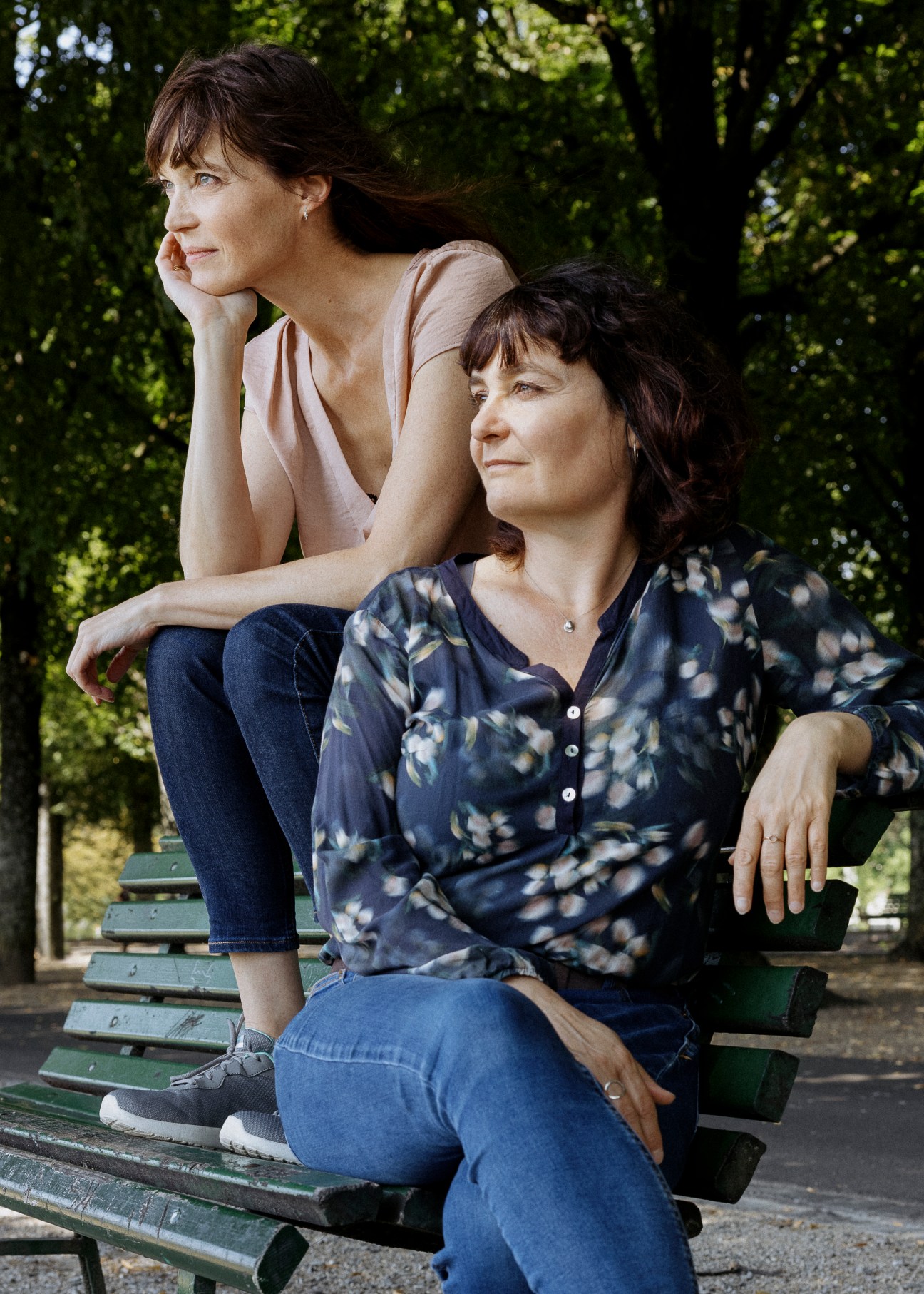
Swiss co-writers and directors Stéphanie Chuat and Véronique Reymond (pictured, Reymond on left) have known each other for decades, which surely helped when it came to developing the profound sense of intimacy at the heart of their new film, My Little Sister. This heart-rending, deftly executed movie is set across the Lausanne mountains and among the Berlin theatre community, following two siblings – a once-great scriptwriter and an actor – who try to rekindle their relationship and their creativity while one of them is terminally ill. Despite its tough subject matter, it is a tender, life-affirming film. The directors talked to Monocle about their creative processes while giving us an insight into why their country’s cinema scene might now be on the rise.
How much did your own friendship and collaborative experience enable you to paint a realistic portrait of togetherness?
SC: We have known each other since we were 10 years old. We are like soulmates, like sisters, and the film is really a transposition of this dynamic. The two of us have a common imaginative world that we can draw upon. I can share a memory with Véronique that only she will know. We haven’t experienced illness or separation but when you get older, you do start to have these questions such as, “What if one of us went?”
Yet the film never feels weighed down by darkness.
VR: It’s a very lively movie, full of hope. The whole story is about creativity. The brother is feeling that he is going away, so he’s putting all his energy into giving his sister her creativity back. It means that they can have a link after death. She is a survivor who finds her strength through this difficult moment. As strange as it might seem, when you are confronted by sickness and death you are more alive than ever, and that’s the essence we wanted to transmit in this movie. It’s about life.
Has co-directing ever proved problematic on set?
SC: We are completely in sync. We never have any conflict because we share the same vision; we are like four eyes. We never decide about who will do what because it’s really in the moment. Maybe it’s because we have been actresses ourselves but we are completely part of what is going on. We’re very different in the editing room but we never compromise. We discuss until we agree on the exact frame where we cut.
Do you think there’s a specific style of Swiss film-making that is distinct from your neighbours?
VR:People say that Swiss cinema has “many landscapes and few words”, which is the opposite of our film. There is no rule and I can’t say that there’s a Swiss cinematographic identity. It’s difficult to have one because of our language borders. We feel closer to French cinema, while Swiss Germans feel closer to German cinema. Until now, there hasn’t really been a film industry in Switzerland; Swiss film-makers have often gone abroad. But so much has changed due to streaming. It’s opening a new market: you can make a series in your own country and maybe viewers in the US will watch it.
How can the Swiss cinema industry grow and support its homegrown film-makers?
SC:We are a small country and cinema funding is often rooted in the government, which tries to help, unlike in the US where you go to a studio. We are very self-sustained here. For a few years there has been an initiative to help finance Swiss movies, called Pics, where you can receive up to 40 per cent of your budget depending on the number of Swiss people involved in your production. It’s a way to keep people working in Switzerland.
Television
The Nordic drama lifting the lid on the excesses of Oslo’s financiers.
Interview
Øystein Karlsen
Writer/director, ‘Exit’
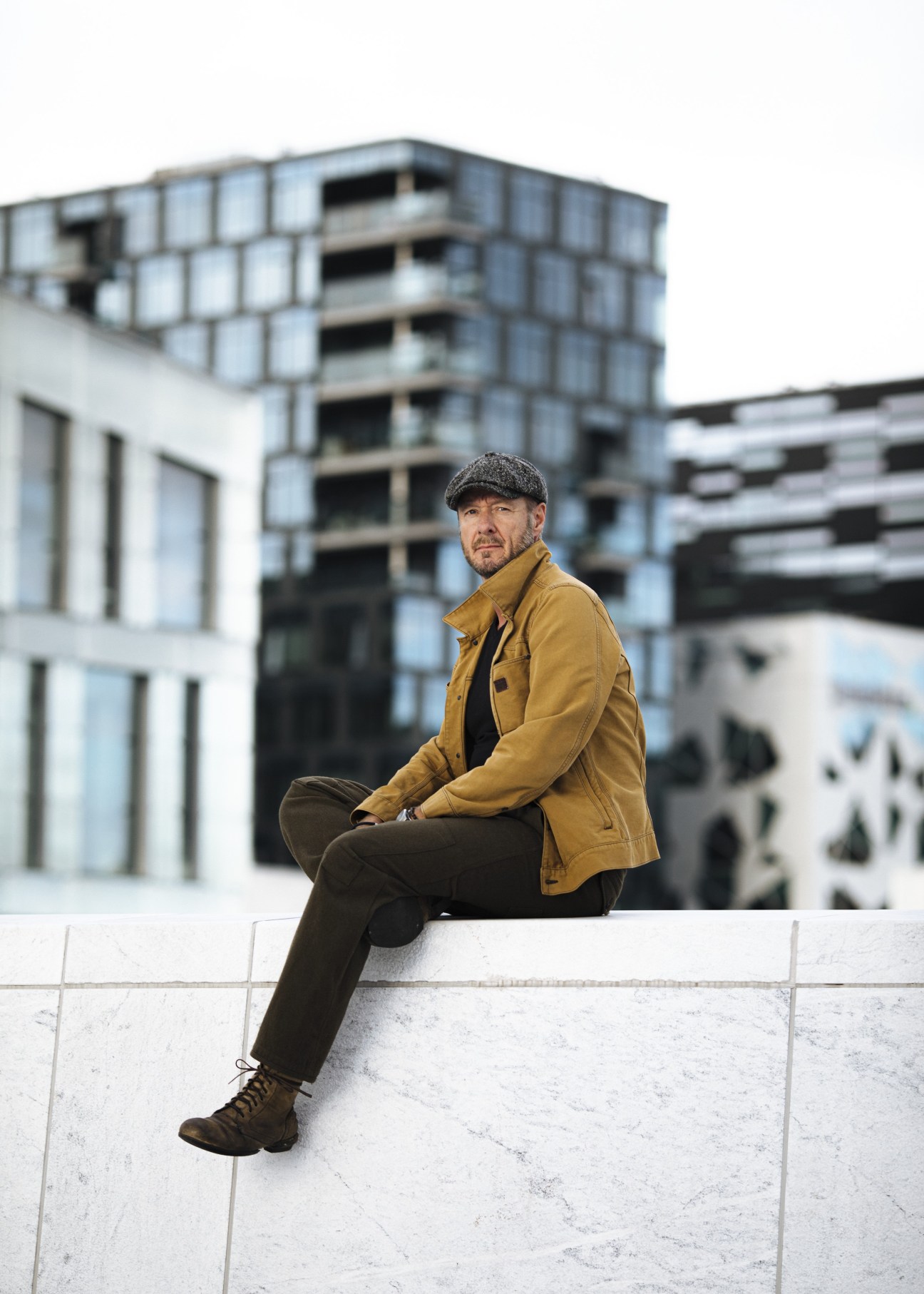
Every episode of the most talked-about series in Scandinavia pulls in viewing figures of two million people in Norway alone (half of the adult population). Produced by Norwegian national broadcaster NRK, Exit has recently completed its second season to great acclaim. Documenting the debauched lives and loves of four high-rolling, amoral Oslo financiers – male friends in their mid-thirties to mid-forties with serious drug, alcohol and call-girl habits – Exit is overturning Scandinavian perceptions of the Norwegians as innocent, slightly puritanical country cousins.
“What I found fascinating about these men is that all of them had more than nkr50m [€5m] in their bank accounts by their early twenties,” says series writer and director Øystein Karlsen. “I wondered what I would have become if that had been me?”
Karlsen’s characters are, by and large, fictionalised accounts of real people. In 2018 series producer Petter Testmann-Koch began research by interviewing four real-life Oslo financiers. He saw potential for a series in their shocking stories of debauchery and crime. However, the need for secrecy ruled out a documentary, so he approached NRK and Karlsen to make a drama instead.
Karlsen is still to meet the men on whom he based Jeppe (played by Jon Øigarden), Adam (Simon J Berger), Henrik (Tobias Santelmann) and William (Pål Sverre Hagen). “I didn’t want to meet them because if I liked them – they are smart, funny guys – it would be much harder to write,” he says.
So far, the Norwegian media’s attempts to discover the men who inspired the series have failed, although fingers have been pointed at a number of prominent moneymen. “I sent the scripts to the economic-crime police in Oslo for a fact check because I was worried I’d gone too far,” says Karlsen. “They just laughed and said I was going to have to go a lot further to compete with reality.”
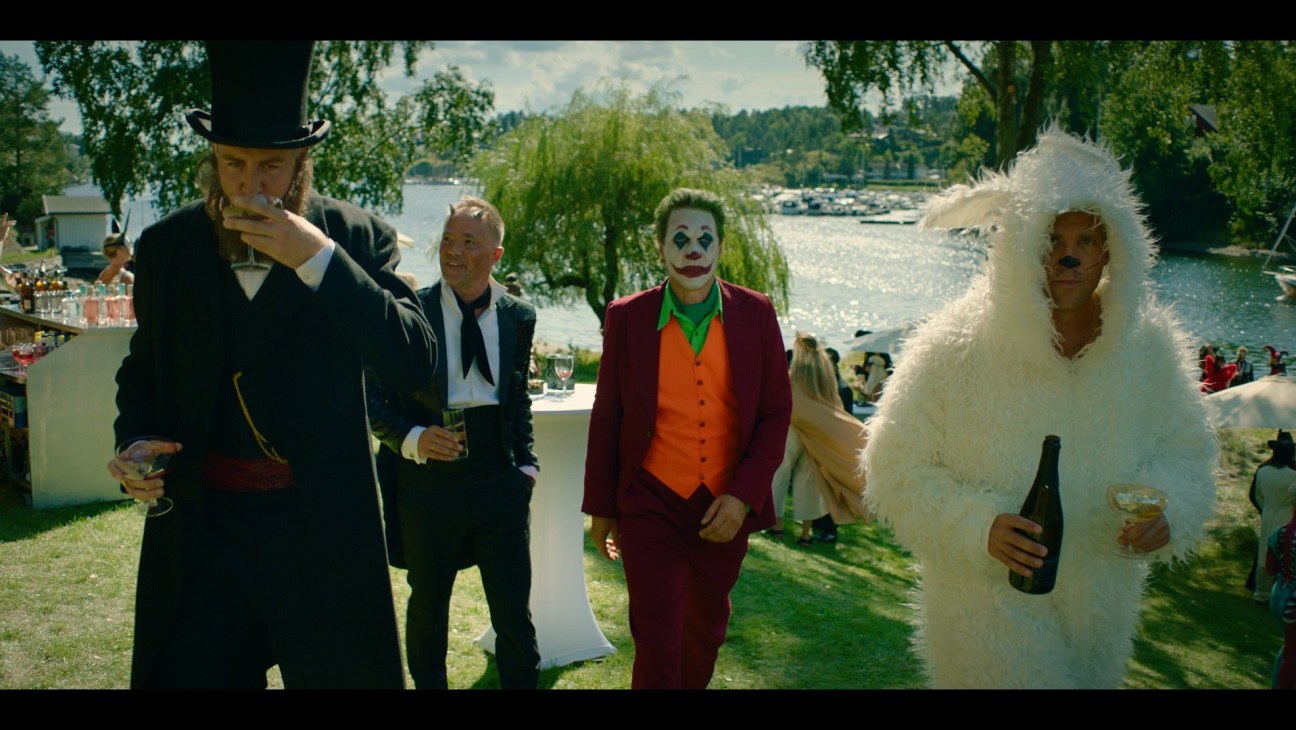
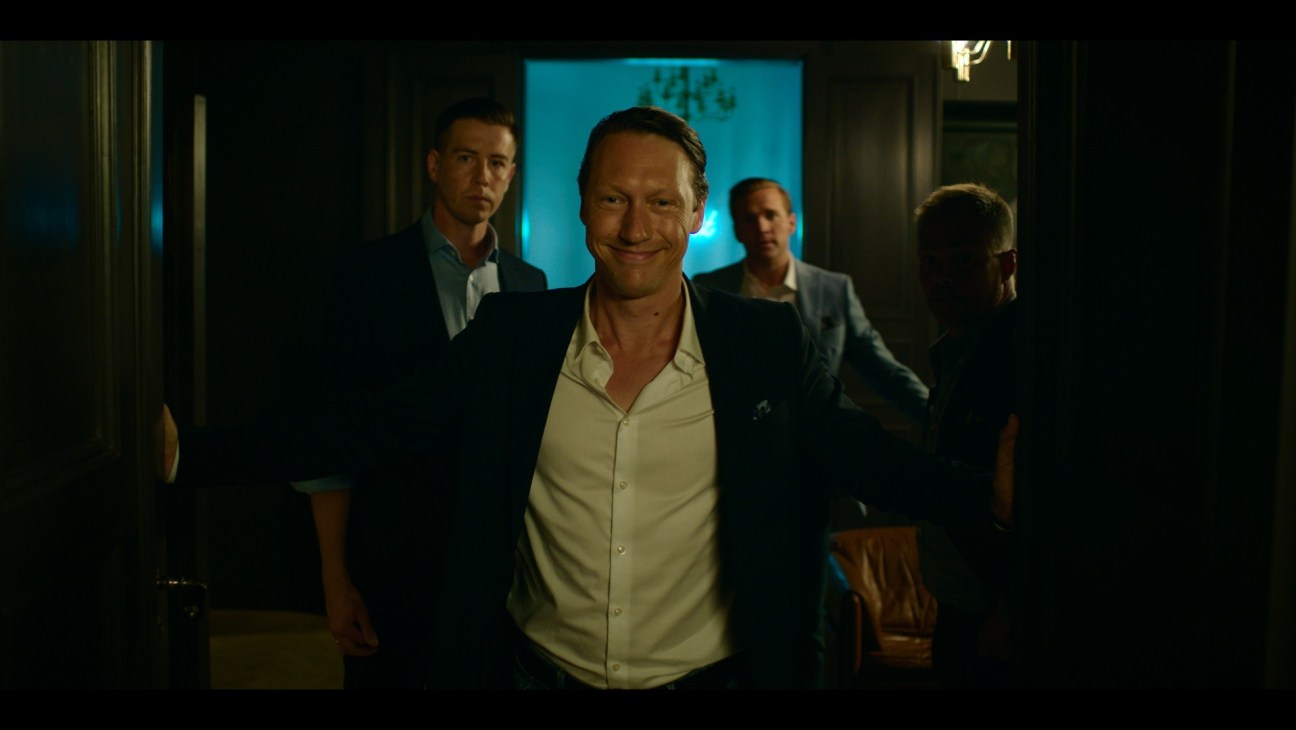
Unlike most modern Norwegian series, Exit has a glossy look. It is shot in locations that its characters would probably frequent, such as the Thief Hotel’s rooftop bar. “We knew we had to get all the details right: the watches, the cars, the shoes,” says Karlsen. In fact, the only criticism from the men who inspired Exit concerned these issues: the wine they drank or the colour of their credit cards. Apart from that, they are apparently revelling in their anonymous notoriety.
One challenge for Karlsen was the lack of any characters for the audience to empathise with. “That’s what’s amazing about this being a success,” he says. “Until Hermine [Adam’s estranged wife] starts her revenge, there is no one to root for. But it was important that the show doesn’t point a moral finger at these men. You have to understand where their decisions come from. That’s what creates the likability, that glimpse of humanity: to see that they are also trapped in that hierarchical society on a downward spiral.”
Opinion
TV’s scare tactics
By Jamie Waters
Want to succeed in the cut-throat video-on-demand market? Try scaring people. Shudder, a horror streaming platform, grew at pace in 2020, surpassing one million subscribers towards the end of the year, and its momentum has continued in 2021. “When we talk about how big the audience for Shudder is, we ask, ‘How many people bought a Stephen King book?’” says Shudder’s general manager Craig Engler. “King isn’t just the bestselling horror author of all time, he’s one of the bestselling authors full stop. Fear is universal.”
Owned by New York conglomerate AMC Networks, Shudder was launched in 2015 but its genre of choice is now enjoying a purple patch. The demand for frightening fare intensified during the pandemic: in April 2020, Shudder registered a record number of new subscribers and, in mid-2020, Host, its film about a seance via video conference, became one of the most talked-about movies to be shot and released during lockdown. Other platforms are capitalising too: Screambox is a smaller horror-on-demand service; and Wild West, a French production company focusing on horror and fantasy, launched in June. For $5.99 (€5) a month, Shudder is terrifying an equal mix of male and female viewers, mostly aged 18 to 34. Some are horror buffs but others are “more casual” fans simply looking for more variety than you’ll find on Netflix or Amazon. Engler calls it an “add-on service”. Call it a streaming – or is that screaming? – success.
Lust
Sofia Helin, best known for playing homicide detective Saga Norén in hit Scandi noir The Bridge, will star in a Swedish comedy about four women over the age of 40 who are trying to improve their sex lives while dealing with the tribulations of everyday life. Written by Frans Milisic Wiklund and co-starring Elin Klinga, Julia Dufvenius and Anja Lundqvist, the series promises to hold up a mirror to middle-aged desire and poke fun at its all-too-relatable frustrations.
The Informant
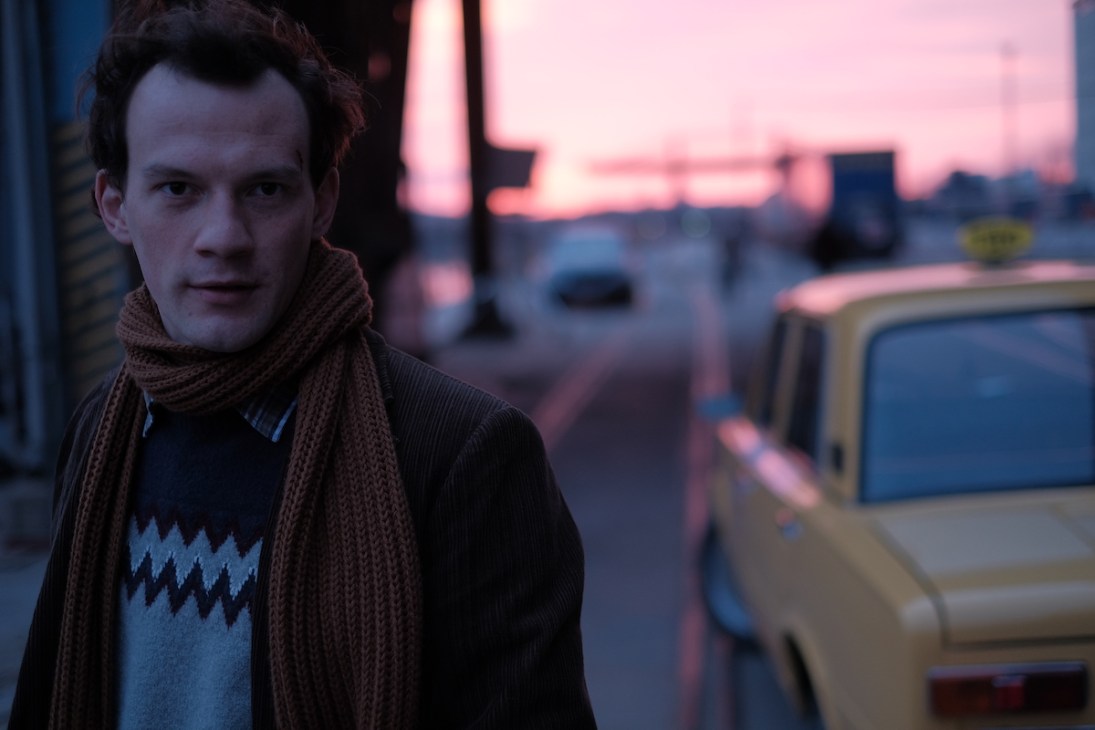
A young, energetic cast lights up this new Hungarian political thriller commissioned by HBO Europe. Written and co-directed by Bálint Szentgyörgyi, The Informant transports us back to the 1980s, when Hungary was a member of the repressive Soviet Eastern Bloc. It follows student Geri, who is living a double life as a spy and is forced by the authorities to slip information about his politically active peers to the state security department.
Todo lo Otro
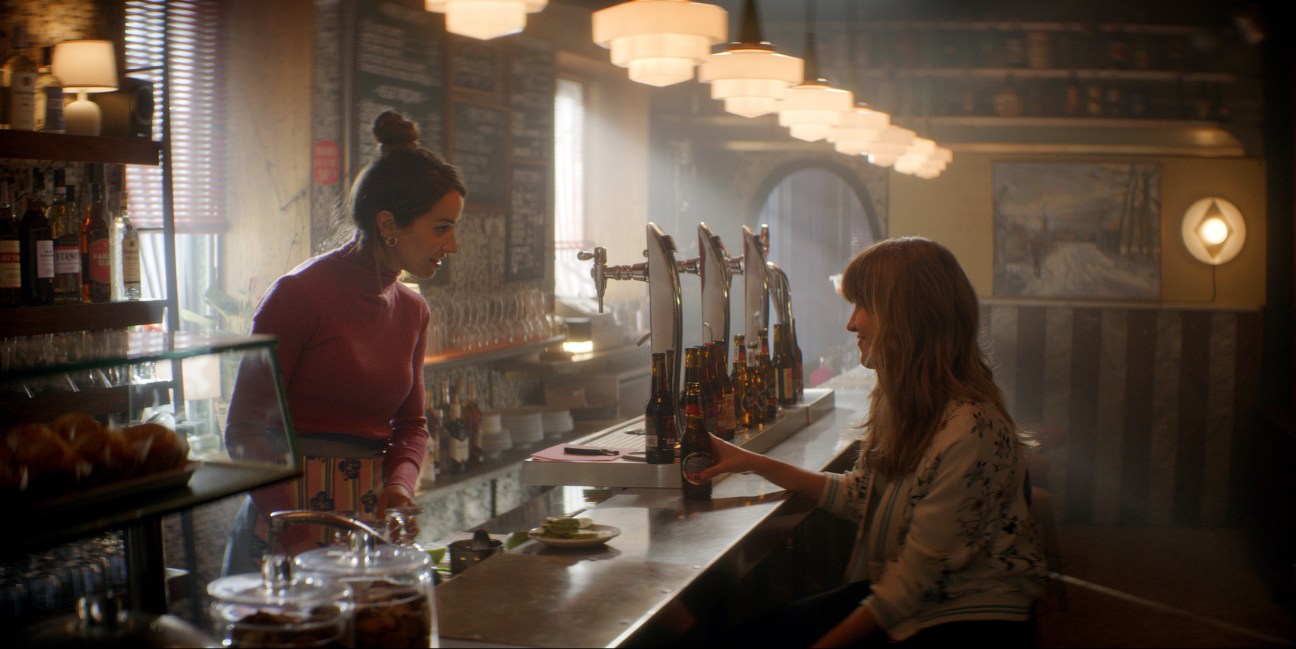
This Spanish series, written and directed by Catalonian actress Abril Zamora, who you might recognise from Carlos Montero’s recent Netflix thriller The Mess You Leave Behind, follows a group of thirtysomethings in Madrid who haven’t quite achieved – or even decided on – their life goals. Zamora stars as disaffected lead protagonist Dafne, alongside Juan Blanco, David Matarín, Nuria Herrero and others. Over the course of eight episodes, the series’ minimalist, naturalistic style makes viewers feel as though they’re intruding on the private lives of others.
Books
This season’s literary highlights offer life lessons for turbulent times.
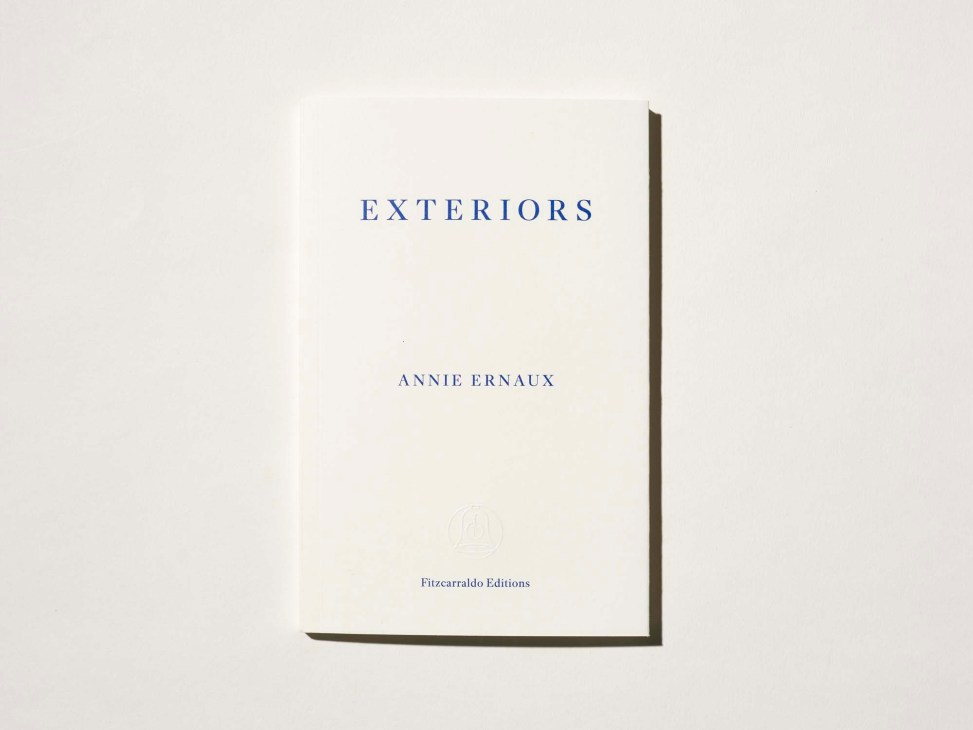
Exteriors
Annie Ernaux
The latest of the acclaimed French writer’s works to be issued by independent publisher Fitzcarraldo Editions, Exteriors, translated into English by Tanya Leslie, takes modern life in the outskirts of Paris as its subject. Composed of journal entries written over a period of seven years, the book is at once lyrical and unruly. It’s a story of fleeting encounters, overheard conversations and clear-sighted observations that will make you pay attention to the seemingly ephemeral details of ordinary life.
‘Exteriors’ is published on 28 September
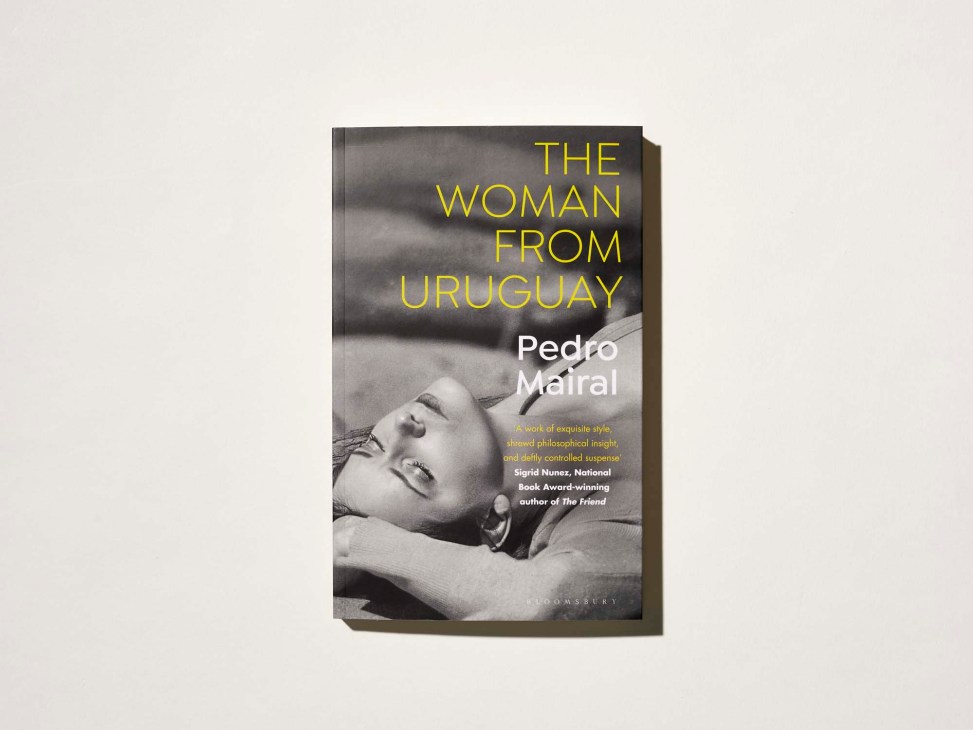
The Woman from Uruguay
Pedro Mairal
This slender new novel from Argentinian author Pedro Mairal, translated by Jennifer Croft, tells the story of what might be the single most eventful day of Lucas Pereyra’s life. An unhappily married and unemployed writer in his forties, Pereyra sets off on a day trip from Buenos Aires to Montevideo to collect a potentially game-changing cash advance for his new novel. While there he hopes to see a Uruguayan woman whom he met several months earlier. This is a shrewd, thought-provoking tale of relationships, agency and desire.
‘The Woman from Uruguay’ is published on 11 November
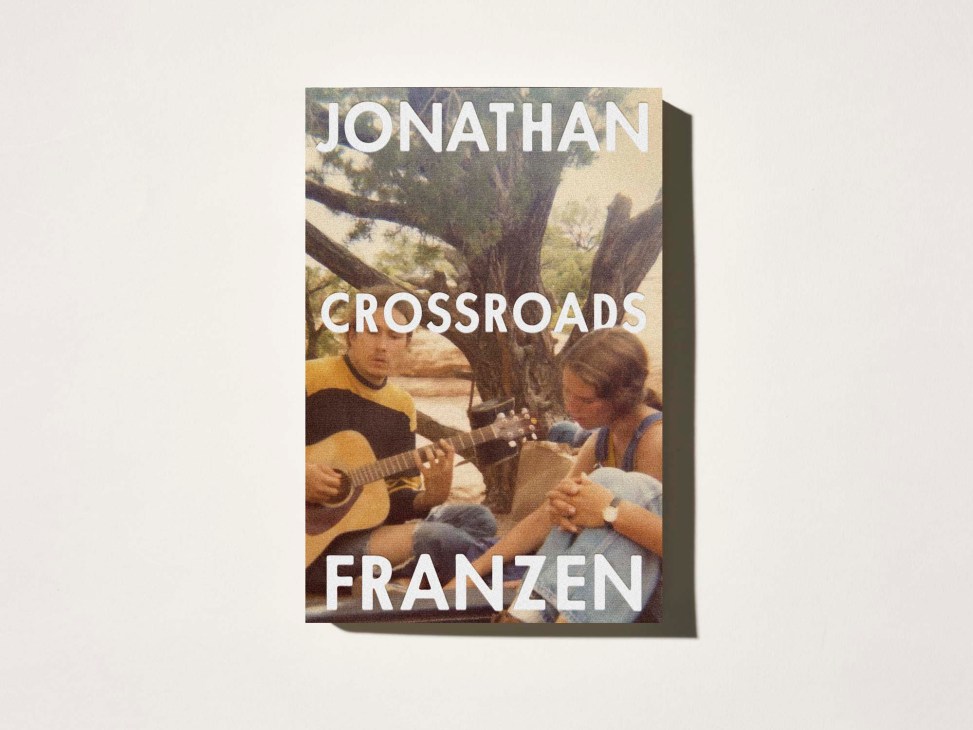
Crossroads
Jonathan Franzen
The first volume in Jonathan Franzen’s new trilogy is a detailed family portrait – a mode of storytelling that has long been the American novelist’s strong suit. Crossroads follows the Hildebrandts in the early 1970s: Russ, a suburban pastor, is preoccupied by his feud with a colleague and the attraction that he feels towards a new parishioner. His wife, Marion, is struggling with her own demons, as are their children. Clem is at university but wonders whether he should be serving in Vietnam; Becky is unsure what to do with an unexpected inheritance; and Perry is always stoned. As attuned to the cultural shifts of the era as he is to the inner battles of his protagonists, Franzen is on fine form here.
‘Crossroads’ is published on 5 October
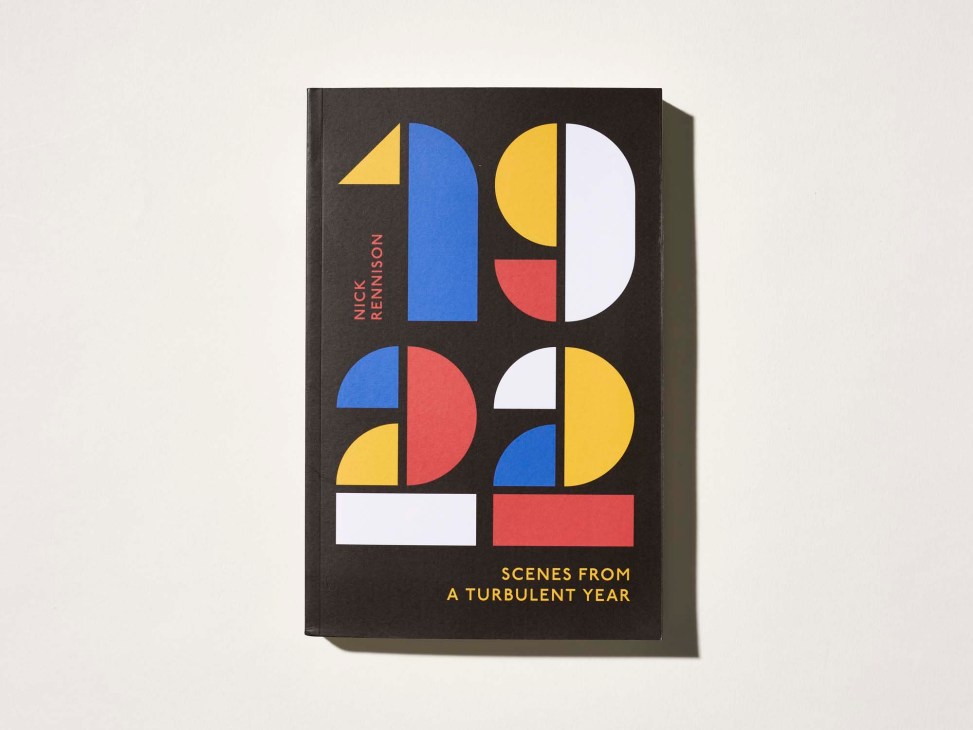
1922: Scenes from a Turbulent Year
Nick Rennison
Writer and editor Nick Rennison promises to take readers for a ride through 12 roller-coaster months. The year is 1922: the Ottoman Empire is ending, the Soviet Union beginning and Benito Mussolini’s Italy is becoming the first fascist state. There’s Prohibition and the Jazz Age, the arrival of radio and the publication of literary masterpieces such as Ulysses by James Joyce. In a series of compelling sketches, Rennison whisks us through the highs and lows of one of modern history’s most eventful years. Almost a century later, there are plenty of uncanny parallels and lessons to learn.
‘1922’ is published on 18 November
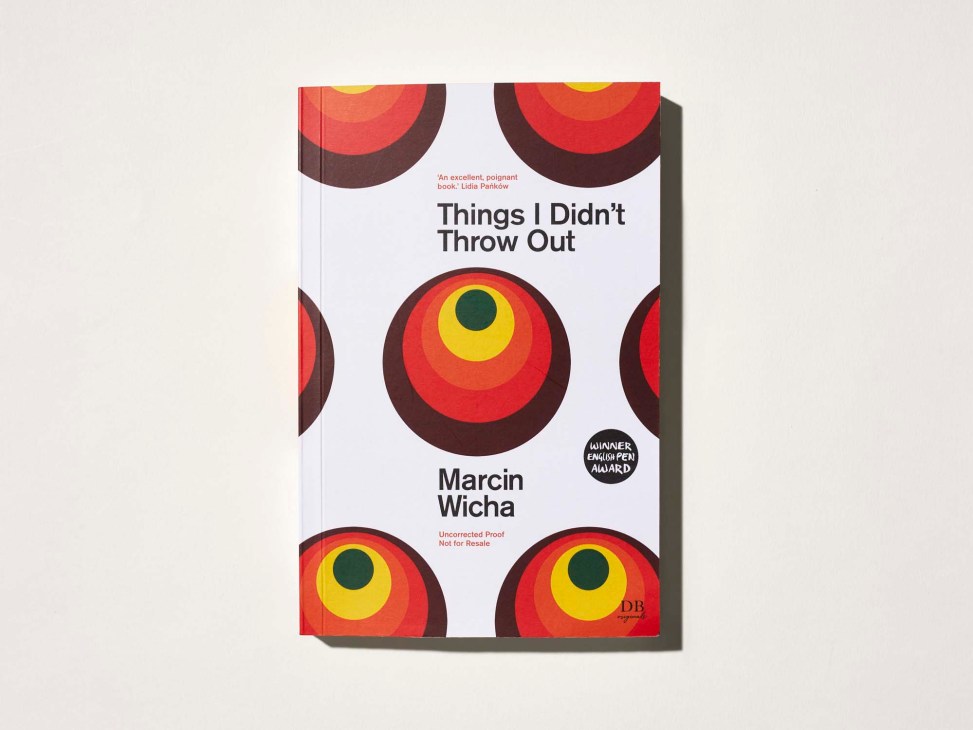
Things I Didn’t Throw Out
Marcin Wicha
In this funny and tender memoir, Warsaw-born writer Marcin Wicha paints a vivid portrait of his mother, Joanna, through the everyday objects that she left behind in her apartment when she died. Under communist rule following the Second World War, money and belongings were scarce. What Joanna chose to buy and hold onto – from paperbacks and pencils to torches and penknives – tells a poignant story of both her life and contemporary Poland.
‘Things I Didn’t Throw Out’ is published on 14 October
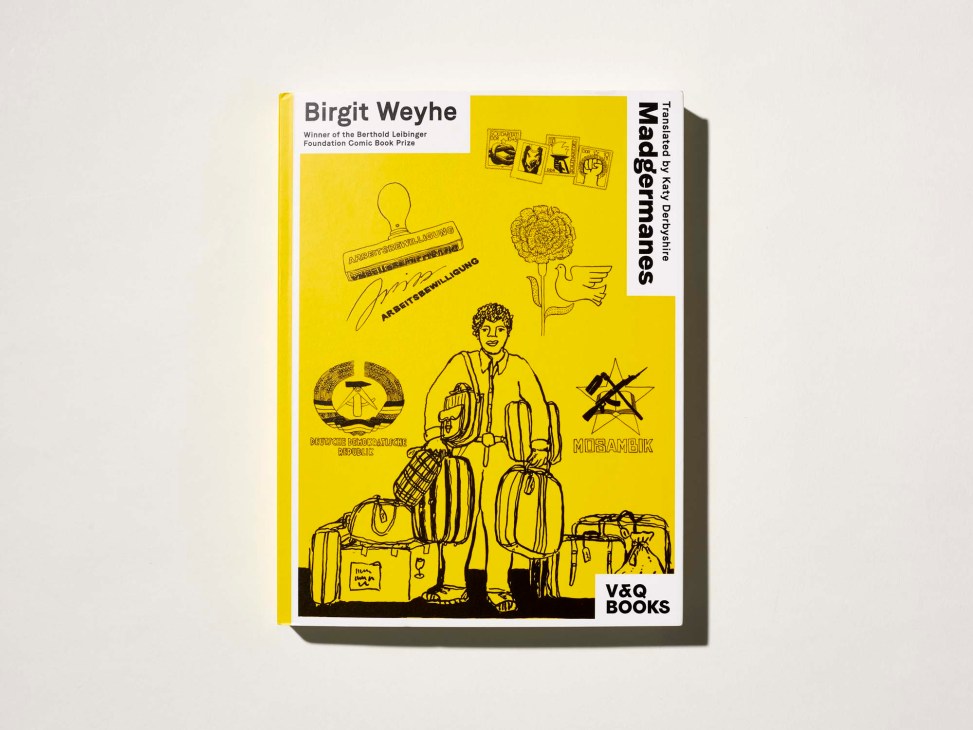
Madgermanes
Birgit Weyhe
This graphic novel is named after the 20,000 Mozambican labourers who came to work in the German Democratic Republic in the late 1970s. Known as “Madgermanes”, these contract workers lost their residency status and any hope of compensation when the Berlin Wall fell. Shifting between autobiography, documentary and fiction, this is a moving story of identity, migration and people’s sense of belonging.
‘Madgermanes’ is published on 1 October
Music
Keep the cold at bay by plugging into the hottest new sounds.

Pop Psychédélique
Various artists
French pop has never gone out of style and this new compilation, which spans music from 1964 to 2019, is all the proof you need. The double album brings together hits by pioneers such as Serge Gainsbourg and Jacqueline Taïeb with those by more modern acts such as Air and Stereolab, taking you on a chic journey through the freakier side of the country’s pop scene. Starting with Brigitte Bardot’s “Contact” and finishing with Fatboy Slim’s remix of “Psyche Rock” by Pierre Henry, it’s a perfect record to stick on late at night when your dinner party inevitably descends into a lounge disco.
‘Pop Psychédélique’ is released on 1 October
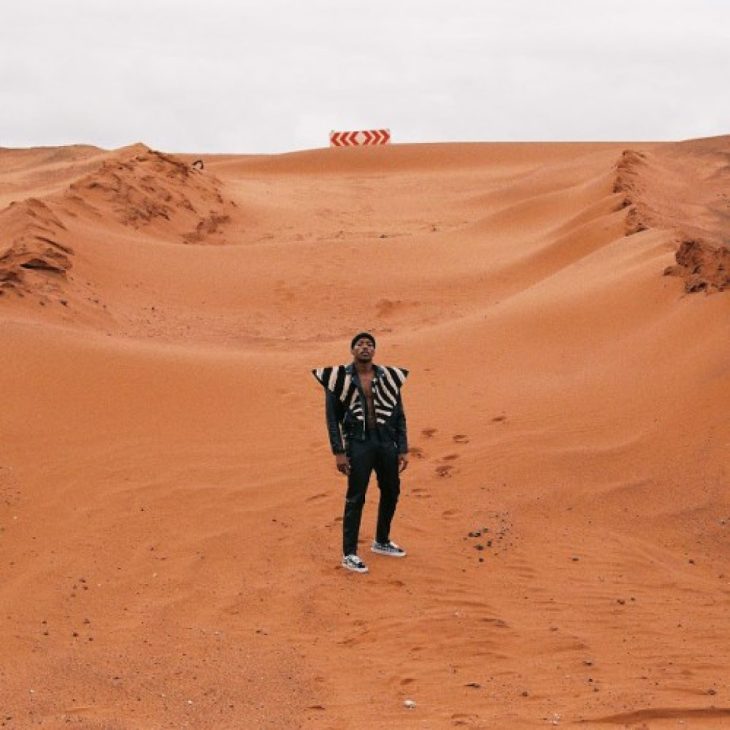
Interblaktic
Muzi
South African producer, DJ and singer Muzi’s fourth album is an infectious mix of synth pop and electro Afro-futurism, heavily inspired by the nation’s bubble-gum rhythms of the 1980s. The frenetic Chicago house beats of title track “Interblaktic” are a highlight, as is the suave duet with Mozambican musician Deltino Guerreiro in “The Traveller”. Meanwhile, the catchy “Juice” is guaranteed to transport you to a sunnier place.
‘Interblaktic’ is released on 1 October

Mercurial World
Magdalena Bay
Los Angeles-based duo Magdalena Bay’s debut album is an upbeat delight that evokes the soundscapes of retro video games. Here they show that they know how to have fun: there’s the over-the-top hyper-pop of “Halfway” and “Follow the Leader”, as well as the charming, modern-day cruise music of “Hysterical Us”. Single “Secrets (Your Fire)” is another fine example of how the band is rethinking and modernising vintage beats. This is a colourful, promising first effort: Magdalena Bay might well be filling out arenas very soon.
‘Mercurial World’ is released on 8 October
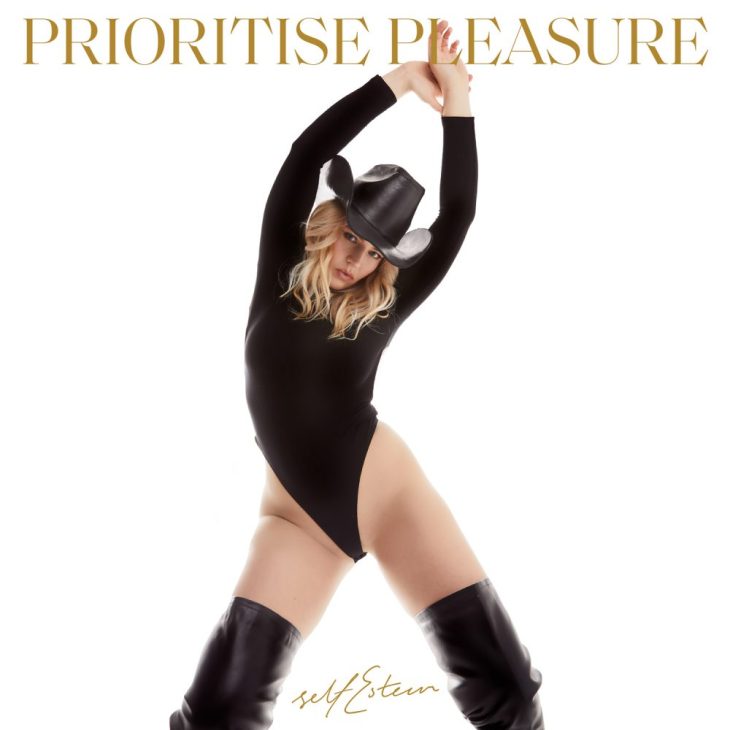
Prioritise Pleasure
Self Esteem
Some might know Self Esteem (aka Rebecca Lucy Taylor) as half of indie-folk duo Slow Club but on her own she makes music of an altogether different genre. This follow-up to her 2019 debut, Compliments Please, is another slice of indulgent, energetic pop. Prioritise Pleasure combines excellent, high-octane songs such as “Moody” with straight-up ballads such as “How Can I Help You”. Title track “Prioritise Pleasure” is a wonderful explosion of electro-pop refrains. “I Do This All the Time” is a homage to cult Baz Luhrmann track “Everybody’s Free (To Wear Sunscreen)” and Self Esteem impressively manages to pull it off.
‘Prioritise Pleasure’ is released on 22 October
Opinion
P-pop is Asia’s next big thing
By Fernando Augusto Pacheco
P-pop, or Pinoy pop, is the Filipino answer to K-pop. It’s the ideal gateway for those who want to delve into the contemporary music of the Philippines, a country that is rapidly becoming a musical powerhouse in southeast Asia. Though South Korea’s boy and girl bands have clearly influenced the genre, P-pop has its roots in the 1960s. Today all the elements are in place for the movement to achieve international success. With budgets growing, P-pop is becoming increasingly professional; a tell-tale sign is its stars’ slick hairstyles, which now rival those of the best South Korean or Japanese acts. Girl band MNL48, which has 48 members, and five-piece boy band SB19 are among the most popular. Expect top choreography, upbeat tracks and a few moving ballads for good measure. If gentle and earnest is how you like your music, Ben & Ben should be on your radar: their mellow acoustic tracks made them the most streamed artists in the Philippines last year. It sounds like artists in the karaoke-obsessed country might soon be finding a global audience.
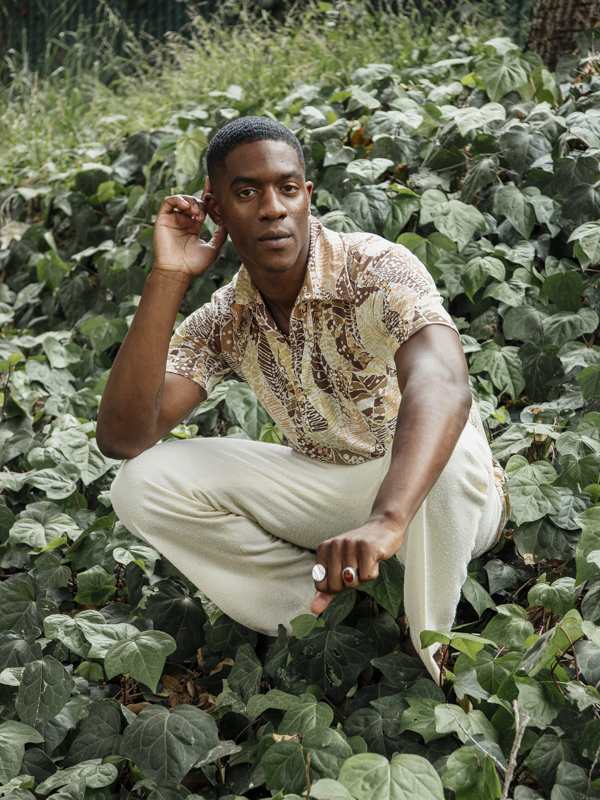
Profile:
Sunni Colón
With his ethereal lyrics and soft rhythms inspired by Brazilian bossa, Afrobeat and 1970s jazz-funk, Sunni Colón’s forthcoming (as yet untitled) EP promises to be a suave set. The Los Angeles-born musician says that he wanted singles such as “Provide” to “work like an internal light. Its optimism shows you the headspace I was in when I wrote it.”
After bursting onto the scene in 2016 with his debut EP, Thierry Disko, Colón moved to Paris to work on his follow-up record, Satin Psicodelic. Now he has returned to Los Angeles, which he calls a “great place to be a creative”, for a new project due in autumn. More than just an album, it will also feature short films directed by Colón. This isn’t a first for the musician: he has already directed videos for earlier singles “Psicodelic” and “Provide”. That’s not all that will be keeping him busy: he also has plans to launch a fragrance. Monocle looks forward to what sounds and smells he comes up with.
Colón’s new EP and project will be released this autumn
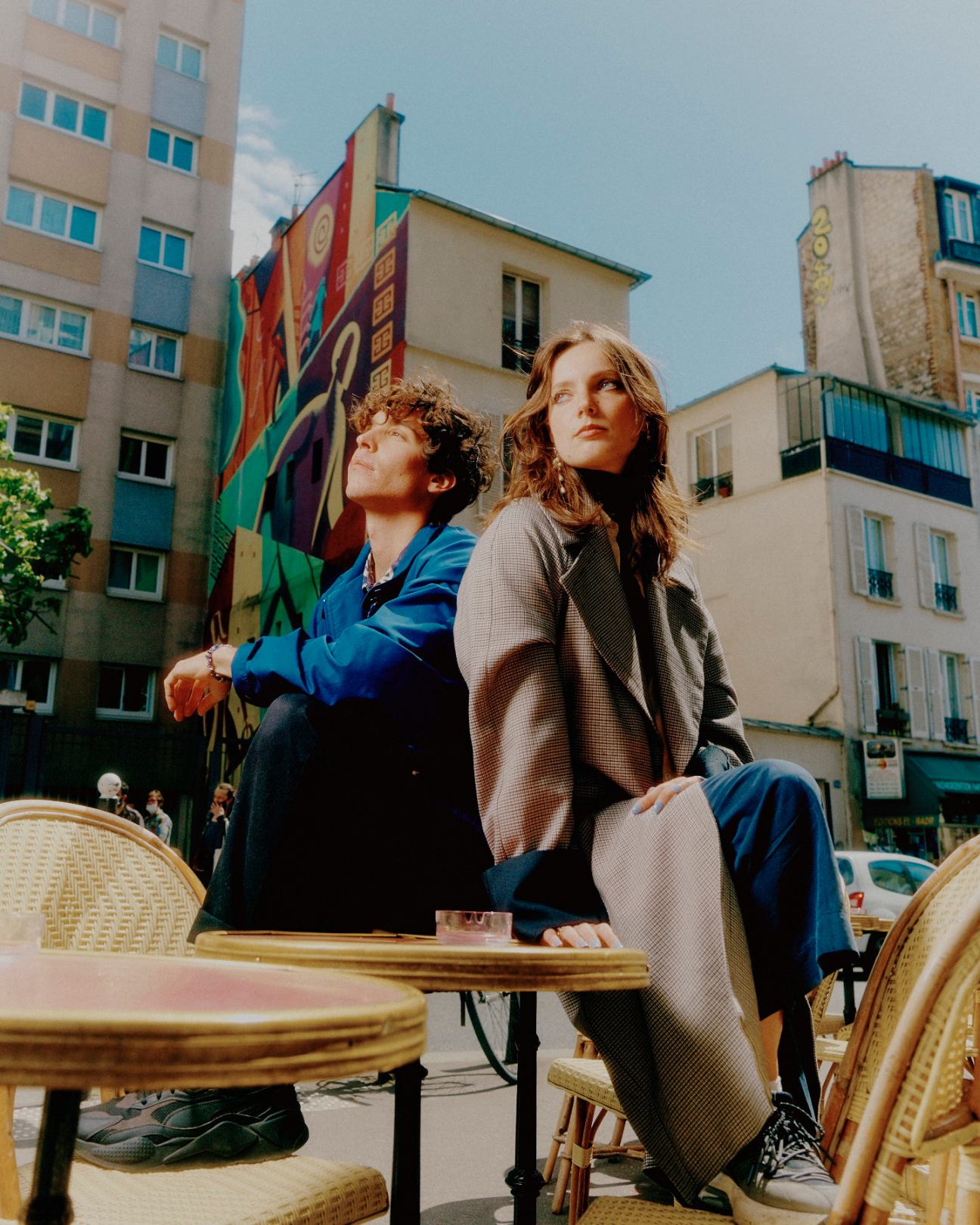
Profile:
The Pirouettes
“I don’t know why but we’ve always done upbeat songs,” says Vickie Chérie of Parisian electro-pop duo The Pirouettes. “Dance is important in our music.” With a tour booked for autumn, they’re feeling optimistic.
The Pirouettes formed in 2011 when Chérie and Léo Bear Creek fell in love at school in Annecy and started writing songs inspired by France Gall, Michel Berger and Serge Gainsbourg. Soon they landed in Paris’s flourishing music scene and released two albums of enchanting 1980s-inspired synth pop, Carrément Carrément and Monopolis.
This year’s Équilibre came with the news that they are no longer a couple. The break-up evidently provided plenty of material: their third and likely final album is their most personal yet and this season’s tour will be a poignant farewell before they embark on solo projects. While the album’s themes might be melancholic, the music is anything but. “We always want to add a catchy chorus, something that gets us going,” says Léo. “I hope people feel that when they listen.”
The Pirouettes’ tour starts on 20 October
Opinion
Festivals are back
By Bob van Heur, founder and artistic director of Utrecht’s Le Guess Who? festival
People are very excited about this year’s Le Guess Who? festival. Bands are excited too. We have already sold quite a few tickets abroad. We don’t know exactly how things will pan out: it makes us a little nervous that there are so many uncertainties and variables. But the silver lining of all of this is that it has made us think differently. We’re not on autopilot any more. We are adapting the programme this year so that people in the audience will have more time between acts. Hopefully this will also give them more opportunities to meet people. And it’s likely that our daytime programme will become bigger and run from earlier in the day. We are constantly adapting but the crucial thing for us is that people still get to watch a lot of interesting artists who have important things to say. I’m particularly looking forward to seeing UK rapper and singer Pa Salieu and 15-member supergroup Damon Locks’ Black Monument Ensemble.
Le Guess Who? festival runs from 11 to 14 November
Still life: Tony Hay
Conserve and protect
For decades, hundreds of thousands of the Louvre’s collection of 620,000 works have been stored in the former royal palace’s basements in Paris. Hidden in the depths of the city, away from prying eyes, they were meant to be totally safe – but a new threat is flooding in. Like many rivers around Europe, the Seine has become prone to swelling and that has raised tough questions about how to keep the artistic bounty intact. In 2016 heavy rainfall forced the museum to close its doors. As staff rushed to transfer masterpieces to higher floors, many realised that climate change would soon threaten the Louvre again. “We are fortunate to keep one of the world’s finest collections of ancient art and archaeology; it’s a huge honour,” said former Louvre president-director Jean-Luc Martinez a few years later, as he unveiled a new storage location for the works. “We must preserve this heritage in order to pass it on to future generations.”
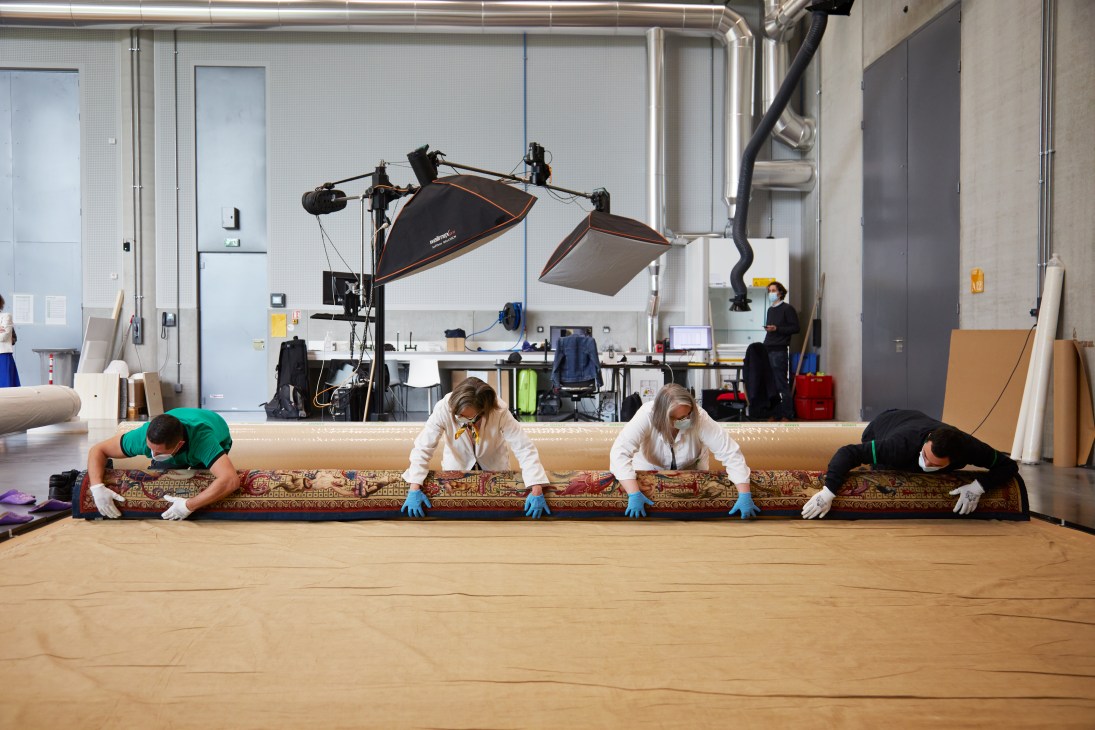
The venue he was inaugurating, the Louvre Conservation Centre, seeks to provide a permanent solution to that problem. Located in the former coal-mining town of Liévin, north of Paris, the building is set to receive up to 300,000 artworks for safekeeping by 2024, including the transfer over the course of this season of the 150,000 objects most at risk. In 2019, when the centre first opened its doors, Martinez declared it “the biggest move in the entire history of the Louvre”. Yet, aside from the trucks regularly pulling up by the centre, Liévin retains a sleepy air that belies the magnitude of the task inside this huge concrete box.
Seen from the town’s cluster of terraced workers’ houses, the building, designed by UK architects Rogers Stirk Harbour + Partners, feels imposing. A closer look reveals design details that help it blend into the landscape. Topped with a green roof, it is surrounded by a series of manicured parks that extend from the nearby Louvre-Lens Museum, the Louvre’s first regional offshoot, which opened in 2012 in an attempt to transform this post-industrial northern region. Slag heaps towering in the distance, though, are a reminder that the area’s history as France’s fossil-fuel heartland hasn’t been eradicated.
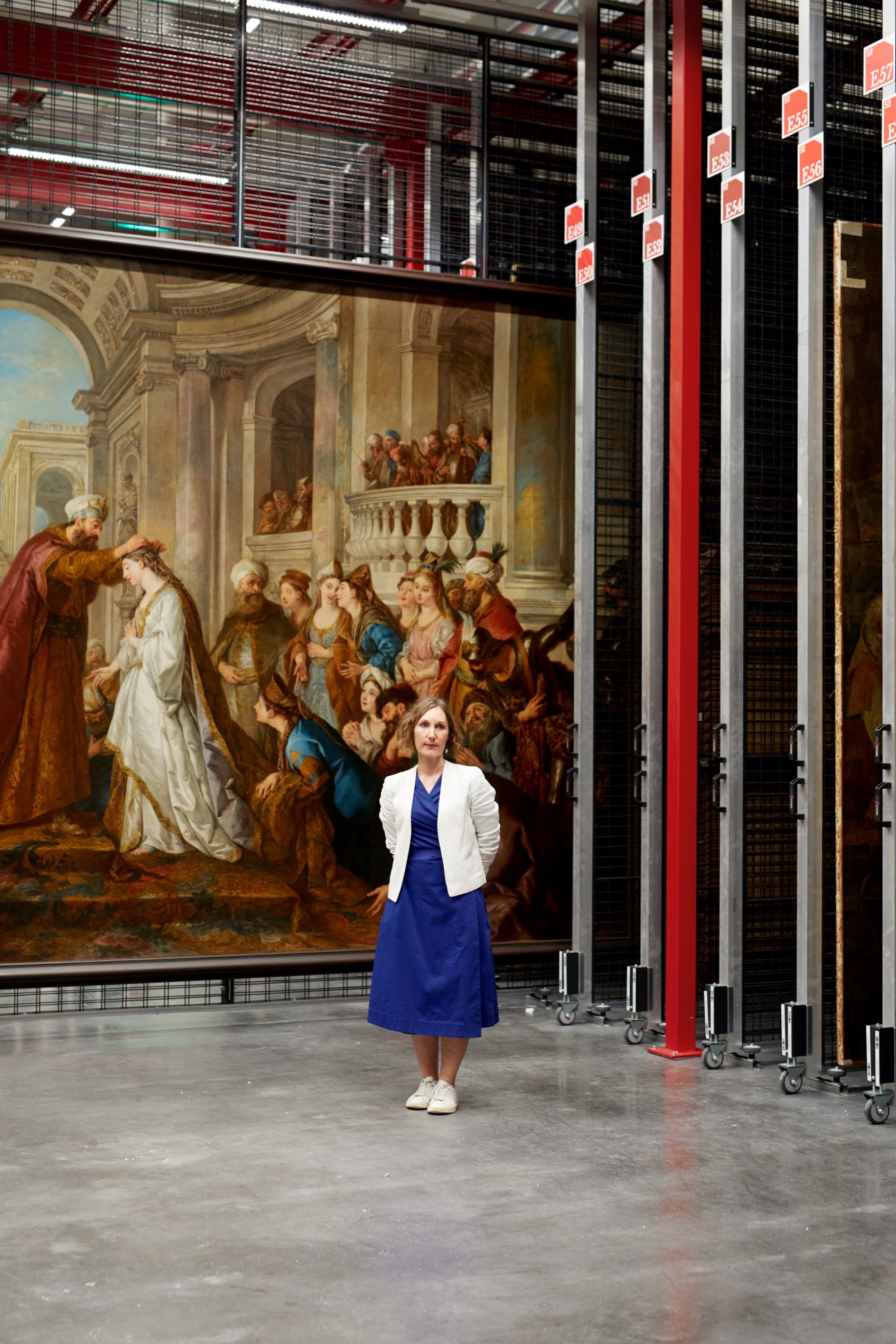
Inside the centre, the Louvre’s specialists are working on Liévin’s future role as a cultural hub. “Here is the submerged part of the iceberg – everything that happens behind the scenes and that we are not able to showcase to the public,” says the centre’s director Marie-Lys Marguerite, as she leads Monocle down a large spiral staircase from the reception to the main hall, where polished concrete floors meet a glass wall that looks out onto the gardens. “The Conservation Centre is responsible for works that are not presented to the public because they are too fragile, others have taken their place or because they still need to be studied or restored before they can finally be exhibited.”
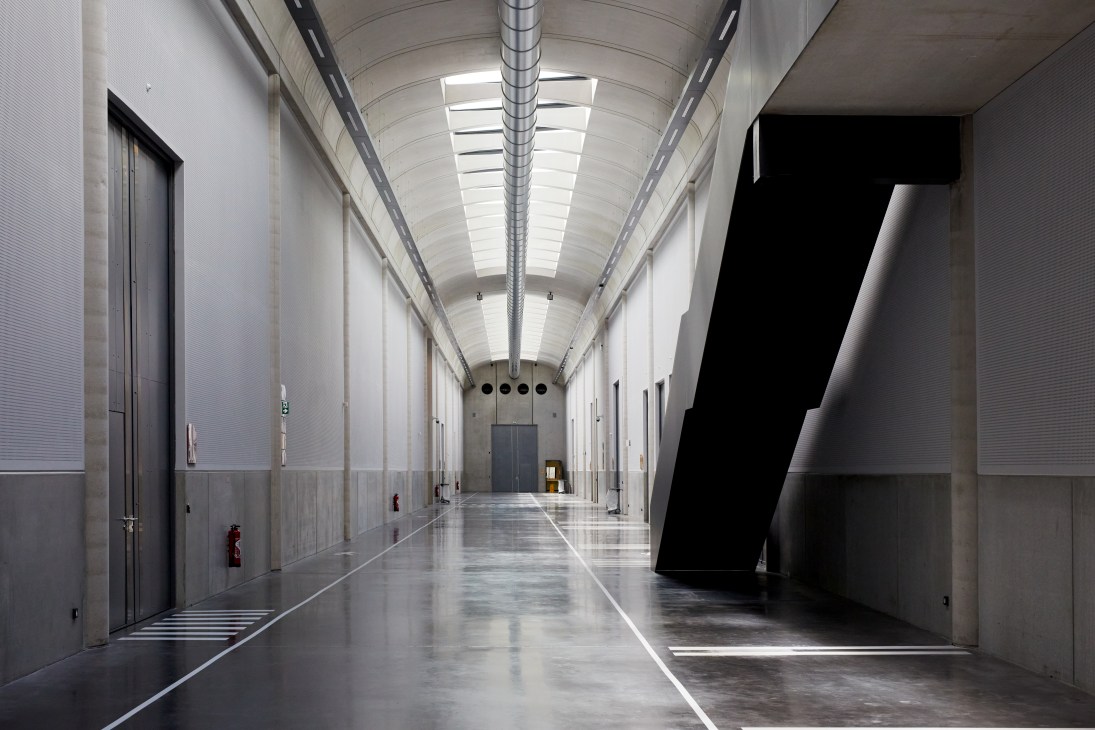
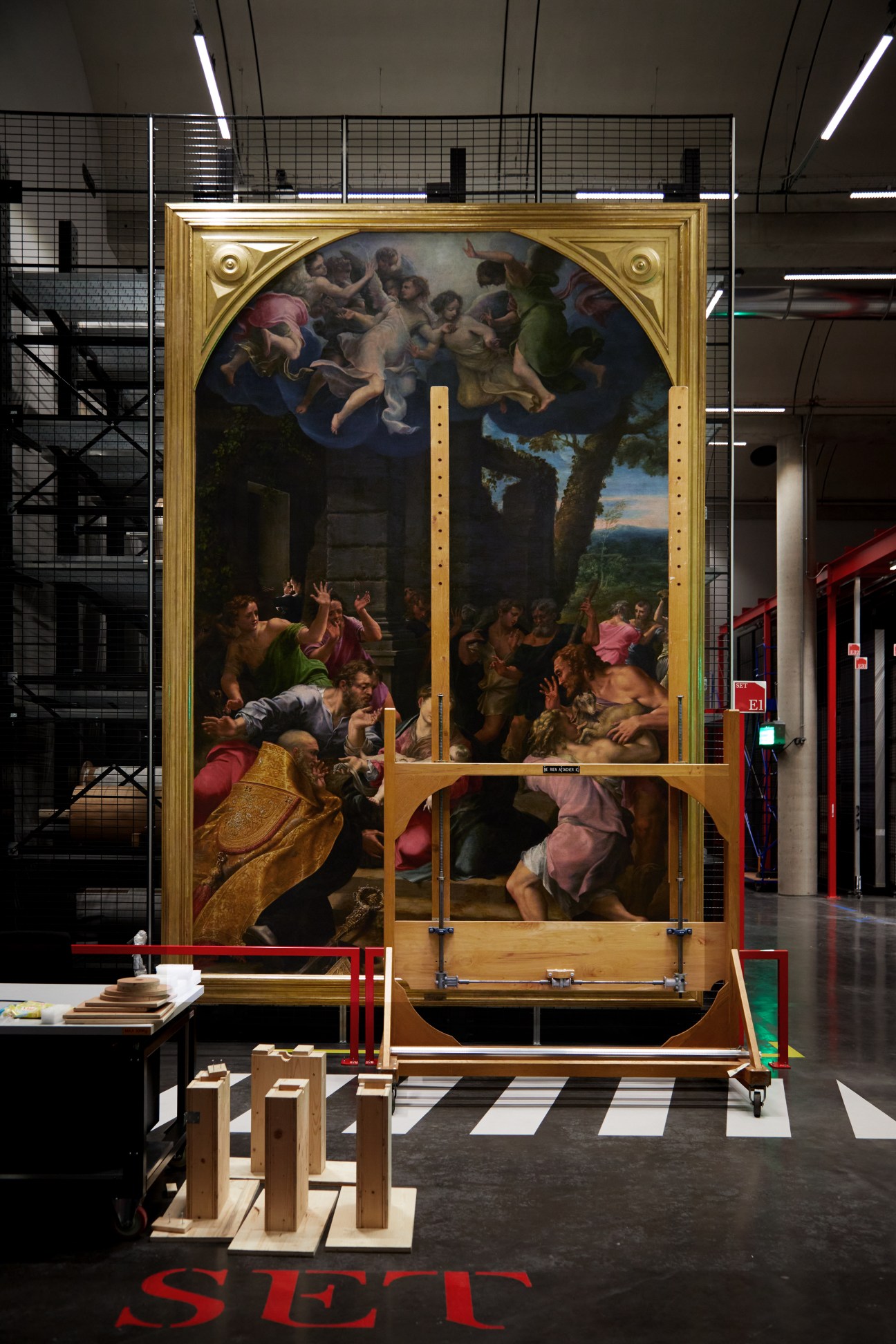
After directing several museums in cities across France, she took over as the director of the centre in May. Today she oversees a team of 15 maintenance, logistics and security staff who run the building, and welcomes about 60 curators who travel from Paris every month to supervise the transfer and documentation of the Louvre’s collections. The operation is serving its purpose exceptionally well. In the past few months, five truck-loads of art have been arriving at the Conservation Centre every week for a painstaking process of documentation, restoration and conservation. The artworks are brought in through a large gate at one end of the building and are later transported down the sky-lit corridor known as the “boulevard of artworks”, which separates the highly secure storage units on one side from the vast workspaces on the other. Floor-to-ceiling windows span the western façade, allowing light to flood into the rooms, which are visible from the outside to curious passers-by.
The building has a bunker-like feel but Marguerite and her colleagues are keen to display the important work that happens here. The ability to welcome researchers is a luxury that the Louvre couldn’t always provide. “Within the Palace there were several conservation spaces but sometimes there were stairs to climb, the spaces were cramped or we didn’t have the necessary light,” she says. “Accessing the works could be complicated and it was not always possible to accommodate researchers.” Transferring the art here is also an opportunity to check the collections for damage or degradation, performing minor rehabilitations when needed and considering how they might be displayed in the future, before safely placing them in climate-controlled storage units.
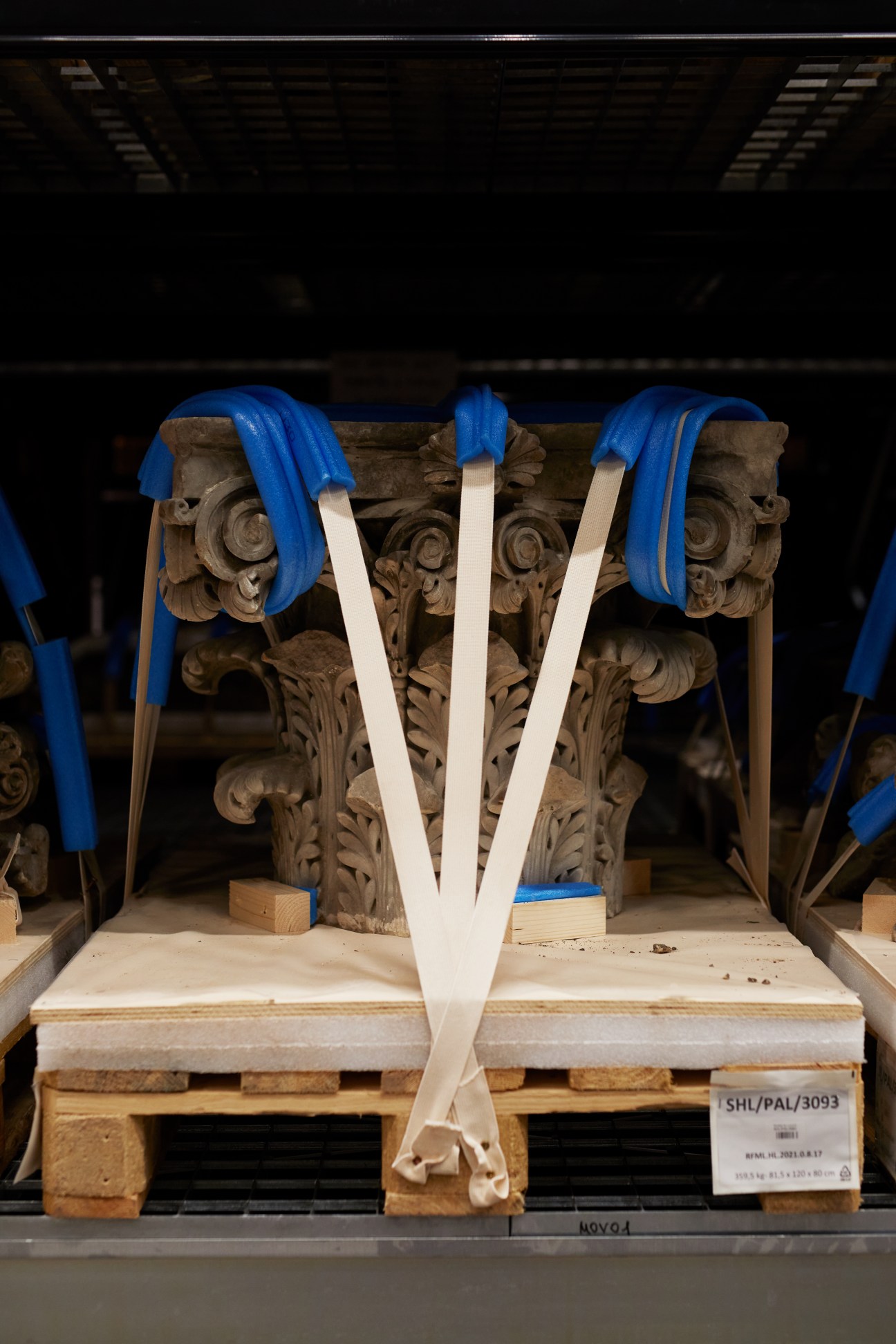
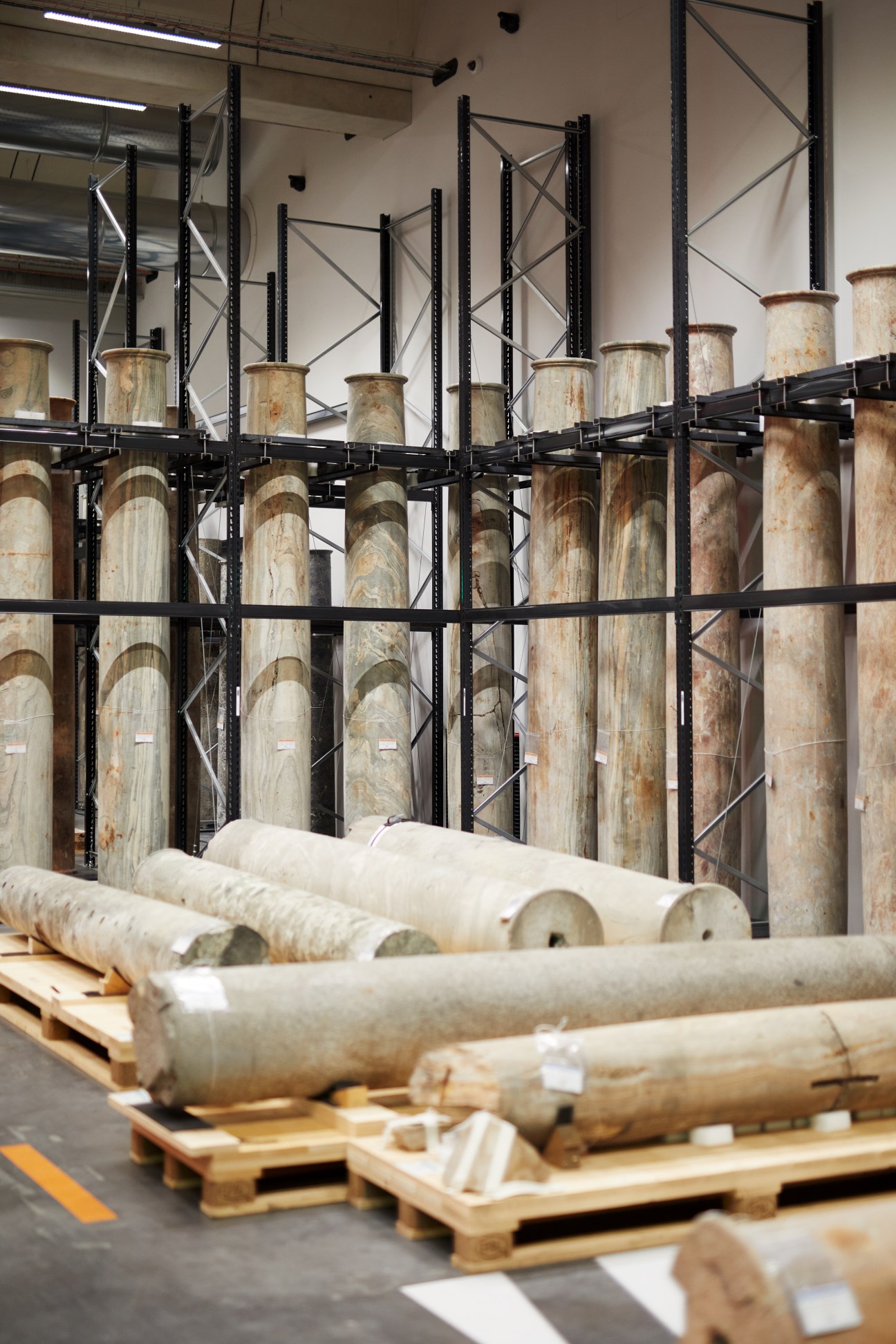
In one of the largest rooms, restorers Montaine Bongrand and Valérie Marcelli are working on the most recent batch of 99 textiles that they have been analysing for the past week. Two large tapestries, one from the 15th century and another from the 18th, are spread out on the floor. Twenty-eight-year-old technician Marion Sortino, is delicately brushing them with a special vacuum cleaner. By the large windows, a series of smaller woven objects are laid out on a table. “It’s a team effort,” says Bongrand, who also runs her own restoration business in Brittany but regularly works at the Conservation Centre. “Usually, we’d see one, two, three or four pieces at a time – not a hundred [like here],” she says. One tapestry has caught her eye: a medium-sized piece depicting a lamentation of Christ seems to be the work of a top-class Dutch atelier from the 16th century. “It’s an opportunity to see a large part of a collection we’re not necessarily familiar with,” she says.
Works kept in the Conservation Centre:
The Coronation of Esther by Jean-François de Troy (1783)
Inscribed stone from Samothrace (2nd century BC)
Egyptian funerary figurine found in Saqqara, the royal burial ground of the ancient Egyptian capital of Memphis (380-30 BC)
Shepherds and Shepherdesses Dancing, a tapestry made by the historic Gobelins Manufactory in Paris (1685-1700)
Meanwhile Julien Cuny, a curator at the Department of Near Eastern Antiquities, is overseeing a photoshoot of a large, inscribed stone from Susa, which has been pieced together to reveal important Persian texts from the 6th century BC. “It was in fragments in our reserve and nobody had tried to assemble the puzzle,” he says as a photographer sets up various lights around the glued-together slabs of stone. “These pieces are quite heavy and there wasn’t much space to reconstitute them. With large fragments, you need to spread them out or ‘play’ with them, if you like.”
While Cuny hopes that the stone will make it into the Louvre’s exhibition spaces, most of the artefacts in the Conservation Centre will never appear at all. This doesn’t mean that they will sit here gathering dust. The centre aims to become a pioneering place for restoration and research, where academics can examine artworks in secure and comfortable spaces. “It might seem like an old garage where we’ve left all the things we didn’t want to see anymore but it’s more than that,” says Marguerite. “The challenge is to offer the best conditions and conserve the works, which are part of the world’s heritage. It’s a huge responsibility.”
Art by numbers
Storing and conserving the Louvre’s collection is an intensive process.
192: Lorryloads of works that have arrived at the Louvre Conservation Centre since its inauguration
95 per cent of all works located in flood zones were transferred to Liévin
60: Trips taken on average per month by Louvre staff to Liévin for the study and monitoring of collections
37: Nitrogen anoxia treatments (to protect works from parasites) that have taken place in the past few months
Capital letters
When international publications focus on Argentina, it’s usually to cover the country’s economic challenges, from excruciating public debt to eye-watering inflation. The same problems are covered by Buenos Aires’ own newspapers, TV channels and radio stations. But for these sources there is an added twist: the economic volatility they report on is what, at times, makes their own ability to function difficult. This scenario has forced the nation’s media outlets to be both nimble and inventive.
New publications have been sprouting up even during the pandemic. The latest, online newspaper elDiarioAR, originally meant to debut last December to cover the abortion bill debate but actually kicked into action earlier to cover (on behalf of its sister edition in Spain) one of Argentina’s most unexpected and talked-about stories of the year: Diego Maradona’s death. “The newspaper’s Buenos Aires-based team had recently met and the website certainly wasn’t ready,” says Silvina Heguy, elDiarioAR’s strategy director, from the newsroom, a former art gallery. “But we threw ourselves into covering every angle like we’d been publishing for a decade.”
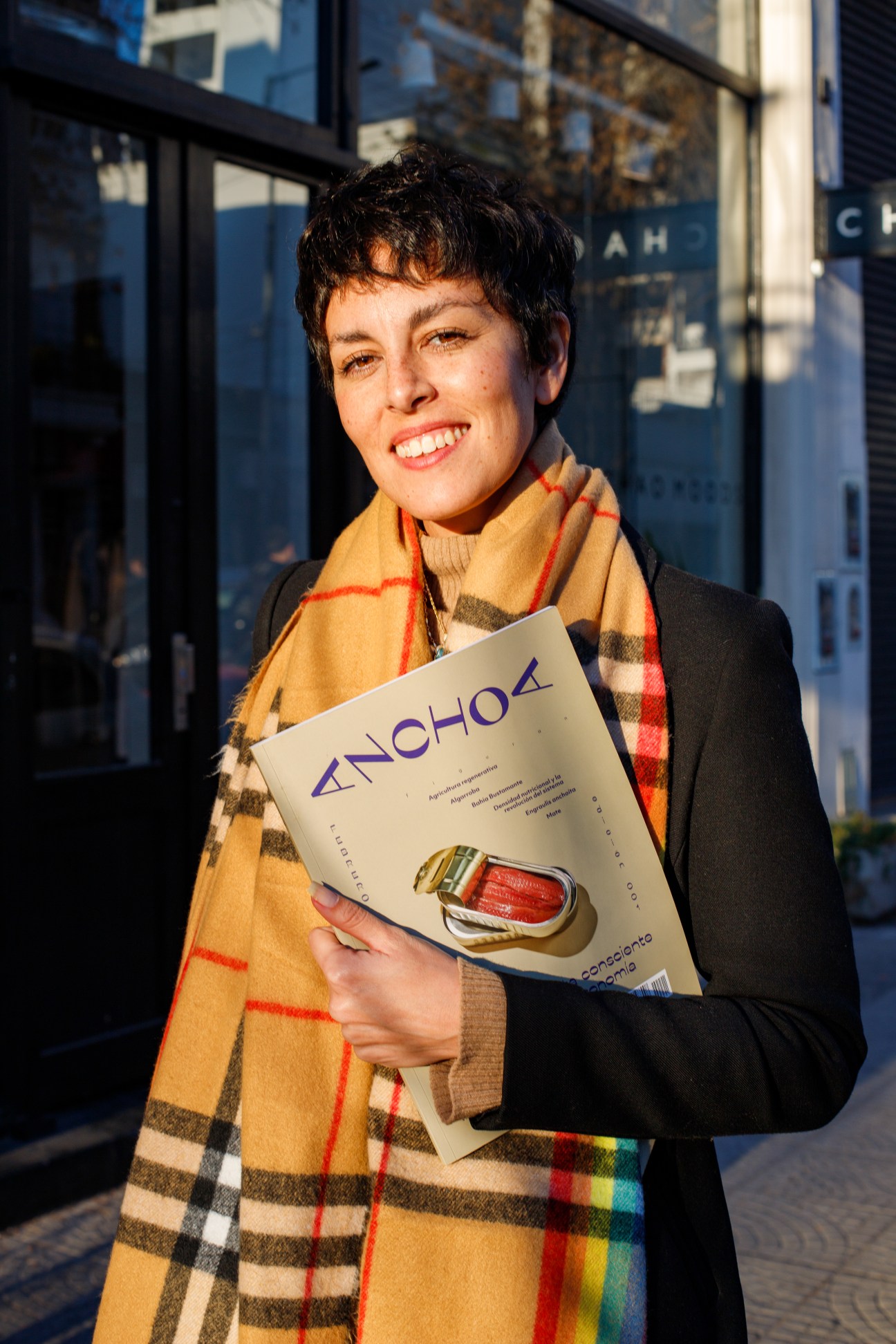
Both Heguy and co-founder Martín Sivak had extensive experience in publishing and no qualms about leaving their respective roles during the pandemic to co-found an online newspaper seeking neutral territory in an often-polarised media spectrum. Heguy had most recently led a 500-strong multimedia team at editorial firm Grupo Crónica. Many other members of elDiarioAR’s 20-member team came from dailies, including the nation’s leading title, Clarín. The move is clearly paying off: elDiarioAR has already amassed a substantial 1.2 million monthly readership that is eager for incisive national coverage, spiky opinion columns and political analysis without showbiz filler; 62,000 of its readers have become paying subscribers, who receive ad-free content and support this independent, transparent approach to reporting.
ElDiarioAR’s success is also remarkable considering the amount of competition it faces in Buenos Aires. The fast-paced, often-chaotic capital is home to about 3 million people, its sprawling suburbs include 33 per cent of Argentina’s population and the city is served by 10 print newspapers and 14 online news platforms. While national media ownership is concentrated in the hands of 22 editorial groups, defiant worker-led enterprises, such as Tiempo Argentino, have also managed to claw their way to financial sustainability, publishing an independent Sunday paper written by a co-operative of journalists who are directly supported by the contributions of a passionate audience.

That so many titles have survived is down to the level of enthusiasm that Argentinians still have for public discourse. The country returned to democracy 38 years ago and its citizens keep a close watch on national proceedings; debating dollar exchange rates and beef export tariffs is an essential part of the Porteños’ (inhabitants of Buenos Aires) morning ritual, often accompanied by a cortado (coffee with a dash of milk) and a medialuna (croissant-shaped sweet pastry).
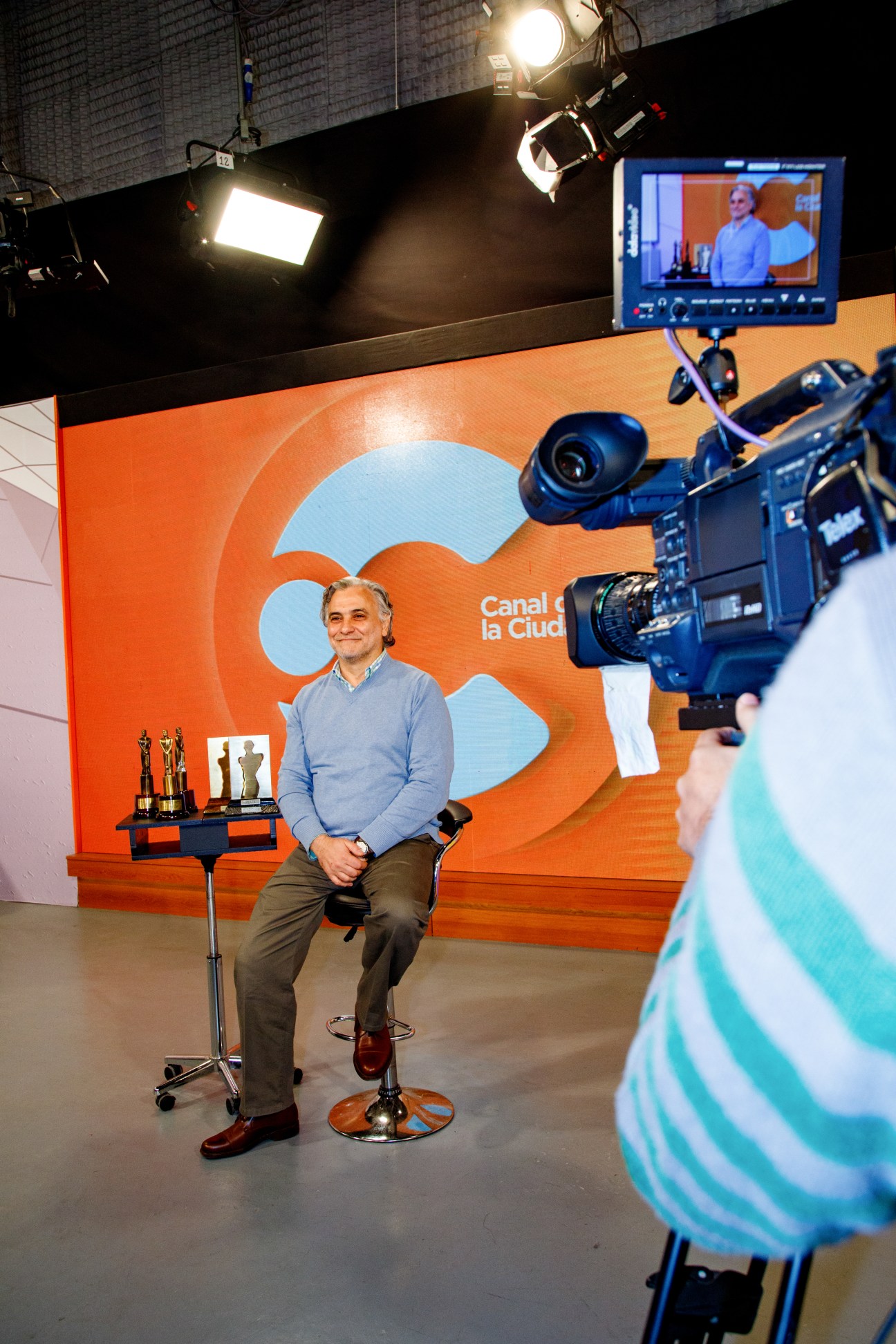
“[People] want to be part of the debate. With 101 open digital television channels as well as hundreds more cable and satellite stations, there’s a lot of information available to Porteños,” says Eduardo Cura, director of city hall-backed channel Canal de la Ciudad, from its studios in the heart of the busy central neighbourhood of Almagro. This publicly funded broadcaster relaunched in 2013 by dropping its focus on hard news for a friendlier approach that puts viewers’ interests first. This new course has delivered results; the channel’s 200-strong team has won 54 awards in seven years. “We tell relevant stories that happen in this active, modern city,” says Cura, whose programming schedule now serves up current affairs and lifestyle stories across cable and satellite, playing to Porteños’ passions for music and gastronomy. Live cooking segments cut to a street market outside-broadcast so that home cooks have up-to-date intel on, for example, the price of aubergines. It’s simple stuff but in its detailed, locally focused approach, it is also supremely helpful. Given this growing popularity, the channel is hopeful that it will soon be granted its own Open Digital Television slot, which will allow all Argentines to watch it for free.
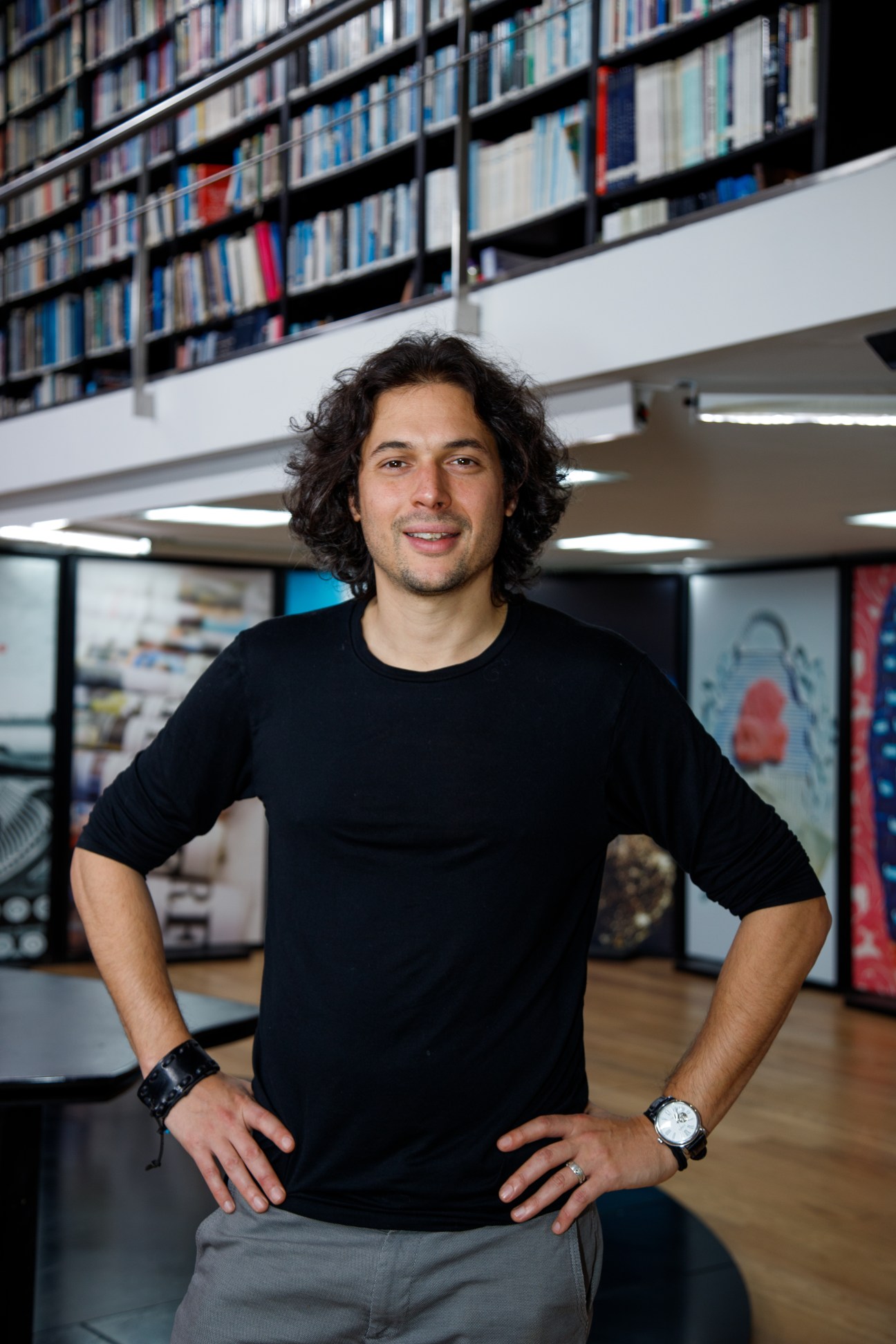
Buenos Aires’s news-hungry audience has also lured international outlets looking for new markets. France 24 broadcasts in Spanish here but it’s CNN en Español that has gathered momentum of late. What used to be a four-person news post in 2017 has become a 50-strong team; CNN’s largest Spanish-speaking bureau in South America. Between March 2019 and 2020, CNN’s audience share grew 56 per cent across all platforms. “With so much daily fluctuation, Argentines consume lots of local news to stay up-to-date,” says bureau chief Esteban Campanela. “We upped programming output from one to four hours on weekdays.” Based in studios in the Chacarita neighbourhood, Campanella’s newsroom spans media platforms to maximise coverage – for example, turning journalist Marcelo Longobardi’s popular interview show En diálogo con Longobardi into podcast format.
City newsstands
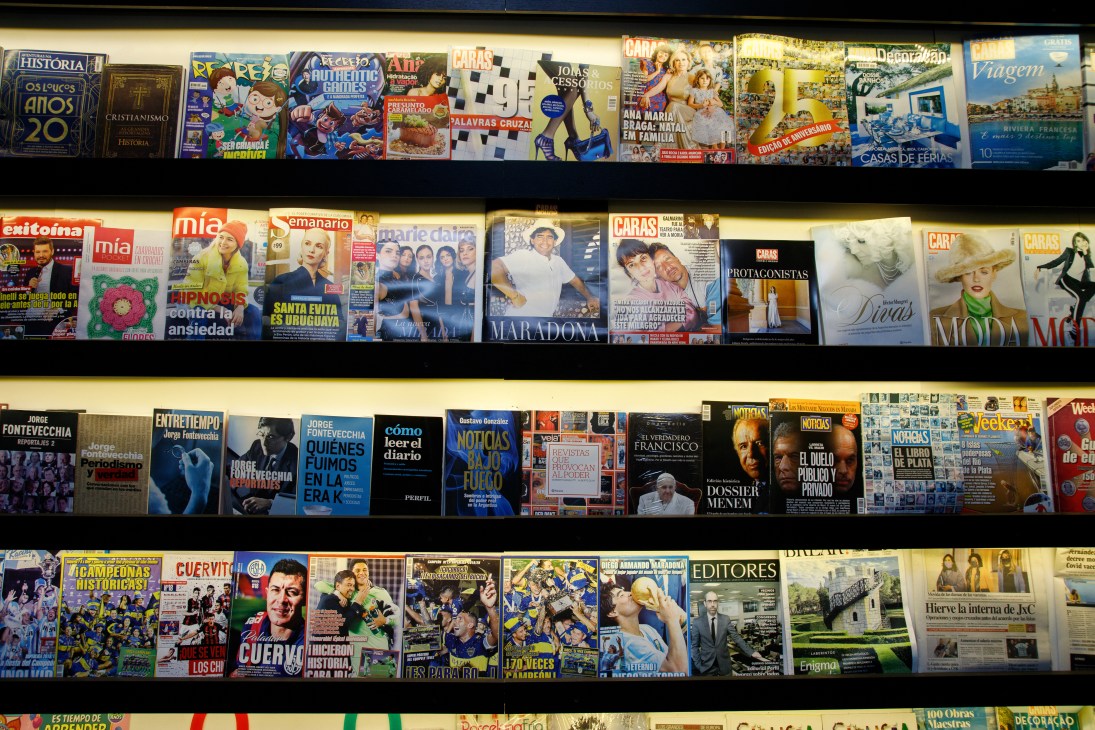
Porteños enjoy ardent discussions of the headlines at the puesto de diarios (newsstands). About 4,800 of these green cabins are dotted along Buenos Aires’s squares and at busy corners, with two a block on calle Florida in the Microcentro financial district. Many succumbed to the pandemic but positive news comes from one puesto in Recoleta. Despite its enviable location in front of the Alvear Palace Hotel, the late Antonio Romeo’s green-and-gold-painted stand had to be sold off 10 years ago – but his grandchildren, Damián and Julieta Konrad, are in the process of re-acquiring it. Neighbours buy entertainment and international magazines and share anecdotes.
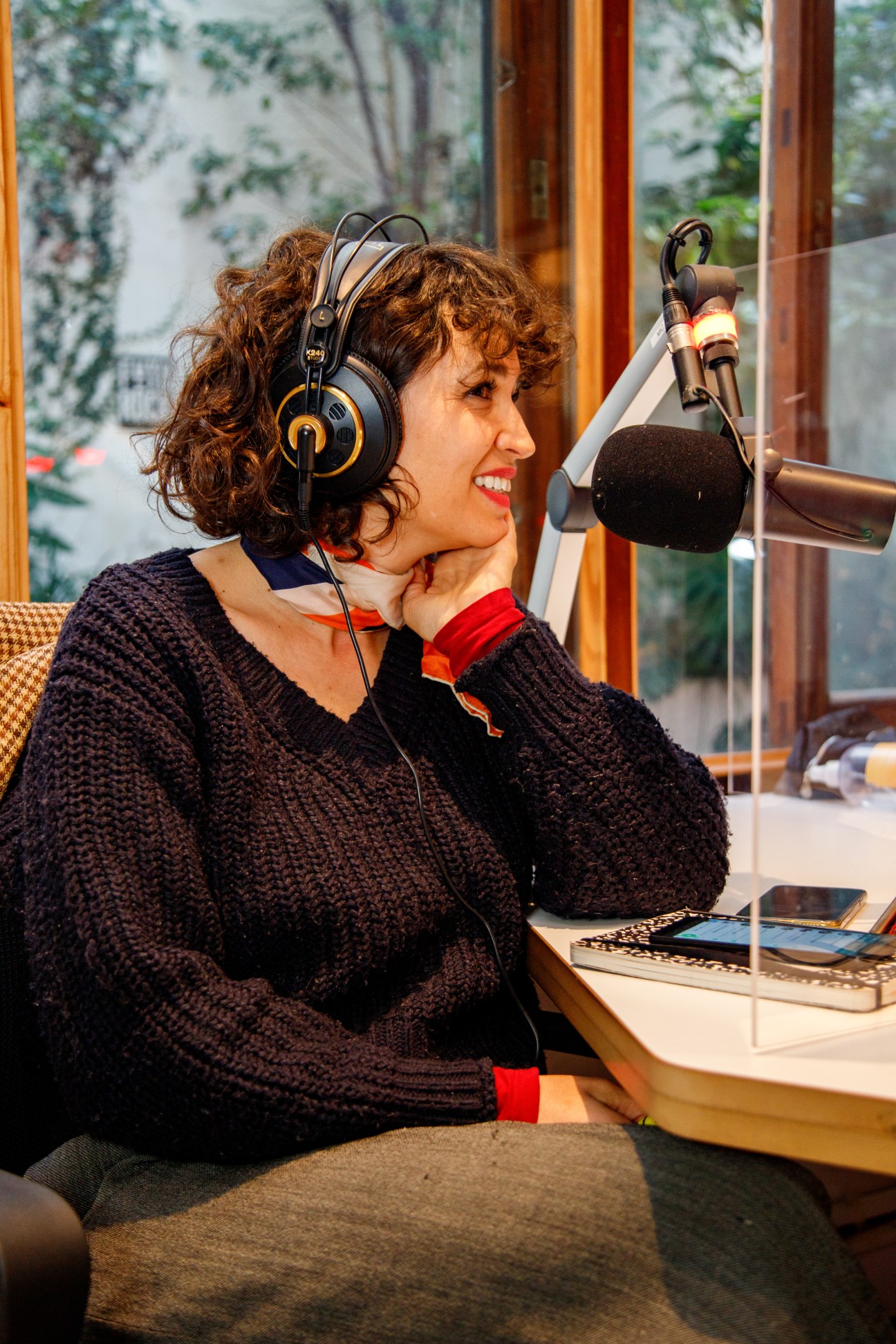
CNN is not the only organisation that’s seeking to capitalise on radio’s popularity. This empathetic medium is considered by many Argentines to be the most trustworthy source of information: there are 330 FM, AM and digital channels on air in Buenos Aires, from crowdfunded projects such as digital radio Futuröck, founded by journalist Julia Mengolini, to mogul-funded stations. Urbana Play is one of the latest additions. Funded by Kuarzo, one of South America’s largest independent television producers, it was launched in February by station director Andrés Pandiella with the help of an all-star cast (including established radio personalities Andy Kusnetzoff, Maria O’Donnell and Matías Martin), who jumped ship from traditional channel Metro to back this new project. Urbana Play’s ambition to transform local radio with a multi-platform approach has already placed the station at fifth place for audience share in the city.
Broadcast from a rooftop indoor/outdoor studio (designed to allow recording during the pandemic) in the media district of Palermo Hollywood, shows are streamed live on platforms including youth-leaning video services Twitch and Youtube, which attracted 16.5 million views in the station’s first four months. This digitally oriented move initially rustled the feathers of some of the more old-school presenters, who didn’t like the idea of cameras intruding into the intimacy and mystique of audio recordings – but they came around eventually. “I knew that if I didn’t adapt, 20-year-olds wouldn’t tune in,” says Kusnetzoff. “Sharing our content on these platforms means that we reach them.” Programming that seeks to leverage Porteños’ community spirit (with segments such as call-to-action section Te Tiramos una Soga (We’ll Throw You a Rope) encourages listeners to help others in need through acts of solidarity, such as helping a rural school acquire bicycles for its pupils, rather than just entertaining them. This has led to a very successful rollout. Urbana Play now plans to grow by adding studios in the resort town of Mar del Plata and the city of Neuquén, taking the local focus of its coverage to other locations.
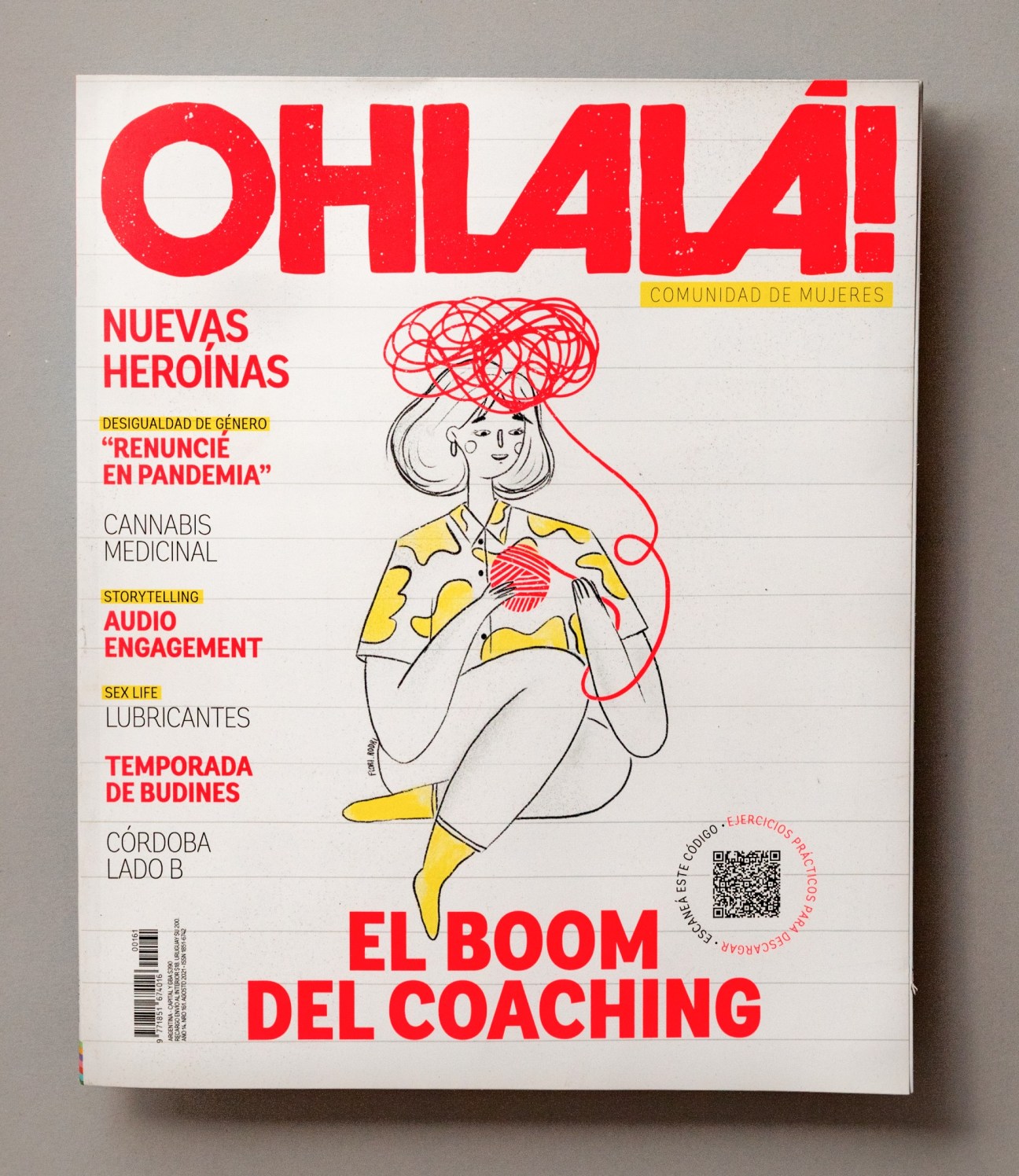
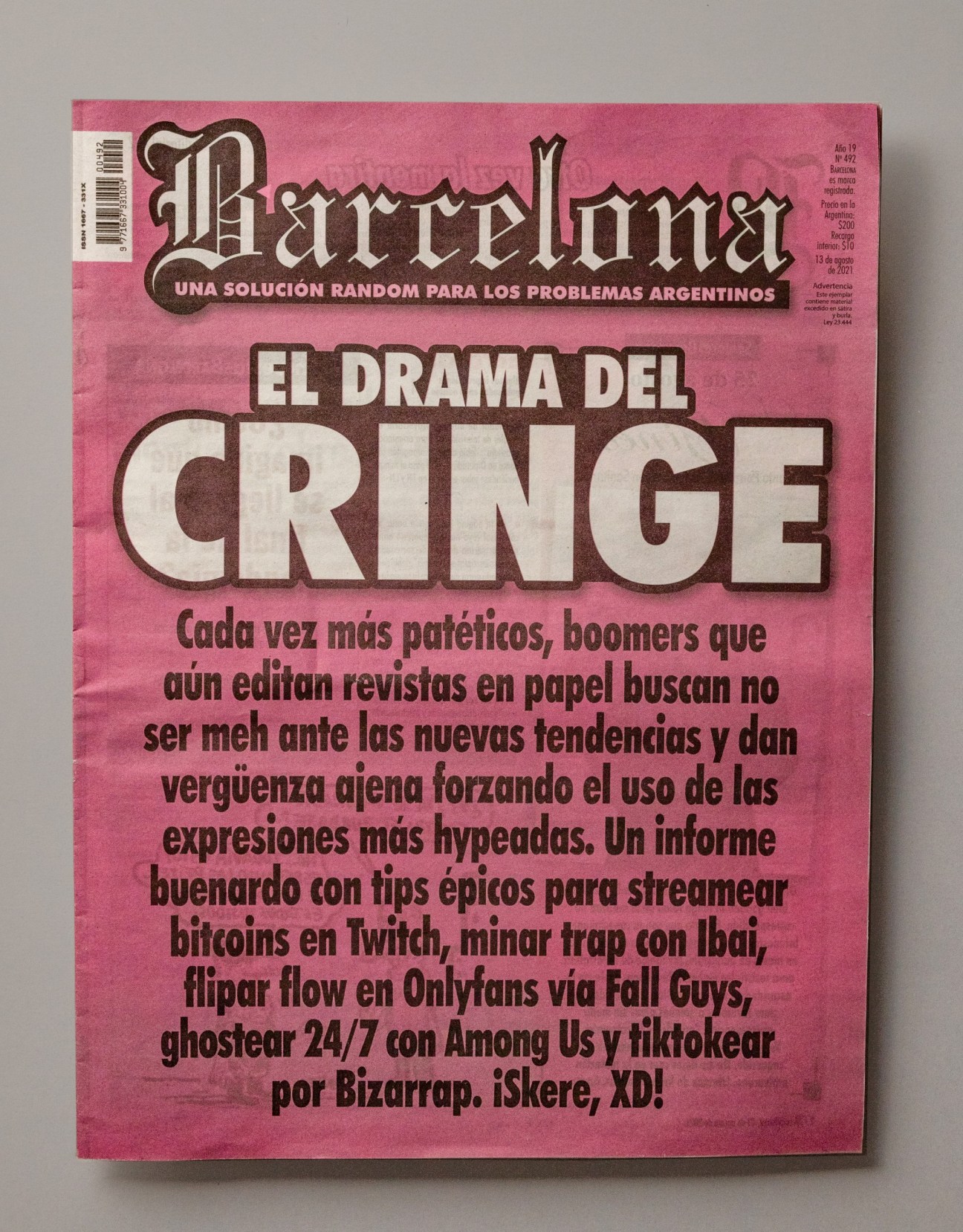
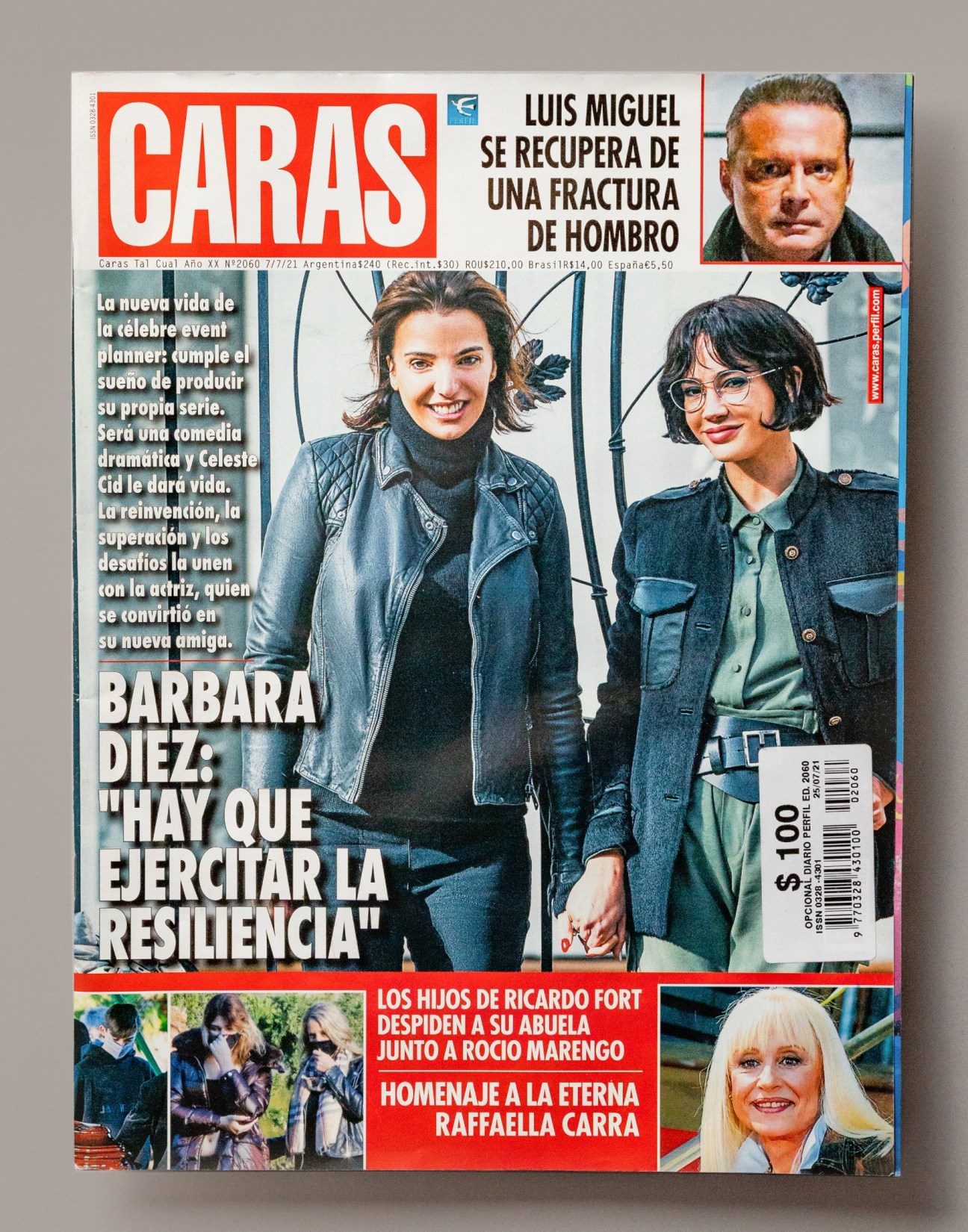
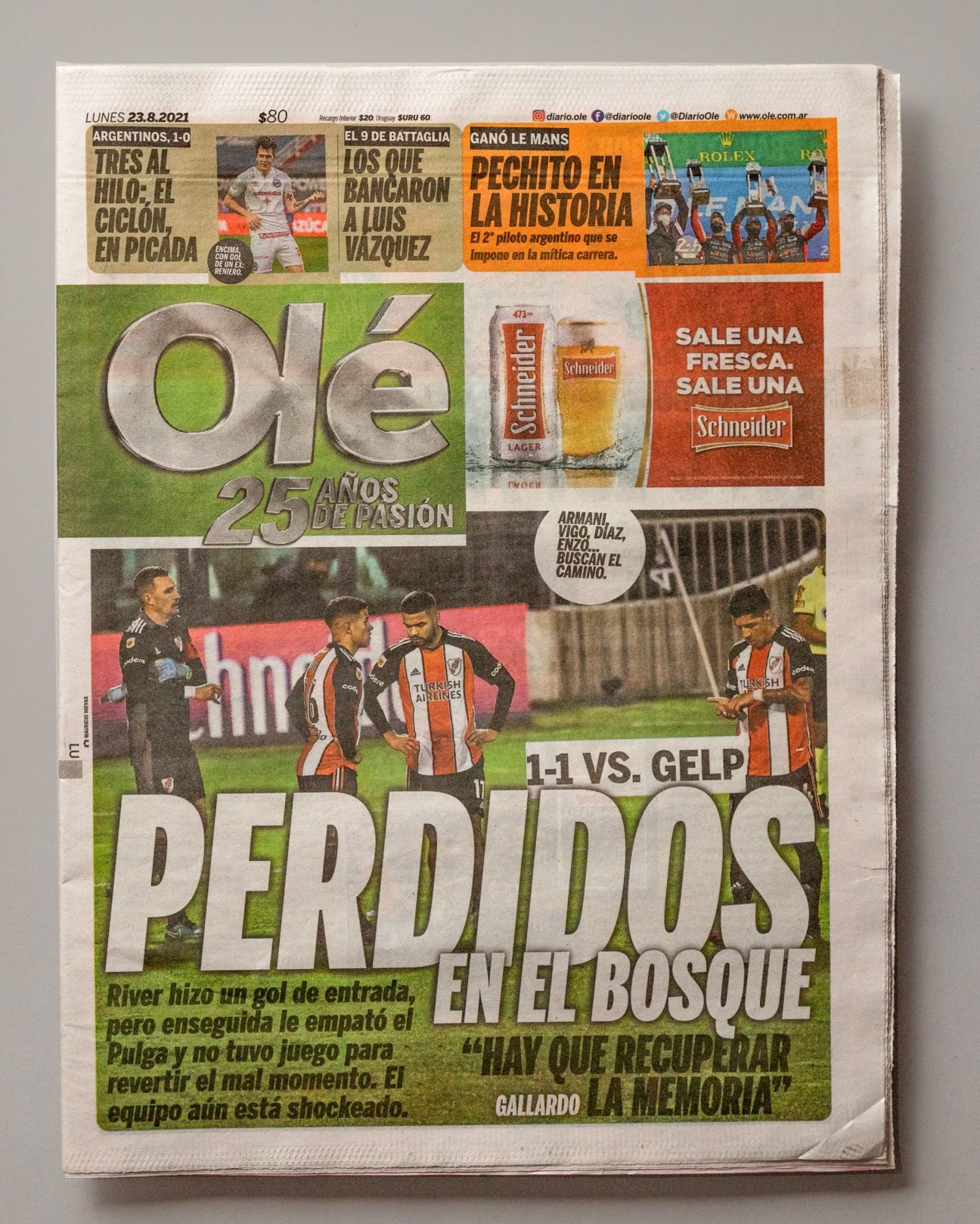
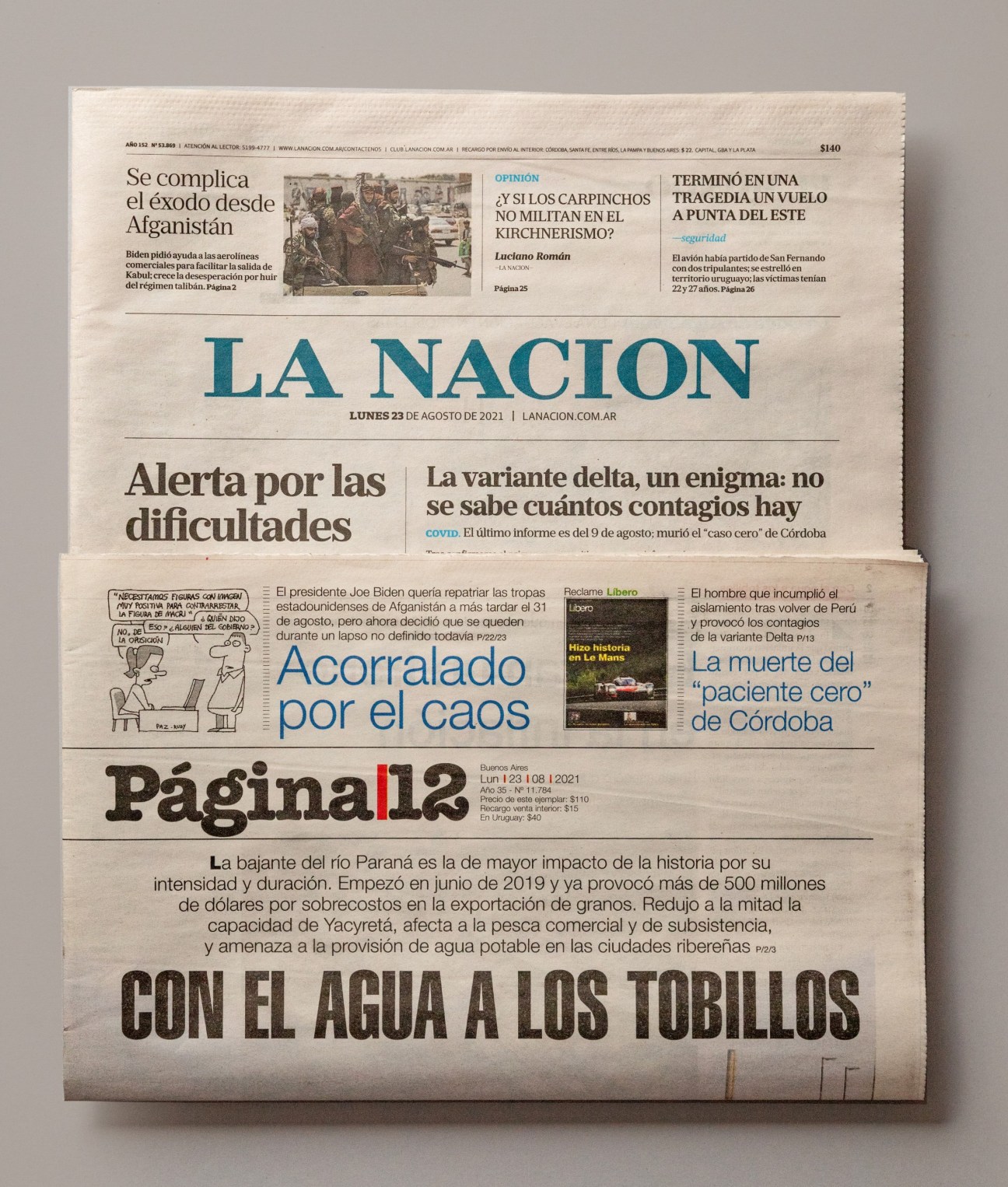
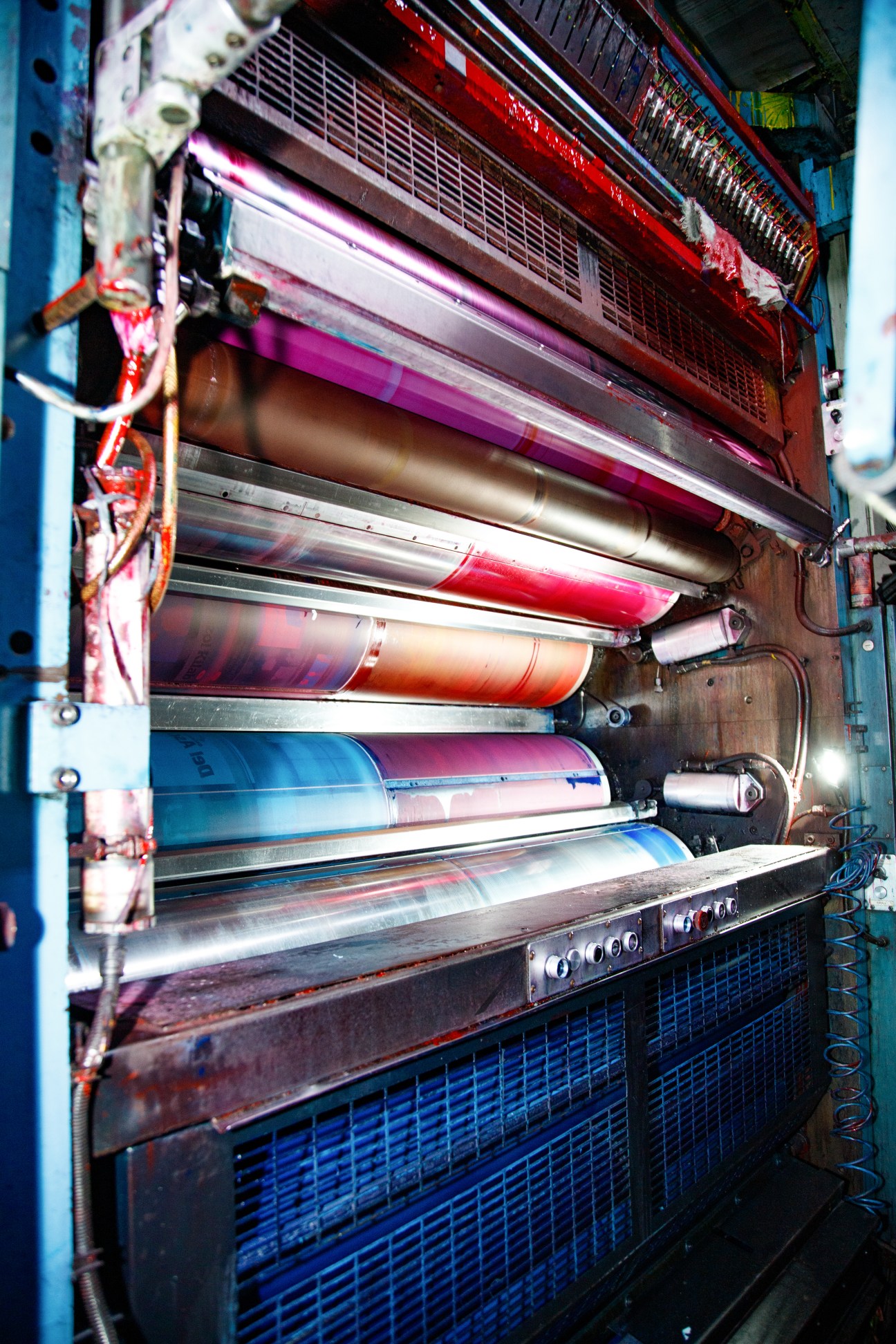
Legacy players have also had to find ways to capture younger audiences. Perfil, the flagship tabloid-sized newspaper of Grupo Perfil, launched as a daily in 1998 and later morphed into a weekend paper. Today it is proud to be “an innovative journalism watchdog” reporting from every side of the political spectrum, says digital director Agustino Fontevecchia, the third generation in charge at the media group. Despite its old-school Koenig & Bauer printing press being proudly displayed inside the newsroom, the group has expanded well beyond the printed page to reach different demographics. “Perfil.com has 20 million unique monthly visitors but we also have three TV channels and digital radio,” says Fontevecchia from his office in the Barracas neighbourhood. “There’s a gung-ho attitude of making things happen with very little; I presented a daily newscast with next-to-no budget and zero camera experience for eight months but we held it together – then brought in the professionals to continue the job.”
Budgets are not huge but ambition in the city’s media scene isn’t lacking. “There’s certainly never a dull moment in the newsroom,” says Heguy back at elDiarioAR. Her publication is also evolving at a brisk pace: in June, elDiarioAR published its first subscriber-only print magazine, a 92-page quarterly entitled Convivencias. Despite the ever-looming threat of economic setbacks, her company has stayed creative and buoyant. Journalistic integrity, paired with an enterprising spirit, has allowed her title, and many others around Buenos Aires, to overcome many difficulties and has brought a fresh attitude into ideas about what the future of media could look like.
Making a mark
The challenge
It sounds simple but get it wrong and you’ll only be making a bad impression. The task at hand? To come up with a good logo for your fledgling business, or perhaps refresh its design after your brand has been plodding along nicely but unremarkably for 20 years.
In some ways this challenge is easier than it used to be. In the digital age, businesses have more means of communication to lean on than ever before, meaning that a logo is only one part of an ever-expanding identity. But a logo still has the power to provoke an emotional reaction in someone, whether it’s amusement, an impression of authority or simply a subliminal sense of trust. The best logos communicate a company’s vital essence without trying to do too much. Their power of association is vital but they don’t try to oversell. Remember: as much as a logo is there to help, it needs to be built on solid foundations. So a symbol isn’t worth anything if it isn’t backed up by a company that is invested in excellence or has a top product to sell.
We speak to five experts about what constitutes a successful logo and asked them to talk about the designs that most inspire them.
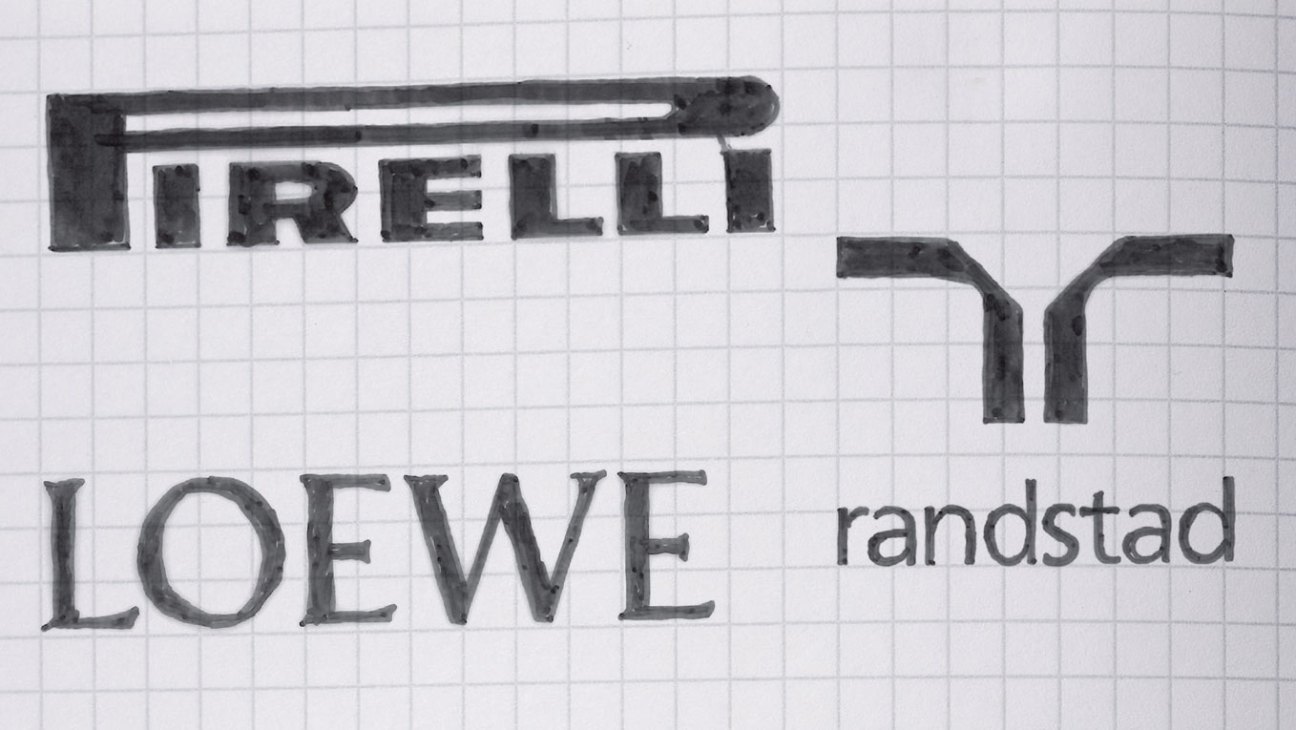
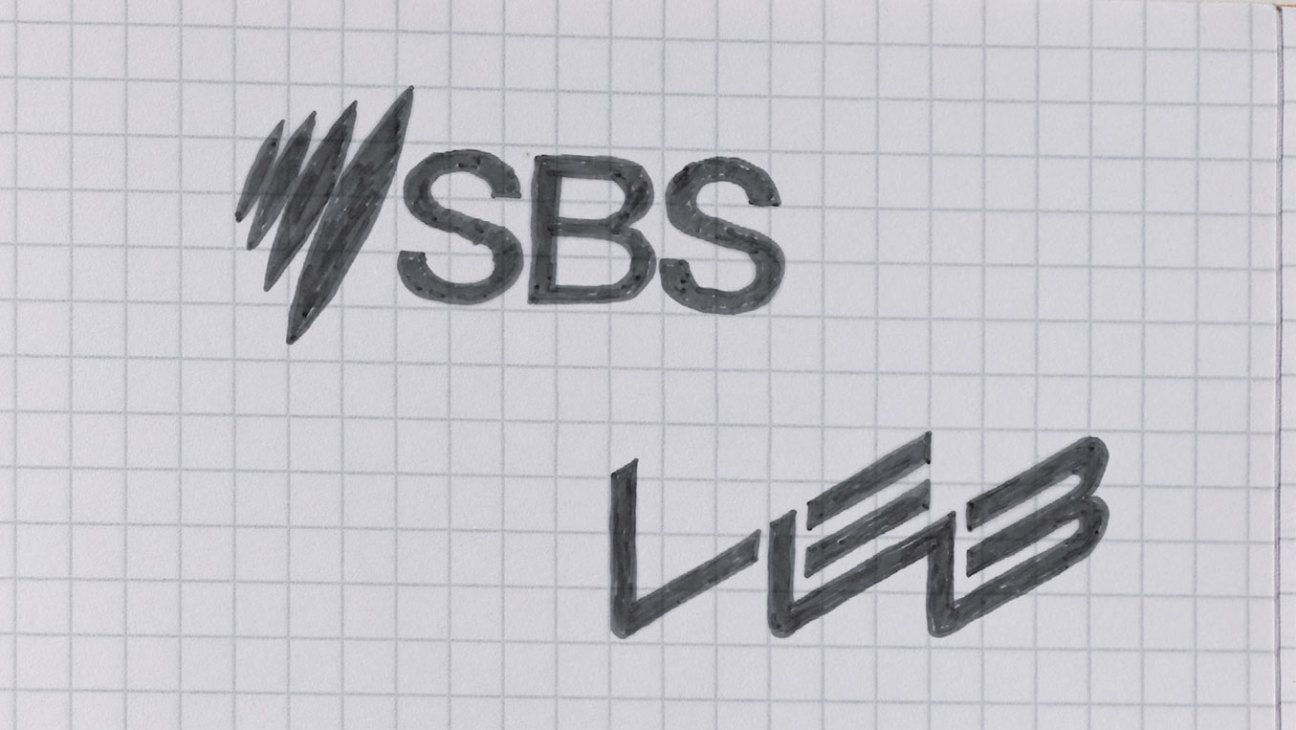
Lance Wyman
Now in his eighties, New York-based Wyman is best known for his much-admired logo for the Mexico 1968 Olympic Games. But he has also worked on symbols for everything from the Mexico City metro system to the moose logo at Minnesota Zoo.
“A good logo has a meaning attached to it that vibes in a positive way. Form is one thing but it has to communicate something that catches you. The analogy that strikes me is: there’s a good joke and there’s a bad joke. With a bad joke, no matter how much explaining you do, it’s not going to get good – and the same is true of logos. If the intended message isn’t there, it isn’t there. So there is a certain obvious quality that has to be present. Once you know the obvious and can transform it, you’re normally on pretty fertile ground for recognition and communication. Sometimes the obvious isn’t so ‘seeable’ and you have to make it visible.
If a picture is worth a thousand words then maybe an icon is worth a thousand pictures because a lot can be contained in a visual mark. Don’t try to say too much, though; it can mean a lot without saying it. The bottom line hasn’t changed for logos. The periods we go through represent styles rather than meaning.”
CBS: “An early logo using the eye for visual communication. It’s such a powerful, understandable form. The strength of the communication was in the way it was used.”
Bass ale: “The foresight of using a simple logo – a red triangle – to represent the product, had power. Having a simple mark probably influenced everything after that.”
Maurus Fraser
Fraser began his career in New York at creative agency Nice, where he led design operations for Elizabeth Arden and Valentino. On returning to Europe, he set up the London outpost of i-d Media. In 2001 he joined Monocle’s sister organisation, Winkreative, to lead the creative team.
“You want a logo to be distinctive; to stand out from the competition. Some brands convince themselves that they don’t have any competitors but you need to be aware of what others are doing. Sometimes you might like a service or a product but perhaps the logo is letting it down. A logo is the first impression, which still has huge meaning although today’s logos can lean on other elements: they might be animated; they might be haptic.
Brands used to rely heavily on their logo to define themselves and there were some incredibly clever ideas that made you think of the service or product on multiple positive levels. There was the cbc [Canadian Broadcasting Corporation] logo that made you think of global communication, or the cbs eye, which evoked a sense of seeing and absorbing the world from a new perspective. There is a conceptual complexity there but the ideas have been simplified and made accessible. Be careful with your symbolism, though; you don’t want to patronise your audience. But people do enjoy a sense of discovery in a logo.”
Kia: “This redesign is trying to be a word and a symbol. The letters are in there and it’s a nod to the Hyundai mother-brand identity. You can see motion and progression. It’s a symbol that stands out and there’s some purpose; it feels like an upgrade.”

Marina Willer
London-based Willer is a partner at design consultancy Pentagram. She was previously lead creative director at Wolff Olins brand agency. She has worked on the visual identities of clients including Rolls-Royce, Beeline telecommunications in Russia and London’s Southbank Centre.
“When we look at a logo we try to find iconic ideas. But I’m also aware that the most powerful identities of our times are often less about a symbol and more about open systems with which people can engage in different ways, largely because of the prevalence of digital. People expect to engage more and it’s less of a one-way dialogue than it was before. But there’s also something about the best of the heritage logos: a weight, a glamour and even an idiosyncratic gesture.
Recently at Pentagram we have been working on more open systems that can change easily. You can also see that with the likes of Google, which is always making a big effort to alter its logo. The power of simplicity is really important because a logo can’t communicate many ideas at the same time; it has to focus on one point of view that it wants to express. Whether it’s a system or a symbol, if you try to express too many messages at the same time then you will end up just confusing everyone.”
National Rail, UK: “This is a logo that you can draw on a napkin and you will always remember it. There’s a simplicity to it.”
Woolmark: “This is for the real beauty of it. You keep looking at the positive and the negative and the logo just draws you in.”
Radek Wojcik
Wojcik, an Australian, is the creative director of Made Thought, a London-based branding agency with clients including Paul Smith and the Museum of Modern Art in New York.
“Embedded narrative results in a good, memorable mark that stands the test of time. It’s behind the success of many iconic logos. Apple is the obvious example because, yes, it’s big, it’s recognisable. But it carries weight because of the stories associated with it: the logo is said to nod to Alan Turing, the computing pioneer who ended his life with the bite of a poison apple.
Logos need to communicate a whole culture. When I see the concentric lines and circles of the Mexico 1968 Olympic logo, it doesn’t just evoke the 1960s, it represents the country’s indigenous art. It’s an intrinsic representation of Mexico. And this is important: a logo needs to be a beautiful bridge, a metaphor, a pure representation of a brand’s values.”
Stüssy: “This captures 1980s California. The surf and skate culture of the time and place is locked into it.”
SBS: “This TV channel brought news to Australians who came from all over the world. The logo is a projection of the world, expressing the story of Australia.”
Loewe: “This heritage mark has been very nicely modernised. It can be embroidered, stamped onto leather or worked into a buckle.”
Tony Brook
Since co-founding London-based design studio Spin in 1992, Yorkshireman Brook has picked up a spate of awards for work that has spanned print, digital and television.
“The first logo that I have chosen, British Steel’s, is the first that I was consciously aware of. I would have been seven or eight when I saw it and it stuck with me all through college and after. It was an incredibly powerful and memorable mark and you got the impression that it really said something about steel. Visually it’s memorable too. It has the seed of an idea within it and it has some purity of expression. This is what logos are about for me – they need to have gravity. And if they’re beautiful too, they’re easier to like.
A good logo should also be something you can scribble onto an exercise book at school. It needs to be repeatable and expressive, and to have that element of brevity that makes it truly memorable.”
British Steel: “It just has a lovely contrast in the harshness and the clipped shape of the steel. Designer and artist David Gentleman was inspired by pieces of bent metal. That gives it an extra level of interest.”
London Electricity Board: “This is by fhk Henrion, the grandad of identity design. It’s sparky and active, with such a strong identity.”
Randstad: “I couldn’t tell you about the concept behind it but it looks new to this day.”
Driving force
The boards of car companies around the world are questioning how they navigate the road ahead as the need to tackle climate change makes them the focus of ever-increasing scrutiny and often public ire. Indeed, most of these businesses now avoid describing themselves as car companies at all, preferring to be considered as mobility or technology brands. Yet despite the push towards driverless vehicles and car-sharing platforms, many people still have a car – and enjoy driving it too. Ola Källenius is the chairman of the board of management at Daimler and in the same role at Mercedes-Benz, where it’s his task to bring cars to market that deliver on the company’s luxury heritage, while also rapidly moving its marques to full electrification. At Mercedes-Benz’s HQ in Stuttgart, the 52-year-old Swede explains why he’s confident about the future of the company, how G-Wagen owners constitute a tribe of their own and why electric cars have a blue glow.
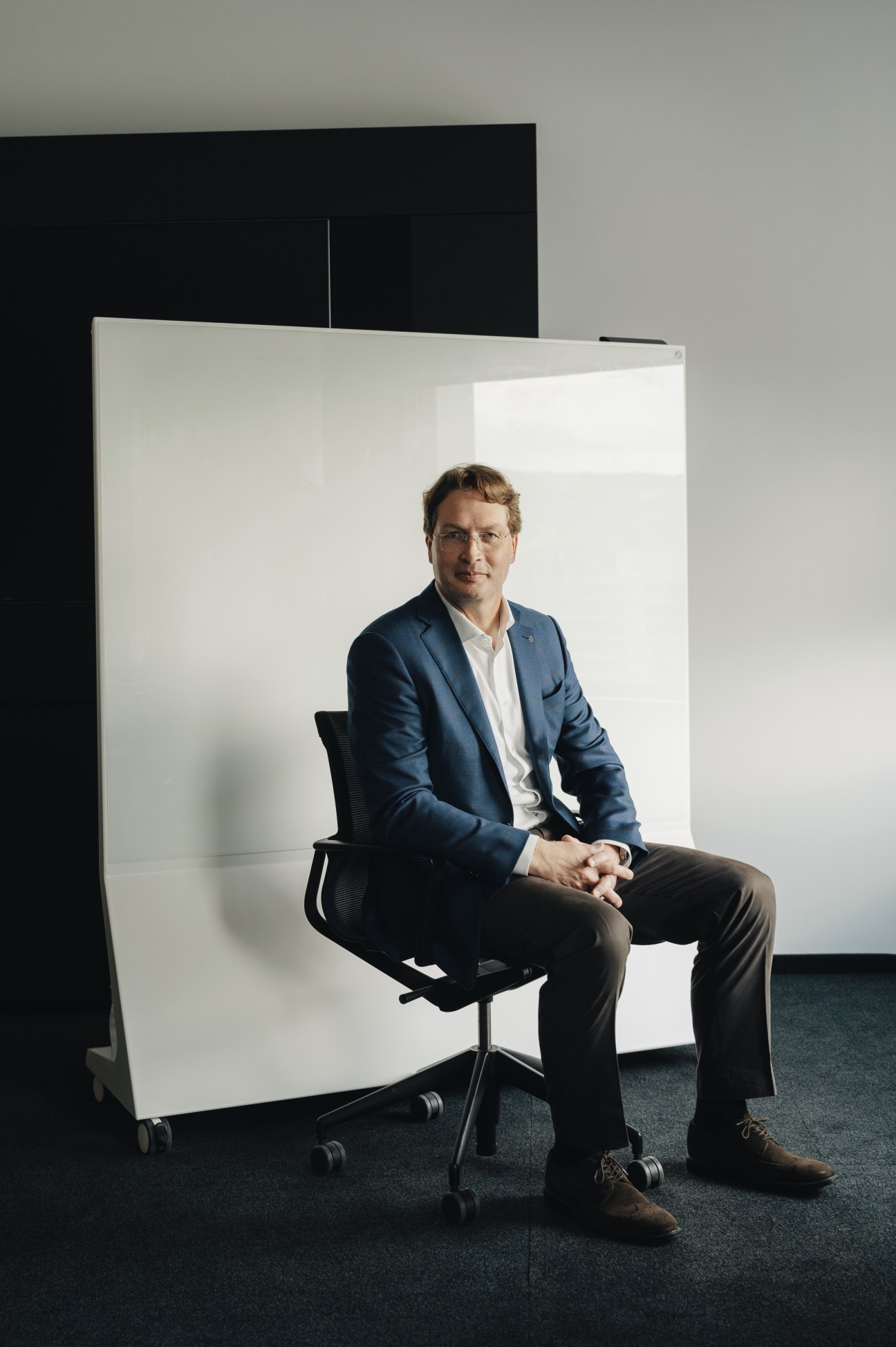
How do you define your business? Are you luxury? Mobility? Are you a digital company with wheels?
We want to build the world’s most desirable cars. So we are a car company at our core.
And you’re happy to still say that when so many automotive CEOs want to talk about transformation?
Yes, we’re a car company. We’re proud to be a car company. We get people from A to B. And we’re Mercedes so we get people from A to B in style. Of course, the auto industry is in transformation towards zero-emission electrification; the car is not a mechanical island cut off from the rest of the world. It’s connected. The car is going autonomous. We have a technological revolution going on in the auto industry right now. We’re reinventing the original invention by our founding fathers.
Mercedes has many brands under its umbrella but when it comes to the driving experience, I see two. Has that always been the plan rather than being a luxury group charged with 30 or 40 brands?
Mercedes-Benz is a combination of a luxury and a technology company. Its founders broke new ground; it’s the inner unrest of the engineer to always invent something new. Now, 135 years down that road, the soul of our brand is known by everyone who works here. So we’re not trying to collect a bunch of brands. If you look at our strategy, everybody knows that Mercedes-Benz is the master brand but we also have some interesting tribes in our so-called sub-brands: amg for performance luxury; Maybach, for sophisticated, not in-your-face luxury; then we have G [makers of the G-Wagen].
Is that a tribe?
That’s a tribe. It’s a worldwide phenomenon. G stands for adventure. It’s the ultimate go-anywhere car but G transcends all segments and all marketing logic. If you’re in, you’re in – and you love it. And G is going electric too, so that’s pretty cool. The newest brand in our tribe, EQ, stands for electric intelligence, which is this journey into electrification that we are committed to. Within the decade we want to convert the company from being based predominantly on combustion-engine technologies to being 100 per cent electric, where market conditions allow, and to be a dominant electric company.
Just on EQ, why is it that everything associated with electrification has a blue aura around it?
If you watch the first commercial for the eqc, which was the first car in the EQ family, it’s a short clip with The Weeknd. You know, he launched his “Blinding Lights” song with that. At the end, somebody asks him, “Oh, wow, you’re driving an electric car?” And his answer is: “No, I’m driving a Mercedes-Benz.” So I totally understand where you’re coming from. And, of course, it’s a Mercedes-Benz and it just happens to be electric. But for those not in the early adopter category, you need a little bit of an additional hook, where you get people in and say, “I’m doing something different.” But as we go through this journey, that will just be the new normal.
Do you think that the push for electrification has been too quick when often the infrastructure is not yet in place?
It’s true that the build-up of the infrastructure around the world is hugely important for the speed of adoption. And we have to put together a plan where, gradually, we turn the whole world into a network of charging stations so that the convenience factor of mobility doesn’t get lost. People don’t want to lose convenience. But I would like to take a step back. What’s going on here? Why are we doing this? We are doing this because climate change is real. We are doing this because signing up to the Paris Agreement is the right thing to do. We must do this. We have to replace the energy source. For cars, the natural choice is electricity produced in a co2-free, renewable way. I would almost argue that from a climate change point of view we are not going fast enough. If we, as a car manufacturer, are a little bit ahead of the infrastructure then we put pressure on the system downstream. We recently had a meeting here with Angela Merkel and her government to talk about how we’re doing in Germany and how we can pick up some speed.
Because of the move to electric, can the automotive industry breathe a little sigh of relief? We’re in a situation where the car often seems to be the devil. I’m wondering if this narrative can change?
Most people, if you take away the individual choice and individual freedom [of the car], would immediately realise that they want to have it back. So I strongly believe in the mobility of the future. People are not going to move less; they’re going to move more. I don’t think we have an option where we say, “Let’s abolish mobility.” On the transport side, we’re the world’s biggest lorry and bus maker. The whole basis for an economy is based upon transport. But there has been a side effect. And we cannot neglect the side effect. And the side effect has been co2 and the consequences of co2.
We will have smarter traffic in the future. Through things such as crowd intelligence and artificial intelligence we can avoid unnecessary traffic jams. So the driving experience could not only be clean and with zero emissions, it could also be more enjoyable. There’s so much more to come from this original invention.
Even now, we’re about to certify the first true level-three system for kind of a highway traffic-jam pilot, where you can push a button and, in some circumstances, the computer takes over. It actually drives you so that you are not responsible in that situation. Then you get the greatest gift of all: you are given time back. And you can do whatever you please with it. Maybe you want to relax a little bit; maybe you want to check your messages; maybe you want to read. So it’s about to get even better.
Do you see a sector without automation?
I enjoy driving. We’re going to have both. But there are some situations where maybe you don’t want to drive. What’s not really talked about so much is that we still have, unfortunately, more than a million traffic fatalities every year worldwide, which is an unbelievable number. Yet it is a statistic that we, as a society, have become used to. And in 999 cases out of 1,000, it is human error that causes an accident.
Are there any lessons that you’ve learned during the past 18 months?
The first lesson is that the unique and fantastic Mercedes team came together. So it’s one of those things where an external event happens that you were not expecting, even though pandemic scenarios had been discussed. So it was about protecting people, protecting your staff, protecting customers and everybody around us. This has worked really well – a 300,000-person company actually becomes a family again. So from that point of view, it brings the company to a new level.
In terms of how you keep the brand and brand spirit alive, one of the other unique things for Mercedes-Benz is that most people who work at the company actually work here for their whole careers. I’ve been here since I left university. I started here. I came here because of the brand and I have never looked back. So it’s in the blood. It’s in the DNA and you don’t lose any of that – even after 20 months of video conferencing.
Monocle 24 radio
’The Chiefs’ with Tyler Brûlé
To hear the full interview with Ola Källenius, download Monocle 24’s podcast, ‘The Chiefs’.
Getting into gear
It has been a stop-start few years for international motor shows. Even before most large trade fairs were put on ice by the pandemic last year, some manufacturers were starting to swerve them altogether. It was in this context that Germany’s newly reimagined and relocated flagship motor show launched in early September. The IAA Mobility 2021 in Munich aimed to prove itself a worthy successor to the old show in Frankfurt and to make the case to auto-makers, the press and the public that such events were still worth the journey.
The name offered a clue to the show’s strategy and it was one that many motor companies seemed to be keen on. These days it’s all about mobility: how we get to where we’re going and having the right mode of transport for the right moment, whether that’s an e-bike or an electric minibus. But this doesn’t mean that the major players have forgotten about cars. At the show, they remained front and centre. The big difference was that most of the headliners this year were electric.
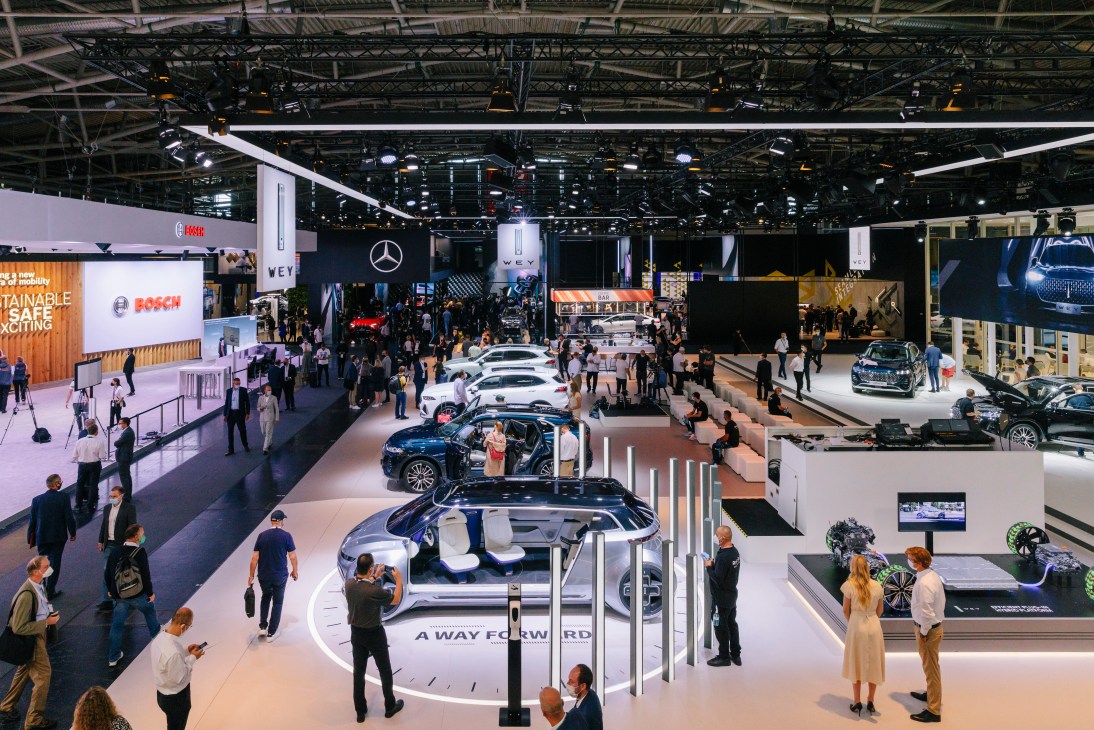

The show also featured some interactive or immersive experiences, with test drives and outdoor demonstrations available. In that respect, IAA Munich was a welcome change from the conventional car show dominated by static, don’t-touch displays. And it took visitors well beyond the main location in exhibition halls, with off-site suites and displays in the city centre hosted by car firms and a so-called “Blue Lane” connecting them. Though this had the effect of splitting our attention between multiple spaces, it showed that the organisers were trying hard to redefine what works for a contemporary car show.
Most eyes were on the latest electric-vehicle releases coming from big car brands, especially the Germans. Those line-ups look increasingly diverse, with new launches in the luxury and performance sectors. The days of electric vehicles mainly being cute city cars and oddball concepts are long gone – and everyone seems rather grateful for that.
In the past few years, many carmakers have launched petrol-free models that are a significant leap forward from their predecessors. These aren’t just the same old cars with an electric engine thrown in; they’re completely reconceived and built around the unique requirements and possibilities of electric engines. Mercedes-Benz has lately been one of the most aggressive companies in this respect. At this show, it launched several new electric cars in its EQ range, along with some concepts. “We invented the automobile,” said Britta Seeger, head of sales and marketing at Mercedes-Benz and a member of the Daimler board. “Innovation is in our genes. We have been at the forefront of change and this is what we believe we need to continue to do. And it’s not only taking the steps for us as a company but the customers as well. This is what they’re asking for.”
Audi isn’t resting on its laurels either. Having recently launched a number of electric crossover models, it attracted attention in Munich by presenting its vision of the future in the form of the Grandsphere concept, with its allusion to driverless travel. Autonomous vehicles may be further off than many suggested a few years ago and the technology still faces technical and regulatory hurdles. Automakers, however, are still pursuing it.
And what about bmw? It went all out by showcasing a fully recyclable concept car alongside many others.

It wasn’t just the German heavyweights dominating. The South Koreans made a strong impression, in particular Hyundai and its luxury brand Genesis, both of which are working hard to convince Europe that they can compete with the Germans not only for reliability but also for luxury and fun: cars that transport you physically and emotionally.
“We invented the automobile. Innovation is in our genes. We have been at the forefront of change and this is what we need to continue to do”
Genesis in particular took an intriguing approach at the show, opting to launch a showroom in the centre of Munich and hosting agenda-setting talks and activities from there. The studio marked the official entry of the South Korean luxury marque into the heartland of the German car market. Genesis is seeking to redefine the experiences of buying and owning a car, wooing customers not only with desirable vehicles but also a promise to make the shopping experience transparent and pleasurable. Genesis is confident that once people get a taste, customers in Germany and the rest of Europe will bite.
“The German market is the most competitive for premium cars,” says Dominique Boesch, managing director of Genesis Motor Europe. “We believe that with our approach, we will get noticed and we will have customers interested in our proposal.”
Boesch mentions South Korean hospitality culture and how a guest expects to be treated in someone’s home. “That’s the way we would like the people visiting us to feel,” he says. “We want you to feel comfortable and we want to support you. It’s about simplicity, genuine care and making the customer’s life easy.”
There’s plenty of excitement and clearly an increasing demand for electric cars, as drivers realise just how much better they are becoming to drive and spend time in. Manufacturers are realising that they need to deliver them across the market; emissions-free cars are due to take over the entire line-up of some firms sooner than the industry expected.
The conditions aren’t quite perfect for auto brands just yet, however. Many of tomorrow’s potential competitors waiting around the corner have never made cars or anything of the sort before but are now looking to change gear and get in on the action. The R&D war chests and clean-sheet approaches of companies such as Apple and Google are notable examples, and there has been a lot of buzz around a possible Apple car. Customers who already use such companies for other technologies are a huge potential market that could drive demand. We saw other companies that haven’t traditionally been in the sector jump in too, with Bosch launching e-bikes, scooters and even a small car.
All of this focus is good for the industry and good for the motor-show model too. The more manufacturers realise that they have to innovate to stay relevant – just as IAA Munich itself has – the more we’ll see a market for genuine mobility solutions.

Going places
When Joe Biden nominated the former mayor of South Bend, Indiana, to head the US Department of Transportation, Pete Buttigieg’s CV and the task ahead of him seemed almost comically mismatched. The department has a budget of tens of billions of dollars and a workforce of 55,000, the majority of whom are in the Federal Aviation Administration. Meanwhile, the executive of South Bend, the country’s 304th largest city, oversees a transport budget of about $10m (€8.5m), with a fleet of 47 buses and fewer than 100 full-time employees. South Bend International Airport, which has never had international passenger services, isn’t under the mayor’s control.
Yet Buttigieg has been a star of Biden’s cabinet as the most visible booster of its early legislative successes. This spring, Biden signed the American Rescue Plan into law. According to Buttigieg, its injection of $30.5bn (€26bn) into regional transport systems “saved transit” that had been hit hard by the pandemic-era collapse of passenger numbers. In a summer when Biden’s administration faced worldwide condemnation for the military withdrawal from Afghanistan, infrastructure was a bright spot. Buttigieg played a central role in rallying rare bipartisan support for a $1.2trn (€1trn) public-works bill, the final passage of which will mark one of the most significant acts of investment in the US built environment in years.
Buttigieg might have arrived on the national scene as a jejune agent of lofty rhetoric about generational change but he is now an unlikely steward of the Democrats’ nuts-and-bolts agenda. For him, ensuring that the investment is wisely spent is about much more than just fixing dilapidated bridges and roads, or bringing the country’s airports and railways up to international standards.
“It’s important for people to see these policies working for them,” Buttigieg tells Monocle as we meet on the White House campus where he’s working from a suite in the Eisenhower Executive Office Building. Buttigieg has taken to cycling around the capital but his white shirtsleeves are pristine even after a humid morning’s commute. “And I’m saying that not just in terms of crass expectations about political credit but because it actually contributes to social and political trust,” he adds.
“Since the Reagan era, the public sector has been starved of resources,” says the 39-year-old. “People saw policy failure and degraded assets, undermining their trust in government. This, in turn, undermined their willingness to fund government, which then undermined the ability of government to deliver.” The solution? “Show people that good government, whether big or small, can deliver for them.”
“It’s one of the most bipartisan areas we have in domestic policy. There’s mutual appetite to work on it in a bitterly divided Washington”
Previously little known outside his corner of northern Indiana, Buttigieg emerged as the surprise star of the 2020 Democratic primary season by pulling off the impressive feat of winning the most delegates in the Iowa caucuses and finishing second in the New Hampshire primary. But his candidacy stalled as the moderate white voters at the core of his coalition rallied around the more familiar Biden. When Buttigieg dropped out of the race in early March, he did not have a job awaiting him; his second term as mayor had ended on New Year’s Day. So he endorsed the frontrunner, becoming the Biden-Harris ticket’s most effective broadcast spokesman and one of its top fundraisers. (He also wrote a book and started a podcast, of course.)
Buttigieg, who during his mayoralty served a six-month deployment in Afghanistan as a Kabul-based naval-intelligence officer, had initially aspired to be Biden’s ambassador to the UN. It was a post that would have rewarded the polyglot Buttigieg’s gift for oratory and building relationships, and not demand much in the way of administrative nous. Instead, he was handed responsibility for a large and complex bureaucracy, leapfrogging two politicians with experience of running much bigger cities – Los Angeles mayor Eric Garcetti and former Chicago mayor Rahm Emanuel – who were both said to be interested in becoming transportation secretary in the Biden administration.
Buttigieg, meanwhile, became the youngest of Biden’s cabinet secretaries and the US’s first openly gay one. His decision not to return to Indiana politics has left everyone in the capital with the unchallenged impression that he will mount another run for the presidency at the first opening. He is probably the only administration official who would have felt it necessary to include a celebrity-style request for privacy in an August announcement that he and his husband, Chasten, were adopting a child.
On formally joining Biden’s administration, Buttigieg’s first congratulatory call, by custom, was from the Canadian transport minister. But he has spoken to other international colleagues and it’s not always clear who his peers are. In some countries, the analogous ministry covers communications or water systems; in India, for instance, the secretary’s responsibilities are spread across four different ministries. The congratulatory calls were instructive to the new secretary about just how unwieldy the component parts of his portfolio would be. Unexpected developments forced two of the transportation department’s smaller responsibilities to the top of the news: pipeline safety, when the country’s largest fuel pipeline was shut down by hackers; and commercial space travel, when a few billionaires decided that their new hobby was suborbital flight.
But it was Biden’s decision to prioritise a series of big spending bills that put Buttigieg at the centre of the political action. “It’s no accident that the issue that first led us to see the president walking out of the West Wing and announcing a deal, flanked by Democratic and Republican senators, was infrastructure,” says Buttigieg. “It is one of the most bipartisan areas we have left in domestic policy – and you can feel that. It has been encouraging to see that there is, in fact, mutual appetite to work on these things in a bitterly divided Washington. And my hope is that it could be a source of momentum for other issues too.”
The last Democratic administration also began with a massive new spending push. In 2009, Barack Obama promised that the American Recovery and Reinvestment Act (ARRA) would not only pull the country back from recession but transform its energy, healthcare and transport sectors. Biden, as vice-president, was tasked with managing arra’s implementation. But its aims were in conflict: the so-called “shovel-ready” projects that could quickly create jobs were typically to repair rather than reimagine existing infrastructure. So highways were repaved but the promised lattice of new high-speed rail corridors never materialised.
This time, Biden split his Build Back Better programme into separate pieces. The American Rescue Plan, passed in March, was designed to deliver instant stimulus. The infrastructure bill lumped together the spending that was most popular with Republicans, spread out over many years. “What we’re trying to do now is prepare a long-term vision for the future,” says Buttigieg. “That’s why we talk about it as a generational investment, not in terms of what can go into the ground by 2022 [in time for the mid-term elections].”
When the infrastructure bill becomes law, it will channel massive sums into Buttigieg’s departmental budget, including $110bn (€93bn) for roads and bridges, a similar amount for rail and mass transit, and $25bn (€21bn) for airports. Biden has promised that this will not only fund a construction spree but serve as a vehicle to advance broader policy interests: strengthening the country’s hand in geopolitical competition with China; ensuring racial equity in US cities; fighting climate change; and preparing the country for the effects of new weather patterns.
First, though, there will be the matter of letting the American people know who deserves the credit. In 2009, Obama invested in an effort to brand the stimulus package, slapping a freshly designed “Recovery” logo on every transport project so that travellers would associate it with the government. Buttigieg suggests his focus is less about roadside signage than new opportunities to spread the word via digital media. “It doesn’t have to be about literally stamping the president’s signature on everything that happens,” he says. “But we can have conversations with communities about how the bridge that they’re about to drive over is here because of their local leadership and because of decisions made in Washington.”
As Buttigieg articulates that effort to build trust through infrastructure, it starts to sound a lot like another campaign. “Connecting the dots is partly a matter of presence,” he says. “That’s why it’s important for the president to go places and for the vice-president to go places – and for me to go places when the time is right.”
What’s on Pete’s plate?
Five pressing tasks for the secretary of transportation.
1.
Making the roads more durable
Buttigieg was often frustrated as mayor at the amount of time and money he had to devote to filling potholes. That experience led him to consider the short-sightedness of the modern approach to construction. “The problem is that nobody has thought of an asphalt that lasts more than 12 years in our climate,” he says. “Just taking this from 12 to 17 years would be epic in terms of the billions of dollars saved and the environmental benefit.”
2.
Funding future momentum
As mayor, Buttigieg appointed South Bend’s first chief innovation officer, an unusual post in a small city, and wants his new department to drive breakthroughs that the private sector might ignore. Buttigieg laughs off the suggestion that he will fund jetpack research and instead hopes for advances in drones and automated-vehicles. “It’s not just that it’s nifty,” he says. “It’s that a blind or physically disabled person can travel somewhere that they couldn’t before because the car is driving.”
3.
Razing racist roads
After bipartisan negotiations, funding for the Reconnecting Communities initiative to remove mid-century highways that cleaved cities along racial lines was cut to just $1bn (€850m). “We have a responsibility to apply resources to this because it was federal dollars that created the problem,” says Buttigieg. He’ll build support for the programme by highlighting model projects, such as in Syracuse, New York, that not only right historical wrongs but boost quality of life for residents.
4.
Winning over Republicans
The opposition has dismissed Biden’s clean-energy proposals as green dreams that will drive up prices. Buttigieg sees part of his job as convincing those on the American right that they will gain too. One example is electric vehicles, which he thinks should appeal to rural residents if the government can help to ensure that charging stations are widely available. “These residents will save more money,” he says. “But only if it works.”
5.
Pleasing Amtrak’s leading passenger
National passenger-rail service Amtrak has received the biggest boost to its budget since its 1971 founding. “There’s no reason that America should settle for the fact that Japan, Italy, Spain, Morocco or Turkey can boast better passenger-rail access,” says Buttigieg. Any improvements to speed or reliability are likely to be noticed by his boss; Joe Biden used Amtrak for his daily commute to Washington from Delaware for 36 years.