Issues
Should Australia open its borders?
The debate
For the better part of two years, Australia has been obstinately closed off from the rest of the world to deal with the pandemic. Is this national turn inward an aberration? Or does it reveal something more fundamental about Australia’s character?
On numbers alone, Australia has handled coronavirus relatively well. In the early stages, especially, it maximised the natural advantages of its remoteness with enviable success.
However, while most of the rest of the world has tried to adapt, Australia remains determined to stamp (or shut) the virus out at almost any cost. Entire cities – even entire states – have been thrown into successive lockdowns, sometimes over fewer cases than might be found among passengers on a European bus. It is still difficult for anyone to leave or enter the country; it was at one point a criminal offence for Australian citizens to try to come home from India. As a vaccine programme has proceeded sluggishly, the country has often appeared both bafflingly complacent and vaguely hysterical.
The pandemic has been a strange moment in every country’s history but in Australia’s more than most – and at its own insistence. For Monocle’s new regular feature, contributing editor (and London-based Aussie) Andrew Mueller asks our panellists: did it have to be like this? Why is it like this? And what kind of country will come out the other end?
Meet the panel
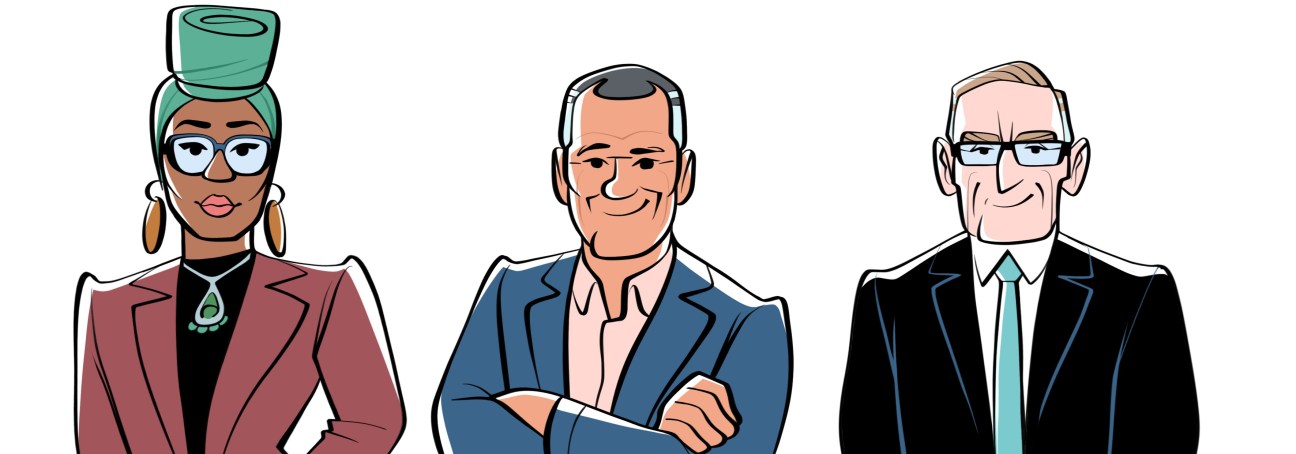
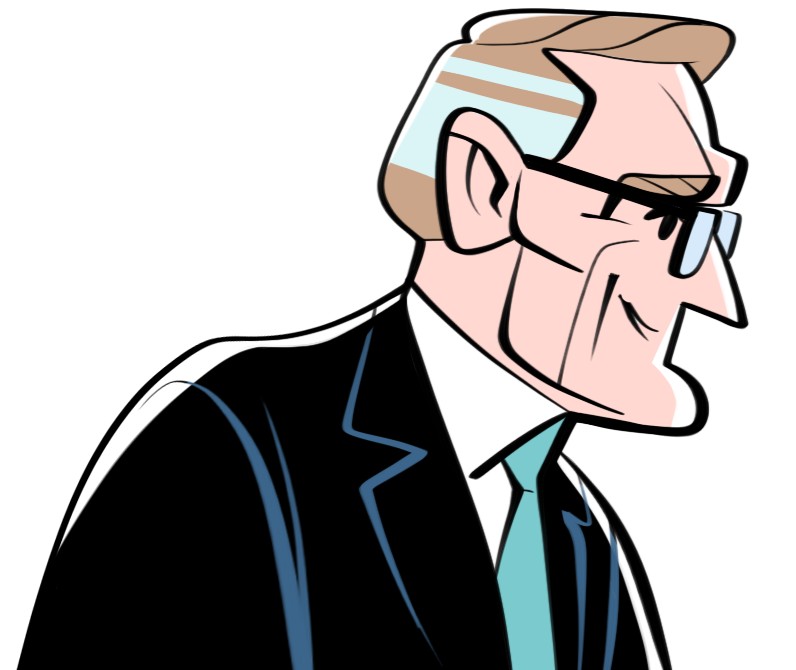
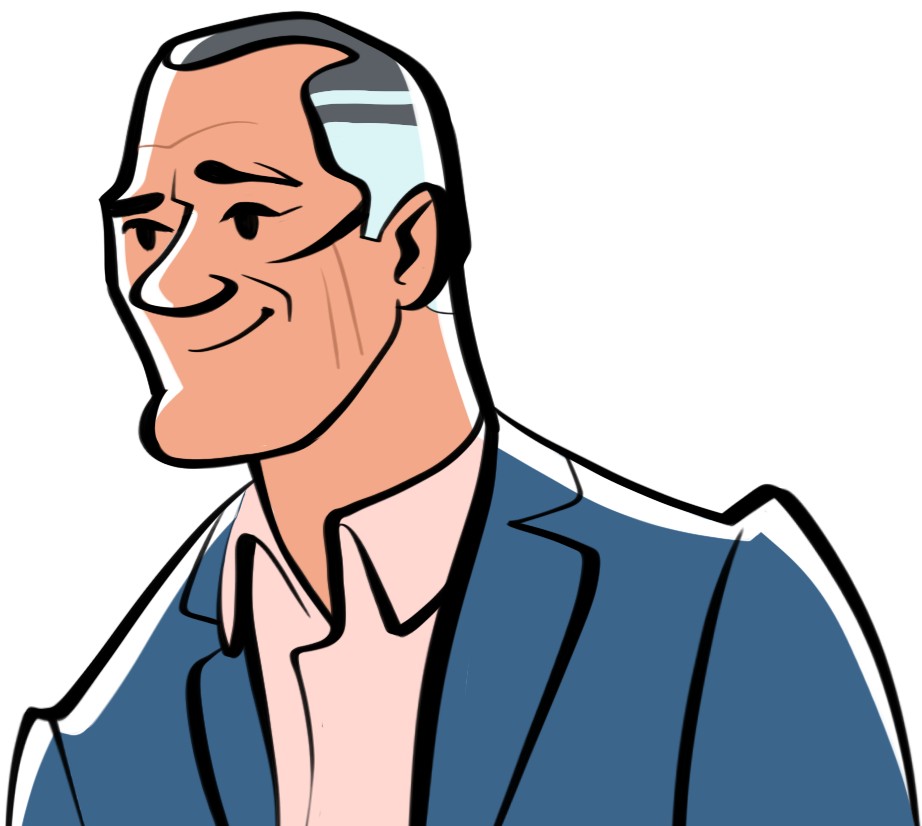
Bob Carr
The politician
Carr was premier of New South Wales from 1995 to 2005, winning four elections, three as leader of the state Labor Party. From 2012 to 2013 he was a federal senator representing New South Wales and served as Australia’s minister for foreign affairs. He is now an industry professor at the University of Technology Sydney and is the author of several books.
Stan Grant
The broadcaster
Grant is one of Australia’s best-known broadcast journalists. He has worked in Australia and abroad for the Seven Network, CNN, sbs, nitv and is the abc’s international affairs analyst. He has been the recipient of a Peabody, a Logie and two Walkley awards, and has written extensively about his Indigenous heritage.
Yassmin Abdel-Magied
The writer
Abdel-Magied is a racing-car designer, oil-rig engineer, broadcaster, writer and advocate. Born in Sudan, she moved to Australia with her family as a child. She has worked for organisations such as the Council for Arab-Australian Relations and the Australian Multicultural Council, and been named Queensland Young Australian of the Year, among other honours. She is currently based in Paris and London.
Let’s start with now. Is Australia taking a notably eccentric approach to the pandemic?
BC: It has probably now congealed as conventional wisdom that this has been a big policy failure in Australia, with the government being vain about the success of its approach last year and not working as hard as other governments to line up vaccine options. We have the vaccination rate of a Mosquito Coast republic and the public has caught on that the time in which the government has been congratulating itself on how clever it was last year was all wasted.
SG: We’re an island; we’re isolated. There is a tendency to just see what happens here and not contextualise it. Even now, despite failings on vaccination, we’ve had total case numbers since the start of the pandemic that London has had in a day. When your borders are closed and you’re looking inwards, you can imagine that the worst is happening but, comparatively, we’re still in a good place.
Yassmin, do you have the sense that people elsewhere in the world have started wondering what’s going on with us?

YA: There’s a lack of understanding among folks on the outside about why Australia has chosen this path. It’s perhaps because of the Australian psyche, in which it seems perfectly normal to close your borders and weather the storm. The rhetoric around allowing people in and out has been relatively muted, unless you have relatives overseas who can’t come in, or unless you are trying to get out for work or moving. Generally, people have accepted that this is the price that you have to pay. Trying to explain all that to folks who don’t fully understand our history has been a challenge. The incredibly punitive nature of the lockdowns in proportion to the scale of the disease has also been difficult to explain. In the UK, for example, Boris Johnson said that he didn’t think people would listen to the rules, whereas in Australia the response has been that we will police each other.
Historian Manning Clark once wrote that Australian history was essentially a struggle between what he described as the ‘enlargers’ and the ‘straighteners and punishers’. Are the punishers getting the upper hand?
BC: That was a brilliant insight by Clark; his books, with clear flaws, do repay revisiting. But our dissenters have generally lost. You could even say that Paul Keating – his aspiration for Asian engagement, an Australian republic, and a big commitment to Indigenous reconciliation – lost in 1996. Do dissenters always lose in Australia? Are we a country that, despite the invocation of “larrikin spirit” [essentially, “cheeky though good-hearted”], will always back the forces of order, underpinned by our fears? My pessimism sort of settles on that interpretation.
YA: The Fatal Shore by Robert Hughes comes to mind. I always remember that idea of Australians having a low trust in authority but a high dependence on it, based on its history as a penal colony.
That’s my mother’s family you’re talking about…
YA: I say that with love. There are so many other things that we accept government intervention on in public health: cigarettes, seatbelts, drink-driving… But now we’re having so many conversations about tactics rather than where we actually want to end up.
That idea of Australians as irreverent, anti-authority larrikins is a story we like telling ourselves, isn’t it? A bit like thinking of ourselves as crocodile-wrestling bush folk, when really we’re mostly a mob of urban milquetoasts.
SG: We like our irreverence in the Paul Hogan style, with a bit of wit. But we don’t reward it when it’s critical. A couple of years ago I wrote what I thought was a rather reasonable article pointing out the fact that while various statues were coming down in the US, we had one in [Sydney’s] Hyde Park of Captain Cook that still displayed the words “discovered these territories in 1770”, which is an absolute nonsense, an insult to my ancestors who were standing on the shore waving at yours, Andrew, as they arrived. I actually made the point that I didn’t really want Cook to come down. I thought we could put up another plaque alongside or in place of it that corrected the terra nullius myth. And I had the prime minister of the day saying that I was a Stalinist. I think there was one headline that said “Taliban Stan”.
Bob, you’re the one here with actual experience of political leadership. Was there a different way Australia could have handled this? I don’t understand why the prime minister couldn’t have said, ‘We will get our people home if I have to send my own plane. And if we have to build a quarantine station in the desert, we’ll do that.’ Could we have been just as effective while being less timorous?
BC: It was timorous. Of course, we’re saying these things with the benefit of hindsight. And running a government is not knowing what is around the corner. Conventional wisdom in early 2020 was that this would burn itself out in the northern summer. But it’s still instructive to go back and look at this. The two points you make are valid and I’d add a third, which is that is the government of New South Wales could now be setting up a committee like the one that oversaw the construction of Olympic infrastructure, to design a vaccination-passport system to enable us to reopen. No one has been bold enough to do that. We have limped in shuffling steps towards the inevitability of a system that would enable this economy to escape. A government ought to be offering hope.
Yassmin, have you found yourself thinking differently about the passport you carry?
YA: It does make you question what the point of citizenship is if you cannot return to your home. I think about my parents, who left Sudan. They were only able to travel back every few years but that’s because it was expensive; it was never the case that the borders were closed. I was married in February 2020 and I’m so grateful that I got that in just before everything shut down. But we did it in Sudan and my father got stuck: he couldn’t get a flight back to Australia until December. When he eventually did, it took five different legs to get in. The cost was exorbitant. If you’re in Australia and not really thinking about what it’s like for Australians overseas, it can seem like not that big a deal. But if citizenship doesn’t guarantee you entry into the place that you call home, what’s the point?
SG: I lived outside the country for the best part of 20 years and I never felt Australian more than when I wasn’t in Australia. I never did growing up; we were Aboriginal. Australia was for other people, that was made very clear to us. When I went overseas and met Australians, free of the weight of that history between us, I realised that we had the same memories. There is that emotional connection to the place. If you’re born in Australia, in global terms, you have won the lottery: our environment, our prosperity, our cohesion, our safety, our security and our democracy. And yet those other darker aspects – the insecurities, the illegitimacy – rear their heads. Coronavirus has revealed those things again.
Is Australia re-embracing what it’s most comfortable with? The idea of Australia as this gregarious nation of the world is a relatively recent one. In the centuries before that, Australia was an isolated, insular island colony. And, of course, there were immemorial millennia before that in which no one outside Australia even knew it was there. Is there a reversion to type going on?
BC: We are a nervous little country. The motivating force in our foreign policy is fear of abandonment, of being left alone. We have a deep desire to be part of the empire that dominates the seas to our north, from the British Empire right through to our enthusiastic embrace of the US. That’s because of deeply entrenched fears about the security of this continent. It’s not a picture of a country that’s confident in its own character.
I want to pick up that idea of the pandemic playing into some deep Australian fear of the other. You could make a case that modern Australia was founded by a disruptive force from overseas. Has a fear of the outside world developed from that? Or is this a reasonable response to a health emergency that has just got a bit out of hand?
SG: We can make both arguments. Australia is a paradox. It’s an extraordinarily tolerant, cohesive, multicultural, incredibly prosperous nation. It is comparatively well-governed, very safe and secure, and one of the more robust democracies. And yet there is something else happening at a deep psychological level, born of the fears that Bob talked about.
Is anything profound shifting in Australia? Five years from now, will this be remembered as an anomaly or a more fundamental deviation?

BC: There’ll be a return to normality pretty quickly. When it comes to the future, I’m more concerned about the lack of confidence in exploring a different diplomatic or strategic character from simply being the most uncritical US ally. I’m going to write a parody in which I argue that Australia’s needs are served by us becoming a US territory like Puerto Rico or Guam. You’d have the support of a lot of the Australian media. One curious thing about our country is the absence of a desire for any kind of independence or to chart our own way. We’ve stifled any notion of a fully fledged international, outgoing national character. And it seems that Australians are pretty happy with this.
Do you feel that a lot of Australians are happy to be left alone by the rest of the world?

YA: This is something that I felt put a lot of distance between me and my counterparts in the country last year, when the majority of the world was going through a really tough time. Australians in Australia were like, “Sorry, but we’re cool.” I often think of the country as a teenager: not liking what anyone tells it to be but not actually really independent. As a teenager you still need your parents to pay your rent and cook for you. But you think you’re really your own person with all these opinions. And I see Australia as a country where people believe that maturation is optional.
SG: There’s a wonderful line in a Midnight Oil song that I’ve always thought summed up the country: We’ve got too much sunshine. But there is a great resilience to the Australian spirit. The flipside of our lack of introspection is a great practicality. So I’m optimistic from that point of view with our resilience and capacity to get things done. The failure to make good on our good fortune – escaping the worst of it, then bungling the vaccine – is very Australian. We succeed sometimes in spite of ourselves.
Conclusion
Australia will probably be OK. The country – wealthy, orderly, secure, lavishly blessed by nature and geography – usually is. But a long-term retreat into its shell would be an obvious loss to a population with roots and connections overseas, and, dare we say, to an outside world deprived of the talent, charm, rugged good looks and self-effacing nature that wins hearts and minds wherever we travel. Australia’s idealised national character – stoic, robust, independent, practical – might be largely delusional: idealised national characters often are. But it might be a worthy aspiration.
Kaja Kallas navigates Estonia’s digital future amid pandemic and geopolitical tensions
Few would claim that a pandemic is the ideal time to take over running a country. But that’s exactly what Kaja Kallas, Estonia’s prime minister, did in January. Following the resignation of the country’s previous prime minister, Jüri Ratas, amid allegations of corruption within his party, Kallas’s centre-right Reform Party struck a deal with the Centre Party to form a new government, with Kallas taking the top role. It was a historic moment. When president Kersti Kaljulaid nominated Kallas as the new prime minister, Estonia became the only nation in the world to have a woman as both its elected head of state and its head of government.
Not that there was much time for celebration. Kallas has had her work cut out for her from the beginning. First, there was the issue of the country’s ongoing response to coronavirus, a challenge that she readily admits she is still grappling with. (She tested positive with the virus in March; she reportedly only suffered from a slight fever.)
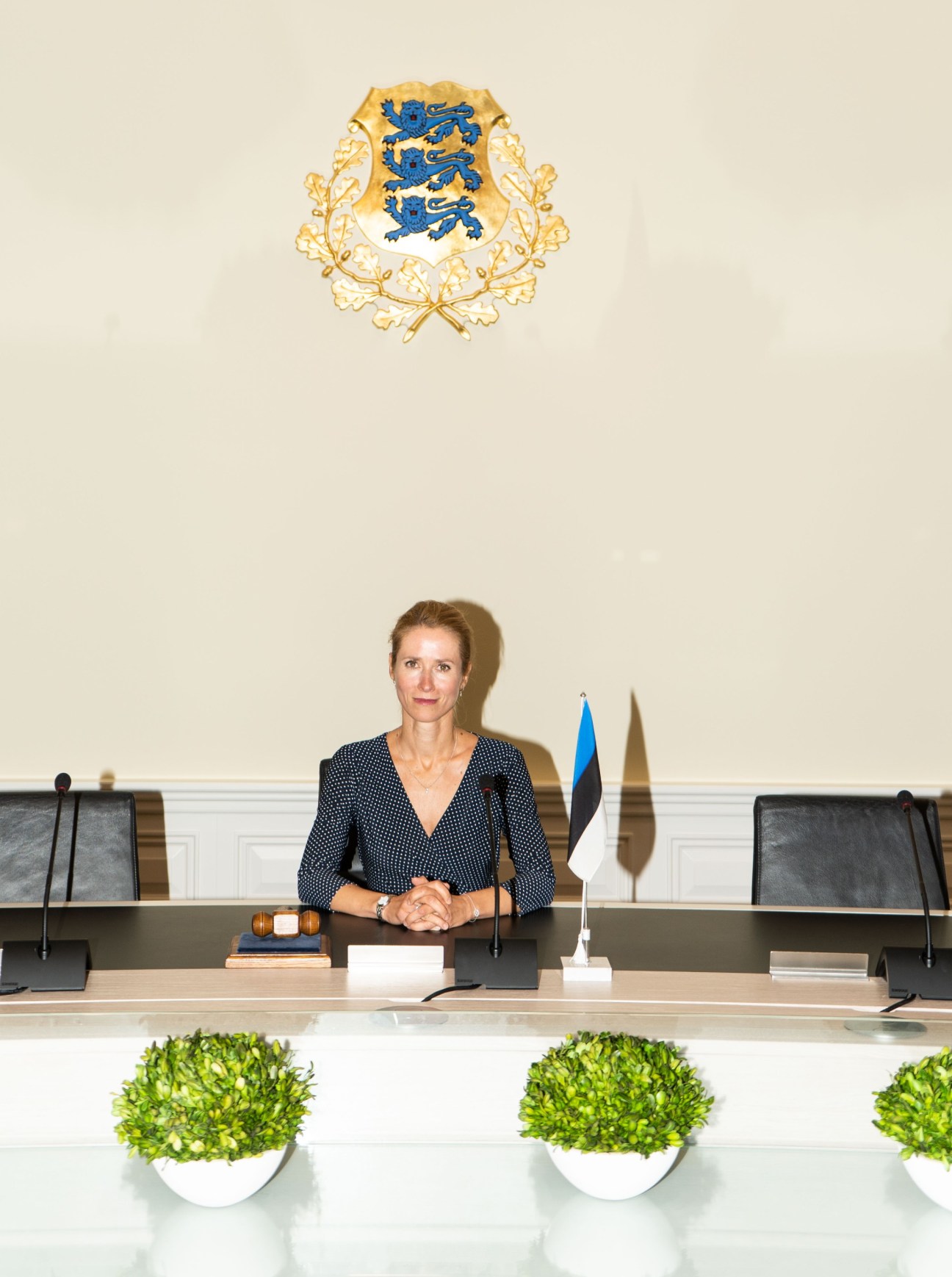
Kallas is fortunate that Estonia’s history and approach to its future have meant that some aspects of the pandemic have been easier to deal with. After the Baltic state gained independence from the Soviet Union in 1991, the country was eager to forge a new society far removed from its Russian past. Naturally, it joined Nato and the EU. But Estonia also embraced digital culture and governance with such zeal that its system is now recognised as the benchmark around the world. Even before the pandemic struck, Estonians paid their taxes and parking fines, did their banking, voted and accessed their medical records online. In such a country, the transition to working from home and homeschooling was easier than in most. However, the economy, Estonians’ mental health and maintaining civil freedoms all remain big concerns for Kallas.
What’s more, the country’s geographical proximity to Russia and other former Soviet states has caused further challenges for Kallas – and indeed the region as a whole. Tensions between the EU and Belarus, backed by Vladimir Putin, are escalating; Estonia’s Baltic neighbours are dealing with an influx of migrants whom Belarusian president Alexander Lukashenko has been accused of ushering in over the border in an attempt to destabilise the EU.
Despite having so much on her plate, Kallas took some time to sit down and record this interview for Monocle 24’s The Chiefs. She hosted the conversation at her office at Stenbock House in Tallinn to discuss Estonia’s challenges, national identity and future.
I’m going to start with a tricky question: how would you grade Estonia at the moment?
Well, it’s very hard to say because the old Estonians would say it’s bad faith when you grade things in the middle of a crisis. I was at a conference where people were asked, “How many of you think that the worst is over?” It was about half – and the other half thought the worst is not over yet. I hope that the worst is over but I’m not sure. The vaccinations are ongoing and uptake is quite high already. We don’t have any proof that the vaccines don’t work against the new variants. So we hope that we can still cope. But we are not out of this until all of us are out of this.
Estonia is taking a very pragmatic stance with the pandemic: you have put the economy at the forefront. How much of this was a unified decision? Or how much has your party’s view guided it?
The Estonian position is to look at the bigger picture. It goes with the way we see the world. We come from the Soviet Union where we had a lot of rules and the state was telling you how to eat, sleep and run your errands. So in this crisis we have this view that people tend to be compassionate about the victims who they see. But there are a lot of victims who you don’t see in this crisis as well.
People are losing their jobs because enterprises have closed down. People are struggling with their mental health because of the restrictions. So in order to make balanced decisions, we also have to take those invisible victims into account. That’s why we have tried to keep society as open as possible in order to protect those visible victims who go to the hospital but also to help the victims who we don’t see.
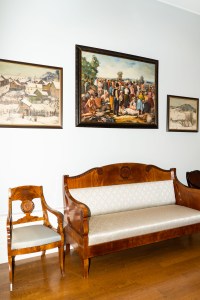
In a country which is so advanced when it comes to embracing a digital culture – and has positioned itself in such a way – has anything been learnt when it comes to those invisible sectors of society?
Yes, that’s a very good question. First of all, we were well prepared for this crisis in terms of homeschooling and homeworking. Better than other countries, maybe, because we have the e-government, we have the e-services, we are used to communicating via digital means and we also had the digital school already in place. But what we have learnt is that it doesn’t suit everybody. Digital schooling for some is a good way to do things but some pupils are left behind and we can’t allow that.
The other thing we have learnt is regarding vaccination. More than 97 per cent of Estonians file their taxes online and communicate with the state via digital means so we pushed digital registration for vaccinations. But it turns out that regarding health issues, people – especially older people – want to talk to doctors who they know. So the take-up of the digital registration here has not been as big as we would have thought. And it turns out that people like queueing on the streets as well. So we have created additional means so that you can show up without registering. We thought that people would rather stay in the digital queue on their computers than queue on the street.
I think about the situation that they had in Germany over the course of the summer with the floods. People asked, ‘How can you have so many deaths in one of the biggest economies in Europe when they knew the storms were coming?’ One partial explanation is because digitisation doesn’t always work. Not everybody in an old-age home has an app. You need things that are analogue when phone batteries run out, such as sirens on buildings. Have we have swung too far, too fast in our move towards digitalisation?
Well, it has two sides. One is that this crisis has shown that people can remotely work and that most of our work is done by our computers and brains. It doesn’t matter where I do this job; I don’t have to commute every day to this office to do the work that I can do wherever I want to be. People can move to the countryside and, as long as there is internet access, they can work from there, which is a very good regional development.
On the other hand, what we have also seen is that some things need analogue means. So as you mentioned, when you have floods, it’s good when the siren informs people that danger is coming. After the pandemic, there are many aspects of our lives that are not going back to where they were. Homeworking is definitely one of them. But what we also have seen is that people need other people. So even if you can work remotely, you still want to socialise. It might be that you are working for your magazine and I’m working for my company. But we are living in the same village and go to the office every day, where we can socialise as humans, while working for different companies and we can do this from any place in the world.
Estonia in numbers
A small country on the cusp of big things
GDP: €27bn (2020)
Official language: Estonian (though English is widely spoken and the country has a sizeable Russian-speaking minority)
Population: 1,330,000
Joined Nato: 2004
Joined the EU: 2004
Biggest export: Broadcasting equipment
Biggest import: Cars
Eurovision wins: 1 (in 2001, the first former Soviet country to do so)
What’s your elevator pitch for Estonia when you’re looking for inward investment?
Well, we are the most tech-savvy country in Europe and we have the most effective tax system. It is a very simple system with few exemptions. This has invited a lot of investment to Estonia. And not to mention that we have digital governance, which makes establishing a company, investing into a company, developing a company and your business so much easier than anywhere in the world.
Yet you have Estonians moving abroad. How do you view the competition for talent?
More, by the way, are coming back. Brexit is one of the reasons for that and there are more people coming to Estonia than leaving, which is a good thing. It’s true that we are a small country but there’s a positive side to that in that everything is more flexible.
But what does the talent pool look like?
It’s looking good. First of all, it shows the quality of the country when more people want to get in than out. So this is positive but because we are a small country, we have an obligation to learn and speak other languages. What is also positive here is that we are quite flexible in terms of approaching different economic policies. We are quite open in looking at out-of-the-box solutions; we are quite open to implementing those solutions as well.
Estonia is a small country where we can test new ideas because we can try things and if they don’t work then we don’t continue with them. So there is some courage to try new things. This is also something that not many countries have. I’m coming from the private sector myself and I see that very often; the argument is, “We can’t do this because we have always done things the way we have done those things.” We are a young country in terms of when we regained our independence. It’s the 30th anniversary this year. Therefore we try to build on the strengths that our country has, for example, to be number one in the world in digital governance.
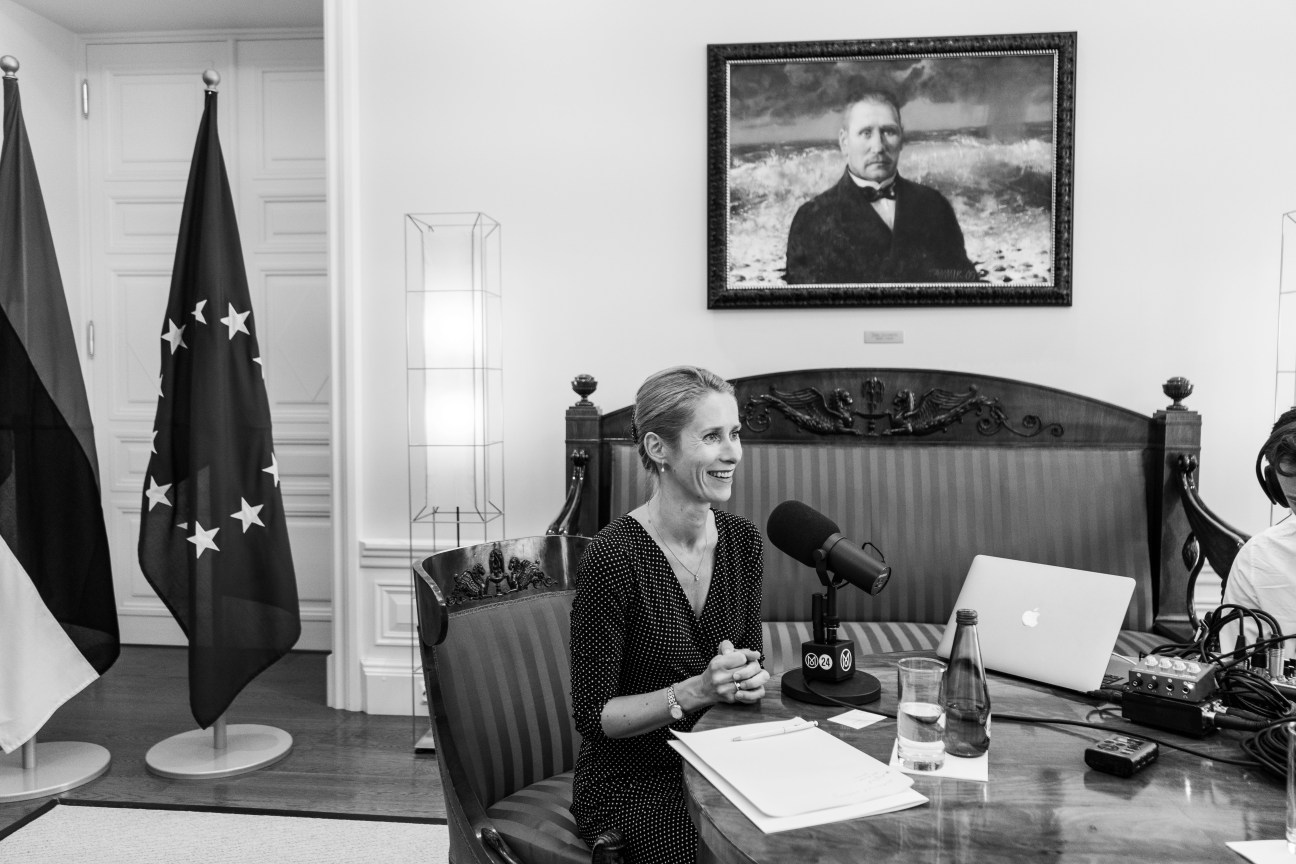
Is Estonia still a place where you’ll be physically manufacturing things? Or do you see it as something that happens beyond your borders when you think of the future of this country?
As we don’t have many people, this was never our strength. So we have to focus on the quality of the things that we do. If we want to develop in the world then services are definitely something where we can grow.
But more and more when we talk about climate policies and green transitions, being small and flexible is also an advantage because our companies can be the ones that test new solutions. So I think our future lies in not being stuck only in the digital part of the economy but also finding new ways that we can be leaders regarding the green transition.
We have our challenges when we talk about the eastern part of Estonia, for example, where we have the oil-shale mines and we have to implement green practices there. But we can also turn it to our advantage. We can lead the way as a good example for other countries as well. And it’s not easy, of course. So trying to bring the private companies on board is very important.
Absolutely. But as you said, it takes time and you can’t extract yourselves from the shale story overnight. But there are so many tracks where people expect that you can turn on a dime. Is it our role as the media to maybe remind people that there are different routes to get to the same goal?
For me, it is very important to listen to people’s fears. Because you know, fear is too strong an emotion to just say, “Don’t be afraid.” And people are still afraid. So why are they afraid? And what exactly are they afraid of?
Here’s an example: I have meetings with the trade union of miners. When we’re in the same room we learn that we have the same worries: they are worried about finding new jobs, or about the jobs that are going to replace their current jobs. They don’t want to be unemployed and we don’t want them to be unemployed because that poses a socioeconomic problem for us in the eastern part of Estonia, which has a big Russian population so that might also be a security issue for us.
So actually we both have the same goal. They understand that we are part of a world where everybody is thinking about environmental issues and phasing out unfriendly fossil fuels. But we have to invite investments that will create the same kind of jobs that require the skills of people who are currently employed in the mines. They are very hard-working people but they have very specific skills; you can’t train them to be IT specialists.
Touring the country and the capital over these past few days, one thing I’ve noticed is that there’s an extraordinary level of craft here. Is that being recognised as part of the national brand?
Yes, that is definitely part of the national brand. I also feel that people here are moving back to tractors, back to this kind of sustainable farming. And something that maybe other nations don’t have is that our forests and our agricultural land are not polluted. Especially in the forests, where you can pick berries and mushrooms. And every Estonian knows how to do this.
More and more people are realising that this is unique. So if all the world is moving away from using pesticides and all kinds of fertilisers, then we have the land here. Linen is something that we have produced here historically and, again, if you look at how people are tired of mass production, this is something for Estonia to build on because we can’t have mass production of anything as we don’t have a lot of people, land or resources. But if you think of niche products, then this is something in which we can be really excellent.
We’re seeing some very aggressive moves made against your Baltic neighbours in the form of forced migration flows from Belarus. Is there a sense that your EU neighbours are not taking this seriously enough? How do you see Estonia’s role?
Yes, what we see happening in Lithuania right now is very severe. We consider this a hybrid crisis. So it’s not a migration crisis because [Belarus regime leader] Alexander Lukashenko has clearly said that they use migrants as a tool against Lithuania in order to destabilise the country, which is very worrying. This is a new type of conflict that we haven’t had before.
Kaja Kallas’s CV
Determined path
1977: Born in Tallinn
1999: Graduated from Tartu University with a bachelor’s degree in law
2010: Graduated from Estonian Business School with an EMBA in economics
2011: Elected MP for the Estonian Reform Party
2014: Elected MEP for Estonia
2018: Named leader of the Reform Party
2021: Became prime minister of Estonia, the first woman to do so in the country’s history
You call it a ‘hybrid crisis’. It’s a type of – let’s not quite call it warfare – but it’s a hybrid type of conflict.
Yes, it’s a hybrid type of conflict because it’s not a migration crisis as it’s clearly orchestrated. And it’s clearly orchestrated in order to destabilise a small country. So I think this should be seen as such and I agree with you that not all our Western allies see it as such. And why don’t they see it? Maybe it’s because the numbers are still quite low. But you have to understand that these are very small countries. You can’t compare a country of 82 million with a country of two million. So for a country of less than three million, as Lithuania is, to have 5,000 migrants crossing the border in a short amount of time is an issue that has wider implications for their society. As we are in this together with Europe, we have to take everybody’s worries into account. I have discussions with other European leaders about this in order to bring it to the table more and more. We have to fight this together.
What three areas of focus are you concentrating on as you look ahead to 2022? What do you want to make sure that you’ve ticked off by the end of this year?
Of course, the coronavirus pandemic is still ongoing. But that’s not political. That’s the crisis that we have to deal with. But in terms of political goals, one is the green transition. As you say, it’s not doable in one or two years but there are some steps that have to be made, some decisions that have to be taken in order to get it rolling.
Then the other big issue for us here is Estonian education, specifically Estonian-language education. In the world, there are about a million people that speak the language. And we have a very big Russian minority, we currently have schools in both languages but what we see is that people who don’t speak Estonian in Estonia get a worse education. Then they don’t get such good jobs as those who speak Estonian. So it’s a wider issue but it’s also an issue for preserving our culture and our language. So it is very small in terms of world politics – but for us, it’s a matter of survival.
As darkness falls
Friday 13 August
The farewells have started. Departure plans have become the main topic of frantic and emotional conversation at any social gathering in Kabul, followed by strained analysis of when the Taliban are expected to enter the city – a reality many of us foreign journalists presumed would be some while away yet. But the prospect is creeping closer by the day and most of the local and foreign journalists, NGO workers and contractors who can get out are already in the process of doing so.
Afghan friends receive visas and flights to new countries – welcome news that is also laden with heartache and despair. Even though a visa is a ticket out of a life controlled by the much-feared Taliban, people are also forced to leave their homes, their families, their hard-won careers and aspirations to embark on a completely unknown future.
Last night an Afghan friend with dual nationality – it would compromise her safety to name the other country – who is preparing to leave fought back tears as she told me that she was unlikely ever to see her Afghan partner again. She works for the government and the situation is increasingly becoming too dangerous for her to remain in the country.
A male friend who runs his own IT business tells me, with watery eyes, that to leave the country is to lose everything. “I have worked hard for everything I have,” he says. “To become a refugee is to completely lose my identity.”
Saturday 14 August
Just days ago, US intelligence officials had revised their estimate of when the Taliban could take over Kabul from six months to three months. Reports are now coming in that the Taliban have surrounded the capital and will enter within days. For those of us journalists who have decided to remain in the country, it has been a fraught few days, going over our decision again and again.
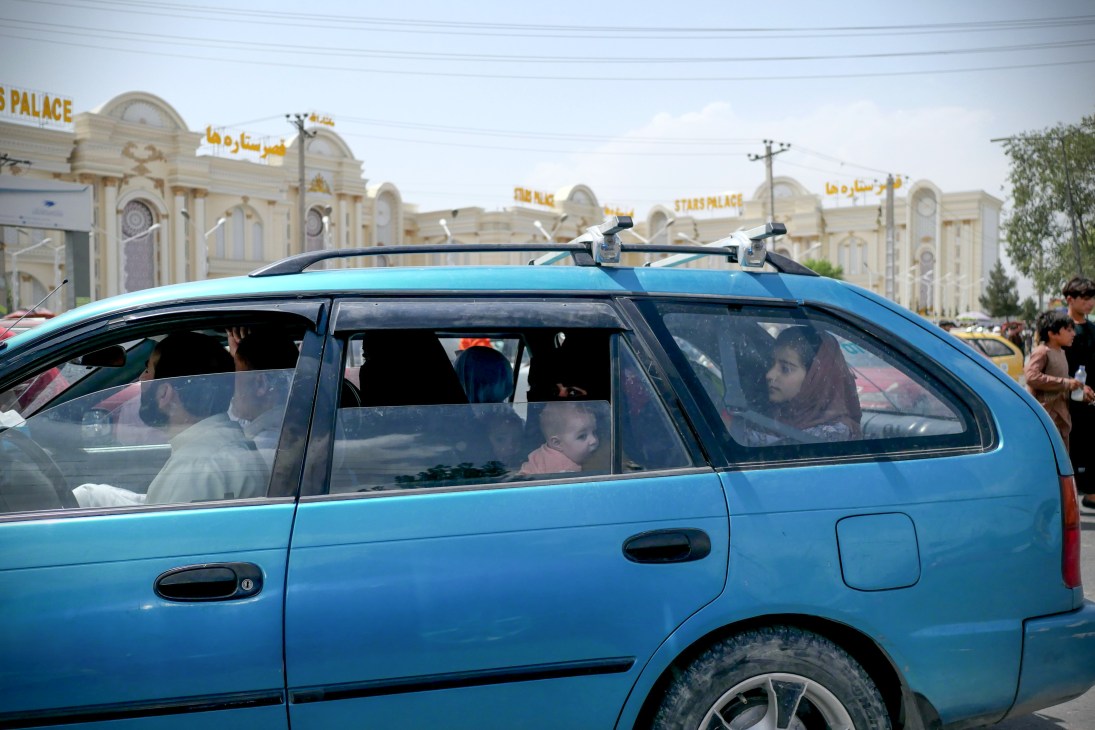
The streets have been chaotic all week as families fleeing Taliban onslaughts in other provinces have made their way to Kabul in the hope of finding safety. But part of the congestion today is down to the city’s residents making preparations as the militants close in. People are stocking up on food, cash and phone credit.
At midnight my housemate and I have the contents of our medical kits spread out across the living room floor while we go over some basic first aid. We have already stockpiled food and arranged a route to a safer place to stay should full-on warfare embroil the city when the Taliban enter. Two flak jackets and helmets sit propped against the hallway wall.
Sunday 15 August
It is my birthday today – one I’ll never forget but also one that passes with little acknowledgement. Word has come that Taliban fighters are in the city. The streets have descended into chaos as people flee their houses to hunker down with relatives and queues form at atms, as people desperately try to access their life savings.
I fight my way through traffic to buy more Sim cards in case the networks go down. Amid the panic, the birthday messages I start receiving on my phone seem frivolous. My taxi driver – a man I see on a near daily basis, who helped me when I needed to buy a new oven, translated for me with a tailor when I wanted sofa cushions made and always asks after me if he hasn’t seen me for a few days – breaks down and cries. His boss has fled the country this morning, the company could close within days and he is still owed his paycheque. “I’m so worried about my family,” he says. “The only way I can earn money to take care of my family is to join the Taliban. What should I do?”
And then it happens: the Taliban march in. Reports say that the president, Ashraf Ghani, has fled the country. An eerie quiet falls over Kabul by afternoon as residents sit at home, waiting for news. Colleagues traverse the city and report the sight of a dead body of a suspected Talib in the road next to an abandoned police vehicle.
Monday 16 August
The tense quiet in the city remains. Shops are still closed and the streets are virtually empty. I venture out and meet a family standing at the side of the road with suitcases, waiting for a taxi home. They stayed with relatives the previous evening having anticipated violence erupting on the streets when the Taliban arrived. One of the daughters carries a plastic bag containing burqas. “Just in case,” says her mother.
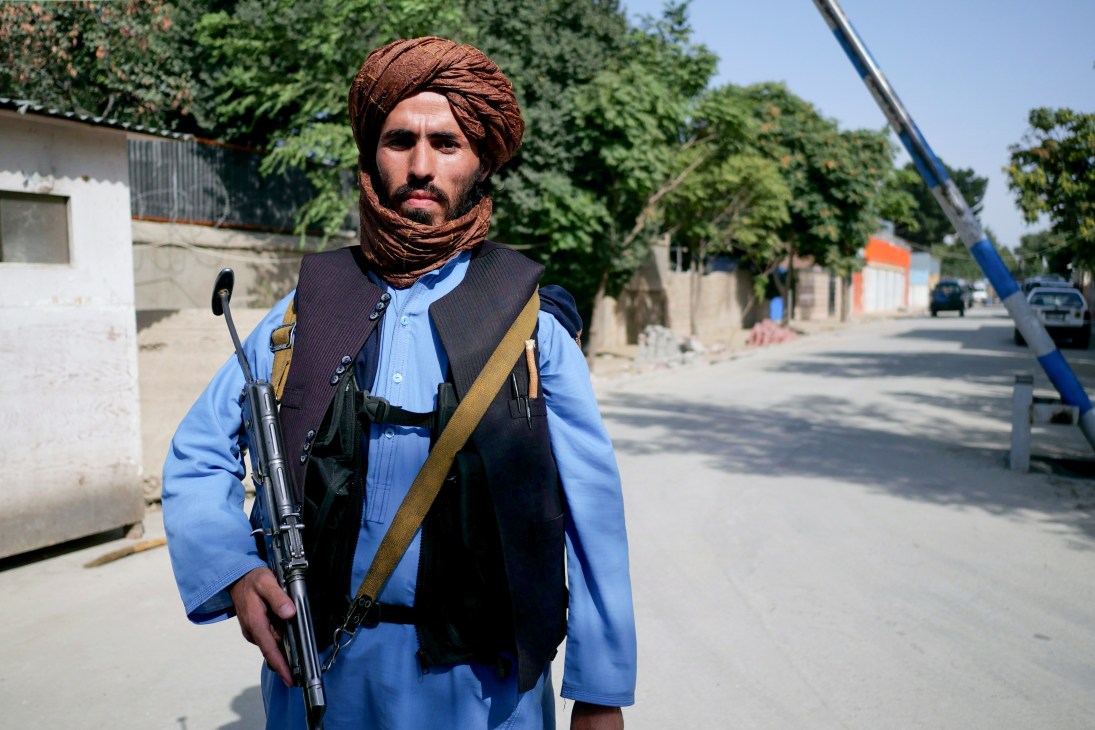
Jubilant Taliban fighters move through the city; a deserted police checkpoint is decorated with a Taliban flag. The entrances to the Green Zone are now patrolled by bearded Talibs with rifles slung over their shoulders.
Tuesday 17 August
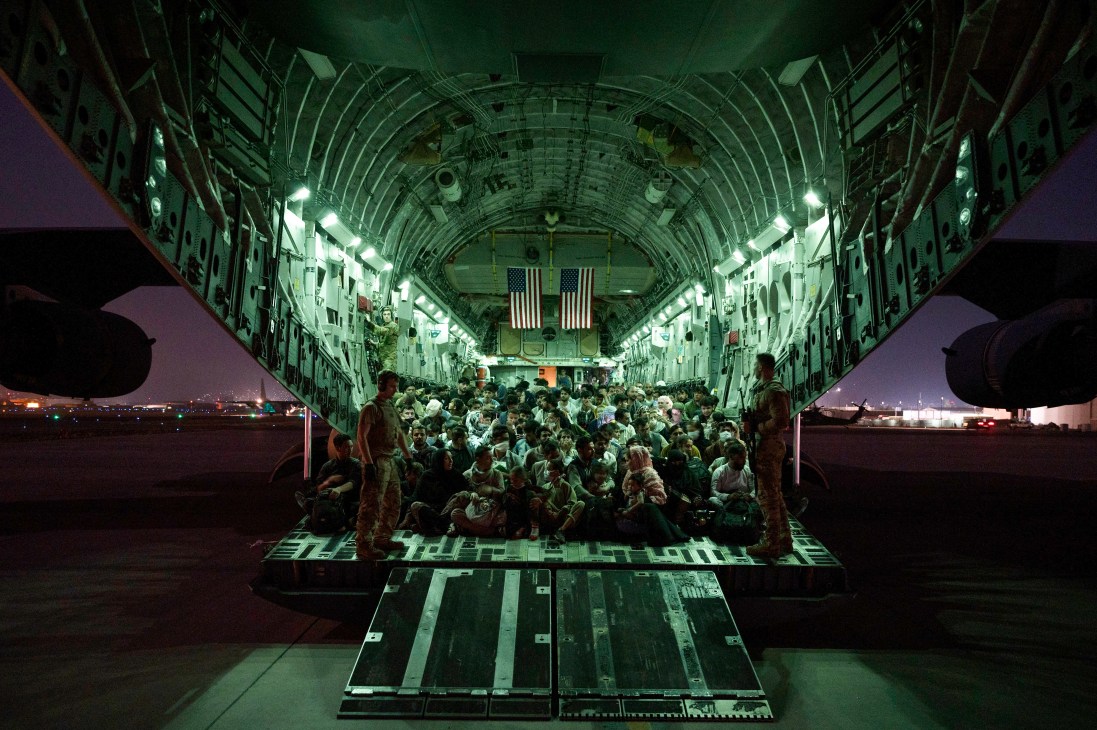
There have been reports of pandemonium at Kabul’s airport since Sunday evening as thousands of people try to get onto evacuation flights. A film-maker colleague and I head to the airport, hoping to get into the terminal. The area is bedlam, flooded with people and vehicles, horns beeping. Automatic weapons are being fired indiscriminately by Taliban fighters in an attempt to control the crowds, while whips and plastic pipes are being used to beat back anyone who tries to push their way to the entrance. “Please take us with you; please, we beg you,” says one woman. We explain gently that we are journalists at work, we aren’t catching a flight.
We are granted permission to enter through the main gate after our Afghan government-issued press cards are scrutinised and our bags and cameras checked. We spend the next two hours waiting on the internal airport road, having been instructed to take a seat in a dilapidated wheelchair and an abandoned office chair.
It is initially nerve-wracking getting inside; this is our first exchange with Taliban fighters since they took control of the city. Our interactions with the men who pass us are different every time: some Talibs are intrigued; some want to help; others tell us “foreigners” to go back to our own country. One fighter tells me to cover my face despite the fact I am wearing a hijab and abaya (a loose, long-sleeved robe). Another asks my colleague if he is a Muslim – he isn’t – before requesting that he recite the Qur’an; he dictates sentences which my friend then has to repeat.
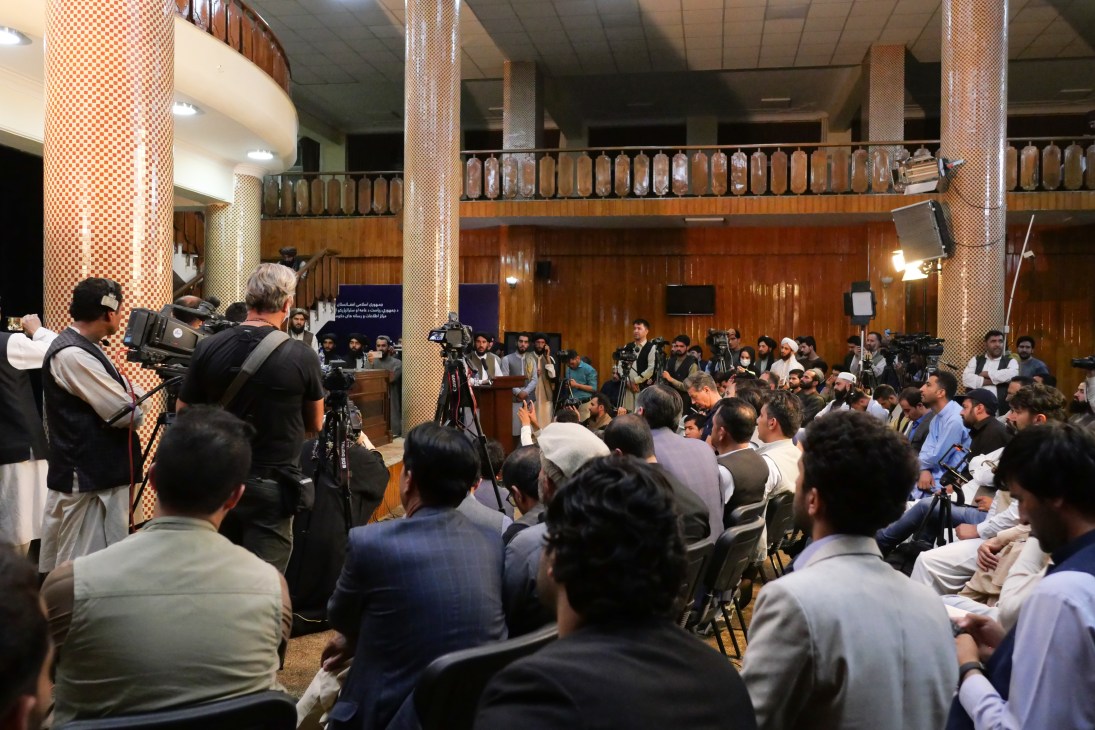
That evening the Taliban holds its first press conference in Kabul and the group’s spokesman, Zabihullah Mujahid, reveals his face publicly for the first time. Assurances are given that women will be guaranteed their rights – within the framework of Sharia law.
Friday 20 August
Friends have now spent days at the airport or stuck in various embassies. The situation at the airport continues to deteriorate. My phone is a constant buzz of activity: messages from Afghans pleading for help and group chats trying to share information on how to get people out. Walking towards the airport, wearing a bright blue backpack, is 14-year-old Arfan, who tells me that his family has already left the country. “My younger brother and I were staying with my aunt in Parwan but my parents and siblings were in Kabul,” he says. “When the Taliban came to the city they closed the road so I couldn’t get to them.” He holds up his phone to show me a photograph of his brothers inside the airport that was sent earlier in the week. Arfan says that he hasn’t heard from them since.
The atmosphere in the city shifted a little after the press conference. The fighters who had previously been wary of the press are now a lot more open to speaking to me and I spend a couple of days interviewing them. But having heard stories from colleagues about receiving beatings while out in the field, every approach is made with bated breath.
Some interactions are mundane. One fighter wearing orange leather sandals tells me about the small stick-like object in his breast pocket. “This is a meswak,” he says. “There was a Western man who had a big problem with his teeth. Muslim people had been using the meswak stick for a long time so they told him he should use it to clean his teeth. He followed their advice and the problem went away. After this, the man converted to Islam.”
Another fighter tells me that it’s no problem for foreigners to be in the country so long as they dress conservatively. He then tells me to pull my headscarf lower over my face.
Sunday 22 August
There have been whispers of a resistance effort stirring: three districts in Baghlan have been removed from Taliban control by anti-Taliban fighters. Resistance efforts have long been found in the breathtaking Panjshir Valley, northeast of Kabul, home to Ahmad Shah Massoud who was a leader of the Northern Alliance, which is now the heartland of the National Resistance Front led by his son against the Taliban. I head there to interview fighters.
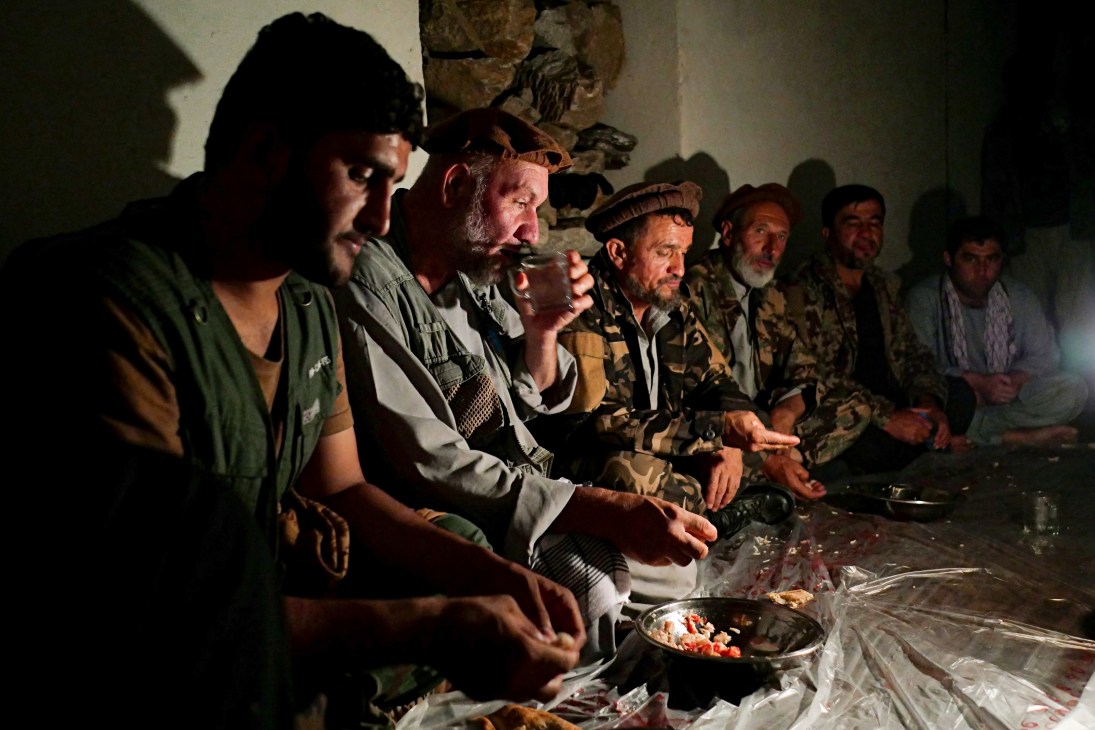
I meet a group on the last outpost before the valley ends and becomes Taliban territory. It’s after dark and the only indications of life are torch lights on the hillside; rushing river water and chirping crickets are the only sounds keeping the men company.
They invite me to share dinner with them inside a police guard hut. We sit together on the floor and use our hands to eat rice and tomatoes with a little bit of chopped chilli. They speak with passion about how they are prepared to fight until their last breath to save their freedoms and their country; the older men tell tales about their war wounds from previous fights.
Wednesday 25 August
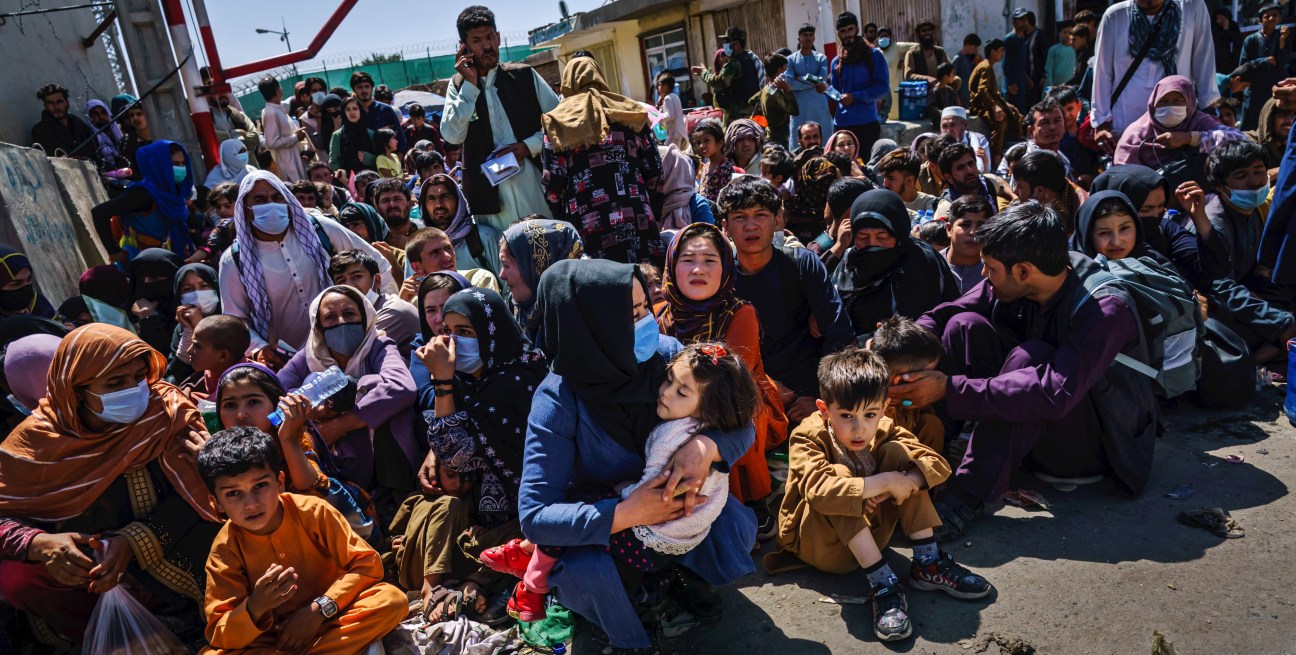
Back in Kabul, entry into the airport remains almost impossible. Seven people were reportedly crushed trying to enter the airport at the weekend and thousands are camped at the two military entrance gates. People have waded into the filthy sewage water around the perimeter in a bid to get in.
A routine has emerged for many: every day hours are spent collating information, organising documents, contacting organisations who are failing to help their Afghan staff, contacting embassies and being on the other end of the phone for people at the airport. It’s relentless and heartbreaking.
Yesterday a journalist friend got a call from the UK authorities to say he had a spot on a flight. But he doesn’t live in Kabul, so he and his family – his wife and four young children – raced through the night to reach the capital. They’ve spent all day at the gate and it doesn’t look like they will be entering any time soon. He is frantic. They have UK visas. I contact the British Embassy spokesman but after a couple of messages to clarify which gate they were at he just stopped replying. “It’s really terrible here,” my friend tells me. “There are so many people and I’m terrified that I’ll lose my children.”
I visit a bus station on the west of the city. People waiting for buses tell me that they plan to travel to Iran: it’s their last hope of escaping Taliban rule and a dire economic situation. Many have ambitions of reaching Turkey. All are paying smugglers to get them across the border, ranging from 20,000 to 35,000 afghani (€195 to €340). Twenty-year-old Abdul Fazel is travelling with nine friends, all about the same age. They hope to find work in Iran. If they can’t, they will head to Turkey. “I’m worried that the Taliban being in control will lead to more conflict and violence,” he says. “Everybody is trying to leave the country because of the economic crisis. There will be nobody left.”
Friday 27 August
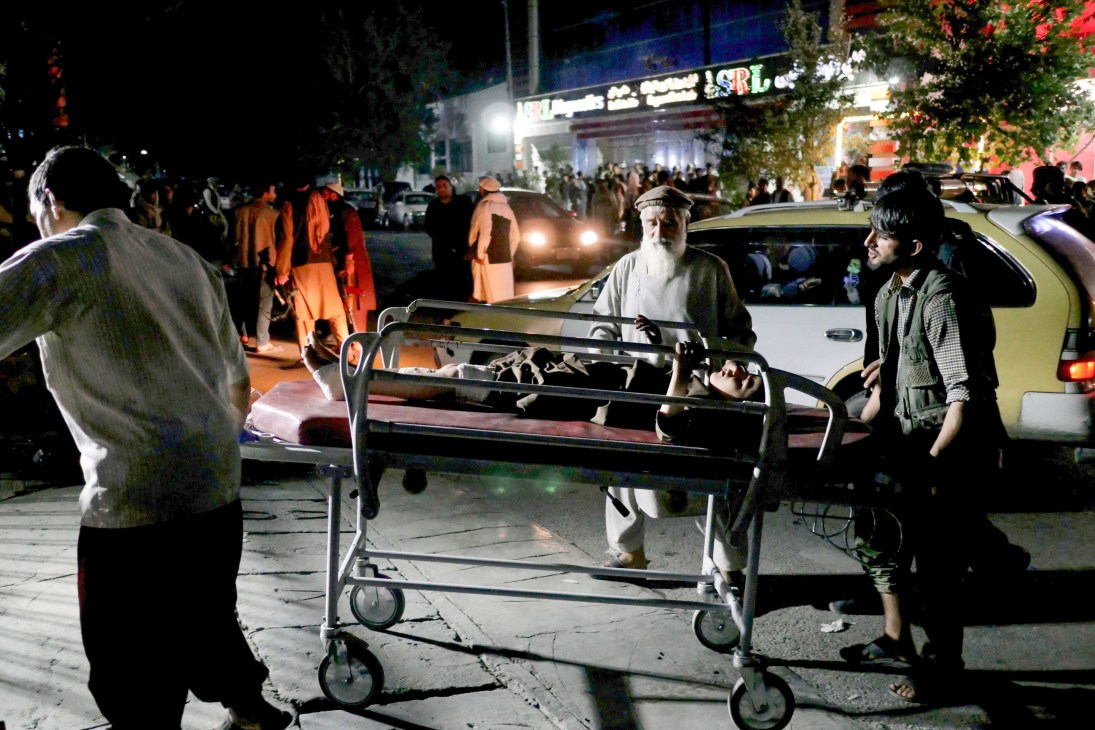
Dreams lie in tatters today. The city was rocked by a huge suicide attack outside a main gate at the airport last night, killing 170 and wounding 200 more. I spent the night at hospitals speaking with patients and their families. In one intensive care unit, a man in his thirties suffering from a severe head trauma writhes in pain; bloodstains cover his clothes. The doctor says that he is unlikely to survive.
In the morning, I visit a cemetery where funerals of the victims are already taking place. At Wazir Akbar Khan Hospital morgue, a man angrily bellows that US soldiers killed his relative, who is now lying dead in the coffin they are carrying to a car. “The American soldiers did this!” he says. “They shot him dead. They’ve done this and they’ve shot many others.”
Medical staff at the morgue say they have 146 bodies, many of which have been shot by M4 rifle bullets. But given that Americans have not been the only ones using M4s in Afghanistan in recent weeks, it is difficult to verify exactly who shot the victims.
This is the first time I’ve ever seen a dead body. The man in the coffin is wrapped in a white cloth with only his face showing. Another body is pulled from the refrigerator unit; the skull has been blown off. It is the strong smell – like that of disinfectant – that rattles me the most. It sticks to my clothes for the rest of the day and every new waft of the scent is a reminder of what I’ve seen.
Saturday 28 August
Friends outside the country keep asking how I’m doing. There isn’t really time to process the monumental changes, to think about the fact that almost everyone I knew here – Afghan and international – is now gone or to mull over the pain witnessed. There’s no time to consider whether or not I feel scared. There is barely enough time to sleep. I can’t remember the last time I ate a proper vegetable. Tinned olives on the top of a pizza the other night are as close as I’ve come.
But today I experience a jolting moment that pierces through the numbness. A friend has been the person on the ground responsible for getting 200 people to the airport and onto an evacuation flight made possible by the German organisation Luftbrücke Kabul. The group, spread across five coaches, has been trying to get into the airport for nearly three days and this evening is their last chance. I head to the meeting point to offer moral support for my friend, who has barely slept or eaten the entire time.
By this point, those on the list know the drill and although it would be hard to describe the situation as calm, it is significantly less chaotic than previous evenings. My friend has shown me videos of hundreds of people trying to force their way onto the coaches. People still plead to be let on, carrying the few possessions they hope to take with them from the home they now fear so deeply. But the desperate and violent scenes from two days ago are not the case this evening.
Another friend of mine is on the bus – an inspirational woman who has lost everything due to the Taliban takeover. To see her in this situation is very difficult. But it is the sight of a taxi driver that delivers a shattering jolt. He is another driver that I’ve come to trust absolutely, which is extremely important here given the high crime rate and other dangers we’ve needed to take into consideration, such as kidnapping. To see him among this crowd of people trying to leave knocks the wind out of me. Caught up in the bizarreness of the moment, we move to hug before stopping, realising that it would be inappropriate; in truth we barely know each other.
Every single part of the country’s society is fleeing. There has been a lot of talk of intellectuals, journalists and members of civil society leaving but here in front of me stands a taxi driver, who is so void of hope for what was going to happen to his beloved country that even he is getting out. It is at this moment when I realise that the Afghanistan I knew is gone.
Monday 30 August
There were reports of a rocket attack in Kabul last night. A house near the airport was targeted. We’ve since learned that it was a US drone strike and that the target was, allegedly, an Isis suicide bomber. I visit the house and as soon as I step out of the car I am met by the sight of a distraught man hobbling down the road, his feet in bandages. His name is Romal Ahmadi and, weeping, he tells me that he has lost all three of his young children. The drone strike hit a car in his family’s garden; 10 family members were killed, seven of whom were children.
“I was inside the house with my wife when it happened,” says Ahmadi. “My brother had returned home from work so some of the children jumped into the car – it’s just a silly thing we do, they like to drive the car in the garden. My brother had got out of the driver’s seat and my 10-year-old nephew Farzad was driving.”
The gate to the premises has been blown off. Inside, the garden is teeming with friends and relatives who have come to pay their respects. One man sits within the blackened wreckage of the car. Wearing a pink rubber glove, he searches for body parts. He holds up the end of a child’s finger, adding it to the plastic bag of other human remains.
A man sobs from inside the house. The blown-out glass windows offer little privacy. A neighbour, retired police officer Abdul Khalil, says that he had run to the roof of his house after hearing the explosion. “They were good people,” he says. “There are no terrorists here. What do you think – that these children are terrorists?”
Before I arrived at the desolate scene, I had received a tough phonecall. A charity had been attempting to fly 130 dogs – former service animals, rescues being rehomed and dearly loved pets – out of Afghanistan. My dog was among them. The caller told me that the animals and the woman on the ground facilitating the relocation had been stuck at the airport for several days and that the flight never happened. Instead, US soldiers had released the animals that hadn’t been former service dogs onto the airfield and the woman who was with them had been forced to vacate the premises.
My incredibly handsome dog, Nebo, is named after a mountain in Jordan. I chose the name because that was the country where we found one another. He is a rescue and totally crazy but also completely hilarious and unbelievably loving. After the phonecall, I cry in the back of the car. The airport is huge and dangerous, and access will be impossible. I’m acutely aware of the privileged position I was in to have had the chance to get him out of Afghanistan when so many human beings fearing for their lives haven’t been able to; but it was an opportunity I was offered and I just wanted to ensure that he was safe. He has been my best friend for the past two-and-a-half years. The thought of losing him is devastating.
Tuesday 31 August
The skies were busy yesterday amid reports that the US military would hand over Kabul Airport to the Taliban. They did and the final flight took off one minute before midnight. Celebratory gunfire erupted across the city.
Along with other members of the press, I go to inspect the facility and see the remnants of people’s desperate escape to flee: fake documentation; a bent metal staircase that hundreds had climbed in their attempt to get on a plane; belongings spilling out of abandoned suitcases.
The remaining aircraft have been disabled, rubbish litters every corner and the terminals are ransacked. Vehicles in the carpark have had their tyres slashed; in some cases they have been turned onto their sides. An aggressive Talib asks my colleague and I where we are from, furiously accusing the Americans of the extensive damage of the facility. Although it is likely that the soldiers had a hand in the destruction, there were reports of looting in the first couple of days, when staff fled the airport and security collapsed.
Taliban fighters whizz around the airfield in US-made military vehicles. In one of the hangars, some of the men start hitting and throwing wooden stands that were used to hold protective gear, with some resemblance to the shape of a cross; they believe that the stands are related to Christianity. I search for Nebo while I am there but the airport is huge. I find the hangar where the dogs had been let go and call out his name – but there is no sign of him.
Saturday 4 September
Last night I was sitting in my friend’s apartment just before 22.00 when gunfire erupted across the city: red tracer bullets were flying through the air all over Kabul. Every so often a red flare was launched. It was celebratory but no one knows what was being celebrated. There are rumours that the Taliban have taken some areas of the Panjshir Valley but there is no official confirmation. Other reports suggest that it is in response to Taliban leaders entering the capital. The cacophony lasts for about 30 minutes. At least two were killed and several others were wounded in the gunfire.
Journalists gather; there are a surprising number of us. Some tell of their escapades getting into the country via road, while others talk of colleagues stuck on the border trying to get out. There are sombre conversations about the future of Panjshir and the fate of the leaders there, Ahmad Massoud and Amrullah Saleh. We talk about whether we can continue our work in the coming weeks, especially the women. None of us who’ve stayed know what our plan is. Like everyone else, it feels as though we’re all just waiting to see what Afghanistan will be like with a Taliban government.
About the writer:
British journalist and photographer Faulkner has been based in Kabul since 2020. She was previously centred in Amman and Istanbul, and has reported from Iraq, Hong Kong, Greece, Palestine and Israel.
Images: Getty Images
The Agenda: Architecture
History – Italy
The Agenda: Architecture
Living with your past
Lucy Maulsby on the complex inheritance of buildings erected during fascist-era Italy and their usage today.
People are often drawn to Milan by its role as a place of business and a centre of fashion and design. The city’s extraordinary economic and cultural transformation began in the 19th century and buildings such as the magnificent Galleria Vittorio Emanuele II serve as potent markers of this shift. Milan’s huge importance in Italian life continued into the 20th century as the project of national modernisation progressed. Here, as elsewhere in the country, this was shaped by the imperatives of Benito Mussolini’s fascist government.
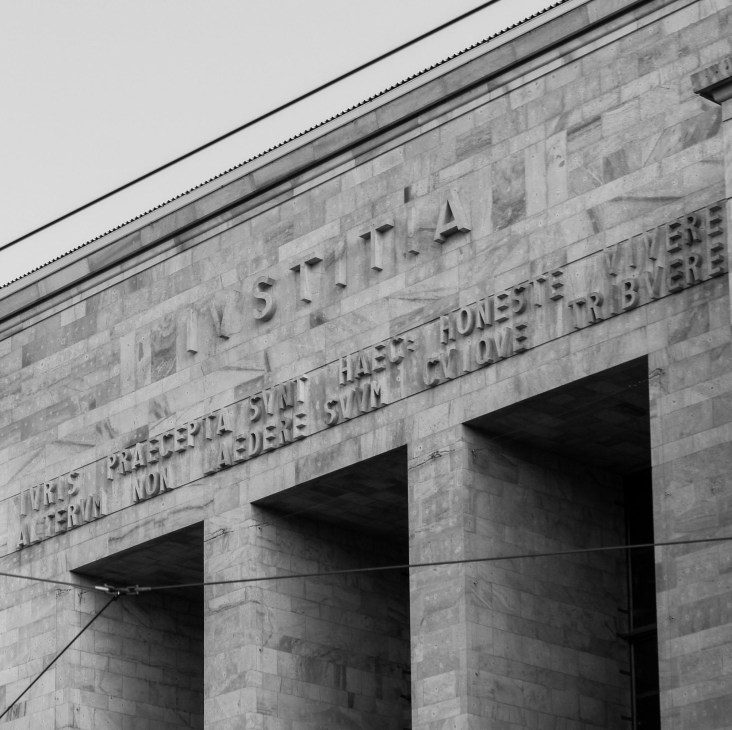
Many of Milan’s key public buildings – including the heroic Milan Centrale railway station, the remarkably contextual stock exchange building and the austere Palace of Justice, as well as the relatively understated brick-and-stone Triennale – were part of a sustained effort to make the Lombard capital a modern fascist city. Meanwhile, new roads and airports affirmed the technological capabilities of the fascist regime.
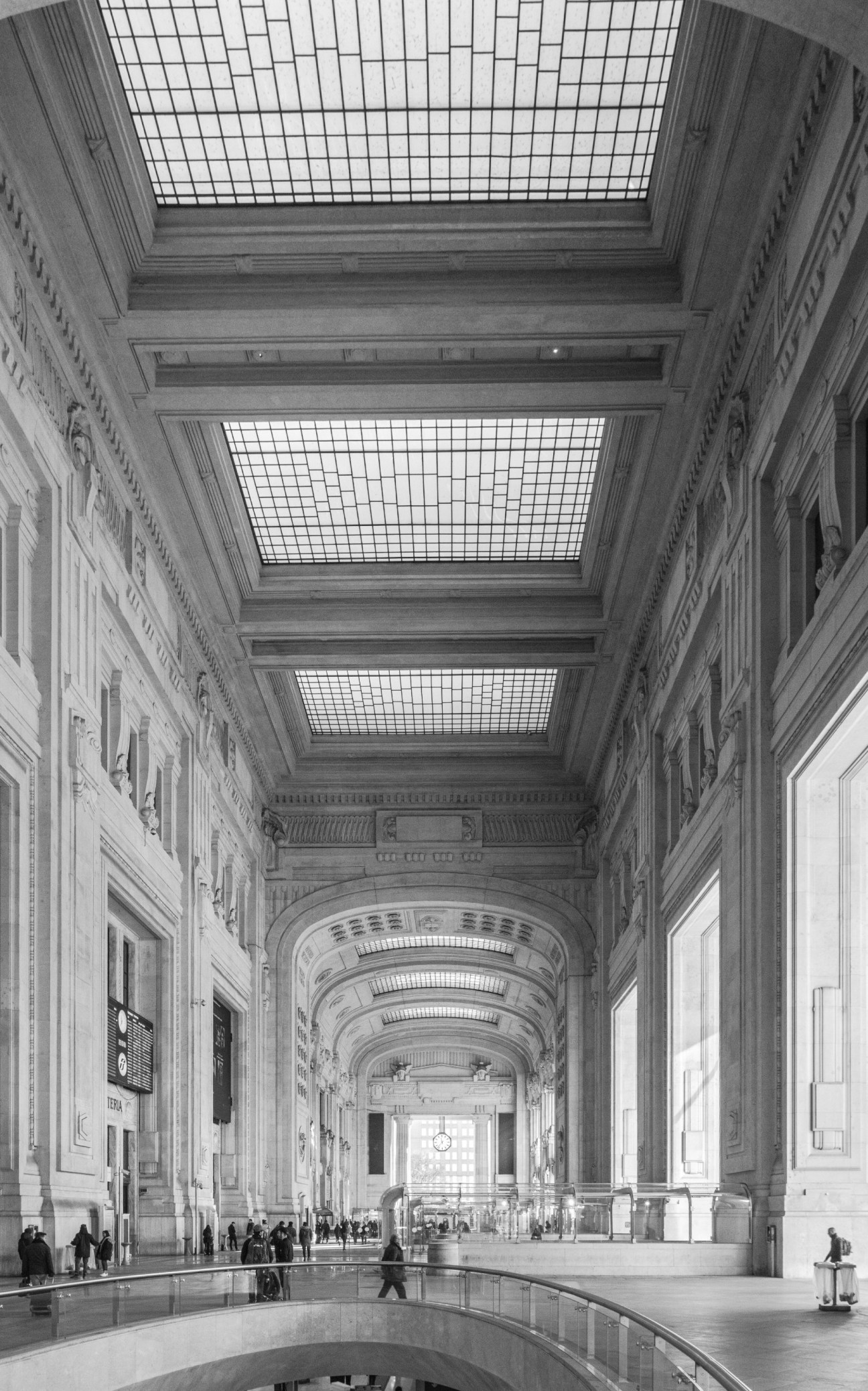
In the aftermath of the Second World War, Milan, like many cities across Europe, struggled with the enormous task of meeting the needs of its residents while rebuilding a ravaged city. So major public buildings and strategic infrastructure were often simply repaired and continued to accommodate the kinds of activities and operations for which they were originally intended. In contrast, buildings whose functions were explicitly tied to the Fascist Party, such as its headquarters, were modified for new purposes. In the immediate postwar period they often accommodated refugees, served as improvised housing and, in many cases, hosted political organisations, especially the Communist Party.
Overt references to Mussolini and his regime (such as the axe-like fasces symbol and quotes from the dictator’s speeches) were usually removed but this was done haphazardly, left to the administrative and political vagaries of local authorities. As a result, fascist-era imagery persists in public spaces and buildings, often with little commentary. For example, in the Palace of Justice, the backdrop to criminal investigations into former prime minister Silvio Berlusconi, Arturo Martini’s bas-relief “Fascist Justice” (sometimes called “Corporative Justice”) still adorns the main hall, flanked on either side by “Biblical Justice” and “Roman Justice”. Place names, notably the Quartiere Harar and Piazza Axum, evoke the memory of Italy’s colonial activities in Ethiopia. In a different vein, the spare marble façades of Piazza San Babila and the arcade of Corso Matteotti (formerly Corso Littorio), which introduced a scale and aesthetic commensurate with fascism’s vision of the modern city, still serve as vital places of activity.
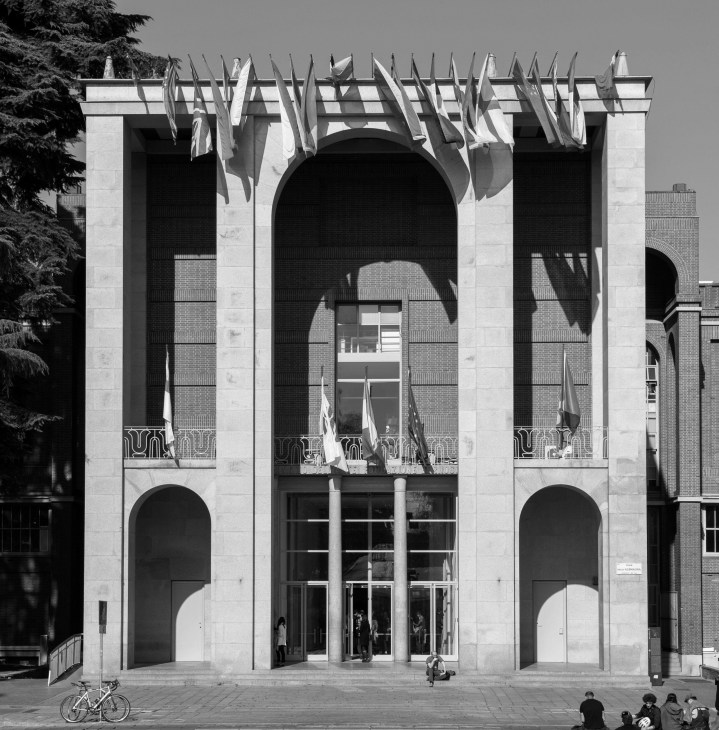
Many Mussolini-era buildings and spaces have been quietly reabsorbed into the fabric of the city. Yet the fascist project still holds a political charge that can both fascinate and trouble us. Think of the growing numbers of “nostalgic tourists” to Predappio, the town in Emilia-Romagna associated with Mussolini’s birth; or fashion brand Fendi’s acquisition of the Palazzo della Civiltà Italiana, an iconic work of fascist architecture, in Rome’s eur district; or the efforts to engage critically with fascist-era monuments in Bolzano, where an inscription from Hannah Arendt is superimposed over a frieze from that time.
The growing involvement of preservationists and historians in recognising Italy’s modern architecture and global calls to address the legacy of difficult histories are raising new questions about the presence of these buildings and how and to what extent they serve as reminders of a discredited regime. For some Italians, however, they are, like monuments from the nation’s Roman or medieval past, a historically distant and neutral feature of the urban landscape.
About the writer:
Maulsby is associate professor of architectural history at Northeastern University in Boston, usa, and author of Fascism, Architecture and the Claiming of Modern Milan, 1922-1943 and the forthcoming The Architectural Legacies of Italian Fascism.
Images: Alamy
The Agenda: Urbanism
The Urbanist
Gardens in the gulf
Nic Monisse on…
For a long time, a prerequisite when building any new public park in Abu Dhabi was a lush, European-style lawn. But a newly completed project by Danish design firm sla turns this narrative on its head.
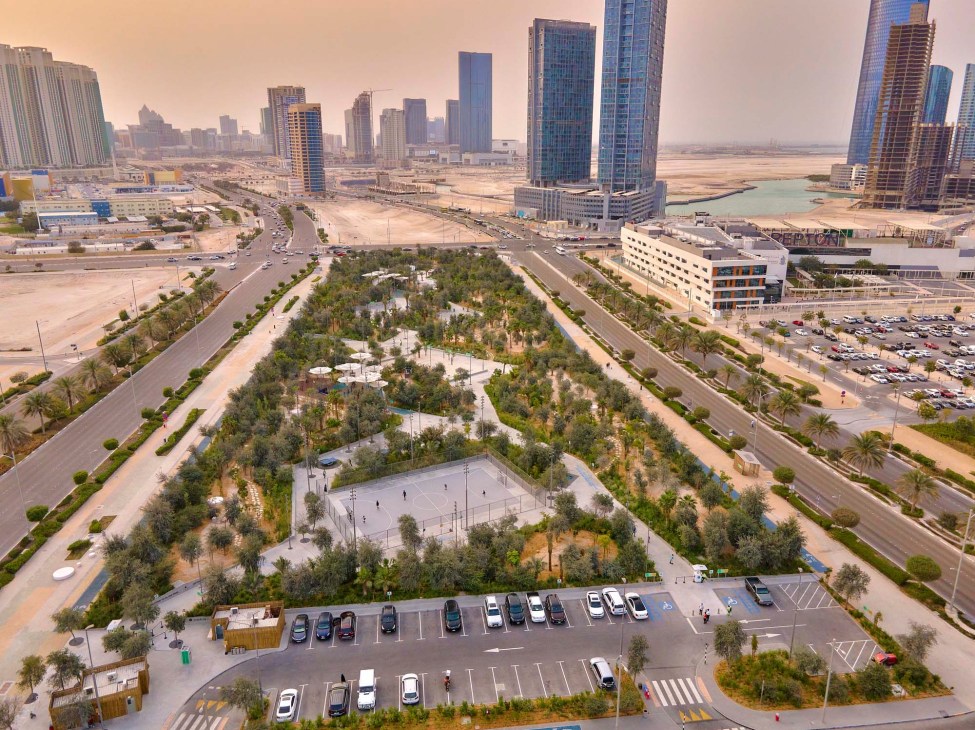
Al Fay Park in the centre of the city offers 27,500 sq m of public space (the size of about four football pitches) without using any of the usual methods of planting or irrigation, which are at odds with the surrounding desert environment. “It’s the first public park in the uae without a lawn,” says Rasmus Astrup, a partner at sla who led the project. “We took an approach in which biodiversity and a cool microclimate were the drivers for the whole design – al fay literally means ‘the shadow’.”
It’s home to more than 2,000 trees and bushes; every plant is native and carefully selected by sla to create a verdant and cool oasis in the city. Dotted among these are basketball and volleyball courts, table-tennis set-ups, climbing walls, playgrounds and tracks that weave through the planting. It’s a combination that offers a unique opportunity for public life outside the typical air-conditioned indoor environments of the gulf. And, judging by the crowds that are populating it at all hours, it’s a combination that is proving successful.
“I’ve always said that [spending time in nature] is something that people need,” says Astrup. “But now, with projects like Al Fay Park, I see a tendency that it’s also something people want.”
To stay tuned with the latest in city-making, listen to ‘The Urbanist’ on Monocle 24.
On Design
Cab culture
Nolan Giles on…
Taxis are designed to stand out, to be easily spotted by those looking to hail a ride. And many of them have become design icons along the way, from the bulbous London black cab to the bright yellow New York taxi and the always immaculately maintained Tokyo cars. These vehicles also help to brand cities in a positive way.
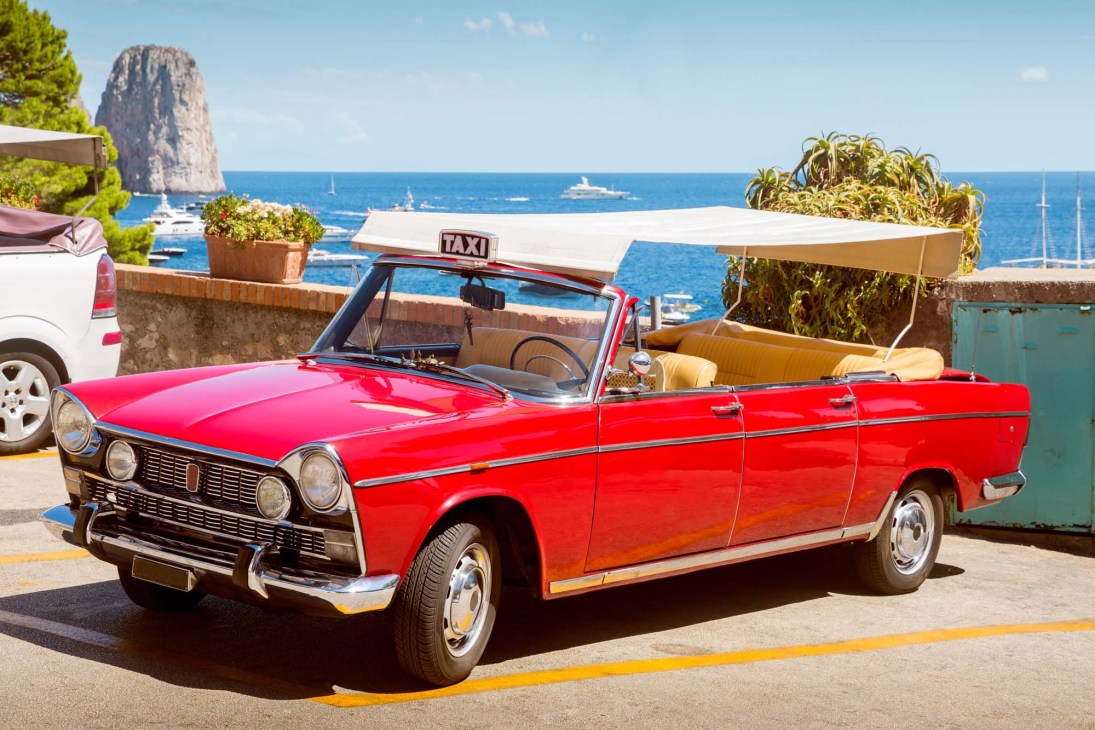
This summer I also saw how the humble taxi has pulled off this same trick in the tiny Italian island of Capri. There, the tops of traditional saloon models are chopped clean off to form sunny convertibles. This magically makes forking out a hefty sum for a short haul up a hill feel worth every cent. On this recent trip, a 15-minute drive weaving around tiny, vista-rich roads, with the wind whipping through my hair, was a priceless experience.
But I am concerned about the next generation of taxis. Putting Uber and other ride-sharing companies aside, traditional taxi services should be a key part of our cities’ sustainable futures. To ease pollution, we need them running on hybrid and electric engines. And yet, dipping into a garish-green electric taxi in Scandinavia recently, the fact that I was moving to my next destination in a sustainable way didn’t feel special at all. An opportunity is being missed here by creative agencies and taxi companies to use good design to highlight green credentials in a striking manner. London gets a pass: its handsome new hybrid-electric black cabs simply tweaked a design classic. But for the rest of the world, the meter is ticking on the hunt for new taxi fleets that can brand cities in a fresh way.
Images: Phil Handforth, Alamy
The Agenda: Culture
Cinema – Los Angeles
Screen idols
Many visitors head to Los Angeles because of its links to the film industry. So it was odd that the city never had a venue that catered for cinema-related paraphernalia. The new Academy Museum of Motion Pictures will change all that. “It has been a long dream,” says the museum’s director Bill Kramer. “The Academy was founded in 1927 and it has always wanted to build a museum devoted to the art and science of film-making.”
Inside a gleaming building designed by Renzo Piano, the museum has five floors of exhibition space dedicated to everything from film props to famous directors, as well as two projection rooms for talks, symposia and screenings. The programming looks smart and ambitious – perhaps the tourist attraction that LA lacked for so long won’t be so touristy after all.
The Academy Museum of Motion Pictures opens on 30 September
Art Fairs – Mexico
Estación Material
Factory fresh
Guadalajara’s gallery scene has grown steadily in recent years so it is no surprise that Estación Material, the new travelling sister event of Mexico City’s Material Art Fair, has chosen this booming art city as its first location. Presenting 34 galleries and project spaces from across Mexico, the fair offers an interesting mould for the art shows of the future.
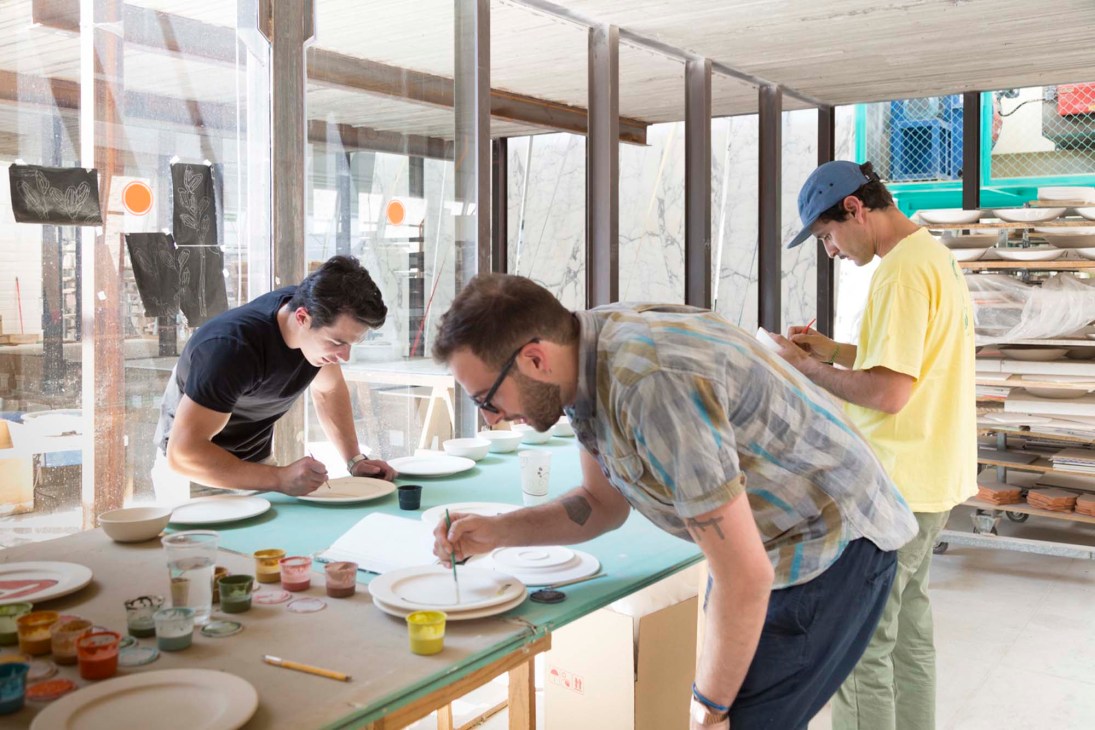
Estación Material will be hosted inside Cerámica Suro, a ceramics factory run by José Noé Suro, who often collaborates with Mexican and foreign artists. During the fair, the factory will produce limited-edition works, available to buy throughout the day. This tactile approach should win back an audience who might be fed up with looking at things via online viewing rooms – and reconnect them to the act of making.
“It matters a lot within the experience of contemporary art,” says Brett W Schultz, co-founder of Material. “We’ve always strived to make the city and its scene of makers and doers an important part of our events.” Given Cerámica Suro’s expertise in collaborating on experimental pieces, choosing the venue was easy. “The factory is a major reference point for contemporary art production in Mexico,” says Schultz. “When José Noé Suro offered us the chance to do the fair in the factory, it was too good an opportunity to pass up.”
Beyond the official fairgrounds, the event will continue its focus on the physicality of creation by allowing access to the studios of some of the city’s most well-known artists, such as Eduardo Sarabia, Gabriel Rico and Jose Dávila. “Visiting the studios is a big attraction for art lovers and collectors in Guadalajara,” says Isa Natalia Castilla, Material’s other co-founder. “You can look at all of the production that goes into their work.” The aim is to create a connection between collectors and the pieces that they invest in.
Estación Material runs from 28 to 31 October
Media – Italy
Curious minds
One weekend in September, a current affairs festival took place in the Italian city of Reggio Emilia, with topics ranging from Afghanistan to Black Lives Matter. In the audience? A bunch of 11-year-olds. Internazionale Kids festival is the first event organised by the magazine of the same name. Launched in 2019 as a spin-off of news weekly Internazionale, the publication refutes the stereotype of disengaged youth. “Children are very curious,” says its editor, Martina Recchiuti. “Often it’s the parents who don’t explain.”
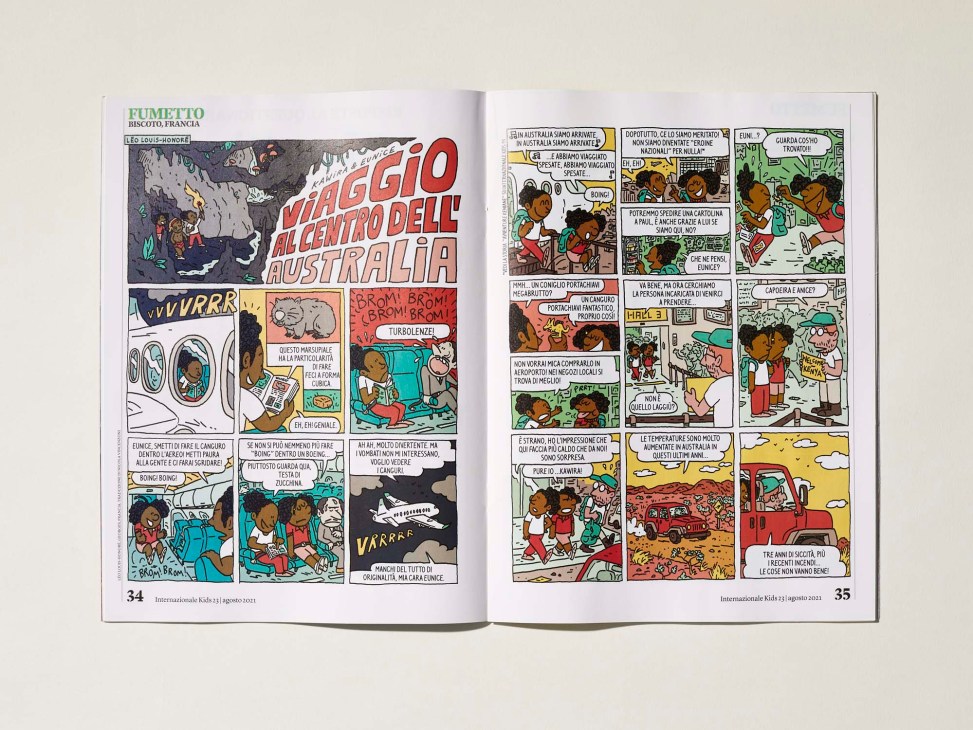
The magazine has the same journalistic integrity as its grown-up counterpart. “We take the same approach as the adults’ title,” says festival organiser Alberto Emiletti.
Auctions
Q&A
Noah Horowitz
Sotheby’s
After six years helming Art Basel’s successful iteration in Miami Beach, Noah Horowitz has taken on a new position as worldwide head of gallery and private dealer services for global auction giant Sotheby’s. He tells us what’s on the horizon for auctioneers and fairs alike.
What drew you to this role?
The pandemic has offered our industry the opportunity to think things over. I’m confident that people will want to go back to fairs – to travel and be with people. But some things will be different related to the risk-return paradigm of the shipping and marketing budget [for galleries]. Gallery dealers are setting aside the way that business has been done historically and prioritising business goals and expectations in a new way.
Are art-market categories becoming more blurred?
Absolutely. In many ways it was a matter of time until we got here and I’m excited to be part of that change – working in a way that is harmonious with the precepts of gallery structure. They are still the foundation that is sustaining artists’ careers.
What’s next for art fairs?
There is a future for art fairs as a modus for discovery and connecting a global audience. But there are lots of them – it’s inevitable that some will fall or be restructured. Fairs will remain a fixture but will need to innovate and change.
Images: Julia Sherman
Still life: Tony Hay
The Agenda: Comment
Culture – Global
Voices and choices
Pallavi Aiyar argues that for writers to describe other cultures and countries and inhabit the minds of those who live in them, we need a variety of perspectives and subjects telling these kinds of stories.
Much as my natural inclination is to side with the liberal left, I find myself alienated by some of the discourse emanating from my side of the fence as the culture wars bubble on – especially when it comes to cultural appropriation.
My whole life has been an act of cultural appropriation. I’ve written books about Chinese cats and Indonesian clerics. I have prayed in churches even though I’m an atheist Hindu. I wear kimonos, qipaos and aozais more often than I do sarees. Over the years, I’ve learned Argentinian tango, Japanese drumming and Spanish flamenco. I can only really cook two things: Chinese steamed dumplings and Japanese miso-marinated salmon. I’ve never made daal or a single roti.
I’m the sort of person who gets pictures taken wearing exotic costumes when I’m on holiday. I have one of my father and I dressed up as an Ottoman pasha and his companion, which was snapped in Istanbul.
The problem arises when a dominant group assumes the voice of someone from a minority group that has historically been exploited or oppressed. It’s the upper-class, older, English male travel writer striding across the world, pointing out the quirky habits of the natives in a plummy voice: “By Jove, I’ve never seen anything quite like it!”
It’s true that the world has learned about itself through the lenses of writers who have had the cultural capital and economic resources that have allowed them to become the explainers in chief. People like me muddy the picture. I’m brown, Indian and a woman. The kind of person whose voice is needed on the world stage as a corrective to the cultural appropriation that is historical fact in the context of “global” knowledge creation and distribution. But I do not write about myself. My writings on India, or about women, are a minority of my output. My first language is English, not an Indian vernacular. I have the advantages of the “global north”, having studied in the elite universities of the West. I’m hardly a subaltern.
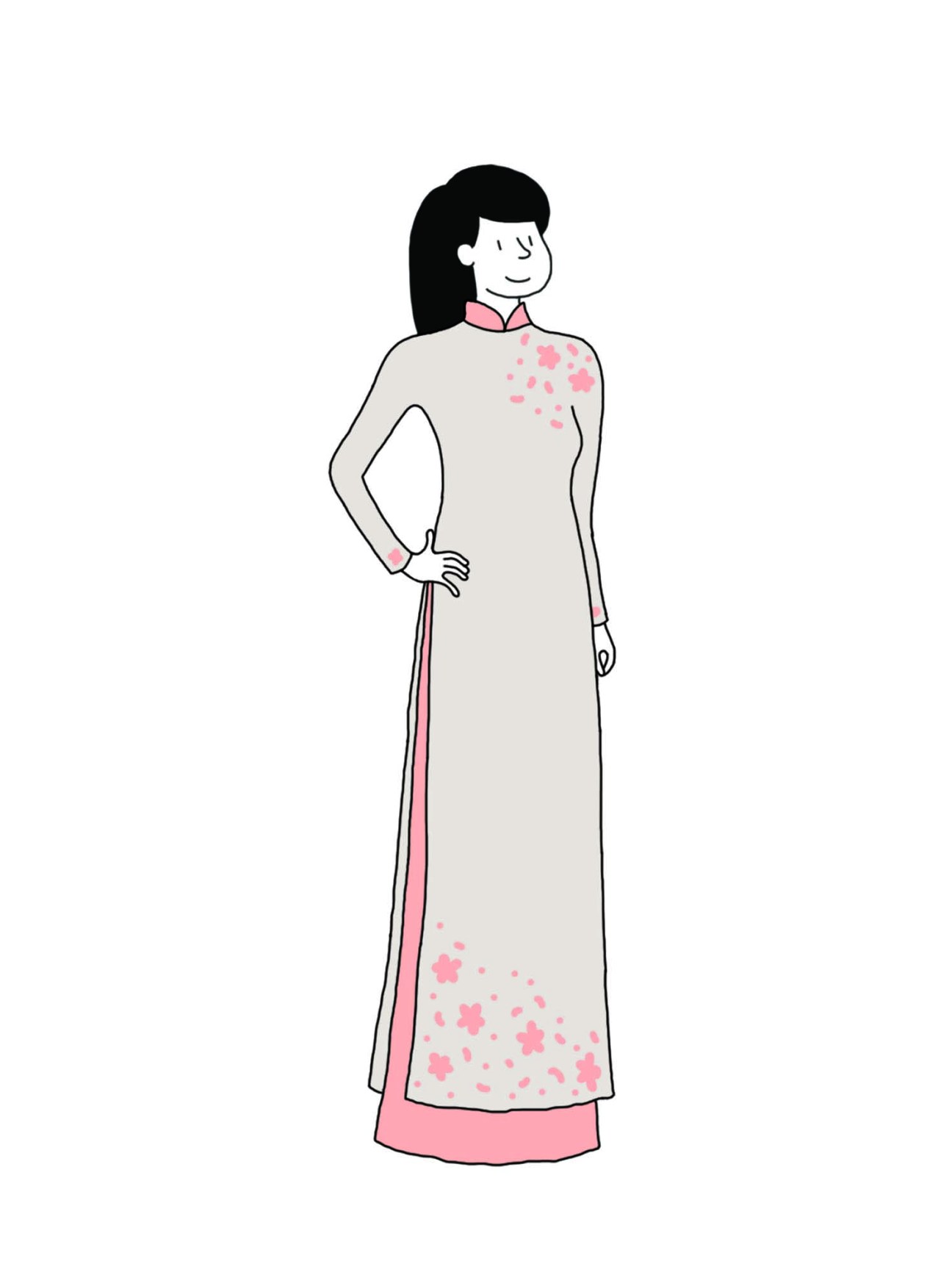
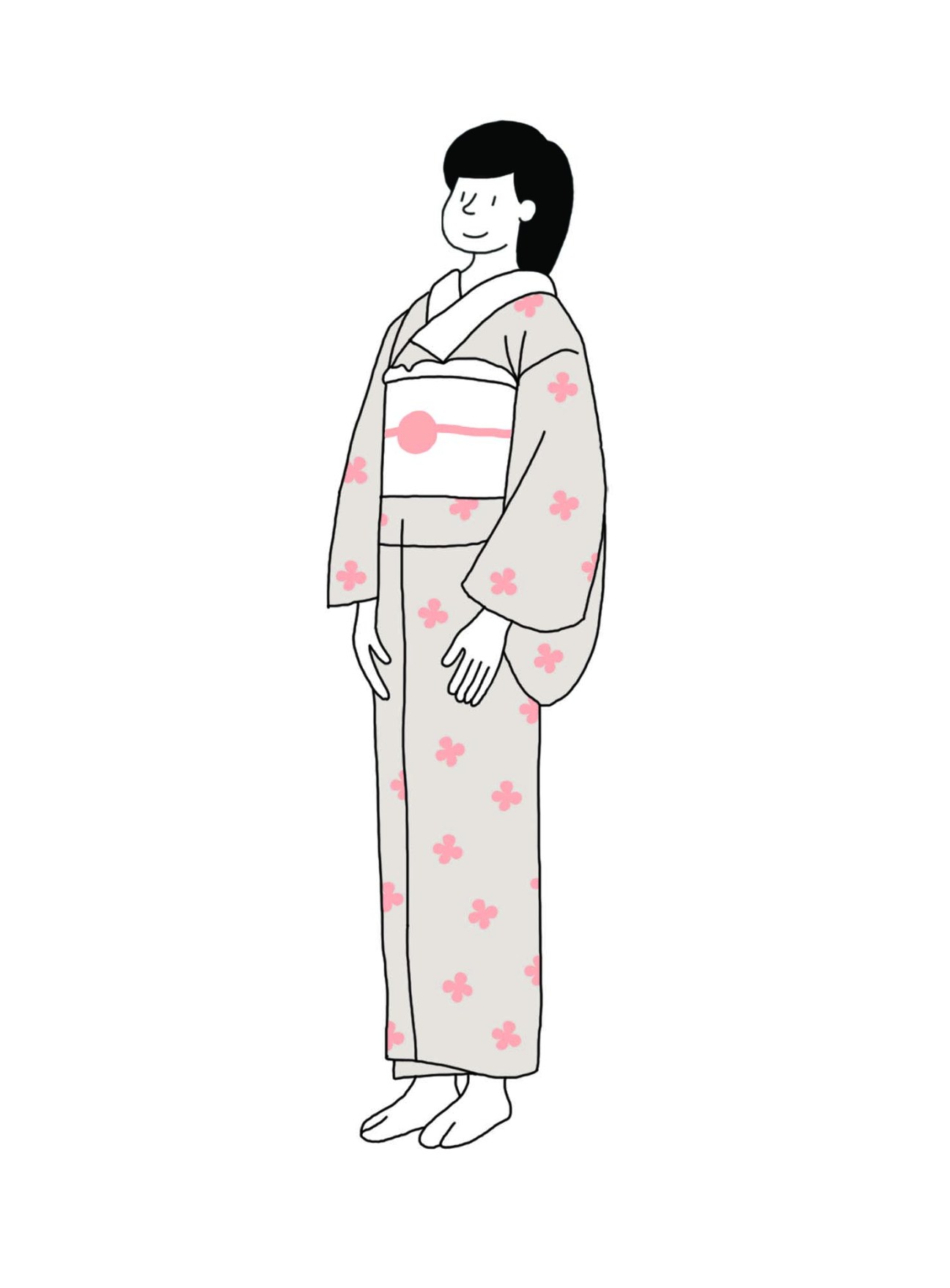
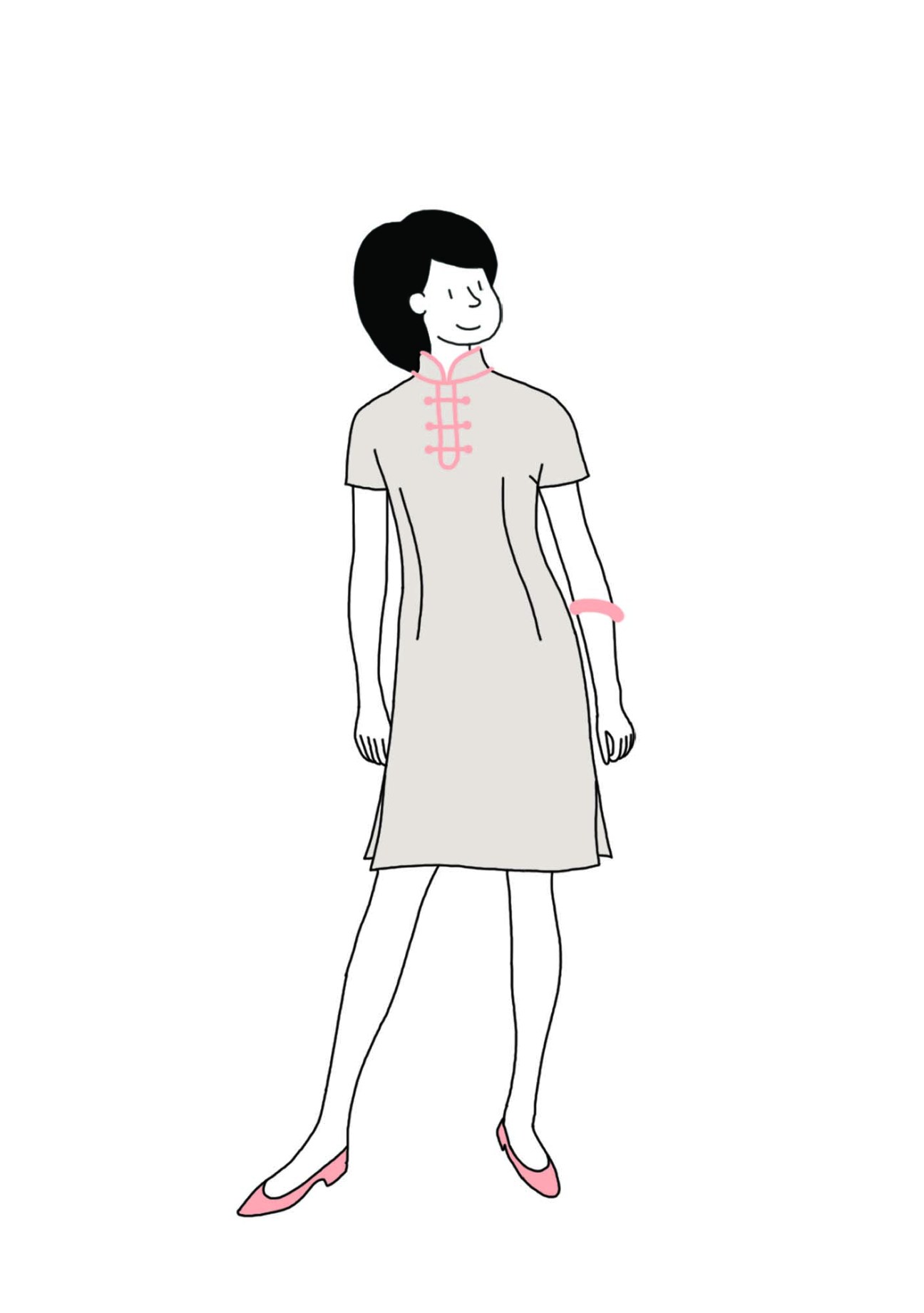
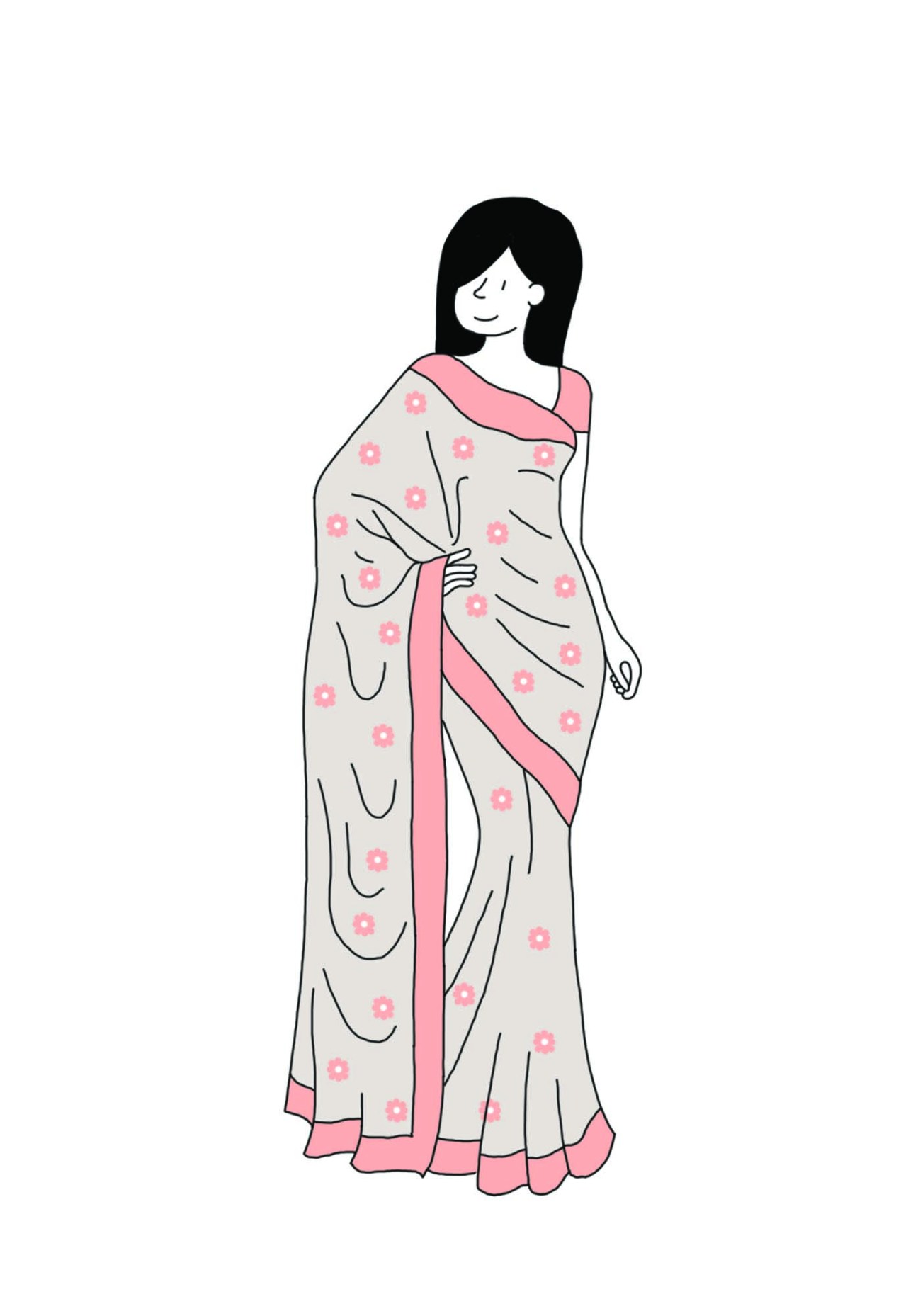
So how do I justify doing what I do? To begin with I’ve always made sure that I’ve really inhabited the cultures I write about. I don’t helicopter into a country, interview a few taxi drivers and then write an “authoritative” book about a destination.
I spend years in the places I write about. I try to learn the language and attempt to make readers aware that my version is only one version of the “truth”. My writings are a subjective snapshot, informed as much by me the observer as what I am observing.
If it is OK for me to write about, say, an Indian woman from a backward caste, forced into an abusive marriage with an alcoholic village elder, an Oxford don is fine to write about an elite Indian woman writer.
We might write bad books or good books but these eventualities cannot be judged a priority based purely on our lived realities. Do I believe that dalit (“untouchable”) writers should also be telling their own stories, rather than Anglophone city slickers, like me, having a monopoly on their narratives? Of course. But the way to have dalit be heard is not to claim that non-dalit lack the legitimacy to write about them, but to multiply the opportunities for these voices.
A dalit author might want to write about a city slicker, just as an Indian woman might want to write about a Chinese cat. If, as Indians, we don’t all want to be stuck forever describing the scent of mangoes and the taste of pickles, we must fight for our rights to appropriate other cultures.
There are structural inequalities in this world and consciously providing more opportunities to historically marginalised groups is necessary to redress these. We need Indonesians telling us about Afghanistan, Brazilians about Spain, and Indians about the Ukraine (as Rana Dasgupta does in his novel, Solo). We need to hear about many truths from many perspectives, some lived, others imagined. We need immigrants writing books from the point of view of unsettled host populations, and liberals writing books inhabiting the world of Trumpists. This is the only way out of the culture wars.
About the writer:
Aiyar is a foreign correspondent and author. Her latest book is Orienting: An Indian in Japan. She writes a weekly newsletter on global culture called The Global Jigsaw.
The Agenda: Politics
Politics – Italy
Action stations
Italian politics is never dull as new parties rise and fall with regularity. In October the country returns to the polls for local elections in which key posts such as the mayorship of Milan and Turin are up for grabs. It’s a chance for emerging political movements to test their mettle with the electorate. One new name on the ballot is Azione, a party founded in 2019 by Carlo Calenda (pictured), a one-time Democratic Party (PD) member who served as minister of economic development in the government of Matteo Renzi, who himself abandoned the PD to start his own centrist political party Italia Viva. Keeping up?
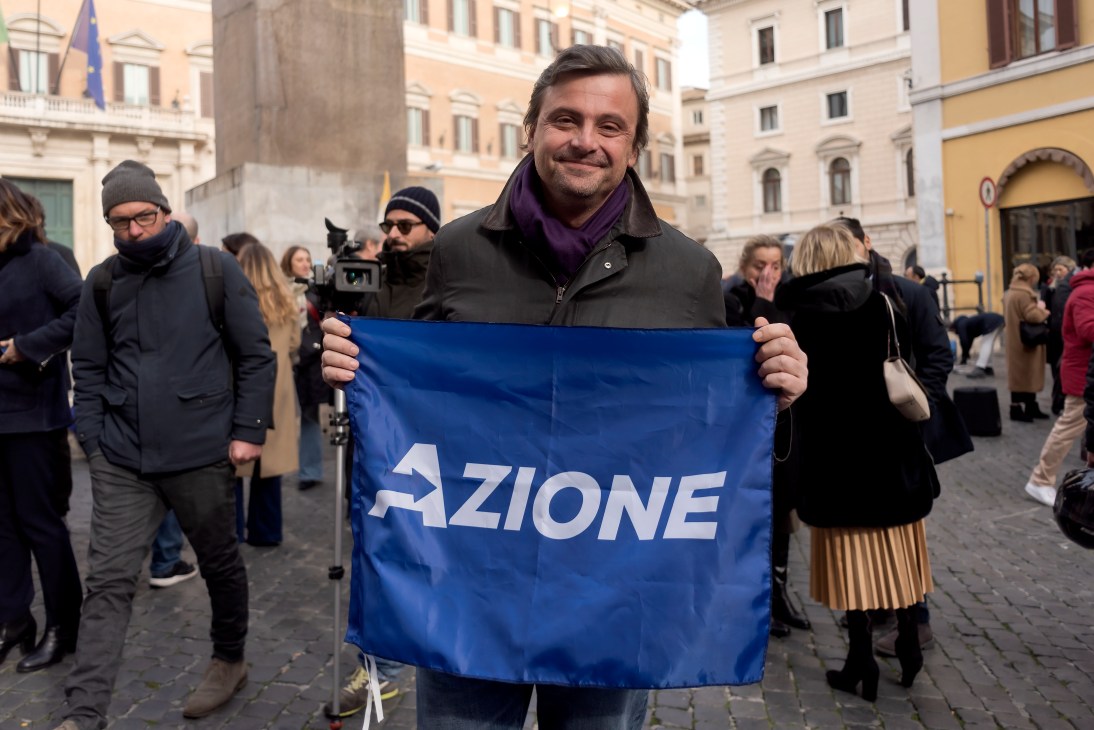
Calenda, who has thrown his hat into the ring for the mayoral race in Rome, describes Azione as a progressive alliance that is anti-populist and pro-European. While he is courting the business community, he has an uphill battle against two populist forces in the form of centre-right candidate Enrico Michetti, backed up by Matteo Salvini’s anti-immigrant League party, and incumbent Virginia Raggi of the Five Star Movement. So far, Calenda has received mixed reviews for his biggest campaign proposal to date: a merger of treasures from several museums in the capital under one roof to create a single cultural institution to celebrate Ancient Rome.
News in brief
1.
Setting sail
Czech Republic
The anti-establishment “pirate” movement has evolved across multiple countries in Europe since it emerged 15 years ago in Sweden. And while the broader movement struggled with infighting and conventional politics, some of the more developed parties are making gains in countries such as Luxembourg and Iceland. Meanwhile in the Czech Republic, the Pirate Party, which already counts the mayor of Prague among its victories, could secure enough votes in the country’s general election on 8 October to enter the government’s ruling coalition. “Their main concern is modernisation and anti-corruption,” says William Nattrass, a journalist and current affairs commentator based in Prague. In a country plagued by corruption since the fall of communism, that goes a long way.
2.
Good signal
Switzerland
The Swiss railway laboratory at ETH Zürich, the city’s institute of technology, is a place where the world’s leading transport engineers get to play with a large toy train set. Built to a scale of 1:87, it is designed to simulate potential rail hazards. In 2019, ETH announced that the trains needed a new home. That year, hundreds of metres of miniature track were moved to Hangar Seven of the Swiss Air Force Centre in Dübendorf. “It’s the dream of every child to have a railway layout for themselves,” says Marc Pingoud, a civil engineer and railway specialist connected with the project. The reconstructed parts are finally scheduled to be ready in October. Then it’ll be full steam ahead for a new generation of engineers.
The Foreign Desk
Andrew Mueller on…
US interventionism
In February, in his first major utterance on foreign policy as US president, Joe Biden told the (virtual) Munich Security Conference, “America is back; the transatlantic alliance is back.” The sighs of relief might have been audible from space.
But since the shambolic withdrawal from Afghanistan – which was, essentially, Biden ineptly executing the hasty plan he chose to inherit from his predecessor – it has seemed that the US is perhaps not quite as “back” as previously advertised. The end of the US-led intervention in Afghanistan was certainly a chaotic, tragic botch. It does not follow, however, that the same can be said of absolutely everything that preceded it.
Despite the urge, gleeful in certain quarters, to write off the entire Afghan enterprise as a waste of time, lives and resources, a 20-year respite from the miserable repression of the Taliban is not nothing. Millions of Afghans have had access to opportunities that would otherwise have been denied them. The long-term consequences of that may yet prove to be extraordinary.
Any plausible US president would have responded to the attacks of 11 September 2001 by going after al-Qaeda in Afghanistan and their hosts, the Taliban. A nation acting narrowly in its own defence might have contented itself with rousting its enemies, demonstrating its overwhelming might and establishing a small military presence that would enable a swift response to any further threat. But in Afghanistan, the US and its allies attempted something grander.
In the 1990s, a conventional wisdom coalesced that recollections of Vietnam and a smaller but more recent trauma in Somalia stayed America’s hand over Rwanda and (initially) Bosnia-Herzegovina. It became apparent in both cases, and with horrific consequences, that the world did not possess an answer to the question, “If not America, then who?”
It might well be that the US, chastened abroad by its experiences in Afghanistan and Iraq, beset at home by nativist rage, is now out of the intervention business for at least some while. But something of which we can be certain in uncertain times is that one day someone, somewhere, is going to have urgent cause to hope that this isn’t the case.
Mueller hosts ‘The Foreign Desk’ on Monocle 24
Kit – Afghanistan
Spoils of war
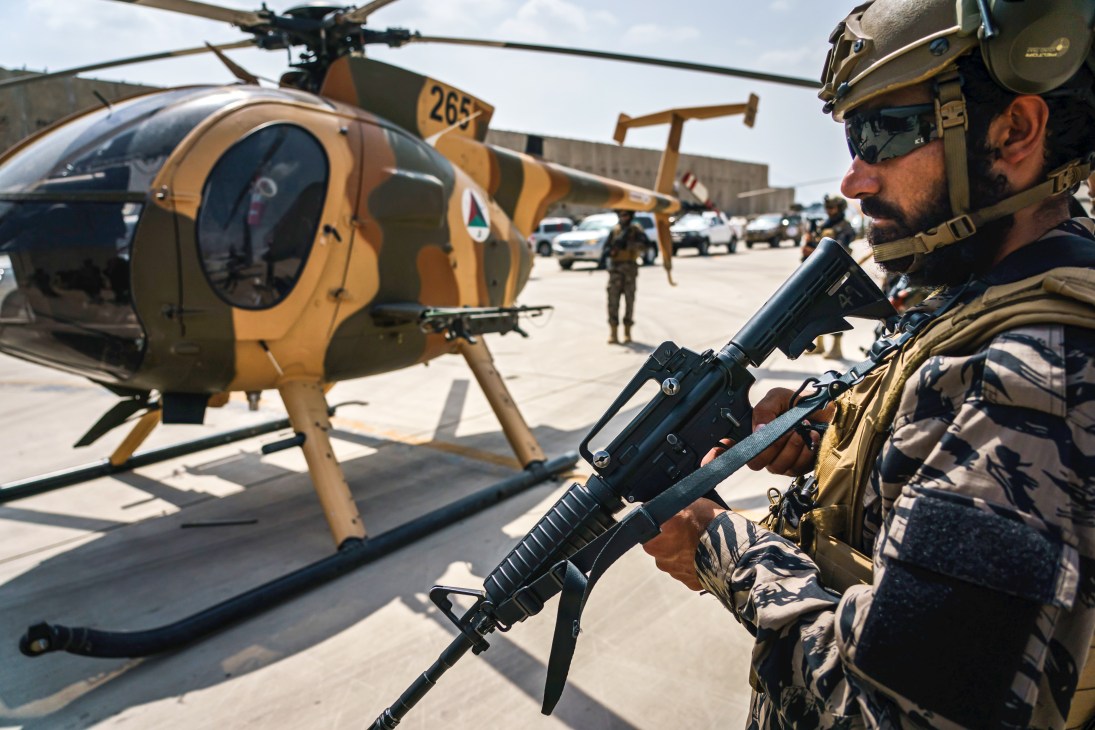
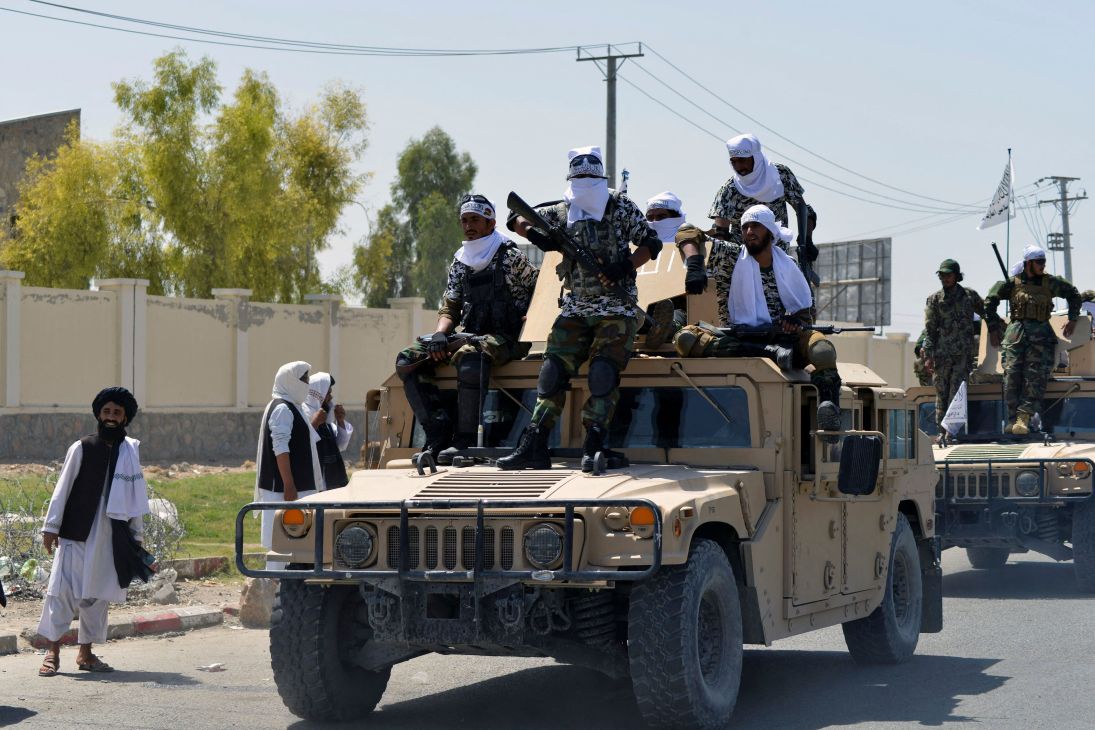
The US has got its troops out of Afghanistan. They did not get out everything they brought in with them. As the Taliban retook the country, they acquired a considerable inventory of equipment abandoned by the US and the Afghan military: thousands of vehicles; dozens of aircraft; innumerable small arms.
However, the big-ticket items – the aeroplanes and helicopters – might only be useful to the Taliban as props in gloating photographs. For a start, there might not be that many of them. As the Taliban marched on Kabul, dozens of Afghan aircraft were flown to Uzbekistan: a custody battle between Washington and Tashkent might loom. Operating what remains will not be straightforward.
“It will be difficult for them to maintain and operate any air capability in the long term,” says Nick Reynolds, land warfare research analyst at Rusi.
The vehicles and other kit are a different matter. “The sheer amount captured will assist them,” says Reynolds. “However, most of what they have is for infantry and mechanised forces – useful for consolidating their control of the country and defeating local opposition but hardly high-end and unlikely to allow them to pose a threat to neighbouring countries. Nor will it allow the Taliban to prevent Nato counterterrorist operations from operating in Afghanistan.”
Diplomacy – Global
Abandoning an embassy
The revelation by a Times of London journalist, in late August, that British Foreign Office staff had left behind papers identifying Afghans who had helped the UK on the embassy floor in Kabul baffled many, not least current and former diplomats. All embassies and consulates around the world have a comprehensive plan in place should they need to close their mission in a hurry. Near the top of the to-do list: evacuate all family members and non-essential staff; destroy all classified information.
“If you’re leaving the embassy, you want to ensure that classified and sensitive information doesn’t fall into the hands of the wrong people,” says Lewis Lukens, a former US diplomat who previously served as the ambassador to Senegal and Guinea-Bissau. “And it’s not just top-secret cables to Washington analysing the [local] leadership. It’s also documents with people’s social security numbers, dates of birth and personal information.”
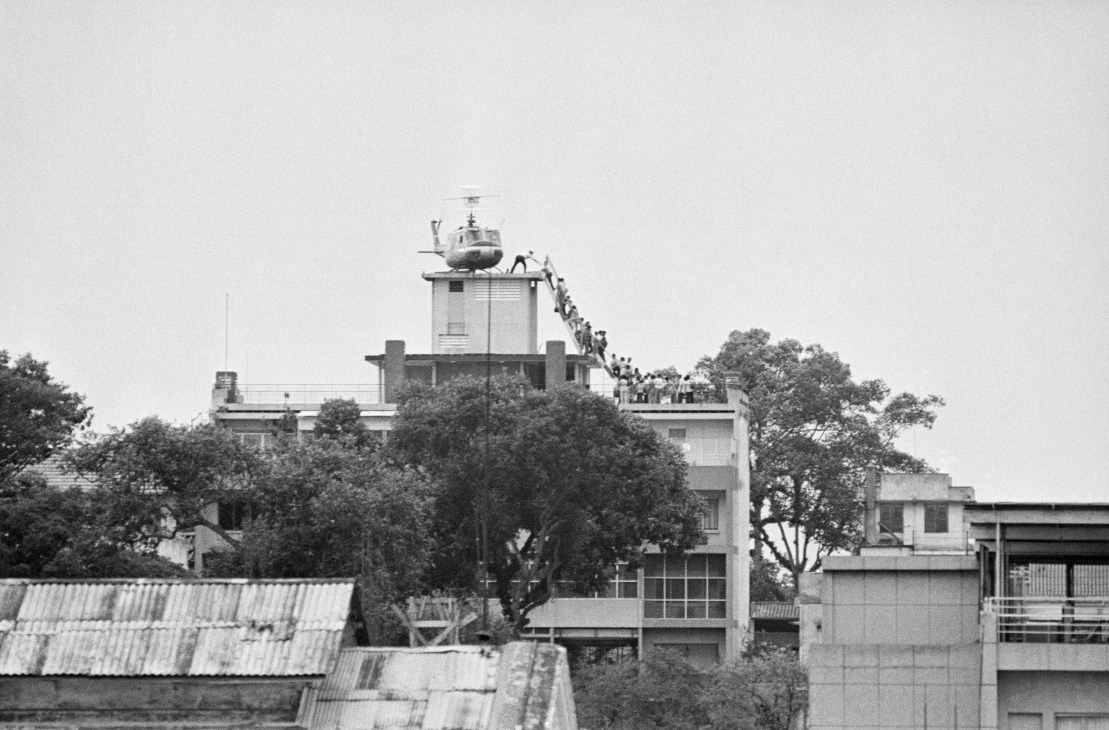
Exactly how this information is destroyed will vary but incinerating paper documents and destroying hard drives with hammers or acid are the preferred methods, says John Everard, the UK’s former ambassador to Belarus and North Korea. Shredding can be unreliable. Lukens explains how “in the Iran hostage crisis, [the US] shredded a lot of documents. The Iranians got children who had been working making carpets to piece the documents back together.”
The next steps will be determined by the circumstances under which the embassy is being closed. The worst-case scenarios – exiting under fire or a hostage situation – were avoided in Afghanistan but the former diplomats Monocle spoke to mostly agree that events might have simply overtaken those on the ground. “They would have calculated that they had
a bit longer between the troops going and the Taliban taking over to do some of the things that [they then had] to do in a hurry,” speculates William Patey, the UK’s ambassador to Afghanistan from 2010 to 2012. “They were making some of it up as they [went] along; you don’t normally have to evacuate your locally engaged staff.”
The final step on the list? Leaving the keys with the neighbours (in most cases, a friendly embassy). “It sounds like a trivial point,” says Everard. “But at some point someone will need to reoccupy that building and will need a way in.”
Defence – Belarus & Russia
In the basket: Anti-aircraft missile
In the basket: s-400 anti-aircraft missile system
Who’s buying: Belarus
Who’s selling: Russia
Price: $300m to $500m (€252m to €420m)
Delivery date: tbc
Russia has used sales of the s-400 to stake out its strategic imperatives before; previous customers include China, India and Nato member Turkey. Belarusian president Alexander Lukashenko has admitted that Belarus can’t afford the s-400s and suggested that a recent $1bn (€842m) loan from Russia was conditional on Belarus using some of the money for this purchase (with a mates’ rates discount). It’s an offer Belarus can’t refuse – and Russia will be delighted to have one of its own weapons systems covering a greater expanse of both Ukraine and Nato’s eastern reaches.
Images: Getty Images
Collective thought
As head of the neurosurgical oncology team at the University Hospital of Bern, Philippe Schucht treats patients with brain cancer, among others. It would be easy to assume that his job is a morbid one but this isn’t how he sees it. “My work is joyful,” he says. “Every day I give my patients hope again.”
There are countless different elements required of Schucht in his work – he is also head of research and education at the hospital. And besides knowing the complexities of the brain, maintaining vital self-belief and staying physically dextrous during lengthy operations (some run for as long as 12 hours), Schucht also needs to be able to empathise with his patients. “I need to understand how surgery will affect their quality of life,” he says, emphasising that simply keeping someone alive isn’t always enough. “If I am treating a writer, I need to appreciate how important it is to safeguard the language and speech functions in their brain.”
Schucht also needs to understand his team. This ranges from collaborating with his departmental director, the “mastermind” Andreas Raabe, to working with the scrub nurses who assist during surgery and the radiologists who create and analyse brain scans. “We have to appreciate one another’s interests, our strengths and weaknesses,” says Schucht. “This is how you can do the most for the people in your care.”
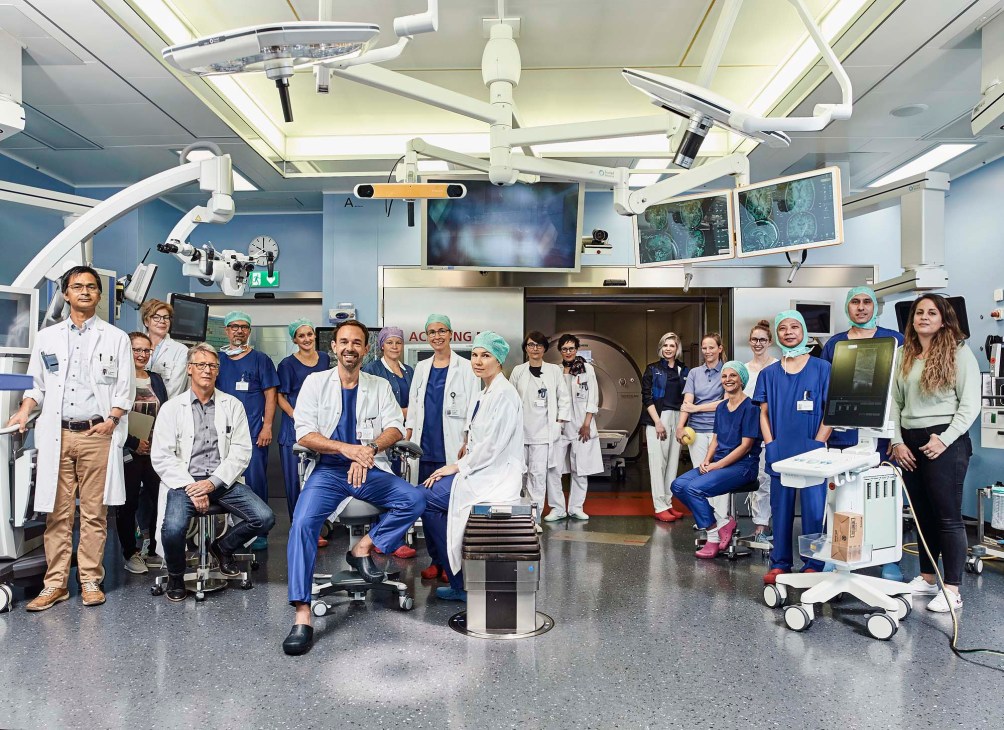
The Cabinet
(From left to right)
Binaya Shrestha
Radiation oncologist
“Helps prevent the recurrence of cancer.”
Sandra Perny
Speech therapist
“Deals with patients undergoing conscious surgery for tumours near areas that affect speech.”
Dörthe Heinemann
Neuropsychologist
“Ensures that patients can retain their full cognitive capacity.”
Adrian Ochsenbein
Chief oncologist
“Works to lower the risk that cancer will return.”
Vladimir Krejci
Head of neuro-anaesthesia
“Helps to make our patients fall asleep.”
Andrea Mathis
Scientific co-ordinator
“Manages many of our scientific projects.”
Anne Leyh
Medical technician
“Safeguards patients’ neurological functions during surgery.”
Kathleen Seidel
Senior neurosurgeon
“Helps to monitor brain functions in operations.”
Katharina Lutz
Senior neurosurgeon
“The one who cares for the children.”
Sabine Molls
Advanced nurse practitioner
“Provides holistic patient care.”
Franca Wagner
Neuroradiologist
“Reveals what’s hidden in the brain.”
Sarah Wyss
MRI assistant
“Helps to produce diagnostic images of a patient using the mri.”
Sandra Briner
Physiotherapist
“Gets you back on track after surgery.”
Nicole Söll
Data manager
“Master of capturing information.”
Lena Giger
Intermediate care
“She’s the person who always cares for you when you need it most.”
Kyaw Zayar Myo Thein
Neurosurgeon-in-training
“Joined us from Myanmar through the Swiss Neurosurgeons International scheme.”
Mario Graf
Chief scrub nurse
“Keeps it all running smoothly.”
Tania Carvalho
Secretary
“Gets anything done.”
The Agenda: Business
Transport – UK
Pedal power
Founded in Nottingham in 1887, British company Raleigh was the world’s largest bicycle maker before the Second World War. Yet in recent years the business has struggled to find its place in the modern market. Its solution, it seems, is electric cargo bikes. With the sector expected to double in value over the next year, this could prove to be a shrewd move. Many UK drivers want to reduce car journeys but cannot balance shopping and children on a bicycle. Enter Raleigh’s new Stride bikes. The line, which includes a cargo bicycle and tricycle, can hold up to 100kg and has been designed to replace cars for everyday errands, such as school runs and shopping trips.
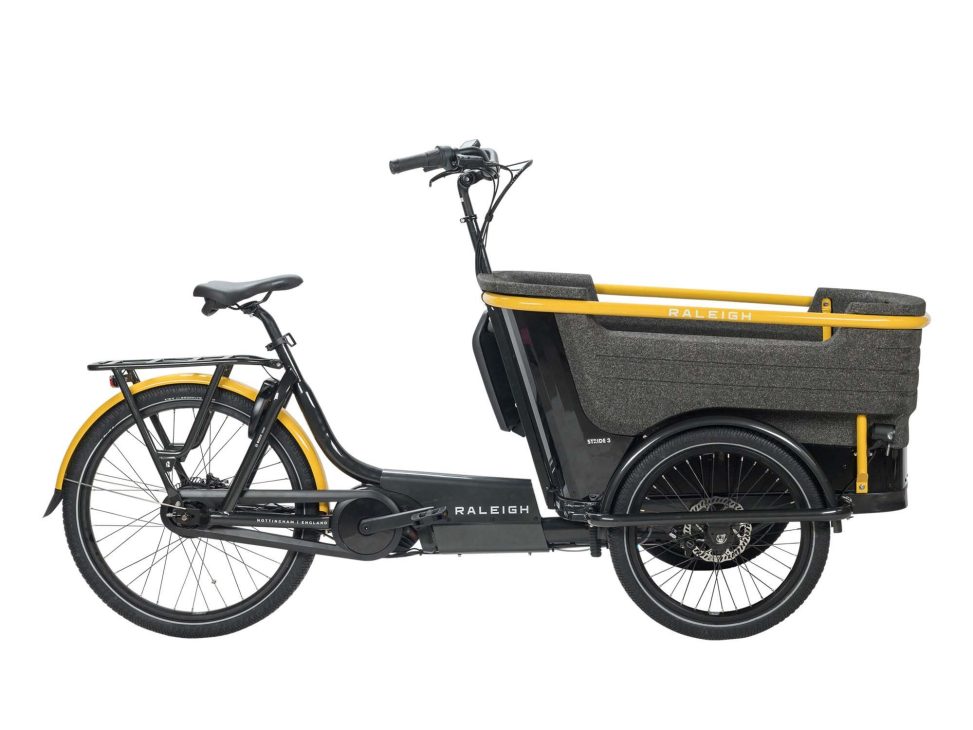
Raleigh isn’t just targeting the consumer market. As the benefits of bicycle-based deliveries become more apparent – for example, they are 60 per cent faster than vans in cities and cut emissions by 90 per cent – delivery services such as Deliveroo are taking notice. A trial is also under way in which the bikes will replace vehicles on National Trust estate.
Banking – Italy
Old money, new times
It occupies a building in Siena’s historic quarter that is more palazzo than corporate headquarters. And it is the world’s oldest bank, dating back to 1472. But Banca Monte dei Paschi di Siena has not been faring well. In 2013 the Italian
government was forced to give it a €3.9bn bailout; EU stress tests have since declared it to be the continent’s weakest lender. Reports suggest that it might soon be acquired by Unicredit, a rival banking group based in Milan. While the brand name might live on, this would be the end of an era after more than 500 years. So how are the world’s other historic independent banks performing? We look at their assets.
1.
Berenberg Bank
Germany, founded 1590
Started by a Flemish family, this Hamburg-based multinational focuses on asset and wealth management, as well as corporate banking. Its net profit last year soared by 79 per cent to €108m – its best results ever.
berenberg.de
2.
C Hoare & Co
UK, founded 1672
Britain’s oldest private bank admits that it has “weathered many crises”, yet it remains profitable. This year it named its first female CEO, former Lloyds chief executive Diana Brightmore-Armour.
hoaresbank.co.uk
3.
Metzler Bank
Germany, founded 1674
Originally founded as a cloth-trading business, this Frankfurt-based bank now has a staff of about 800 and bills itself as “independent in all respects”. It had €86bn of assets under management in 2019.
metzler.com
Cruises – Norway
Sea change
Daniel Skjeldam
CEO of Hurtigruten
Skjeldam was part of the founding team at Norwegian Air Shuttle, where he worked for a decade before joining cruise company Hurtigruten in 2012. Here he floats ideas about where the industry is heading. Anchors aweigh.
“Cruises needed a rebrand long before coronavirus hit. People won’t accept enormous ships in ports like Venice any more. There’s a dire need for better cooperation with the communities we serve. We need to be guests, not intruders.
“Shipping has a long way to go on sustainability. Guests will increasingly demand it now that they’re seeing fires and floods caused by climate change. Those huge ships will soon be a thing of the past. Hurtigruten hasn’t used heavy fuel for 14 years; we invested in battery technology on our three newest expedition ships and removed single-use plastic three years ago. Those companies that don’t embrace this model will lose out.
“After the lockdowns people want to travel again. Perhaps they’ll do less of it, which is the case in the business world, and in a more conscious way. They want to come back and feel good about the way they do it.”
hurtigruten.com
Transit – Iceland
Going off road

The Ísar Roadless Rapid Transit system has a simple mission: to connect the world’s most remote communities without the need for infrastructure investment. Serving that mission is an eco-friendly prototype vehicle that resembles an elongated Humvee. Developed by Icelandic company Jakar, it offers variable-pressure “soft” tyres, reduced weight compared to other off-road vehicles and the ability to run on biogas, which will eventually be switched for electric and other zero-emissions power sources.

Ísar’s first real-world application is now being developed between the towns of Sisimiut and Kangerlussuaq in Greenland. The 135km journey currently requires a 30-minute flight. Jakar hopes that its system will help to move people and goods between such places more efficiently and without roads. Not only could links be implemented quickly but the environment would be left intact. That’s a major consideration in places like Greenland, where protected landscapes can hinder transport just as much as tough, mountainous terrain. Isar is not expected to come cheap but for small, remote municipalities the cost savings on infrastructure could well make the maths add up favourably.
Images: Courtesy of Isar, Courtesy of Raleigh