Issues
Briefing: Food and Drink
1.
Salón Rosetta
Mexico City
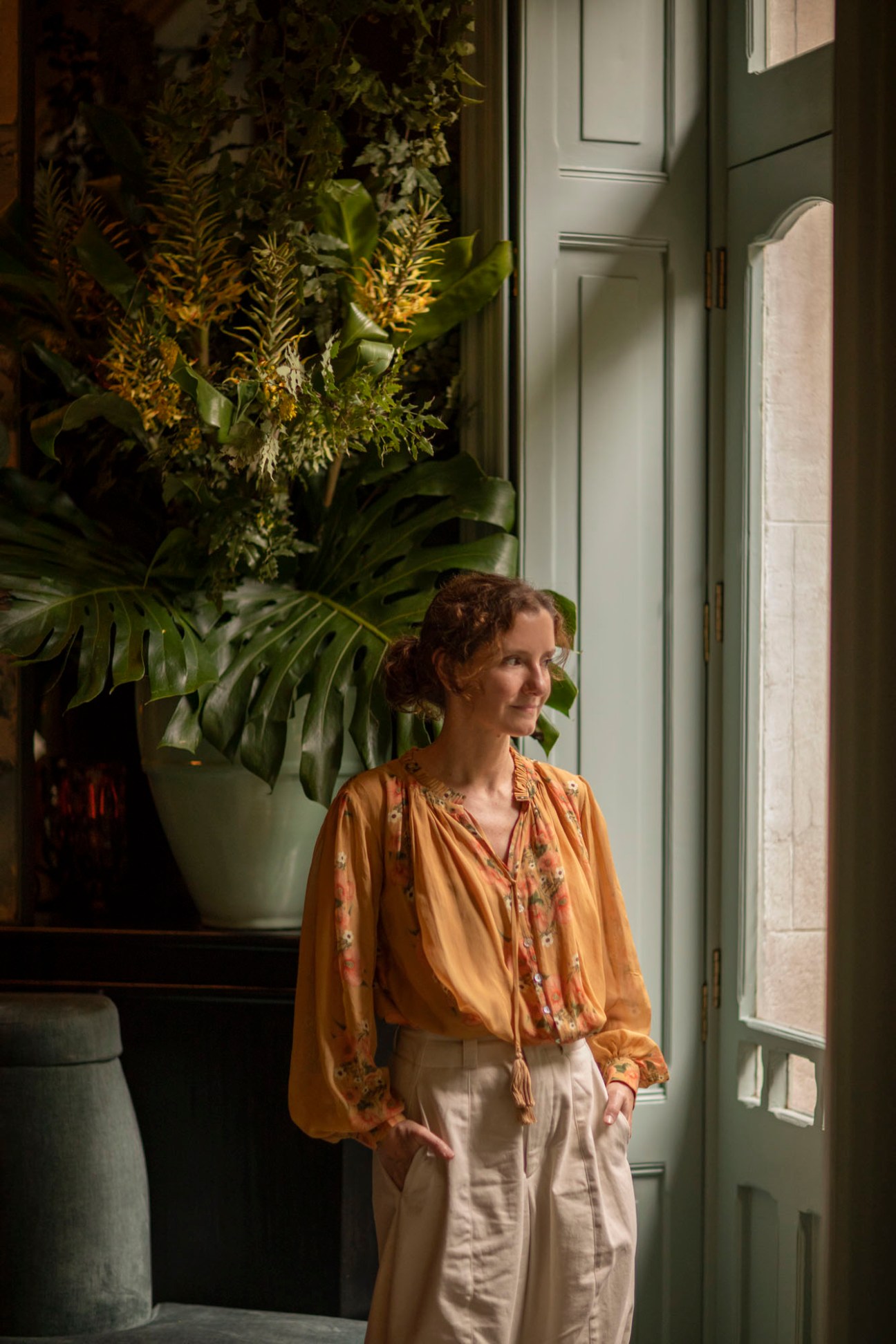
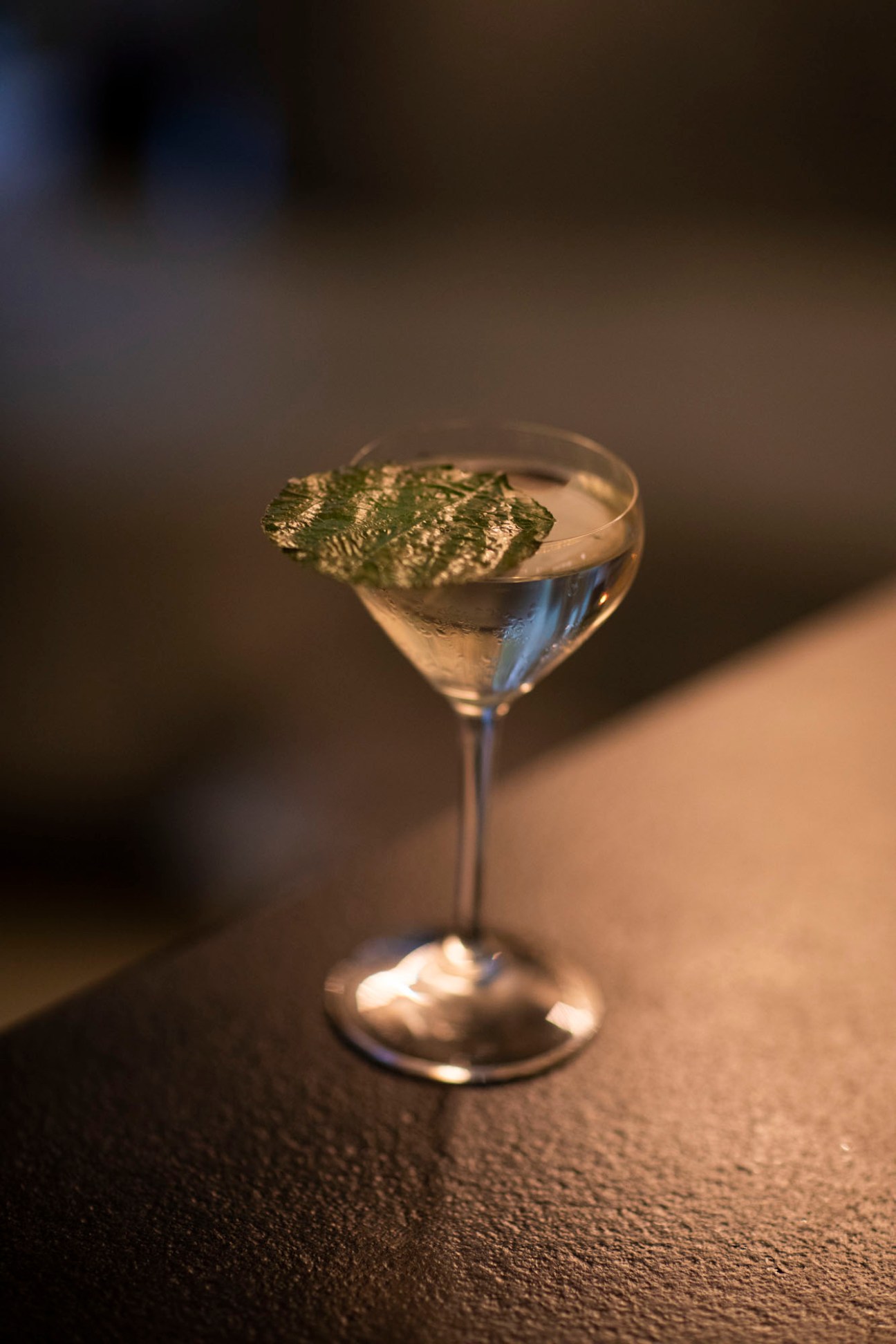
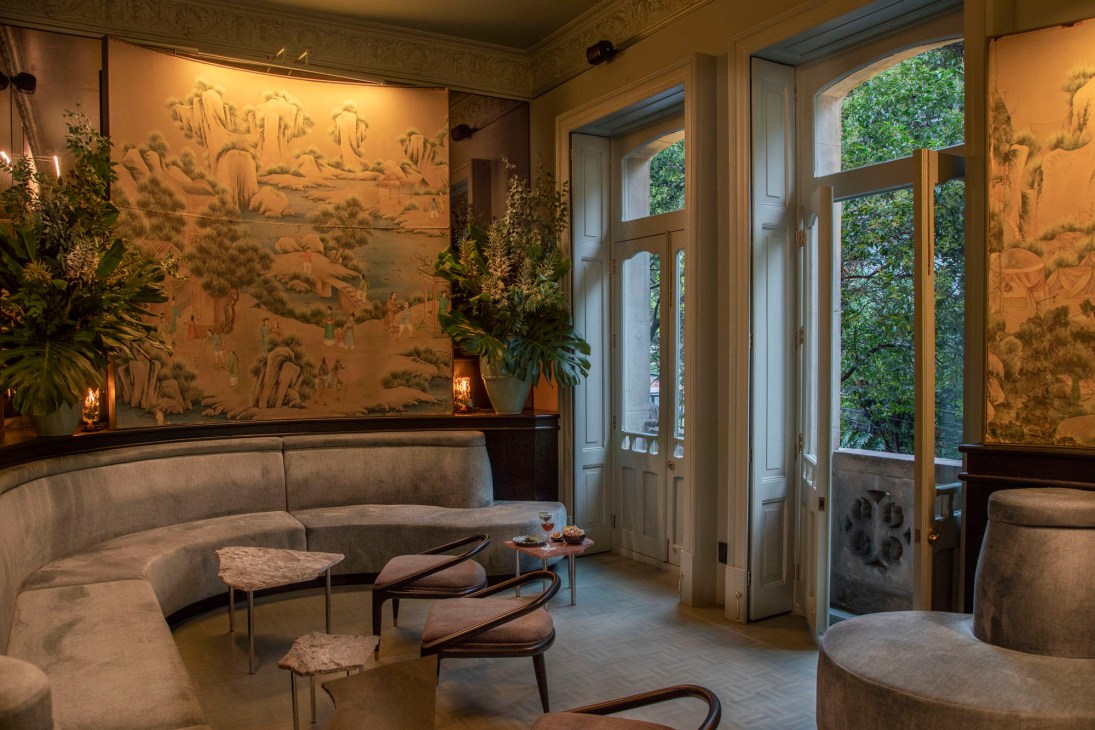
Chef Elena Reygadas’ Rosetta restaurant has been a Mexico City staple since opening in the Roma neighbourhood more than 10 years ago. The dreamy interior looks straight out of a fairy tale, with botanical murals in pastel hues and tropical plants drooping from the rafters. The crowds also come for Reygadas’s pasta and fresh vegetable-heavy dishes. The three-storey mansion’s newest addition is Salón Rosetta, an intimate bar on the top floor. “We wanted somewhere that people could have a cocktail before dinner,” says Reygadas (pictured). “There’s nothing like this in Mexico City. People either drink at restaurants or dive bars.” The elegant room has curved booths, powder-blue walls and large Chinese paintings. The menu doesn’t disappoint, with spins on old favourites such as a hoja santa martini (pictured) made with Mexican pepperleaves. Better yet, it’s two flights down to one of the finest restaurants in Mexico City.
rosetta.com.mx
2.
Blanco Ice Cream
Kumamoto
Blanco Ice Cream is a sweet business in every sense. “The inspiration comes from the ice-cream shop scene in the US,” says co-founder Fumiya Yoshiyama. “They’re more like cafés over there, open from morning to night.”
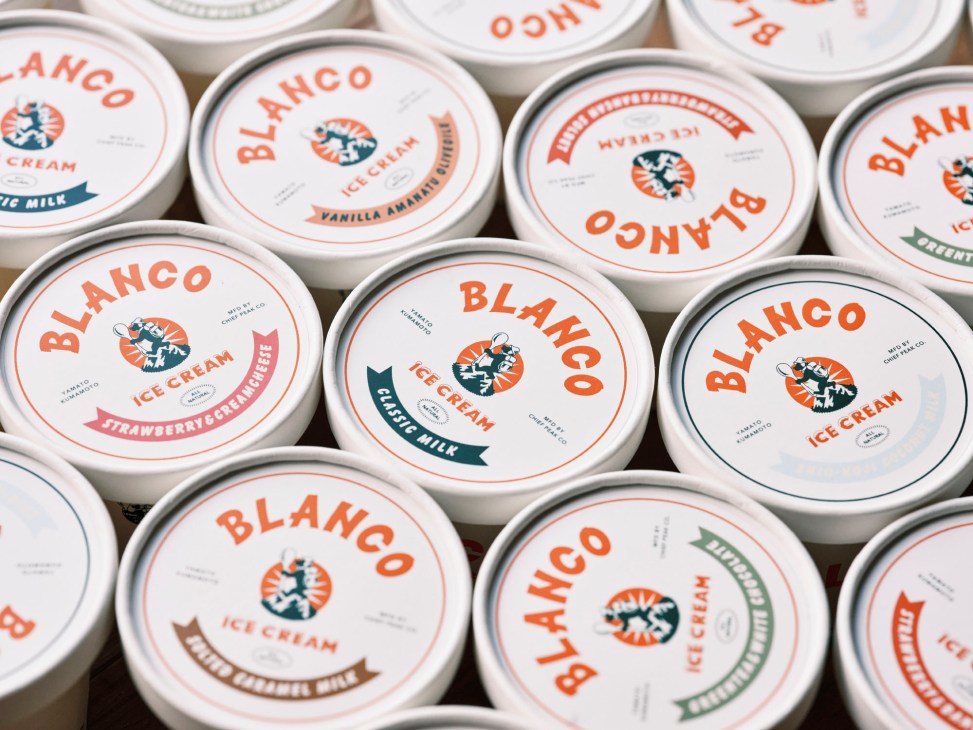

Yoshiyama, who works in neighbourhood café Paddlers Coffee in Tokyo, teamed up with brother Ryuya and their cousin Rina Fujikawa to start the business. Despite the big-city inspiration, the trio hails from Yamato-cho, a town with an ageing population of 14,000 in Kumamoto, which is also home to an organic farming scene. They renovated a shed at their parents’ home to become a mini factory. “The ice cream is 100 per cent natural,” says Yoshiyama. “We’re spoilt with great ingredients.”
Today, Fujikawa is busy with production but the young team know how to keep their cool. “Our ultimate goal is to make the future of Yamato-cho brighter, even by a tiny bit. So we pay higher prices to the farmers for their produce and to contribute to the local economy,” says Ryuya. “We want to have sustainable growth at our own pace.”
blancoicecream.net
3.
‘Makan’
London
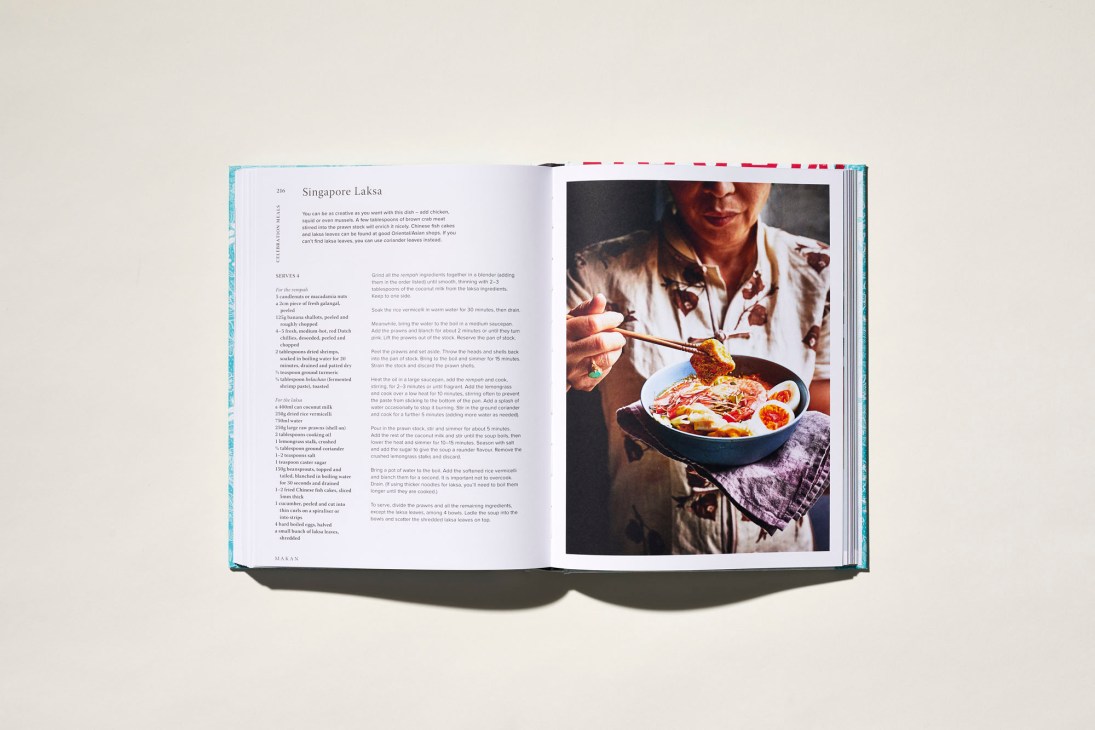
Anyone who’s hopped in a cab in Singapore will be familiar with the question “Have you eaten?” asked by the well-meaning driver behind the wheel, showing just how important eating is to this food-obsessed city-state. From hawker centres to top tables, it’s a riot of Chinese, south Asian, Peranakan and Malay ideas, many of which can feel daunting for home cooks. That’s where Makan, a new recipe book from Singapore-born Elizabeth Haigh, published by Bloomsbury, comes in. The chef worked at London favourite Pidgin before starting hospitality group Kaizen House and opening counter restaurant Mei Mei. Haigh’s knack for flavour is borne out in dish after delicious dish, from beef rendang to chilli crab, plus lashings of family lore and tips passed down through generations of her family. Have we eaten? Very well, thank you.
bloomsbury.com
‘Seasonings magazine’
Singapore
“Most food magazines in Singapore spotlight posh dining experiences that are at odds with our cuisine, which isn’t a white tablecloth affair,” says cookbook author and chef Pamelia Chia, who co-founded new quarterly food title Seasonings with illustrator Hafizah Jainal. “The heart of Singaporean cooking lies at home.”
Launched in spring 2021 with an initial print run of 350, Seasonings celebrates the island’s thriving food culture with recipes and frank conversations. “People are hesitant to have meaningful conversations about food, race and religion,” says Chia.
“Singaporean food is so different from, say, French cuisine, with its authoritarian takes on what itis and isn’t” Plenty to chew over.
hahahafi.com

4.
Freshly baked
Copenhagen
The number of bakeries in Copenhagen is rising and it’s a challenge to buy a bad loaf. Residents are sticklers for pastries too and a boom in talented chefs has fueled openings. In recent months there has been a wave of spots popping up in and around Nørrebro.
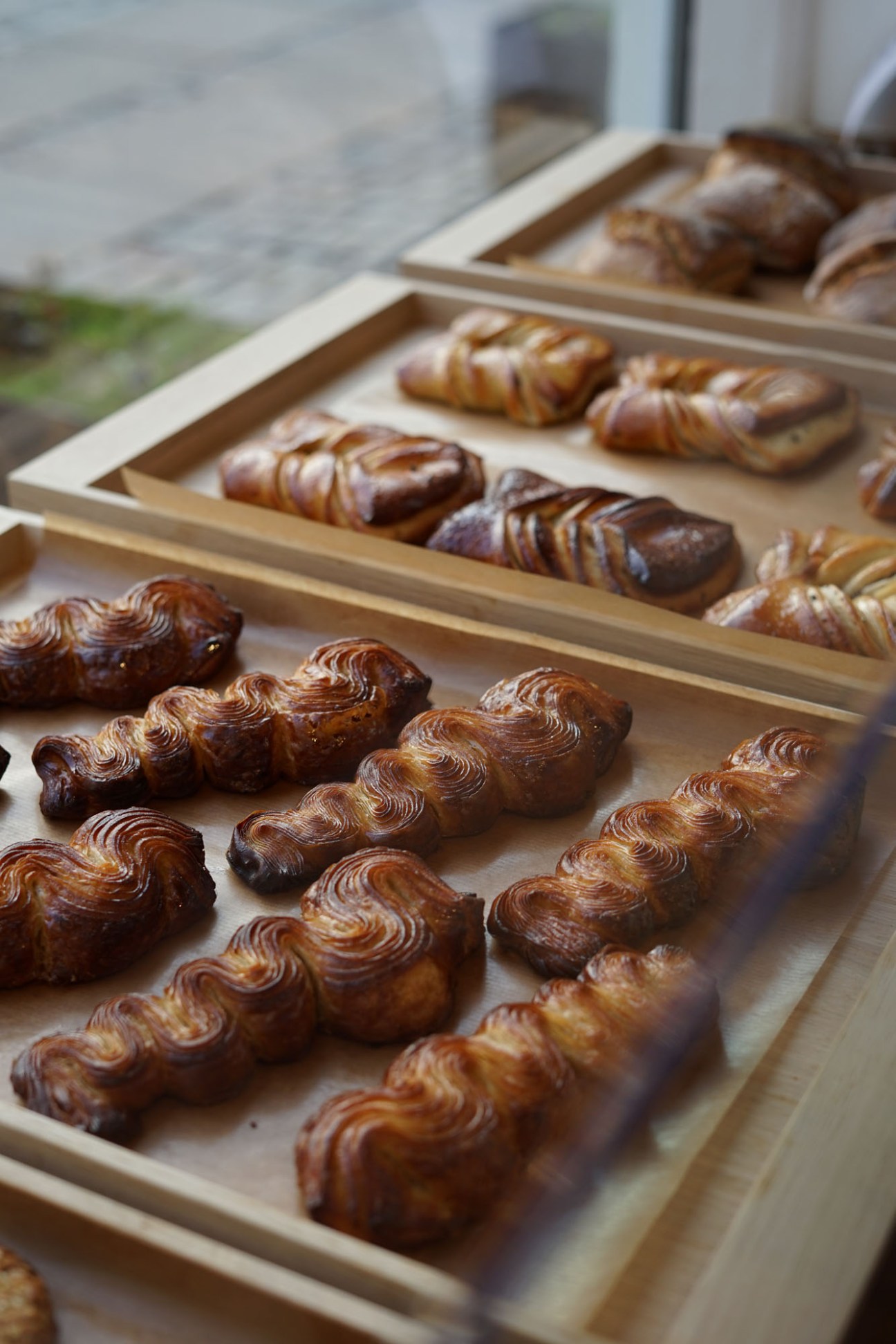
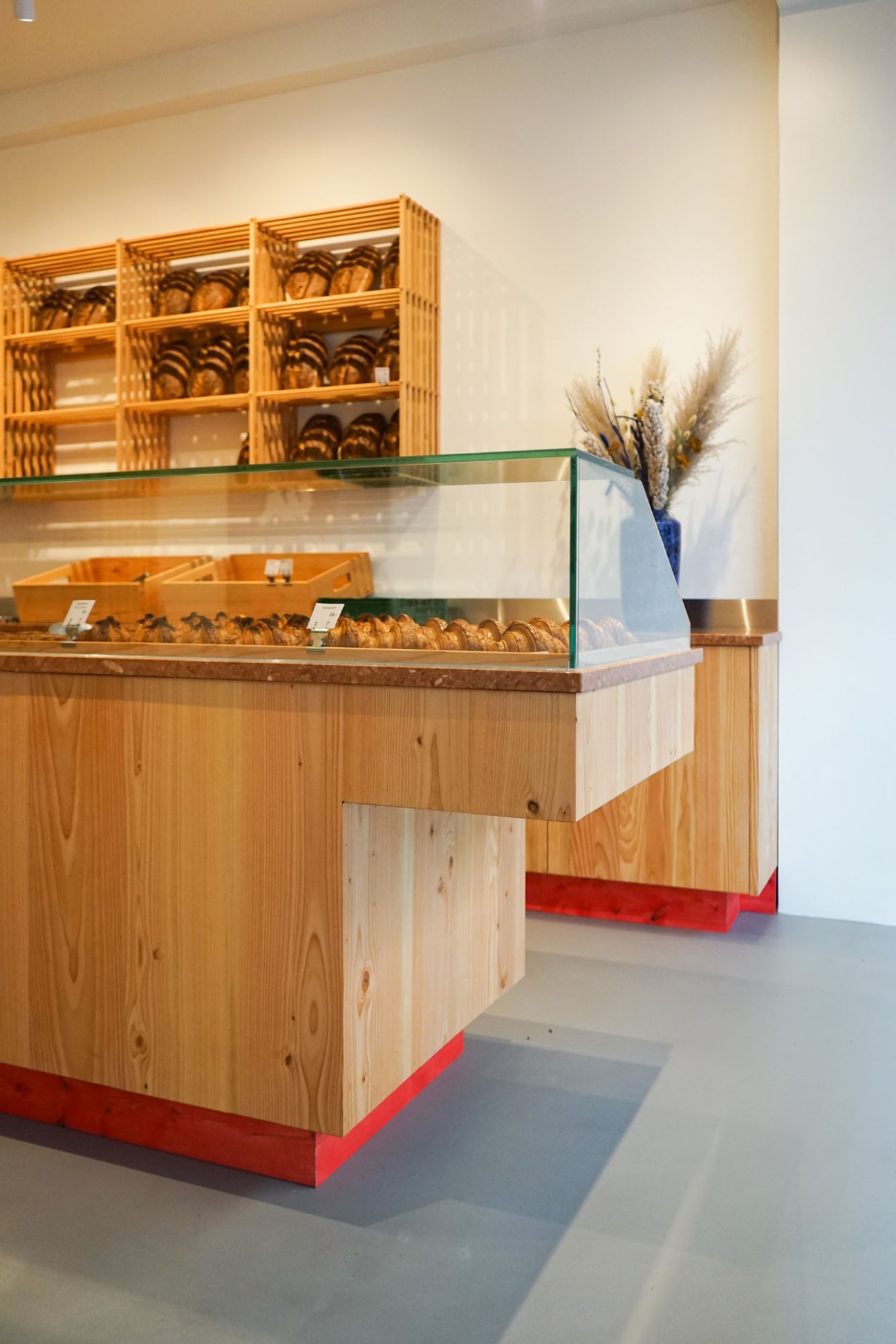
Collective Bakery is a spin-off from local roaster Coffee Collective, which opened its wood-clad space in spring 2021. Here, head baker Michael Craig (formerly of Hart Bageri) whips up croissants, rye and sourdough loaves, as well as citronbølge, a zesty, buttery wave-shaped pastry made from the trimmings of croissants and drizzled in lemon syrup.
At Rondo, a sunny neighbourhood joint, residents sit under a red awning, savouring hunks of naturally leavened bread topped with tomatoes, olive oil and anchovies. It’s run by the team behind the beloved Gaarden & Gaden natural-wine bar.
Bageriet Benji also opened this year. This hole-in-the-wall spot from Noma alumnus Rasmus Kristensen serves treats from tarts with frangipane and rhubarb to ice-cream sandwiches and croissant-like spandauers filled with silky cream.
coffeecollective.dk; rondo.ooo; Faelledvej 23
5.
Whey
Hong Kong
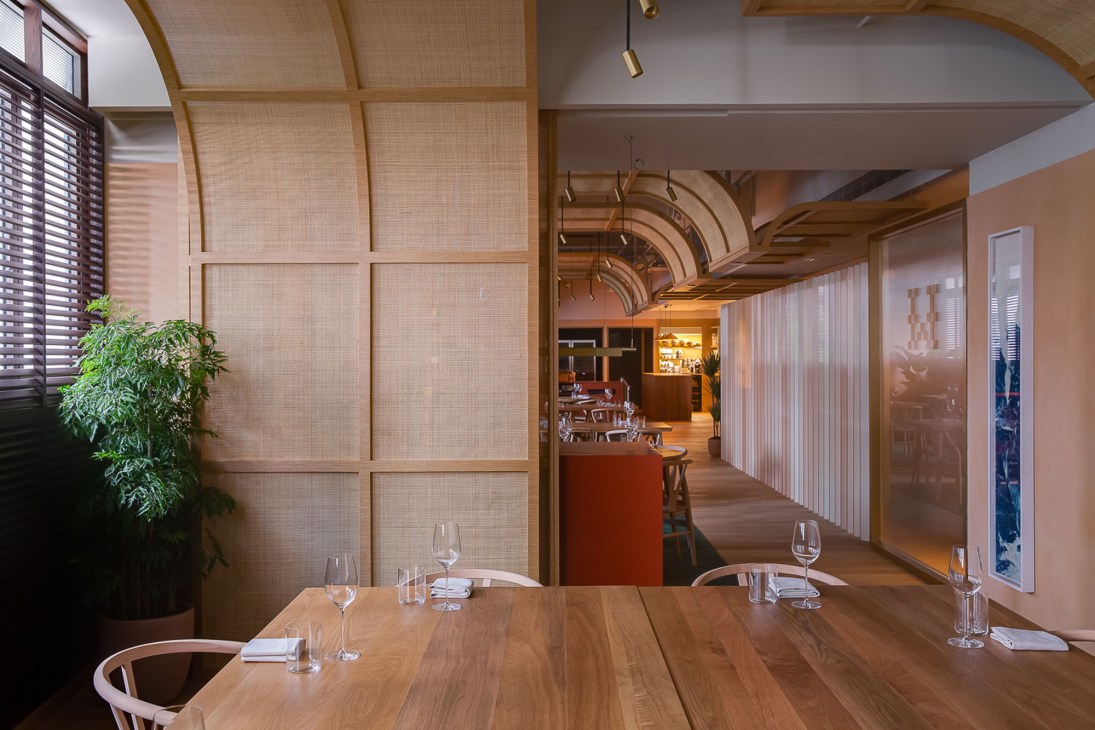
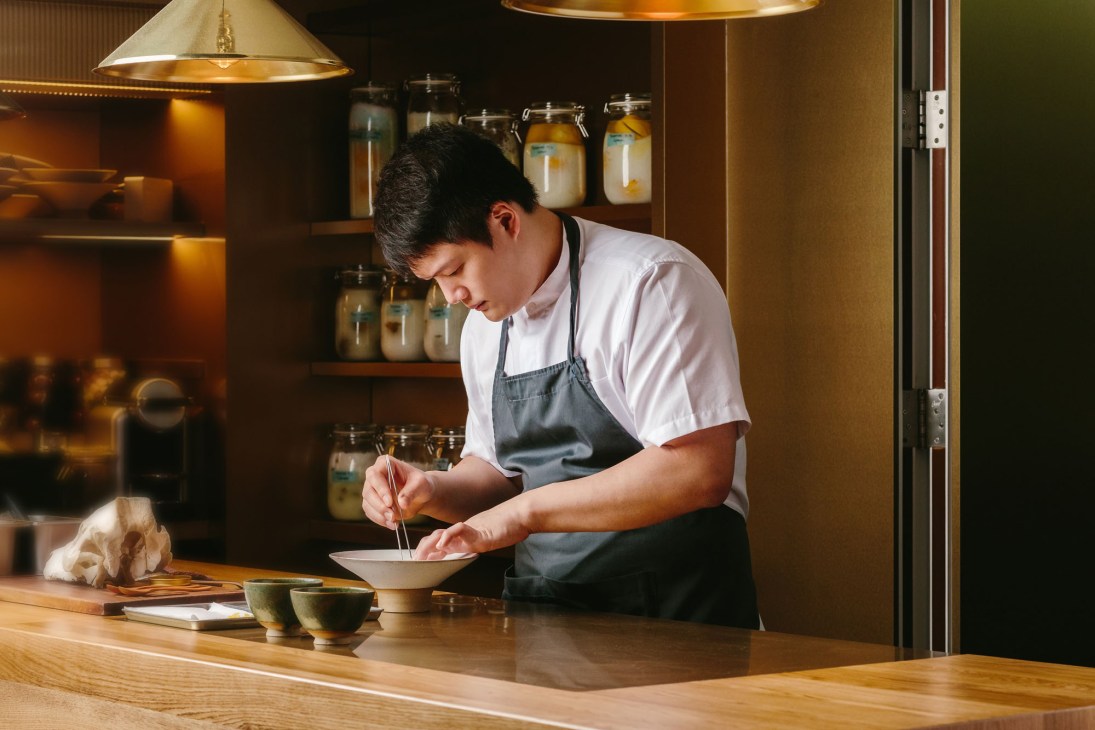
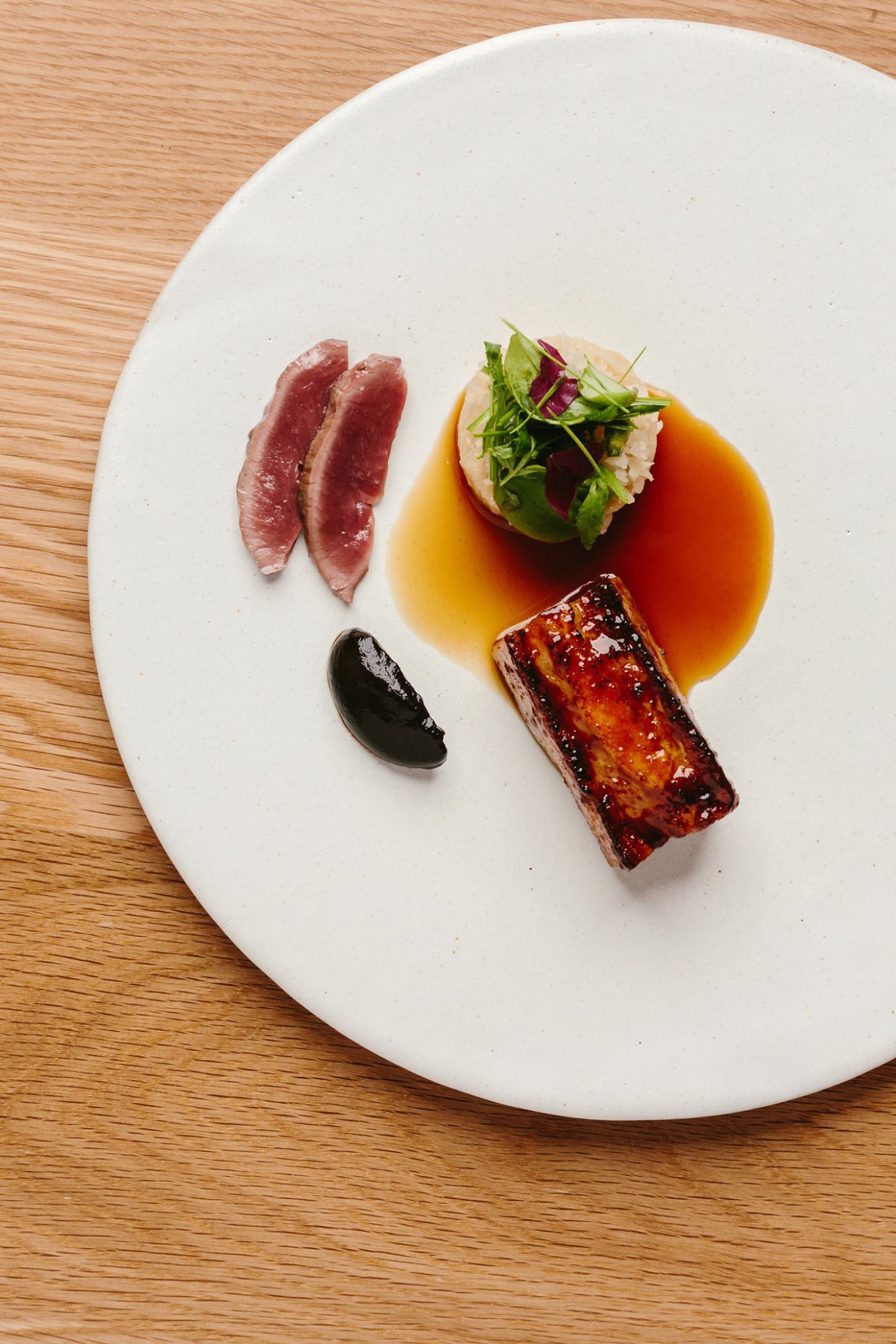
Chef Barry Quek brings distinctly Singaporean flavours to Hong Kong’s dining scene at his new restaurant Whey in Sheung Wan.French-trained Quek (pictured) isn’t afraid to try unexpected combinations. Standout dishes include charcoal-grilled pork ribs with a pepper jus and black-garlic jam; laksa with flower crab and konjac rice; and a dreamy brioche infused with buah keluak (a native seed much used in Peranakan cookery). It’s all served in a dining room designed by Oslo-based Snøhetta – a mix of oak furniture, rattan and earthy tones that adds a Nordic flavour.
whey.com
Feast your eyes
Monocle Digital Editions
Hungry for more? Every subscription to Monocle includes access to the Monocle Digital Editions. This online service allows you to read the magazine on your computer or your phone, peruse our back catalogue of global reporting and stay up to date with our travel guides to key cities. As a little taster, here are some top tables from this month’s Editors’ Selection section.
1.
Yakumanka
Barcelona
Gastón Acurio is a global ambassador of Peruvian cuisine and his Barcelona joint doesn’t disappoint. Expect great food in a laid-back space in Eixample and a range of Peru’s best dishes. Acurio’s ceviches, piqueos and wok-cooked rice- and-fish options are delicious, authentic and best paired with a pisco sour. yakumanka.com
2.
Bar Cham
Seoul
Housed in a charming hanok (a traditional Korean house) in Jongno-gu, Bar Cham is an intimate cocktail lounge where master mixologist Lim Byung-jin crafts one-of-a-kind cocktails using region-specific ingredients. Each drink pays homage to an area of South Korea, from Yeoju and Damyang to Hamyang and Jeju Island. We recommend Jeju, one of the house’s signature cocktails, which mixes the citrusy flavour of ripe tangerines with umami notes from traditional flower liqueurs.
182 2 6402 4750
3.
Fulgurances, Laundromat
New York
Paris’s rotating-chef concept diner Fulgurances is making its mark on Brooklyn’s Greenpoint this year. Dubbed the Laundromat in a nod to the location’s previous line of business, the joint will spotlight a number of head chefs in the next 12 months, with Victoria Blamey first in line. The Chilean cook has worked in some of New York’s most fêted establishments over the years, including Gotham Bar & Grill and Chumley’s, and her recent creations include scallop ceviche and bone marrow-topped burgers.
fulgurances.com
Subscribe to Monocle now to gain full access to the Digital Editions. Sign up at Monocle.com/subscribe
IMAGES: Hillier Group Pte Ltd, Nicholas Wong, Coffee Collective
Recipes
1.
French toast with peaches
Serves 4

Ingredients:
For the peaches:
4 peaches
Sugar, for dusting
½ tsp cinnamon
30ml water
1 star anise
For the creamy topping:
80ml single cream
150g mascarpone
1 tsp maple syrup
1 tsp vanilla extract
For the French toast:
300g brioche (or 8 thick slices)
4 eggs
1 tbsp sugar
1 pinch of salt
150ml single cream (or milk)
1 pinch of cinnamon
30g sugar
3 tbsps butter, melted
Maple syrup, to taste
Method:
1.
Preheat oven to 200c.
2.
Cut the peaches in half, remove and dispose of the stones, and place the peach halves skin-side-down on a baking dish.
3.
Sprinkle evenly with sugar and cinnamon. Pour over the water, place a star anise in between the peaches, then cover with foil and bake for 30 minutes.
4.
For the topping: mix the single cream with the mascarpone, maple syrup and vanilla extract.
5.
Cut brioche into about eight thick slices.
6.
Mix eggs and 150ml cream. Season with the remaining cinnamon, salt, vanilla extract and white sugar, and soak the bread slices on both sides in the mixture.
7.
Melt the butter in a pan on a medium heat and fry bread slices on both sides for about 3 minutes each until golden brown.
8.
Serve two slices of bread per plate, remove peaches from the oven and slice, dividing evenly between the four plates.
9.
Add the creamy topping and maple syrup.
2.
Artichokes with vinaigrette
Serves 4
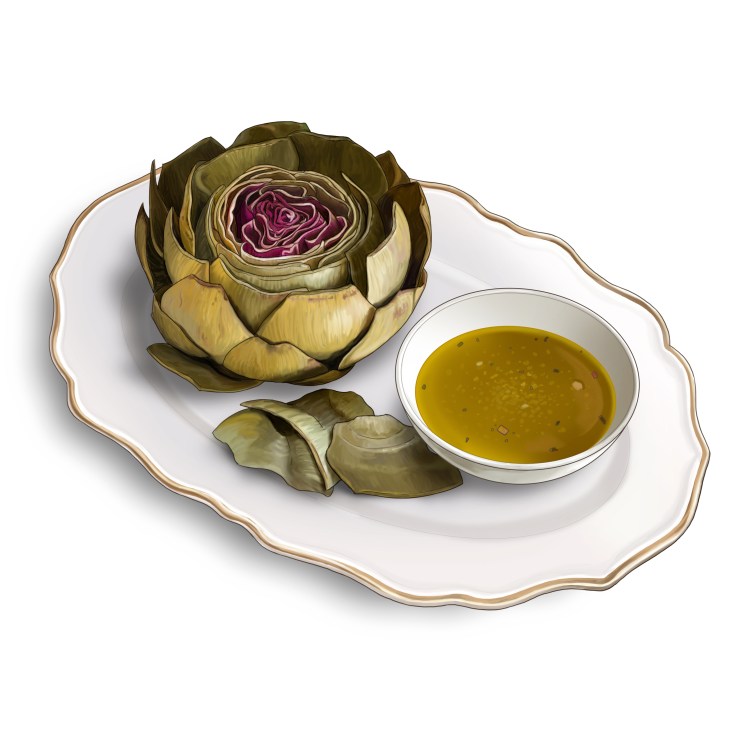
It’s artichoke season and though these vegetables can be tricky to prepare, our Swiss chef offers a tasty starter inspired by Zürich restaurant Schnupf that can be steamed or boiled. Once cooked, pluck the leaves from the artichoke, dipping the fleshy end into the vinaigrette and pulling away the tender part with your teeth (discard the tough bit). When all the outer leaves are gone you can spoon out the “heart” – save some dip for this bit.
Ingredients:
4 large artichokes
50g mustard
10ml white wine vinegar
5g cane sugar
5g salt
30ml mild olive oil
1 tbsp chopped parsley
1 red onion, finely diced
2 tbsps chives, finely chopped
Pepper, to season
Method:
1.
Cut off the stems of the artichokes half an inch from the stalks. Then, cut the upper third of the leaf tips with kitchen scissors or a (really) sharp knife.
2.
Place the artichokes side by side in a pot, pour enough water to cover them by half and add salt. Put a lid on and bring to a boil, then simmer over medium heat for 30 to 40 minutes, depending on size. To check (after half an hour), pluck off an outer leaf to taste – when these fall off easily, the artichokes are done.
3.
Remove the artichoke heads from the pot, turn them upside down and drain. Enjoy lukewarm or cold.
4.
For the vinaigrette: Mix mustard and vinegar, and add the sugar and salt. Slowly add the oil, drop by drop, while stirring with a whisk to make a glossy mixture. Add the parsley, onions and chives and season.
3.
Prawns with garlic and chilli
Serves 2 as a starter, or with other tapas dishes
Our chef rustles up a classic Spanish starter and crowd-pleaser, gambas al ajillo. The sherry and sherry vinegar both add a complexity of flavour but do feel free to treat the ingredients list as a guide rather than a rule. For instance, add a little more chilli if you like things on the hotter side. Be sure to also have some still-warm, toasted bread to mop up the juices.
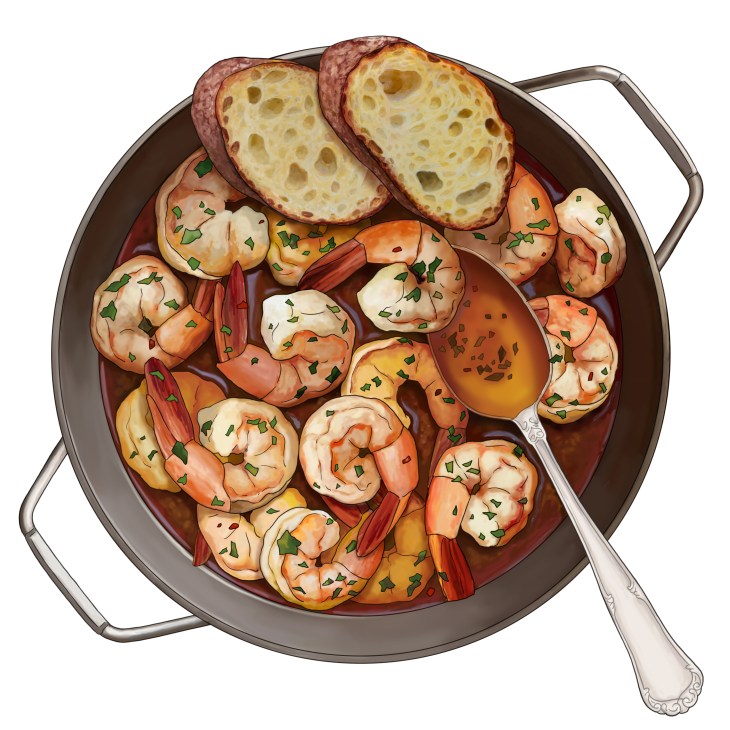
Ingredients:
4 tbsps olive oil
3 large garlic cloves, finely chopped
½ tsp chilli flakes
250g large prawns, shelled
3 pinches of sweet smoked paprika powder
1 tsp dry sherry
½ tsp sherry vinegar (optional)
½ lemon
Sea salt and crushed black pepper, to taste
10g flat-leaf parsley, finely chopped
Crusty bread, to serve
Method:
1.
Put the olive oil, chopped garlic and chilli flakes into a small frying pan and heat slowly to a simmer over a medium-low heat.
2.
When the garlic starts to turn a light golden colour, add the prawns, paprika and sherry, and turn up the heat slightly. When the prawns turn pink and opaque, and are cooked through (in roughly 2 to 3 minutes), add lemon juice and season with salt and pepper to taste.
3.
Pour out into a serving dish (or alternatively, serve in the cooking pan) then sprinkle with chopped parsley and serve straight away, still warm and without draining the oil. Serve with warm crusty bread, which can (and should) be used to mop up the delicious garlicky chilli-flecked oil, along with a nice cold drink.
4.
South Korean-style beef ‘bulgogi’
Serves 4
Our Swiss chef’s culinary travels take us to South Korea with this toothsome bulgogi (which translates as “fire meat”). The beef takes a minimum of 30 minutes to marinate but you can leave it overnight for a fuller flavour. Spice it up with some kimchi on the side and serve with rice as a main.
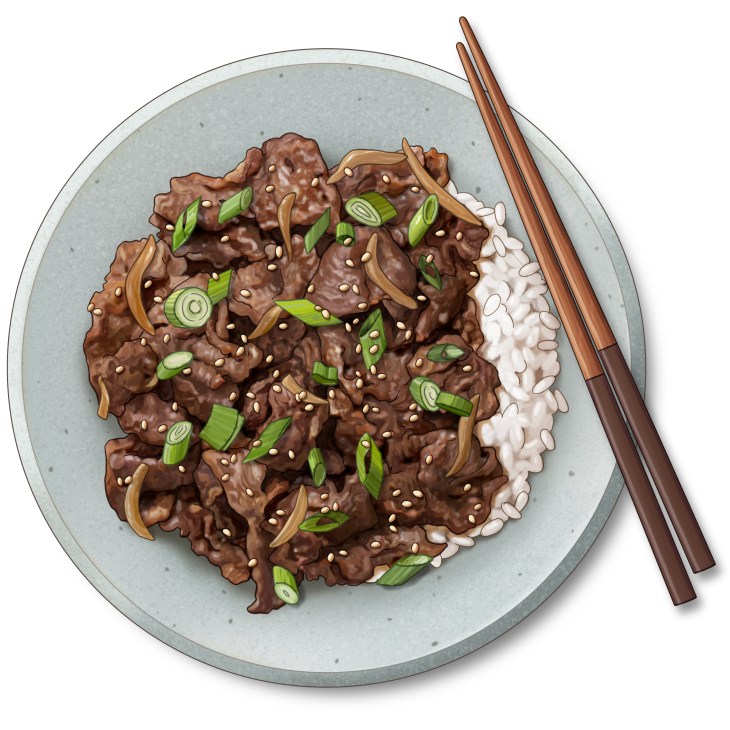
Ingredients:
600g rib-eye steak or another well-marbled cut
1 onion, ½ roughly diced and ½ thinly sliced
2 cloves of garlic, diced
½ apple, peeled and coarsely chopped
2 spring onions, 1 roughly diced and 1 thinly sliced
2 tbsps brown sugar
1 tbsp grated ginger
1 tsp gochujang (South Korean red bell pepper paste)
50g soy sauce
3 tbsps sesame oil
1 tbsp vegetable oil
As sides (optional):
1 tsp roasted sesame seeds
Cooked rice
Kimchi
Method:
1.
Slice beef as thinly as possible and set aside in a large bowl.
2.
In a blender, purée the roughly diced onion pieces, garlic, apple, roughly chopped spring onion, brown sugar, ginger, gochujang, soy sauce and sesame oil until smooth.
3.
Pour the marinade over the beef, add the thinly sliced onion and mix. Cover with plastic wrap and marinate in the refrigerator for at least 30 minutes (or ideally overnight).
4.
Heat the oil in a large skillet over high heat. Pat the meat dry then sauté it with the marinated onions until browned.
5.
Plate the meat up with the rice, then add the remaining spring onions and toasted sesame seeds. Serve with South Korean side dishes.
5.
Fried squid with roasted garlic aioli
Serves 2 as a starter
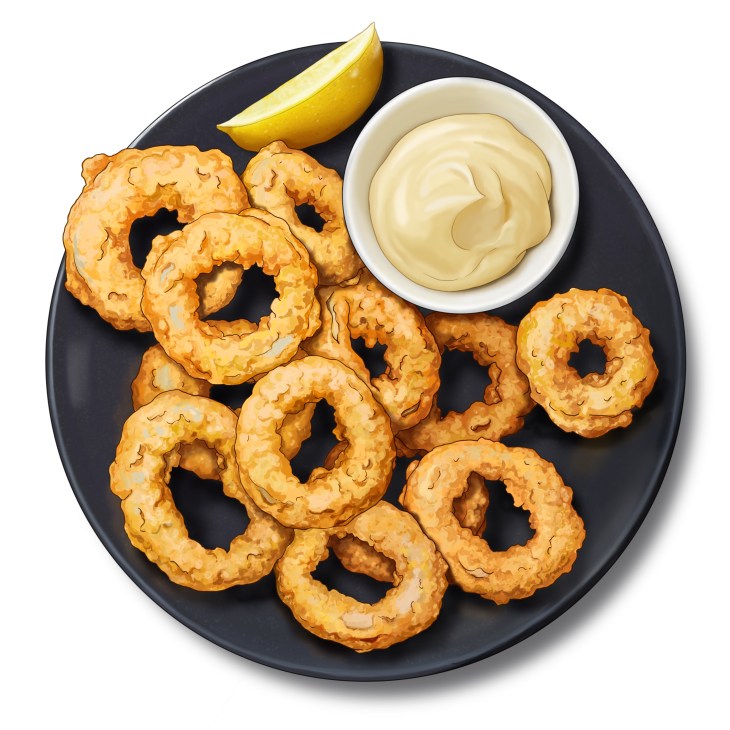
Beloved of the Bagni crowd, this simpler, squid-focused take on Italian fritto misto is a summer staple of a snack.
Ingredients:
For the aioli:
4 garlic cloves
2 egg yolks
4 tsps lemon juice
75ml light olive oil
150ml sunflower or vegetable oil
For the squid:
350g cleaned squid (cut into rings), plus chopped tentacles
75g plain flour
75g semolina
1 tsp sea salt
3 large pinches of crushed black pepper
½ tsp cayenne pepper
500ml sunflower oil
Salt and pepper to season
Method:
1.
To prepare the aioli, put three garlic cloves (skin on) in a frying pan over medium-high heat and sauté for three minutes per side until slightly charred.
2.
Remove the skin from the fried cloves, add the extra-peeled, raw garlic clove and crush with the back of a large knife. Place the garlic purée, egg yolks and lemon juice in a mixing bowl and stir until combined. Pour both oils in a jug and add to the bowl, mixing with a whisk. Keep adding oil and whisking simultaneously until you have a mayonnaise-like consistency. Season with salt and pepper.
3.
Heat 500ml of oil in a medium-sized pot and bring to 190c.
4.
Mix the flour, semolina, seasoning and spice in a flat tray. Coat ¼ of the prepared squid and drop into the oil carefully. Deep fry for about 1 minute, until the squid becomes nice and crispy. Scoop out with a slotted spoon and drain the excess oil on a wire rack. Repeat for all of the squid. Serve immediately with your homemade roasted-garlic aioli but go easy to avoid getting your fingers burned.
6.
Buchteln with apricots
Serves 4 as a dessert

Schelling is renowned for his sweet buns. This delectable dessert takes about an hour to rise, and then another 25 minutes to cook. So it’s best to bake in advance – and be sure not to burn yourself on that apricot jam.
Ingredients:
25g yeast
100ml milk (lukewarm)
50g sugar
250g flour
1 egg
1 egg yolk
½ tsp salt
100g butter (melted)
150g apricot jam
zest of ½ lemon
Icing sugar
Method:
1.
Dissolve yeast in milk then add sugar, flour, egg, egg yolk, salt, lemon zest and 50g (half) of the liquid butter. Knead by hand or with a dough hook (considerably quicker) until smooth.
2.
Cover and let it rise in a warm place for about 30 minutes until it’s increased in size by 50 per cent.
3.
Preheat oven to 180c. Roll the dough on a floured work surface into a sausage shape that’s roughly 5cm in diameter. Divide into about 15 pieces of equal size. Form a small ball from each piece and flatten slightly. Make a deep dimple in each ball and place a teaspoon of apricot jam in each, then seal. Dip in the remaining melted butter. Place in a greased ovenproof dish (about 30cm by 30cm). Cover and leave to rise for 20 minutes.
4.
Bake in the oven for about 25 minutes, then let it cool and sprinkle with powdered sugar. Serve warm.
ralphschelling.com; ayanishimura.com
Regional ally
In Galicia, the most northwesterly region of Spain, a regular visitor to the small fishing village of Corrubedo has sown the seeds of a quiet revolution. Not only has fêted British architect David Chipperfield reopened and reimagined a neighbourhood bar – Bar do Porto – that had been closed more than 20 years, he has also launched a foundation that supports sustainable development in the area. Both projects represent a tie to the community that has become more than just a place where Chipperfield and his family spend their summers.

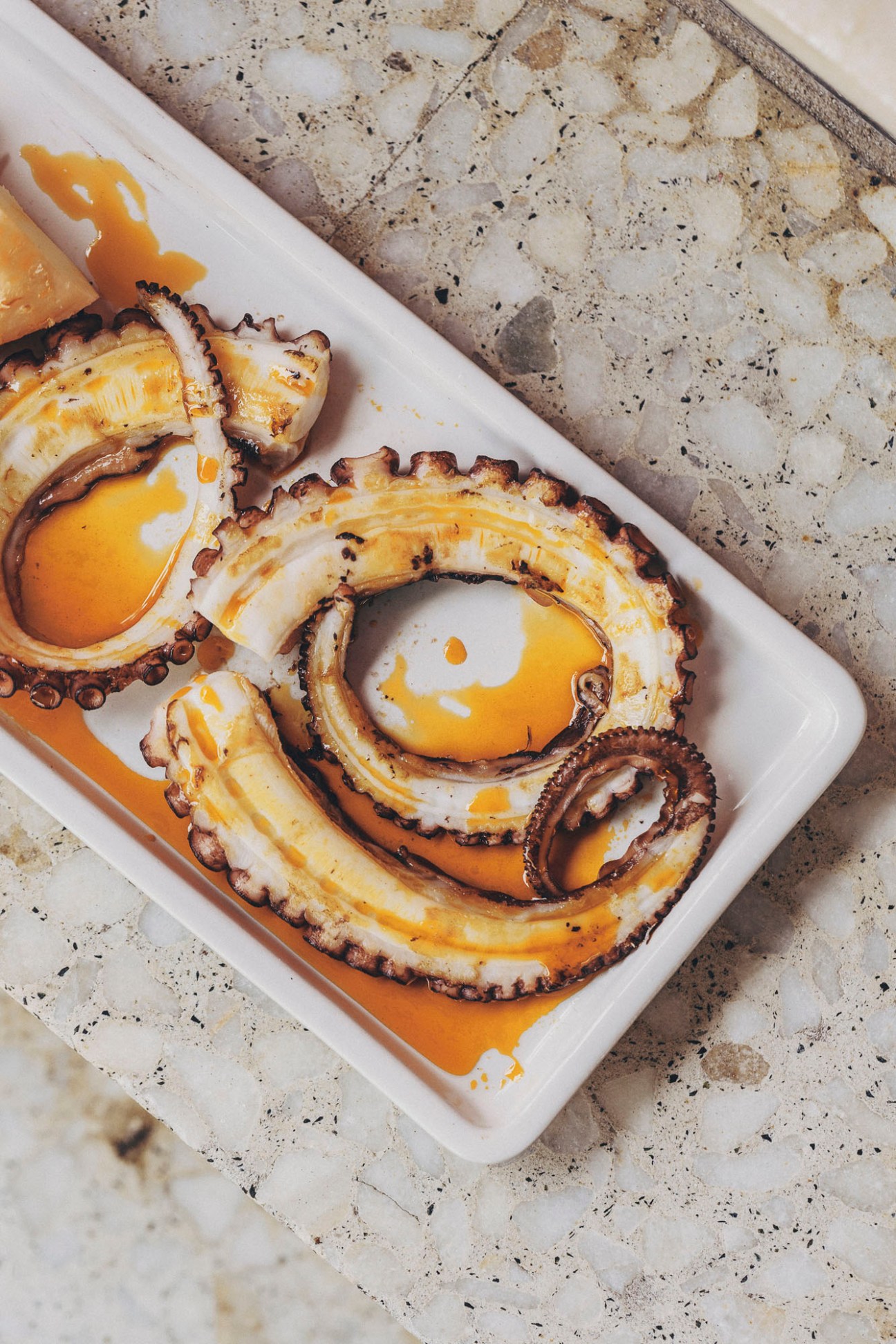
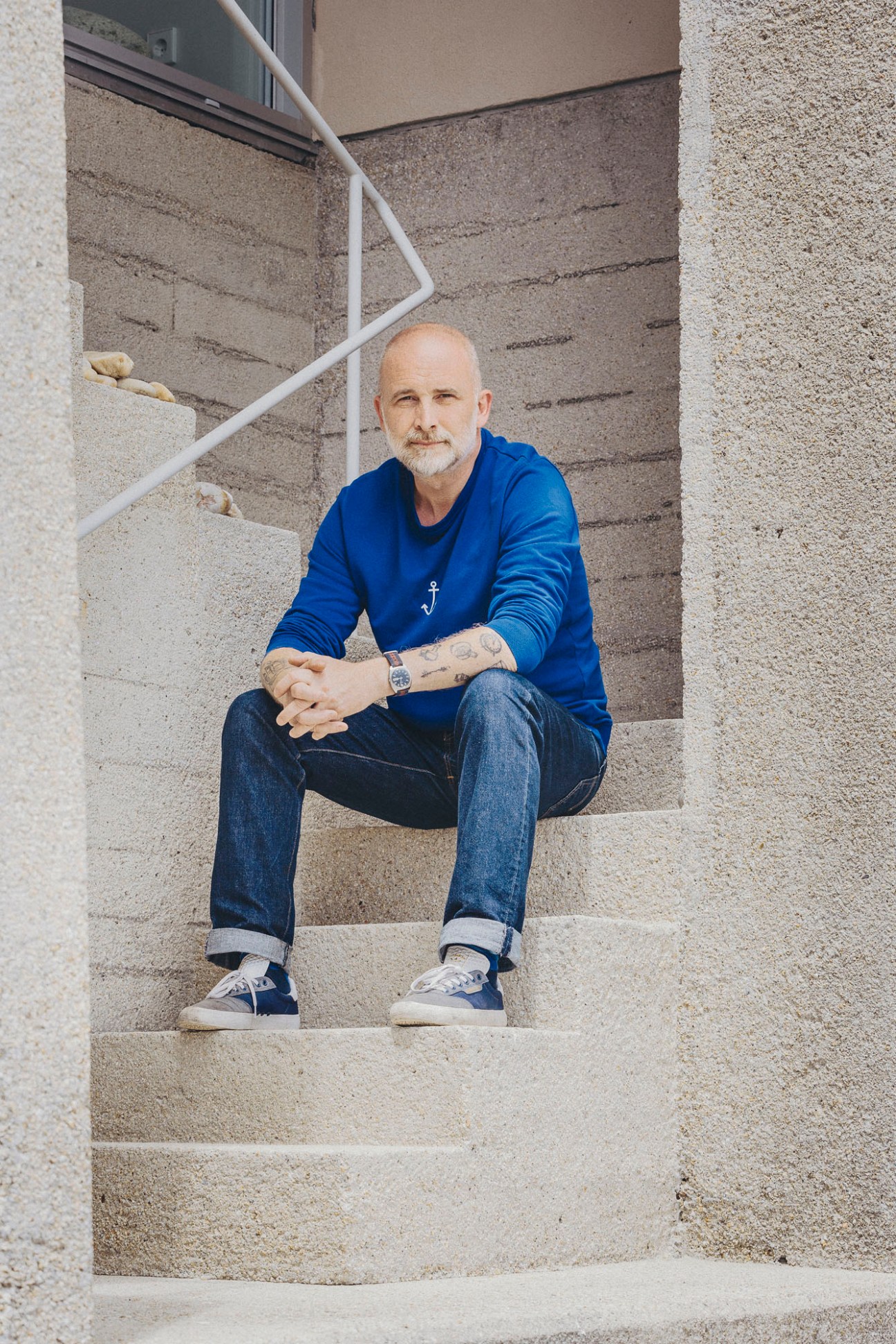
Bar do Porto sits off the water’s edge, where the boat-peppered Arousa estuary meets the Atlantic Ocean. The bar’s first incarnation closed its doors in the same summer that Chipperfield, who is a keen cook, first set foot in Corrubedo. “That’s partly why I started the bar,” he says. “Alan Yau [founder of Wagamama] was here visiting and he said, ‘You should open a restaurant.’\” Both men recognised the quality of the region’s food as well as something ineffable beyond it. “I like the purity of the place,” says Chipperfield. “This is my attempt to give something to the village. Galicia has a great tradition of knowing how to work with nature. The people know how to fish but not exploit the fish.”
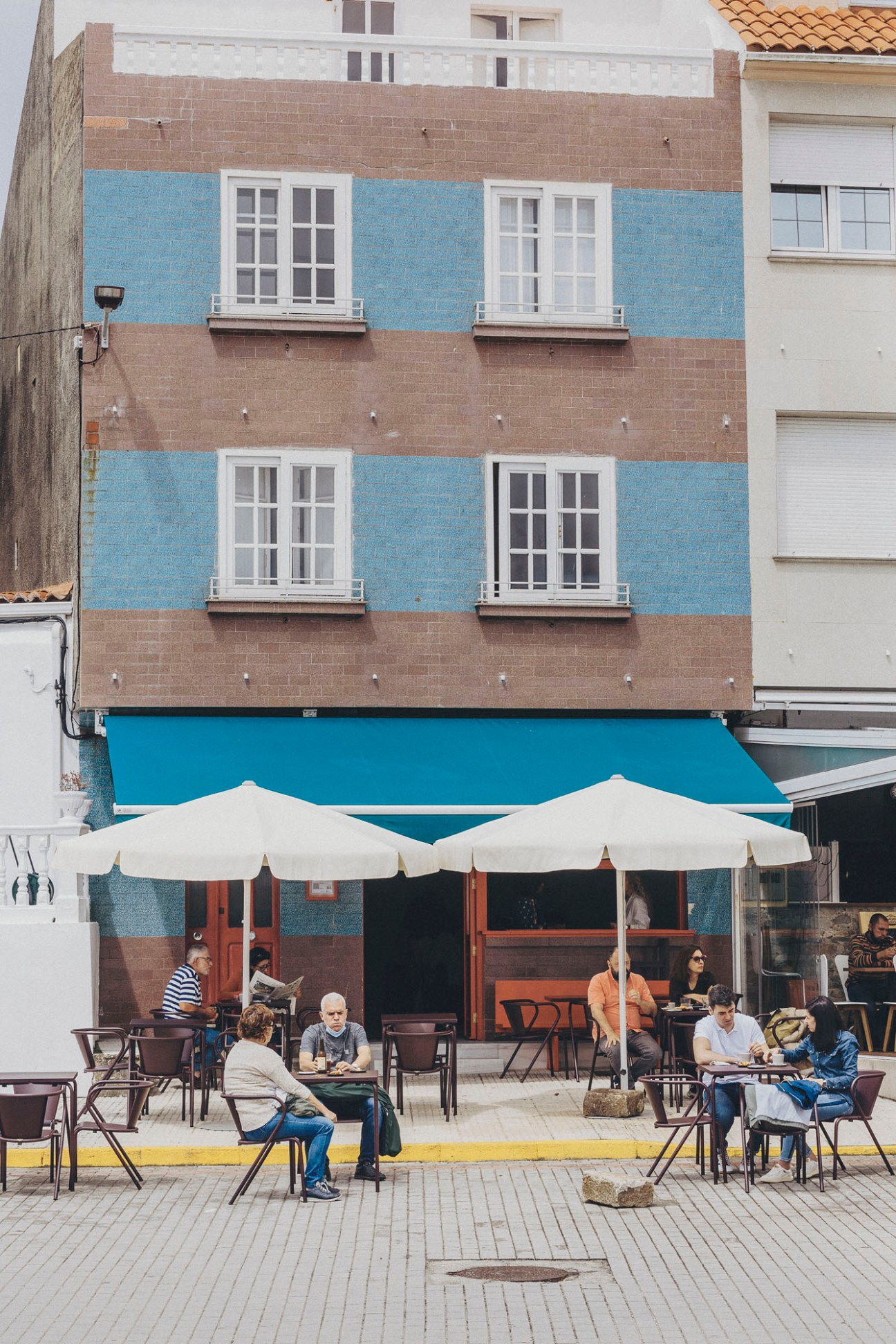
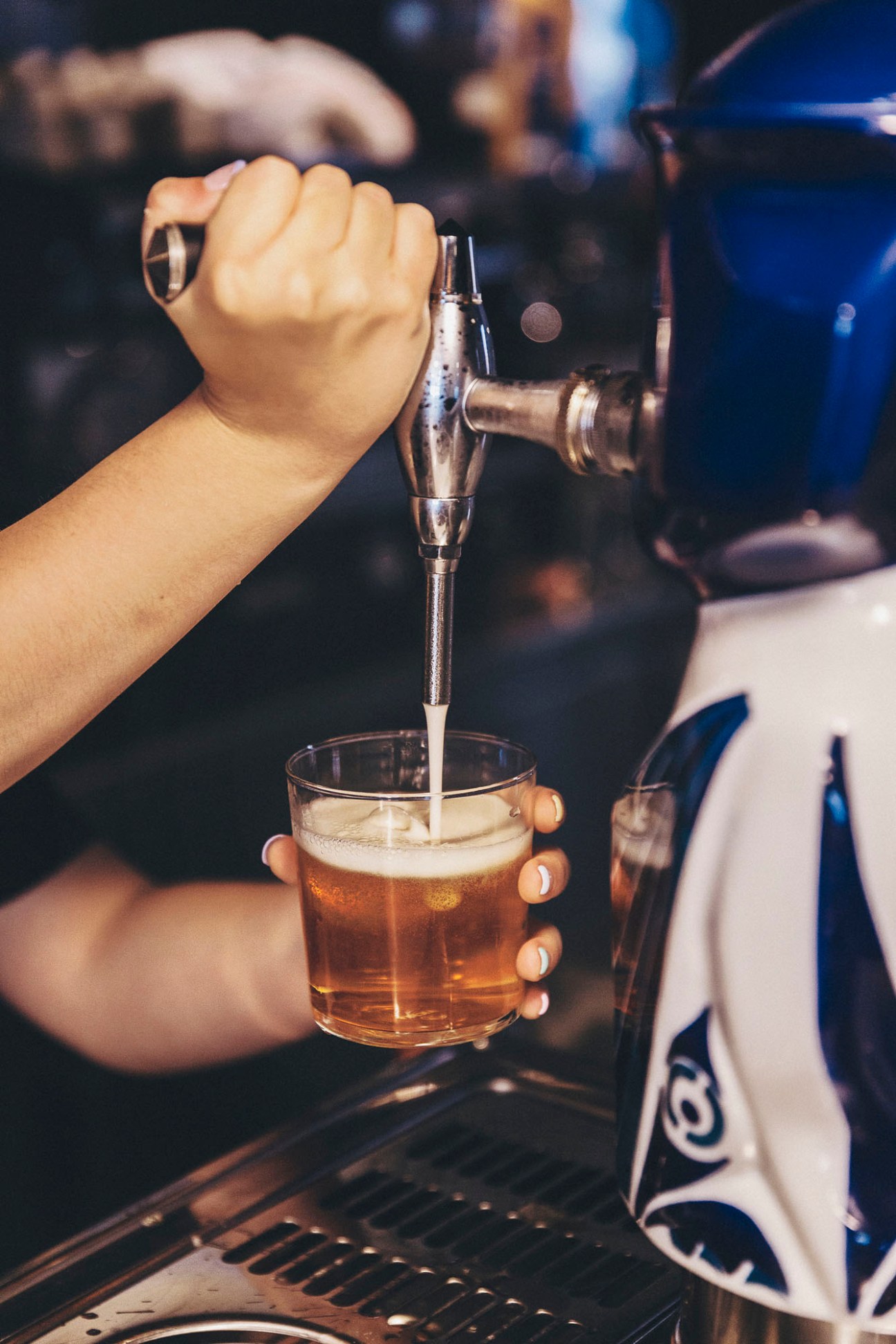
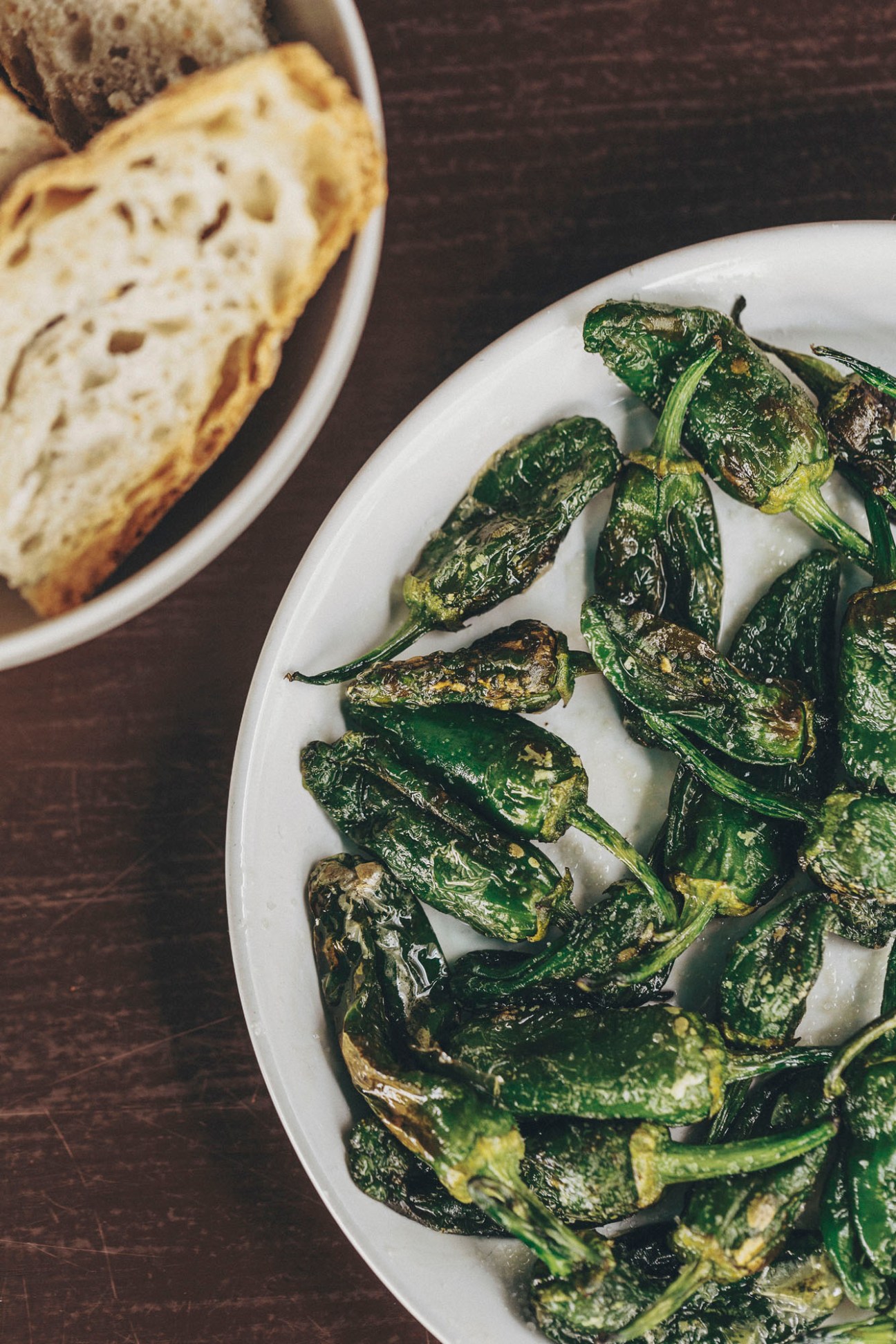
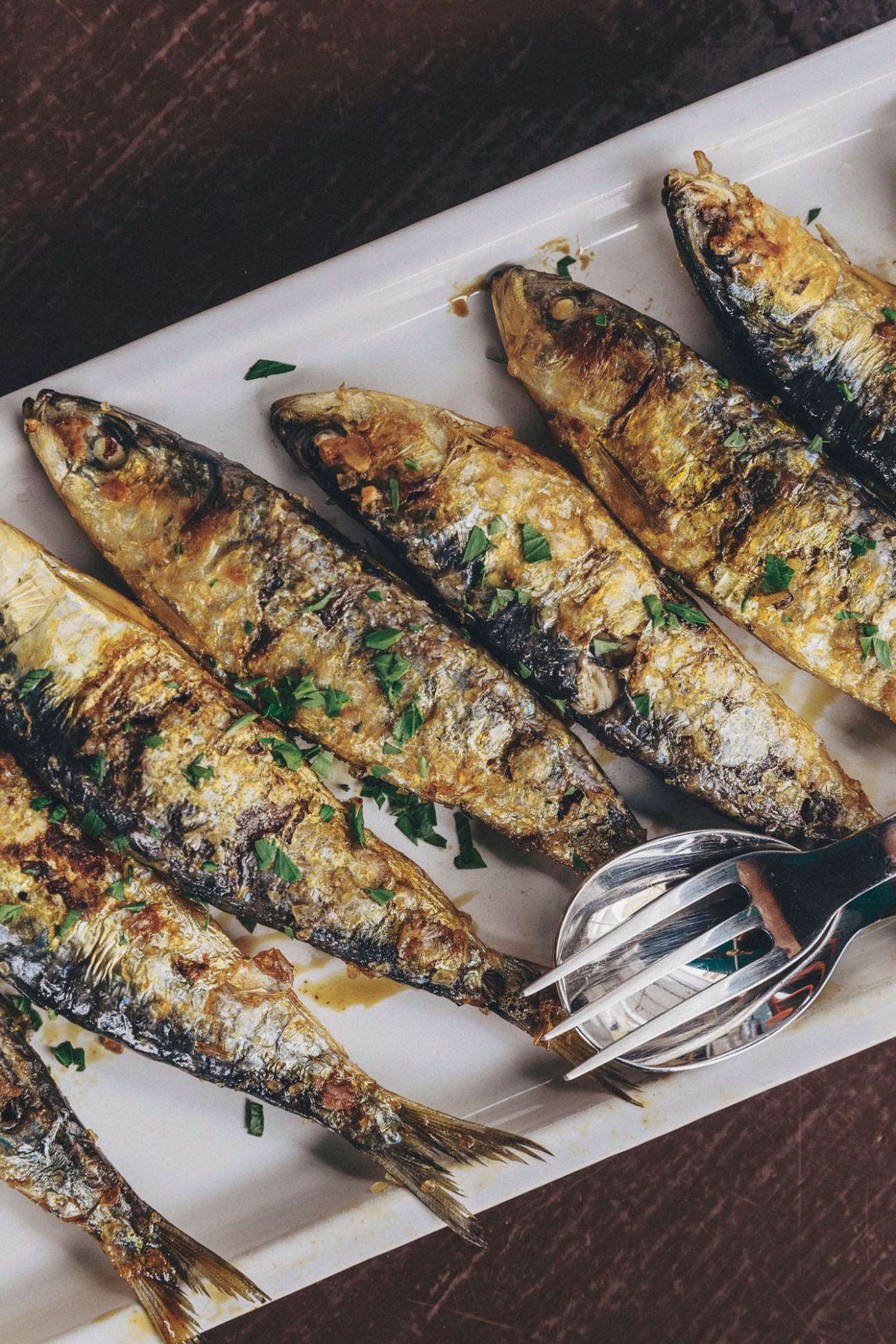
The bar reopened in 2020, picking up where it had left off all those summers before as a place where villagers connect over a quick drink or a hearty meal. “Our prices are the same as all the others, though the quality of our products is superior,” says Celeste Chipperfield, David’s daughter and director of Bar do Porto. She can be found zipping around the nearby market town of Ribeira, chatting to suppliers. The bar’s bread and empanadas come from family-run bakery Sieira Charlin, where everything is cooked in a wood-fired oven from 1806. At Pescados Marisa, Damian Sampedro and his mother prepare fish fresh from the boats in Ribeira’s port, while items such as razor clams come from Pescados y Mariscos Bomar, a specialist seafood shop.
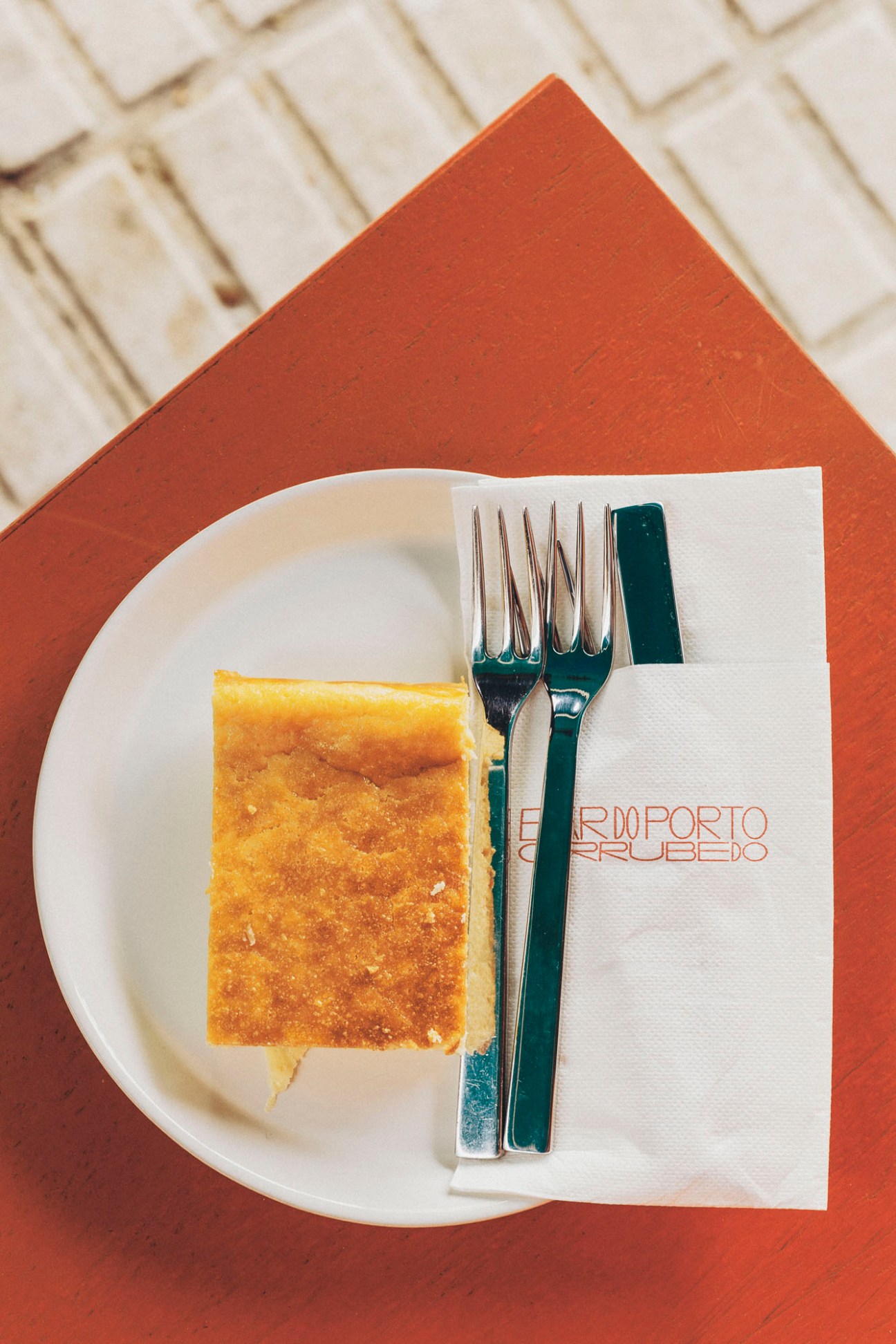
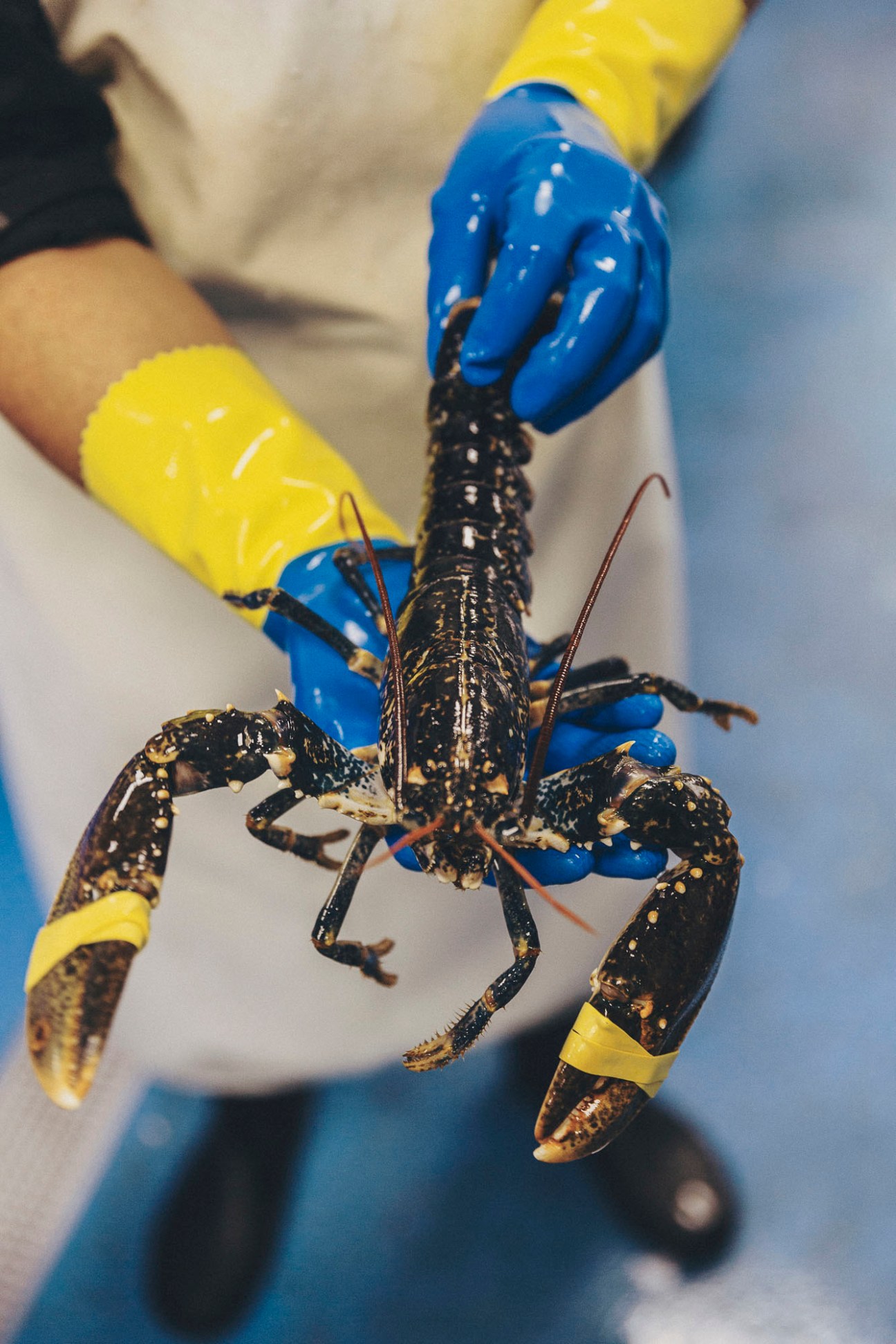



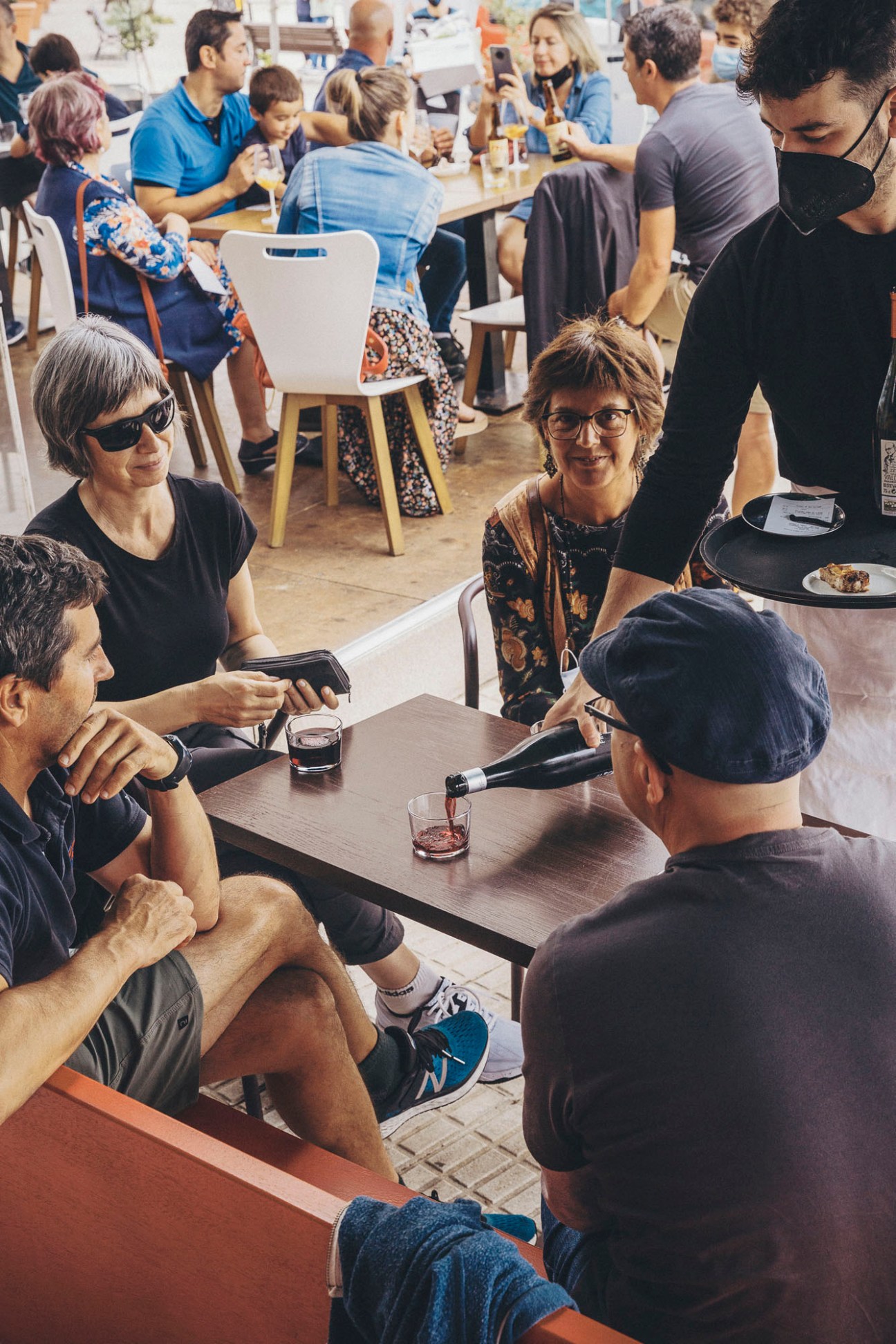
Creating an interior in which locals could gather was key to Chipperfield’s renovation of Bar do Porto. He collaborated with Galician architect Sofia Blanco to help ensure that the spirit of the venue would stay true to the original. “The bar was previously a fish-salting workshop,” says Blanco-Santos. “It was a thrill when we accidentally uncovered the original granite slabs but it meant that we had to totally change our design.” Objects including old sports trophies that were left by the previous owners have been integrated into the updated interior – details that weren’t lost on the regulars who returned when the bar reopened.
As well as providing a social space in which to eat, Chipperfield has other ideas about helping the area to develop sustainably. In 2017 he established the Fundación ria to express “a general commitment to the Galician community”. Last year the foundation partnered with a research team from the University of Santiago de Compostela, as well as Fundación Banco Santander, to create Barbanza Ecosocial Lab, a project focused on the conservation and development of agroforestry – a centuries-old technique of crop and animal farming that integrates trees and shrubs – in the municipality of Barbanza, where Corrubedo is located. ria recently funded a project in the parish of Taragoña, working with students at an elementary school to teach and promote sustainable practices that prevent forest fires, which is a problem that rears its head every summer. “We need a better relationship with our natural environment and with each other,” says Chipperfield.
“Our story is quite romantic because this wasn’t meant to be a business,” he adds, before outlining the need for us all to take a participatory role in solving issues such as environmental degradation and helping to safeguard communities. “You’ve got to treasure what’s here and protect it. We must all understand that where we live and the quality of where we live is what’s important.”


Meet the locals
Introducing Galicia’s culinary community
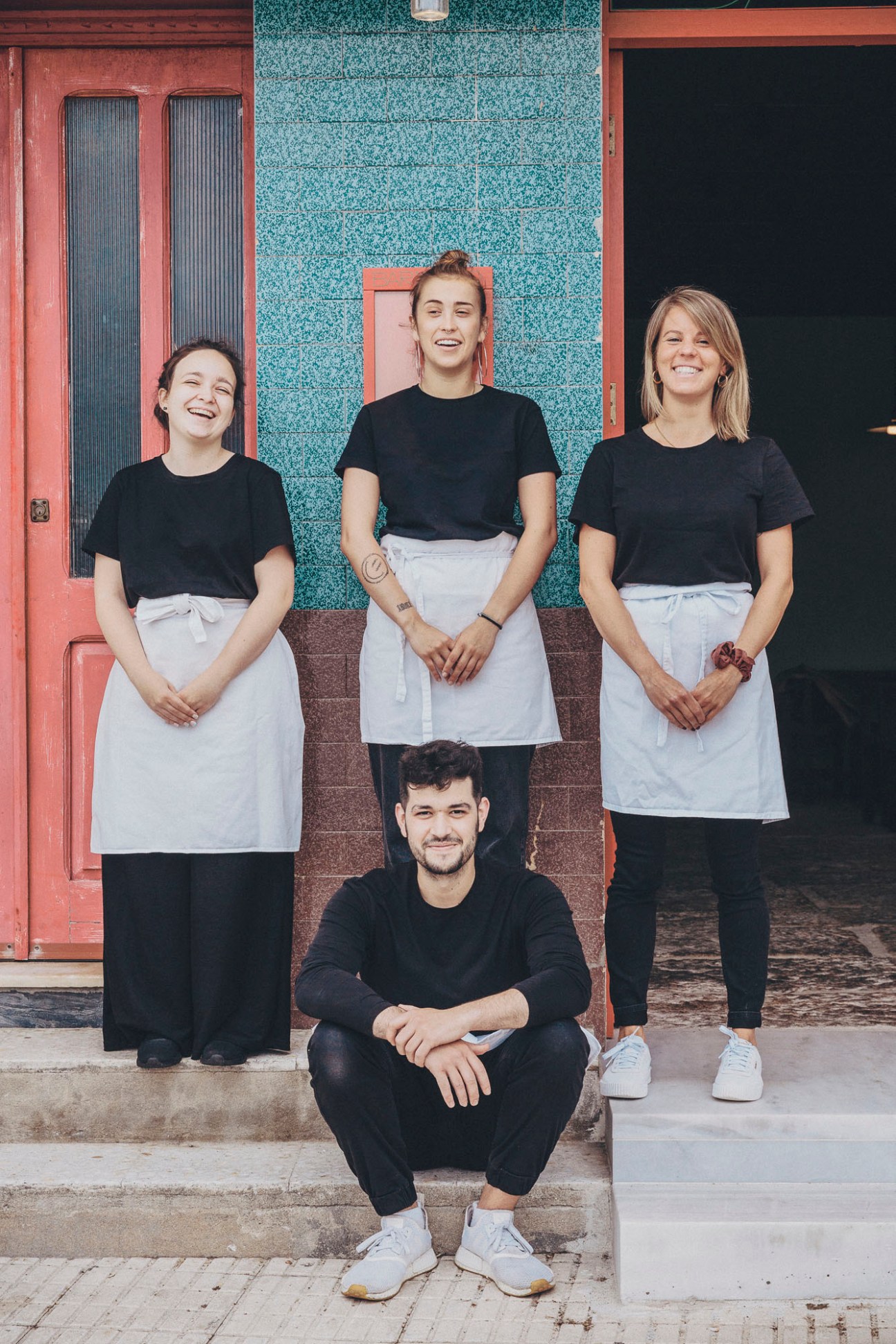
Iría Gude Gonzalez, Coral Torrado Ruiz, Amaia Colomer Dorca and Sergio Formoso Suárez
Waiting staff, Bar do Porto
The bar’s welcoming vibe is provided by this young Galician crew.
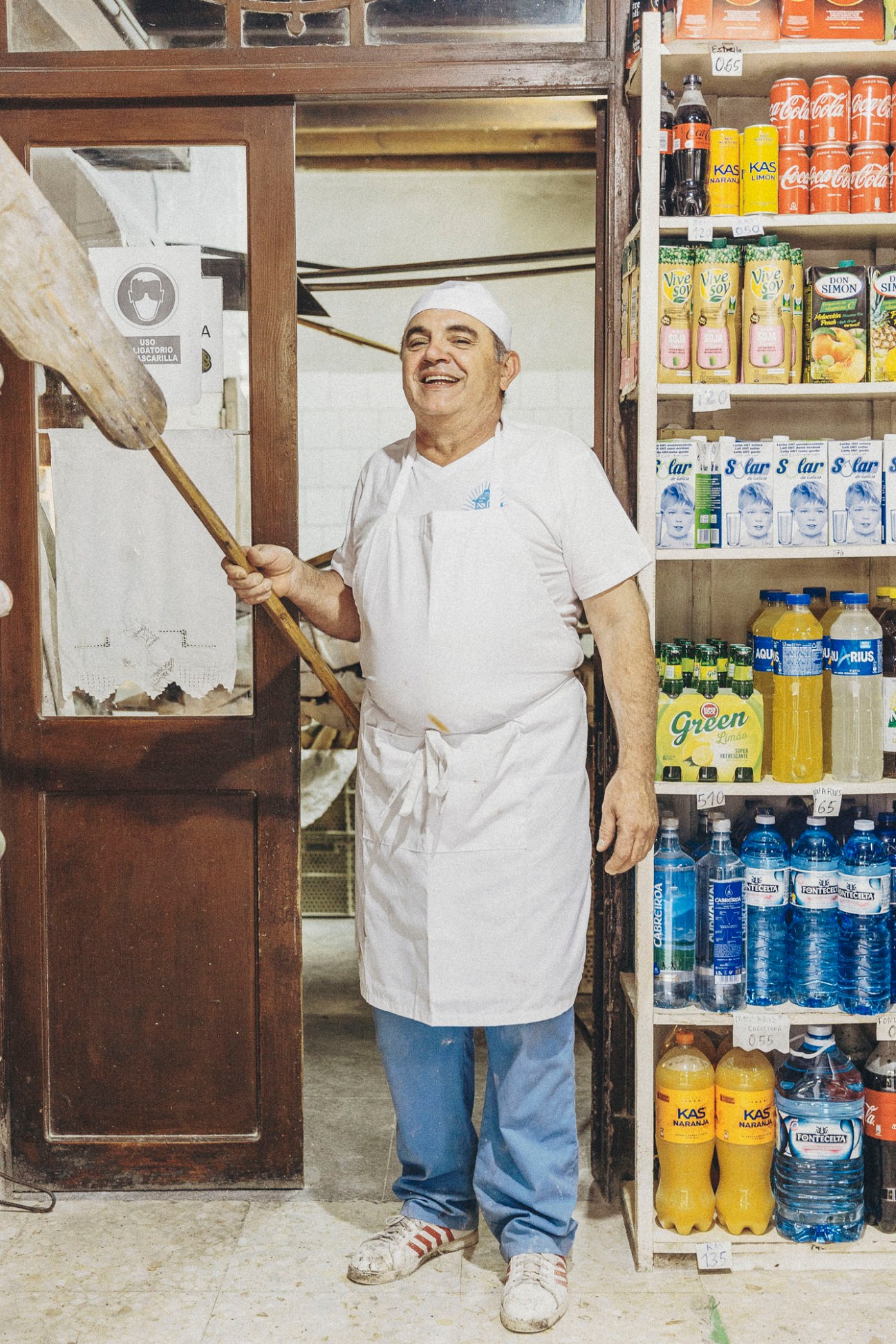
Toño Sieira
Baker, Sieira Charlin
Memory, patience and muscle are key to baking dozens of loaves at once inside a huge, wood-fired oven. Sieira hardly breaks a sweat.
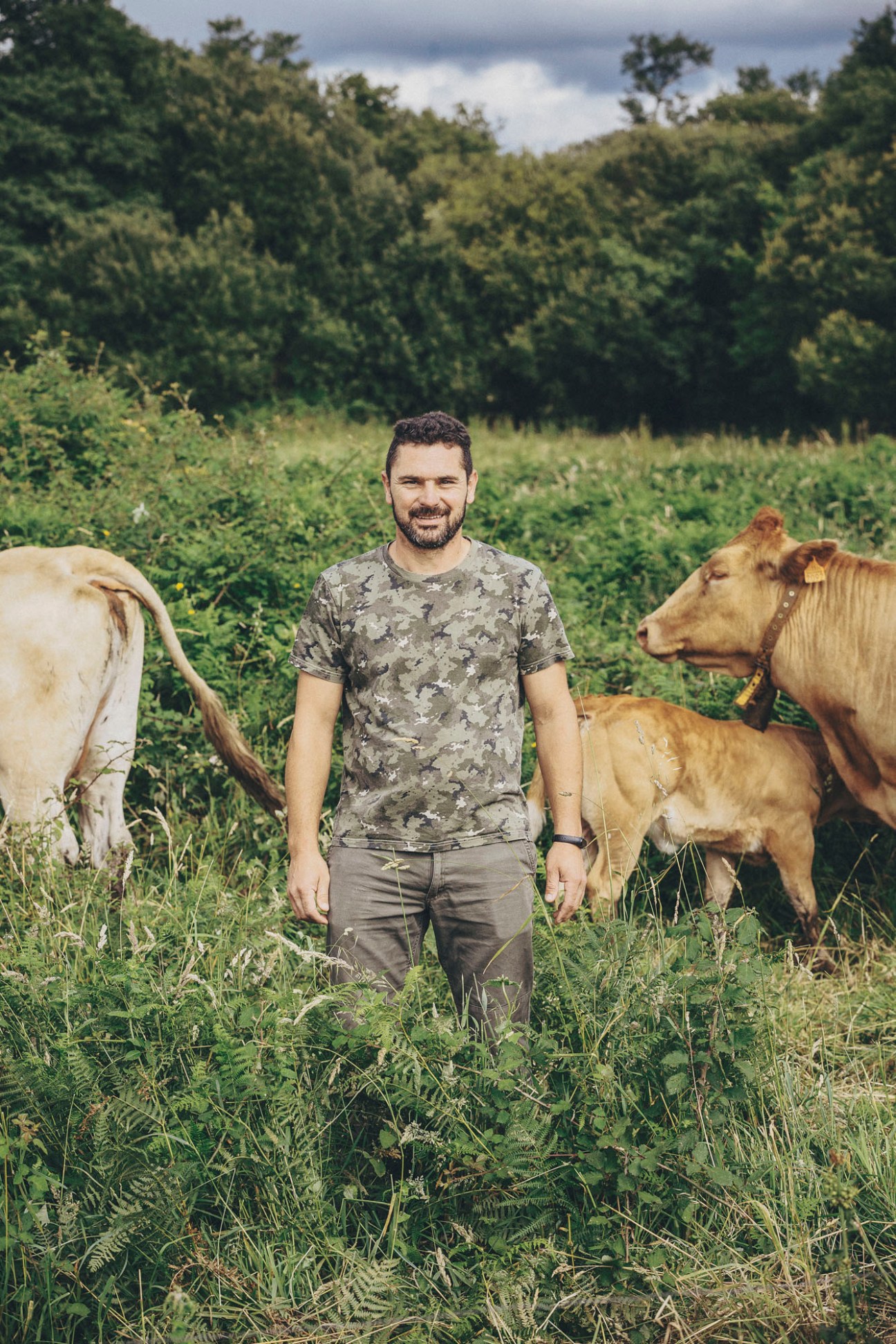
Michel Rios
Cattle farmer
With infectious zeal and sense of purpose, Rios has set about renewing the natural landscape in his hometown of Dodro to the benefit of his Galician blond cows as well as the rest of the region.
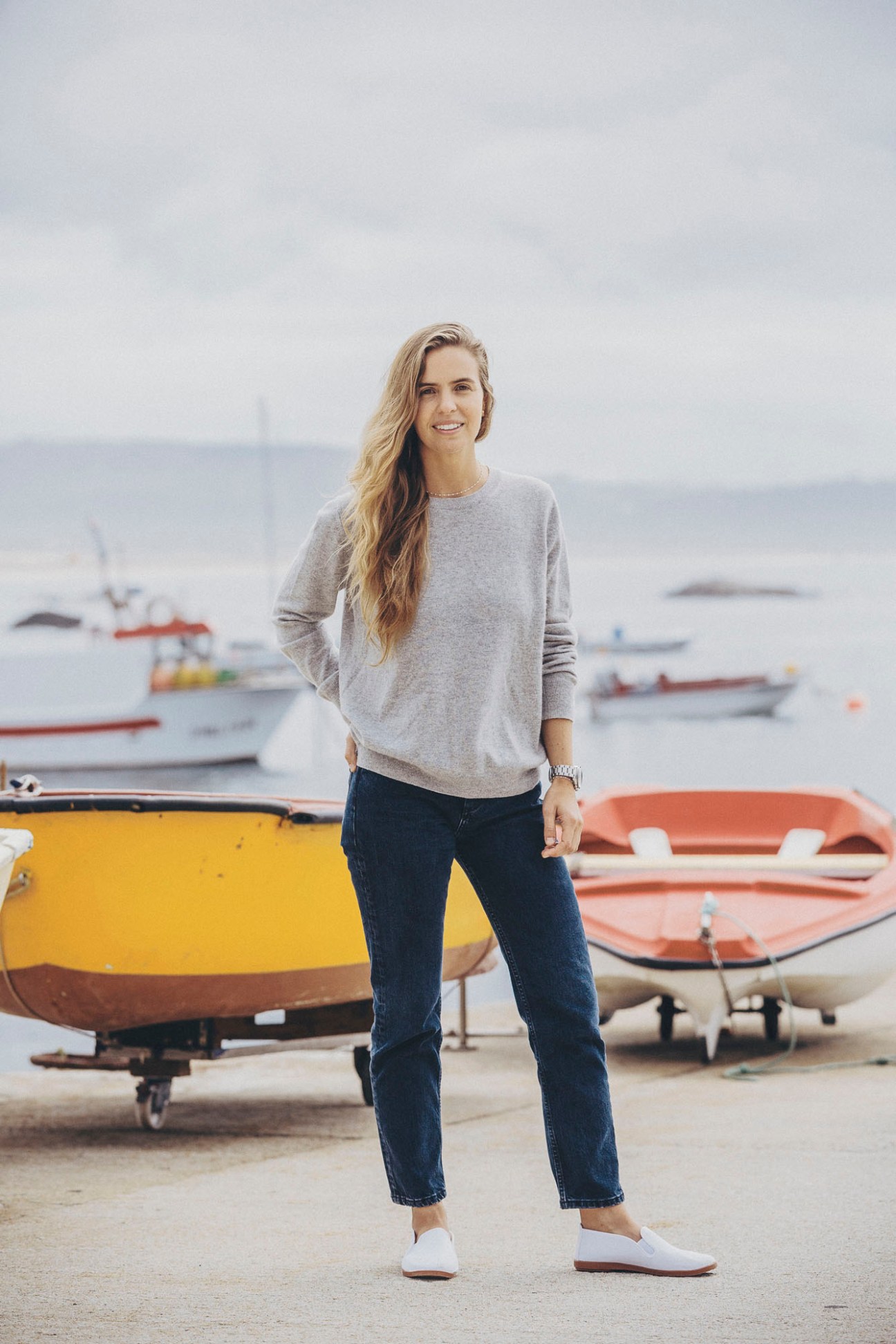
Celeste Chipperfield
Bar director, Bar do Porto
Although she didn’t expect to become integral to the functioning of the bar, Celeste is something of a bilingual ambassador in Galicia. She’s at the heart of Corrubedo’s sense of community.
Cities
Parks and recreation
Hong Kong — Urbanism
Once a neglected plot of reclaimed land facing Hong Kong island, West Kowloon is now home to Art Park, the largest cultural hub of its kind in the world. Between the curves of a 23 hectare park sit 17 venues, including an opera house, several concert halls and exhibition spaces. The next addition, Hong Kong’s new contemporary art museum M1, is due to open later this year.


Designed by Foster 1 Partners, the district has become a favourite spot for weekend picnics and family strolls. Smart bikes can be rented and cafés and restaurants border the harbour. Over the summer, the Art Park’s vast lawn also plays host to a number of music festivals.
“Cultural buildings can become quite isolated from the rest of the city so we wanted to make sure the district was a vibrant piece of the city fabric,” says Colin Ward, a senior partner at Foster 1 Partners. “We wanted to create a park that redefines public space for people in Hong Kong – a park that is available for everyone at any hour of the day and on any day of the year.”
Fresh start
Beirut — Planning

After a blast destroyed large parts of Beirut in 2020, not everyone agreed that reconstructing the city as it once was would be the right approach. An initiative involving seven of Lebanon’s architecture schools is rethinking empty spaces. “There are opportunities to create public spaces in the area hit by the blast,” says Jad Tabet, president of the Order of Engineers and Architects of Lebanon. Turning the project into reality might not be easy, but Tabet is optimistic, using “a mixture of some official administration, ngos, orders of architects and lawyers, private individuals and Lebanese expats who want to help”. Co-ordination is difficult, he says, but it’s working. “I’m confident that a year from now, 80 to 90 per cent of the neighbourhoods will be reconstructed.”
Booksmart moves
Santiago — Renovation
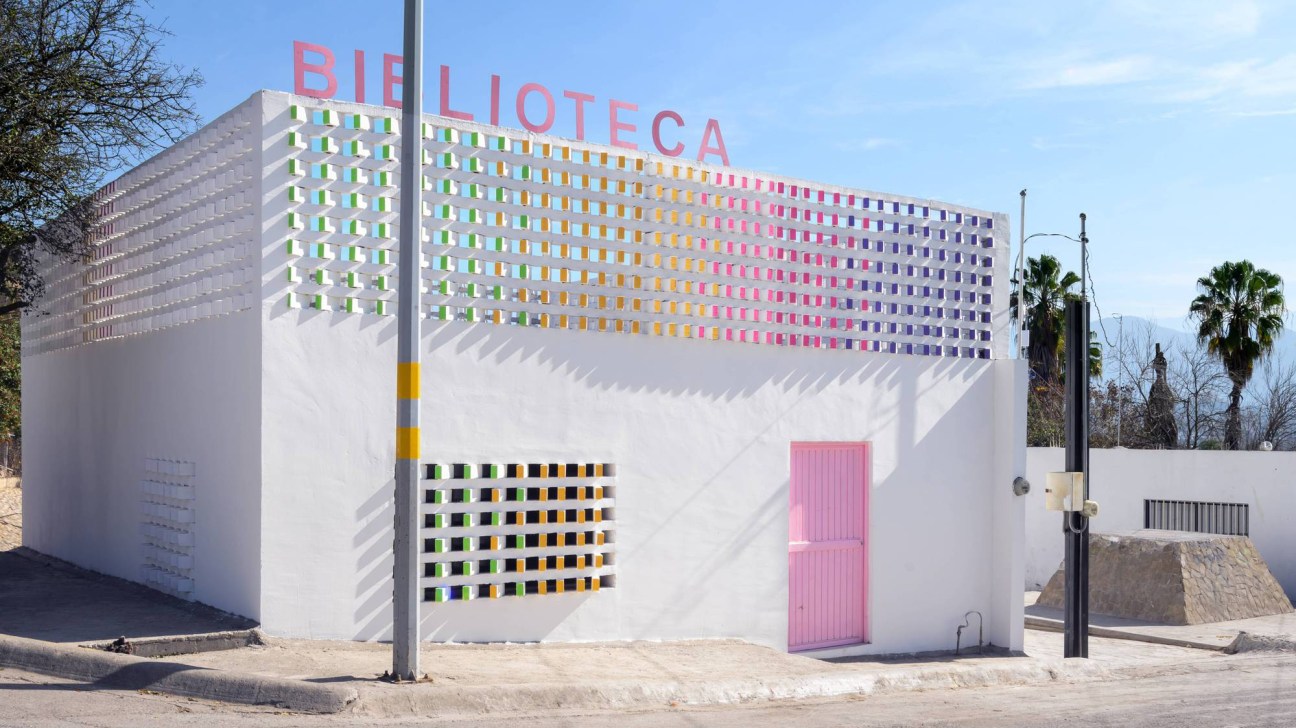
Tired and uninspiring public libraries in Mexico have prompted architecture group Proyecto Reacciona’s Crear Comunidad project. Finding libraries in poor condition across the country, such as the newly finished Colonia Héctor Caballero Library in Santiago, the programme rebuilds them with input from the community. In Santiago, that involved a smart move to transform a derelict cellar into a cinema and reading space for young people.
Q&A
Carlos Moedas
Engineer & candidate for mayor of Lisbon
Portugal
After years as a member of parliament and secretary of state for Portugal and five years as European commissioner for research, science and innovation under Jean-Claude Juncker, Carlos Moedas is turning to local politics. He tells monocle about his bid to win Lisbon’s mayoral elections in September.

What made you want to get involved in local politics?
Cities have to come up with the solutions to today’s challenges. Lisbon has to be in the first league of cities in Europe and even at world level. Lisbon isn’t there yet and the question is, why not? We have so many unique attributes here but we are not where we should be. I want to contribute to a city that has more ambition. I always say, “We can be more than we imagine.”
Science and technology are a big part of that ambition…
Lisbon doesn’t produce companies that grow and generate jobs at the speed of other cities. So the idea I have is to make Lisbon a business factory: somewhere people have the discipline of work and organisation. The important thing isn’t the idea but the process in creating businesses.
Where else do you want to act?
Lisbon has the potential to be a cultural capital but for that we need equipment: more libraries, spaces for theatre and music rehearsal. People should co-create public policies. I would have a permanent citizens’ assembly, where people would be chosen randomly to have a say in their city.
Images: BS/DDPS, Getty Images, US Air Force, Hector Padilla Ferraris
Seize the day

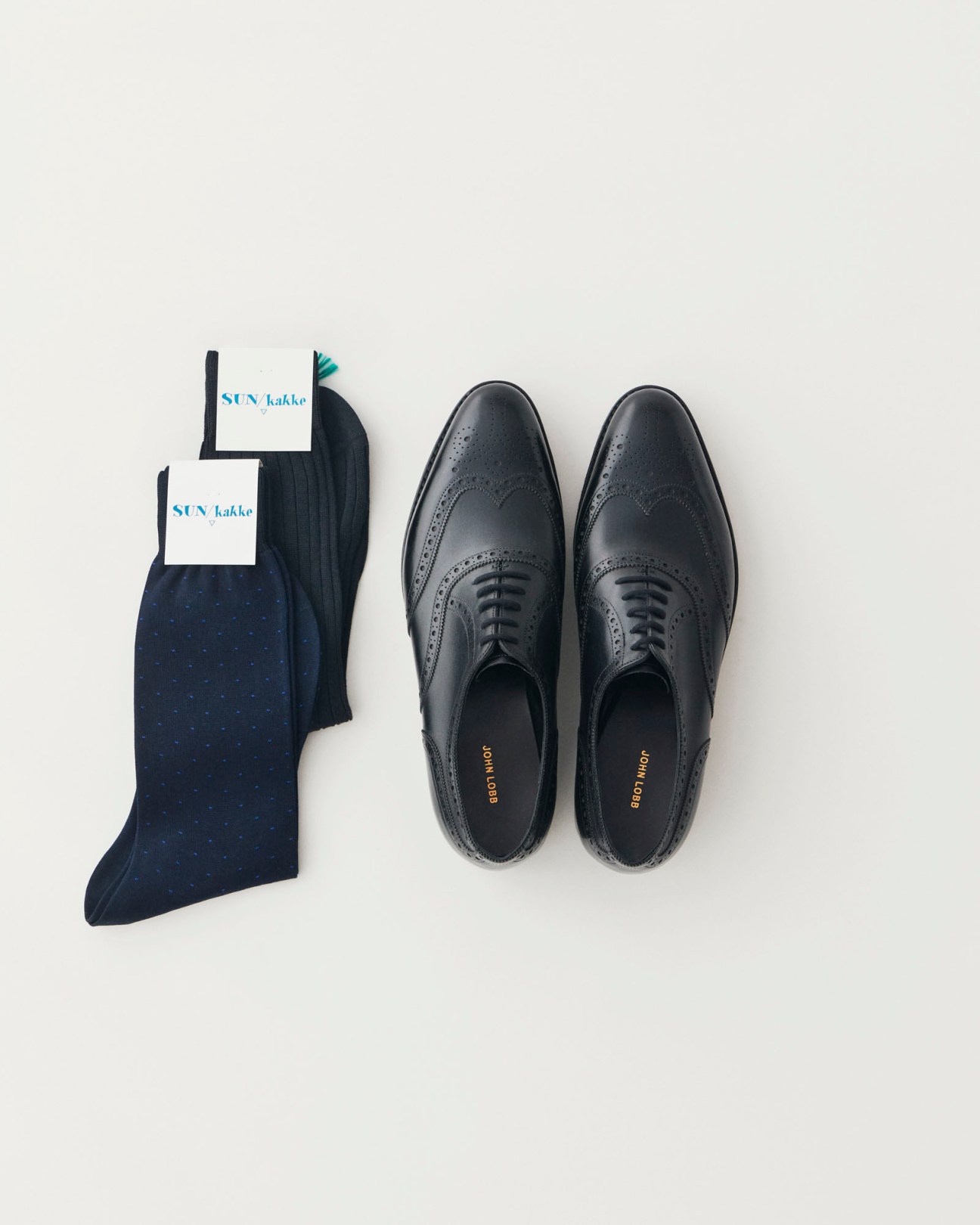
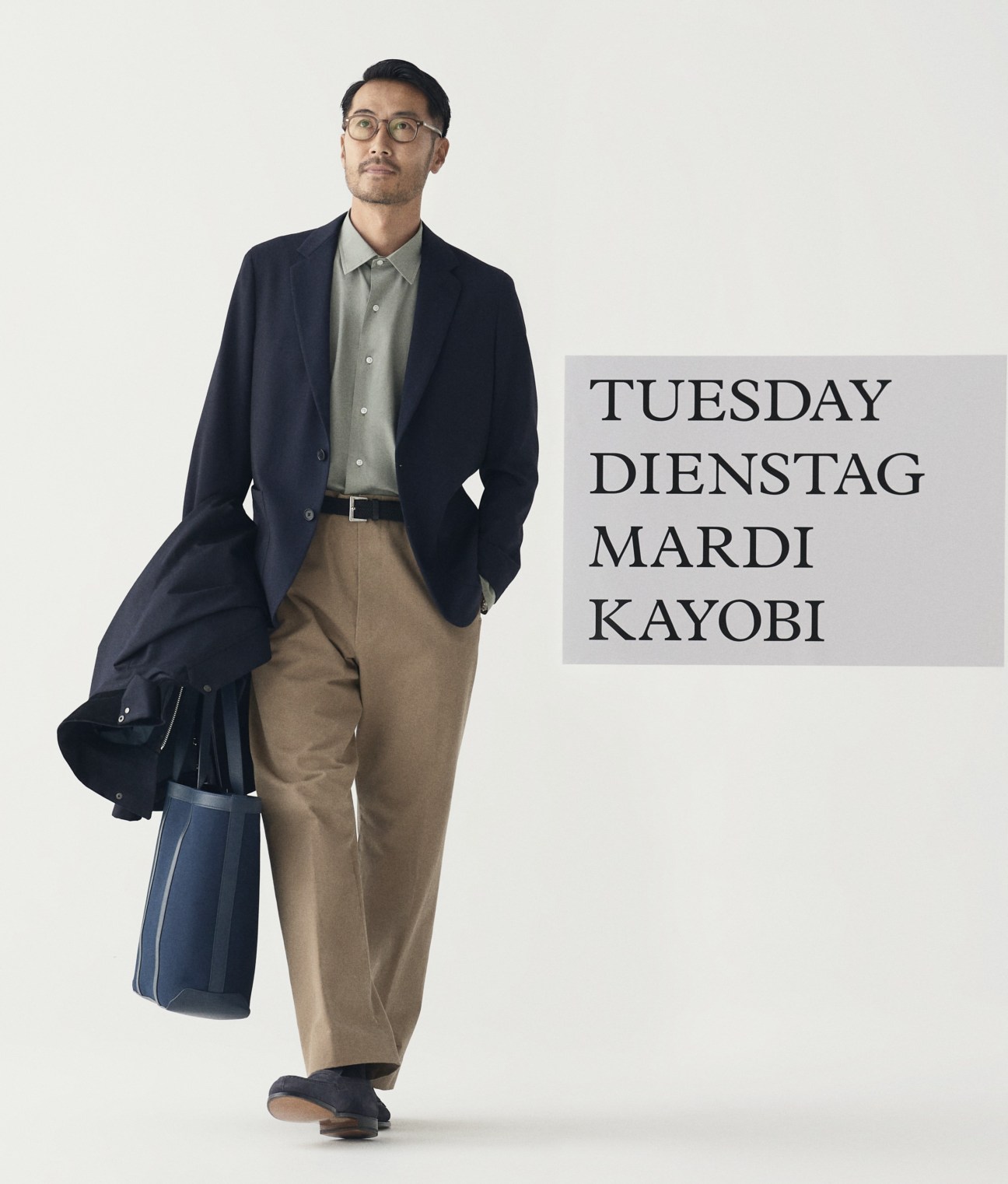
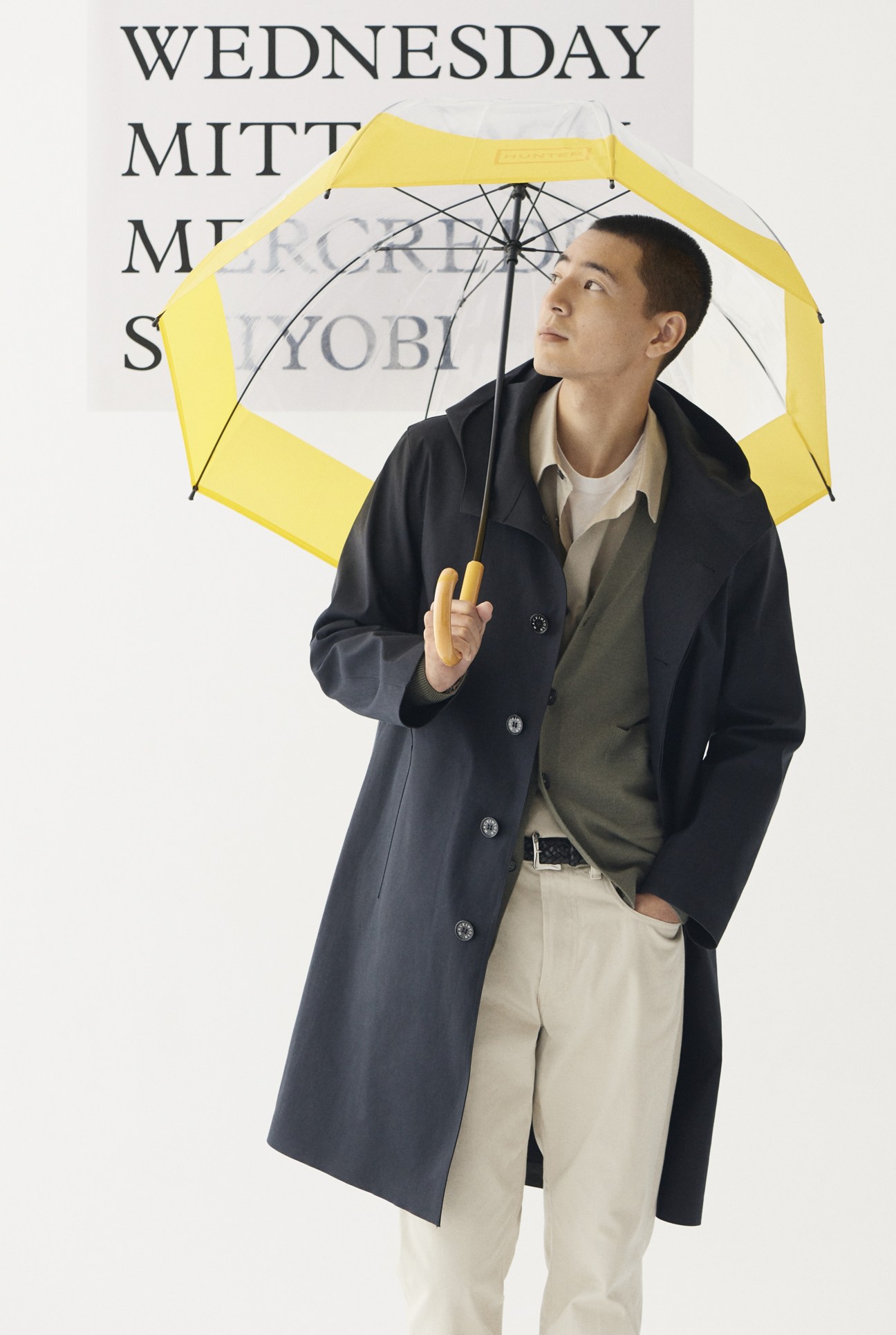
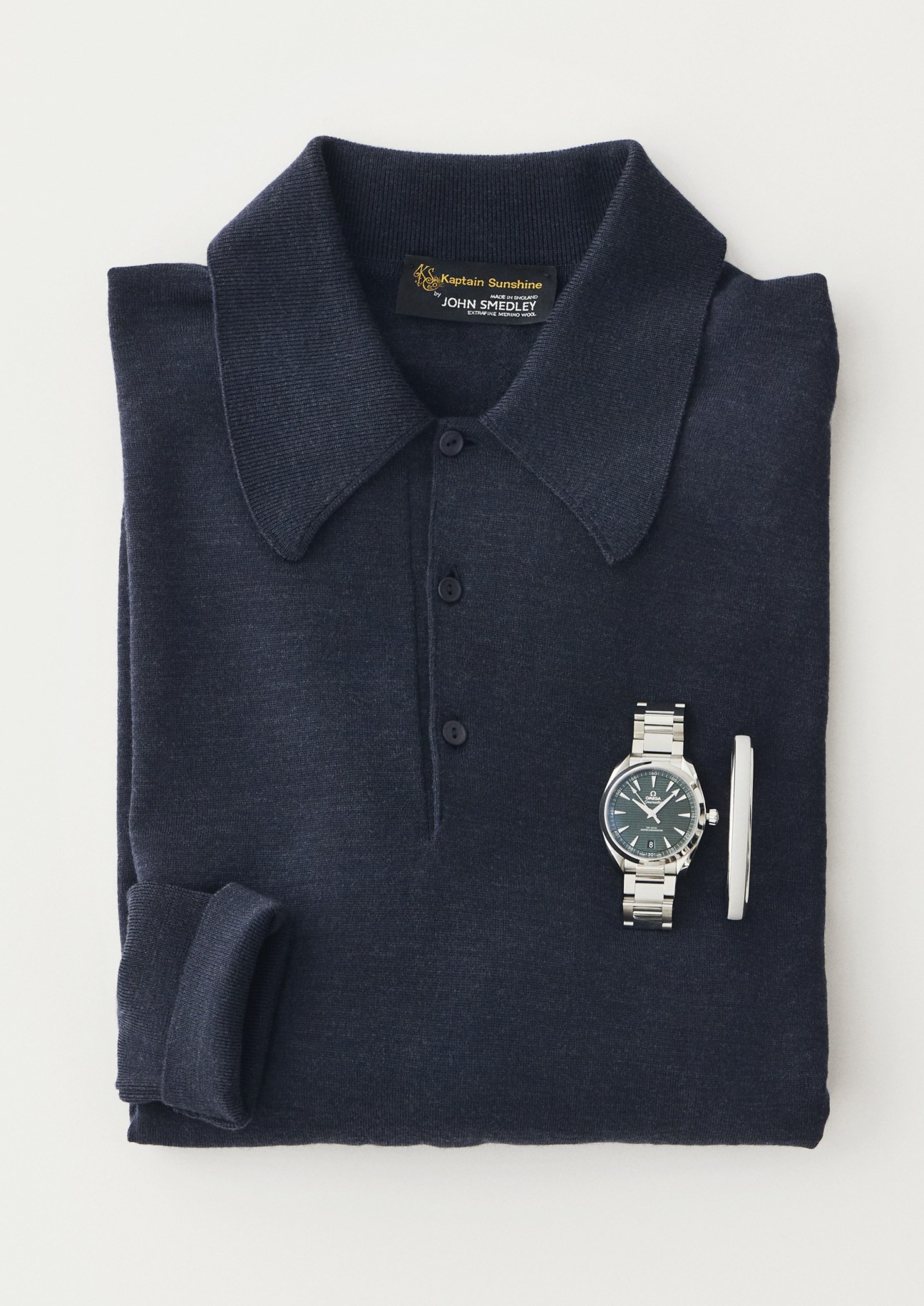
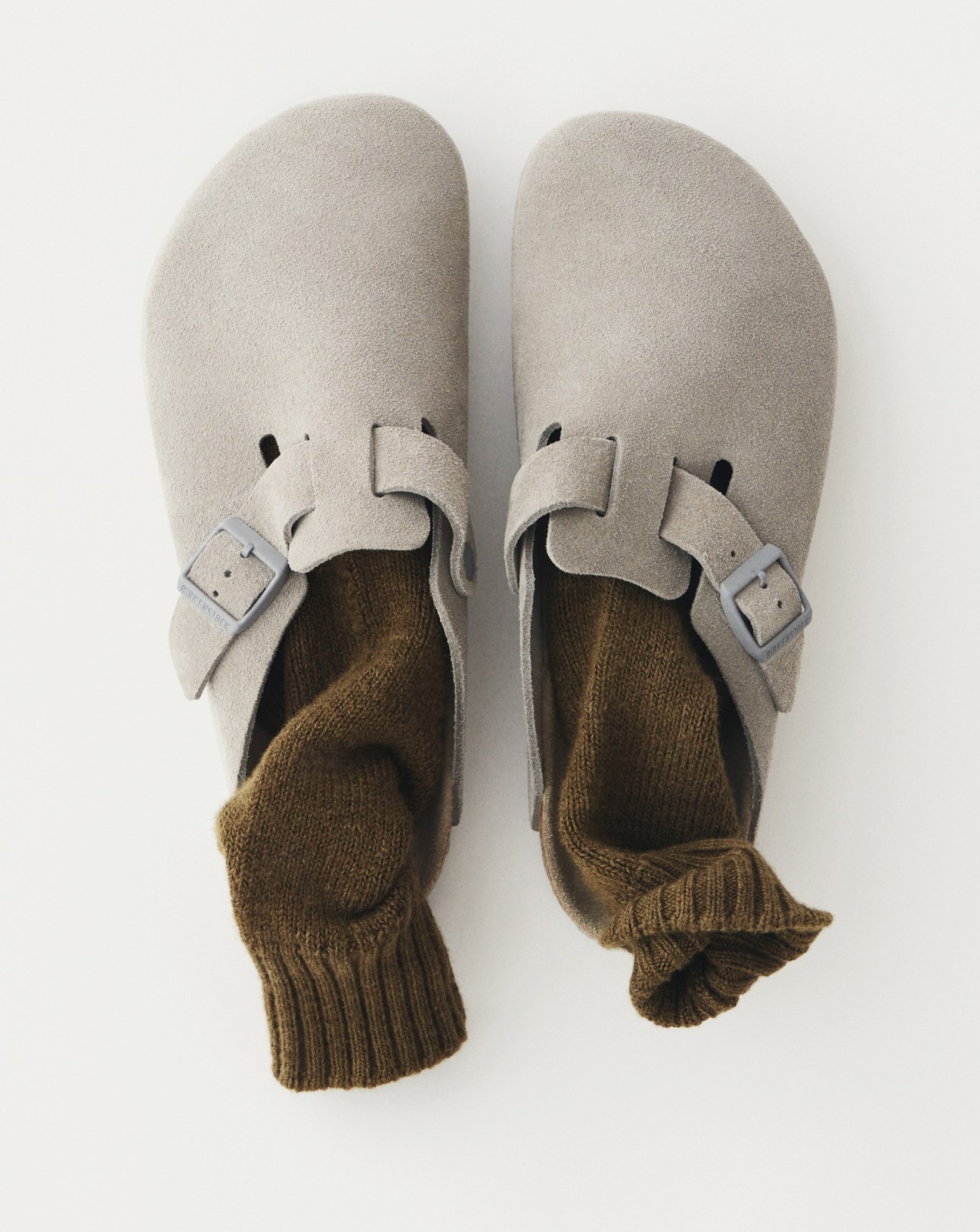
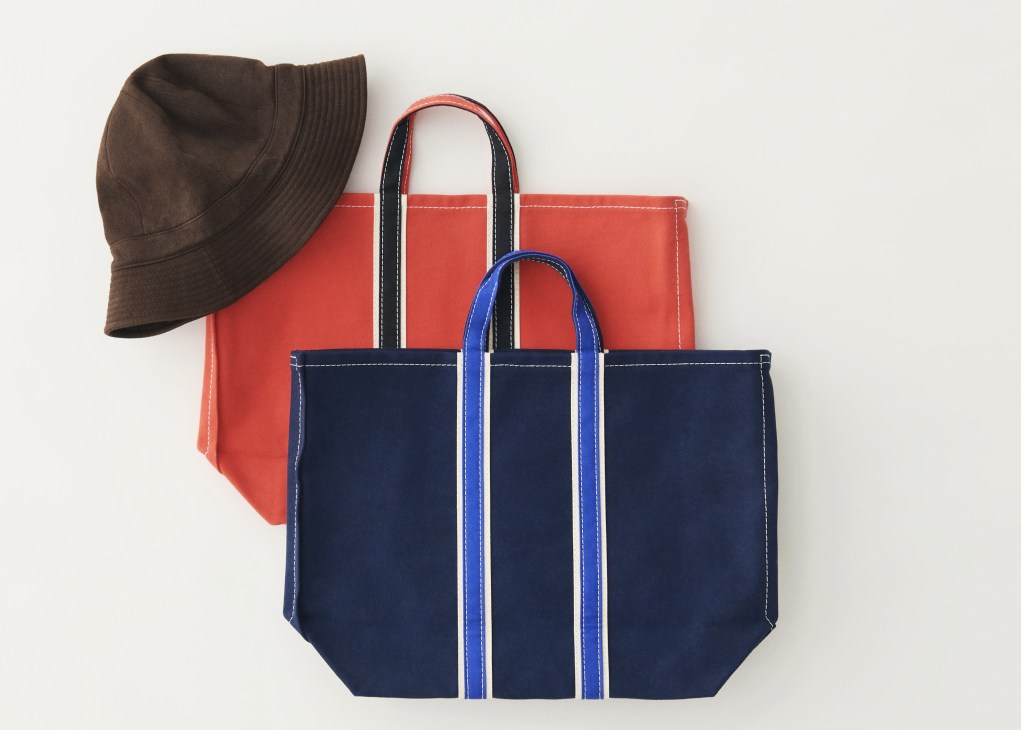
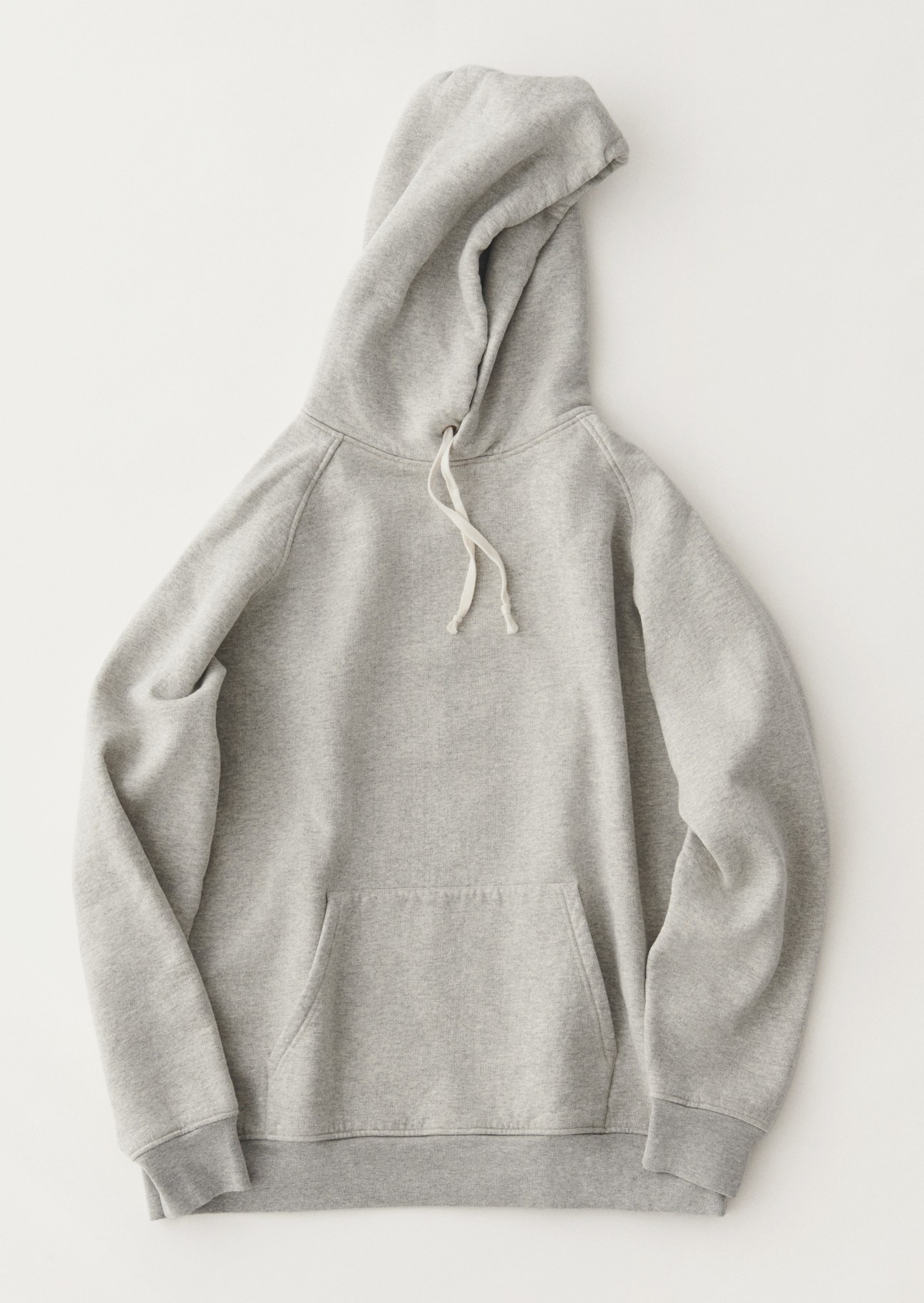
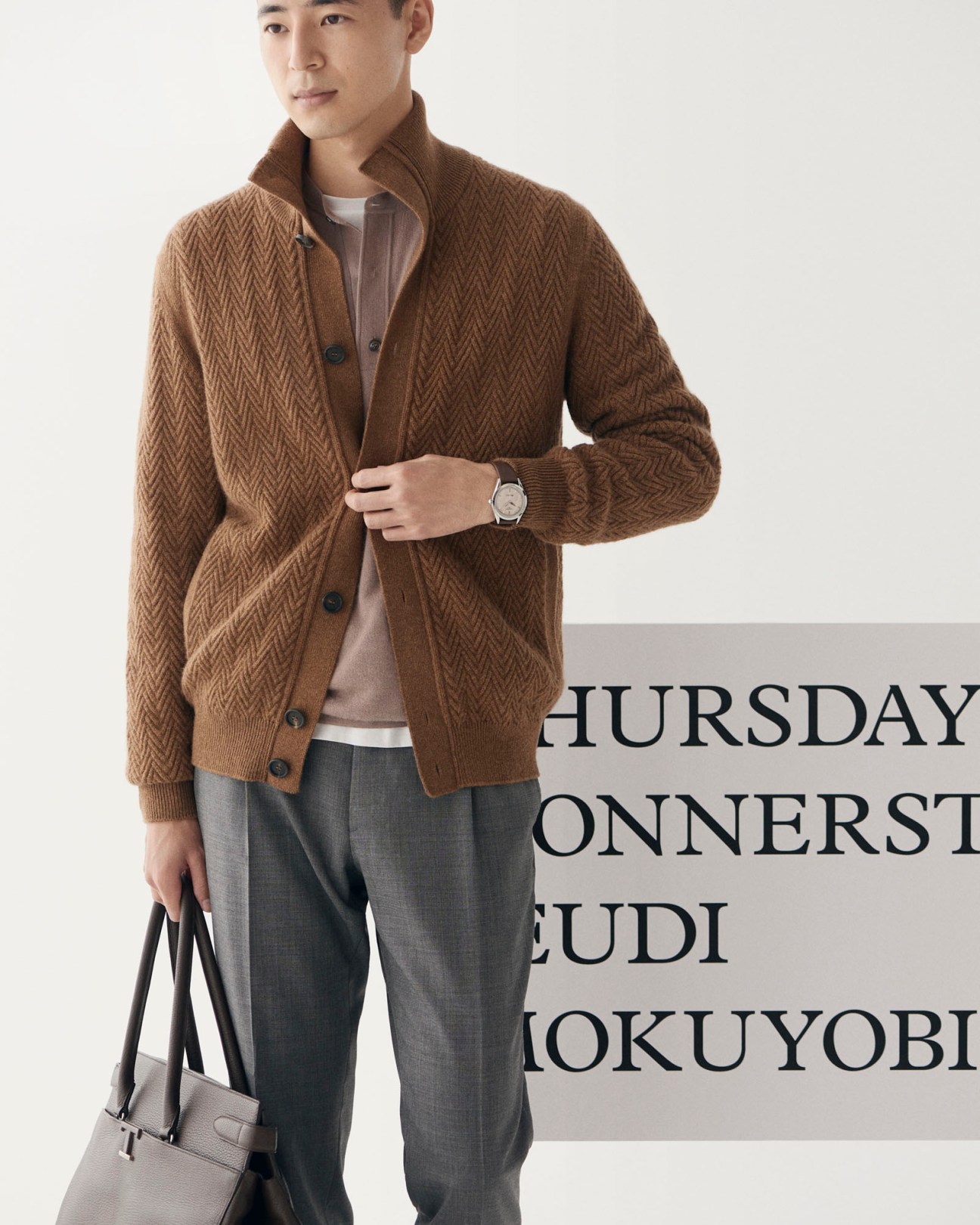
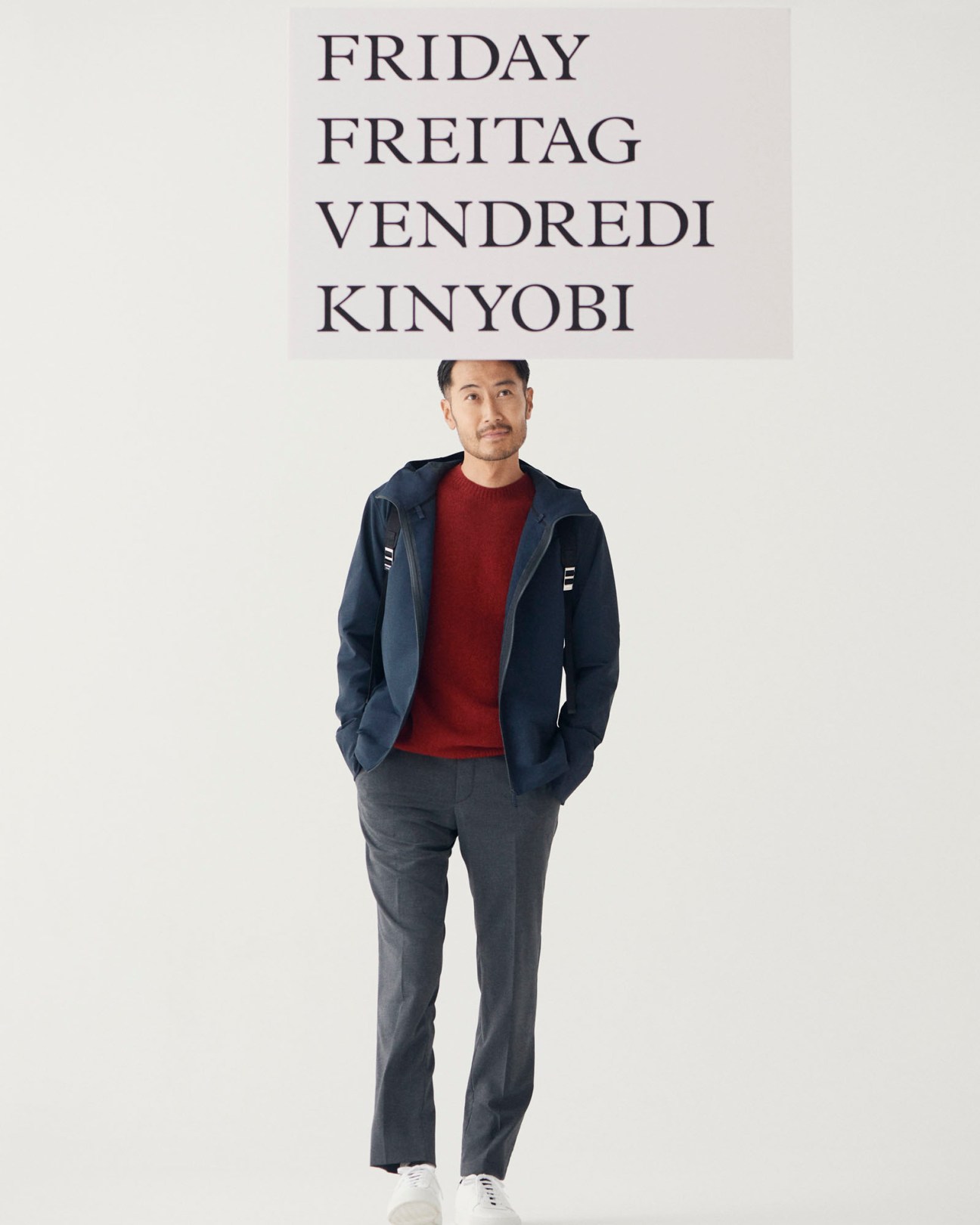
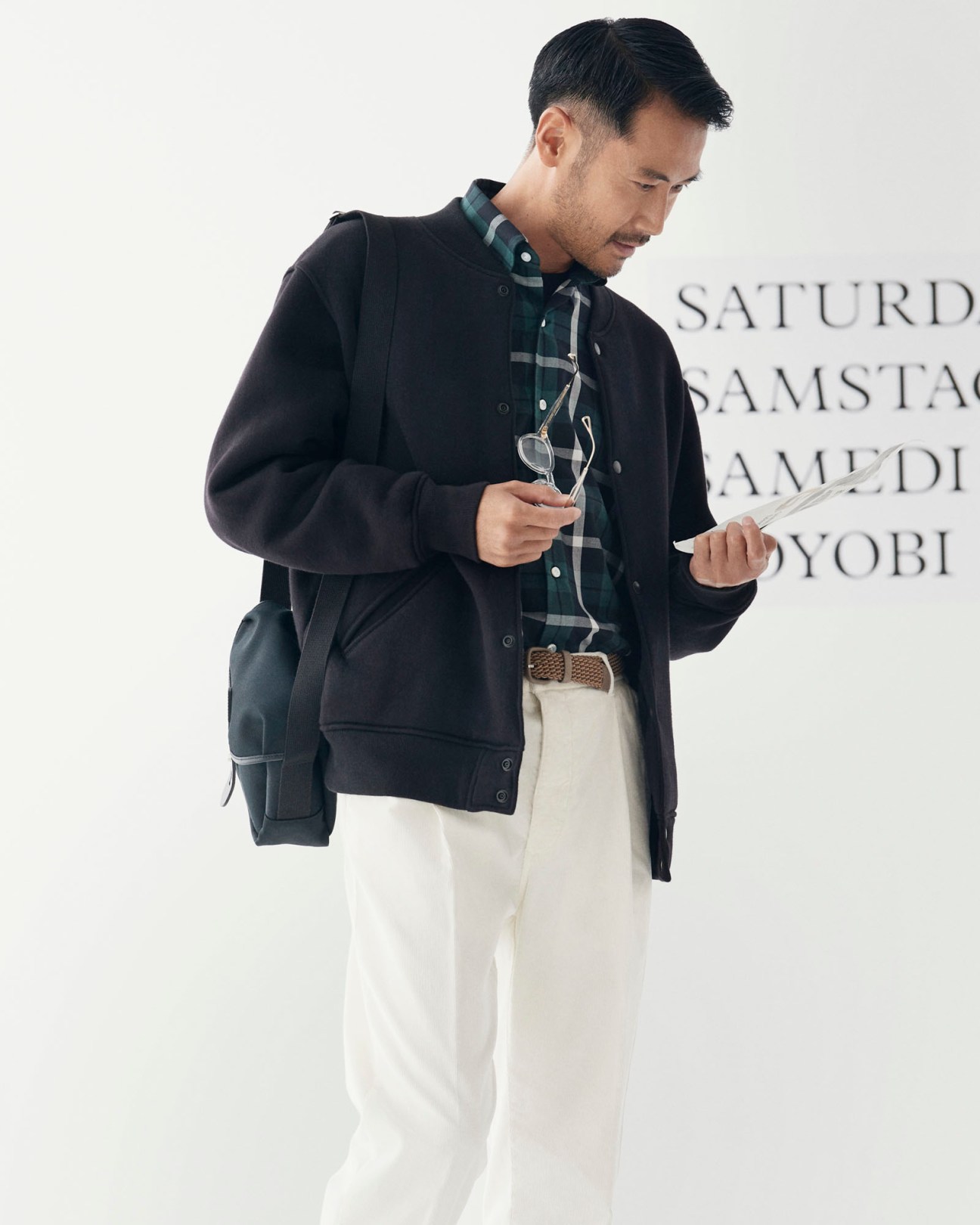
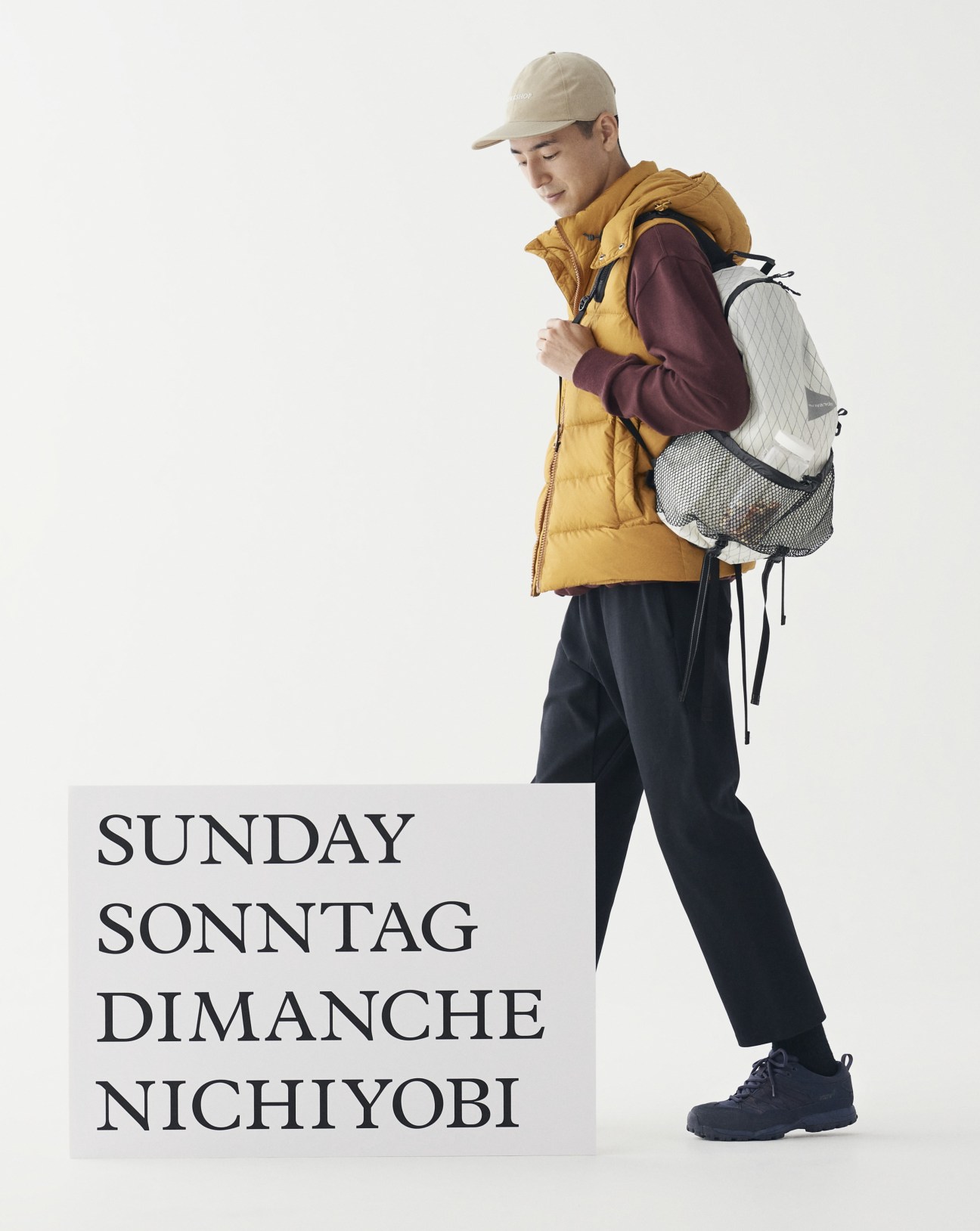
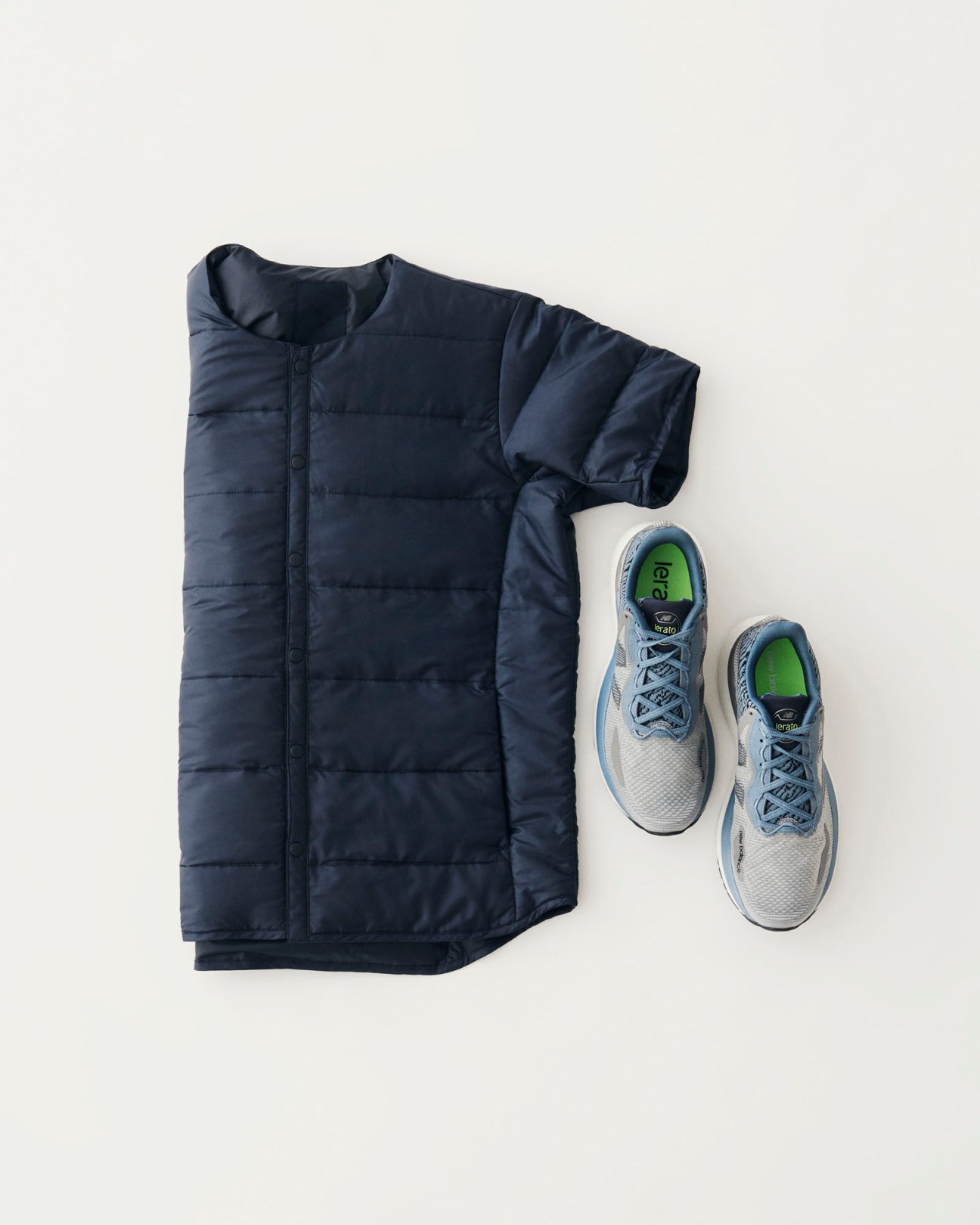
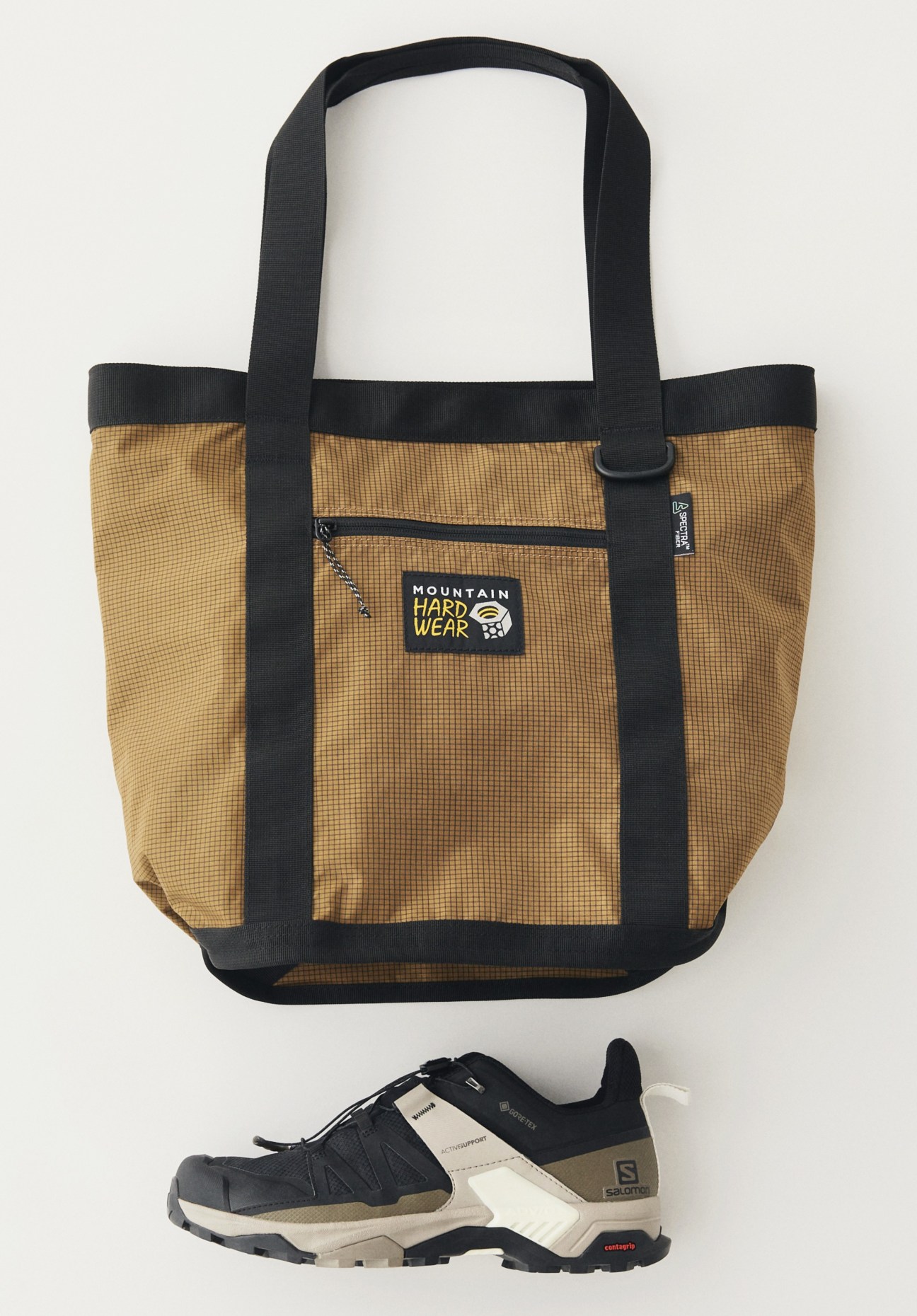
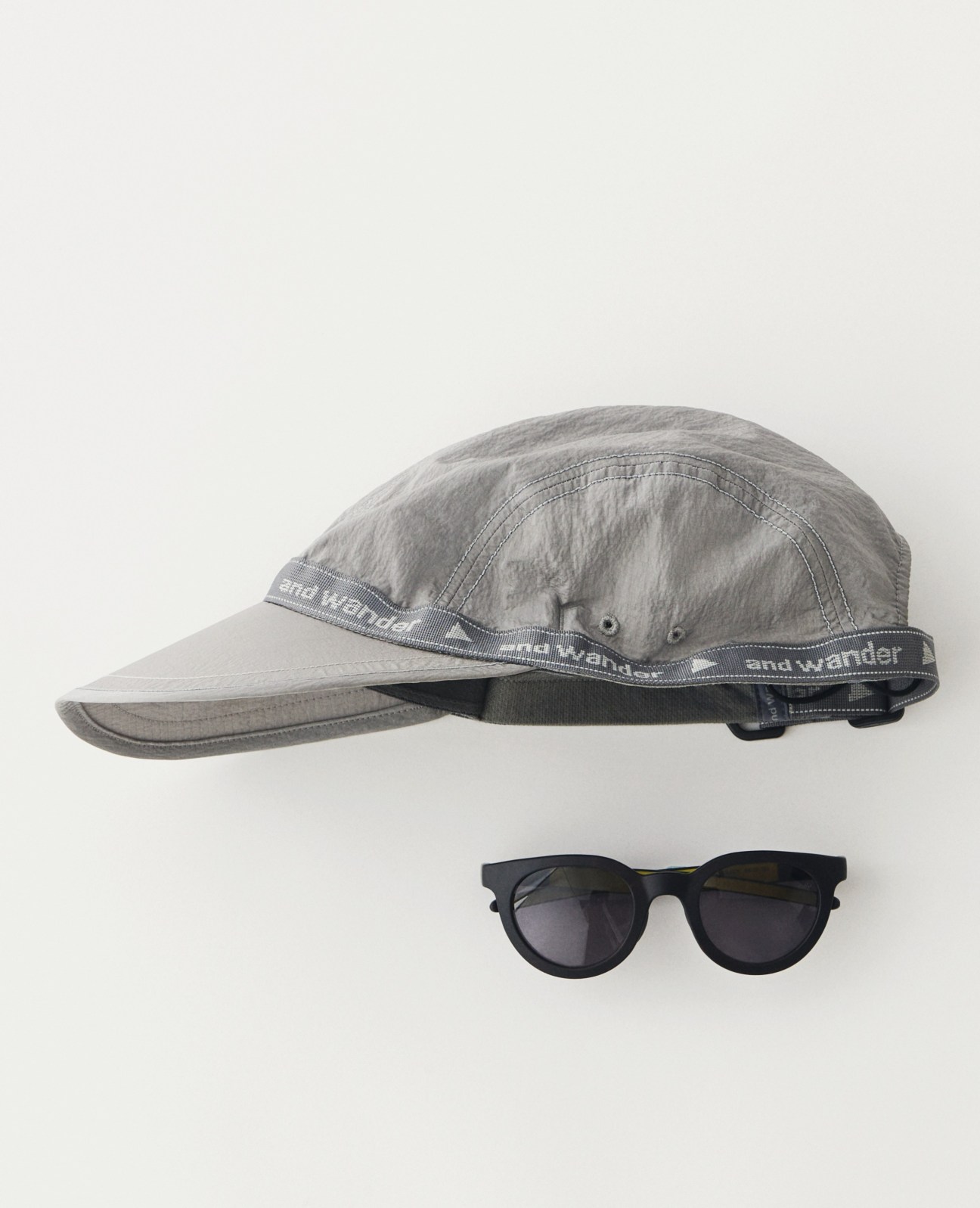
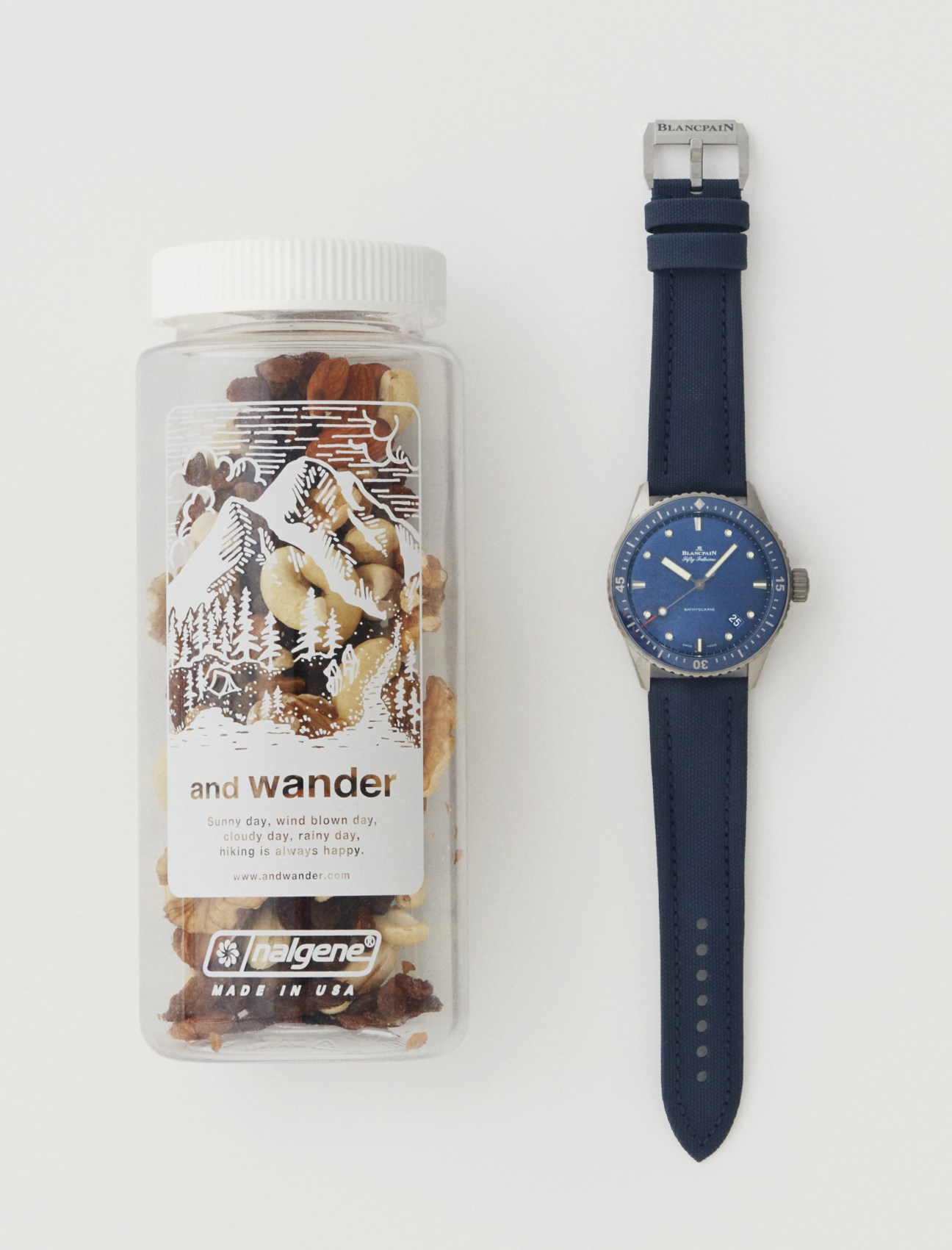
Producer: Shinn Kobayashi
Fashion
The retailer
Massimo Alba
Forte dei Marmi
Few people understand devising the right atmosphere in retail better than Massimo Alba. The Italian fashion designer has a knack for creating inviting shop spaces that are also very much in sync with the styles found in his collections of casual clothing. For his latest boutique in the Tuscan seaside resort of Forte dei Marmi, patrons are greeted by teak flooring and rugs in deep-blue hues. These are dyed with natural pigments in the same watercolour style used in a number of the brand’s clothes, giving every piece a unique hue.
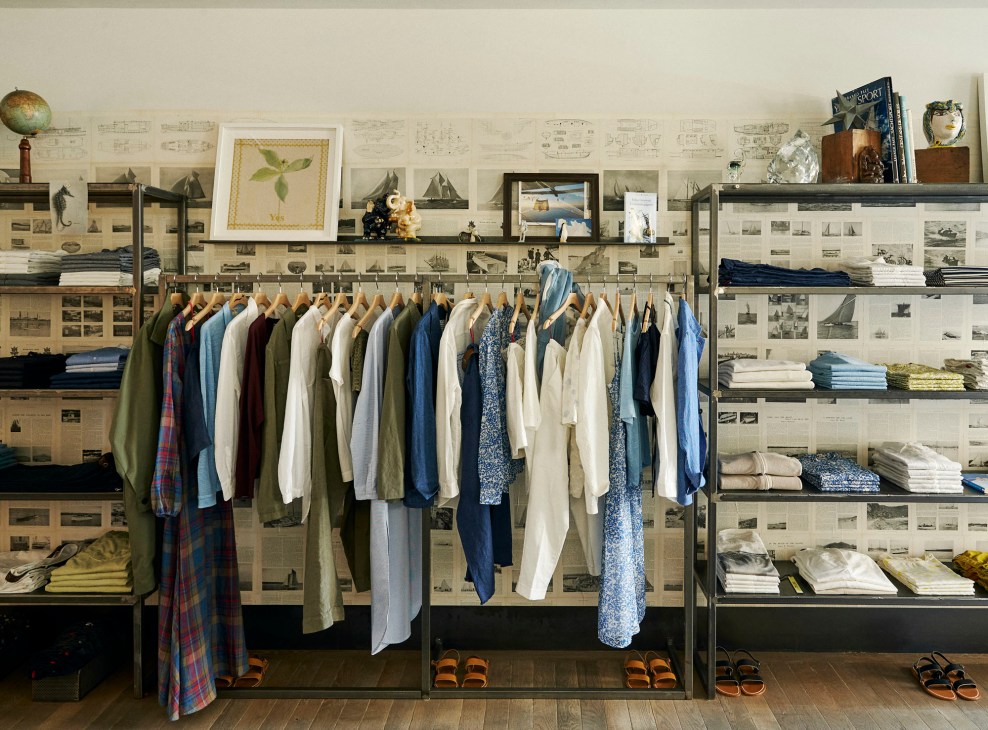
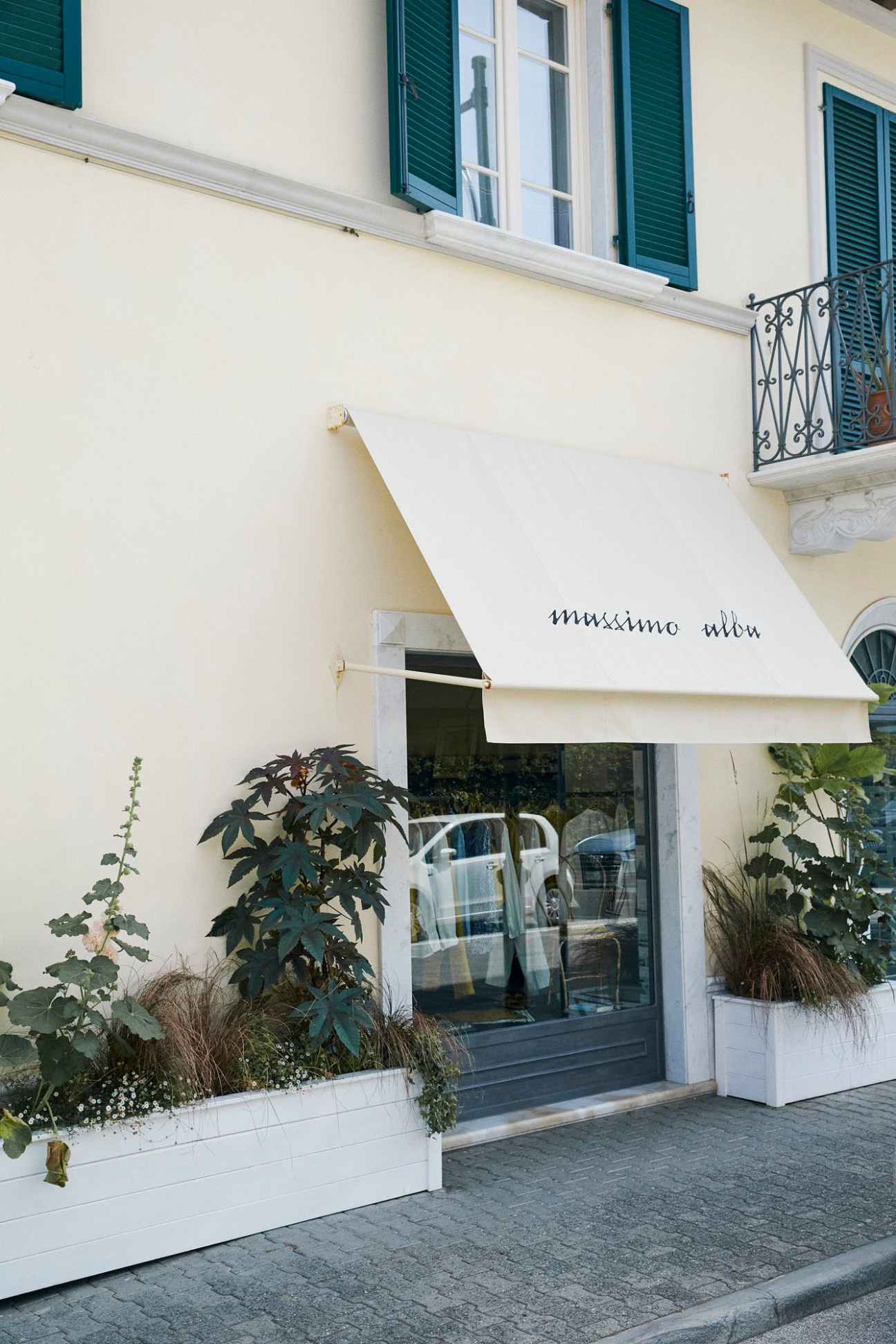
Personal touches include a sprawling cloth embroidered with the words of a poem by Gabriele D’Annunzio that the designer created for the shop’s changing-room curtain. Behind the wooden sales counter, Alba has placed a pair of Franco Albini lamps. Maritime elements include a large wooden model of a 19th-century French sailboat and wallpaper made from pages taken from early 20th-century editions of The Rudder, a one-time yachting periodical from the US. “I want everything inside to be authentic and never feel forced,” says Alba. “The space needs to be welcoming. The customer should feel at ease as they browse.”
massimoalba.com
Global
Easily suede
Keeping your cool as the northern hemisphere moves into autumn is easy this year thanks to a renewed focus on smart suede pieces that feel lightweight and are easy to wear, yet provide plenty of weather resistance. Our picks include casual shoes to slip on and an Italian-made jacket that is as practical as it is suave.
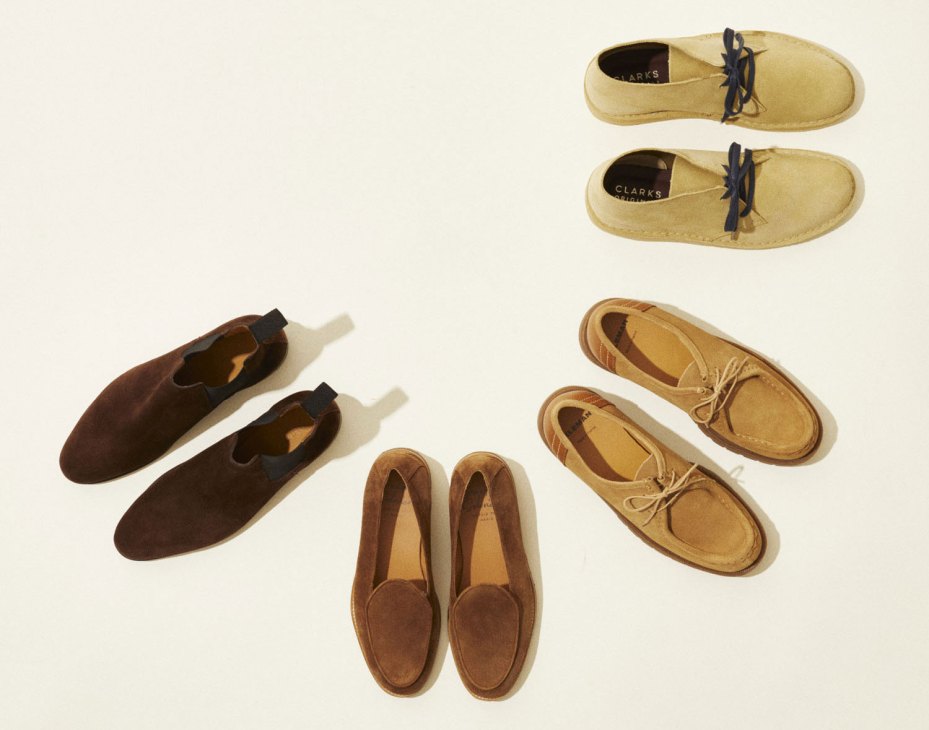
(Anti-clockwise from left)
Lawry boots in dark brown suede
by John Lobb
Desert Coal maple suede boots
by Clarks Originals
Padror VL Lion shoes
by Kleman
Alexis Brown suede calf shoes
by Jacques Solovière
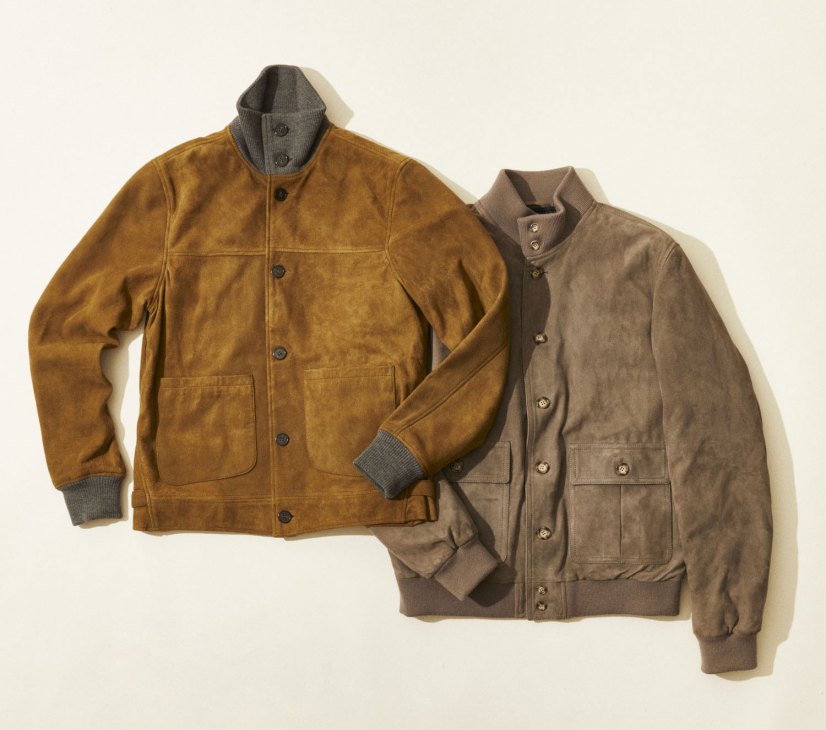
(From left)
Ron bomber jacket in French suede
by Officine Générale
Valstarino goose-down padded suede jacket
by Valstar
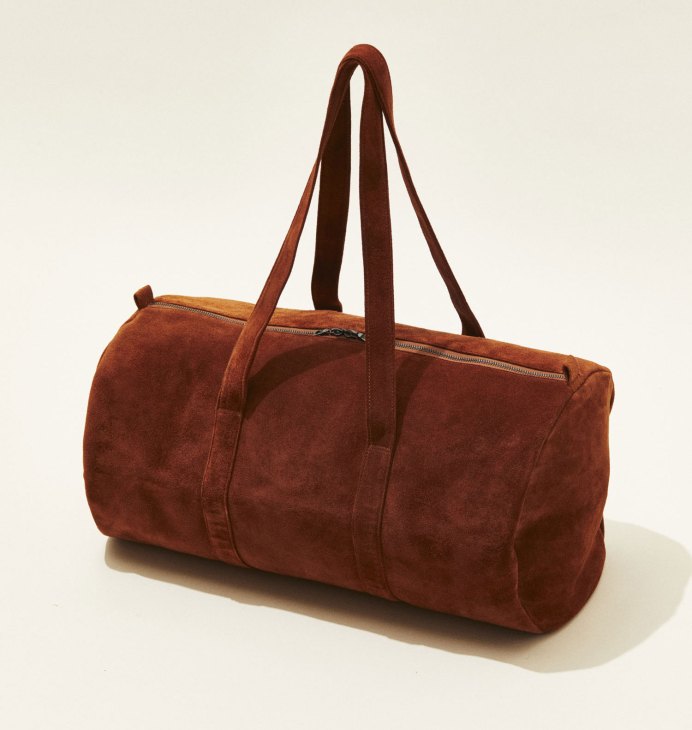
N° 385 Ultra Soft sport bag
by Isaac Reina
Osaka
Cartier Shinsaibashi
Luxury labels have to pull out all the stops to make a mark on Japan’s smartest shopping streets these days. For the façade of its shop in Shinsaibashi in Osaka, Cartier called on Japan veterans Mark Dytham and Astrid Klein, whose multilingual studio, Klein Dytham Architecture, was founded in Tokyo 30 years ago. While metal and glass are the standard materials for most big brands, Klein Dytham went for the opposite approach, using homegrown hinoki cypress to create something altogether warmer and more inviting.
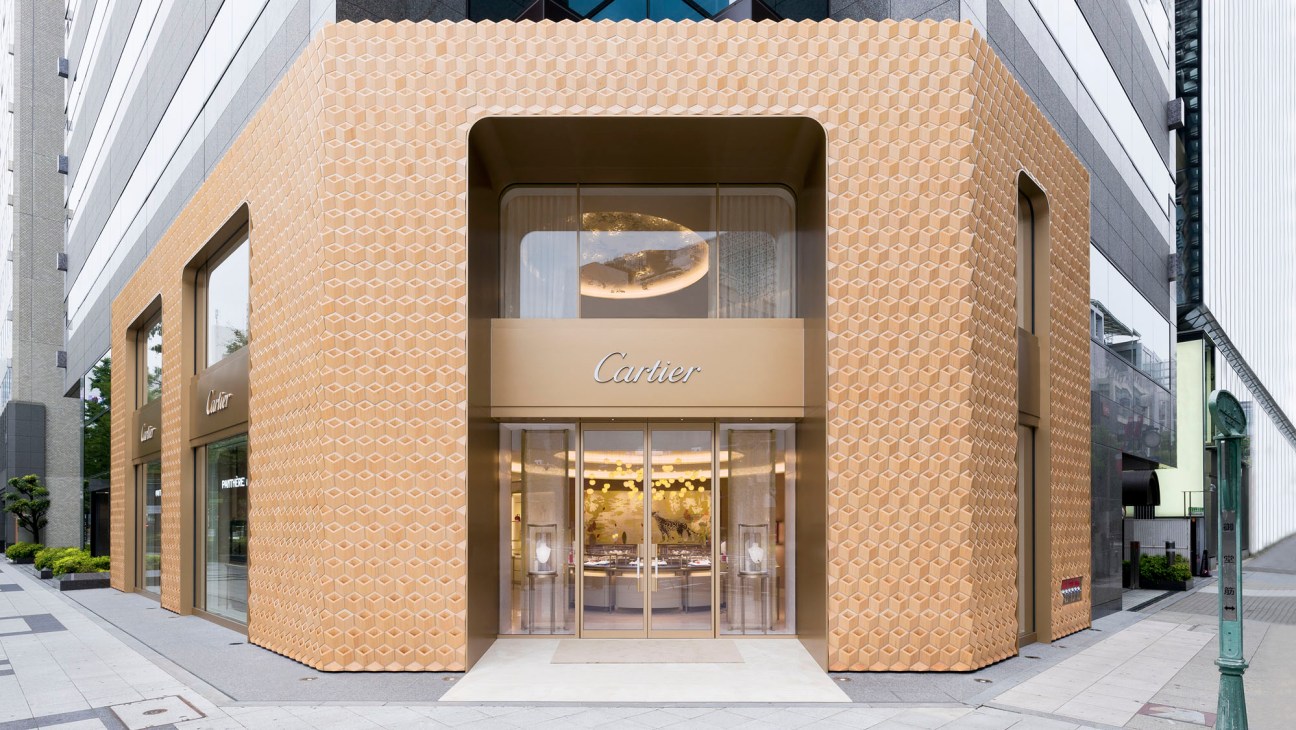
Taking inspiration from classic Cartier jewellery and traditional Japanese saké boxes (hinoki masu), Klein Dytham has created a striking timber exterior. Japanese carpenters from Kyoto crafted by hand 2,500 individual units that combine to give the façade its intriguing texture. Hinoki is a tried and trusted material in traditional Japanese architecture, used for temples, shrines and castles, as well as baths and tableware, and it scores high for longevity. “It’s naturally stable and water repellent,” says Dytham. “And the seasoned hinoki itself hails from 60 to 70 year-old trees, all domestically sourced.”
The natural grain and tone are protected by a clear lacquer and the building’s appearance changes depending on the time of day and direction of the sunlight. “It was a challenge getting the building to this level of detail,” says Dytham. “But as always in Japan, it is a delight to work with craftsmen, contractors, project managers and the client – all wanting to produce something extraordinary.”
cartier.com
Q&A
Stefano Canali
President and CEO, Canali
Italy
At the physical presentation of high-end label Canali’s menswear collection for autumn/winter 2022 in Milan earlier this year, Stefano Canali spoke to Monocle about the enthusiasm among men for sharpening up their wardrobe as they step out into a social season.
What is the appetite of the international market for your clothing at the moment?
Mainland China has been performing well for a number of months; the US is playing catch-up but we’re seeing very good results from our shops and department stores over there. Europe is lagging a little but we’re confident it will be back soon. The overall bounceback has come sooner than expected.
Press and buyers seem to have digital fatigue from fashion brands presenting online. How important is it for you to bring them to your showroom for presentations?
We must keep in mind that online will play a more serious role in the industry going forward. But we also must keep in mind that we’re human beings and social beings, so we need to meet in person.
Take us through the design process behind this collection.
Design has played a major role but we have also conceived the structure of the collection in a different way, considering the fact that the customer can no longer accept boundaries between formalwear and more casual sportswear. We have spent 18 months clearing these boundaries and forming a collection where customers can mix and match from different categories – a softly tailored jacket or a sportswear item in a richer material – to come up with something that is lighter, softer and more comfortable than in years past and feels very up-to-date.
canali.com
Images: Cartier
Defence
Amid the controversy surrounding the Black Sea passage of Royal Navy destroyer HMS Defender in June, an intriguing detail was overlooked. Before it embarked from Odessa, Defender hosted a ceremony at which the UK government, the Ukrainian ministry of defence and British engineering firm Babcock agreed a memorandum of implementation under which Babcock will contribute to a significant upgrade of Ukraine’s naval capacities, including the establishment of new naval bases on the Black Sea and Sea of Azov. In addition, the UK will transfer to Ukraine two refurbished Sandown-class minehunter ships.

The key component of the agreement signed aboard Defender is the delivery of modern frigate capability to Ukraine. It is assumed, though not confirmed, that this refers to the Type 31 frigate, of which Babcock is already building five for the Royal Navy, and in which Babcock is hoping to interest customers in Greece, Poland, Indonesia and elsewhere.
“The Type 31 is not really very sophisticated compared to the Type 26,” says Sidharth Kaushal, research fellow in sea power at the think-tank Royal United Services Institute. “But the Type 31 will work for lower-end tasks, such as anti-drug patrols and convoying, and it can be built cheaply enough for export to countries that can’t afford first-tier frigates.”
“No amount of kit you could sell Ukraine would enable it to take on the Russian Navy,” adds Kaushal. But the Type 31s could be deployed to protect commercial shipping in and around the Sea of Azov, cradled between Ukraine, Russian-occupied Crimea and Russia proper. “The ability to convoy commercial shipping with some kind of frigate capability might have a deterrent effect on Russian harassment,” says Kaushal.
Brief encounter
Switzerland — Uniforms
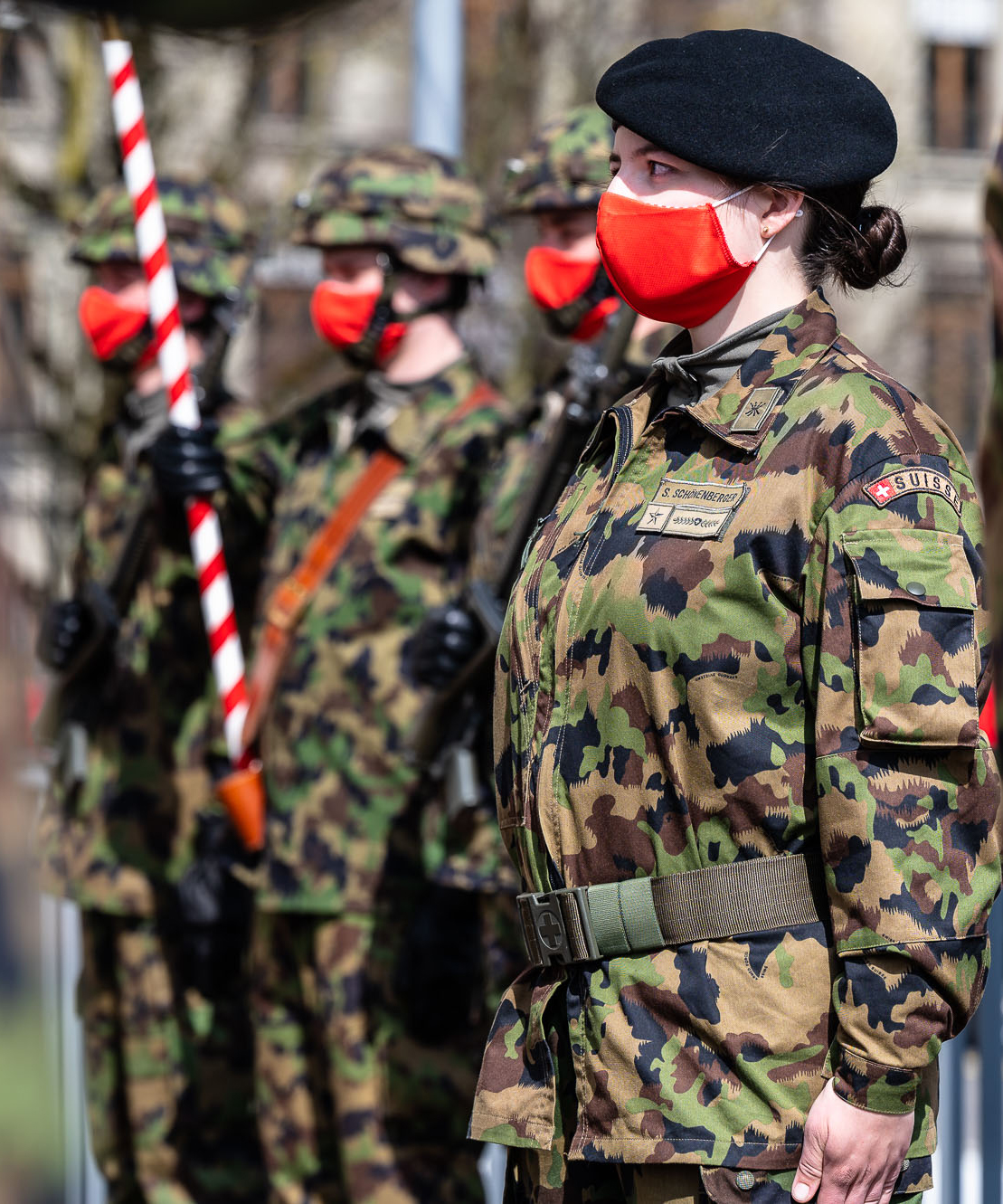
Rules regarding women’s military uniforms have often lagged behind the times. A pilot project in Switzerland, where women make up just one per cent of the military, will at last allow female soldiers to wear women’s underwear. Previously, women were required to wear the standard-issue military clothes given to all soldiers, including underwear designed for men. And in the US, where women make up 16 per cent of enlisted forces, some in Congress are proposing to eliminate the “pink tax” on military uniforms after a government report found that servicewomen pay double what servicemen pay in out-of-pocket costs on items not covered by military stipends. One brief example: until 2020, the Marine Corps offered a stipend for men’s underwear but no equivalent for women’s undergarments.
Drone away
USA — Technology
The US army is to spend more than $50m (€42m) on counter-drone measures, including what is known in three-letter-acronym military argot as HPM: high power microwave. It is envisaged that HPM could defend assets from the drone swarms that might become a common weapon of war – unless they already have. A recent US government report admitted, with remarkable candour, that its military is unable to explain 143 credible reports since 2004 of UAP: unidentified aerial phenomena.

In the basket
Who’s buying and who’s selling? We keep you abreast of significant defence deals.
In the basket: Six fremm-class frigates, two Maestrale-class frigates
Who’s buying: Indonesia
Who’s selling: Italian shipbuilder Fincantieri
Price: Withheld
Delivery date: TBC
That Indonesia’s navy was in need of modernisation was tragically illustrated in April by the loss of the 1970s-era submarine KRI Nanggala with 53 aboard. Indonesia was already reportedly negotiating the purchase of eight Mogami-class stealth frigates from Japan and this order from Italy’s Fincantieri emphasises a new focus on Indonesia’s naval challenges – not least from increasingly bold Chinese fishing fleets. The six fremm-class ships will be new builds; the two Maestrale-class ships retirees from the Italian navy.

Images: BS/DDPS, Getty Images, US Air Force, Hector Padilla Ferraris
Straight to the point
With more than 4,000 employees and at least 300 shops, United Arrows (UA), founded in 1989, is a fixture on the Japanese high street. Along with a line-up of its own labels for men, women and children, UA also sends its discerning buyers across the globe to find hundreds of brands big and small and bring them back to its fashion- conscious Japanese audience. From traditional men’s tailoring to the latest Japanese labels, UA has it covered. Its reach goes beyond Japan too; in regular times, UA’s world-renowned style icons – namely Hirofumi Kurino, Yasuto Kamoshita and Motofumi Kogi (aka Poggy) – are snapped everywhere from Florence to New York.
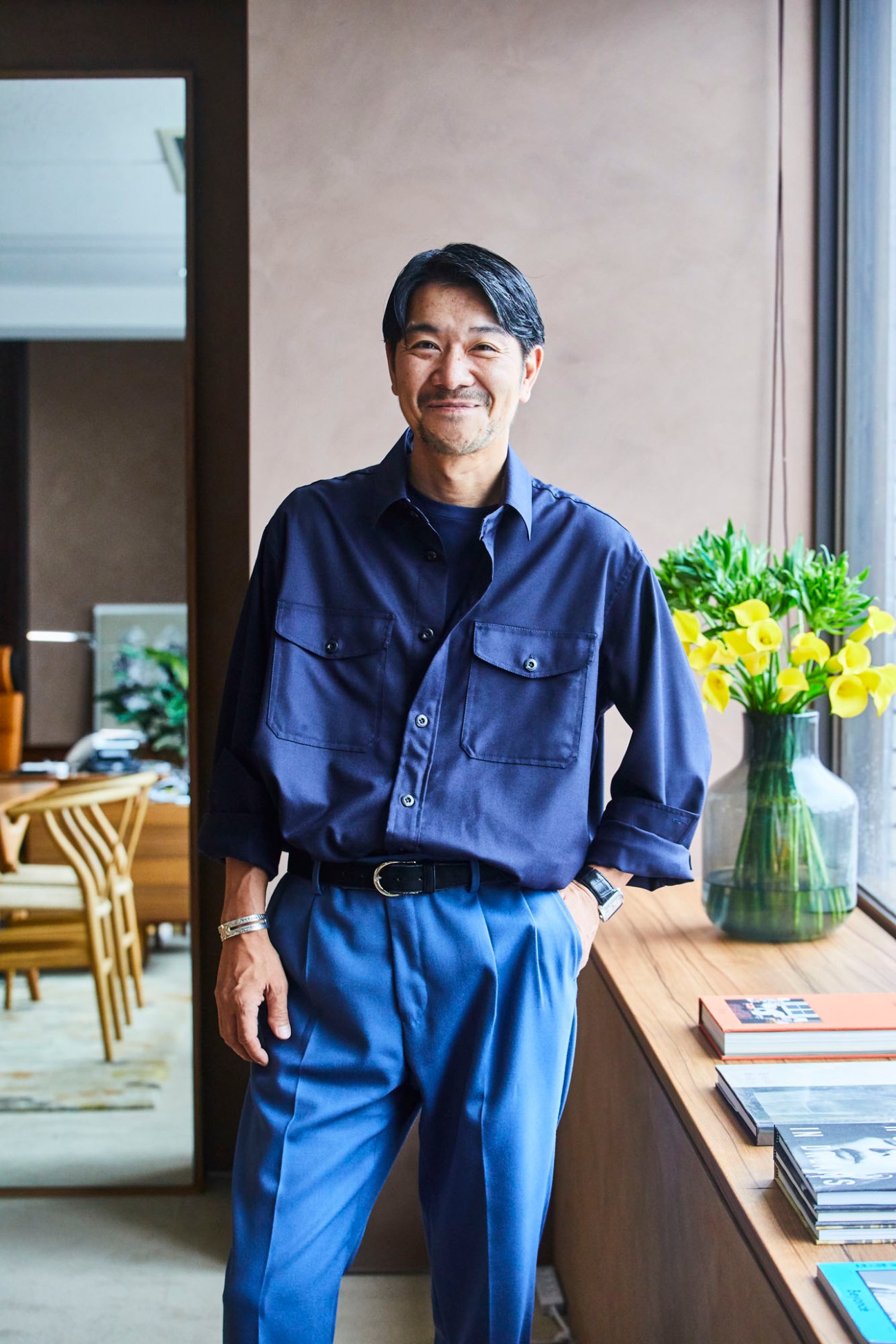
In April, the Japanese multibrand-shop giant appointed a new president, Yoshinori Matsuzaki (pictured). The 47-year-old knows the business inside out; after a stint in the hotel industry, he joined UA as a part-time shop assistant at the age of 22 and has since worked his way up to the top role. It couldn’t be a more challenging time. The pandemic has hit UA’s bricks-and-mortar business model hard: last year total sales dropped by 22.7 per cent and the company experienced its first operating loss since going public in 1999. Under Matsuzaki’s leadership, UA aims to be back in the black by March 2022. Monocle sat down with him in the United Arrows headquarters near Tokyo’s Aoyama neighbourhood to find out more.
With your extensive United Arrows experience, how do you see the business right now?
Our online sales have grown rapidly in the past five years but we have always run our business on a bricks-and-mortar foundation. We’ll stick to our guns but as our online business grows, the role of our physical shops and staff will have to change. I’ve always been a strong advocate of bricks-and-mortar so I also need to adapt to lead the staff.
How is the pandemic affecting United Arrows?
The fact that our shop sales dropped during the pandemic is a testament to our face-to-face customer service. It made us realise our strengths once again. It also became clear that online sales are boosted by customers being able to touch products and experience our in-store service. The number of shops and the ways of serving customers might need adjusting but I still believe in the importance of physical shops.
UA’s online sales have grown from ¥20bn [€155m] in 2017 to ¥32bn [€247m] in 2021. What’s the plan for the future?
We have to keep growing. As for online merging with offline, the question is how to offer a digital service that is similar to the customer experience that we provide in shops. The two can’t be the same but it’s a balance of bringing e-commerce closer to the in-store customer experience and giving it a strong interface that is convenient and stress-free.
How do you translate UA’s face-to-face customer service online?
We’re still quite analogue. When it comes to e-commerce, the whole of Japan is behind. Technologically great functions are pointless if users have no idea what to do with them. Think of a TV remote: it’s full of buttons you never press. That’s the opposite of what e-commerce should be. We have to strip it down to the core that defines UA’s strong customer service.
UA has always put men’s tailoring as a high priority. But formal dress codes have been relaxed and remote working during the pandemic only accelerated the trend. How important will it remain?
We have to adapt. Business attire has always been important for us but if demand diminishes, something else will replace it. Right now that is smart-casual fashion. If we cater to that need, our business will be fine. Many of our customers associate us with a dressy style so creating a new brand image for UA is important.
“Think of a TV remote: it’s full of buttons you never press. That’s the opposite of what e-commerce should be”
UA is one of Japan’s ‘select shop’ pioneers. But today 58 per cent of what you sell is UA’s own-label goods. What does this tell us?
We’re building up our portfolio of in-house labels. When we started, there were many things that were not available in Japan and there was no internet. Sourcing goods from overseas and offering them in one place translated to superiority. Today, anyone can buy anything from anywhere. You need original goods to set yourself apart. We want to raise the quality level of UA labels to match the overseas brands that we select. Exclusive products are important too, putting a UA spin on what we choose.
What’s the state of fashion retail more broadly in Japan?
The vitality is coming back. The pandemic has made many Japanese people turn inward and that’s also true in fashion; people are searching for great things from Japan. The country is moving away from the idea that it’s cool to pick up trends quickly from overseas.
What problems does the industry face apart from the pandemic?Sustainability is a big issue in terms of waste and pollution. At UA, we’re going to do more in the “Re” department: recycle and reuse. Providing made-to-last clothes is part of sustainability too. Also, the industry has relied too much on “Made in China”. It’s important to make a shift towards quality at a time when sustainability matters and people are buying clothes less frequently than before.
UA’s domestic sales are already substantial. Do you have a plan for overseas expansion?
We will grow domestically but the irreversible population drop is an undeniable fact. It will be hard to grow like we did in the past. The way we look at growth is different now; it’s not just about United Arrows fighting over a shrinking market but about partnerships with other players who have synergy with us. This approach can supplement what we don’t specialise in, such as lower prices and more daily products.
But the main target is overseas. We’re looking at China, Thailand and Myanmar, where the economies are growing. It might be hard for us to enter cities such as London because the market is rich and mature. But we’d like to try and see if our concepts work. I’m curious to test, for example, our H Beauty & Youth shop, in other big cities like Tokyo. The necessity of real shops in foreign markets might be smaller than in Japan but we still need a physical presence to showcase our brand to the market. In China, a prominent space in a big city would be better for us than a small corner in a department store.
The fashion scene in Japan is so diverse and has such depth. How do you cater to different needs?
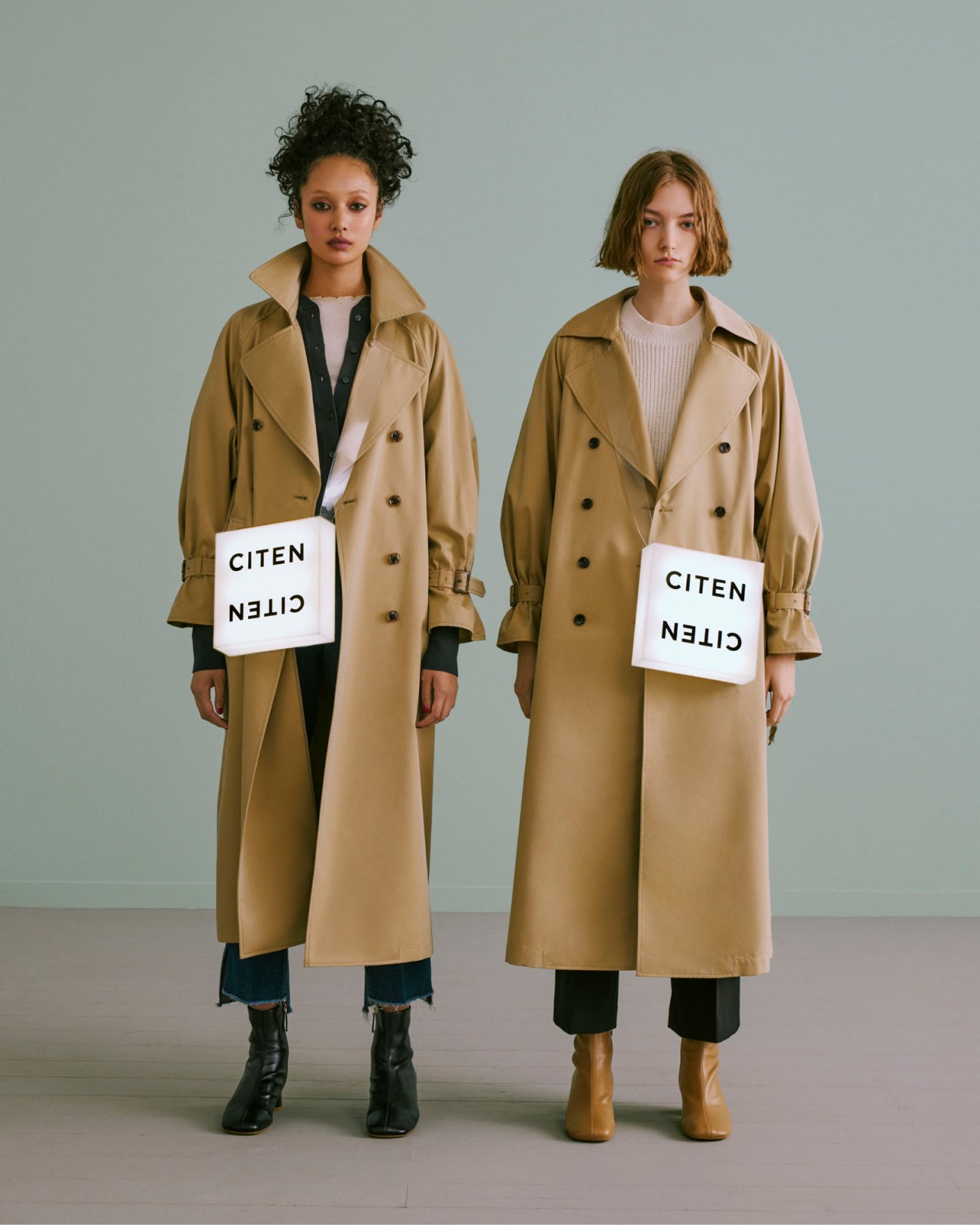
There is room for domestic growth in expanding the price and style range of our offer. Our core customers are in their thirties and forties but people in their fifties and older have extra spending power after raising their children so there is an opportunity there. We also need to cater more to people in their twenties who might be in a lower price zone. That’s what we’re trying to do with our new label Citen [launching this autumn], although I think older people will like it too.
“We also need to cater more to people in their twenties who might be in a lower price zone. That’s what we’re trying to do with our new label Citen”
Tell us more about Citen.
We’ll only sell it online. We already know that people are reluctant to buy very expensive goods online. There’s added value in the bricks-and-mortar shop experience – the service, the time you wait for the transaction, the great wrapping – that can convince people to spend ¥200,000 [€1,500] or ¥300,000 [€2,300]. People might not fancy spending the same amount online. For Citen, we applied this theory and lowered the price point. We’ll do a pop-up for the launch but otherwise keep it online.
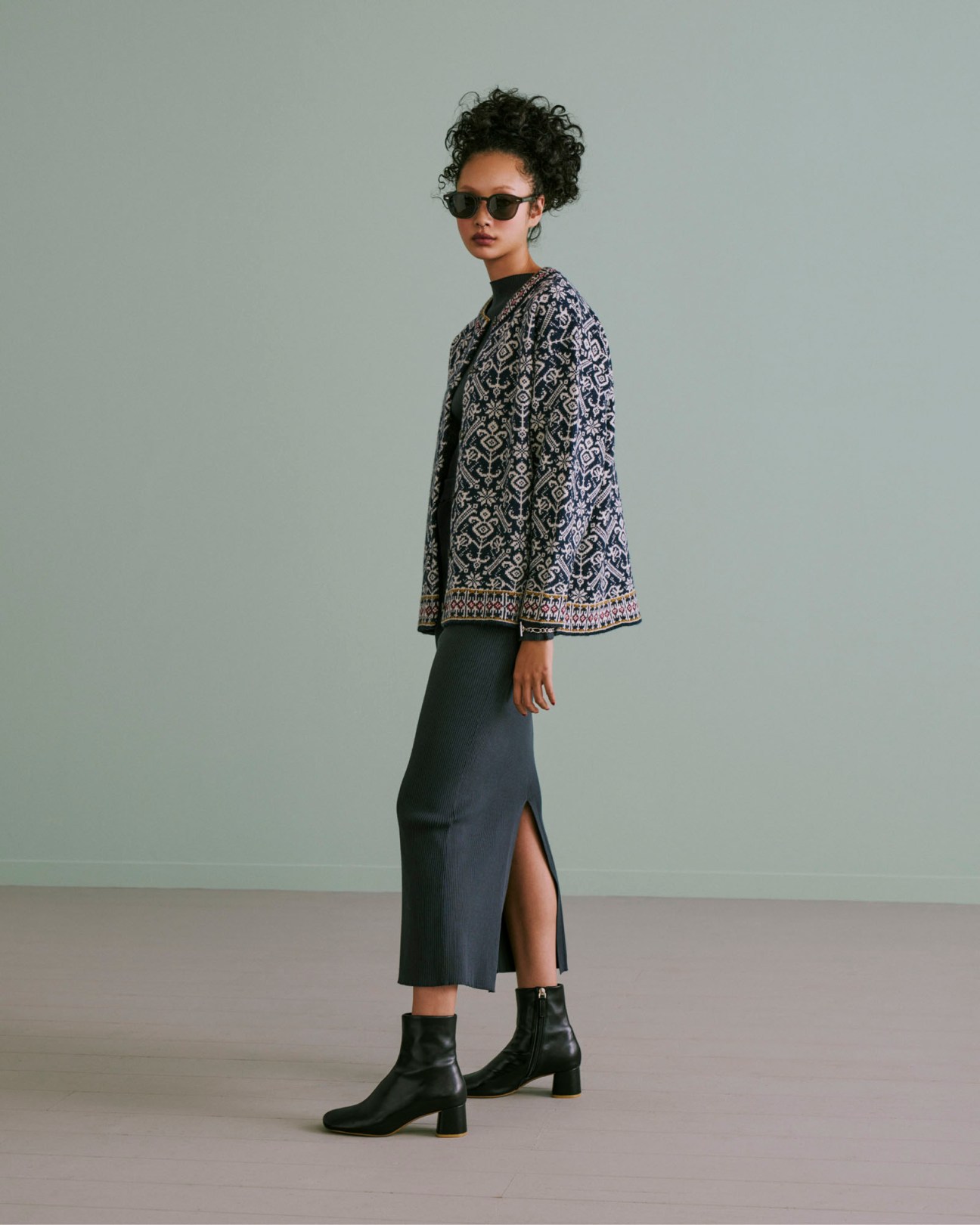
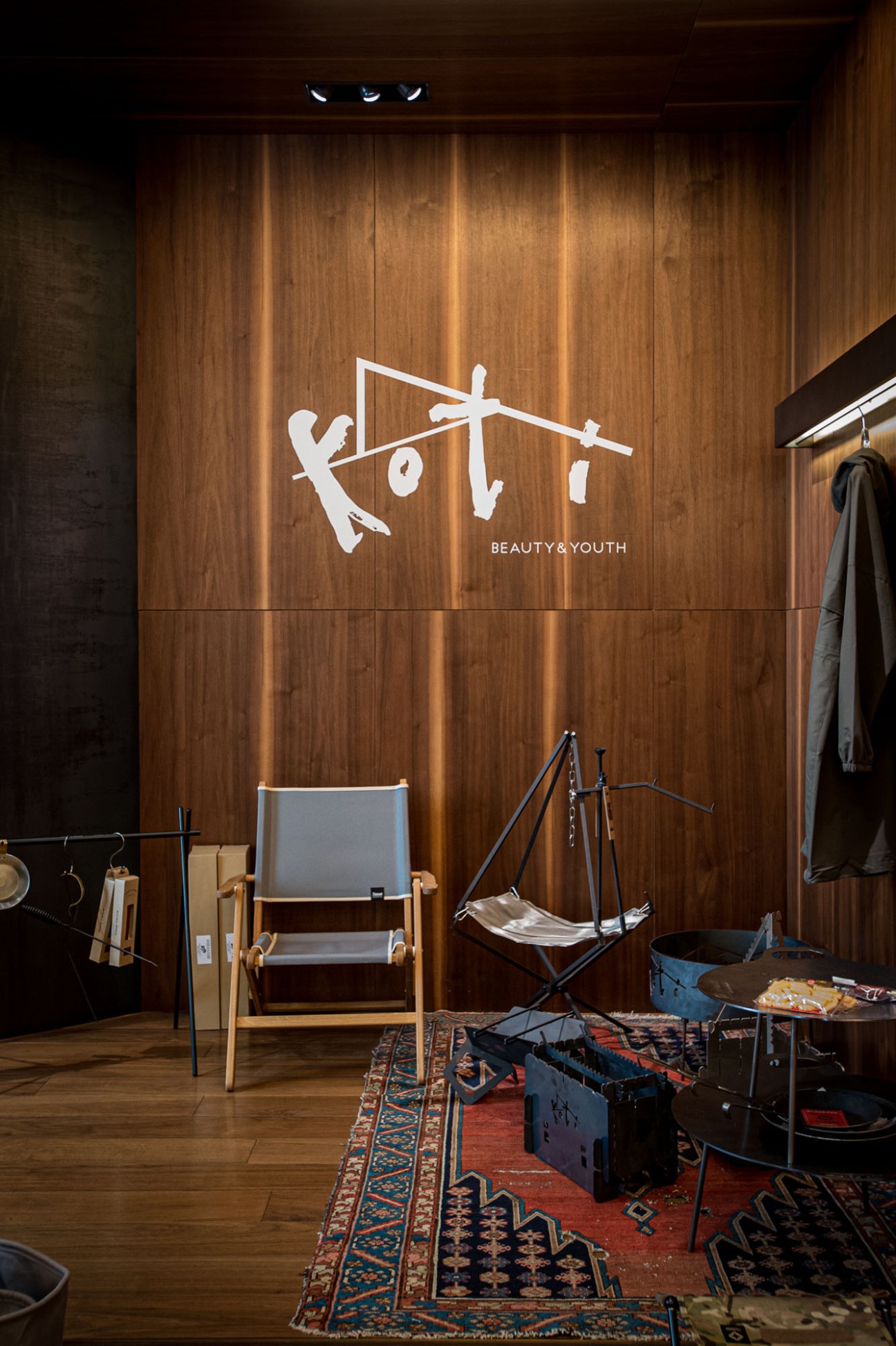
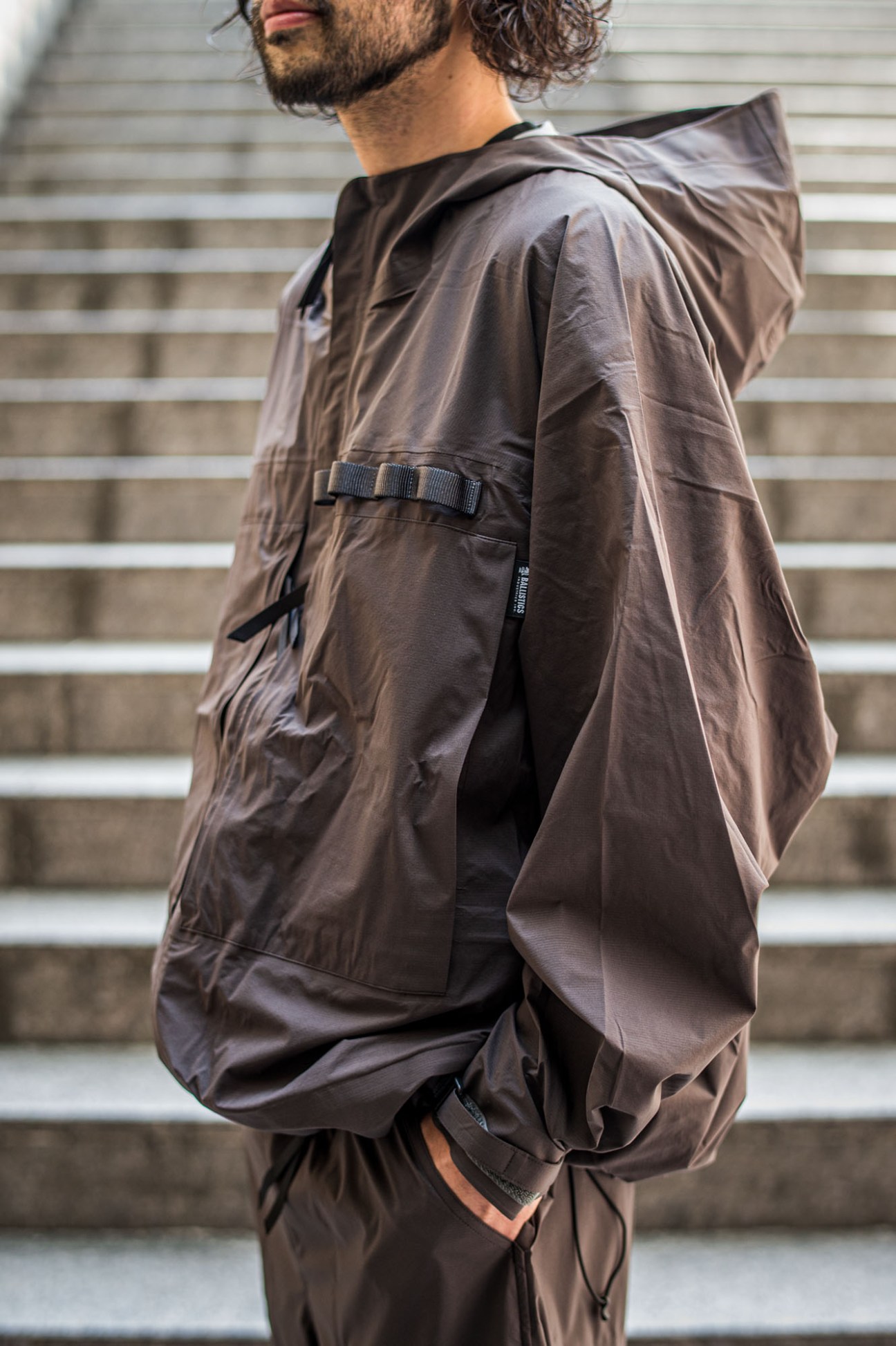
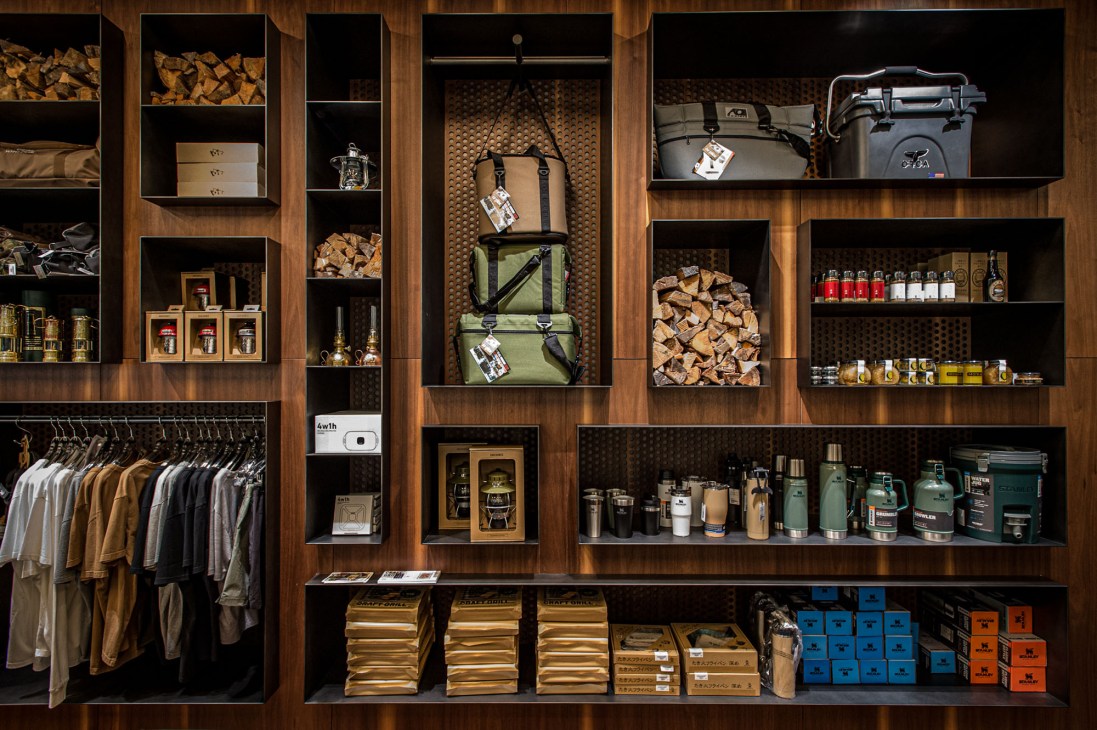
You launched outdoor label Koti this spring. Is this a sign of expansion into lifestyle categories?
We see outdoor goods being within the apparel world. Fashion is not only about clothing; it’s about one’s pursuit for living as a whole. We can see potential for growth in the outdoors and sport sectors, starting with things close to fashion and then moving into completely different areas, such as food. The idea is i-shoku-juu [wear, eat, live] and yuu [play]. The vision to create a lifestyle culture has existed since the start of the company. UA has only just begun. Speed is key; we’d like to have a rocket start after the pandemic.
United Arrows by the numbers
Established: 1989
Turnover (2020/2021): ¥122bn (€933m)
Online sales: ¥32.6bn (€254m)
Number of employees: 4,641
Number of shops: 330 (including 7 in Taiwan)
United Arrows’ in-house labels that we particularly like: Loeff, United Arrows & Sons, Drawer, Blamink

Diplomacy Briefing
Q&A
Janne Taalas
CEO at CMI
Helsinki
After a 25-year career in the Finnish diplomatic corps, including stints in New York and Rome, ambassador Janne Taalas this year took over as the CEO of the Finnish conflict-resolution organisation Martti Ahtisaari Peace Foundation (CMI). It works independently to solve protracted conflicts in the Middle East, North Africa, Eurasia, sub-Saharan Africa and Asia. Monocle talked to Taalas at cmi’s Helsinki headquarters.

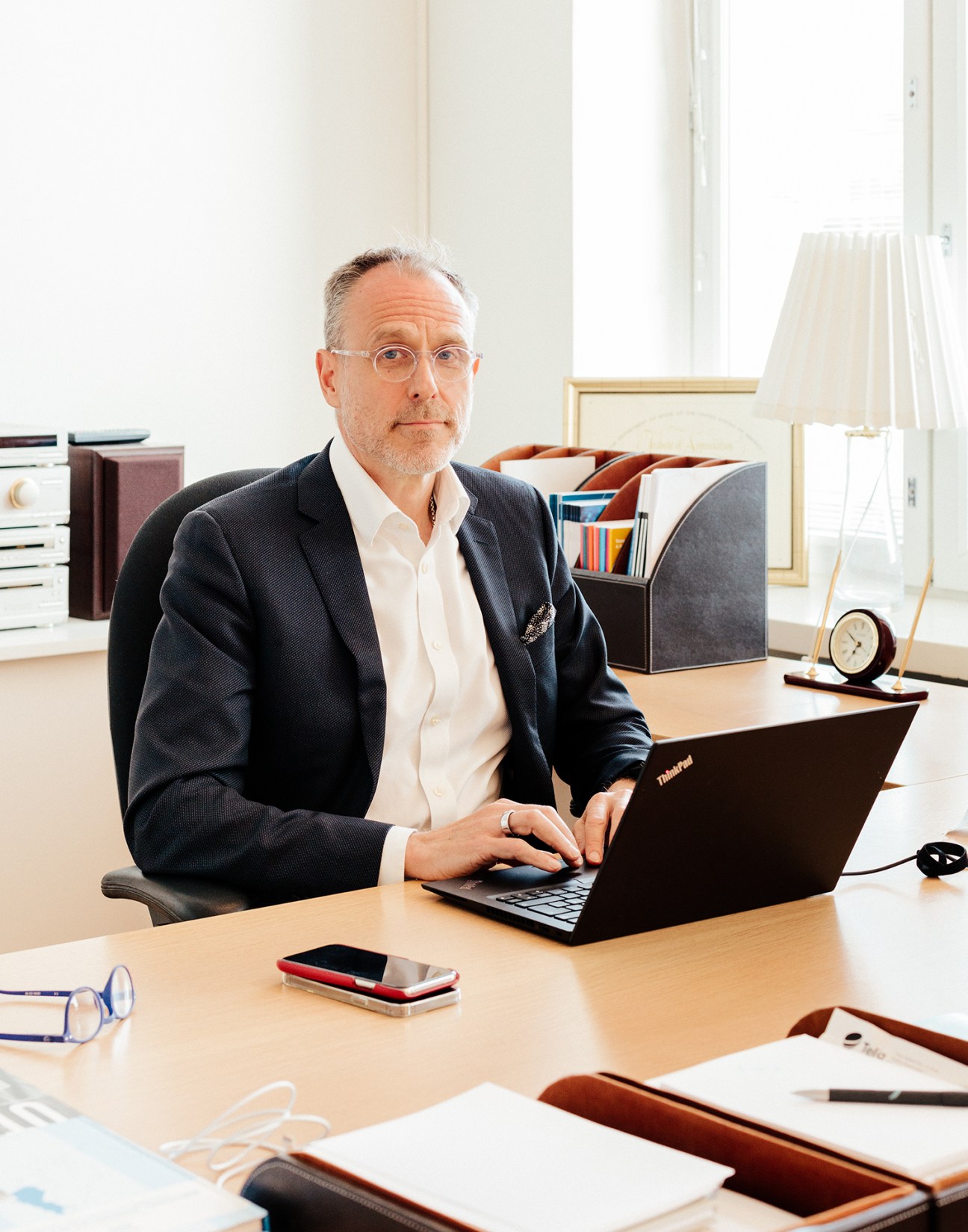
What motivated you to make the career shift from diplomacy to conflict resolution?
The two have much in common so the change was not that drastic. Both are about solving problems by negotiating – at least that is how Finland carries out its foreign diplomacy.
What are your plans for the CMI?
In the past 20 years, cmi has grown from a small Finnish organisation into a global player. My goal is to make cmi a leading body in this field. We believe firmly that Finland’s unique characteristics – digital prowess, gender equality, neutrality, social inclusion and equality – are assets that help us achieve this goal. That said, we don’t want to make a big deal about ourselves. When we work in countries such as Afghanistan, Yemen, Palestine and Myanmar, it’s about putting local people first. We are just facilitators.
The global order has shifted in recent years. Will facilitators such as CMI stay relevant?
Absolutely. As a career diplomat I know that states have their agendas to advance, whereas non-state actors like us have more room to act. We are more agile, can take risks and don’t have to think about the optics. Diplomats often refuse to talk to armed groups, for example. As the nature of conflict evolves, this becomes more important. As long as global structures of conflict prevention, such as the UN or the Conference on Security and Co-operation in Europe, can’t deliver results due to great power rivalry, the world will have an urgent need for us.
Diplomatic spat of the moment
Tough talk
We take a closer look at a case of diplomacy gone wrong.
Who vs who: Afghanistan vs Pakistan
What it’s about: An outburst by Afghanistan’s national security adviser, Hamdullah Mohib, who accused Pakistan of aiding the Taliban and described the country as a “brothel house”. Pakistan’s foreign minister, Shah Mahmood Qureshi, said that his “blood was boiling”, to which Mohib suggested Qureshi was “uninformed, ignorant or an accomplice”.
What it’s really about: The suggestion that Pakistan has supported the Taliban next door is not new nor, in the eyes of many intelligence agencies, inaccurate. Afghanistan’s government knows that once the US withdraws, it will be on its own. Pakistan’s government fears – or pretends to – that its great rival India is seeking to be a major ally of Afghanistan.
Likely resolution: Pakistan has declared that it will no longer deal with Hamdullah Mohib. However, this might soon be the least of everyone’s concerns following the US withdrawal from Afghanistan. Although Afghanistan and Pakistan are supposed to be co-operating within a newish framework called the Afghanistan-Pakistan Action Plan for Peace and Solidarity, the two countries have never got on – and a bet on that changing would be ill-advised.

Wolves among us
Etiquette
China

Chinese diplomats’ high-pitched tones of theatrical dudgeon have become known as “wolf warrior” diplomacy, named after an action-movie character. But president Xi Jinping has now asked them to adopt a manner characterised as “reliable, admirable and respectable”. The edict is said to be causing ructions in hardline nationalist circles, plausibly because nobody enjoys scaling their self-image back from “wolf warrior” to “amiable functionary”.
Images: Alamy, Biuro Rzecznika Praw Obywatelskich (Office of the Commissioner for Human Rights), Getty Images
Fashion: Wear it’s at
Fred Nieddu
Taillour
London
Fred Nieddu is the antithesis of what you would expect of bespoke tailoring in London. He’s understated, casually dressed, youthful and his studio is some way from Savile Row, tucked in a Victorian red-brick building in Shoreditch, in the east of the capital. His route into bespoke tailoring was equally unconventional. “I studied illustration in college but I was always into clothes,” he says. “I worked in a few menswear shops before trying to get a foot in the door on Savile Row.”
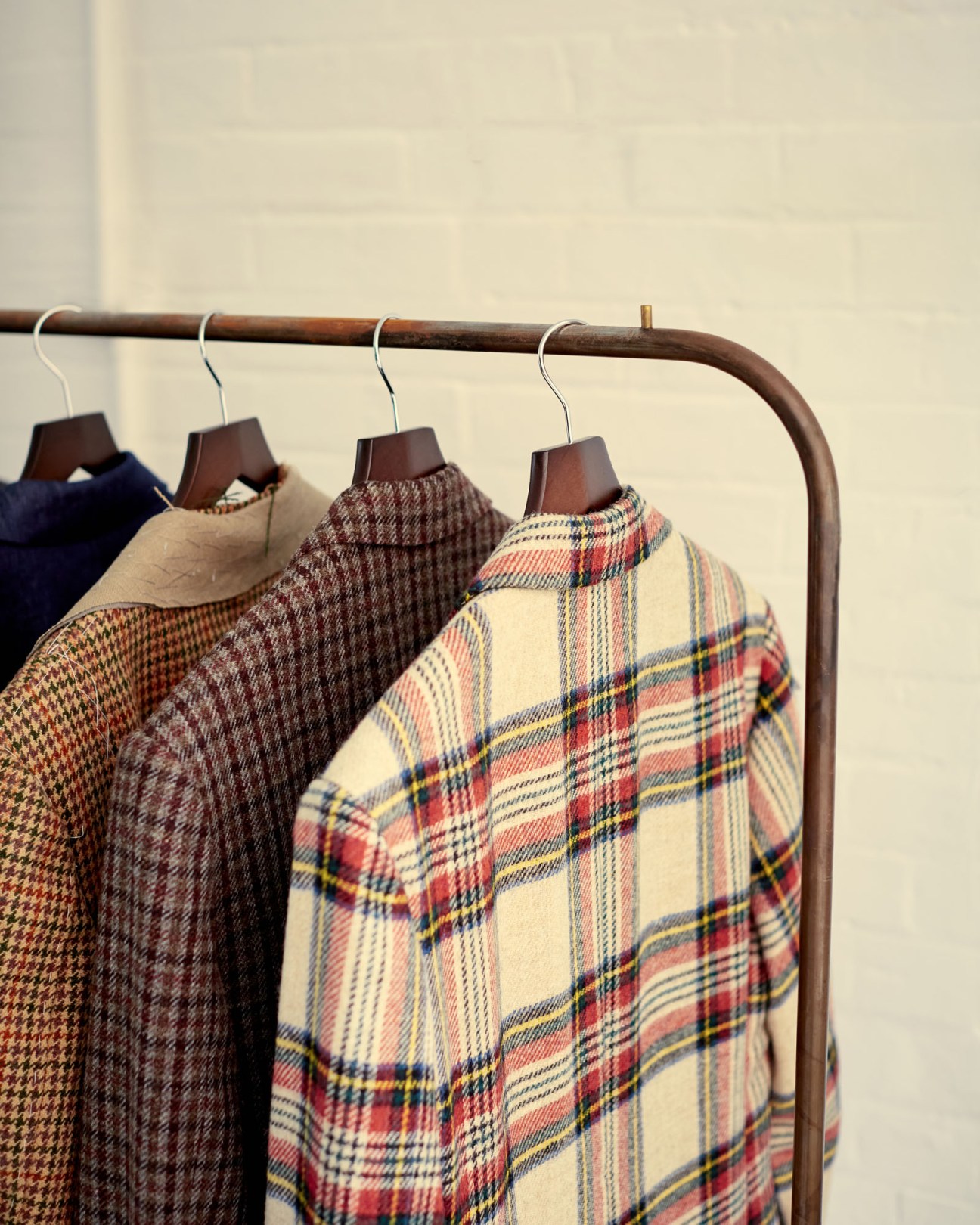
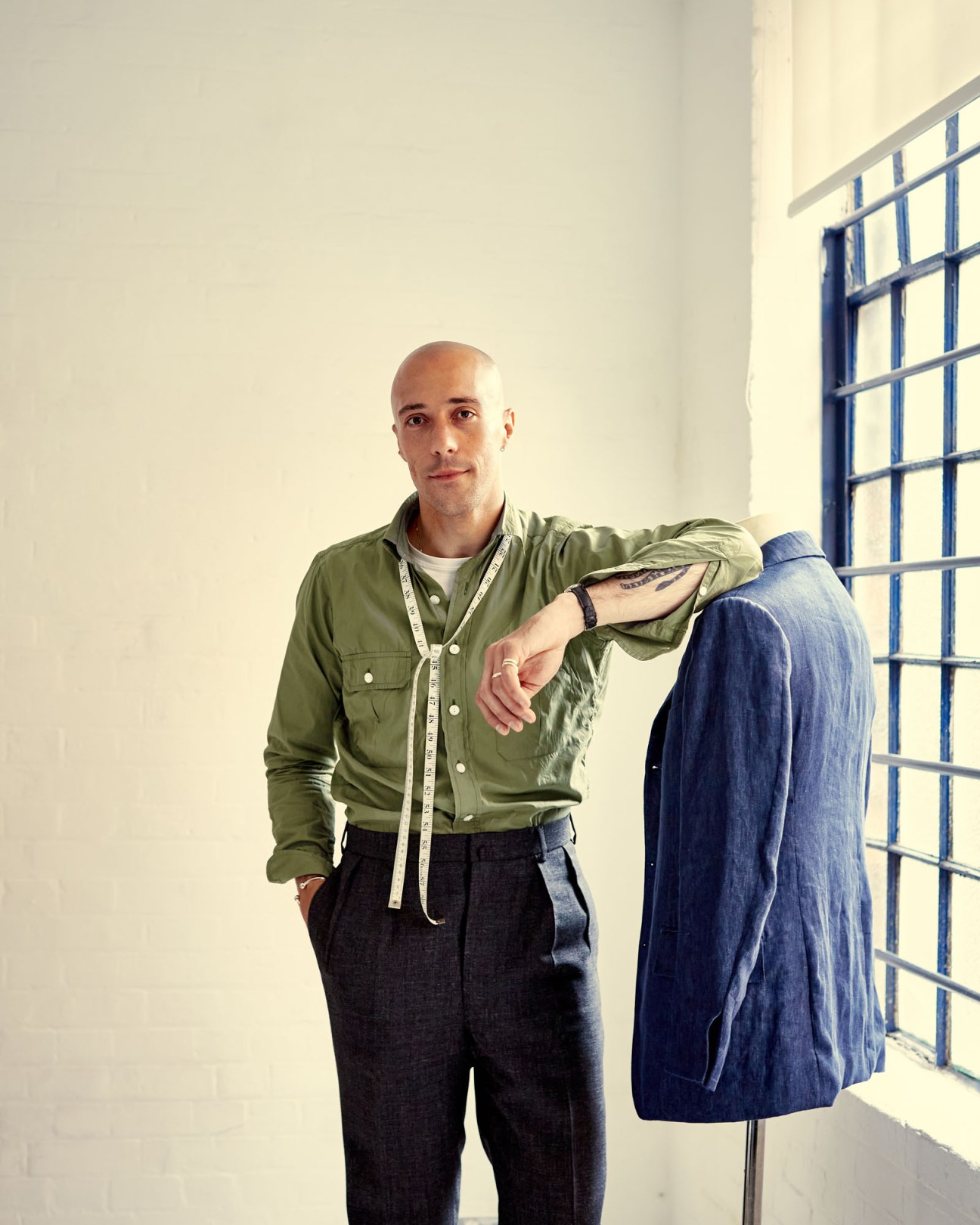
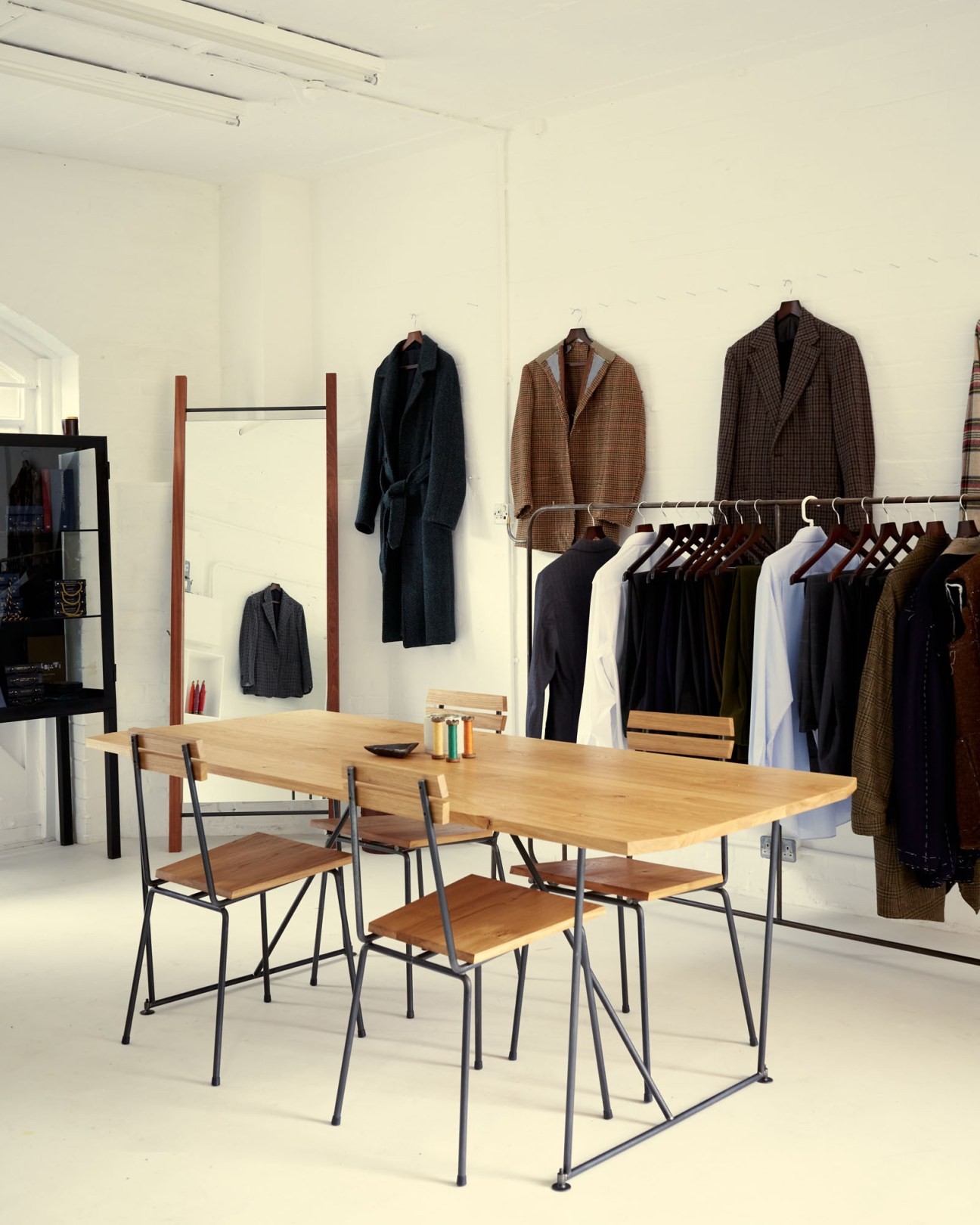
Without a degree in bespoke tailoring, Nieddu was turned away at every door on the prestigious menswear strip. Unable to face the idea of going back to school, he offered to work for free at a small tailor’s shop in the East End.
Displaying a knack for the craft, Nieddu quickly moved to Meyer & Mortimer, a prestigious tailor around the corner from Savile Row. “It was traditional but I learned loads,” he says. He then moved back to Shoreditch to work as head cutter at Timothy Everest. It was here that Nieddu developed his own style. “I didn’t want to make heavily structured suits like most British tailors,” he says. “If you’re comfortable in a suit, you’ll look cool. I try to make mine as soft as possible while still sculpting the silhouette.”
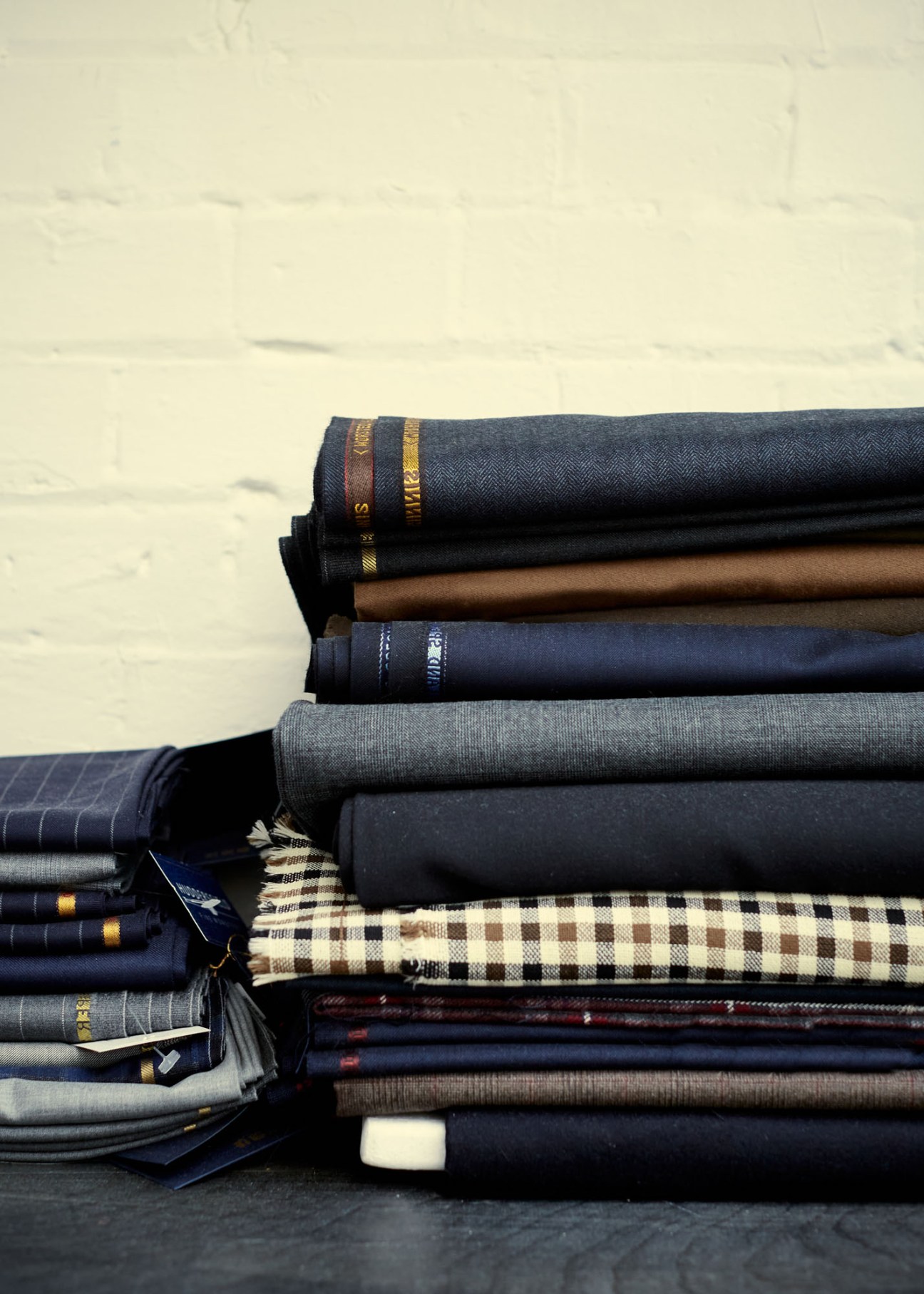
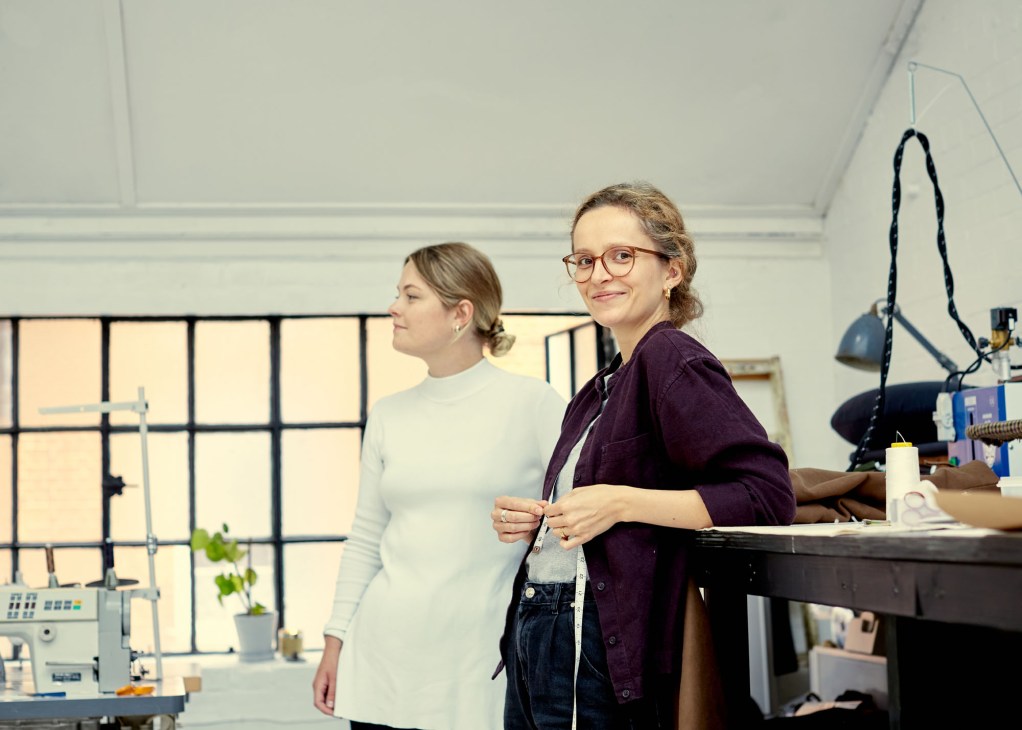
Today he runs his own tailoring studio, Taillour, where his team make bespoke clothes for clients as well as high-profile film and TV projects. He created all the tailored menswear for Netflix hit drama The Crown, dressed Ralph Fiennes in the Bond franchise and now he’s working on the next Star Wars film. In the sometimes stuffy world of bespoke tailoring, Nieddu is a breath of fresh air. “It’s not about making old-school suits,” he says. “It’s about making people look good.”
Buzz Tang
The Anthology
Hong Kong
Buzz Tang is only 24 and already knows how a good suit is made. When Monocle catches up with him at the firm’s Hong Kong HQ, he’s wearing a single-breasted navy blazer, soft in its shoulders, slightly curved-in at the waist and draped on the body. This is the signature silhouette of The Anthology, Tang’s tailoring business that is defined technically by a sinuous style and philosophically by a library of cultural knowledge.
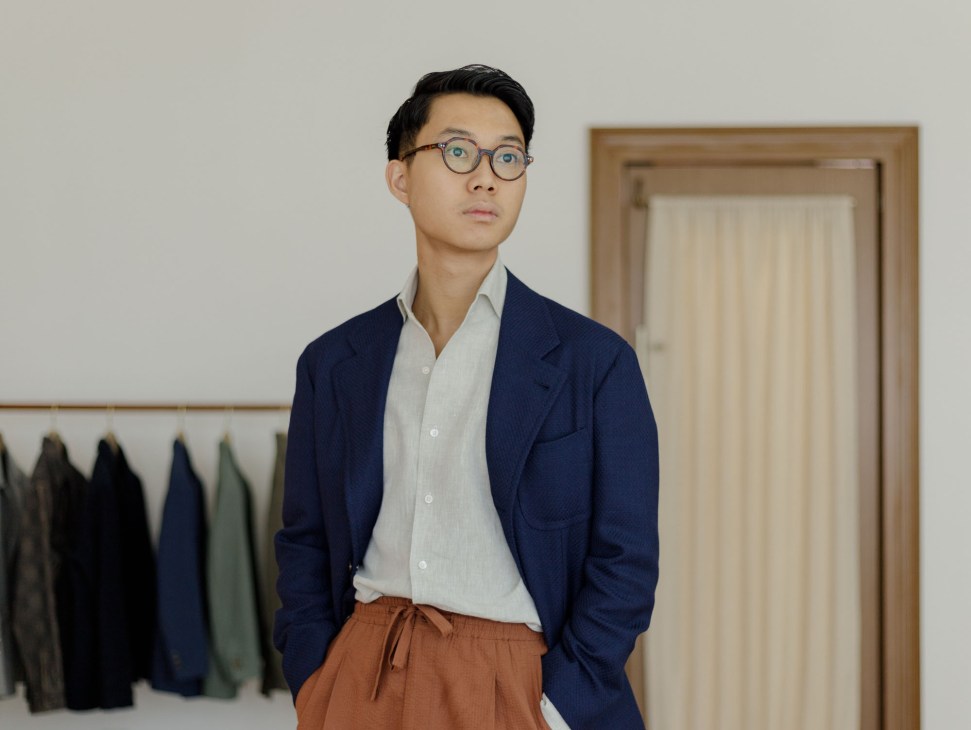
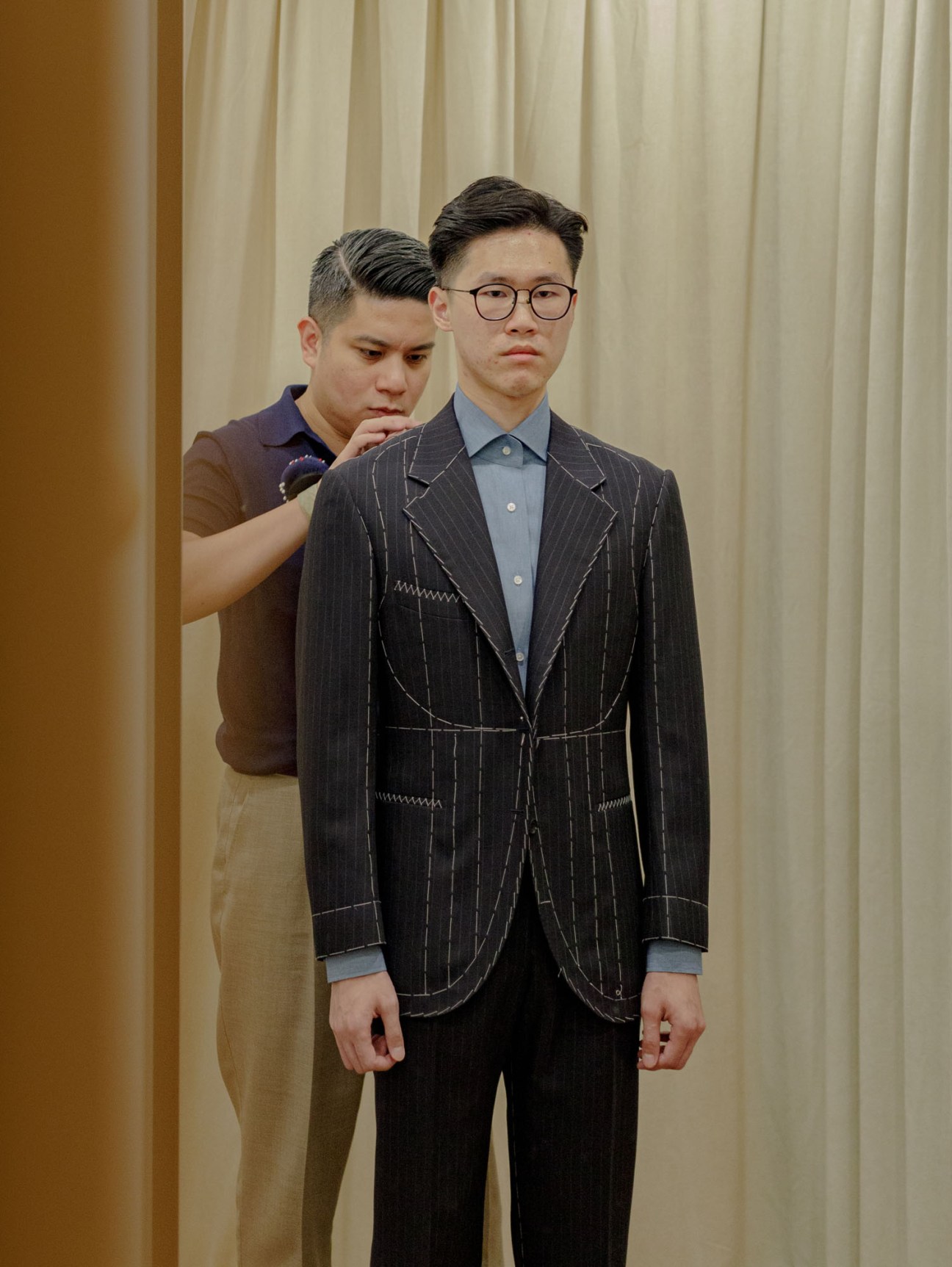
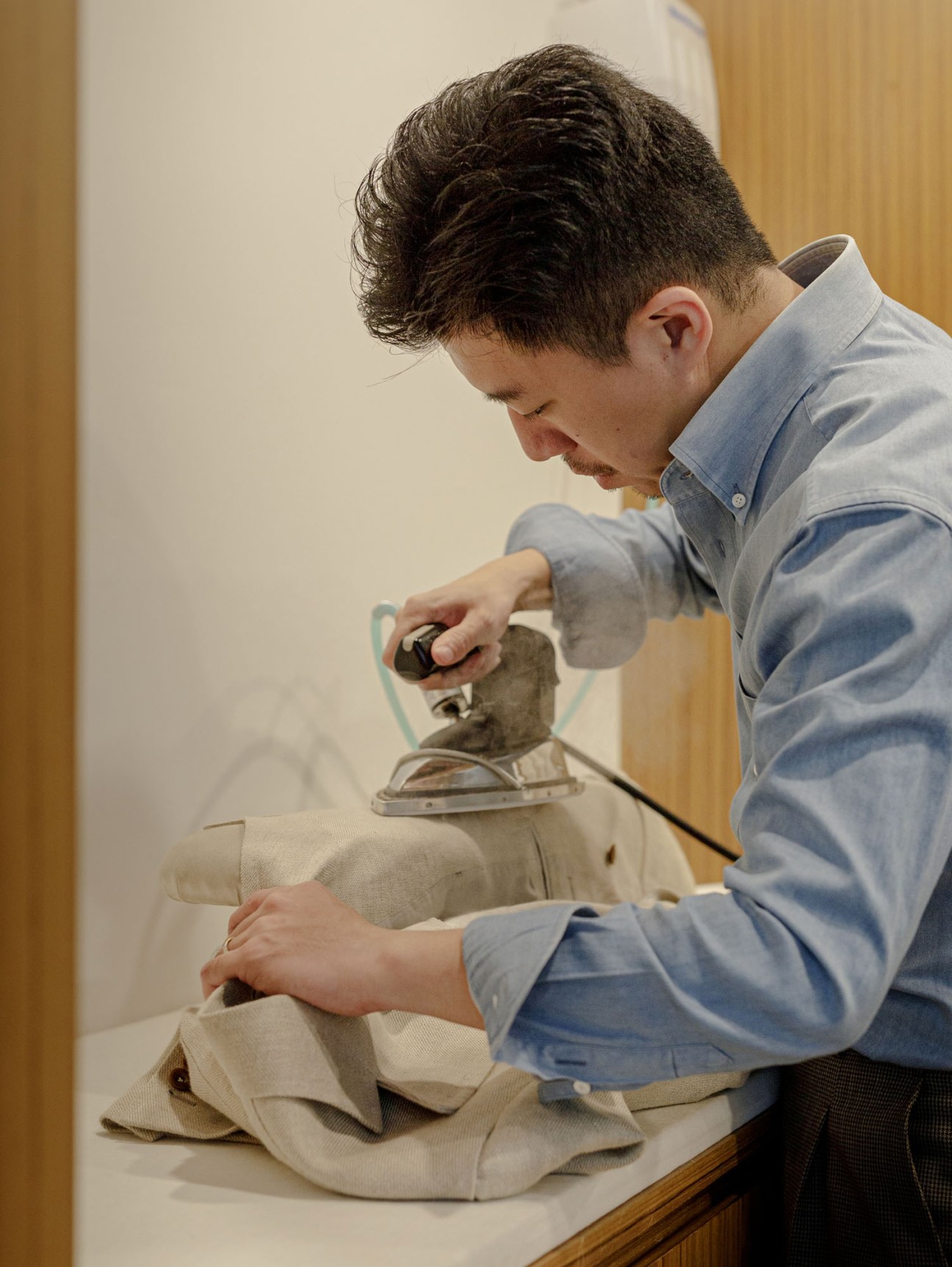

“The Anthology came about through luck and serendipity,” says Tang. “After studying footwear design at London College of Fashion, I came back to my home of Hong Kong and explored its tailoring scene. People could only do the top layer of things, which bugged me after learning about the inner workings of a suit while working as a fabric trader on Savile Row.” By chance, Tang met his now business partner, Andy Chong. Embracing Tang’s youthful curiosity to revitalise an age-old craft, the pair decided to launch a business comprising ready to wear, made to measure and bespoke fashion in 2018.
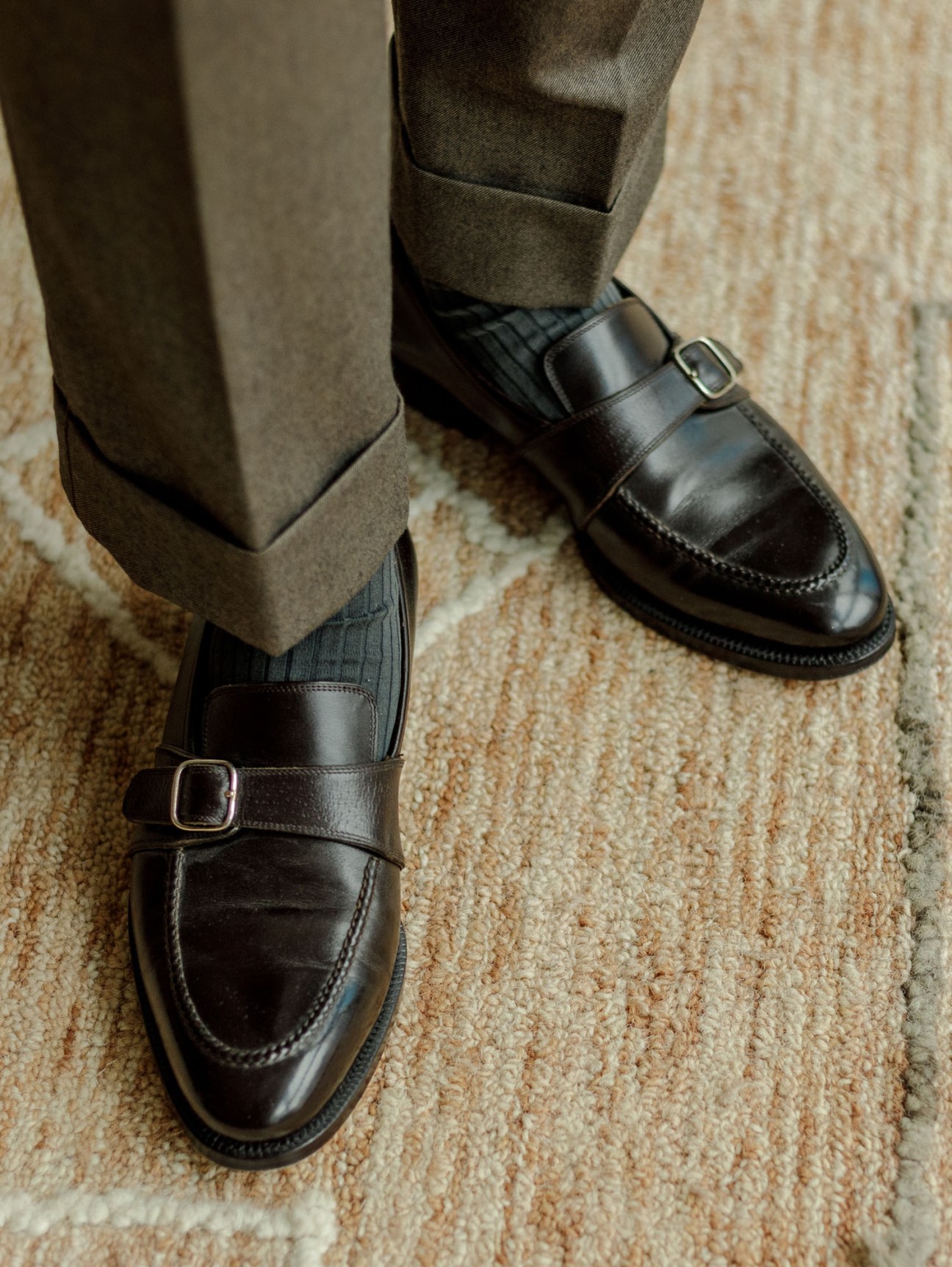
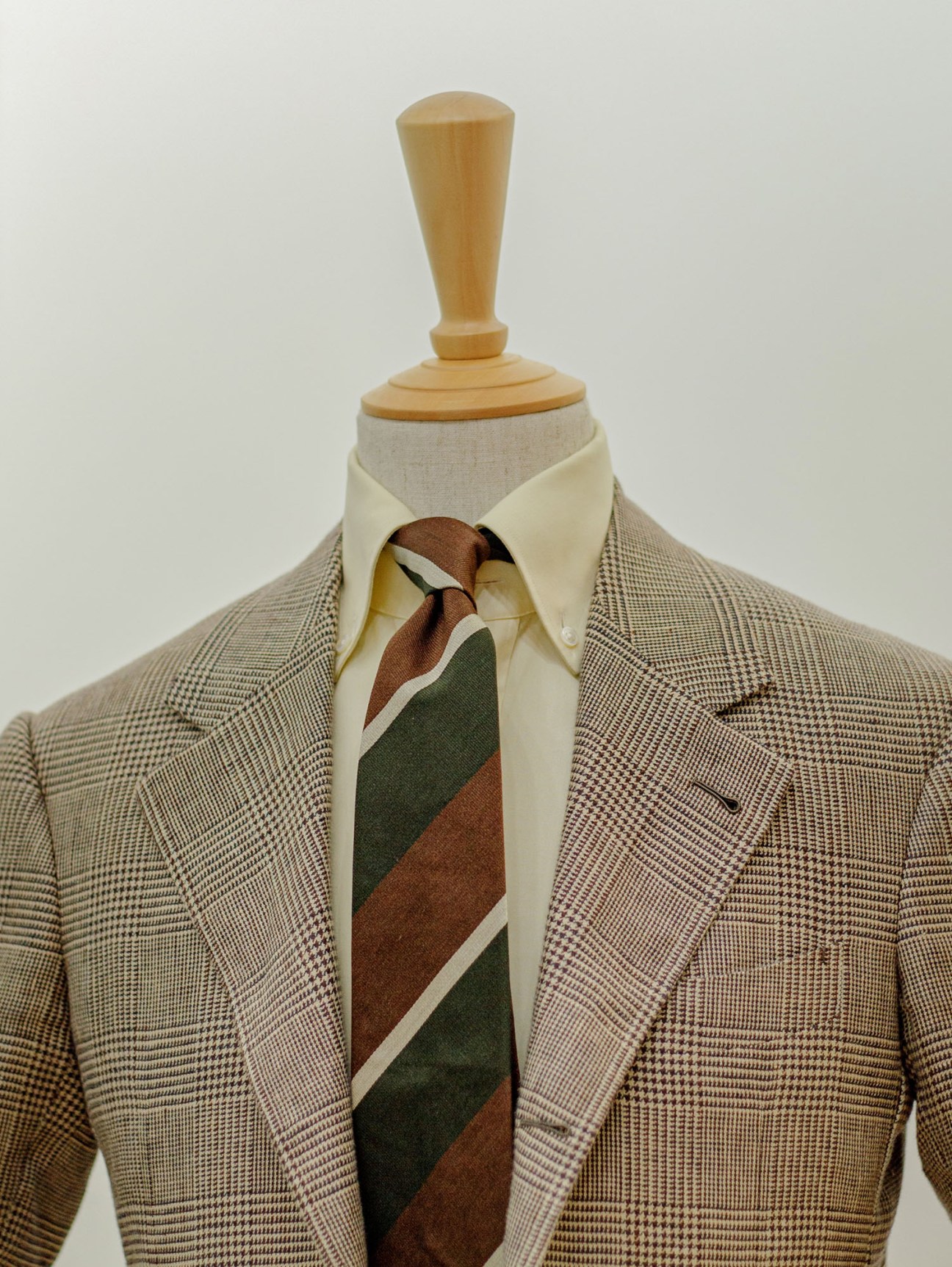
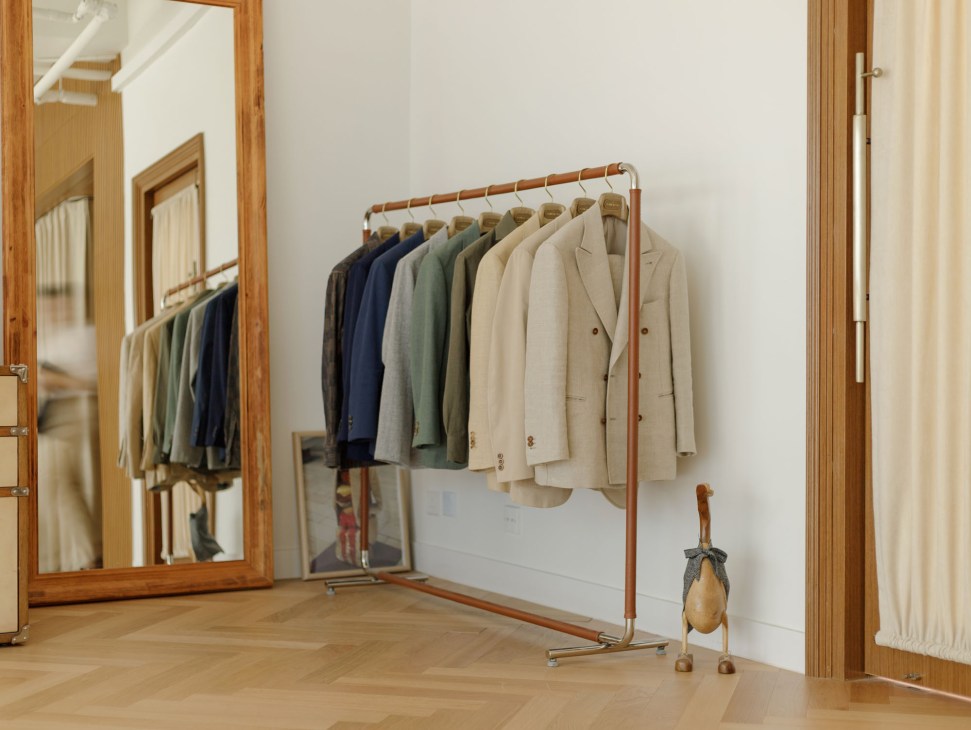
The big factor that plays in Tang’s favour is his refreshingly young mentality. “It’s quite boring when you see classic menswear companies simply trying to reference old times,” he says. “It results in the same ideas revolving over and over again – but a business can’t progress anywhere from it.” So what sets The Anthology apart? Put simply, Tang’s vigour. “To redefine a classic concept, the key is to both learn and unlearn its aesthetics – and that’s a mindset that only young people in this industry have,” he says. Visually, that translates to a fresh attentiveness to colour, texture and the act of splitting up ensembles as separates. “Retaining a sense of formality without going too stuffy is my definition of a modern suit,” he adds.
Tang is attracting strong business in the typically hot climates of Hong Kong and Taiwan, where a second showroom operates, but The Anthology is also gaining customers beyond Asia with pieces such as the deconstructed Lazyman jacket. “Every piece that a man wears plays a role in what he chooses to express,” says Tang. “And The Anthology is delivering this in the most comfortably authentic way possible.”
theanthology.net
Maximilian Mogg
Maximilian Mogg
Berlin
Berlin-based tailor Maximilian Mogg can’t remember a day when he wasn’t interested in fashion. He started styling himself at five years old and that youthful curiosity introduced him to tailoring at an early stage in his life. On a first visit to London’s Savile Row, he discovered that the British suit could accentuate the idea of a masculine silhouette but, as a young man with a passion, he wanted to sculpt something new. The result? His eponymous atelier, which aligns itself to the sensibilities of Berlin’s artistic history.
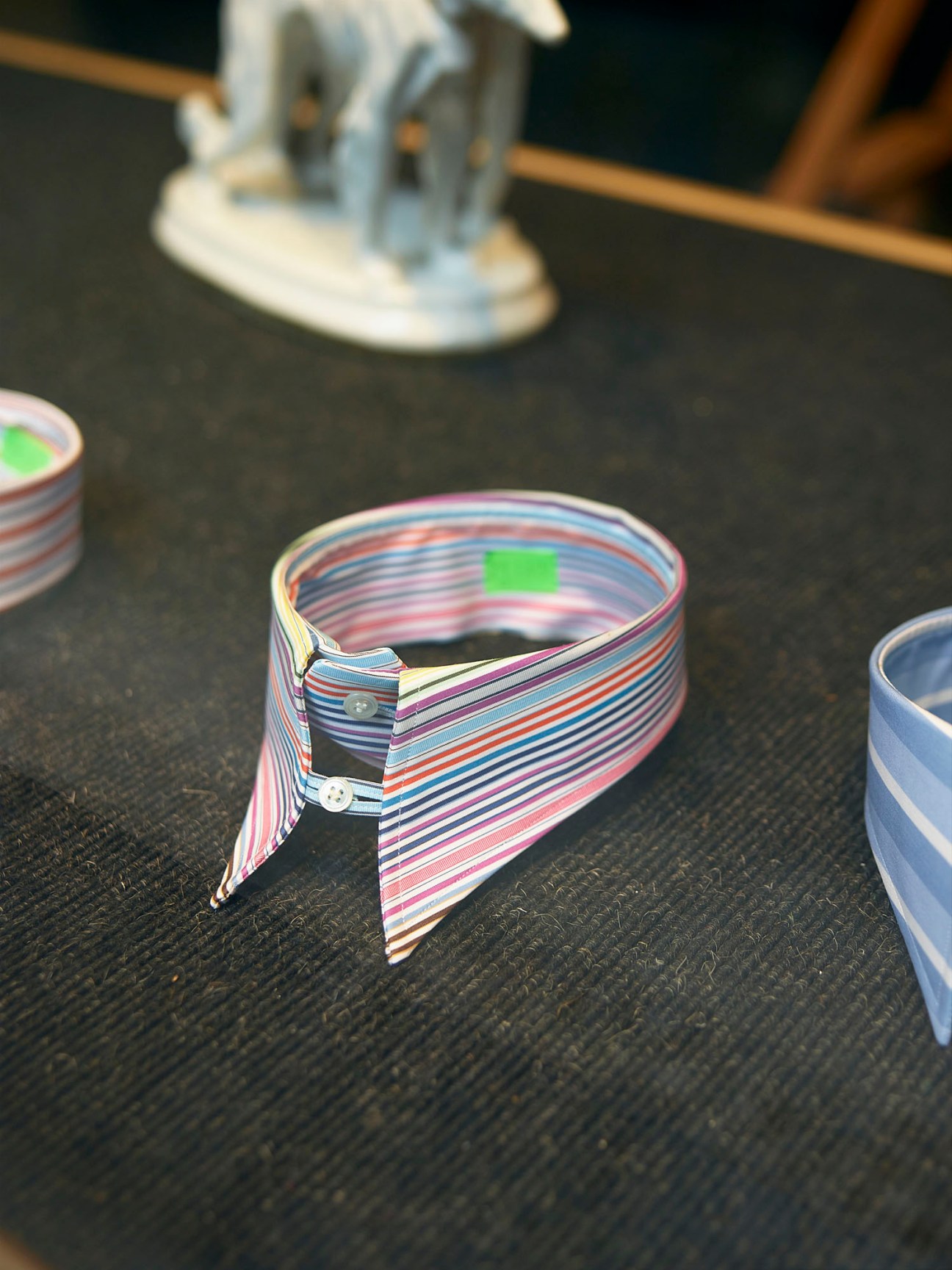
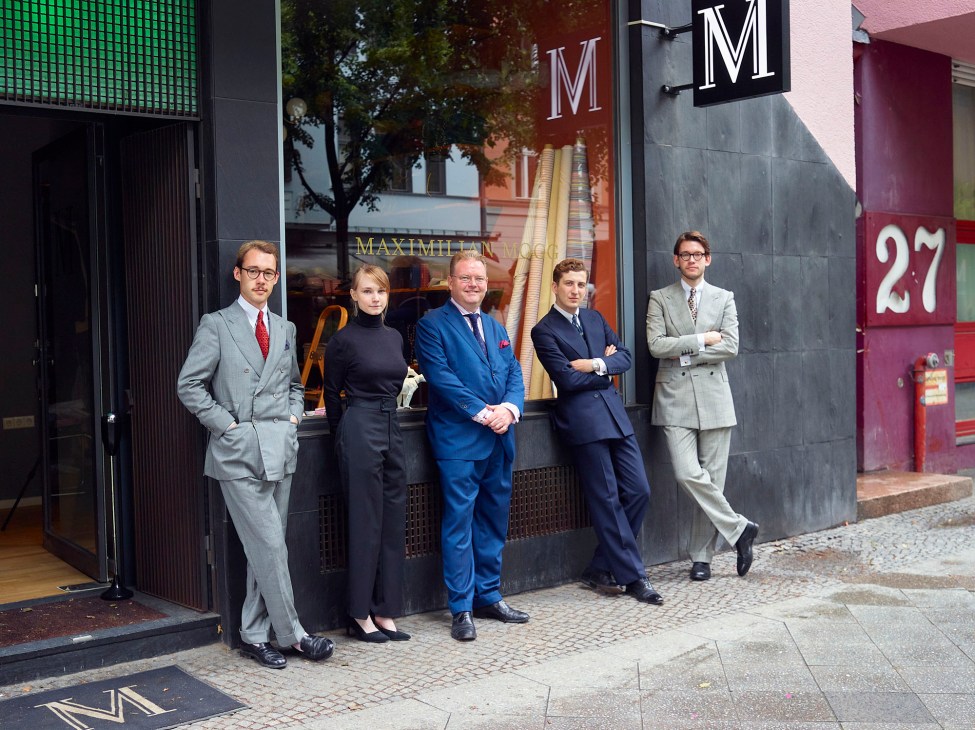
“My house came about after I started to sell and alter vintage Savile Row suits in 2015,” says Mogg. “Most of my clients were young, which surprised me but made me very happy because it suggested that there was scope for fresh eyes to redefine the tailoring industry.” Mogg then met Vimal Panalickal, a trained clothing engineer in Berlin who understood Mogg’s desire to infuse his work with the craftsmanship of previous decades by looking at secondhand Savile Row pieces. Mogg’s main references were the 1920s and 1970s – two golden decades for English tailoring – but he wanted to add his own personality and chose to do this with his use of colour.
On top of signature house touches such as curved lapels (which give a fuller shape to a jacket), hourglass silhouettes (a design that nips in at the waist before falling out around the hips) and wide, high-waisted trousers, Mogg injects bright colours and vibrant checks to balance a classic suit with a “contemporary attitude”. This approach lends confident flamboyance to 21st-century tailoring. And in light of the pandemic, Mogg admits that more of his global clientele – both young and old – are requesting this kind of order. “They’re thirsty for going out and expressing excitement through clothes,” he says.
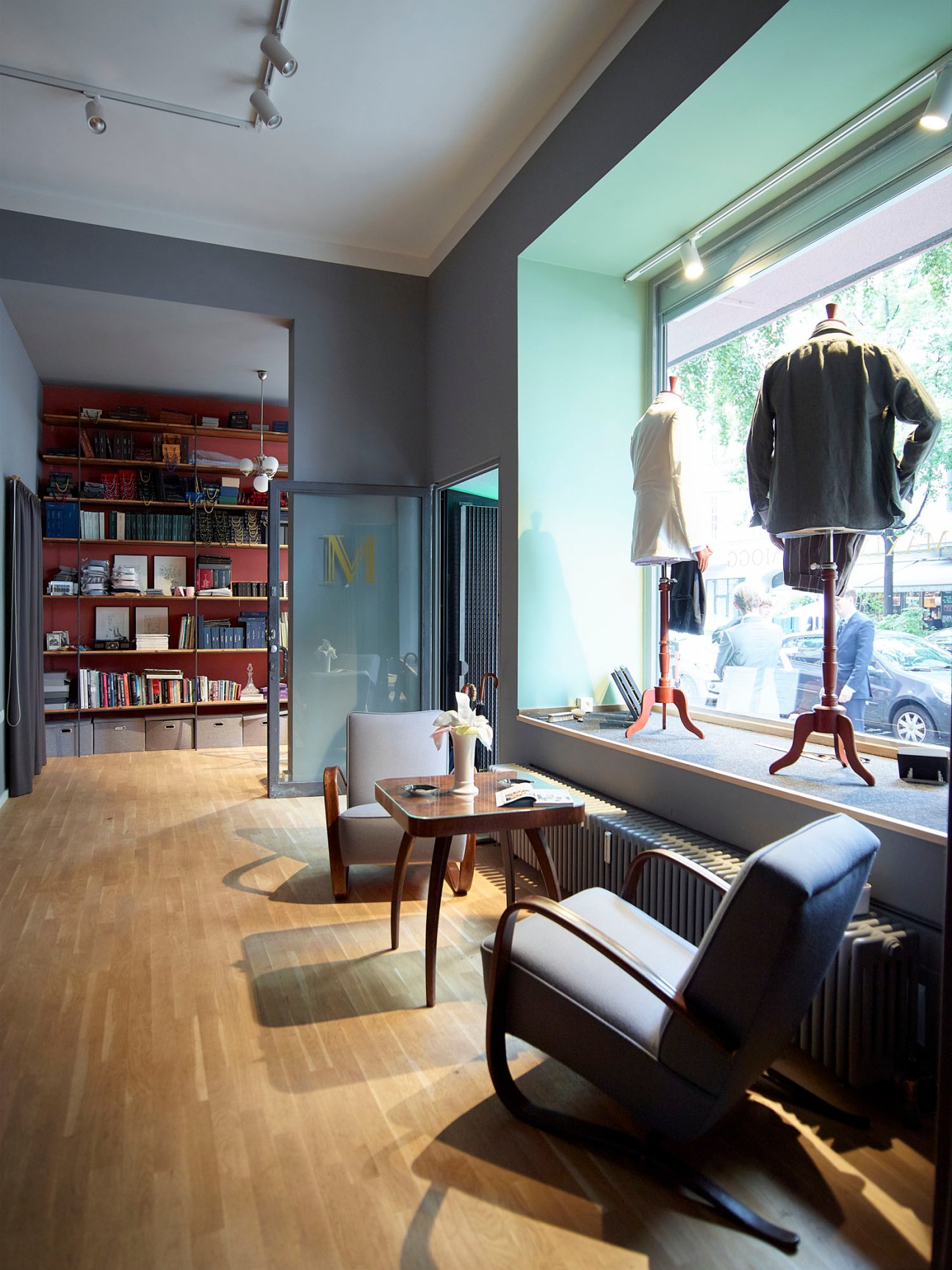
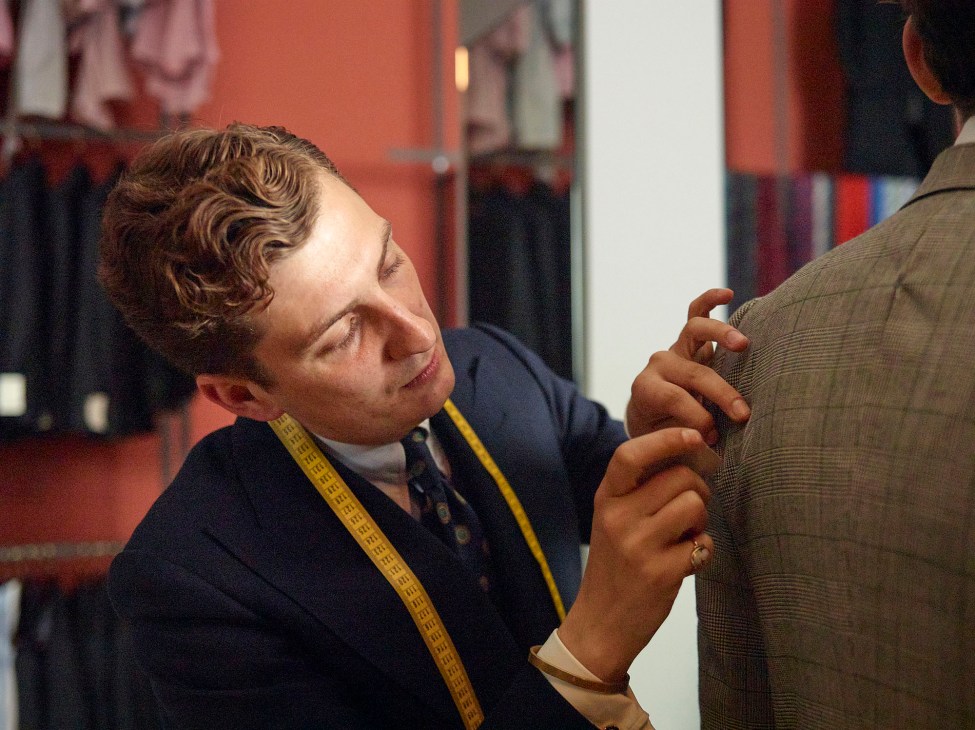
With additional shops in Köln and Washington, Mogg’s business model aims to preserve an old craft but he isn’t afraid to be experimental. Still in his twenties, he hopes that more of his generation open themselves up to working in the tailoring industry. “This is just a question of time because young people today are driven by good quality and uniqueness with their clothes,” he says. “What’s more unique than a bespoke suit?”
maximilianmogg.de
Riccardo Verolo
Sartoria Lemmi
Perugia
When talk turns to Italy and tailoring, the image that typically jumps to mind is still one of a slightly portly gentleman who is well into his sixties, impeccably attired and occupying an atelier in fashion- centric Milan or Naples. Riccardo Verolo, 27, doesn’t fit this stereotype, save for his well-turned-out wardrobe.
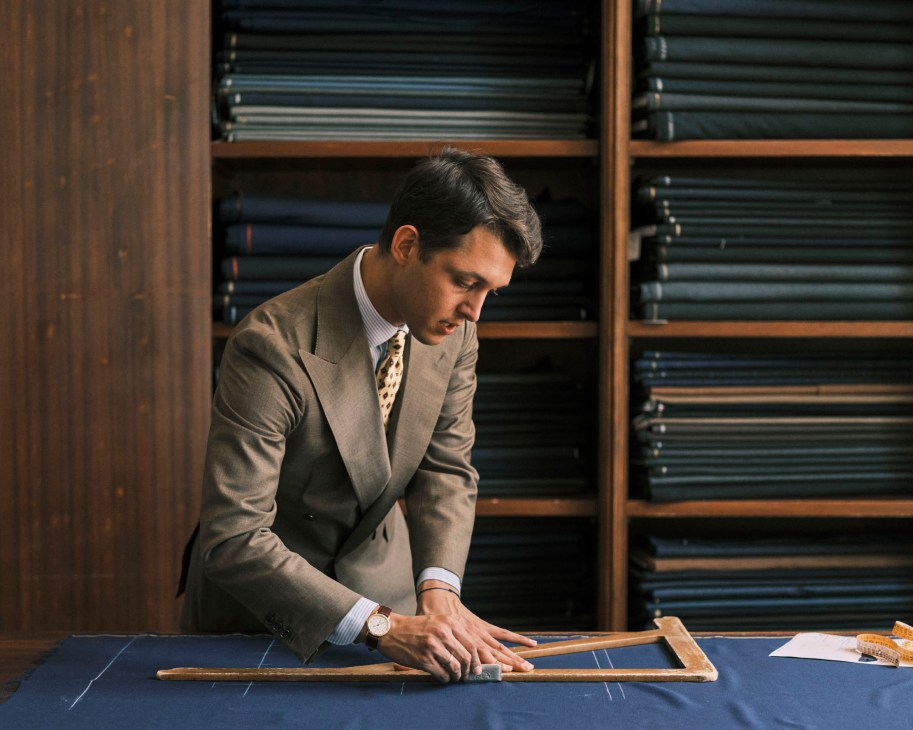
A native of Macerata in Italy’s Marche region, known more for its footwear than fabrics, Verolo is at the vanguard of a new generation of sartorial savants. Despite his tender age – in Italy, getting ahead often means waiting until your late thirties to start making a name for yourself, as seniority can block the advancement of the young – he has collected an impressive number of clients, from as far afield as Berlin and London, eager to try the suits that are cut in his Perugia workshop.
“Youth is often associated with inexperience here in Italy instead of progress or innovation,” says the fresh-faced Verolo, who enjoys sporting a fun mixture of complementary clothes, such as a bright blue safari shirt in linen or a bespoke poplin shirt with vintage fresh wool trousers.
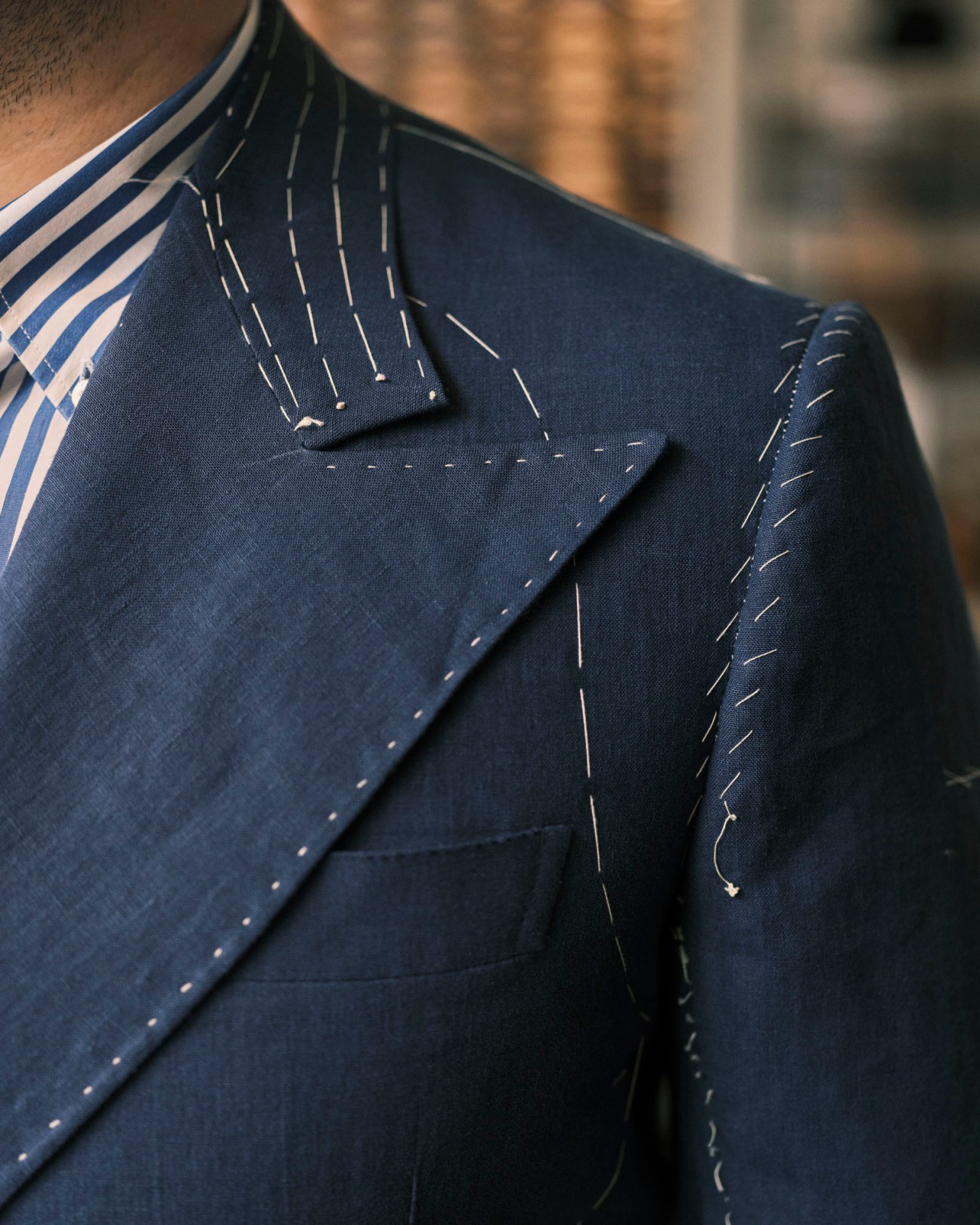

Verolo has been busy since the age of 14 learning the ins and outs of tailoring. First, there were night classes with a seamstress to learn shirt-making, then he moved on to formal wear. In his hometown of Macerata, he observed the old-fashioned tailors making garments that were heavier in weight compared with today’s offerings. Then he uprooted to Rome to do a three-year course at the European Chamber of Haute Couture and worked at Sartoria Ripense, an establishment that offered a modern take on made-to-measure menswear.
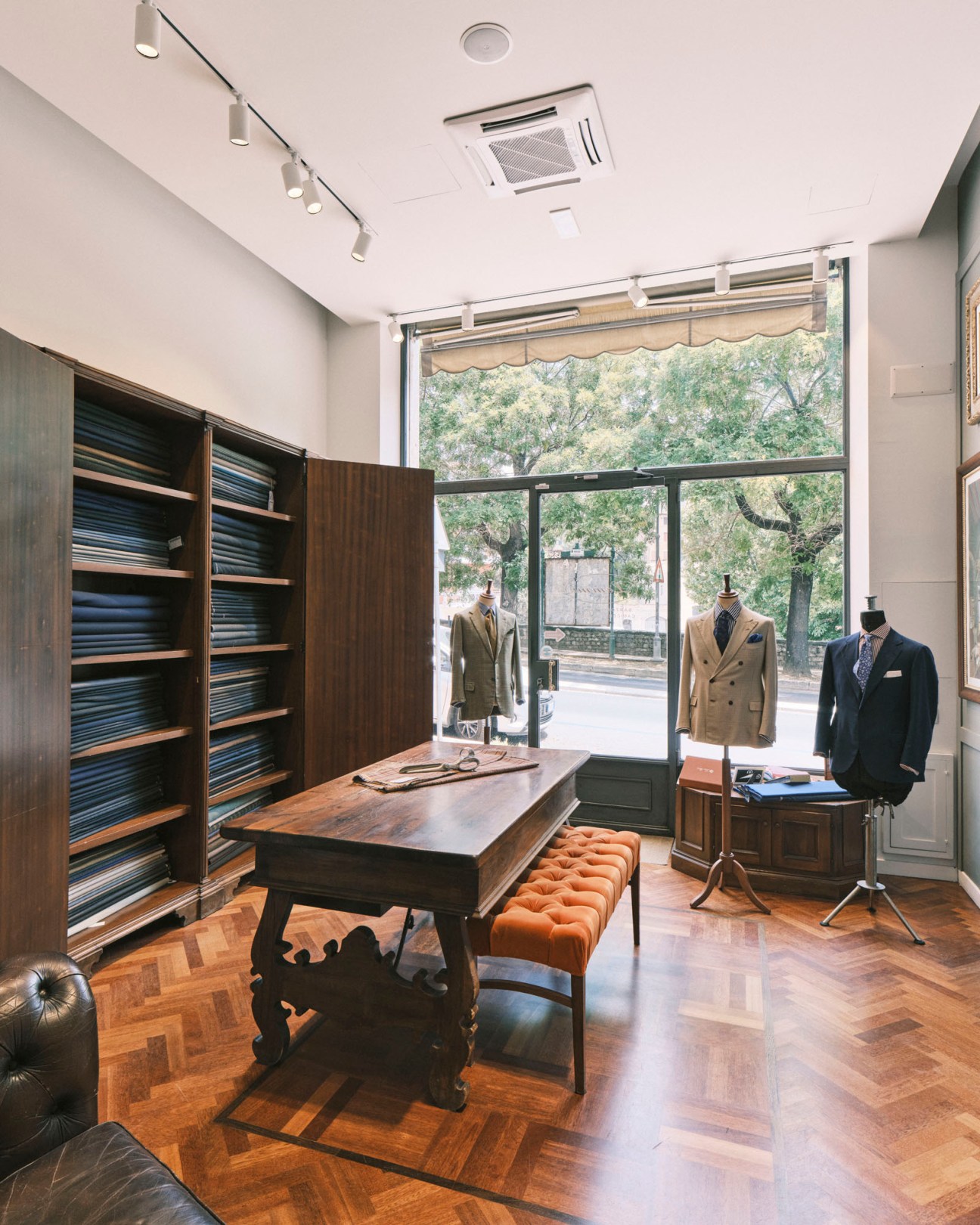
“I would compare it to being a chef,” says Verolo. “You have to go out and work in many places, sample dishes and understand how ingredients are best put together.” Today he oversees Sartoria Lemmi in the Umbrian capital, a family-run establishment set up in 1948 that has provided him the freedom to express his talents. Here he works with Italian fabrics from noted suppliers such as Vitale Barberis Canonico and Loro Piana. Verolo leads a team of four, constructing about 120 suits a year for those enamoured with the atelier’s unlined jackets, which feature attractive piping and a shoulder that is an elegant compromise between the natural line of a Neapolitan and a slightly more formal look. “It’s a question of a few millimetres but it makes all the difference to create something that is in harmony with the body,” he says.
lemmiperugia.it